



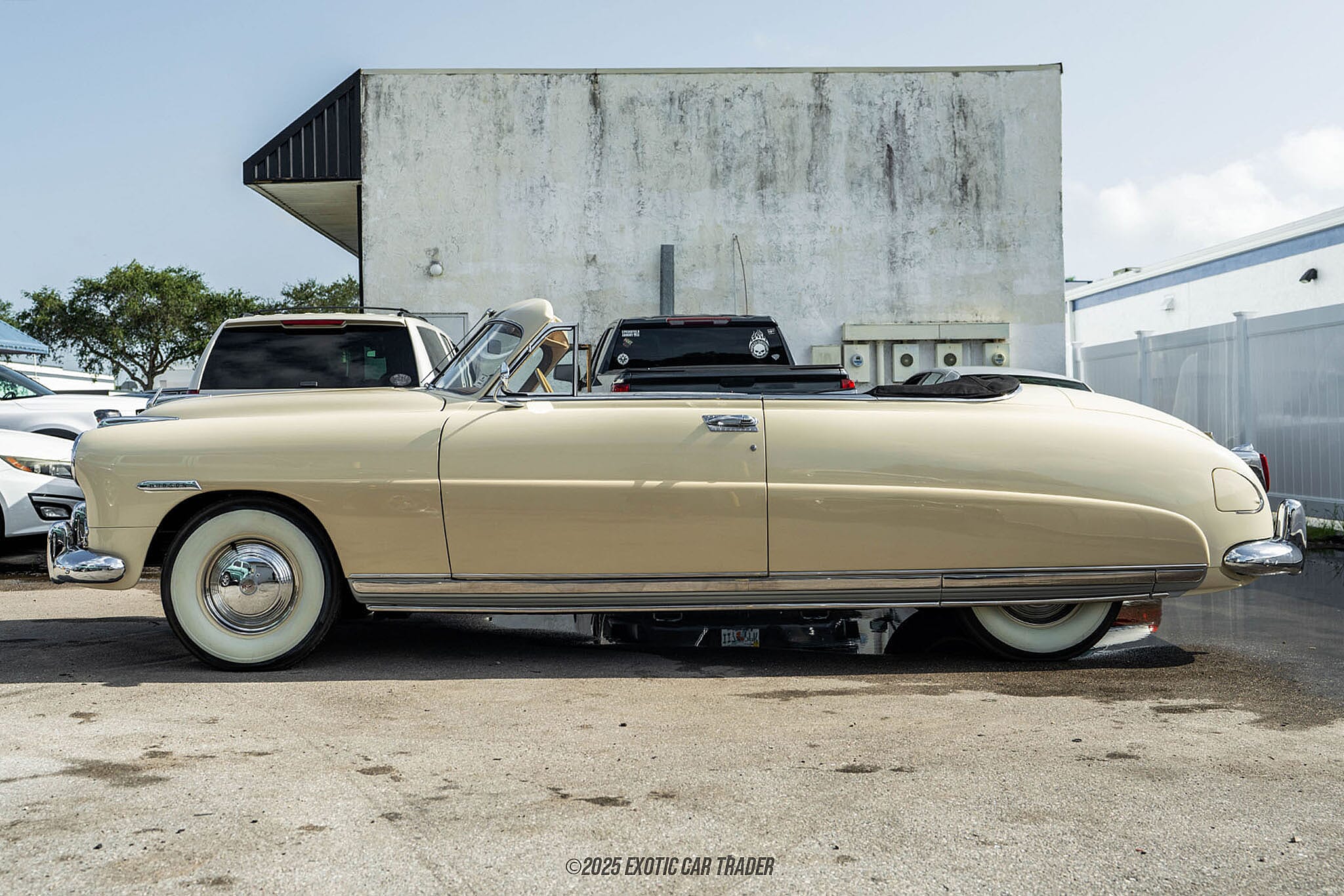
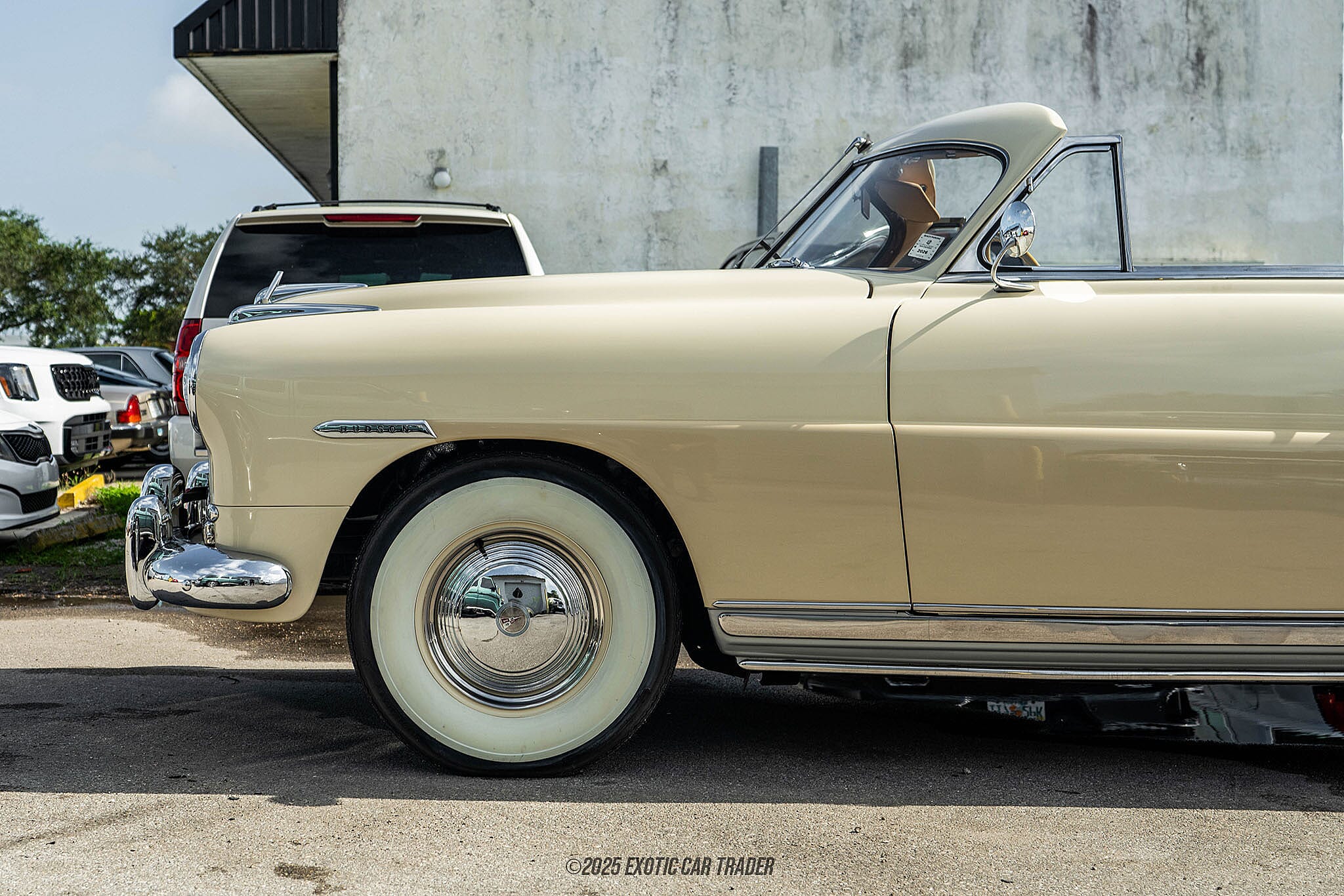
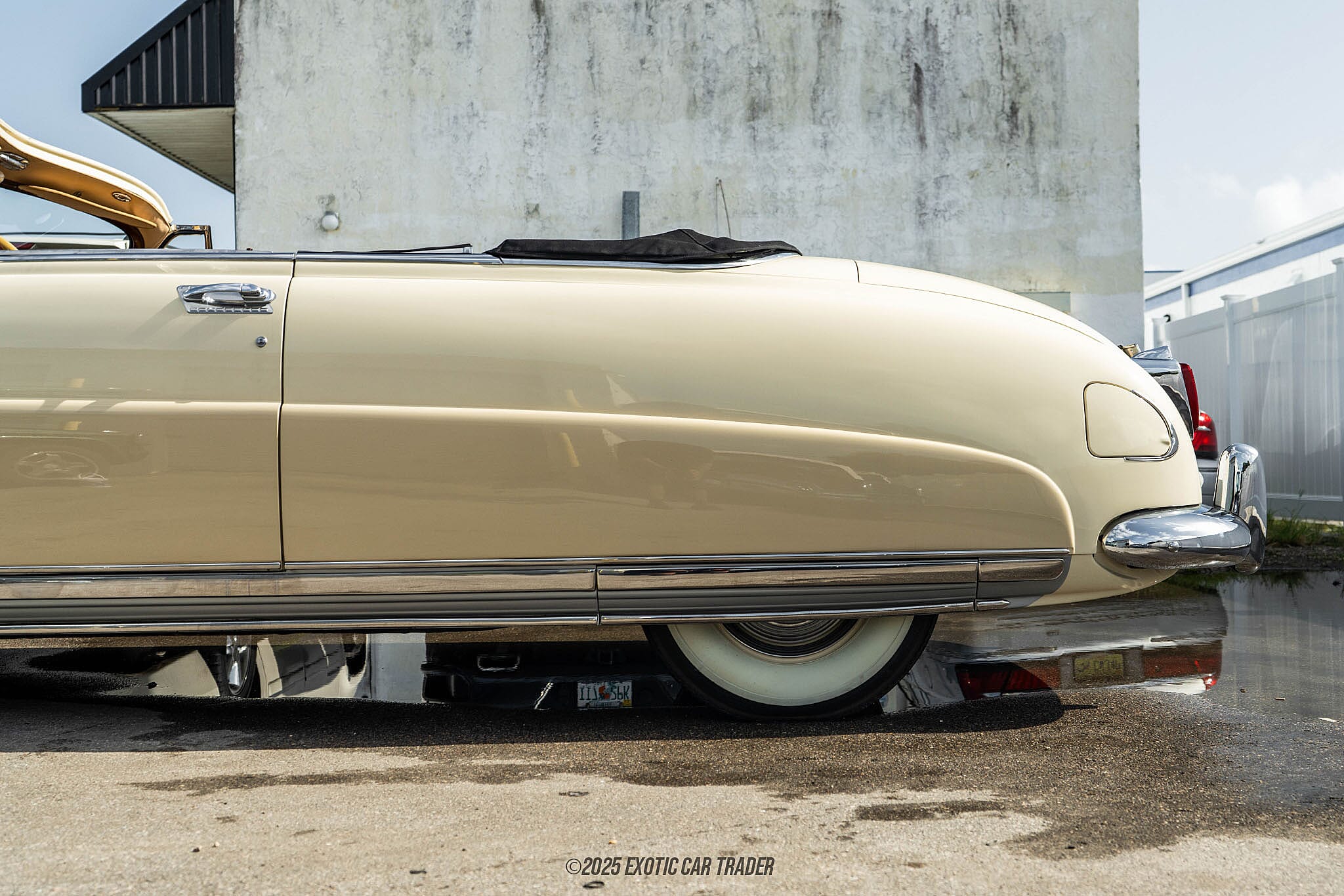
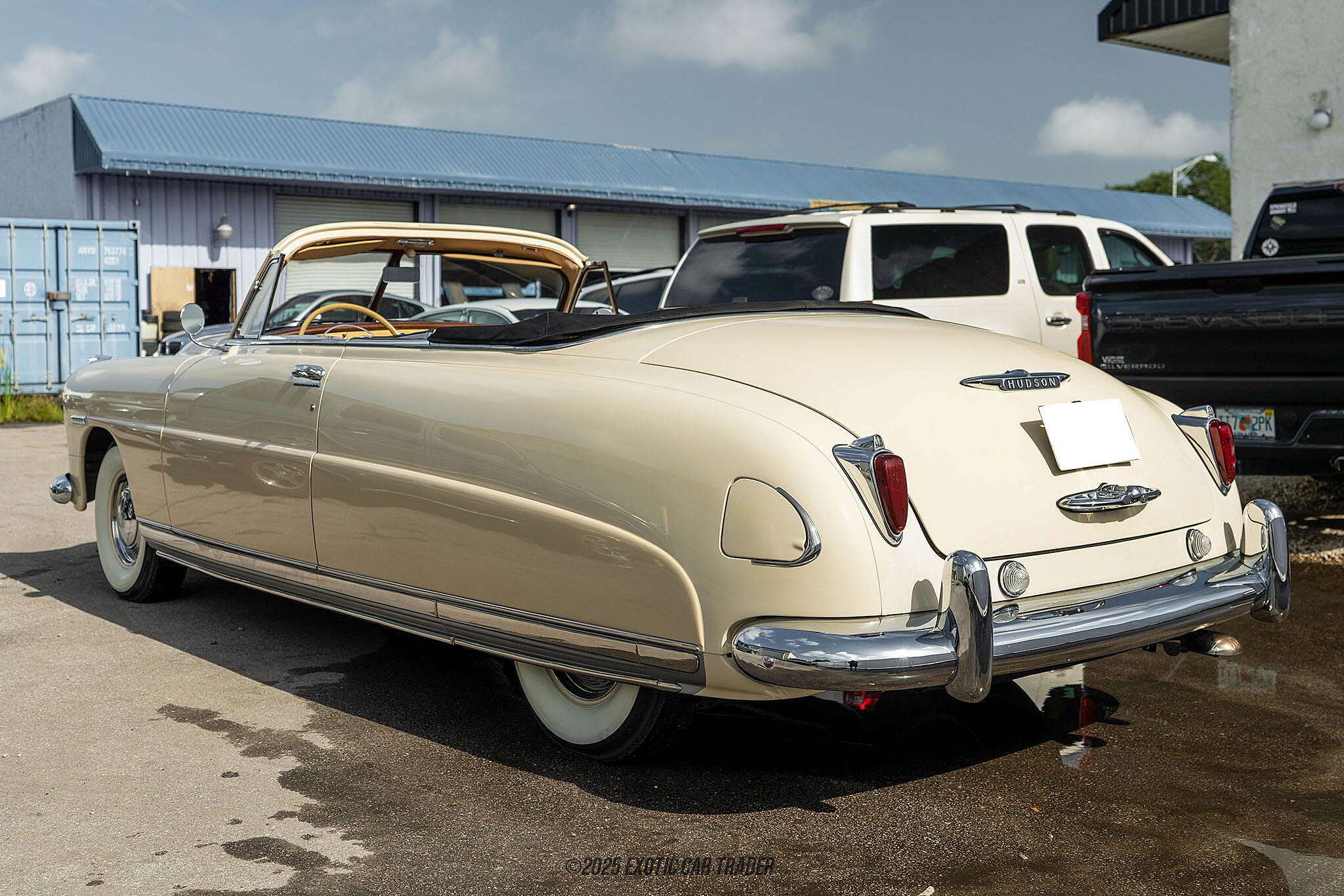
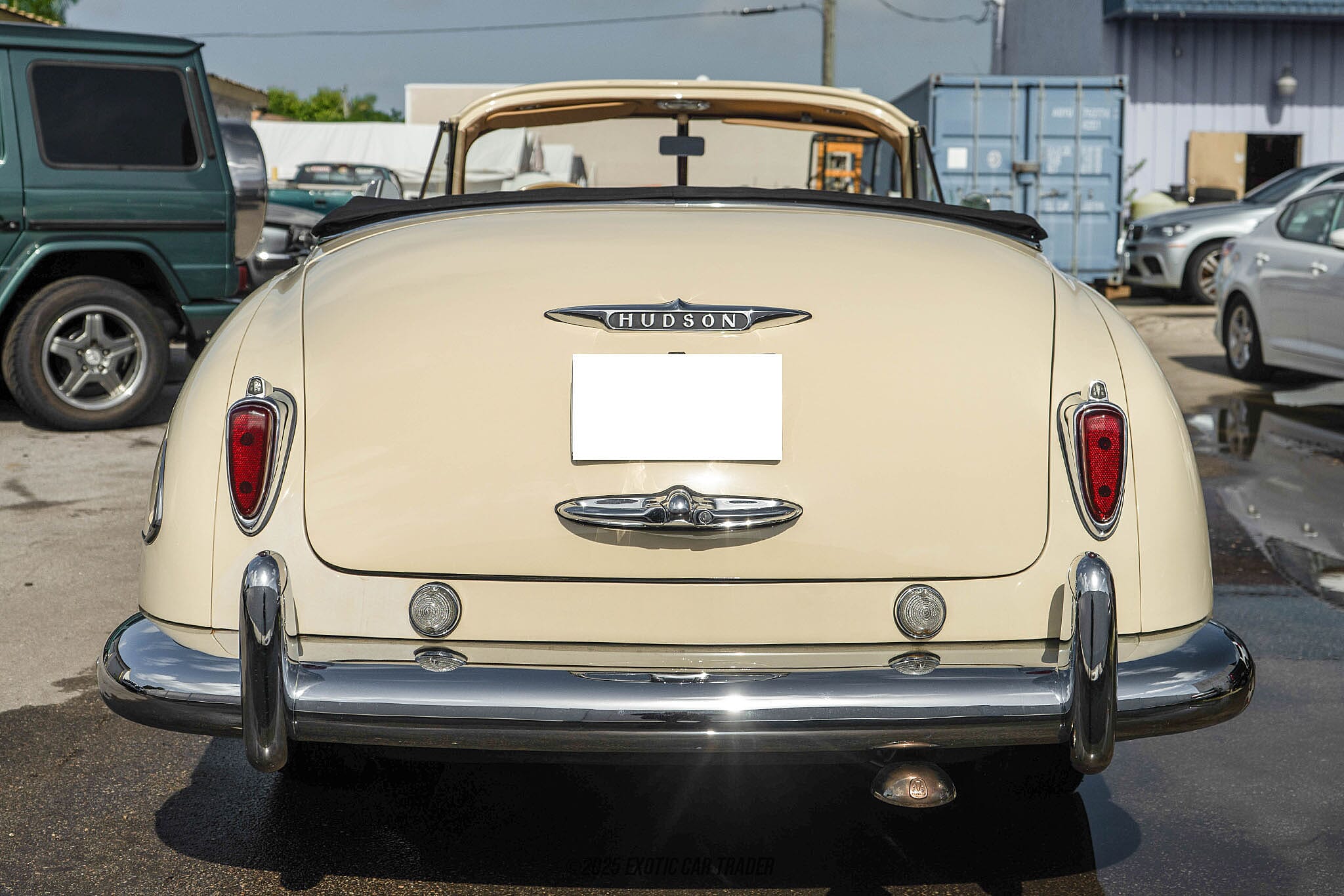
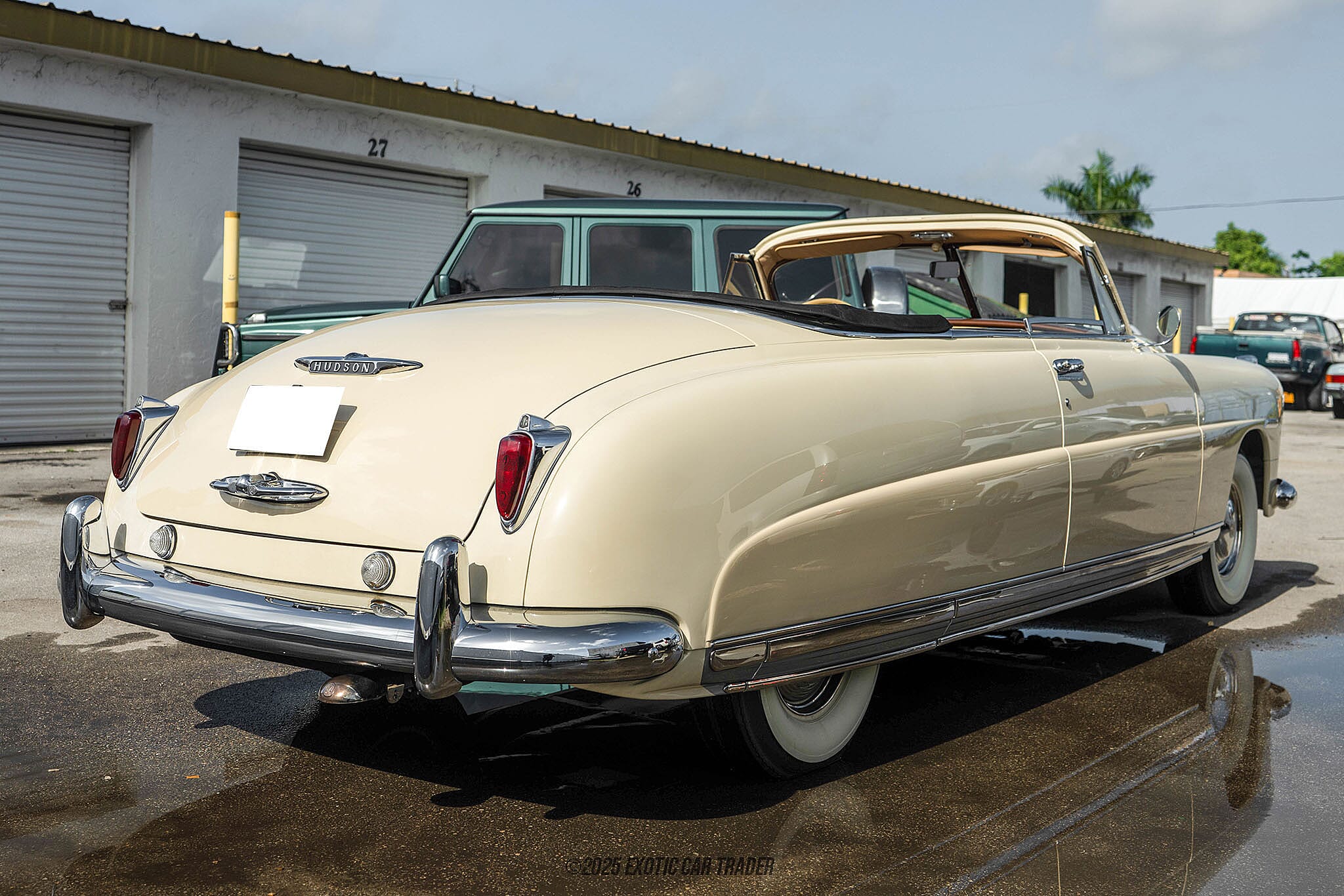
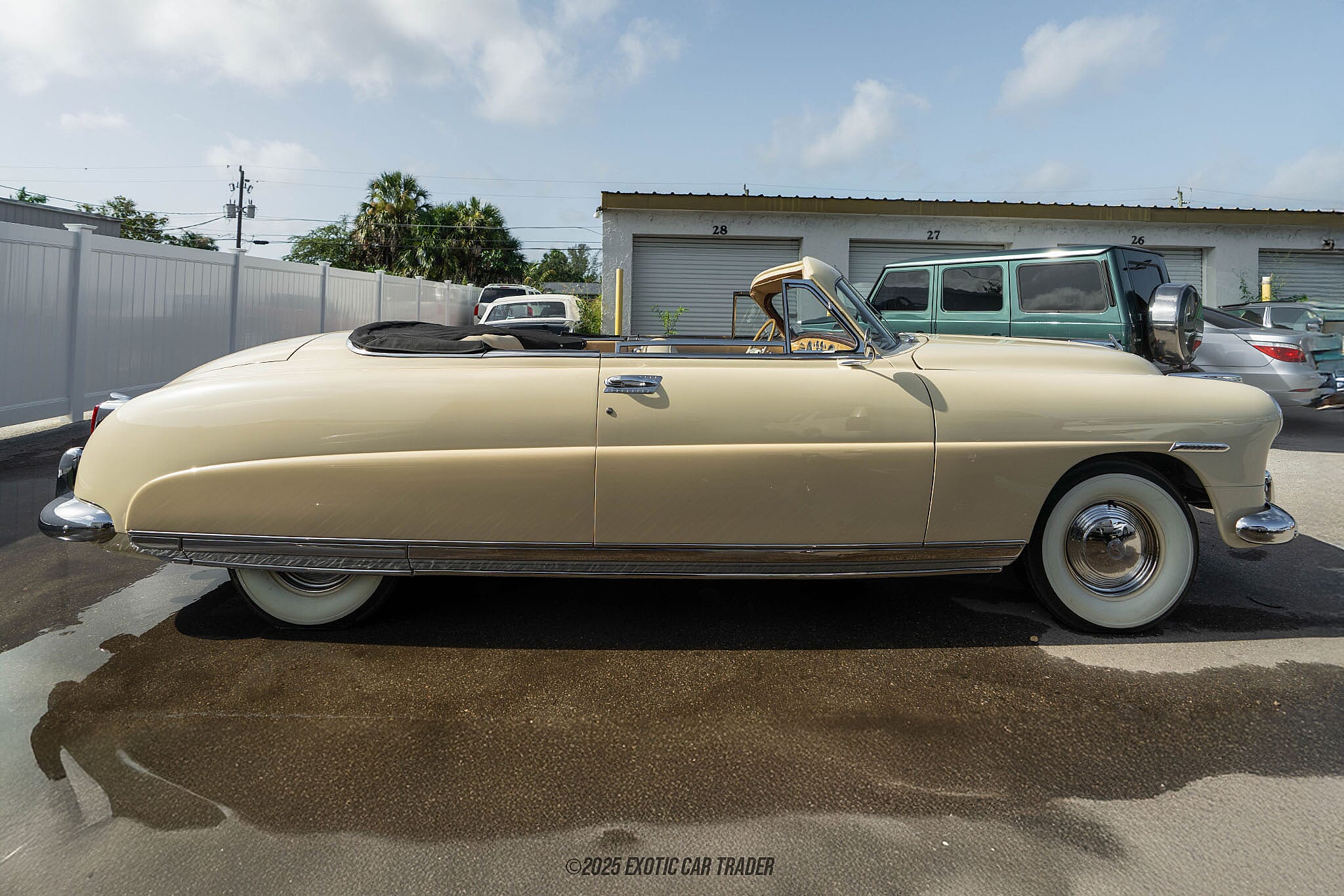
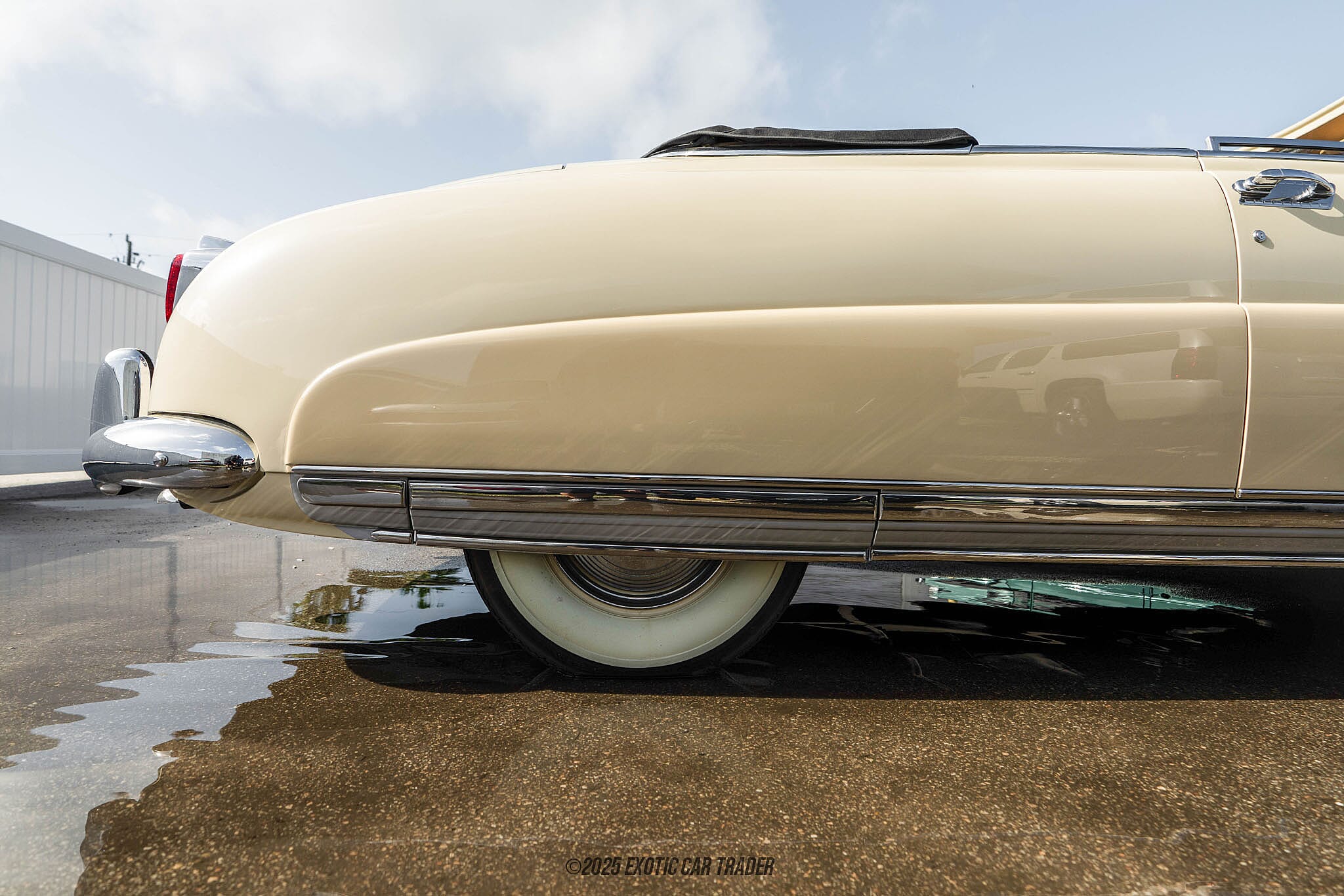

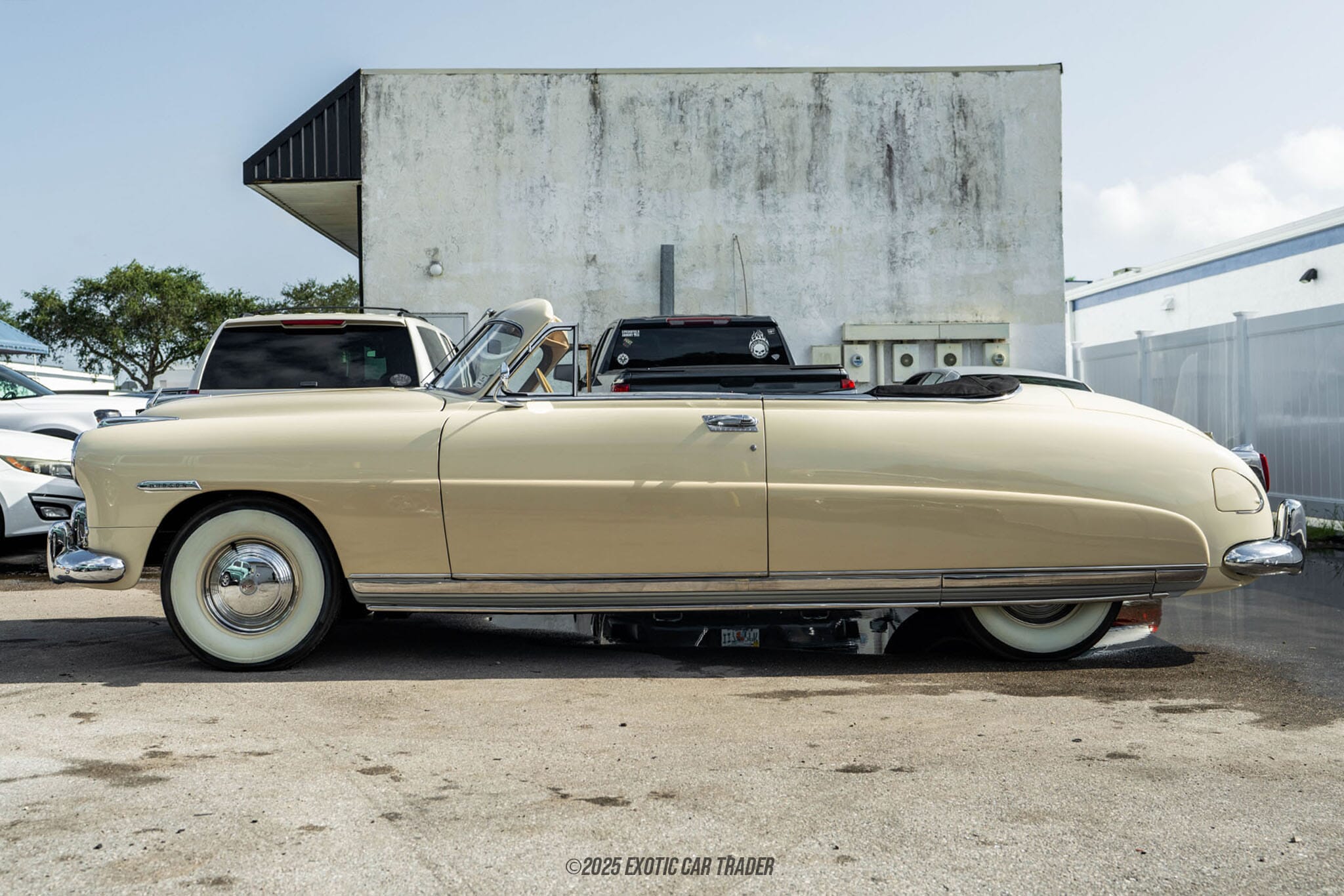
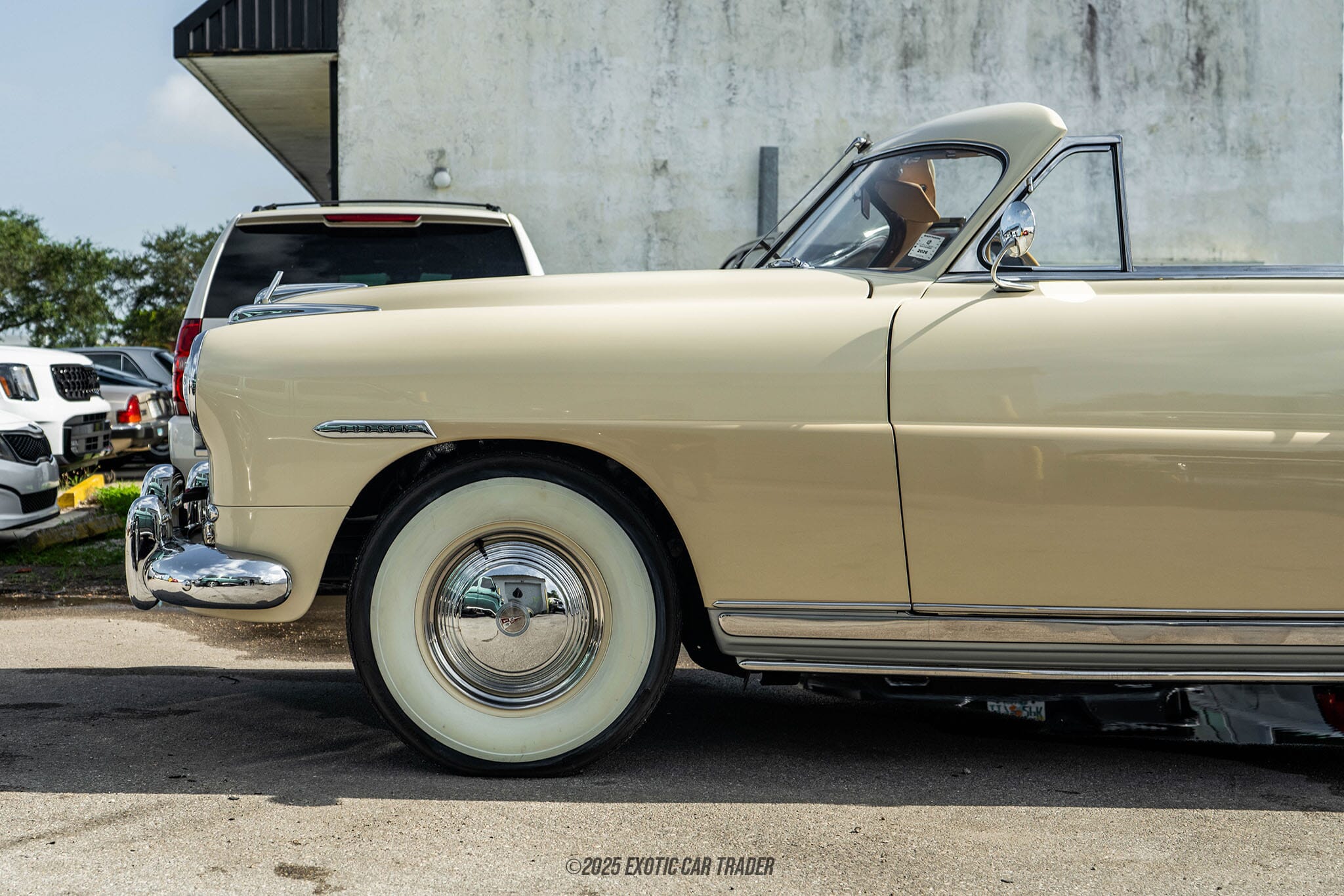
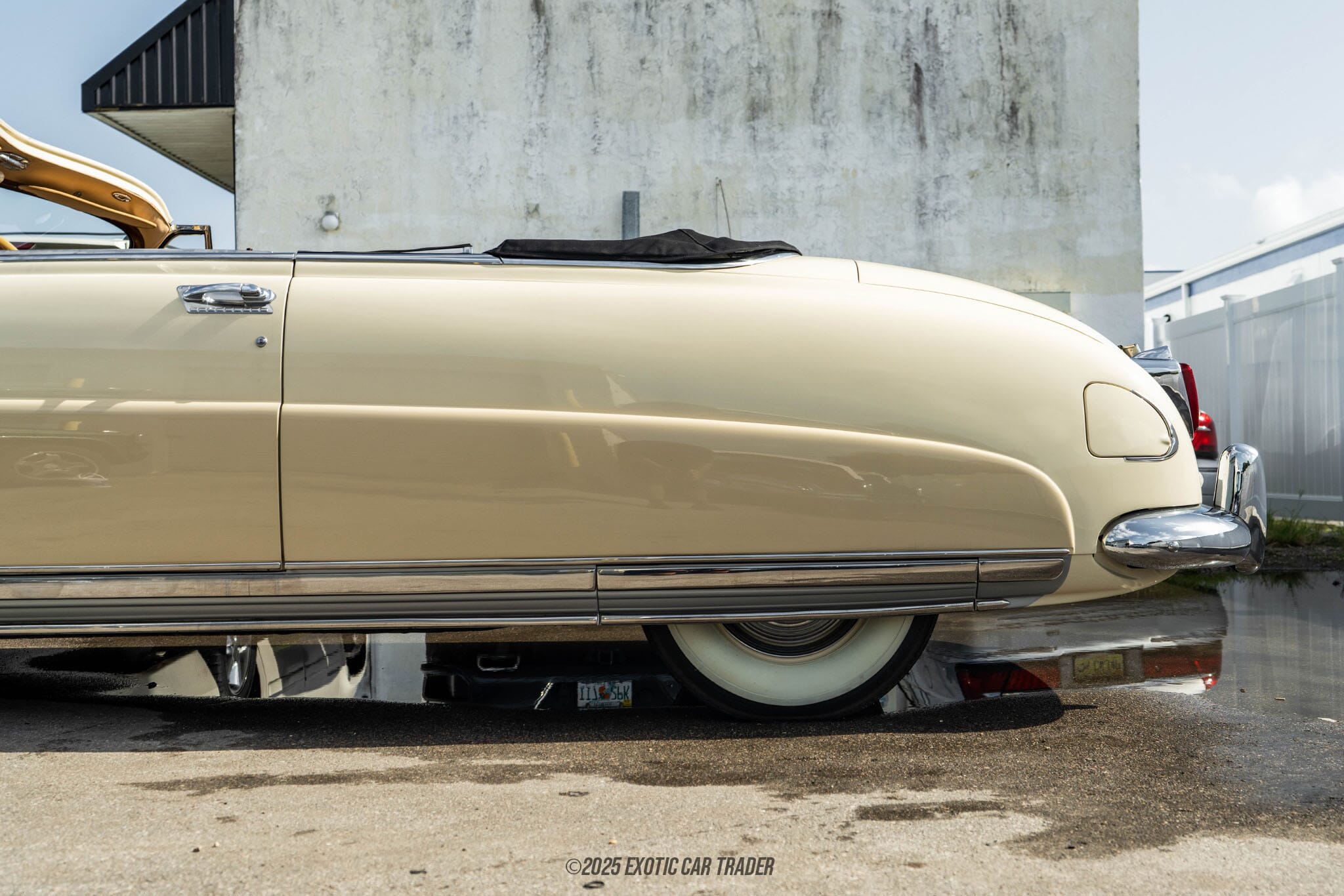
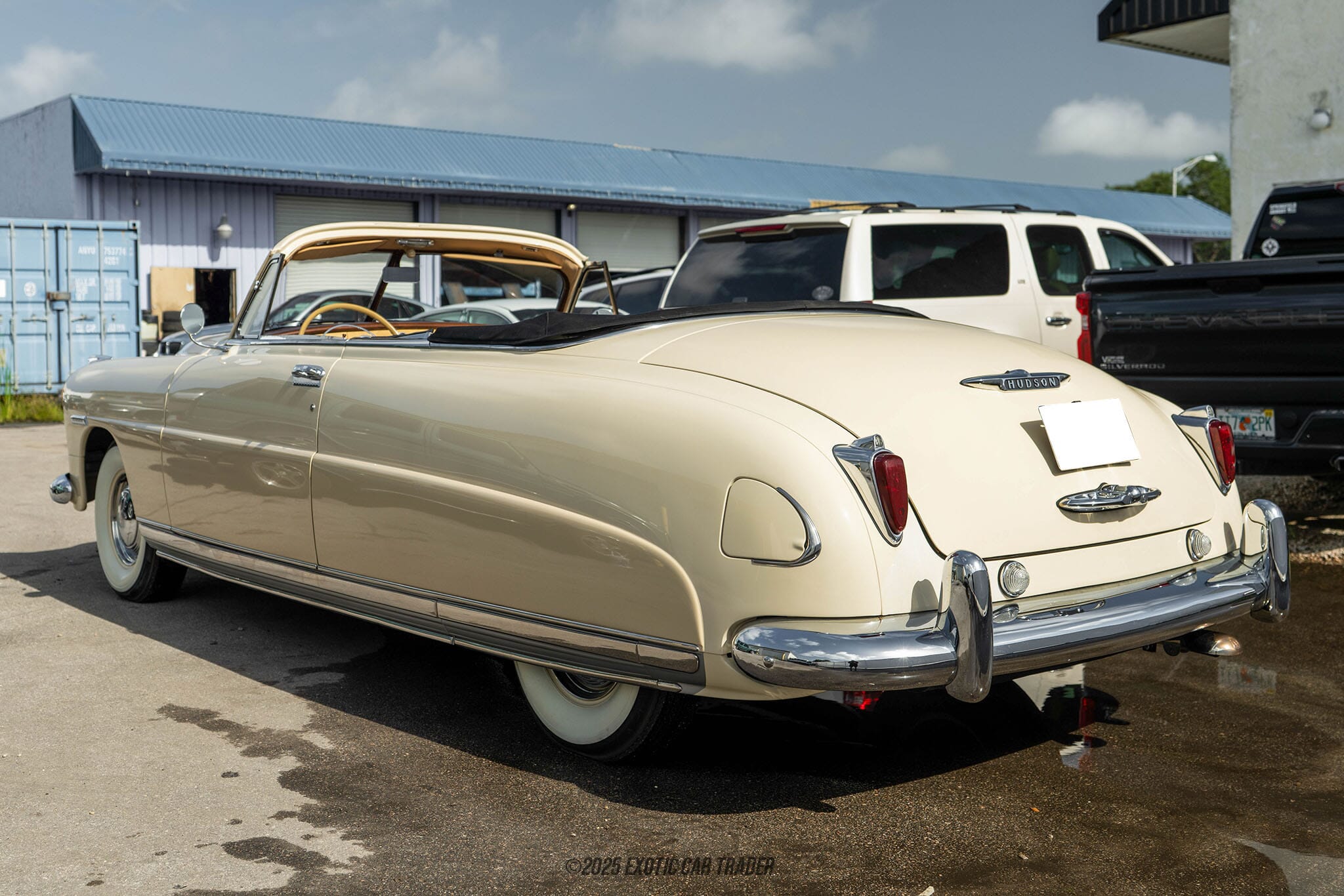
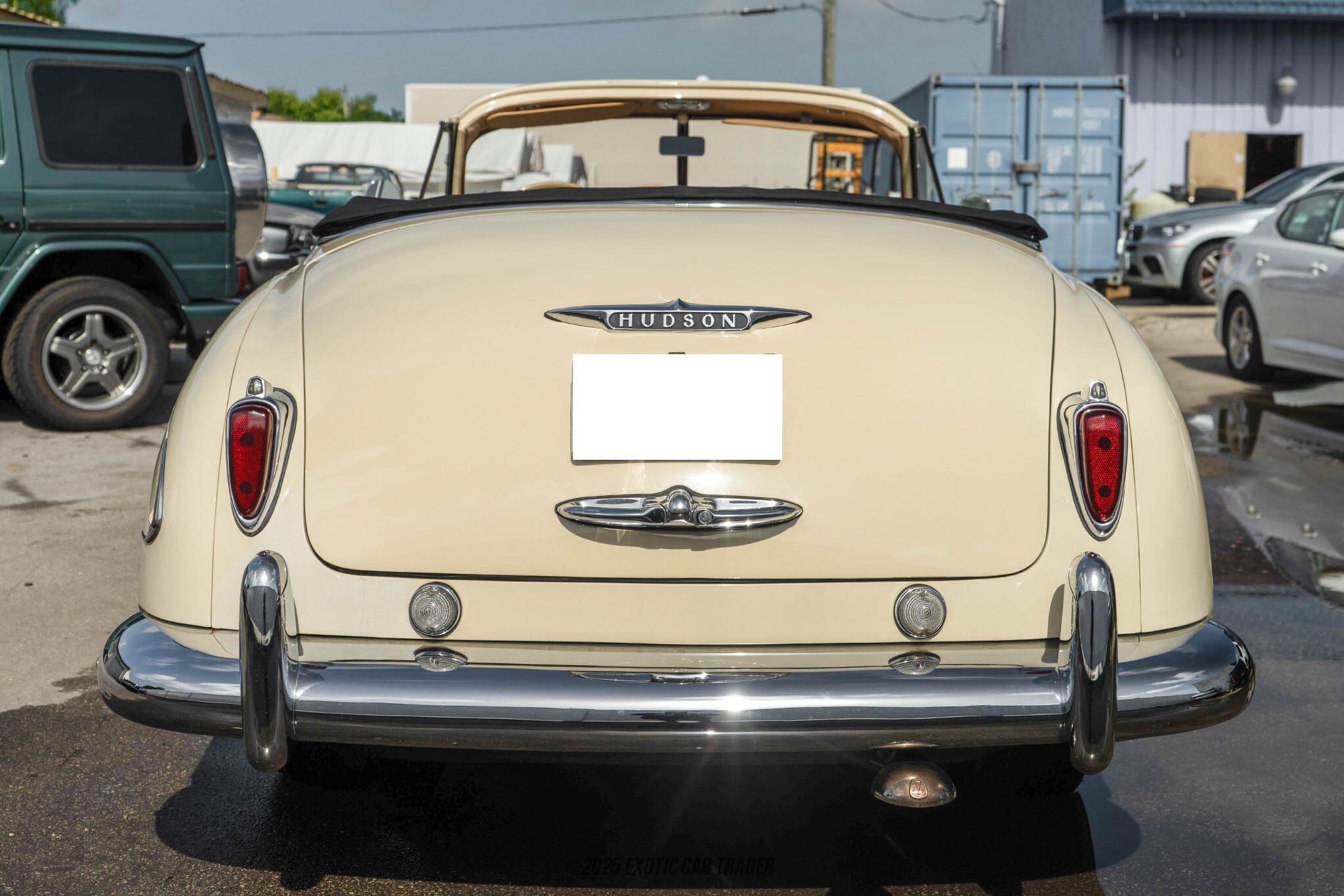
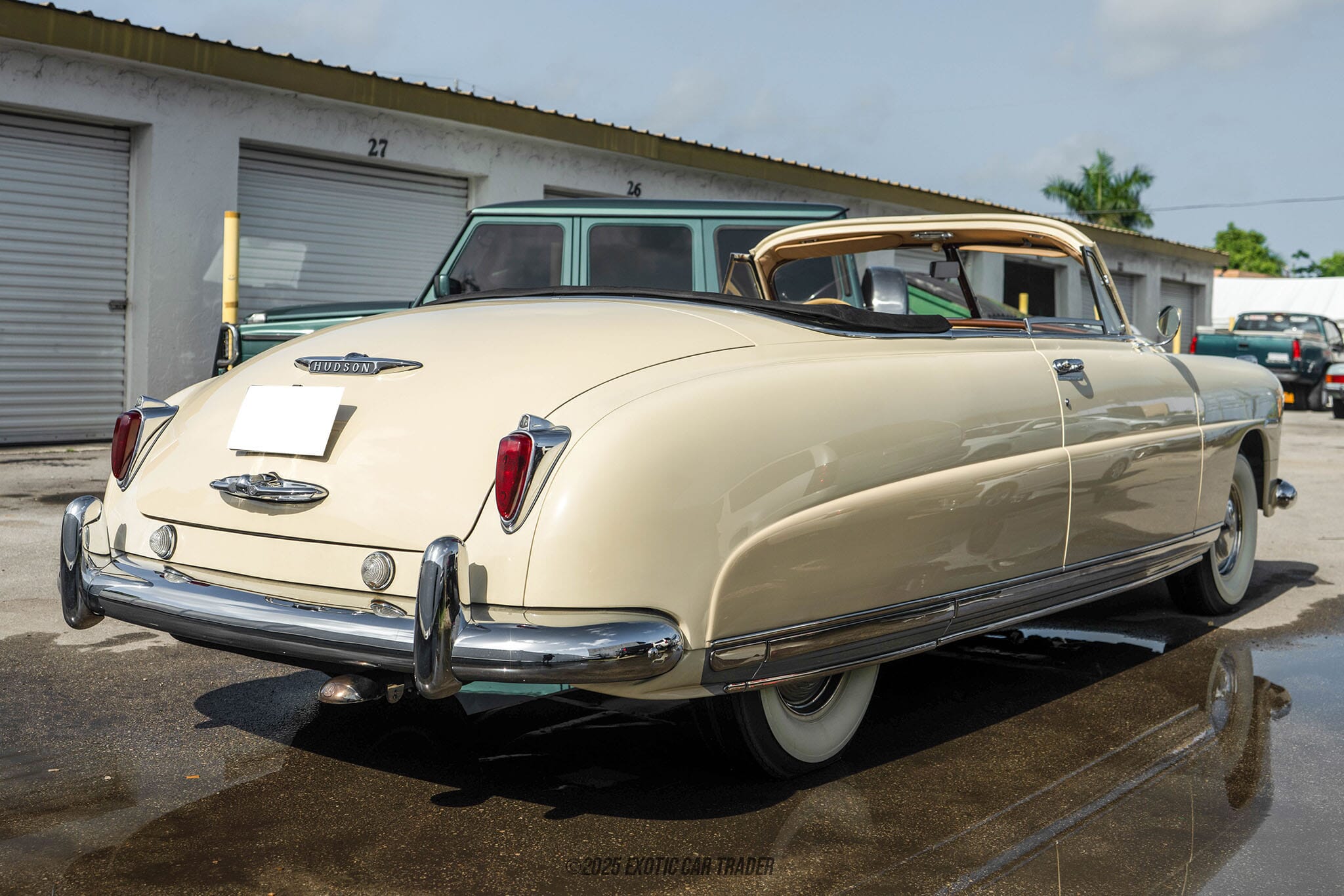
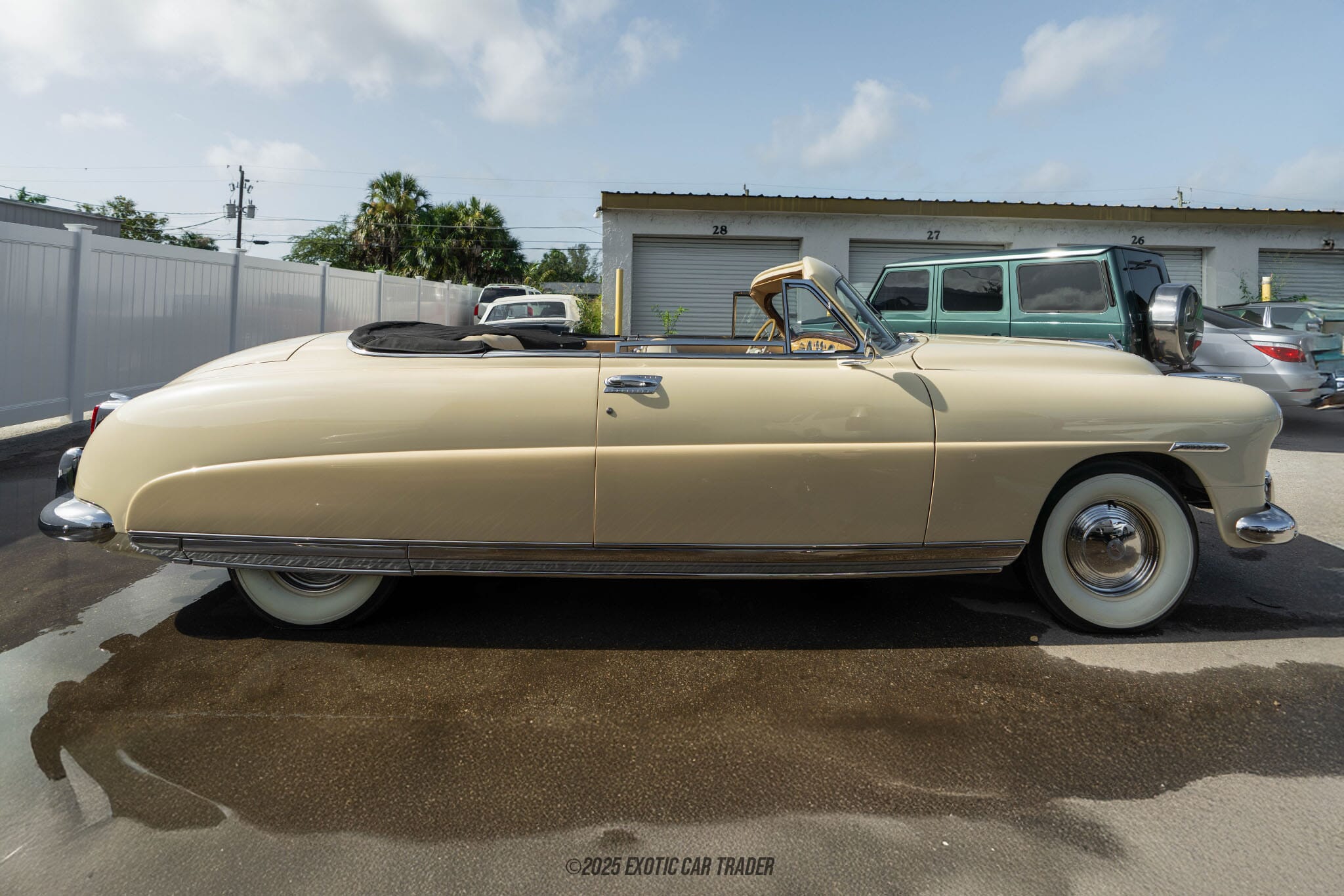
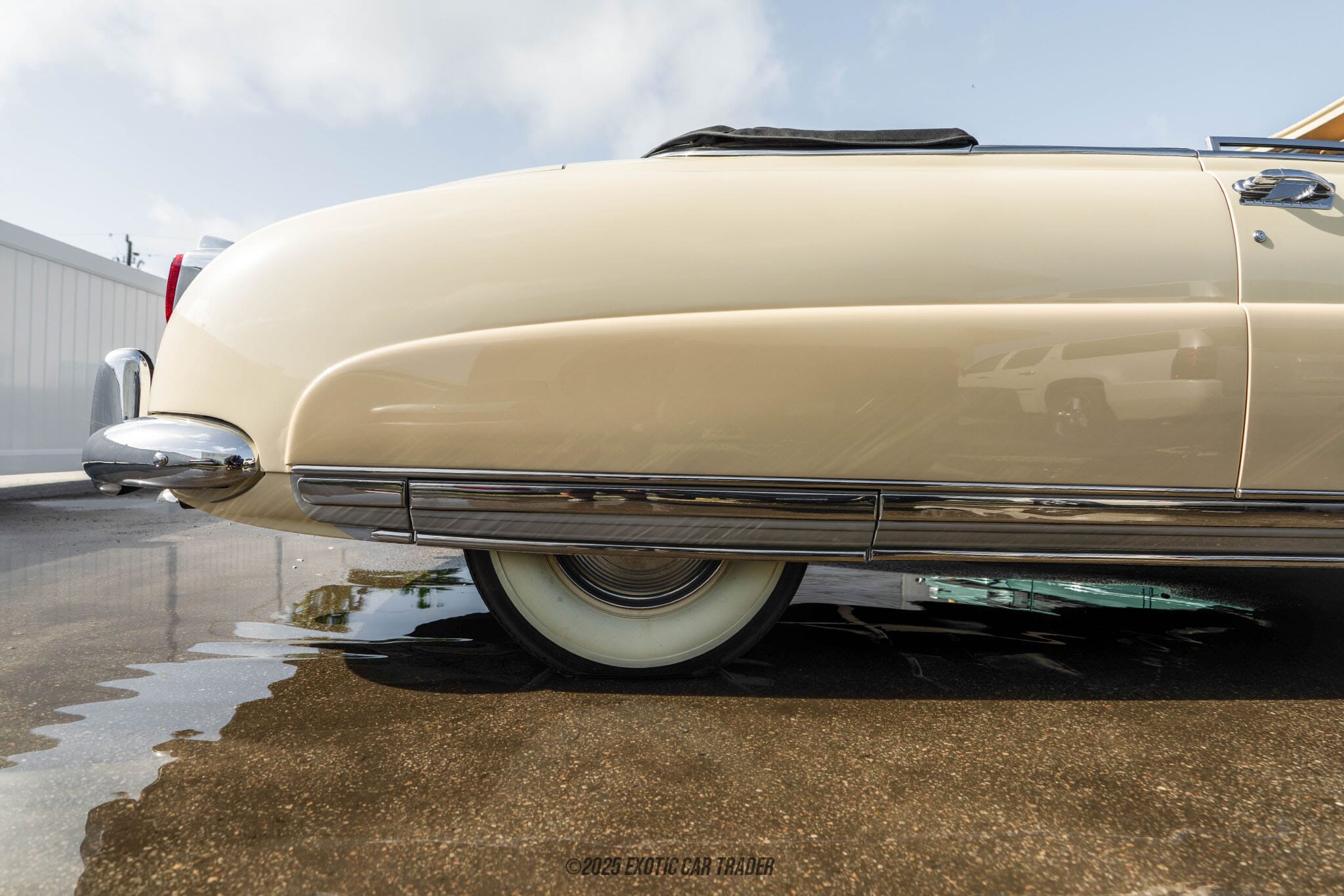
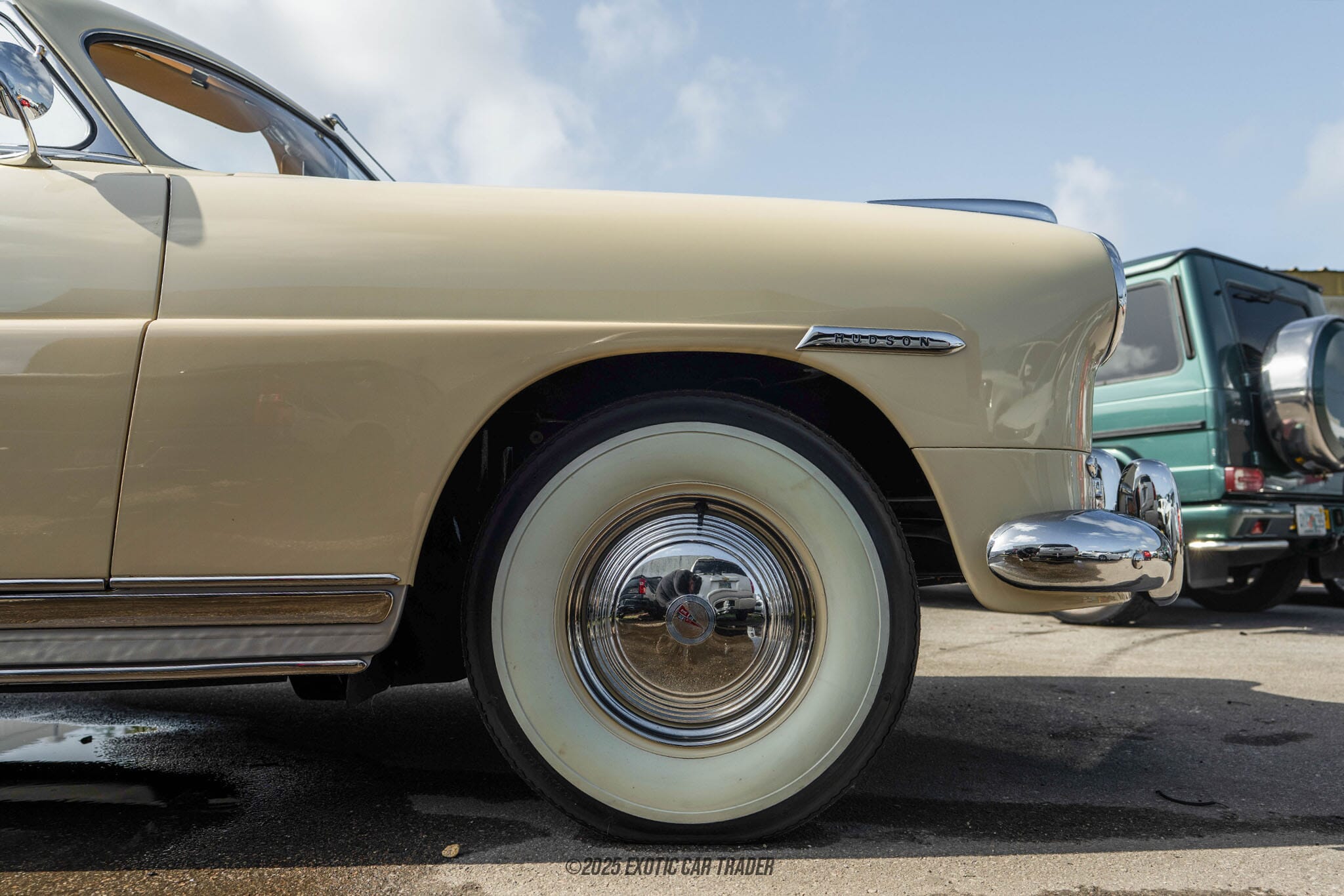
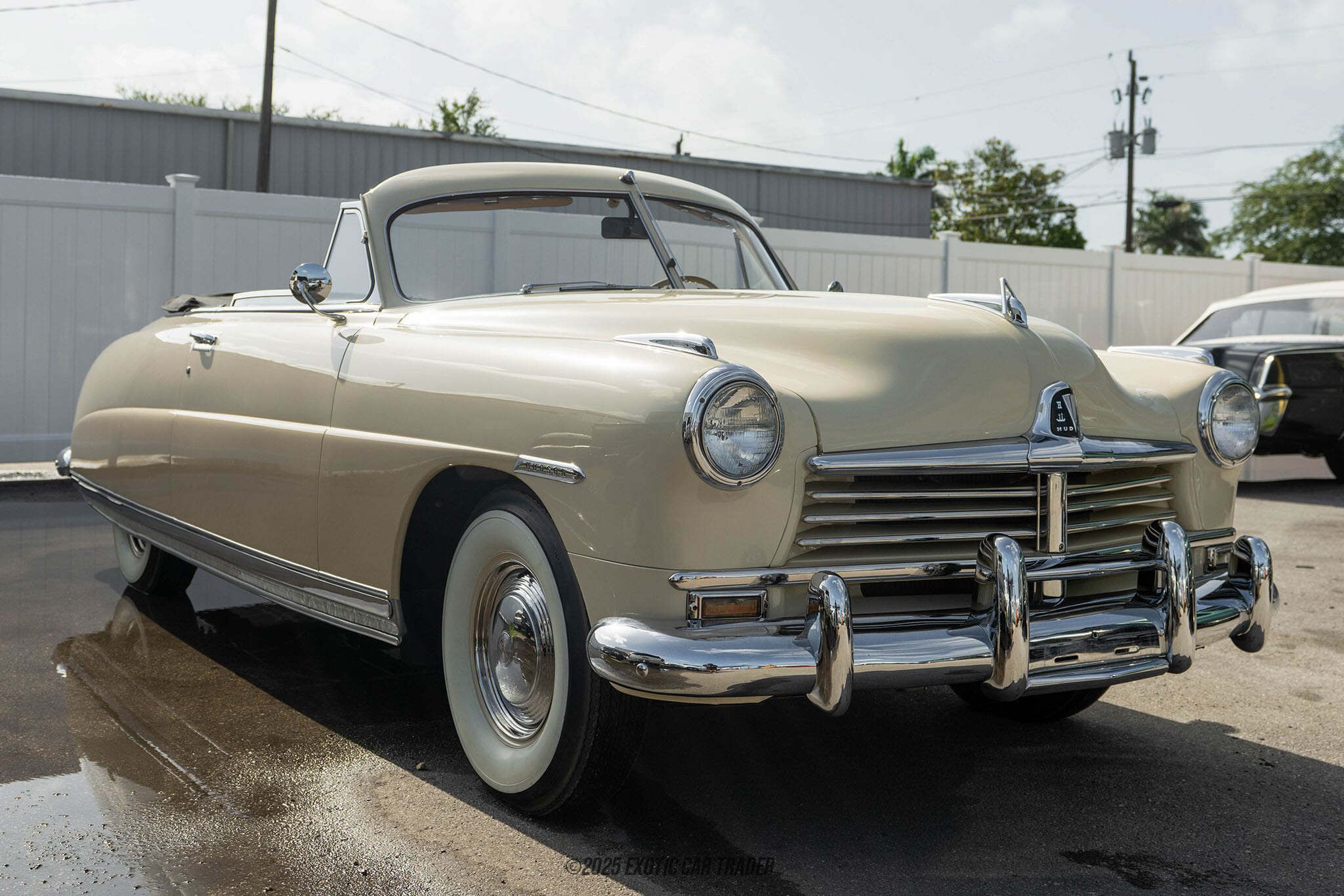
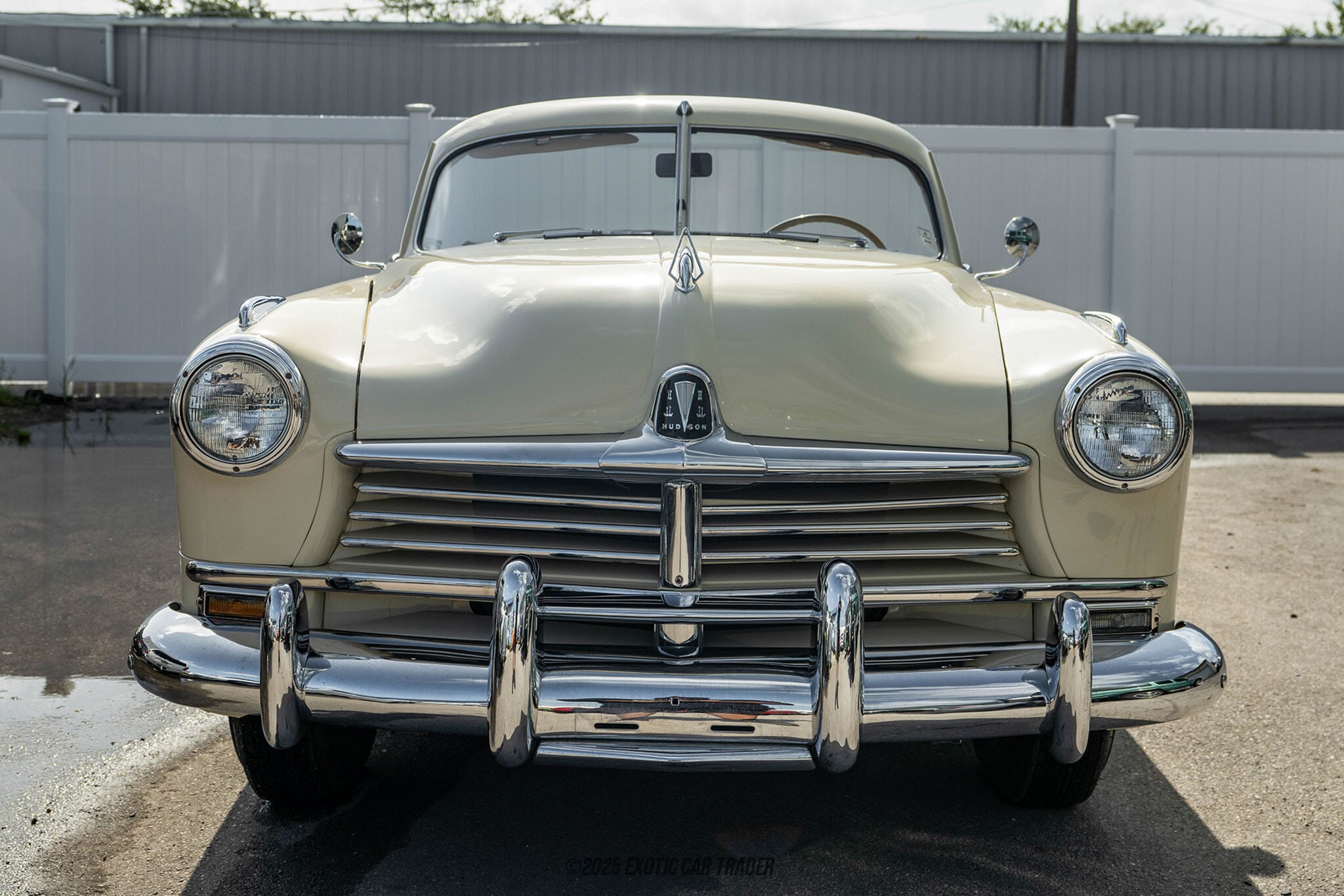
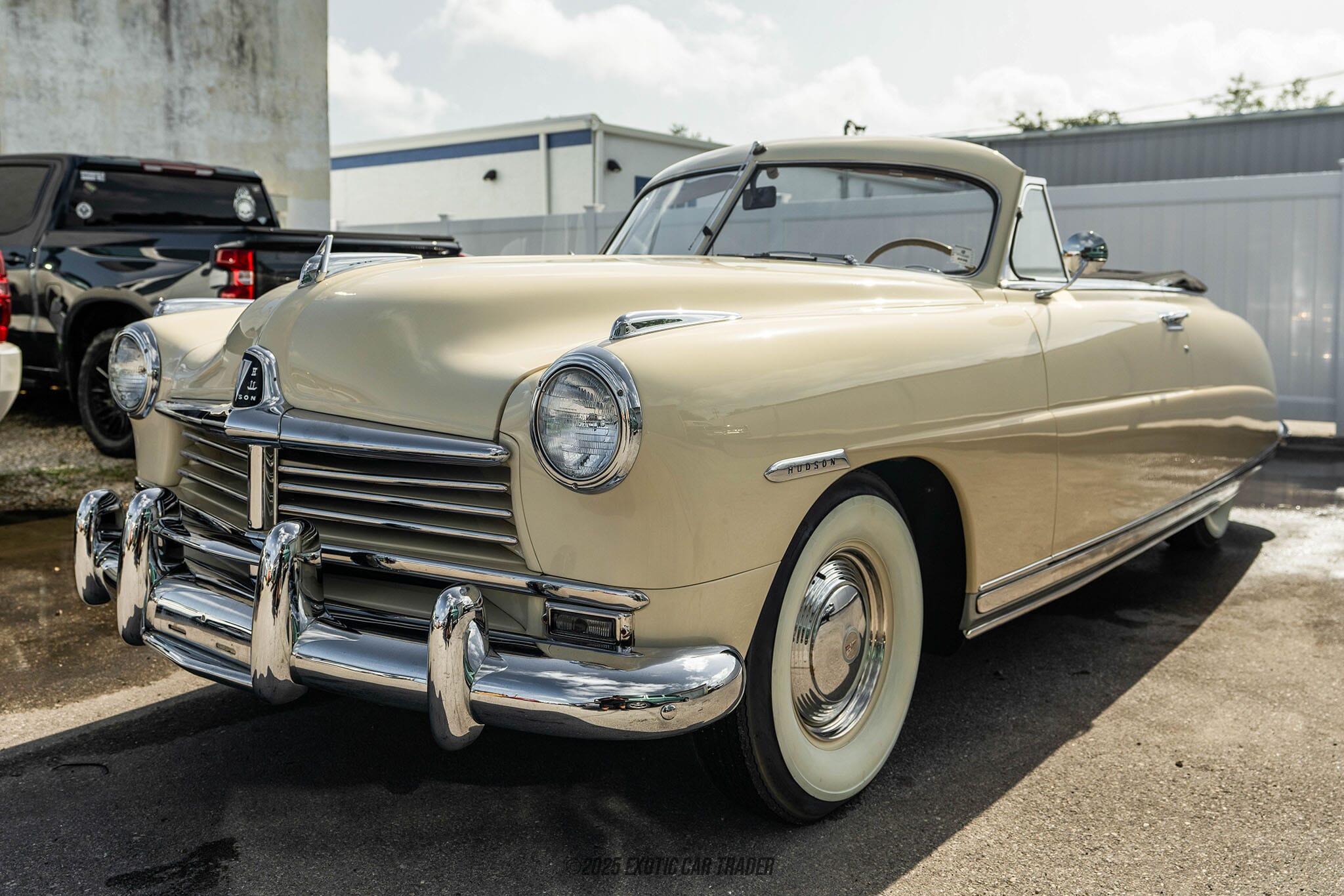
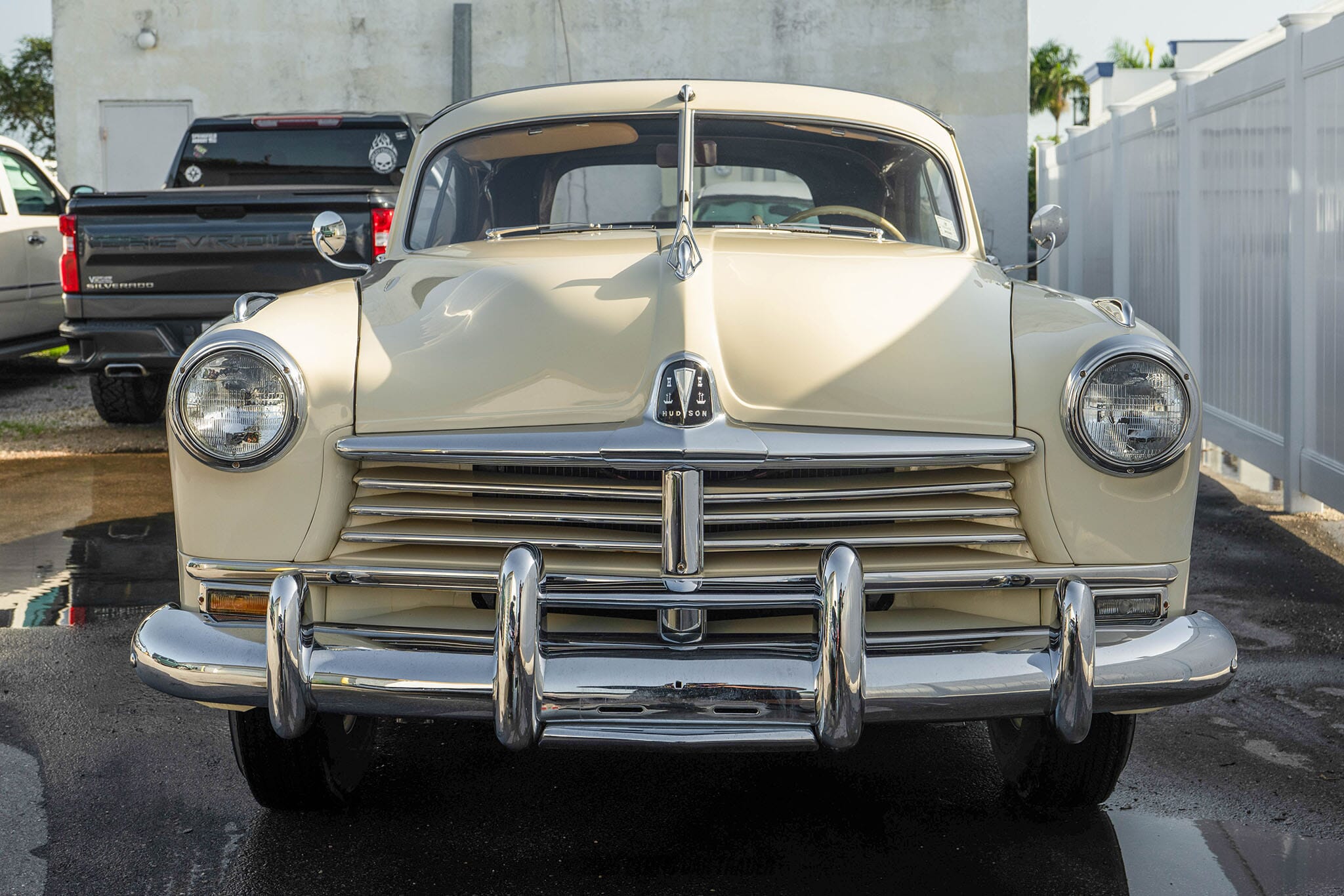
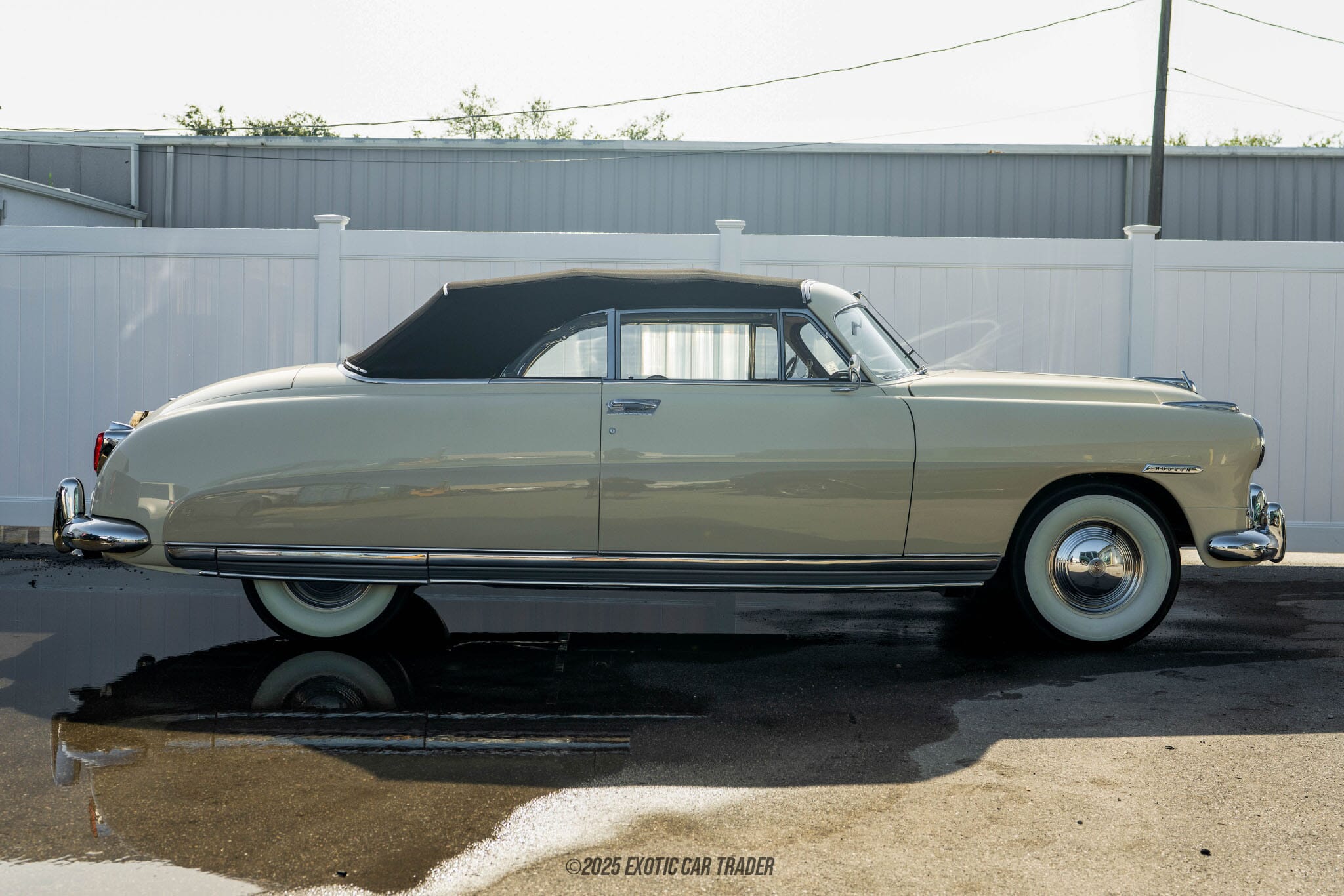
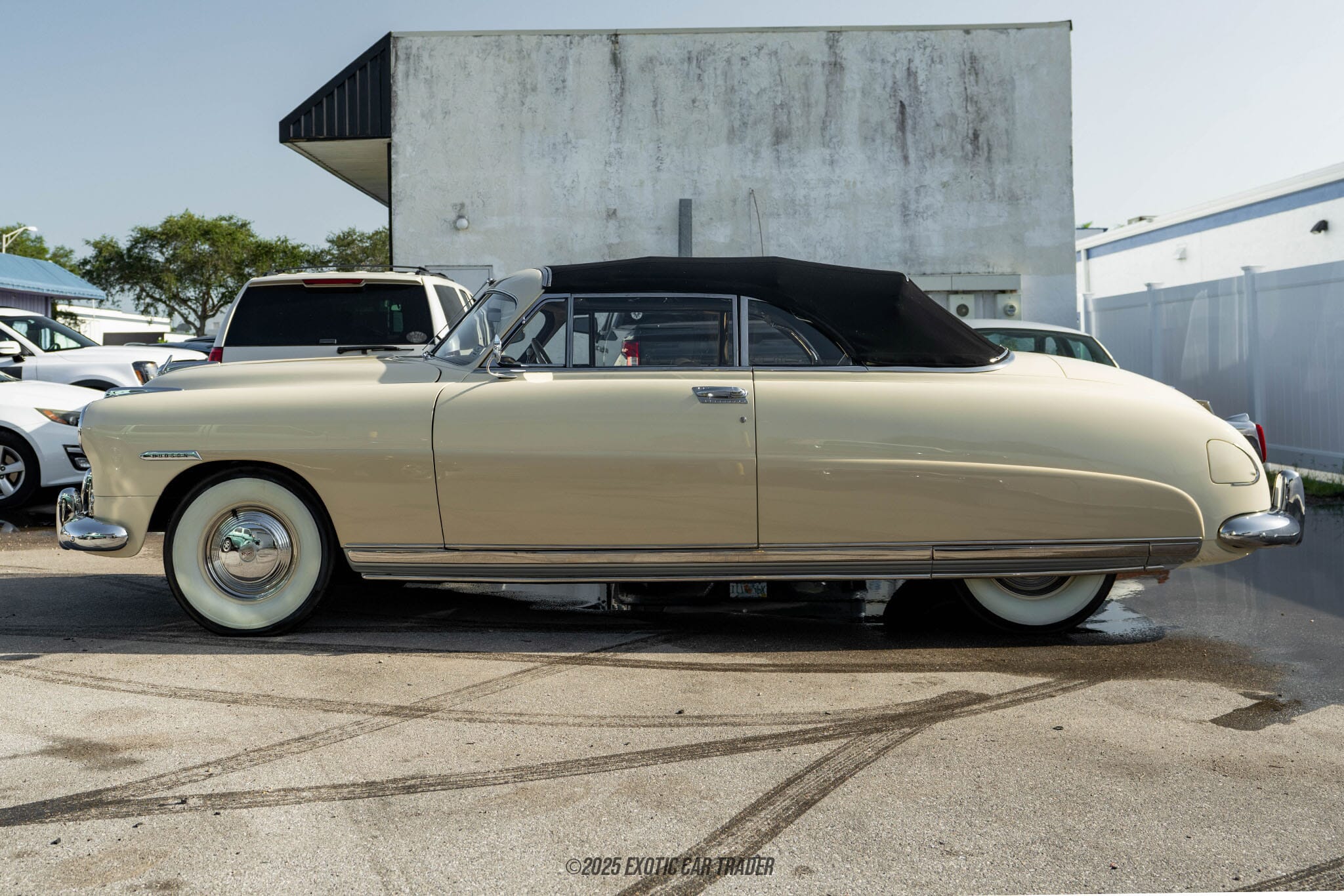
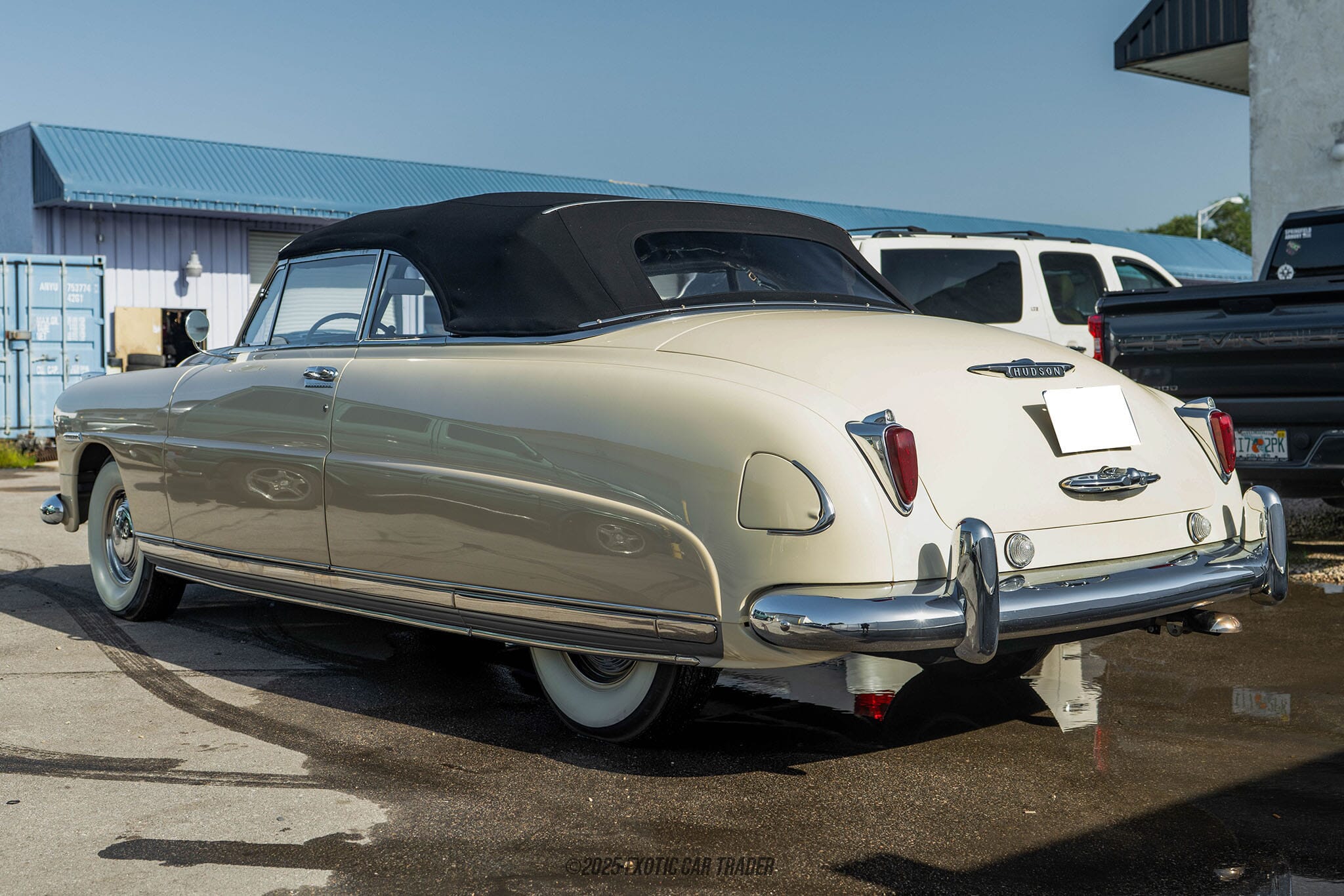
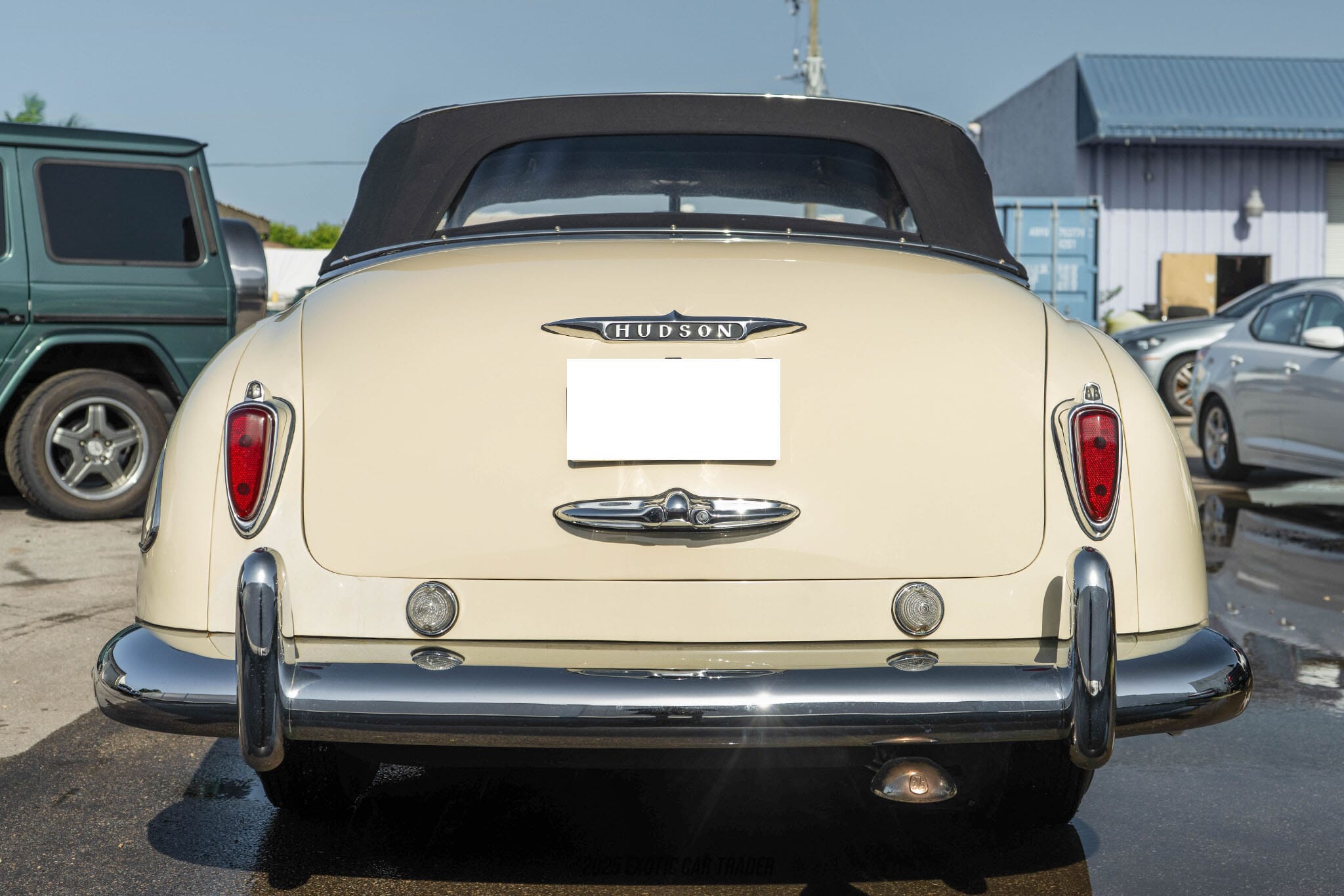
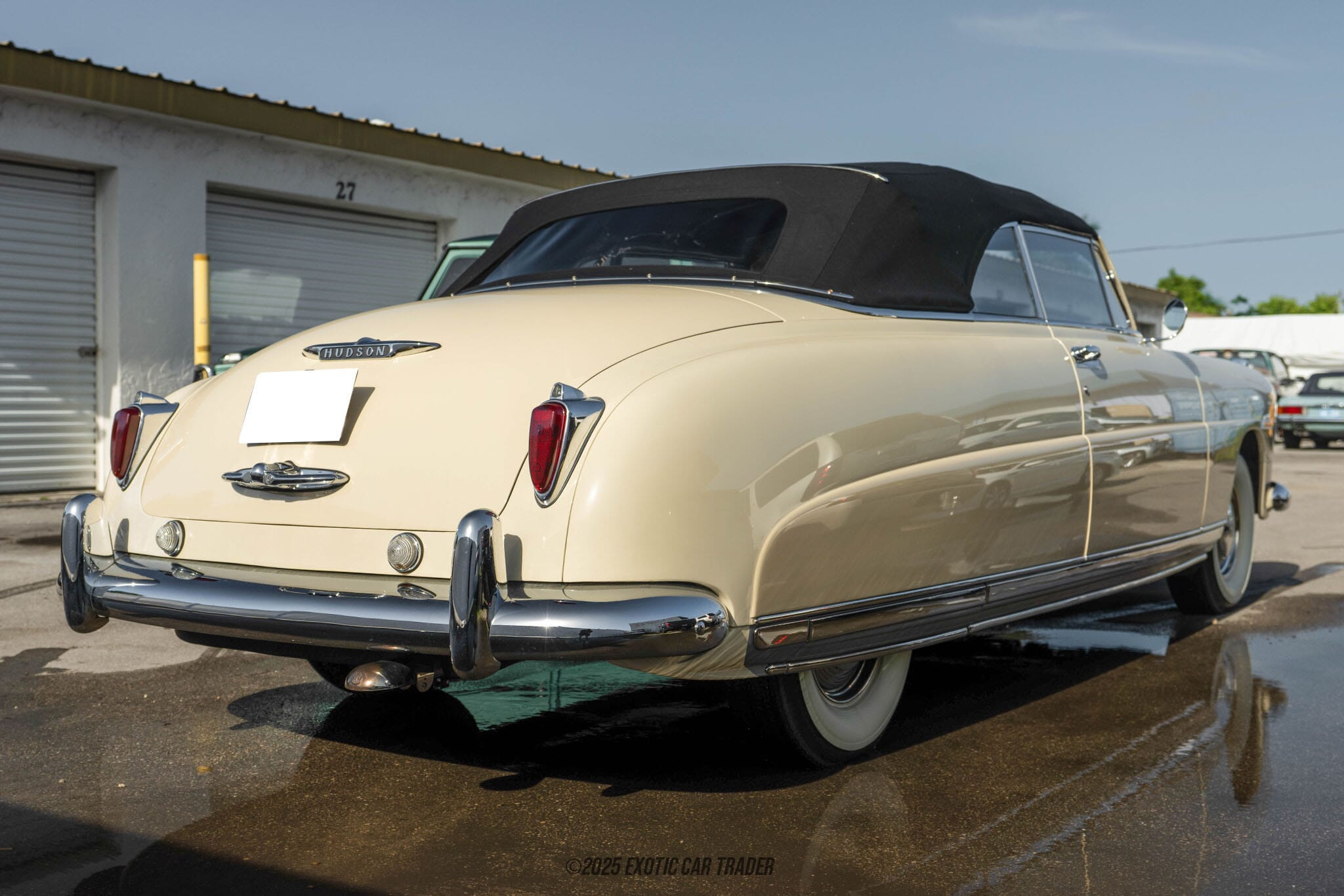
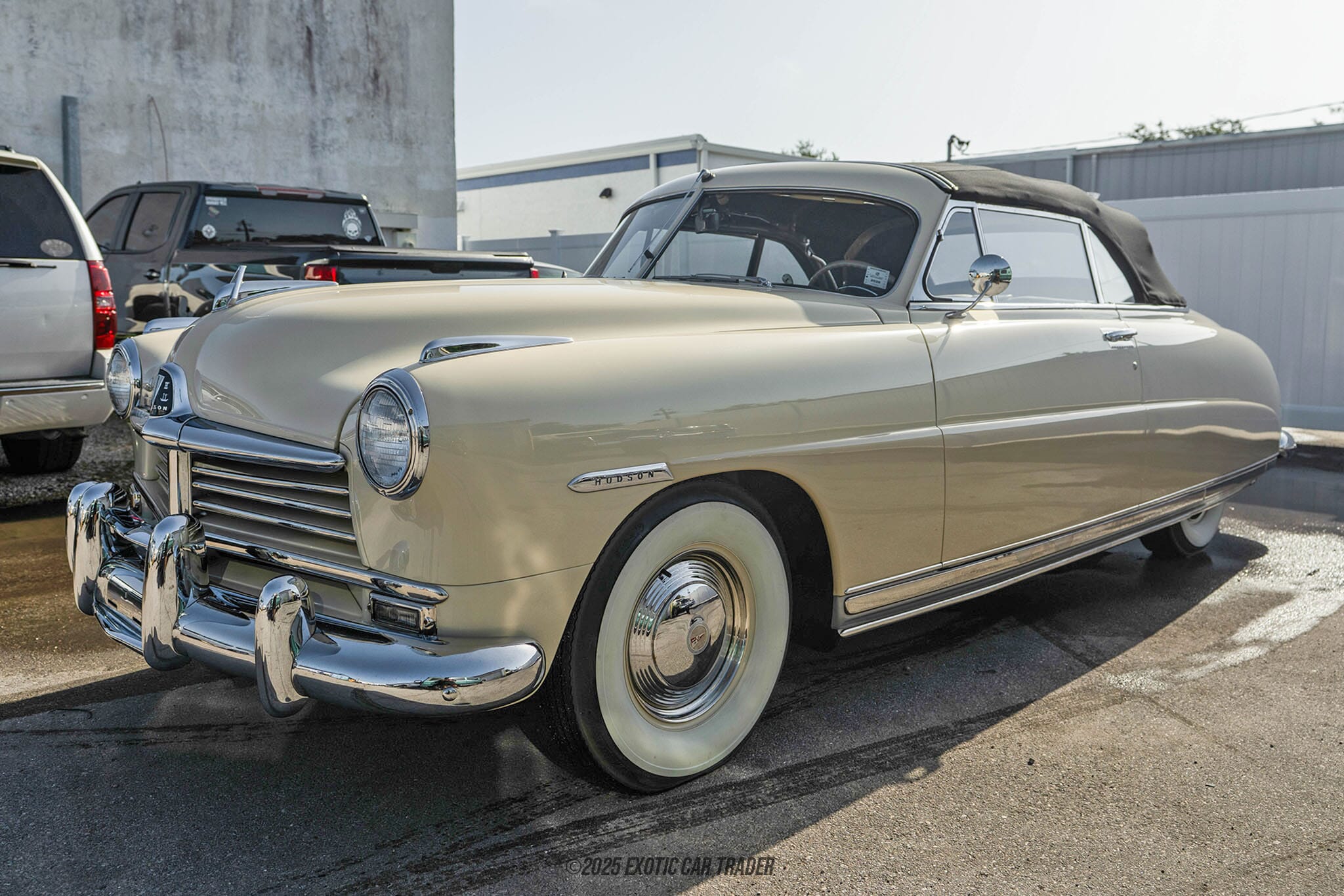
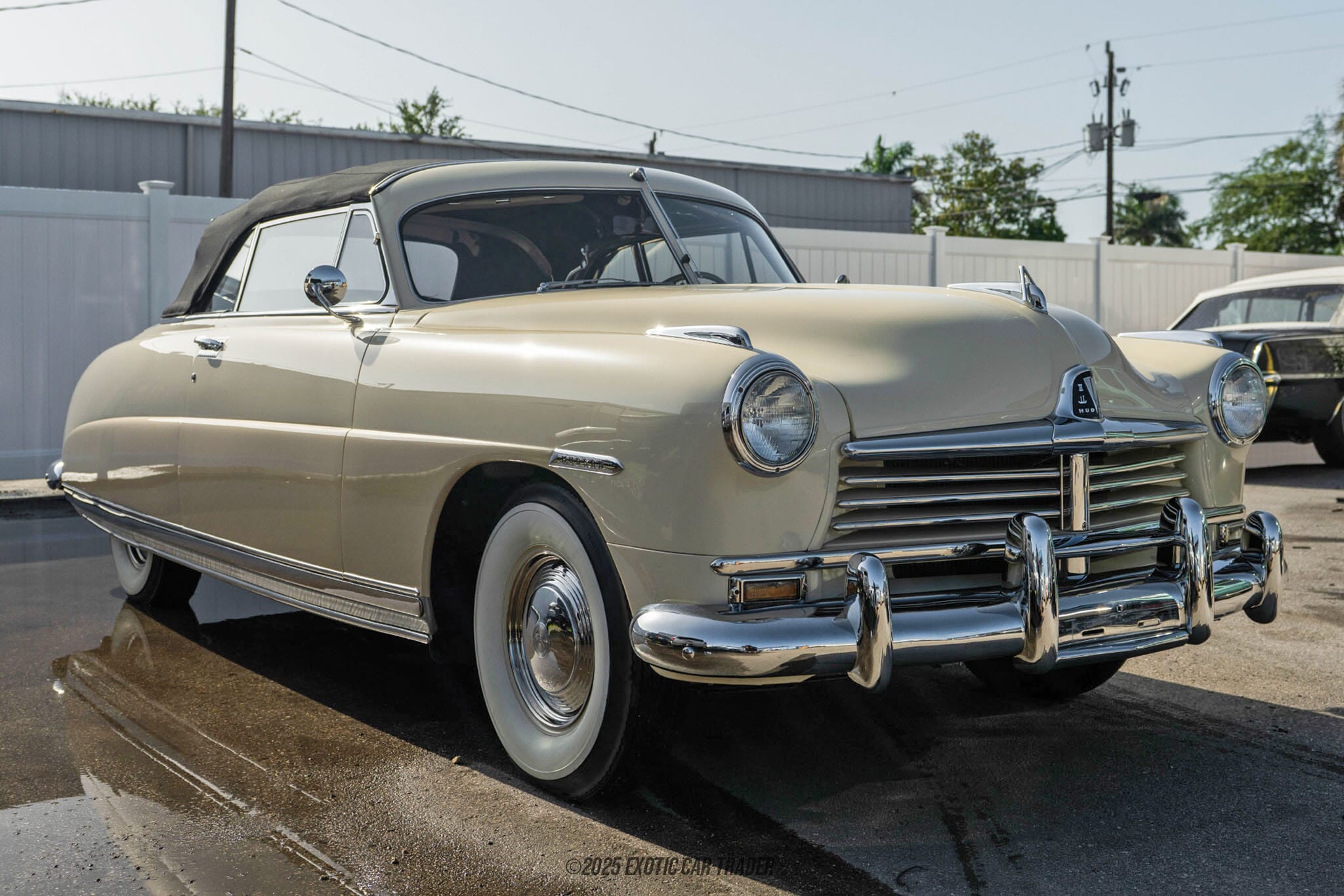
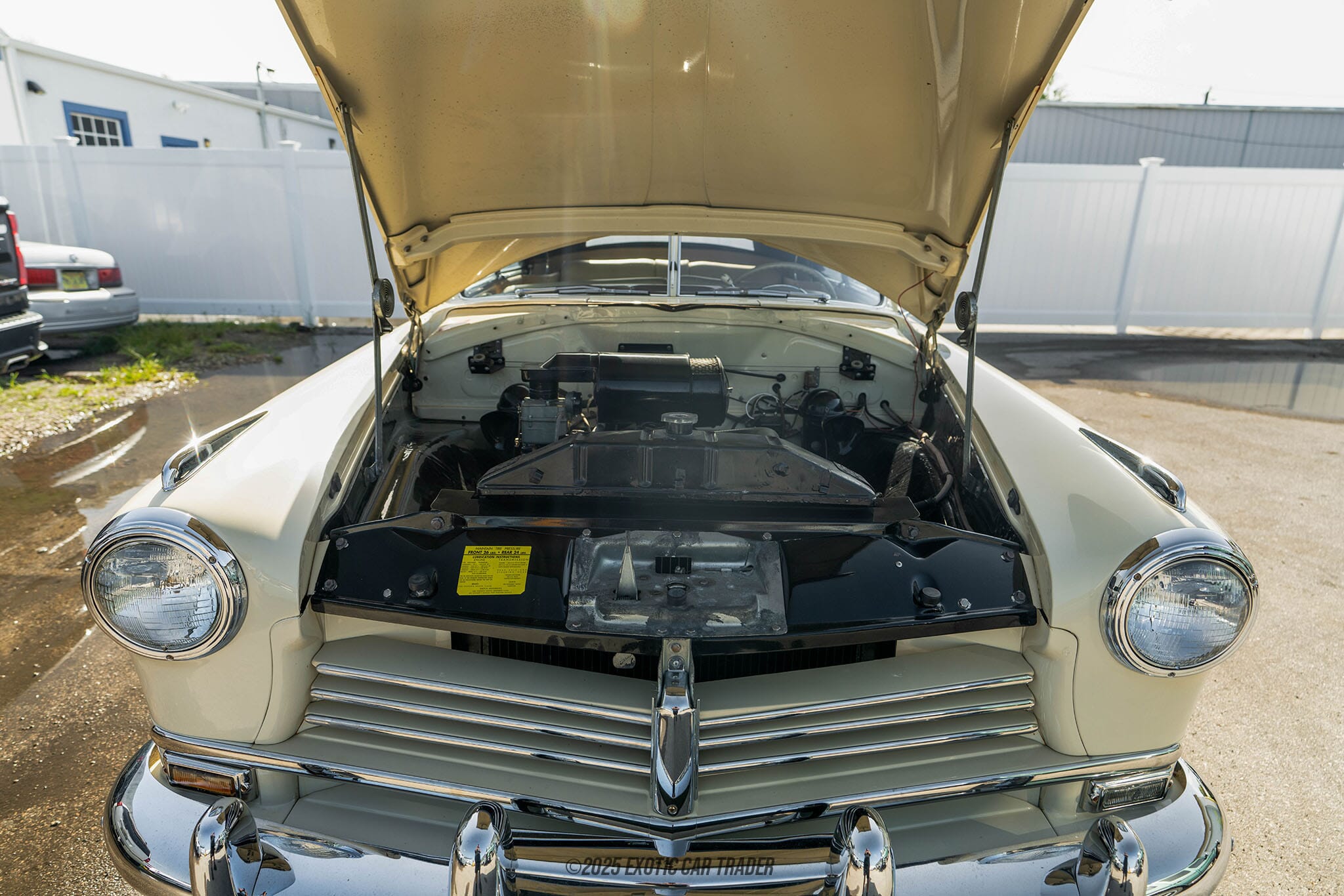
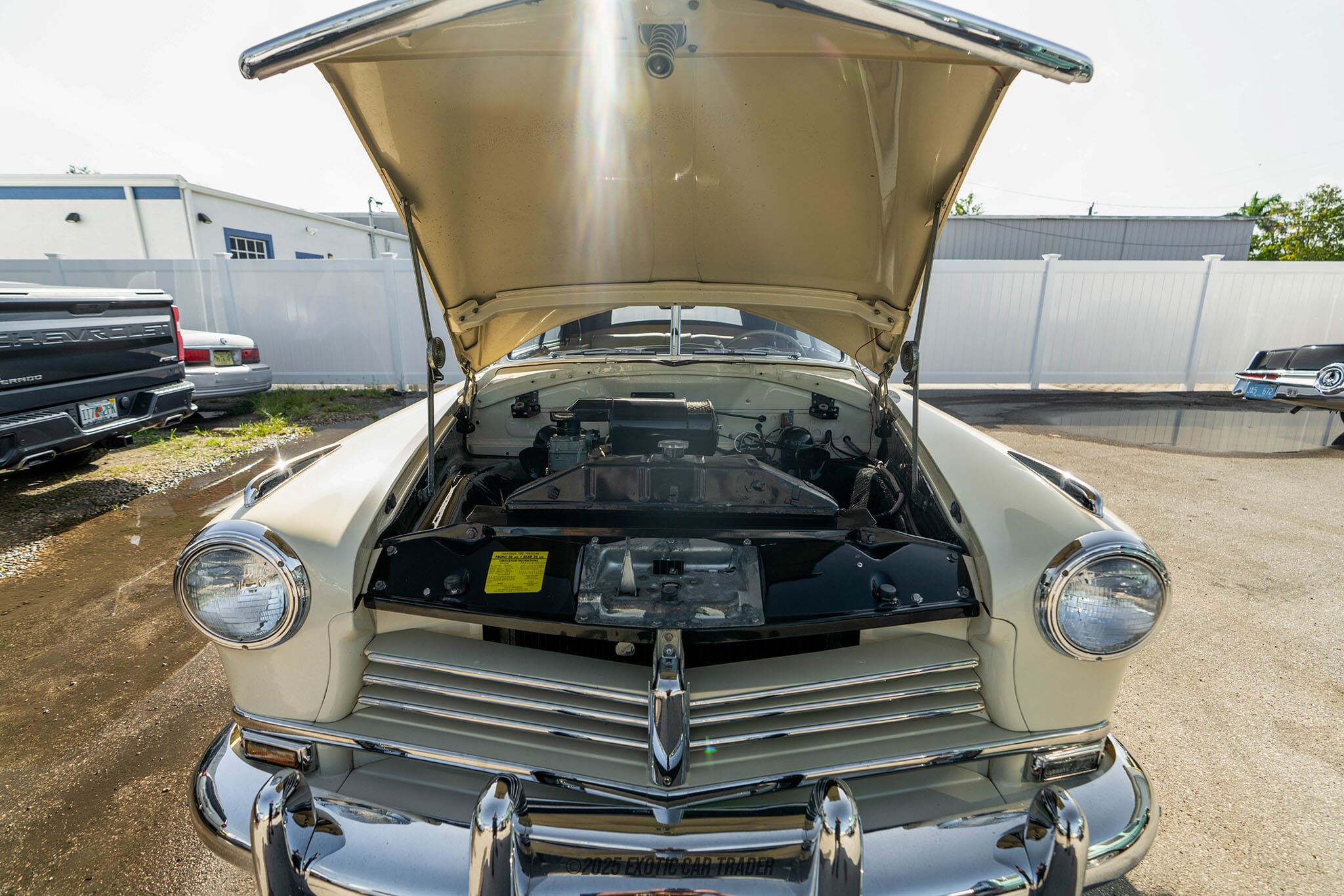
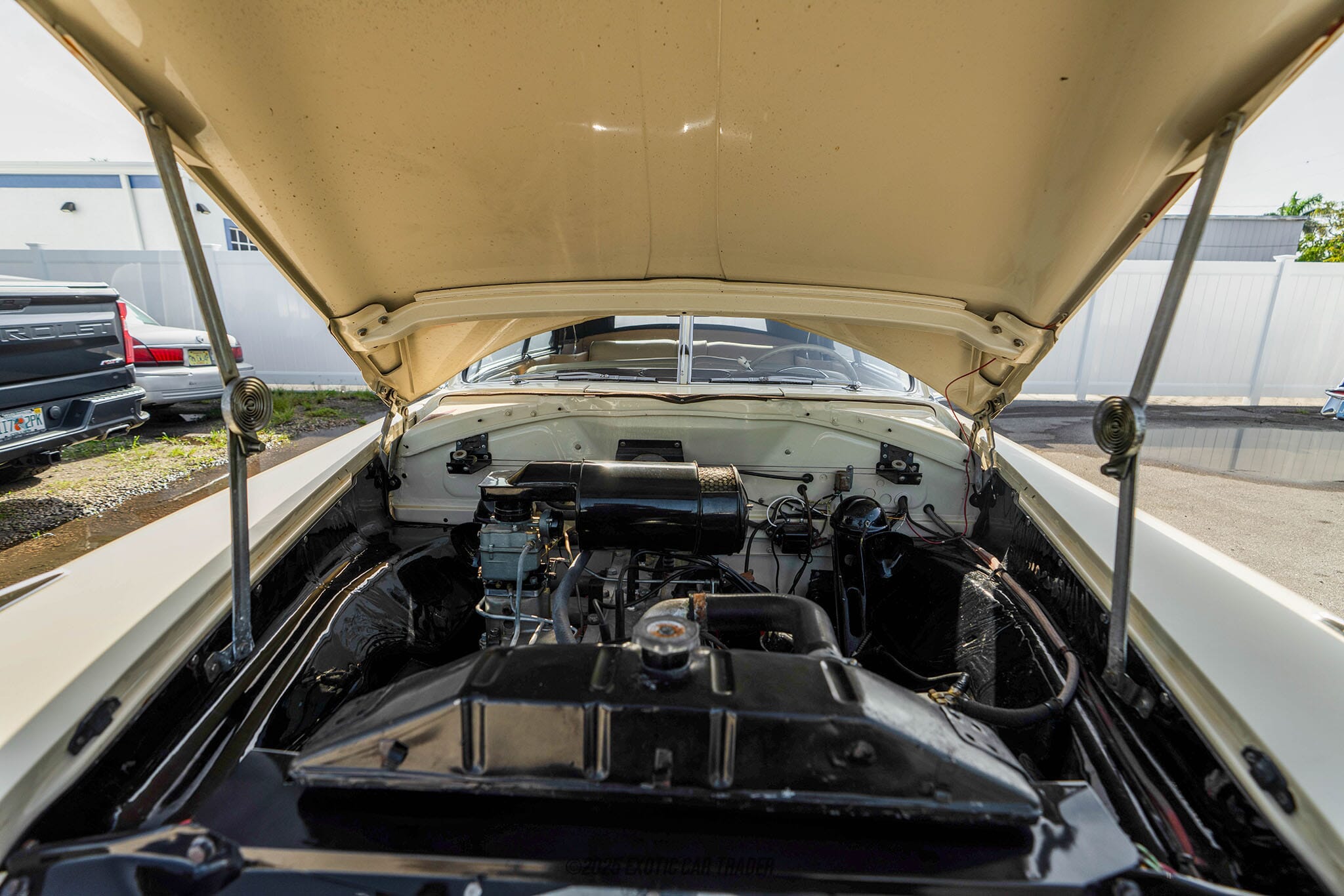
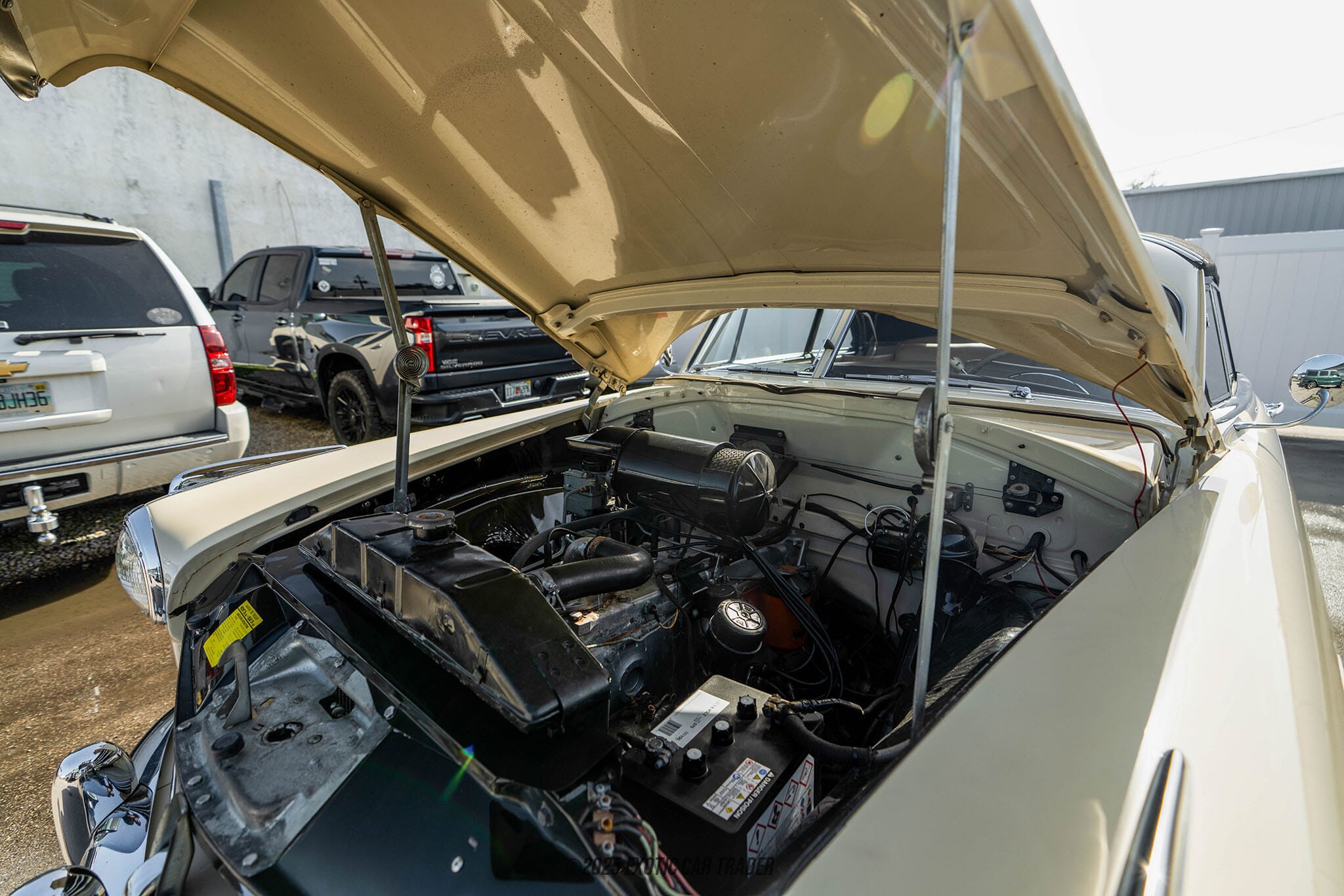
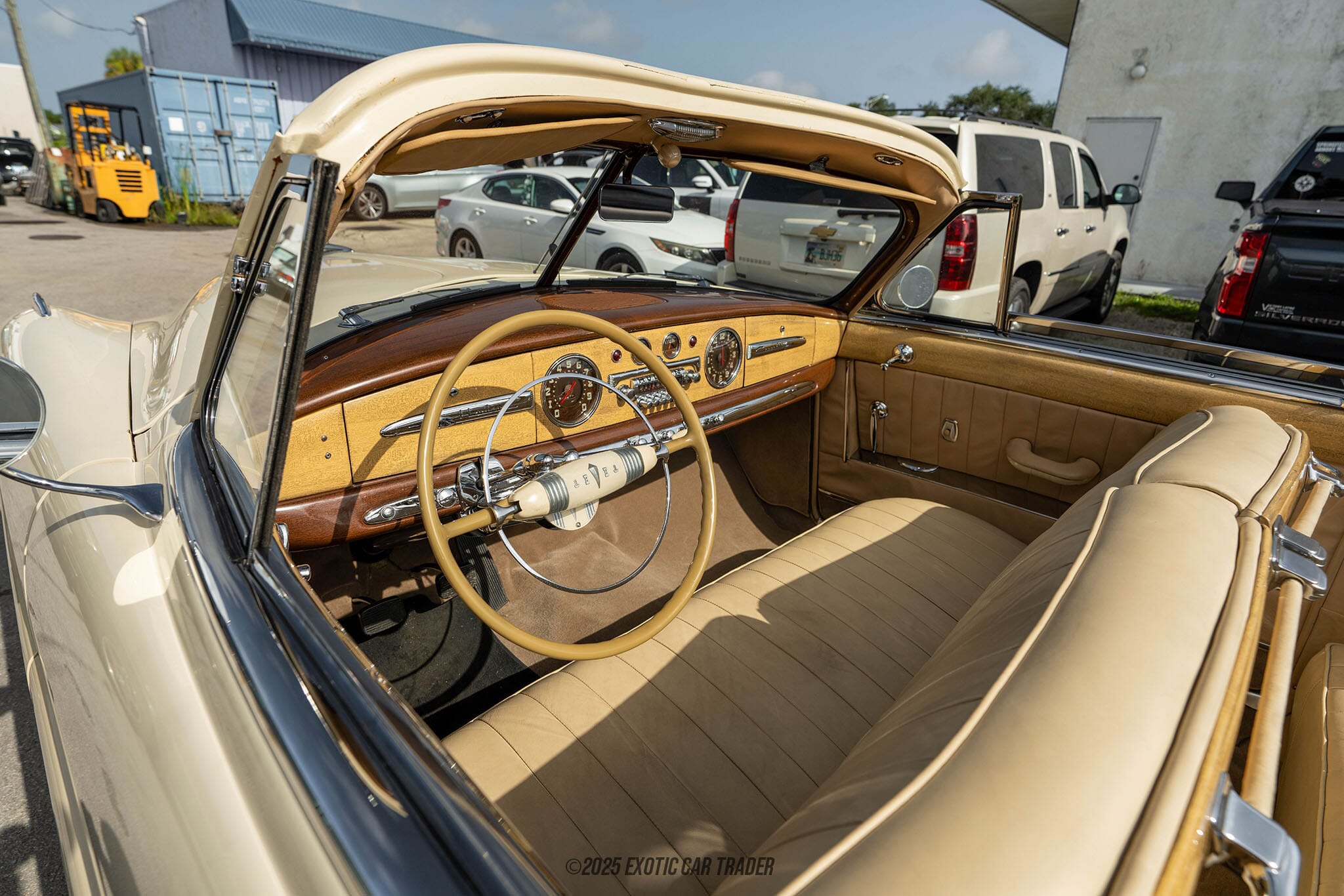
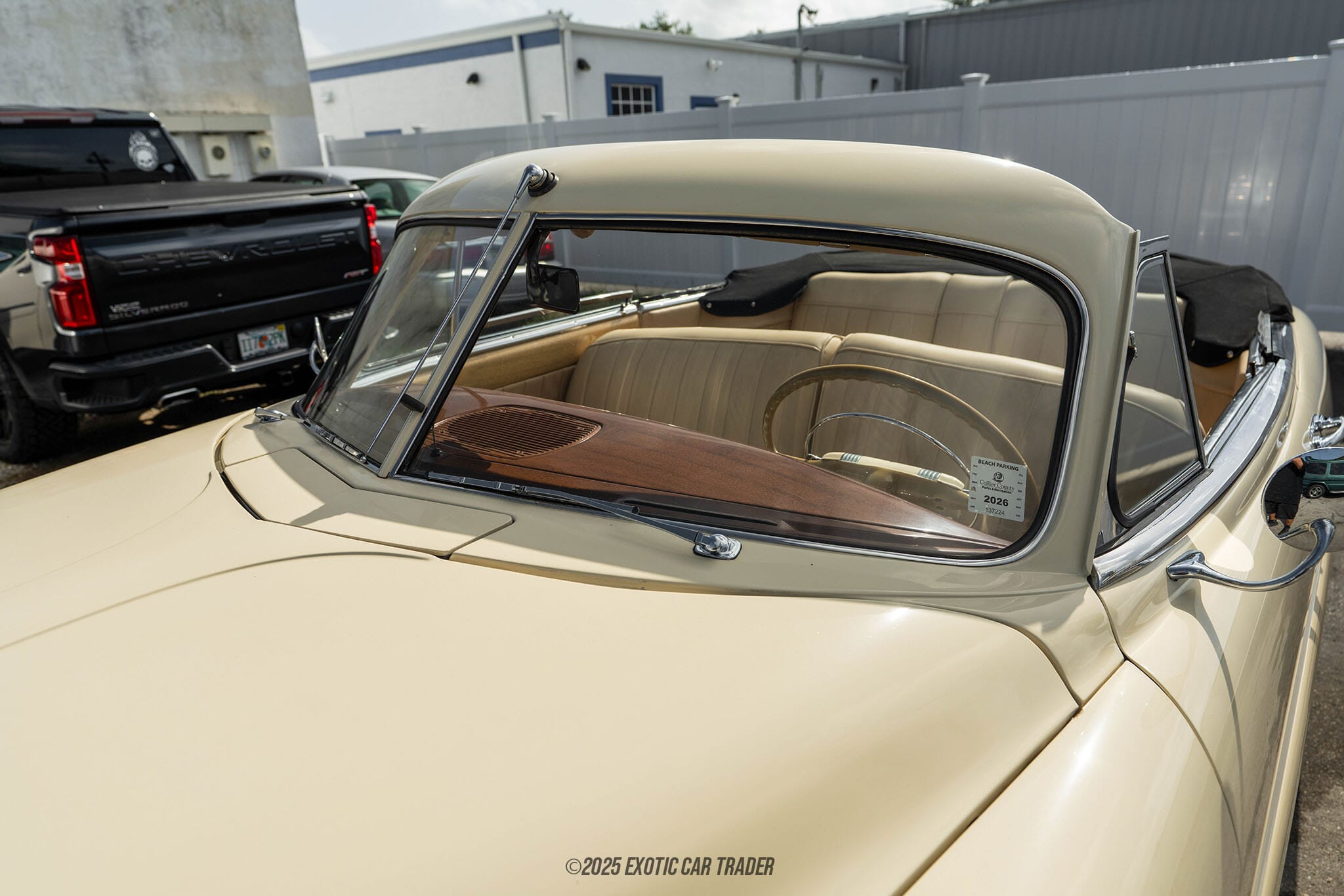
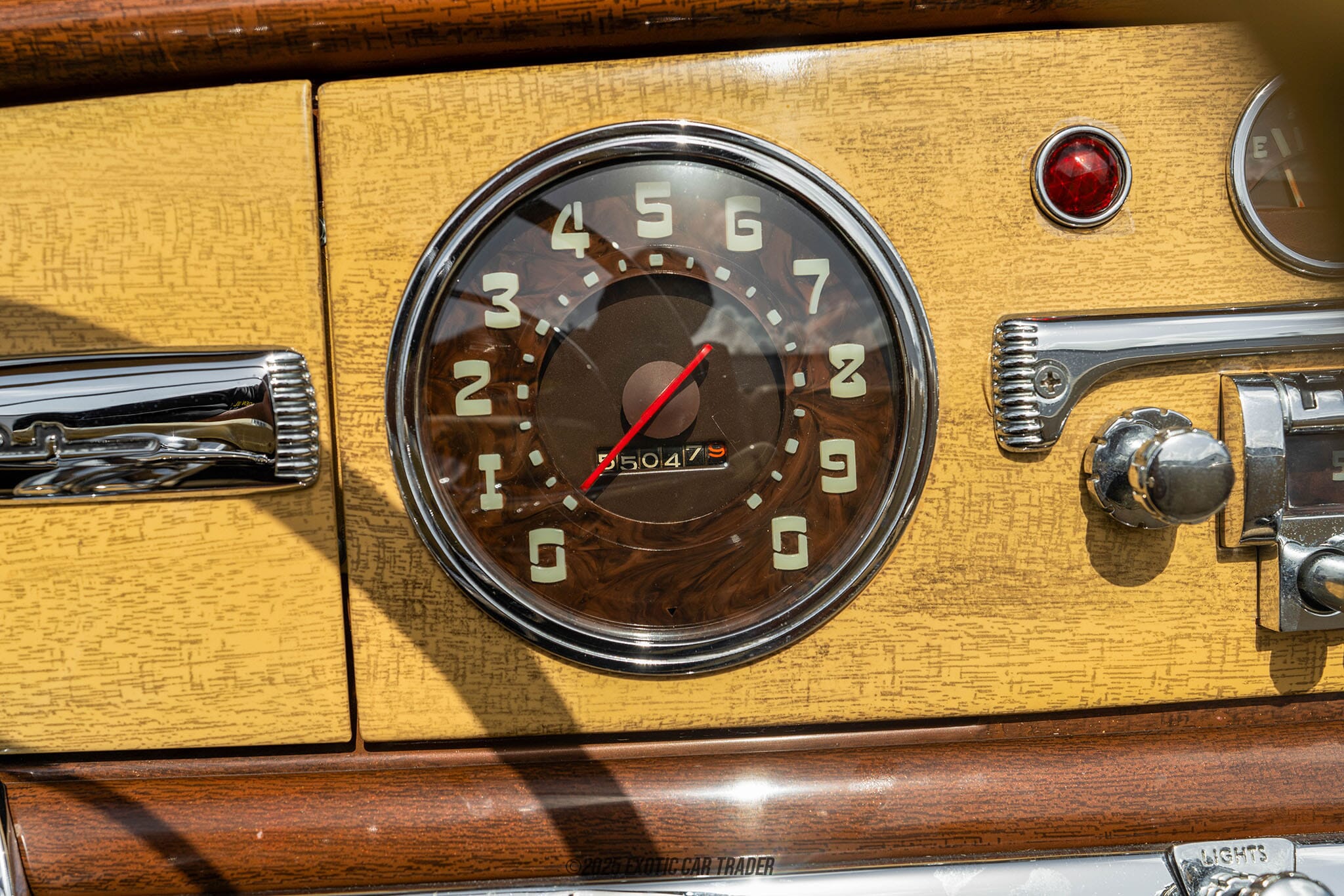
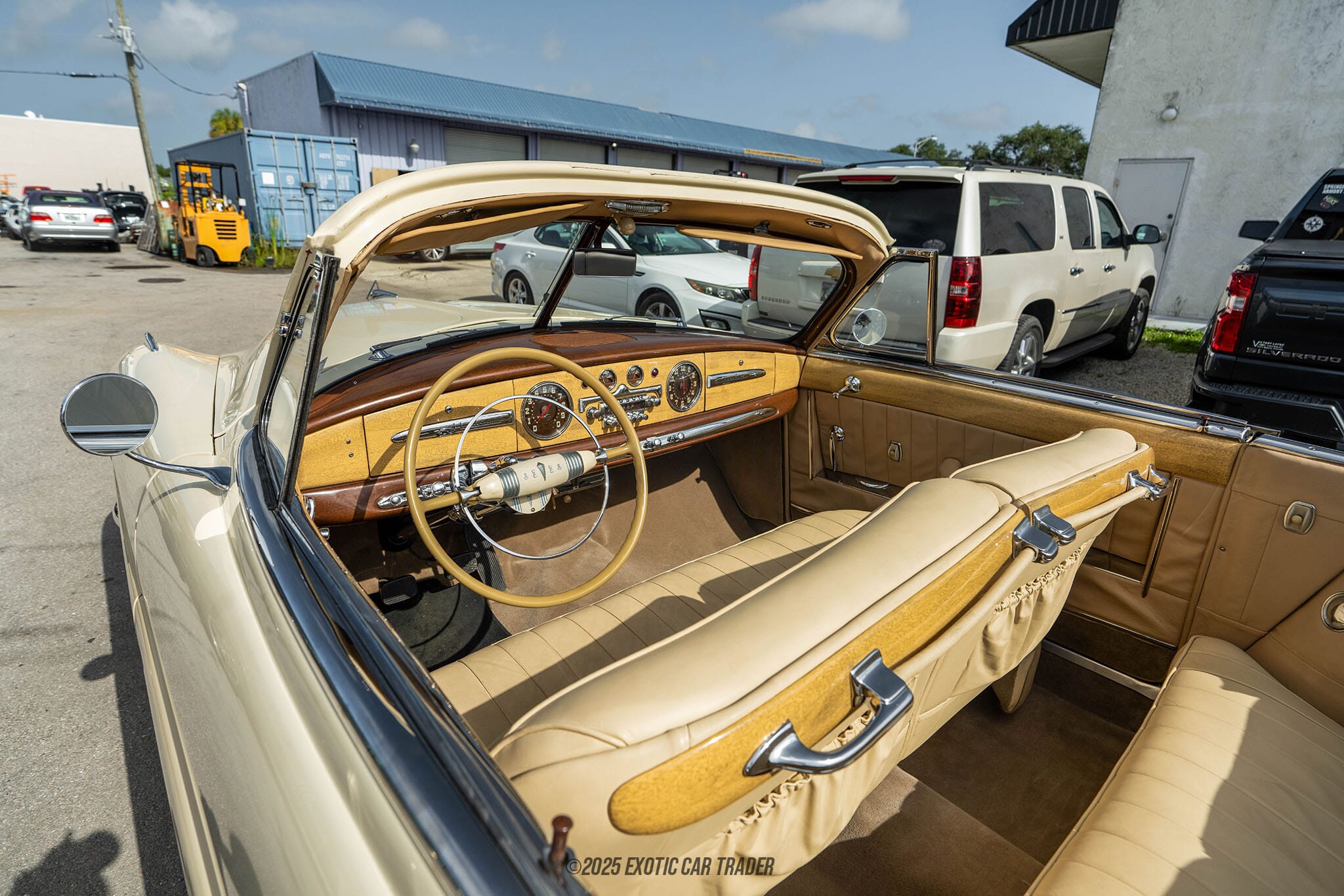
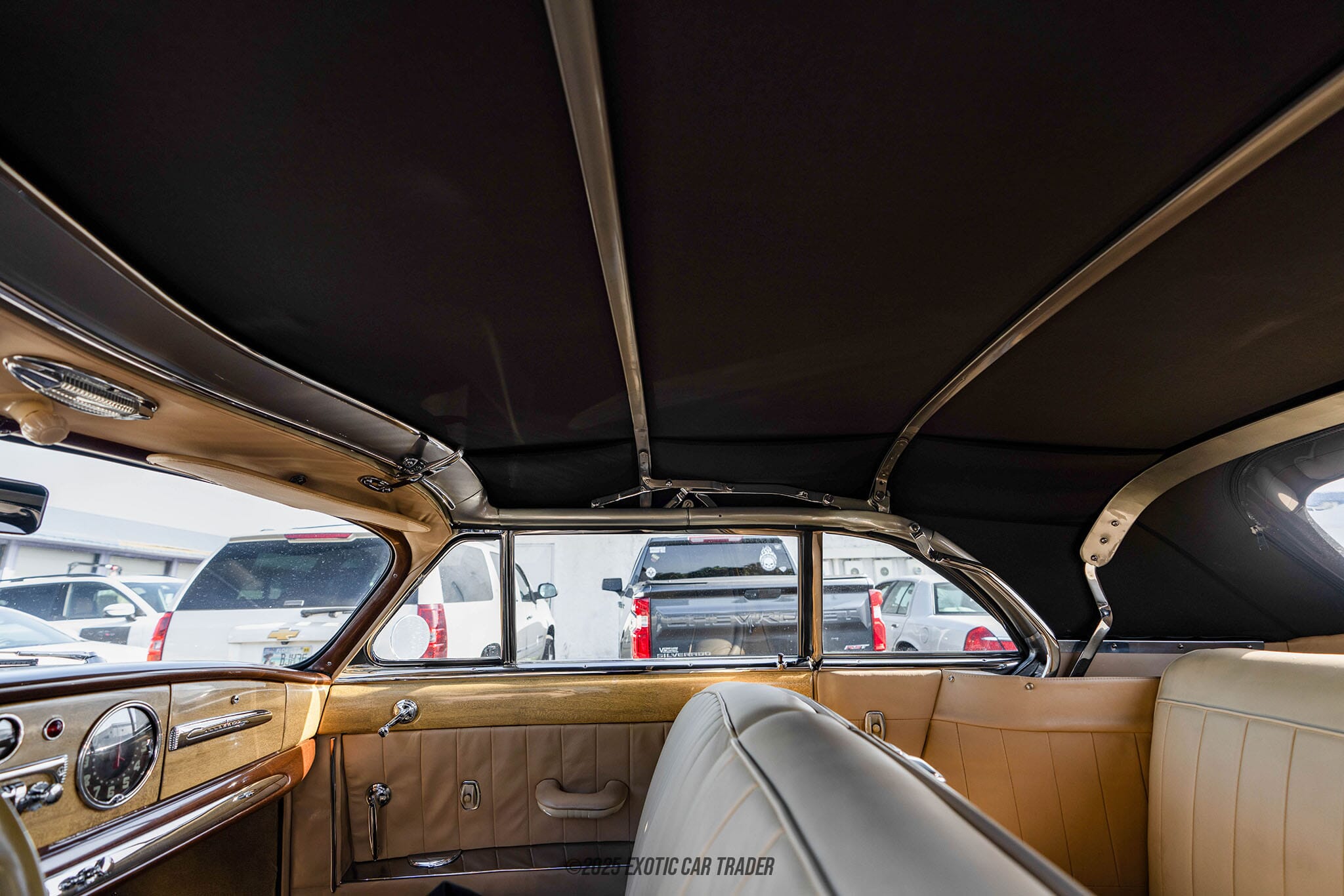
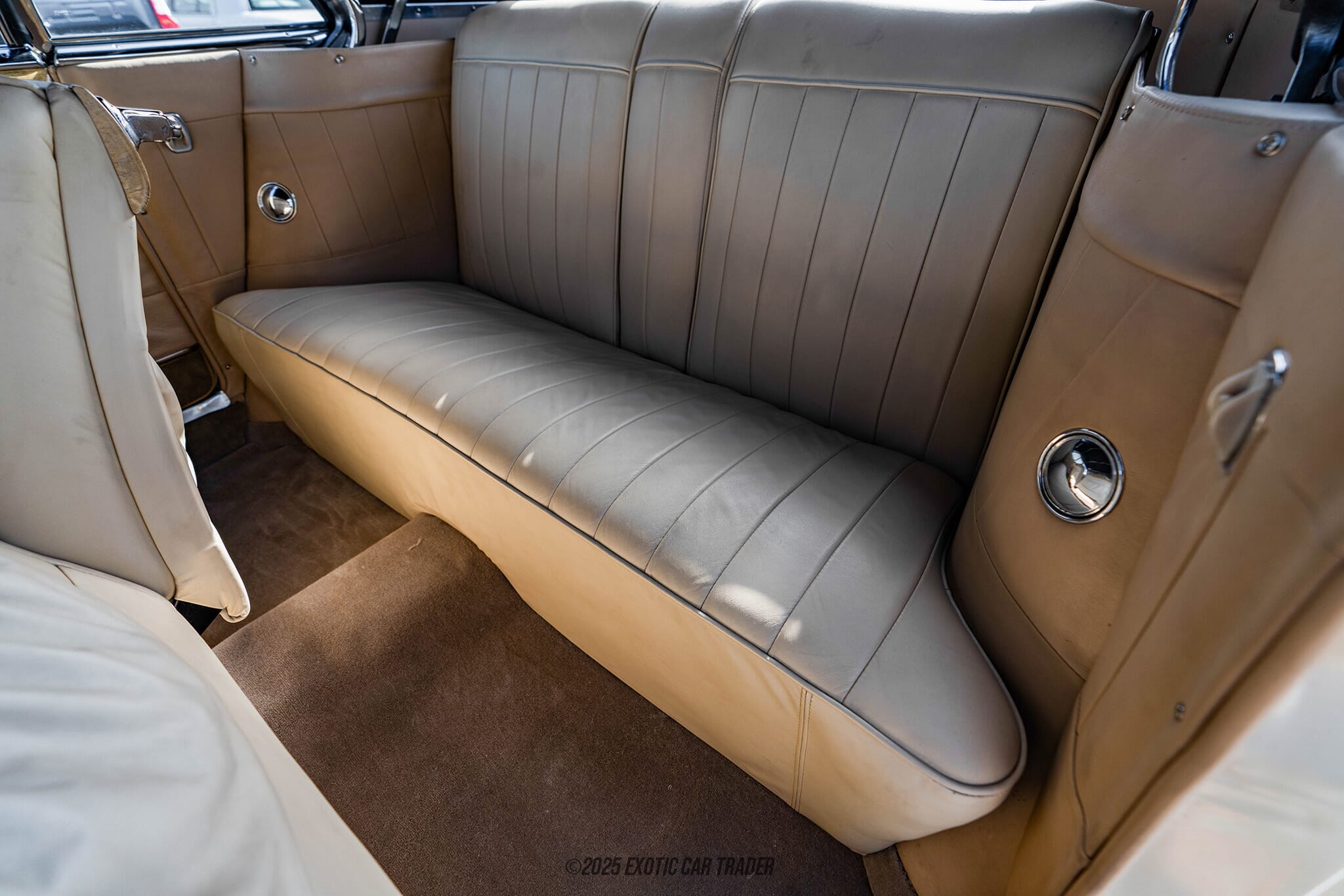
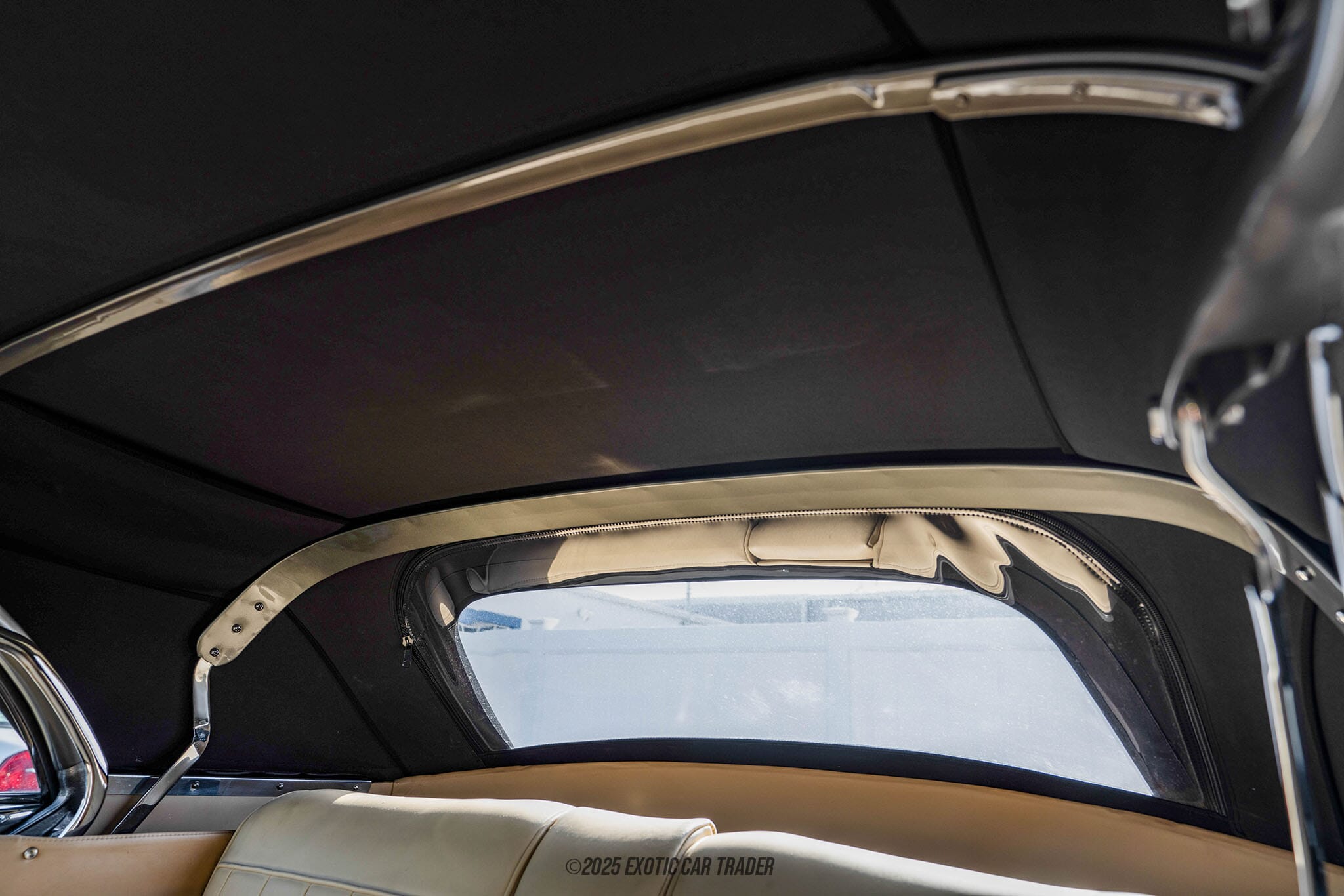
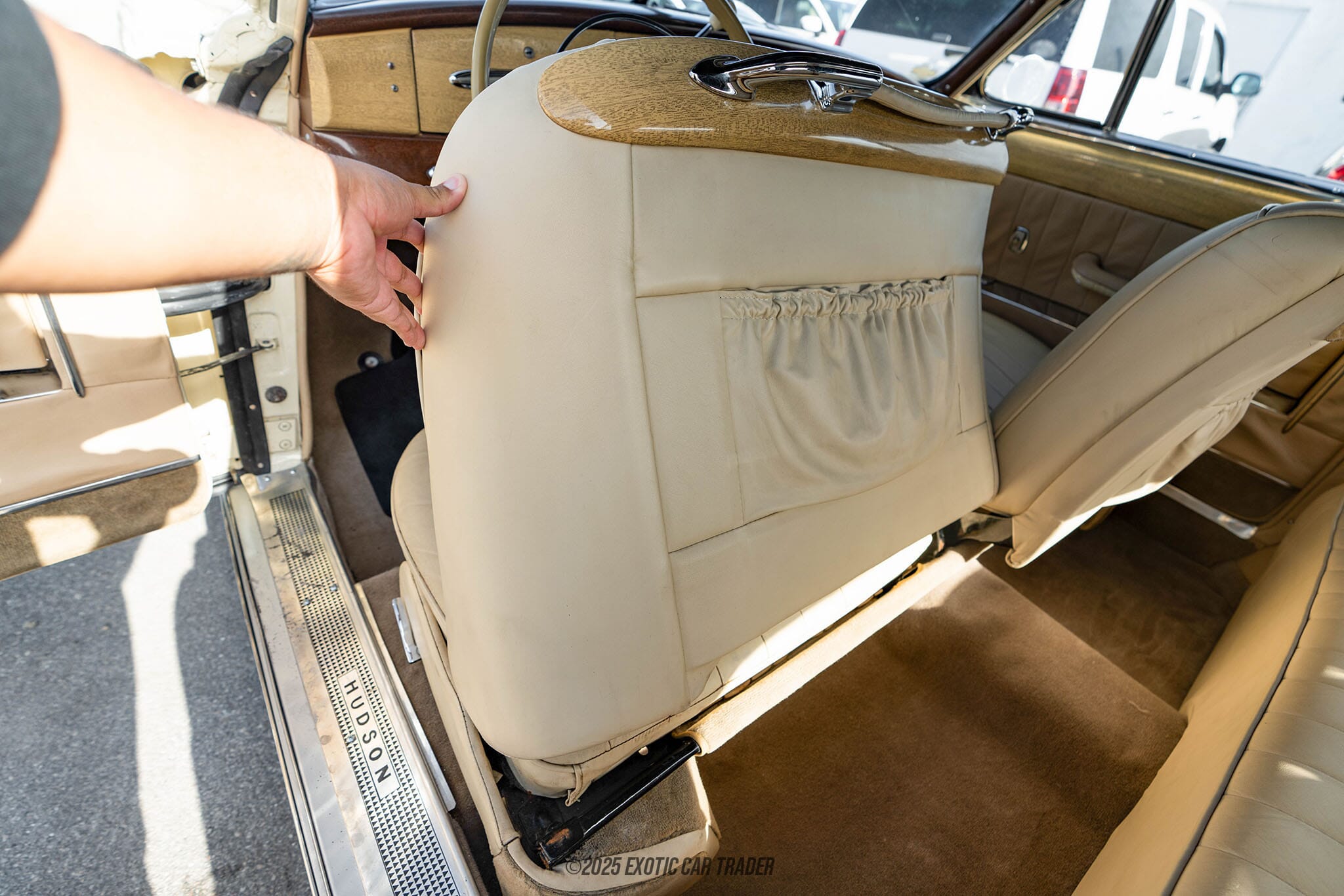
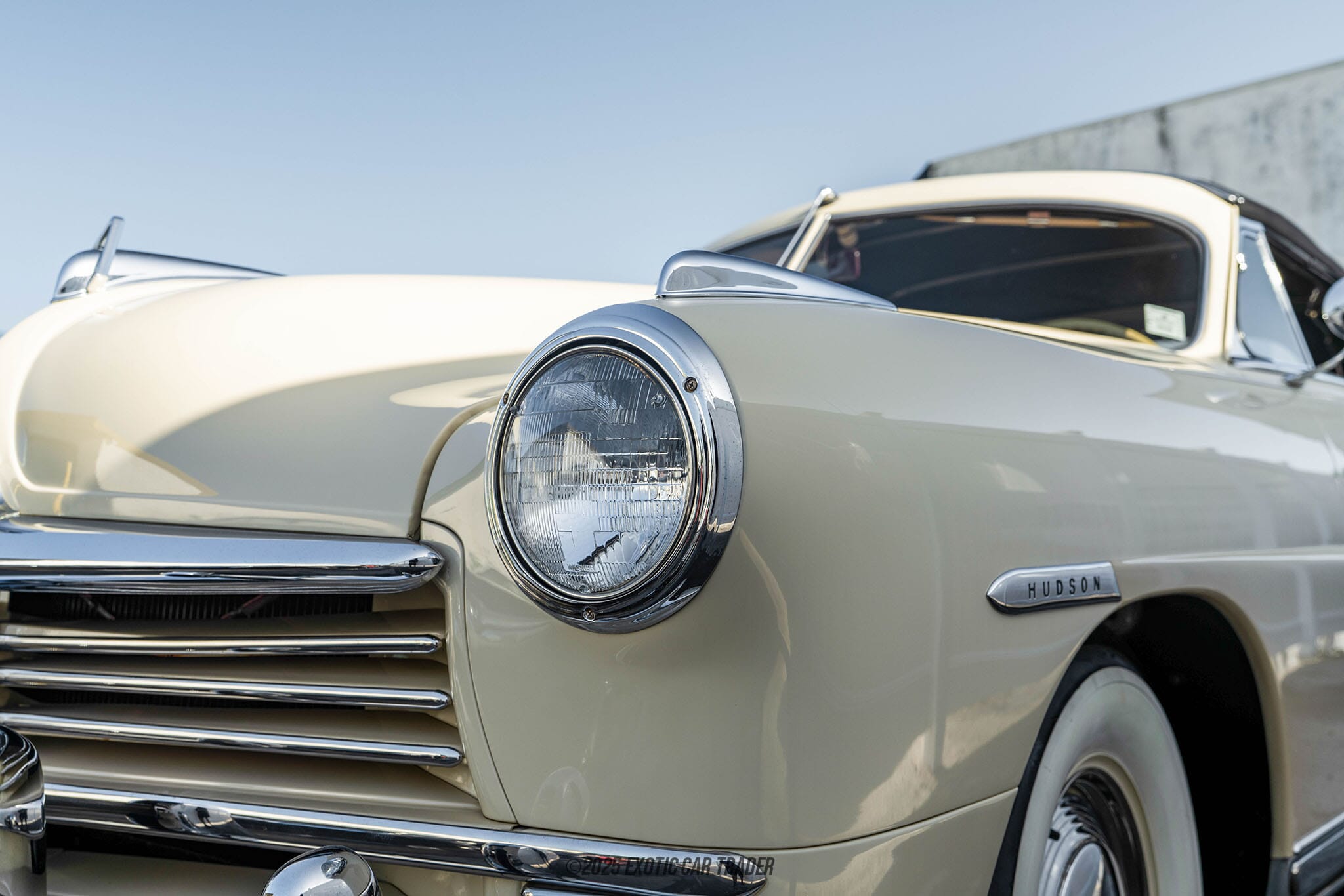
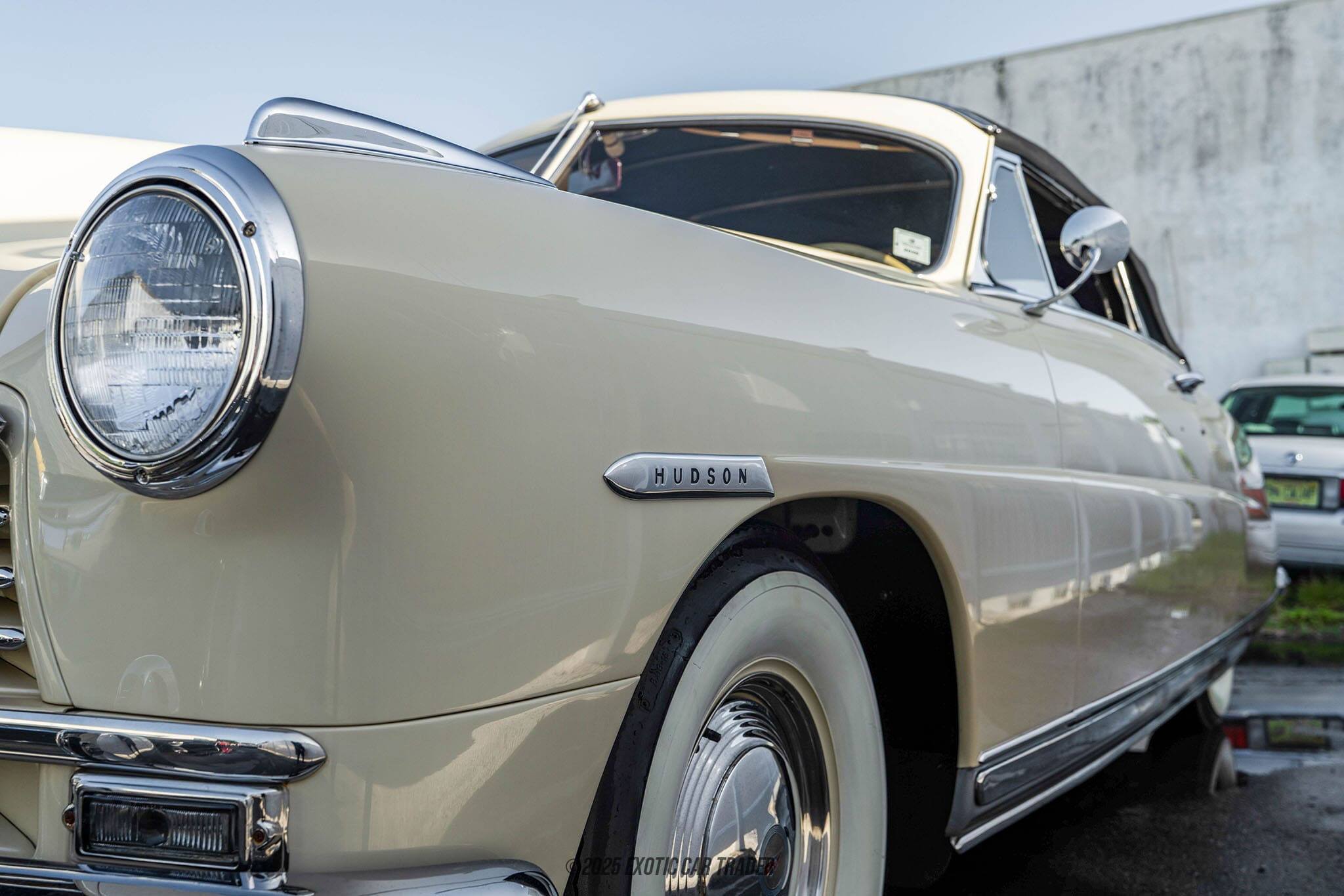
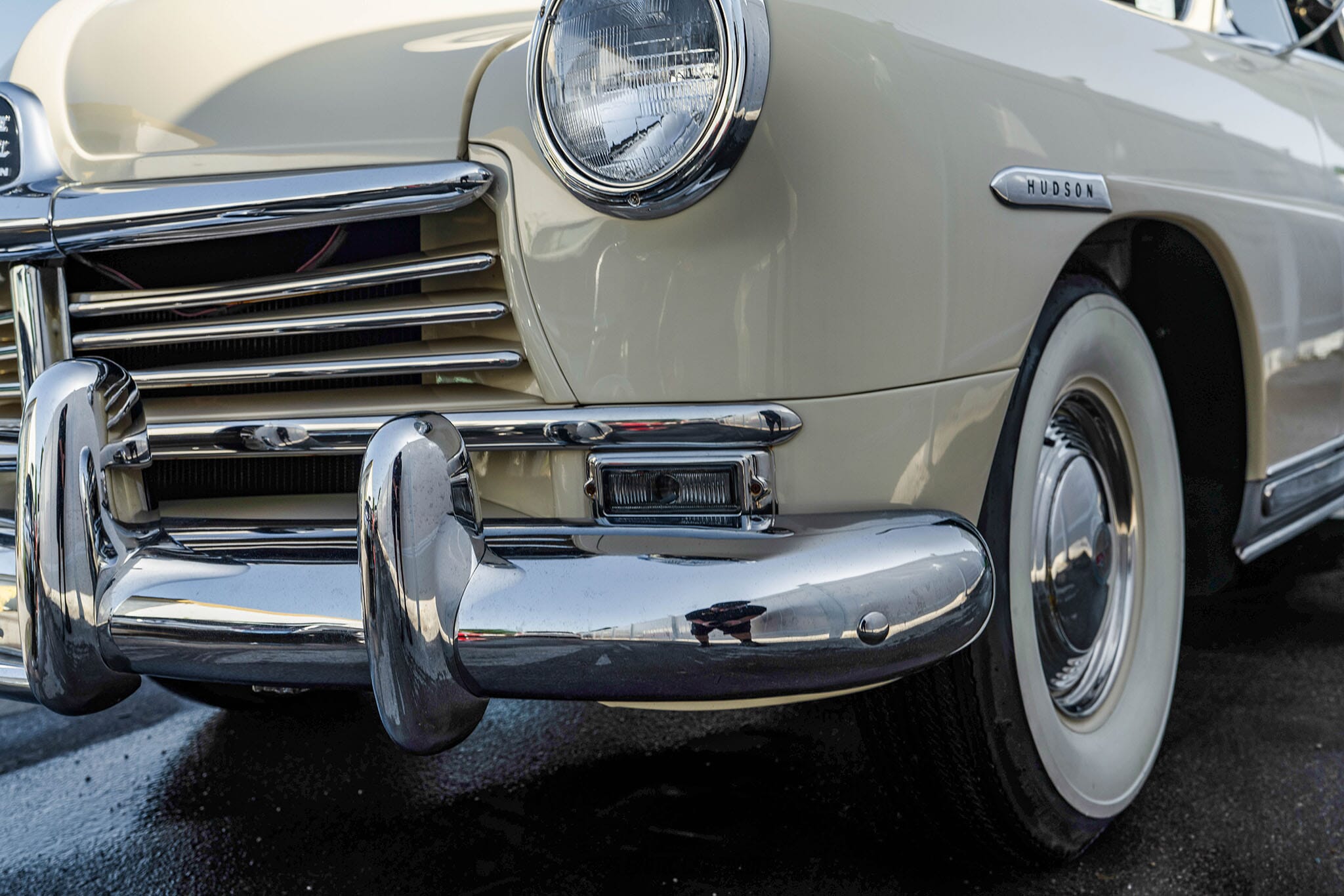
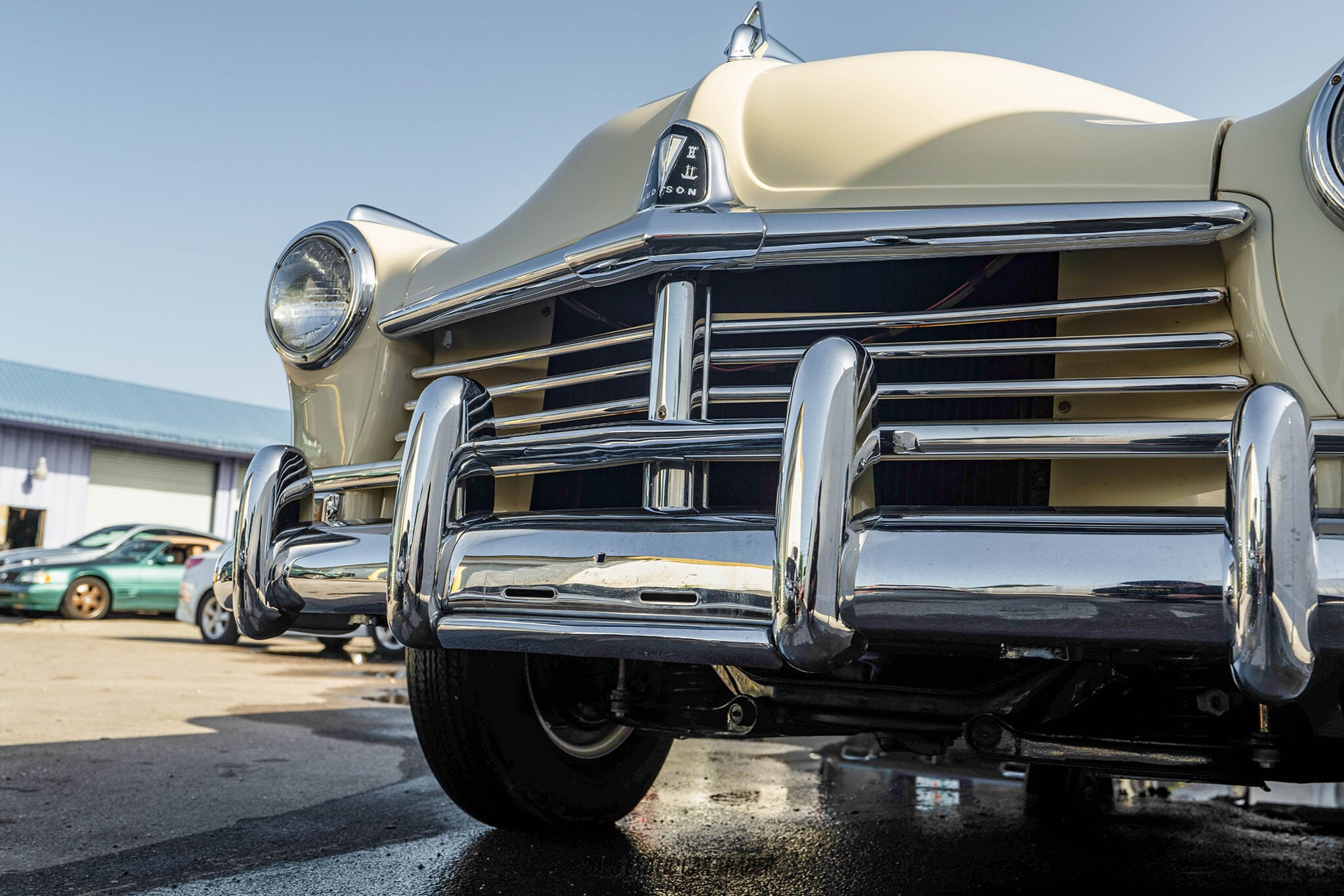
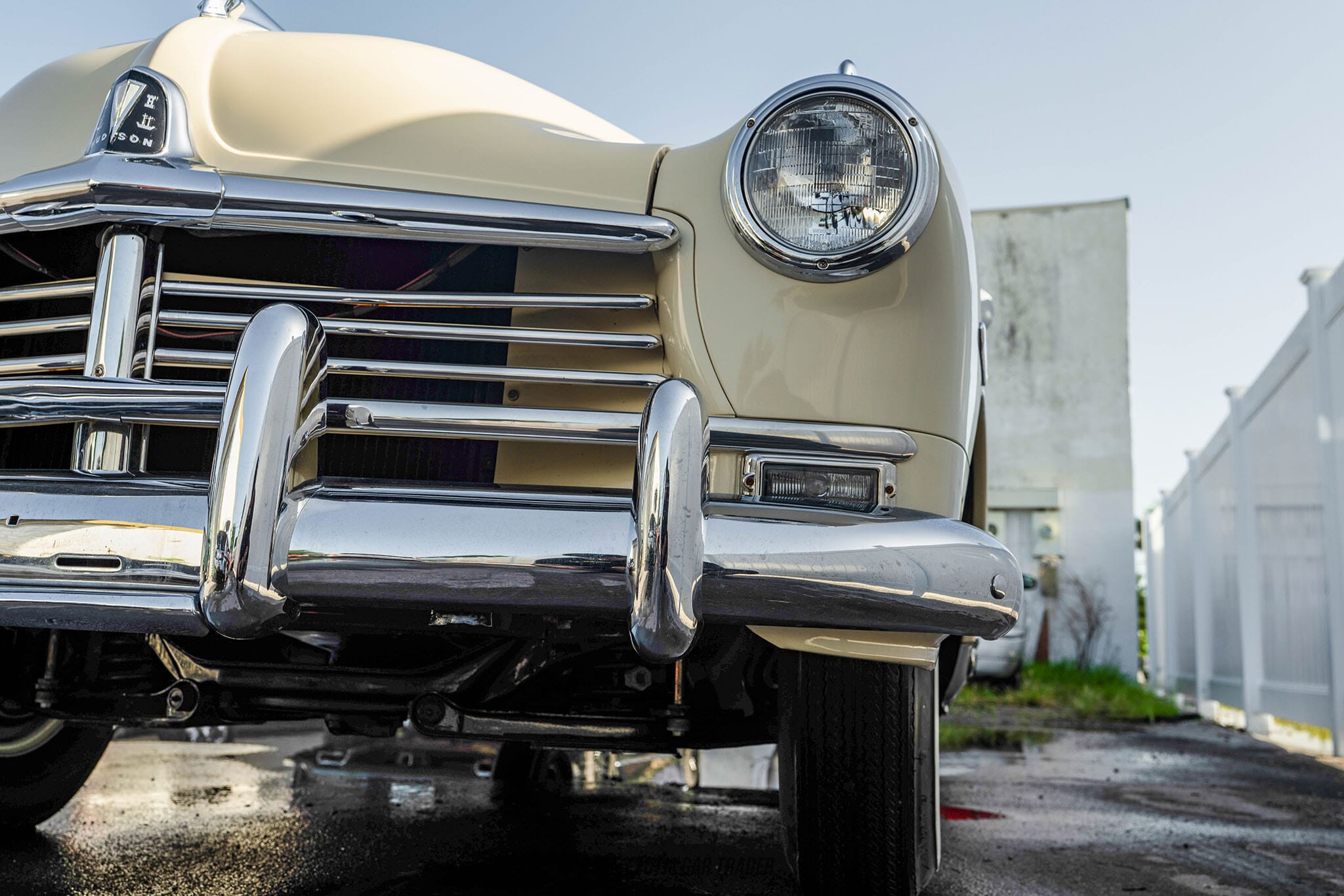
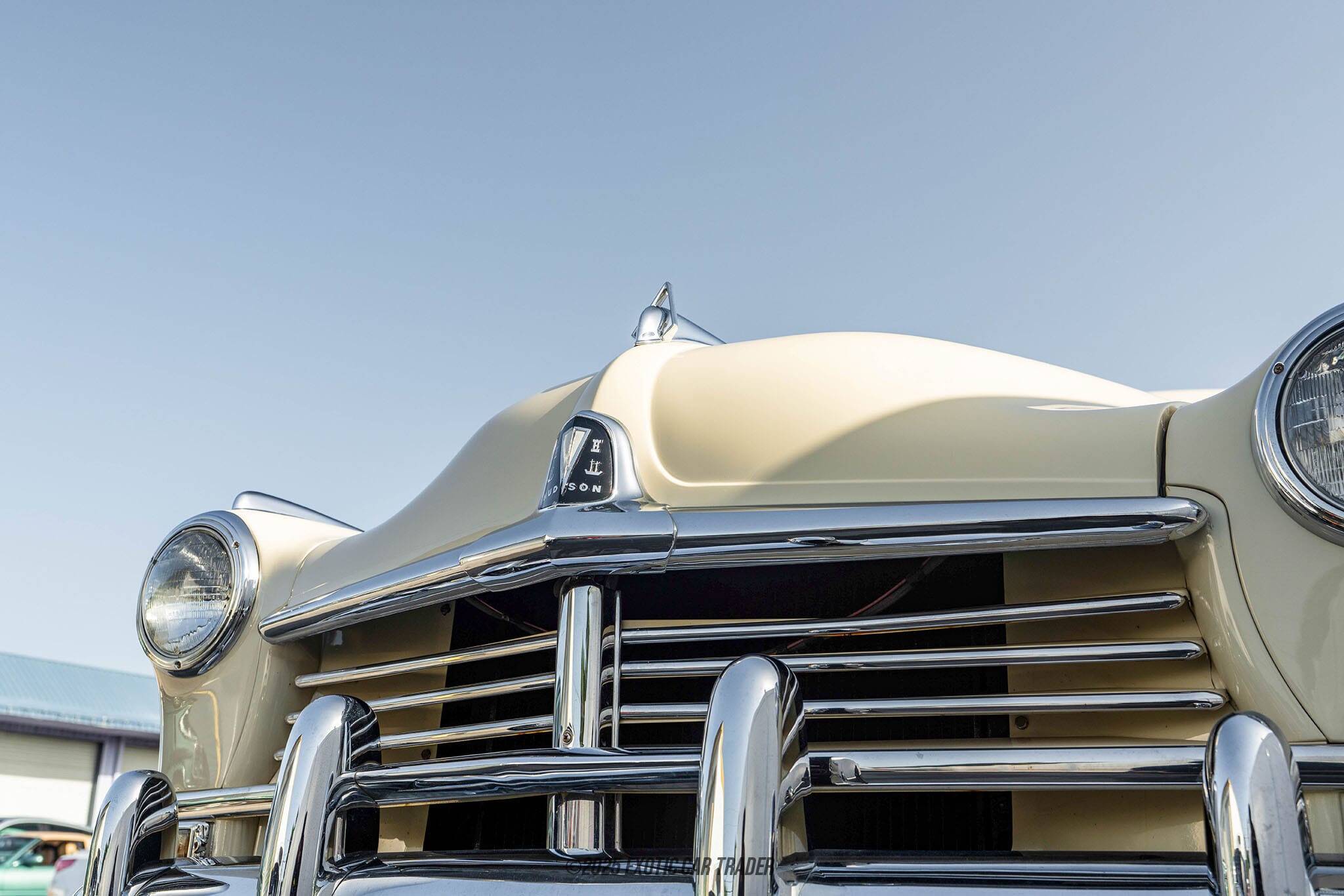
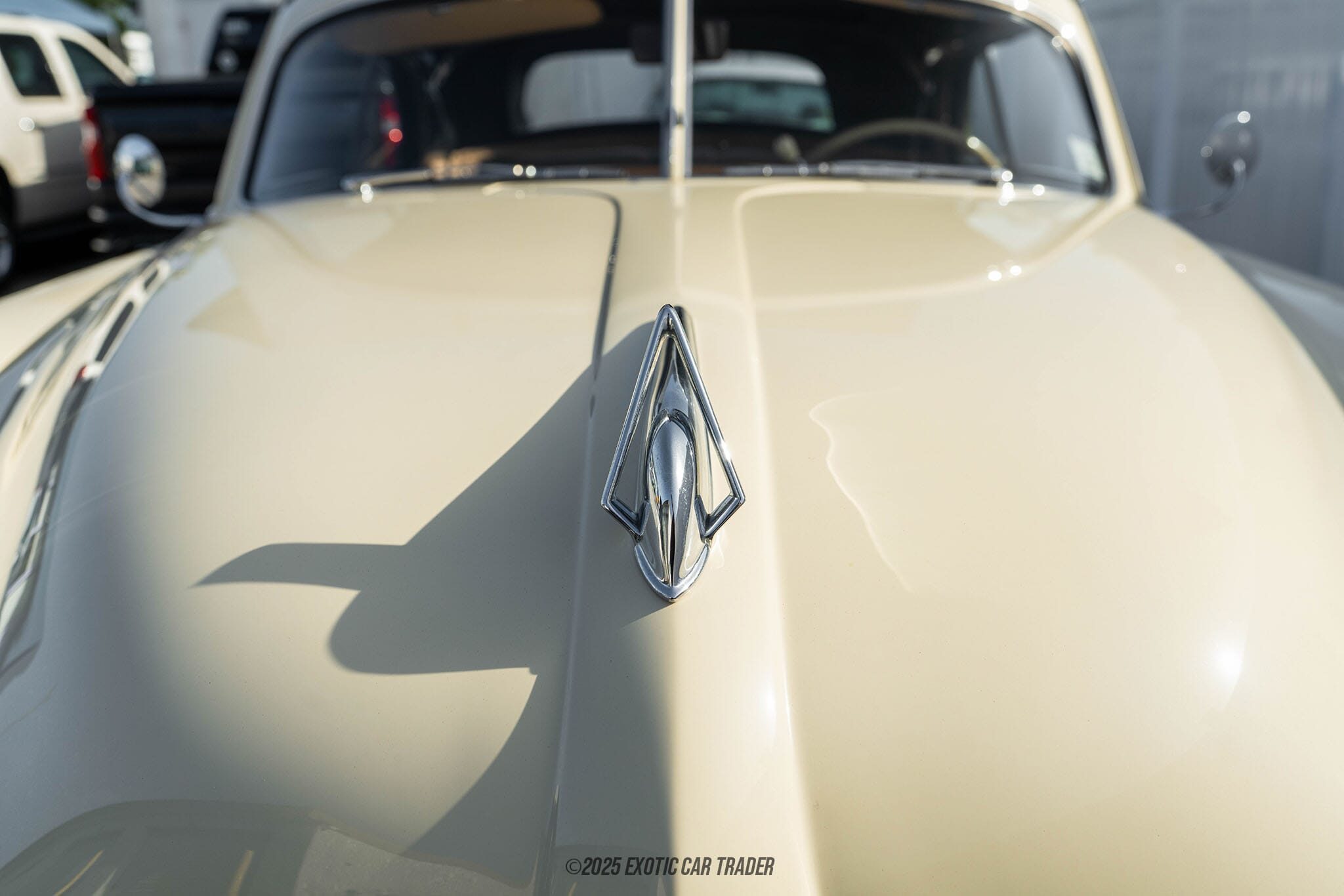
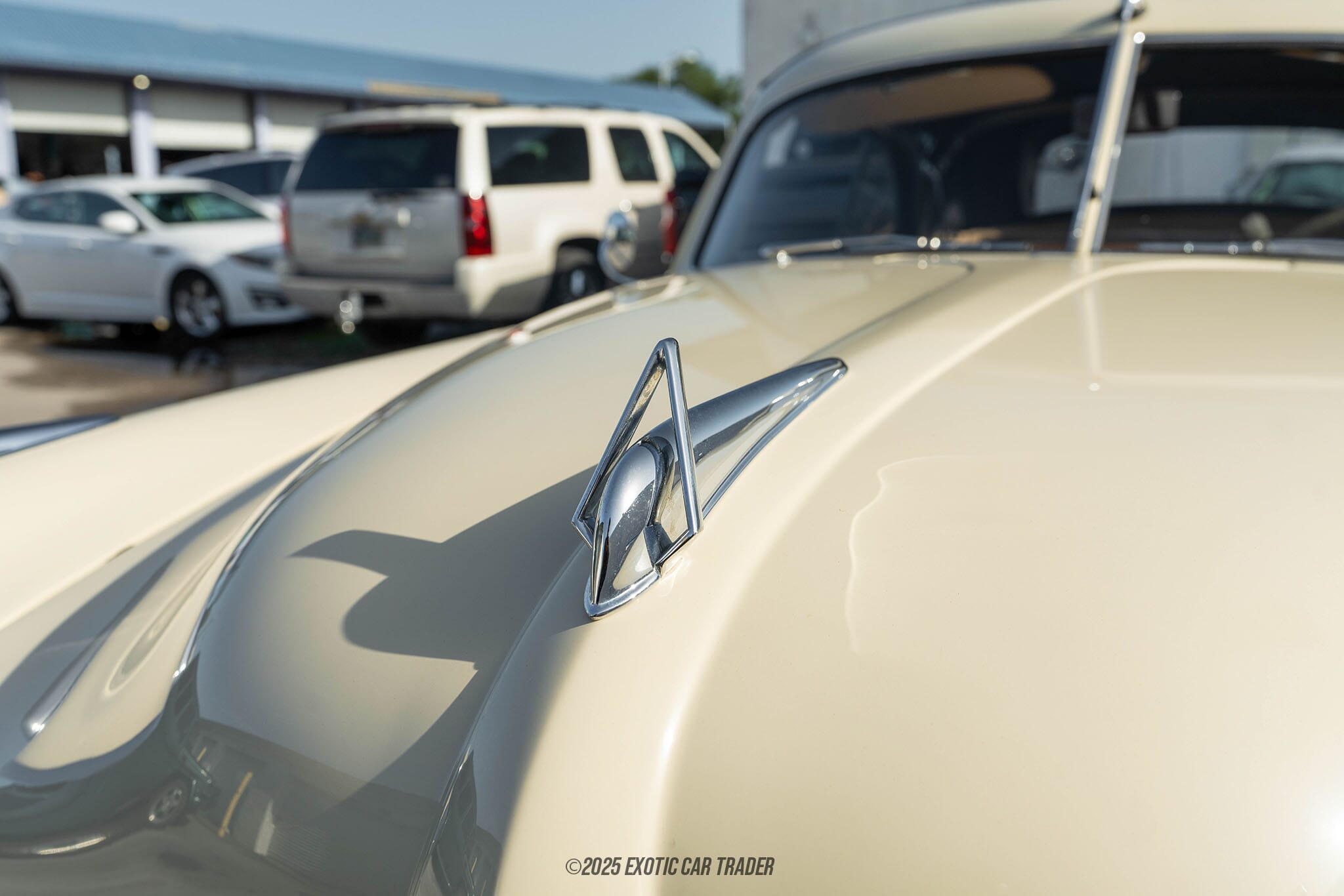
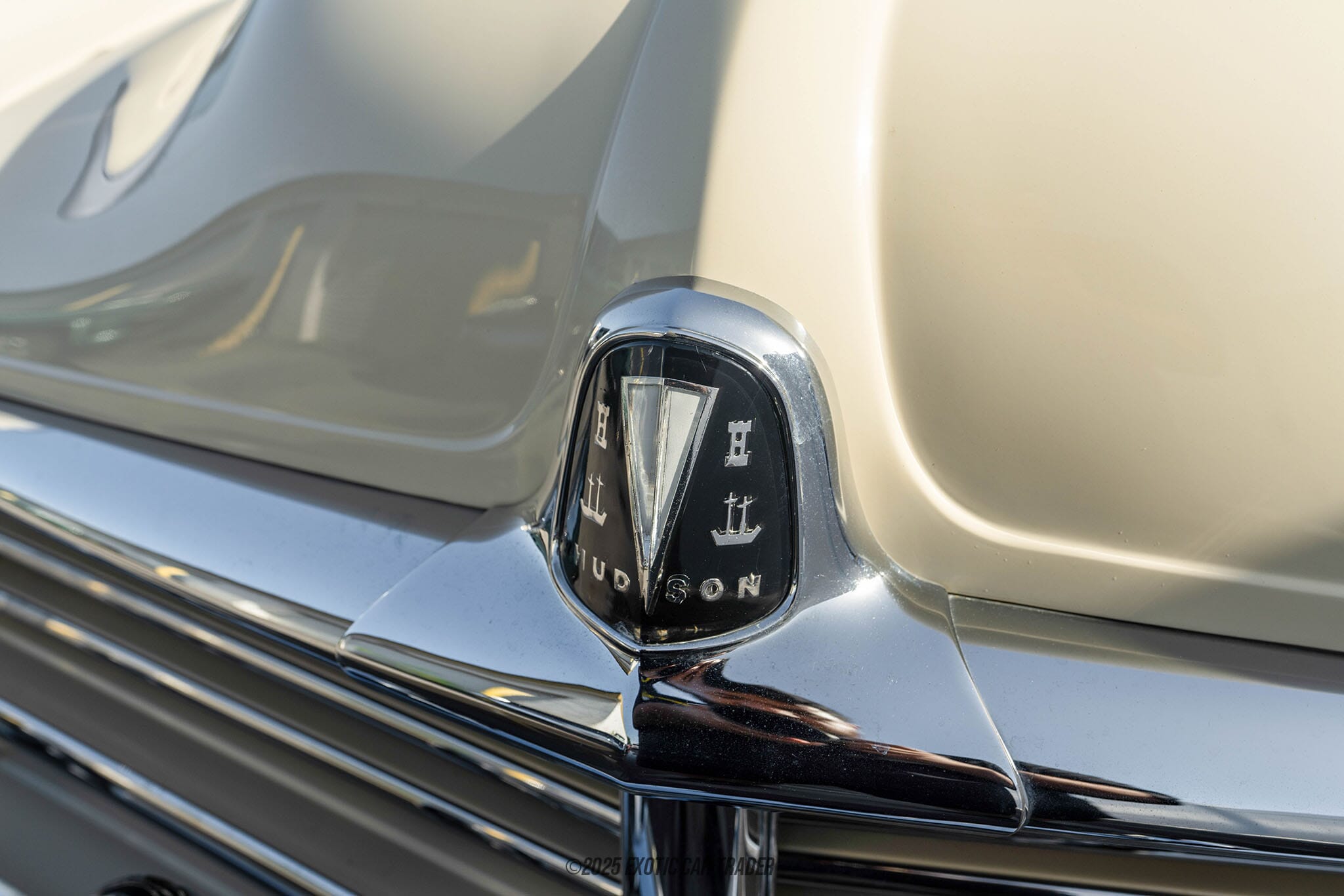
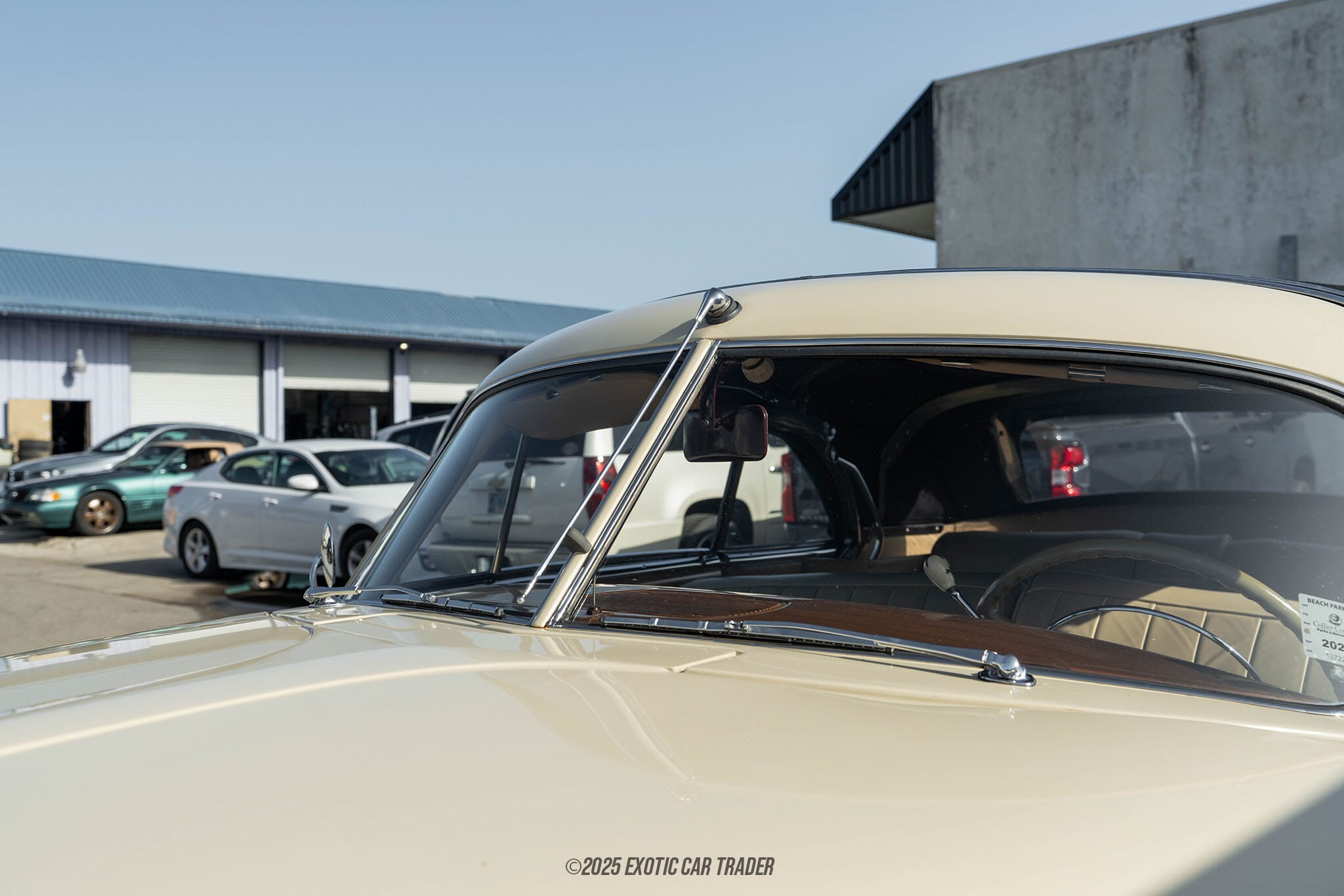
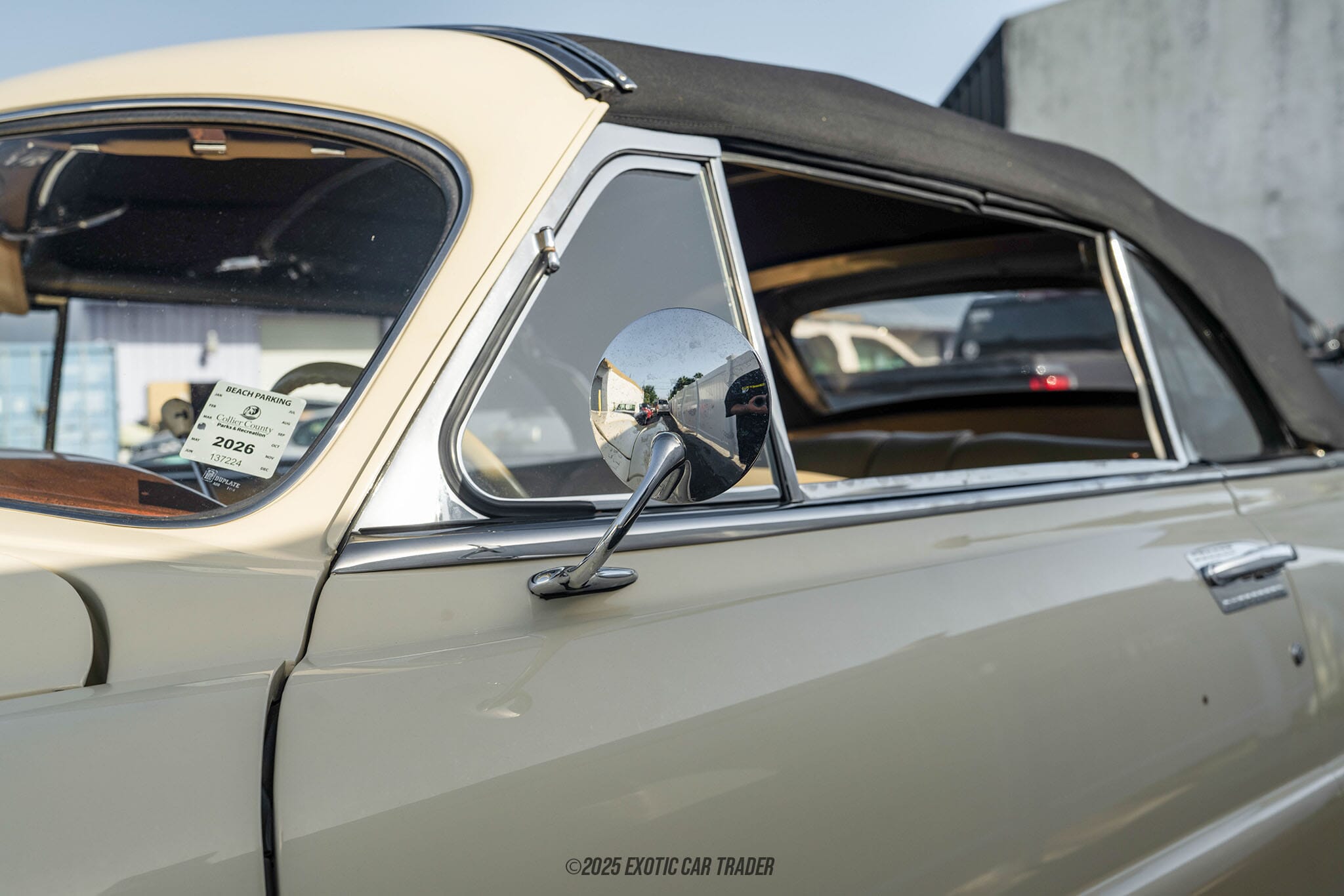
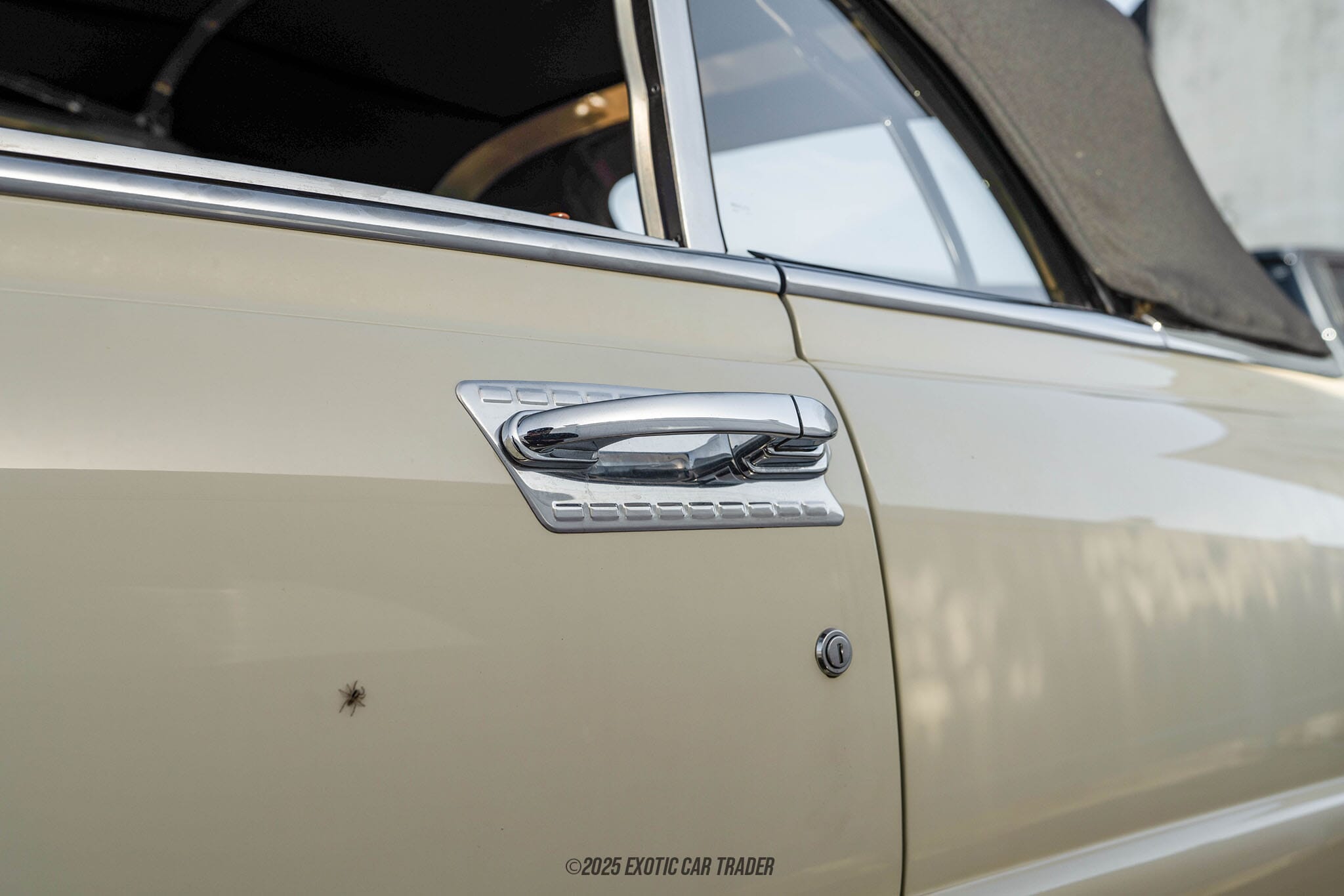
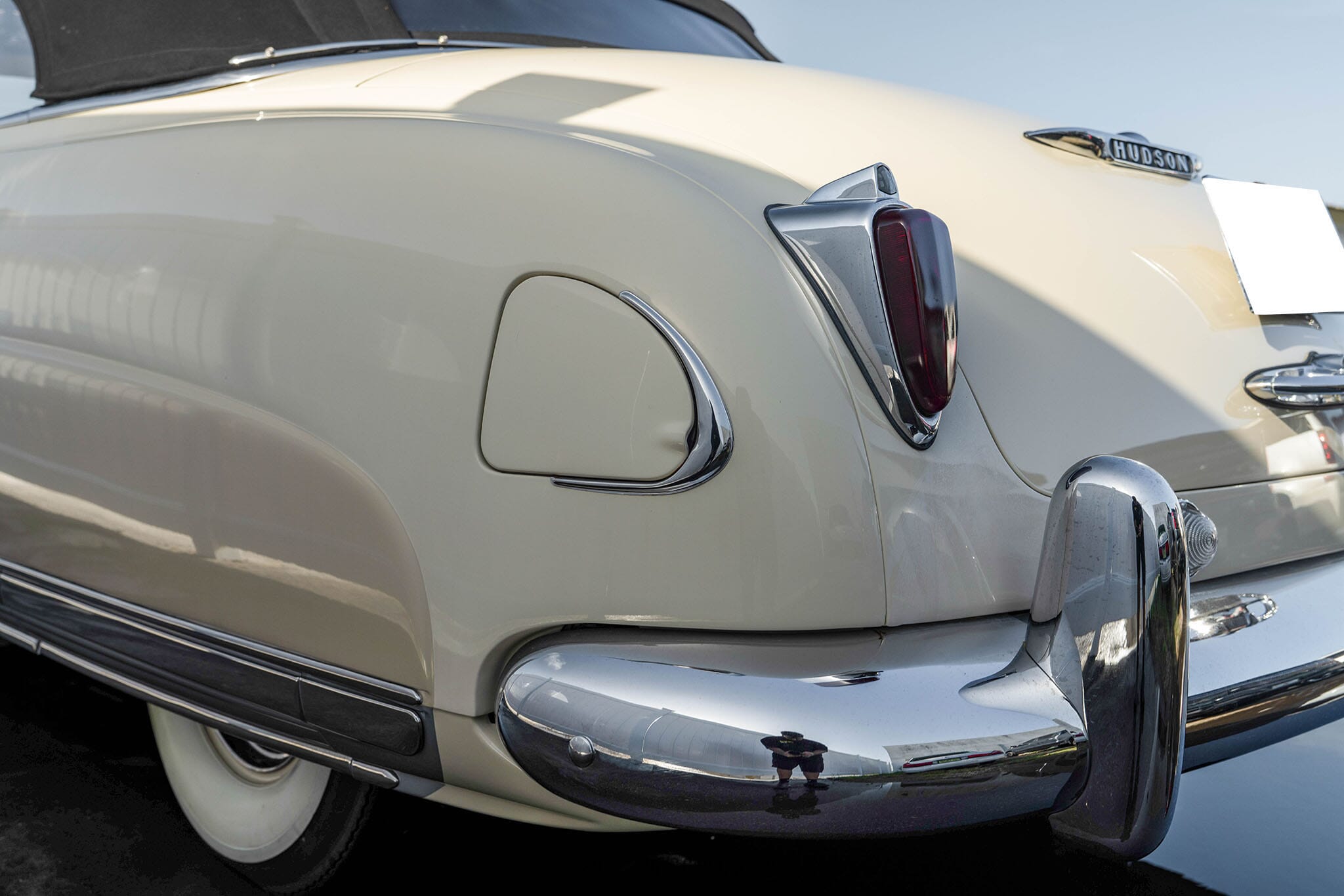
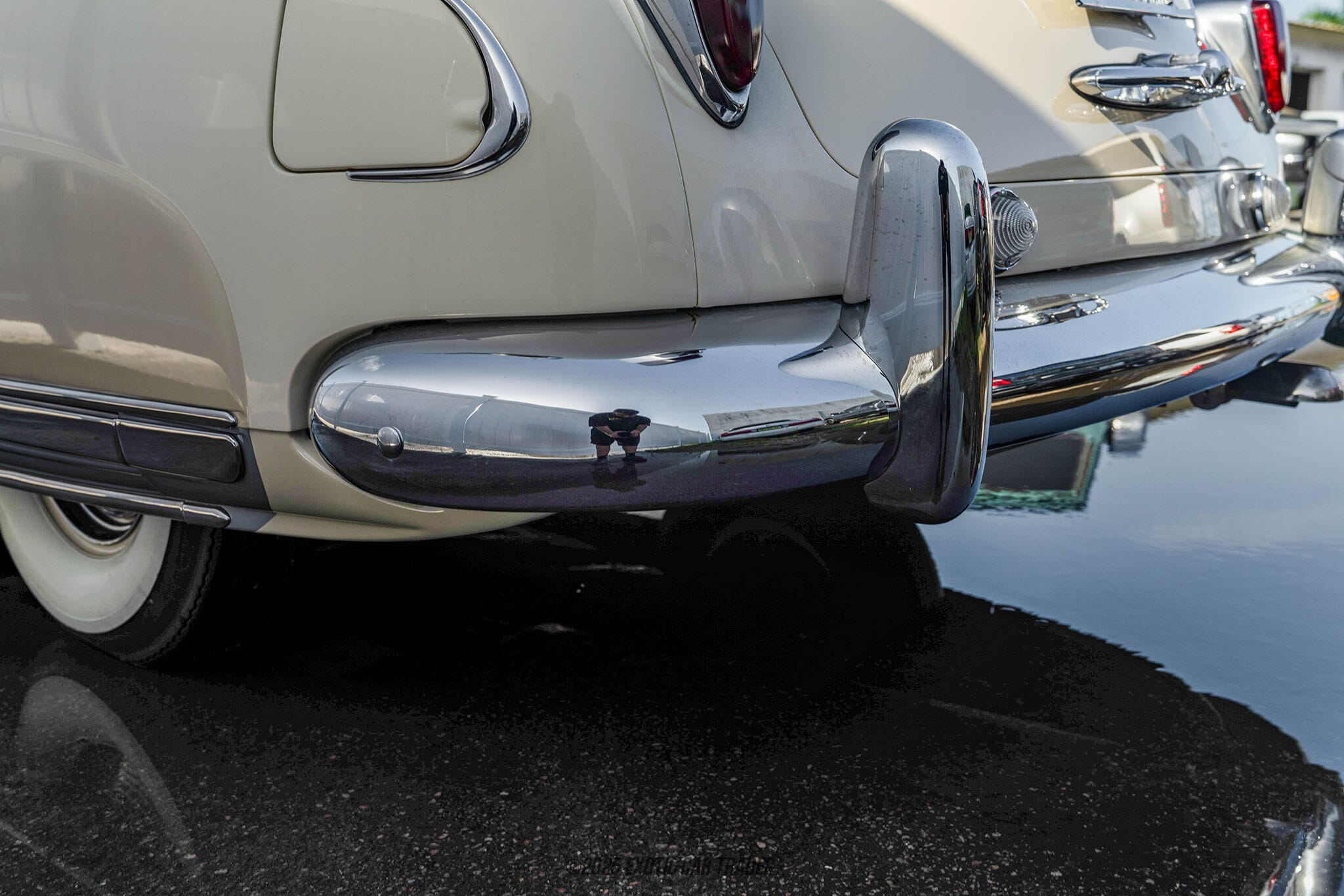
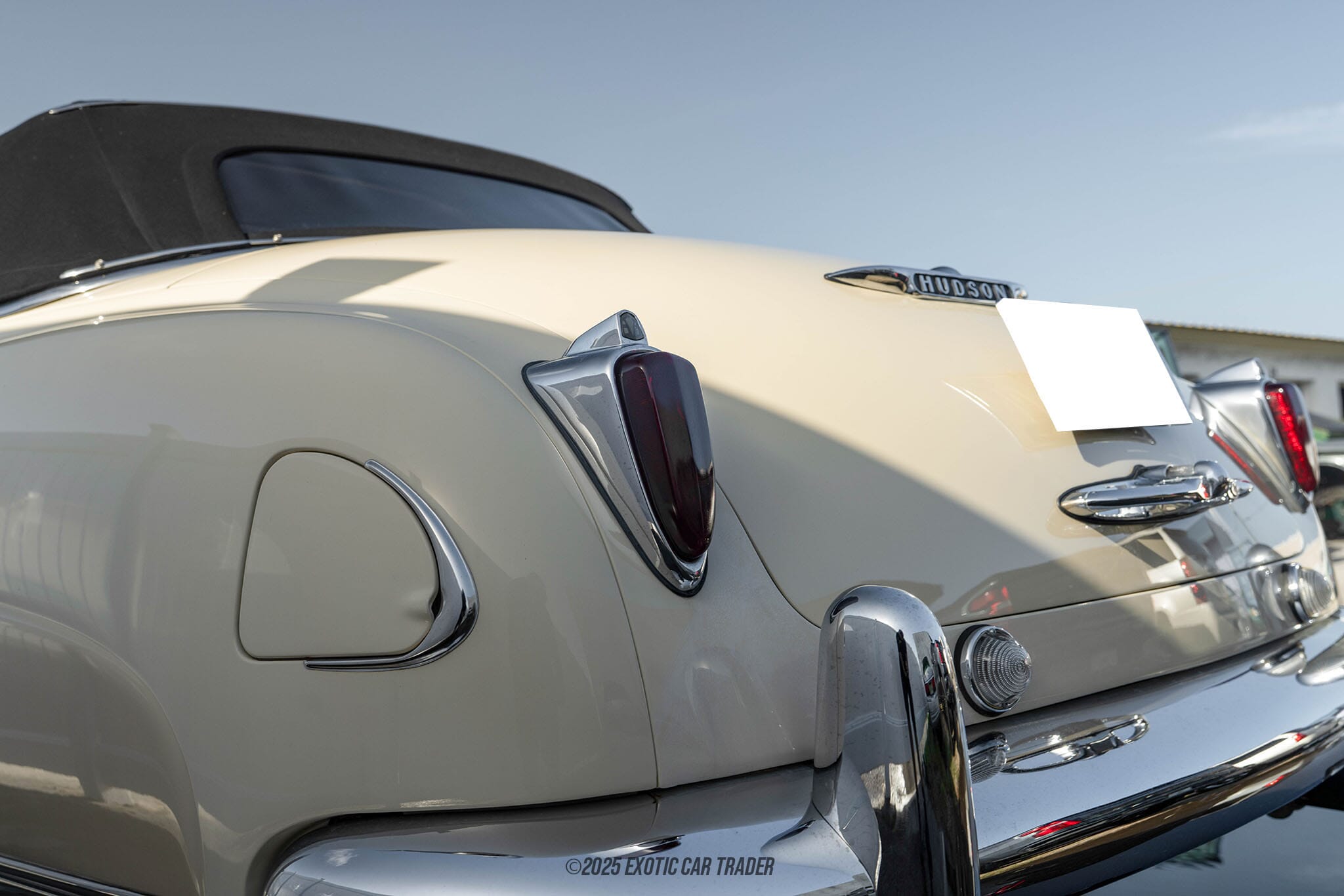
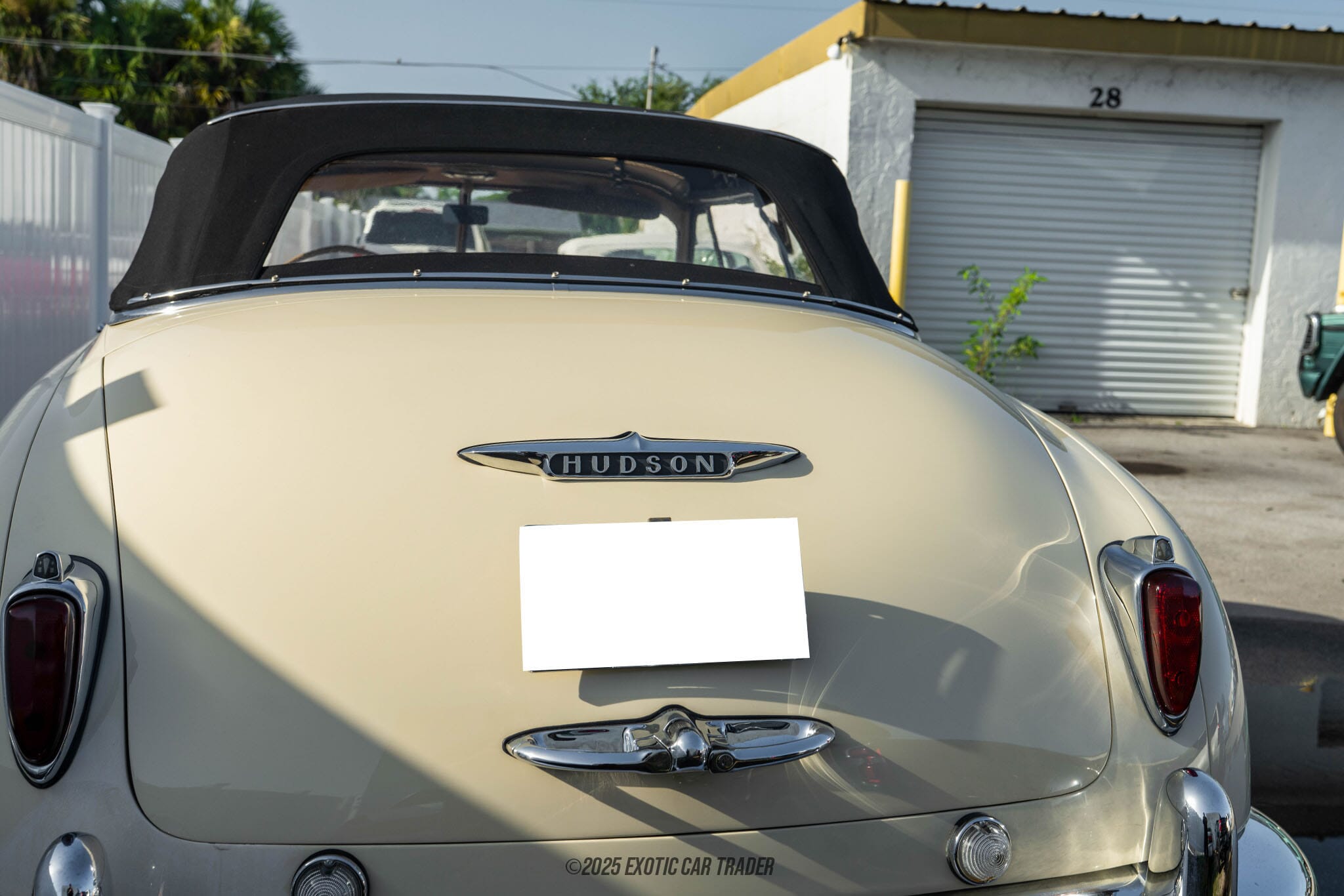
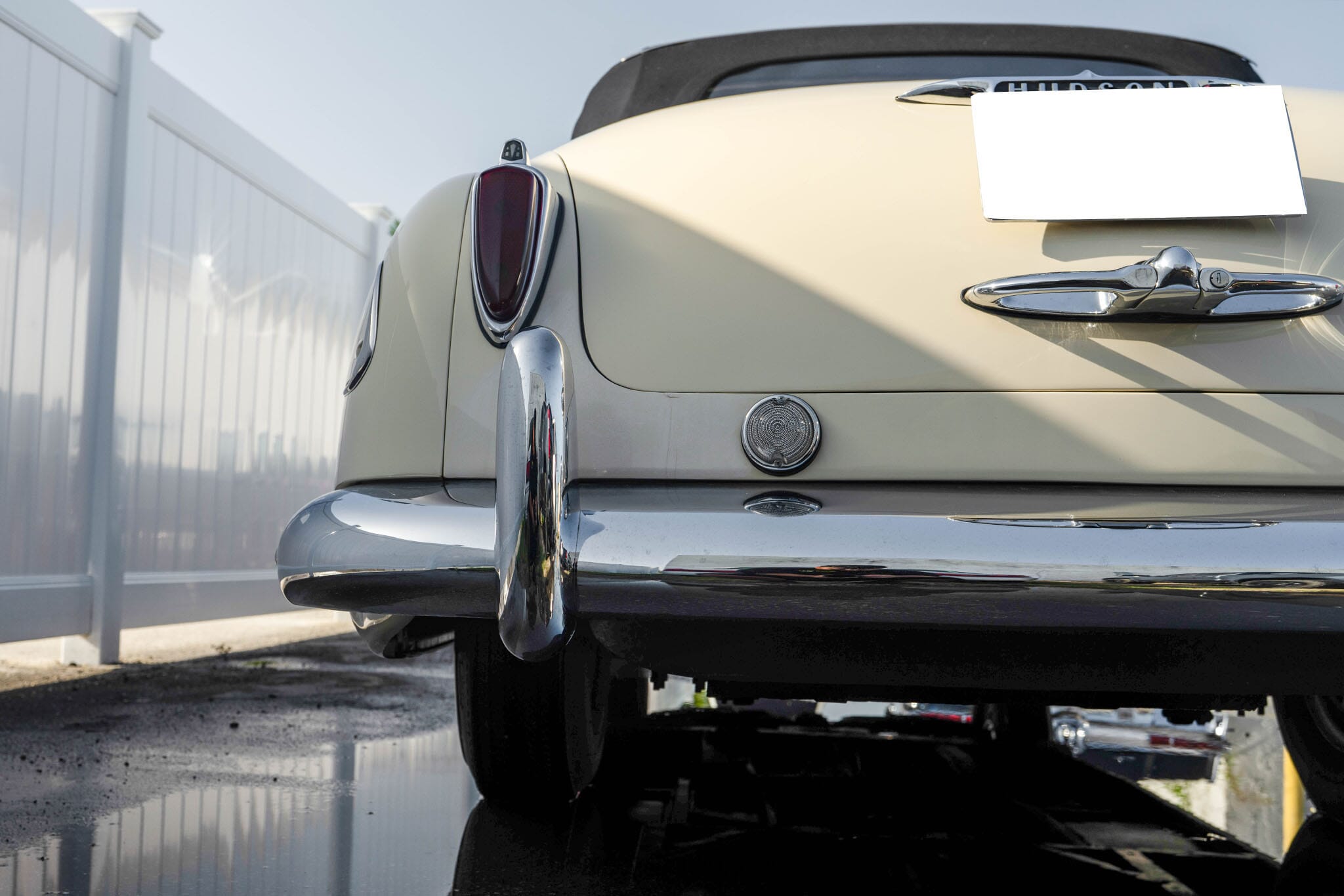
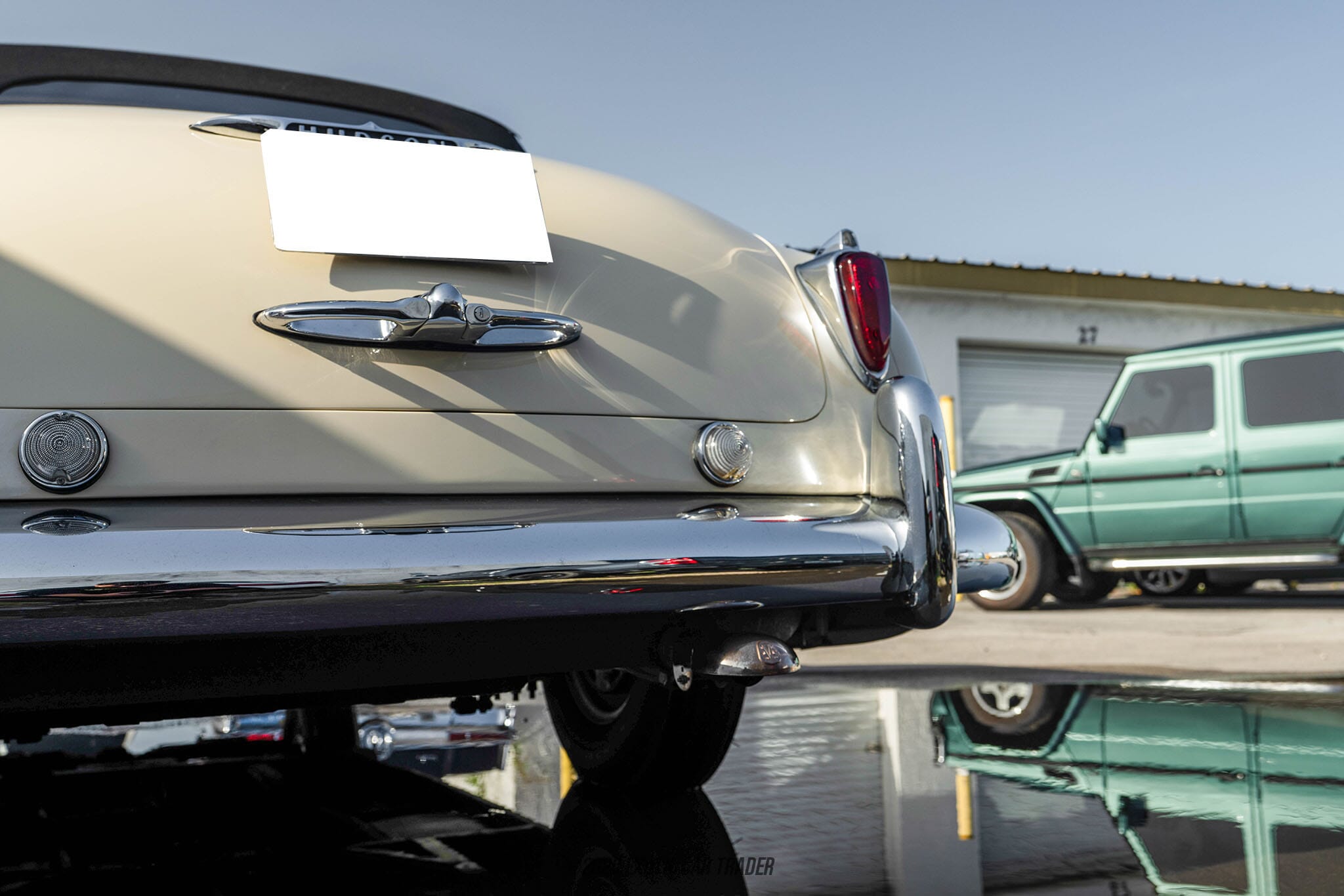
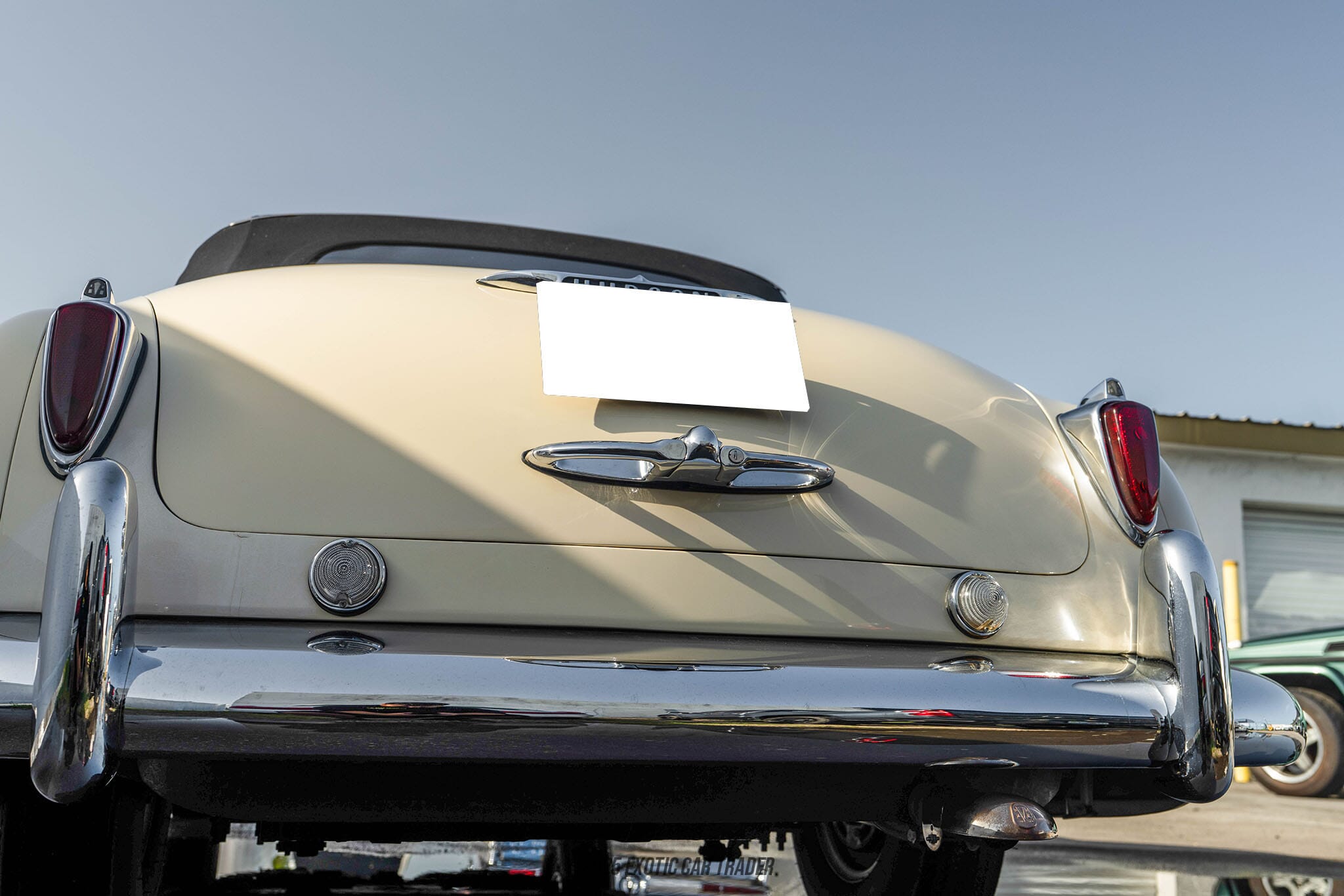
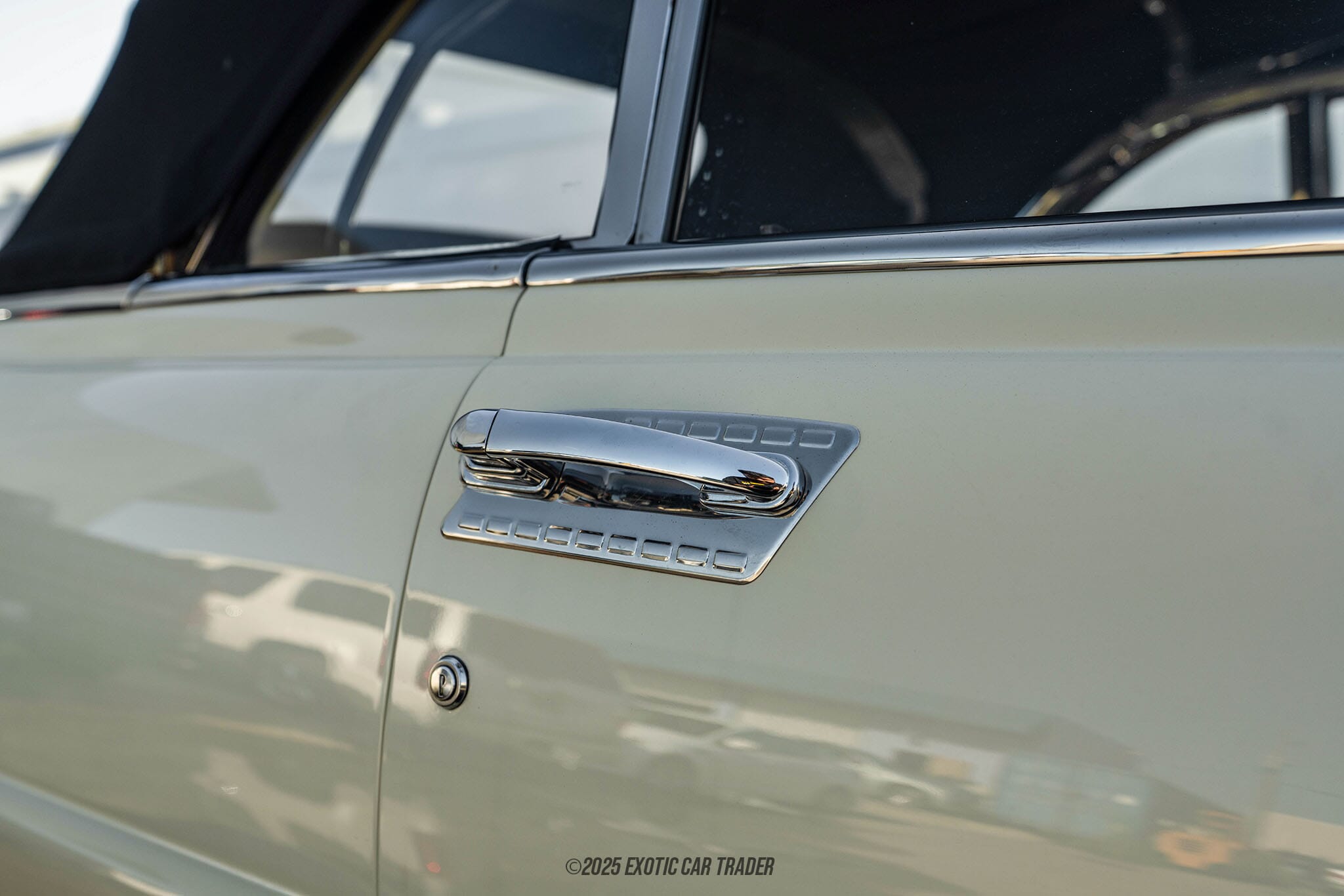
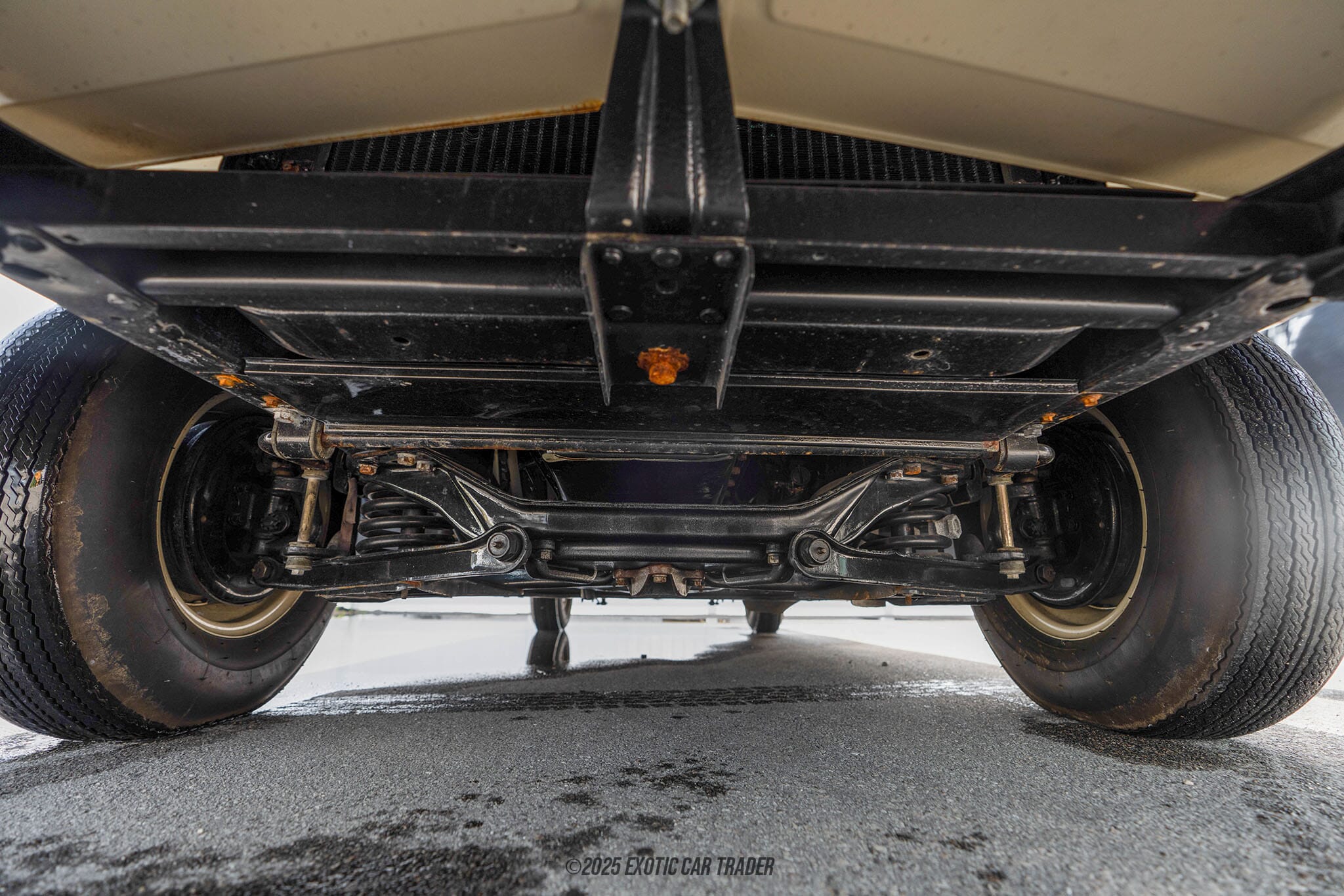
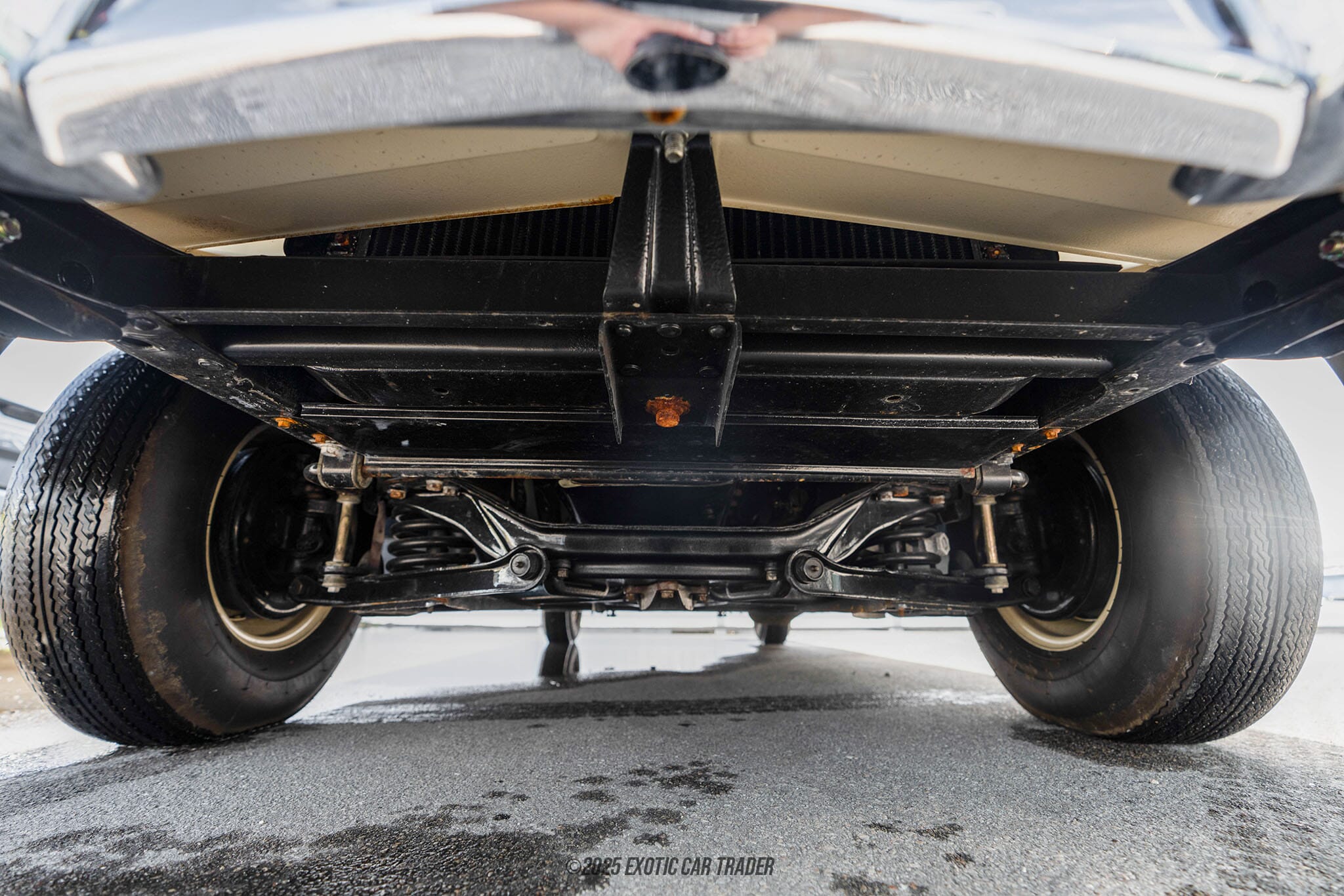
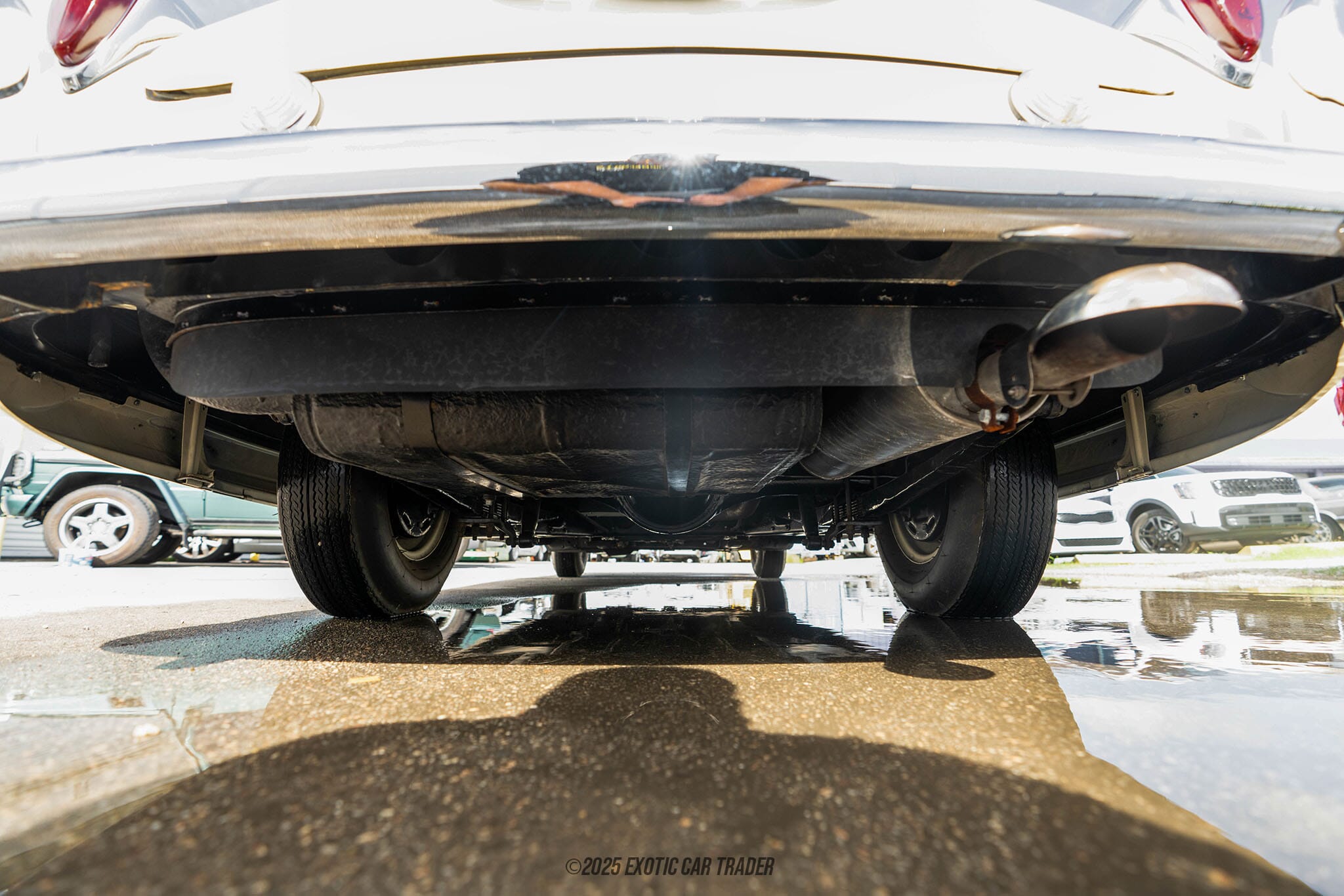
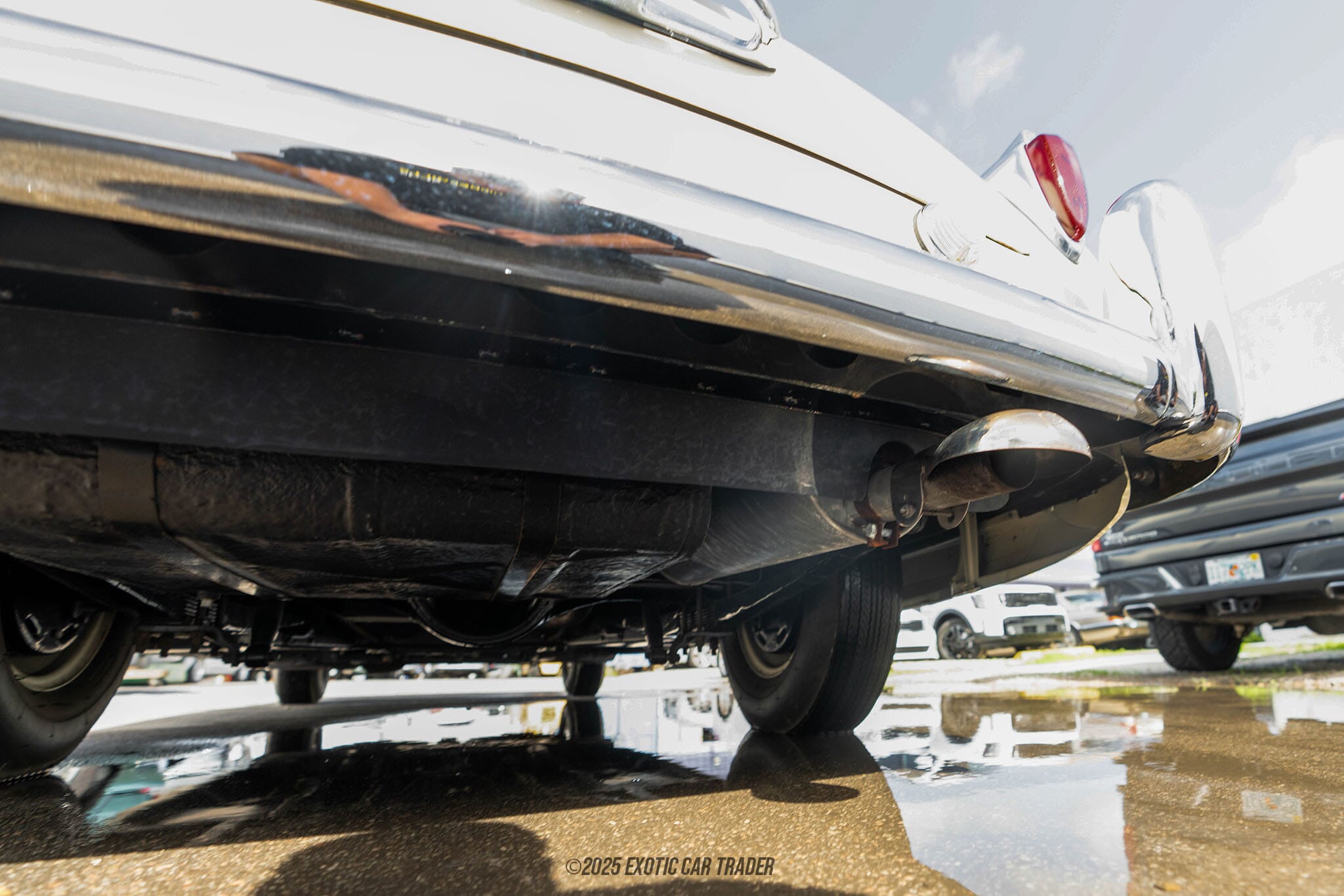
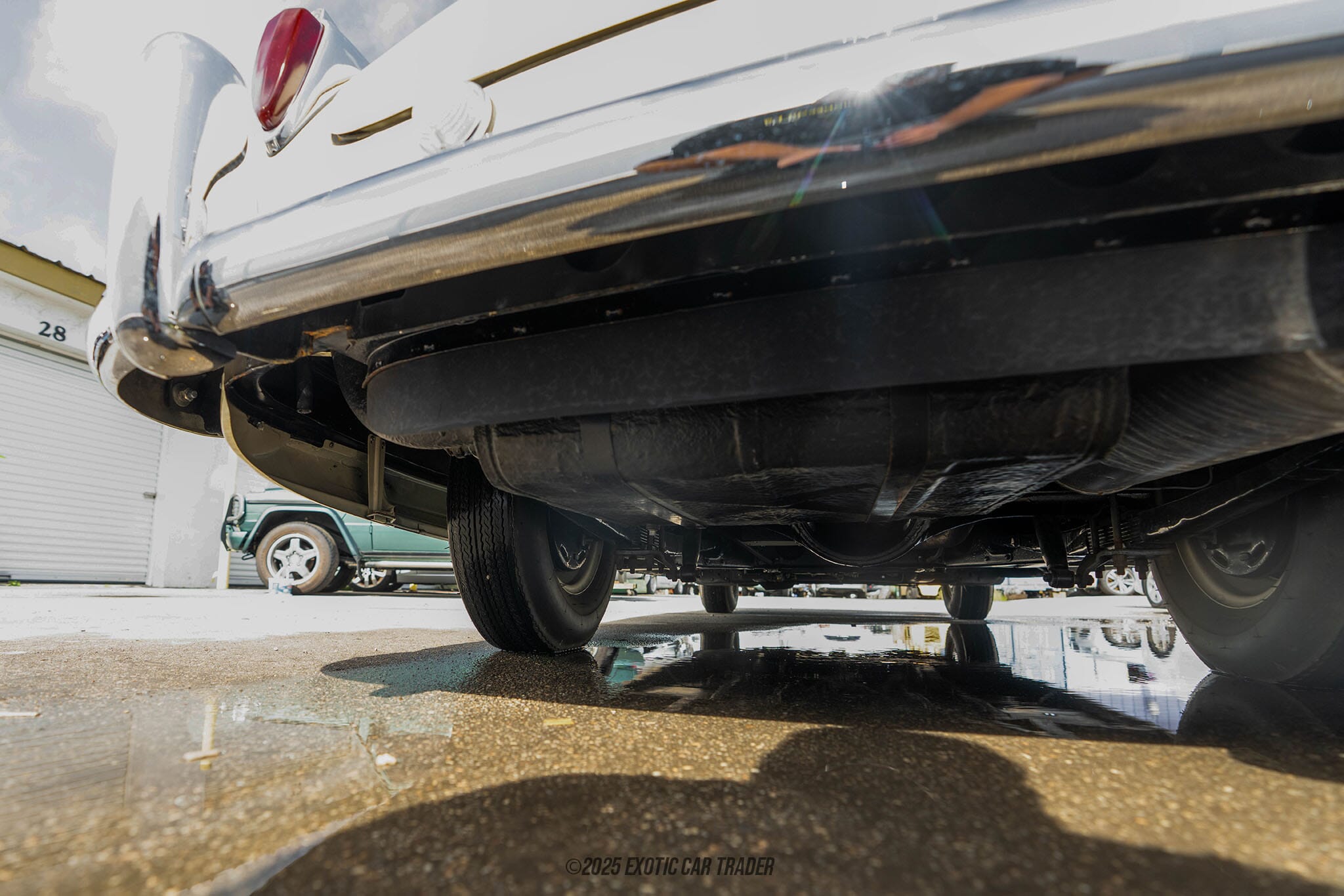


- 1949 Hudson Commodore Six Convertible
- 262ci I6
- Carter 2-Barrel Carburetor
- 3-Speed Manual
- RWD
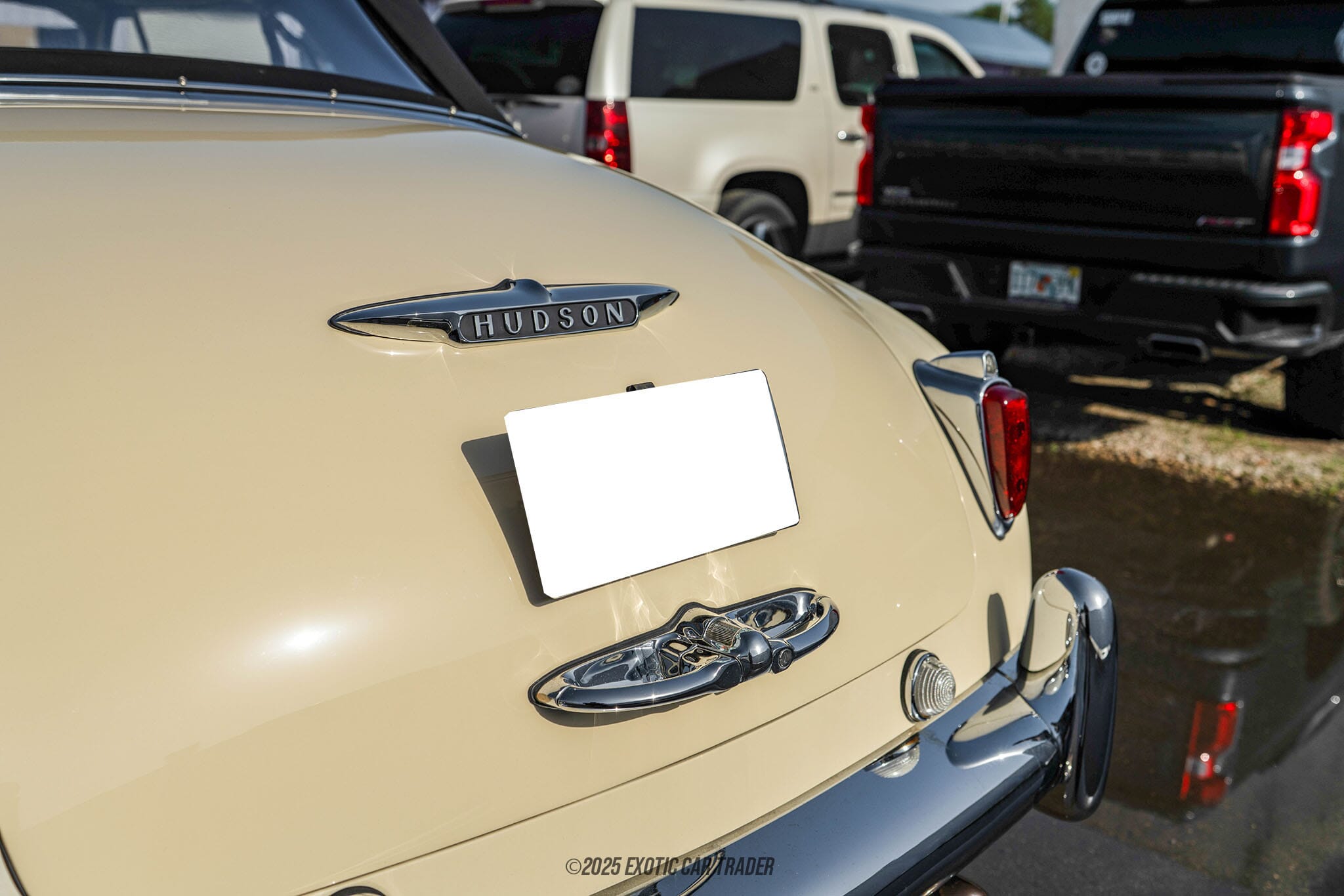
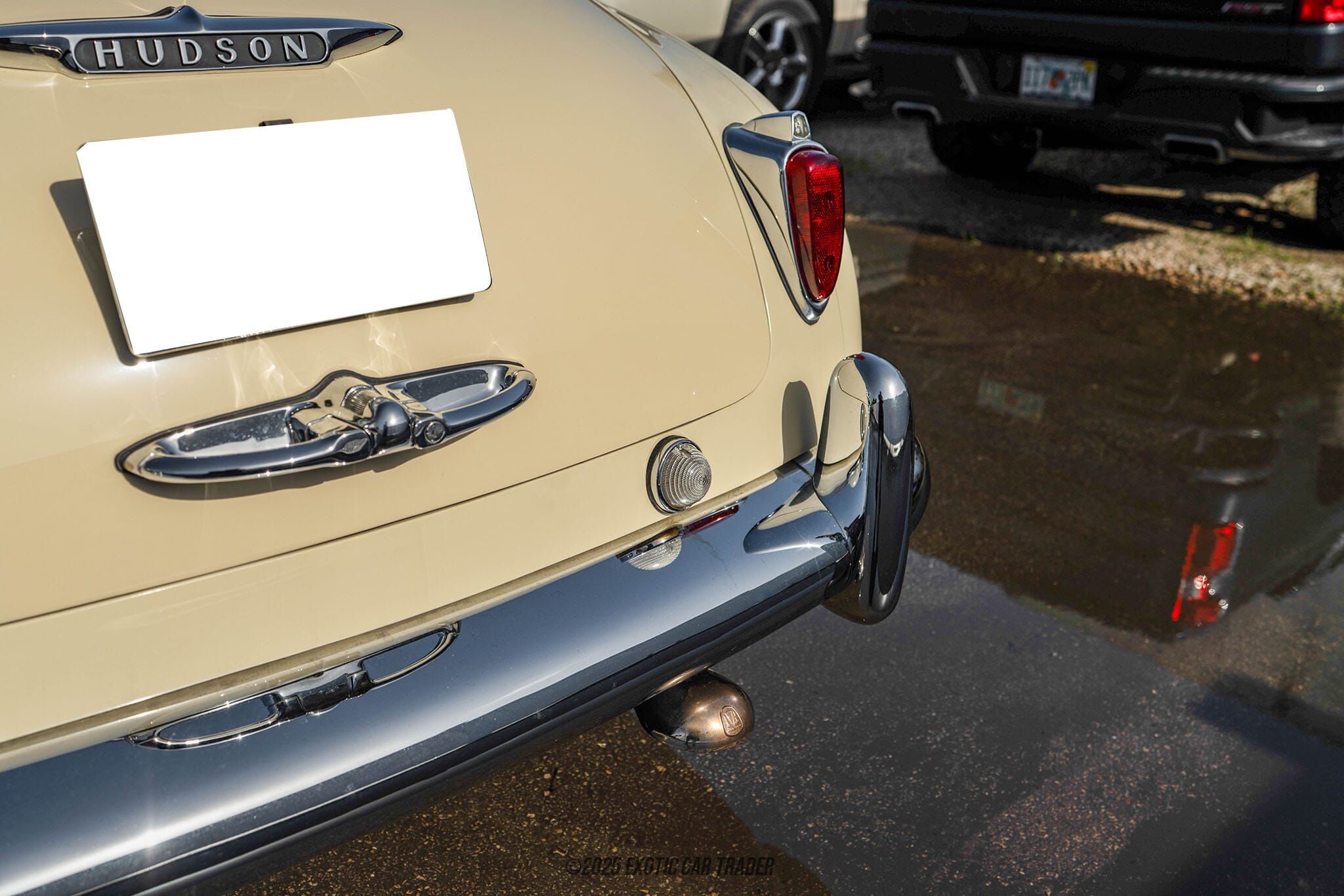
- Cream Exterior
- Beige Interior
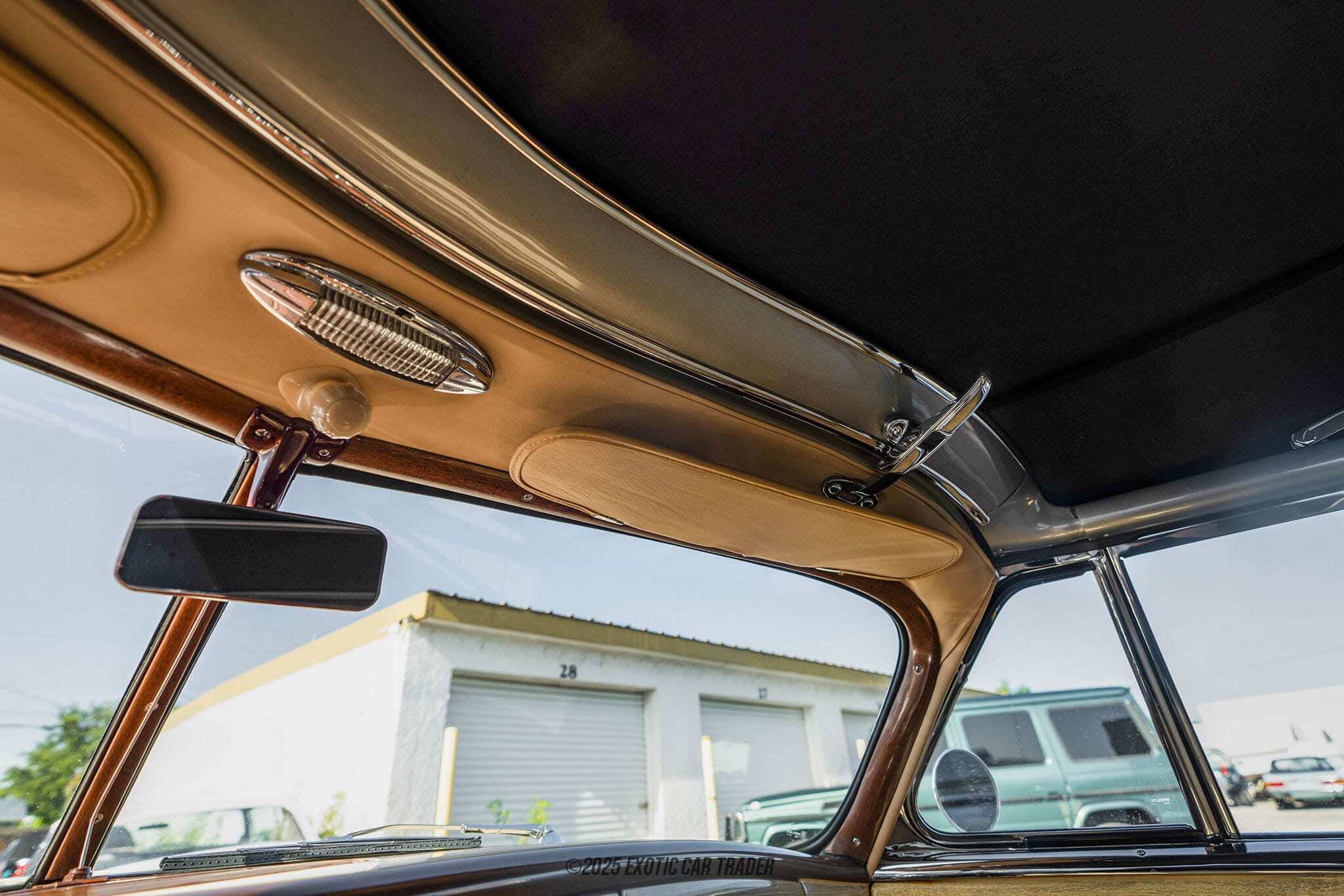
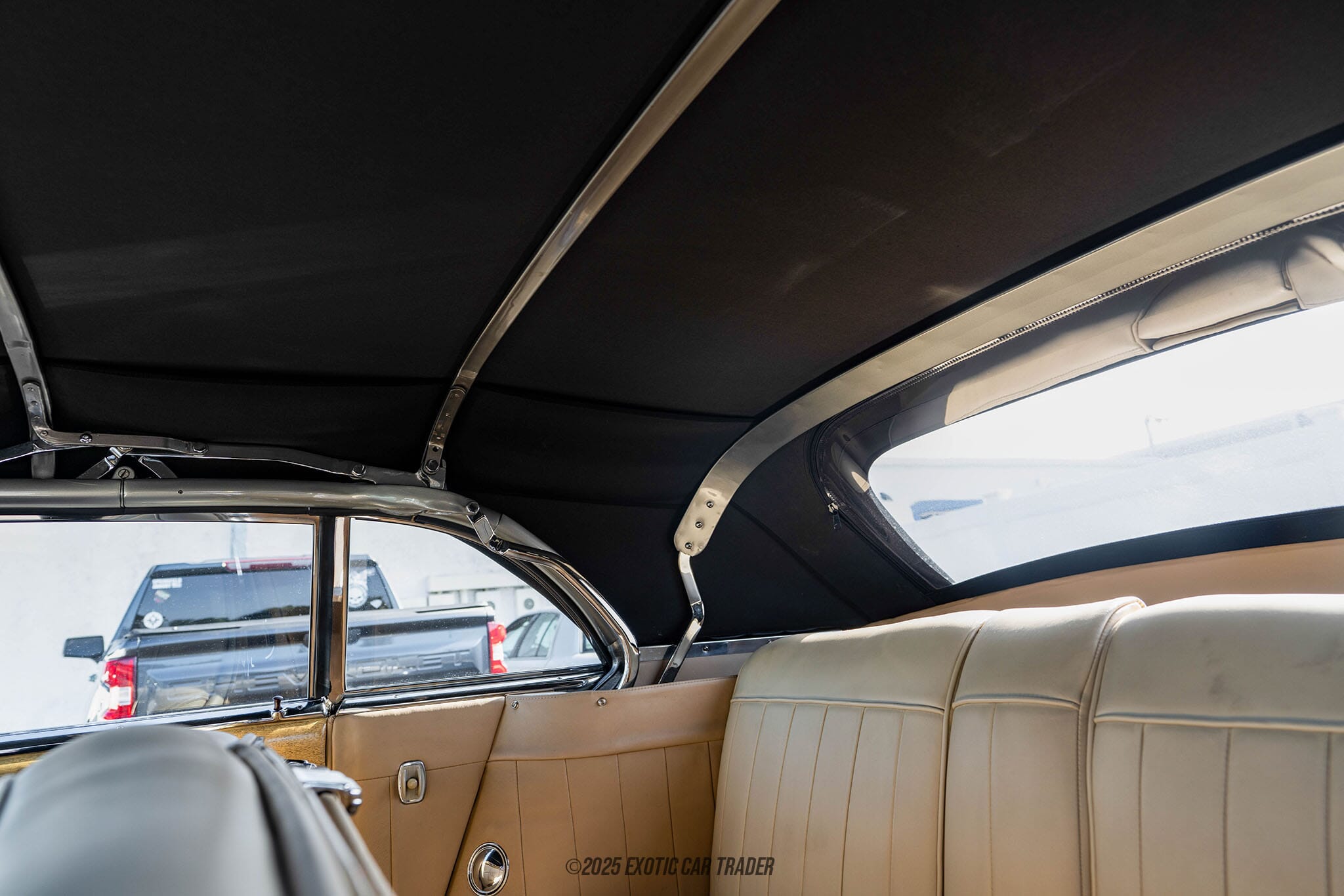
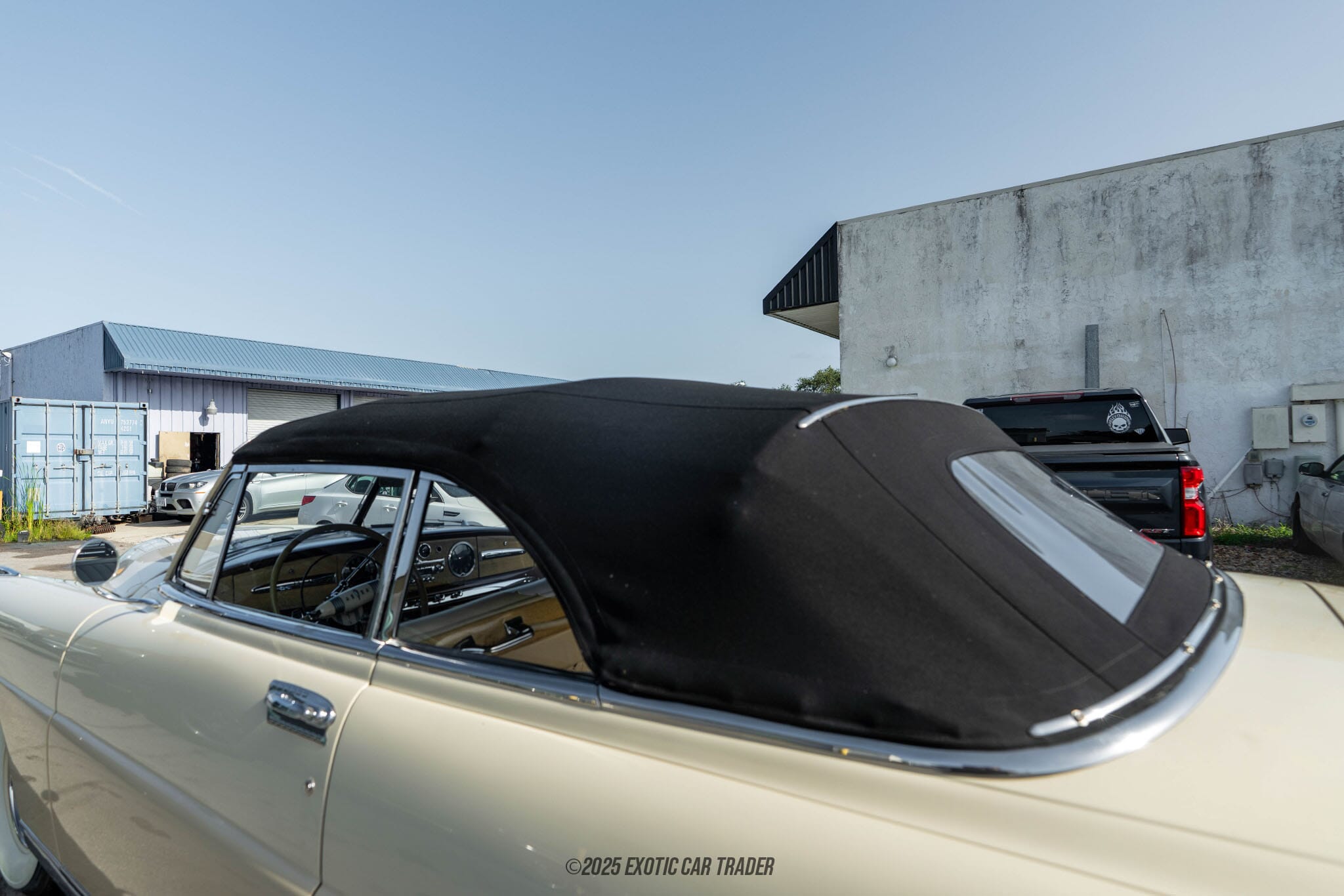
- Black Convertible Top
- Whitewall Tires w/ Large Hudson Hubcaps
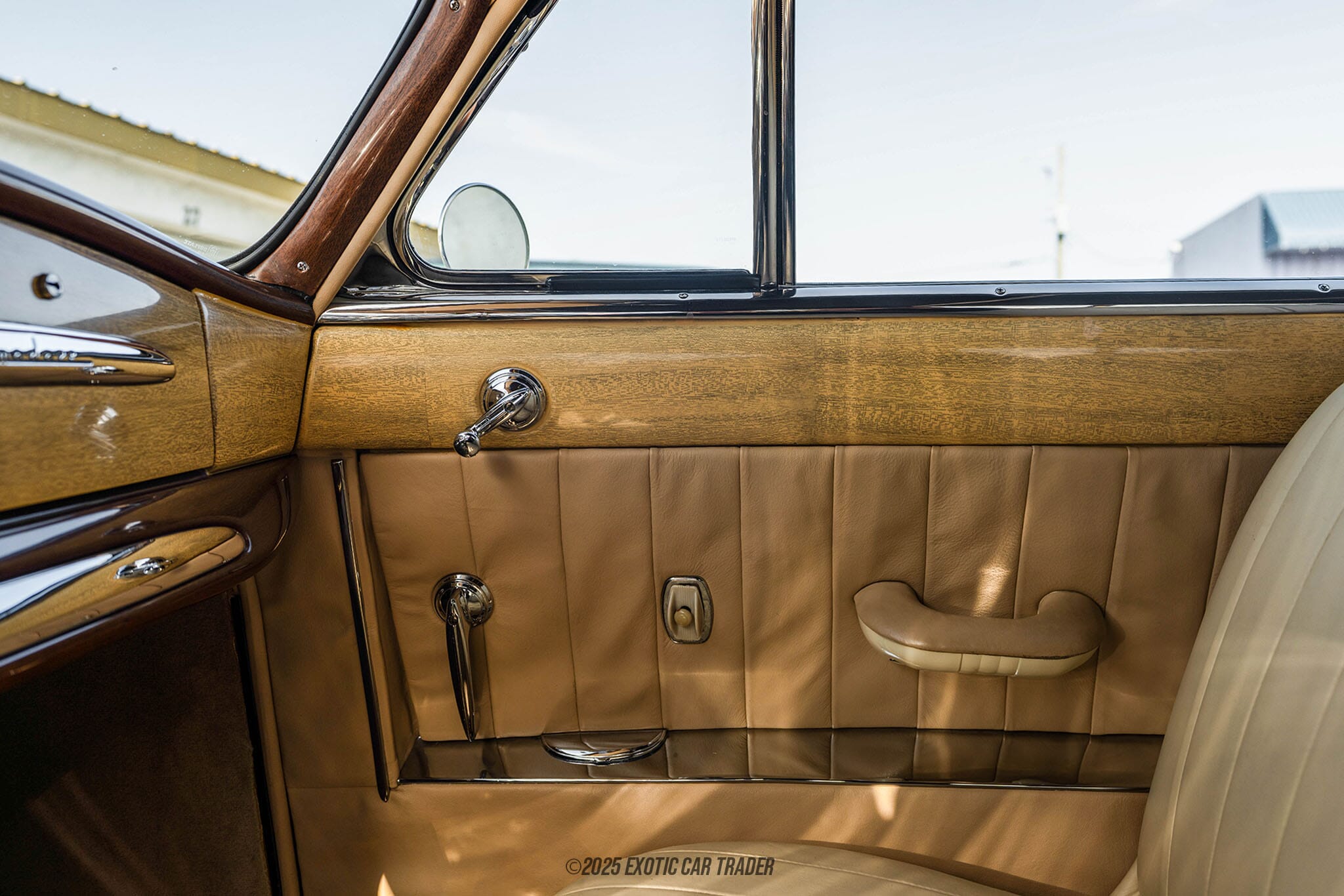
- Power Windows
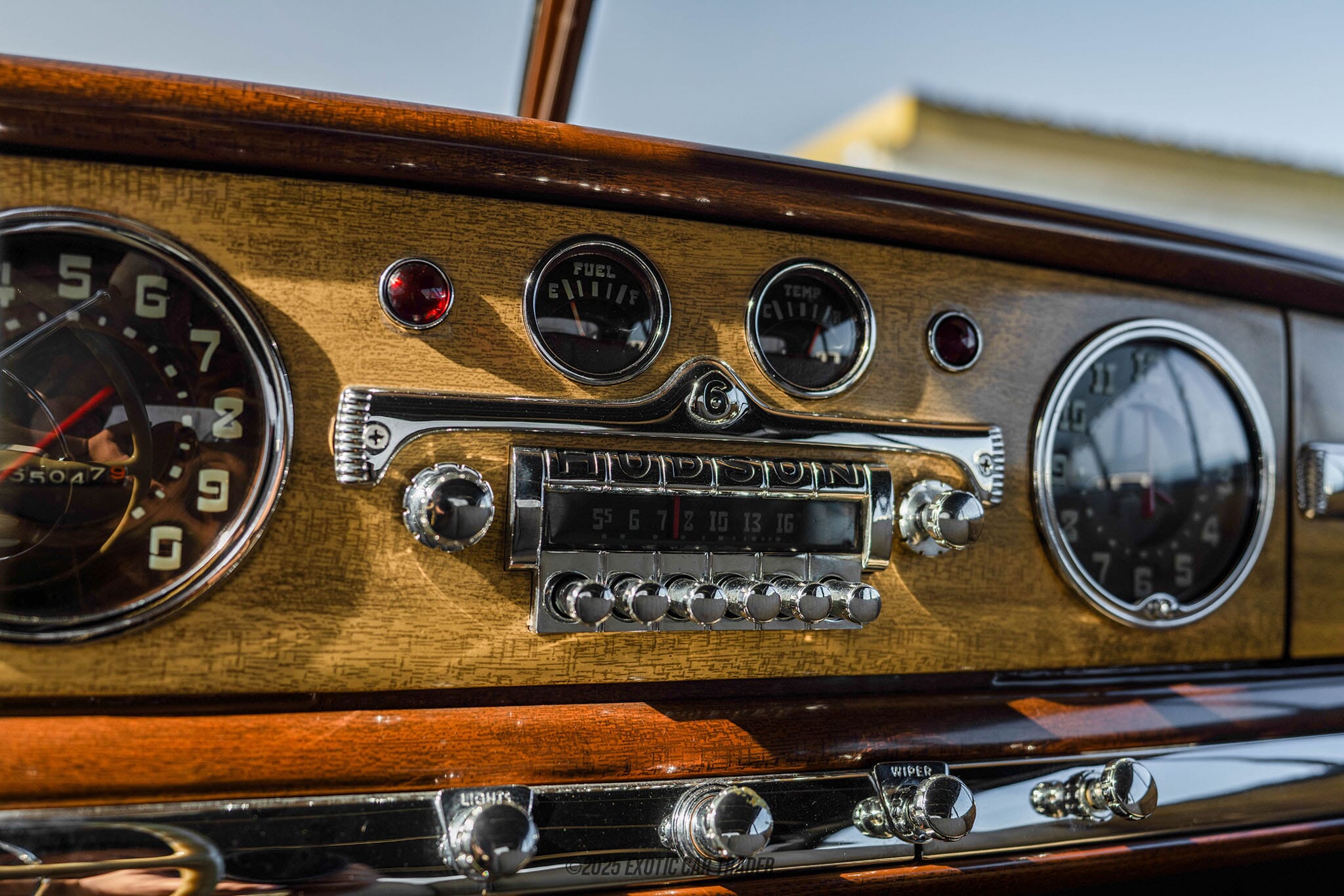
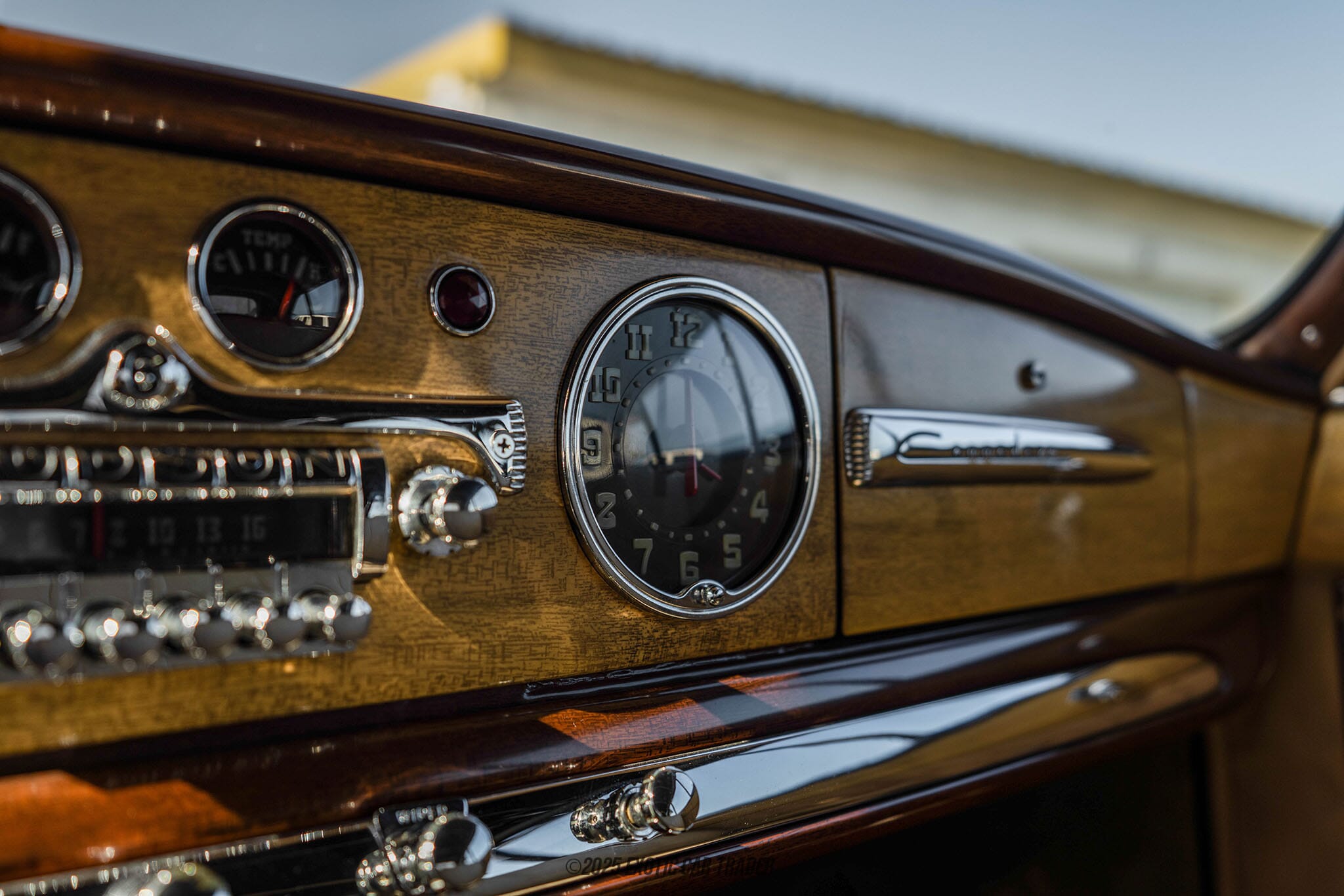
- Electric Clock
- AM Radio
- Heater
- Convertible Top Boot
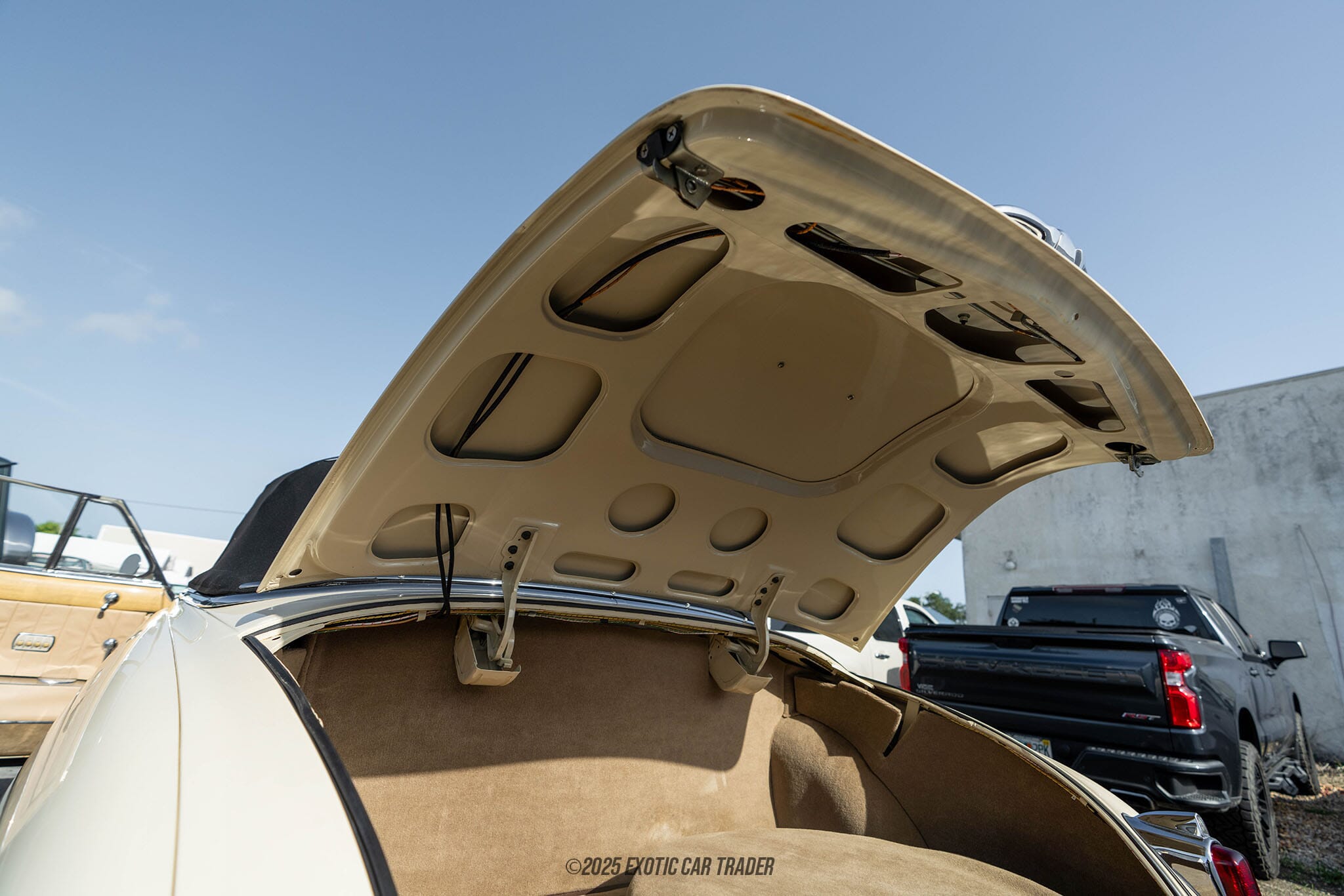
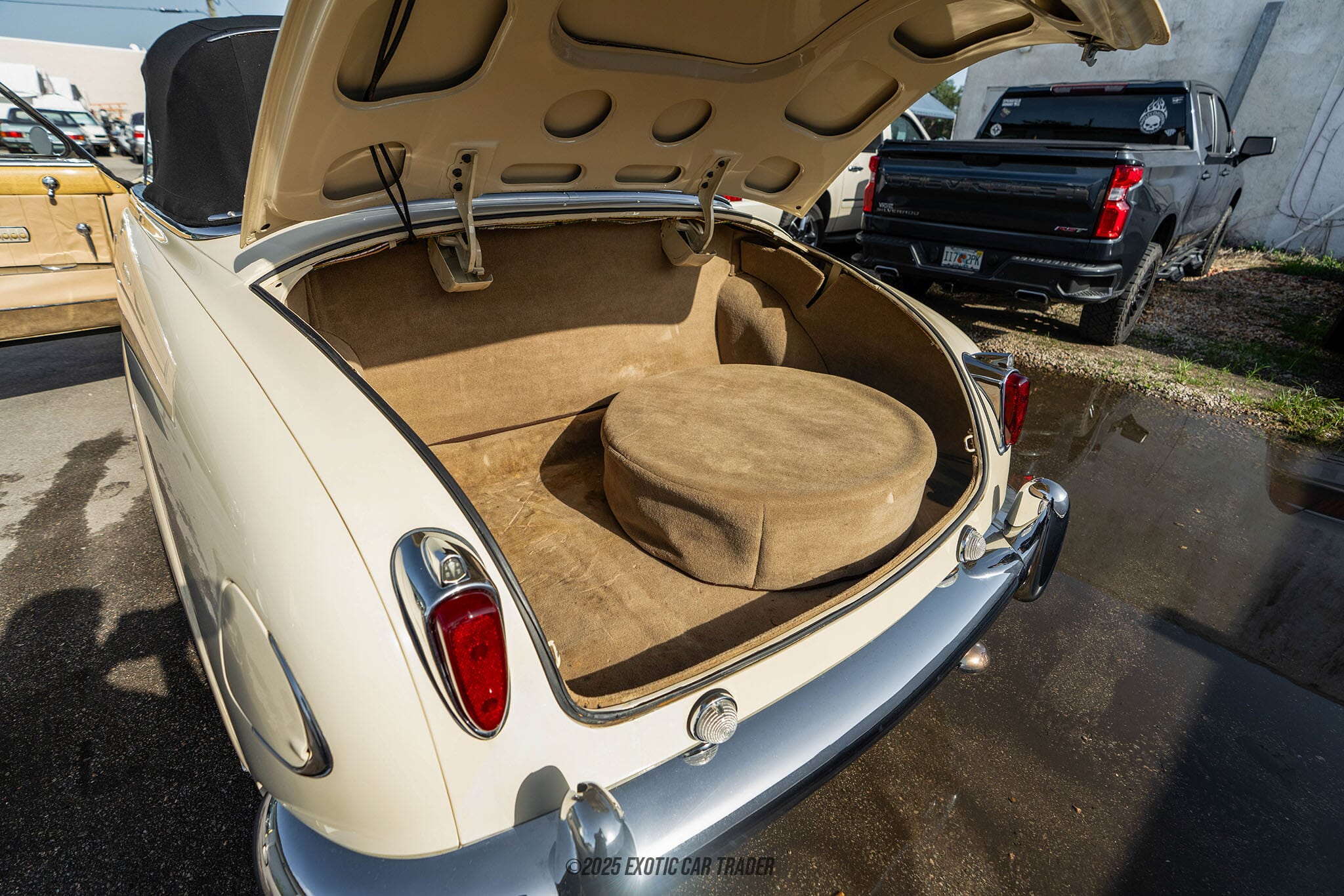
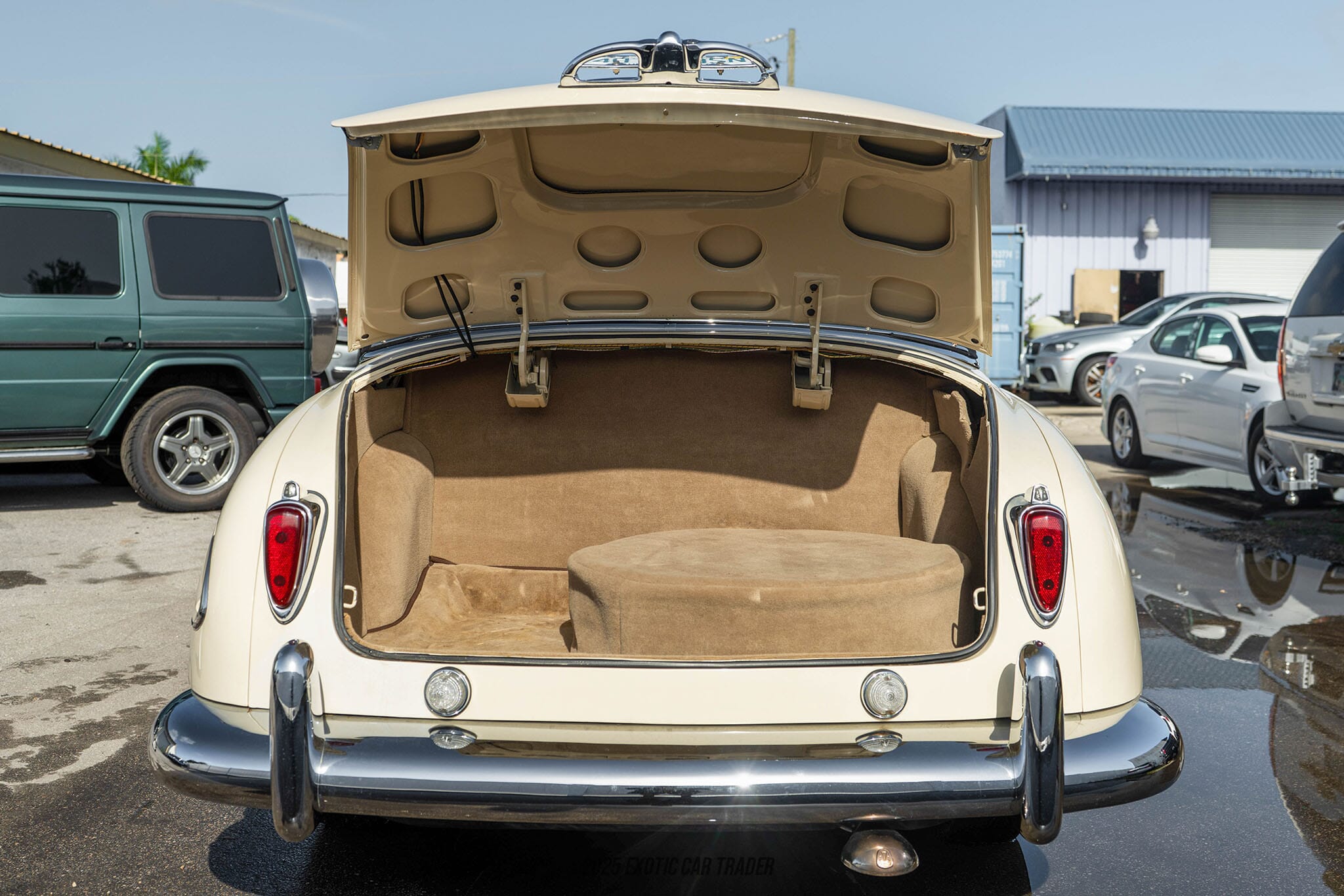
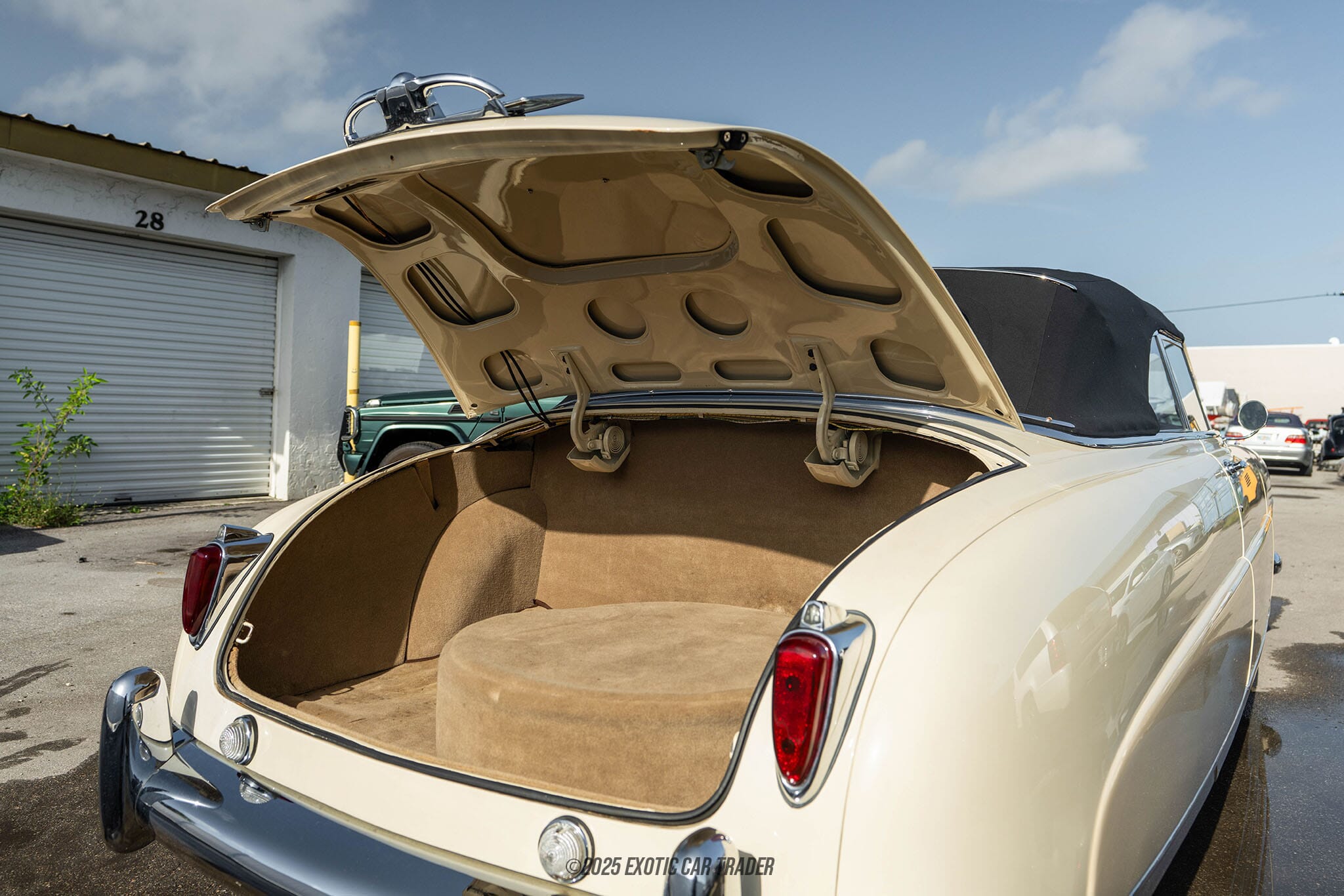
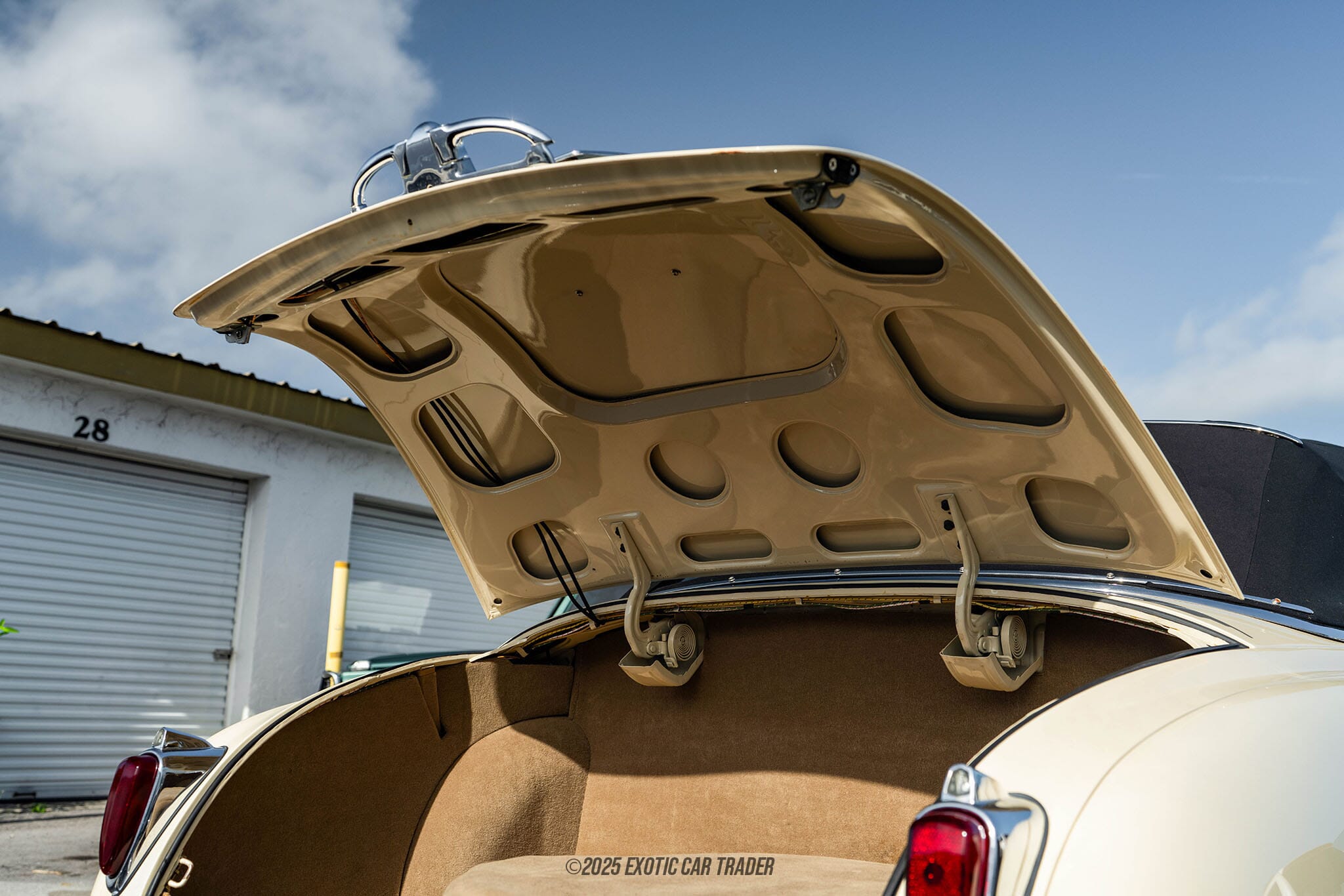
- Spare Tire
- Jack & Lug Wrench
- 1 of 656 Commodore Six Convertibles Produced In 1949
- Monobilt Semi-Unit Body w/ "Step-Down" Design
- Displayed At The Meadowbrook Concours d’Elegance In 2009


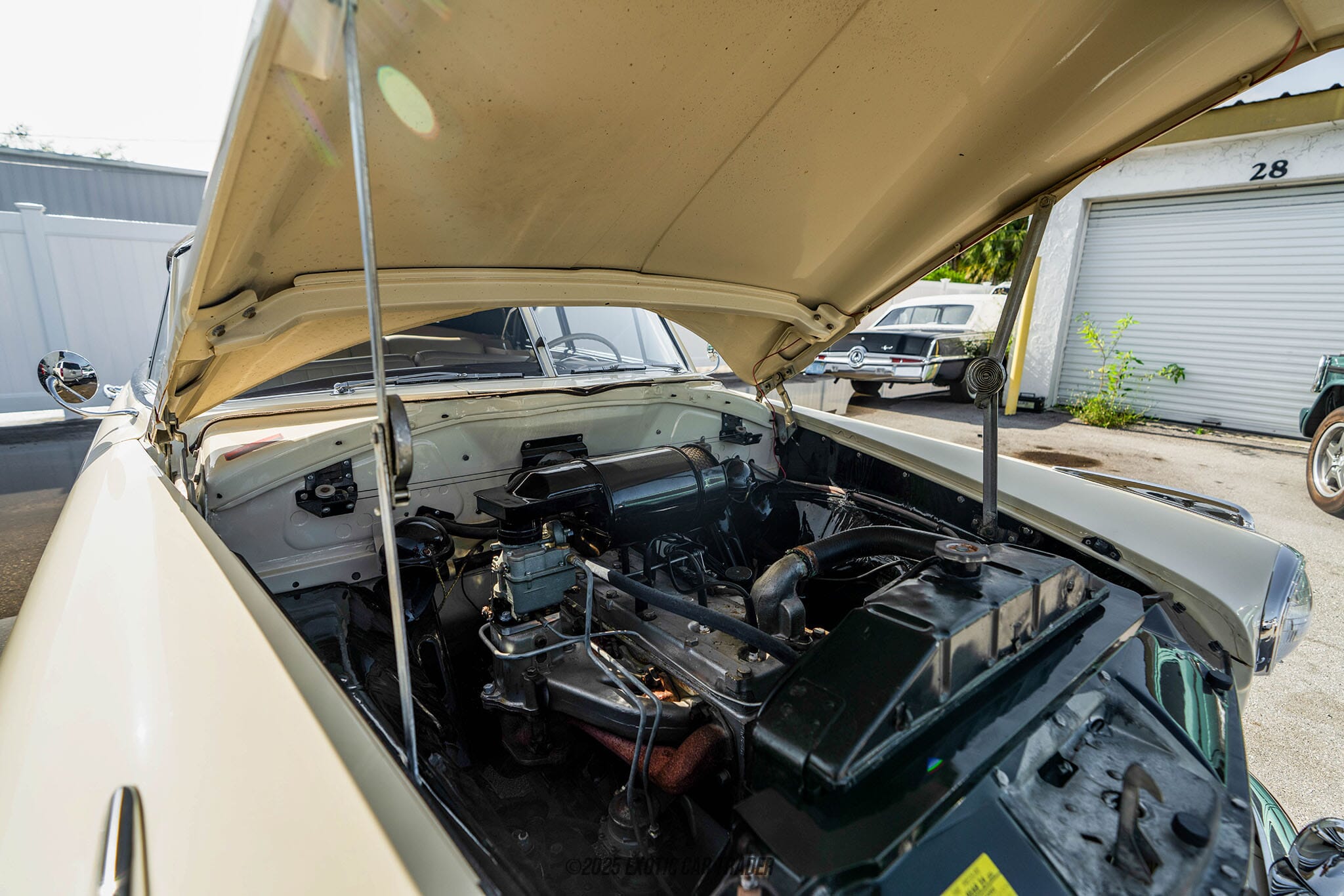
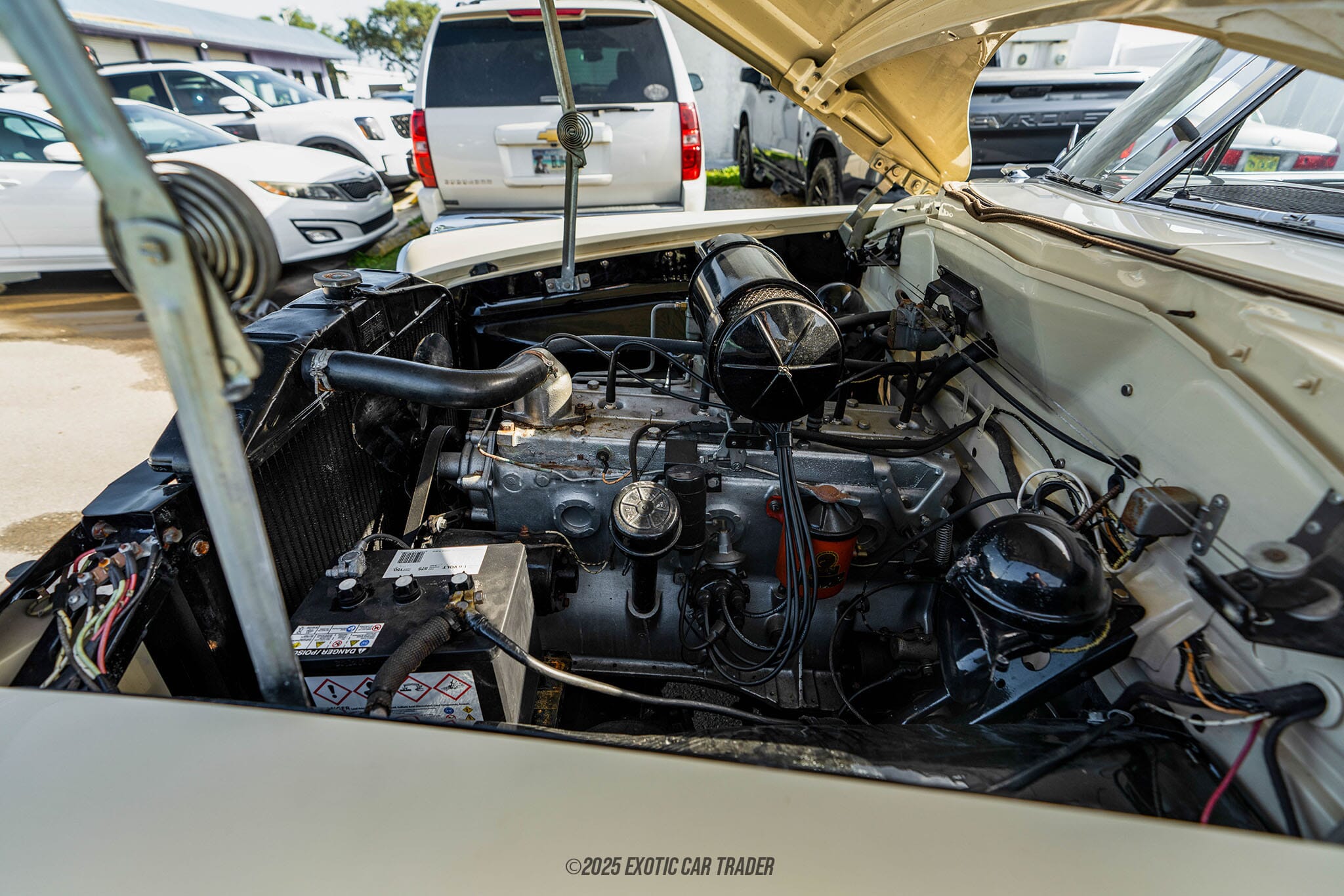
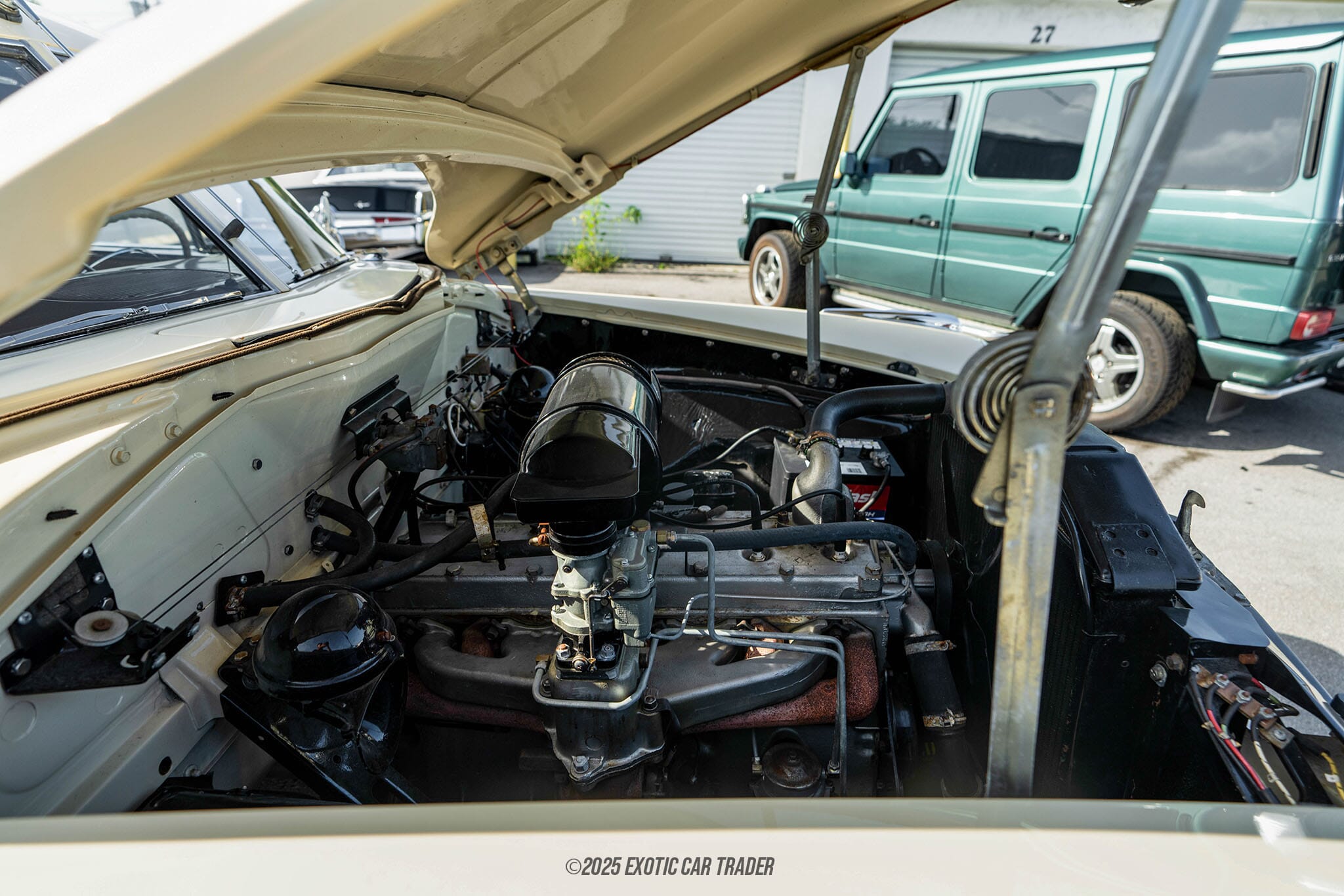
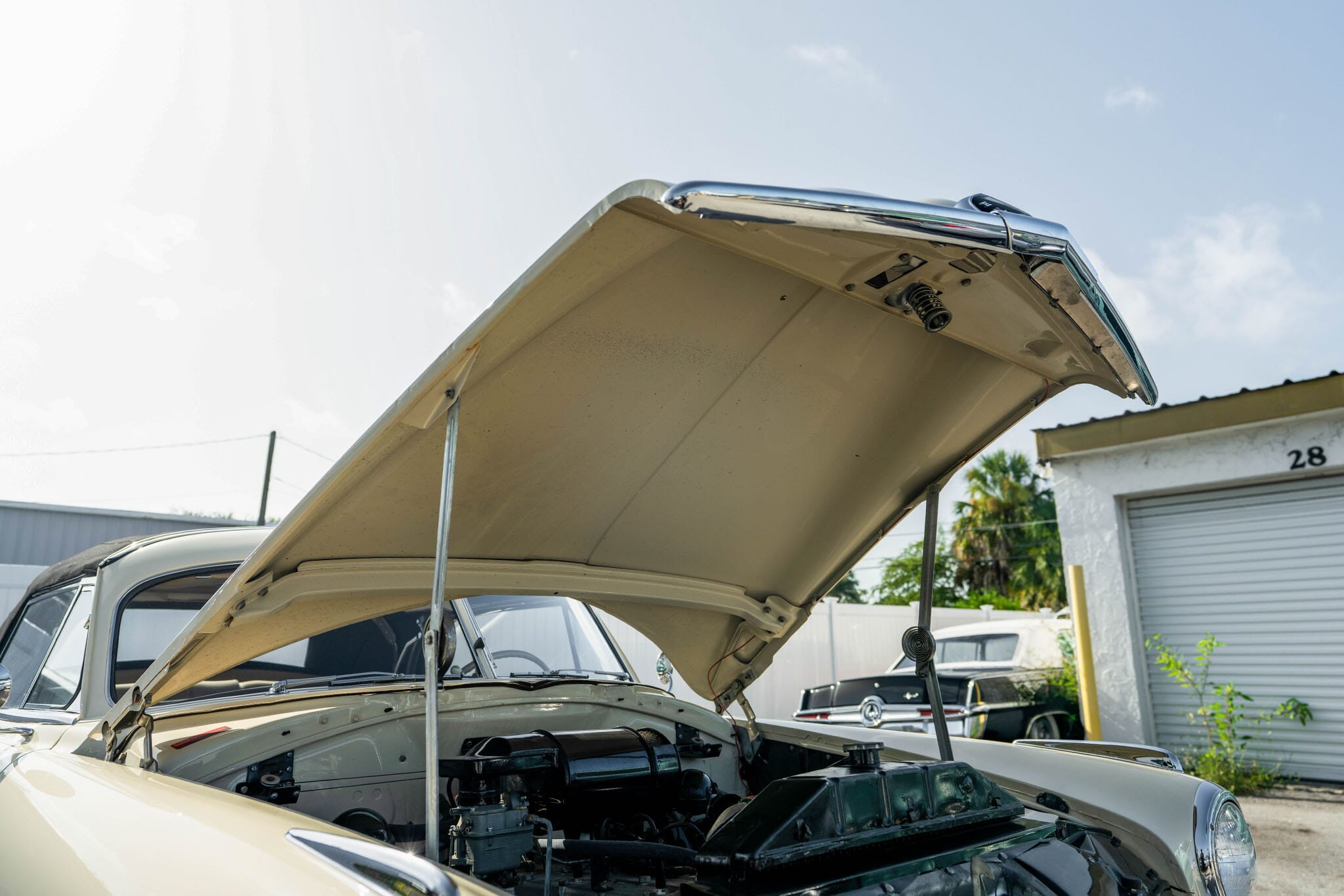
Hudson was a Detroit-based automaker that was founded in 1909, but merged with Kelvinator in 1954 and subsequently died off. Their most opulent offering during the 1940s and early 1950s was the Commodore. This full-size car came in various forms, including as a sedan, coupe, convertible, and even a short-lived pickup truck. Made across three generations, today’s 1949 Hudson Commodore Six Convertible comes from the third and last generation. Residing in Naples, Florida, this quintessential 1940s classic car includes the spare tire, jack, and lug nut wrench as well. The current owner says that only 656 Commodore Convertibles were made in 1949, so you’re a part of a club that’s more exclusive than some supercars! This car was even displayed at the Meadowbrook Concours d’Elegance in 2009, we’re told.
Exterior and Interior
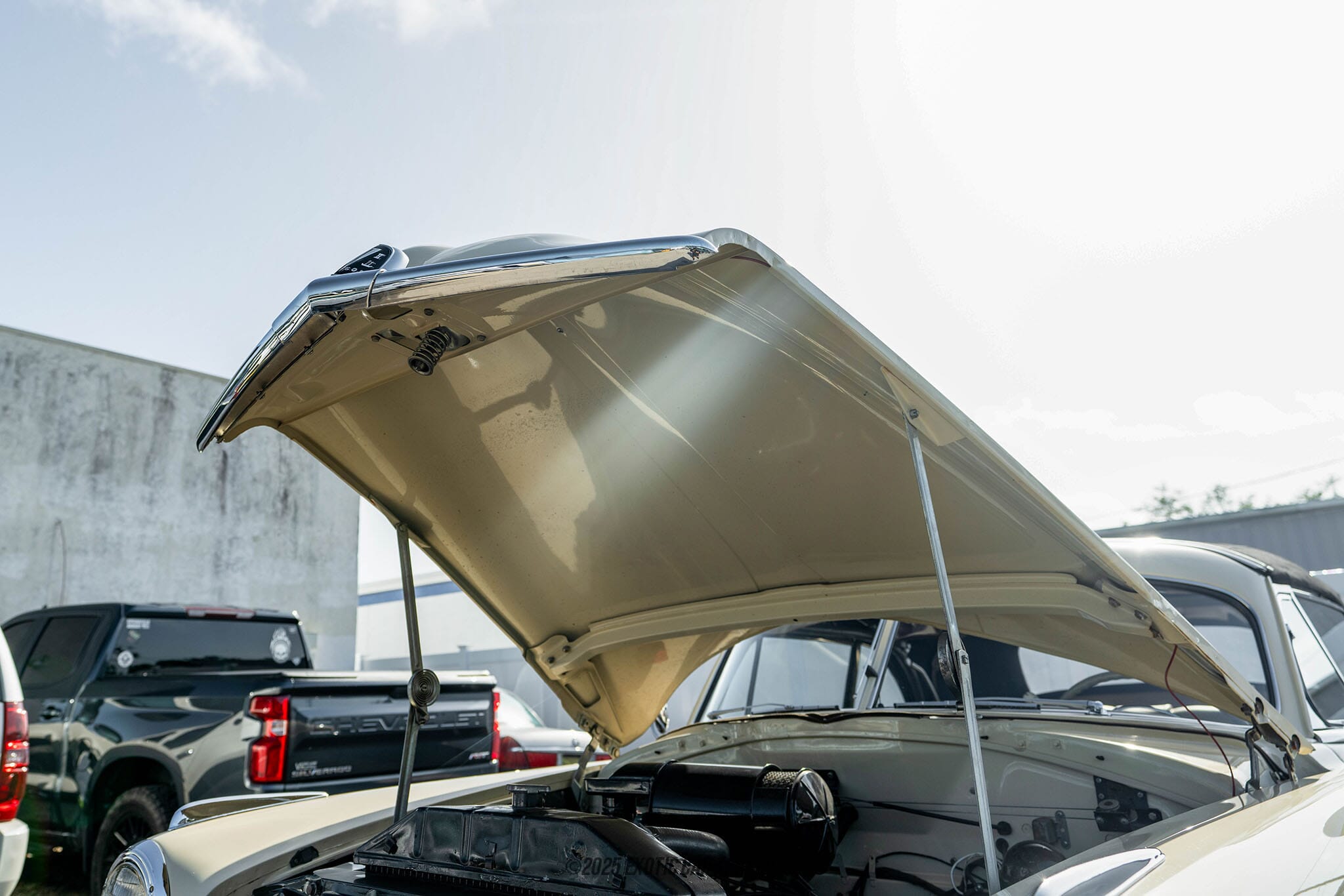
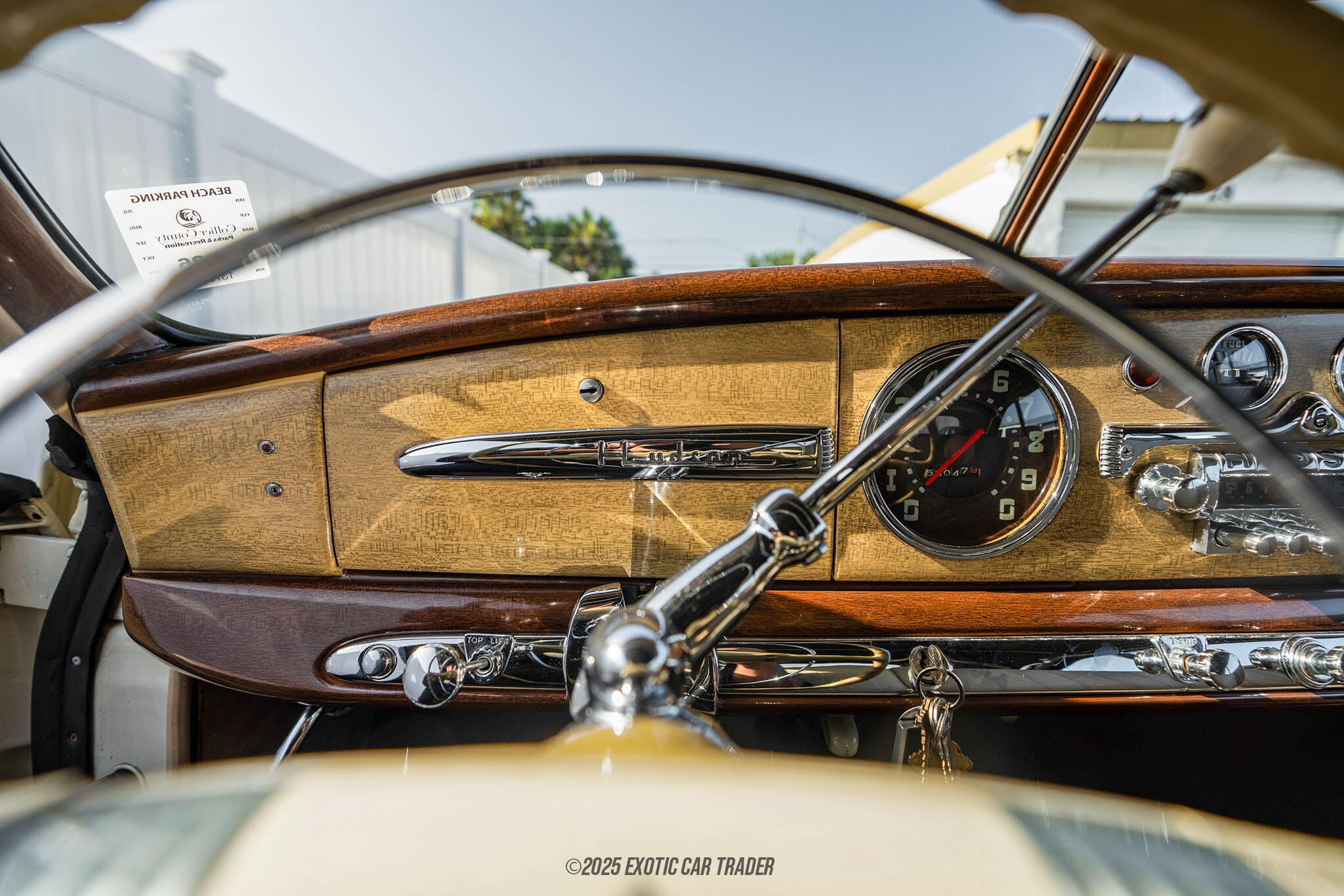
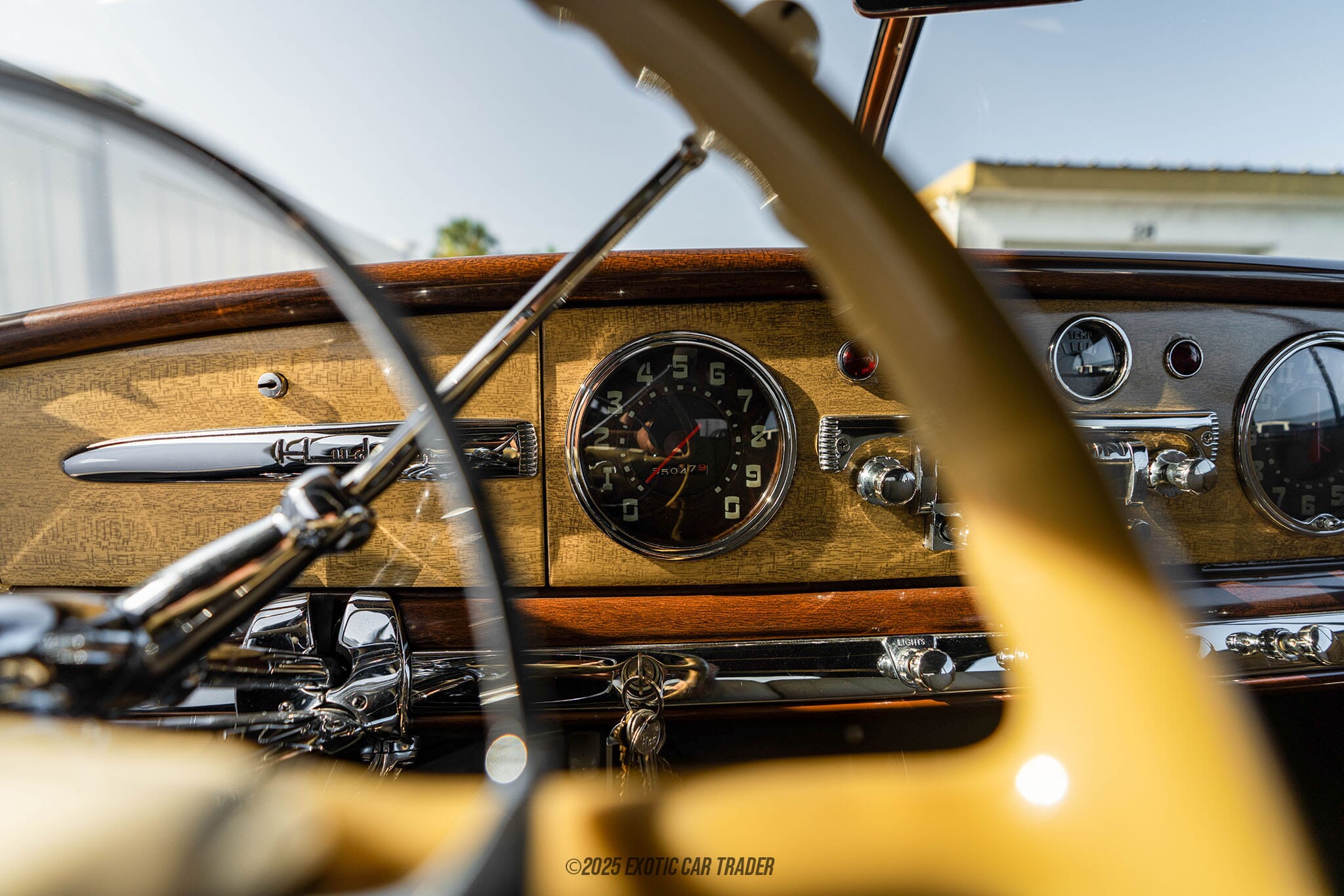
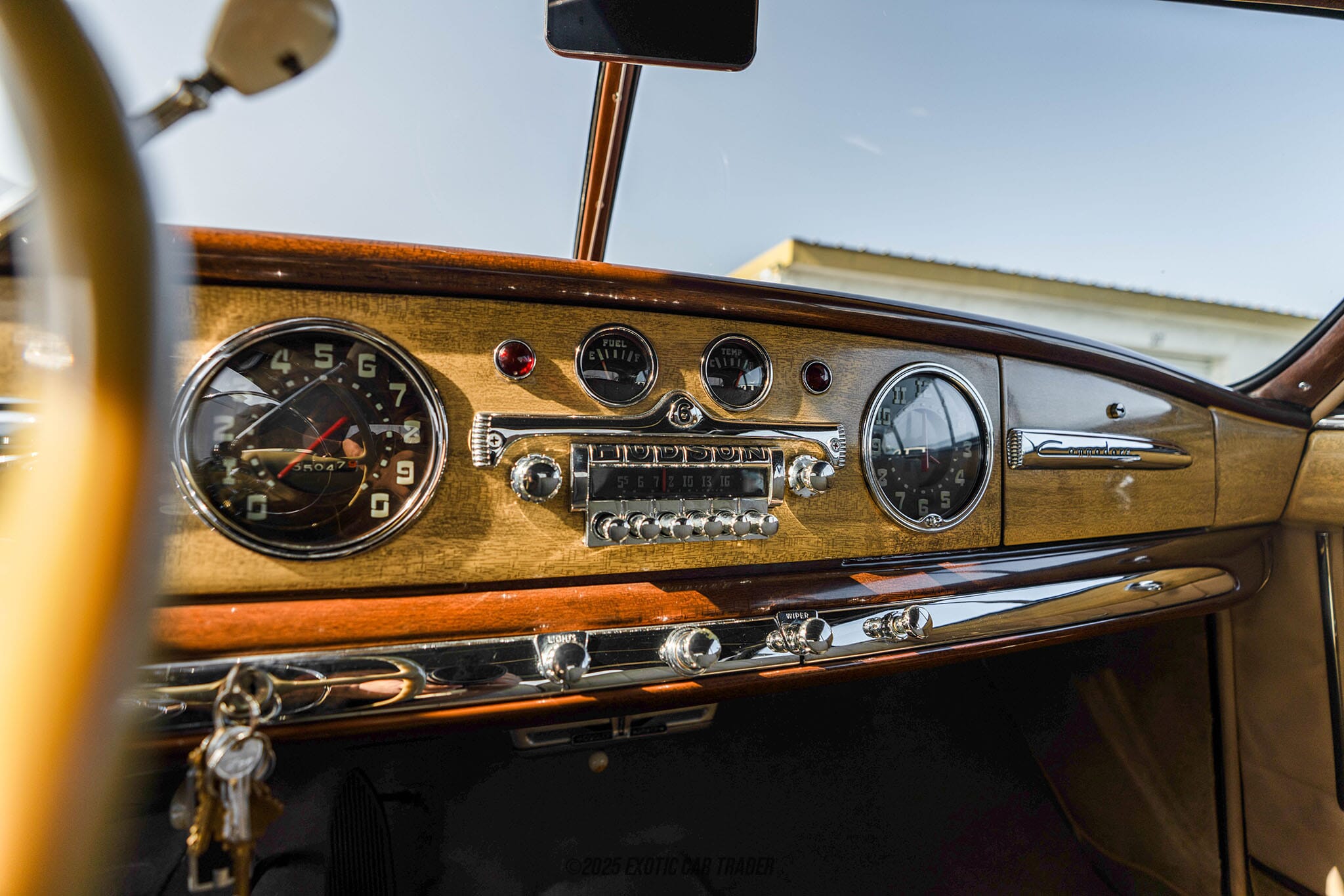
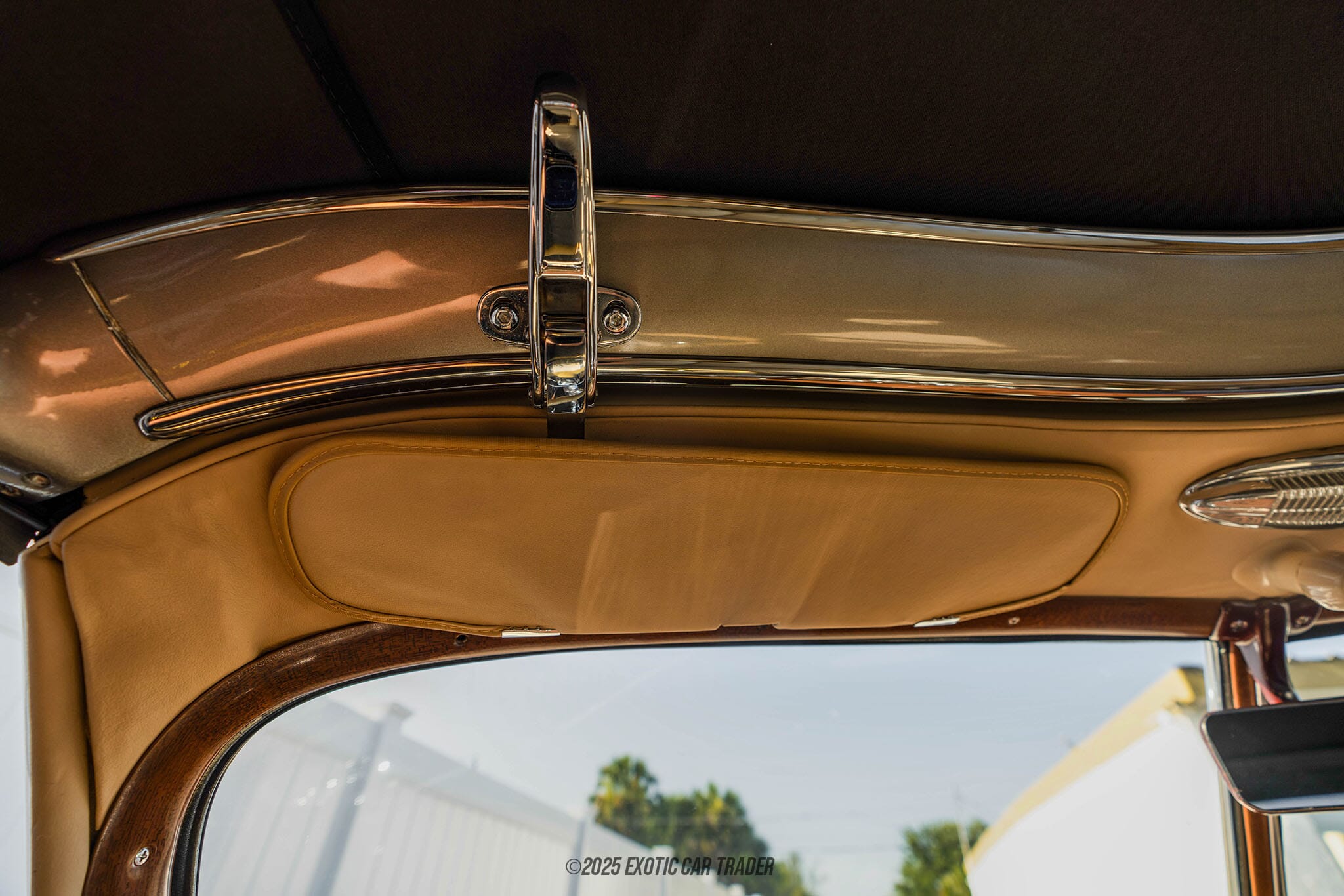
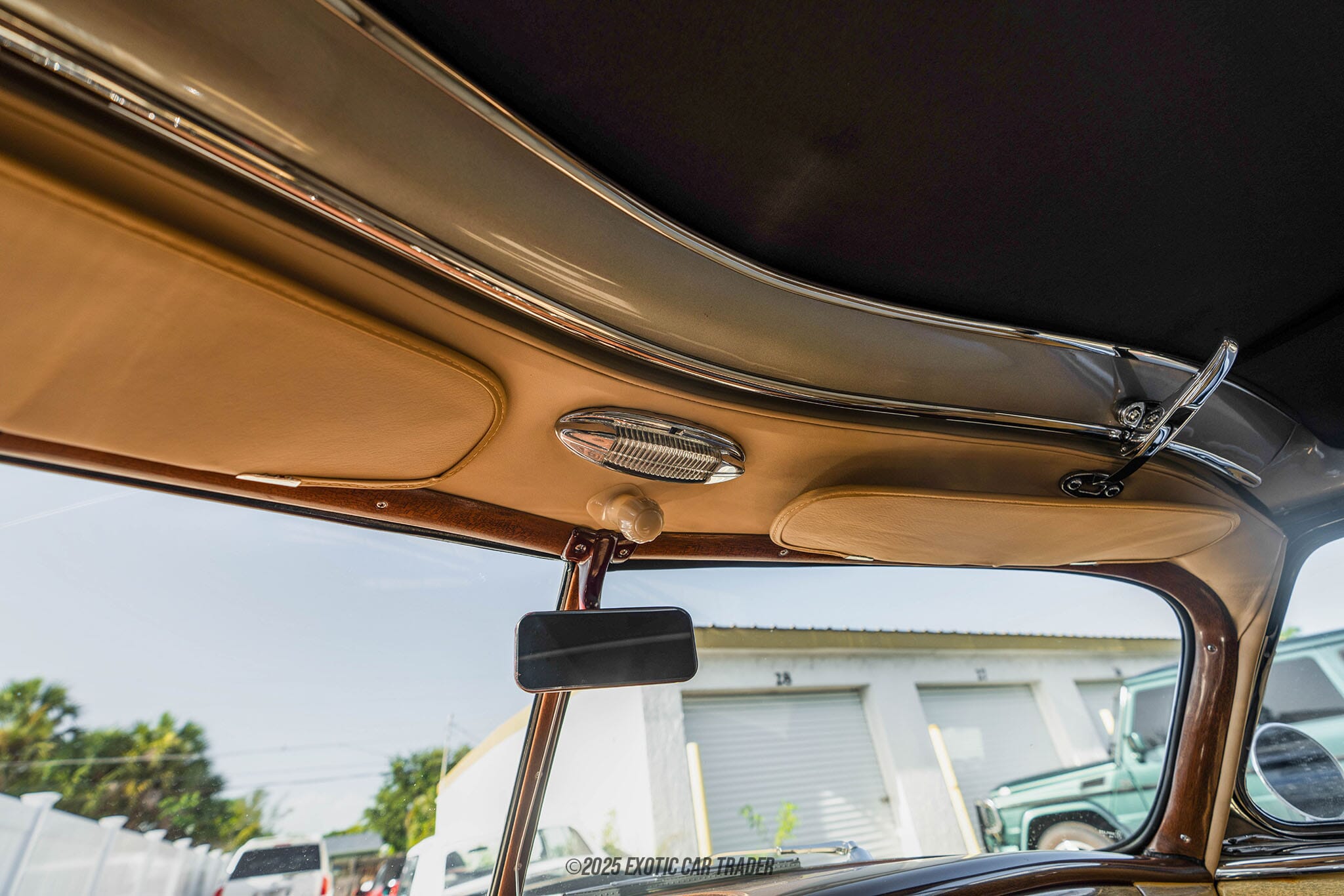
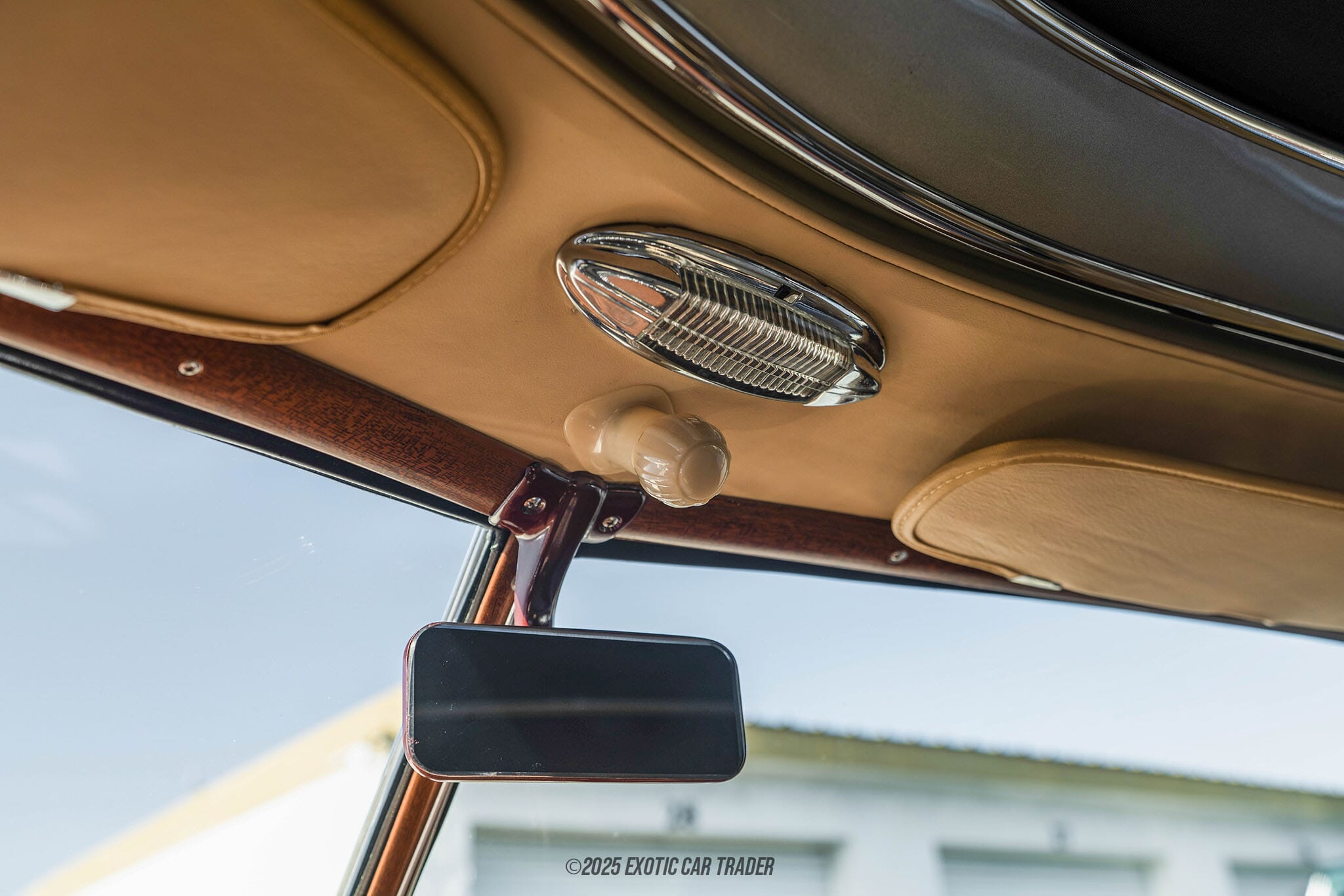
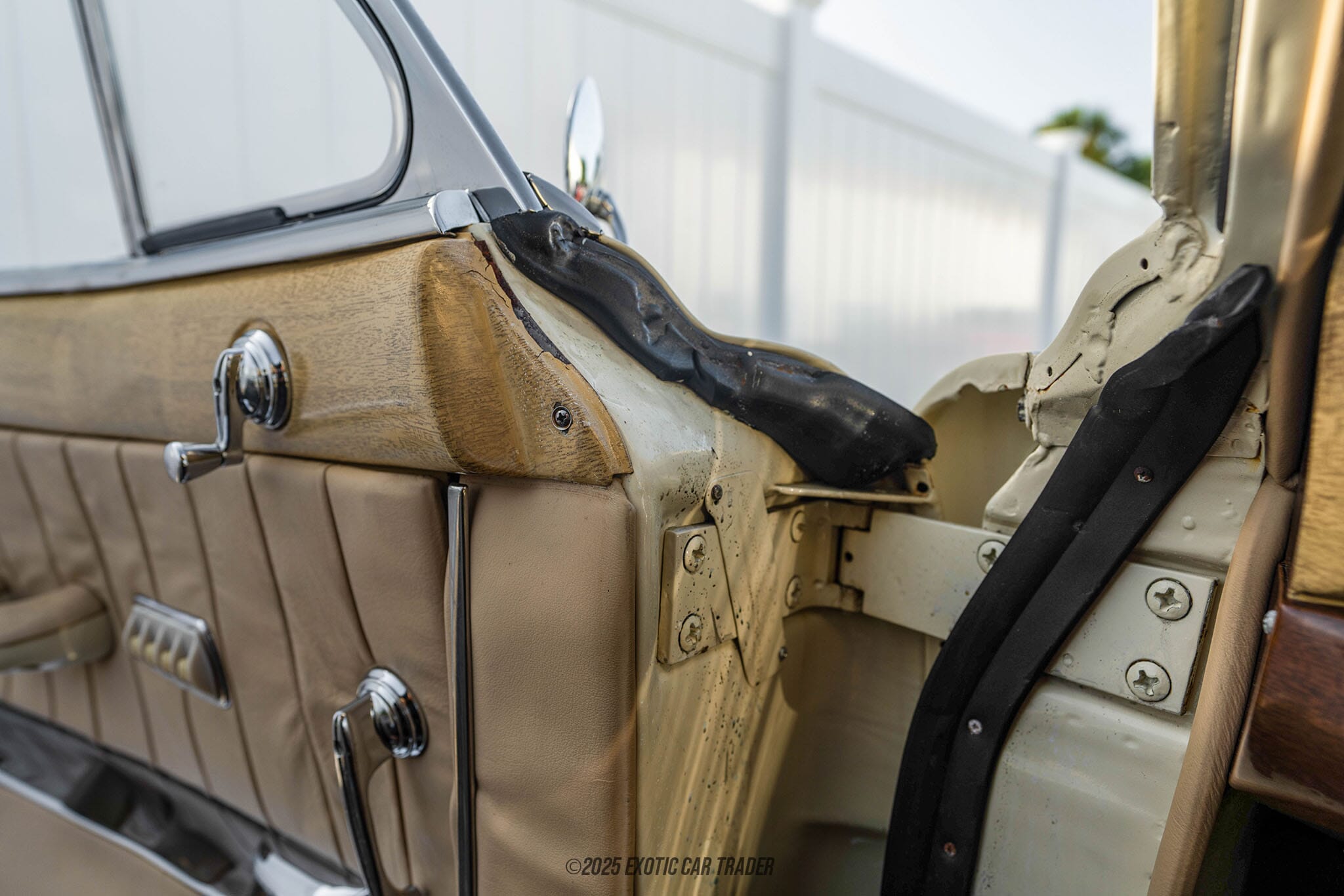
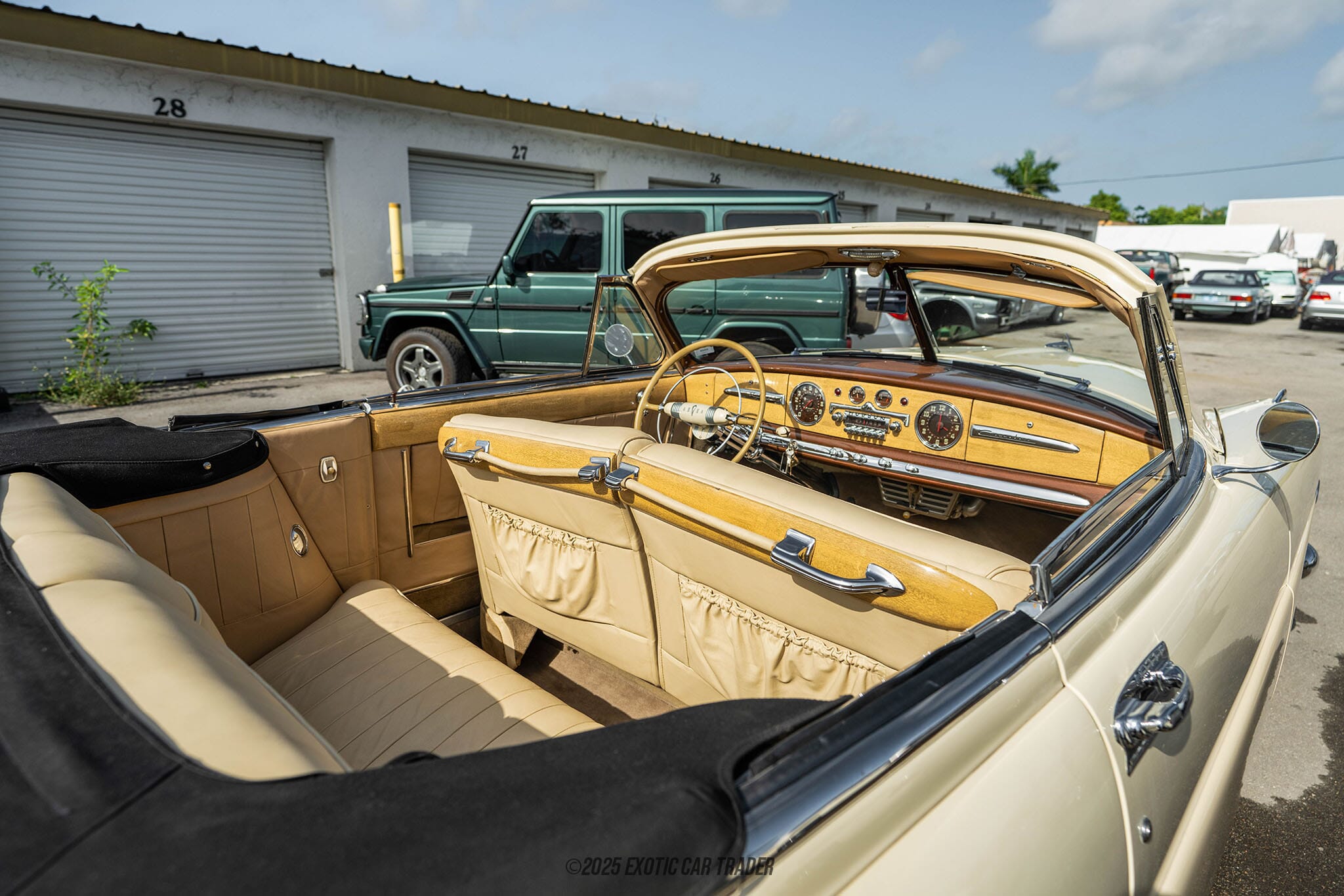
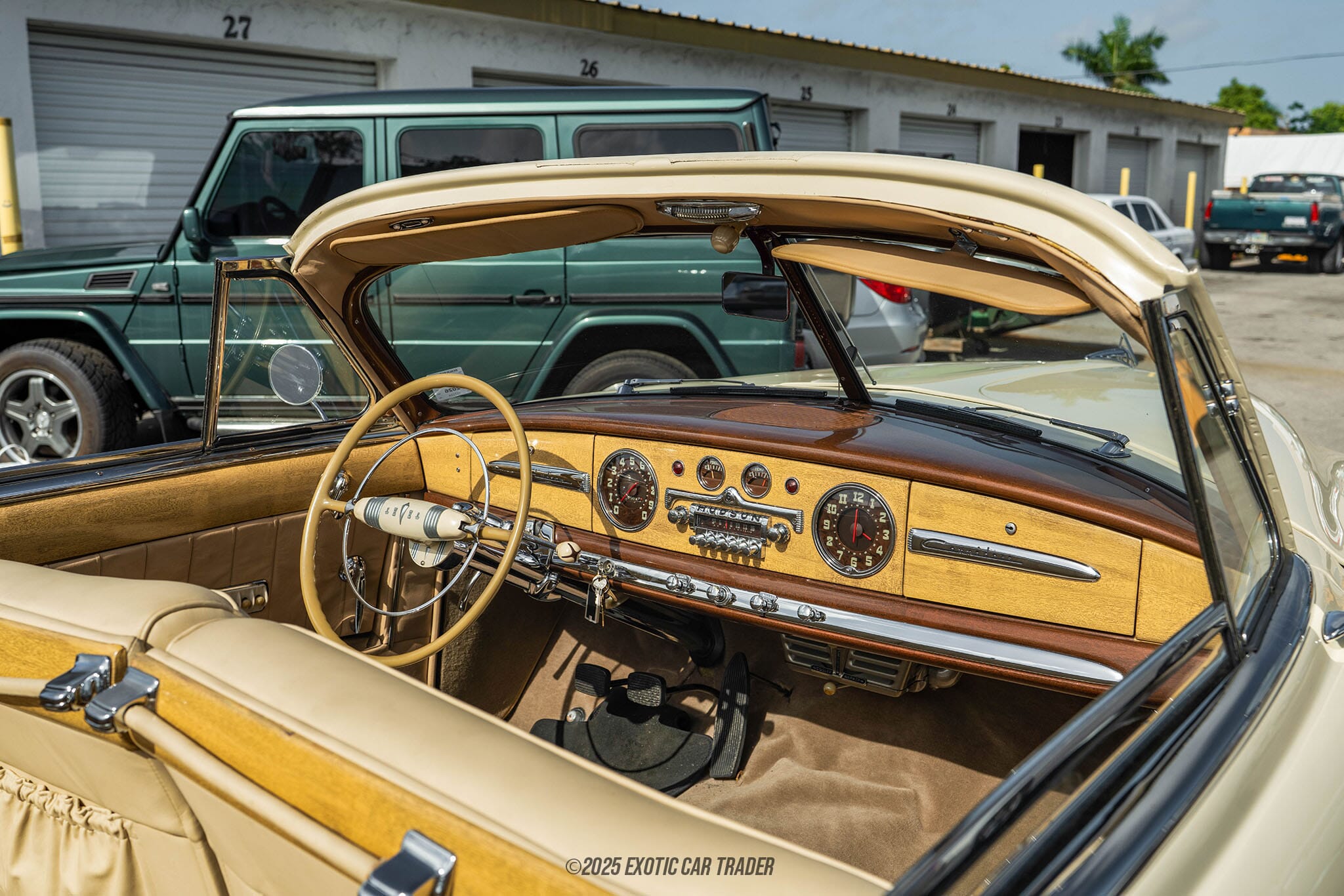
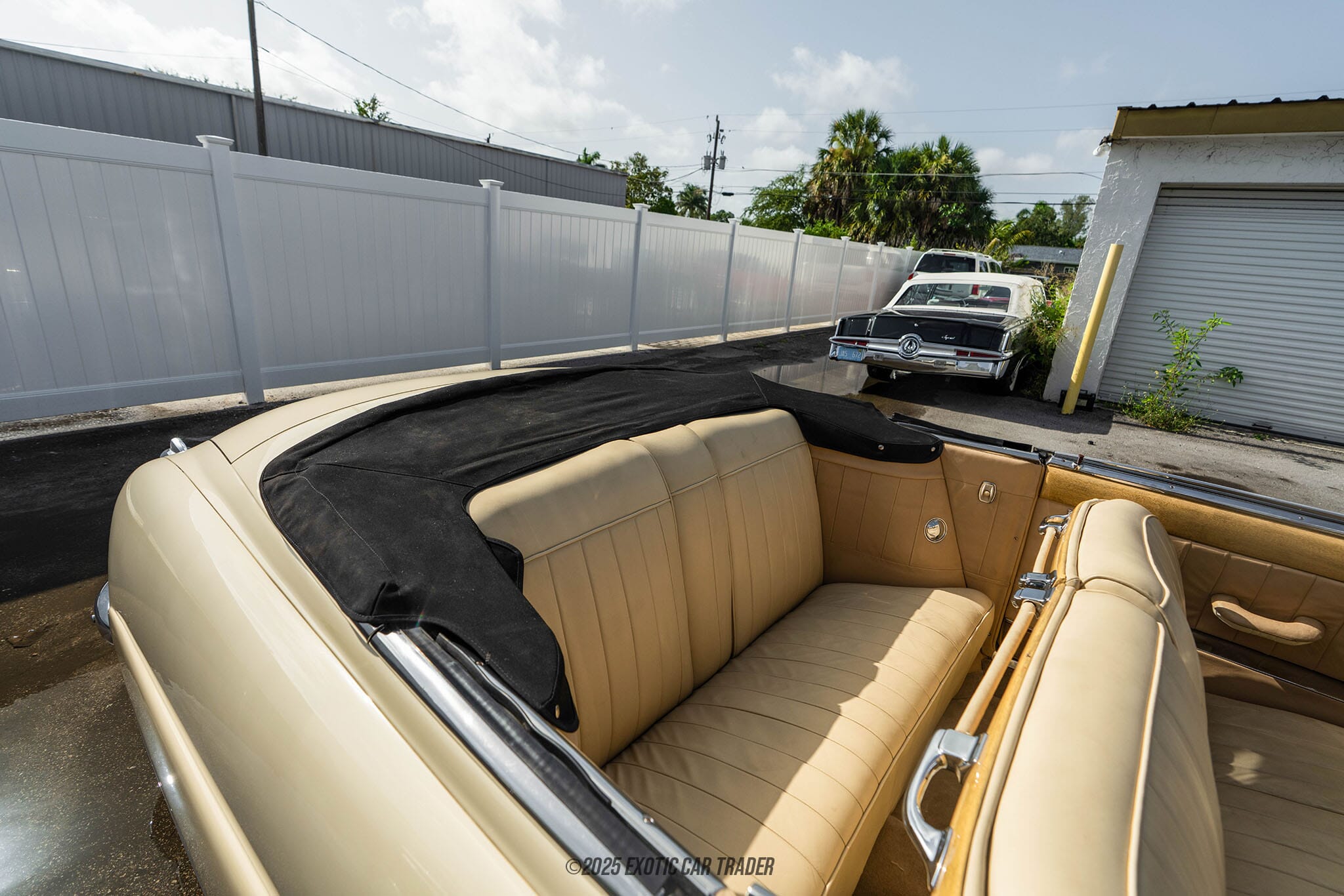
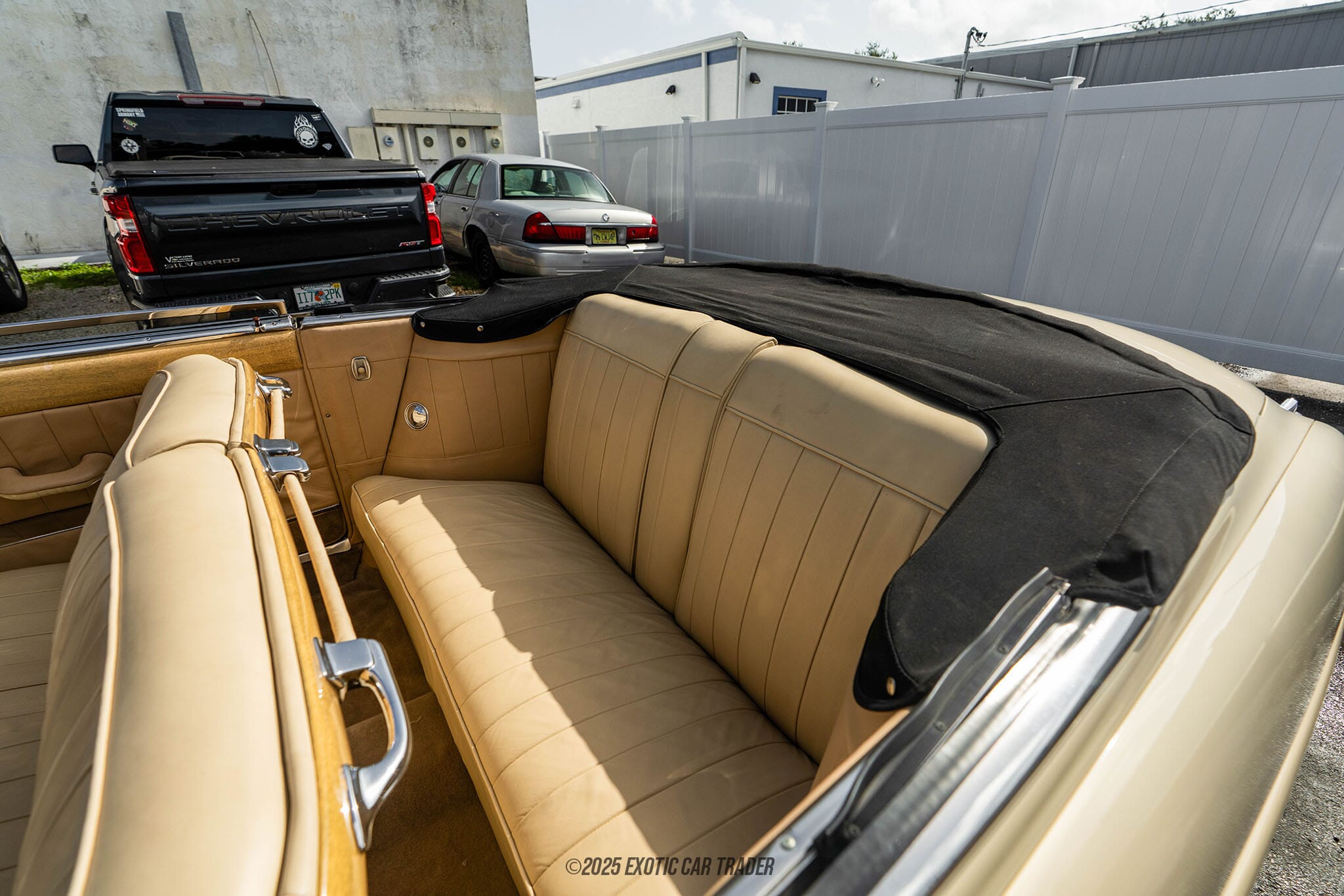
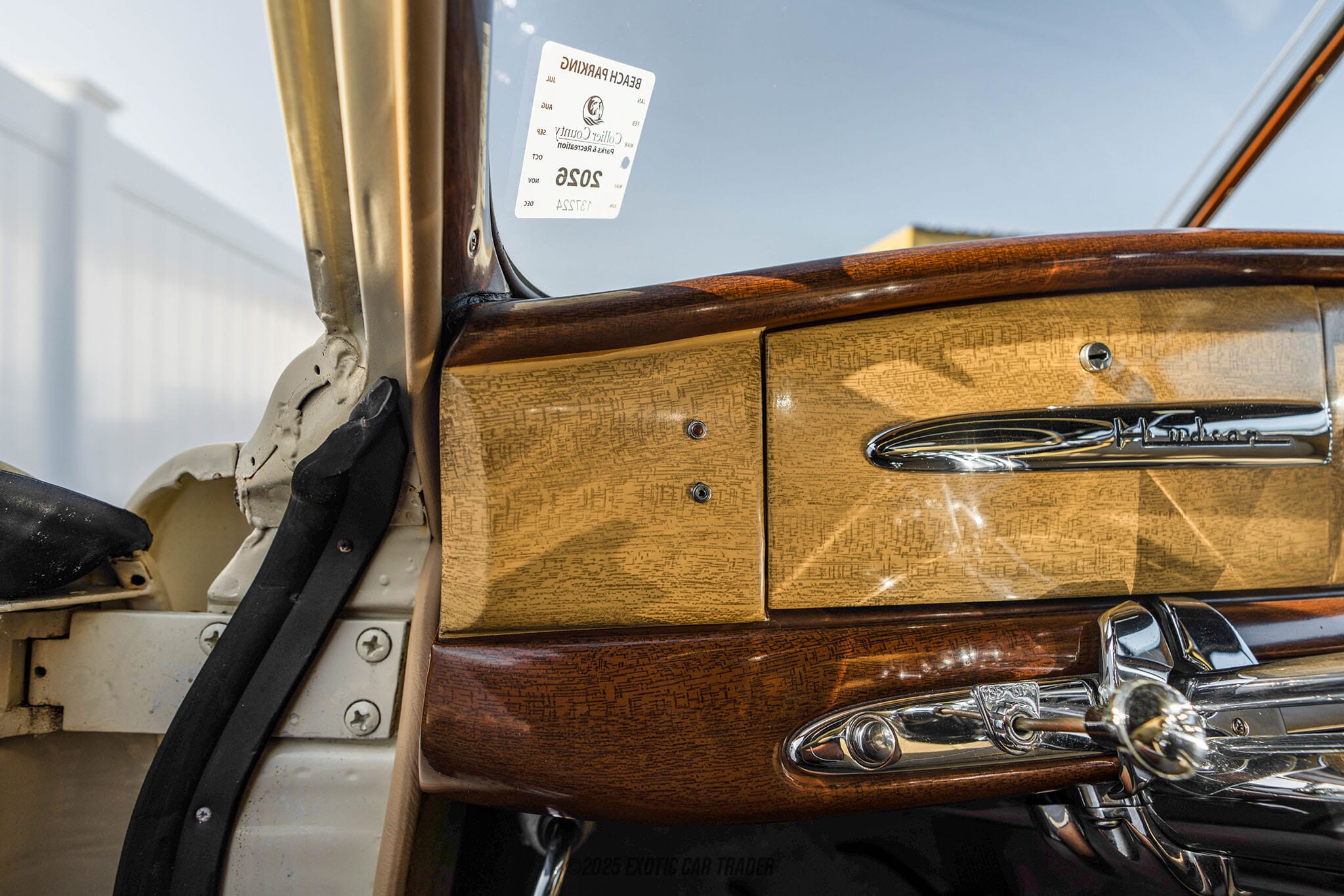
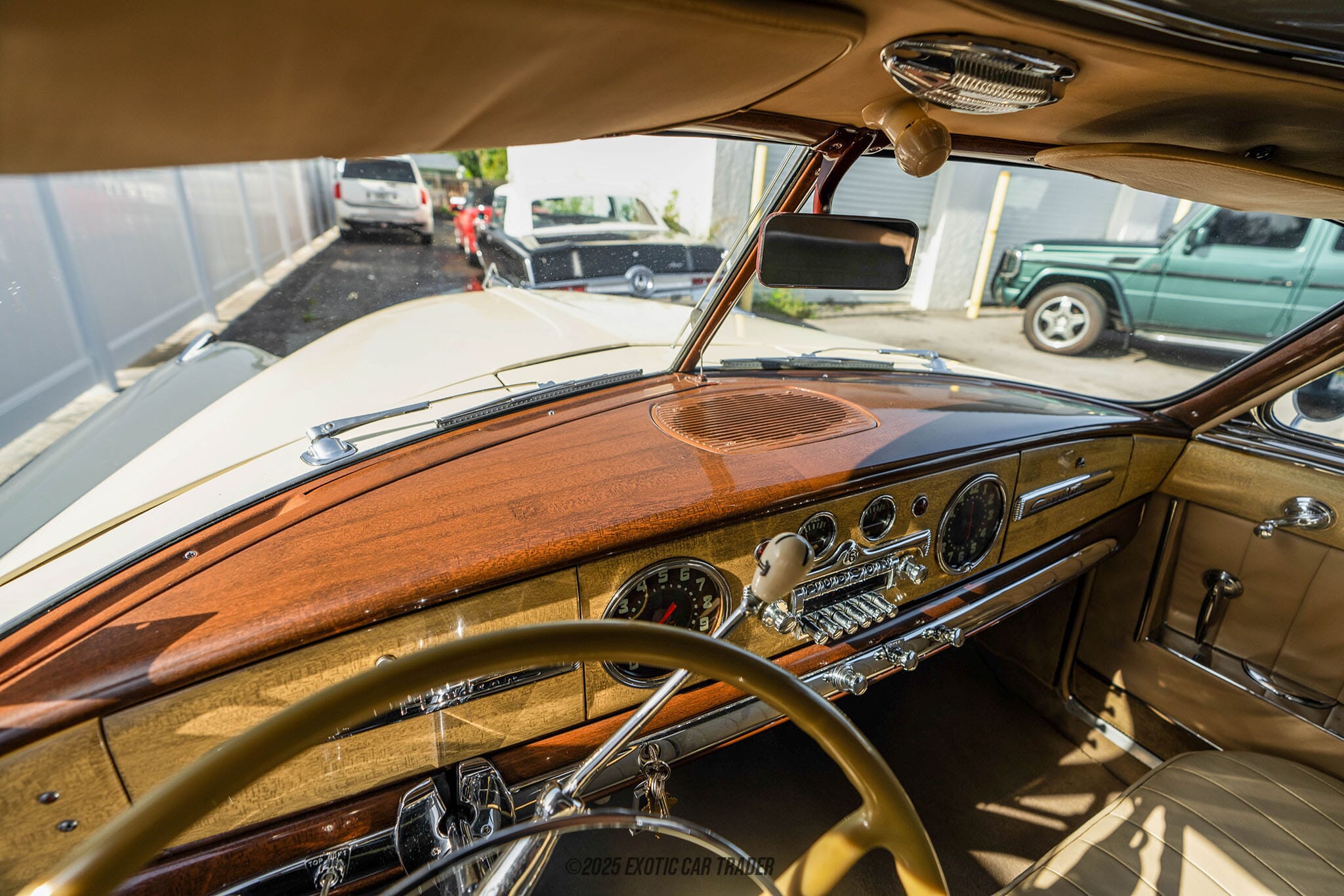
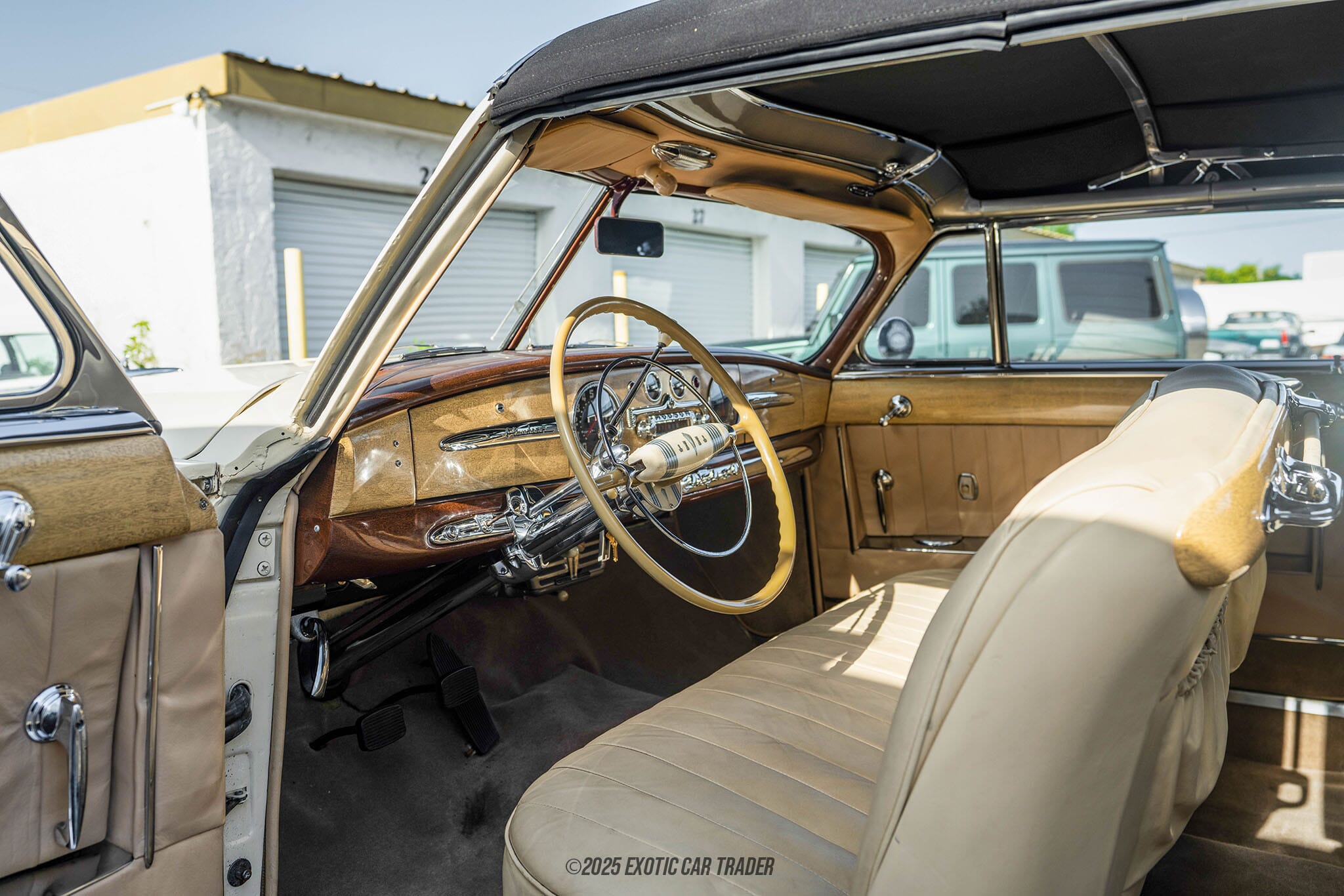
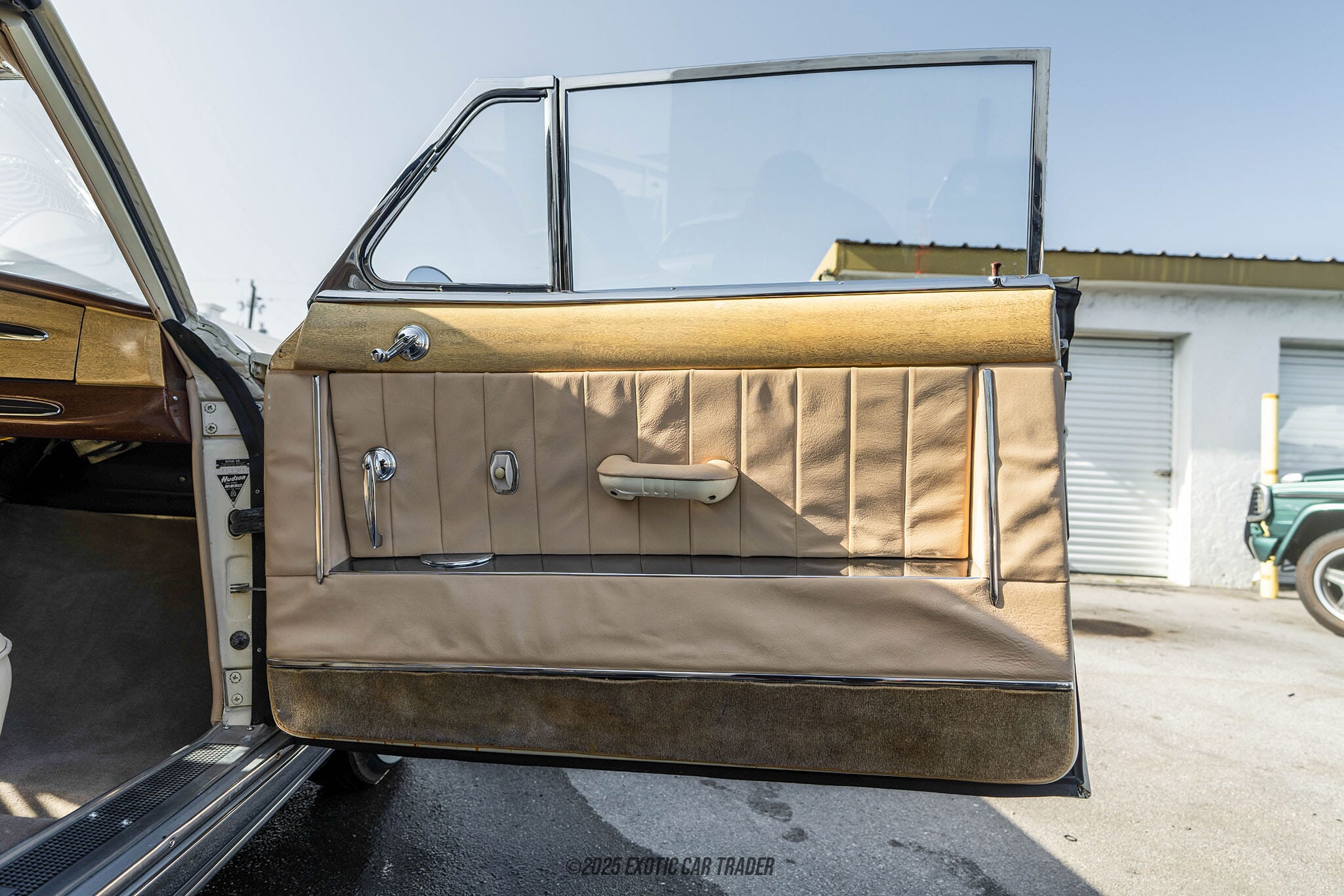
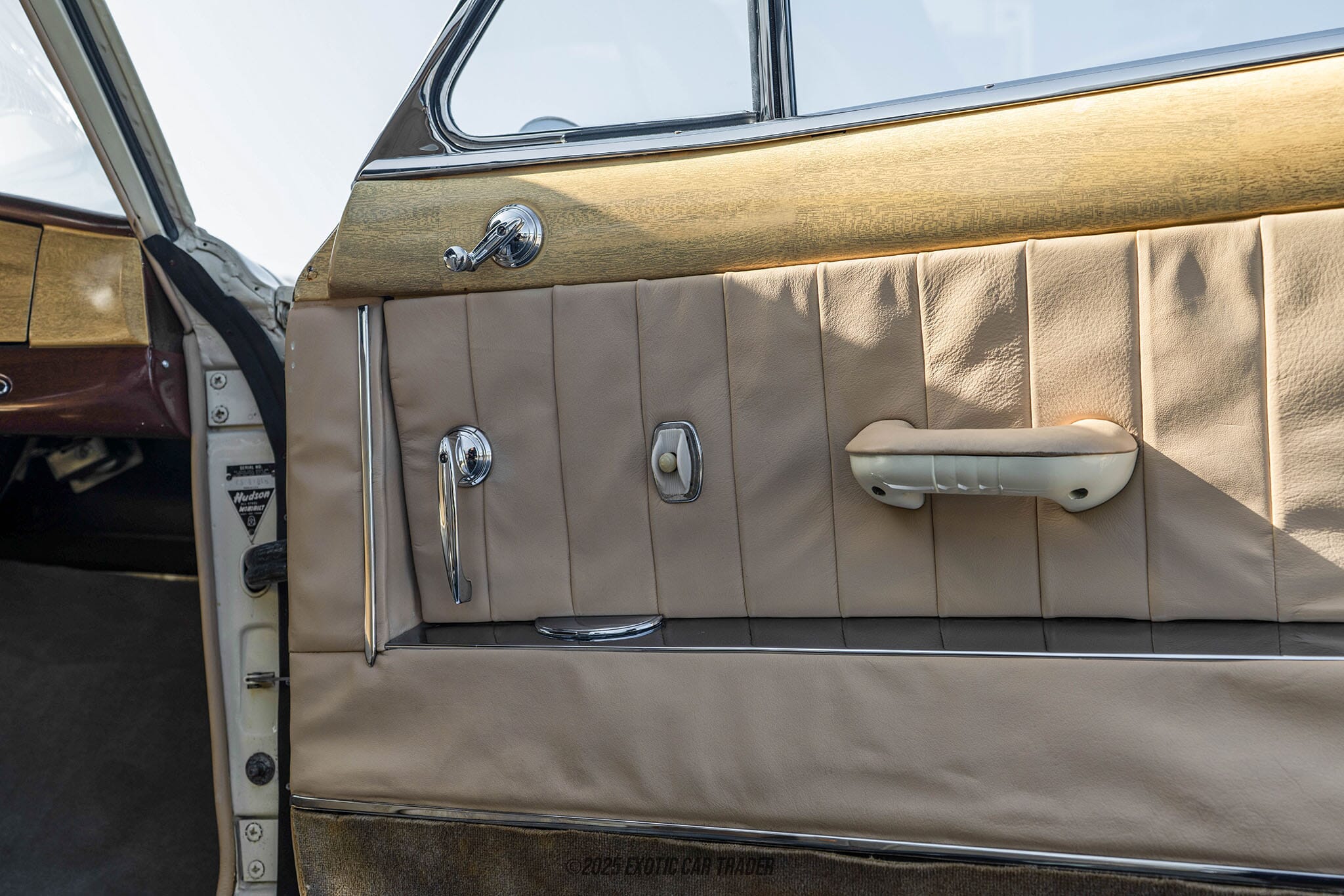
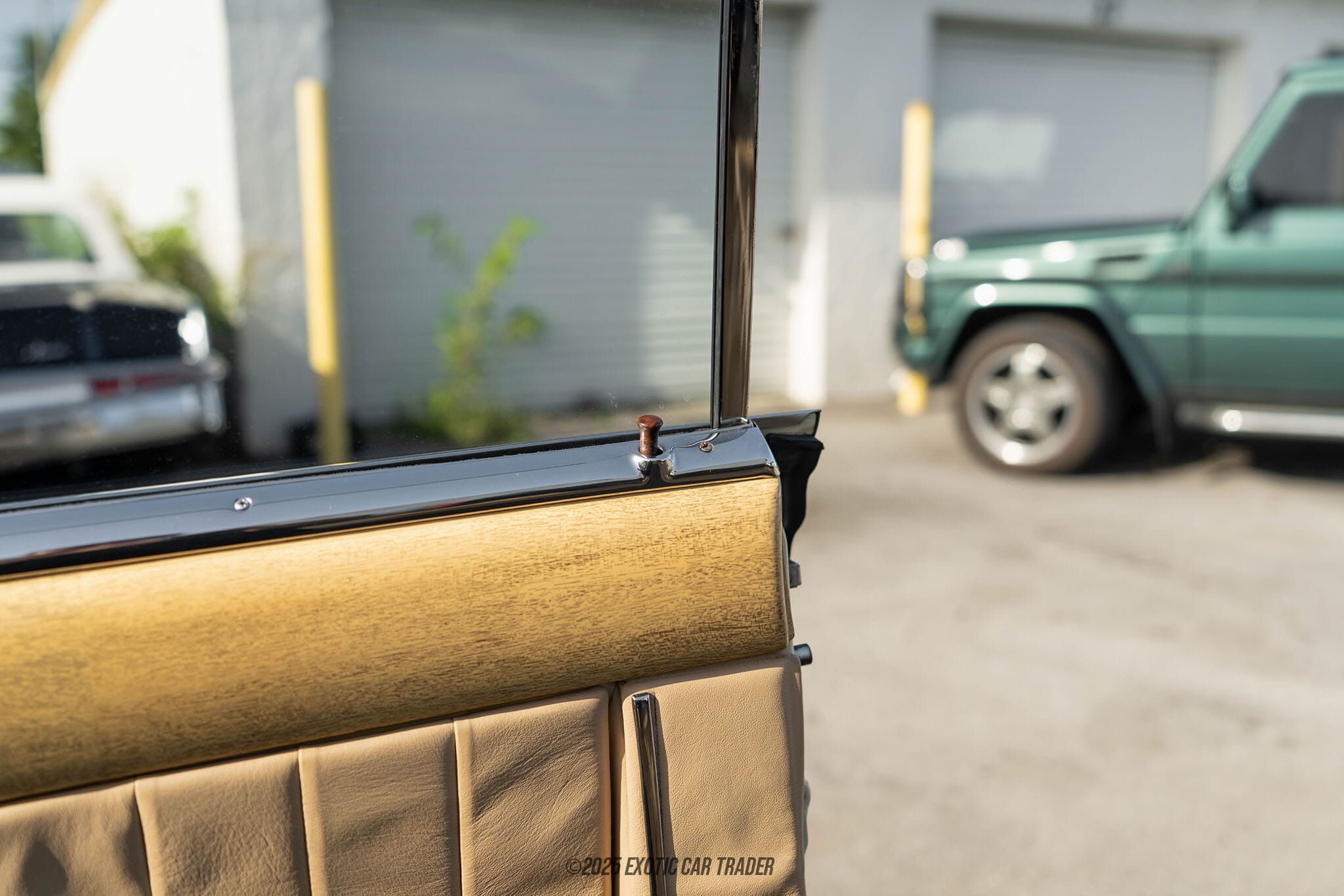
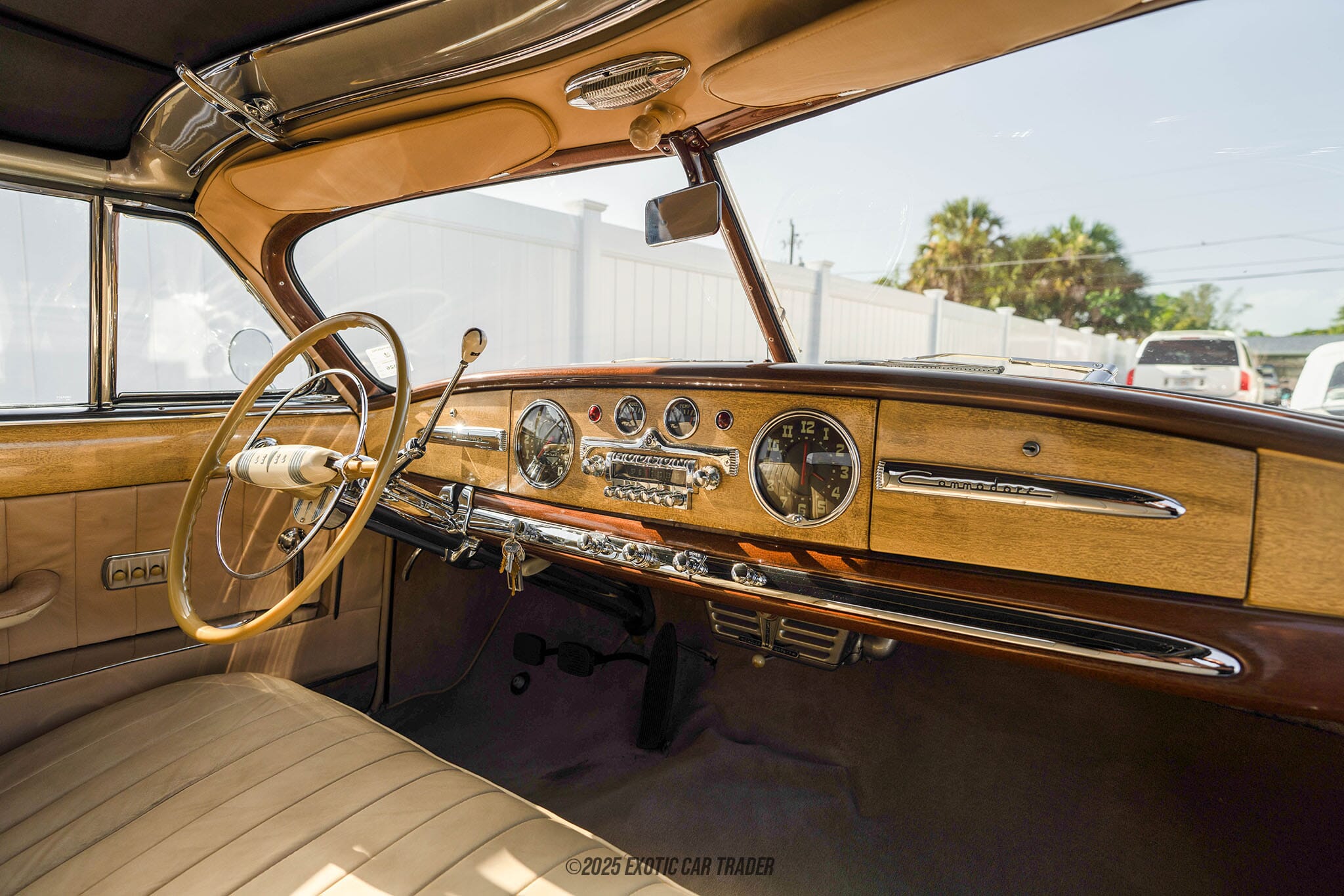
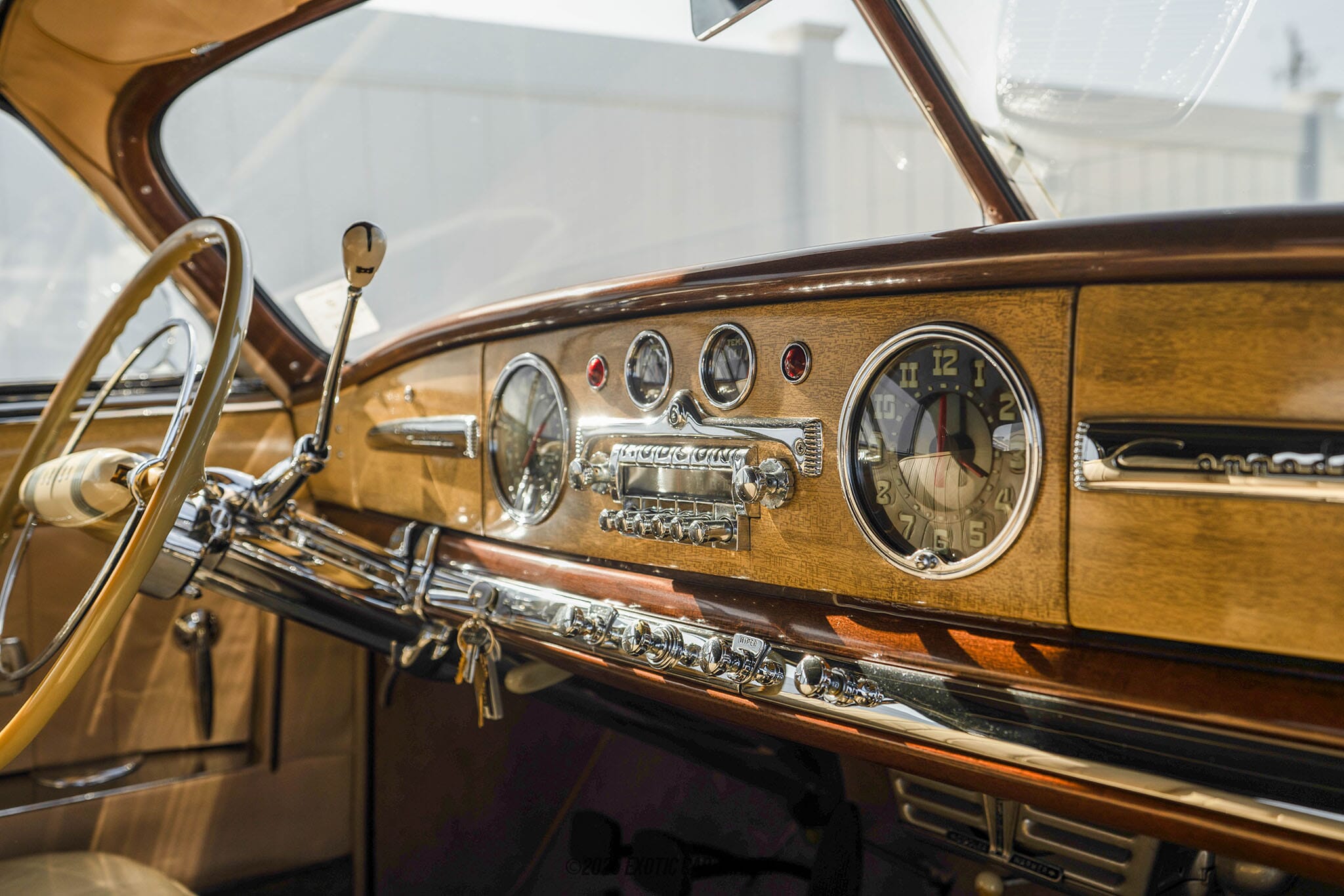
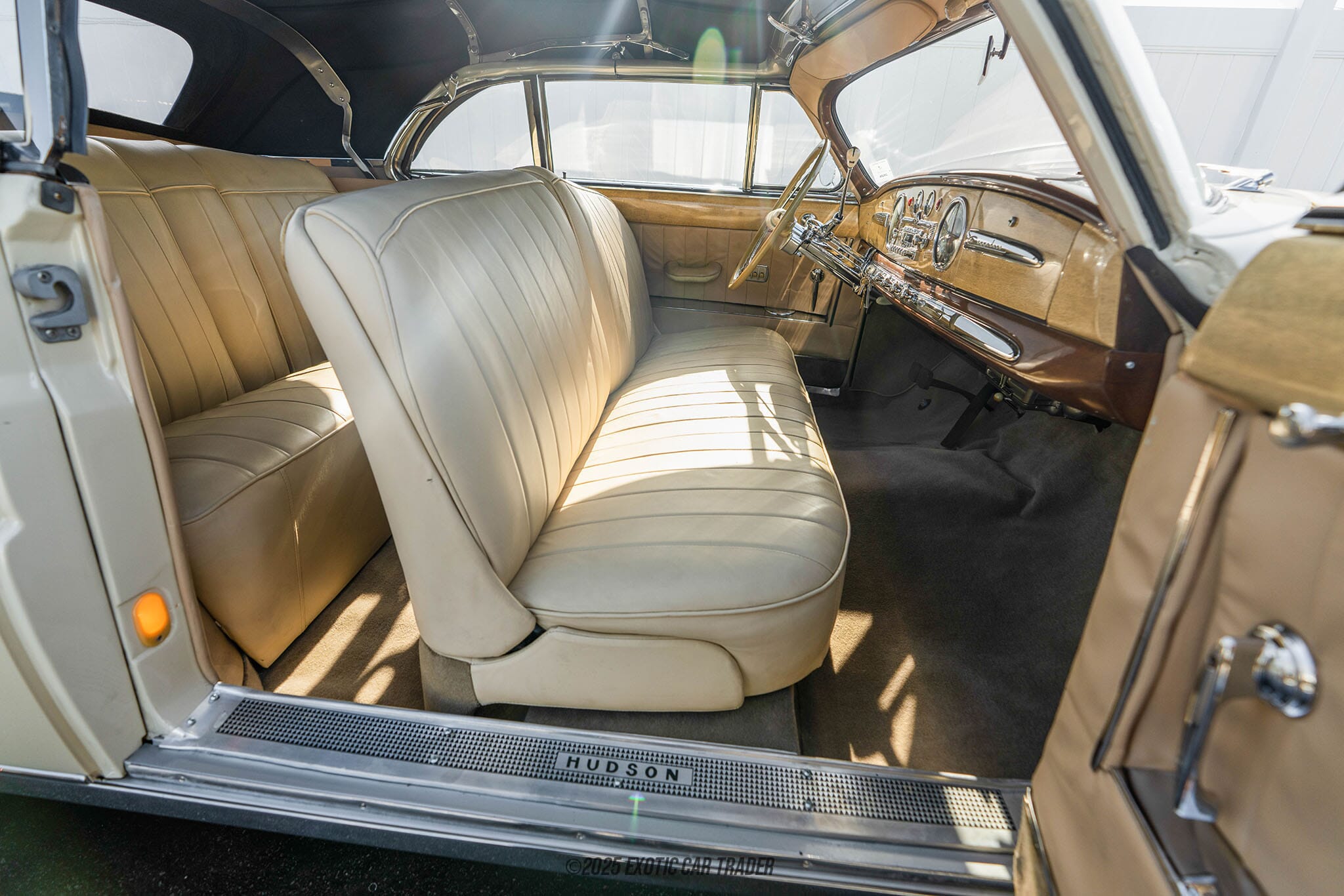
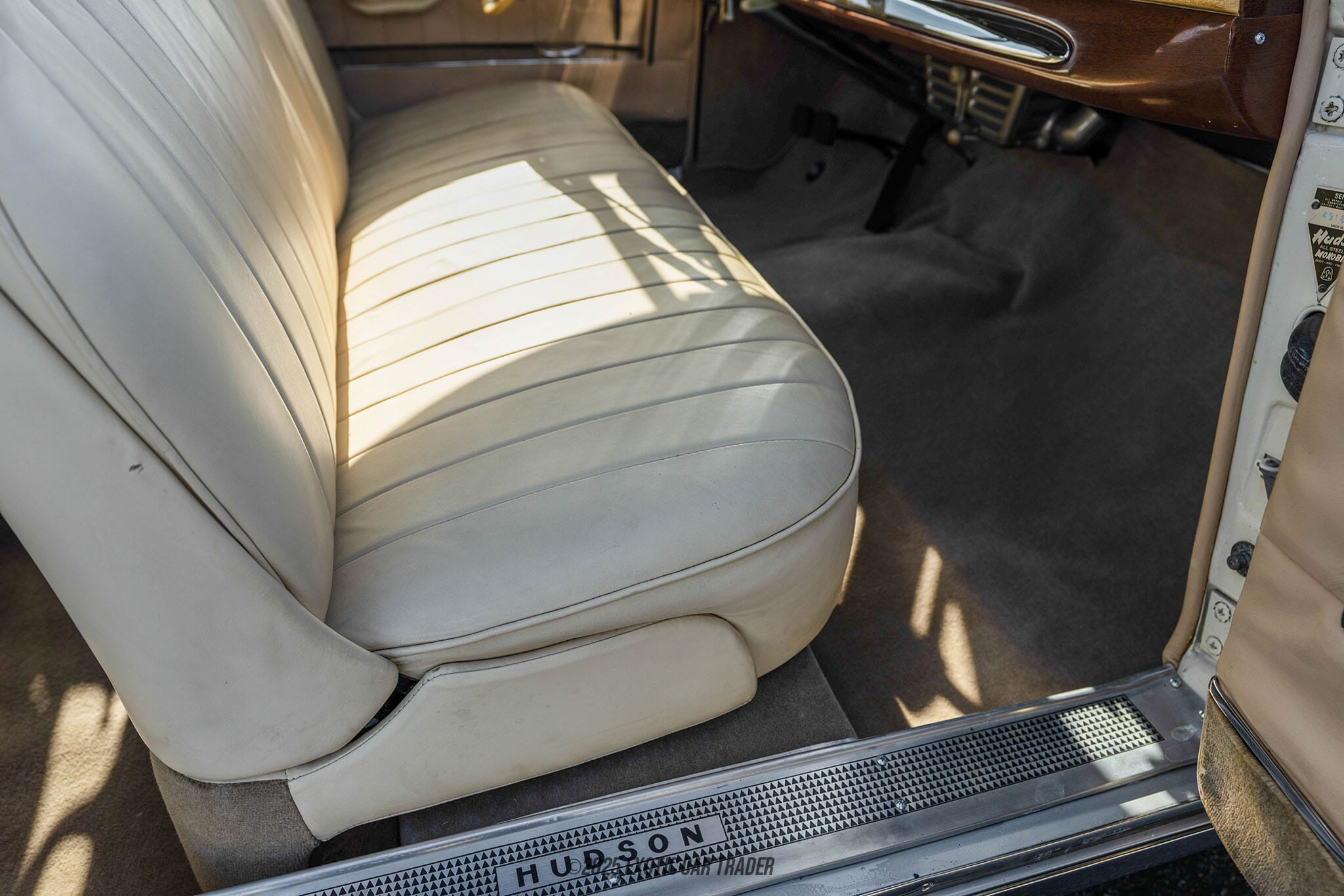
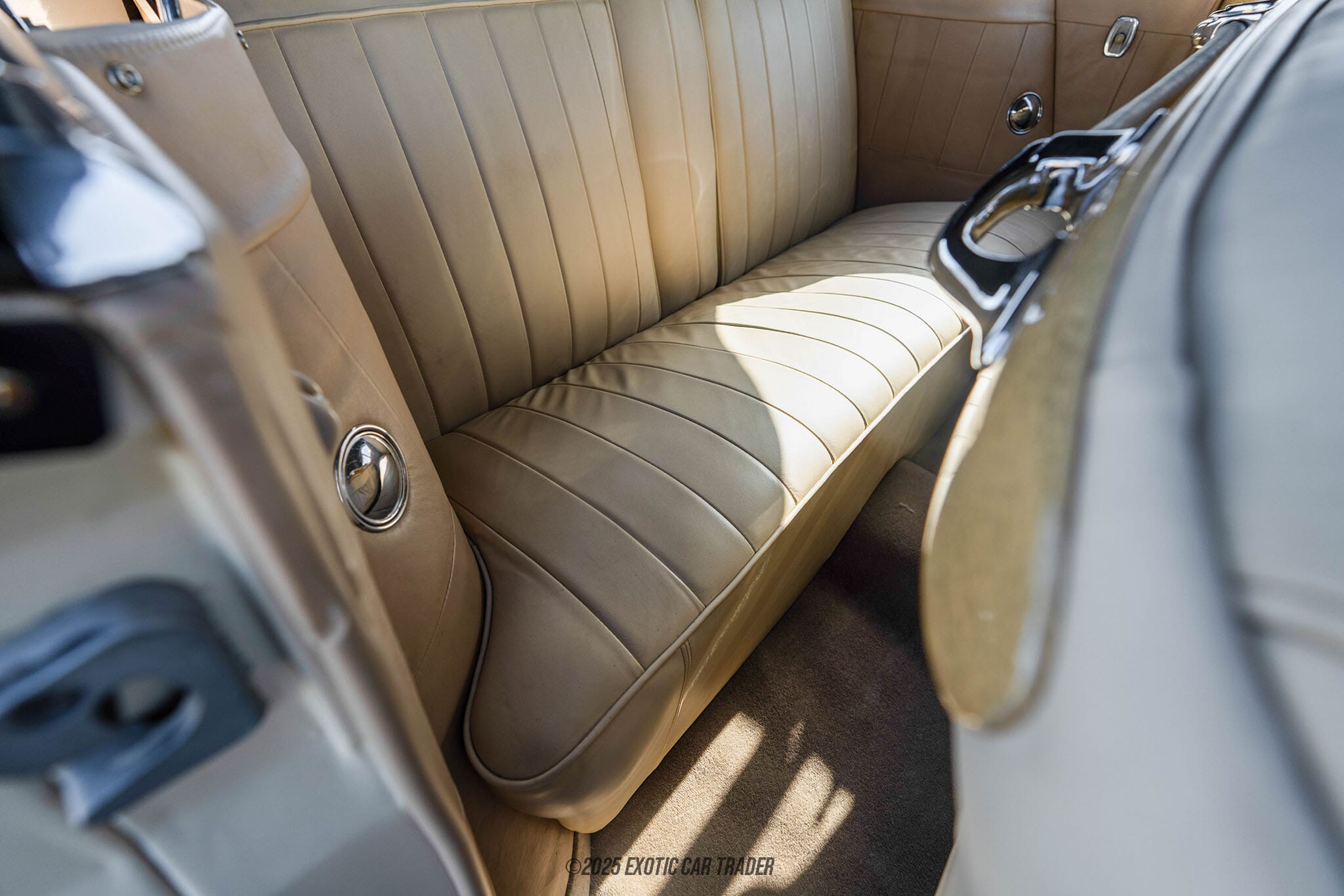
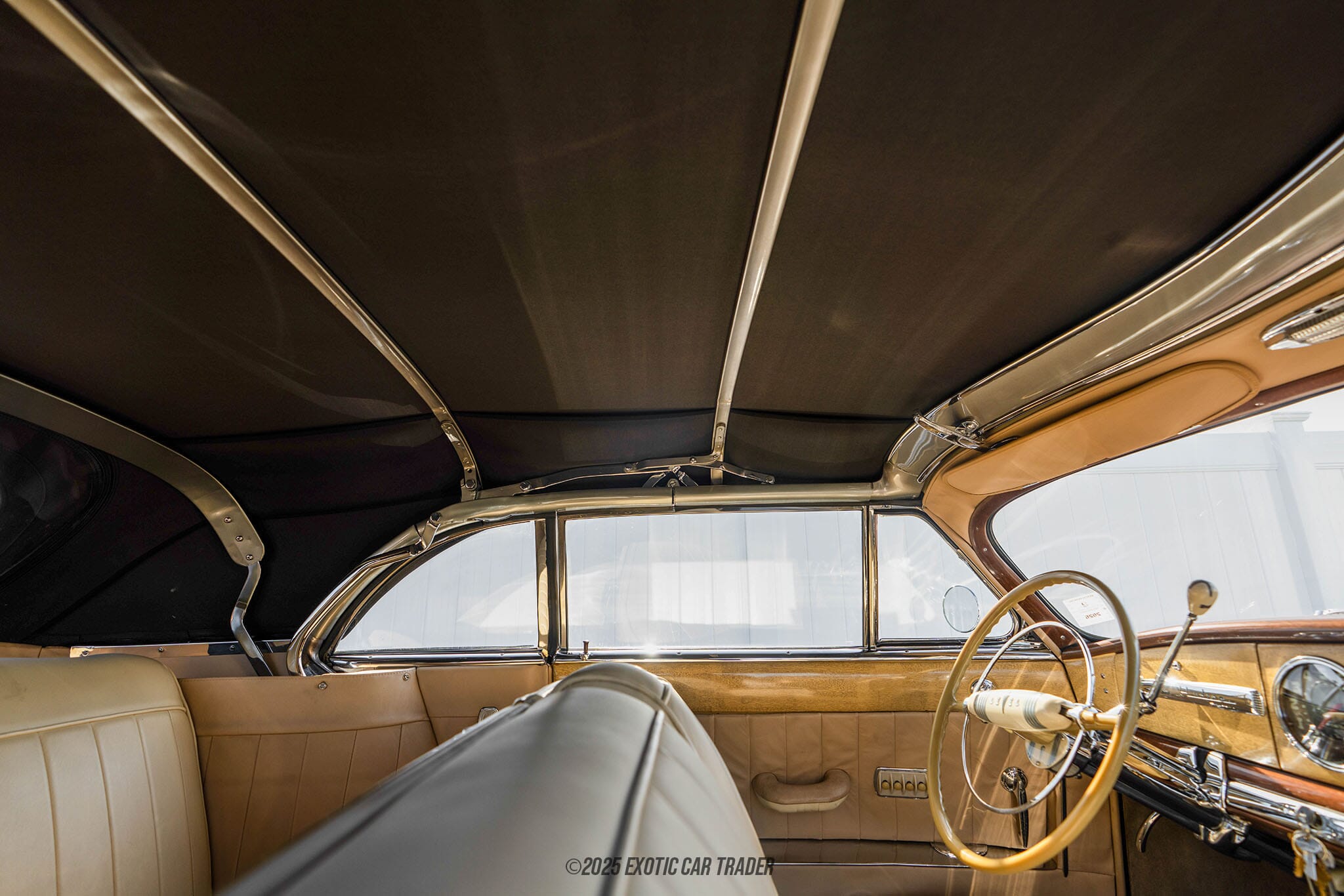
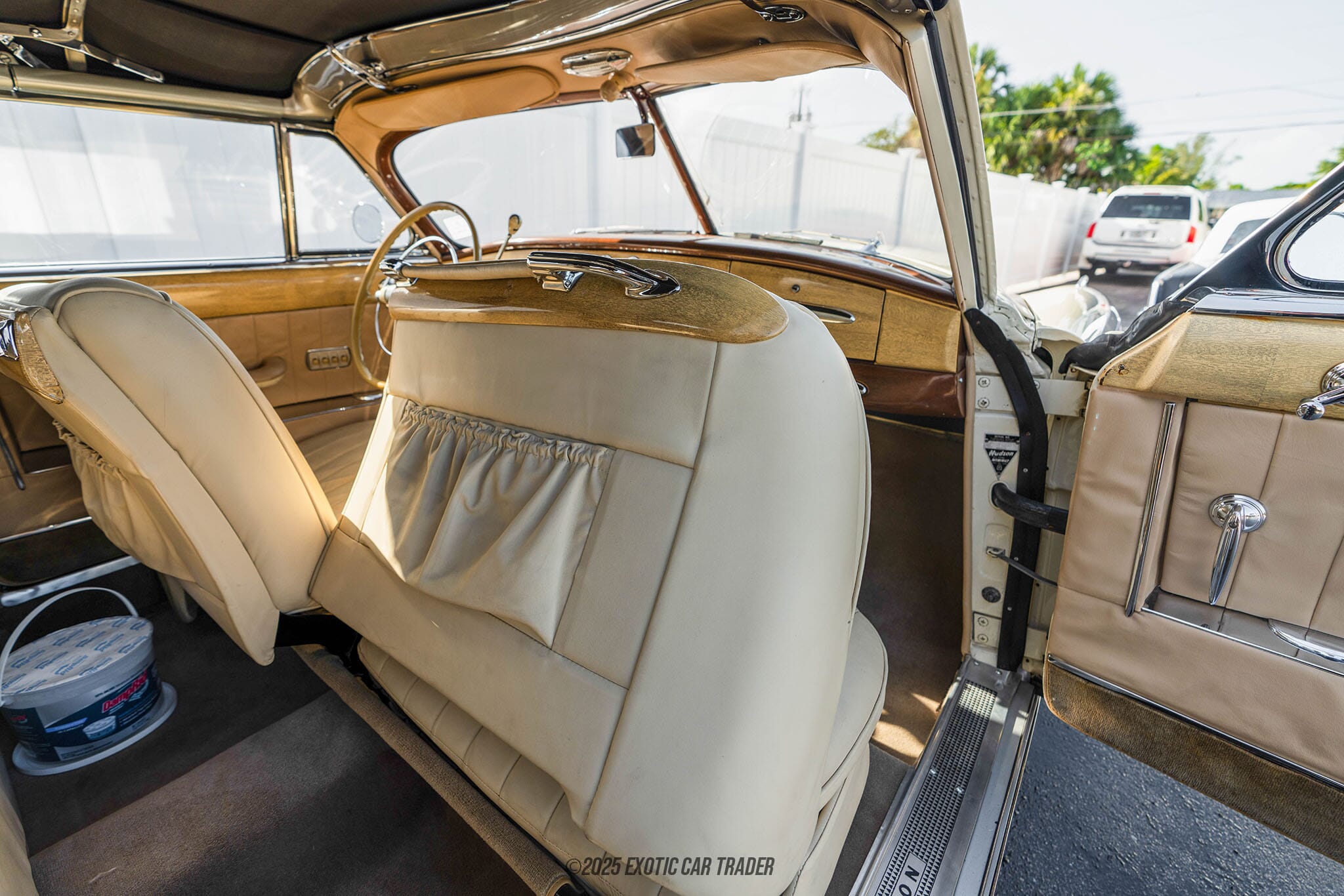
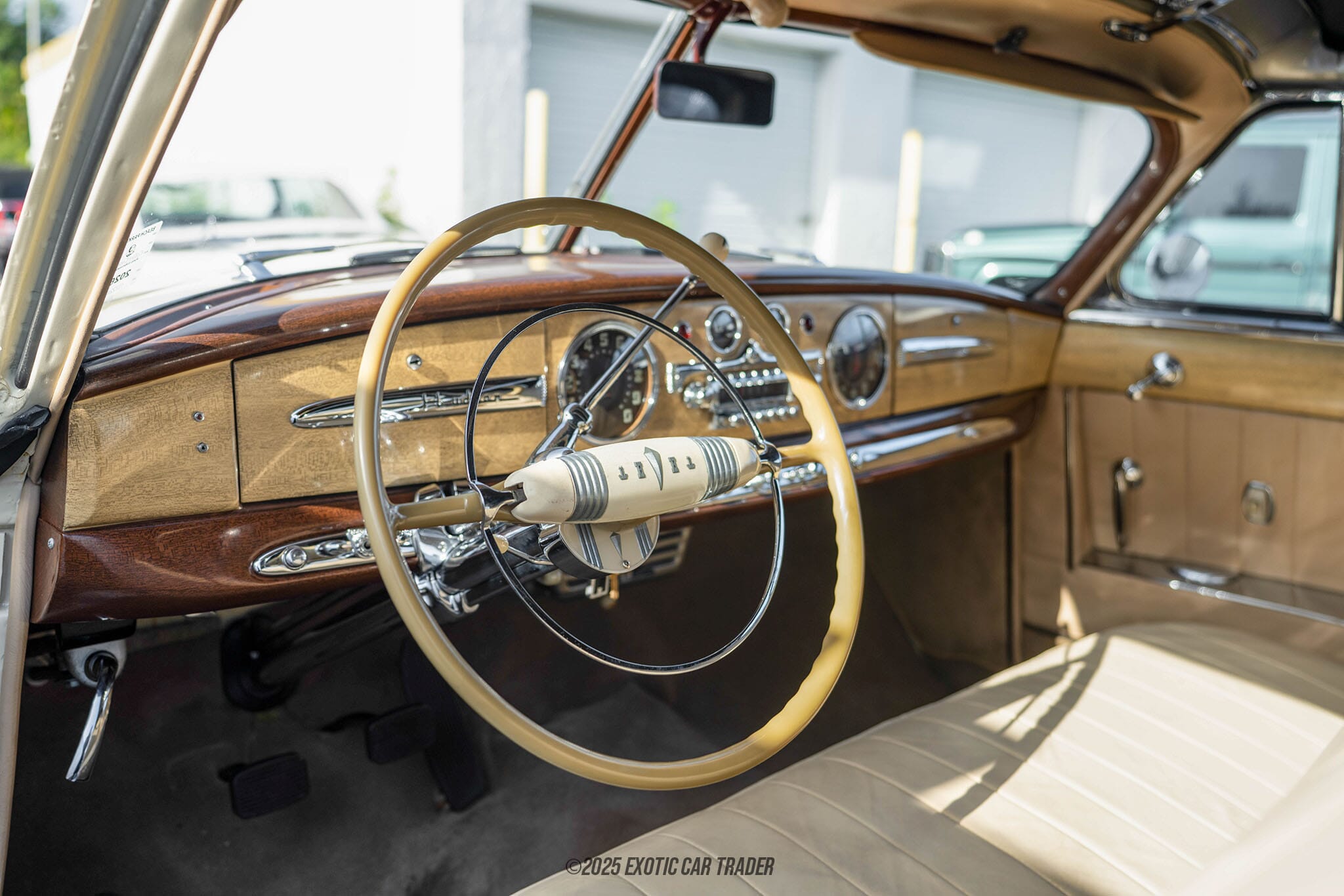
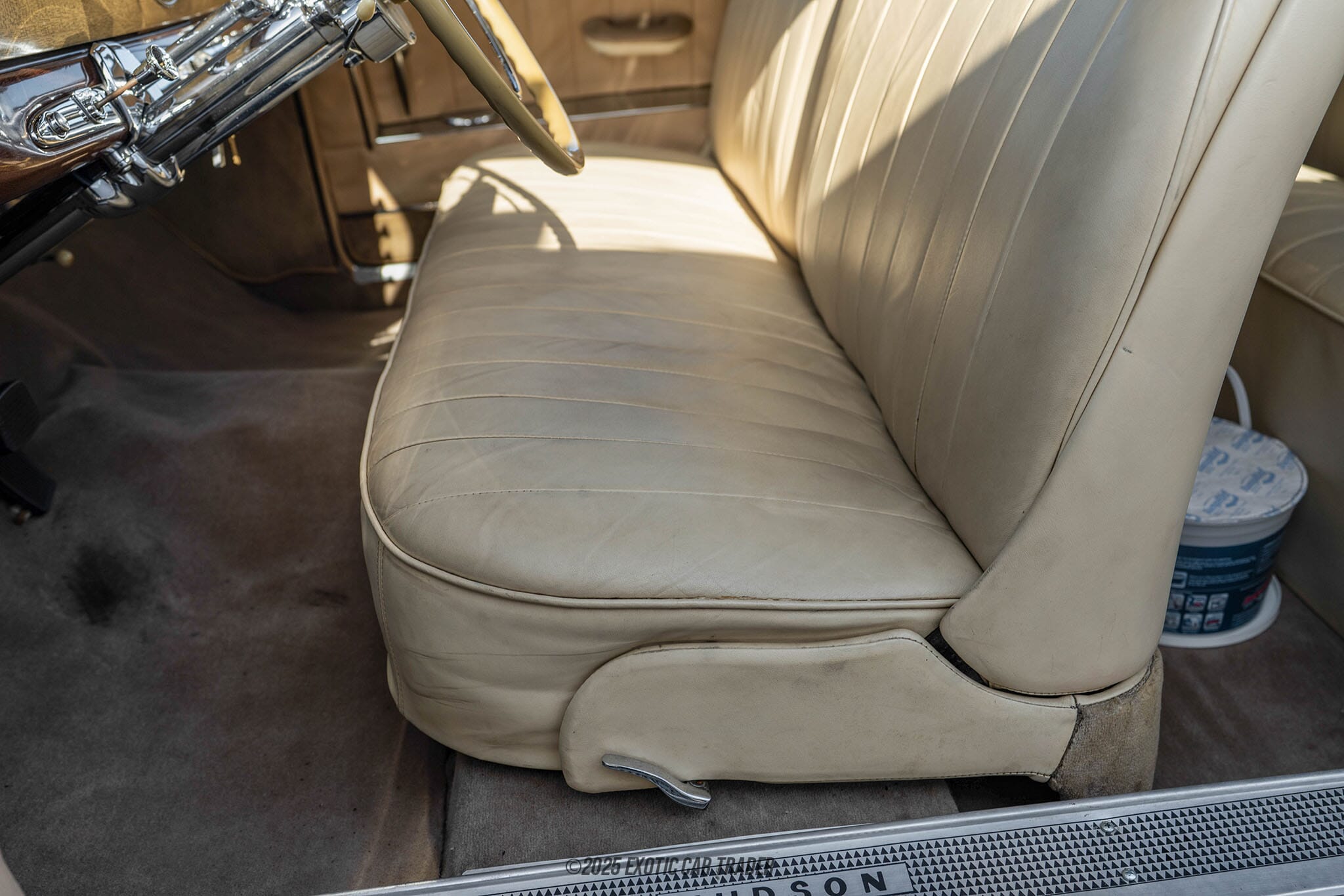
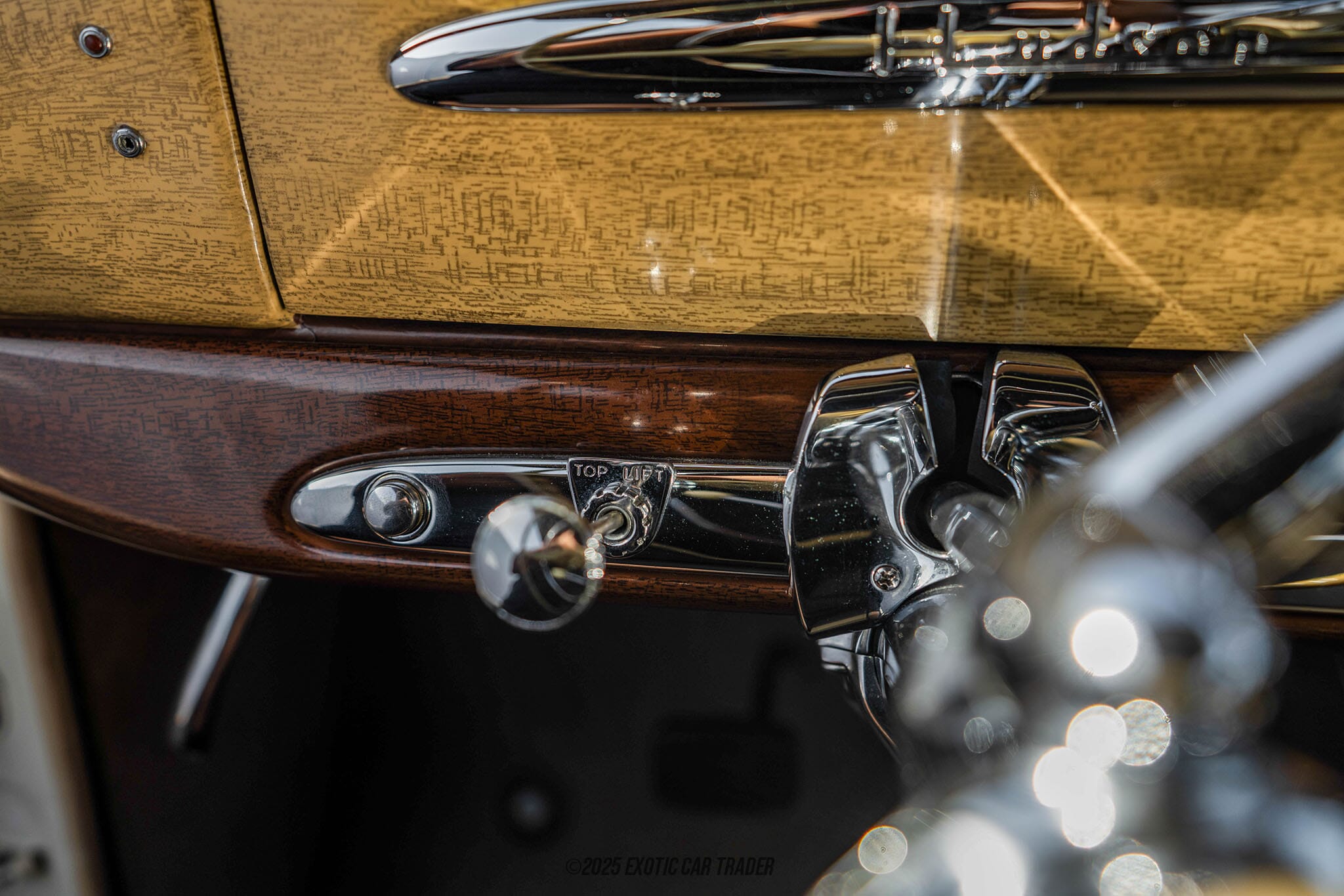
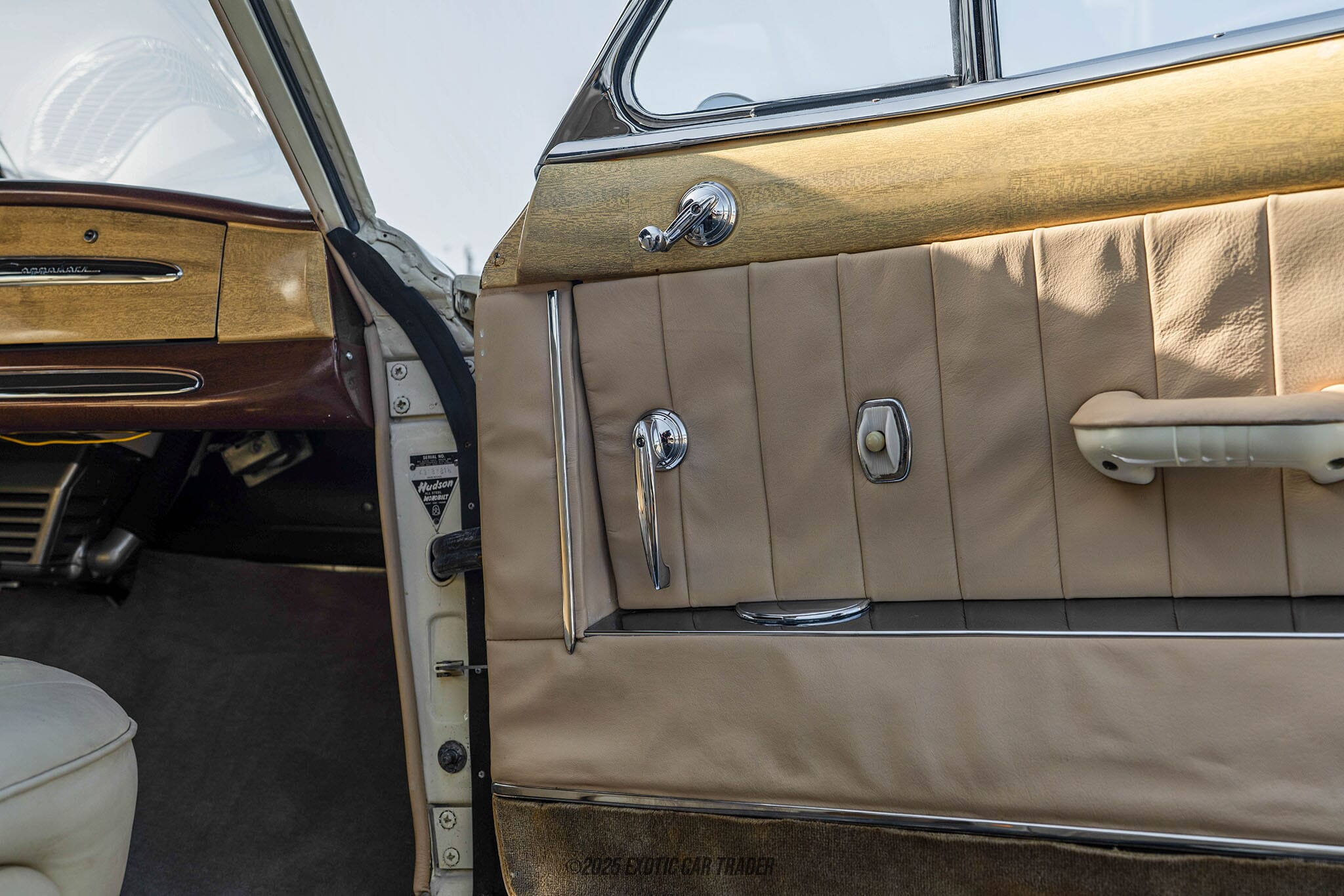
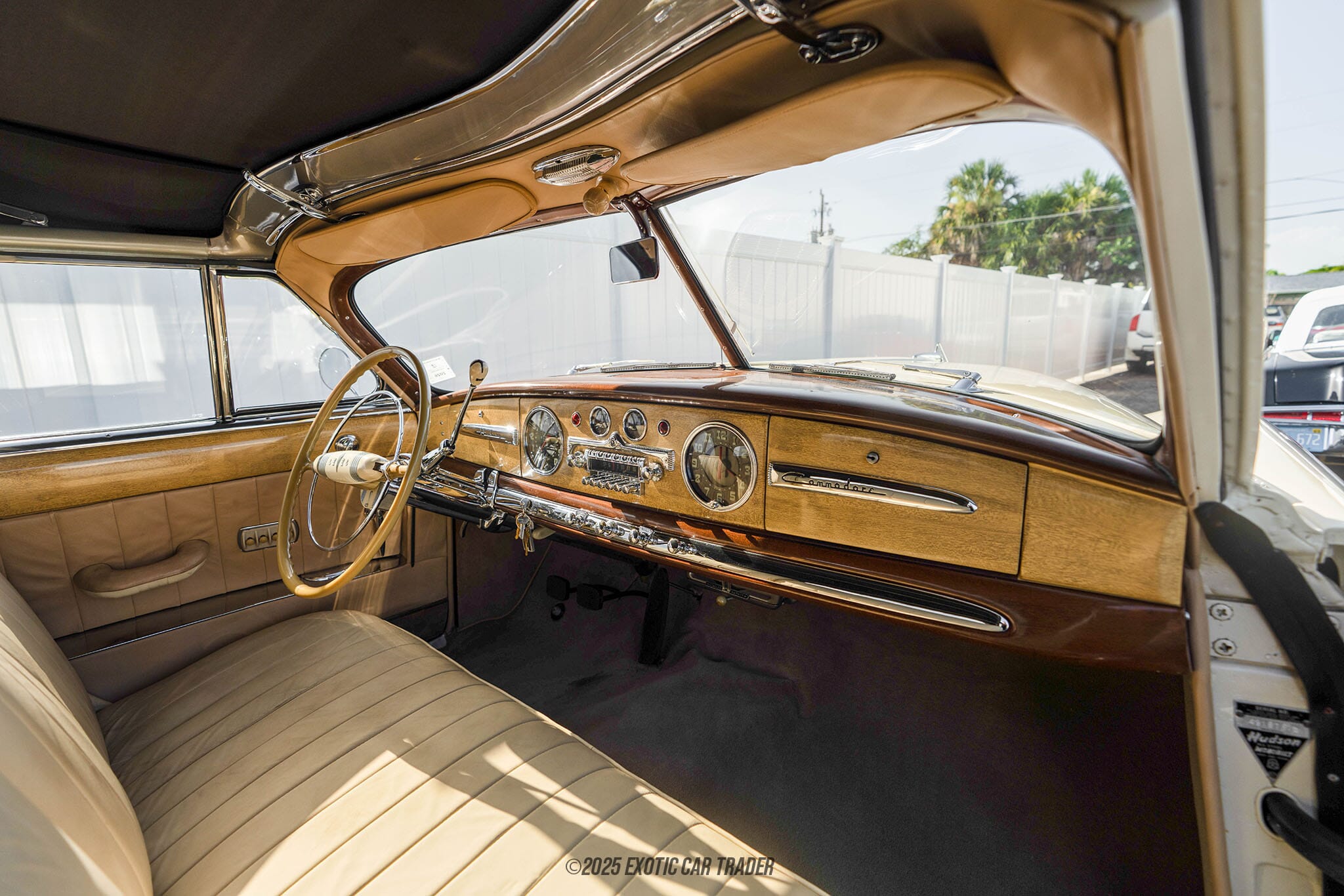
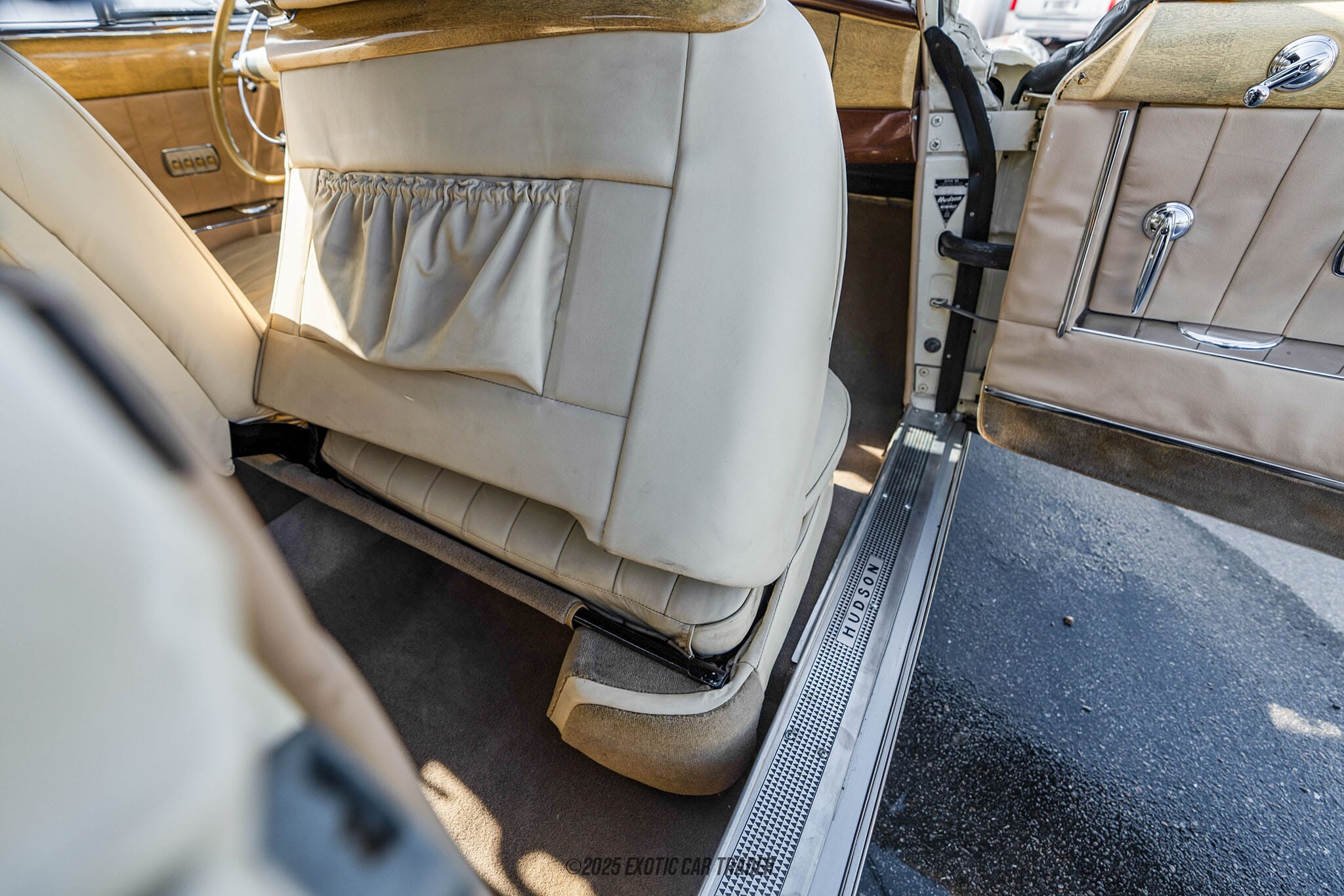
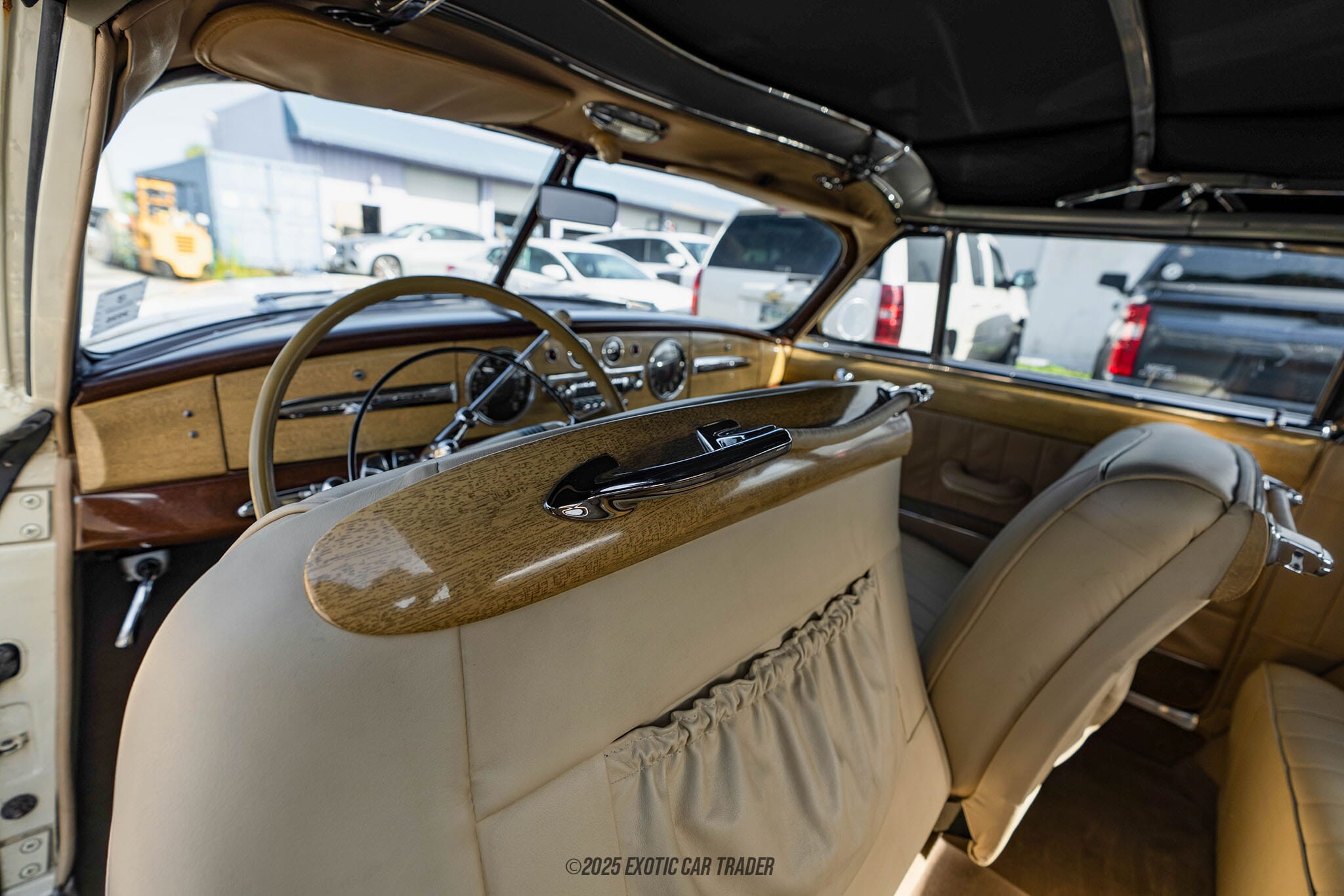
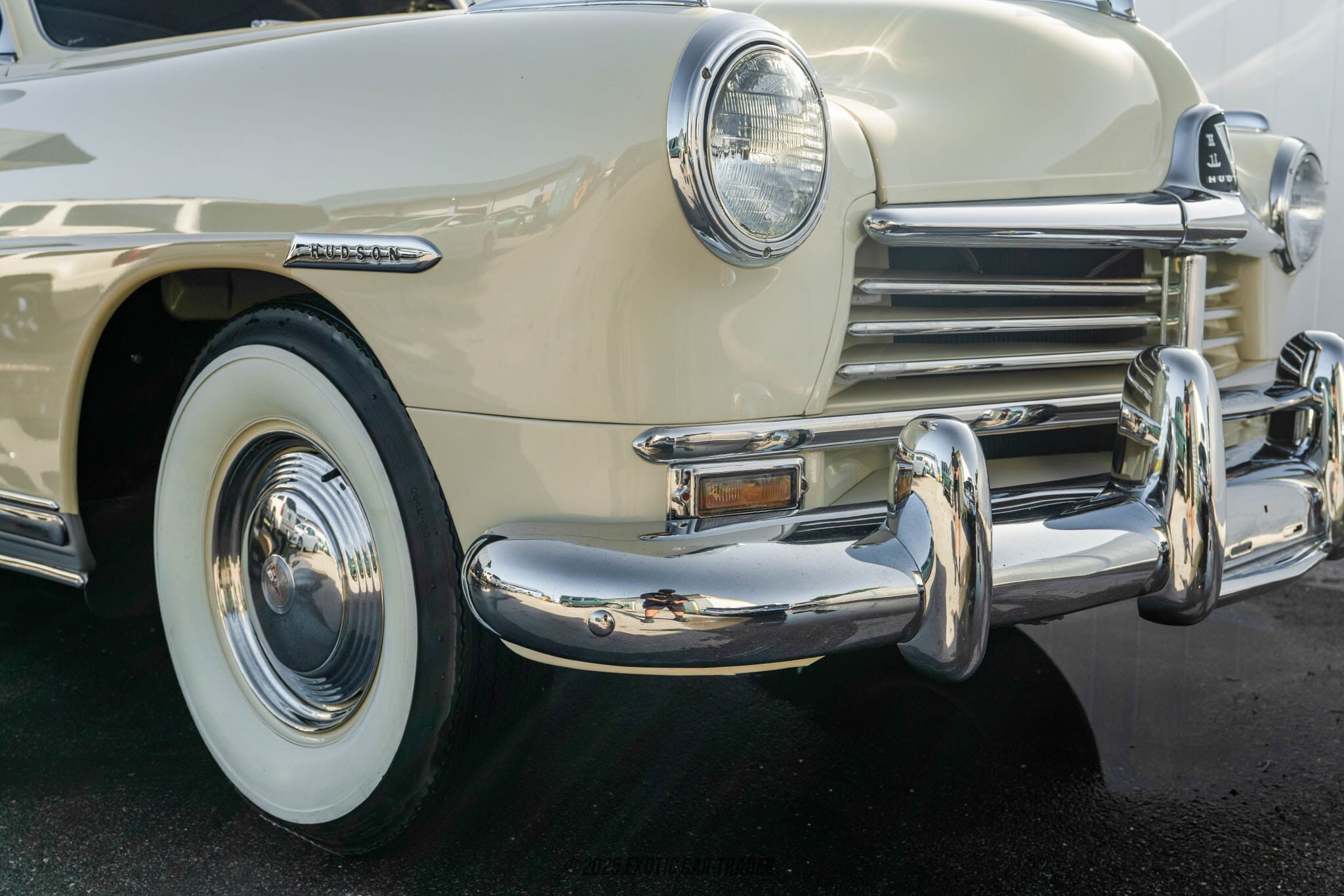
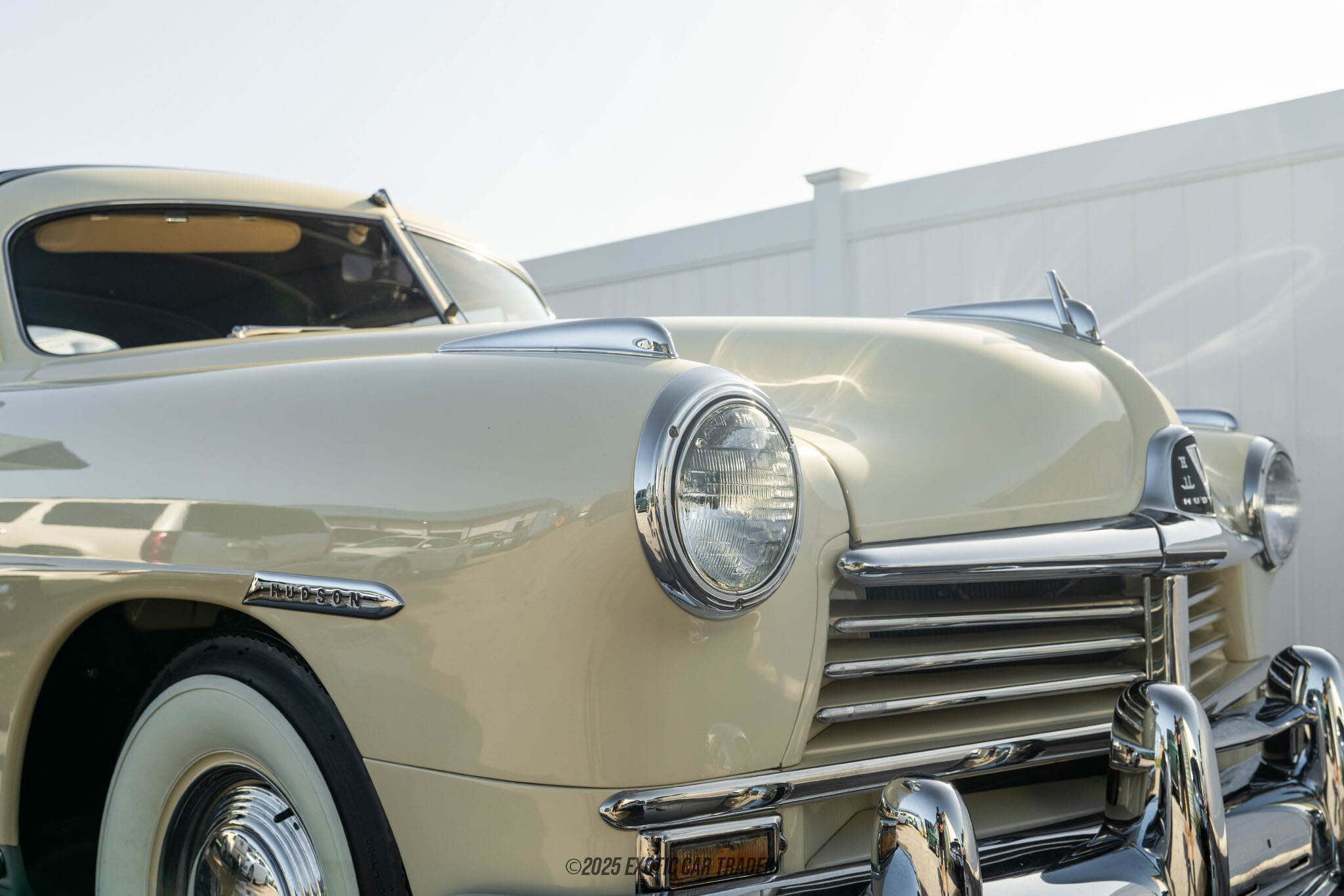
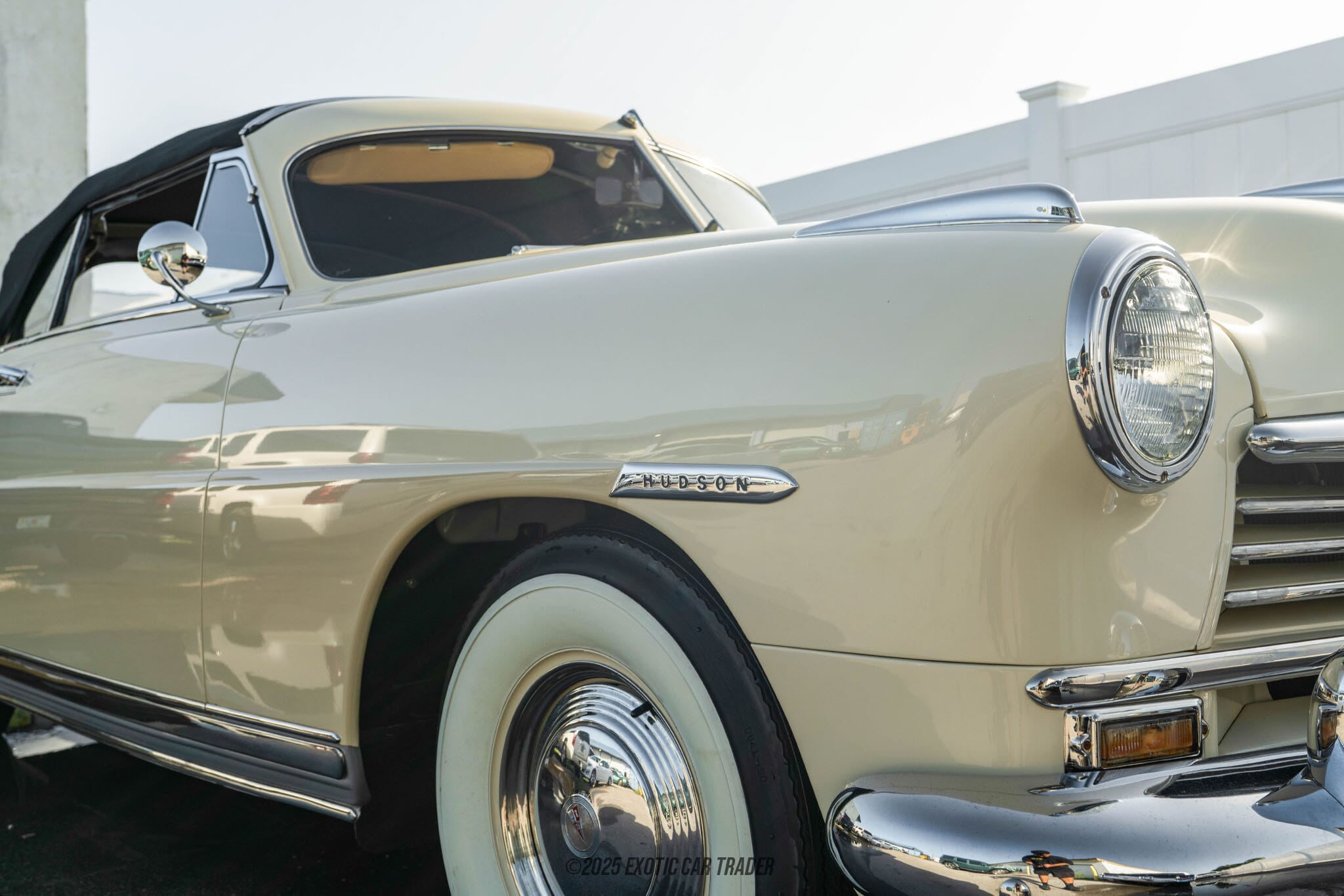
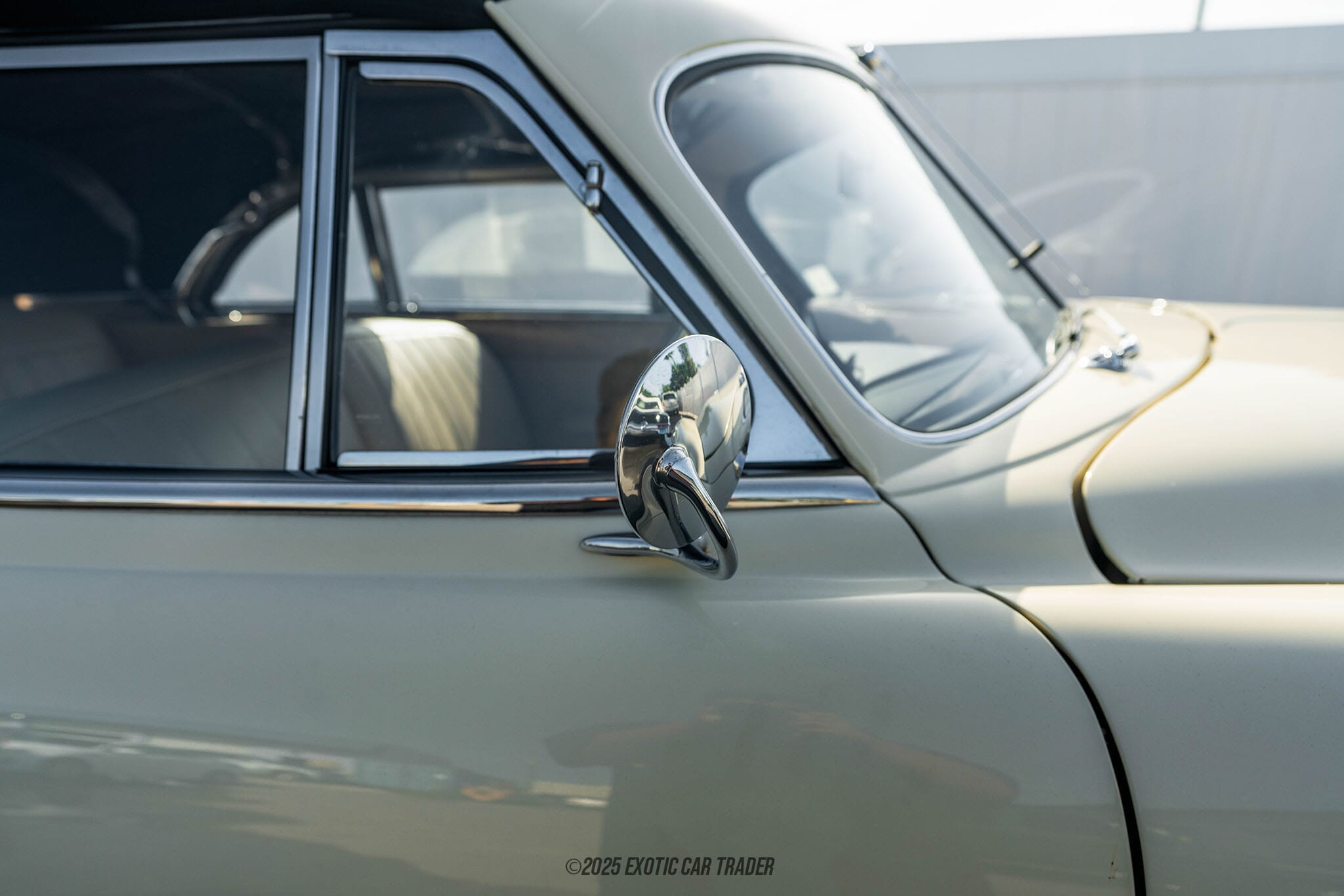
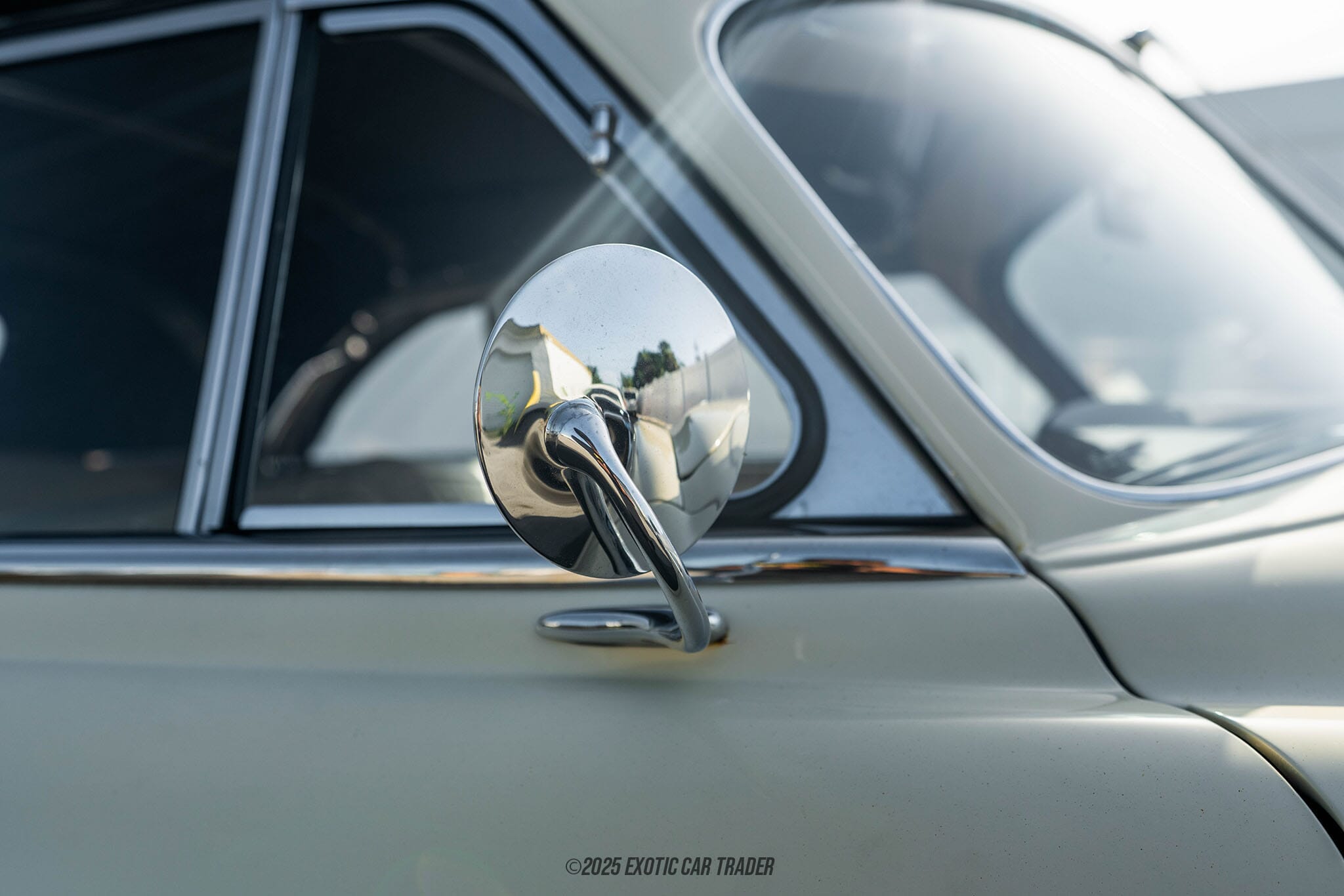
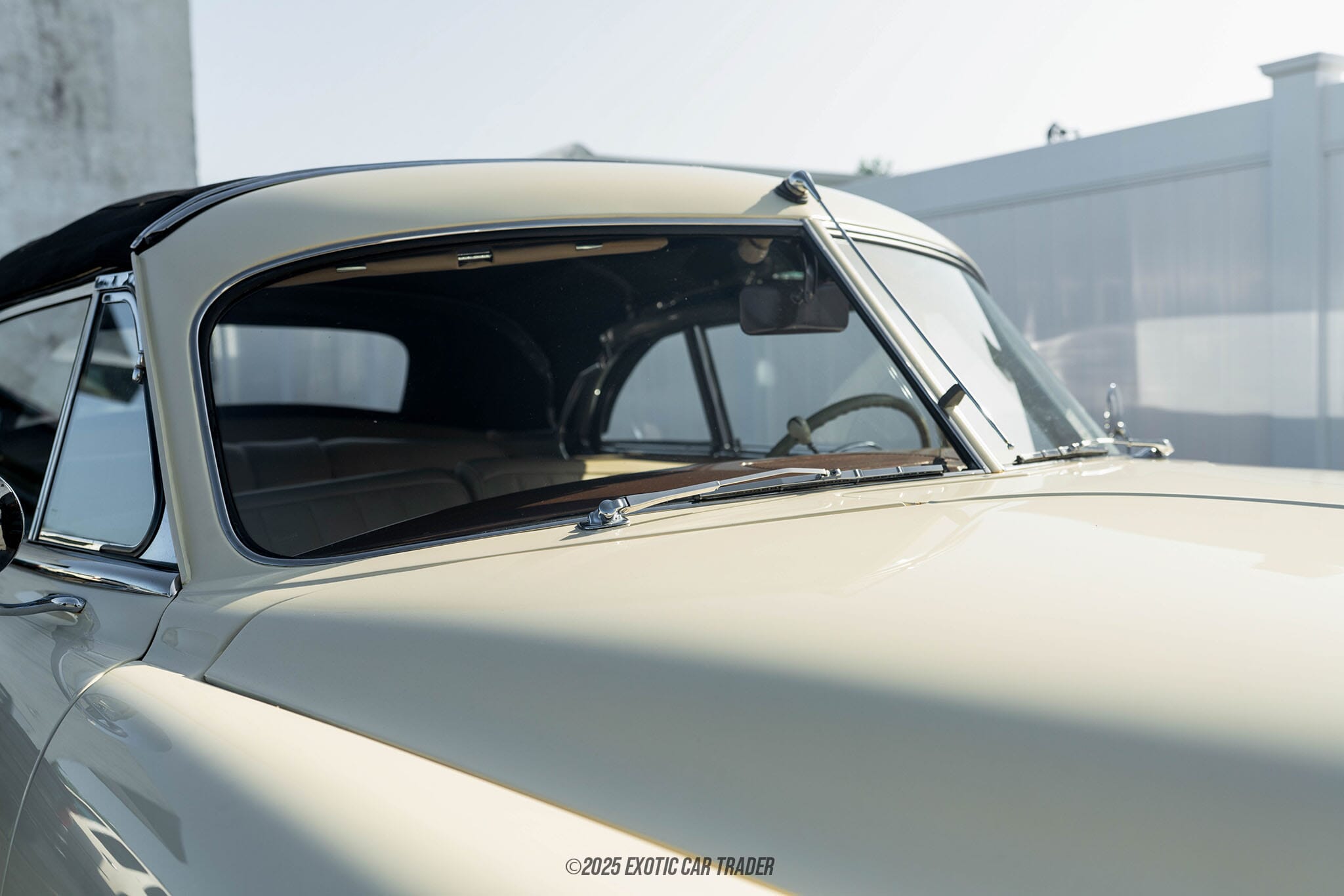
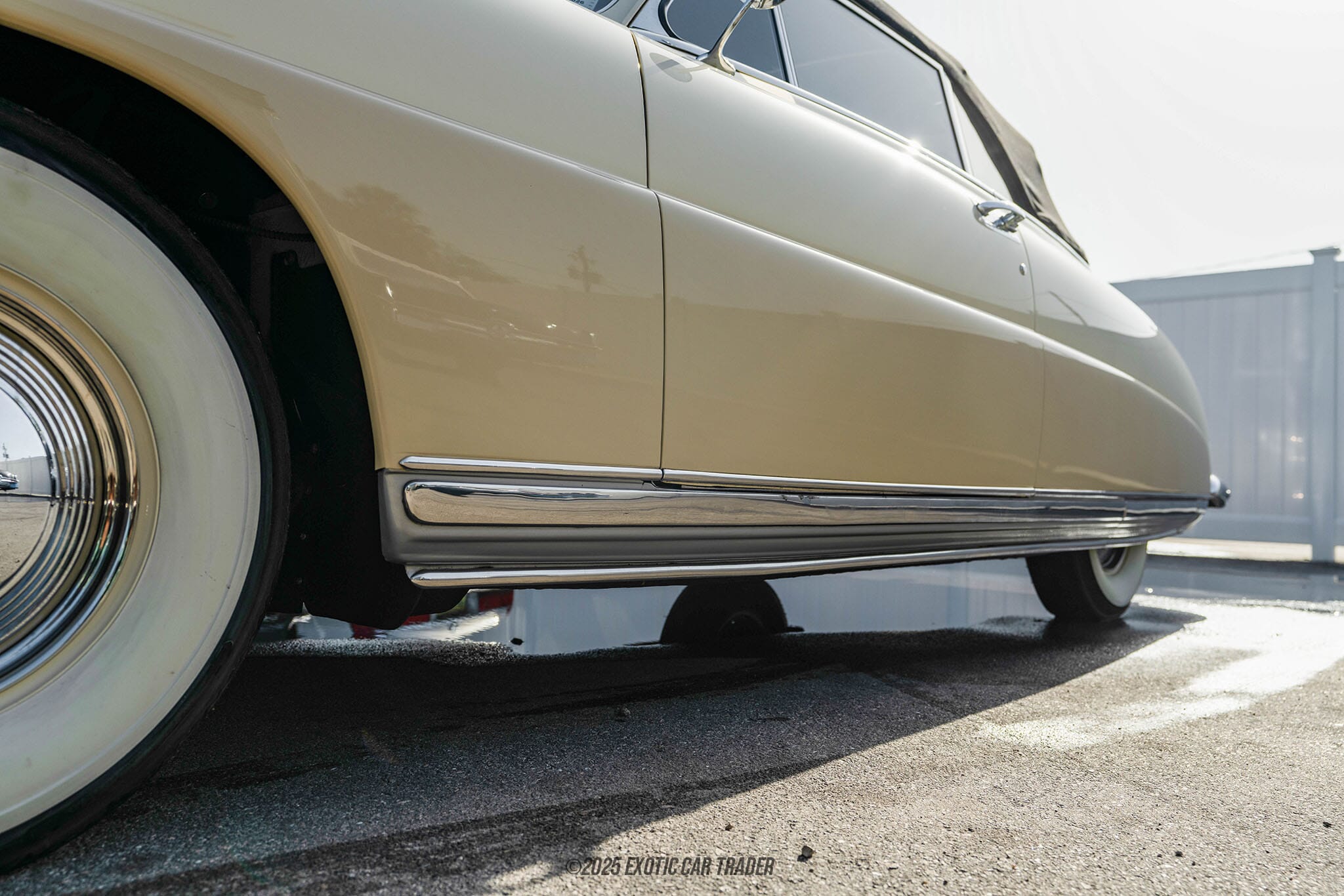
The cream colored bodywork of this 1949 Hudson Commodore Six Convertible is perfectly representative of automotive design in the 1940s. The curvaceous outlook, bulbous fenders and chrome bumpers are all present and correct with this car, which rides on whitewall tires and features large Hudson hubcaps protecting its steel wheels. If you look closer at the monobuilt semi-unit body with step-down design, you’ll note a subtle two-tone paint scheme at play. The car’s convertible top, of course, comes in black. There’s even a convertible top boot to ensure that the car’s clean lines are not disturbed when the top has been lowered and stowed in place. The interior of this 1949 Hudson Commodore Six Convertible comes in white and features amenities such as power windows and an AM radio. You’ve got plenty of wood trim and some chrome embellishing the interior too, which can accommodate up to four adults in comfort. Even the trunk is pretty spacious, with the spare tire neatly concealed within its custom cover.
Engine
This 1949 Hudson Commodore Six Convertible is powered by a 201ci L-head inline six. It uses a 3-speed manual transmission to drive the rear wheels. The engine should make around 123 horsepower, which is more than enough for decent driving dynamics. After all, this car is a cruiser and not a track star.


The Hudson Commodore represented the upper echelon of Hudson’s postwar lineup, combining distinctive styling, solid engineering, and premium appointments during an era when American convertibles symbolized optimism and prosperity. This 1950 Hudson Commodore Six Convertible, showing 12,364 miles, is a striking example of one of the more uncommon full-size American drop-tops of its era. Finished in cheerful Yellow over a richly contrasting Burgundy interior, this Hudson captures the glamour and elegance of early-1950s motoring. With its smooth inline-six powertrain, column-shift manual transmission, and period luxury features, this Commodore offers a rare opportunity to experience a refined American cruiser from a brand that played a unique role in automotive history.
Hudson was a Detroit-based automaker that was founded in 1909, but merged with Kelvinator in 1954 and subsequently died off. Their most opulent offering during the 1940s and early 1950s was the Commodore. This full-size car came in various forms, including as a sedan, coupe, convertible, and even a short-lived pickup truck. Made across three generations, today’s 1949 Hudson Commodore Six Convertible comes from the third and last generation. Residing in Naples, Florida, this quintessential 1940s classic car includes the spare tire, jack, and lug nut wrench as well. The current owner says that only 656 Commodore Convertibles were made in 1949, so you’re a part of a club that’s more exclusive than some supercars! This car was even displayed at the Meadowbrook Concours d’Elegance in 2009, we’re told.
Hudson – a brand that you may not have heard of, but your parents and grandparents definitely have. This interesting American automaker was born in 1909, but defunct by 1954 as they merged with Nash-Kelvinator. If you trace Hudson’s history further forward, you’ll find that it eventually traverses into AMC. Nevertheless, in its heyday, Hudsons were famous for their distinctive styling cues. The Commodore ran between 1941 and 1942 before World War II necessitated a stoppage of civilian automotive production. It returned by 1946 and was made for a further six years. The Commodore represented the largest and most luxurious automobile from Hudson’s product line-up. Today, finding a Commodore isn’t easy, but we’ve got one right here. So if you wish, call or DM us and pick up this 1950 Hudson Commodore Six Convertible from its current home in Los Gatos, California. It’s a lovely classic car to own and drive, as well as being something rather rare.
The 1957 Hudson Hornet marked the final chapter of one of America’s most storied automotive nameplates before the Hudson brand was retired for good. Produced during the American Motors era, the final Hornet blended the bold styling of the late 1950s with the smooth V8 performance buyers expected from a full-size American sedan. Showing just 20,977 miles, this 1957 Hudson Hornet Custom Sedan stands out with its striking custom white, orange, and black paint scheme that highlights its dramatic chrome accents and unmistakable styling. Retaining its dependable 327ci V8 while featuring tasteful updates, this Hornet represents a rare opportunity to own one of the last cars ever to wear the legendary Hudson badge.
The Hudson Commodore represented the upper echelon of Hudson’s postwar lineup, combining distinctive styling, solid engineering, and premium appointments during an era when American convertibles symbolized optimism and prosperity. This 1950 Hudson Commodore Six Convertible, showing 12,364 miles, is a striking example of one of the more uncommon full-size American drop-tops of its era. Finished in cheerful Yellow over a richly contrasting Burgundy interior, this Hudson captures the glamour and elegance of early-1950s motoring. With its smooth inline-six powertrain, column-shift manual transmission, and period luxury features, this Commodore offers a rare opportunity to experience a refined American cruiser from a brand that played a unique role in automotive history.
This 1938 Hudson Terraplane Rat Rod is a bold fusion of pre-war American design and modern hot rod engineering. Built on a 1971 Chevrolet ¾-ton chassis, this custom creation abandons originality in favor of strength, capability, and unmistakable presence. The rat rod philosophy is fully embraced here, combining an intentionally weathered appearance with serious mechanical upgrades underneath. Powered by a 355ci V8 and riding on modern suspension components, this Terraplane delivers a driving experience that is raw, aggressive, and purpose-built. It is not a restoration, but rather a carefully executed custom hot rod designed to stand apart from conventional classics.
Introduced in 1950, the MG TD played a pivotal role in bringing affordable British sports cars to enthusiasts around the world, particularly in the United States. This 1953 MG TD Roadster continues that legacy with its unmistakable vintage styling and engaging open-air driving experience. Showing approximately 72,656 miles, this example is finished in classic British Racing Green over a tan interior with a matching tan convertible soft top. Powered by its spirited 1.3L inline-4 paired with a 4-speed manual transmission, this charming roadster offers a nostalgic driving experience that remains just as enjoyable today as it was over seven decades ago.
The 1958 Edsel Pacer represents one of the most recognizable and conversation-starting American automobiles of the late 1950s. Introduced during Edsel’s inaugural model year, the Pacer showcased futuristic styling, abundant chrome, and the brand’s unmistakable vertical grille, making it an enduring icon of automotive history. Showing 46,489 miles, this example has been tastefully customized with a vibrant two-tone blue paint job, a reupholstered interior, and several driver-focused upgrades while preserving the bold character that made the Edsel name unforgettable. Powered by Ford’s E-400 V8 and backed by an automatic transmission, this Pacer is an ideal cruiser for collectors seeking a unique piece of 1950s Americana.
Introduced as part of Ford’s all-new postwar lineup, the 1949 Ford Custom Club Coupe marked a dramatic departure from prewar automotive design and helped usher in a new era for the American automobile industry. With its integrated body styling, lower stance, and wider appearance, the 1949 Ford quickly became a sales success and remains one of the most recognizable Fords ever built. This example shows 10,785 miles and is finished in classic Black over a gray interior. Powered by Ford’s legendary Flathead V8 and equipped with a 3-speed manual transmission, this Custom Club Coupe offers an authentic driving experience while showcasing the timeless styling that made the 1949 Ford a landmark vehicle in automotive history.

Terms of Service
Be Kind and Courteous
We're here to create a platform to better the automotive industry through communication and transparency. Please treat everyone with respect. Healthy debates are natural, but kindness is required.
No Hate Speech
Make sure everyone feels safe. Hate speech of any kind is strictly prohibited. Degrading comments about things like race, religion, culture, sexual orientation, etc. will not be tolerated.
No Promotions or Spam
Give more than you take. Self-promotion, spam, or links of any kind are not allowed.
