




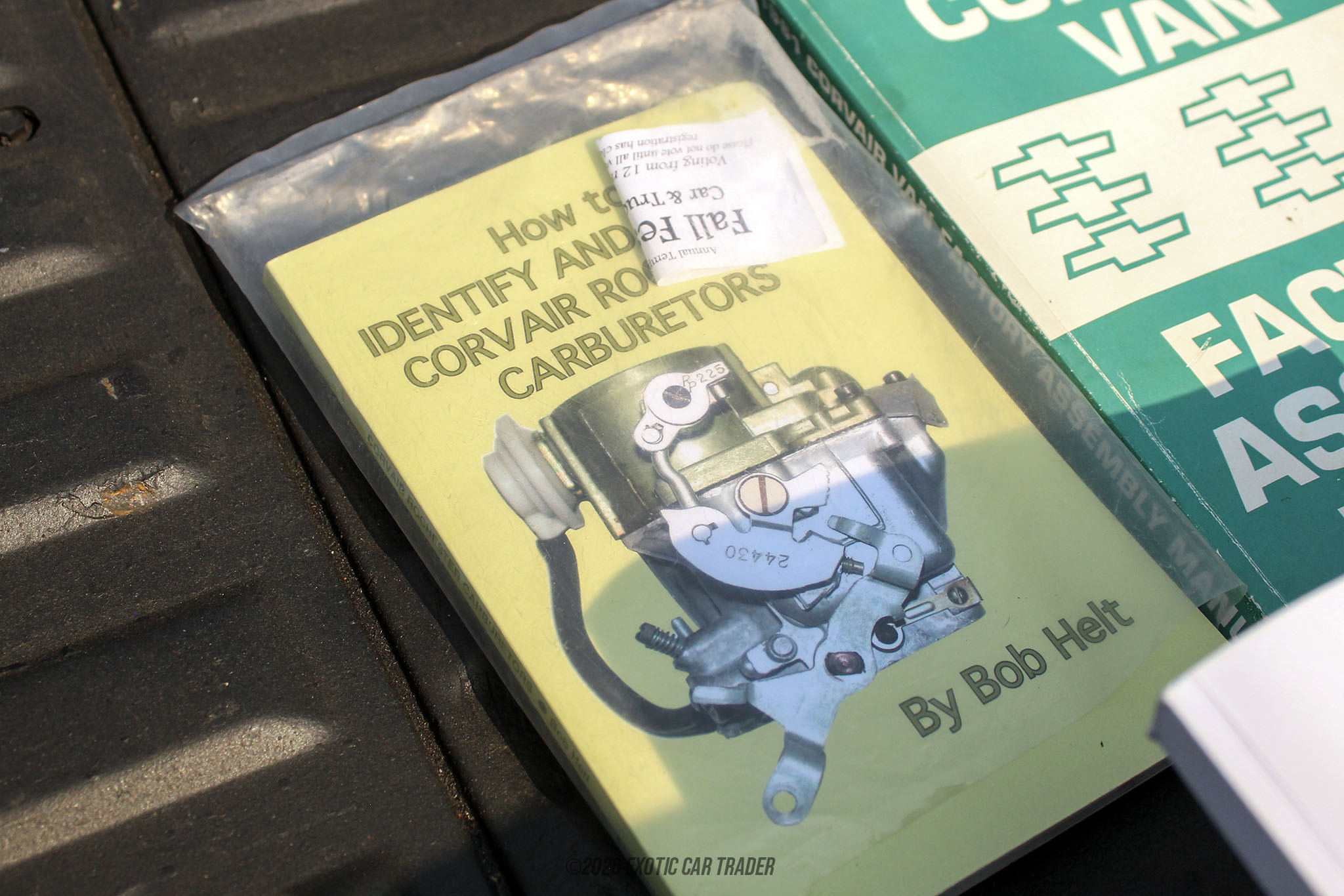
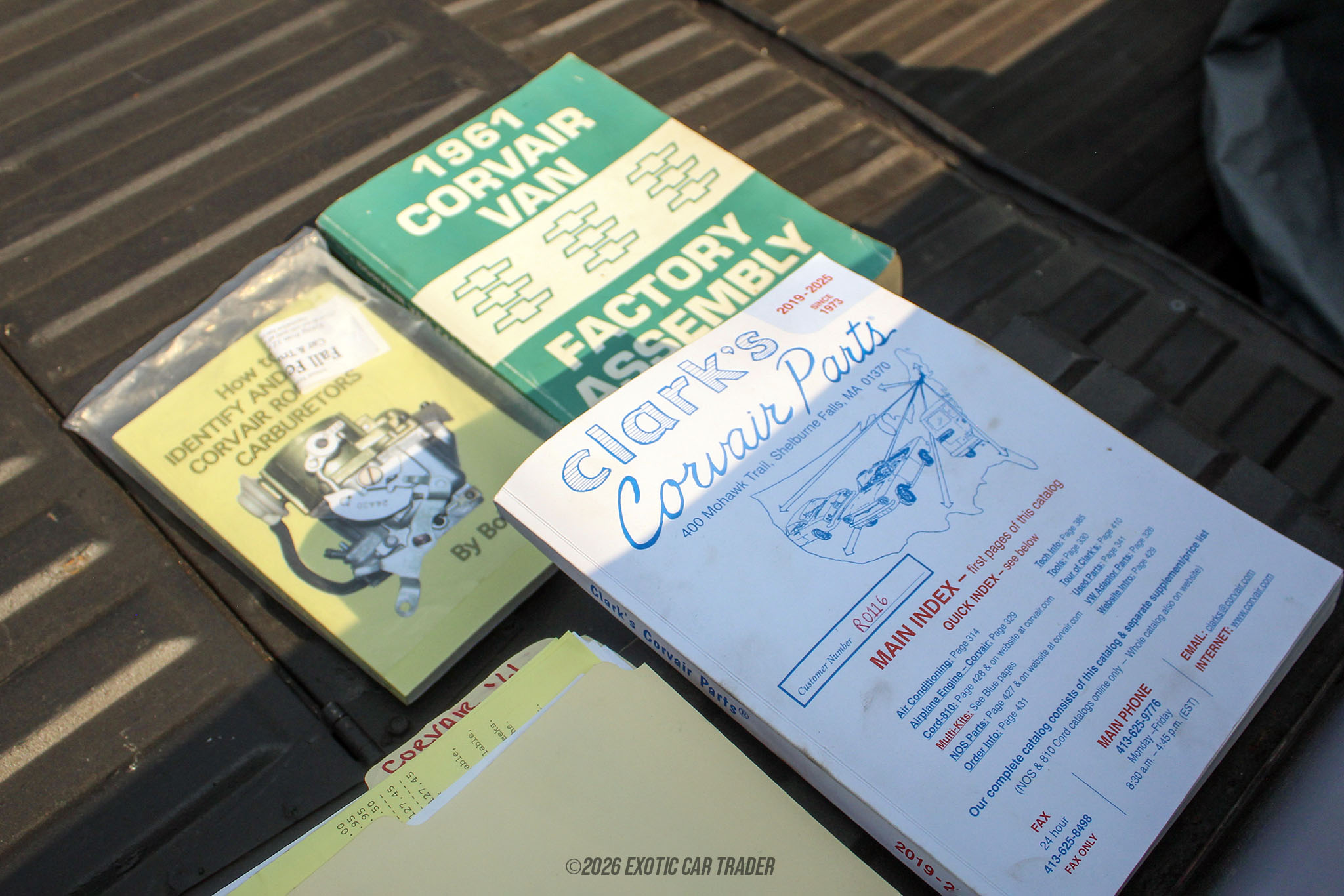
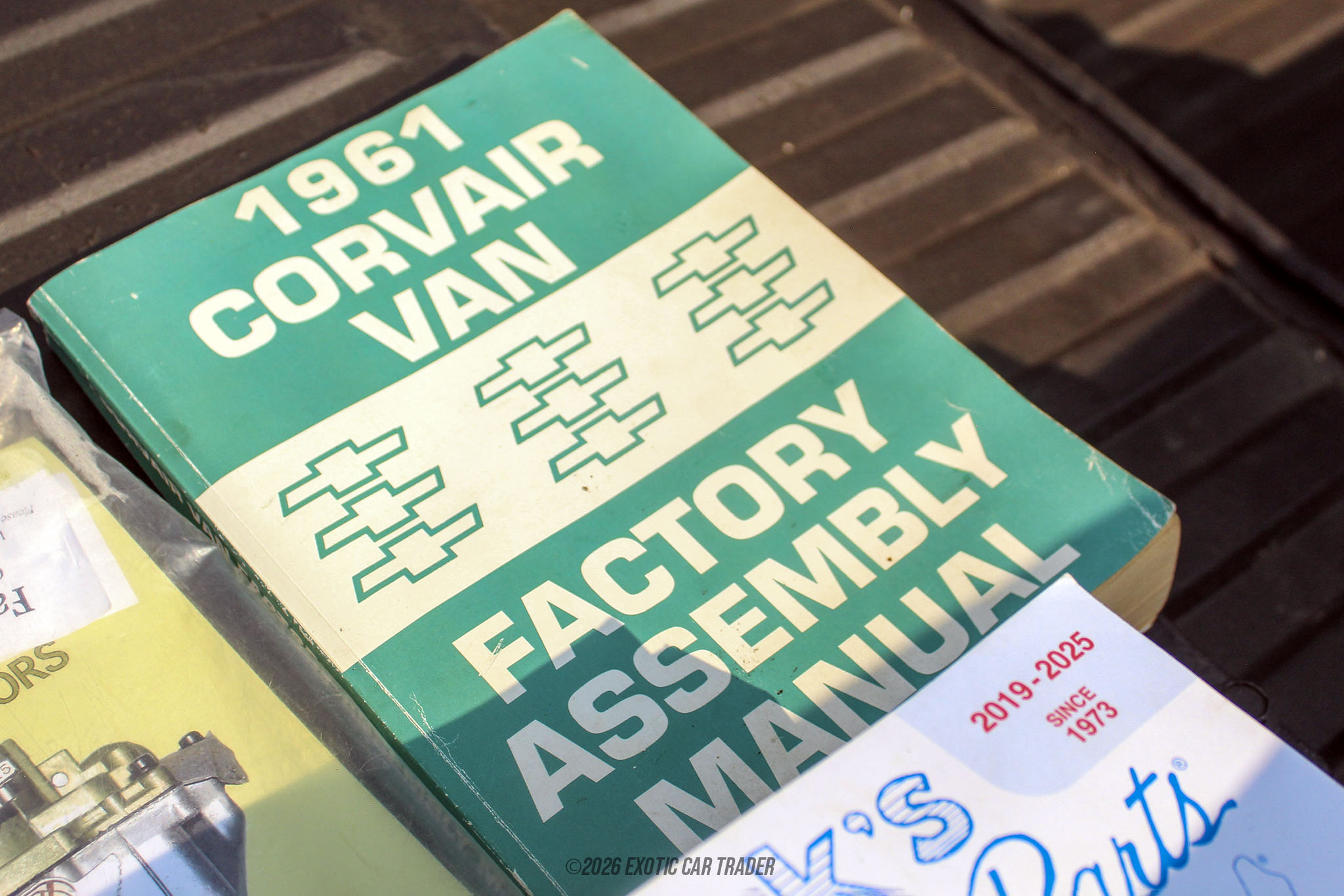


Buyer Resources





- 1961 Chevrolet Corvair 95 Rampside Pickup
- 145ci Air-Cooled H6
- Dual Single-Barrel Carburetors
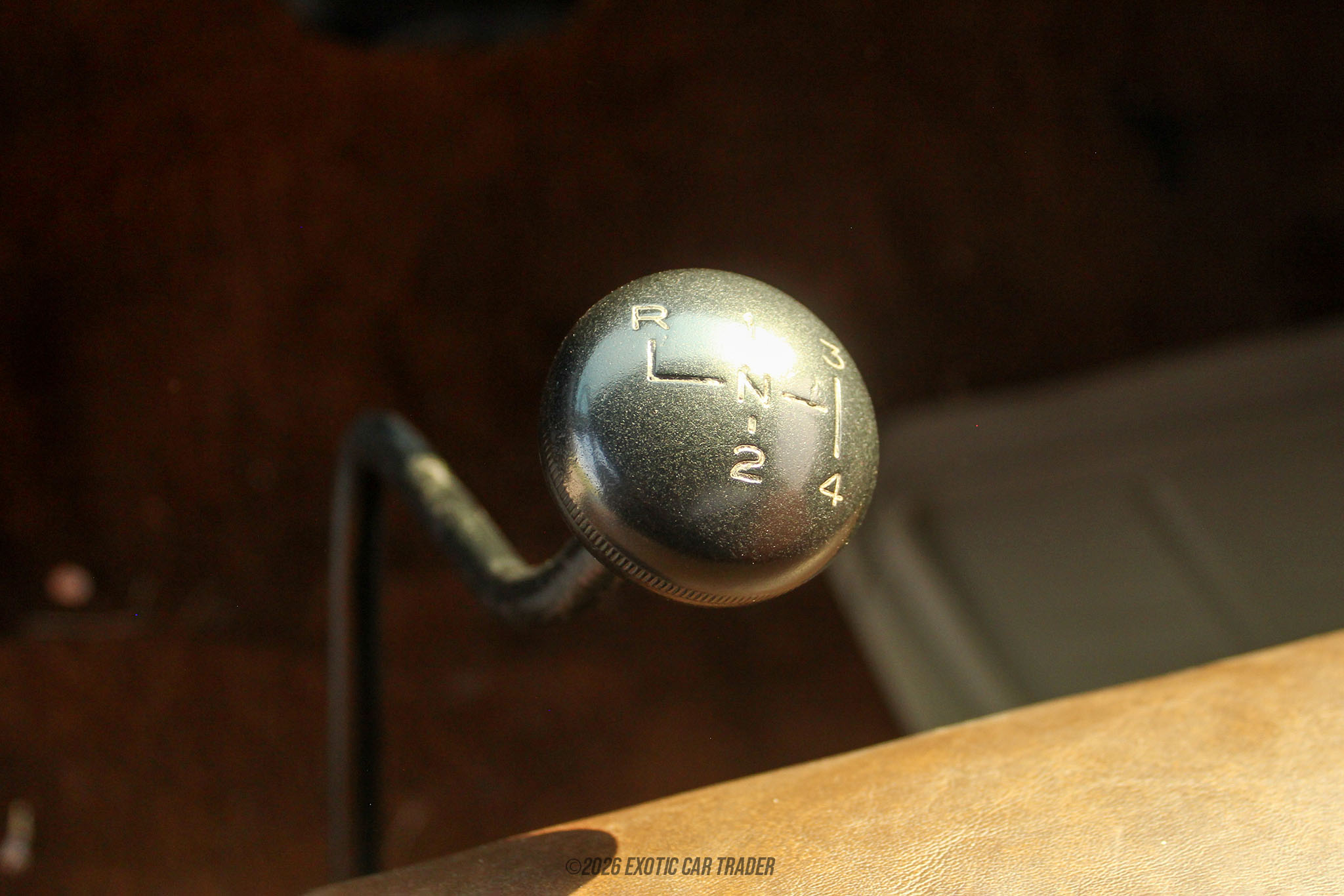
- 4-Speed Manual
- RWD
- Brown Exterior
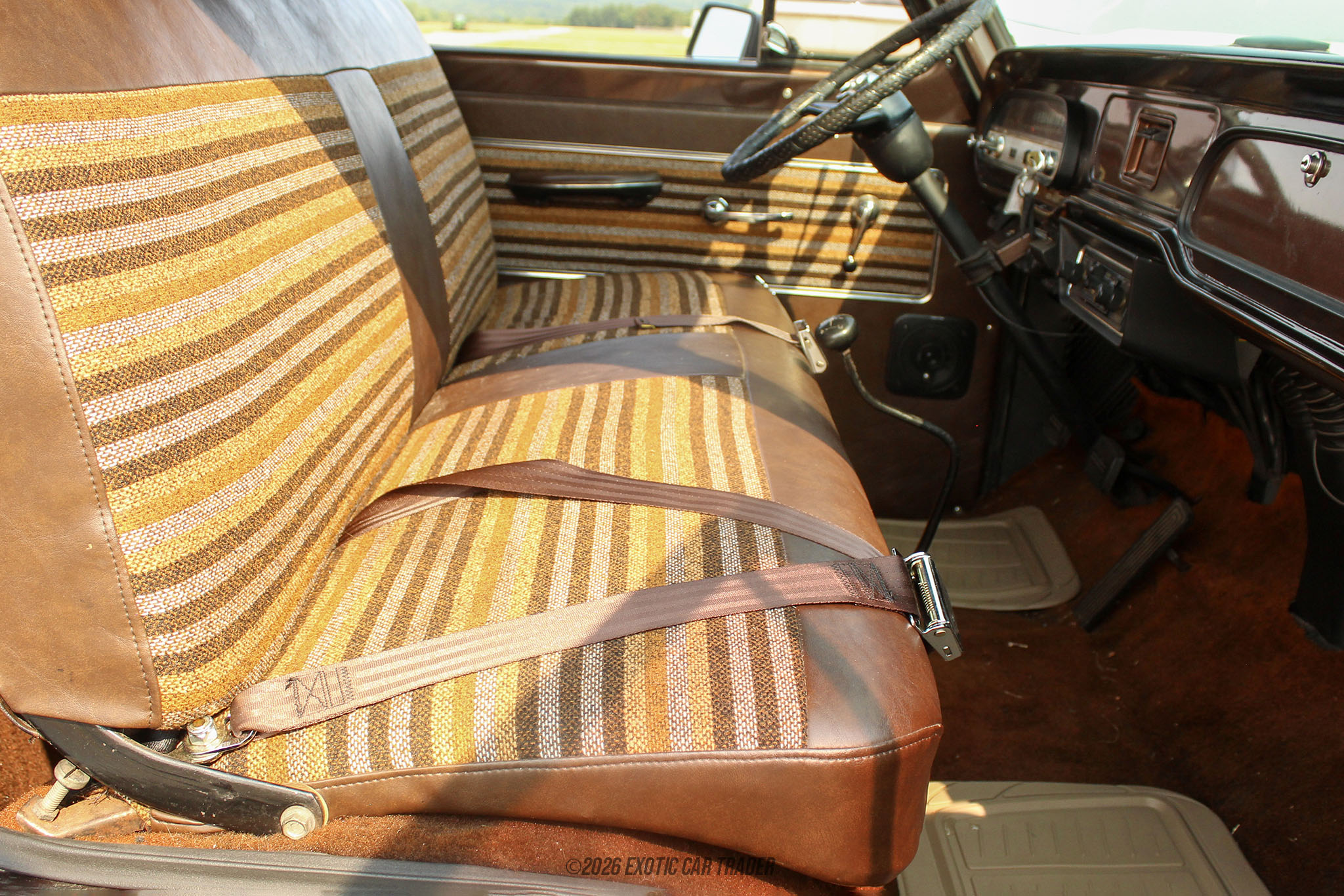
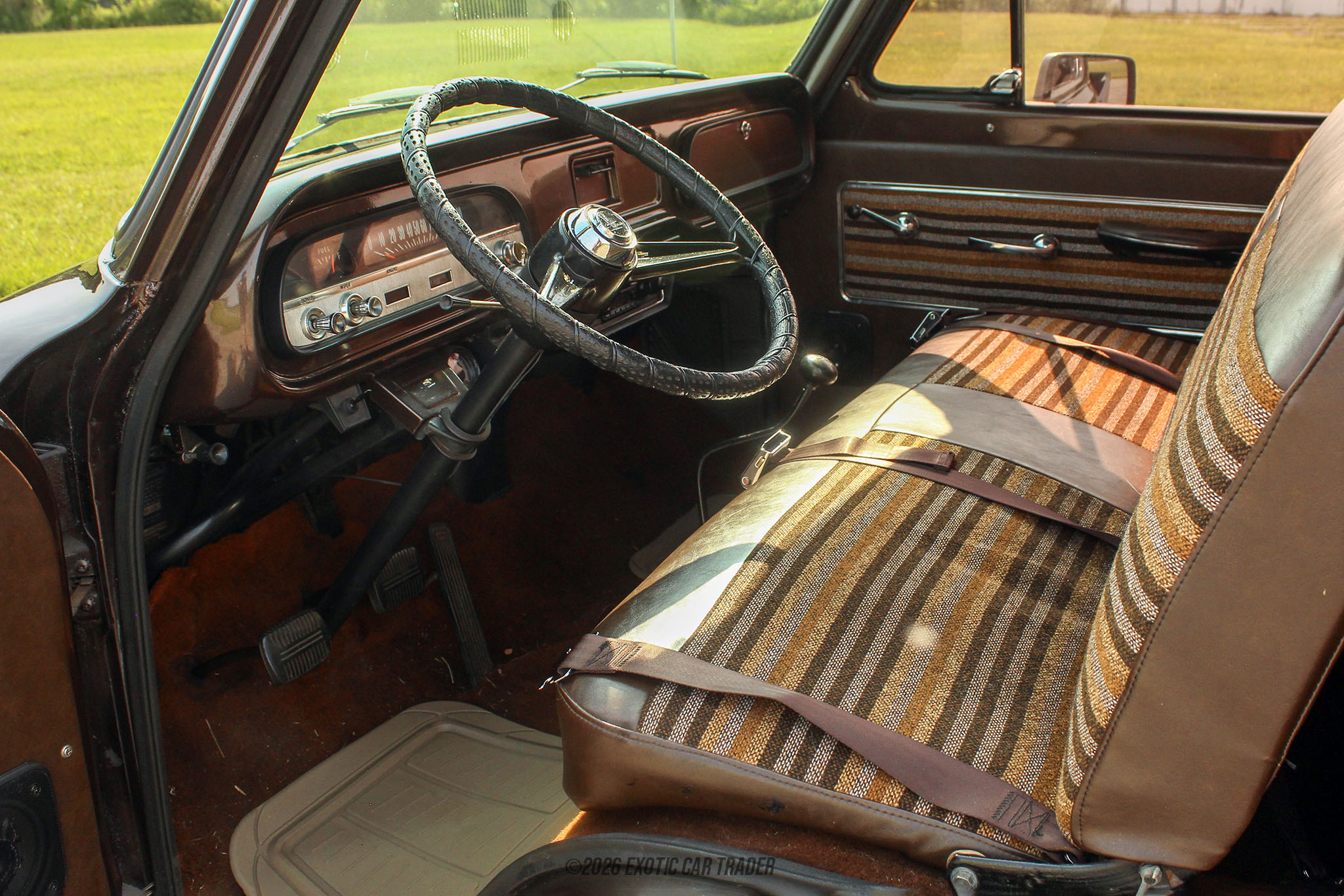
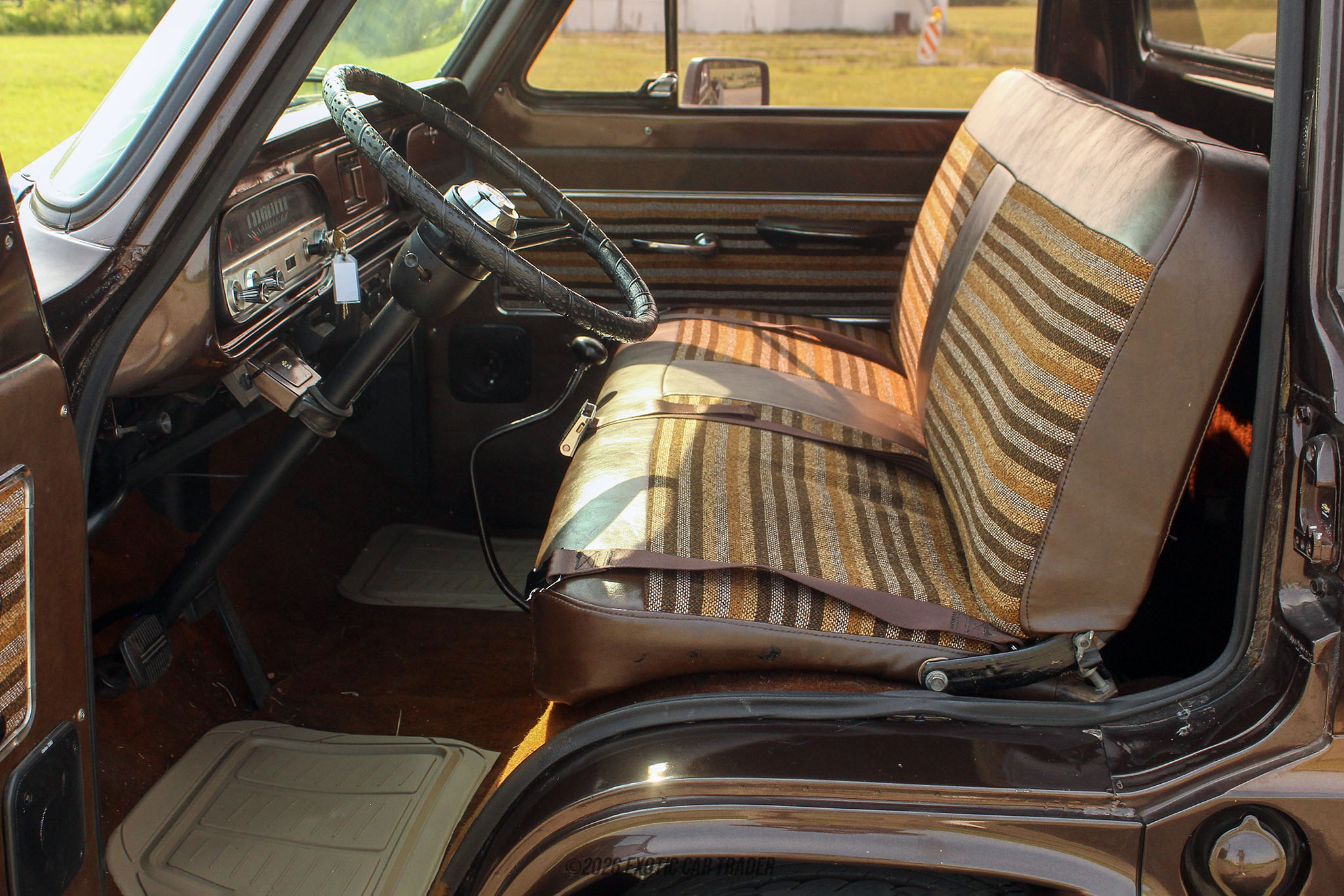
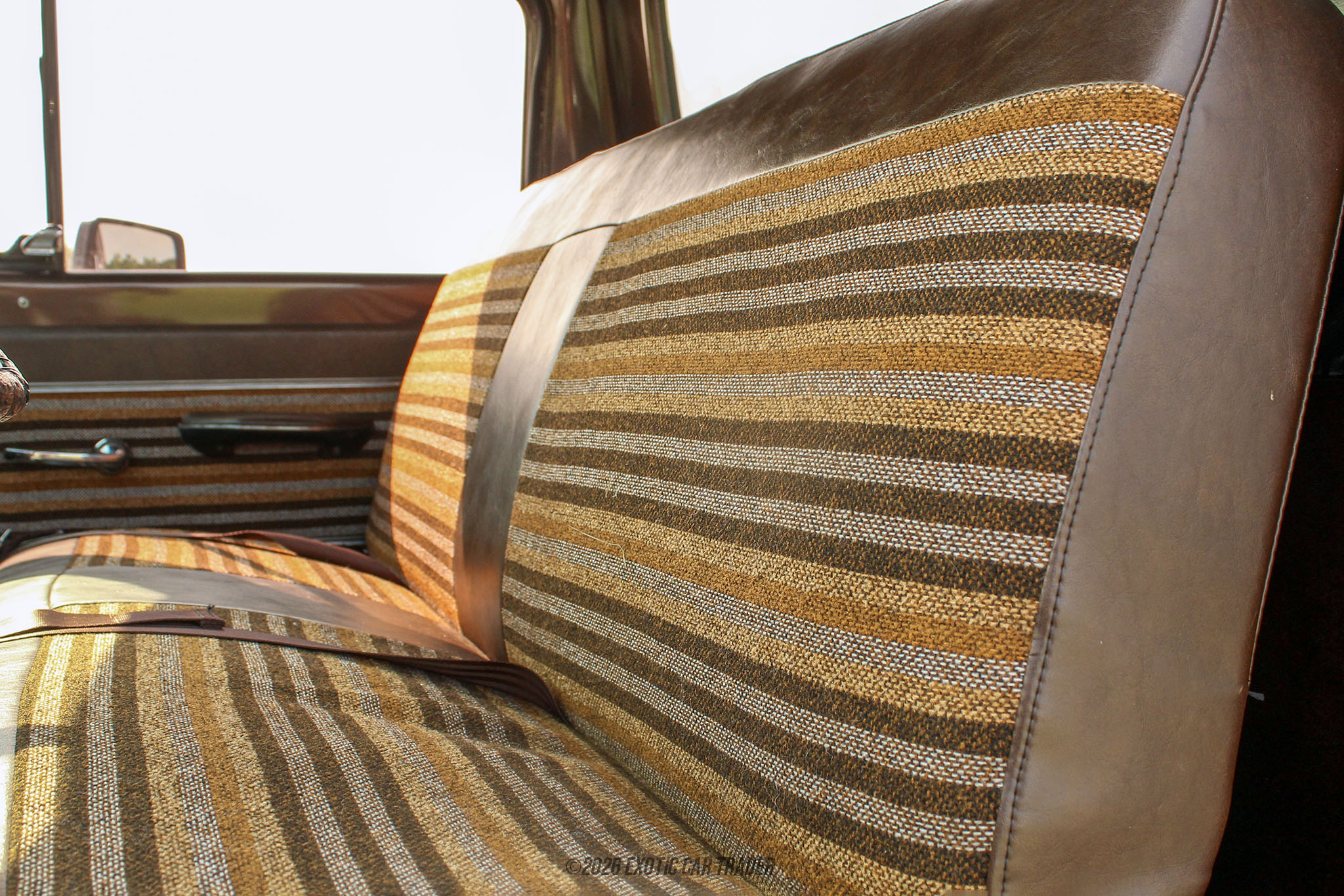
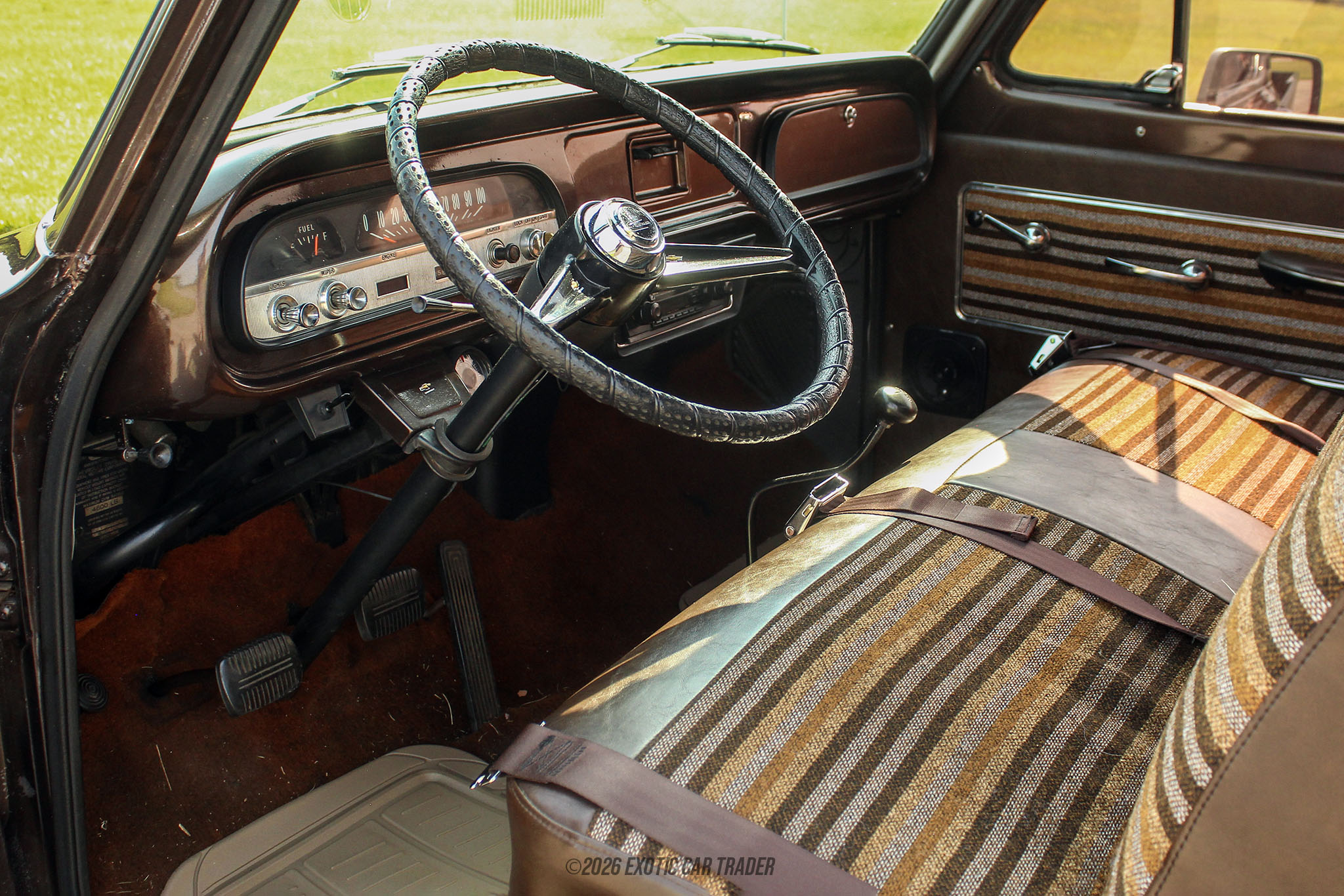
- Brown Interior
- Forward Control Cab
- Rampside Pickup Bed
- Passenger-Side Hinged Bed Loading Ramp
- Rear Tailgate
- Rear-Mounted Engine
- Cab Roof Clearance Lights
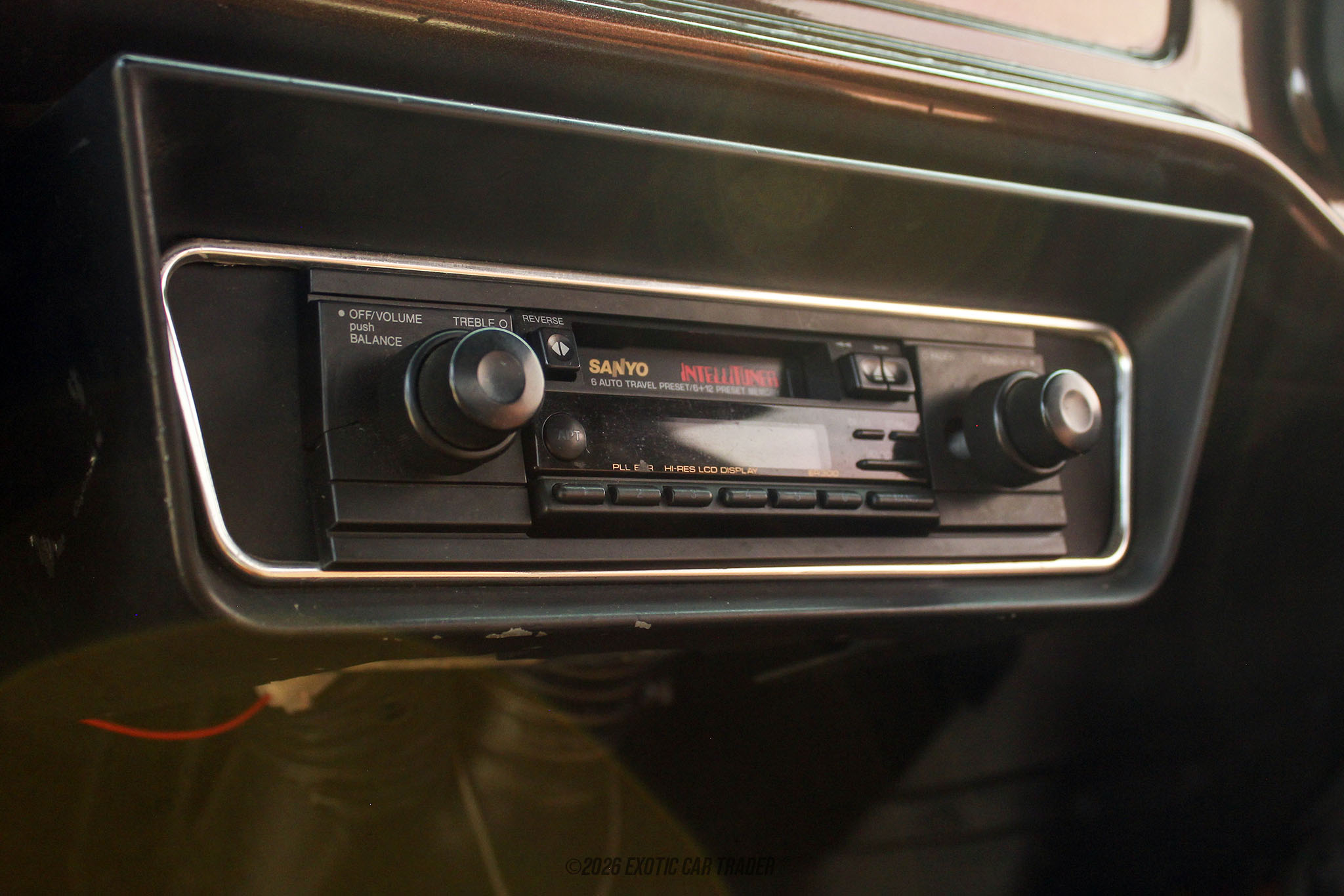
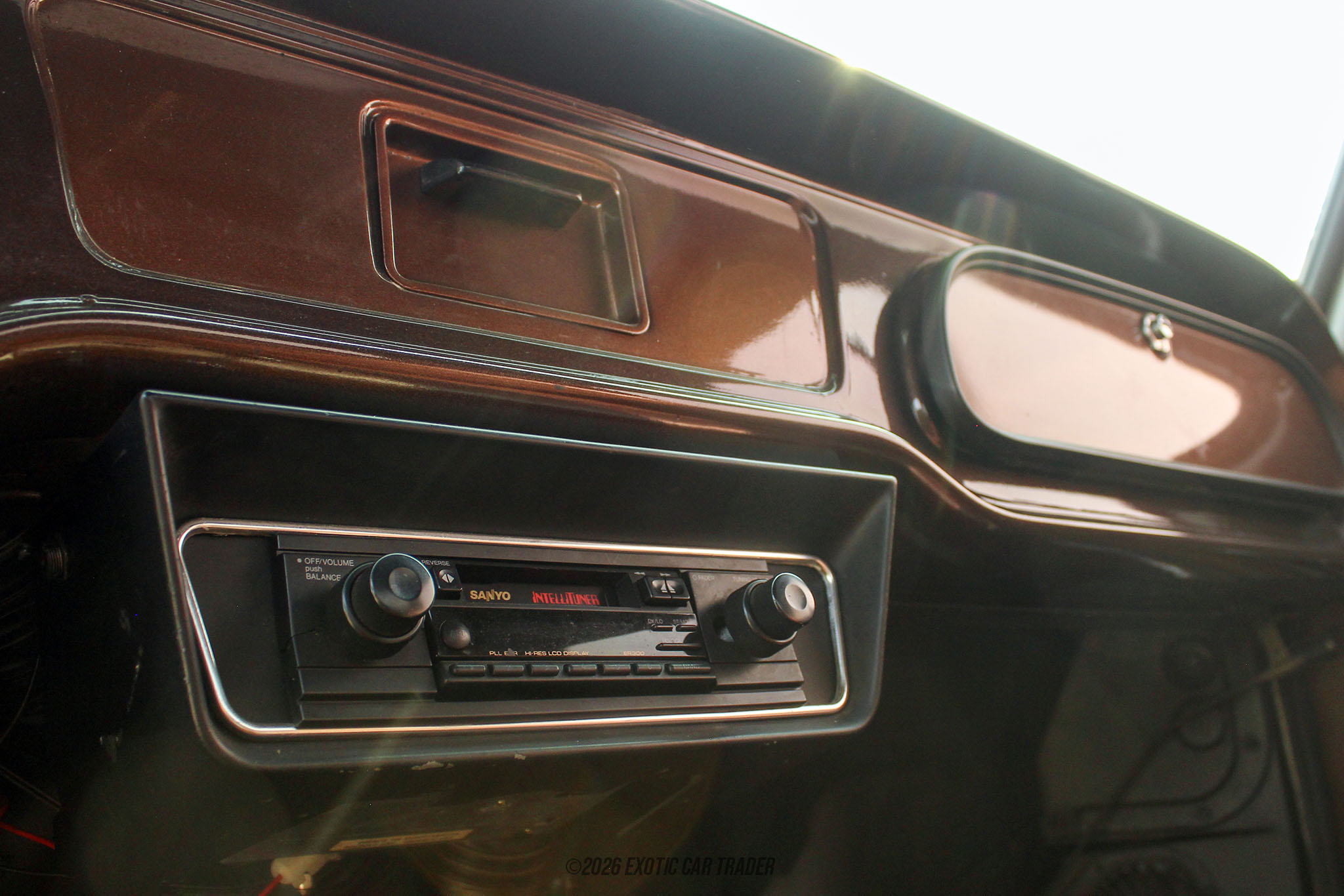
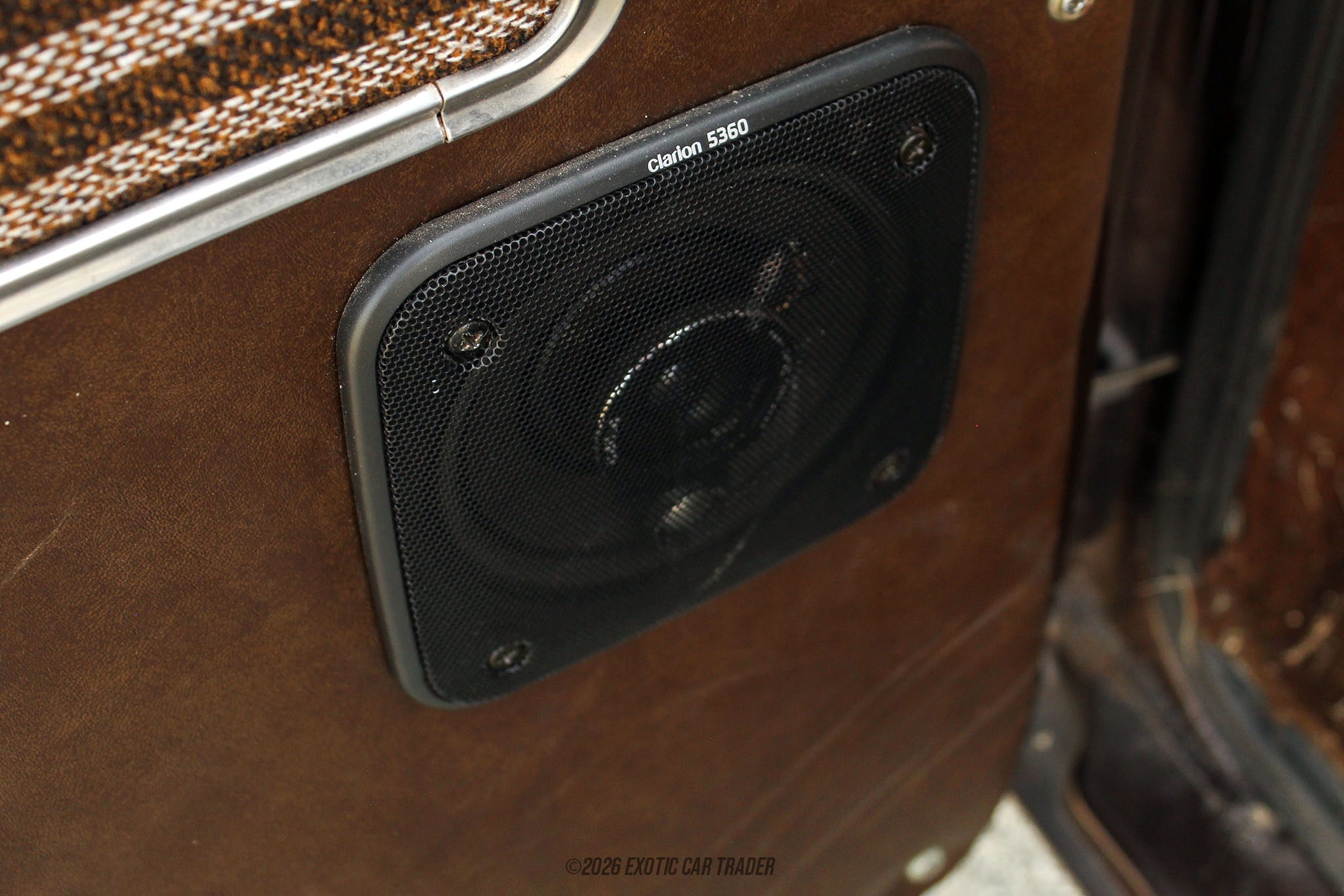
- Aftermarket Sound System


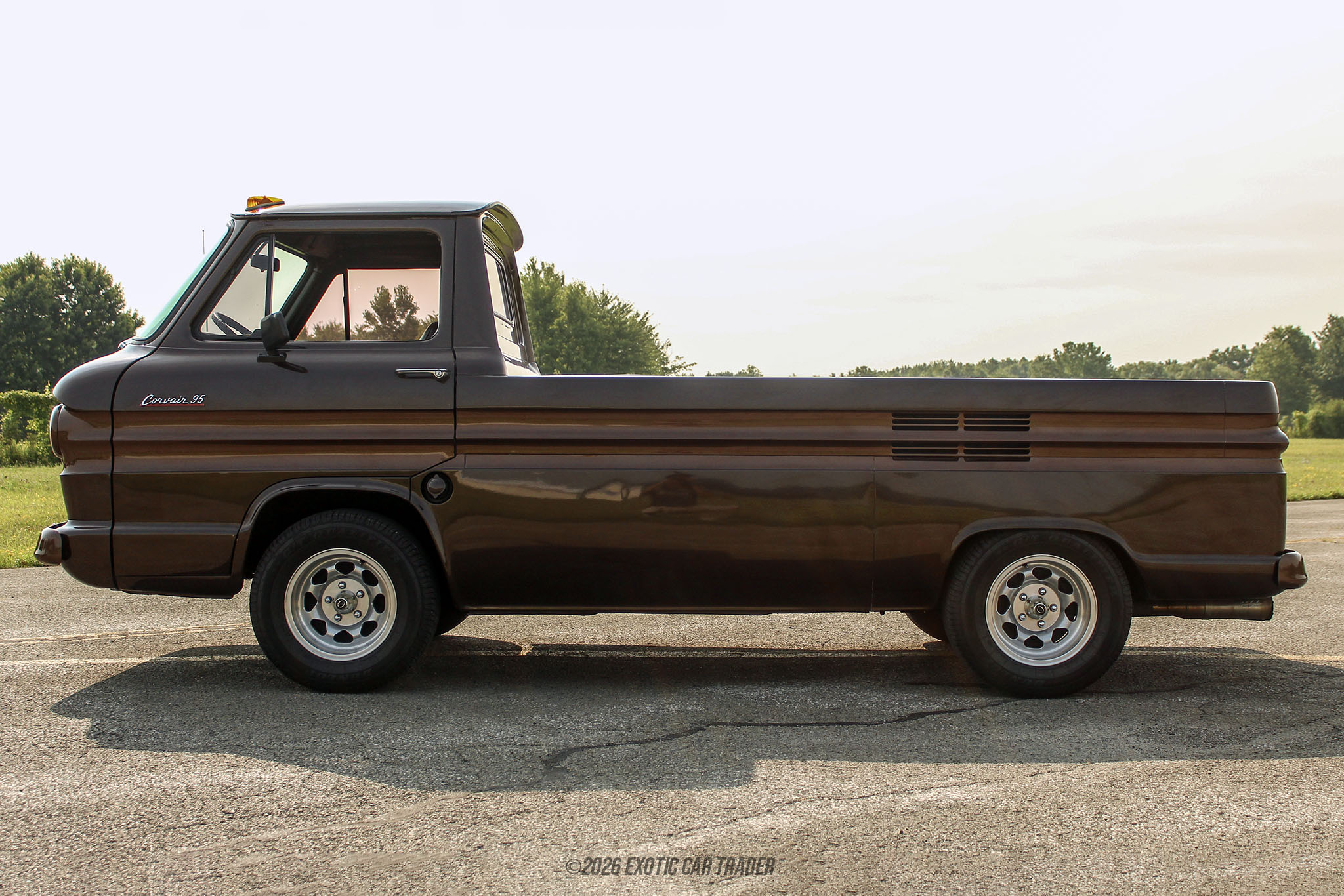
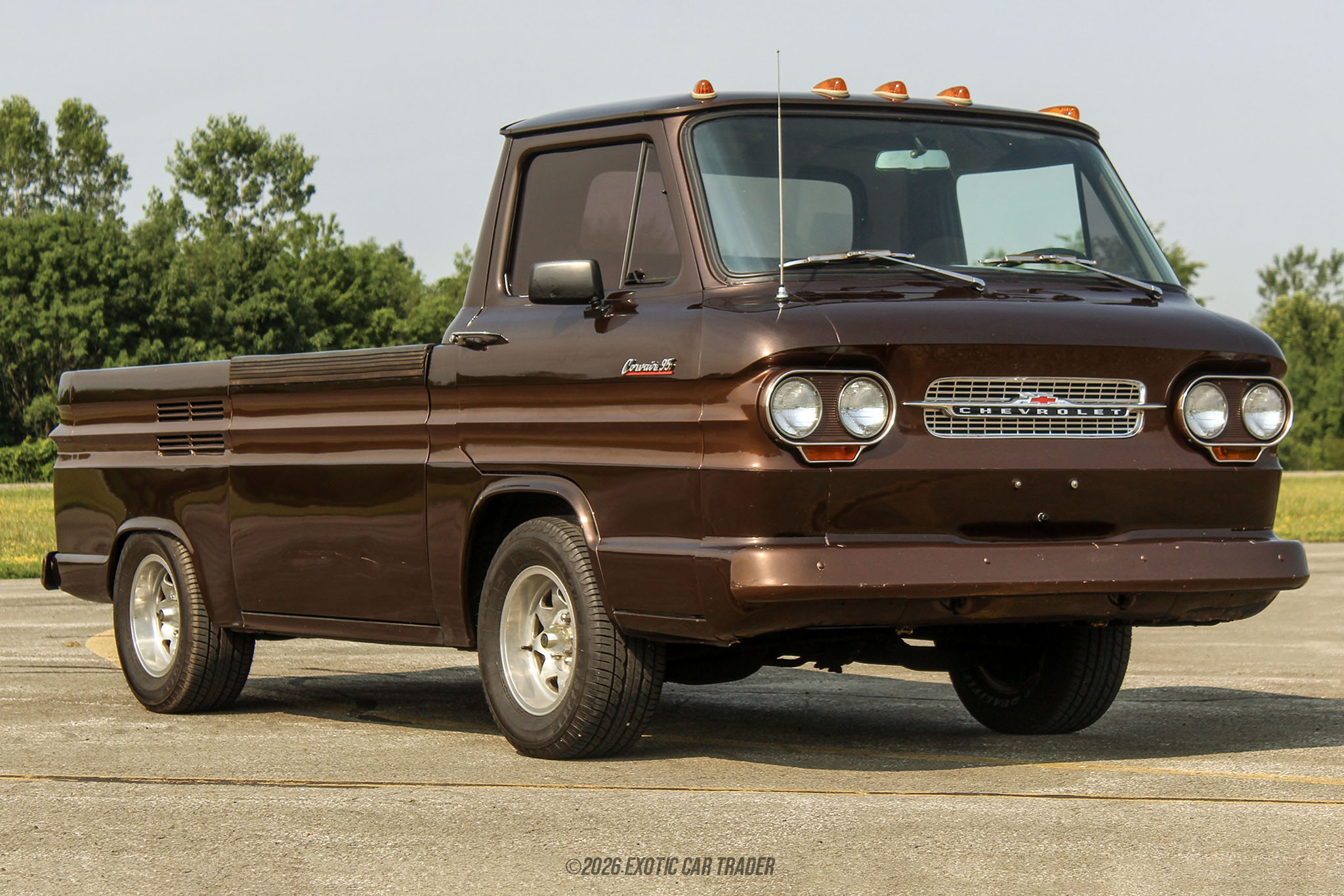
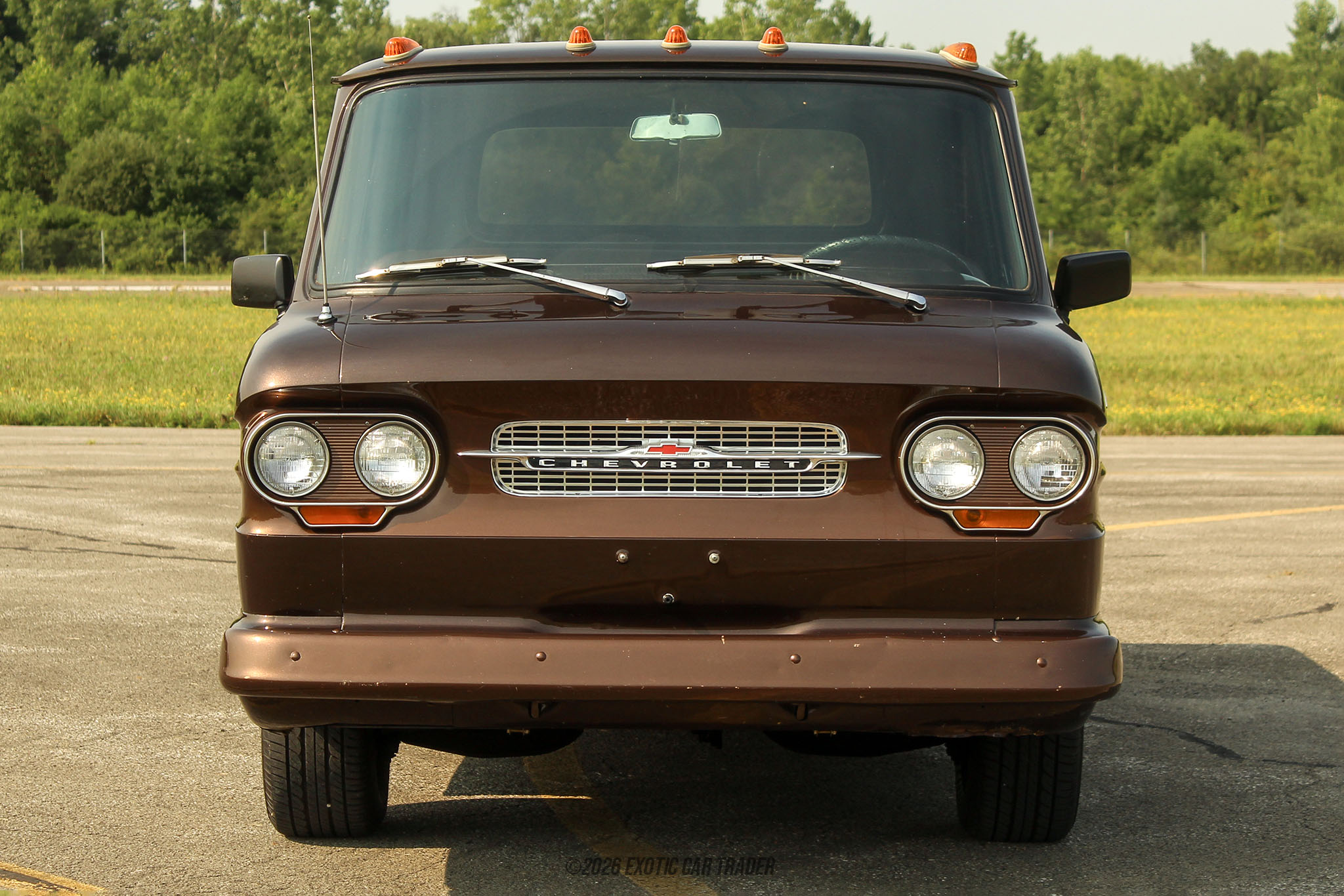
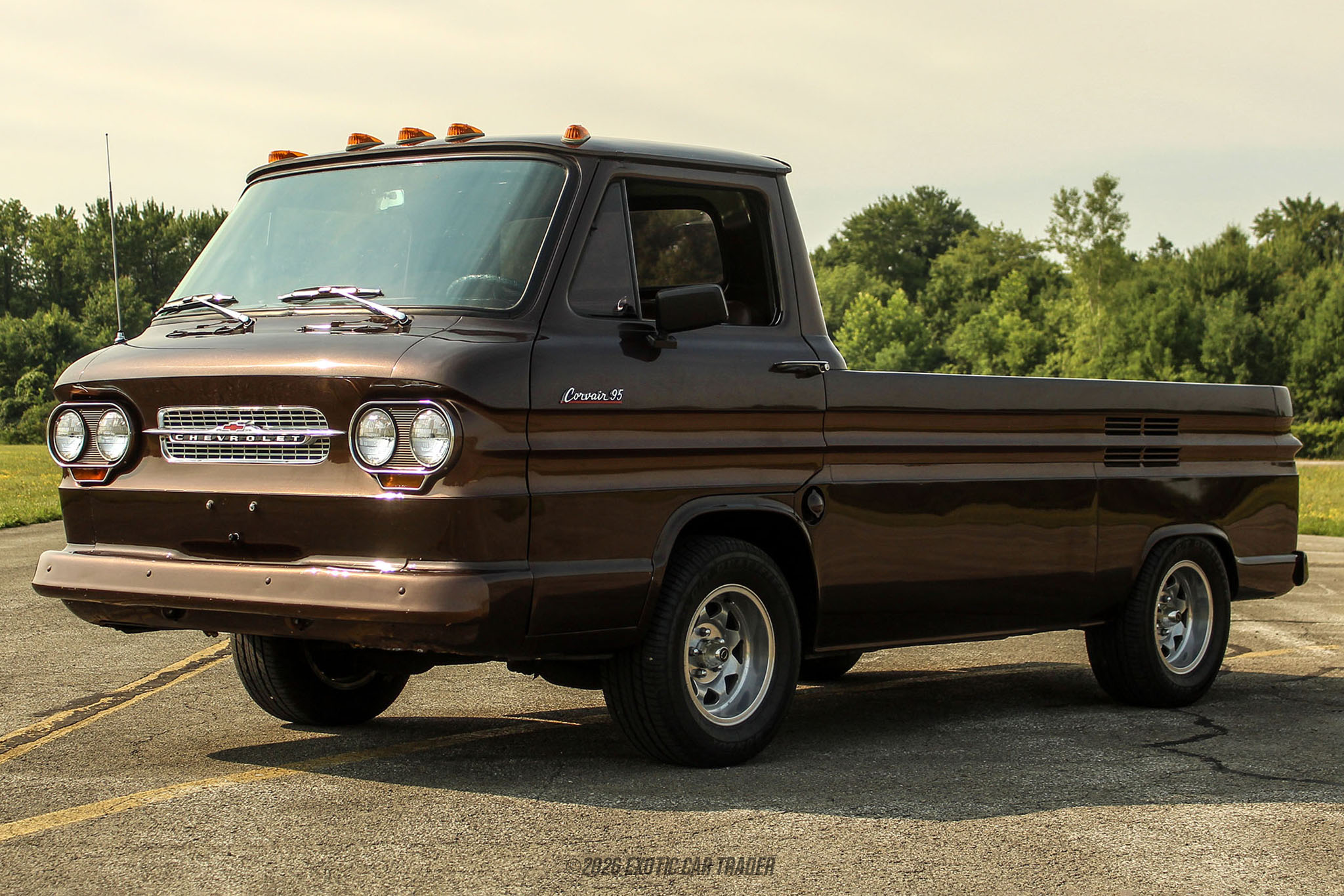
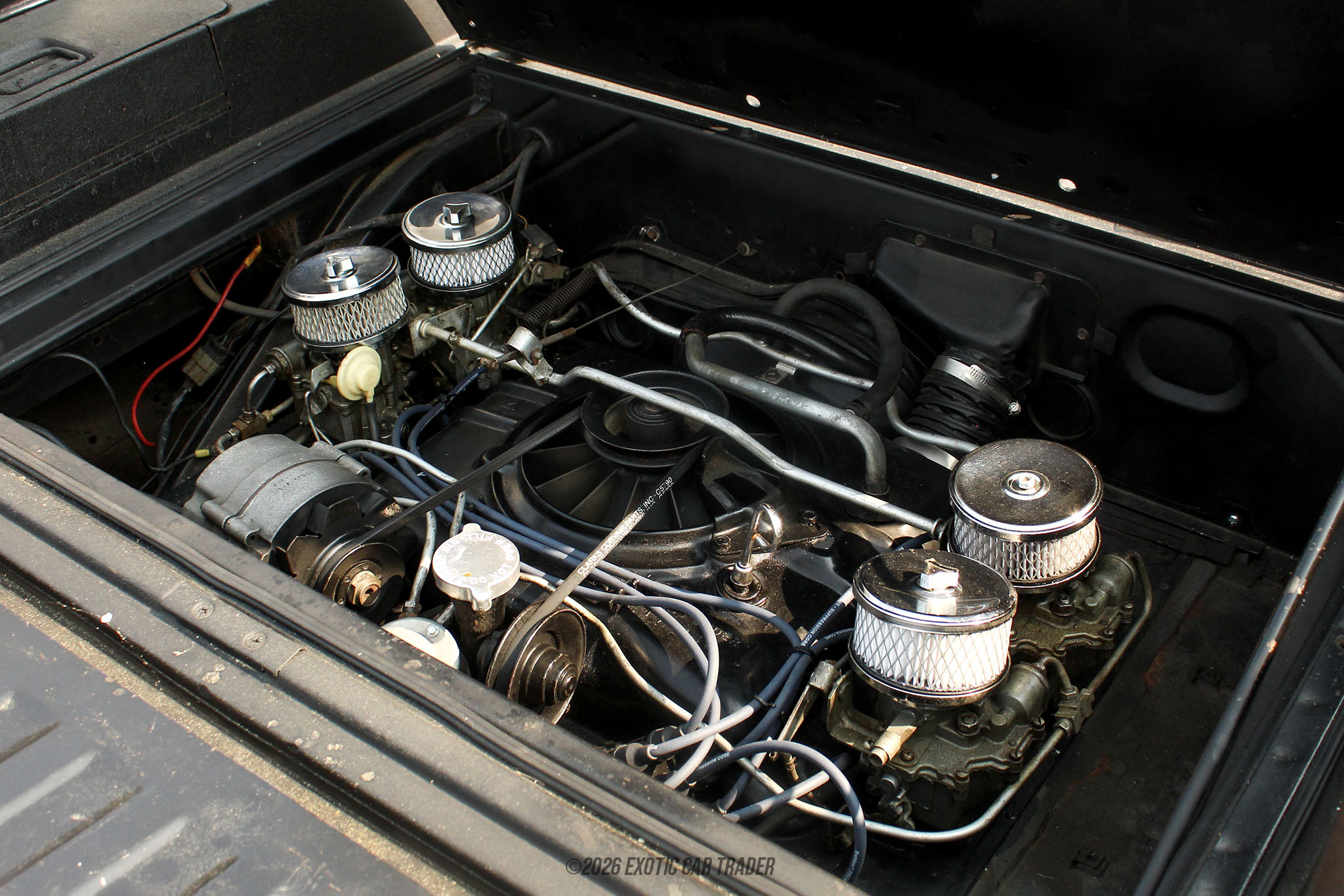
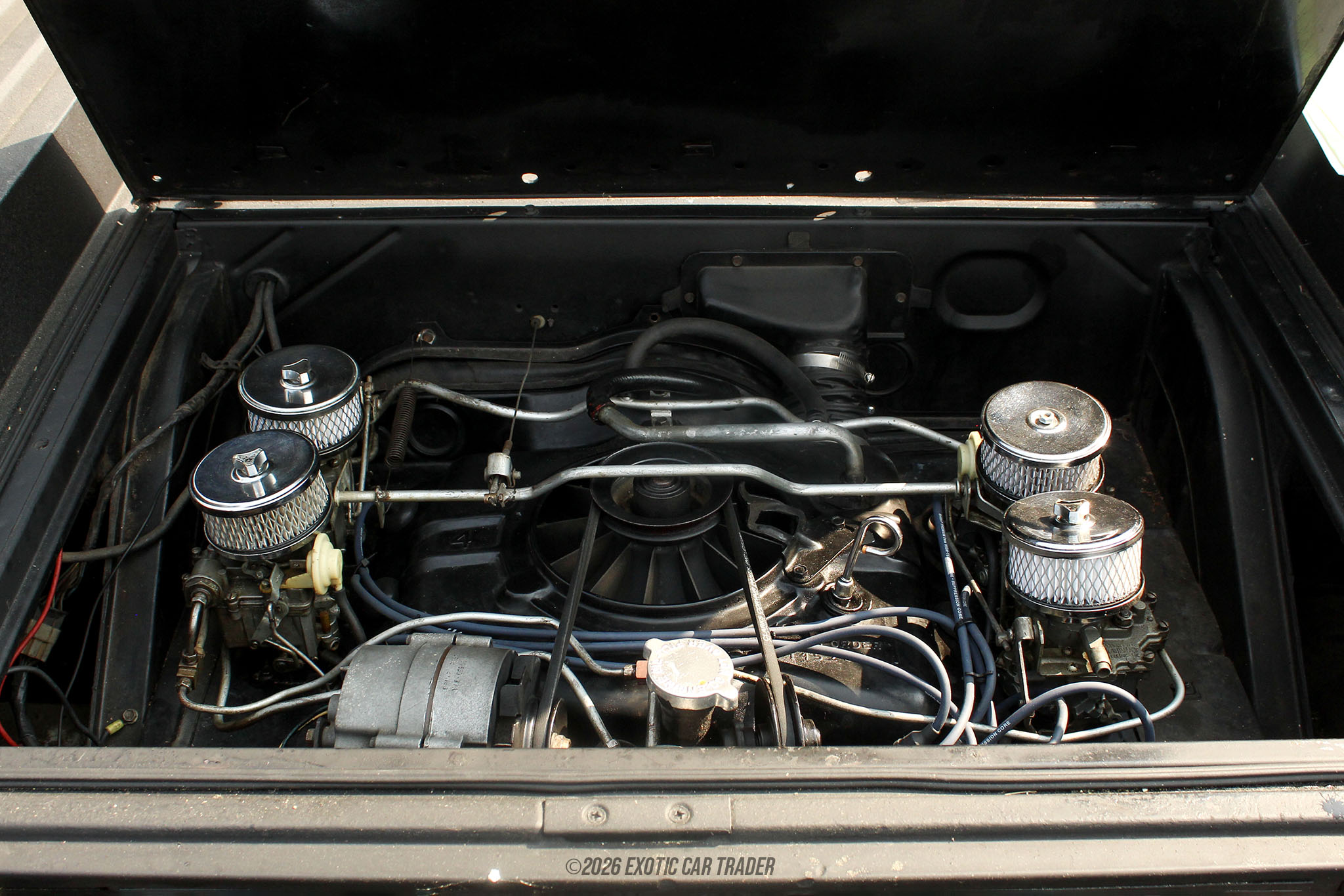
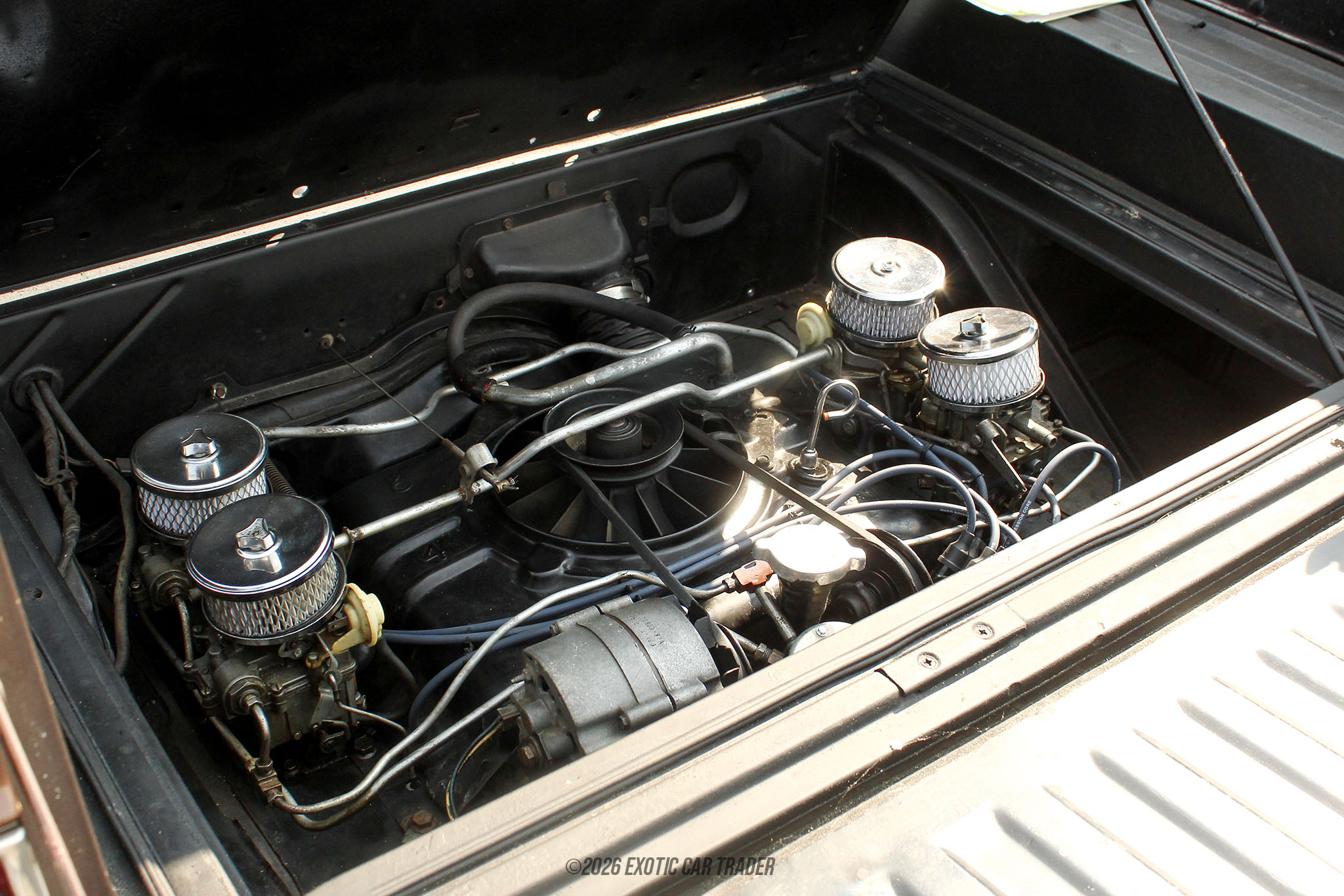
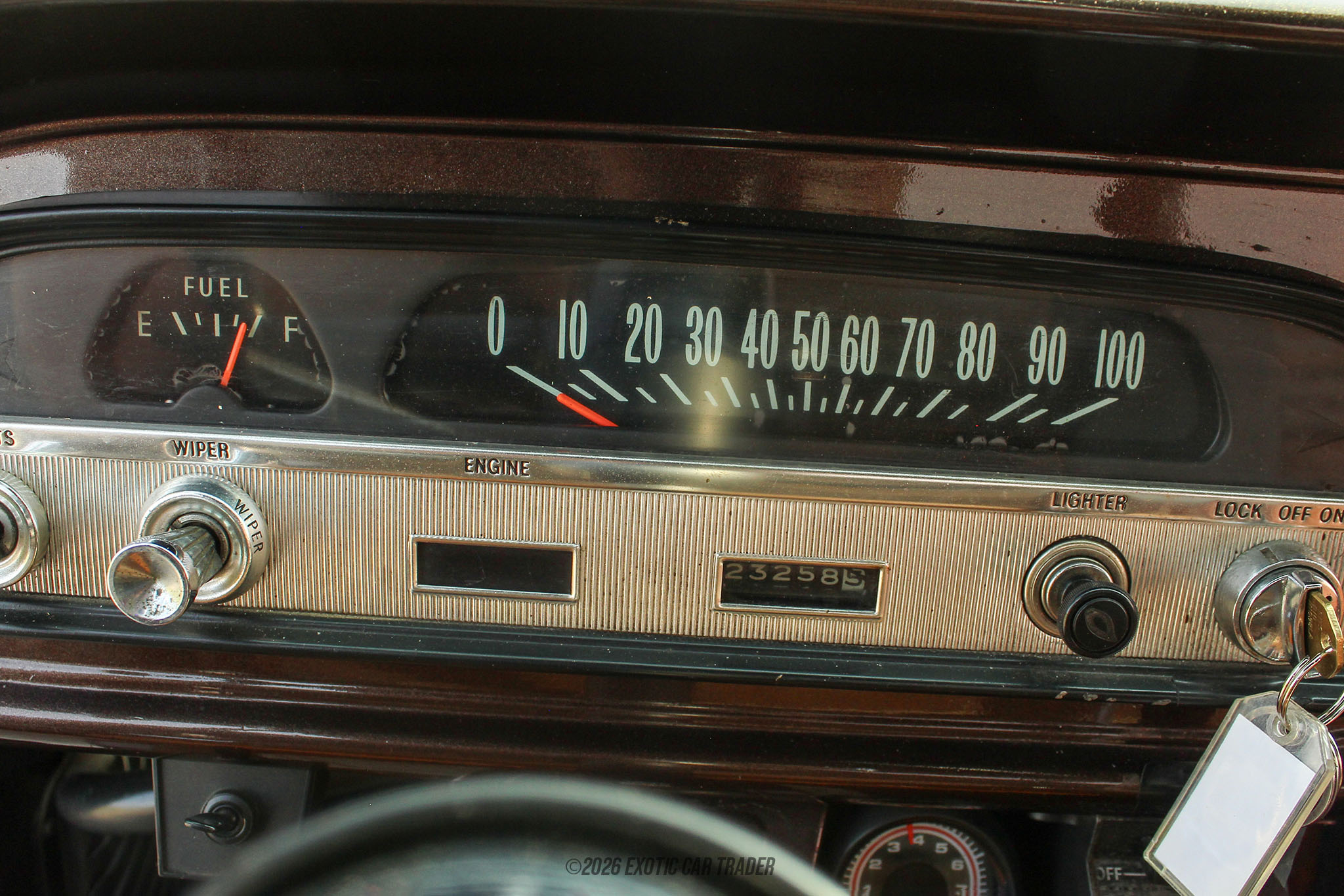
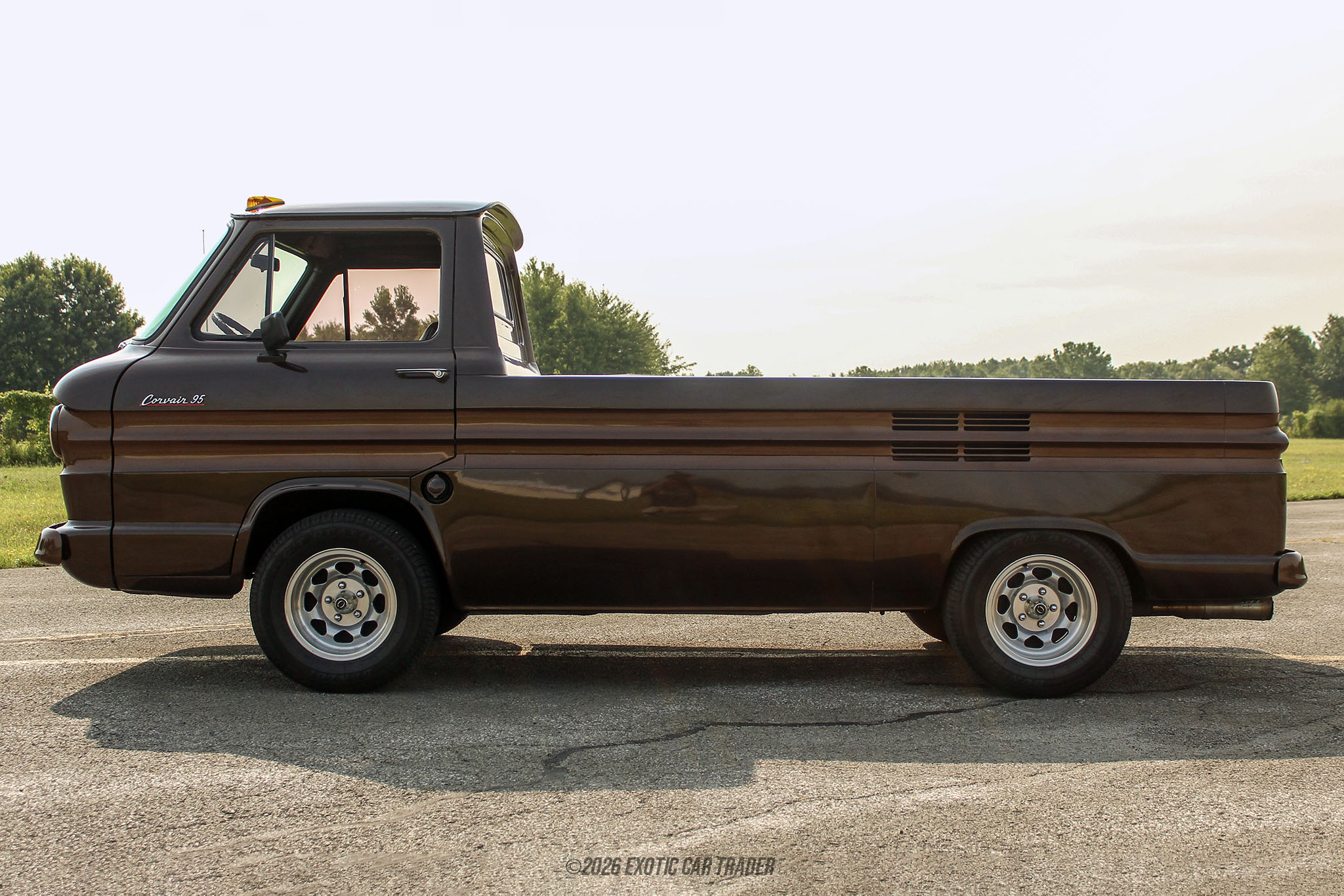
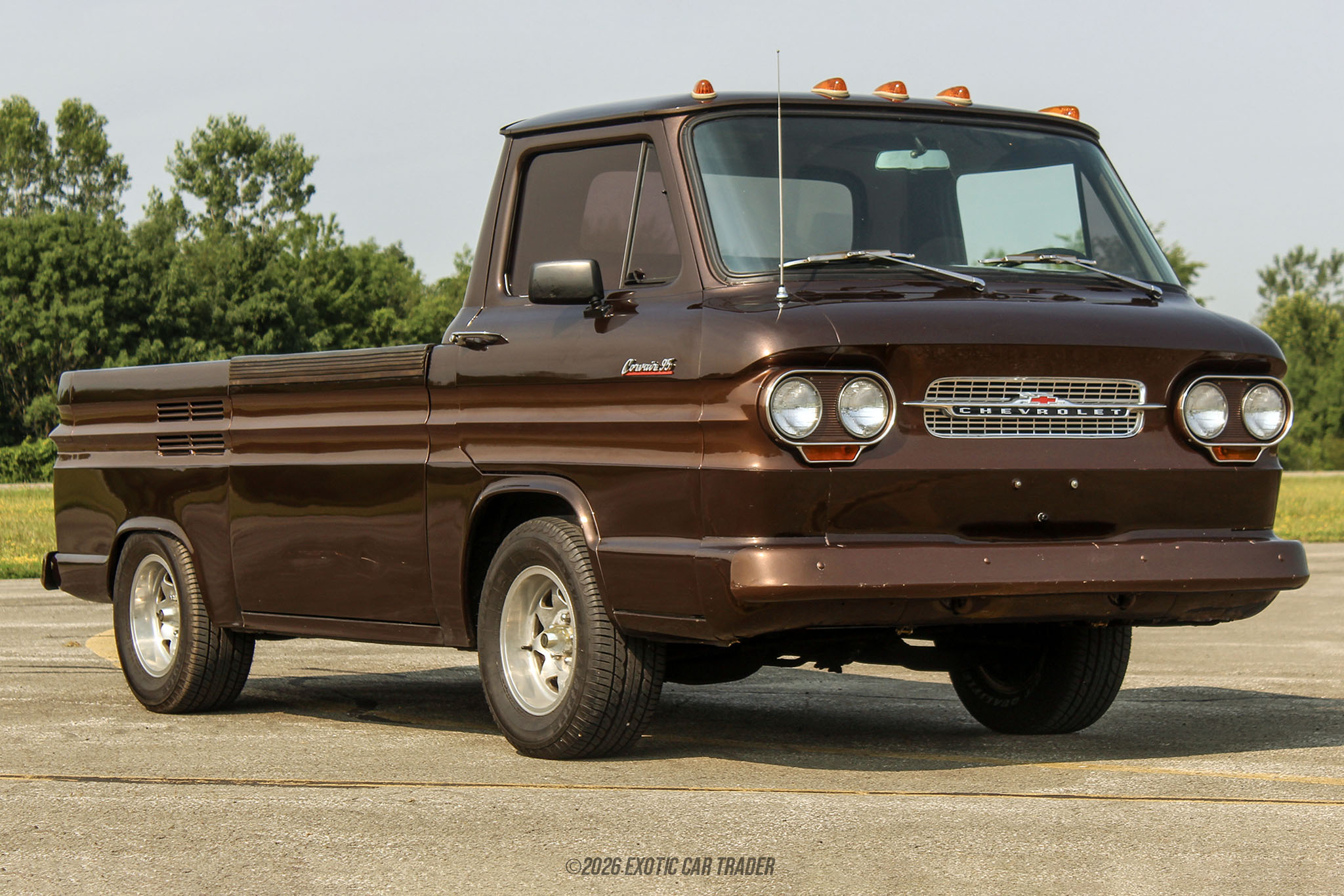
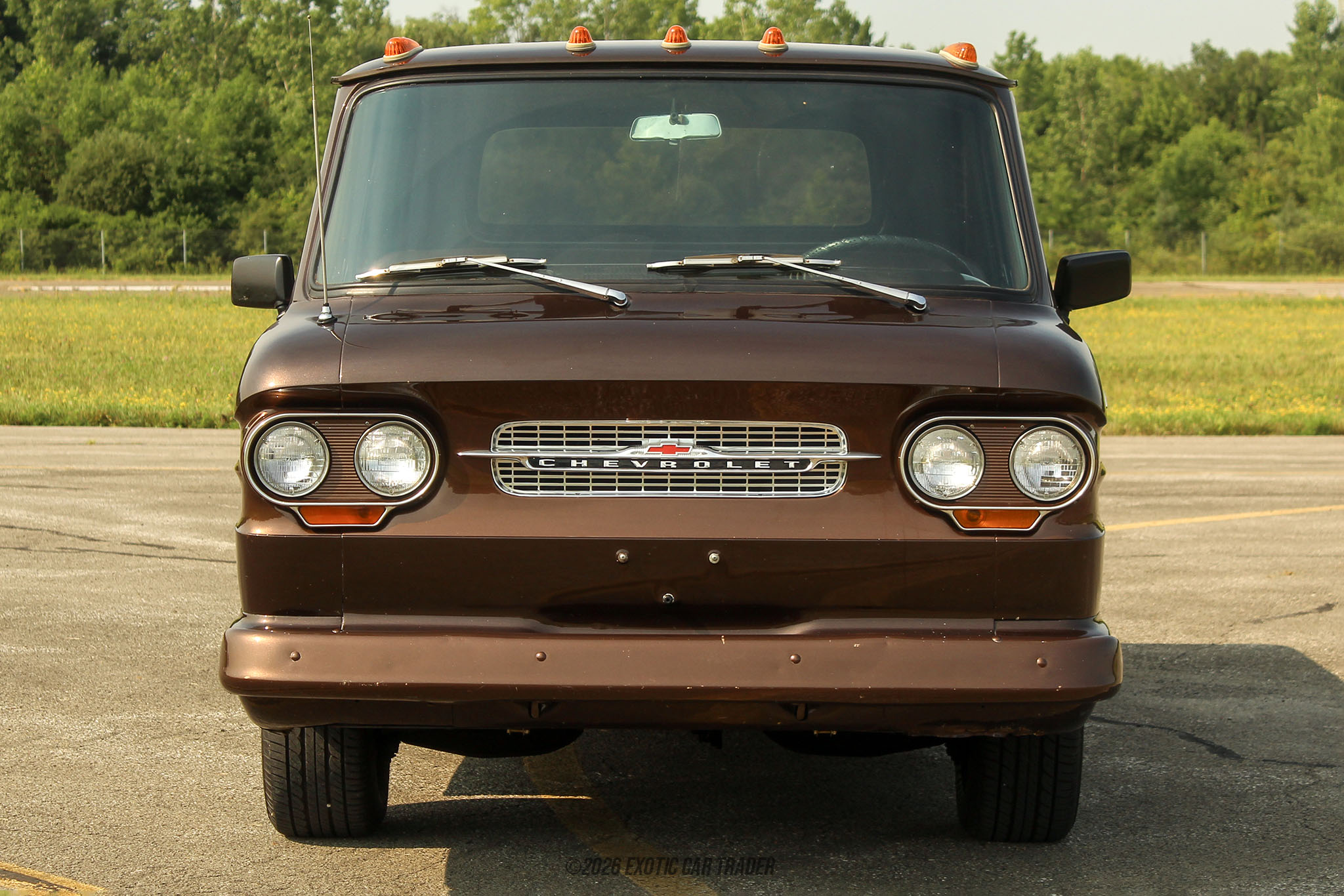
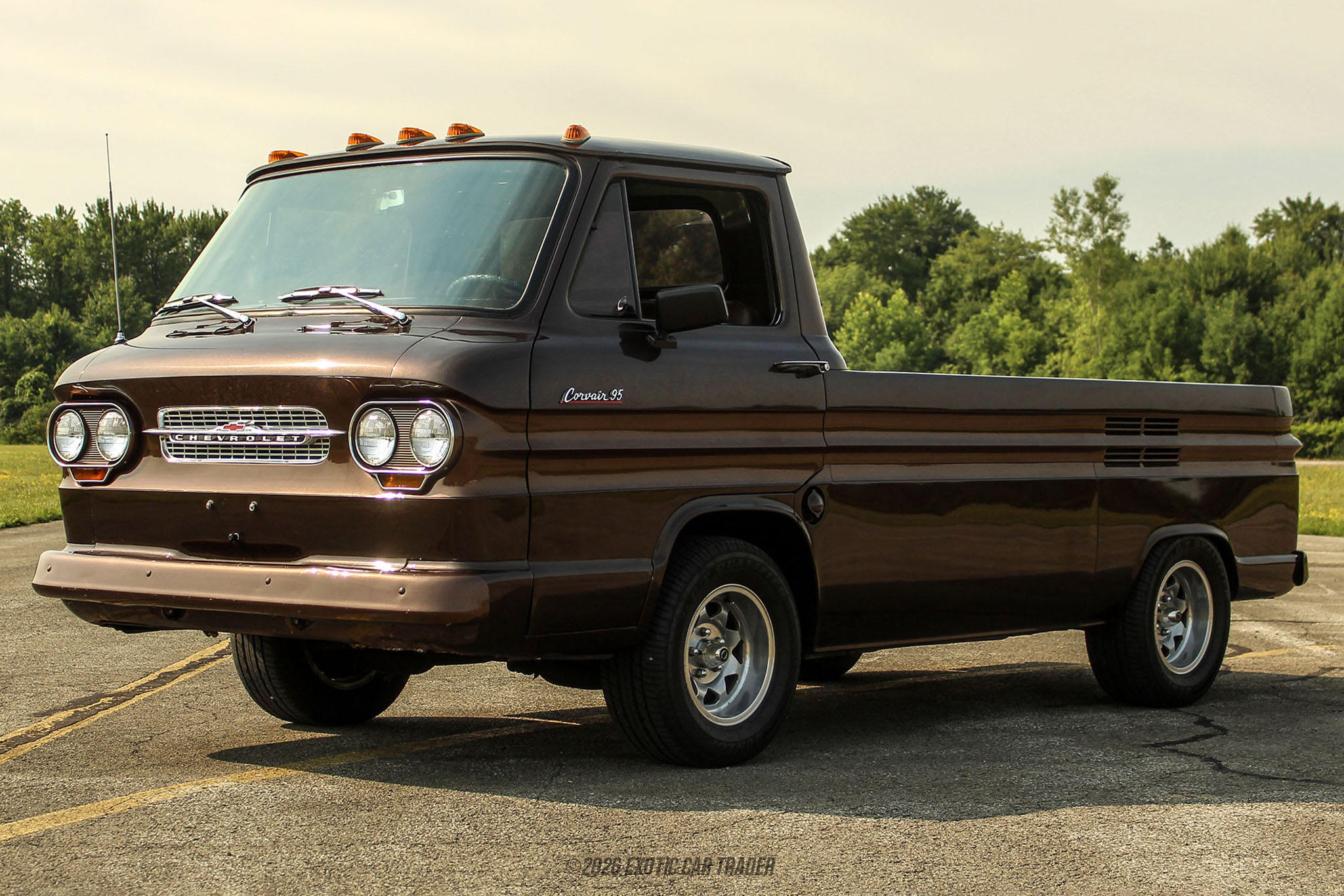
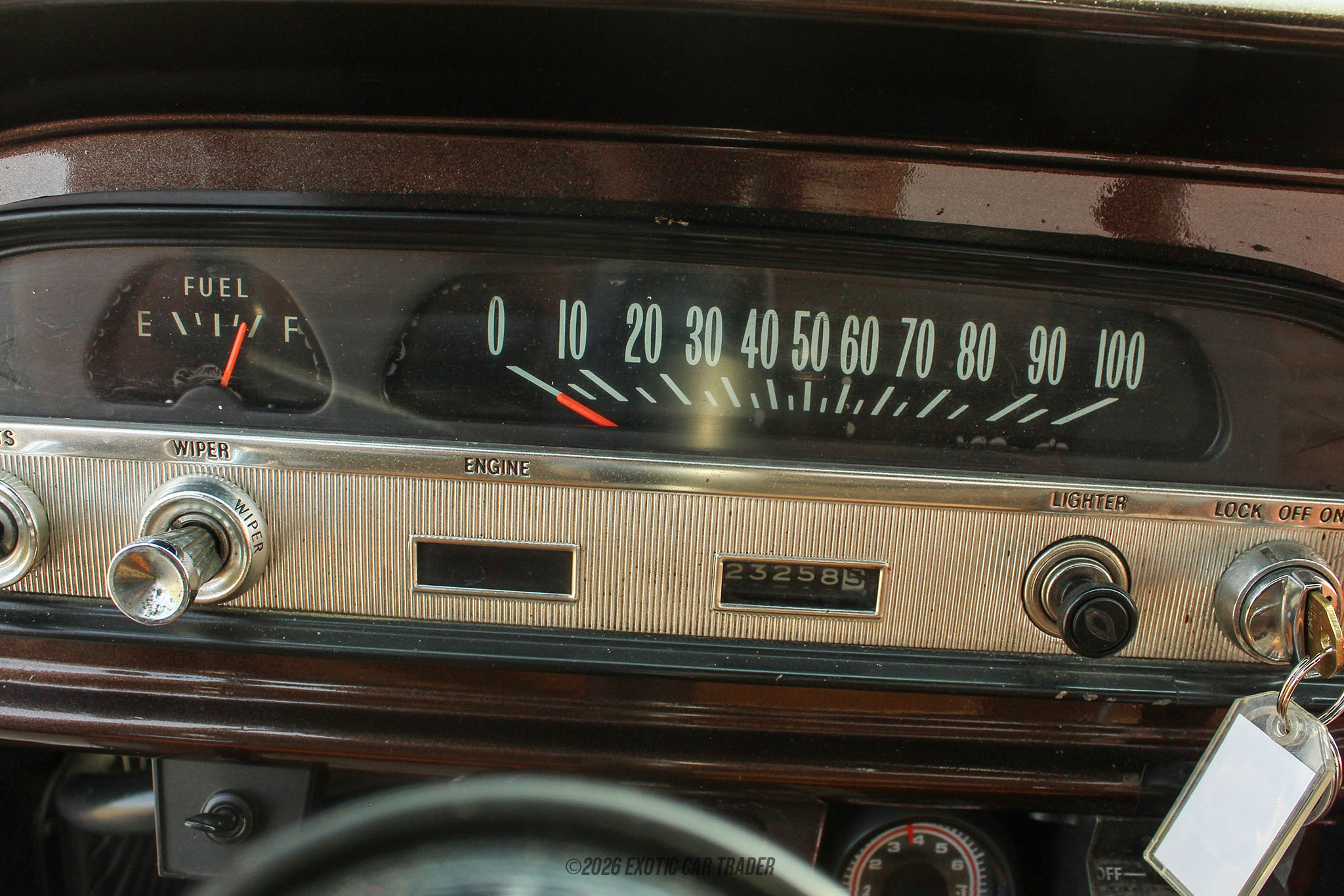
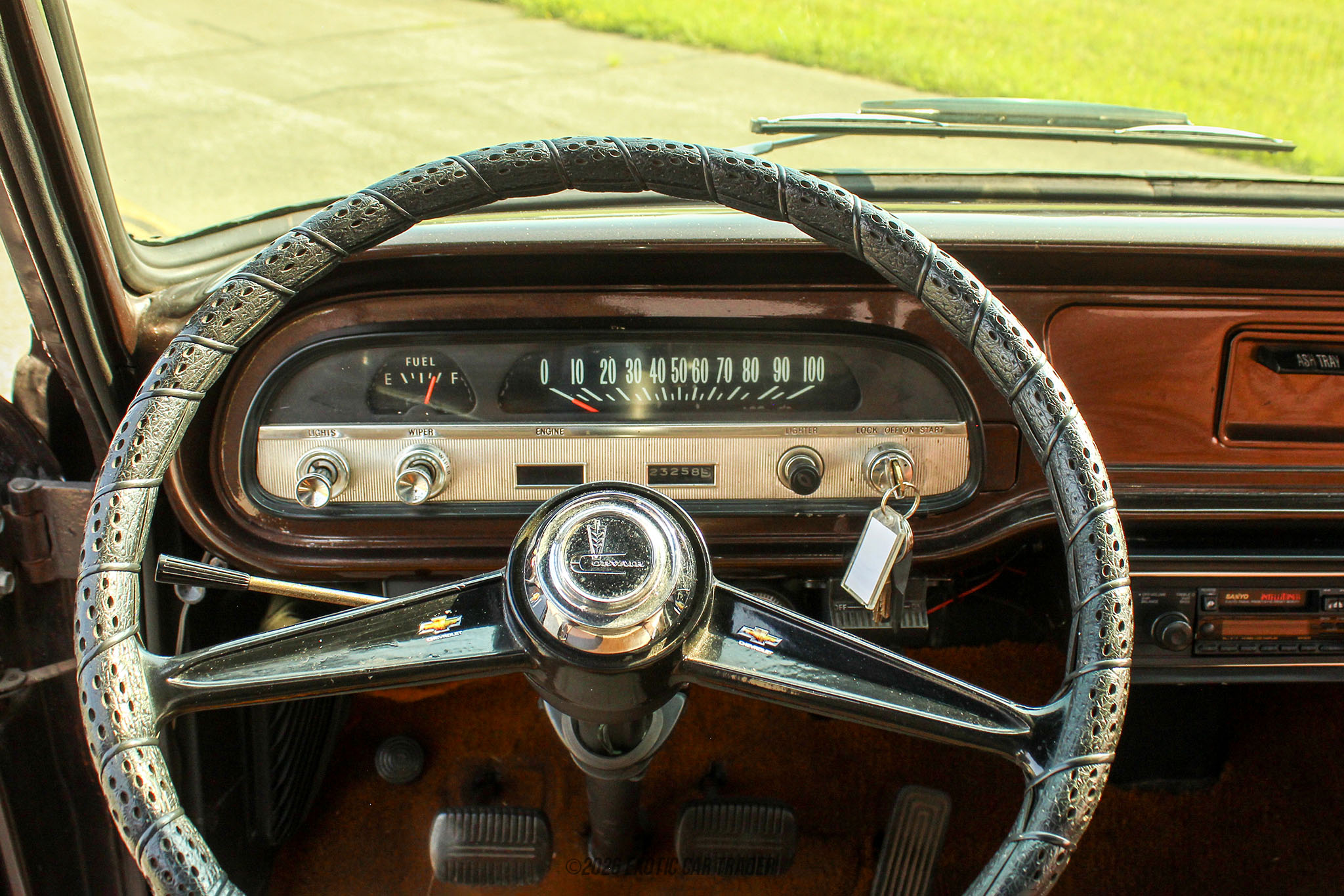
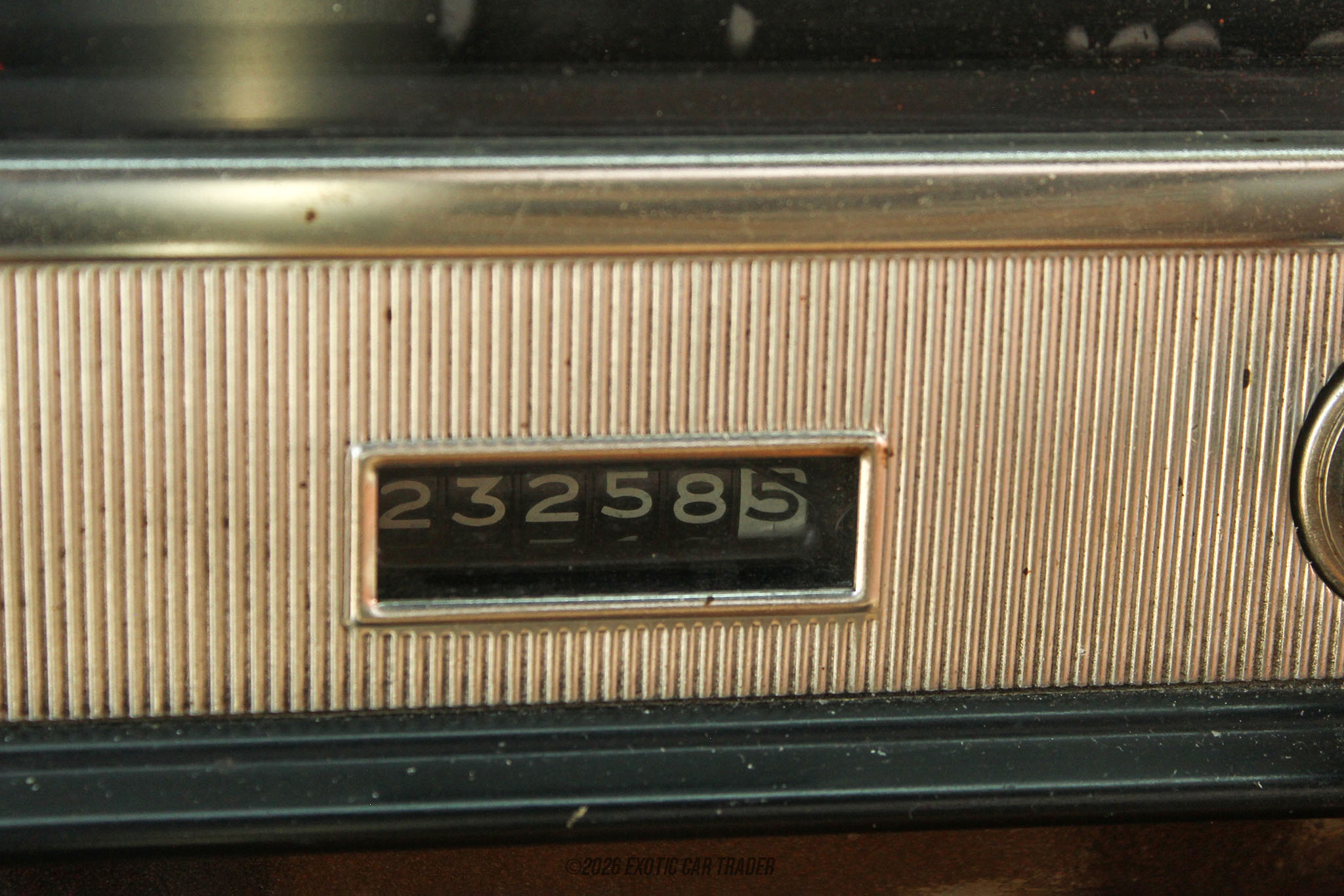
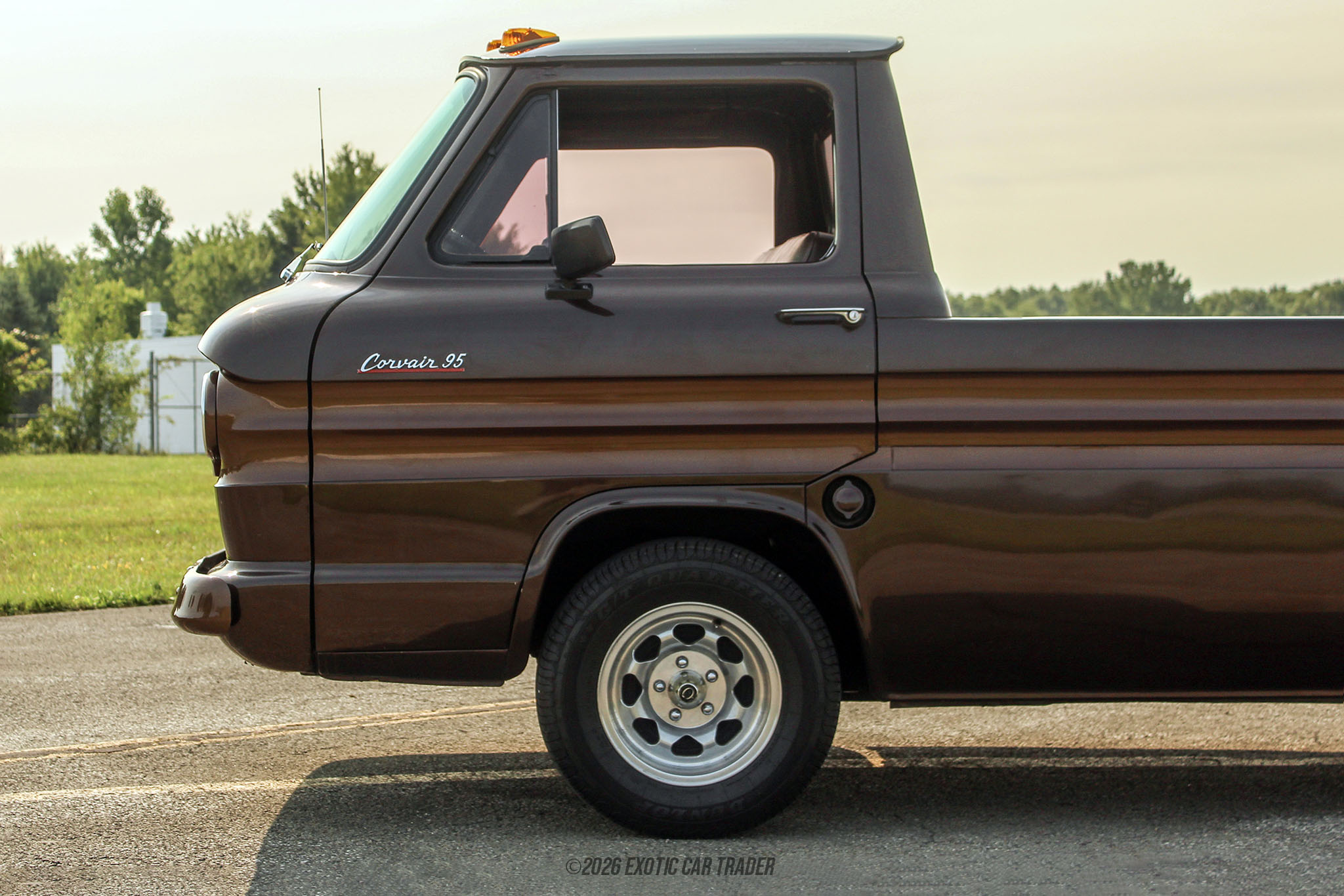
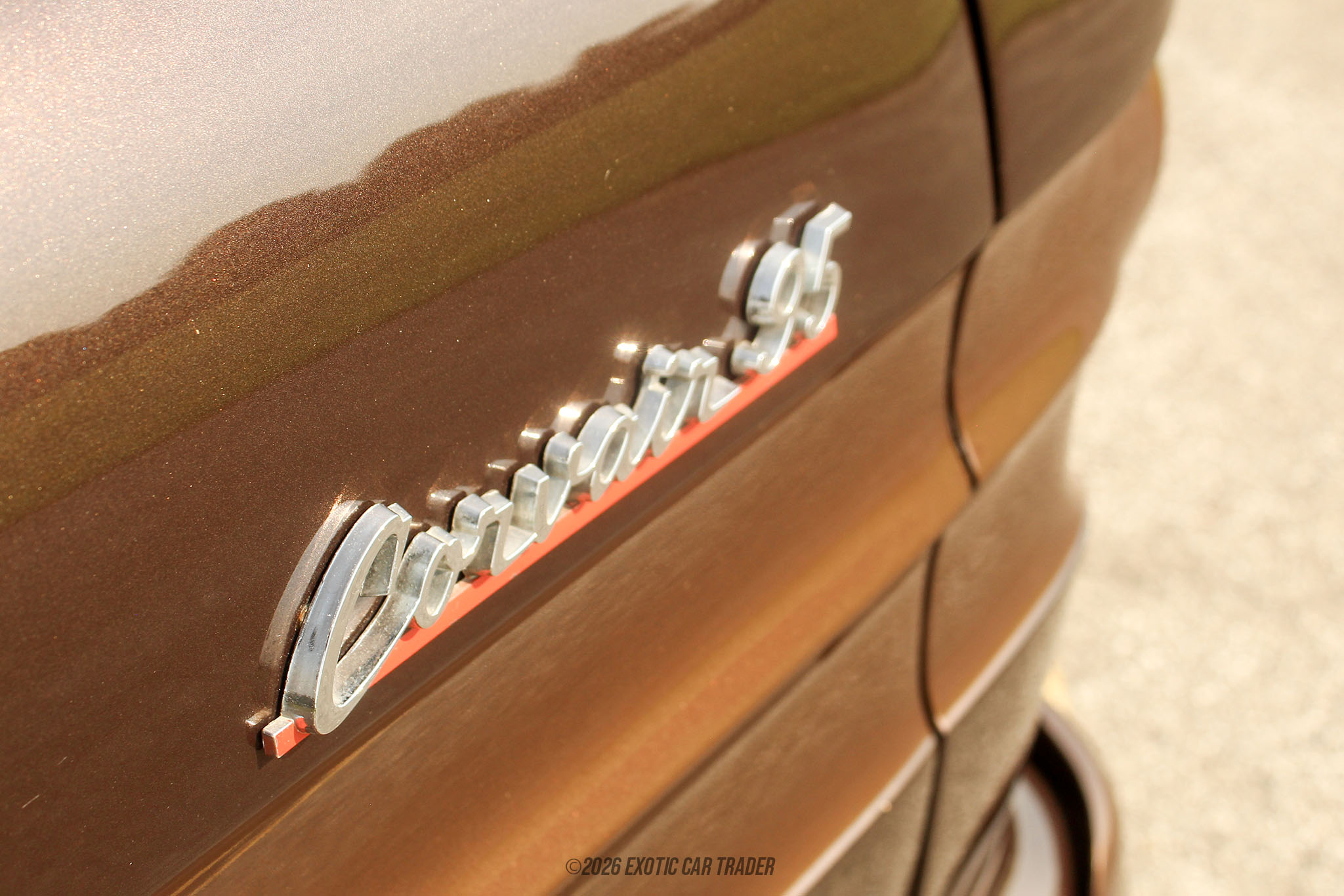
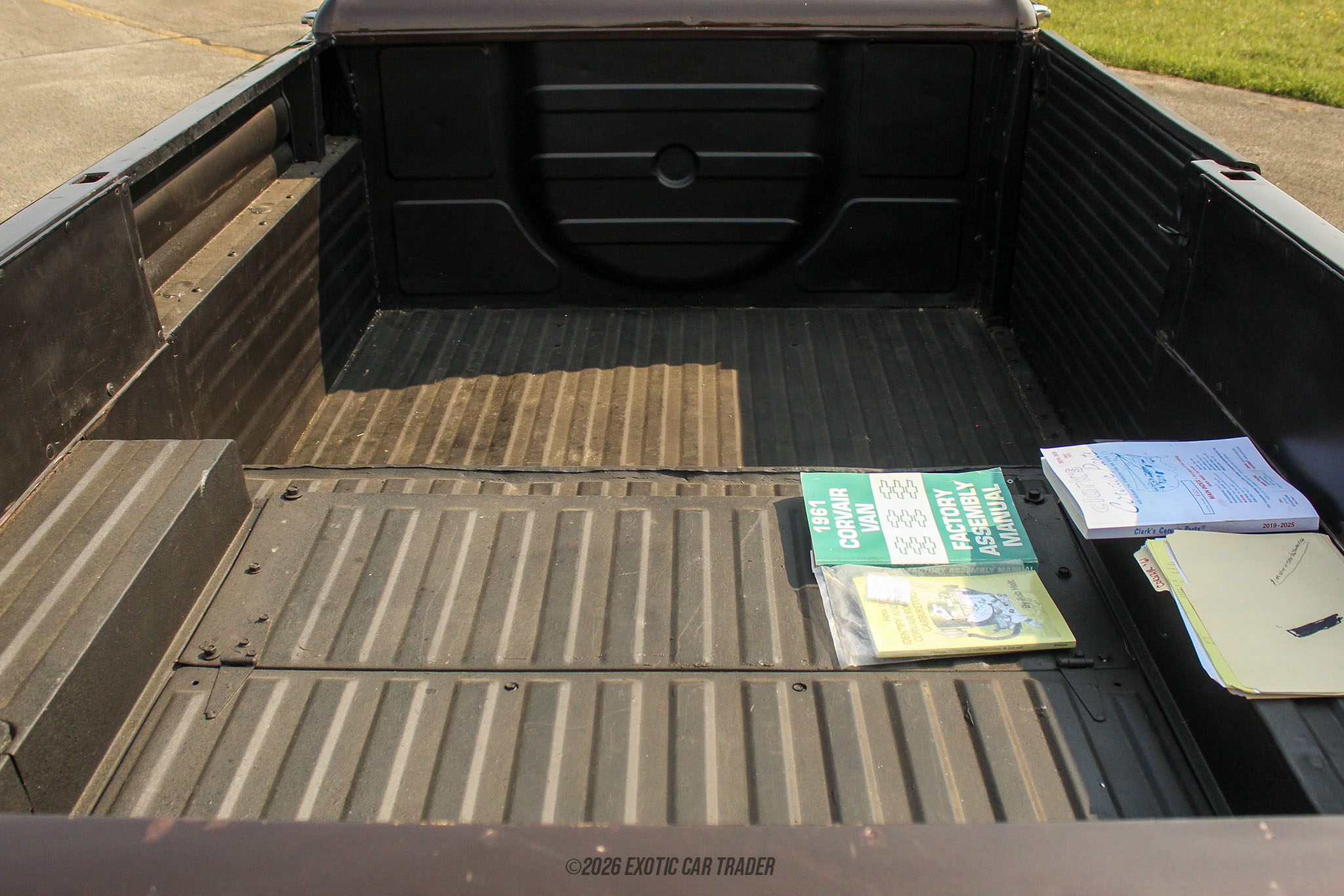
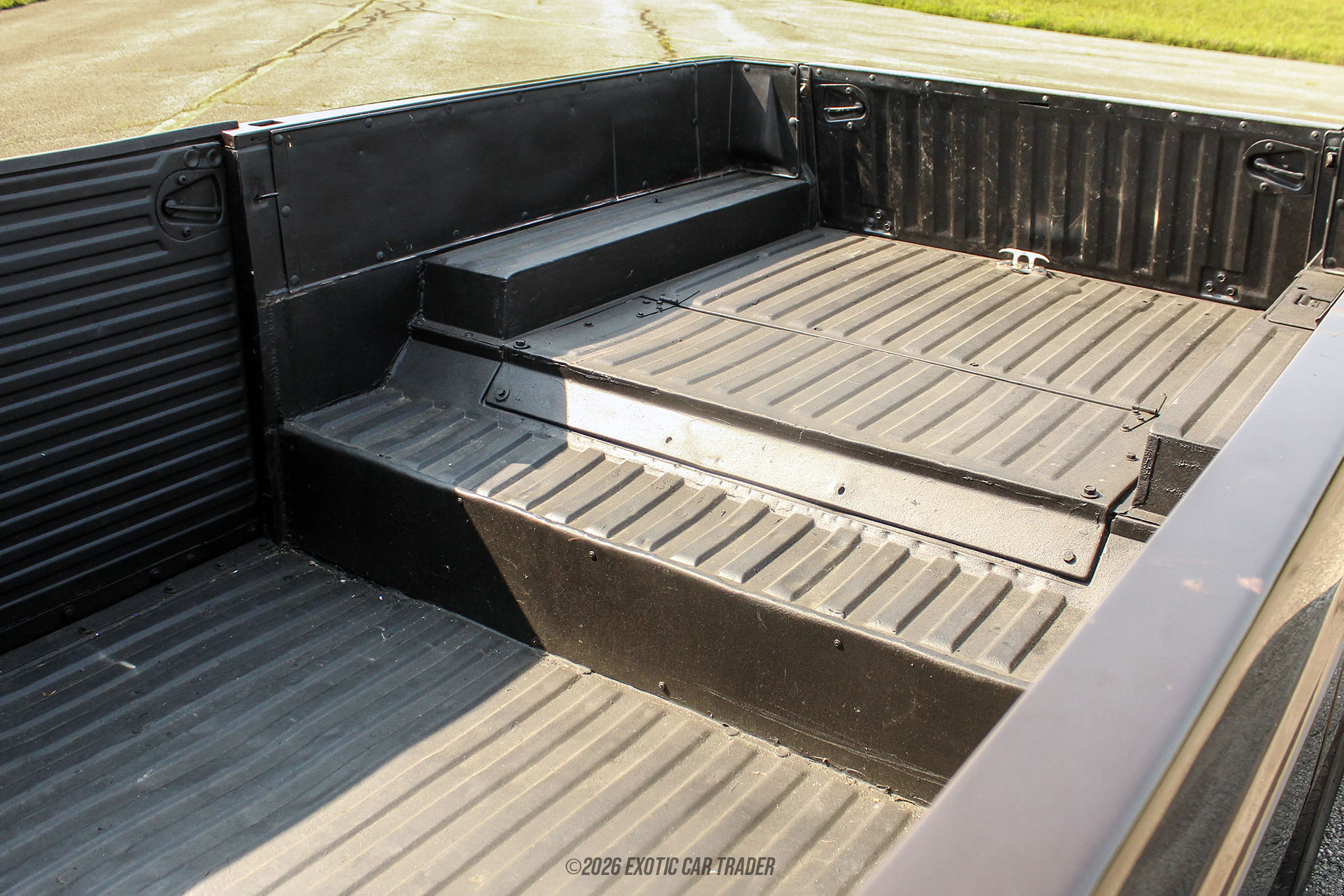
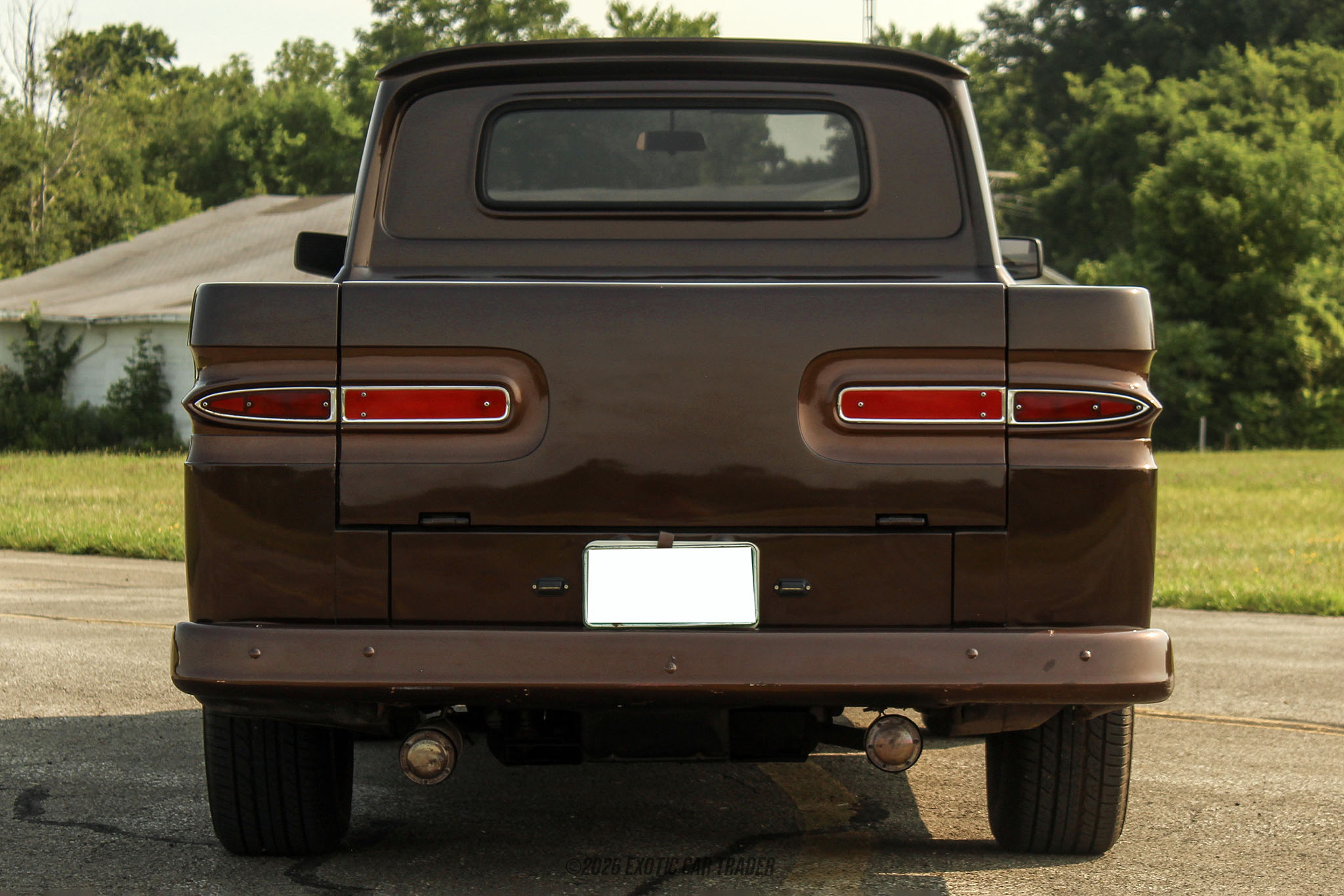
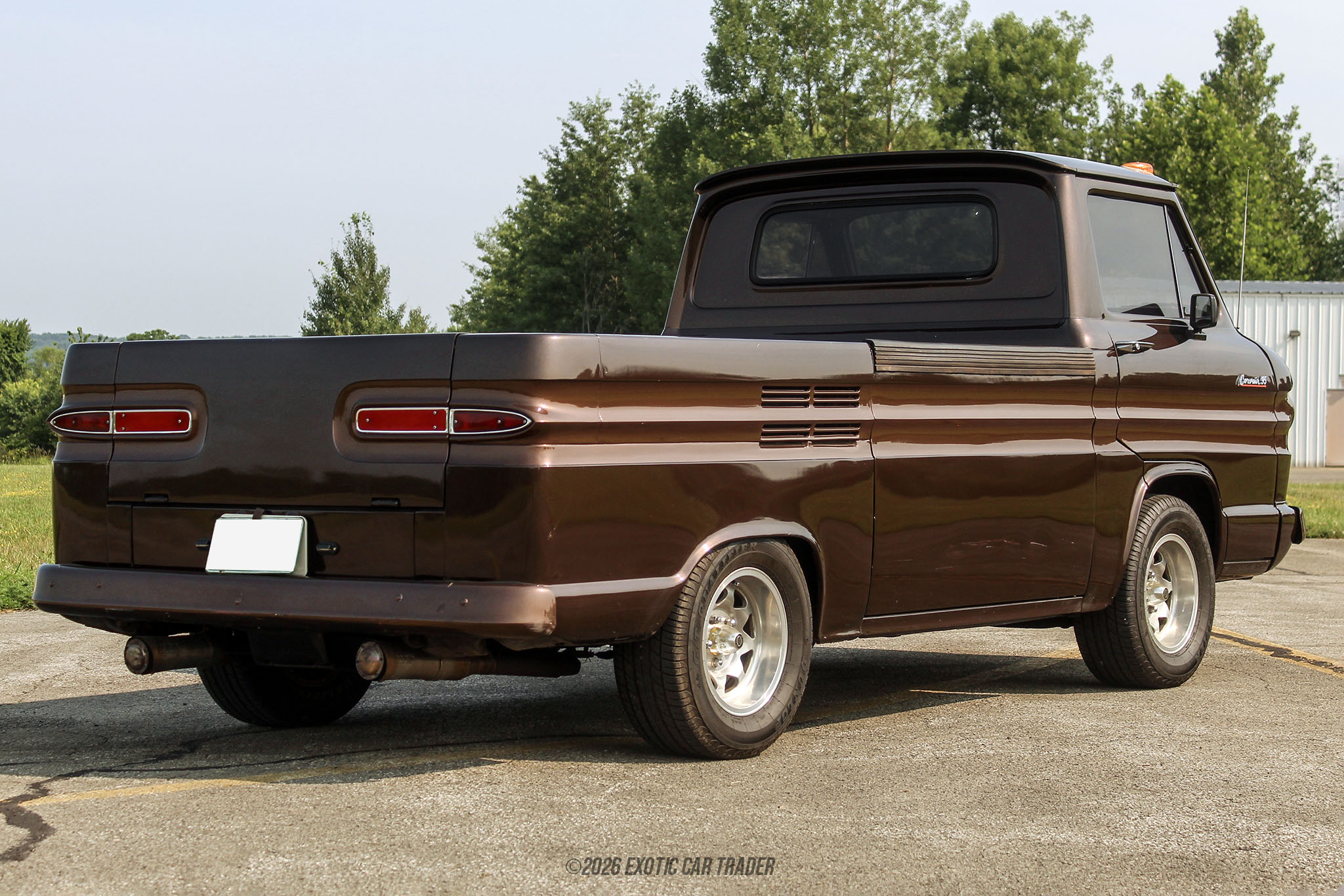
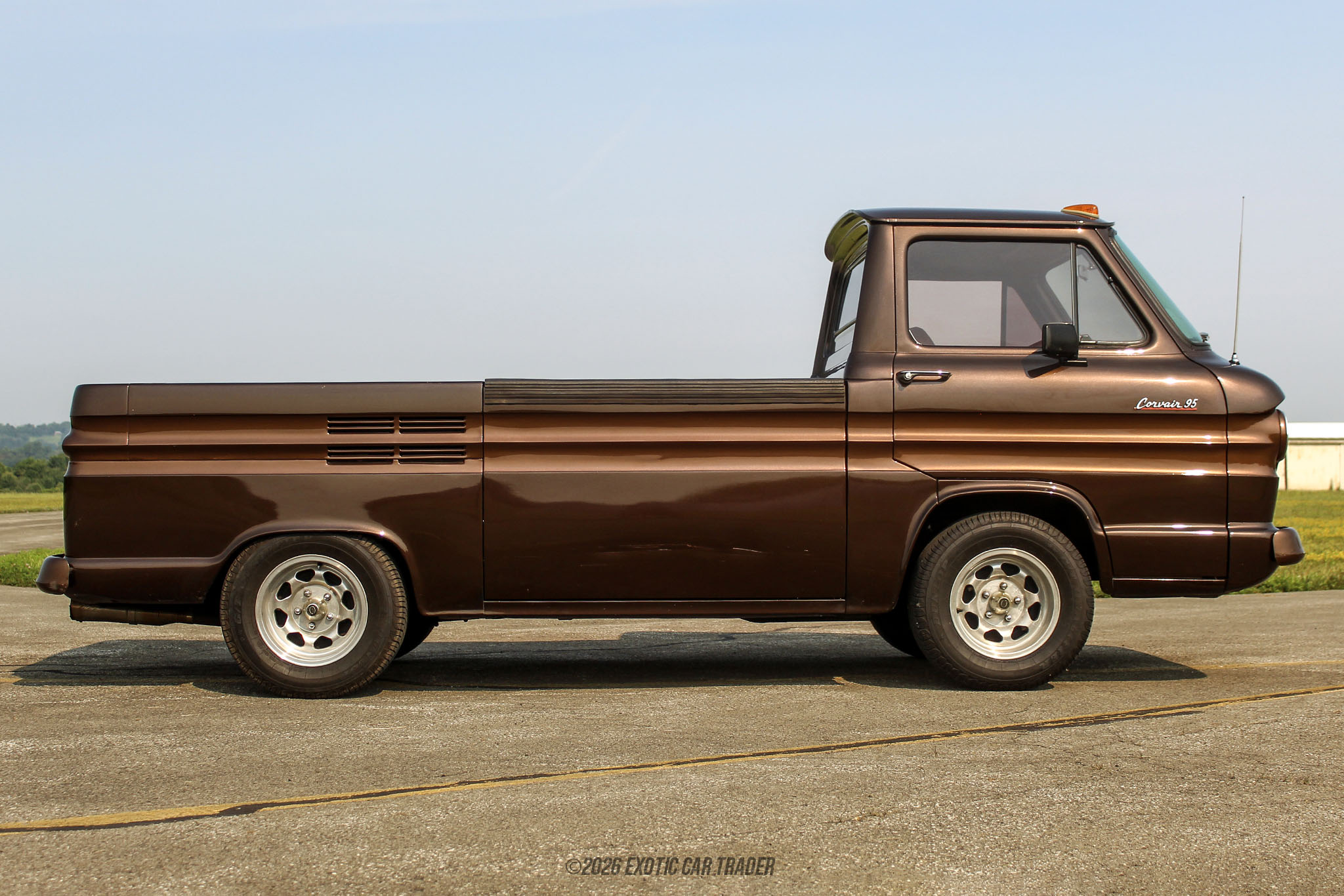
The 1961 Chevrolet Corvair 95 Rampside Pickup is one of Chevrolet’s most unconventional utility vehicles, combining a forward-control cab with the Corvair’s rear-mounted, air-cooled powertrain and a genuinely clever side-loading pickup bed. Showing 23,258 miles, this example is powered by a 145ci air-cooled flat-six with dual single-barrel carburetors and a 4-speed manual transmission. Its signature passenger-side loading ramp, rear-mounted engine, compact proportions, and distinctive cab-over styling give the Rampside an identity unlike virtually any other American pickup of the period.
Exterior and Interior
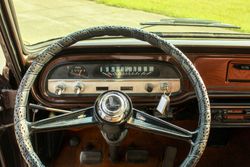
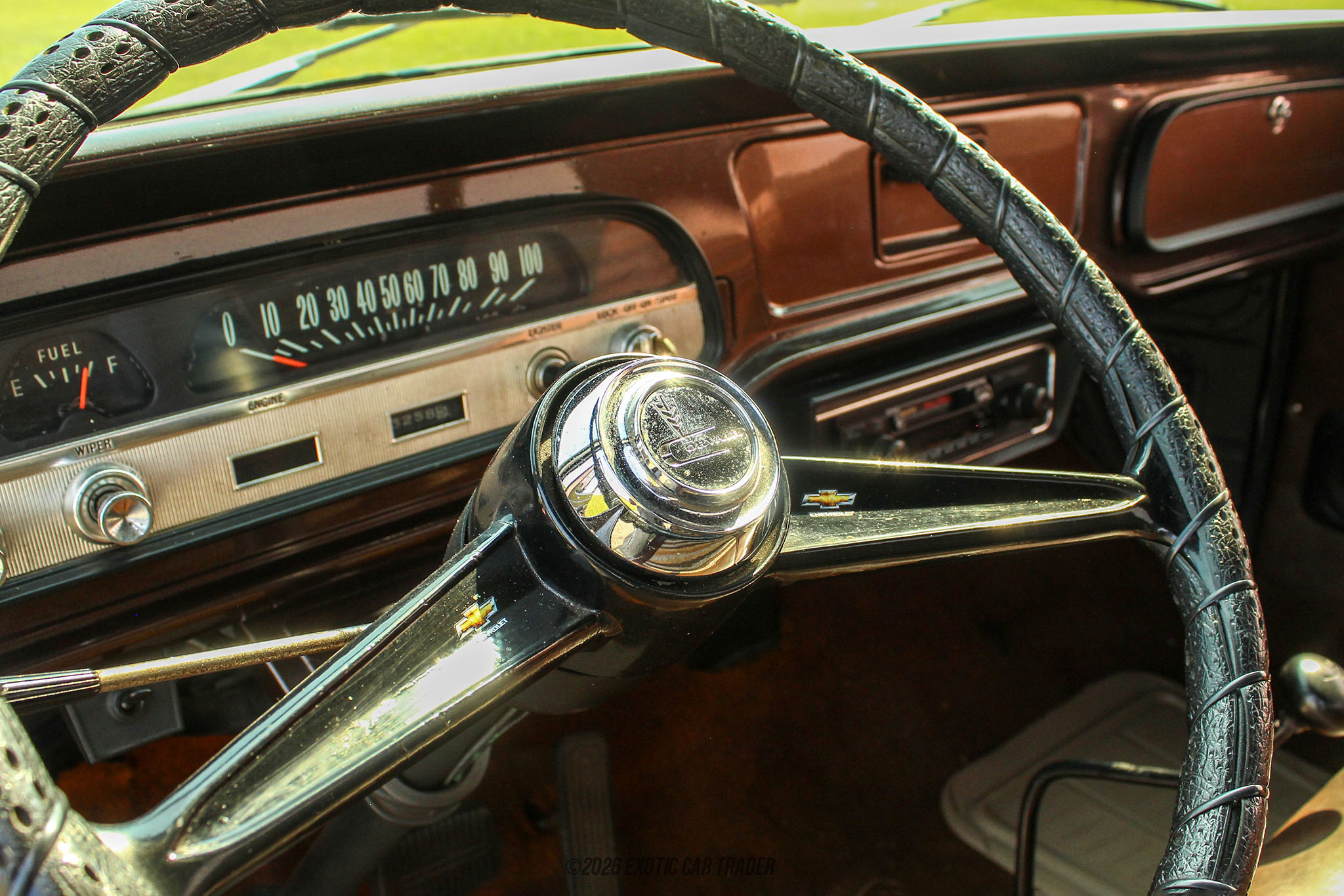
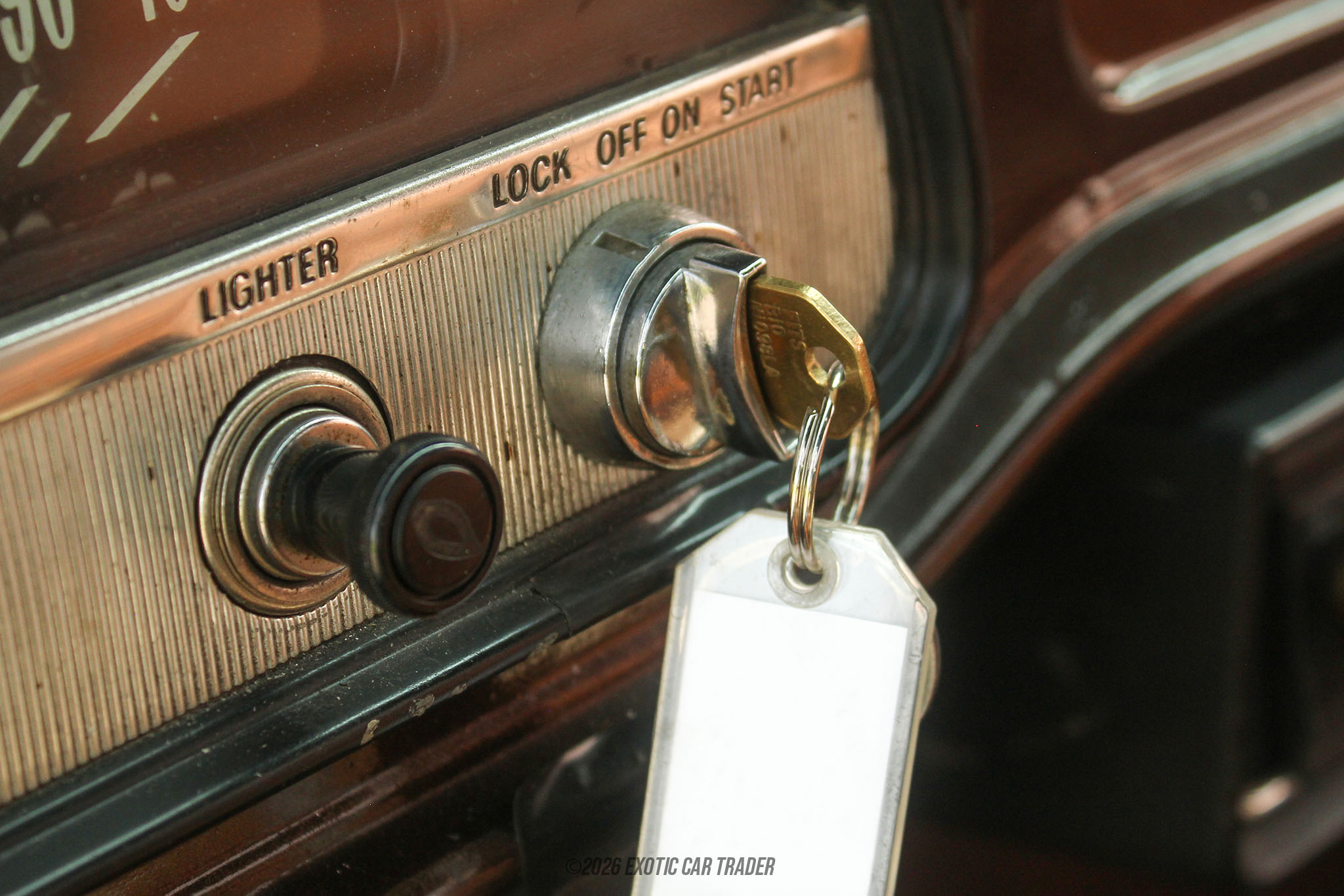
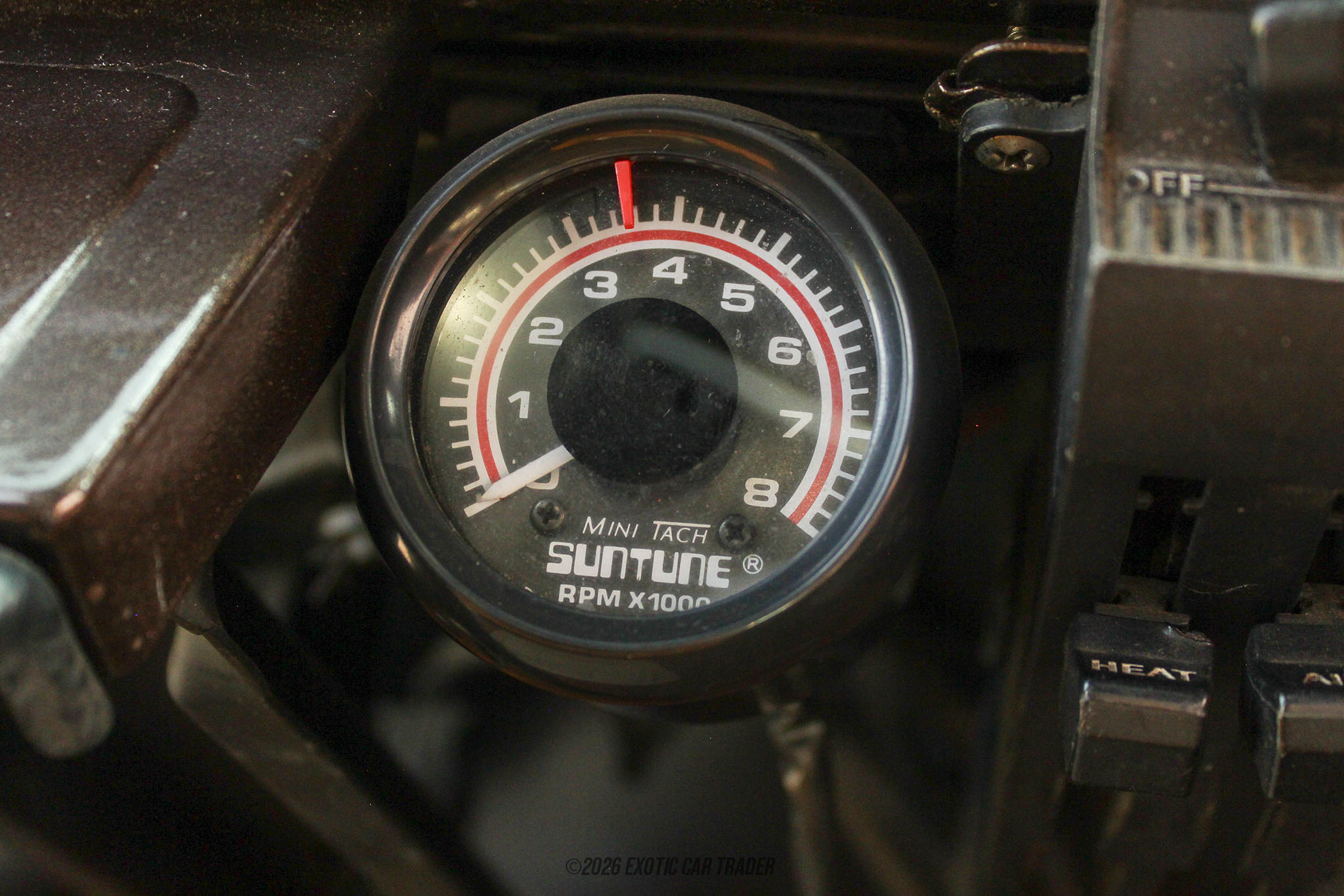
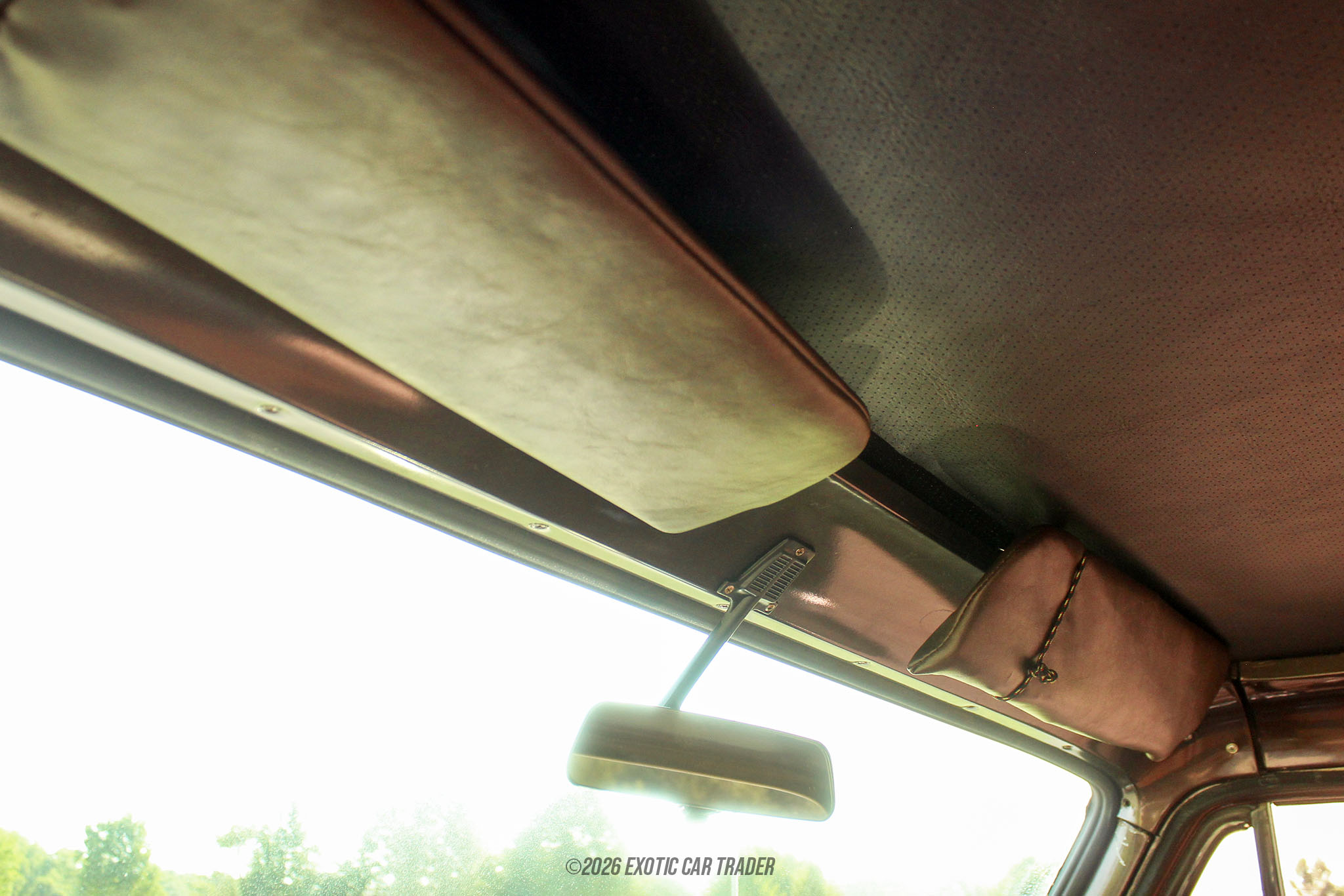
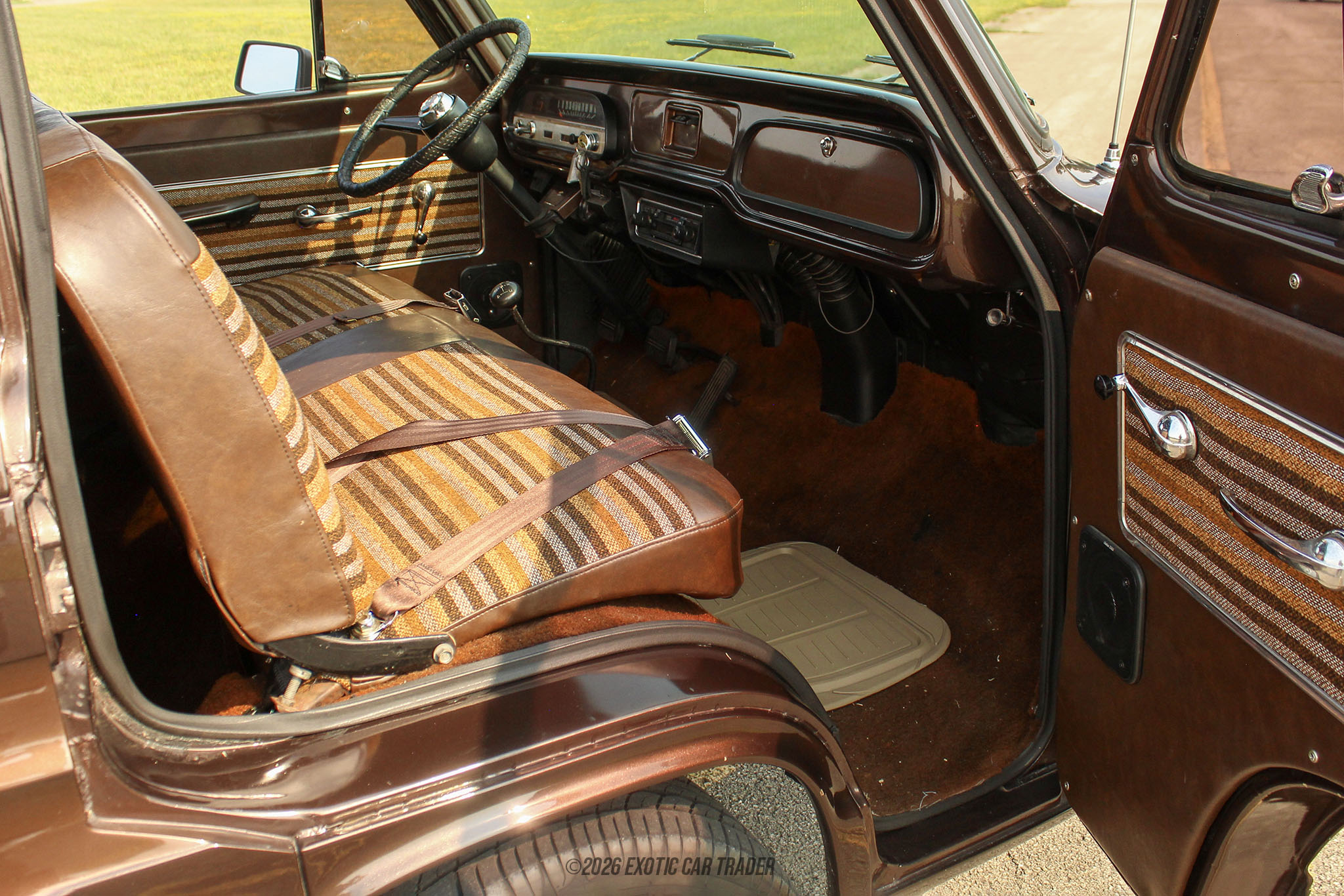
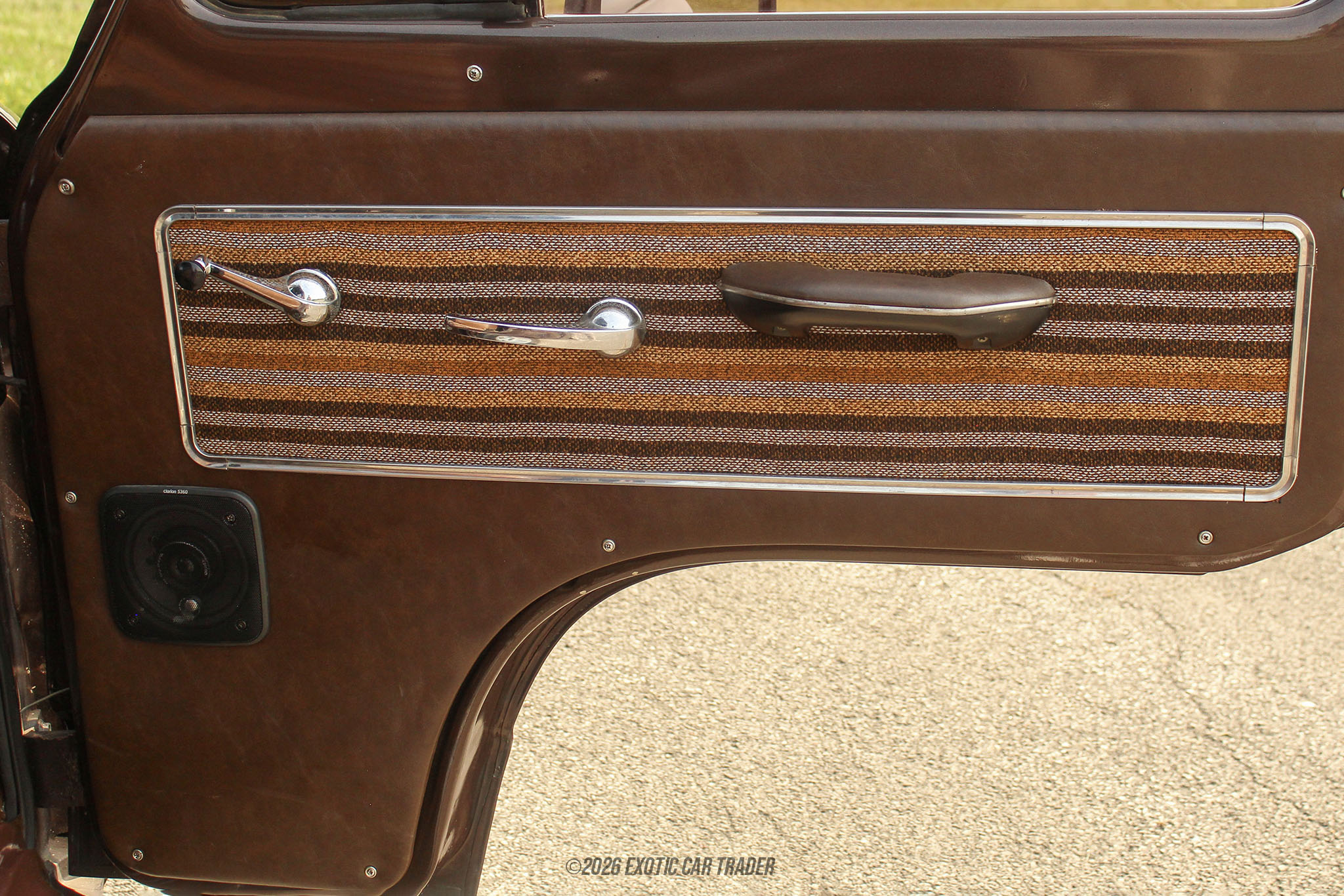
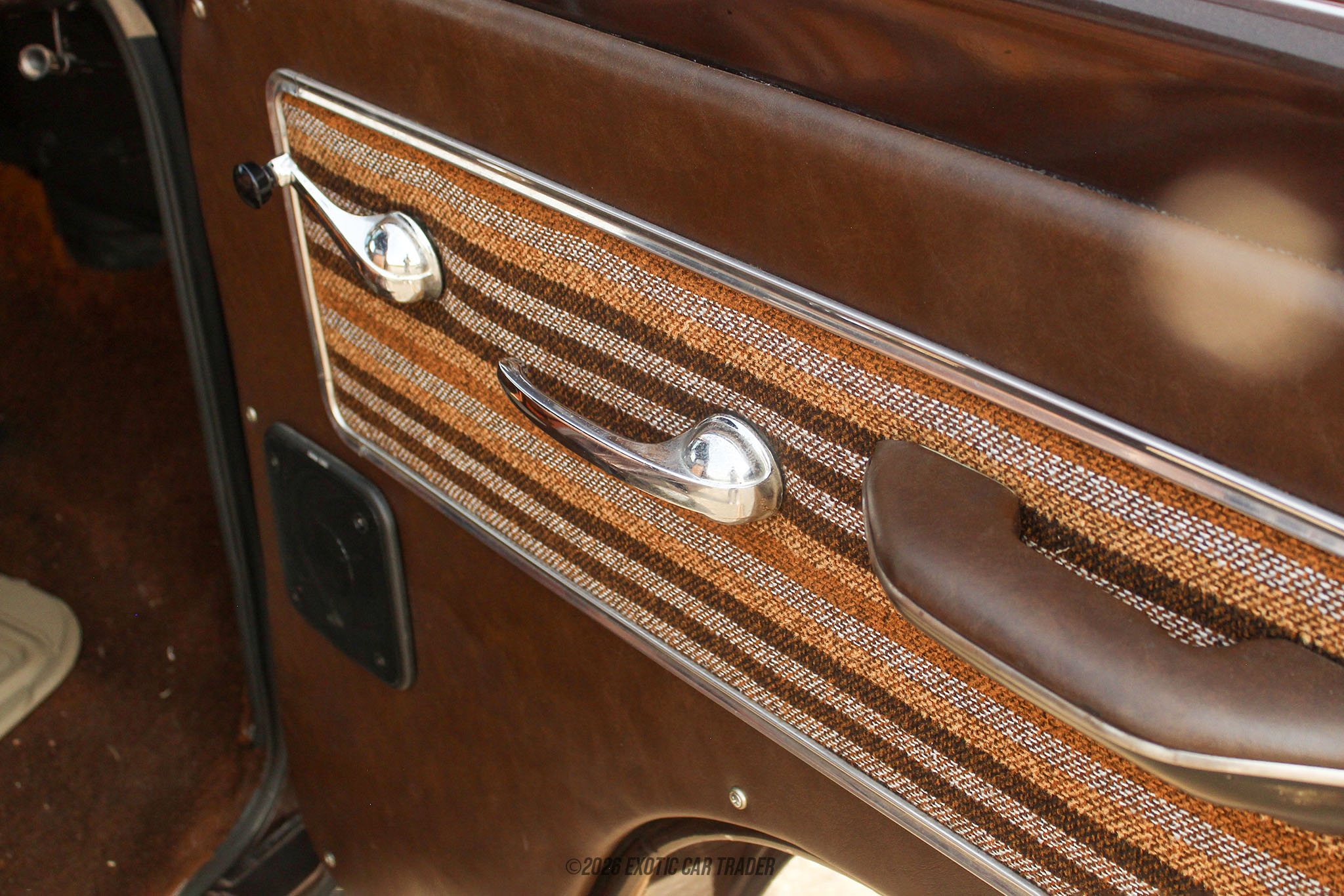
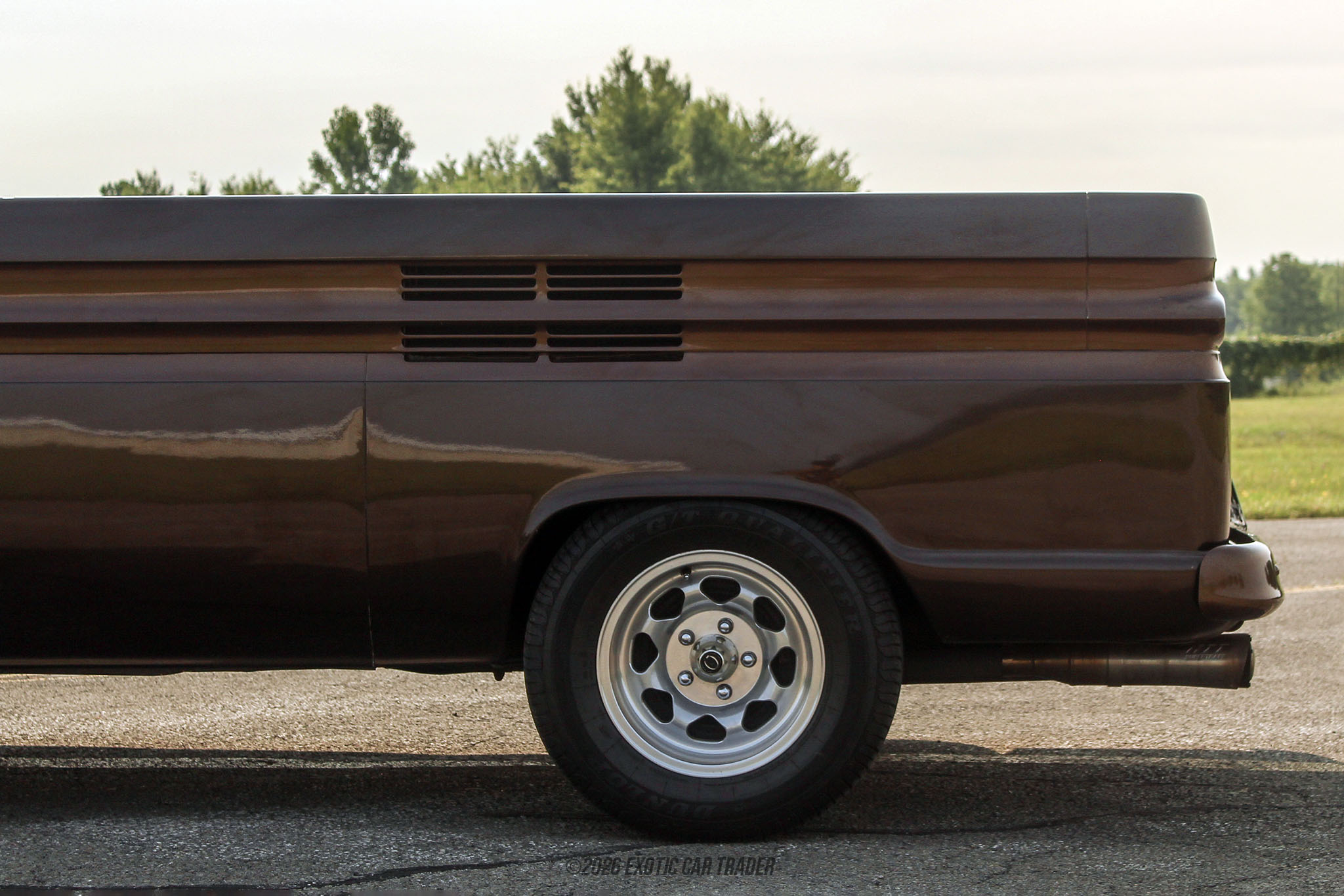
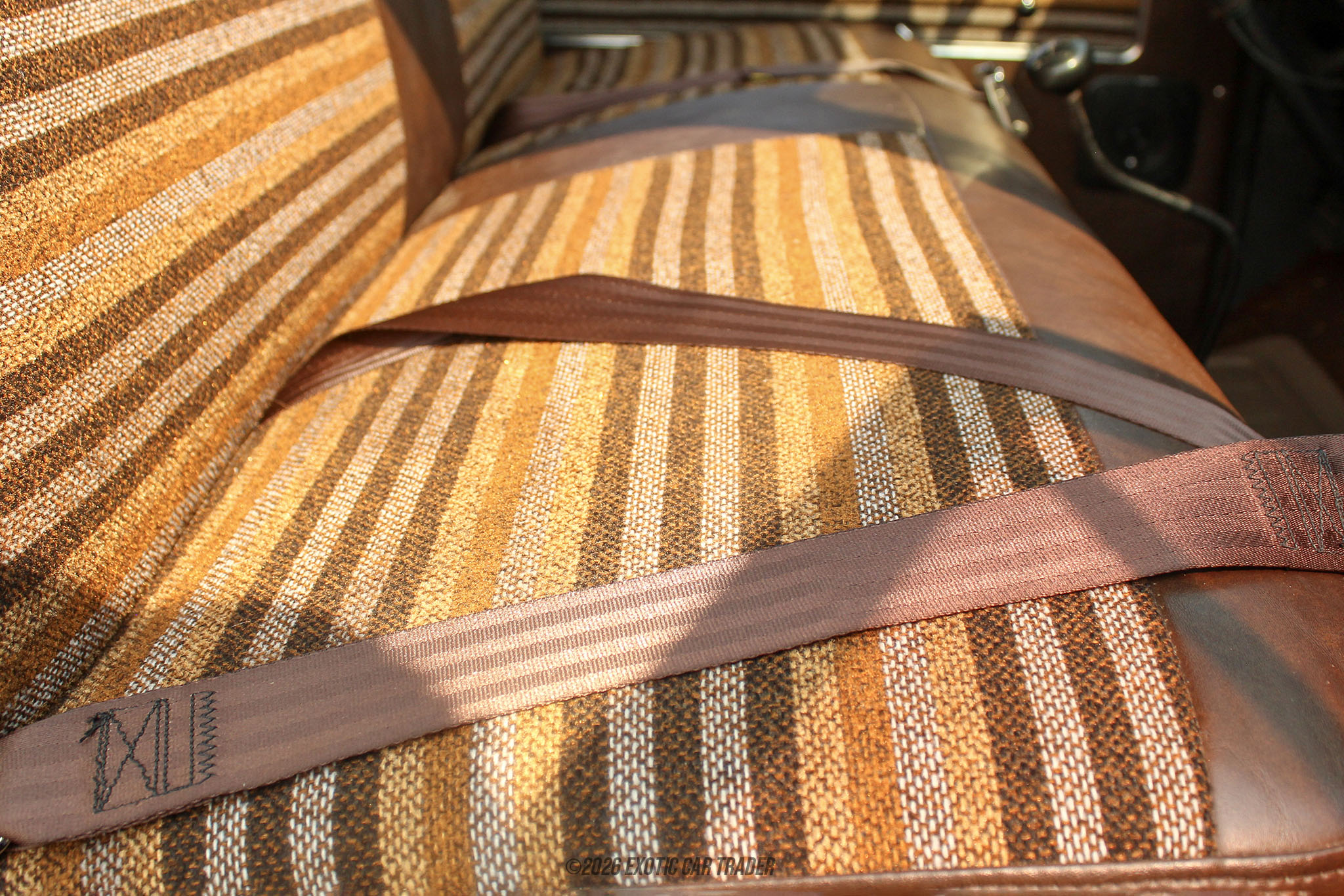
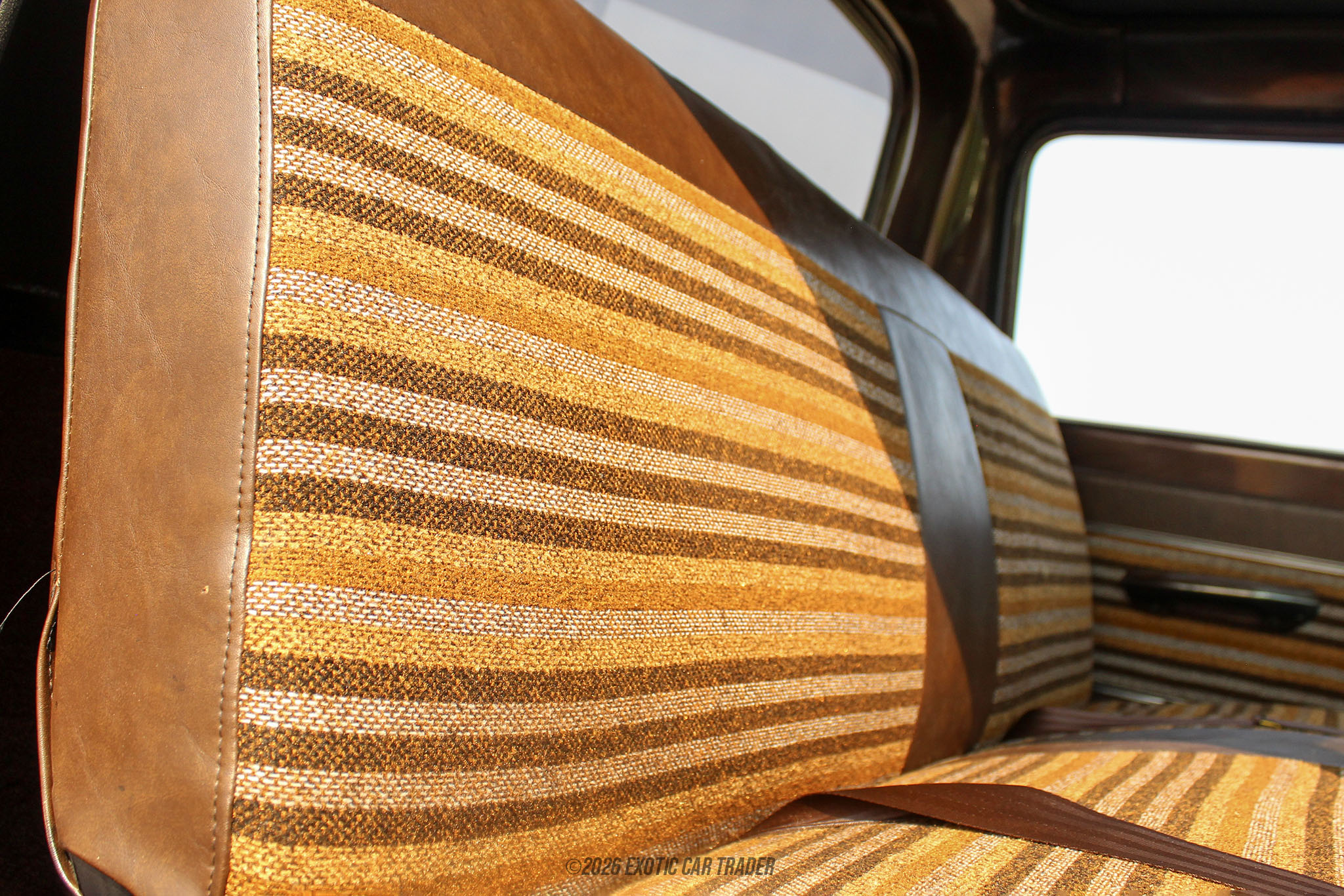
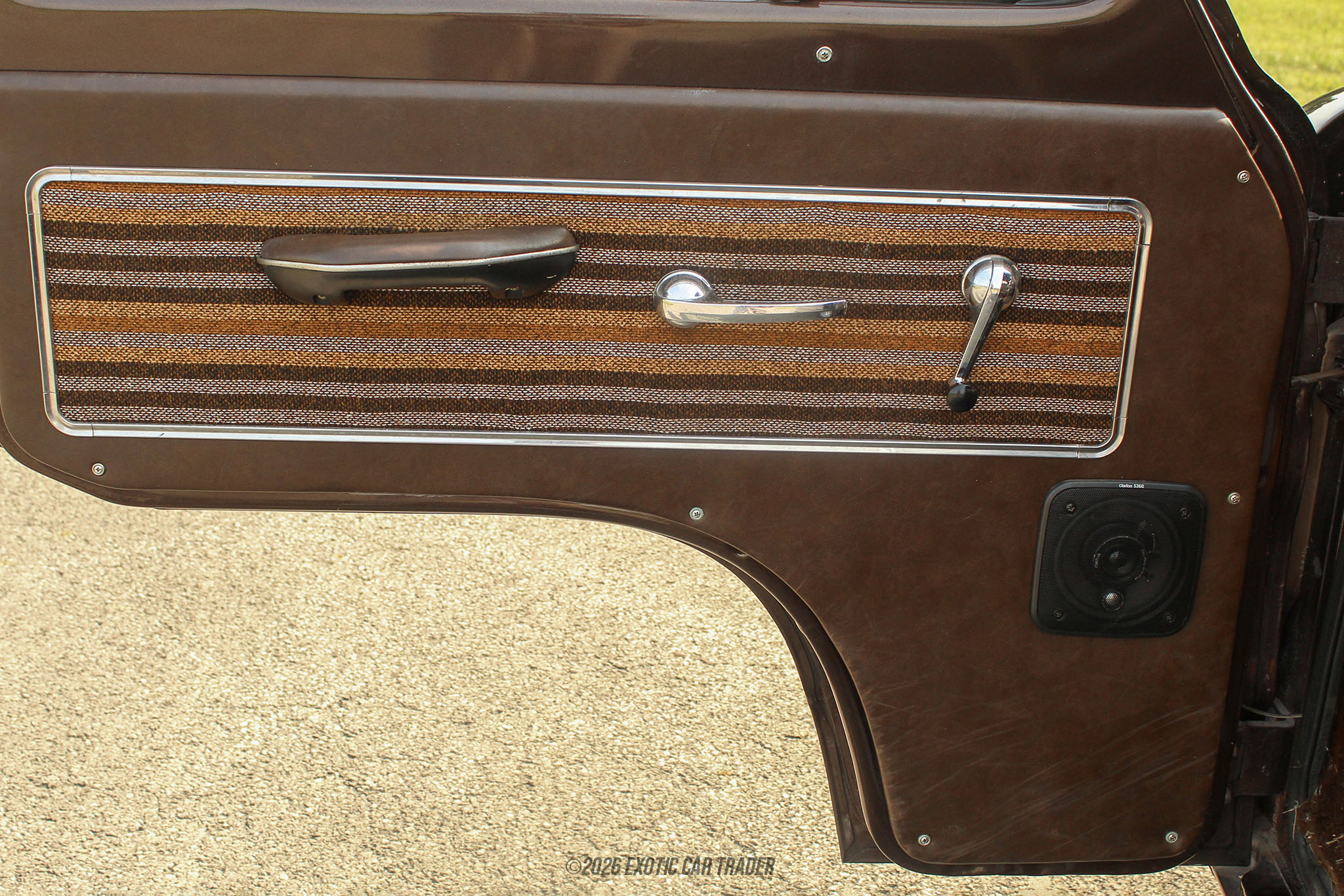
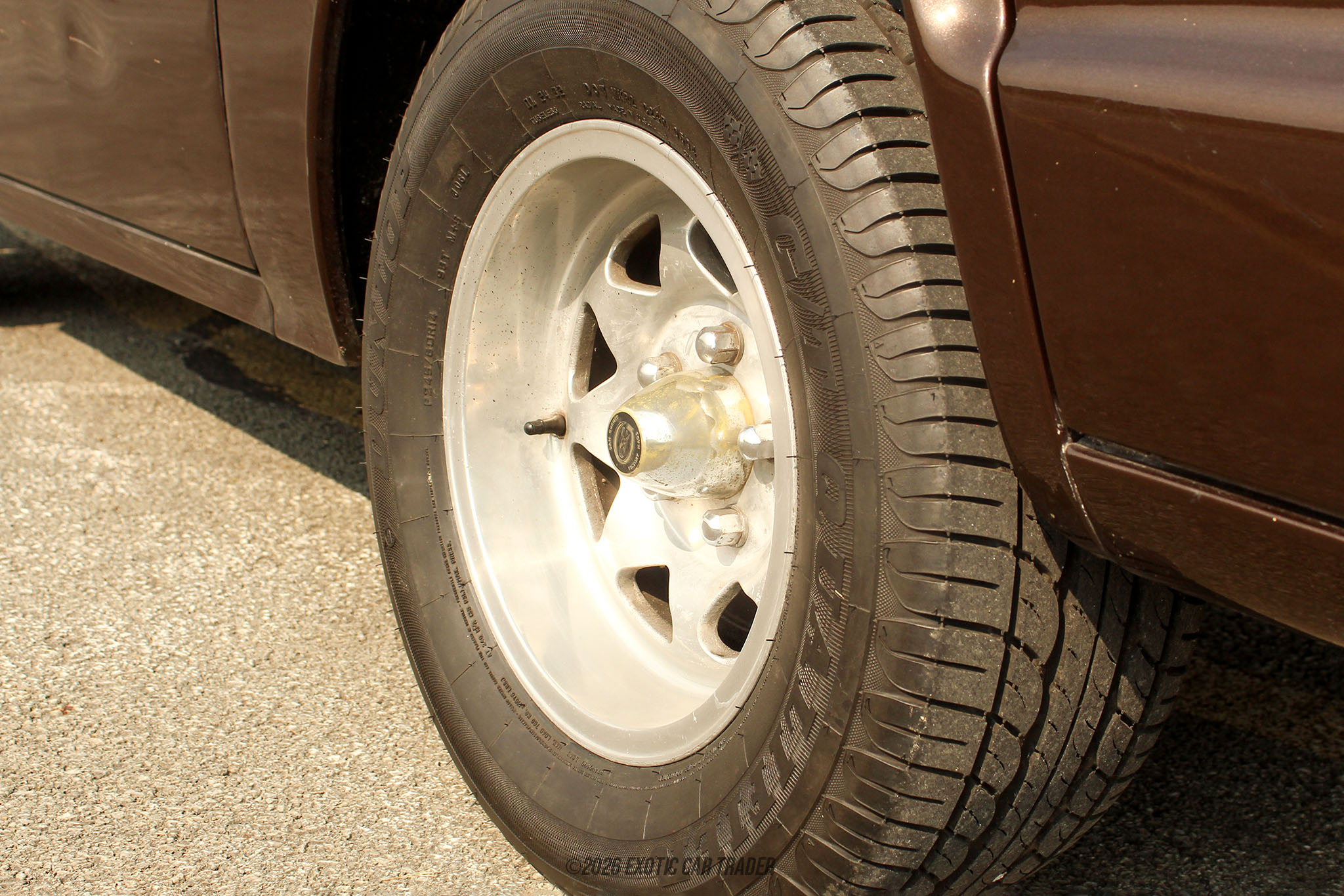
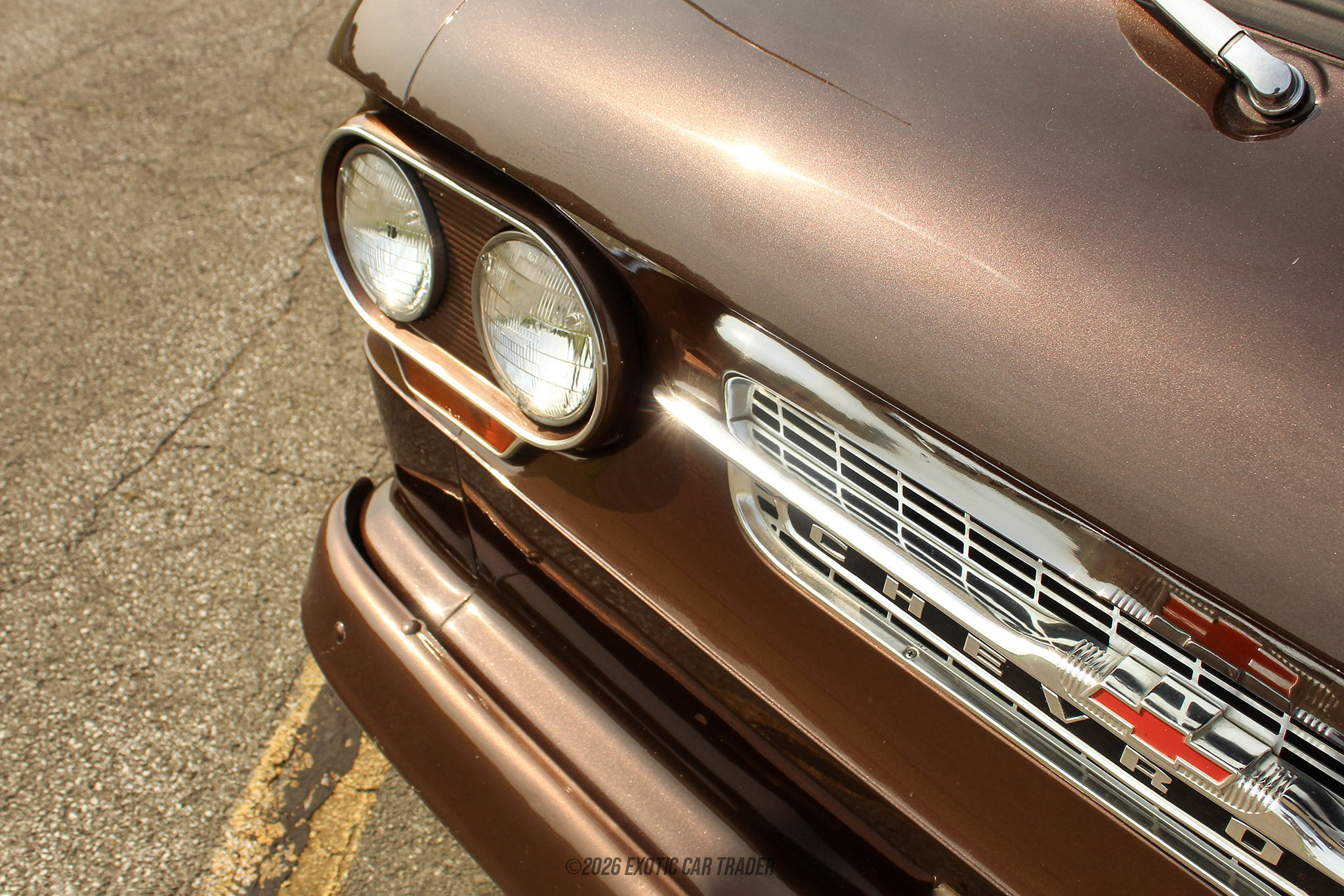
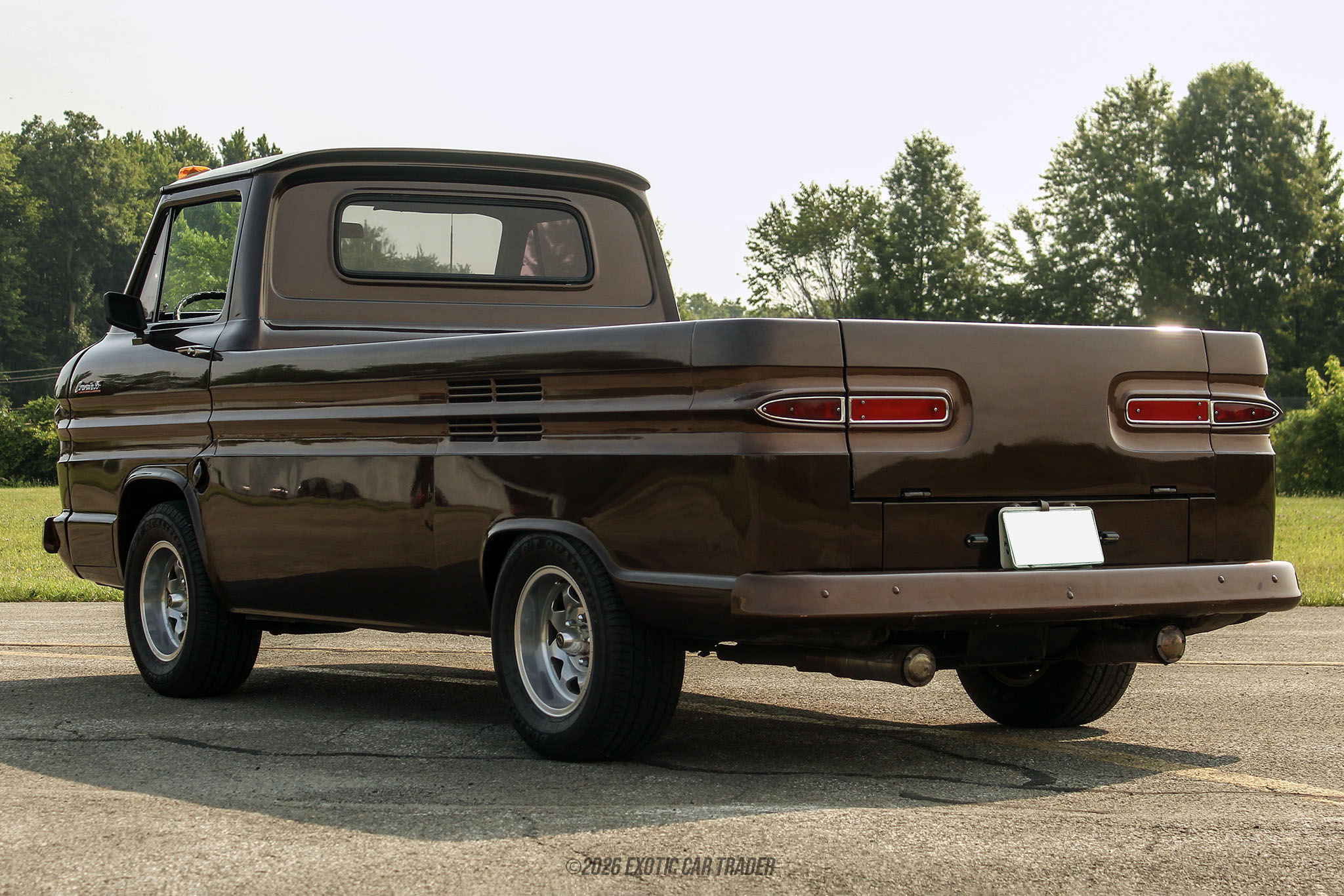
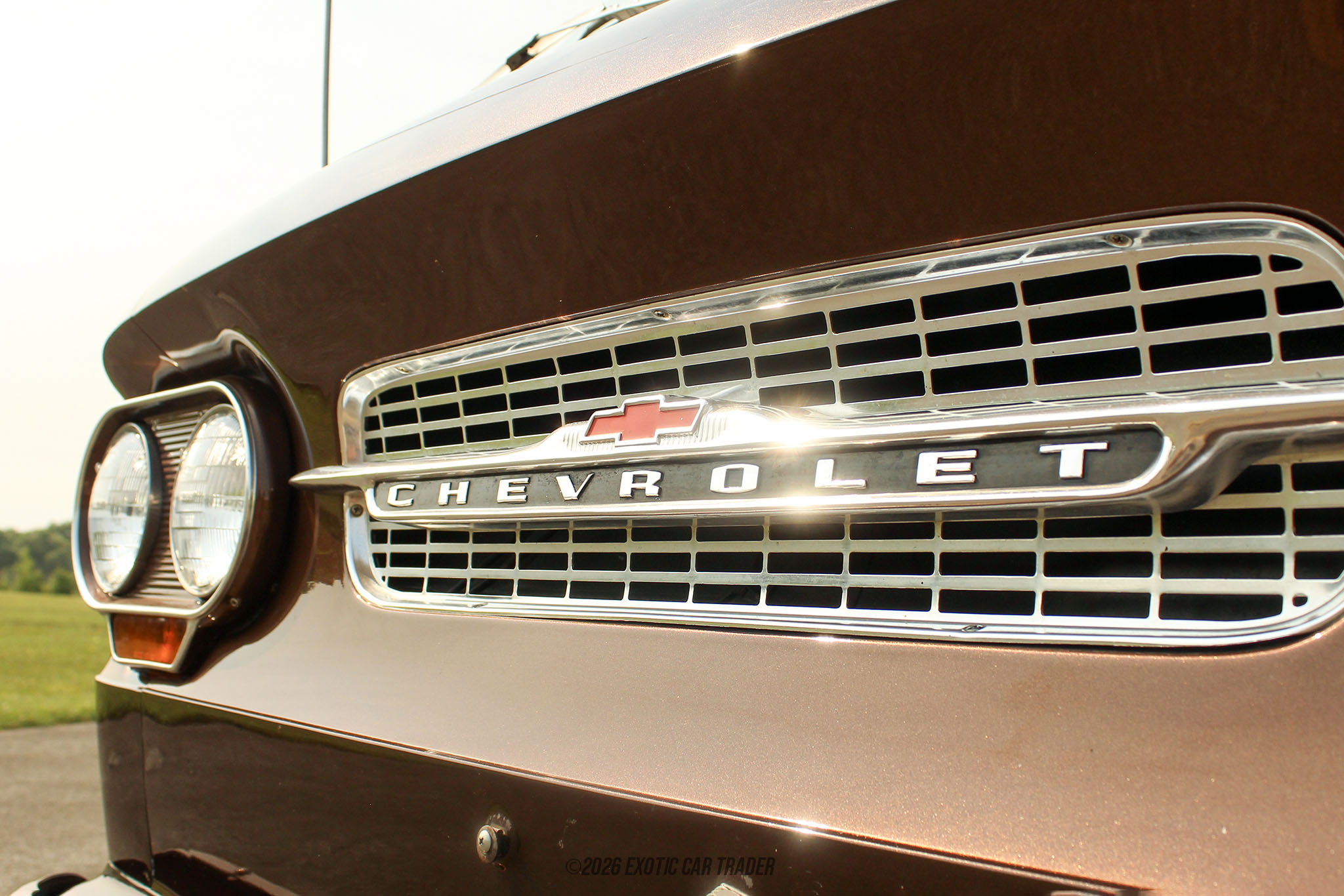
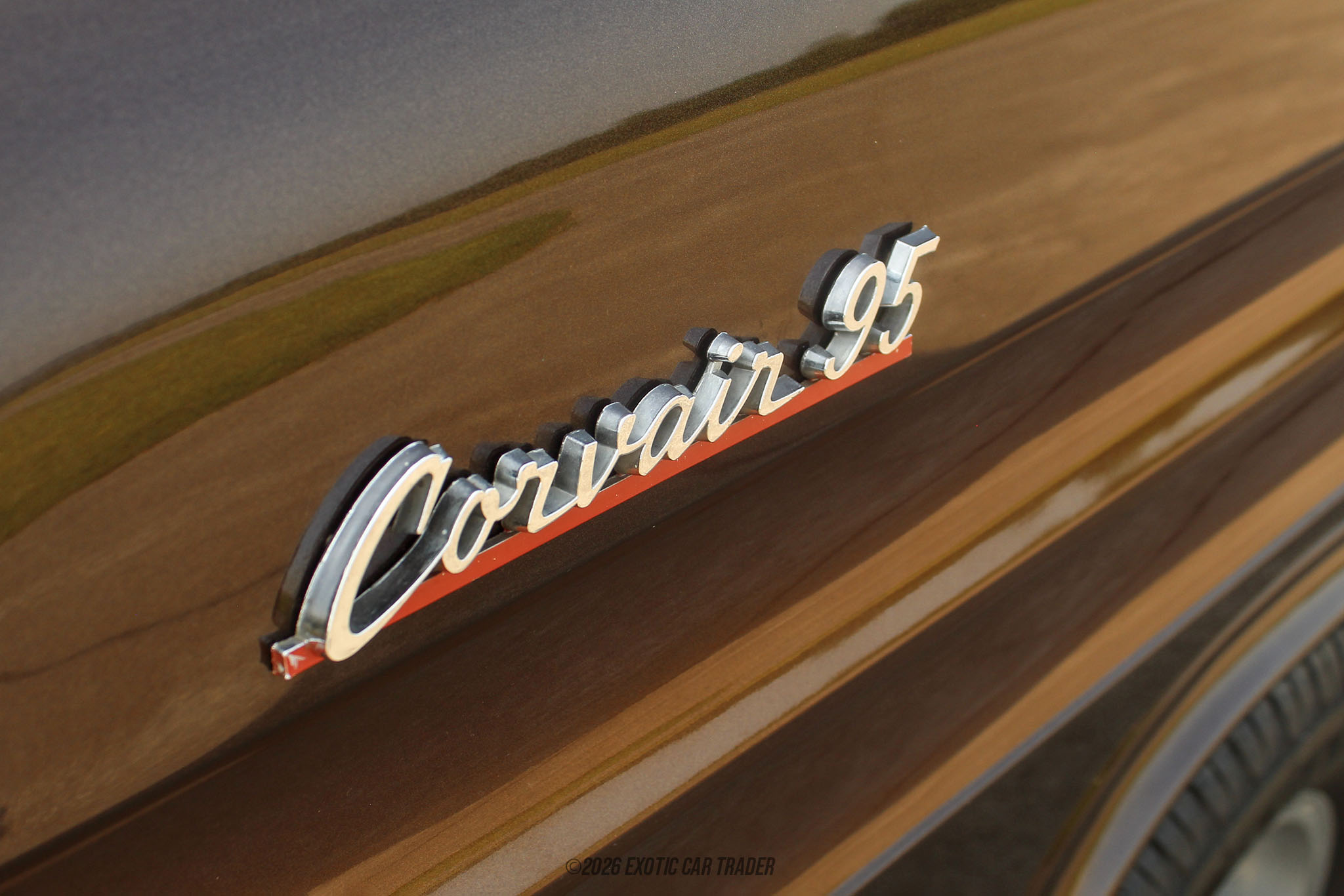
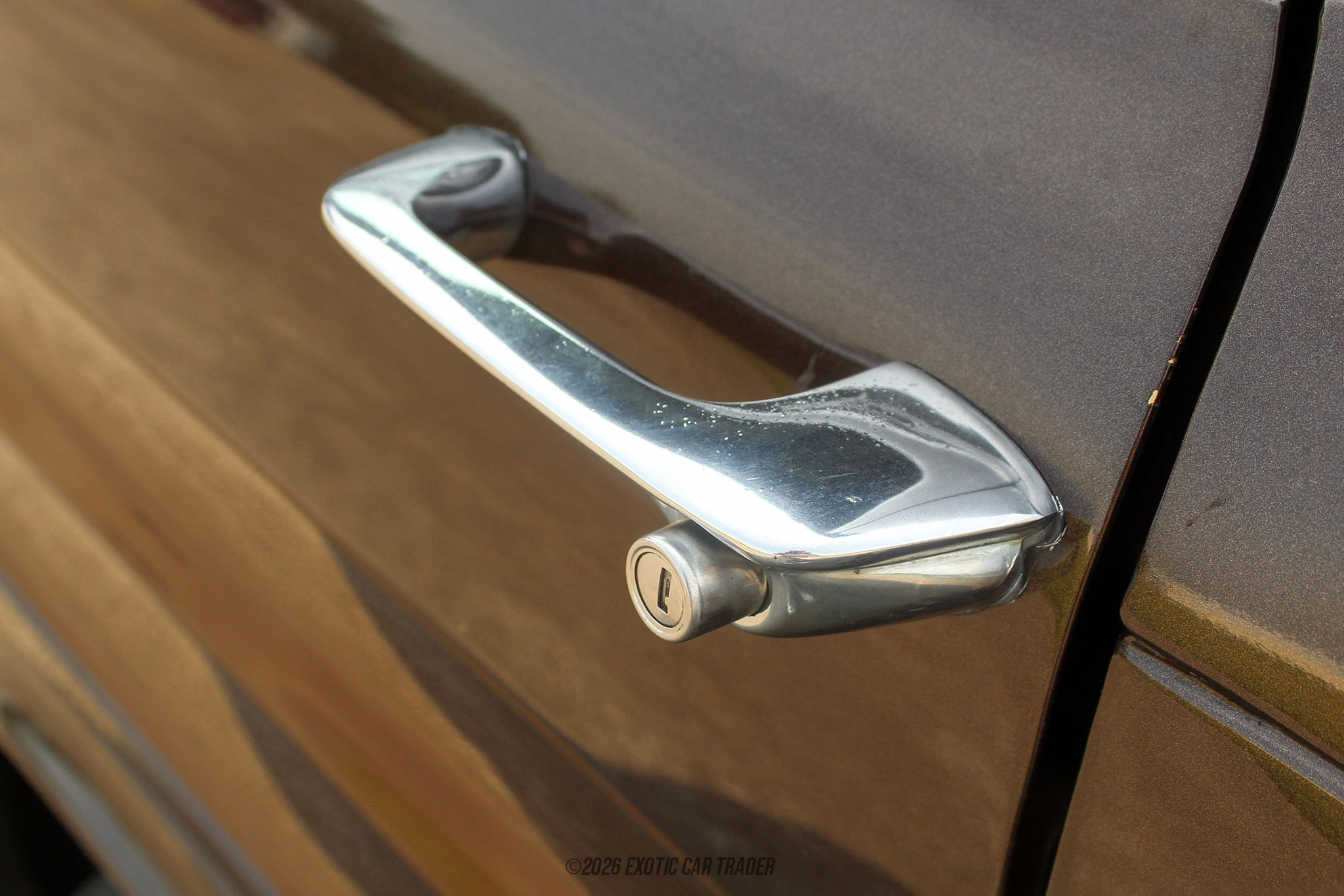
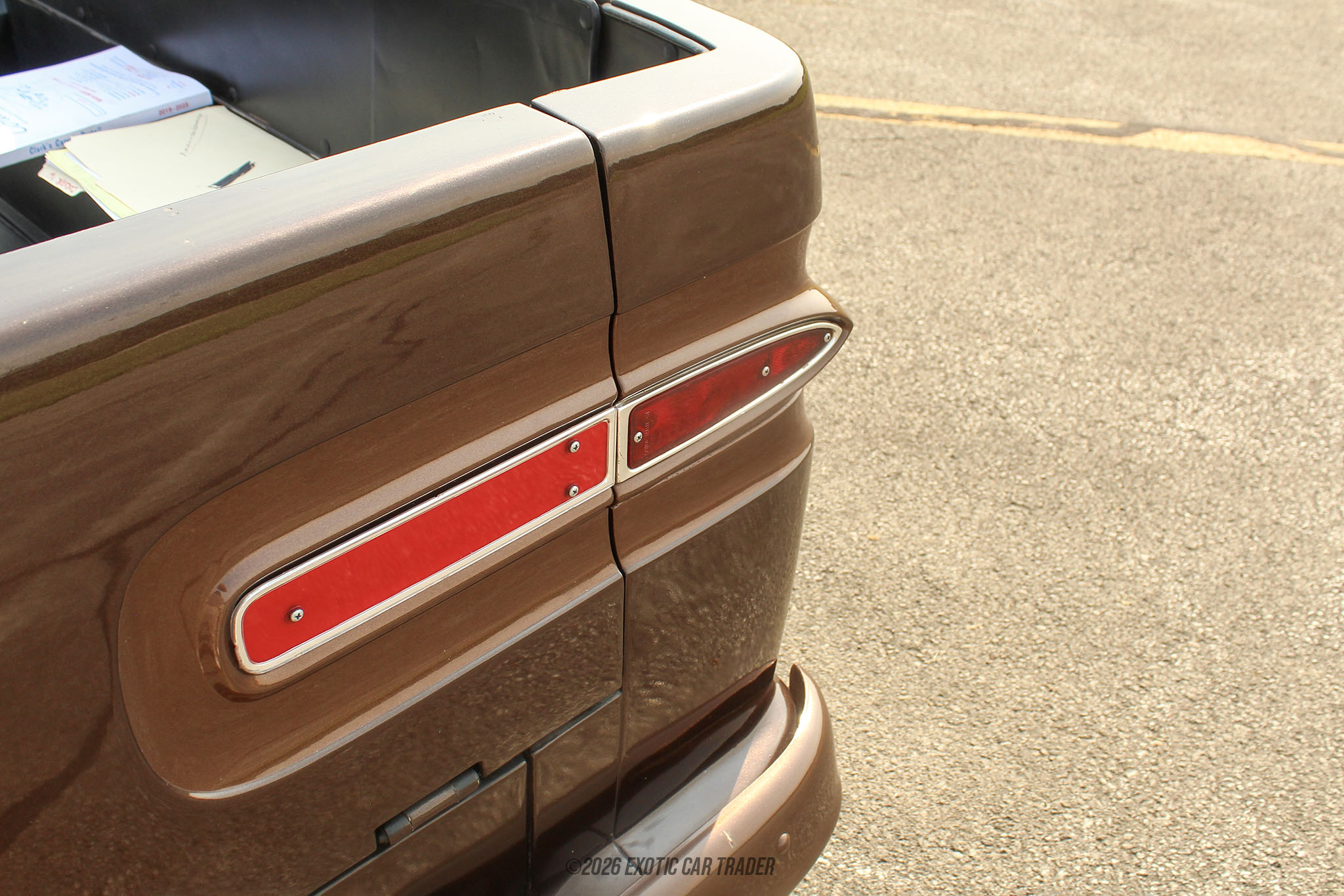
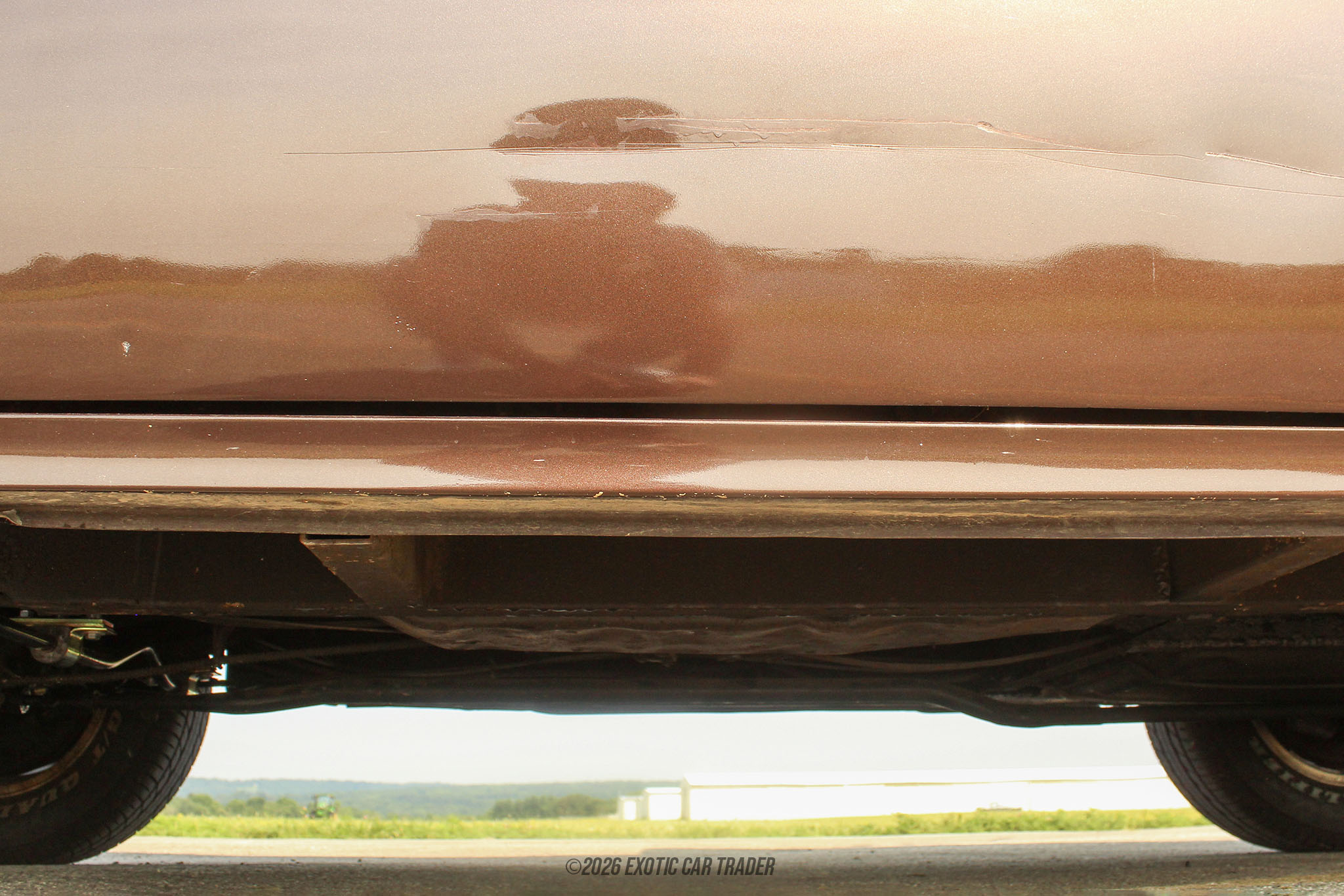
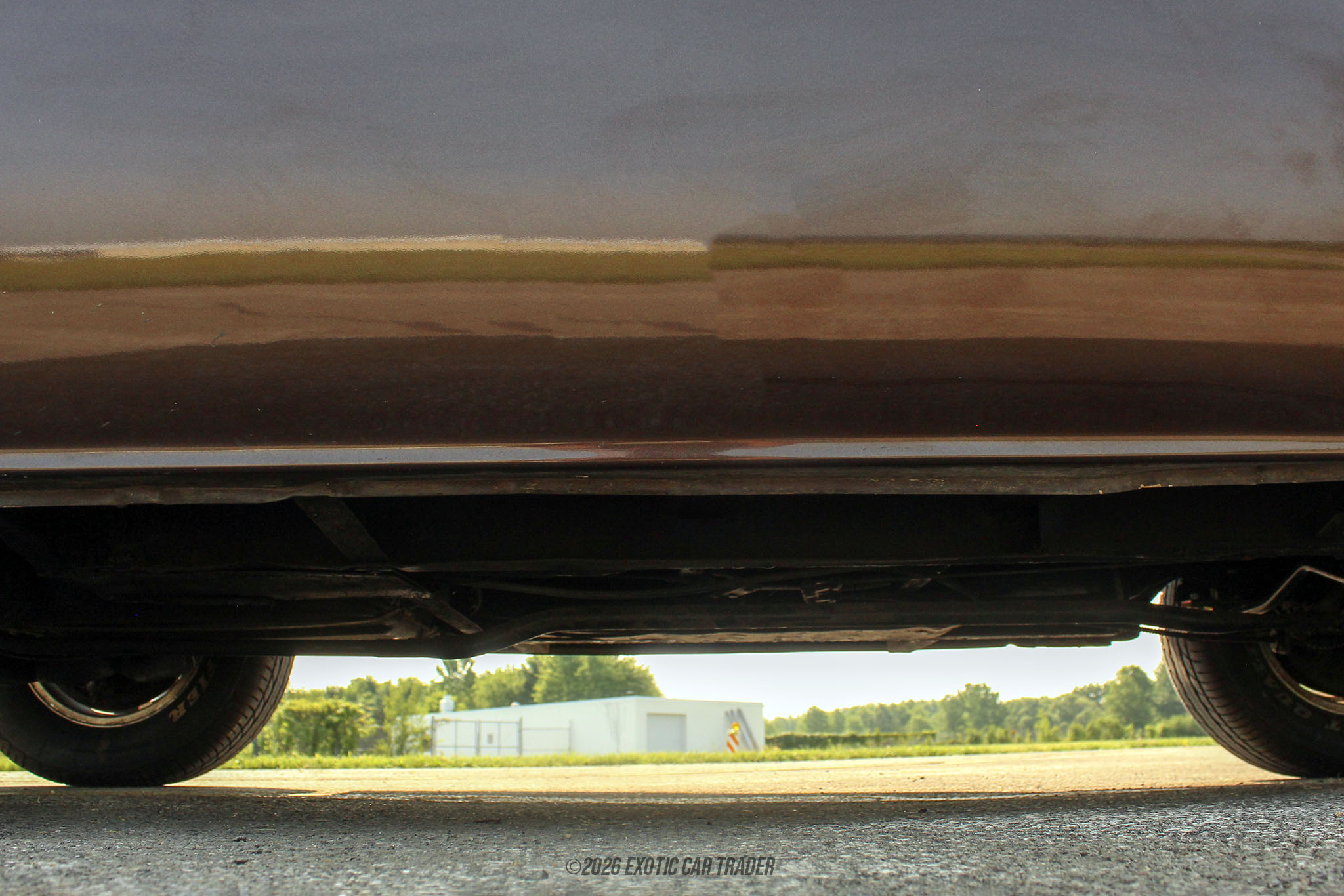
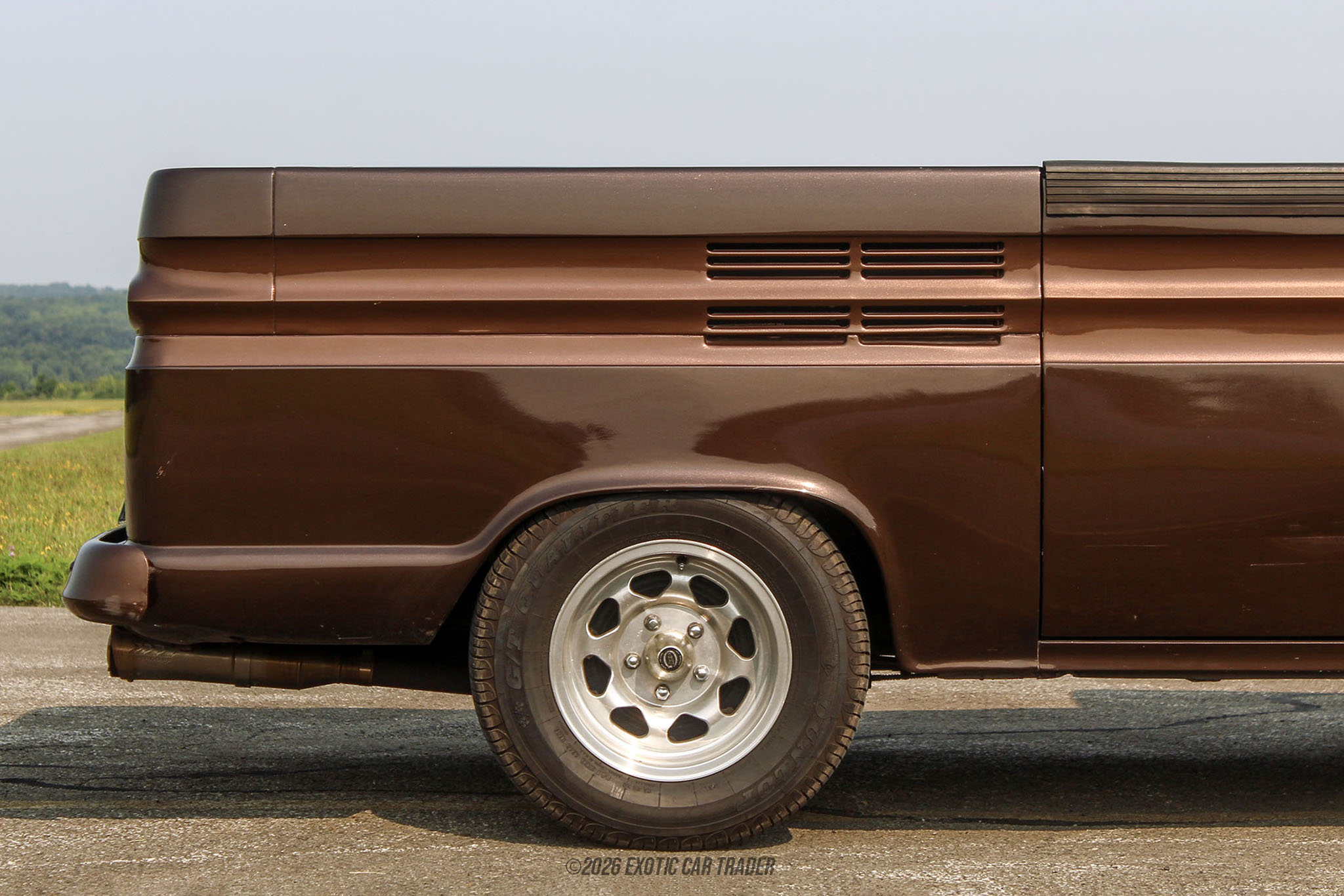
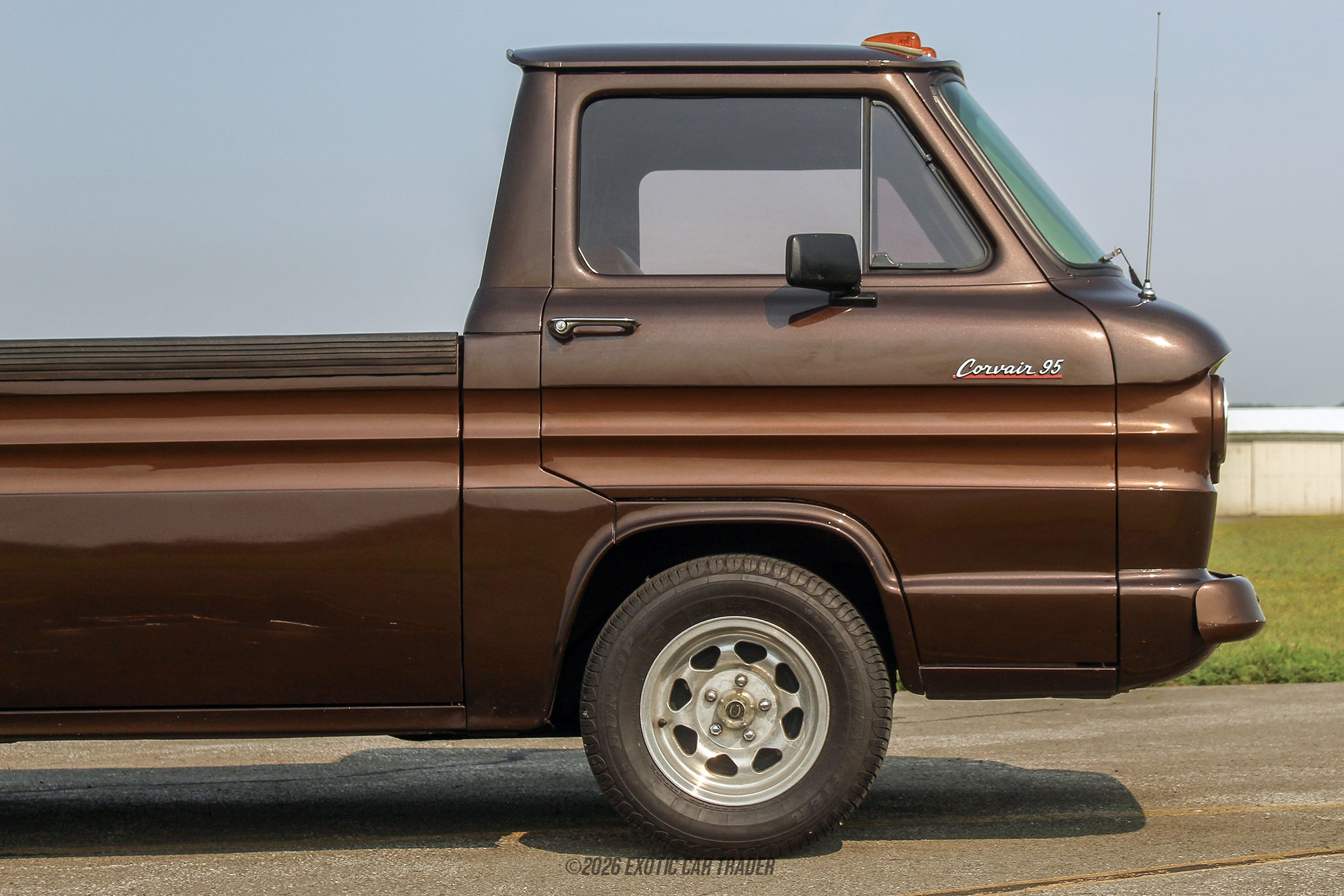
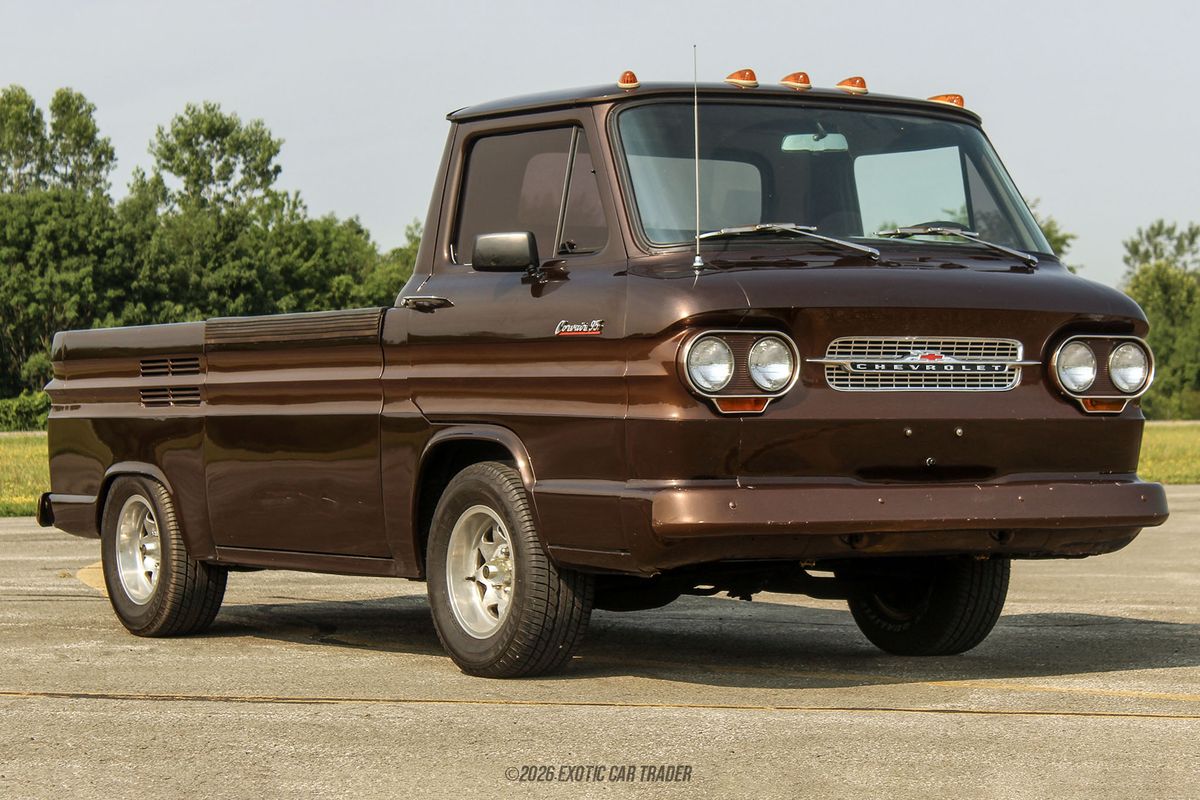
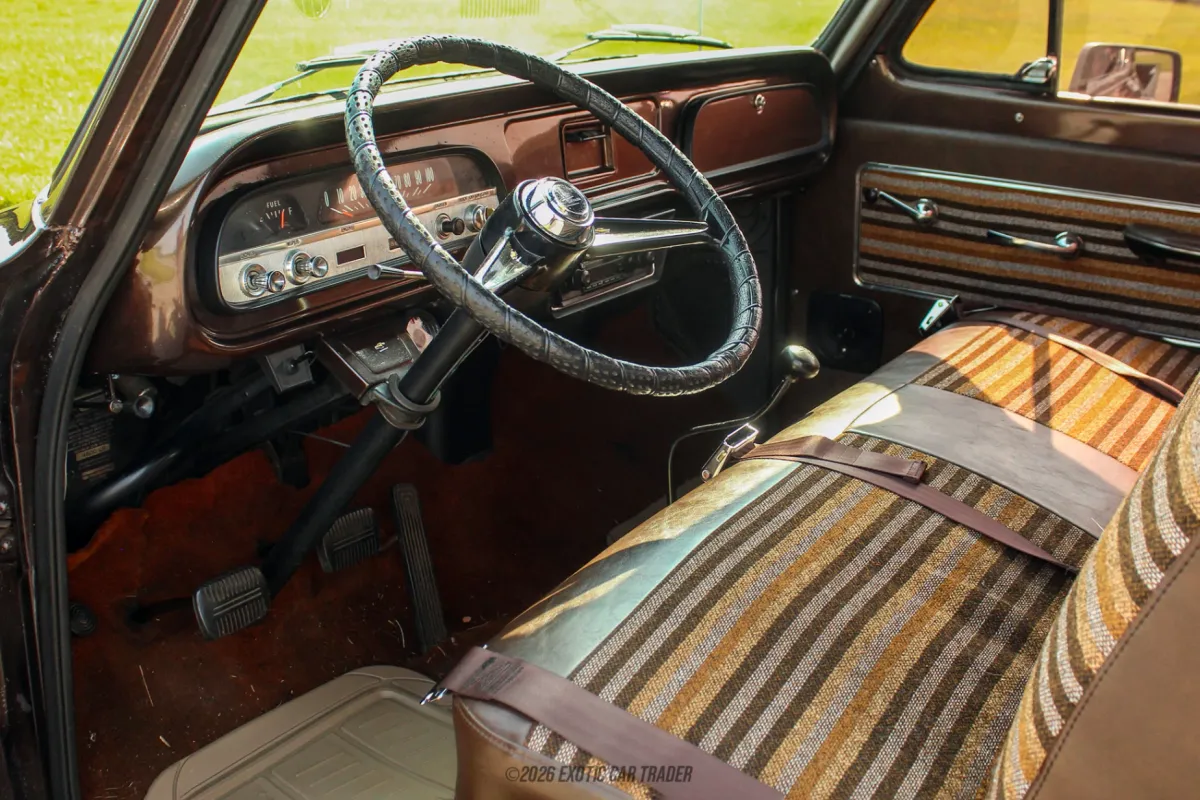
The exterior of this 1961 Chevrolet Corvair 95 Rampside Pickup is finished in Brown, emphasizing the unusual forward-control proportions that make the Corvair 95 instantly recognizable. Quad headlights flank the wide Chevrolet grille treatment, while Corvair 95 badging and cab-mounted clearance lights add period detail. The pickup bed incorporates the Rampside’s defining feature: a large passenger-side panel that folds downward to create a loading ramp, allowing cargo to be moved directly into the bed from curb level. A conventional rear tailgate provides additional access, while custom alloy wheels and radial tires complete the exterior. The interior of this 1961 Chevrolet Corvair 95 Rampside Pickup is finished in Brown and features an especially distinctive striped bench-seat pattern in coordinating shades of brown, tan, and cream. The broad horizontal stripes give the cabin a strong period character and visually complement the brown dashboard, carpeting, and door panels. Its forward-control architecture places the driver directly over the front wheels, creating a uniquely upright driving position with the large steering wheel and simple instrument cluster immediately ahead. A floor-mounted 4-speed shifter adds to the hands-on vintage driving experience, while an aftermarket AM/FM stereo provides an updated audio option.
Engine
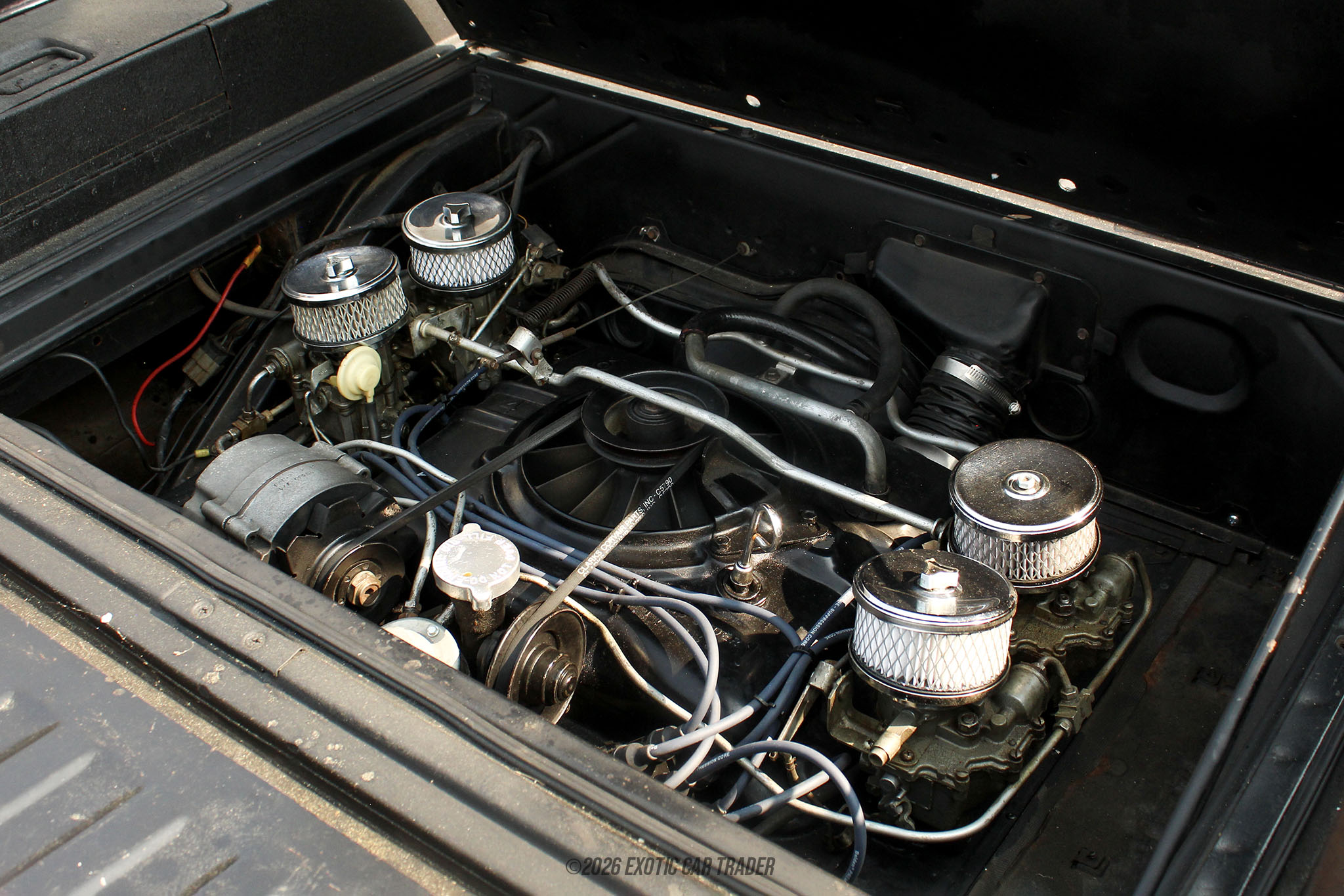
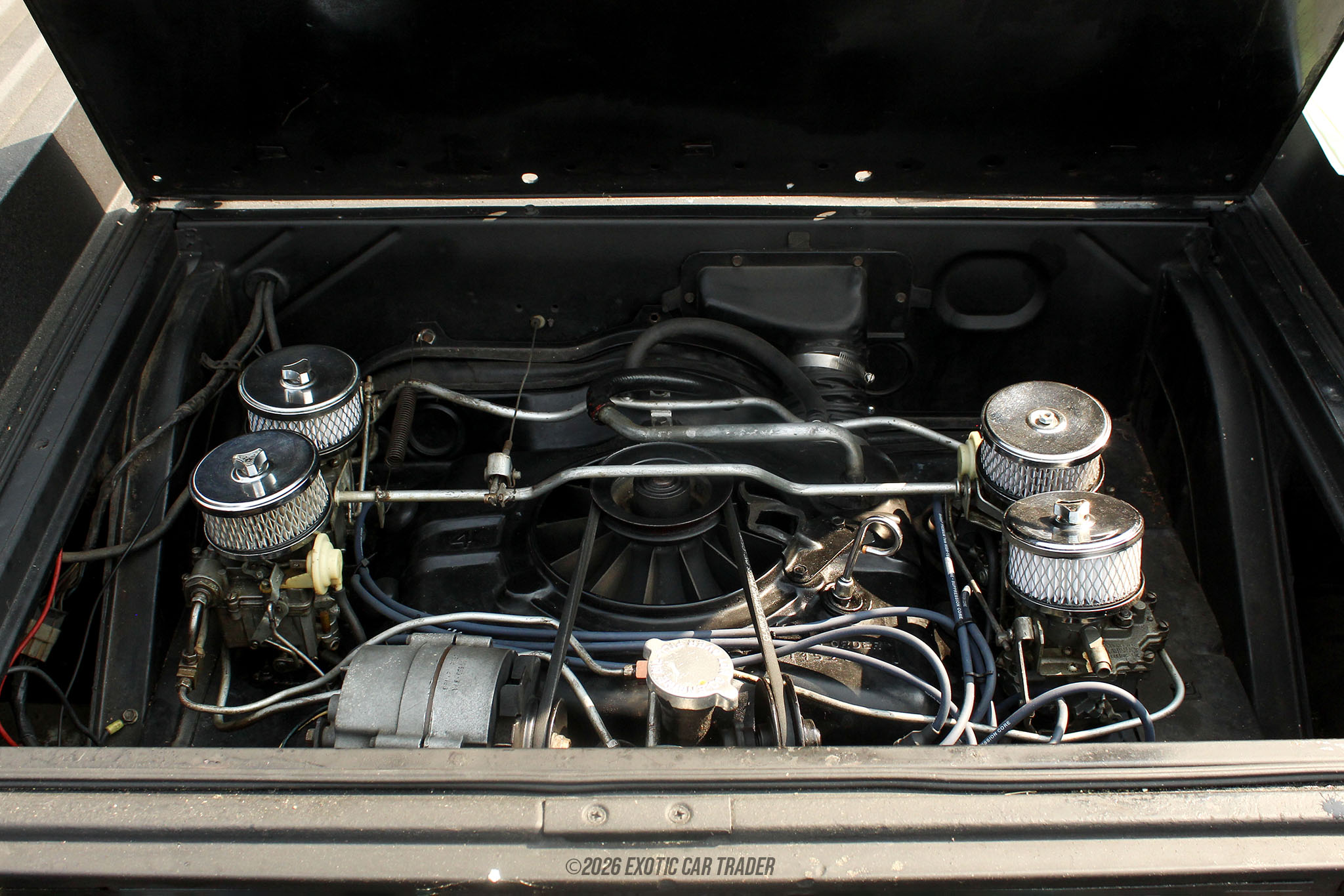
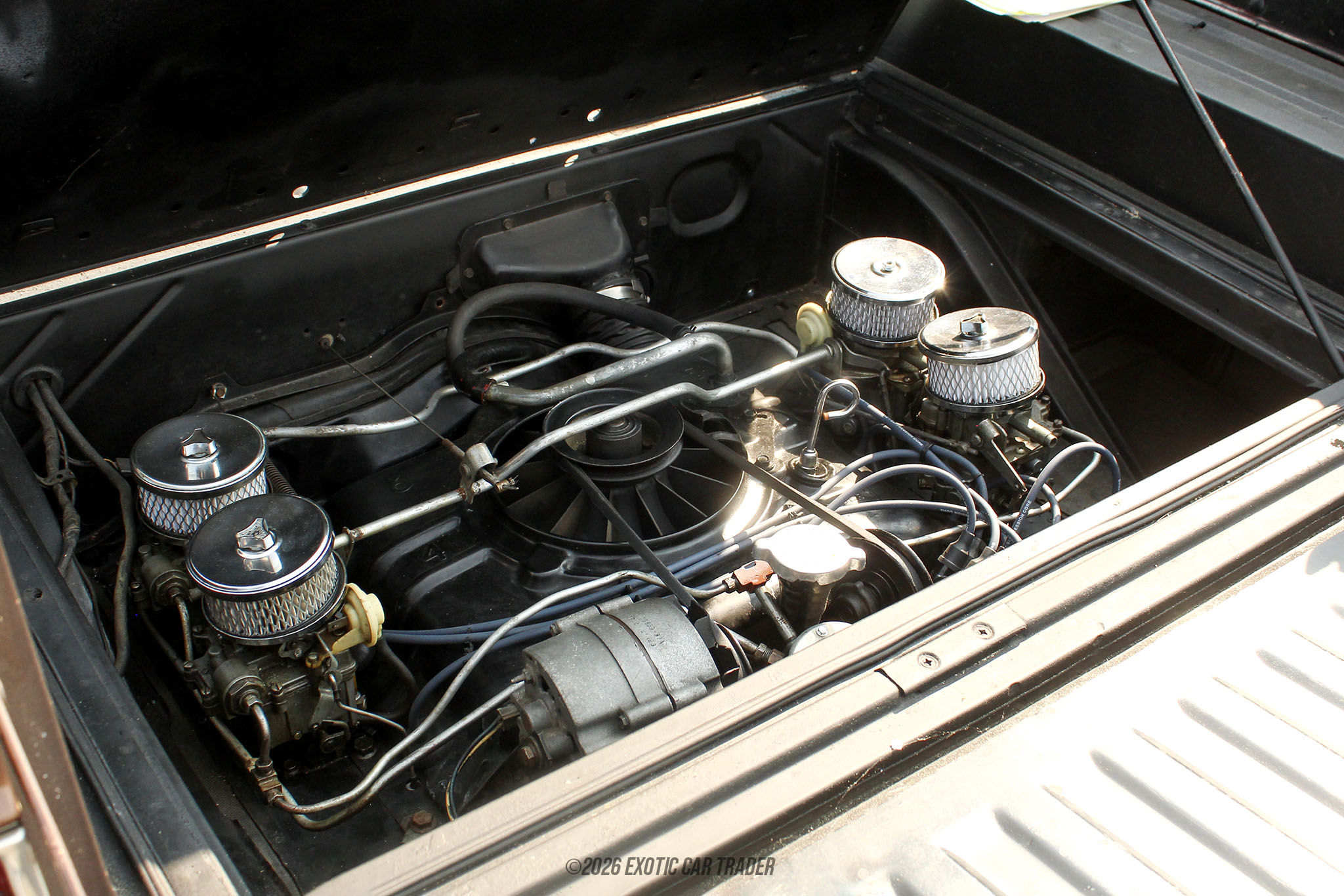
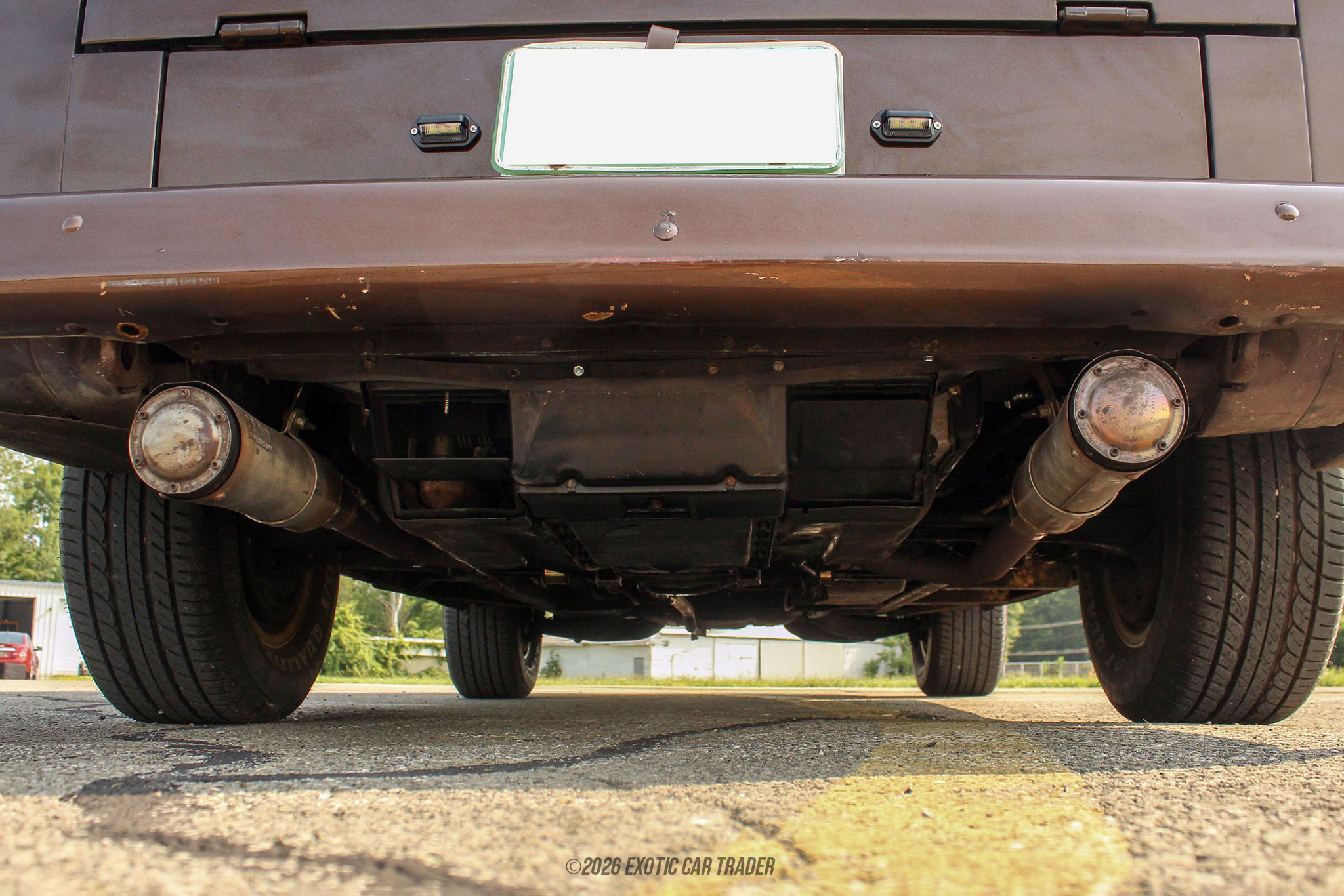
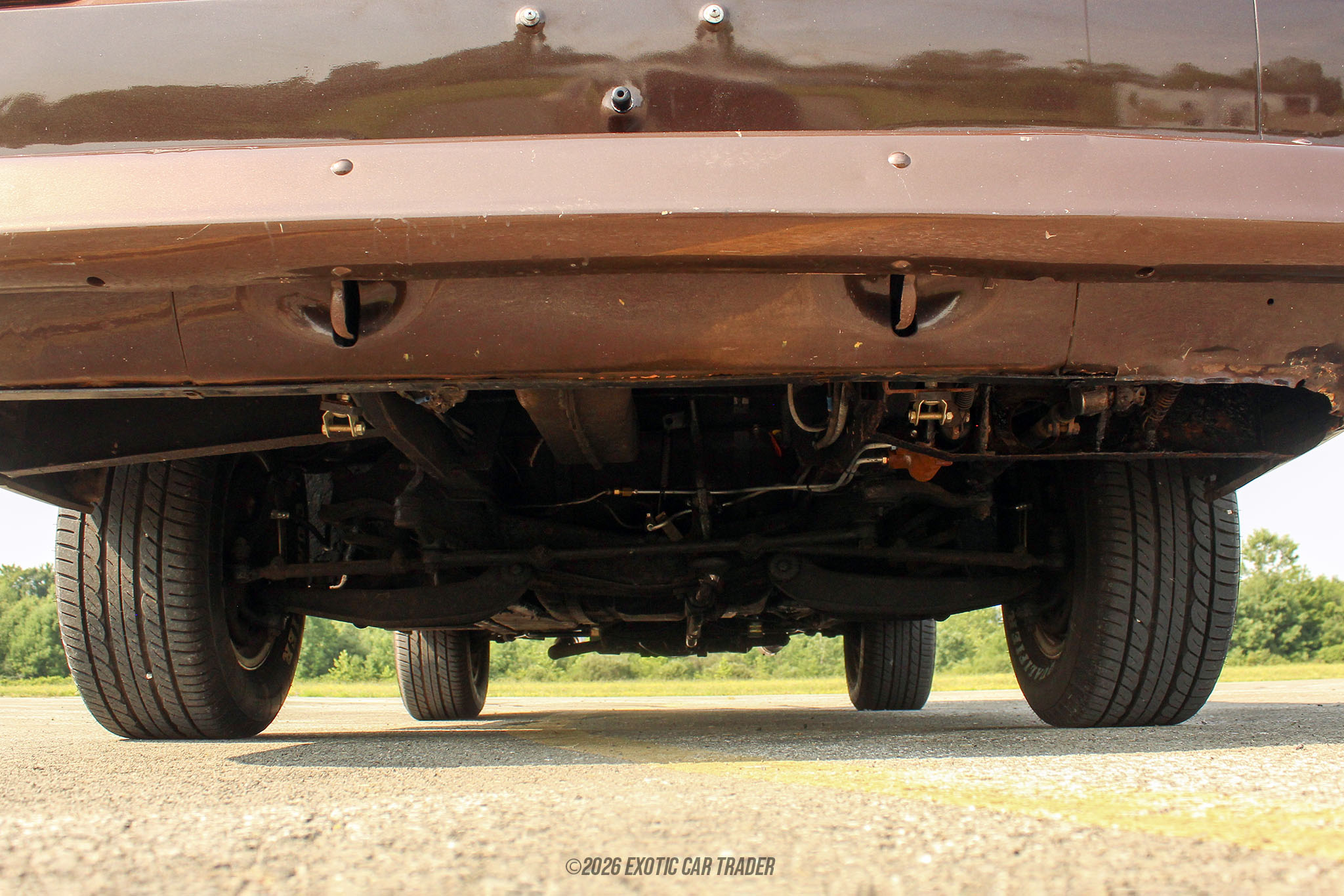
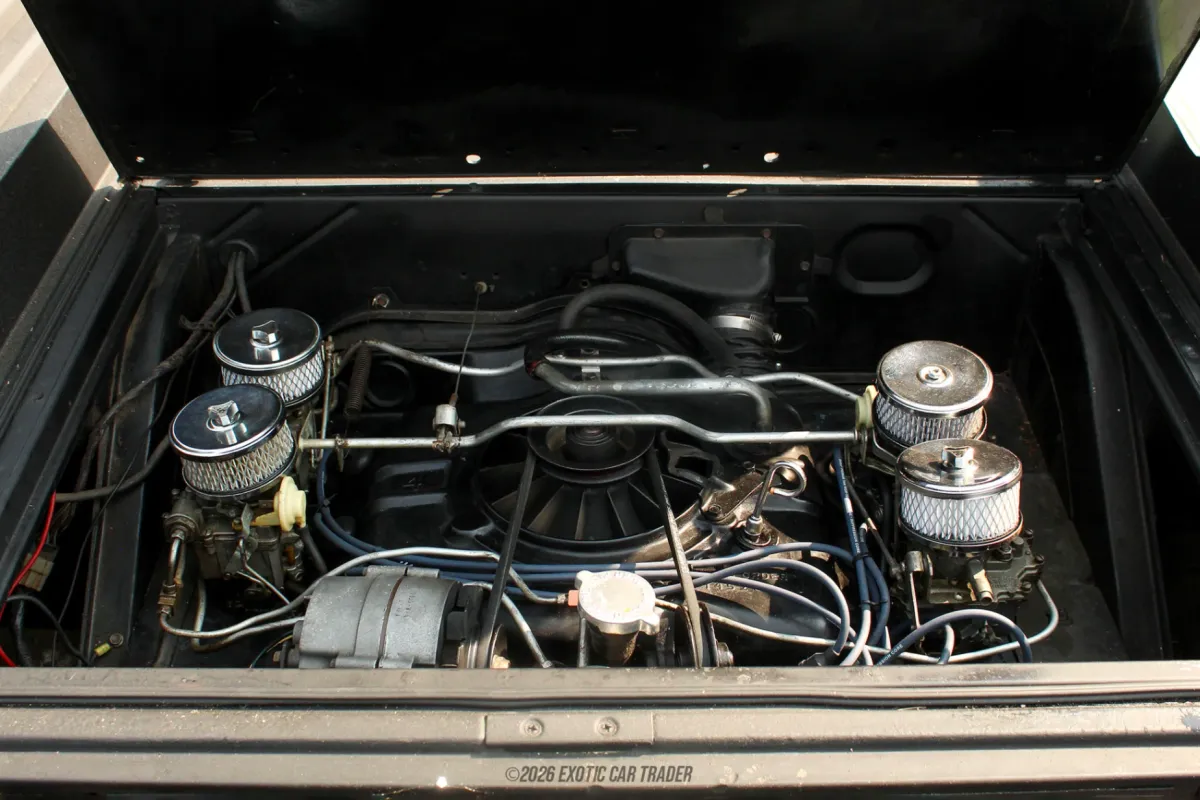
Power comes from a rear-mounted 145ci air-cooled flat-six fed by dual single-barrel carburetors and paired with a 4-speed manual transmission. Unlike a conventional pickup with its engine ahead of the passenger compartment, the Corvair 95 carries its powerplant beneath the rear portion of the cargo area and sends power to the rear wheels. Independent front and rear suspension further separates its engineering from the traditional American pickups of its day. Together with the Rampside loading arrangement, the rear-engine layout is central to what makes the Corvair 95 such an unusual and enthusiast-worthy piece of Chevrolet truck history.


The 1961 Chevrolet Corvair 95 Rampside Pickup is one of Chevrolet’s most unconventional utility vehicles, combining a forward-control cab with the Corvair’s rear-mounted, air-cooled powertrain and a genuinely clever side-loading pickup bed. Showing 23,258 miles, this example is powered by a 145ci air-cooled flat-six with dual single-barrel carburetors and a 4-speed manual transmission. Its signature passenger-side loading ramp, rear-mounted engine, compact proportions, and distinctive cab-over styling give the Rampside an identity unlike virtually any other American pickup of the period.
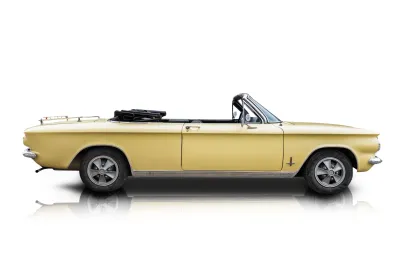
Famous for all the wrong reasons, the Chevrolet Corvair has been relegated to being one of American automotive history’s pariahs. This was majorly due to its presence in Ralph Nader’s book titled “Unsafe At Any Speed”. Yes, the Corvair’s swing-axle rear suspension and unconventional tire pressure settings does mean that it can catch out its driver, but that also means you should drive it in a sensible, rather than silly fashion. On the same token, we shouldn’t be driving cars at all, or even walking for that matter if its unsafe to be in any form of speed. Plus, if the Corvair was really that dangerous, would you find examples like this 1964 Chevrolet Corvair Monza Convertible for sale today? Up for sale from Indianapolis, this 83,987-mile car is living proof that the Corvair isn’t the killer widow-maker that Nader made it out to be. This car comes with the original owner’s guide, a 164ci flat six, a manual gearbox, and a spare tire lock key too.
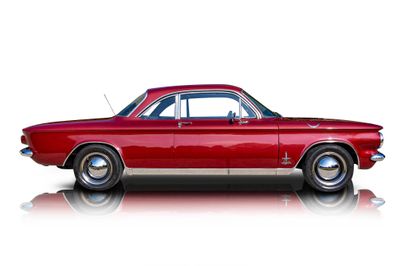
When Chevrolet came up with the Corvair as a radical new car, not even the designers could’ve foreseen just how controversial it would go on to become. In a bid to compete with the rising popularity of compact European cars, Chevy released the Corvair in 1960. Like the Volkswagen Beetle (which was one of the main competitors it was aimed at), it came with a rear mounted, air-cooled, horizontally opposed engine and all-round independent suspension. It also featured monocoque construction. It had advantages in both power and space over the Beetle, and it had a technological advantage over its domestic competition (both Ford and Chrysler’s candidates for the compact segment were basically just downsized versions of their existing models). While theoretically impressive and well received by critics and consumers (named “Car of the Year” by Motor Trend and selling 26000 units in it’s first 2 days), it would initially face several teething problems, and then have its legacy clouded by concerns about its handling and safety (mainly by Ralph Nafer’s “Unsafe at Any Speed”). These claims have mostly been debunked since then.
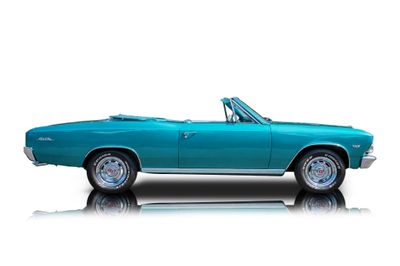
The Chevrolet Chevelle became one of America's most recognizable nameplates during the 1960s, offering everything from practical family transportation to serious V8 performance. Introduced as Chevrolet's answer to the growing intermediate-size market, the Chevelle quickly established itself as a favorite among American motorists, with the Malibu serving as its more upscale and stylish offering. The 1966 model year brought a significant redesign, introducing the sweeping body lines, sculpted rear quarters, and distinctive styling that helped define the Chevelle's second generation. This 1966 Chevrolet Chevelle Malibu Convertible captures that era beautifully, finished in classic Tropic Turquoise with a matching Turquoise interior and contrasting White convertible soft top. Under the hood sits a 283ci V8 paired with a three-speed column-shift manual transmission, an increasingly uncommon configuration affectionately known as the "three-on-the-tree." With power steering, power brakes, and factory-style appointments, this Malibu offers a traditional American motoring experience. Showing approximately 34,122 miles, this turquoise convertible is an appealing choice for enthusiasts who appreciate the simplicity, character, and open-air enjoyment of a classic Chevrolet.
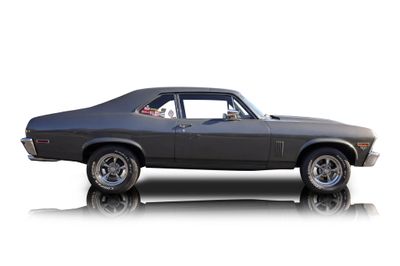
The Chevrolet Nova earned its place among America's most celebrated muscle cars by combining a lightweight, compact body with the performance potential of Chevrolet's small-block V8 engines. By 1970, the third-generation Nova had established itself as a formidable competitor in the muscle car market, offering straightforward styling and impressive performance without the larger dimensions of a Chevelle or Impala. This 1970 Chevrolet Nova Coupe builds on that heritage with a 350ci V8 paired with a three-speed automatic transmission, delivering the classic rear-wheel-drive muscle car experience. Showing just 7,739 miles, this example is finished in Shadow Gray Metallic over a reupholstered Black interior. Its SS badging, American Racing chrome five-spoke wheels, and Cooper Cobra Radial G/T tires give it a distinctly vintage muscle car appearance, while an aftermarket sound system and additional instrumentation introduce a few modern conveniences. With its understated metallic finish, traditional small-block V8 power, and timeless Nova styling, this Chevrolet offers an appealing combination of classic American performance and enthusiast-oriented upgrades.
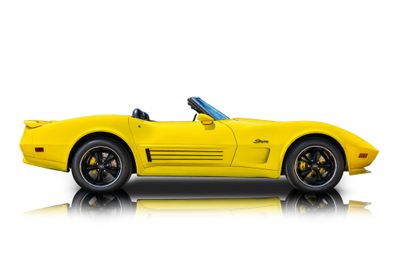
The third-generation Chevrolet Corvette remains one of the most recognizable American sports cars ever produced, with its dramatic curves, long hood, and unmistakable Stingray styling. Introduced in 1968, the C3 generation became an icon of American performance, and 1975 marked the final year of Corvette convertible production until the body style returned in 1986. This 1975 Chevrolet Corvette Stingray Convertible Restomod takes that classic foundation in a decidedly more aggressive direction, combining vintage Corvette character with modern V8 power and extensive custom styling. Showing just 54 miles, this example features a 6.0L LS2 V8 paired with a three-speed automatic transmission, along with a custom widebody exterior finished in vibrant Yellow. Its aftermarket front fascia, sculpted hood, flared fenders, and 16-inch black Fuchs wheels give it a distinctive road presence, while the Black interior incorporates a Dakota Digital gauge system, vintage-style Corvette radio, and aftermarket steering wheel. With its combination of classic C3 styling, contemporary LS power, and extensive custom modifications, this Corvette offers an exciting interpretation of an American performance legend.
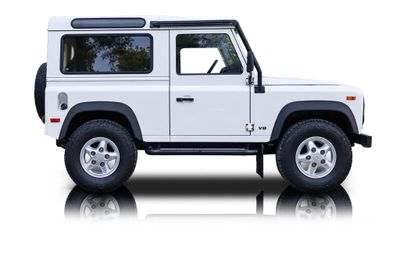
The NAS Defender 90 occupies a special place in Land Rover history, combining the short-wheelbase utility of the classic Defender with a U.S.-market specification that has become increasingly collectible. This 1995 Land Rover Defender 90 SW Edition Hard Top shows 37,768 miles and is identified as #255 of 500 produced. Finished in White over a Black interior, it pairs a 3.9-liter naturally aspirated V8 with a 5-speed manual transmission and four-wheel drive. The SW Edition specification, low indicated mileage, Hella Rallye 3000 auxiliary lights, Freestyle alloy wheels, BFGoodrich all-terrain tires, and folding rear jump seats make this a particularly appealing example for enthusiasts looking for a more distinctive NAS Defender.
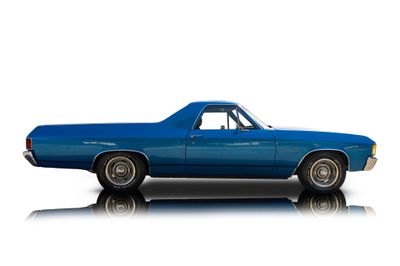
This 1972 Chevrolet El Camino is exactly the kind of machine that blurs the line between muscle car and utility vehicle in the best possible way. Showing approximately 11,474 miles, it pairs unmistakable A-body-era Chevrolet styling with a 350ci V8, 4-speed manual transmission, custom paint, and a collection of period-minded performance upgrades. The El Camino has always had a cult following because it gives you the long-hood, rear-drive attitude of a classic Chevelle with the added usefulness of a pickup bed, and this example leans into that personality with aftermarket Rally wheels, MSD ignition, headers, and a driver-focused cabin.
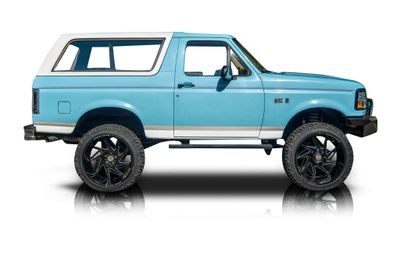
This 1993 Ford Bronco Eddie Bauer Restomod takes the classic full-size Bronco formula and pushes it deep into modernized custom territory. Finished in a custom Baby Blue paint job over a completely reworked Blue / Brown interior, it combines vintage two-door SUV presence with a 5.0L Coyote V8, 10-speed automatic, four-wheel drive, a 6.5-inch suspension lift, and a long list of off-road and comfort upgrades. From the 24-inch wheels and 37-inch tires to the custom audio, aftermarket lighting, revised transfer-case controls, and custom interior, this is a Bronco built with a strong emphasis on visual impact, modern drivability, and enthusiast appeal.

Terms of Service
Be Kind and Courteous
We're here to create a platform to better the automotive industry through communication and transparency. Please treat everyone with respect. Healthy debates are natural, but kindness is required.
No Hate Speech
Make sure everyone feels safe. Hate speech of any kind is strictly prohibited. Degrading comments about things like race, religion, culture, sexual orientation, etc. will not be tolerated.
No Promotions or Spam
Give more than you take. Self-promotion, spam, or links of any kind are not allowed.
