

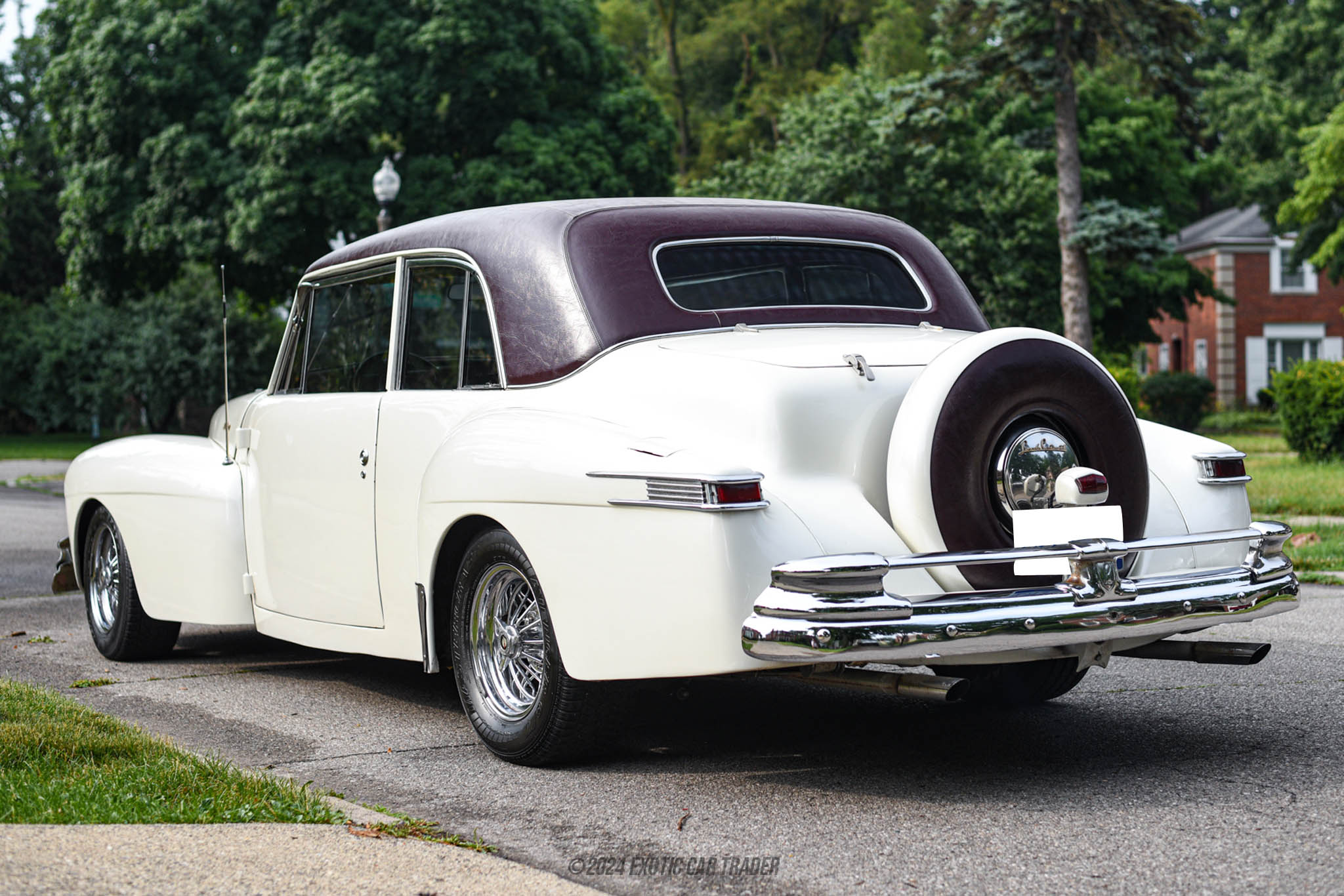
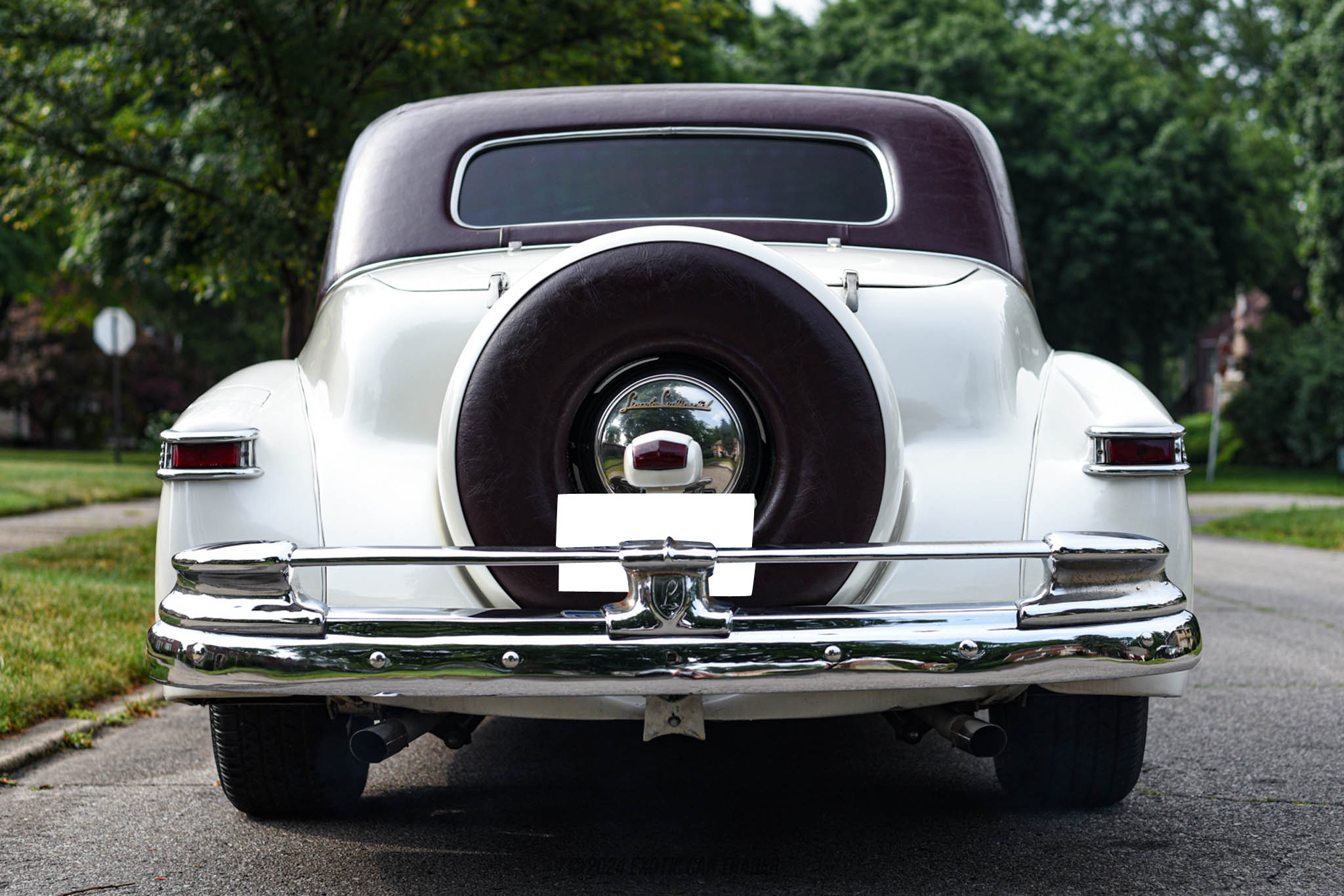
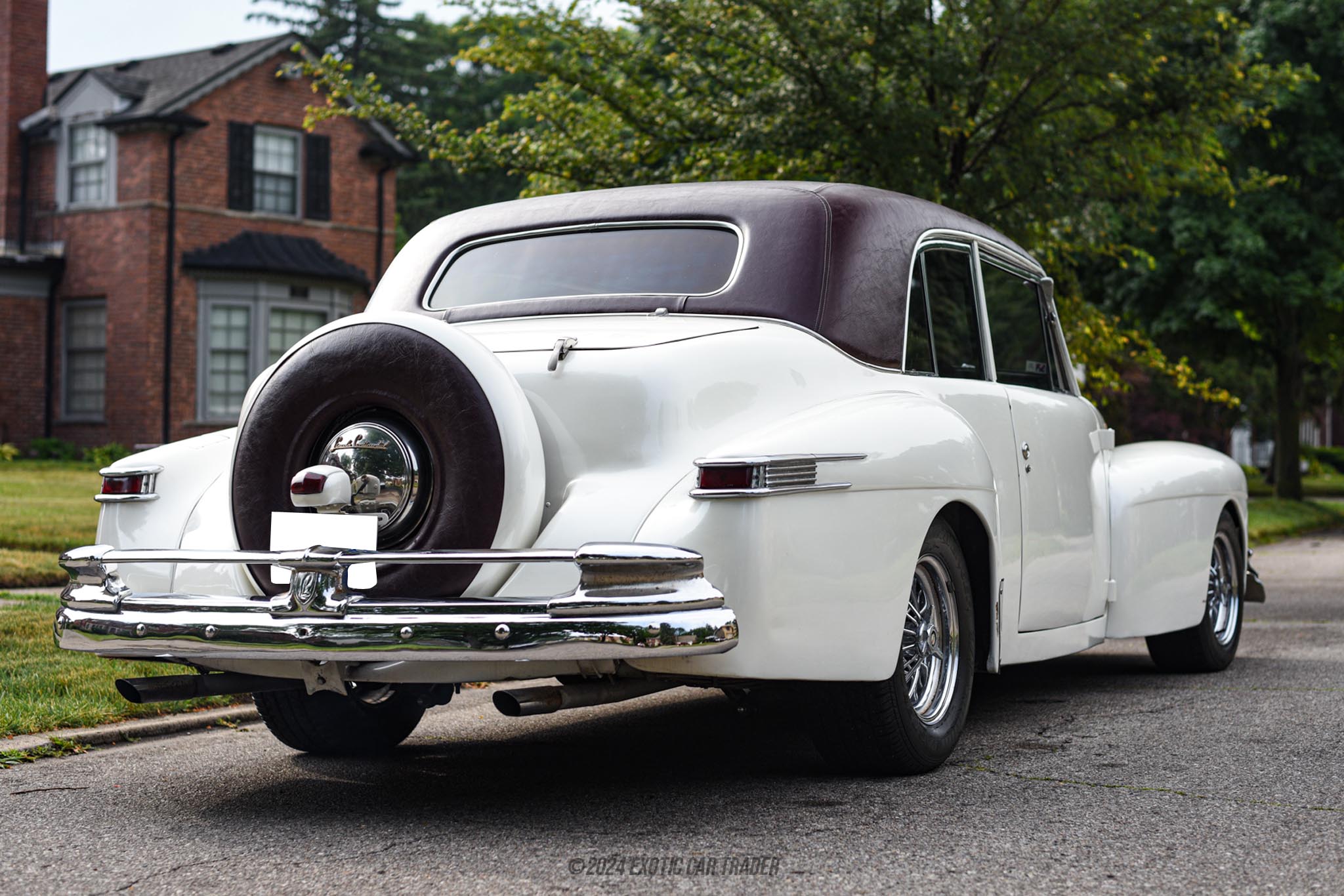
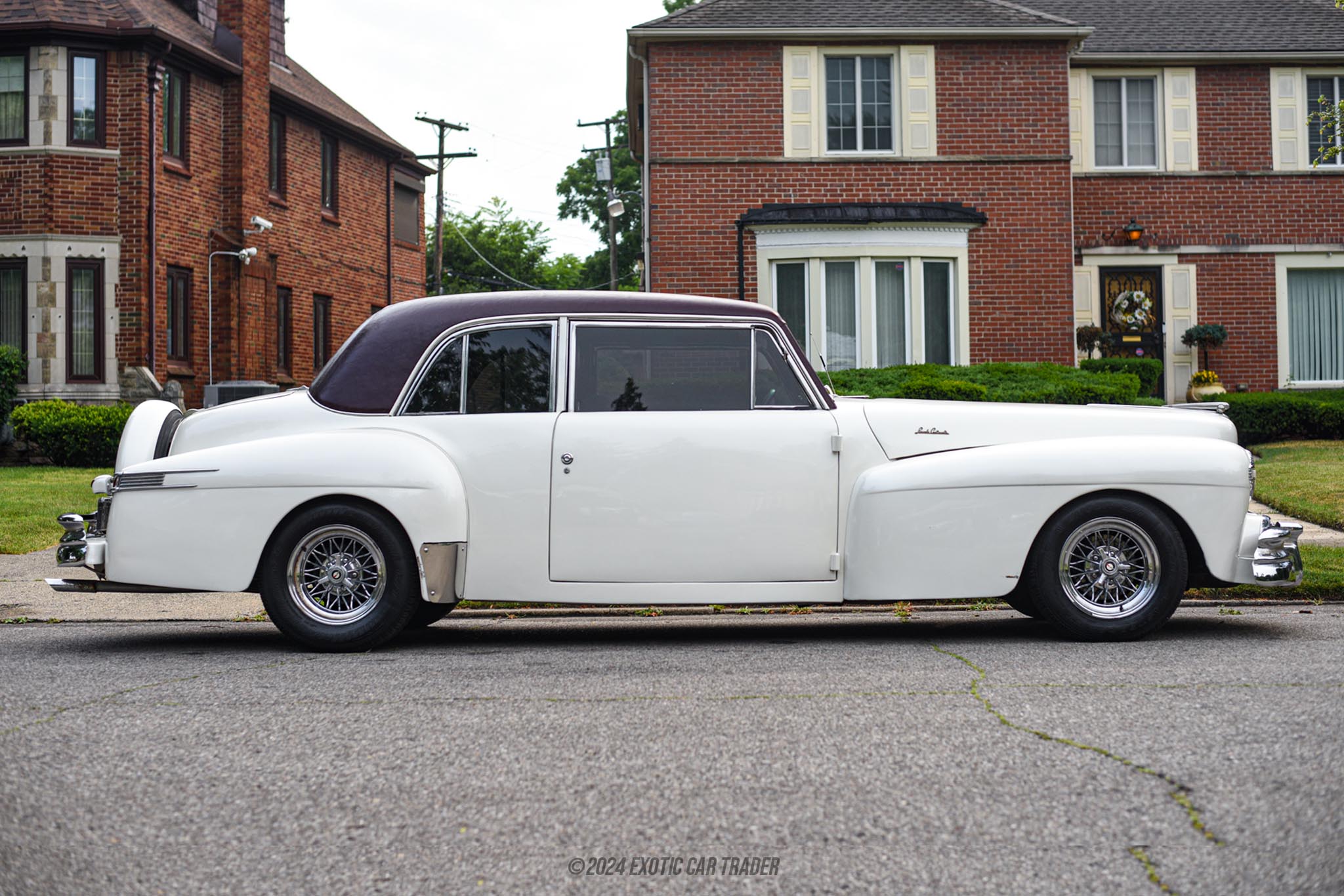
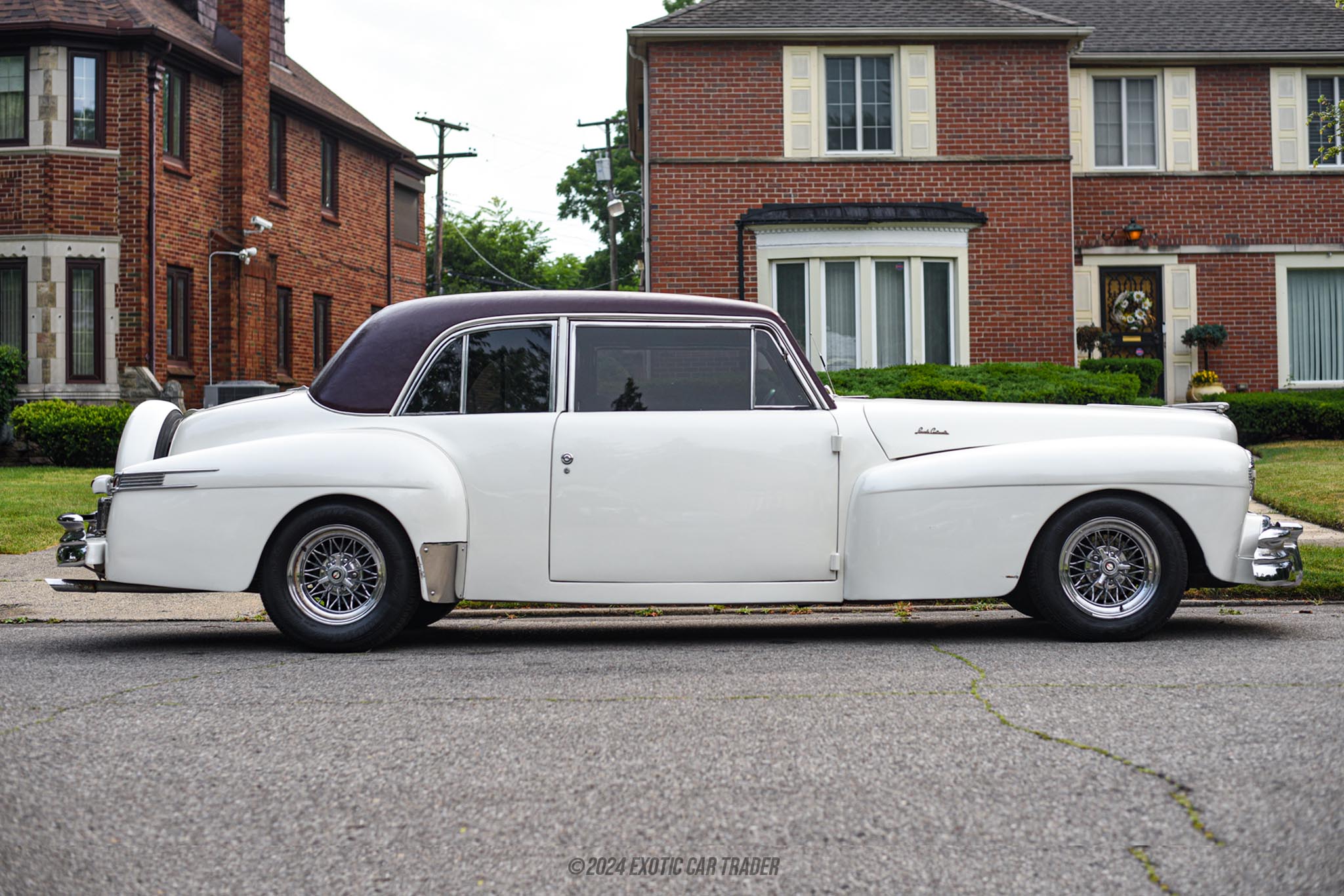
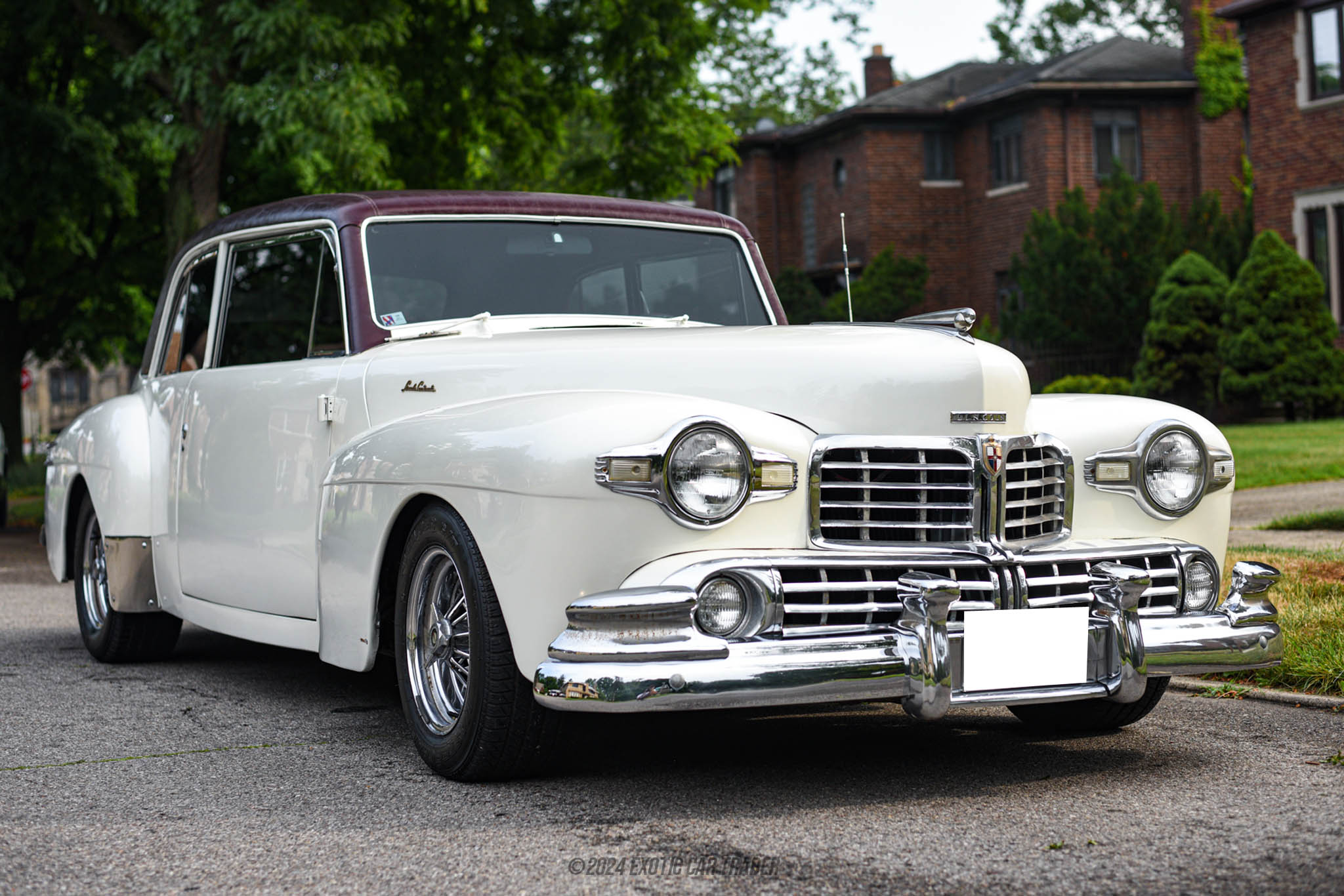
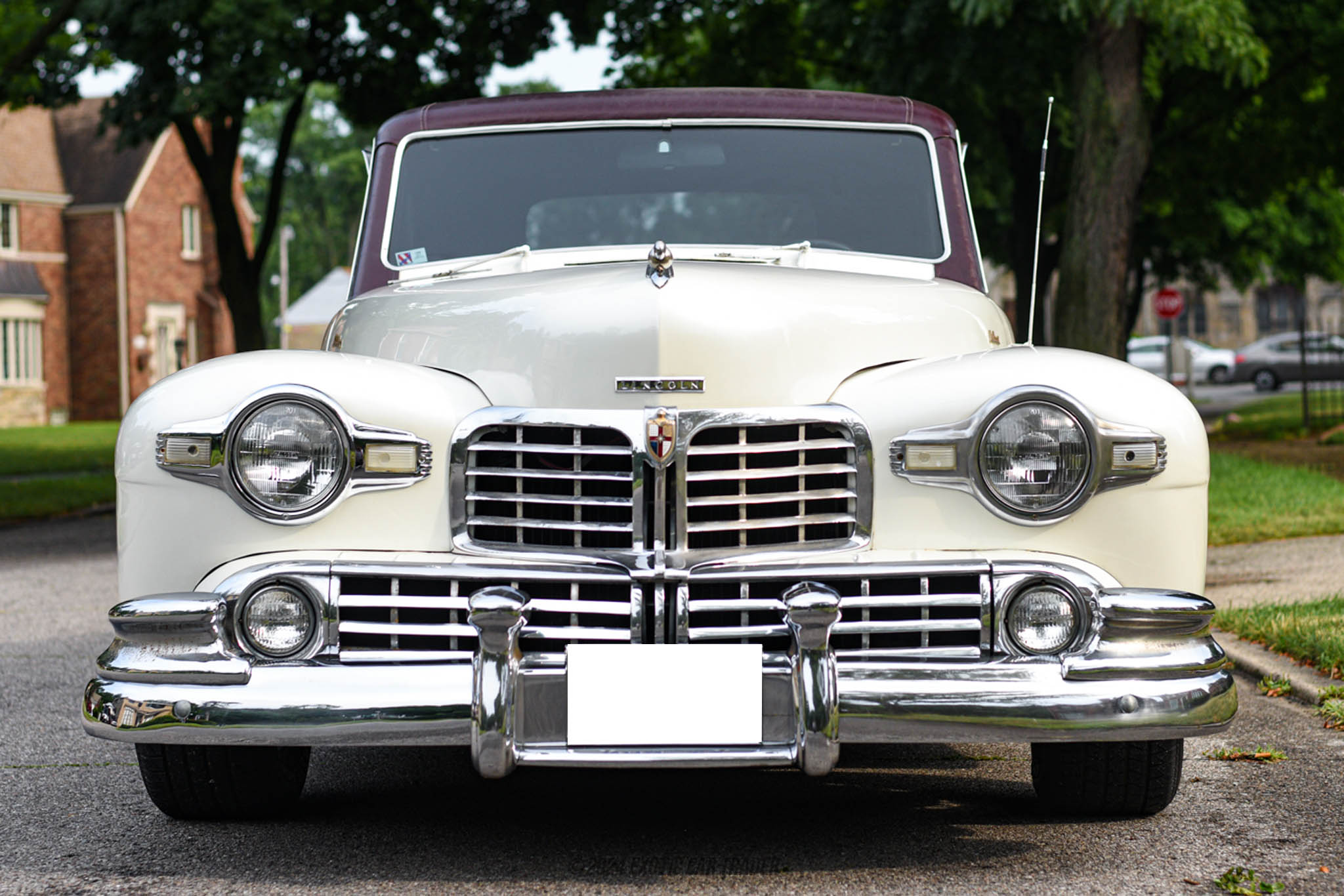
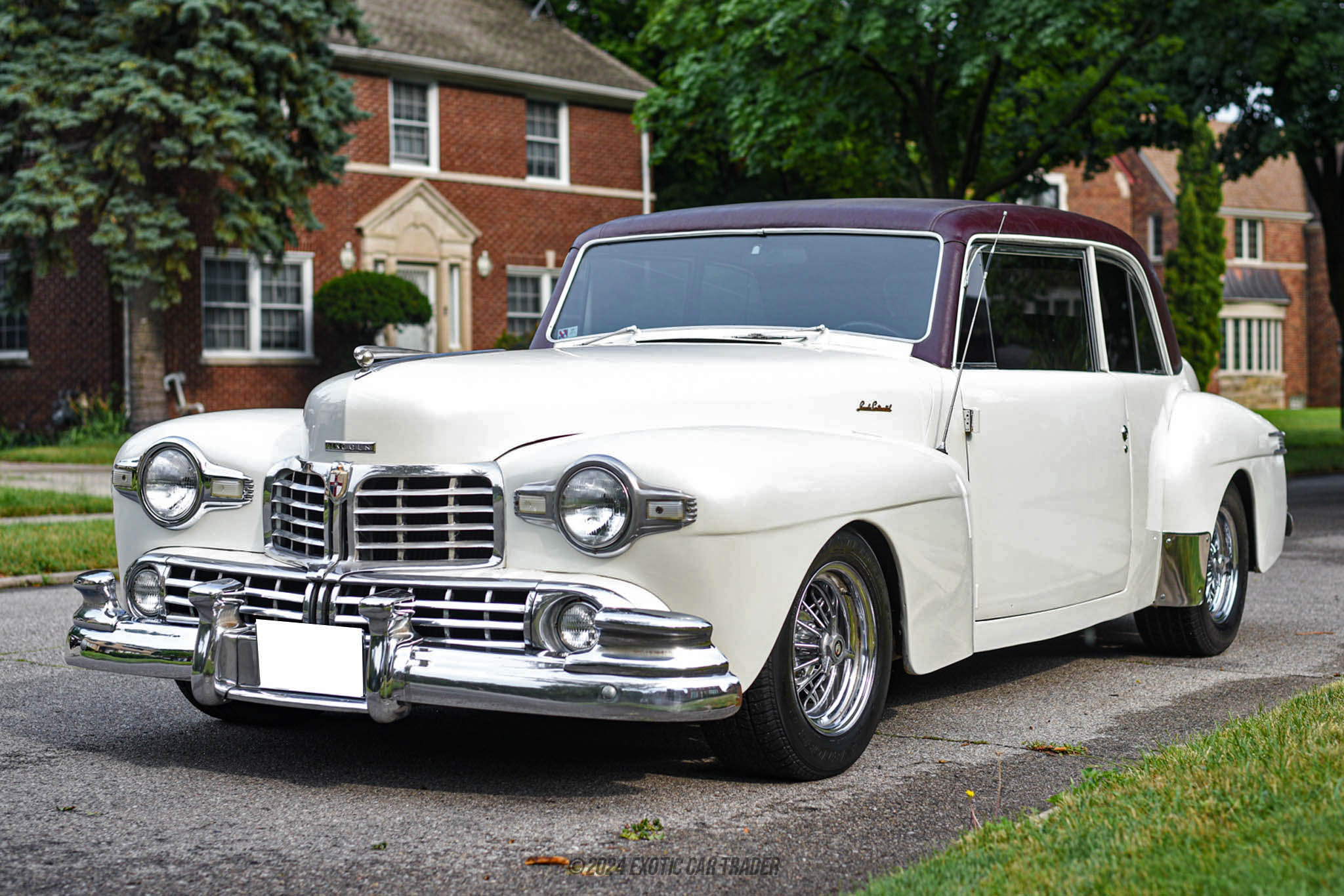
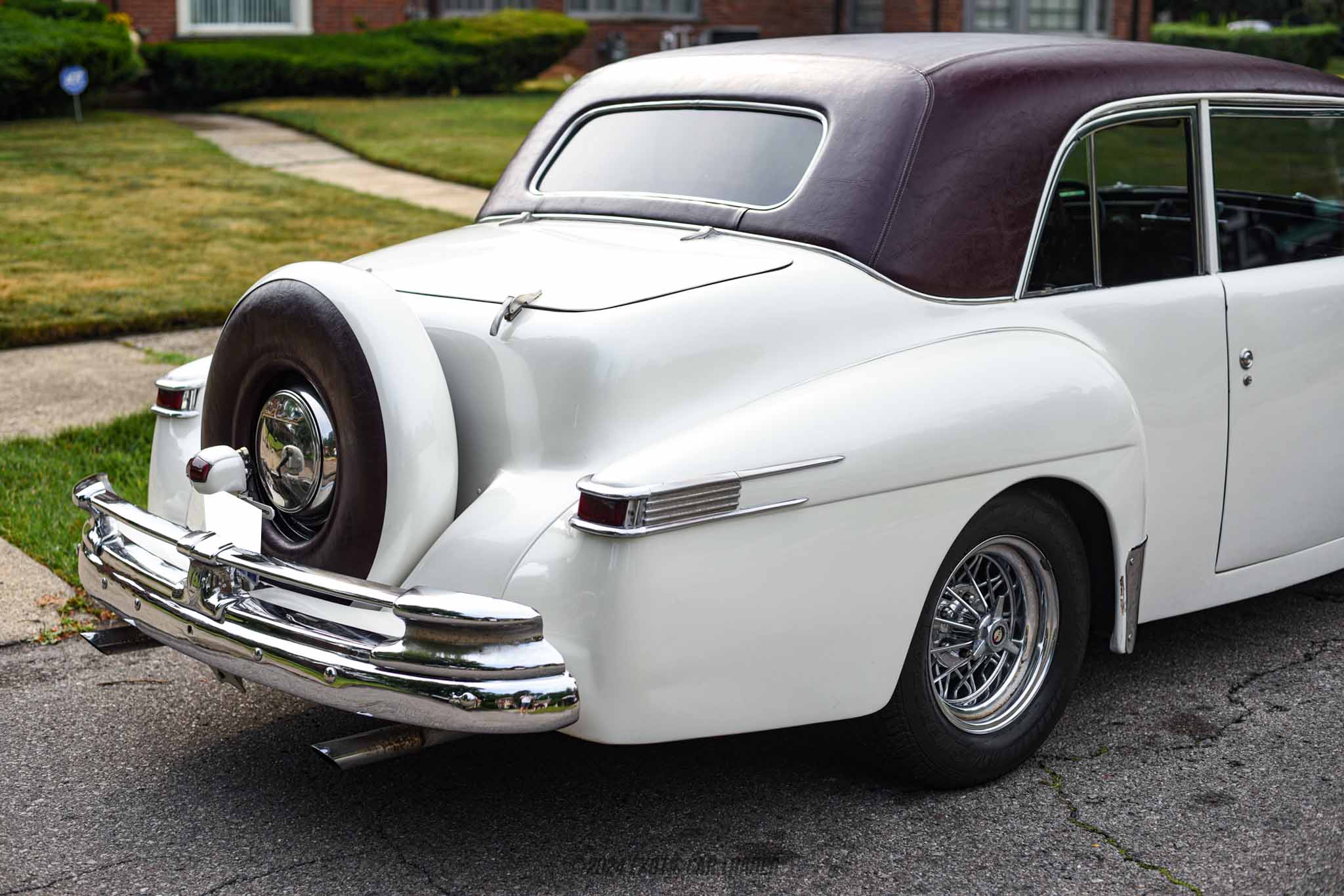
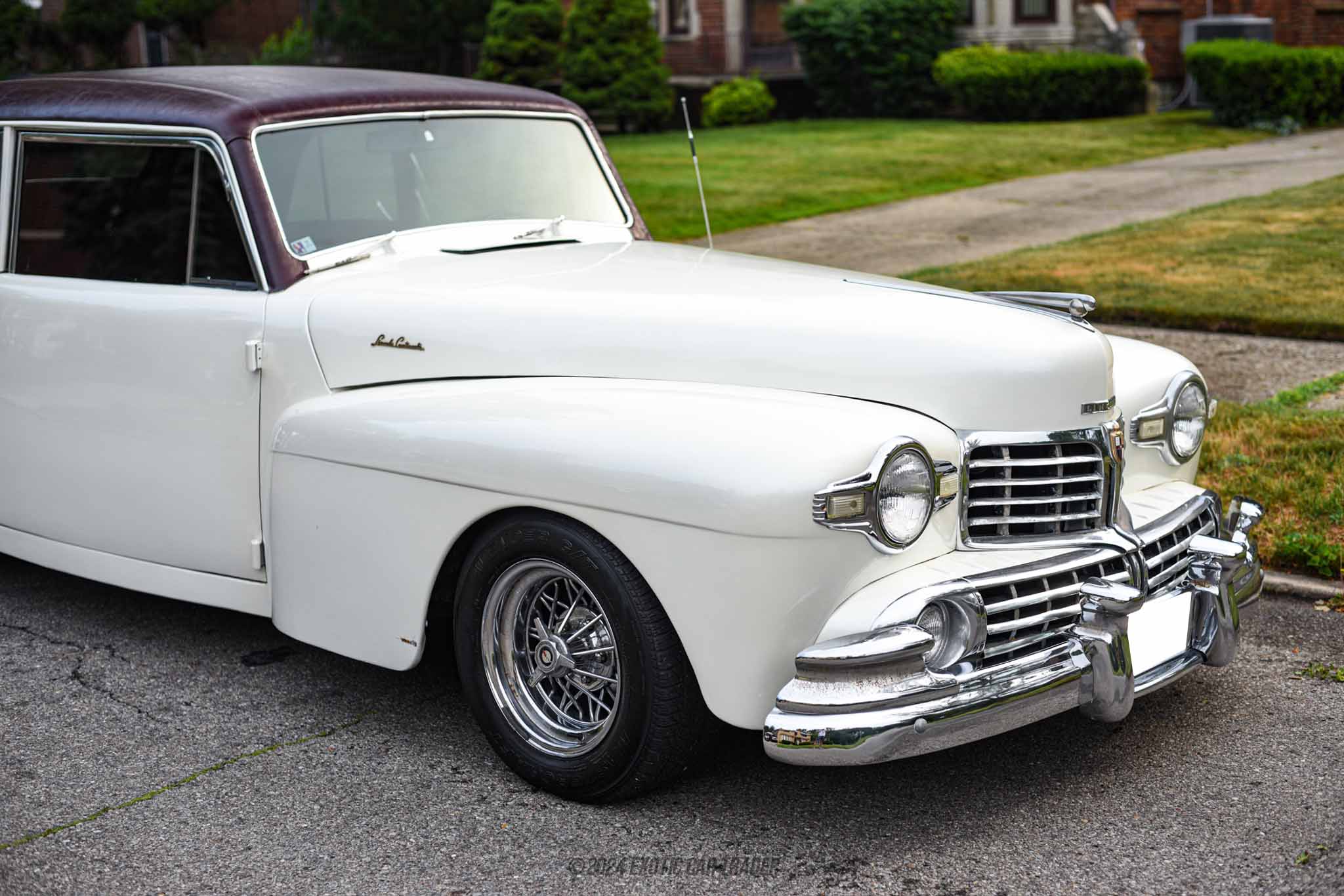
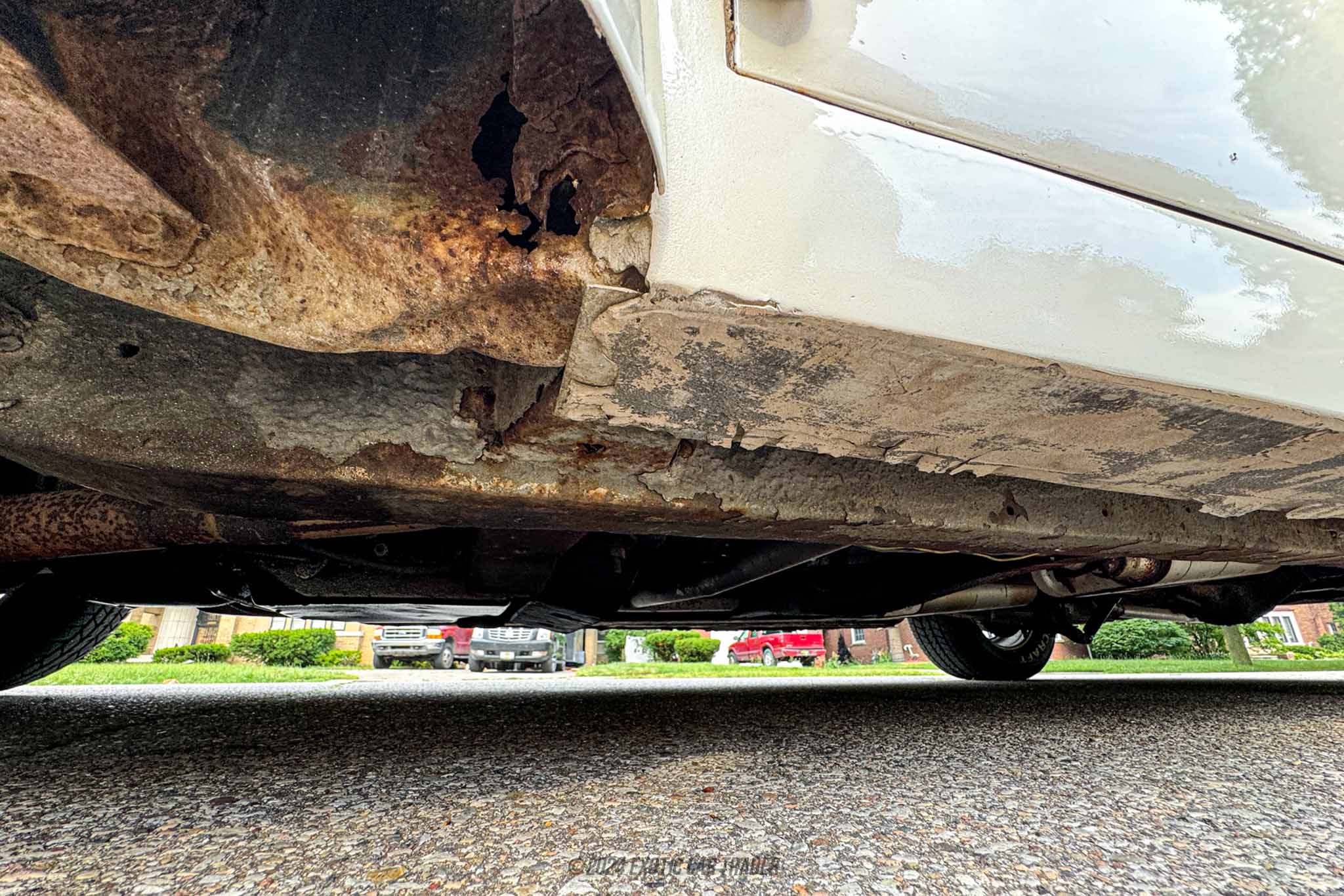
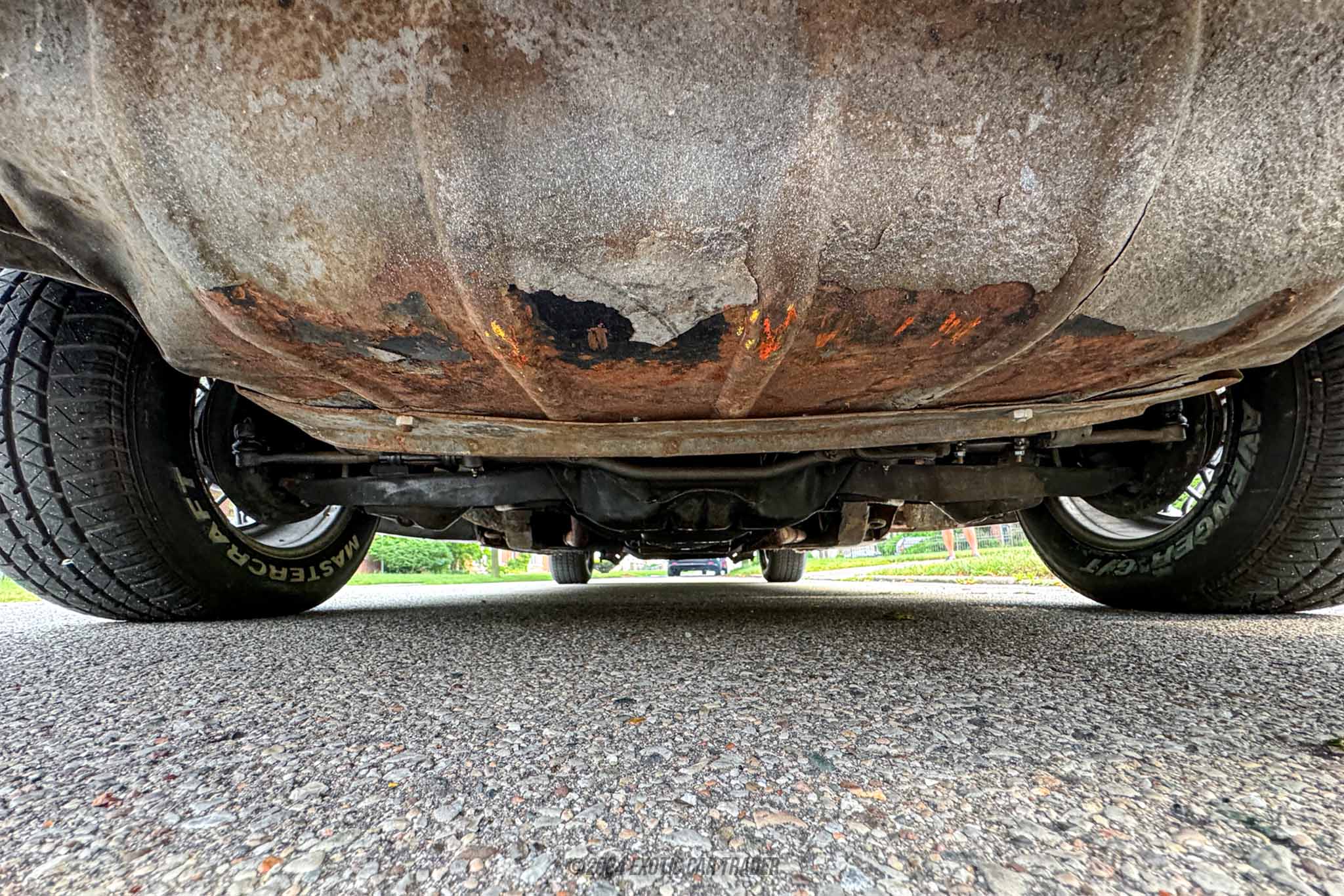
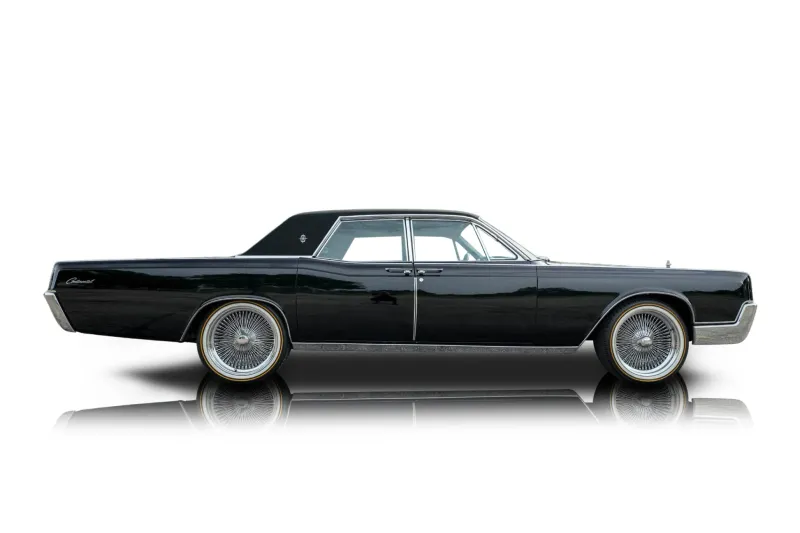


The late 40s saw a resurgence in the American luxury car market that had almost died completely thanks to more than a decade of economic depression and World War. The post-war boom brought a wave of Cadillacs, Packards, and Lincolns re-entering the market. For the first few years after the war, most cars (especially the more expensive ones like the Lincoln Continentals) were largely similar to the pre-war models. This was due to civilian automobile production being paused after Pearl Harbor (and America’s subsequent direct involvement in WWII). In this case, the first-generation Continental had only been in production for a couple of years before being put on hold. They were offered only in 2-door form, as either a coupe or a convertible. Several changes were made when production was resumed in 1946, the most prominent being the “Zephyr” name being removed from Lincoln-Zephyr. This production run would last only a few years as well, ending in 1948. The 1949 Continental would be a fancier Mercury and not quite the expensive and exclusive personal-luxury vehicle that its predecessor was.
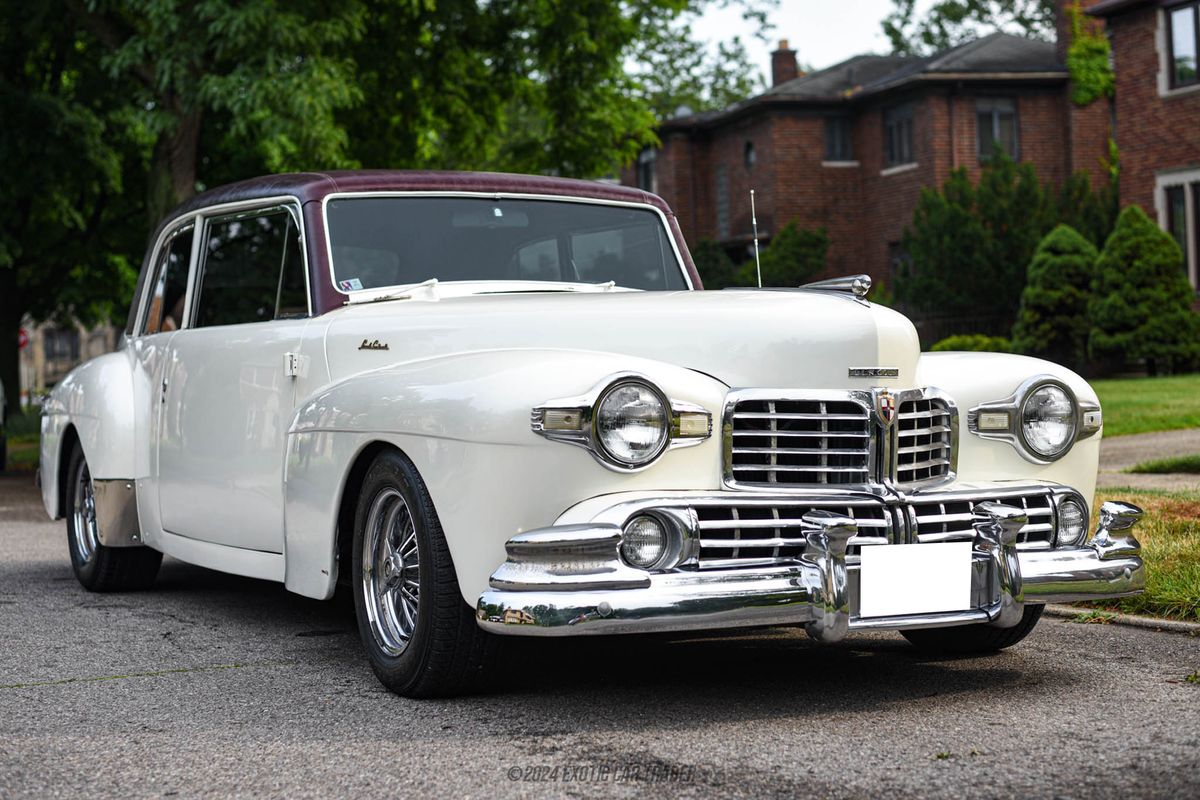
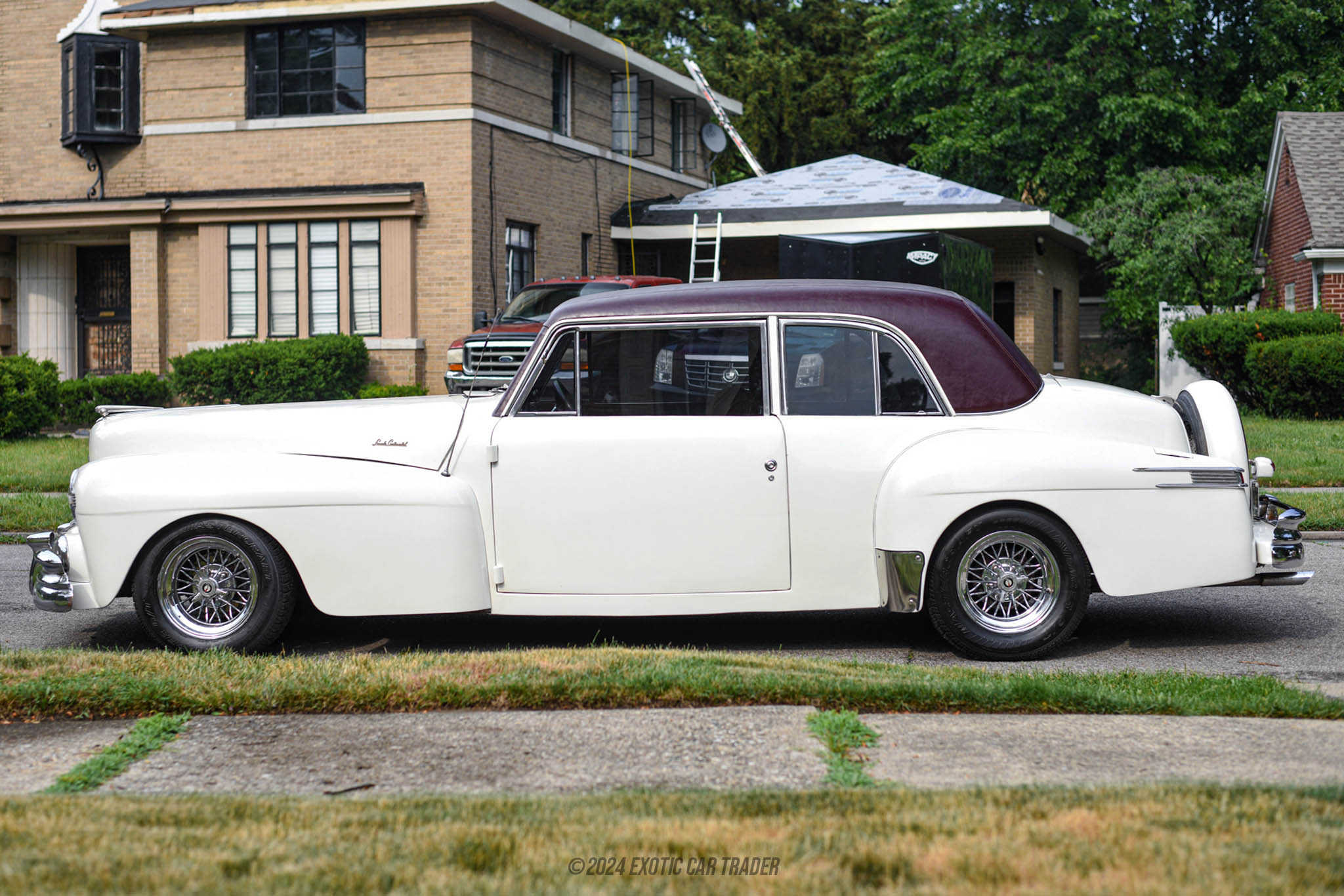
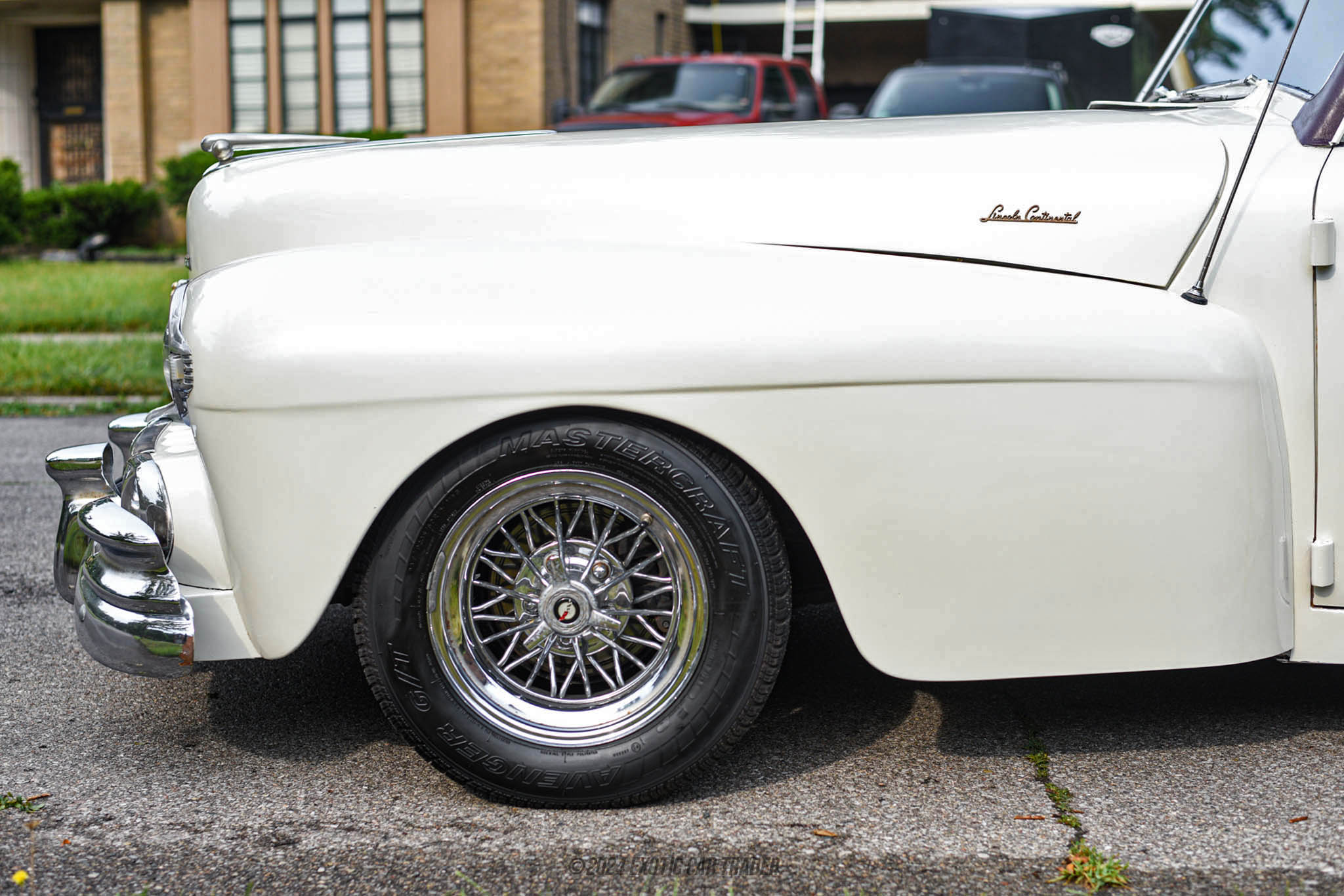
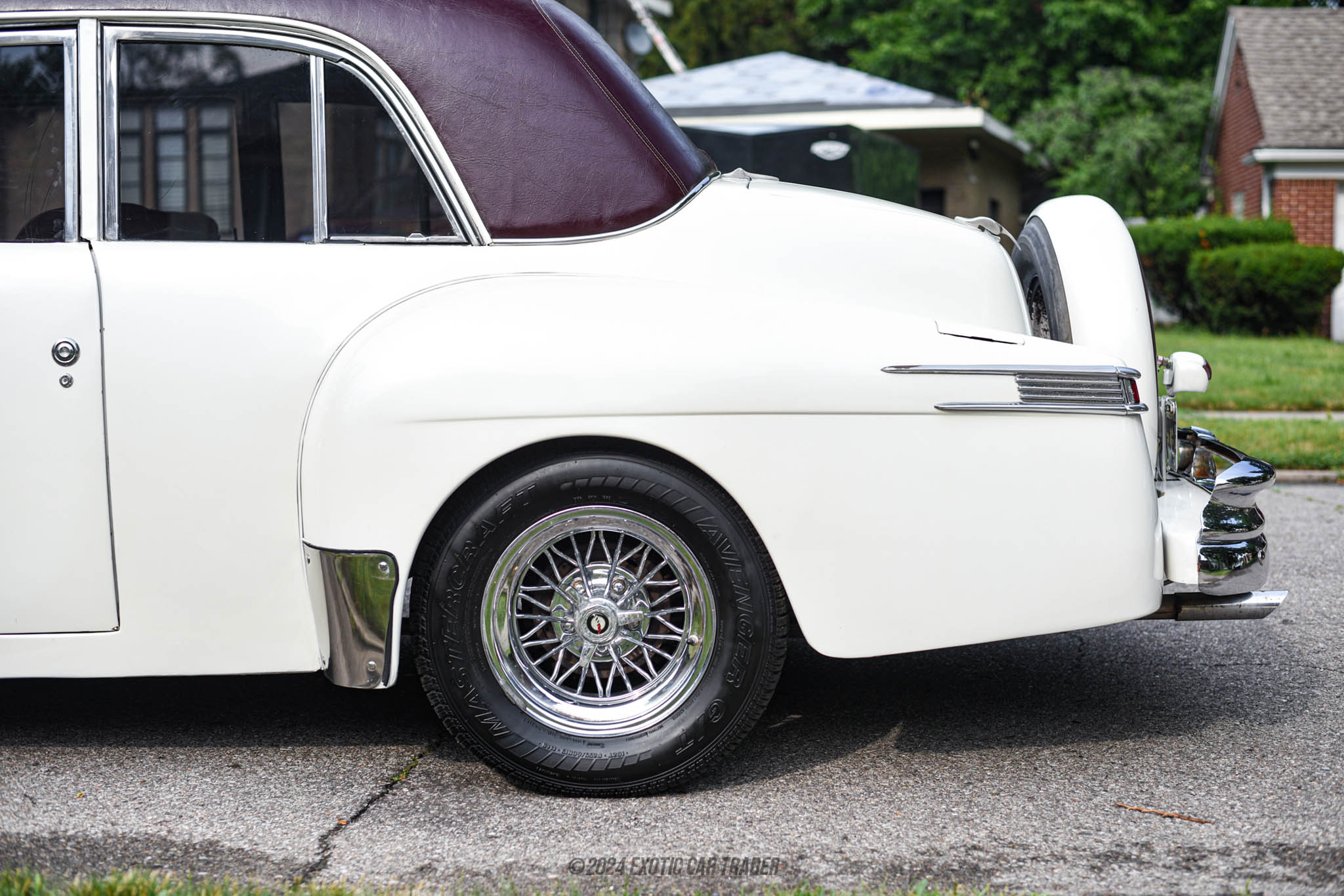
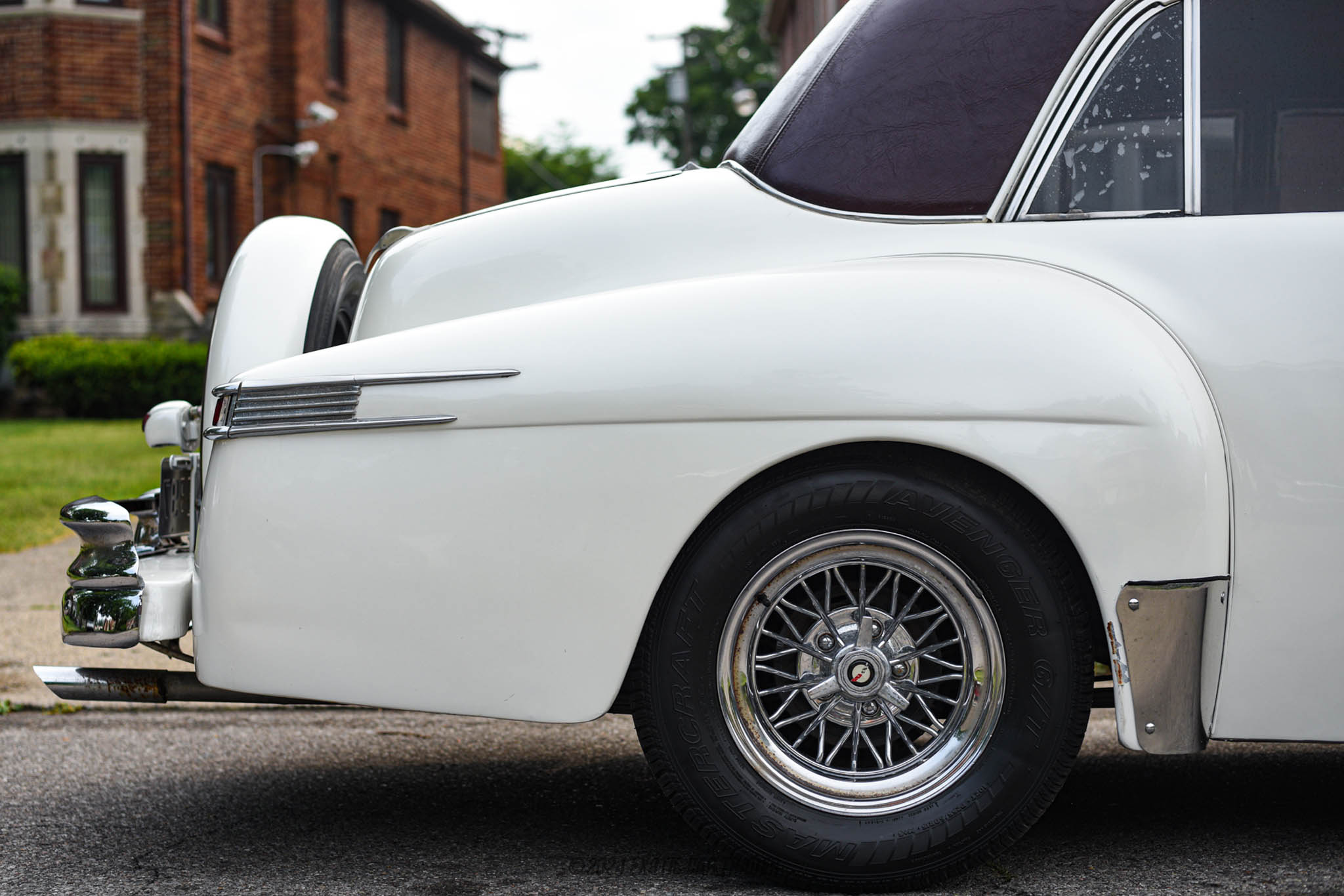
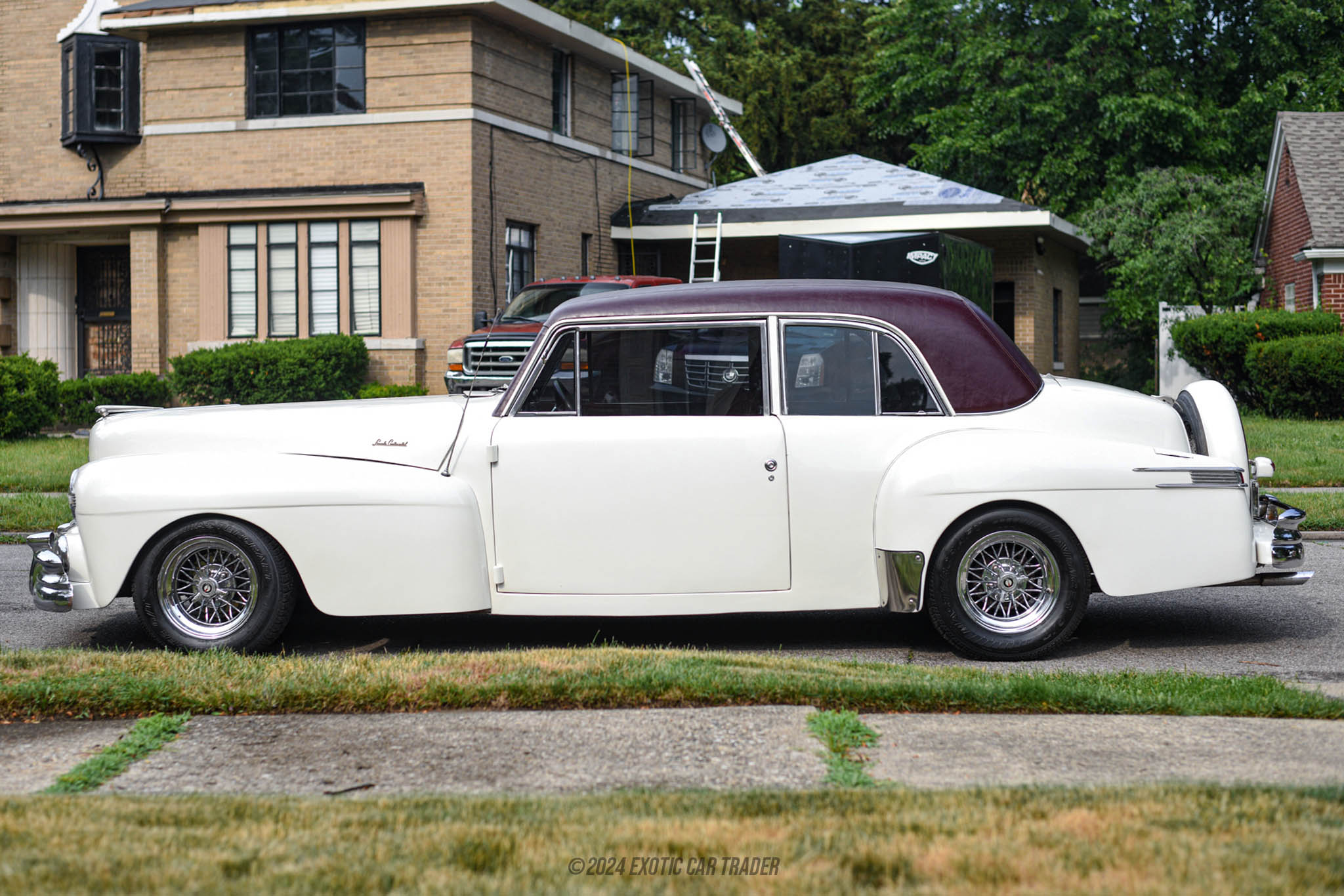
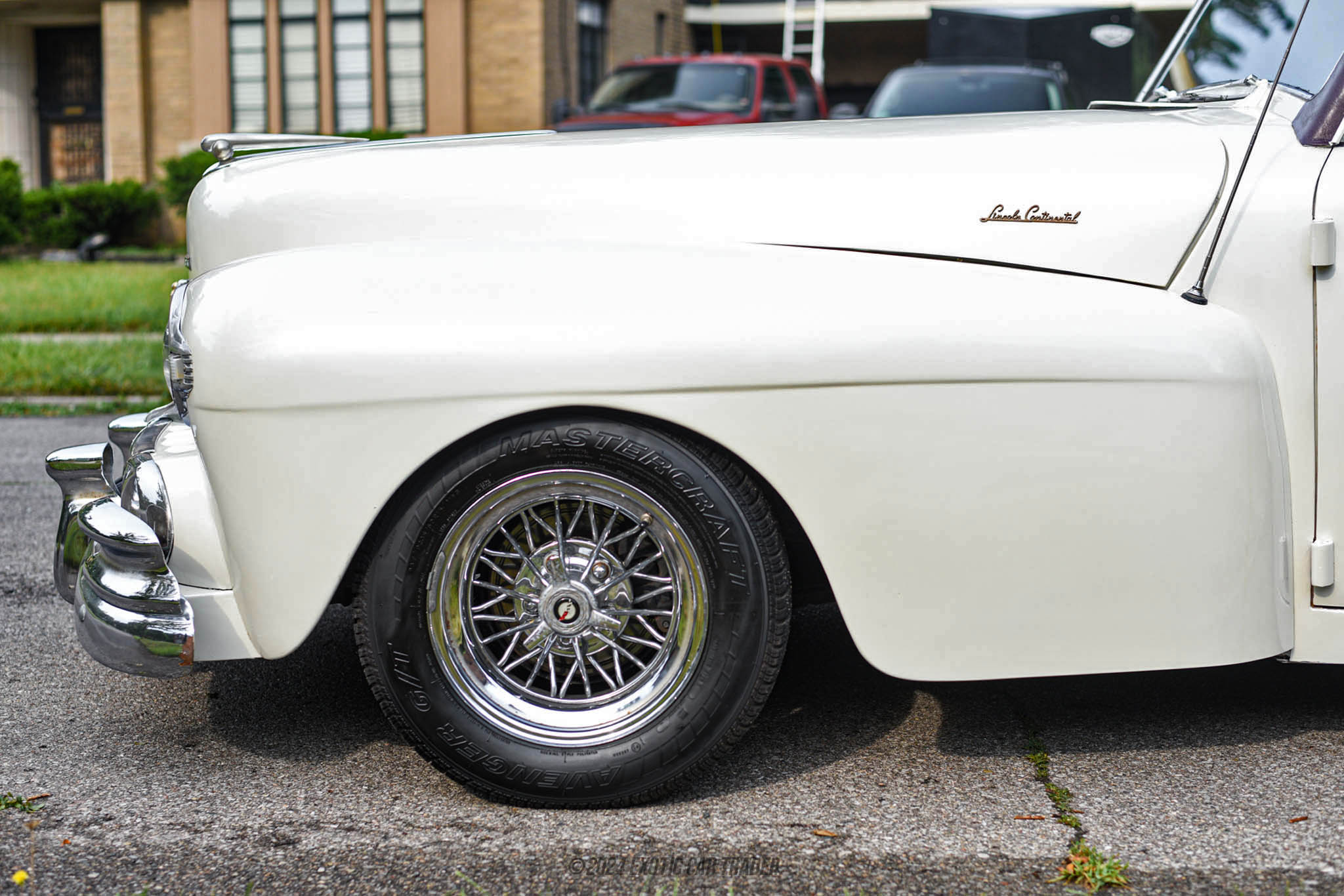
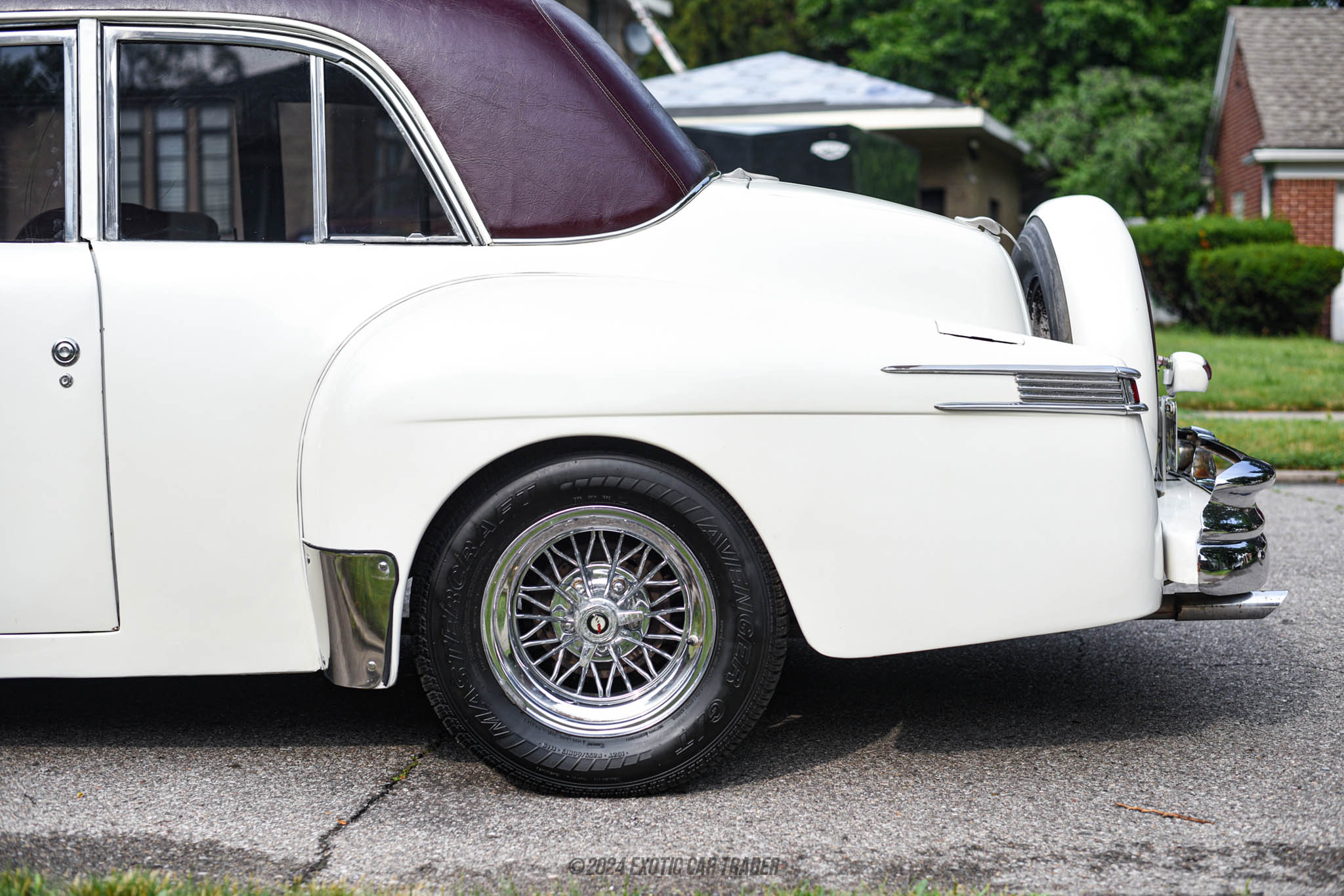
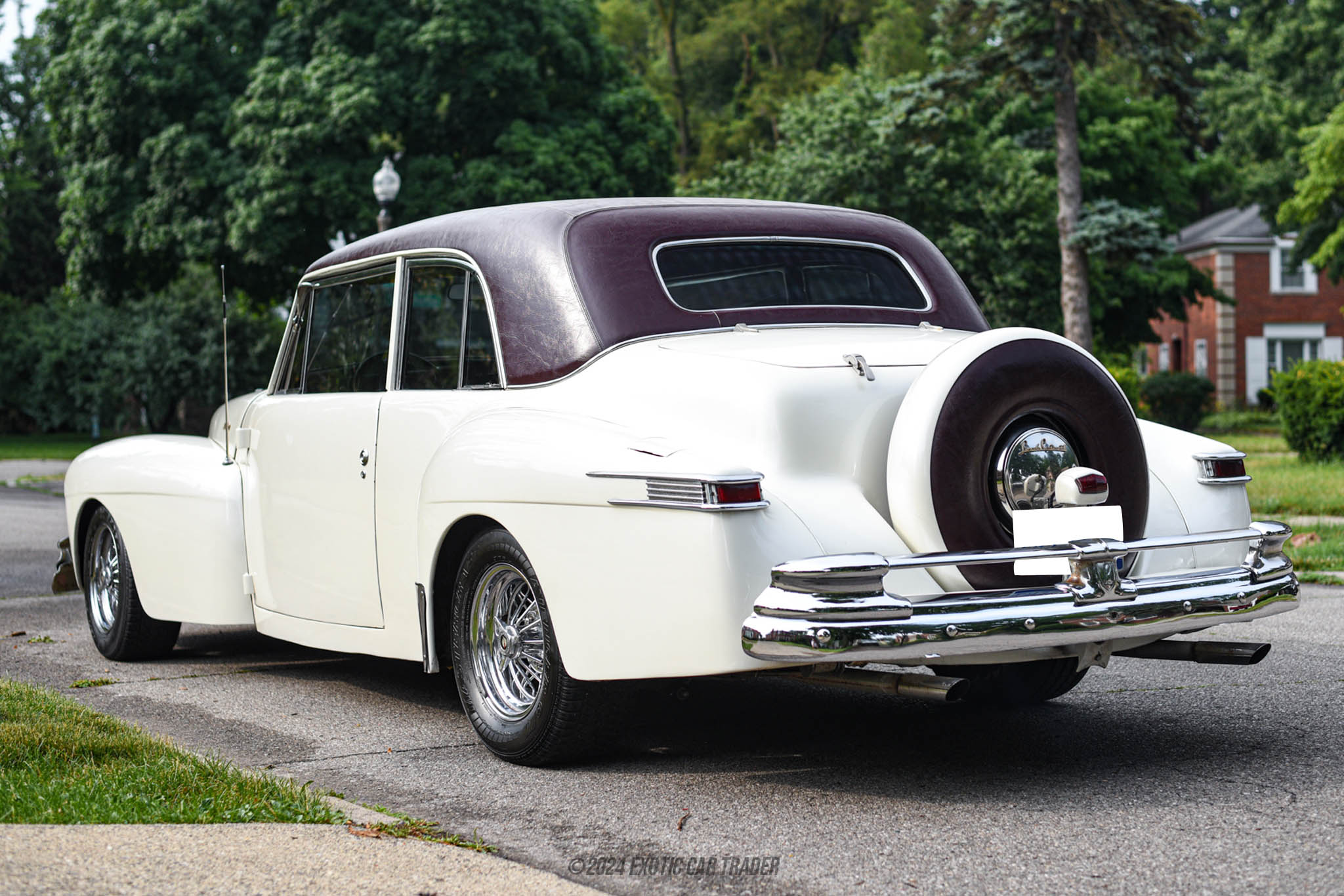
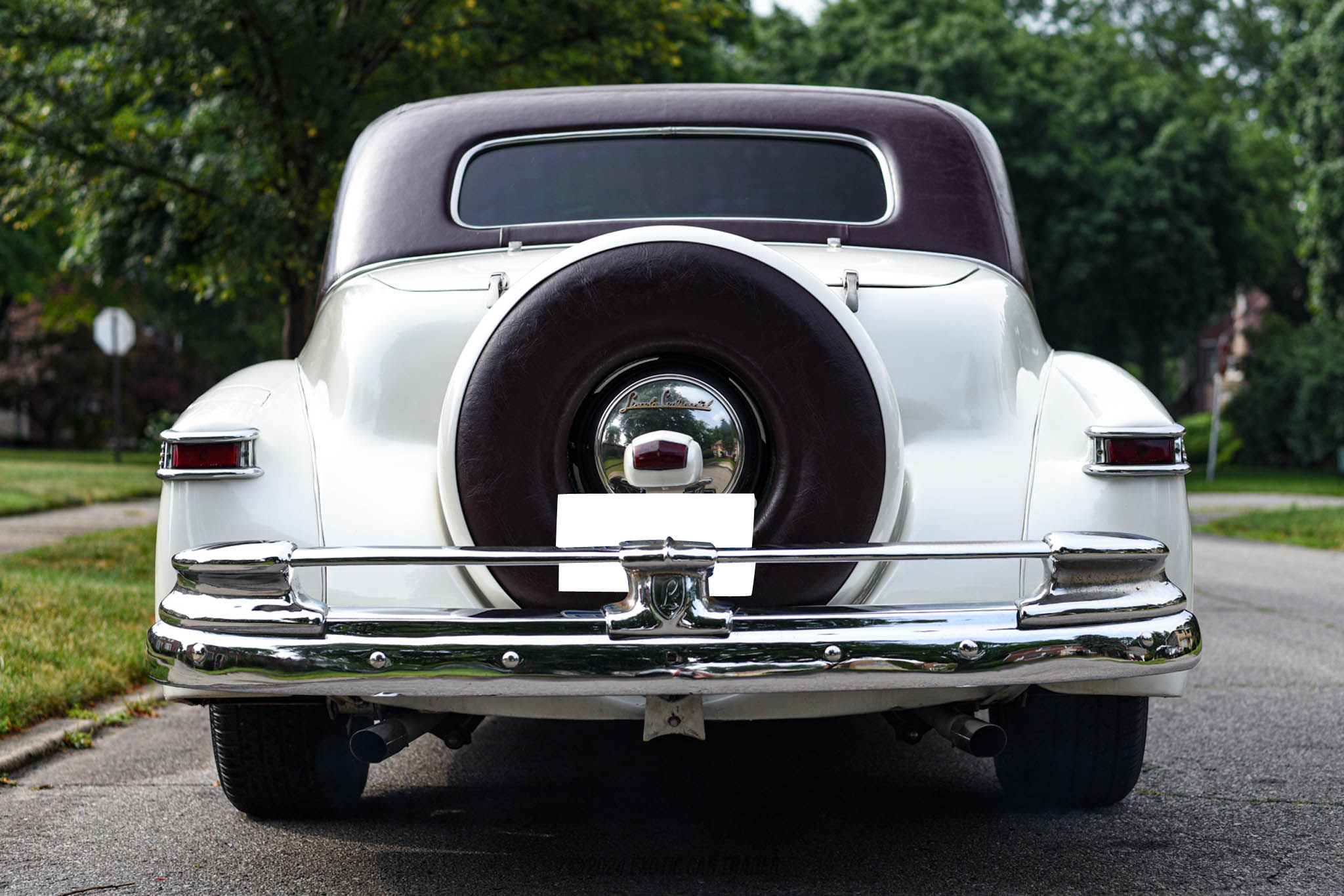
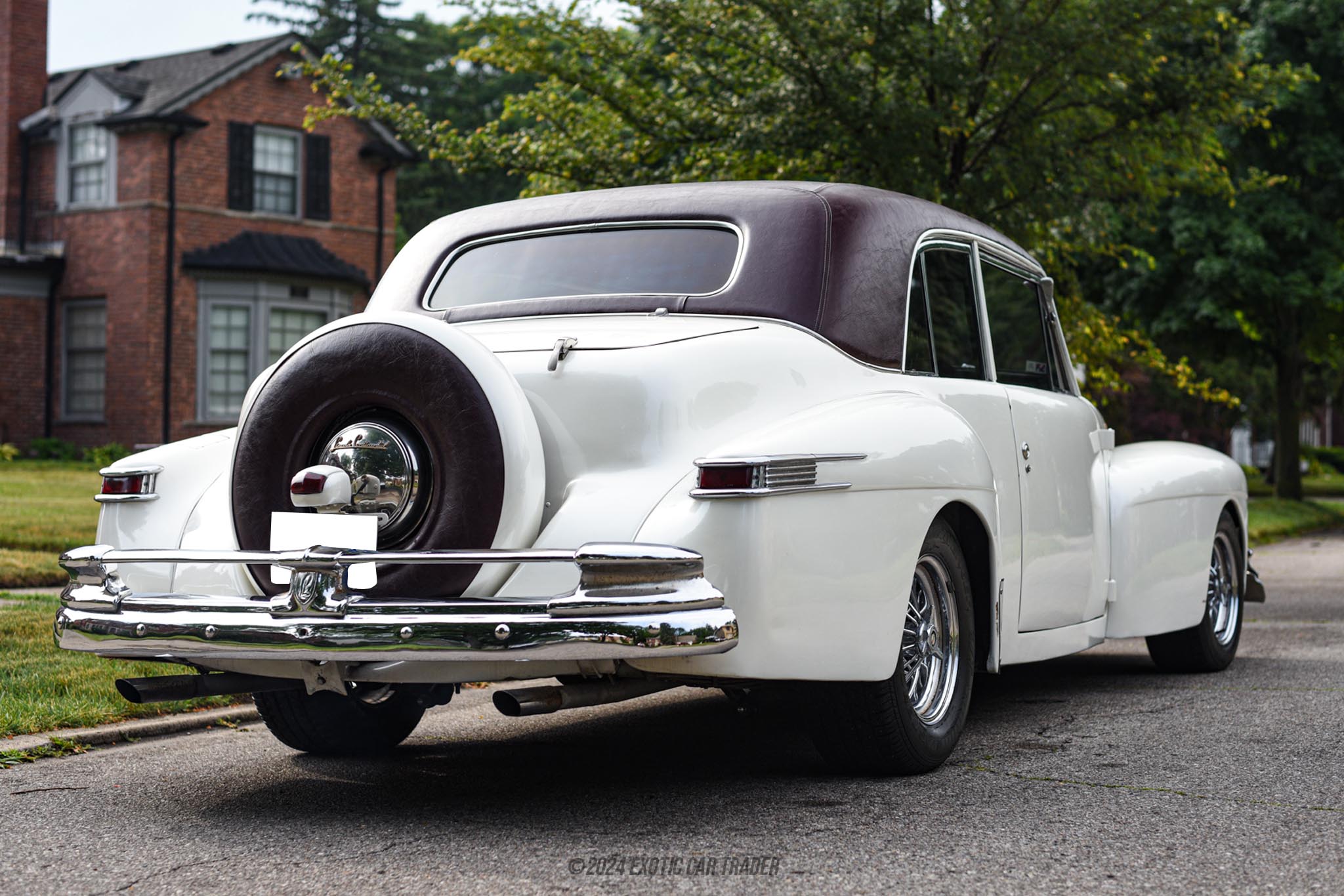
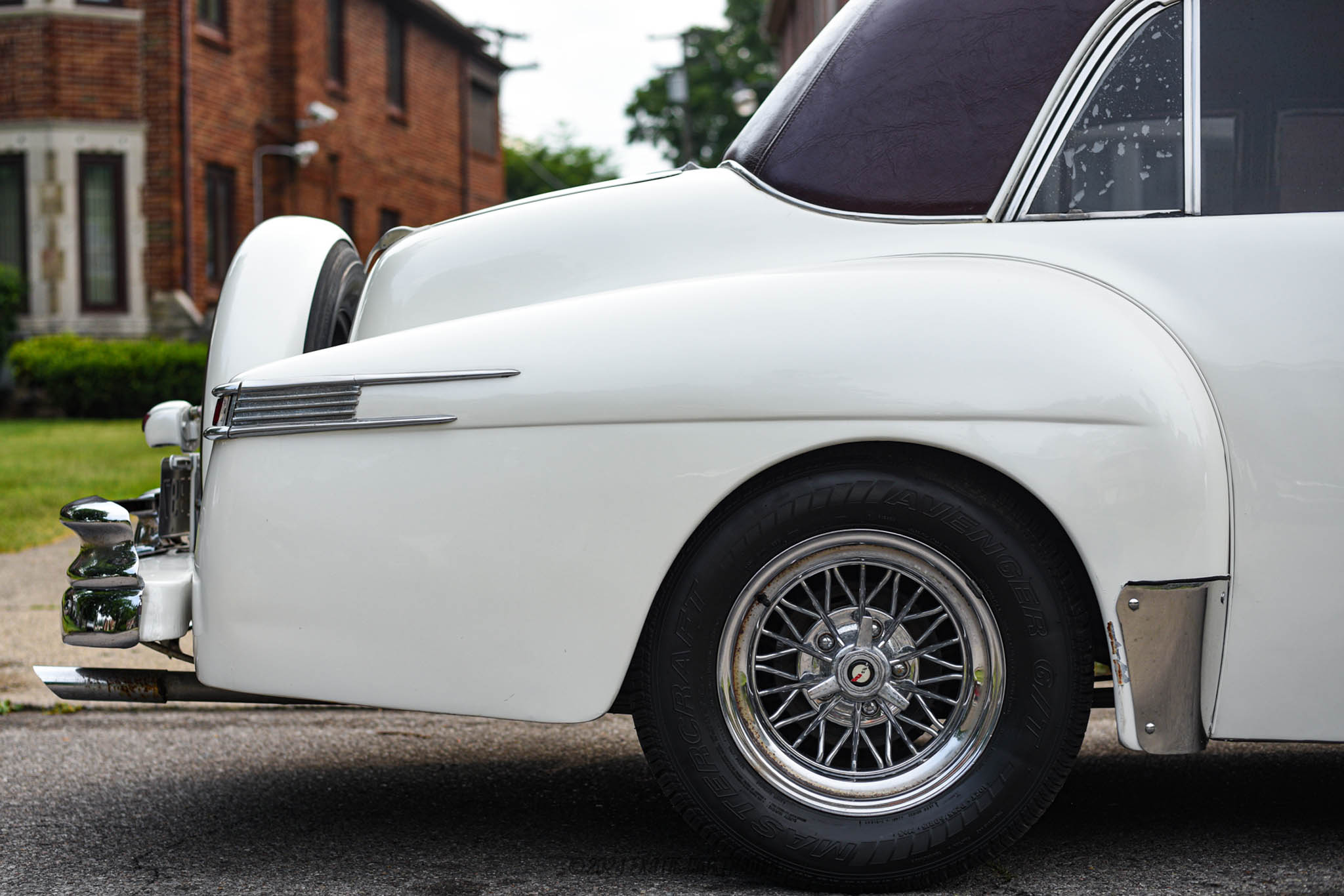
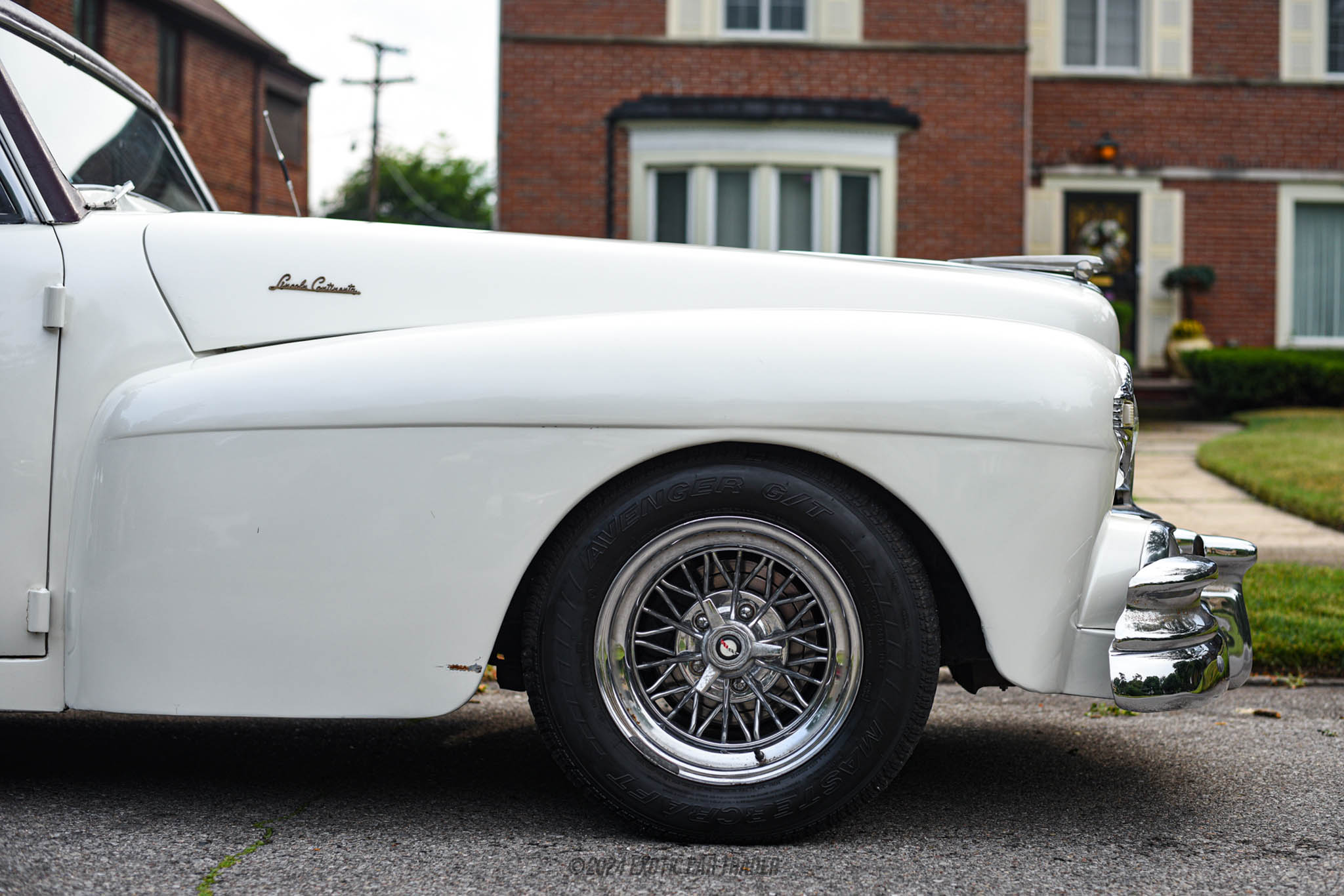
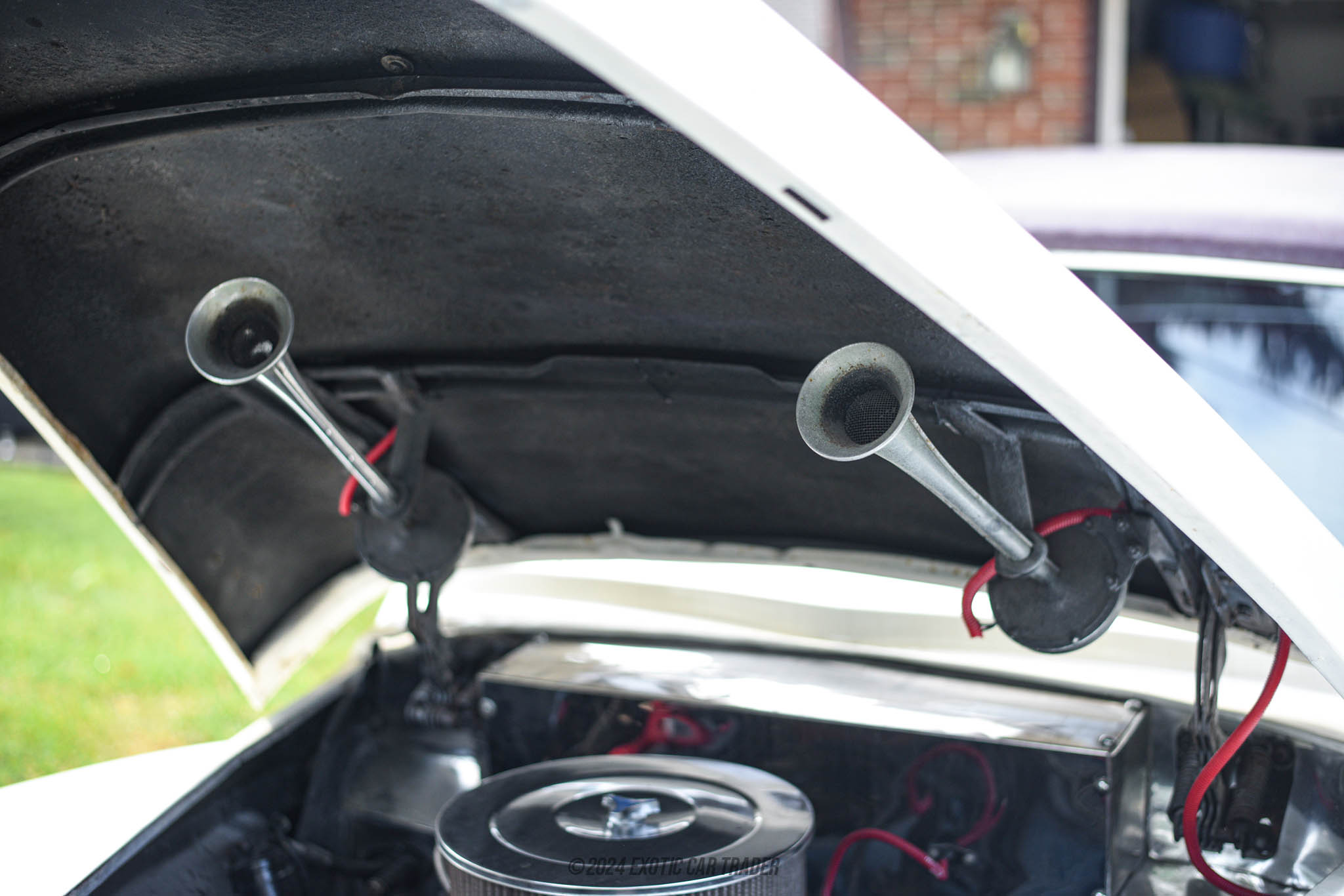
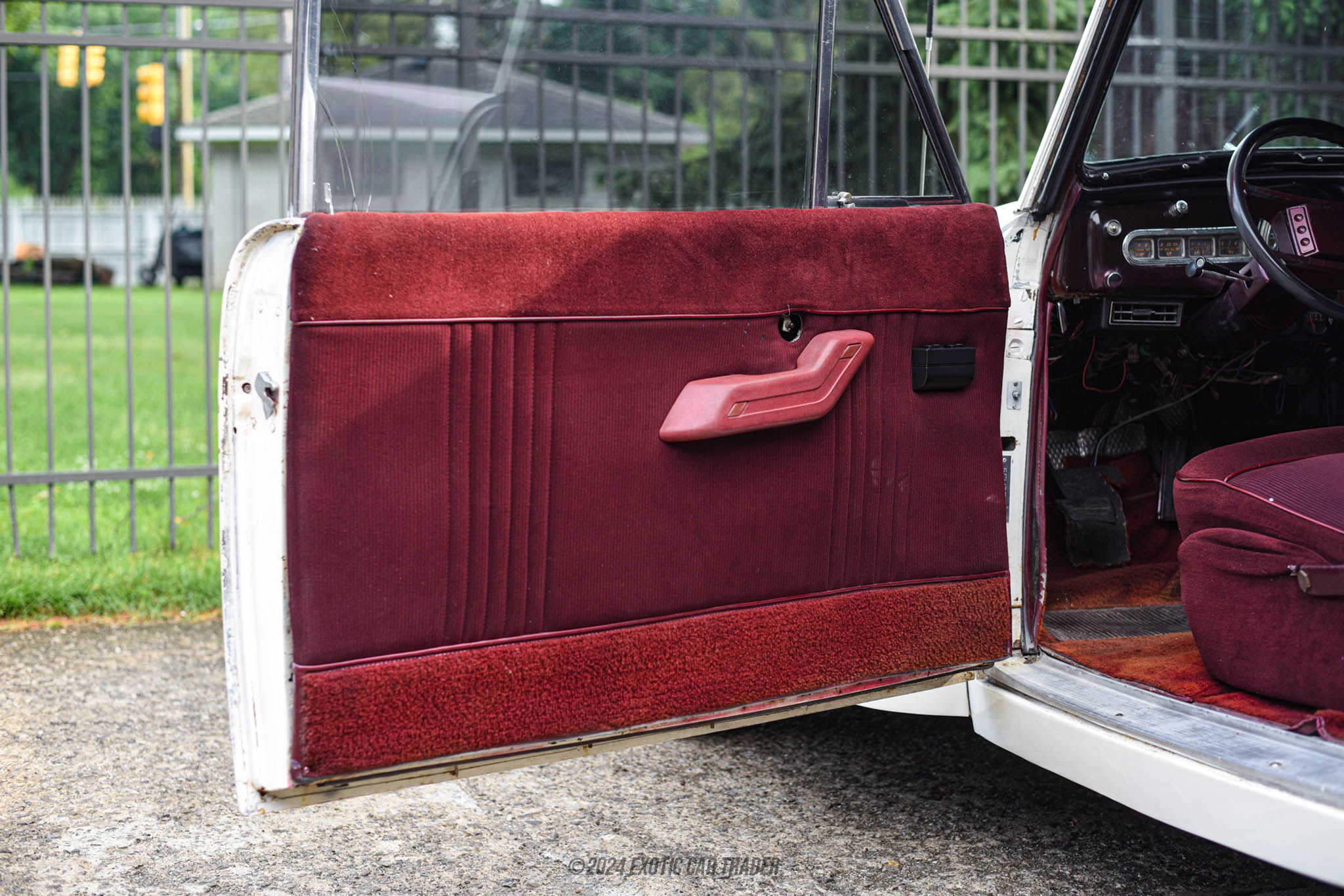
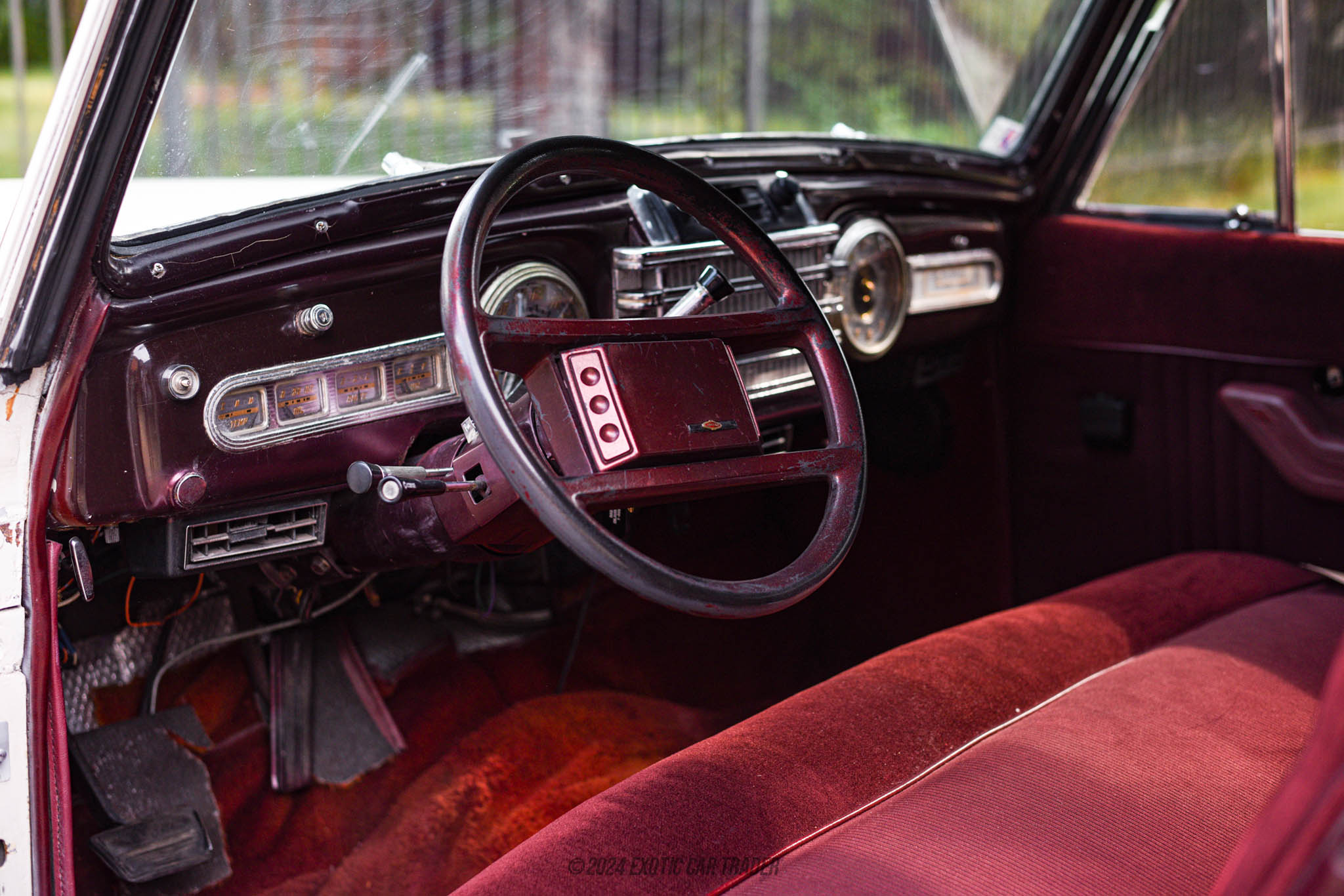
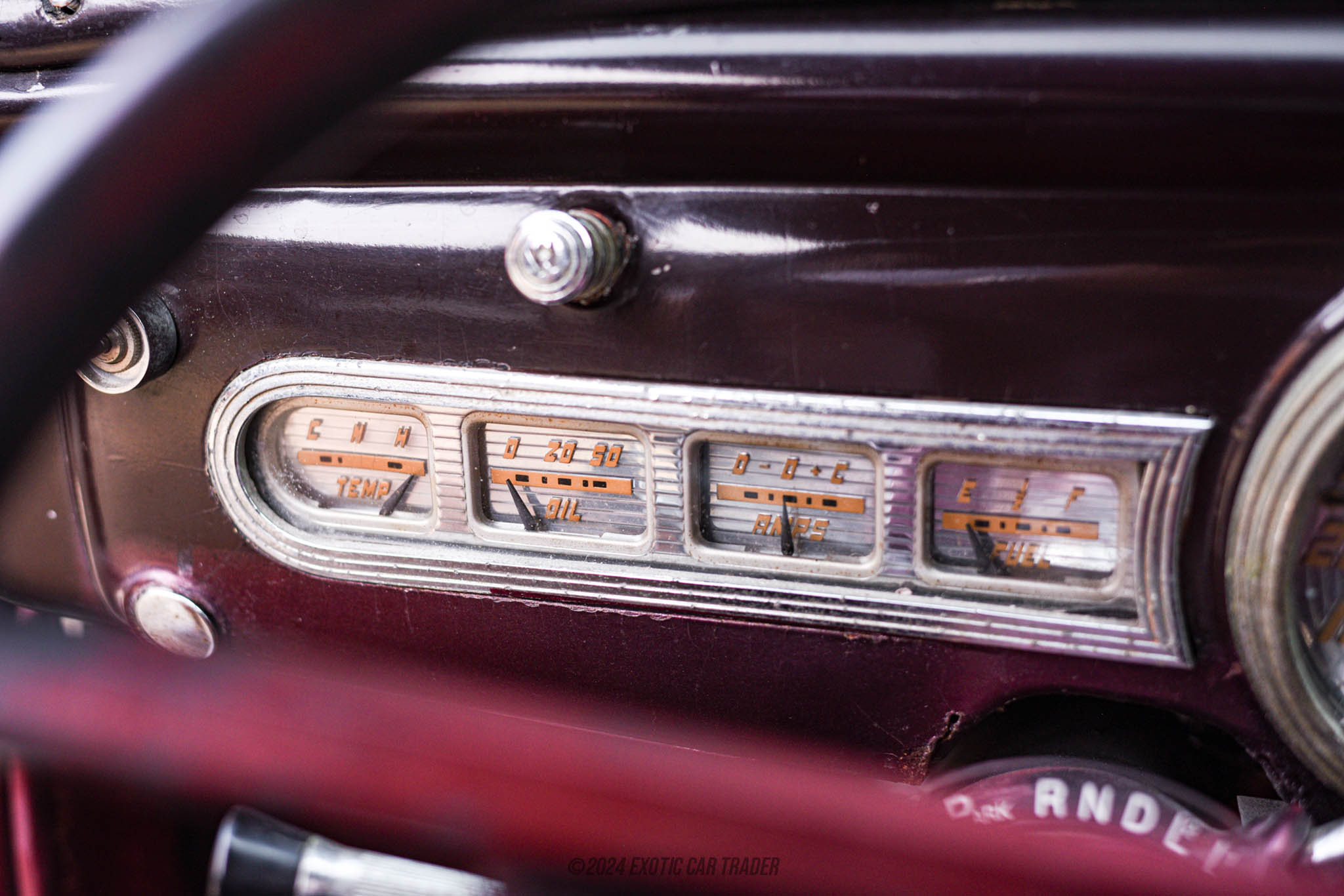
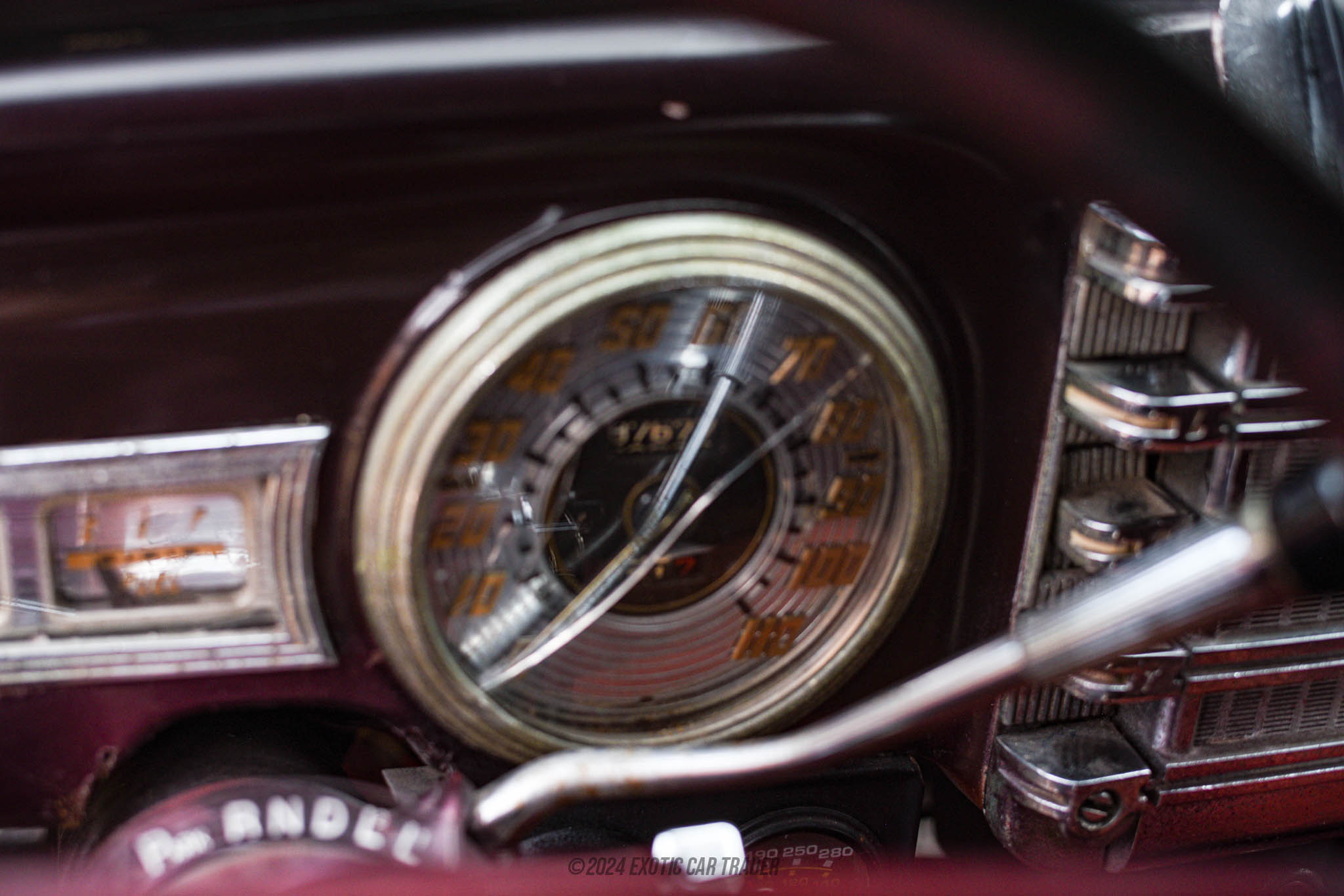
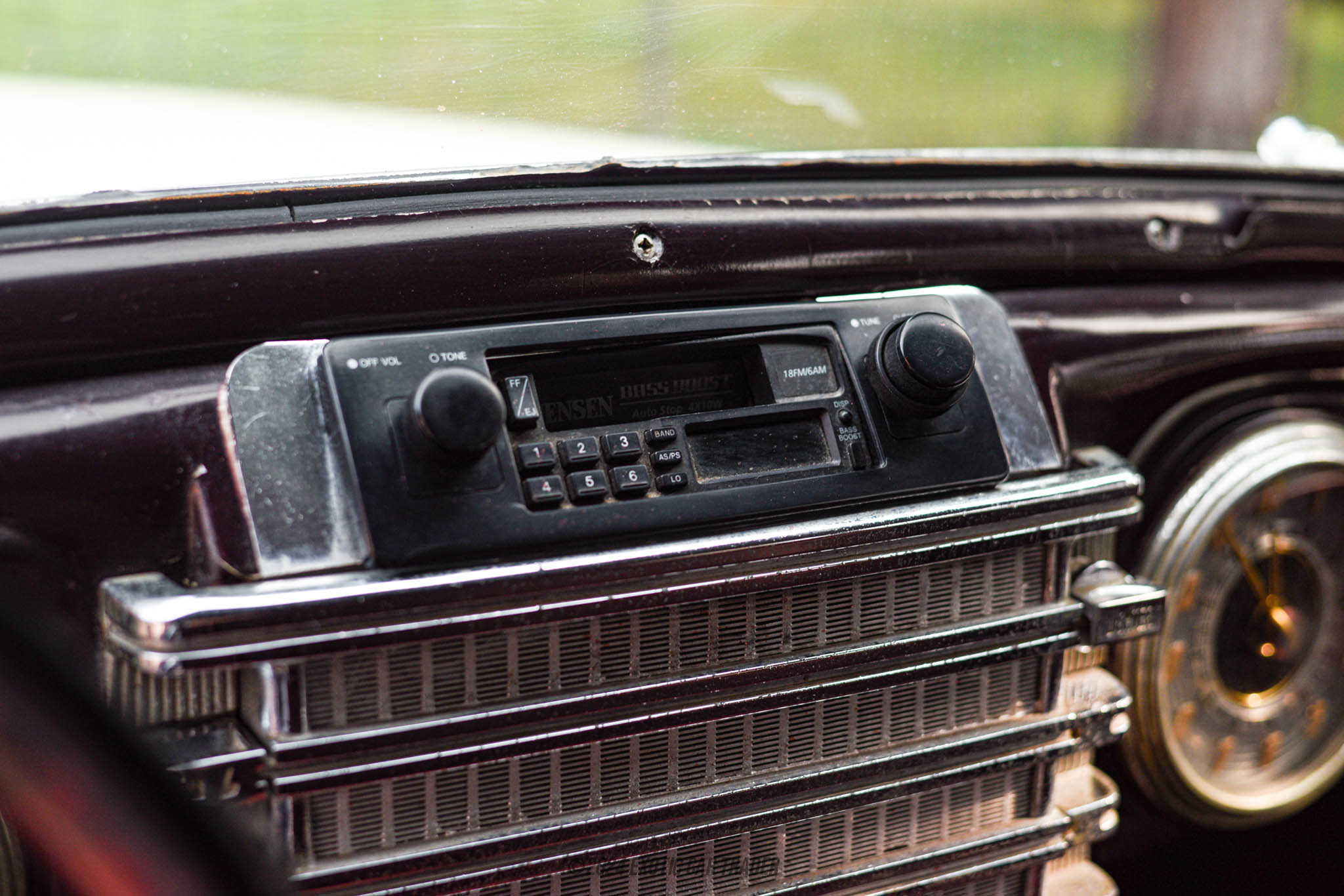
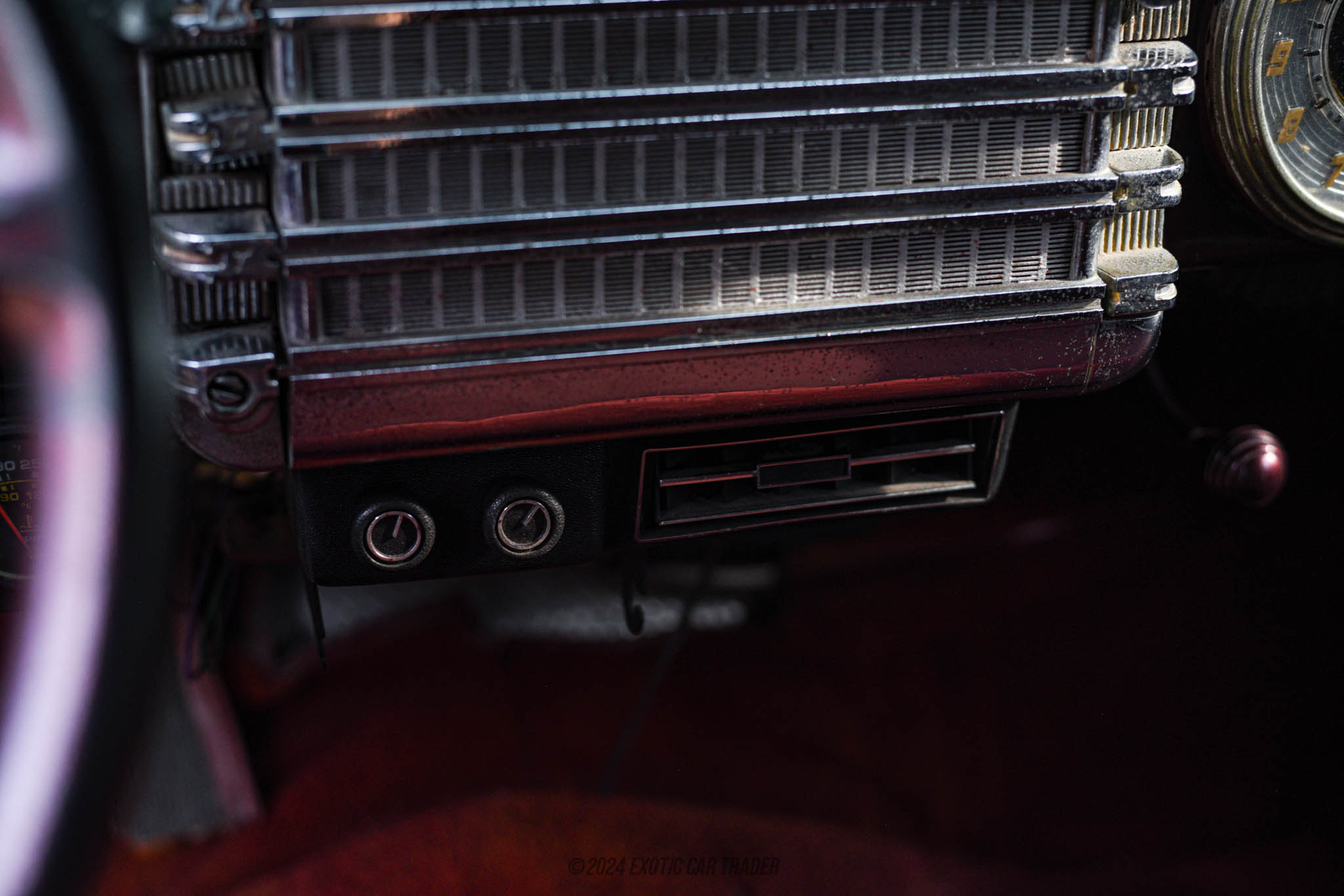
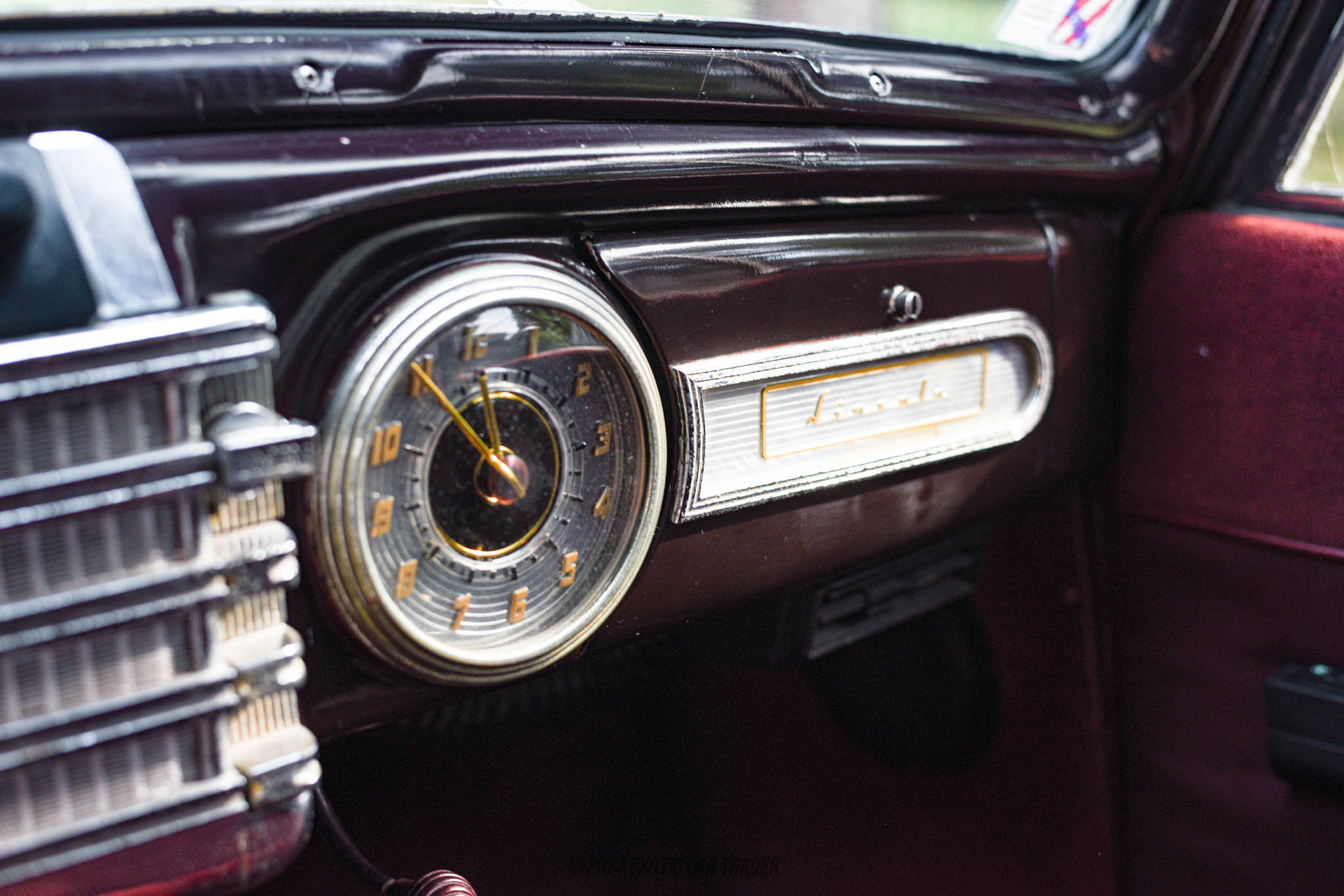
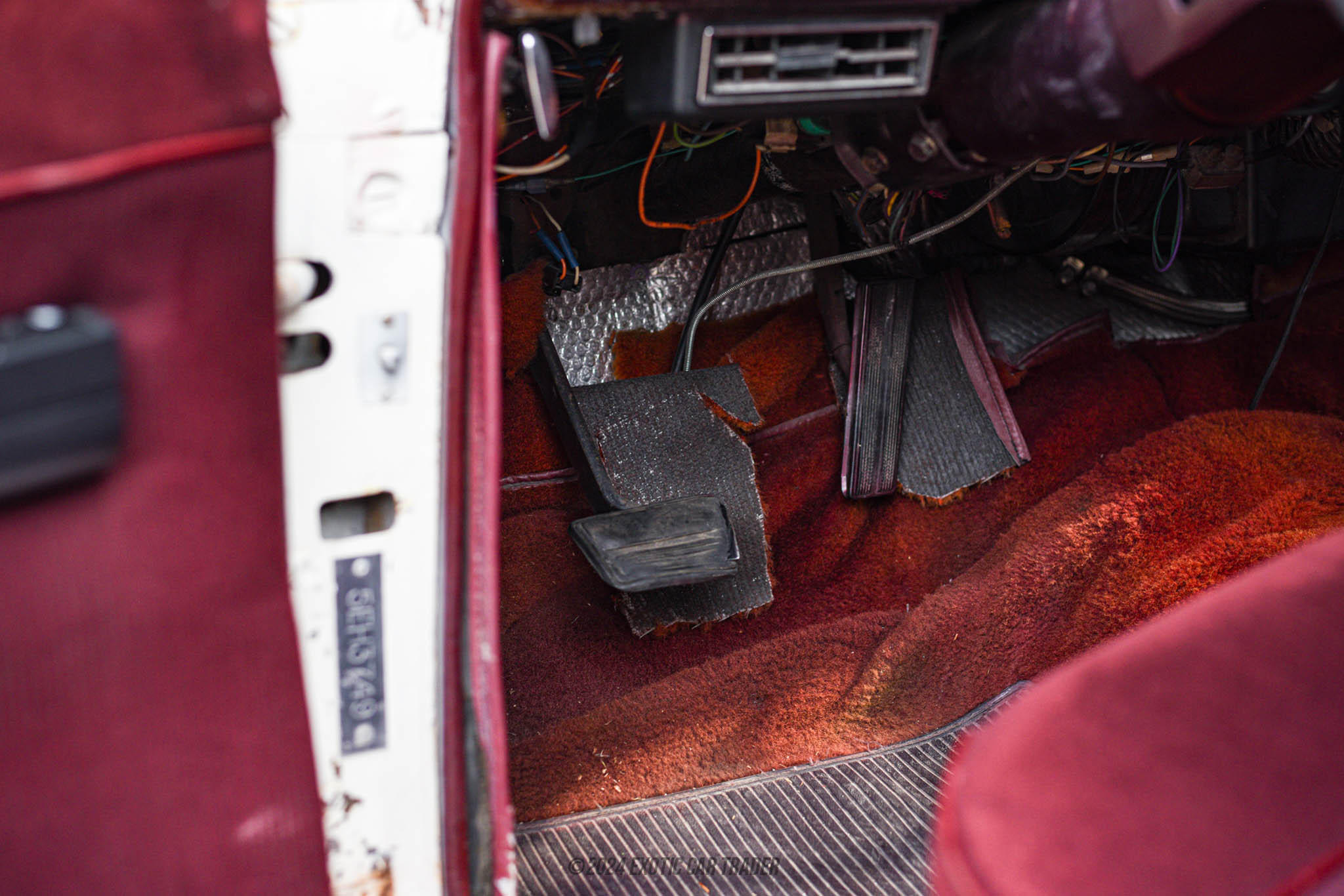
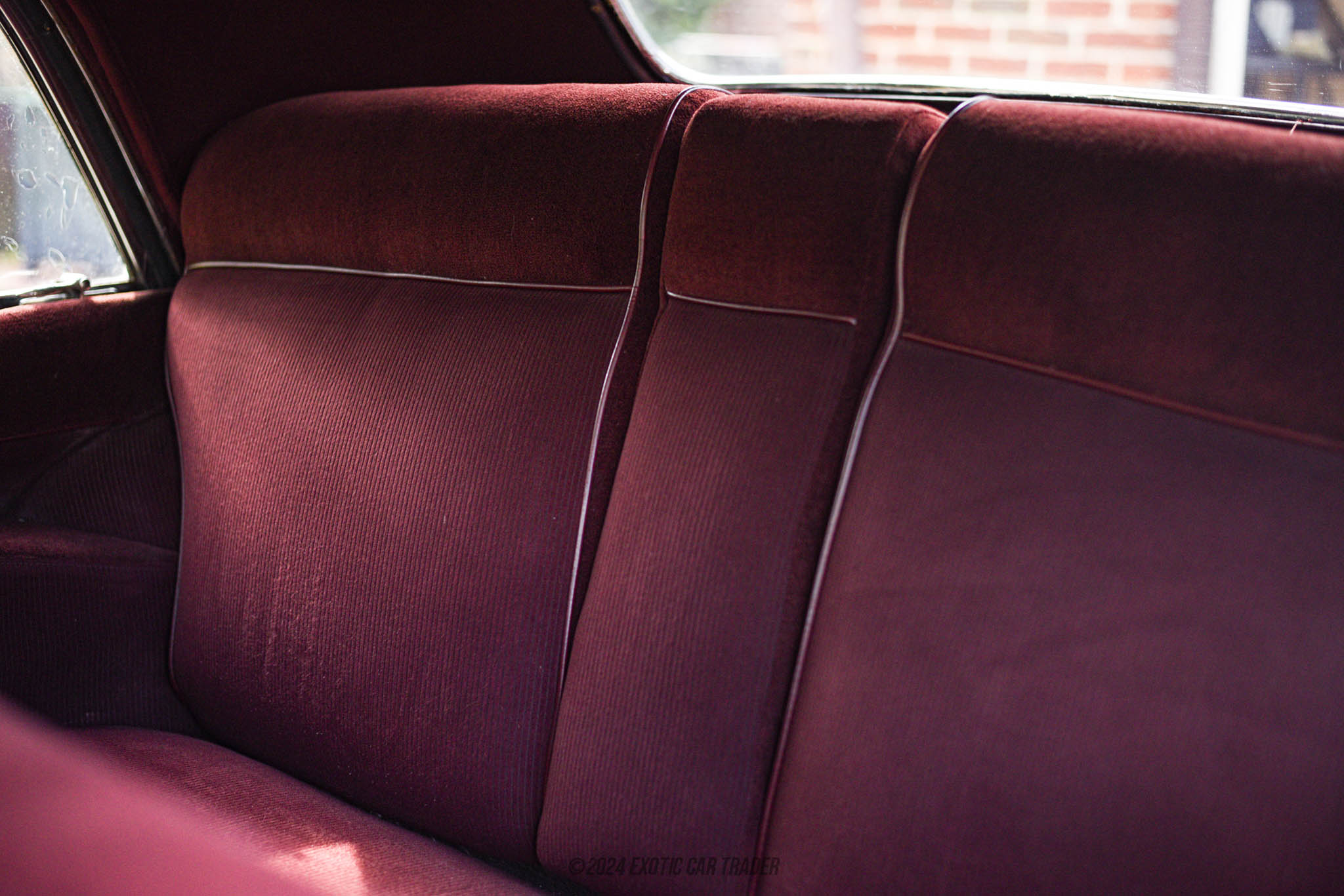
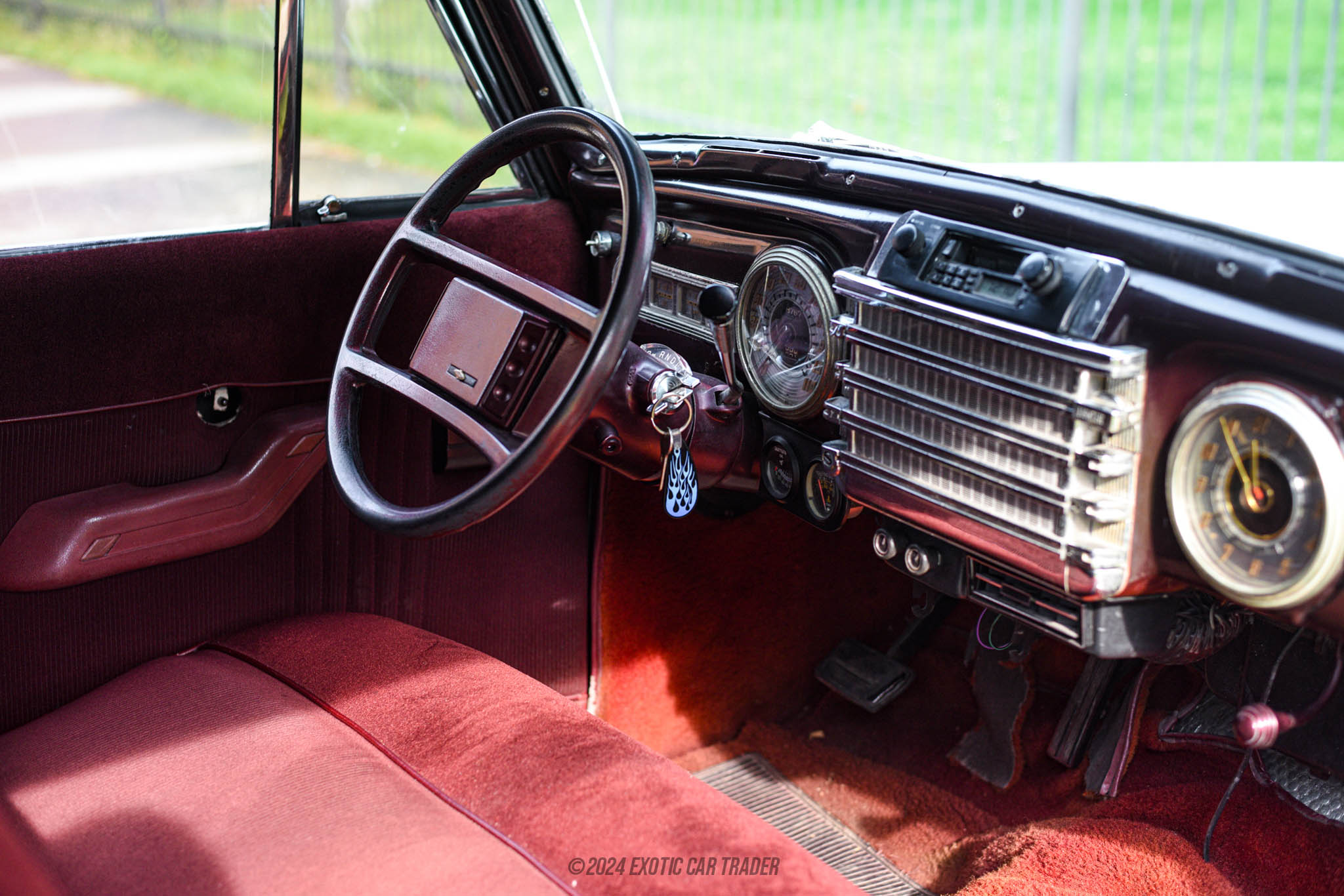
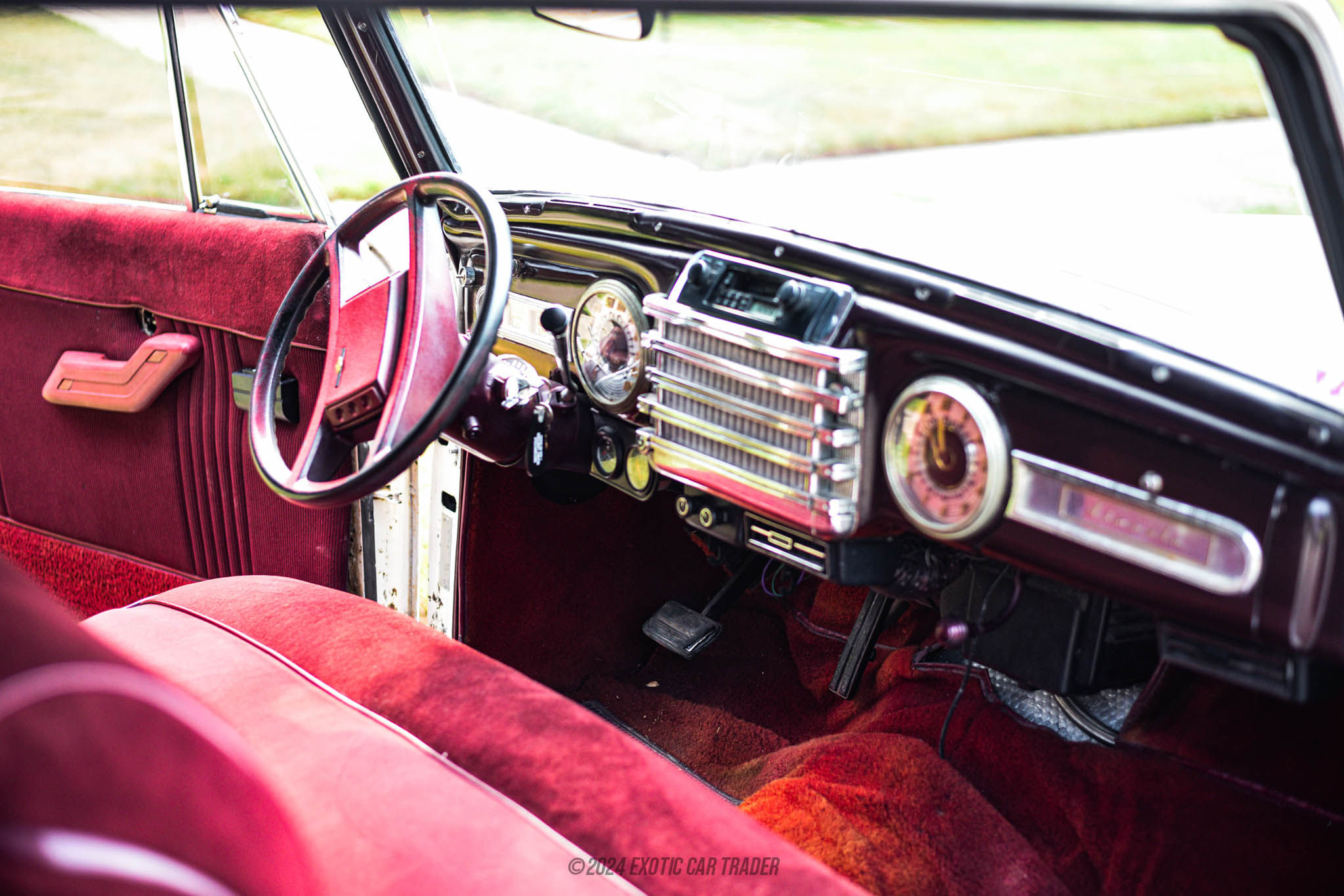
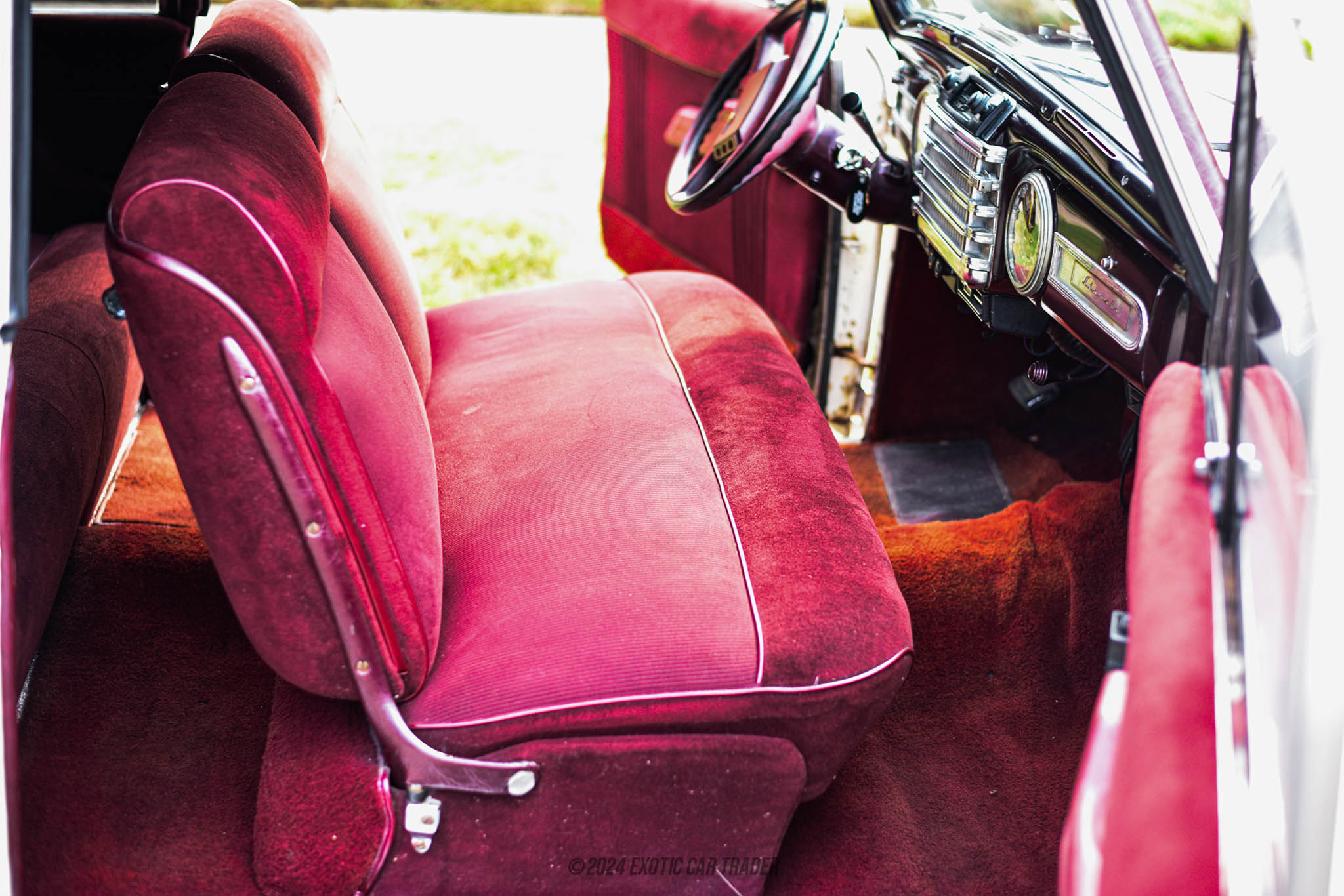
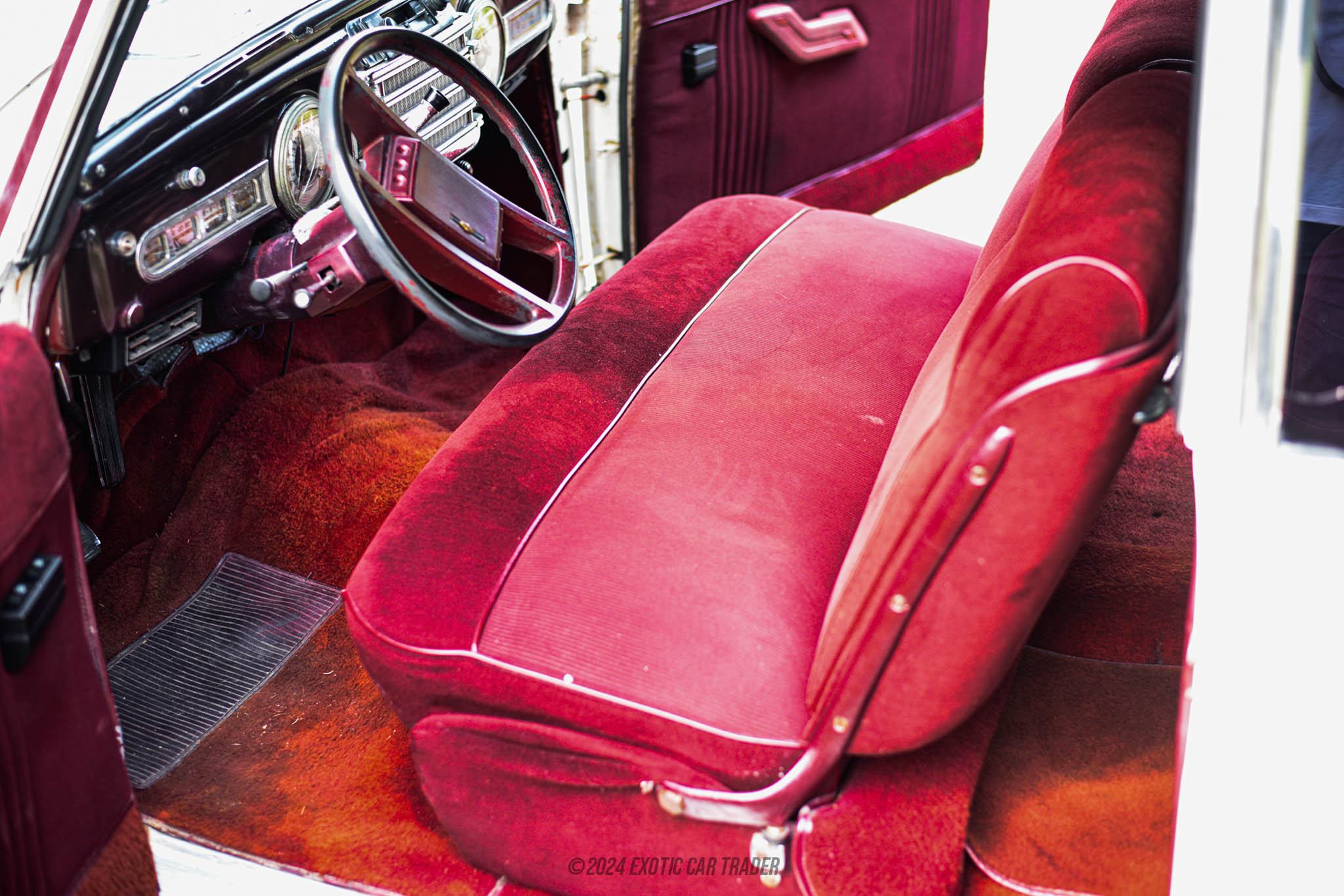
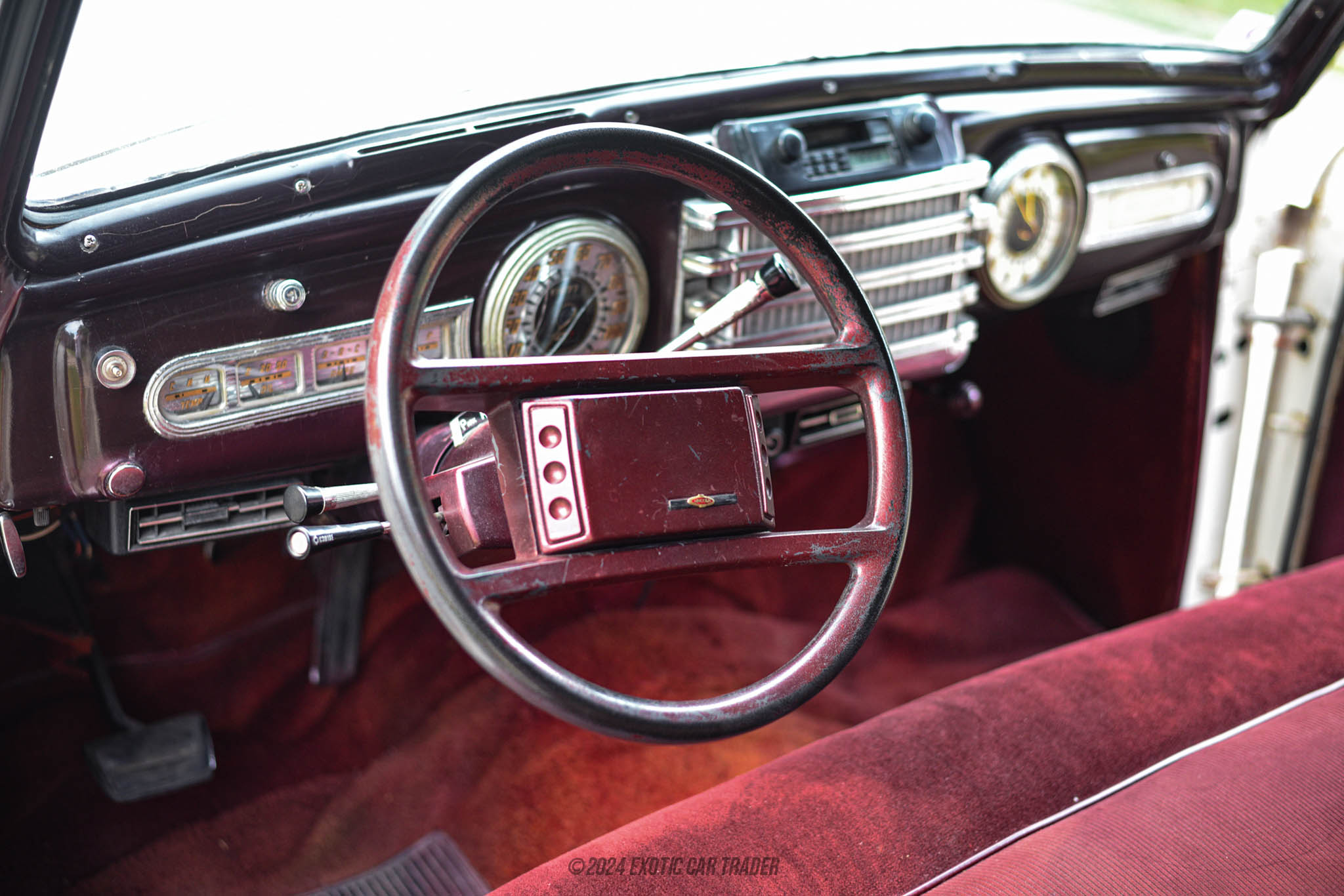
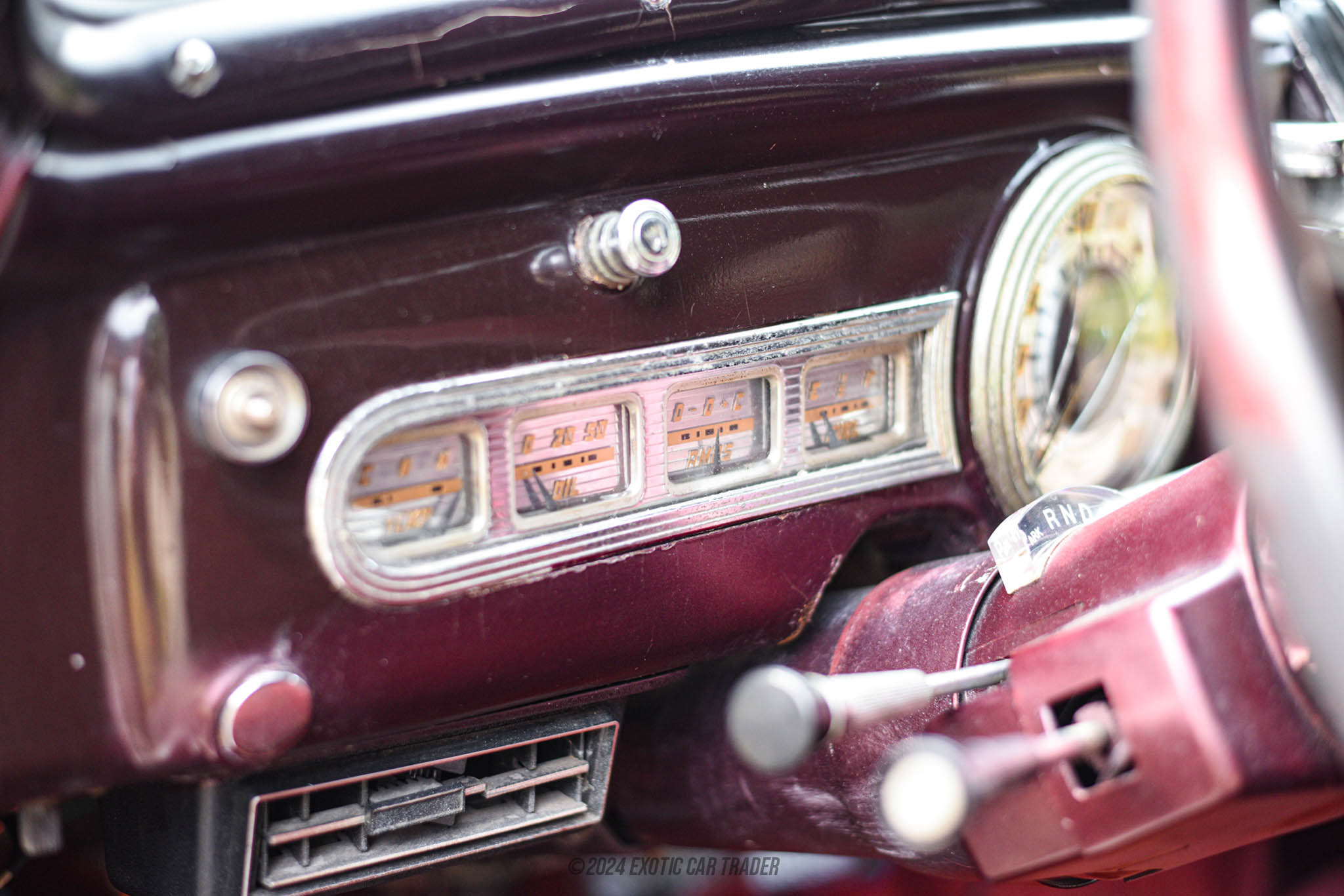
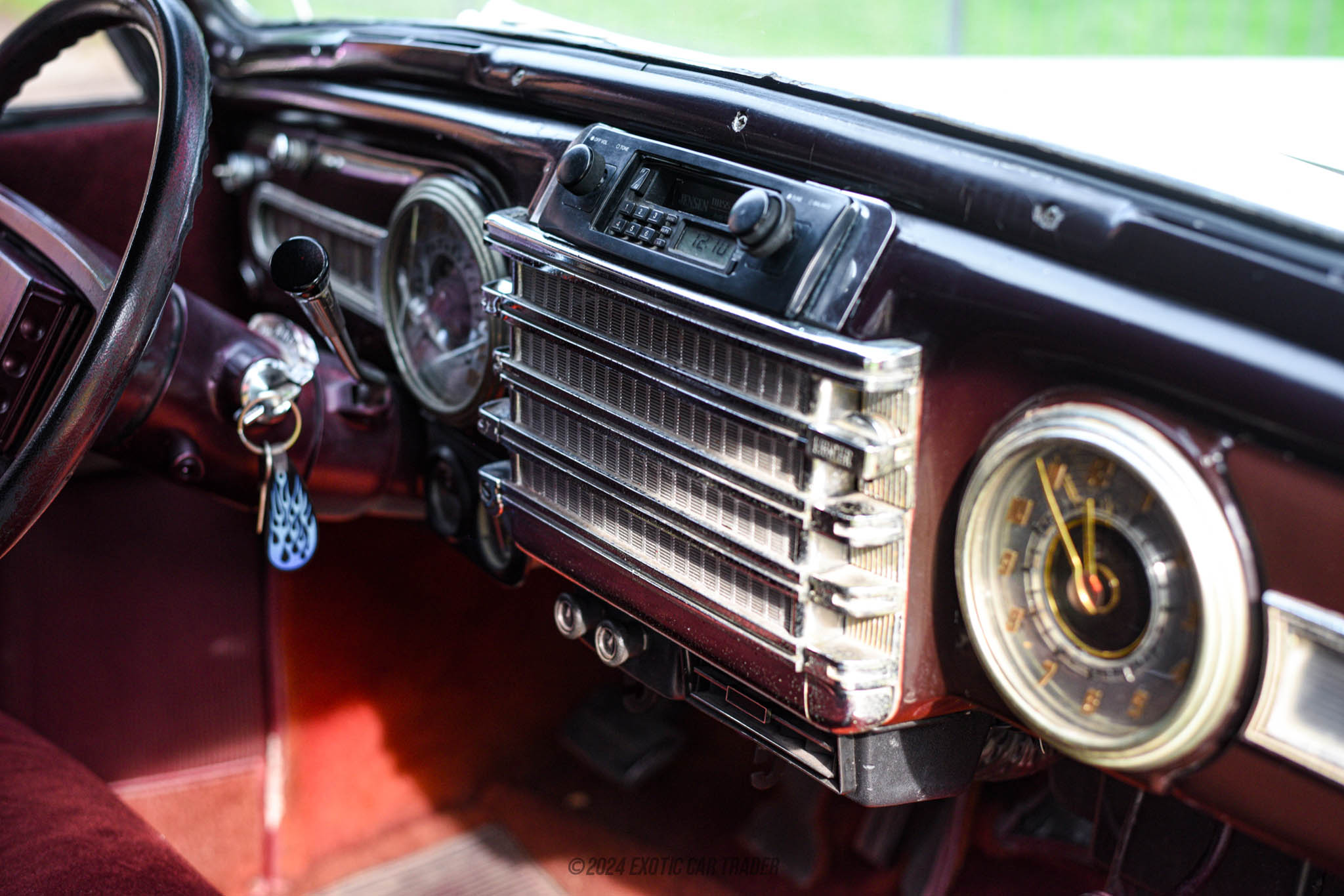
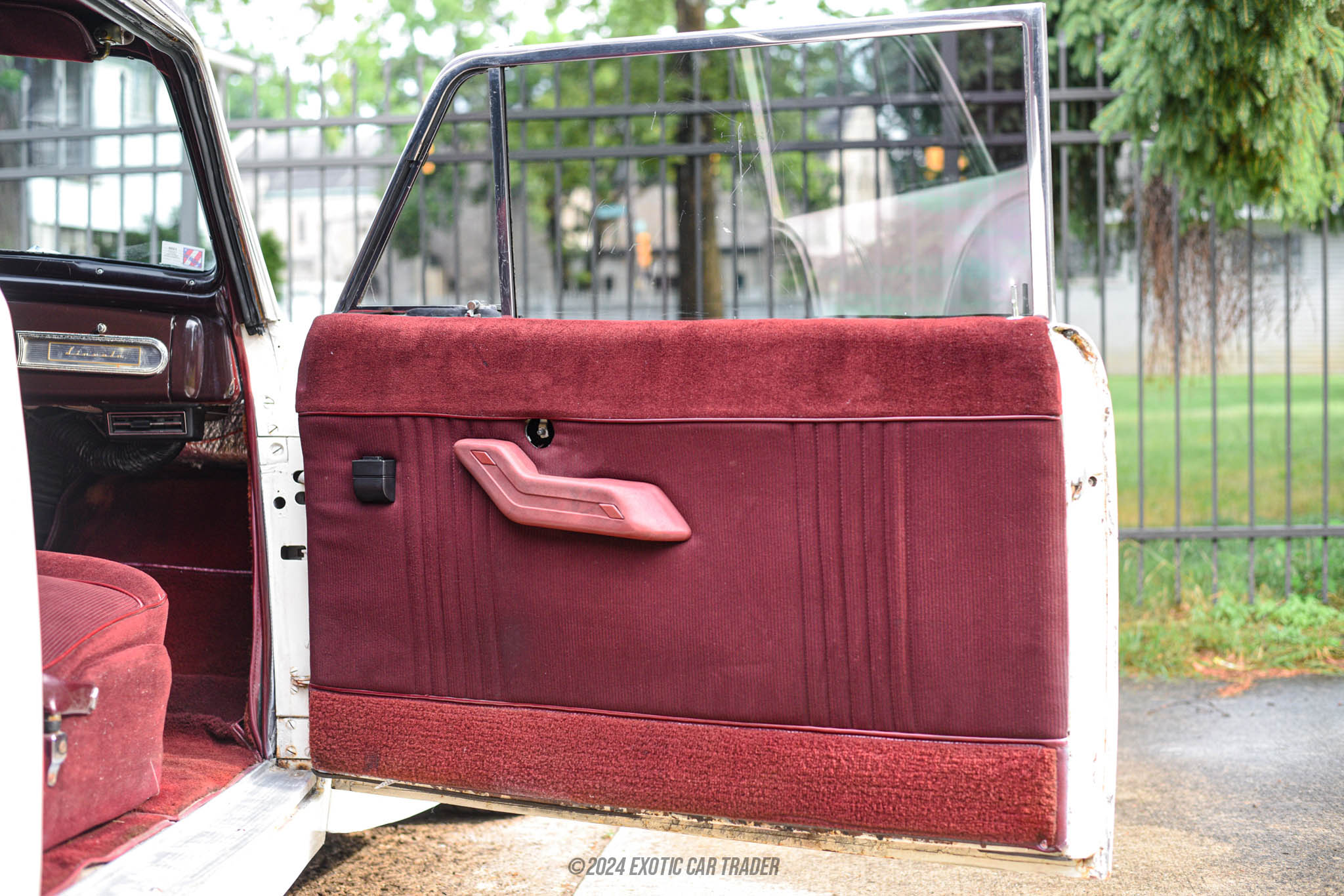
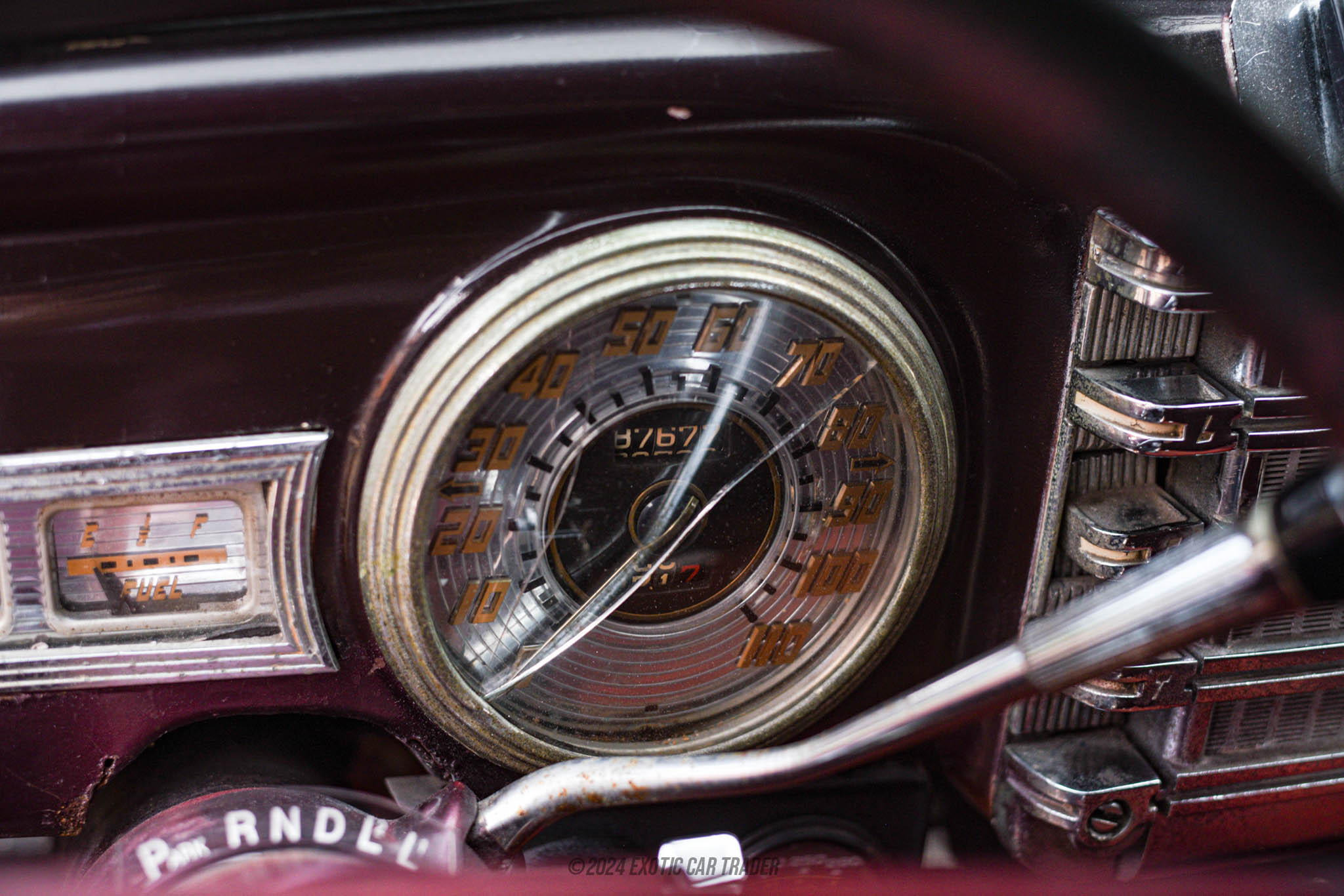
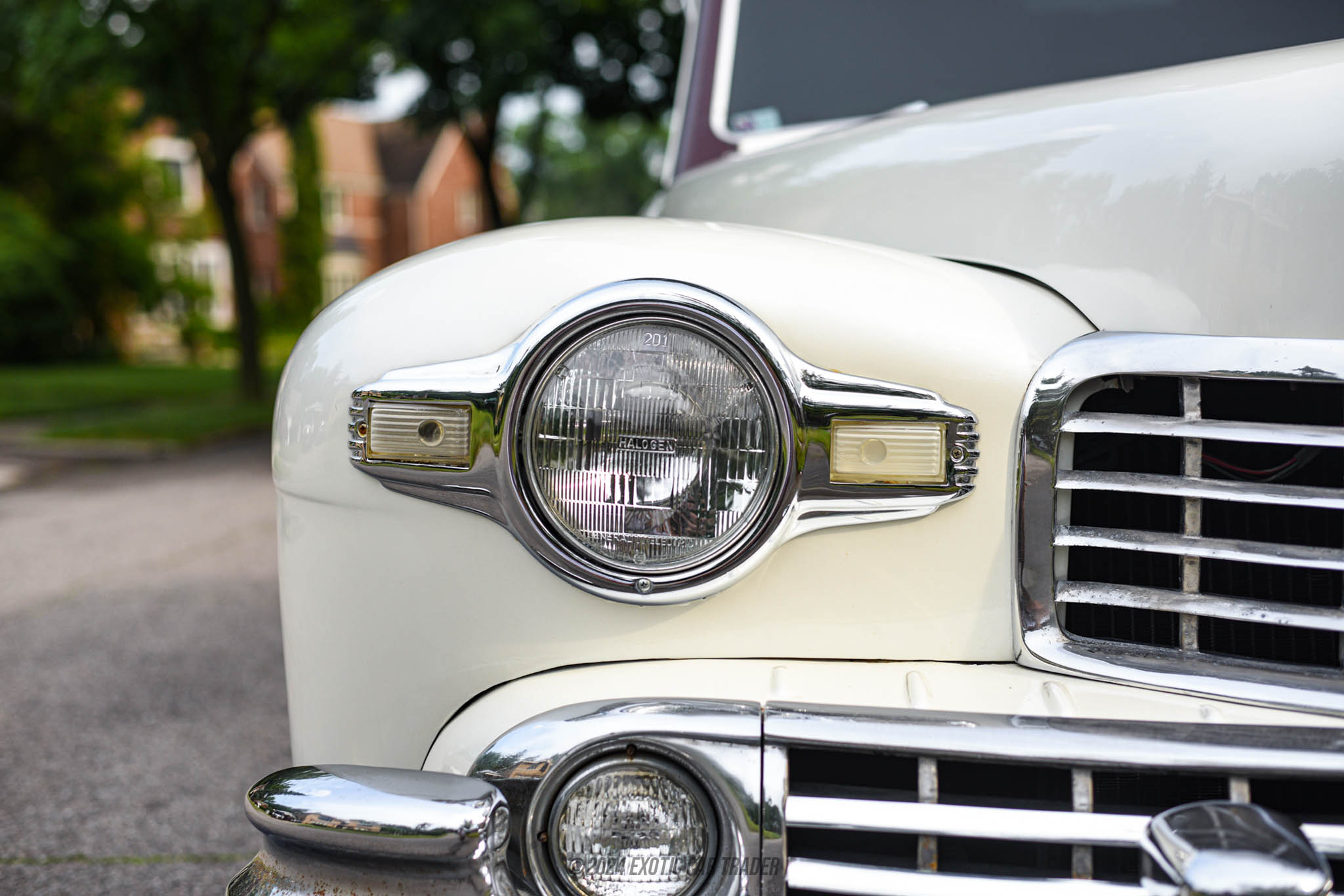
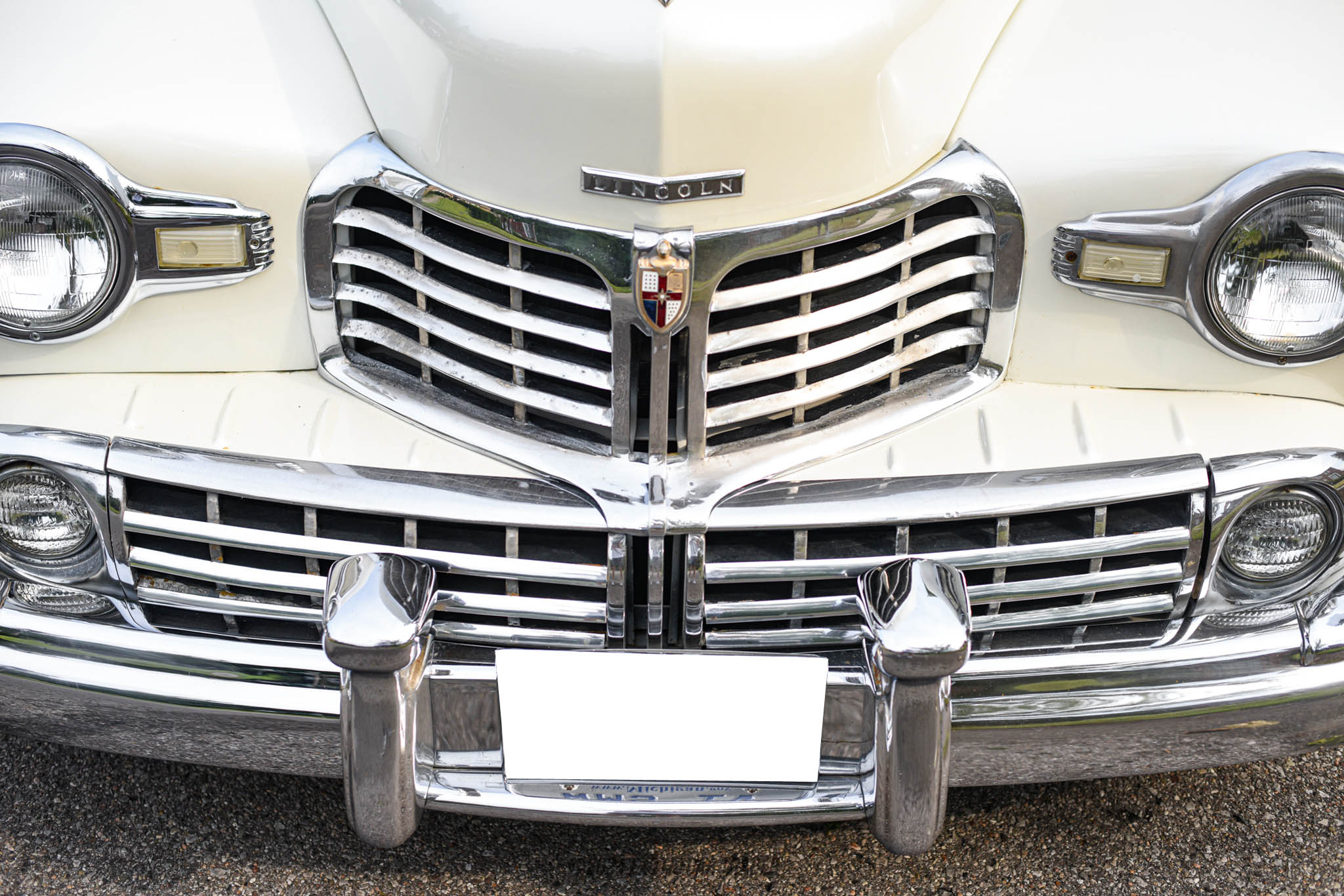
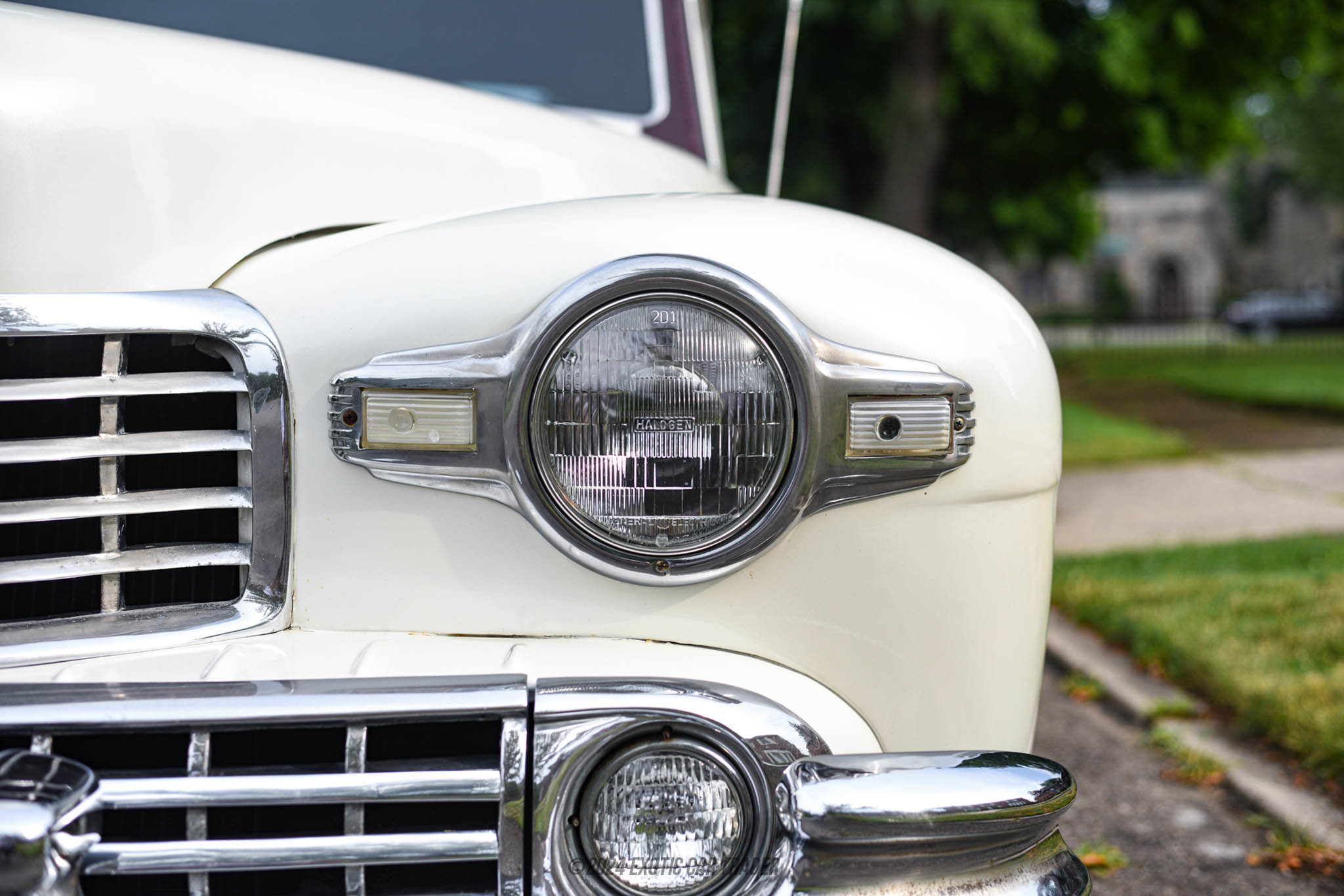
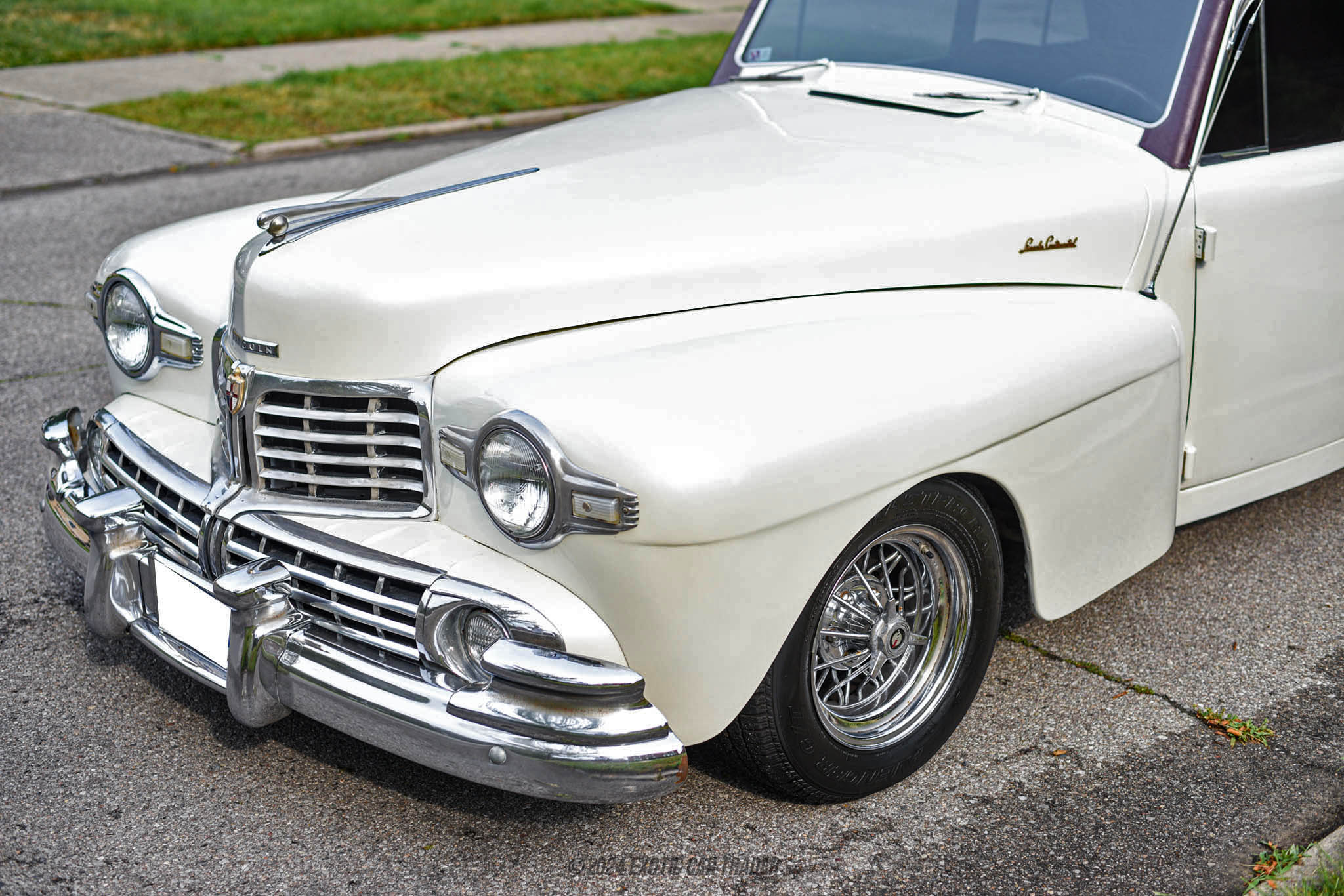
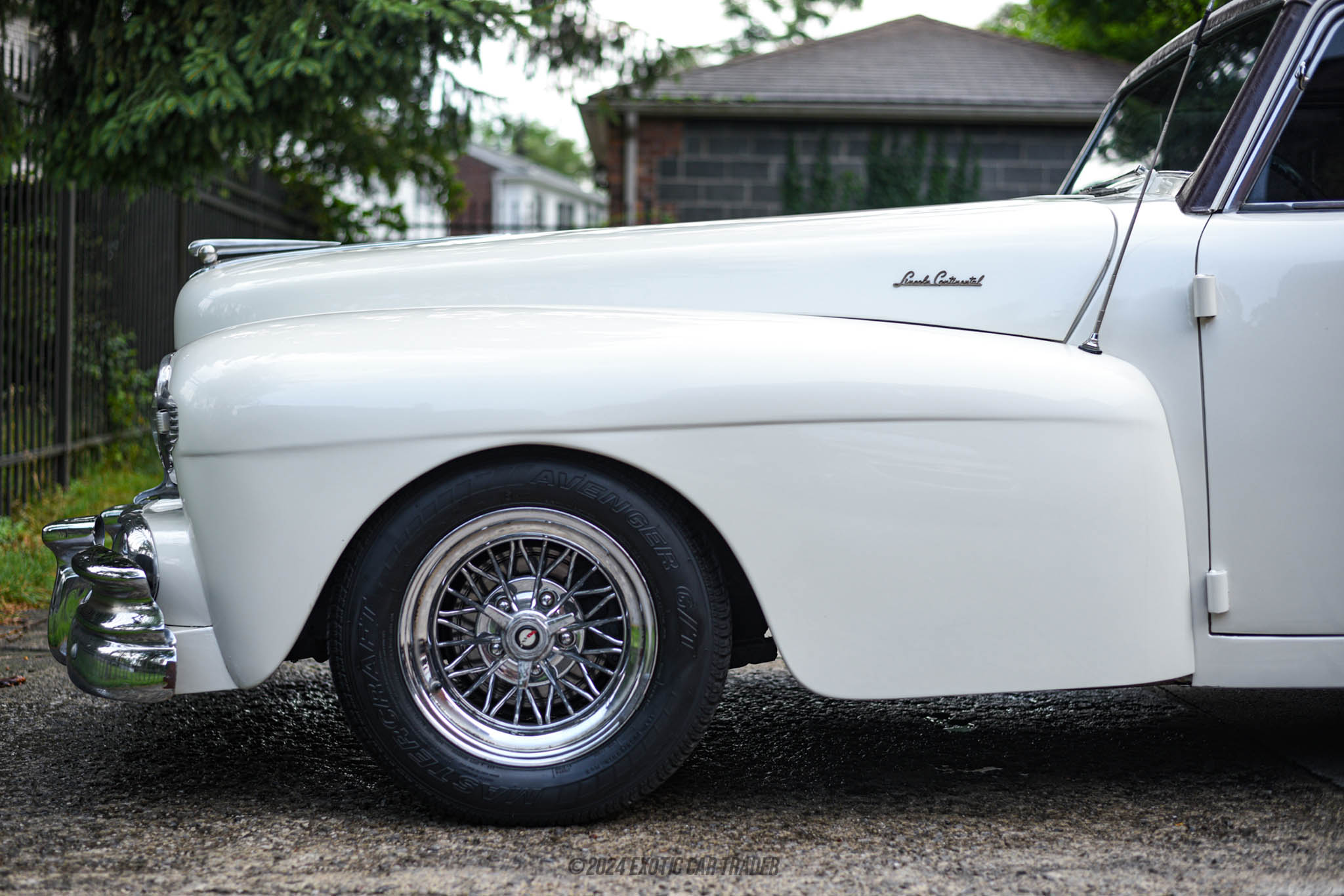
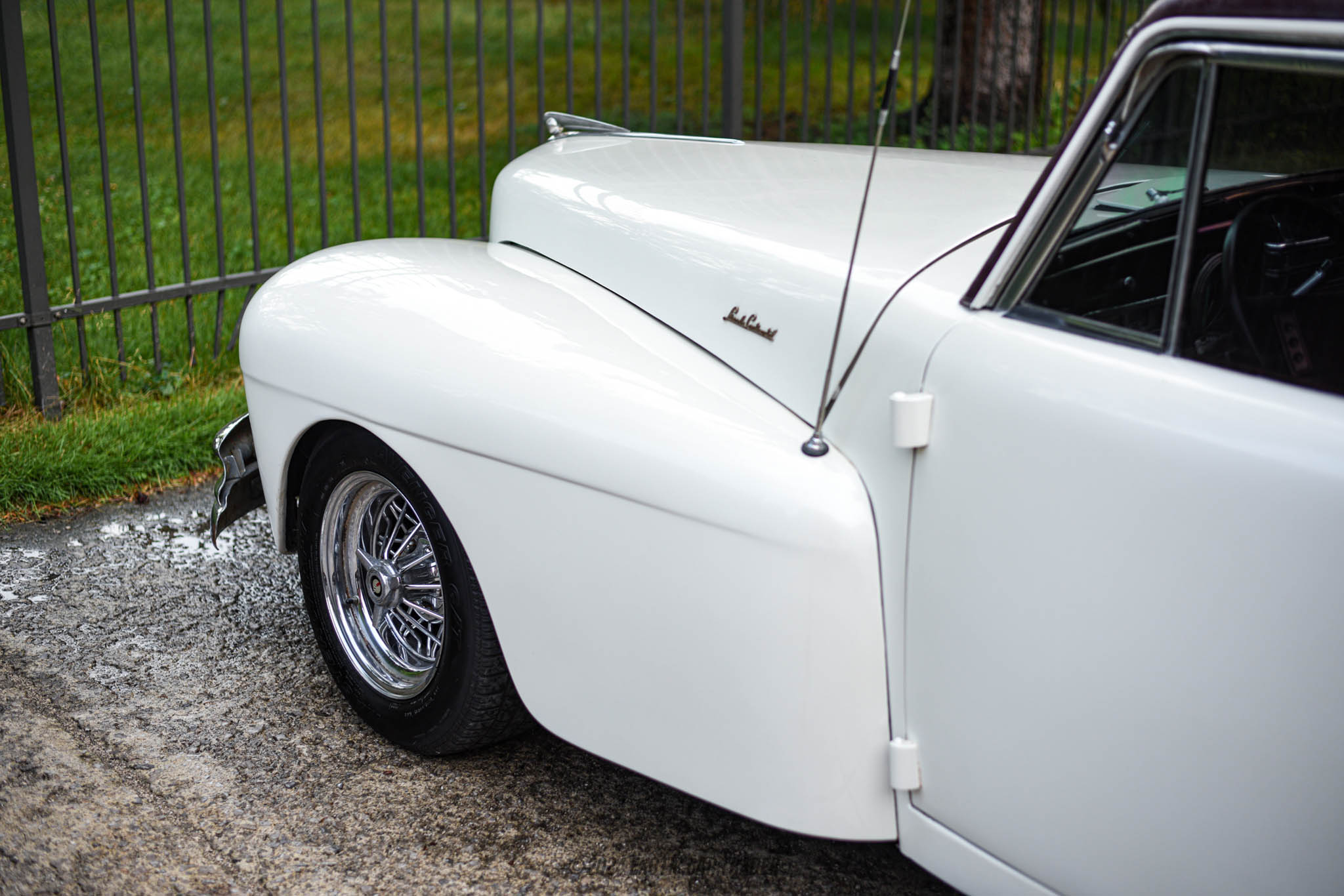
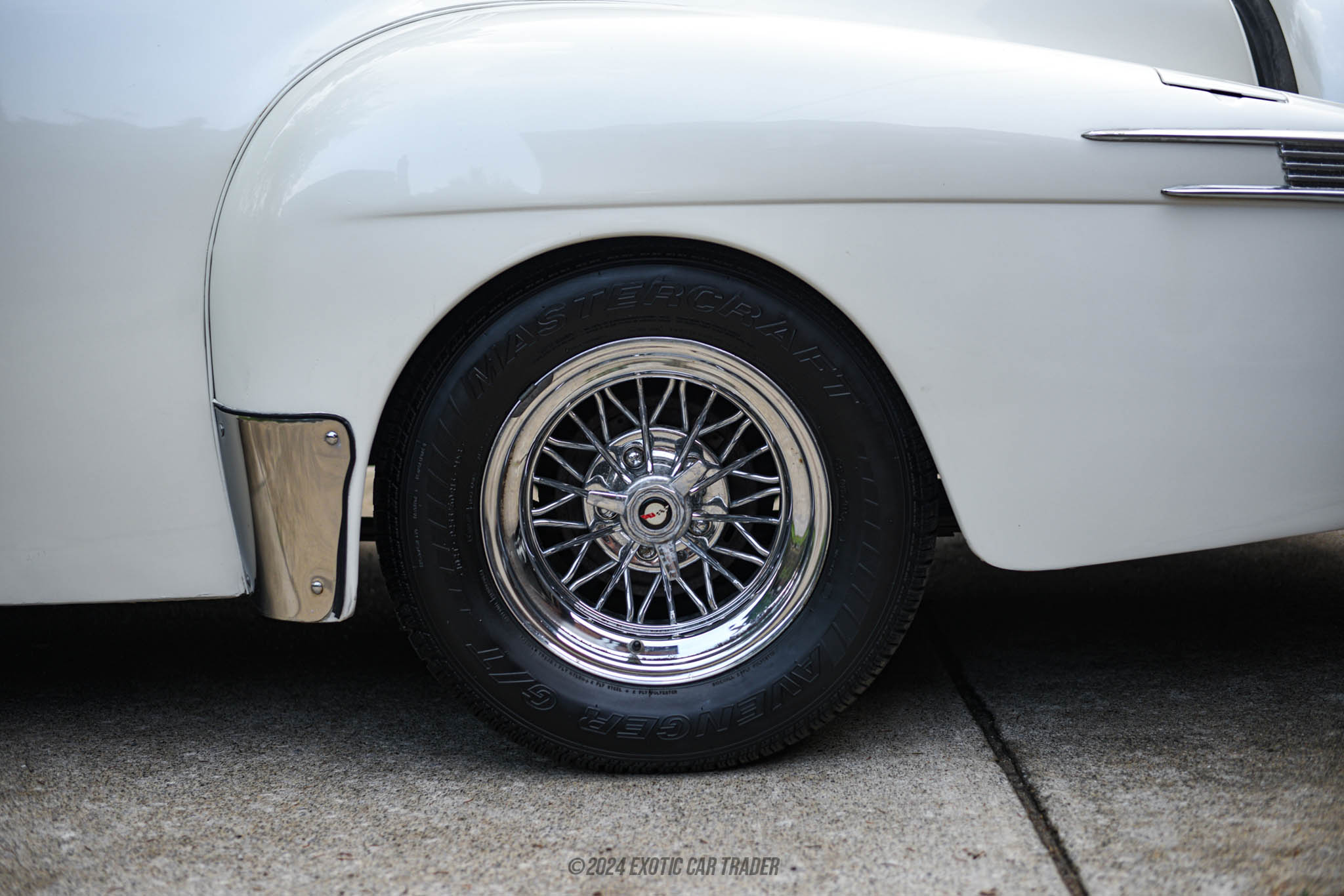
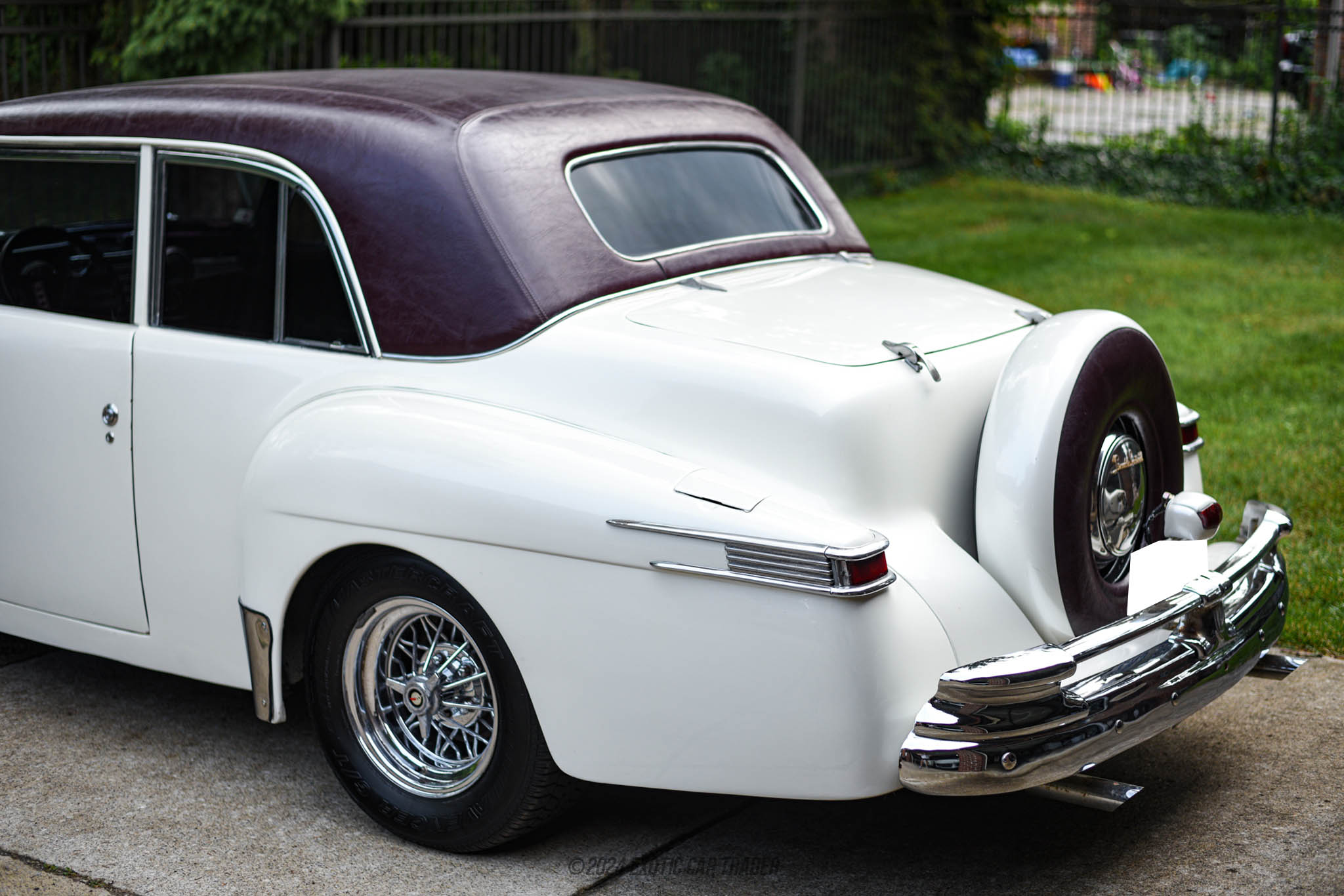
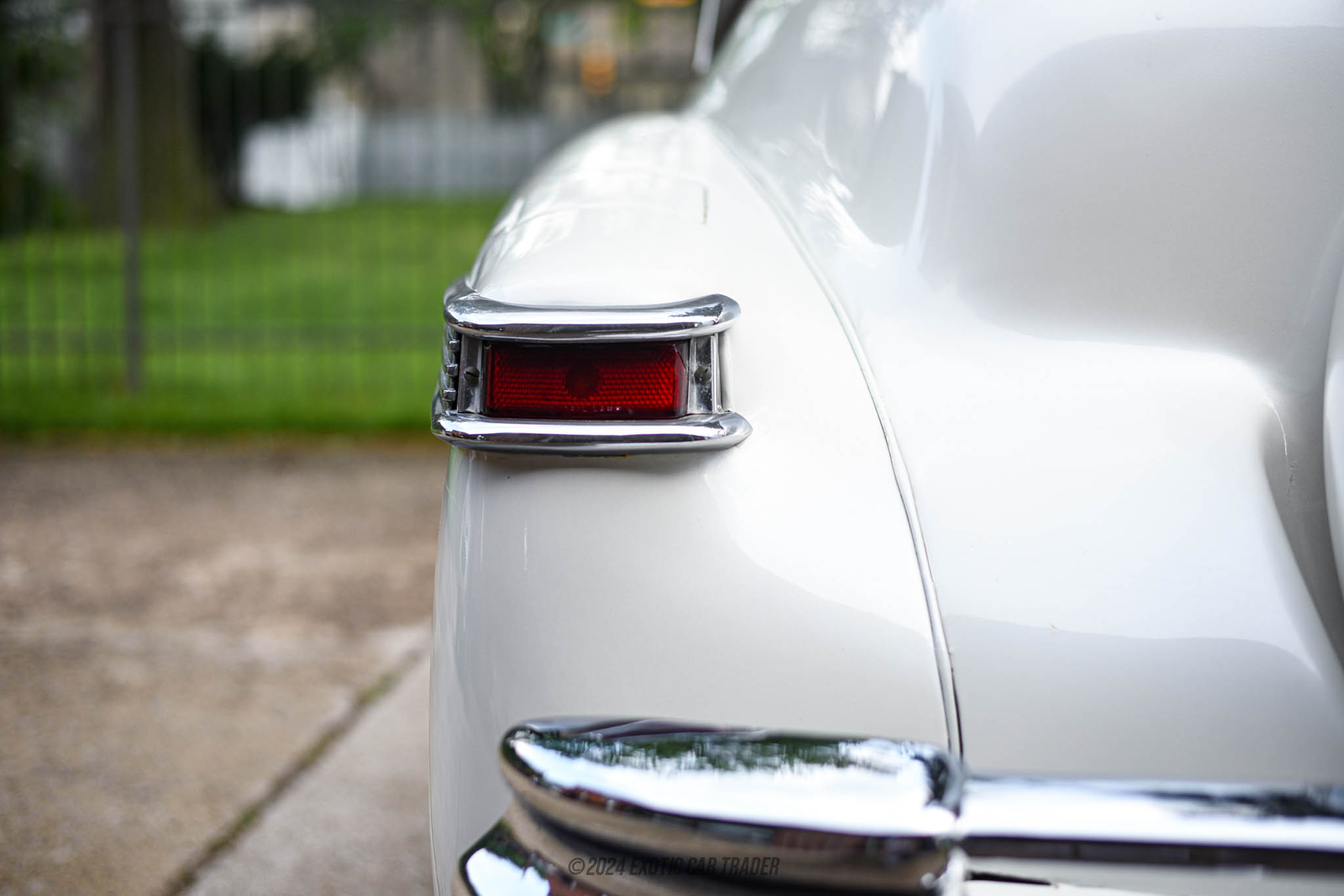
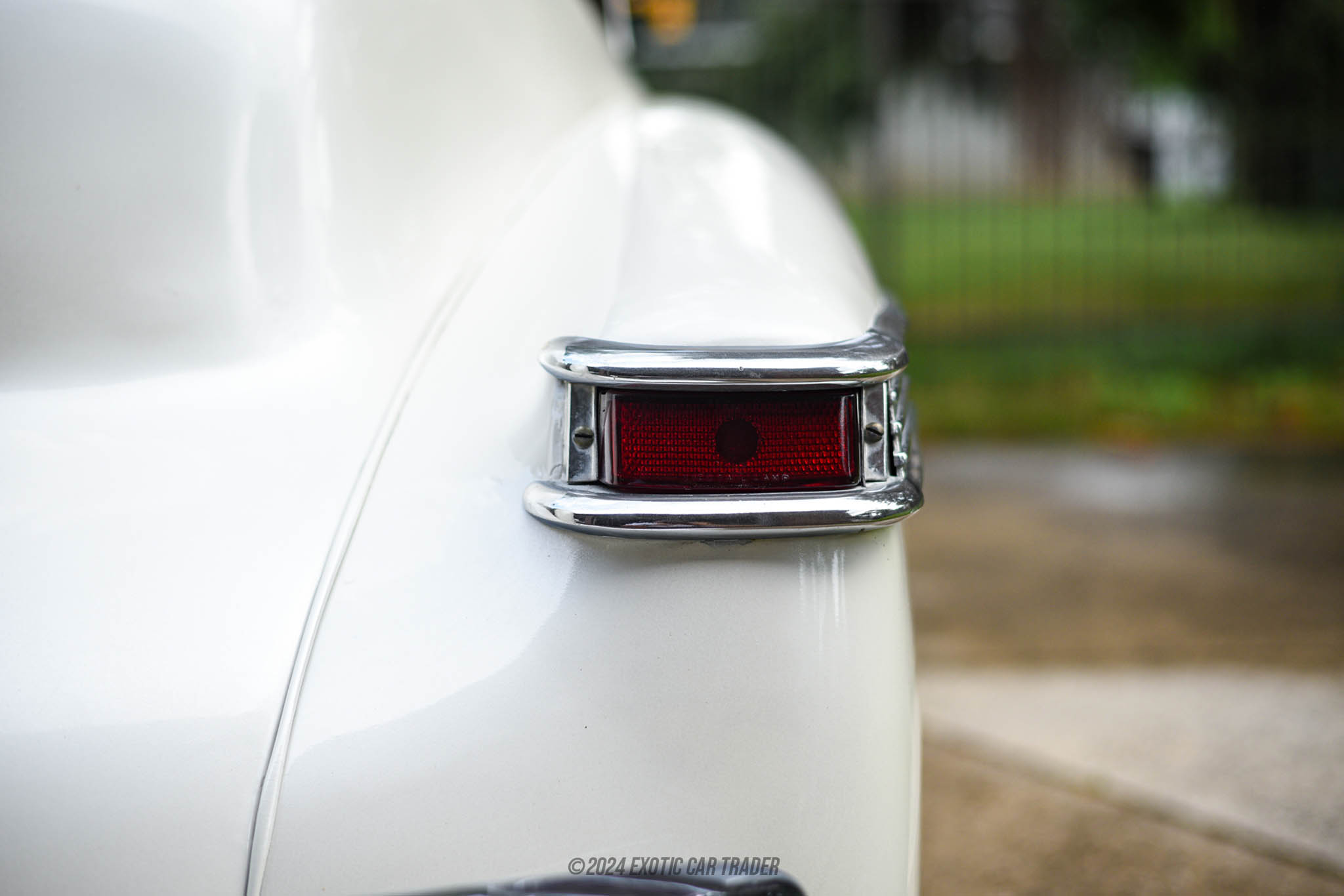
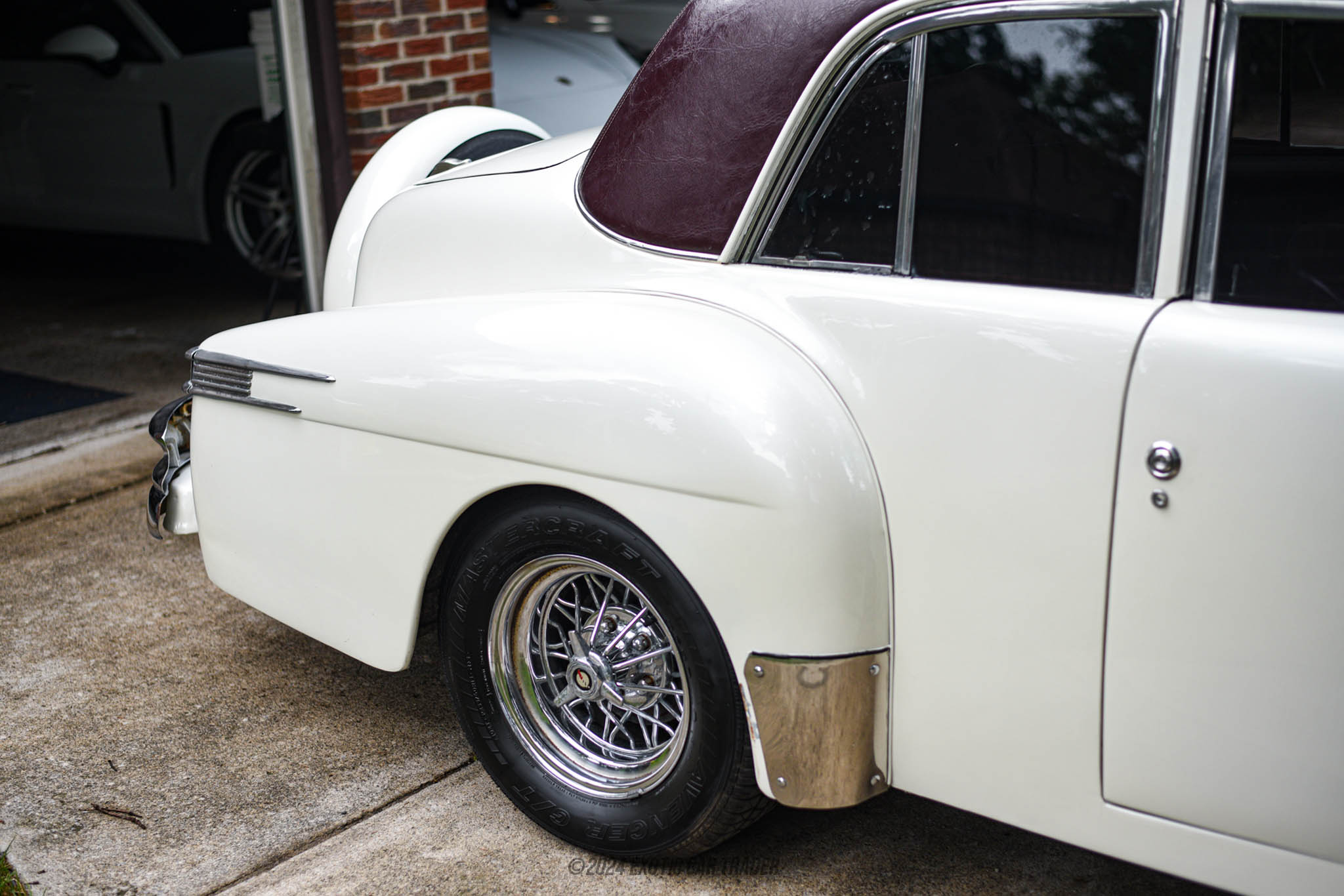
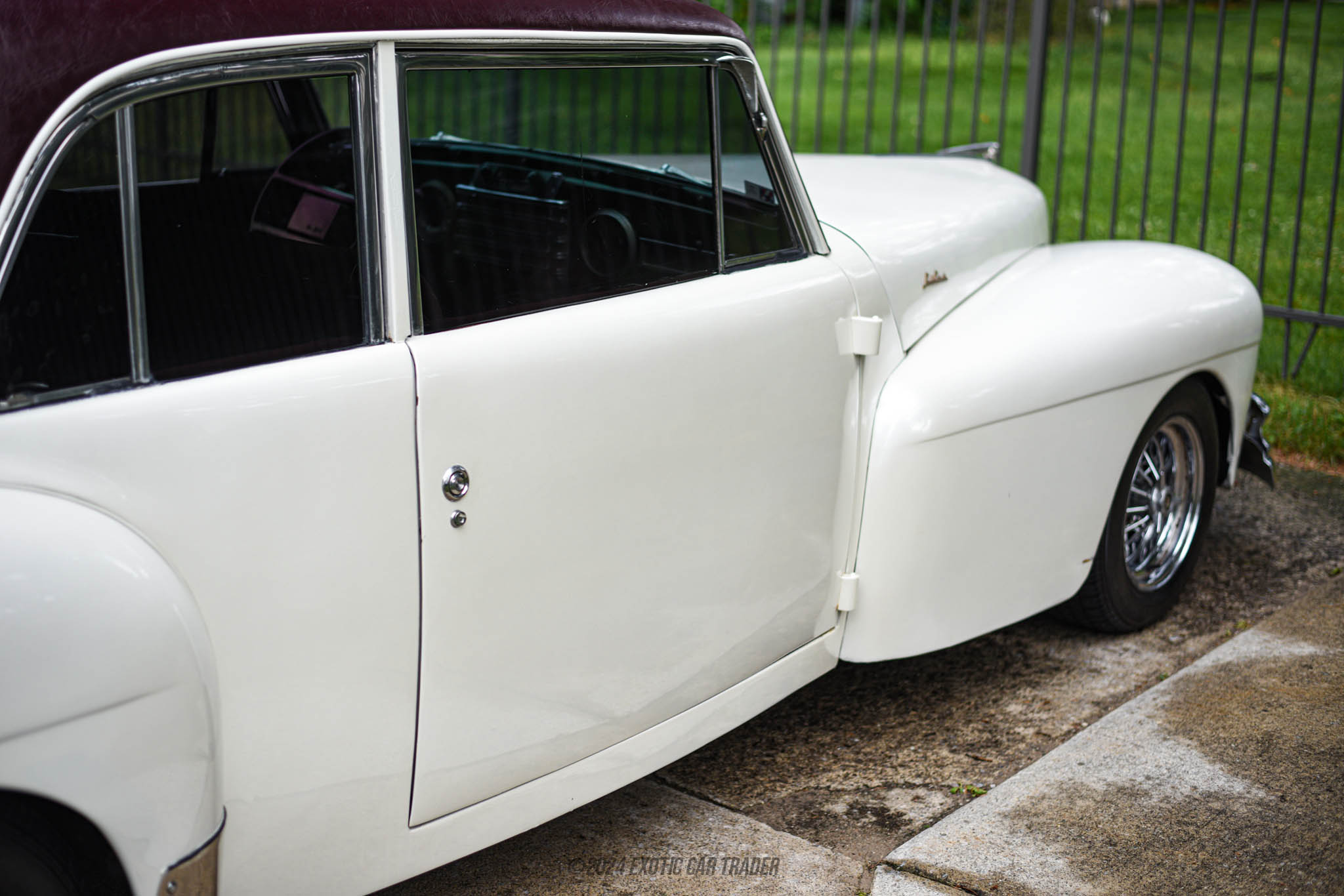
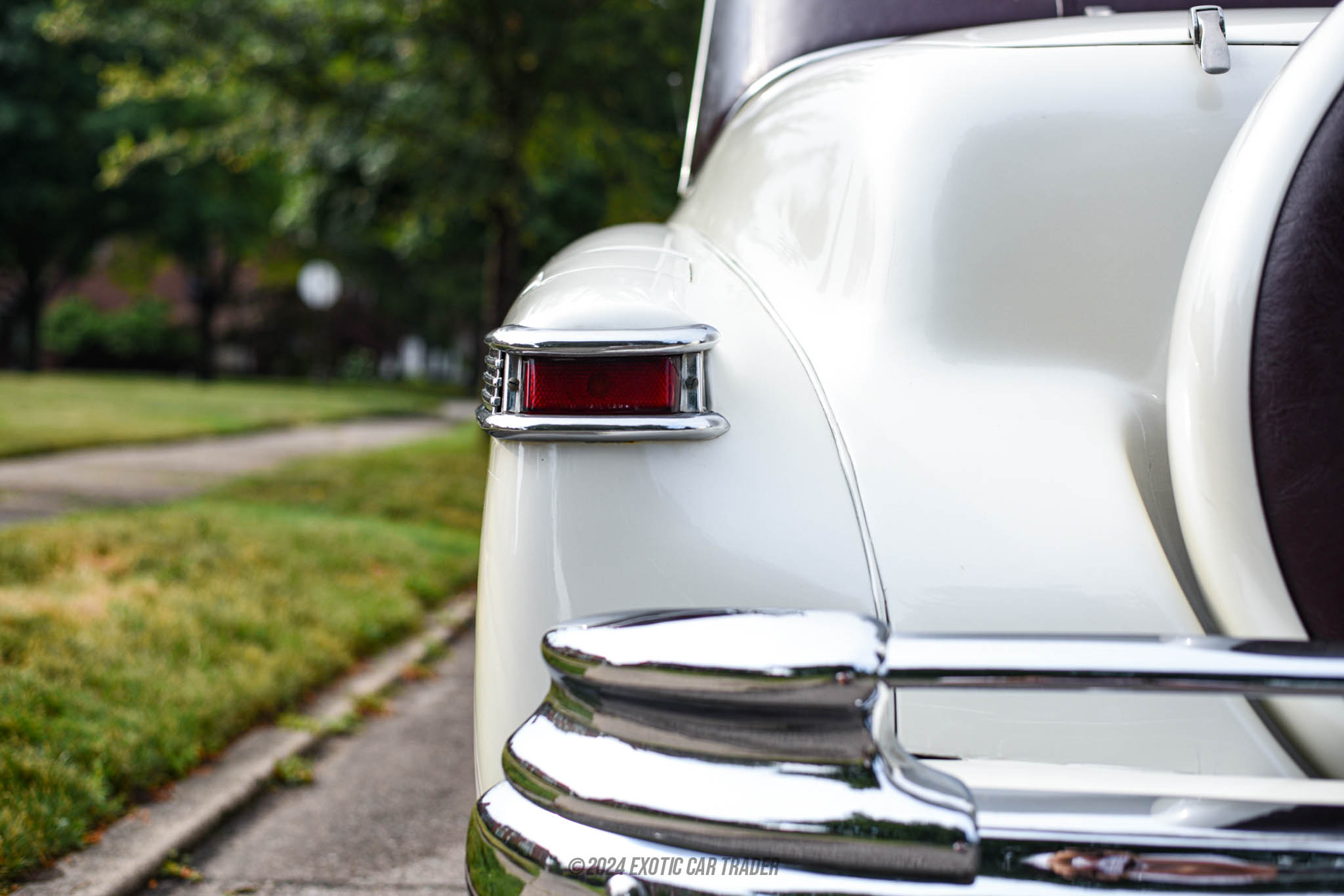
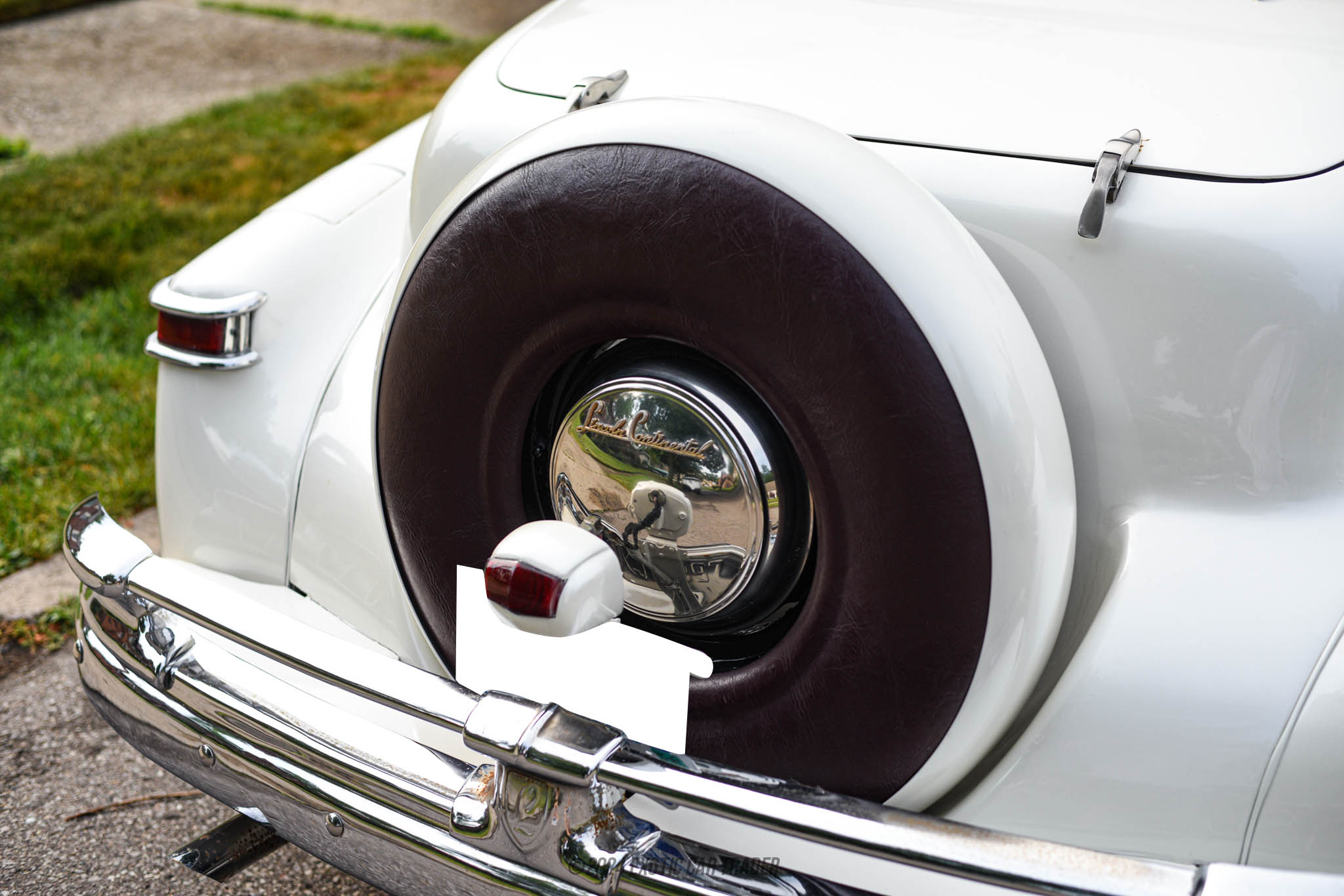
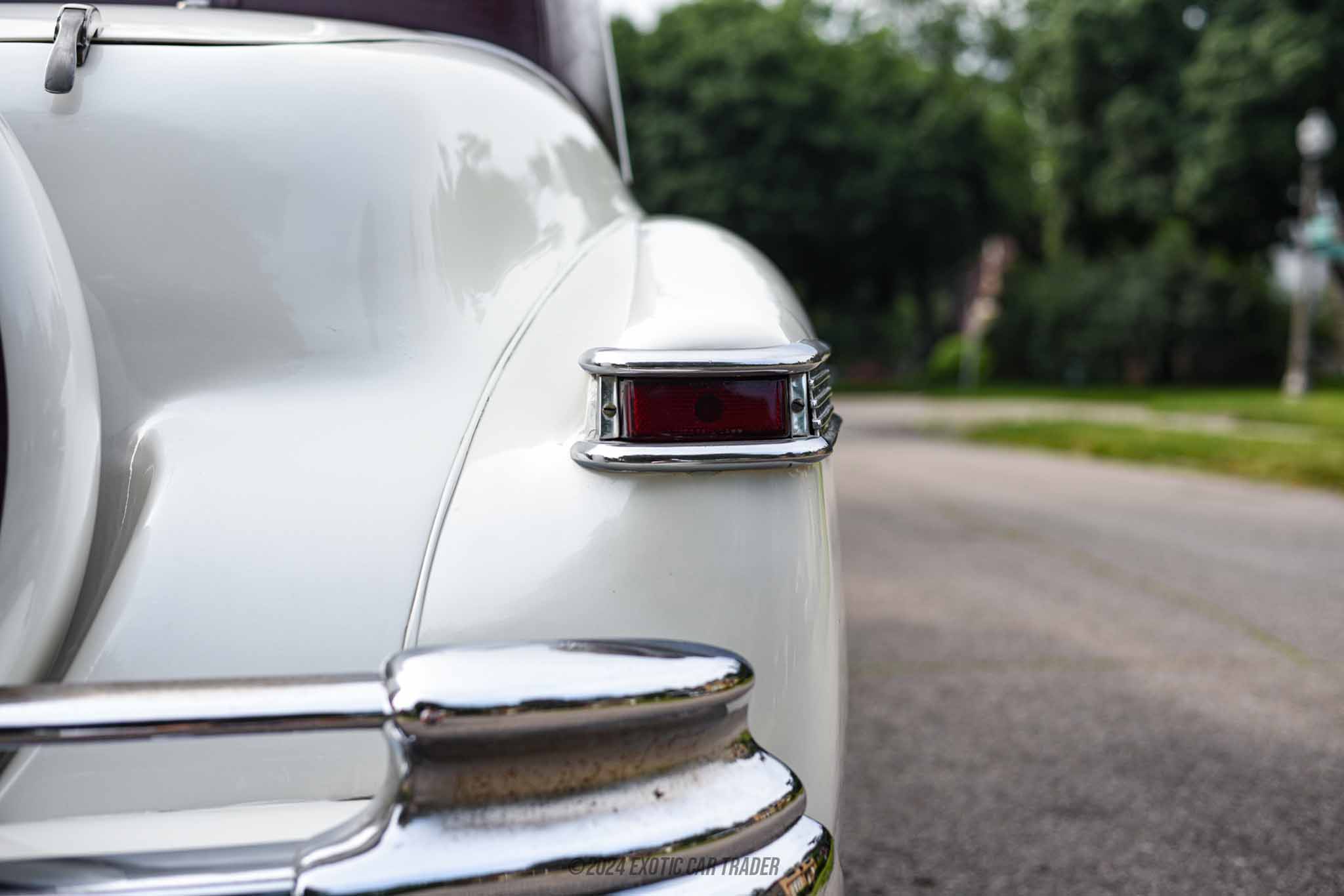
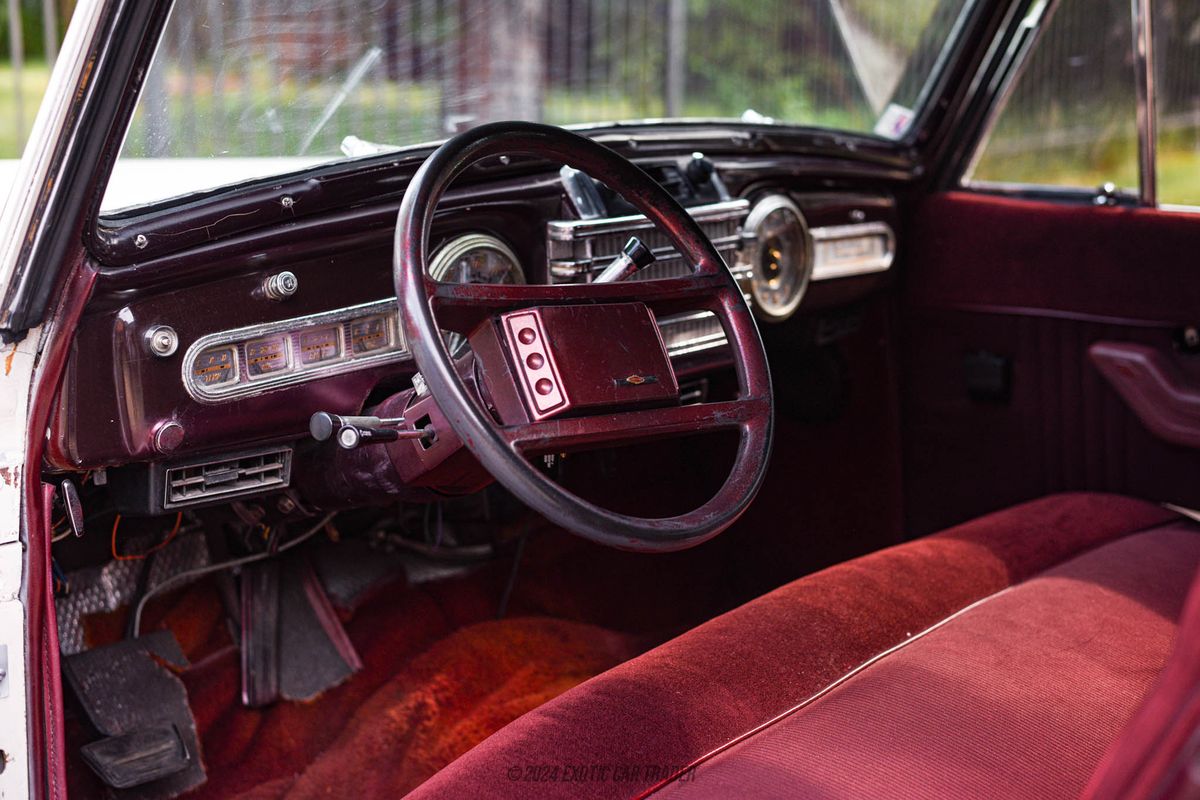
This example isn’t exactly stock, but that isn’t obvious to the untrained eye, especially at first glance. The two-tone white and maroon paintwork looks period-correct, and there are no major visual changes on the exterior apart from the wire wheels. The chromework is shiny, the externally mounted spare wheel matches the body colors, and the paintwork appears to be in good shape. In fact, the current owner states that a new paint job was completed in 2018. The dashboard looks intact and original. The red interior matches the secondary (maroon) color on the exterior. It has bench seats in both the front and the rear. While this model is believed to have been offered with power windows from the factory, it is reported that this car has been fitted with electric windows. It also has an aftermarket 80s-style steering wheel that matches the interior color and a train horn.
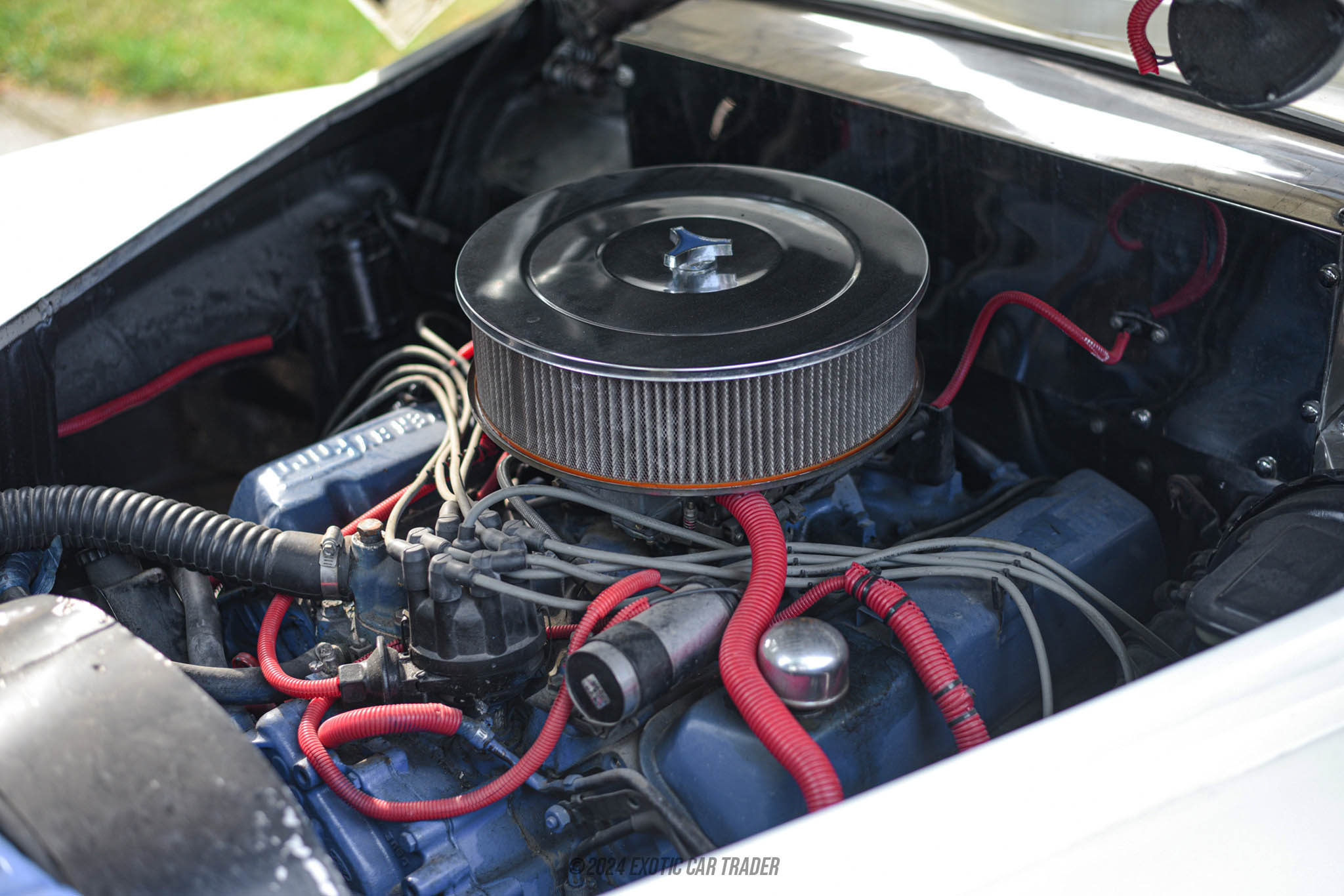
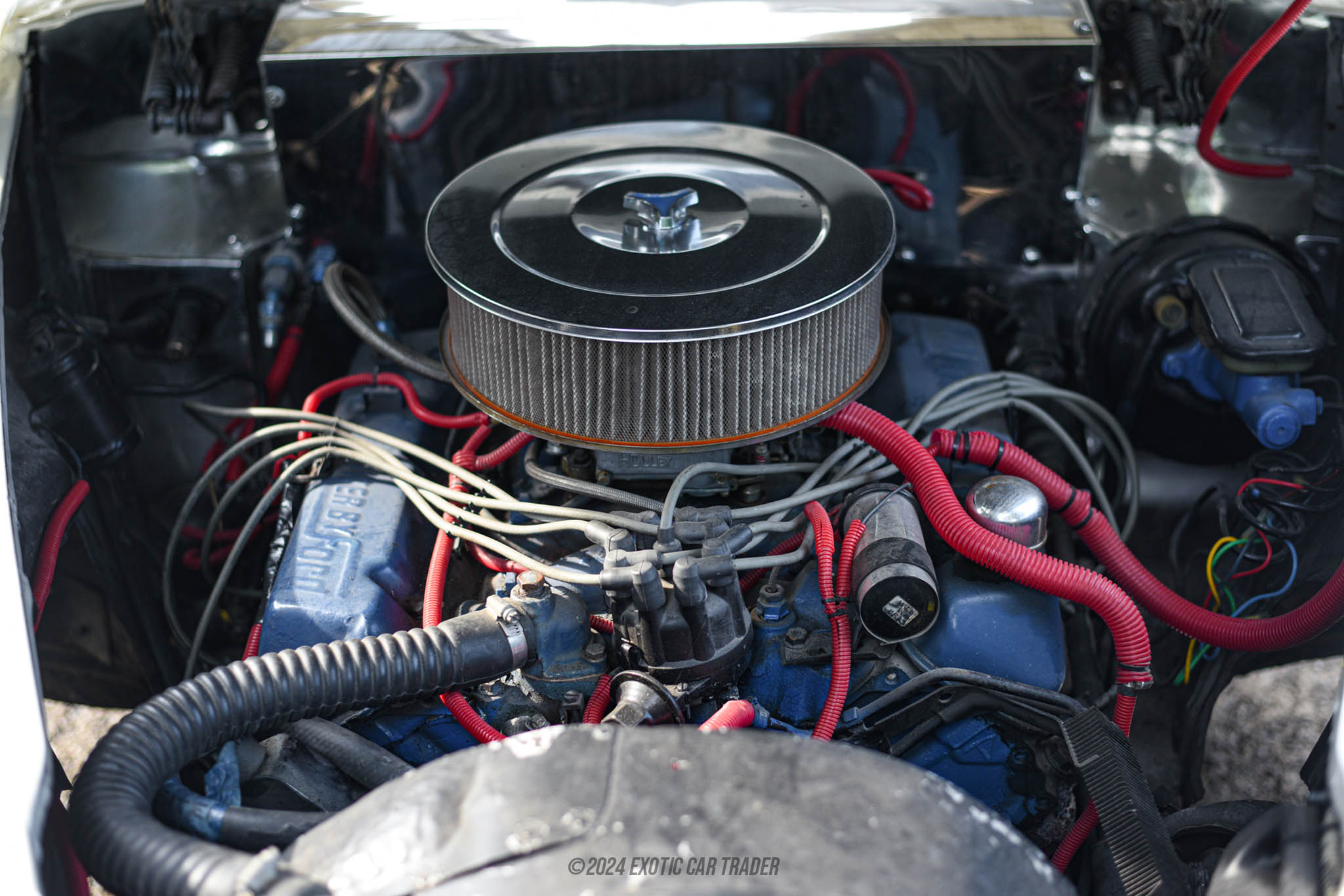
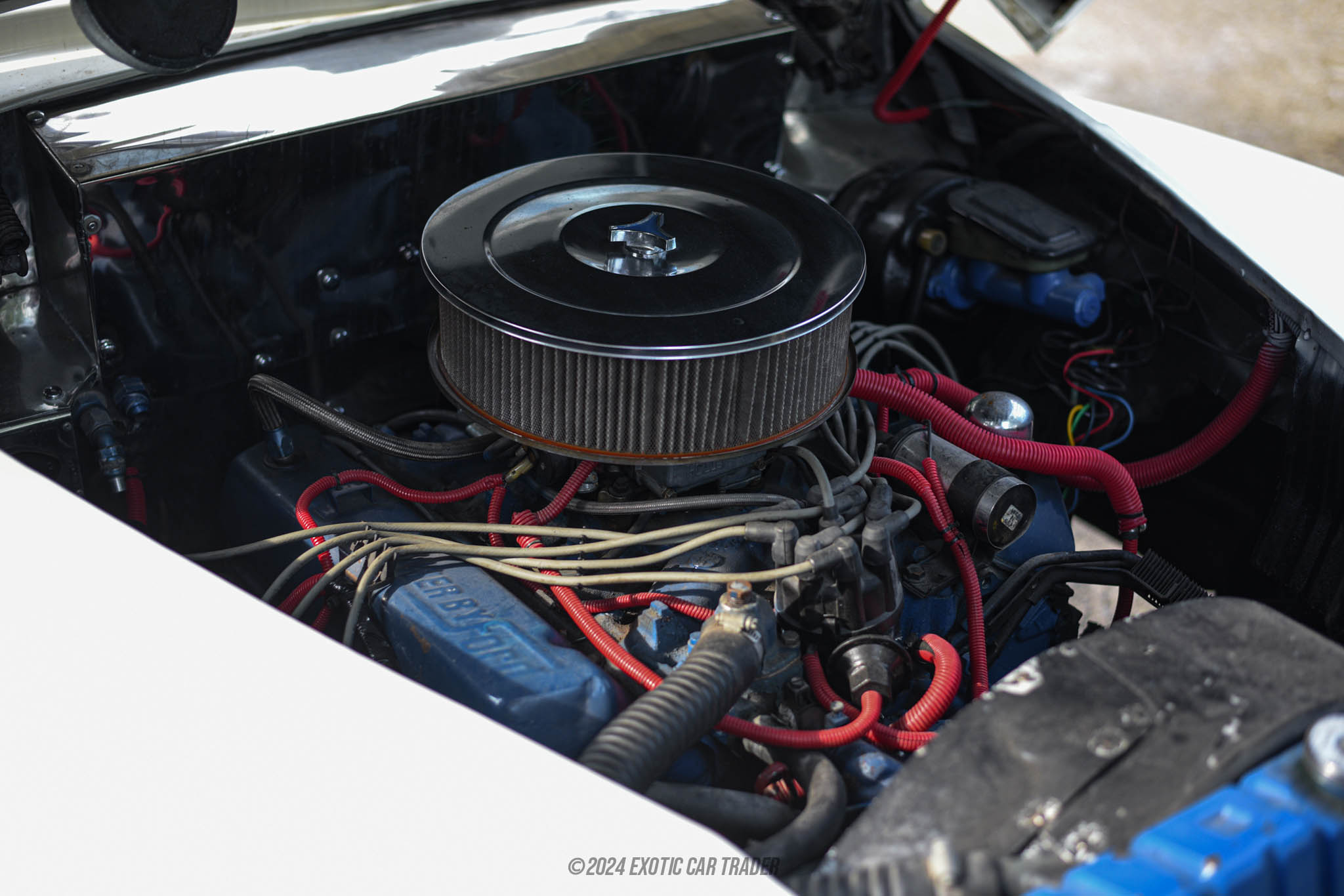
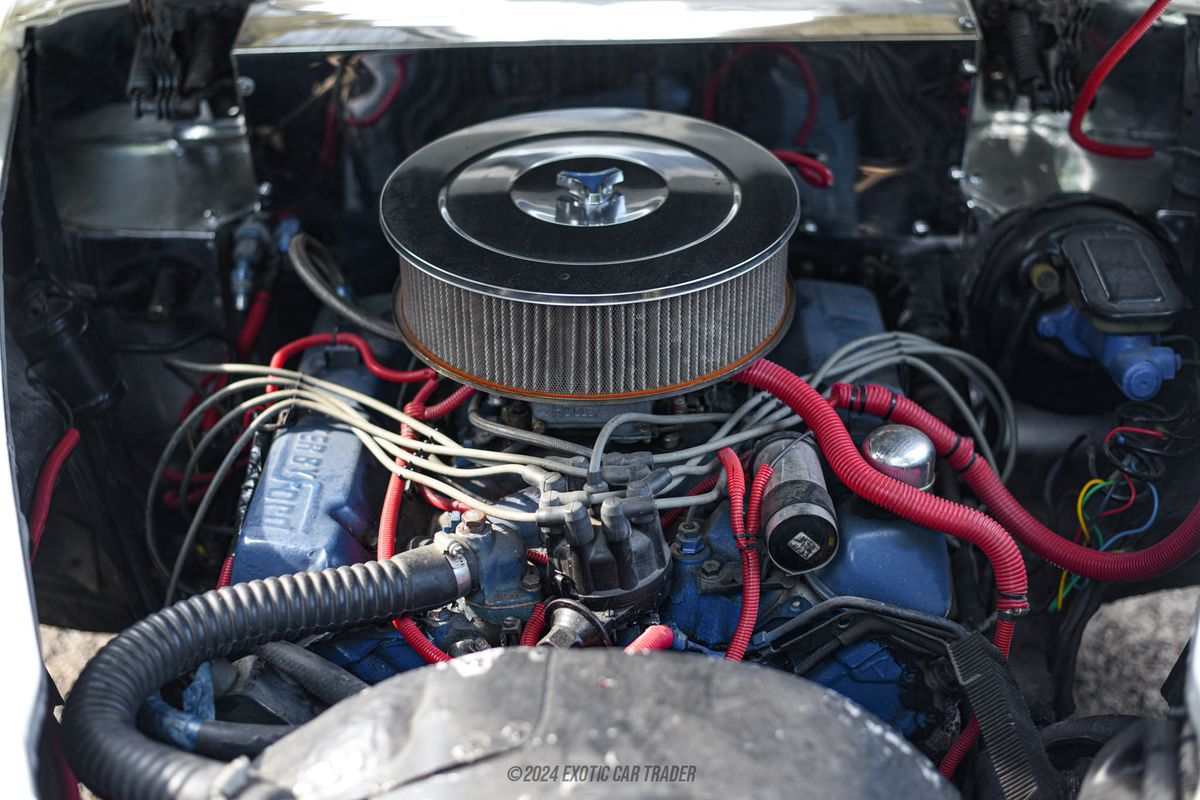
Originally, the Continental was fitted with a 292ci flathead V12 and a 3-speed manual transmission. The current owner reports that it now has a new 454ci engine with less than 35,000 miles on it, and a new automatic transmission (making it easier to drive and, probably, to maintain as well). Considering that the original engine was reported to make around 130hp, the new drivetrain has perhaps made the car much quicker as well.
1947 Lincoln 76H Series Coupe Restoration
7.4L V8
New Automatic Transmission
RWD
White Exterior
Red Interior
New Engine With Less Than 35,000 Miles
New Paint Job Completed In 2018
Upgraded With Electric Windows
Upgraded With Train Horn
Aftermarket Steering Wheel
Front & Rear Bench Seats


The late 40s saw a resurgence in the American luxury car market that had almost died completely thanks to more than a decade of economic depression and World War. The post-war boom brought a wave of Cadillacs, Packards, and Lincolns re-entering the market. For the first few years after the war, most cars (especially the more expensive ones like the Lincoln Continentals) were largely similar to the pre-war models. This was due to civilian automobile production being paused after Pearl Harbor (and America’s subsequent direct involvement in WWII). In this case, the first-generation Continental had only been in production for a couple of years before being put on hold. They were offered only in 2-door form, as either a coupe or a convertible. Several changes were made when production was resumed in 1946, the most prominent being the “Zephyr” name being removed from Lincoln-Zephyr. This production run would last only a few years as well, ending in 1948. The 1949 Continental would be a fancier Mercury and not quite the expensive and exclusive personal-luxury vehicle that its predecessor was.


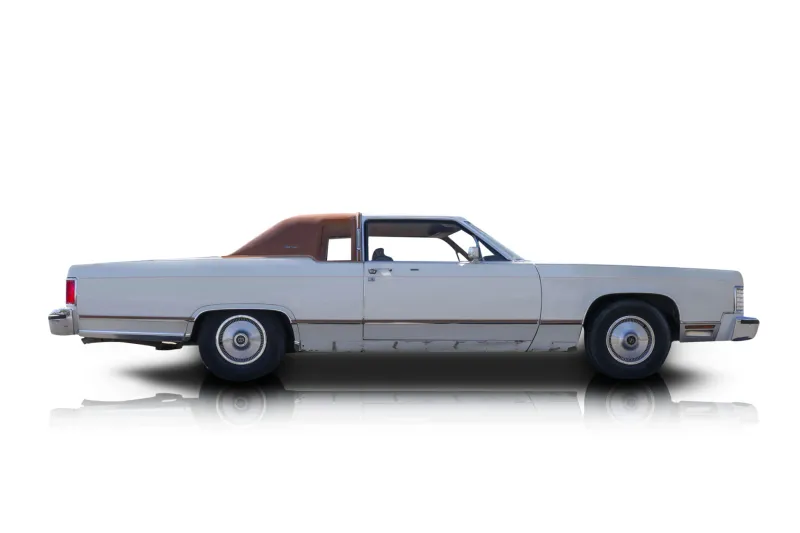
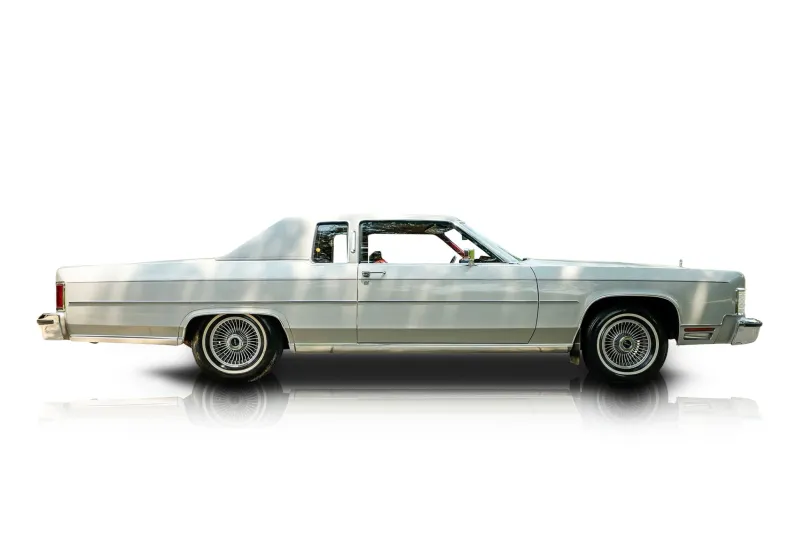
Lincoln, the luxury marque of Ford is best-known for their Continental. Produced sporadically between 1939 and 2020, the Continental was their full-size luxury offering. It’s a large, opulent and decadent thing that unashamedly embodies the American spirit of excess. Today’s 1977 Lincoln Continental Mark V Cartier Designer Series comes from the fifth series, made between 1970 and 1977. It’s a perfect dictionary description of the popular term “Land Yacht”, and this 15,513-mile, all-original car from Toms River, New Jersey Is now up for sale. Plus, it’s a special edition trim level.


Many of our customers are familiar with the Cadillac automotive brand name. This luxury vehicle division of General Motors is going strong to this day, offering buyers options ranging from sedans to SUVs. However, with this listing, we are going back in time where Post-War Luxury was a thing. There’s always a brilliant, rich story that comes with cars like this. Fleetwood Metal Body was an automobile coachbuilder founded in the early 1900s that was acquired by GM in 1925. As Cadillac became more selective in offering bodies after 1934, this well-preserved 1949 Cadillac Series 75 is worth adding to your classic collection. This gem awaits in Salt Lake City, Utah, for its next lucky buyer.


The Packard Motor Company of Detroit is yet another one of those great American automakers who fell by the wayside as automotive brands converged and conglomerated in the ’50s and ’60s. Before World War II, Packard was well-regarded for producing luxury automobiles, and after the War, they maintained their luxury car lineup. Things came to a halt in 1962 when they merged with Studebaker, and the Packard name died away. However, you can still find a classic Packard around if you look hard enough. Here’s a 1951 Packard 300 up for sale, with a complete restoration on it, and even a reprint of the original owner’s manual included with the sale. There are still a few more things to be done to make this car concourse-fresh, but these are easily addressed, minor foibles that you can put right in a jiffy – the hard work has already been done during the restoration.


Cars from 1950 are getting rarer. During that time, automakers went above and beyond to produce works of art on wheels. Classic car enthusiasts know well enough that these icons are worth preserving, but there is a cost, namely convenience. That's when the topic of restoration comes up. Users can add modern amenities that make everyday life with the car more comfortable while still enjoying the nostalgia of the bygone era. This 1950 Buick Super is an excellent example of a classic that has been tastefully restored. According to reports, it has only been 2,000 miles since its full restoration.

We're here to create a platform to better the automotive industry through communication and transparency. Please treat everyone with respect. Healthy debates are natural, but kindness is required.
Make sure everyone feels safe. Hate speech of any kind is strictly prohibited. Degrading comments about things like race, religion, culture, sexual orientation, etc. will not be tolerated.
Give more than you take. Self-promotion, spam, or links of any kind are not allowed.
Wholesale
Direct Deal
Upload Inspection
Order Inspection
Modern Vehicle Finance
Classic Vehicle Finance
Document Request
Autrella Rates
60 Days - $999
90 Days - $1499