




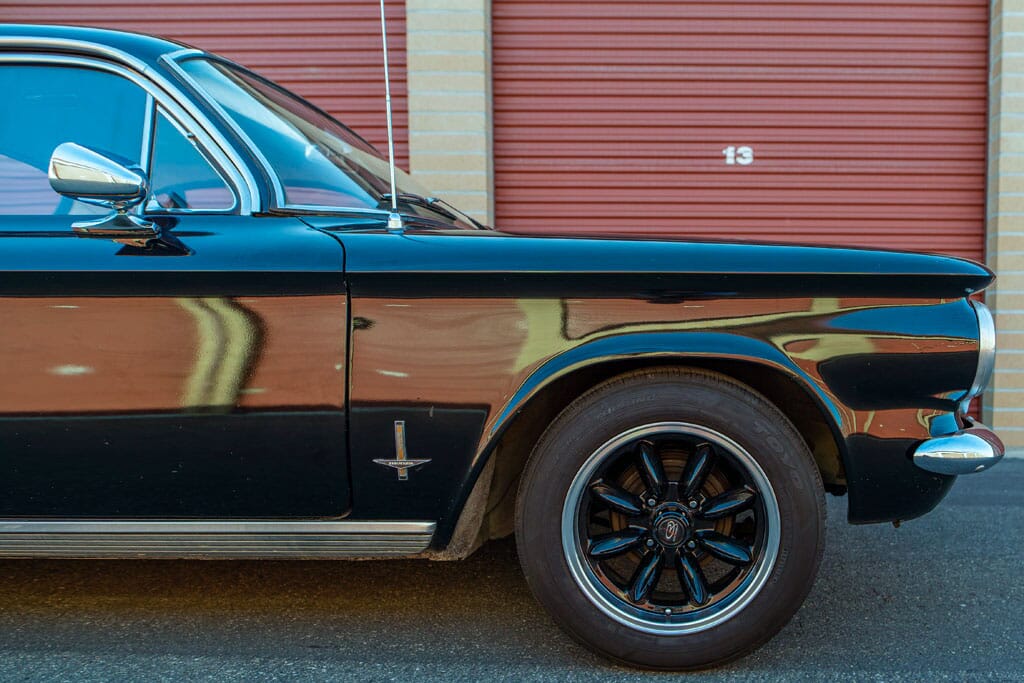
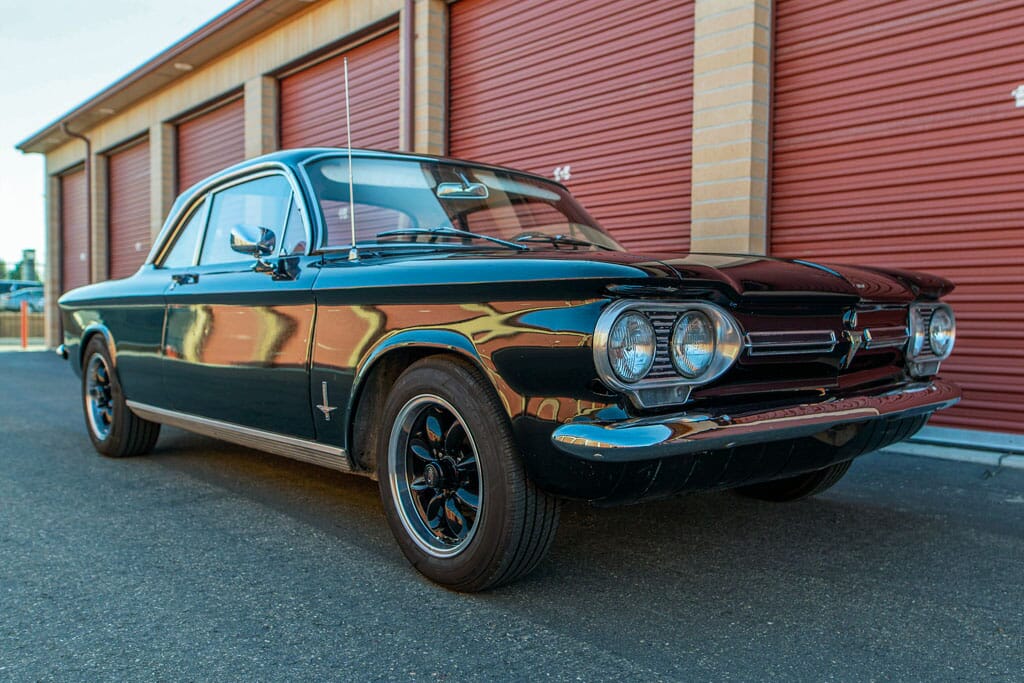
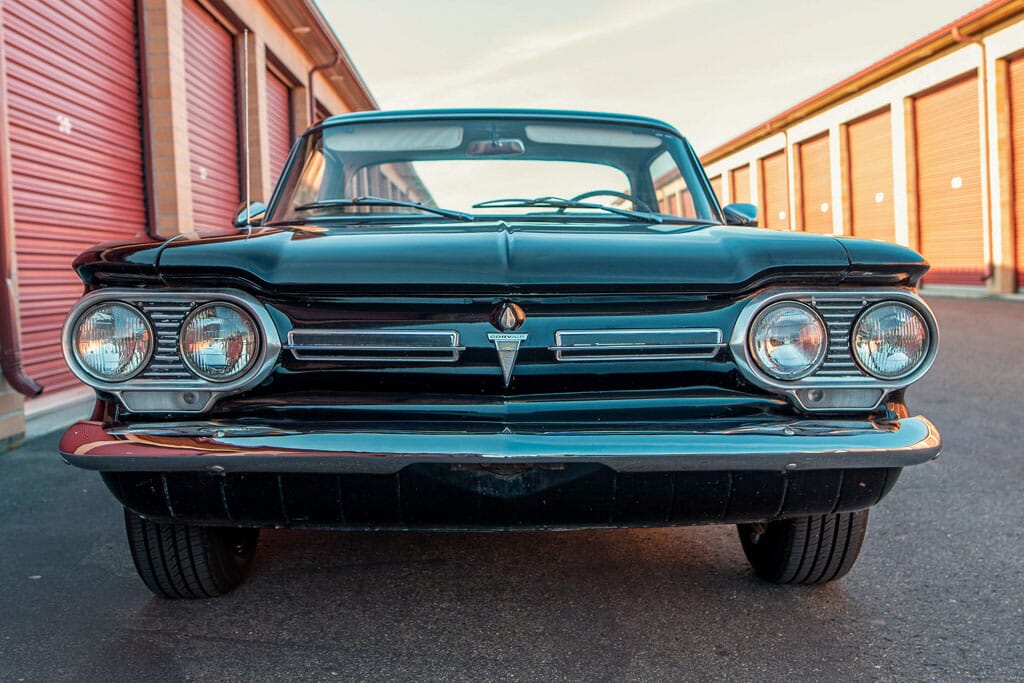
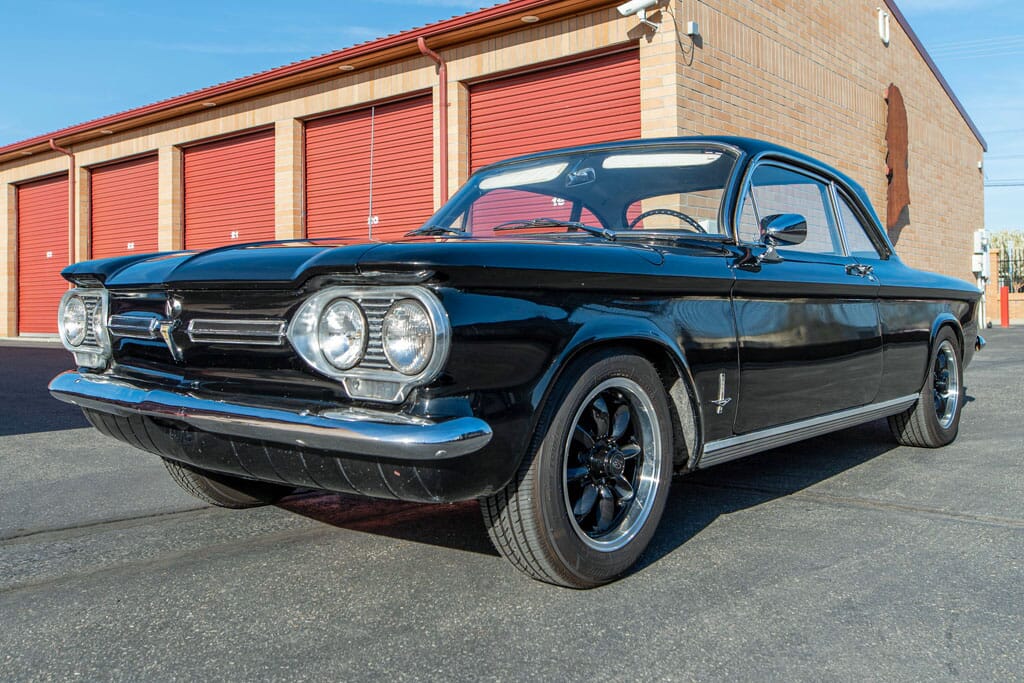
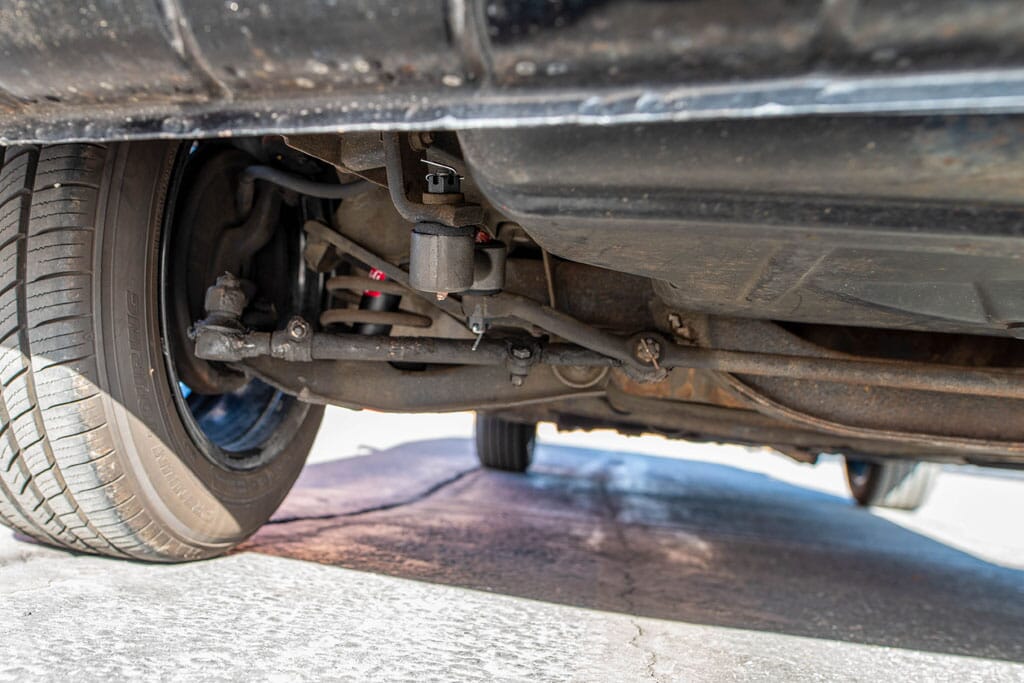


- 1962 MY Chevrolet Corvair
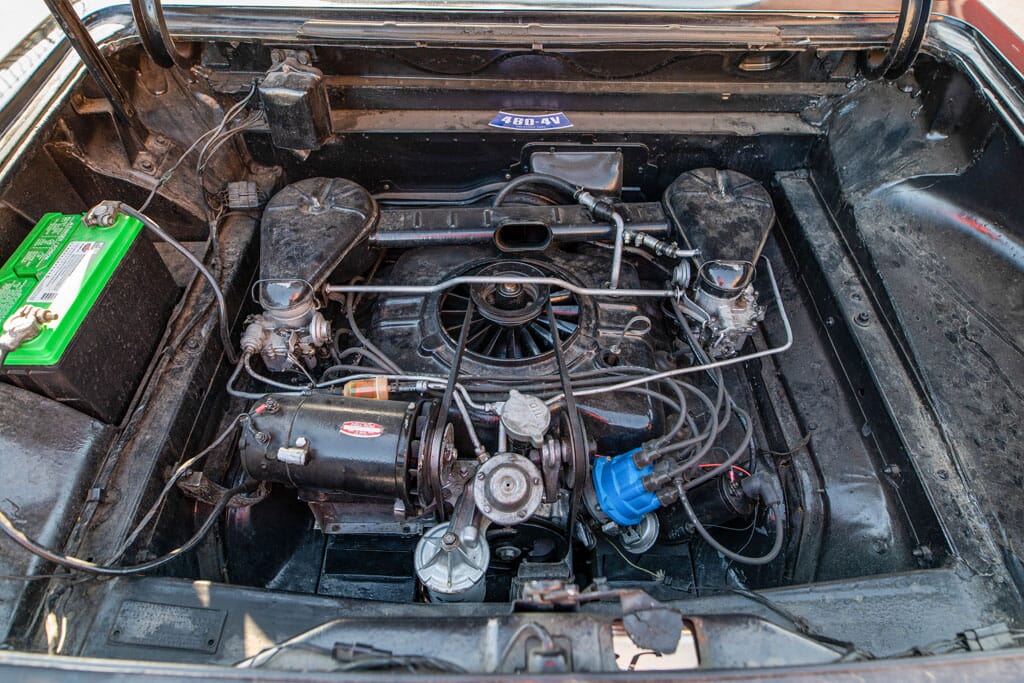
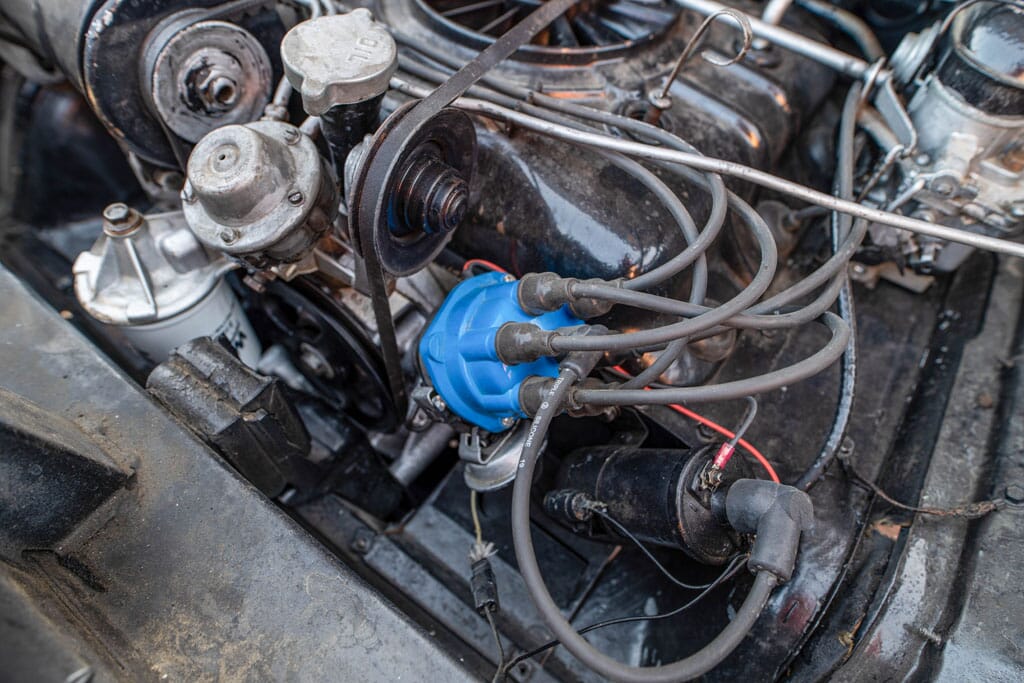
- Rebuilt engine reported
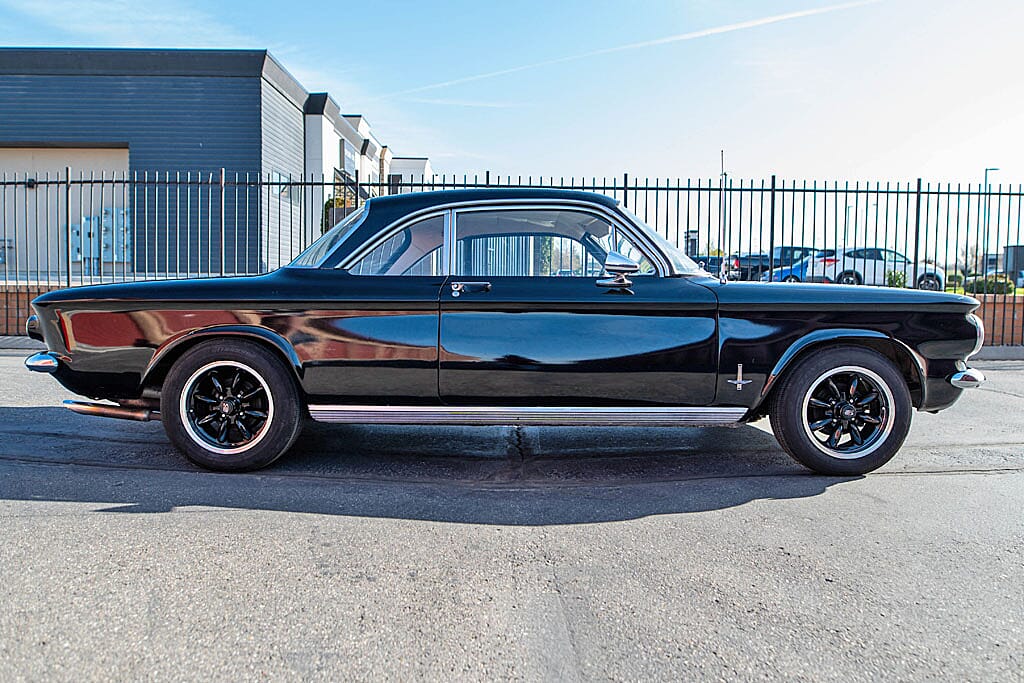
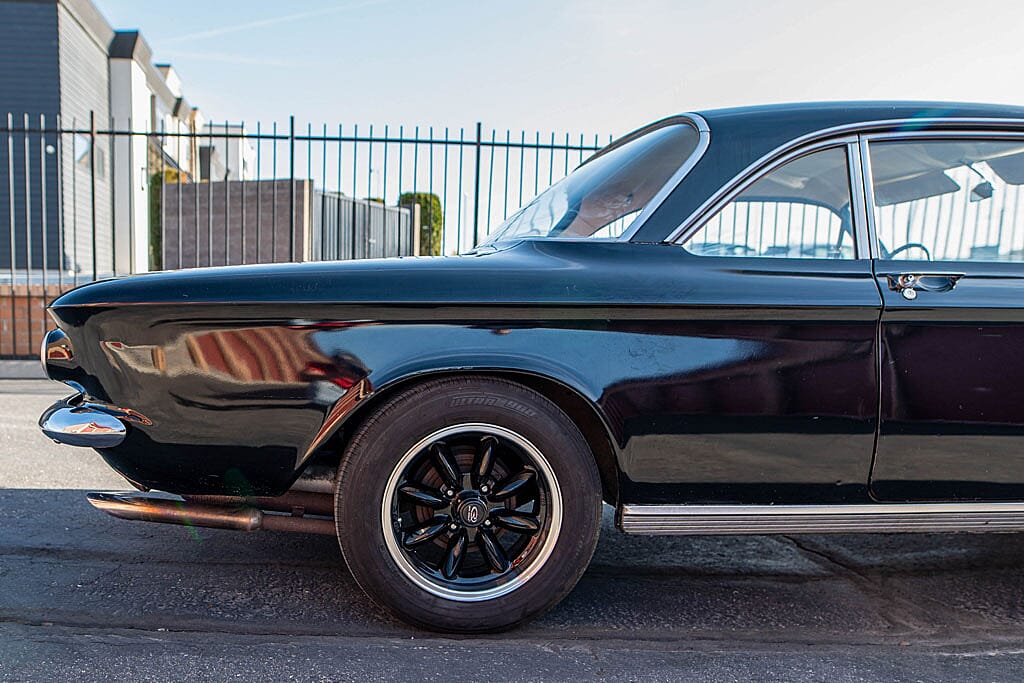
- New wheels
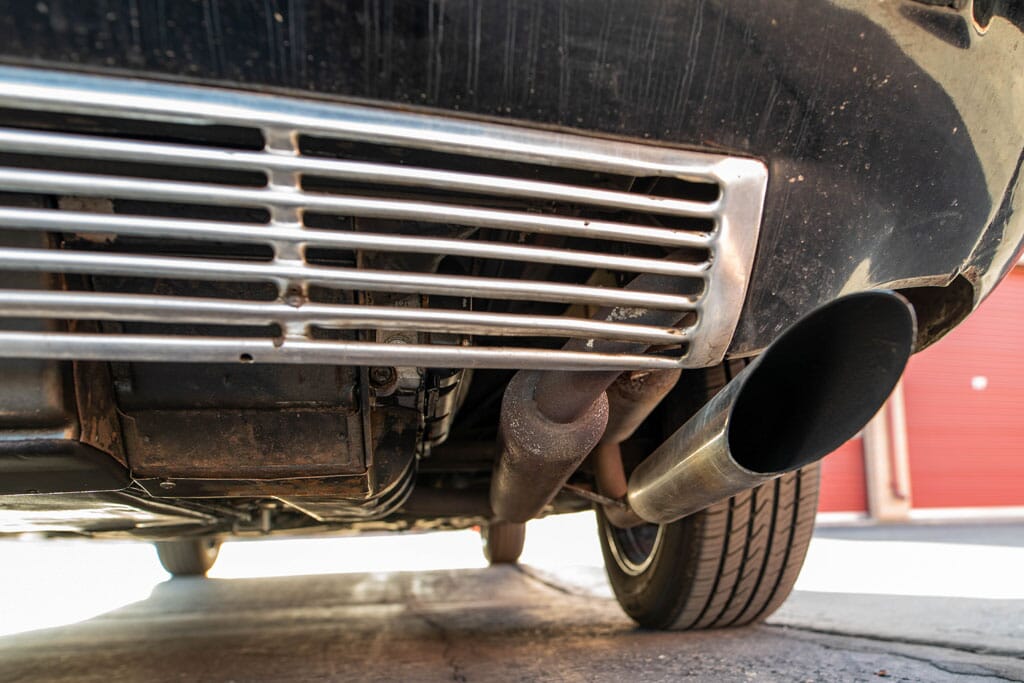
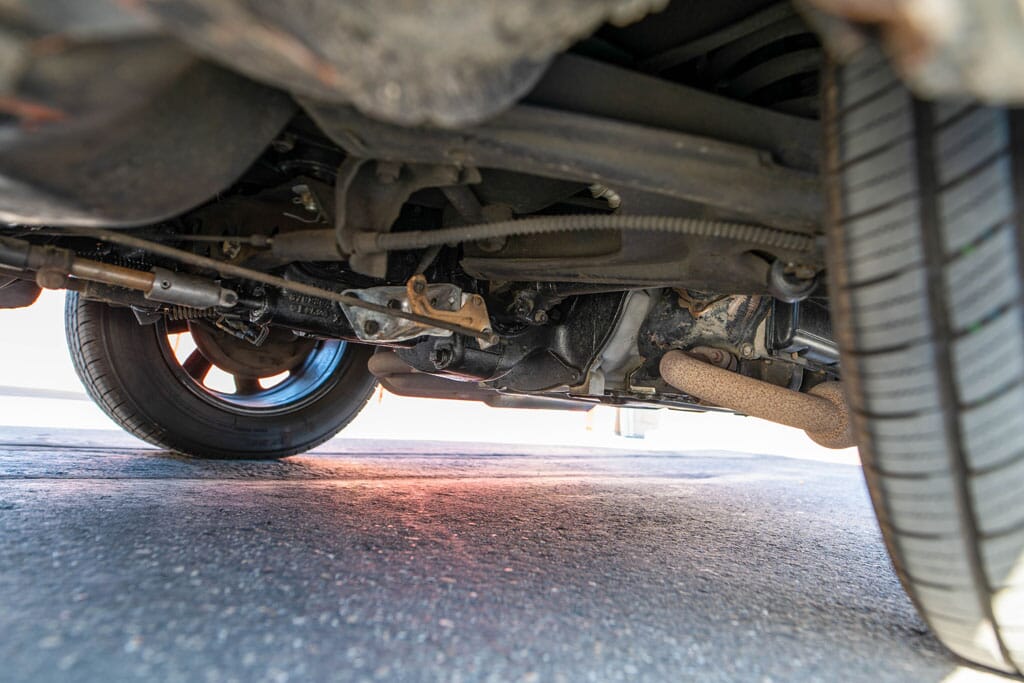
- New exhaust reported
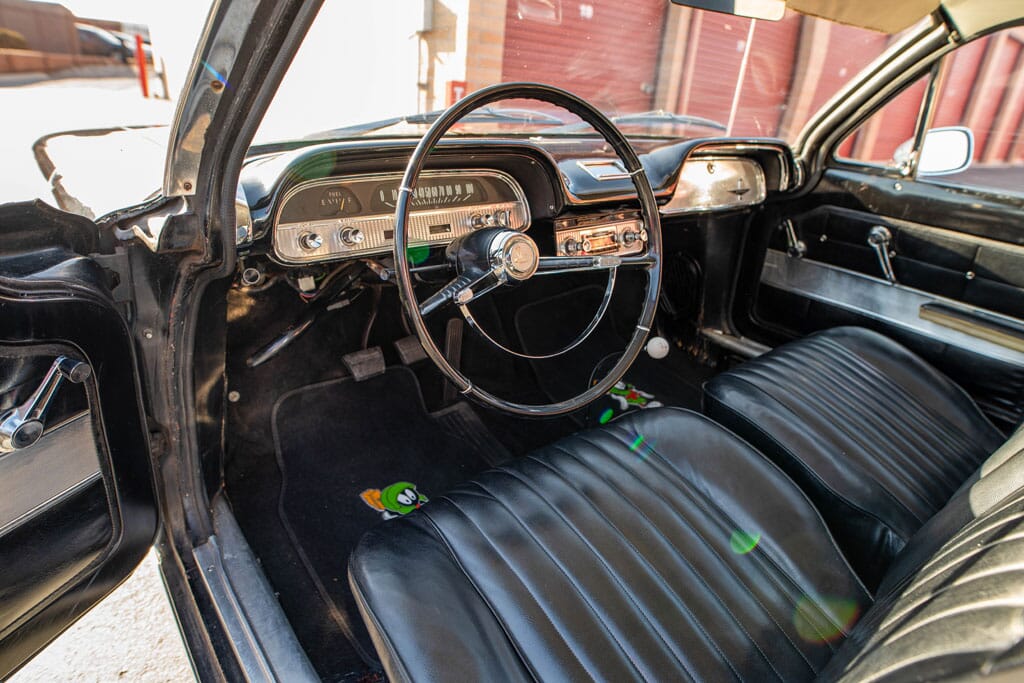
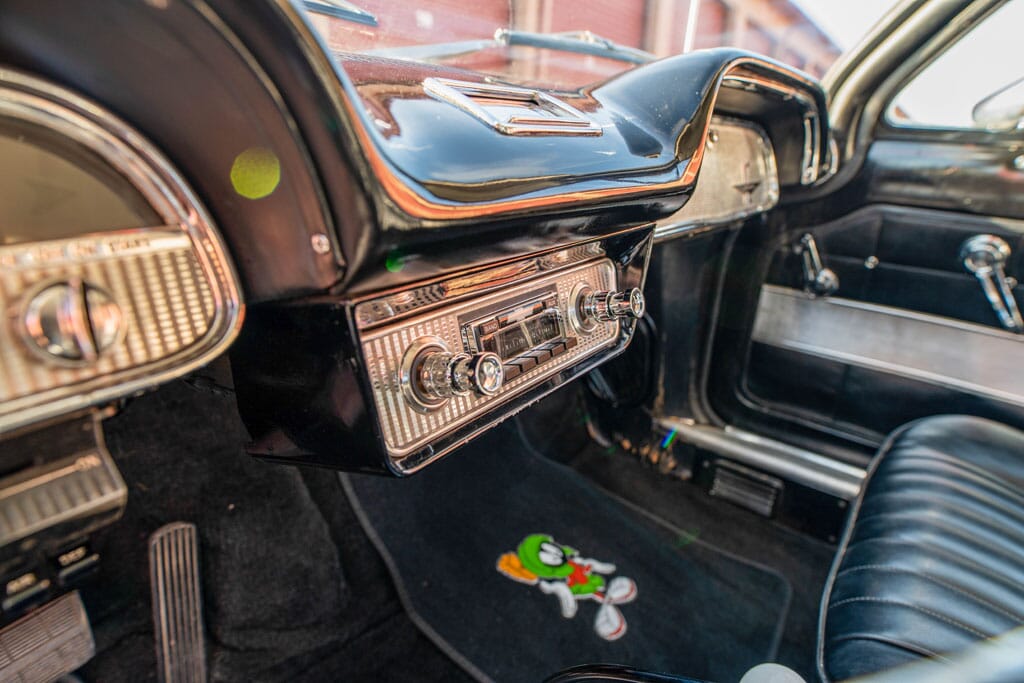
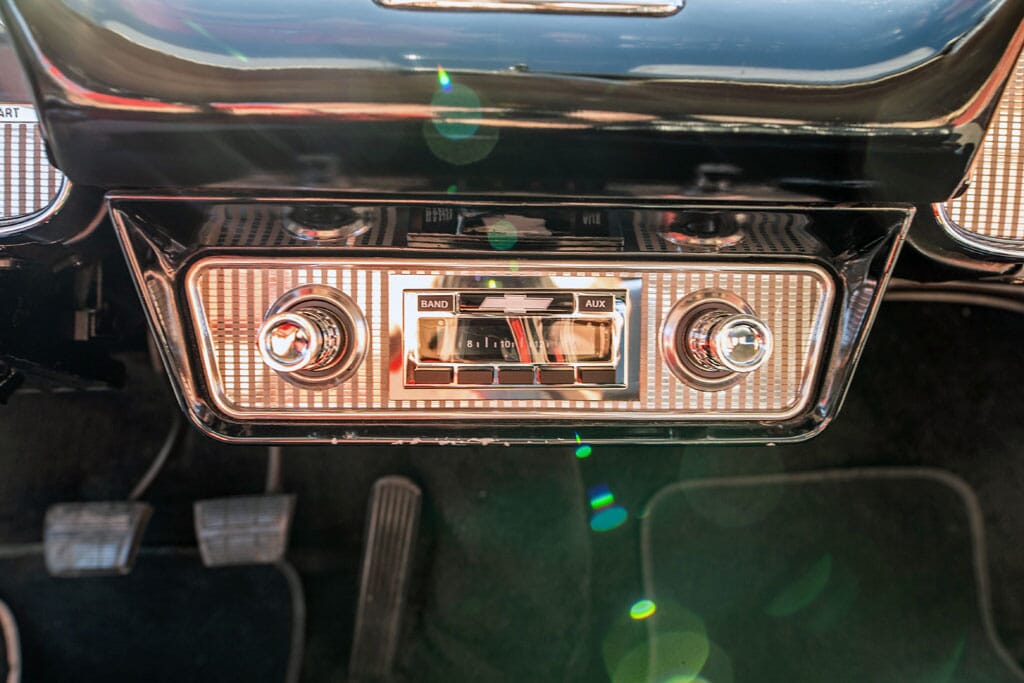
- New stereo reported


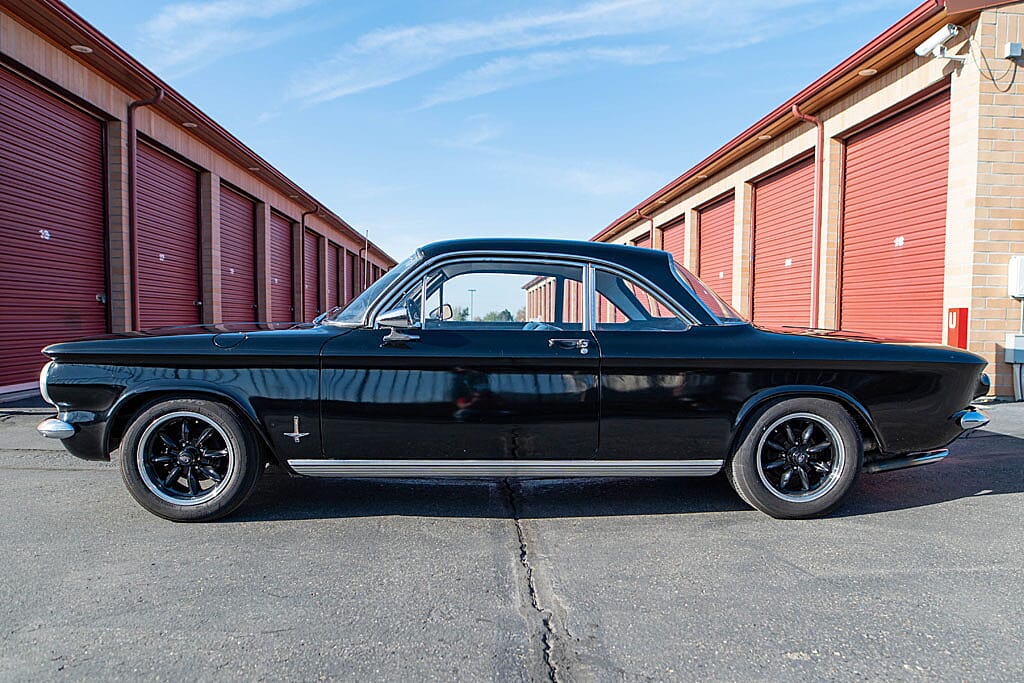
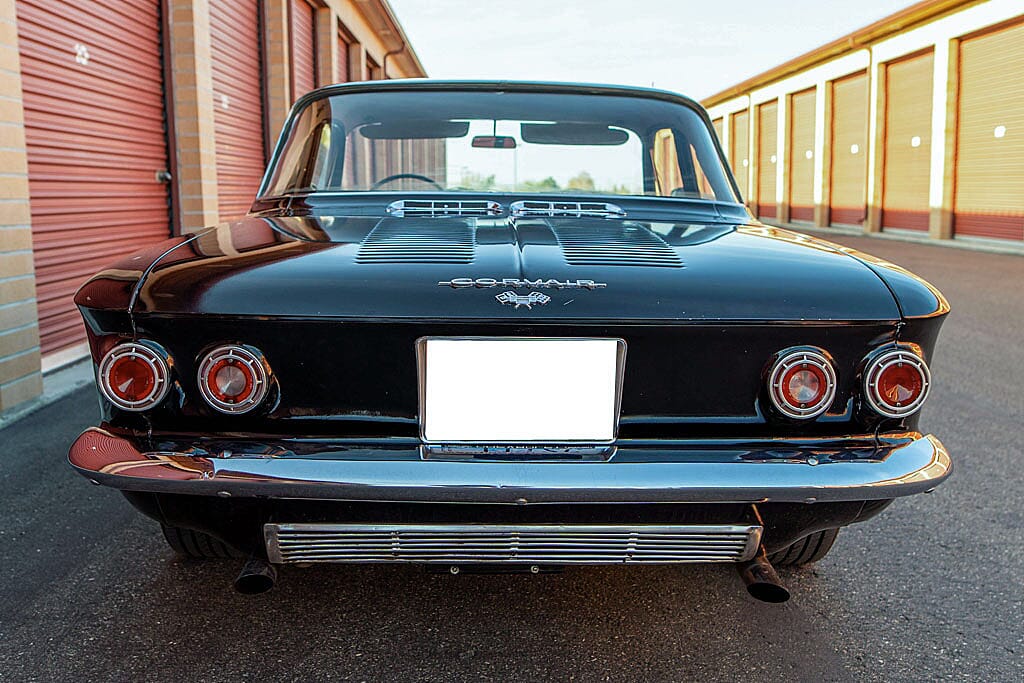
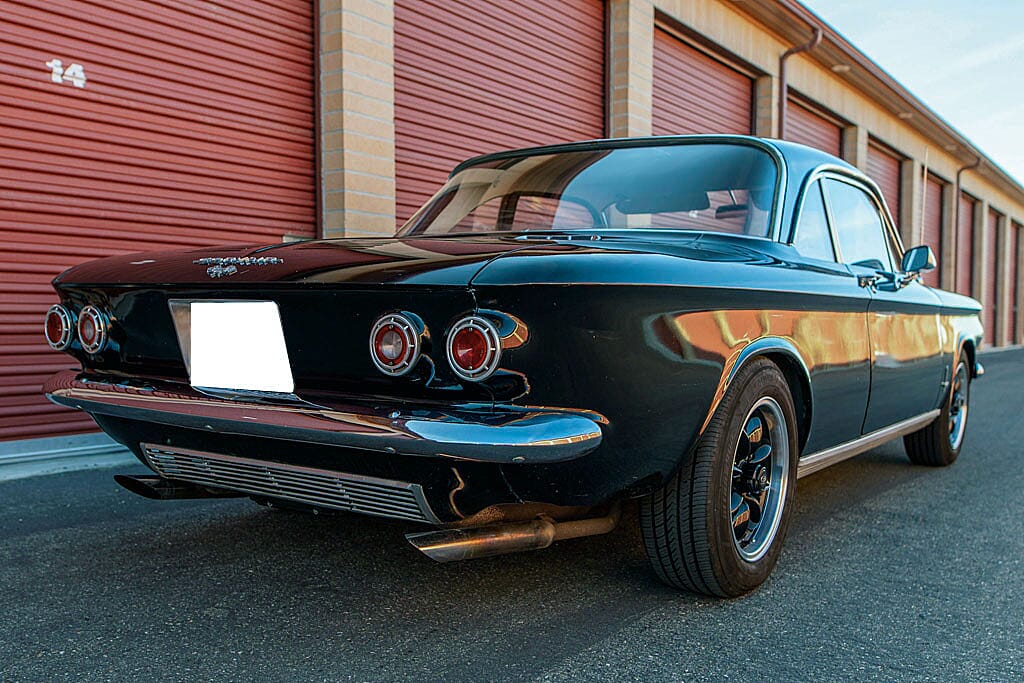
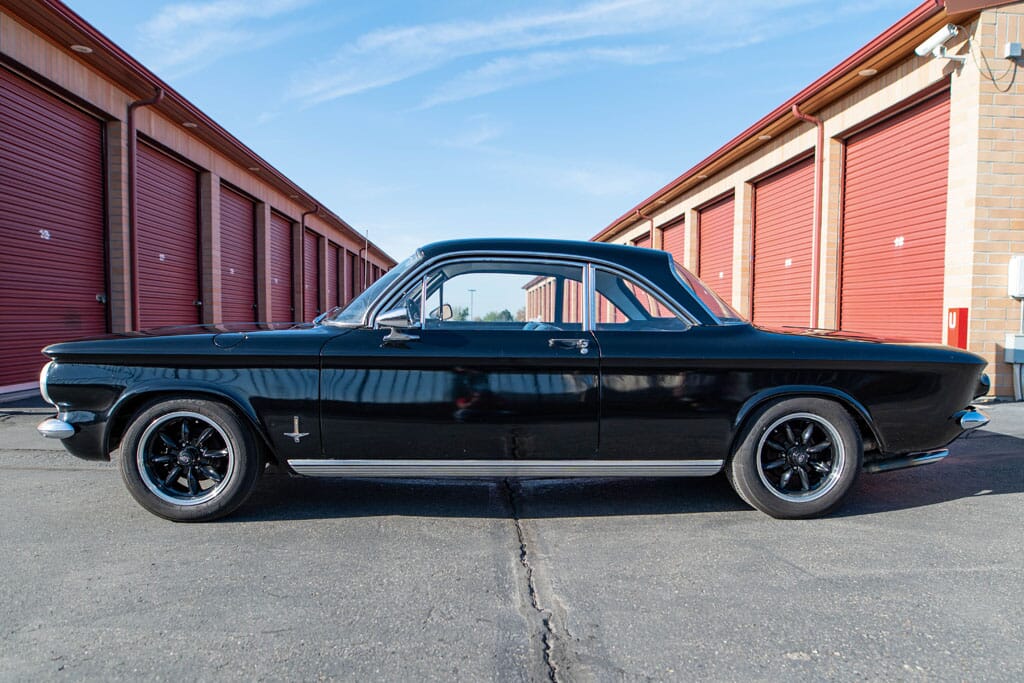
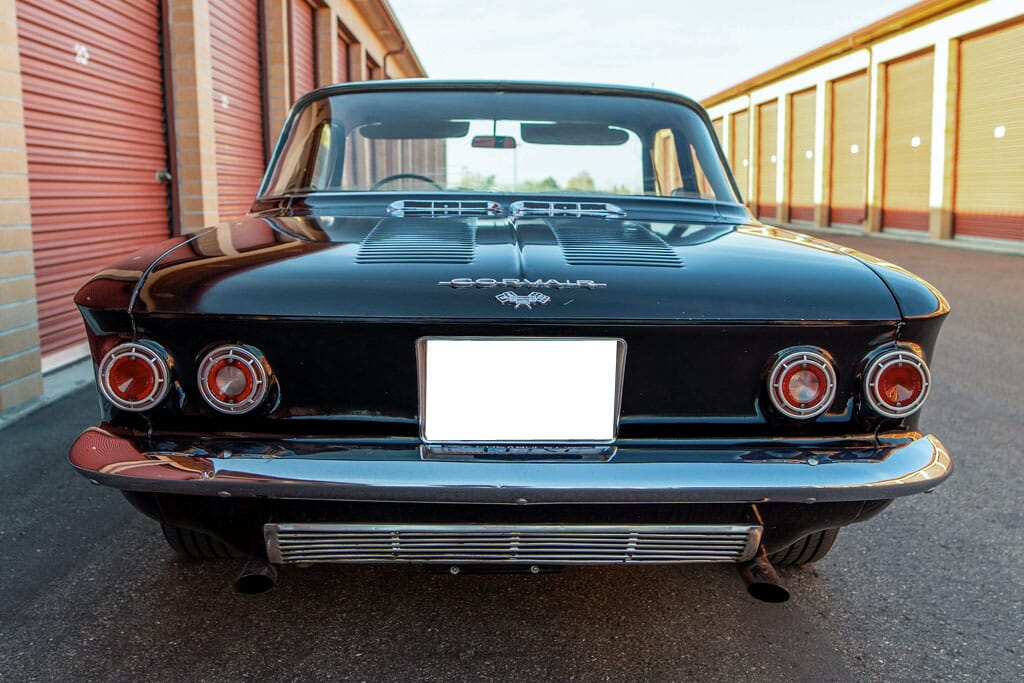
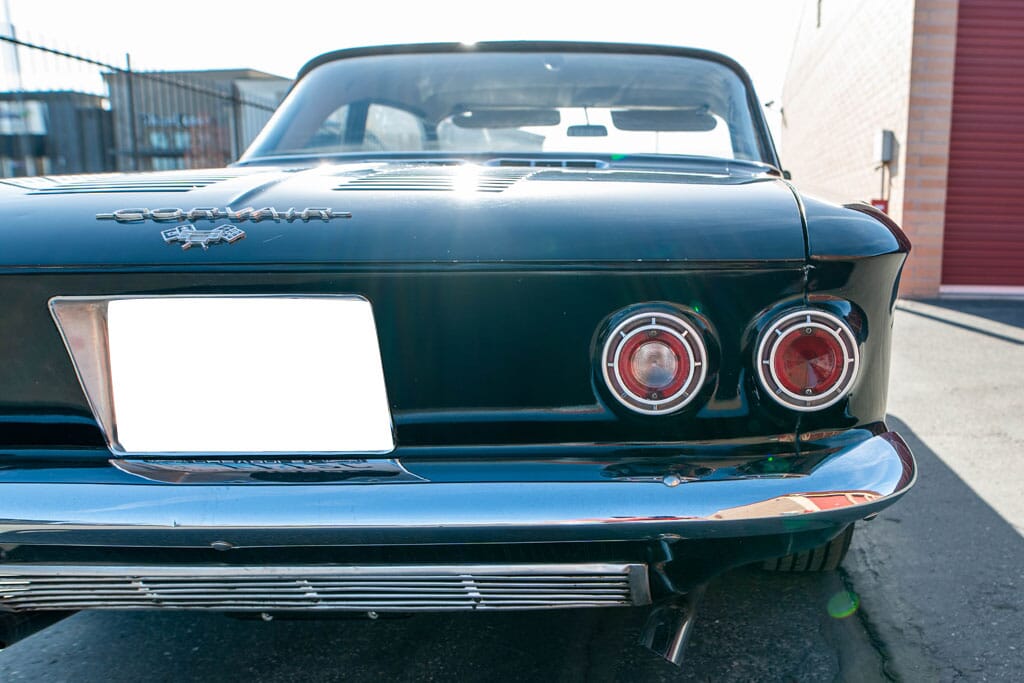
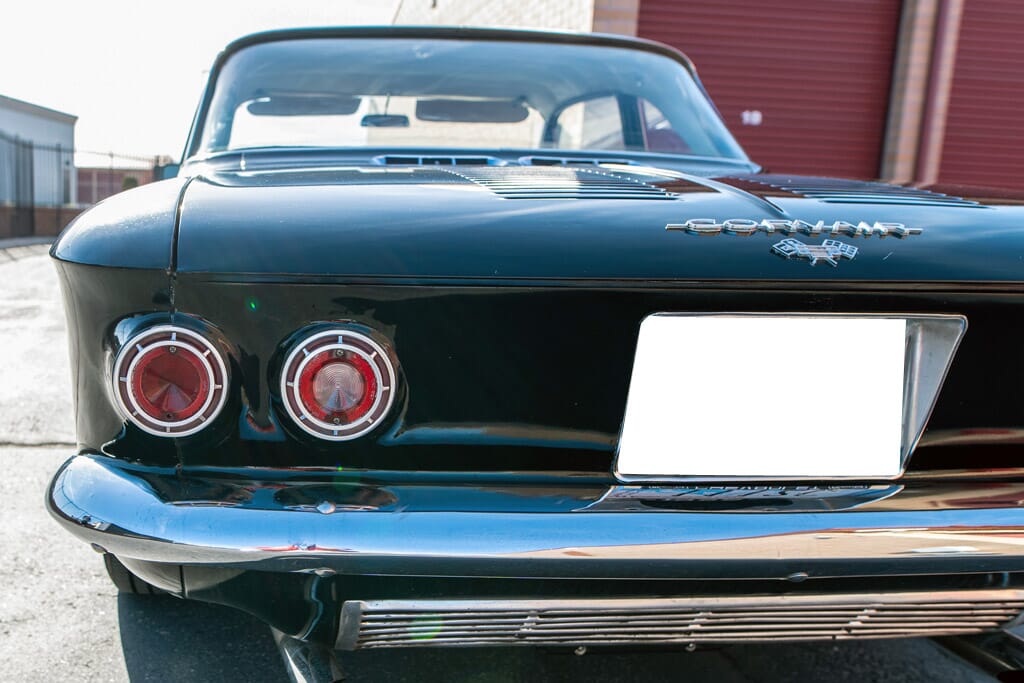
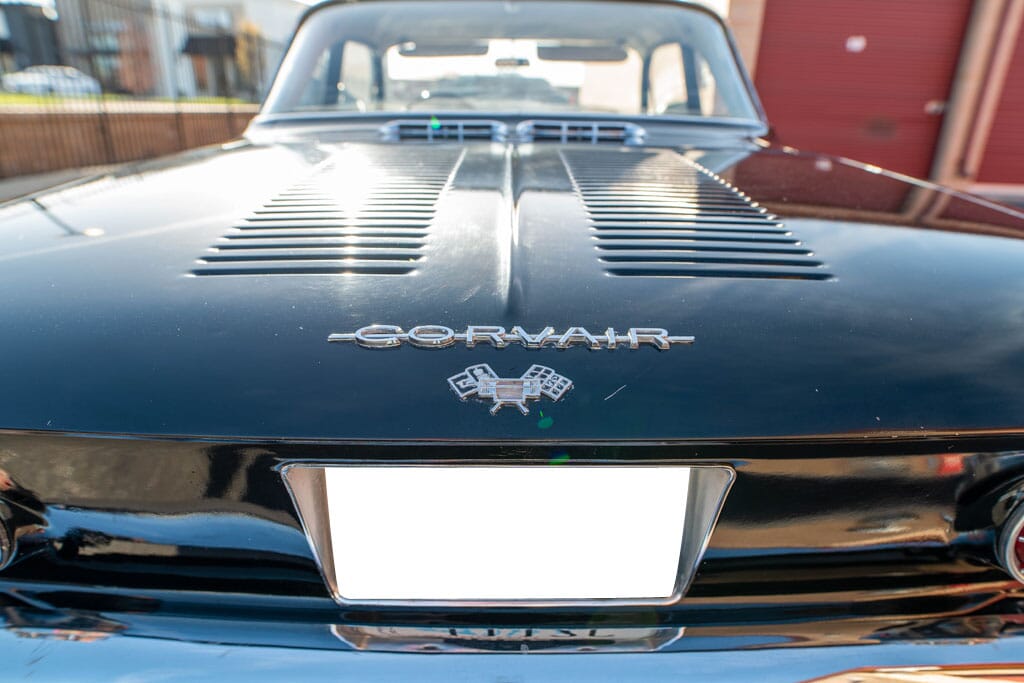
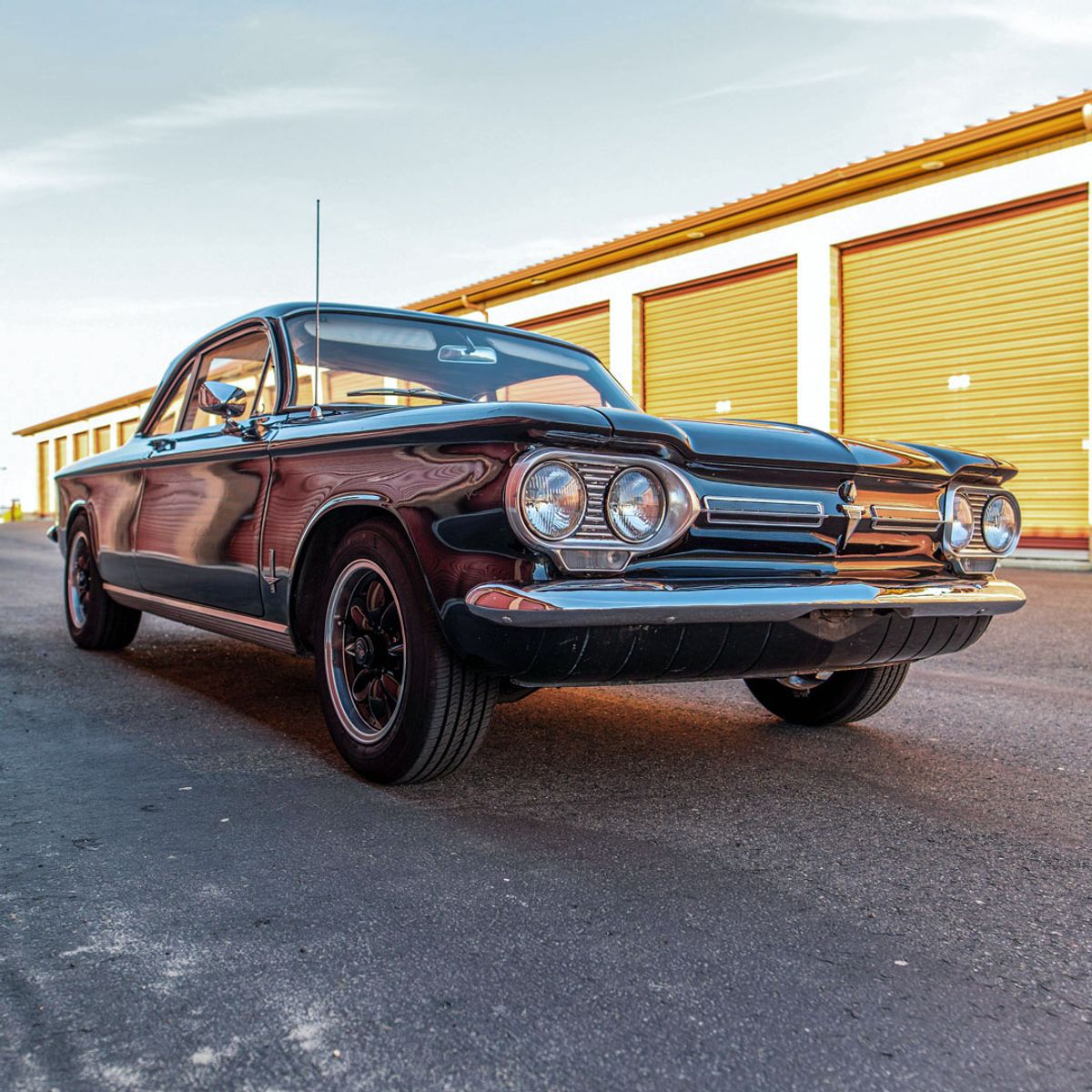
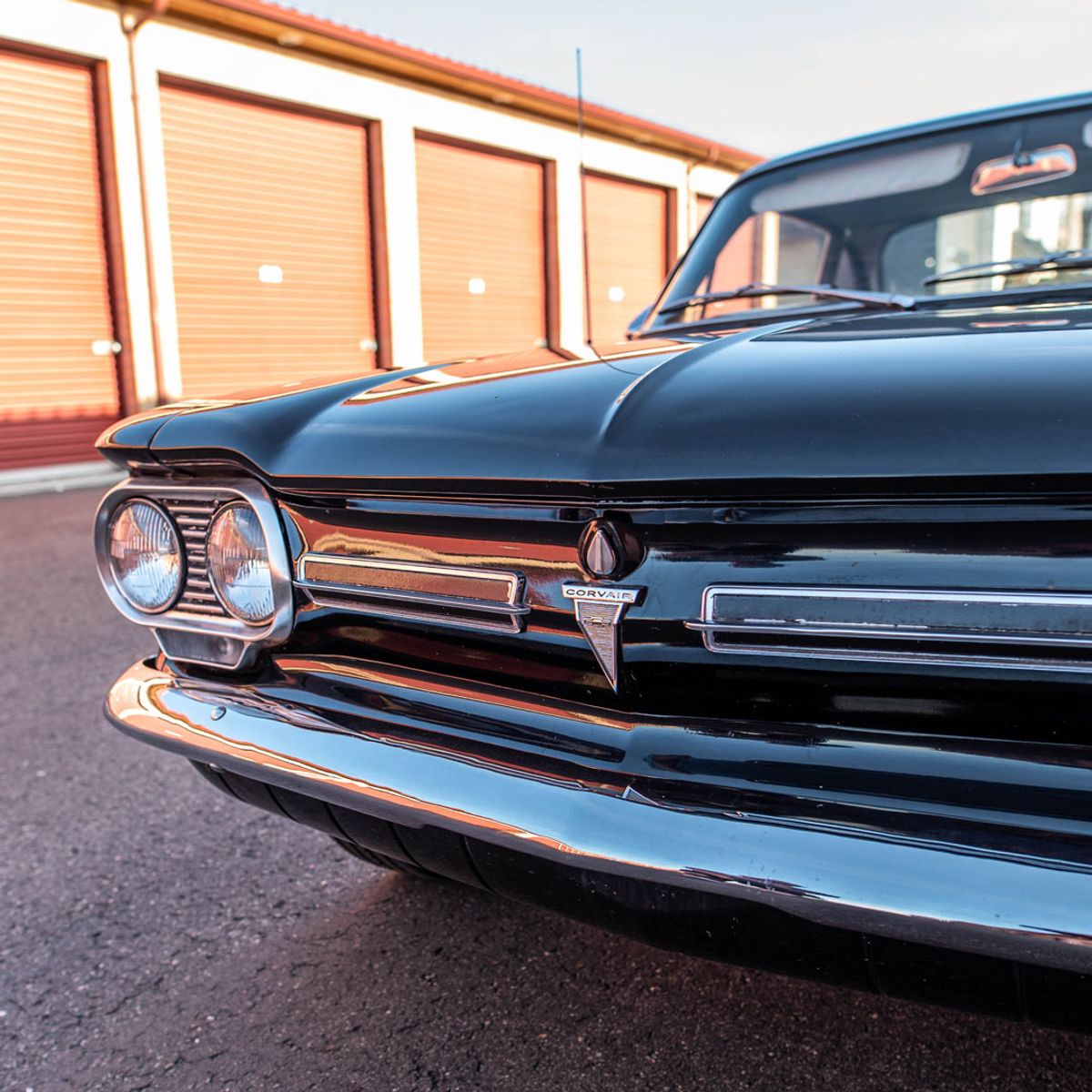
The Fifties and American motoring were filled with the same formula. A ginormous car dressed up in chrome and luxury for the masses. This, however had to change for the next decade. With AMC breathing down their necks by offering a range of compact cars, the big three had to move on and provide something new to keep buyers focused on their products. Chevrolet's answer to this was the Corvair. A completely redesigned car that would shake up the automotive industry, the name was a portmanteau of their popular models Corvette and Belair. With its iconic design, the Corvair became Car and Driver’s Car of the Year in 1960. Looking at this first generation 1962 Chevrolet Corvair Monza 900 we have today, it's easy to see why.
Exterior and Interior
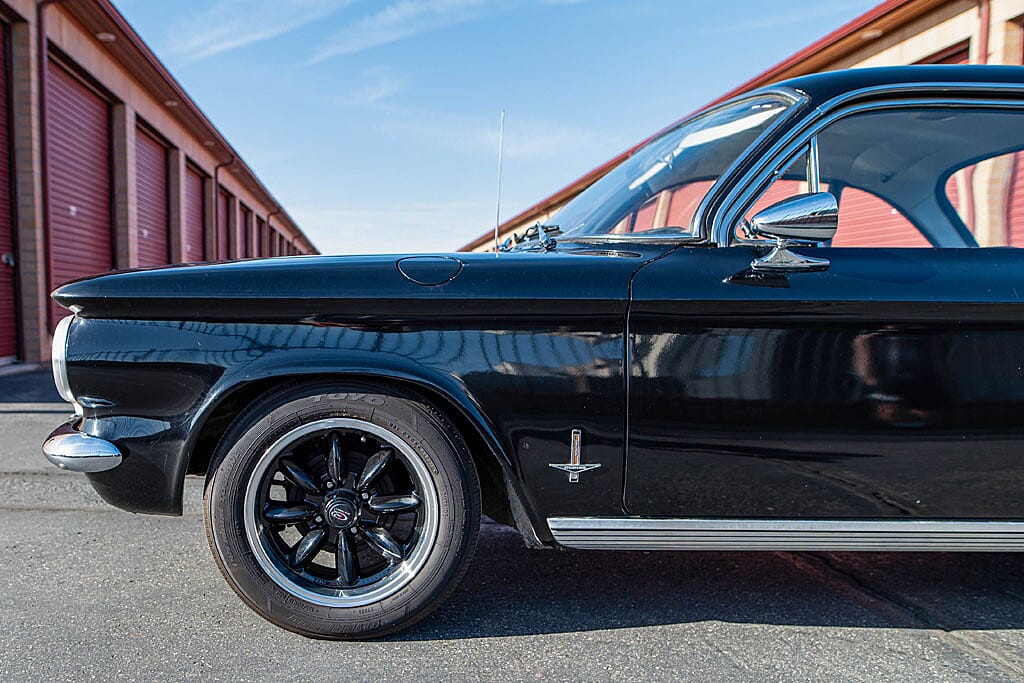
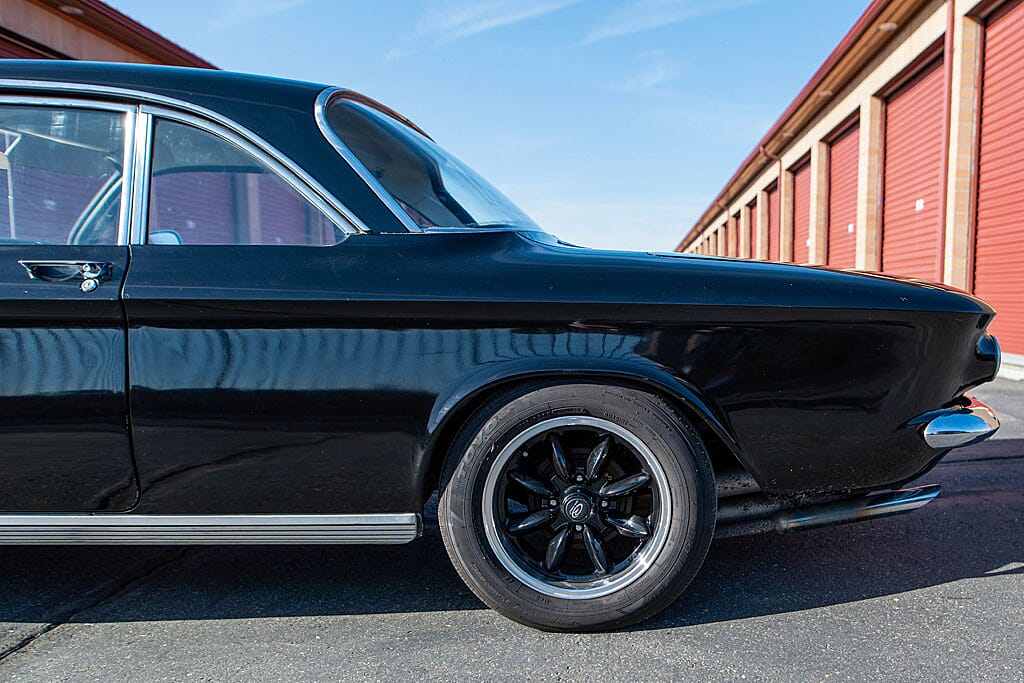
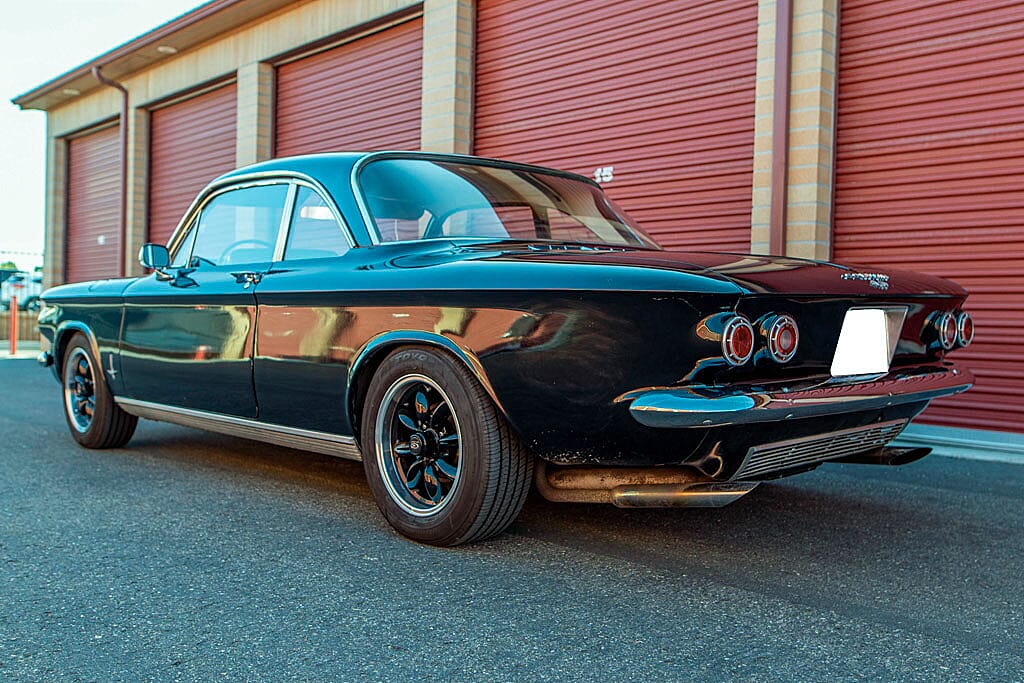
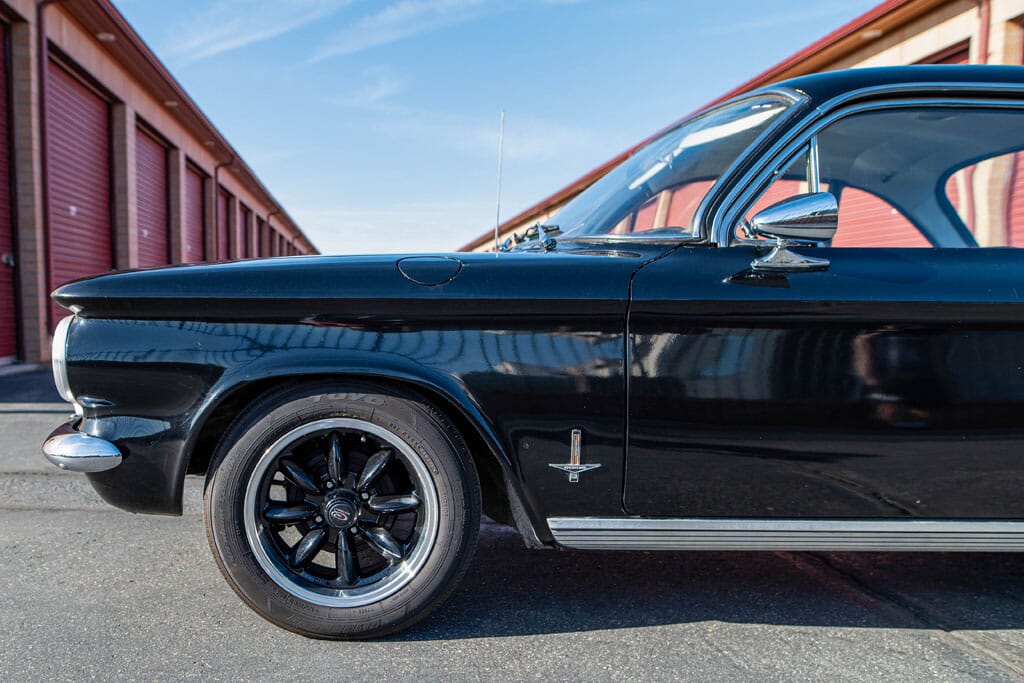
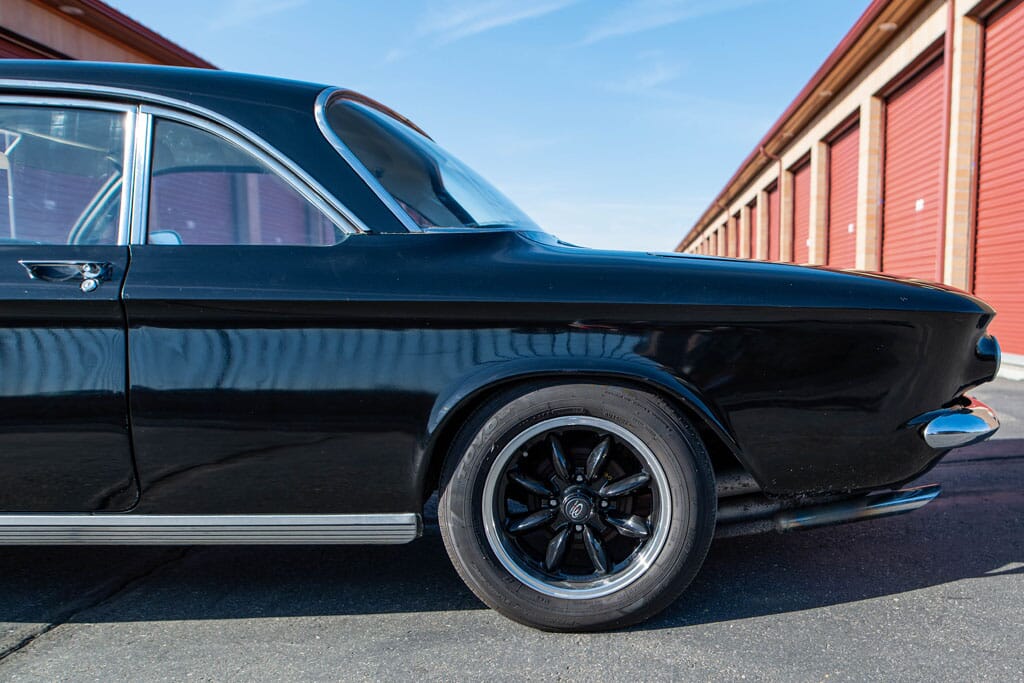
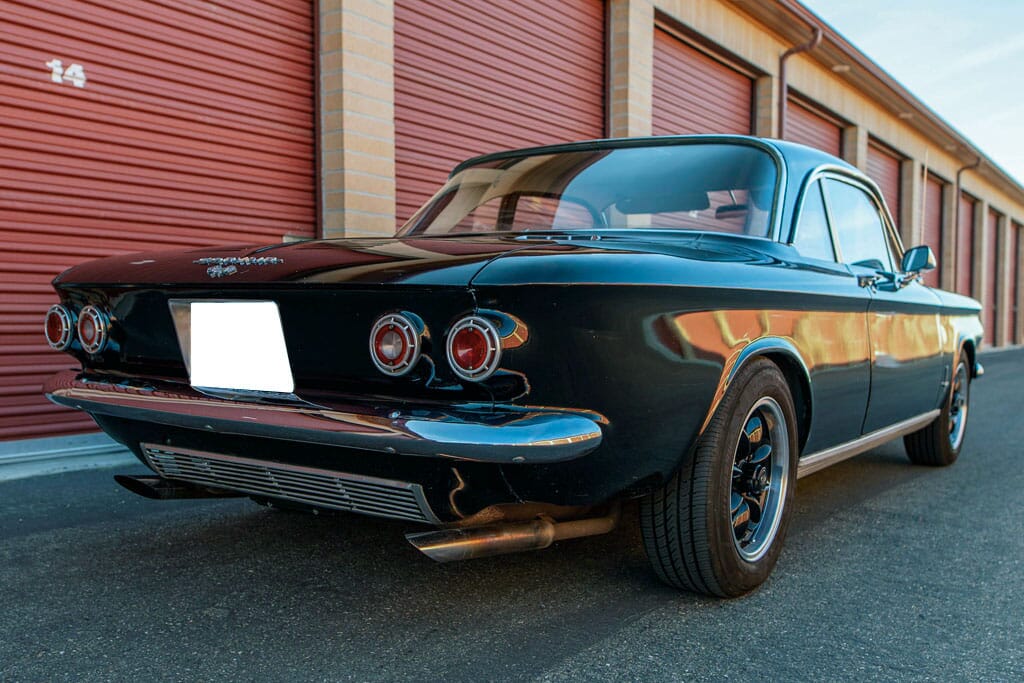
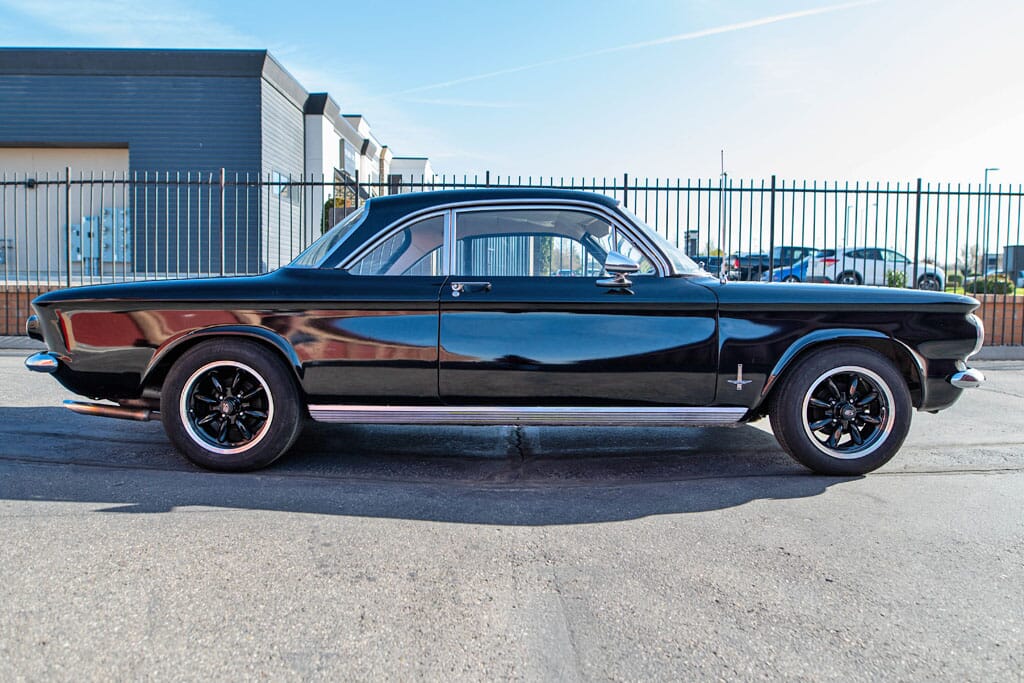
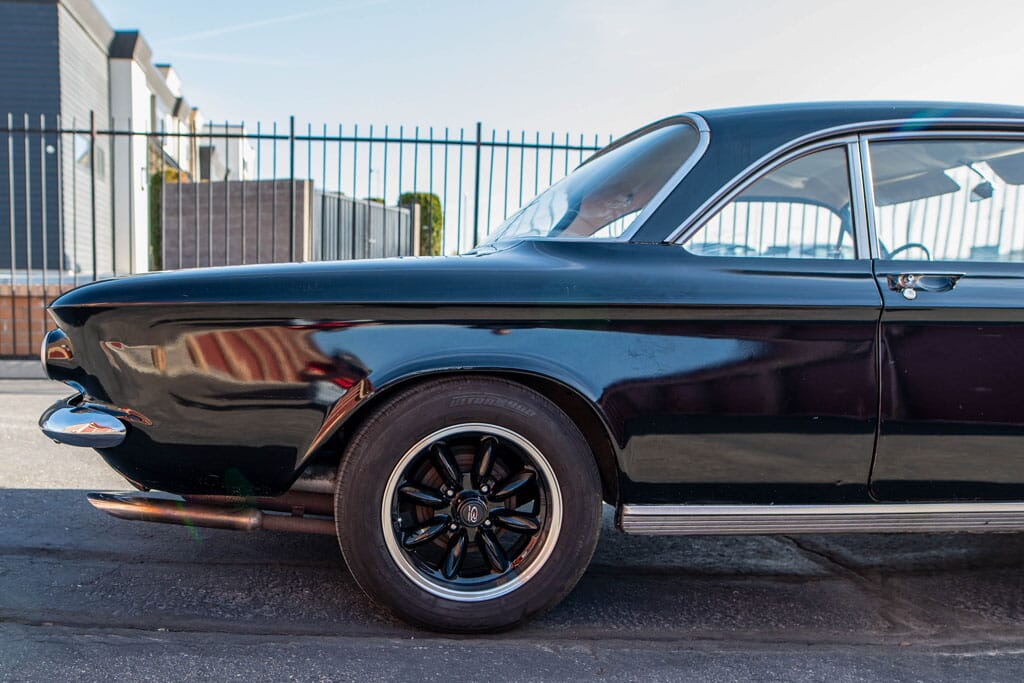
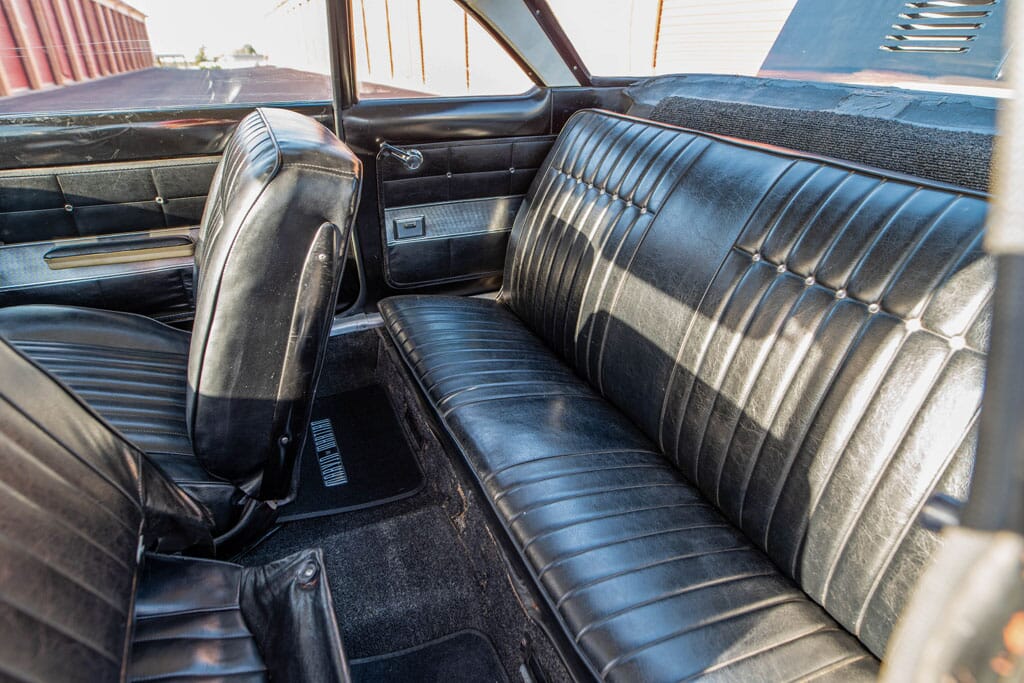
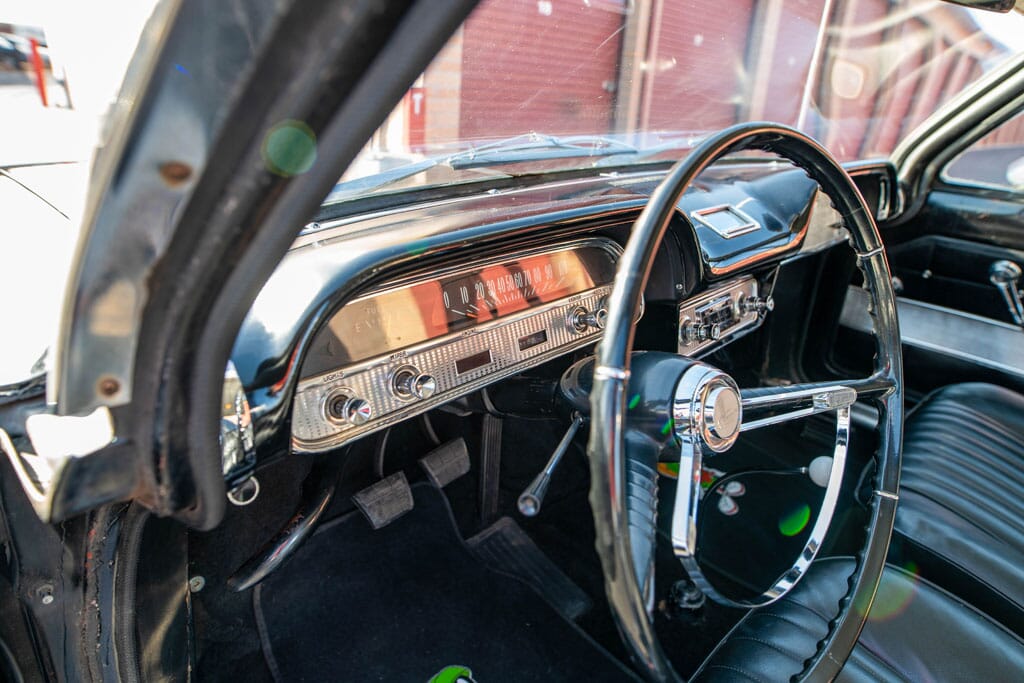
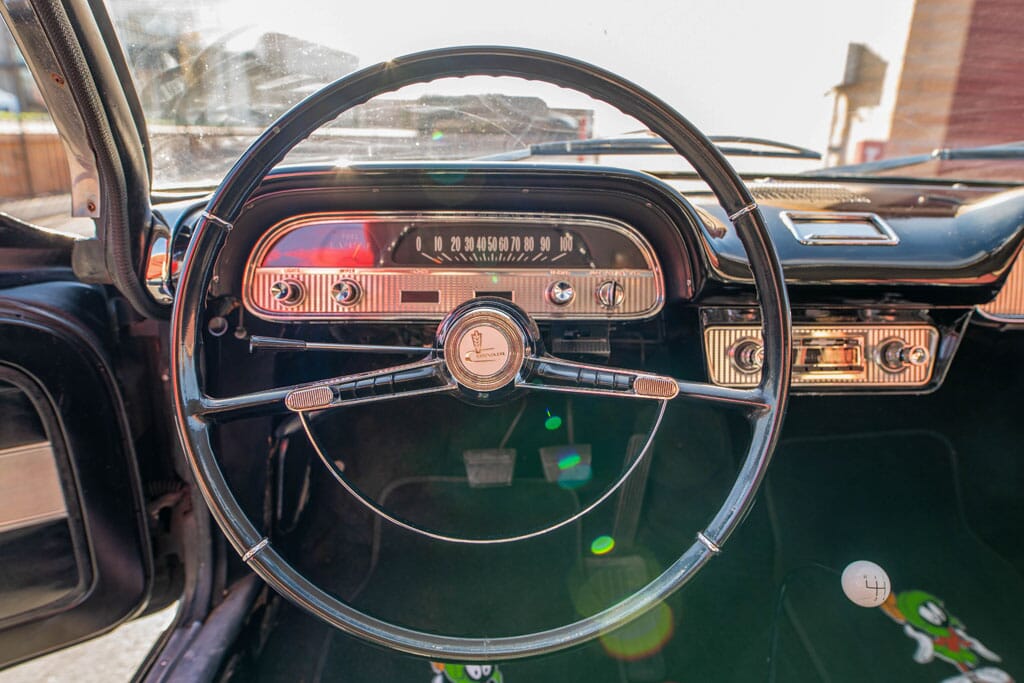
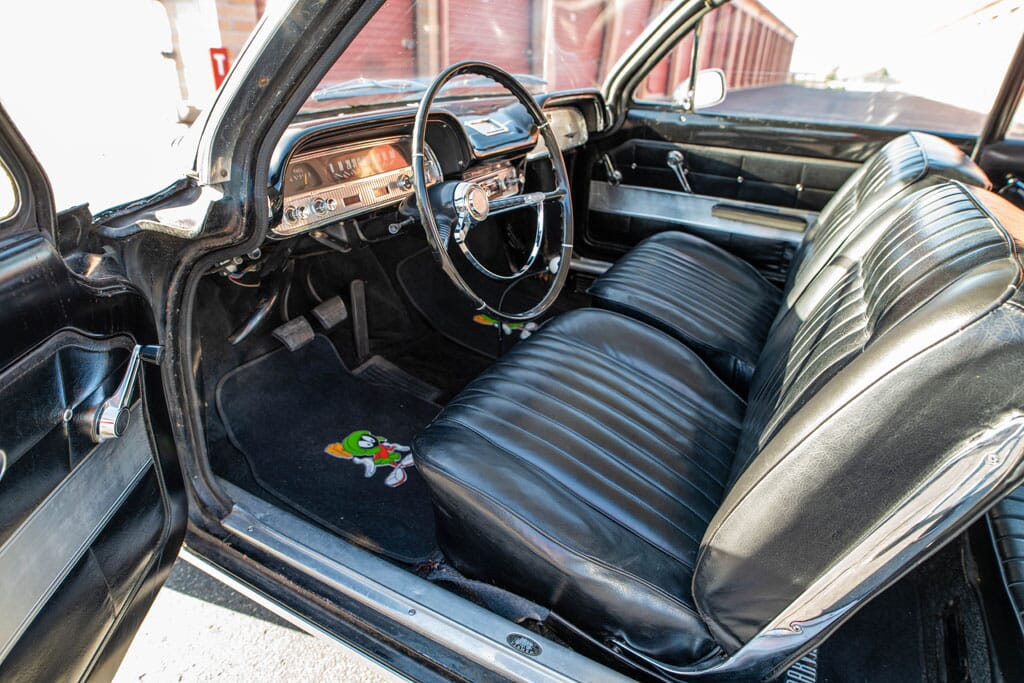
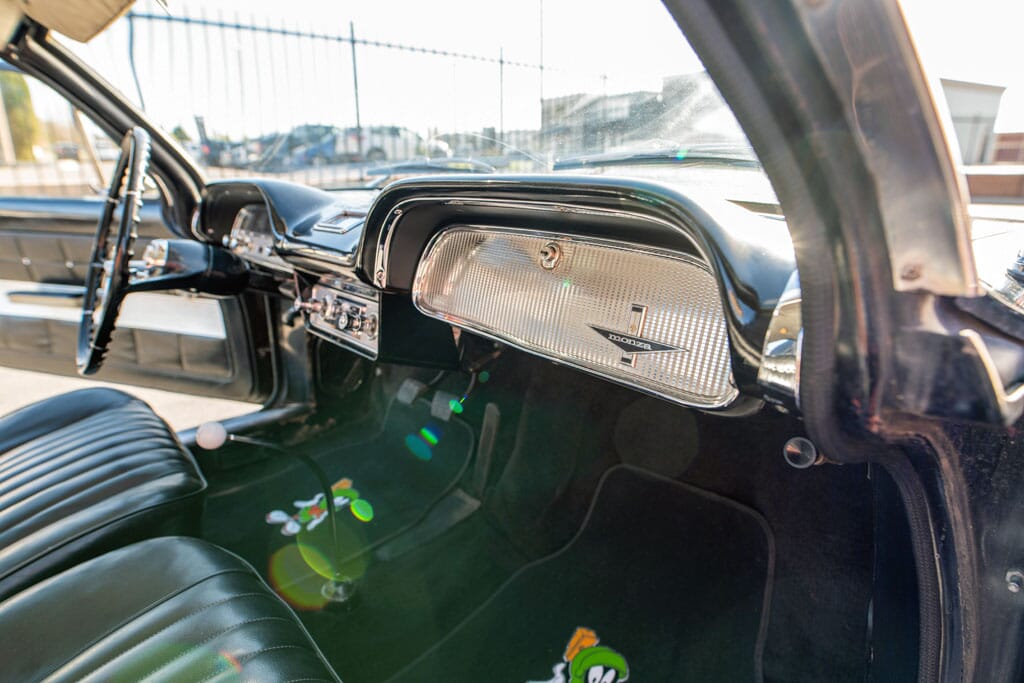
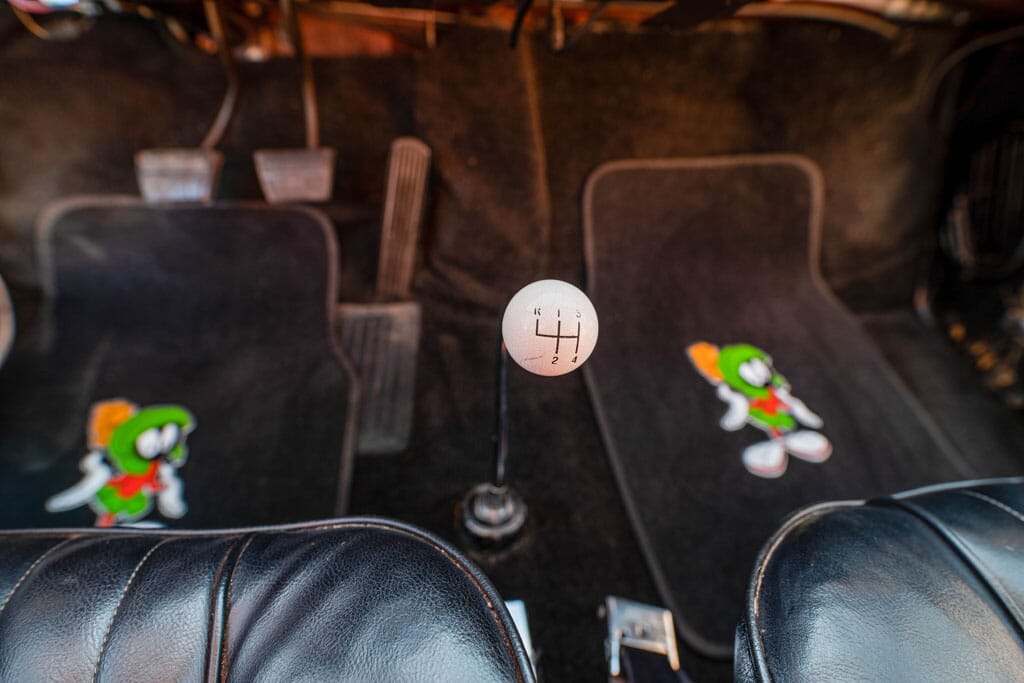
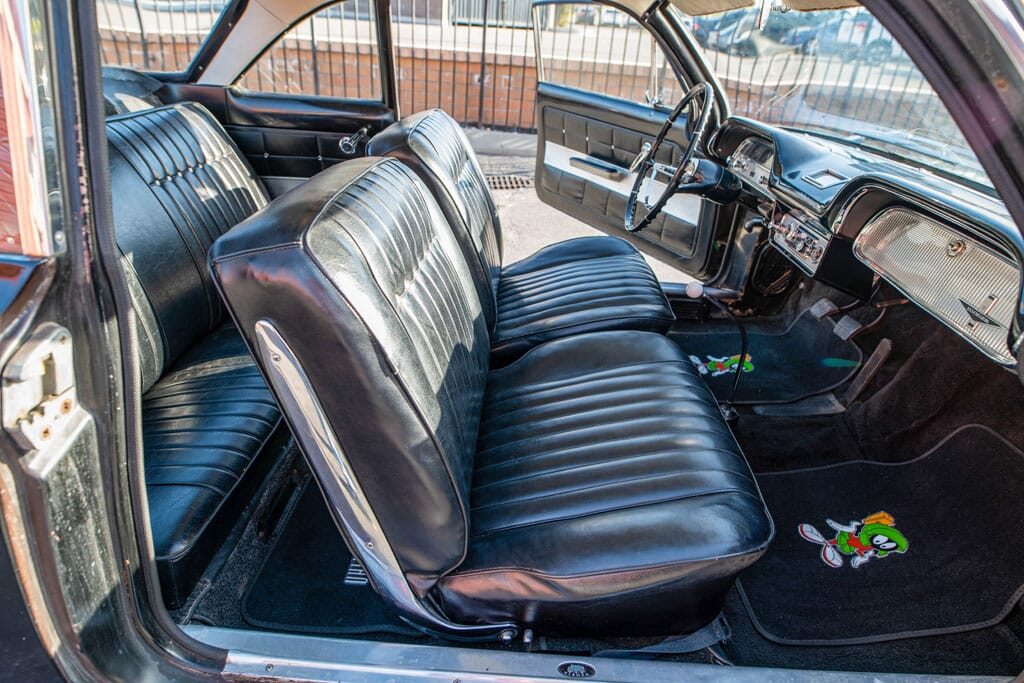
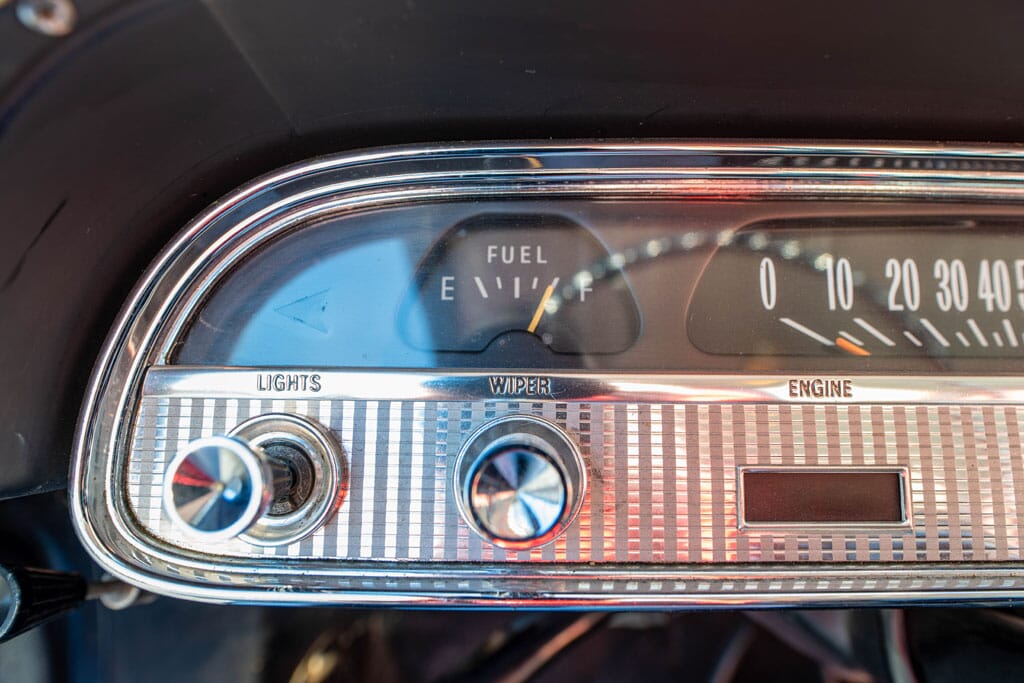
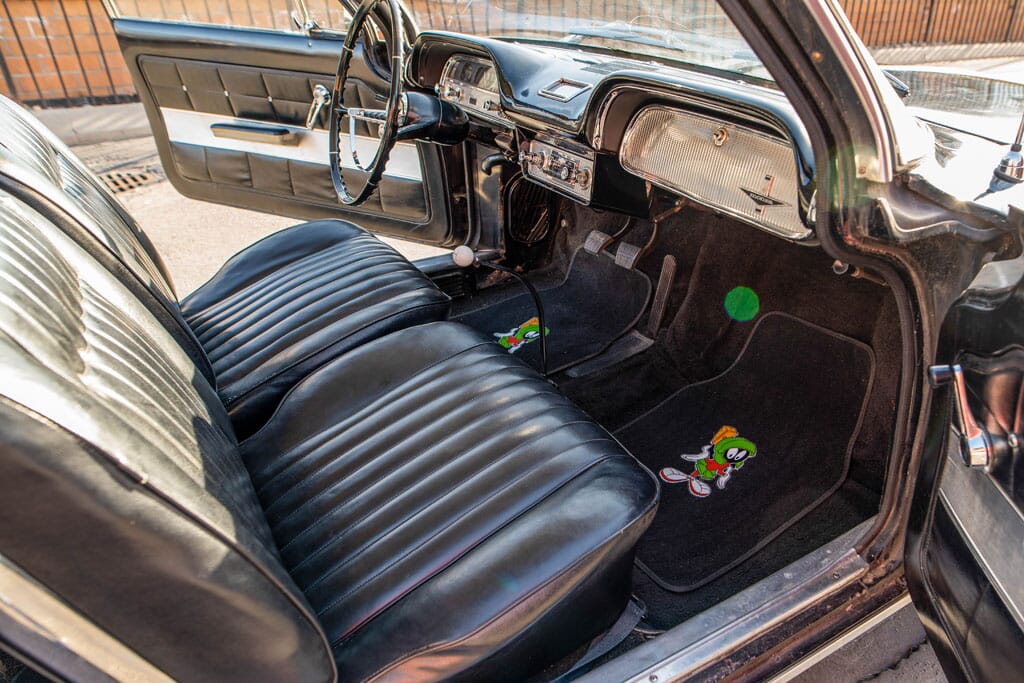
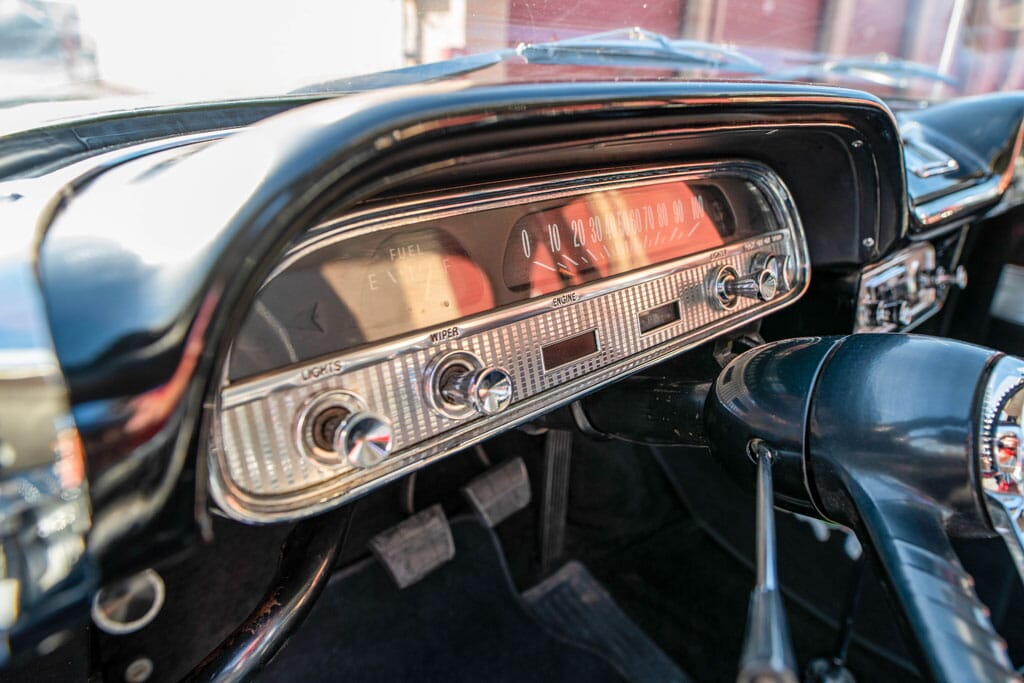
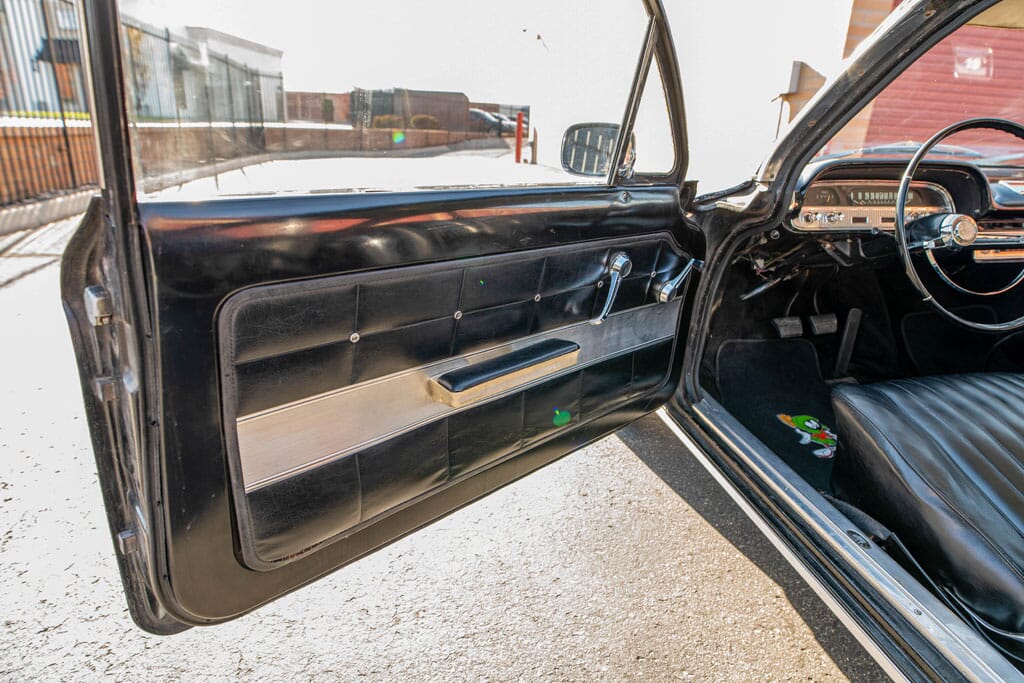
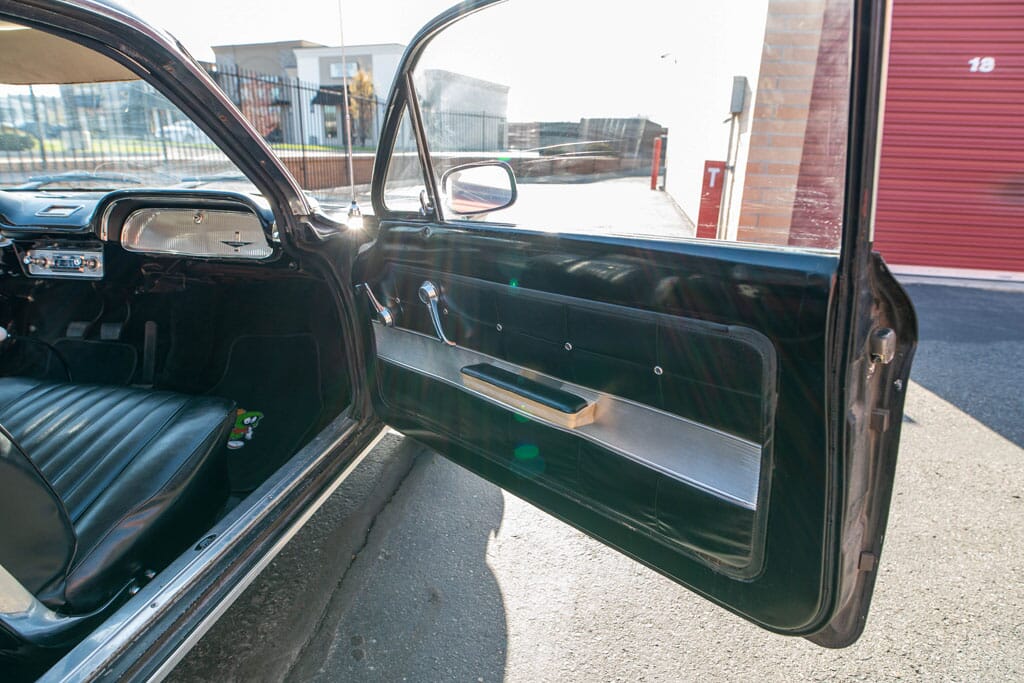
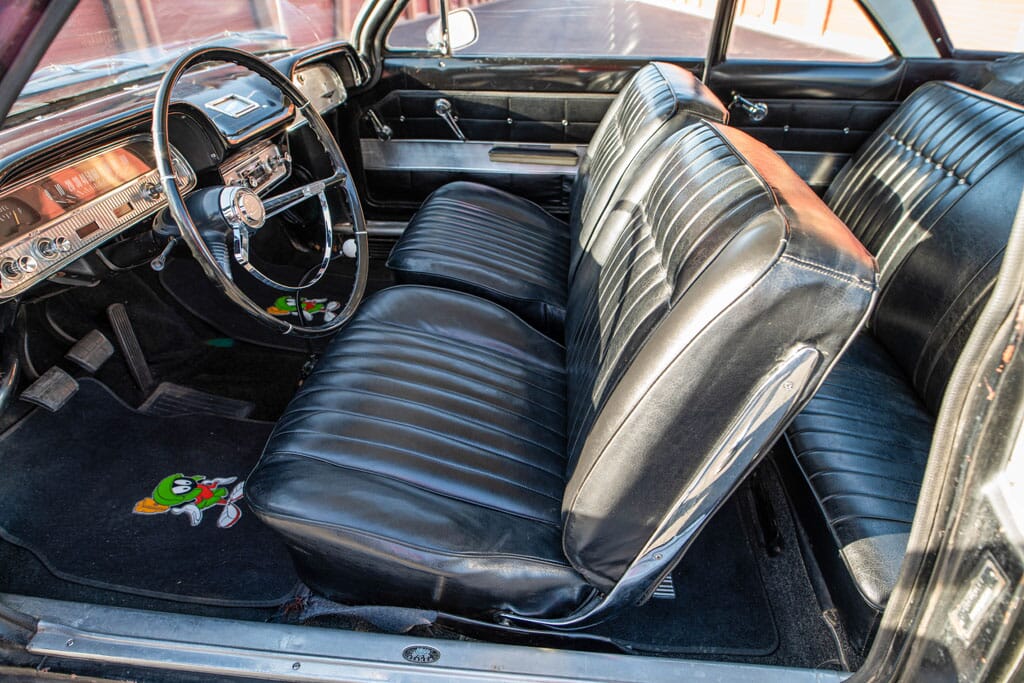
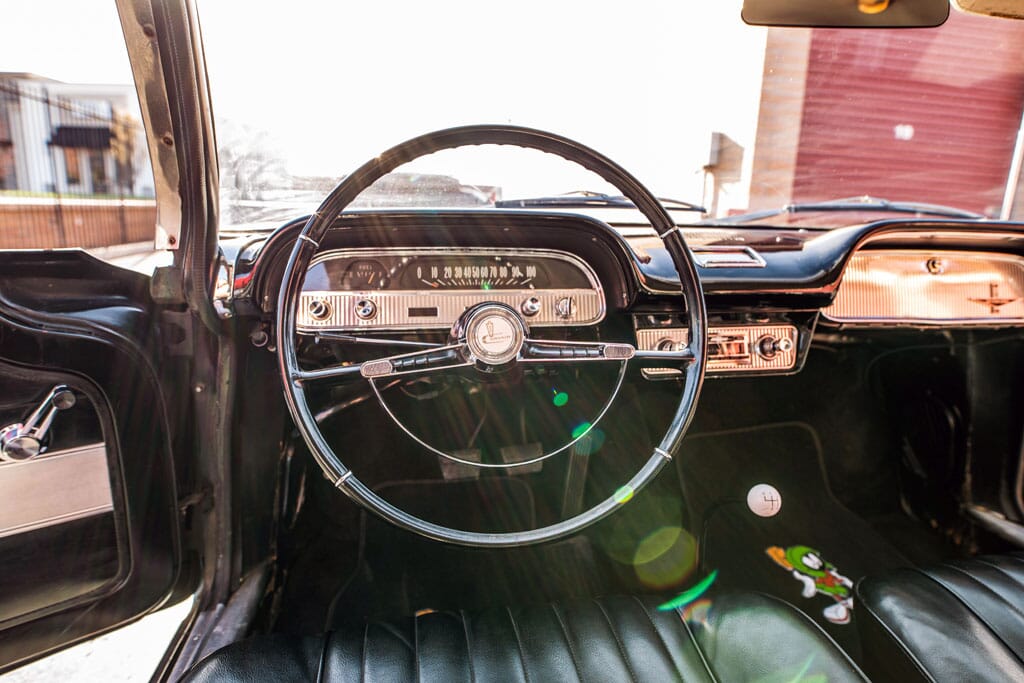
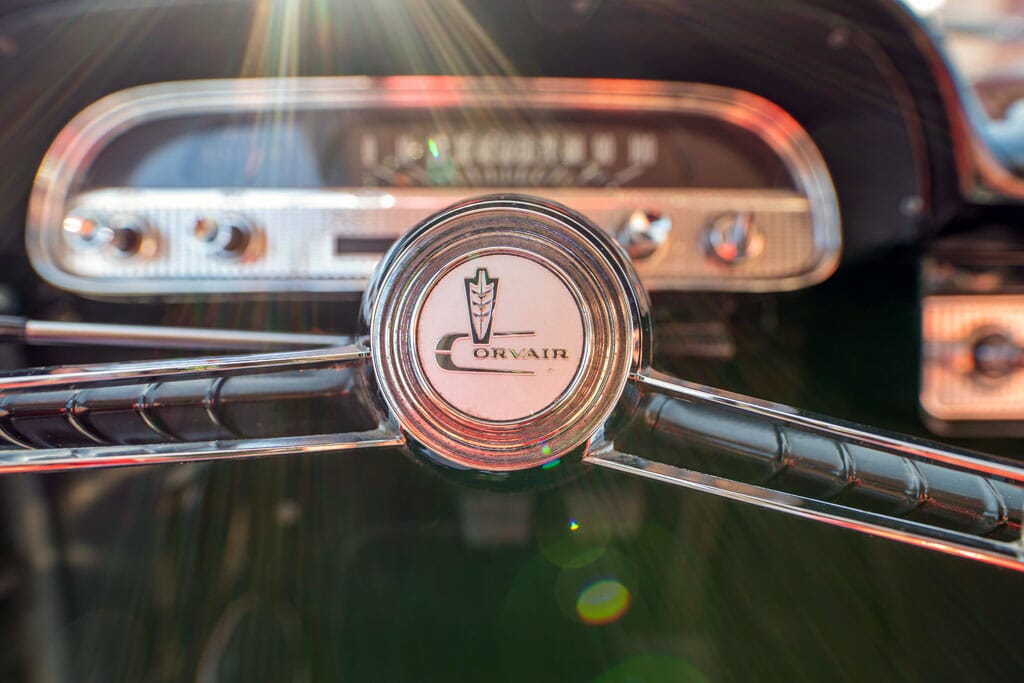
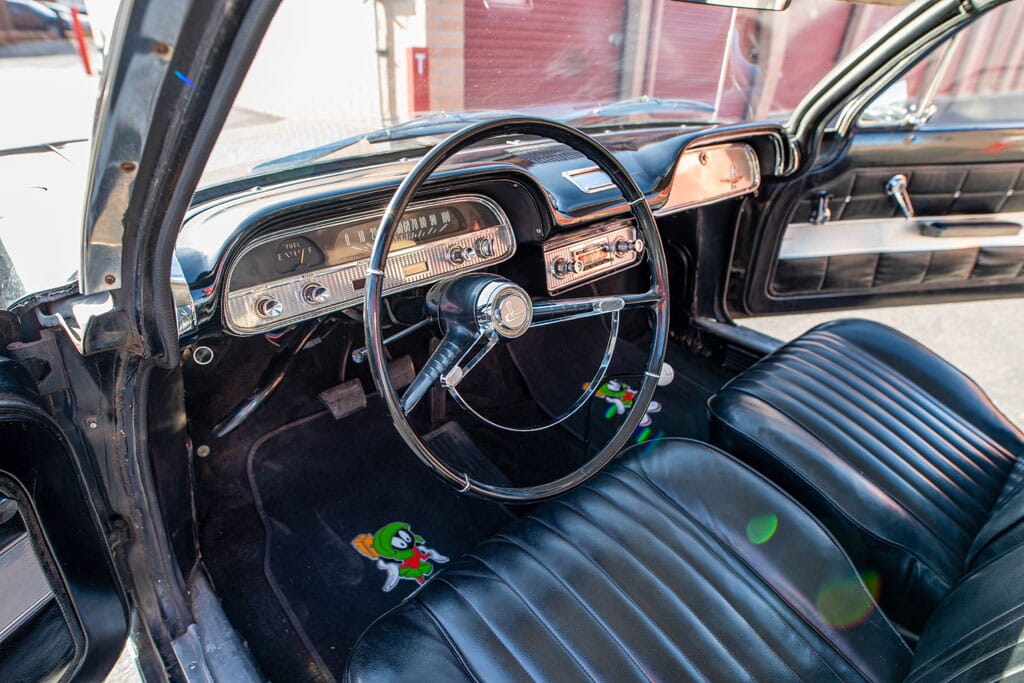
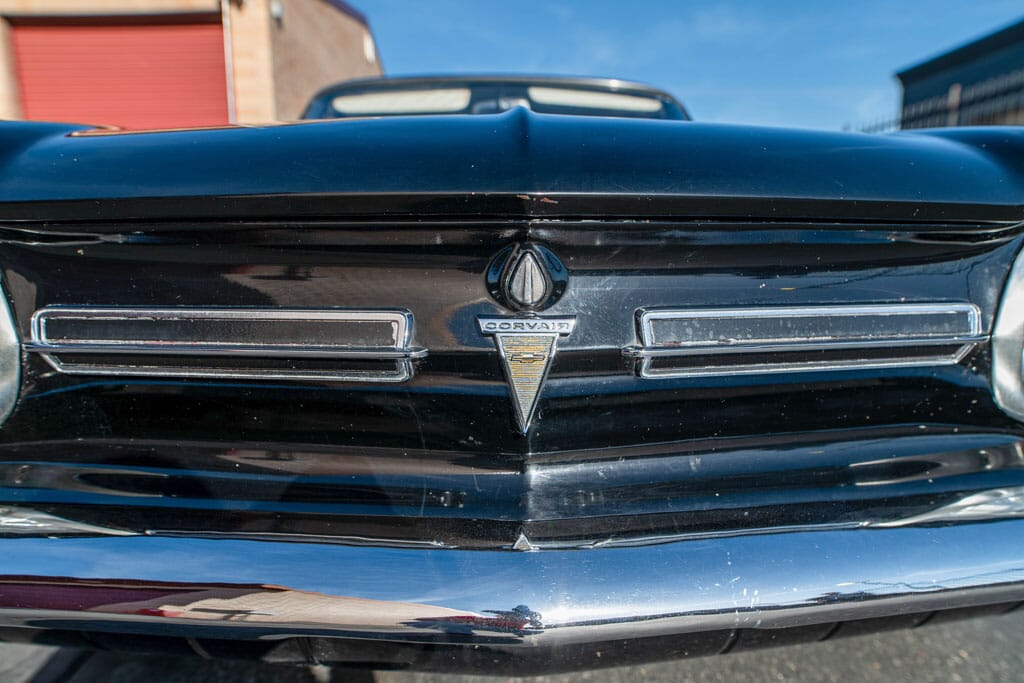
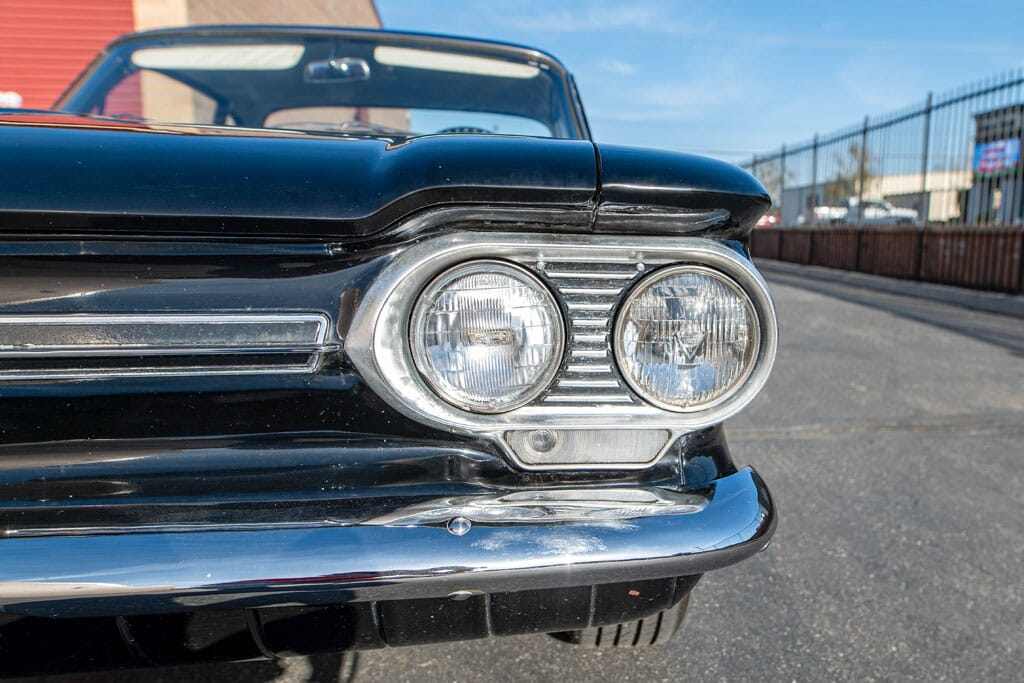
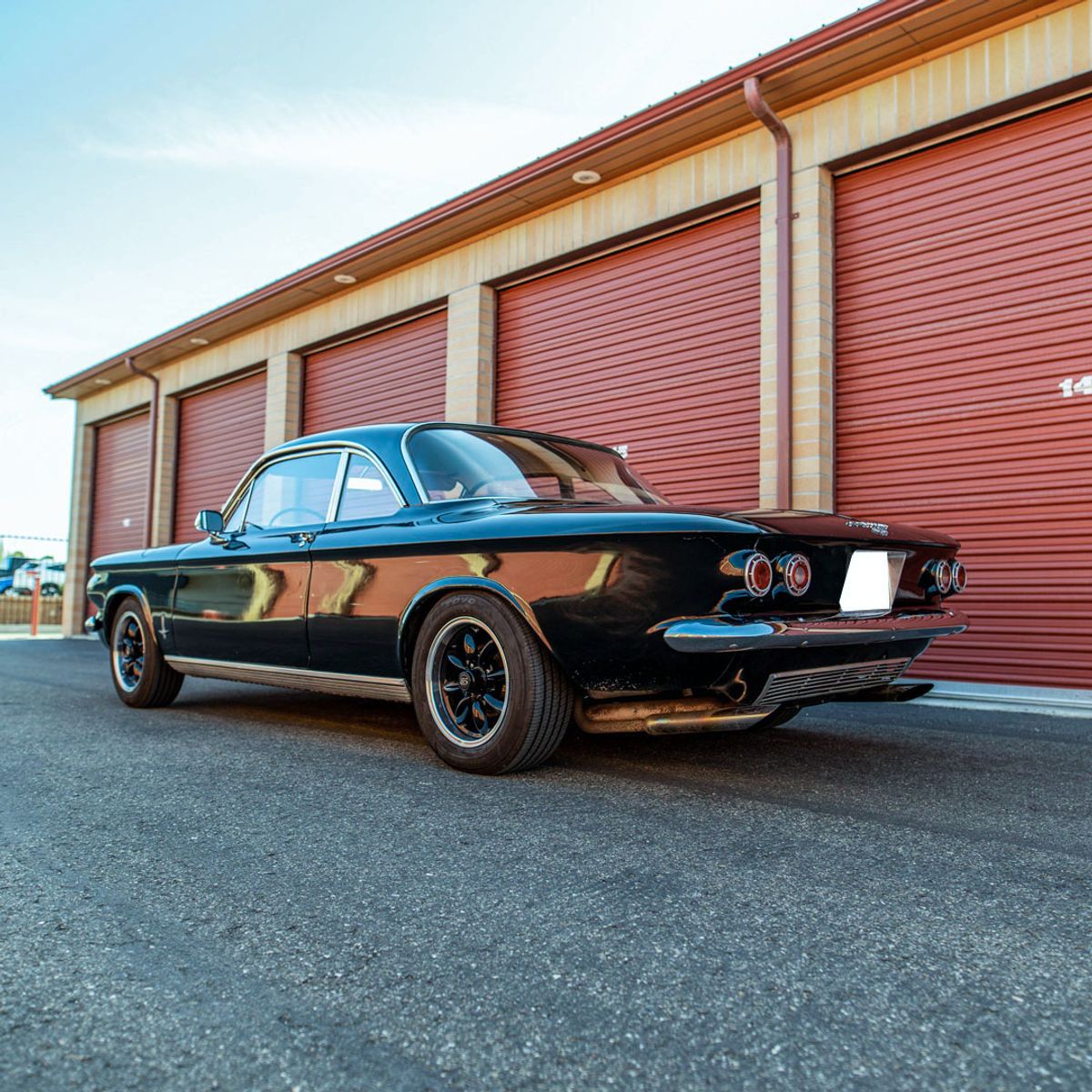
The Corvair marked a whole new design as well and changed the entire lineup of Chevrolet. The nameplate catered to the masses with multiple body trims and even a commercial van variant. However, the two door Monza coupes are what stole the show and cemented the Corvair name for years to come. This 1962 Chevrolet Corvair Monza 900 sports a black exterior and showcases just why the coupes won the hearts of American car buyers in the Sixties. The car rides on a set of new black wheels, affording it a lovely stance. The interior of this 1962 Chevrolet Corvair Monza 900 is black in color and sports all its original components. You get the original steering wheel with the Corvair insignia, as well as a new stereo.
Engine
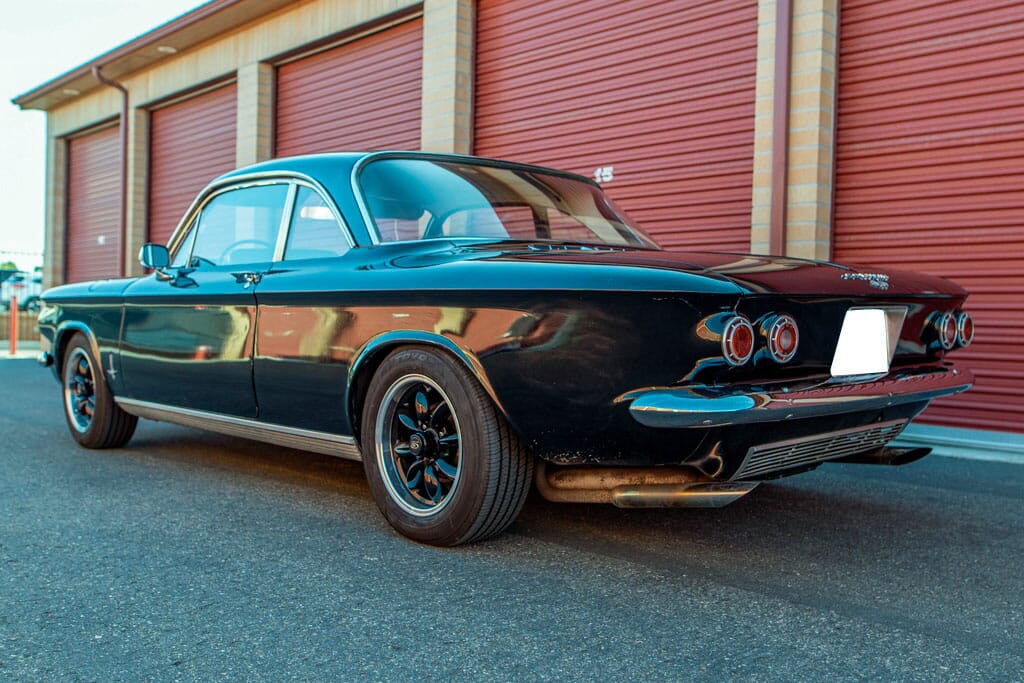
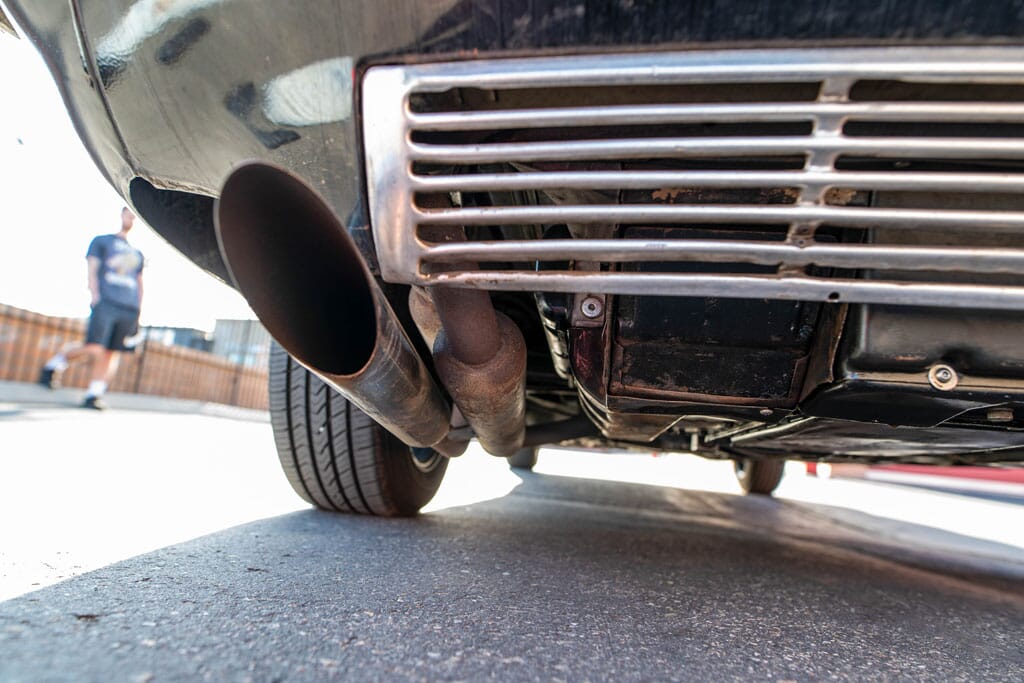
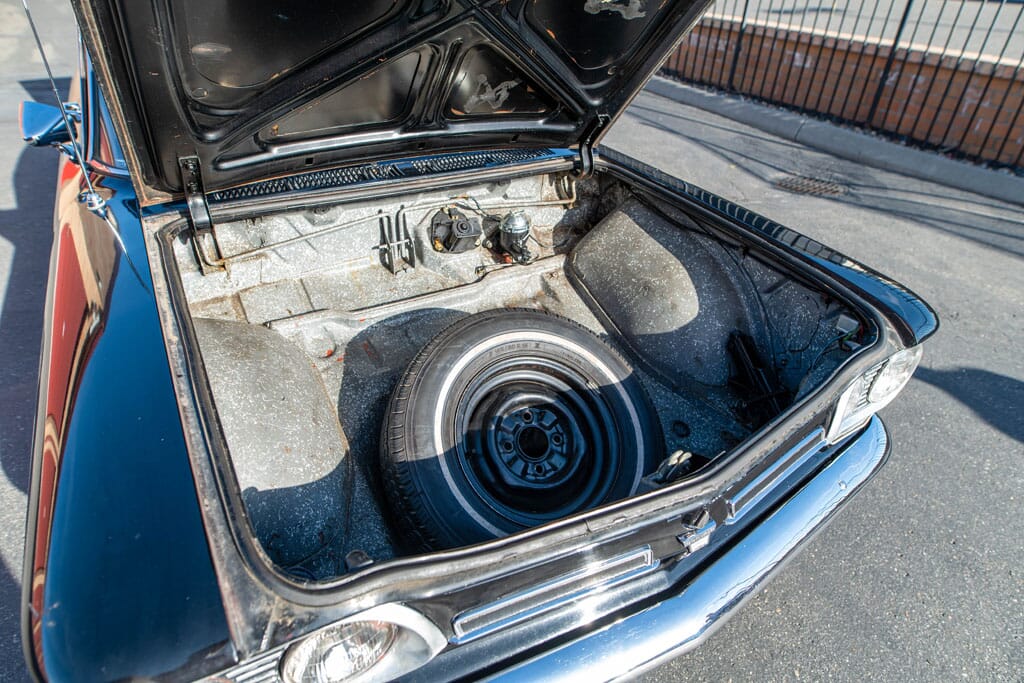
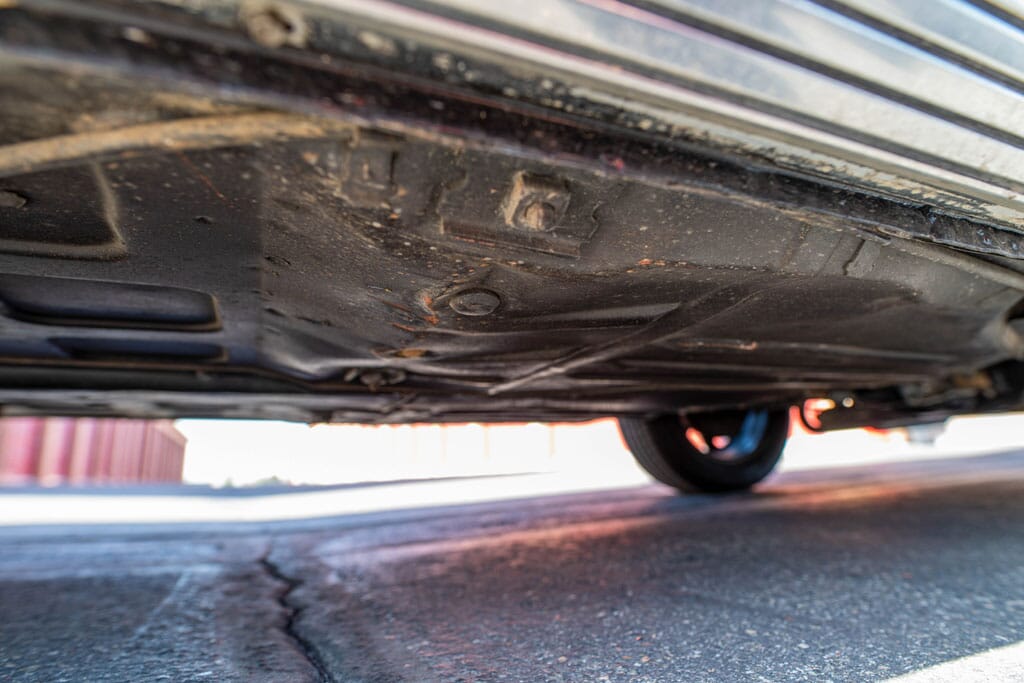
In the engine department of many American cars of the Fifties and Sixties, one recipe was being followed, a big old V8 engine in the front, powering the rear wheels and pushing out just enough power to get by. The Corvair was a complete game changer and, to this day, is the only American designed mass-produced rear-mounted air-cooled engine. Under what would be the trunk lid of this 1962 Chevrolet Corvair Monza 900 lies a flat six air-cooled engine. Power is sent to the car's rear wheels through a manual transmission. The seller reports that the engine has been rebuilt, with the car also sporting a new exhaust.

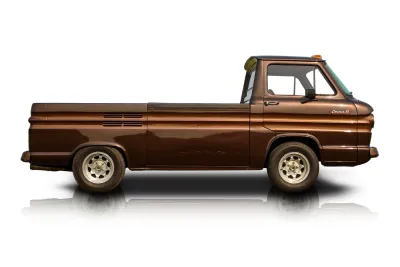

The 1961 Chevrolet Corvair 95 Rampside Pickup is one of Chevrolet’s most unconventional utility vehicles, combining a forward-control cab with the Corvair’s rear-mounted, air-cooled powertrain and a genuinely clever side-loading pickup bed. Showing 23,258 miles, this example is powered by a 145ci air-cooled flat-six with dual single-barrel carburetors and a 4-speed manual transmission. Its signature passenger-side loading ramp, rear-mounted engine, compact proportions, and distinctive cab-over styling give the Rampside an identity unlike virtually any other American pickup of the period.
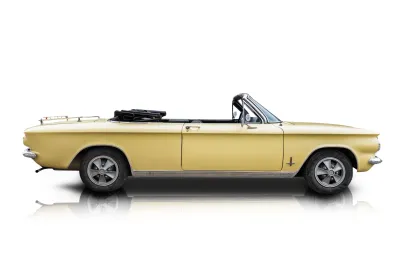
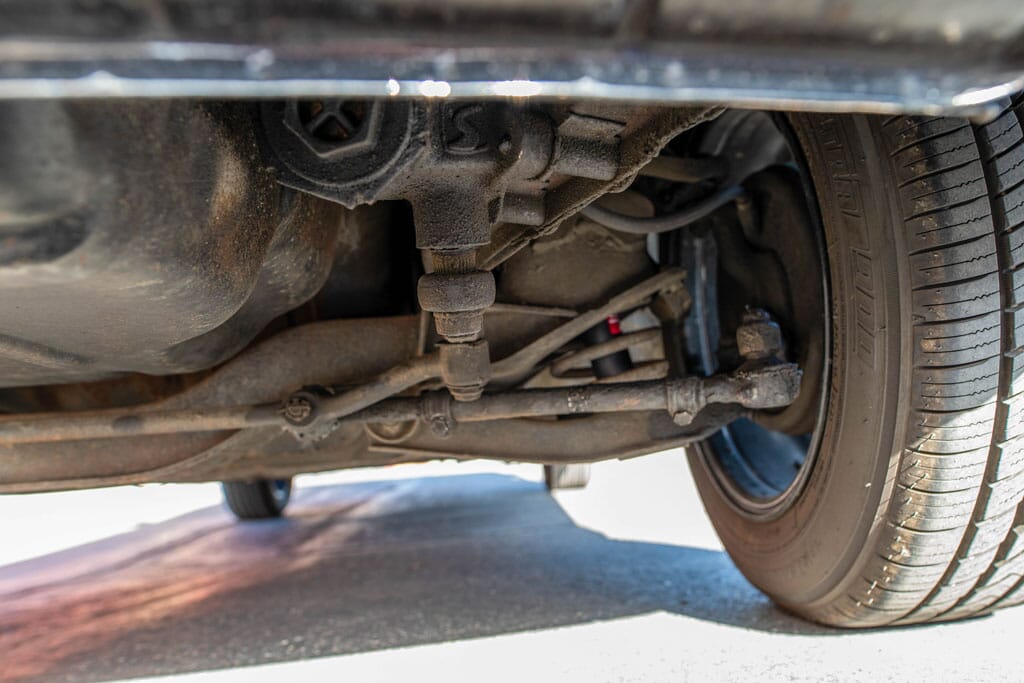
Famous for all the wrong reasons, the Chevrolet Corvair has been relegated to being one of American automotive history’s pariahs. This was majorly due to its presence in Ralph Nader’s book titled “Unsafe At Any Speed”. Yes, the Corvair’s swing-axle rear suspension and unconventional tire pressure settings does mean that it can catch out its driver, but that also means you should drive it in a sensible, rather than silly fashion. On the same token, we shouldn’t be driving cars at all, or even walking for that matter if its unsafe to be in any form of speed. Plus, if the Corvair was really that dangerous, would you find examples like this 1964 Chevrolet Corvair Monza Convertible for sale today? Up for sale from Indianapolis, this 83,987-mile car is living proof that the Corvair isn’t the killer widow-maker that Nader made it out to be. This car comes with the original owner’s guide, a 164ci flat six, a manual gearbox, and a spare tire lock key too.
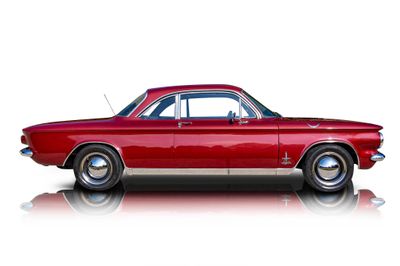
When Chevrolet came up with the Corvair as a radical new car, not even the designers could’ve foreseen just how controversial it would go on to become. In a bid to compete with the rising popularity of compact European cars, Chevy released the Corvair in 1960. Like the Volkswagen Beetle (which was one of the main competitors it was aimed at), it came with a rear mounted, air-cooled, horizontally opposed engine and all-round independent suspension. It also featured monocoque construction. It had advantages in both power and space over the Beetle, and it had a technological advantage over its domestic competition (both Ford and Chrysler’s candidates for the compact segment were basically just downsized versions of their existing models). While theoretically impressive and well received by critics and consumers (named “Car of the Year” by Motor Trend and selling 26000 units in it’s first 2 days), it would initially face several teething problems, and then have its legacy clouded by concerns about its handling and safety (mainly by Ralph Nafer’s “Unsafe at Any Speed”). These claims have mostly been debunked since then.
The 1961 Chevrolet Corvair 95 Rampside Pickup is one of Chevrolet’s most unconventional utility vehicles, combining a forward-control cab with the Corvair’s rear-mounted, air-cooled powertrain and a genuinely clever side-loading pickup bed. Showing 23,258 miles, this example is powered by a 145ci air-cooled flat-six with dual single-barrel carburetors and a 4-speed manual transmission. Its signature passenger-side loading ramp, rear-mounted engine, compact proportions, and distinctive cab-over styling give the Rampside an identity unlike virtually any other American pickup of the period.
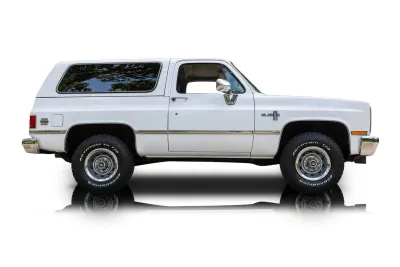
The K5 Blazer is one of the defining full-size American 4x4s of its era, combining the hardware of a traditional Chevrolet truck with a shorter two-door body and removable roof. This 1984 Chevrolet K5 Blazer shows 52,293 miles and keeps that classic formula intact with V8 power, an automatic transmission, dual-range four-wheel drive, and solid axles. Its removable fiberglass hardtop adds the open-air element that helped distinguish the K5 from conventional SUVs, while the period-style Rally wheels, BFGoodrich all-terrain tires, and burgundy cabin complete the unmistakably 1980s presentation.
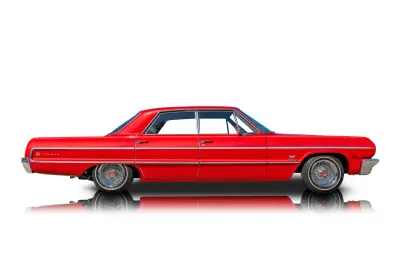
The 1964 Chevrolet Impala 4-Door Sedan captures the long, low, unmistakable style that made Chevrolet’s full-size cars such icons of the 1960s. Showing approximately 28,076 miles, this example combines a 327ci V8 with a 2-barrel carburetor and 2-speed Powerglide automatic transmission, while power steering and power brakes make it considerably easier to enjoy from behind the wheel. Finished in Red over a Black interior, it also benefits from tasteful modern upgrades including aftermarket coilover suspension and a Bluetooth-capable sound system, adding usability without taking away from the car’s classic character.

Terms of Service
Be Kind and Courteous
We're here to create a platform to better the automotive industry through communication and transparency. Please treat everyone with respect. Healthy debates are natural, but kindness is required.
No Hate Speech
Make sure everyone feels safe. Hate speech of any kind is strictly prohibited. Degrading comments about things like race, religion, culture, sexual orientation, etc. will not be tolerated.
No Promotions or Spam
Give more than you take. Self-promotion, spam, or links of any kind are not allowed.
