



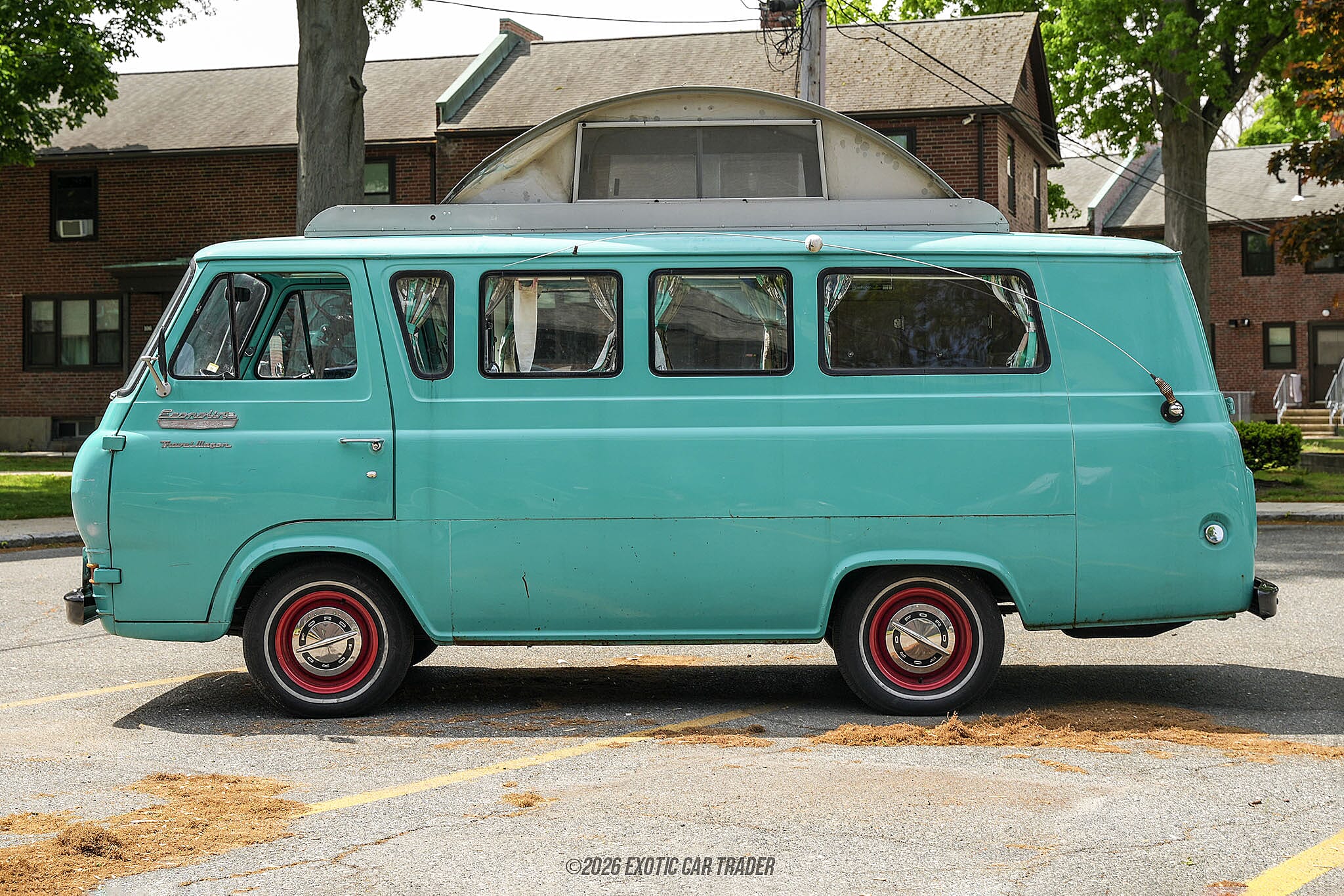
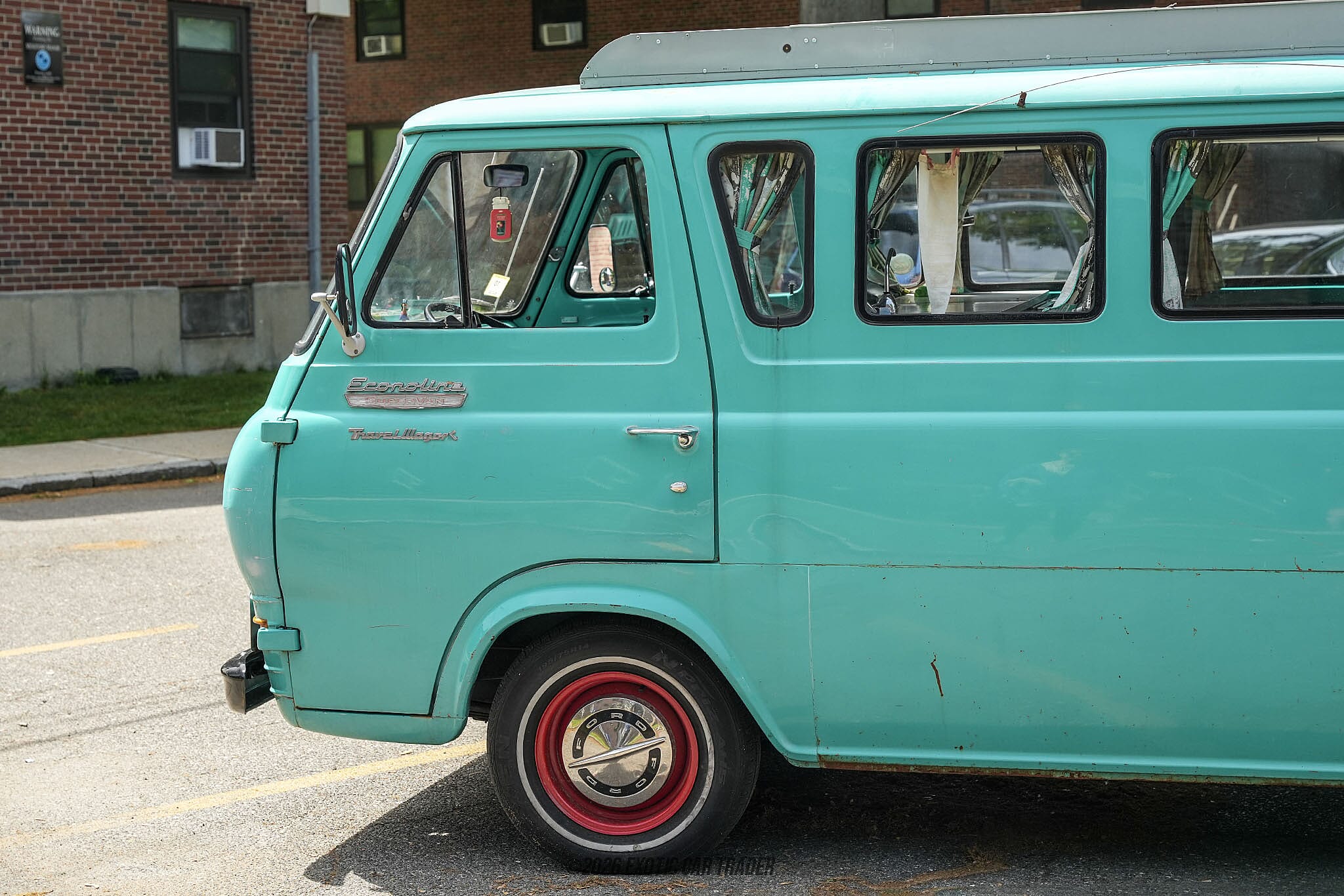
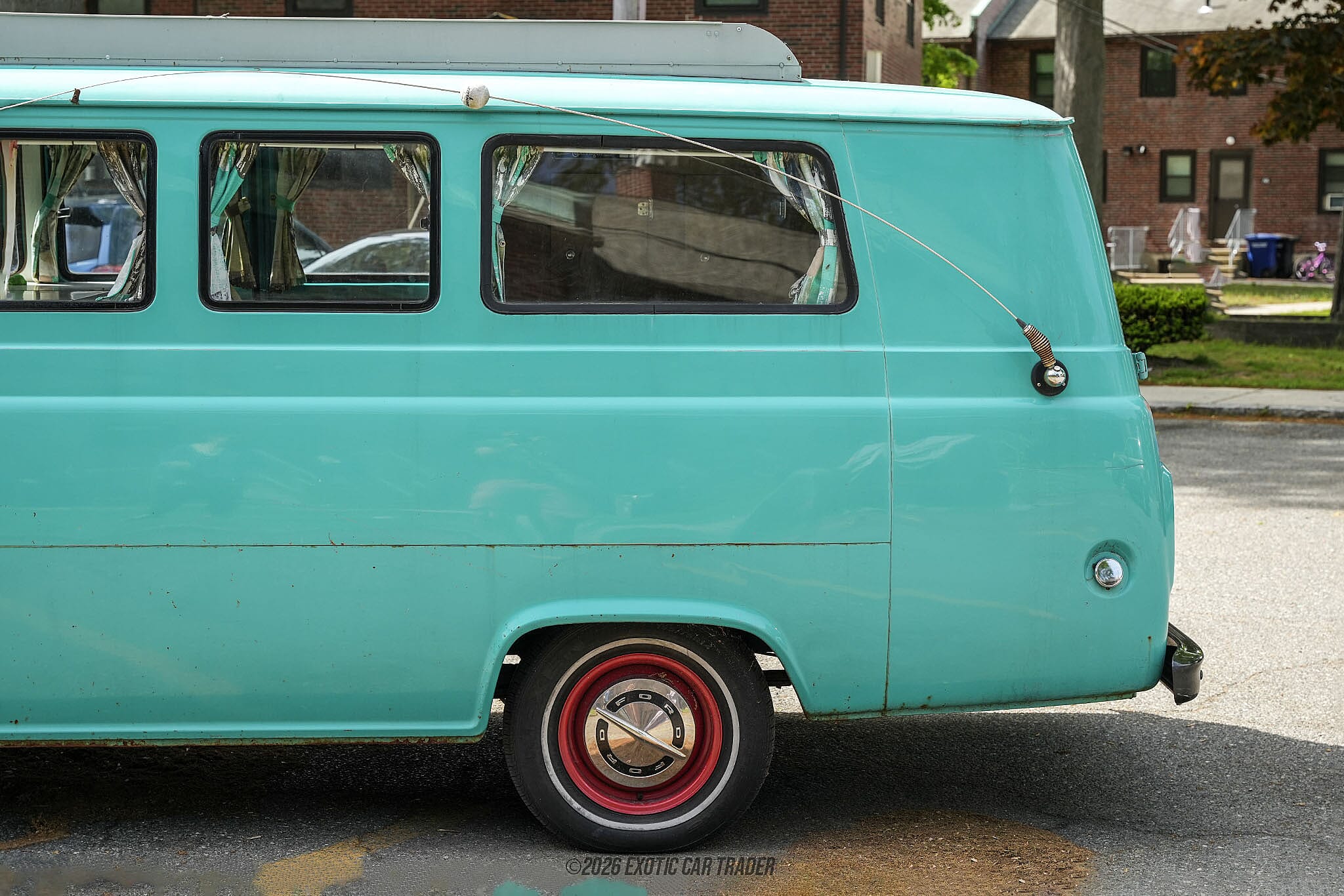
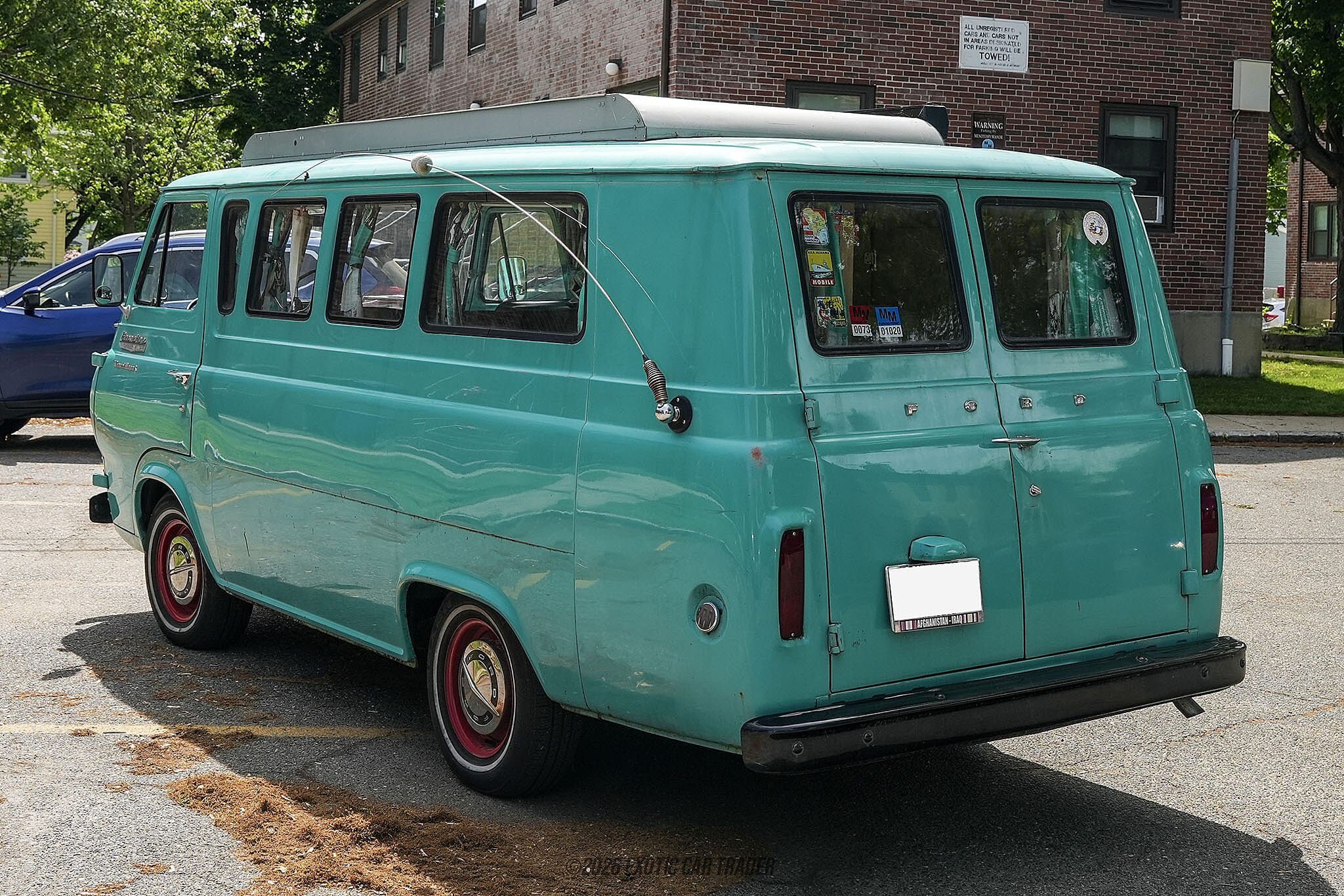
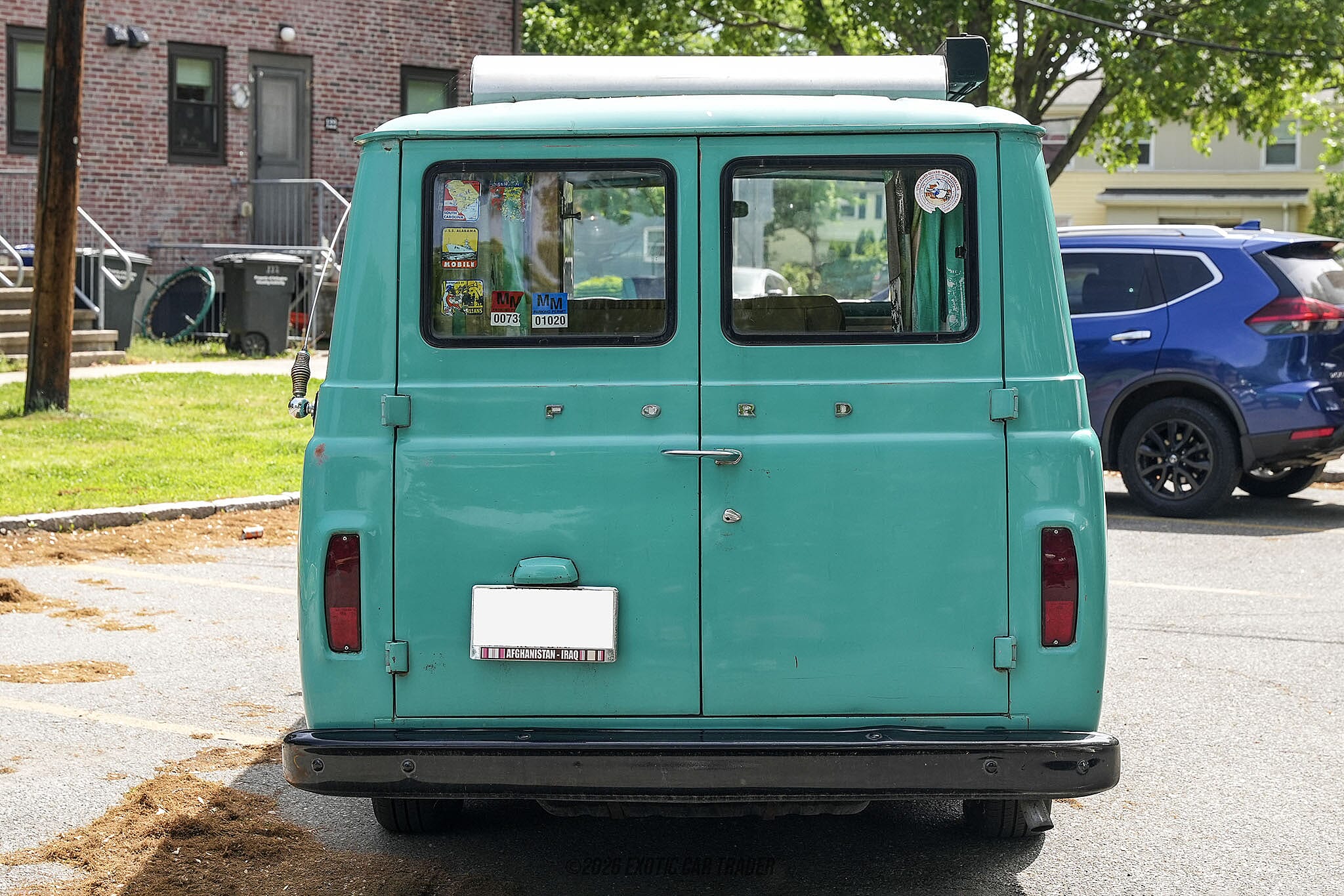
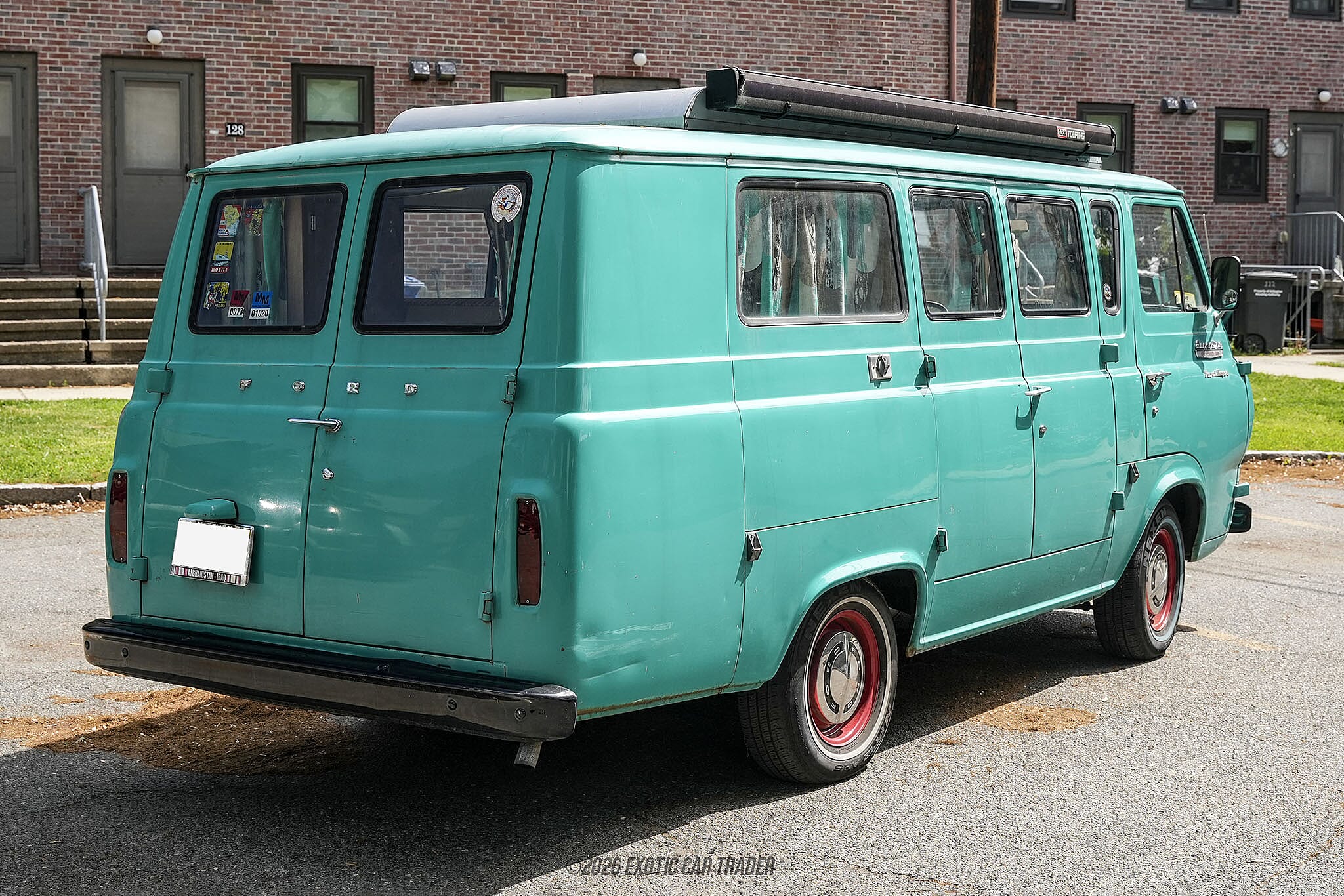
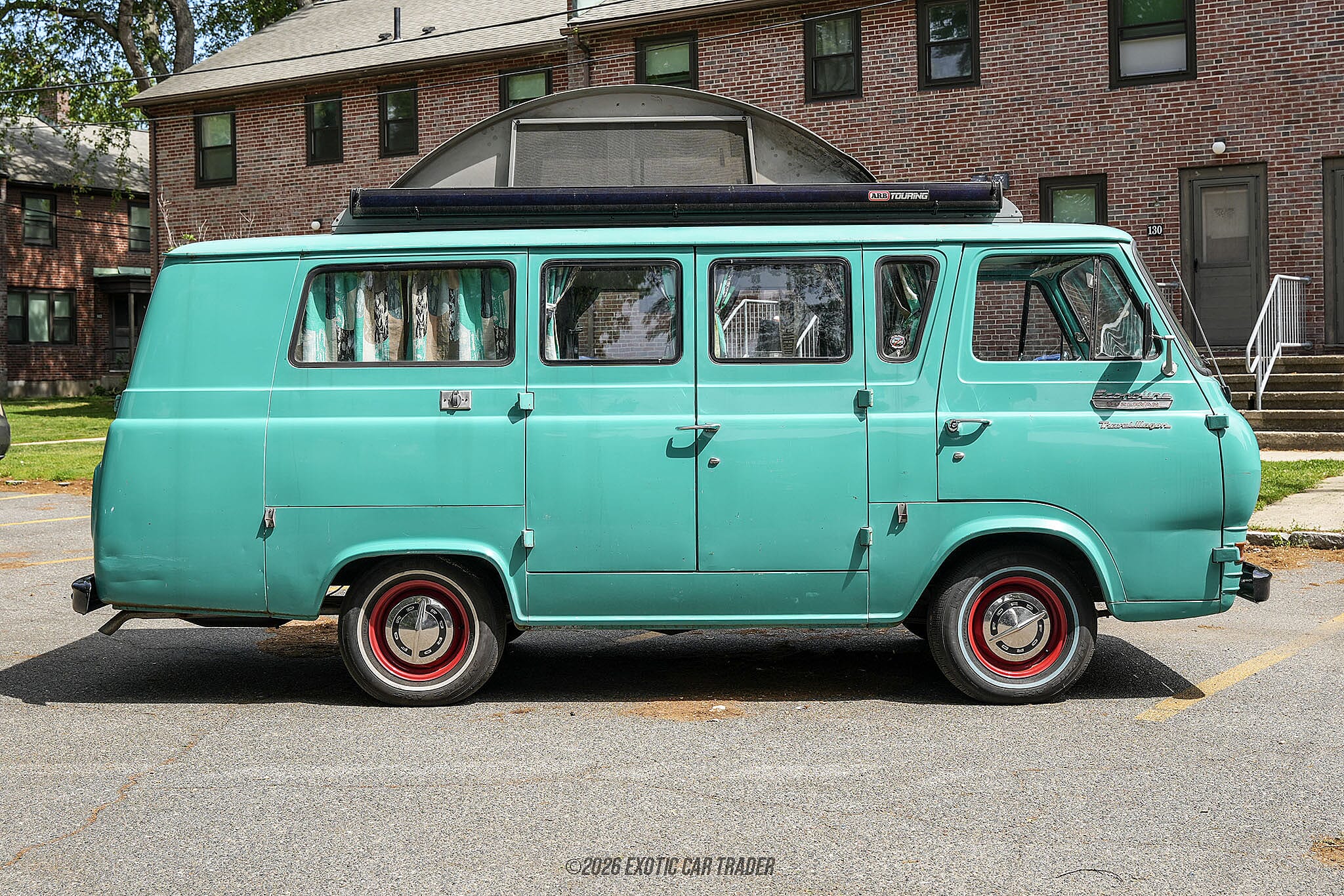
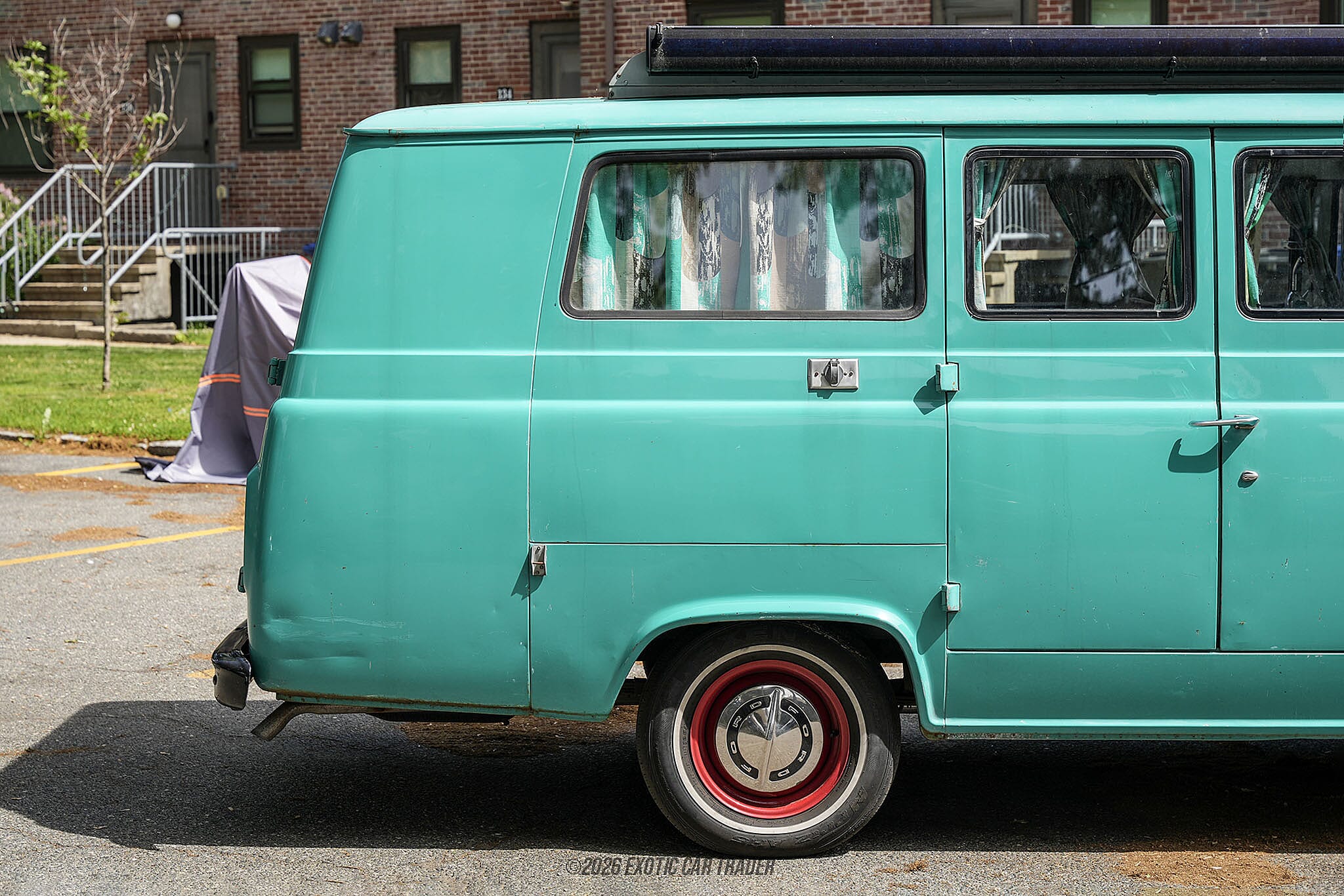

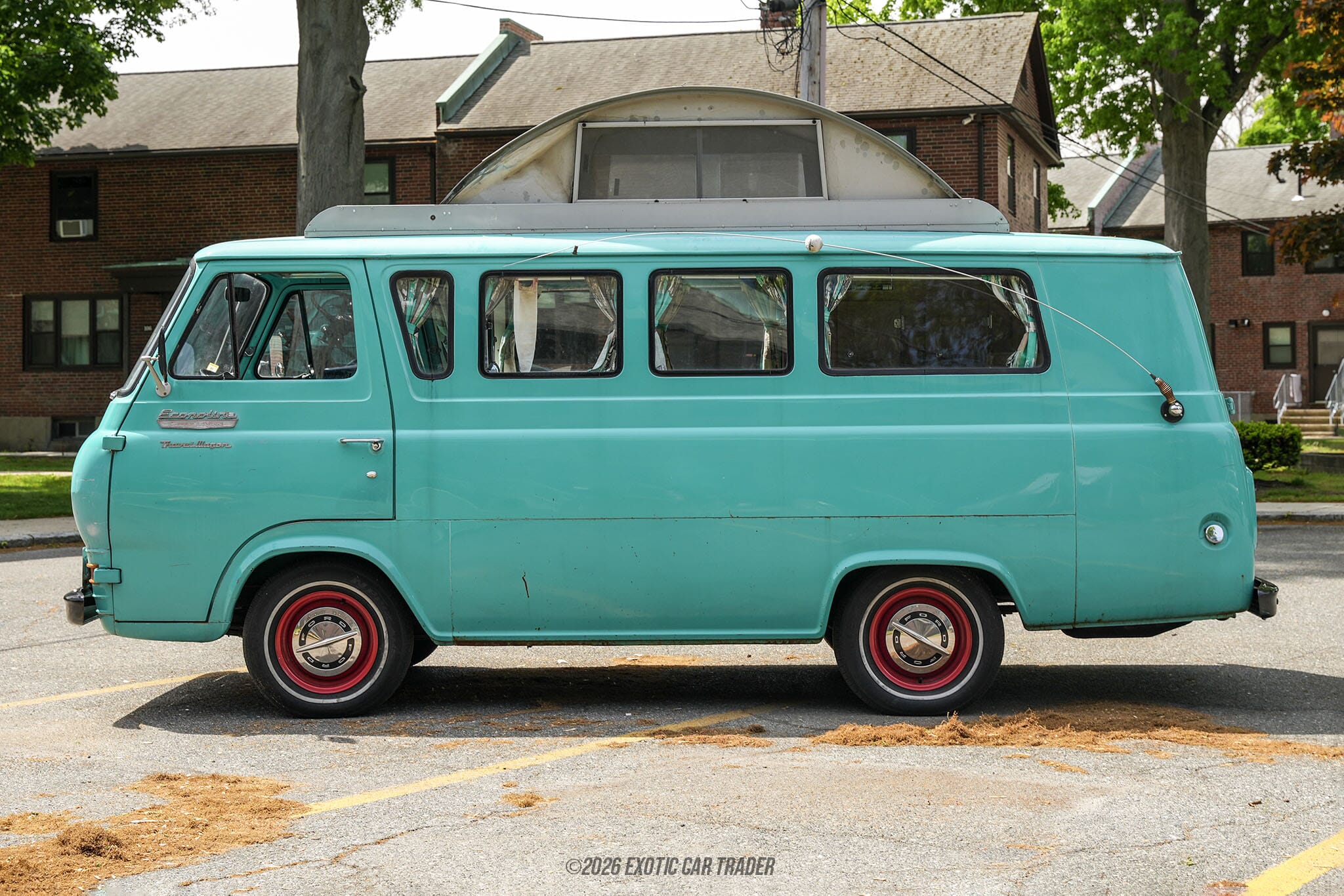
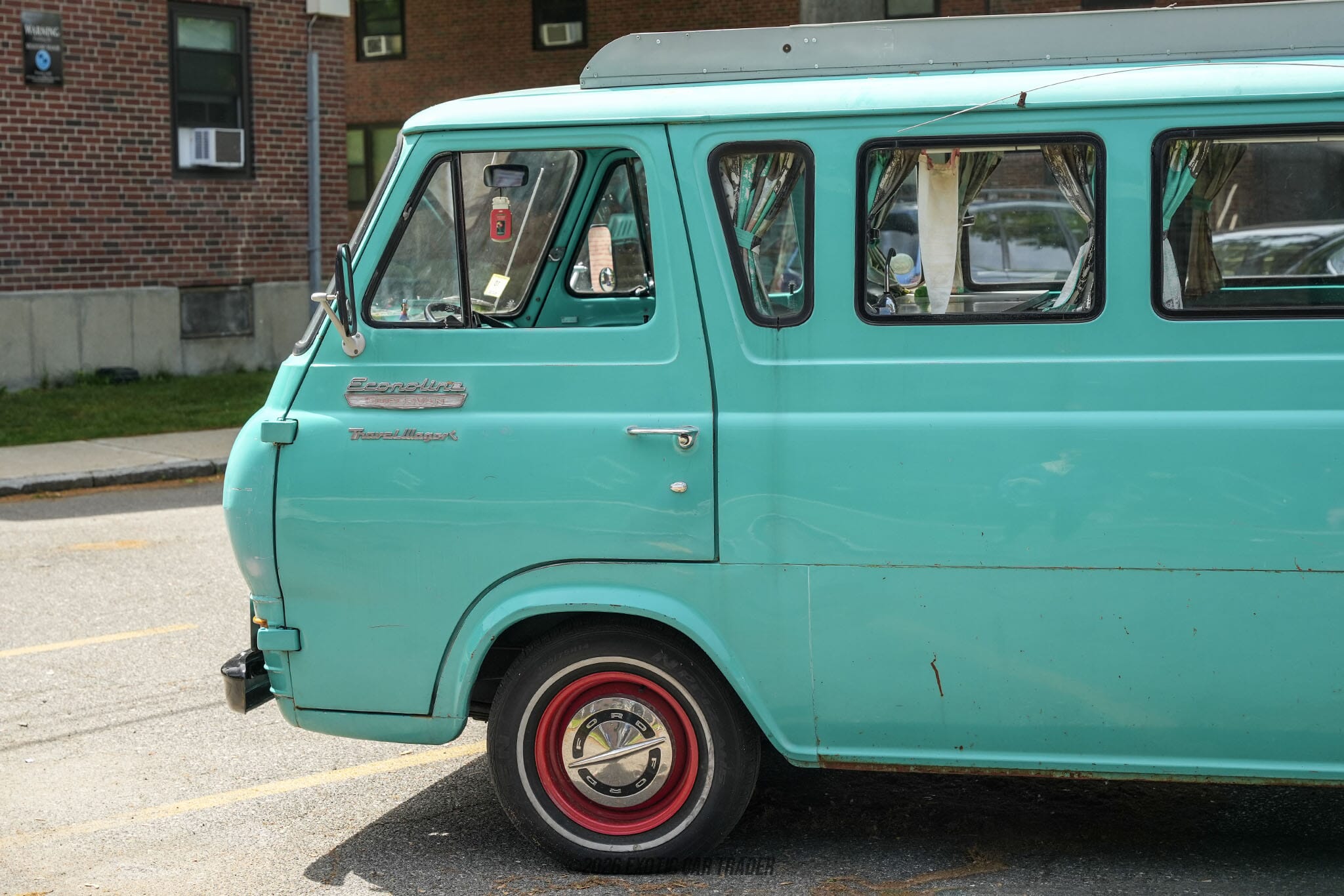
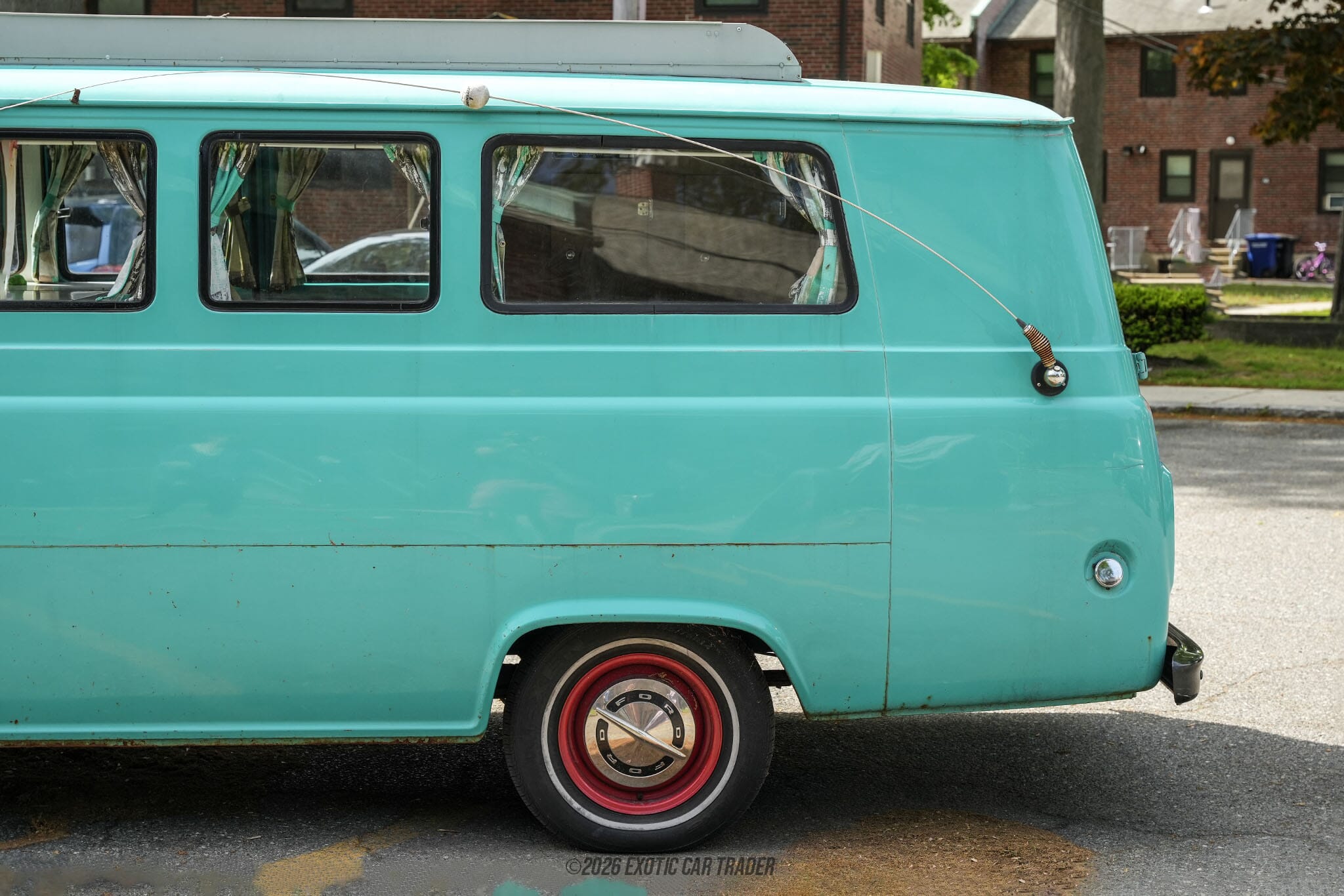
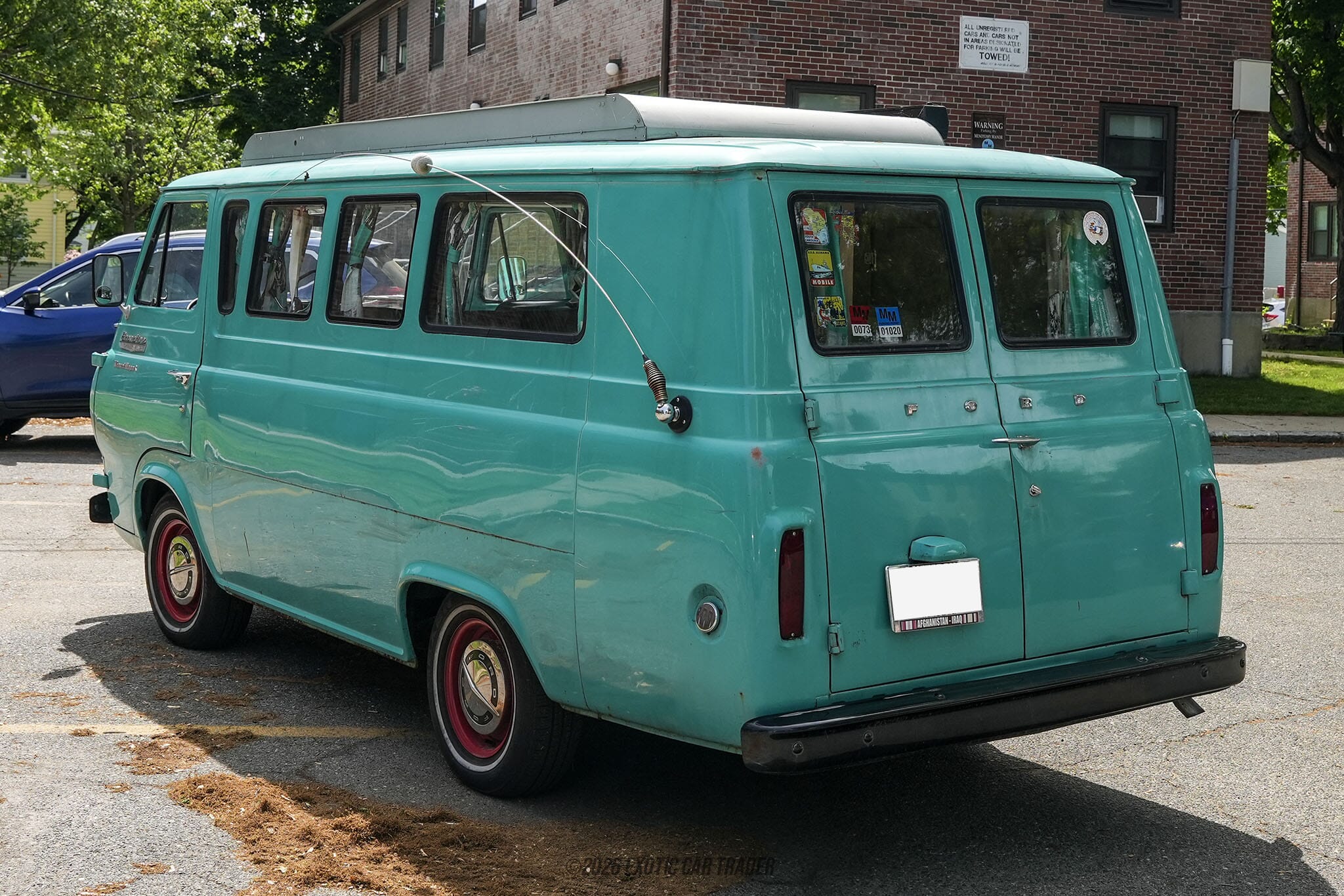
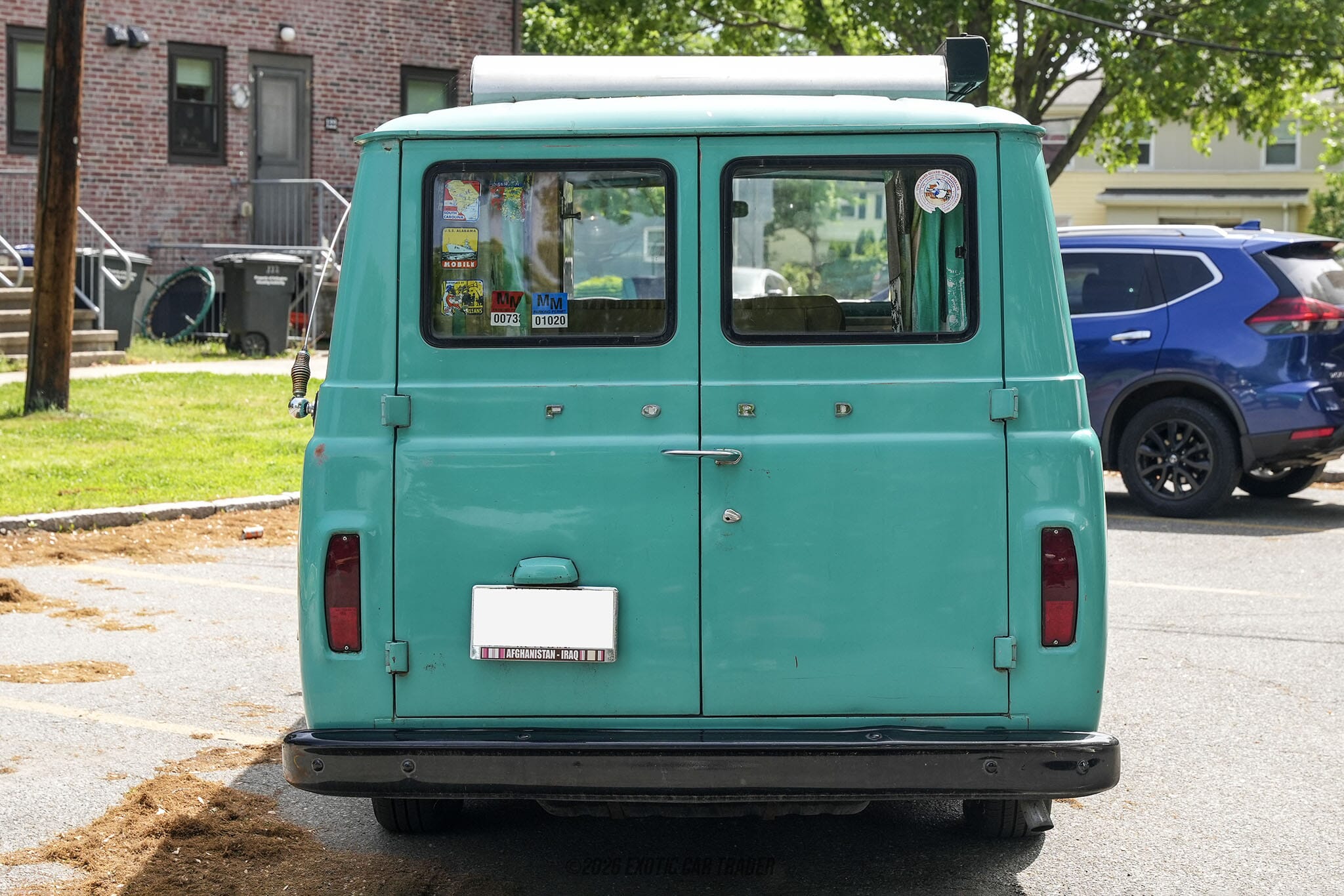
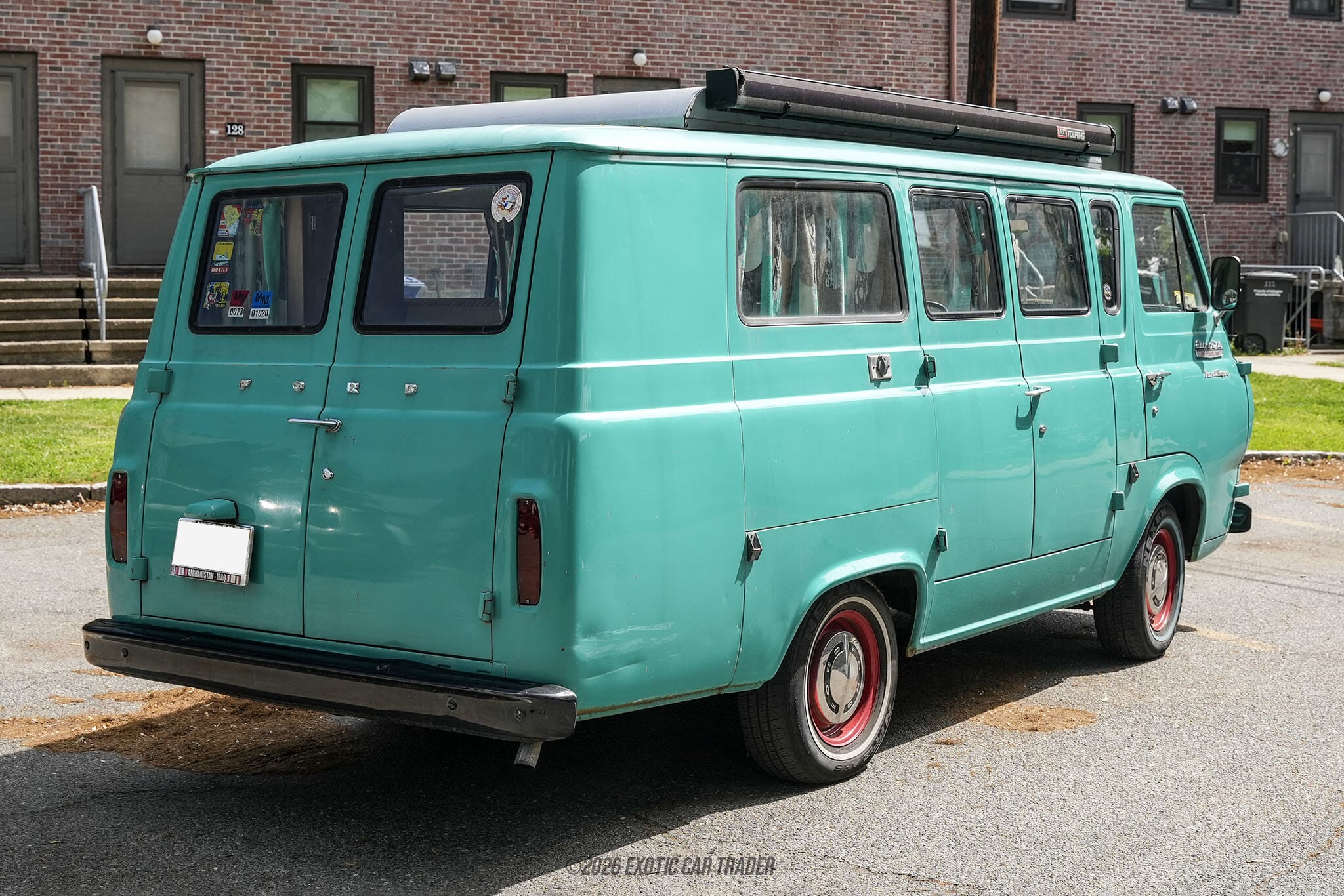
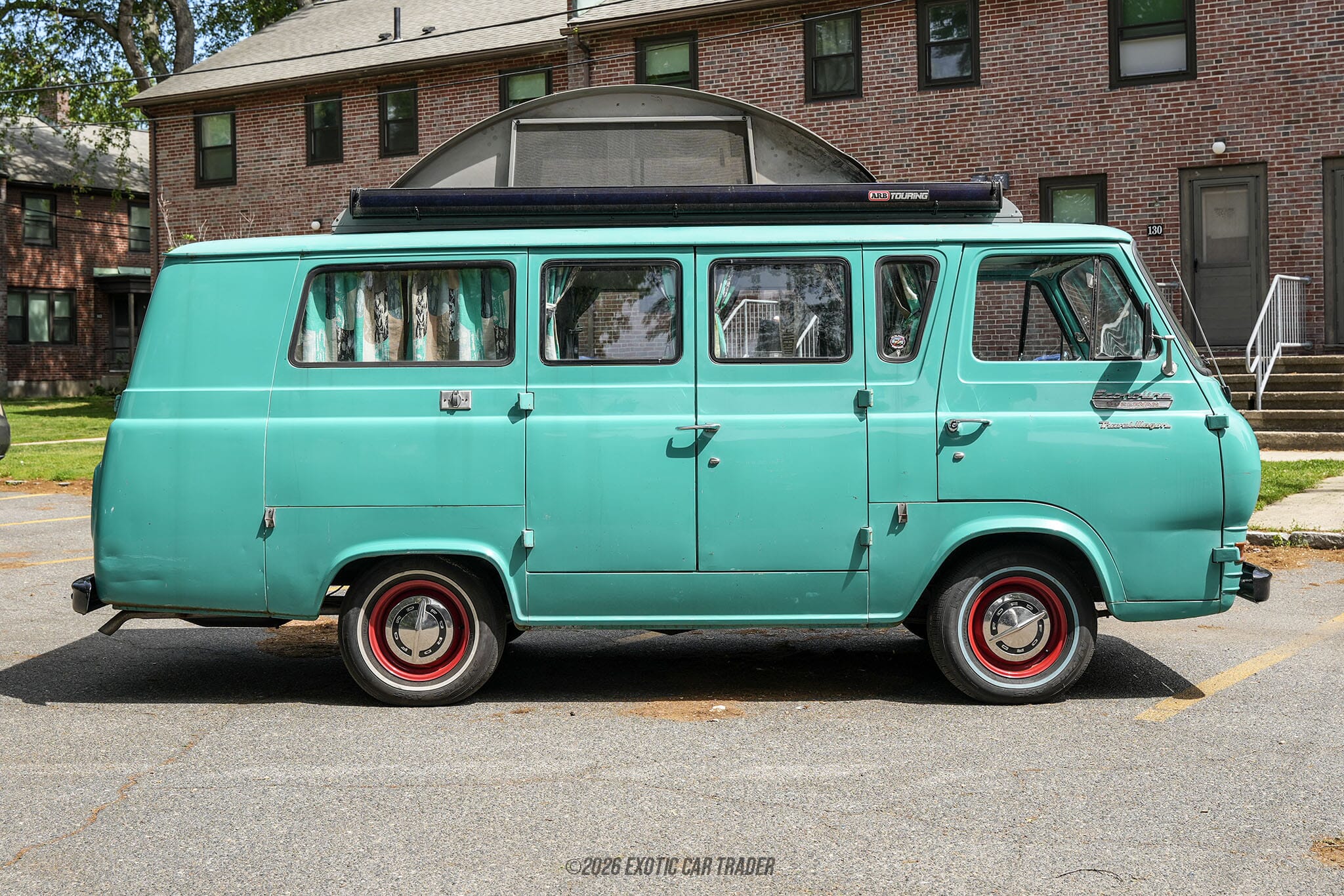
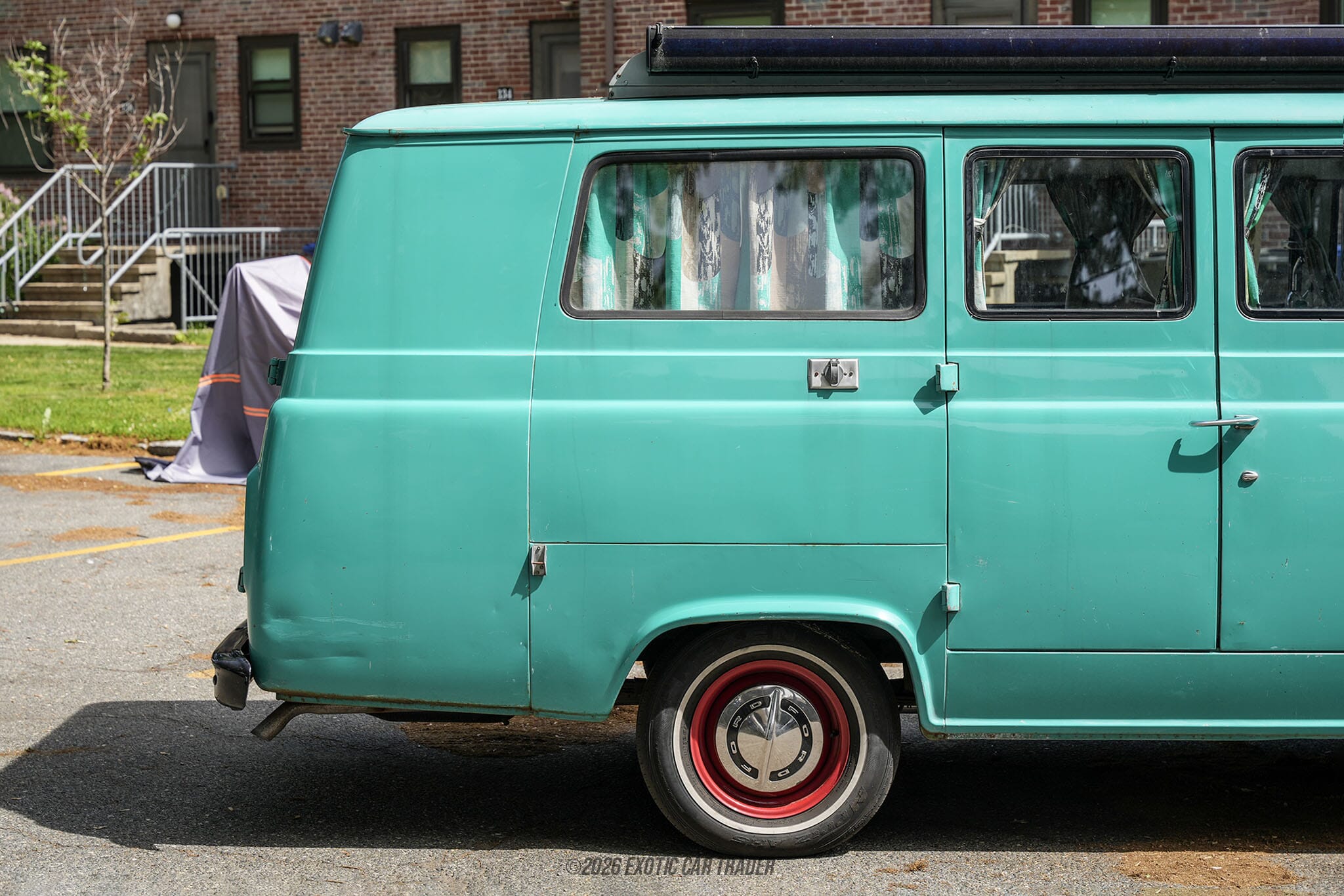
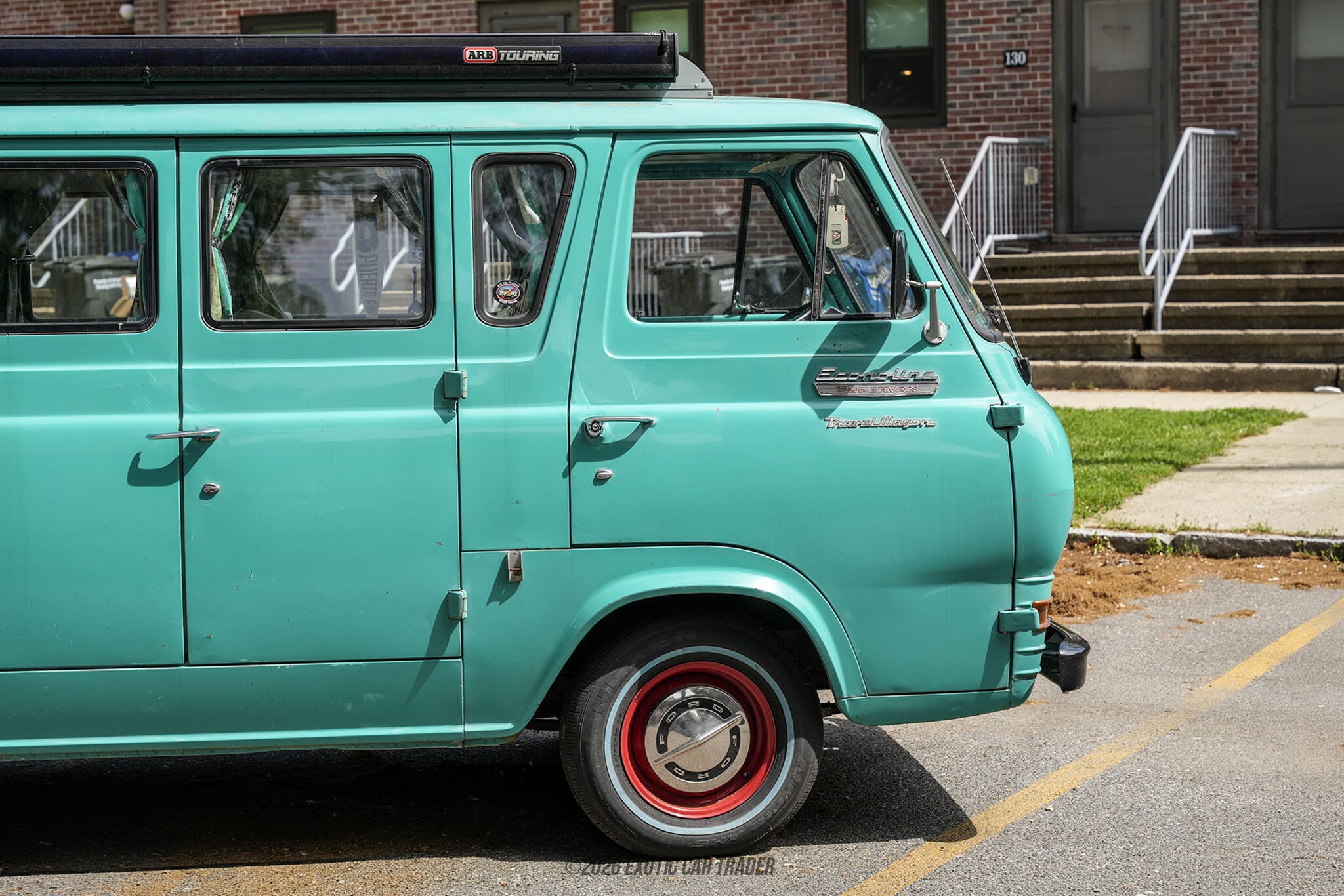
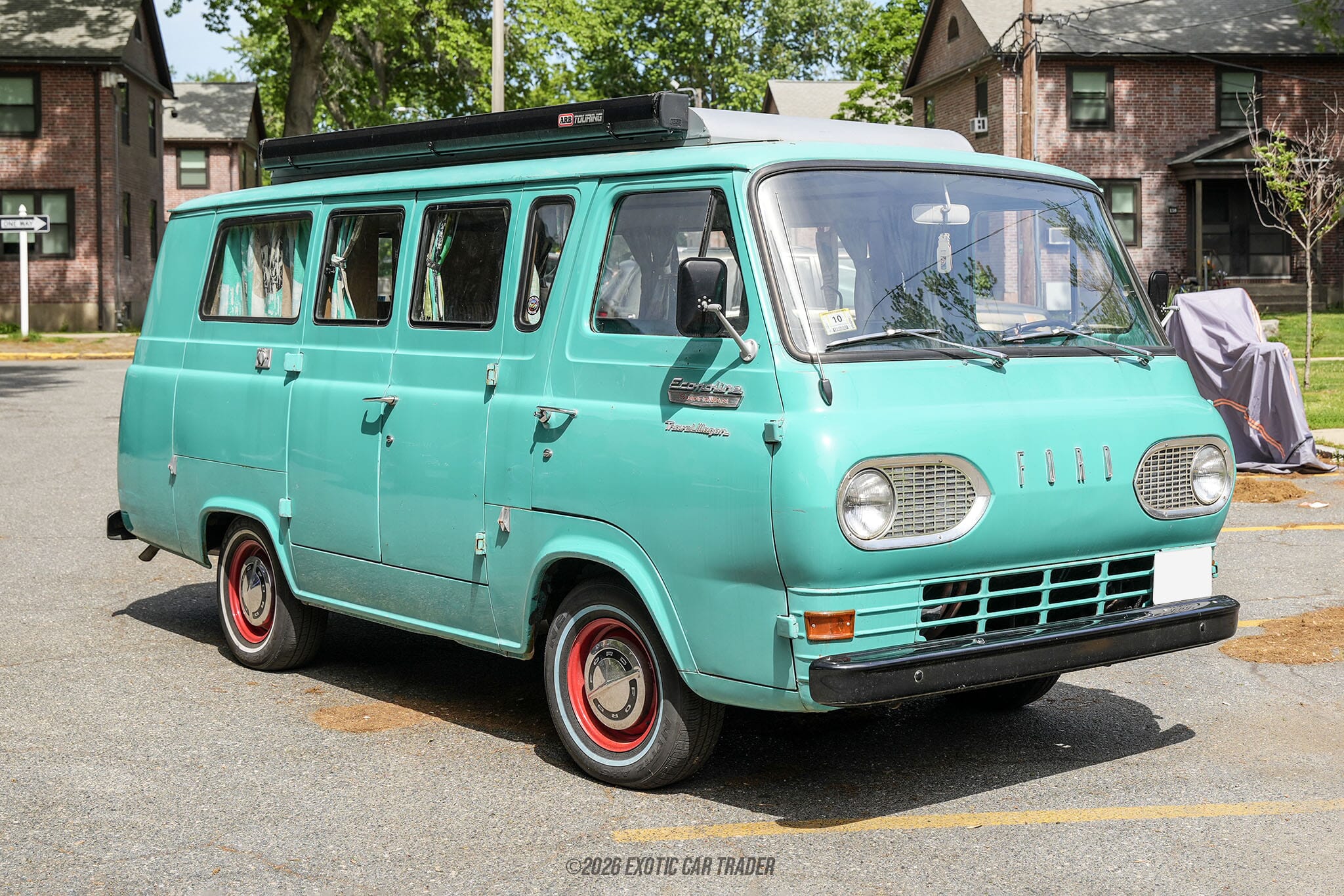
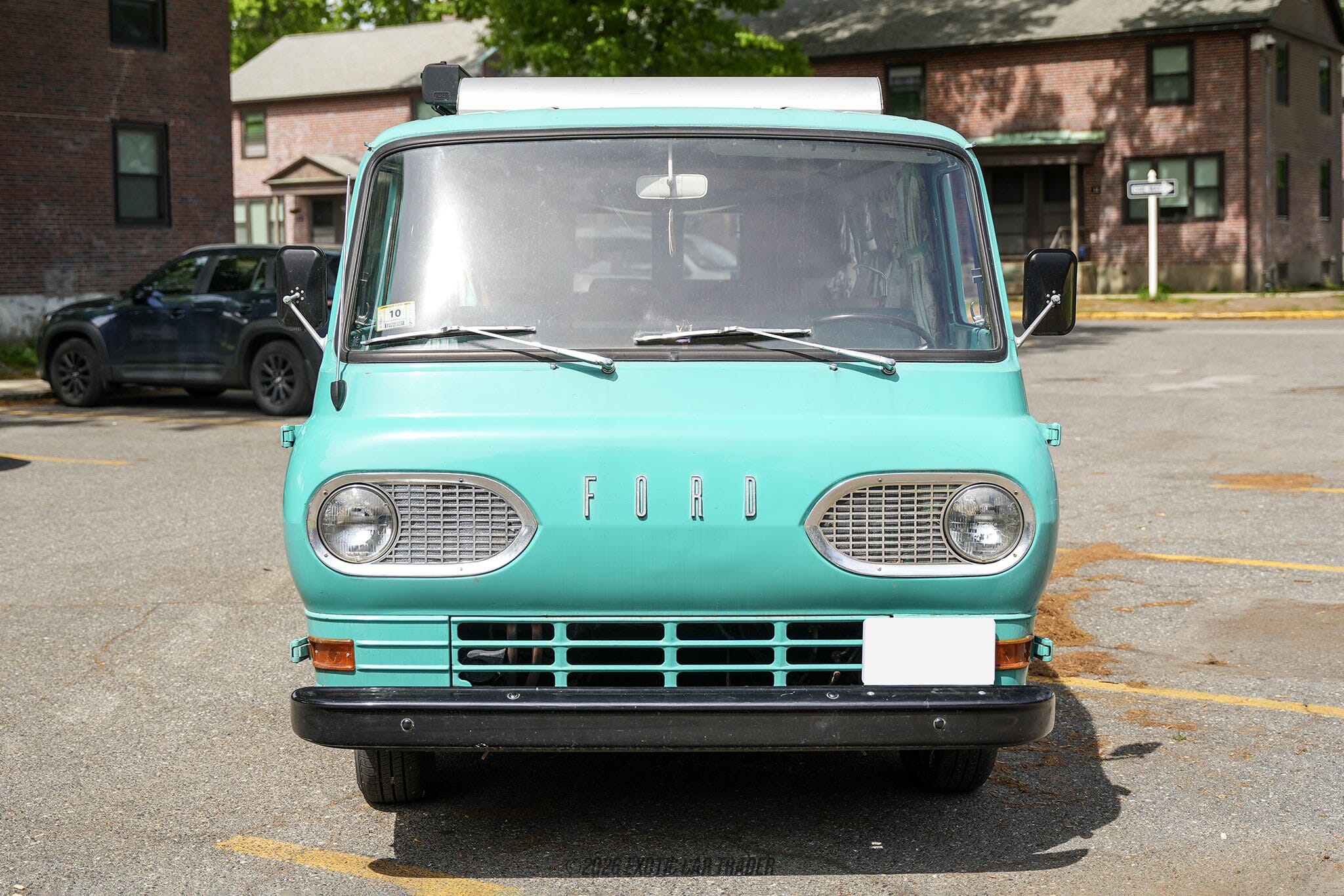
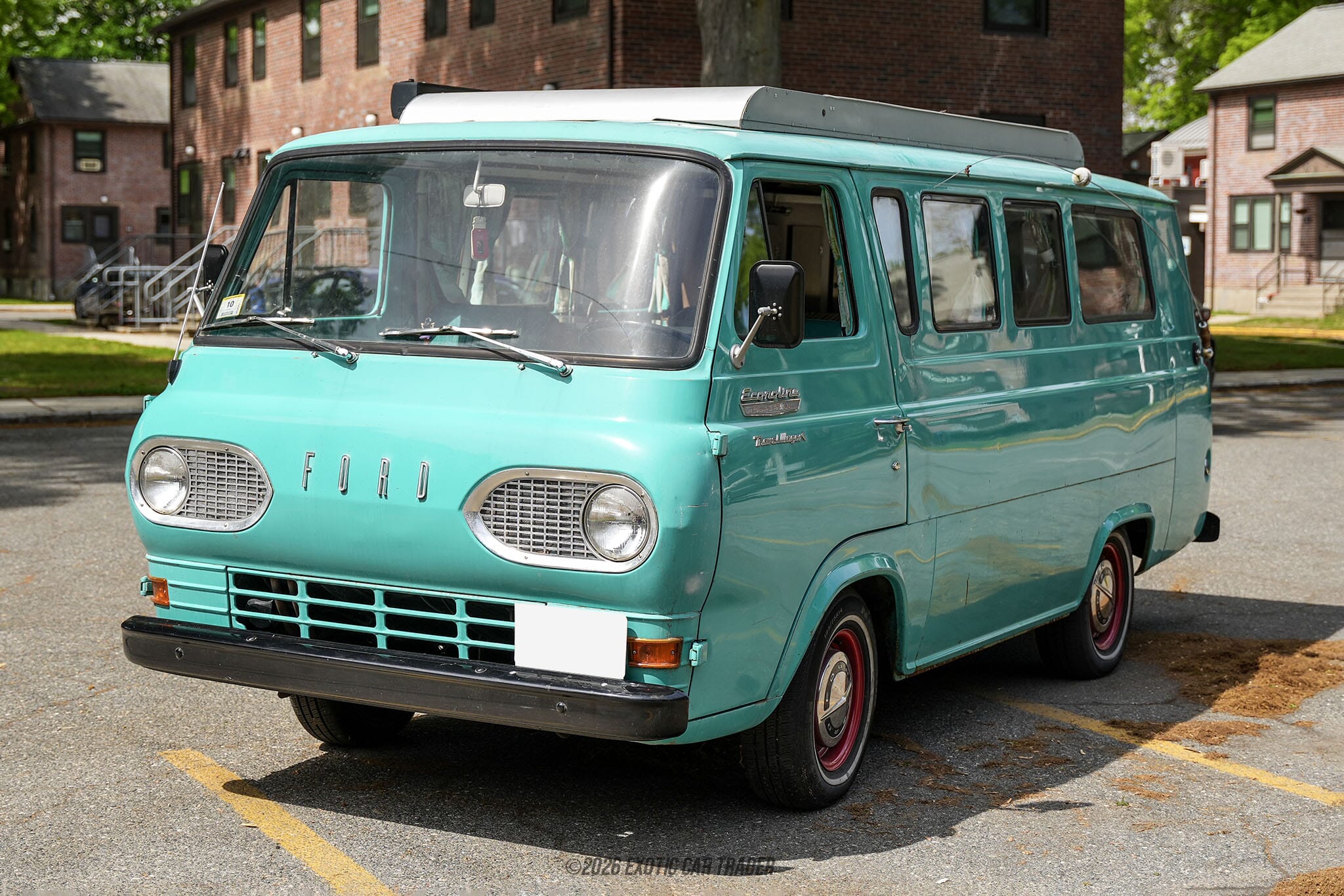
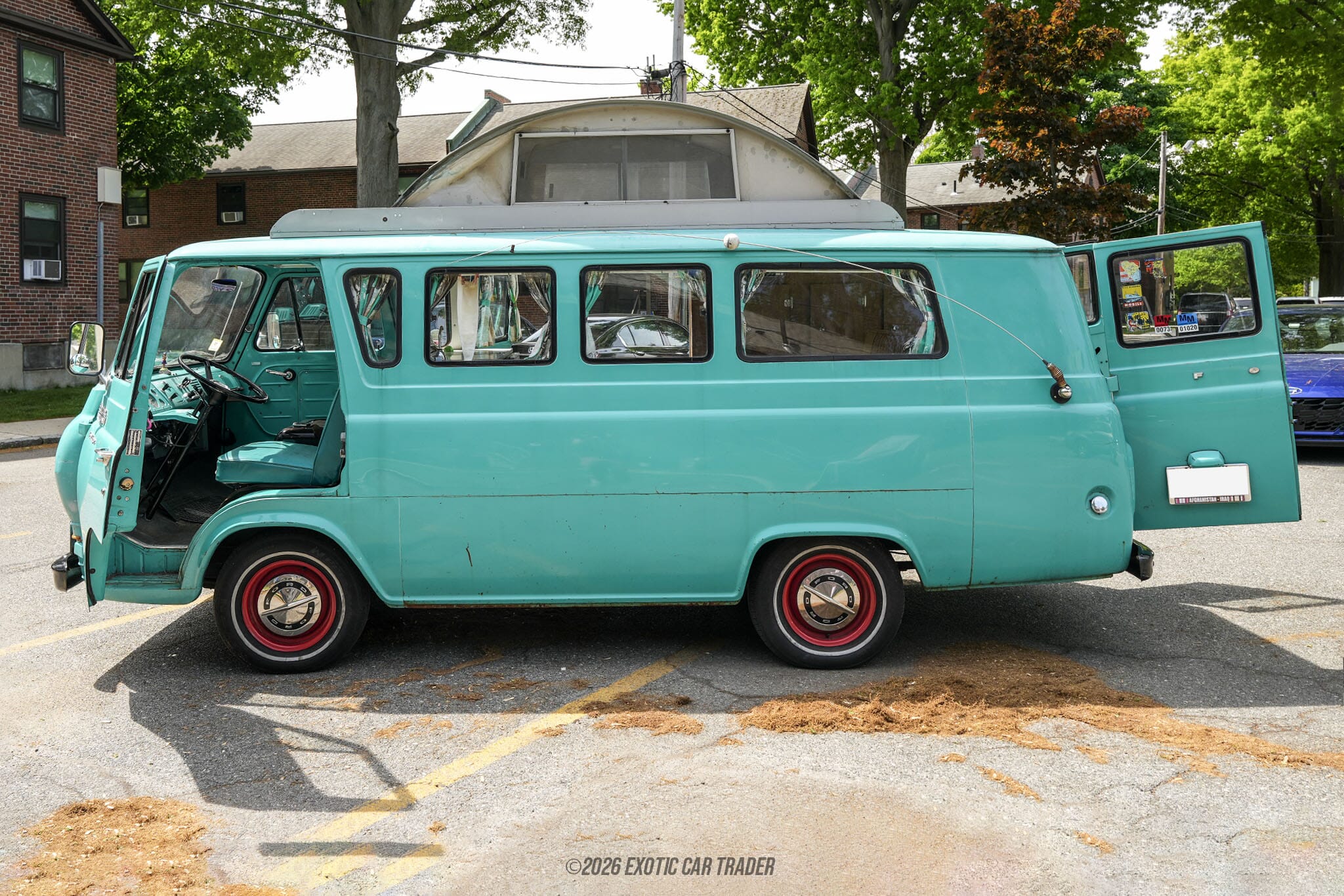
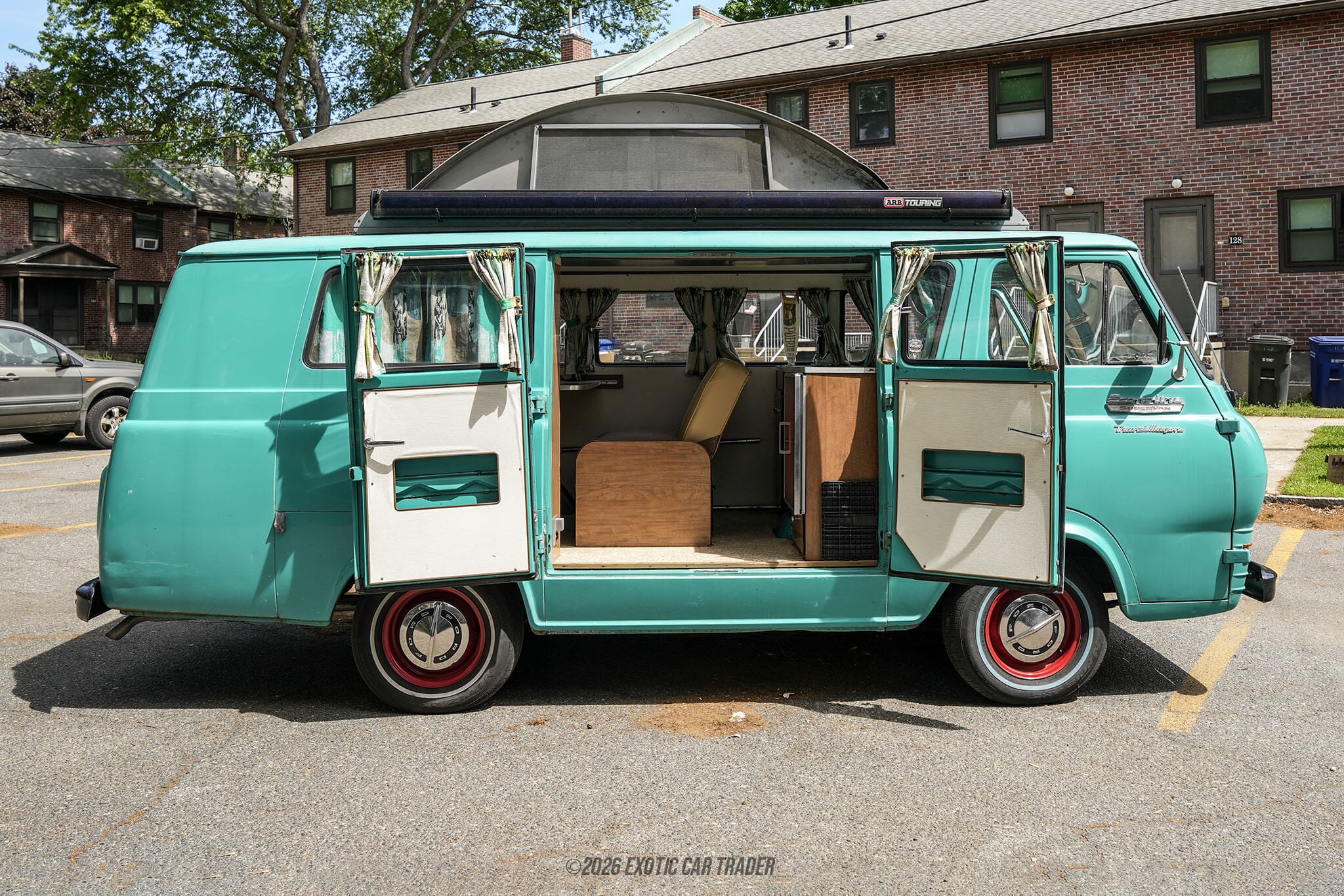
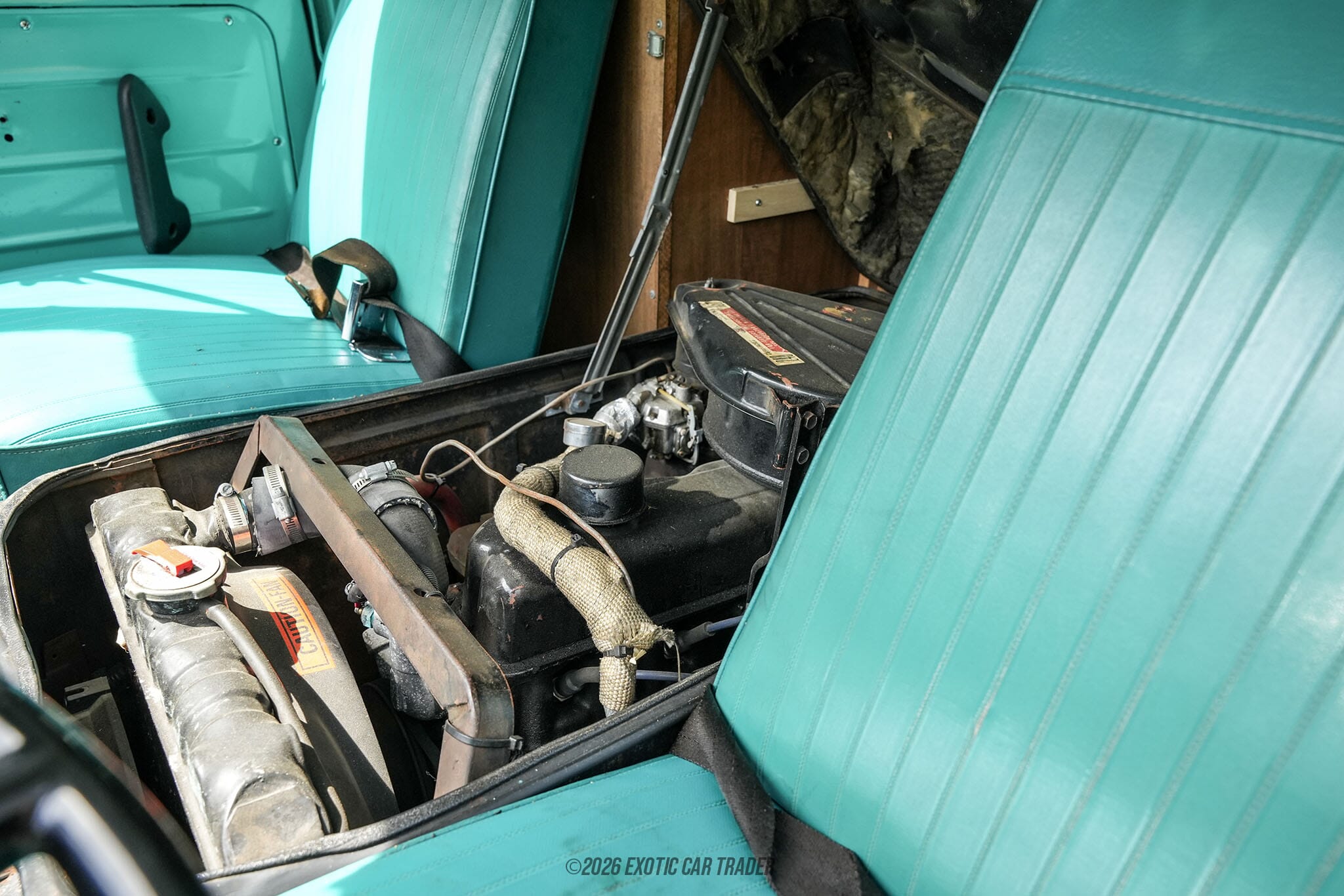
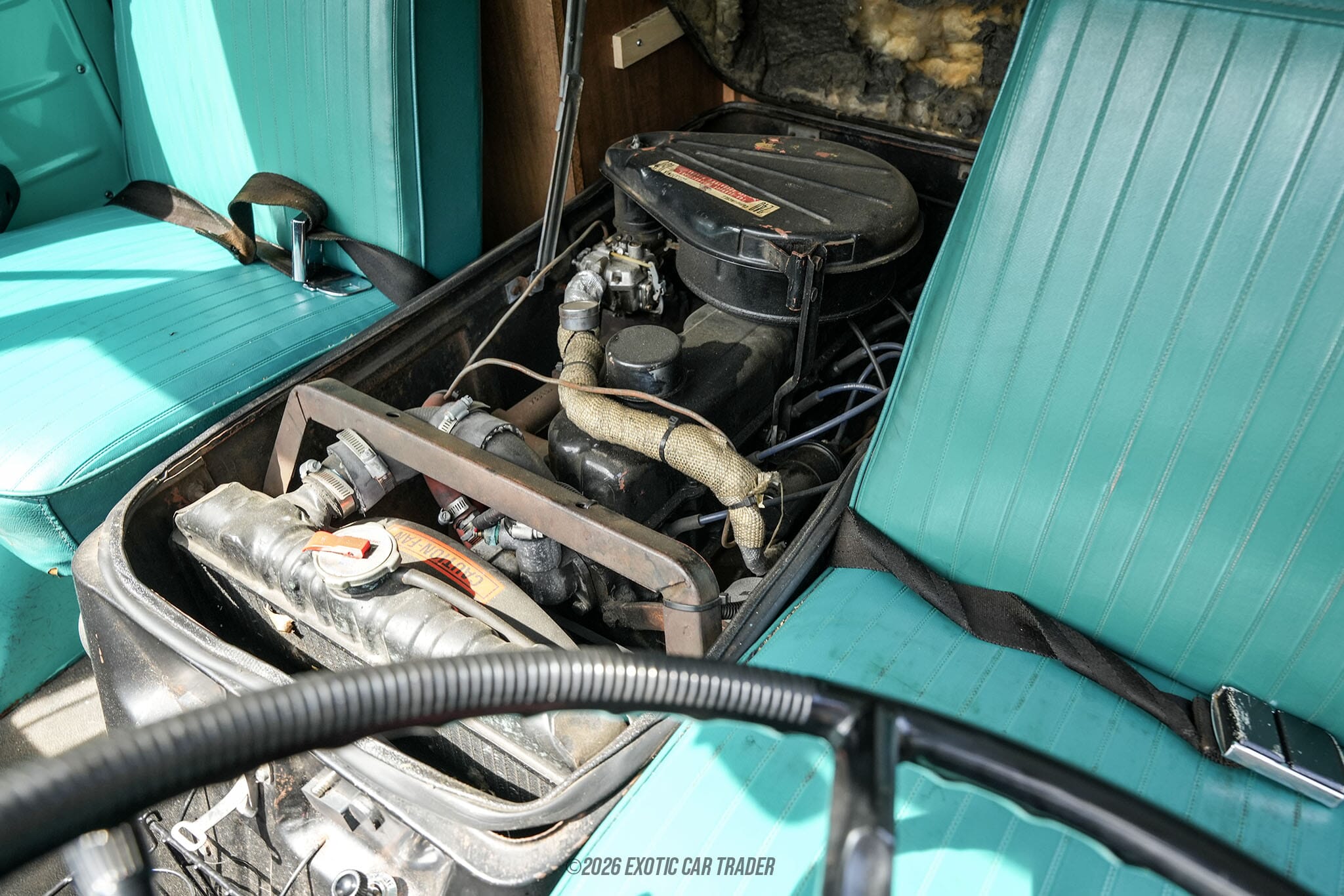
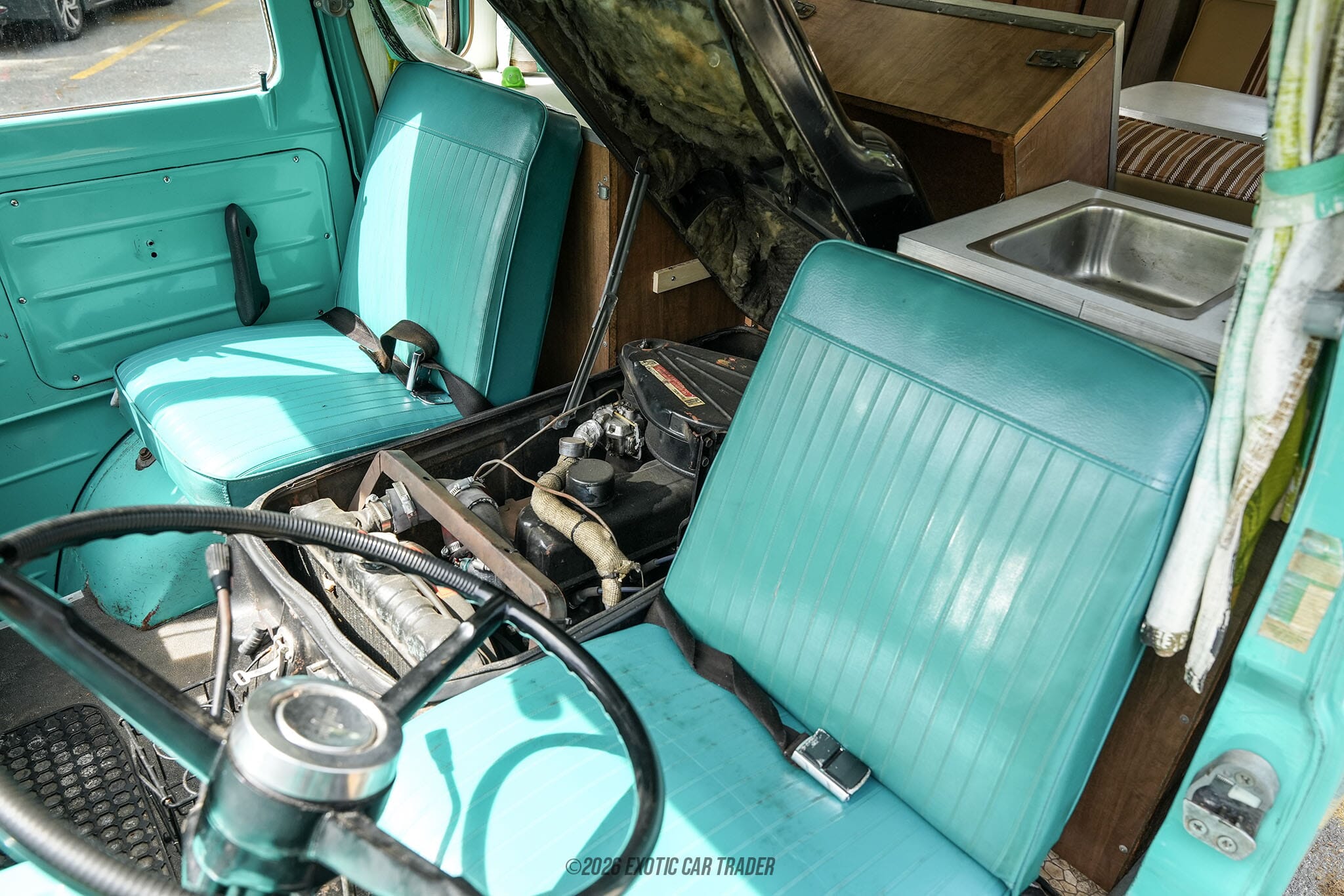
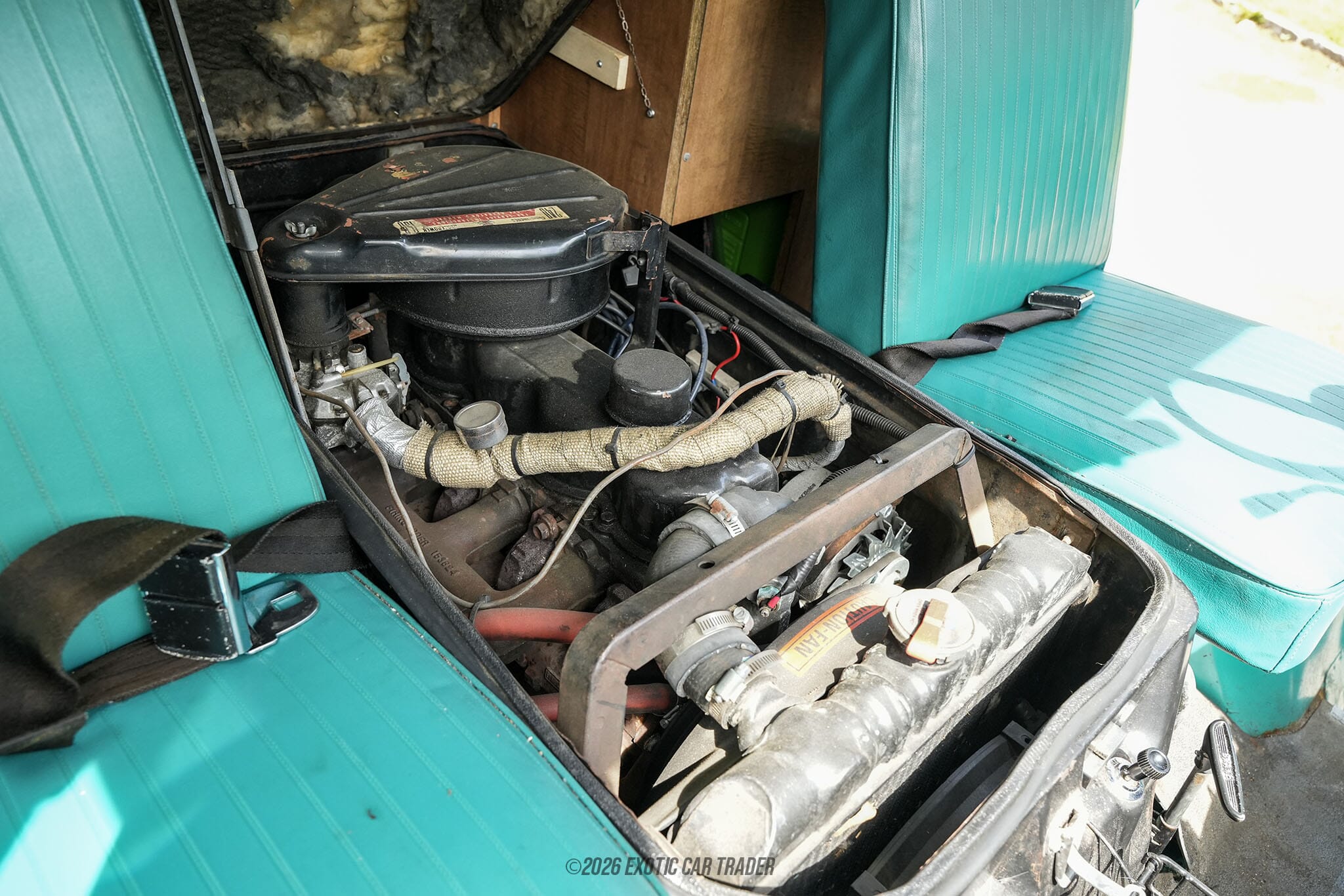
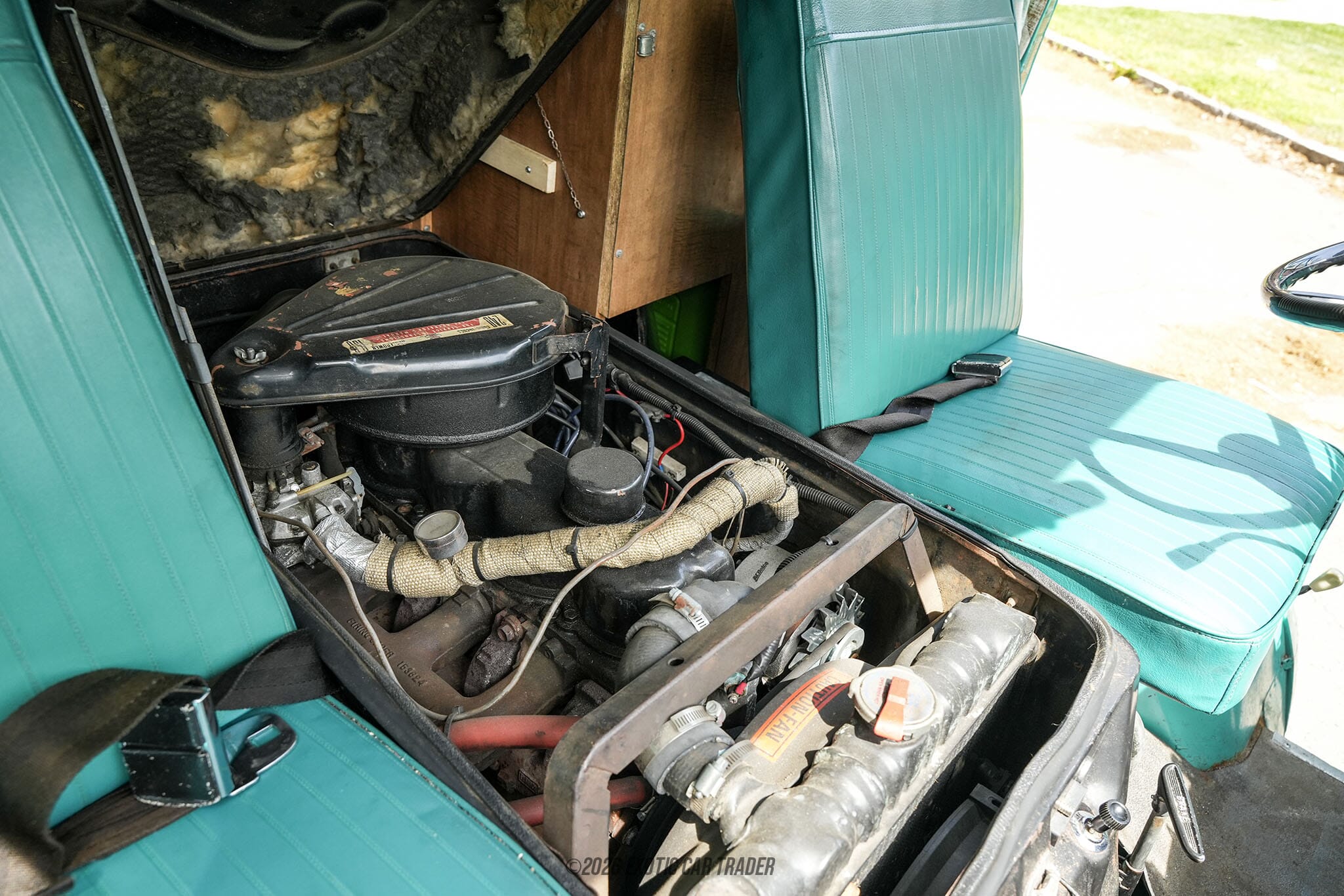
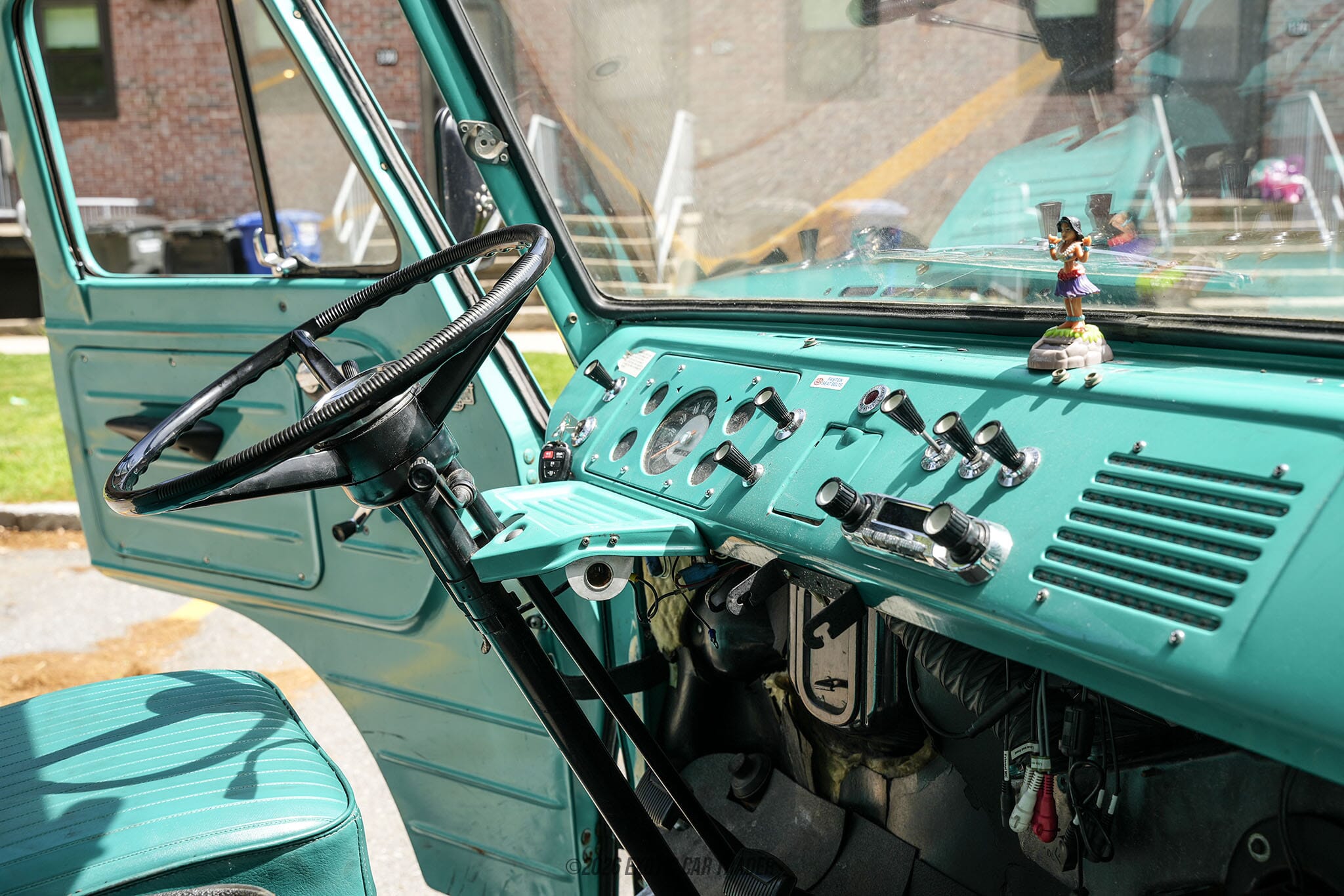
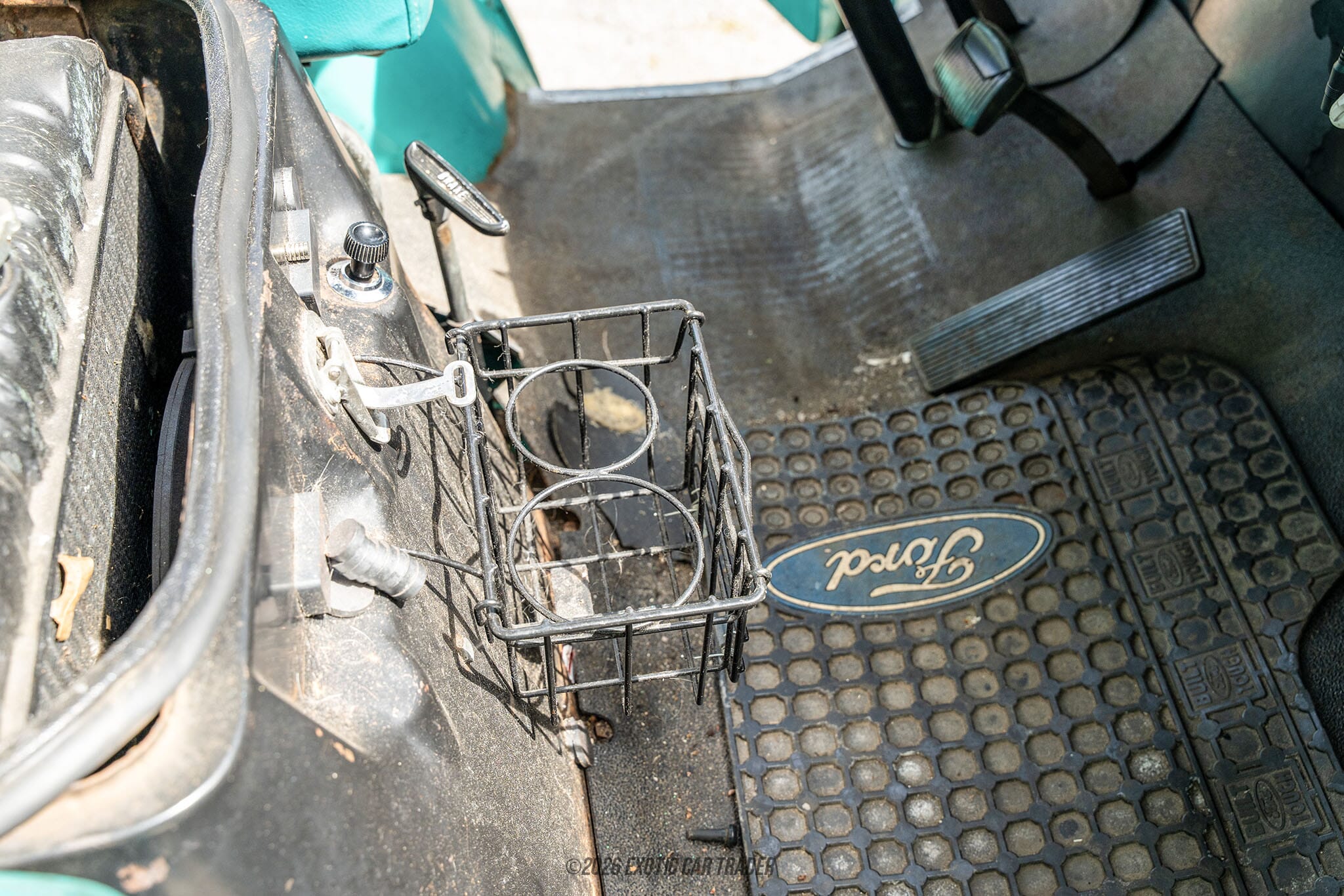
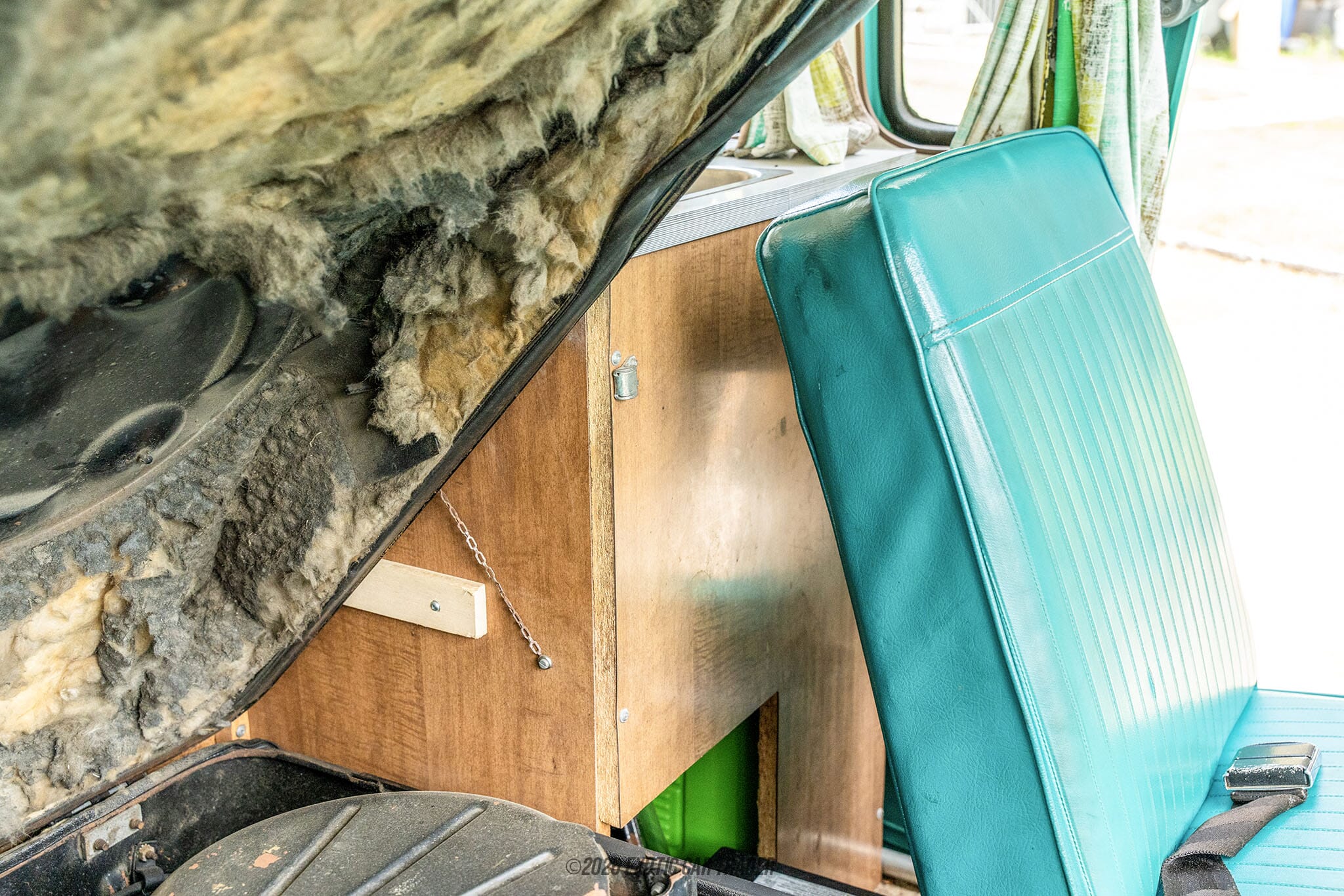
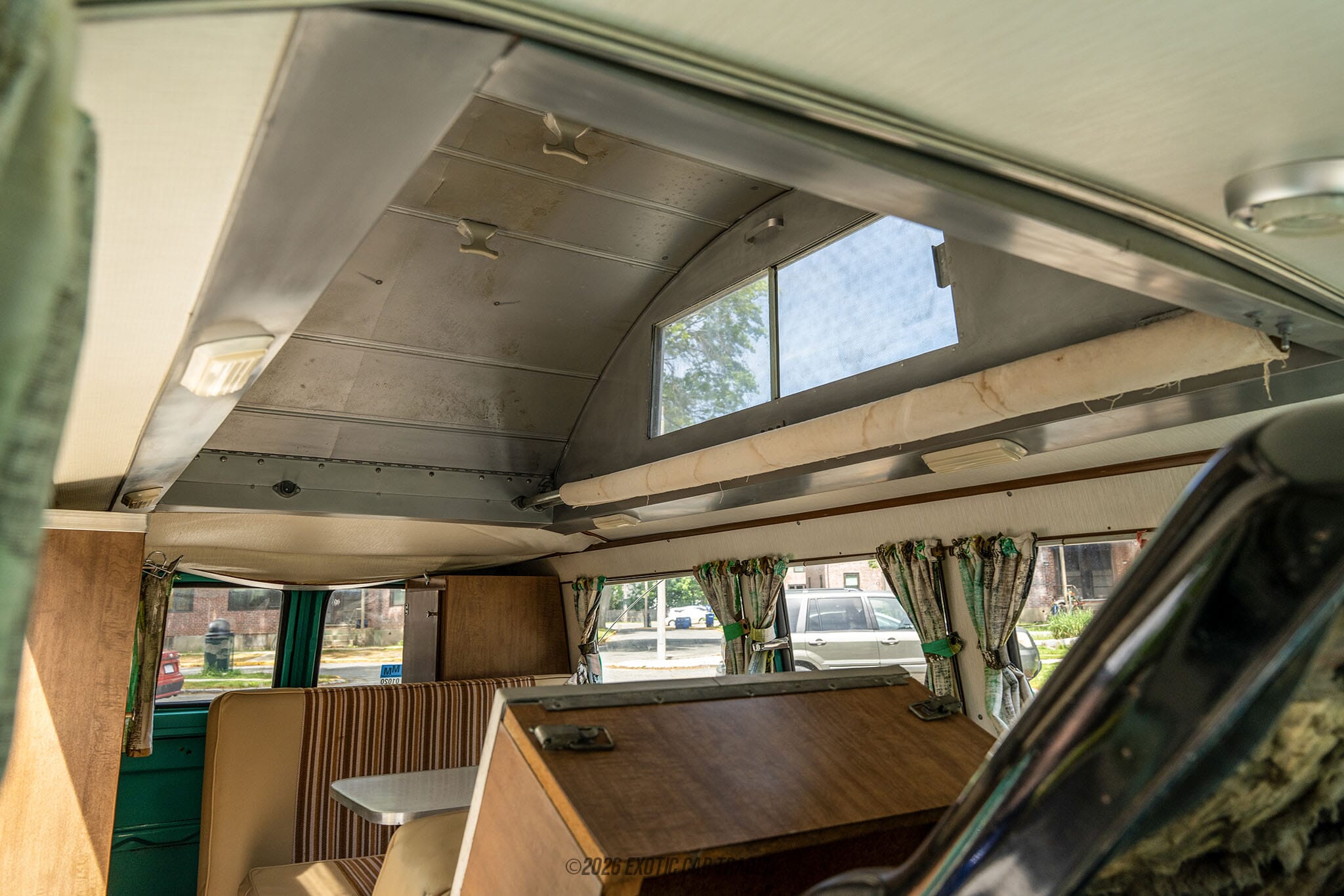
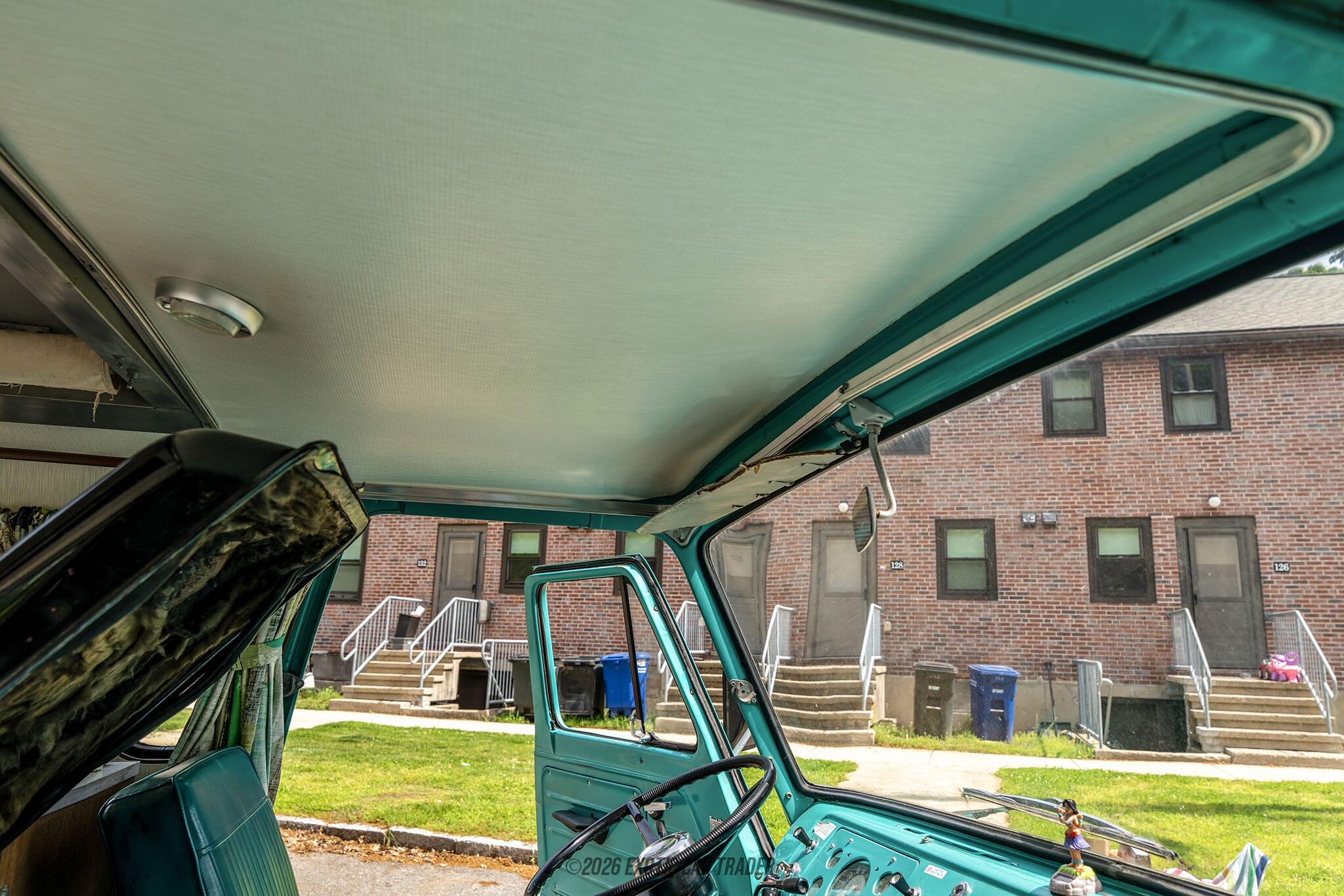
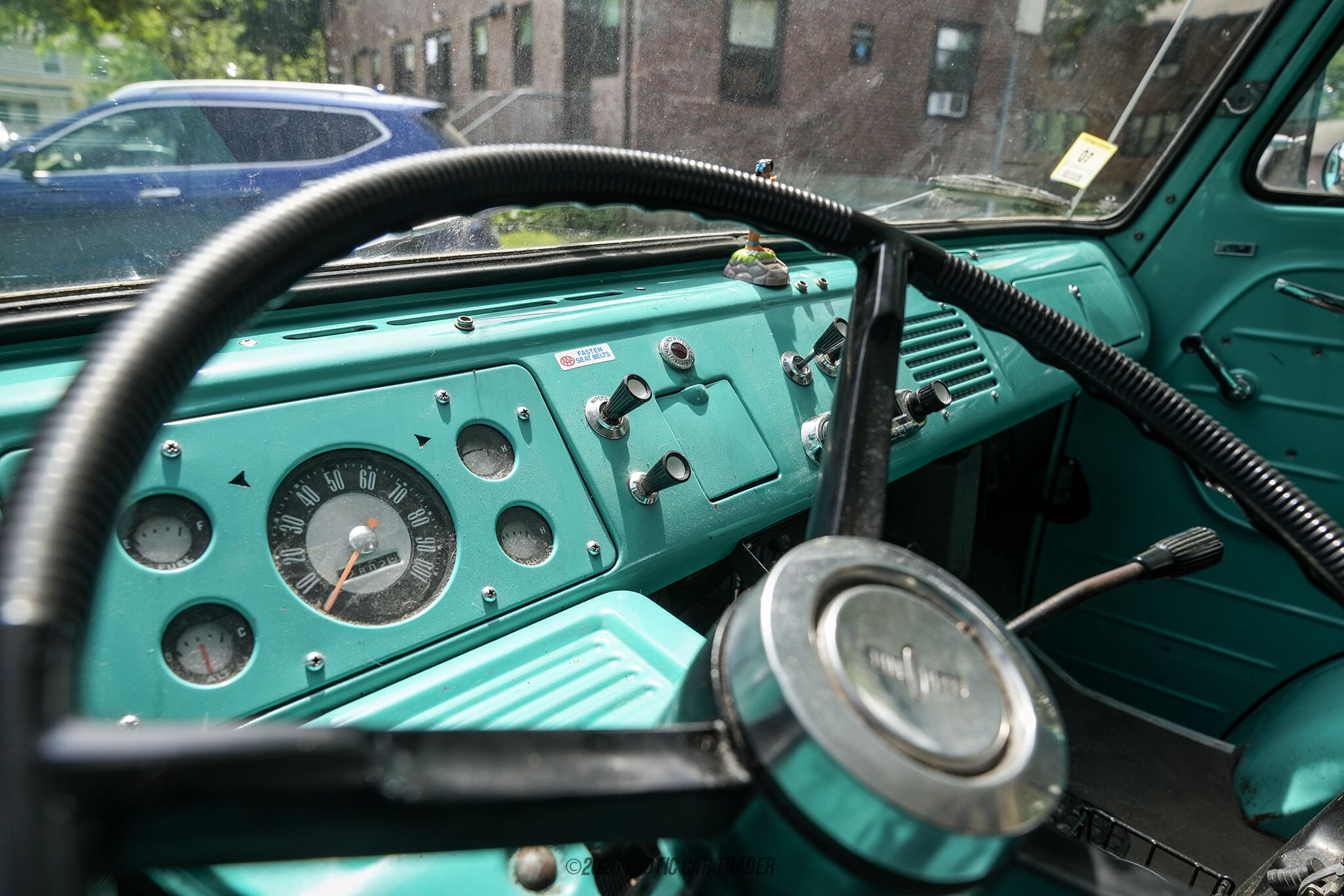
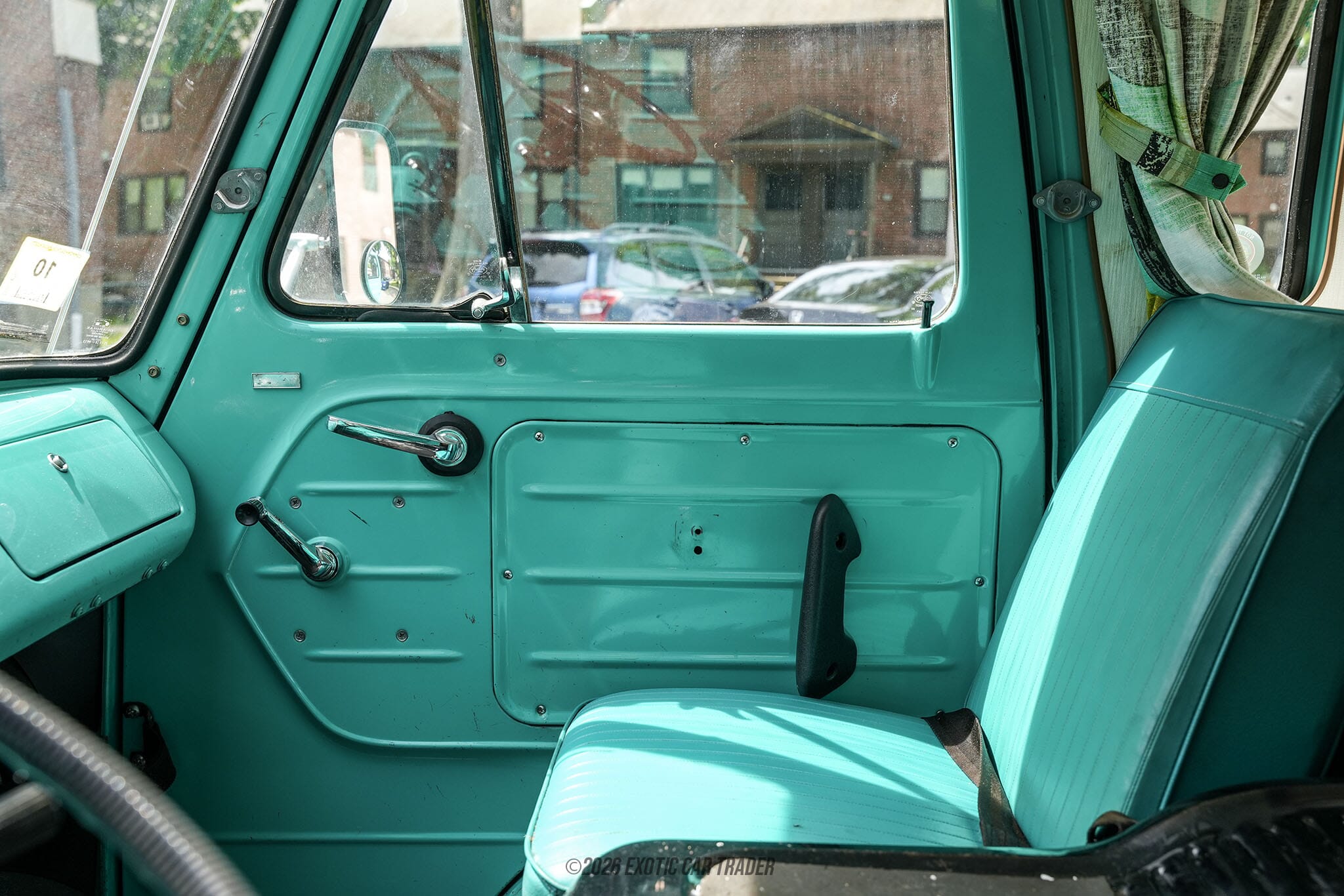
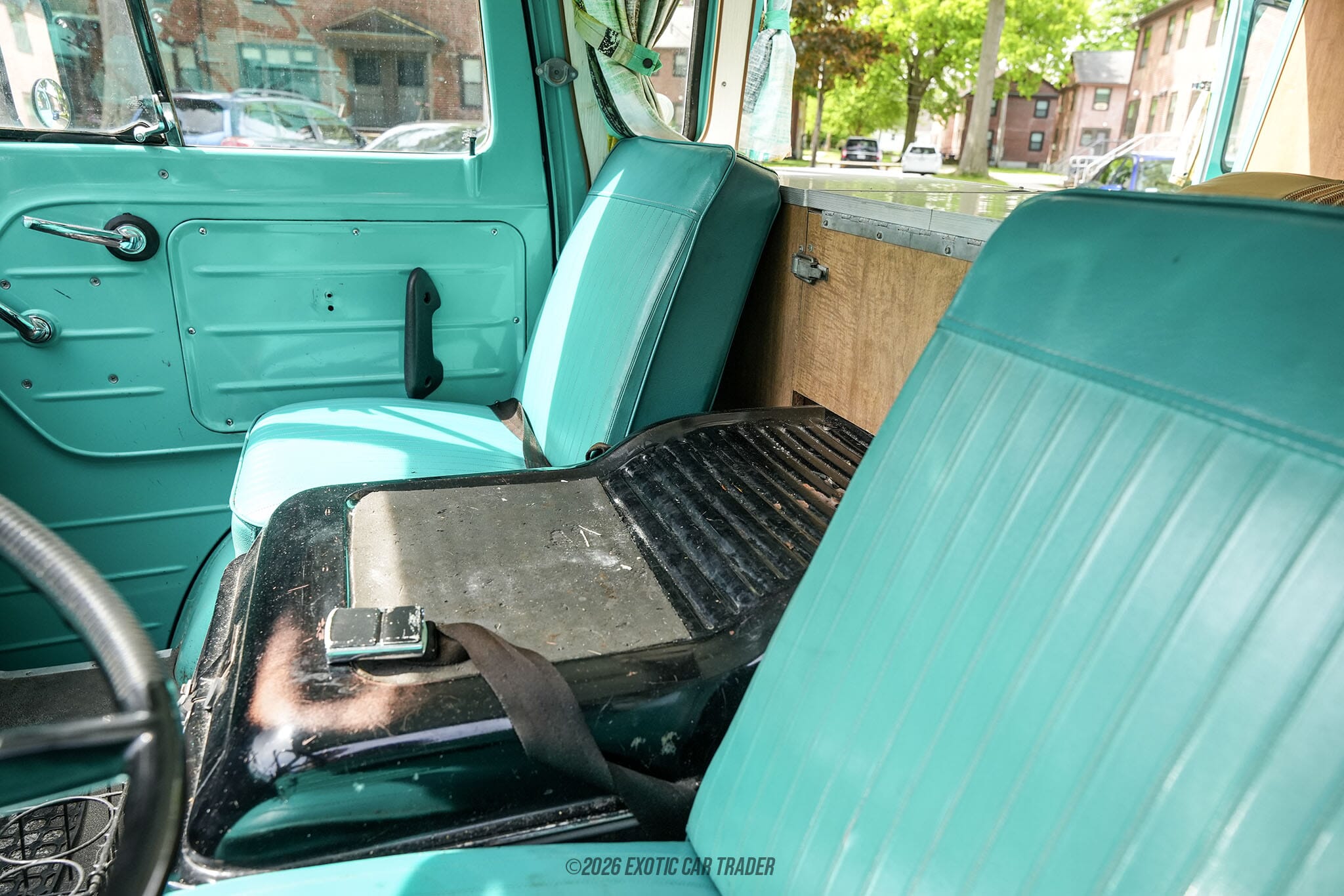
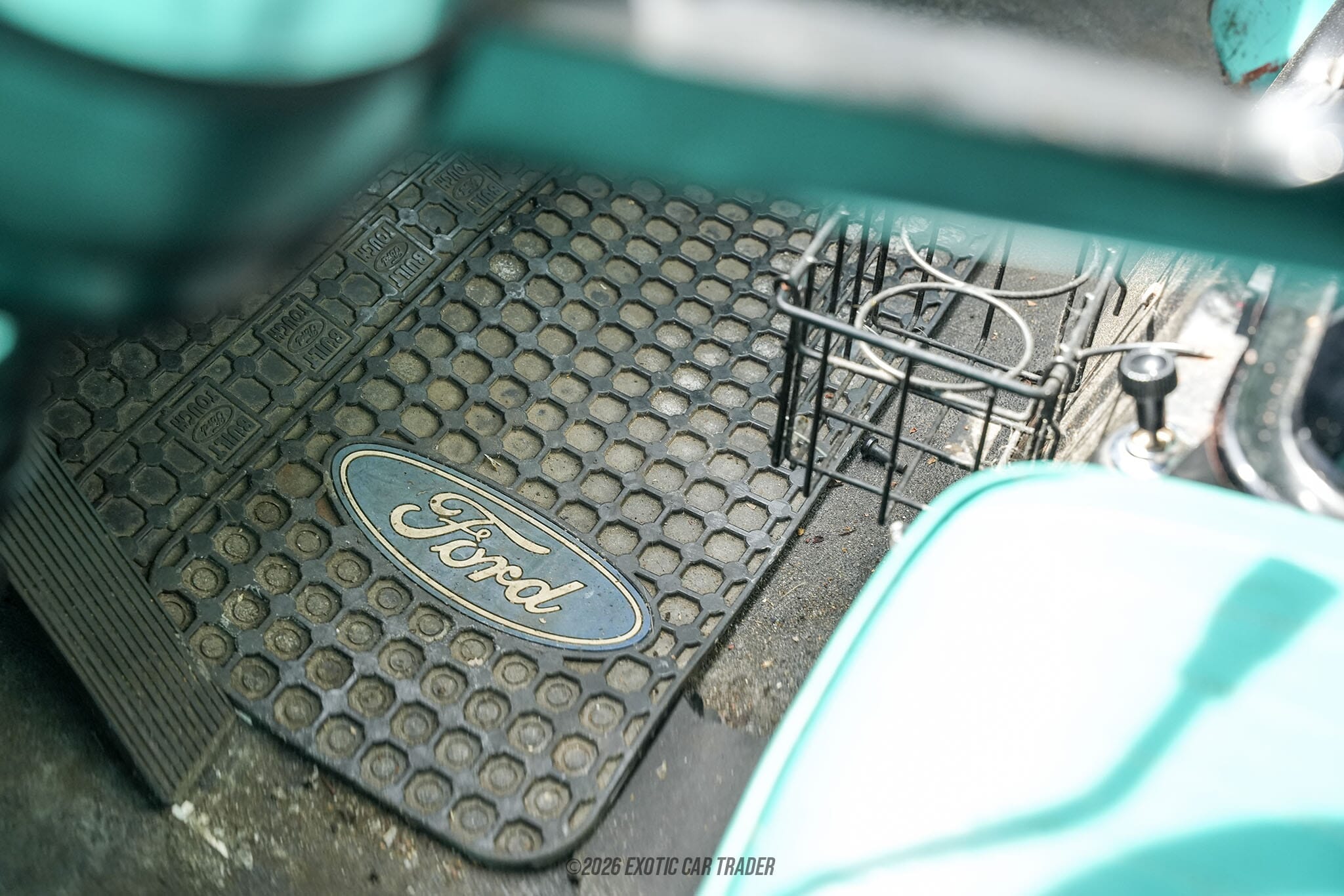
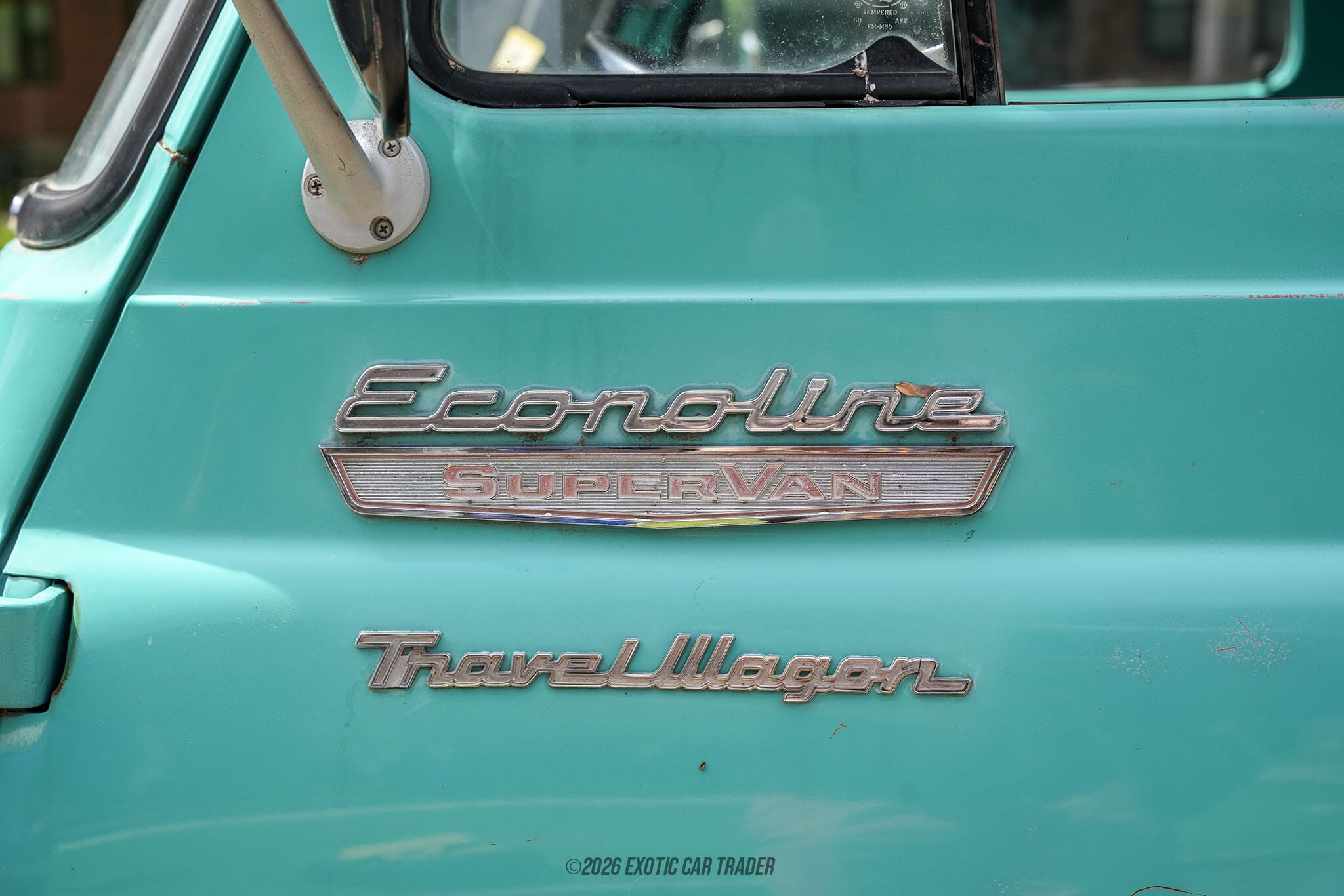
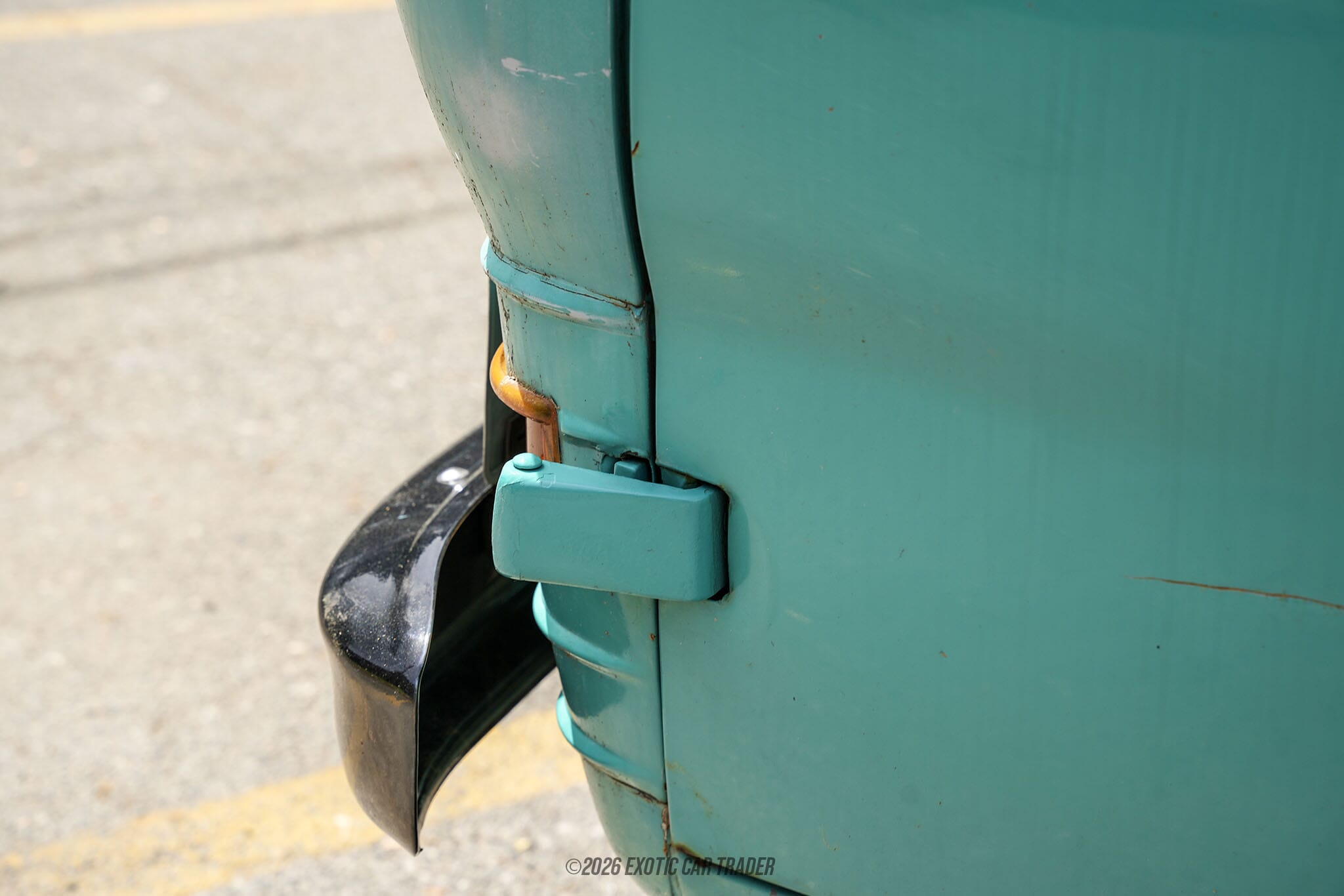
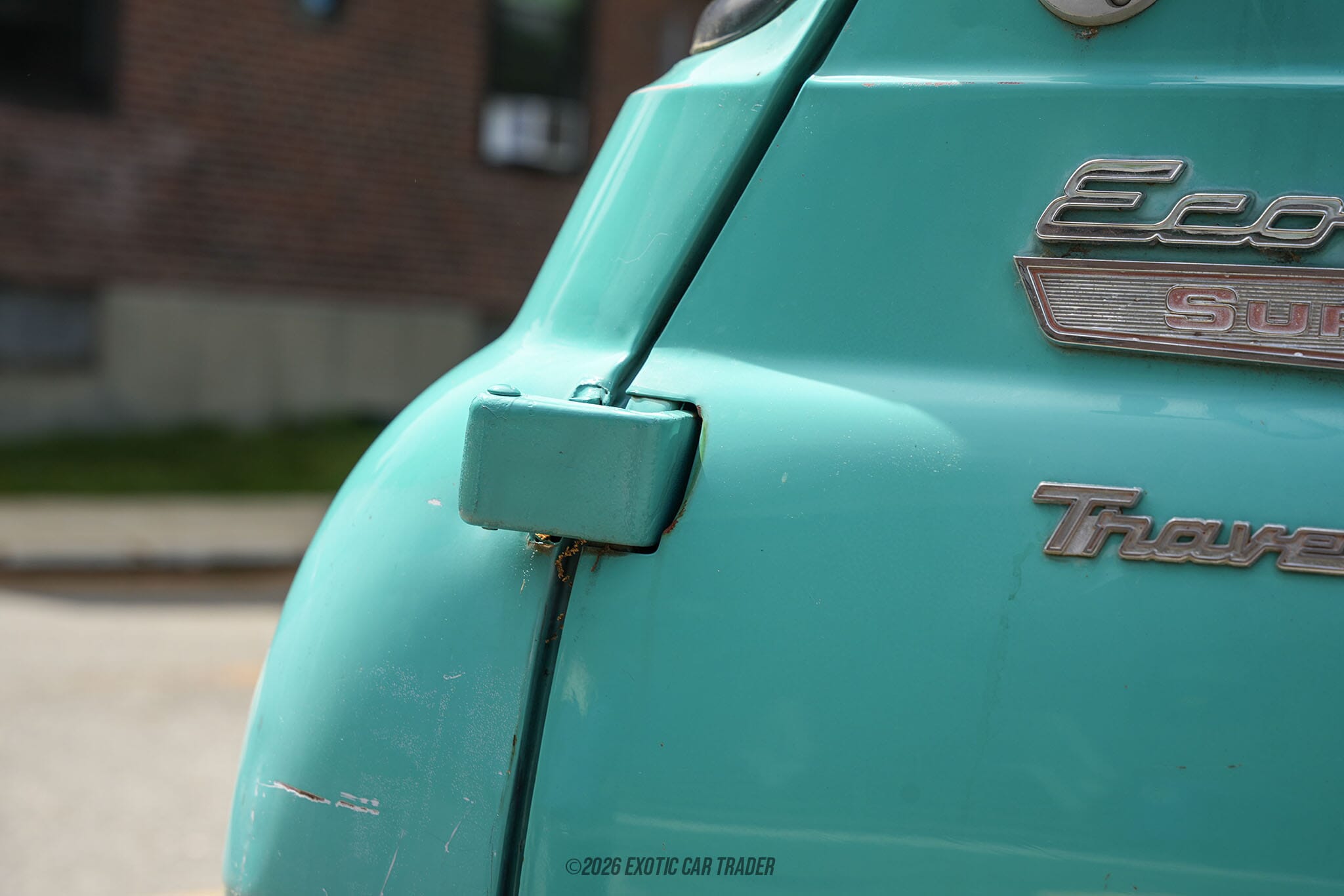
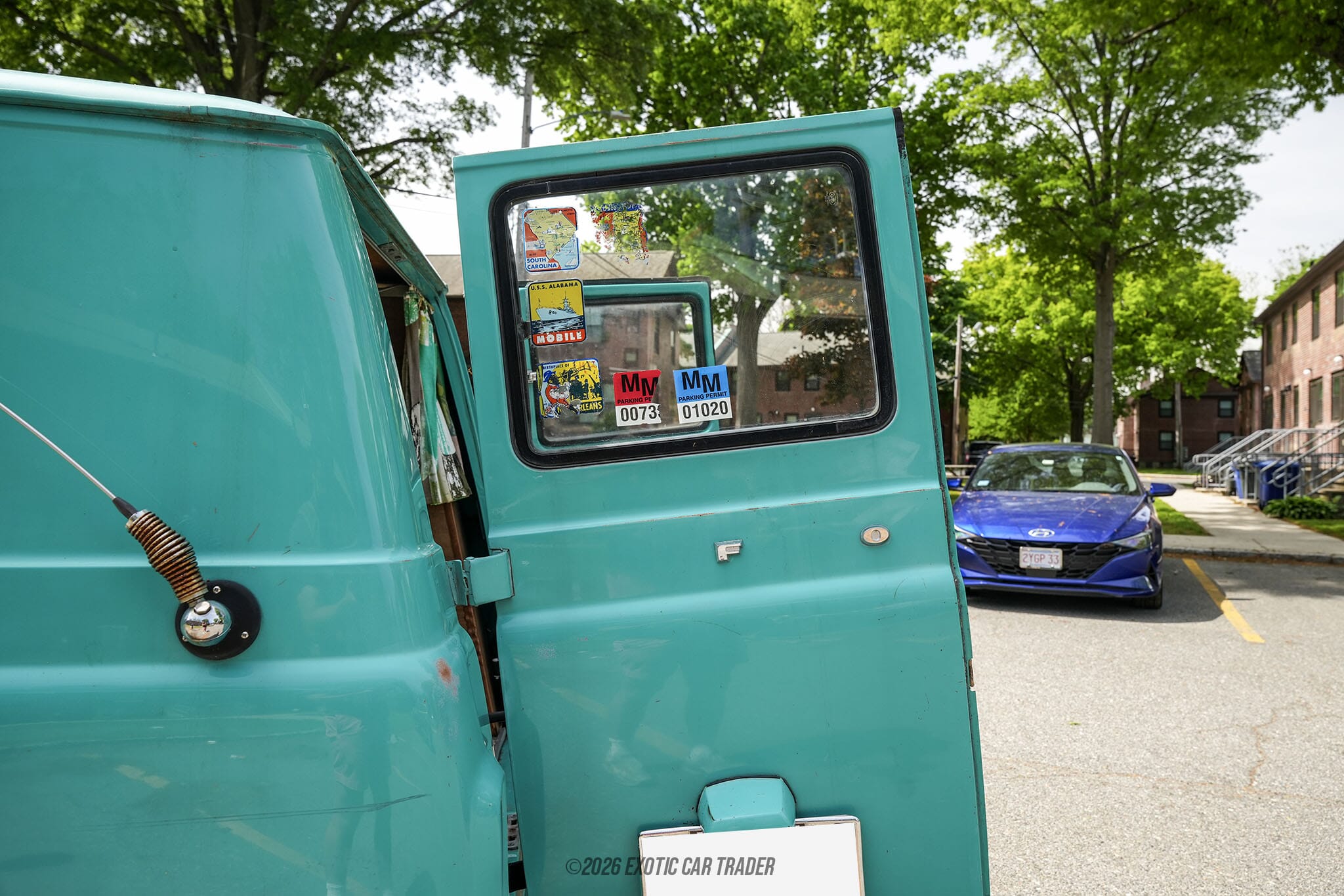
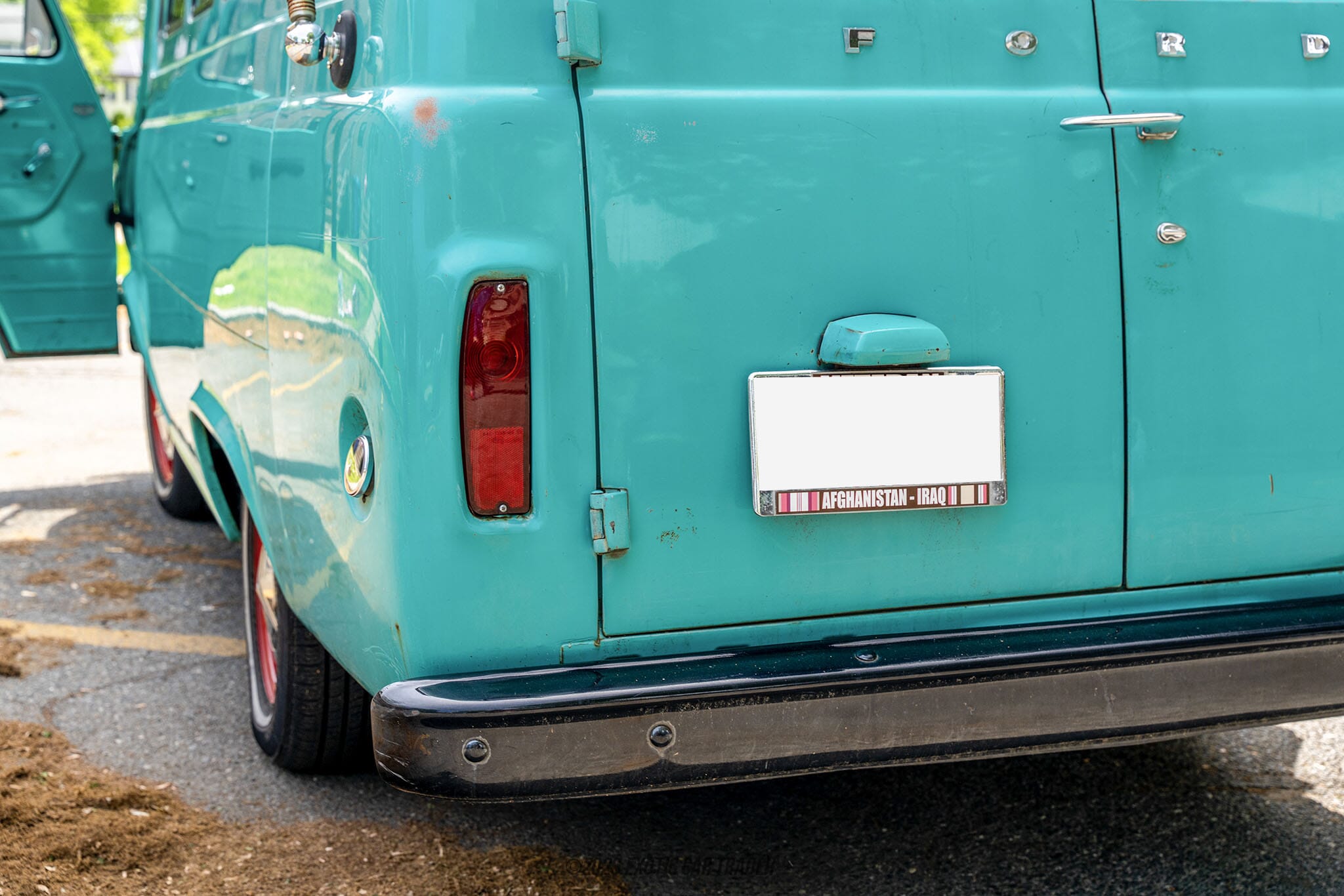
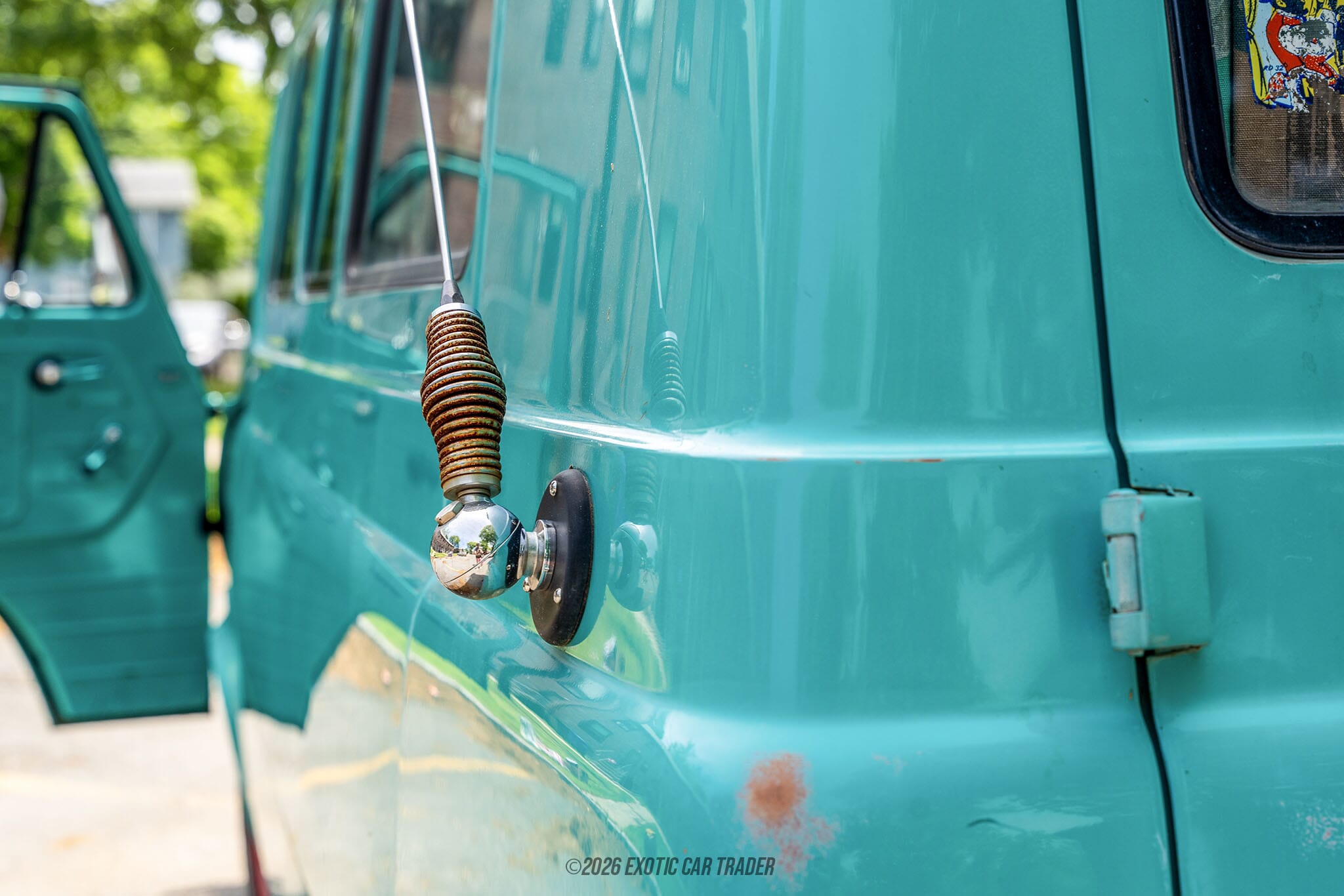
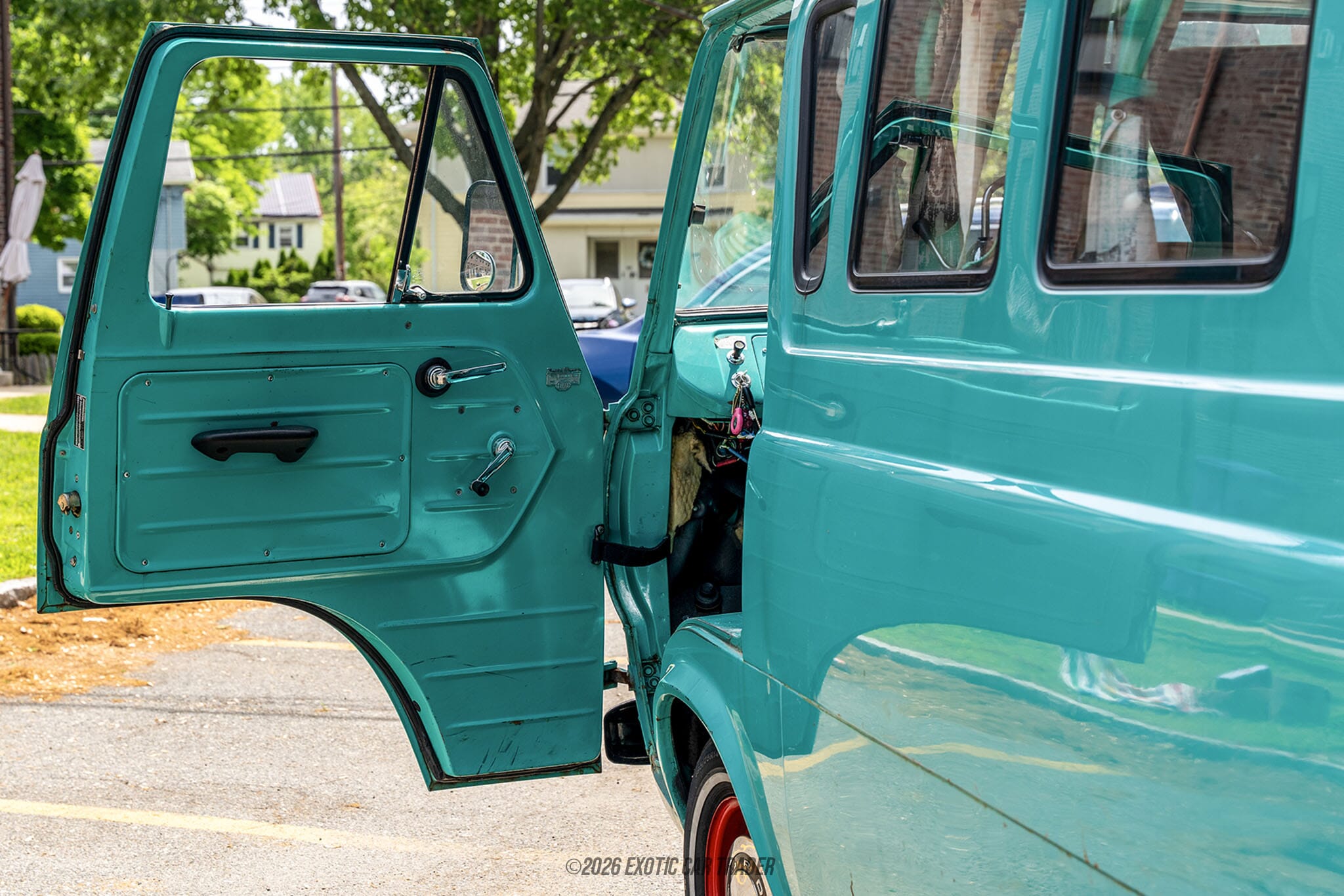
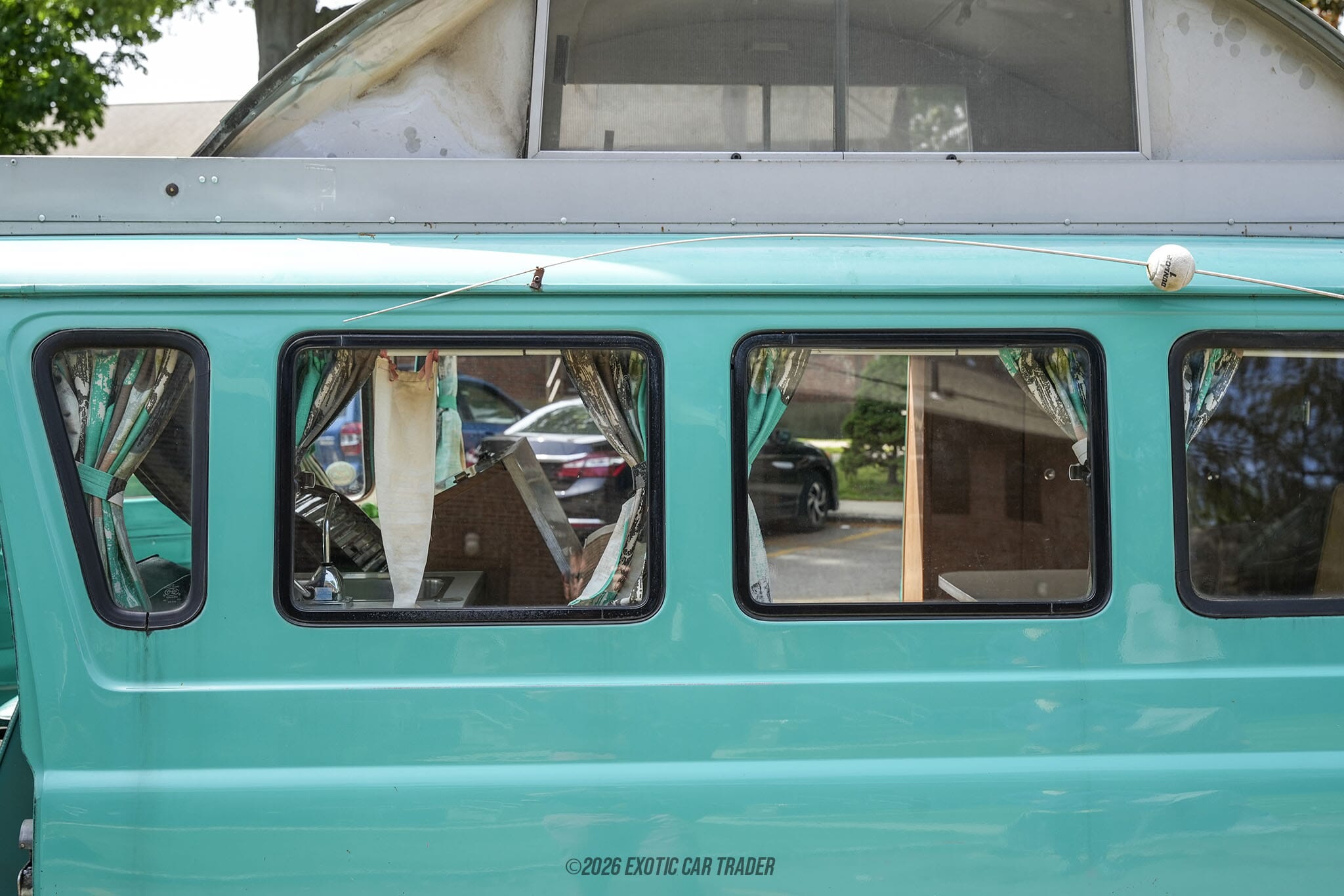
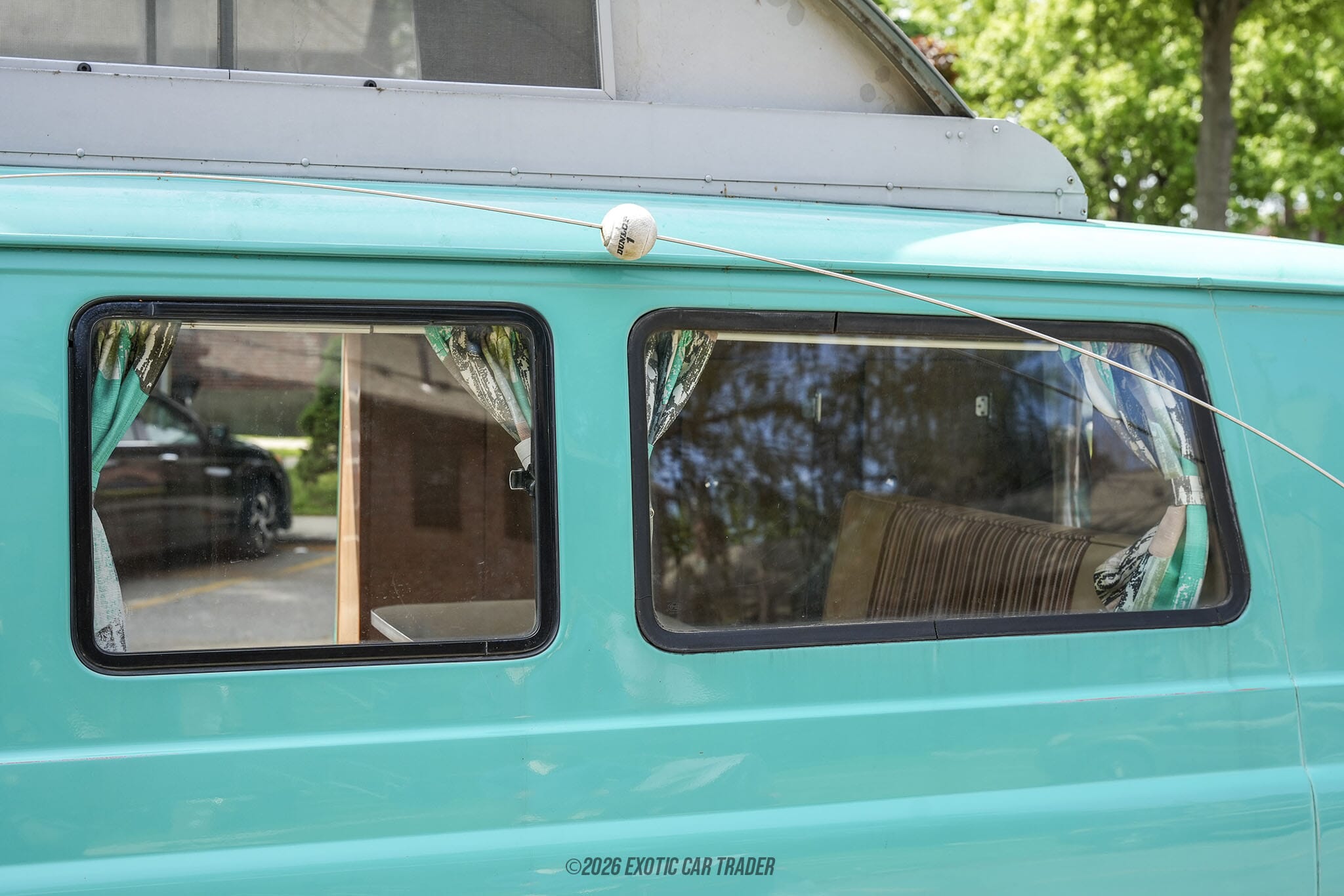
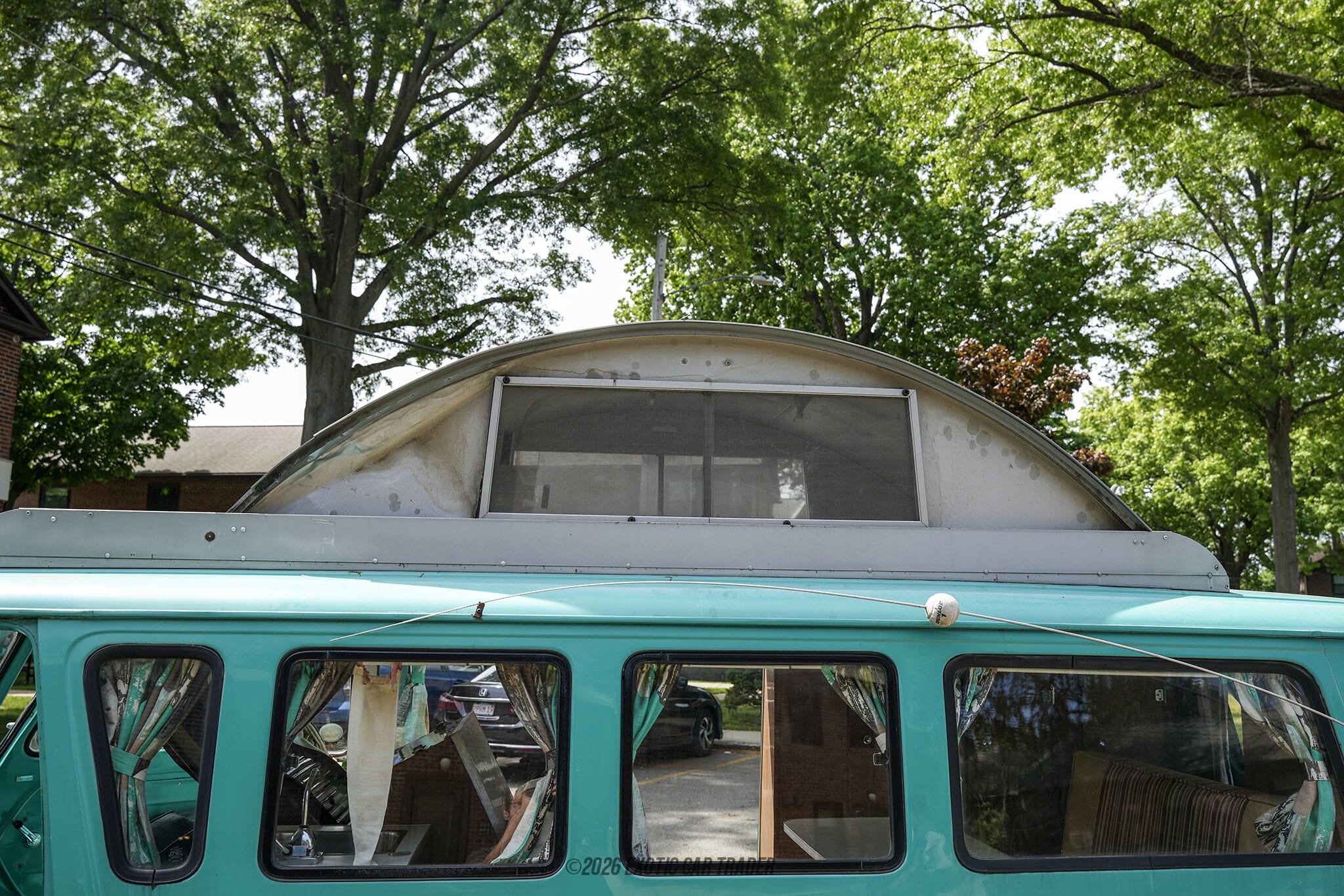
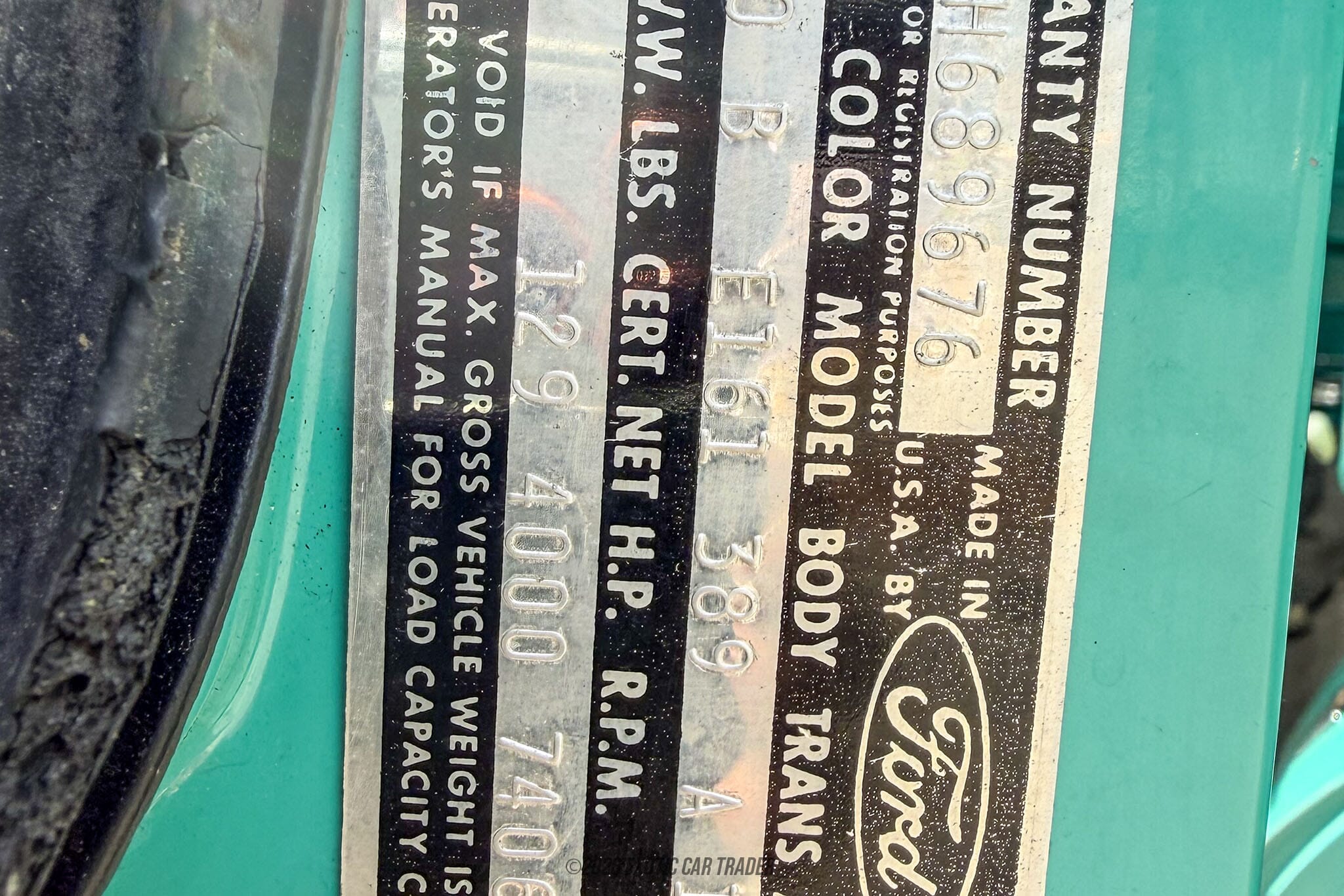
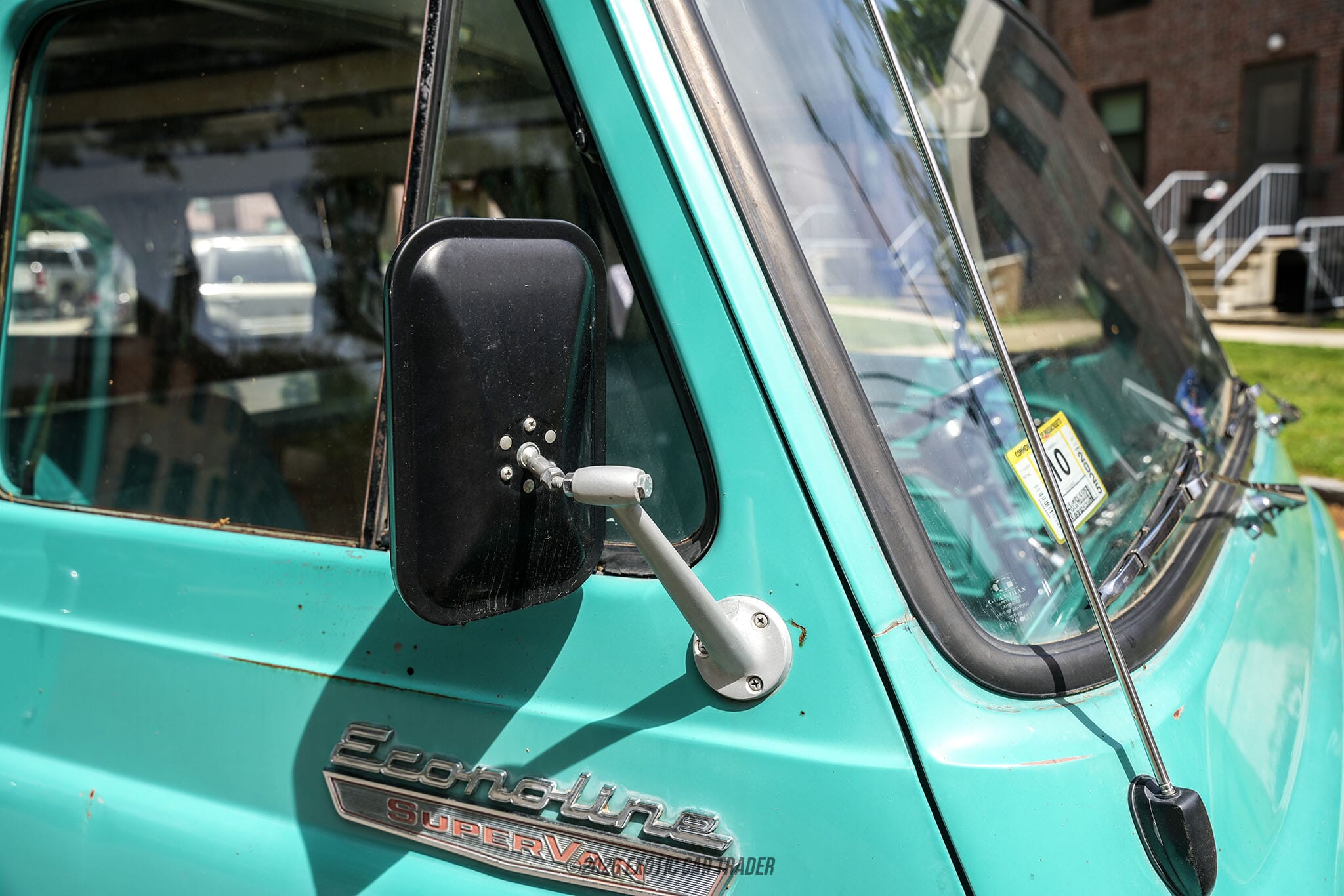
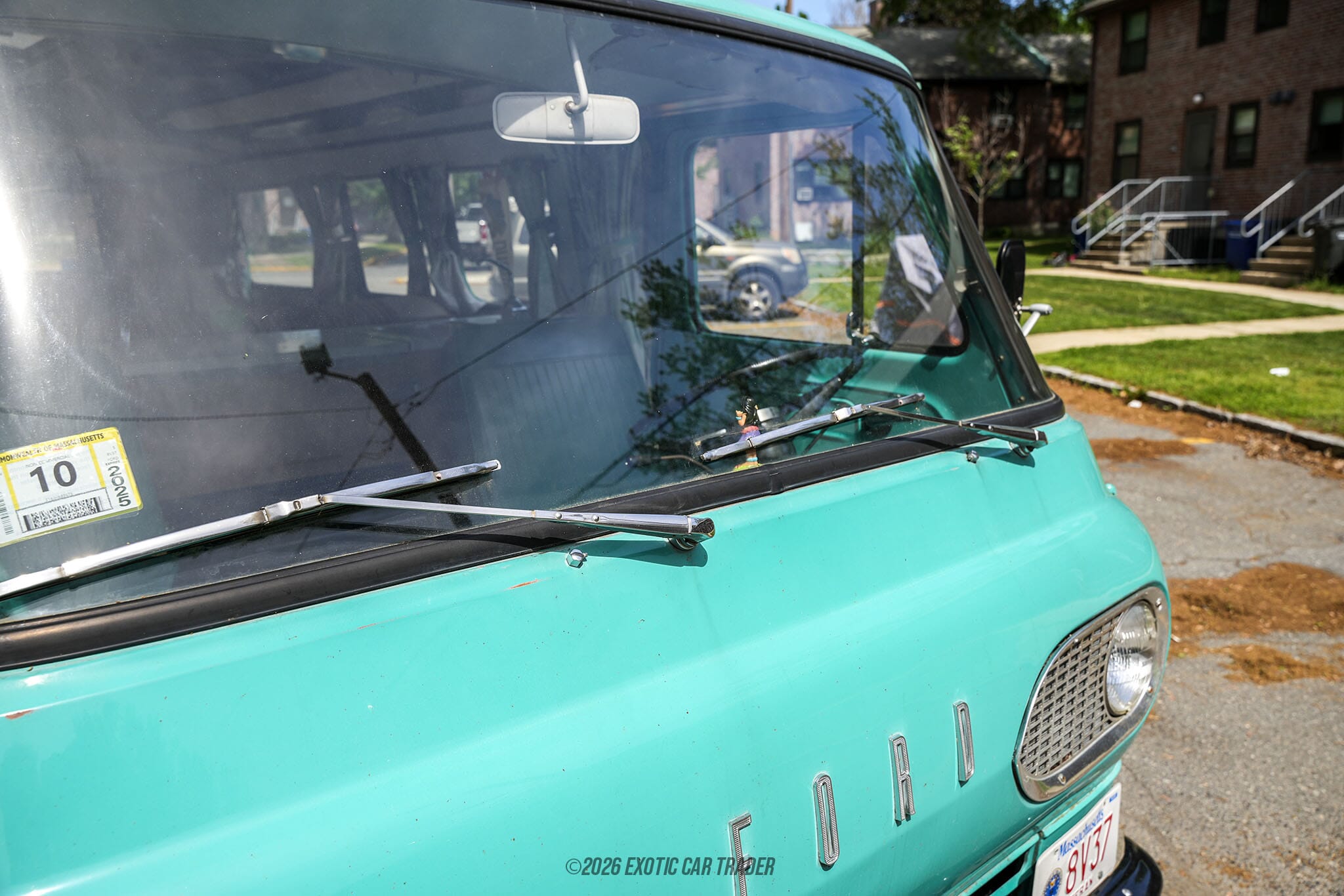
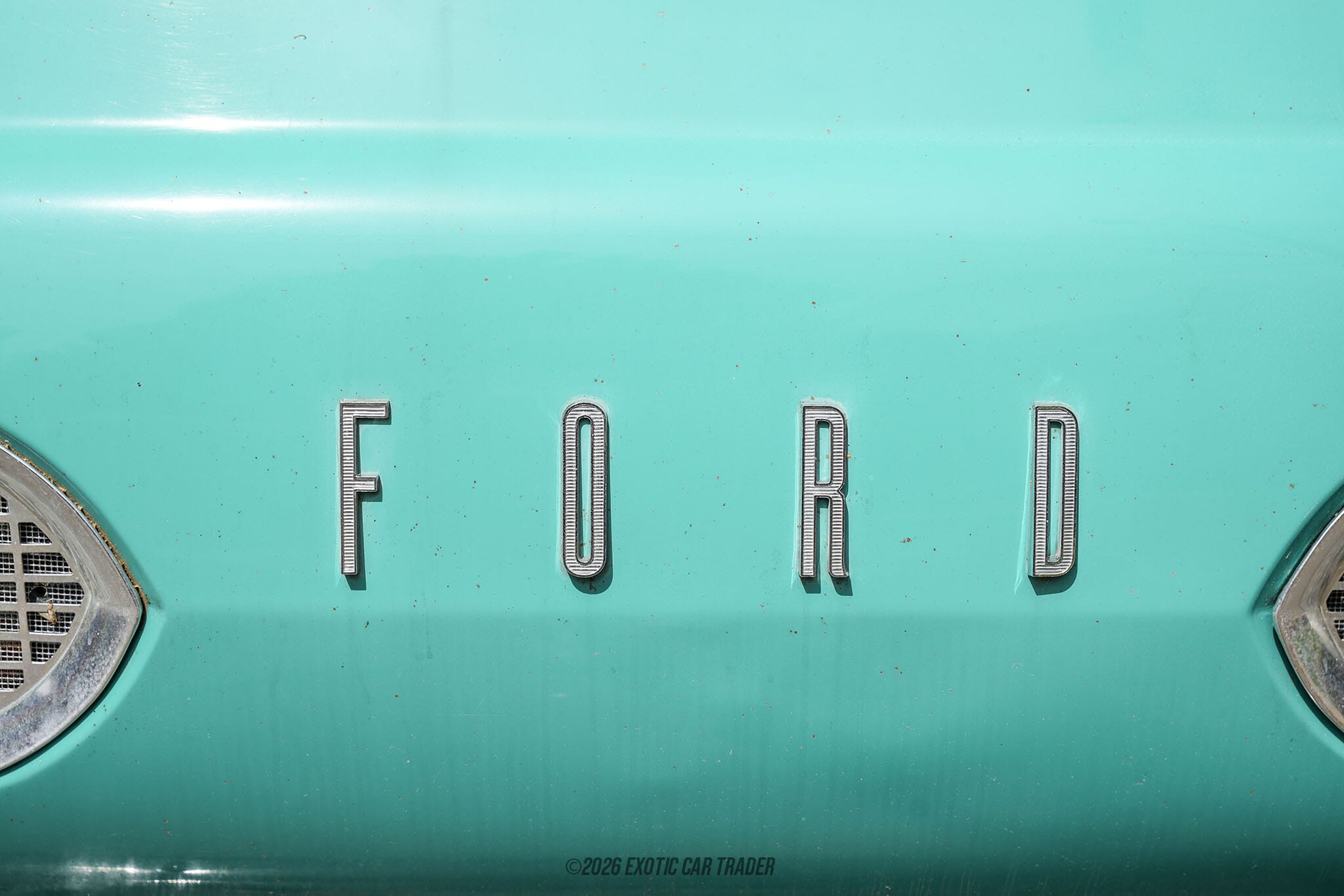
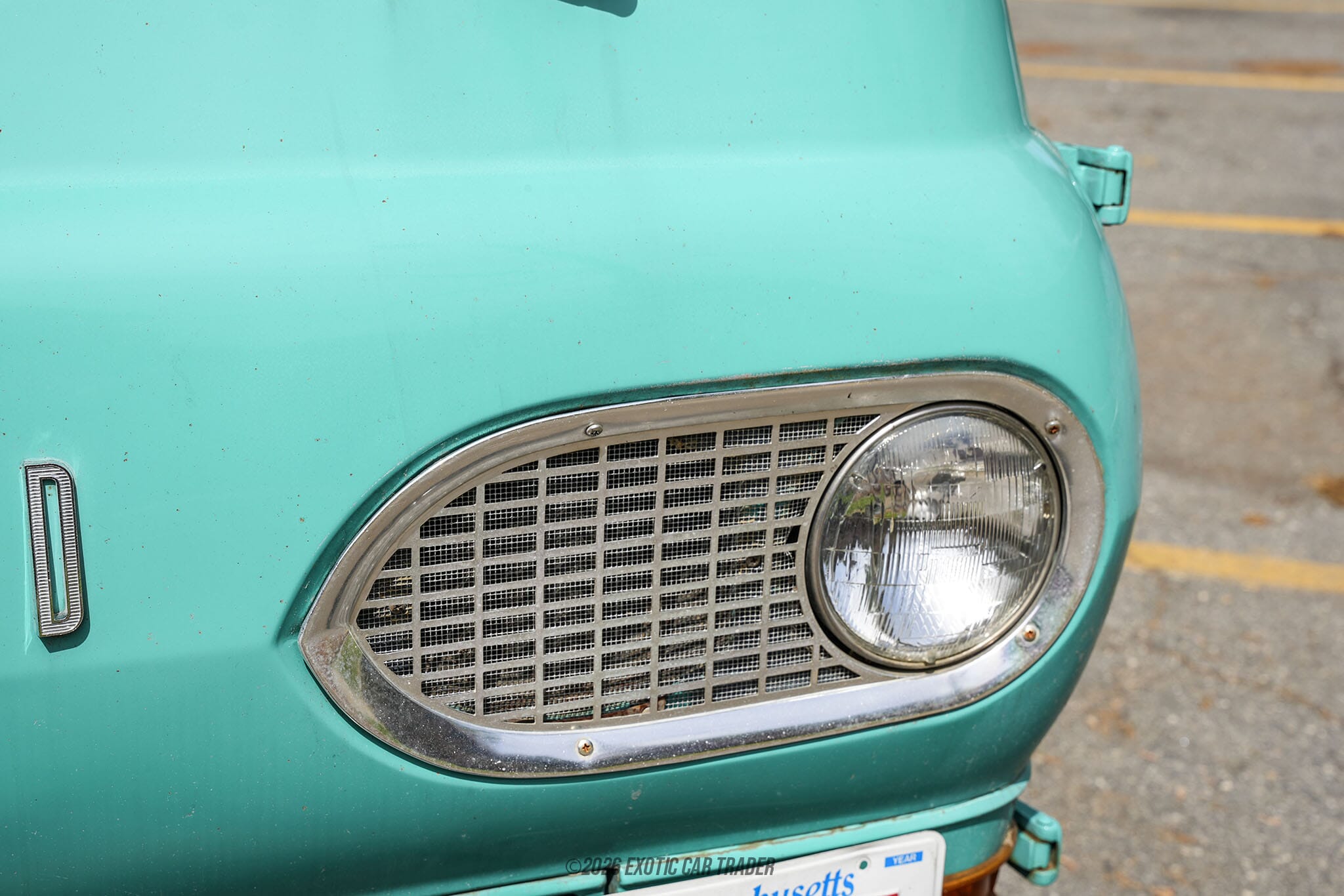
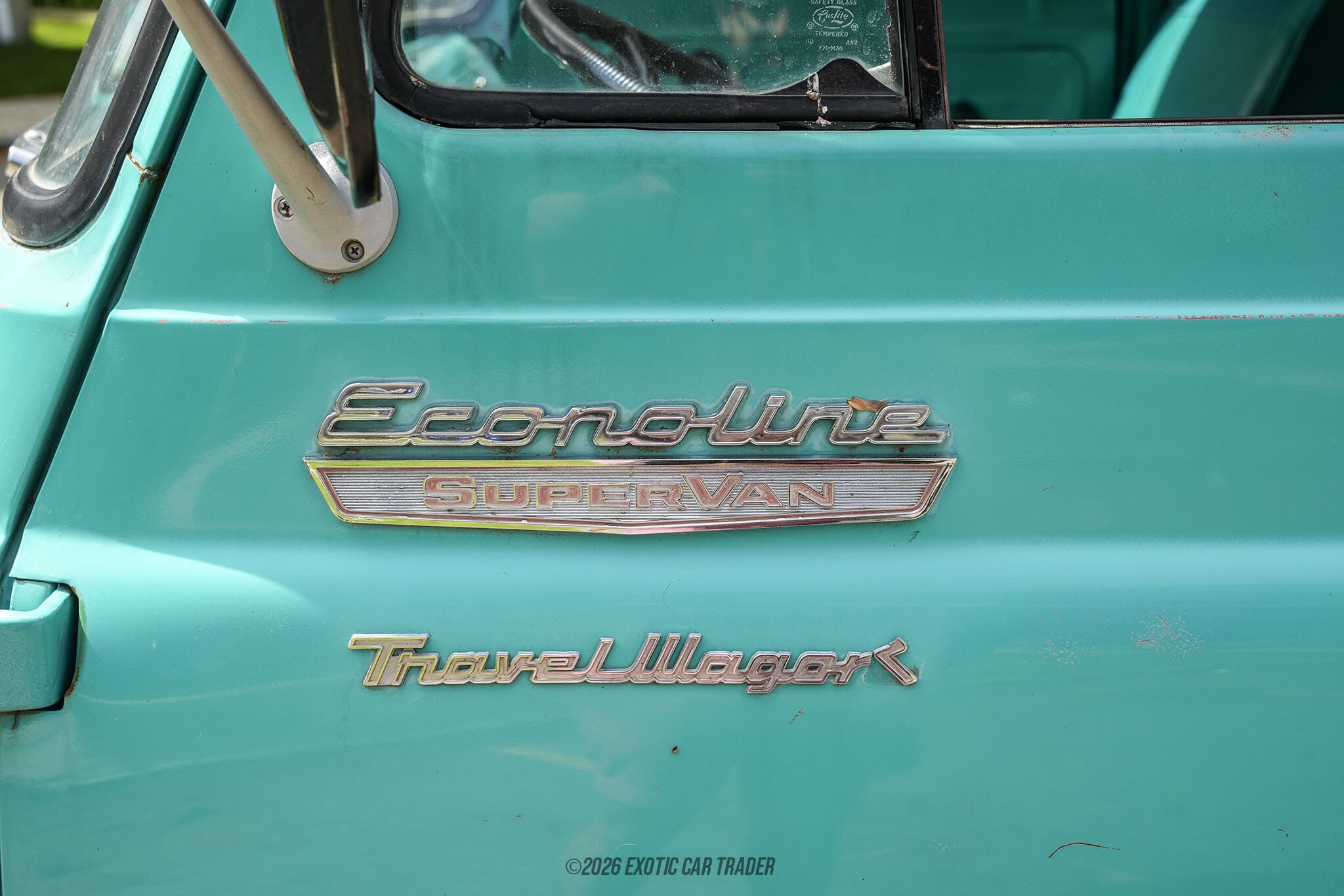
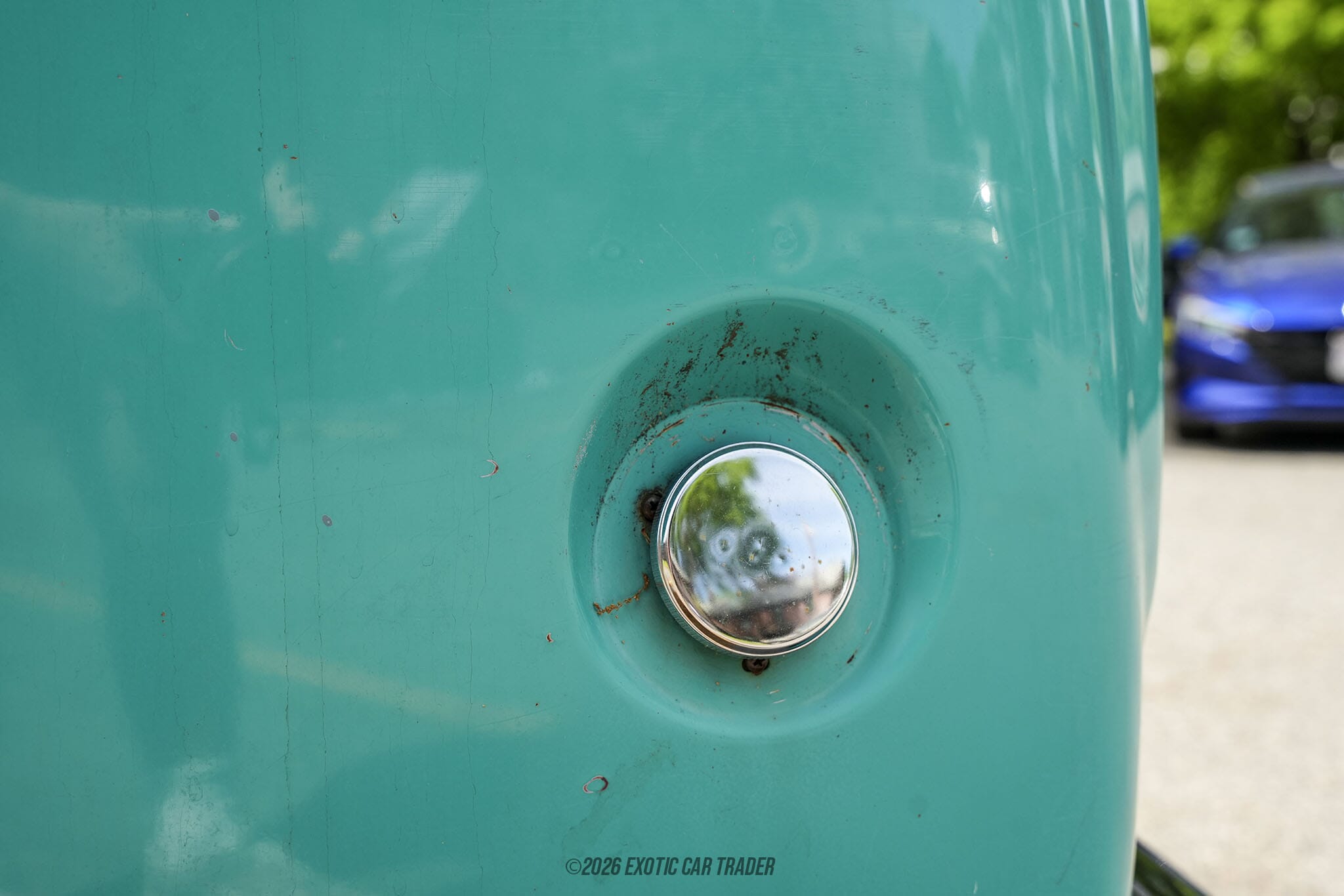
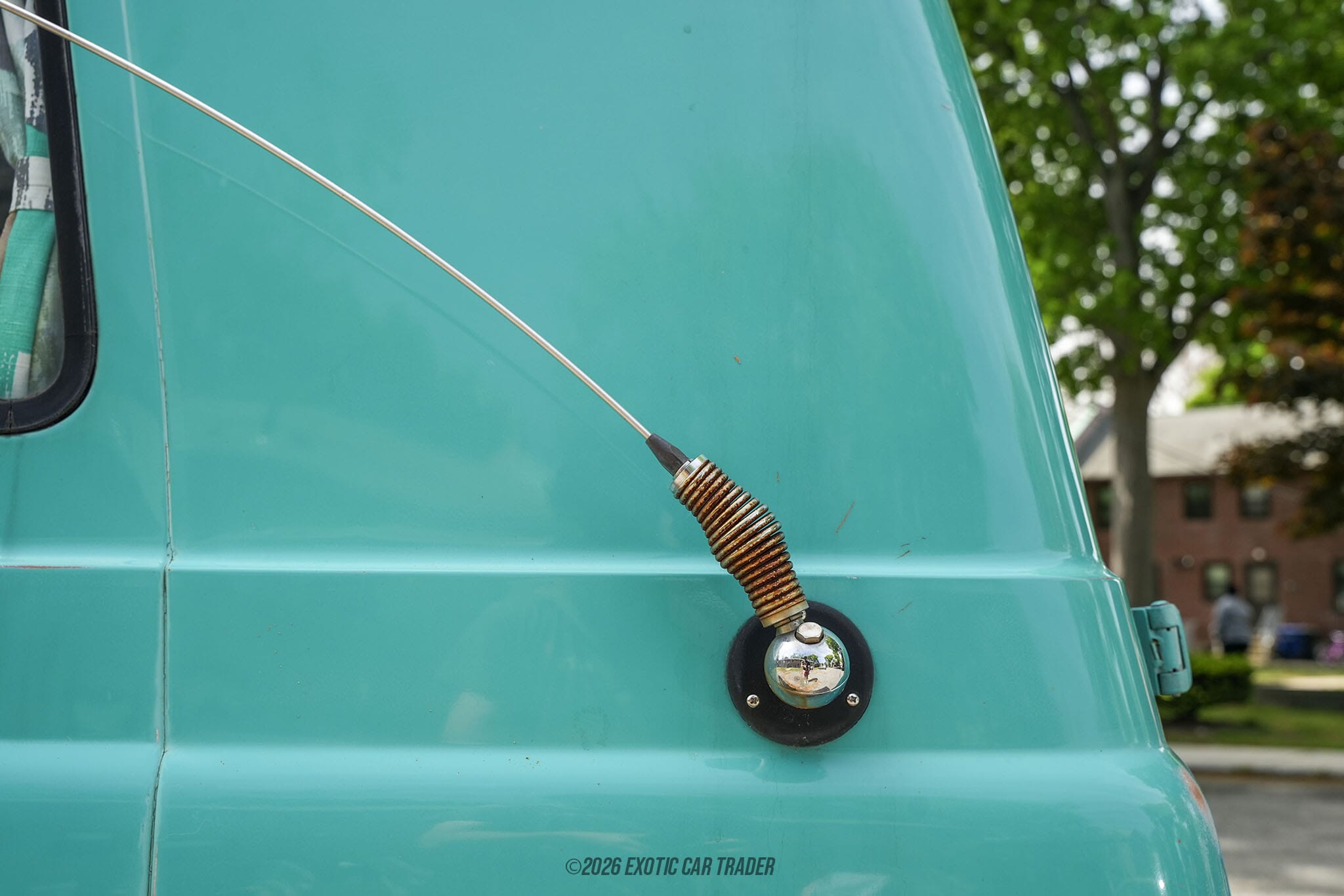

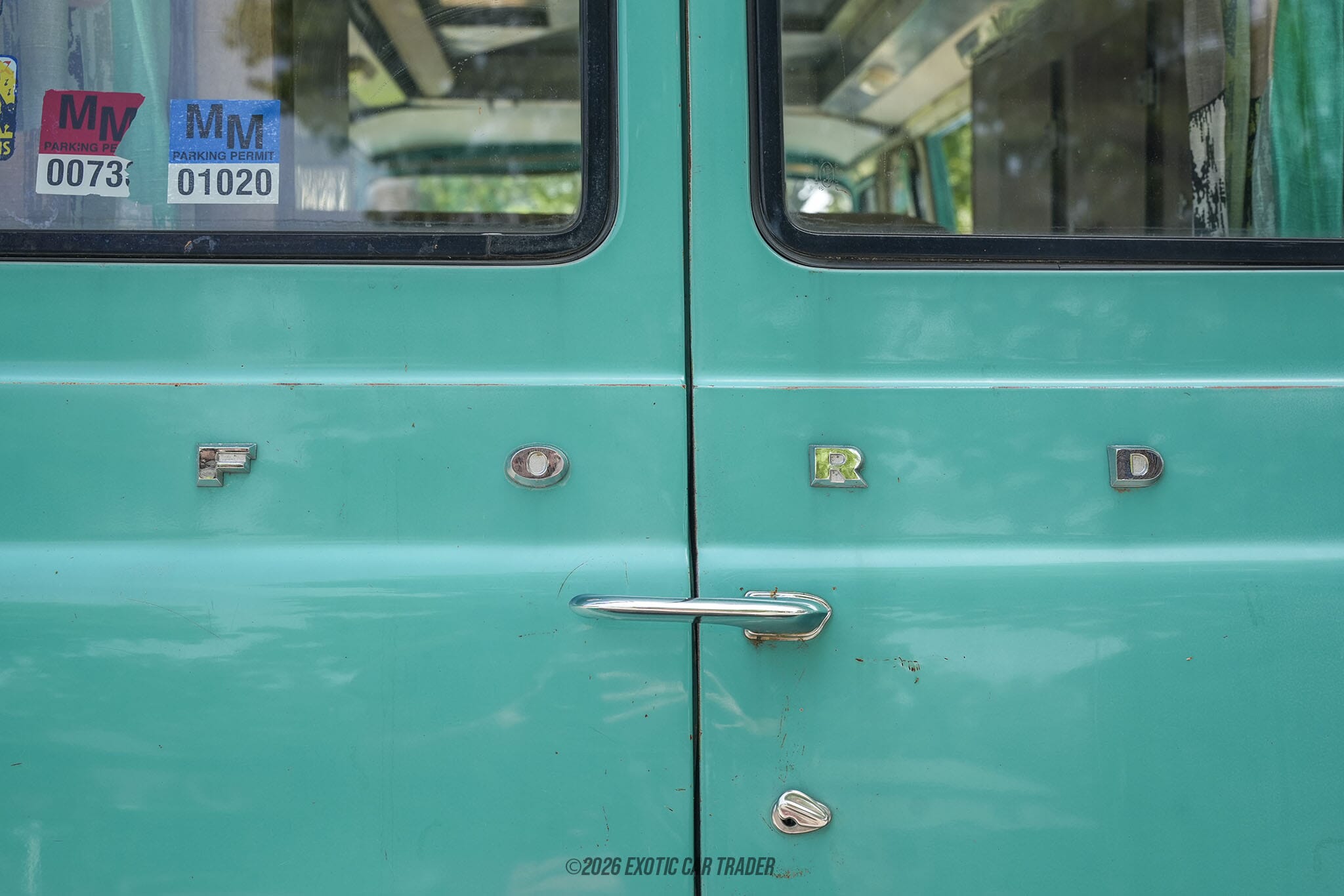

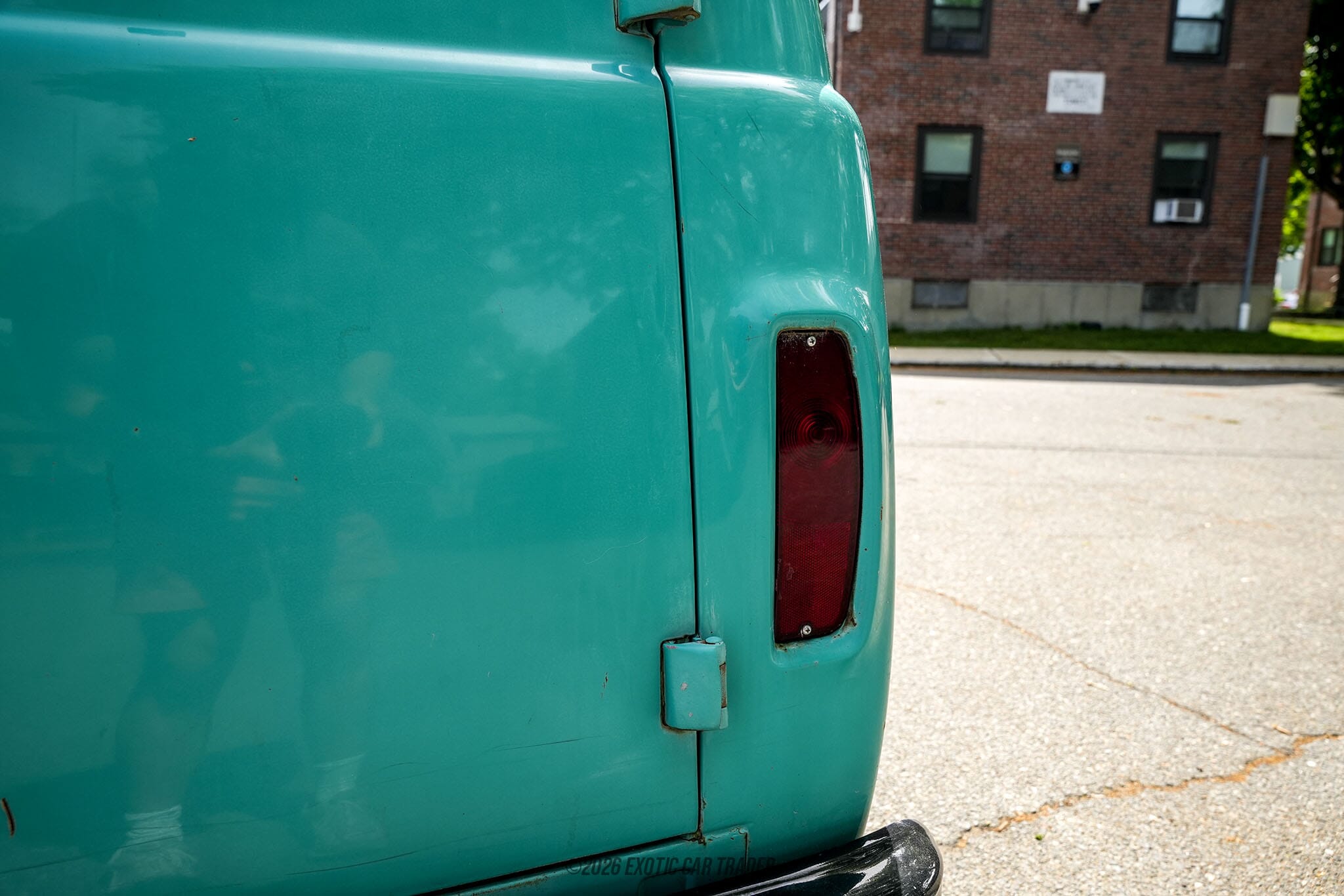
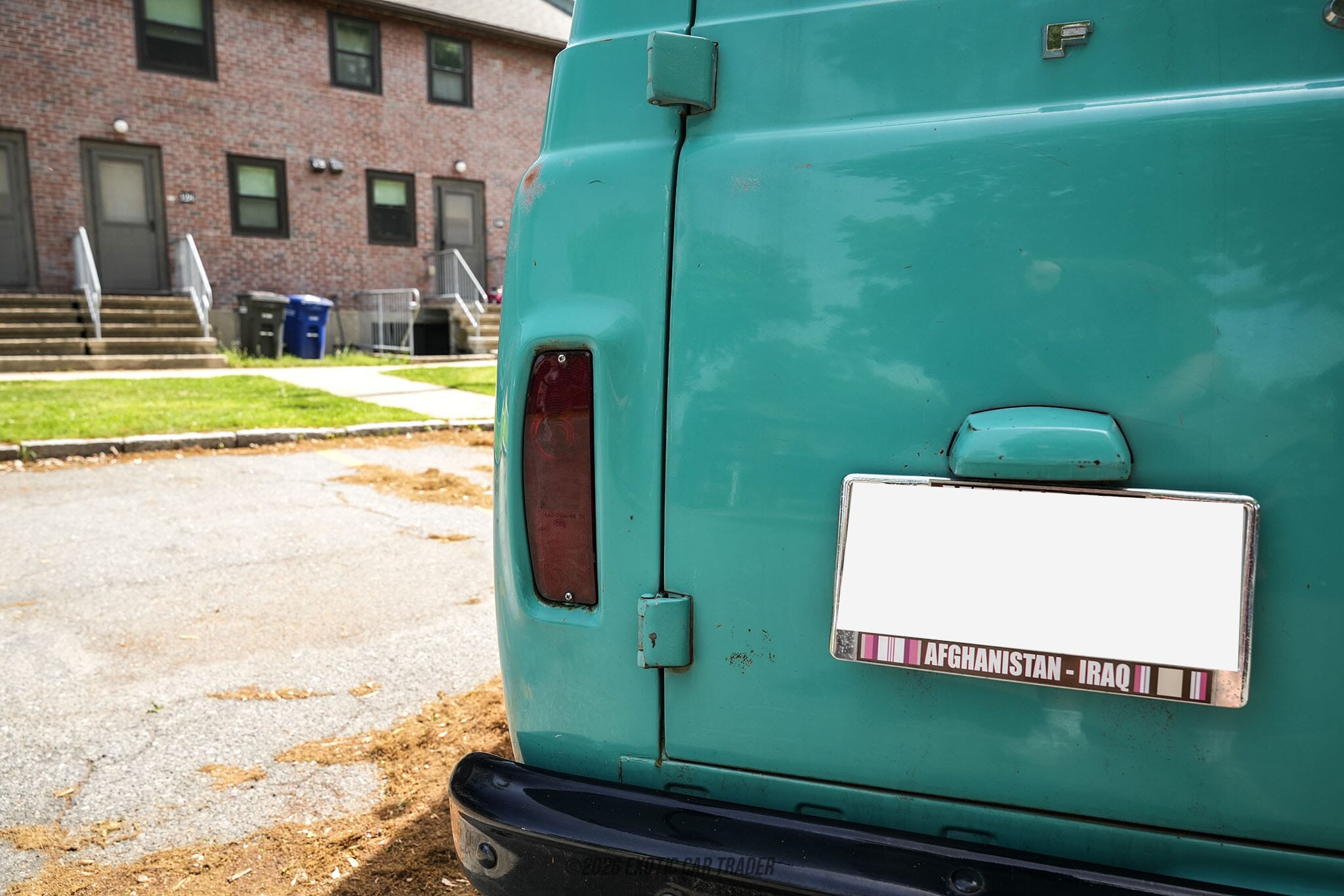
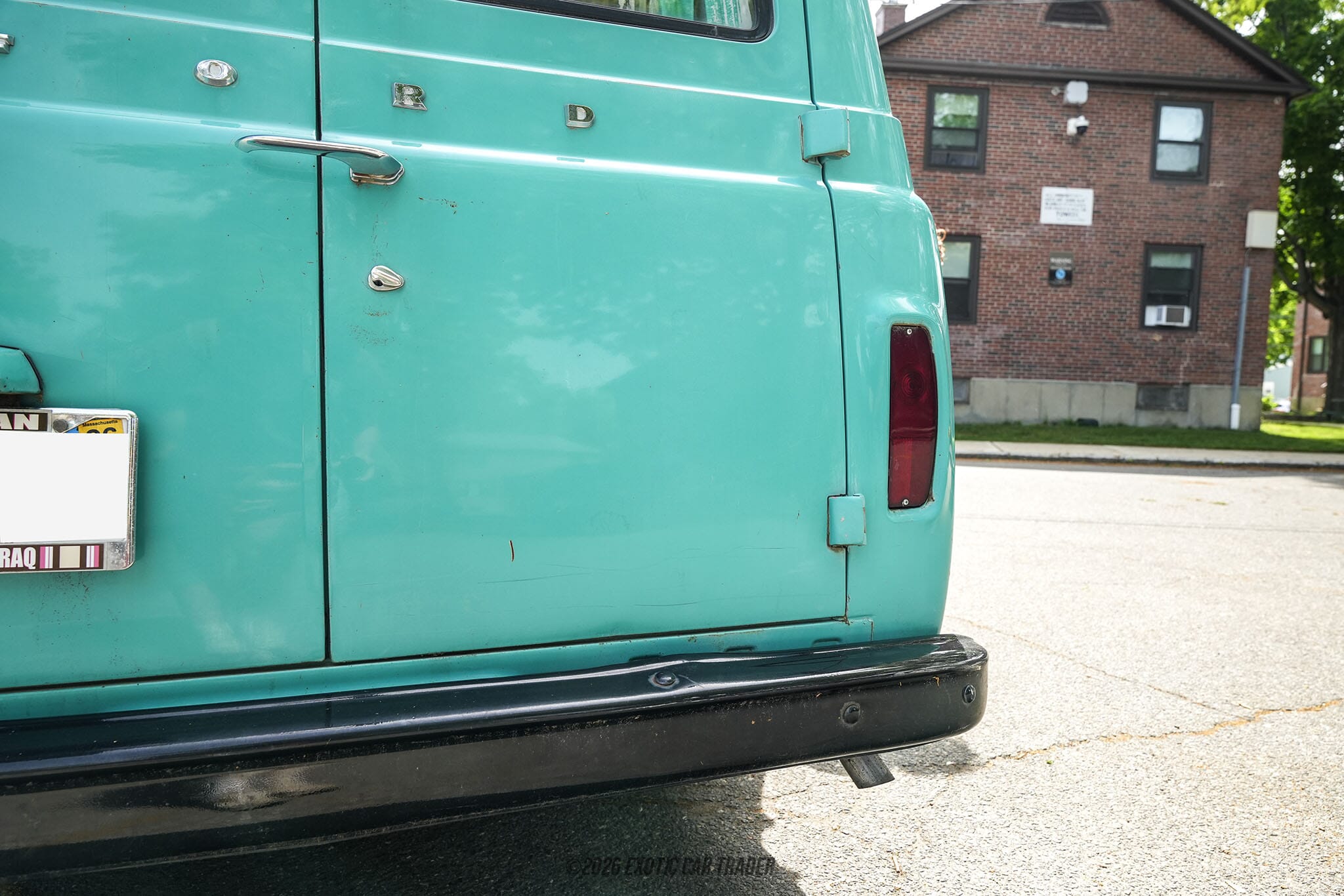
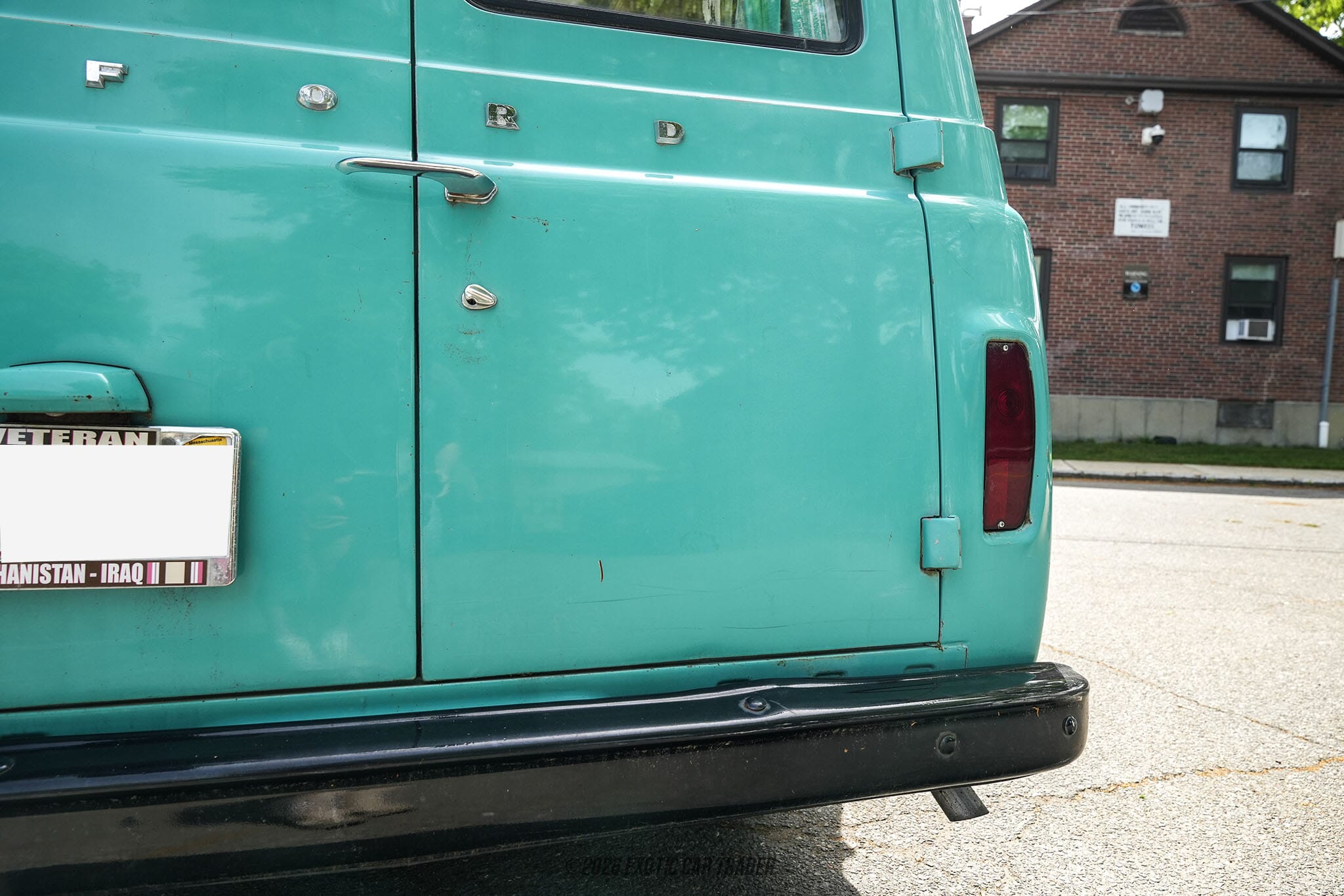
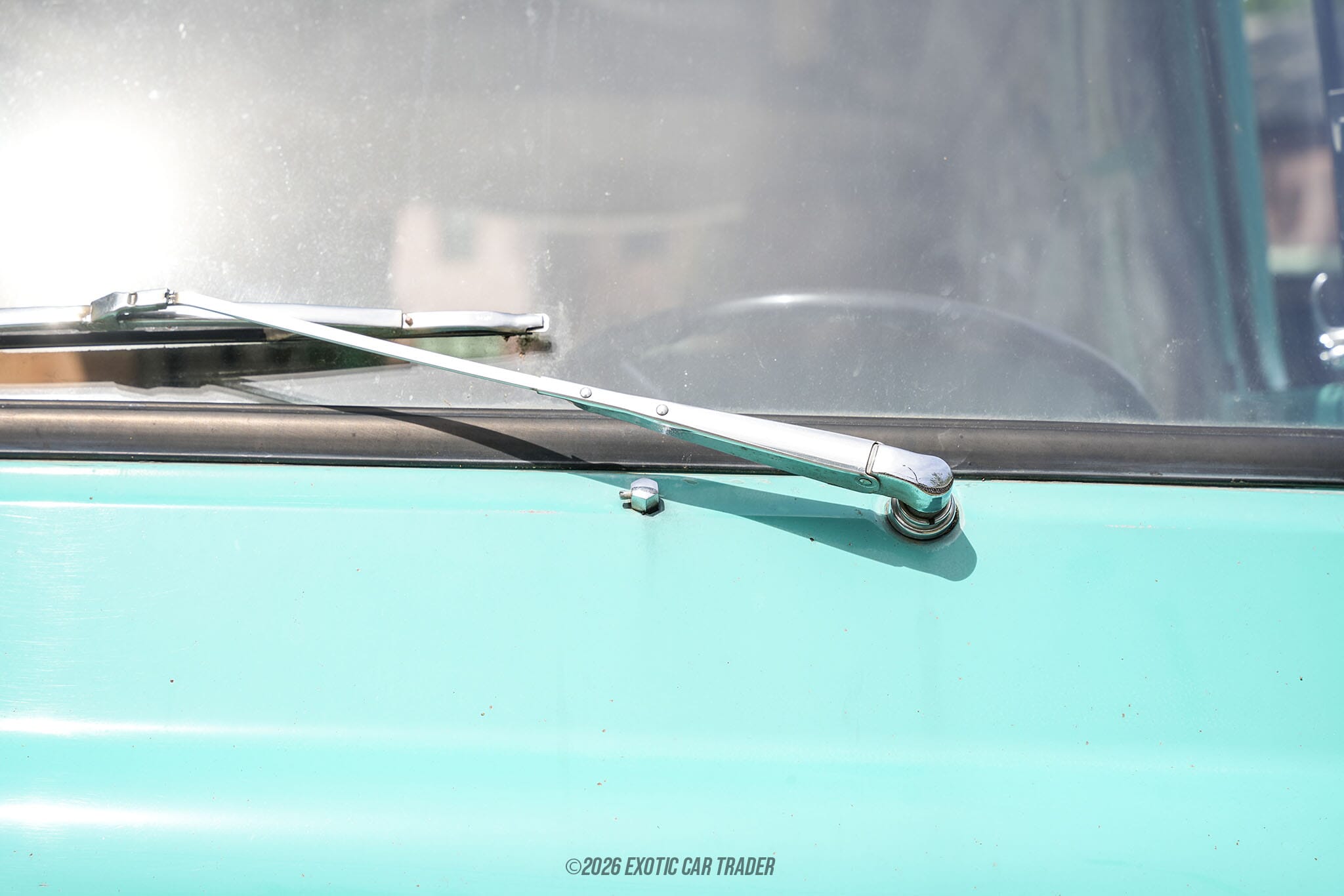


- 1965 Ford Econoline E100 TravelWagon Camper
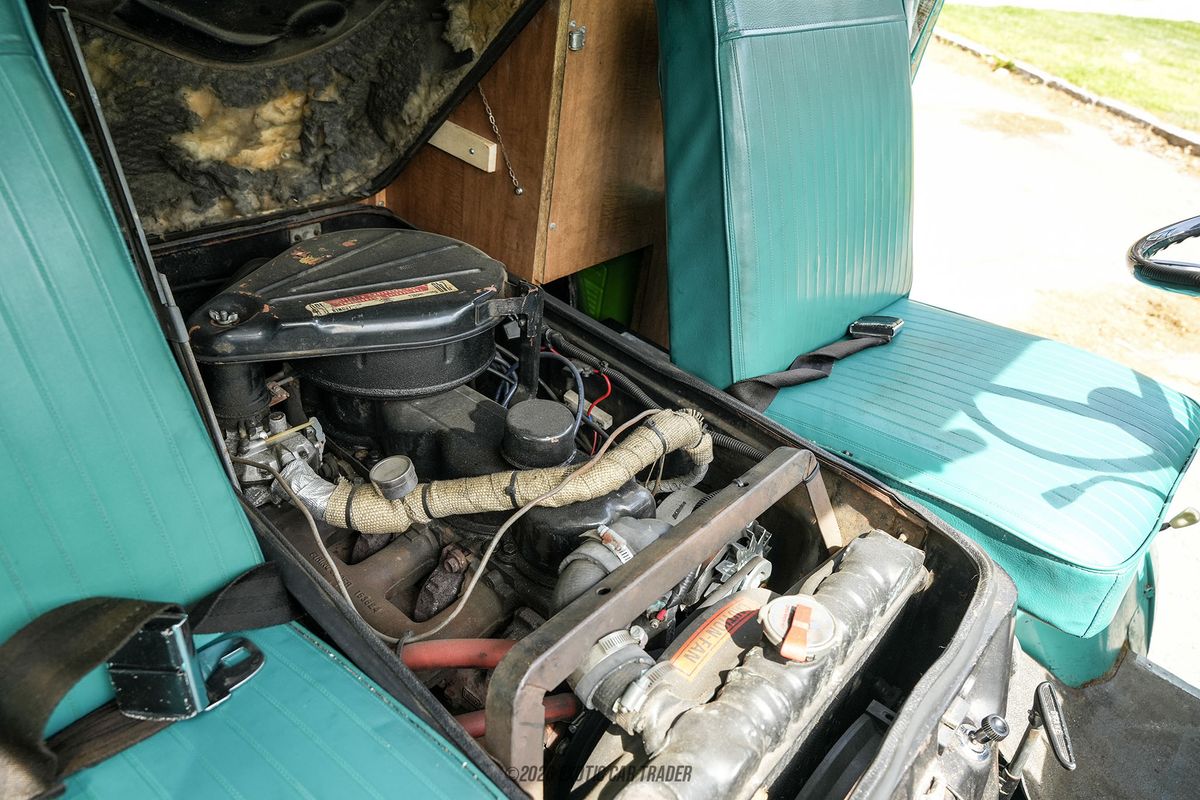
- 240ci I6
- Single-Barrel Carburetor
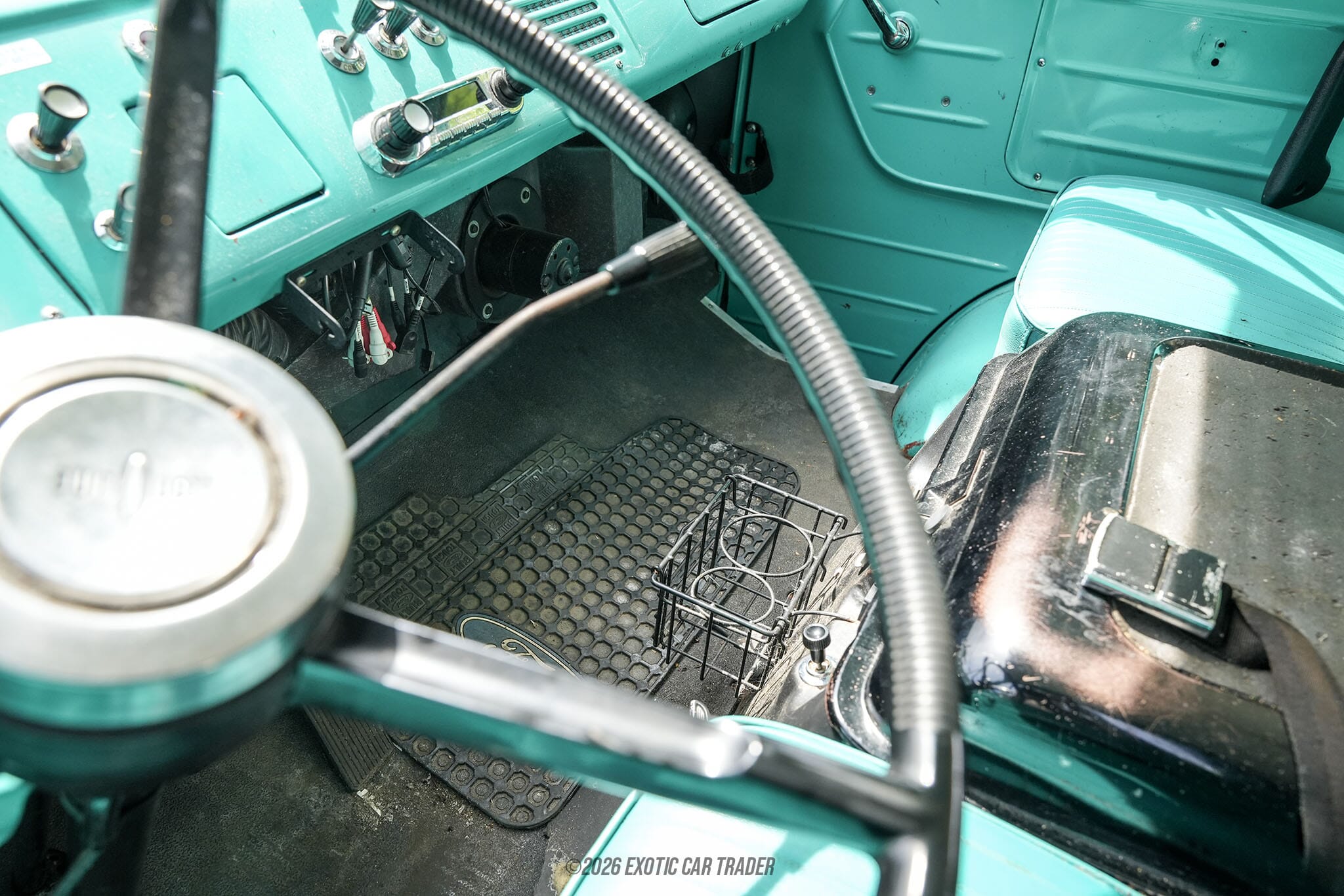
- 3-Speed Manual
- RWD
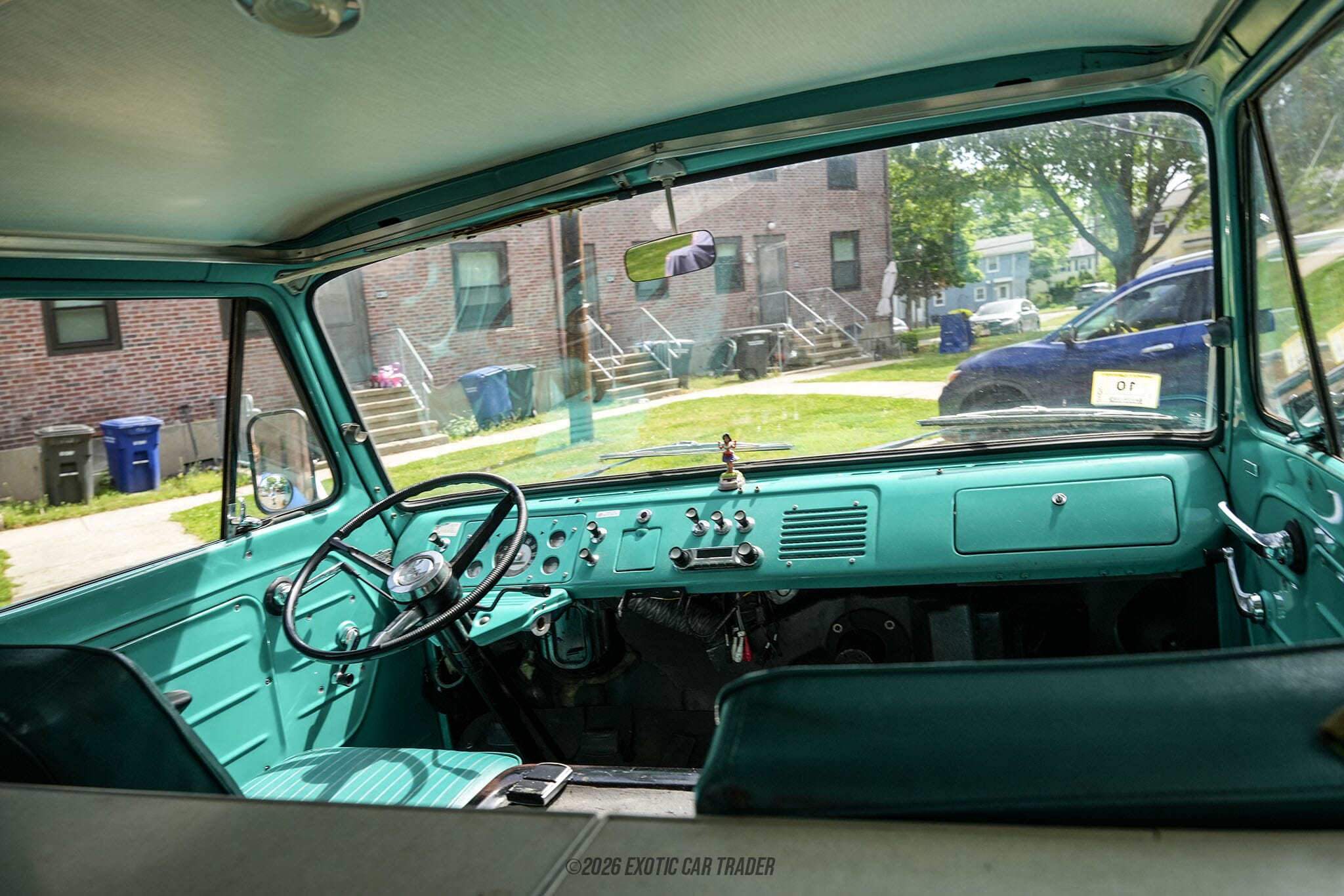
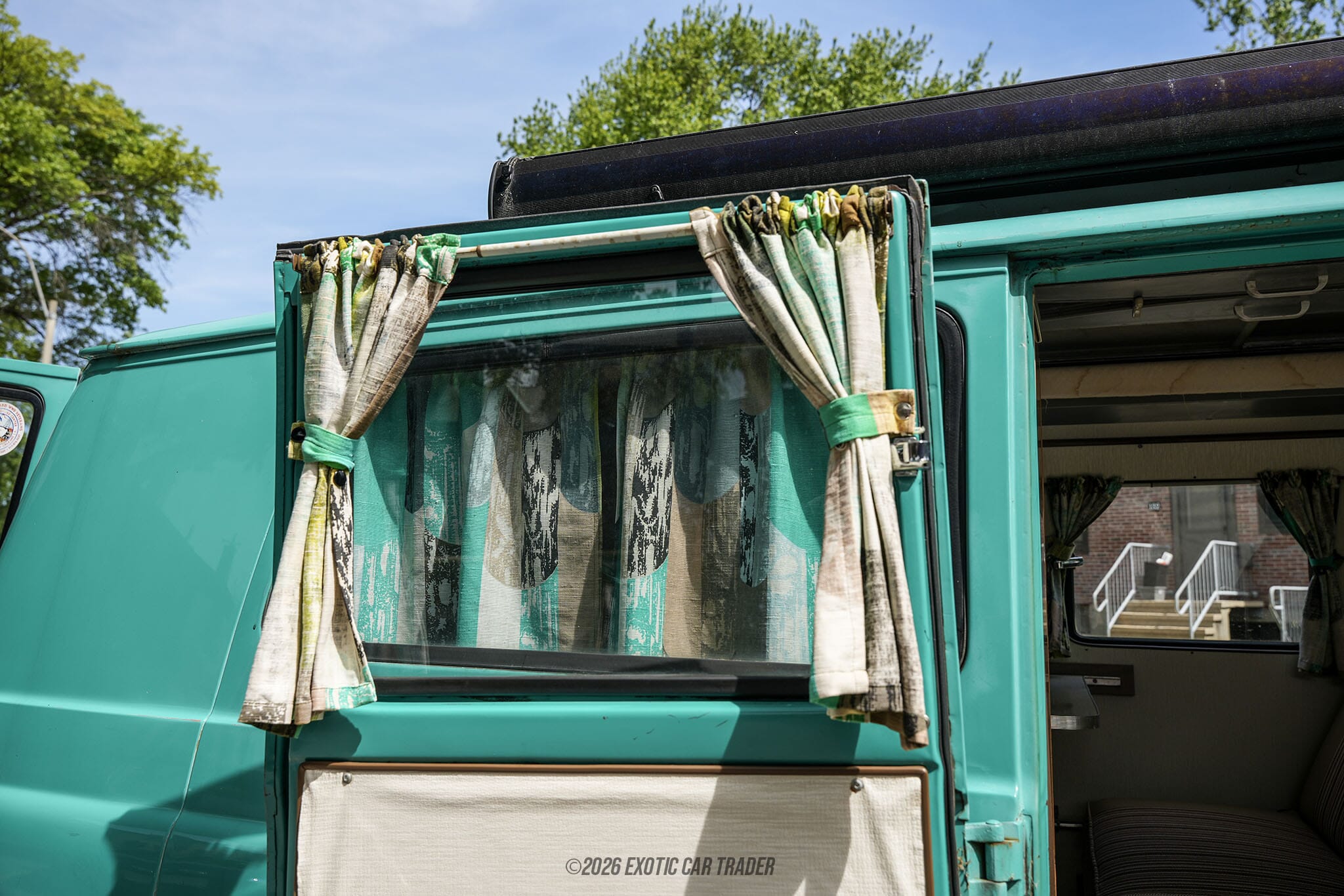
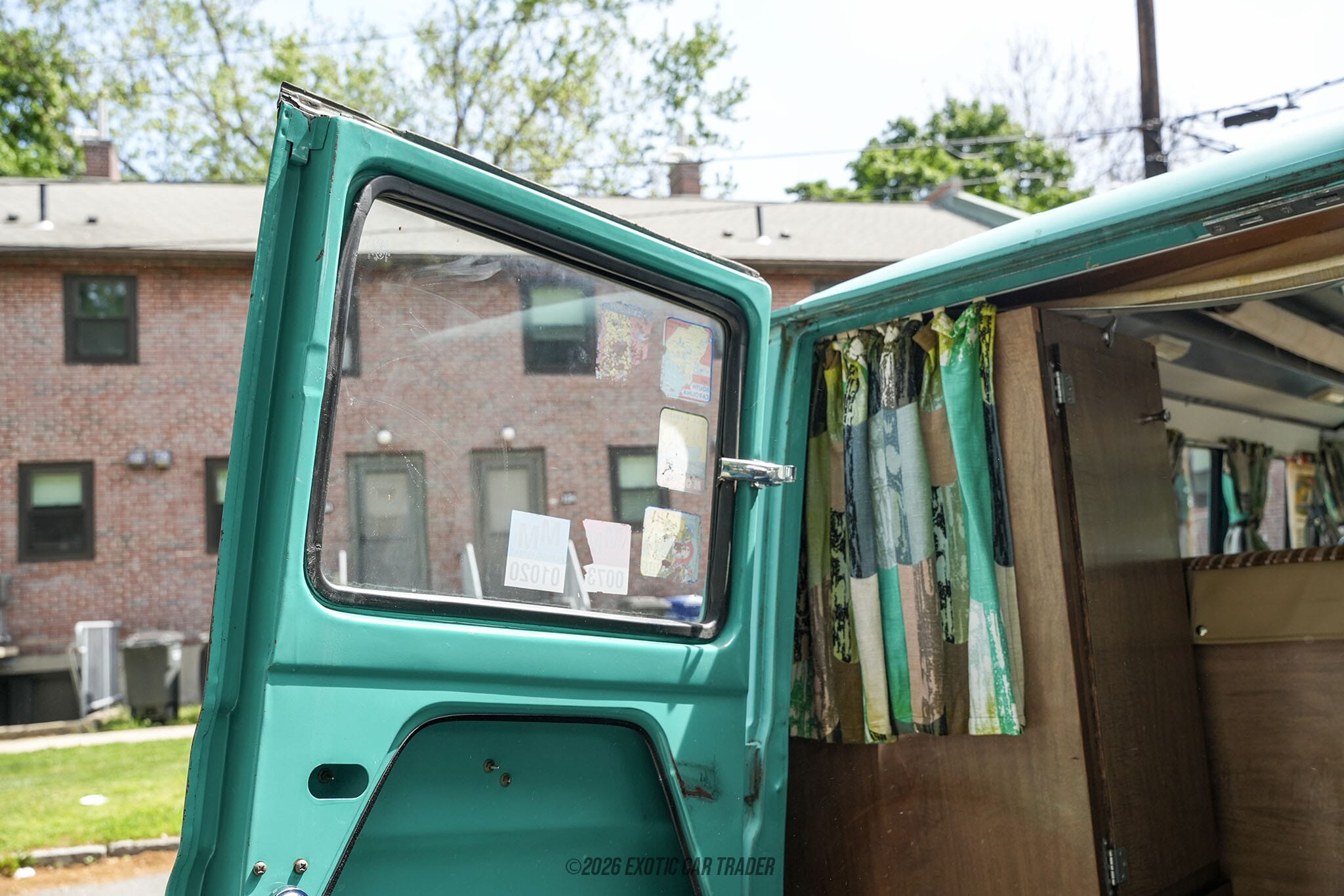
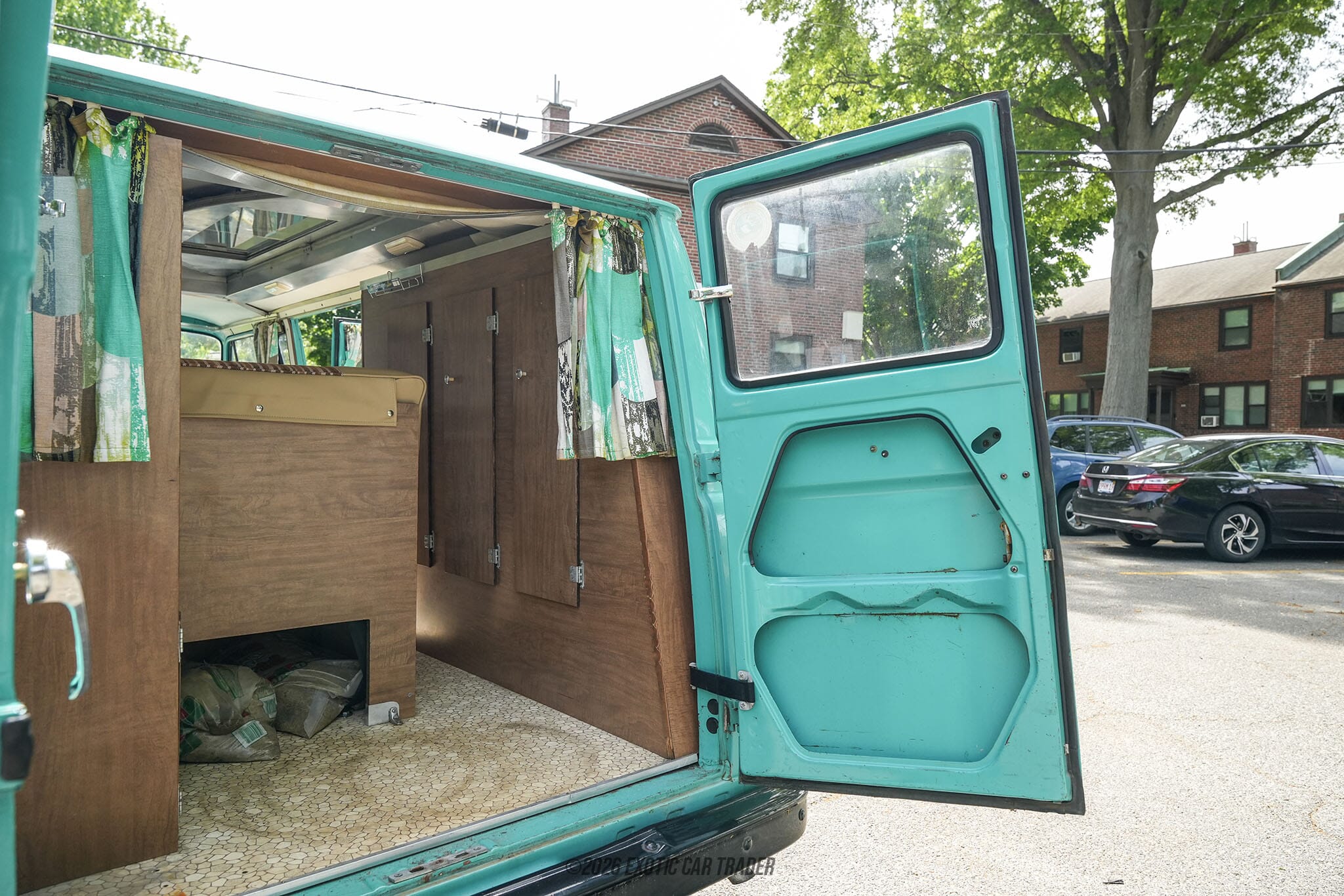
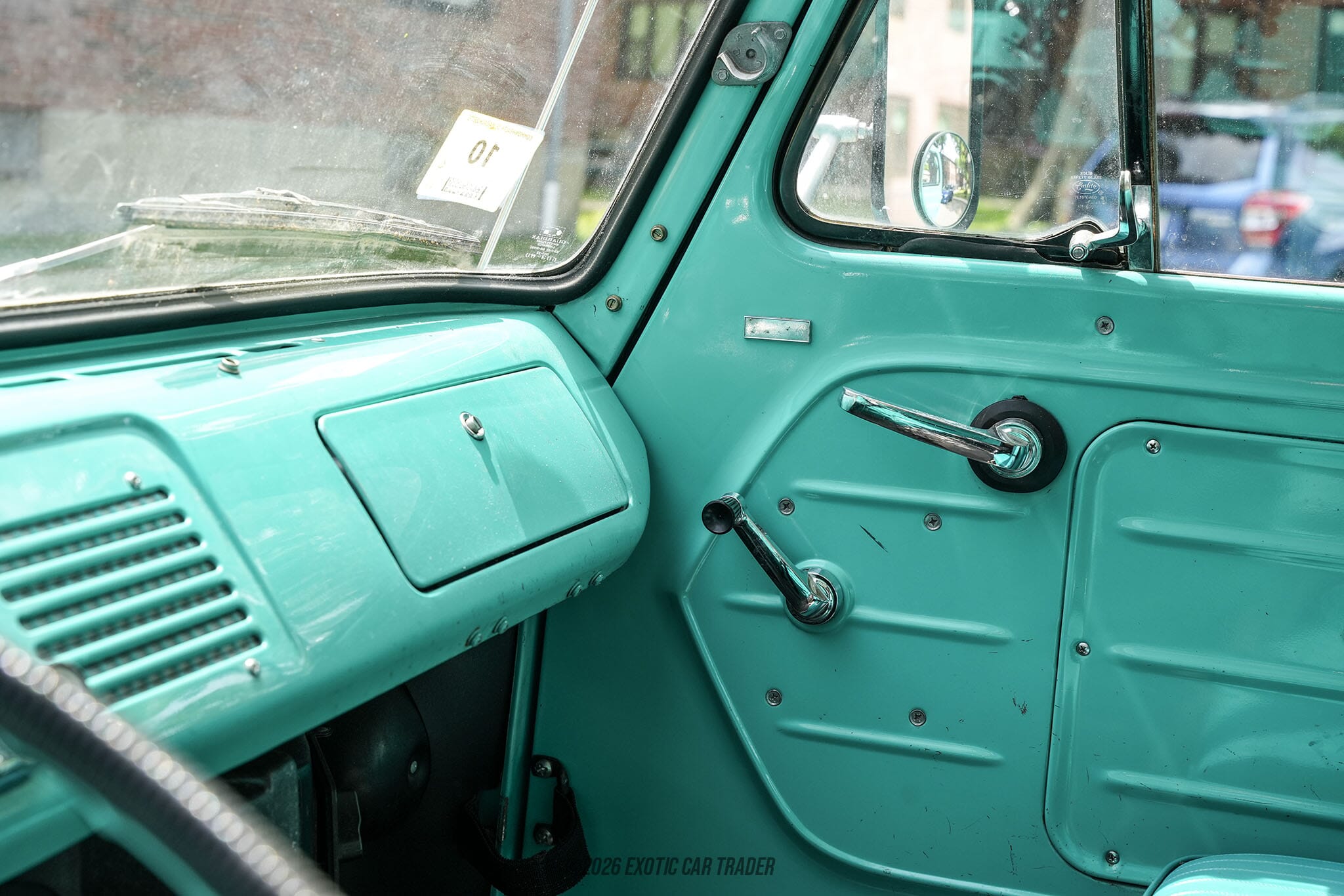
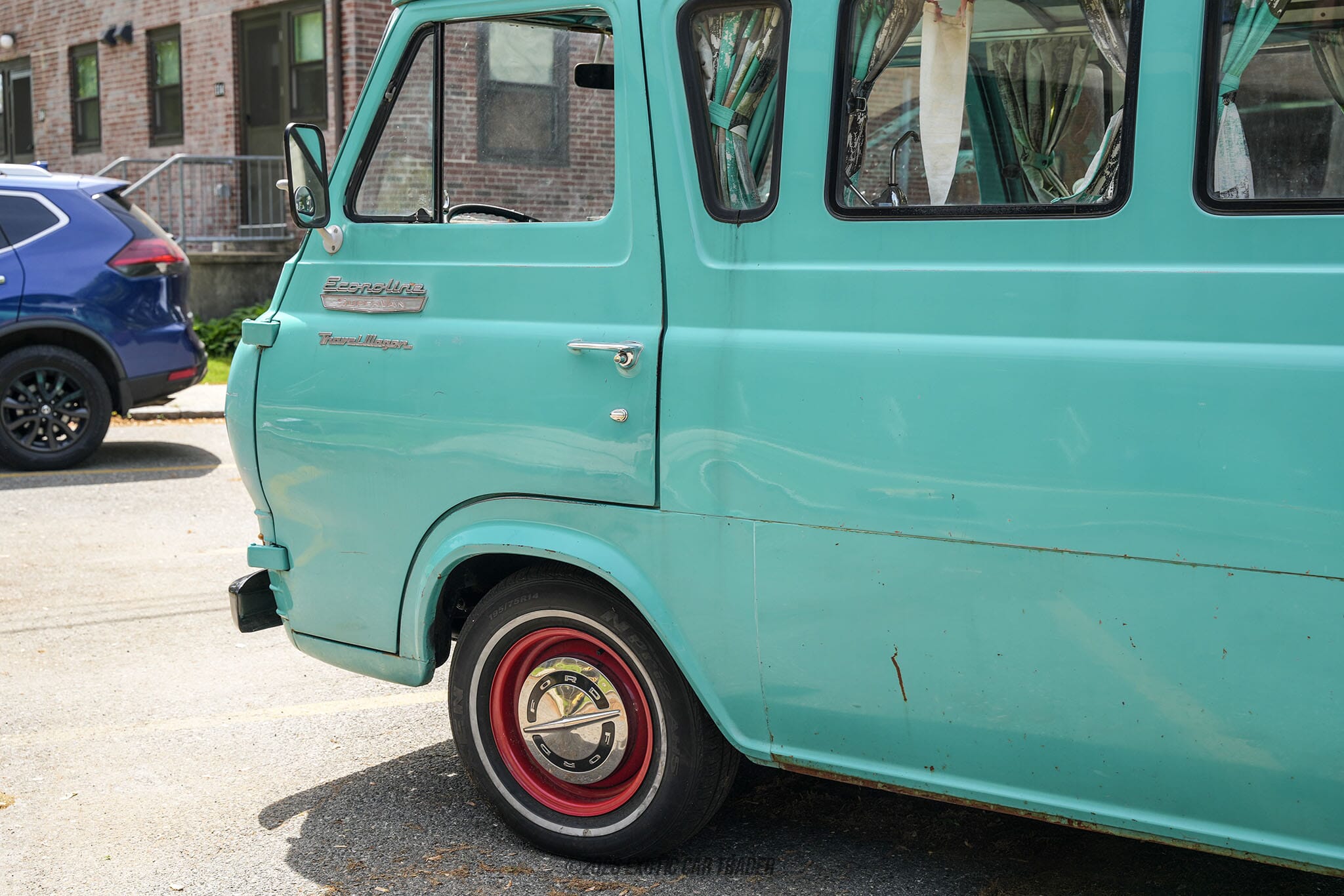
- Caribbean Turquoise Exterior
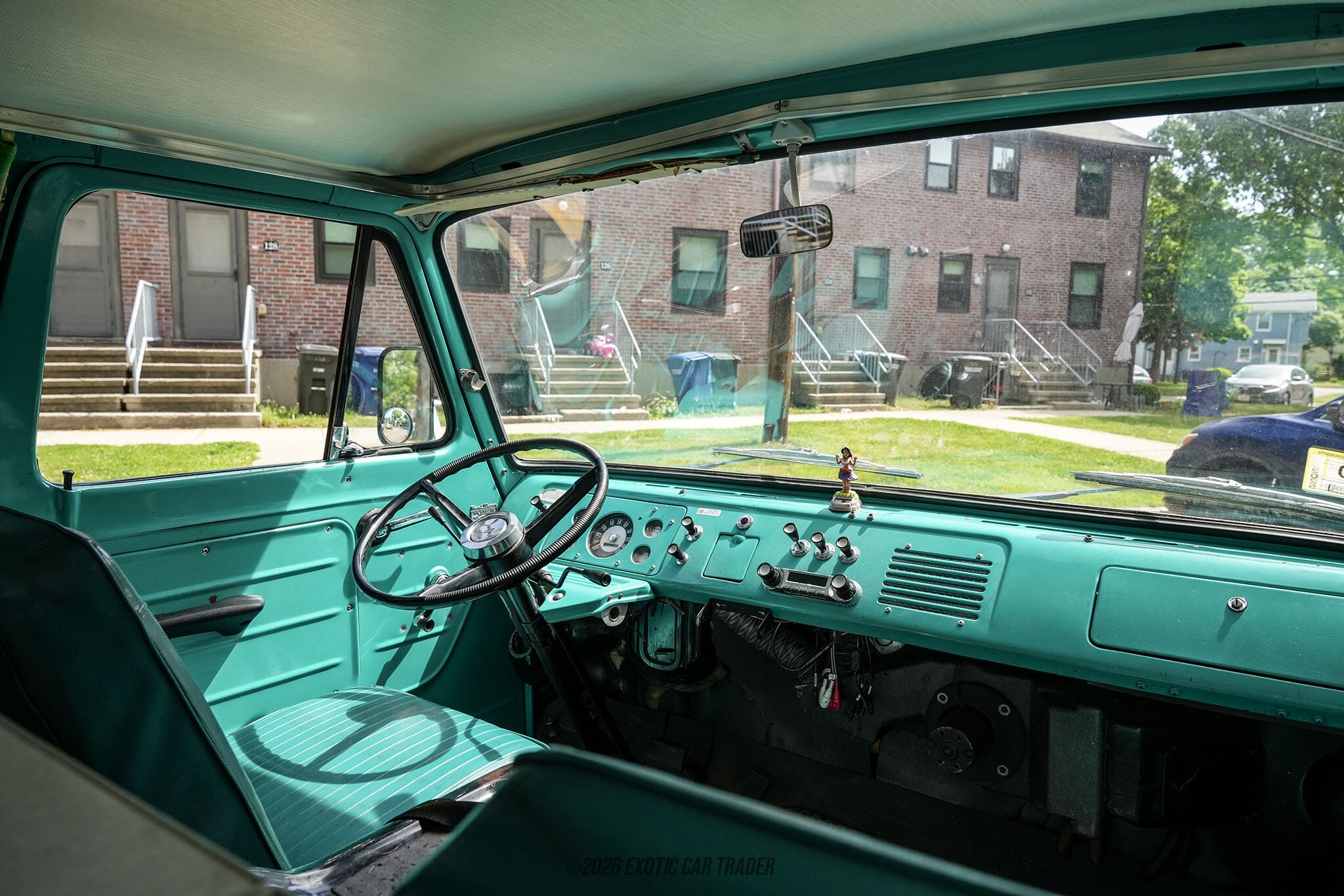
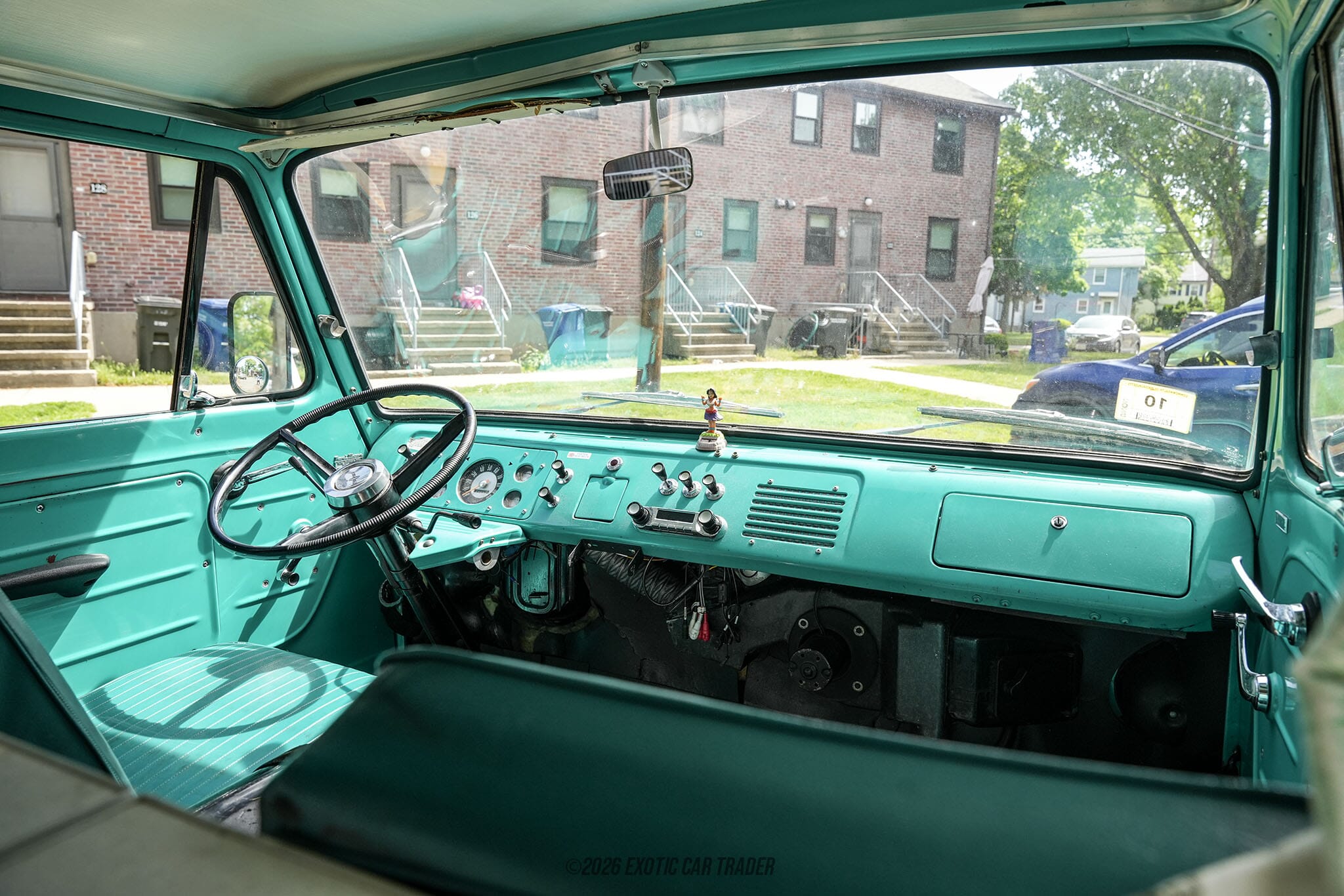
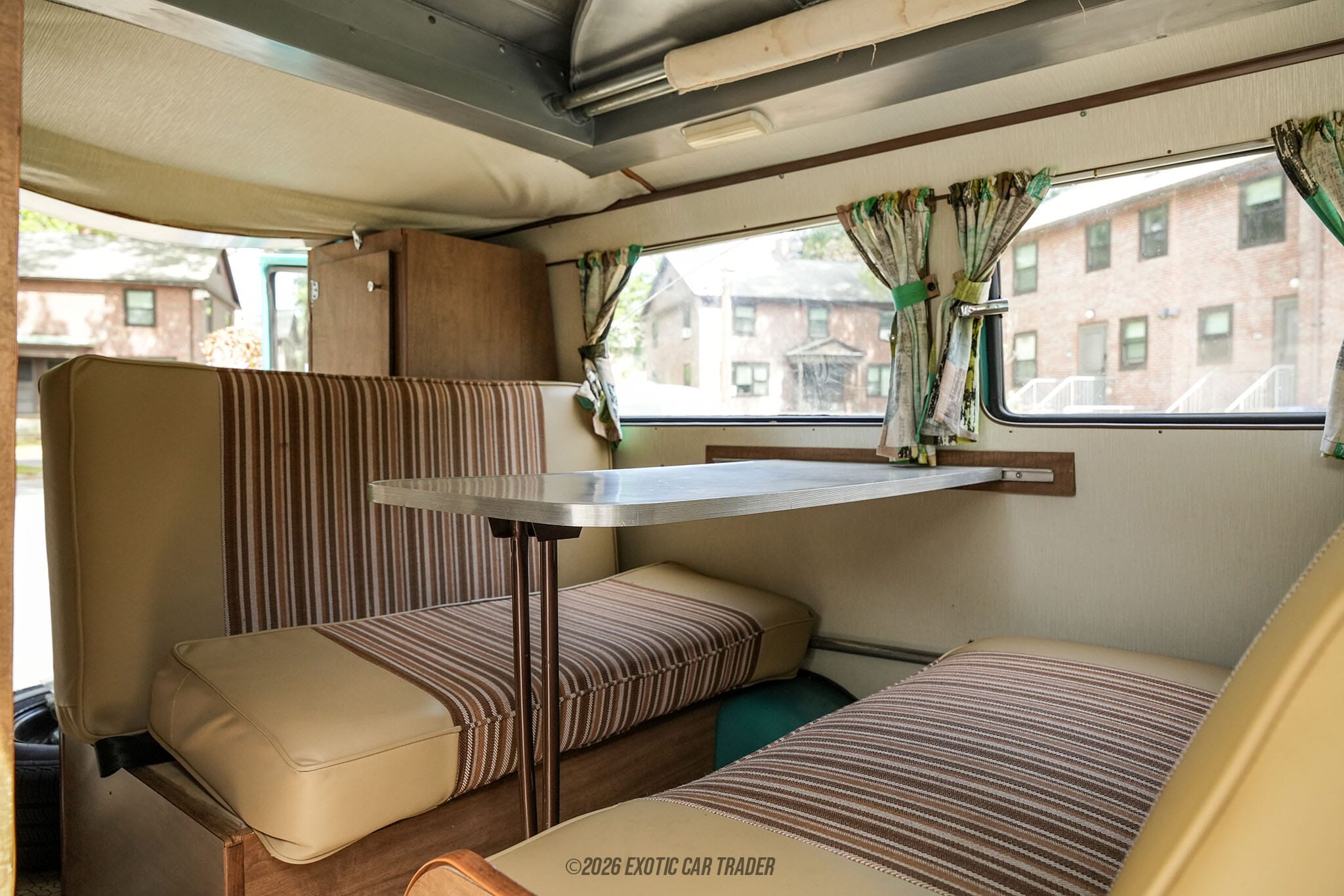
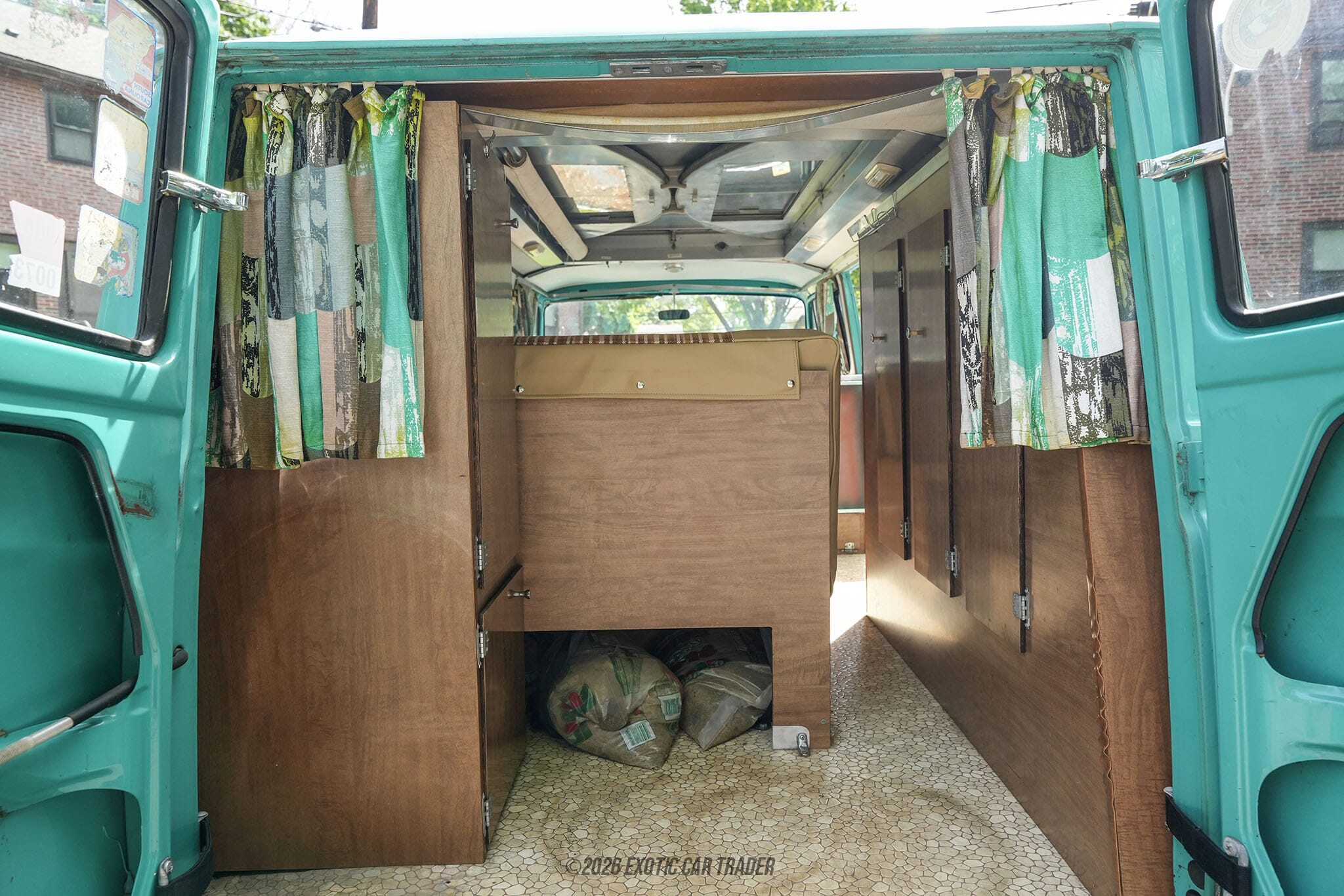
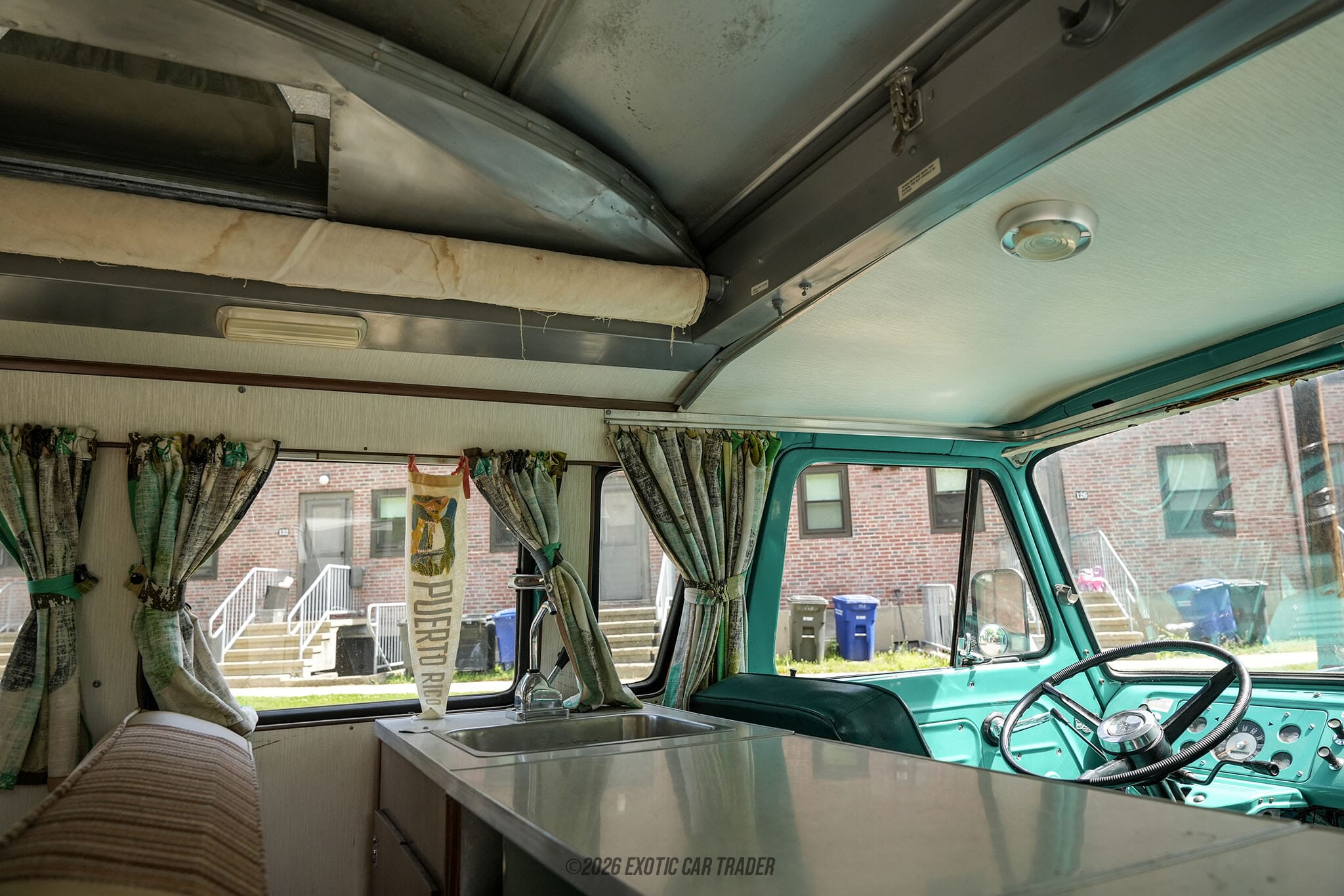
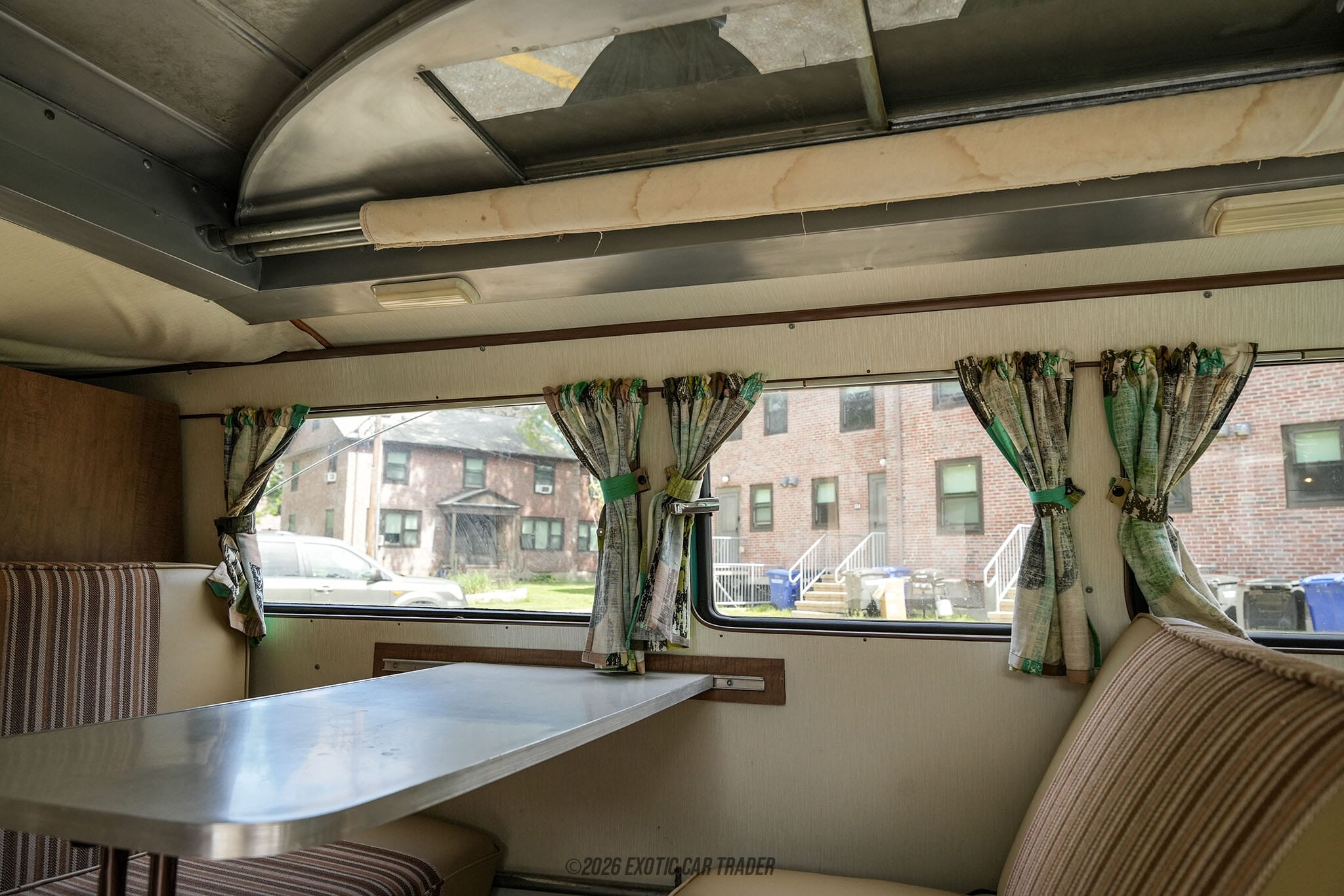
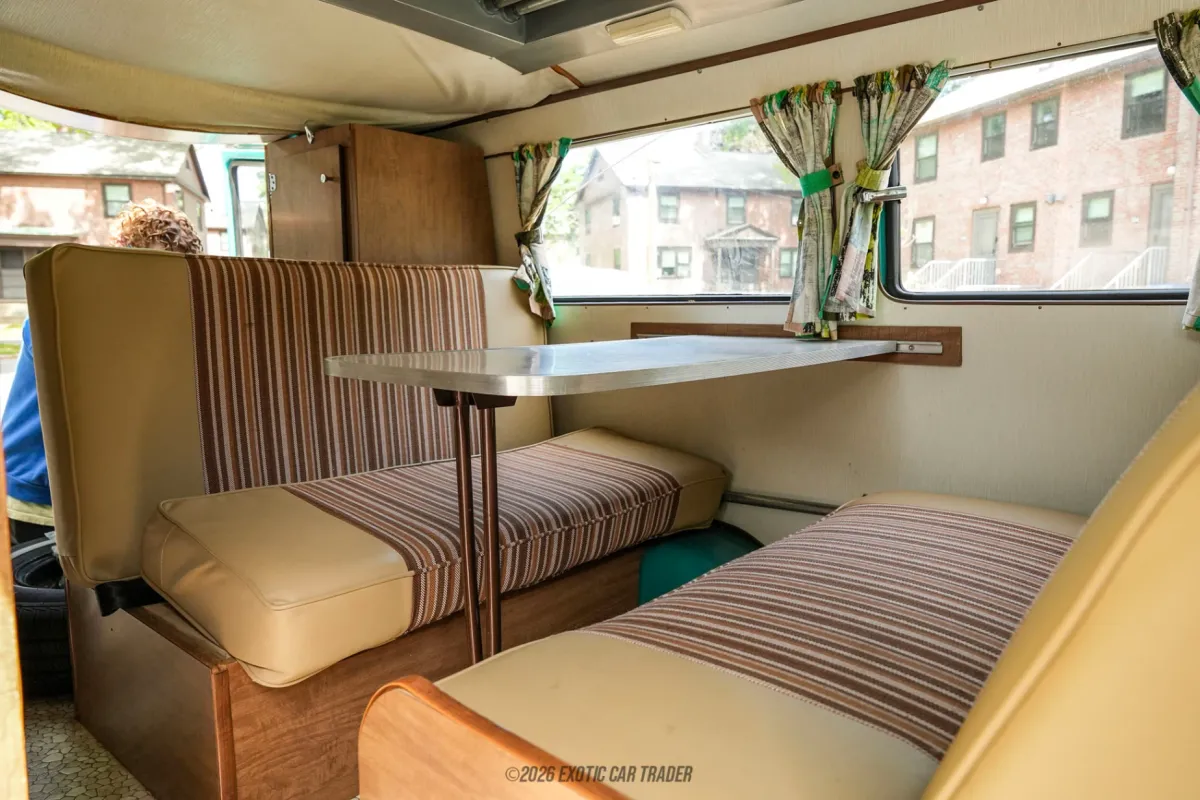
- Two-Tone Tan Camper Interior
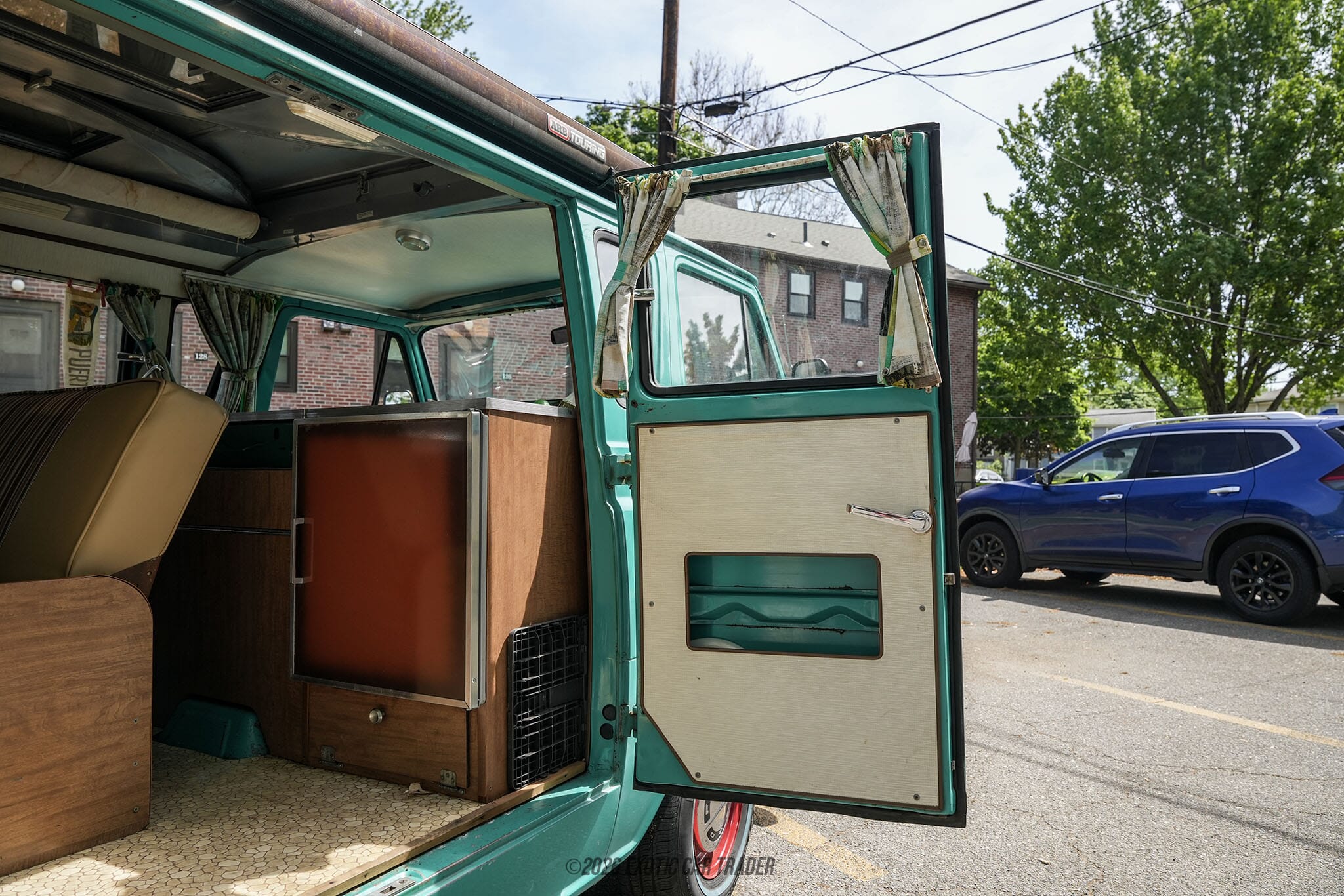
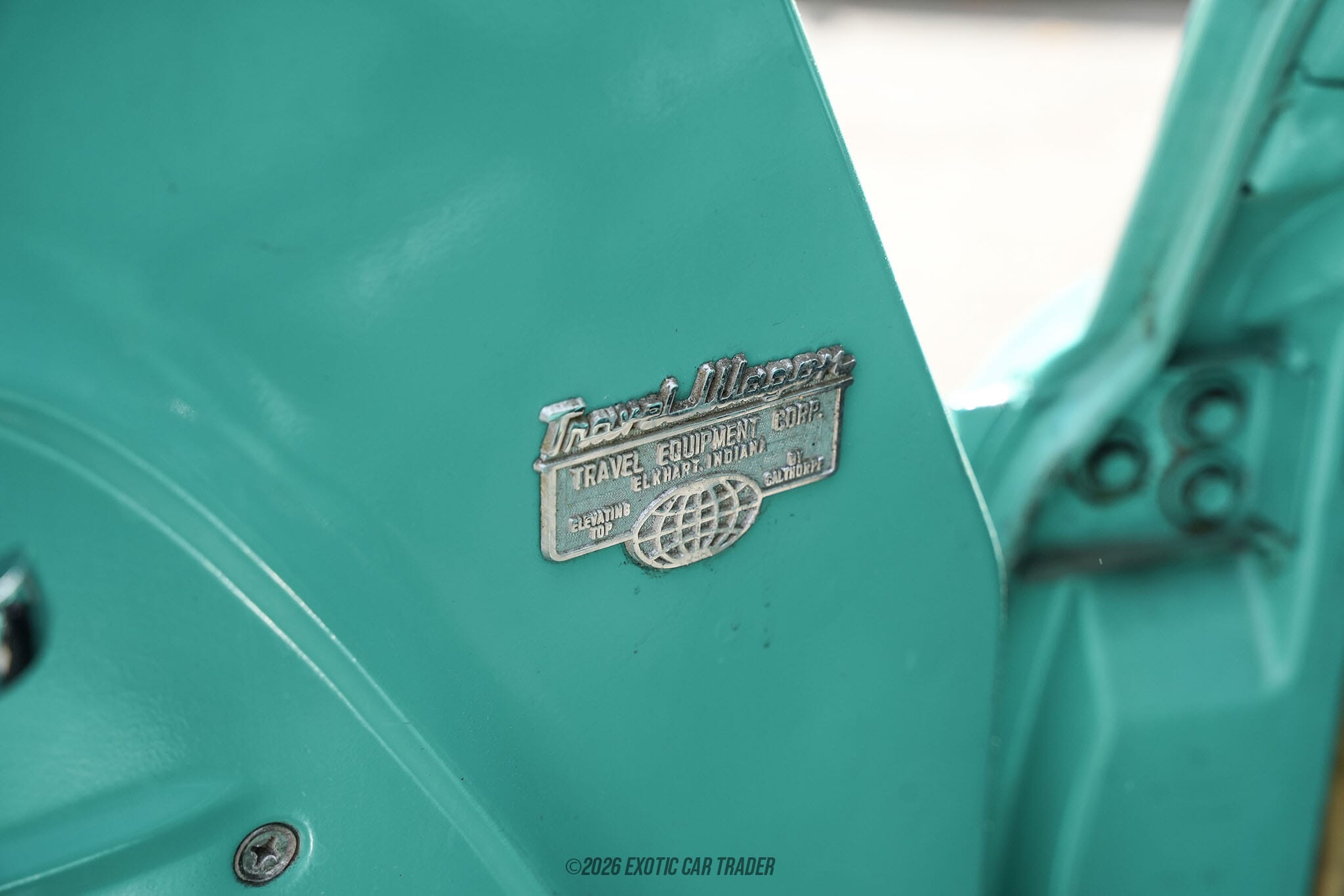
- TravelWagon Camper Conversion
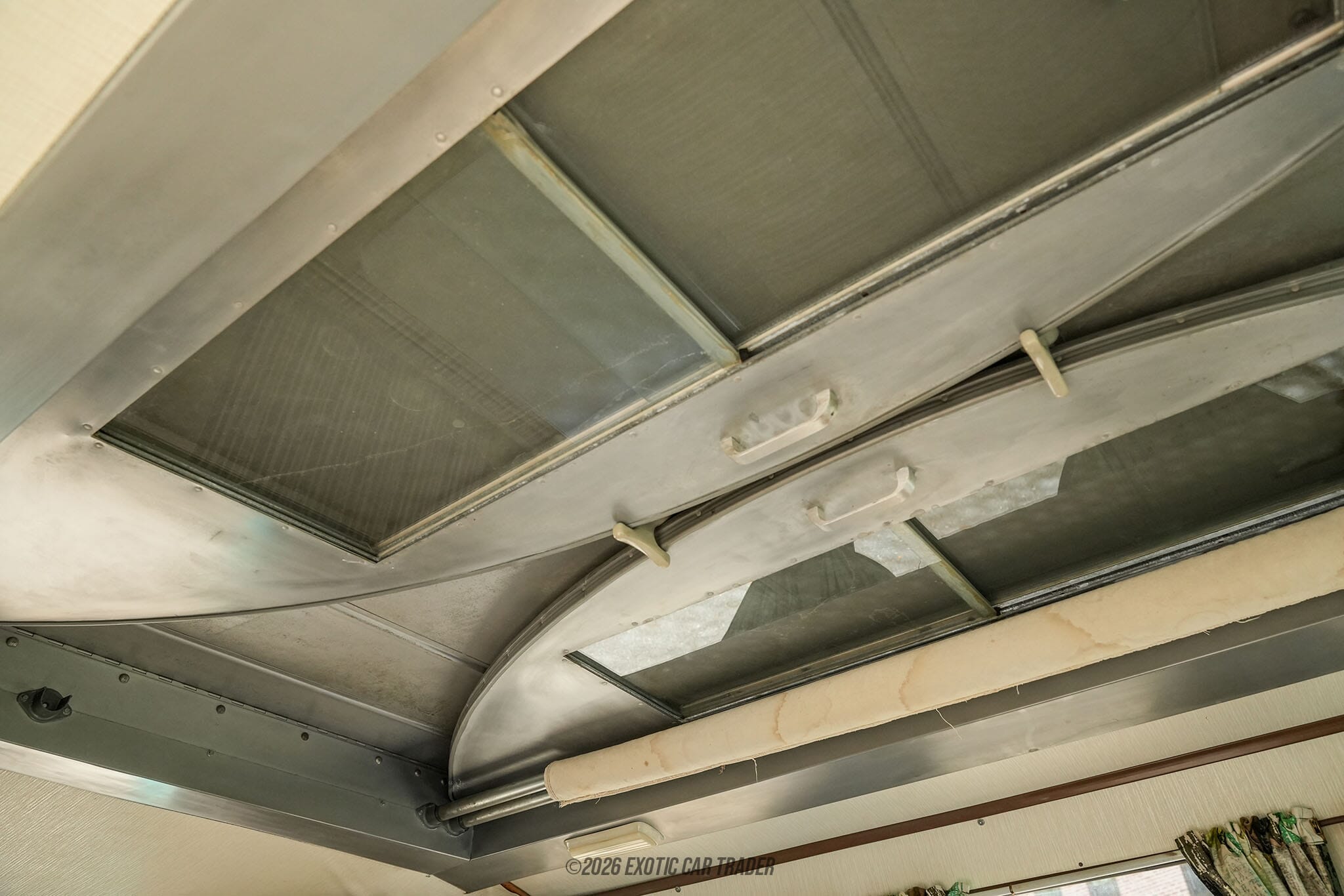
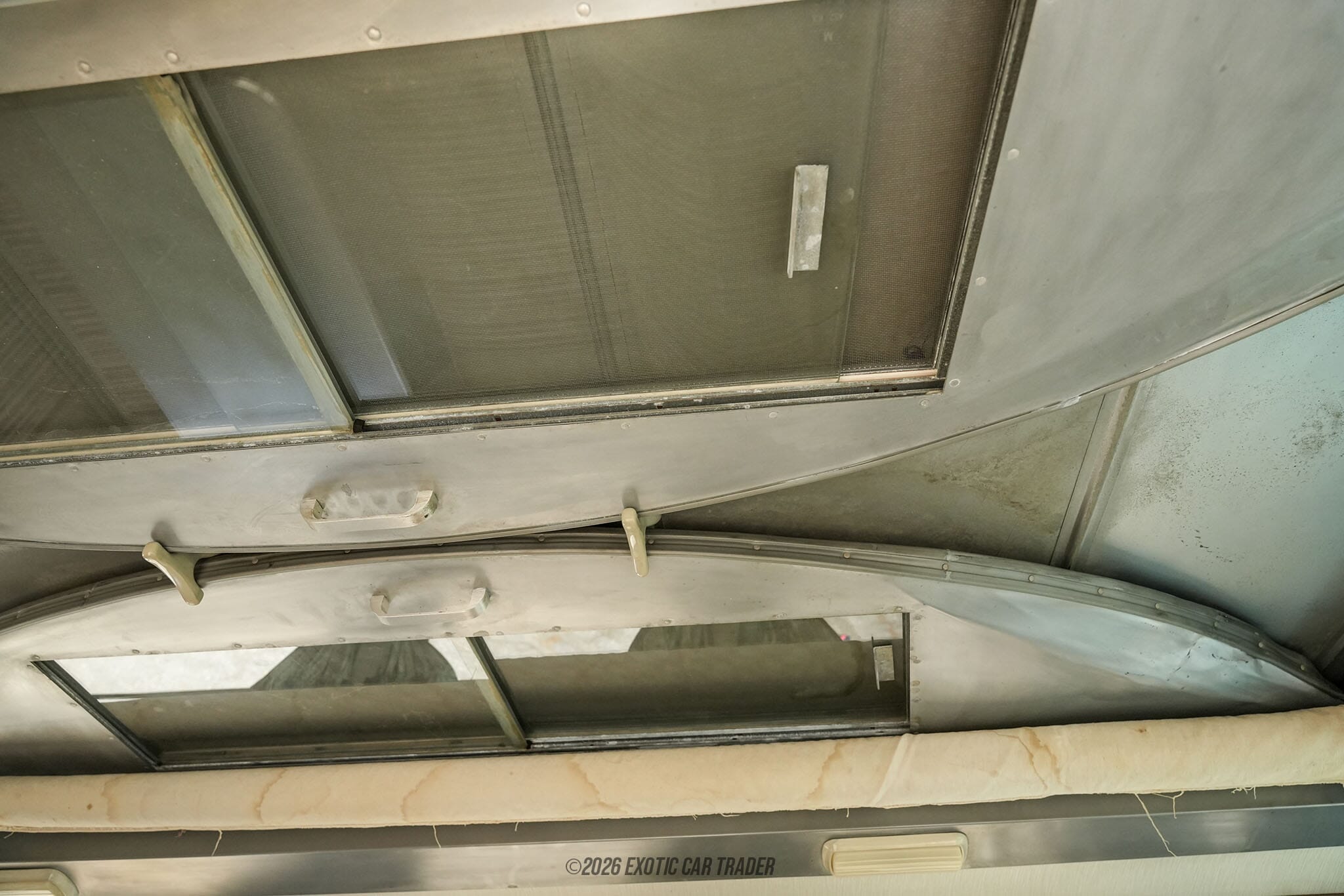
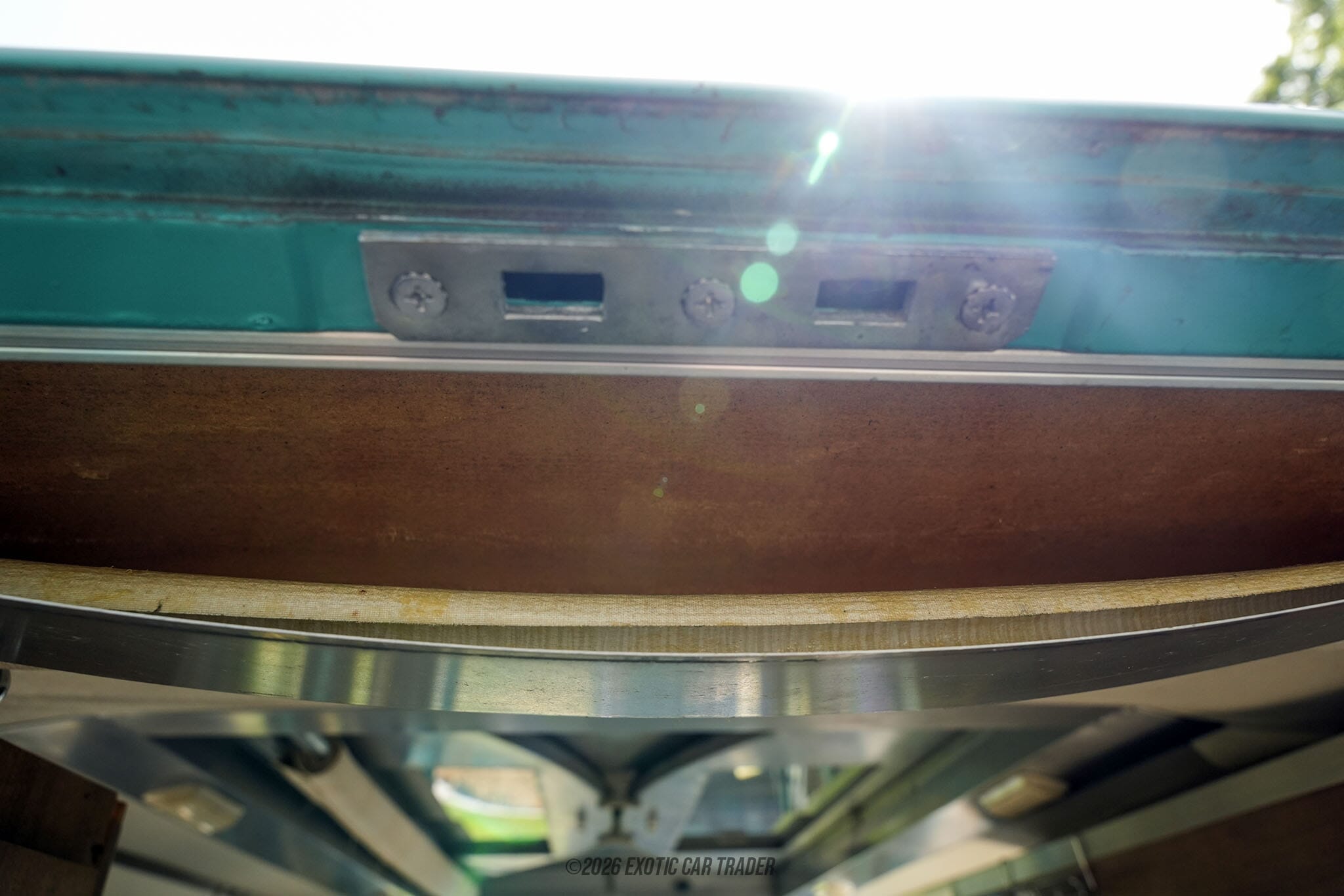
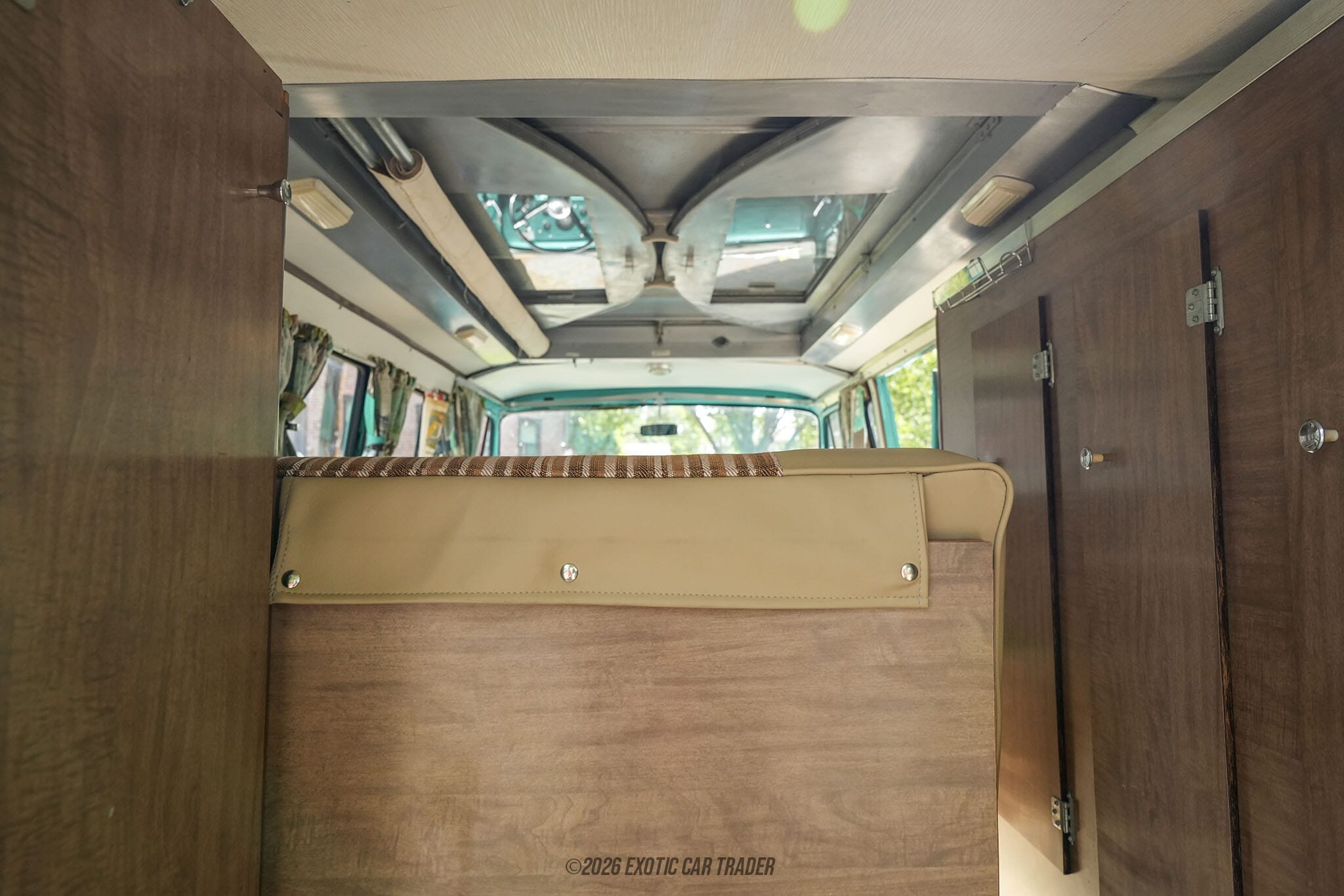
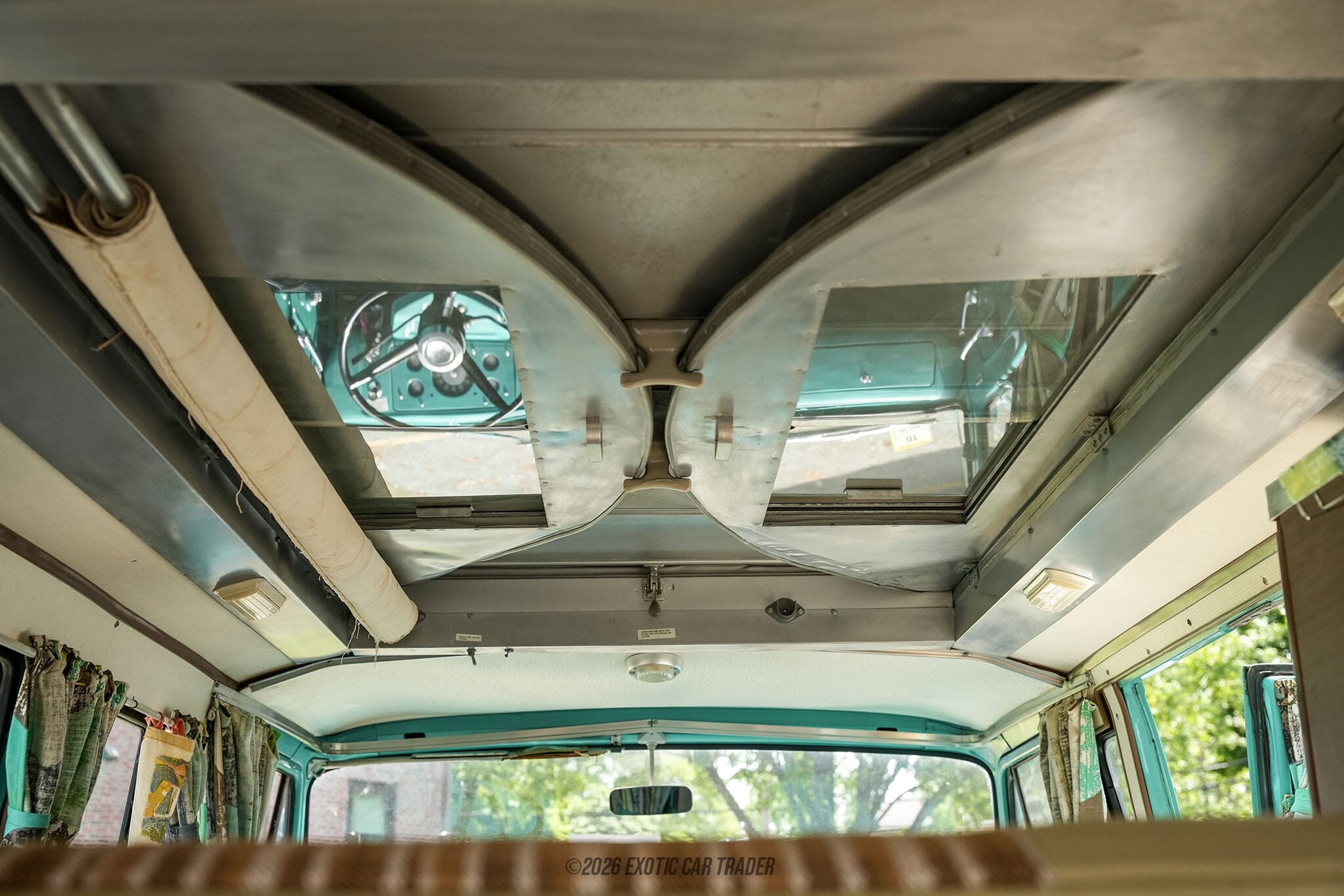
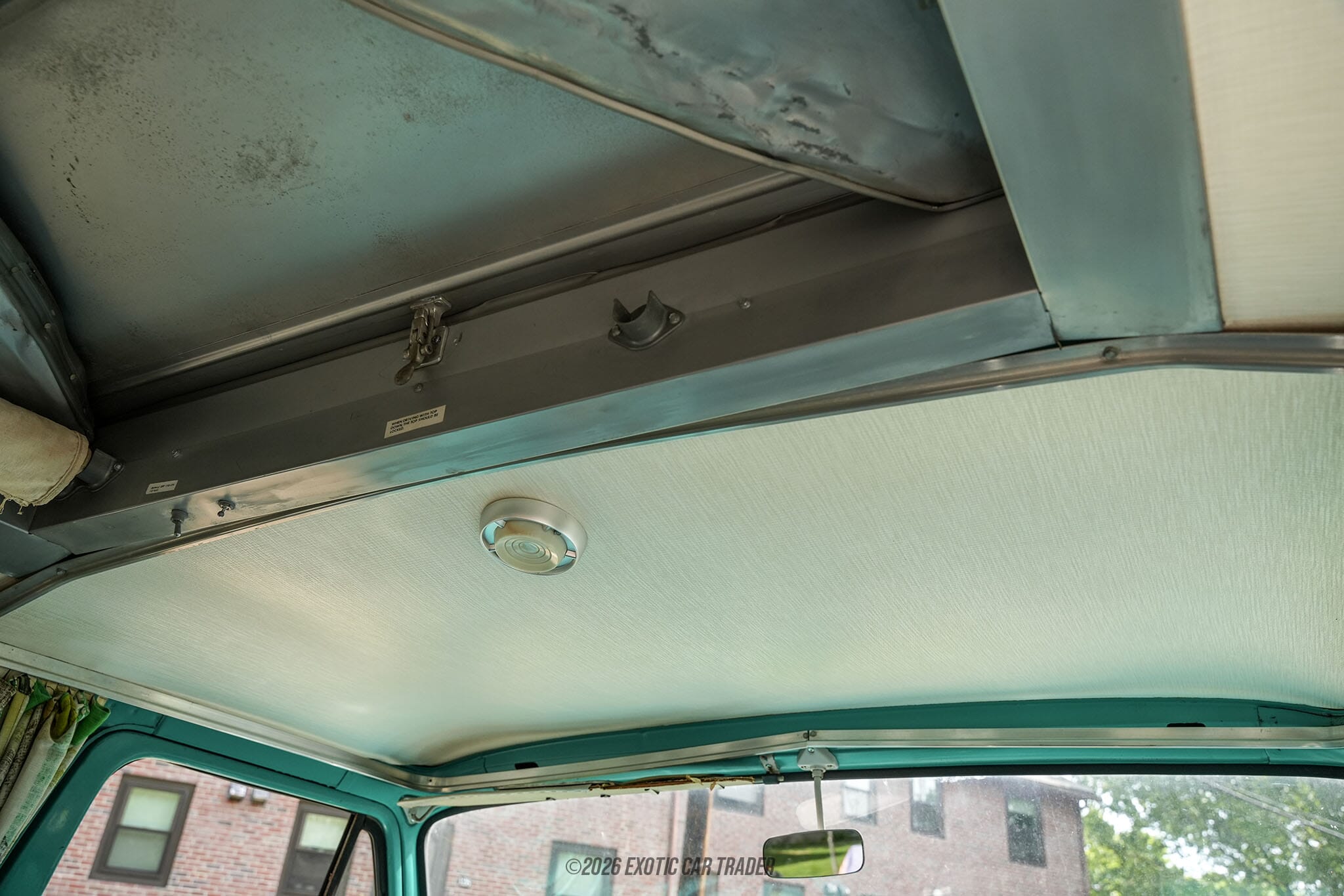
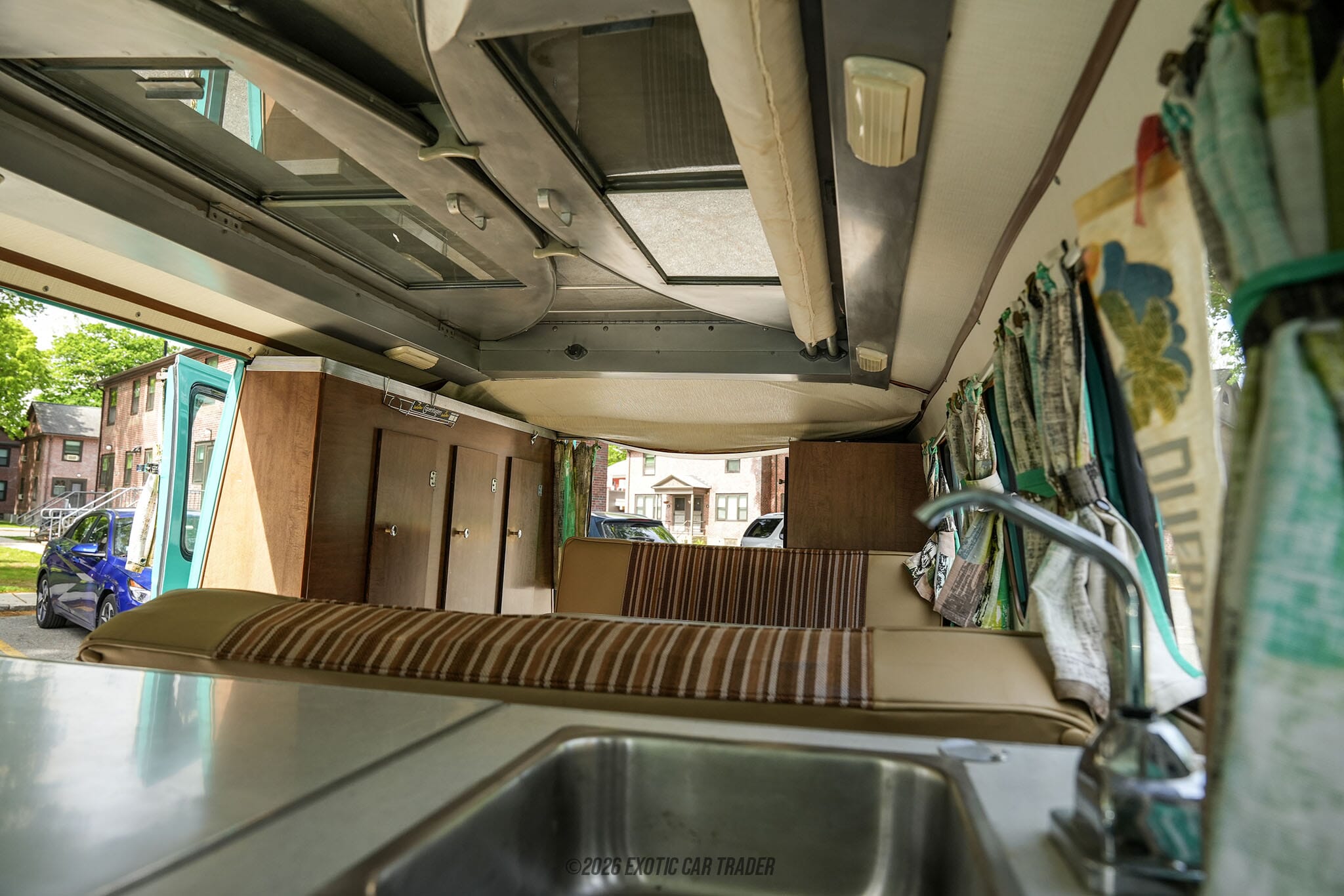
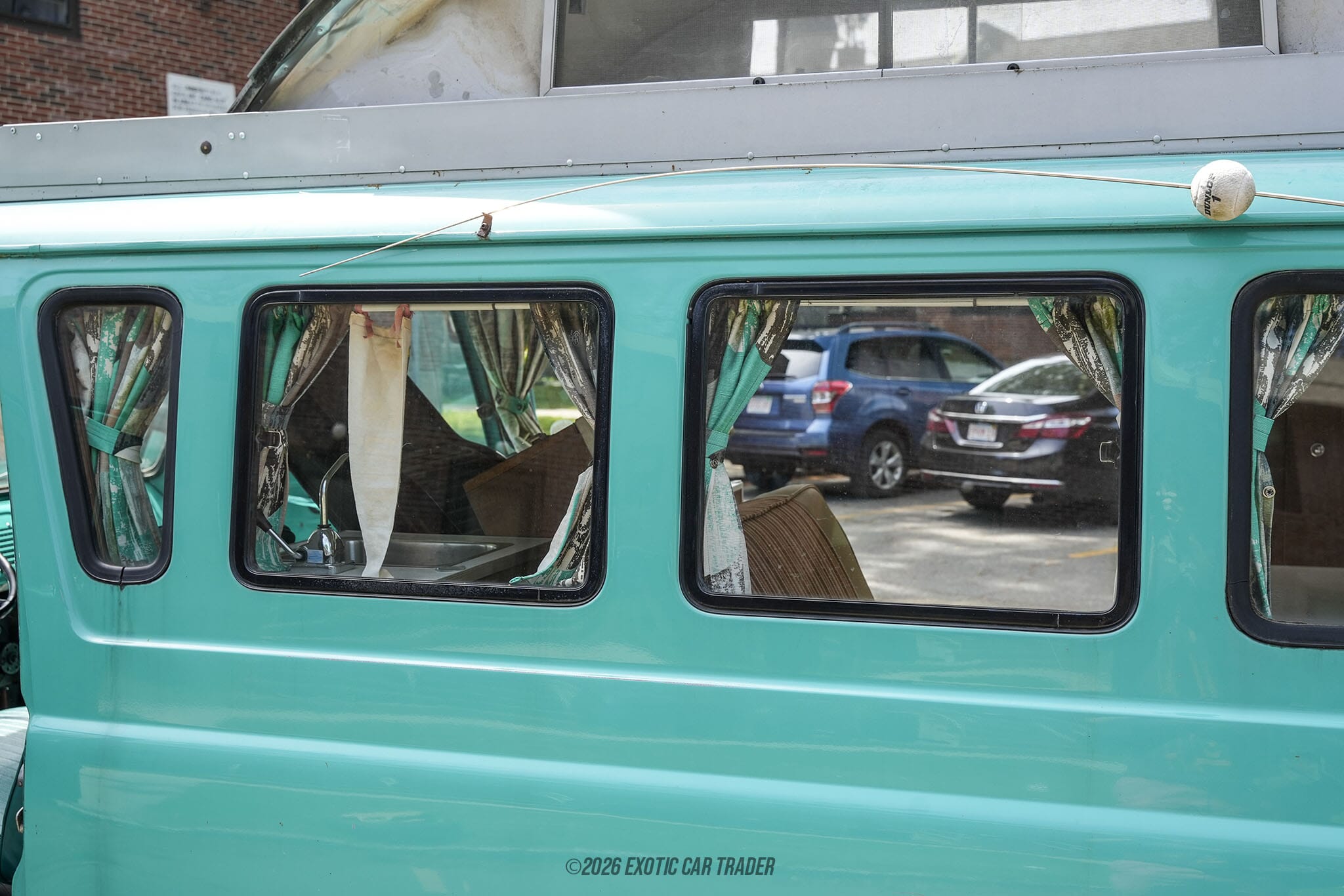
- Pop-Top Camper Roof
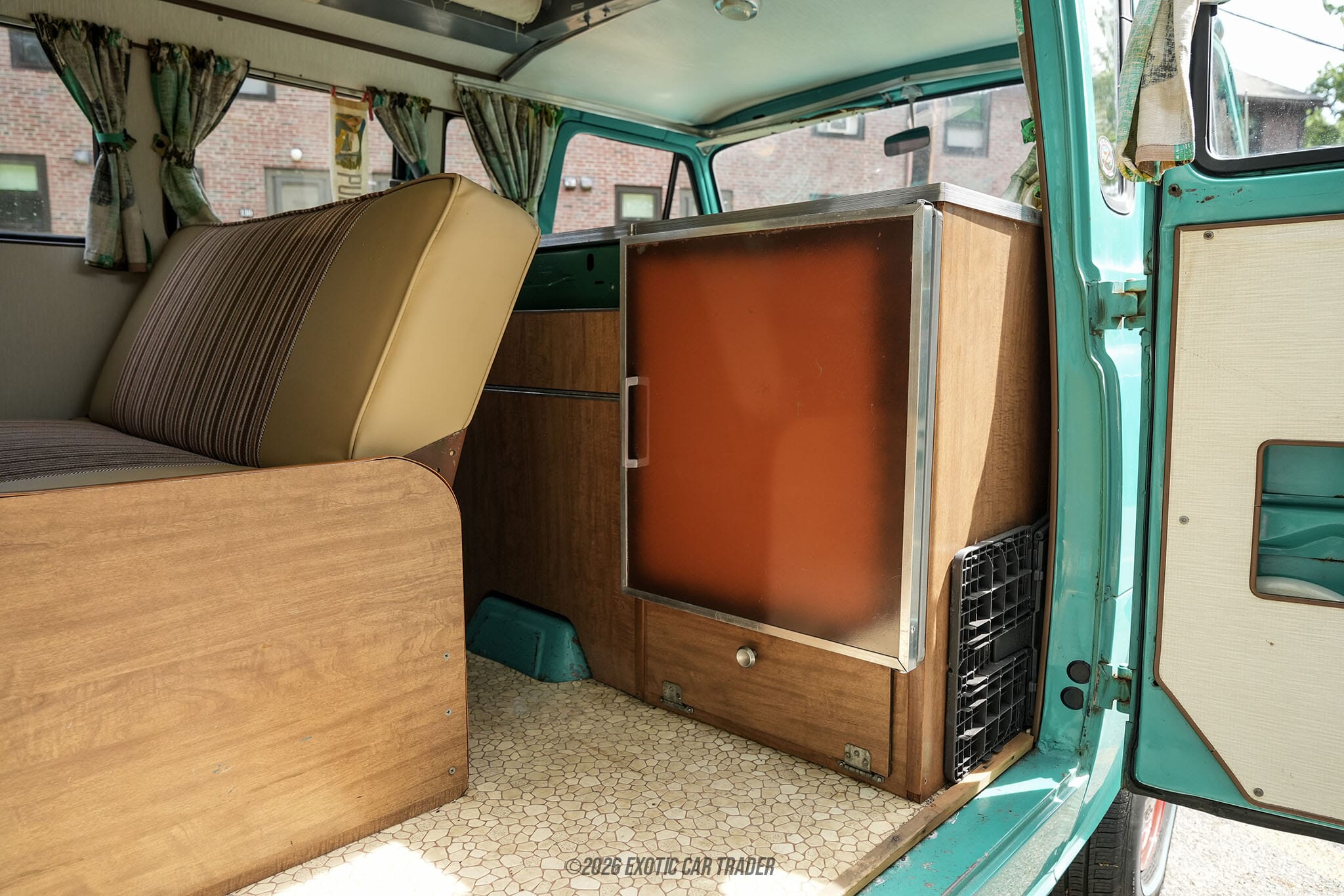
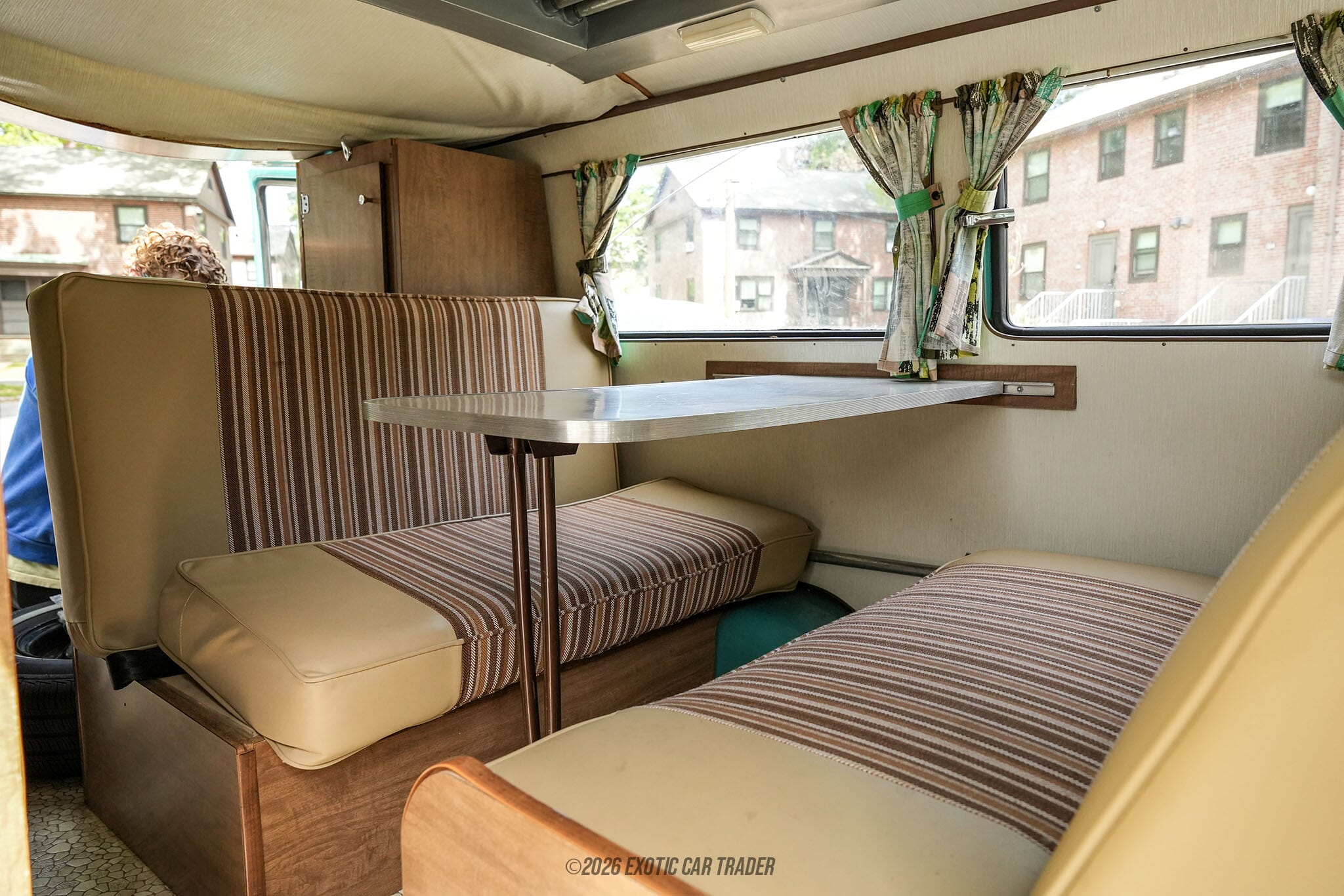
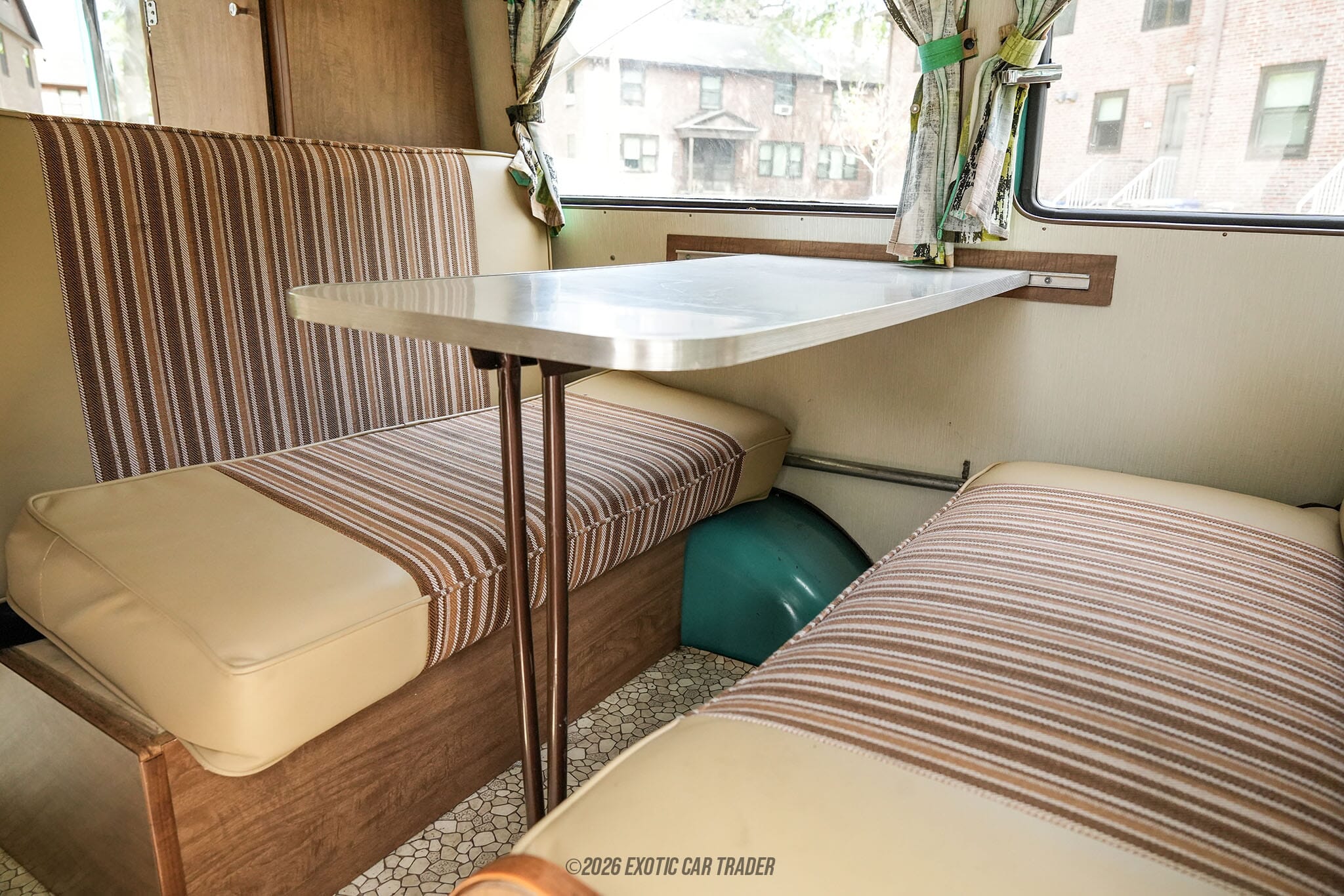
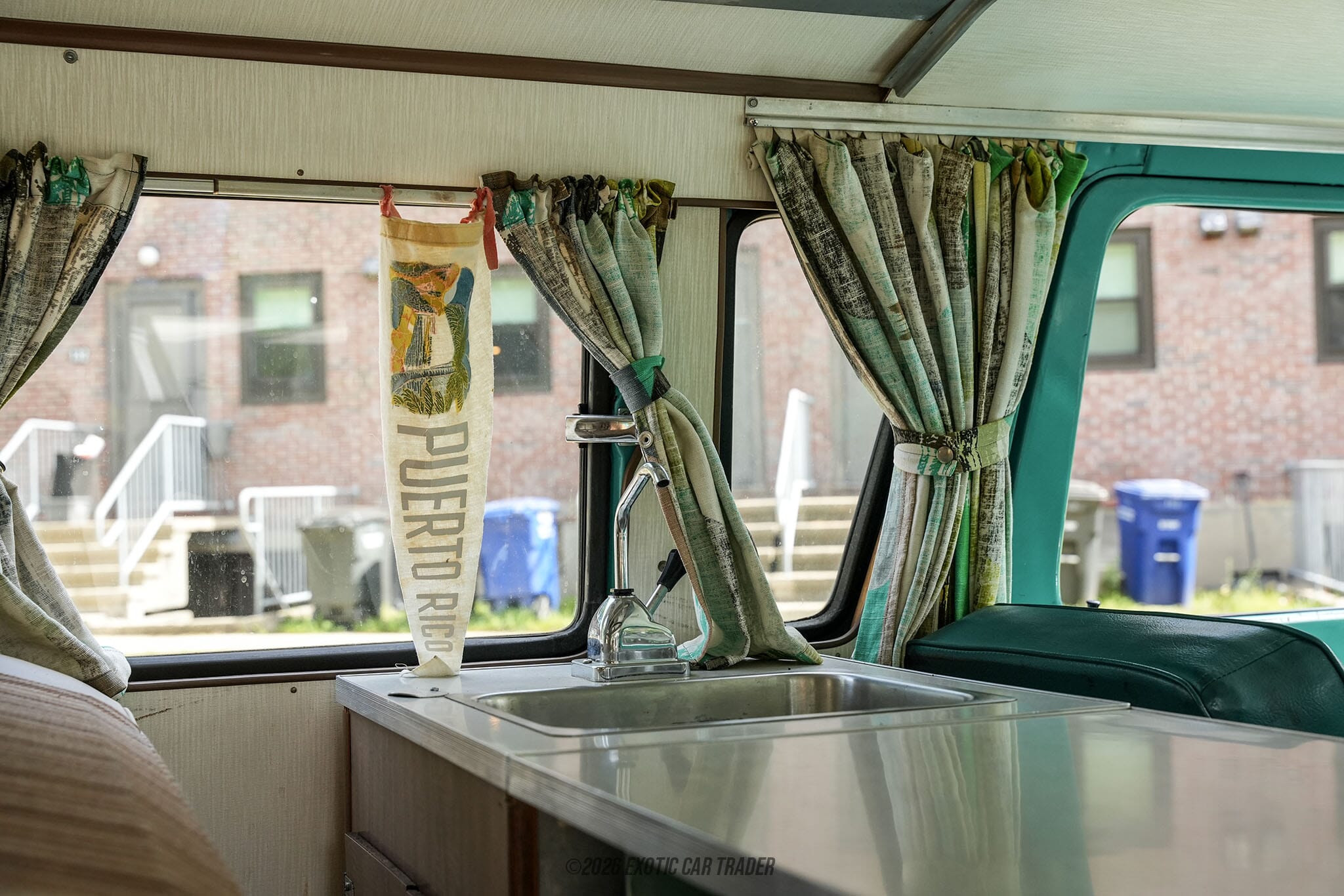
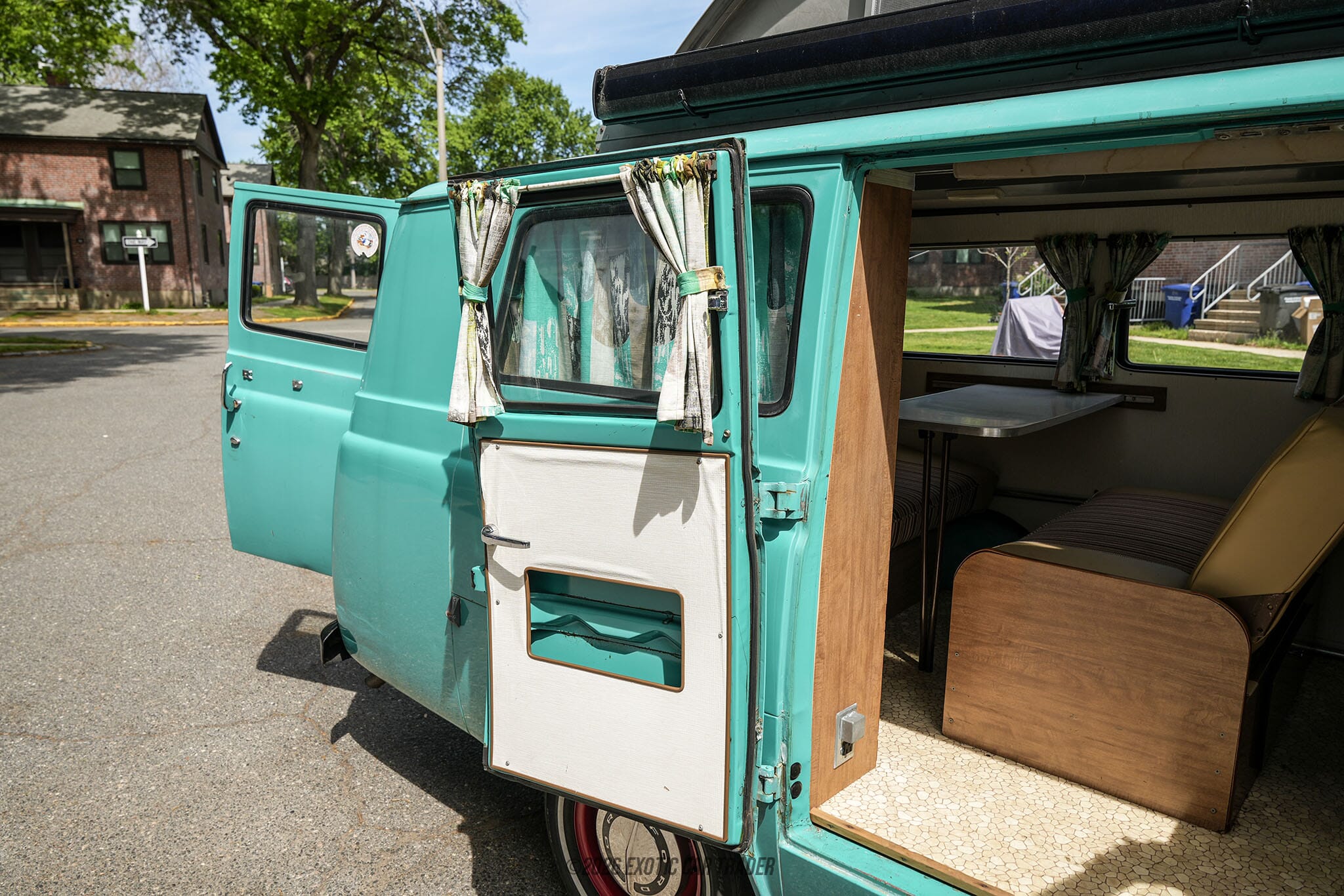
- Rear Dinette Seating w/ Fold-Down Table
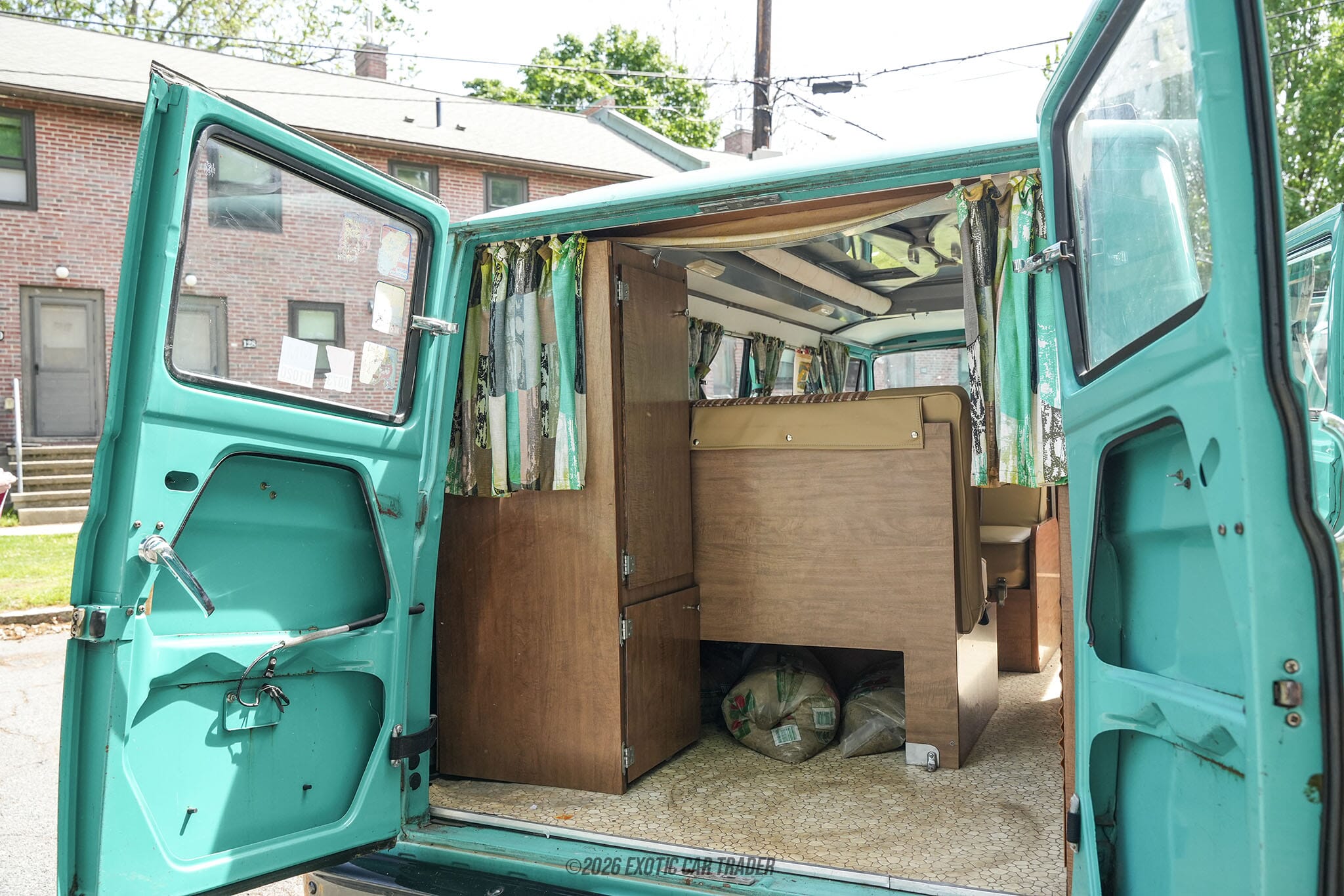
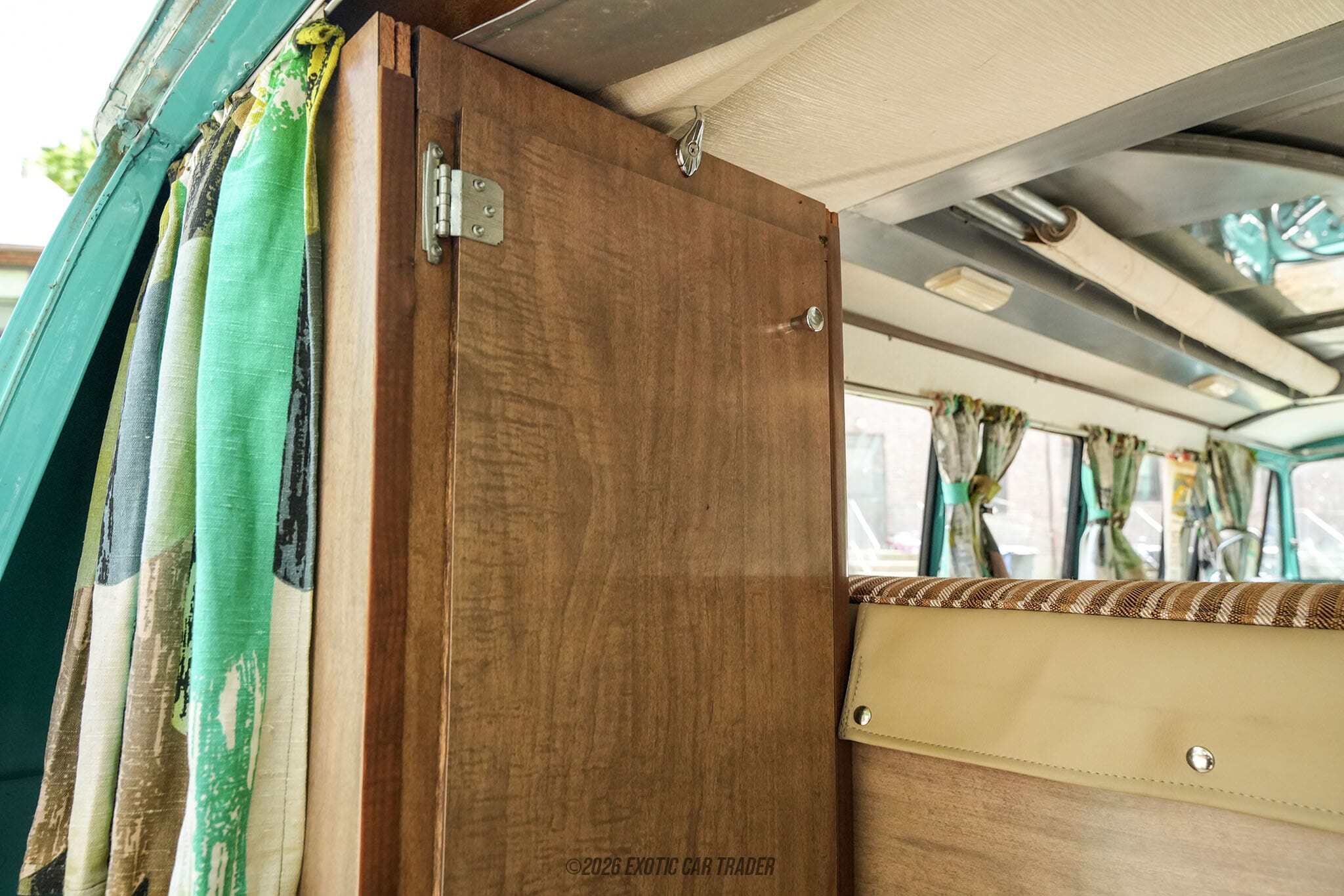
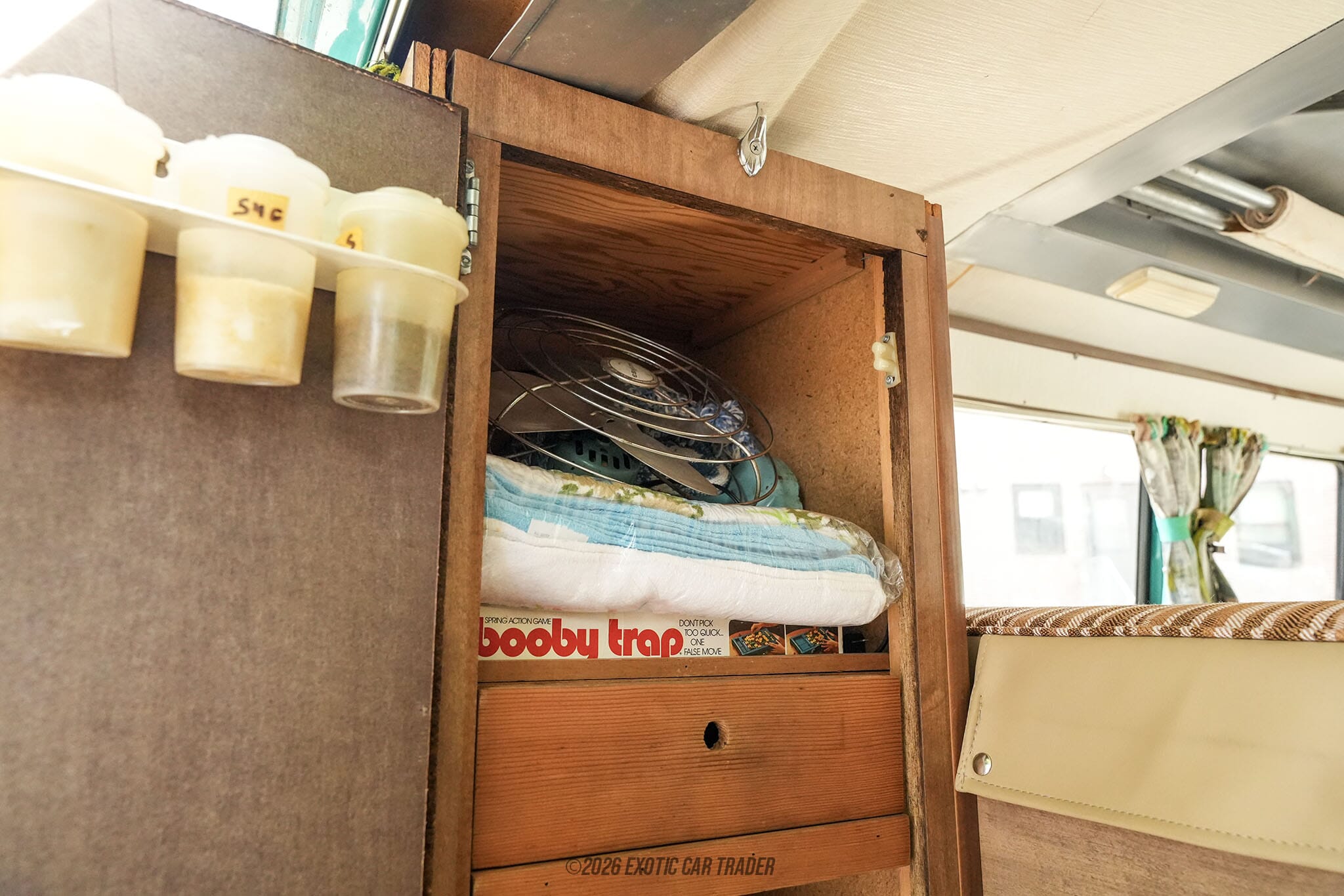
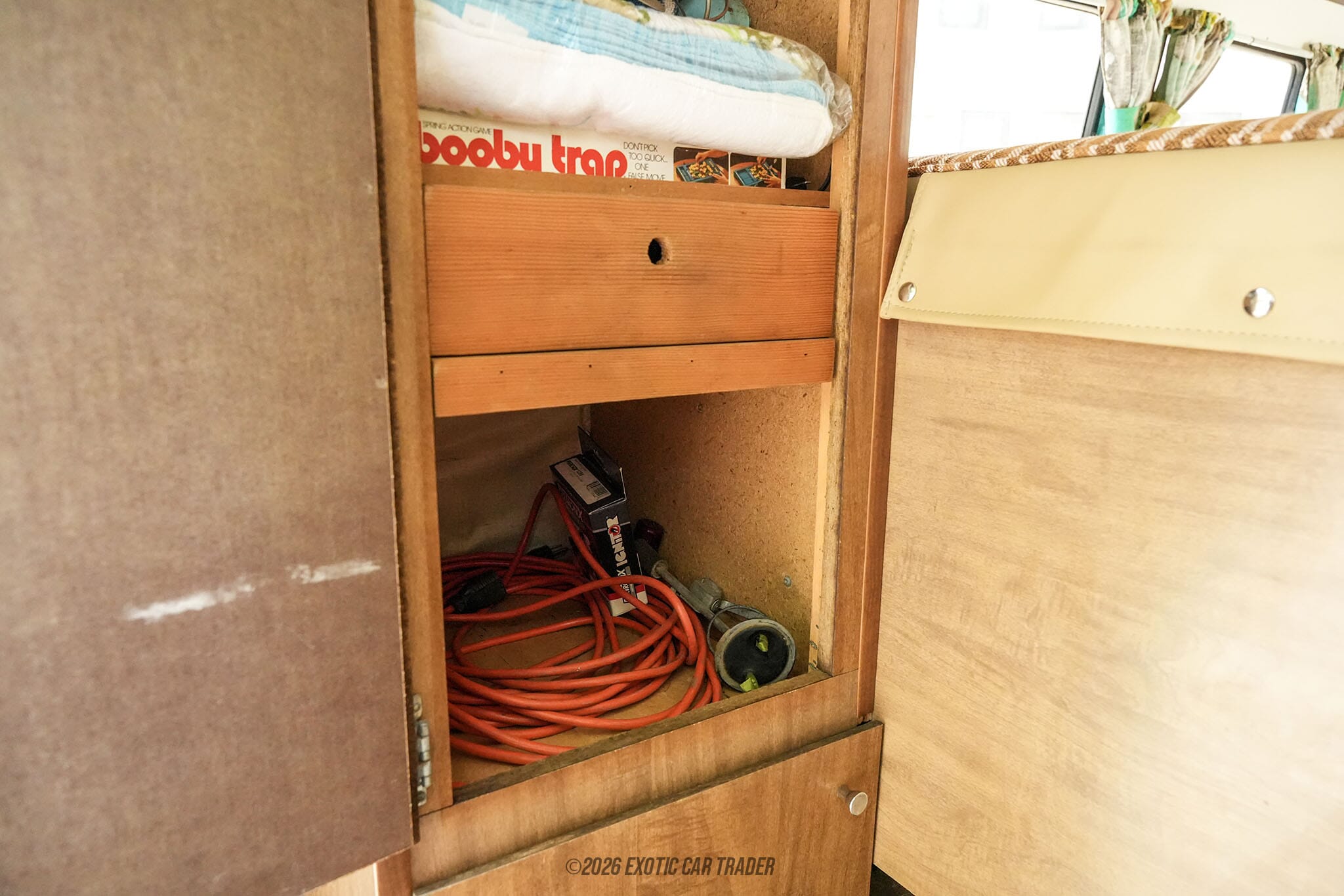
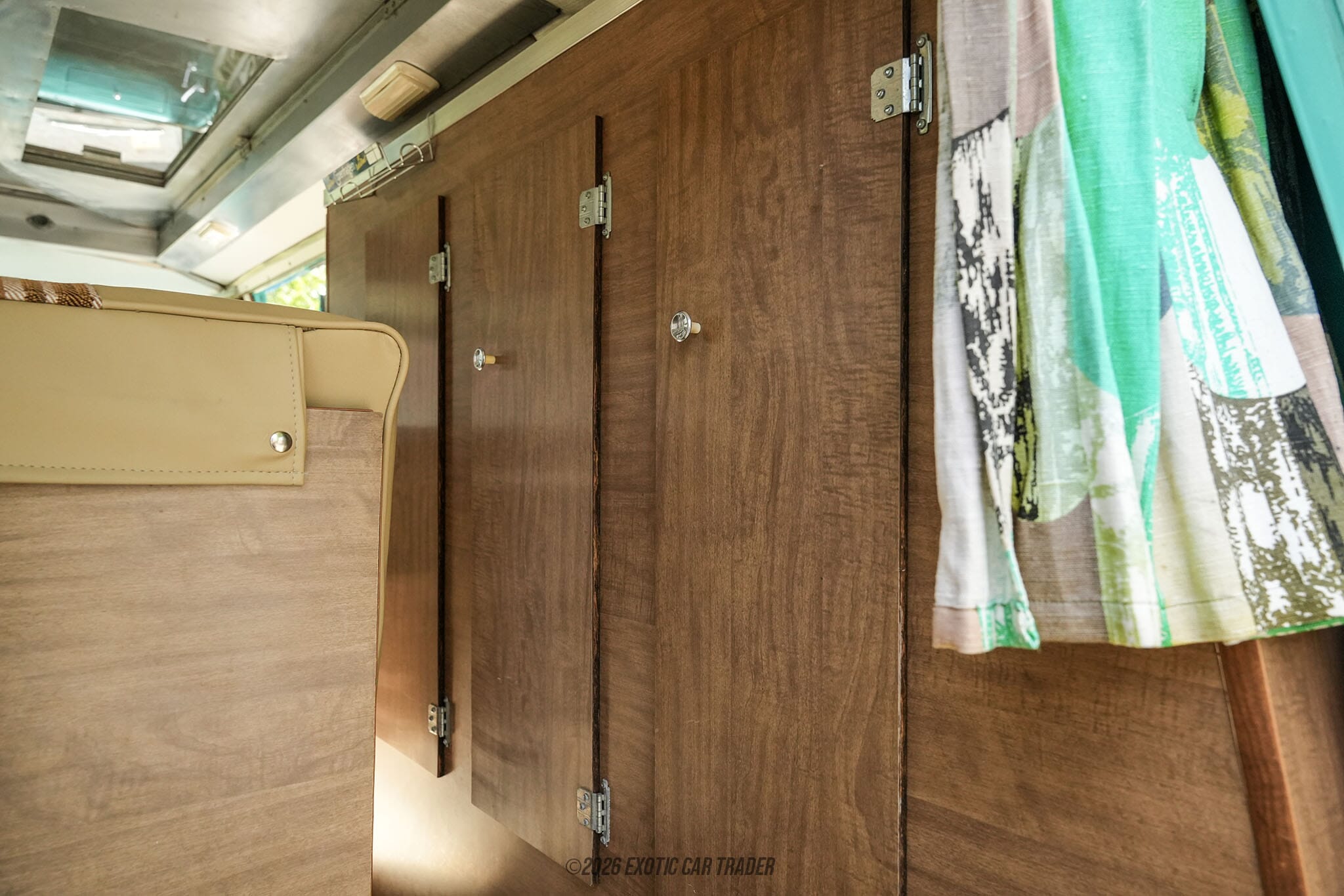
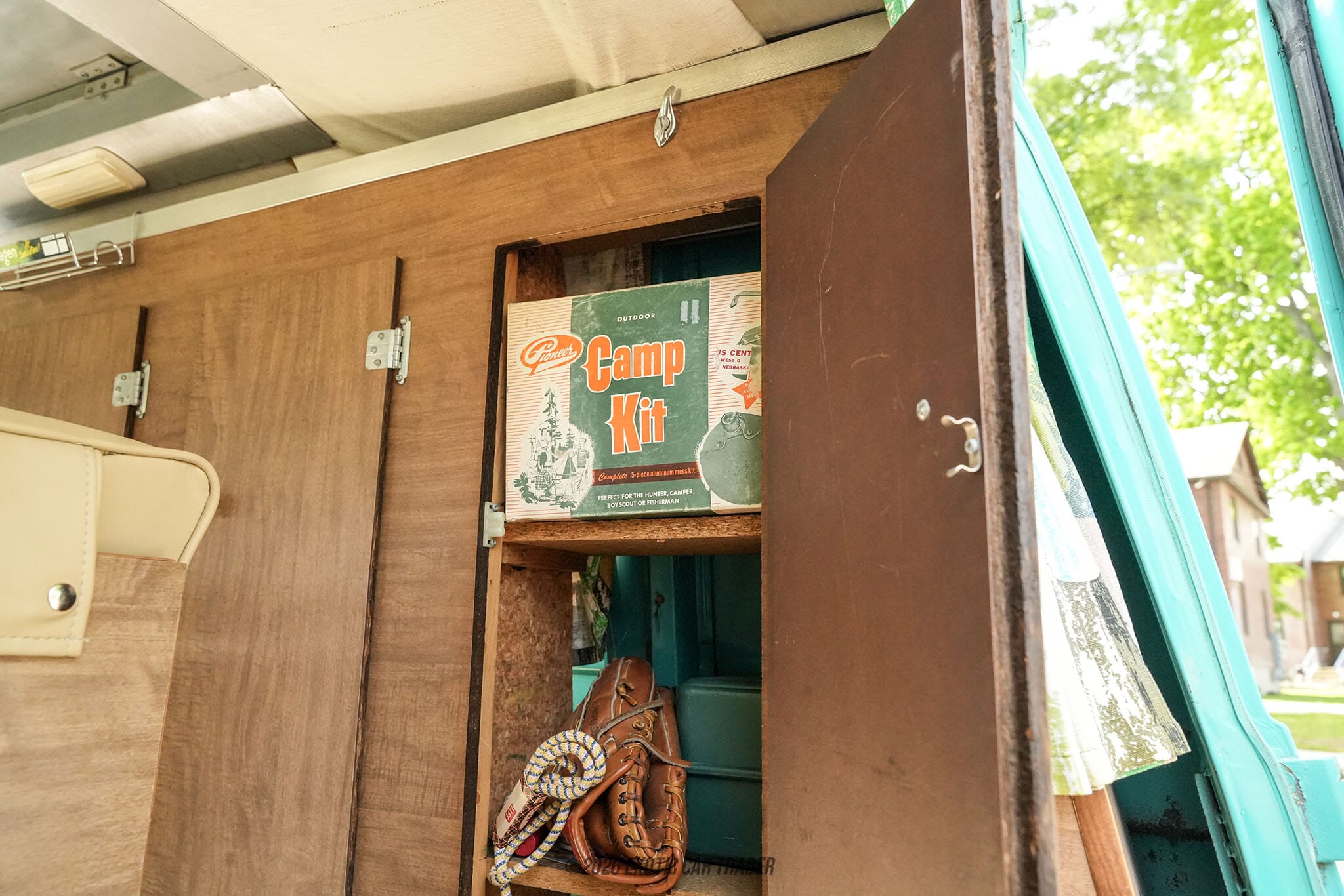
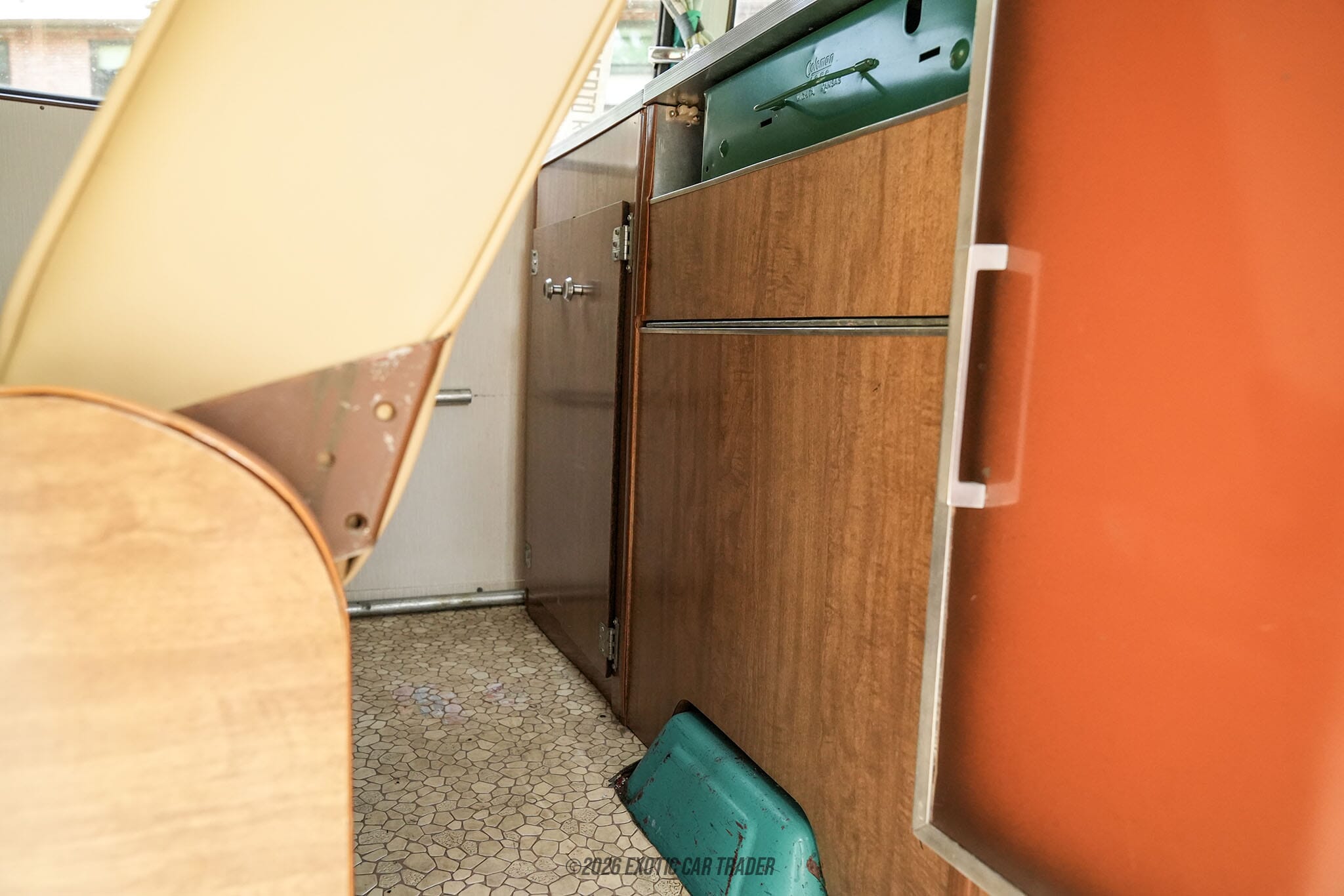
- Built-In Cabinetry & Storage
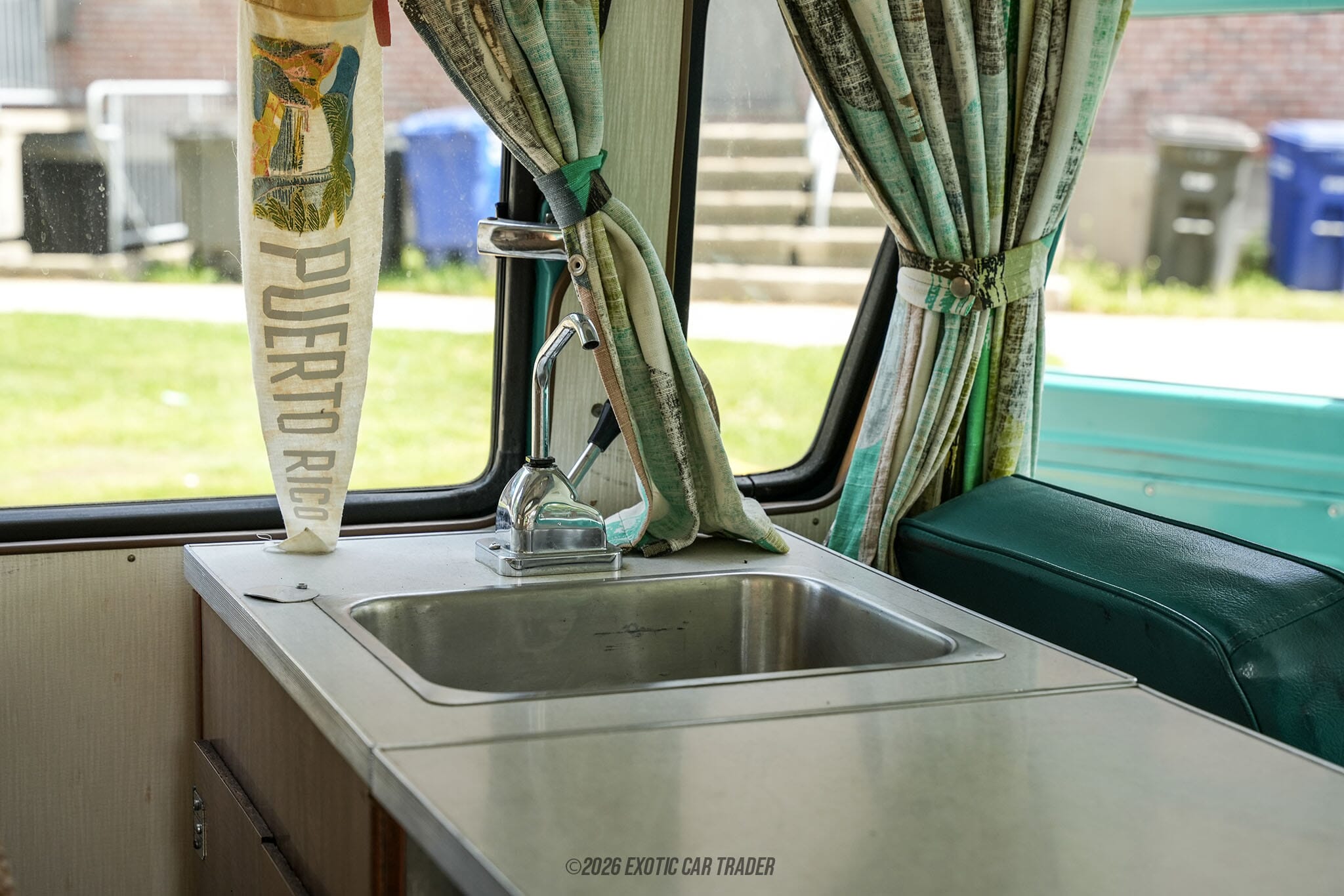
- Sink & Countertop
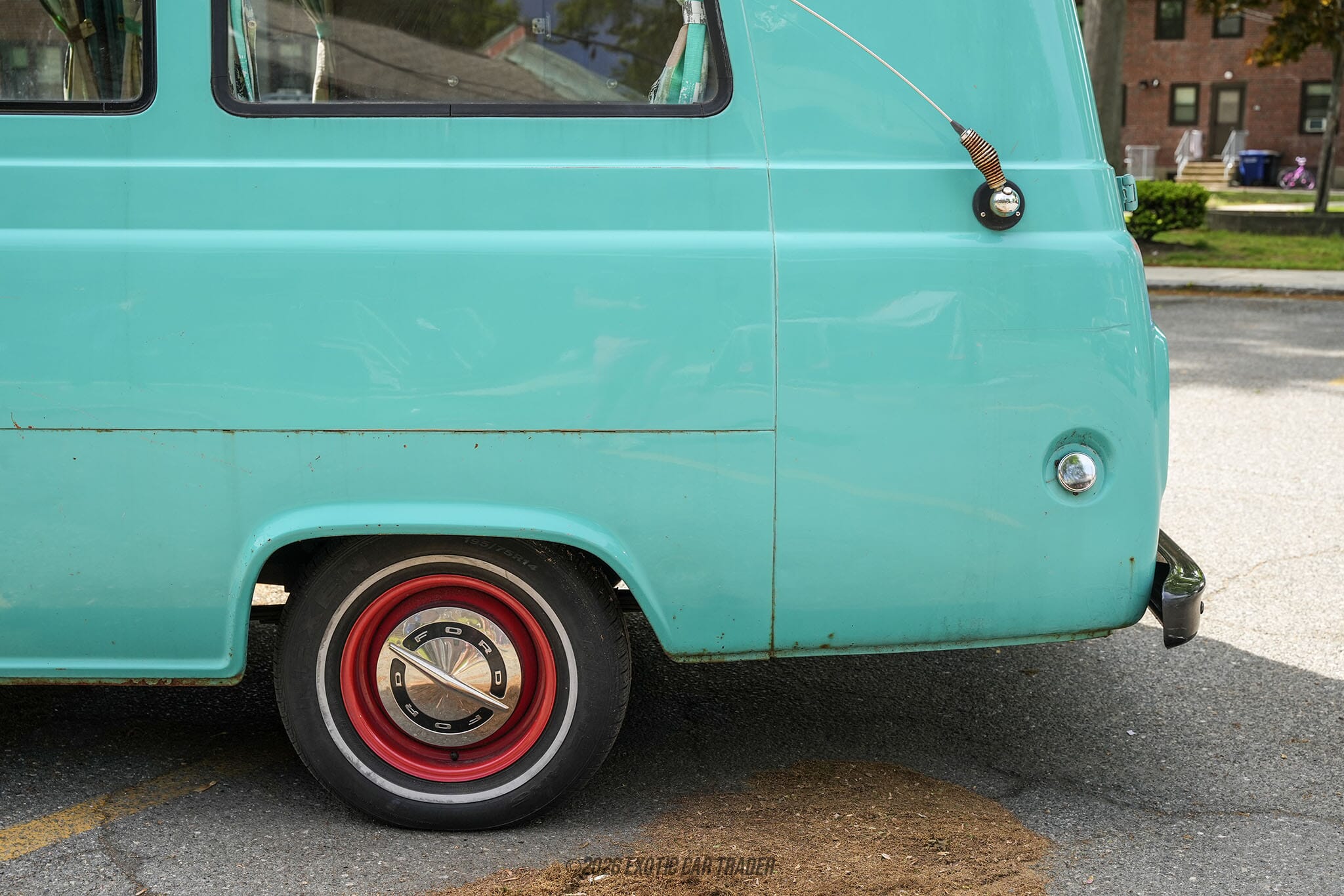
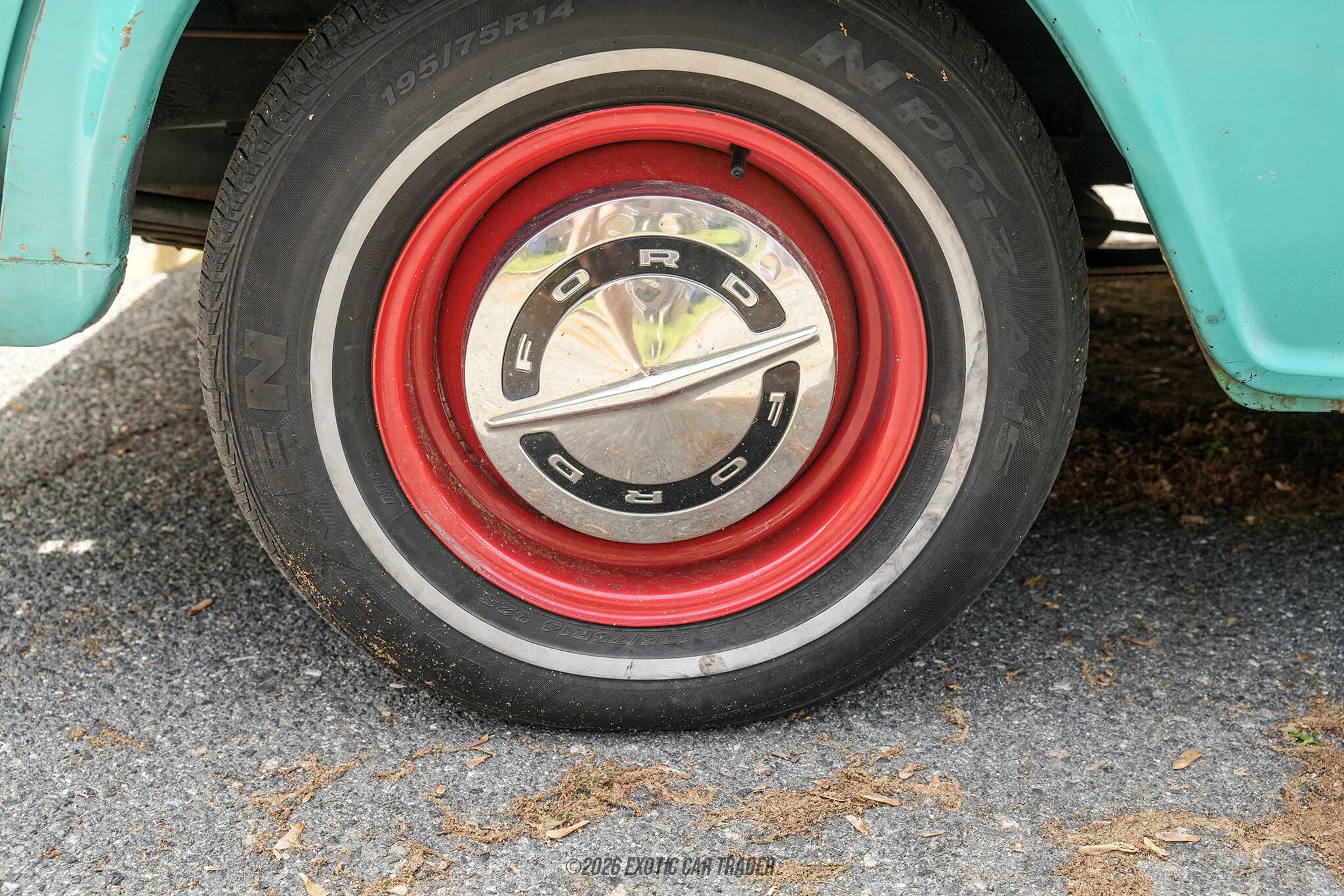
- 14” Steel Wheels w/ “Dog Dish” Hubcaps
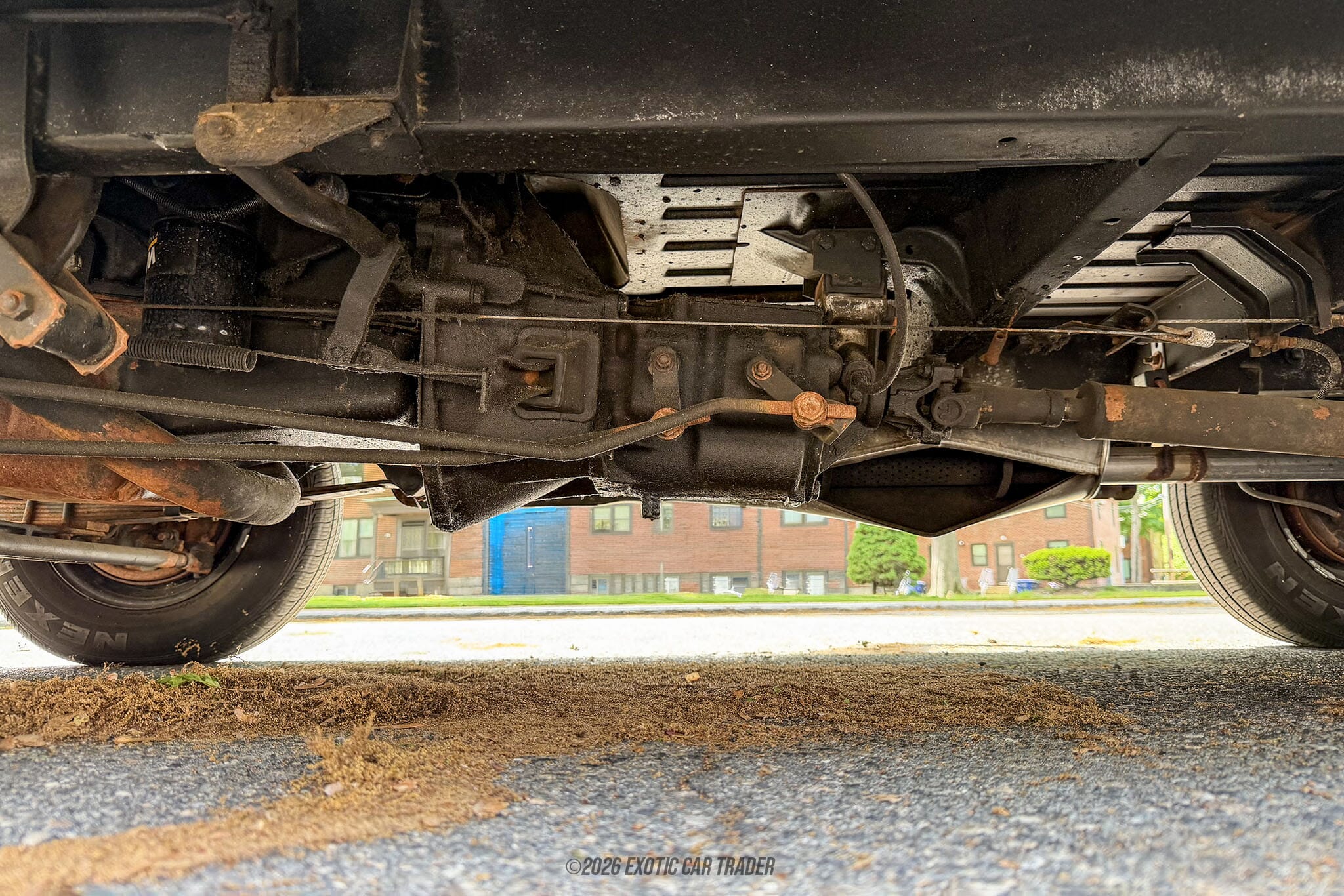
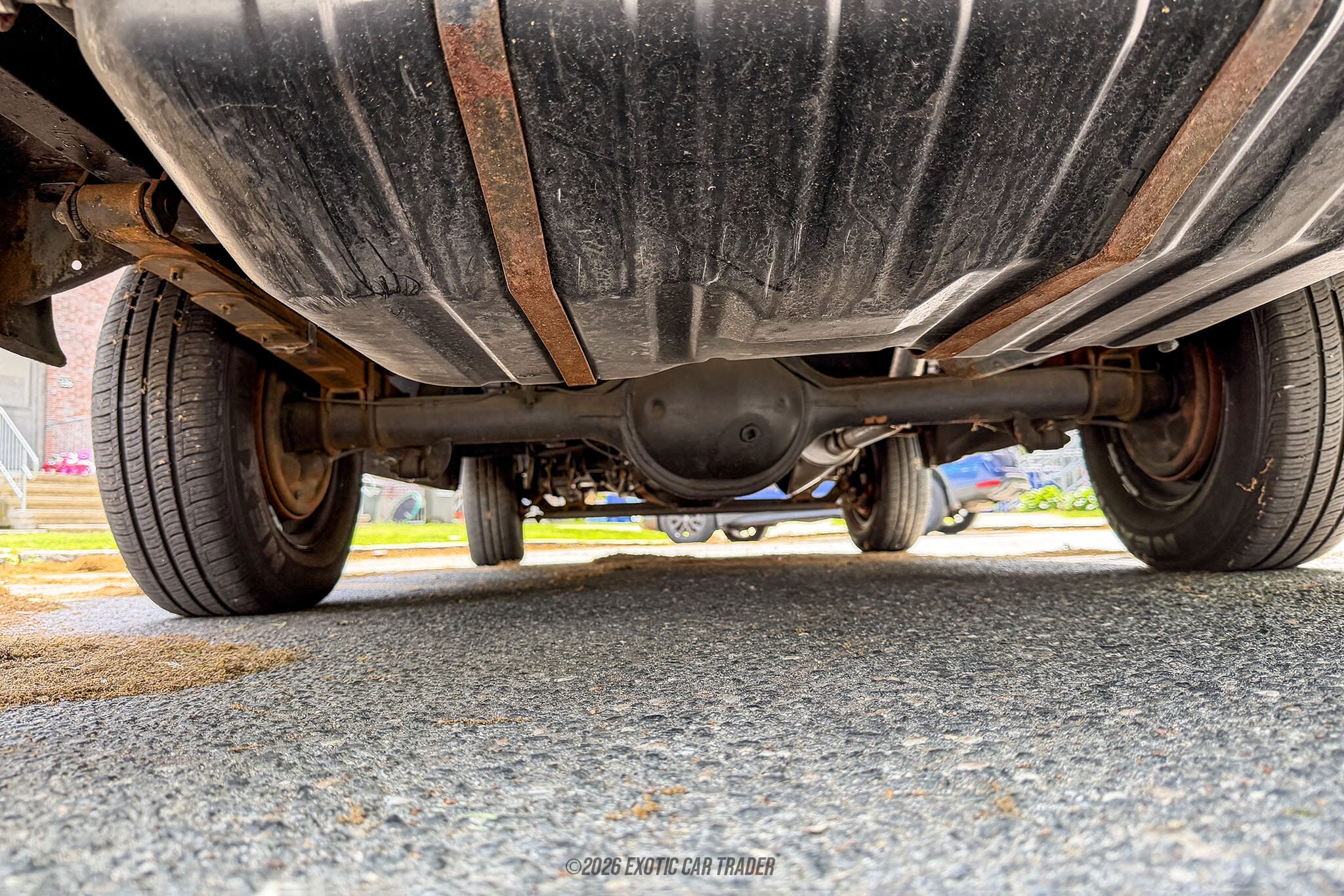
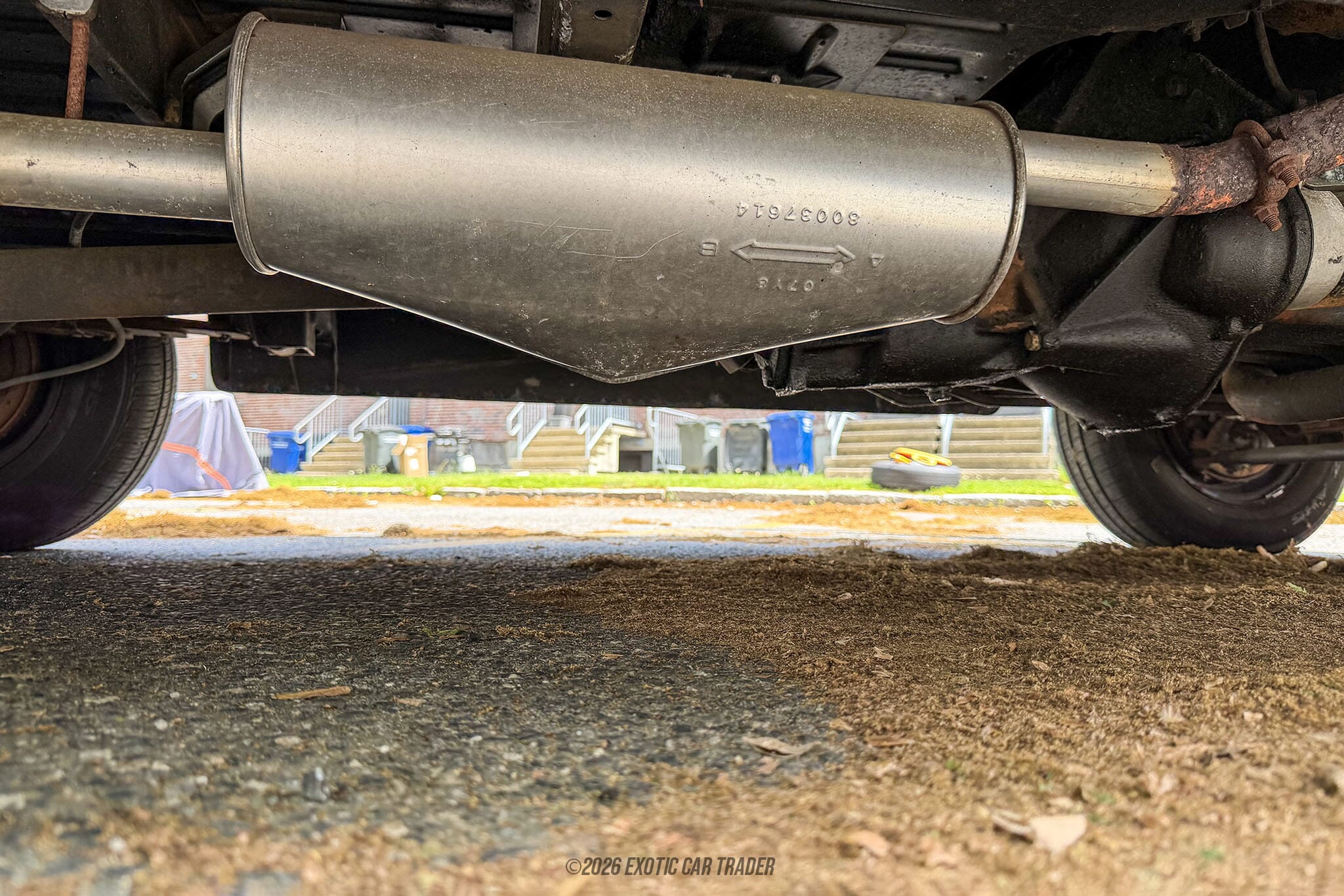
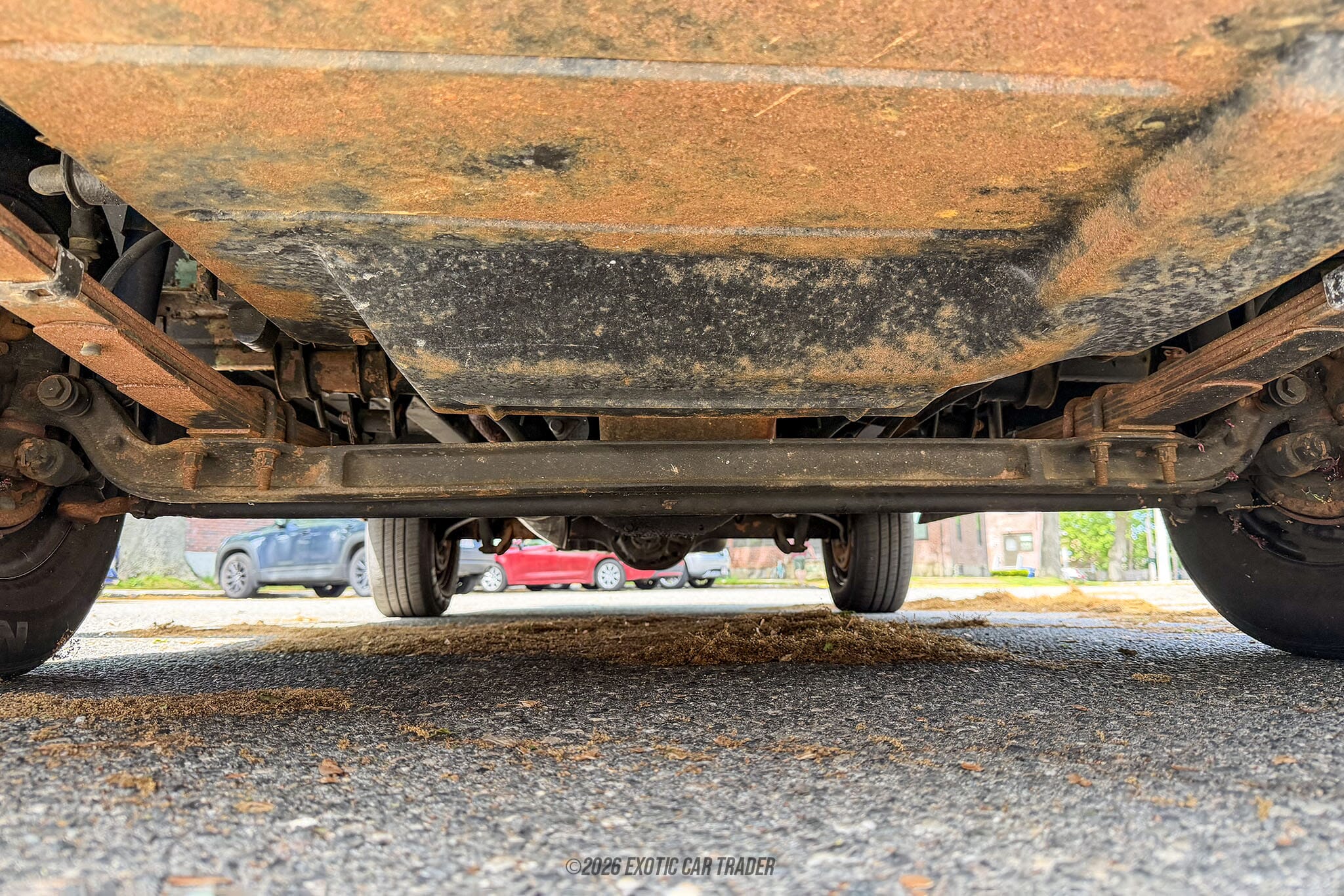
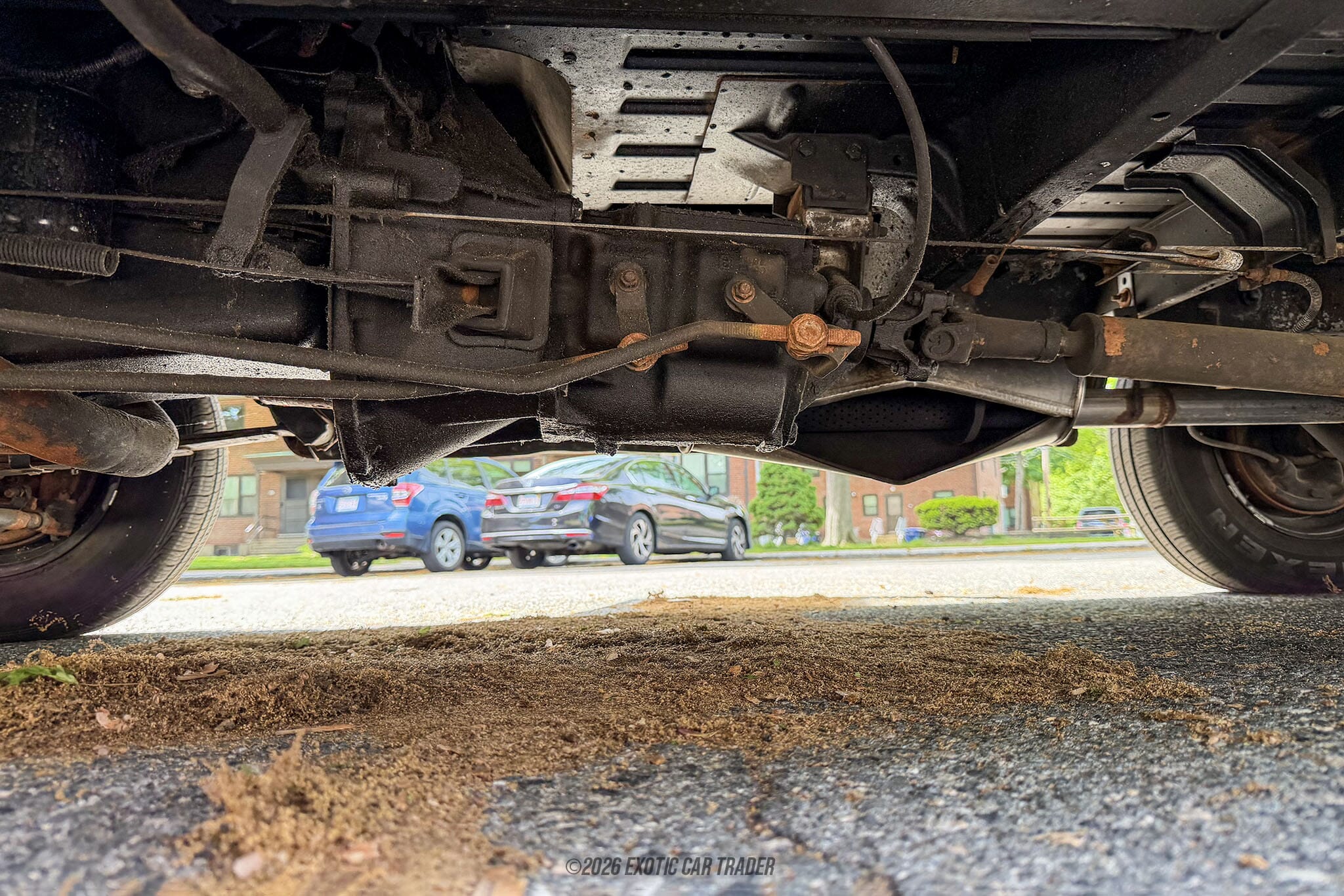
- Rust-Preventative Undercoating


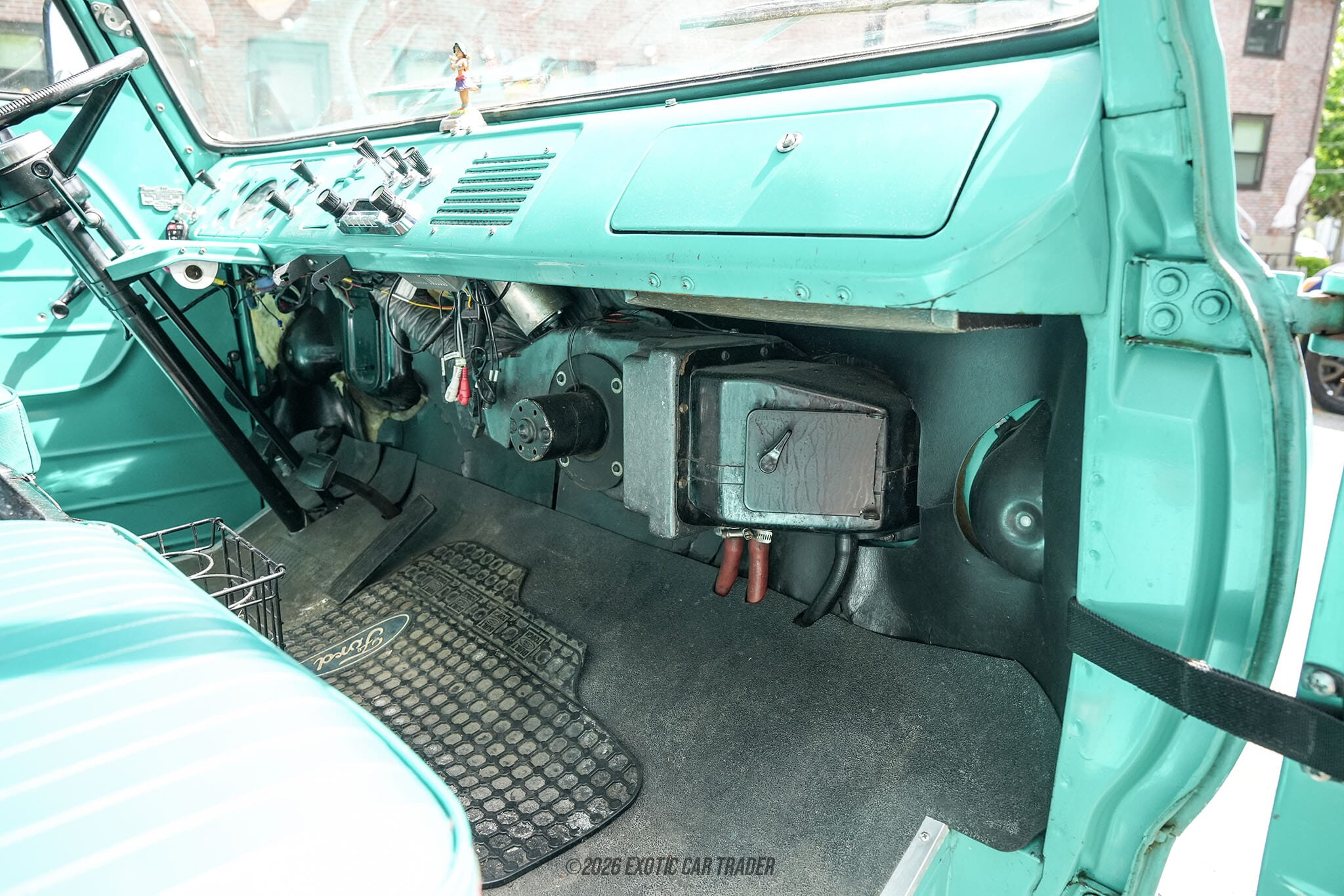
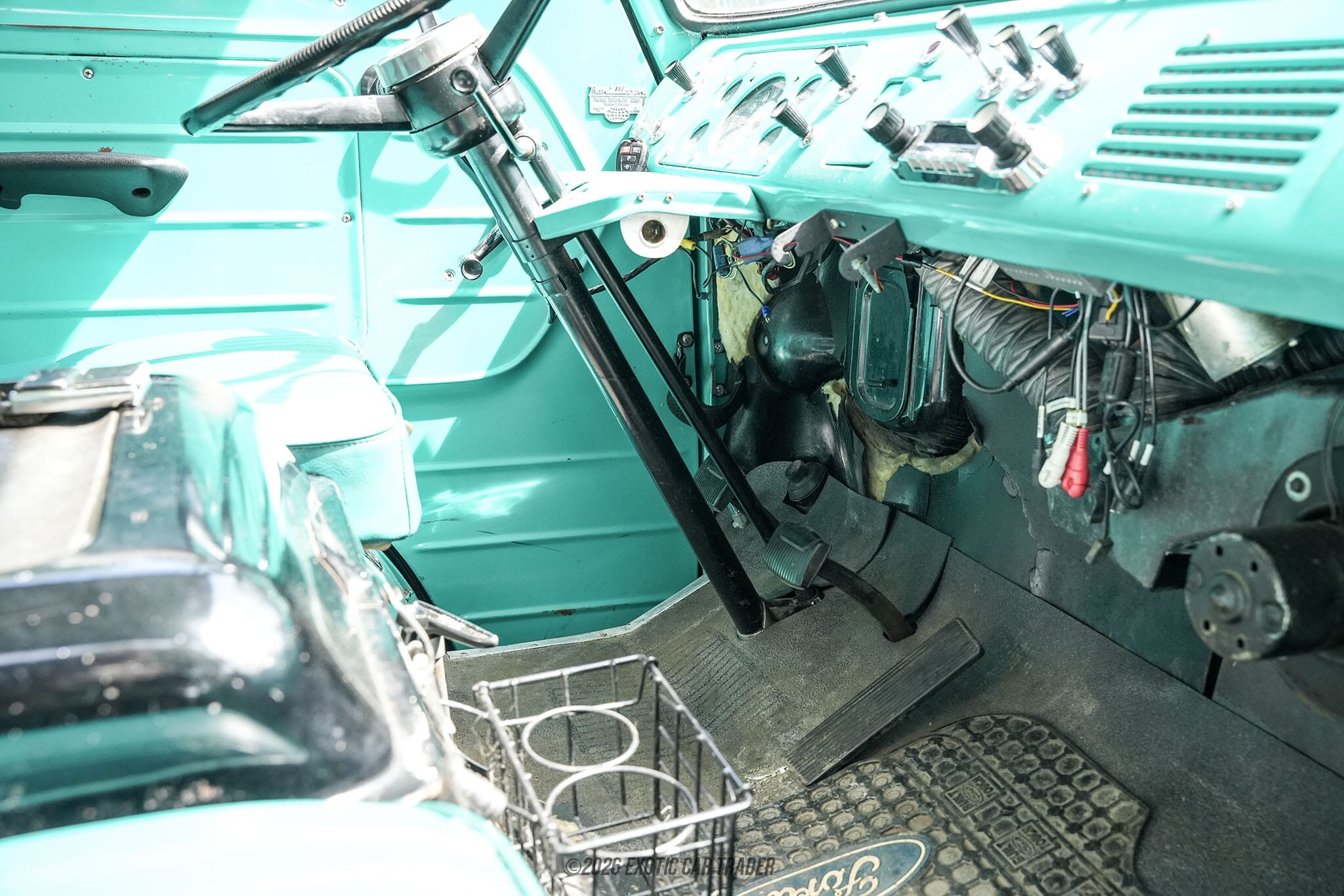
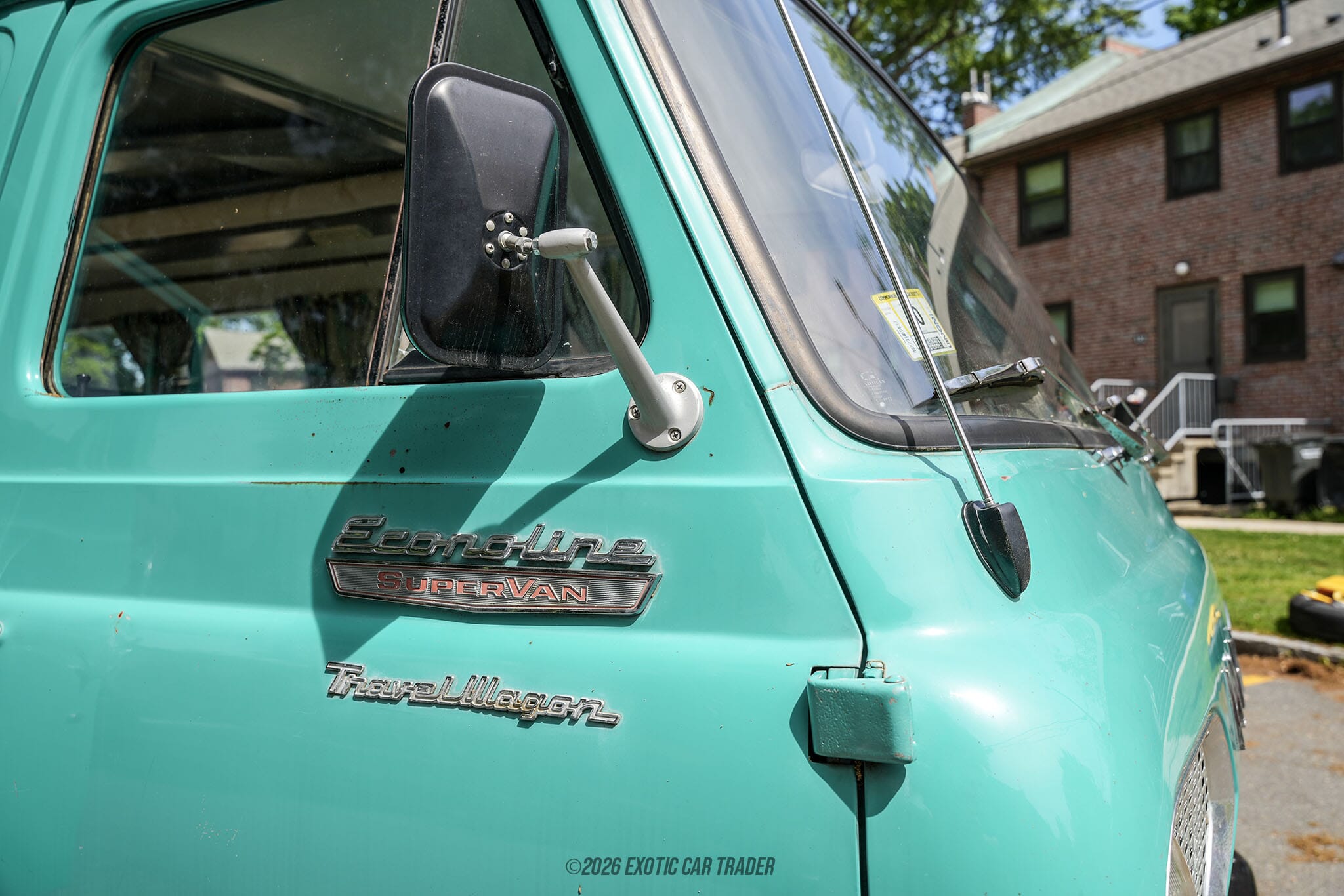
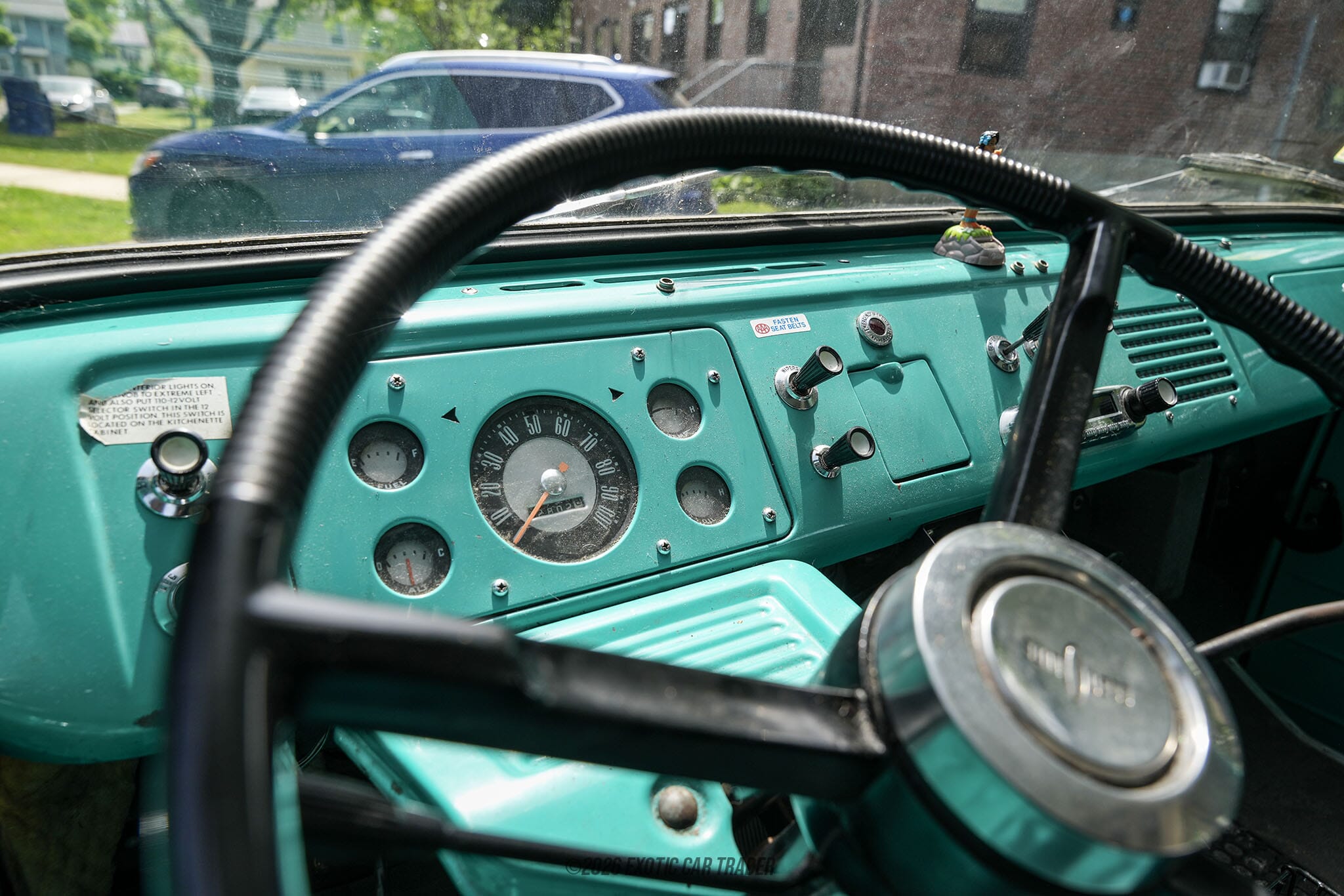
The 1965 Ford Econoline E100 TravelWagon Camper represents a fascinating slice of American recreational vehicle history, dating back to a time when compact camper conversions were becoming increasingly popular among adventurous families. Built from Ford’s first-generation forward-control Econoline platform, this example benefits from the desirable 240ci inline-six, an engine known for durability and dependable torque. TravelWagon conversions were among the more recognized aftermarket camper specialists of the era, transforming practical cargo vans into clever compact motorhome alternatives with impressive packaging efficiency. Showing approximately 123,020 miles, this example offers vintage charm, utility, and a genuine period-correct camping experience that stands apart from conventional classic cars.
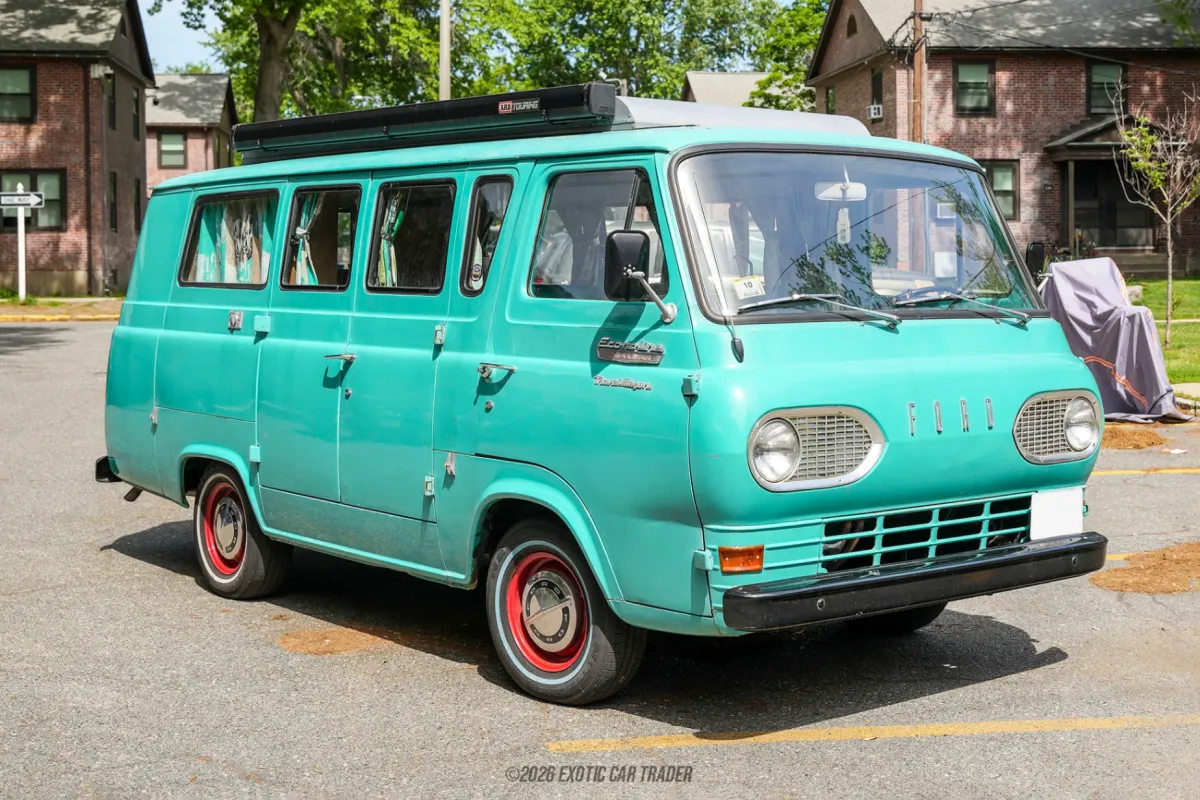
Exterior and Interior
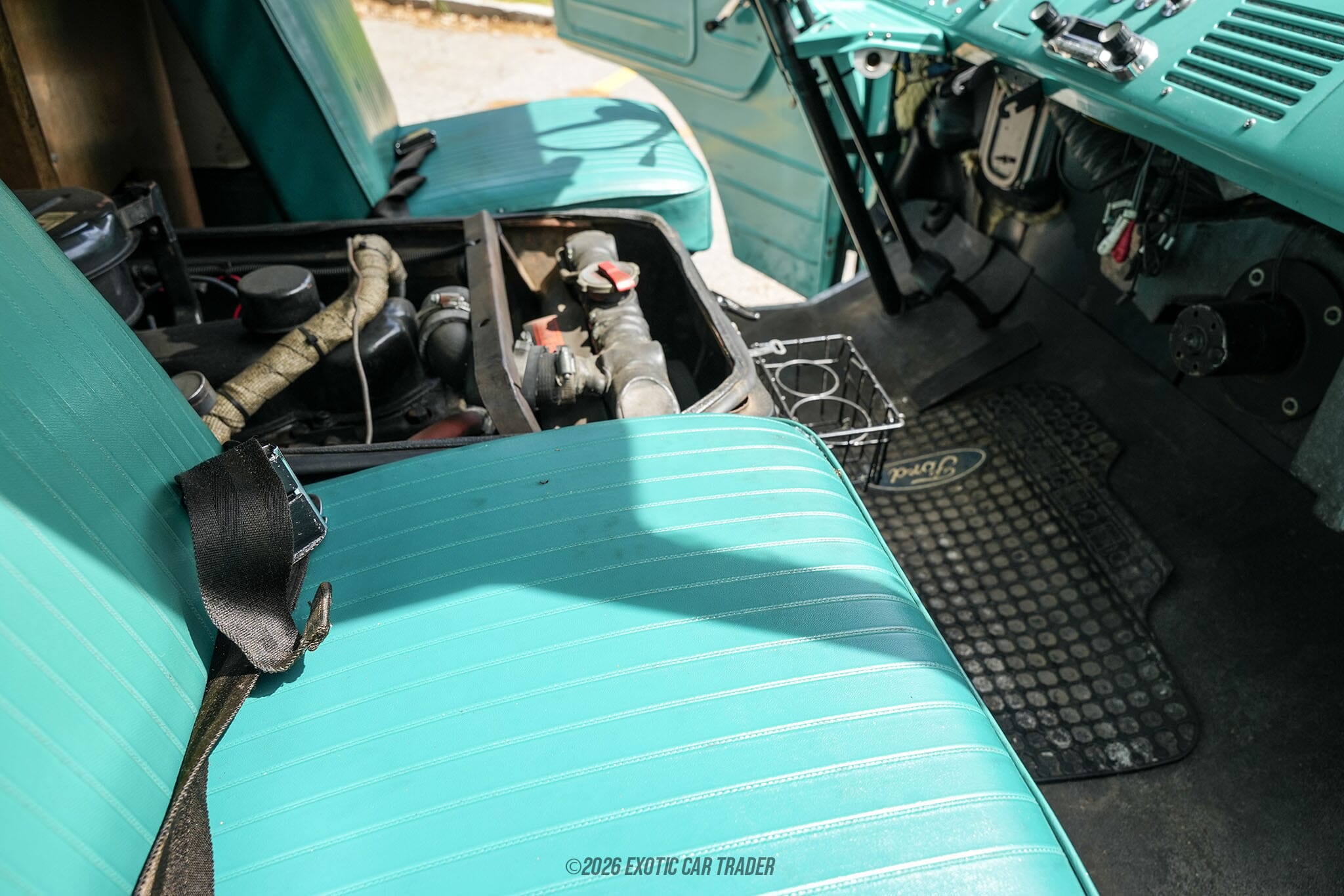
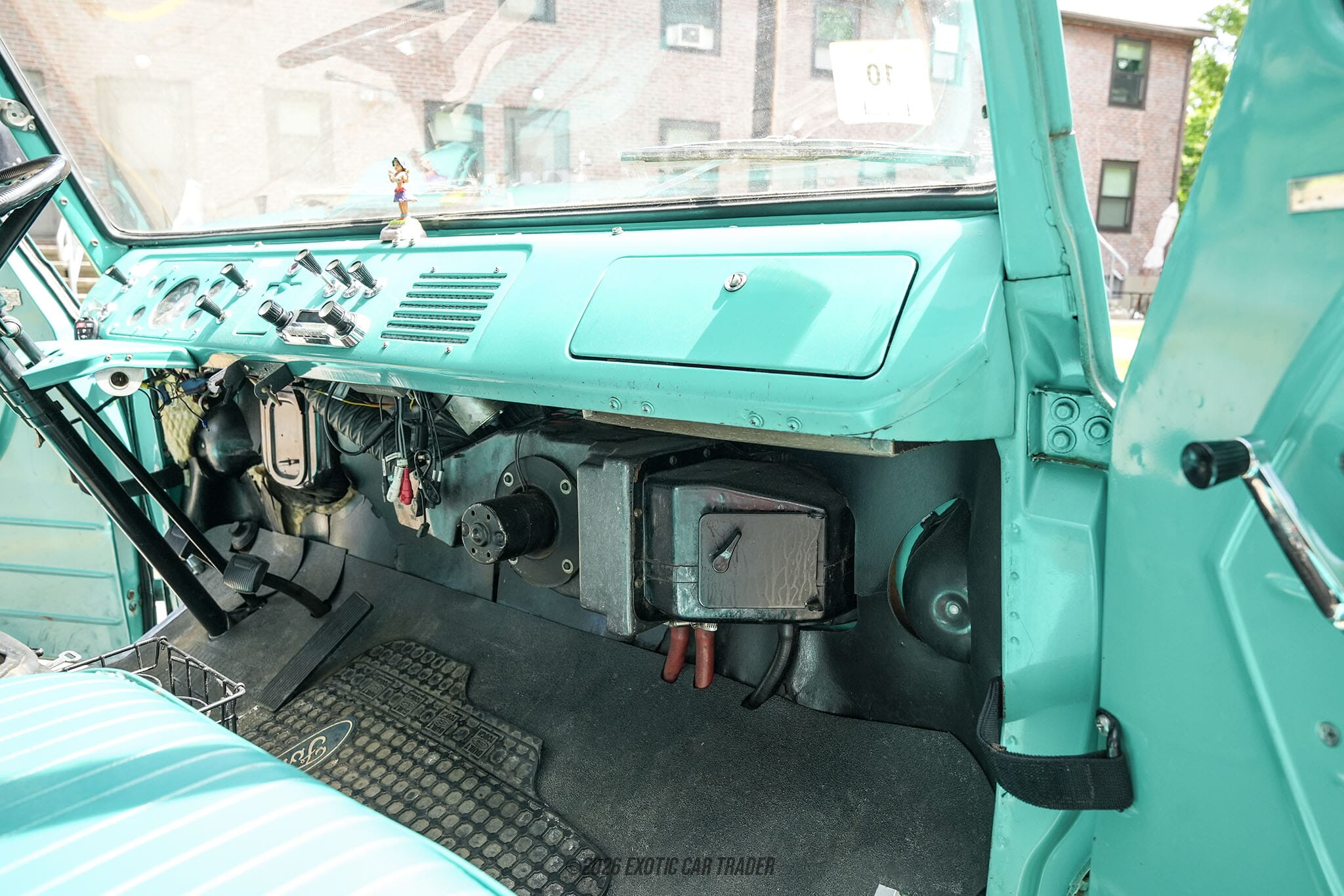
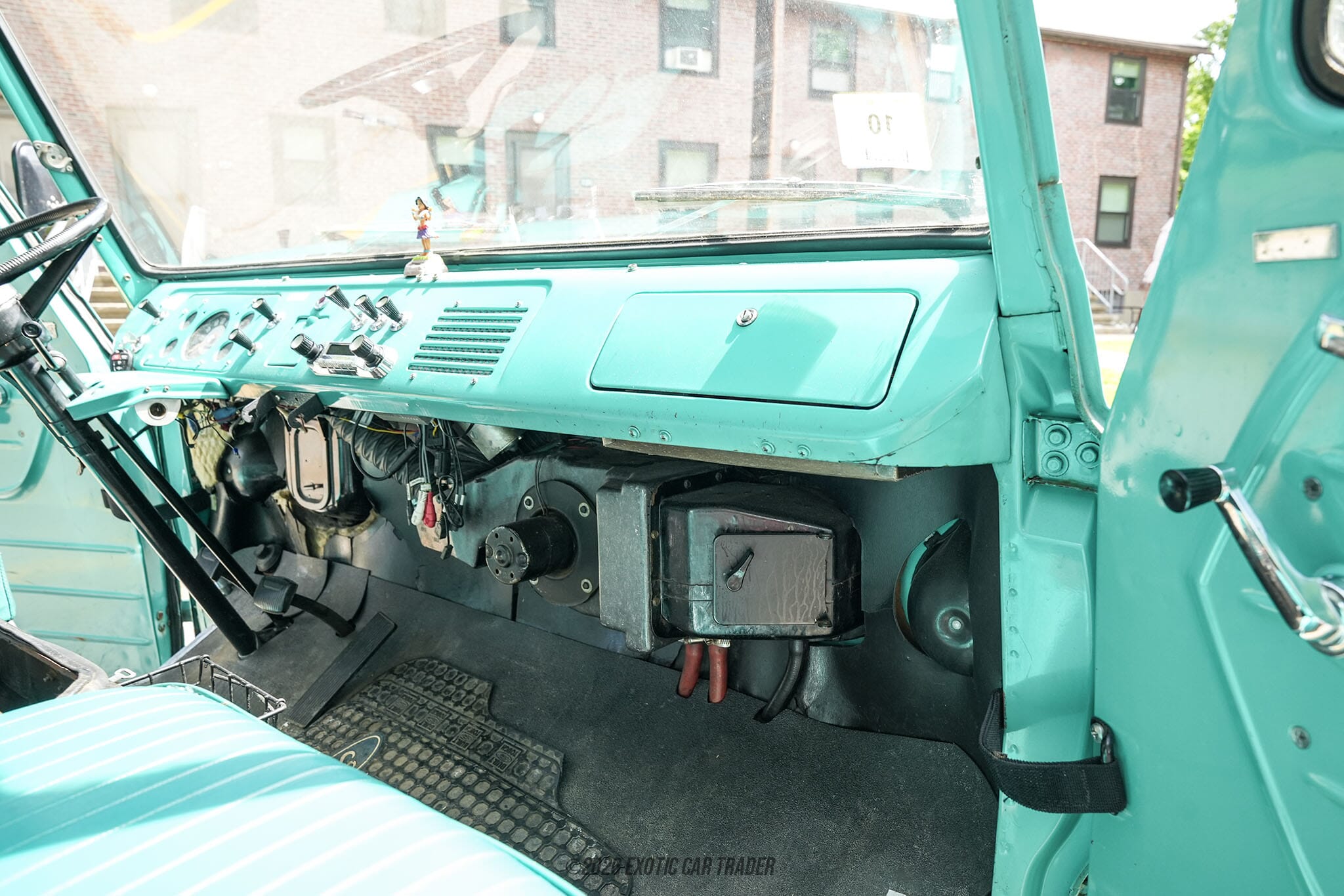
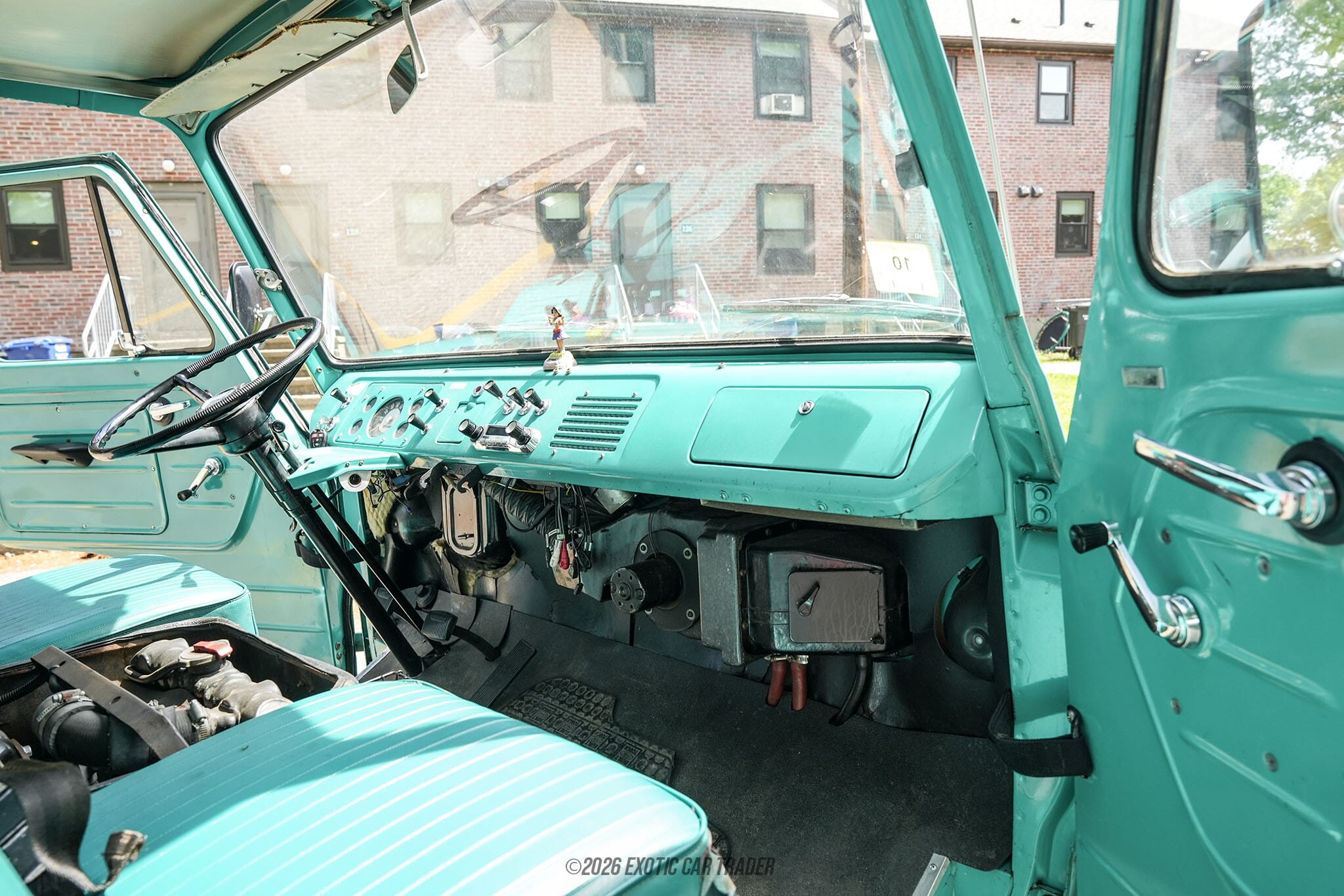
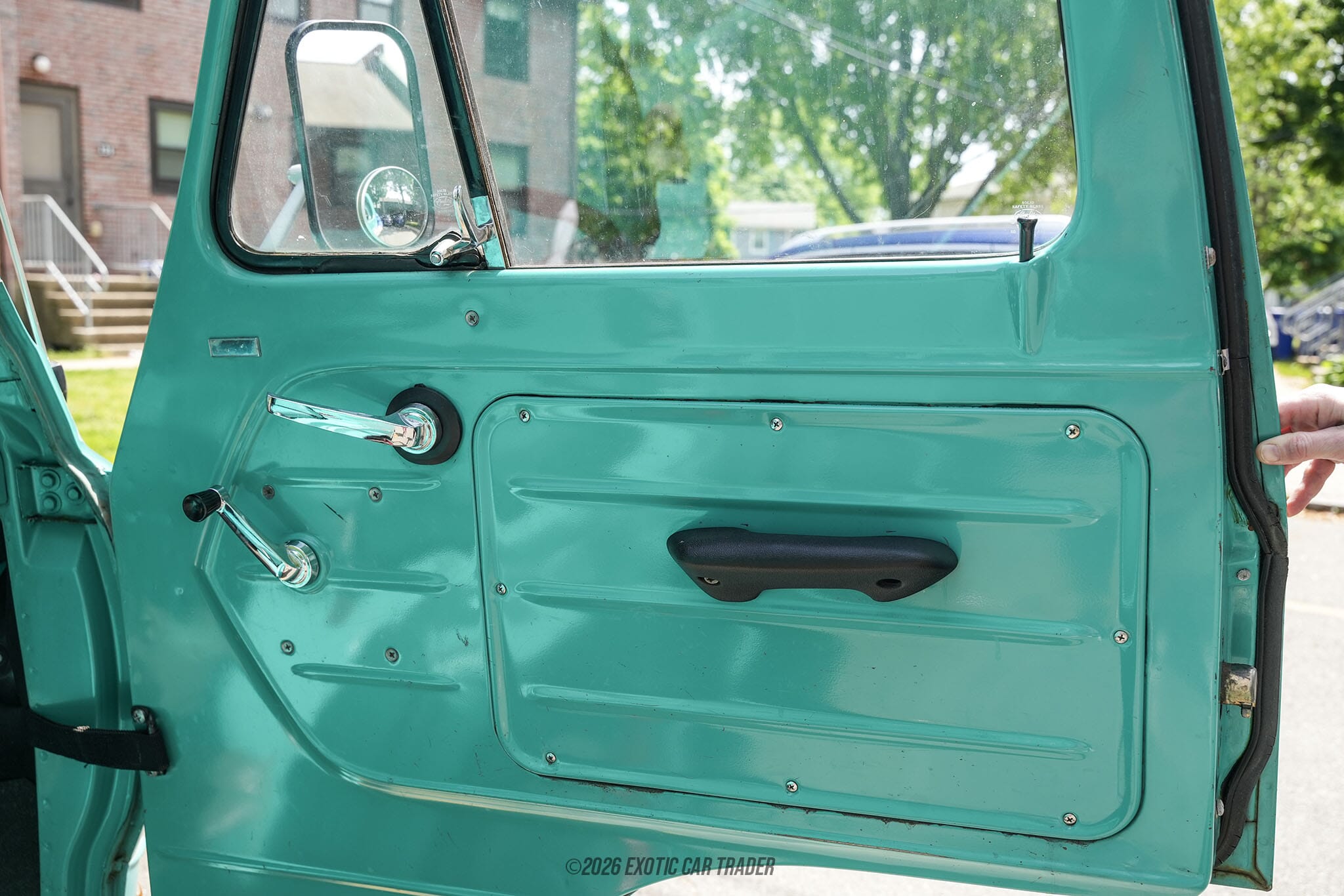
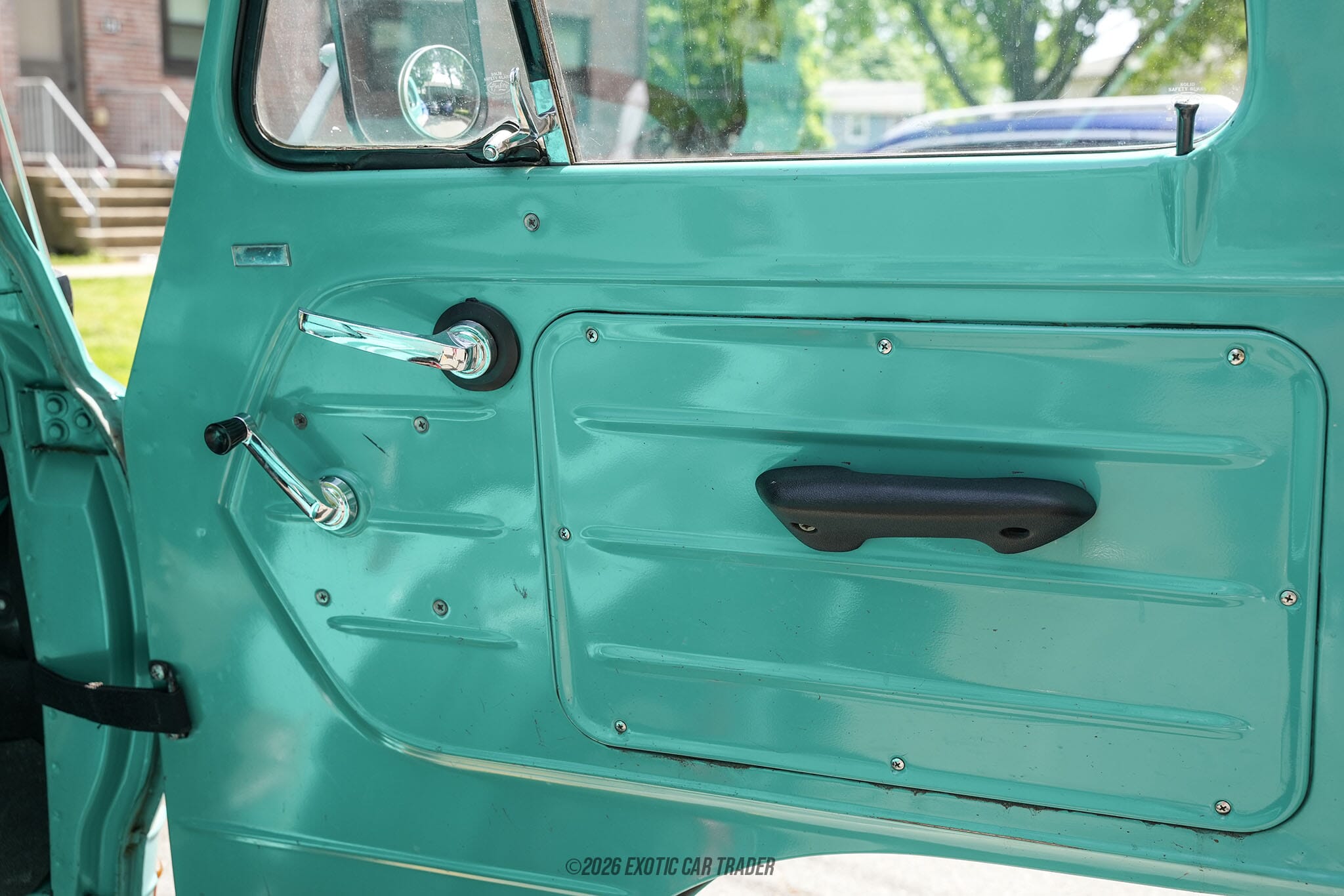
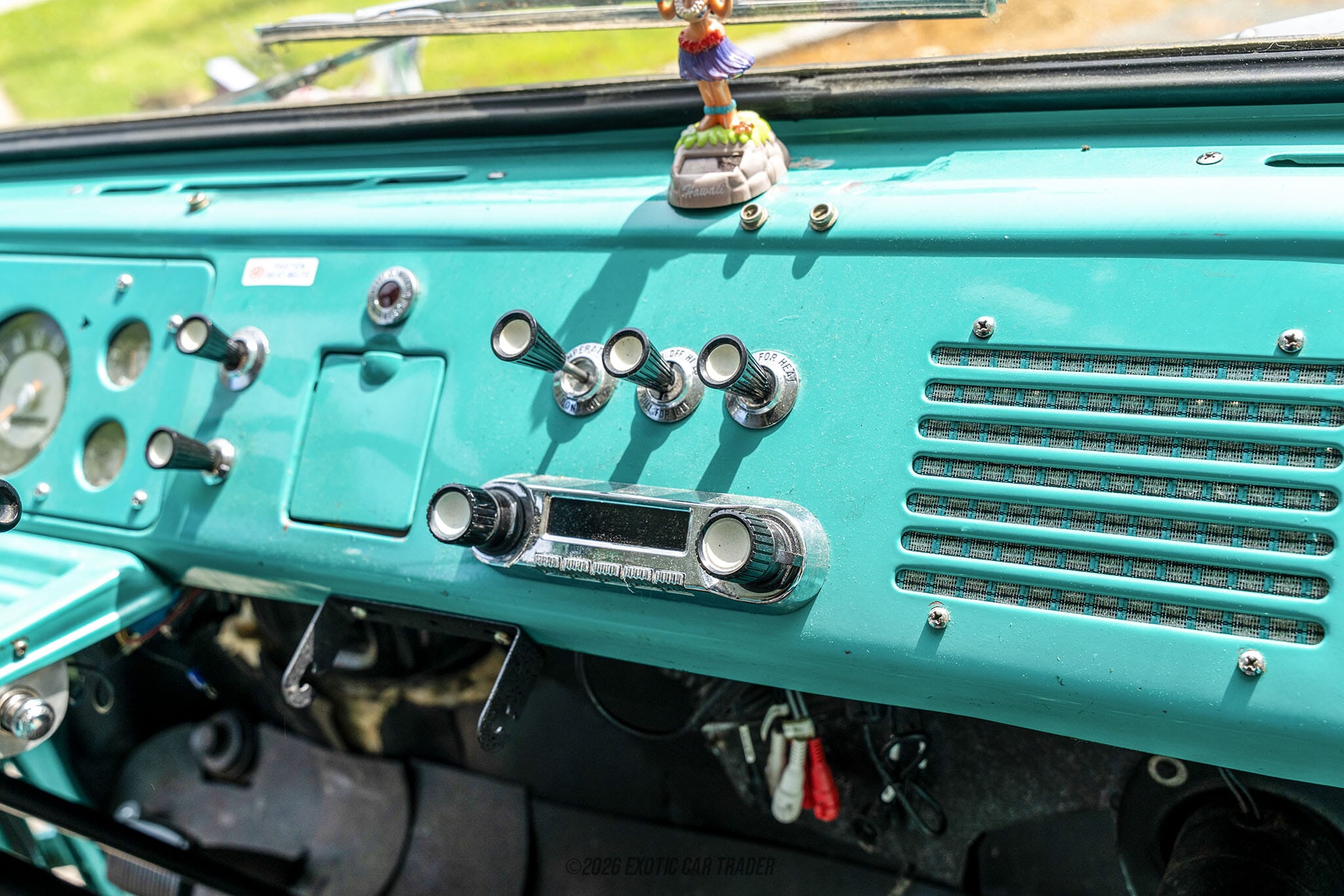
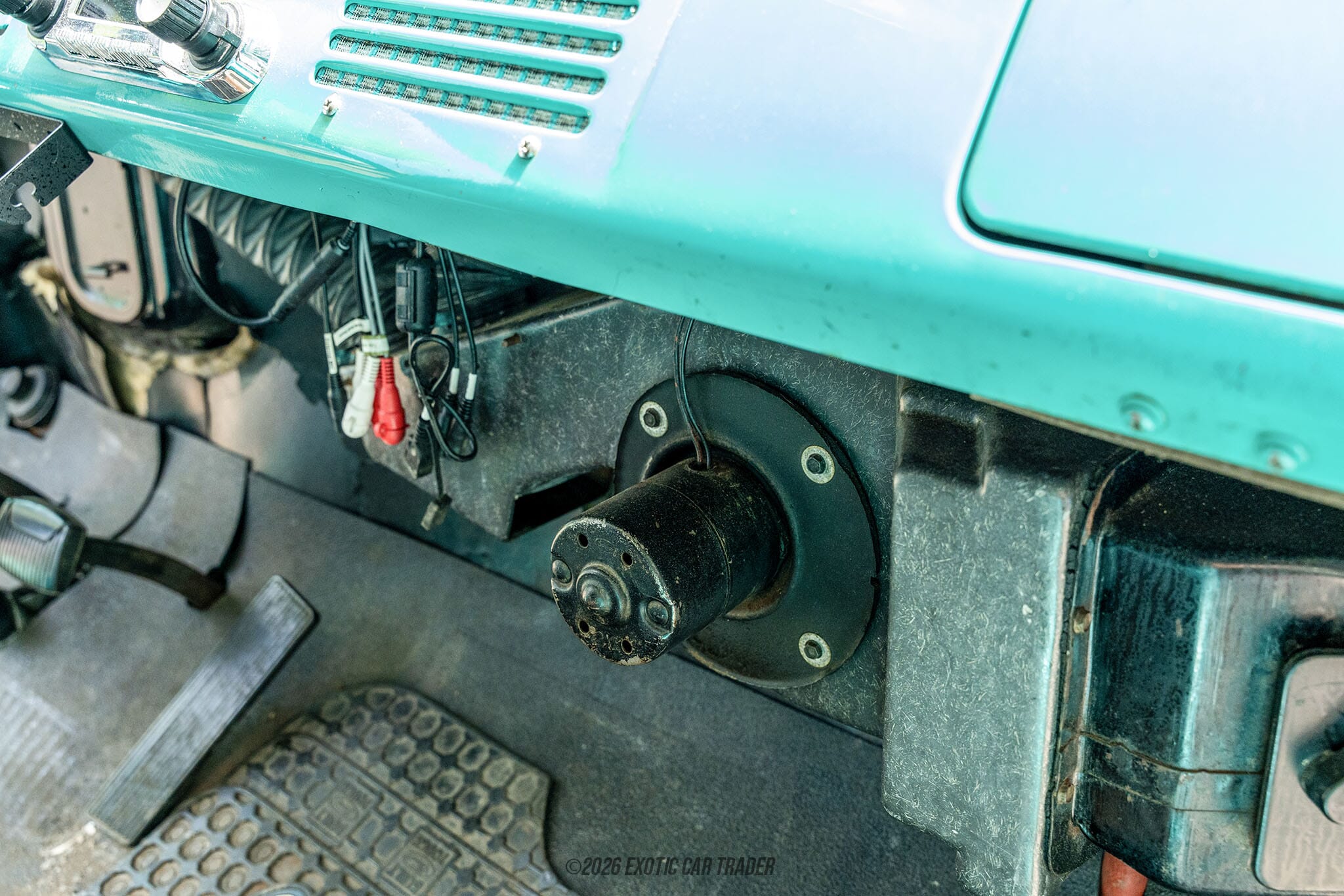
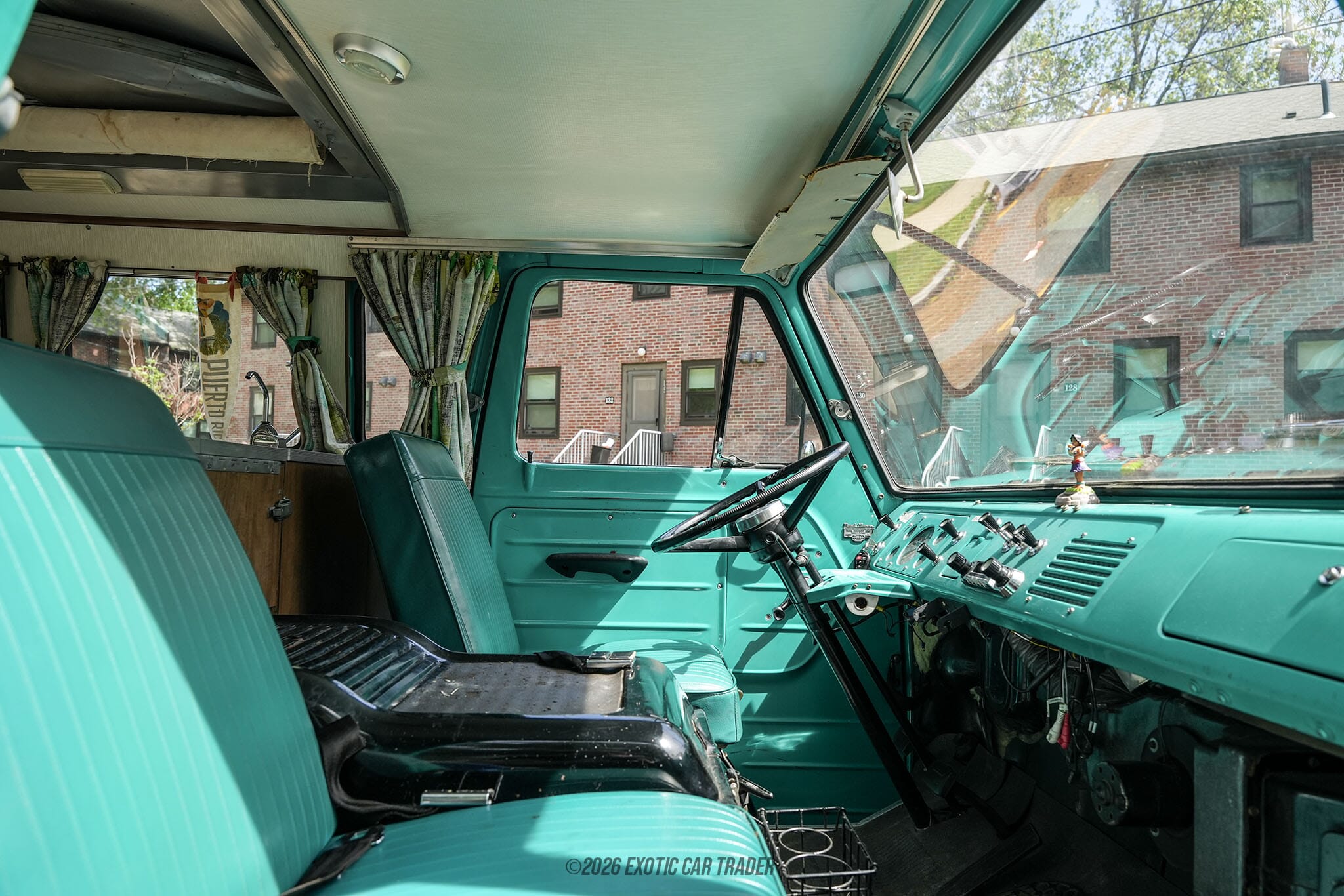
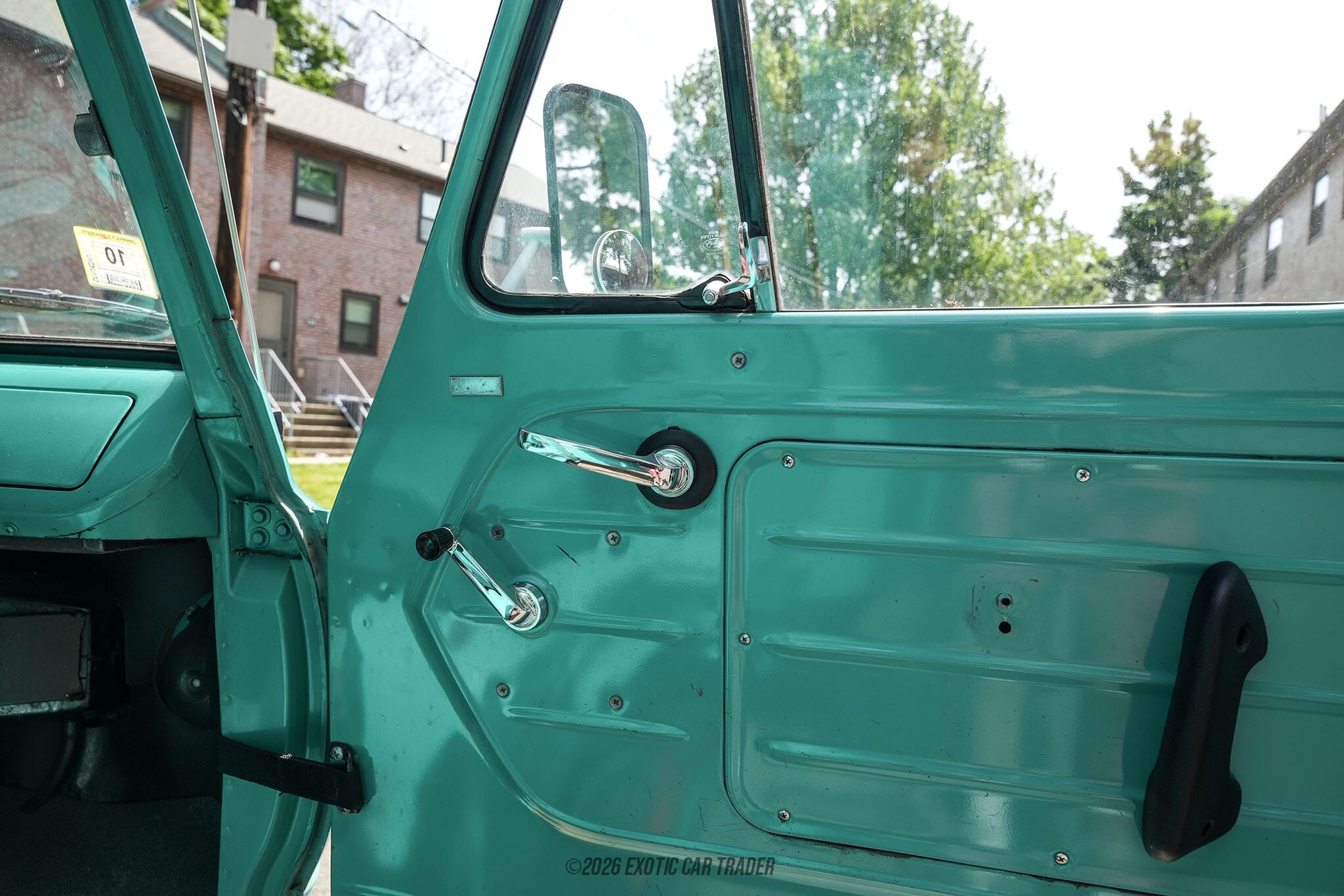
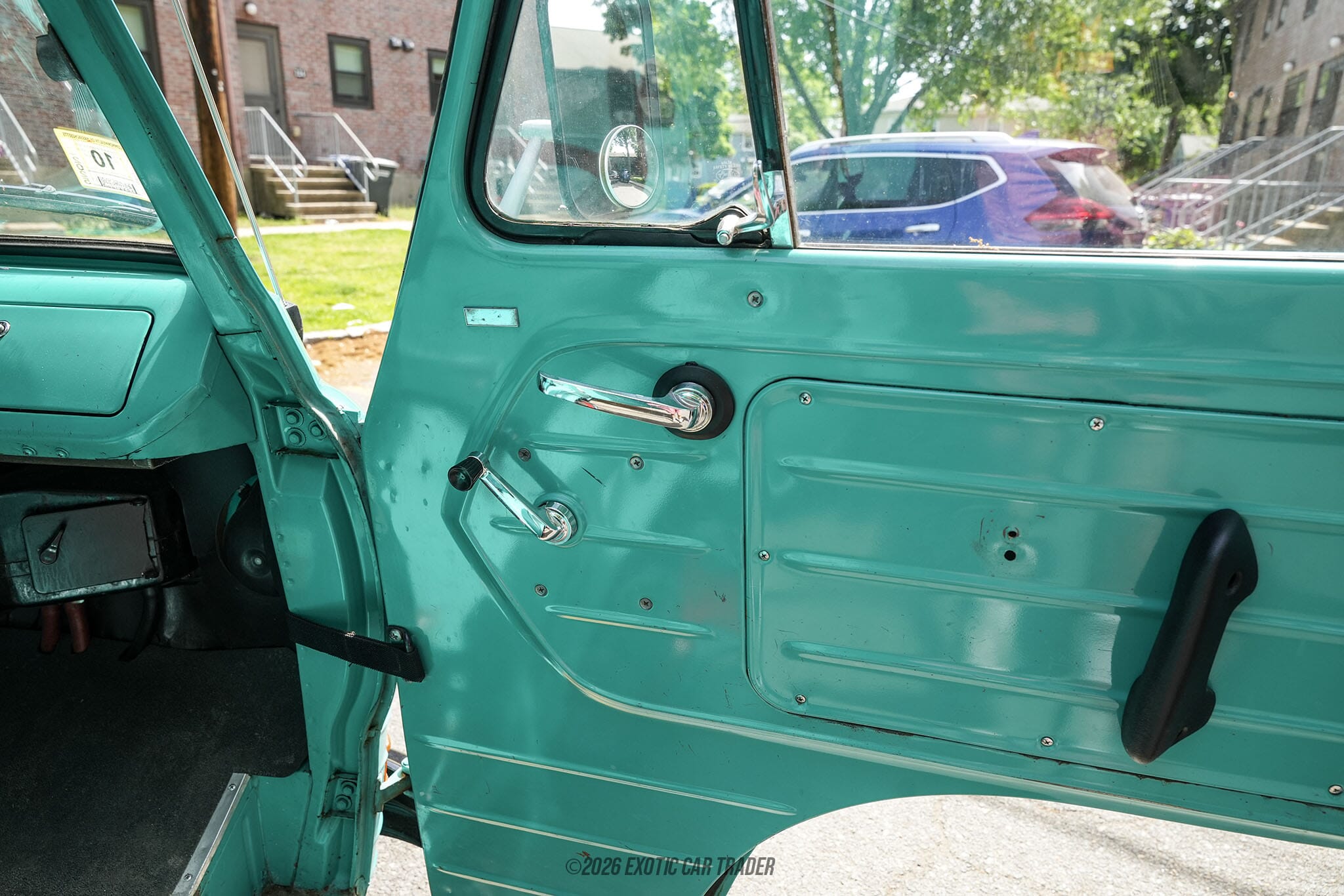
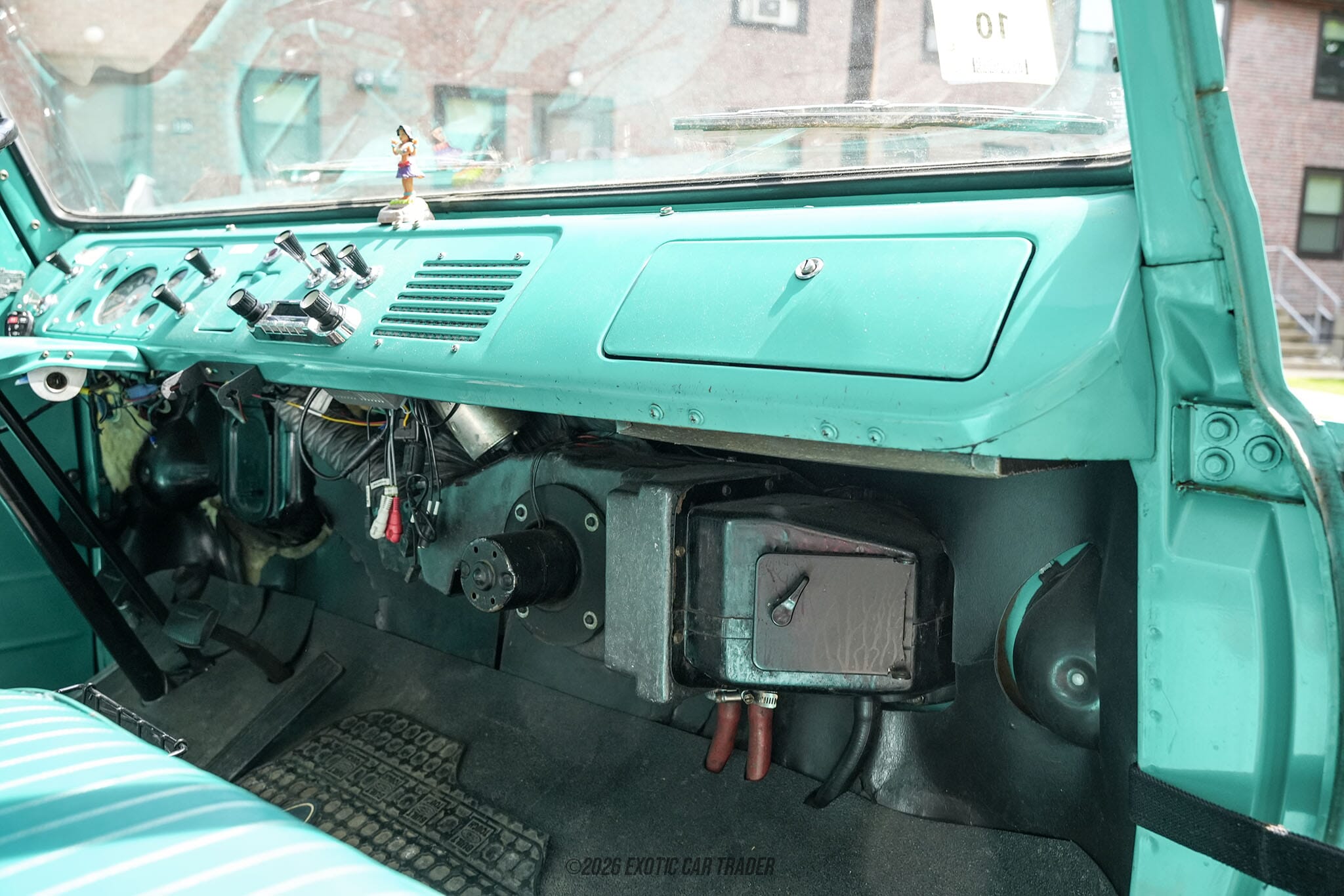
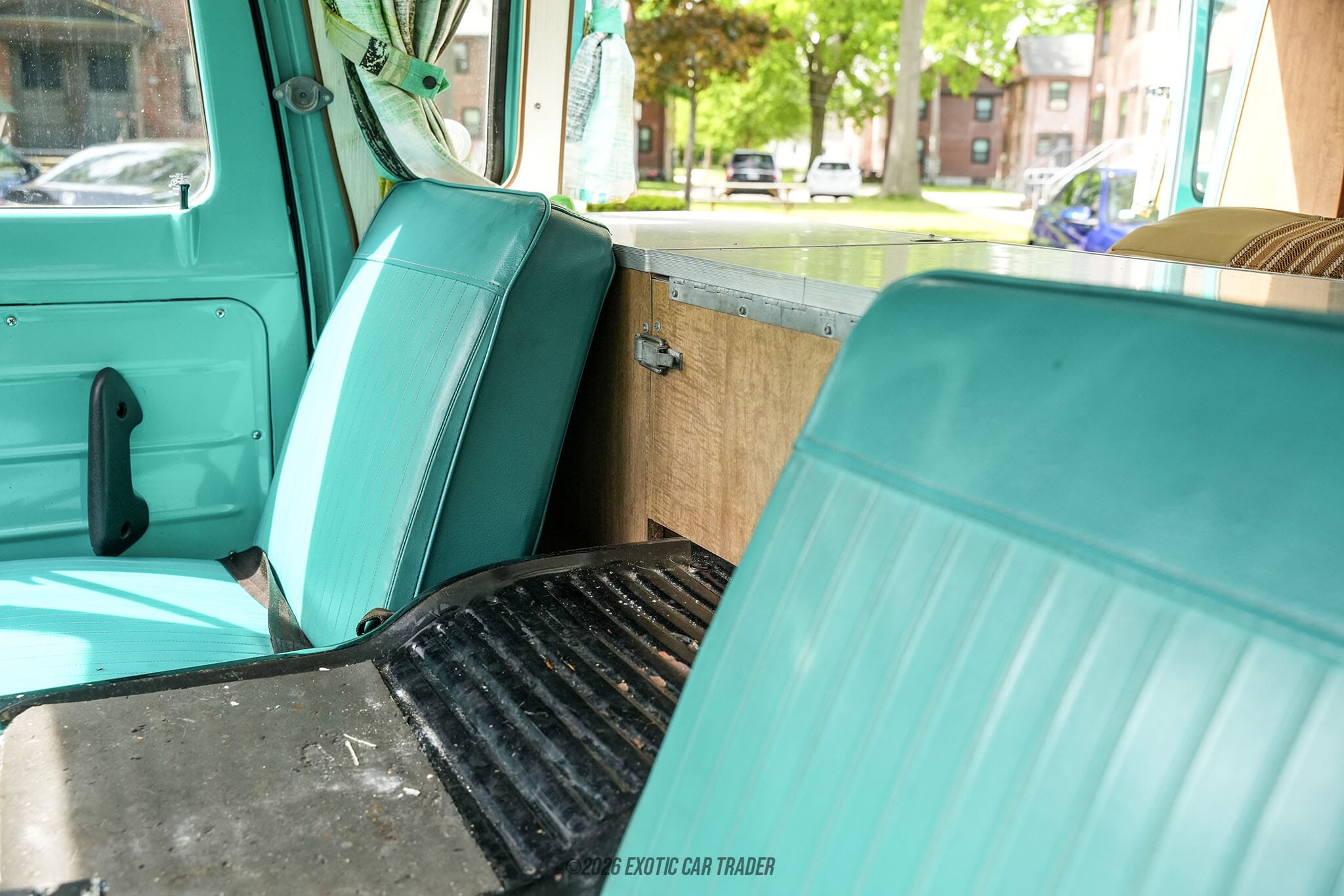
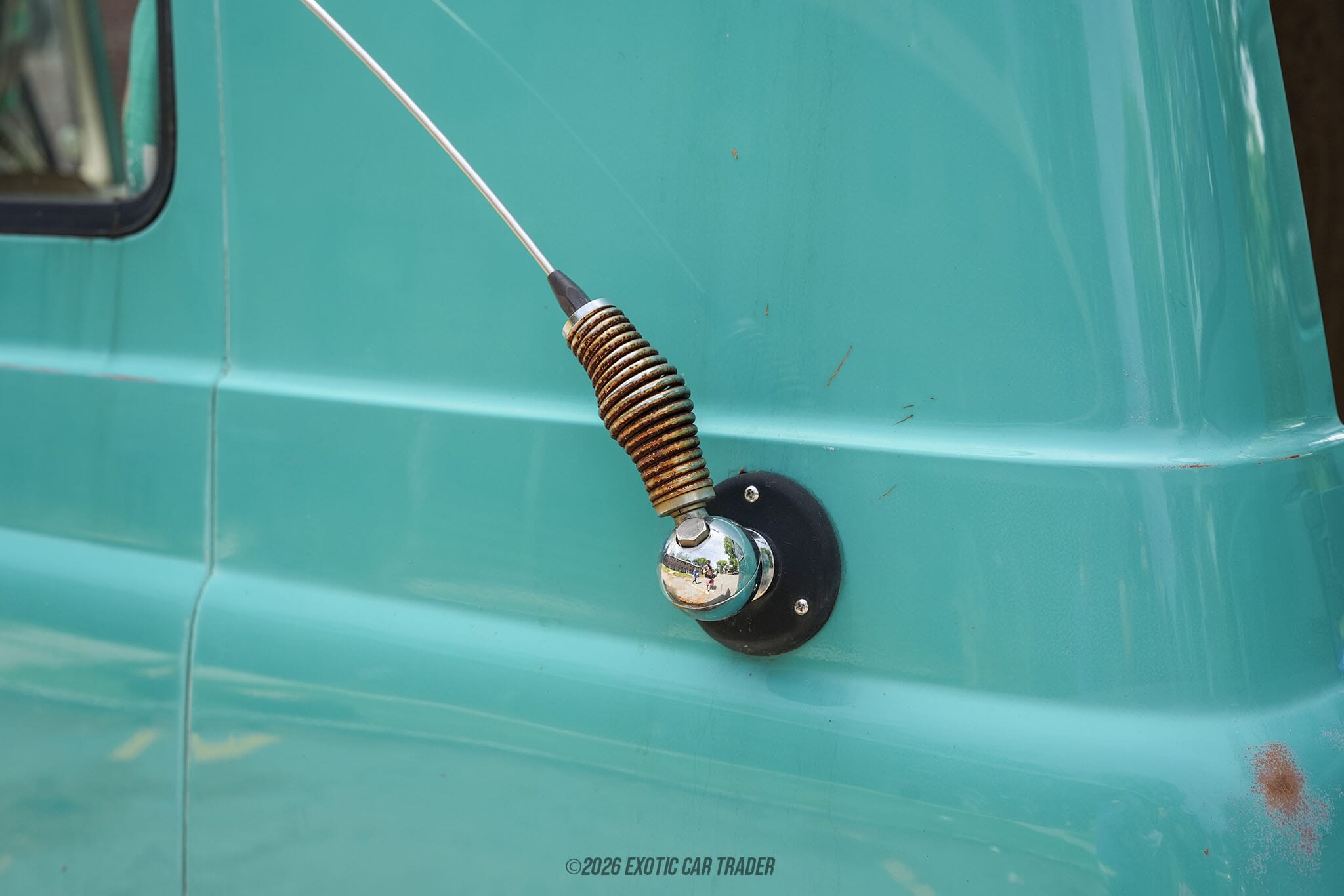
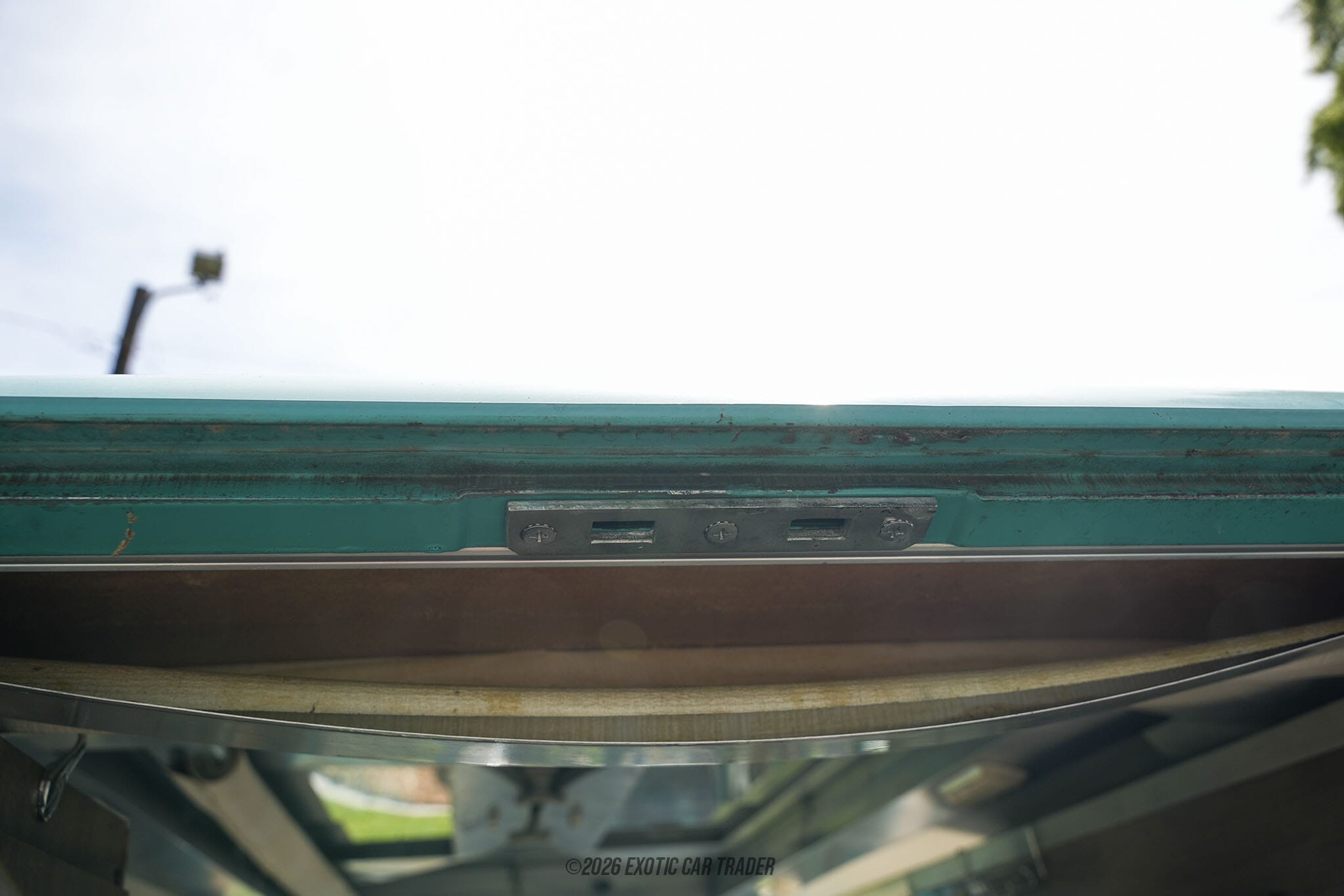
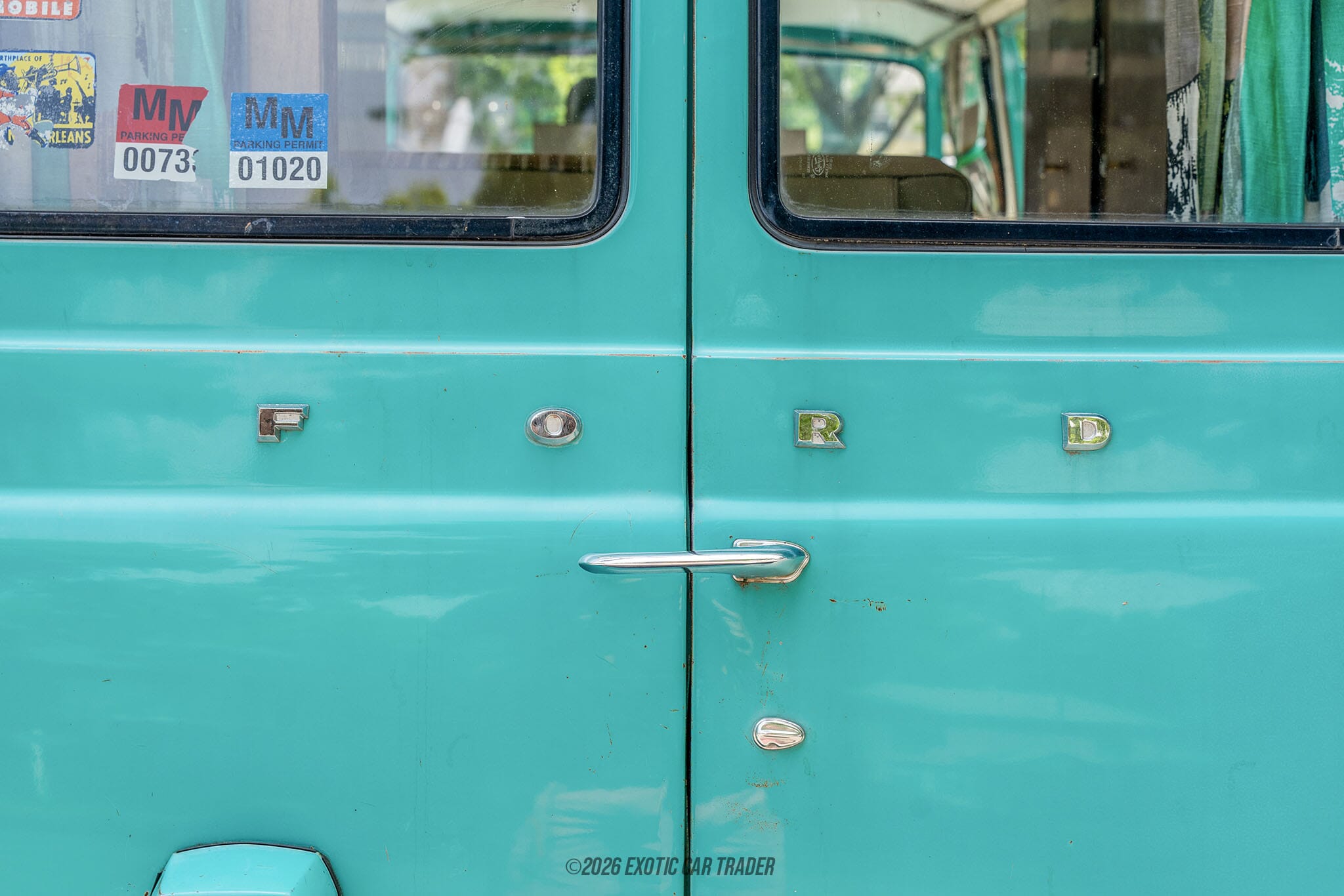
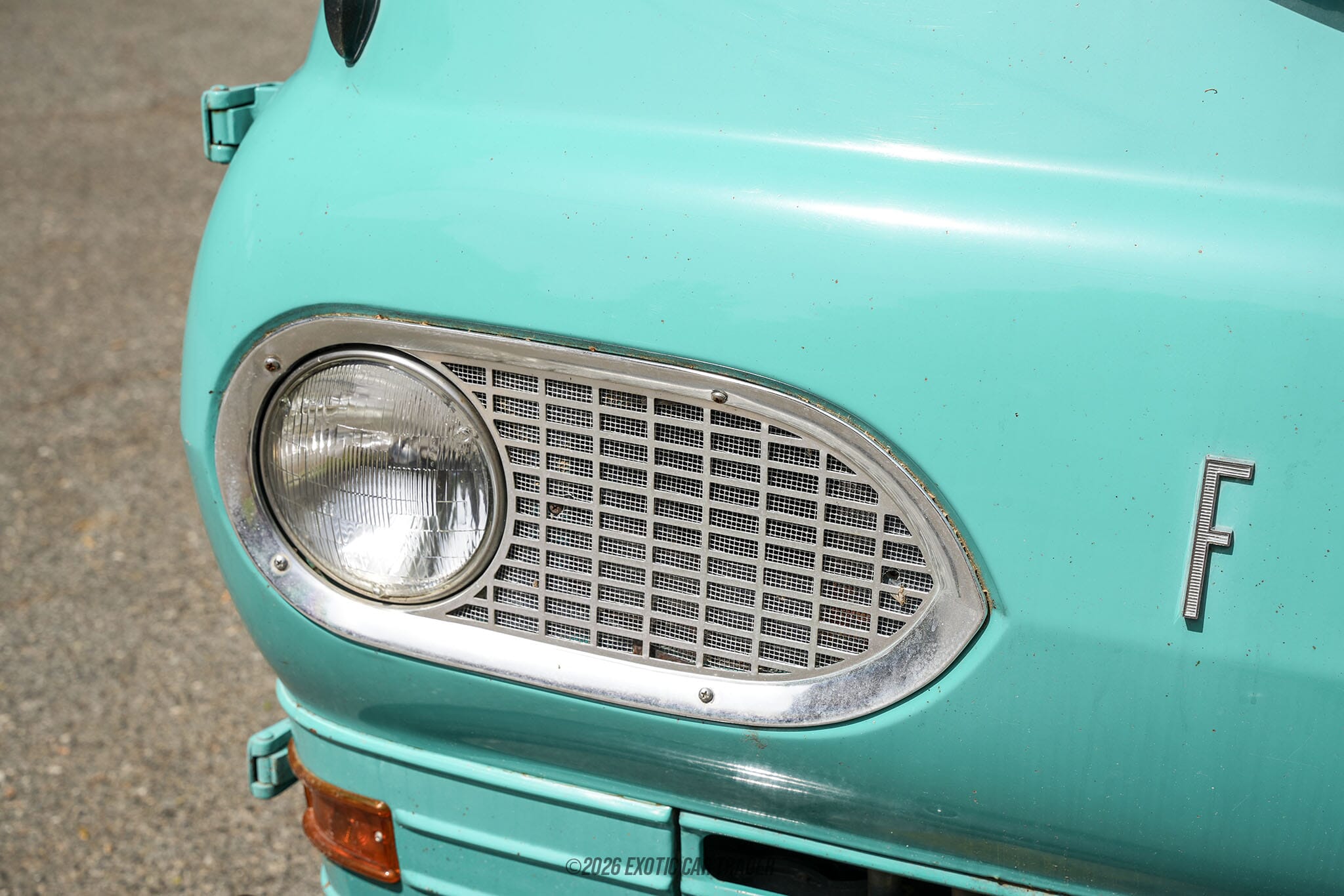
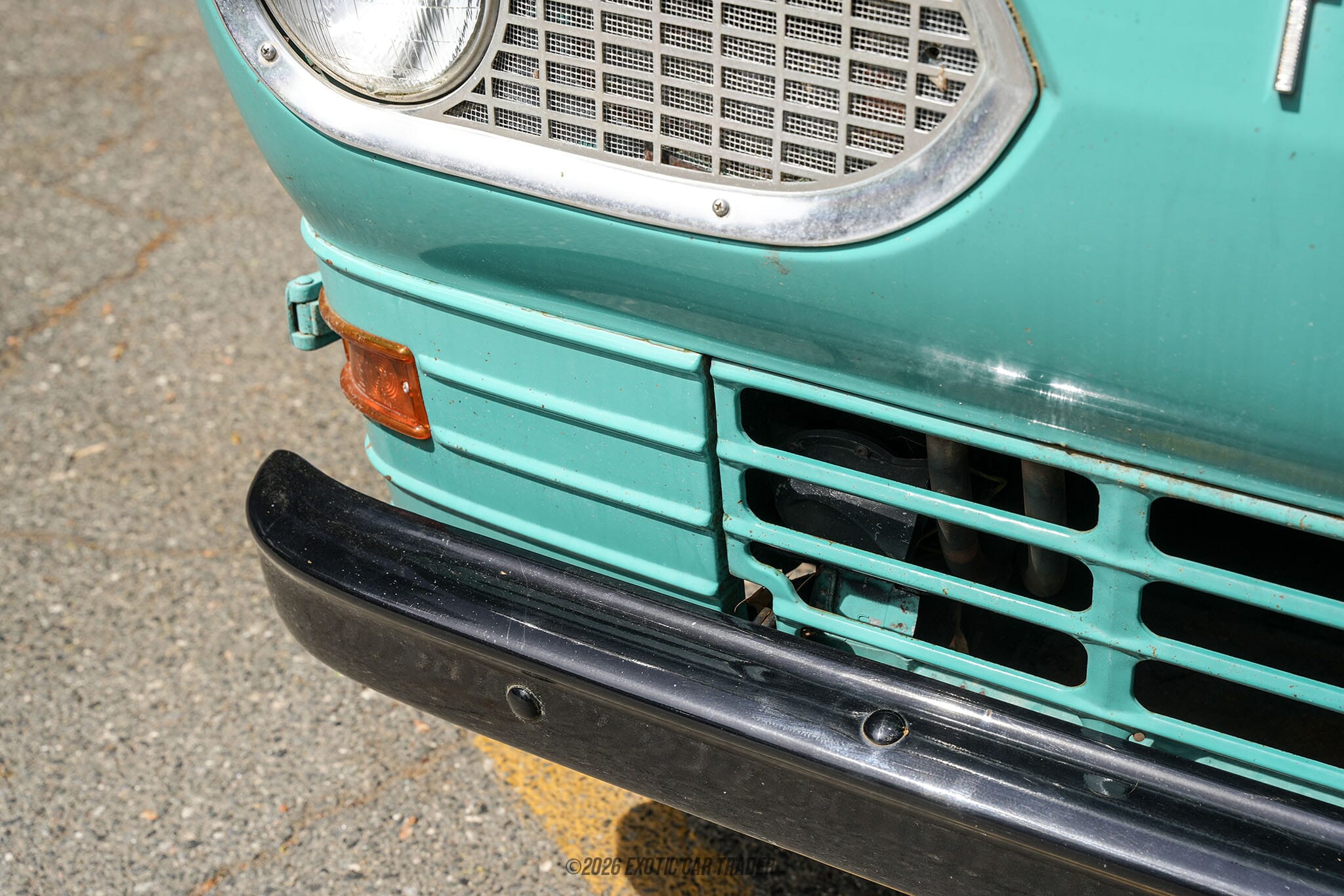
The exterior of this 1965 Ford Econoline E100 TravelWagon Camper is unmistakably period American, with its charming cab-over design, short nose proportions, and Caribbean Turquoise finish giving it a distinctly optimistic mid-century personality. The TravelWagon conversion adds significant visual appeal through its pop-top camper roof, instantly signaling its recreational purpose while also increasing interior usability when parked. Details such as the classic 14-inch steel wheels with “dog dish” hubcaps preserve the utilitarian factory aesthetic, while rust-preventative undercoating is a practical bonus for long-term preservation. Unlike many restored classics that lose originality through modernization, this camper retains the honest character that makes vintage adventure vehicles so desirable. The interior of this 1965 Ford Econoline E100 TravelWagon Camper is cleverly designed to maximize every inch of available space. Finished in a fitting two-tone tan camper theme, the cabin transforms the compact Econoline platform into a surprisingly usable mobile living area. A rear dinette seating arrangement with a fold-down table creates a flexible lounge and dining space, while built-in cabinetry provides practical storage for road trip essentials. The inclusion of a sink and countertop adds genuine camping functionality, making this far more than a novelty showpiece. It’s a wonderfully analog reminder of an era when road travel was simpler, slower, and arguably far more memorable.
Engine
Powering this 1965 Ford Econoline E100 TravelWagon Camper is Ford’s robust 240ci naturally aspirated inline-six, an engine widely respected for its simplicity, longevity, and low-end torque characteristics. Unlike high-strung V8-powered classics focused on outright speed, this powerplant was designed for dependable hauling duty, making it particularly well-suited to camper use. Paired with a 3-speed manual transmission, this drivetrain delivers a hands-on vintage driving experience that rewards mechanical engagement. Rear-wheel drive maintains the traditional layout expected of commercial-based utility vehicles from the era, while the straightforward mechanical setup makes ownership approachable for classic enthusiasts seeking usability as much as nostalgia.

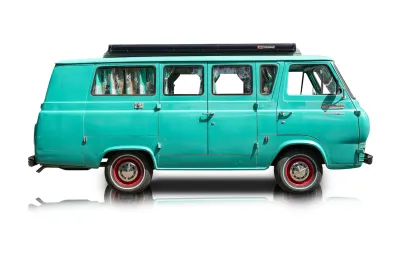

The 1965 Ford Econoline E100 TravelWagon Camper represents a fascinating slice of American recreational vehicle history, dating back to a time when compact camper conversions were becoming increasingly popular among adventurous families. Built from Ford’s first-generation forward-control Econoline platform, this example benefits from the desirable 240ci inline-six, an engine known for durability and dependable torque. TravelWagon conversions were among the more recognized aftermarket camper specialists of the era, transforming practical cargo vans into clever compact motorhome alternatives with impressive packaging efficiency. Showing approximately 123,020 miles, this example offers vintage charm, utility, and a genuine period-correct camping experience that stands apart from conventional classic cars.
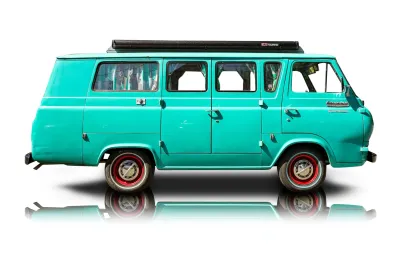
Ford’s iconic E-Series lineup of full-size vans debuted in 1960, with the Econoline quickly becoming the standout variant. Available in various configurations—including passenger vans, panel vans, and bare chassis models—the E-Series offered flexibility for a wide range of uses. This particular 1965 Ford Econoline E100 hails from the first generation, which ran from 1961 to 1967, and firmly earns its place in the classic category. Based in Arlington, it offers a unique slice of Sixties motoring charm. We’re told it has received mechanical updates within the past five years, retains its original paint, and features a rust-preventative undercoating to preserve its vintage appeal.
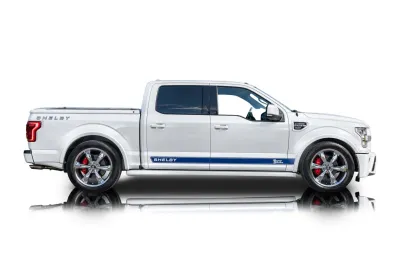
The 2017 Ford F-150 Shelby Super Snake is what happens when one of America’s most familiar full-size pickups is handed over to Shelby and turned into something far more outrageous. Showing approximately 43,139 miles, this Oxford White SuperCrew pairs the comfort and practicality of a heavily optioned Lariat with a Shelby-engineered 750 HP supercharged 5.0L V8, making it a truck that can haul, cruise, and deliver genuine muscle-car levels of attitude. The transformation goes well beyond the engine, with 22-inch Shelby Retro chrome wheels, a lowered Shelby suspension, functional ram-air hood, full-body rally stripes, unique Shelby bodywork, and a tuned Borla exhaust all contributing to its unmistakable presence. Inside, Shelby registry details are joined by desirable factory equipment such as Equipment Group 502A, the Technology Package, adaptive cruise control, and a twin-panel moonroof. It is the kind of truck that combines everyday usability with the theater and exclusivity enthusiasts expect from the Shelby name.
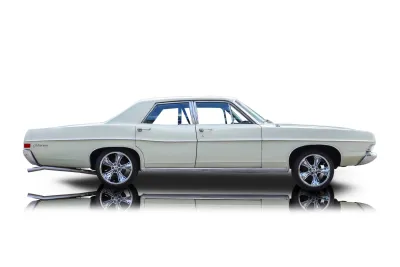
The 1968 Ford Galaxie 500 represents Ford’s full-size American sedan formula at its peak, combining substantial road presence, straightforward V8 power, and the relaxed cruising character that defined the era. This four-door example shows approximately 84,645 miles and pairs its classic Galaxie styling with several useful upgrades, including an Edelbrock 4-barrel carburetor, aluminum radiator, aftermarket exhaust system, and Bluetooth-capable audio. Finished in Meadowlark Yellow with an Olive interior, it offers a distinctive period color combination along with practical equipment such as air conditioning and power steering. Its blend of originality and select updates gives it strong appeal as a usable classic cruiser.
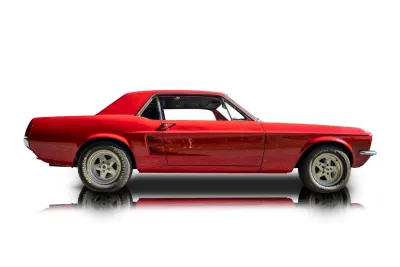
This 1967 Ford Mustang Hardtop combines classic first-generation Mustang styling with a desirable 289ci V8 and 4-speed manual transmission. The odometer shows 7,768 miles, though the total mileage is unknown. Finished in Red with White racing stripes over a Red and White interior, this example has the right visual attitude for a vintage Mustang, while features such as front bucket seats, a wood-rim 3-spoke steering wheel, air conditioning, power steering, and an aftermarket Alpine audio head unit make it easier to enjoy on the road. With its C-code-style 289ci V8, manual gearbox, and traditional hardtop body, this Mustang offers a straightforward blend of classic muscle-era character and driver involvement.
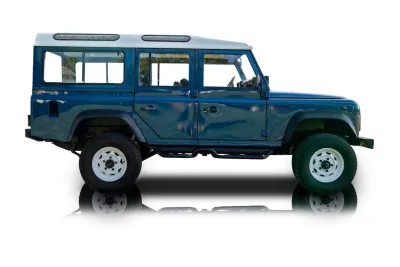
The 1988 Land Rover Defender 110 is the kind of classic 4x4 that earned its reputation through simplicity, utility, and genuine off-road capability. Showing approximately 69,322 miles, this example is finished in Marine Blue with a contrasting Davos White roof and carries the unmistakable long-wheelbase, five-door Defender profile. Its 2.5L turbocharged diesel engine, 5-speed manual transmission, dual-range transfer case, and center differential lock give it the mechanical foundation enthusiasts expect from a traditional Land Rover, while details such as Alpine roof windows, tubular side steps, black fender flares, and aftermarket LED headlights add both character and usability. It is a straightforward, purpose-built utility vehicle with the kind of old-school driving experience that has made the Defender 110 such an enduring enthusiast favorite.
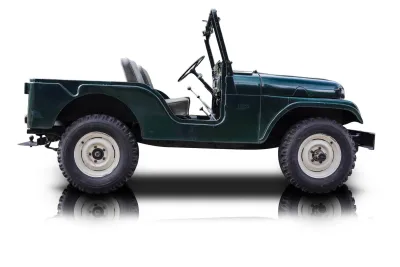
The 1955 Willys Jeep CJ-5 represents the early civilian evolution of the wartime Jeep formula, retaining the compact dimensions, simple mechanicals, and go-anywhere character that made the platform famous. Showing 32,946 miles, this example is finished in Forest Green with a Black/Gray vinyl interior and features the classic open-top CJ configuration with removable doors, a fold-down windshield, and a rear cargo area with a drop-down tailgate. Its 134ci Hurricane F-head four-cylinder, 3-speed manual transmission, and dual-range 4WD system give it the straightforward, mechanical driving experience that defines an early CJ.
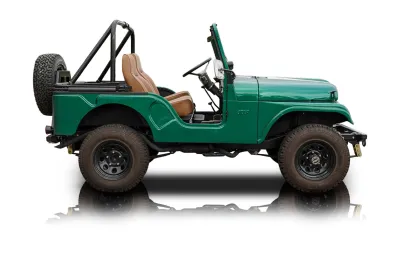
This 1967 Jeep CJ-5 is the kind of early Jeep that reminds you why the CJ became such an enduring off-road icon in the first place. Showing approximately 1,922 miles, this example keeps the formula wonderfully simple with a 225ci V6, 4-speed manual transmission, and a Dana 18 twin-stick transfer case sending power through a Dana 27 front axle and Dana 44 rear axle. Finished in green over a reupholstered tan interior, it combines period-correct utility with just enough upgrades to make it more usable, including manual locking hubs, a power brake booster, and a spray-lined tub. It is compact, mechanical, and purpose-built in exactly the way vintage Jeep enthusiasts tend to appreciate.

Terms of Service
Be Kind and Courteous
We're here to create a platform to better the automotive industry through communication and transparency. Please treat everyone with respect. Healthy debates are natural, but kindness is required.
No Hate Speech
Make sure everyone feels safe. Hate speech of any kind is strictly prohibited. Degrading comments about things like race, religion, culture, sexual orientation, etc. will not be tolerated.
No Promotions or Spam
Give more than you take. Self-promotion, spam, or links of any kind are not allowed.
