





Buyer Resources






- 1969 Chevrolet Camaro
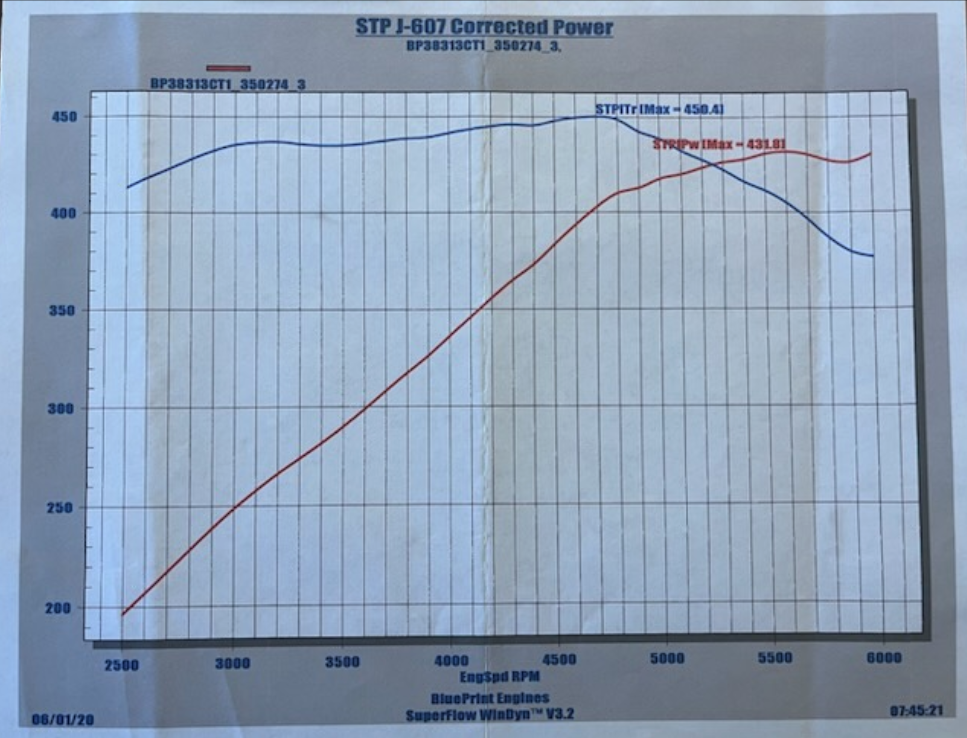
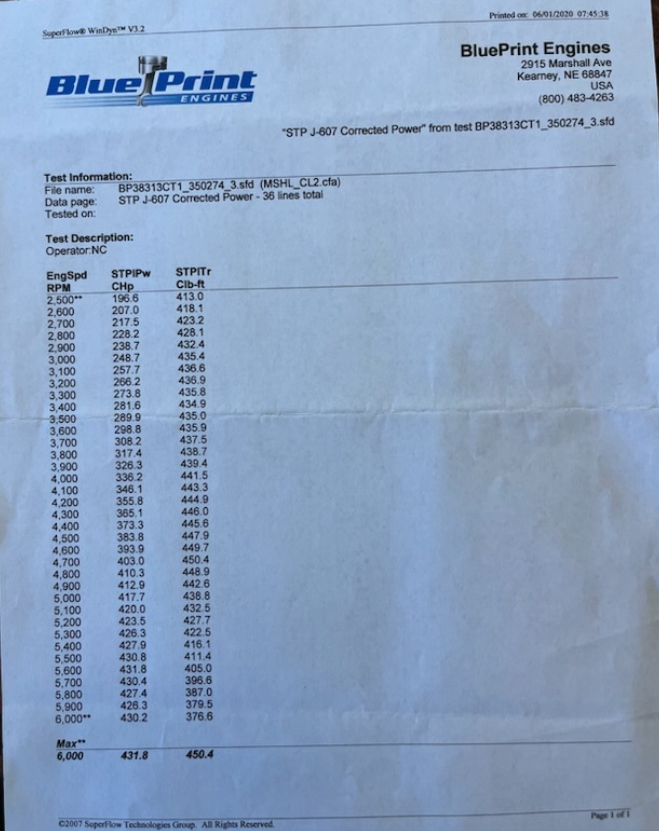
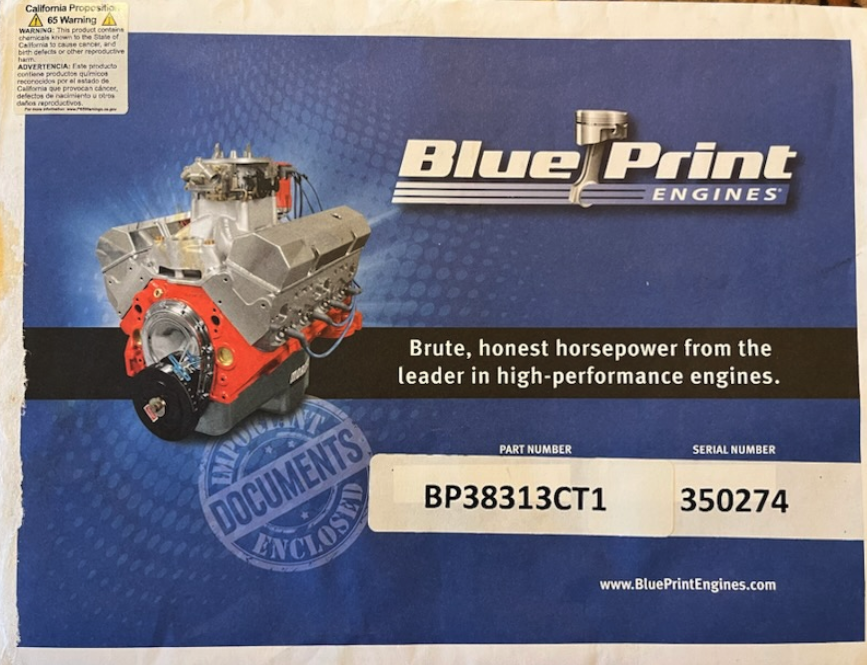
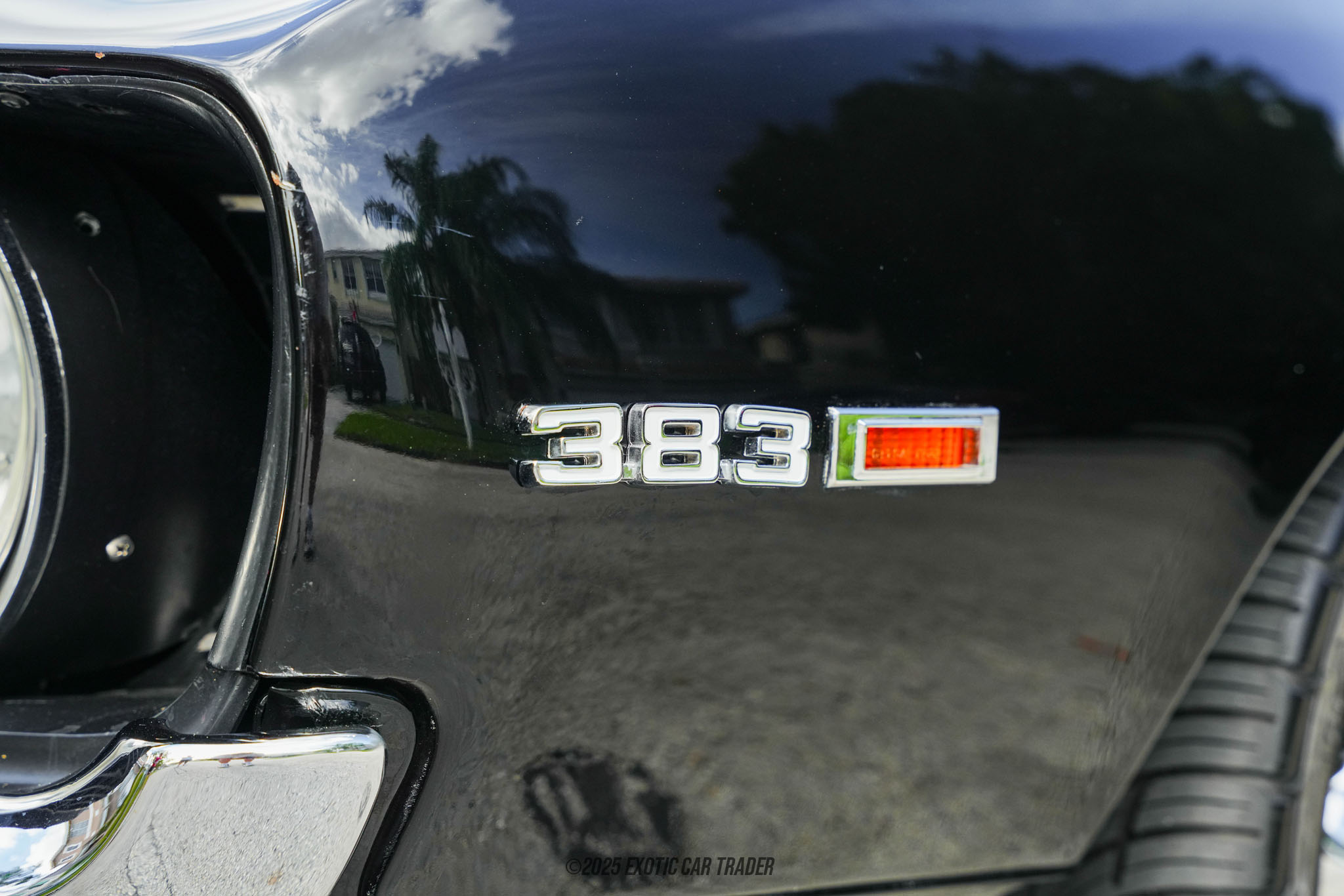
- Blueprint 383ci Stroker V8
- Holley Sniper Electronic Fuel Injection
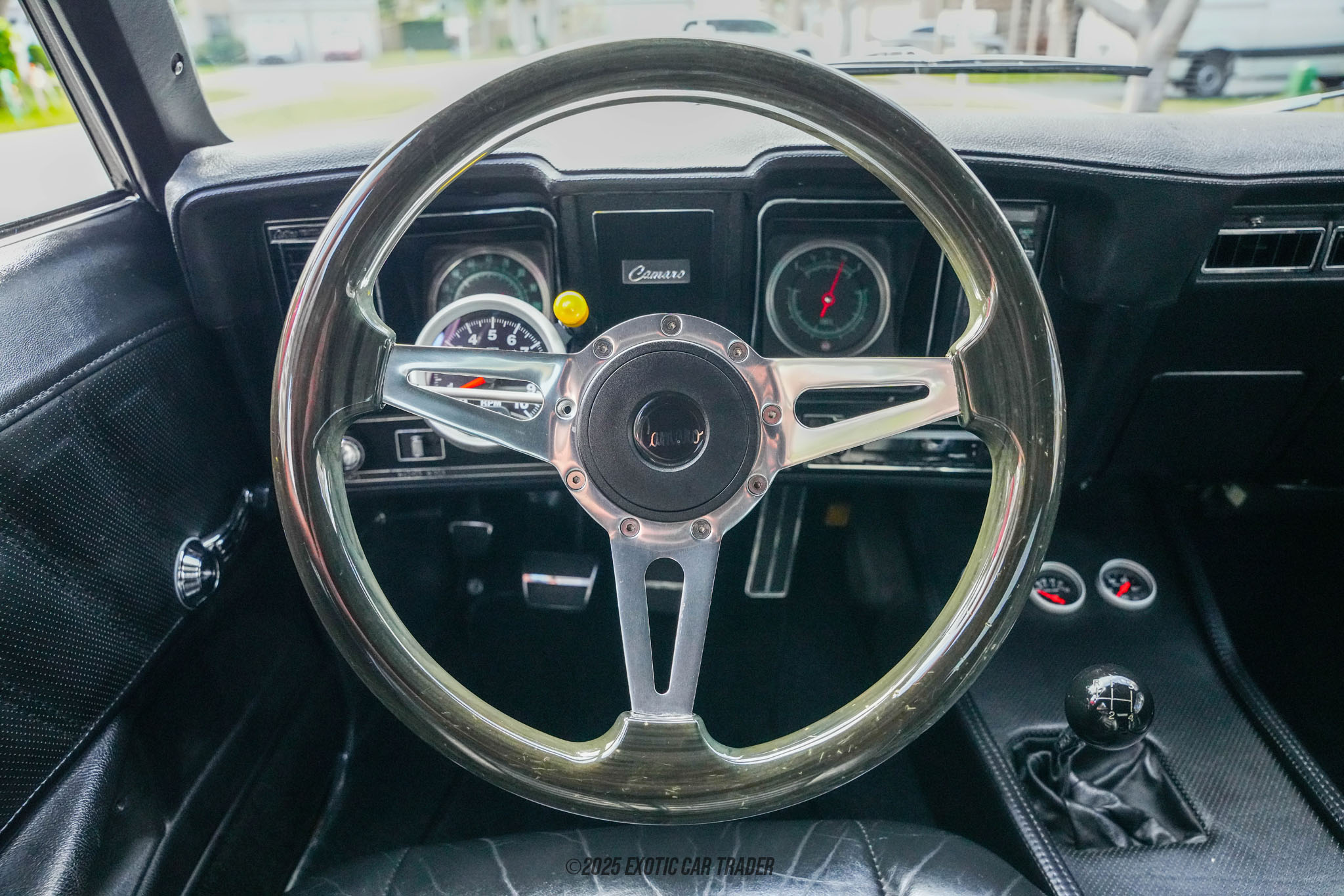
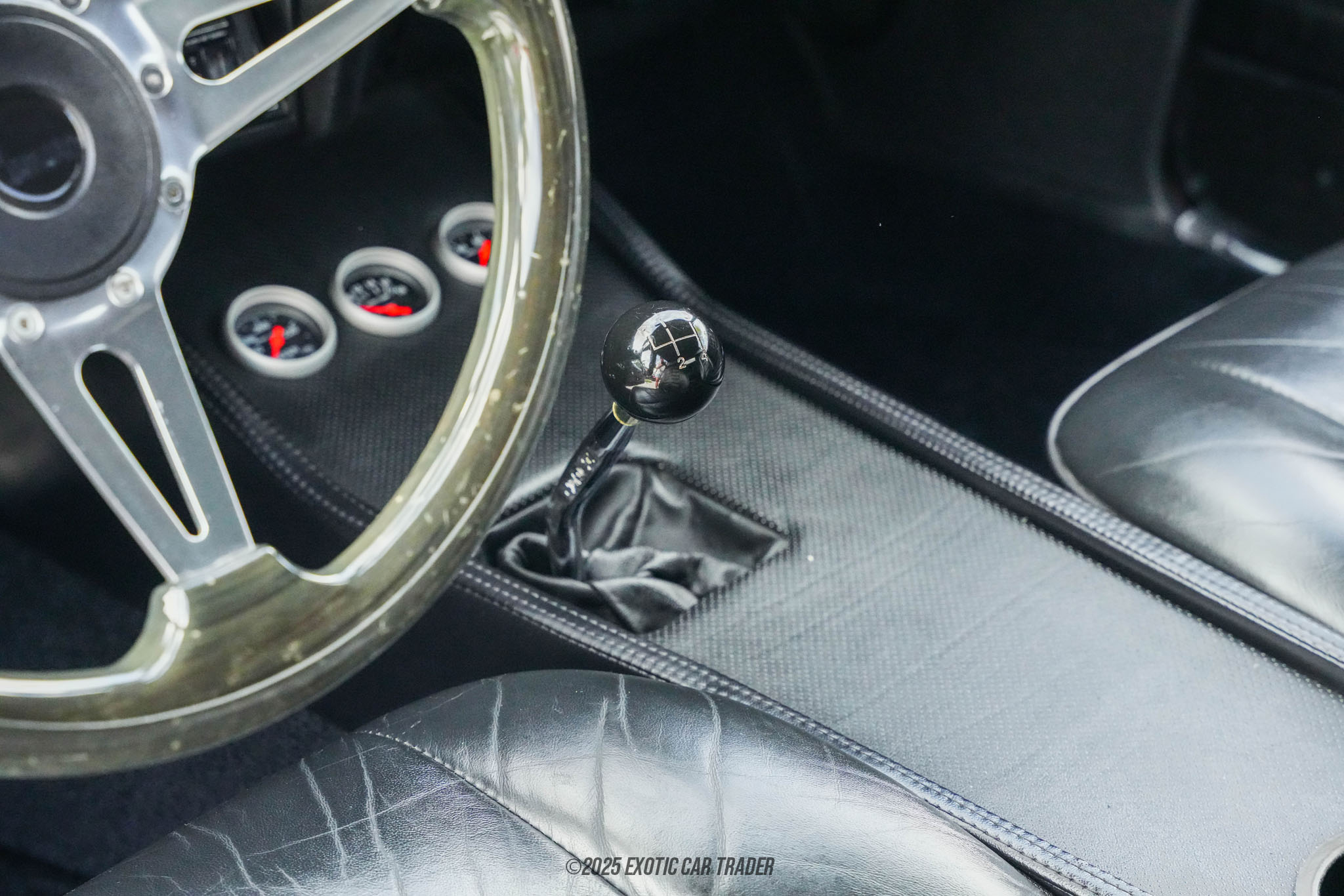
- Muncie 4-Speed Manual
- RWD
- Black Exterior
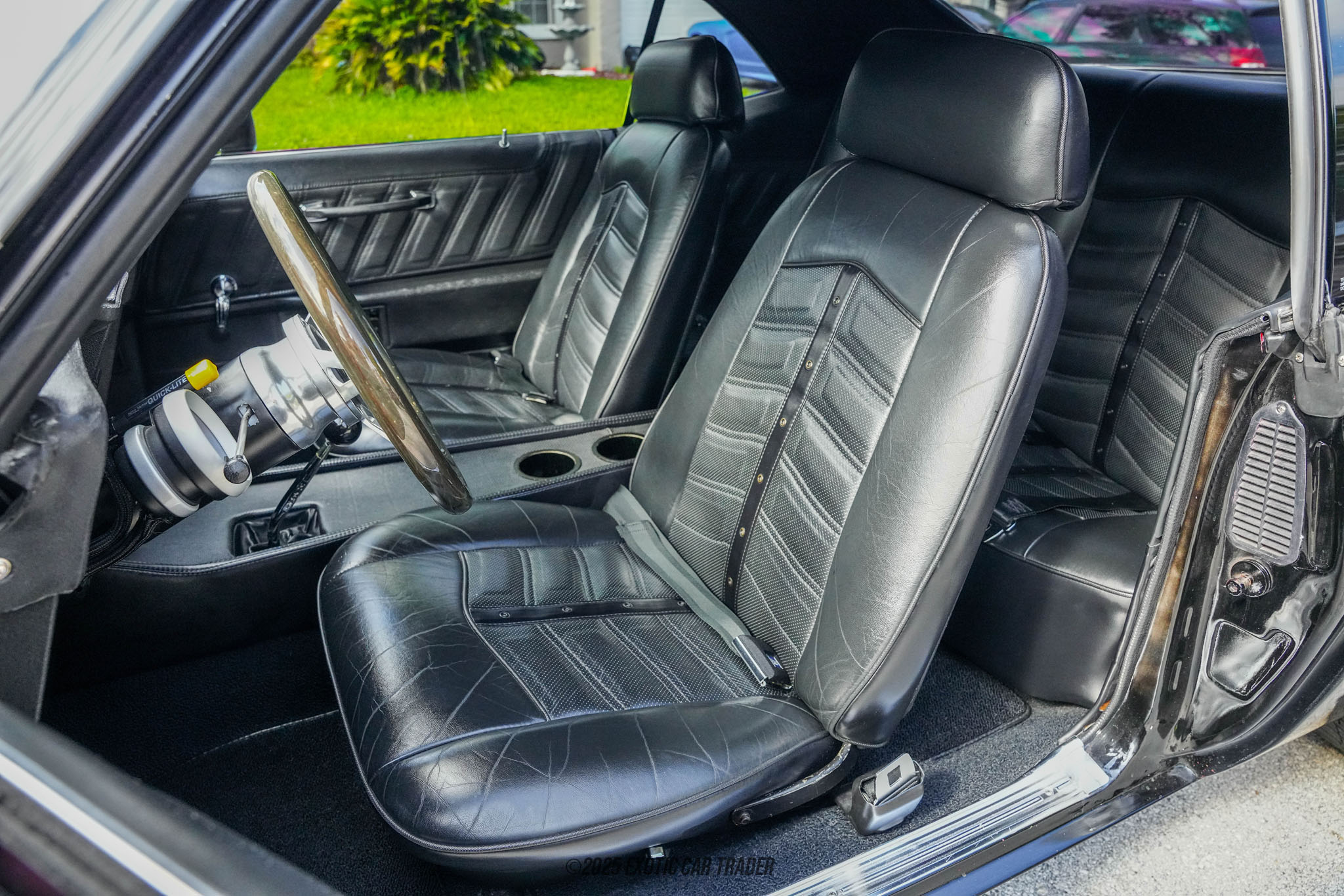
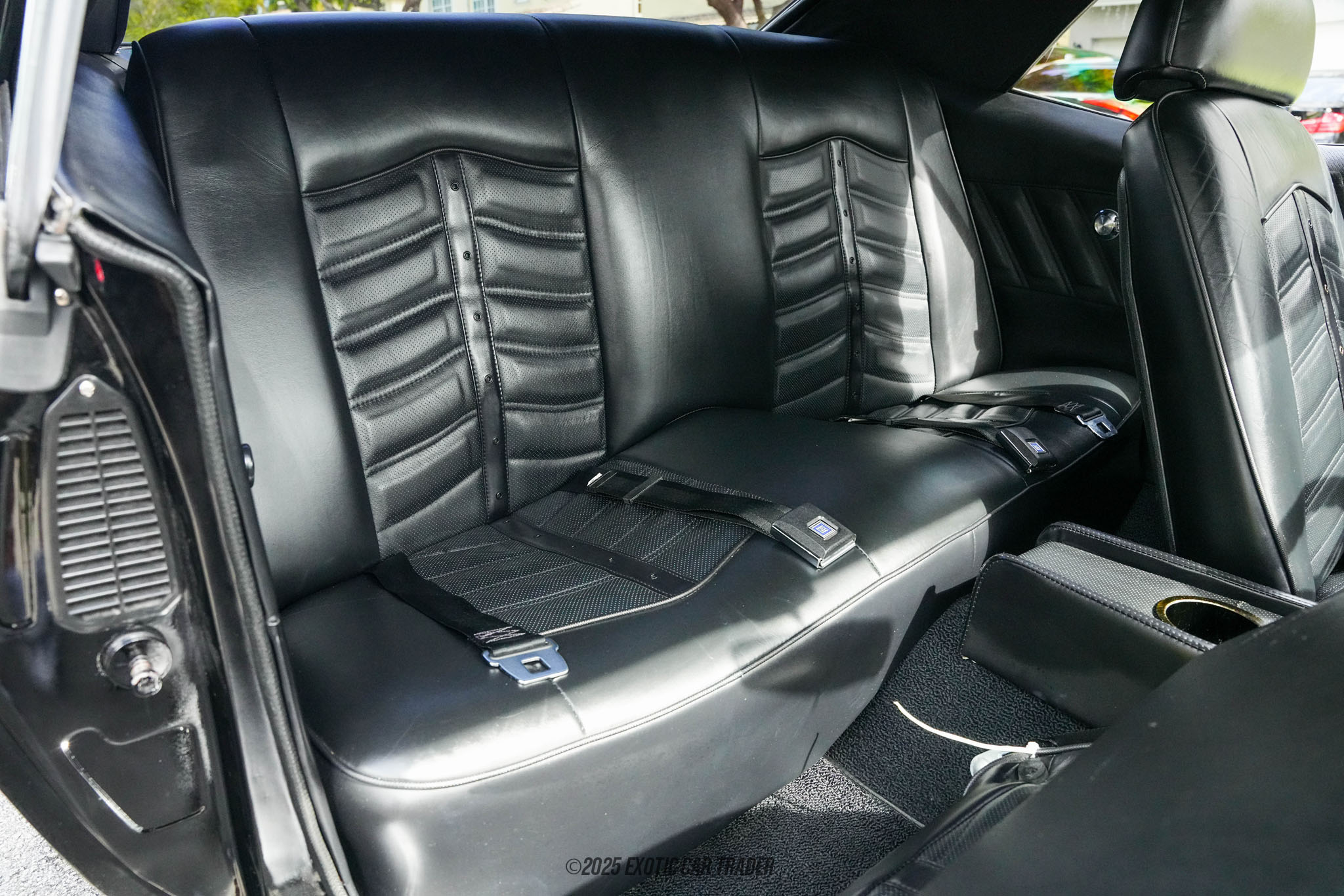
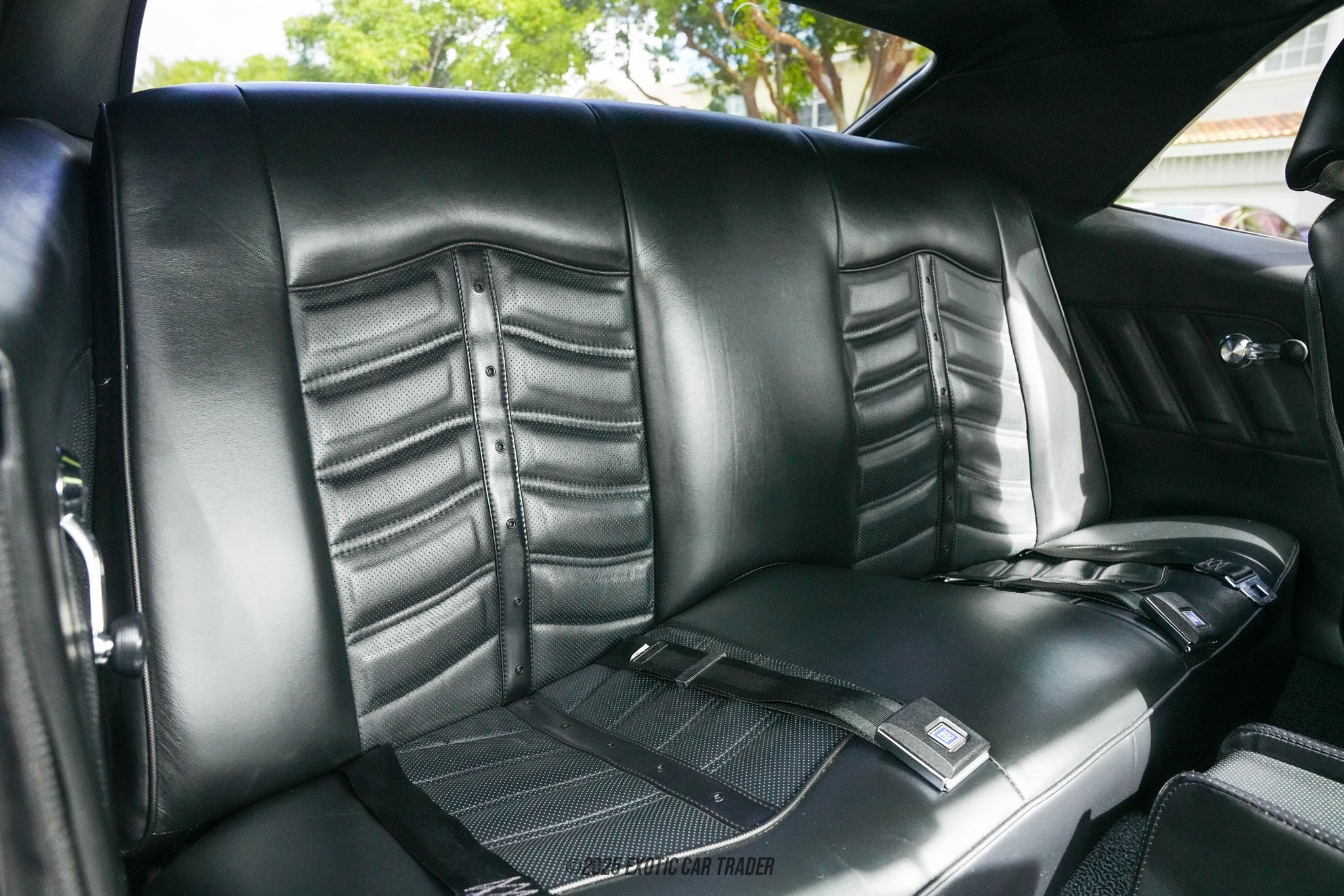
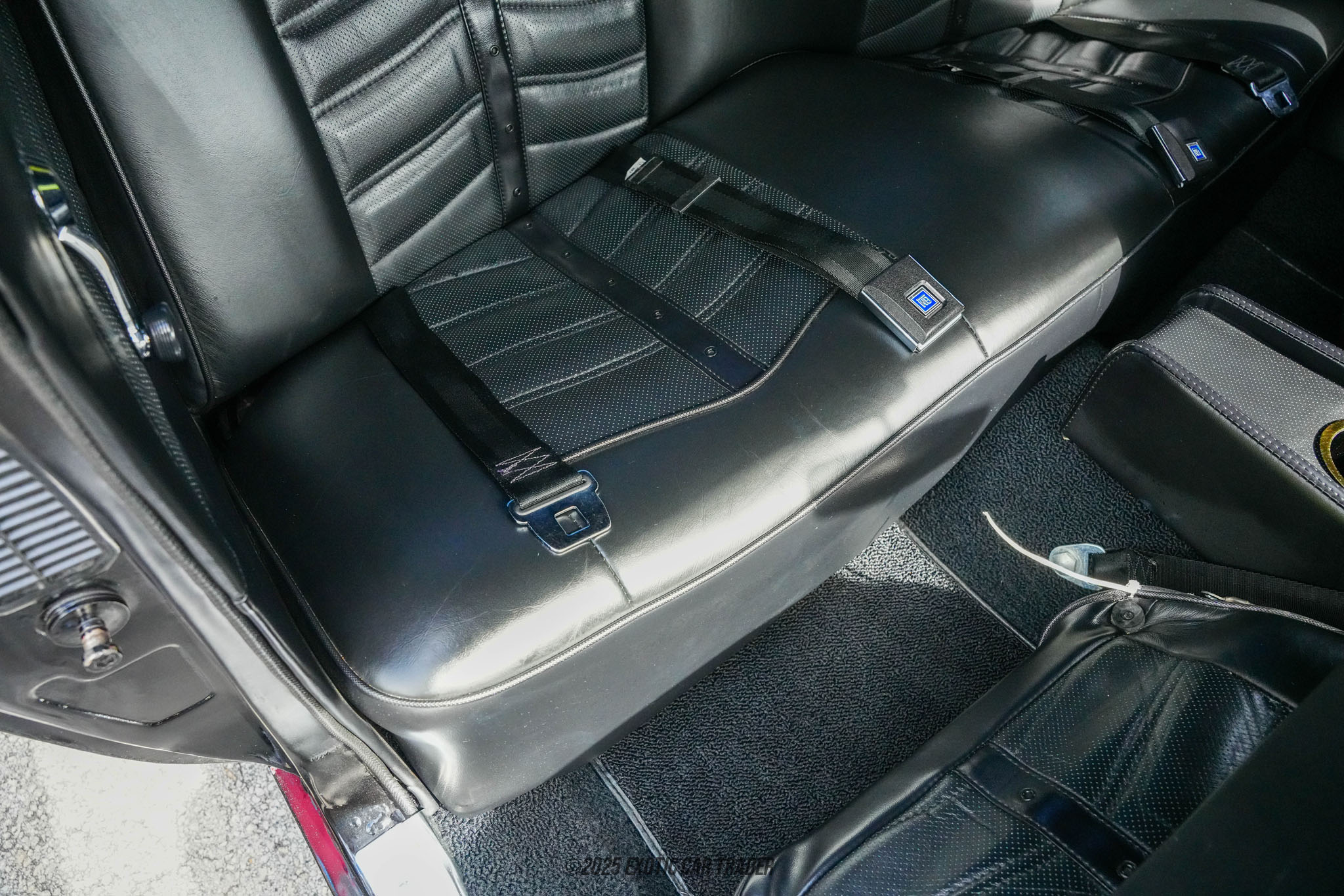
- Black Interior
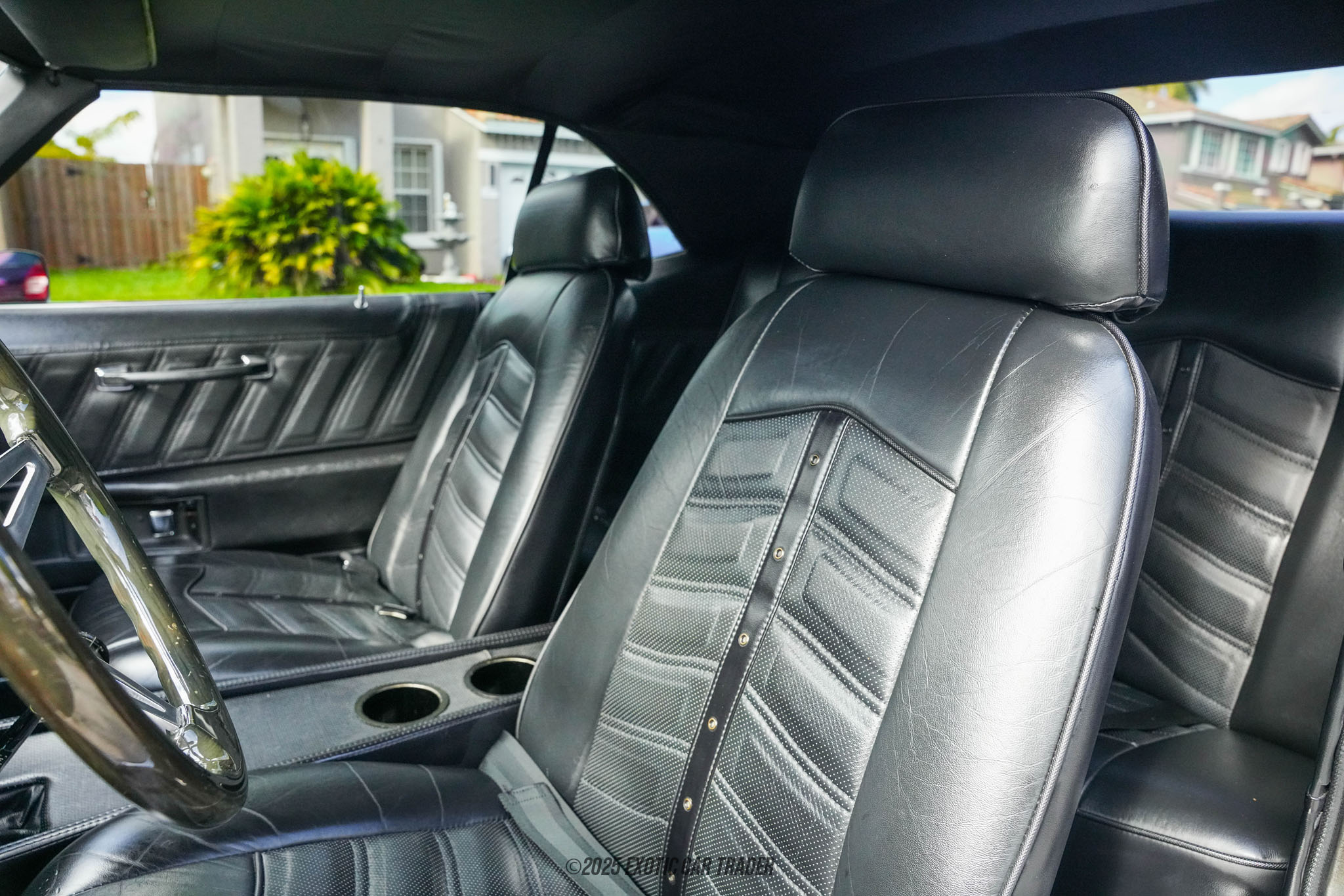
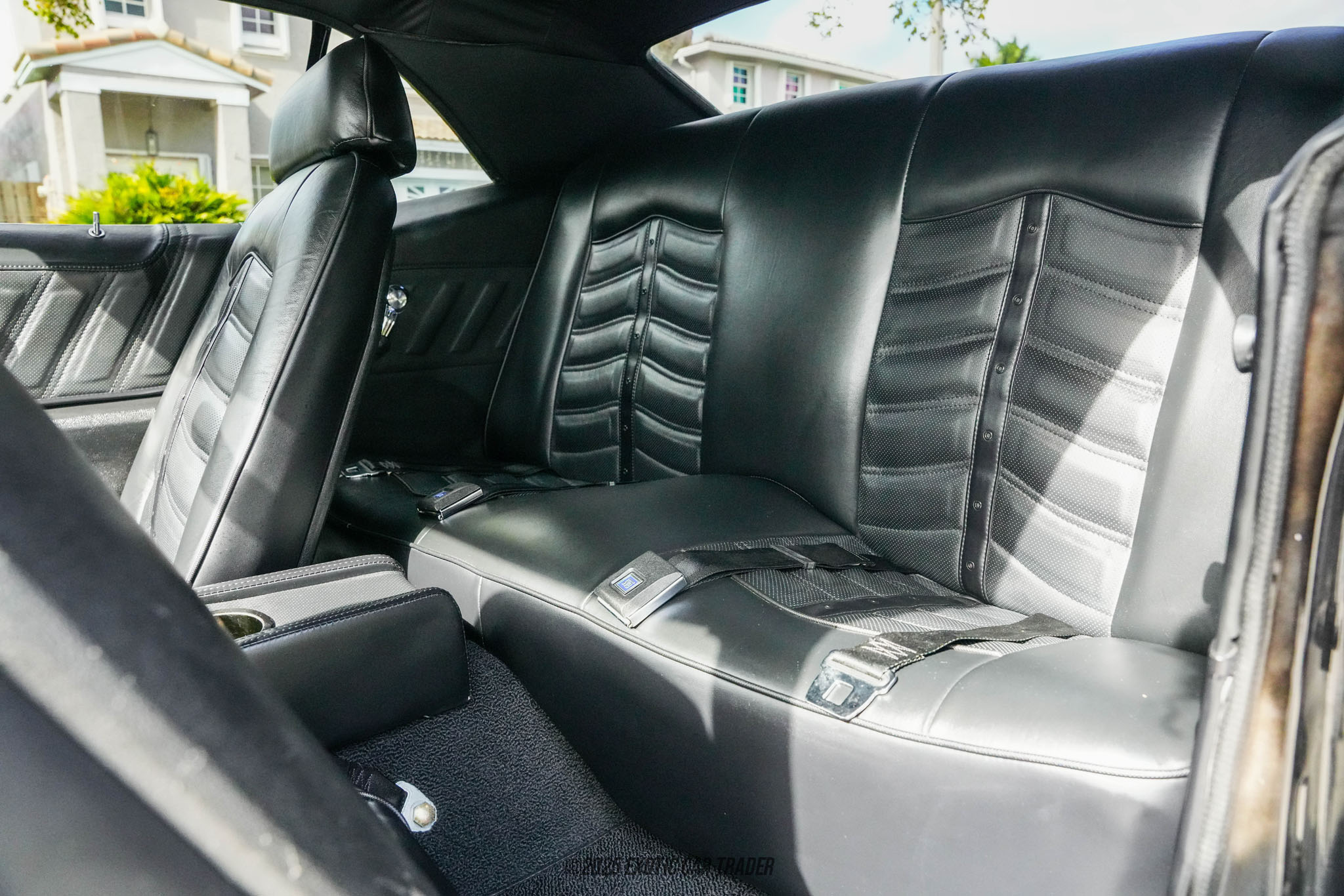
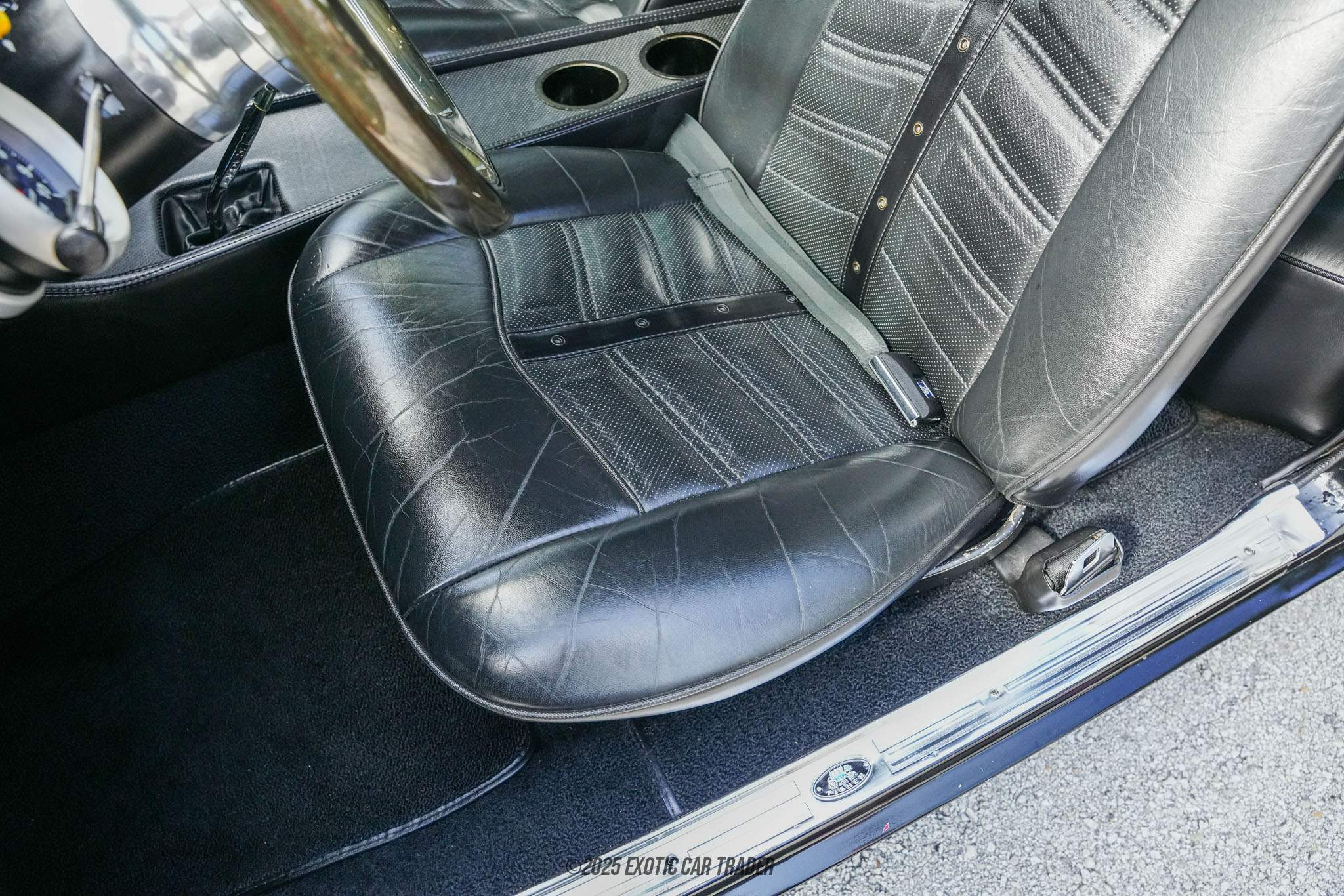
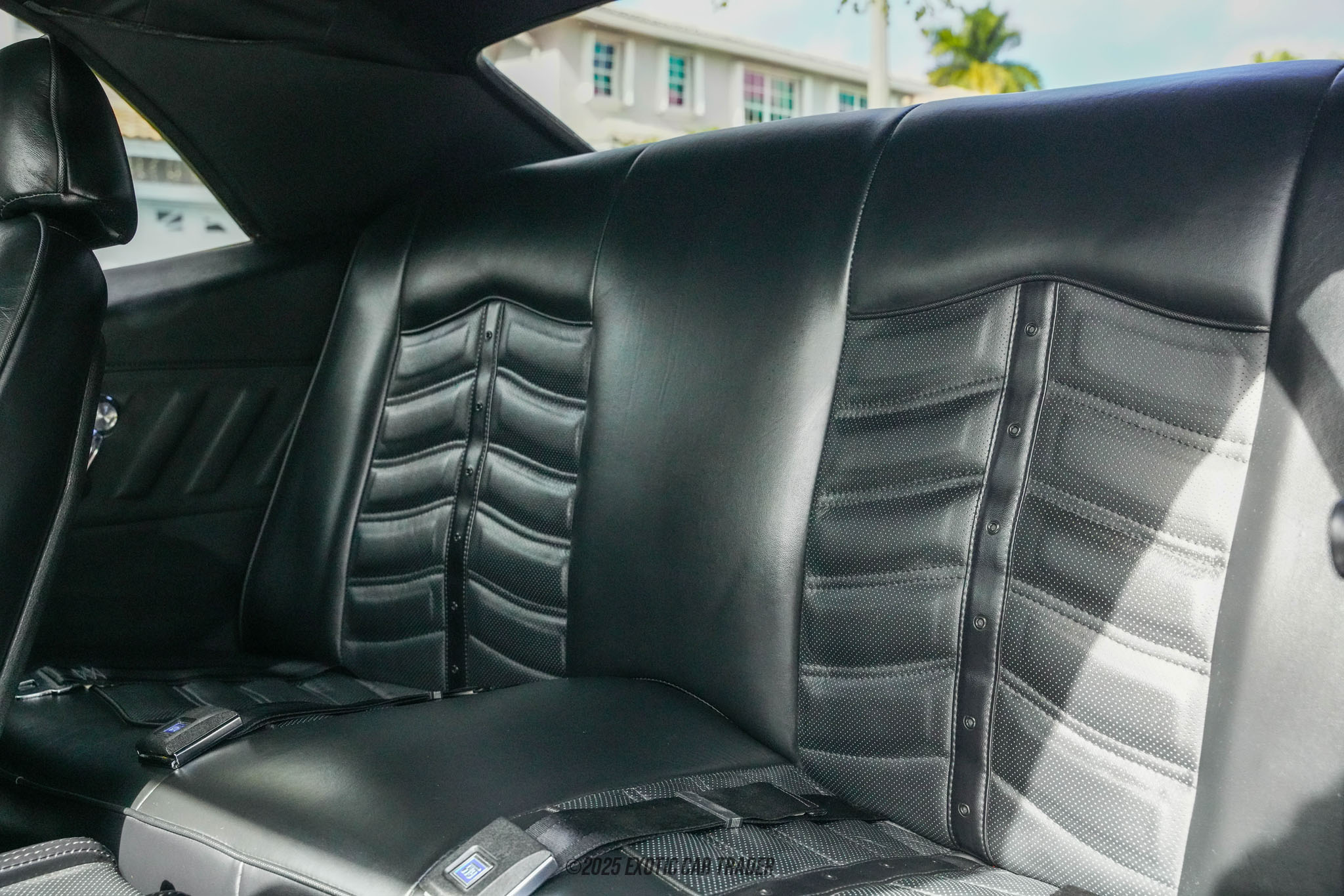
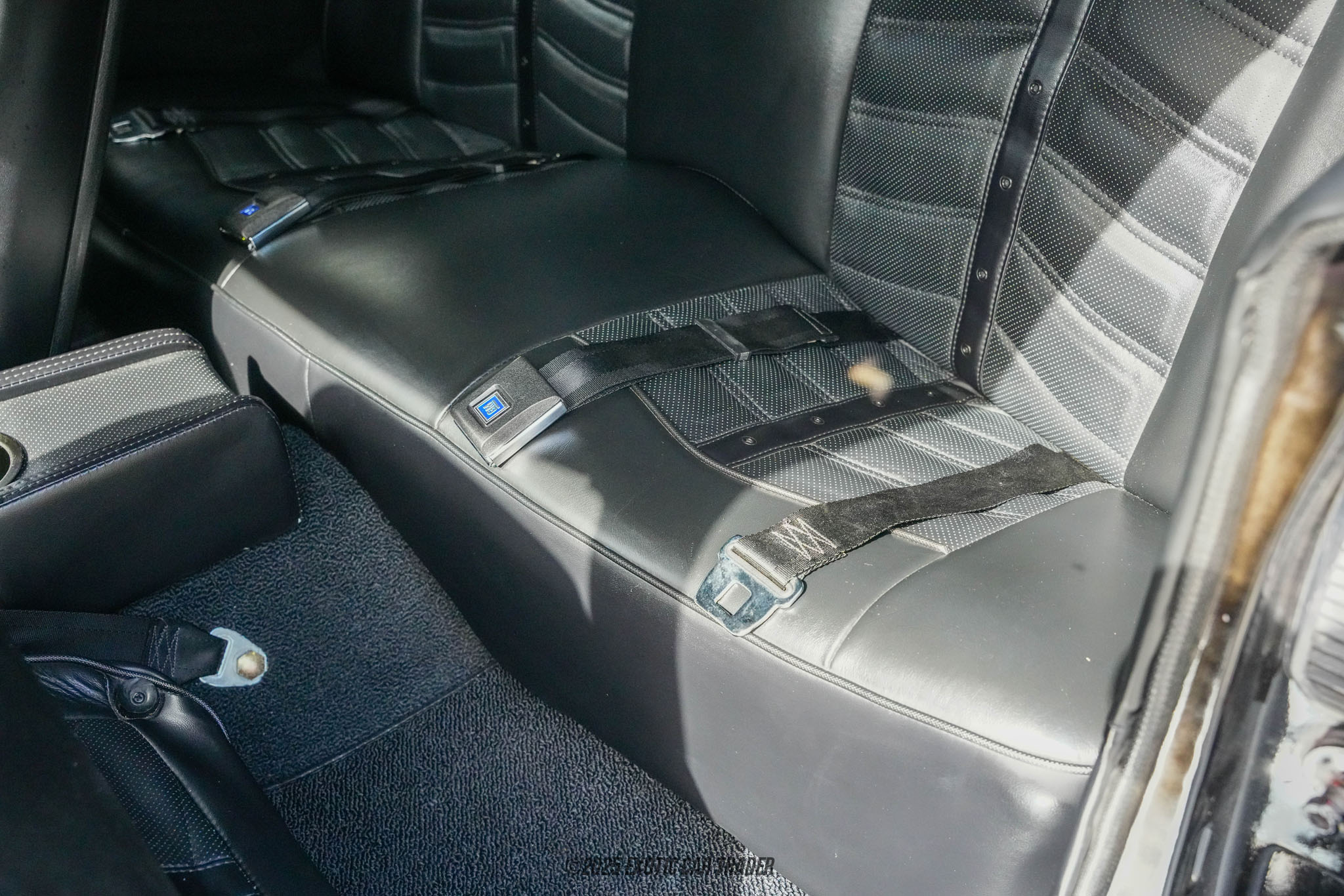
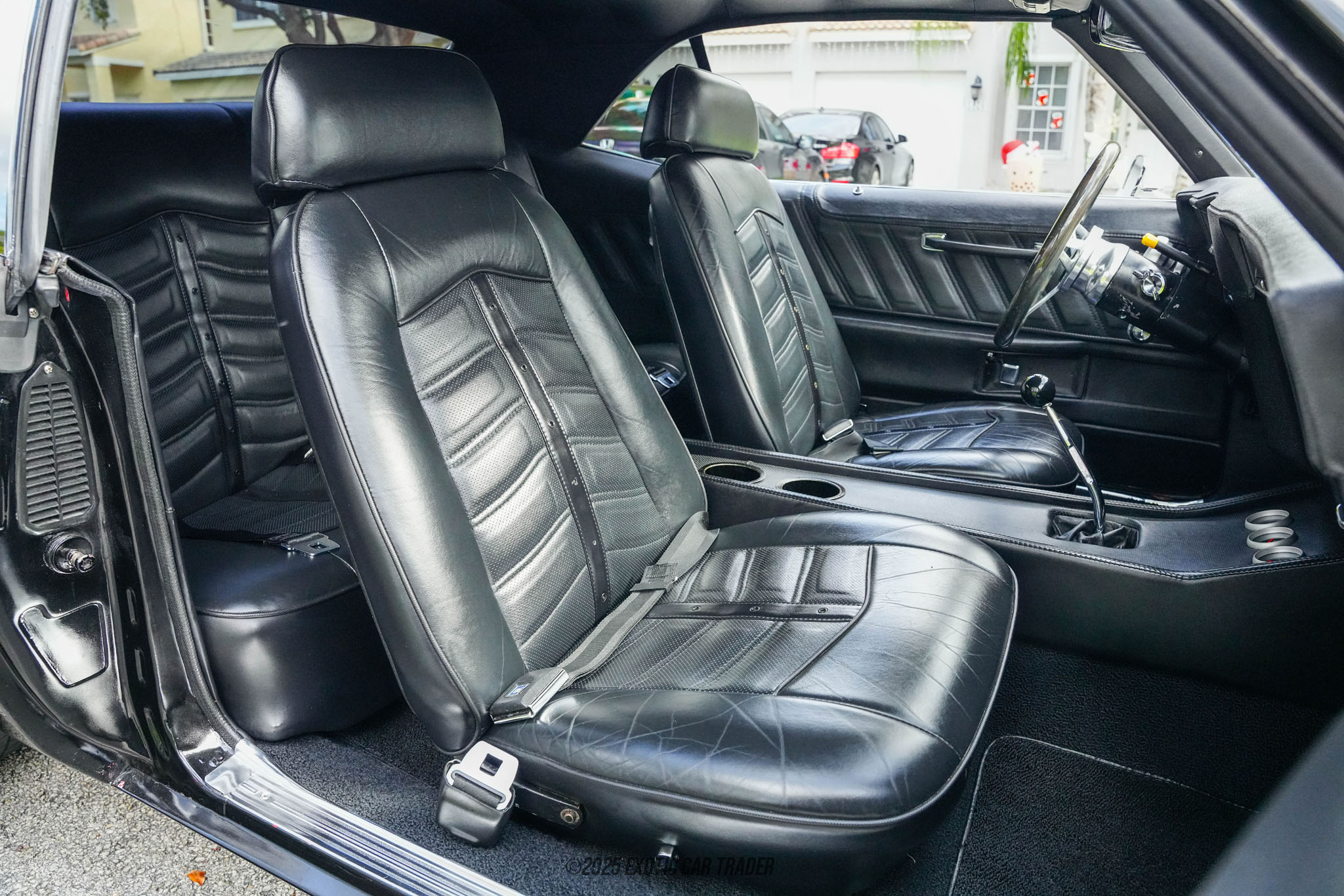
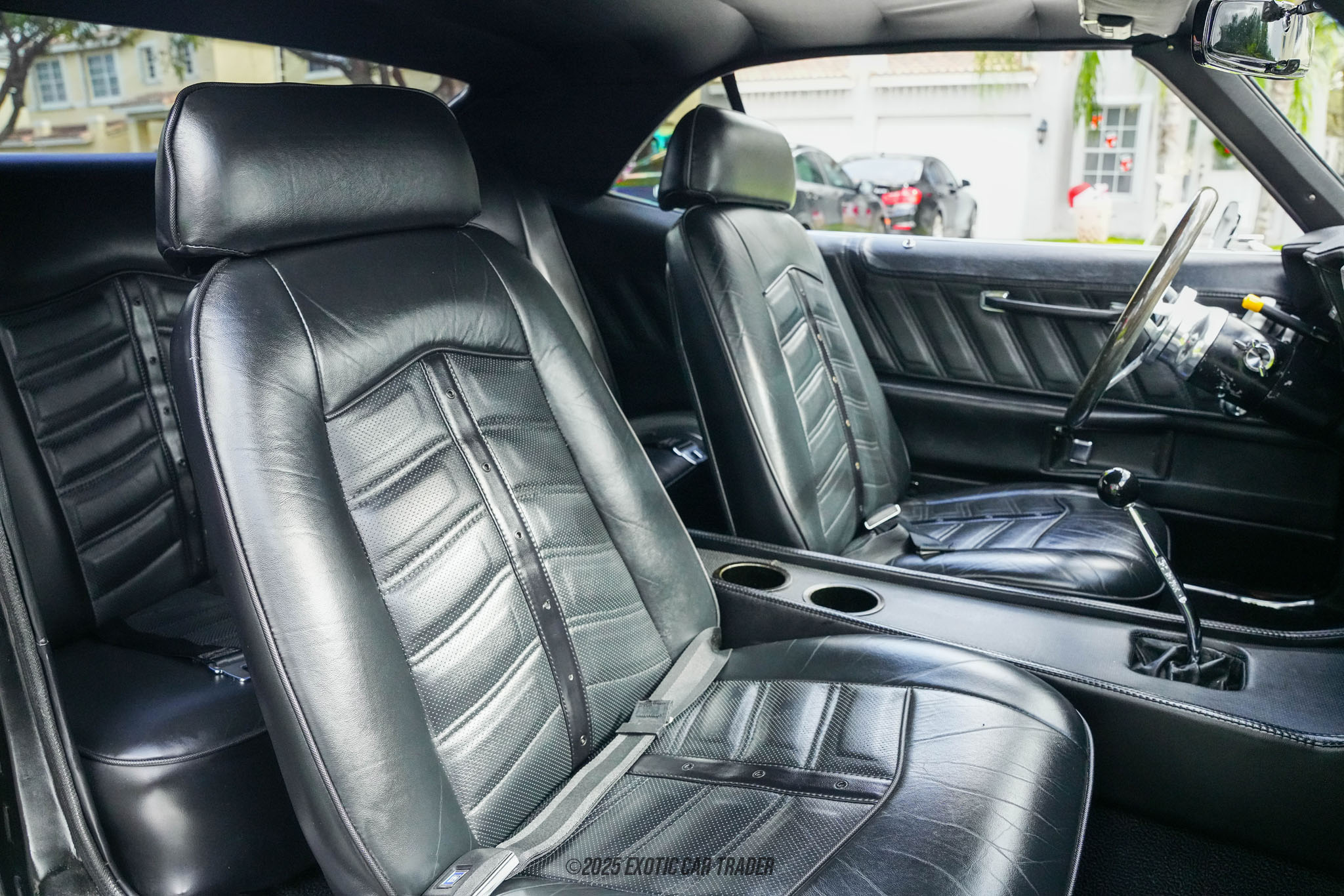
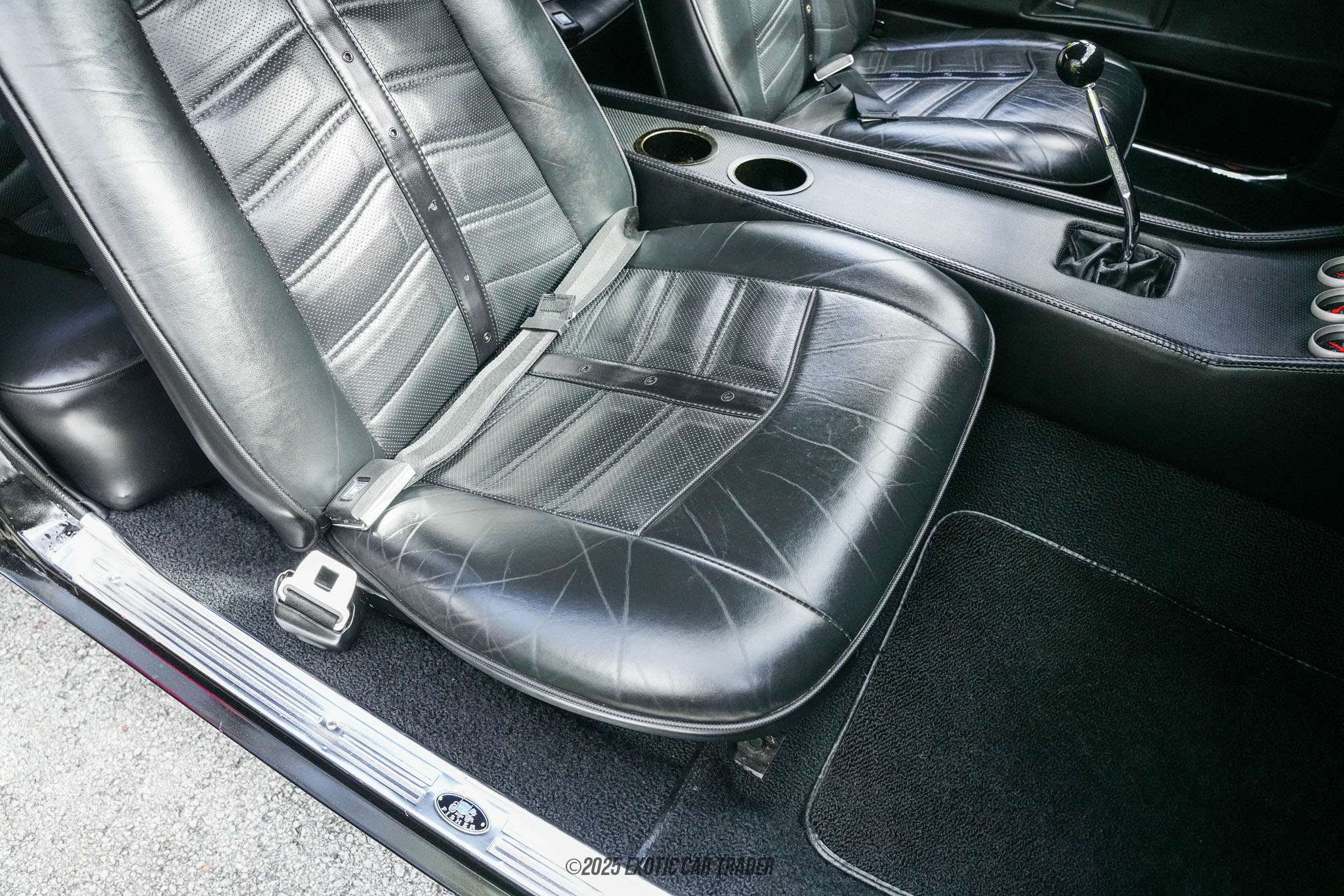
- Reupholstered Leather Interior
- JL Audio System w/ 12" Subwoofer
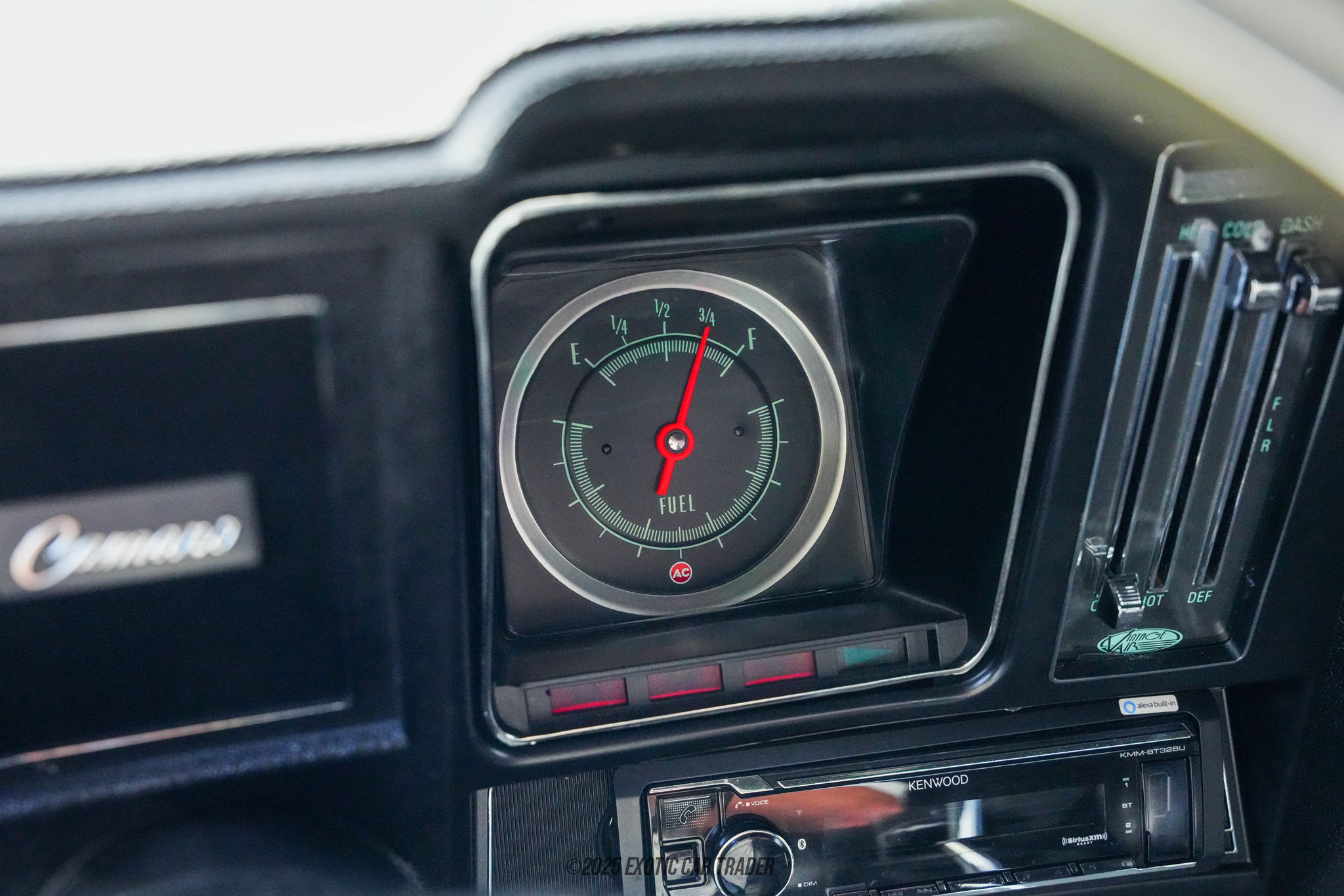
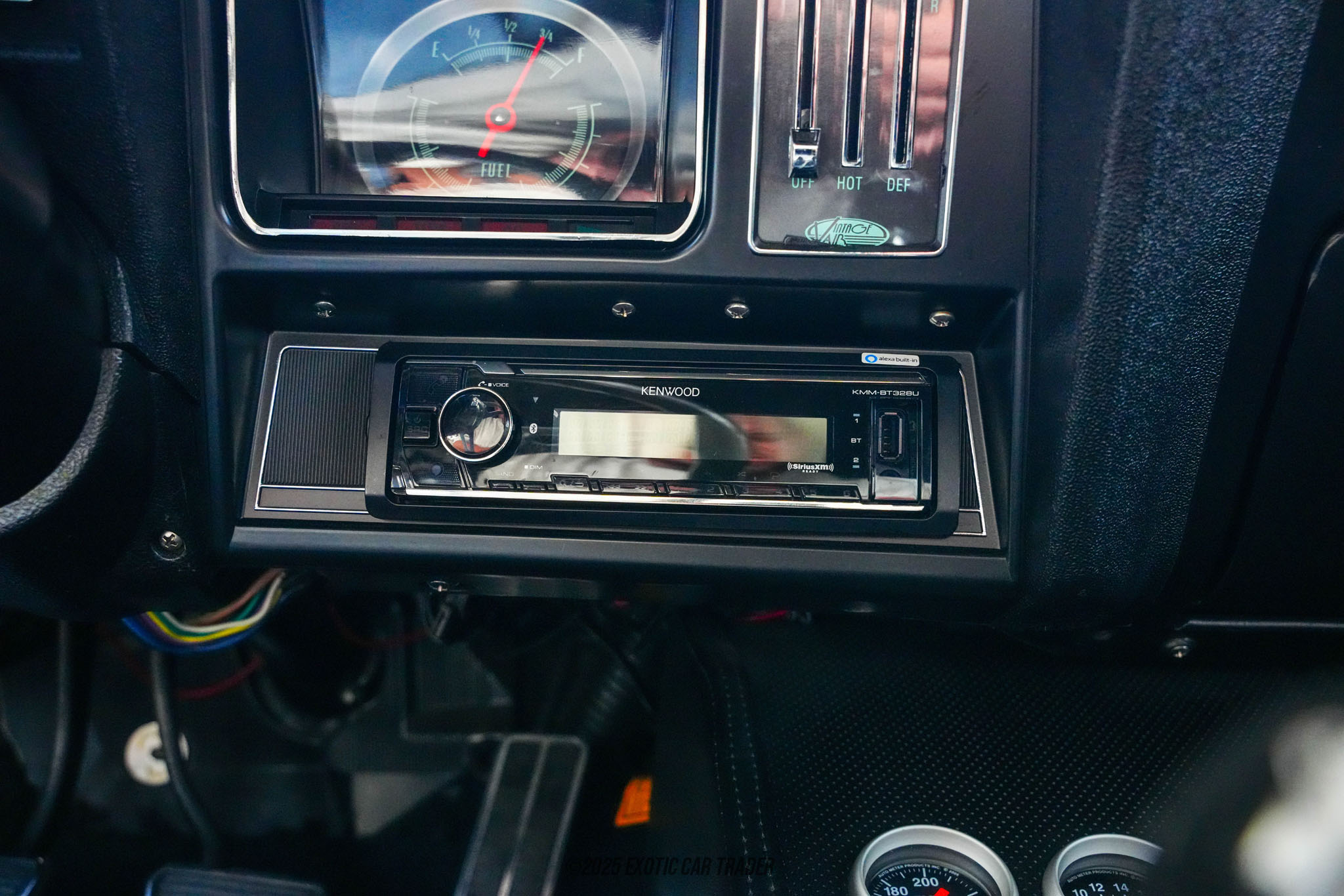
- Kenwood Head Unit
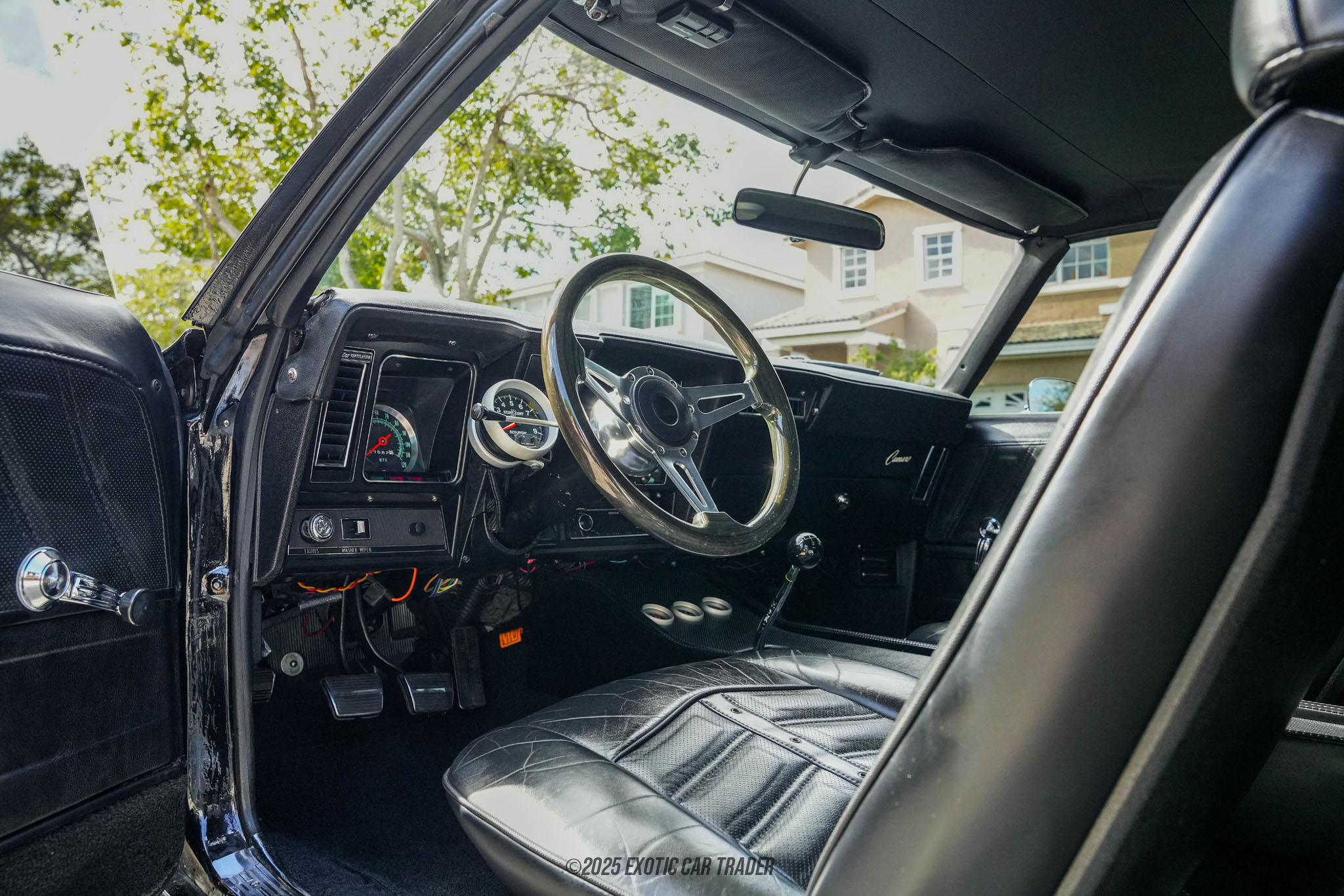
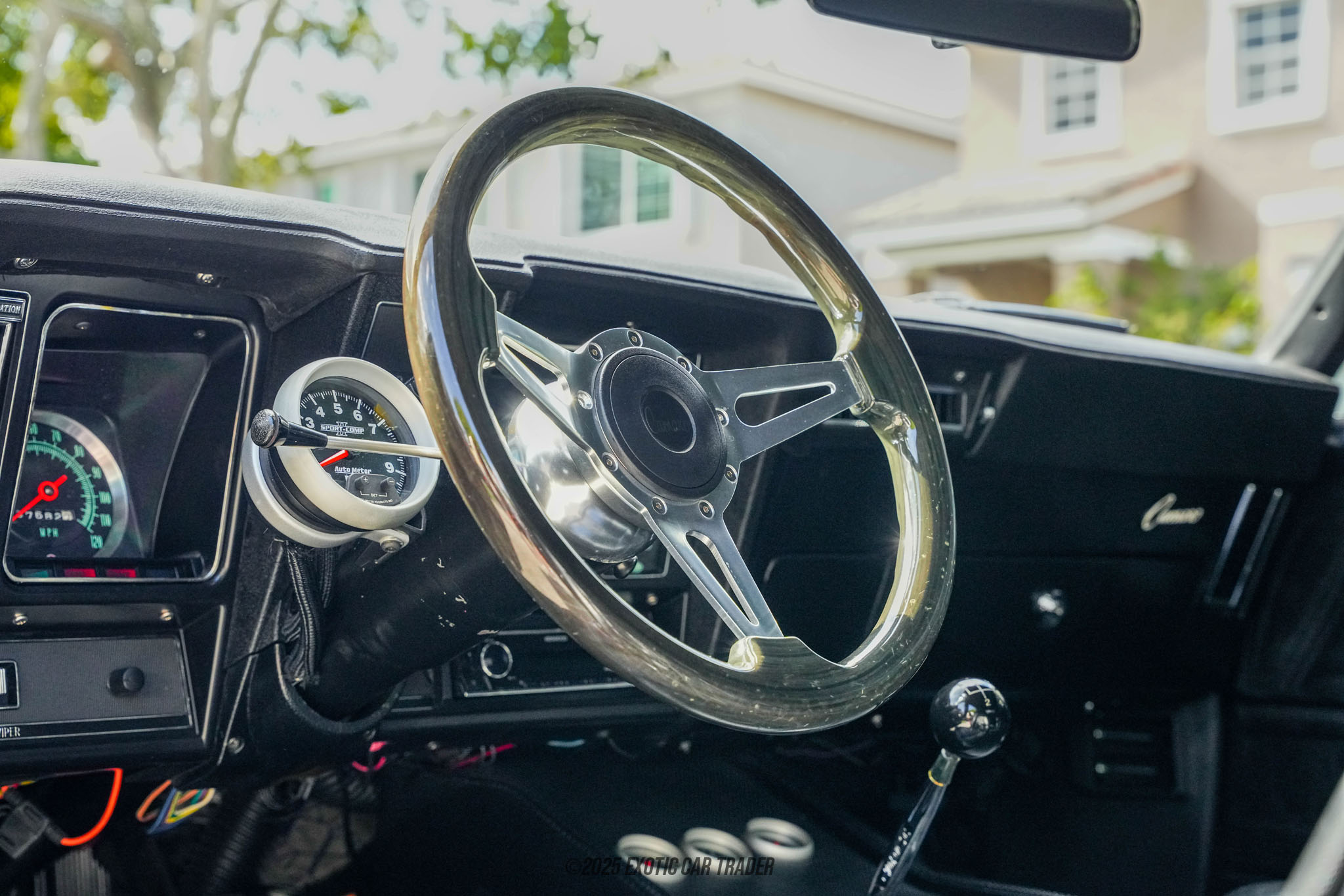
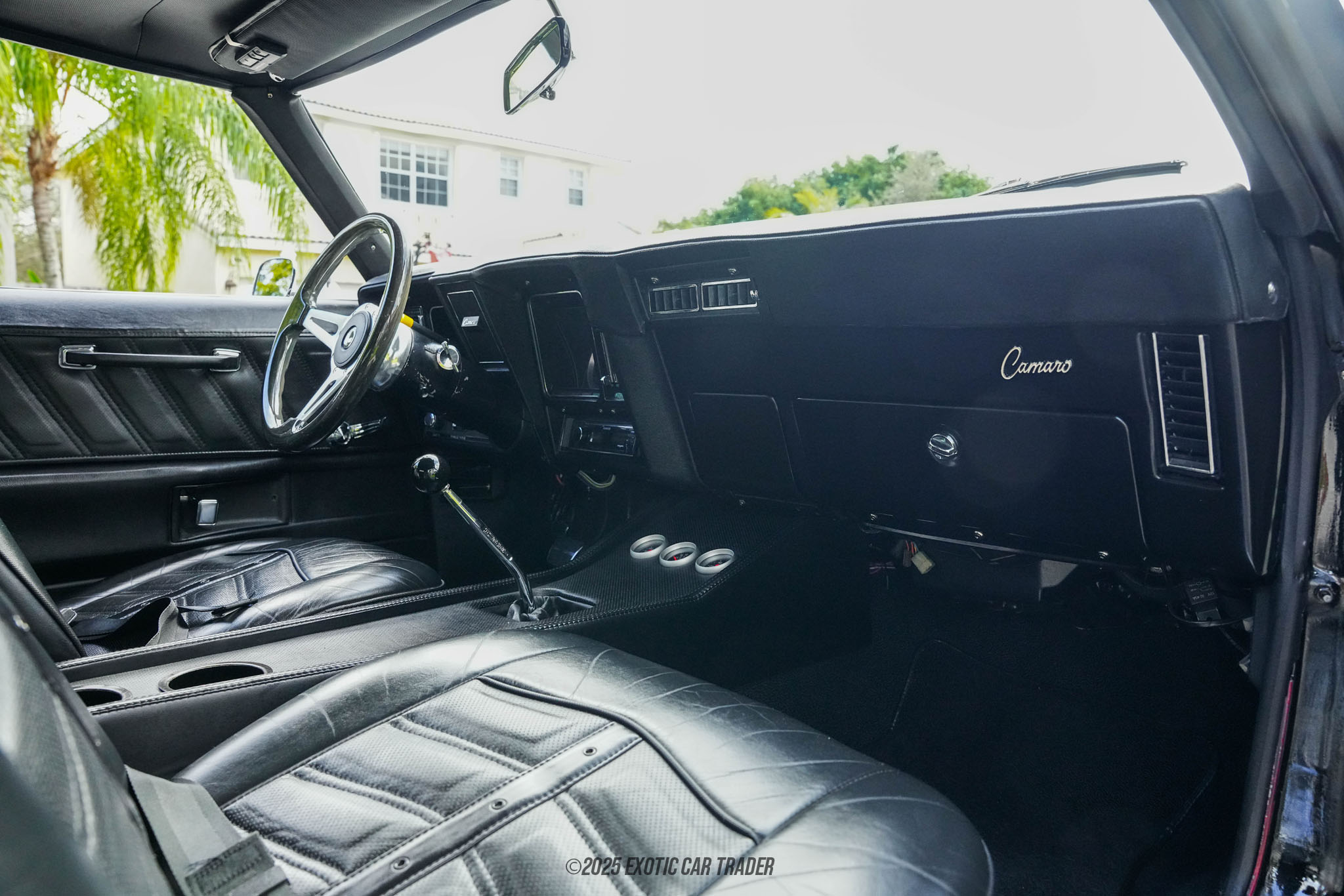
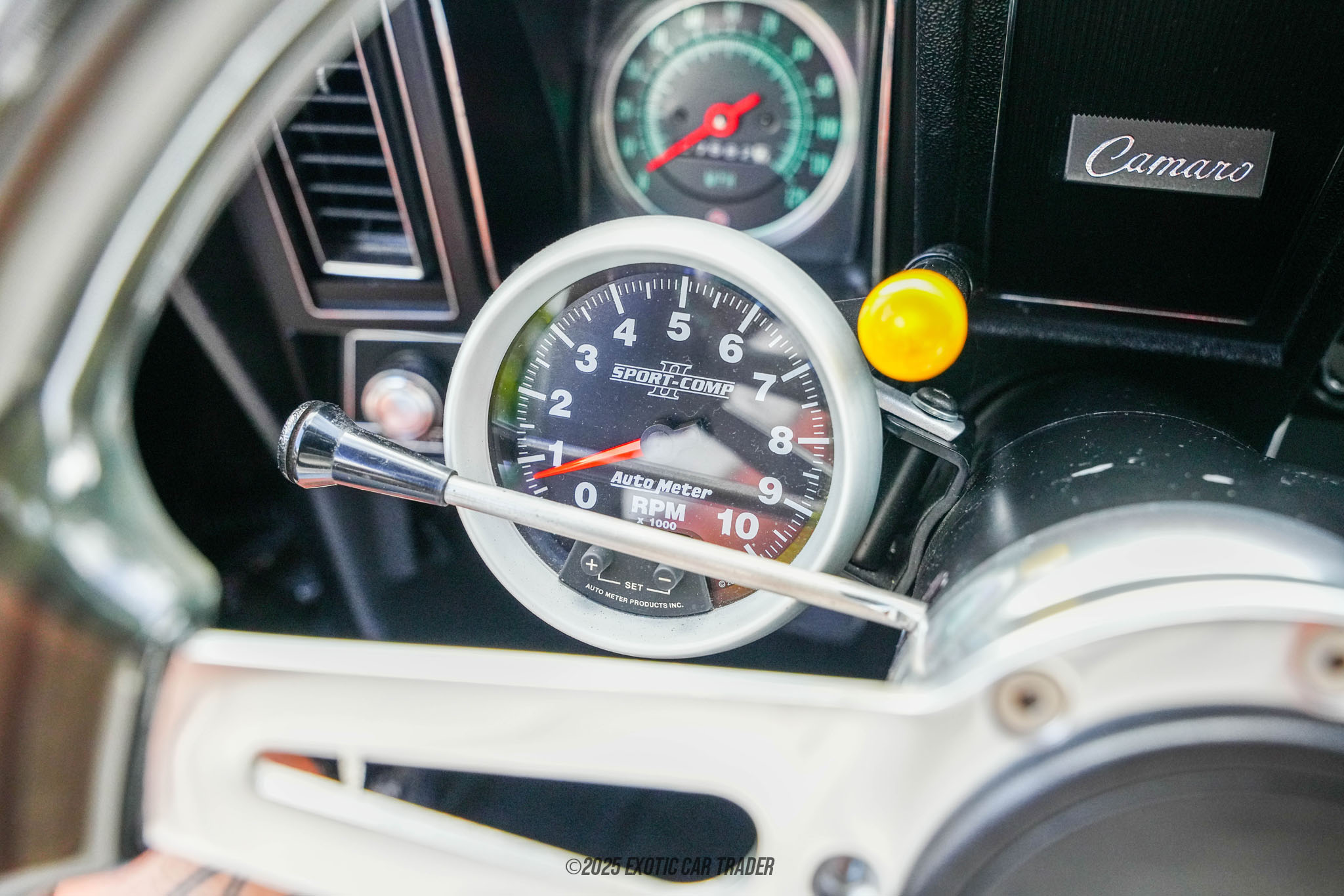
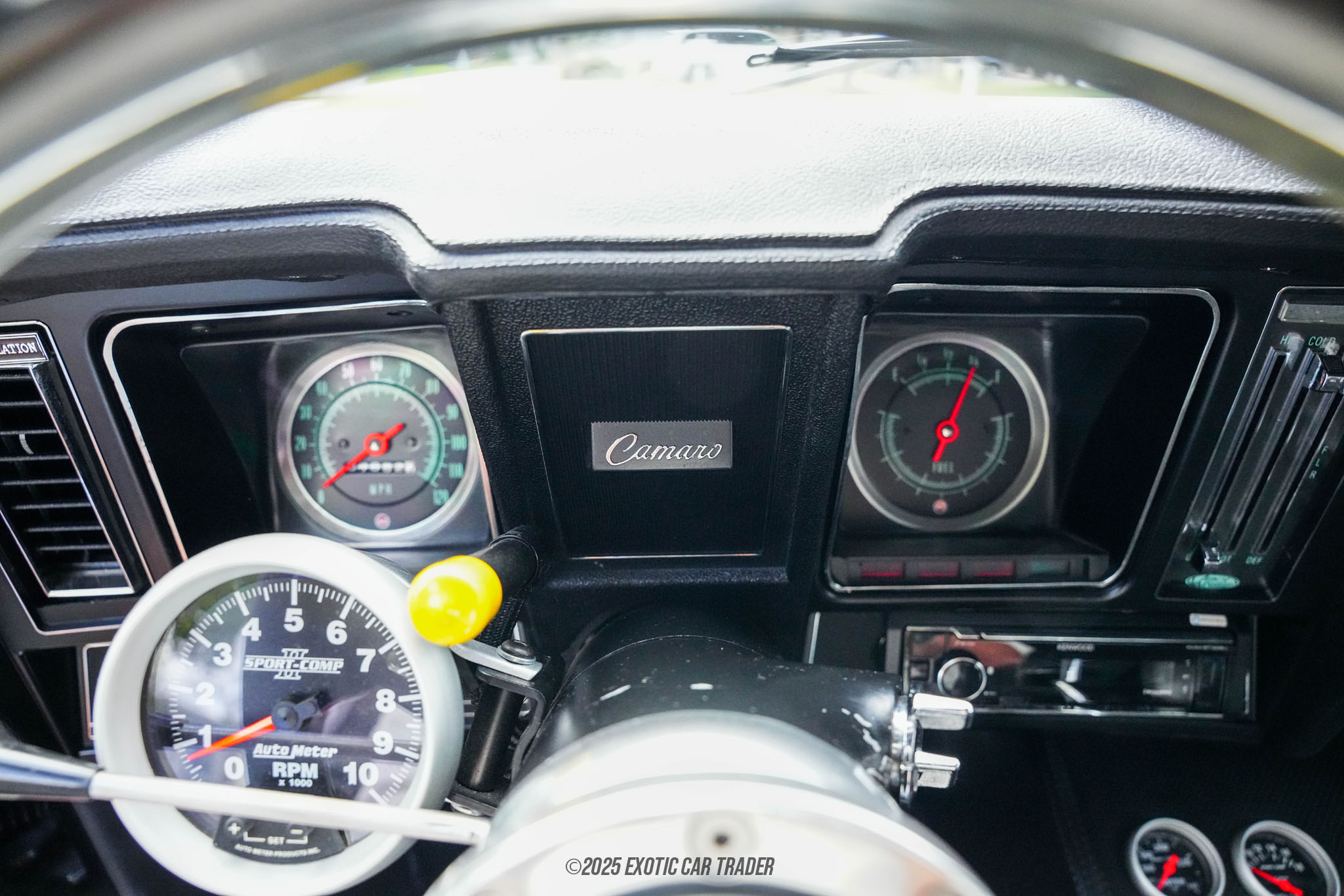
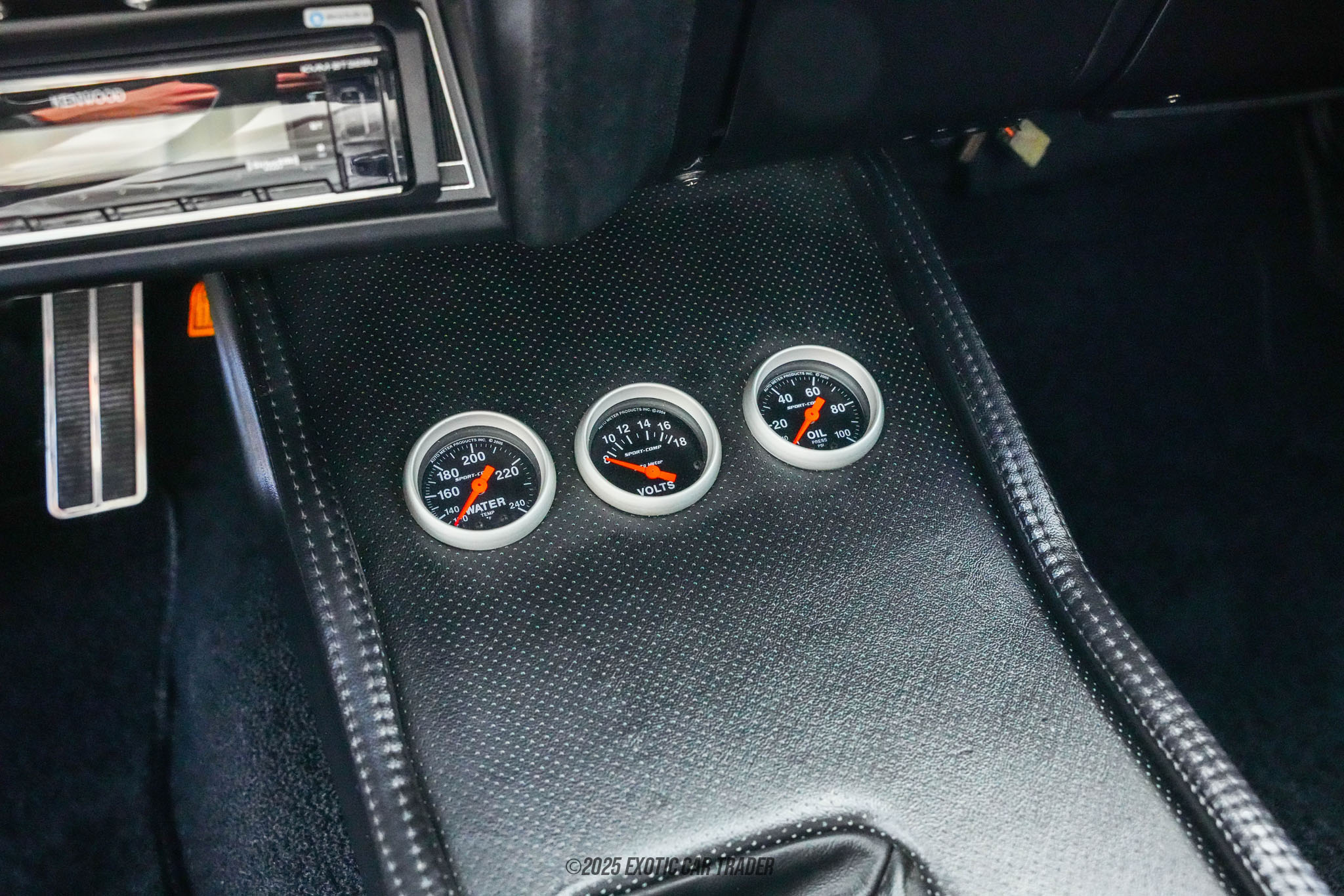
- Aftermarket Gauges
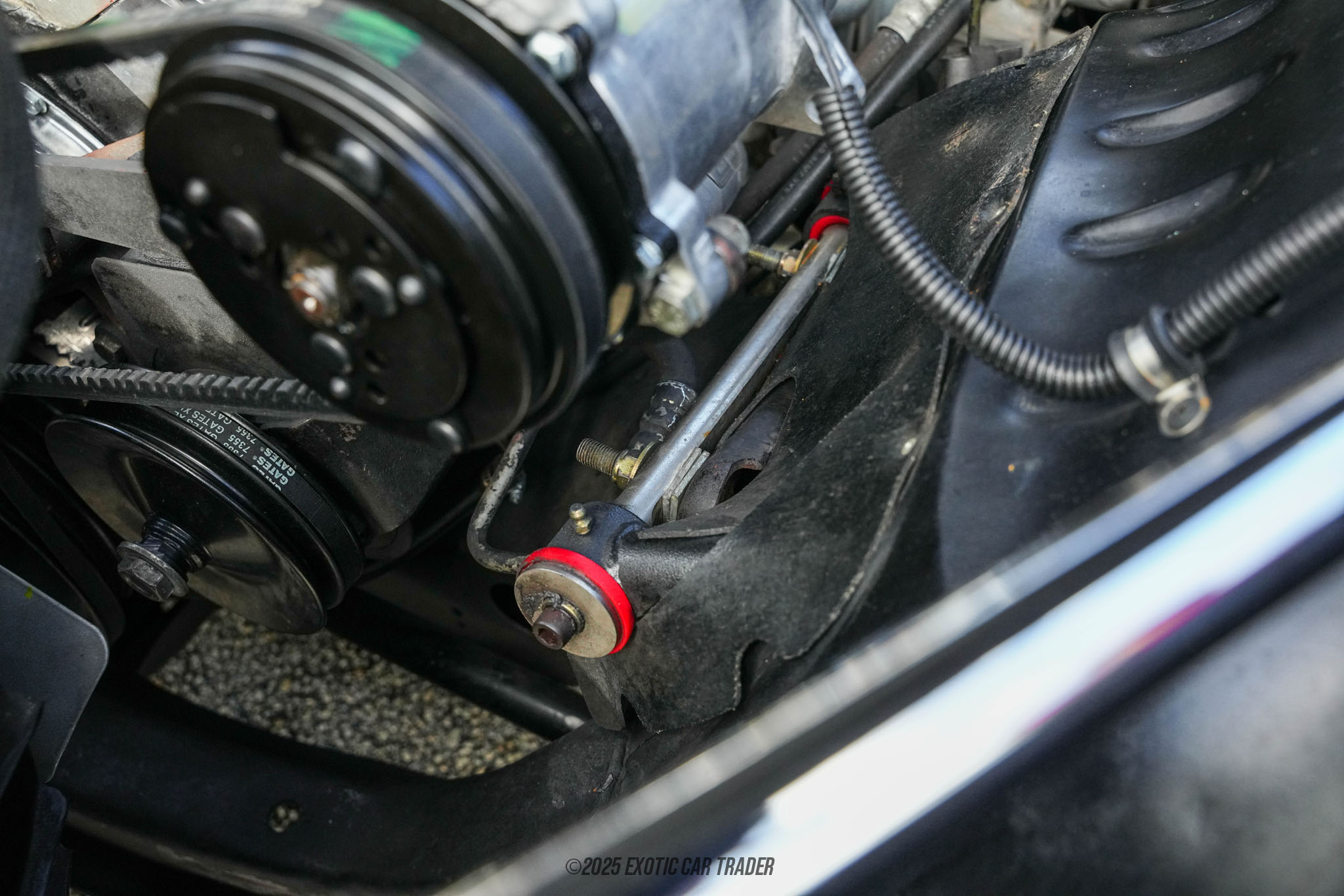
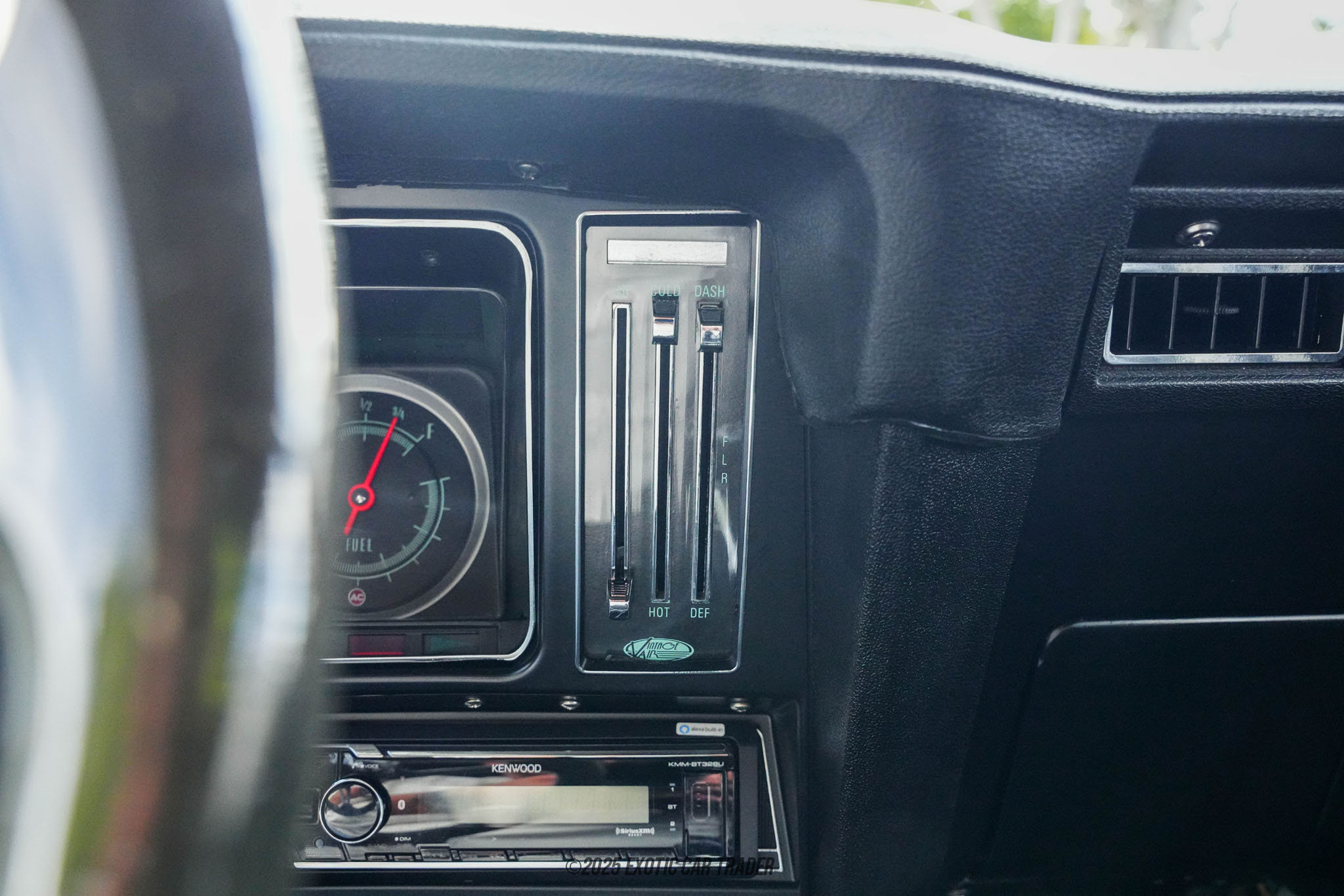
- Aftermarket Air Conditioning
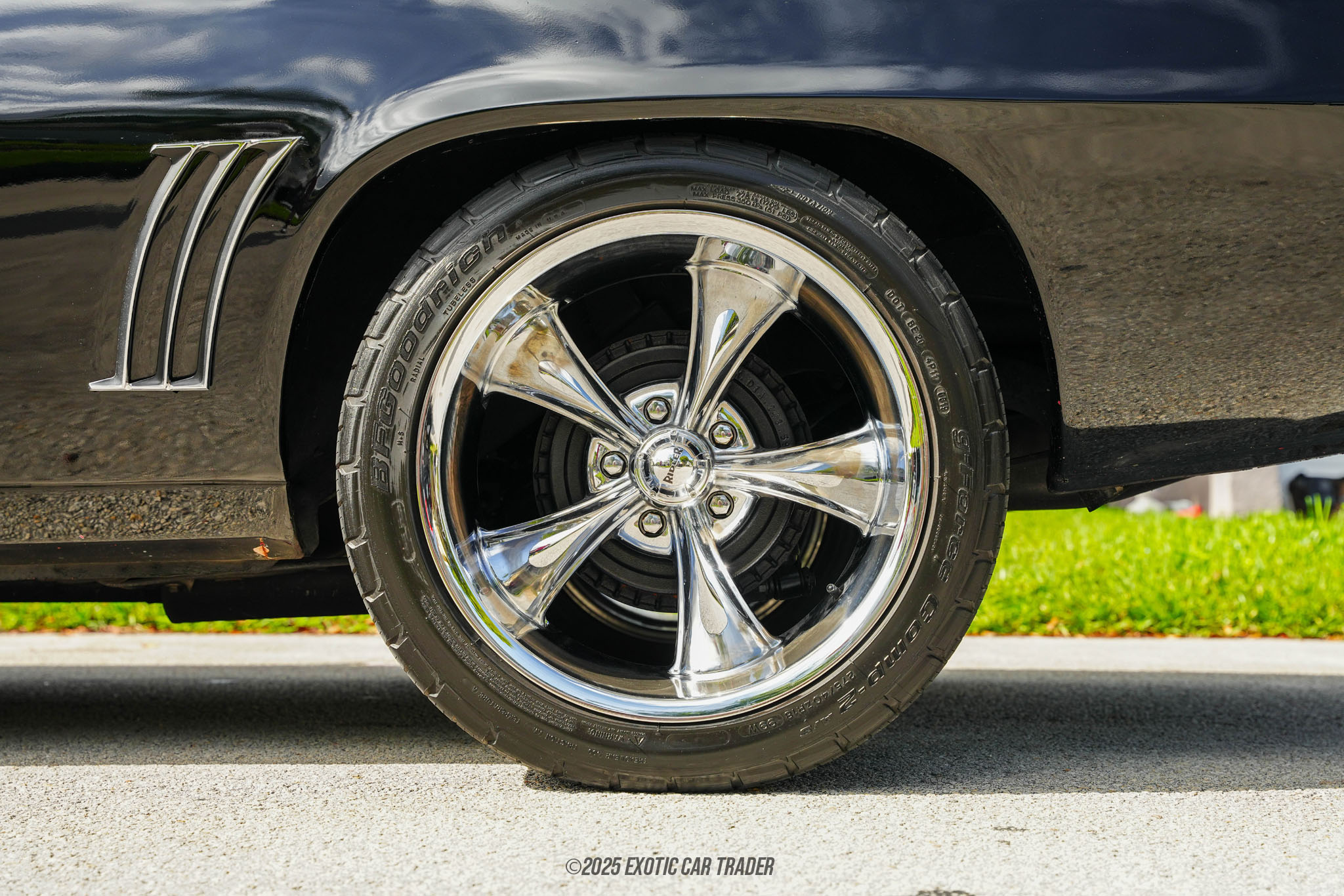
- 18/20" Cragar Wheels
- Power Steering
- Aftermarket Camshaft
- Coilover Shocks/Air Shocks
- Aftermarket Control Arms
- B&M Pro Touring Front Suspension System
- Front Disc Brakes & Rear Drum Brakes
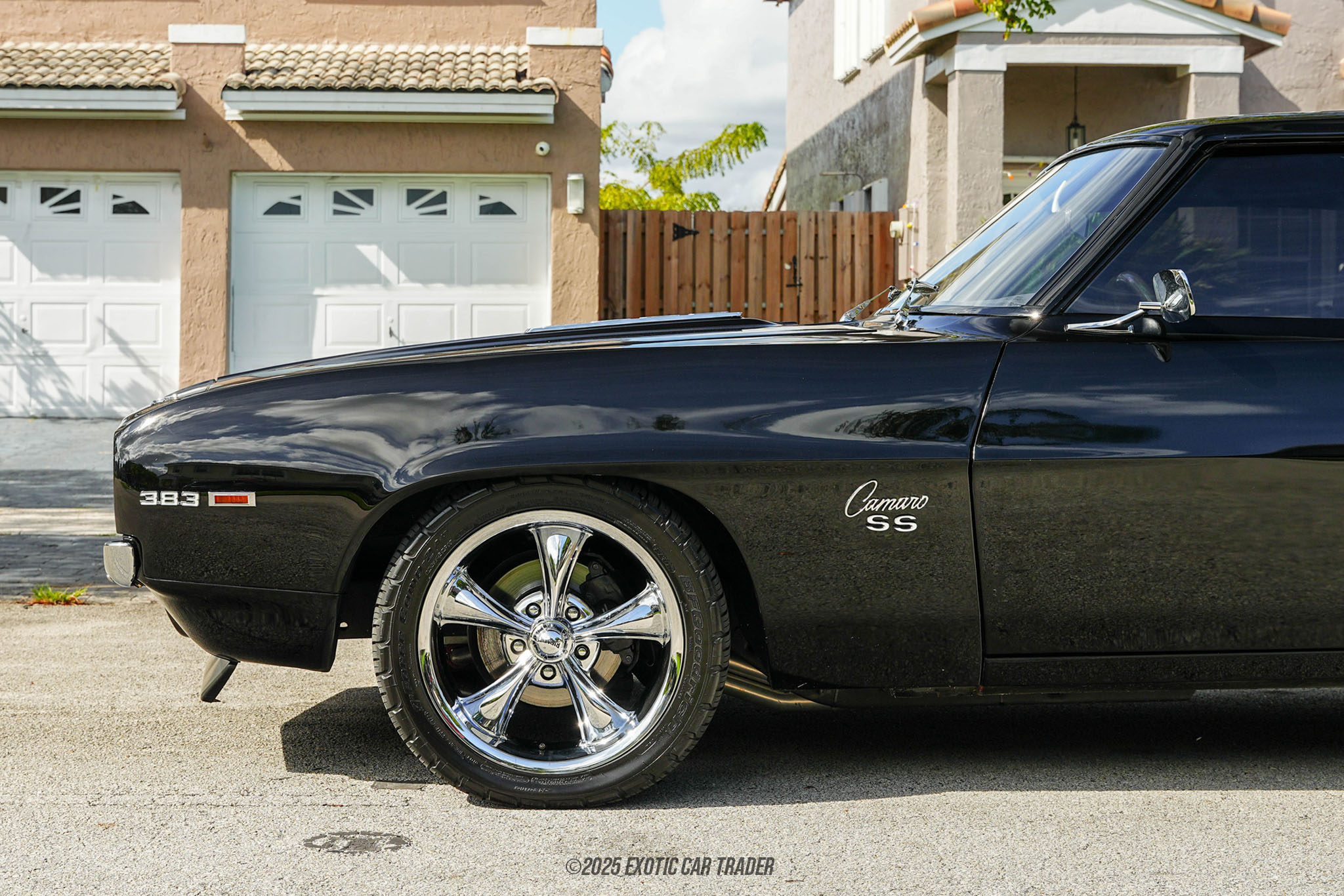
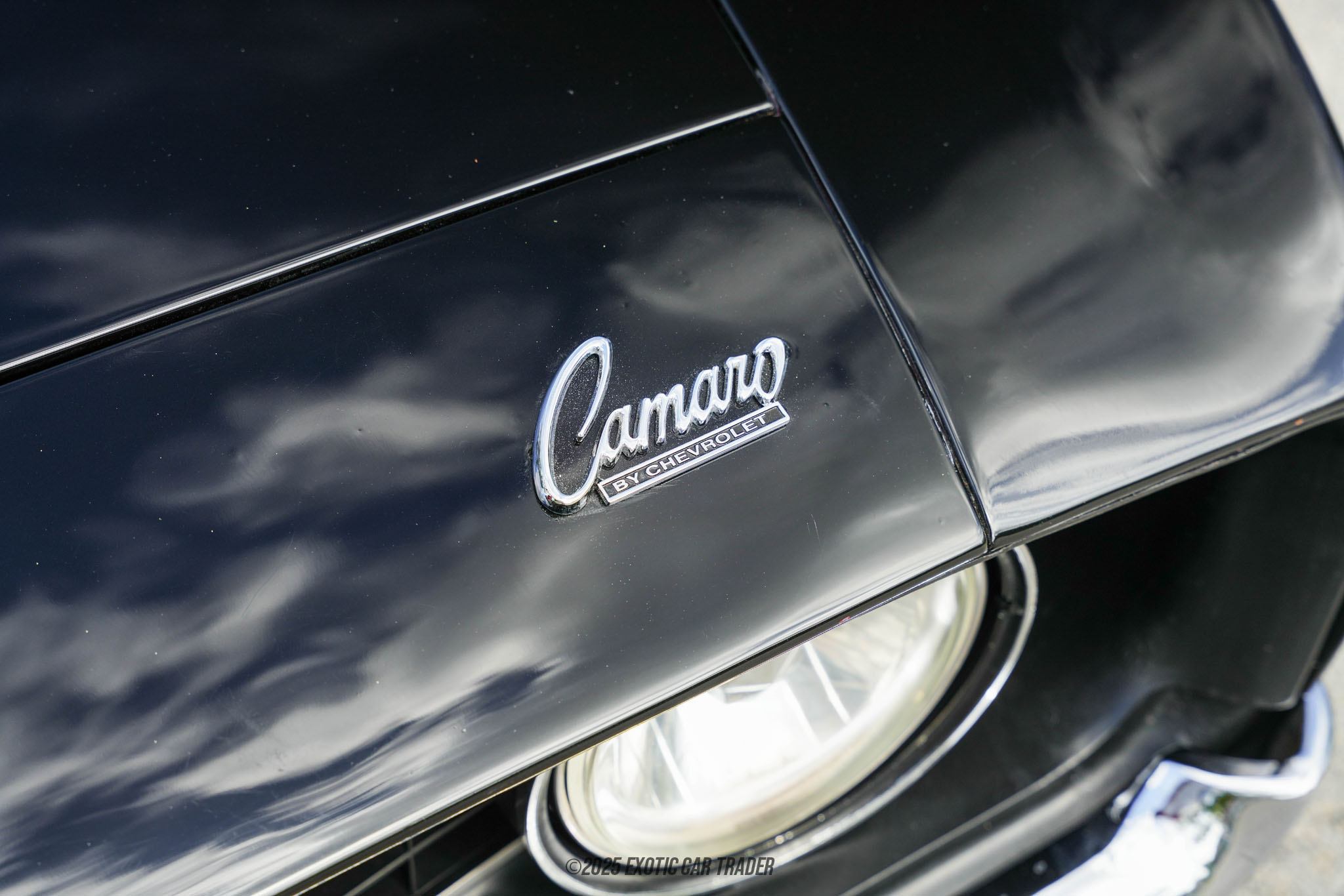
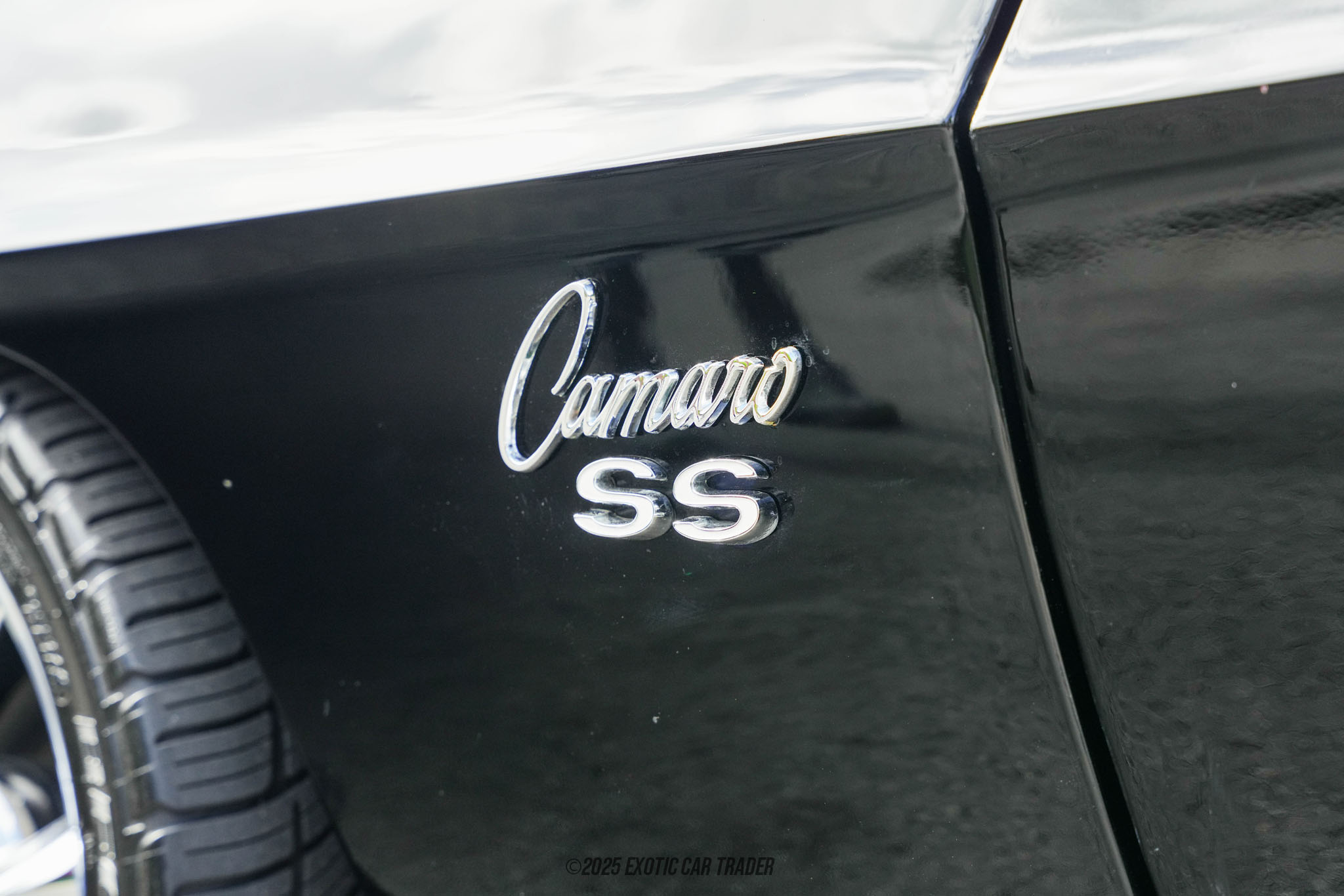
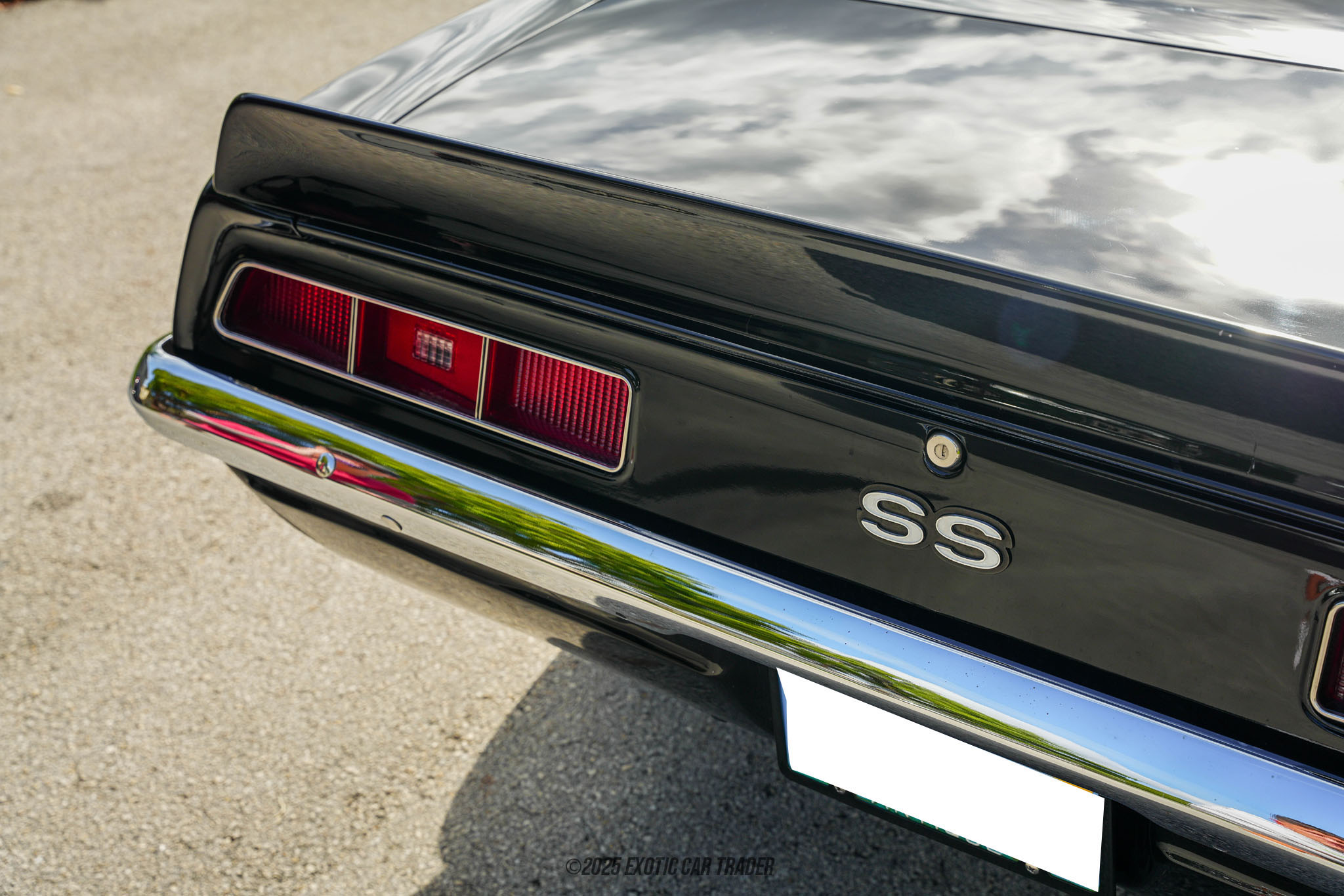
- SS Badging


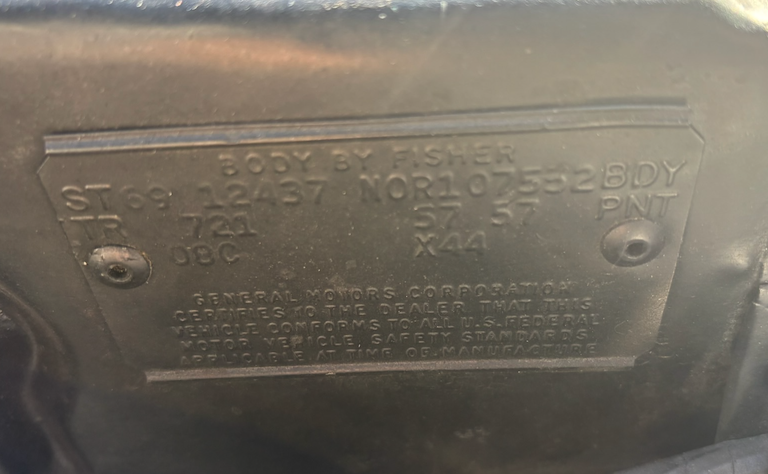
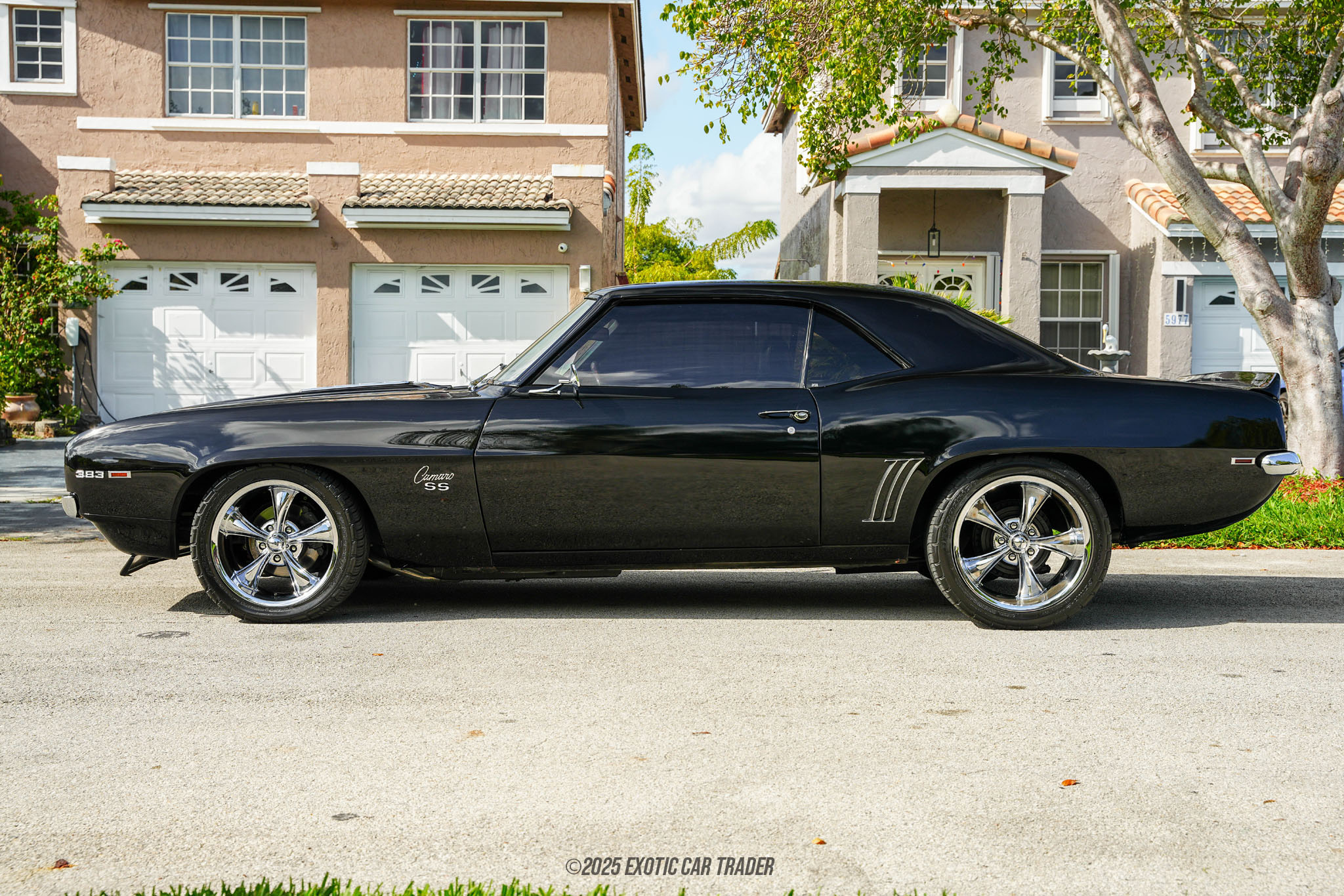
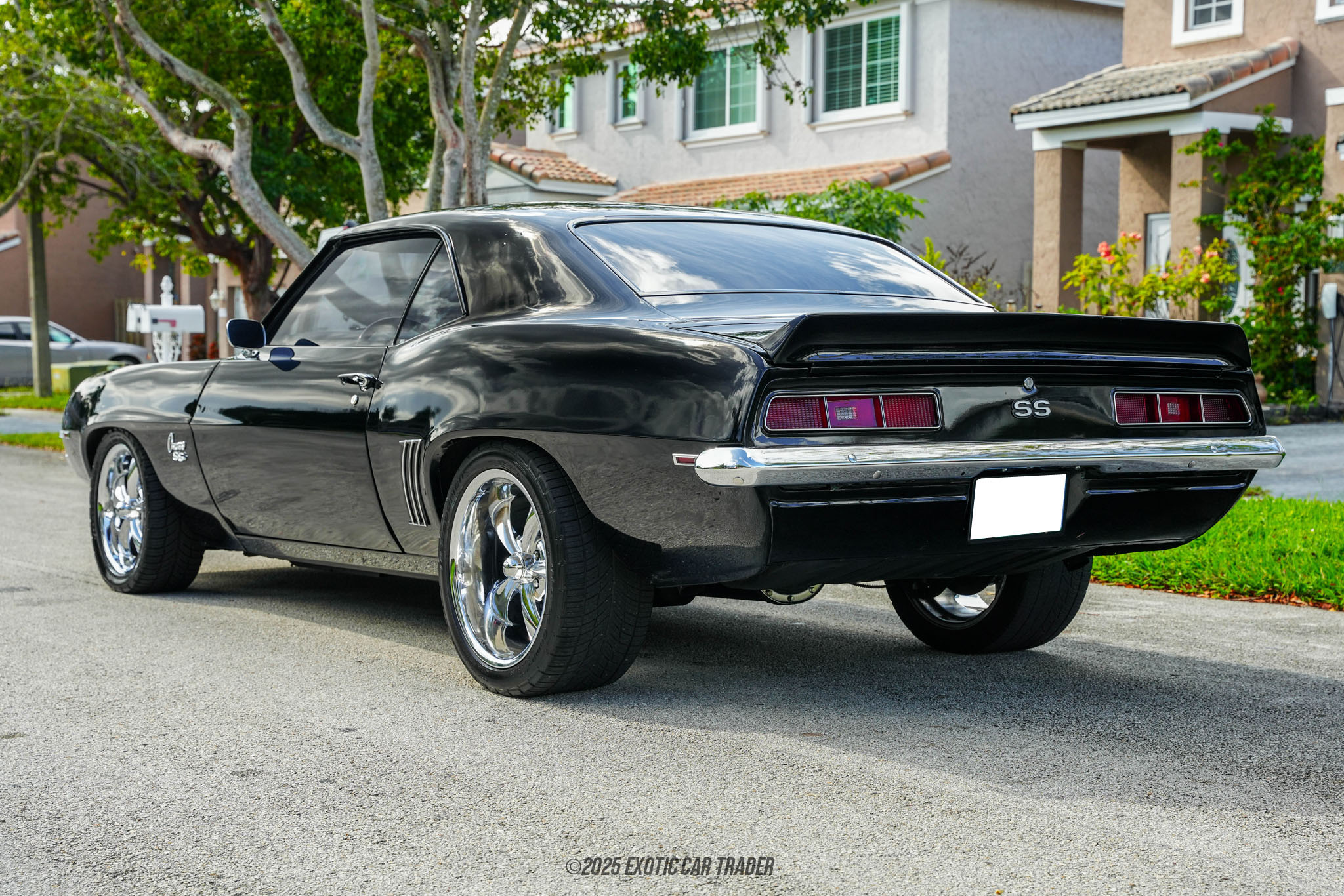
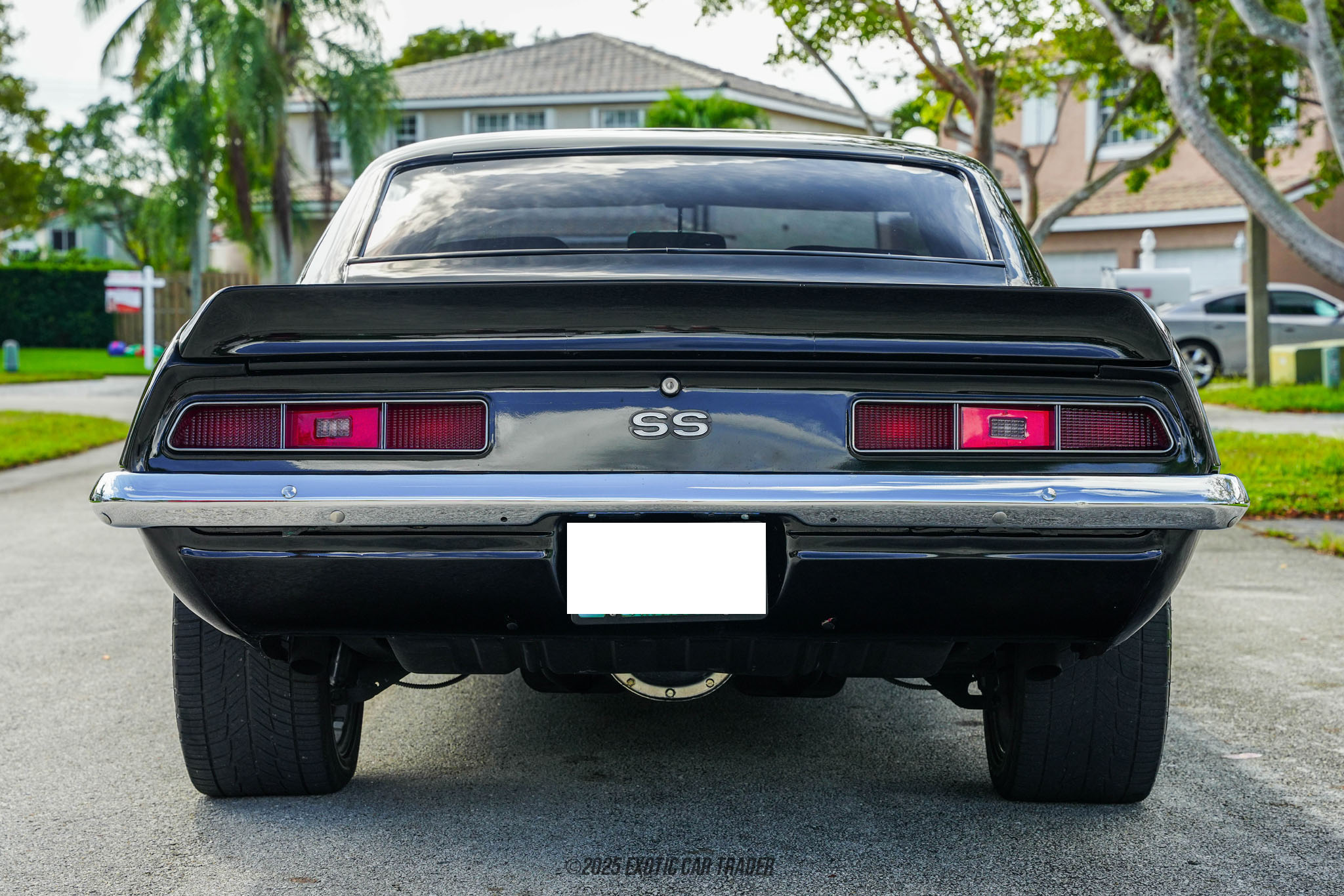
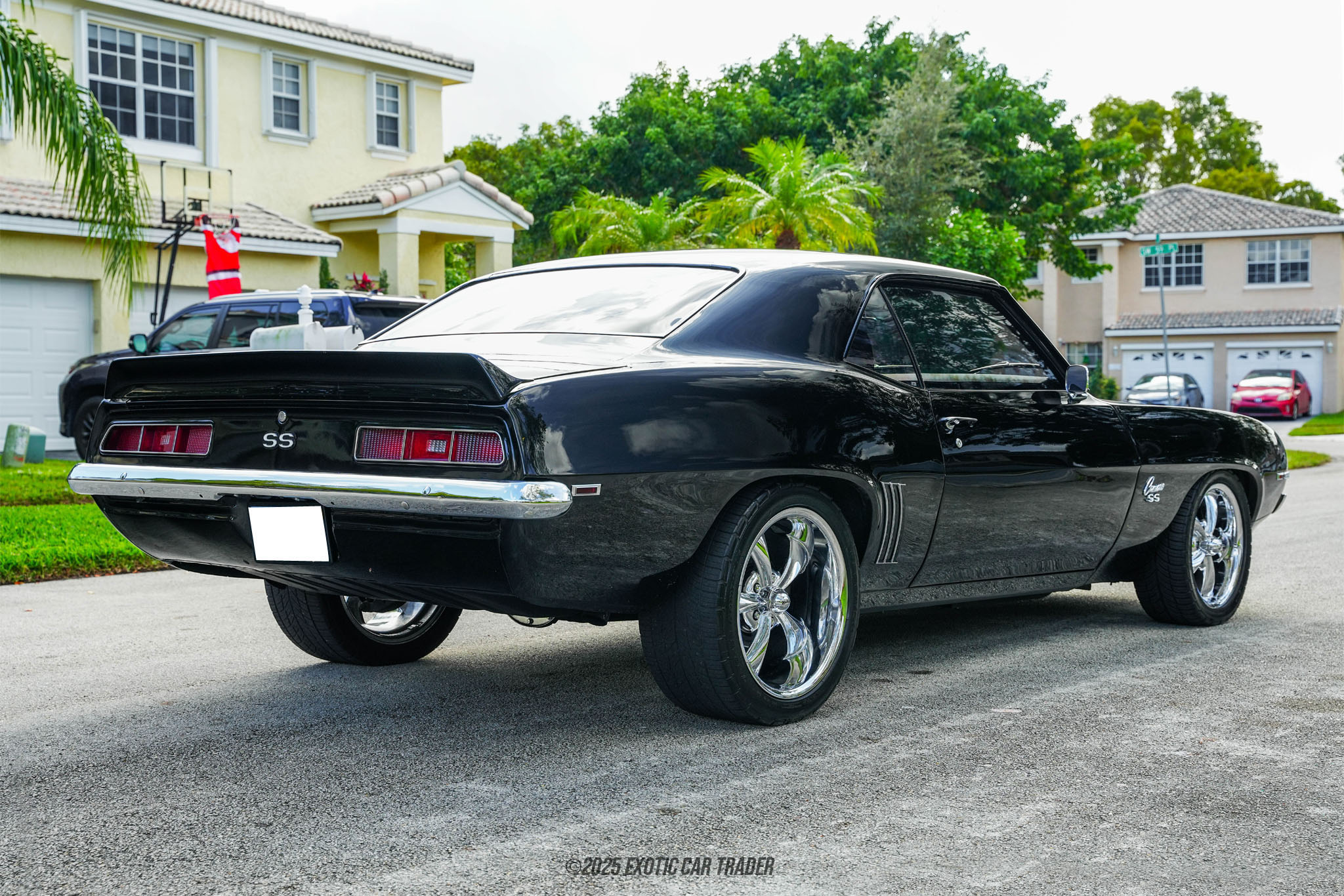
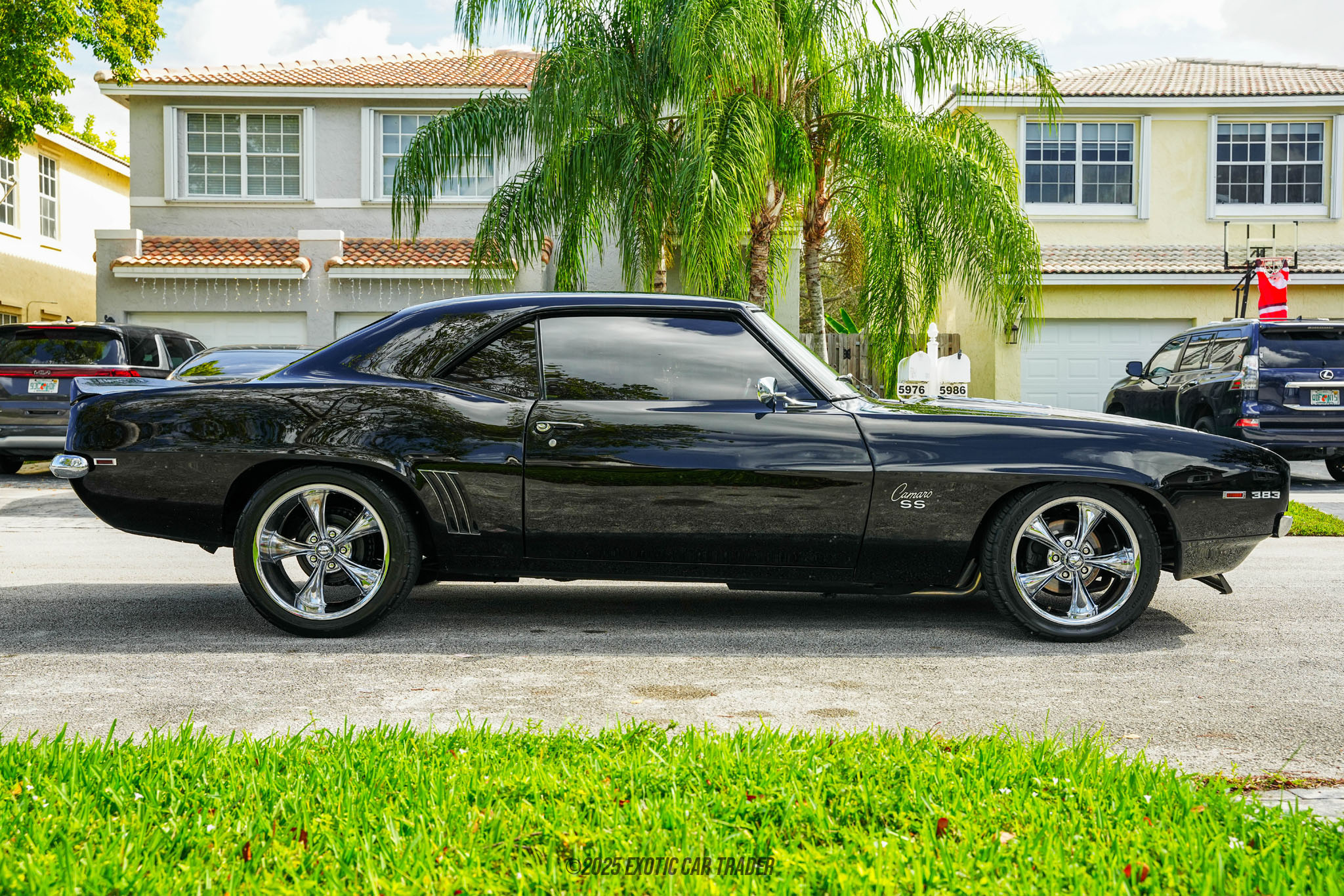
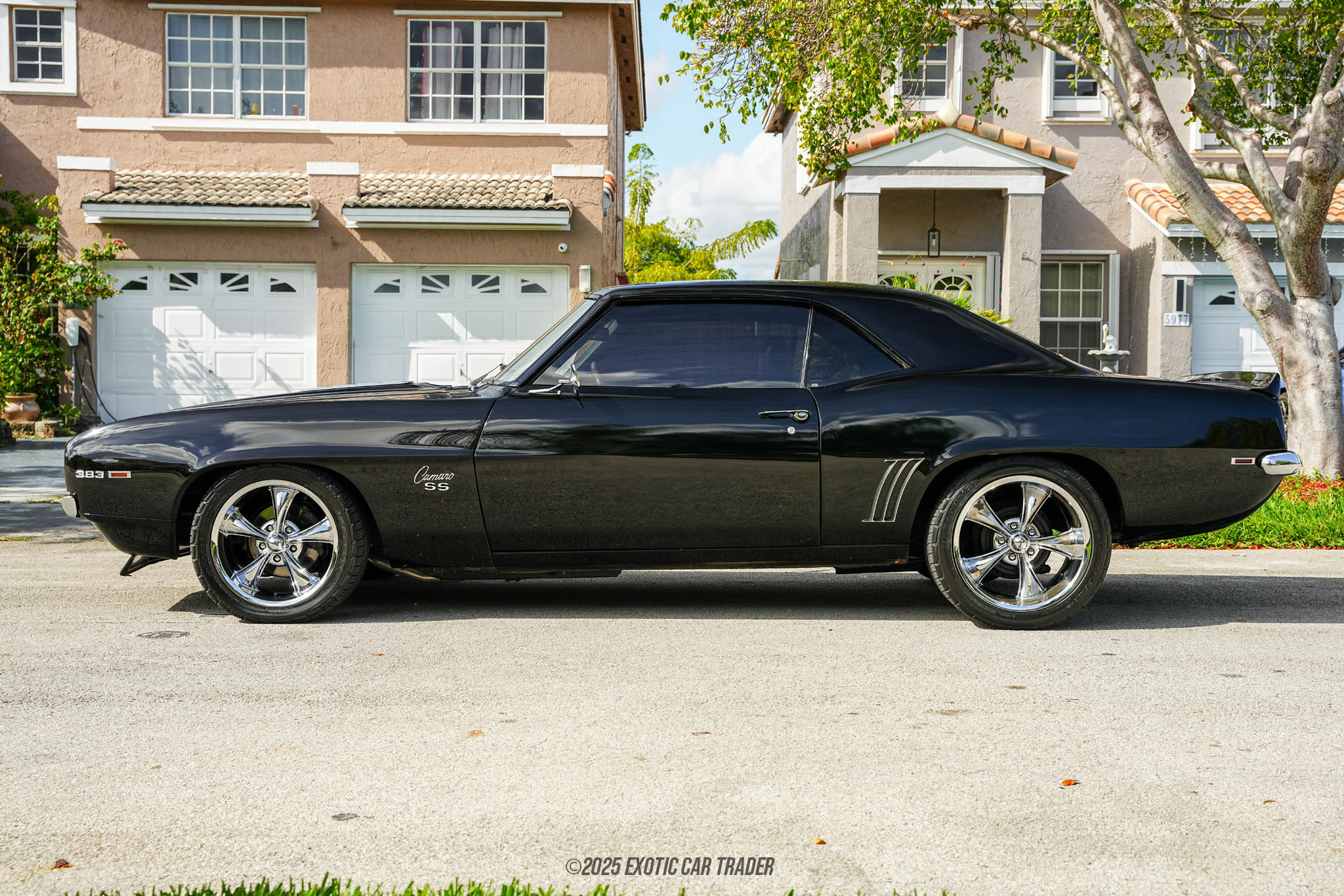
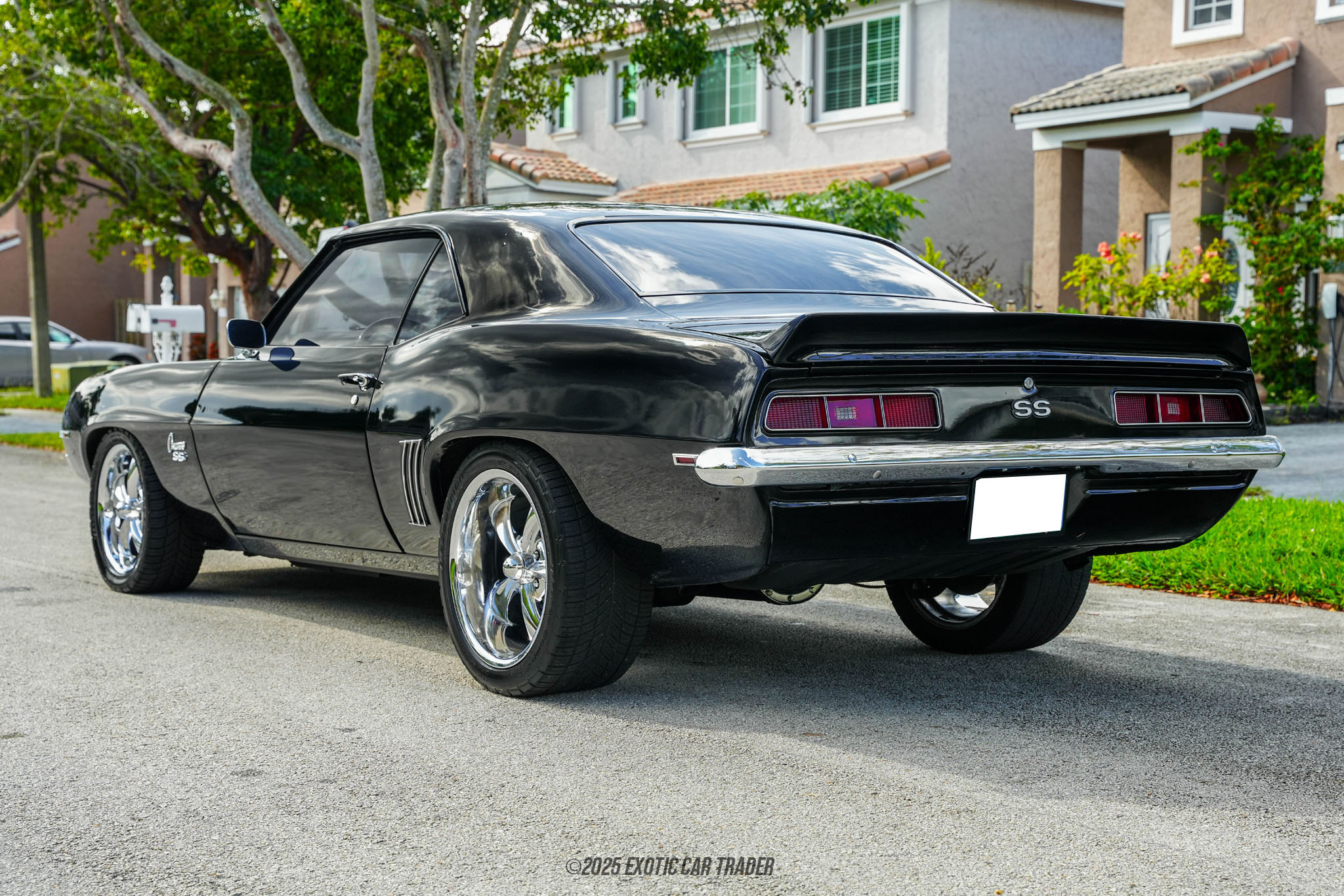
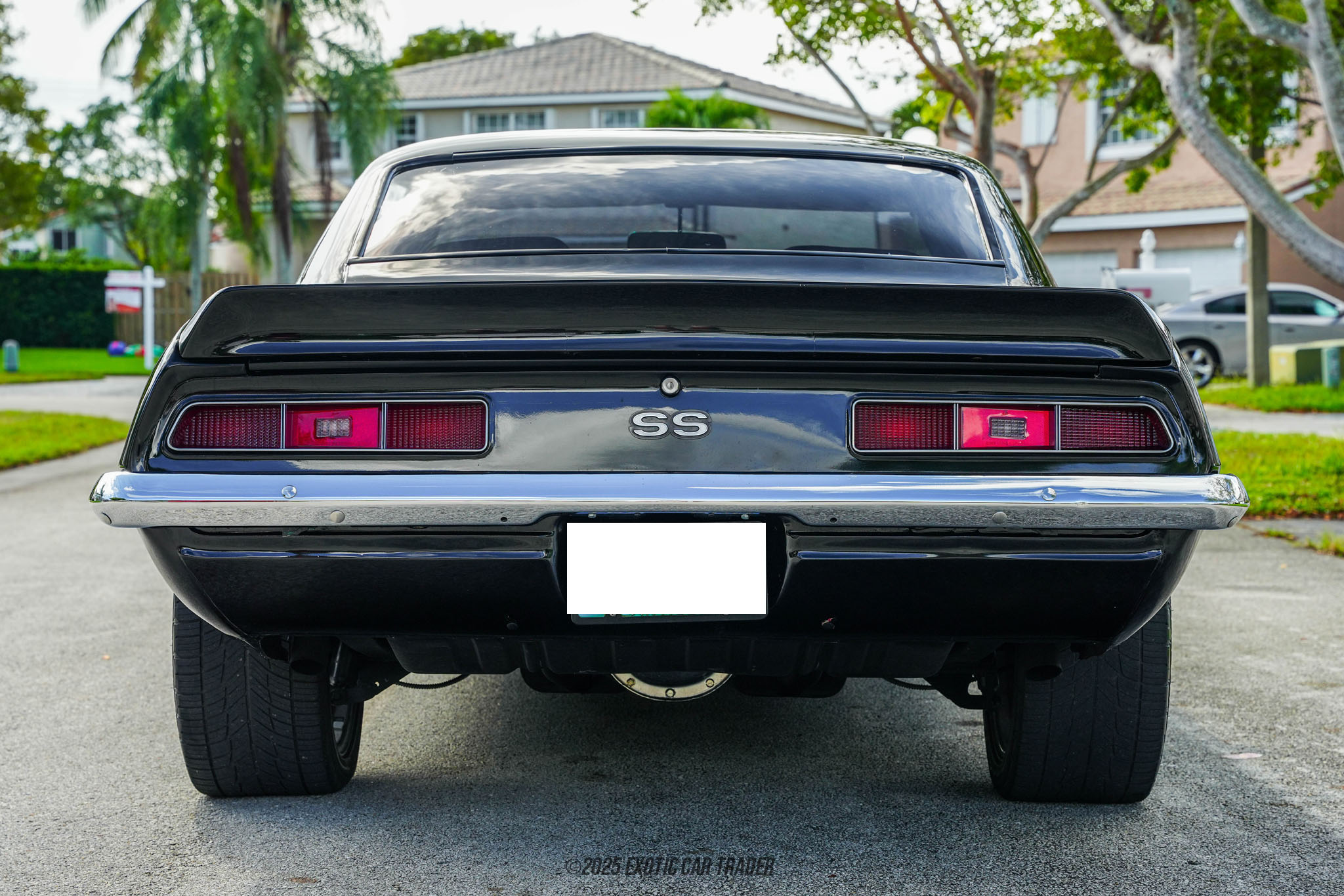
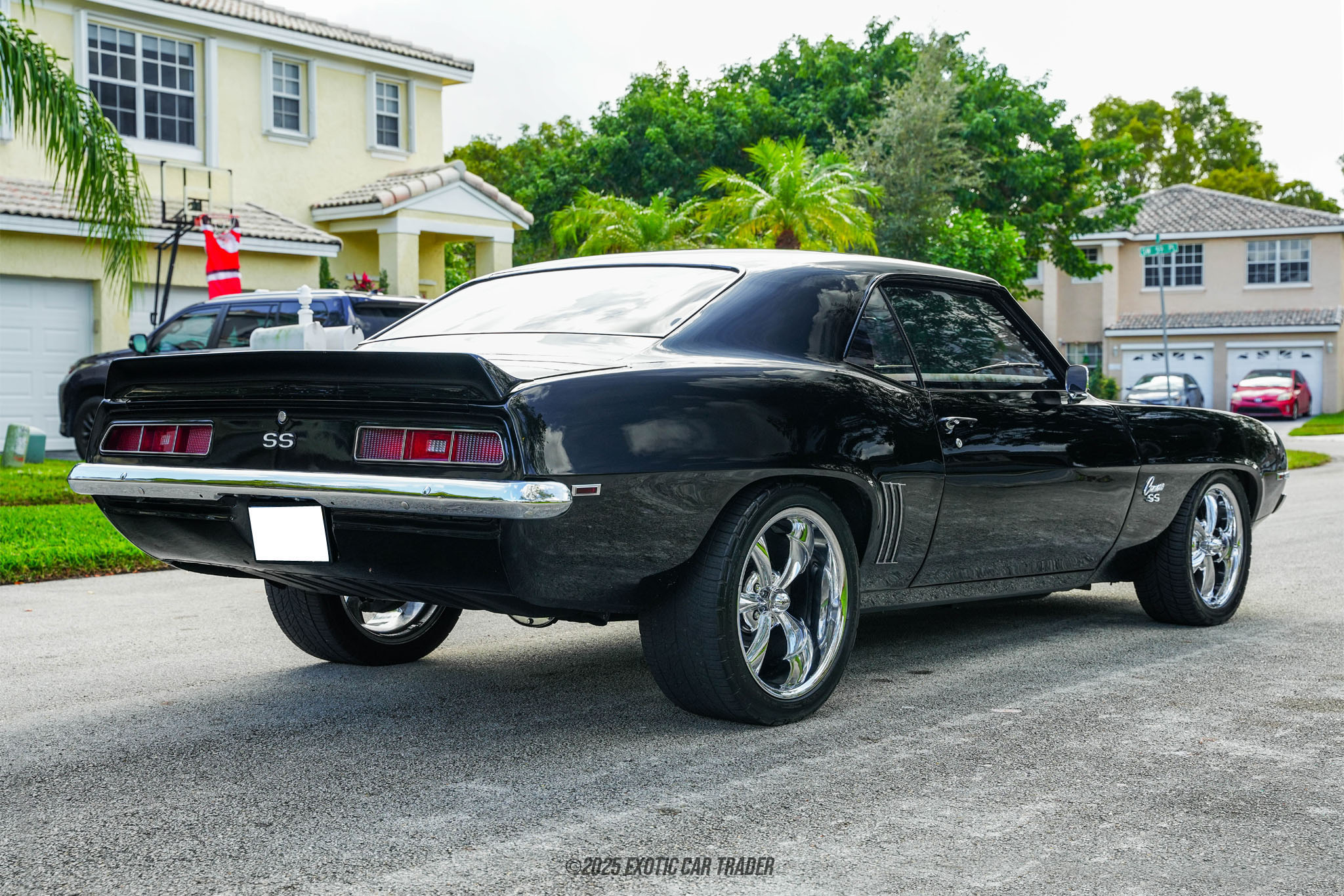
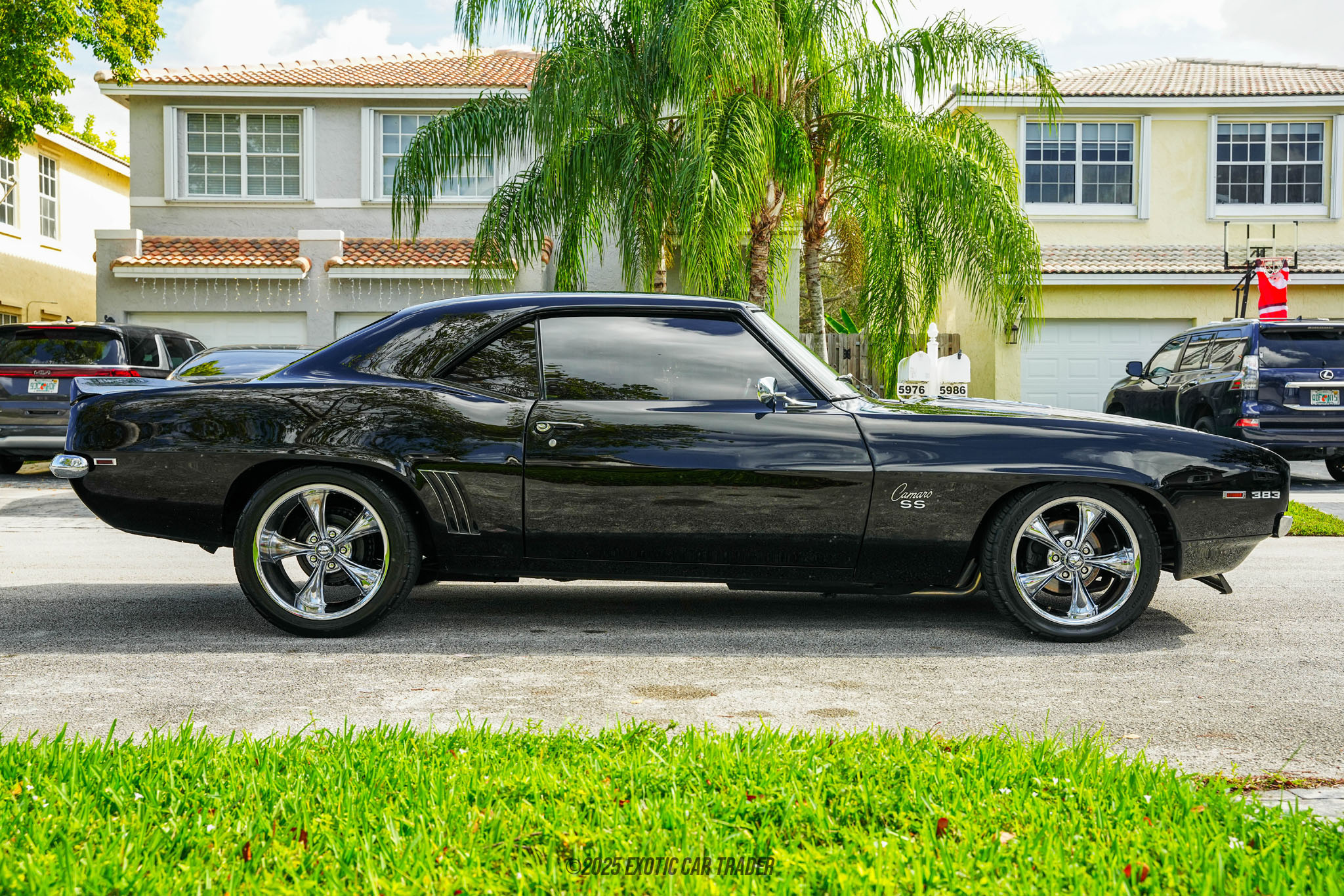
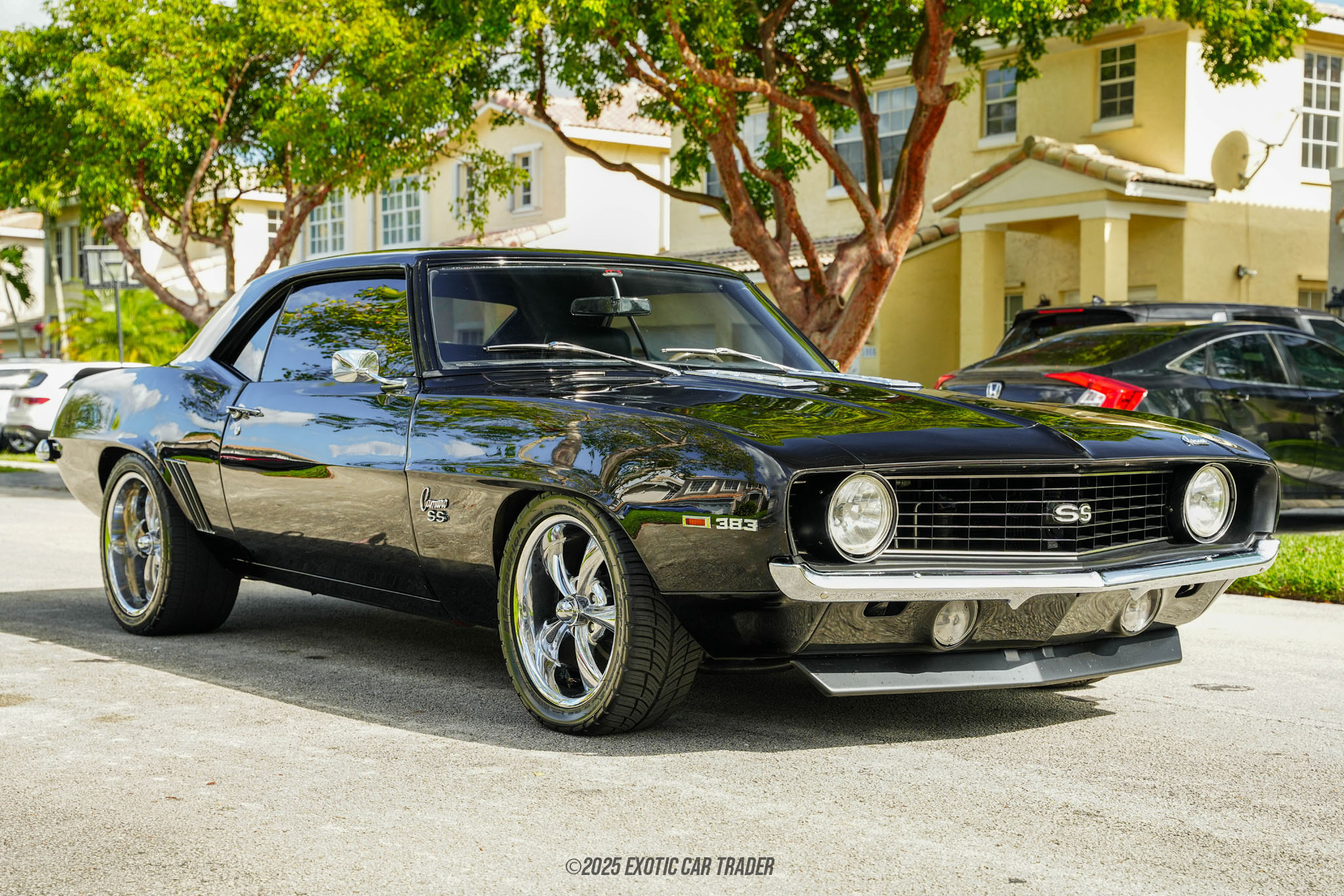
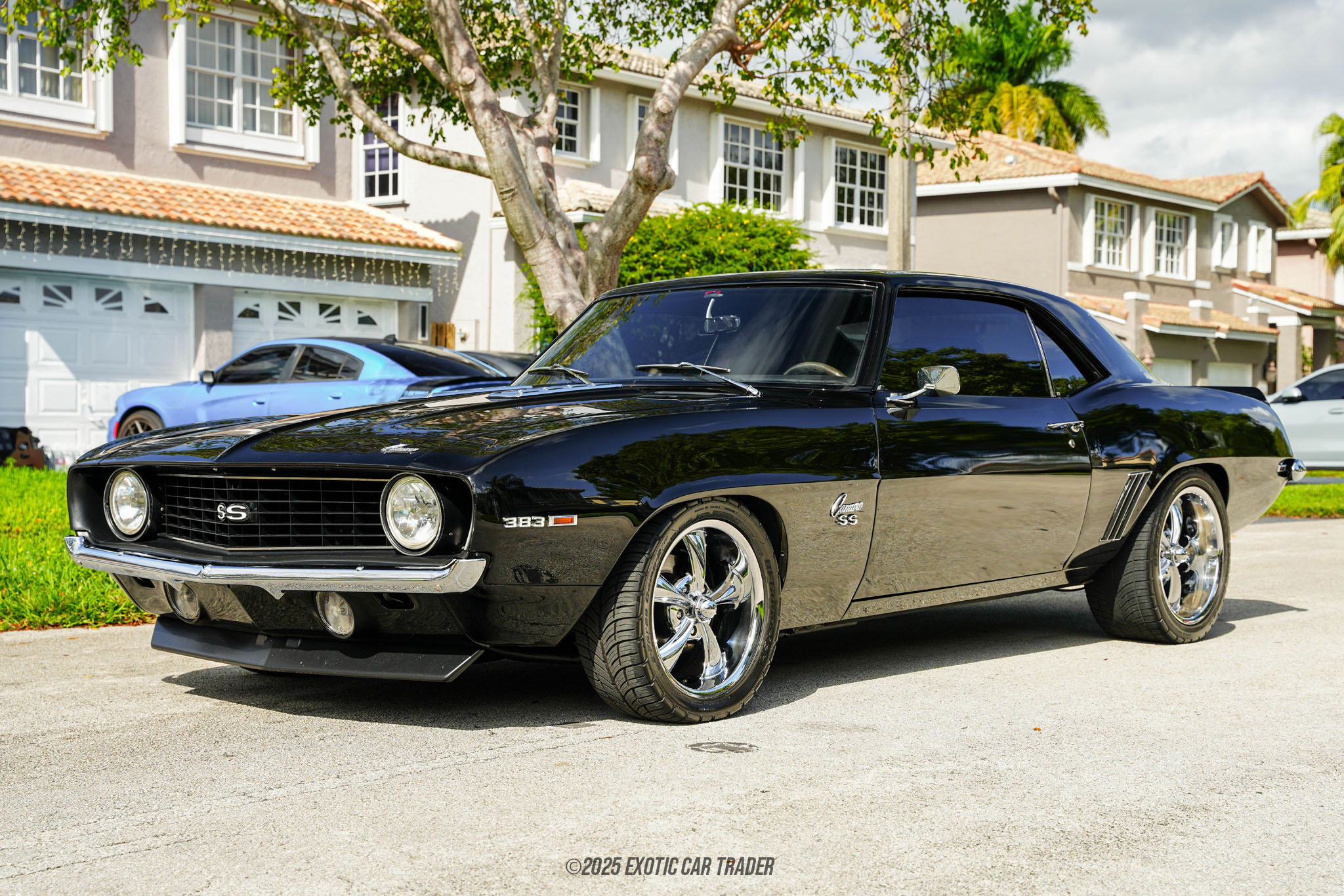
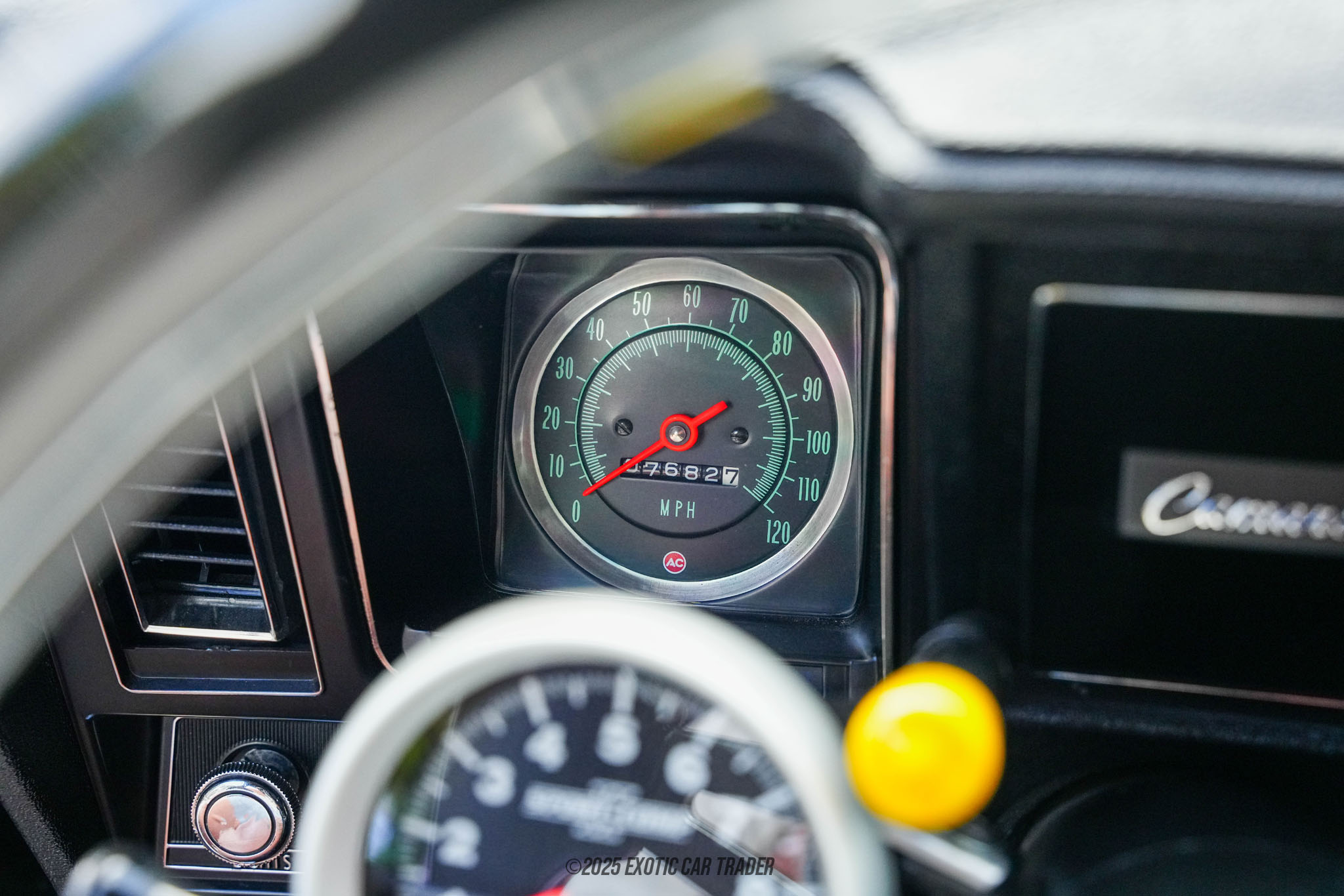
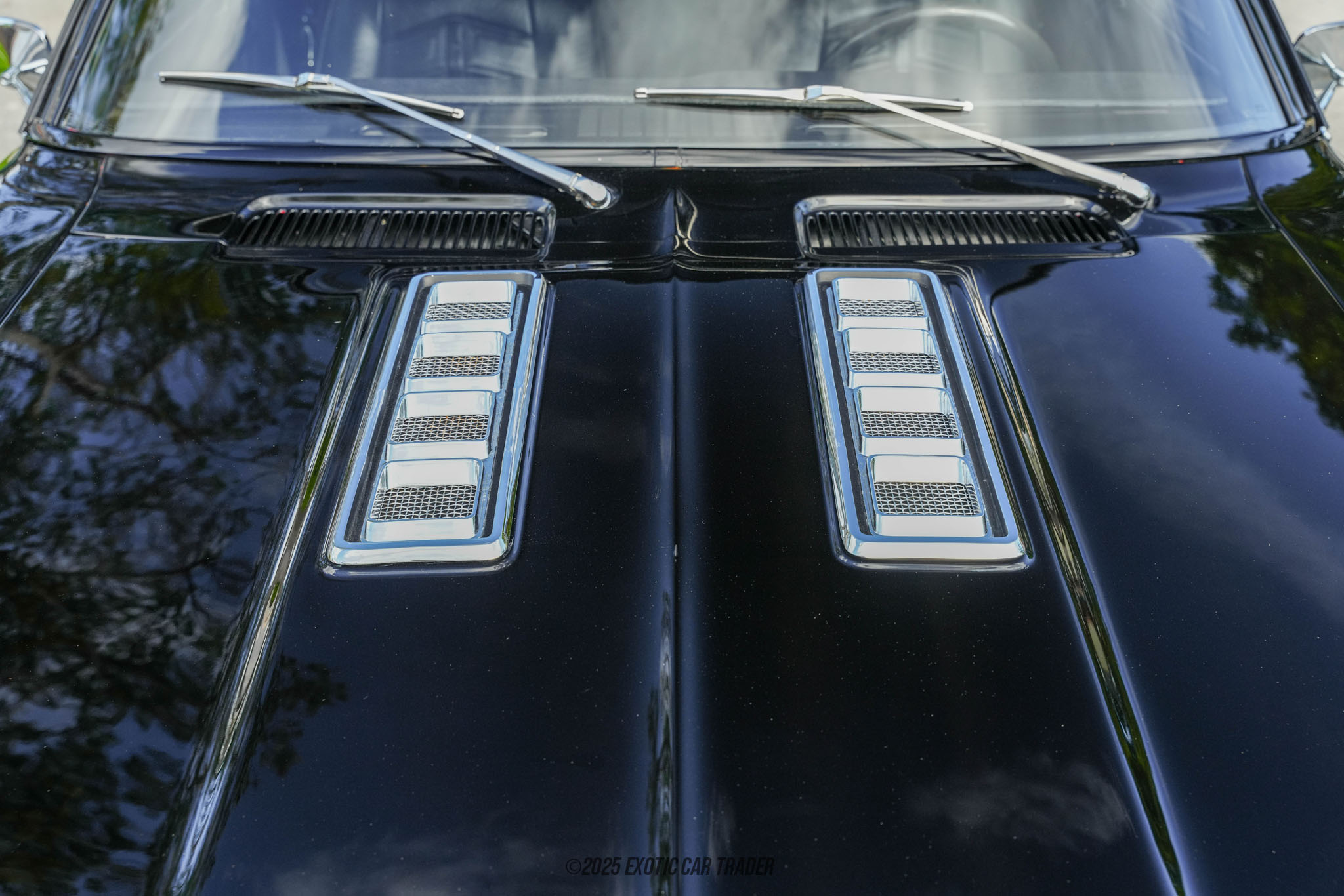
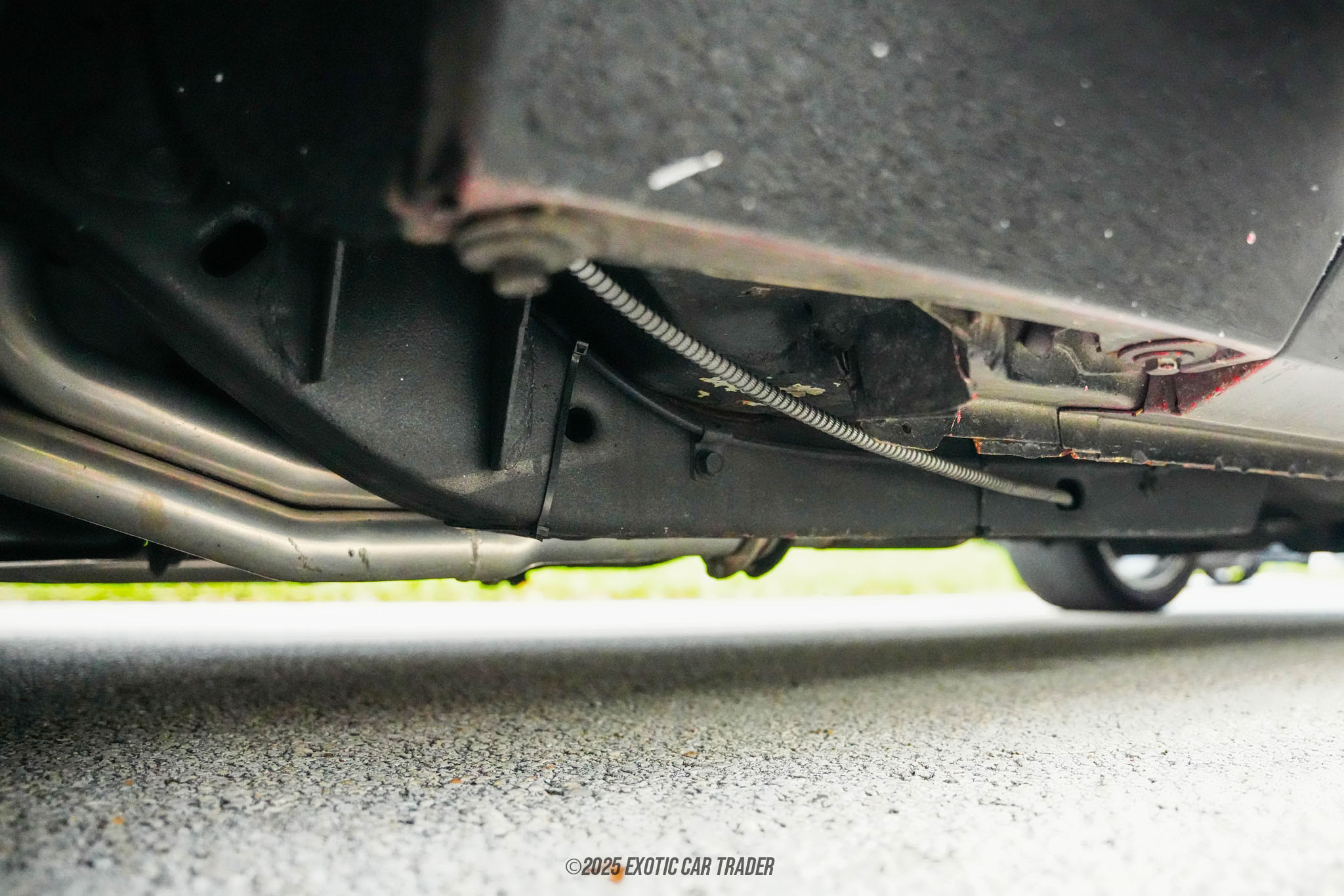
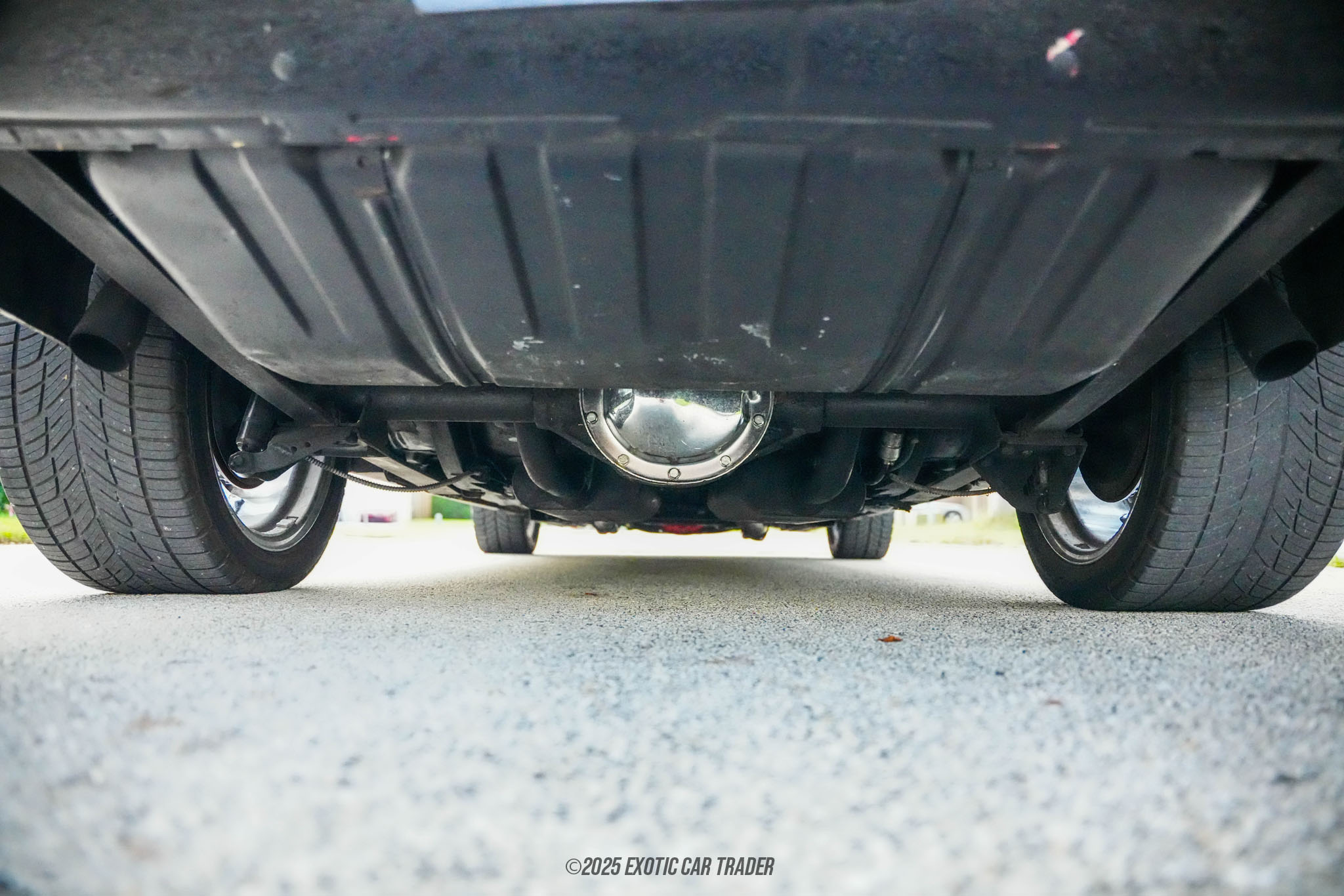
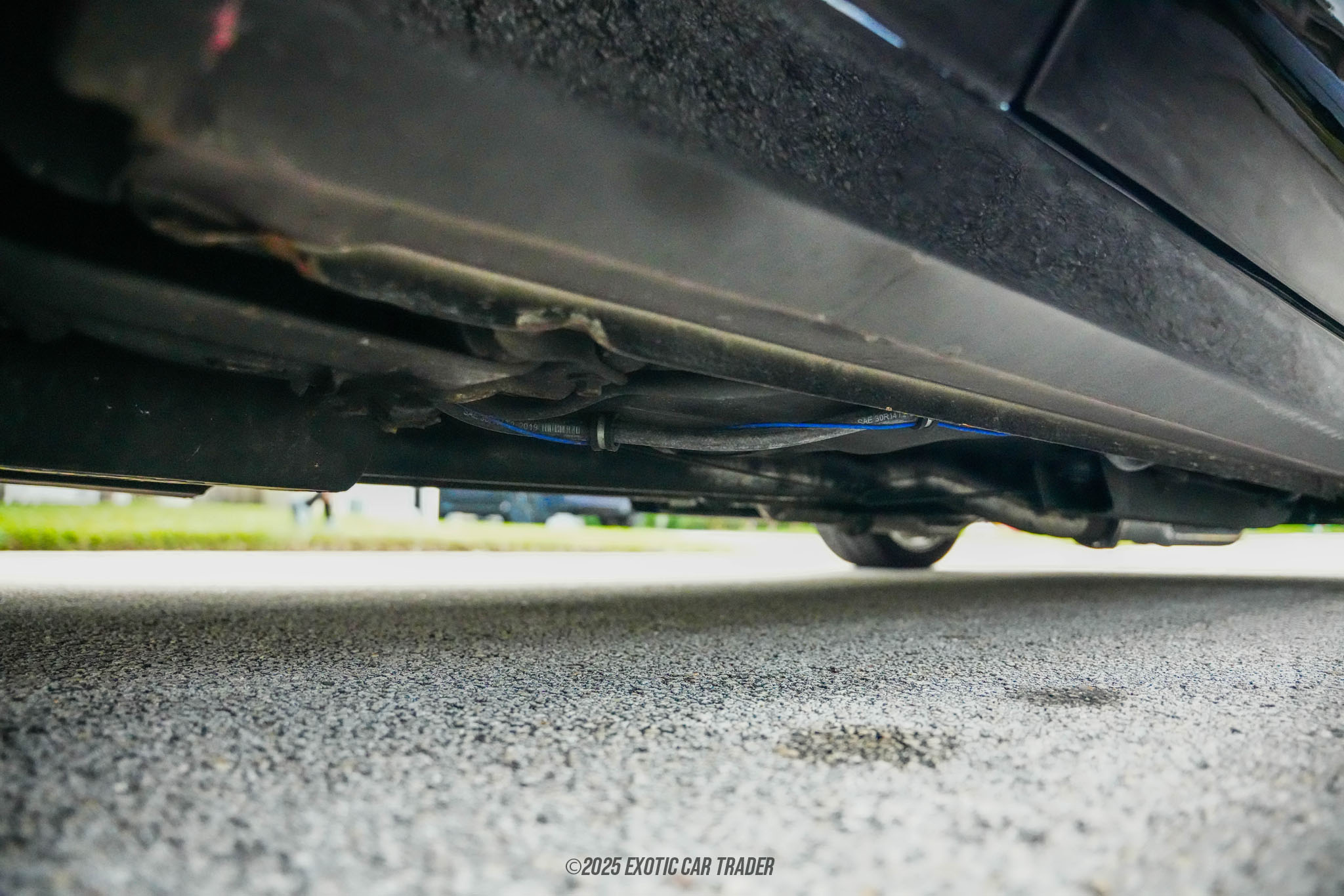
Now here’s a stunner that will brighten up the dreariest of days. This 1969 Chevrolet Camaro is fresh after a comprehensive makeover and could be yours. Hailing from Cooper City, Florida, it features a host of thoughtful upgrades and shows just 7,682 miles since completion. As a first-generation Camaro, it represents a defining chapter of American pony car history and remains a strong appreciating asset in today’s market. Blending classic styling with modern enhancements, this Camaro proves that investing in a well-sorted classic can be both enjoyable and smart. Talk to us if you’d like to make this black beauty your very own.
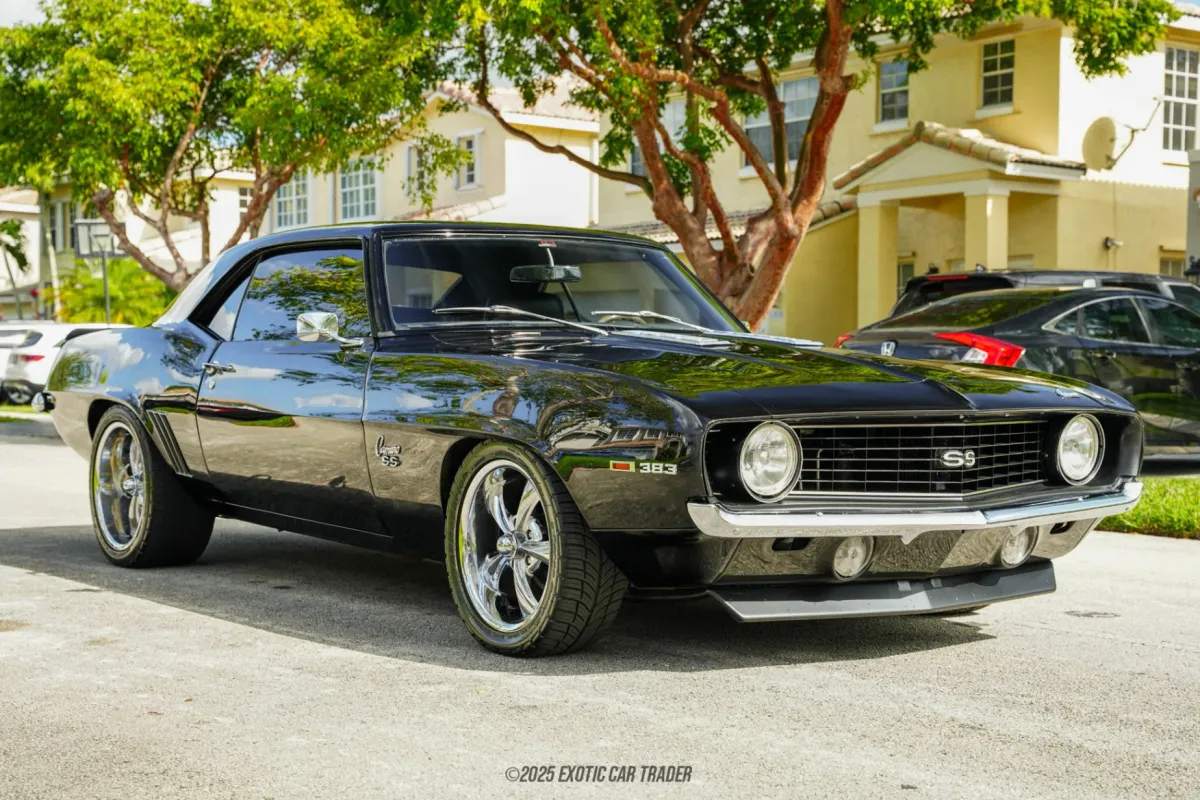
Exterior and Interior
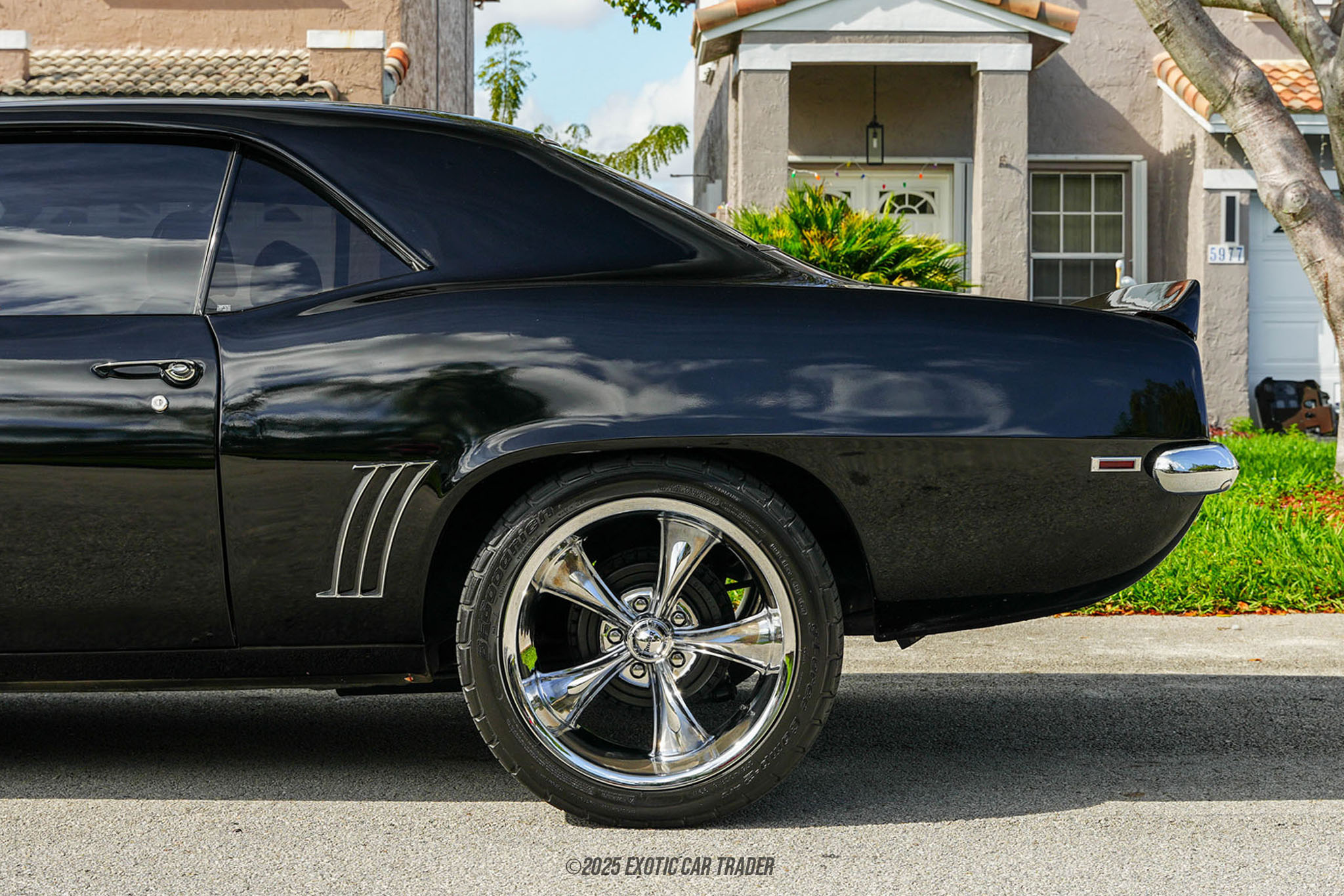
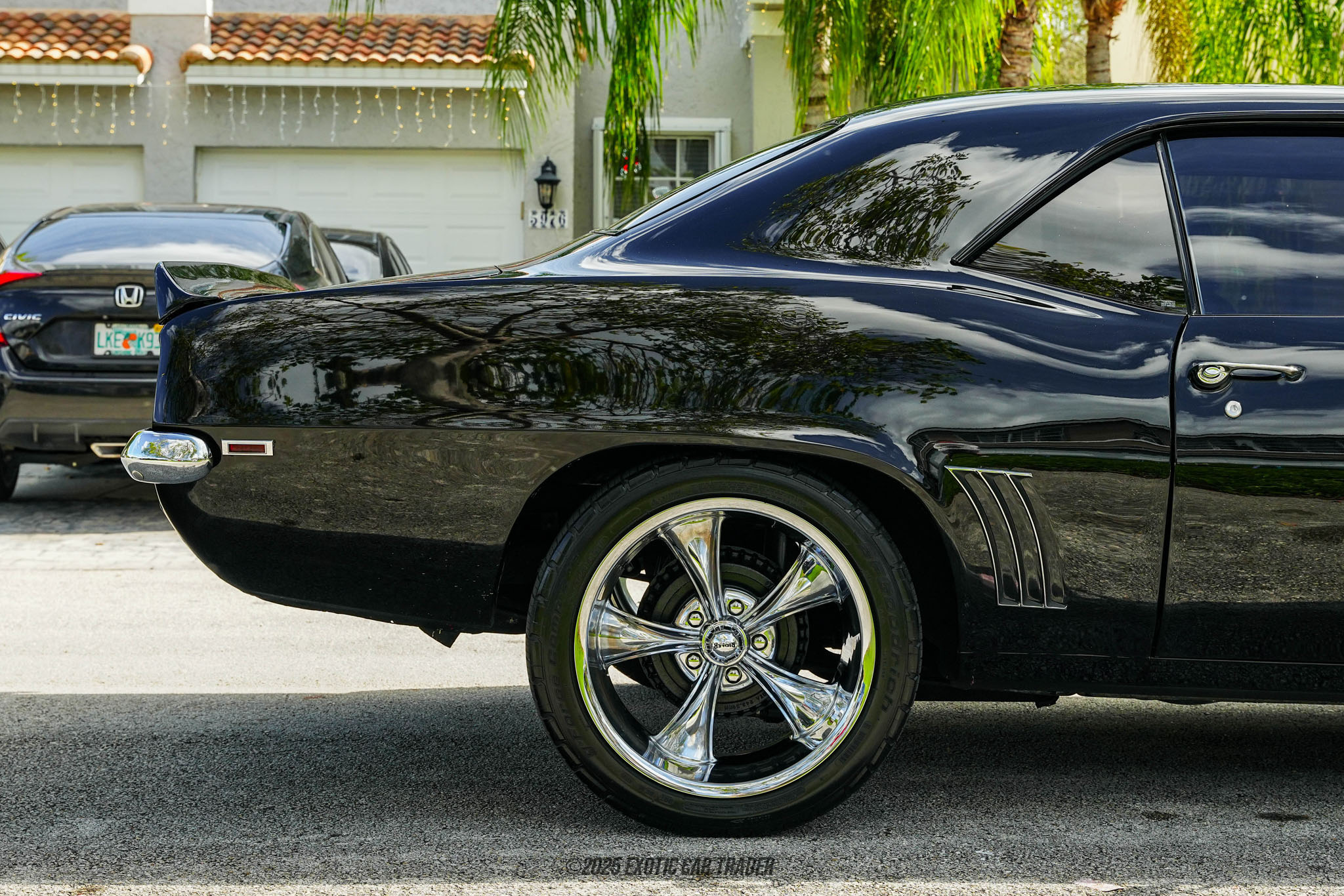
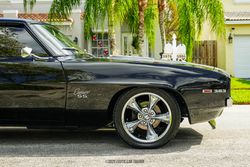
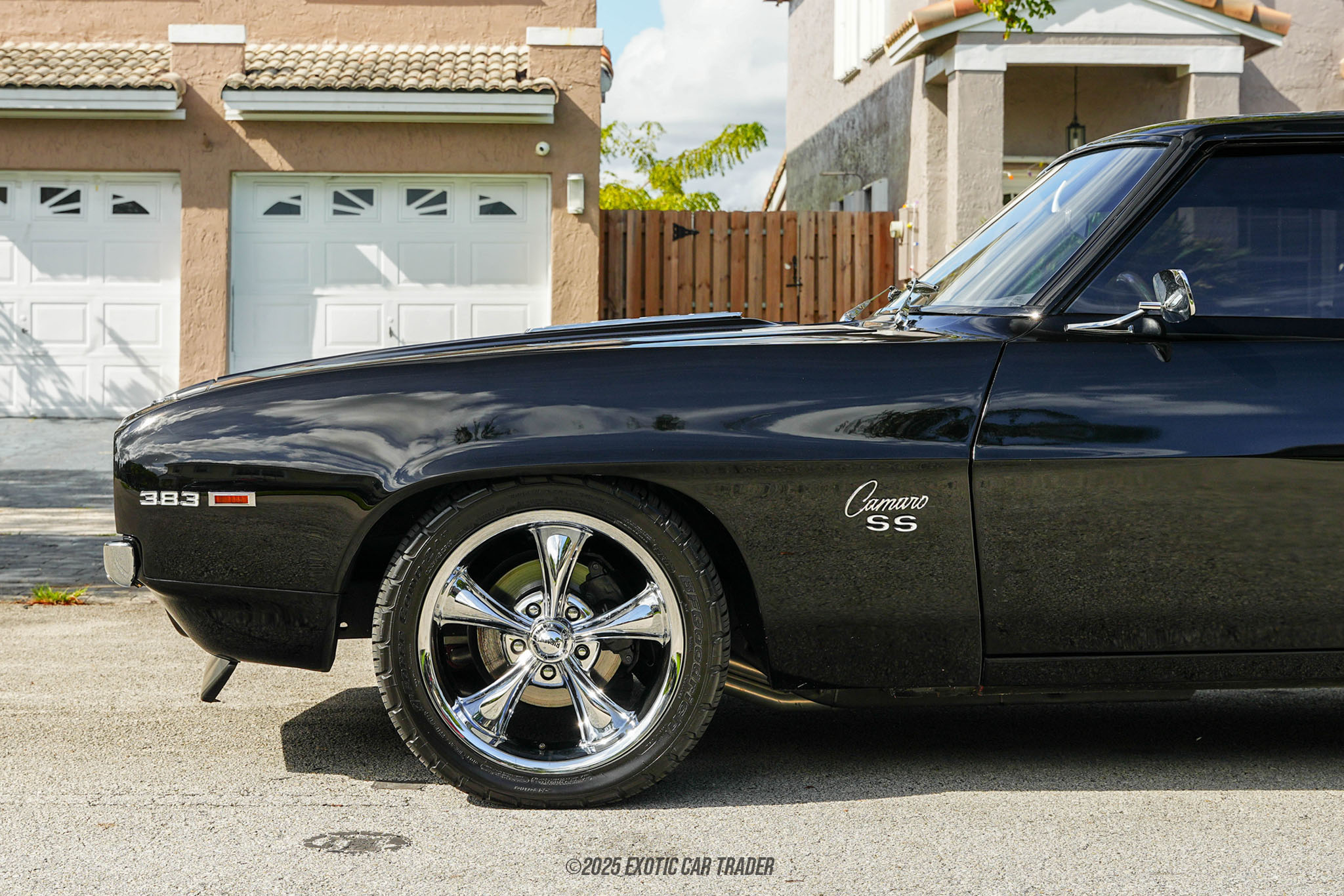
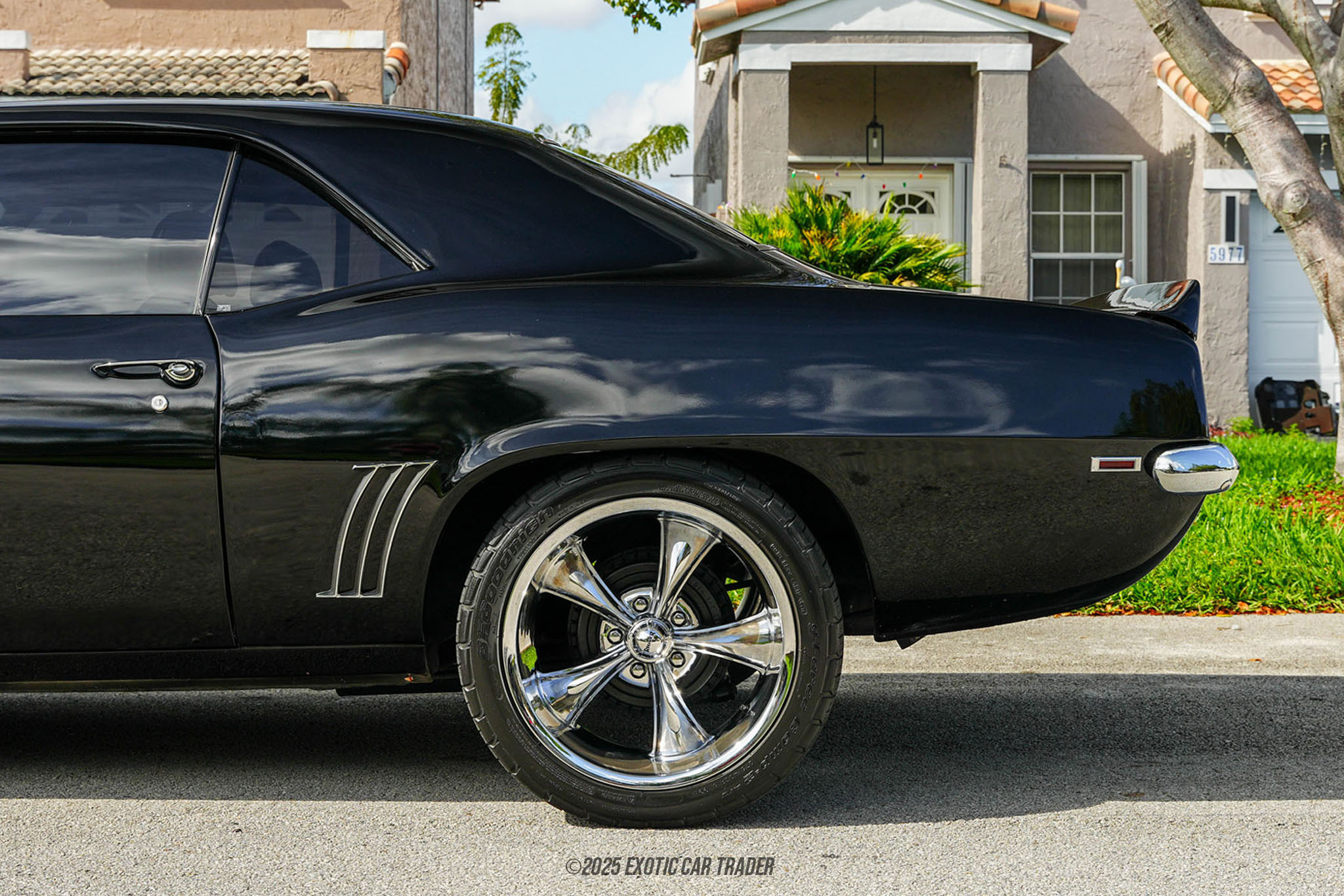
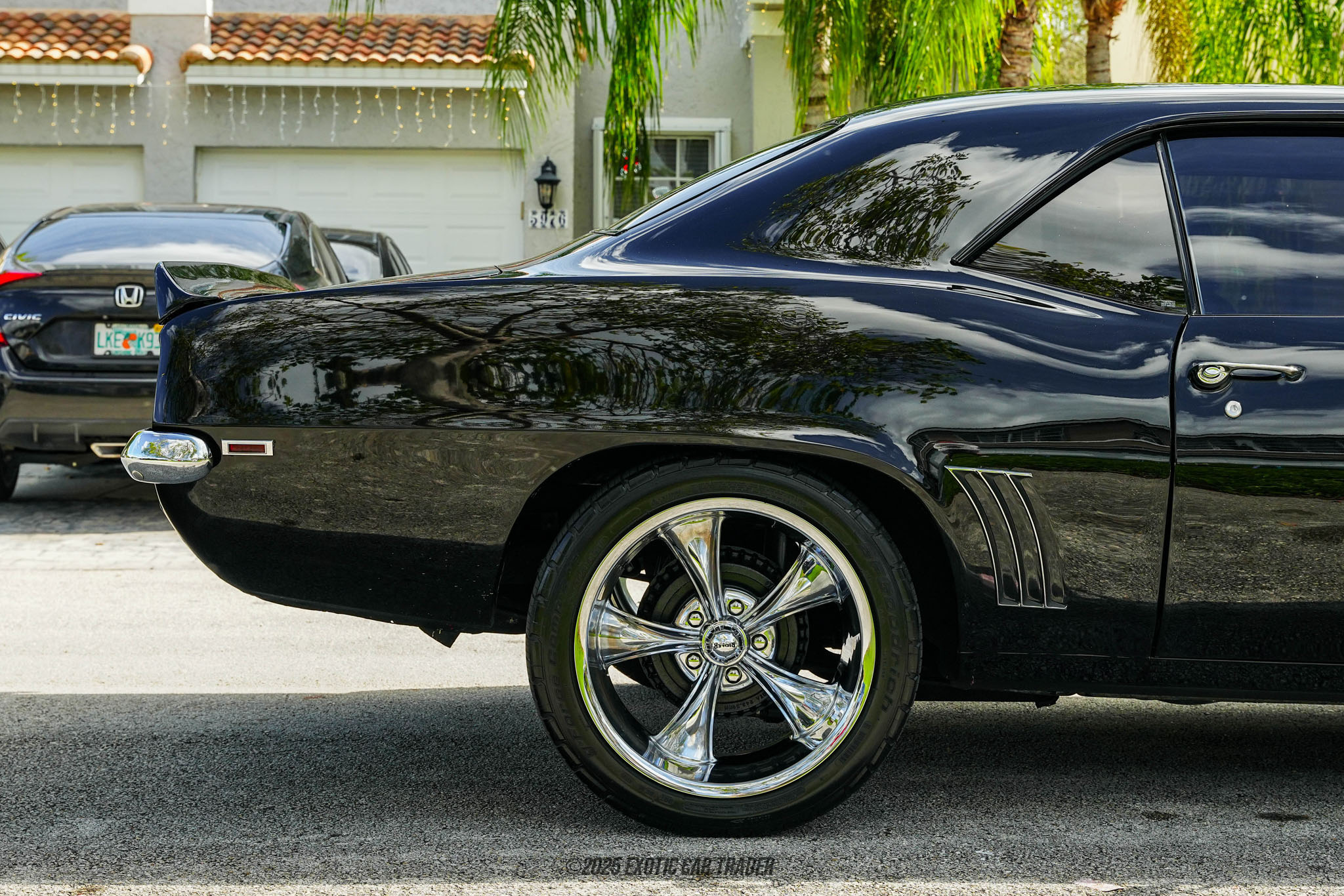
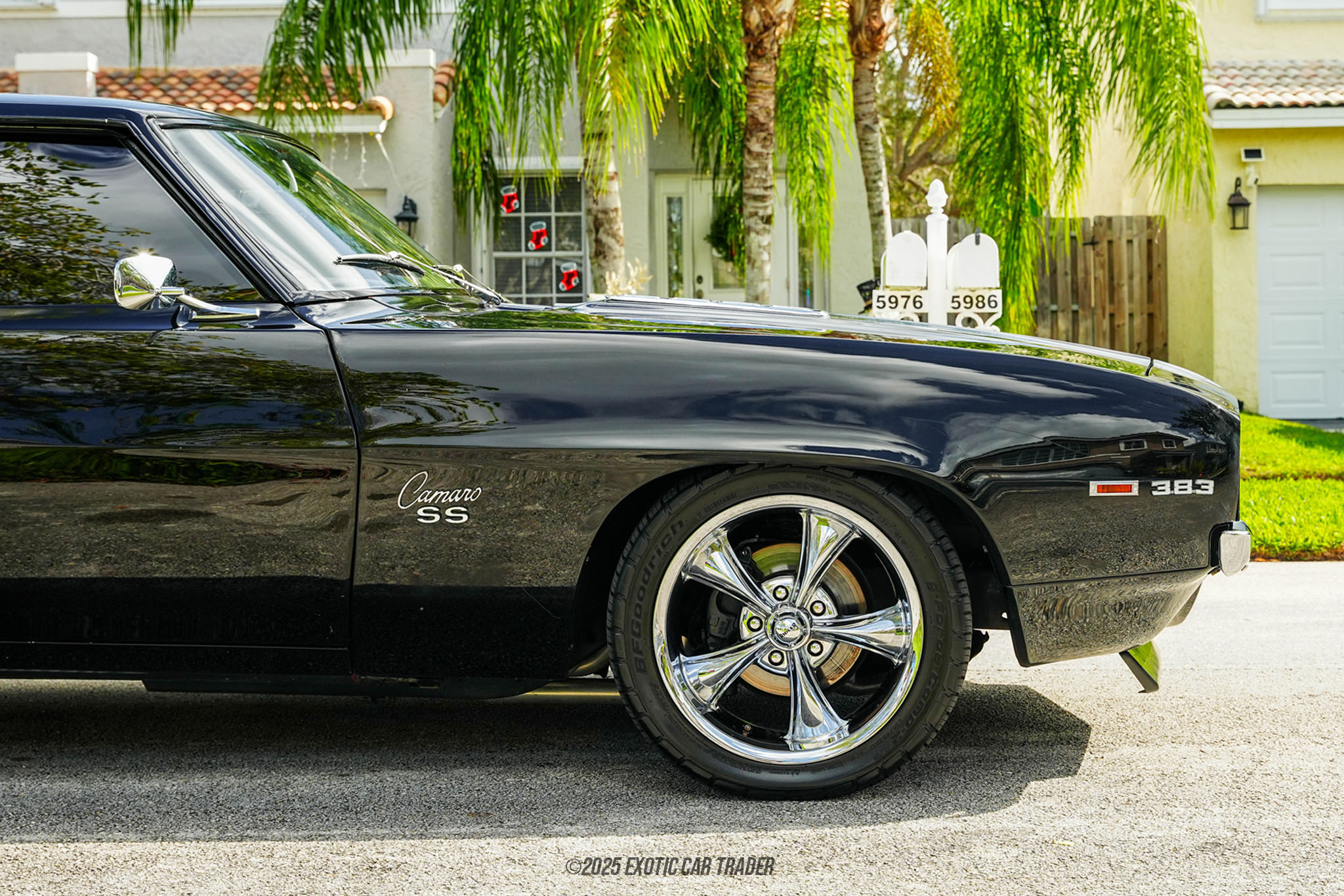
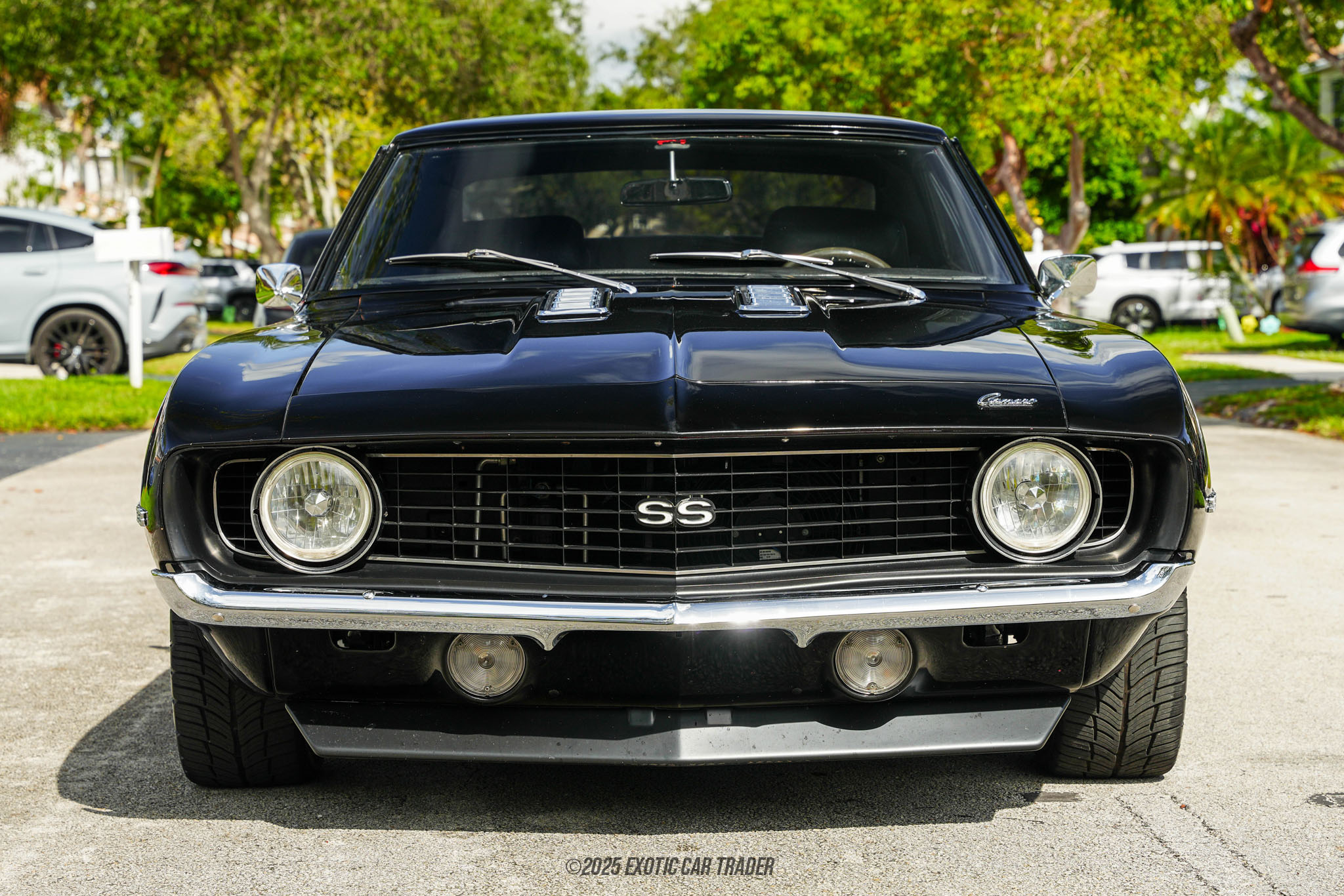
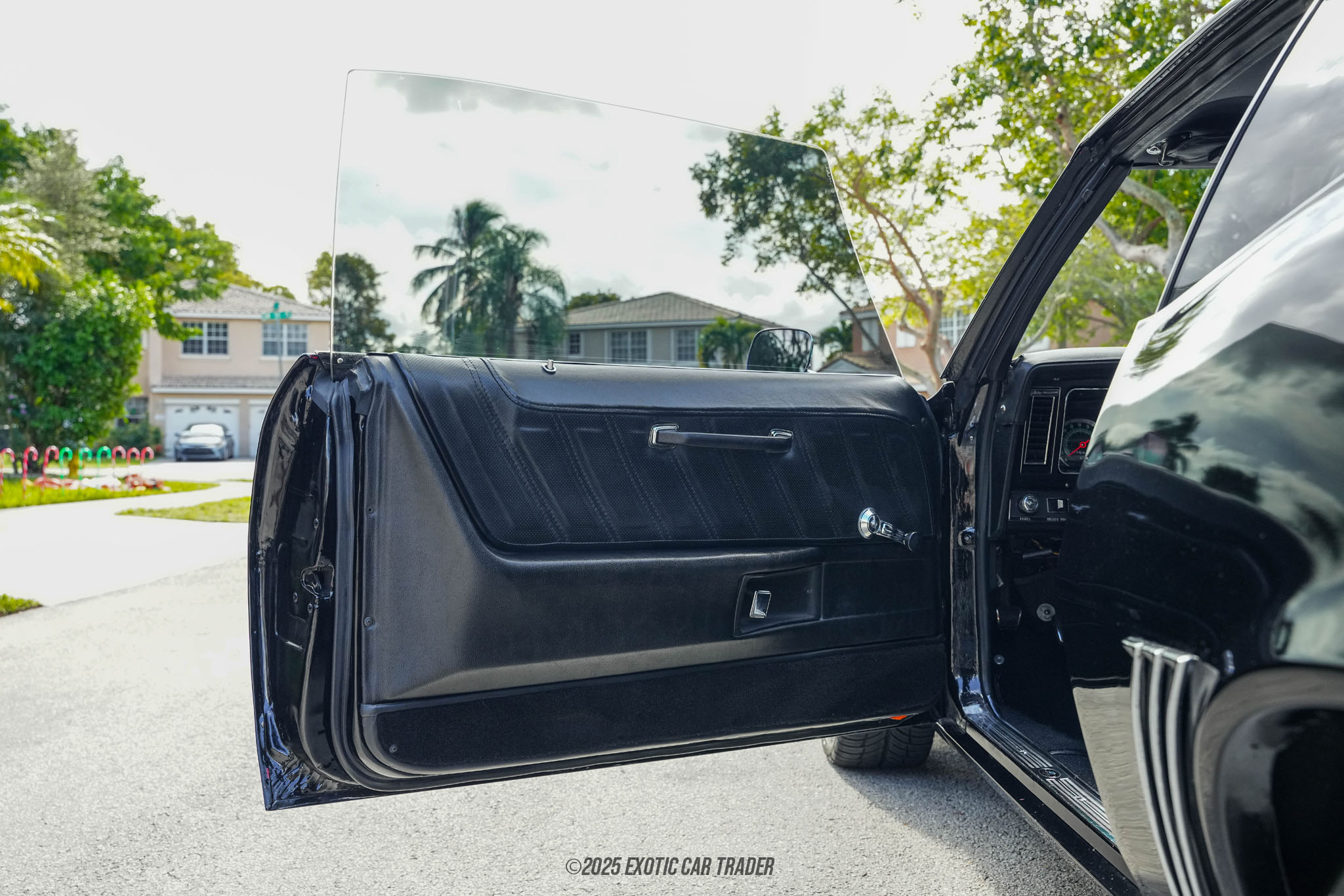
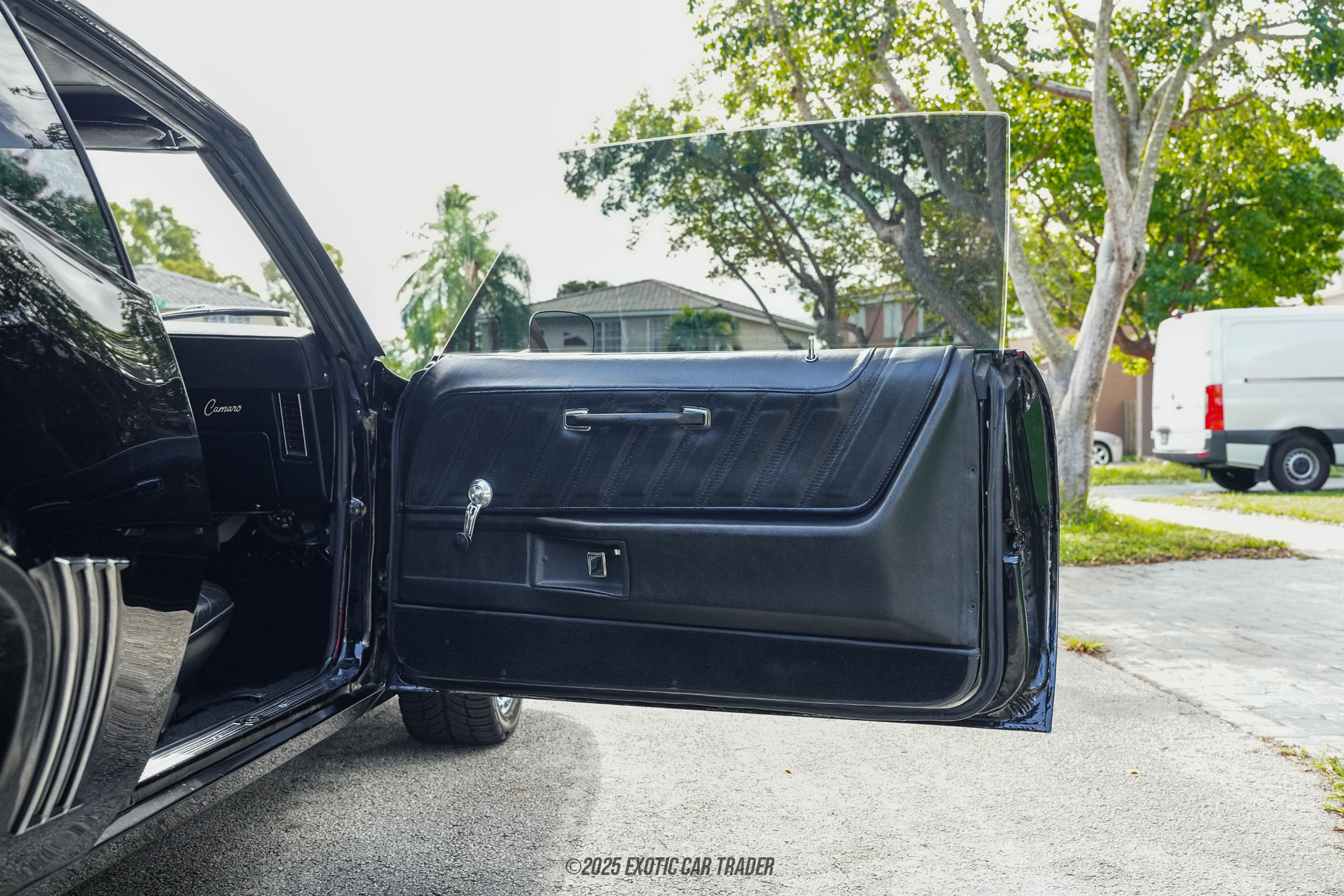
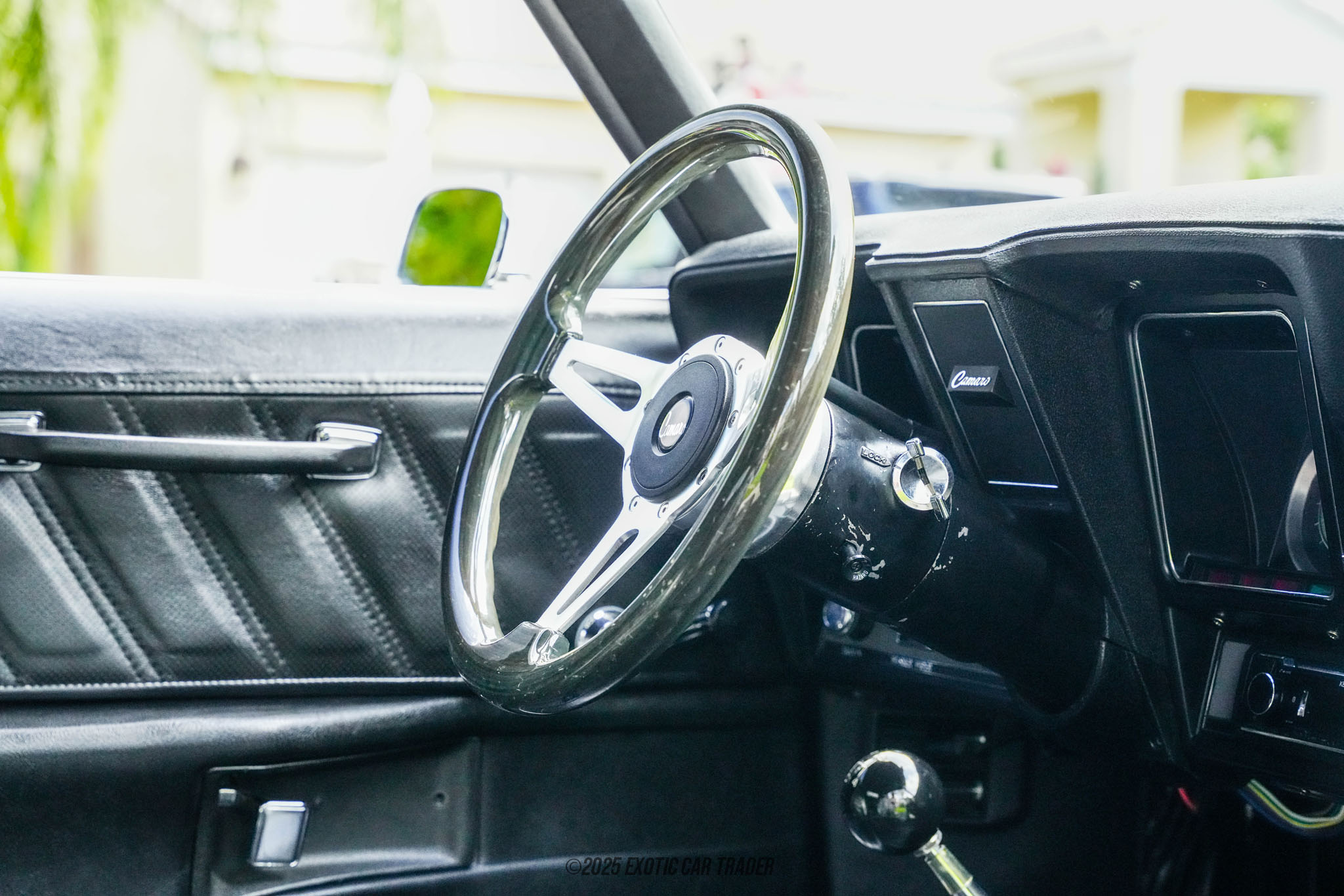
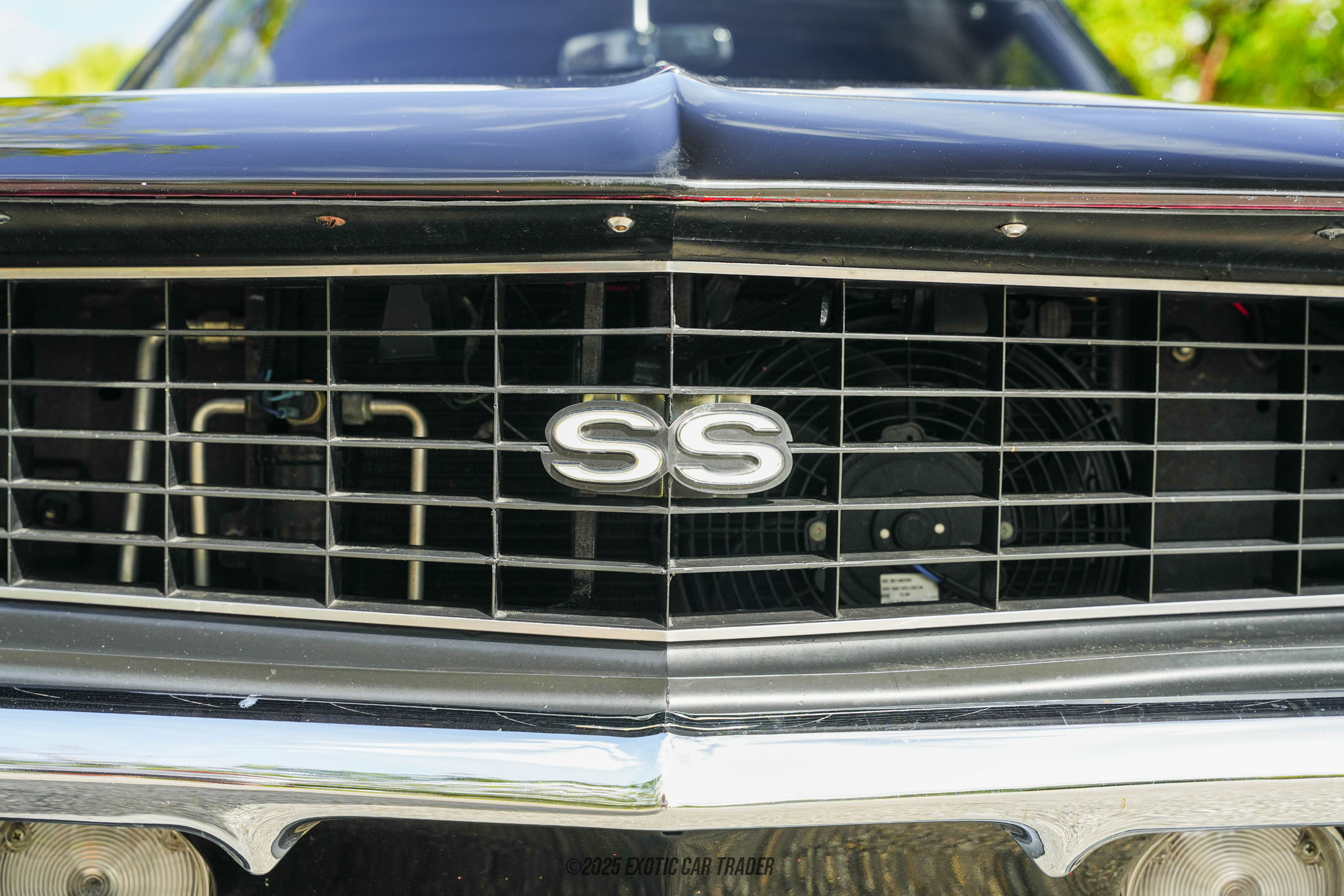
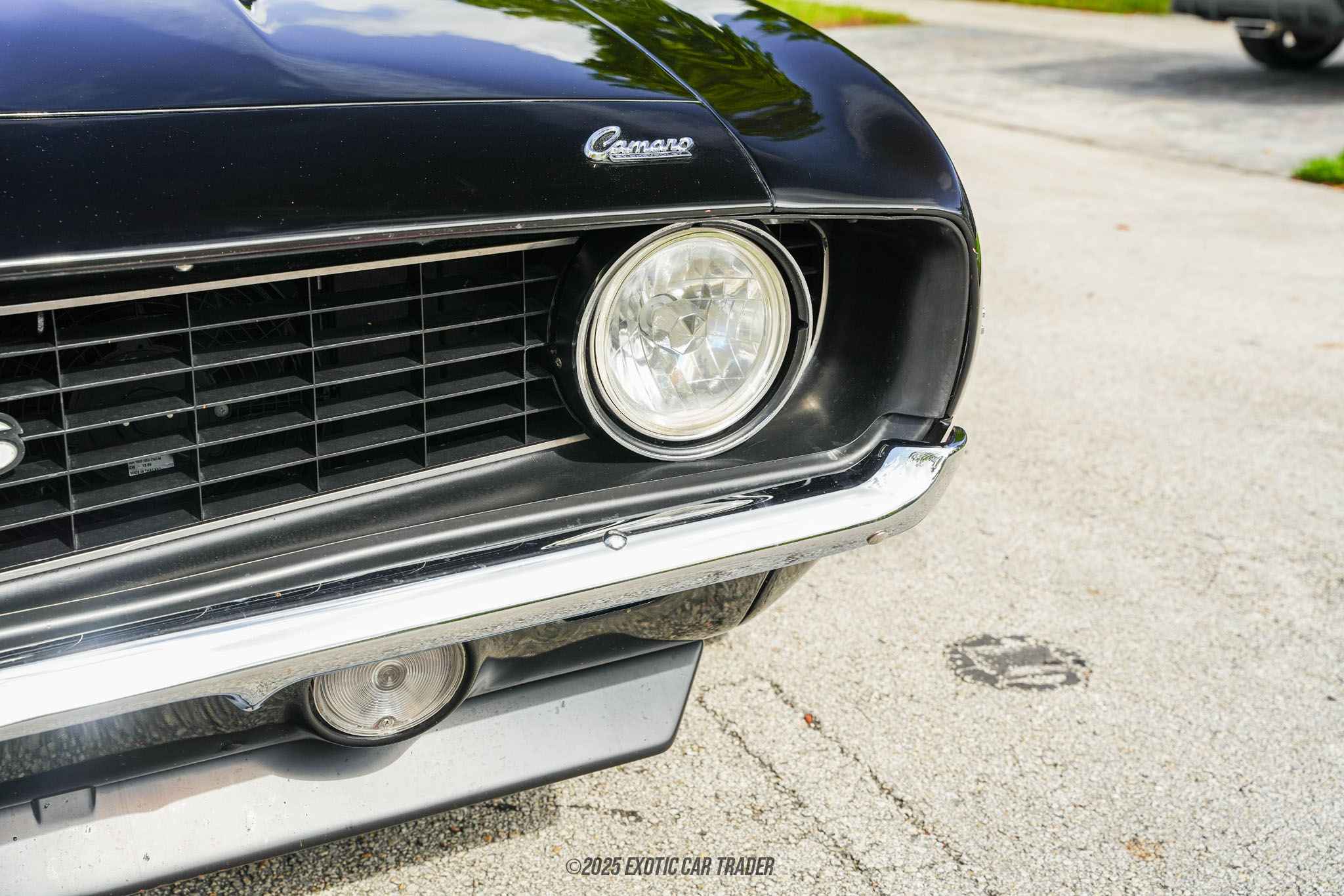
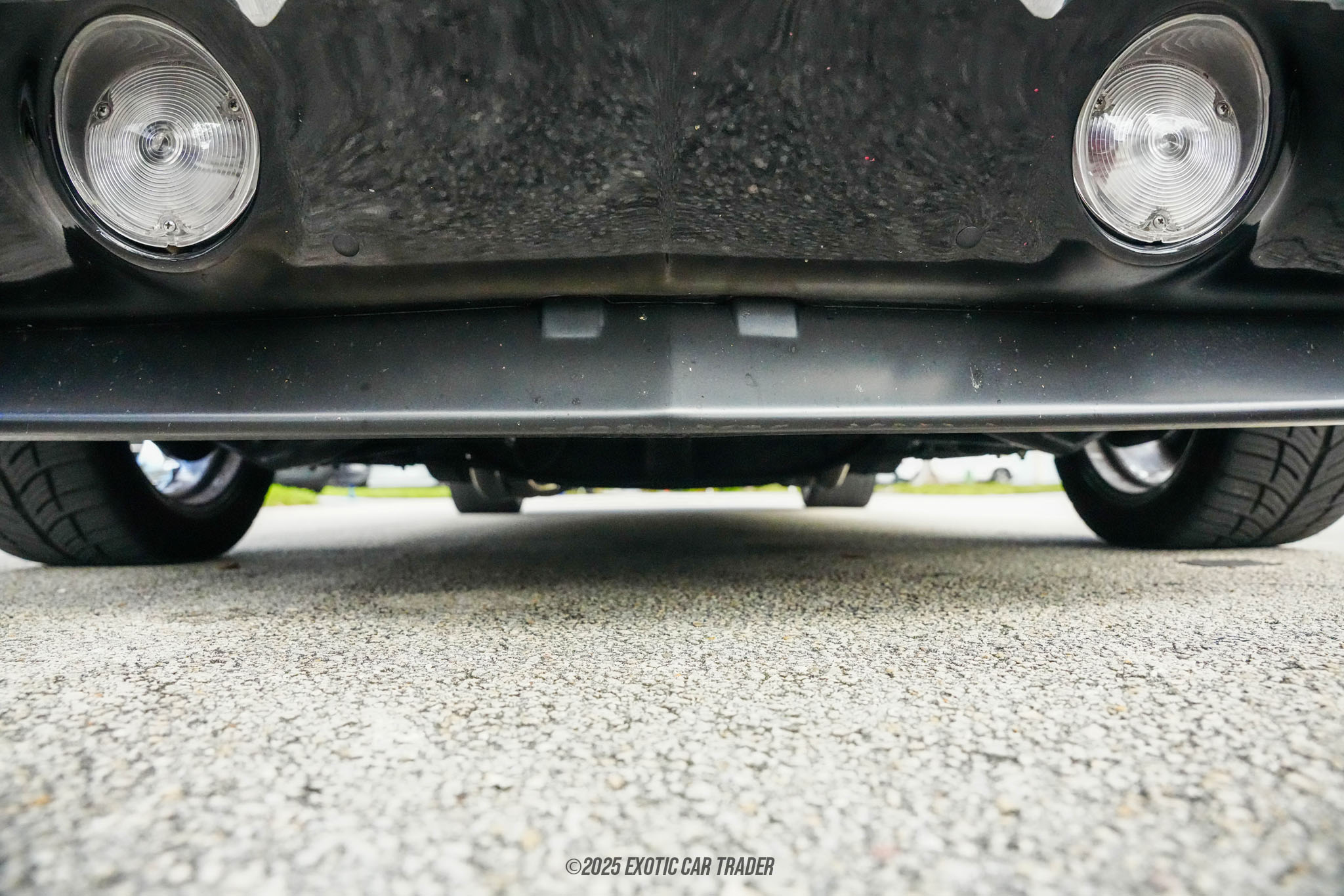
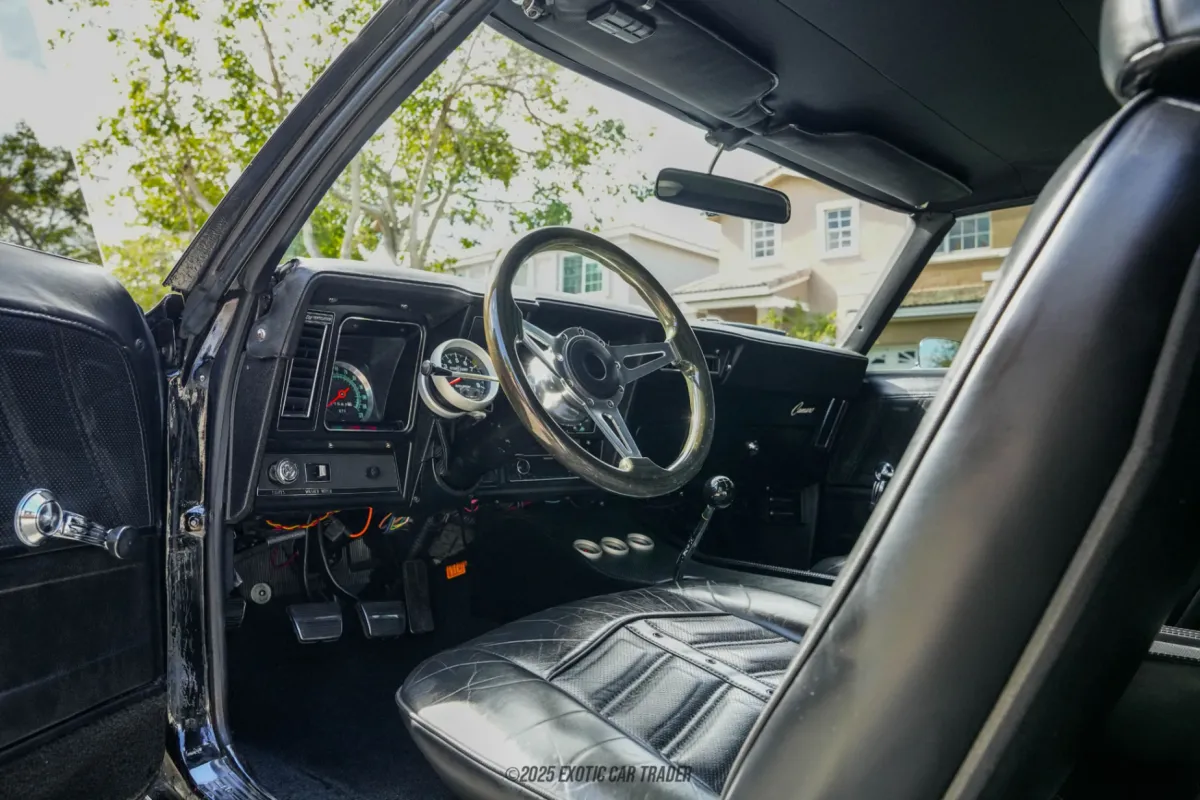
Dressed to impress in a smooth black suit, this 1969 Chevrolet Camaro comes with that iconic stance that made the first generation Camaro so attractive back then, and continues to ensure that it turns heads today as well. Since the car isn’t an RS, it’s got exposed circular headlamps in a blacked-out grille, with only the SS badge standing out in silver. That makes for a rather menacing face that’s ready to pounce, if you will! Moving on to the sides of the car, we have staggered Cragar wheels that are 18 inches in diameter at the front, and a properly eye-widening 20-inches at the rear. They wear low-profile tires too. Meanwhile, the entire car sits on air suspension. The interior of this 1969 Chevrolet Camaro comes in black and is a custom affair in full leather. The car has been upgraded with air conditioning to keep you comfortable in warmer climates, as well as a banging JL Audio sound system to blast those cruiser tunes in style. Other highlights include frameless doors, an aftermarket steering wheel, an added tachometer and some center console mounted auxiliary gauges.
Engine
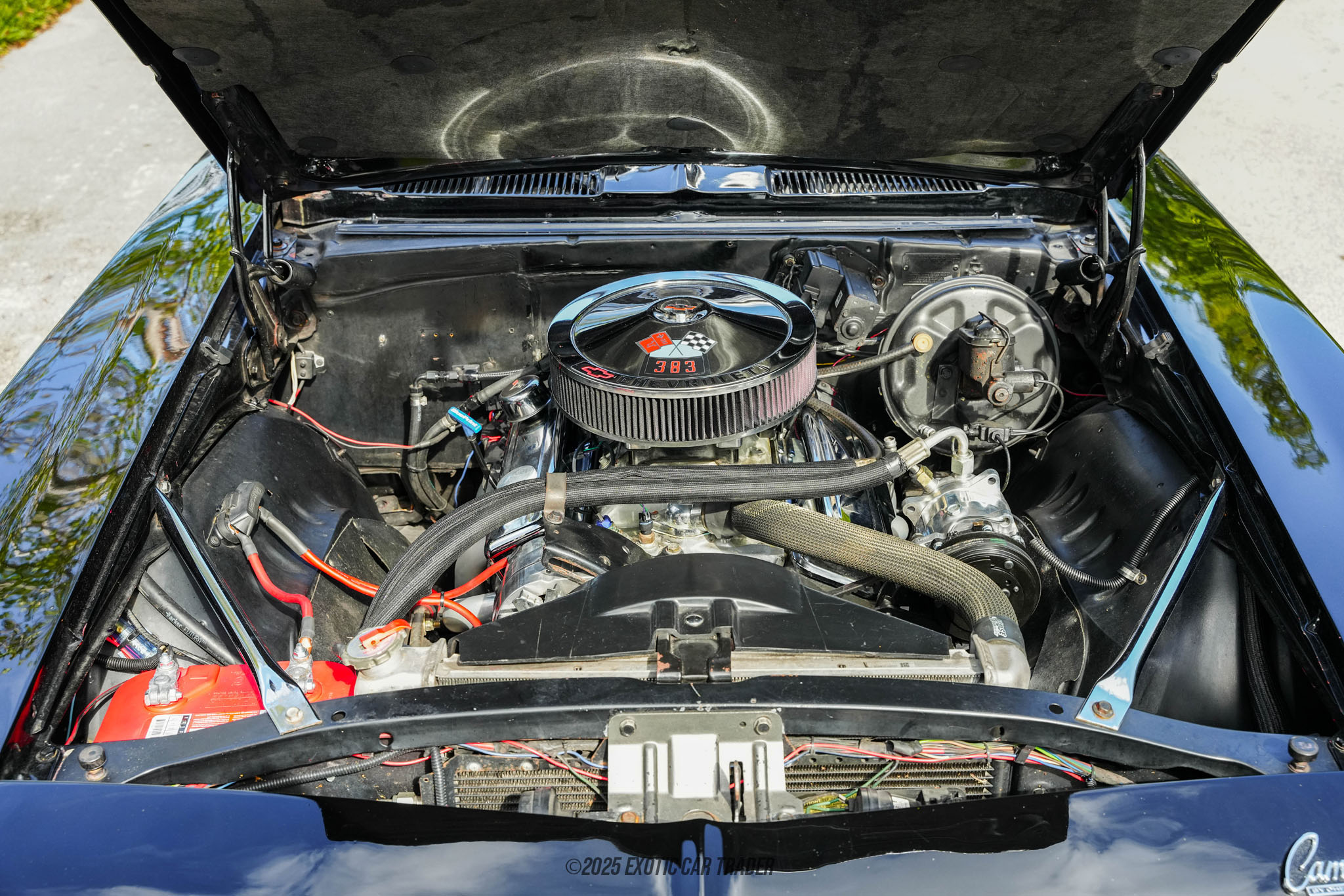
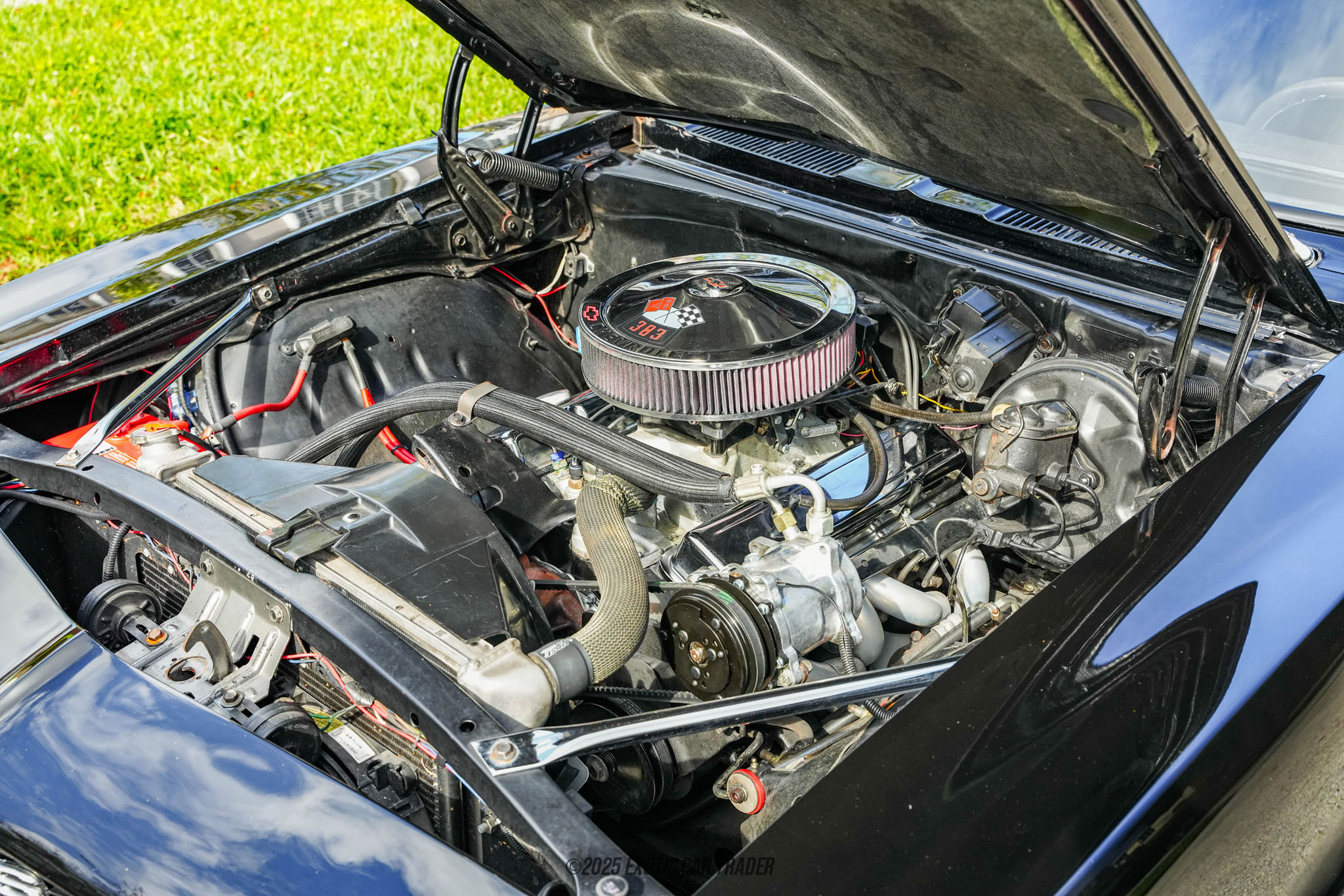
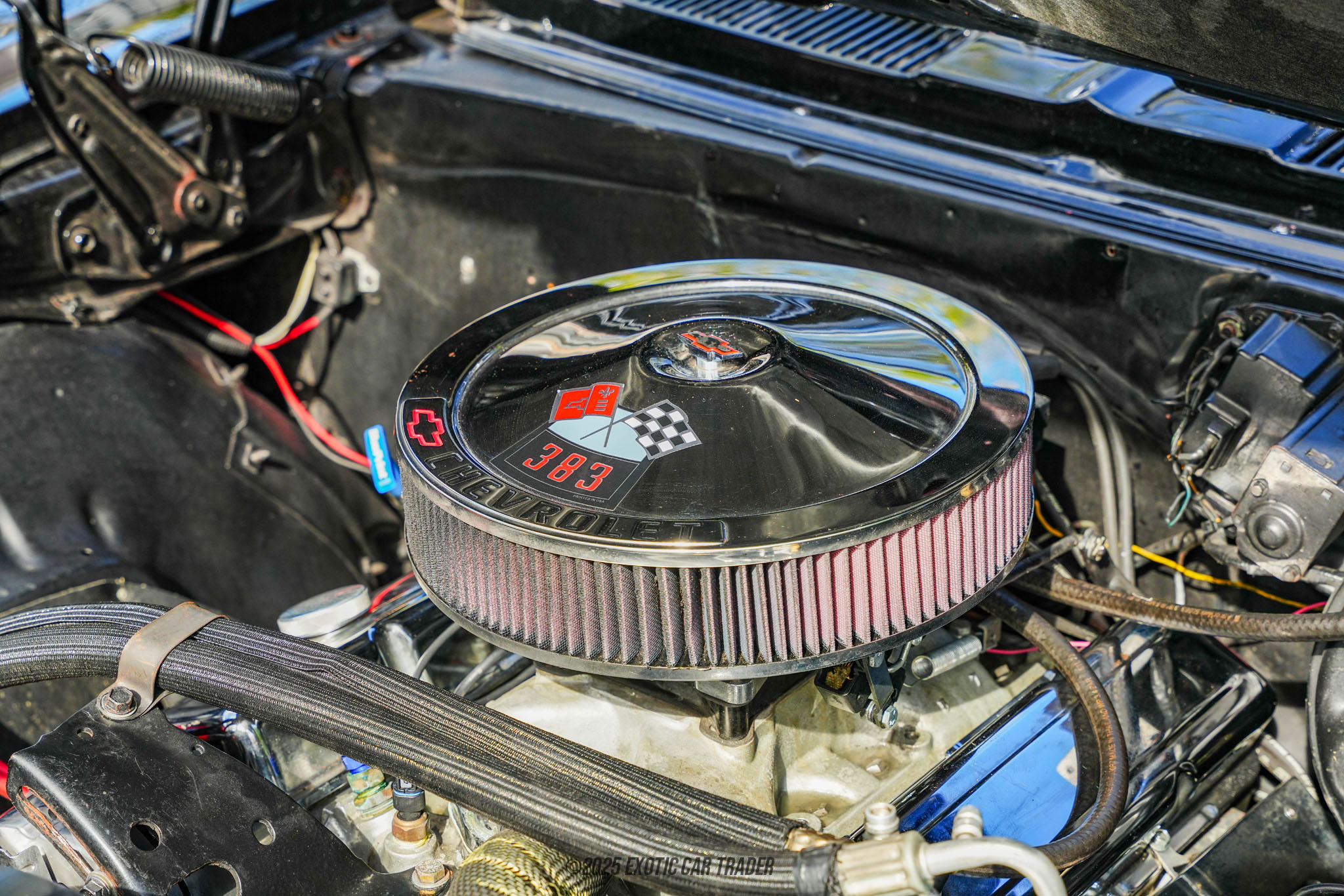
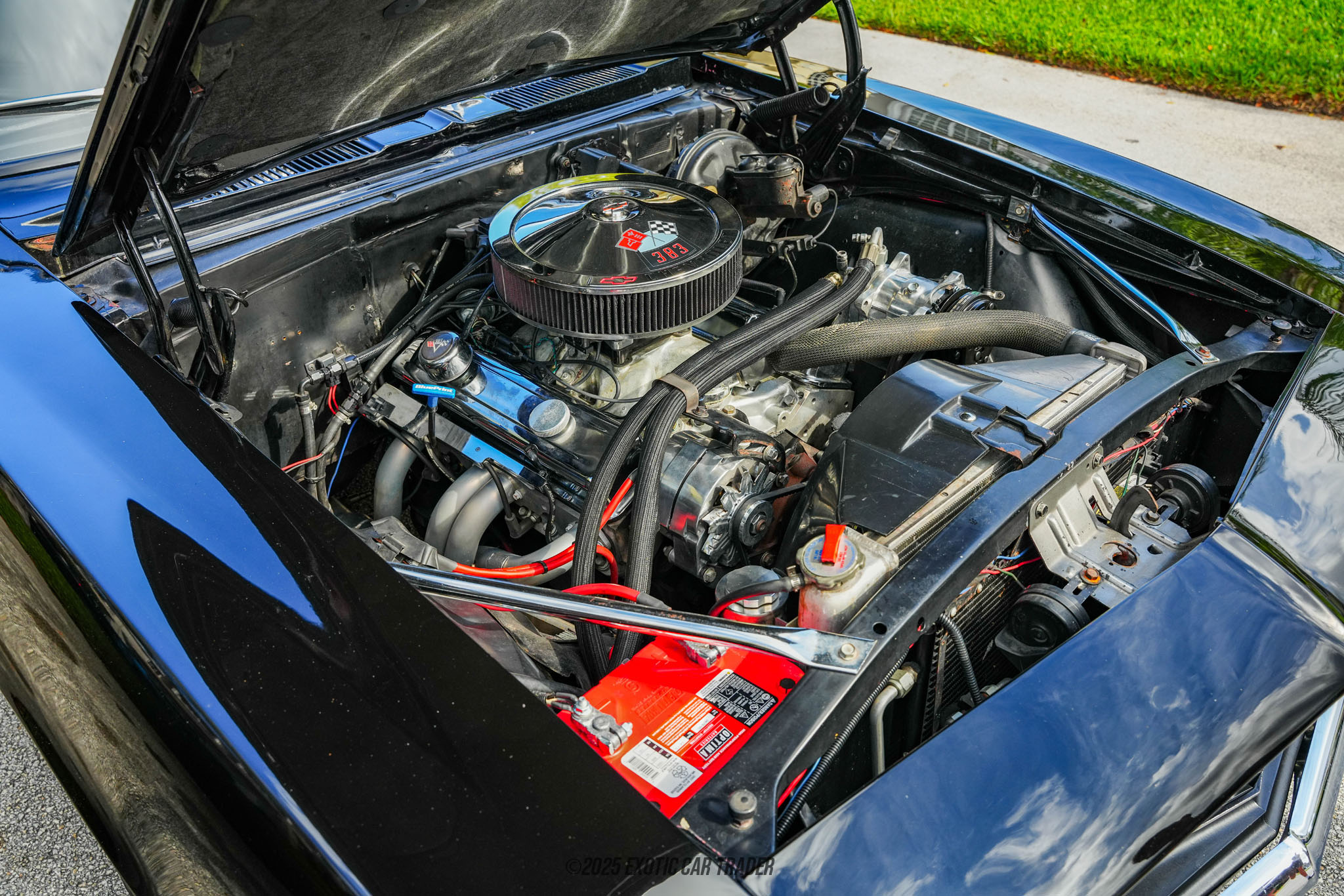
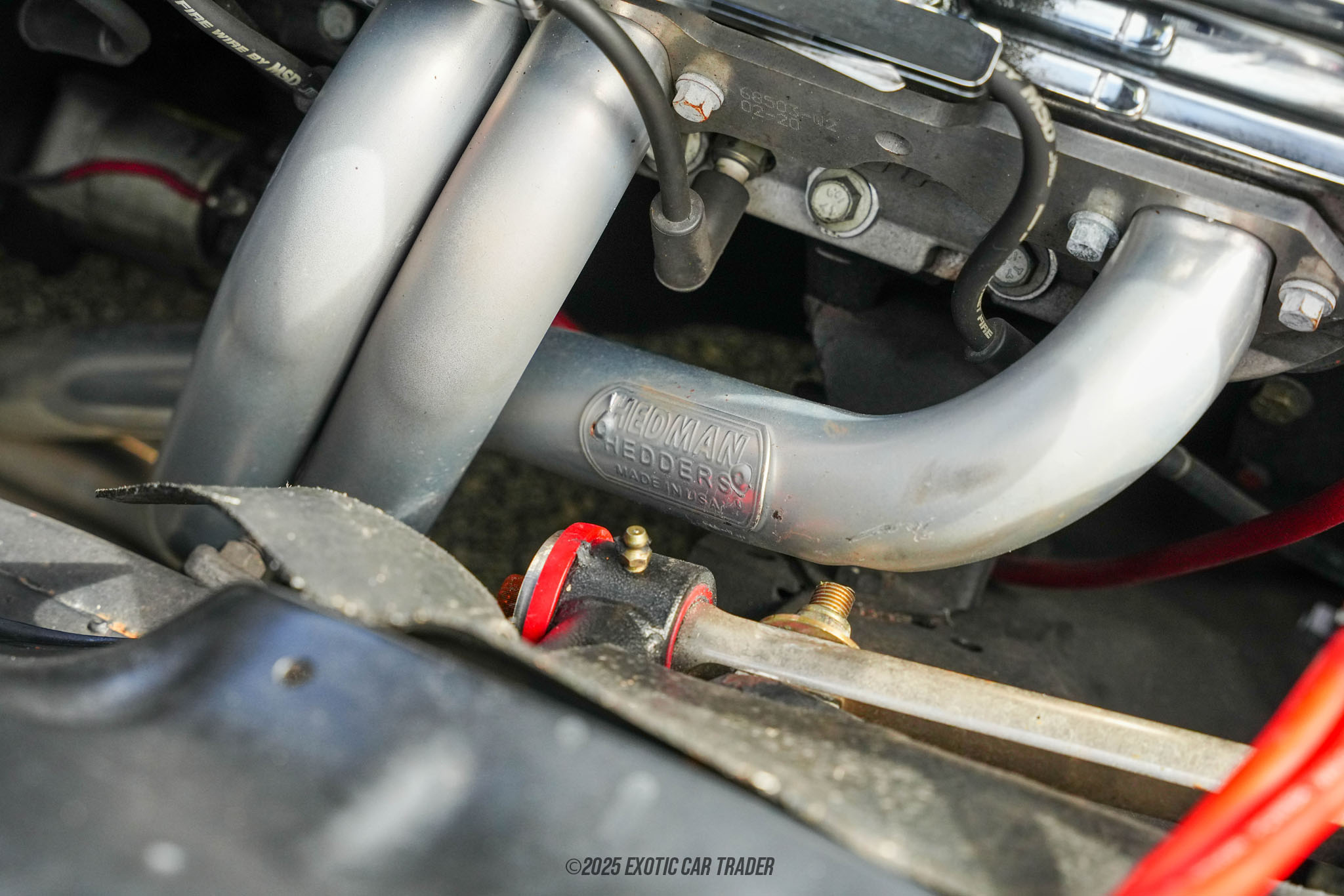
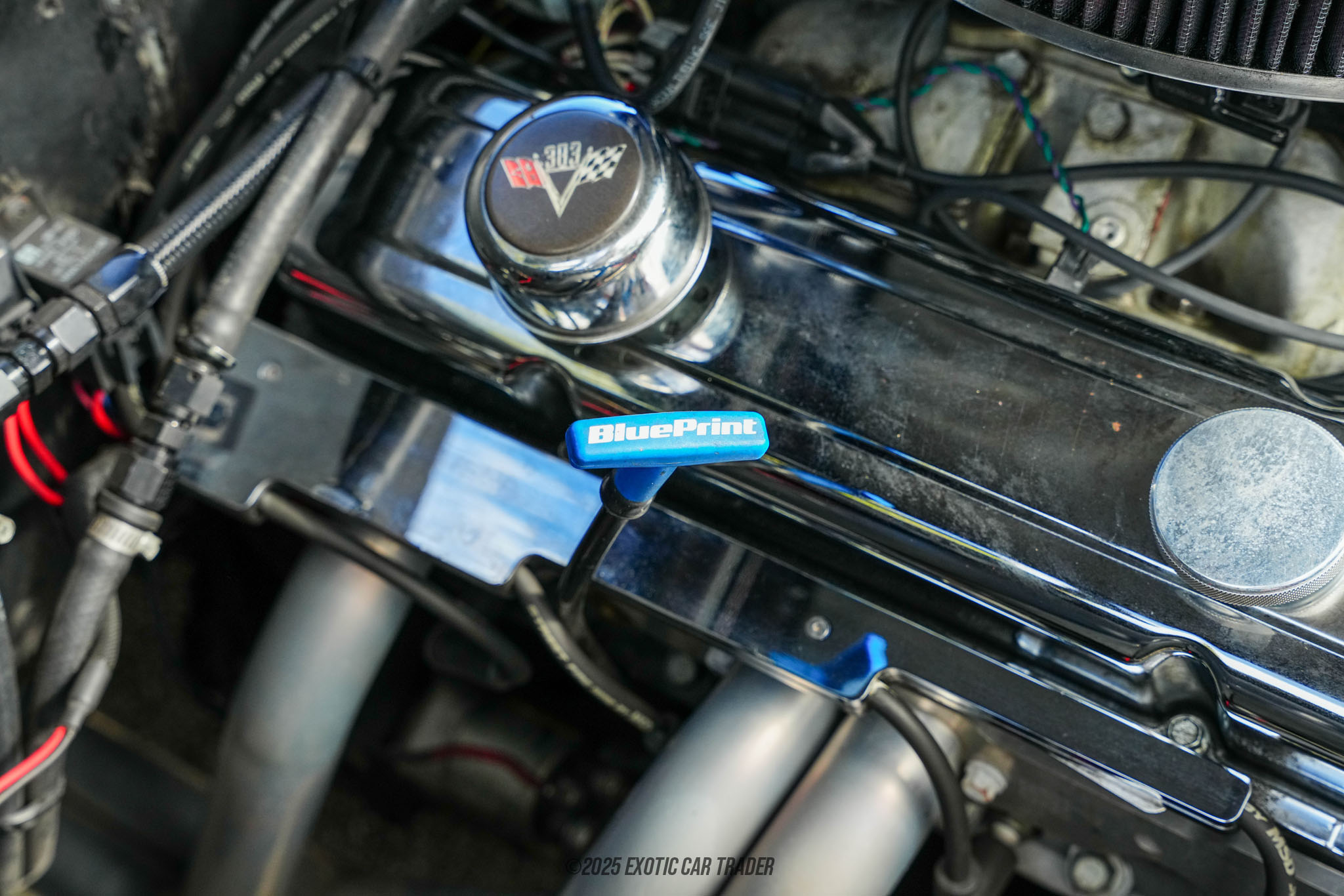
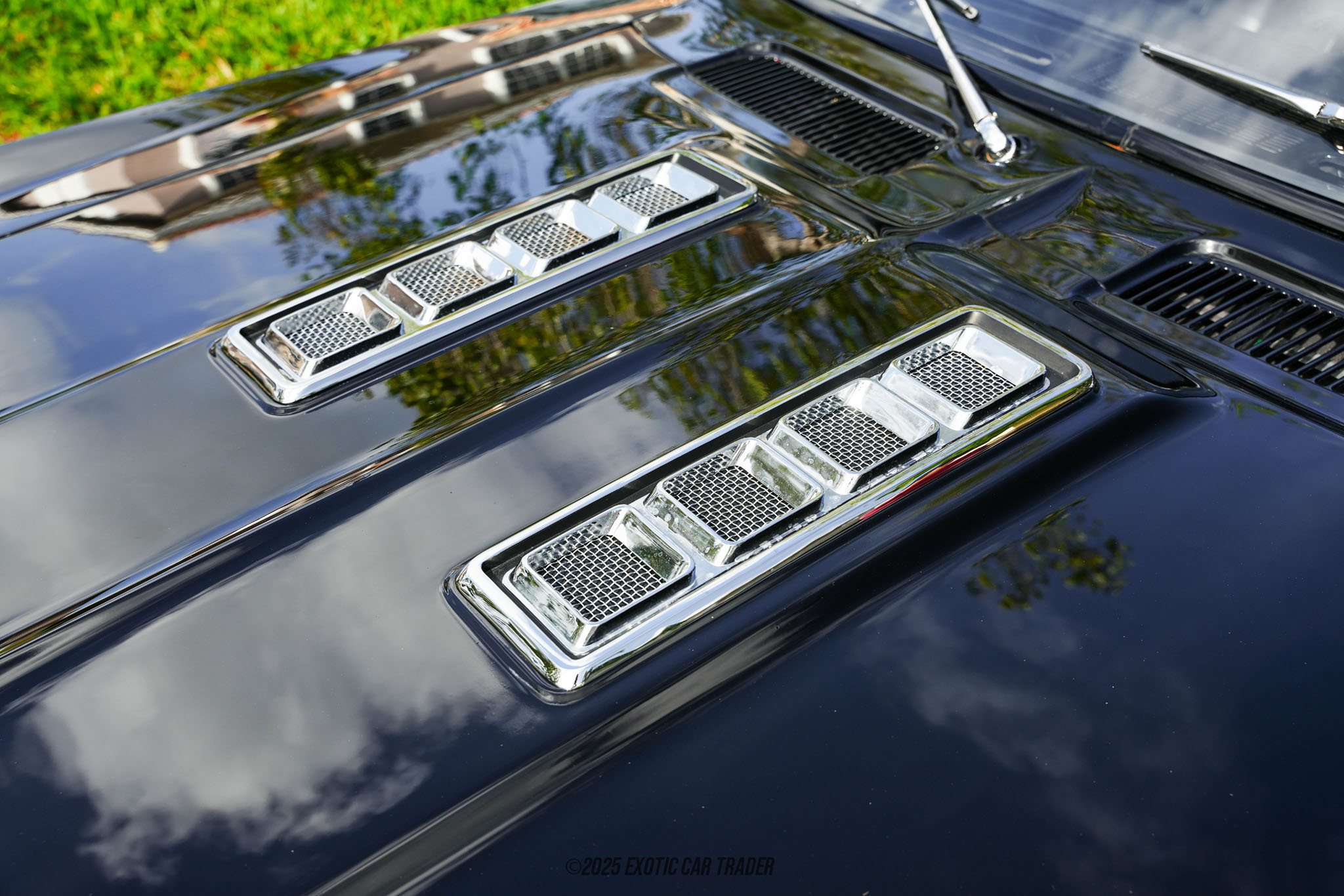
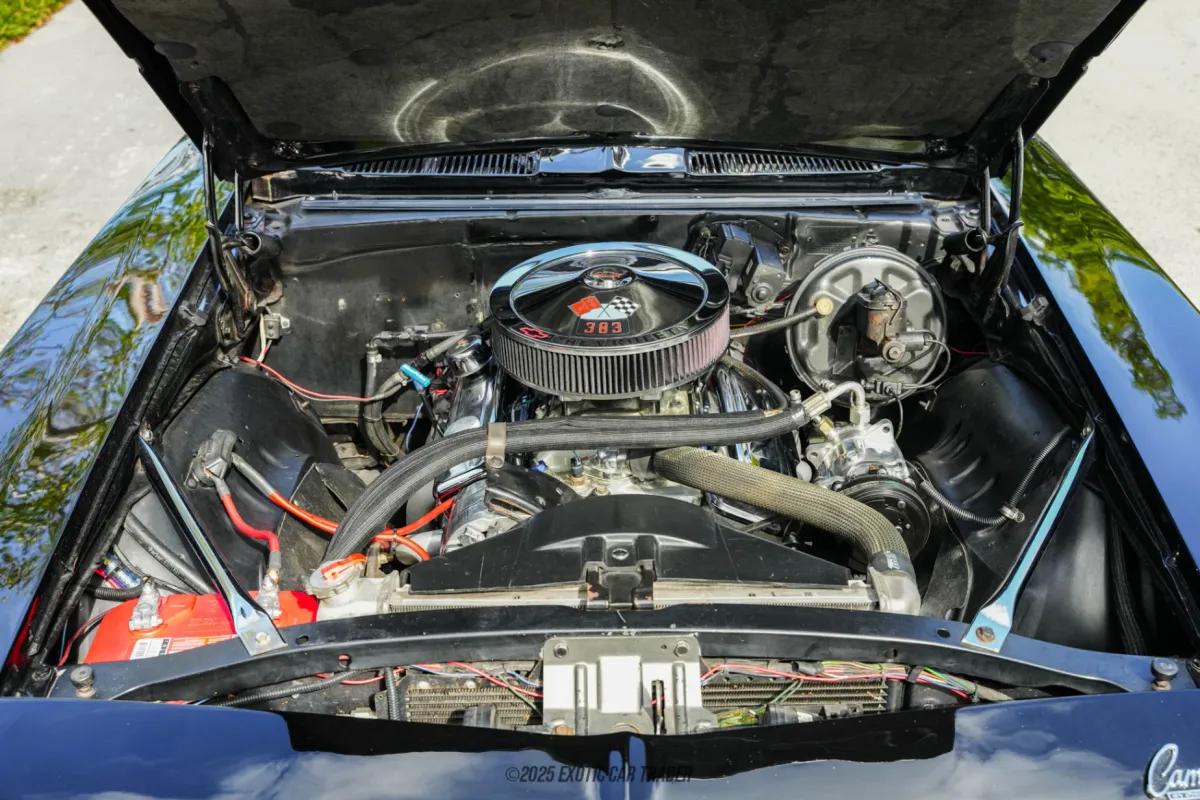
Under the hood sits a Blueprint-built 383ci stroker V8, naturally aspirated and upgraded with a Holley Sniper electronic fuel-injection system for reliable cold starts, smooth drivability, and consistent performance. Power is sent to the rear wheels through a Muncie 4-speed manual transmission. The chassis benefits from aftermarket control arms, performance shocks, and a pro-touring-style front suspension system as reported by the seller. Front disc brakes and rear drum brakes provide confident stopping power, rounding out a mechanical package designed to be driven and enjoyed rather than preserved as a numbers-matching collector car.

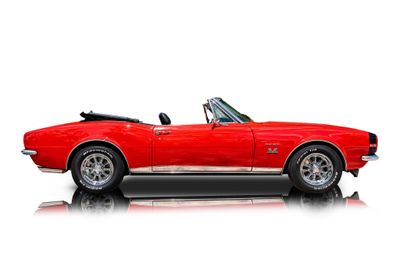

The 1967 Chevrolet Camaro marked the beginning of one of America's most celebrated muscle car nameplates, introducing Chevrolet's answer to the Ford Mustang with aggressive styling and a performance-oriented platform. This 1967 Chevrolet Camaro Convertible Restomod combines that iconic first-generation design with upgraded big-block power and modern driving conveniences. Finished in Red over a Black and Red vinyl interior, this example shows 15,753 miles on the odometer. Under the hood sits a 402ci Chevrolet big-block V8 equipped with an Edelbrock four-barrel carburetor, paired with a TH700-R4 four-speed automatic transmission and a GM 12-bolt rear axle. Additional highlights include four-wheel disc brakes, power steering, power windows, air conditioning, and a Black convertible soft top. With its SS badging, classic Rally wheels, and upgraded mechanical configuration, this Camaro offers an appealing combination of vintage muscle car character and enhanced everyday drivability.
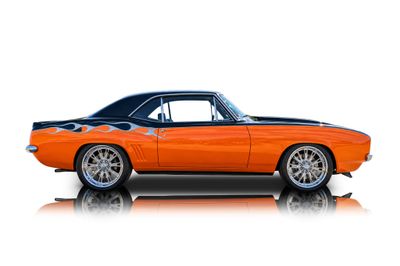
This 1969 Chevrolet Camaro Restomod takes the unmistakable shape of a first-generation Camaro and pushes it deep into pro-touring territory with big-block power, a modernized chassis, and a highly customized presentation. Showing just 2,637 miles, this build combines a 502ci V8 roller motor, Richmond 6-speed manual transmission, full frame, four-link coilover suspension, narrowed 9-inch rear end, mini-tubbed rear, and Wilwood four-wheel disc brakes. Just as striking as the hardware is the custom paintwork, which pairs a vivid orange body with a black upper section and flowing flame graphics along the rear quarters. It is a bold, enthusiast-focused build that blends classic Camaro proportions with modern performance and show-car detailing.
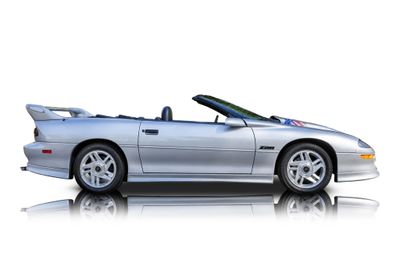
The fourth-generation Camaro Z28 represents a distinctly ’90s take on the classic muscle-car formula, combining a low-slung F-body shape with LT1 V8 power and rear-wheel drive. This 1995 Chevrolet Camaro Z28 Convertible shows 46,678 miles and is finished in Sebring Silver Metallic over a Black interior with a Black convertible soft top. Its enthusiast appeal comes from the Z28 Performance Package, 5.7-liter LT1 V8, 16-inch “Salad Shooter” wheels, and open-air convertible configuration, while an aftermarket cowl induction hood, aftermarket rear spoiler, and American flag hood graphic give this example a more personalized appearance.
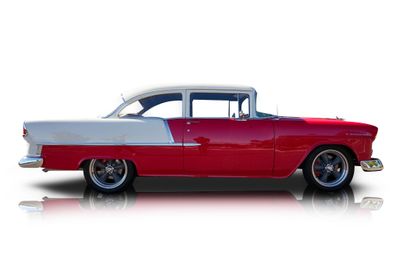
The 1955 Chevrolet marked a turning point in American automotive history, introducing the legendary Tri-Five generation and establishing Chevrolet as a serious contender in the growing performance market. Its fresh styling, lighter construction, and introduction of the small-block V8 helped redefine what an affordable American car could be. Seven decades later, the '55 Chevy remains one of the most celebrated platforms for custom builds, and this 1955 Chevrolet 210 2-Door Sedan Restomod takes that legacy to an entirely different level. Finished in the classic combination of Gypsy Red and India Ivory, this example pairs unmistakable 1950s styling with an extensively upgraded drivetrain built around a supercharged 355ci small-block V8. A Tremec 5-speed manual transmission, Holley Sniper electronic fuel injection, upgraded suspension, and aftermarket disc brakes bring modern performance characteristics to this American icon. Inside, a custom Beige leather interior features contemporary appointments while retaining the character of the original Chevrolet. Showing approximately 1,985 miles, this restomod combines the visual appeal of a Tri-Five classic with the mechanical upgrades and personalized craftsmanship that make custom builds particularly desirable among enthusiasts.
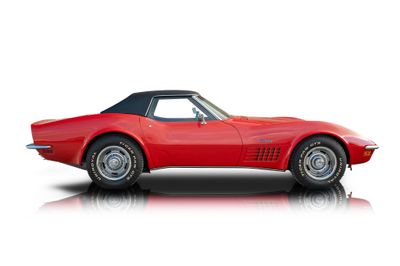
The Chevrolet Corvette has long represented the pinnacle of American sports car engineering, and few generations have achieved the iconic status of the third-generation C3. Introduced in 1968, the C3 brought dramatic Stingray styling, sweeping fenders, and an unmistakable silhouette that remains one of the most celebrated designs in Corvette history. By 1970, Chevrolet had refined the formula with updated exterior styling and an impressive range of V8 powertrains. This 1970 Chevrolet Corvette Stingray Convertible is finished in classic Monza Red over a matching Red vinyl interior, showing 87,440 miles on the odometer. Powered by a 350ci V8 rated at 300 horsepower and paired with a TH400 three-speed automatic transmission, this example features a Positraction rear differential and power steering. Additional highlights include a Black convertible soft top, body-colored removable hardtop, 15-inch Chevrolet Rally wheels, and polished aluminum finned valve covers. With its desirable Red-on-Red color combination, dual roof configurations, and classic small-block V8 performance, this Stingray captures the distinctive character of Chevrolet's golden era of American sports cars.

The Chevrolet Corvette entered an exciting new era in 2005 with the introduction of the sixth-generation C6, bringing sharper styling, improved handling, and increased V8 performance to America's iconic sports car. Building upon the success of the C5, the redesigned Corvette introduced a more compact platform, exposed headlights, and a powerful new LS2 engine, further strengthening its reputation as a serious competitor to European performance cars. This 2005 Chevrolet Corvette Convertible is finished in Victory Red over an Ebony leather interior with a Black convertible soft top, showing 56,914 miles on the odometer. Powered by a 6.0L LS2 V8 paired with a four-speed automatic transmission, this example features the desirable 1SB Preferred Equipment Group, 18-inch front and 19-inch rear polished aluminum wheels, and a limited-slip rear differential. Additional highlights include a head-up display, BOSE premium audio system, and memory package. Combining first-year C6 styling with naturally aspirated V8 performance and open-air driving, this Corvette offers an appealing balance of American sports car heritage and modern grand touring comfort.
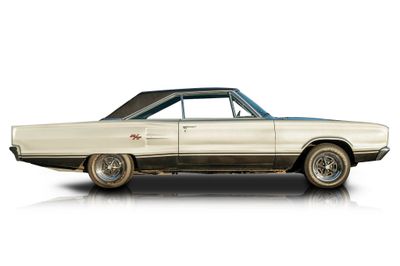
The 1967 Dodge Coronet 500 captures the bold styling and big-block performance that defined Chrysler's B-body muscle cars during the 1960s. With its long, squared-off proportions and unmistakable Mopar character, the Coronet has remained a favorite among enthusiasts seeking classic American V8 power. This 1967 Dodge Coronet 500, showing 4,414 miles, features a Silver exterior with contrasting Black accents, a Black vinyl roof, and a Black vinyl interior. Under the hood sits a 454ci V8 paired with a three-speed automatic transmission, bringing substantial displacement to this classic Dodge. Additional highlights include aftermarket chrome wheels, BFGoodrich Radial T/A tires, a center console, and performance-oriented engine upgrades. With its aggressive appearance, custom mechanical configuration, and classic Mopar styling, this Coronet delivers plenty of old-school muscle car appeal.
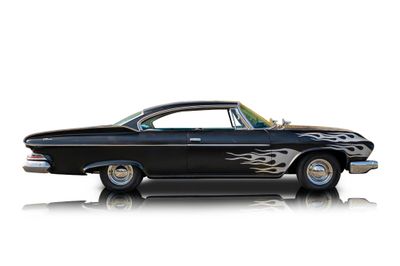
The 1961 Dodge Dart Pioneer represents one of the more distinctive chapters in American automotive design, with its dramatic styling, sweeping body lines, and unmistakable early-1960s personality. Positioned between the entry-level Seneca and upscale Phoenix, the Pioneer offered a combination of style and everyday practicality. This 1961 Dodge Dart Pioneer, showing 66,978 miles, adds a custom touch to that vintage character with a Black exterior featuring Silver flame graphics and a Green interior with leopard-print seat covers. Powered by Chrysler's dependable 225ci Slant-6 paired with a TorqueFlite three-speed push-button automatic transmission, this Dart offers a classic cruising experience. Additional highlights include chrome wheels, power steering, a factory AM radio, and distinctive custom accents. With its unconventional styling and personalized appearance, this Pioneer captures the individuality of early American automotive culture.
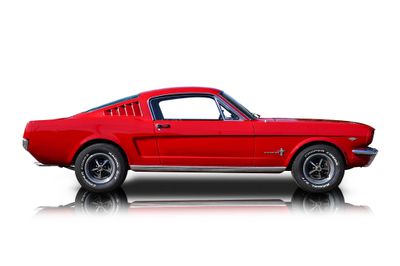
The 1965 Ford Mustang Fastback helped establish the Mustang as an American performance icon, introducing the sleek 2+2 roofline that would become one of the most recognizable designs in pony car history. This 1965 Ford Mustang Fastback, showing 14,118 miles, is finished in its factory-specified Rangoon Red over a Black vinyl interior. Powered by a 289ci V8 equipped with a four-barrel carburetor and paired with a Cruise-O-Matic three-speed automatic transmission, this Mustang delivers the classic small-block Ford driving experience. Additional highlights include aftermarket wheels wrapped in Cooper Cobra Radial G/T tires, rear quarter window louvers, a center console, and a JVC audio head unit. With its desirable fastback body style, traditional V8 power, and unmistakable first-generation Mustang character, this example offers an appealing combination of vintage styling and American muscle car heritage.

Terms of Service
Be Kind and Courteous
We're here to create a platform to better the automotive industry through communication and transparency. Please treat everyone with respect. Healthy debates are natural, but kindness is required.
No Hate Speech
Make sure everyone feels safe. Hate speech of any kind is strictly prohibited. Degrading comments about things like race, religion, culture, sexual orientation, etc. will not be tolerated.
No Promotions or Spam
Give more than you take. Self-promotion, spam, or links of any kind are not allowed.