



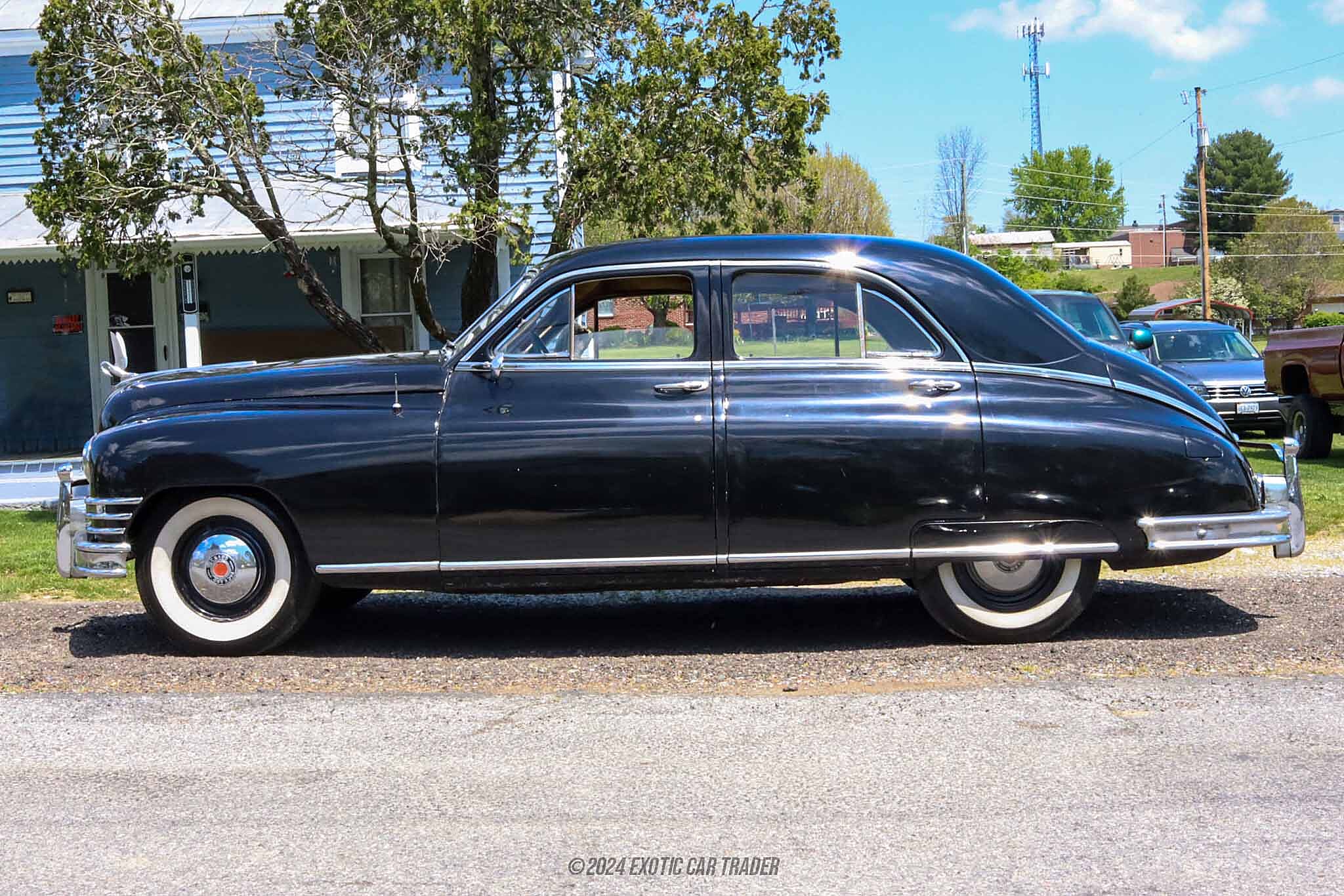
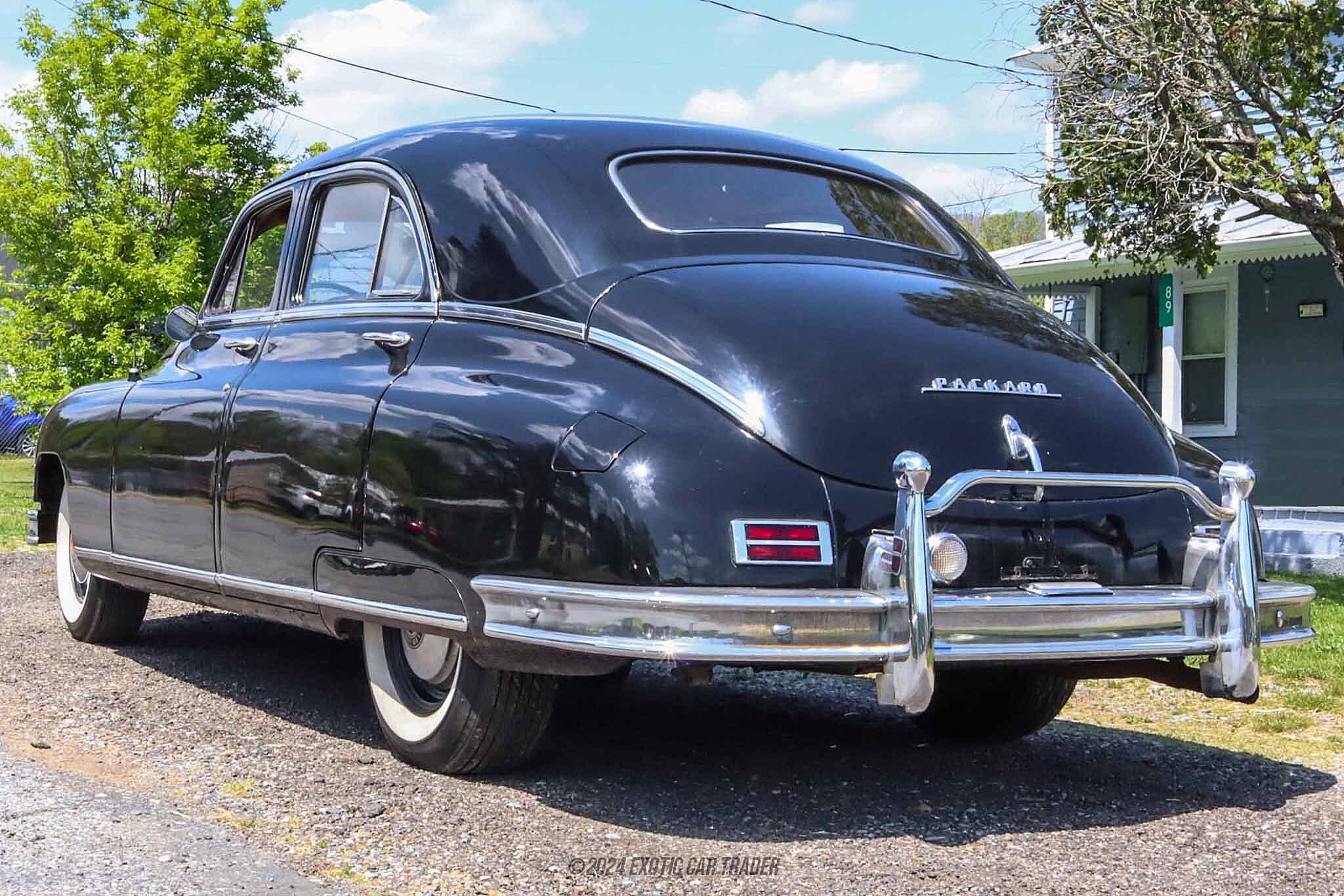
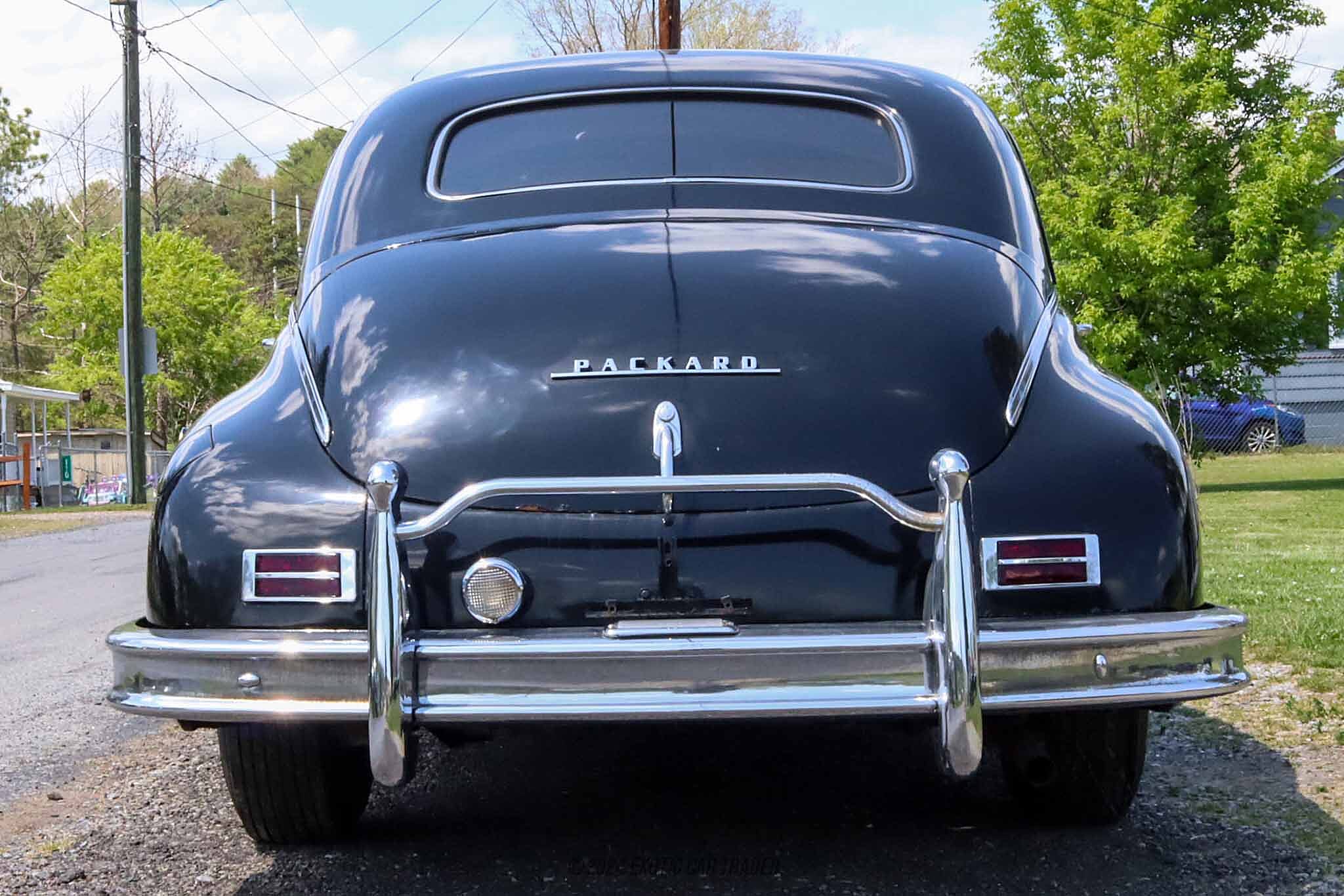
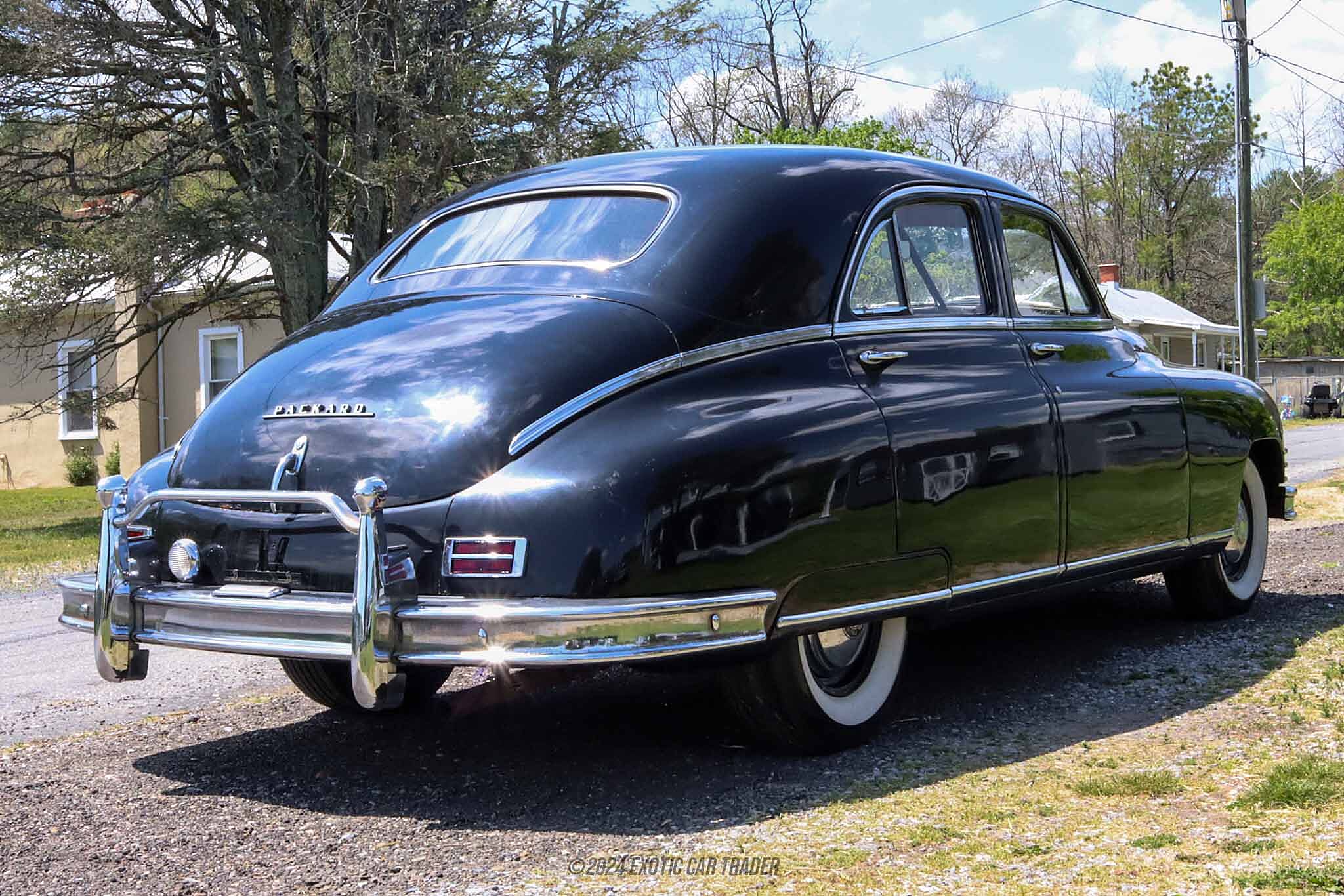
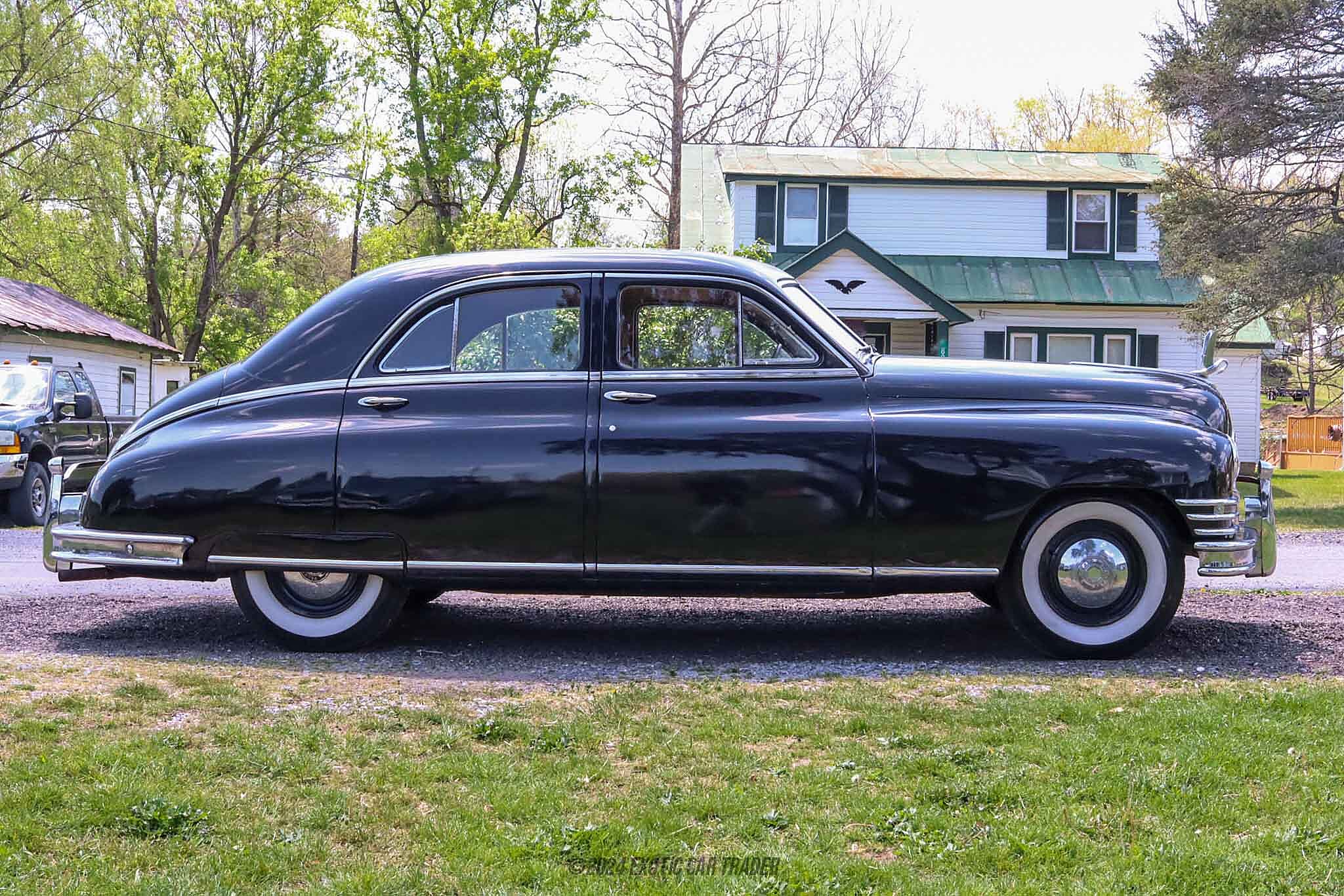
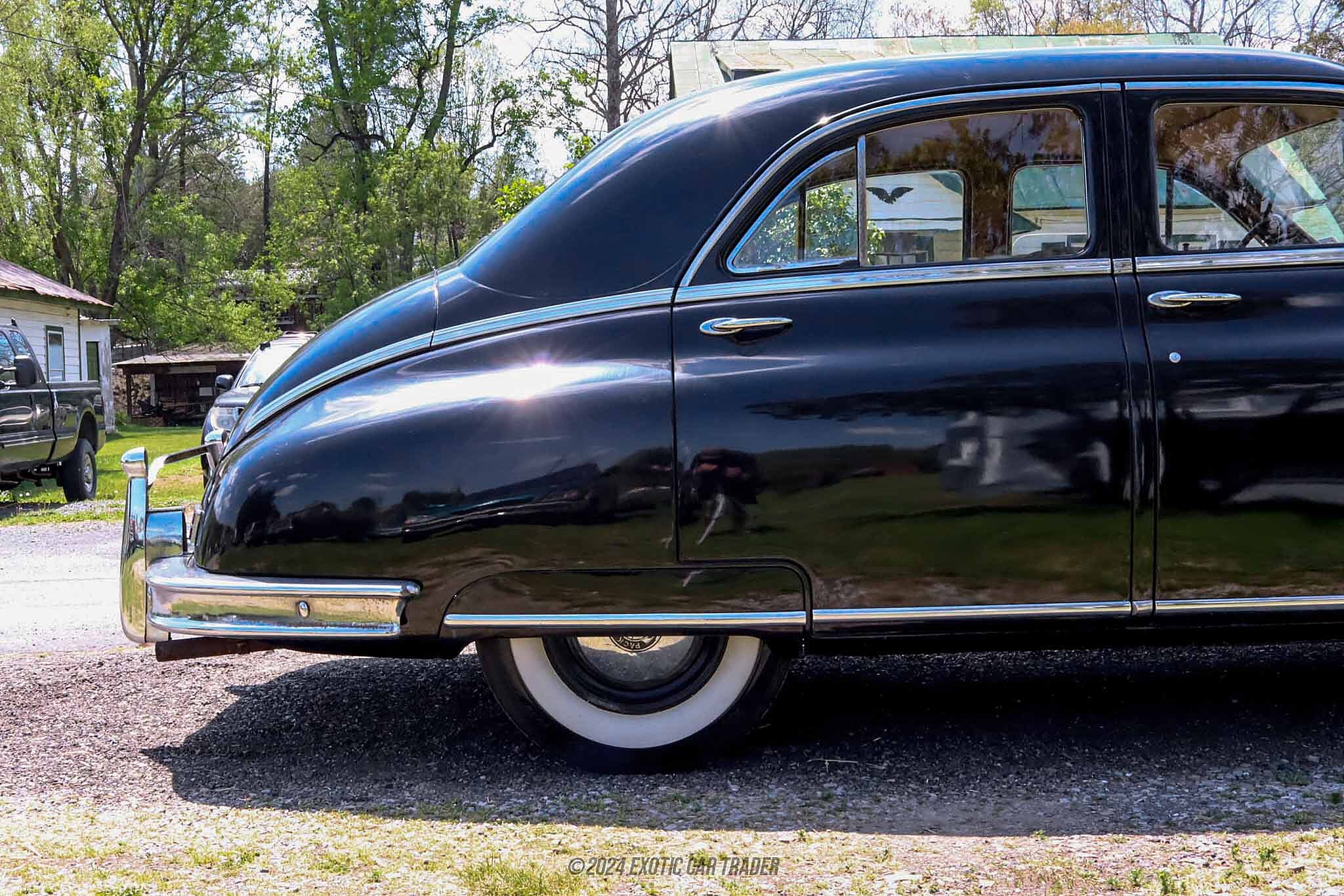

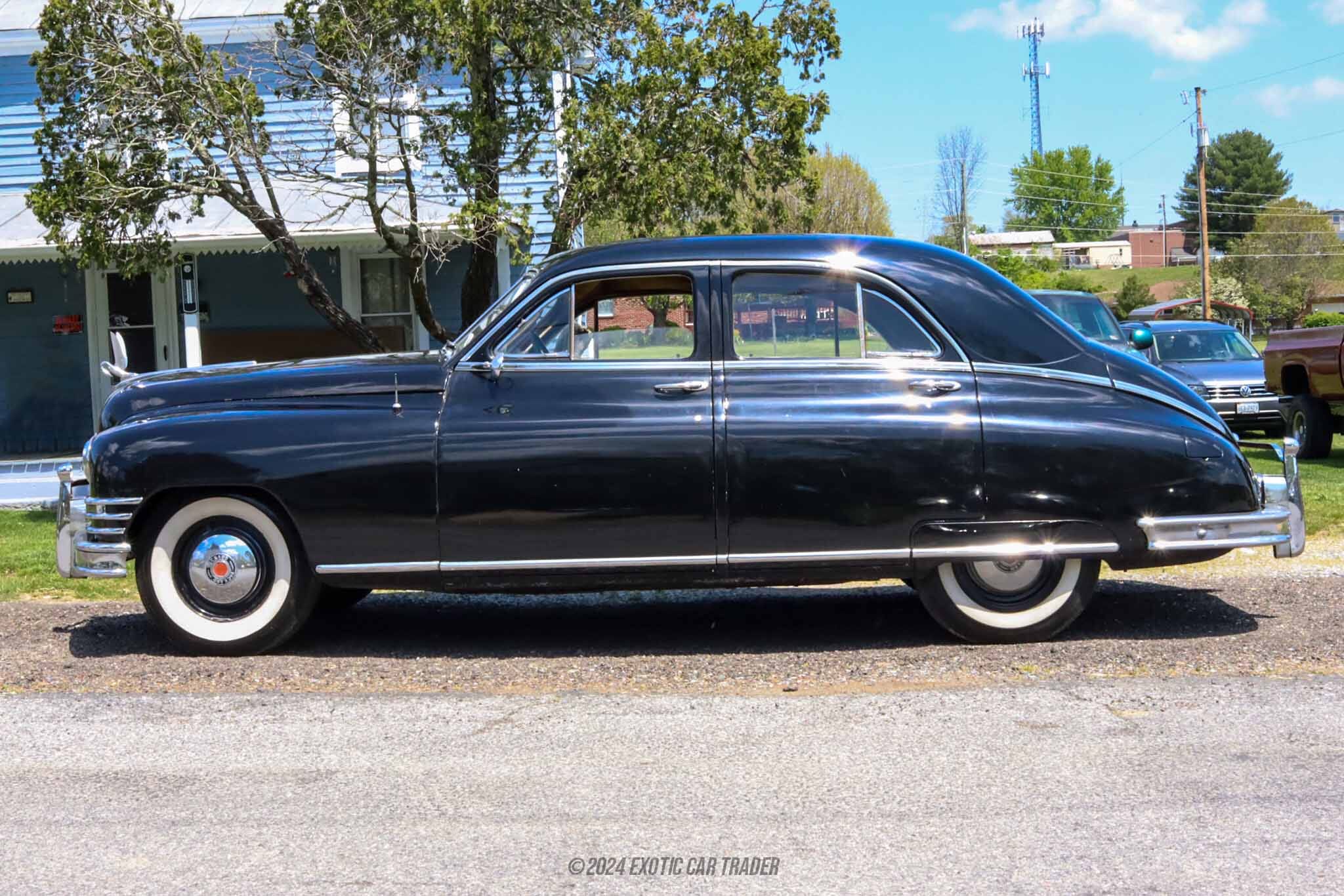
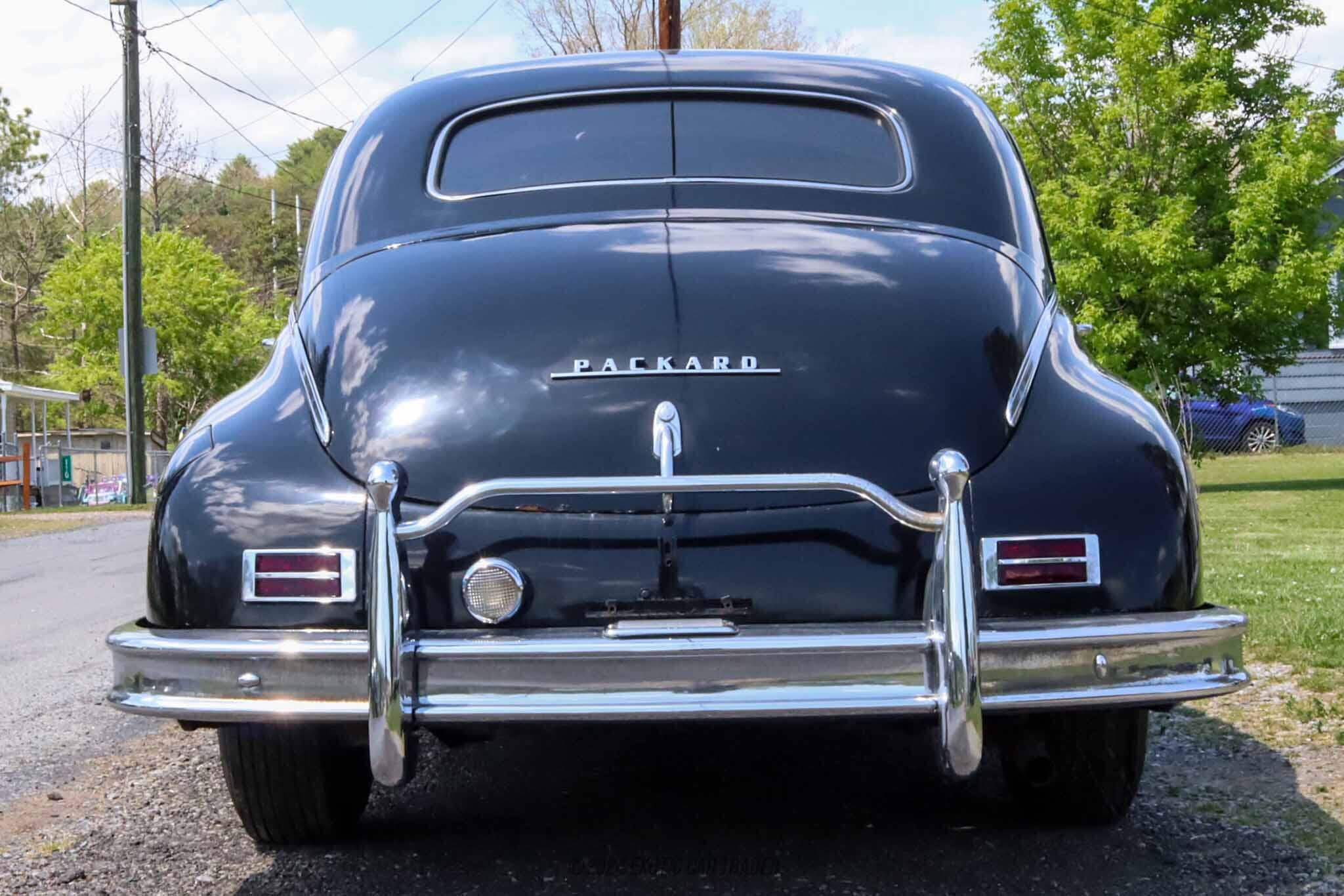
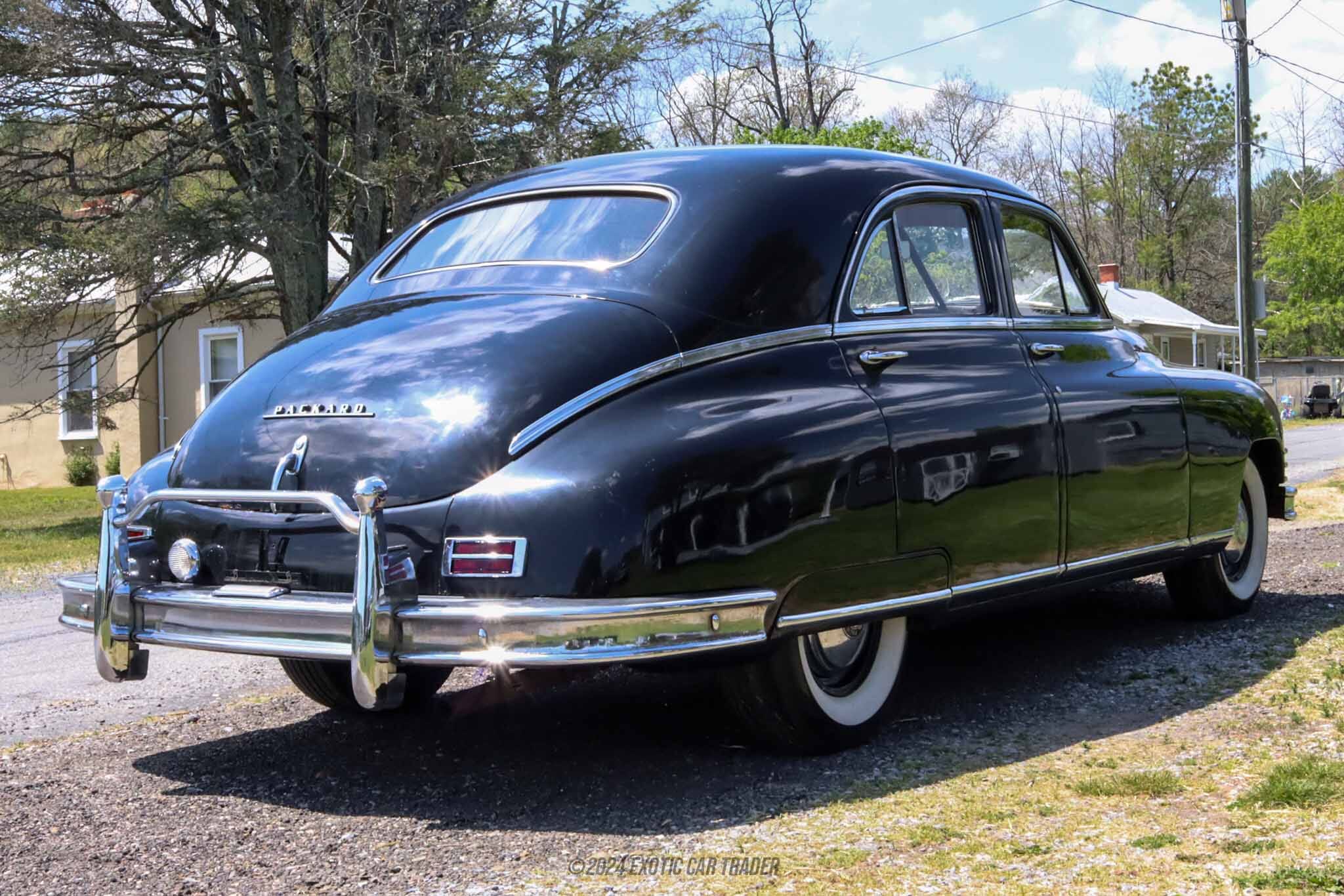
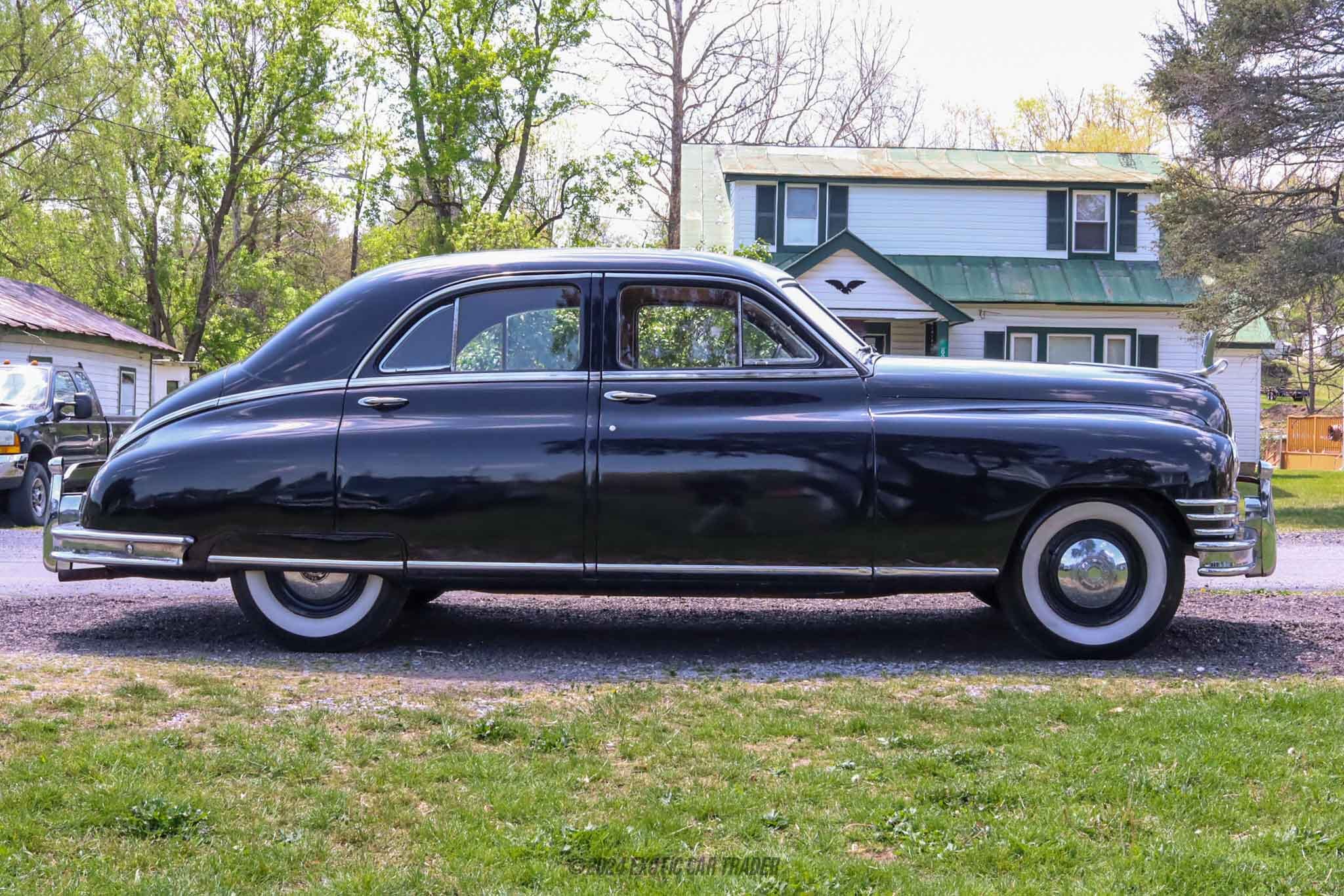
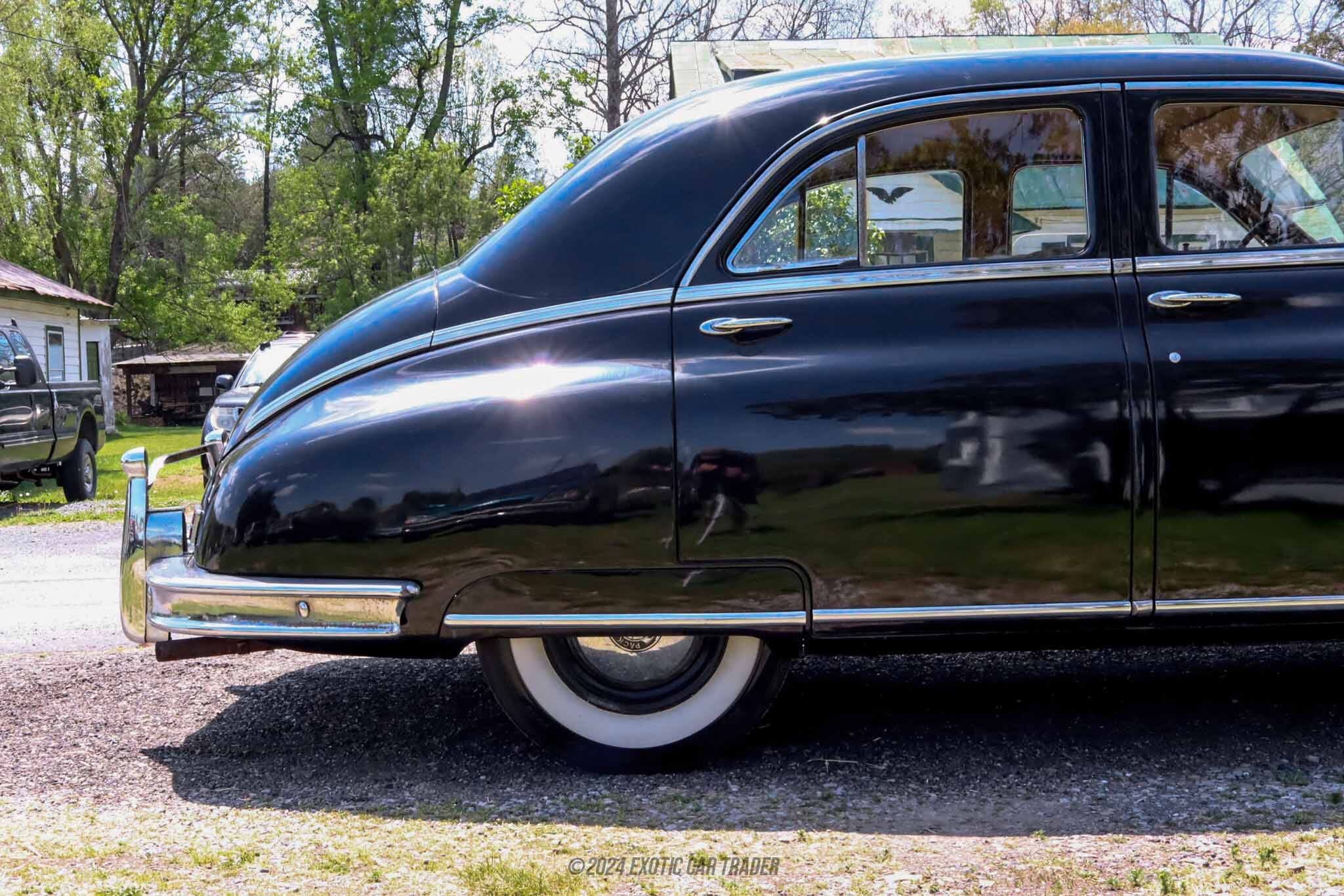
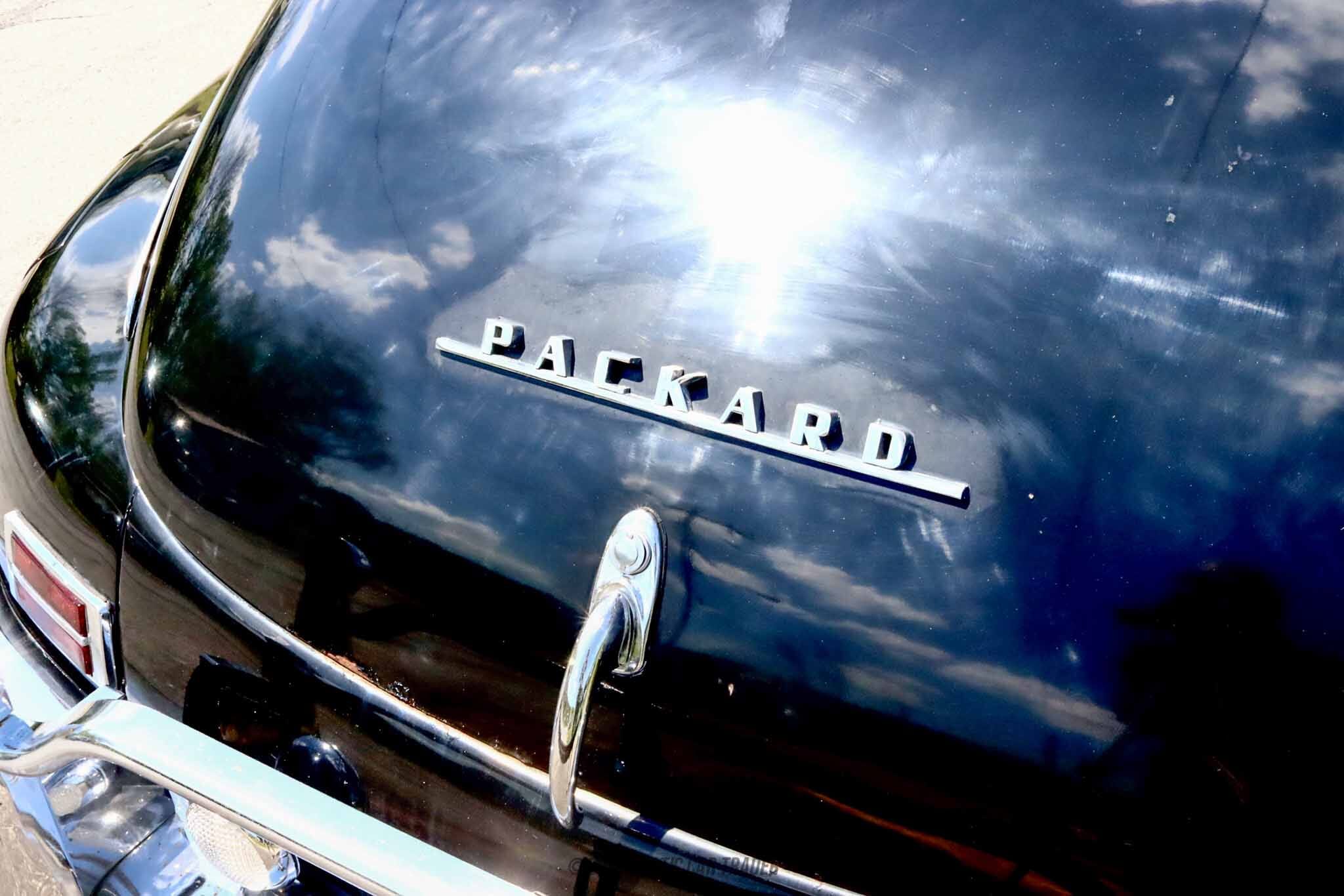
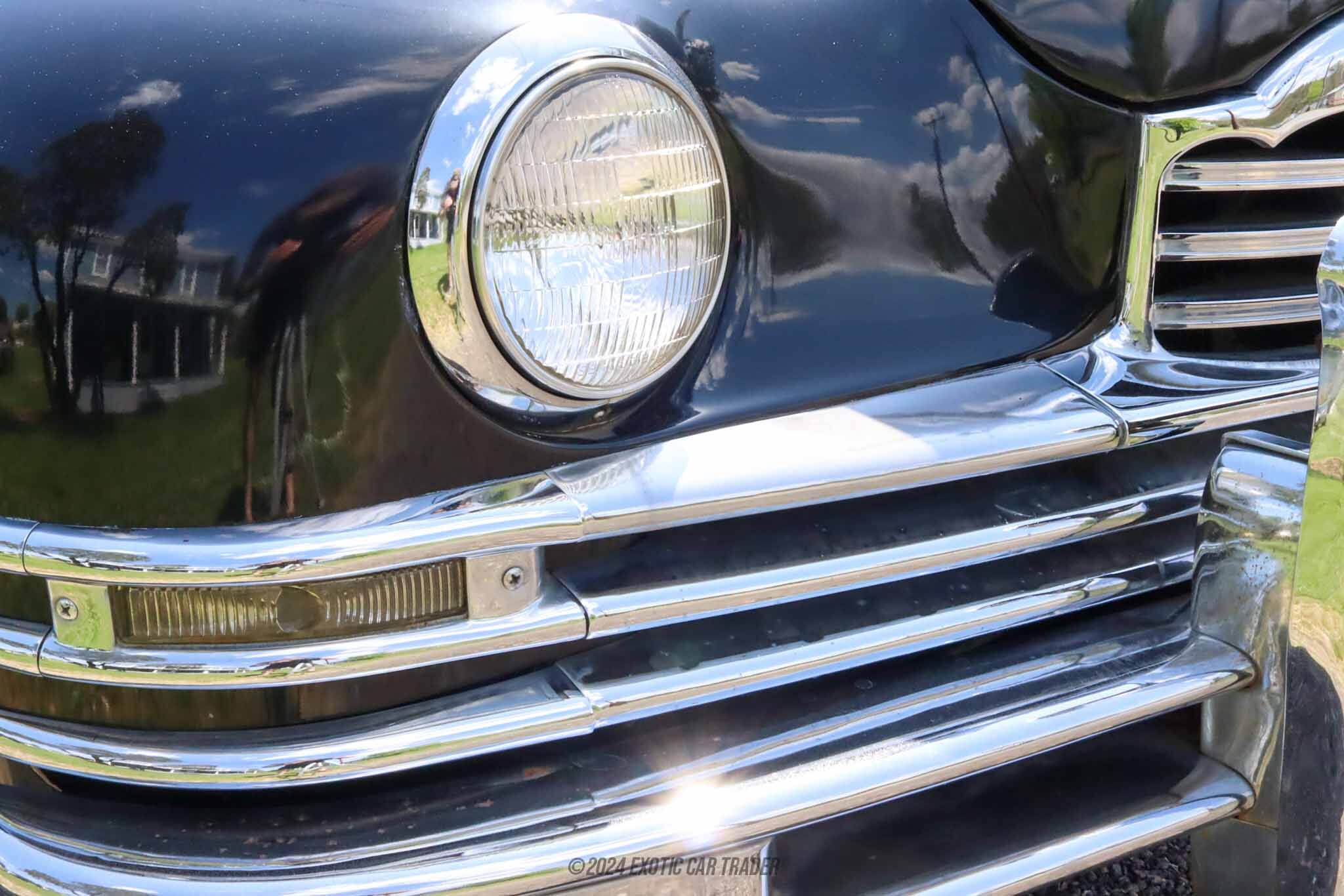
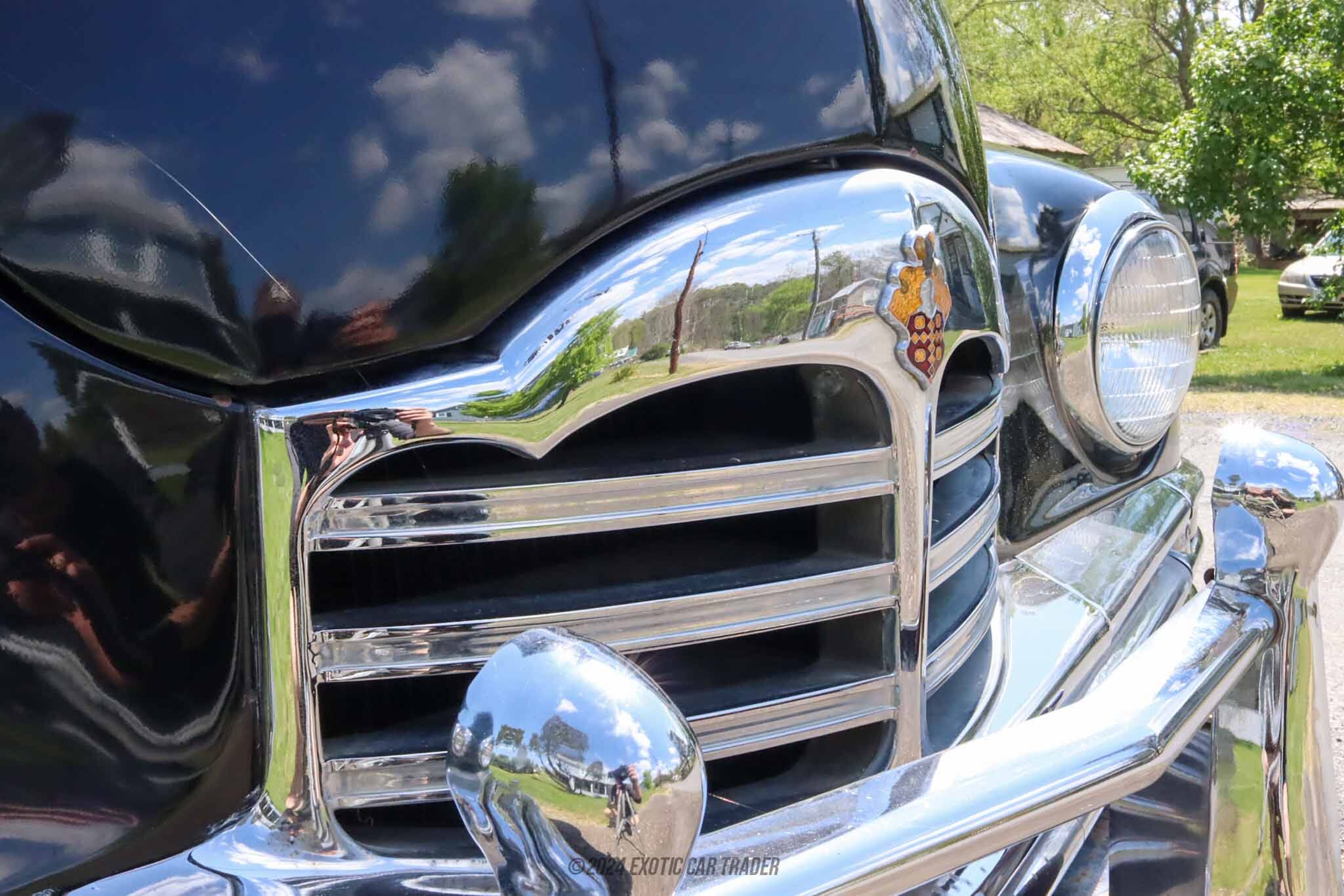
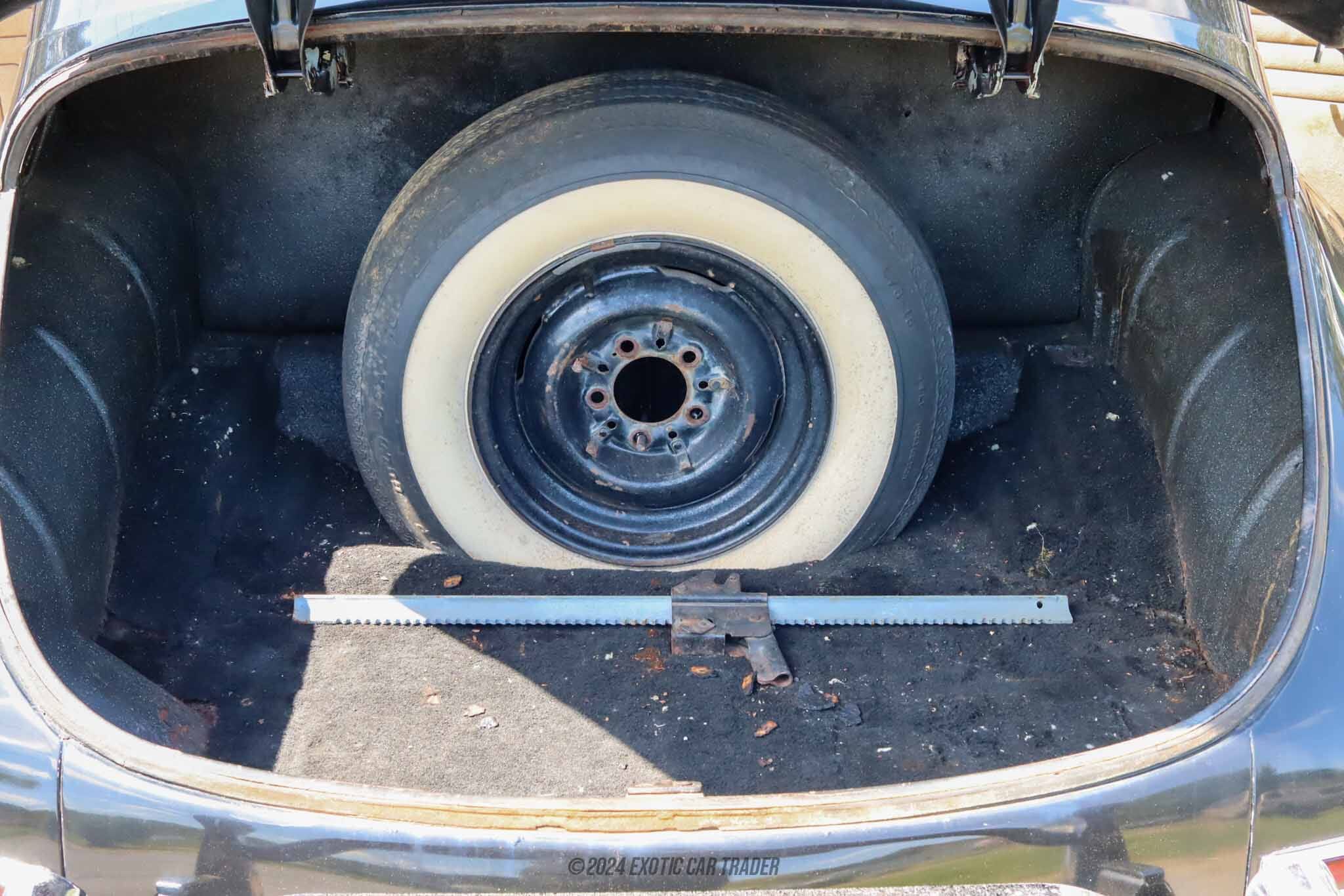
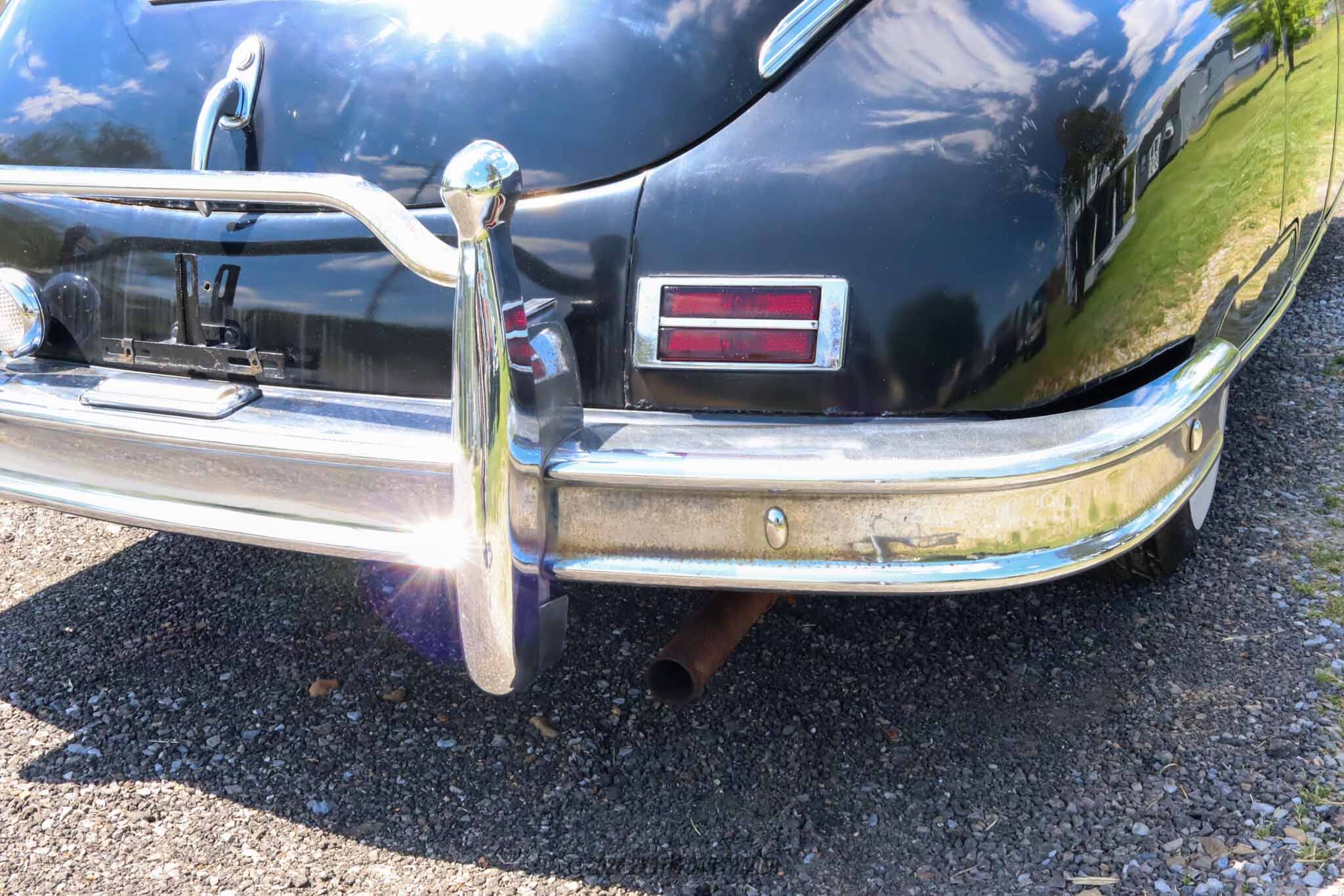
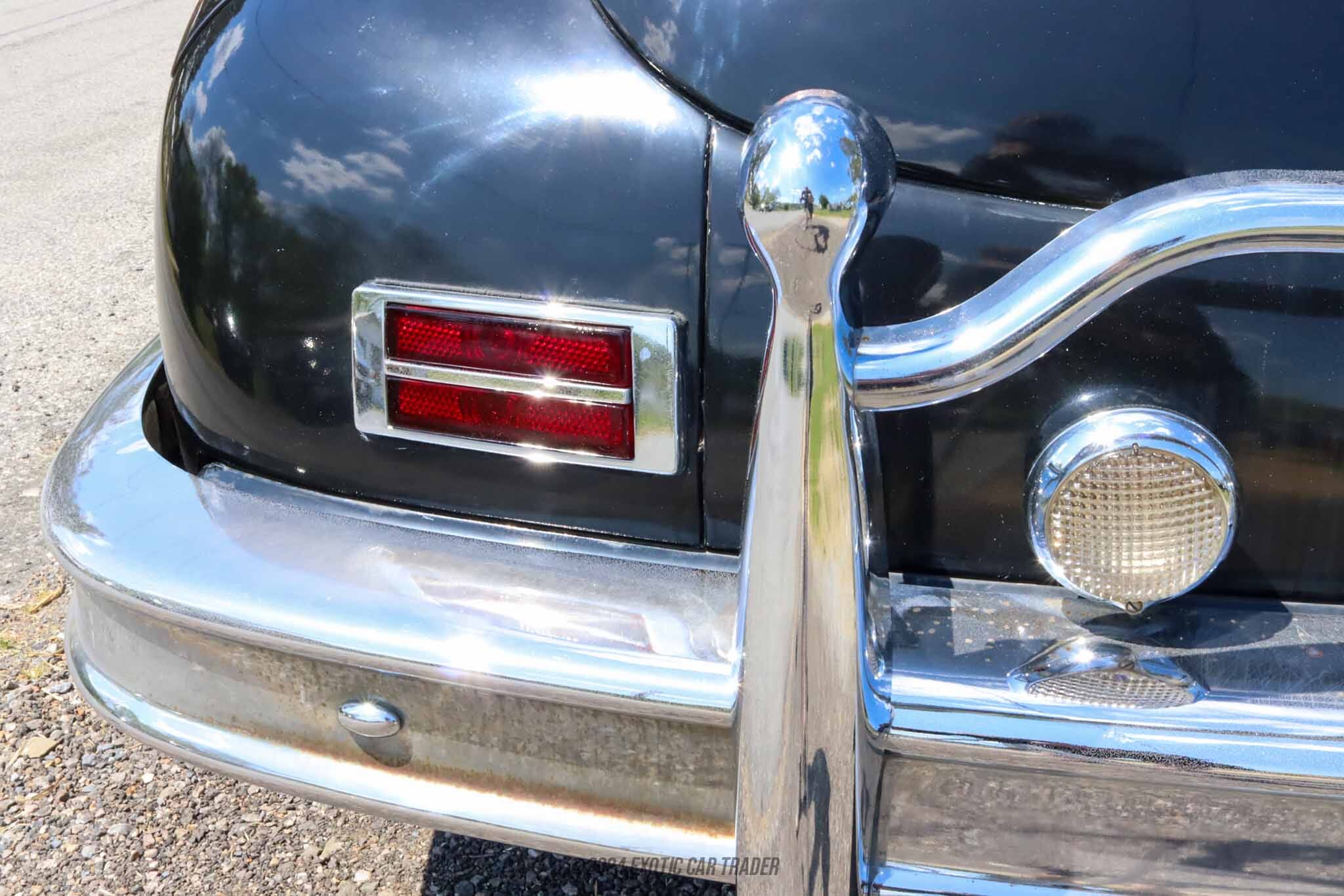
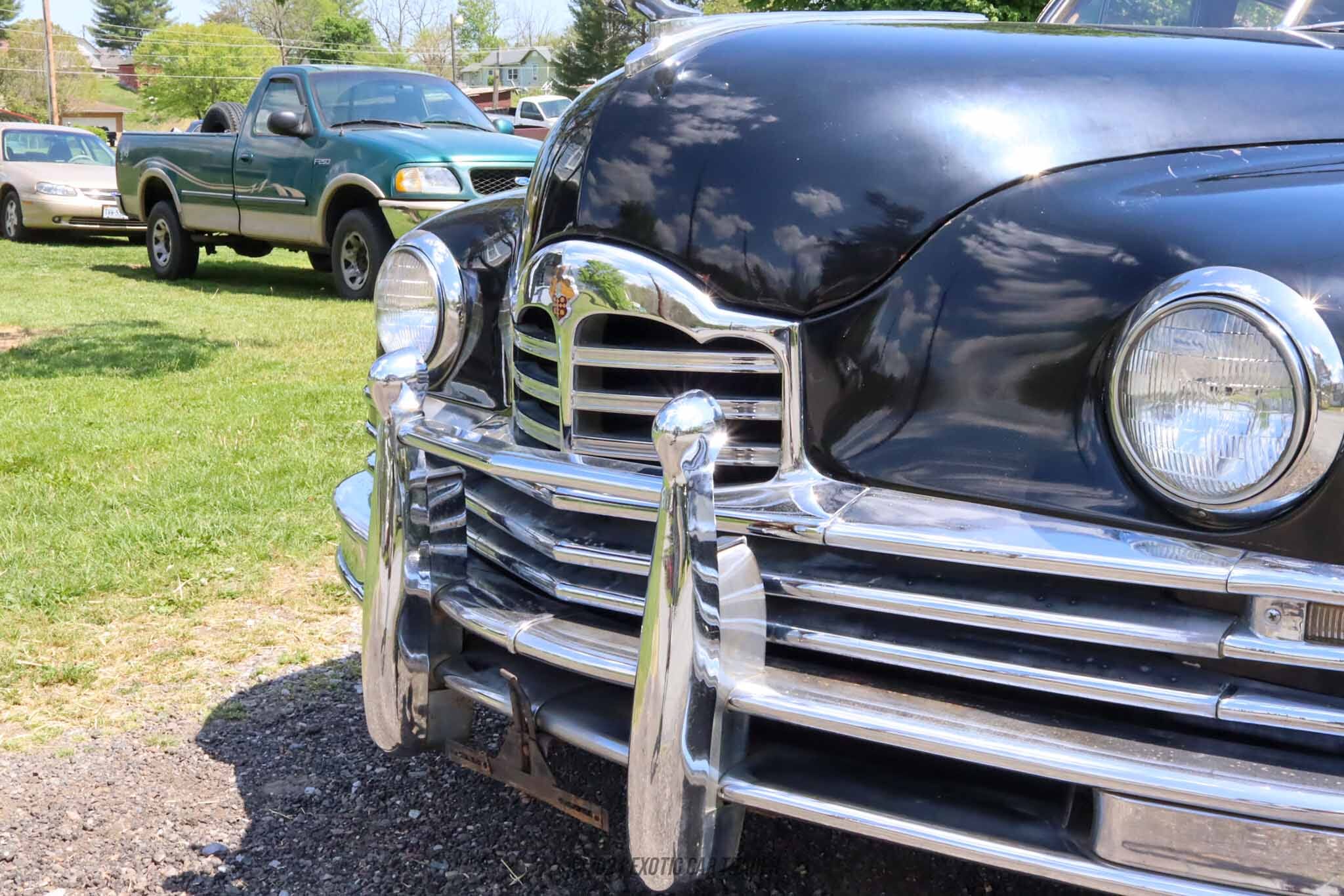
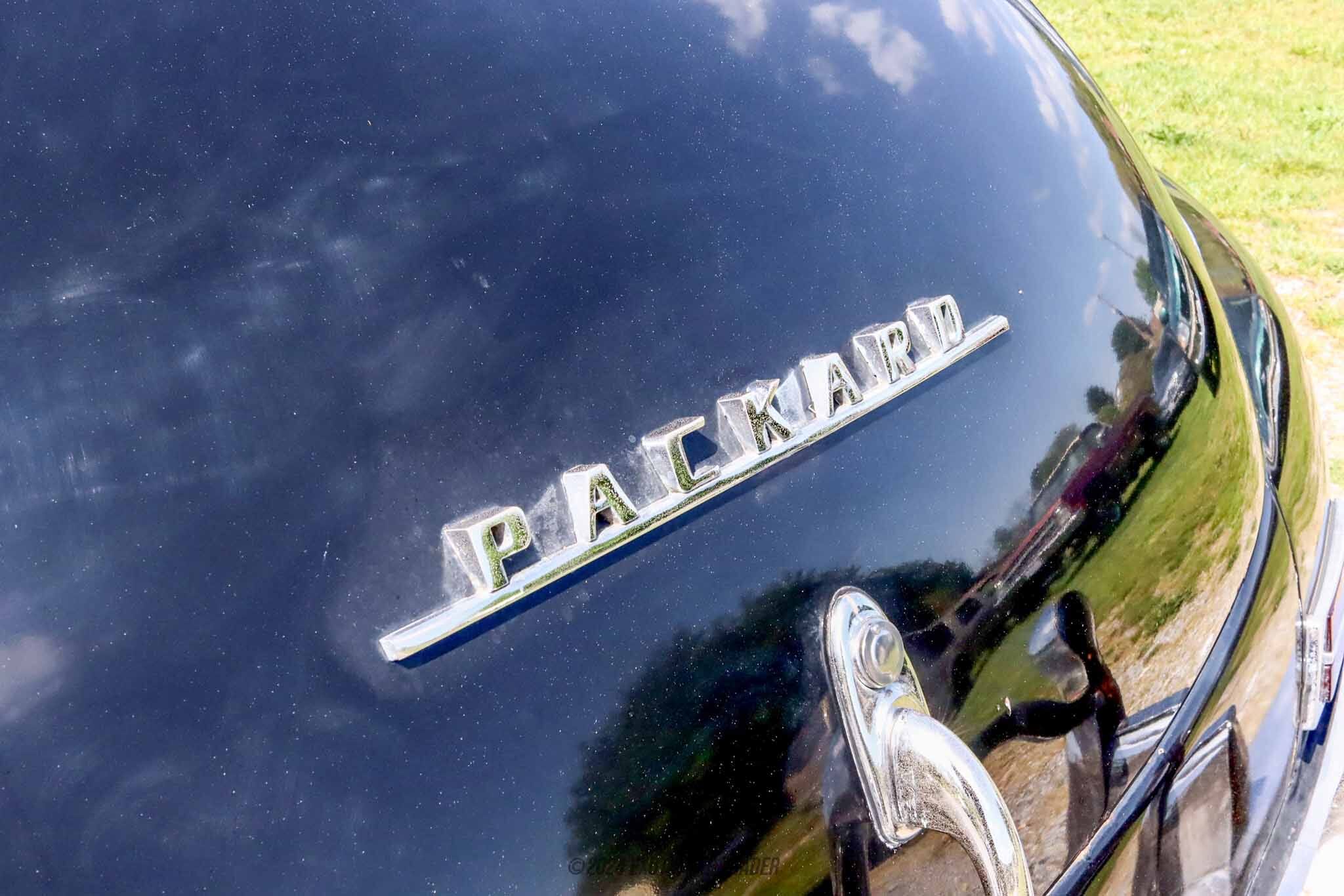
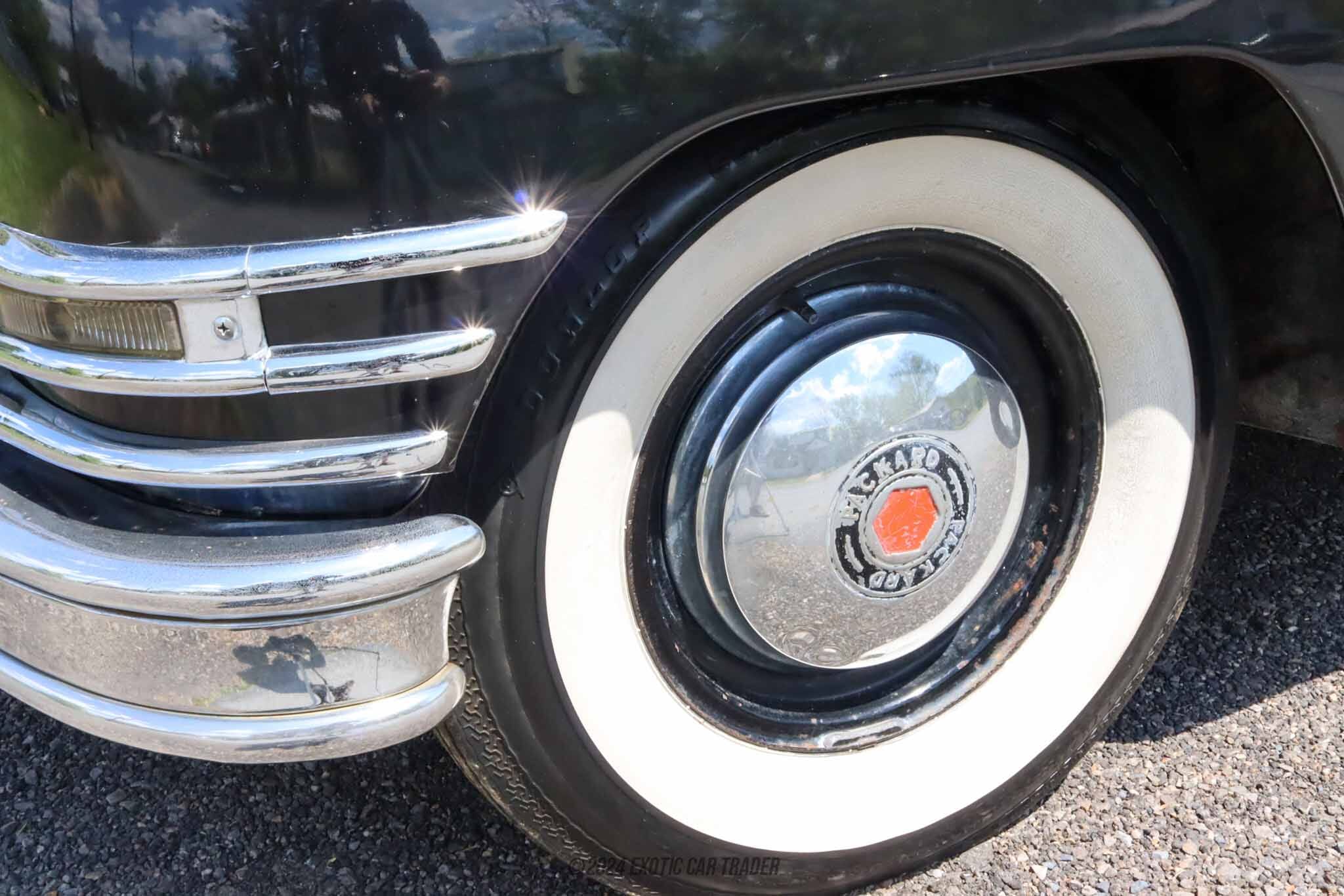
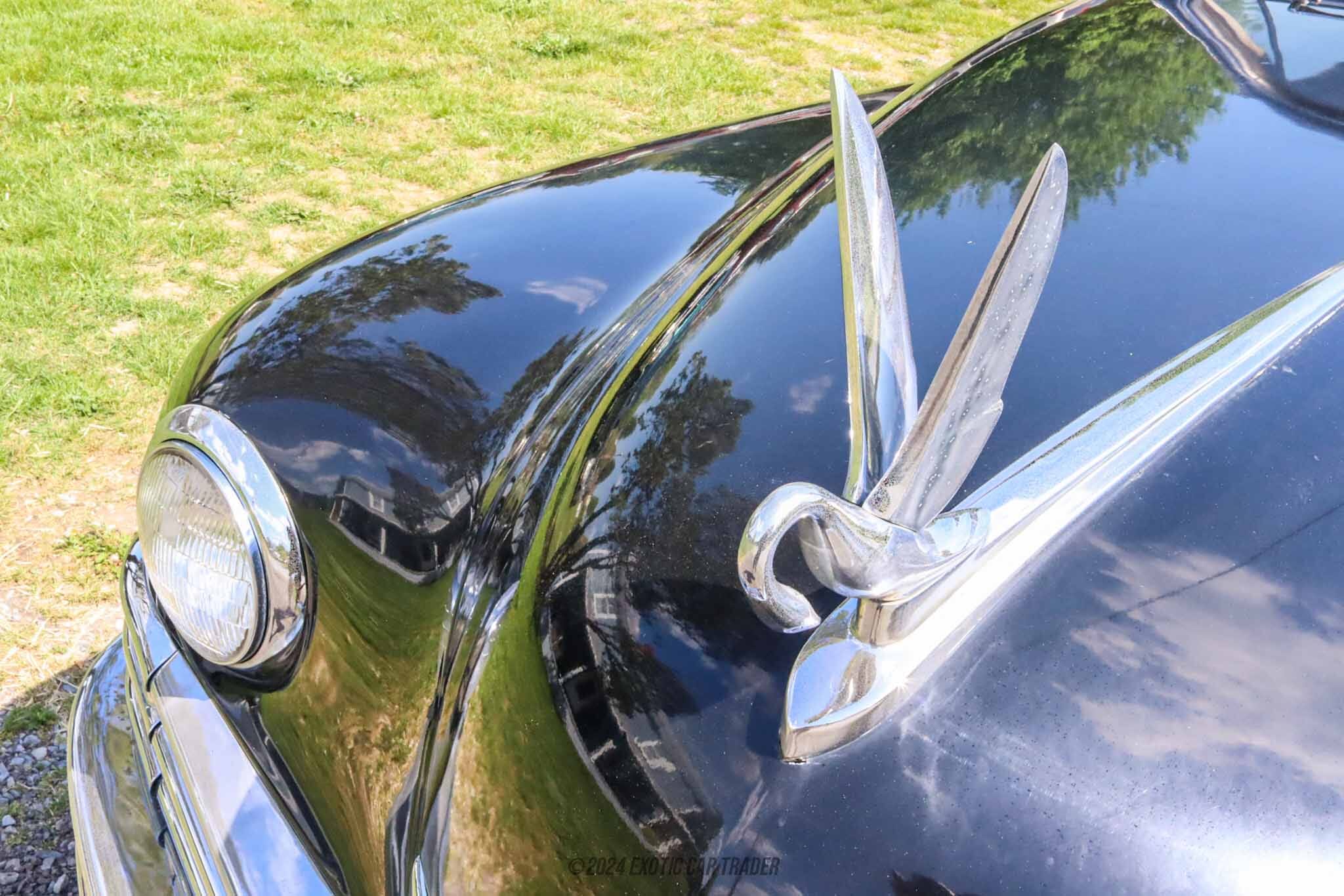
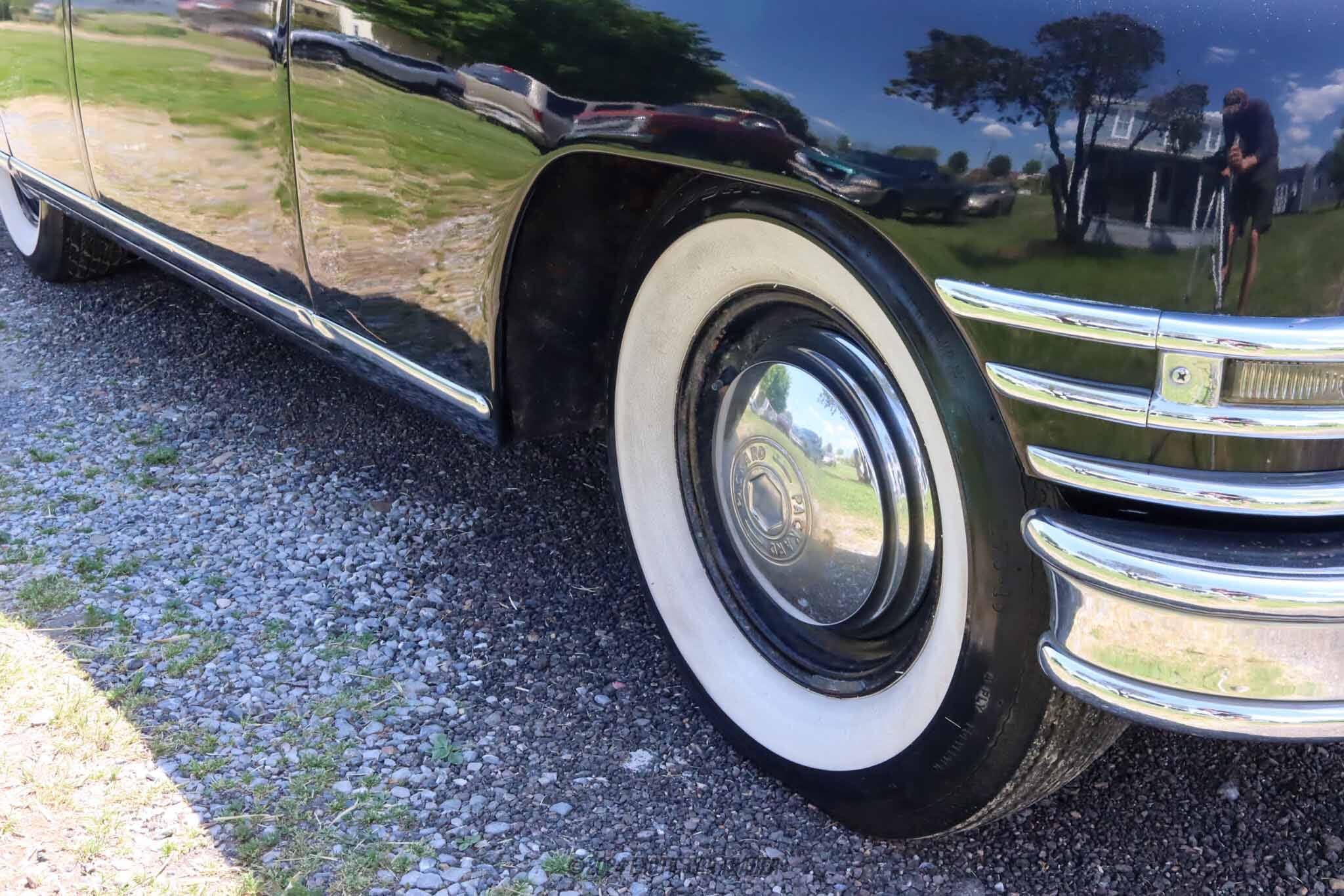
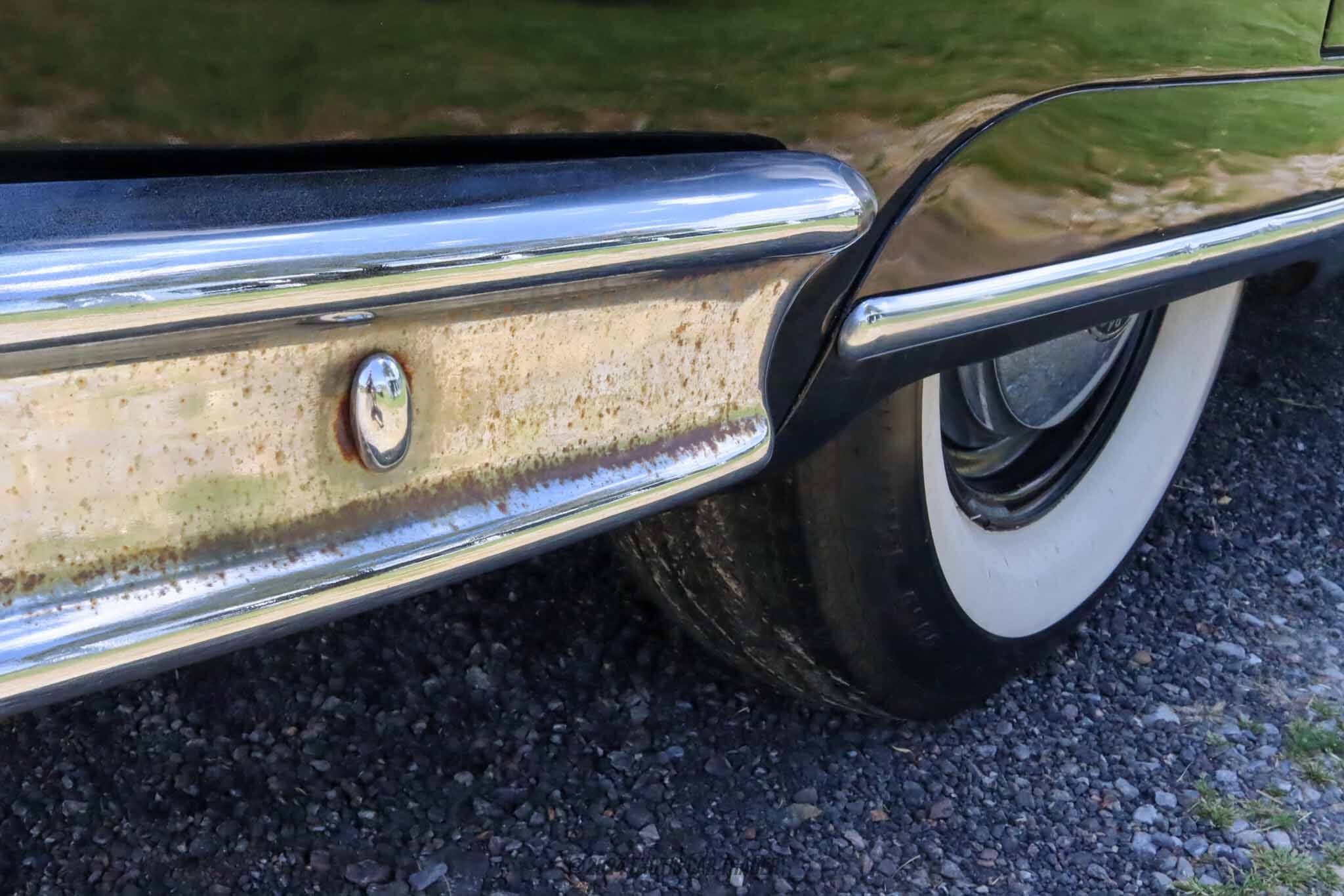
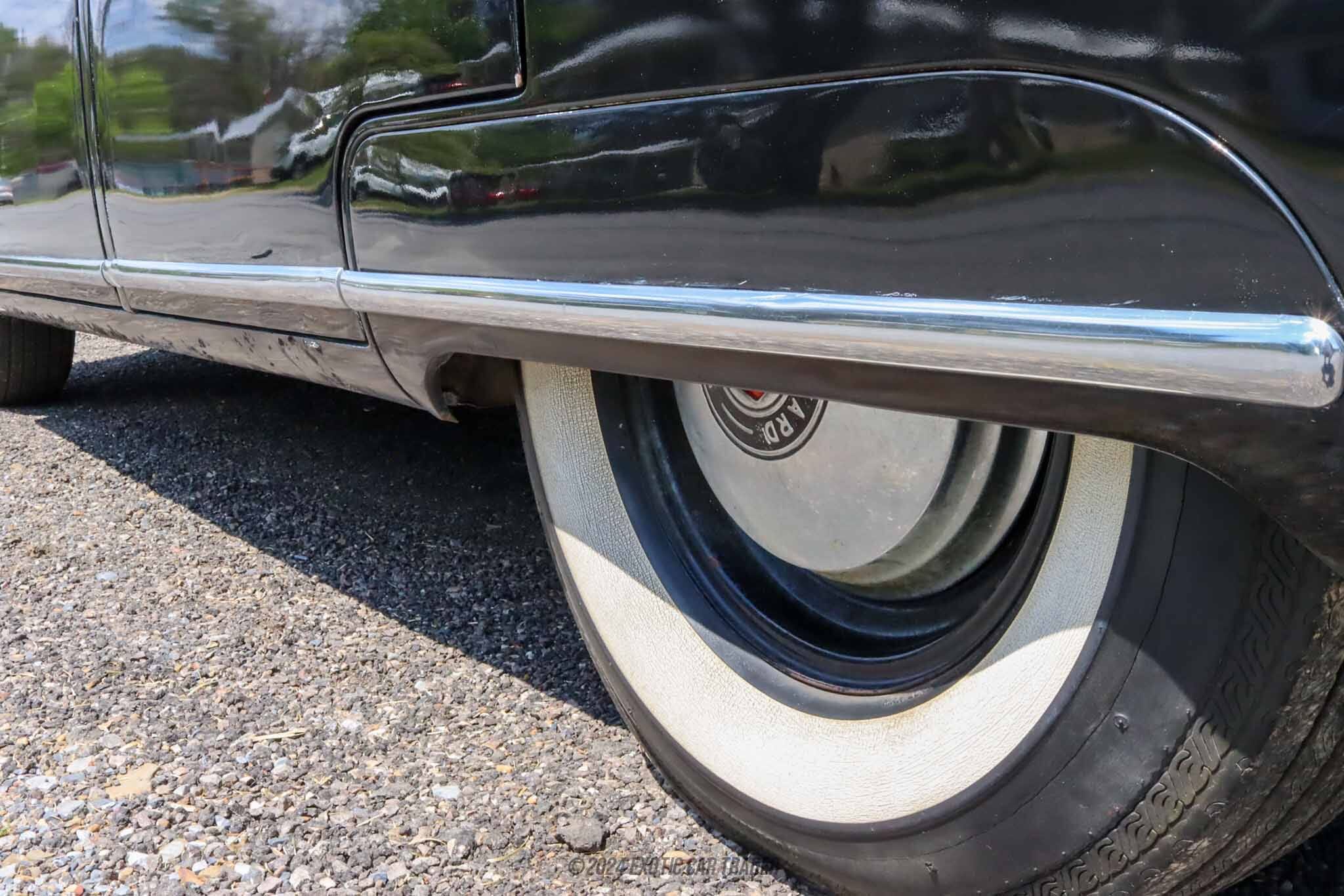
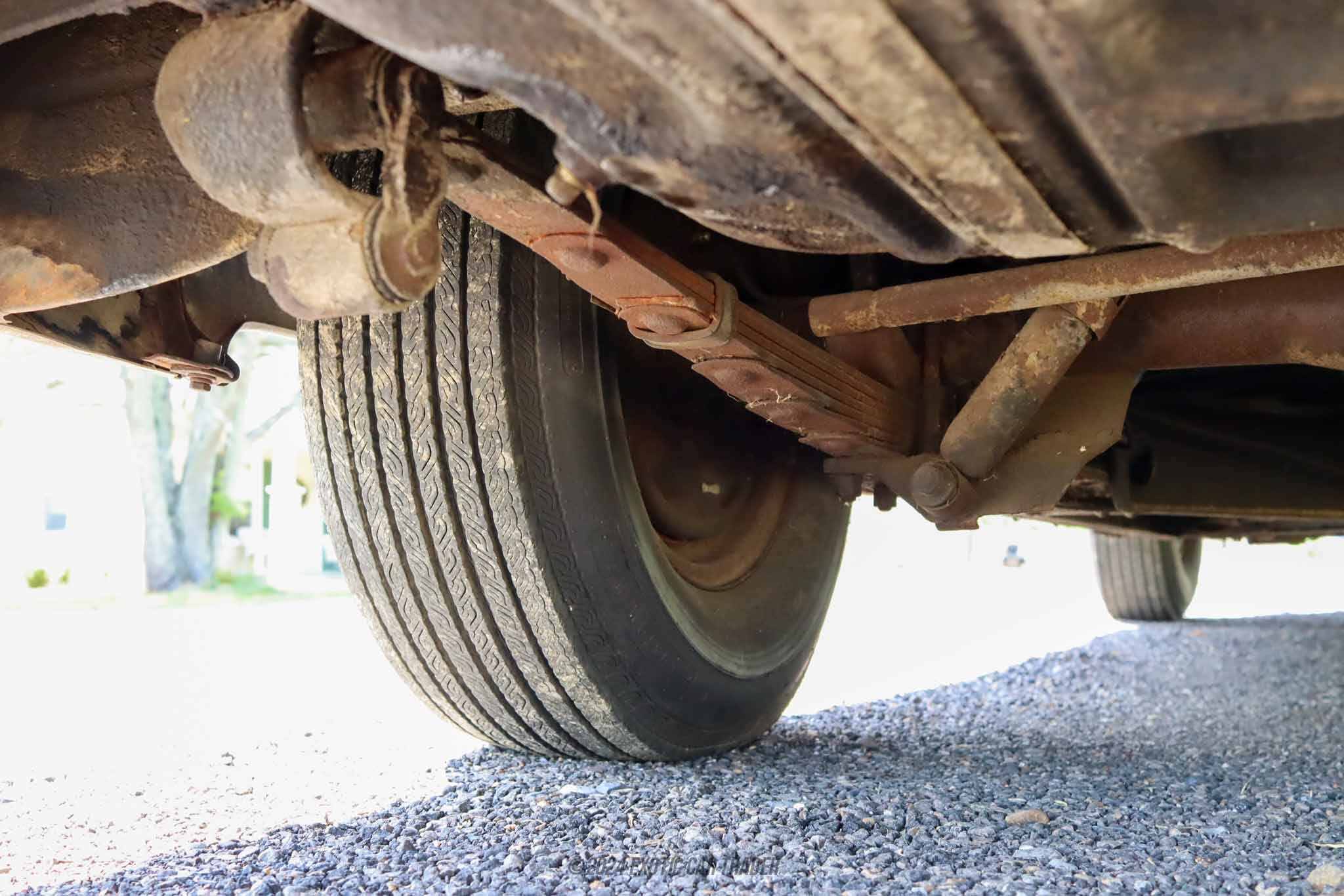
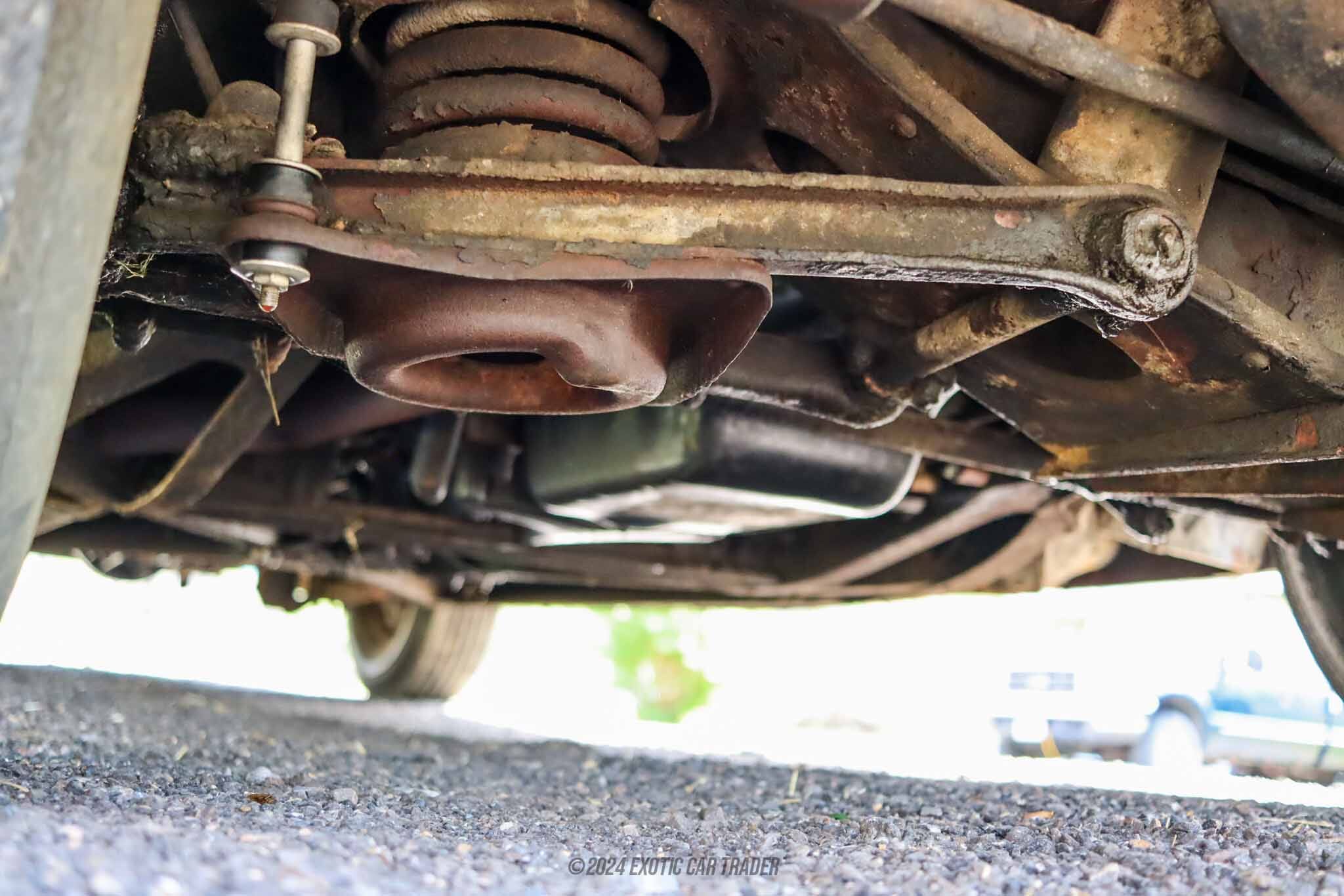
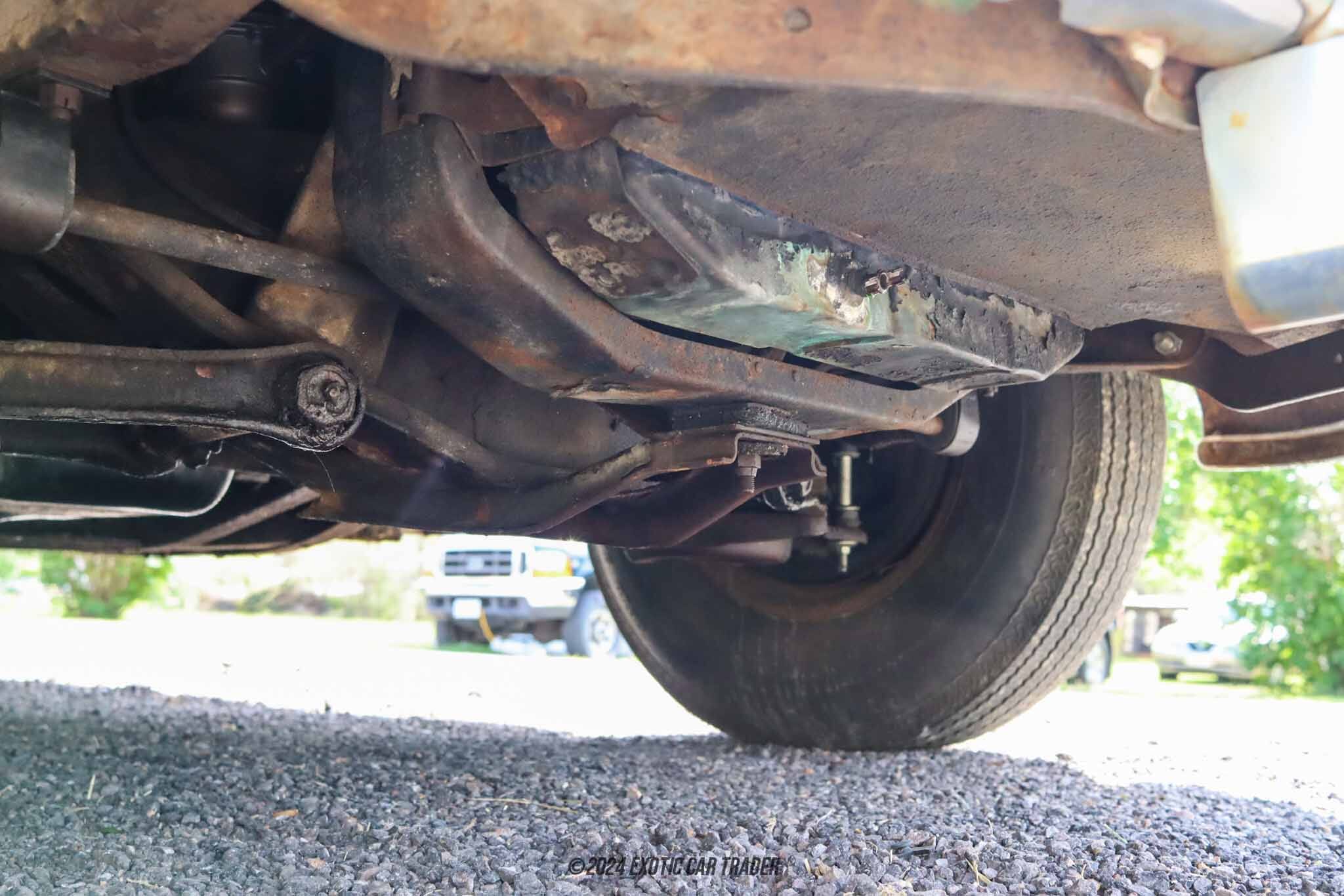


- MY 1948 Packard Sedan
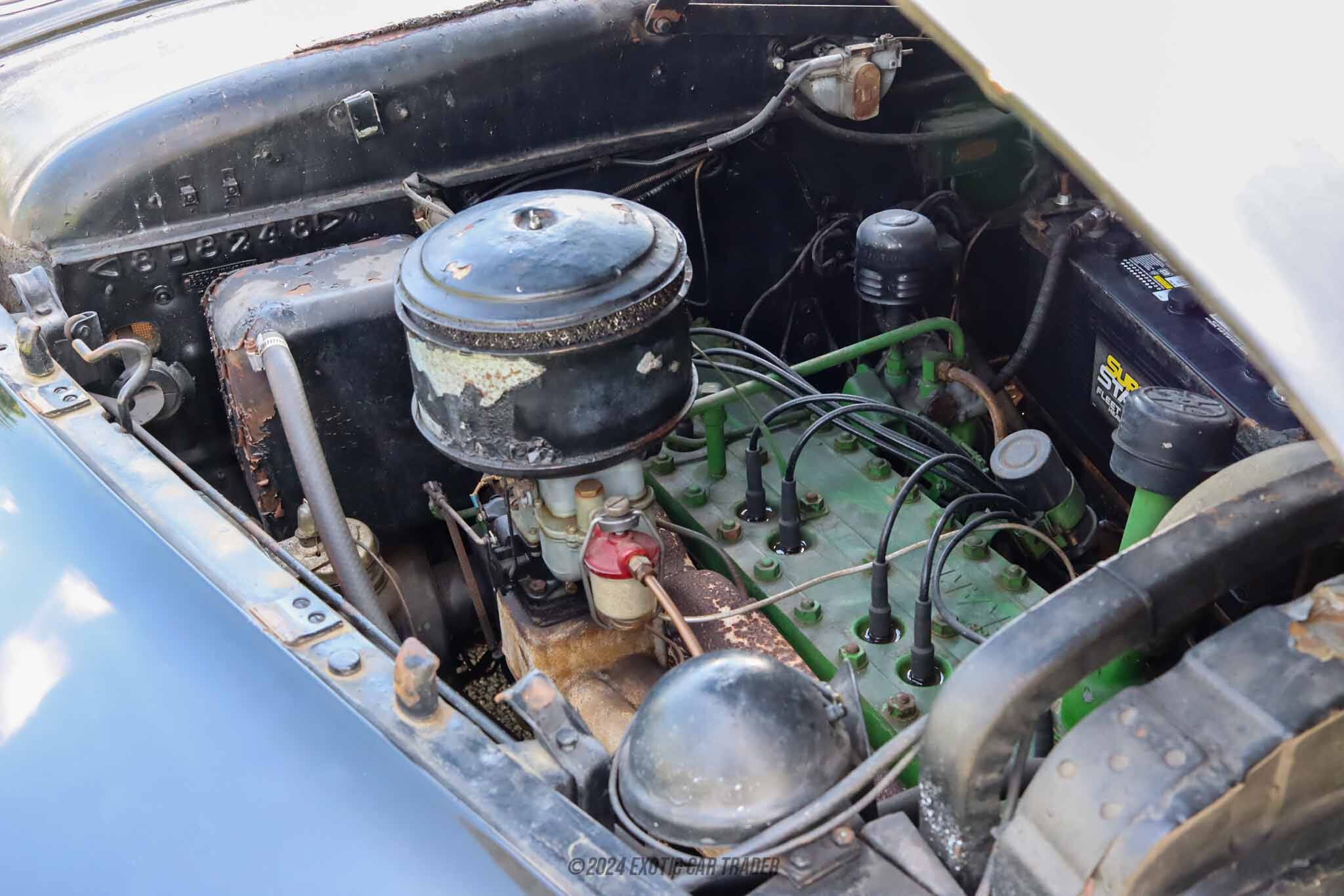
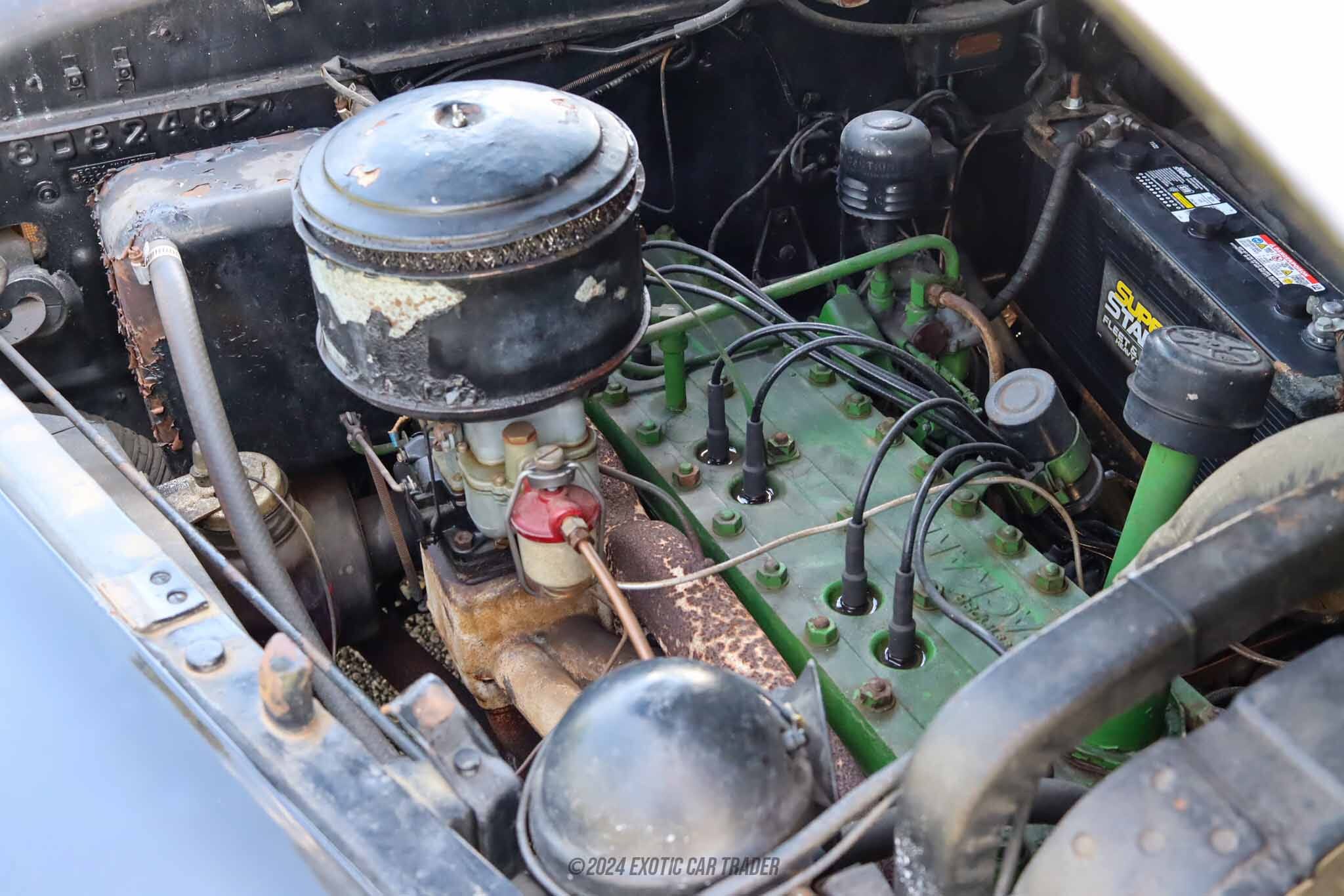
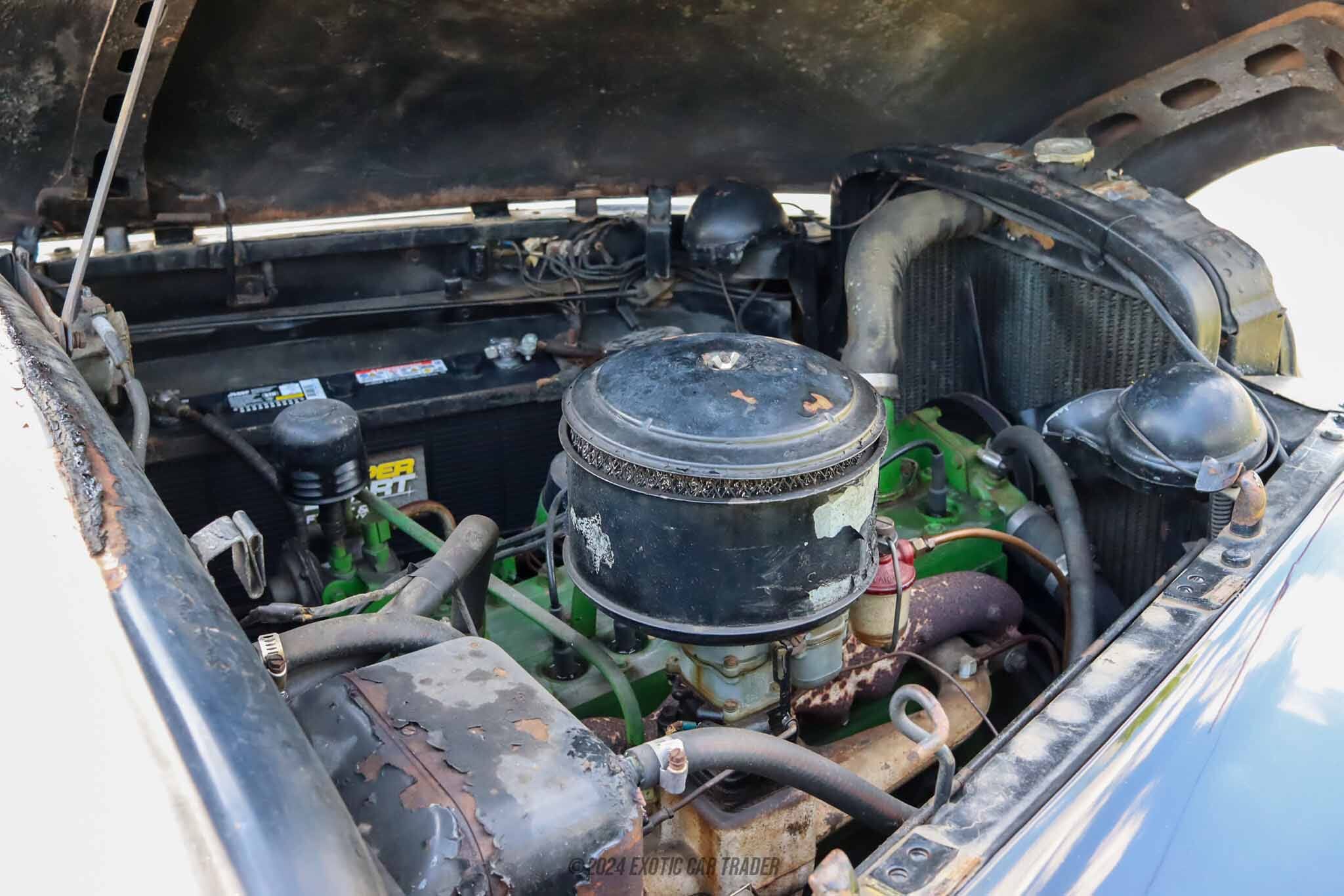
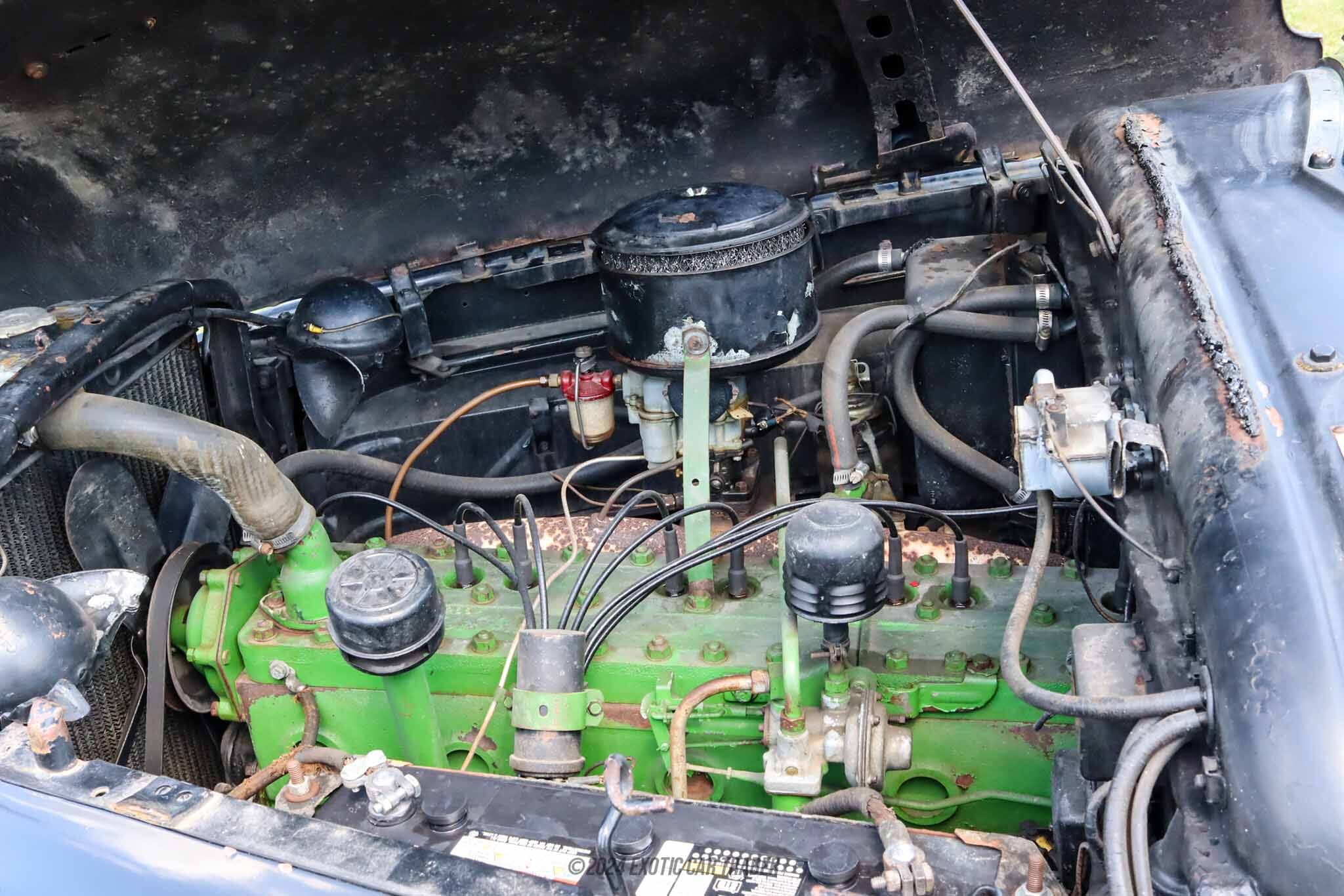
- 288ci V8
- Three Speed Manual Transmission
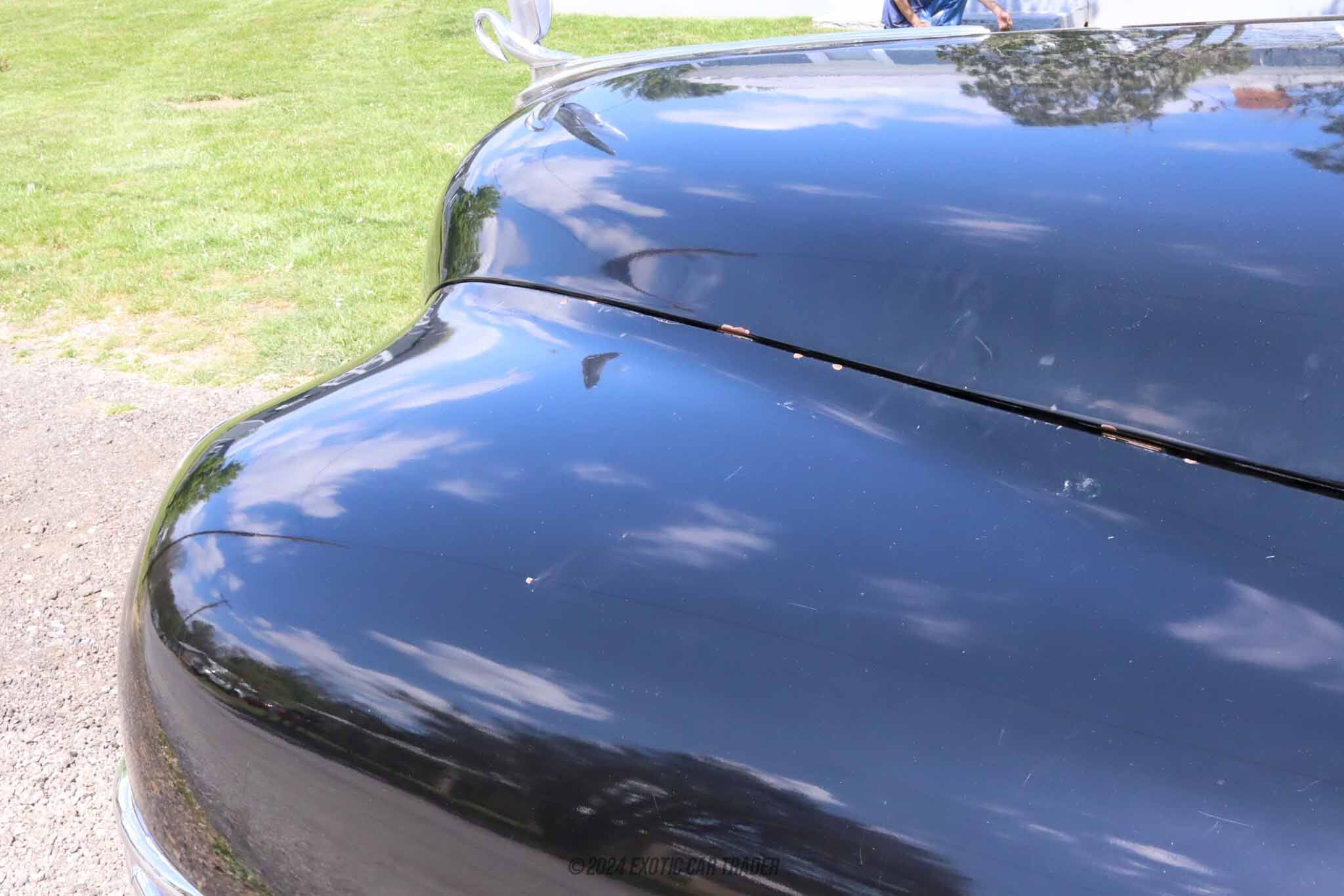
- Black Exterior Paint
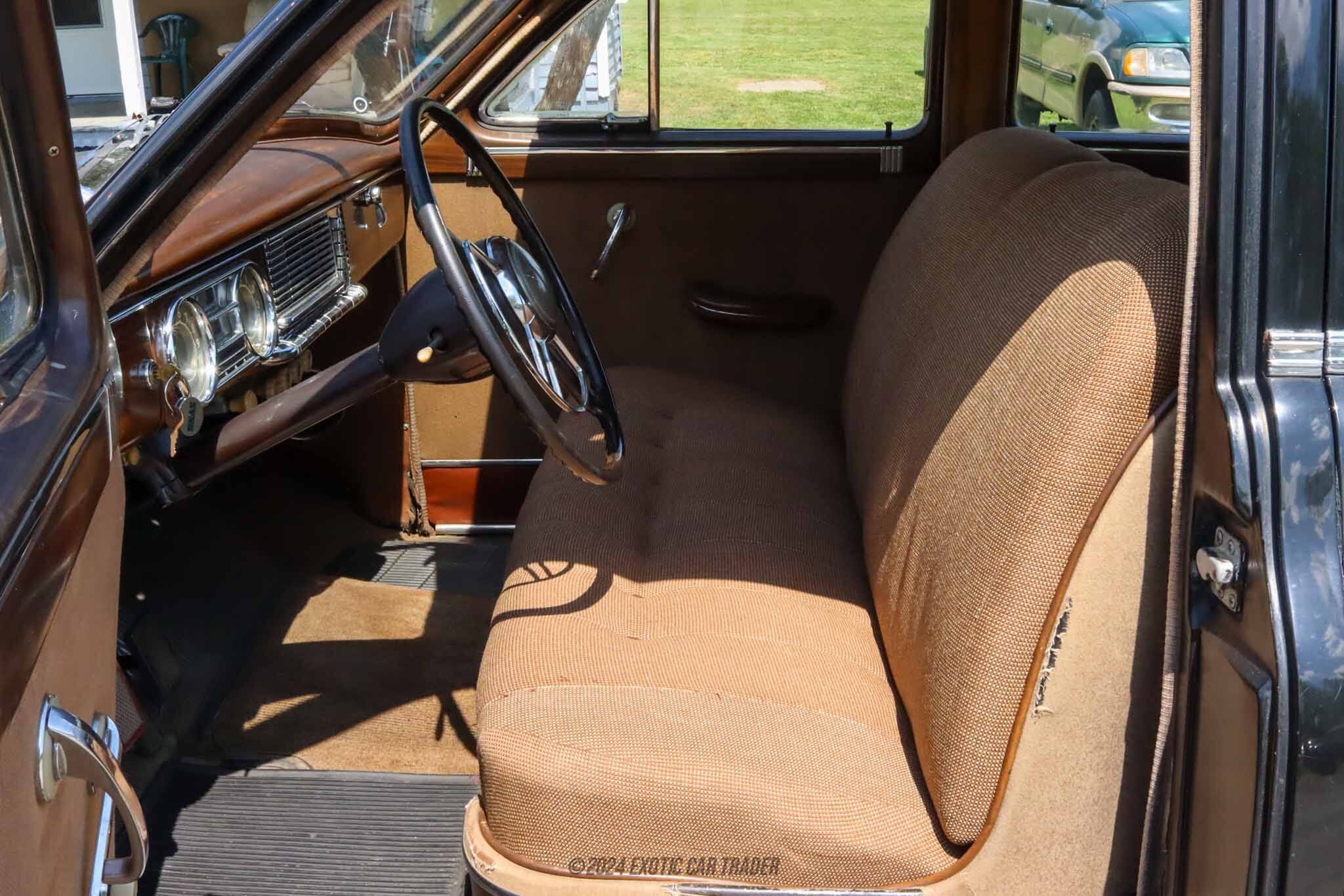
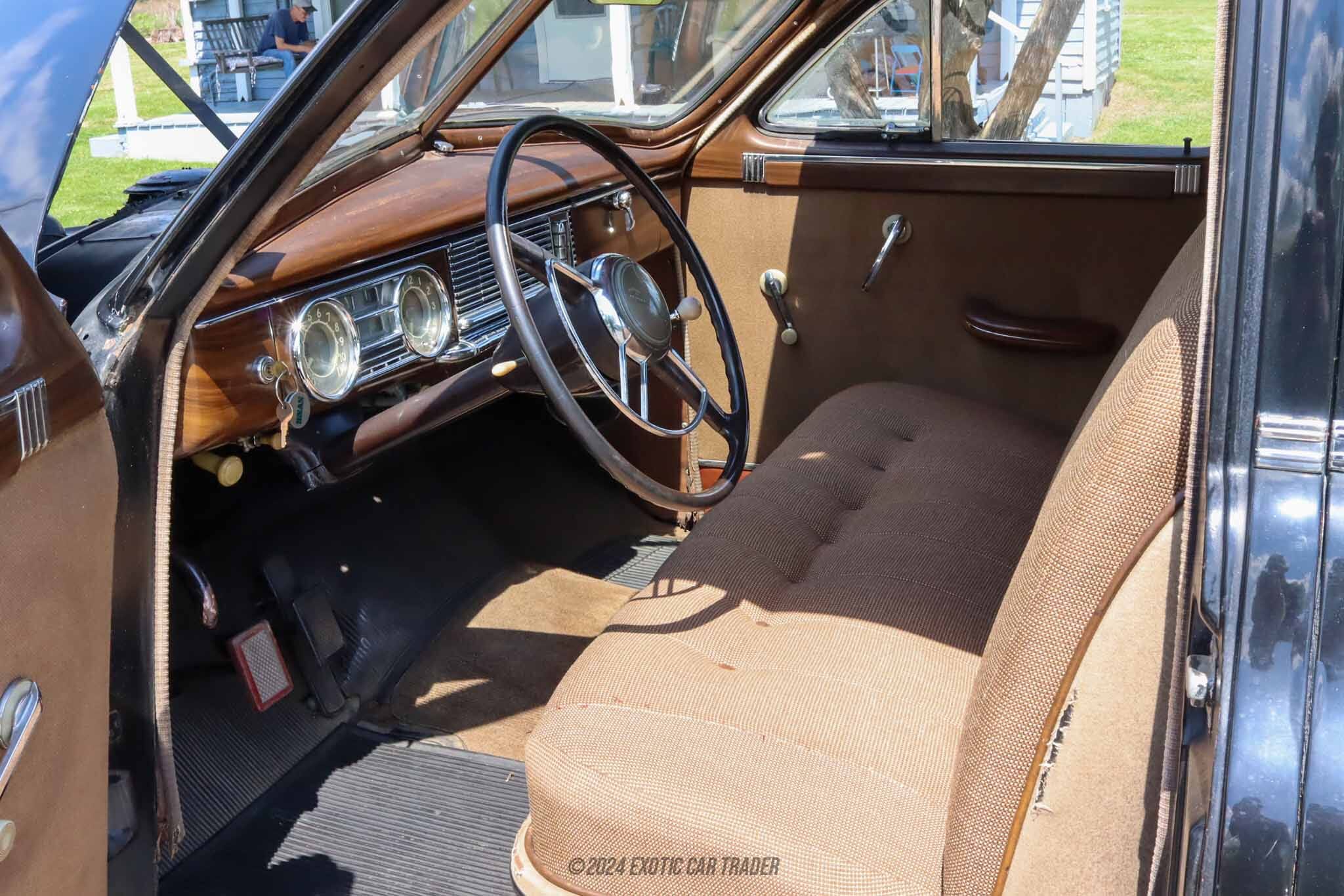
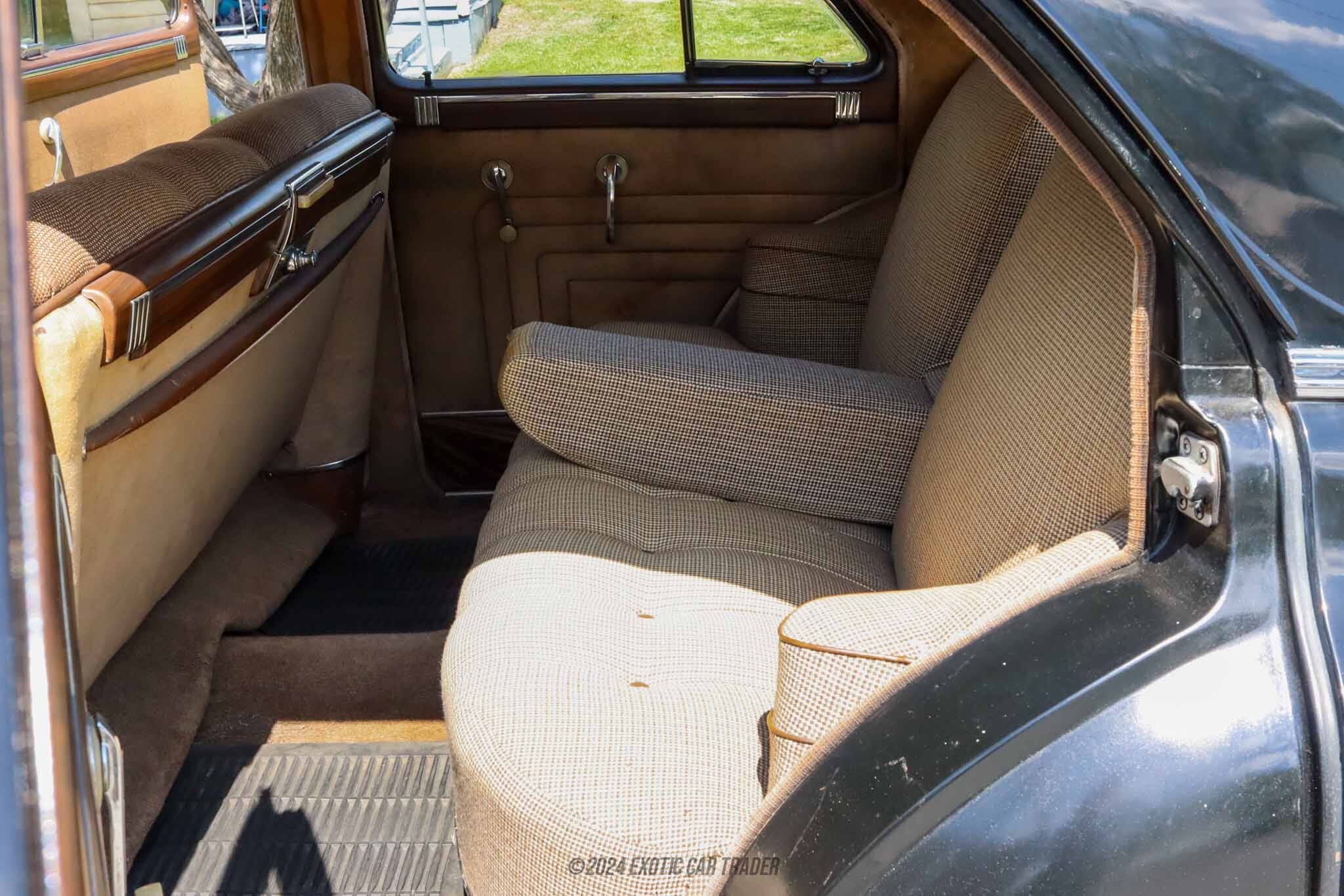
- Tan Leather Interior
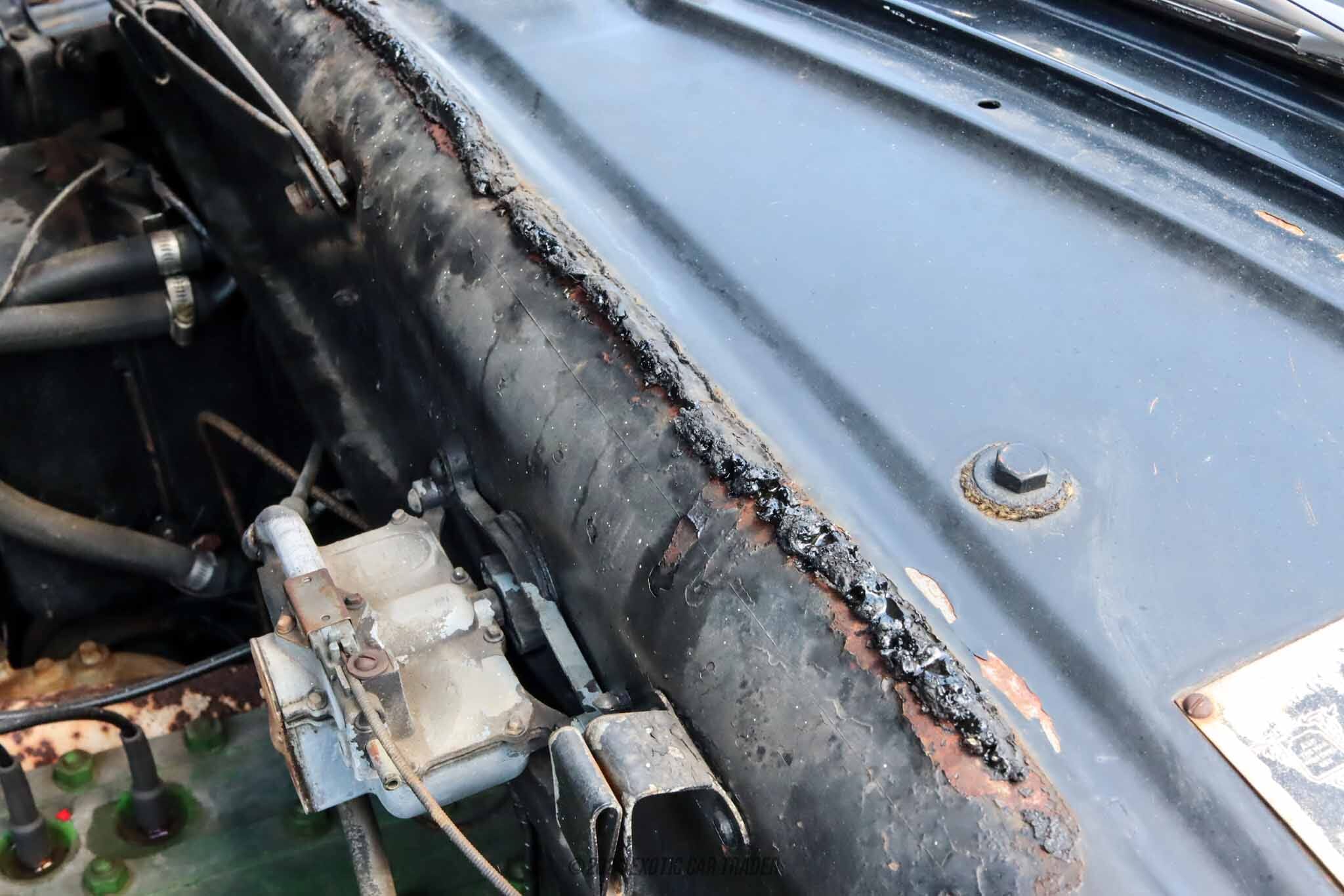
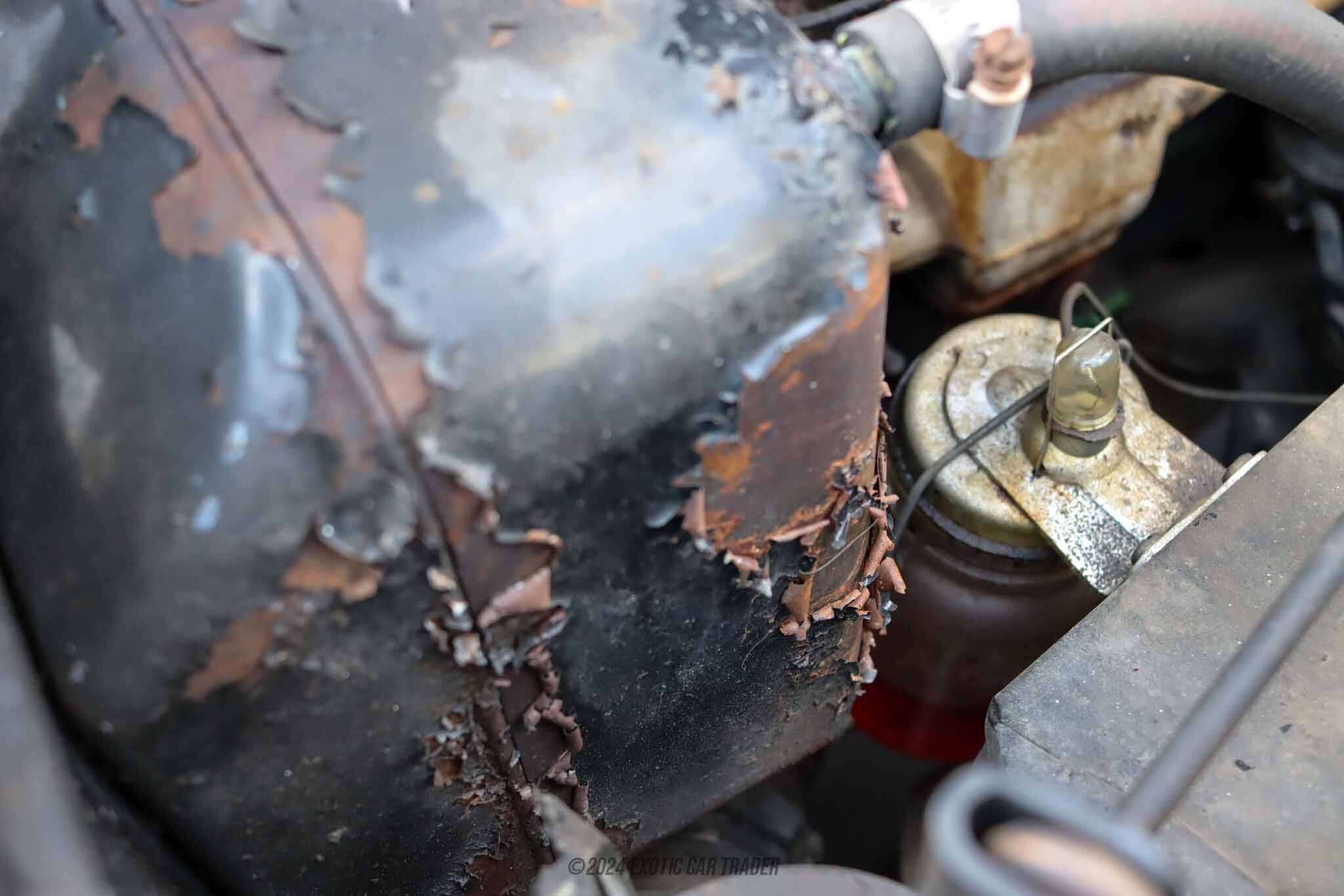
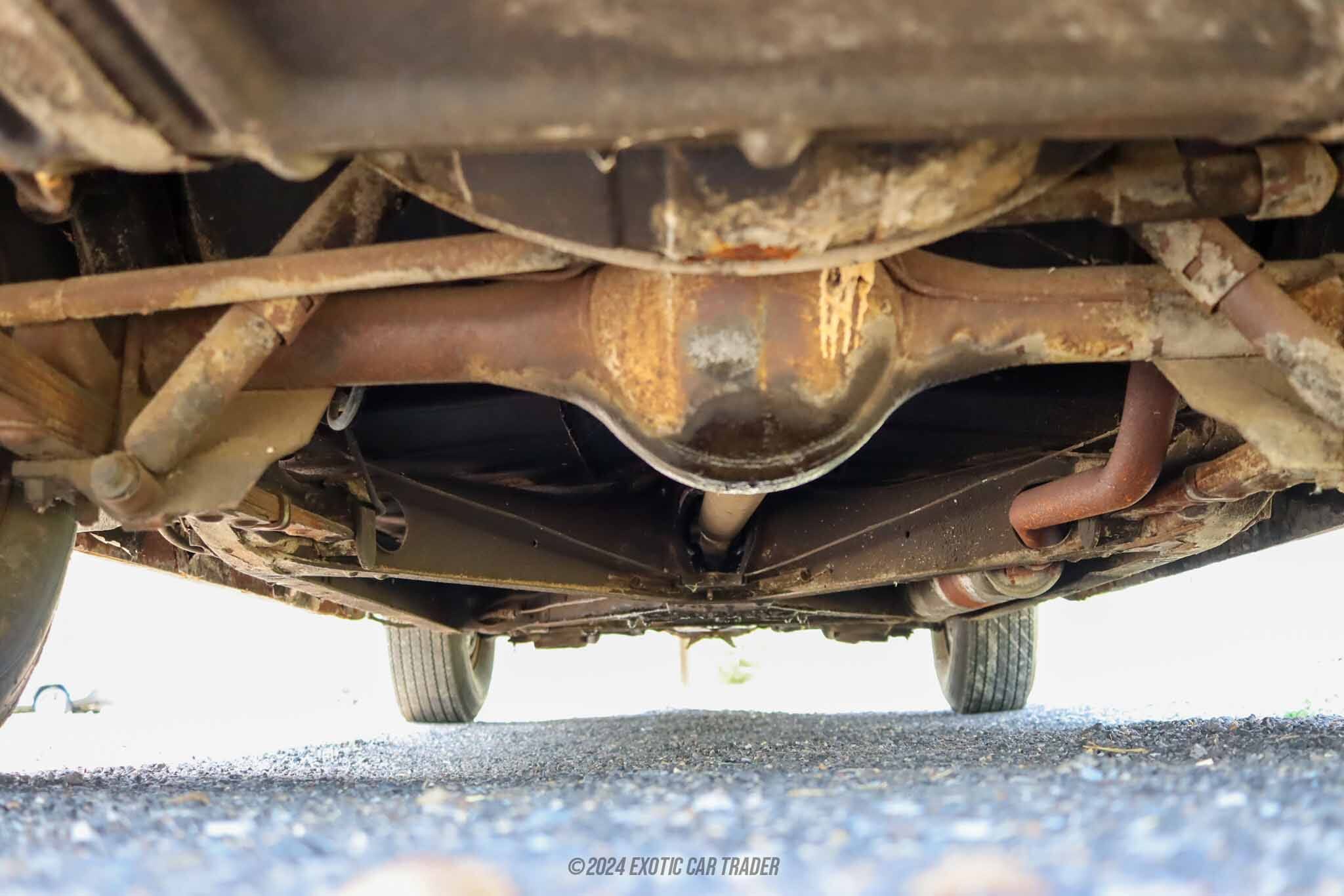
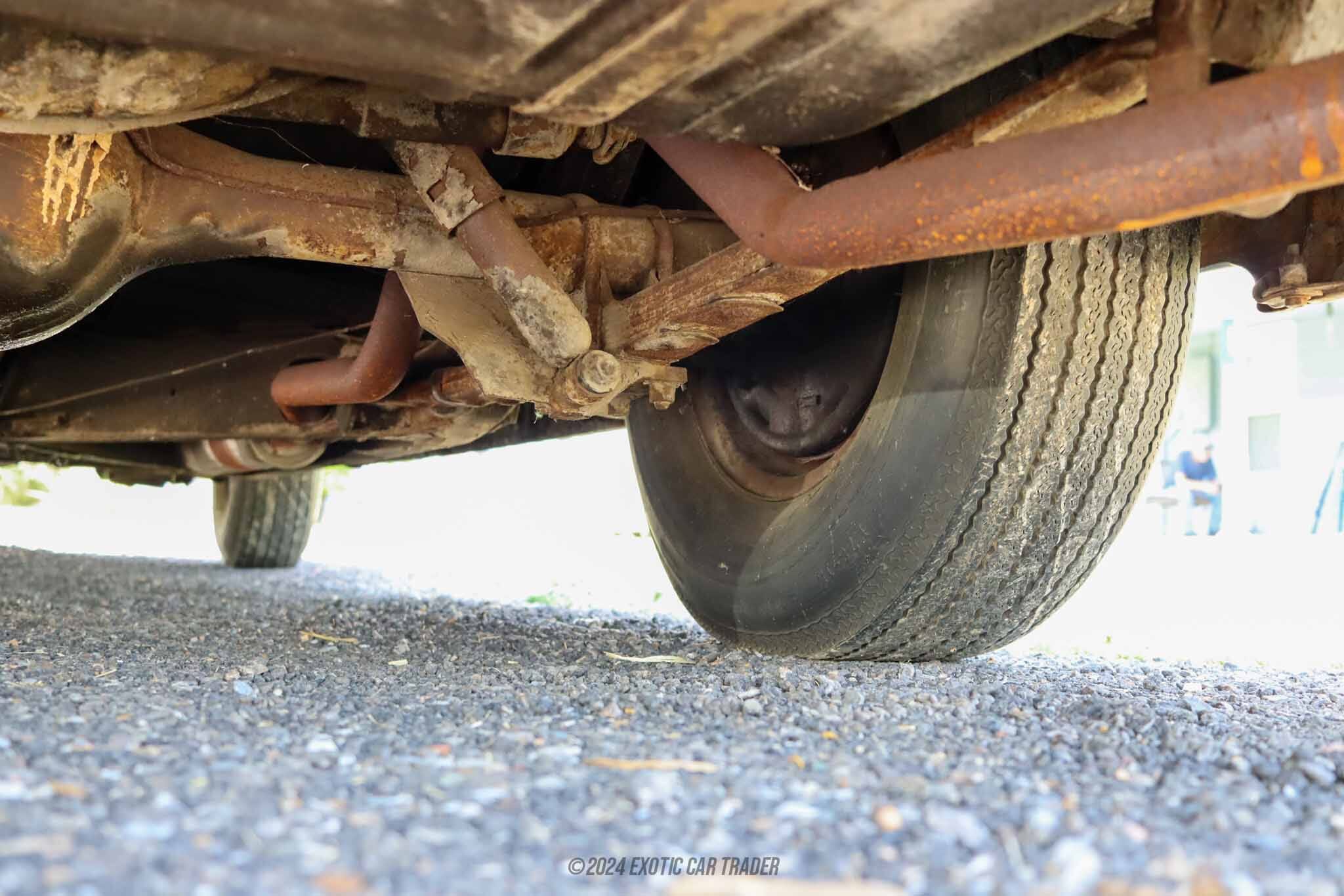
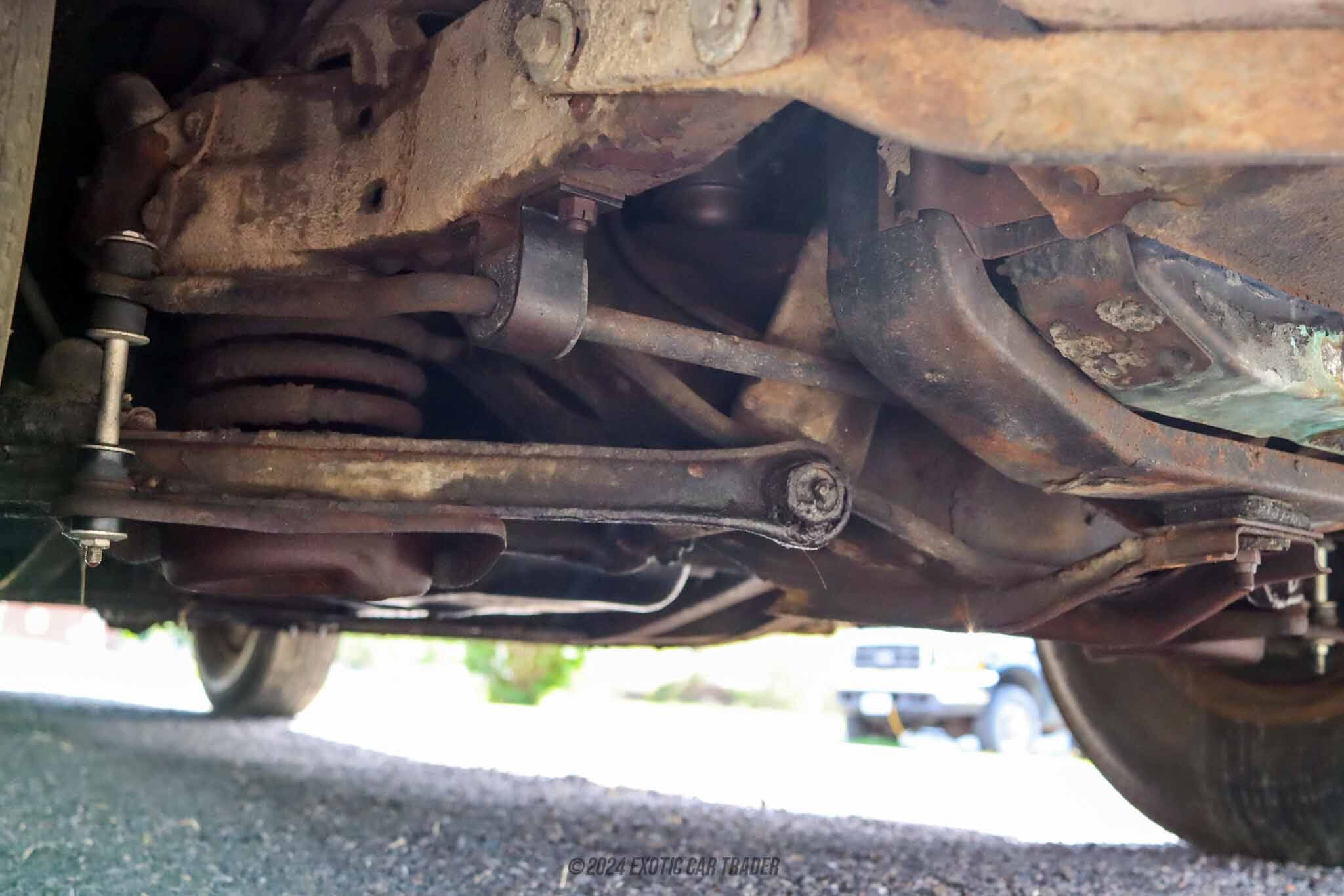
- All Original
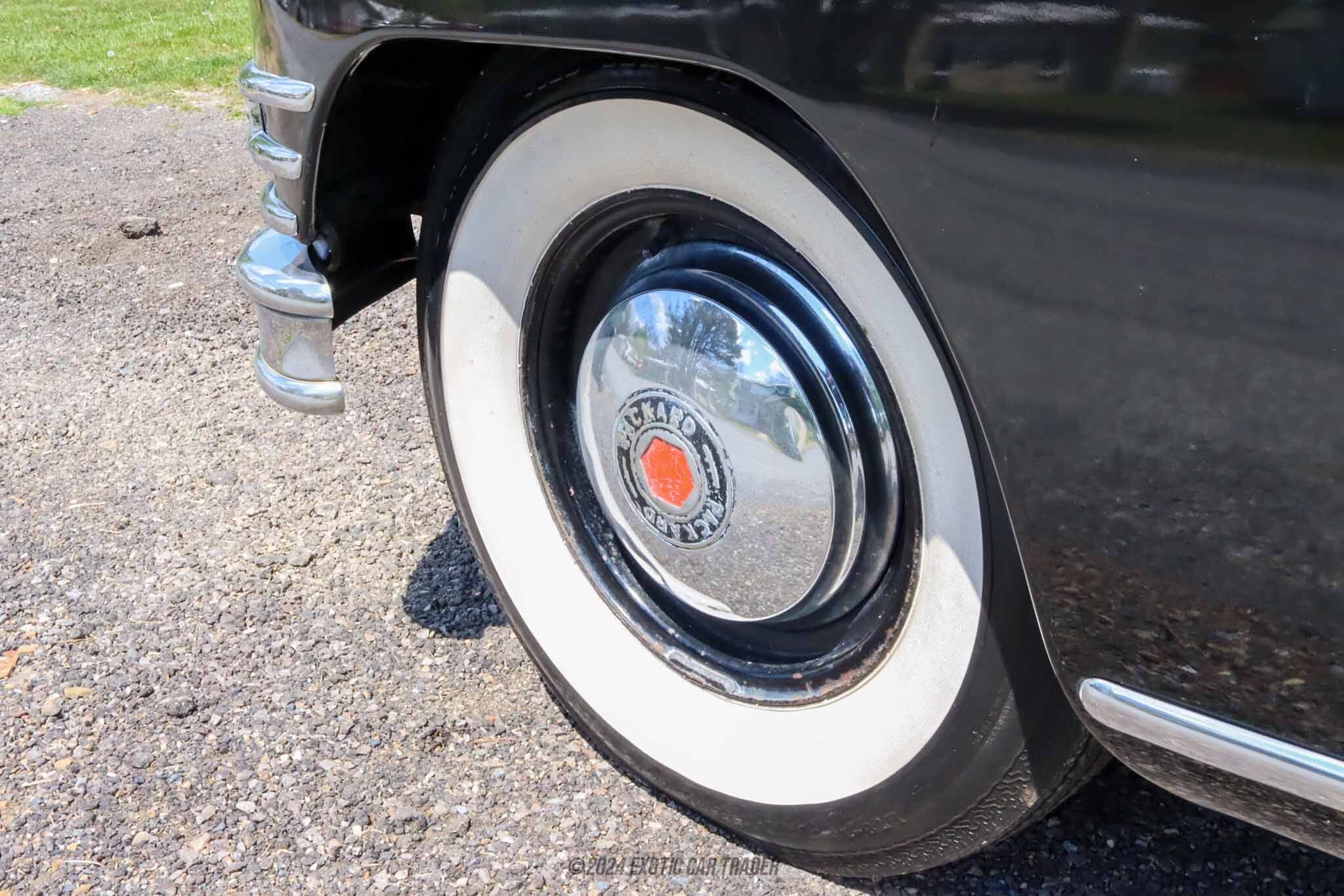
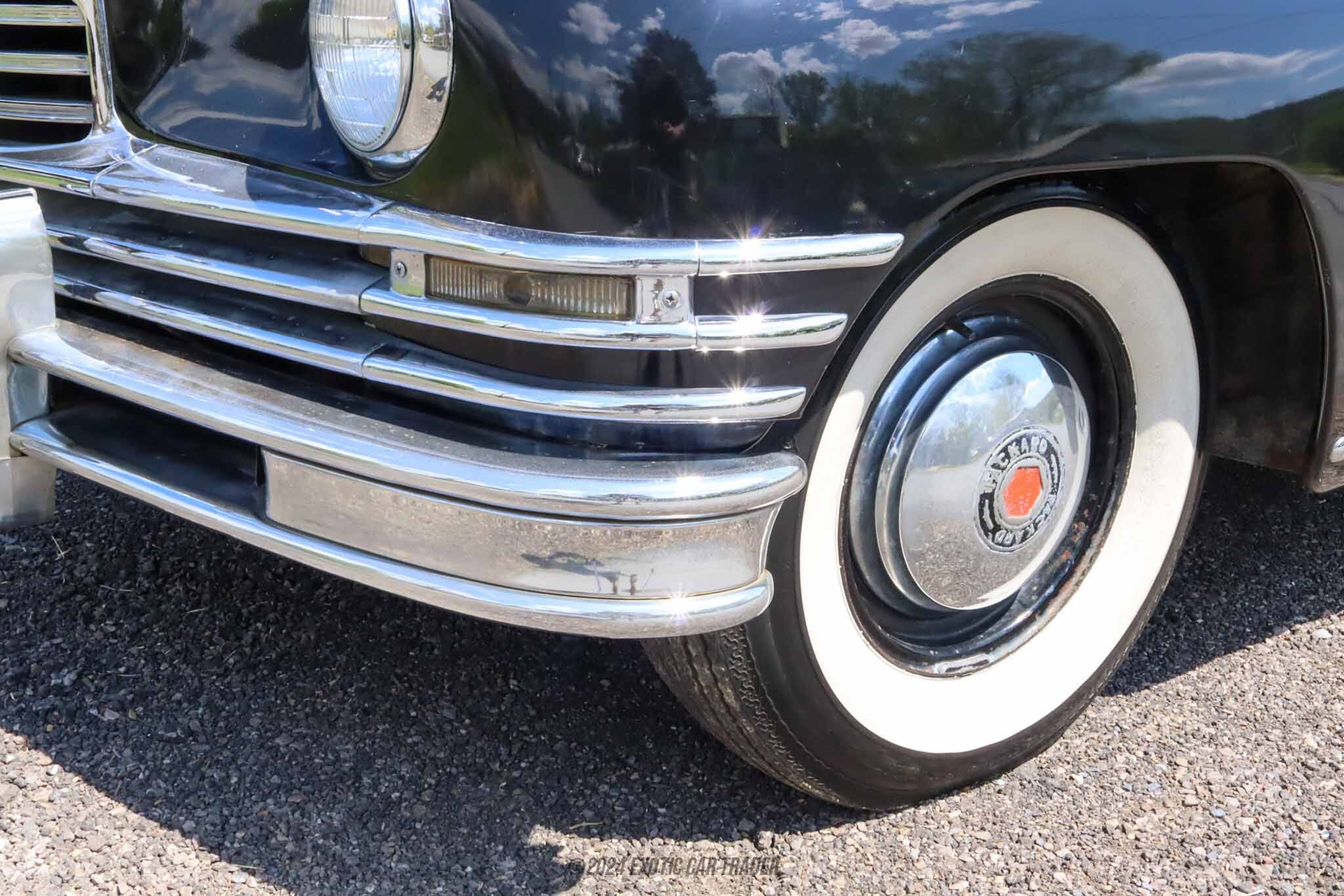
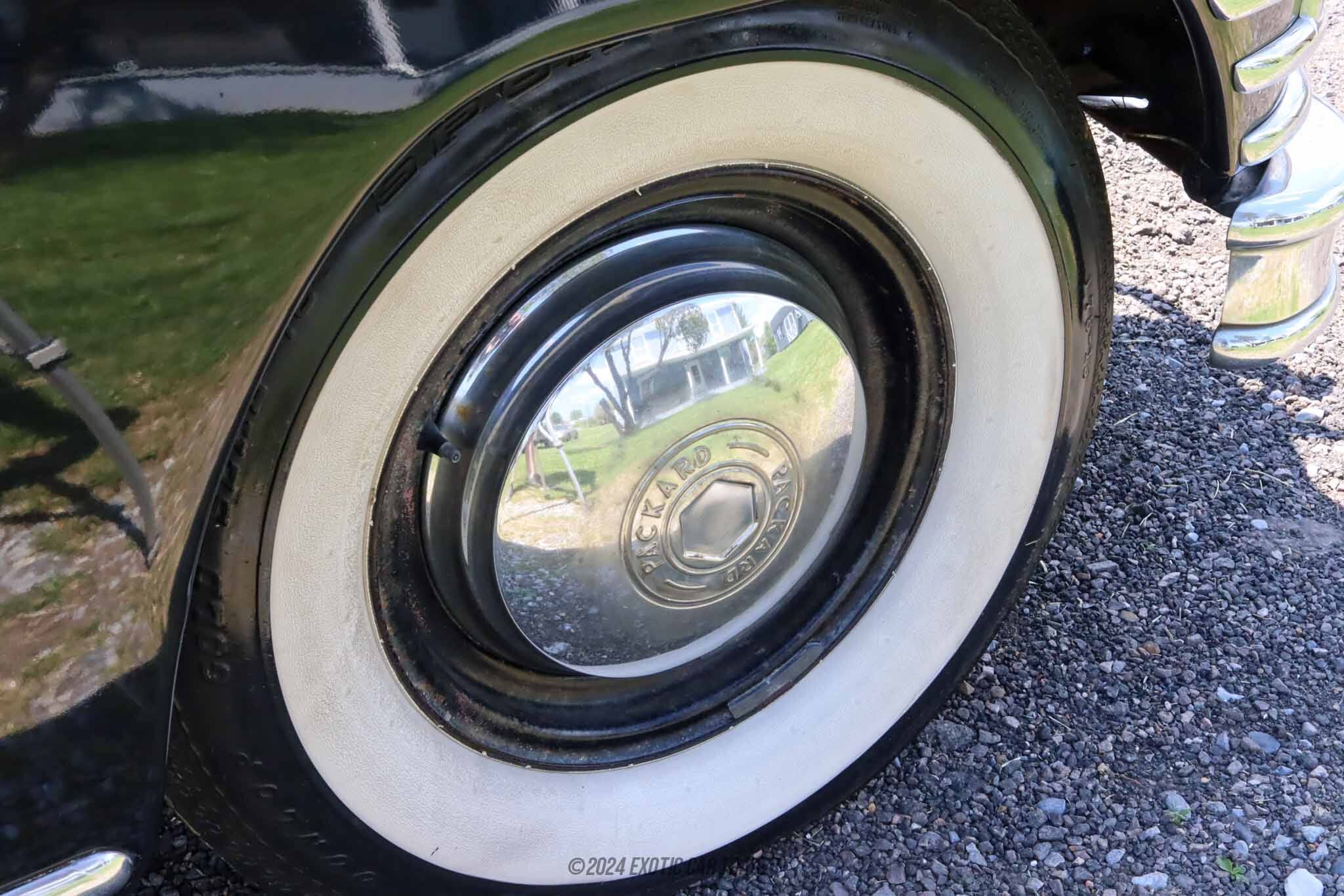
- White Wall Tires
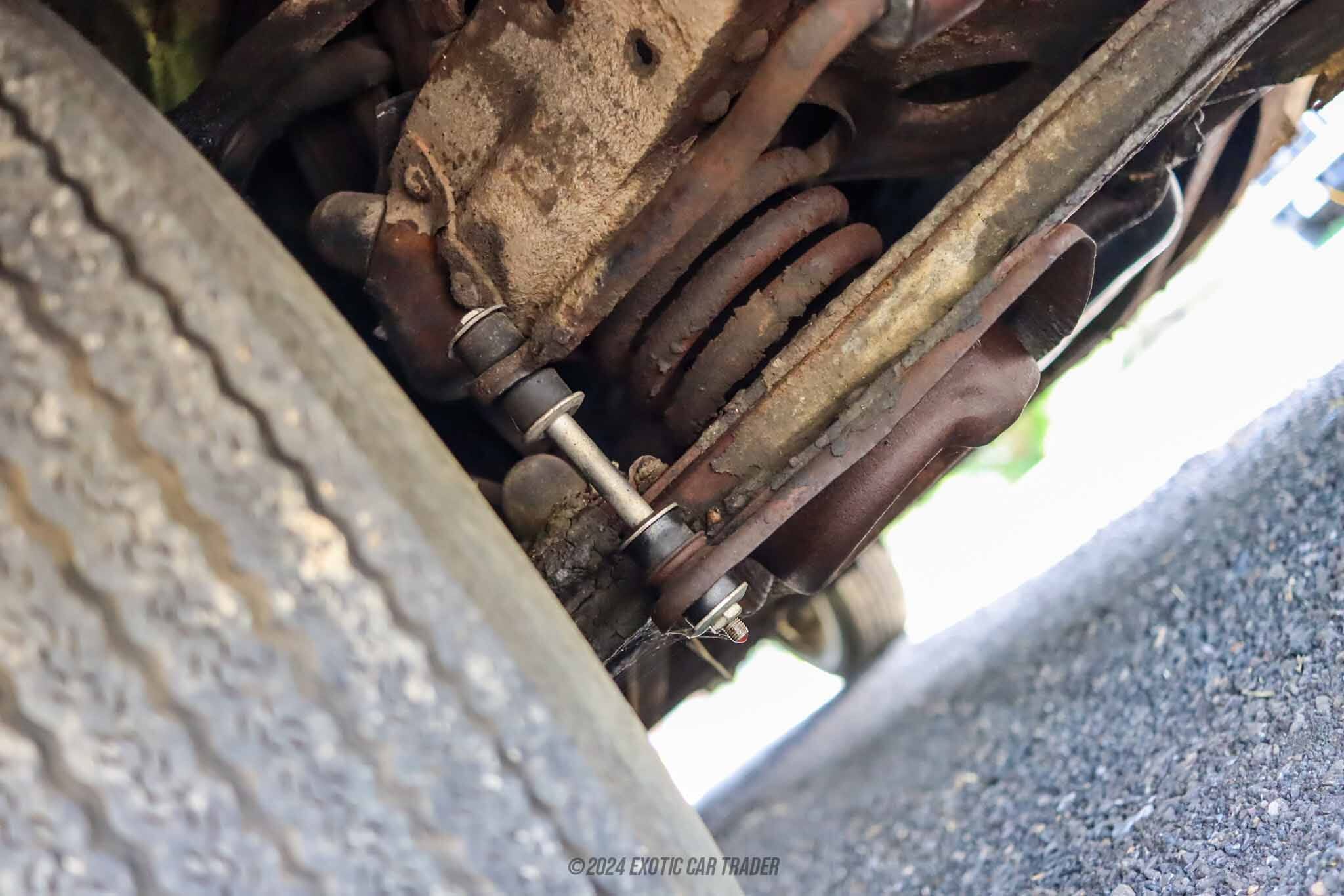
- Current Owner Reports all Maintenance Up to Date


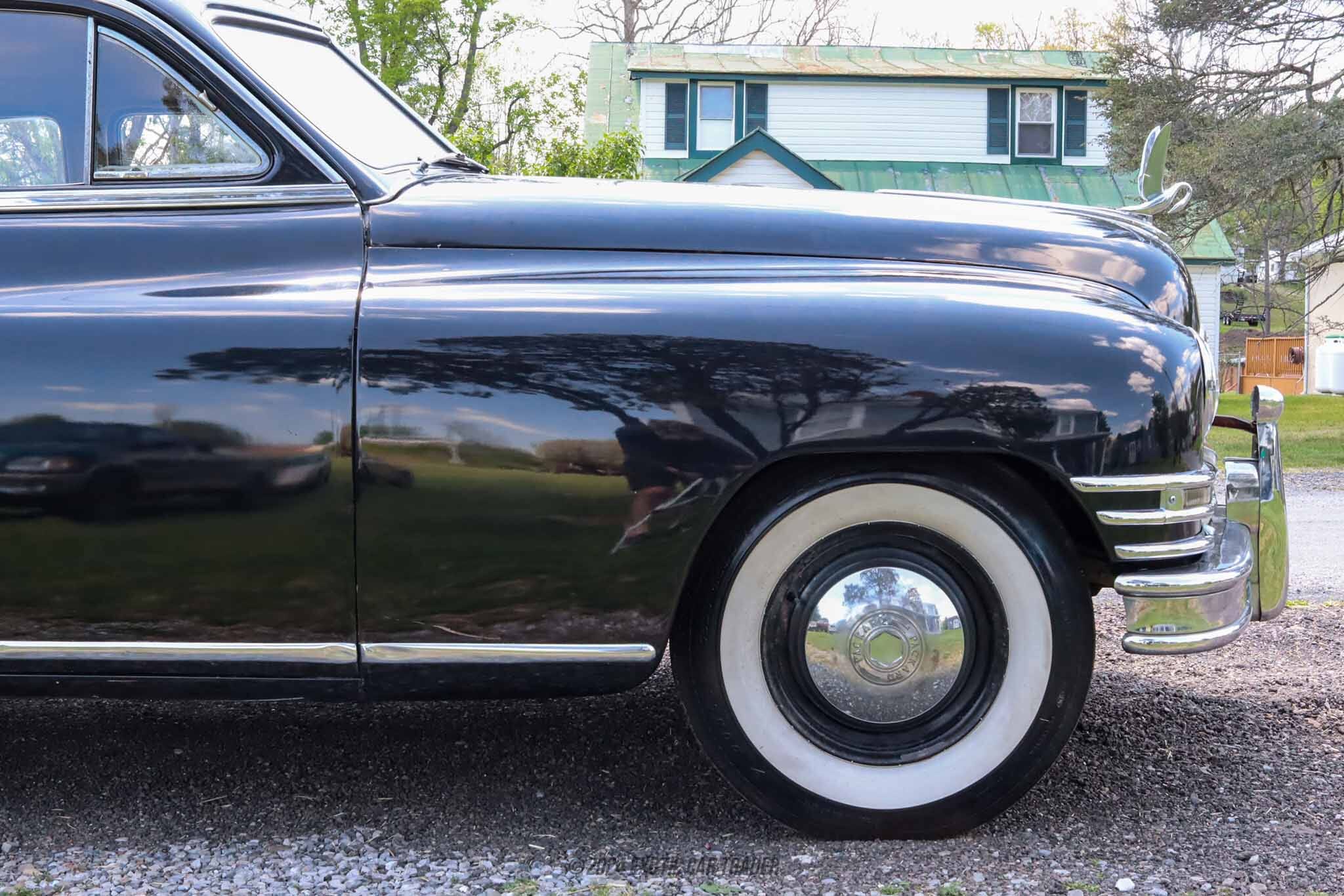
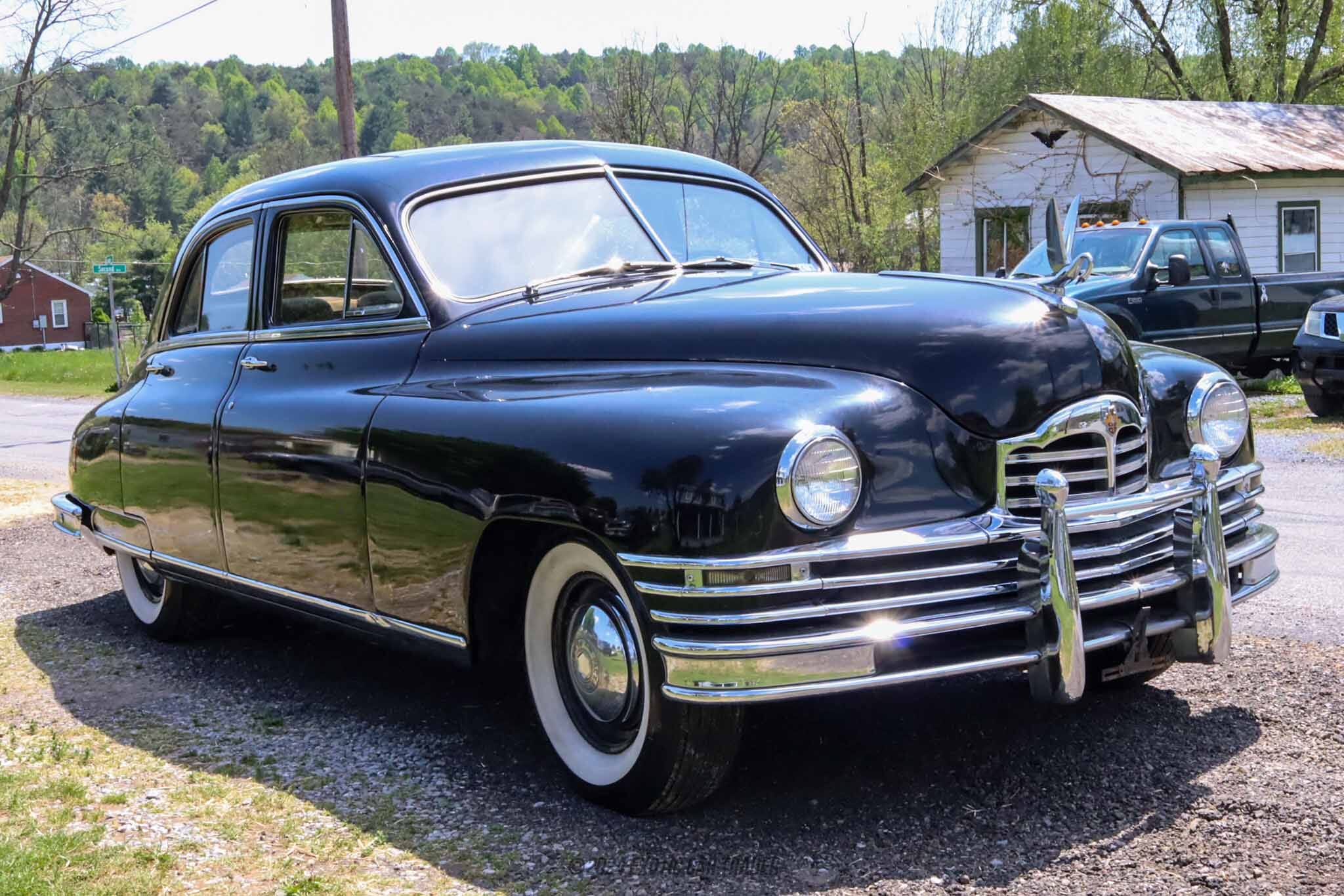
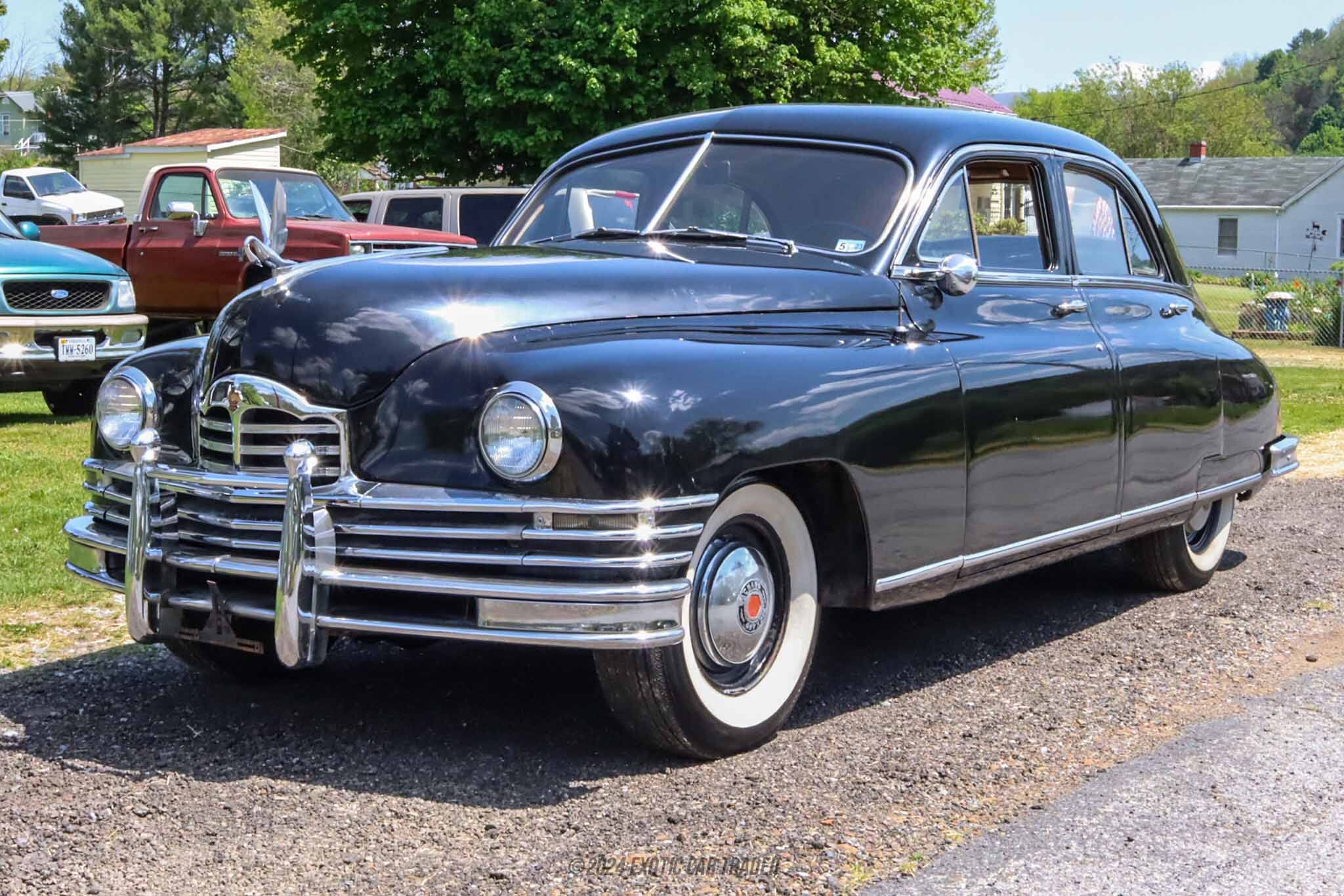
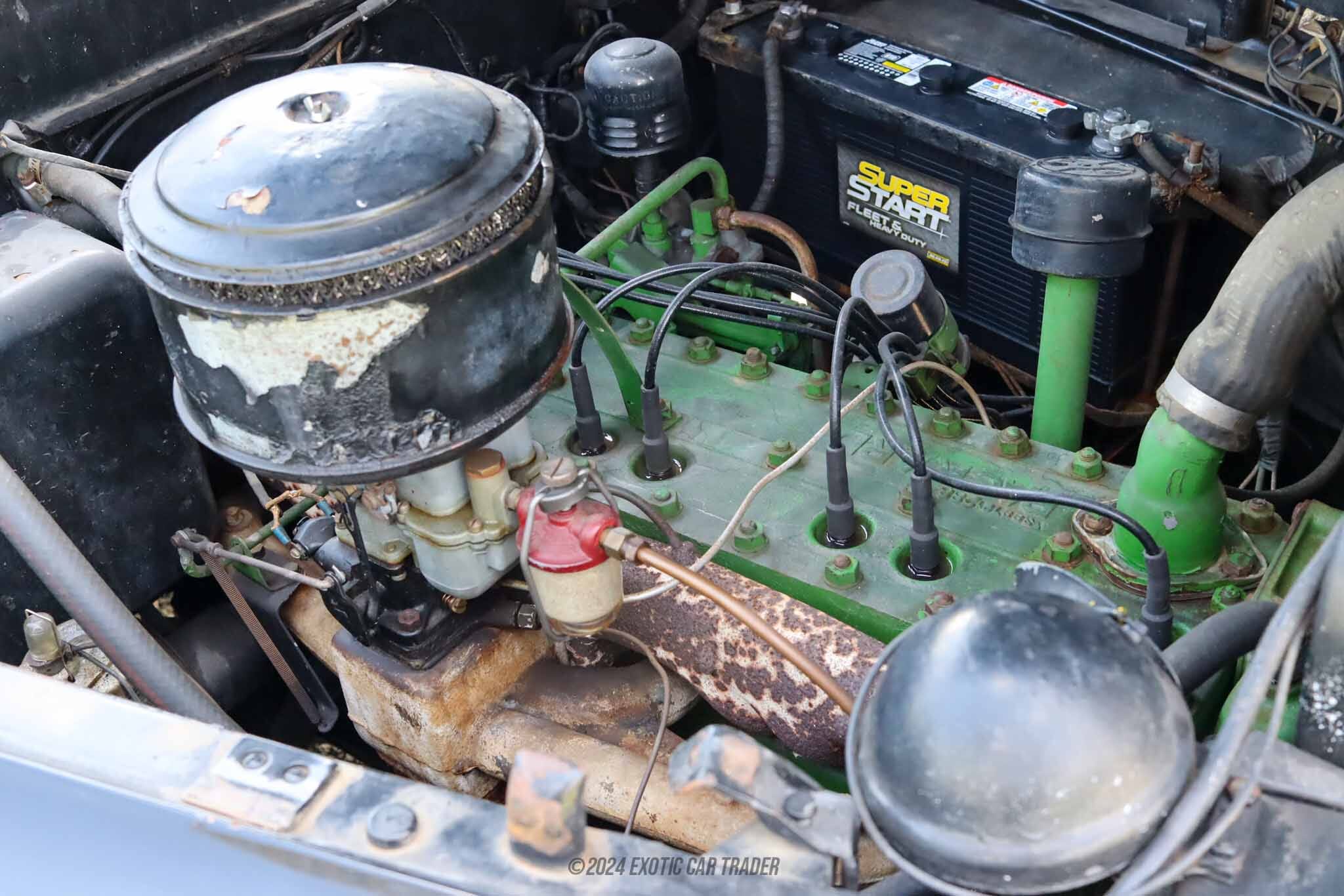
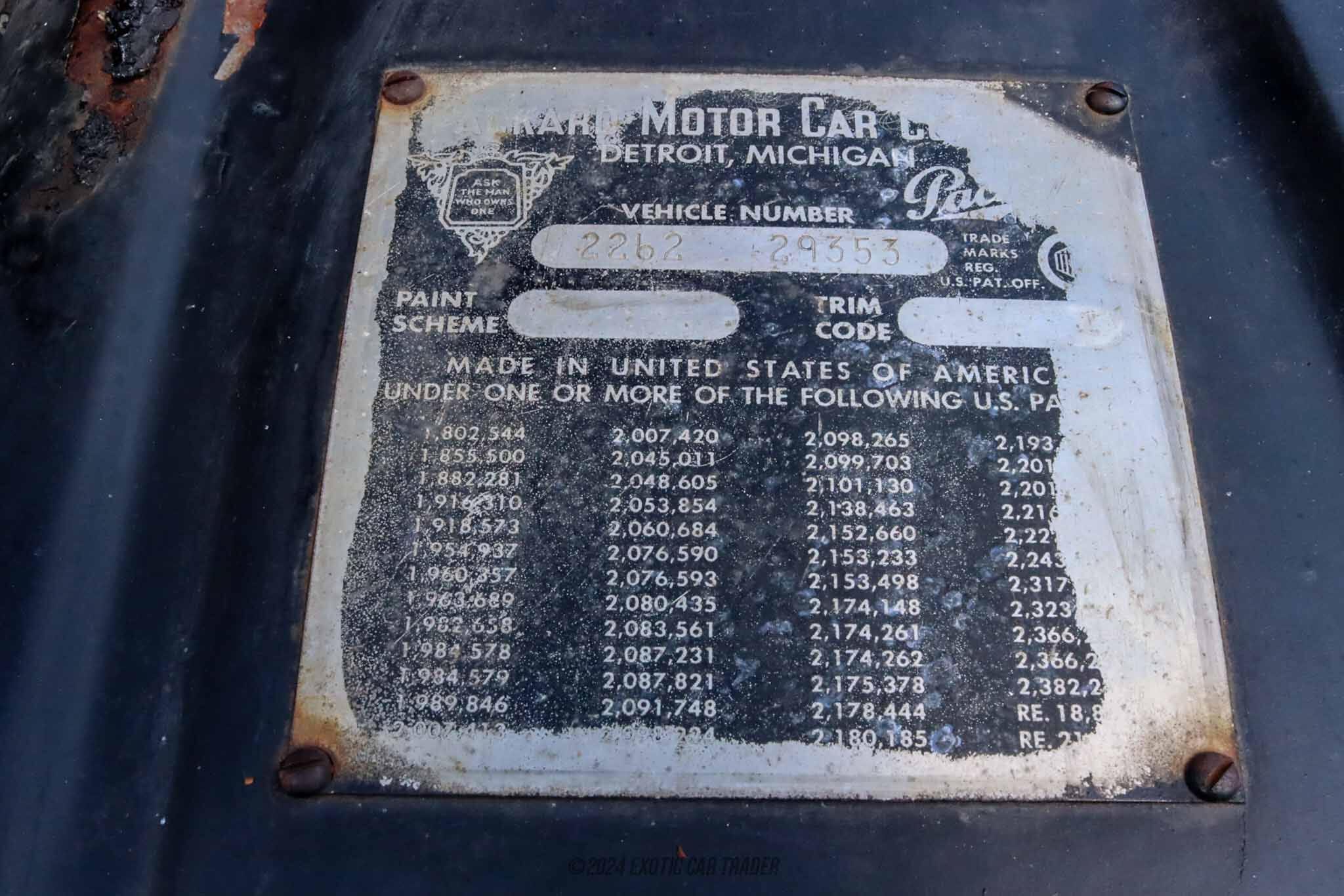
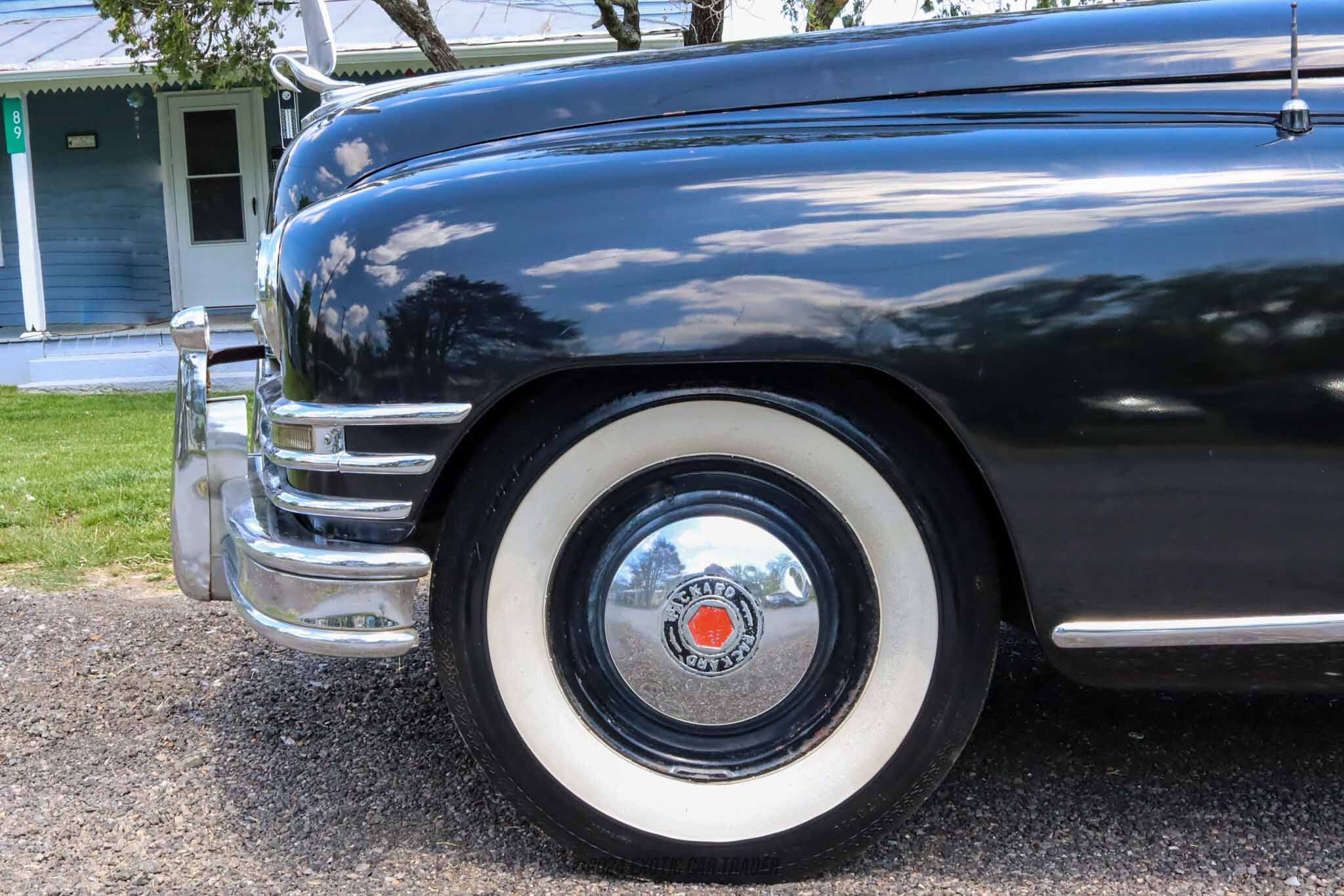
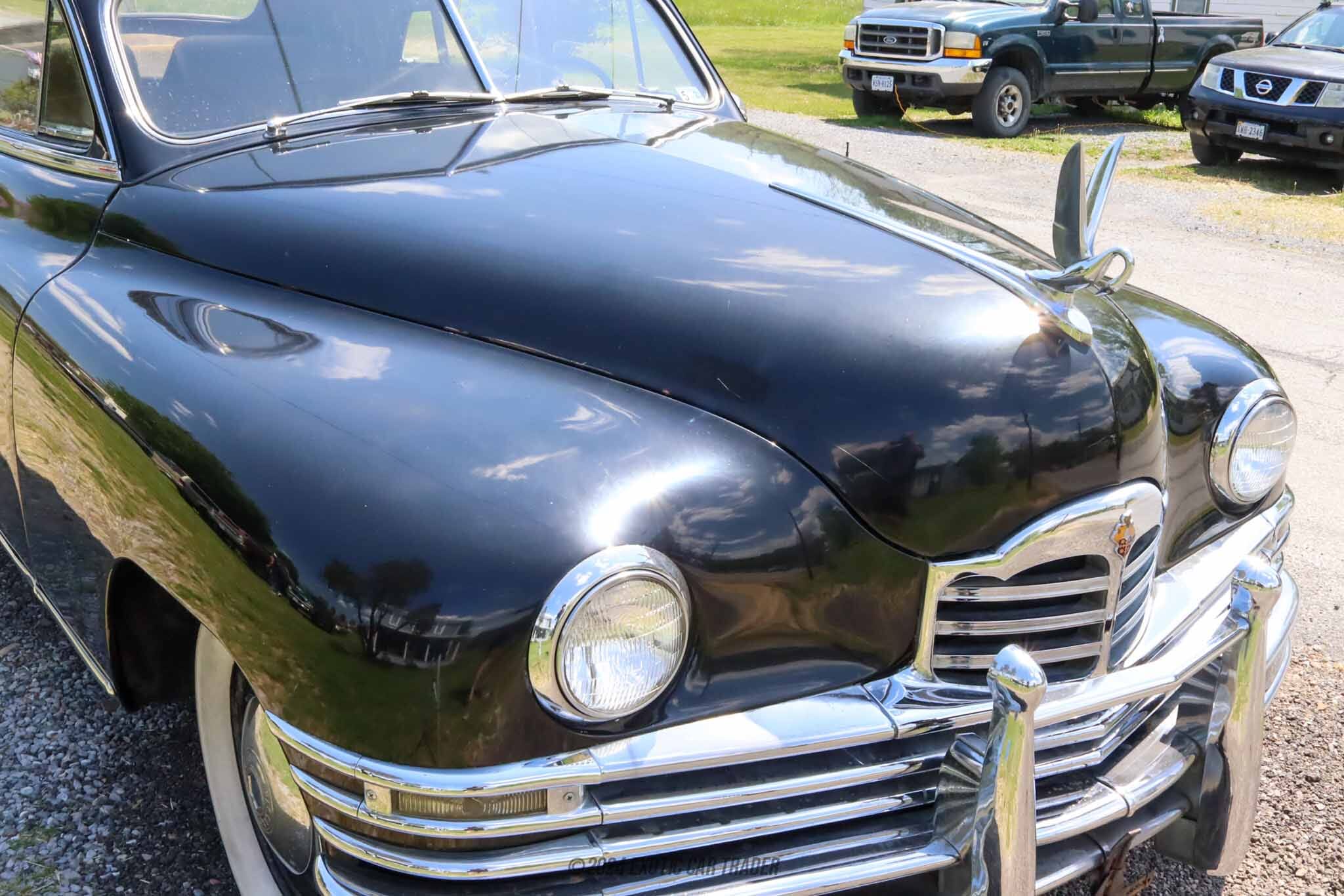
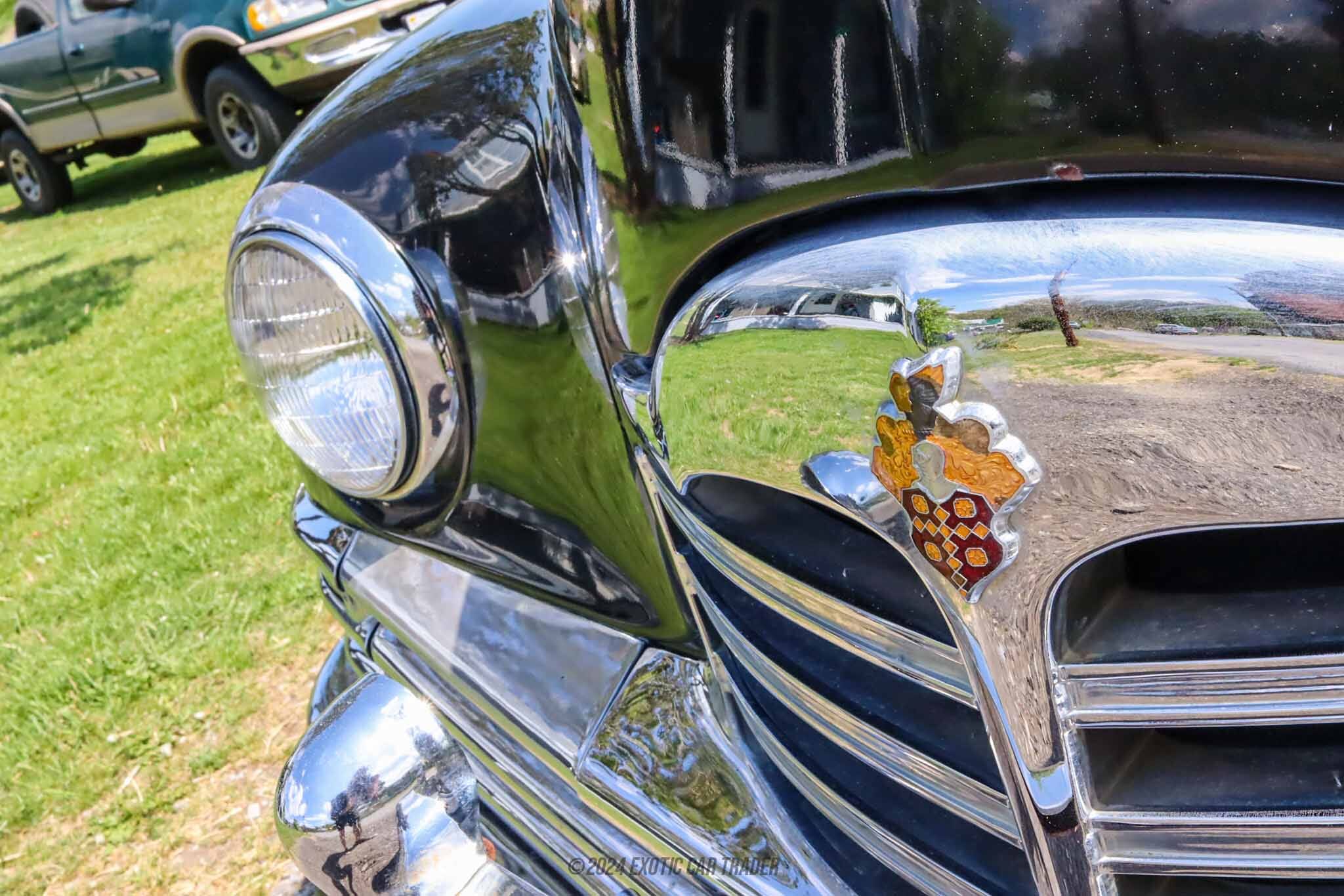
Back in the golden age of motoring, driving a Packard told the world that you were a discerning driver. The company was known for its luxurious offerings. Before the war, they had competed with Cadillac for being known as the pinnacle of American luxury. The Packard name has long stood for quality and luxury, with the company carving out a niche for themselves in the upmarket car game. This 1948 Packard DeLuxe Eight Sedan was part of the Packard lineup during the post-World War II era. The Sedan featured a streamlined design language typical of other luxury sedans of the era. Inside, there was copious space, with rear-seat comfort and luggage capacity two key design factors. Our featured car is powered by a 288ci inline-8 engine and is reported as an all-original example.
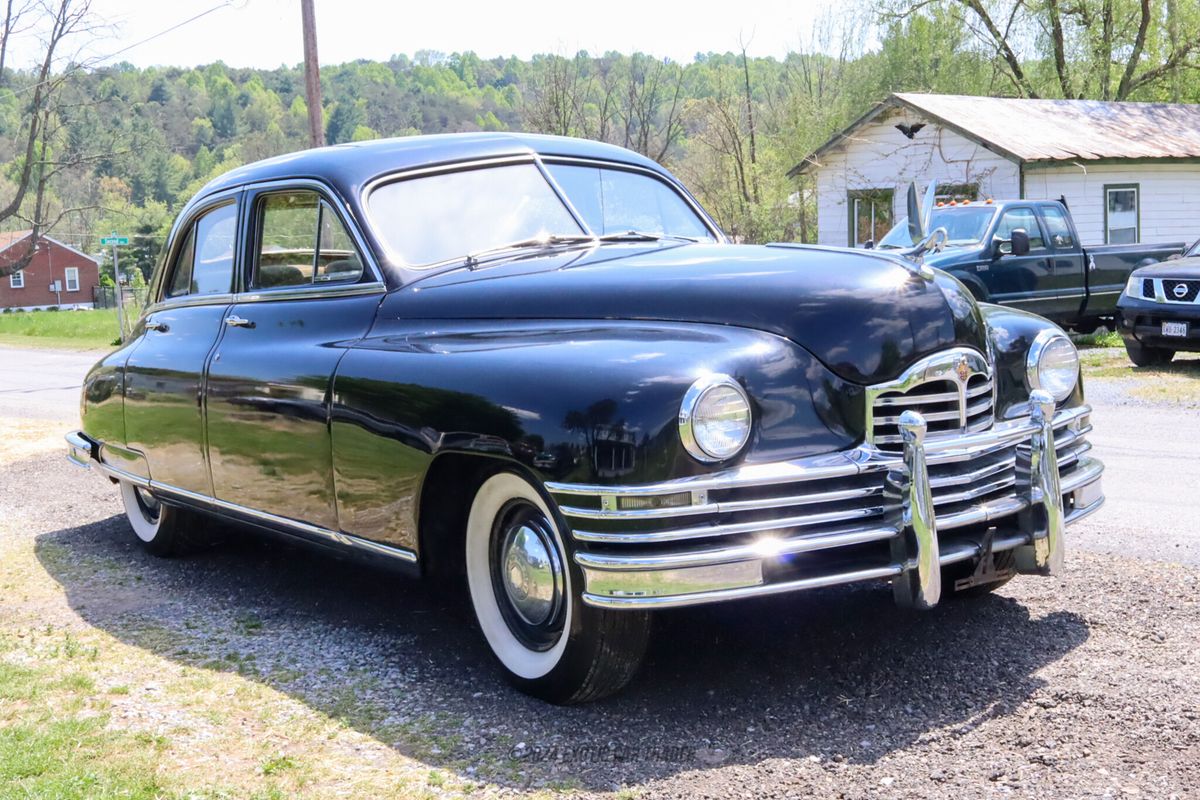
Exterior and Interior
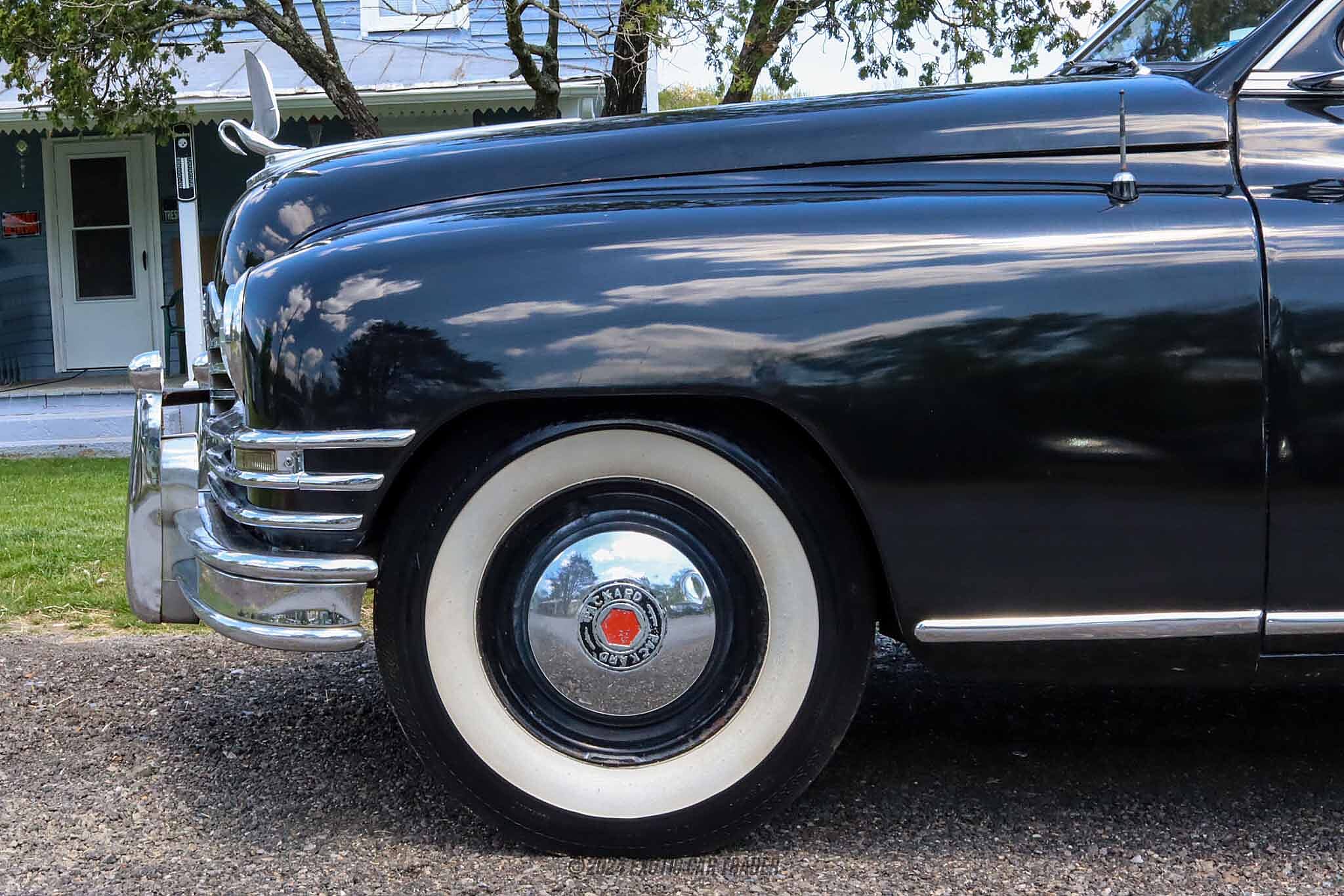
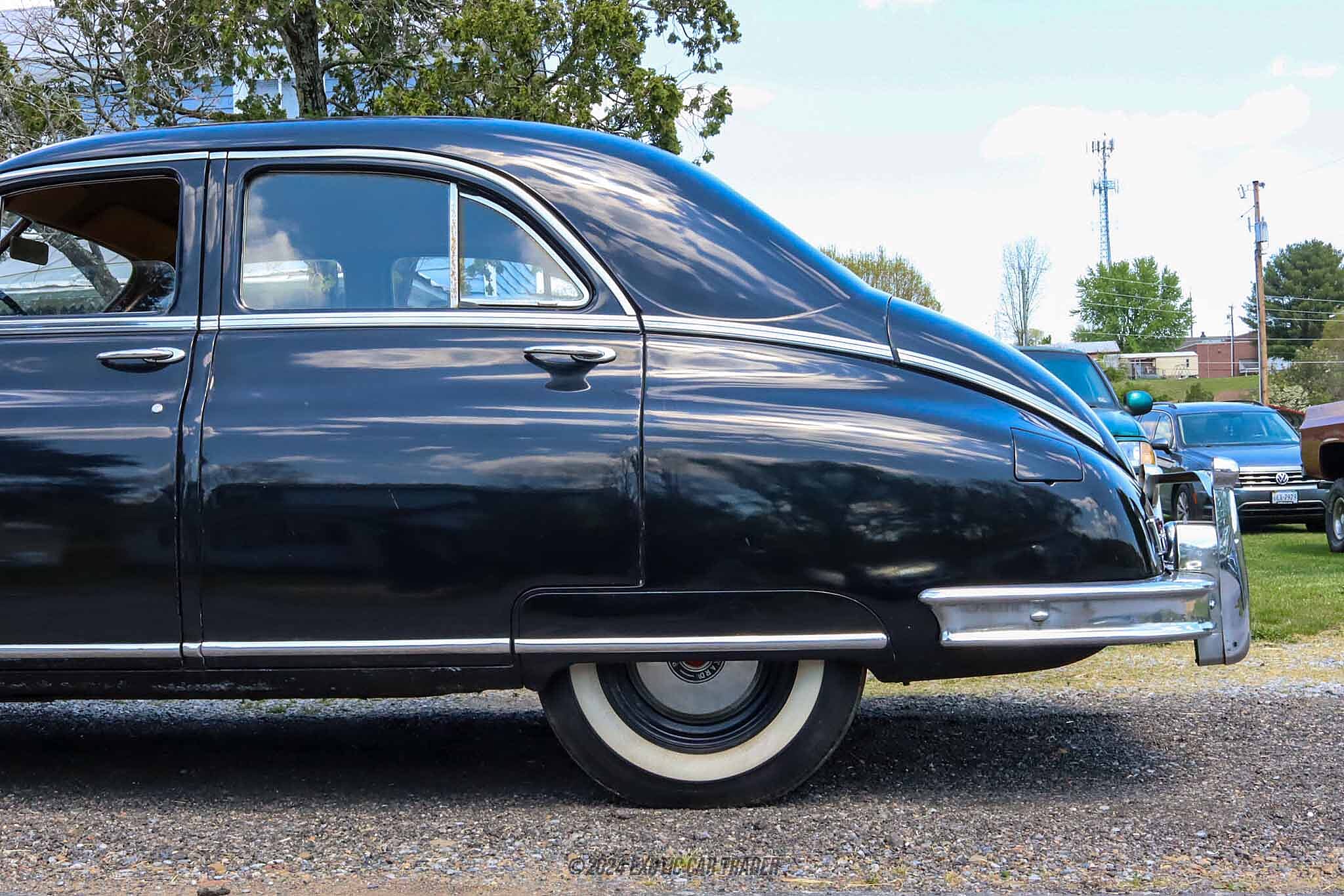
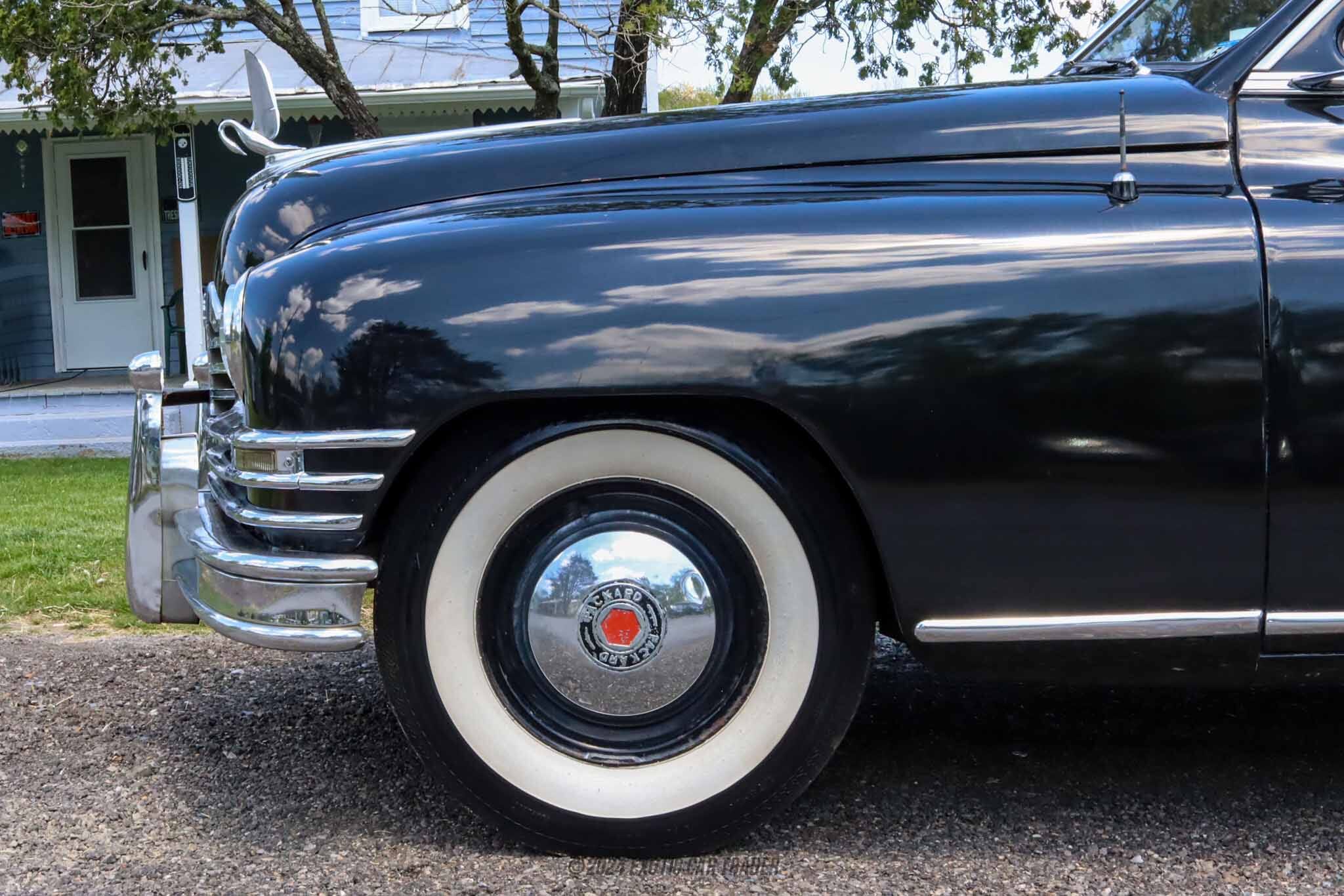
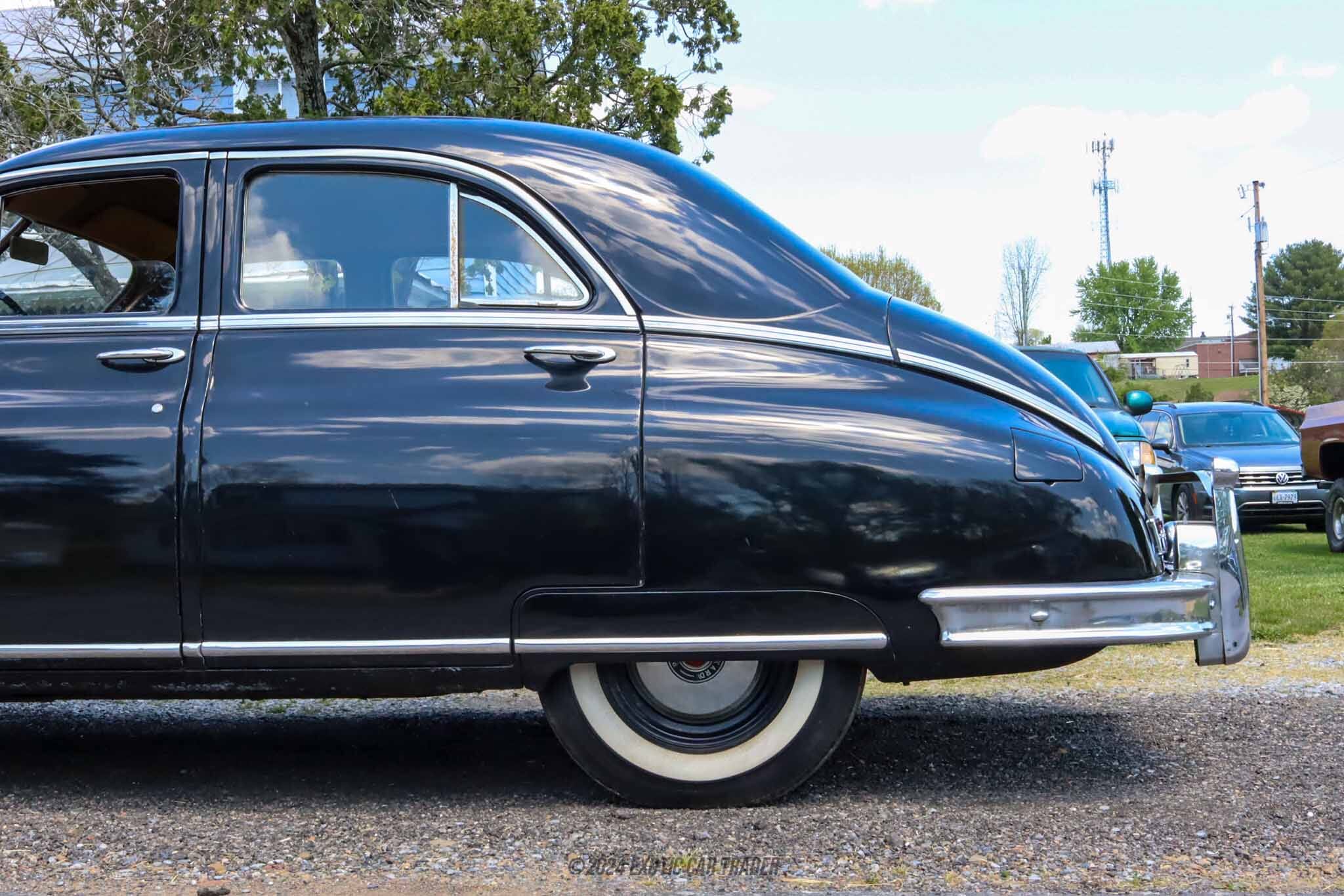
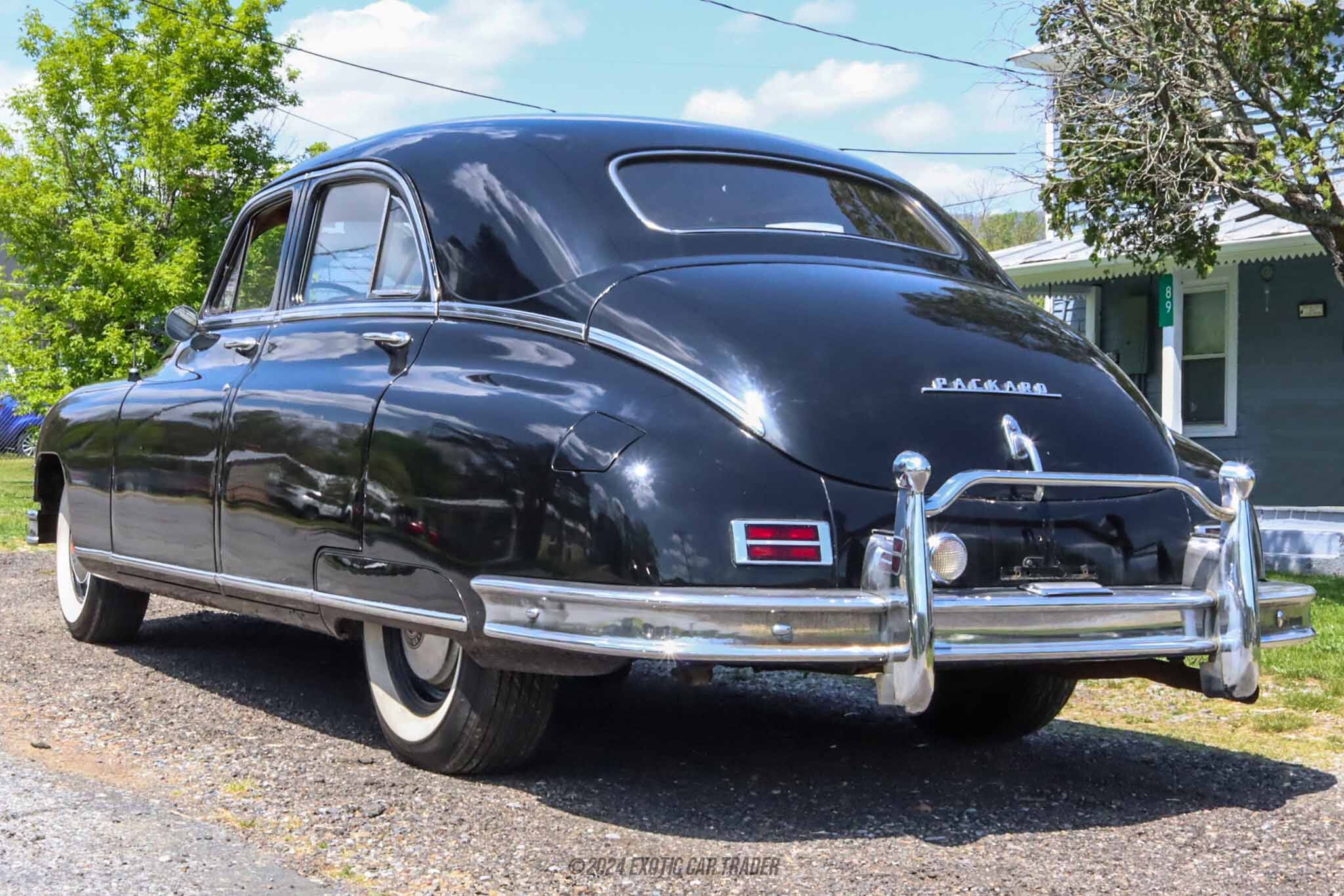
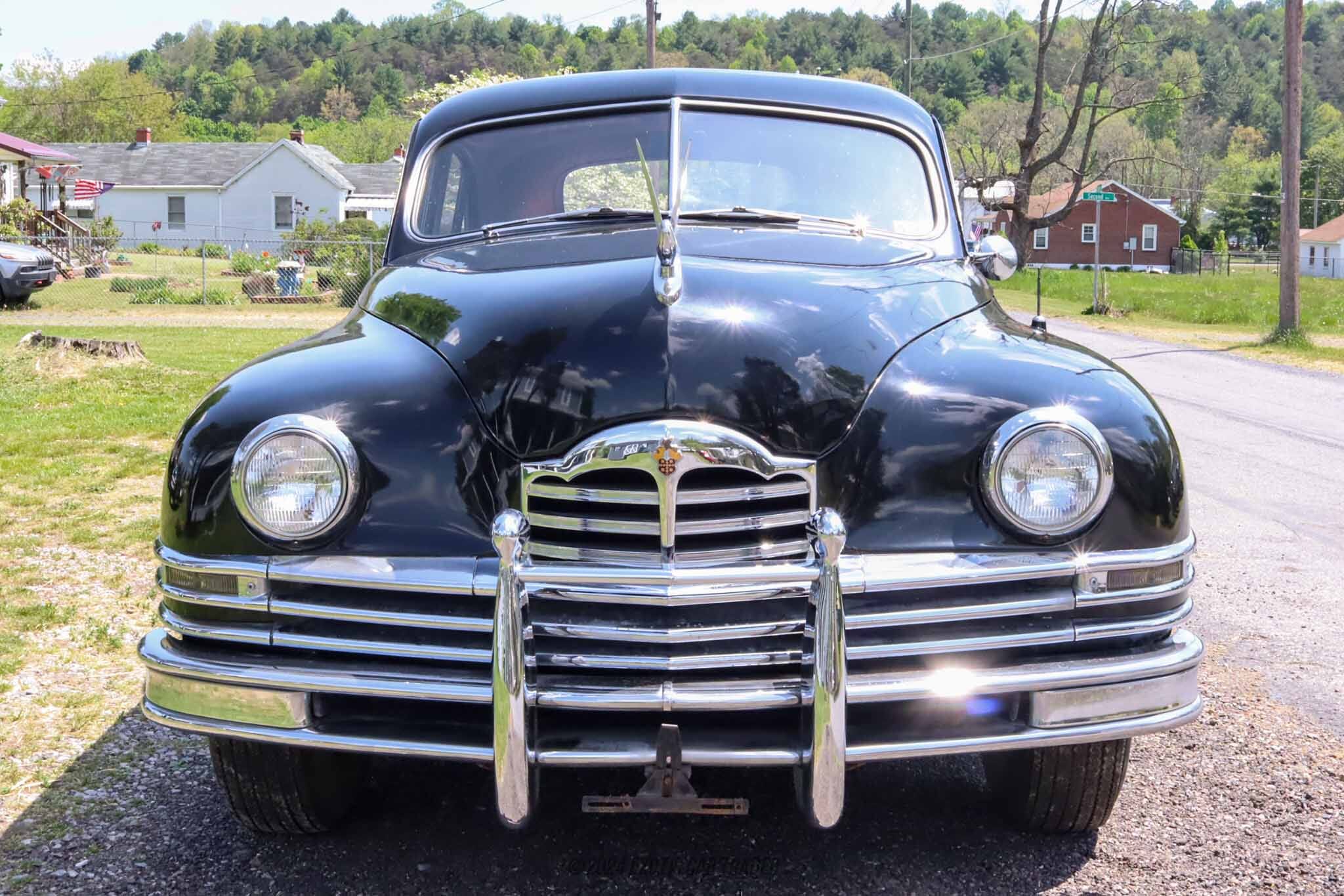
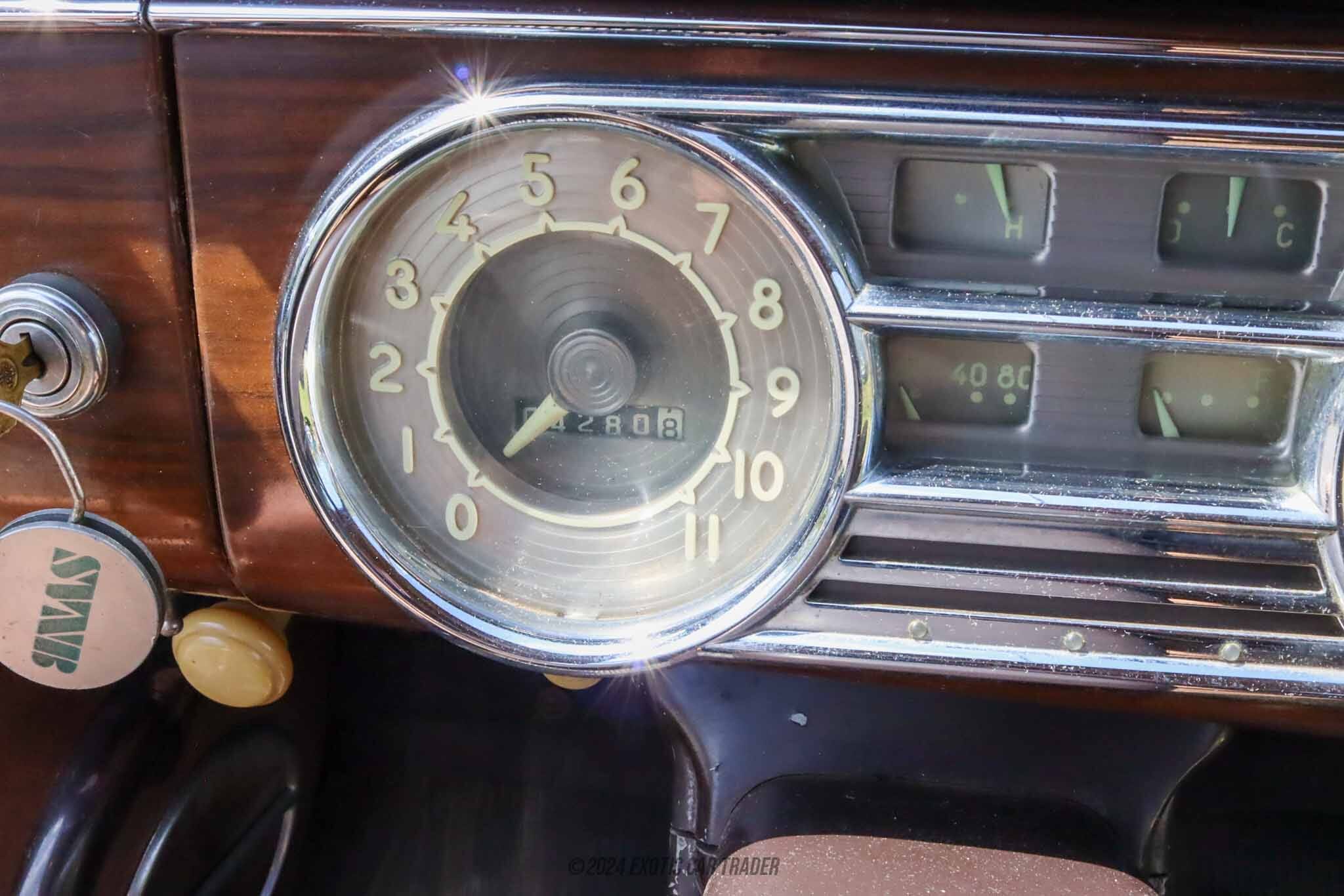
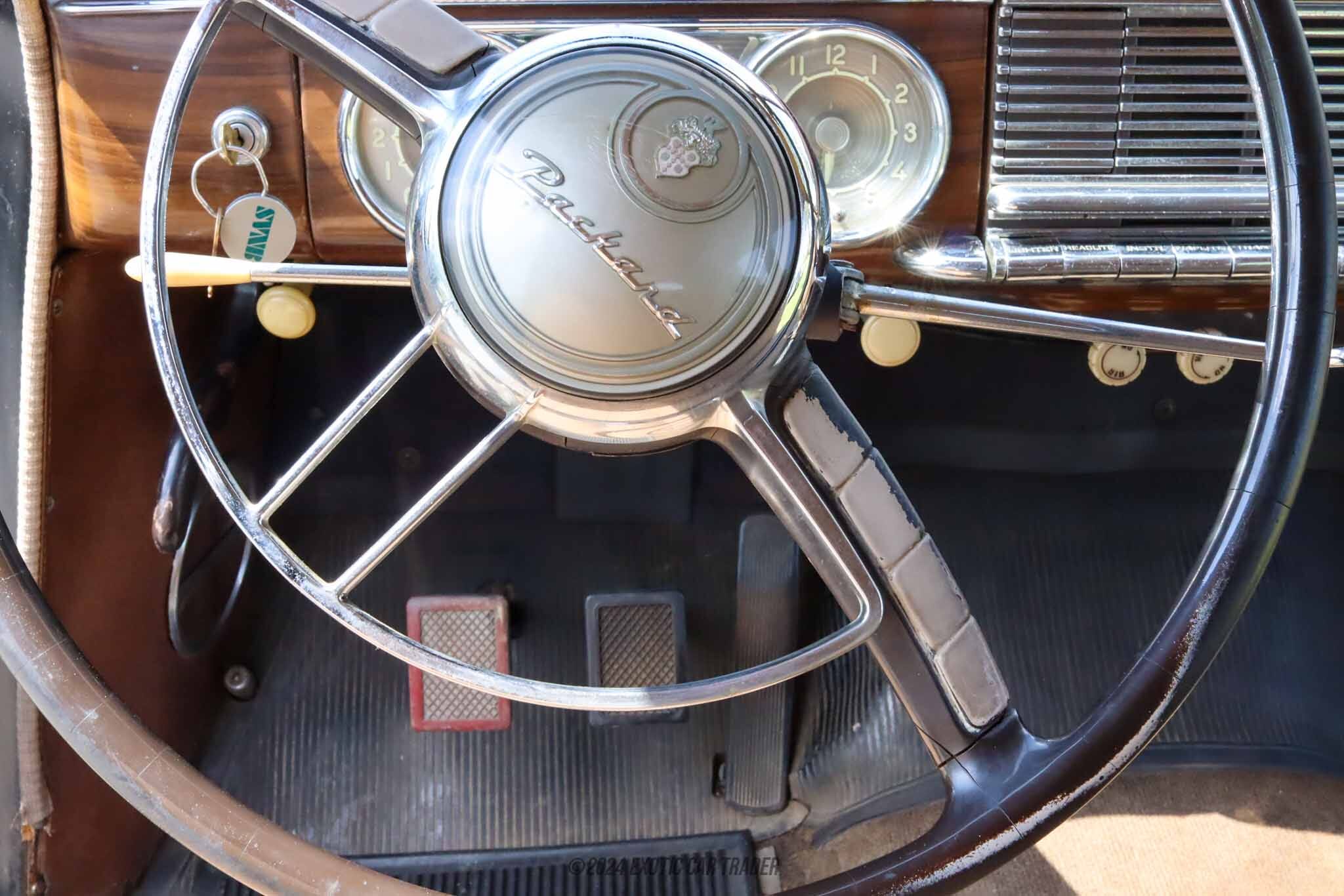
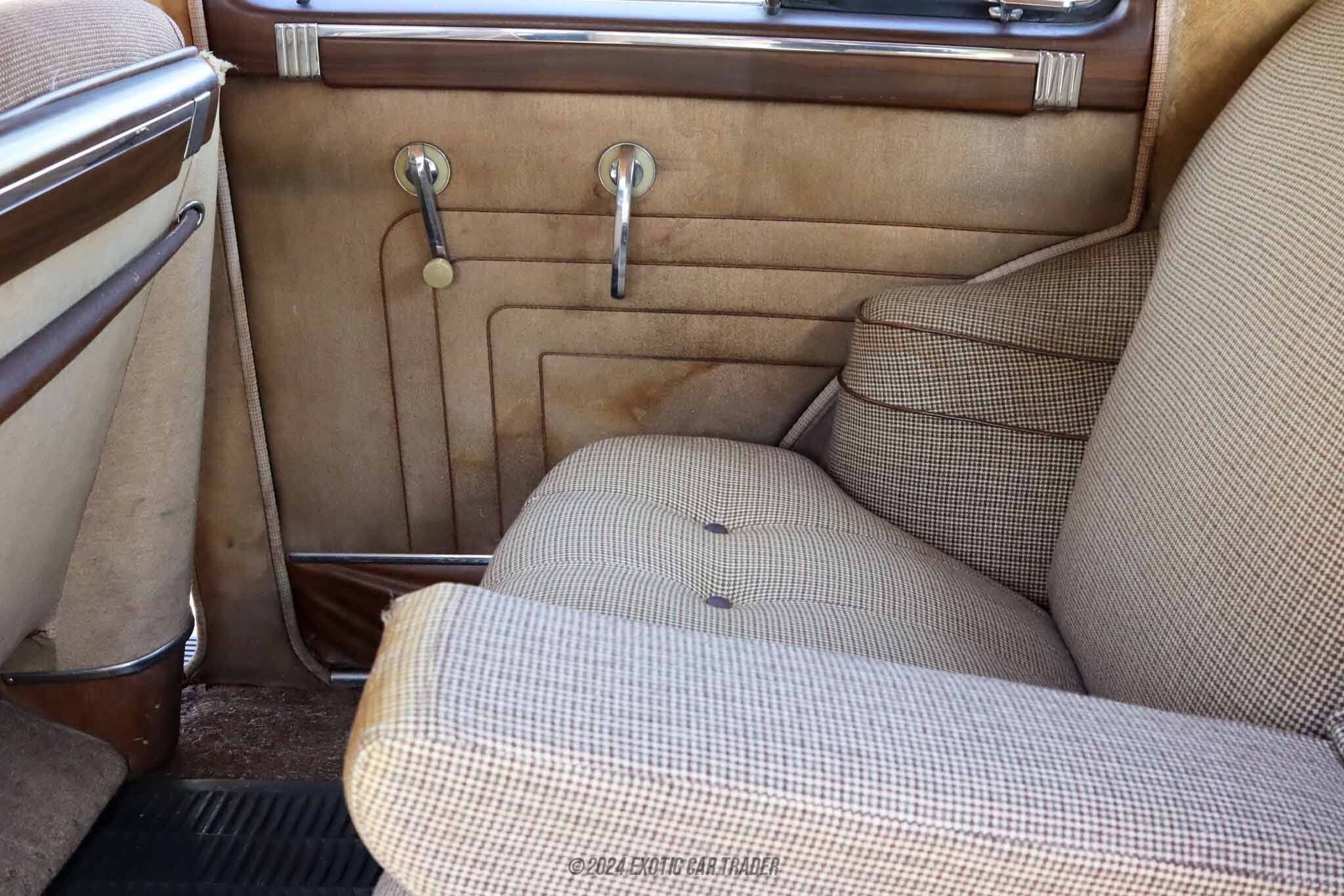
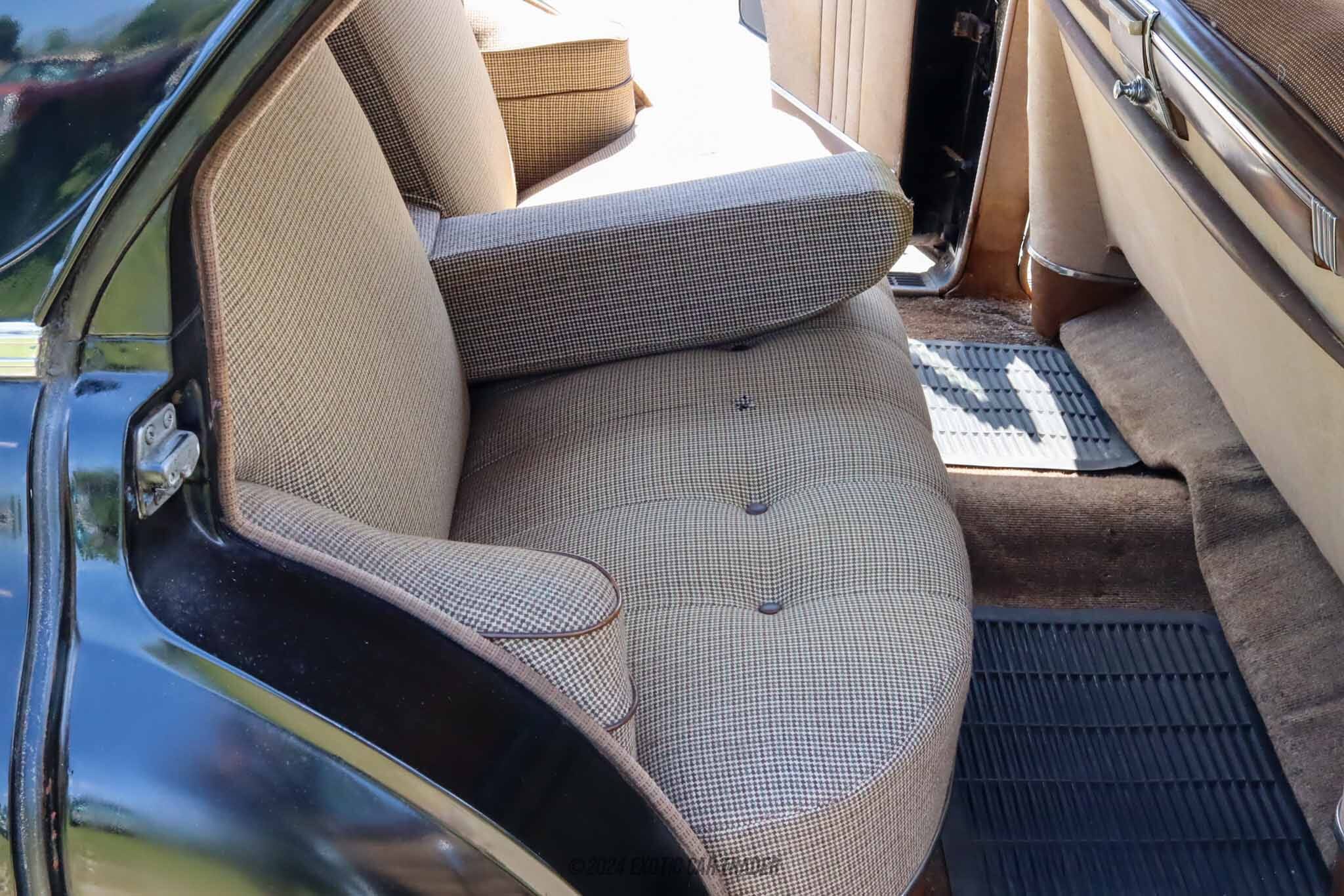
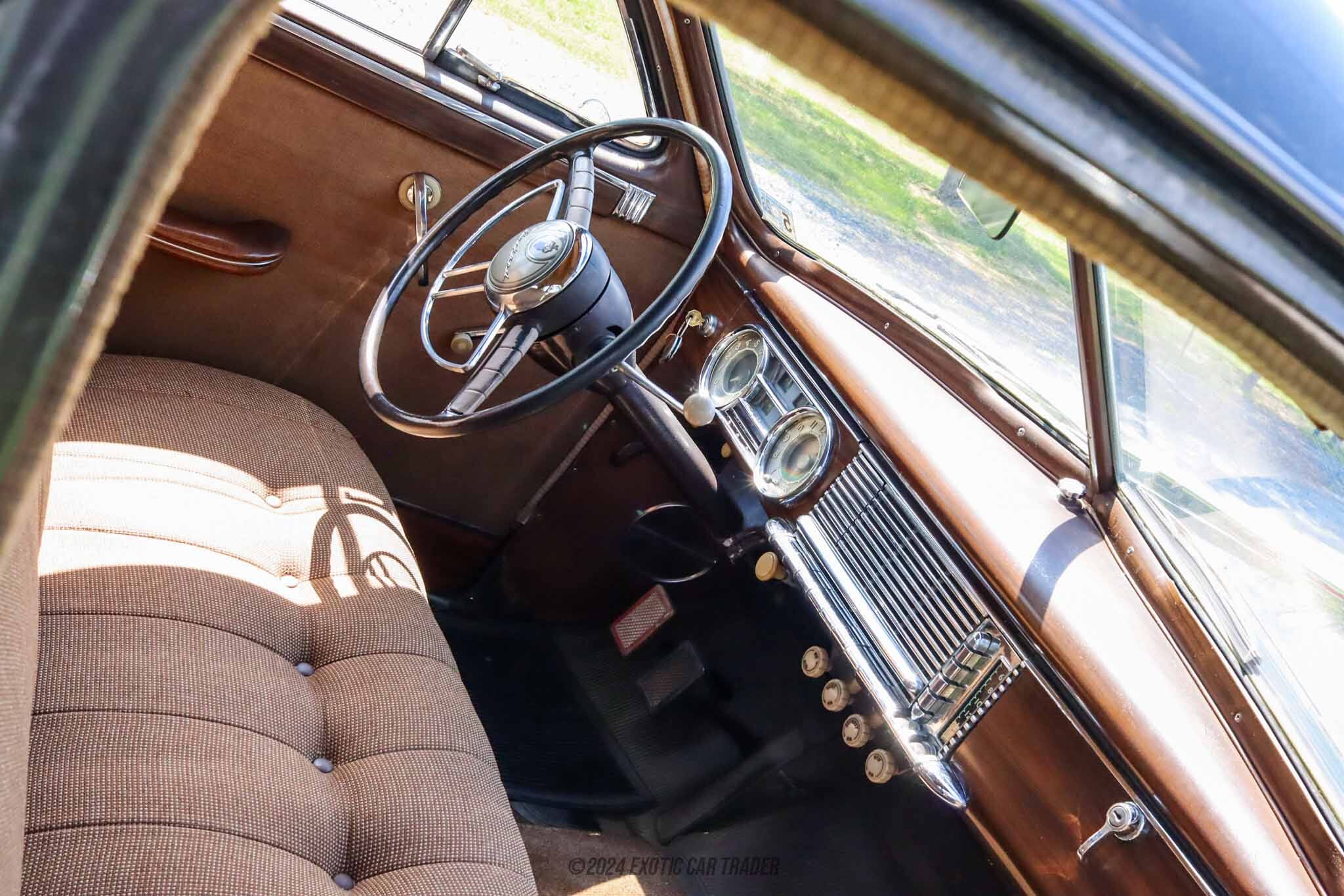
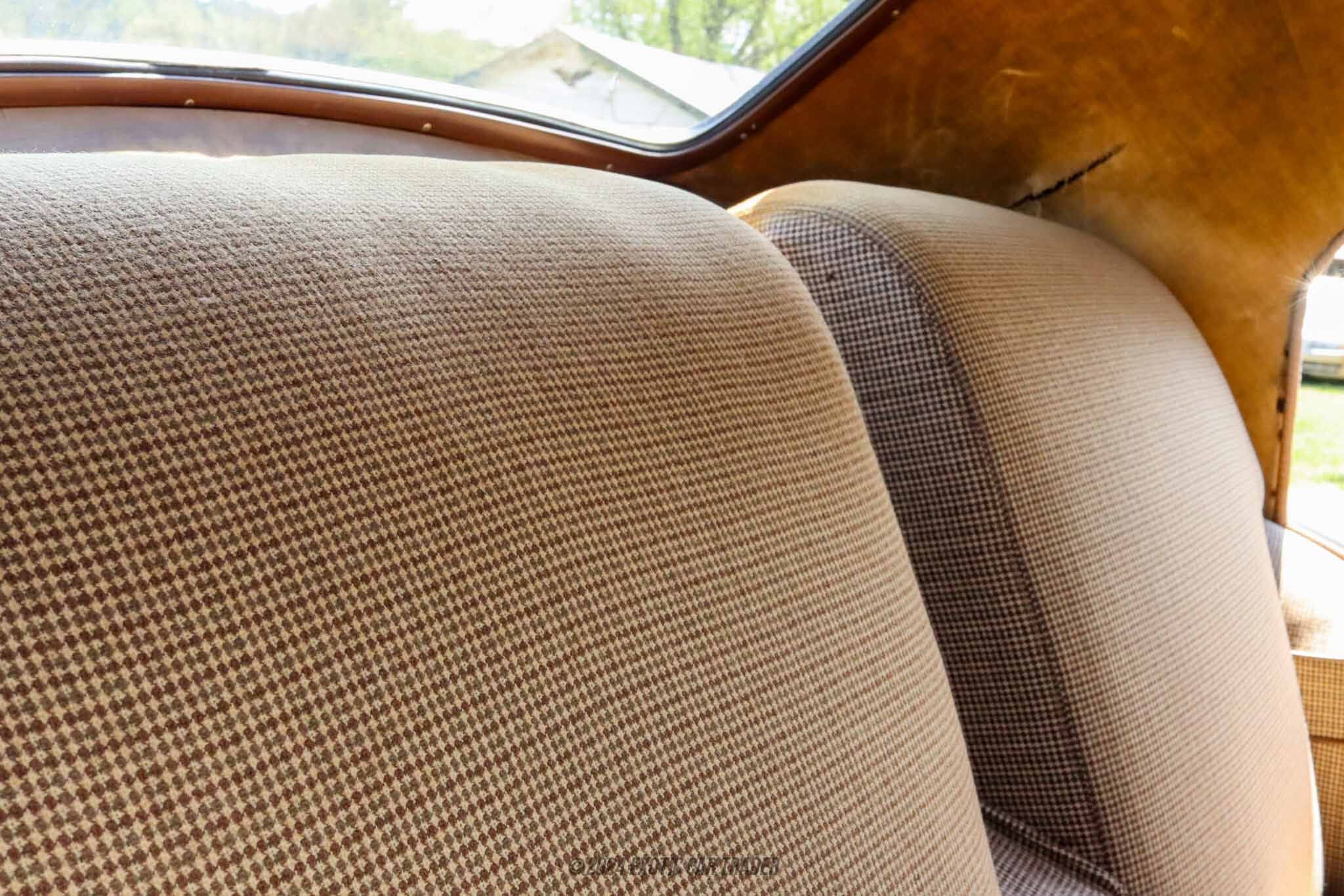
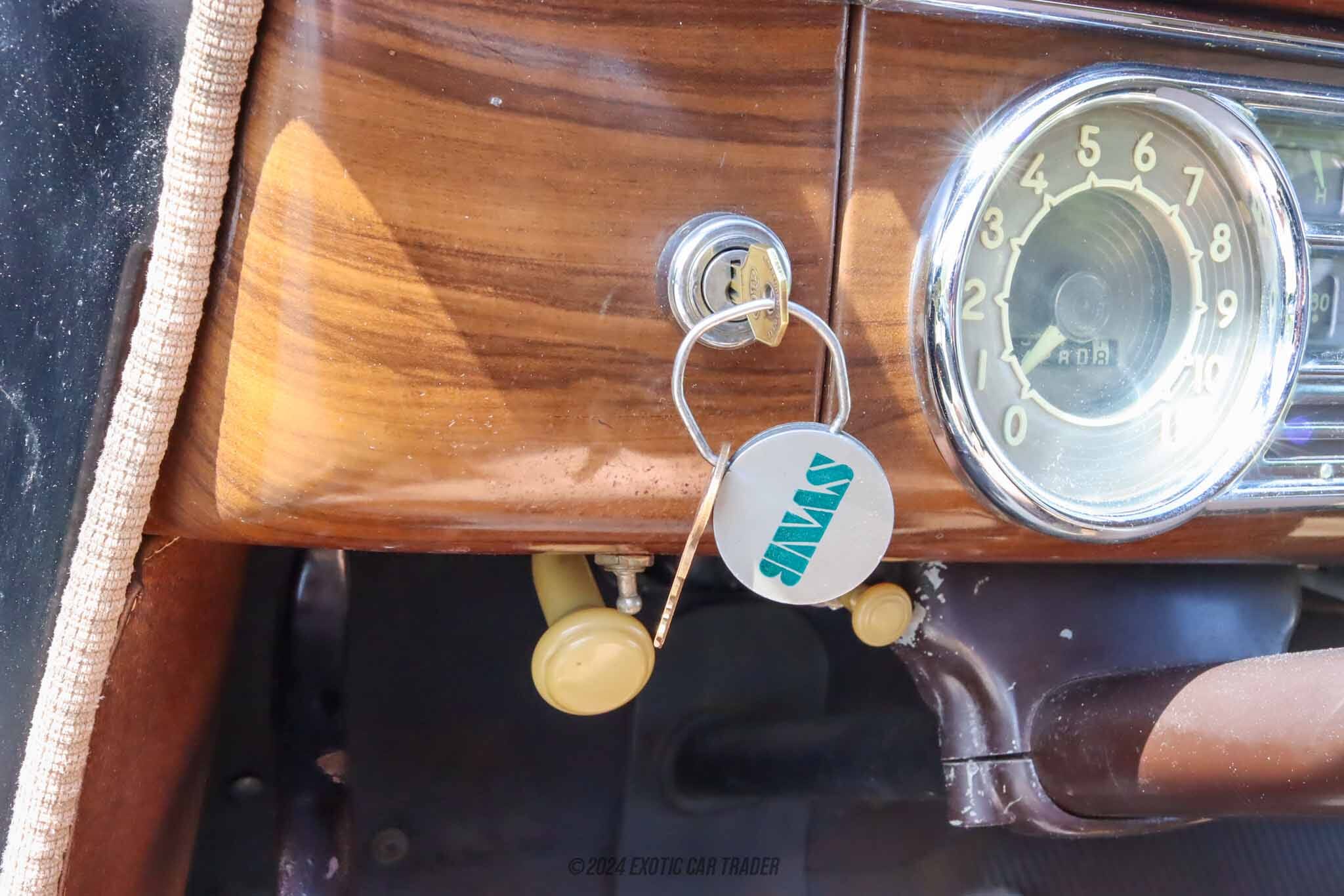
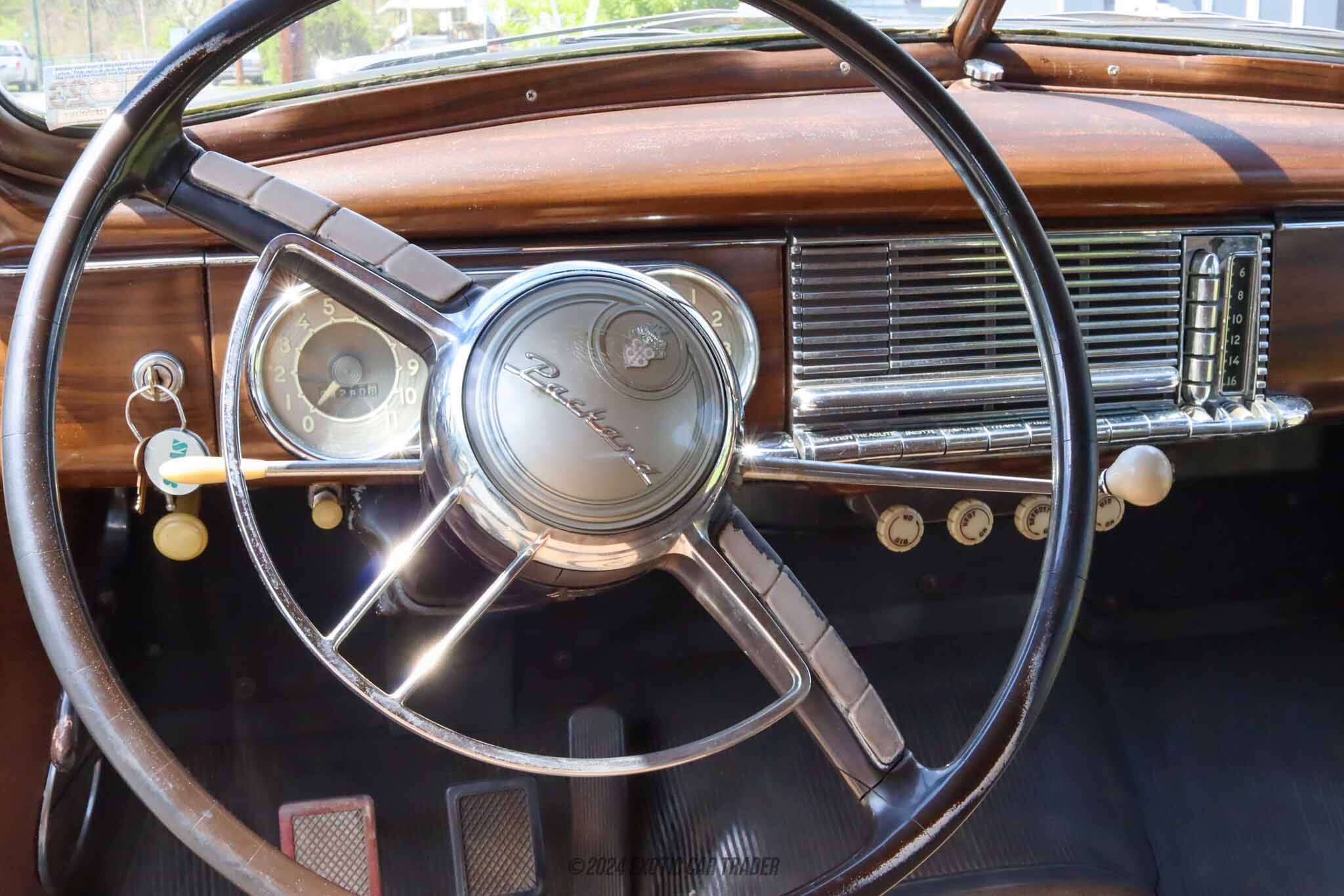
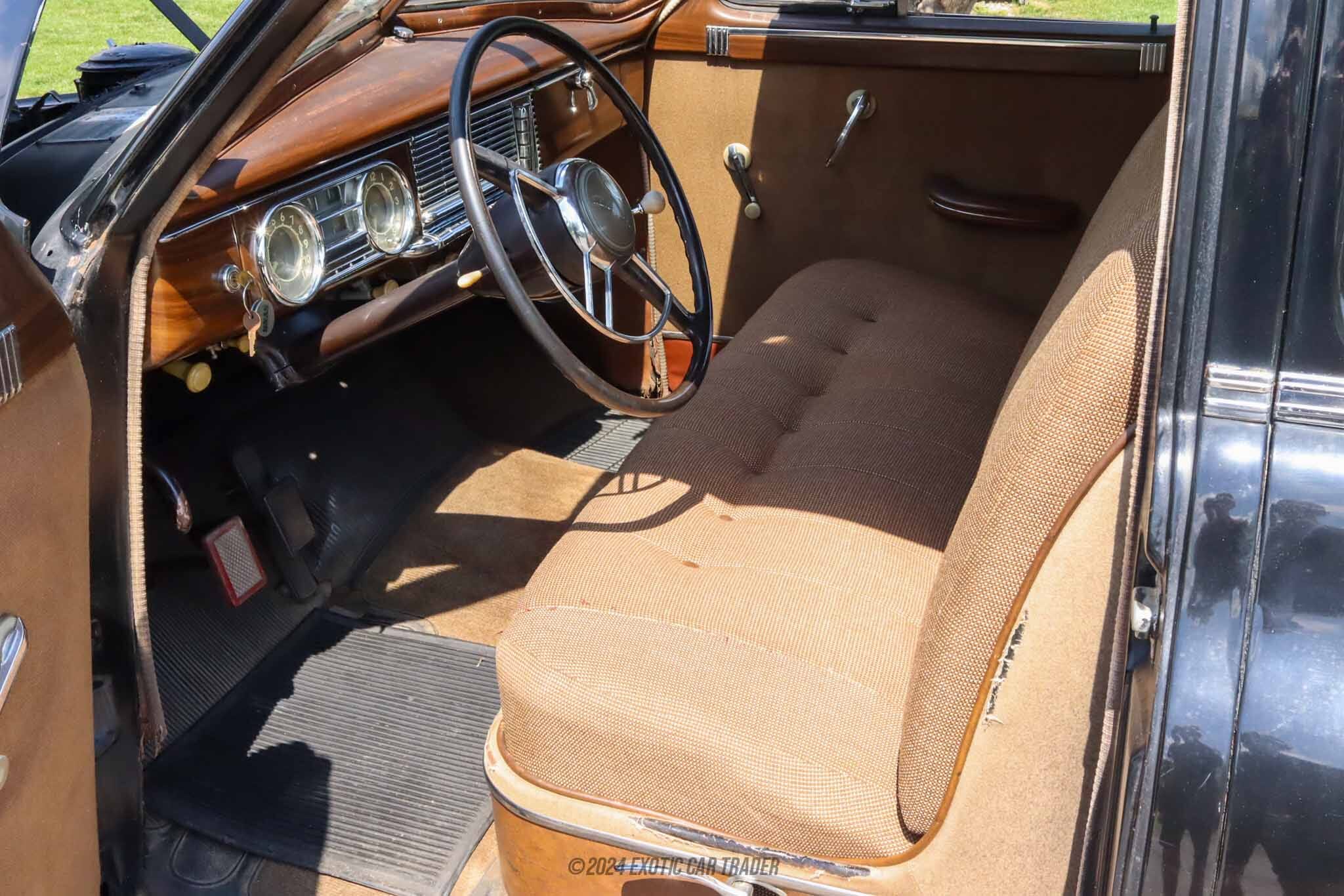
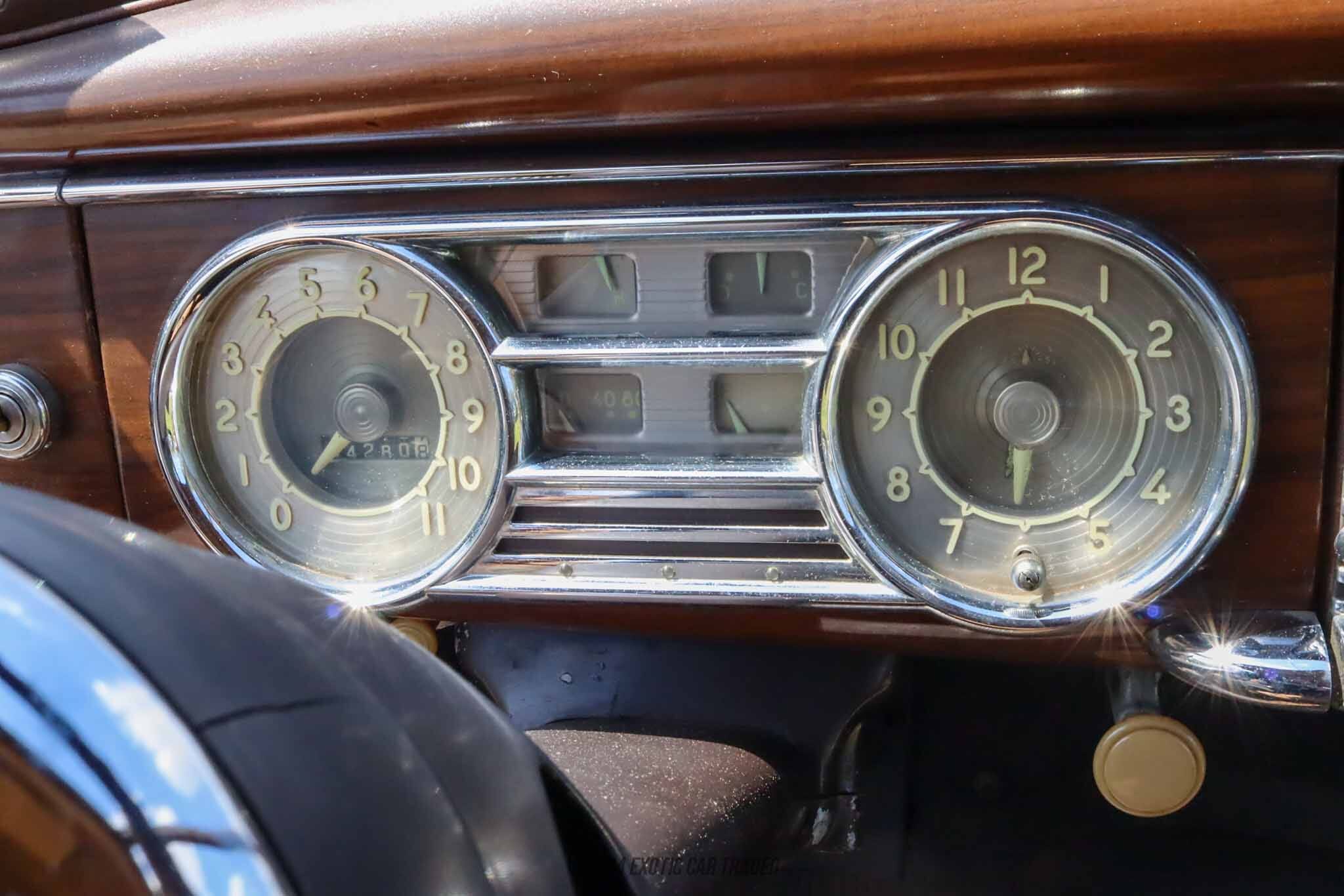
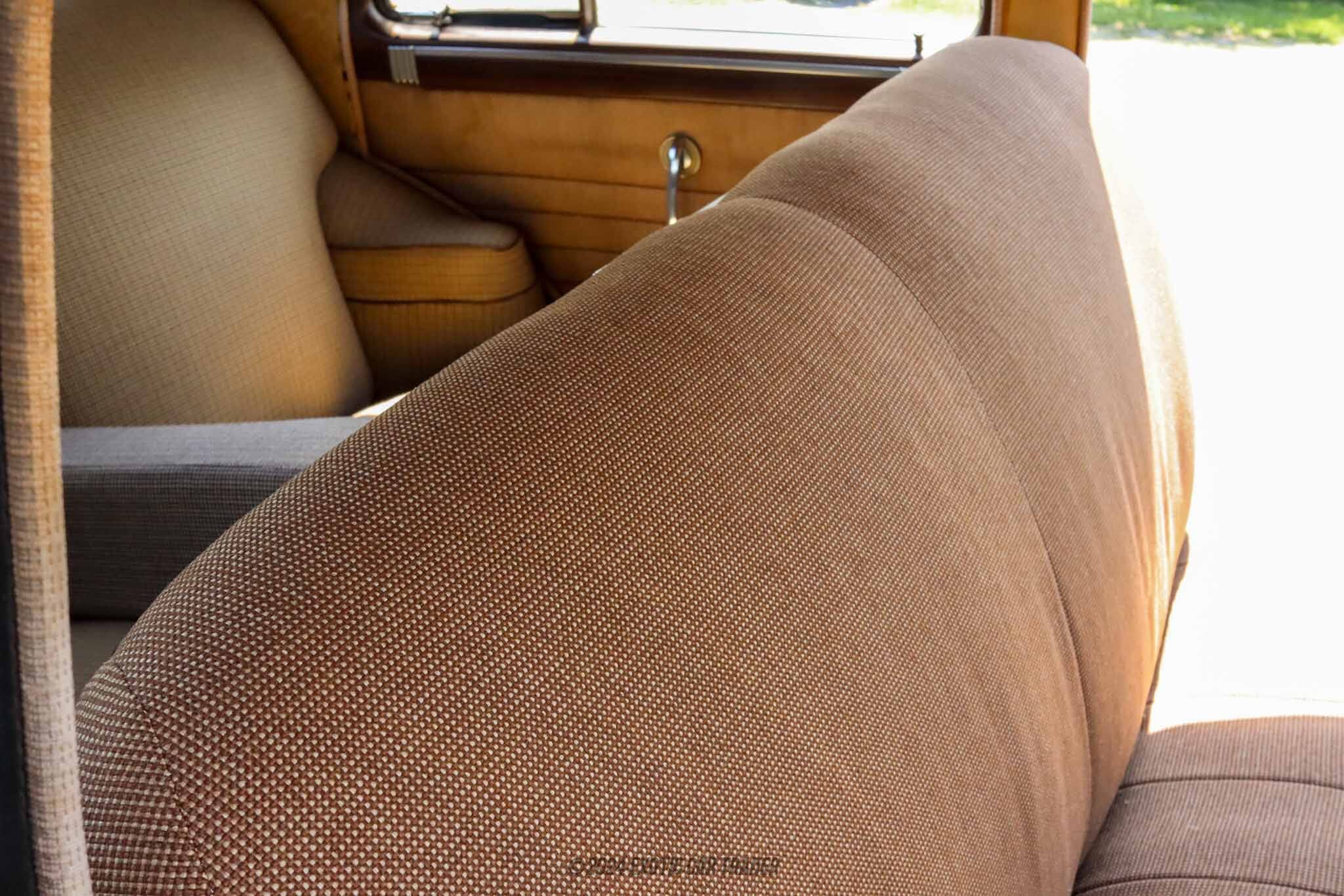
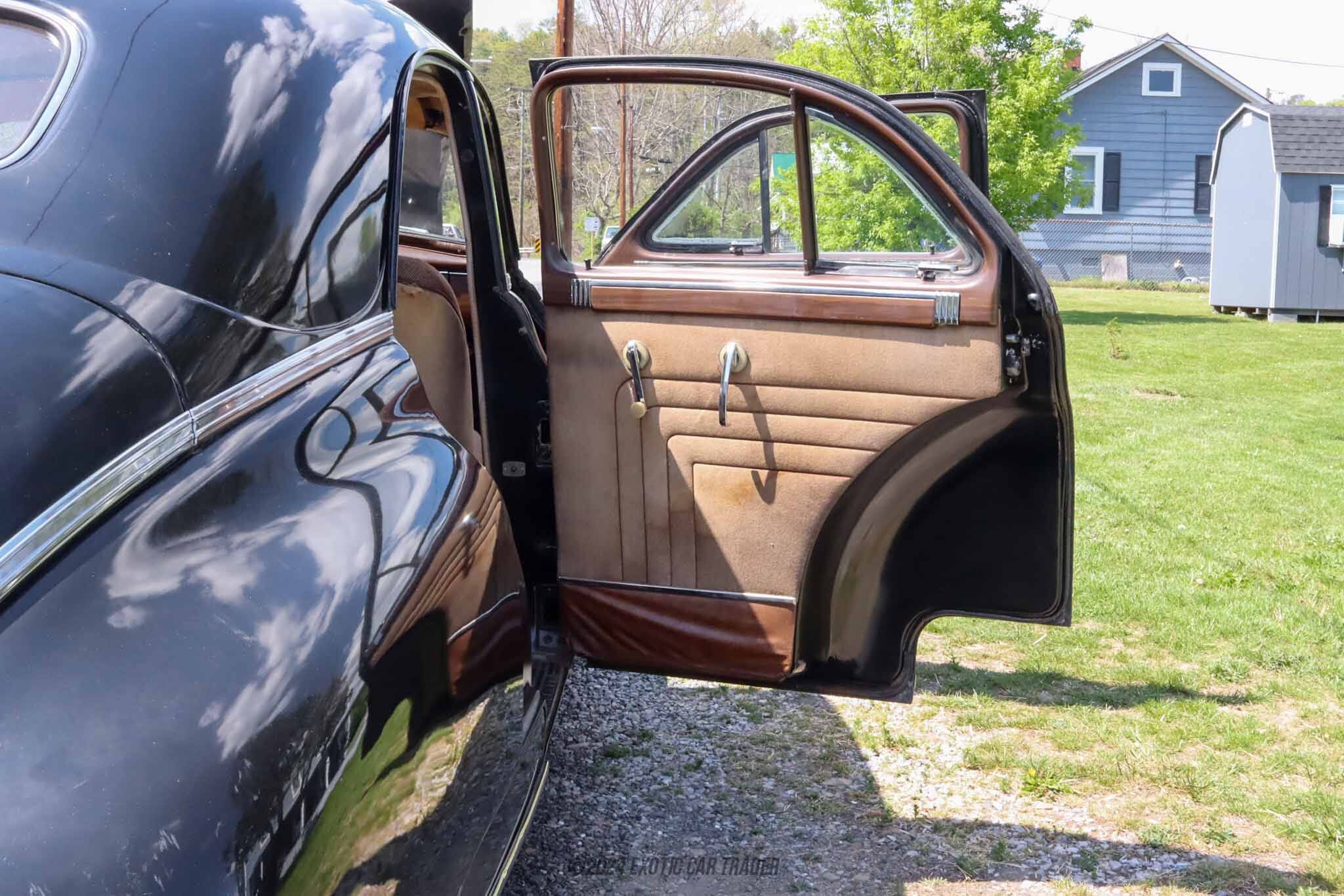
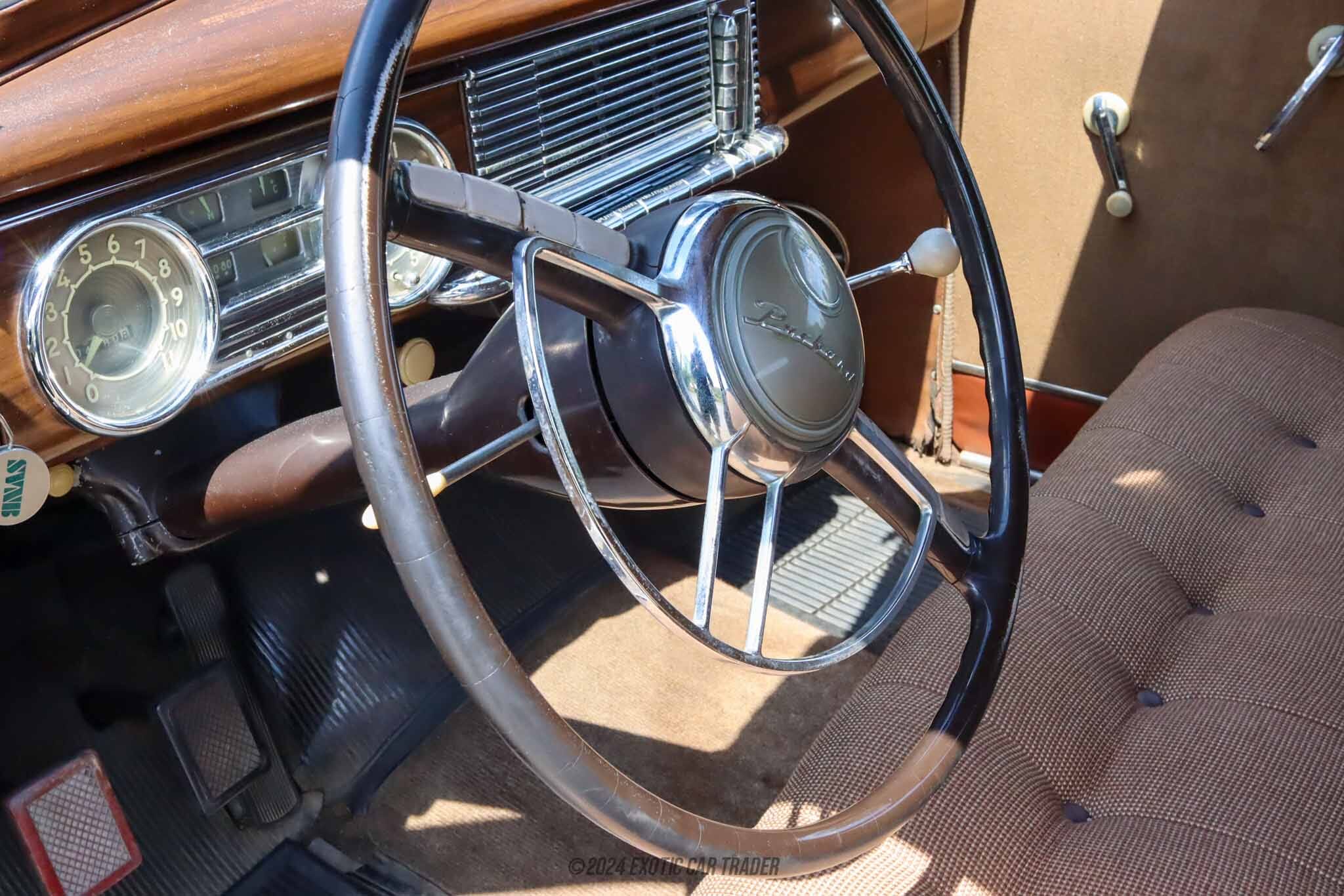
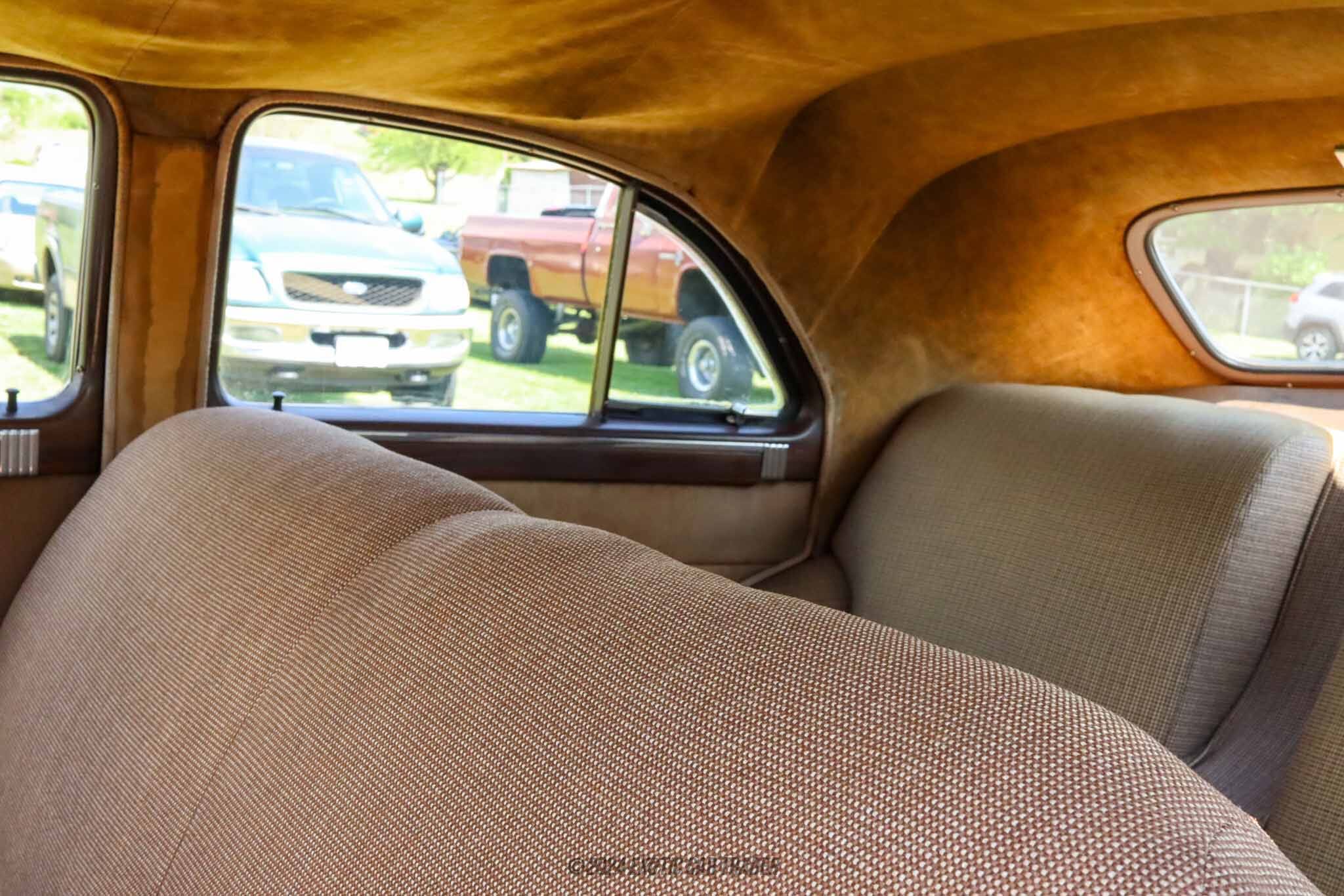
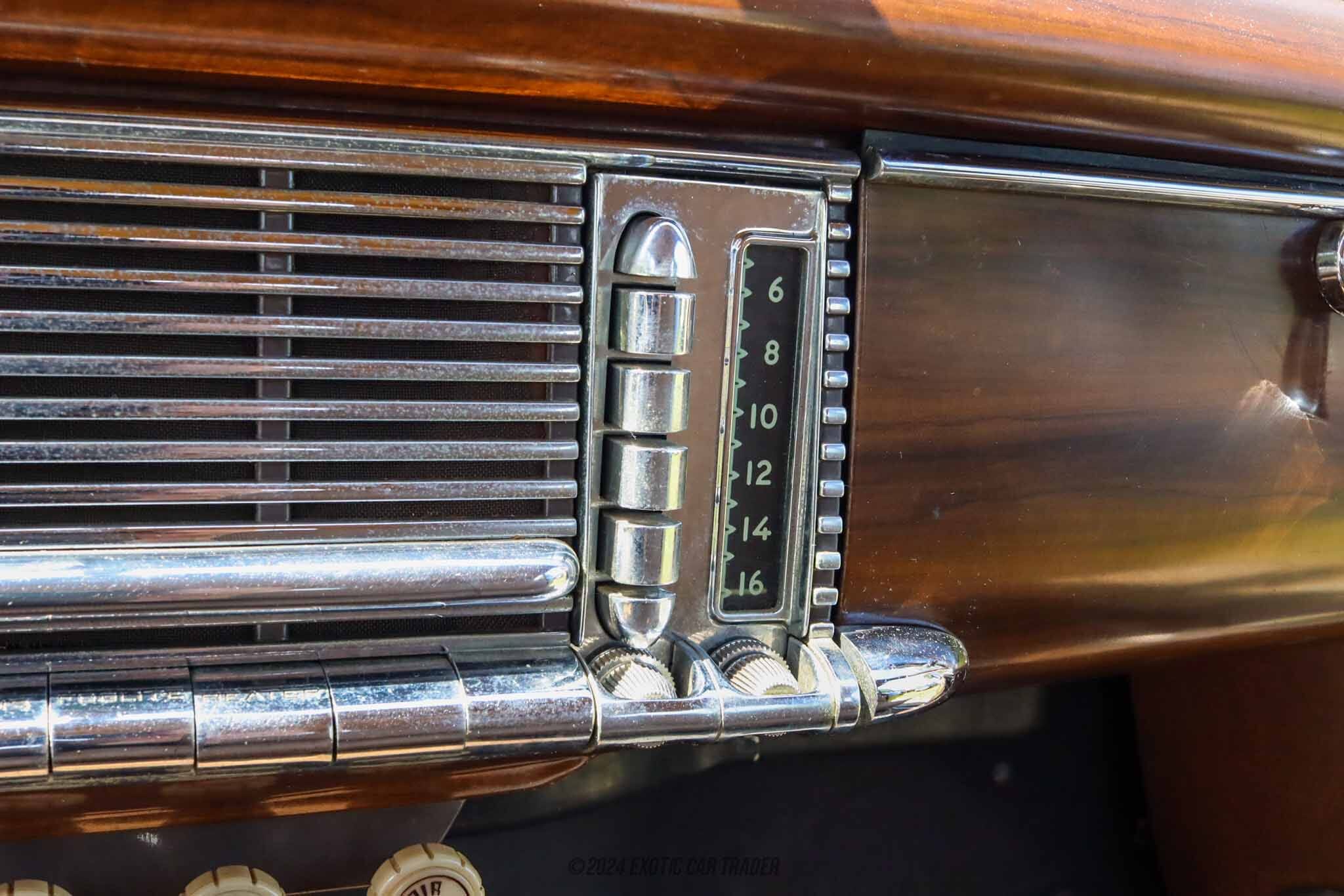
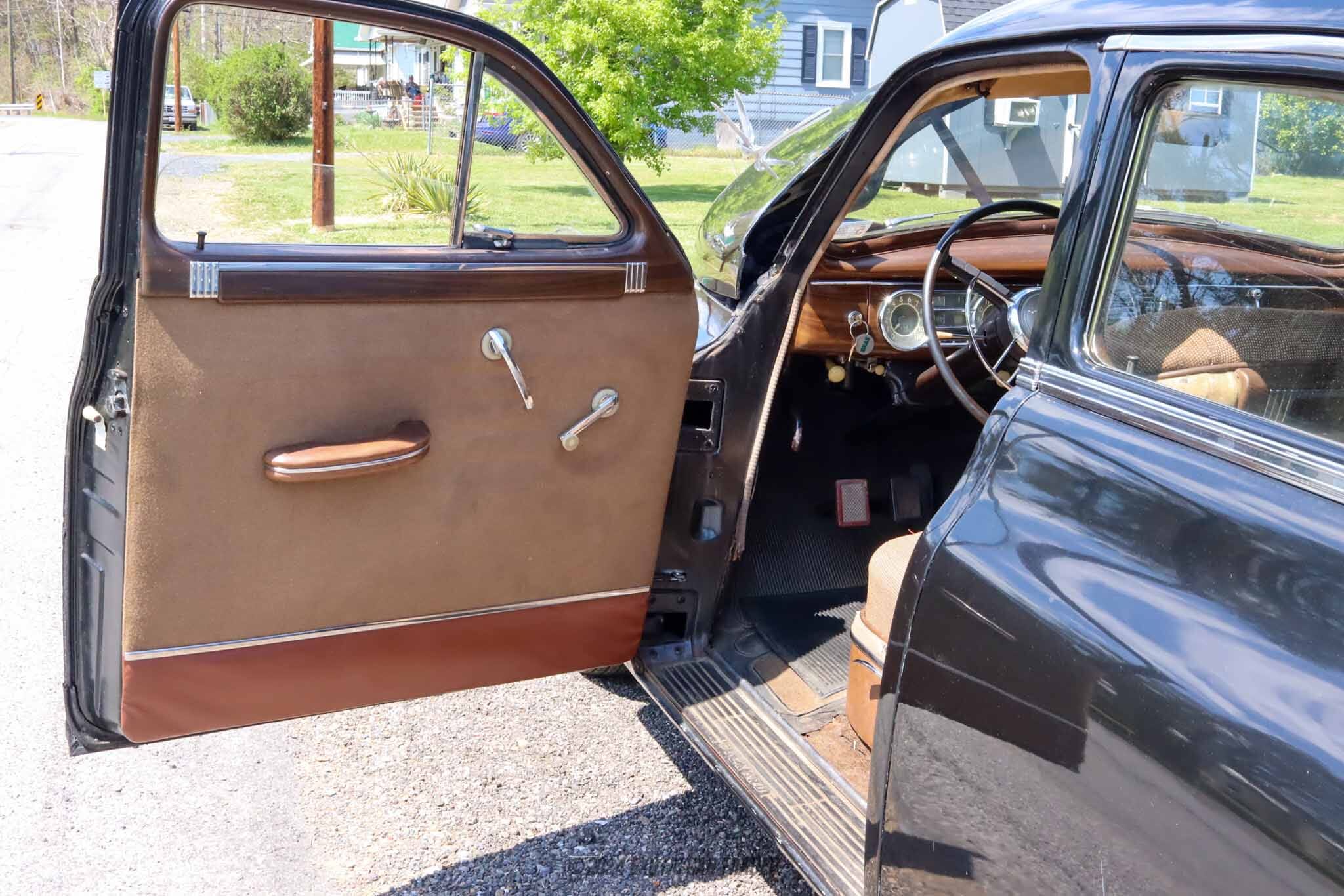
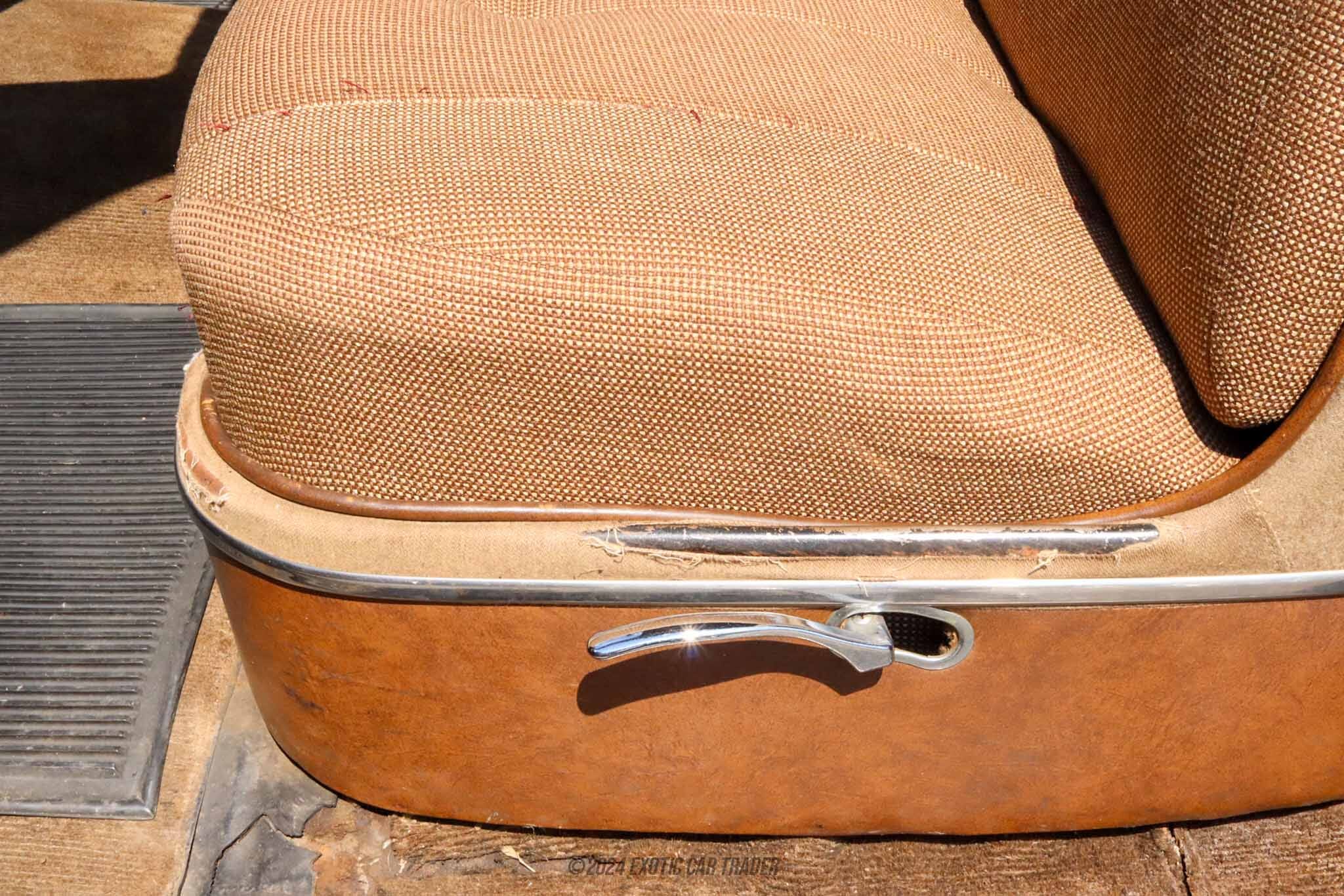
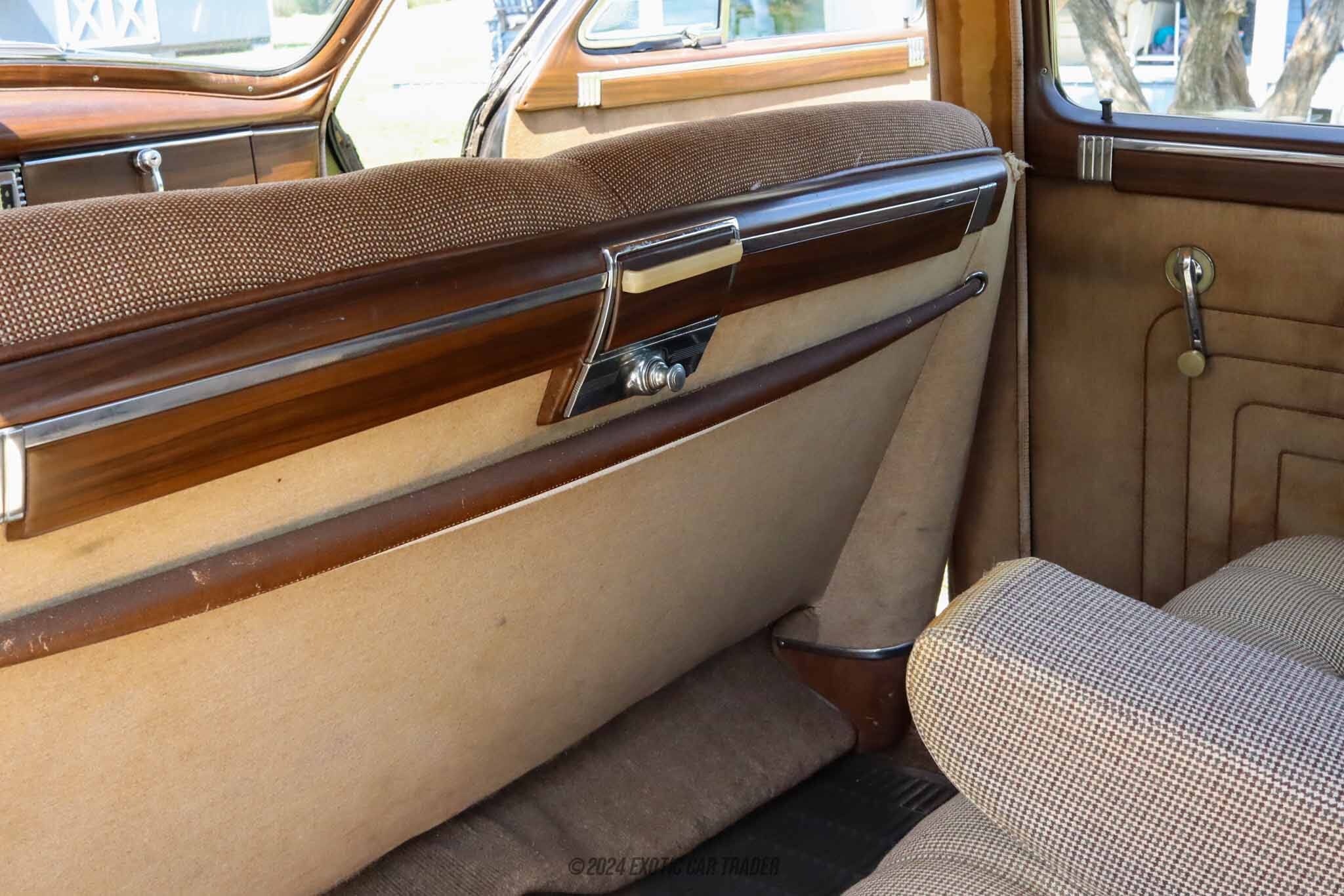
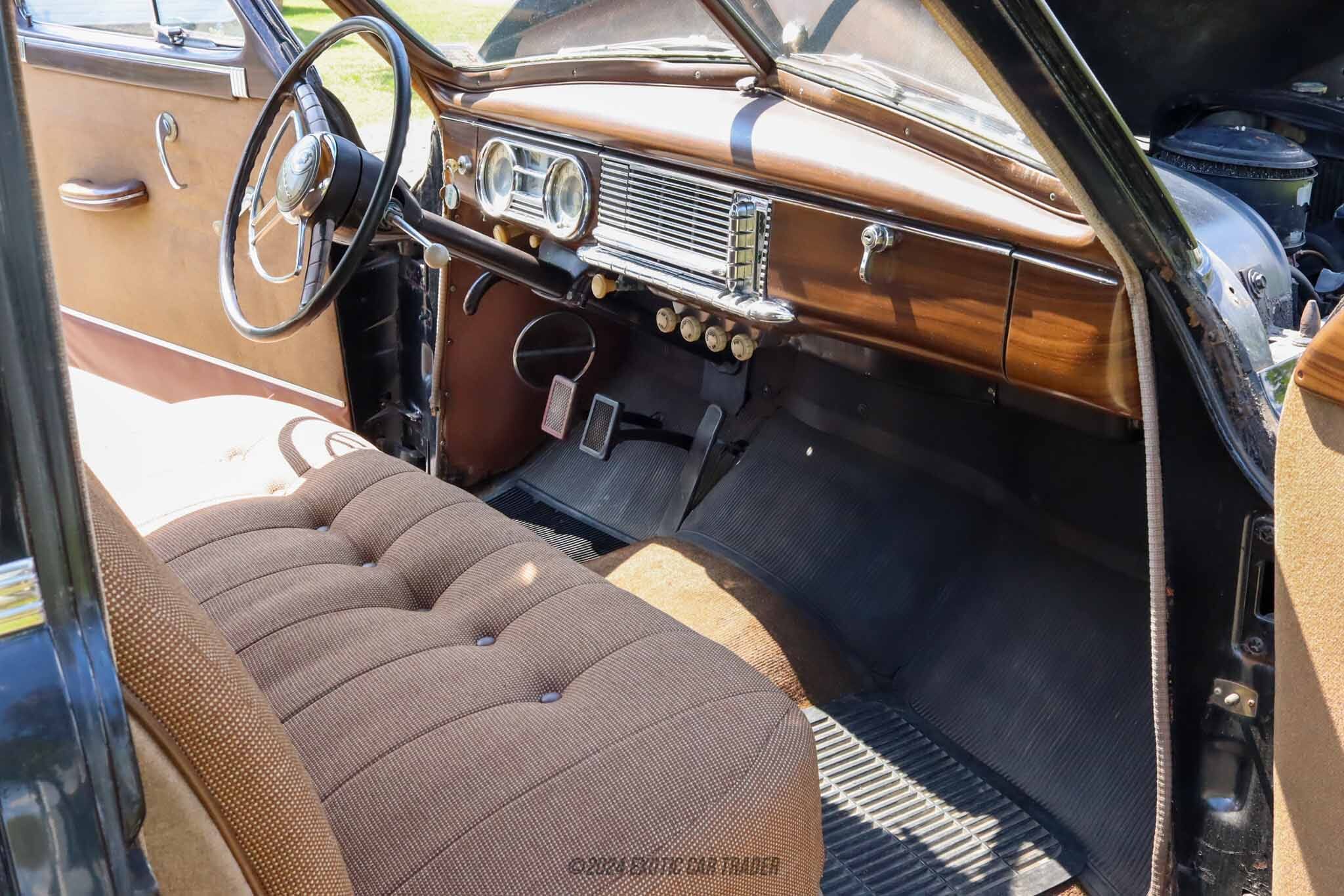
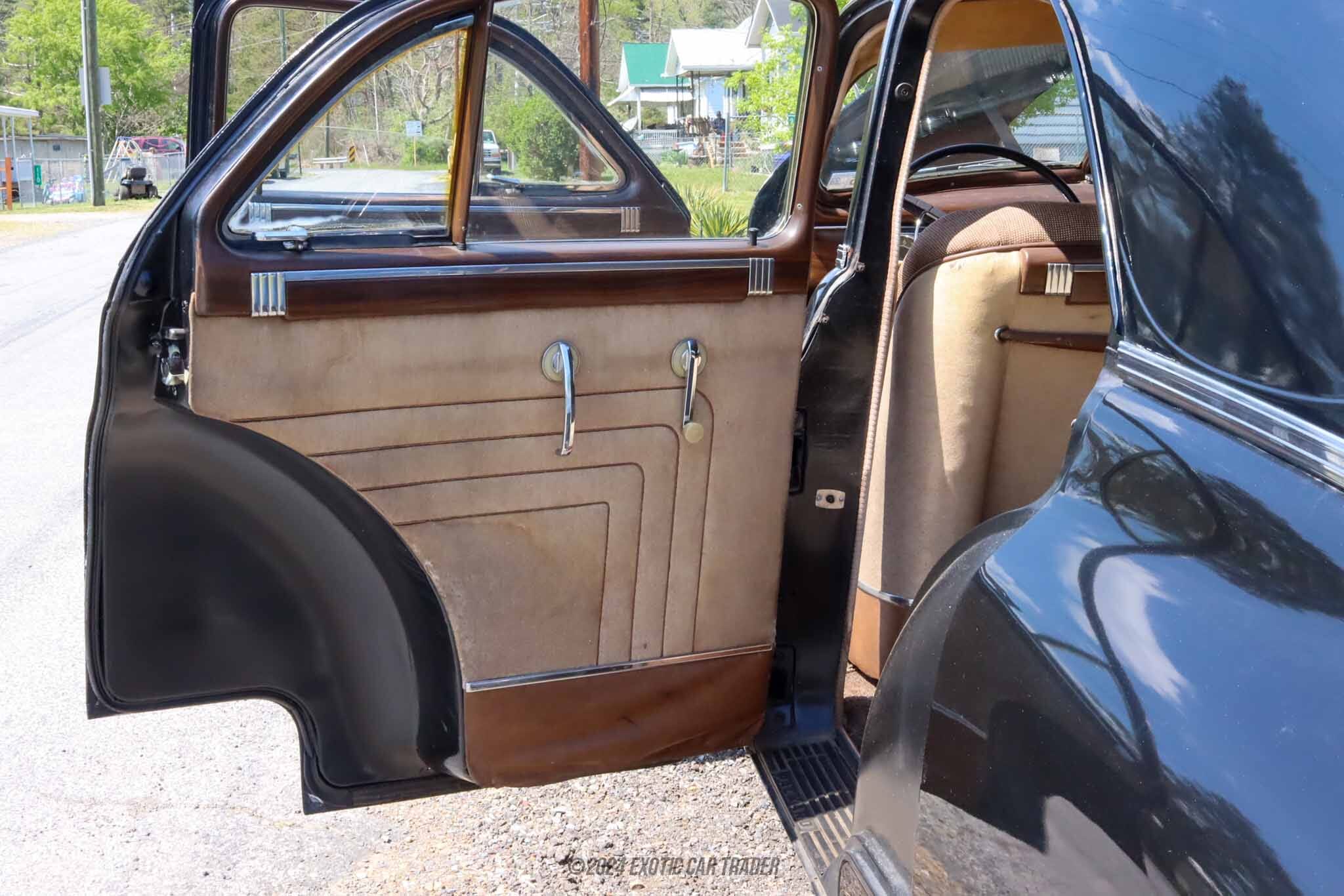
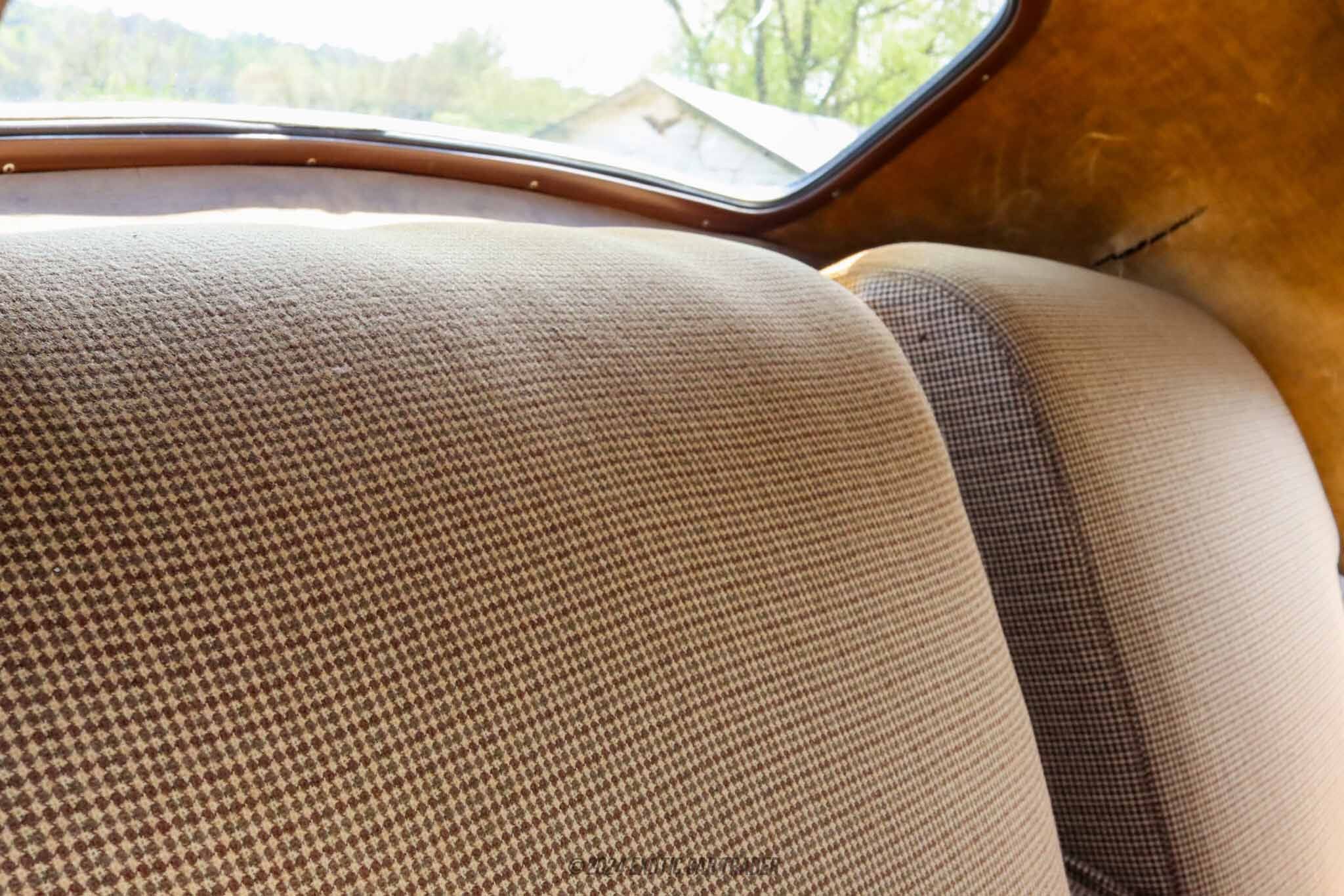
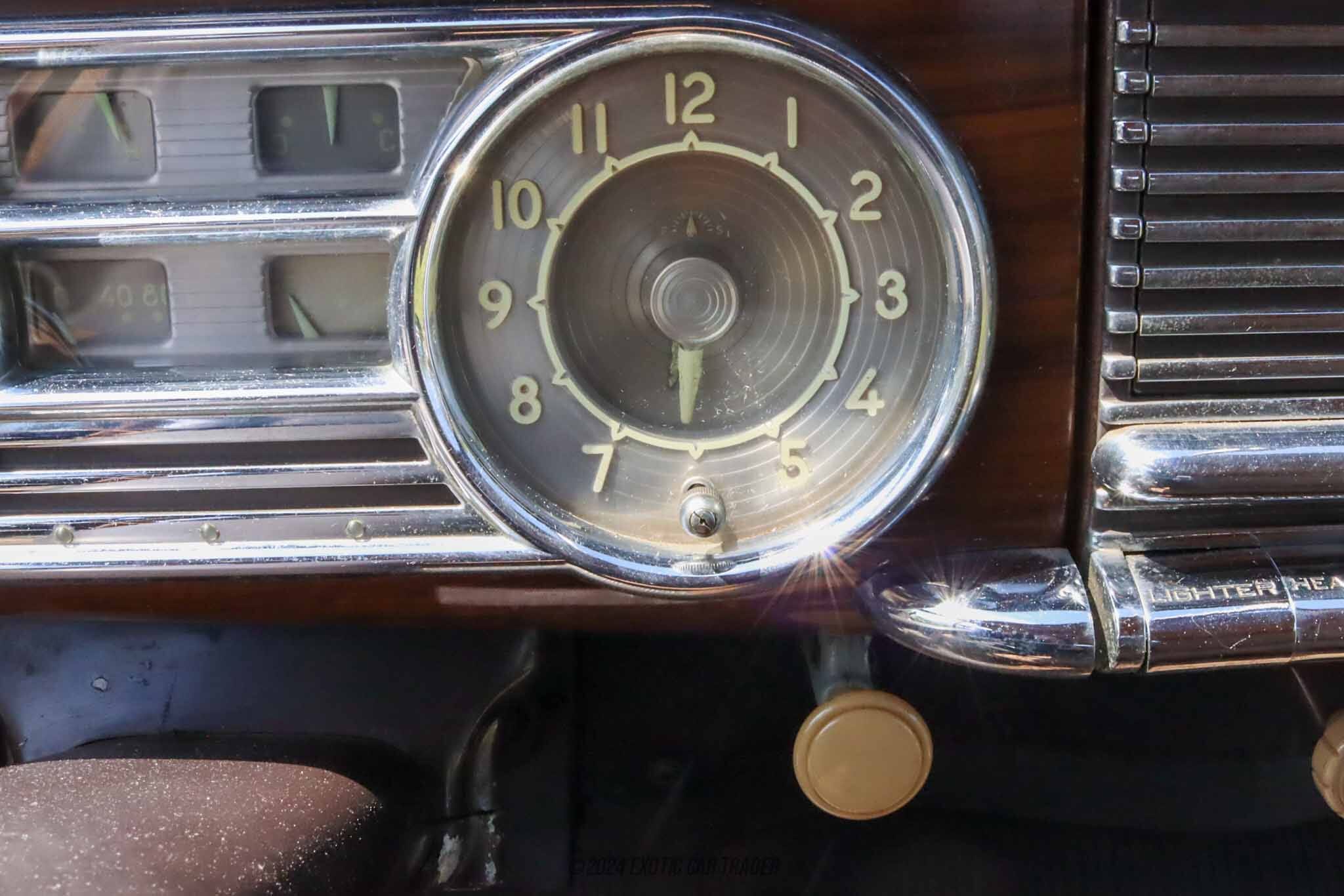
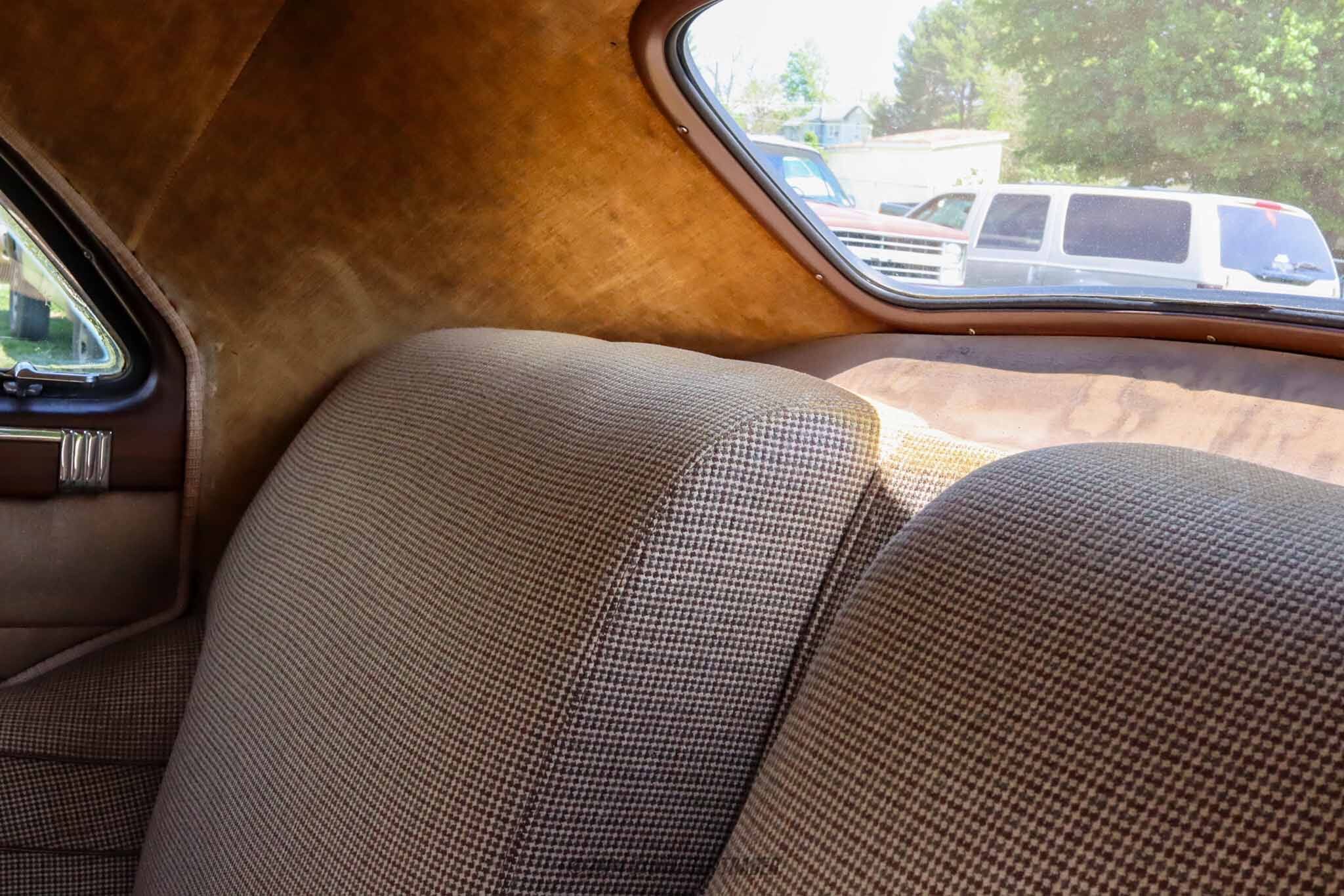
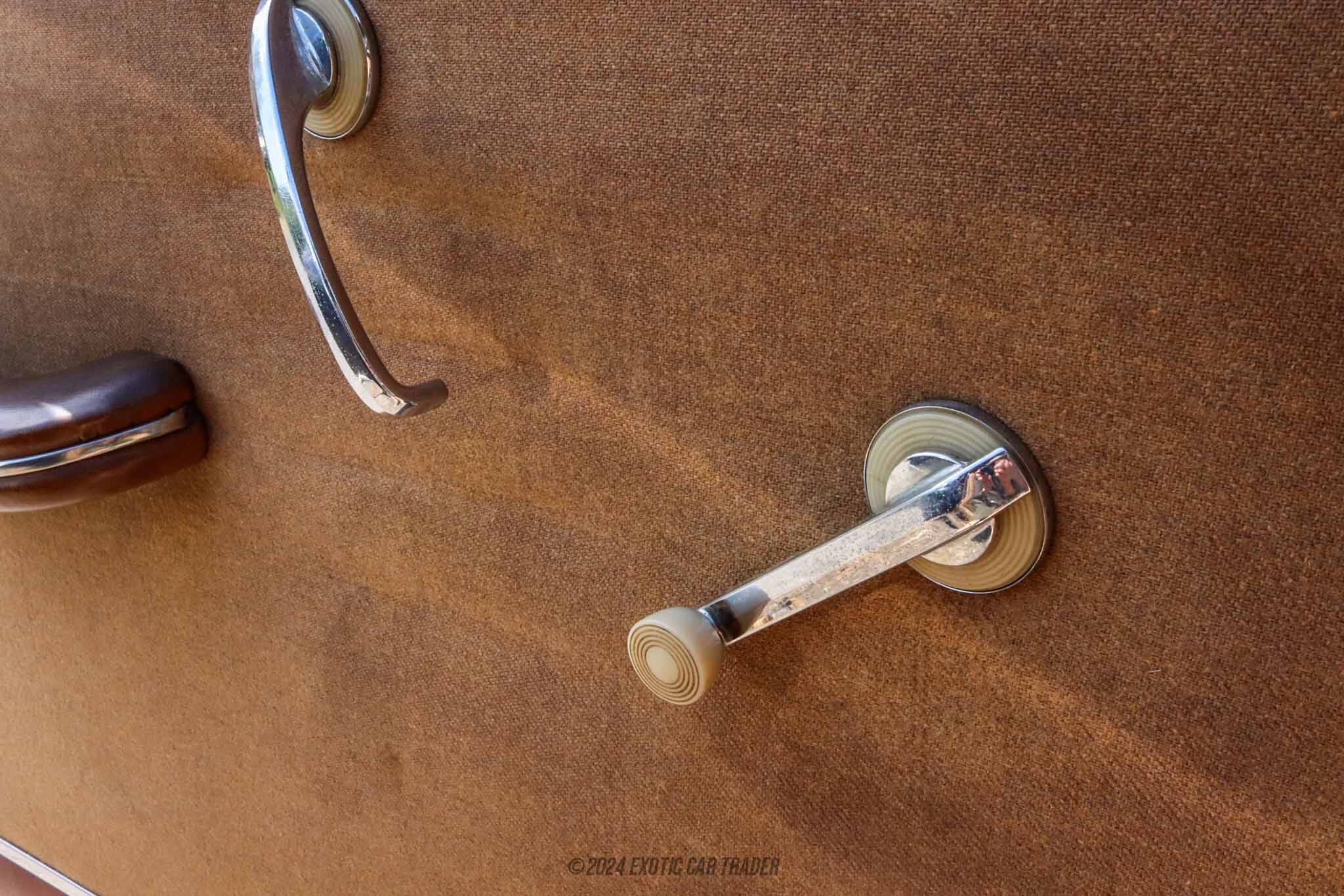
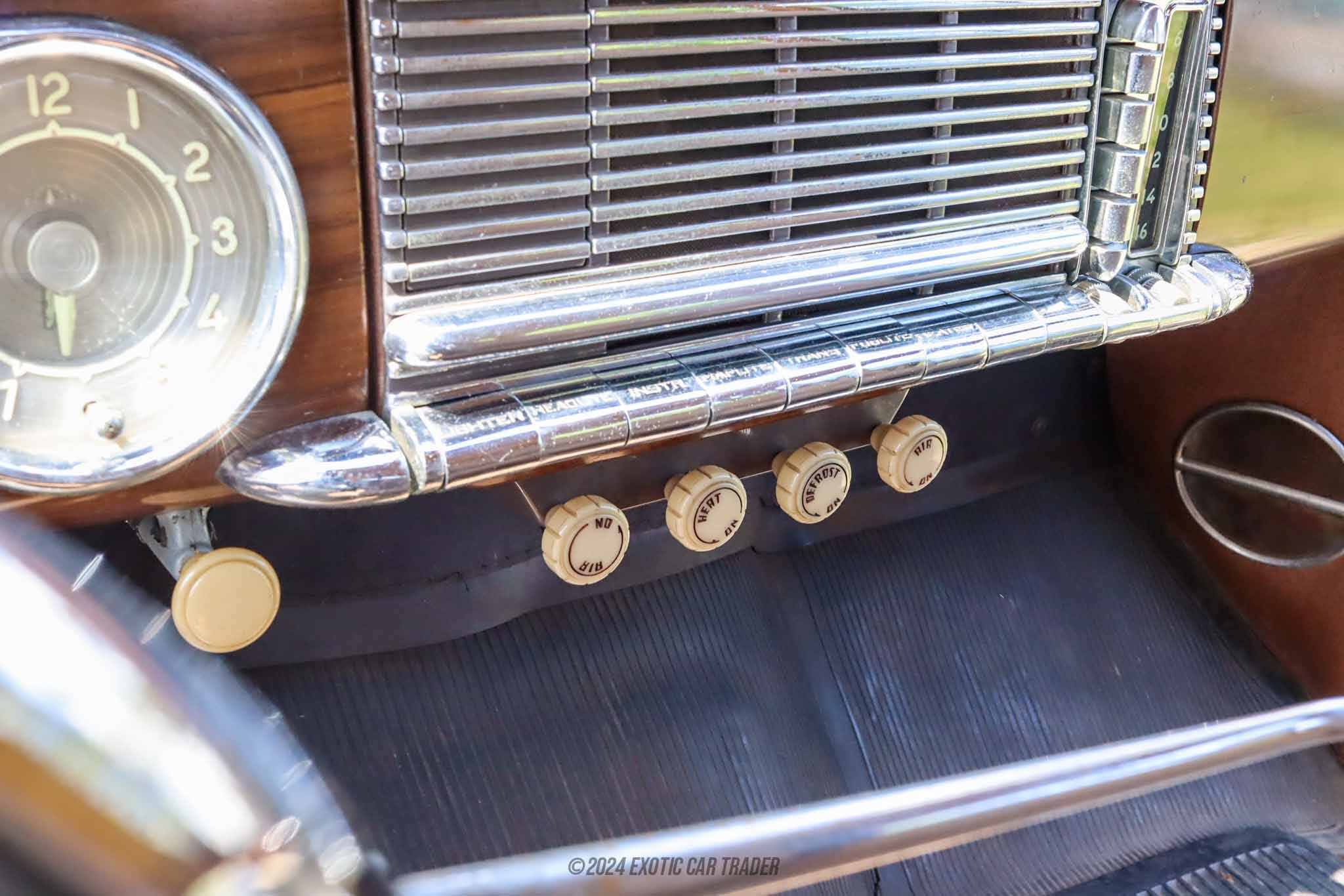
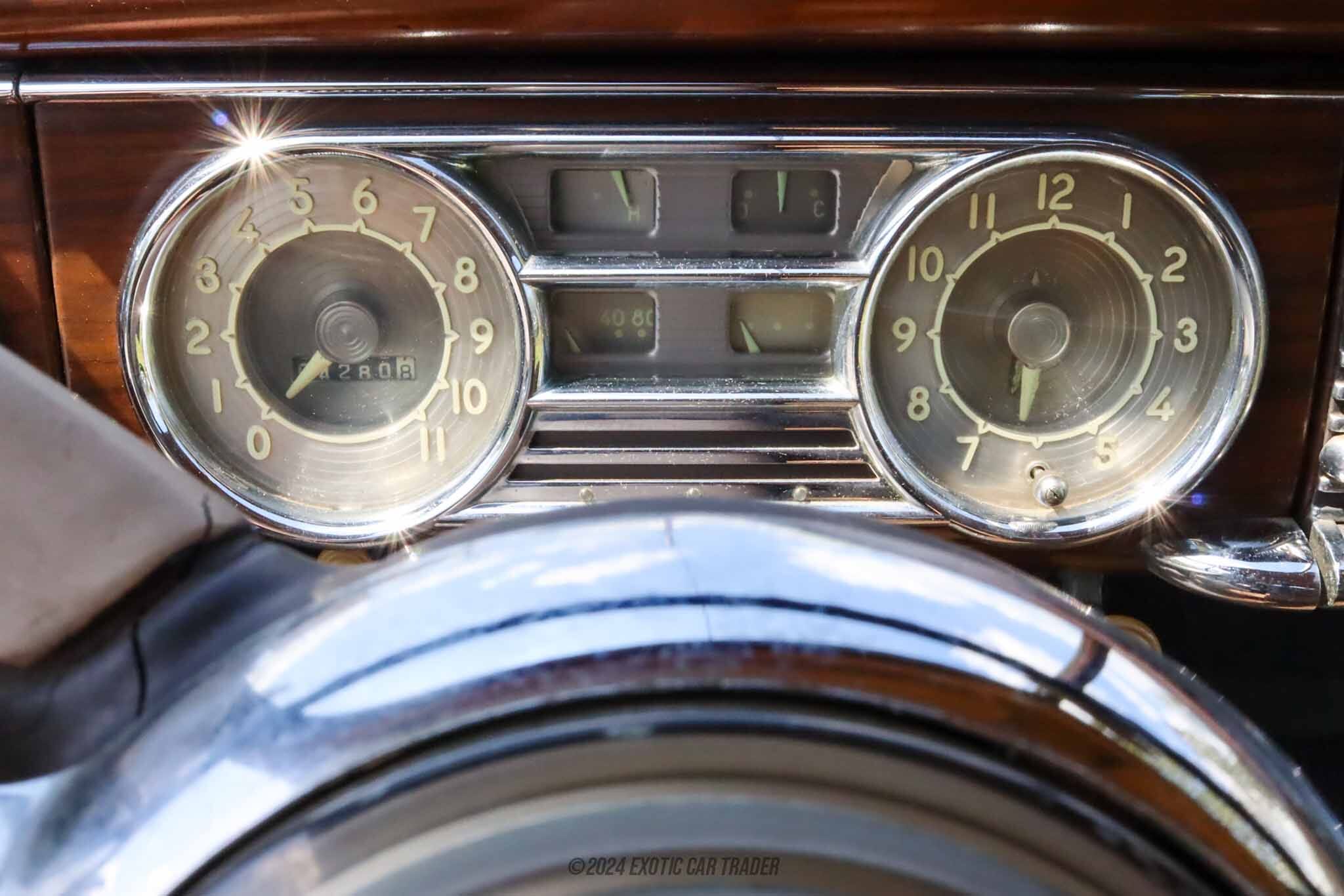
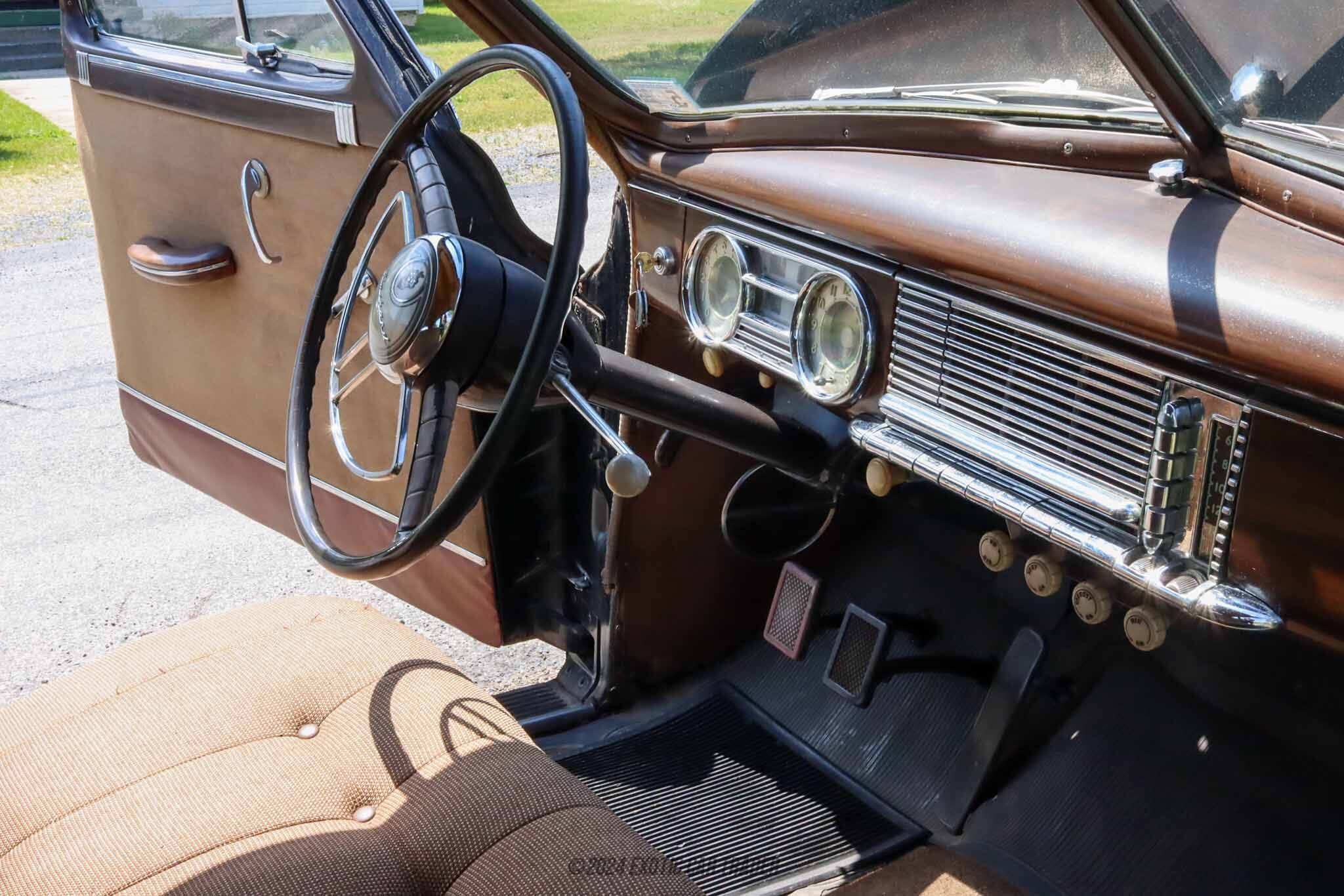
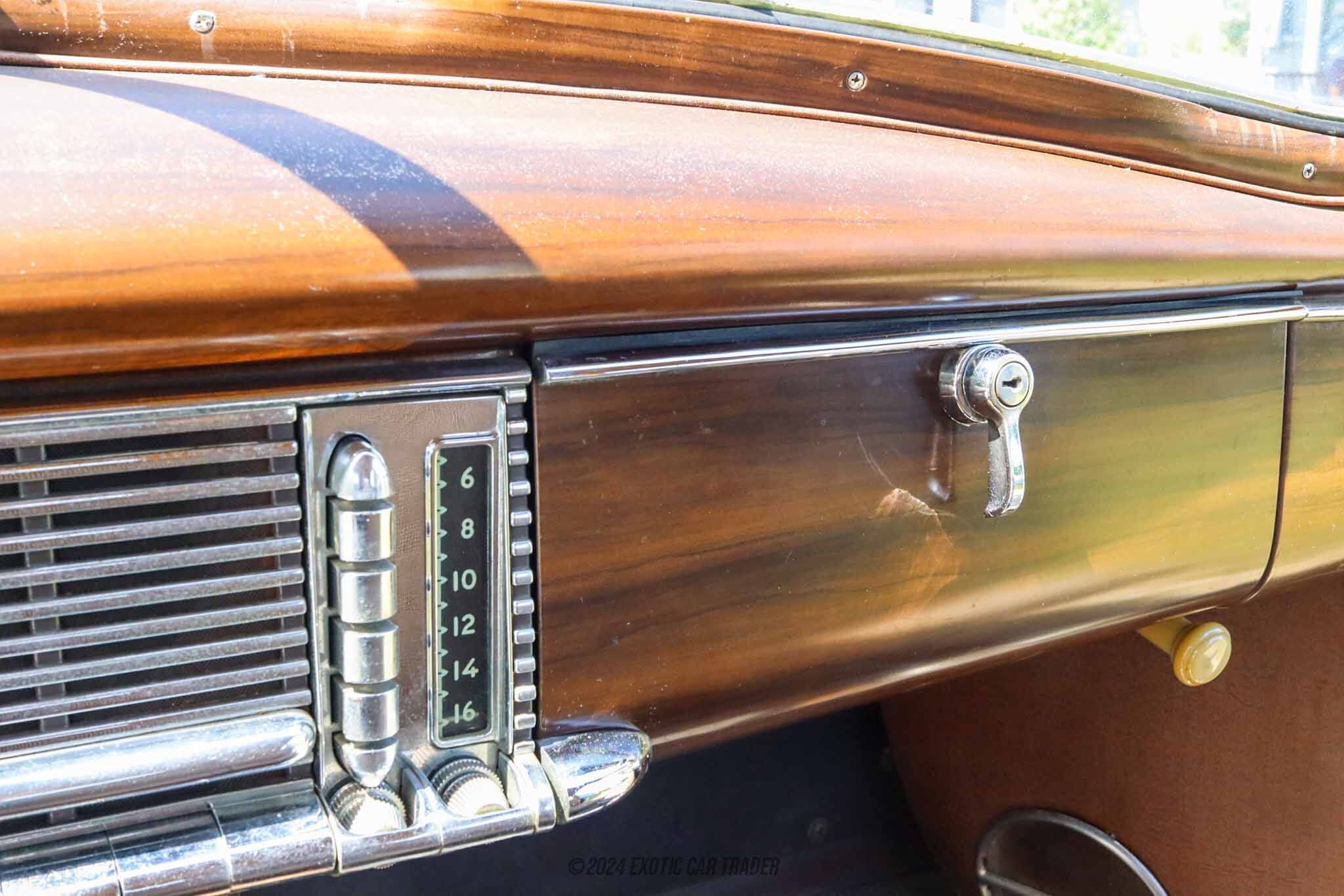
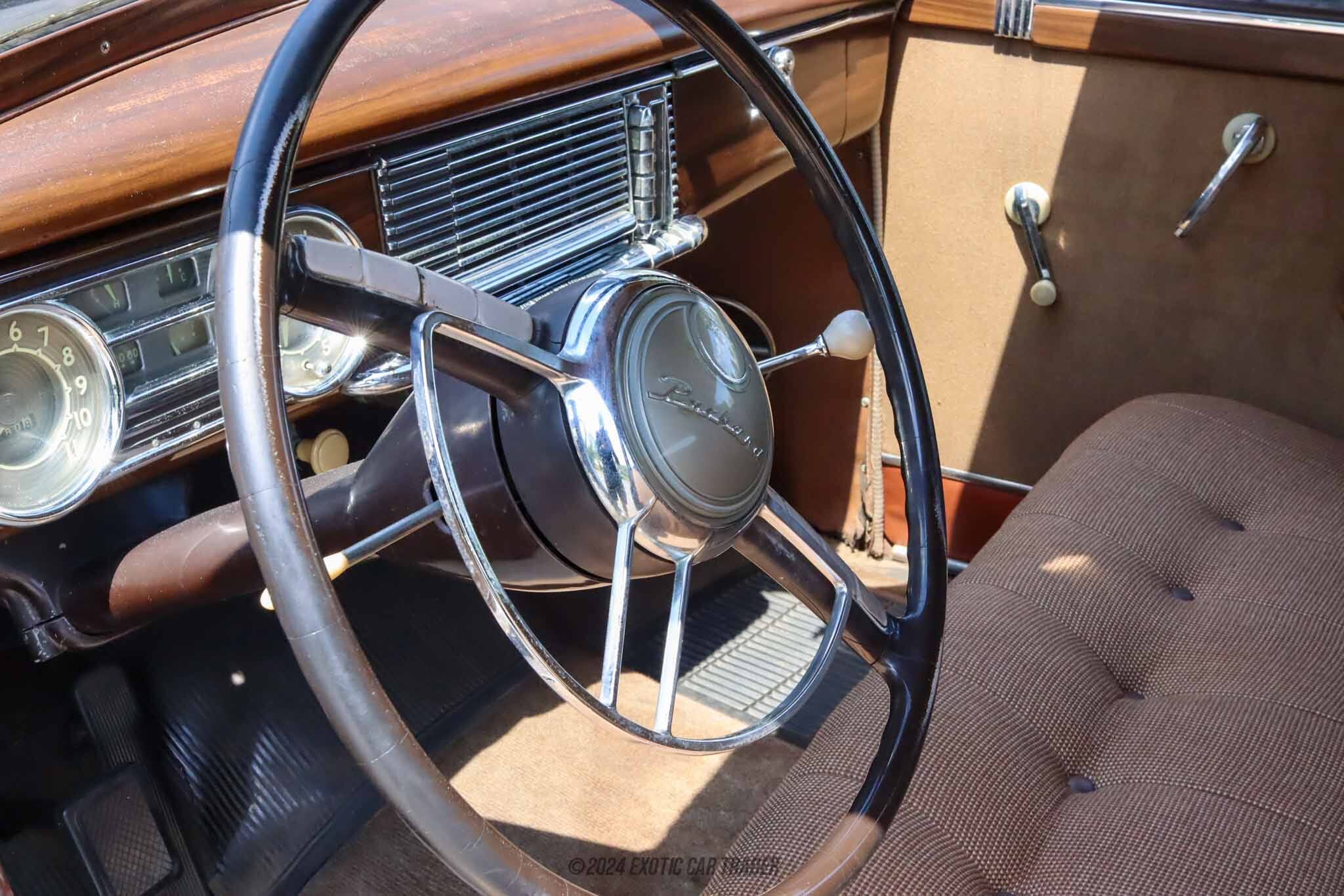
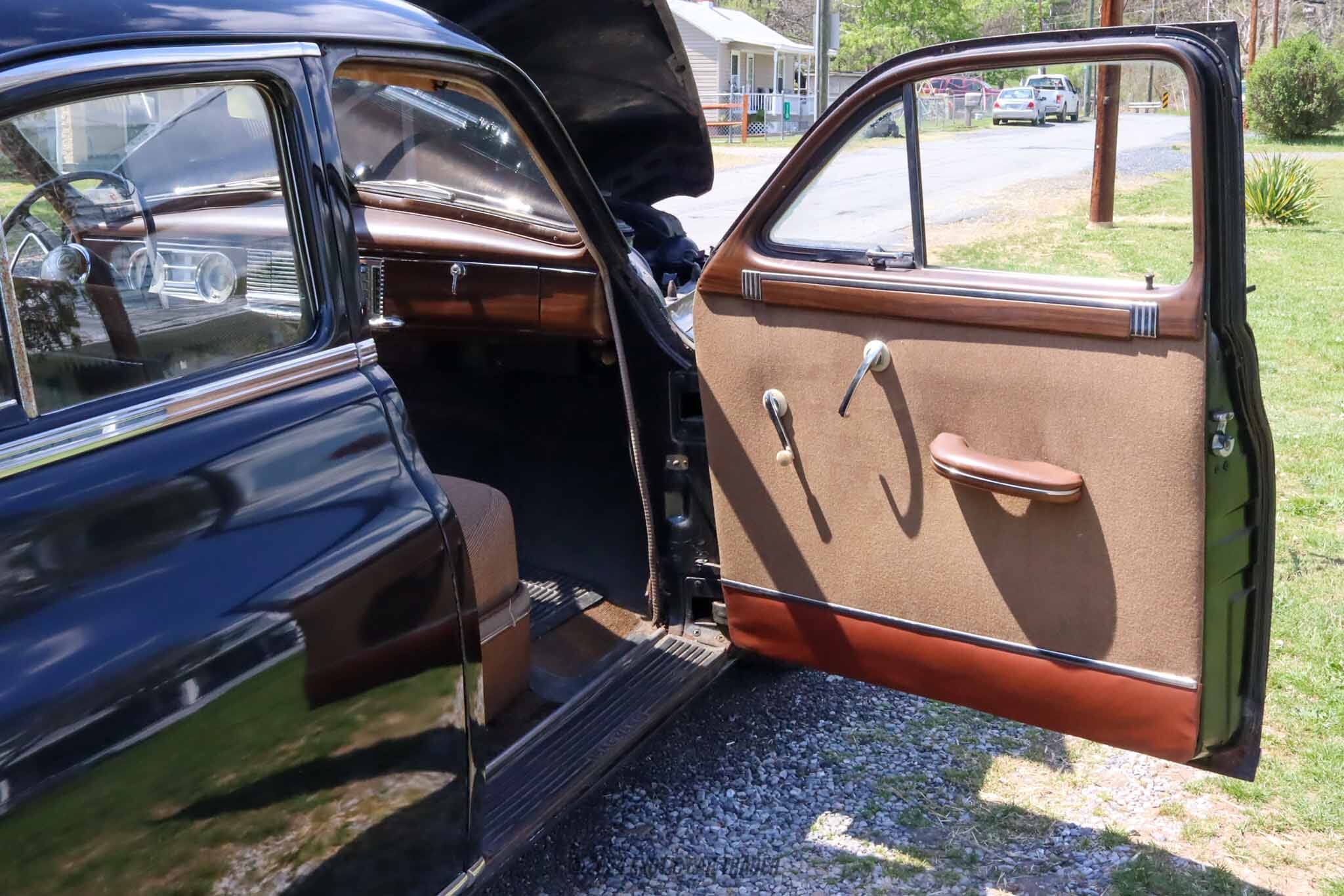
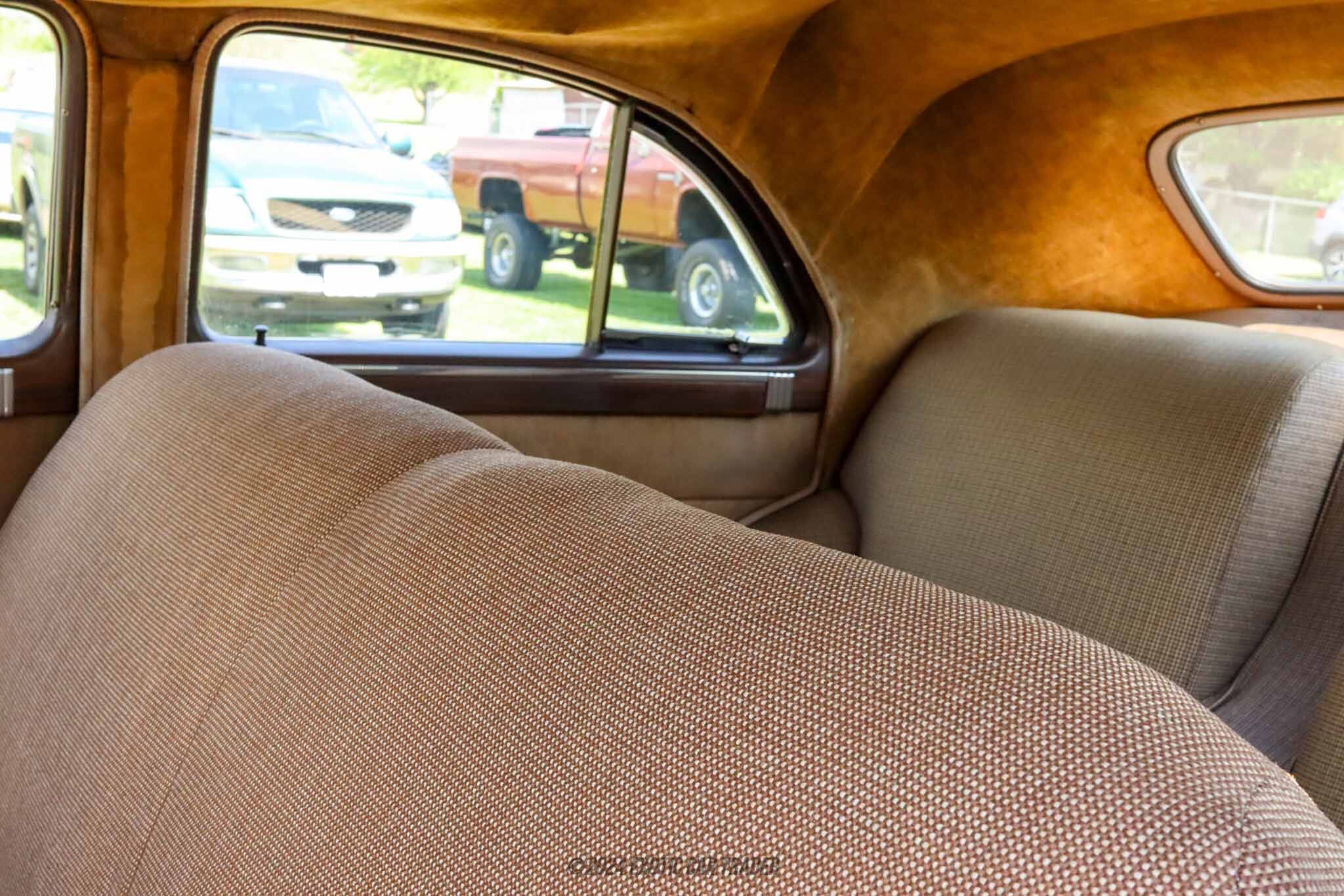
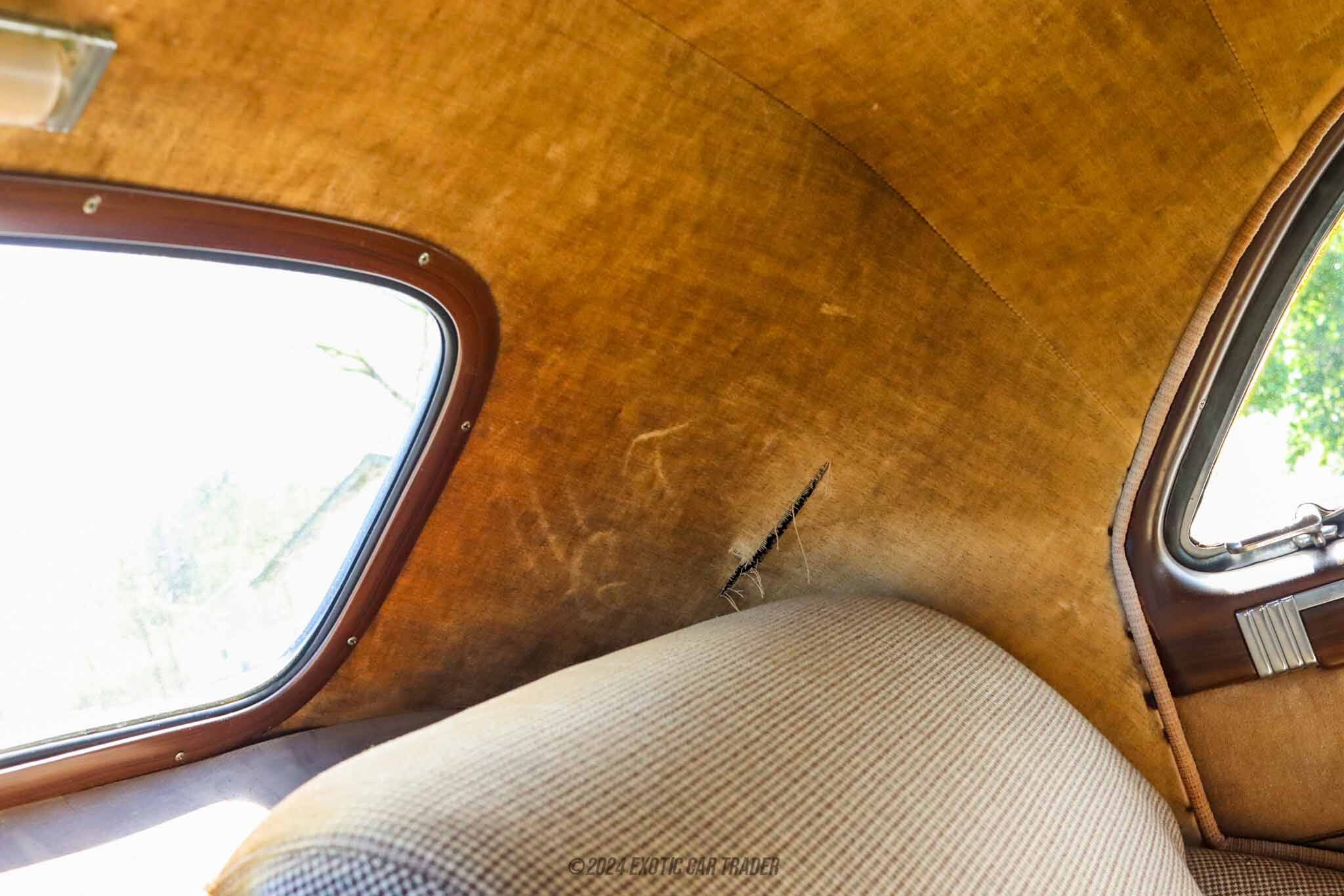
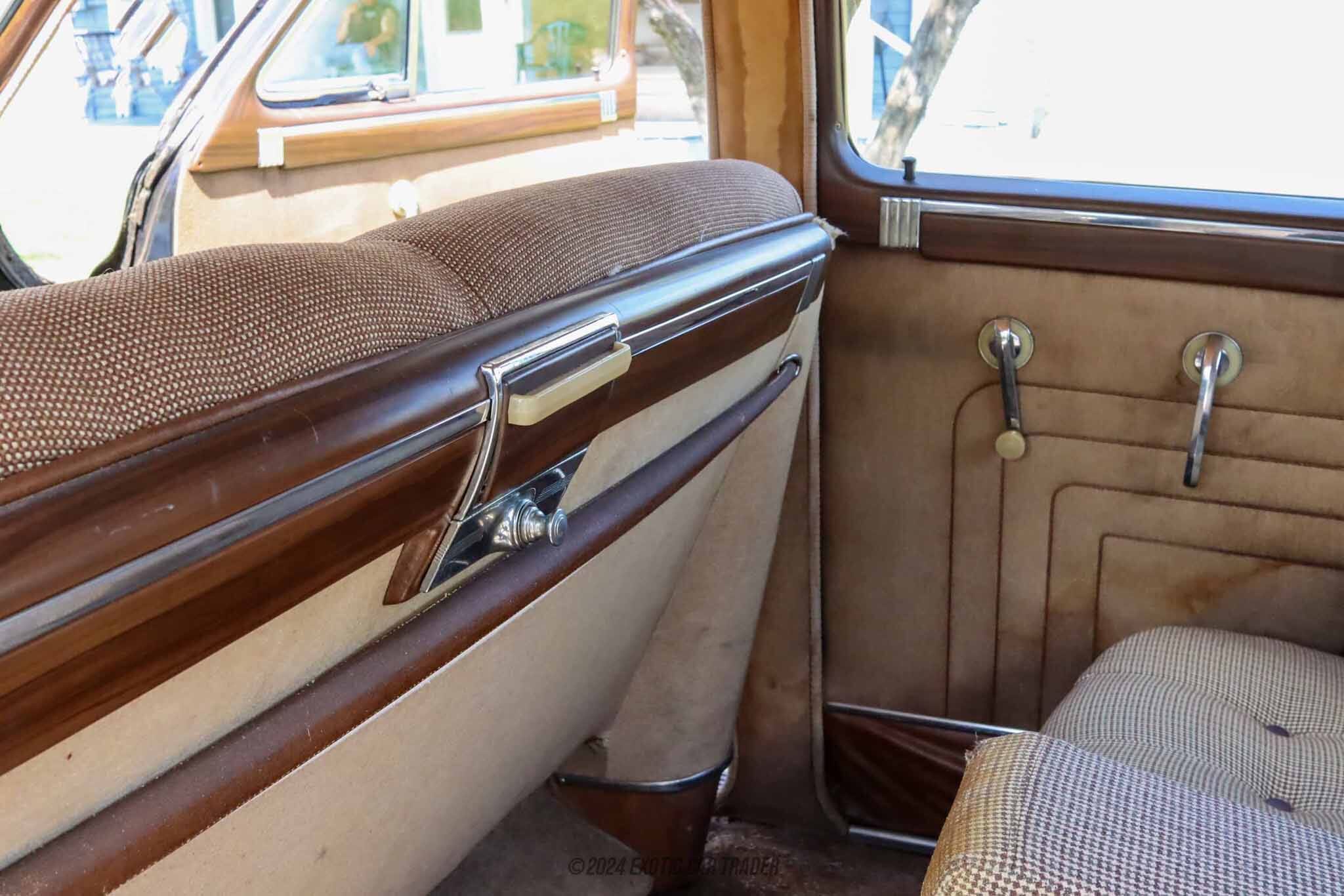
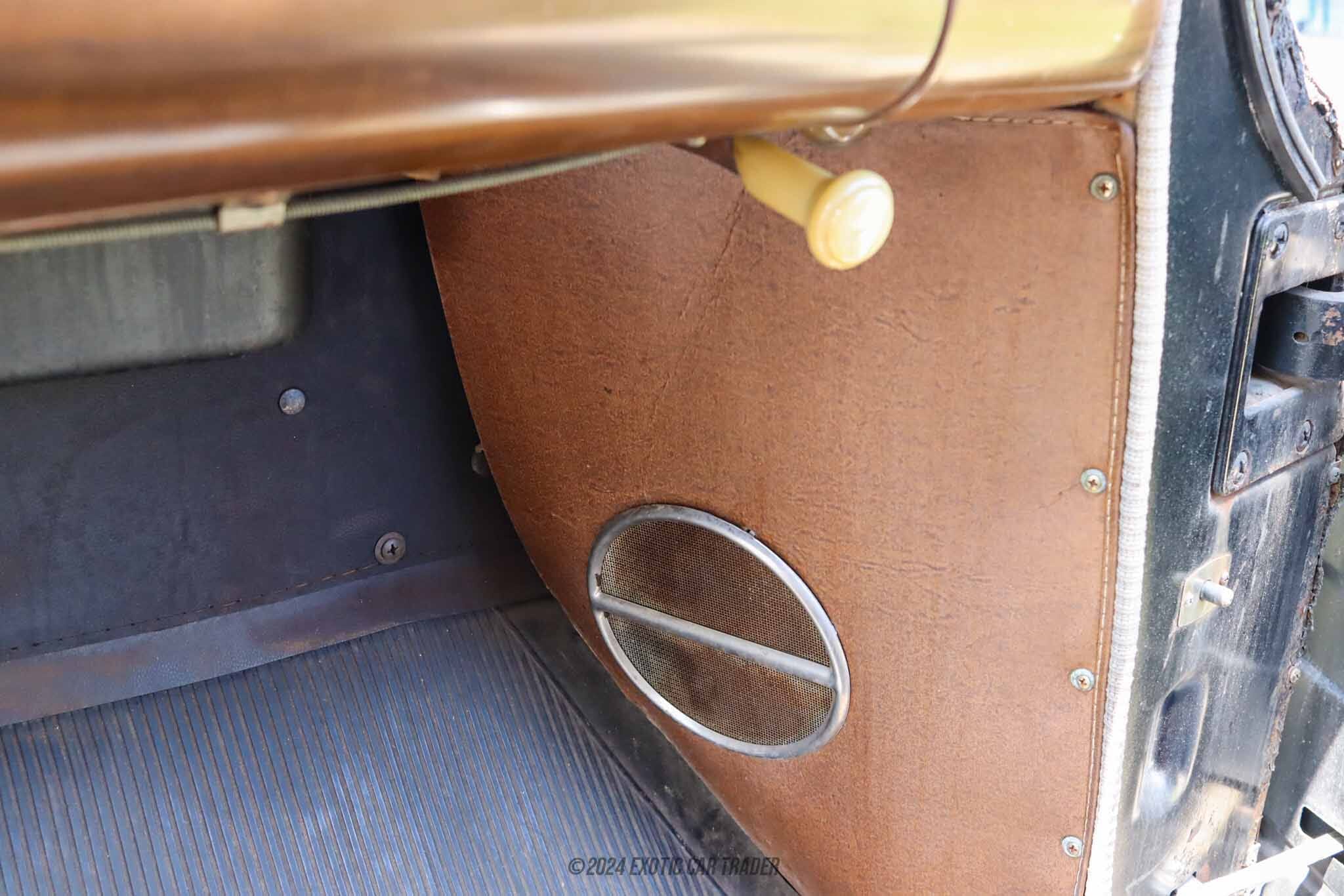
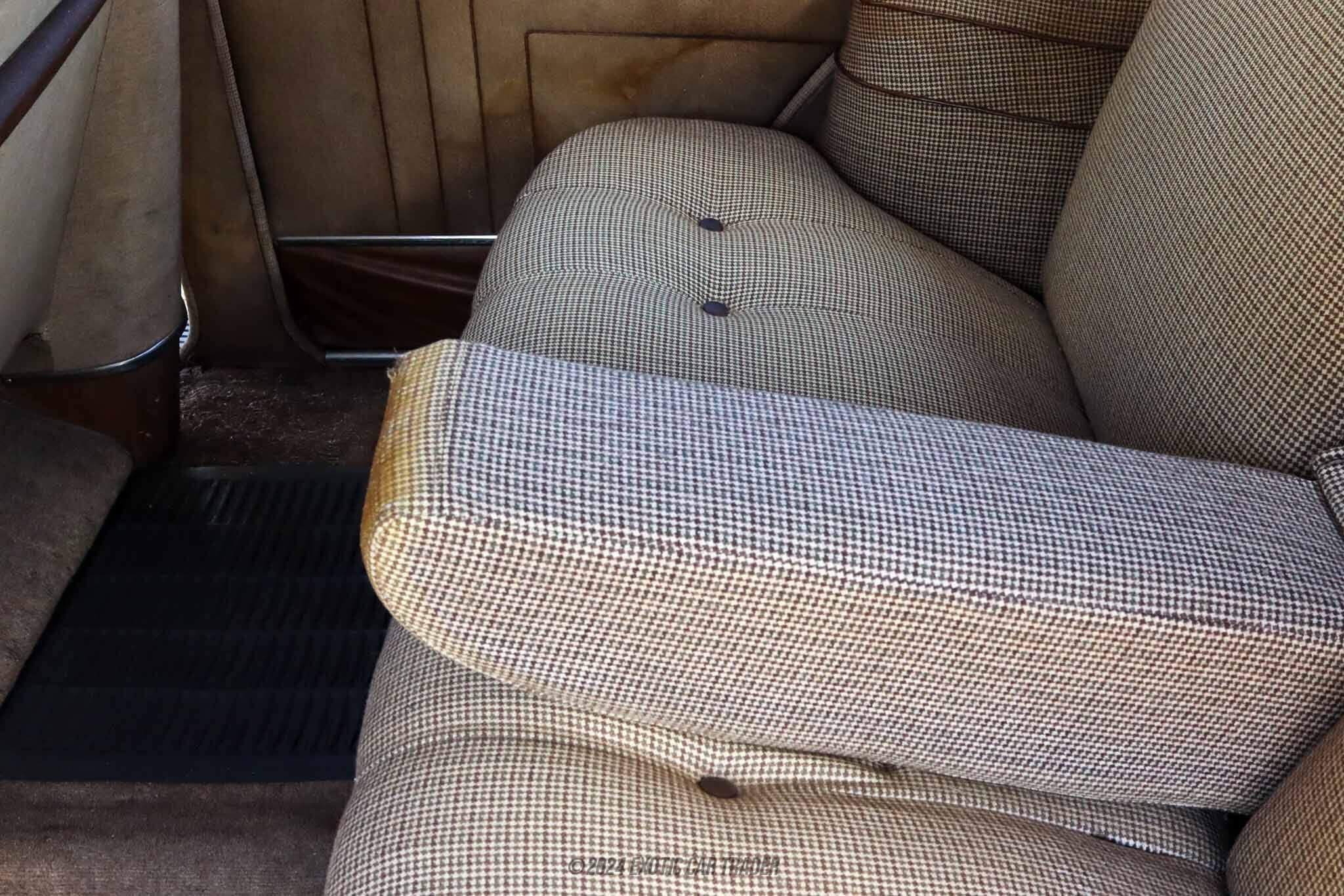
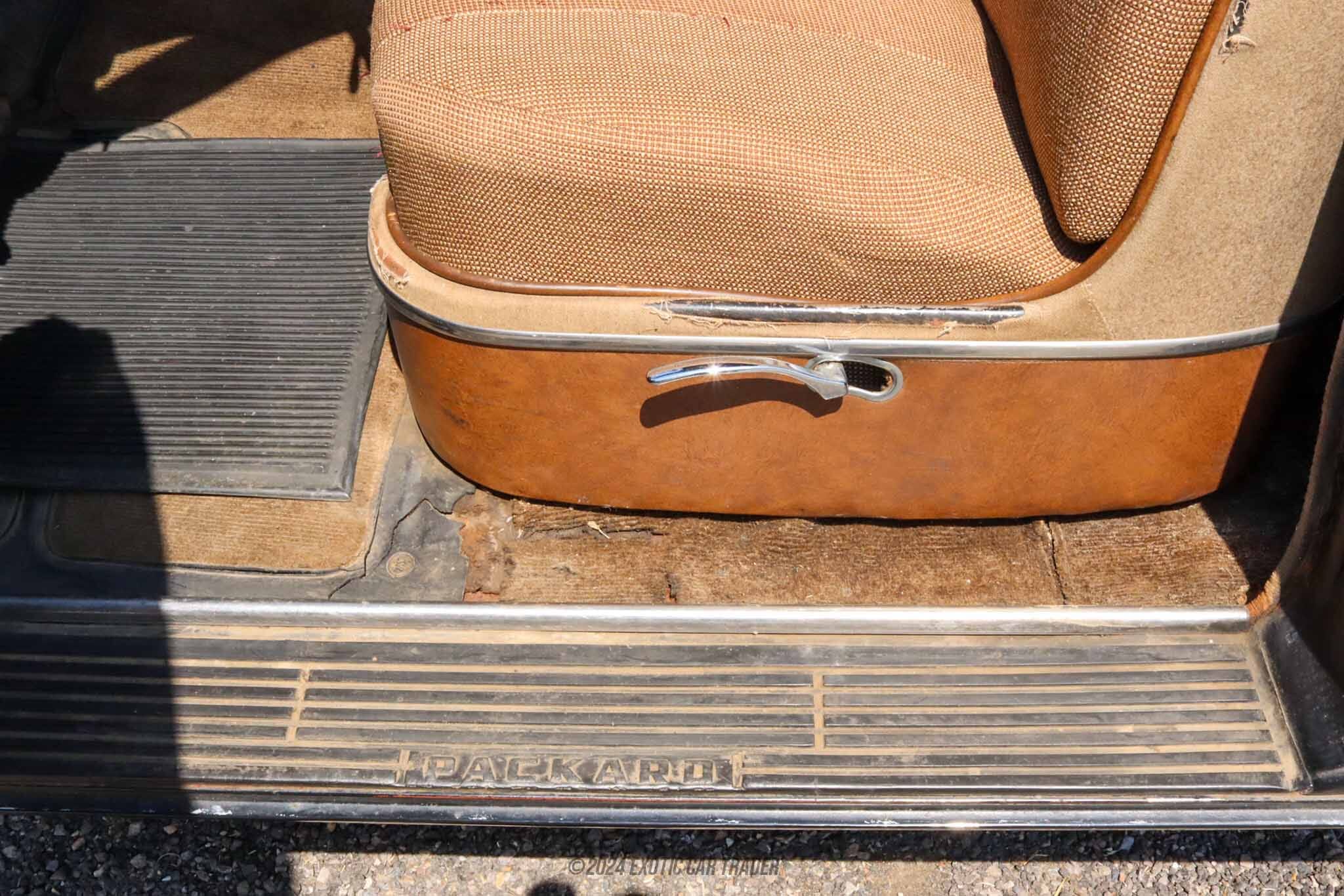
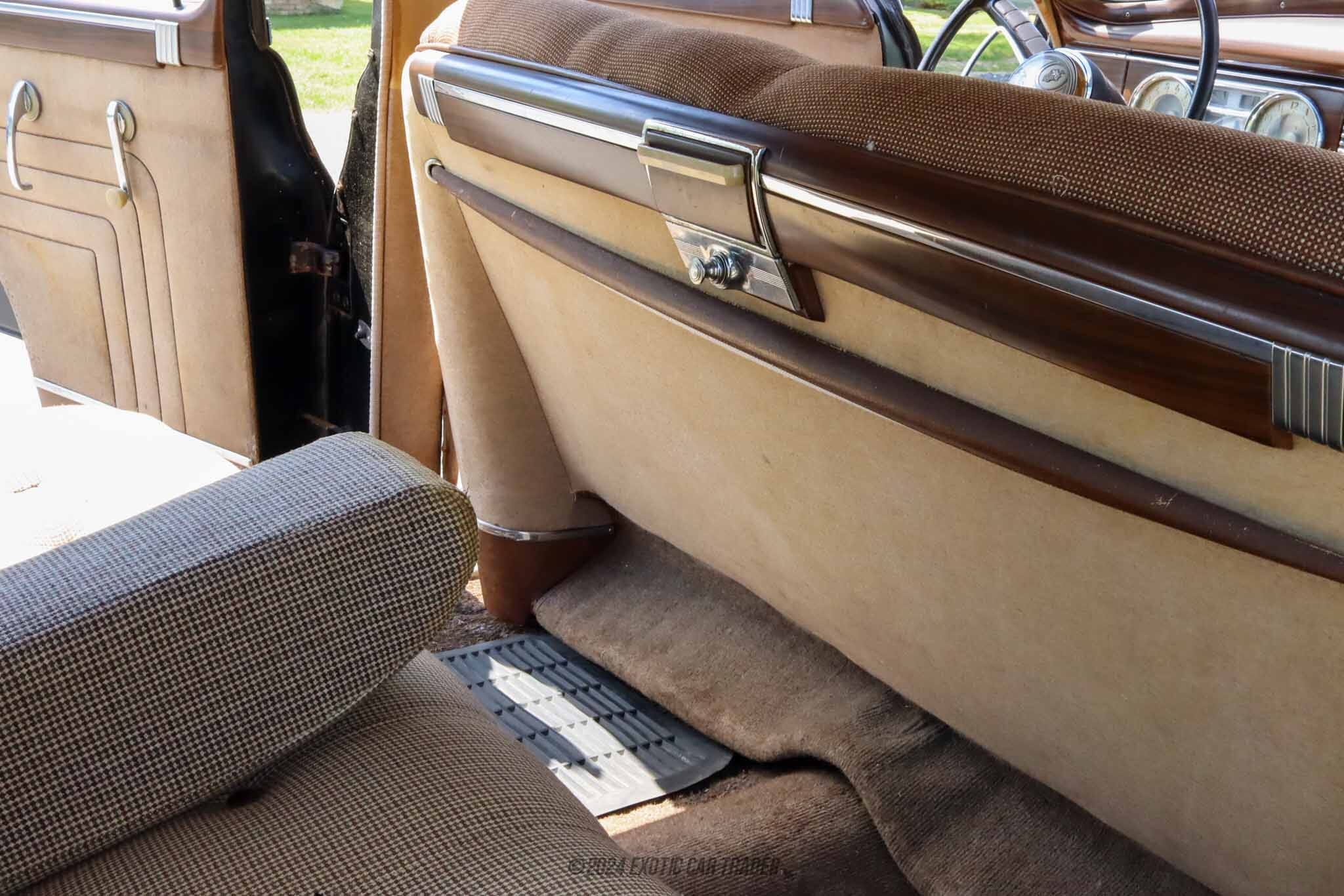
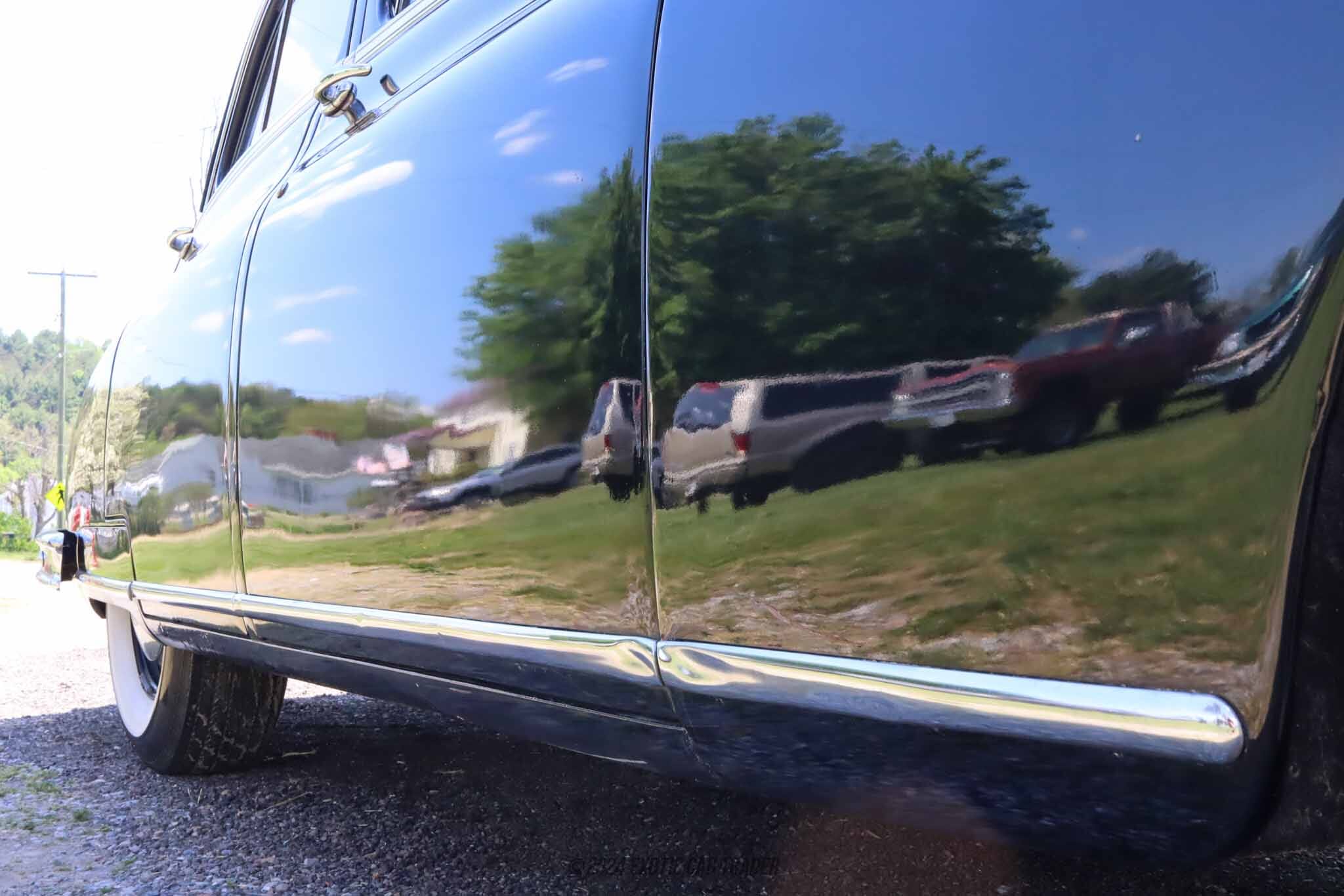
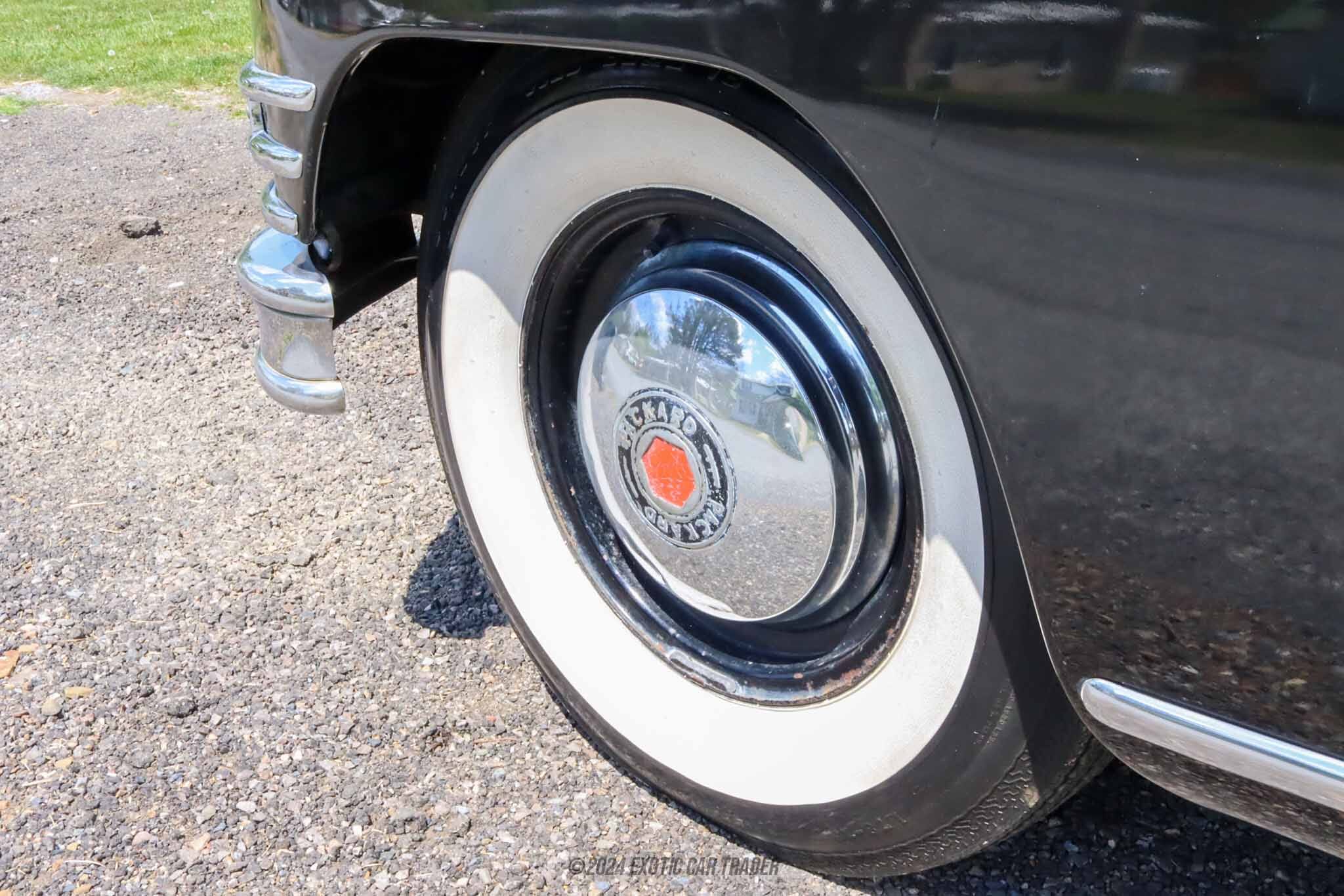
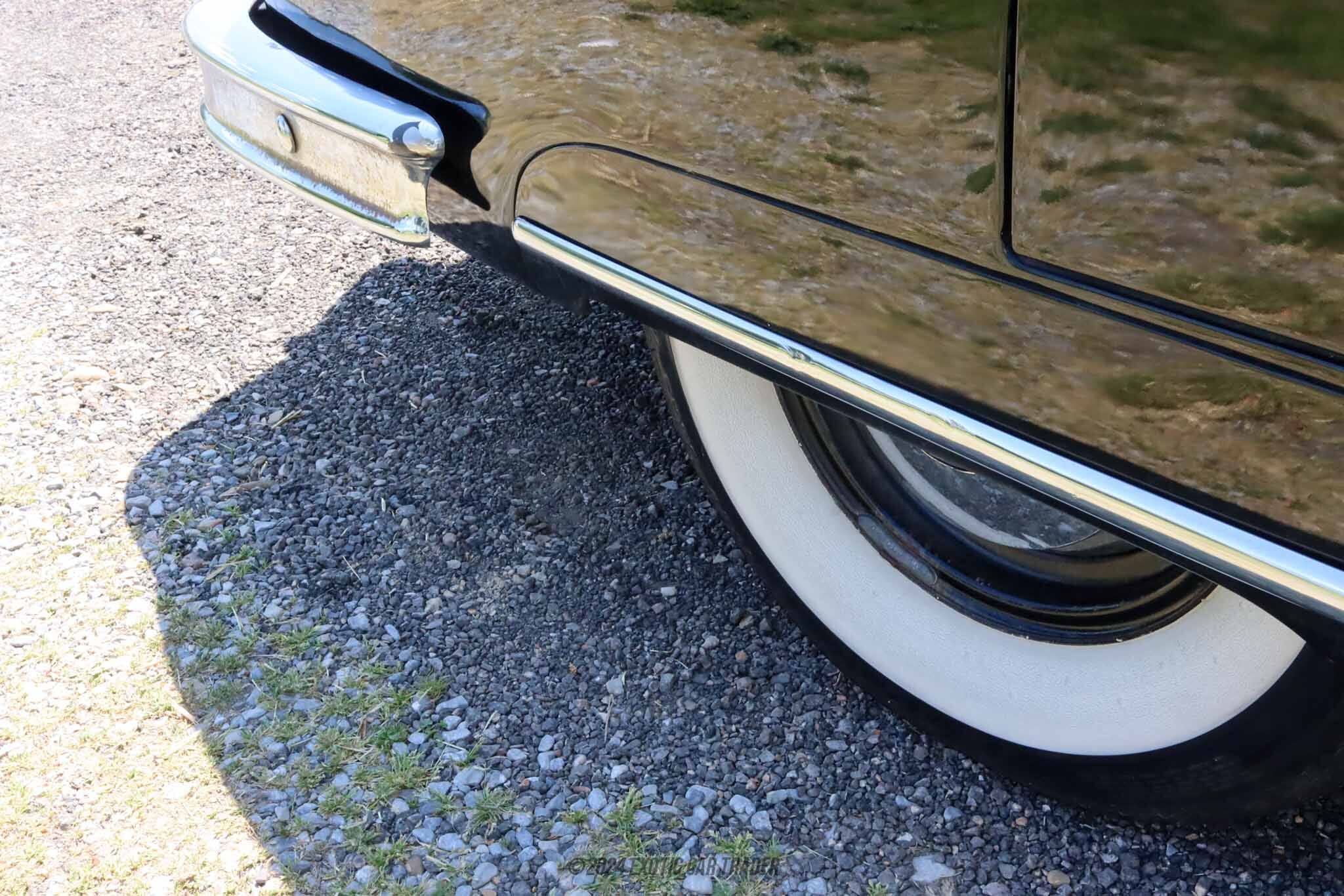
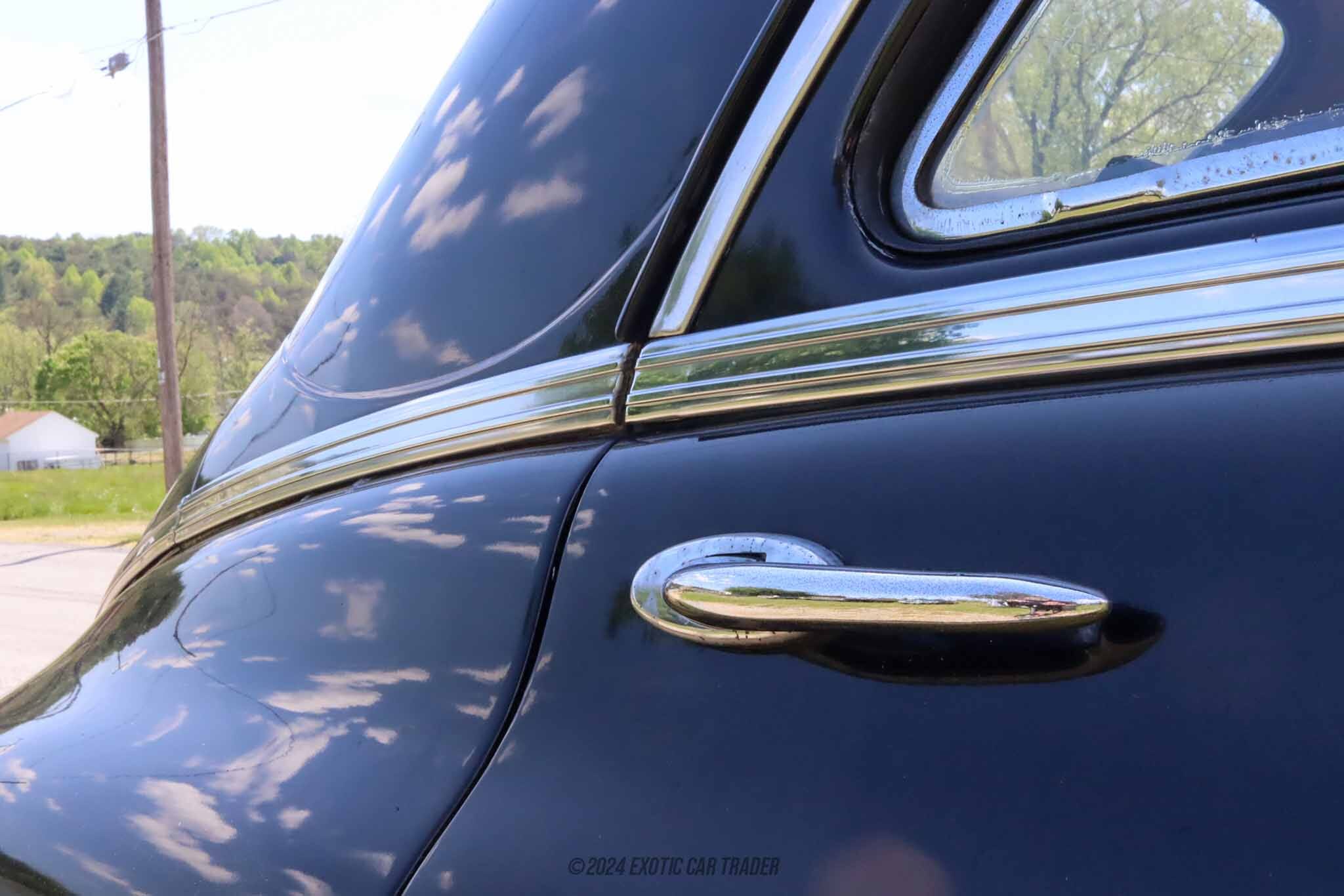
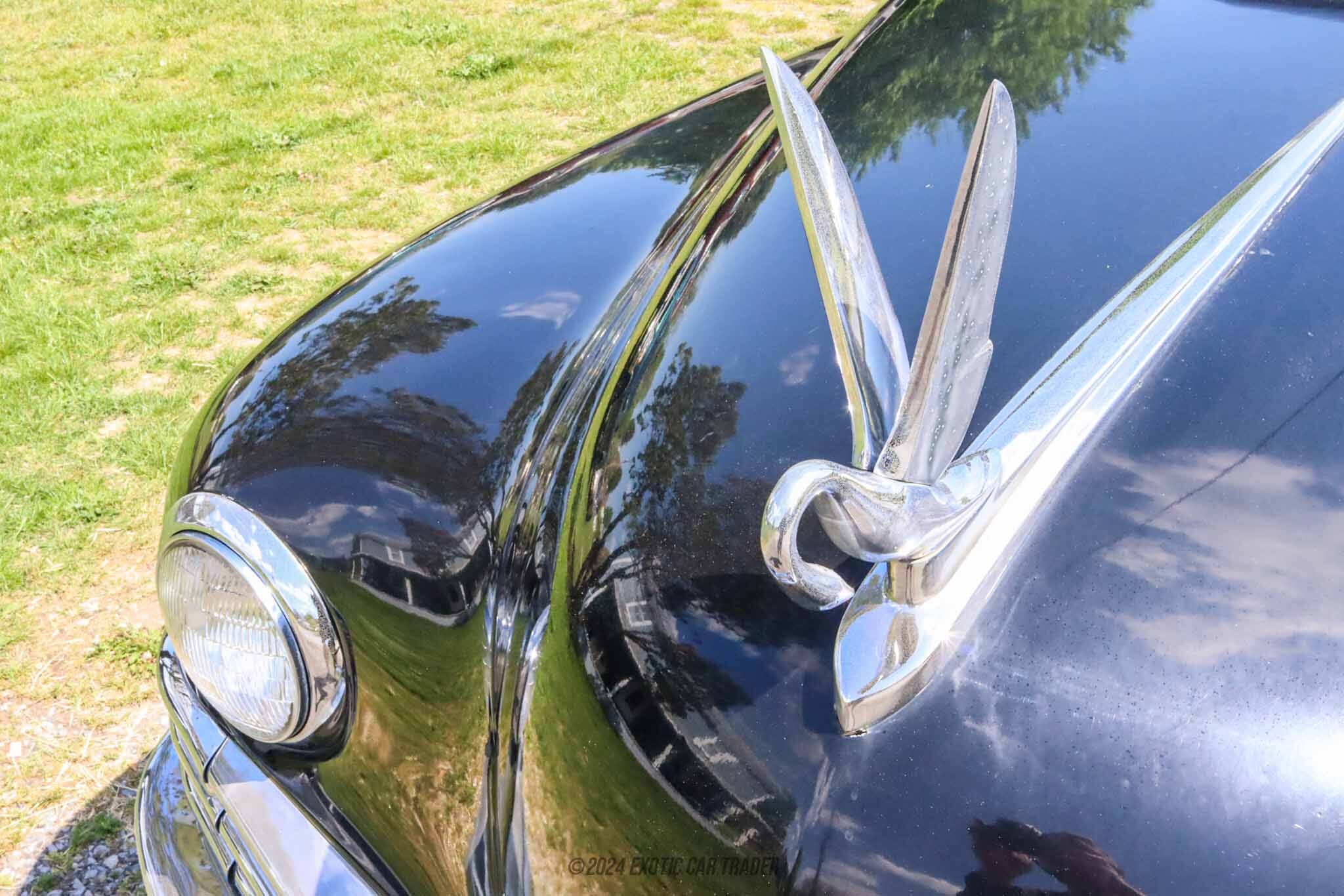
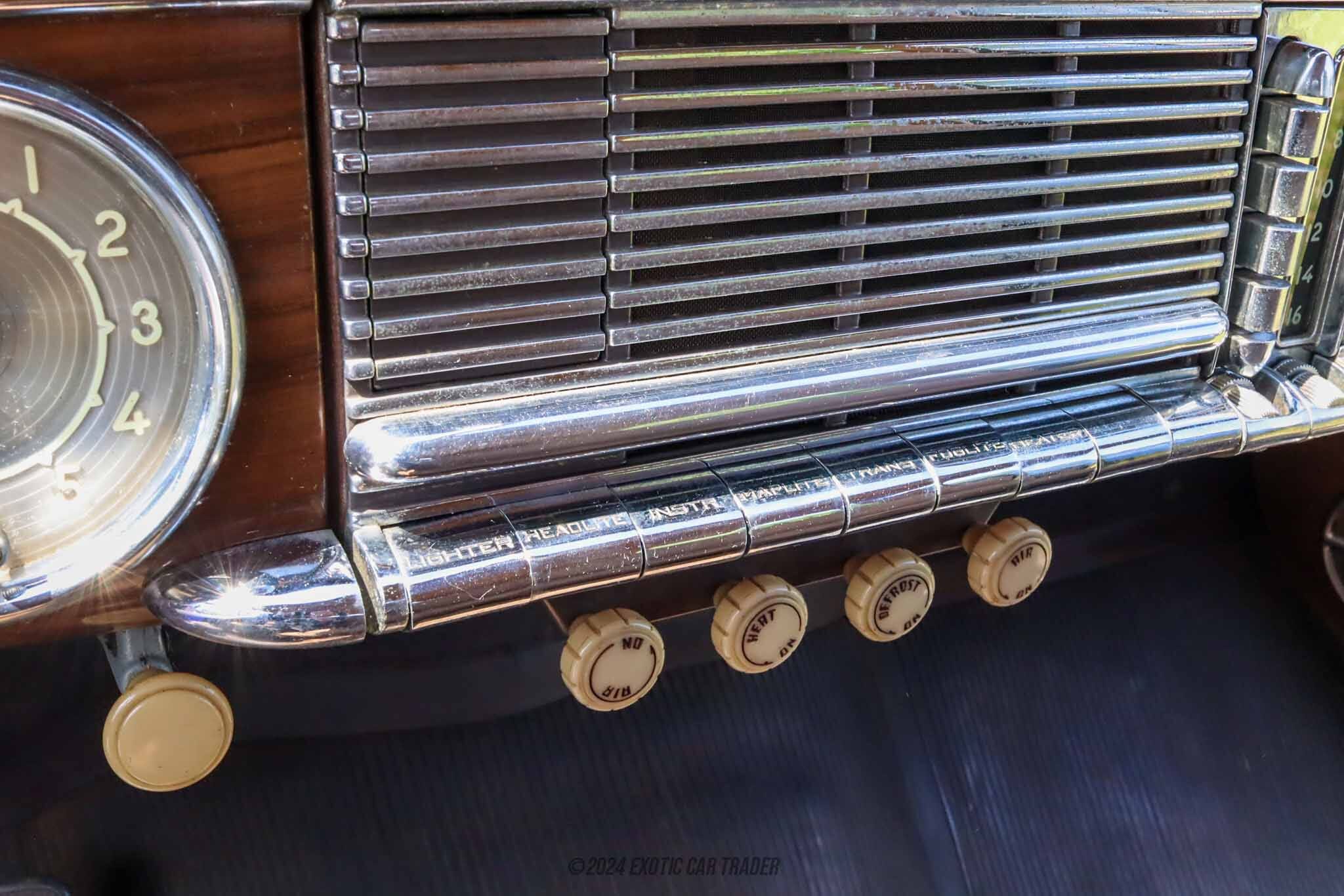
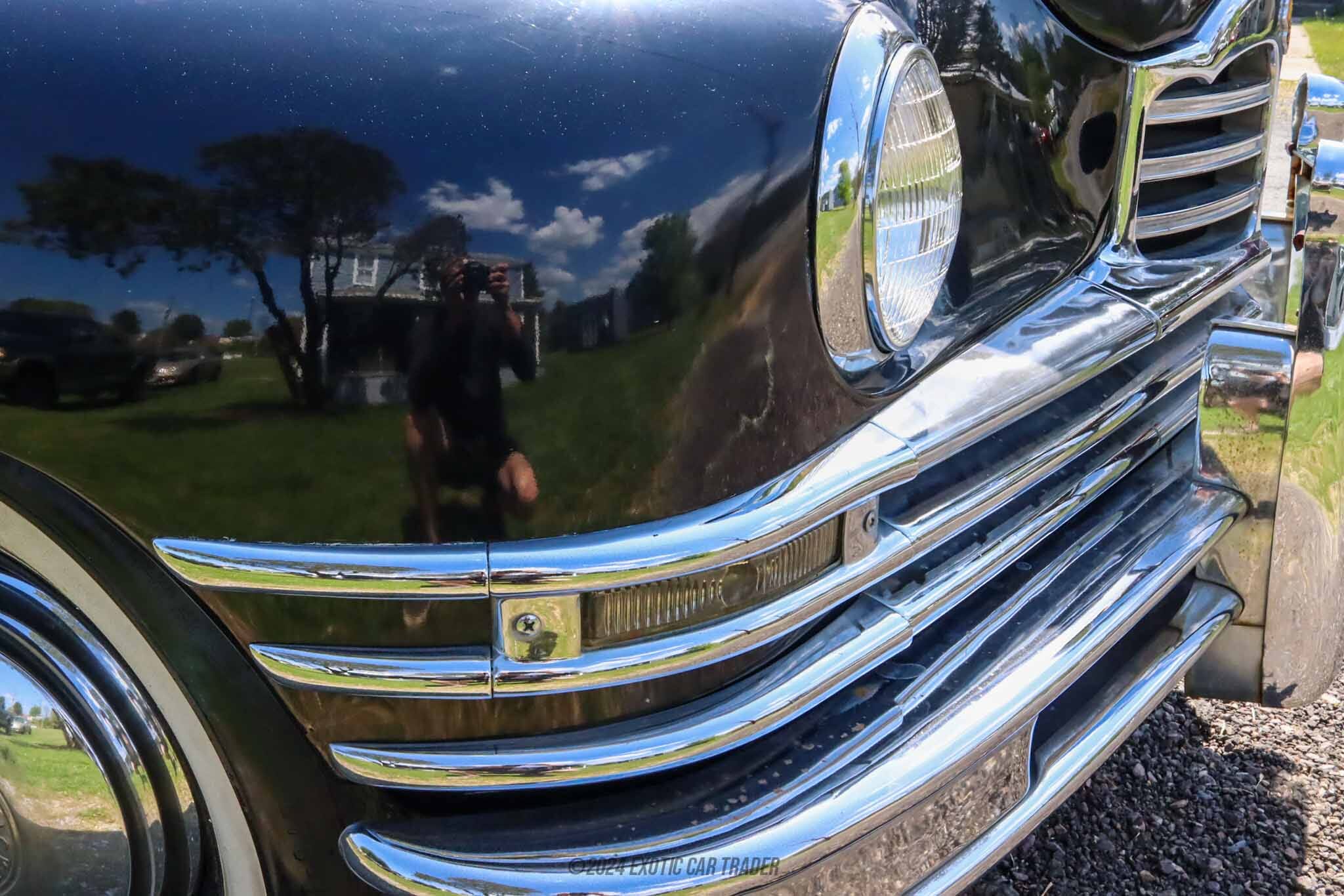
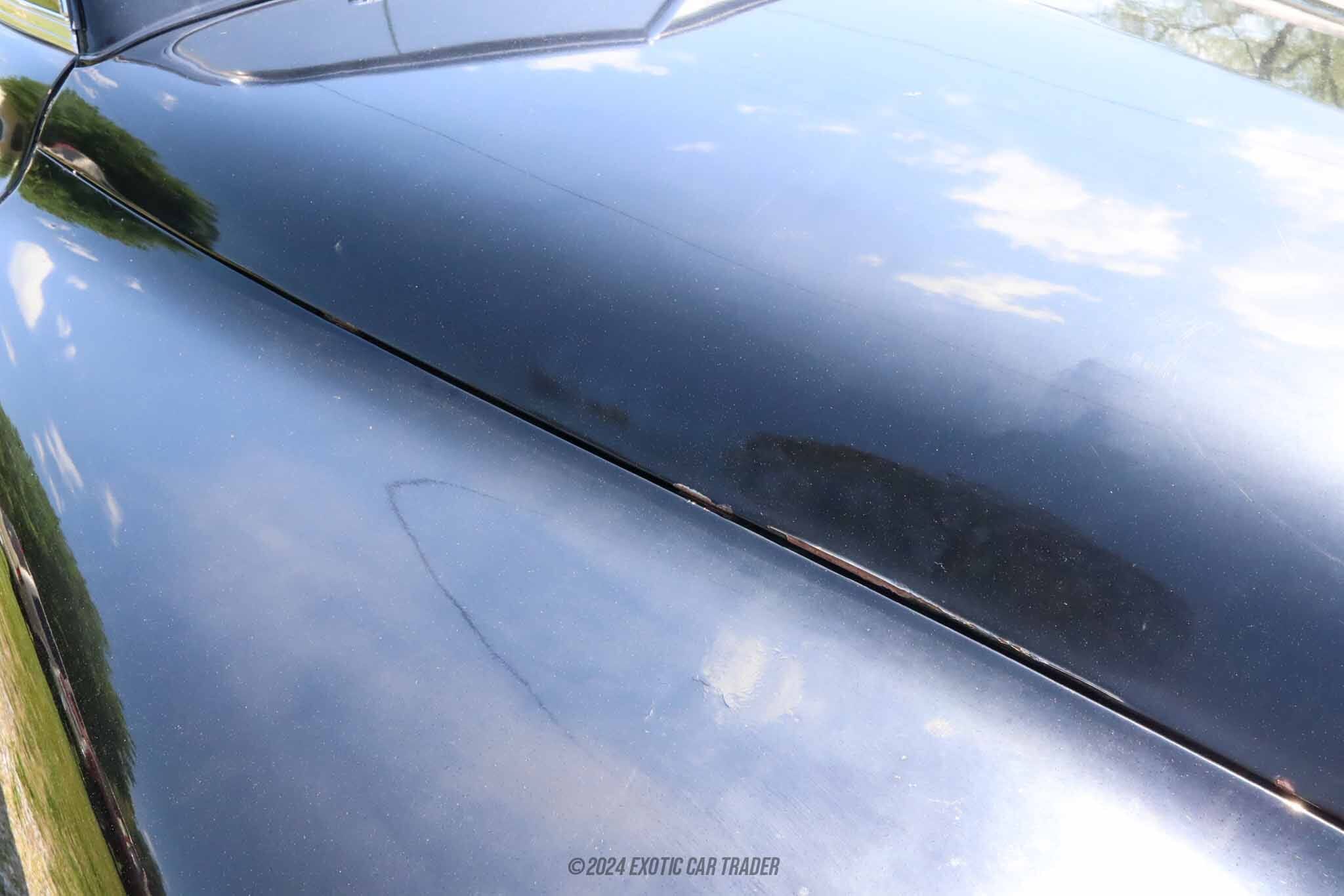
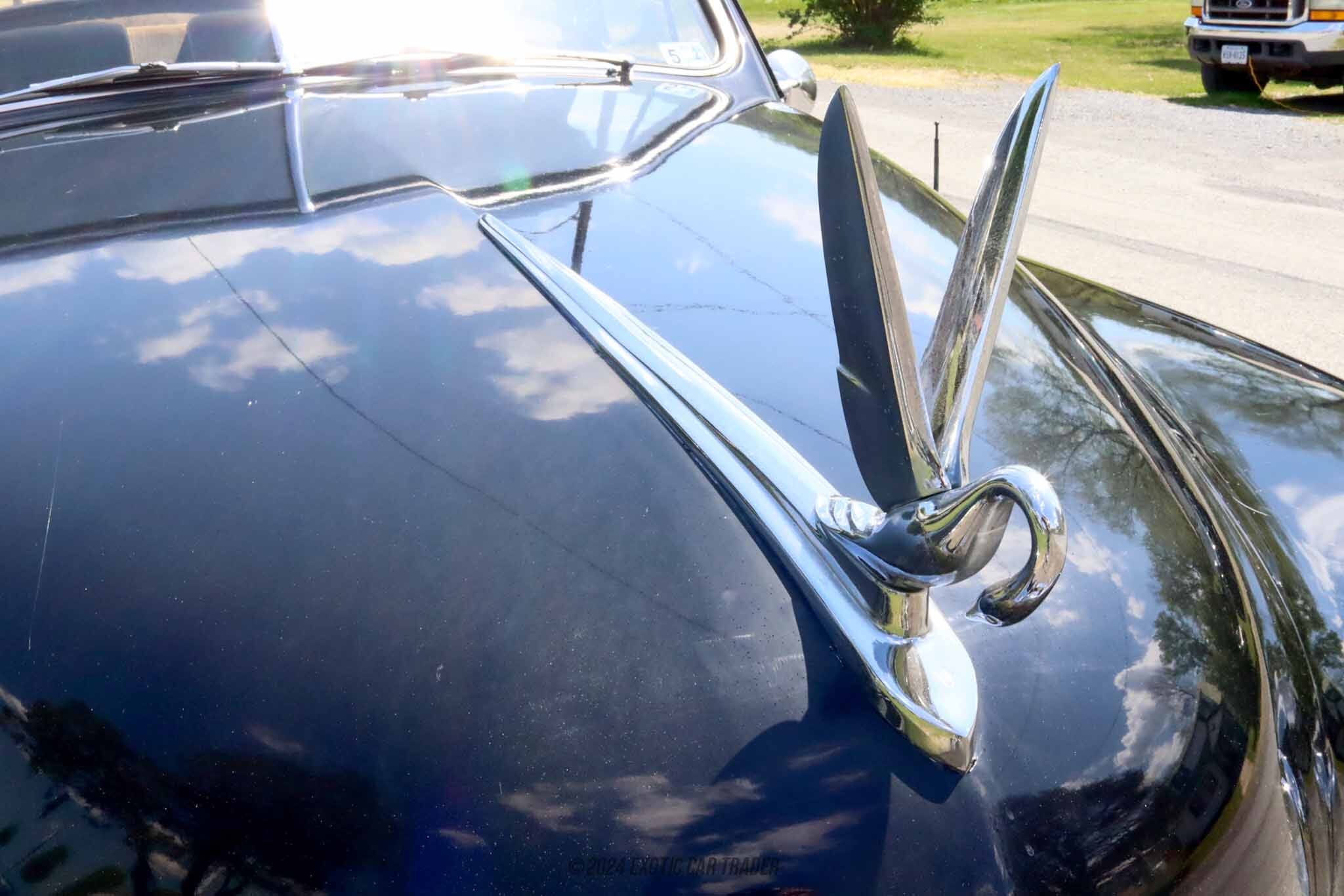
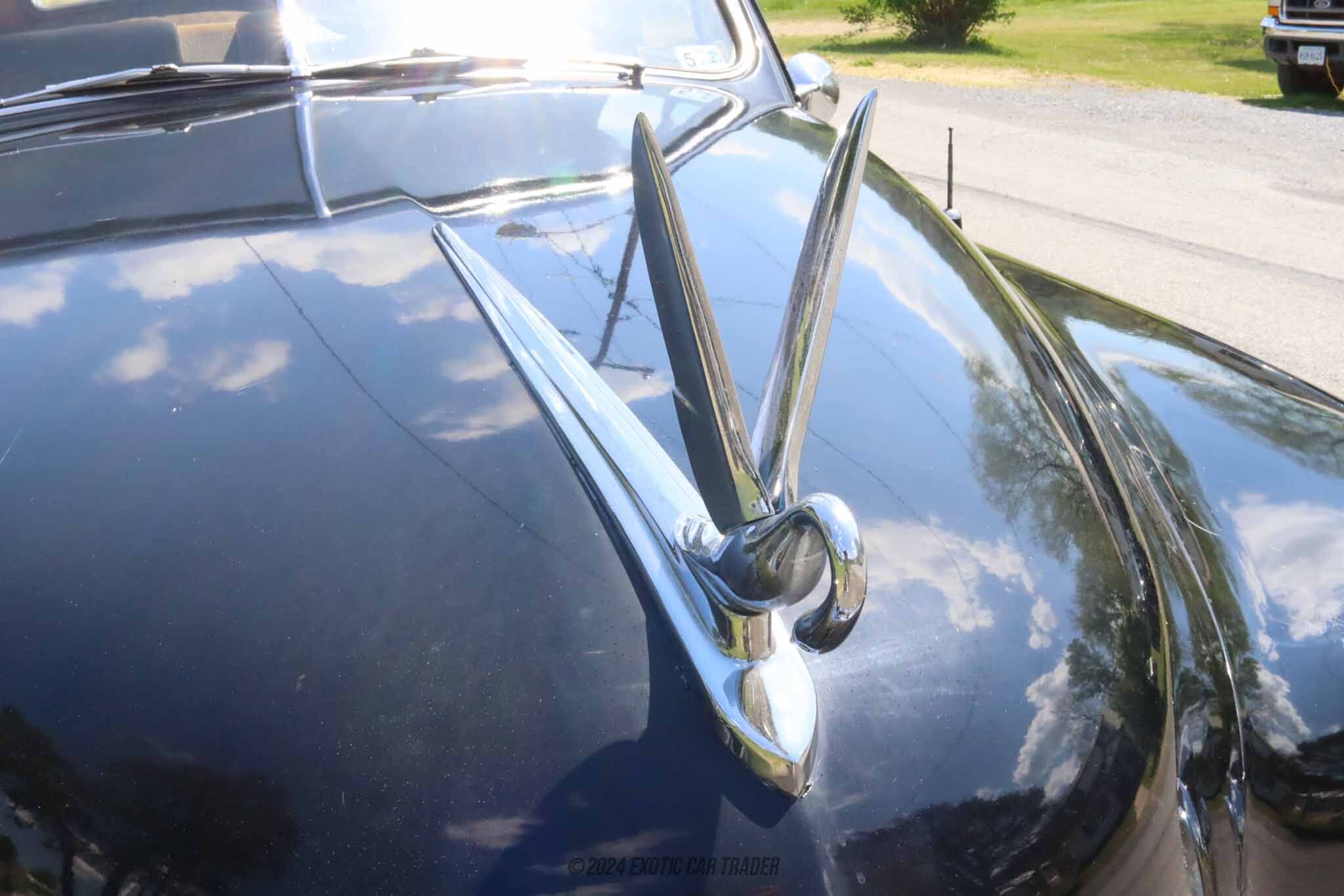
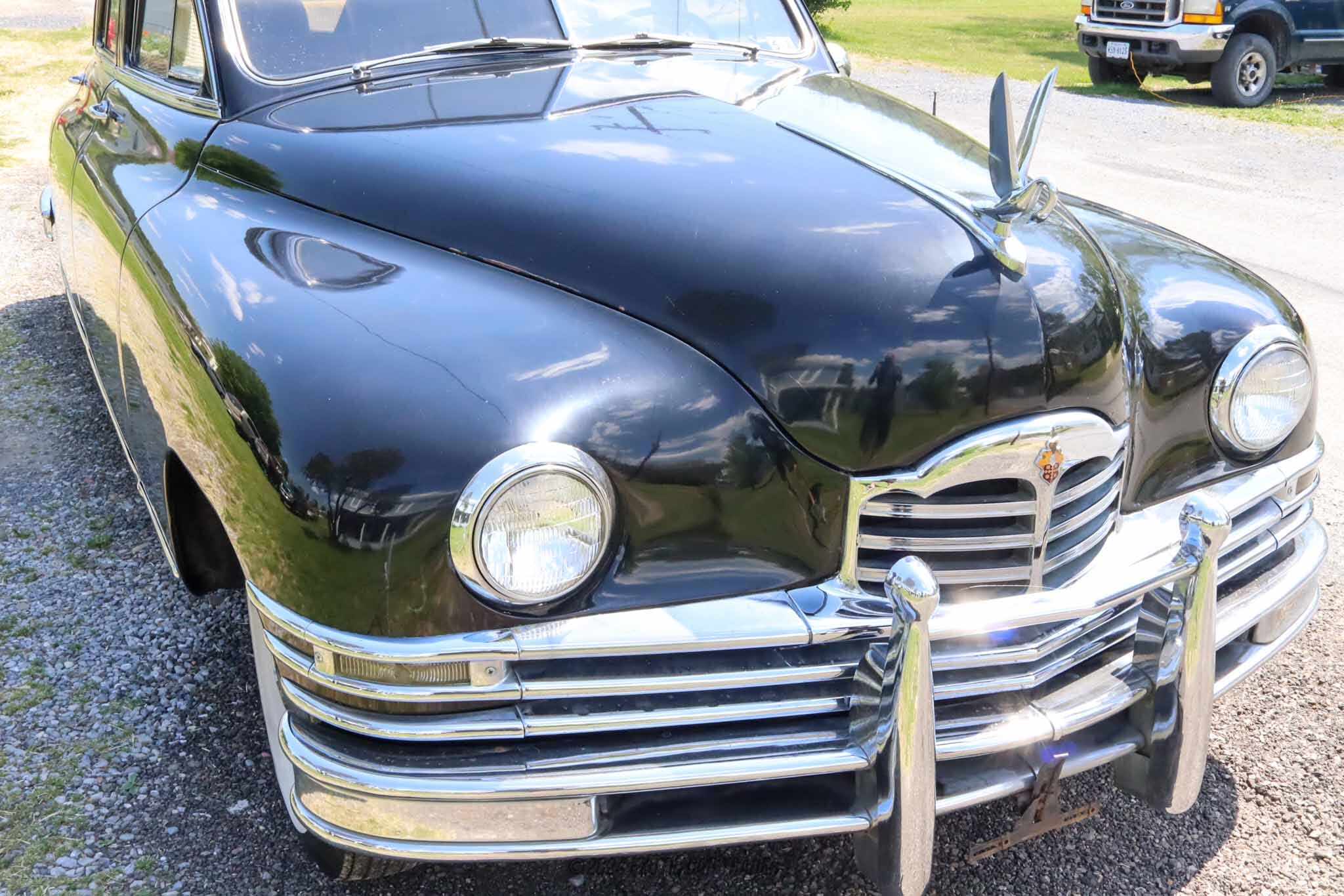
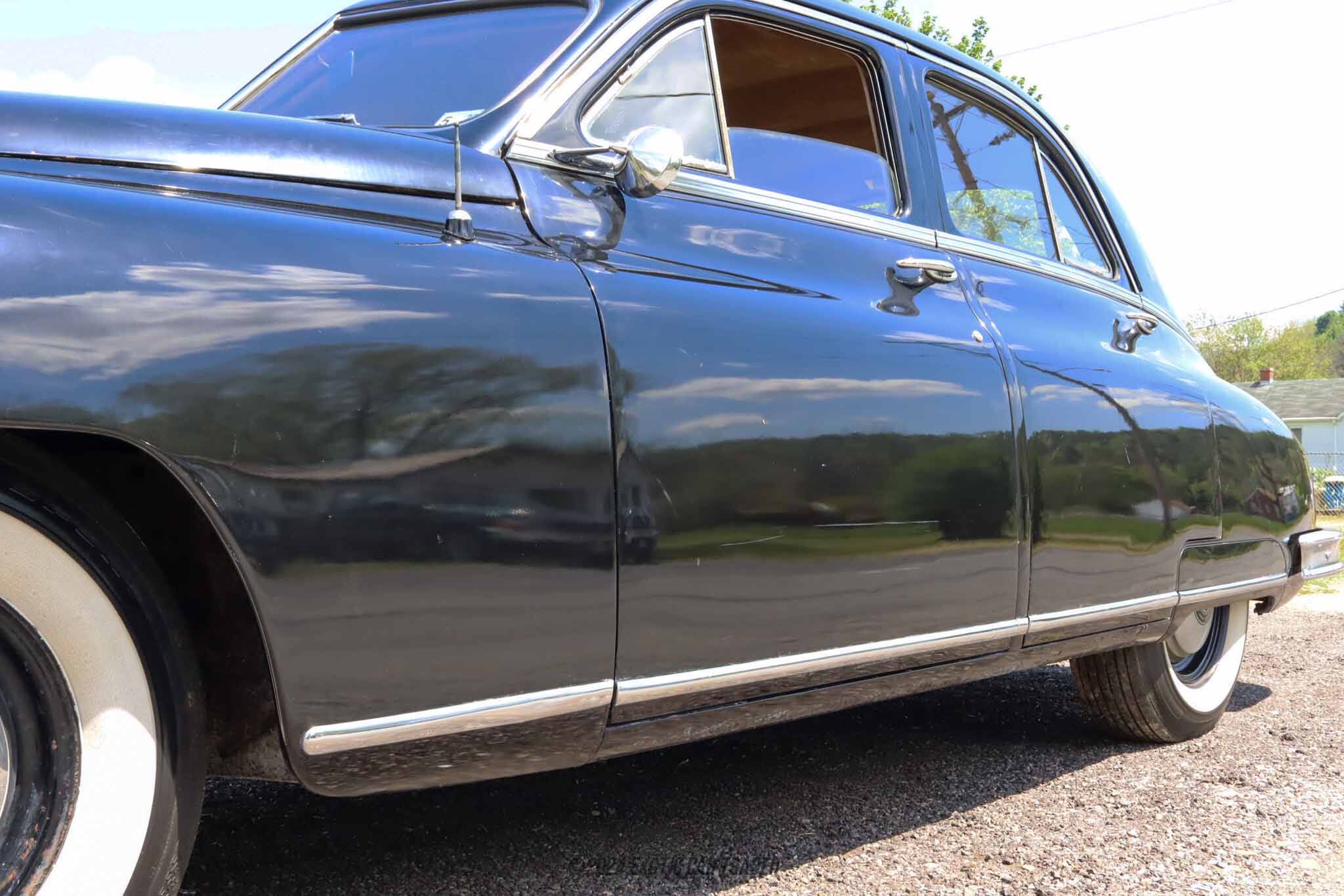
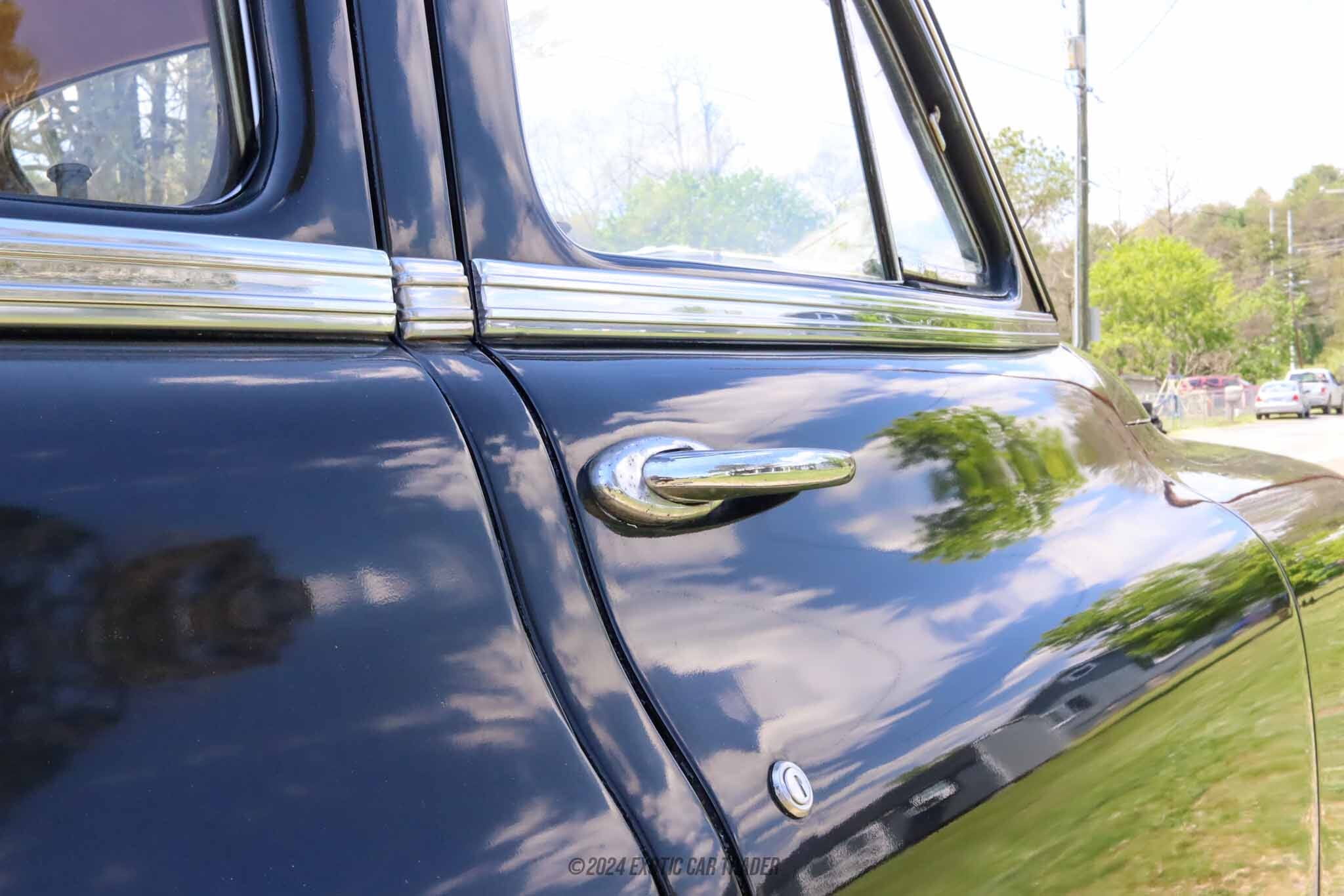
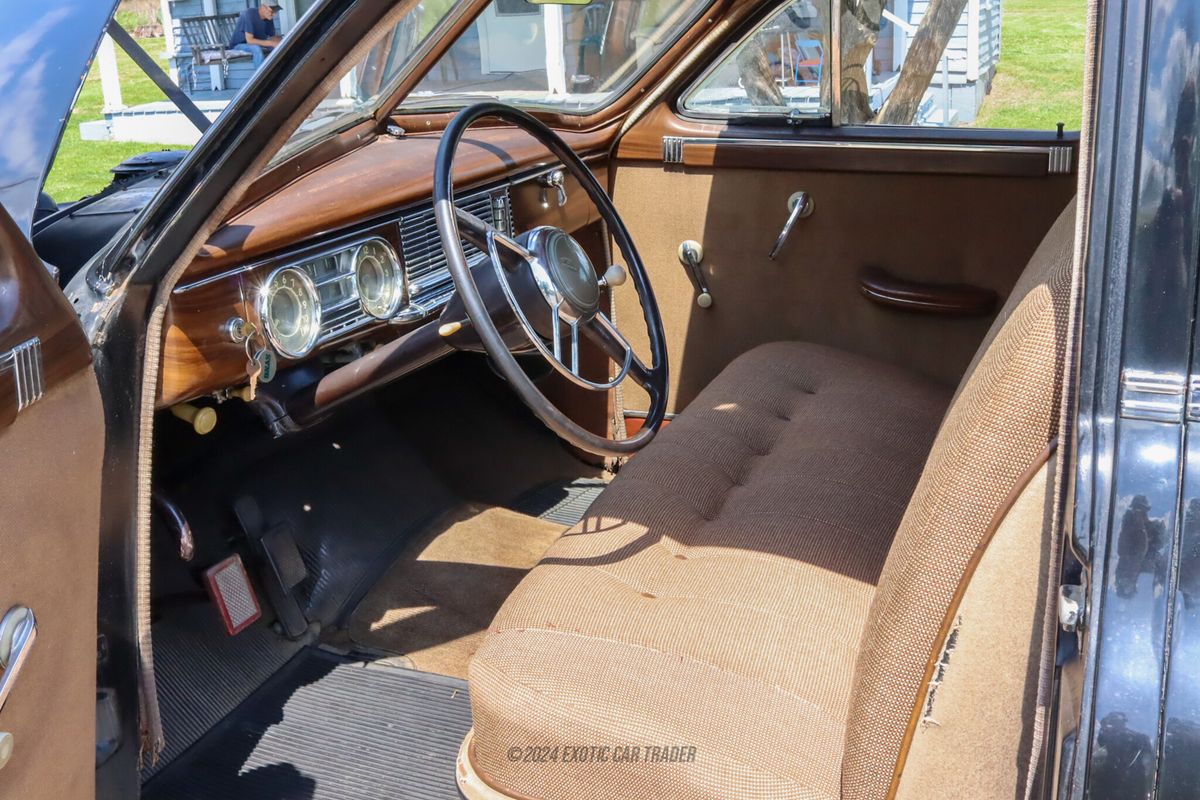
The black exterior of this 1948 Packard DeLuxe Eight Sedan exudes the kind of elegance that would have been appreciated by the traditional Packard buyer in the ’40s. You’ll notice the silhouette is streamlined, with designers understanding and implementing their understanding of aerodynamics. Up front are a prominent hood ornament and large chrome grille, with all-consuming intakes and a prominent bumper with over-riders. The streamlined design incorporates hidden rear wheels for the Sedan, which on our featured car are wrapped in white wall tires. Inside, there’s a reportedly tan leather interior, with a wide bench seat up front and individual rear seating at the back, featuring a retractable center armrest. The controls are simple and laid out, with a large steering wheel, column-mounted gearshift, and controls for the car’s ventilation in the center.
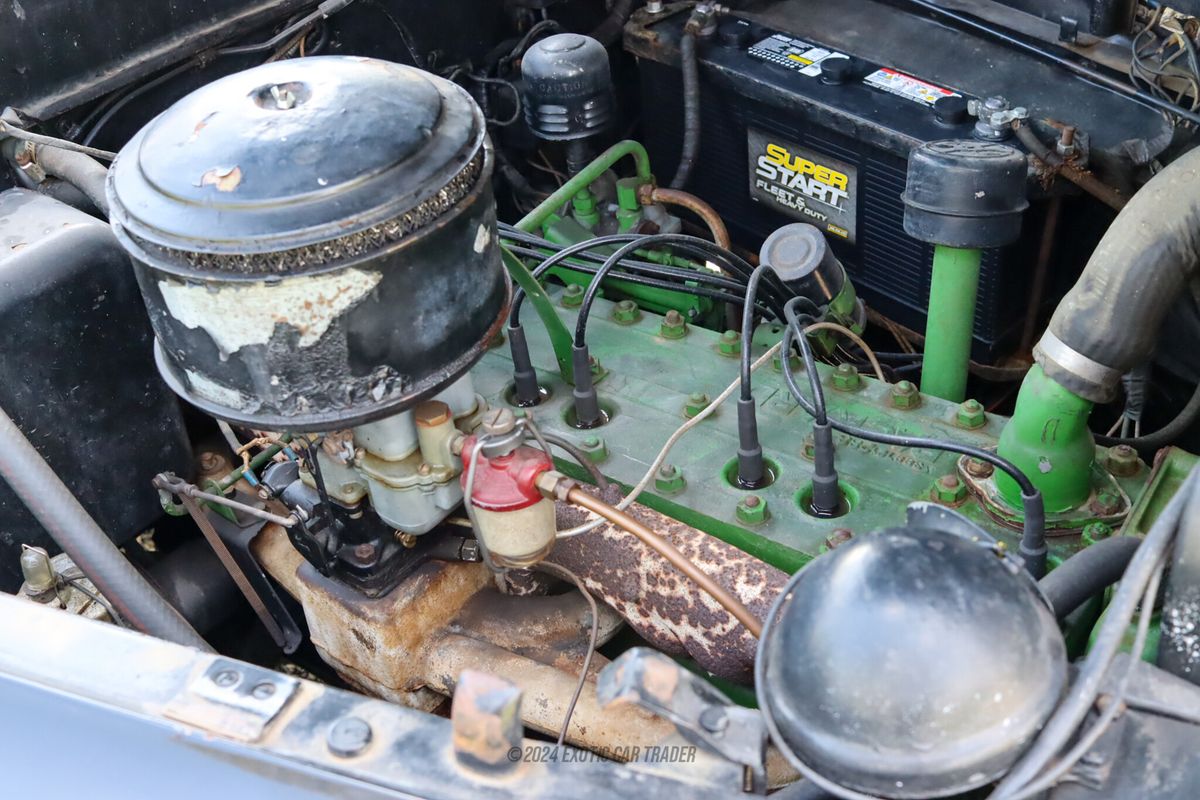
Engine
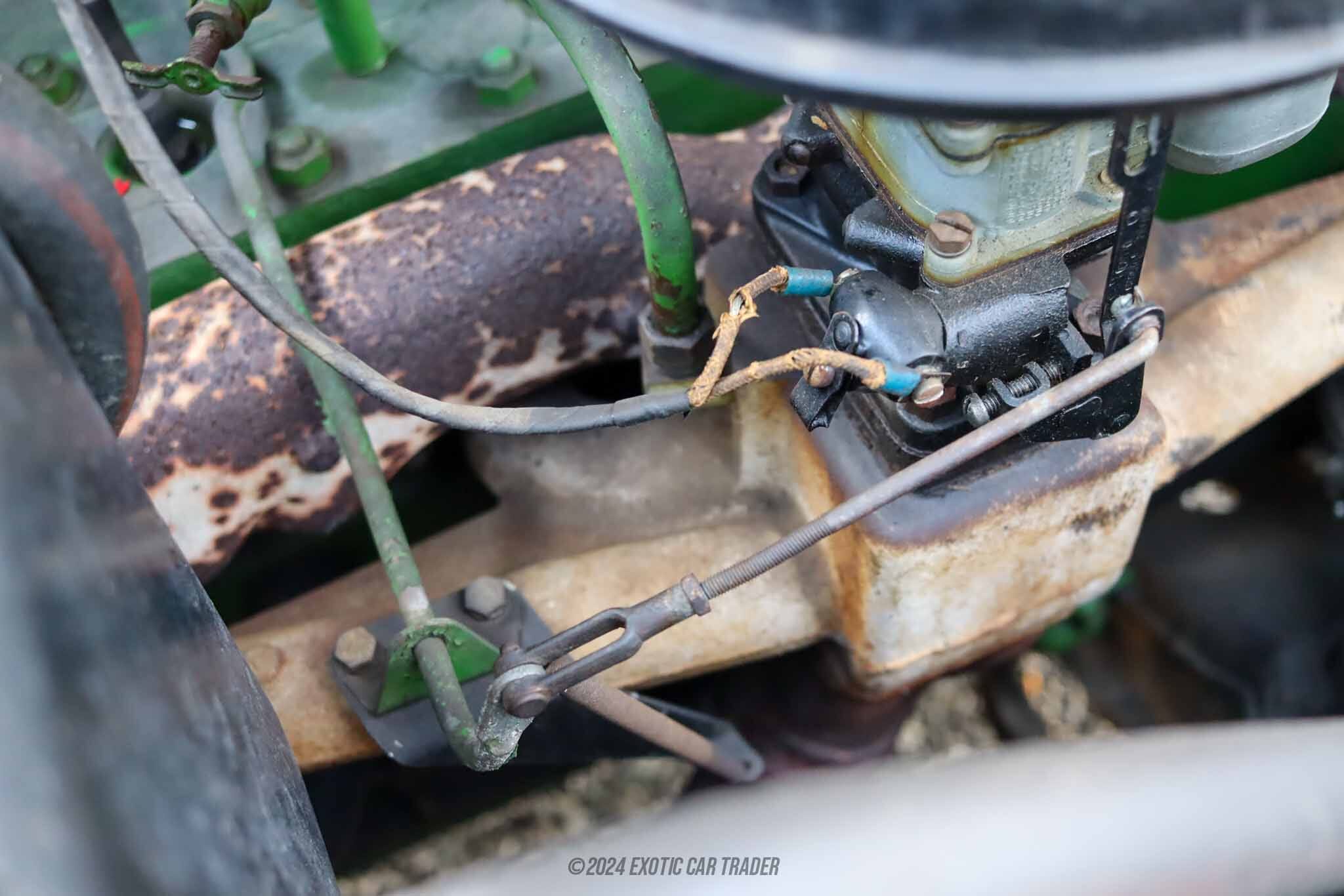
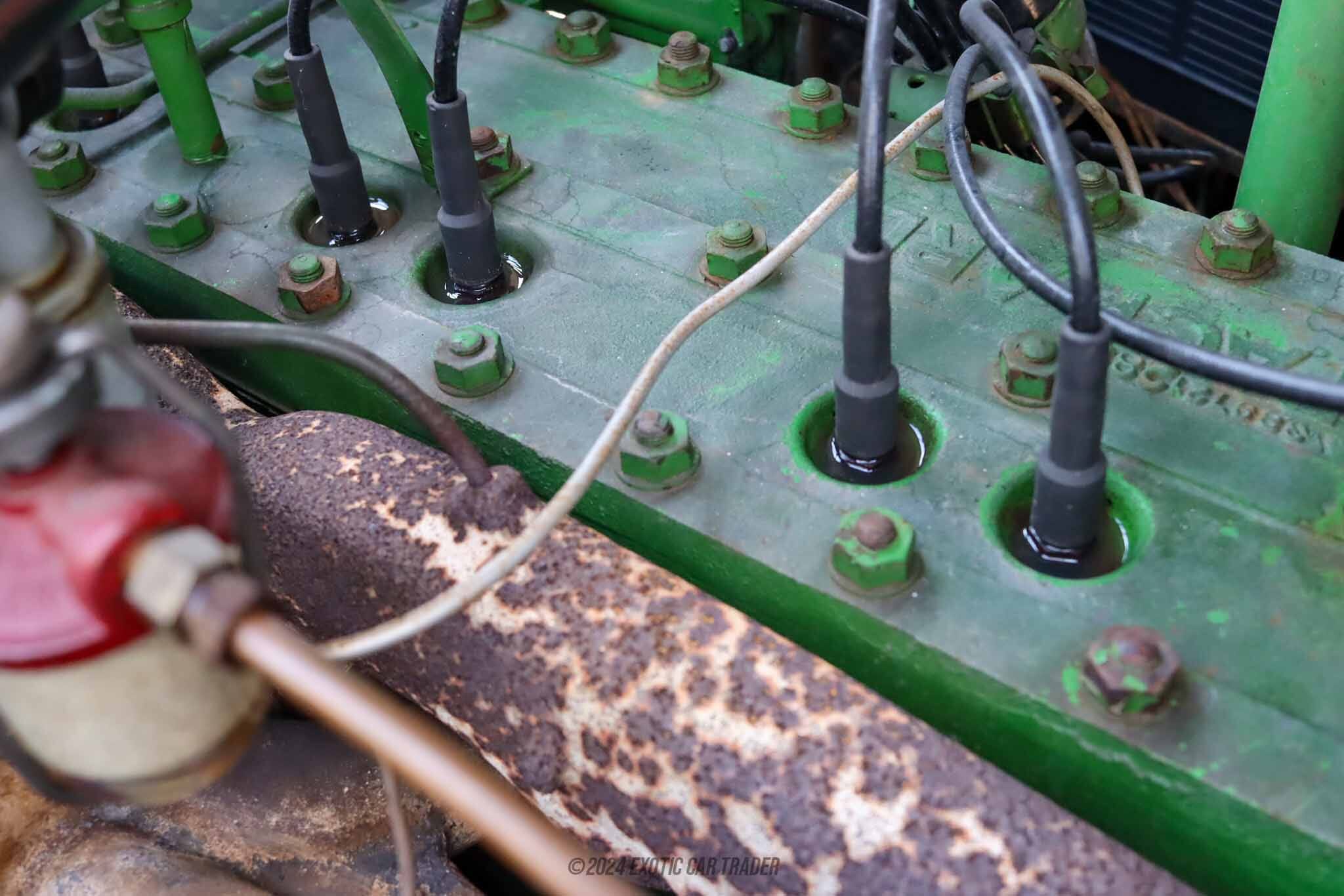
While Packard is known for their legendary straight-eight engine — a configuration that is unheard of today — the owner reports that this car features a 288ci inline-8 motor. Power is sent to the rear wheels via a three-speed manual transmission, and the owner reports that all maintenance has been kept up to date.


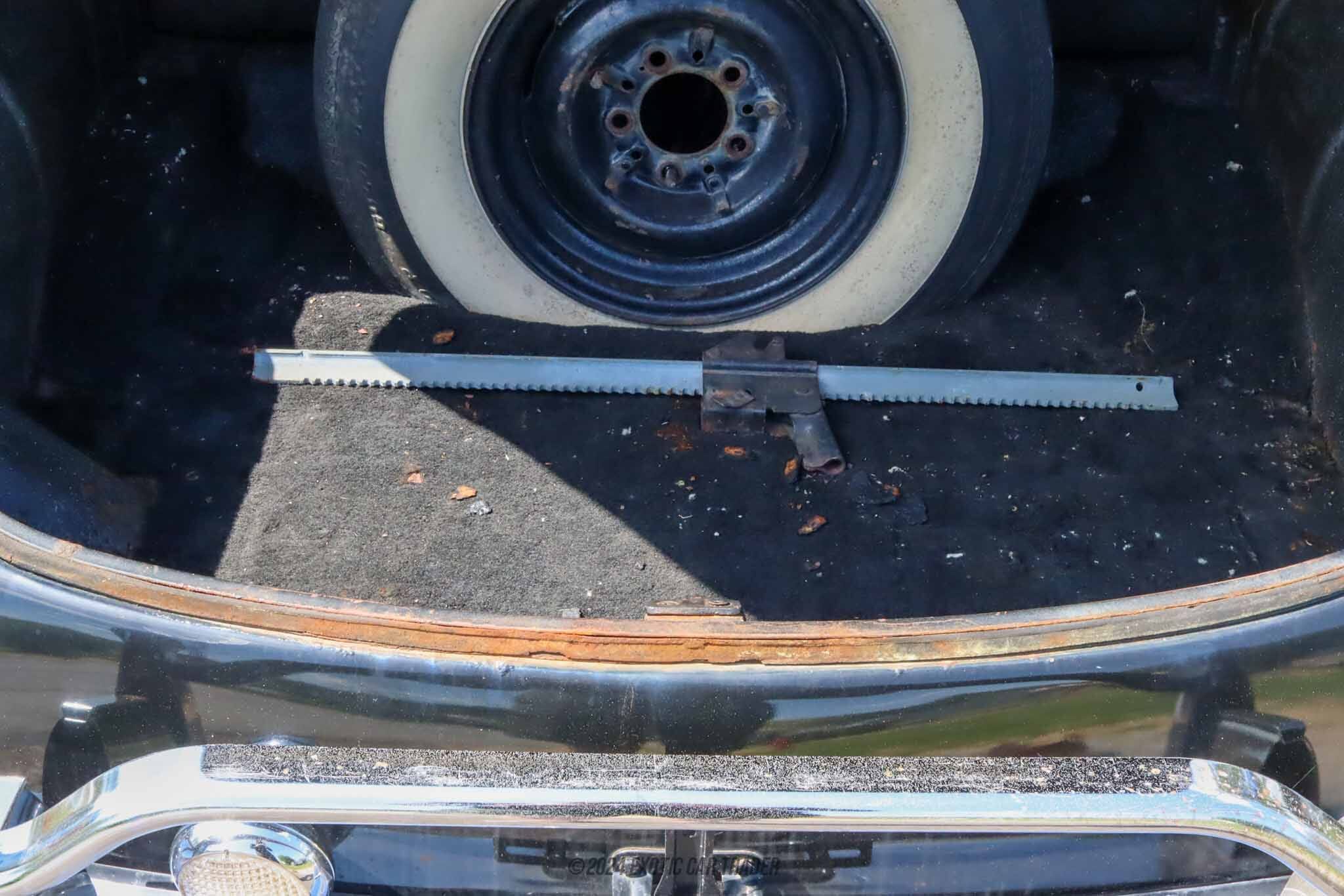
The Packard Motor Company is one of those great American auto names that you’ve likely never heard of. That’s because they came to be in 1899, but went out in 1956, when they merged with Studebaker. It’s likely your parents themselves may not have heard of the brand either, but your grandparents likely will. They will reminisce about how Packards were luxury cars at the time, owned and driven by the wealthy, and always statement-makers whenever they were seen driving along, or parked in the foyers of swish hotels. Today, you can find out how it feels to have a Packard by acquiring this Stanton-based 1949 Packard 8 Restomod. The car comes with a newer V8 under the hood and has gained an automatic transmission too. This makes it ideal for the generation who never learned to drive stick. We’re told that the frame is from a Cadillac de Ville, and that documentation is included with the sale of the car. One key is also provided.
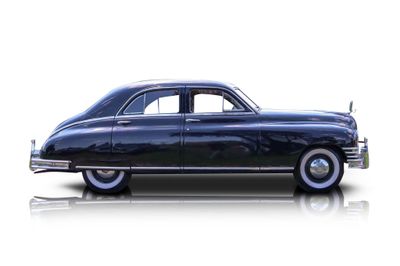
Back in the golden age of motoring, driving a Packard told the world that you were a discerning driver. The company was known for its luxurious offerings. Before the war, they had competed with Cadillac for being known as the pinnacle of American luxury. The Packard name has long stood for quality and luxury, with the company carving out a niche for themselves in the upmarket car game. This 1948 Packard DeLuxe Eight Sedan was part of the Packard lineup during the post-World War II era. The Sedan featured a streamlined design language typical of other luxury sedans of the era. Inside, there was copious space, with rear-seat comfort and luggage capacity two key design factors. Our featured car is powered by a 288ci inline-8 engine and is reported as an all-original example.
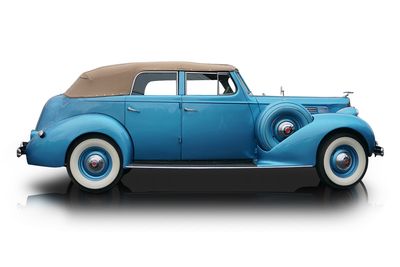
If you wanted luxury like no other, and to blend with those high social classes back in the 1930s a Packard was the way to go. They were often referred to as the pre-eminent luxury car before World War 2 struck. Owning a Packard even today is a treat and a sure-fire head turner when you are out and about on those leisurely drives. Whilst a convertible is typically a two-door, why not go for a rare bird in the shape of this 4-door convertible 1938 Packard Eight Series 1601 from Pennsylvania? This can be your way of turning back the clock with class and sheer luxury.
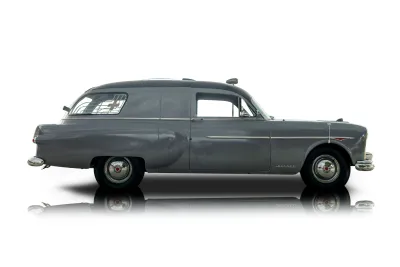
This 1952 Packard Henney Junior Ambulance represents a rare piece of American emergency vehicle history, serving as Pilot/Prototype Serial No. 3 of only three 1952 pilot models produced. Developed through a collaboration between Packard Motor Company and John W. Henney & Company, the Junior Ambulance was designed as a smaller and more economical alternative to traditional full-size ambulances. According to the provided documentation, this vehicle carries the unusual 25th Series Packard chassis designation (Model 2533) and was one of the earliest examples built before production continued into the 1953 and 1954 model years. Powered by Packard’s 288ci “Thunderbolt” inline-eight engine and featuring its original military-inspired configuration, this example served with the United States Air Force before spending decades in storage. With approximately 35,585 miles shown, this Henney Junior Ambulance stands out as a historically significant prototype with documented military service, coachbuilt construction, and unique features including its distinctive rooftop ventilator.
The Packard Motor Company is one of those great American auto names that you’ve likely never heard of. That’s because they came to be in 1899, but went out in 1956, when they merged with Studebaker. It’s likely your parents themselves may not have heard of the brand either, but your grandparents likely will. They will reminisce about how Packards were luxury cars at the time, owned and driven by the wealthy, and always statement-makers whenever they were seen driving along, or parked in the foyers of swish hotels. Today, you can find out how it feels to have a Packard by acquiring this Stanton-based 1949 Packard 8 Restomod. The car comes with a newer V8 under the hood and has gained an automatic transmission too. This makes it ideal for the generation who never learned to drive stick. We’re told that the frame is from a Cadillac de Ville, and that documentation is included with the sale of the car. One key is also provided.
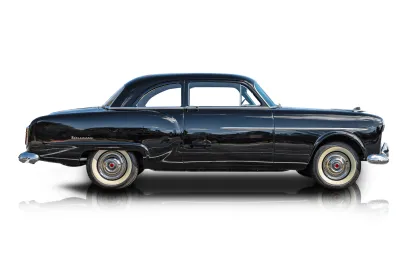
Packard is an American auto brand that you’ve likely never heard of, or if so, in passing. Your parents might know if it though, your grandparents definitely will. That’s because the Packard Motor Company of Detroit, Michigan made cars between 1899 and 1956. They are widely known as the purveyors of the modern steering wheel, air conditioning in cars, and one of the first production 12-cylinder engines! Sad, then, that such an iconic brand died a quiet death in the Fifties, merging with Studebaker by 1953 and quietly disappearing thereafter. One of their last models was the 200, and we have an example for sale today. This 1951 Packard 200 comes from Marietta, Georgia, and has done just 19,000 miles as per what we’ve been told. It’s a fine classic car for those who seek an unusual choice rather than going with the usual suspects from the major brands.

Terms of Service
Be Kind and Courteous
We're here to create a platform to better the automotive industry through communication and transparency. Please treat everyone with respect. Healthy debates are natural, but kindness is required.
No Hate Speech
Make sure everyone feels safe. Hate speech of any kind is strictly prohibited. Degrading comments about things like race, religion, culture, sexual orientation, etc. will not be tolerated.
No Promotions or Spam
Give more than you take. Self-promotion, spam, or links of any kind are not allowed.
