

Buyer Resources
- 1976 Porsche 911 Turbo (930)
- 3.0L Air-Cooled Single-Turbocharged H6
- Bosch K-Jetronic CIS Fuel Injection
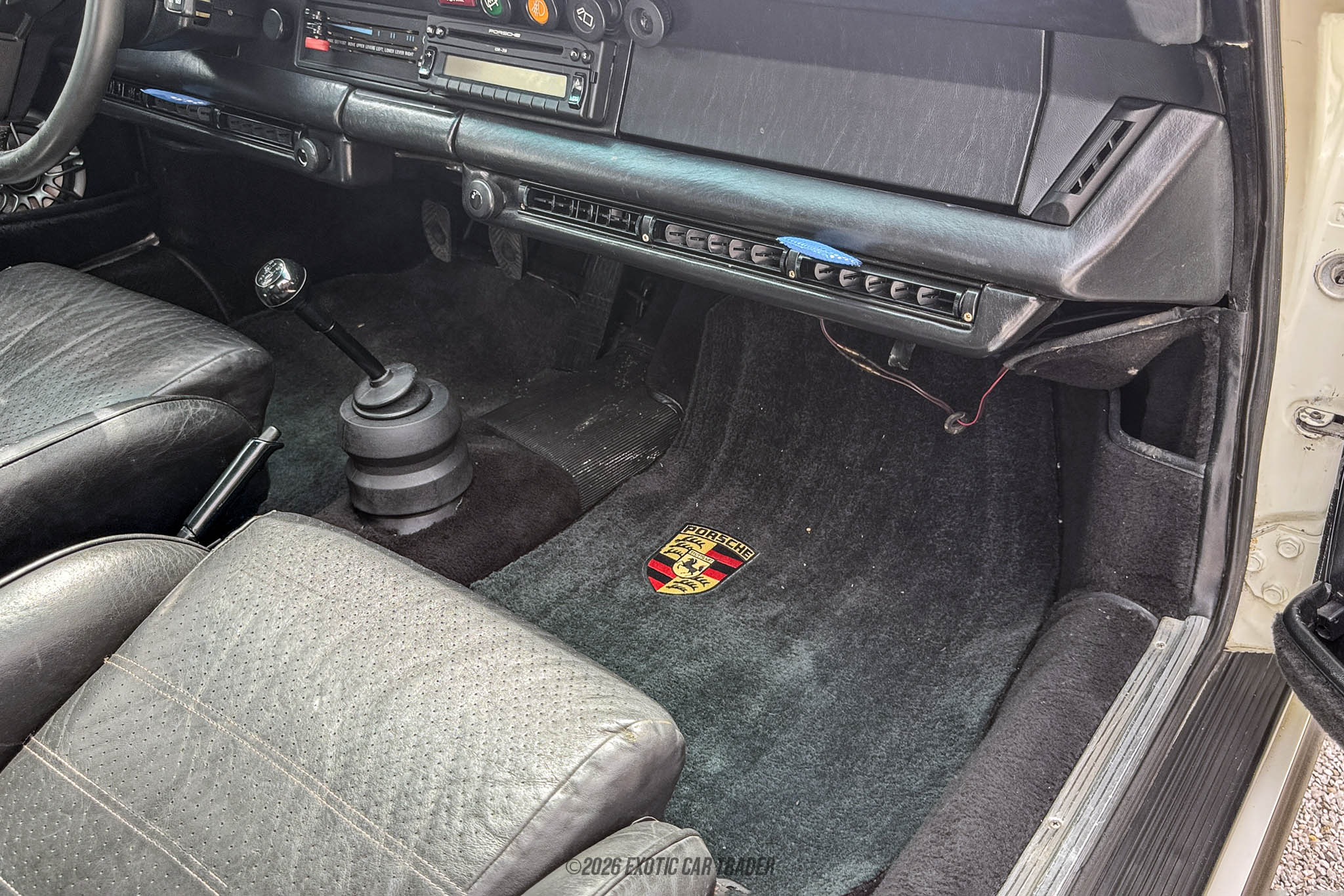
- 4-Speed Manual
- RWD
- White Exterior
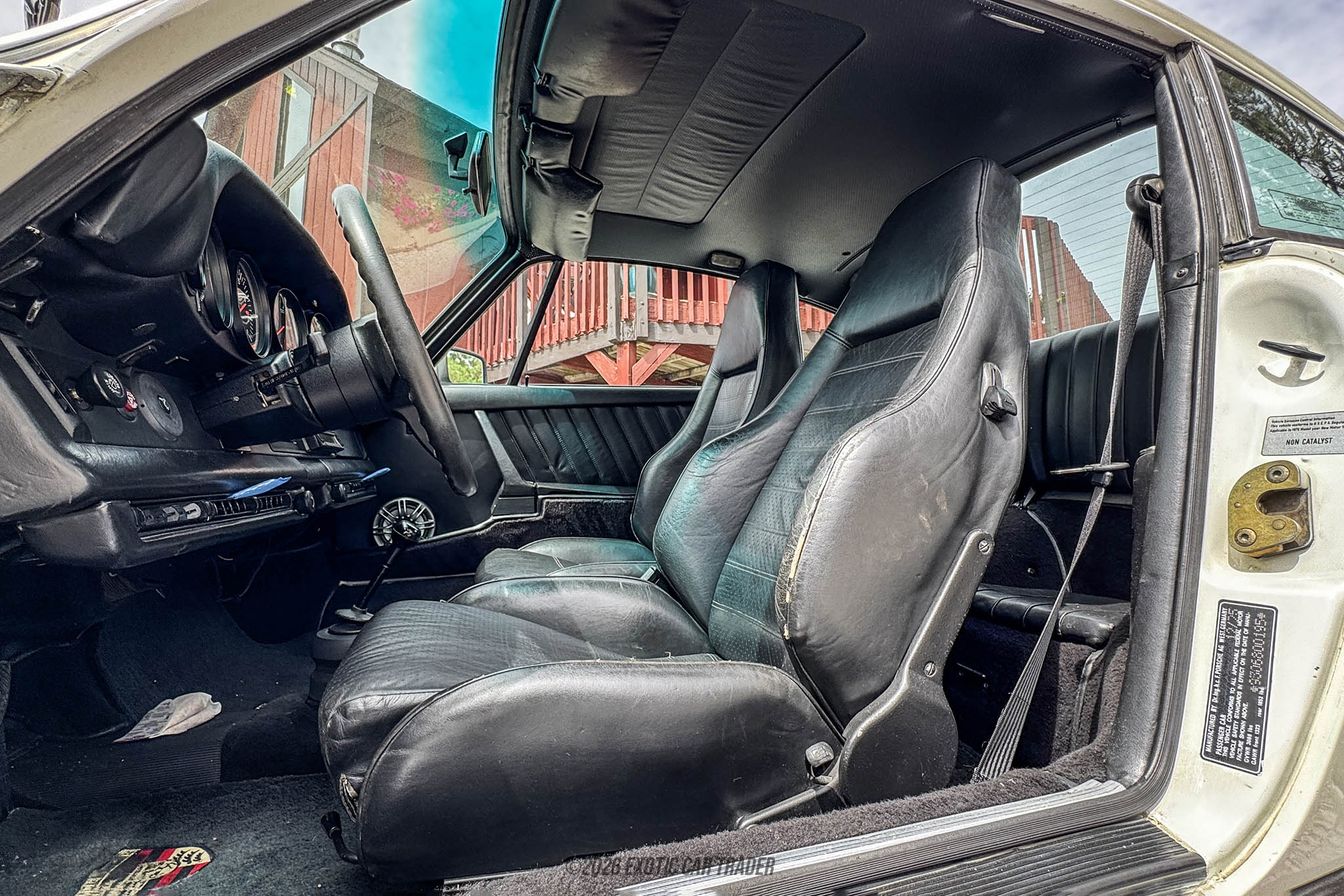
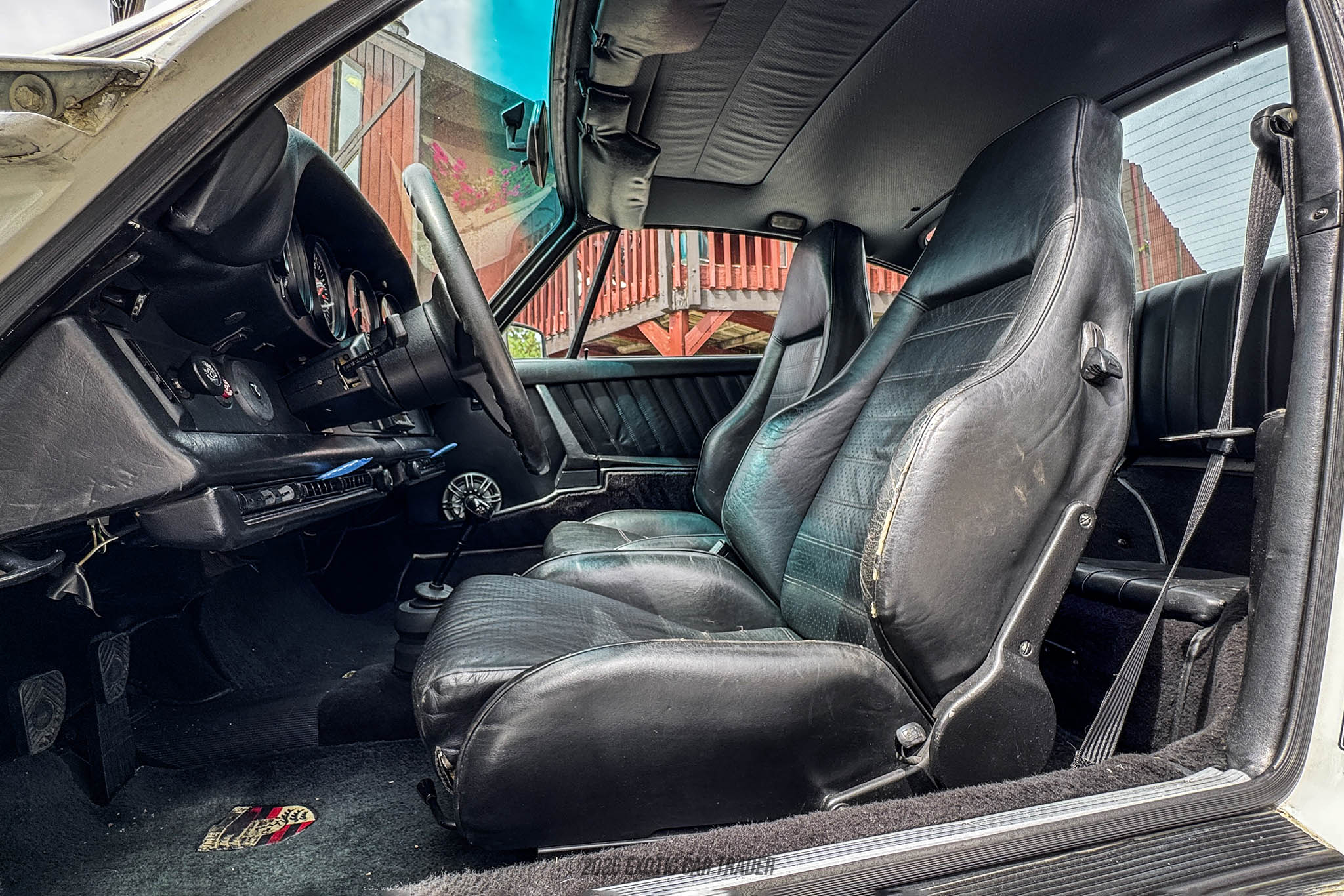
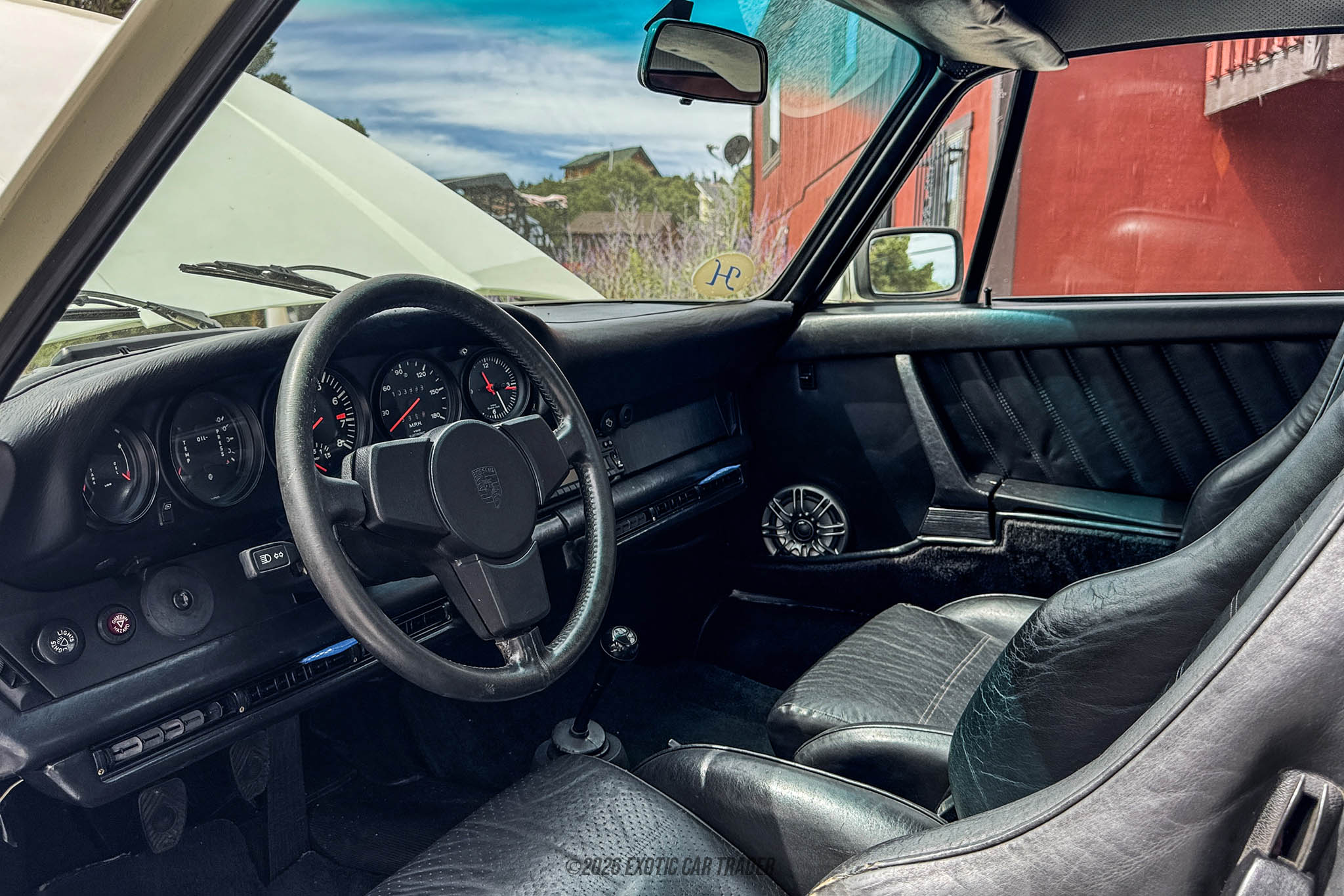
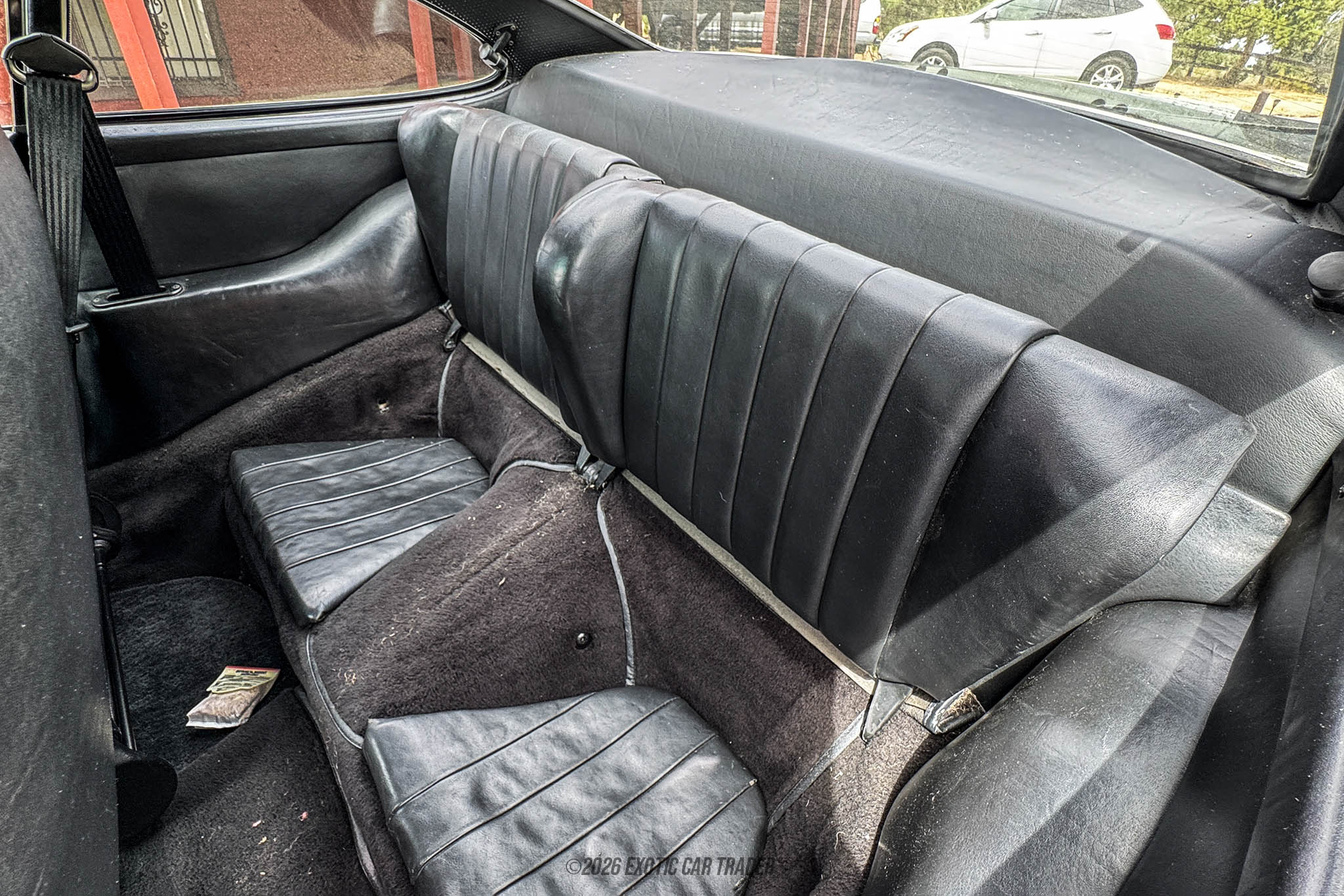
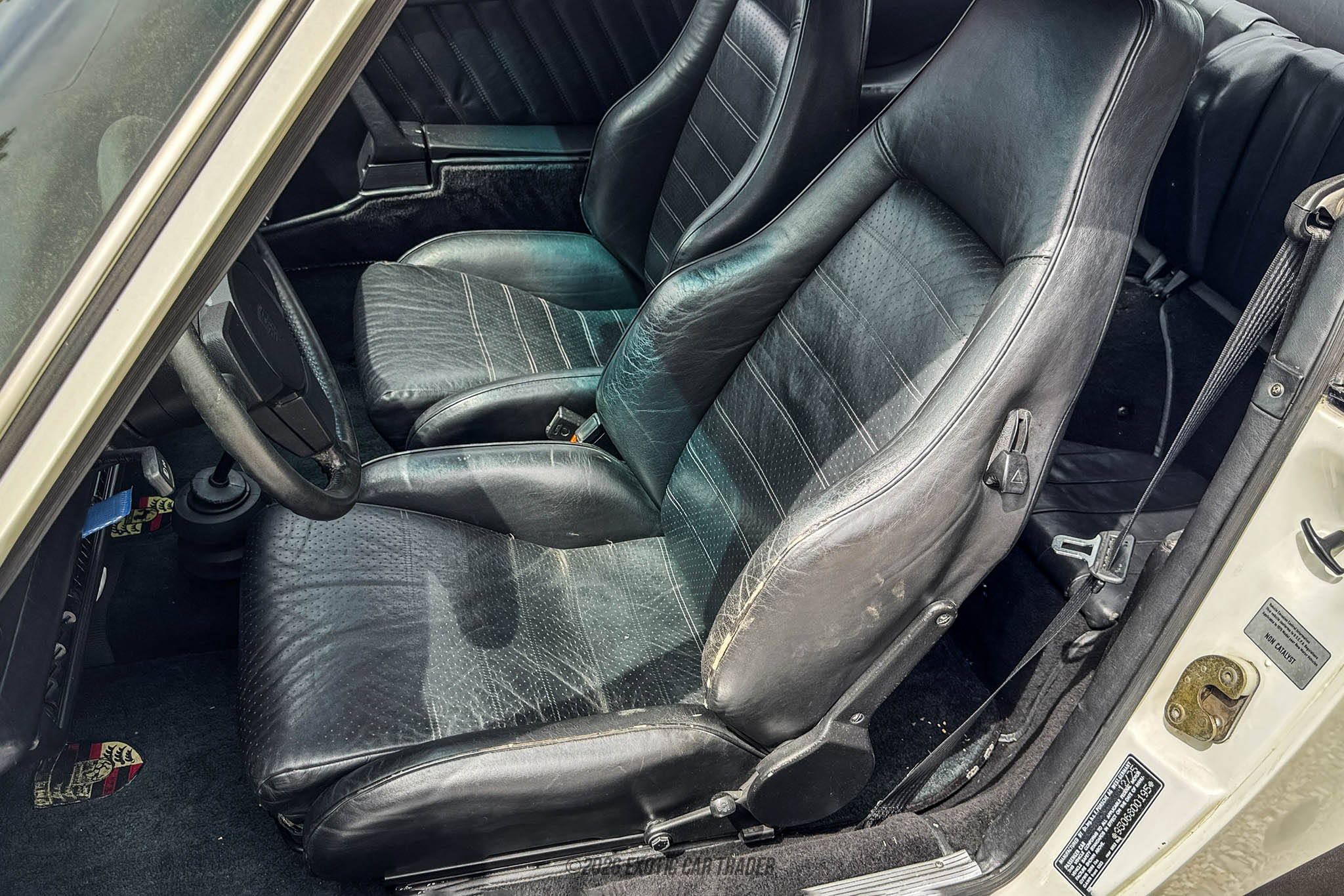
- Black Leather Interior
- U.S. Specification Version
- Type 930/51 Engine - Single-Turbo Configuration
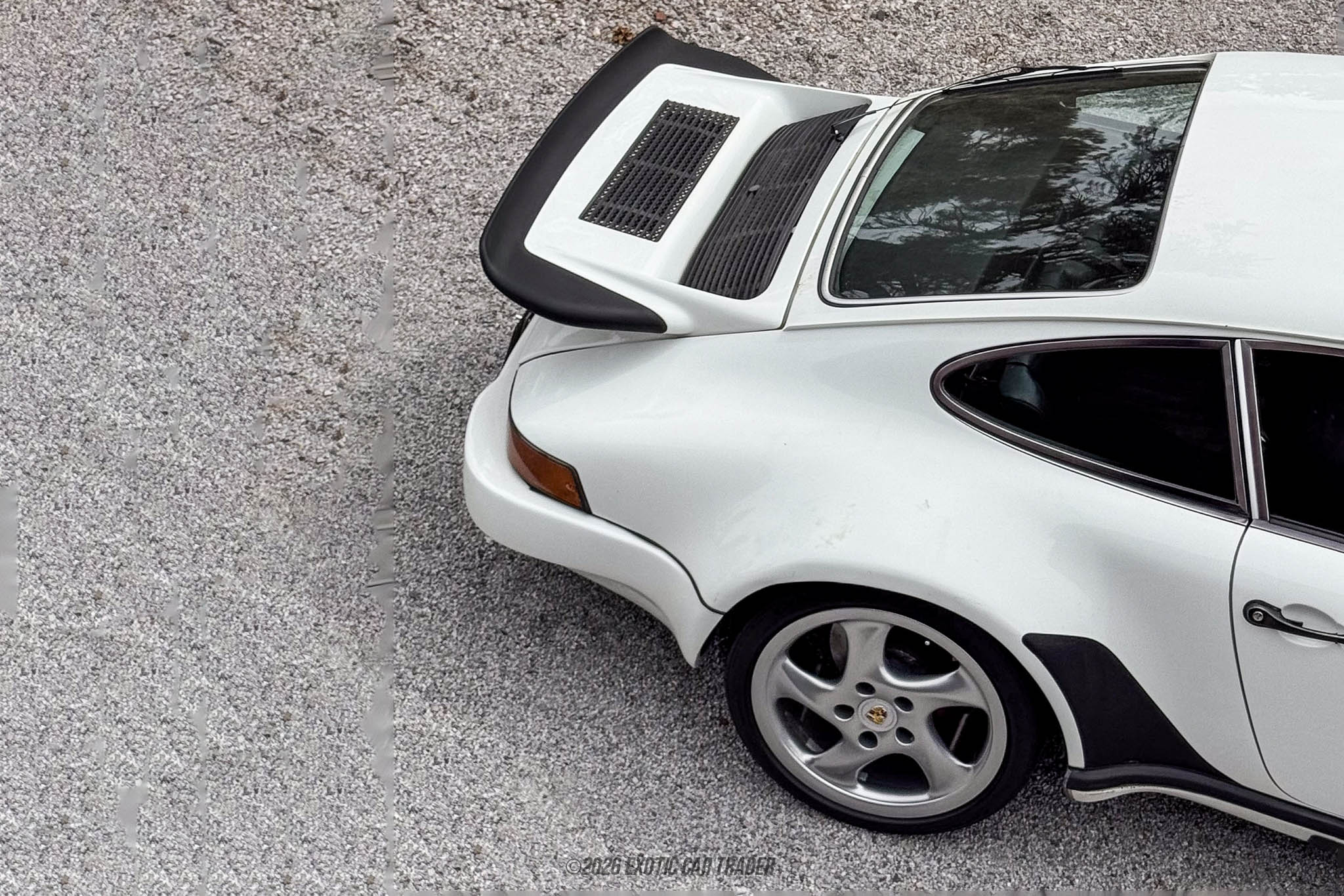
- Factory Whale Tail Rear Spoiler
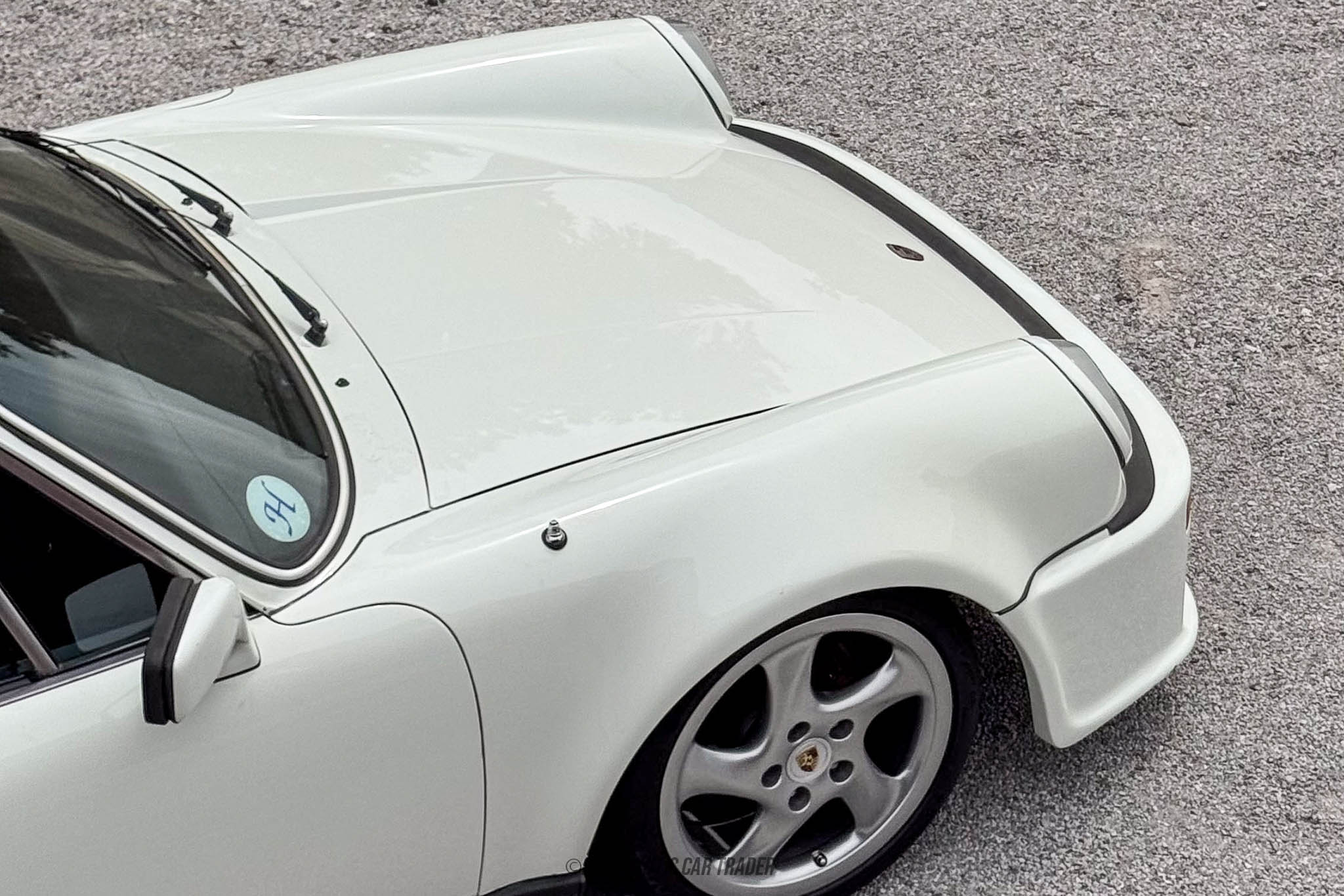
- Wide Turbo Rear Fenders
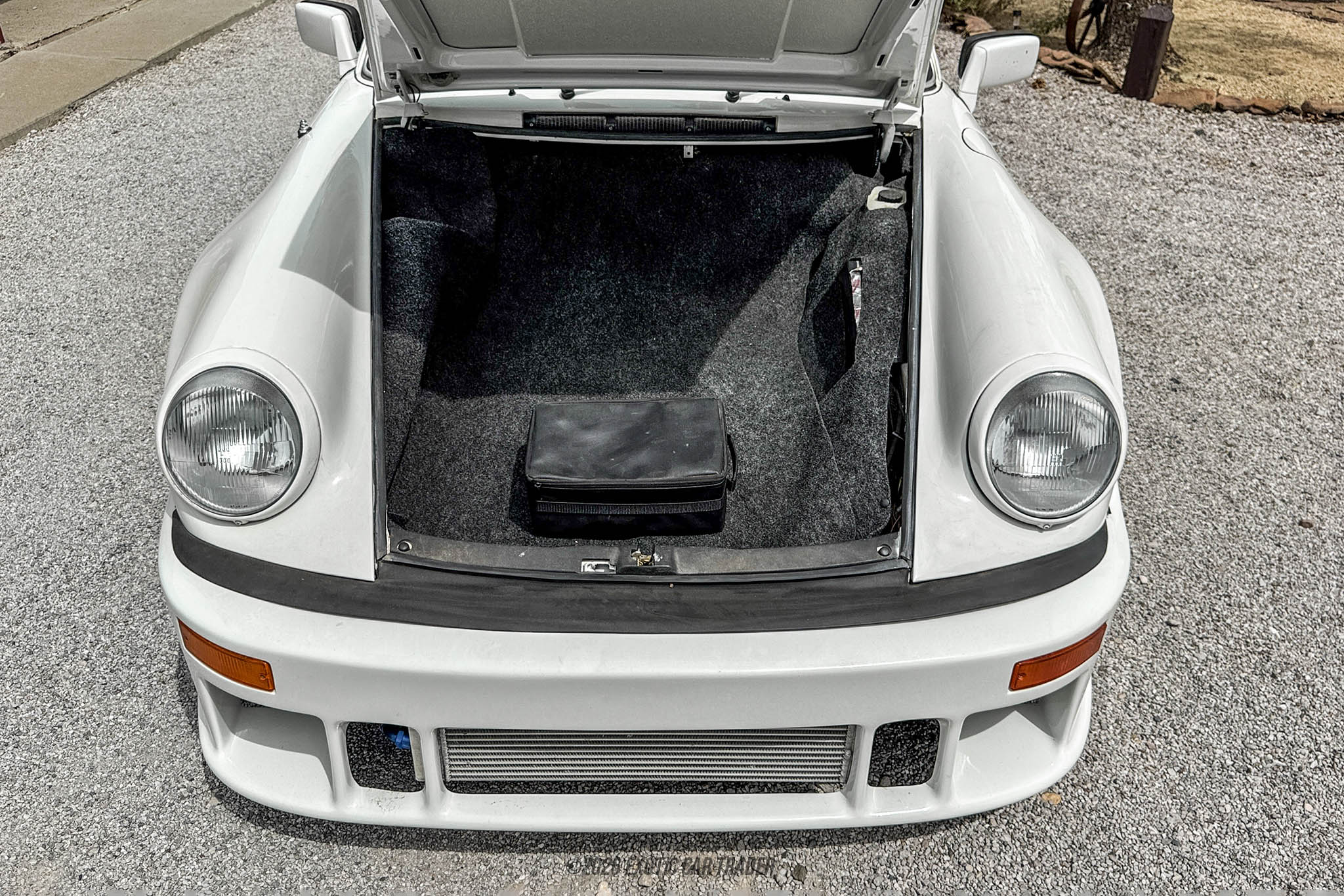
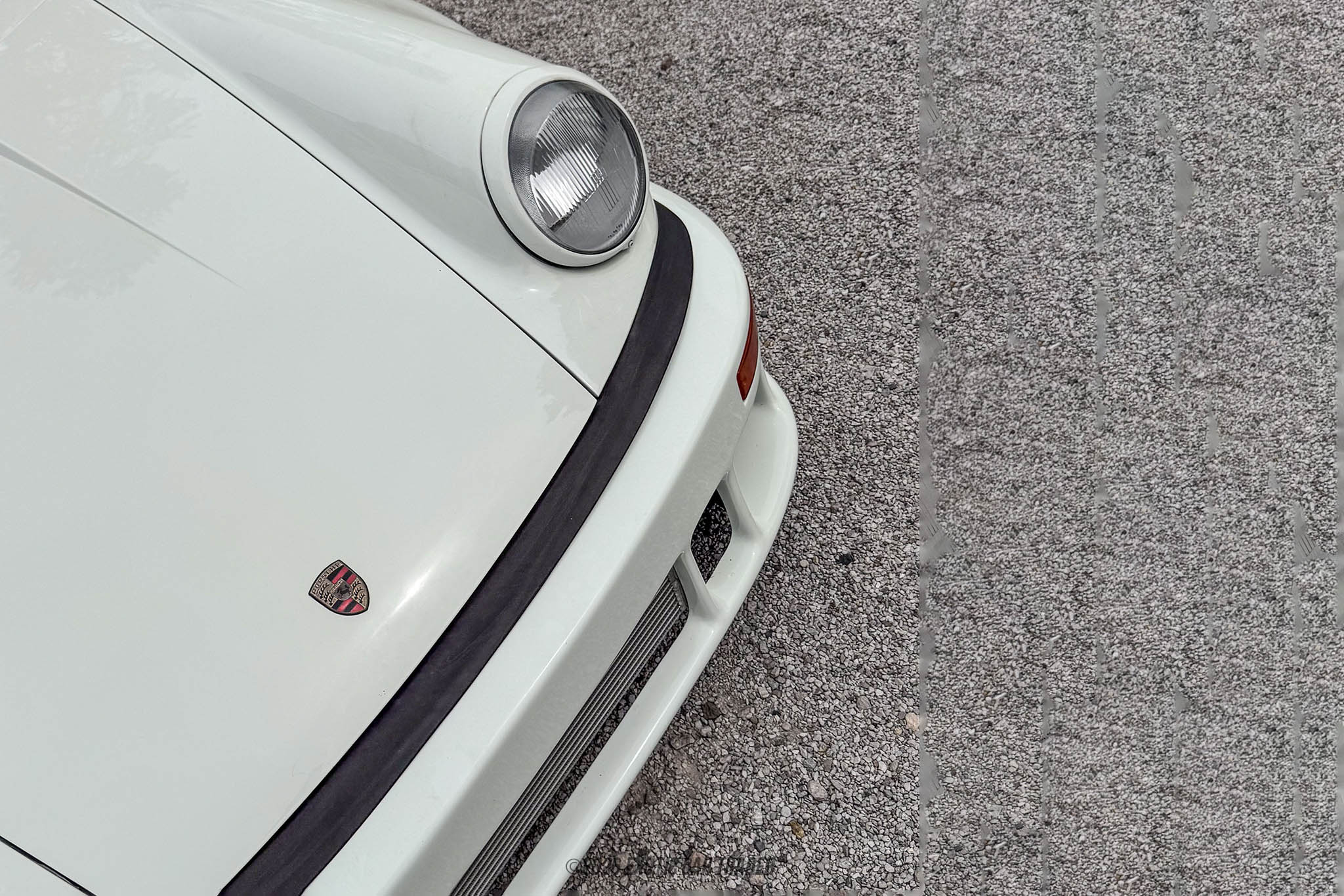
- Rennsport-Style Front Bumper
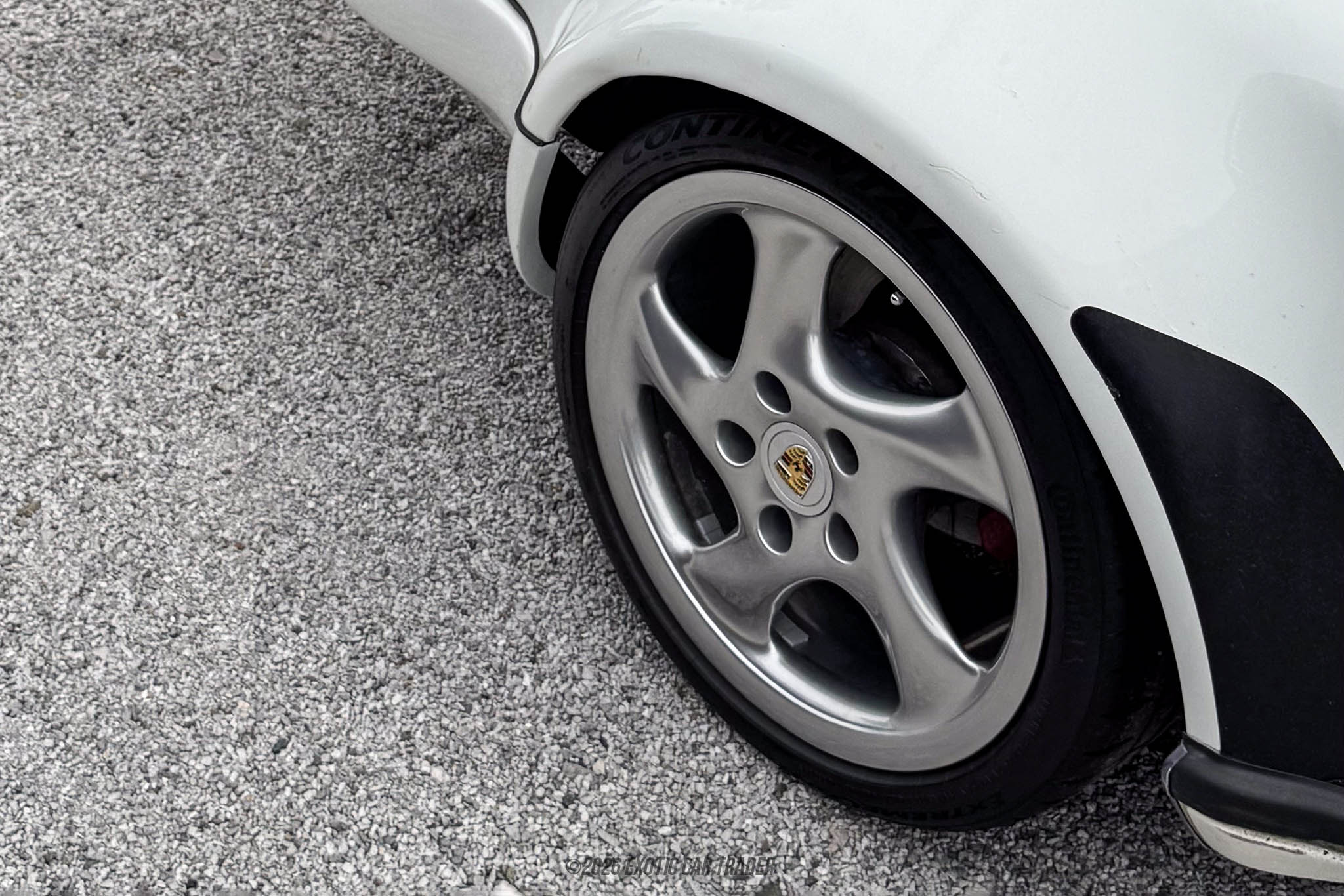
- Upgraded Porsche Alloy Wheels
- Red Brake Calipers
- Power-Assisted 4-Wheel Disc Brakes
- Independent Front & Rear Suspension
- Front-Mounted Oil Cooler
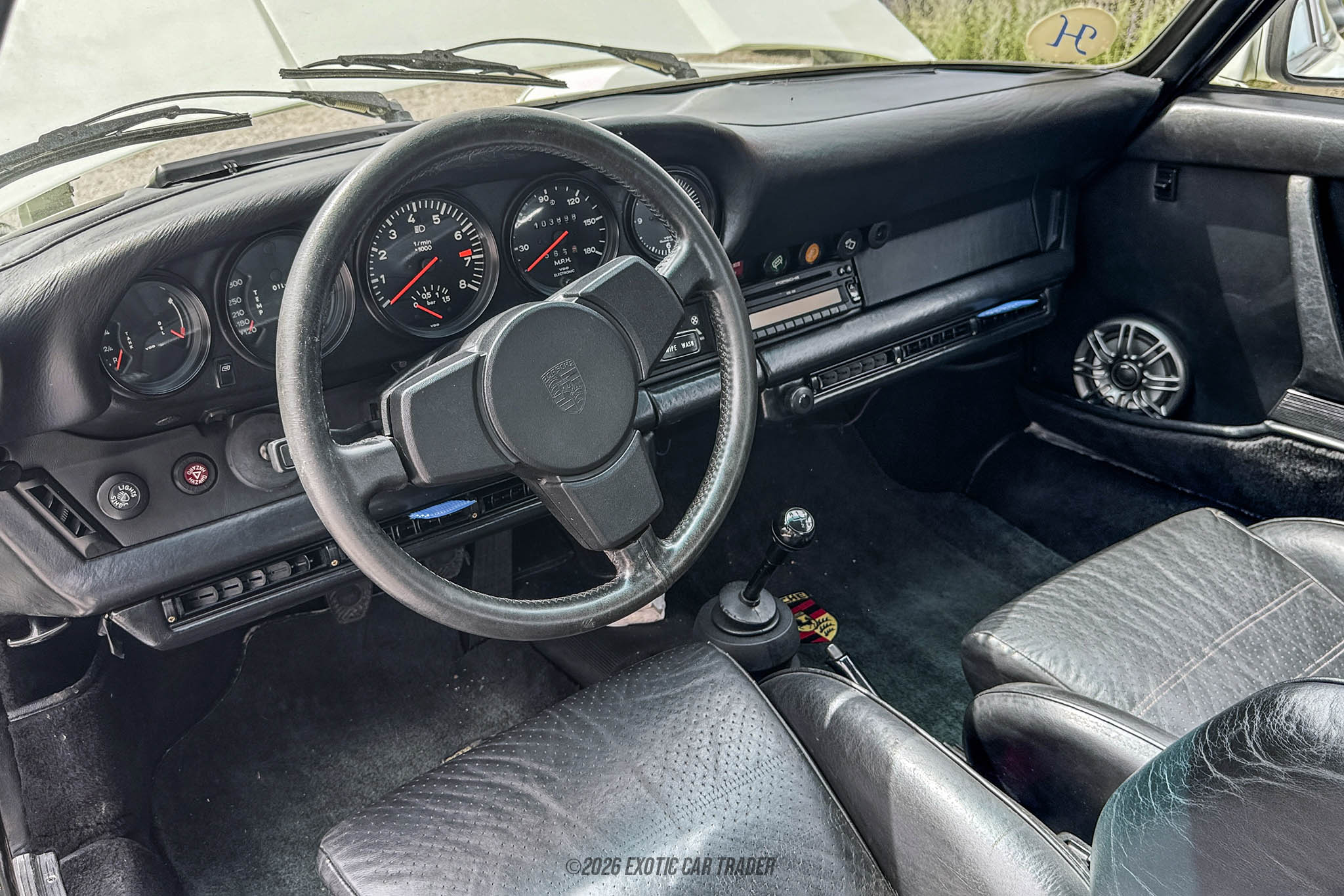
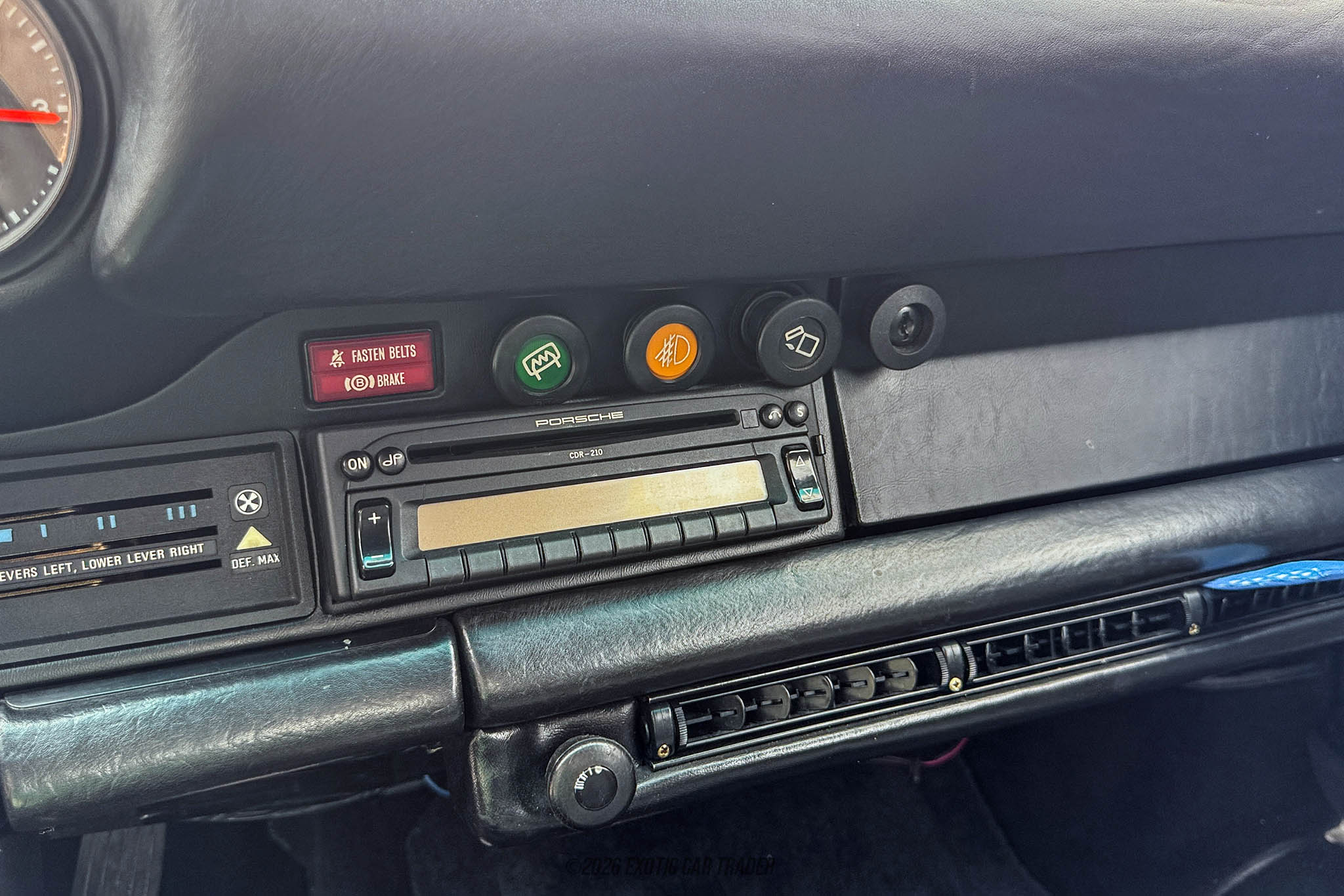
- Porsche CDR-210 Head Unit
- Black Leather Sport Seats
- Air Conditioning
- Power Windows
- Rear Window Defroster
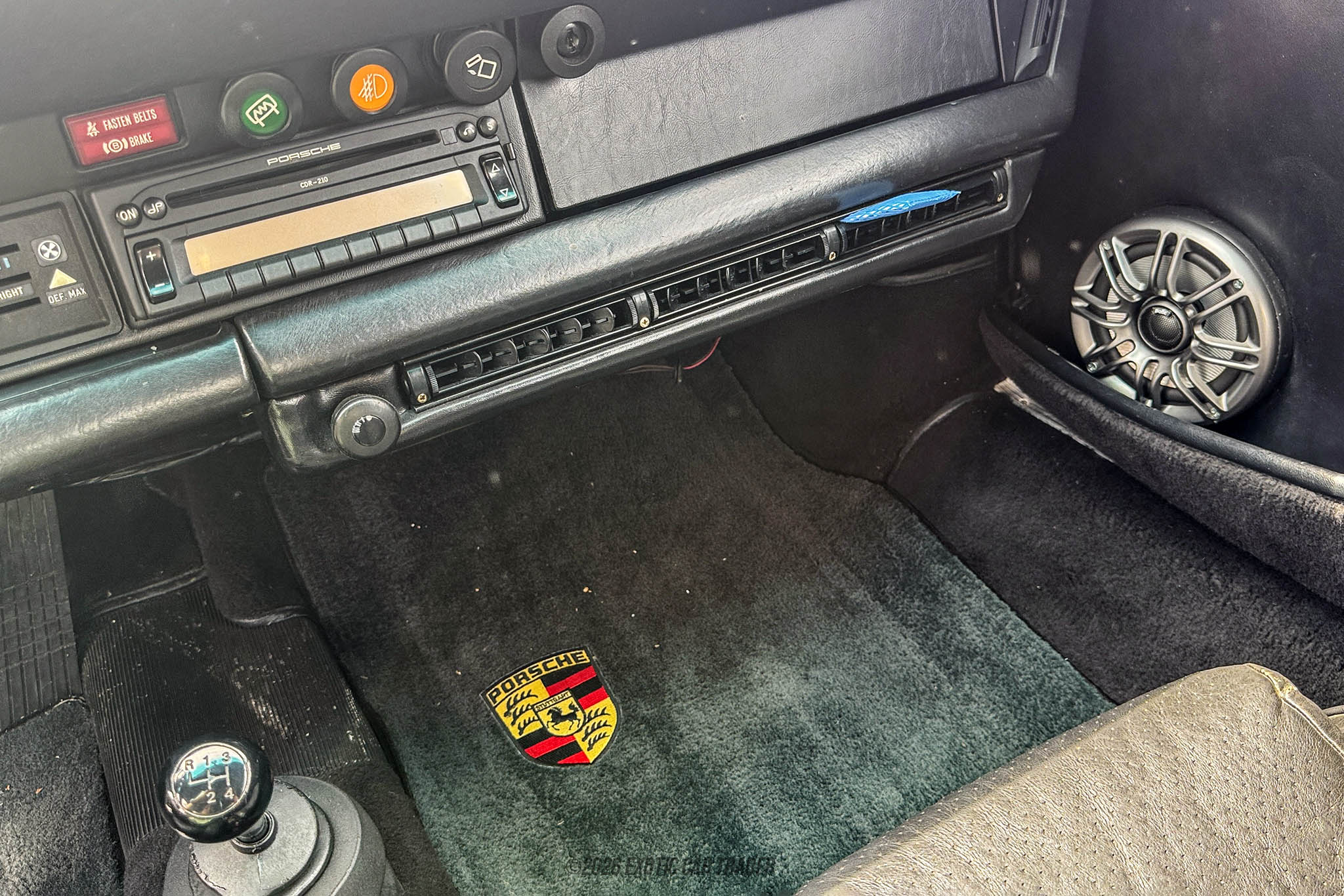
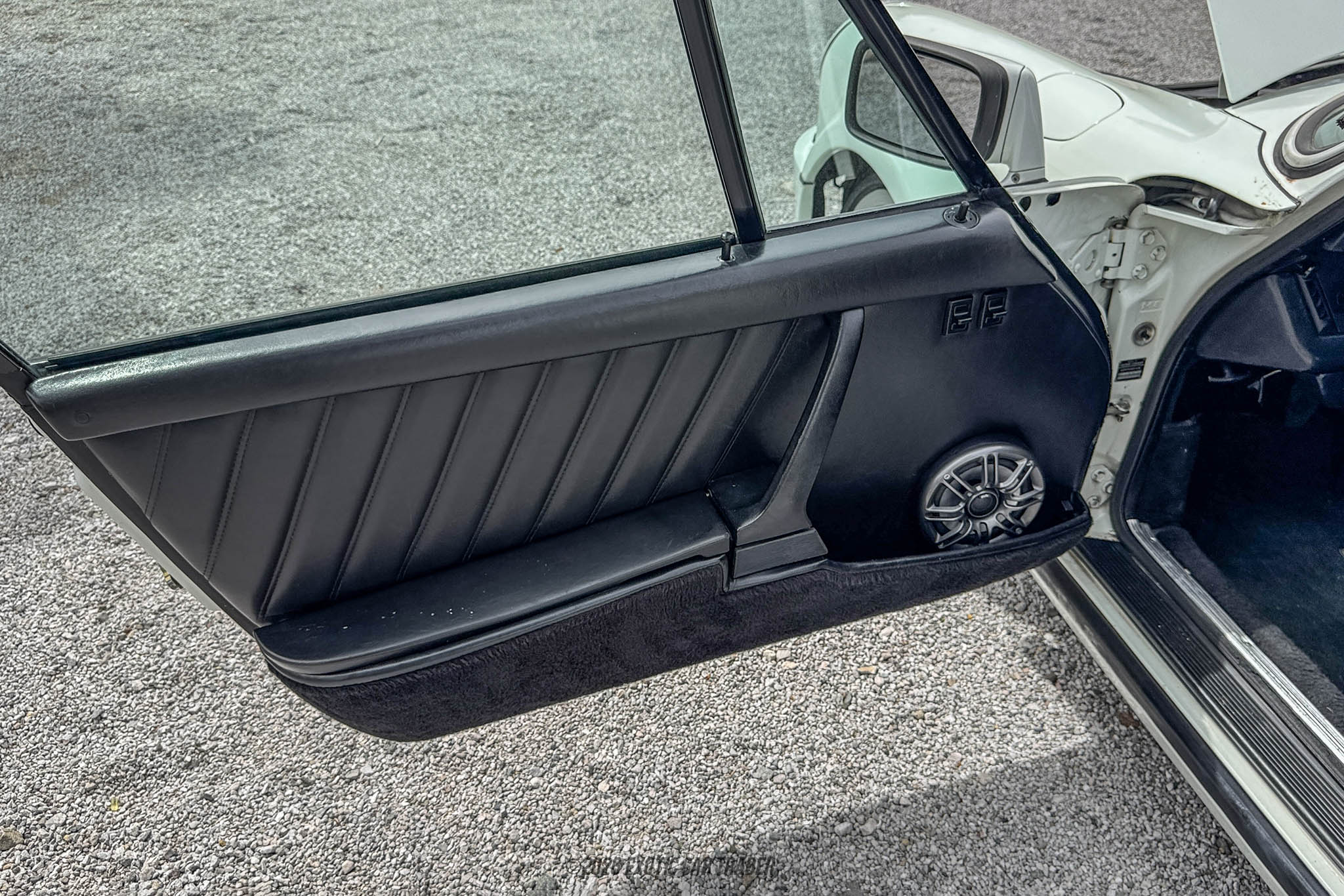
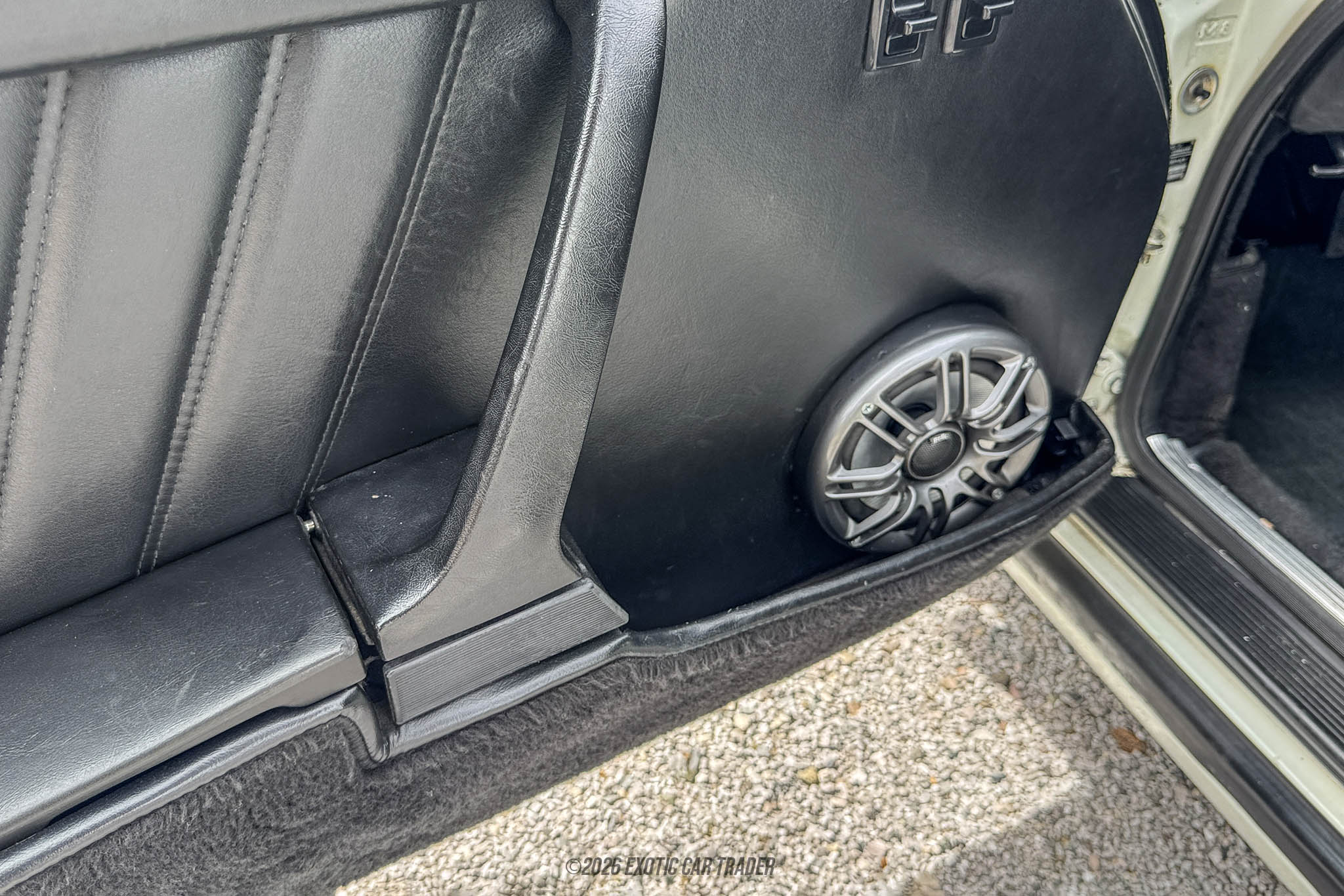
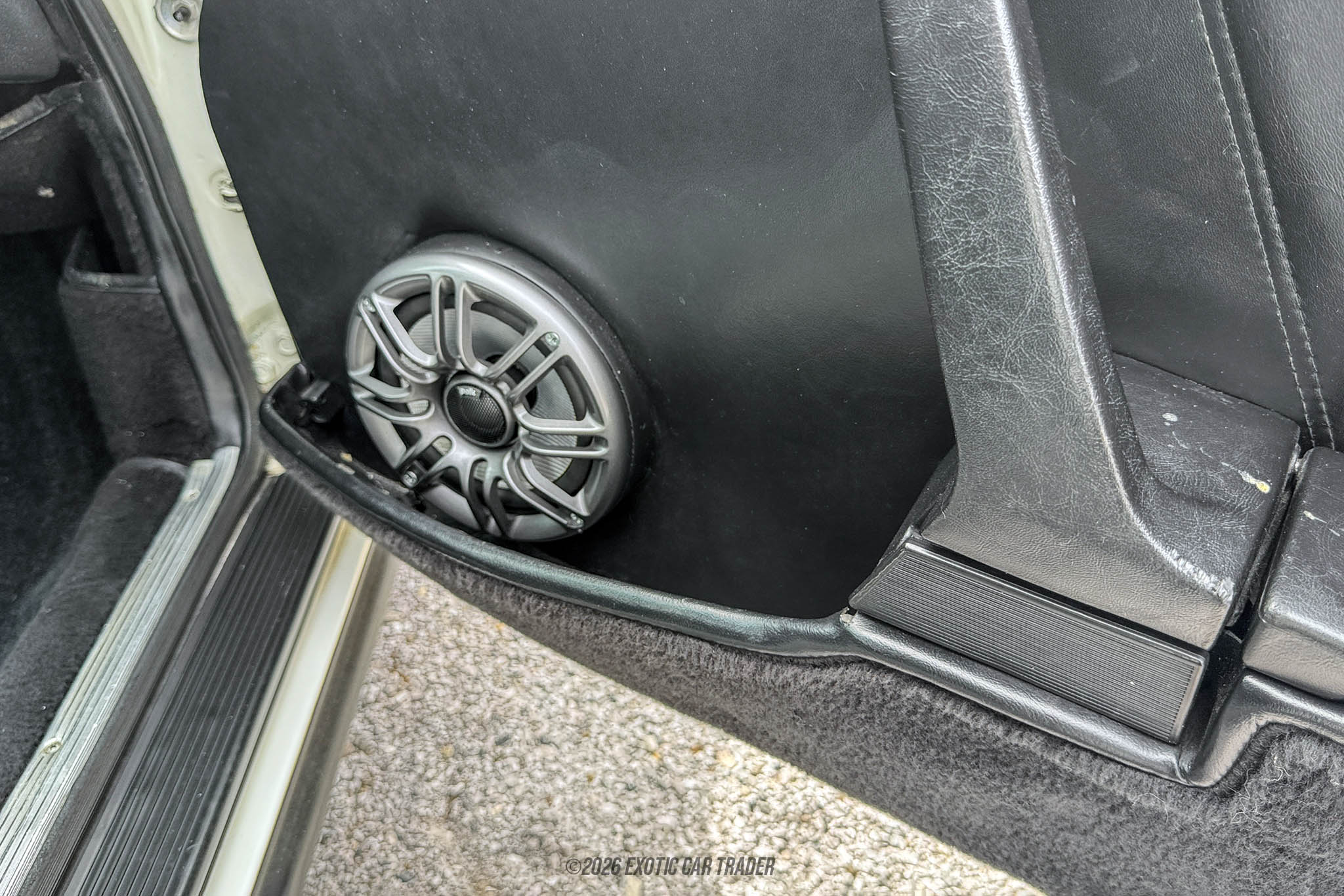
- Aftermarket Door-Mounted Speakers
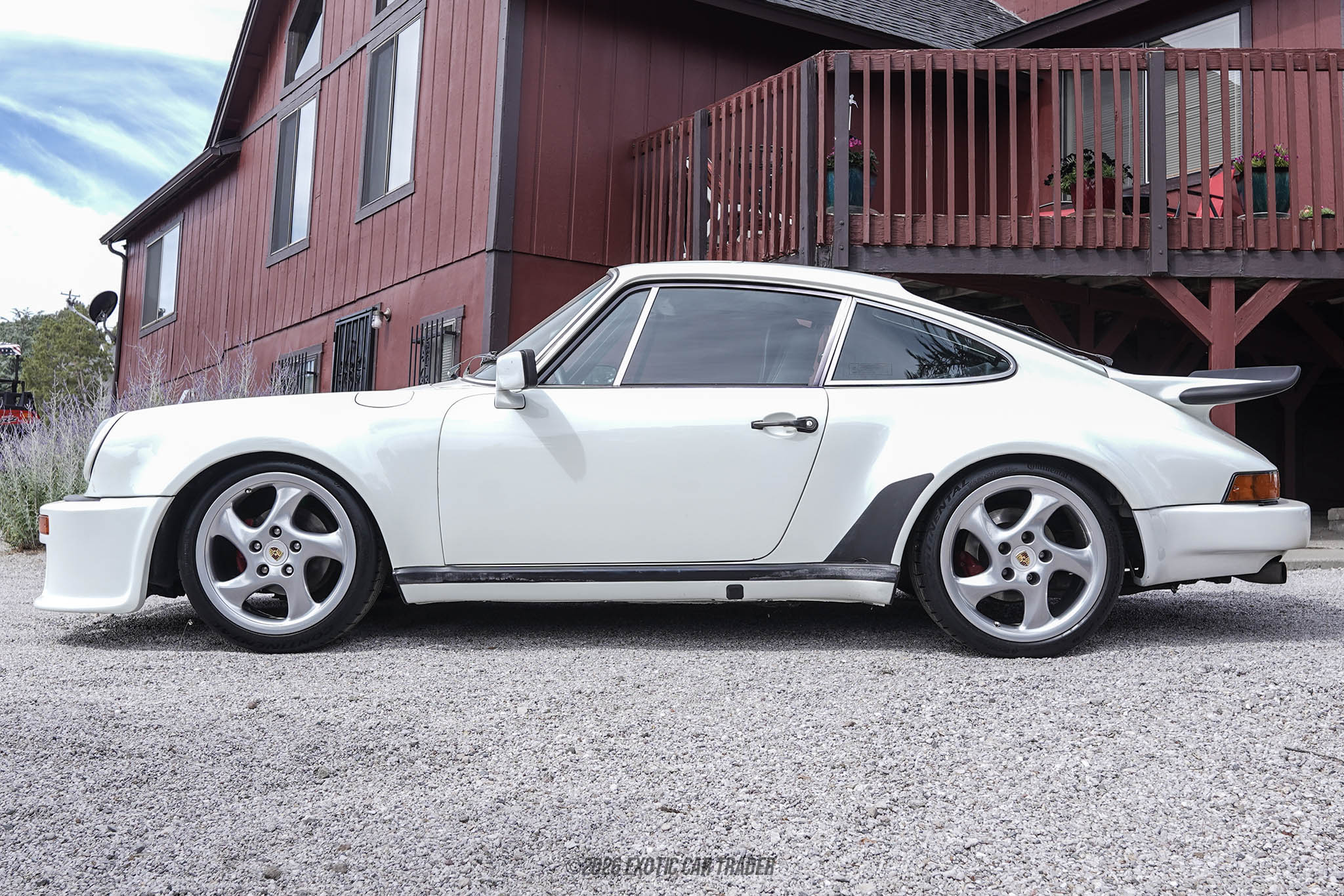
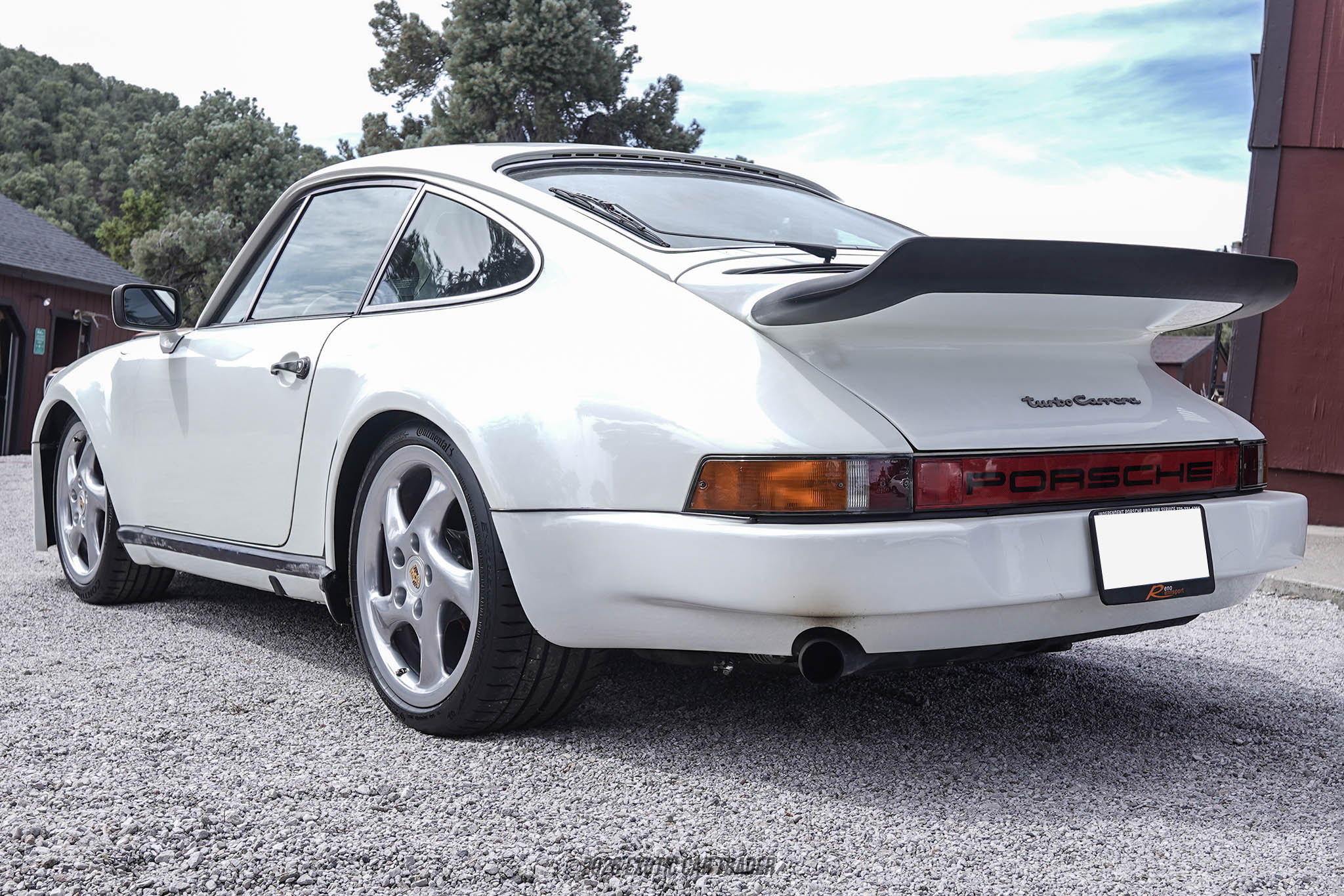
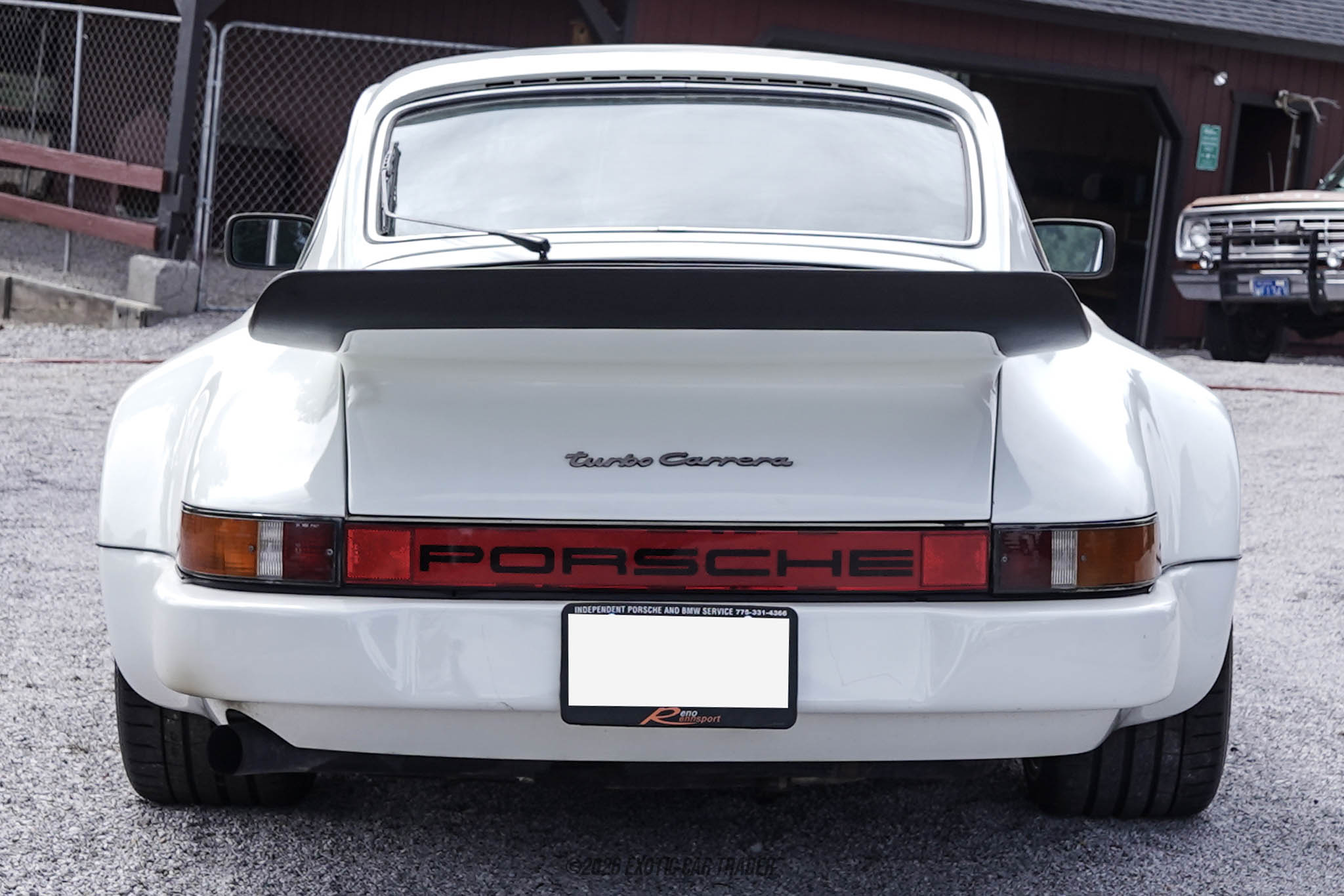
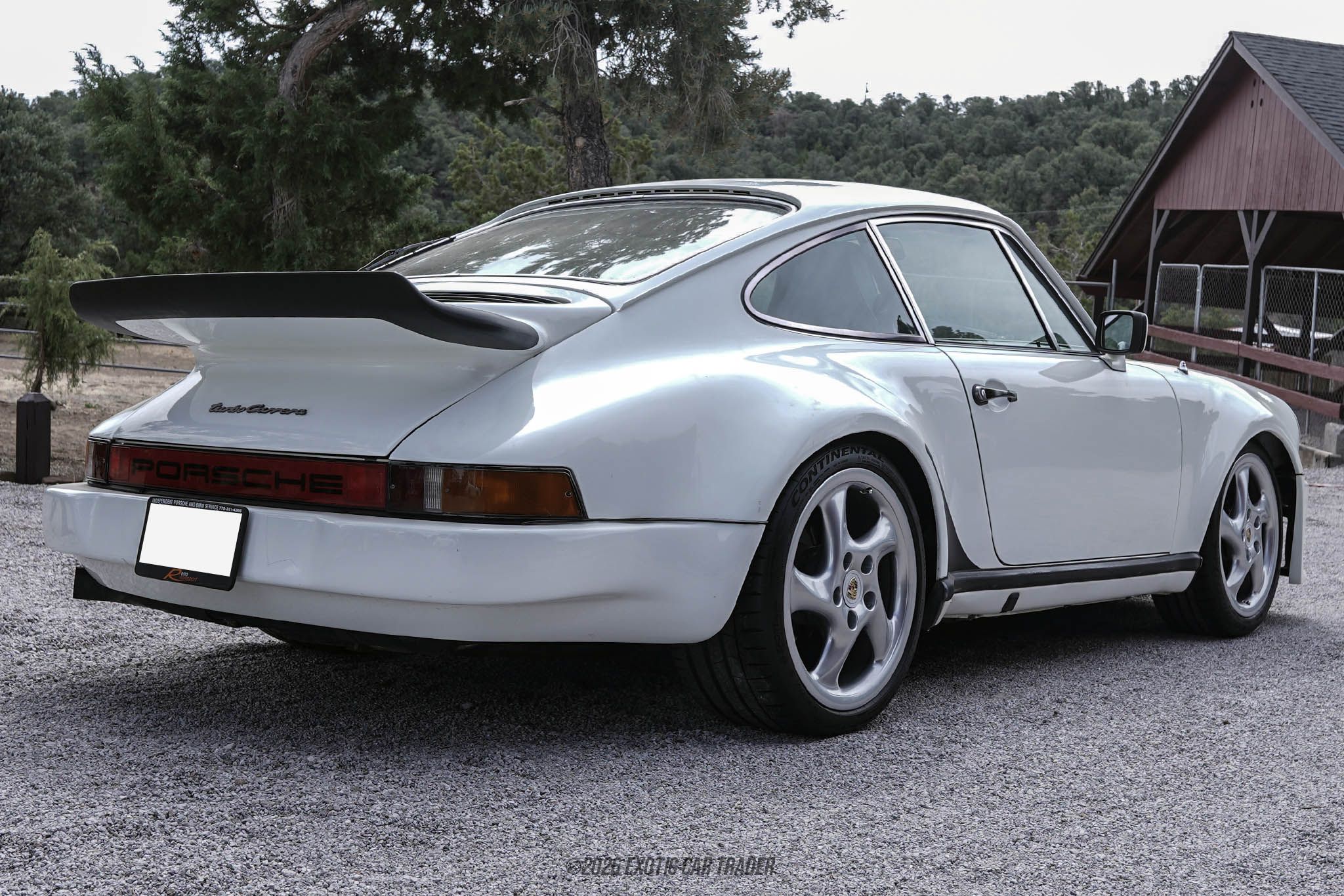
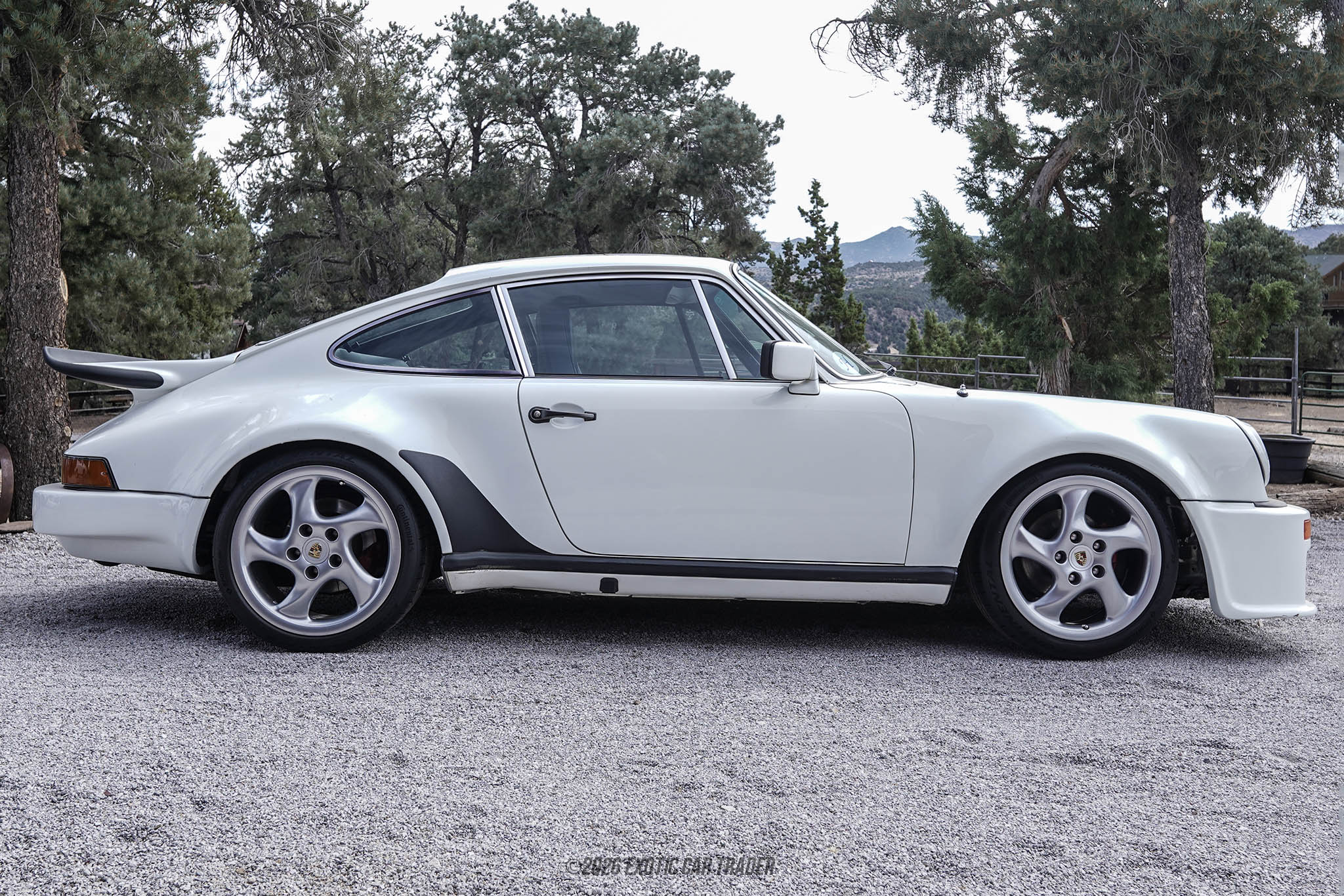
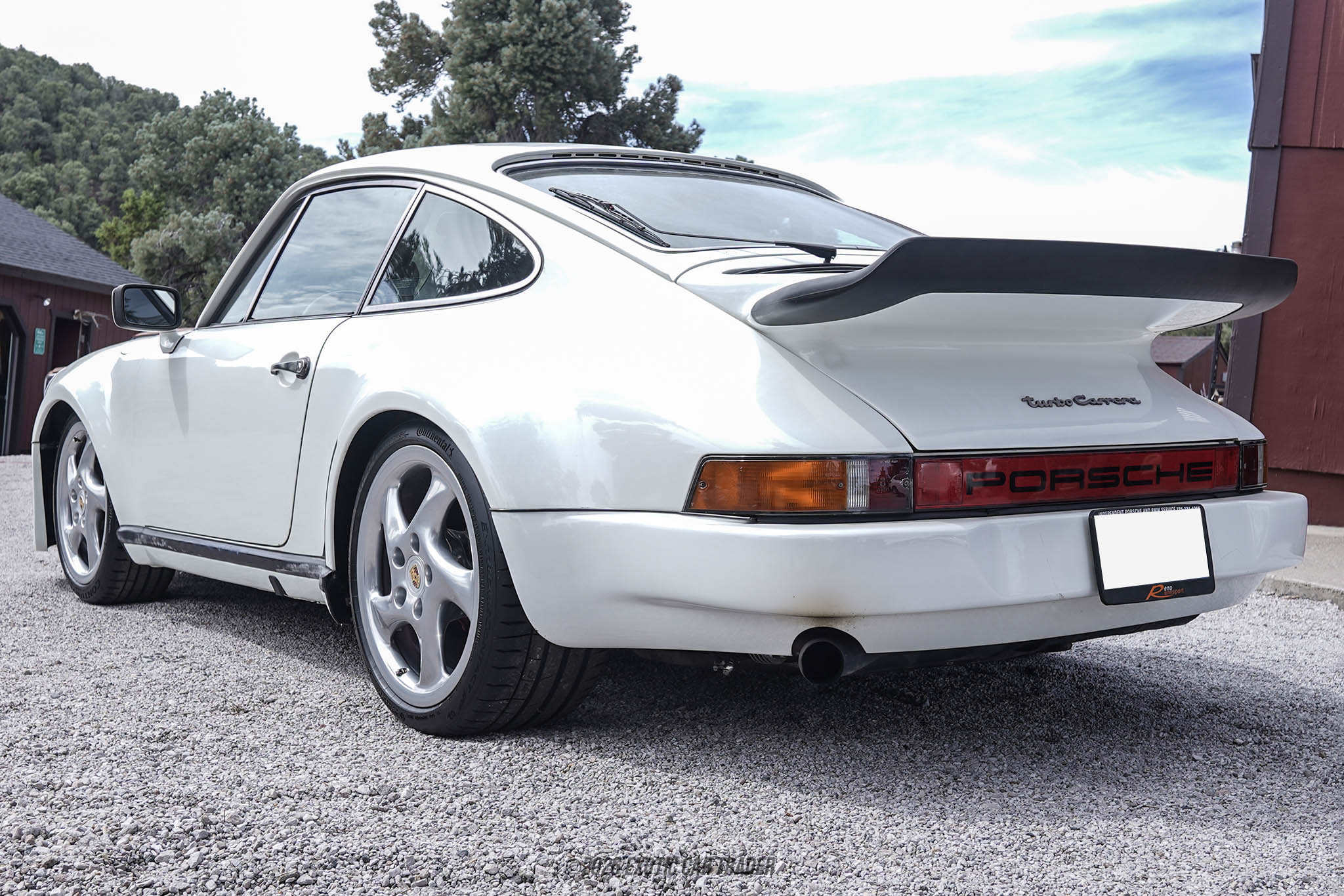
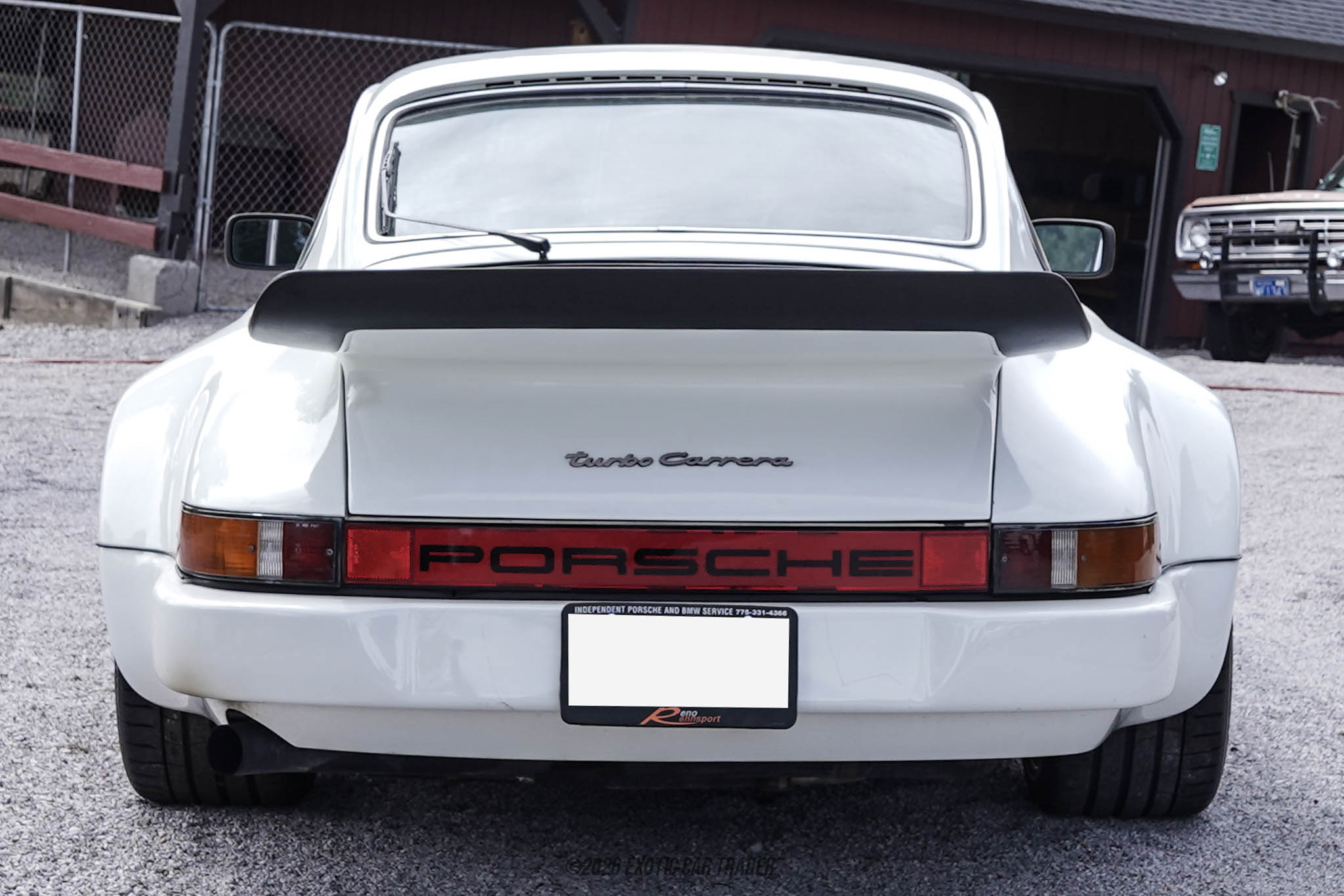
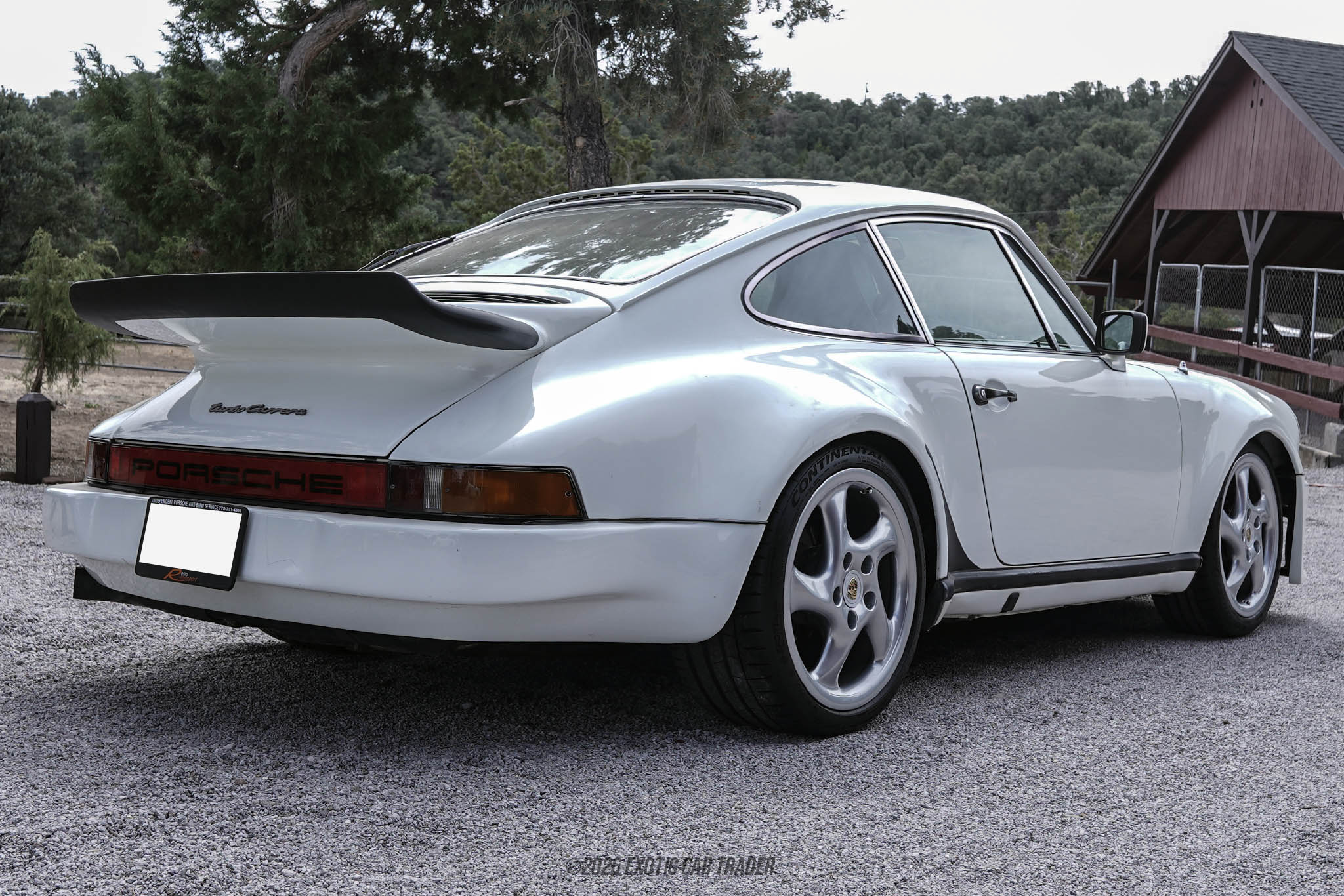
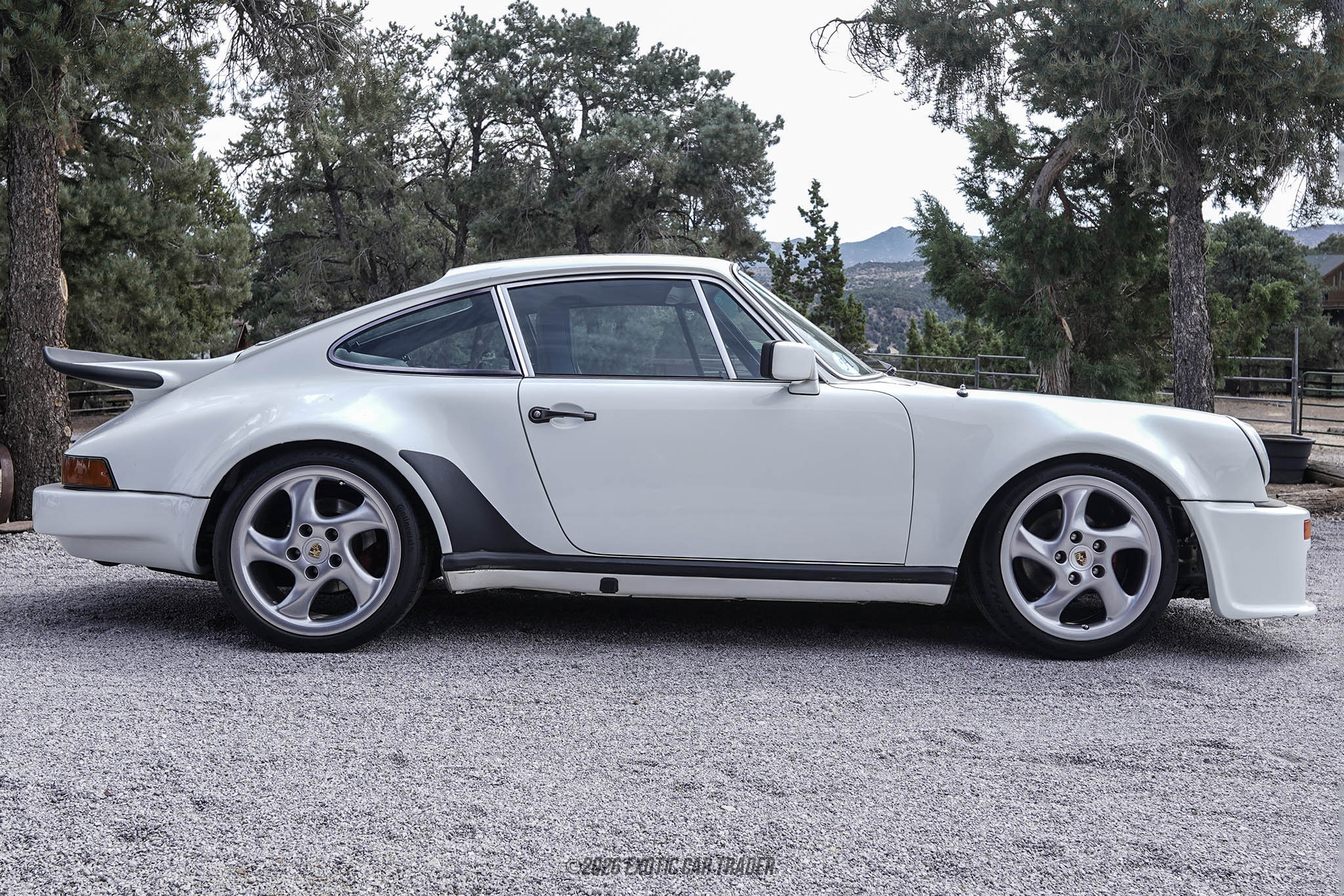
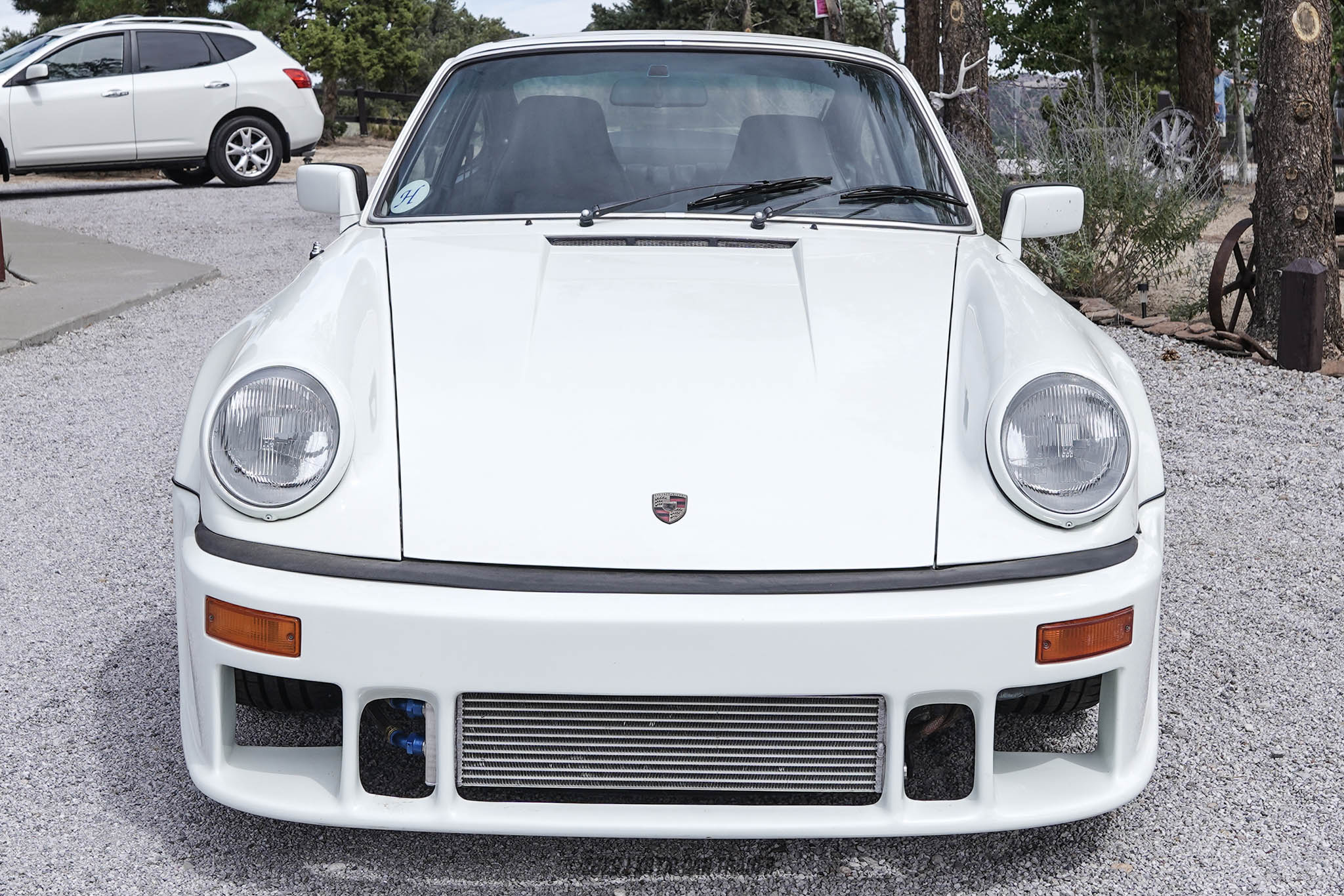
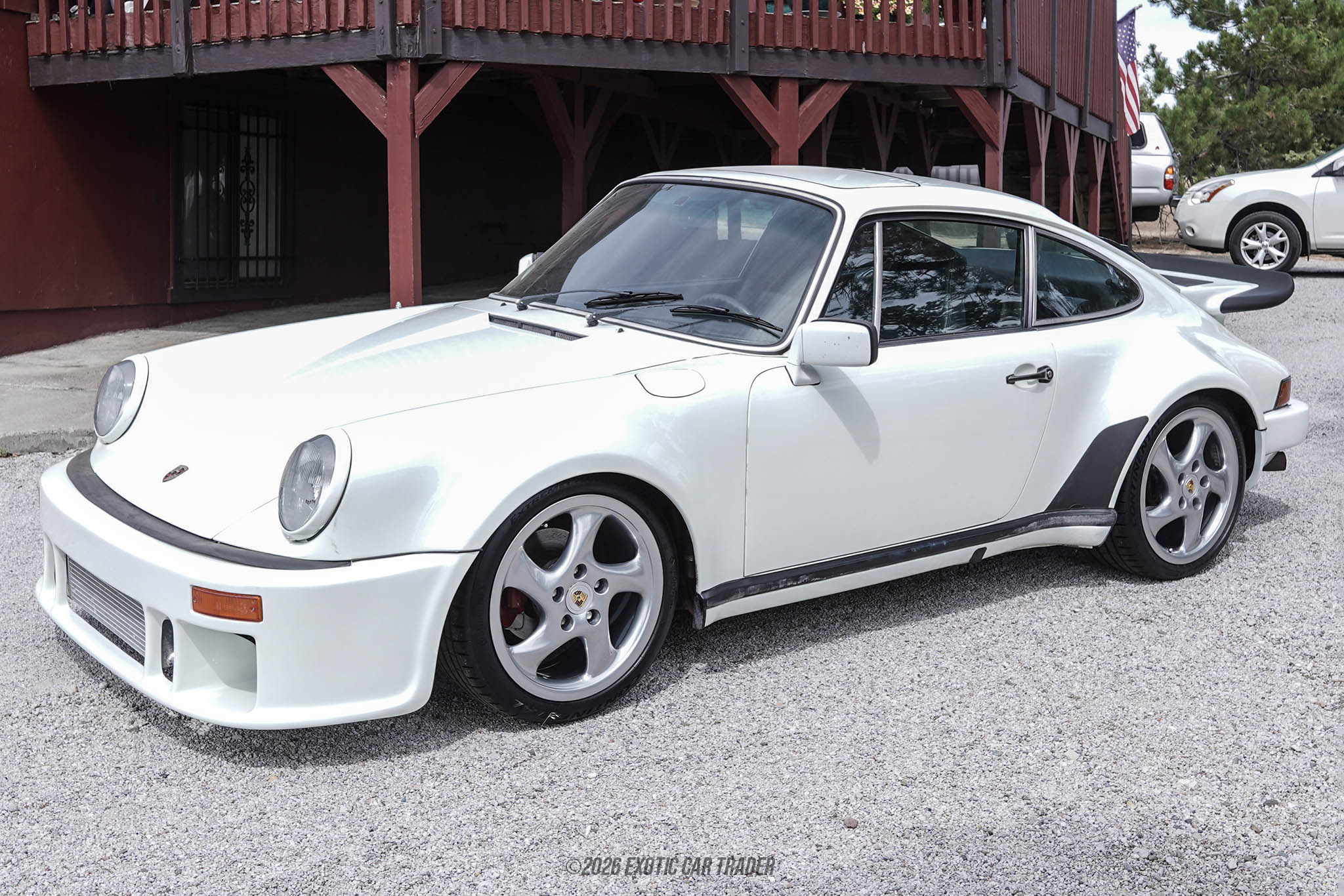
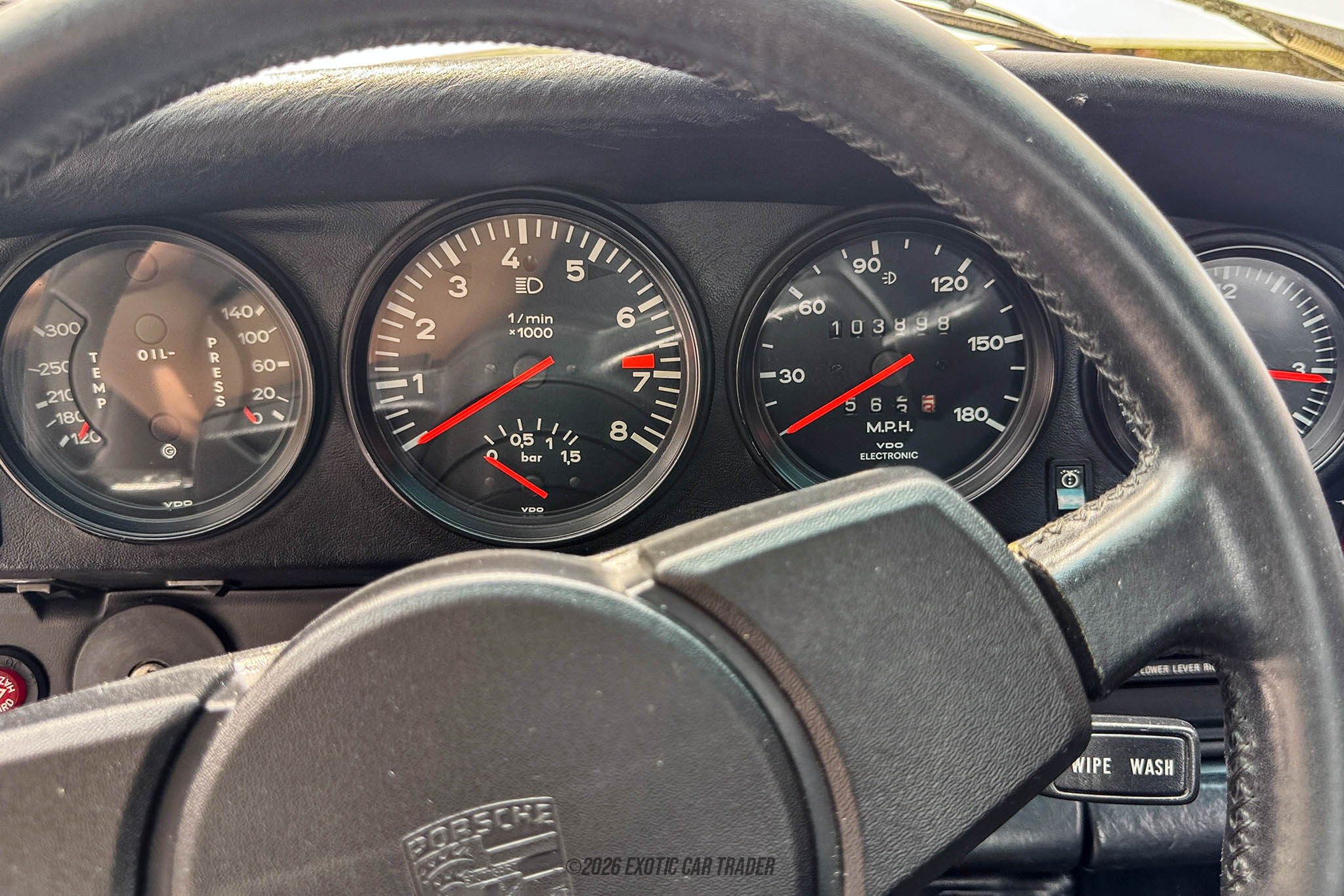
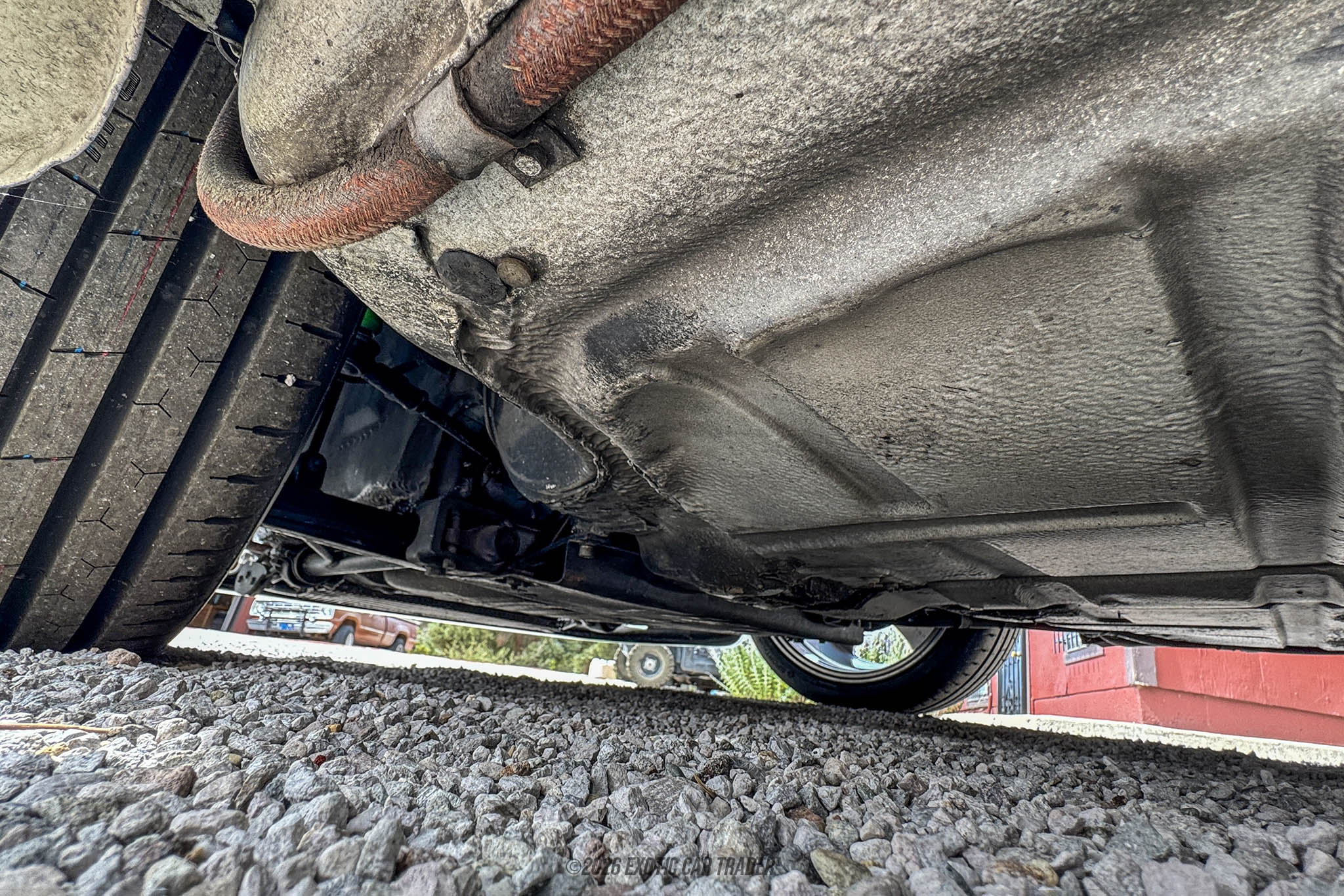
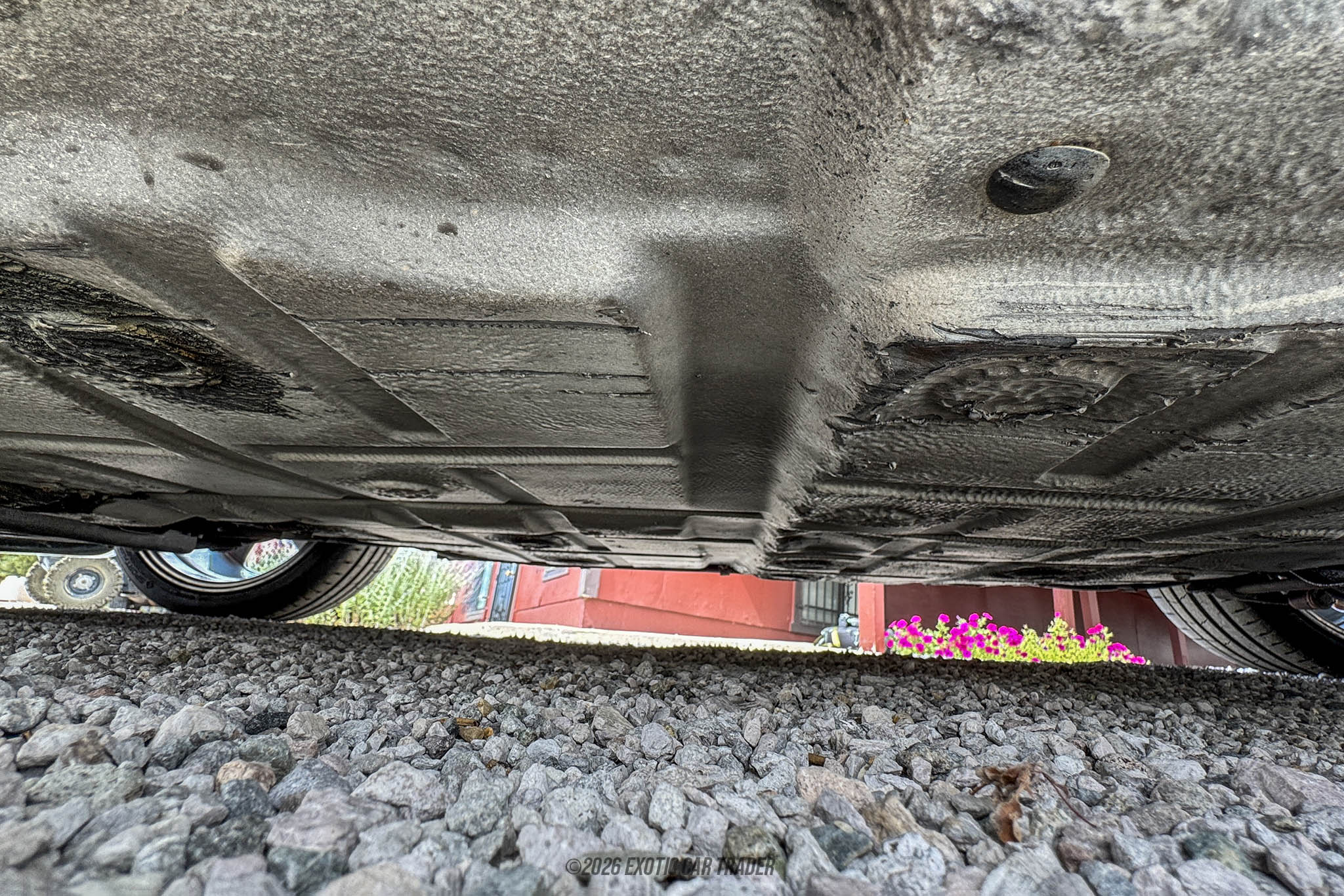
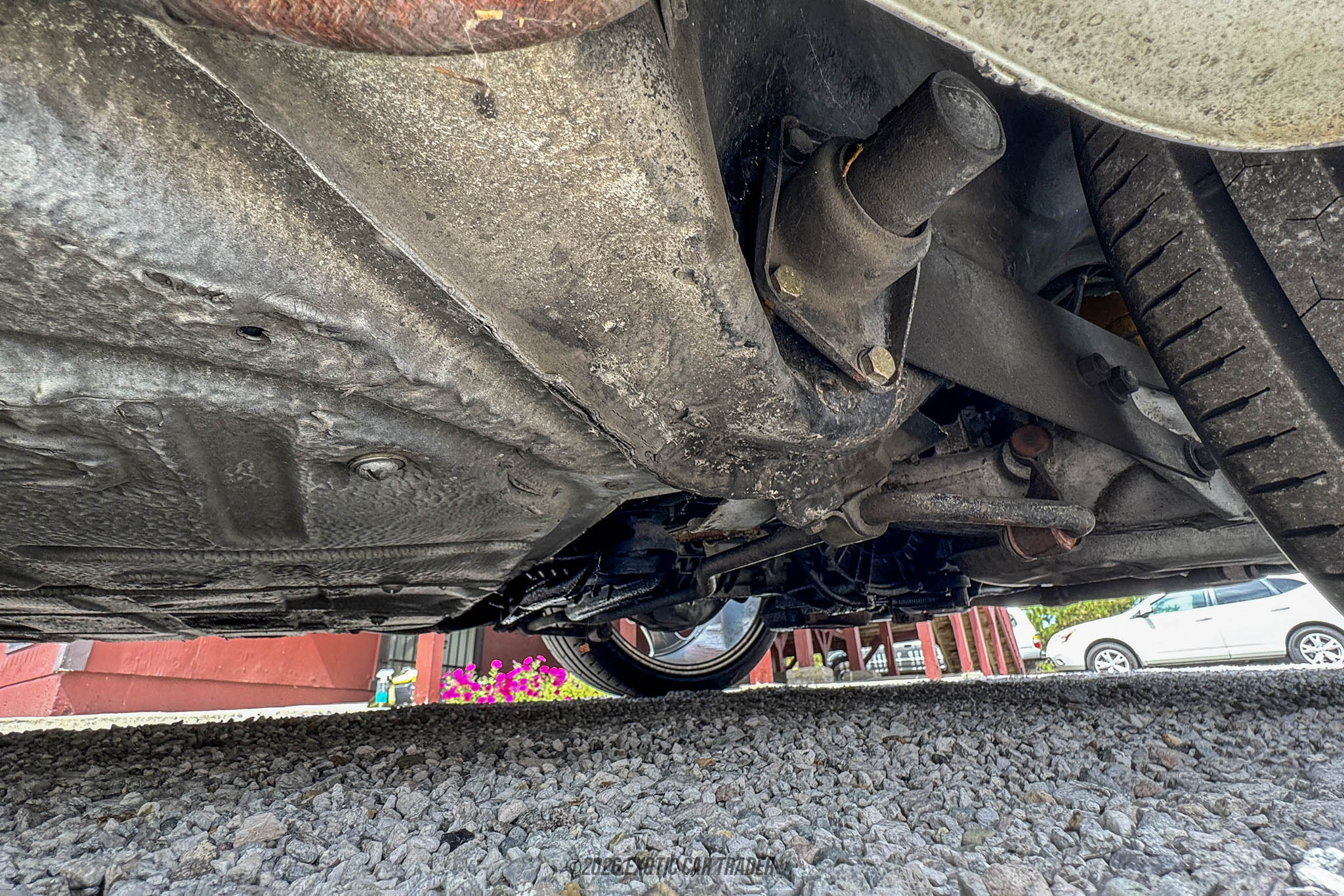
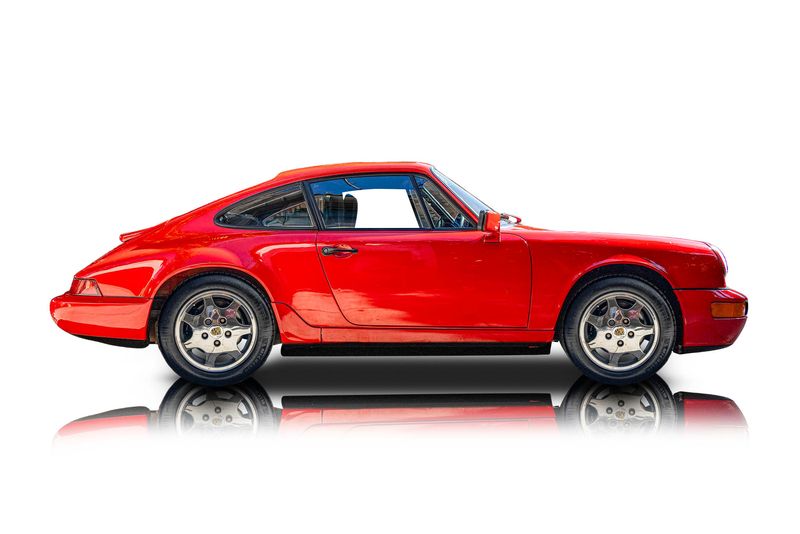
Very few cars from the 1970s have the reputation of the first-generation Porsche 911 Turbo. This 1976 Porsche 911 Turbo (930) is an early U.S.-specification example showing approximately 103,898 miles and carrying VIN 9306800195, placing it as the 195th U.S.-market 930 in the 1976 VIN sequence. Porsche introduced the Turbo to North America for the 1976 model year, and this car belongs to the original 3.0-liter generation produced before the larger 3.3-liter Turbo arrived for 1978. Finished in White over a Black leather interior, this example combines the early single-turbo drivetrain with the signature wide rear fenders and factory whale-tail spoiler that made the 930 instantly recognizable. It also features a Rennsport-style front bumper, upgraded Porsche alloy wheels, factory-style air conditioning, a sunroof, and period Porsche equipment. According to the seller, this example has remained under the same ownership for the last 24 years, adding an appealing element of long-term provenance to one of Porsche’s most important early turbocharged road cars. Porsche states that 2,850 3.0-liter Turbos were produced during the model’s first three years, while specialist production records list 530 U.S.-specification examples for the 1976 model year.
Exterior and Interior
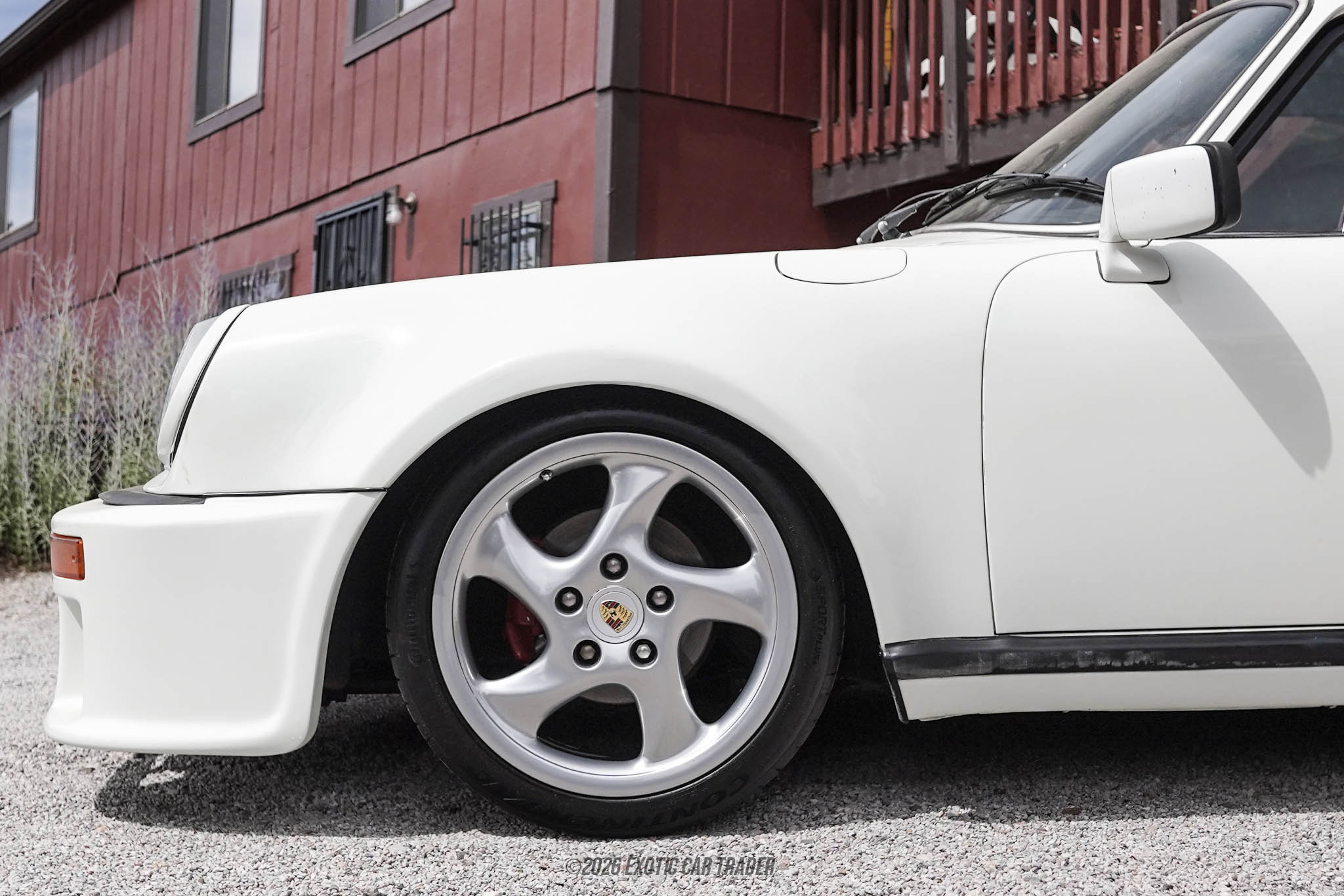
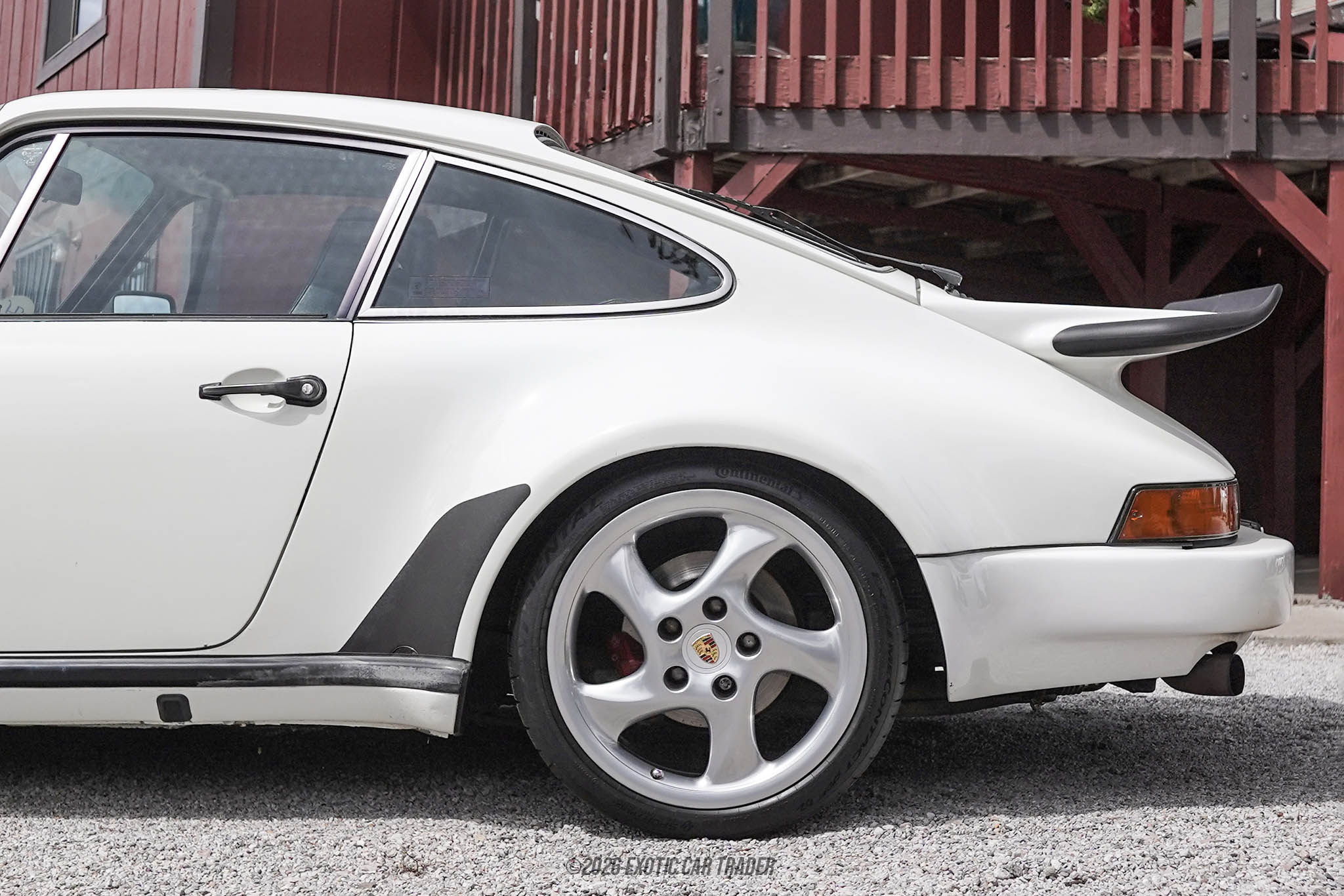
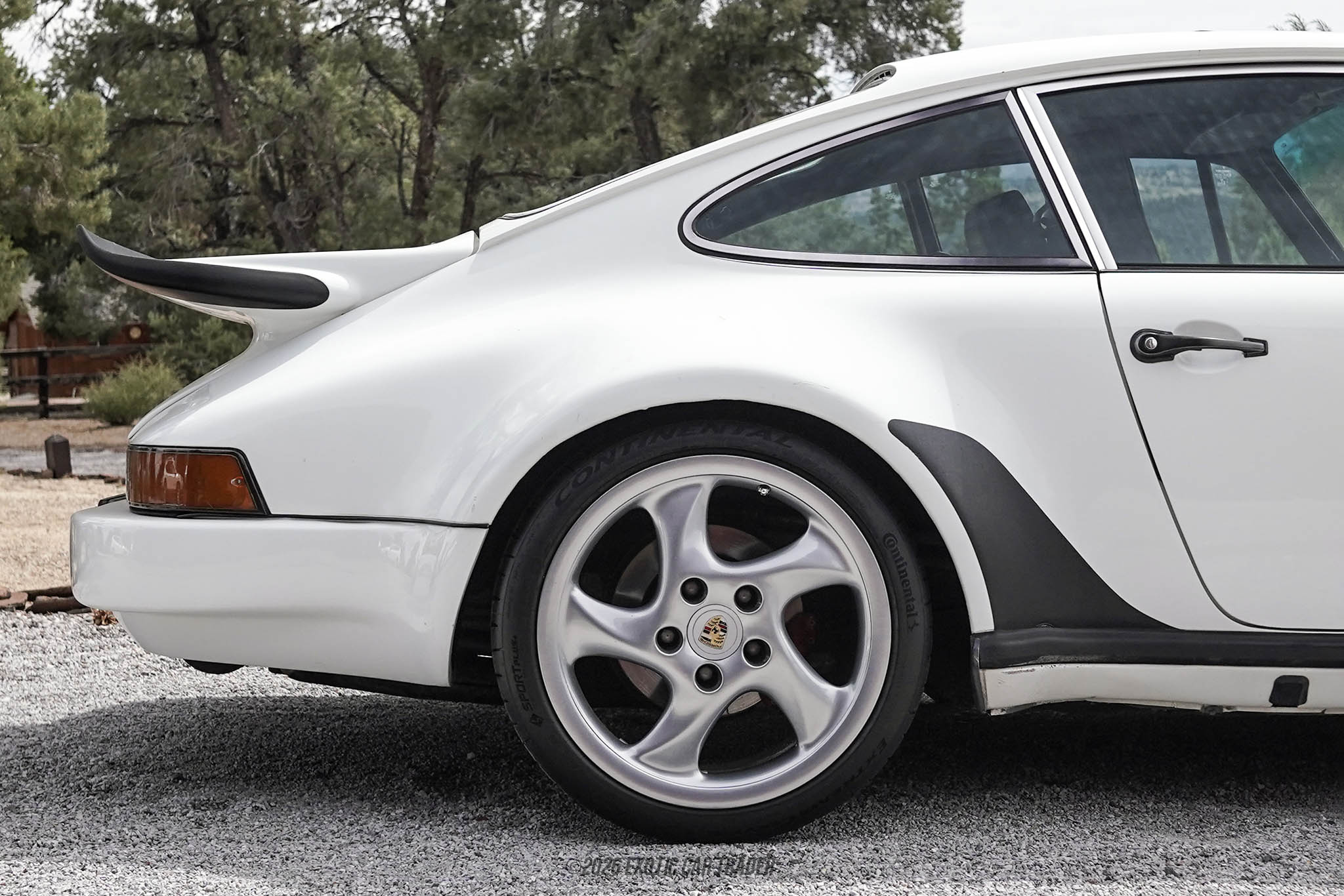
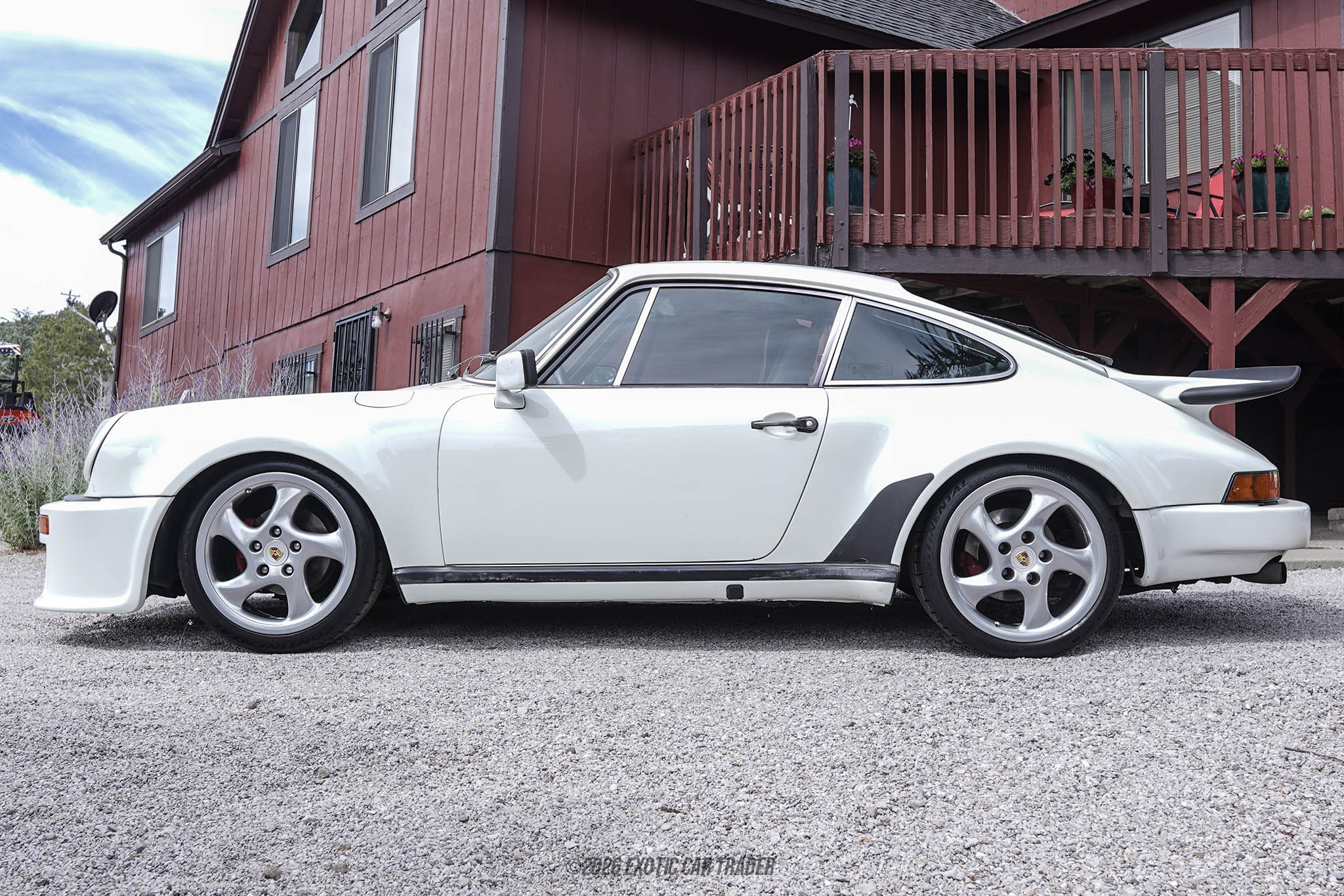
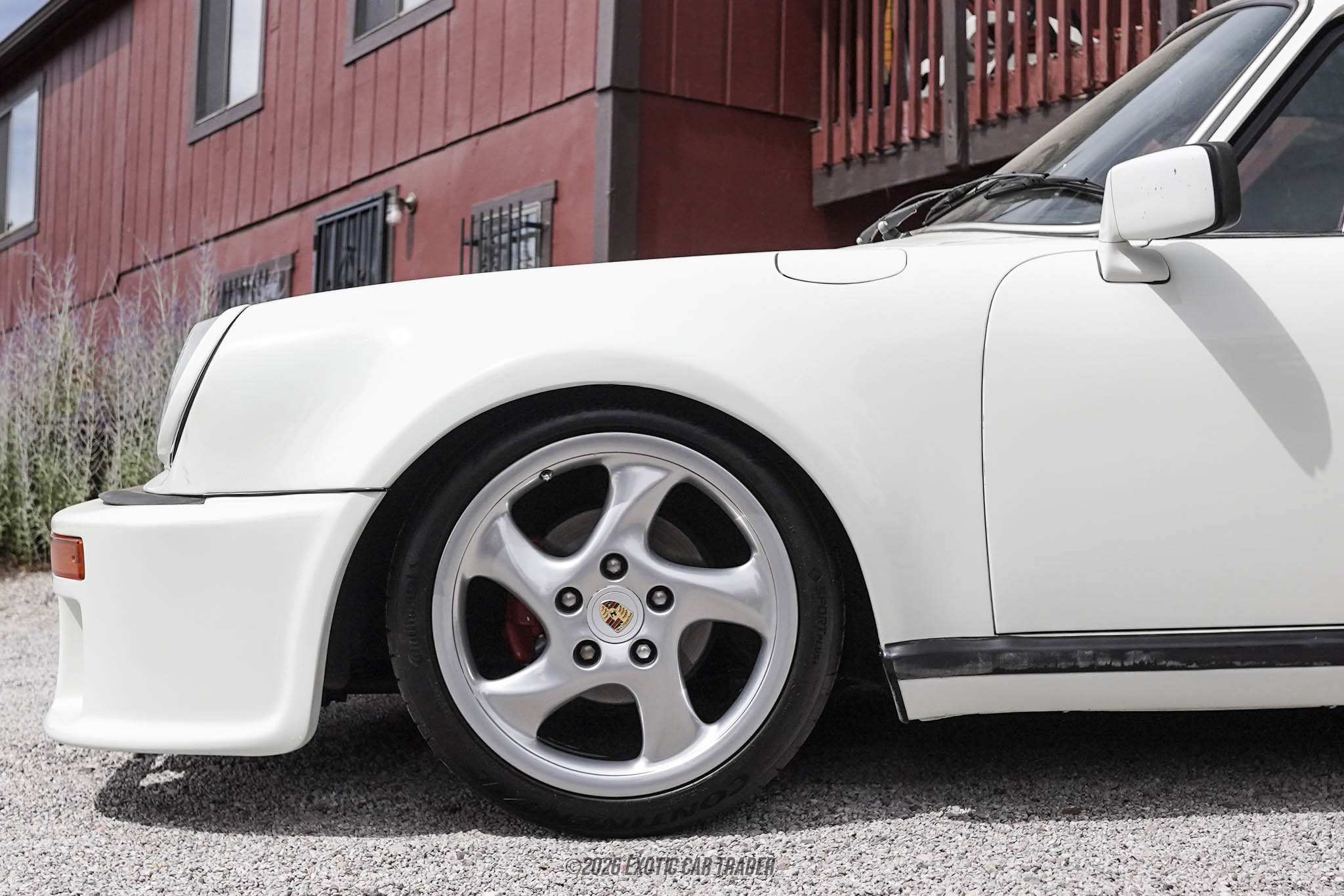
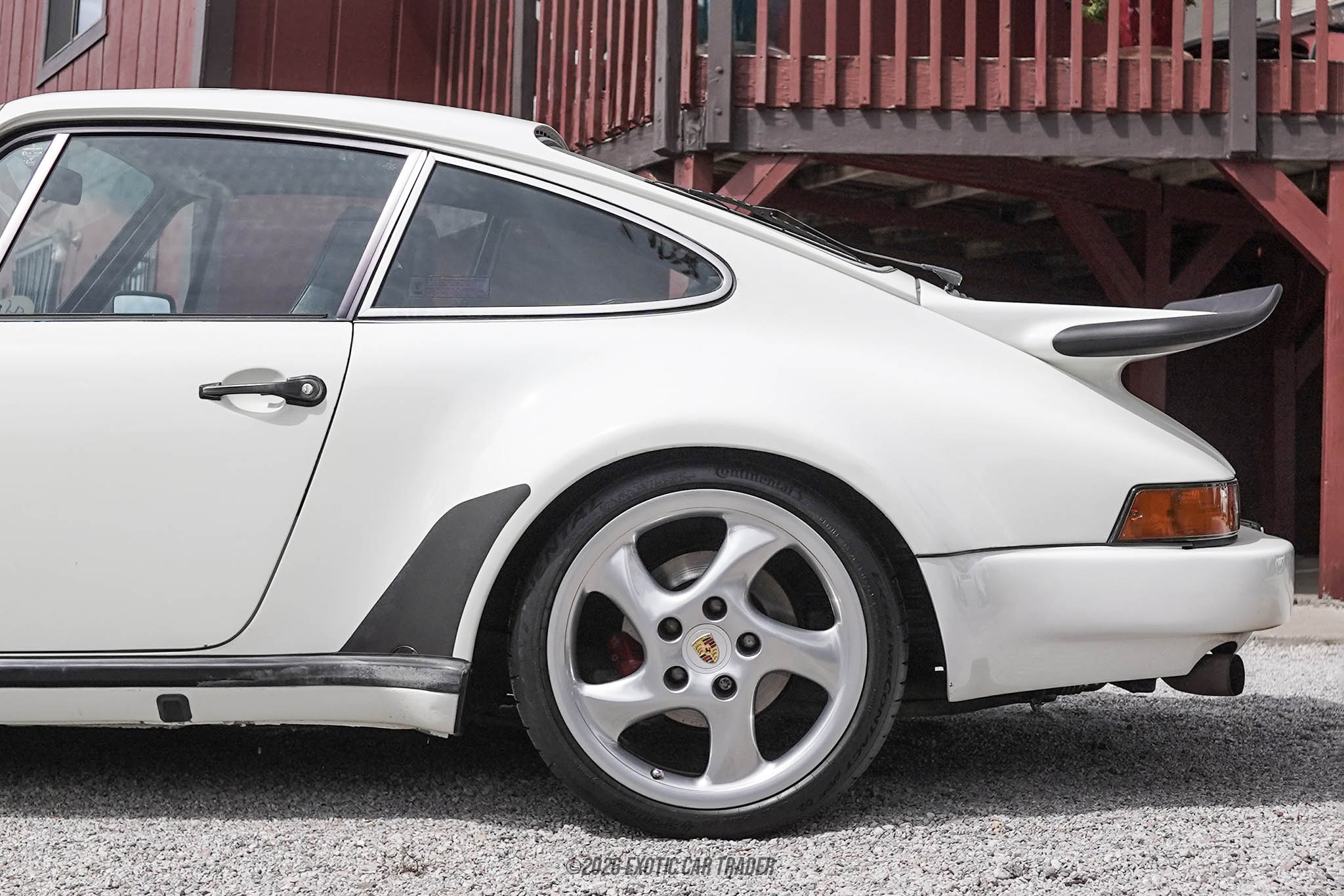
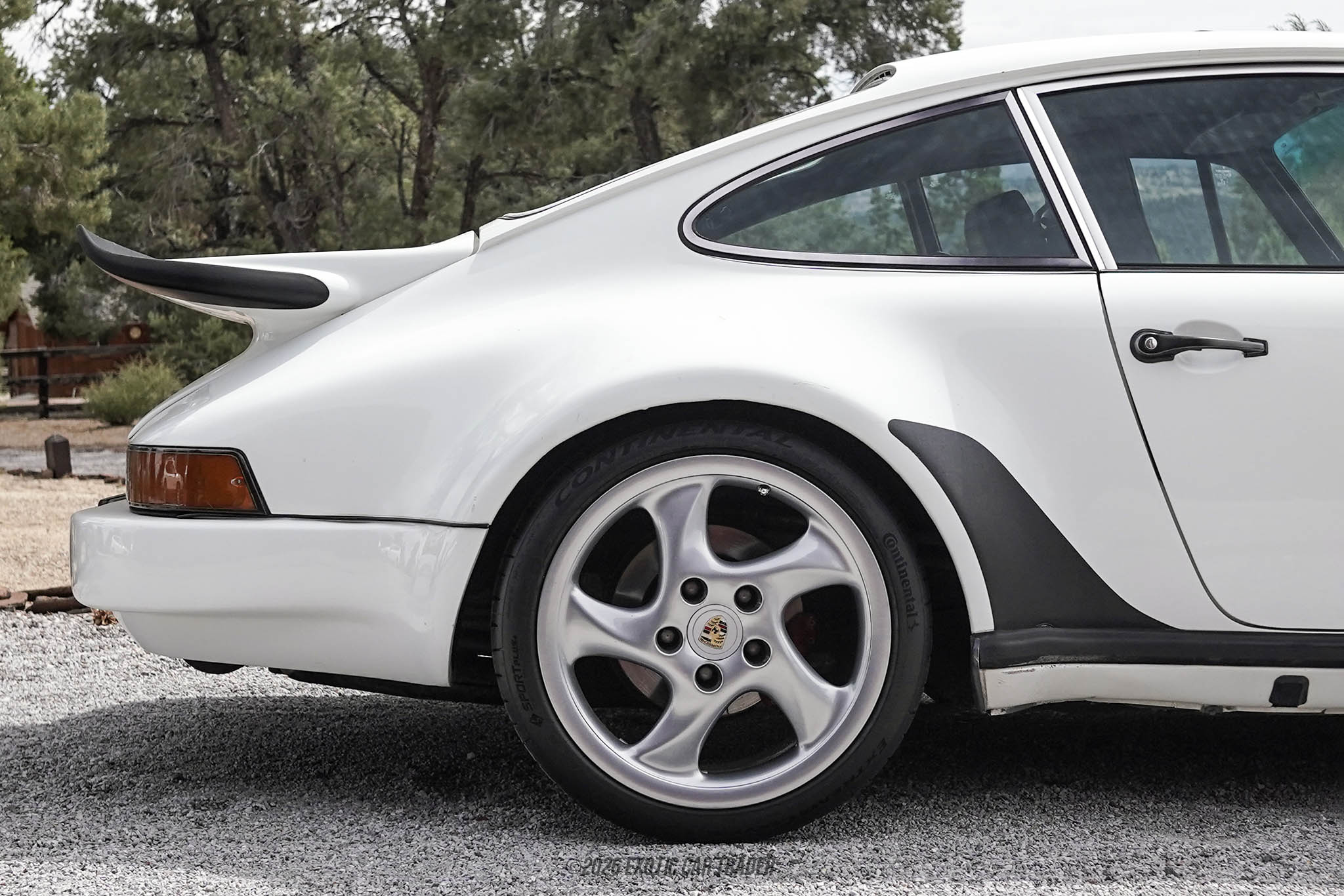
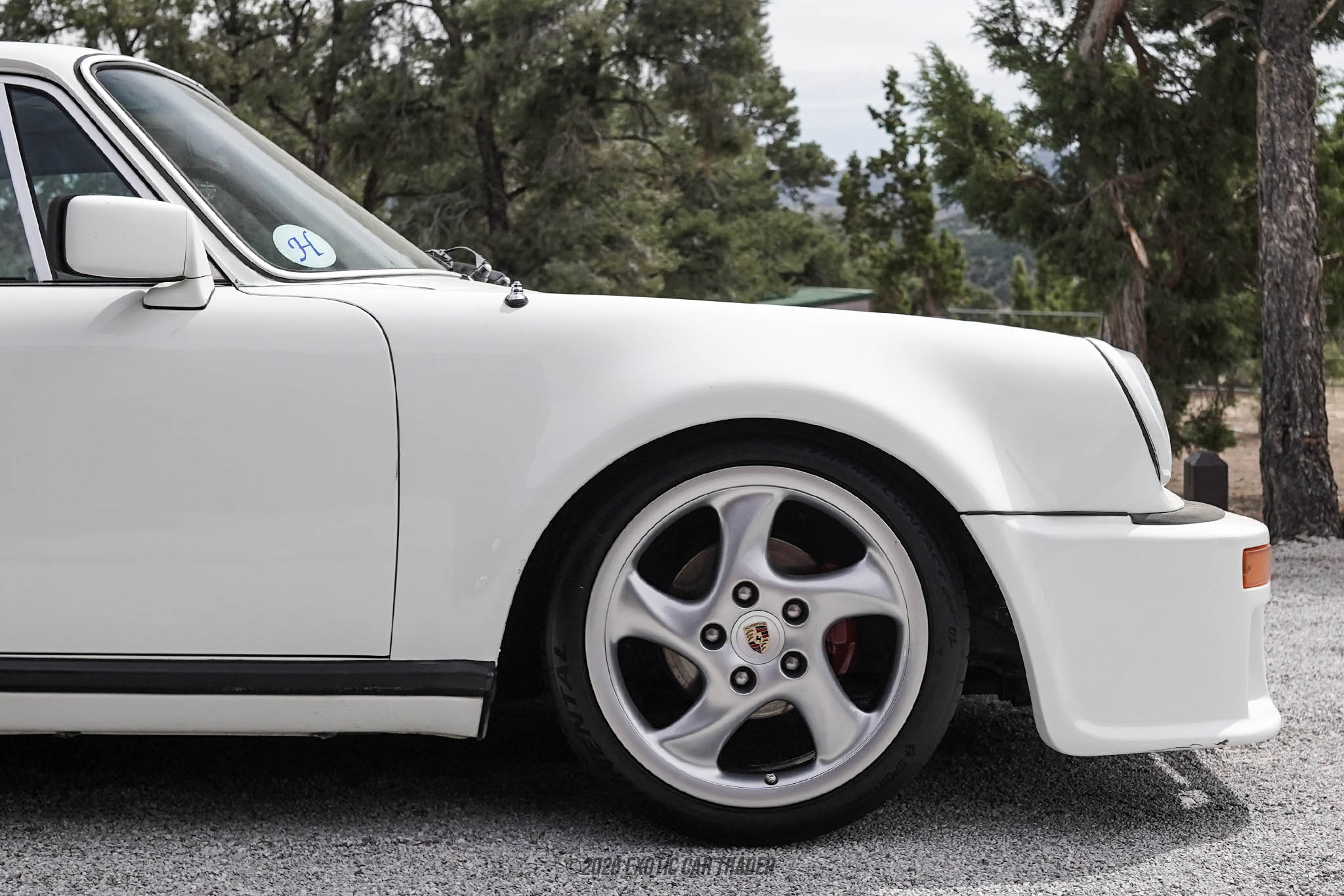
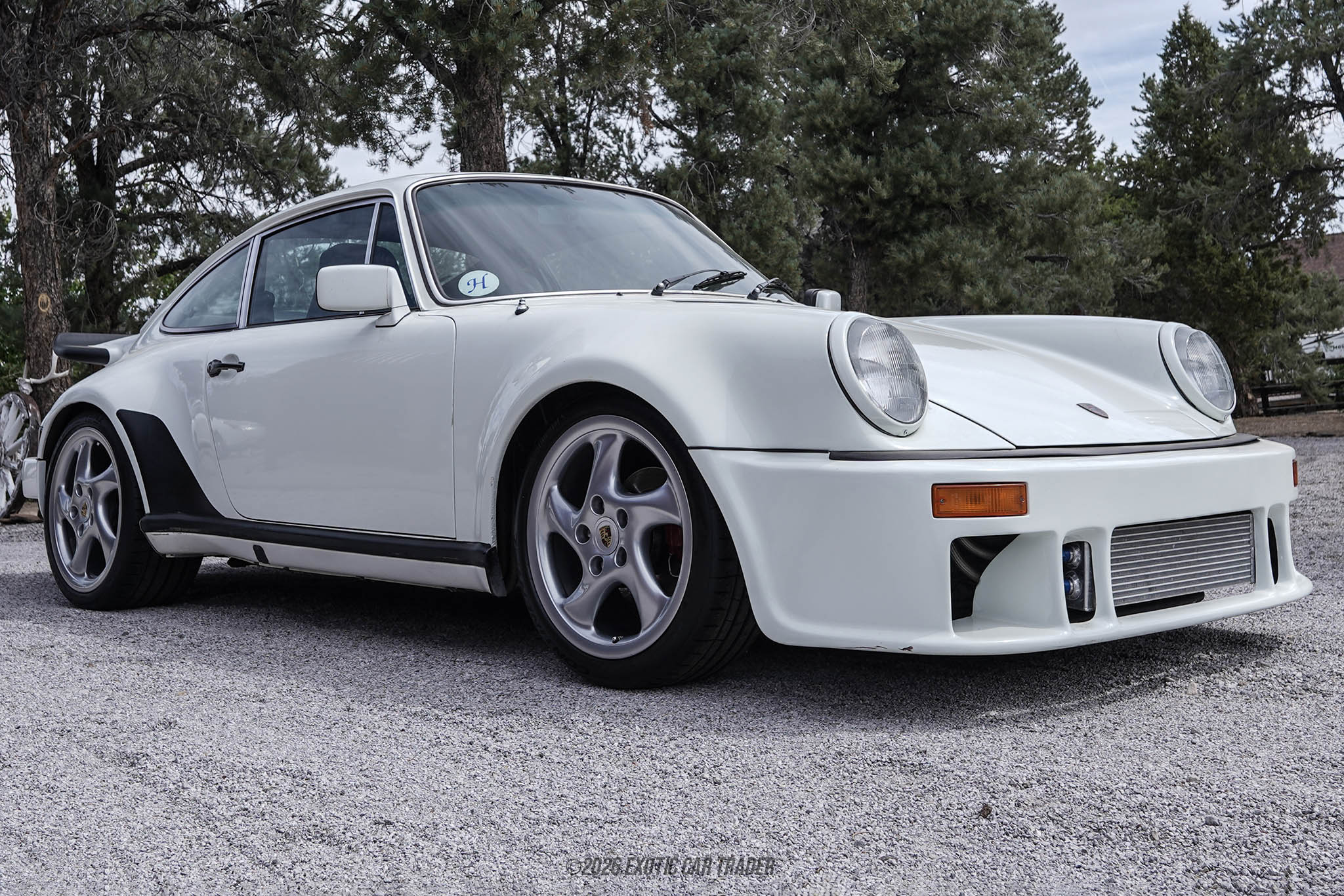
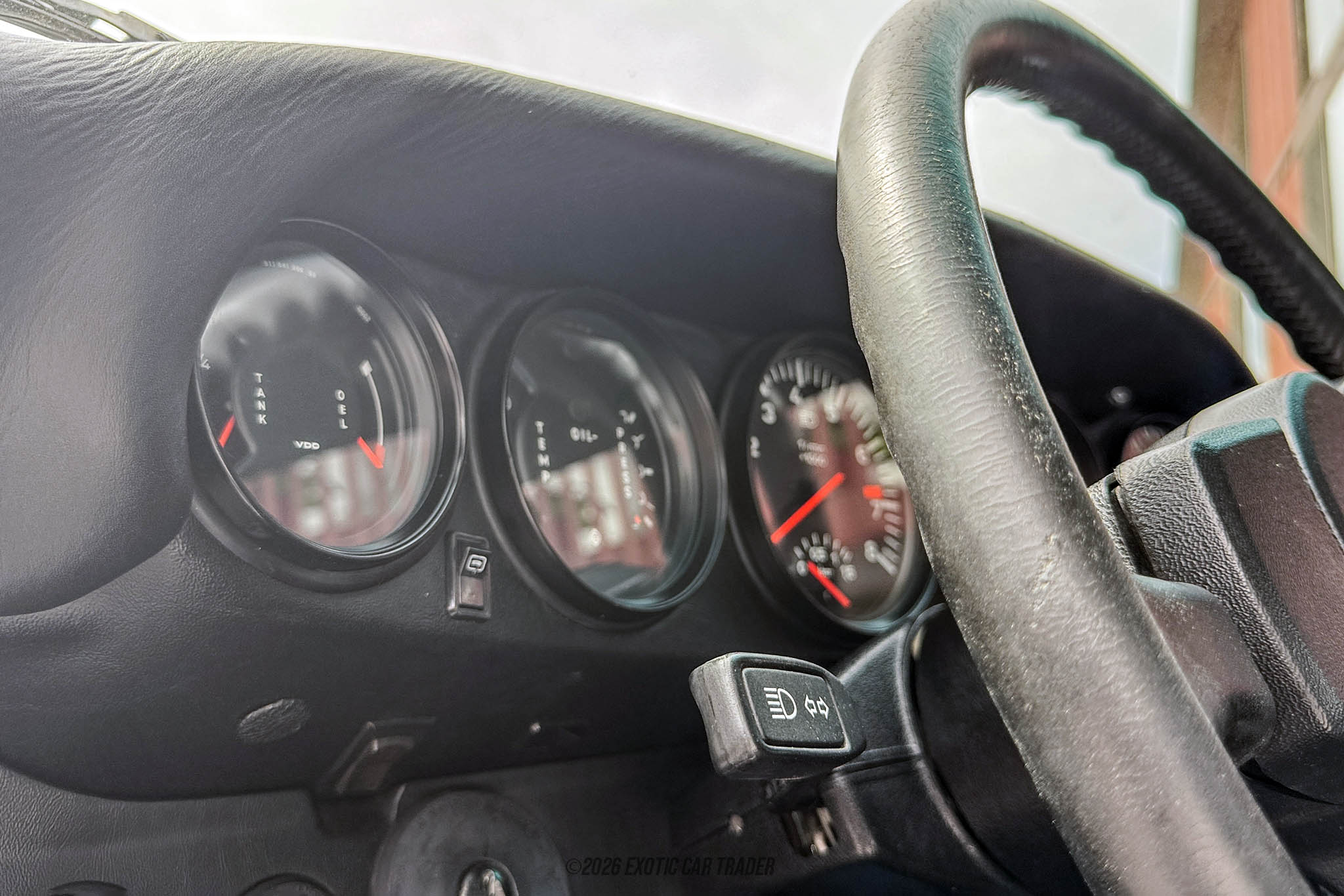
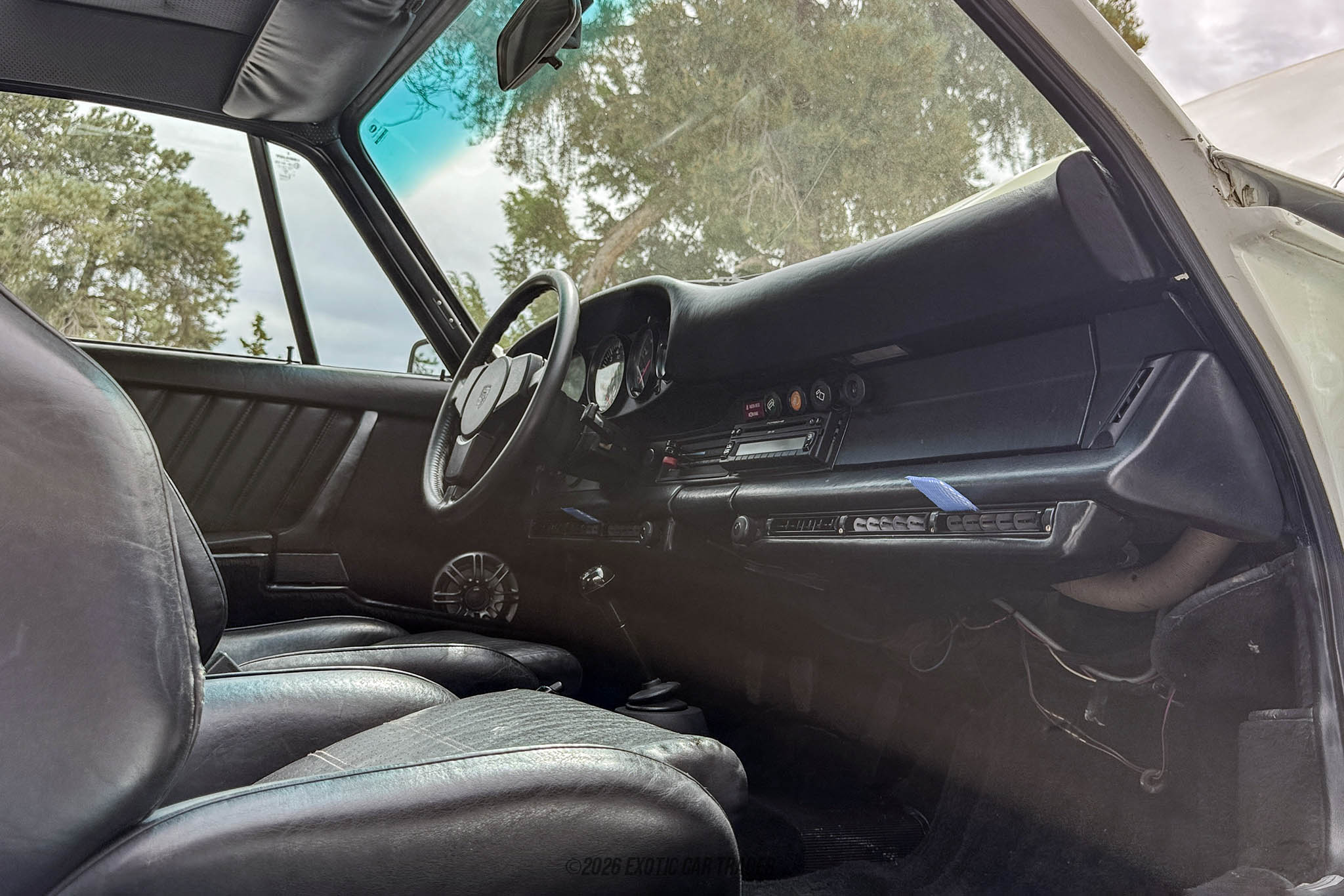
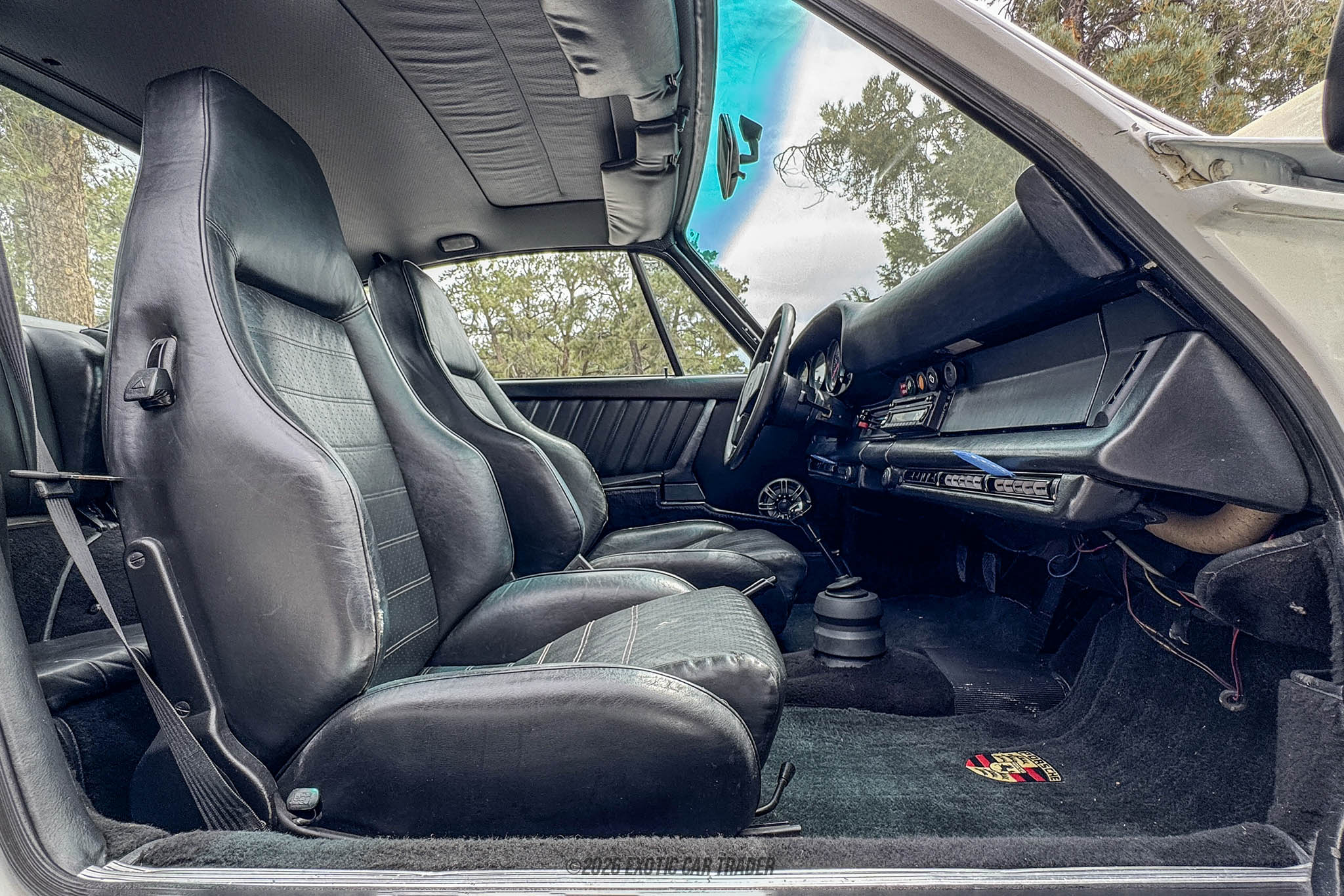
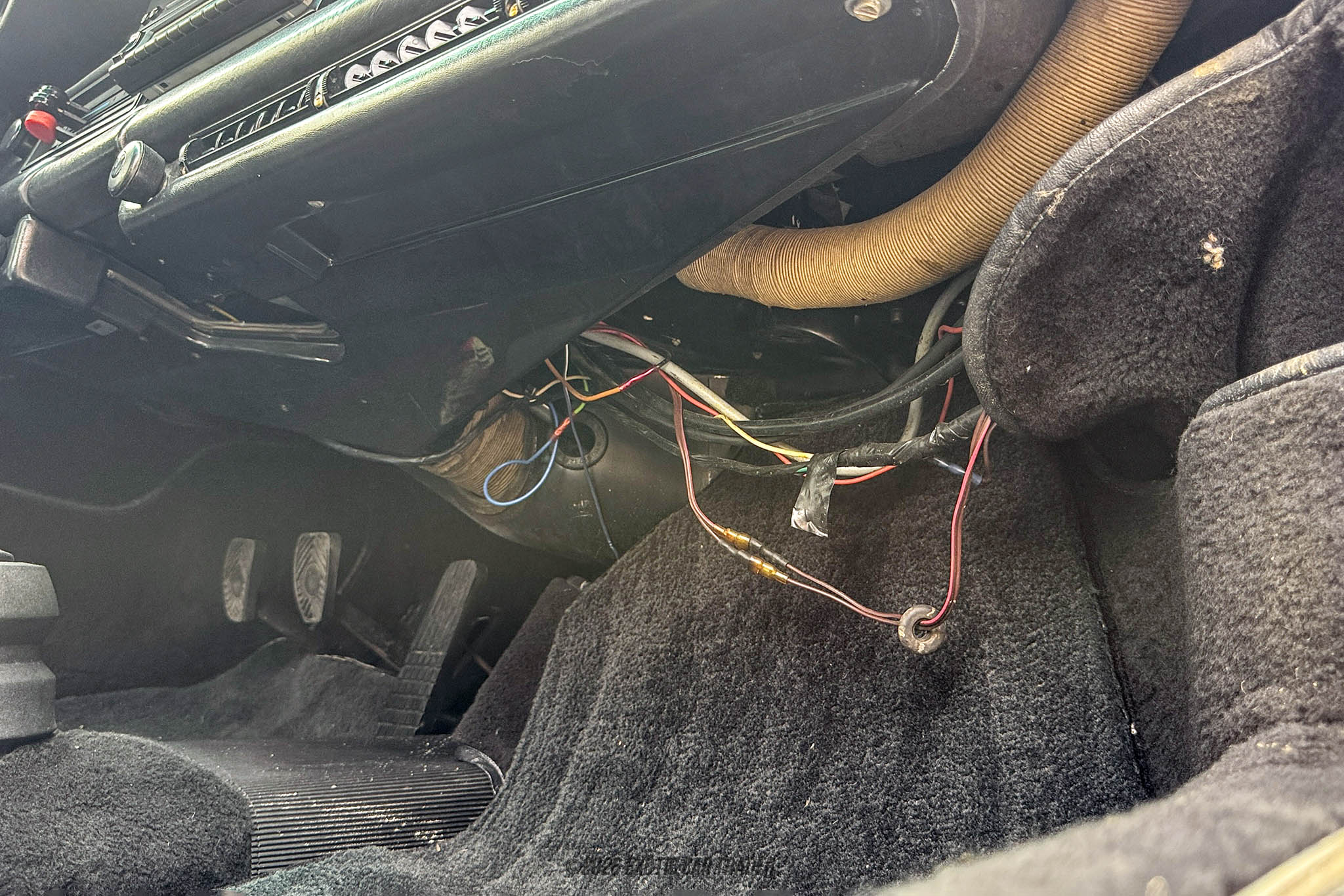
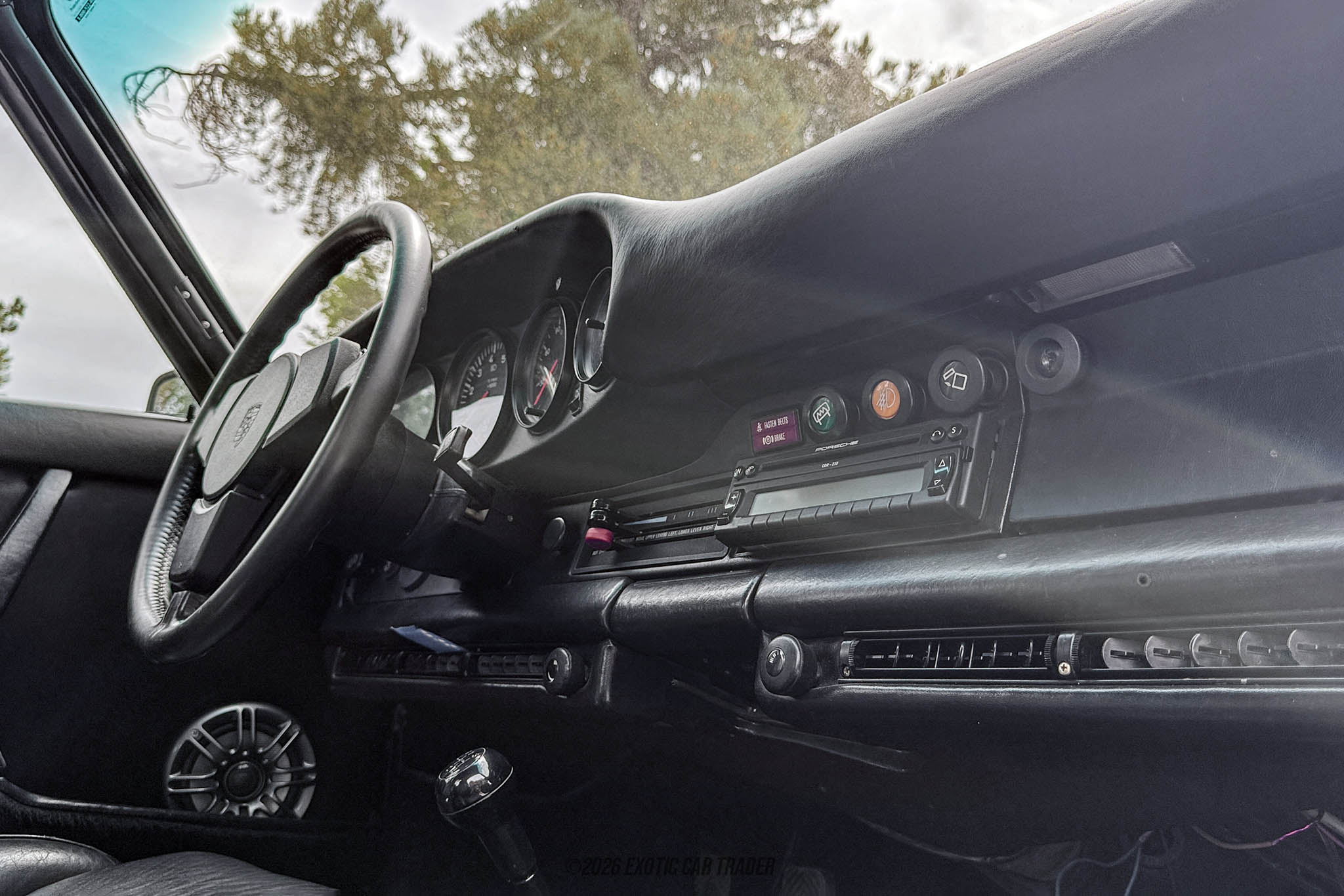
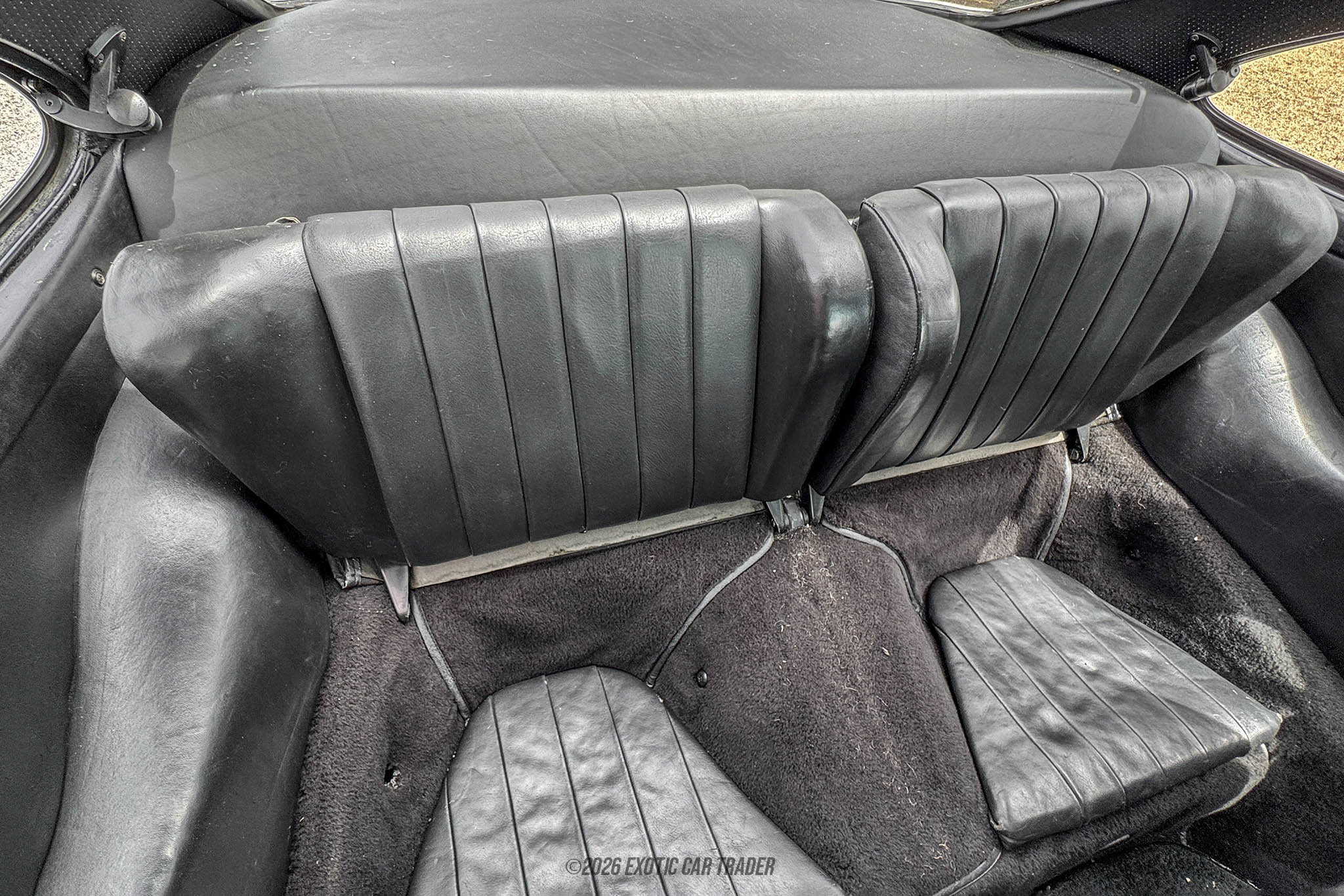
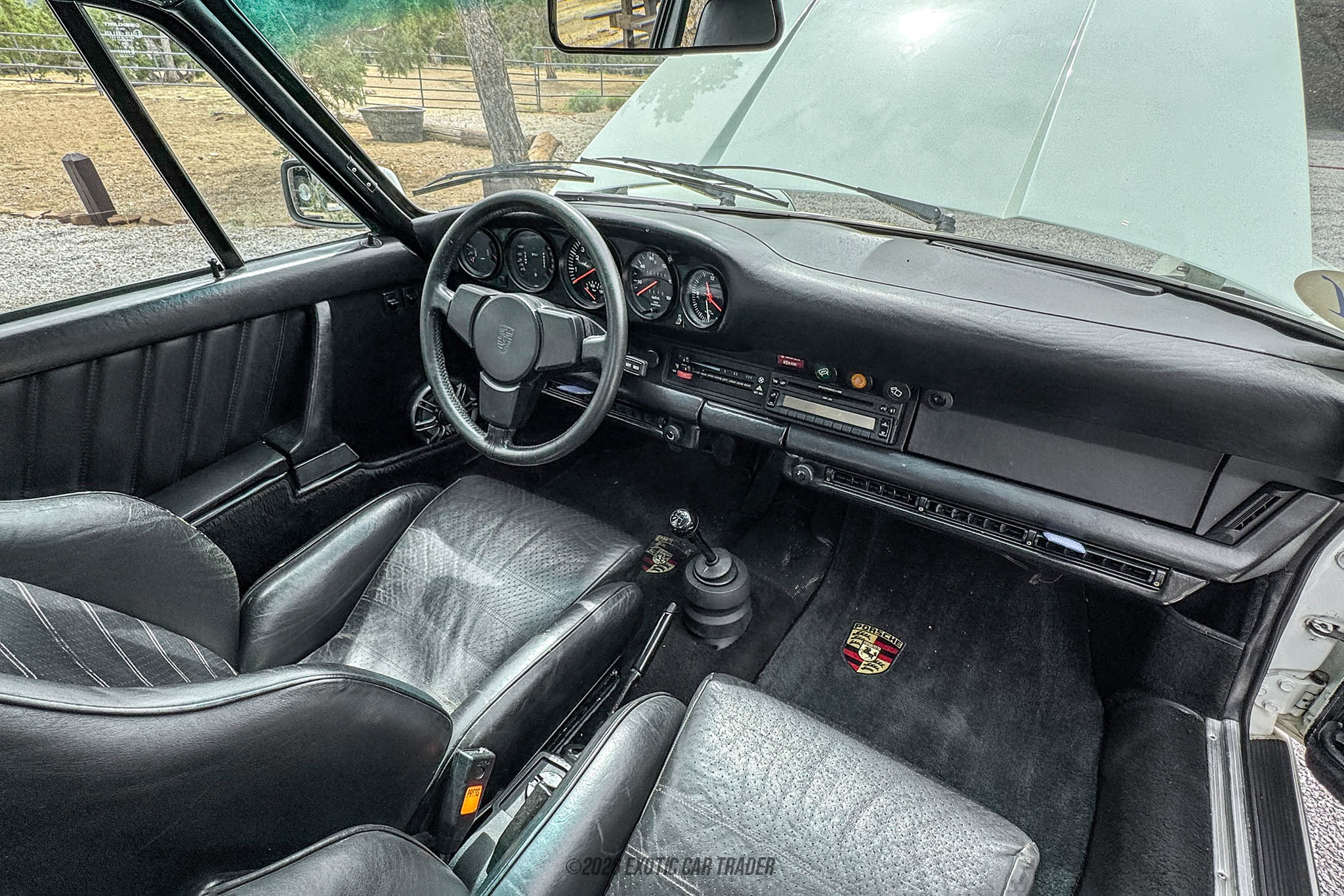
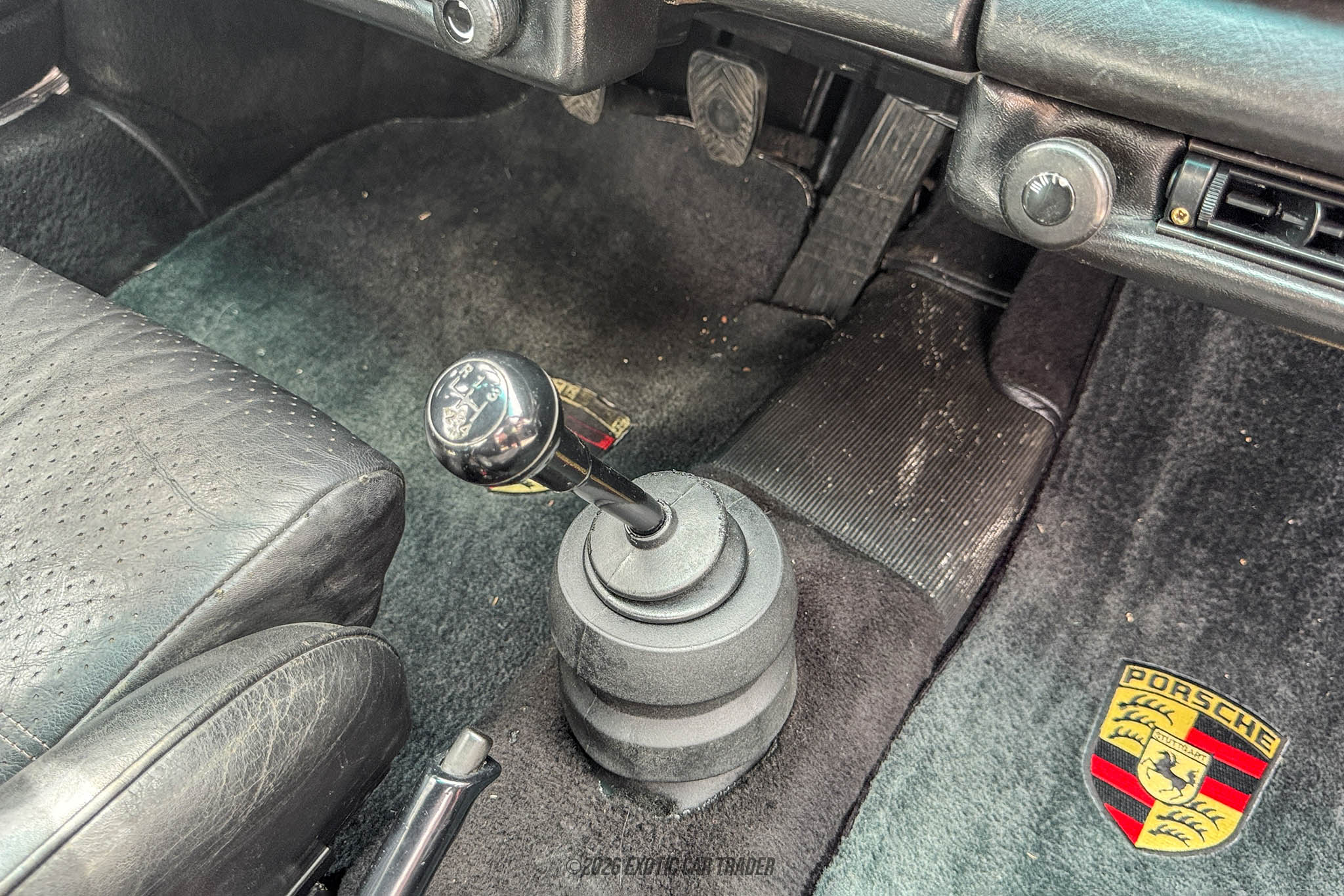
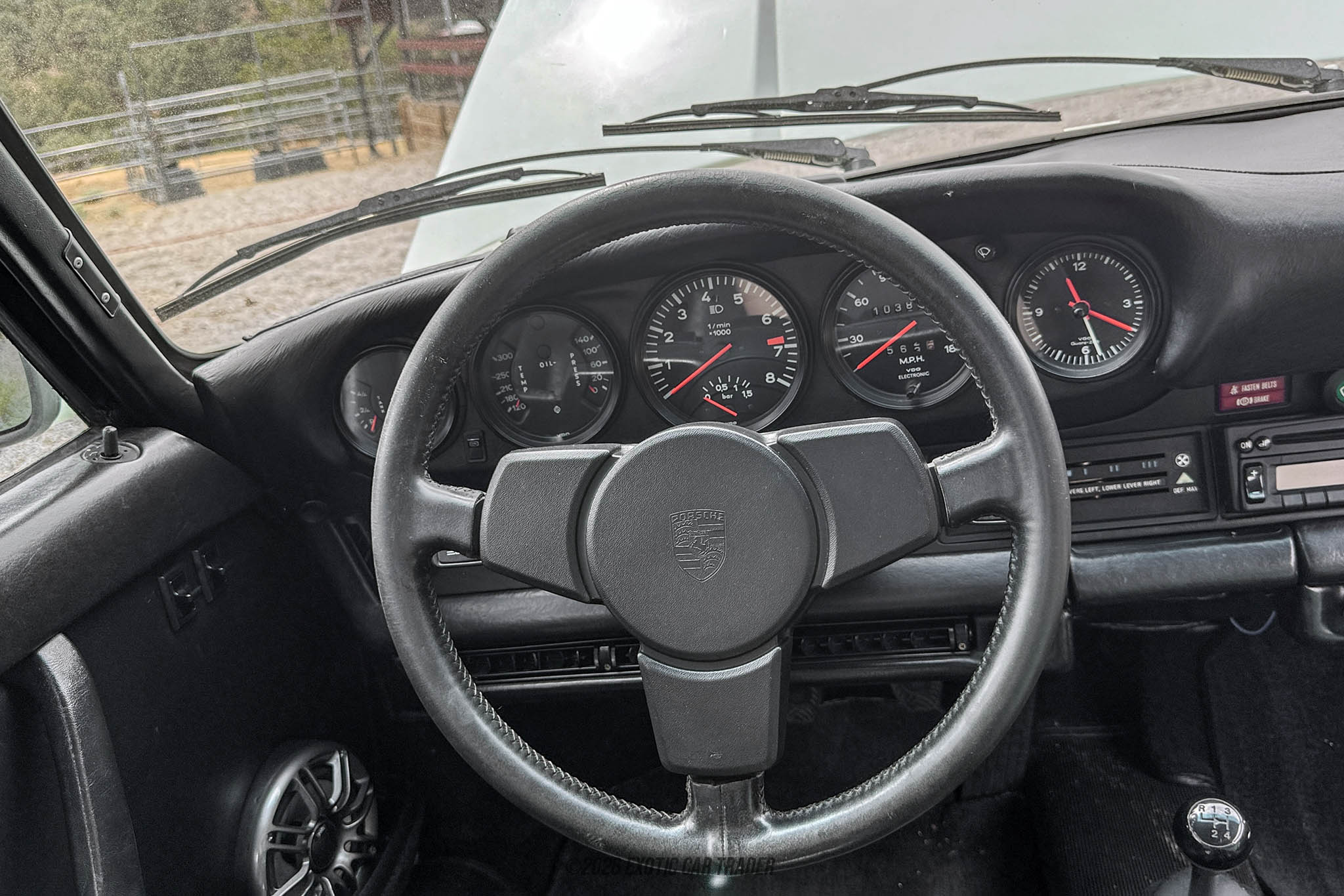
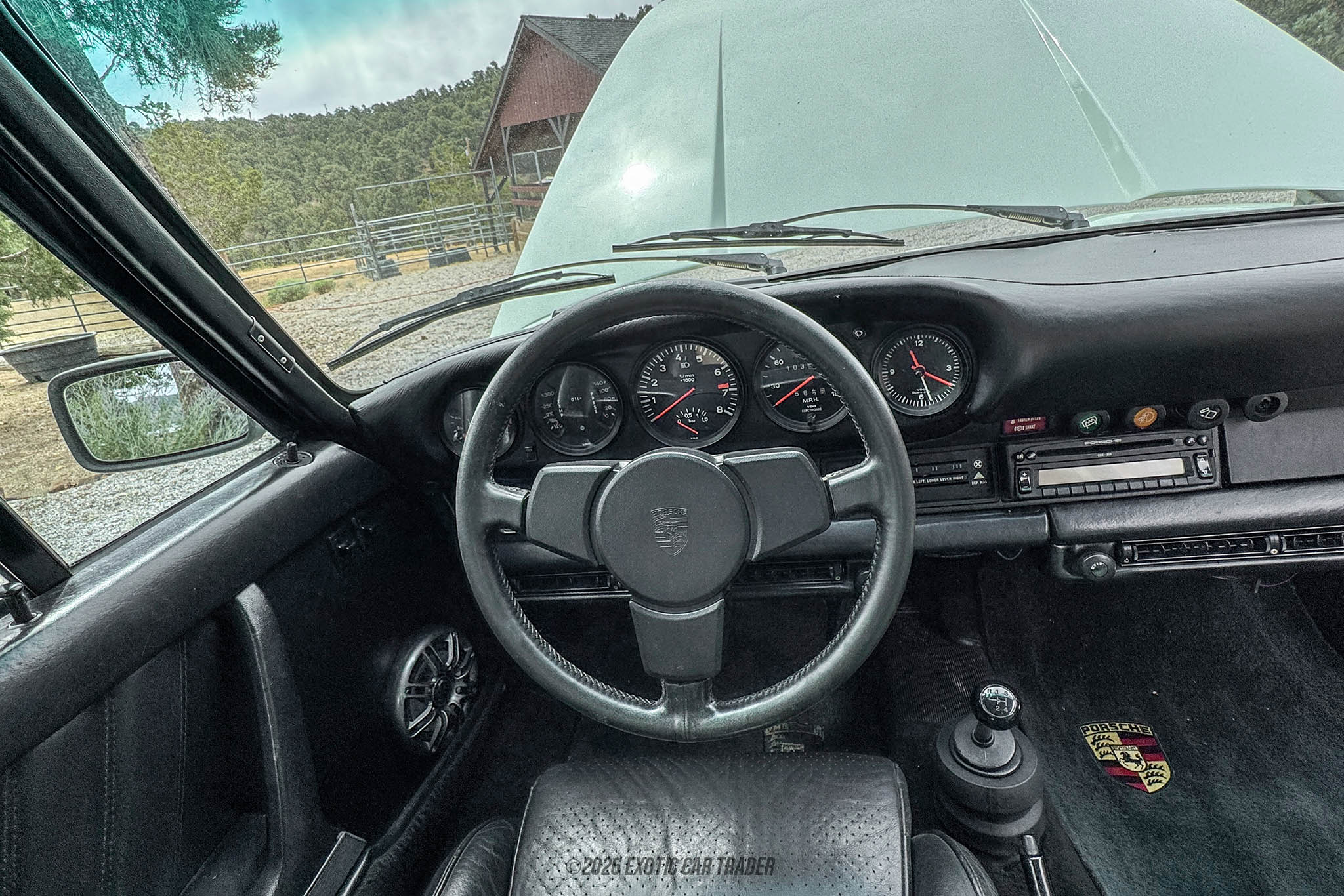
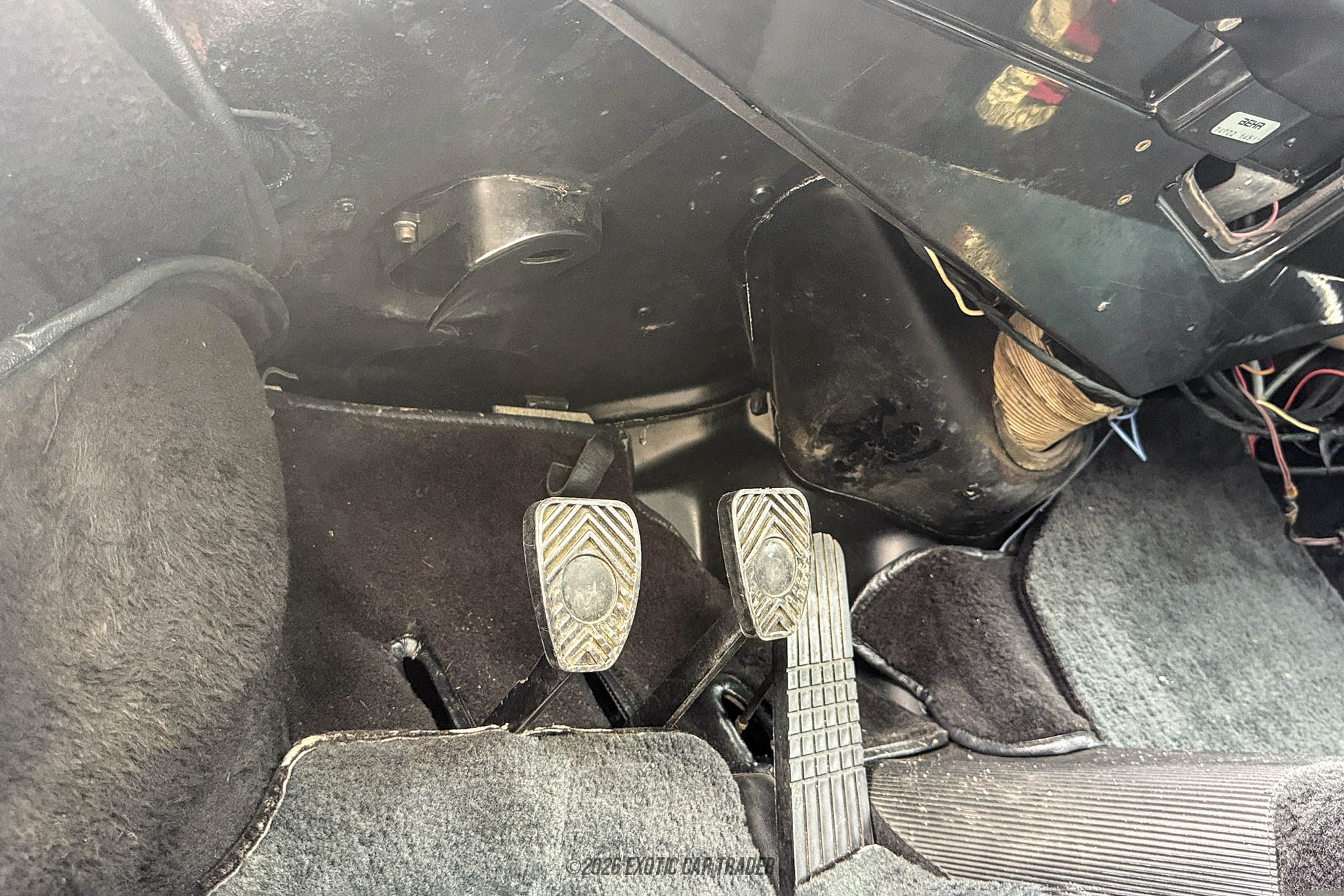
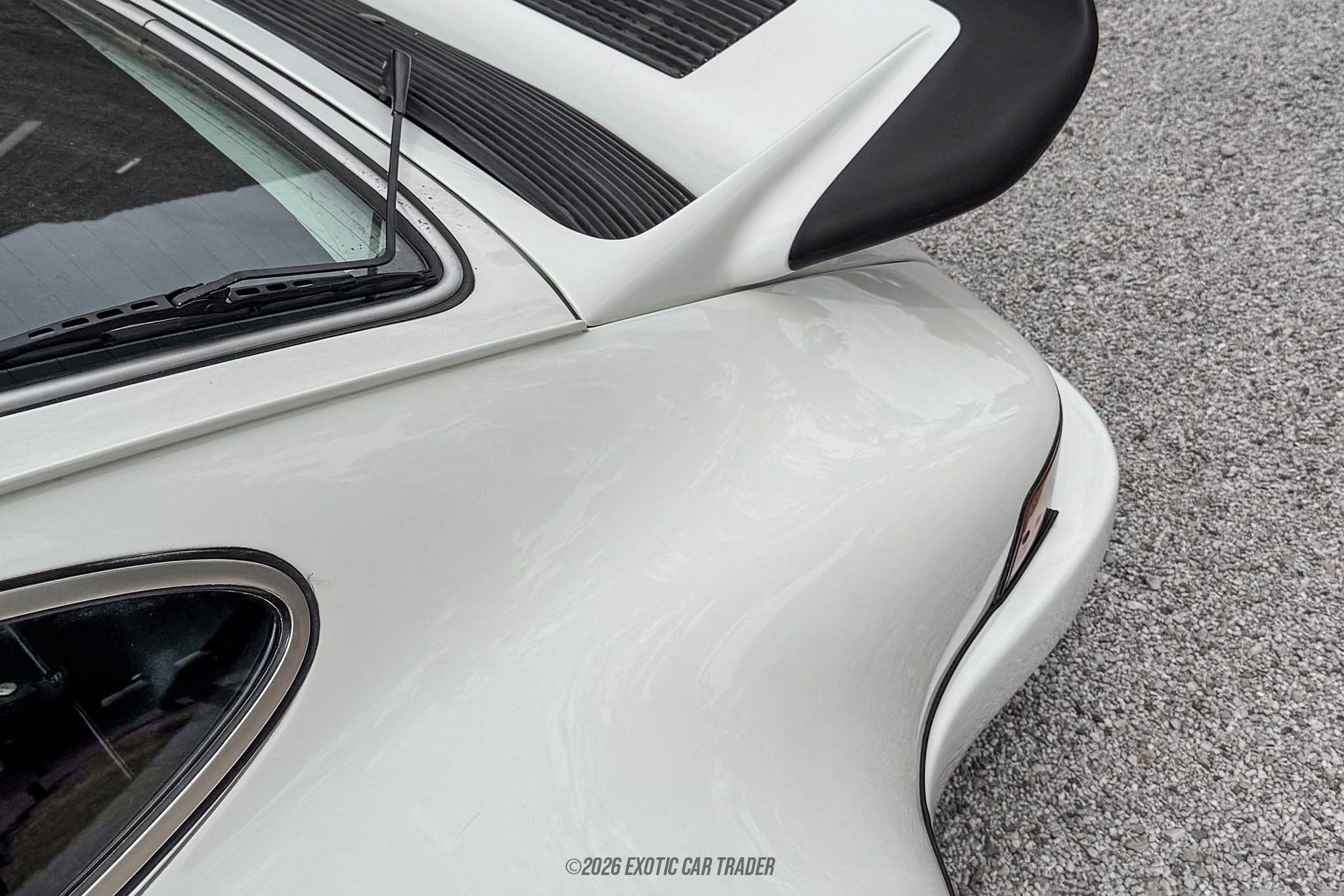
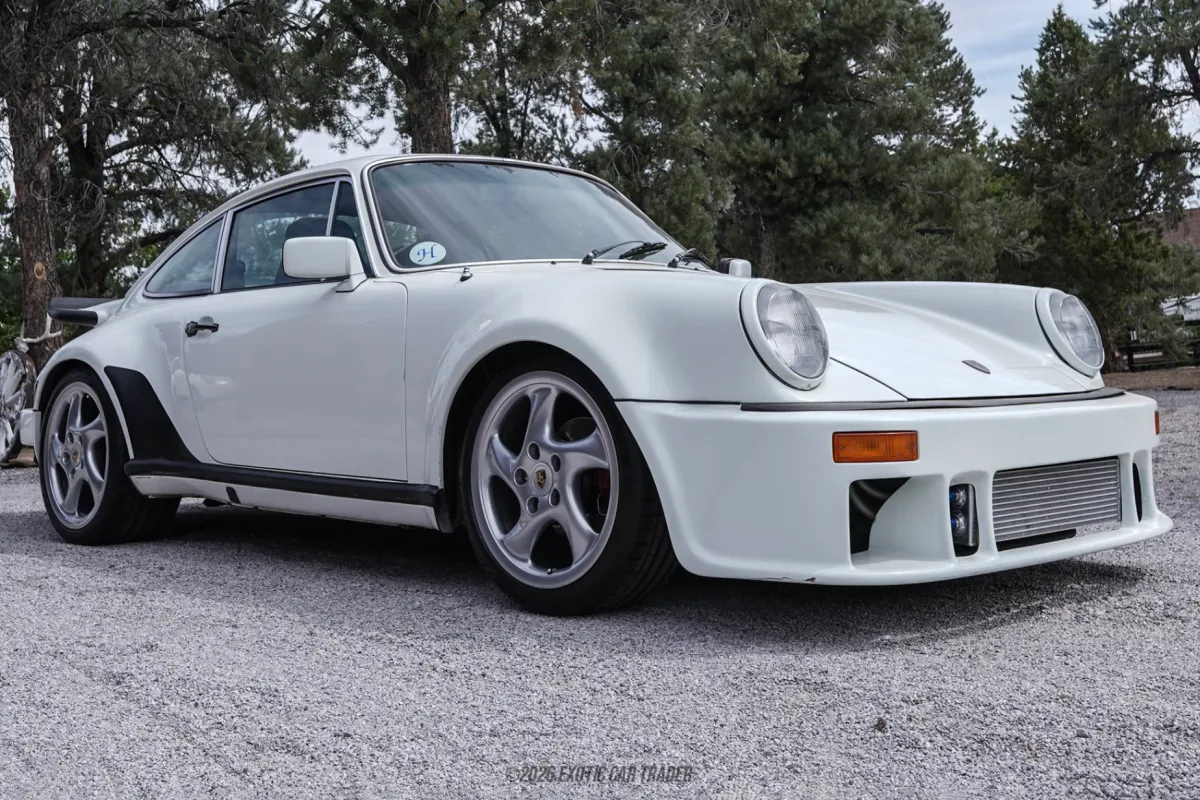
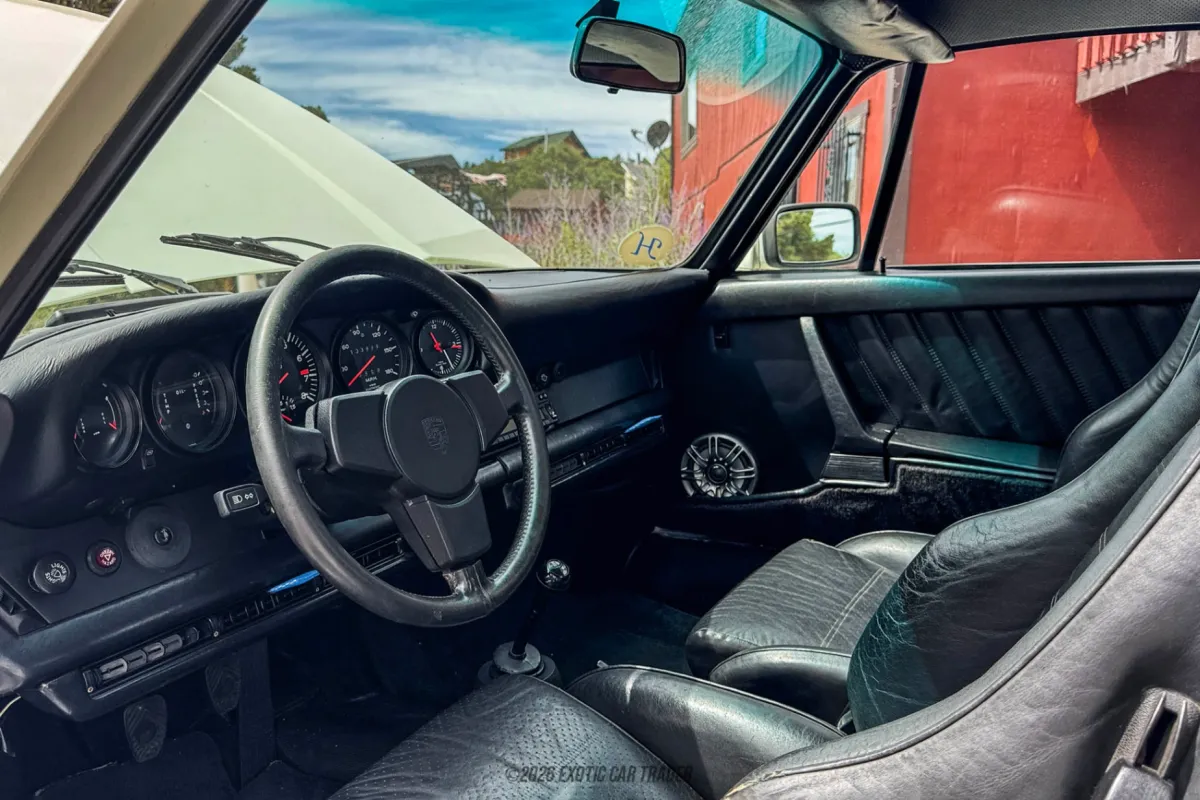
The exterior of this 1976 Porsche 911 Turbo (930) is finished in White and wears the unmistakable proportions of the original Turbo, with dramatically widened rear fenders and the large factory whale-tail rear spoiler that became one of the defining visual signatures of the 930. A Rennsport-style front bumper gives this example an even more purposeful appearance, while upgraded Porsche alloy wheels and red brake calipers add to the motorsport-inspired presentation. A factory sunroof adds another desirable period feature, while the rear wing and widened bodywork are authentic characteristics of the early 930 rather than later additions; Porsche’s own historical material notes that the Turbo was already distinguished by its wider body and prominent rear wing from the beginning of series production. The interior of this 1976 Porsche 911 Turbo (930) is trimmed in Black leather and retains the wonderfully straightforward layout that defines early air-cooled 911s. Black leather sport seats, the classic five-gauge instrument arrangement, a four-speed manual shifter, and floor-mounted pedals keep the cabin focused squarely on the driver. Air conditioning adds welcome usability to an early Turbo, while power windows and a rear-window defroster provide additional convenience. A Porsche CDR-210 head unit and aftermarket door-mounted speakers update the audio system without dramatically altering the period character of the cabin.
Engine
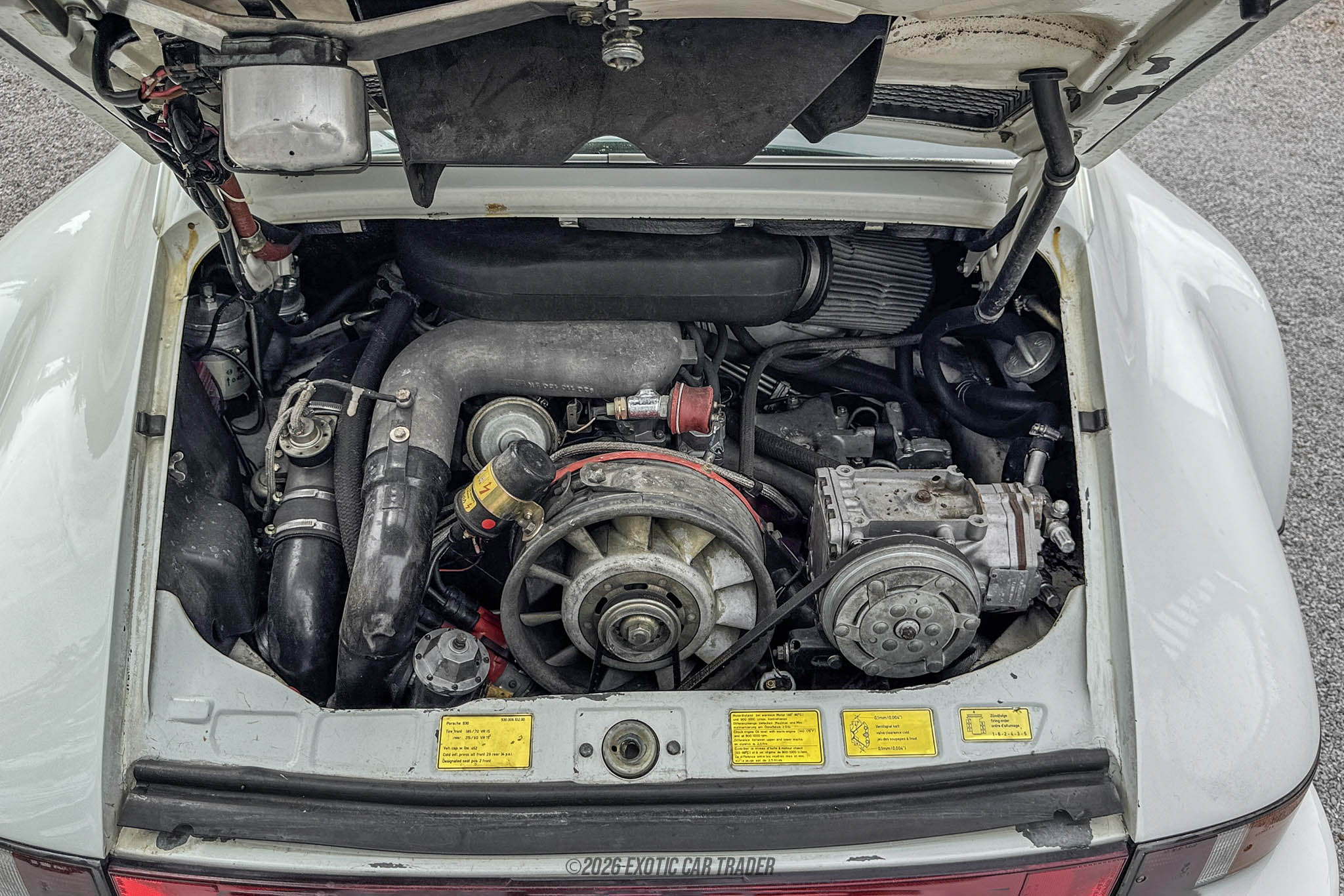
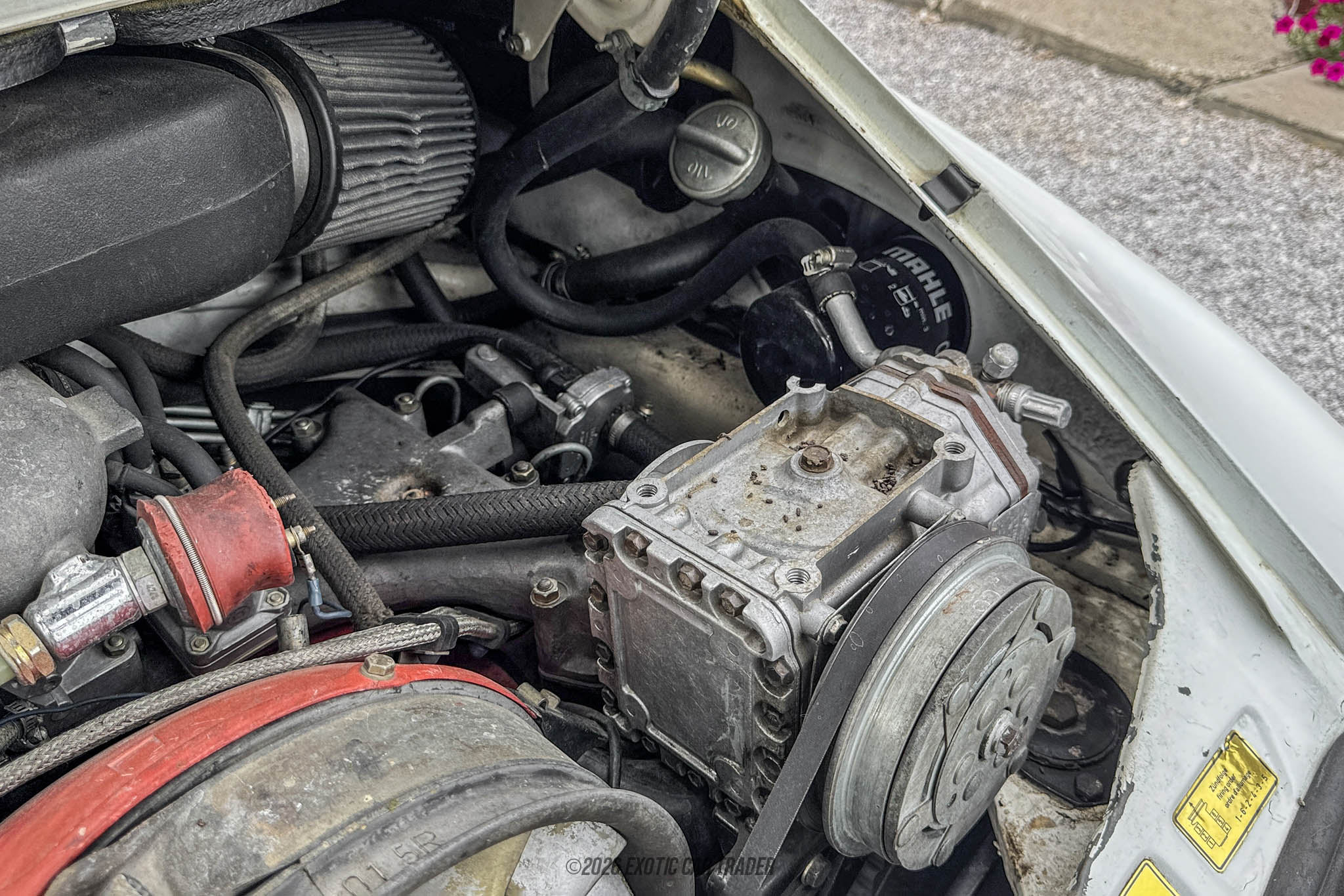
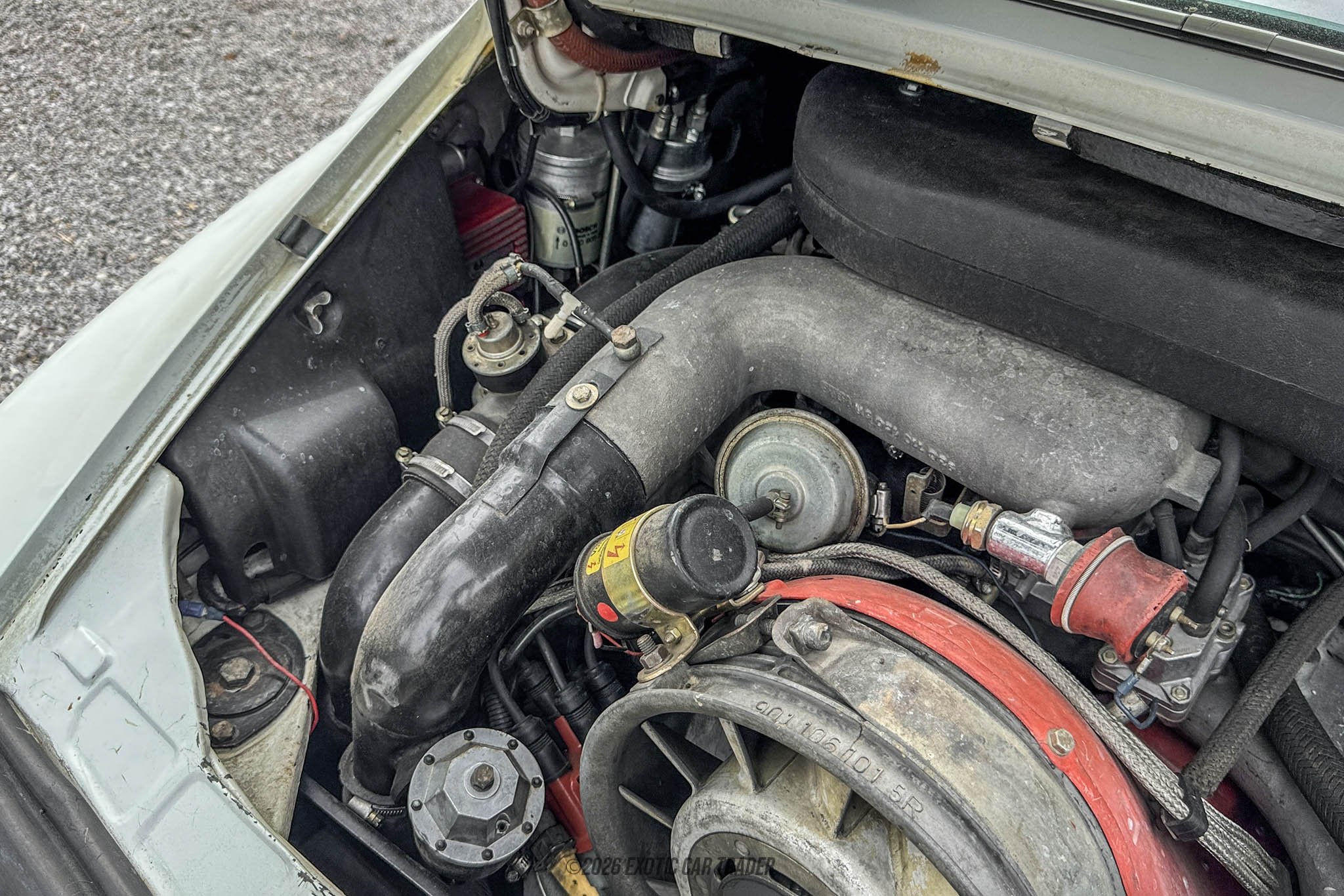
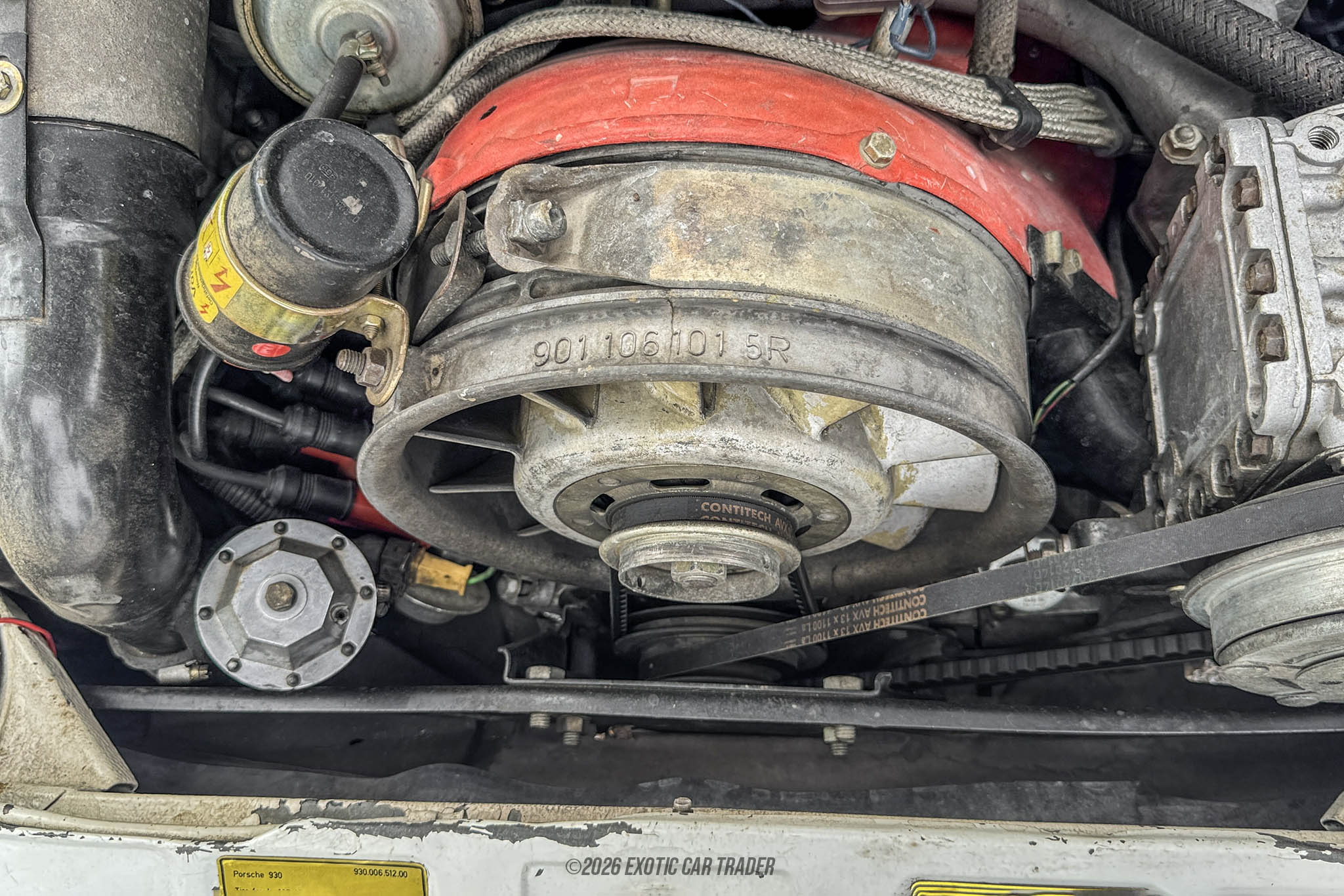
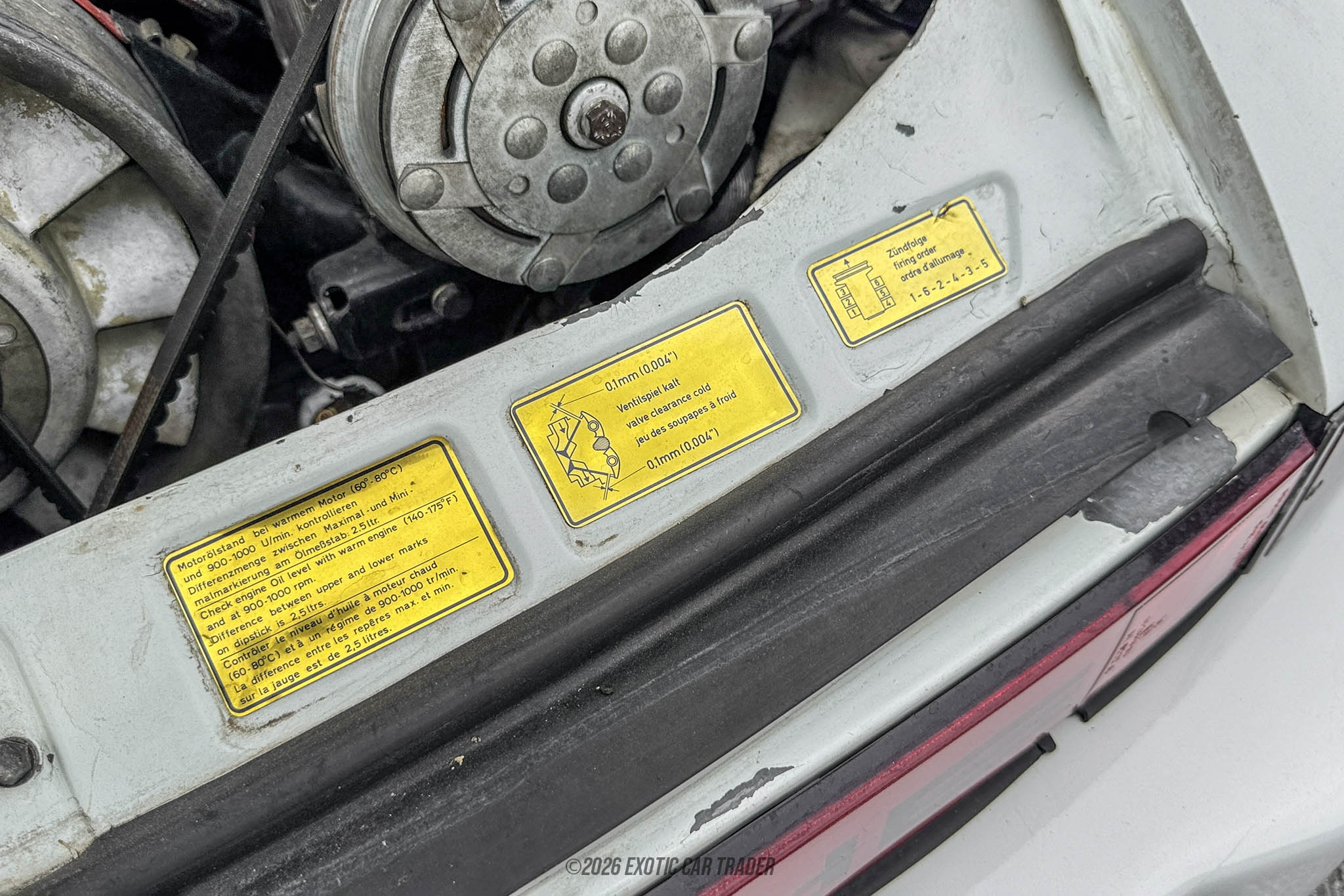
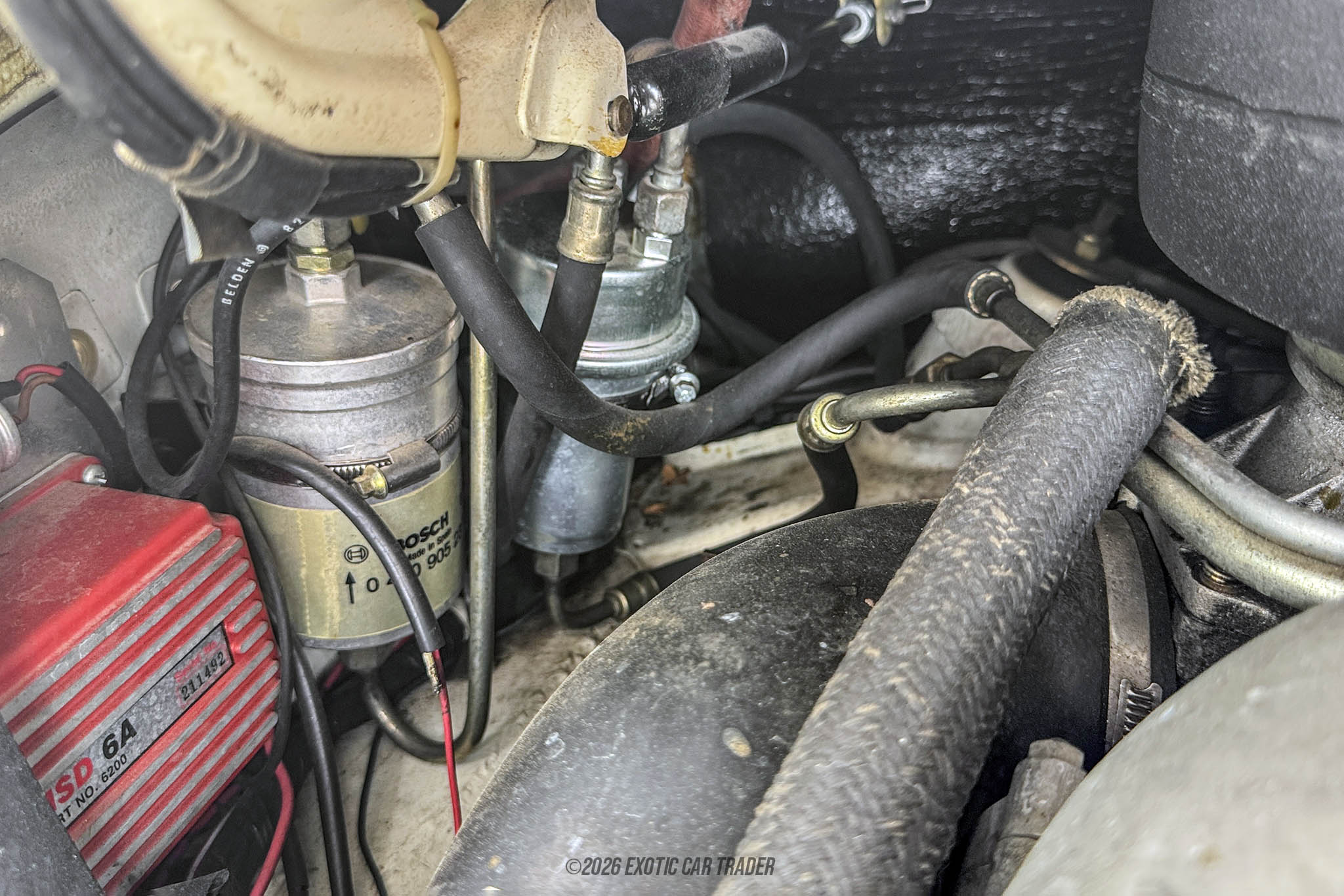
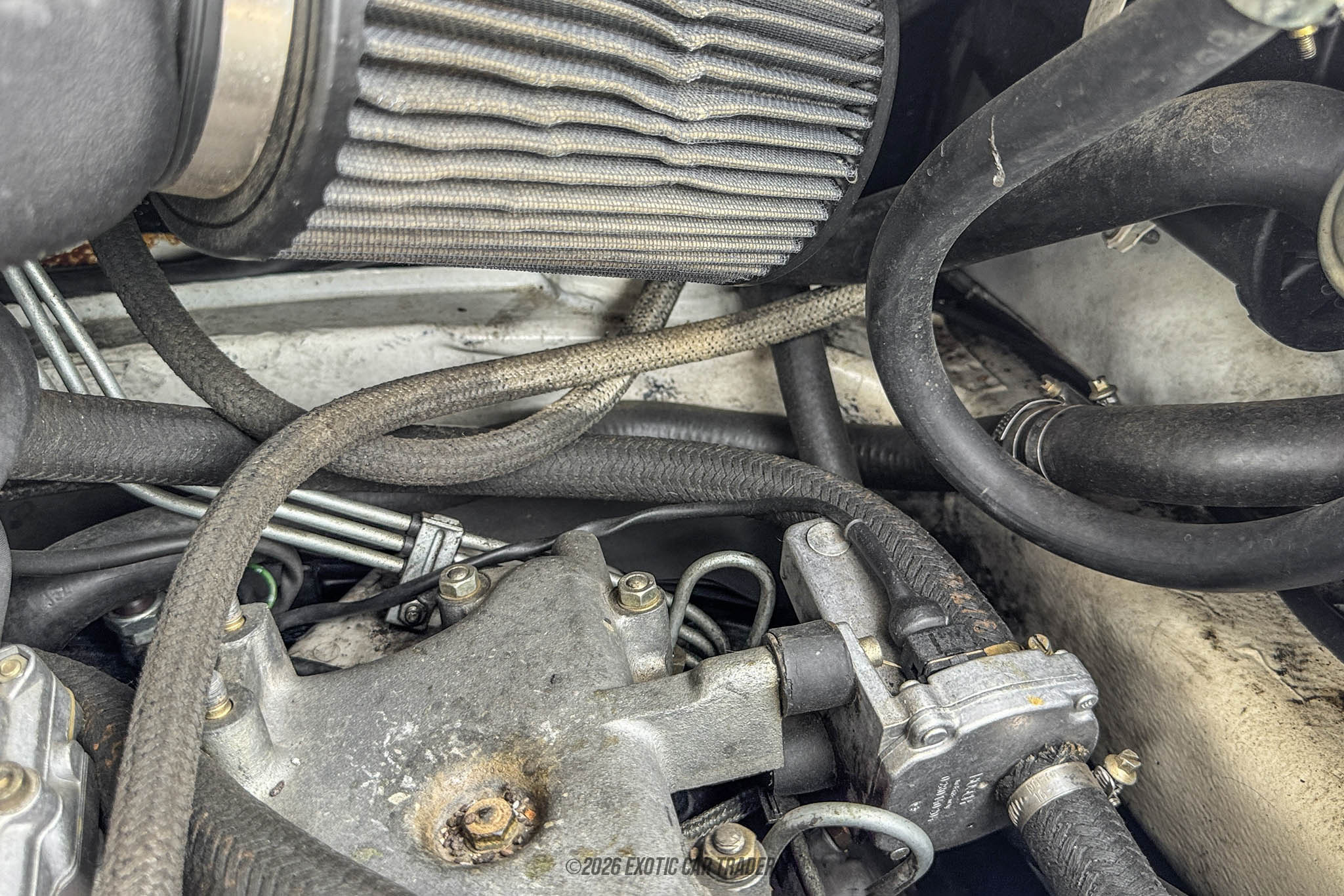
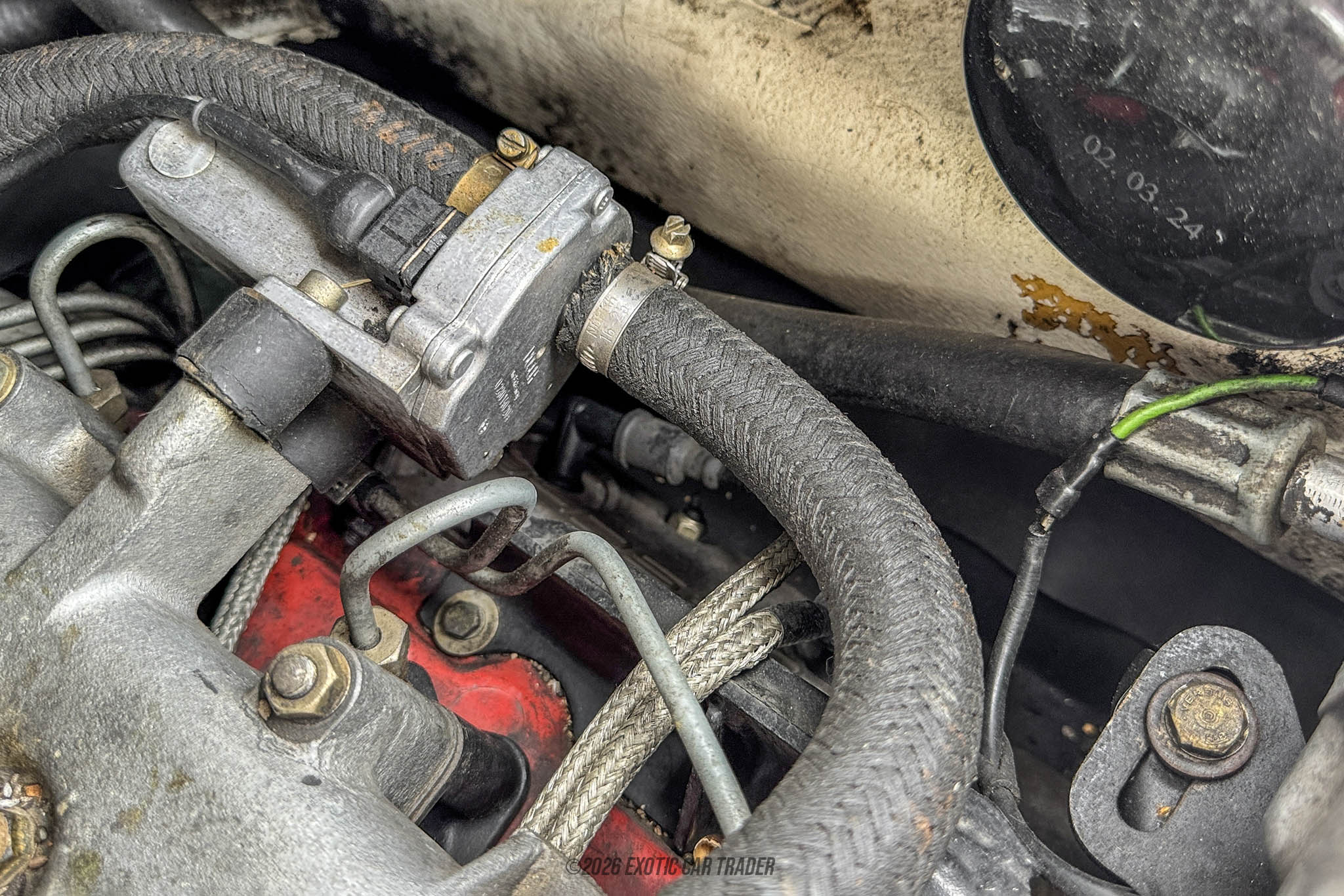
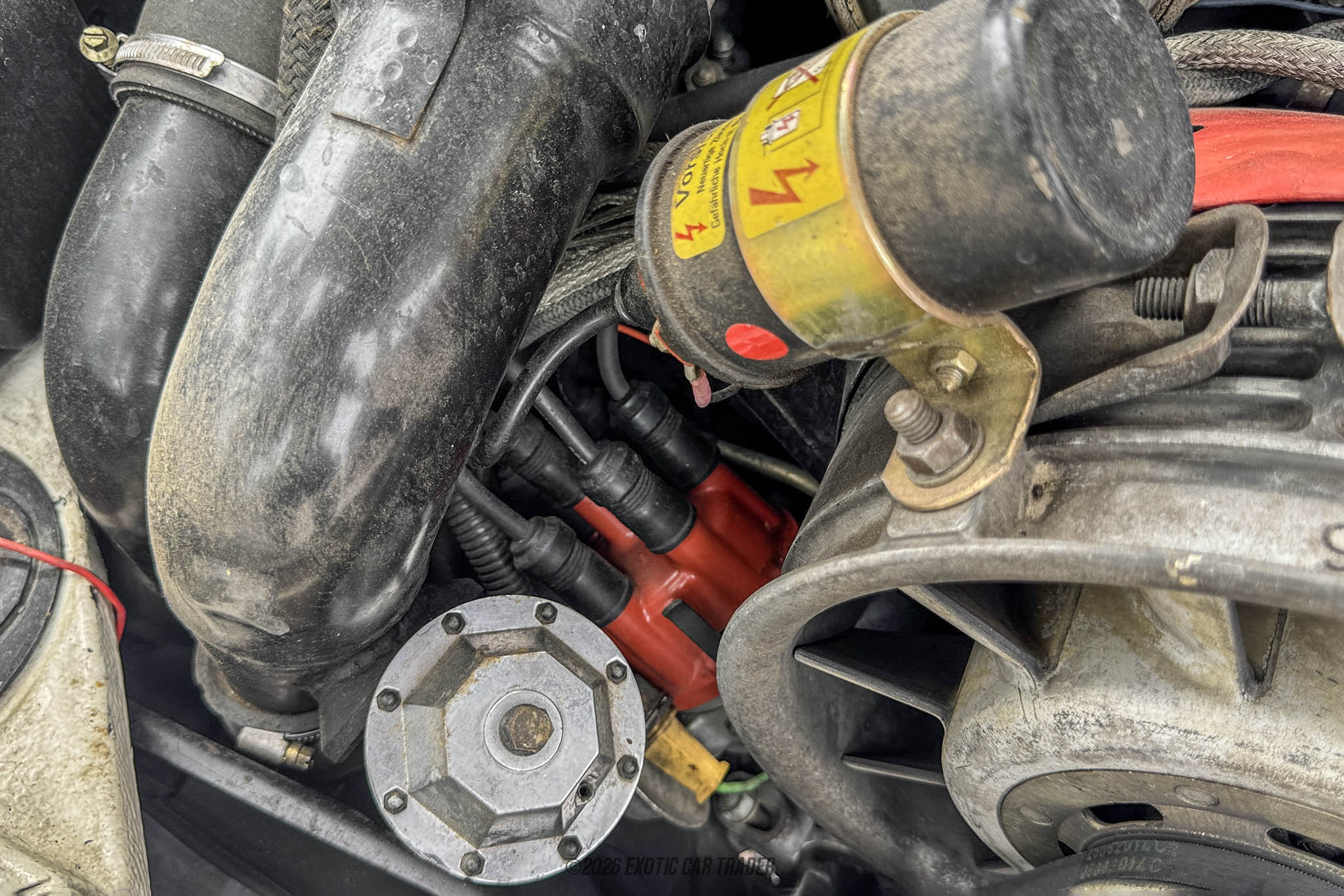
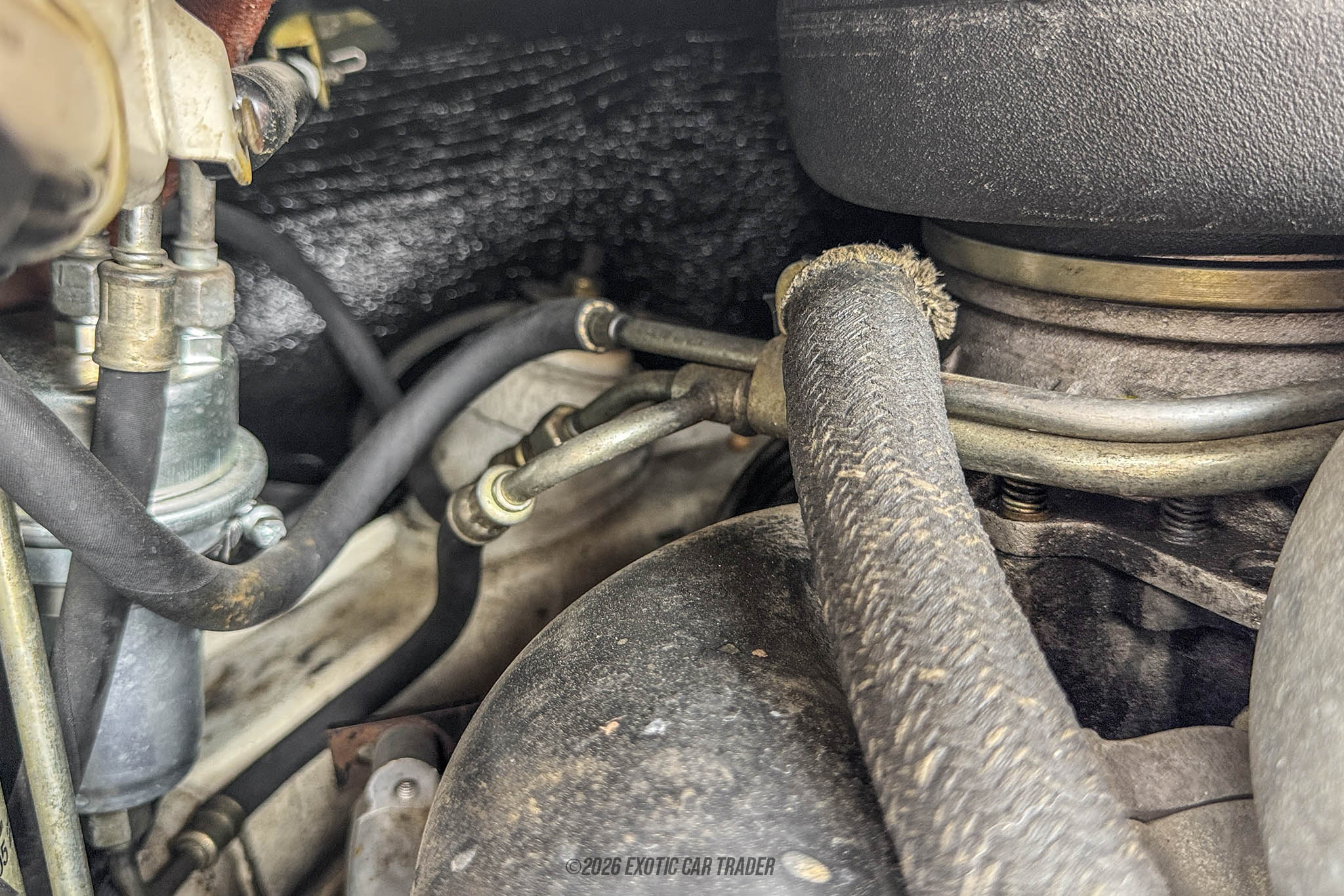
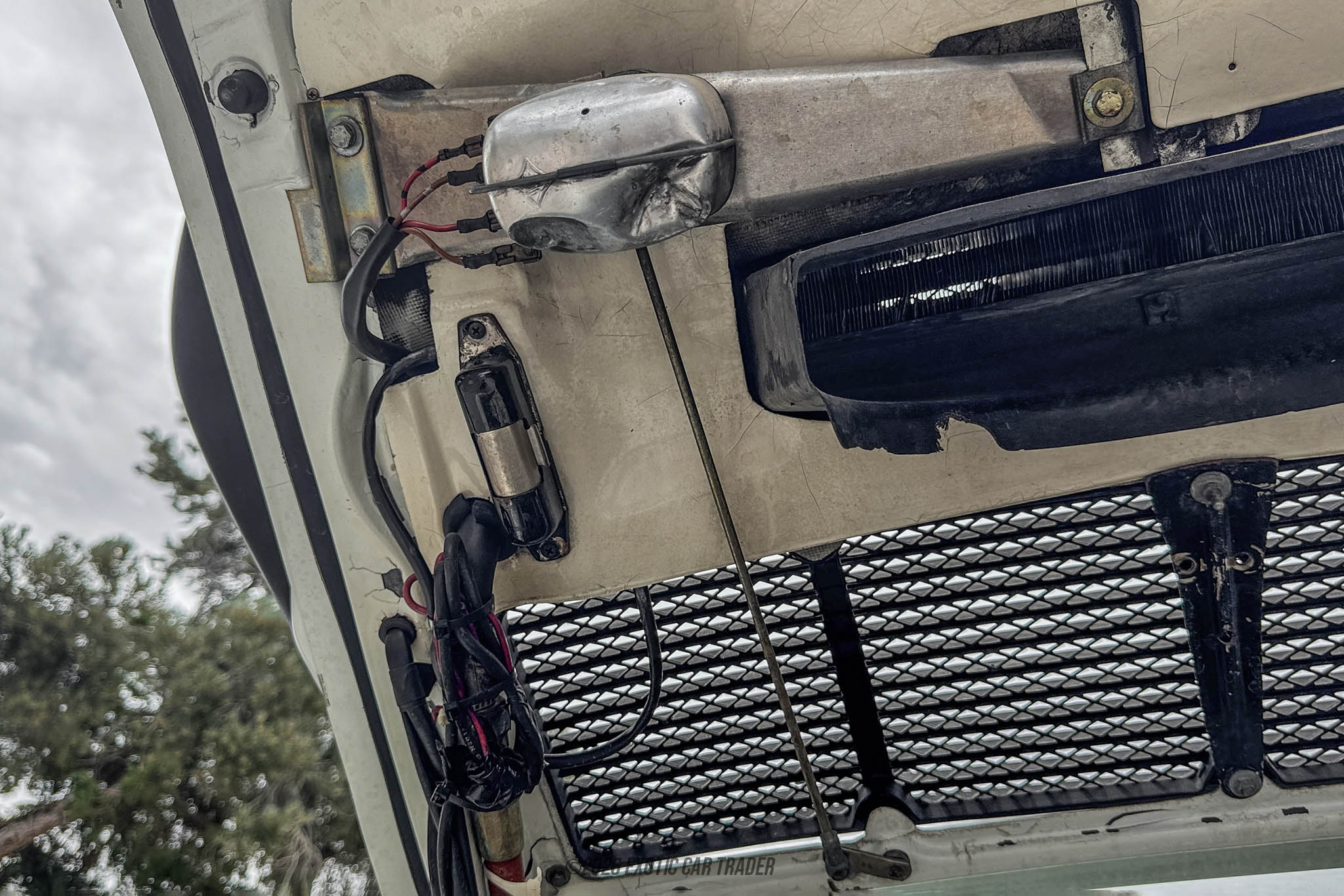
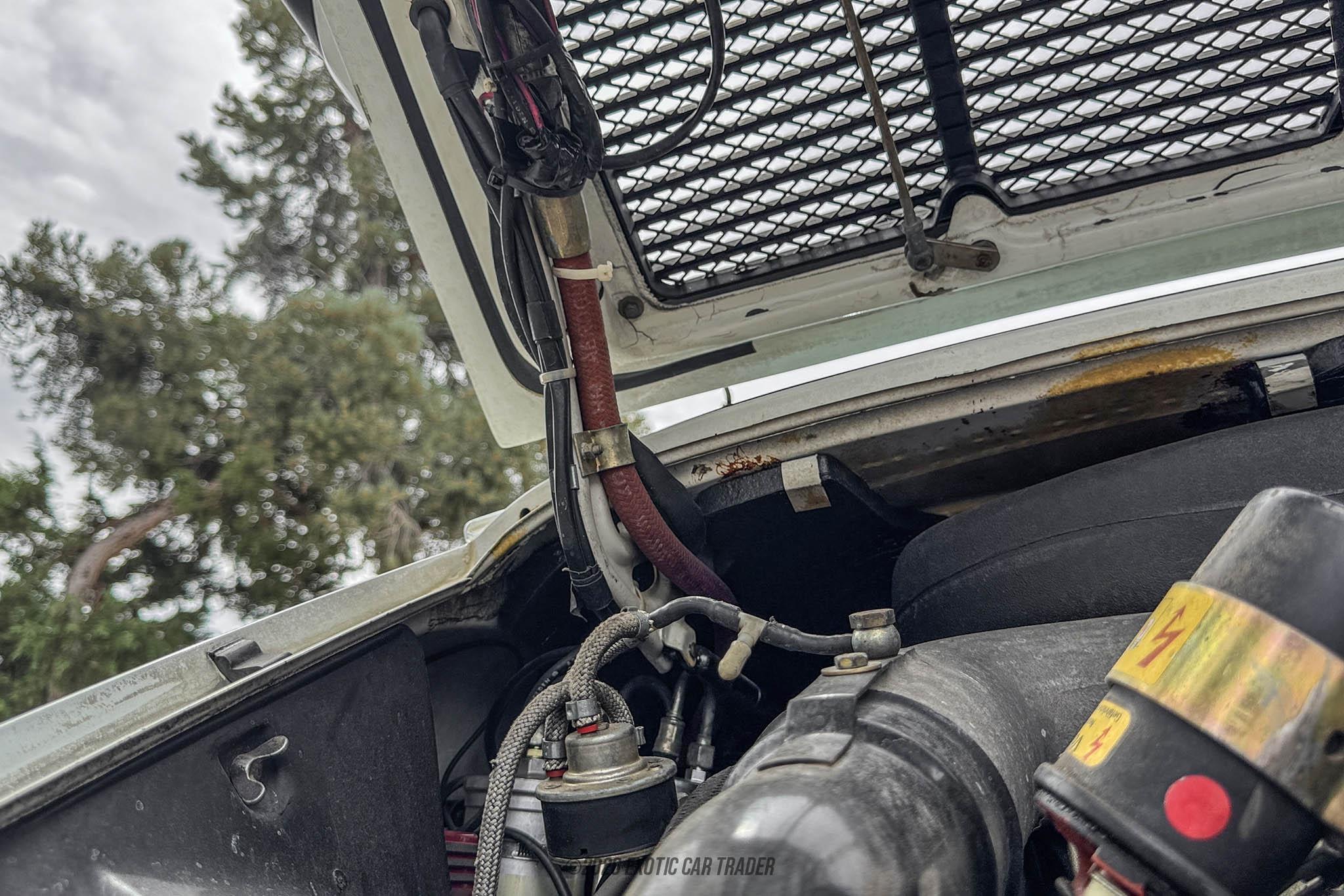
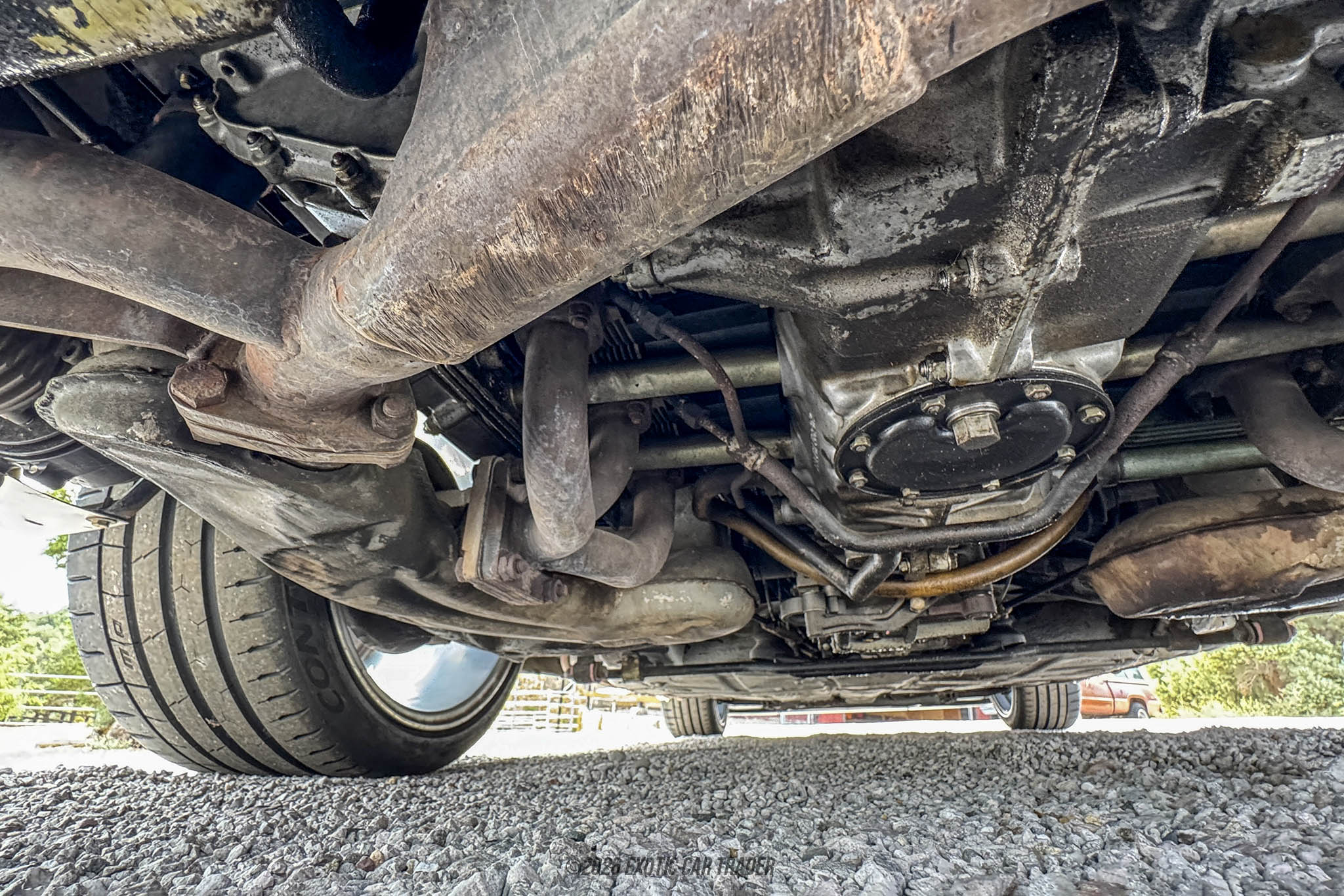
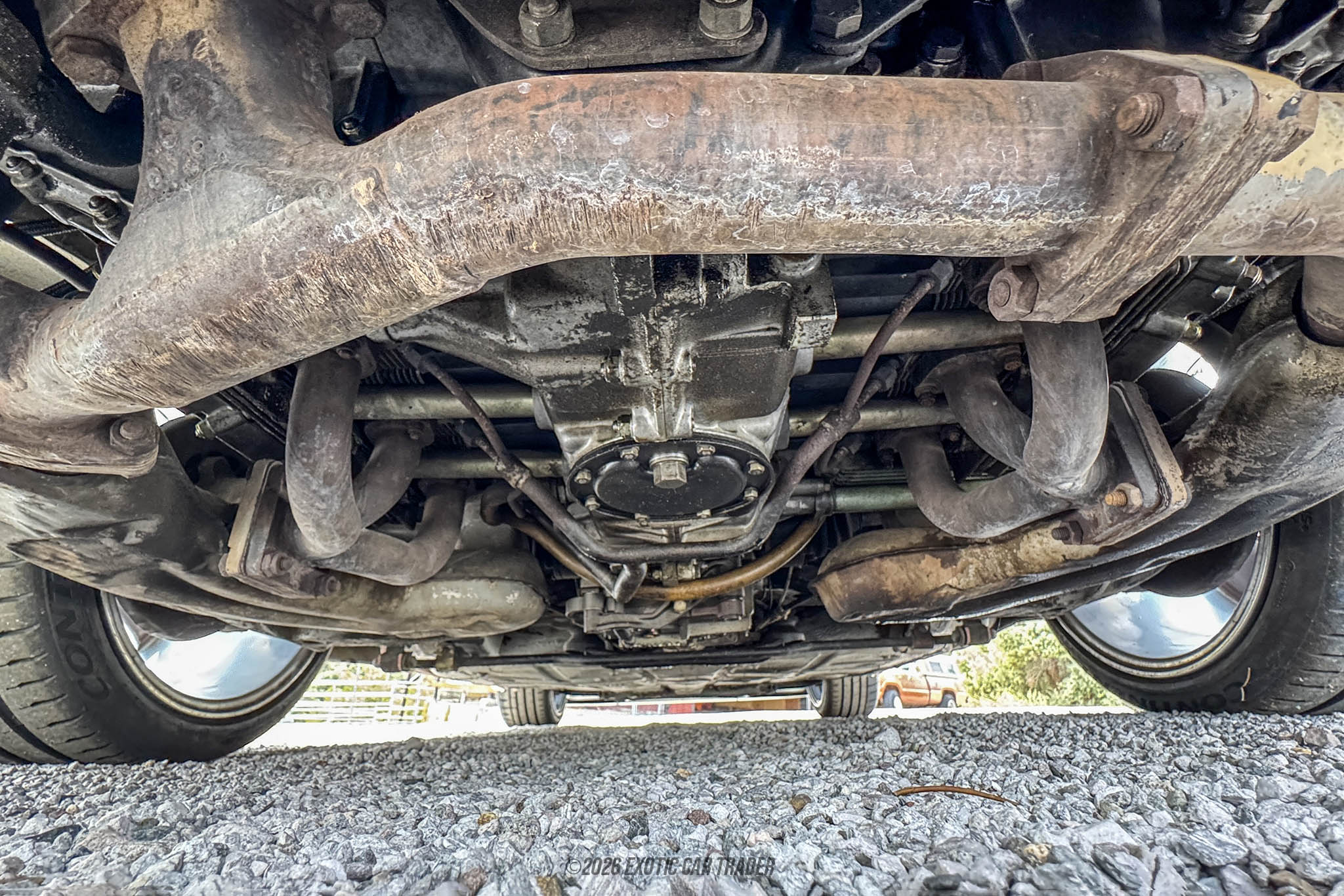
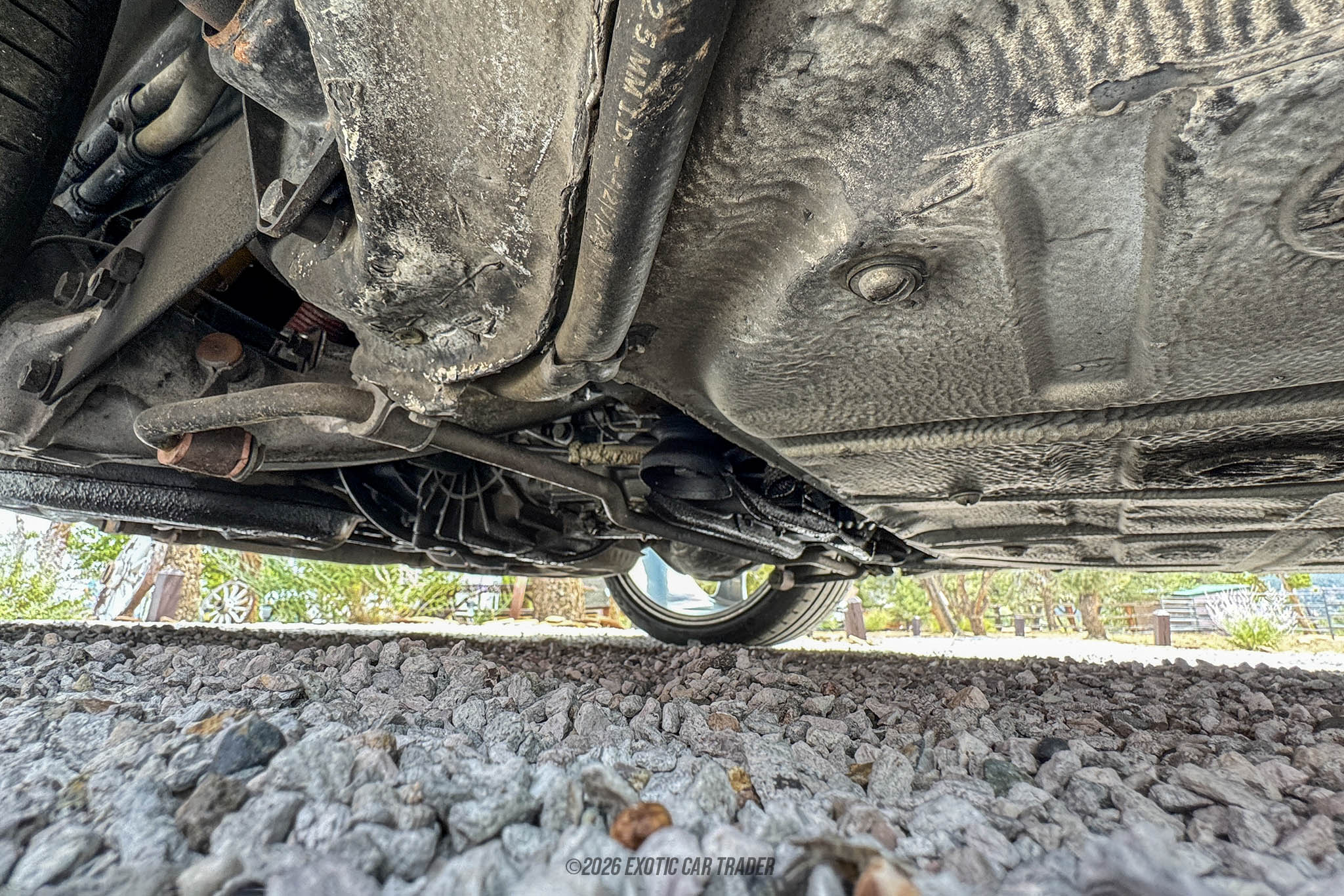
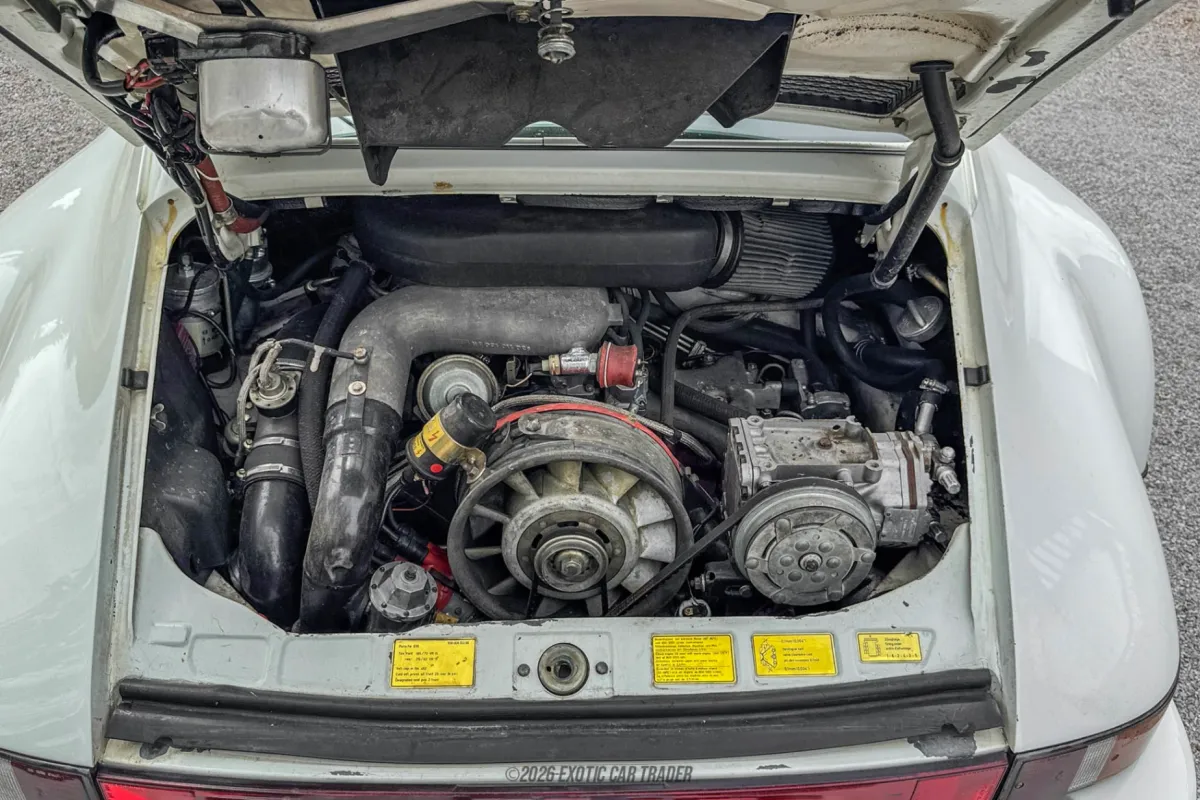
Powering this 1976 Porsche 911 Turbo (930) is an air-cooled 3.0L single-turbocharged flat-six using Bosch K-Jetronic CIS fuel injection and paired with a 4-speed manual transmission. As a U.S.-specification car, it belongs to the Type 930/51 engine family, which specialist production records identify as the emissions-compliant version supplied to American and Canadian buyers for 1976. Importantly, the early 3.0-liter 930 was not intercooled; Porsche did not add an intercooler until the 3.3-liter Turbo arrived for the 1978 model year. The 930’s rear-engine layout, substantial turbo lag, short four-speed gearbox, and abrupt power delivery helped establish the demanding driving character later associated with the “Widowmaker” reputation. Power-assisted four-wheel disc brakes, independent suspension, and the front-mounted oil cooler round out a mechanical package that was genuinely exotic for its era.
Very few cars from the 1970s have the reputation of the first-generation Porsche 911 Turbo. This 1976 Porsche 911 Turbo (930) is an early U.S.-specification example showing approximately 103,898 miles and carrying VIN 9306800195, placing it as the 195th U.S.-market 930 in the 1976 VIN sequence. Porsche introduced the Turbo to North America for the 1976 model year, and this car belongs to the original 3.0-liter generation produced before the larger 3.3-liter Turbo arrived for 1978. Finished in White over a Black leather interior, this example combines the early single-turbo drivetrain with the signature wide rear fenders and factory whale-tail spoiler that made the 930 instantly recognizable. It also features a Rennsport-style front bumper, upgraded Porsche alloy wheels, factory-style air conditioning, a sunroof, and period Porsche equipment. According to the seller, this example has remained under the same ownership for the last 24 years, adding an appealing element of long-term provenance to one of Porsche’s most important early turbocharged road cars. Porsche states that 2,850 3.0-liter Turbos were produced during the model’s first three years, while specialist production records list 530 U.S.-specification examples for the 1976 model year.
Few sports cars have maintained the same combination of everyday usability, unmistakable design, and enthusiast appeal as the Porsche 911. This 2024 Porsche 911 Carrera Cabriolet brings that formula into an open-top package, pairing its rear-wheel-drive layout and twin-turbocharged flat-six with a carefully selected configuration that stands apart visually. Finished in Chalk over a Bordeaux Red leather interior with Chalk stitching, this example has traveled approximately 11,047 miles. Desirable equipment includes the Sport Exhaust System, 20-/21-inch RS Spyder Design wheels, Power Steering Plus, the Premium Package, Surround View, ventilated front seats, and a BOSE surround sound system. The contrasting black convertible roof with double stripes in Grey and matching front trunk lid decal give this Carrera Cabriolet an especially distinctive presence.
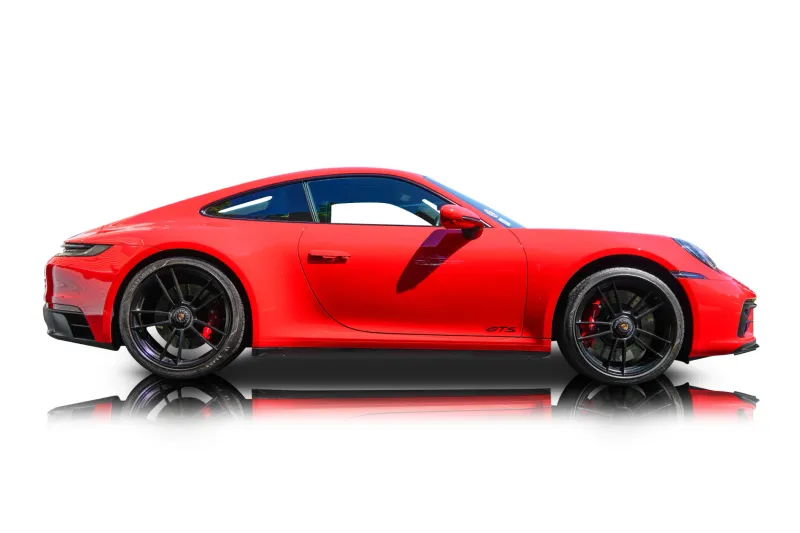
The 2025 Porsche 911 Carrera 4 GTS represents the latest evolution of Porsche’s legendary sports car formula, combining the iconic 911 silhouette with advanced hybrid-assisted performance and everyday usability. As part of the GTS lineup, it delivers a more focused driving experience through enhanced performance equipment, aggressive styling, and driver-oriented upgrades. Finished in Shade Green Metallic over a Black Leather interior with Chalk Stitching, this example shows only 2,741 miles and is equipped with an extensive collection of desirable options including the Sport Chrono Package, Sport Exhaust System, Rear-Wheel Steering, Front Axle Lift System, Aerokit in High Gloss Black, and 20"/21" Carrera S Wheels.
Very few cars from the 1970s have the reputation of the first-generation Porsche 911 Turbo. This 1976 Porsche 911 Turbo (930) is an early U.S.-specification example showing approximately 103,898 miles and carrying VIN 9306800195, placing it as the 195th U.S.-market 930 in the 1976 VIN sequence. Porsche introduced the Turbo to North America for the 1976 model year, and this car belongs to the original 3.0-liter generation produced before the larger 3.3-liter Turbo arrived for 1978. Finished in White over a Black leather interior, this example combines the early single-turbo drivetrain with the signature wide rear fenders and factory whale-tail spoiler that made the 930 instantly recognizable. It also features a Rennsport-style front bumper, upgraded Porsche alloy wheels, factory-style air conditioning, a sunroof, and period Porsche equipment. According to the seller, this example has remained under the same ownership for the last 24 years, adding an appealing element of long-term provenance to one of Porsche’s most important early turbocharged road cars. Porsche states that 2,850 3.0-liter Turbos were produced during the model’s first three years, while specialist production records list 530 U.S.-specification examples for the 1976 model year.
Few sports cars have maintained the same combination of everyday usability, unmistakable design, and enthusiast appeal as the Porsche 911. This 2024 Porsche 911 Carrera Cabriolet brings that formula into an open-top package, pairing its rear-wheel-drive layout and twin-turbocharged flat-six with a carefully selected configuration that stands apart visually. Finished in Chalk over a Bordeaux Red leather interior with Chalk stitching, this example has traveled approximately 11,047 miles. Desirable equipment includes the Sport Exhaust System, 20-/21-inch RS Spyder Design wheels, Power Steering Plus, the Premium Package, Surround View, ventilated front seats, and a BOSE surround sound system. The contrasting black convertible roof with double stripes in Grey and matching front trunk lid decal give this Carrera Cabriolet an especially distinctive presence.
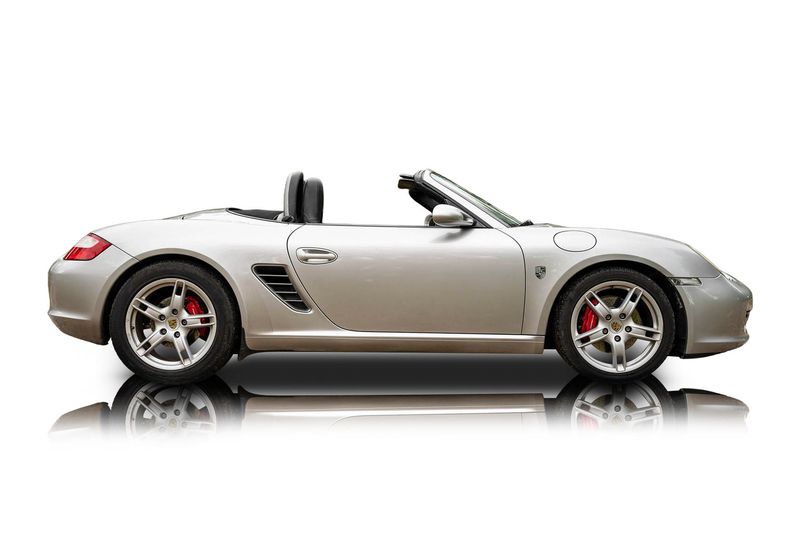
The first-generation Porsche Cayman has become increasingly appreciated for delivering one of Porsche’s purest modern driving experiences, pairing a naturally aspirated flat-six engine with a rigid mid-engine coupe chassis and beautifully balanced handling. This 2008 Porsche Cayman shows approximately 50,658 miles and combines that enthusiast-focused formula with a desirable 6-speed manual transmission. Finished in Black over a Sand Beige full leather interior, it also benefits from comfort and convenience features including heated seats, Bose surround sound, automatic climate control, and a remote 6-disc CD changer. For buyers looking for an analog-era Porsche that blends everyday usability with genuine sports-car character, this Cayman presents a compelling package.
The 1969 Chevrolet Corvette Stingray Convertible sits at the heart of the early C3 era, pairing dramatic styling with the kind of mechanical specification that made these cars so memorable. Showing approximately 5,672 miles, this example is finished in Monza Red over a Black interior and is equipped with the desirable L46 350ci V8 rated at 350 horsepower. A 4-speed manual transmission and Positraction rear axle keep the driving experience firmly enthusiast-focused, while power steering and power-assisted four-wheel disc brakes add useful road manners. Chrome Rally wheels, a black convertible soft top, and the unmistakable Stingray bodywork give the exterior its period-correct presence, while the cabin retains the classic twin-cowl dash, center console, and auxiliary gauge layout. An aftermarket steering wheel, manual shifter, air cleaner, and JVC audio head unit add a handful of personalized touches without taking away from the car’s classic Corvette character.
By 1969, the Shelby GT350 had evolved from the raw, competition-minded Mustang of the mid-1960s into something broader in character: still unmistakably performance-focused, but now with the presence and comfort of a true high-speed grand tourer. This 1969 Ford Mustang Shelby GT350 shows approximately 80,436 miles and wears Black Jade over a Black interior with red seat accents, a combination that suits the car’s more mature personality especially well. Its Shelby identity is everywhere, from the functional twin-scoop fiberglass hood and Cobra-branded grille to the side scoops, GT350 graphics, rear decklid spoiler, Shelby Automotive identification plate, and Carroll Shelby signature across the passenger-side dash. Underneath, the 351ci Windsor V8, SelectShift Cruise-O-Matic automatic, and 3.25:1 Traction-Lok rear axle give it the kind of effortless V8 pace expected from a late-1960s Shelby, while power steering, power-assisted front disc brakes, and air conditioning make this example as much a road-going GT as it is a muscle car. It is a fitting snapshot of the moment when Shelby Mustangs became less about stripped-down competition and more about combining speed, style, and long-distance usability.
This 1972 Plymouth ’Cuda is a strong example of how the E-body platform can blend original pedigree with period-style muscle-car upgrades. Showing approximately 34,348 miles, this example is finished in Hugger Orange over a Black interior and carries the aggressive visual cues expected from a ’Cuda, including black side graphics, dual hood scoops, chrome bumpers, and Magnum 500-style wheels. The current owner reports that the car was originally equipped with a 340ci V8, while it is now powered by a larger 440ci V8 paired with a TorqueFlite 3-speed automatic. Performance-oriented upgrades include a 4-barrel carburetor, aftermarket aluminum intake manifold, MSD Digital 6AL ignition, aftermarket exhaust headers, and a dual exhaust system, giving this ’Cuda a considerably more muscular character than its original configuration.
Terms of Service
Be Kind and Courteous
We're here to create a platform to better the automotive industry through communication and transparency. Please treat everyone with respect. Healthy debates are natural, but kindness is required.
No Hate Speech
Make sure everyone feels safe. Hate speech of any kind is strictly prohibited. Degrading comments about things like race, religion, culture, sexual orientation, etc. will not be tolerated.
No Promotions or Spam
Give more than you take. Self-promotion, spam, or links of any kind are not allowed.