



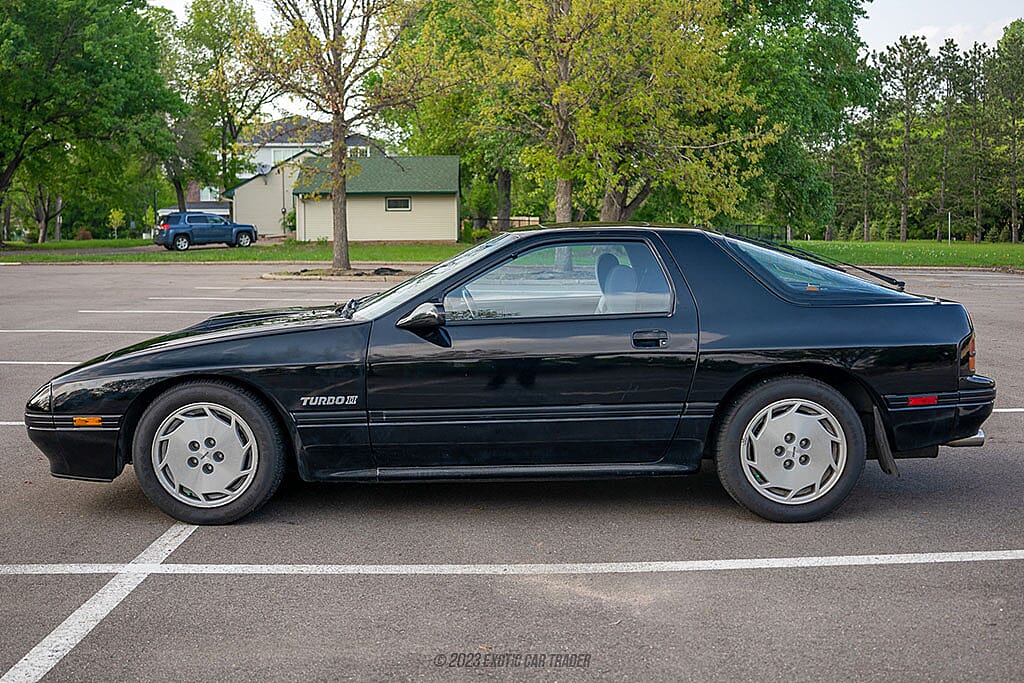
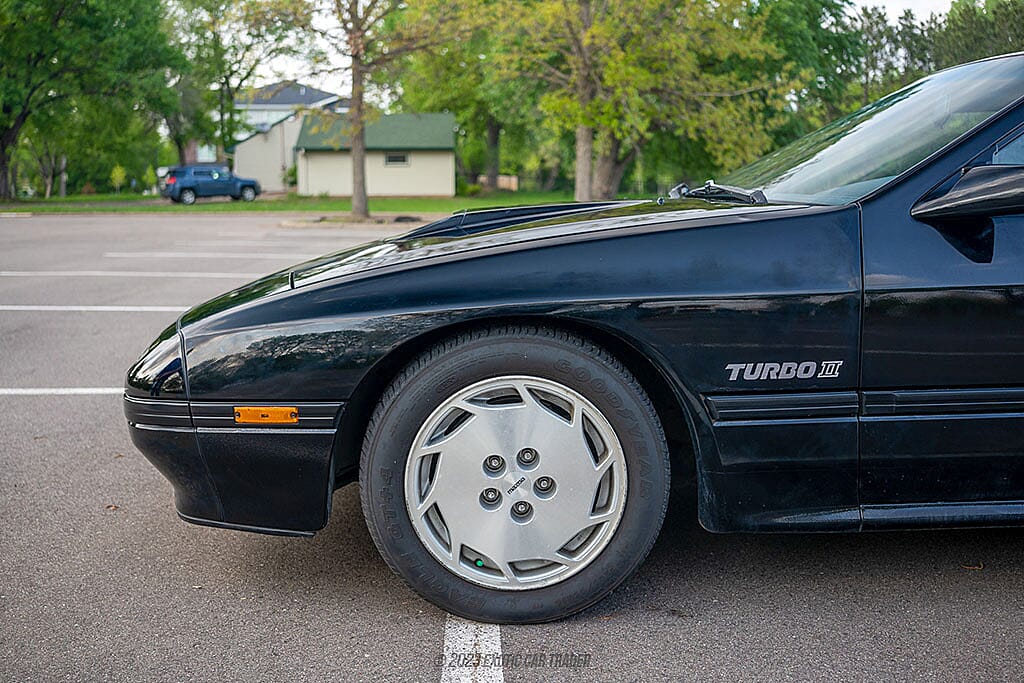
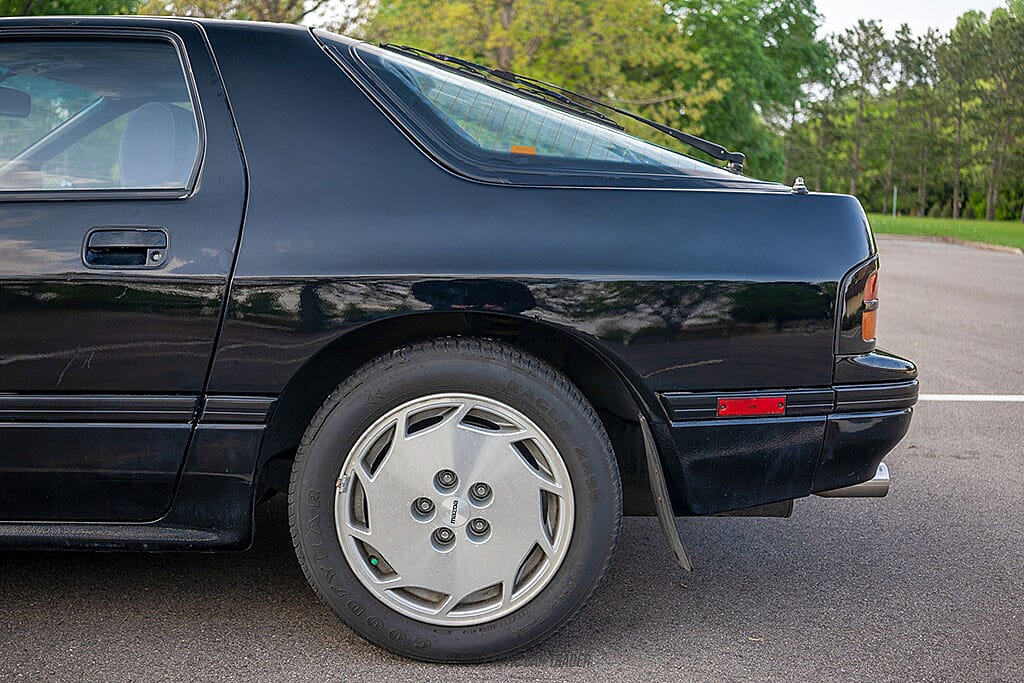
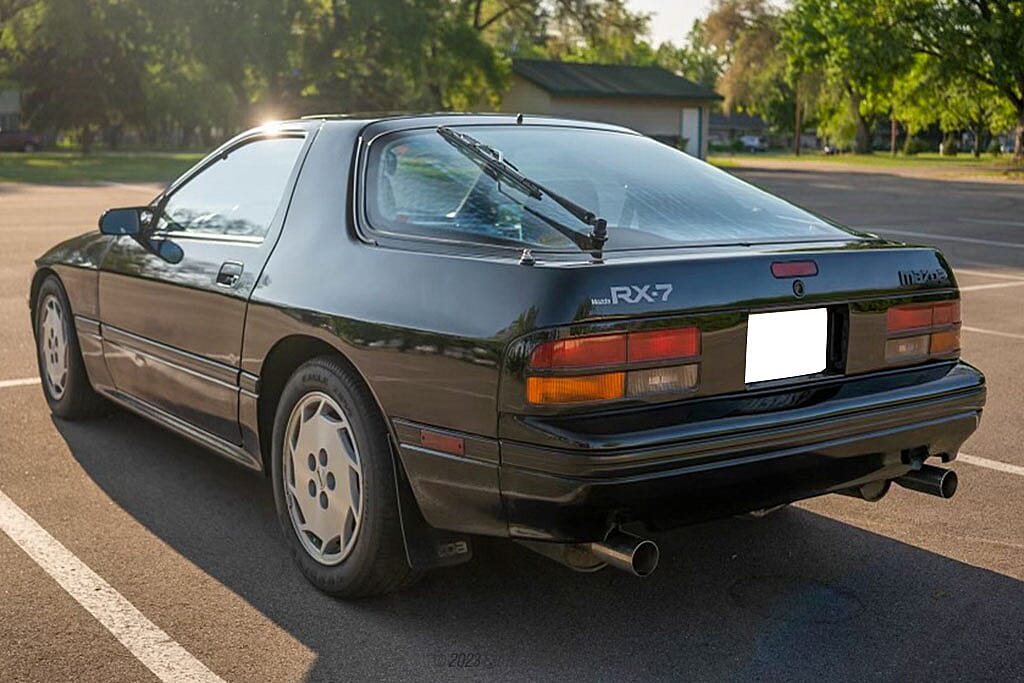
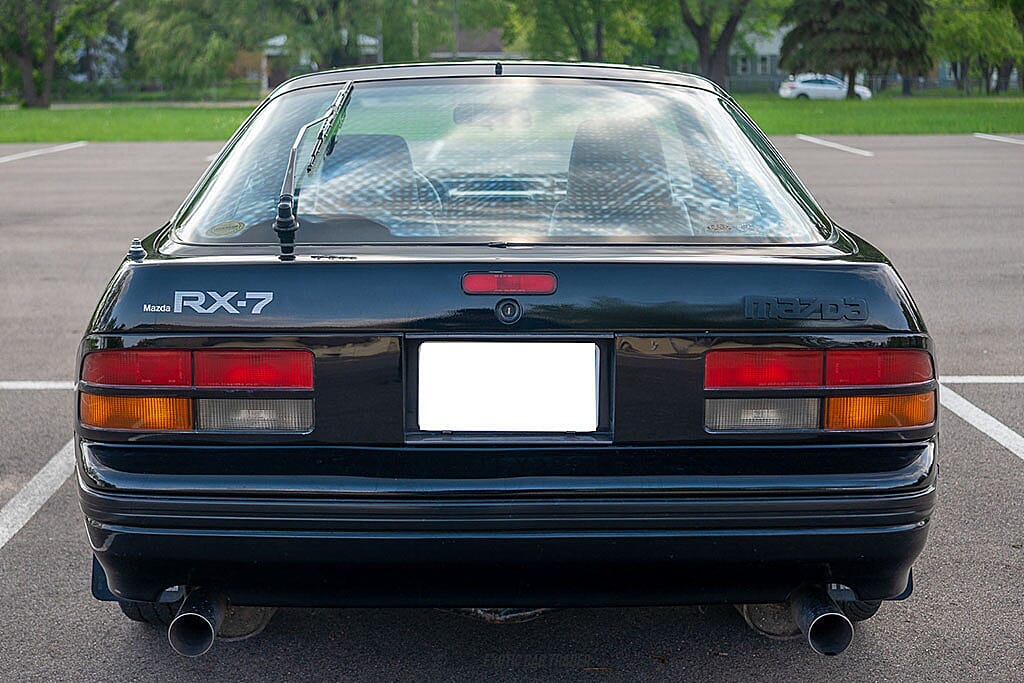
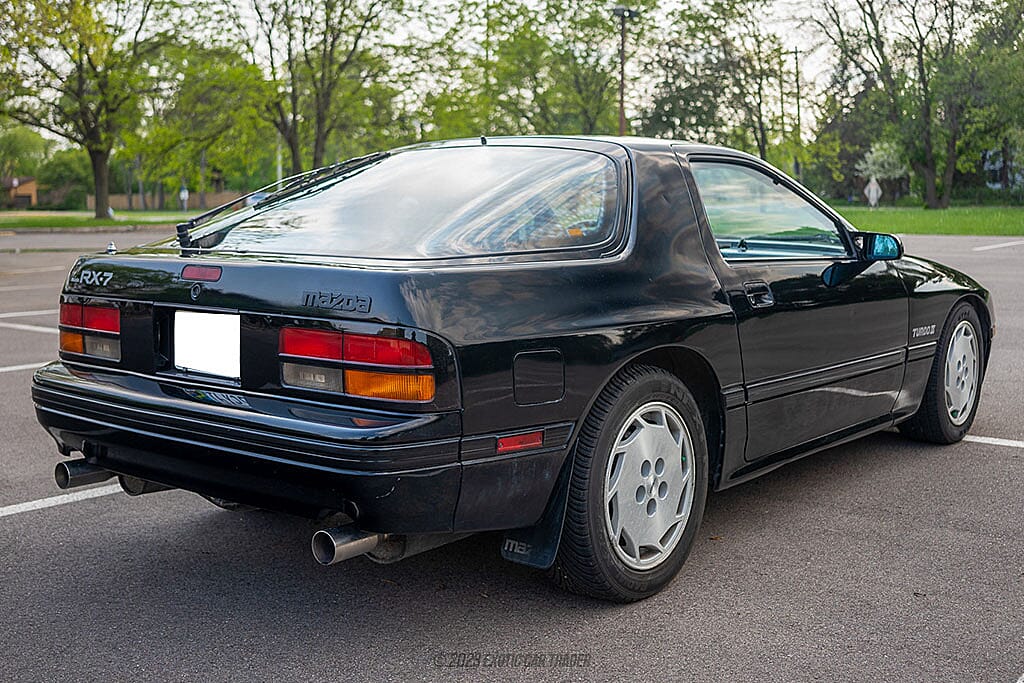
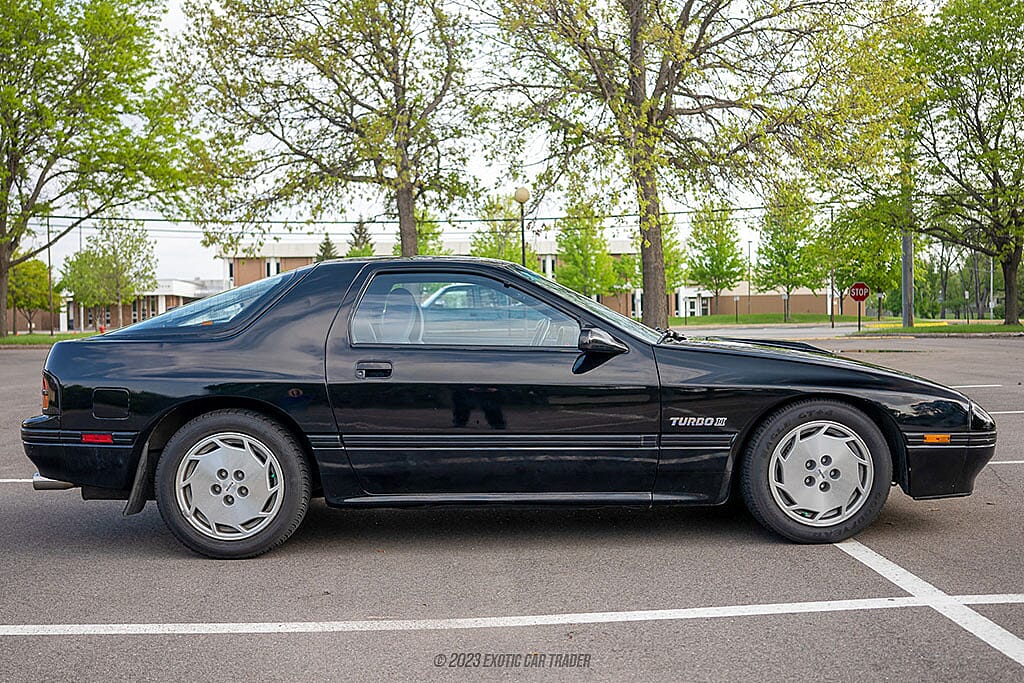
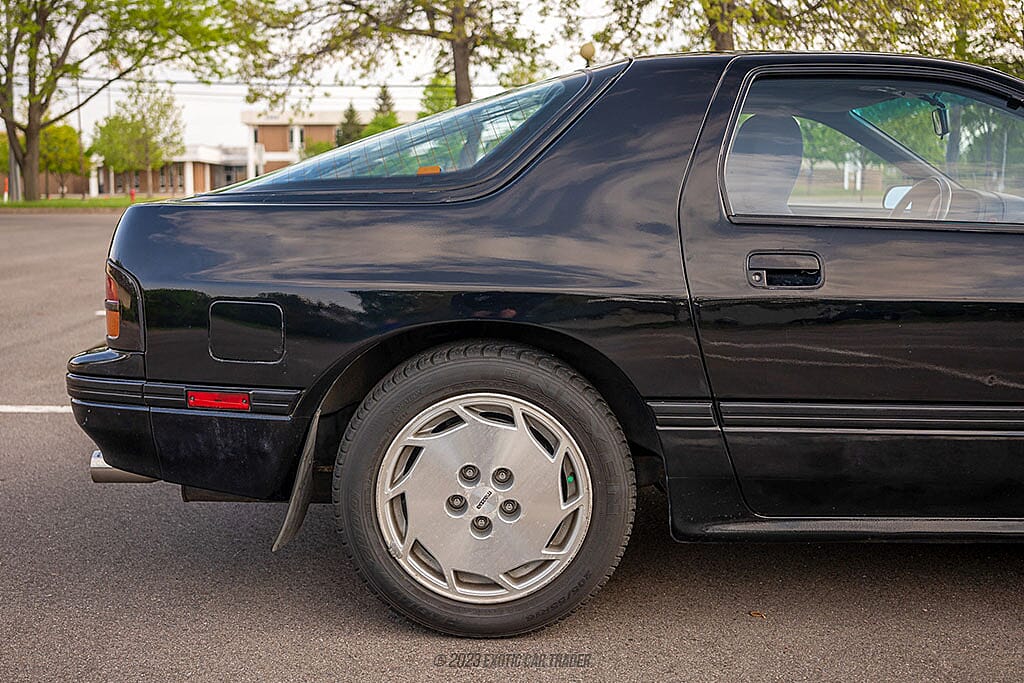

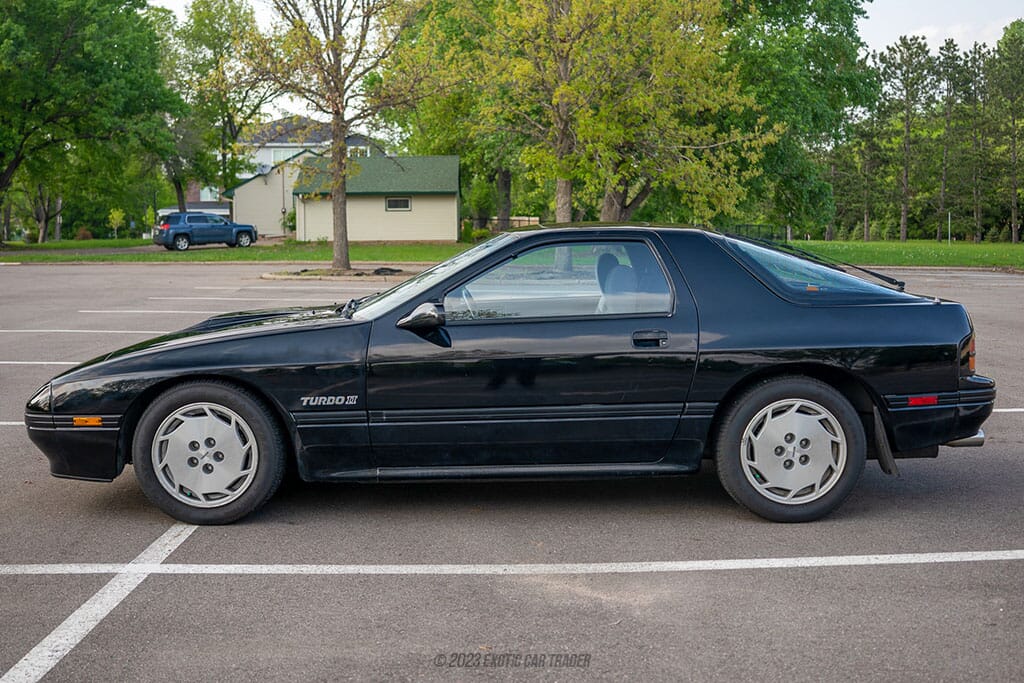
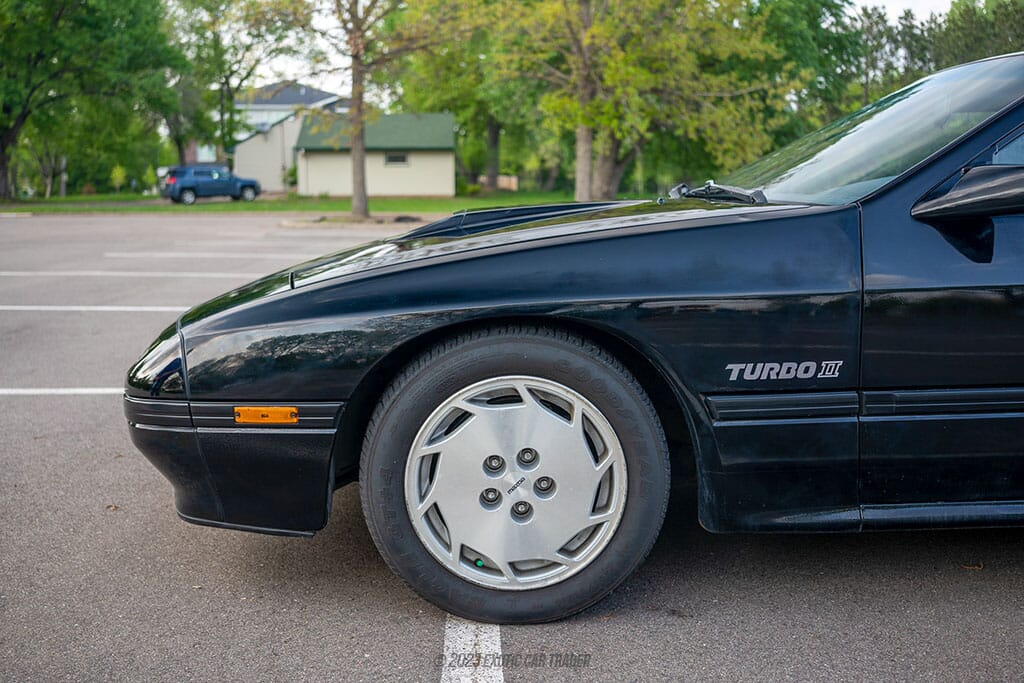
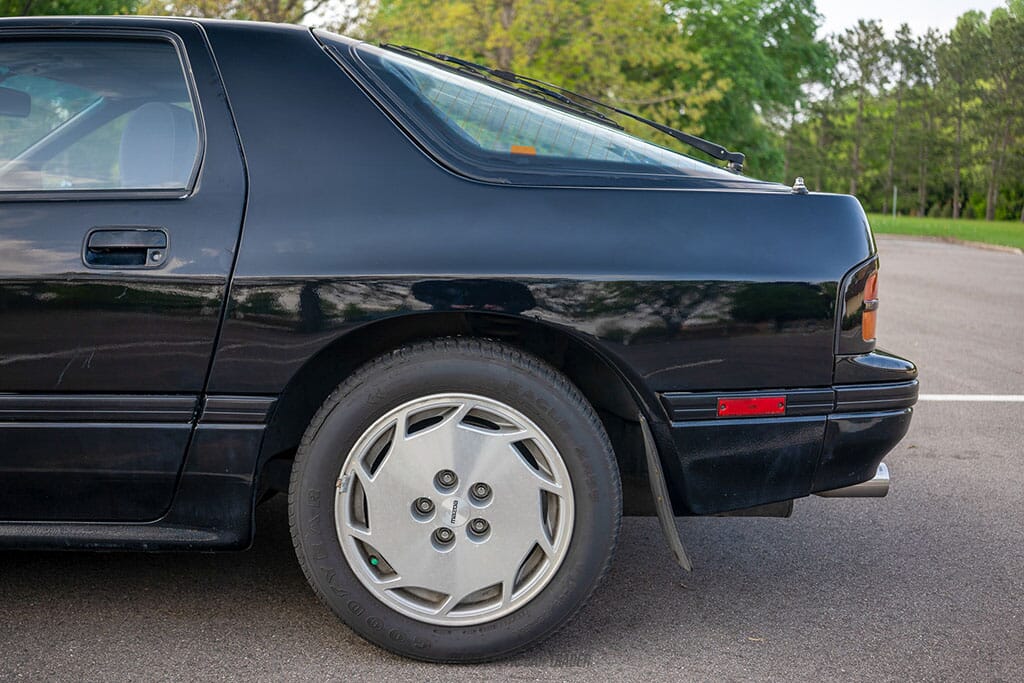
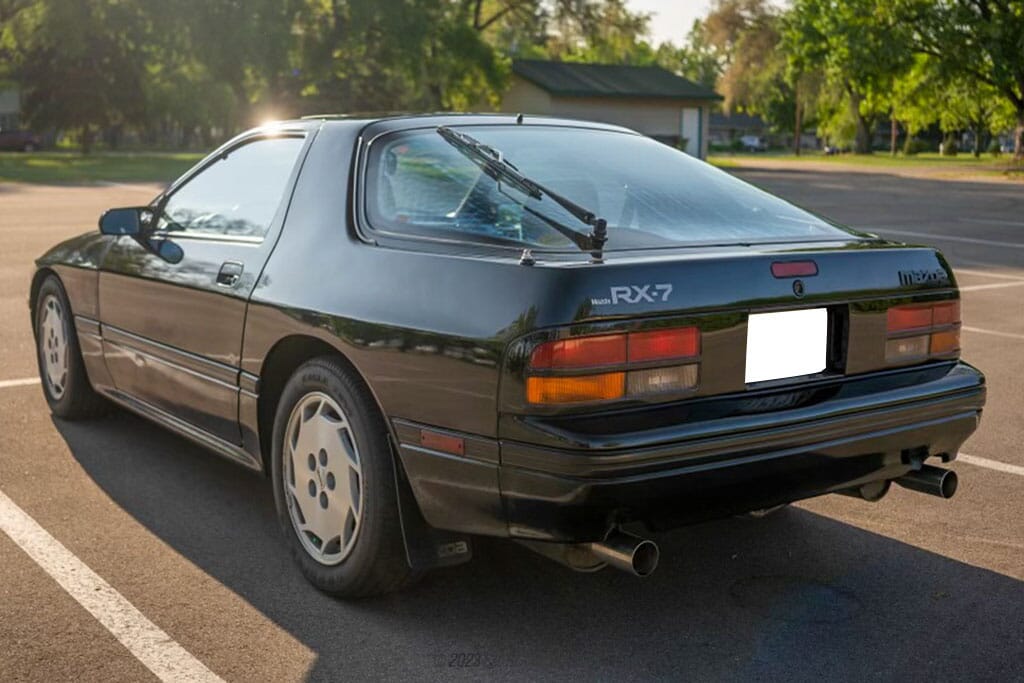
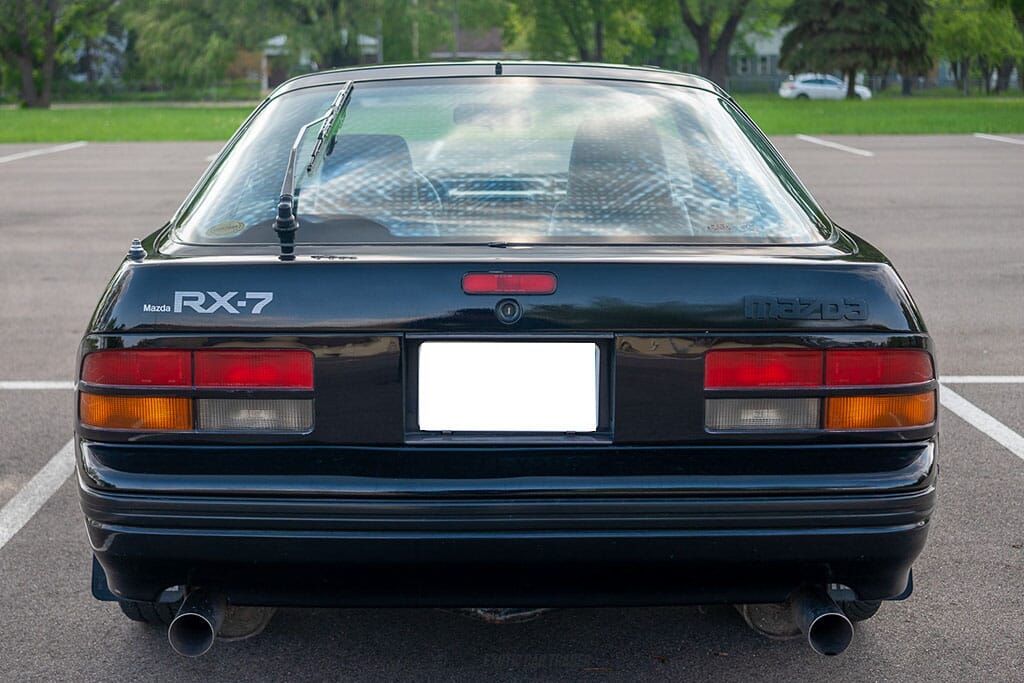
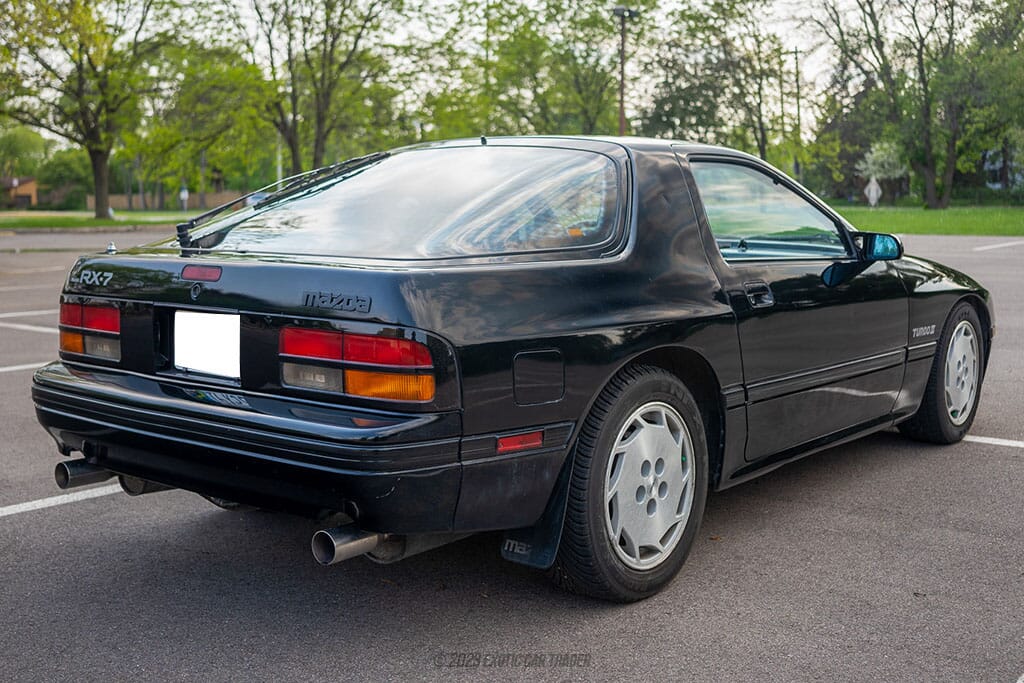
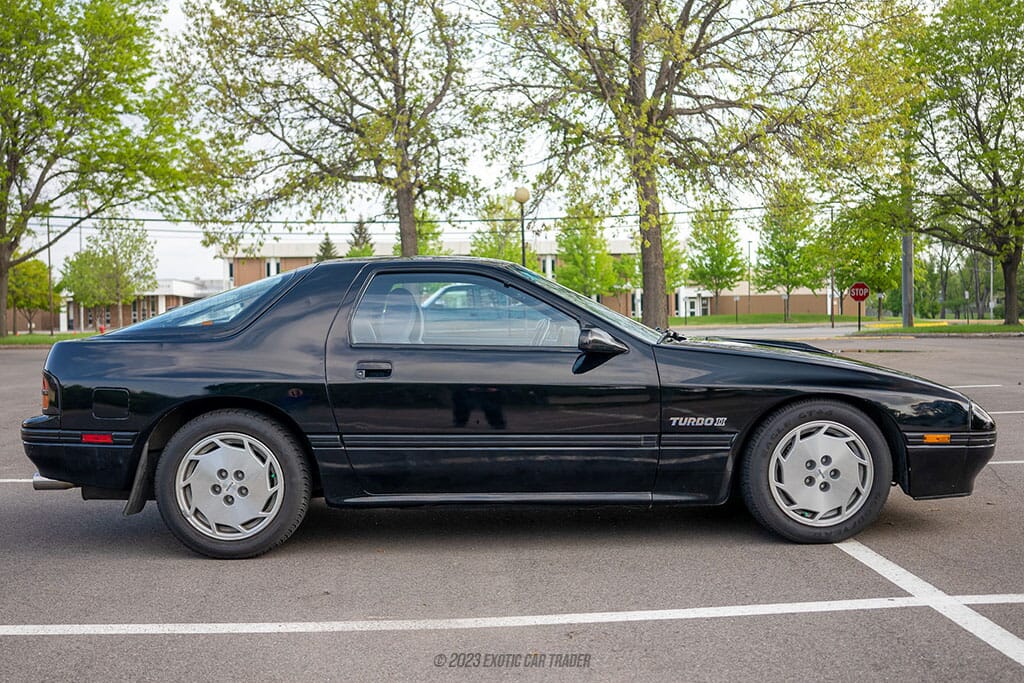
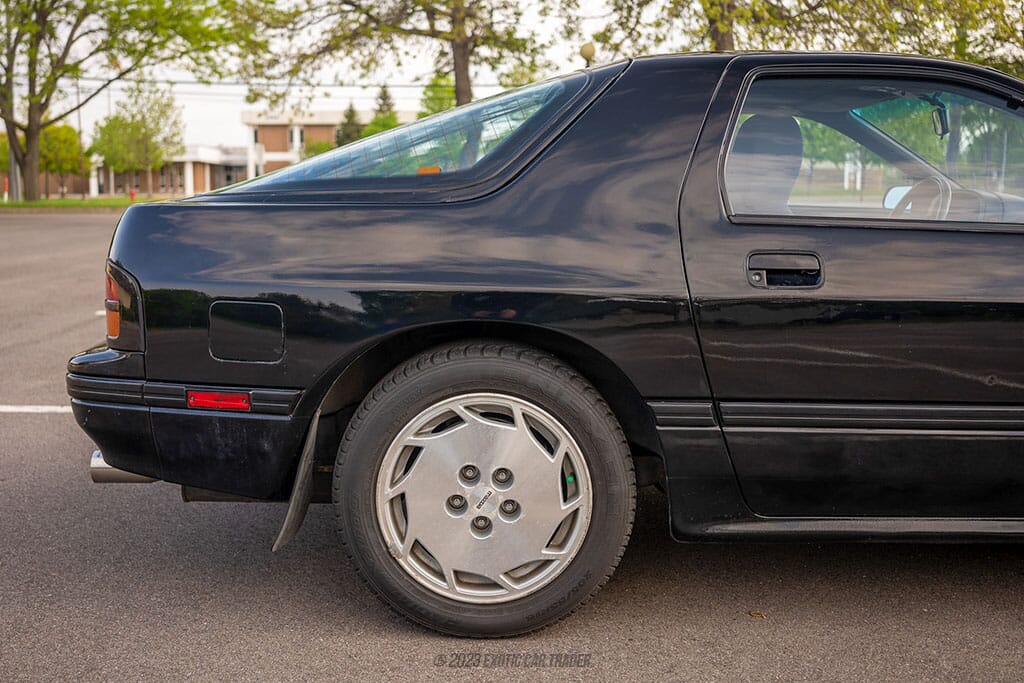
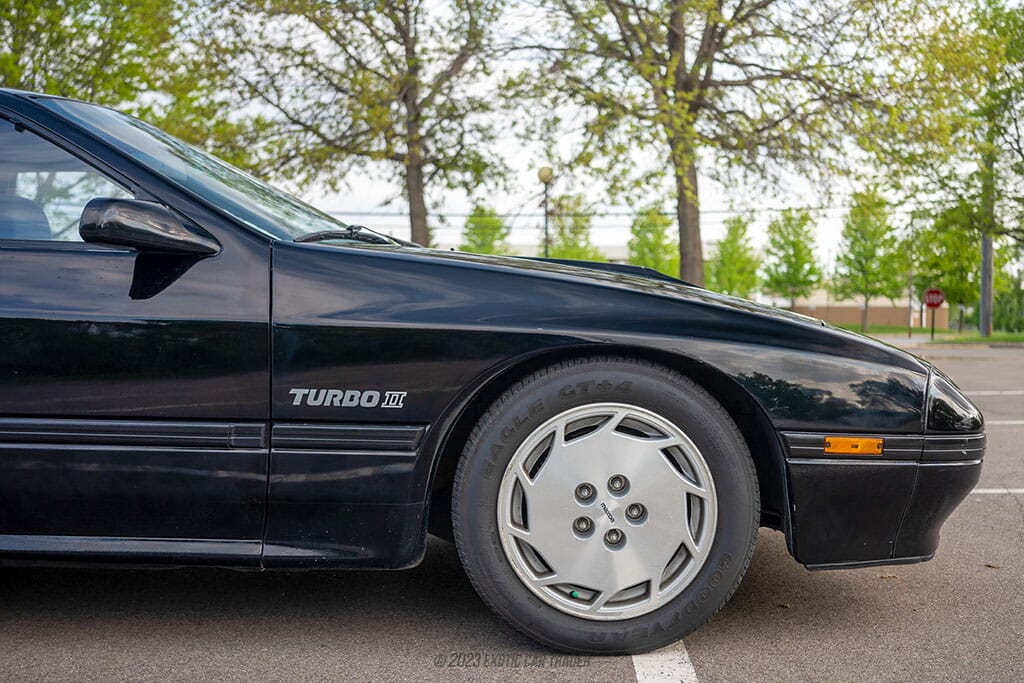
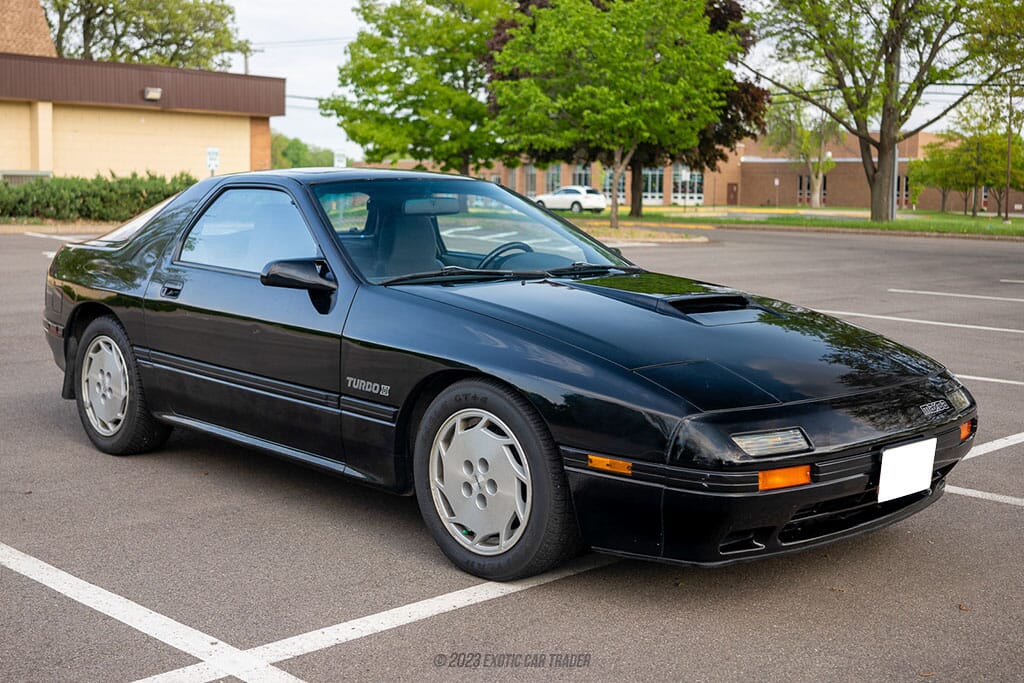
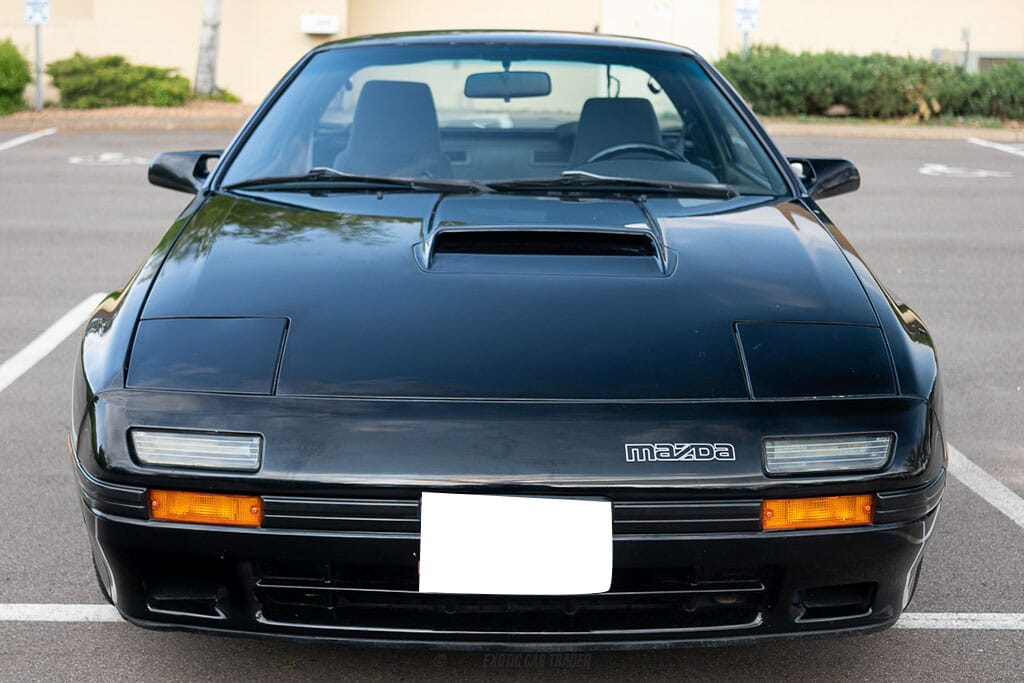
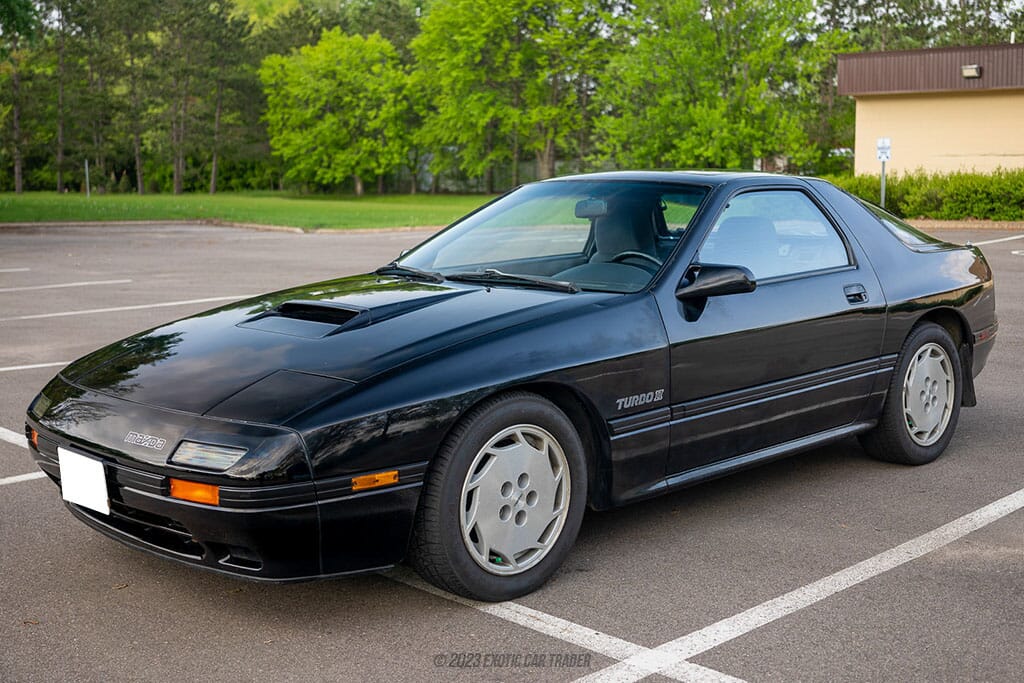

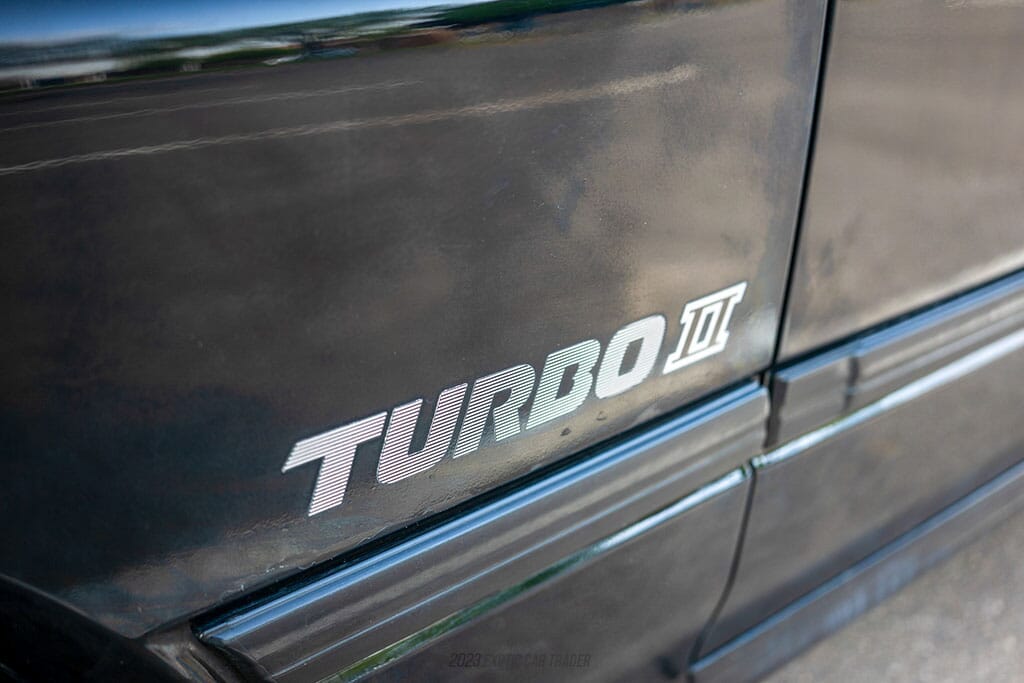
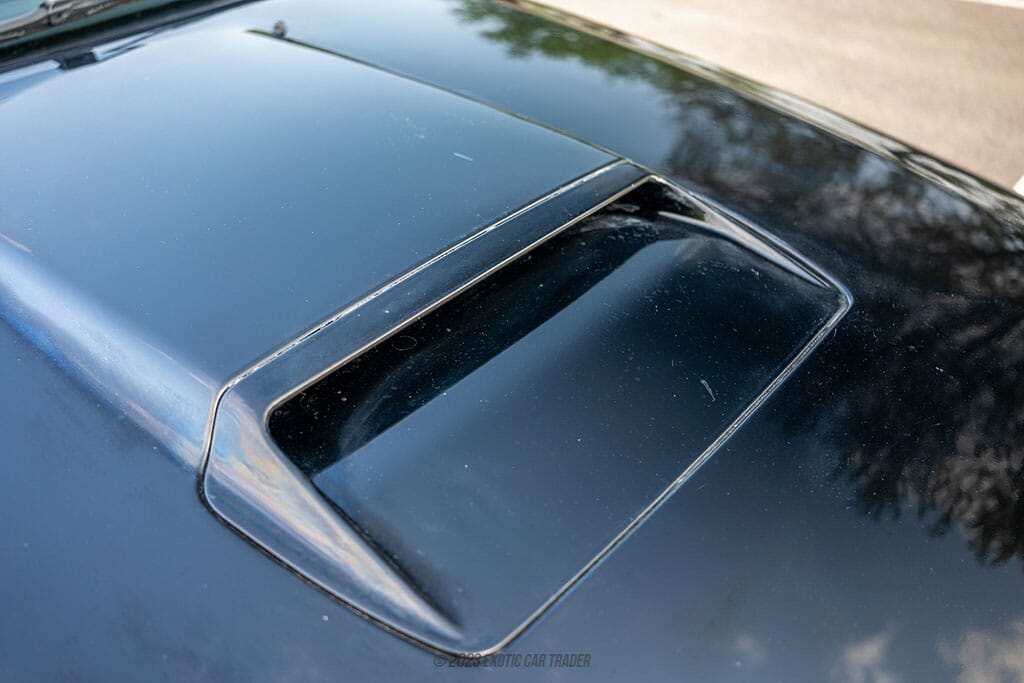
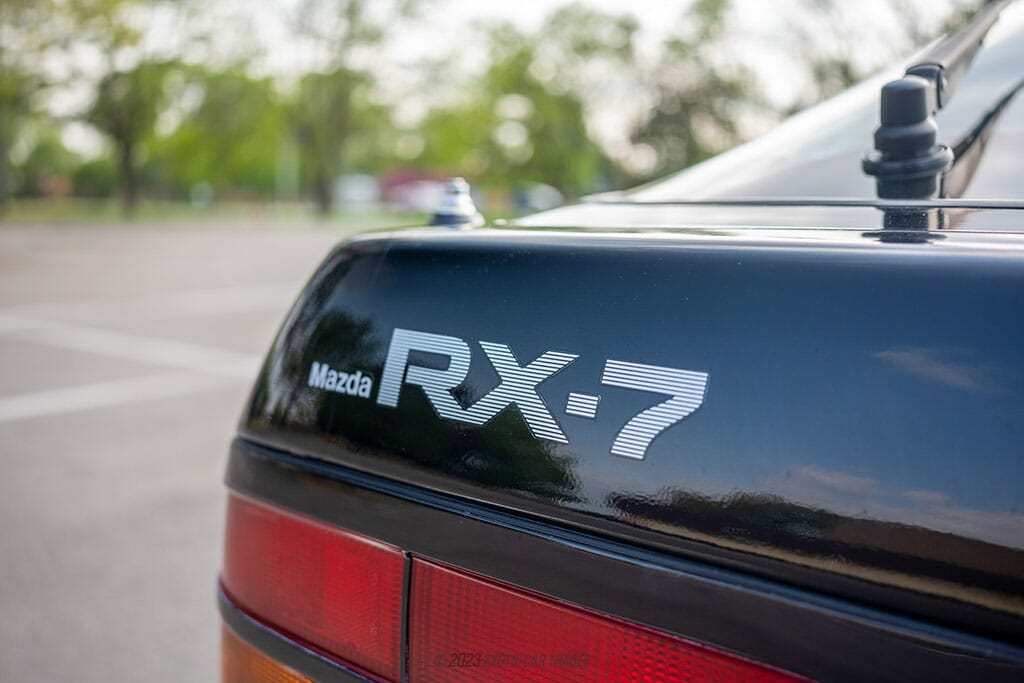
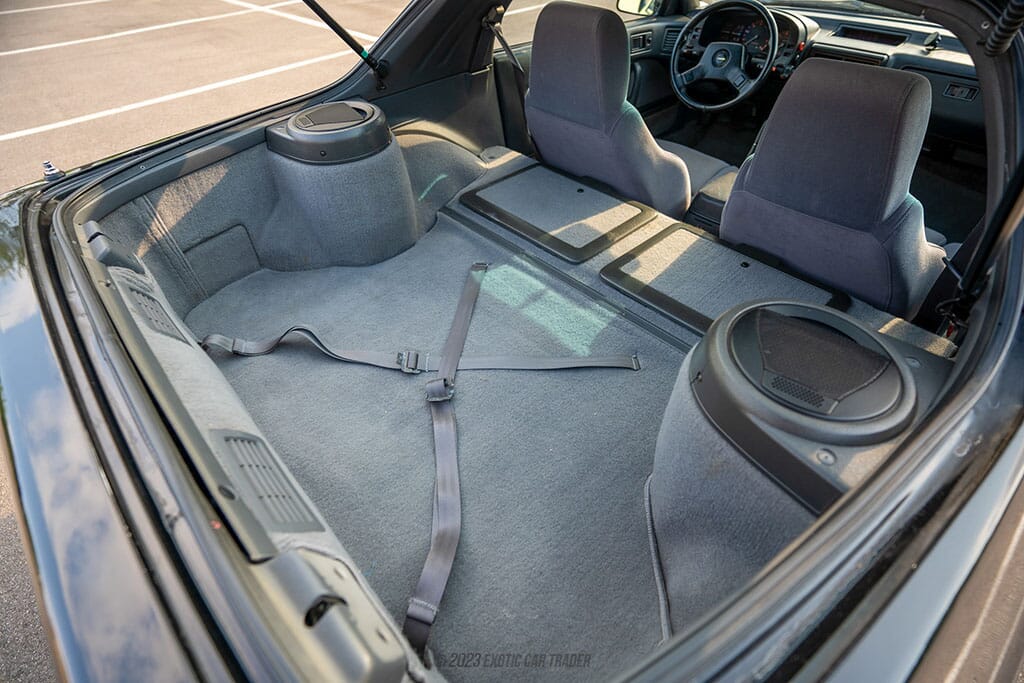
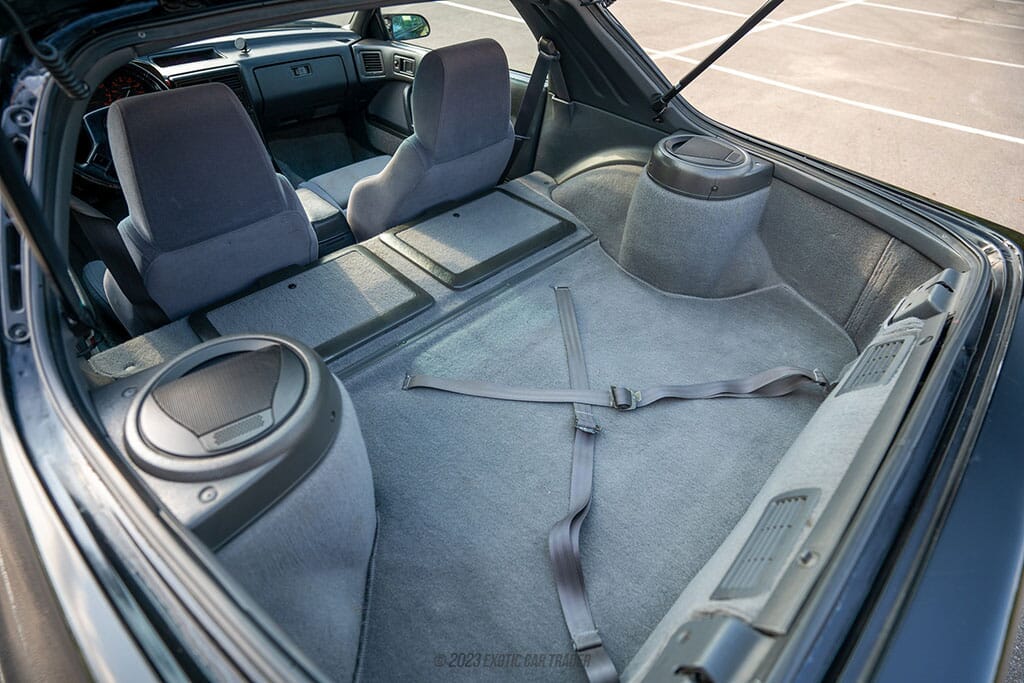

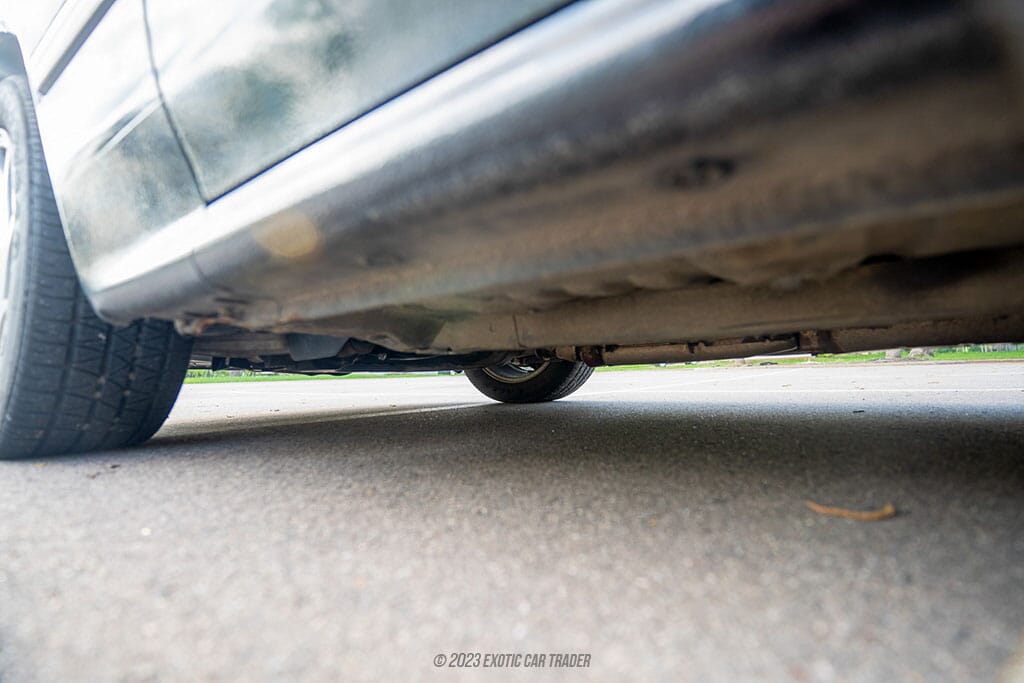
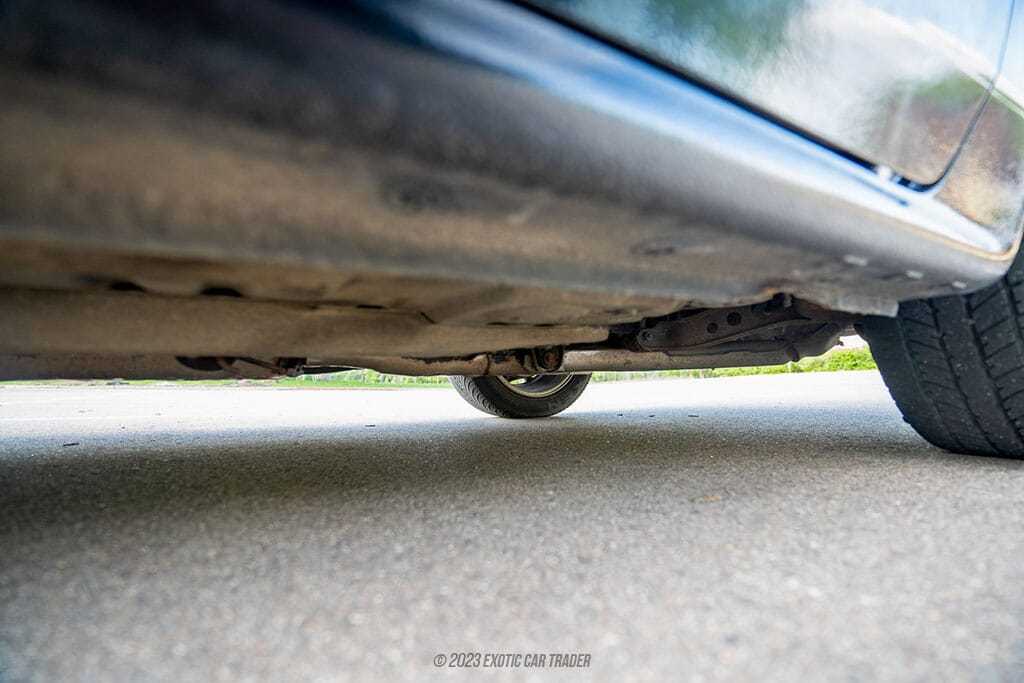


- 1987 MY Mazda RX-7 Turbo II
- Current owner reports new shortshifter
- Current owner reports new radiator
- Current owner reports new fan clutch
- Current owner reports new drive belt
- Current owner reports new thermostat
- Upgraded exhaust pipes with silver tips
- A/C needs to be recharged


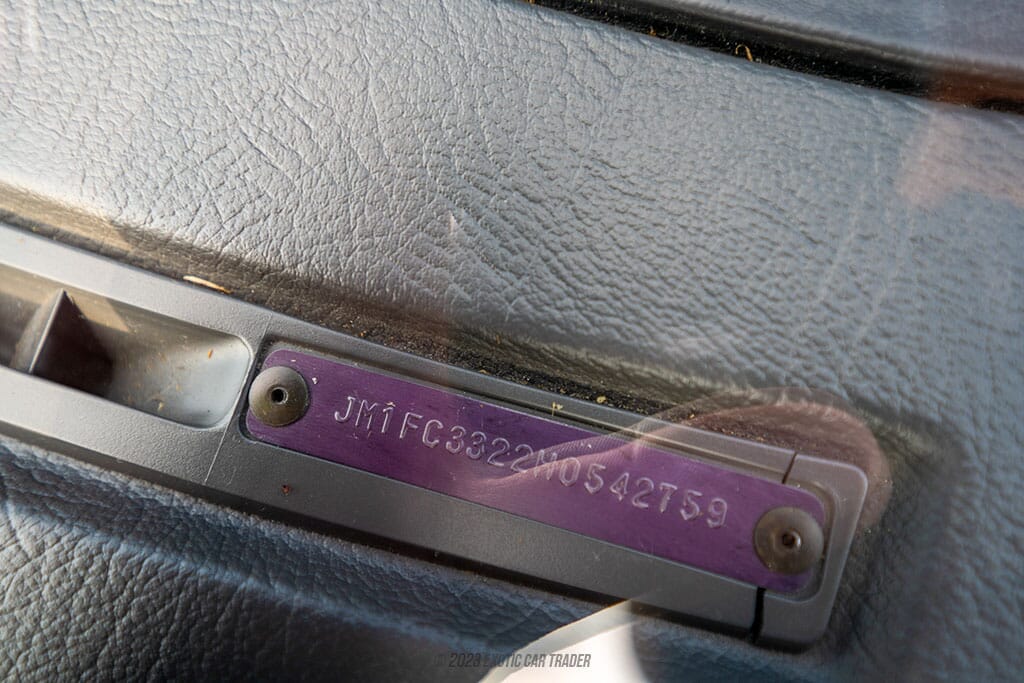
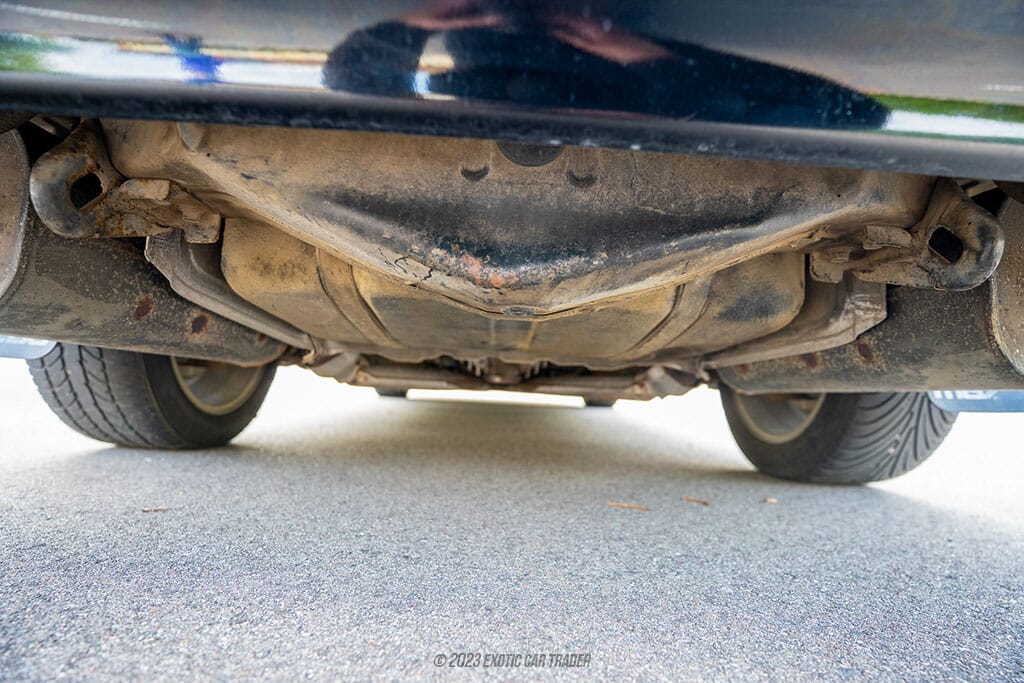
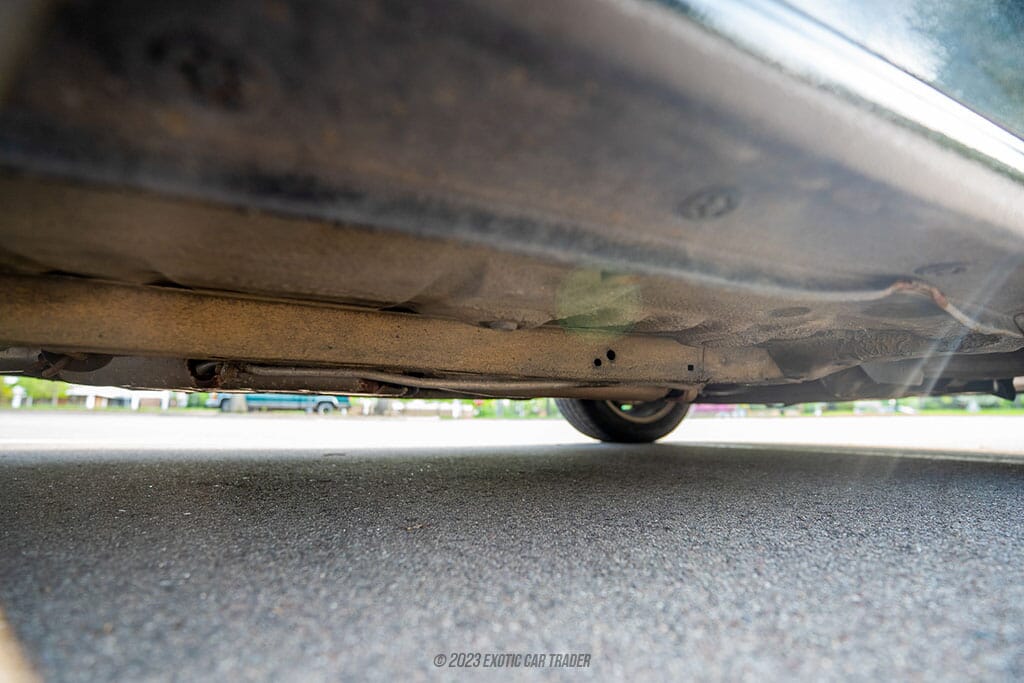
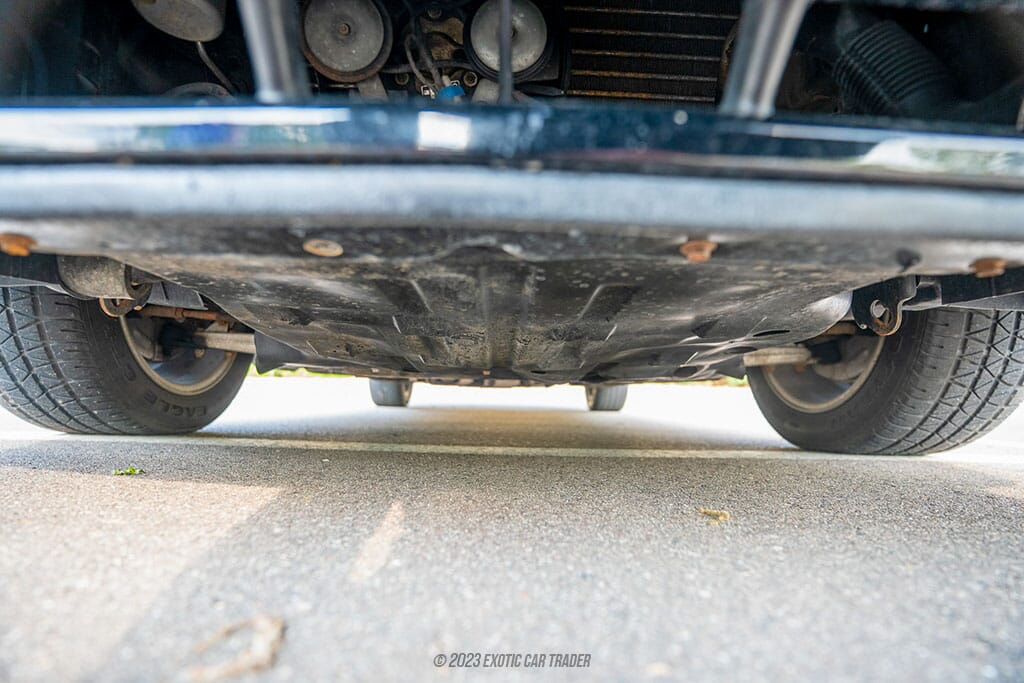
When Mazda released the RX-7 to the world in 1978, it was one of a mere handful of cars that would use the Wankel rotary engine. Renowned for its unmatched smoothness and high-rev abilities, the rotary engine didn't find favor in many cars due to its maintenance requirements and comparatively higher emissions. Those who have driven a rotary-engined car will tell you that the experience is like no other since rotary motion is generated from the start of the combustion process. Why not check out the rotary engine experience with this 1987 Mazda RX-7 Turbo II that's currently up for sale? The car has just 46,580 miles and has received some new maintenance items to ease your worries.
Exterior and Interior
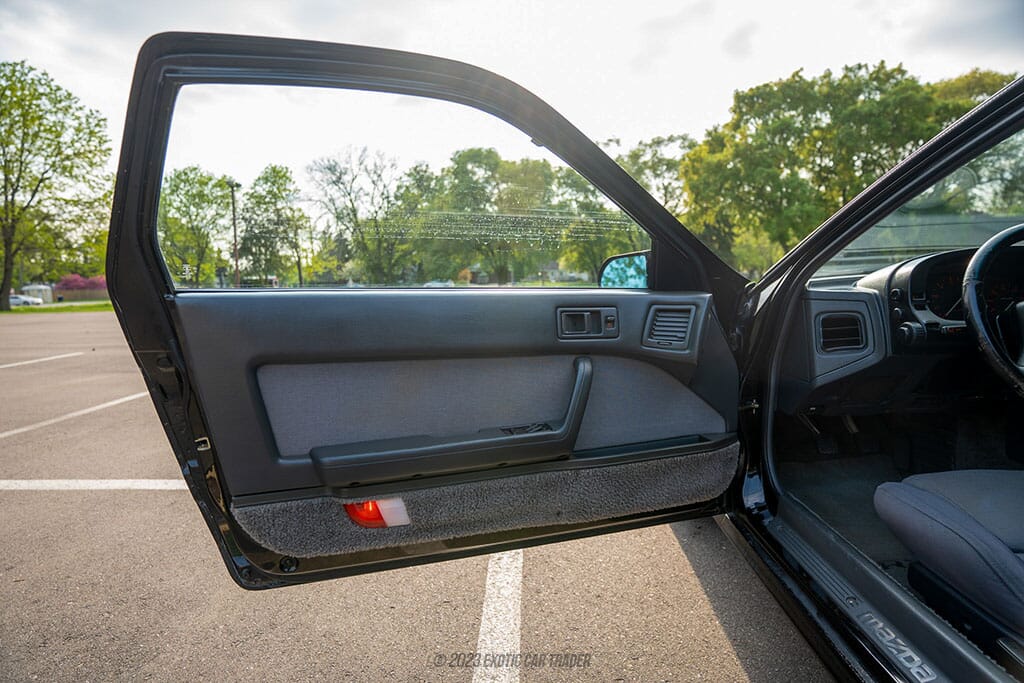
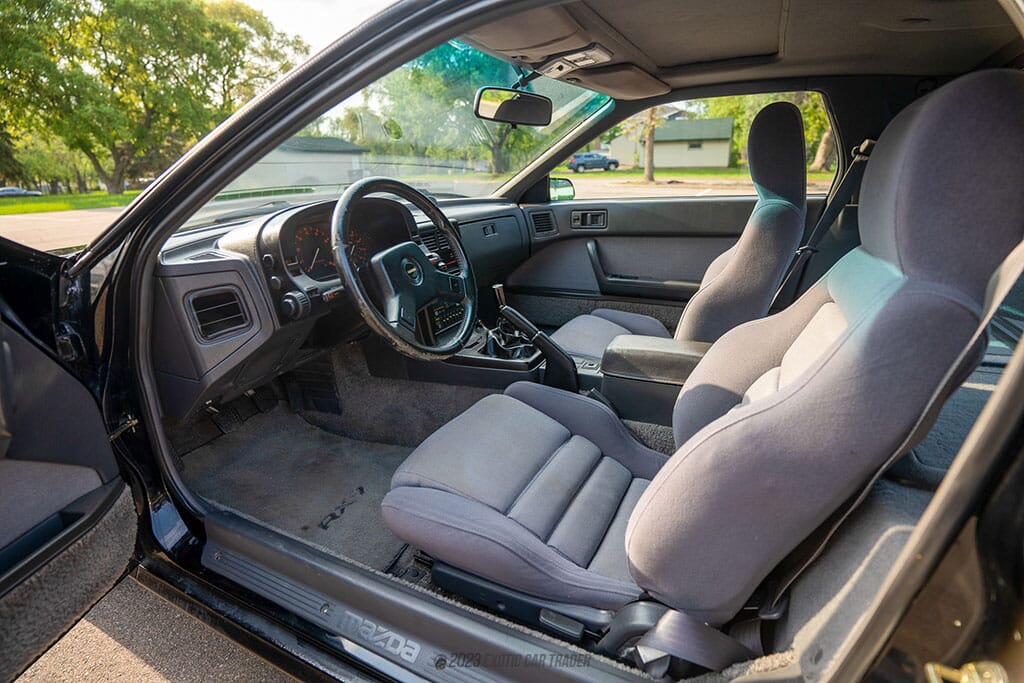
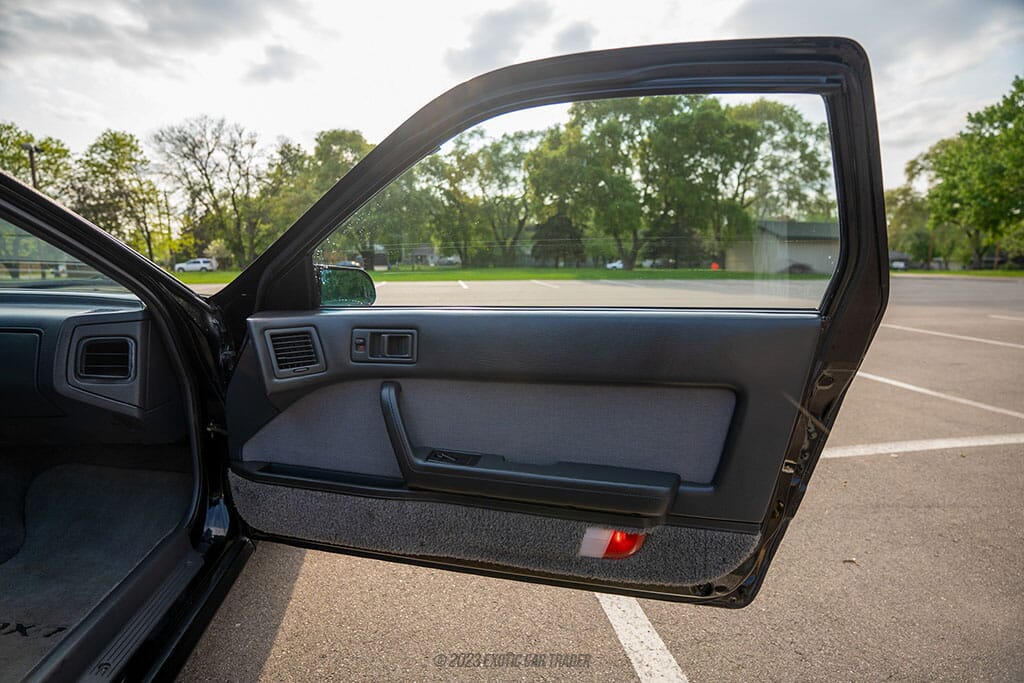
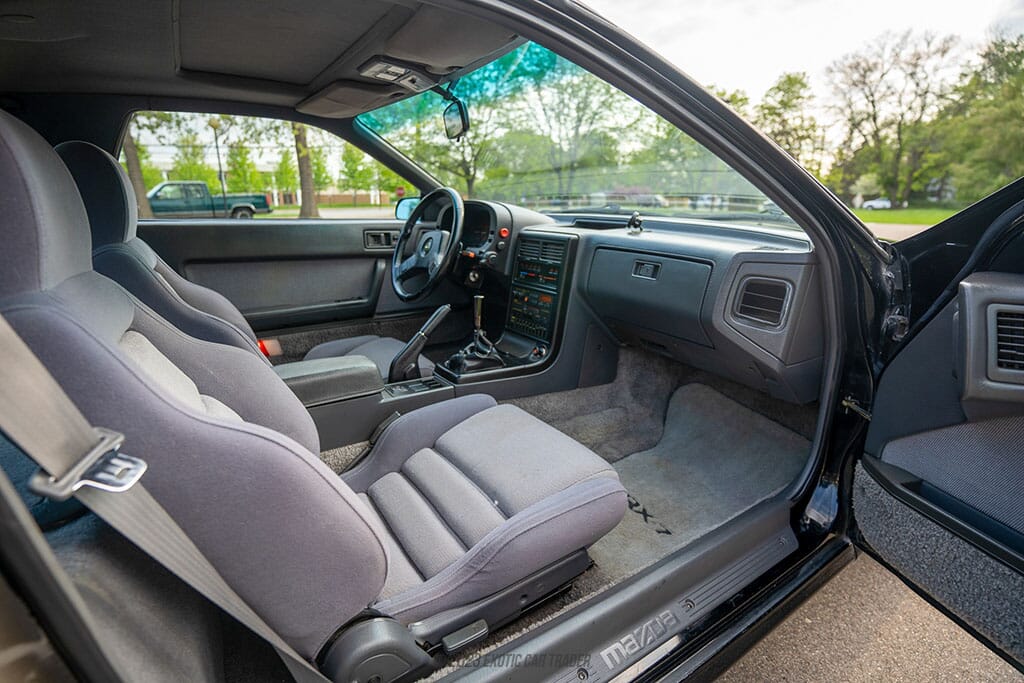
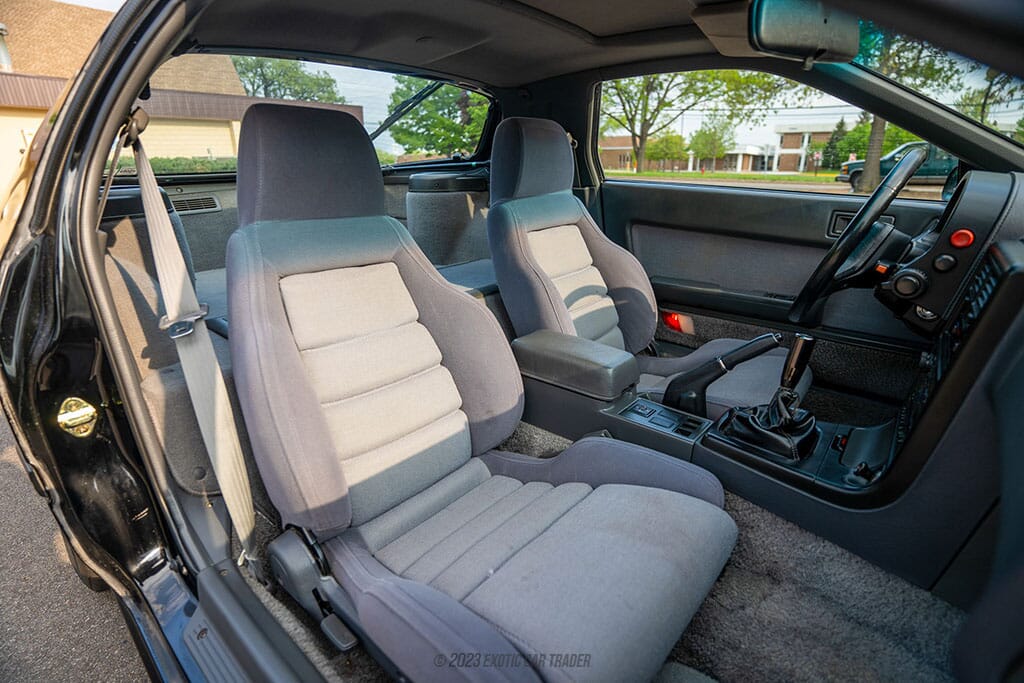
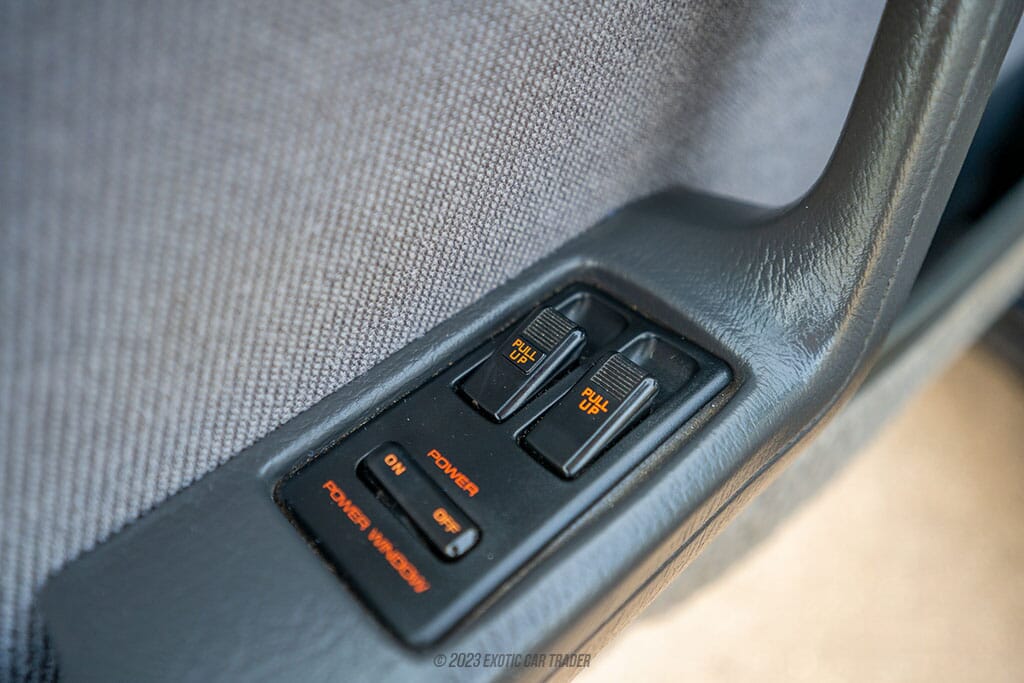
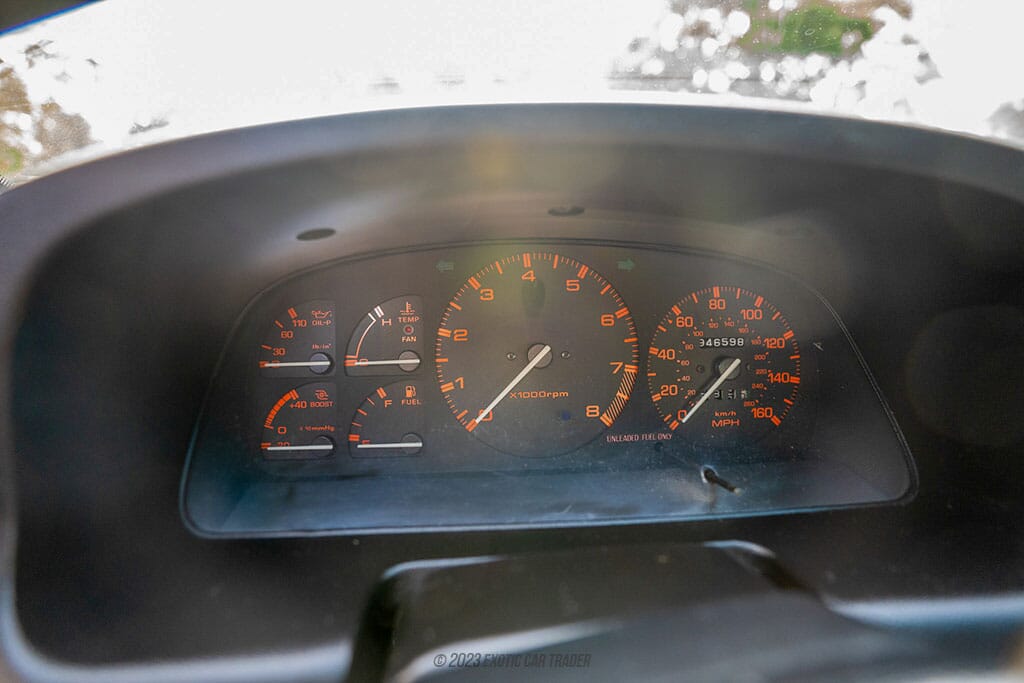
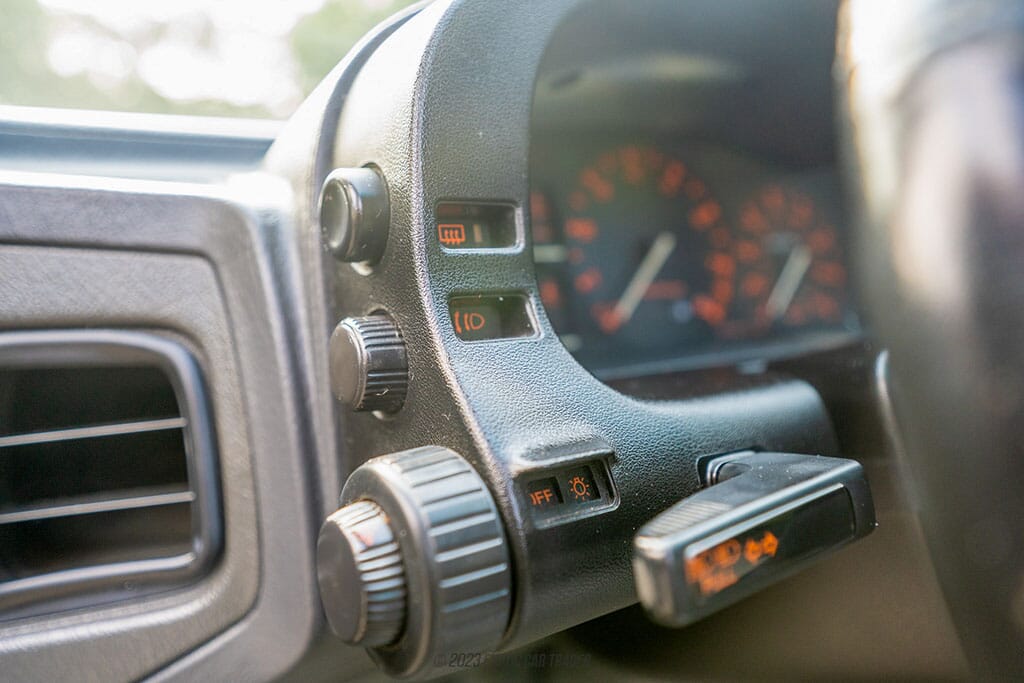
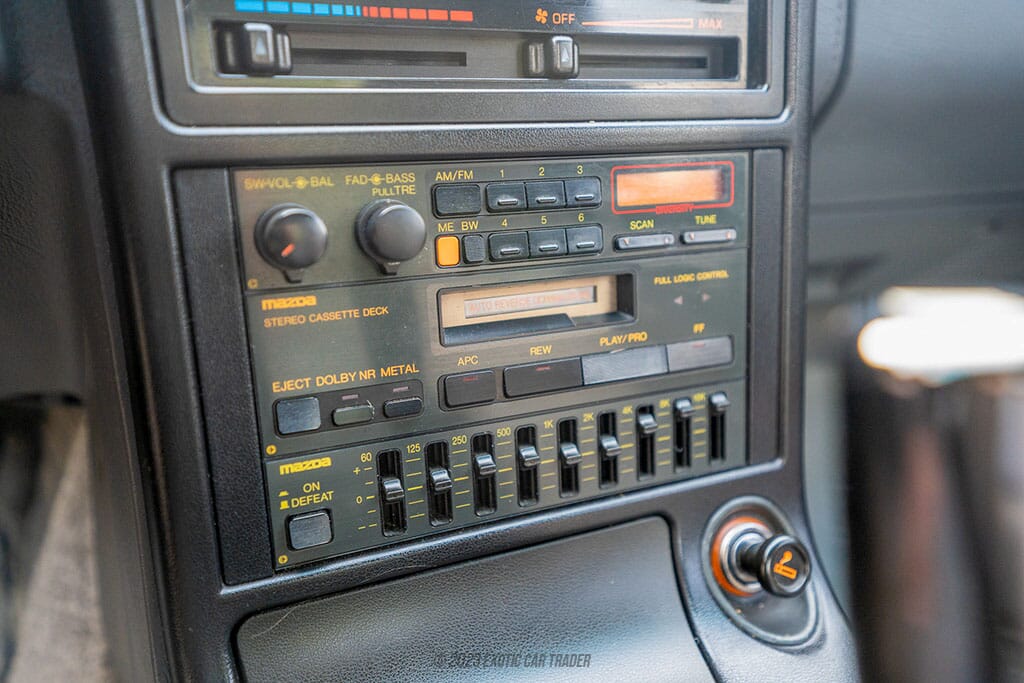
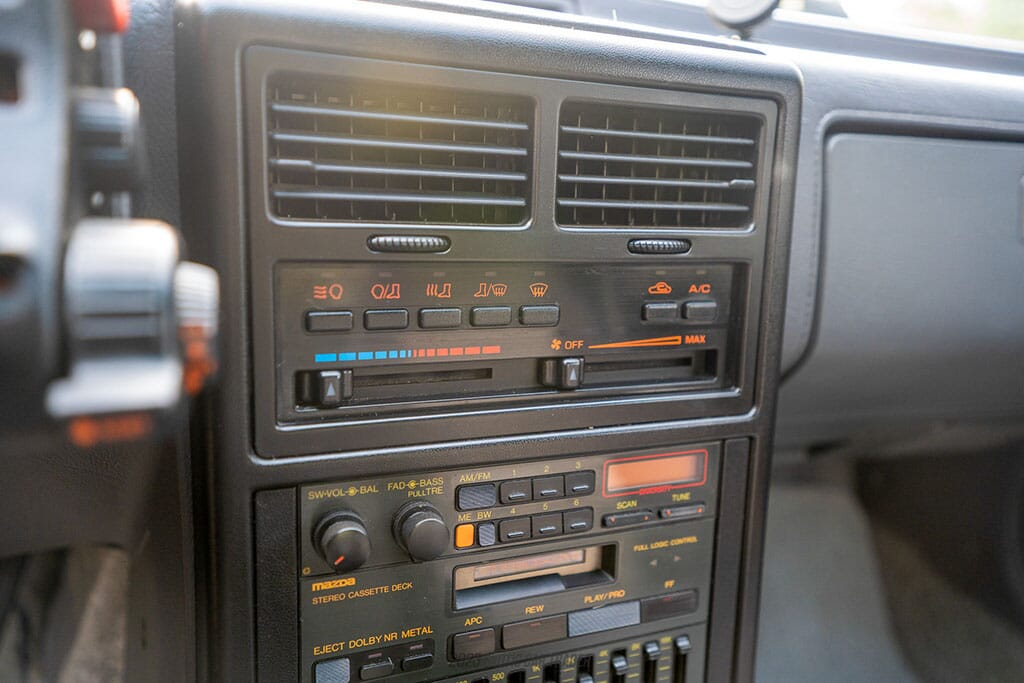
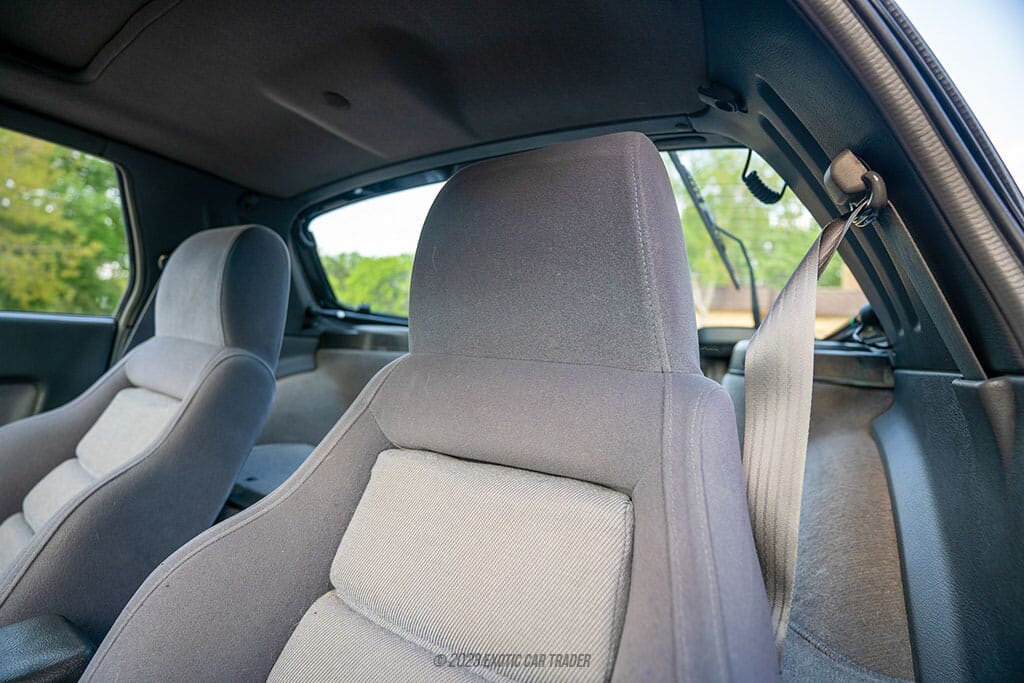
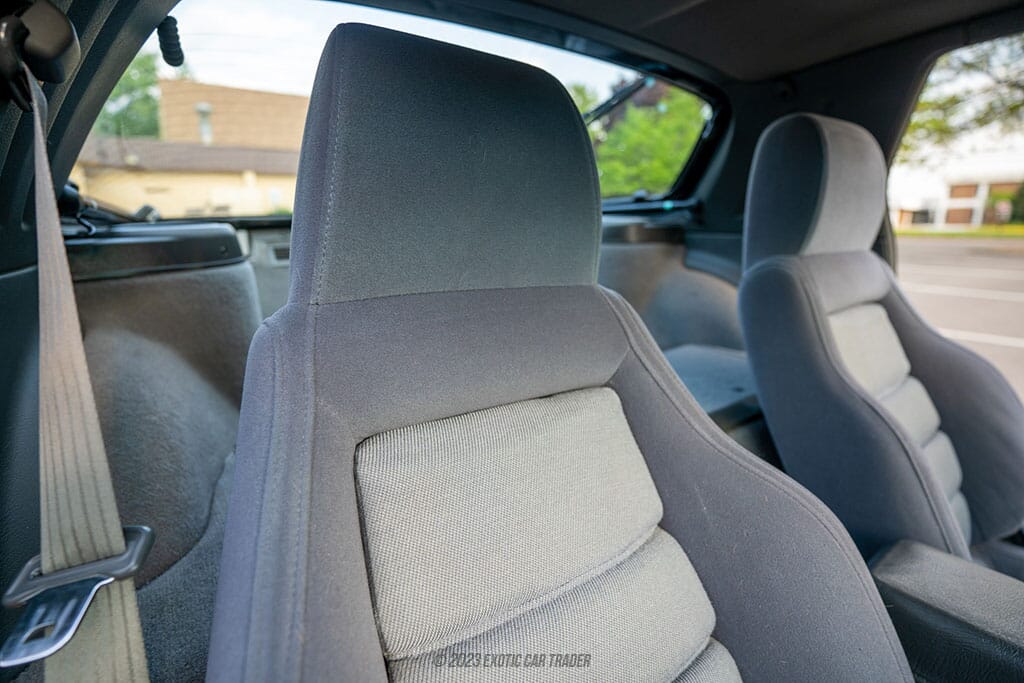
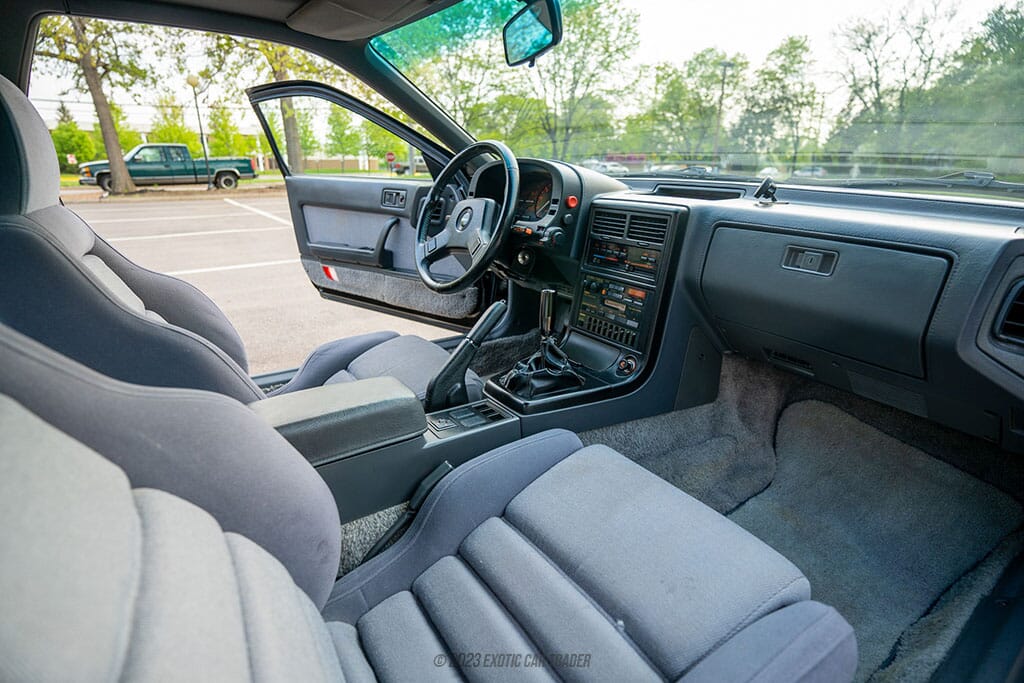
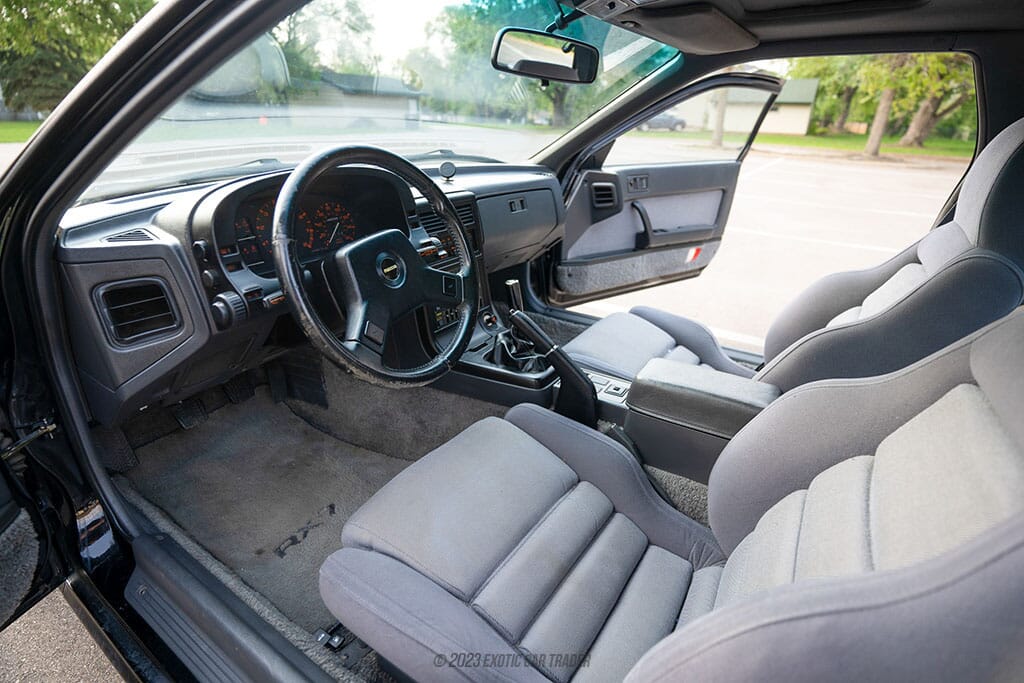
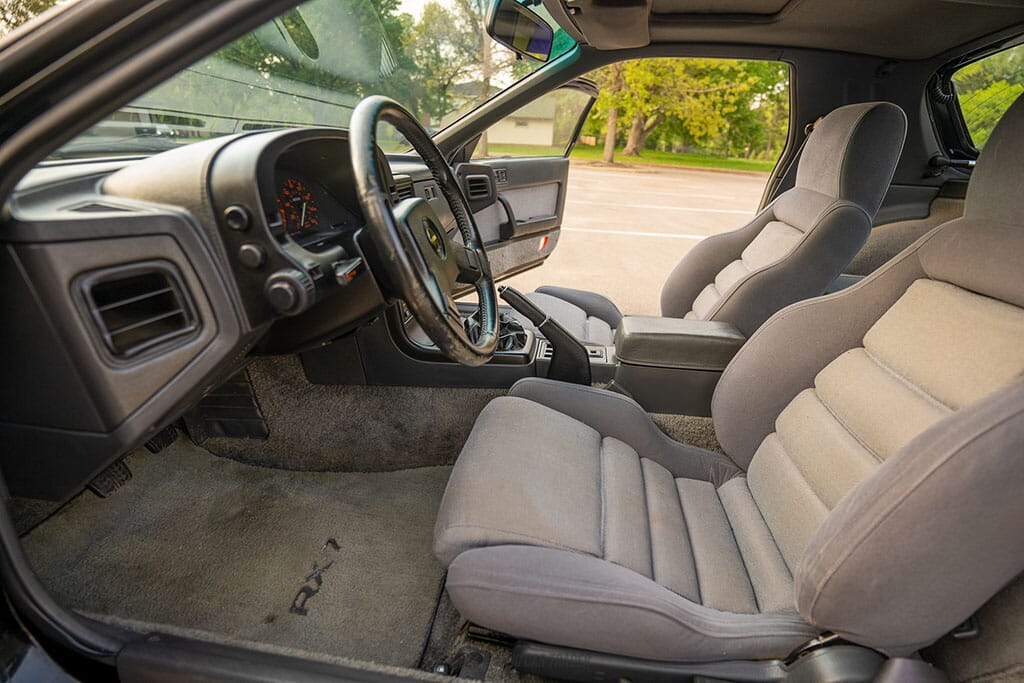
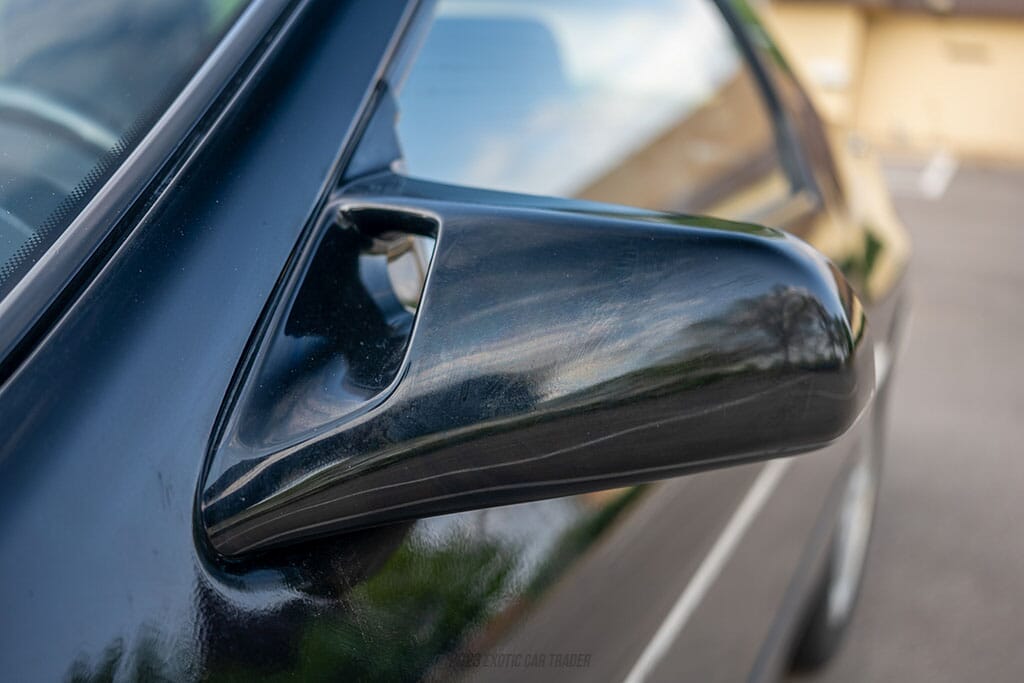
This 1987 Mazda RX-7 Turbo II hails from the second generation of the RX-7 nameplate and showcases that signature Eighties straight-edged style. Clothed in black, it looks amazing, replete with pop-up headlamps, turbine-styled wheels, and a rear glass hatch. Coming in at just 169 inches long, it's quite diminutive as well, shorter than many modern compact cars today. At the rear, we see upgraded exhaust pipes with silver tips. Inside, you'll find a two-seat cabin with gray fabric seats and an upholstered luggage area behind them that's directly beneath the large glass rear hatch. As one of Mazda's signature products at the time, this 1987 Mazda RX-7 Turbo II has a high specification, including power mirrors, power windows, power door locks, and air conditioning which reportedly requires a recharge to work properly. Another pleasant surprise is the period JDM radio cassette, which includes a digital tuner, presets, and even a nine-band equalizer. This system would be a treat for vintage audio lovers who love to cruise to their favorite tunes. The instrument cluster is also clear and neat, with big analog dials for speed and revs and smaller ones for fuel, engine temperature, turbo boost pressure, and oil pressure.
Engine
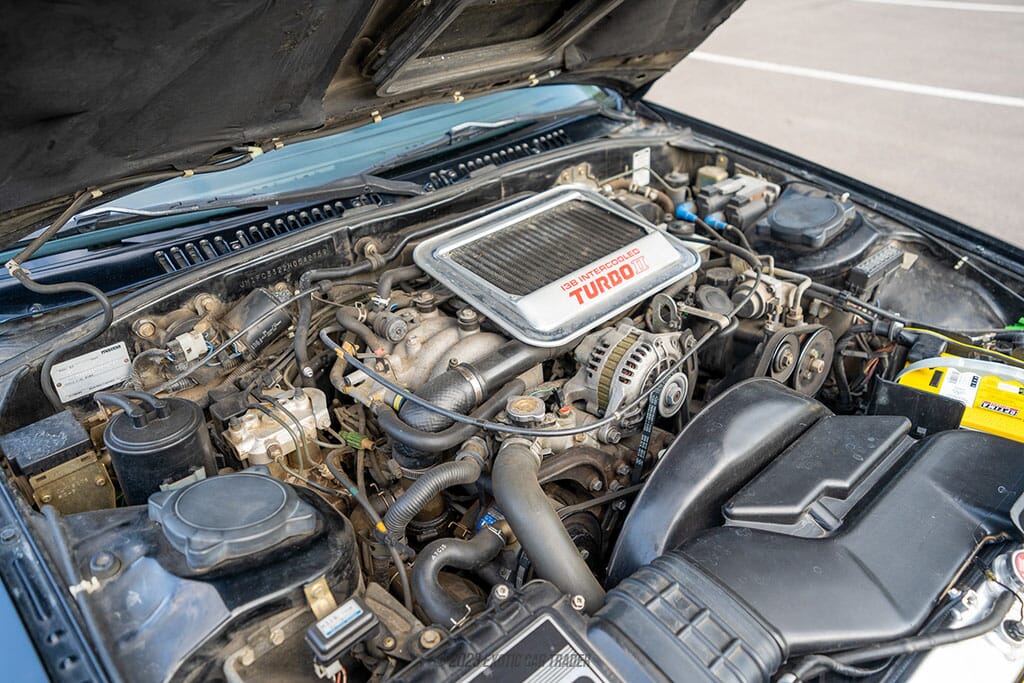
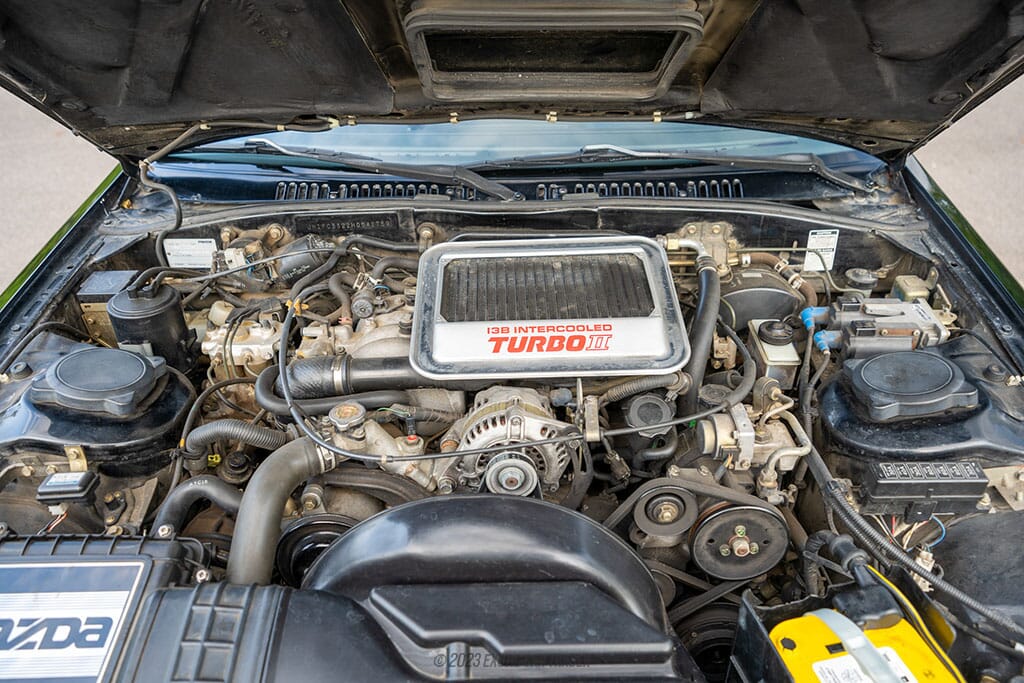
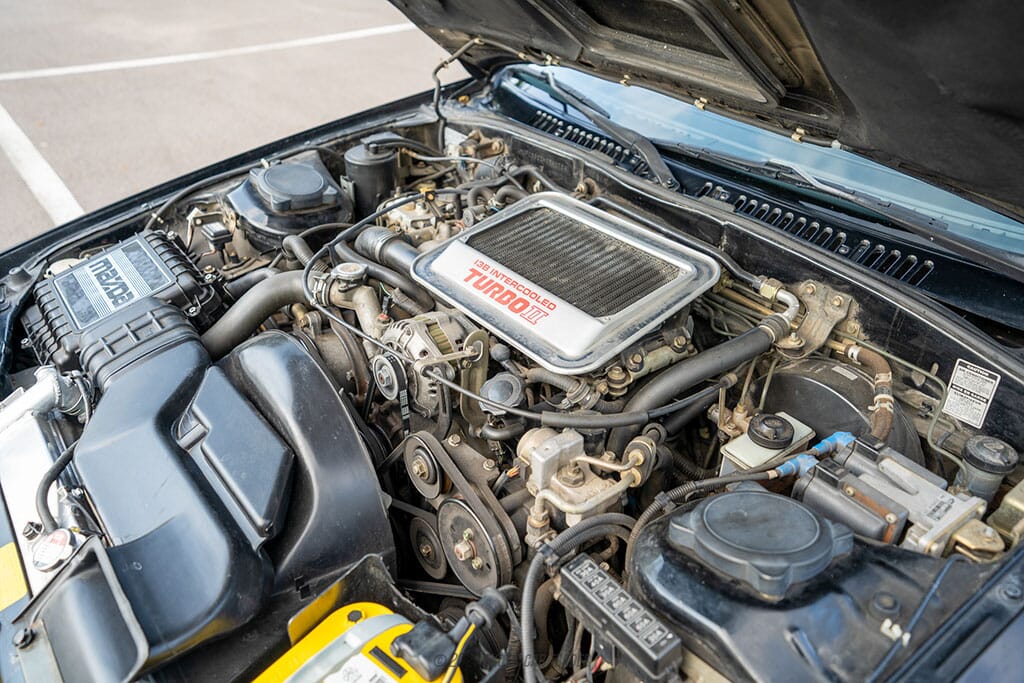
This 1987 Mazda RX-7 Turbo II is powered by a 13B 1.3-liter twin-rotor engine that's paired with a twin-scroll turbocharger and an air-to-air intercooler. Outputs sit at 182hp and 185lb-ft, sent to the rear wheels via a five-speed manual transmission that's reportedly received a short-shifter. The current owner also reports that this RX-7 has received a new radiator, fan clutch, drive belt, and thermostat.


The first-generation Mazda RX-7 is widely regarded as one of the most influential Japanese sports cars ever built, introducing enthusiasts around the world to the unique performance characteristics of Mazda’s rotary engine. Lightweight, well-balanced, and exceptionally engaging to drive, the RX-7 quickly established itself as a favorite among driving purists. Showing 85,675 miles, this 1979 Mazda RX-7 GS presents a tasteful blend of originality and thoughtful upgrades, including aftermarket wheels, a JVC touchscreen head unit, and an aftermarket muffler that further complements the distinctive sound of its legendary rotary powerplant.
Few Japanese performance cars have achieved the legendary status of the FD-generation Mazda RX-7. Introduced for the 1993 model year, the RX-7 showcased Mazda’s relentless pursuit of lightweight performance, pairing a compact chassis with the world’s first mass-produced sequential twin-turbocharged rotary engine. This 1993 Mazda RX-7 Twin Turbo shows just 37,822 miles and is finished in highly desirable Silver Stone Metallic over a black interior. Unlike many FD RX-7s that have been heavily modified throughout their lives, this example retains a remarkably factory-correct appearance, making it especially appealing to collectors and enthusiasts alike. With its iconic pop-up headlights, timeless styling, and one of the most unique powerplants ever fitted to a production car, this RX-7 represents an increasingly rare opportunity to own one of Japan’s most celebrated sports cars.
The world’s best-selling rotary-engined sports car, the Mazda RX-7 has seen over 811,000 examples produced between 1978 and 2002, over three generations. It’s revolutionized rotary engine acceptance, and proved that with determined engineering, a passionate petrolhead community and plenty of support, it is possible to daily drive a rotary! That’s why examples such as this fine third-generation 1993 Mazda RX-7 will easily find homes. This car is up for sale in El Paso with just 32,000 miles on the clock, and could be your ticket to smooth-spinning nirvana. That’s because once you experience a rotary engine, with its smoothness and high-revving nature, you’ll never go back to a regular engine.
The first-generation Mazda RX-7 is widely regarded as one of the most influential Japanese sports cars ever built, introducing enthusiasts around the world to the unique performance characteristics of Mazda’s rotary engine. Lightweight, well-balanced, and exceptionally engaging to drive, the RX-7 quickly established itself as a favorite among driving purists. Showing 85,675 miles, this 1979 Mazda RX-7 GS presents a tasteful blend of originality and thoughtful upgrades, including aftermarket wheels, a JVC touchscreen head unit, and an aftermarket muffler that further complements the distinctive sound of its legendary rotary powerplant.
Few Japanese performance cars have achieved the legendary status of the FD-generation Mazda RX-7. Introduced for the 1993 model year, the RX-7 showcased Mazda’s relentless pursuit of lightweight performance, pairing a compact chassis with the world’s first mass-produced sequential twin-turbocharged rotary engine. This 1993 Mazda RX-7 Twin Turbo shows just 37,822 miles and is finished in highly desirable Silver Stone Metallic over a black interior. Unlike many FD RX-7s that have been heavily modified throughout their lives, this example retains a remarkably factory-correct appearance, making it especially appealing to collectors and enthusiasts alike. With its iconic pop-up headlights, timeless styling, and one of the most unique powerplants ever fitted to a production car, this RX-7 represents an increasingly rare opportunity to own one of Japan’s most celebrated sports cars.
The Mazda Miata is the stuff of legends; it was a car that showcased that it doesn't take breaking the bank to experience a drive you will never forget. From its release in the 90s, to what it is today, the MX5 has been a driver's machine that strikes the perfect balance, it is the machine that is more fun on the twisty bits than the predictable straights. Present today is a fine alumnus of the Miata family and takes shape with this lovely 2022 Mazda MX-5 Miata Grand Touring. With just a reported 6,872 miles run in, this top-of-the-line roadster is ready for those back-road blasts and even comes with a weather package, roadside assistance, and first aid kit.

Terms of Service
Be Kind and Courteous
We're here to create a platform to better the automotive industry through communication and transparency. Please treat everyone with respect. Healthy debates are natural, but kindness is required.
No Hate Speech
Make sure everyone feels safe. Hate speech of any kind is strictly prohibited. Degrading comments about things like race, religion, culture, sexual orientation, etc. will not be tolerated.
No Promotions or Spam
Give more than you take. Self-promotion, spam, or links of any kind are not allowed.
