




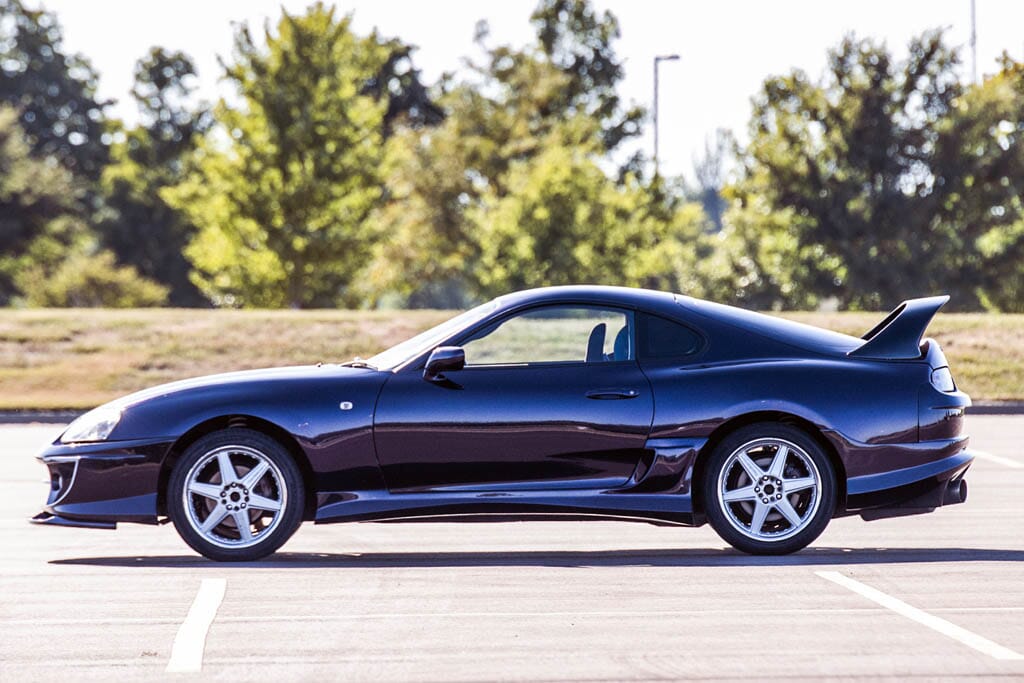
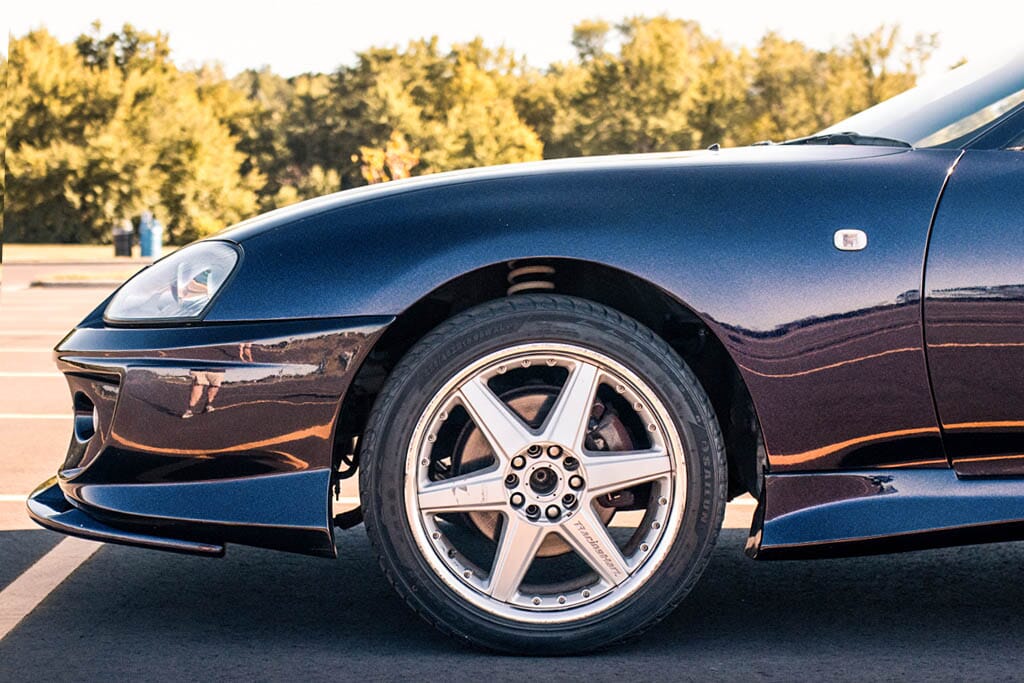
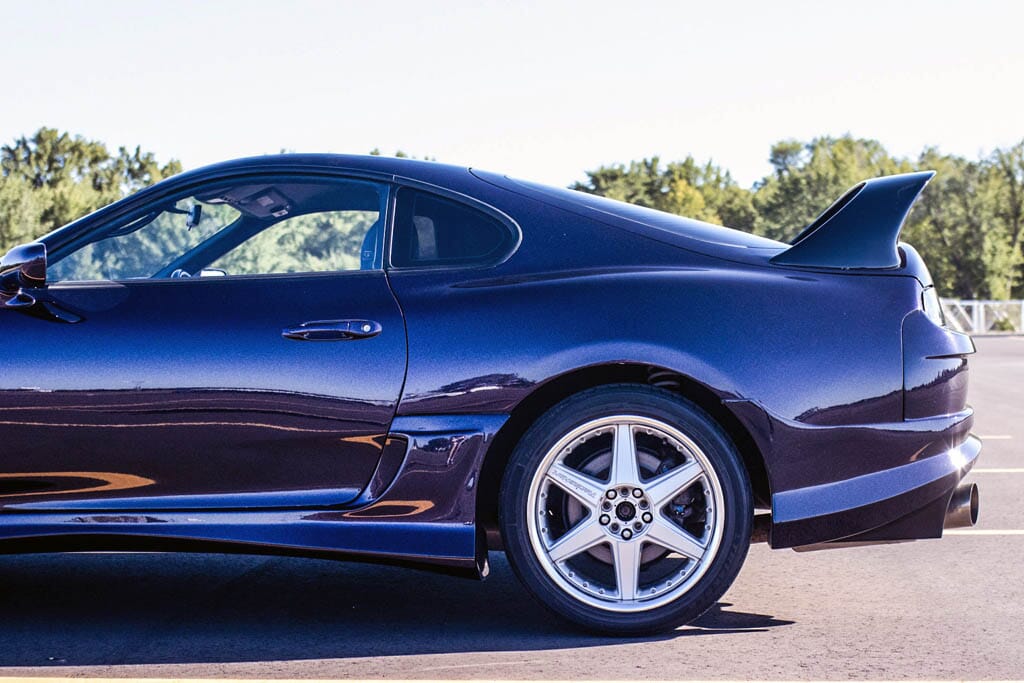
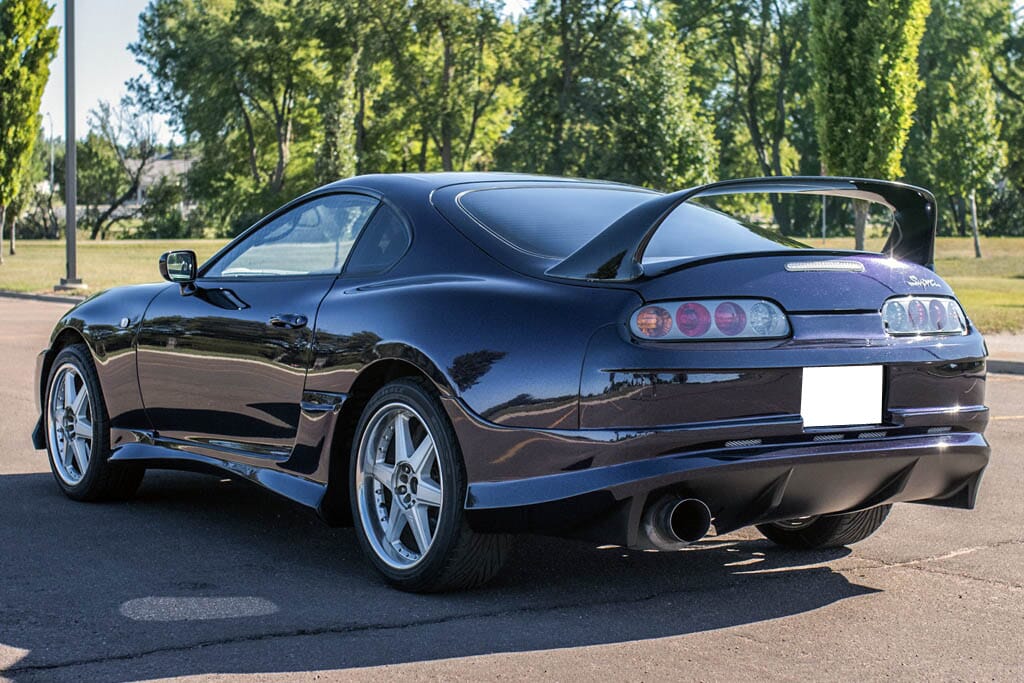
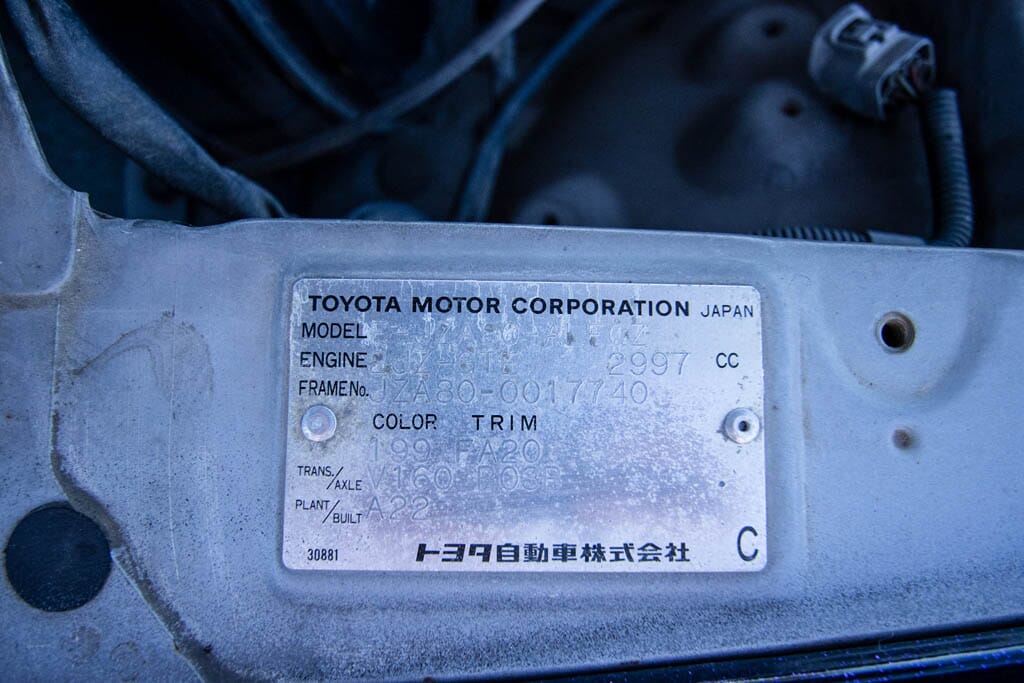
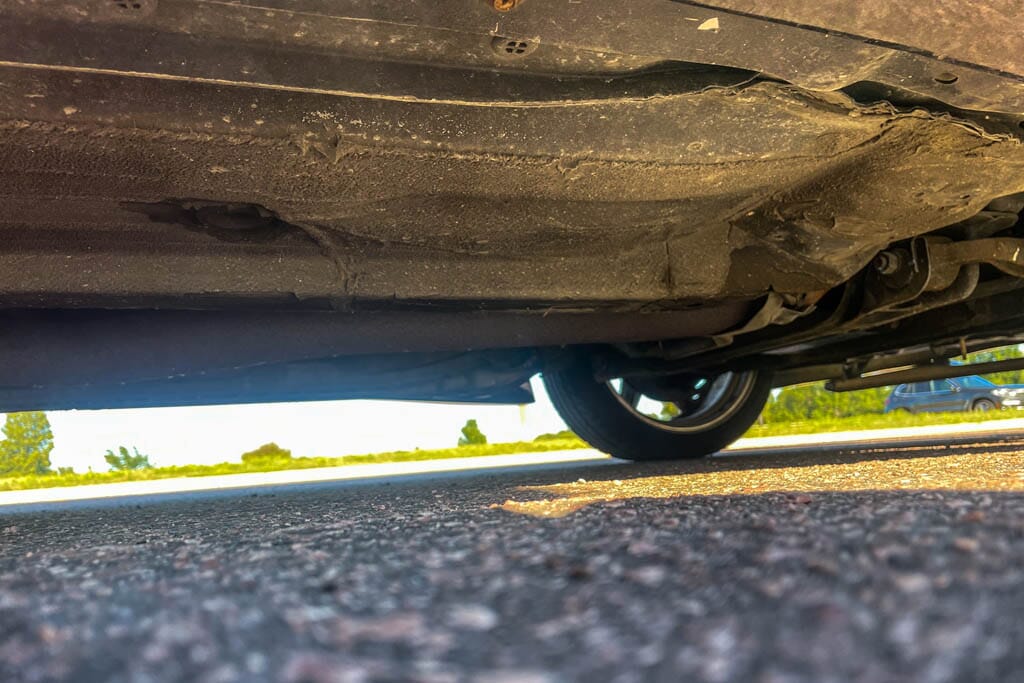
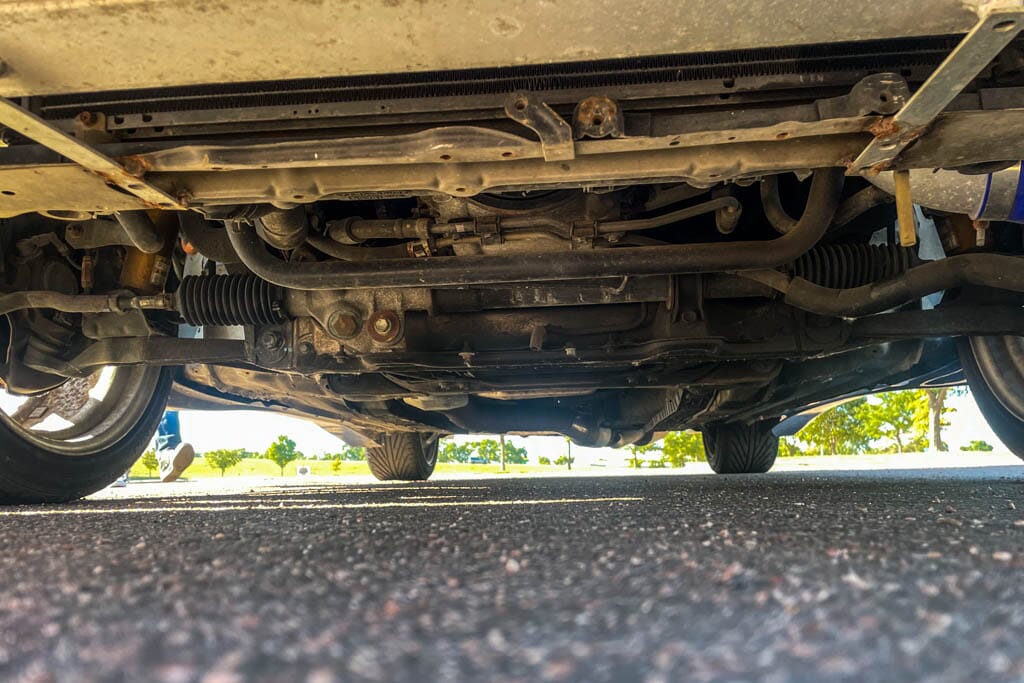
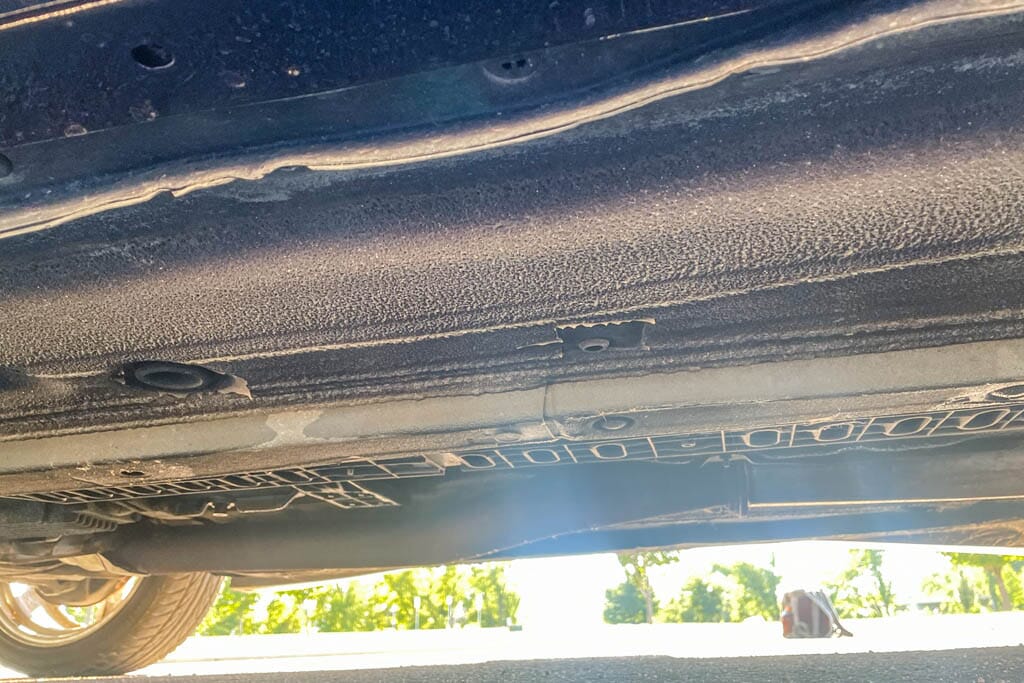
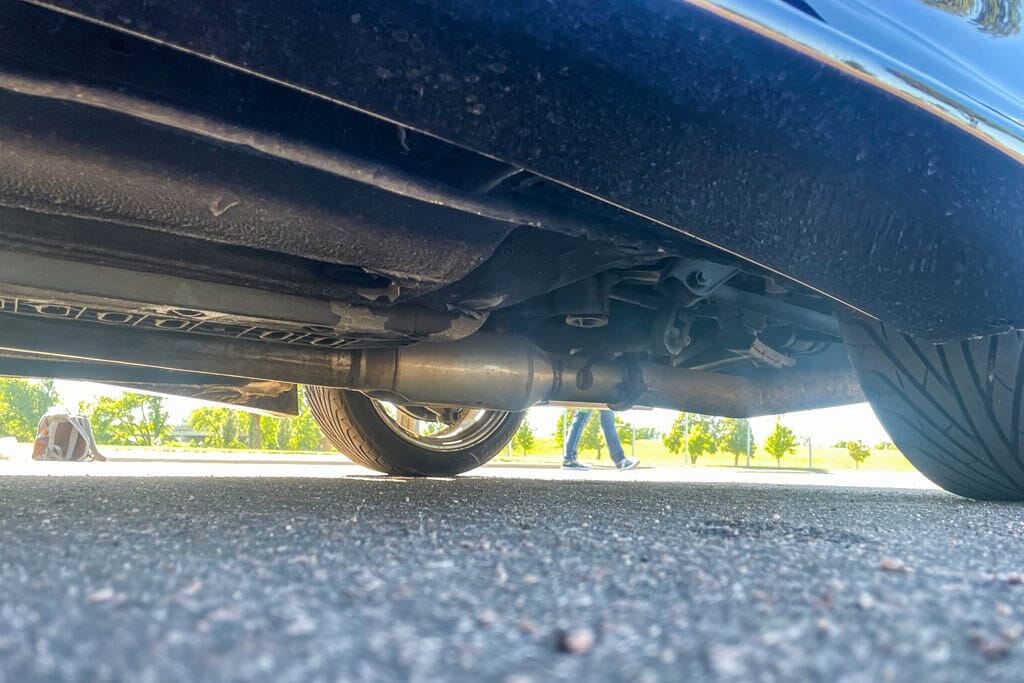
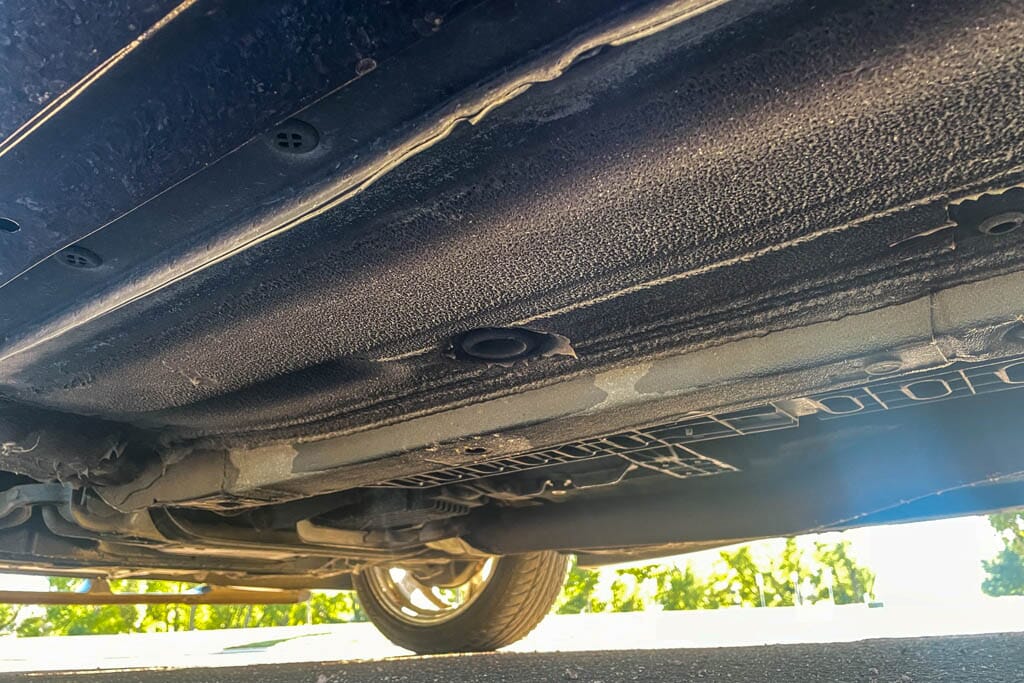
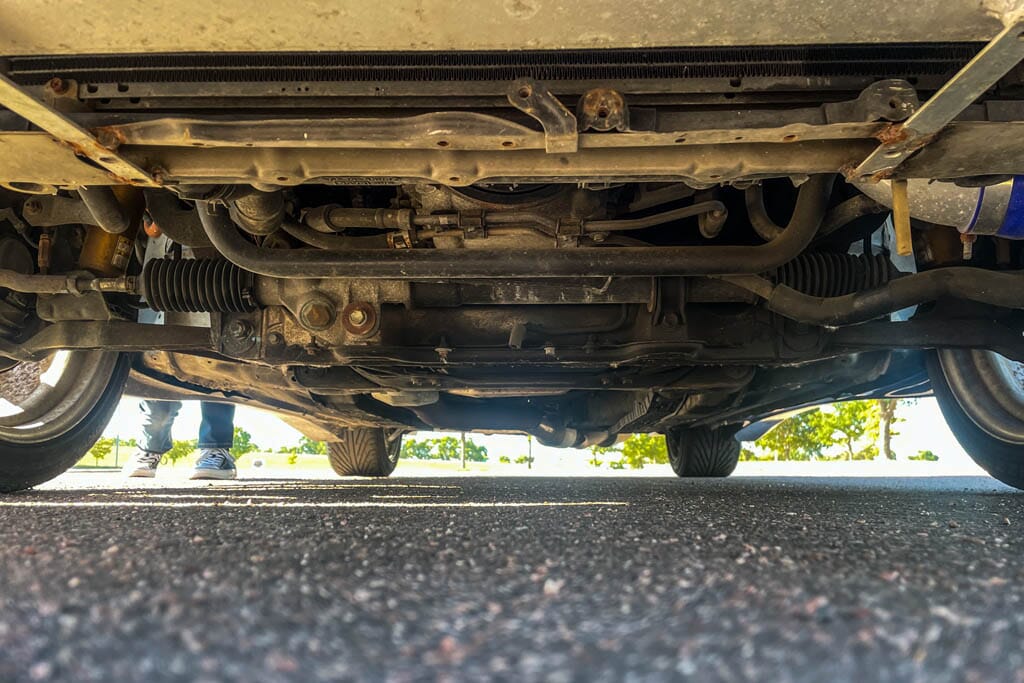


- 1994 MY Toyota Supra Right Hand Drive
- 6-speed manual transmission
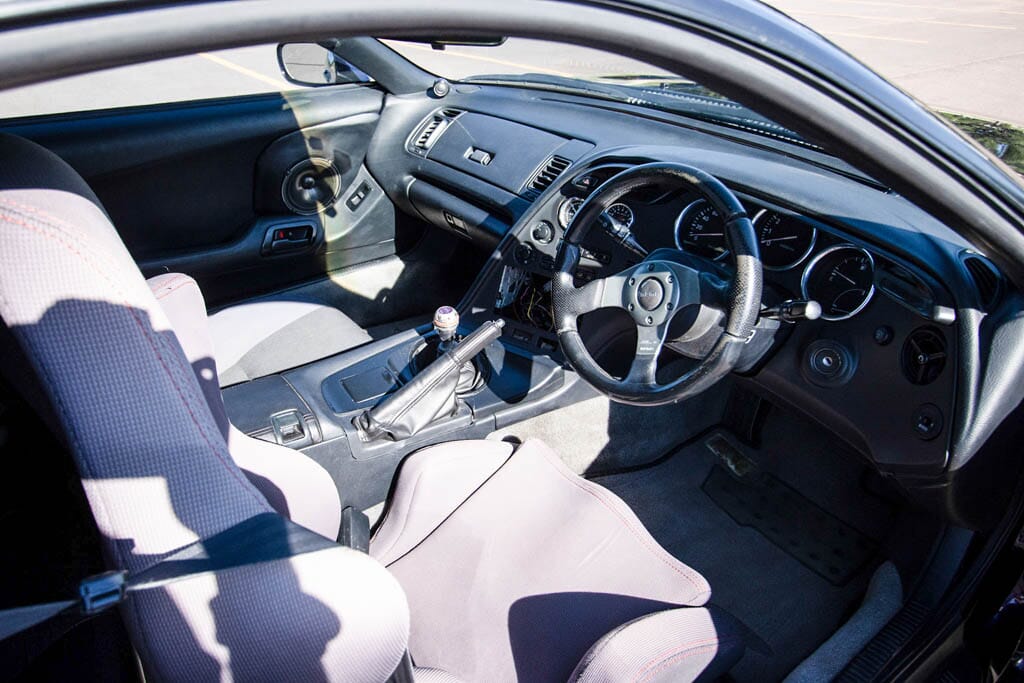
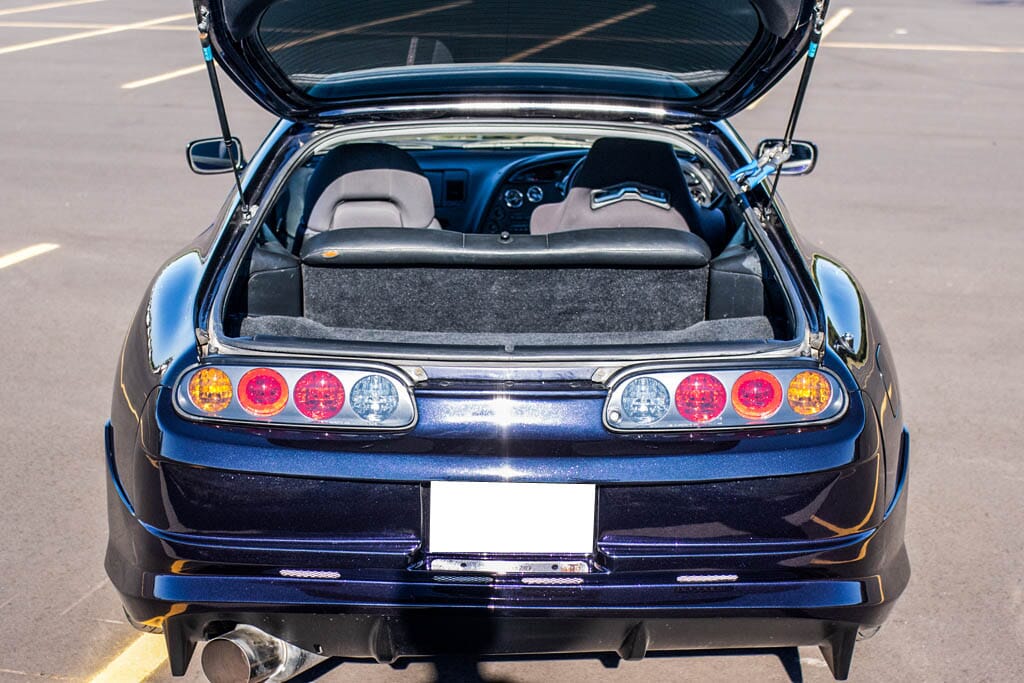
- New custom cloth driver bucket seat
- Aftermarket steering wheel
- Aftermarket shift nob
- Aftermarket clutch
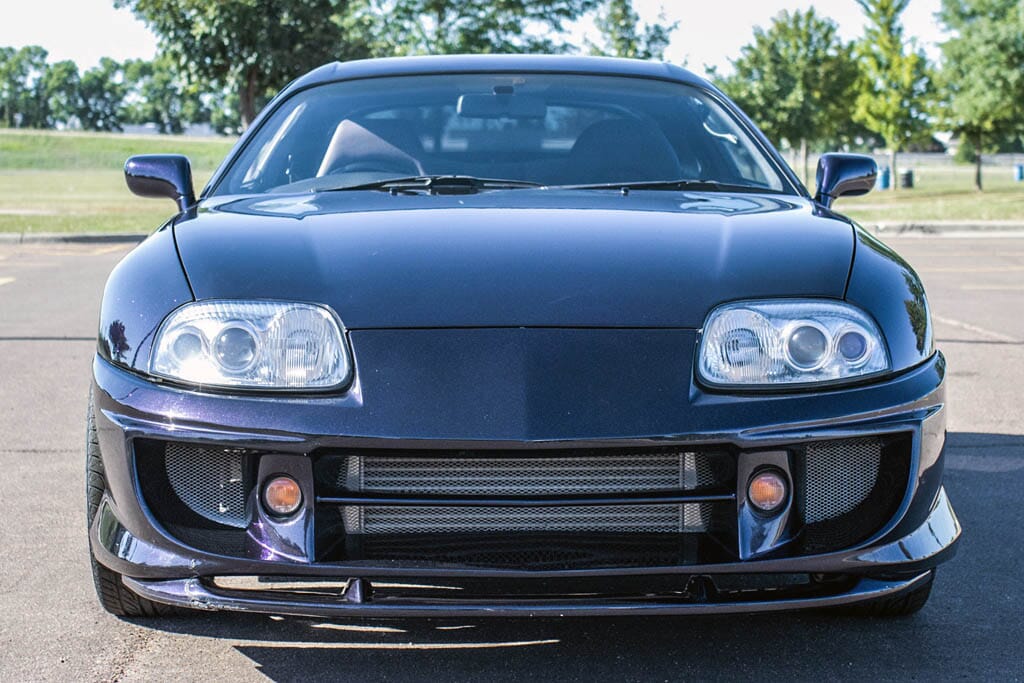
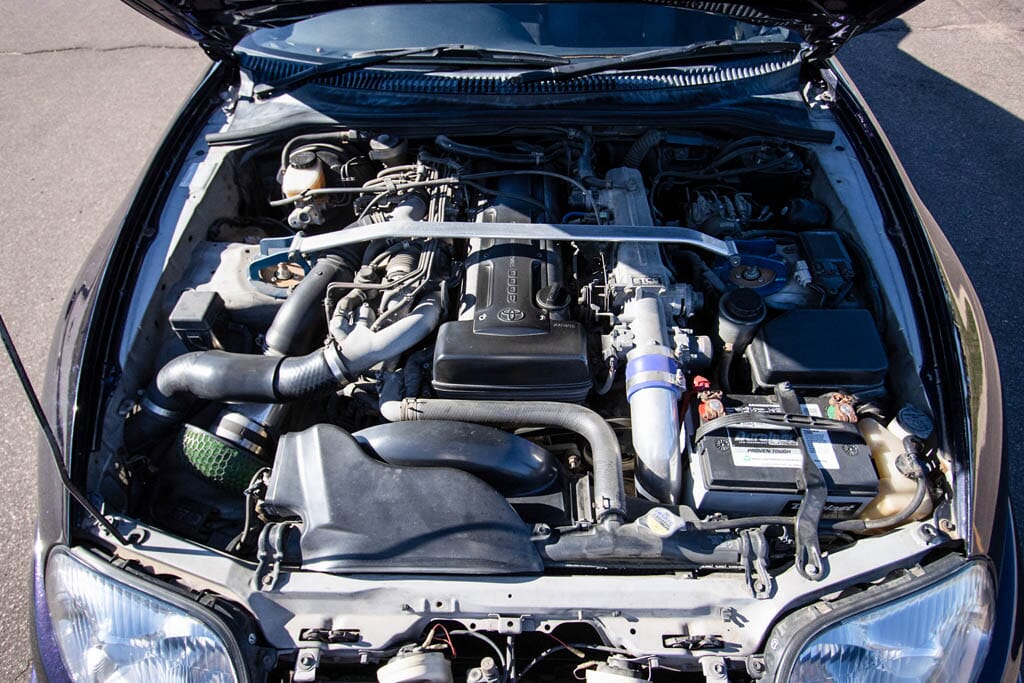
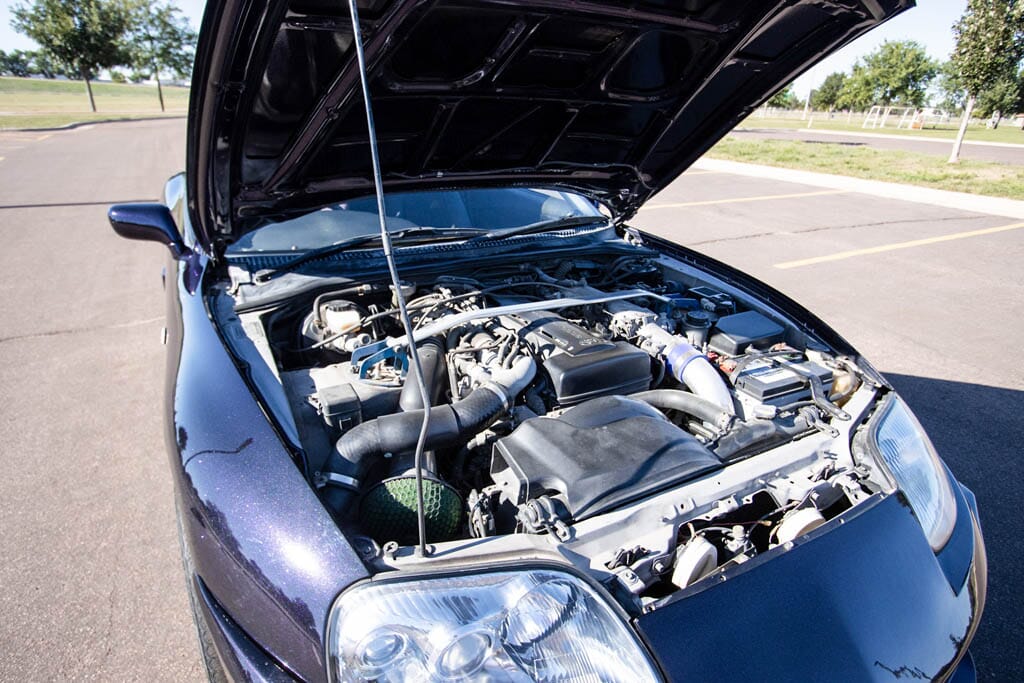
- Front mount inter cooler
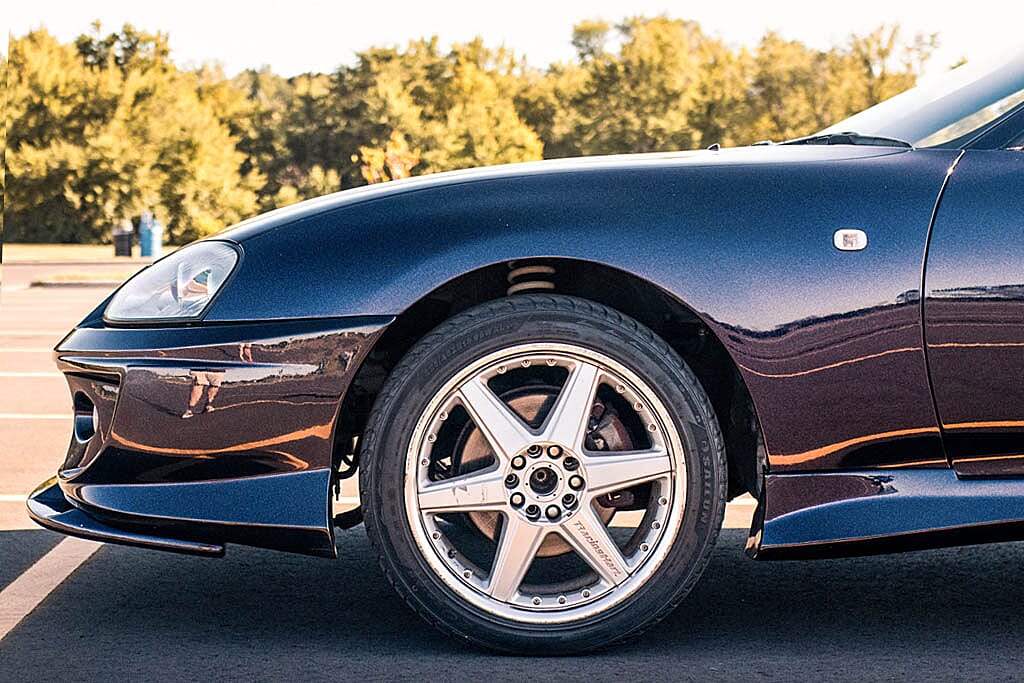
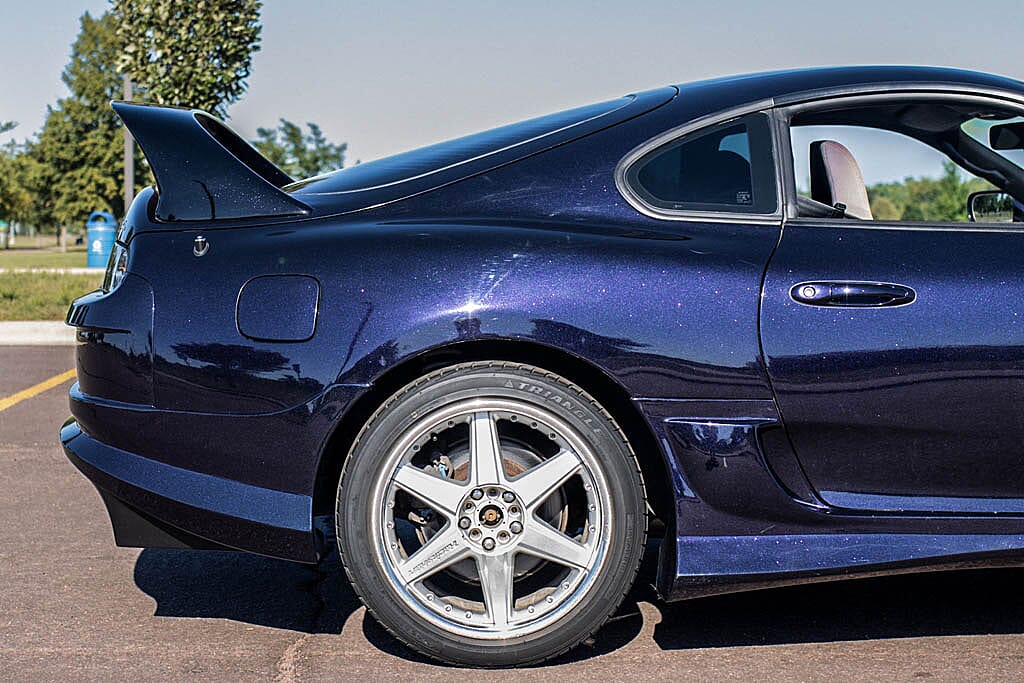
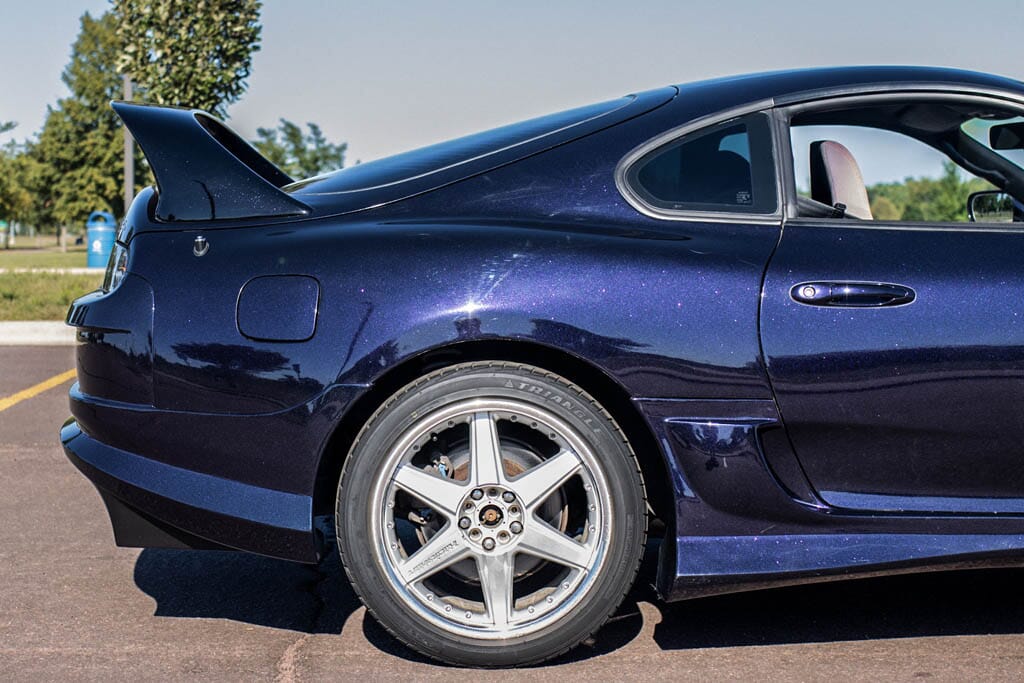
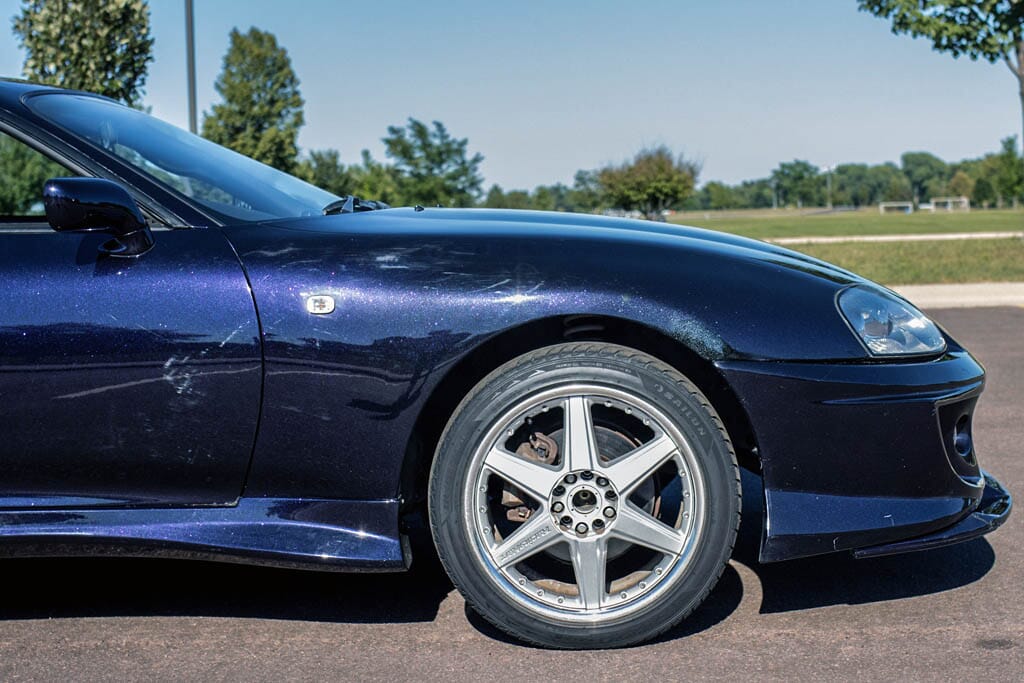
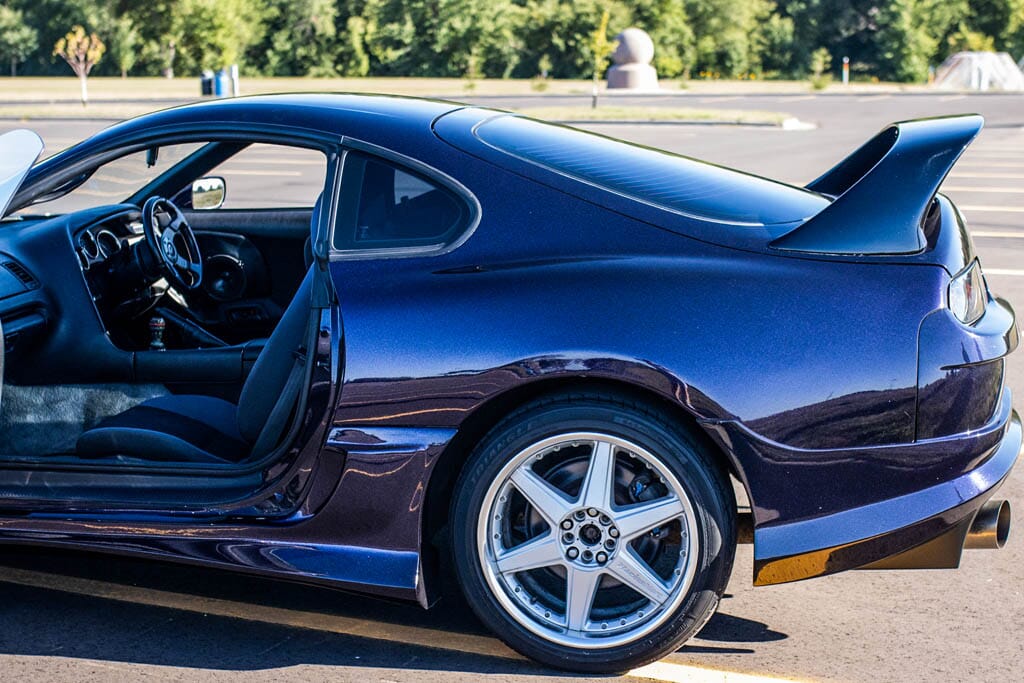
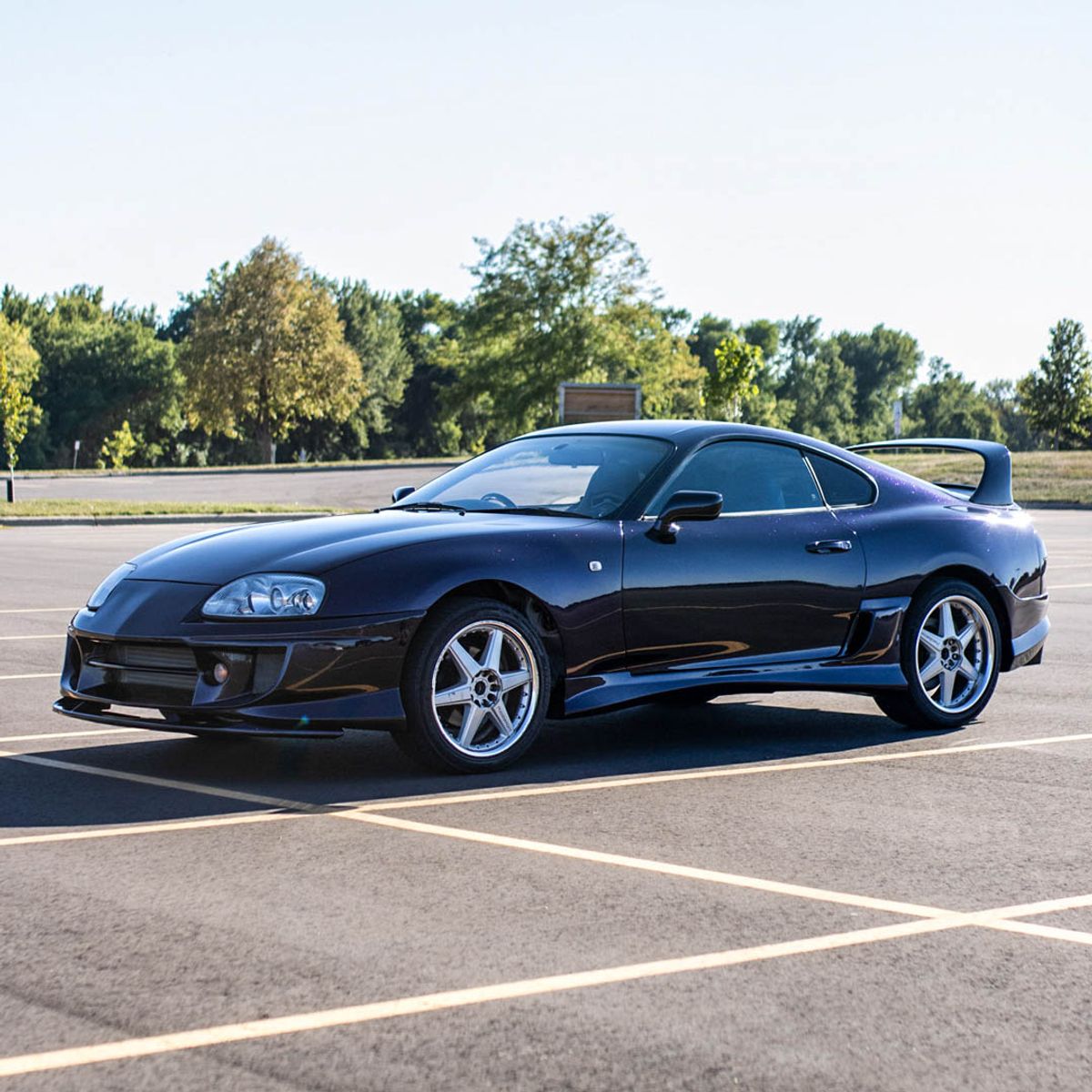
- Racing Hart wheels
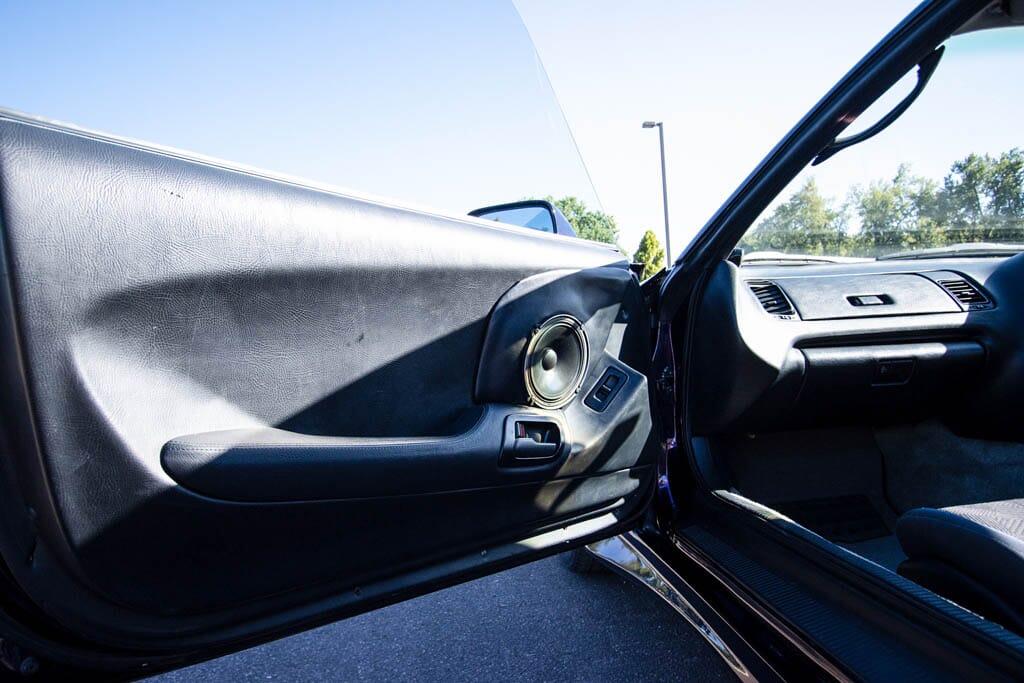
- No CD player
- Kilometers
- Japanese vehicle


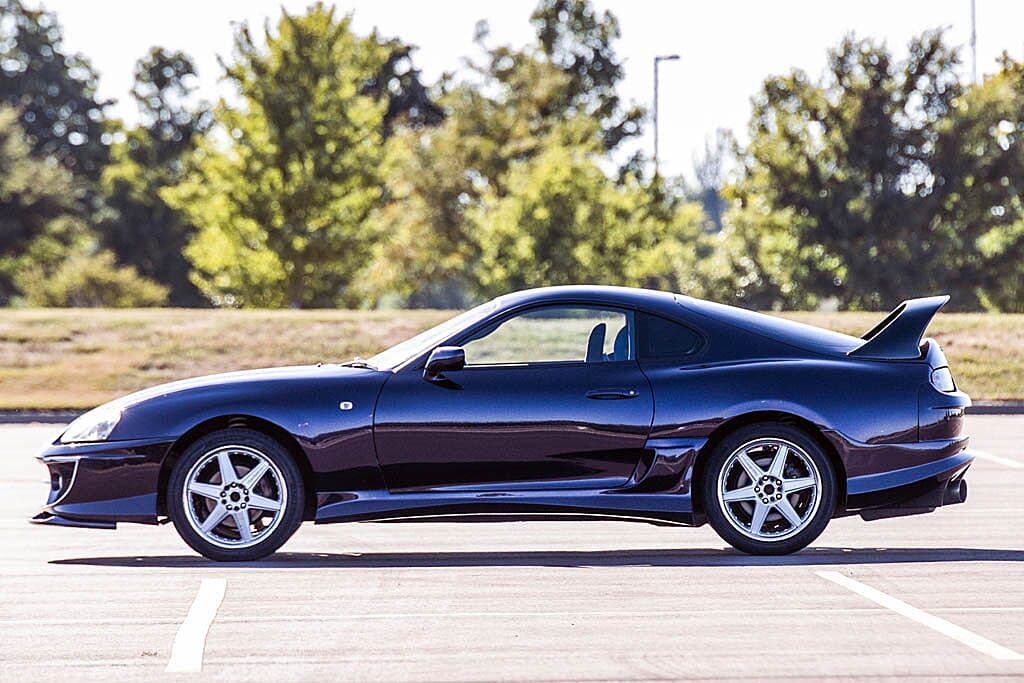
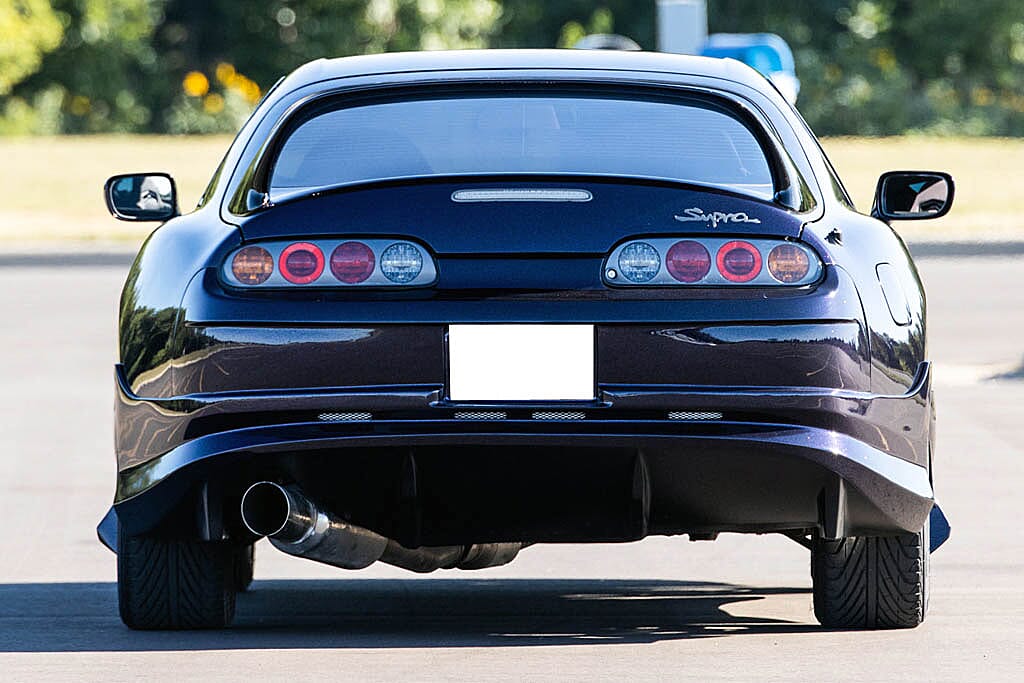
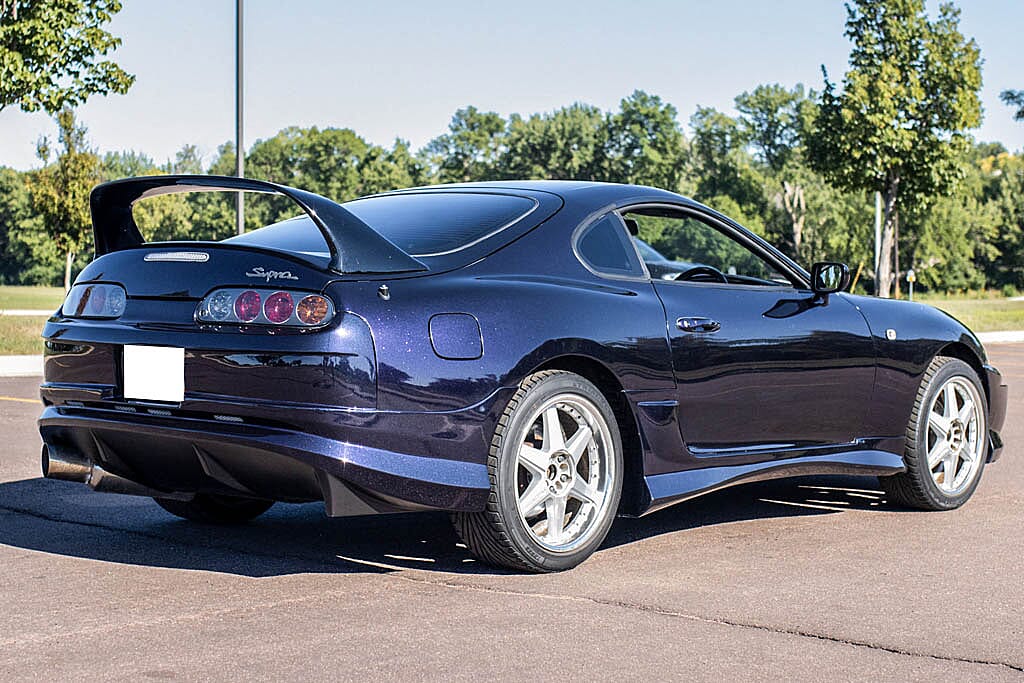
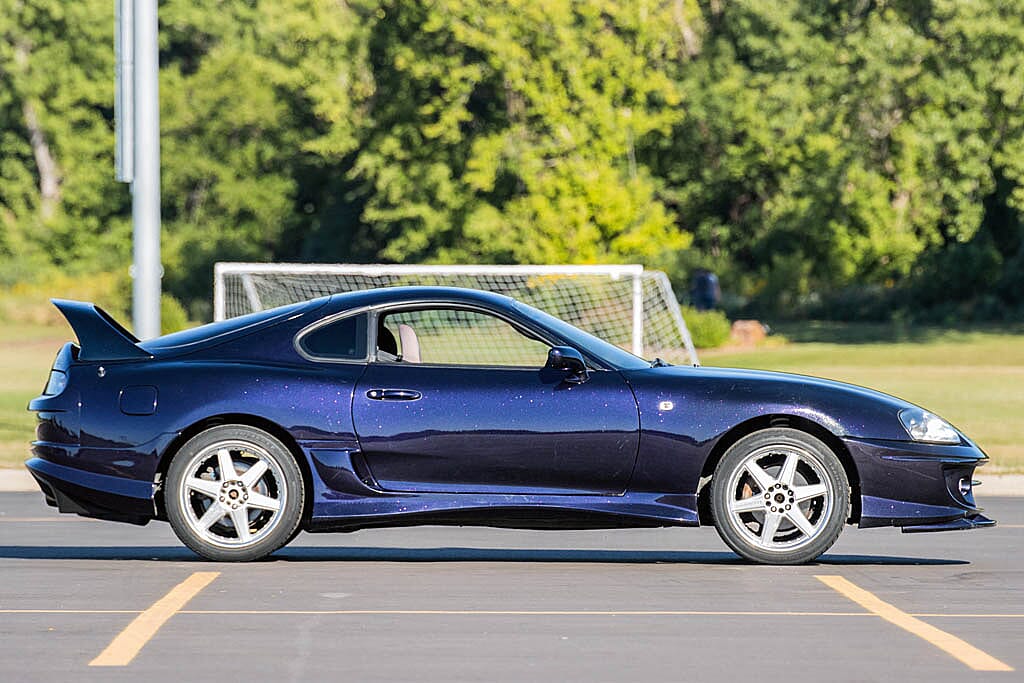
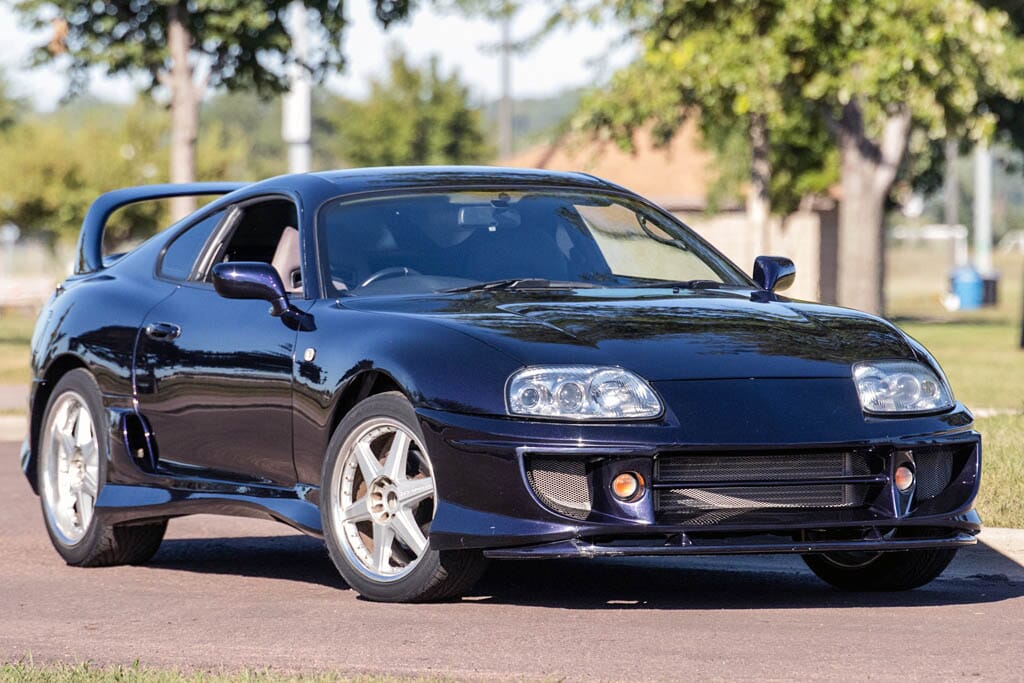
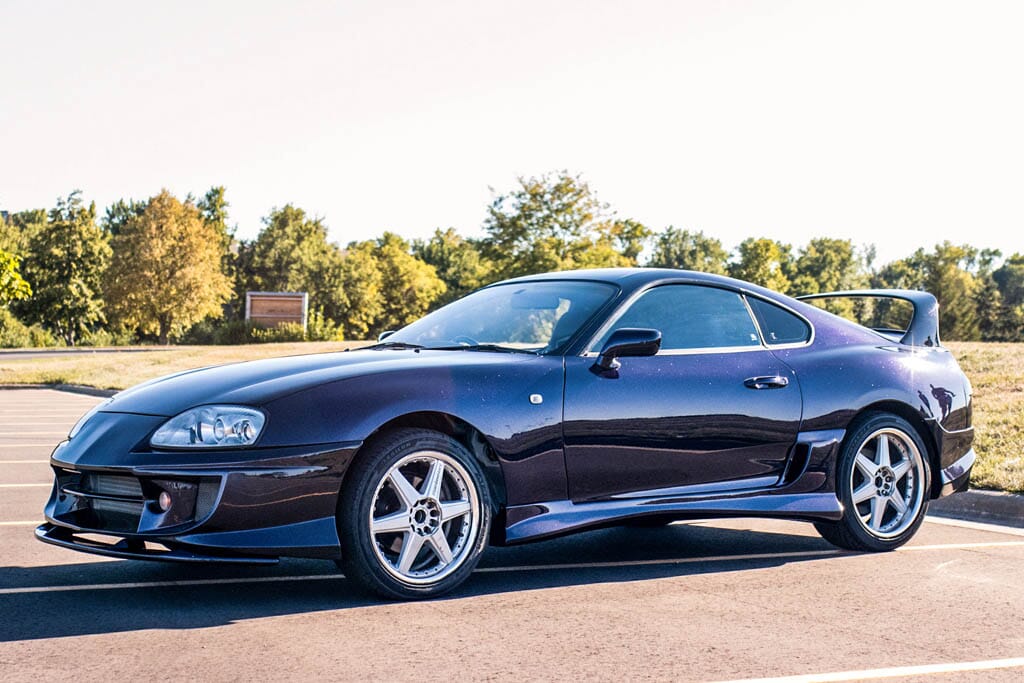
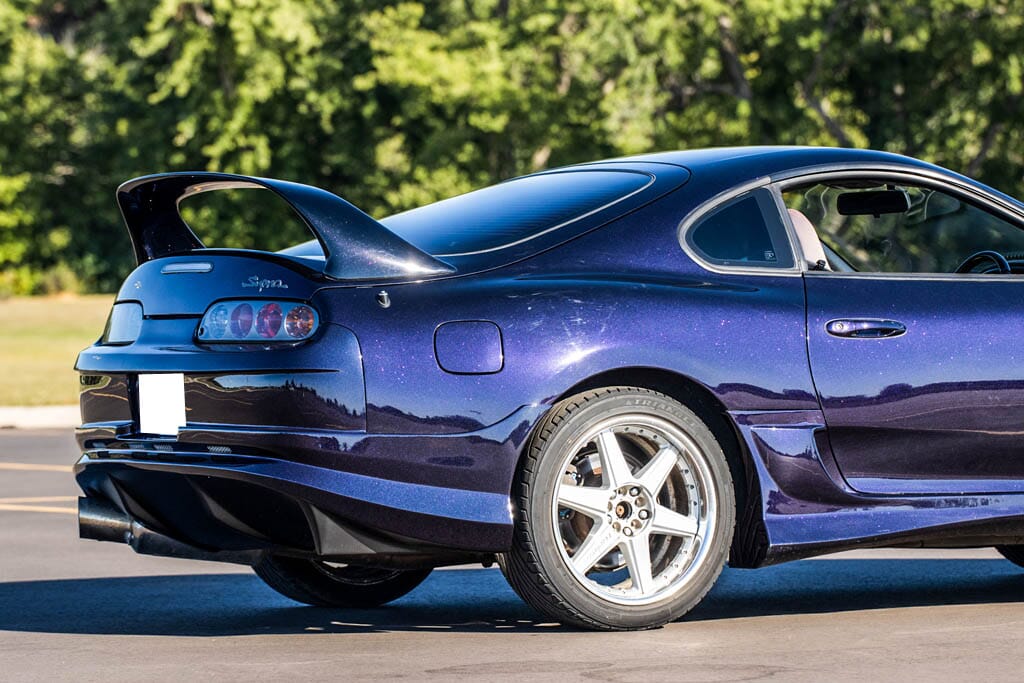
It’s the JDM legend that everyone loves and worships, the MK IV Supra. There’s very little that can be said that hasn’t been told by others. It’s an iconic car from the land of the rising sun with an almost bulletproof engine that can take whatever mods you may put in it, and deliver shocking amounts of power and speed through its rear wheels. This particular 1994 Toyota Supra is reportedly an import from Japan, meaning you’ll have to deal with right hand drive and the metric system for its gauges. It also comes with some aftermarket additions, creature comforts for its future owner to enjoy, and with only 56,000 miles on the car, this Supra, one of the most desirable JDM vehicles of all automotive history still has plenty of life under its hood, ready to take on the streets in the west.
Exterior and Interior
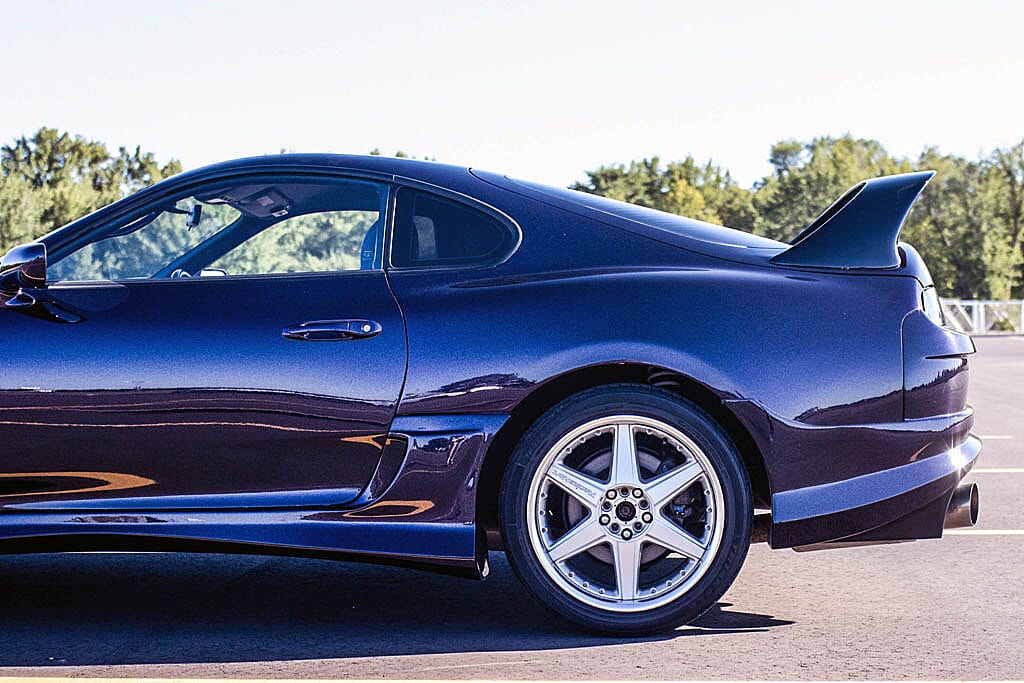
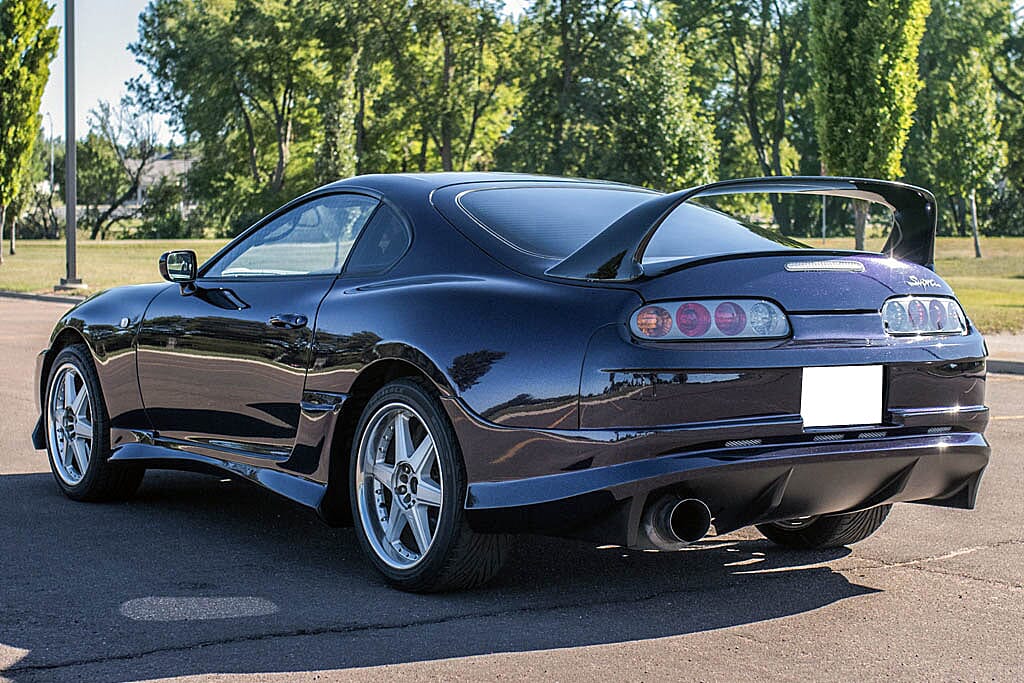
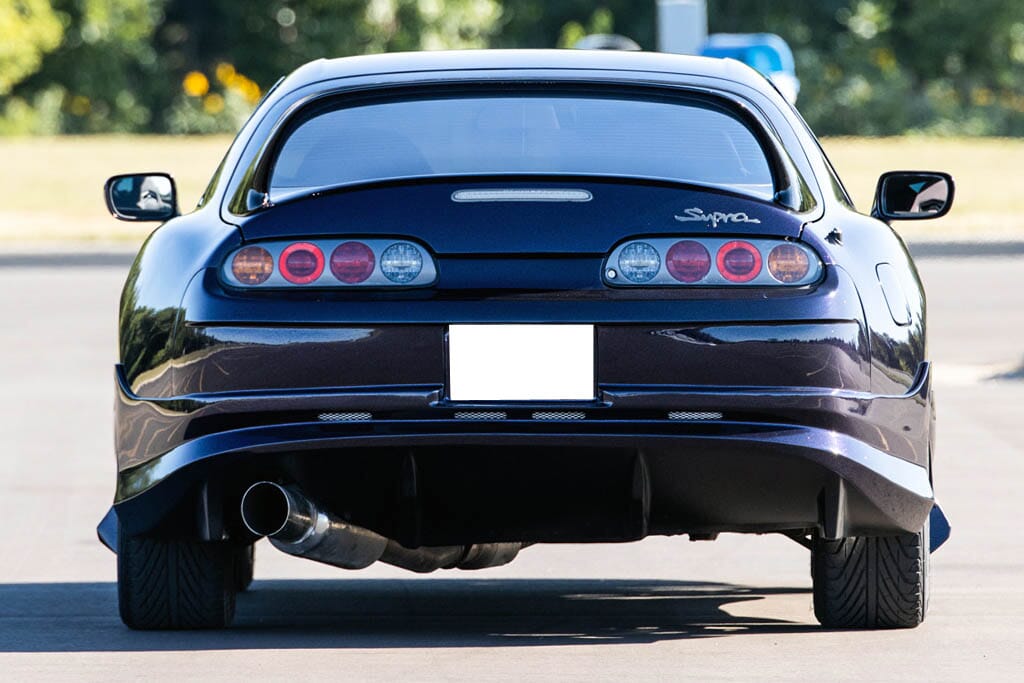
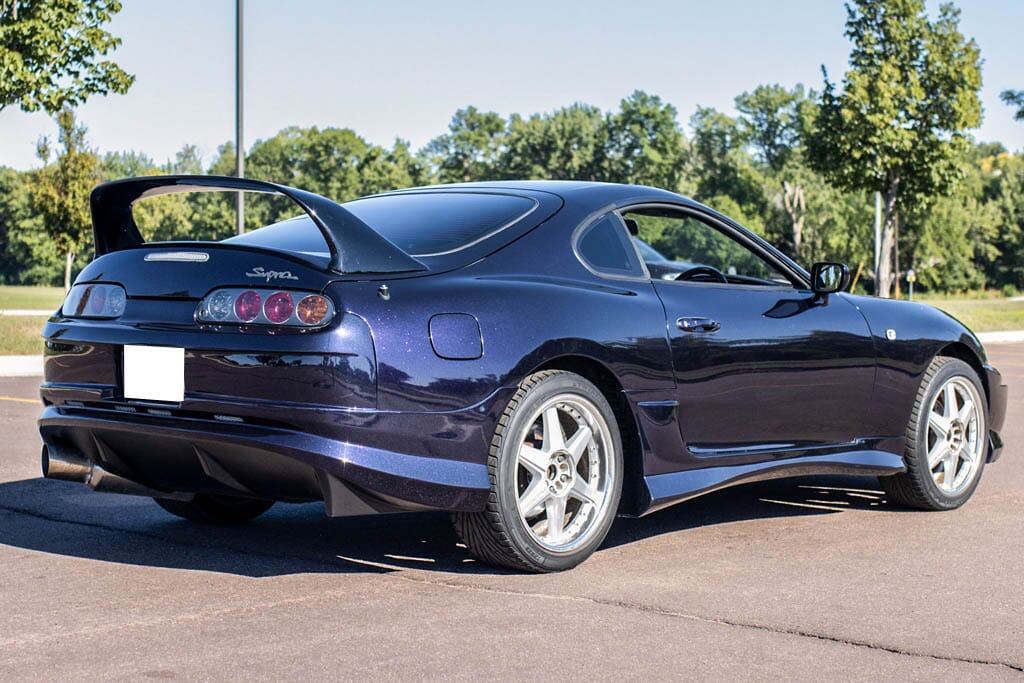
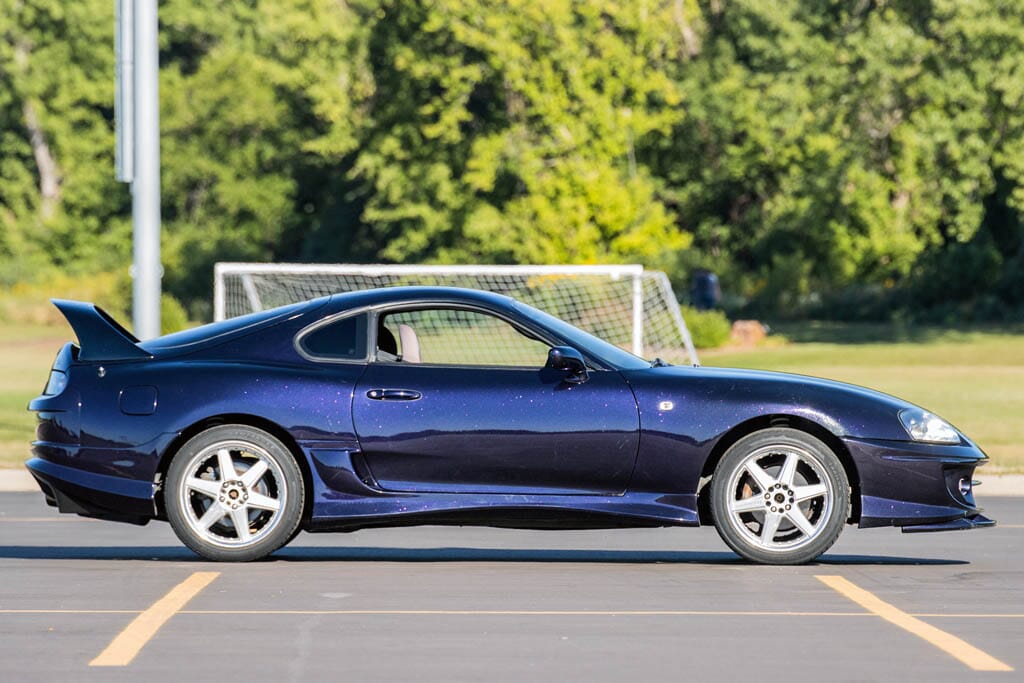
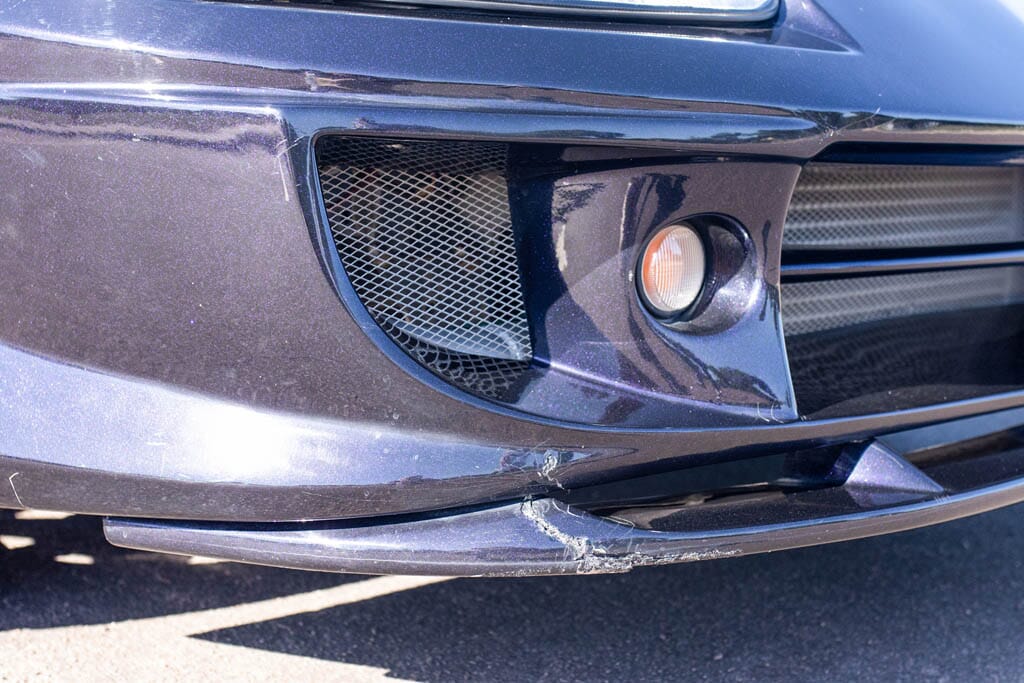
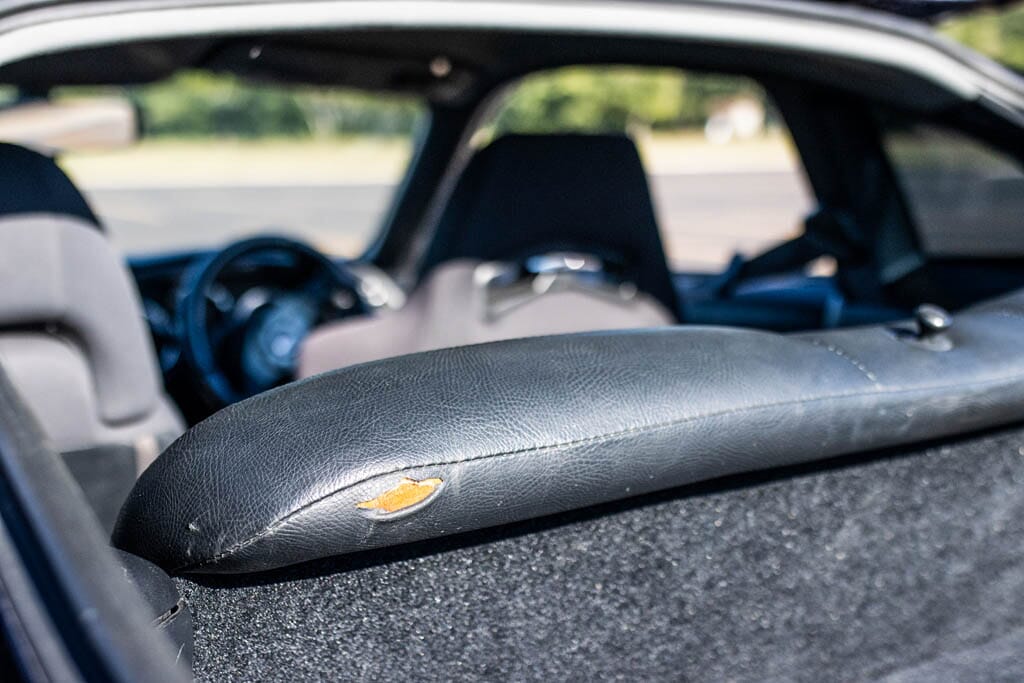
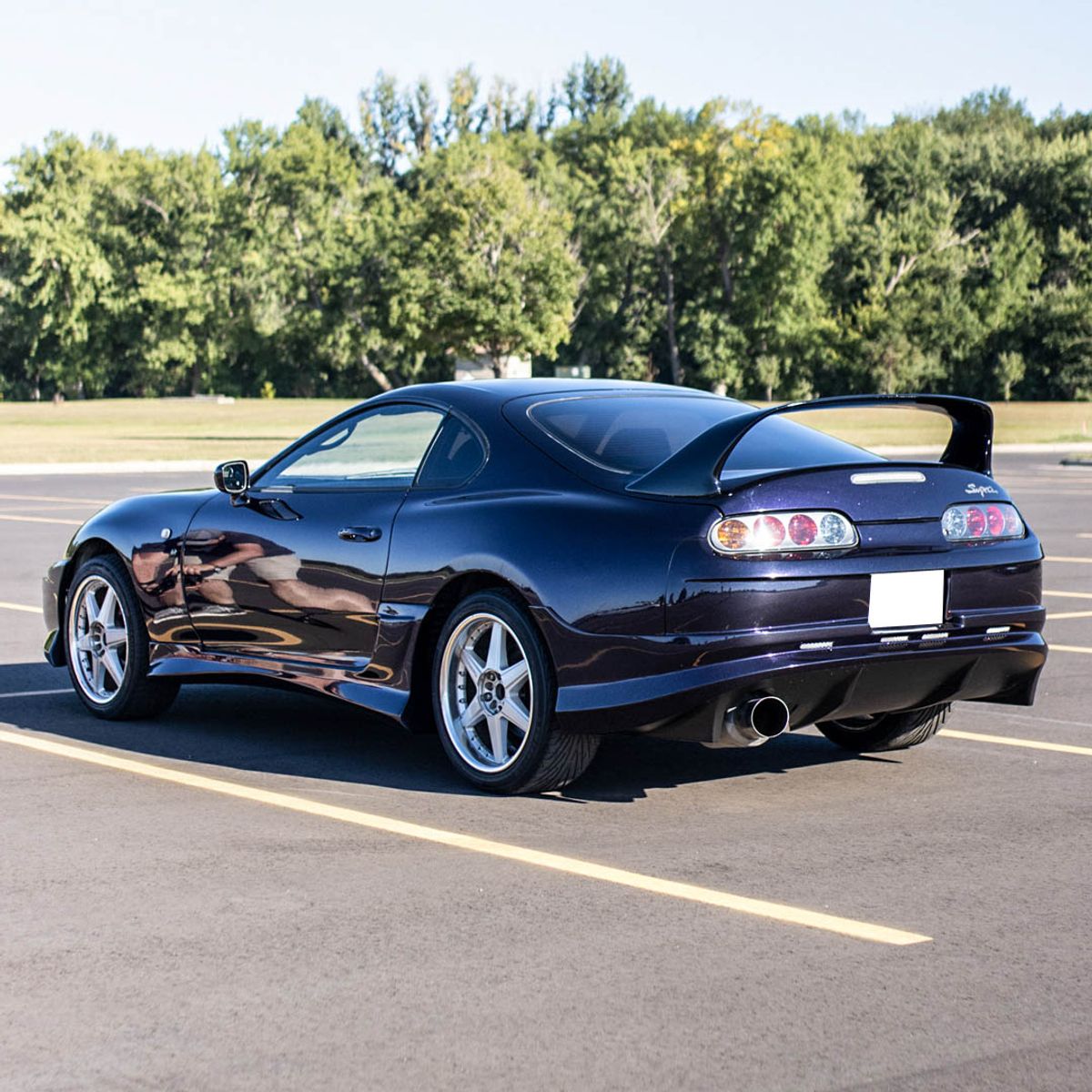
This purple 1994 Toyota Supra comes in a unique paint job that shimmers and glistens in the sun. Sporting the iconic design of its generation, soft curves lead the eye from front to rear, reaching its rear spoiler. Some Toyota and Supra badging of course enhance the look, as do the Racing Hart wheels reportedly sported by the car. It’s clean, simple and elegant, with very little work done to break the aesthetic of the vehicle, exactly what you would want from a car that is so desirable. Inside, you’ll be greeted by the usual amenities and options expected from a car of its era. No unnecessary technology to get in the way of your driving experience, not even a CD player. The purple interior is interrupted by the blacks of some interior elements, but more than that, you’ll notice the new custom cloth bucket seat made to keep the driver rooted in place while driving the Supra the way it’s supposed to be driven. Aftermarket shift knob, clutch and steering wheel add a little extra spice to the interior.
Engine
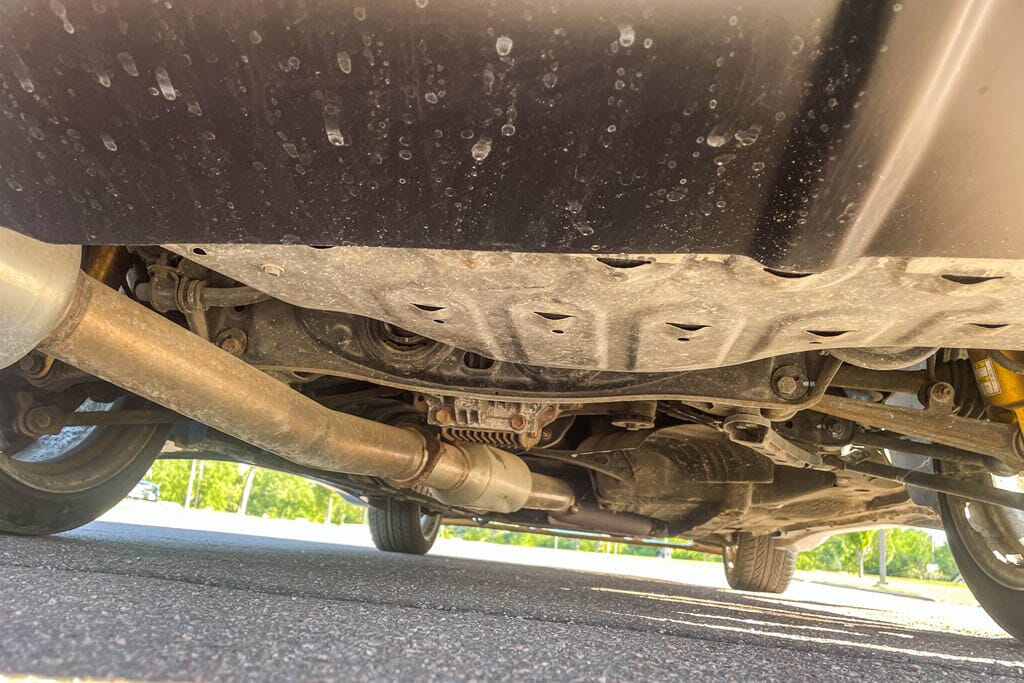
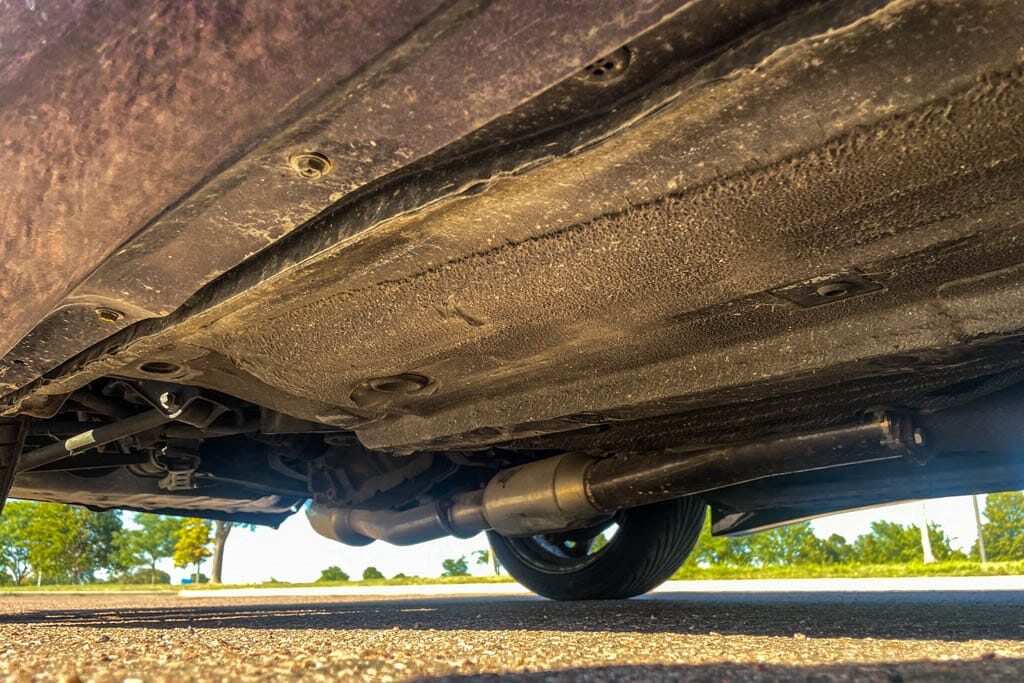
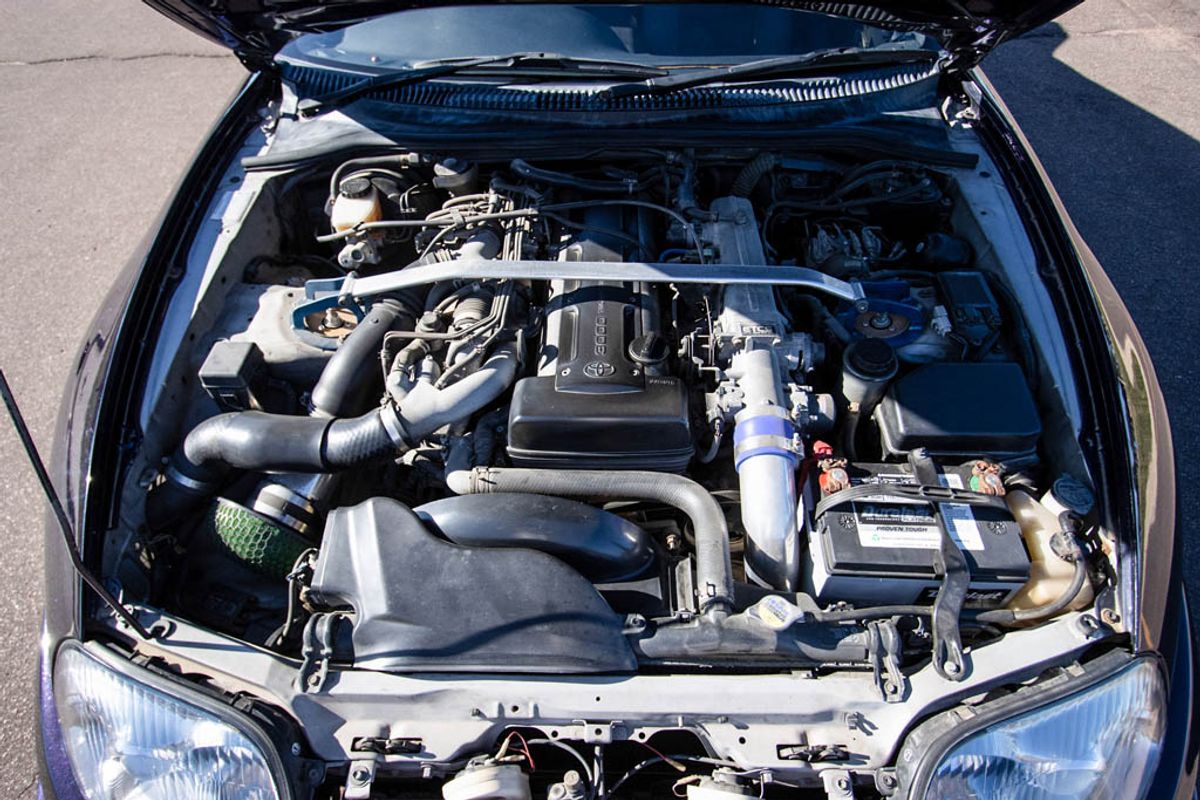
This 1994 Toyota Supra comes with a 3.0L 6-cylinder turbocharged engine with front mounted intercooler connected to a manual transmission to drive the rear wheels, delivering great performance. Out of the factory, a Supra such as this would deliver 276hp and 318lb-ft of torque as claimed by Toyota. But everyone knows the best part about owning a Supra is what you do with the engine after it rolls out of the factory.

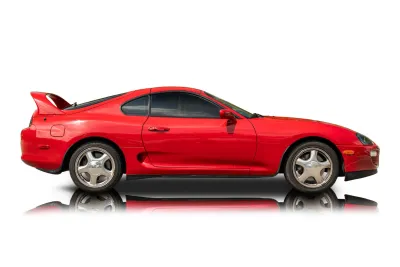

By the time the fourth-generation Supra arrived, Toyota had transformed the nameplate from a grand touring coupe into something far more serious. The 1997 Toyota Supra Turbo sits near the peak of that evolution, combining the now-iconic 2JZ-GTE twin-turbo inline-six with rear-wheel drive and, in this example, the sought-after 6-speed manual transmission. Showing approximately 136,725 miles, this Renaissance Red car keeps the enthusiast formula intact: twin-turbo power, a proper manual gearbox, a limited-slip differential, polished 17-inch wheels, and a removable sport roof. The Mk4 Supra earned its reputation not just because it was quick for its era, but because Toyota engineered in a level of strength and tuning potential that would eventually turn the car into a legend well beyond its original production run. This one still presents that appeal in a configuration that feels very much like the Supra enthusiasts fell in love with.

The 1998 Toyota Supra has become one of the defining Japanese performance cars of its era, and this example takes the platform far beyond its original specification with a comprehensively engineered high-horsepower build. Originally configured as a naturally aspirated automatic car, it now carries a built 3.0-liter 2JZ-GTE-based powertrain, a Precision Next Gen 8085 single turbo, Haltech engine management, and a Grannas Racing T56 Magnum-F 6-speed manual conversion. The car shows approximately 74,952 total miles, with the seller reporting roughly 1,500 miles on the current build. Output has been recorded at 1,208 wheel horsepower and 861 lb-ft on a Mainline hub dyno and 1,301 wheel horsepower and 930 lb-ft on a Dynojet, with a reported 1,535 horsepower and 1,094 lb-ft at the crank. Seven boost-by-speed settings range from 10 to 42 psi, corresponding to approximately 600 to 1,300 wheel horsepower. Finished in Imperial Jade Mica with a beige leather interior, this Supra combines serious drag- and roll-racing capability with an extensive list of Powerhouse Racing, Radium Engineering, BC Racing, Grannas Racing, Hypertune, Plazmaman, Turbosmart, and Haltech hardware. The work is reported to have been completed by KM Autowerks, with tuning by Lawrence Shipman / LS Fabrication.
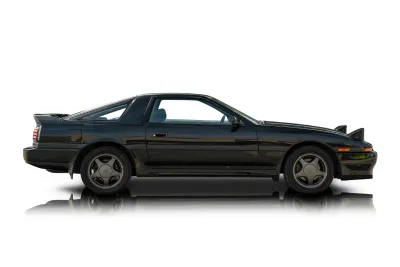
The 1990 Toyota Supra Turbo Coupe is a highly desirable example of Toyota’s A70-generation performance icon, representing the era when Japanese manufacturers pushed advanced engineering and technology into their flagship sports cars. This right-hand-drive example is powered by the legendary 2.5L twin-turbocharged inline-six and paired with a 5-speed manual transmission, offering the engaging driving experience that has made the JZA70 Supra increasingly sought after among collectors and JDM enthusiasts. With its removable sport roof, rear-wheel-drive layout, and factory turbocharged performance, this Supra captures the character of Toyota’s golden age of performance.
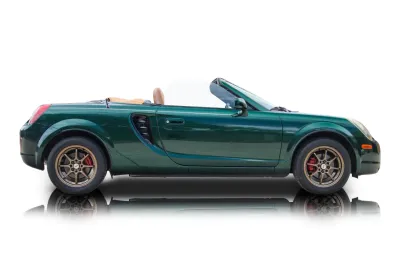
The 2002 Toyota MR2 Spyder is a lightweight, mid-engine roadster built around a simple formula that enthusiasts still appreciate today: low weight, rear-wheel drive, a manual gearbox, and open-top driving. Showing approximately 48,326 miles, this example is finished in the especially eye-catching Electric Green Mica and pairs its 1.8L naturally aspirated inline-four with a 5-speed manual transmission. It also benefits from a number of enthusiast-oriented upgrades, including 15-inch Koenig Helium wheels, stainless steel headers, a MagnaFlow Y-pipe and catalytic converter, and an HKS performance exhaust, giving this MR2 a more distinctive look and sound while retaining the basic character that made the third-generation MR2 such an engaging sports car.
By the time the fourth-generation Supra arrived, Toyota had transformed the nameplate from a grand touring coupe into something far more serious. The 1997 Toyota Supra Turbo sits near the peak of that evolution, combining the now-iconic 2JZ-GTE twin-turbo inline-six with rear-wheel drive and, in this example, the sought-after 6-speed manual transmission. Showing approximately 136,725 miles, this Renaissance Red car keeps the enthusiast formula intact: twin-turbo power, a proper manual gearbox, a limited-slip differential, polished 17-inch wheels, and a removable sport roof. The Mk4 Supra earned its reputation not just because it was quick for its era, but because Toyota engineered in a level of strength and tuning potential that would eventually turn the car into a legend well beyond its original production run. This one still presents that appeal in a configuration that feels very much like the Supra enthusiasts fell in love with.
The 1998 Toyota Supra has become one of the defining Japanese performance cars of its era, and this example takes the platform far beyond its original specification with a comprehensively engineered high-horsepower build. Originally configured as a naturally aspirated automatic car, it now carries a built 3.0-liter 2JZ-GTE-based powertrain, a Precision Next Gen 8085 single turbo, Haltech engine management, and a Grannas Racing T56 Magnum-F 6-speed manual conversion. The car shows approximately 74,952 total miles, with the seller reporting roughly 1,500 miles on the current build. Output has been recorded at 1,208 wheel horsepower and 861 lb-ft on a Mainline hub dyno and 1,301 wheel horsepower and 930 lb-ft on a Dynojet, with a reported 1,535 horsepower and 1,094 lb-ft at the crank. Seven boost-by-speed settings range from 10 to 42 psi, corresponding to approximately 600 to 1,300 wheel horsepower. Finished in Imperial Jade Mica with a beige leather interior, this Supra combines serious drag- and roll-racing capability with an extensive list of Powerhouse Racing, Radium Engineering, BC Racing, Grannas Racing, Hypertune, Plazmaman, Turbosmart, and Haltech hardware. The work is reported to have been completed by KM Autowerks, with tuning by Lawrence Shipman / LS Fabrication.

Terms of Service
Be Kind and Courteous
We're here to create a platform to better the automotive industry through communication and transparency. Please treat everyone with respect. Healthy debates are natural, but kindness is required.
No Hate Speech
Make sure everyone feels safe. Hate speech of any kind is strictly prohibited. Degrading comments about things like race, religion, culture, sexual orientation, etc. will not be tolerated.
No Promotions or Spam
Give more than you take. Self-promotion, spam, or links of any kind are not allowed.
