



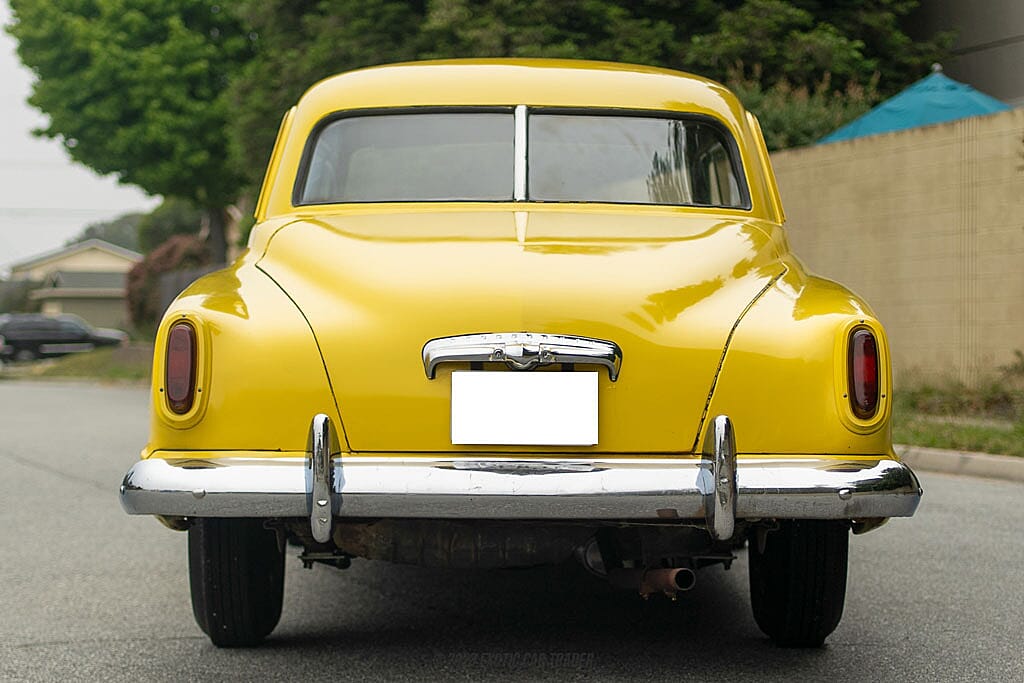
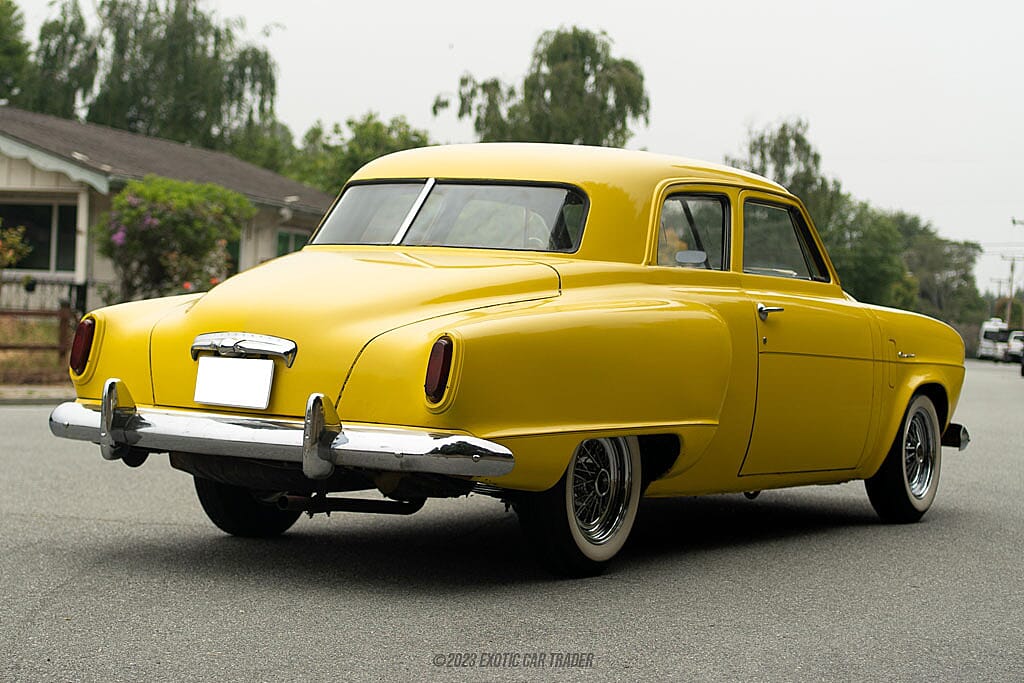
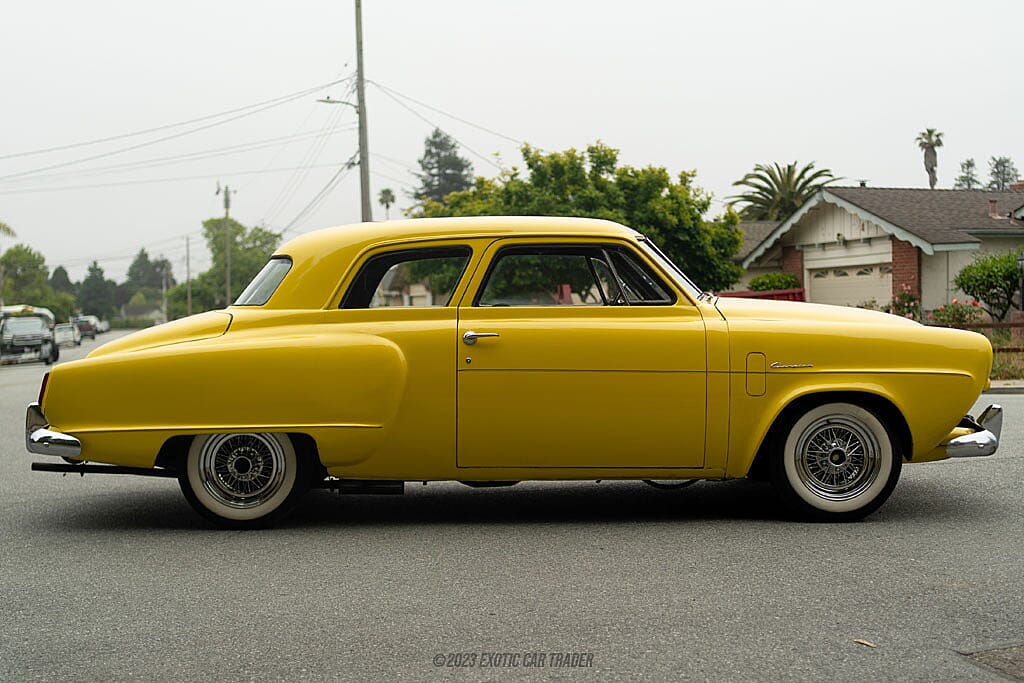
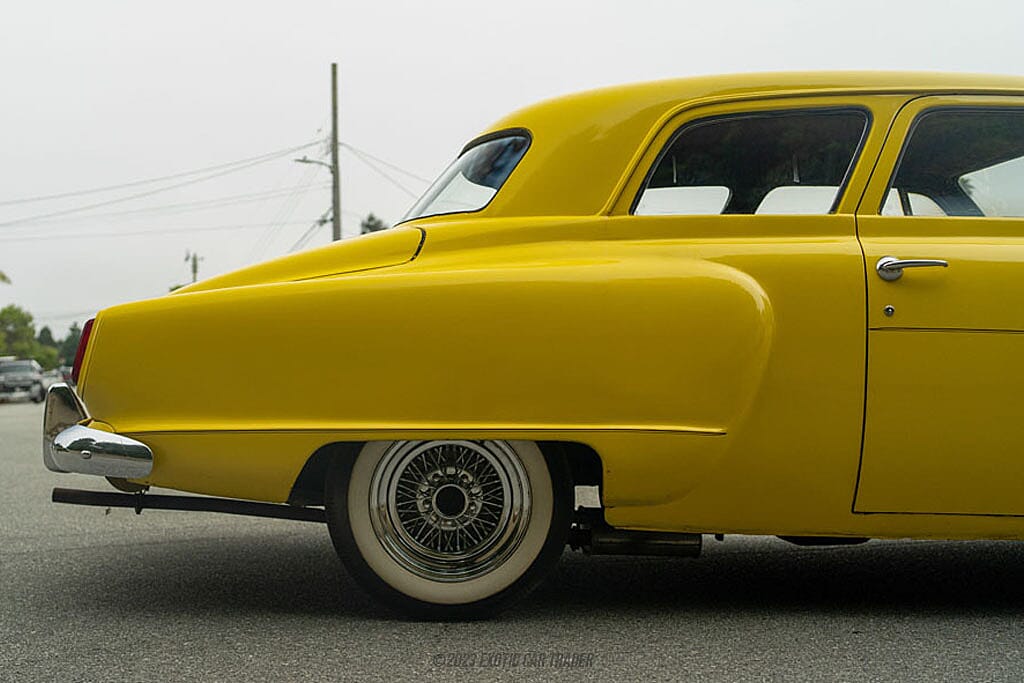

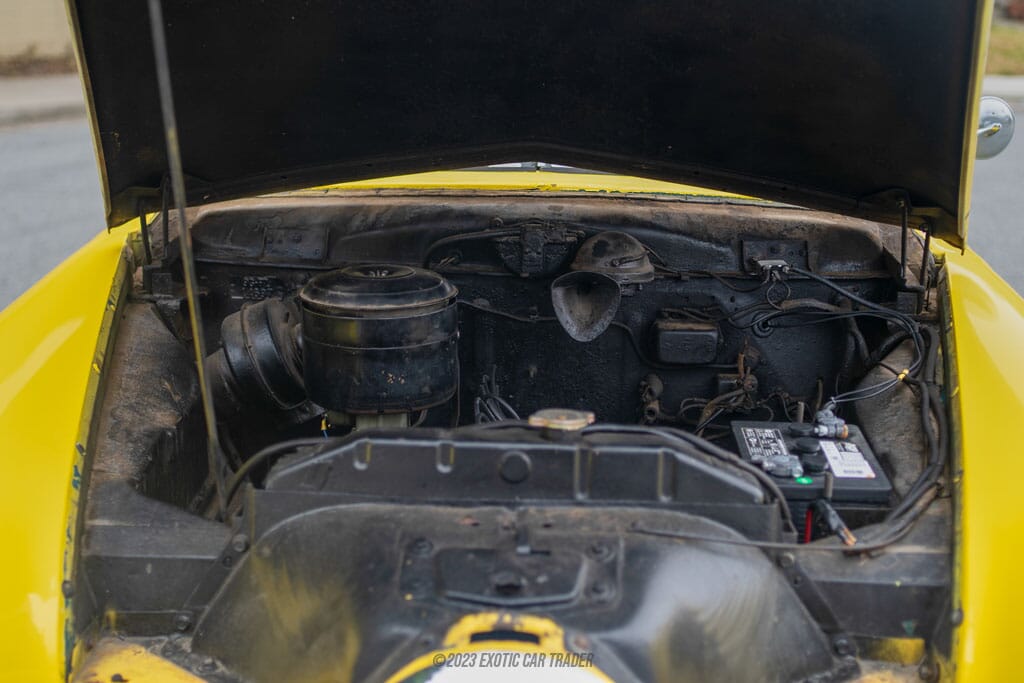
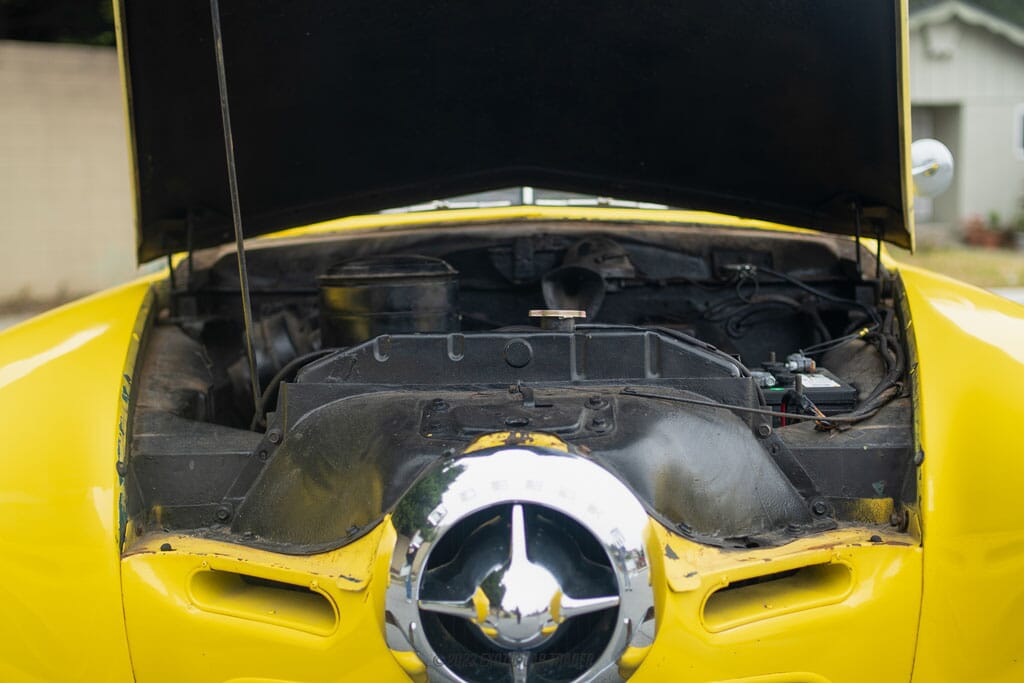
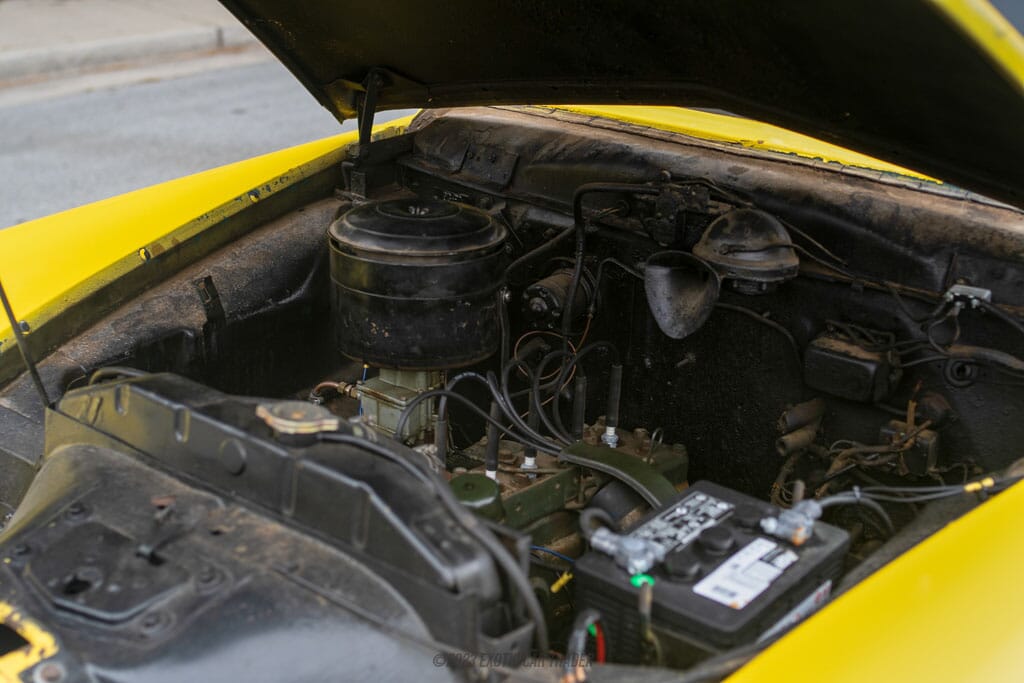
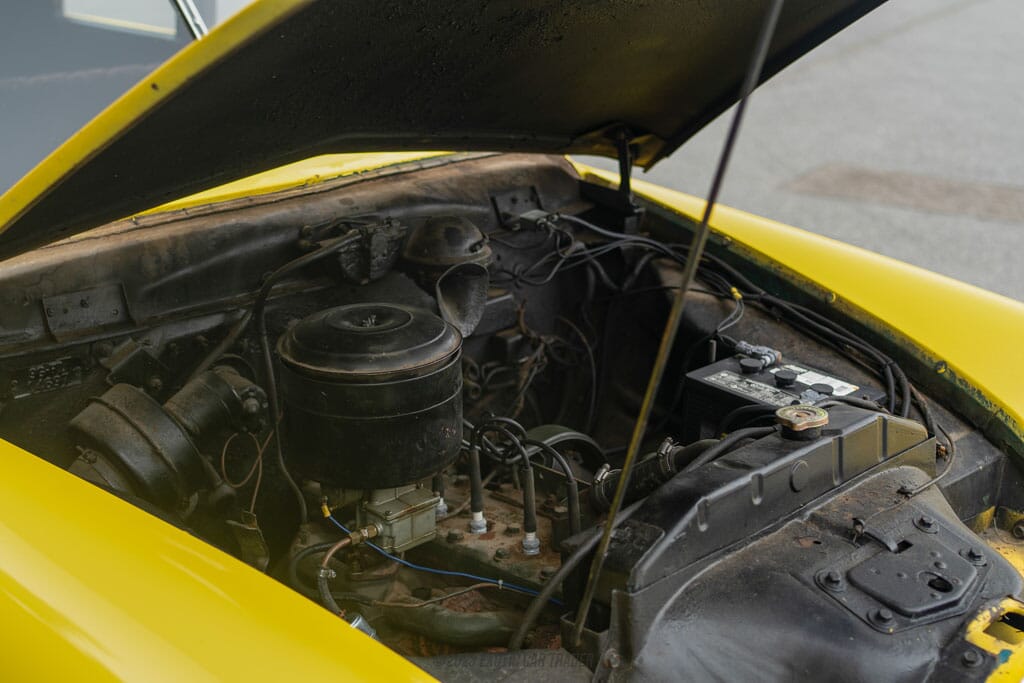
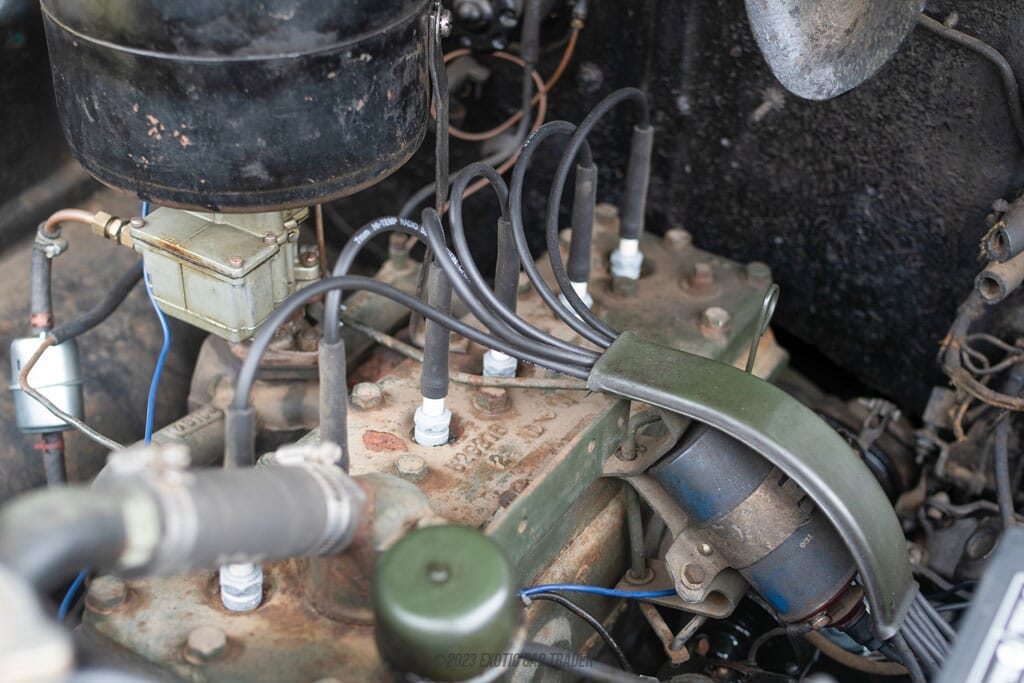
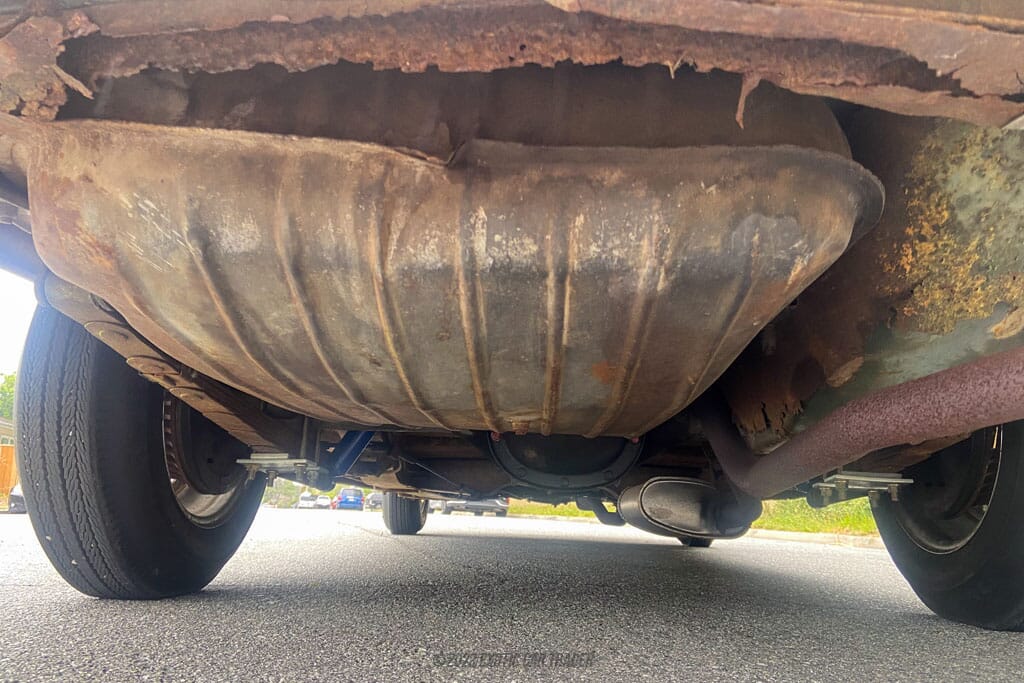
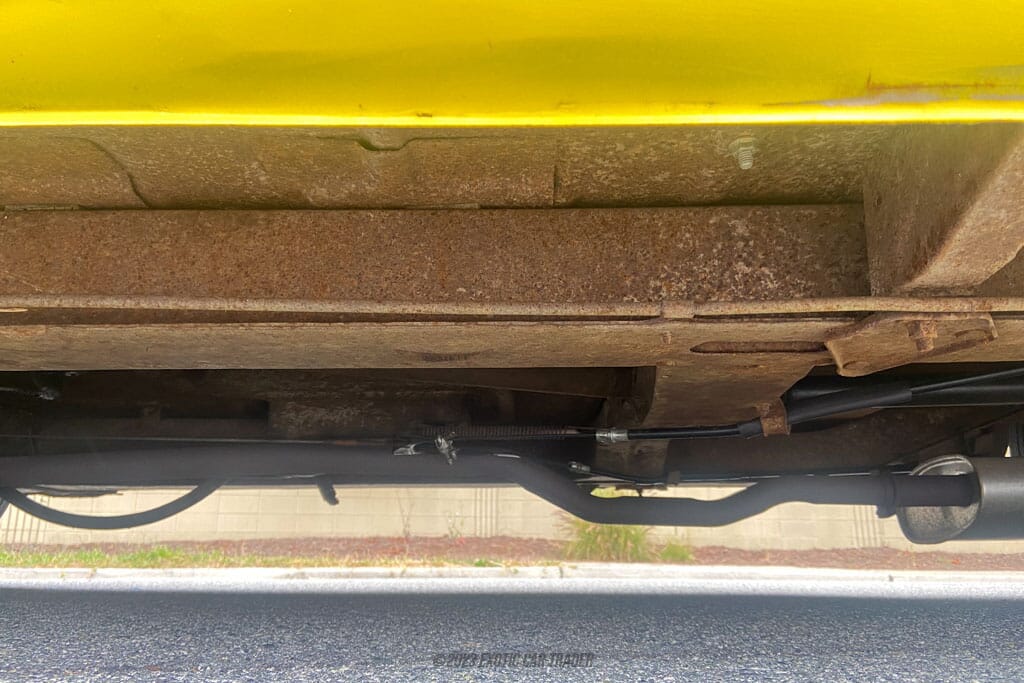


- Flathead I6 Engine
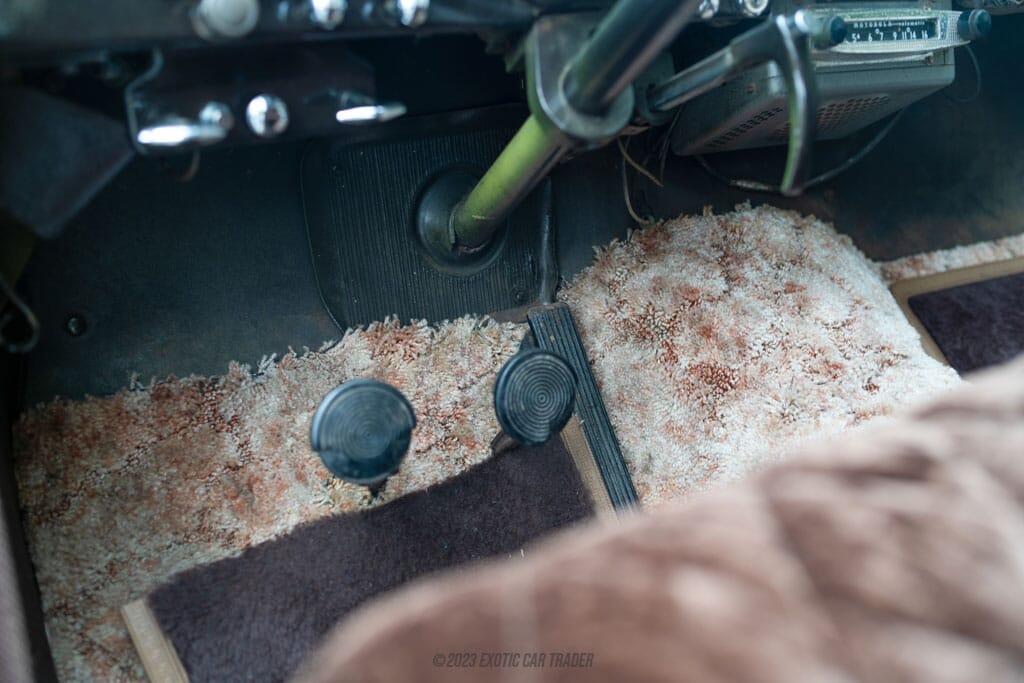
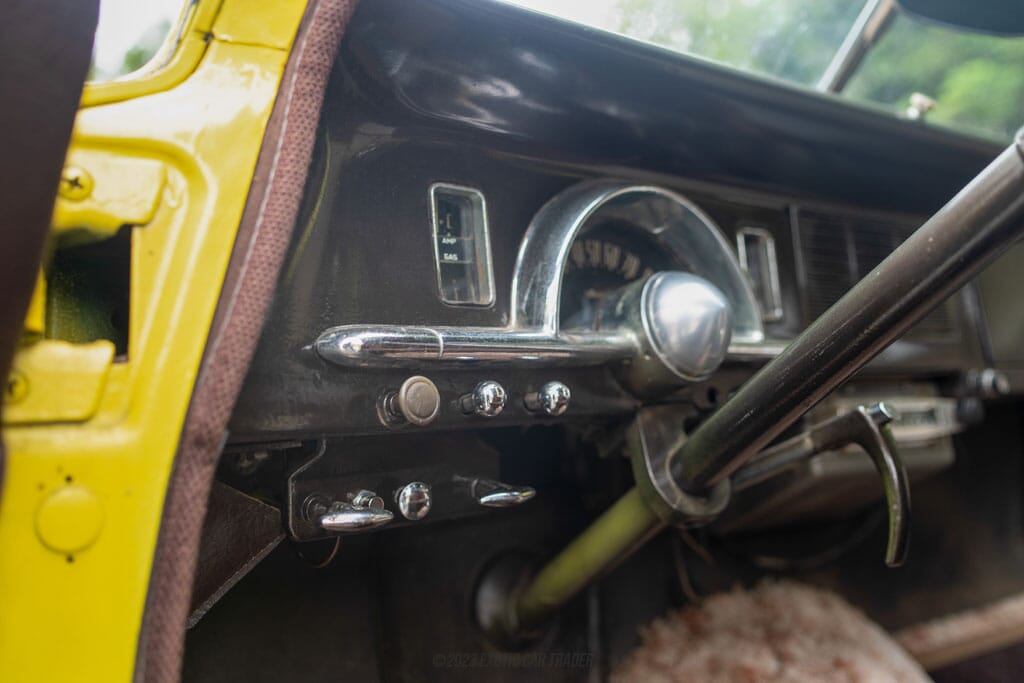
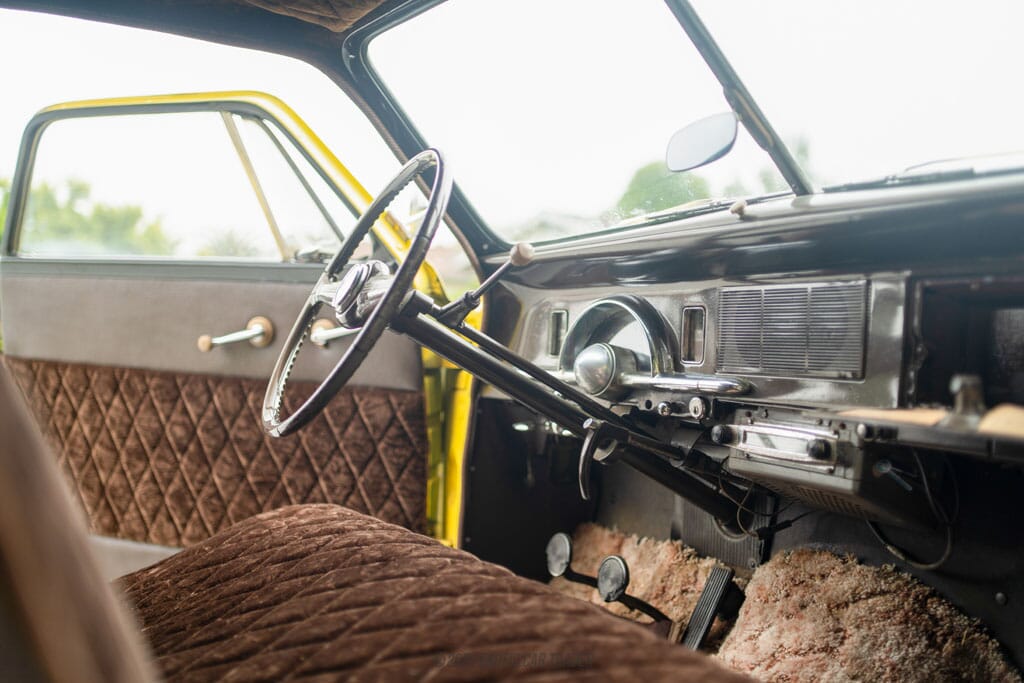
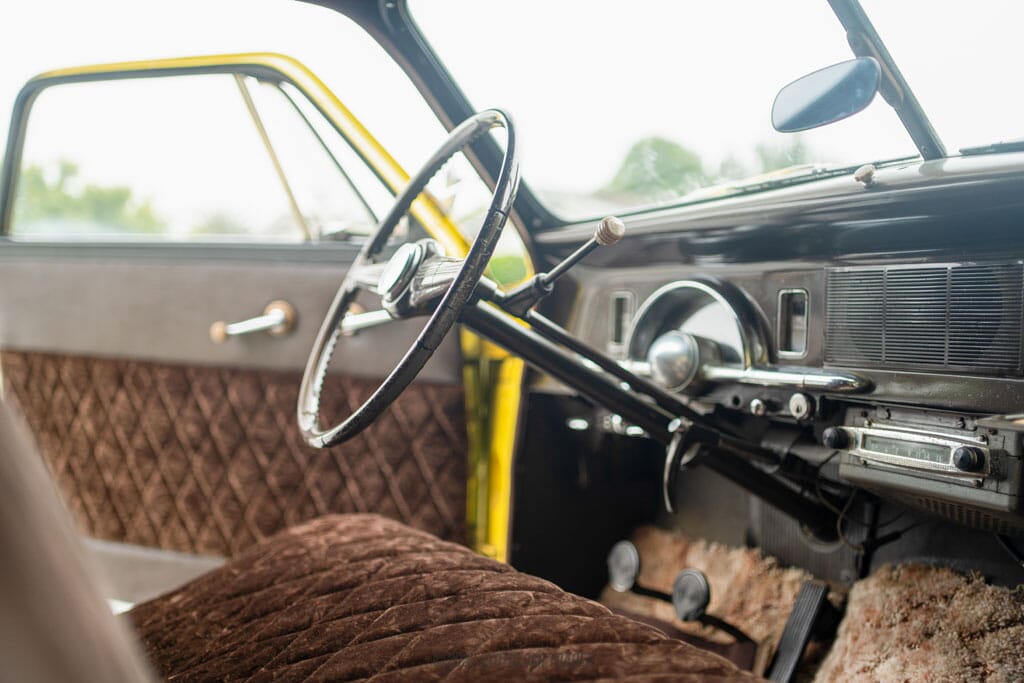
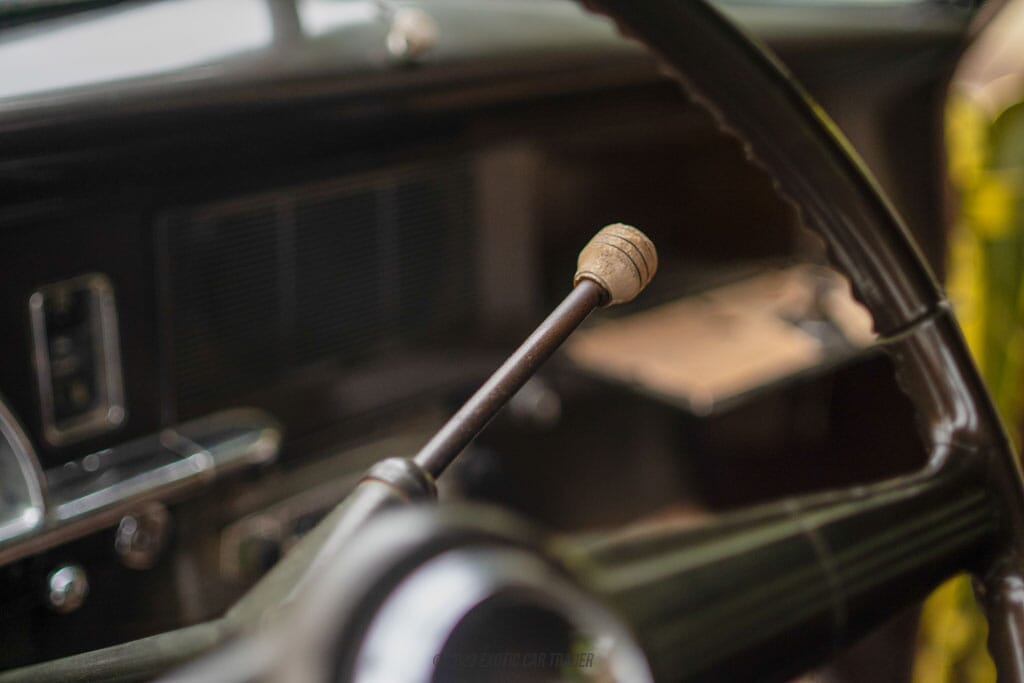
- 3 Speed Manual On The Column Transmission
- RWD
- Upgraded 5 Lug Conversion
- Upgraded Power Front Disc Brakes
- Upgraded Power Rear Drum Brakes
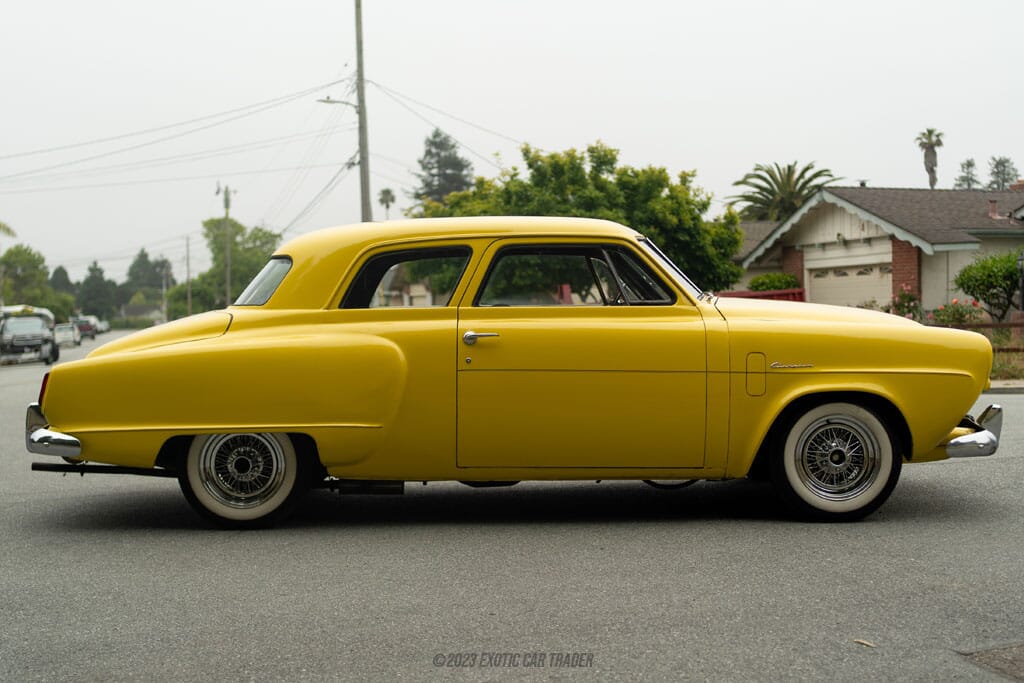
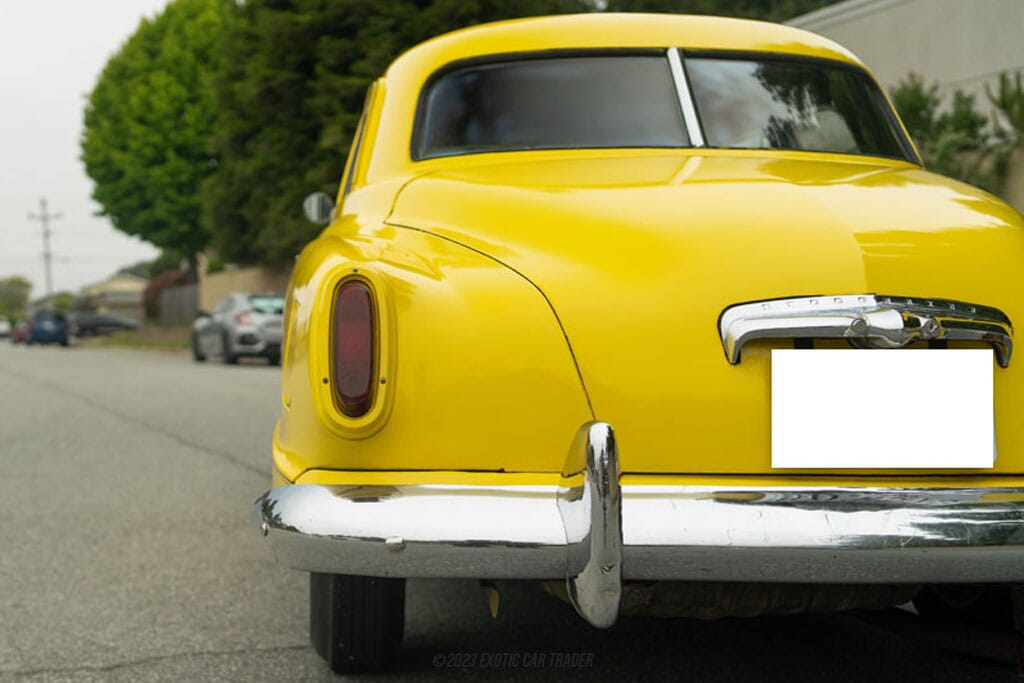
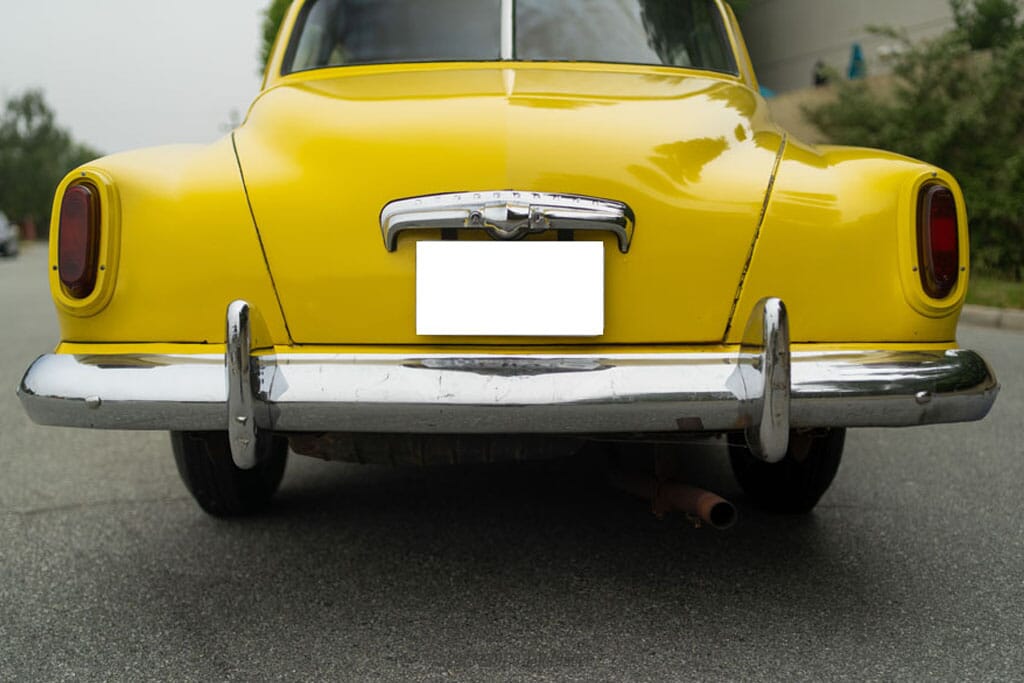
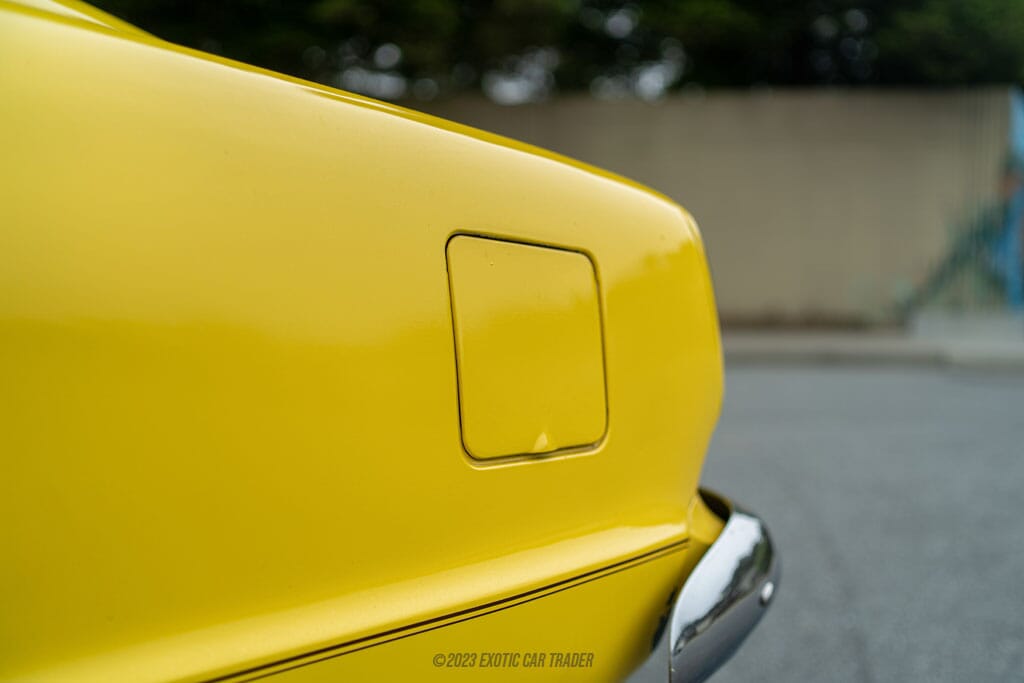
- Custom Yellow Exterior Paint
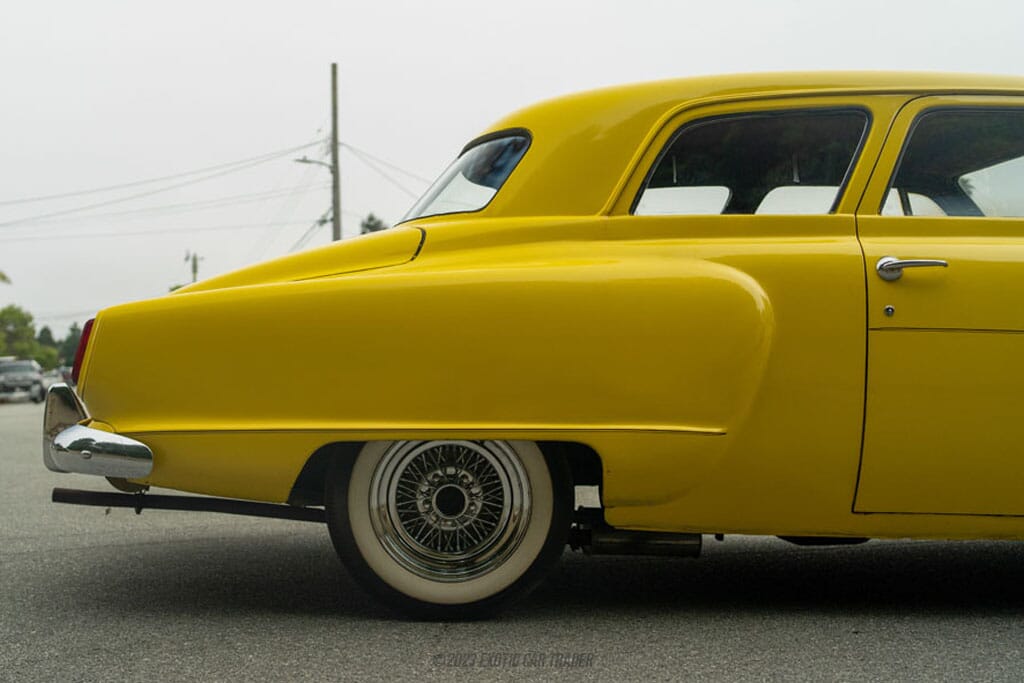
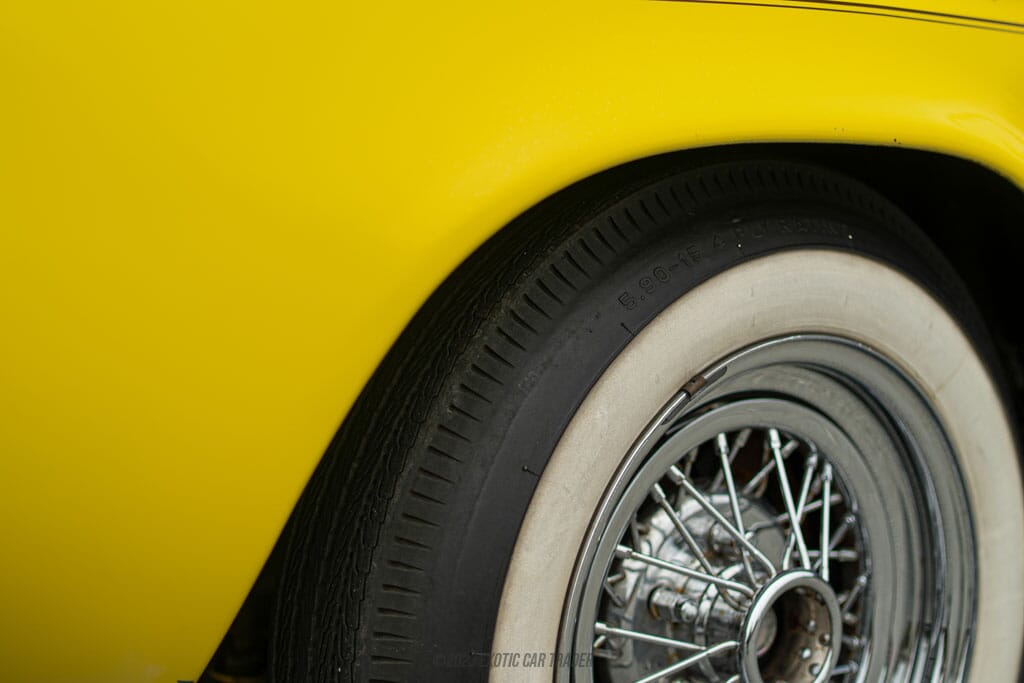
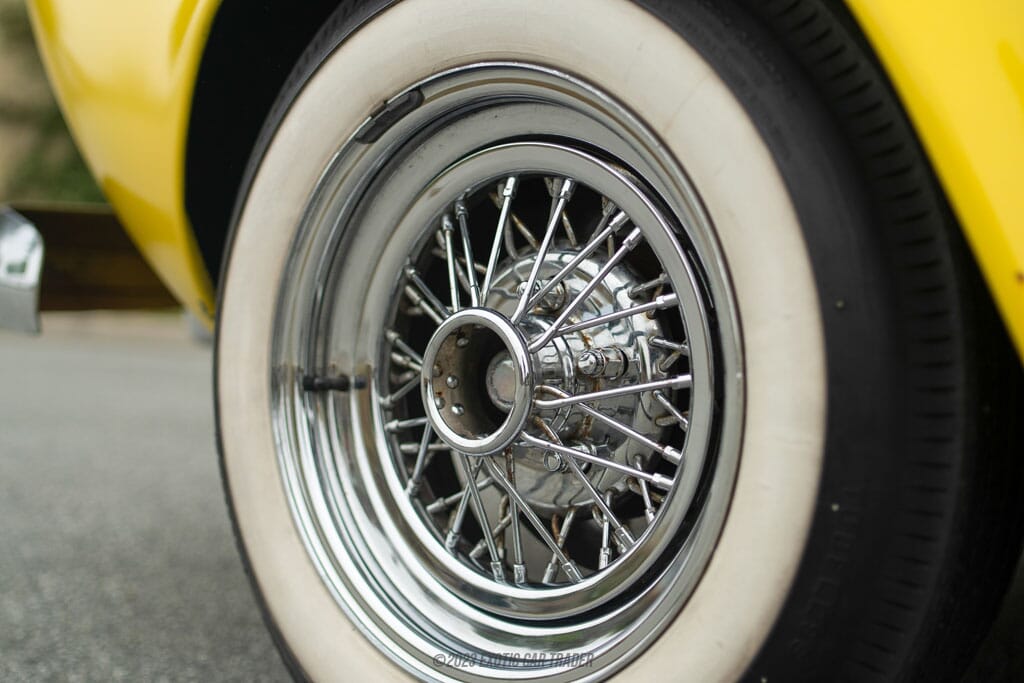
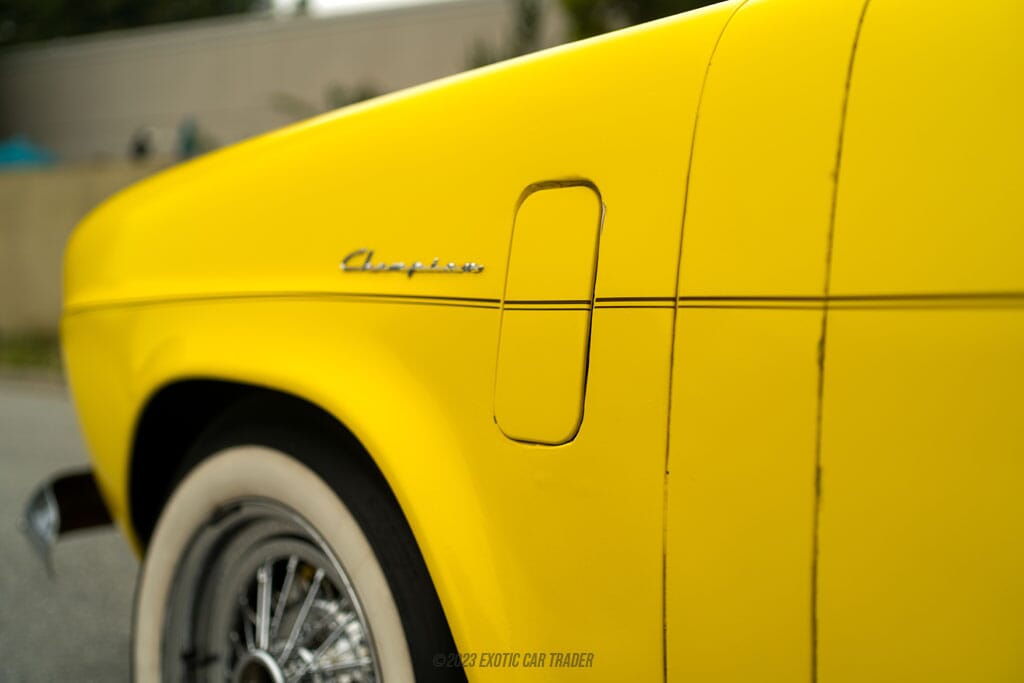
- 15" Custom Wire Spoke Wheels
- Whitewall Tires
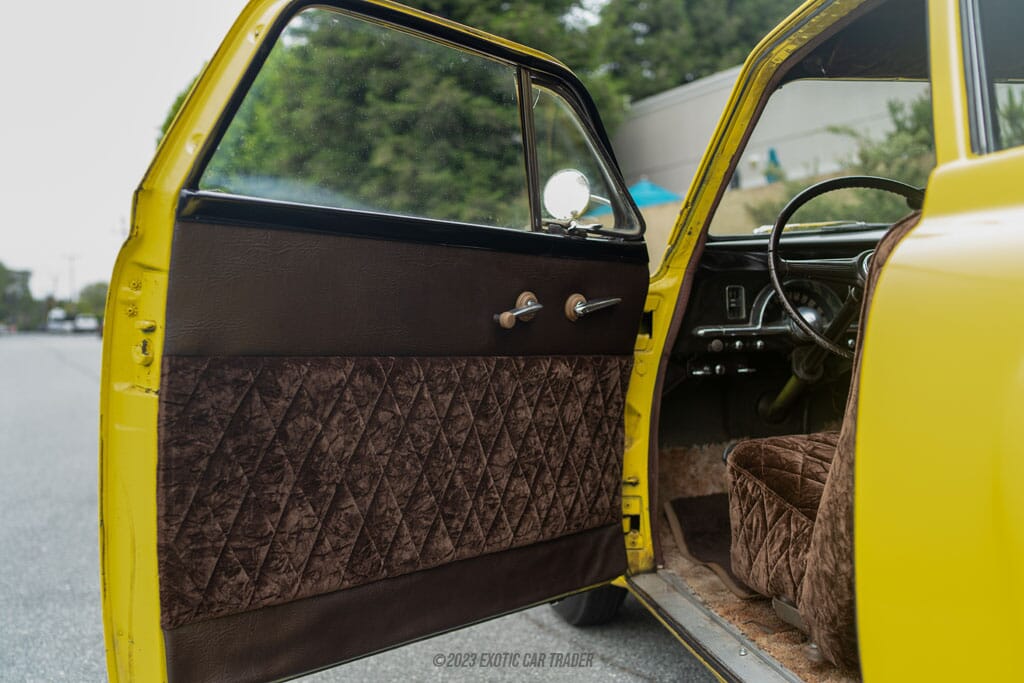
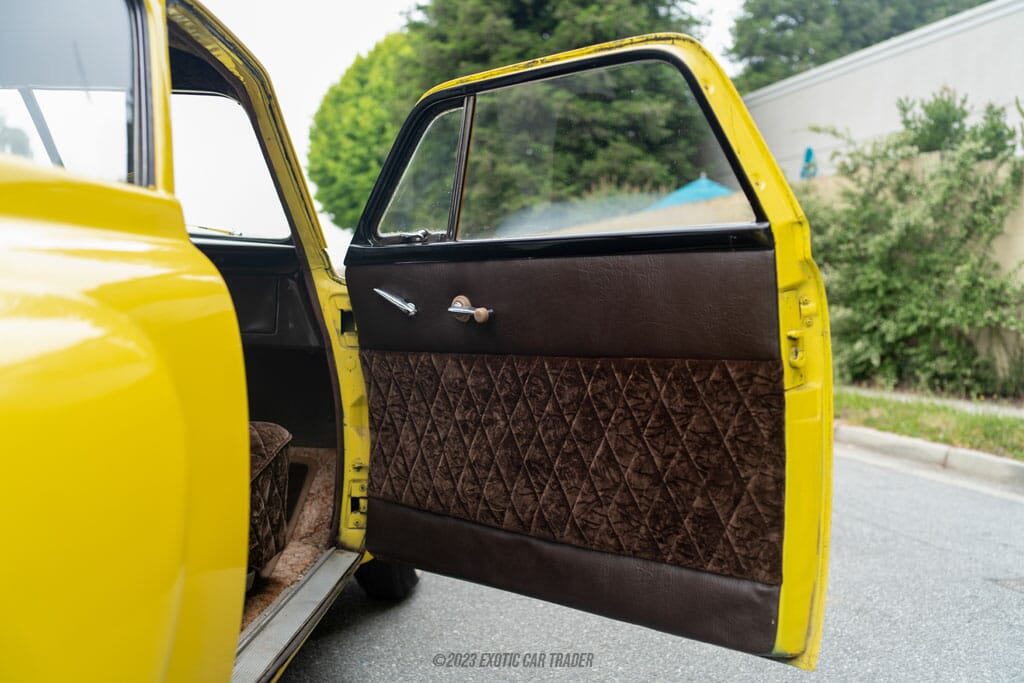
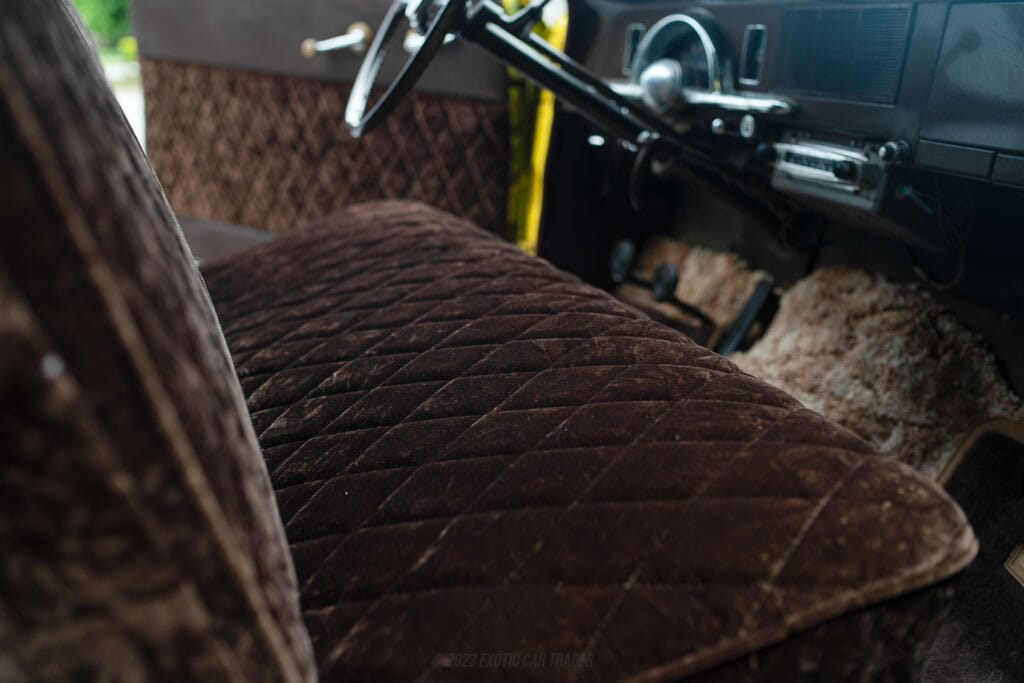
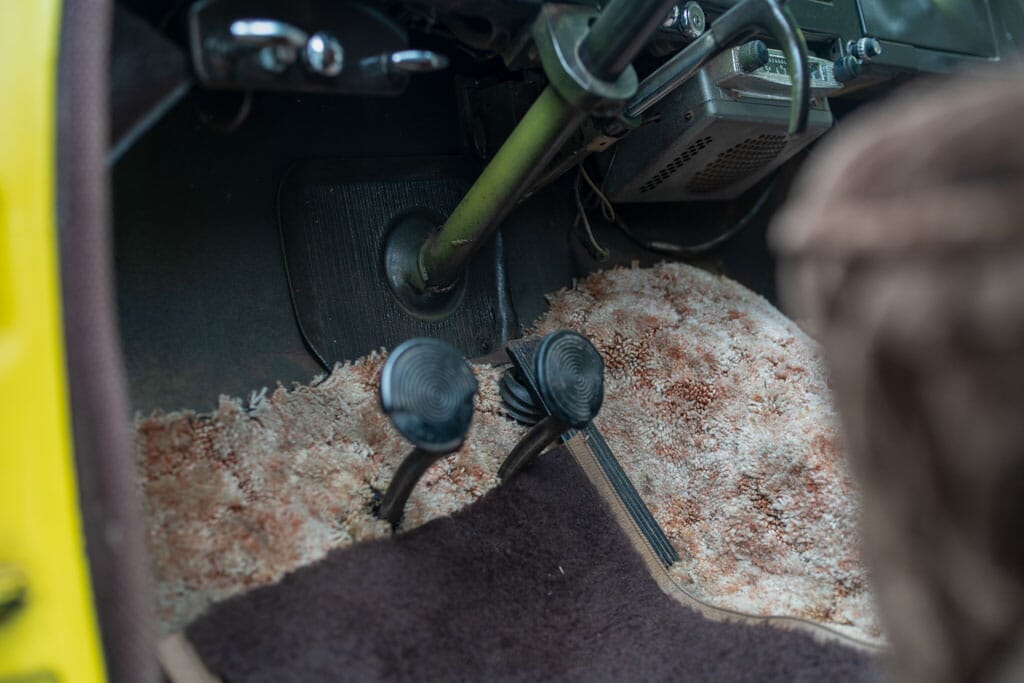
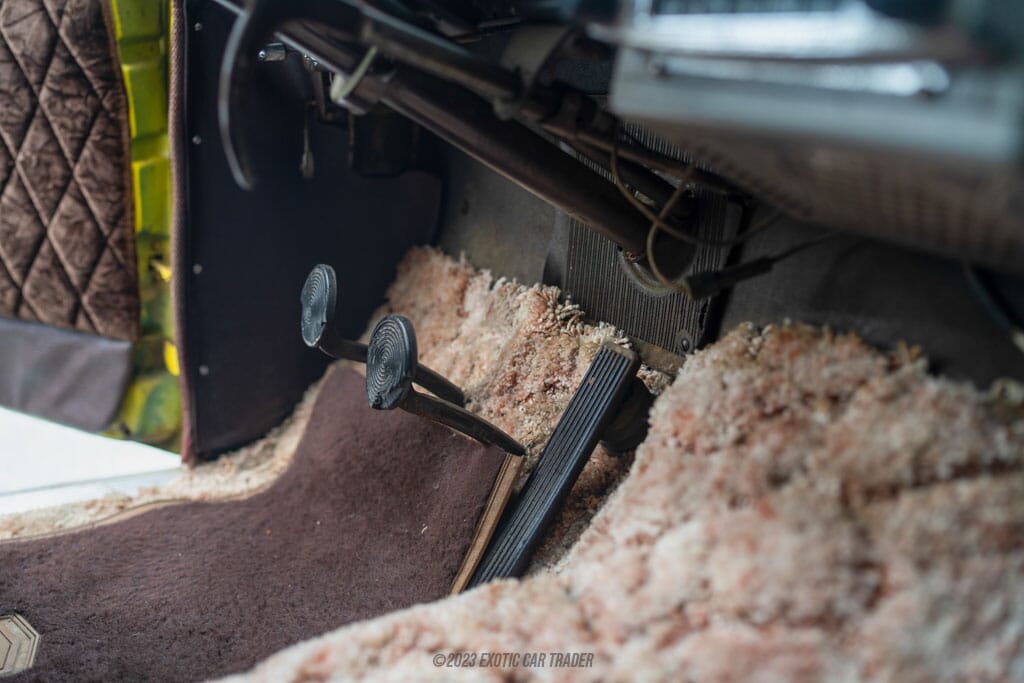
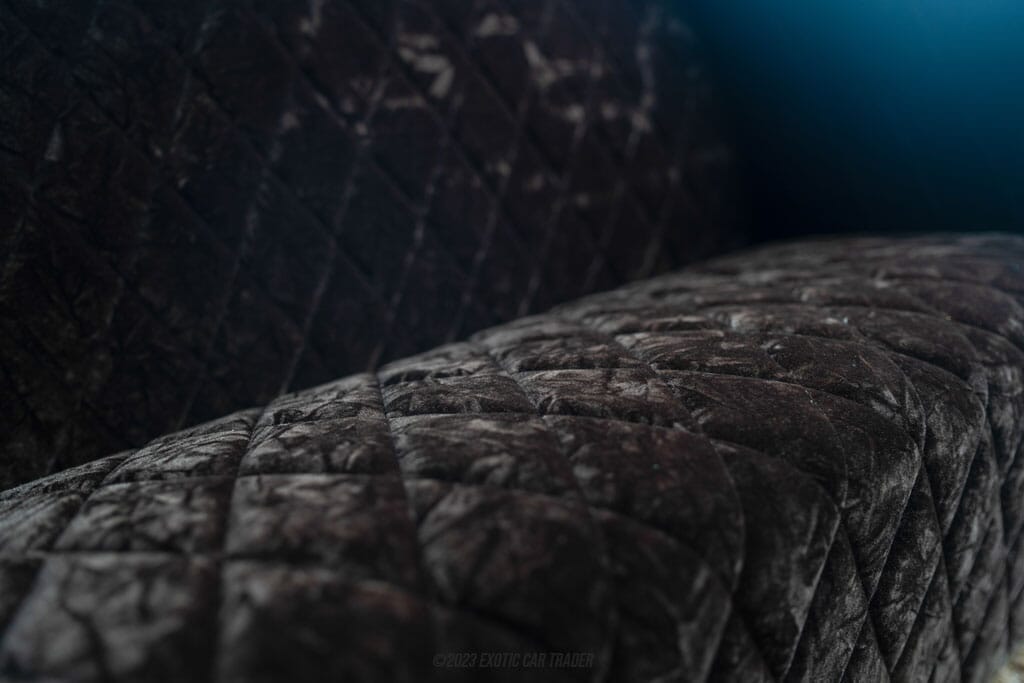
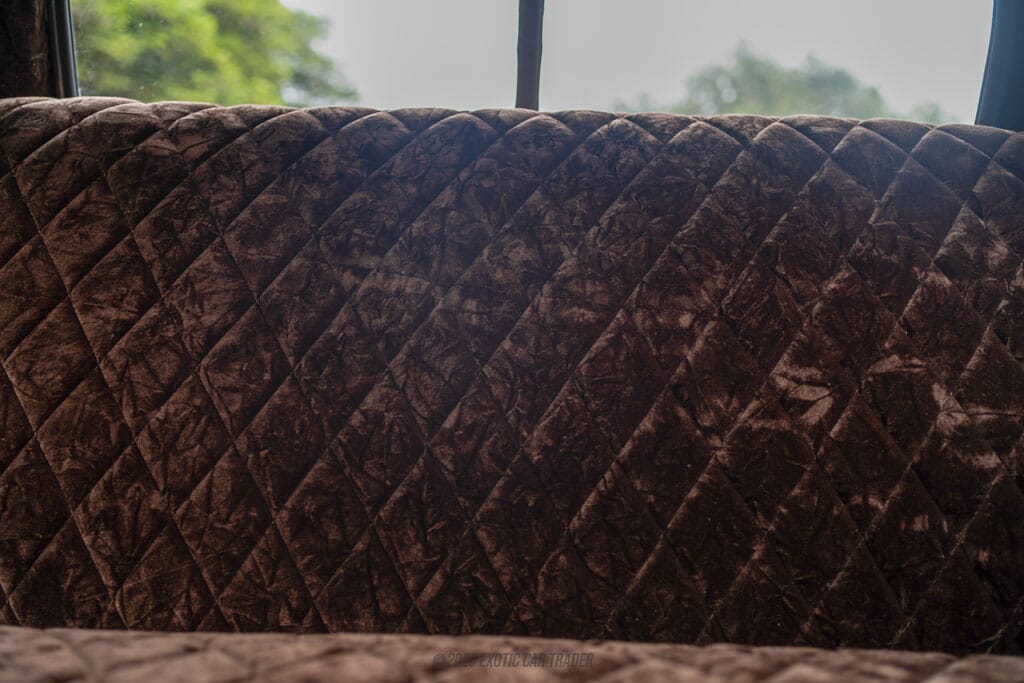
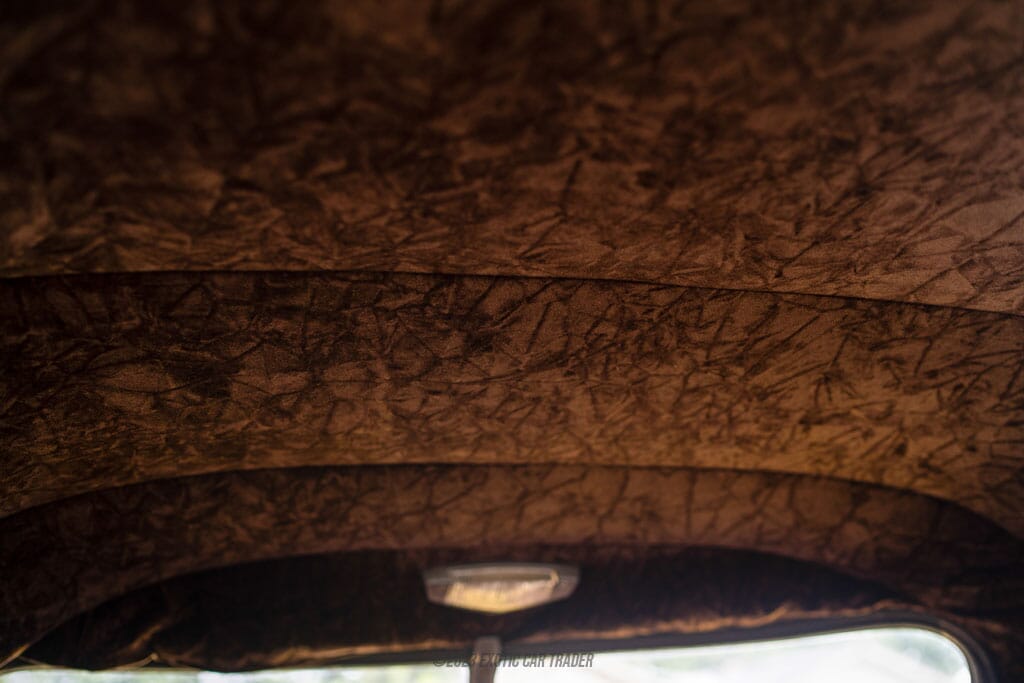
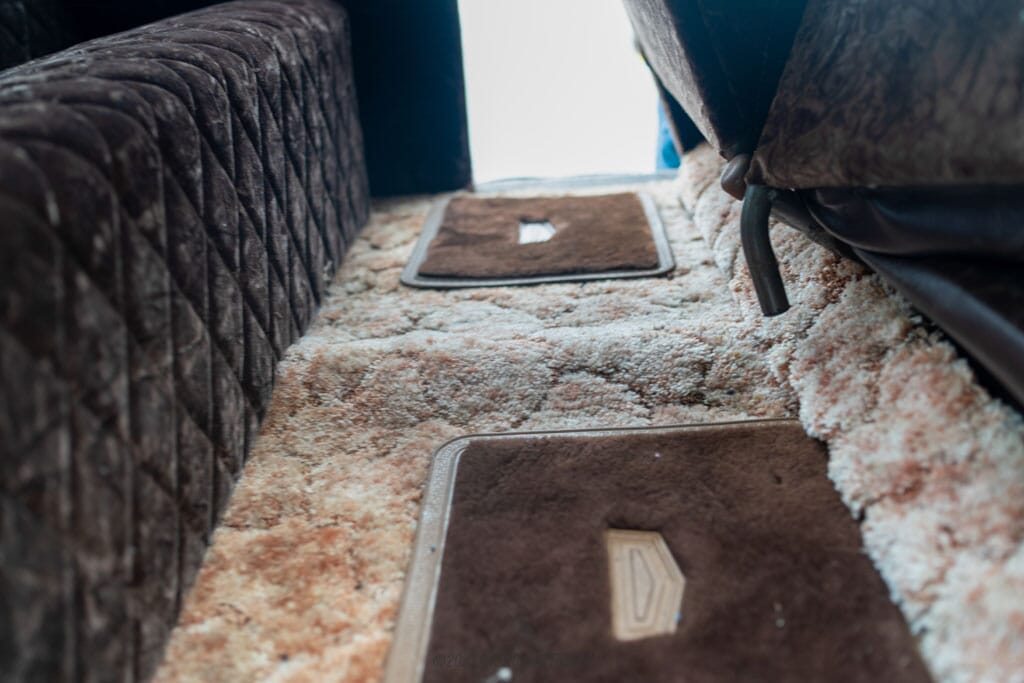
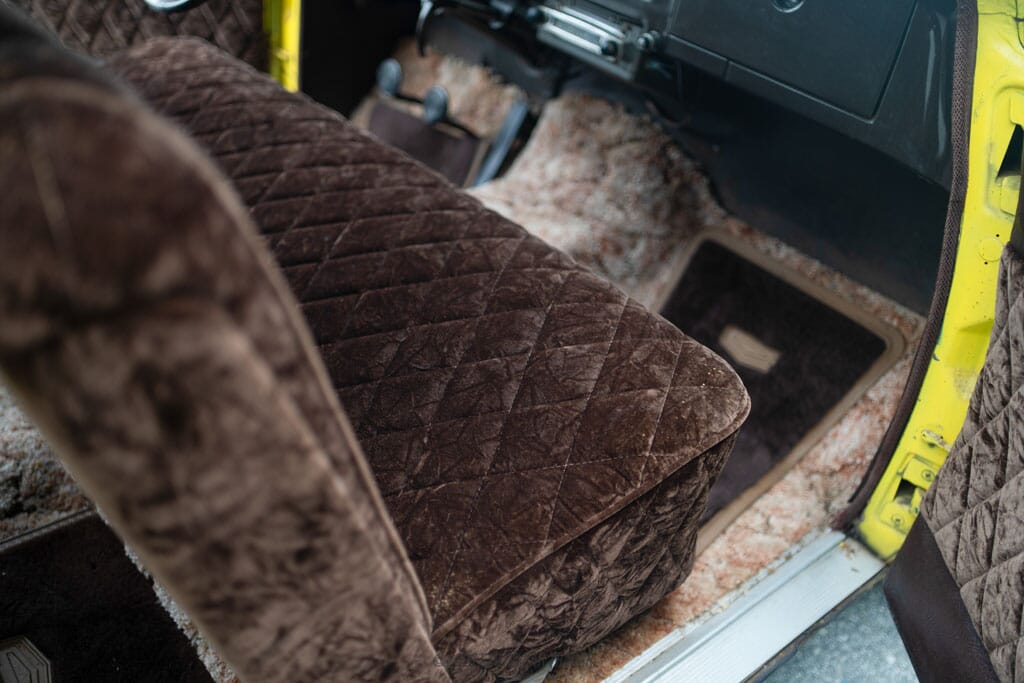
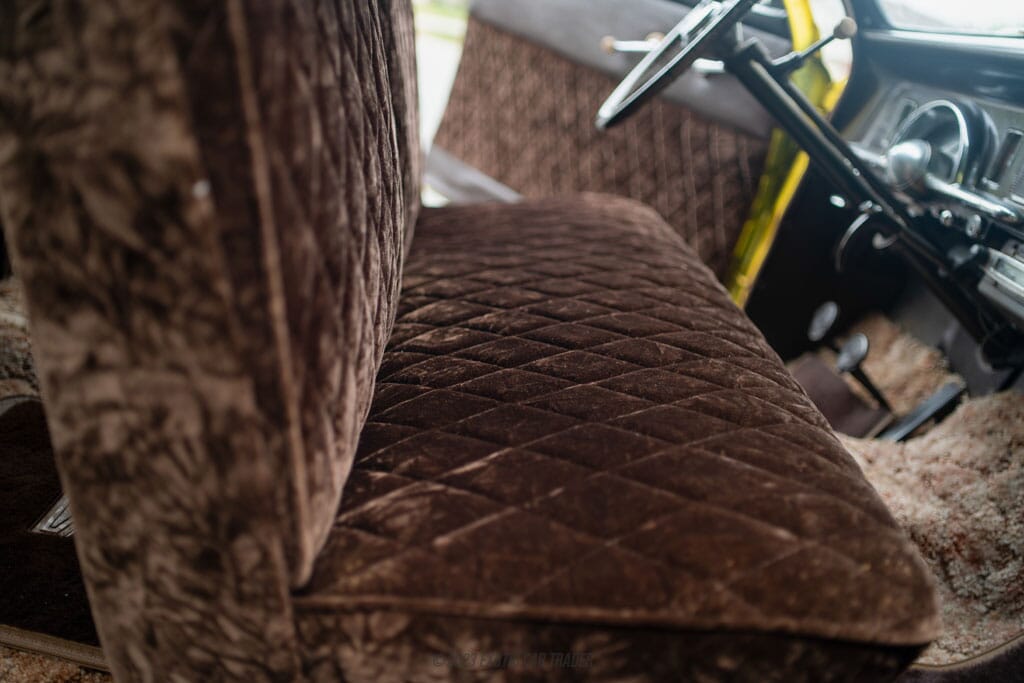
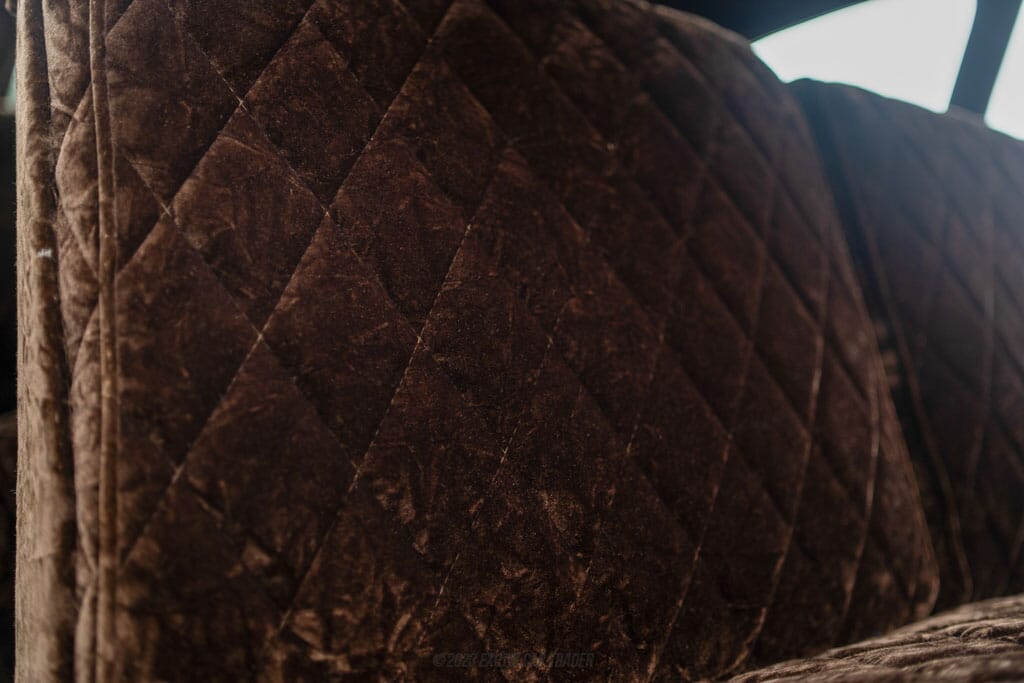
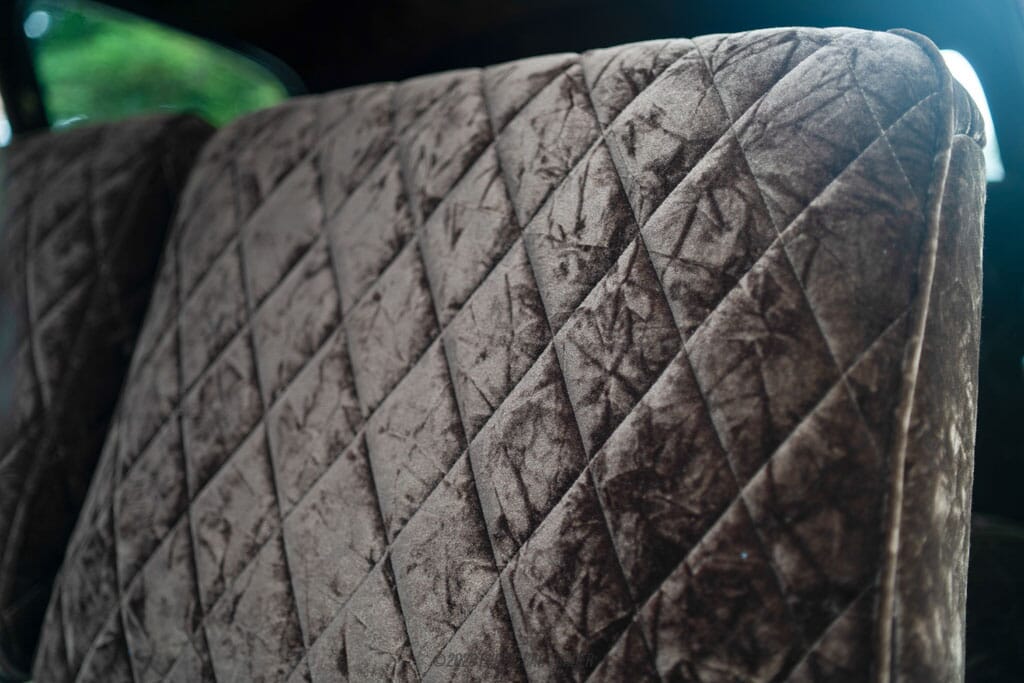
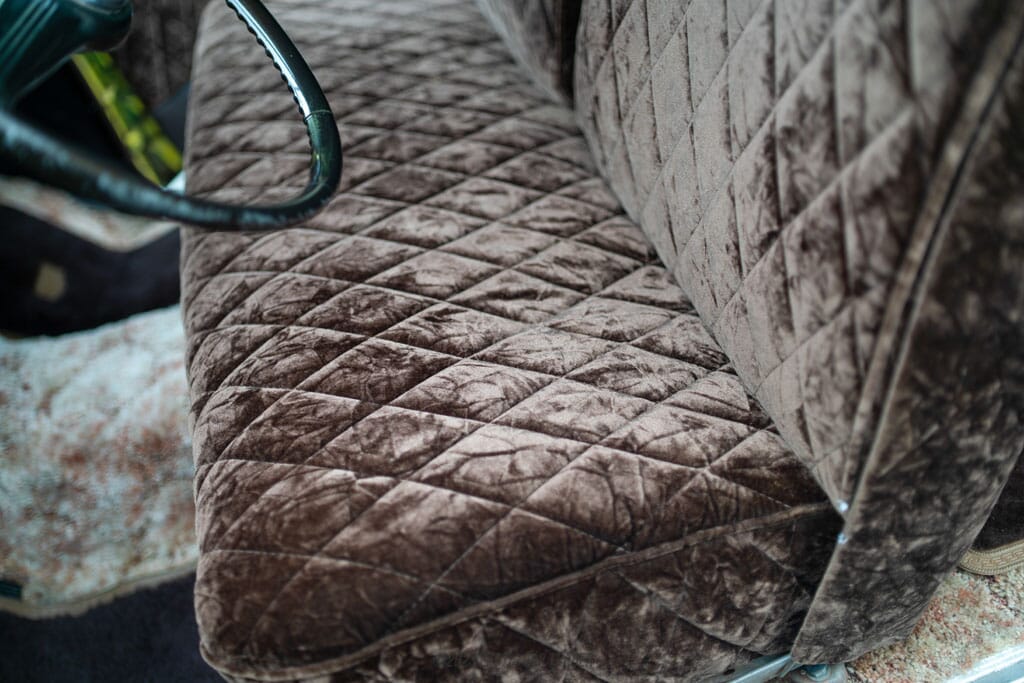
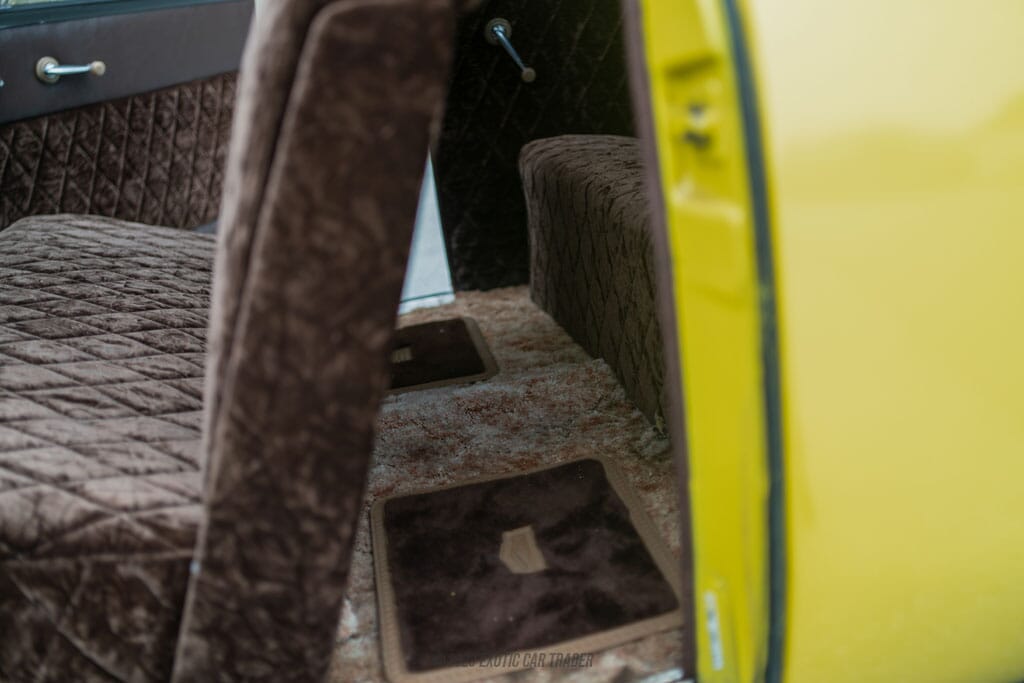
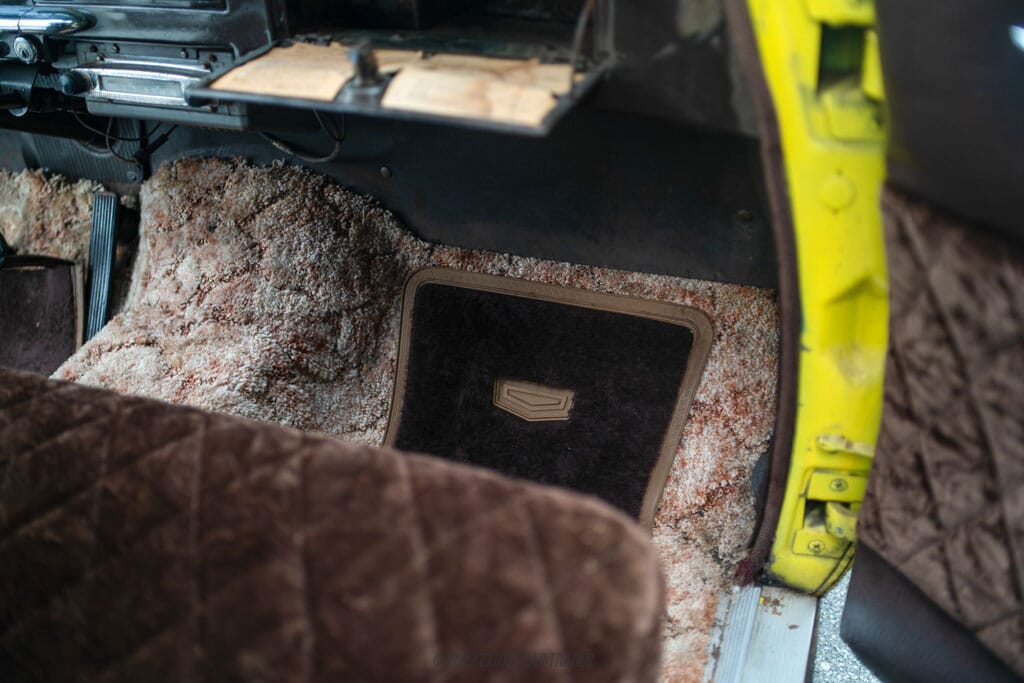
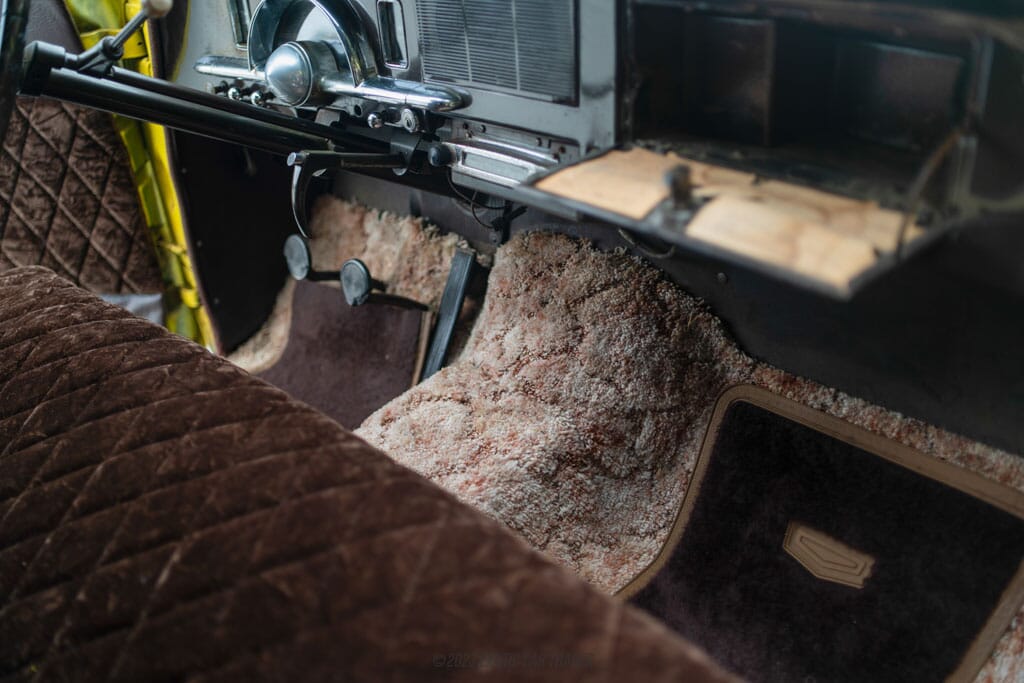
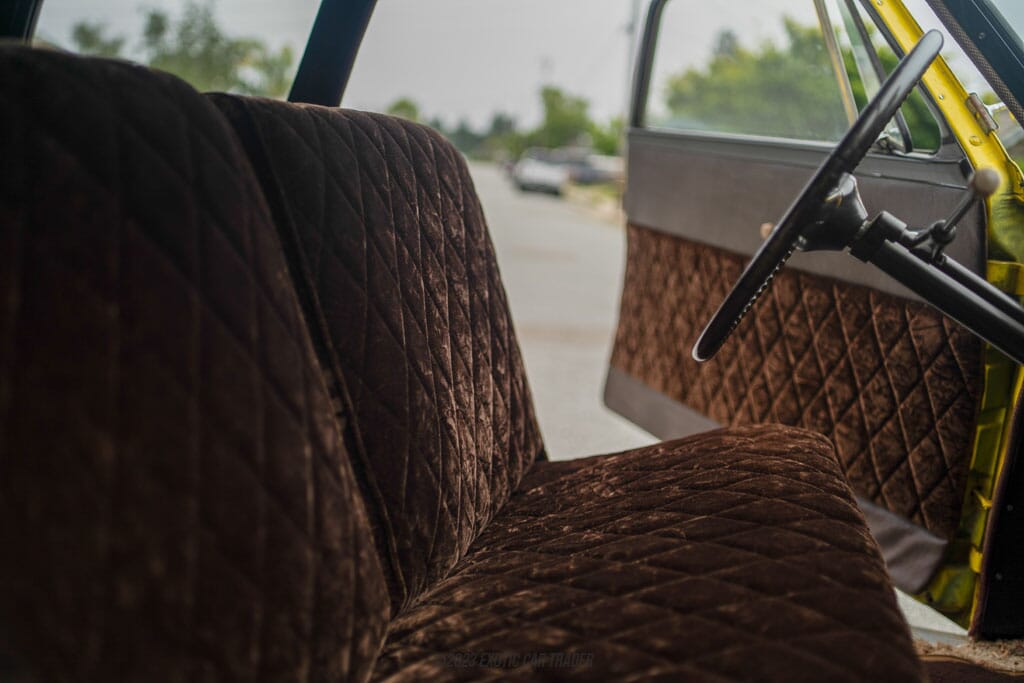
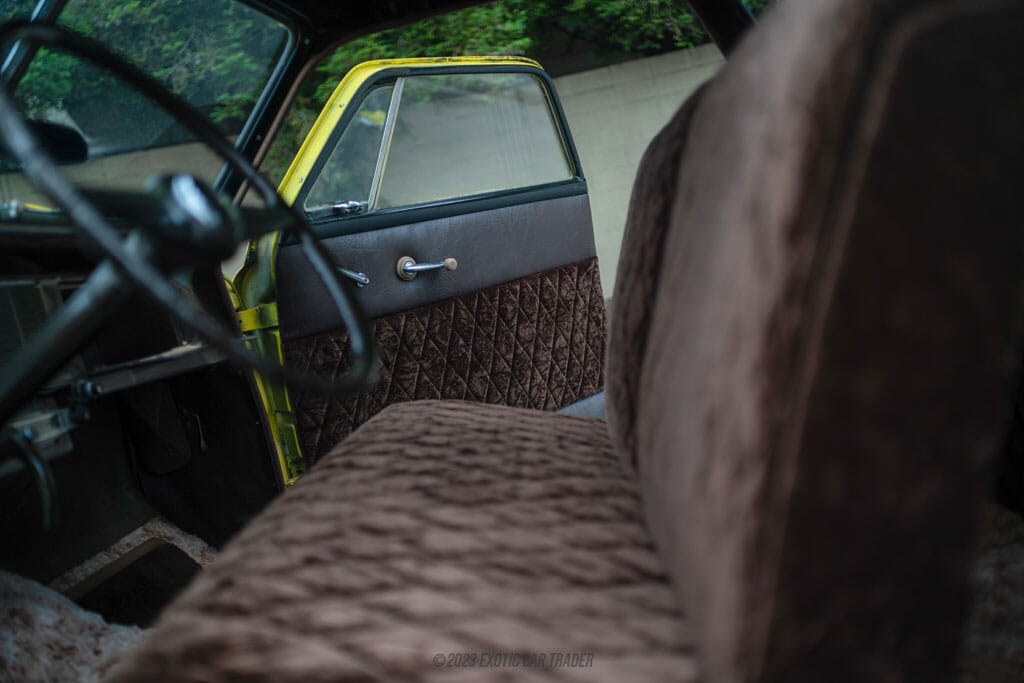
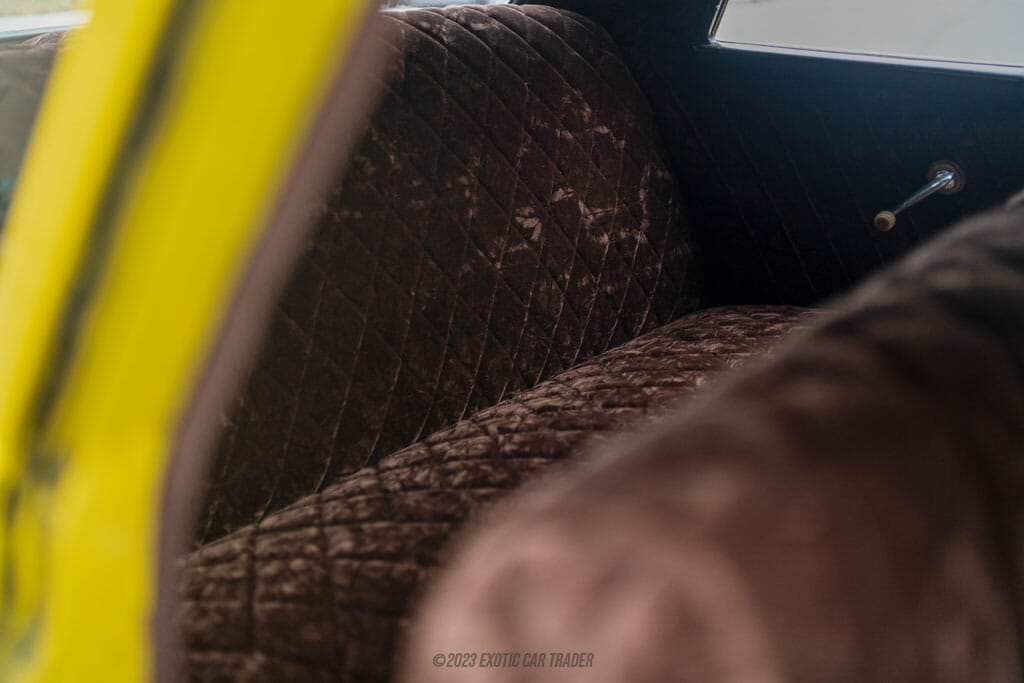
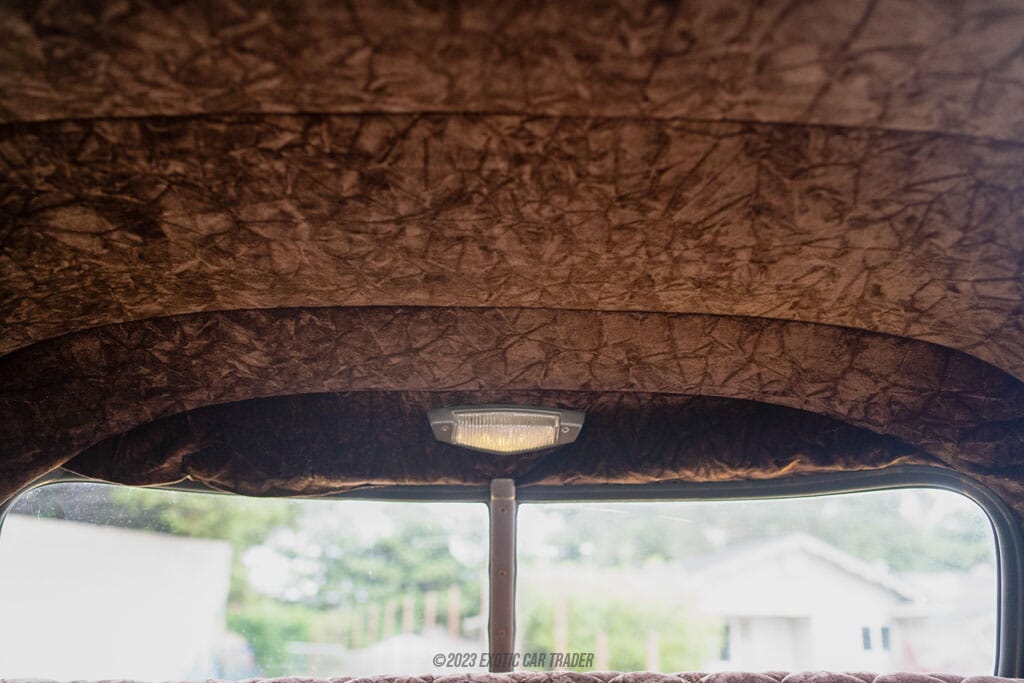
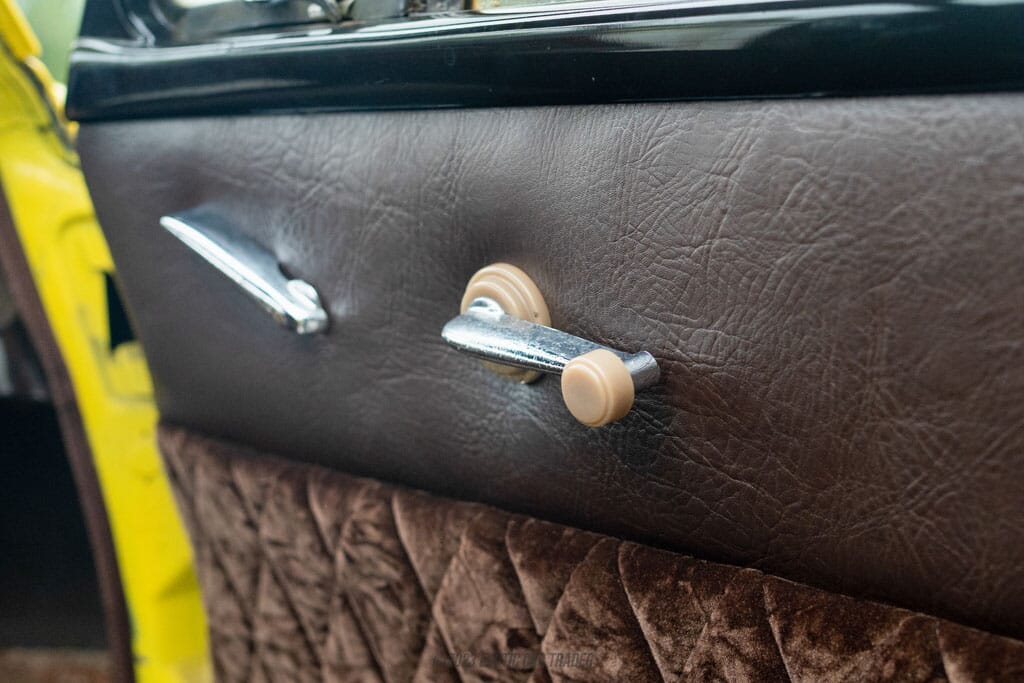
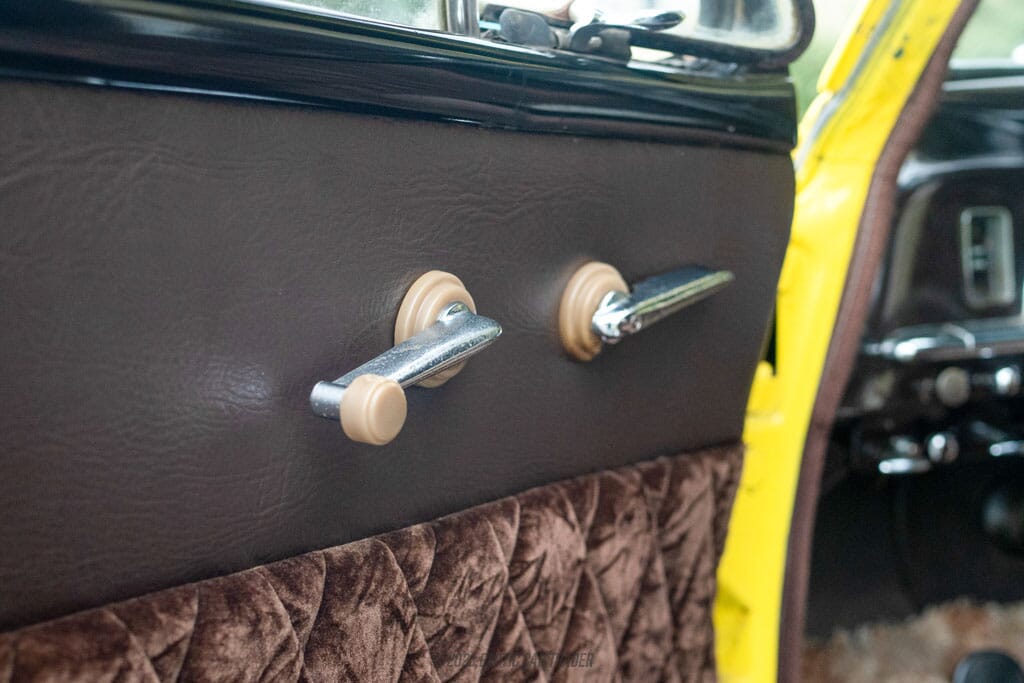
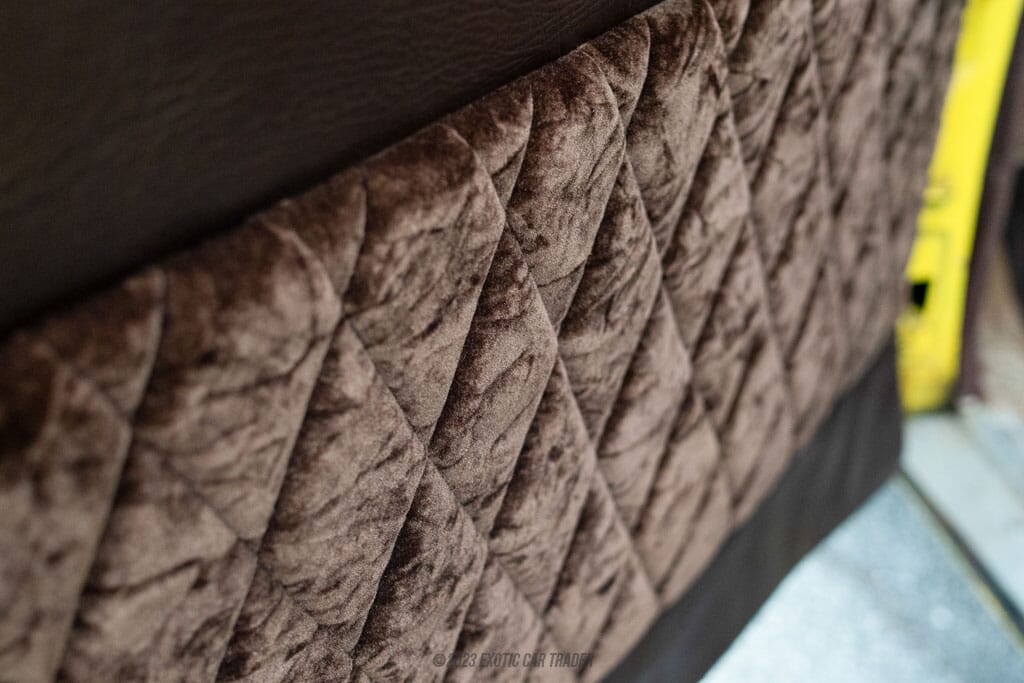
- Custom Brown Velour Interior


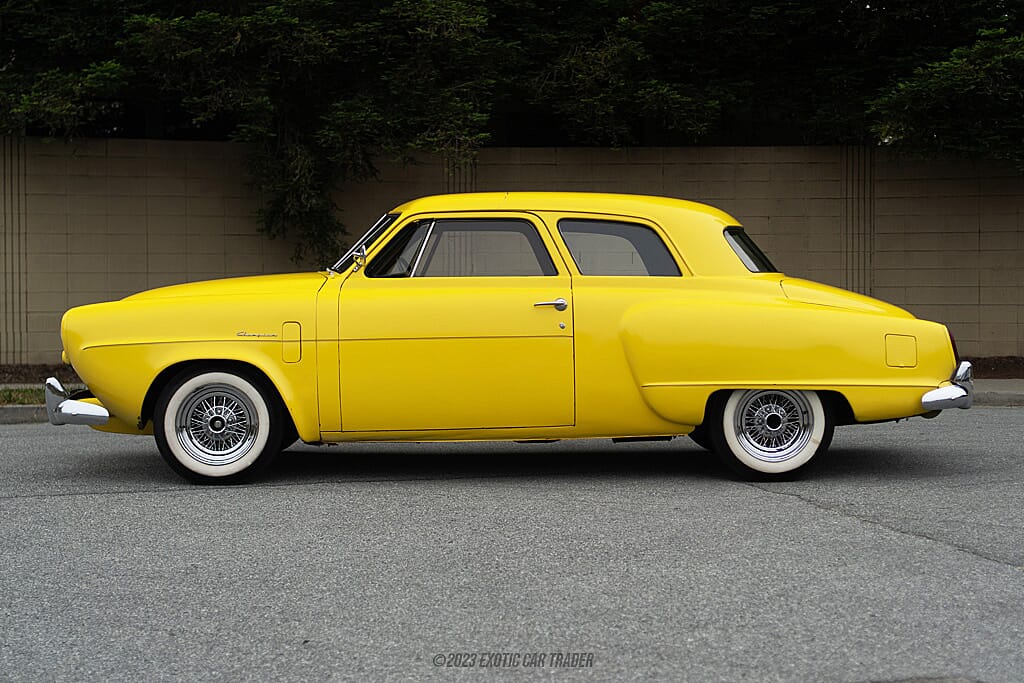
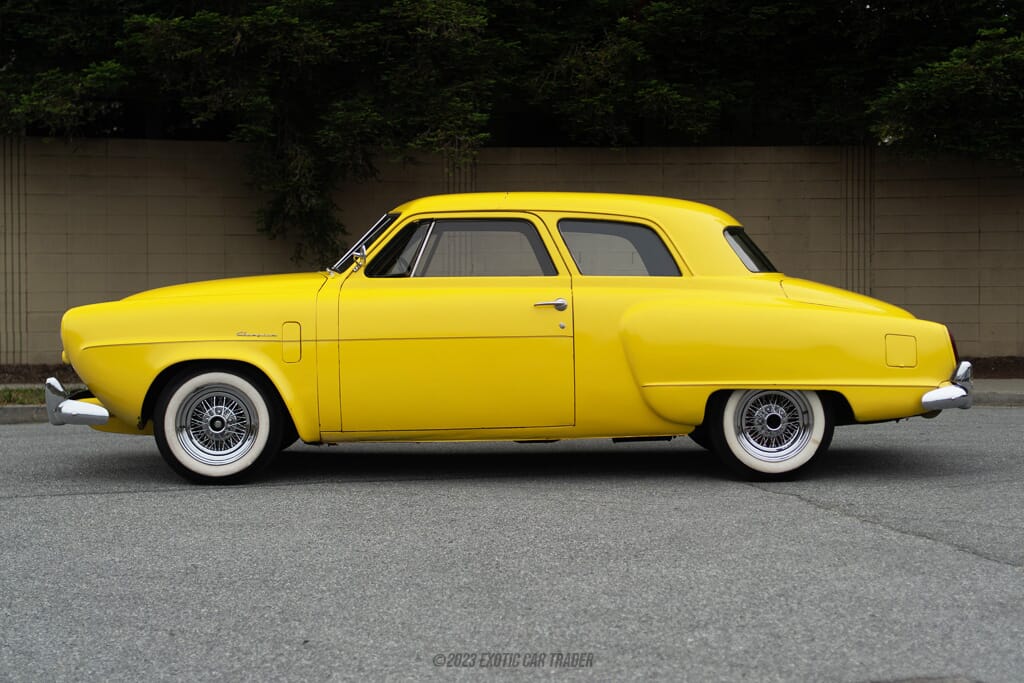
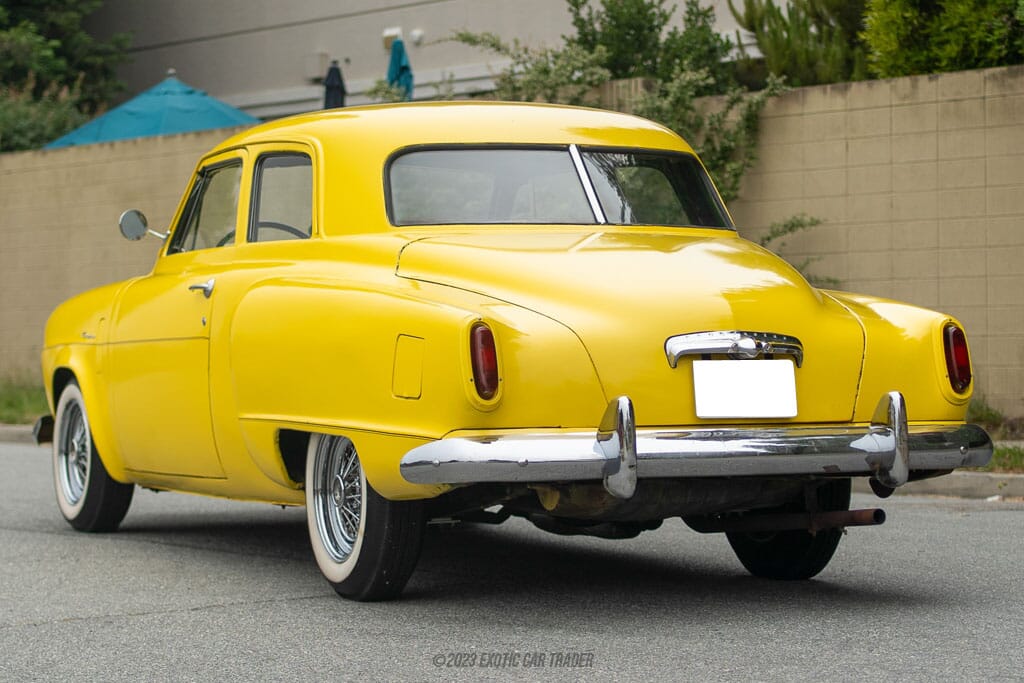
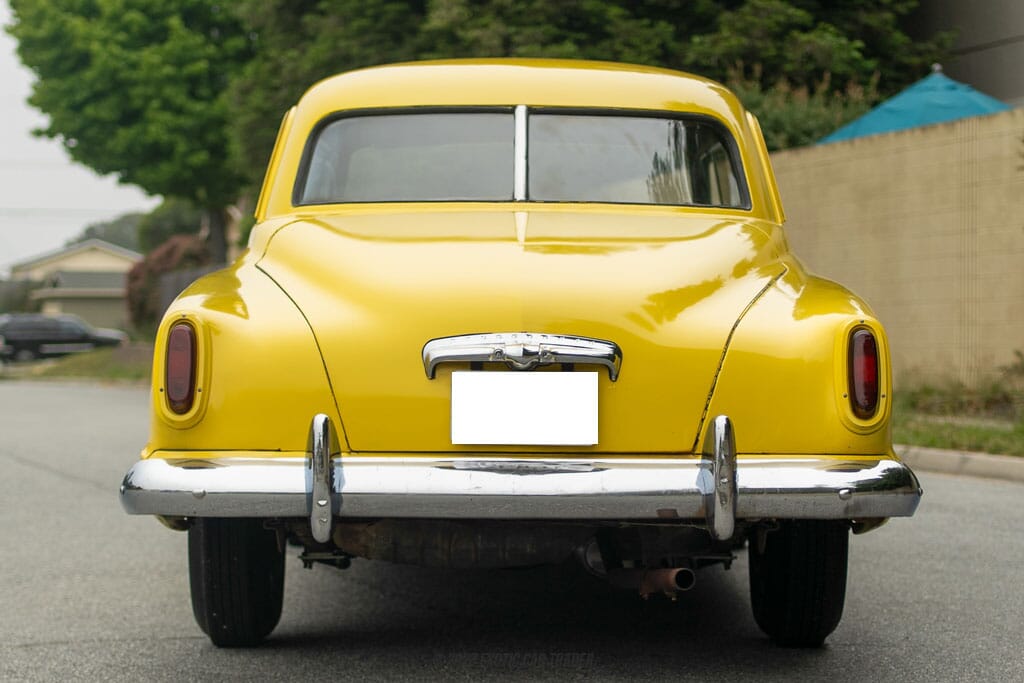
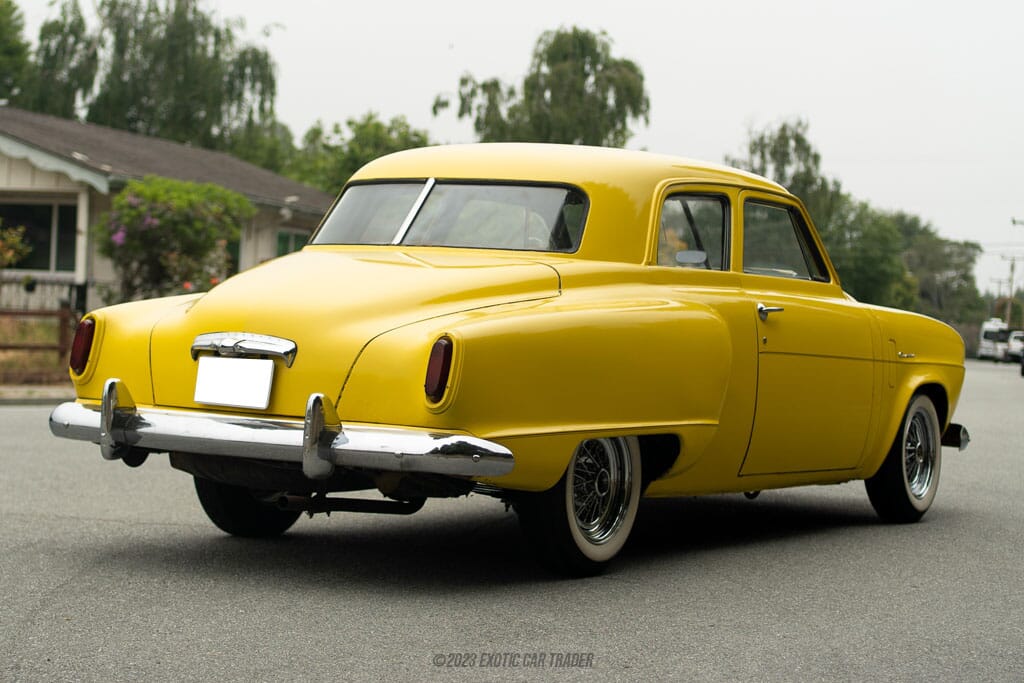
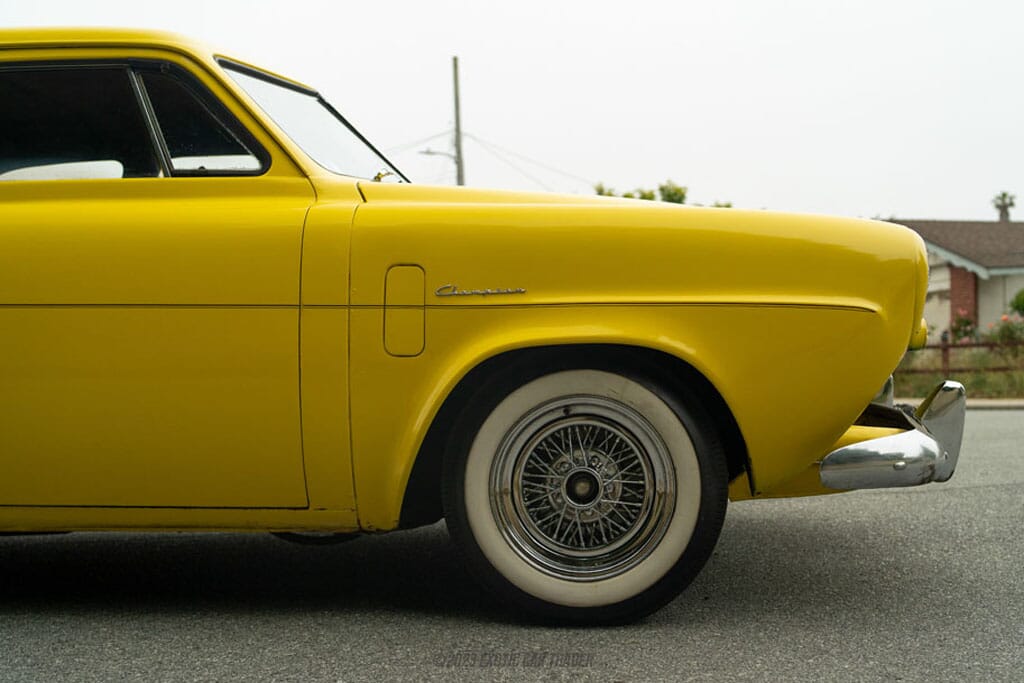
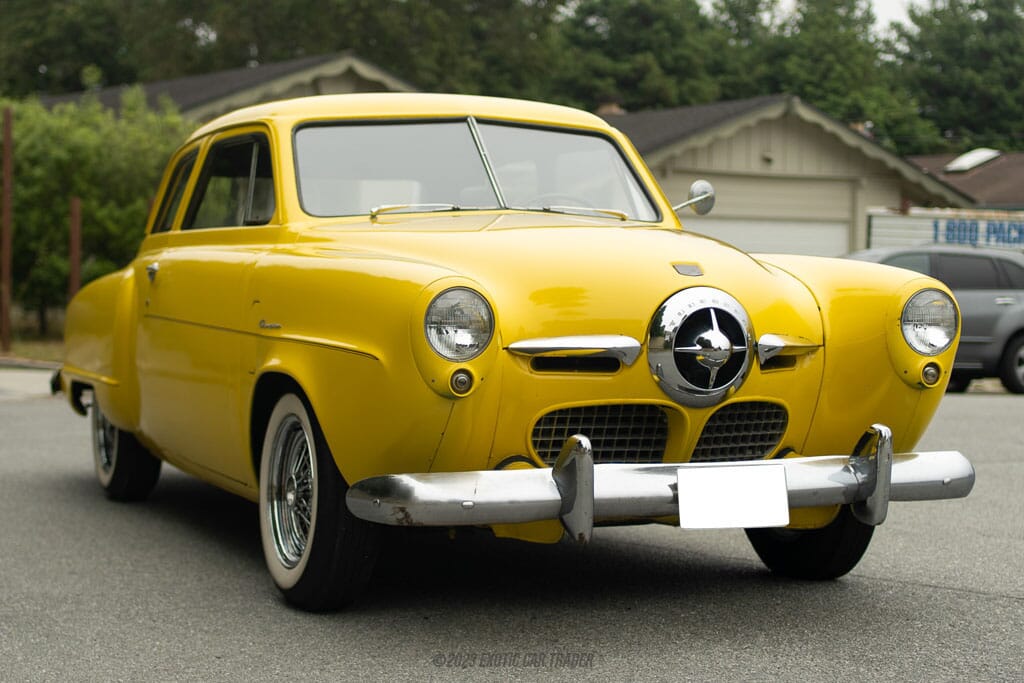
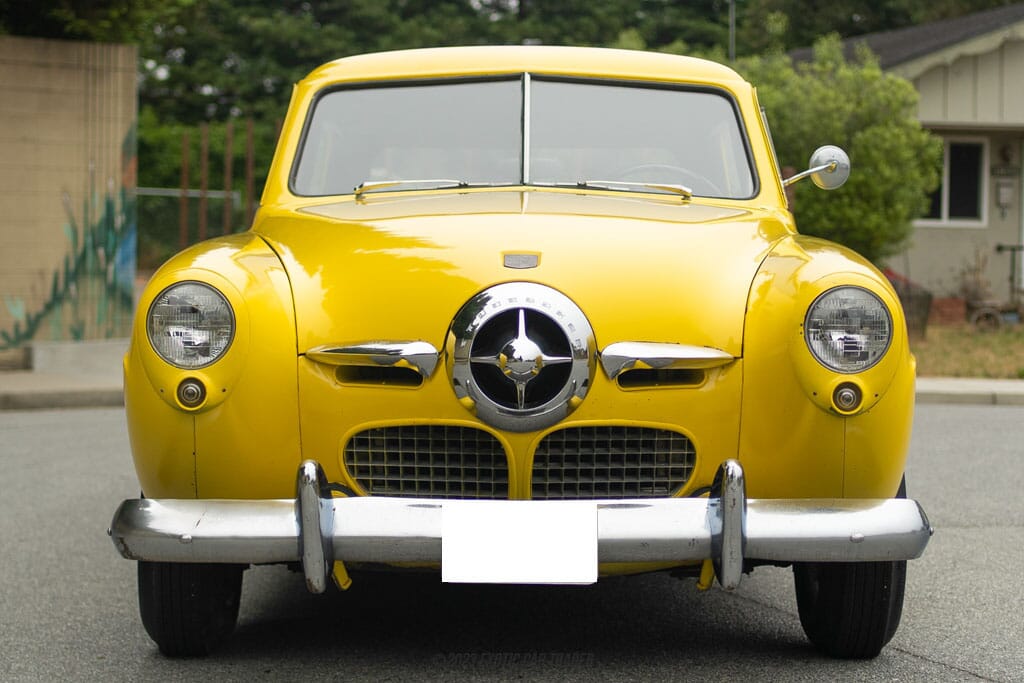
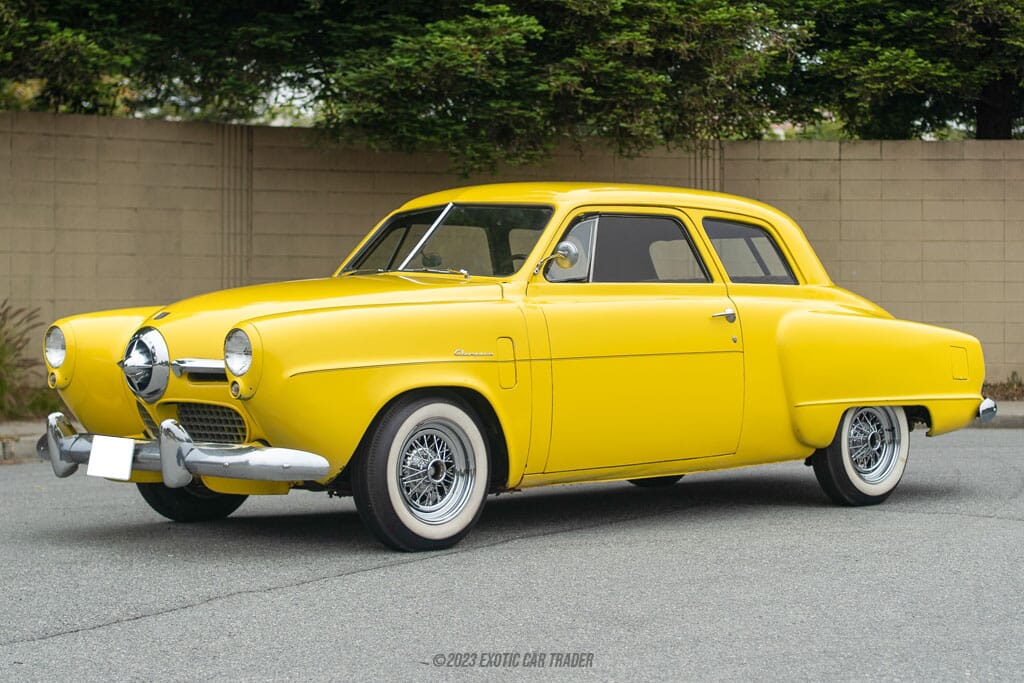
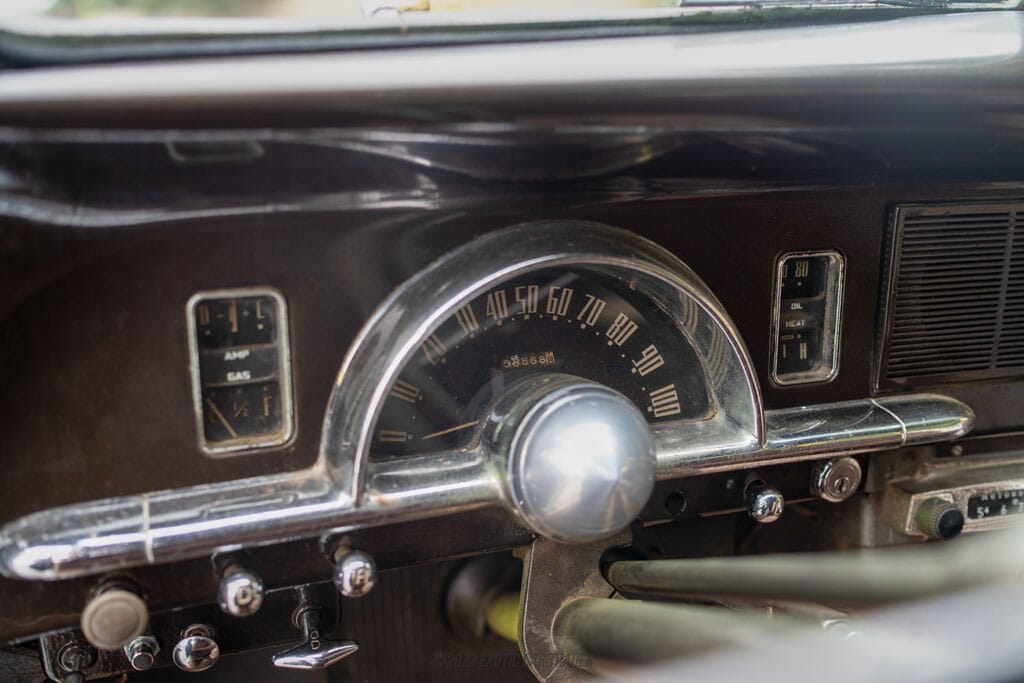
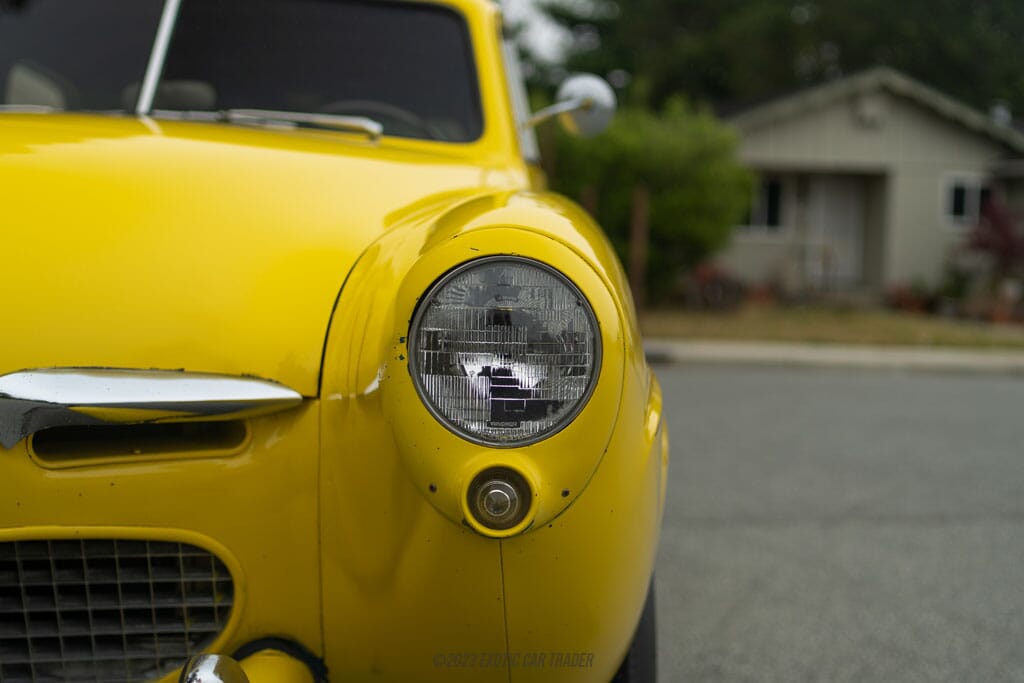
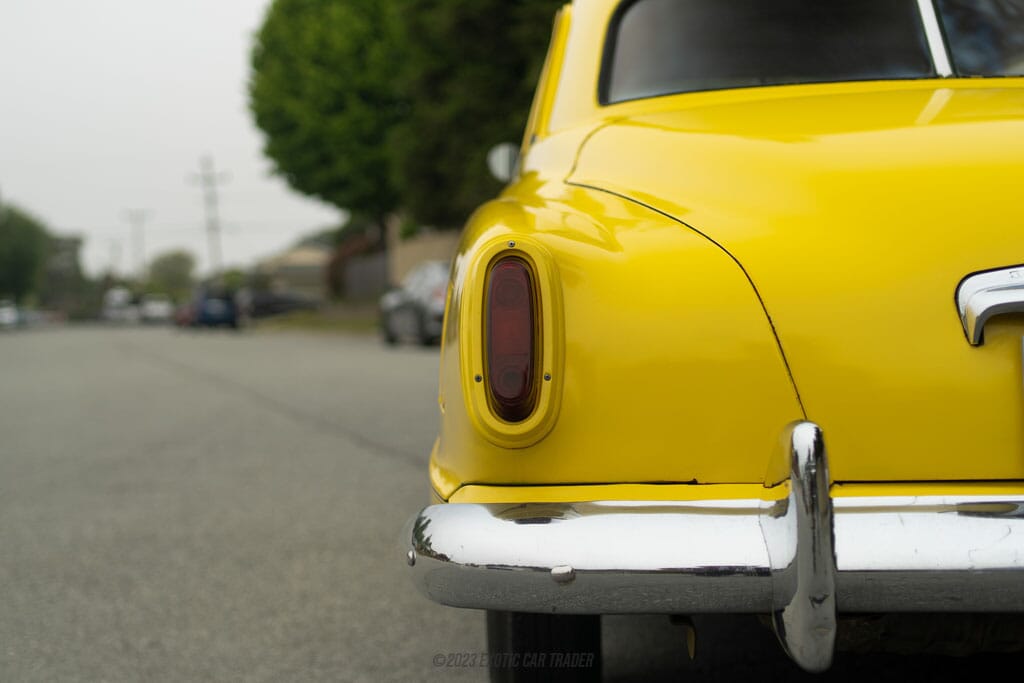
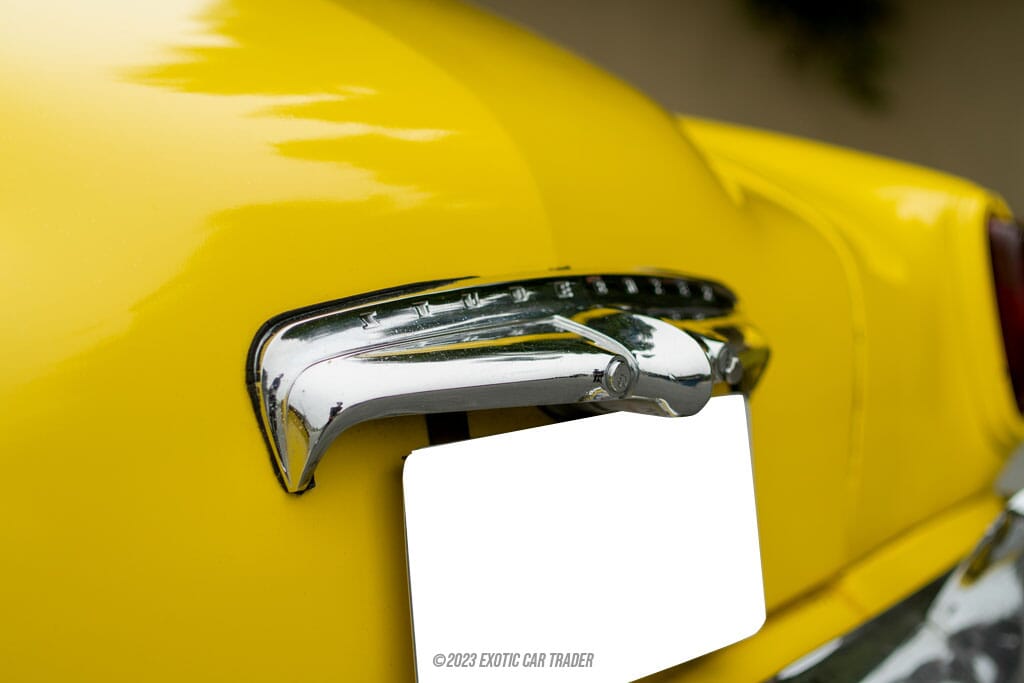
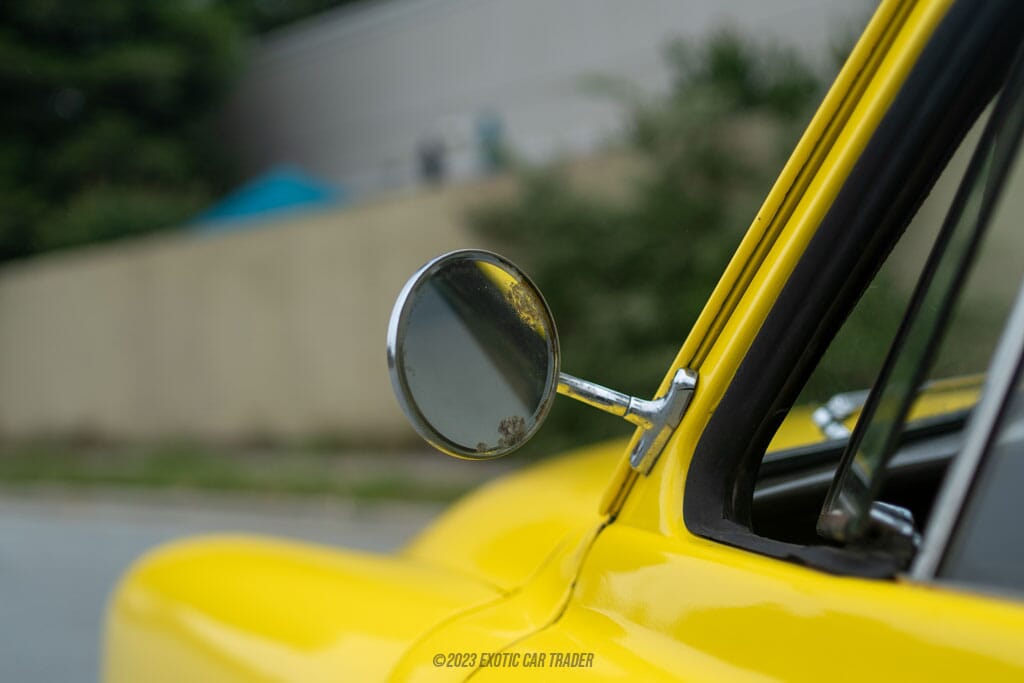
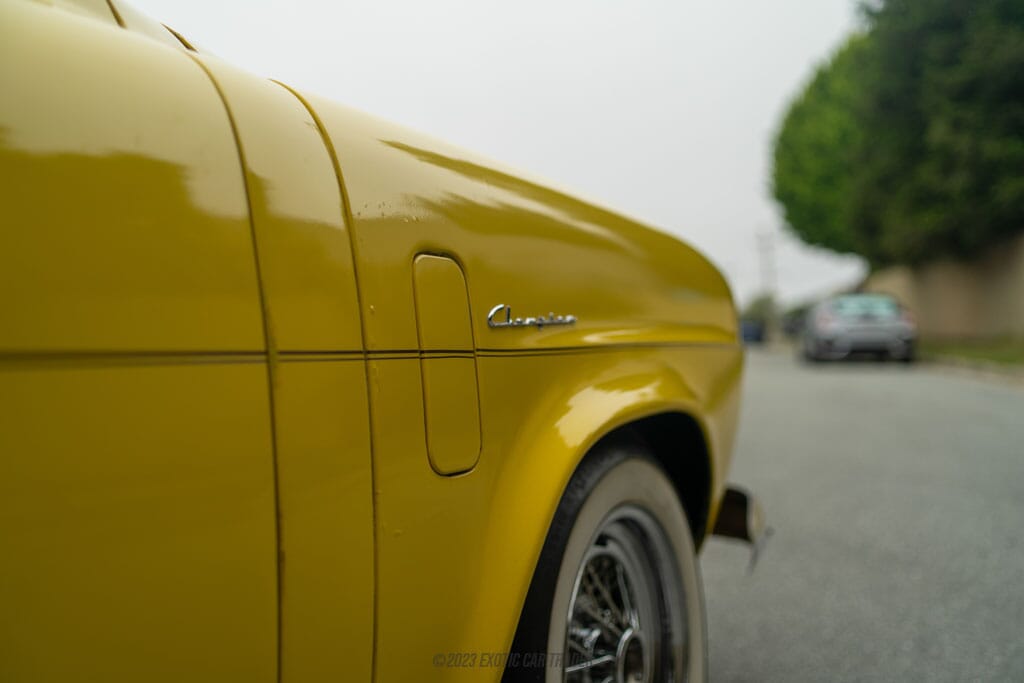
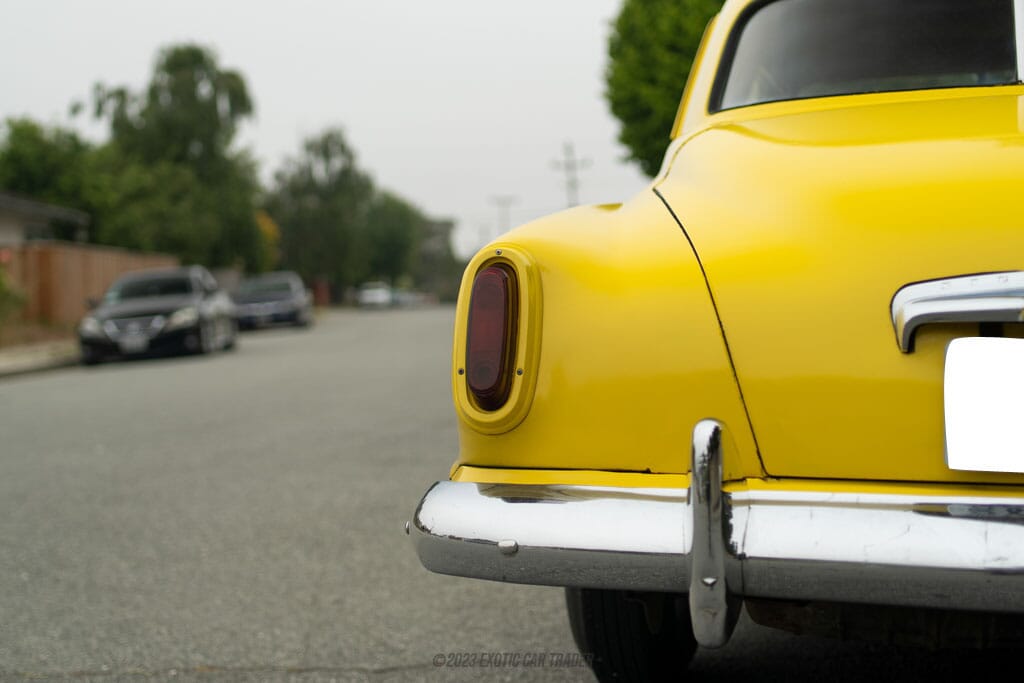
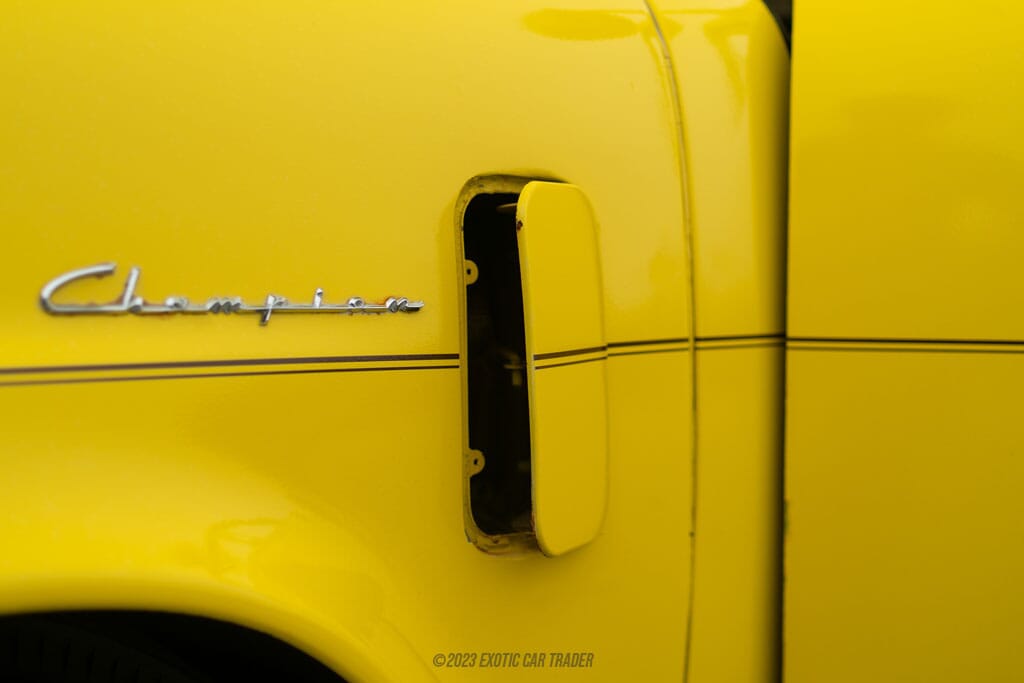
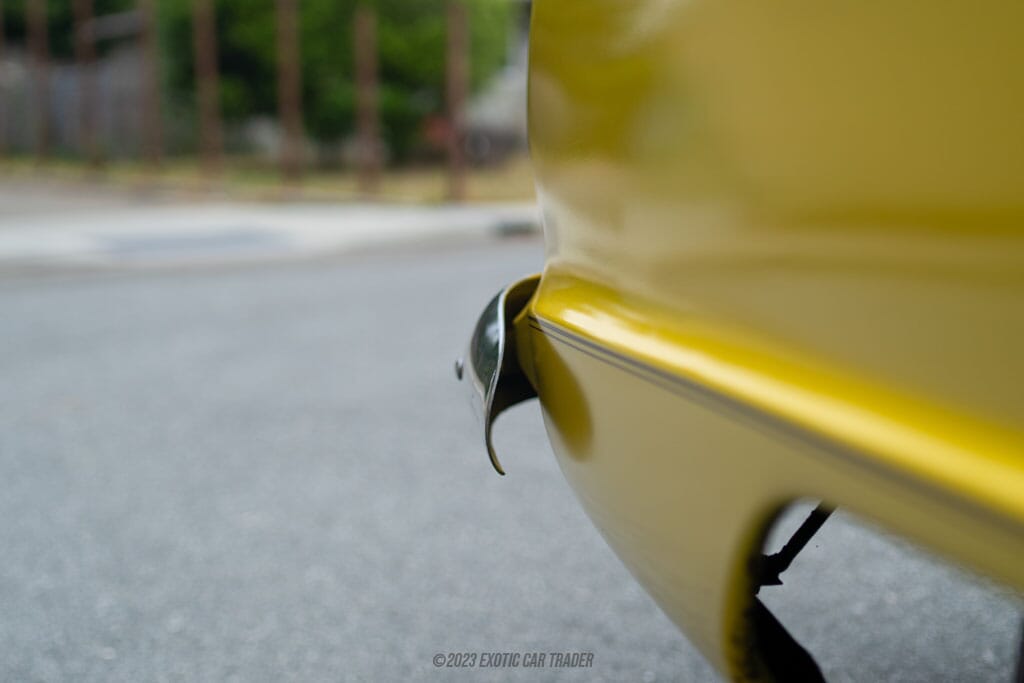
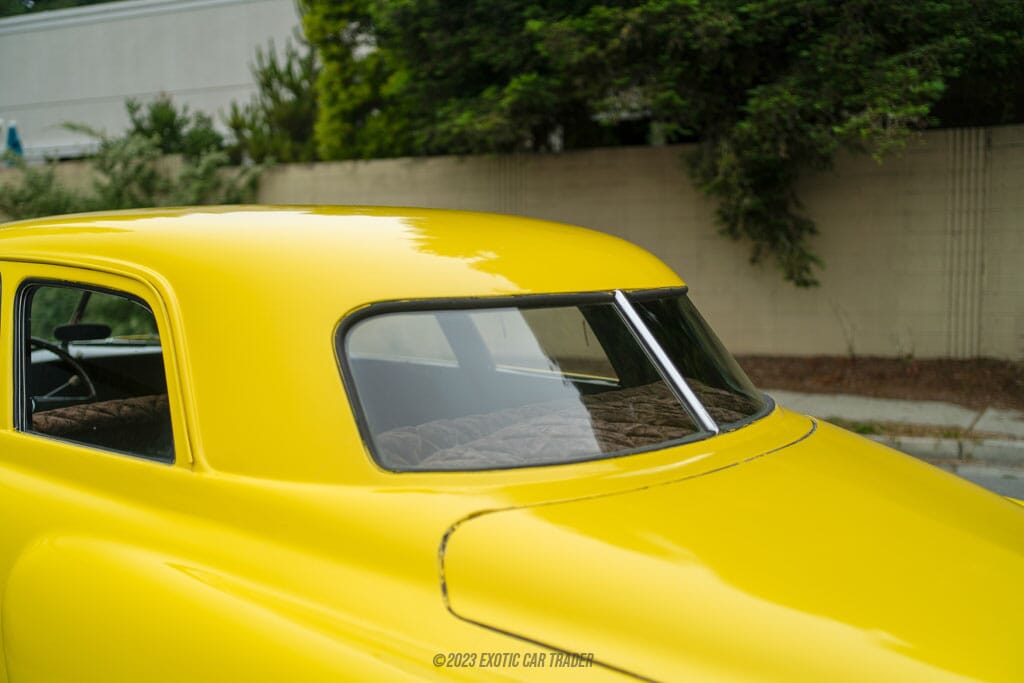
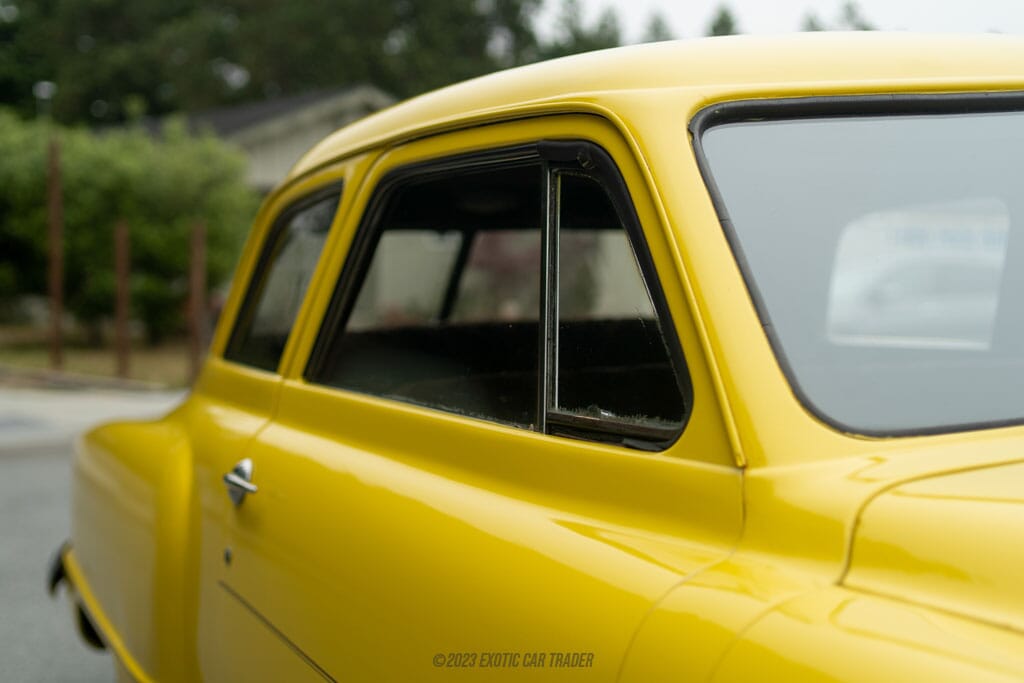
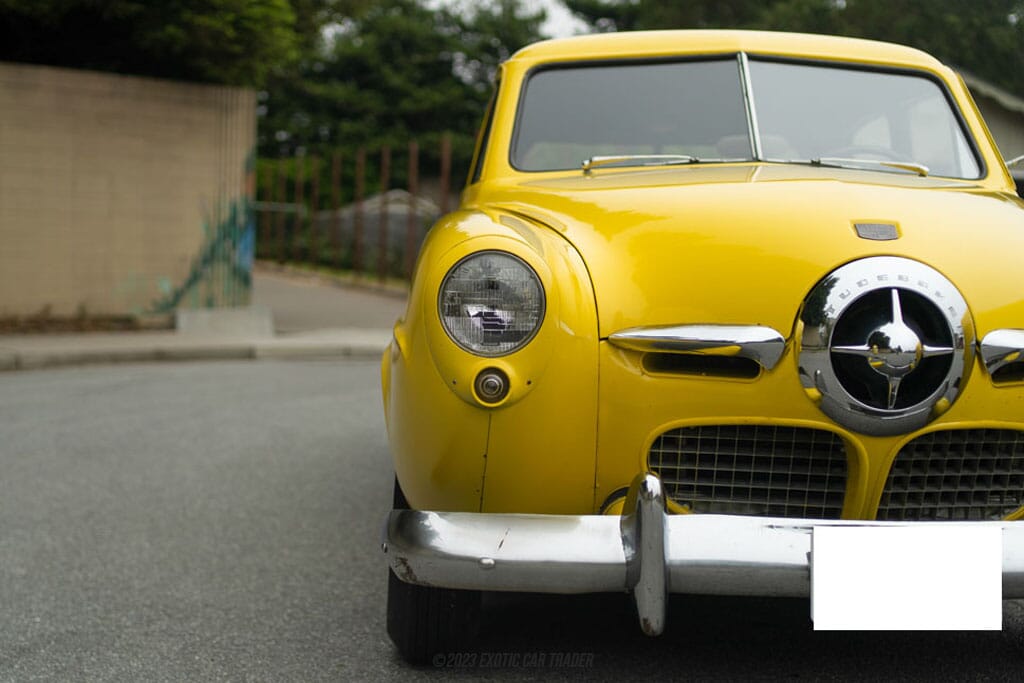
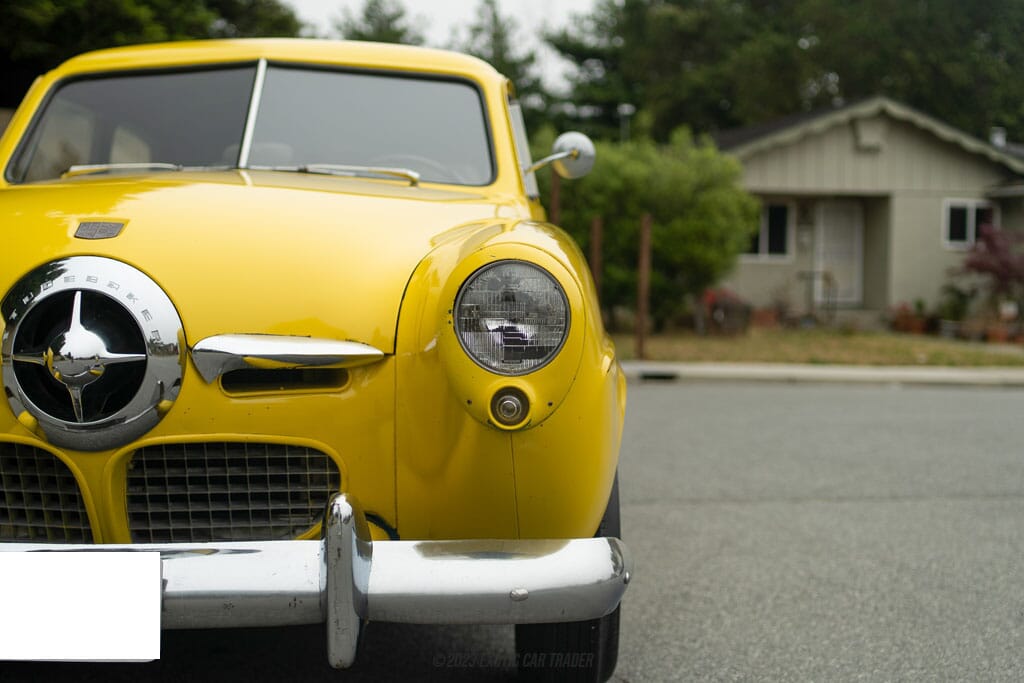
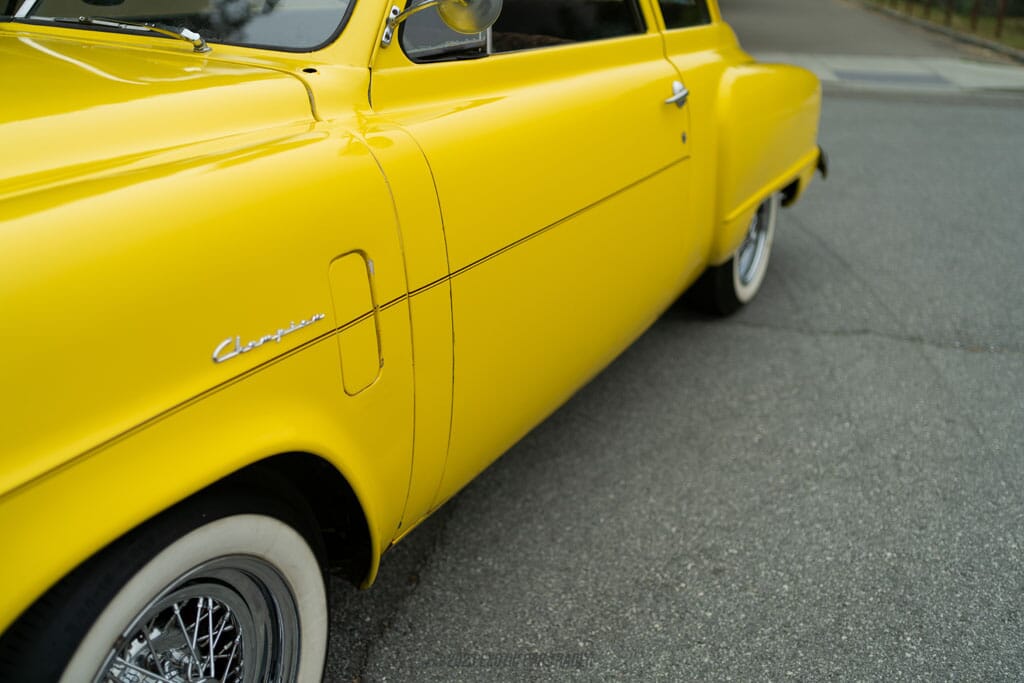
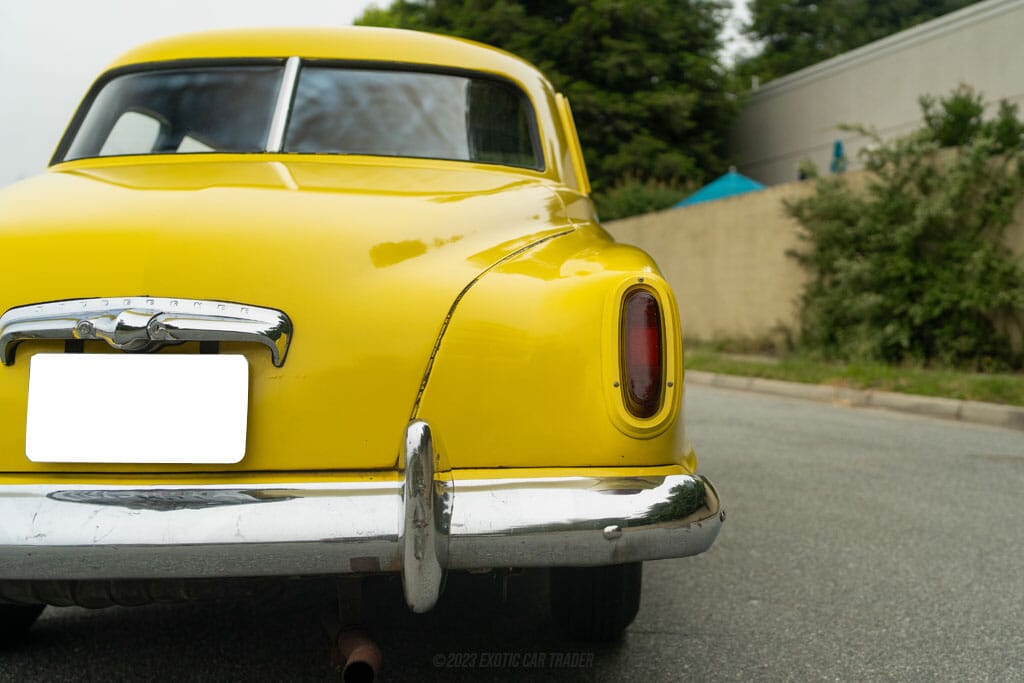
Throw it back to the 50s, and amongst all the new luxury and class, one manufacturer stood out with its ingenuity and unique design. Studebaker was a revolutionary manufacturer back in its heyday and was renowned for bridging the world with some of the best automotive designs and innovative features of its time. Present today is a lovely example of what the Studebaker brand looked like in the roaring 50s and came in the form of this iconic and lovely 1950 Studebaker Champion Coupe. With a reported 59,000 miles on the clock, this American classic is a unique piece of American automotive history and now can be yours to cruise into the weekend.
Exterior and Interior
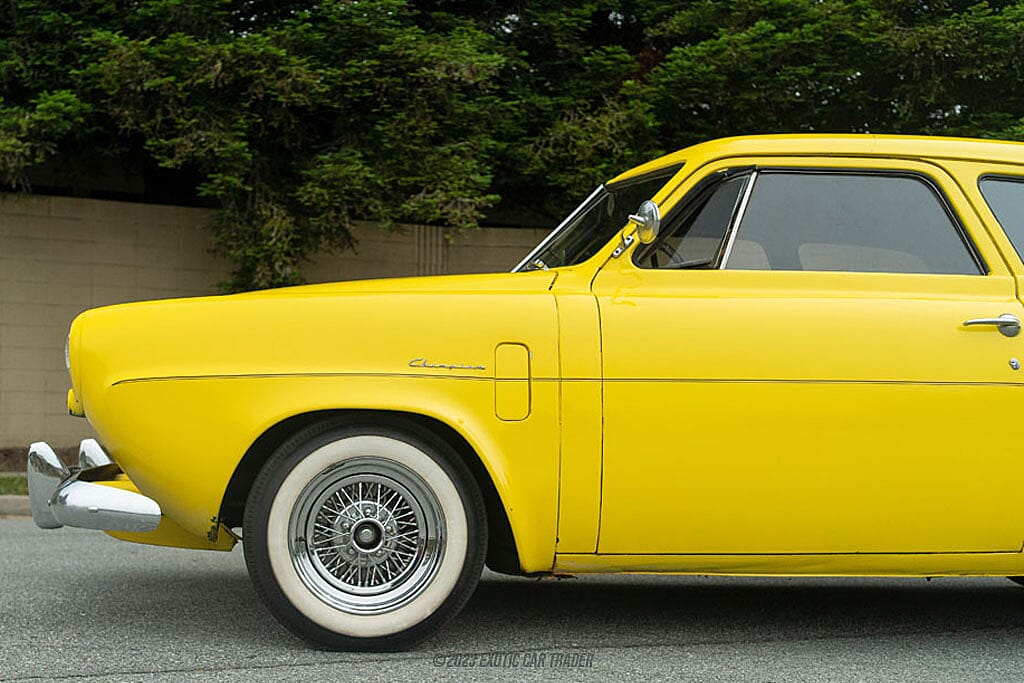
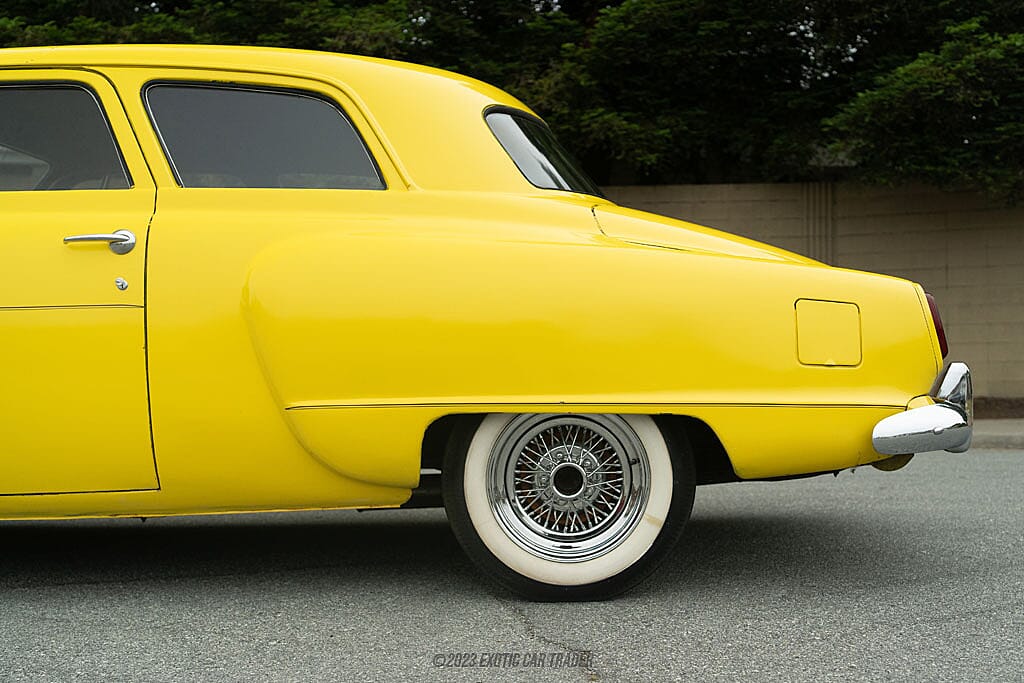
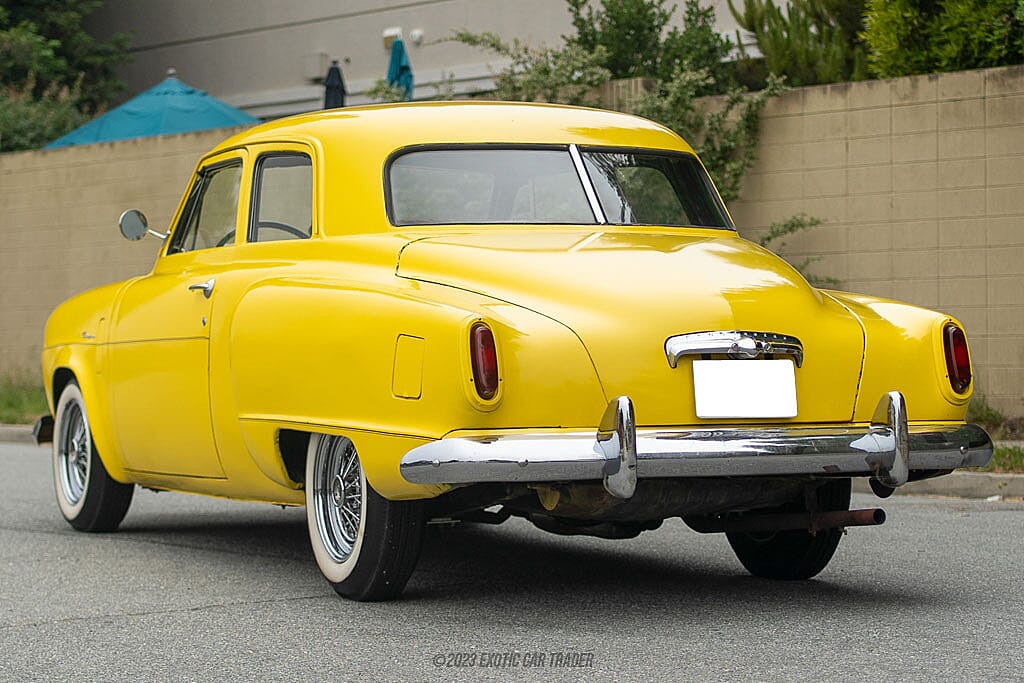
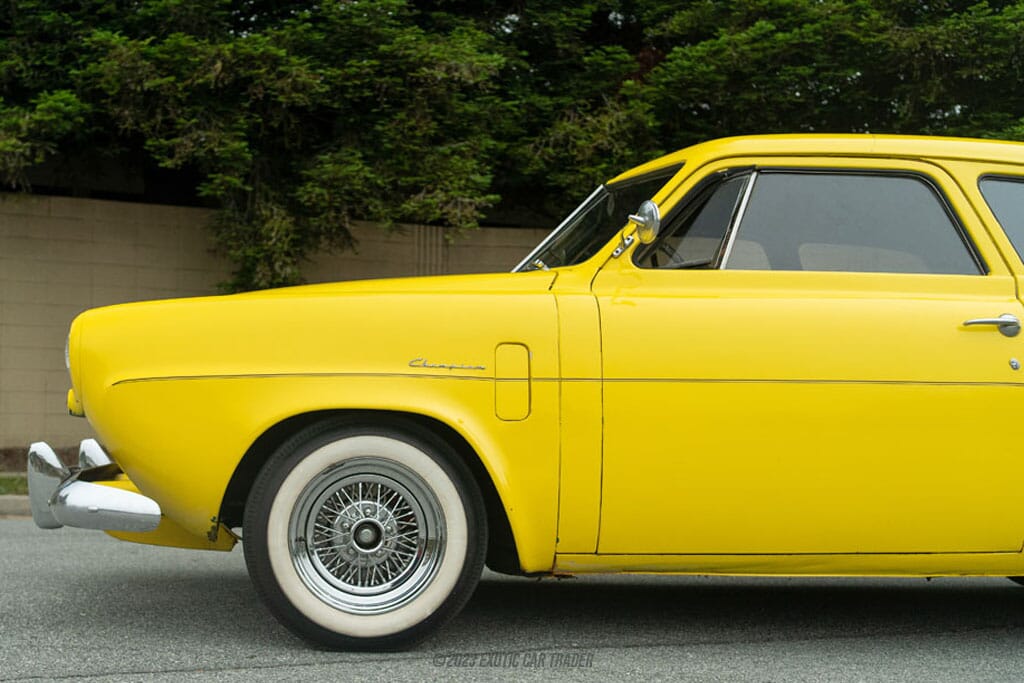
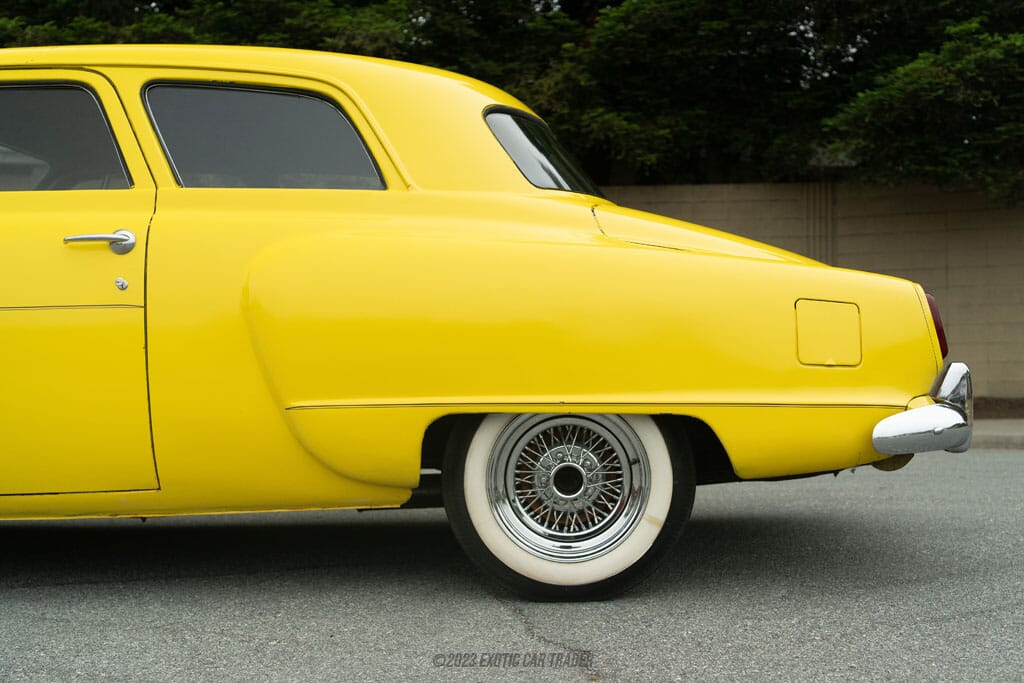
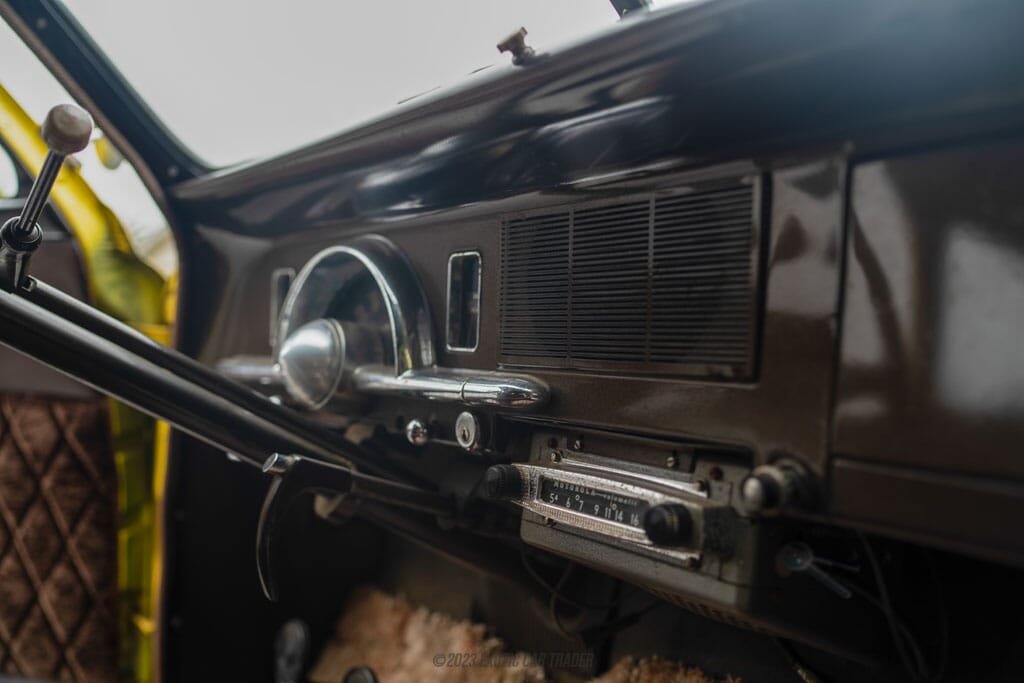
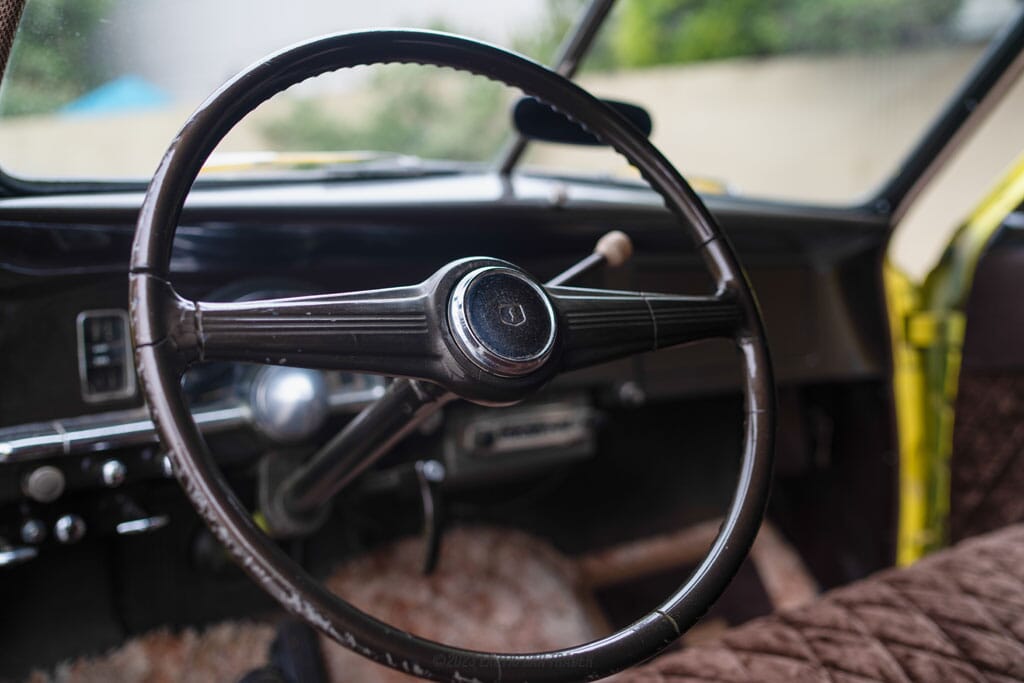
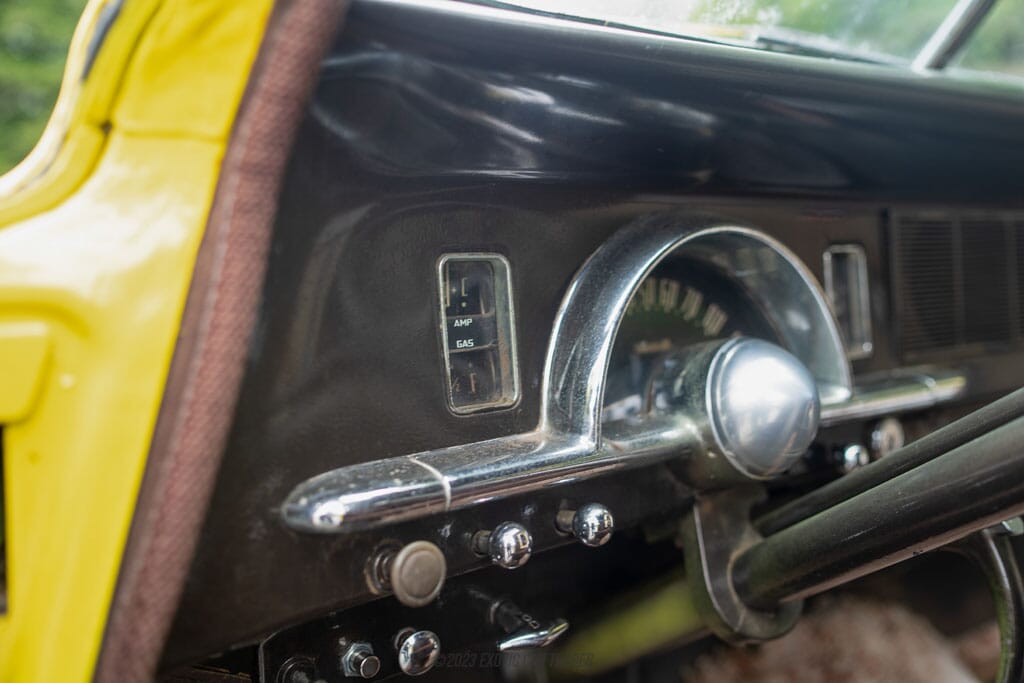
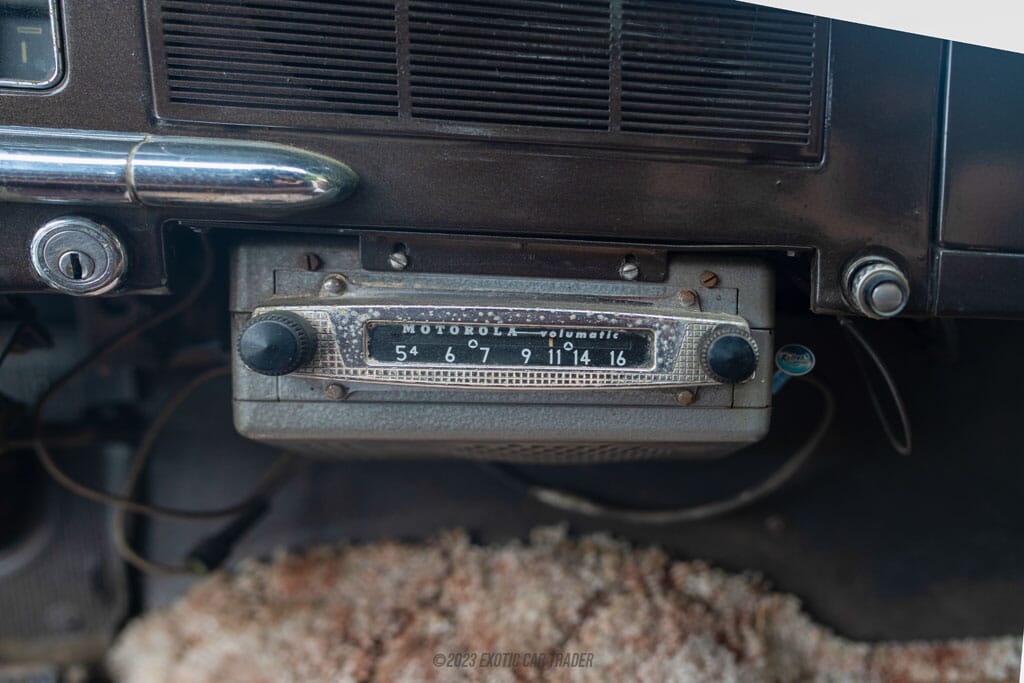
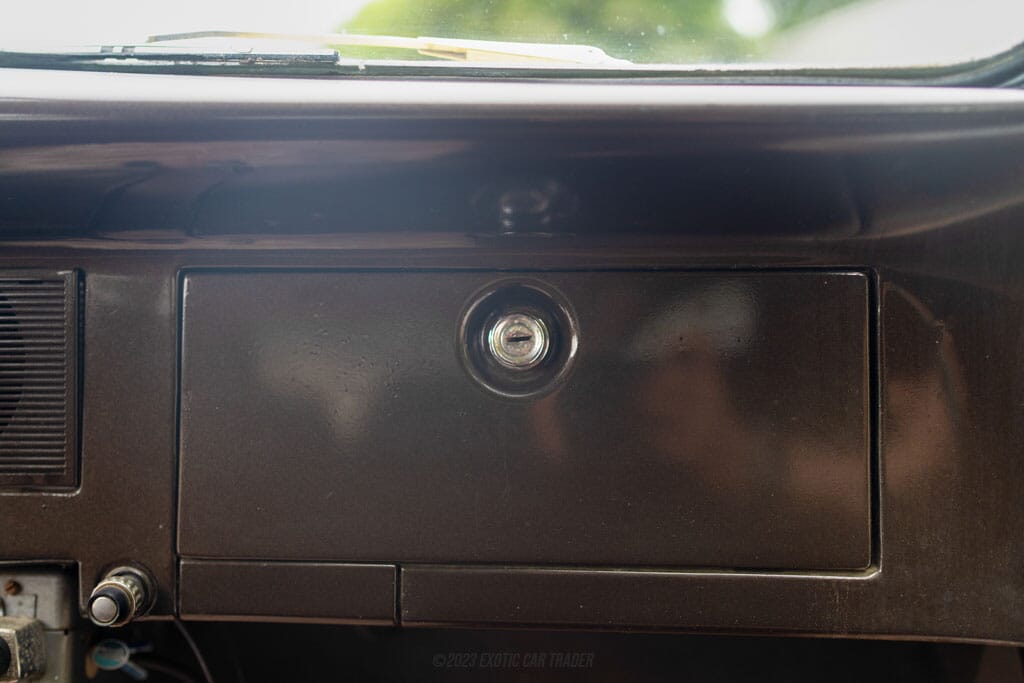
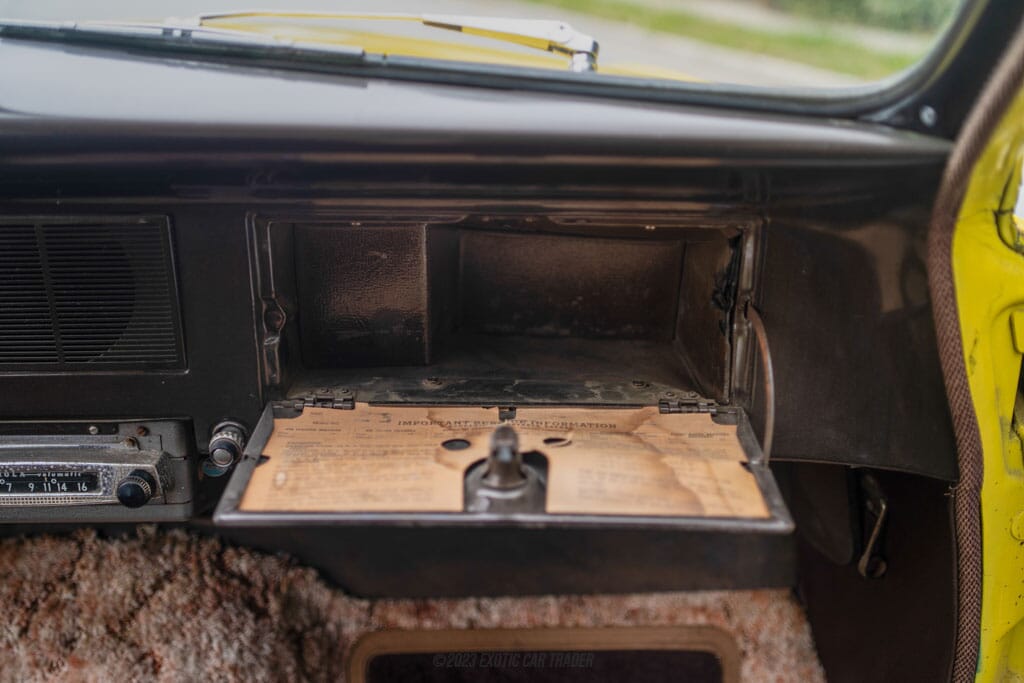
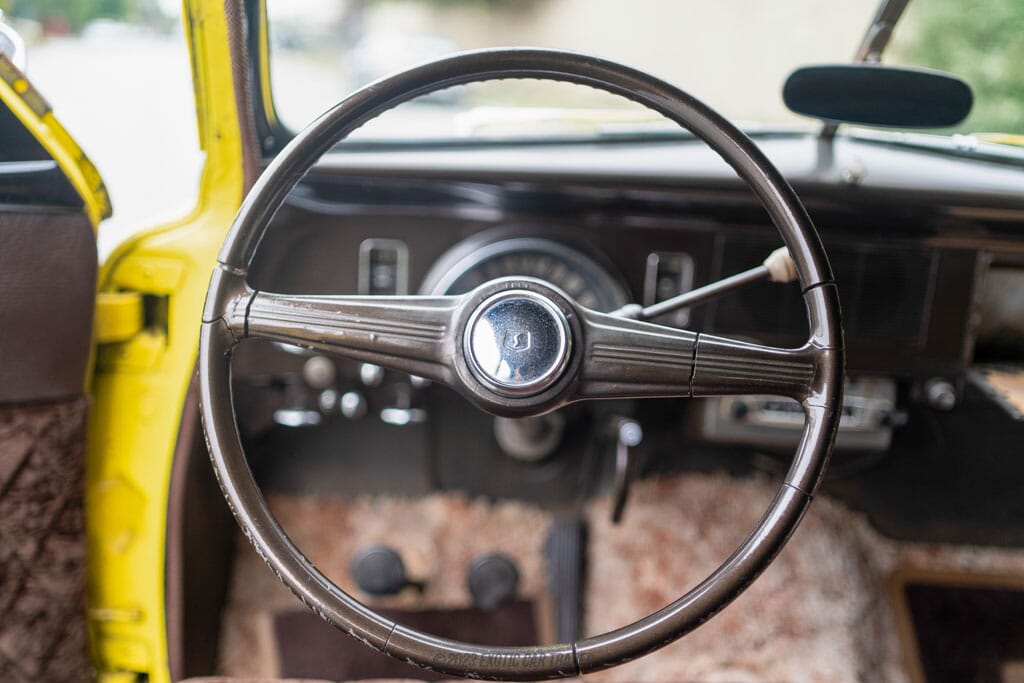
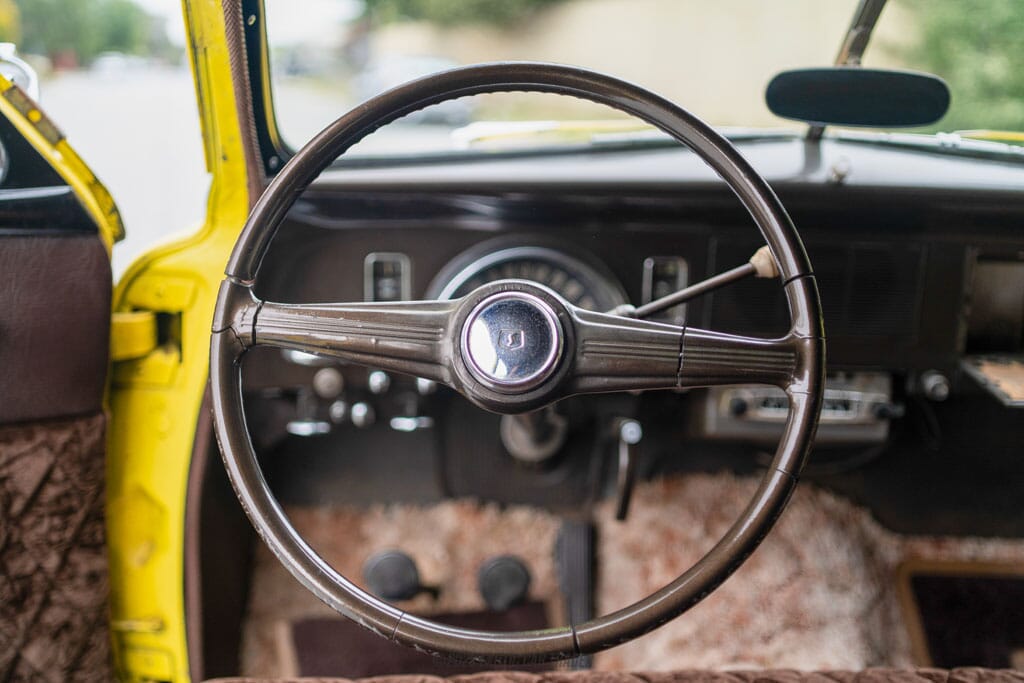
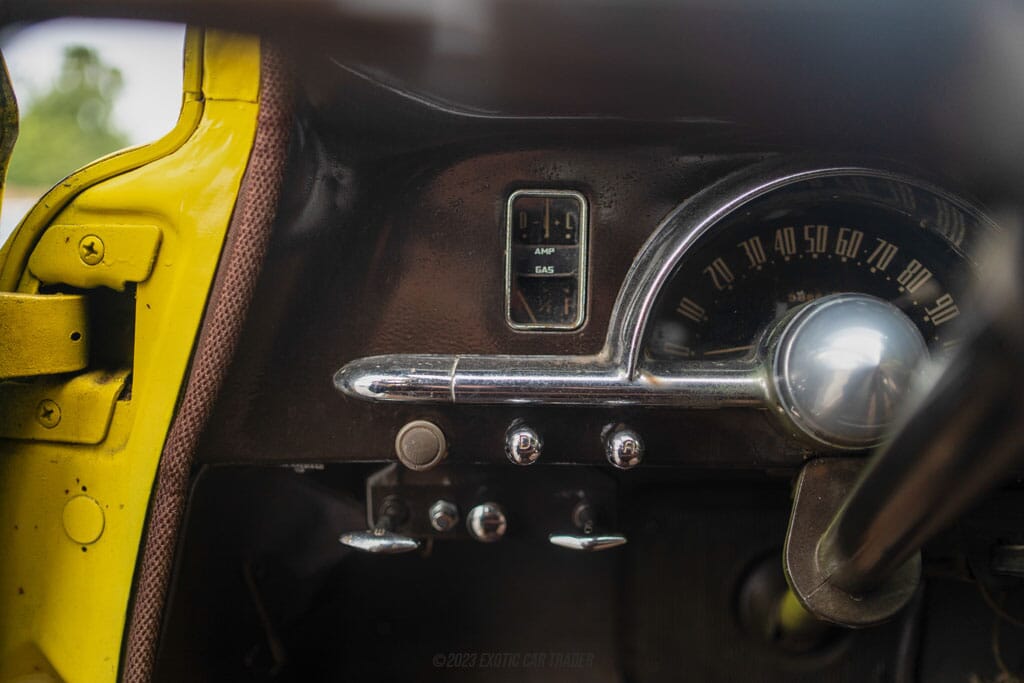
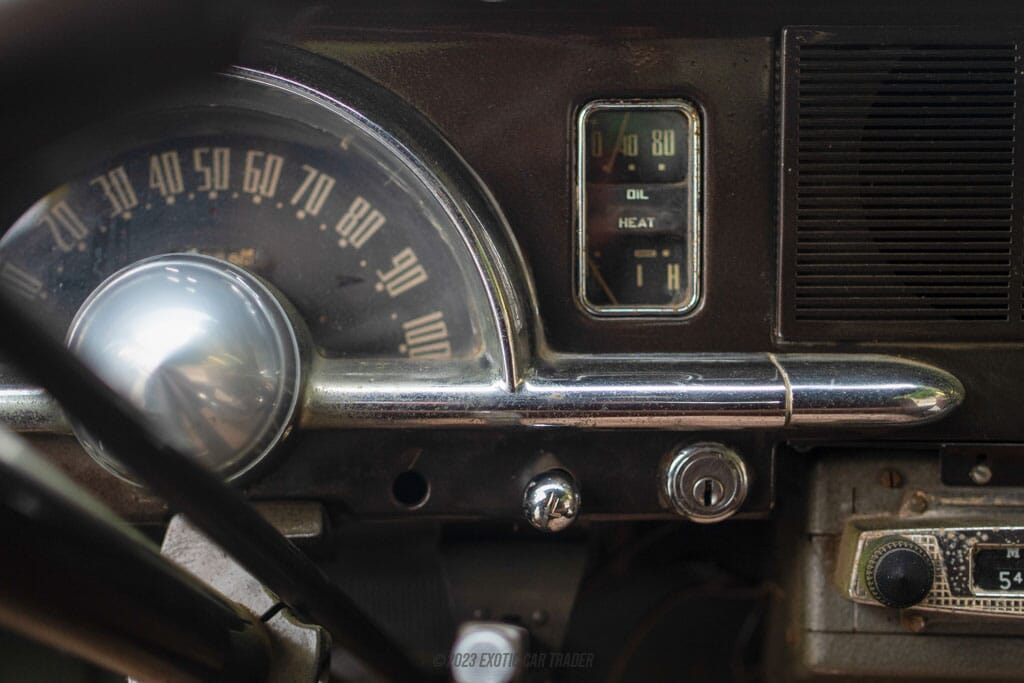
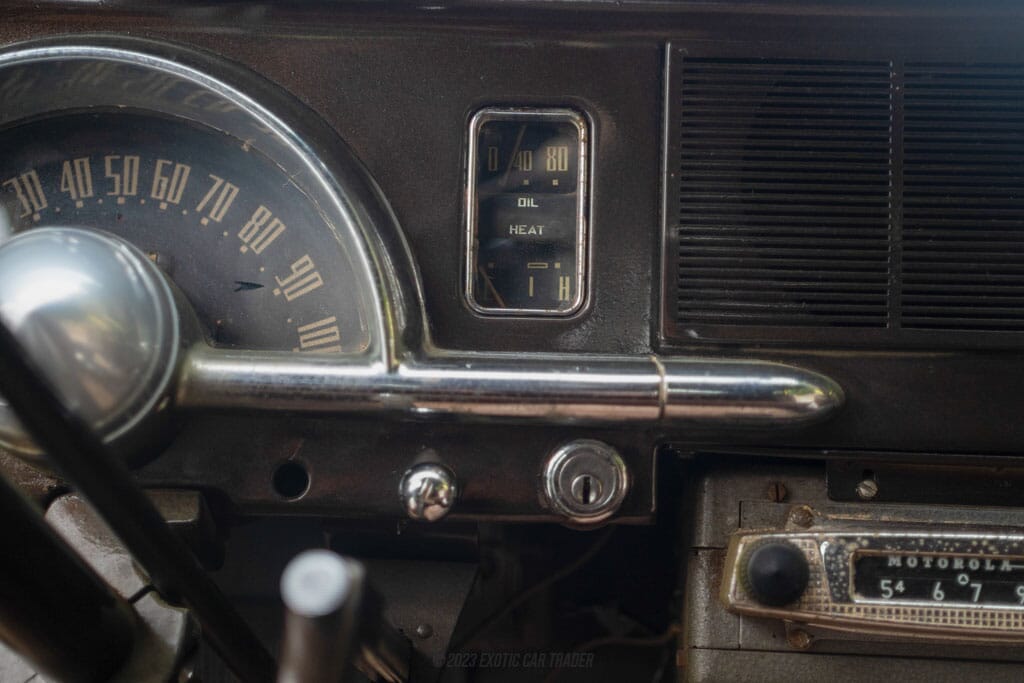
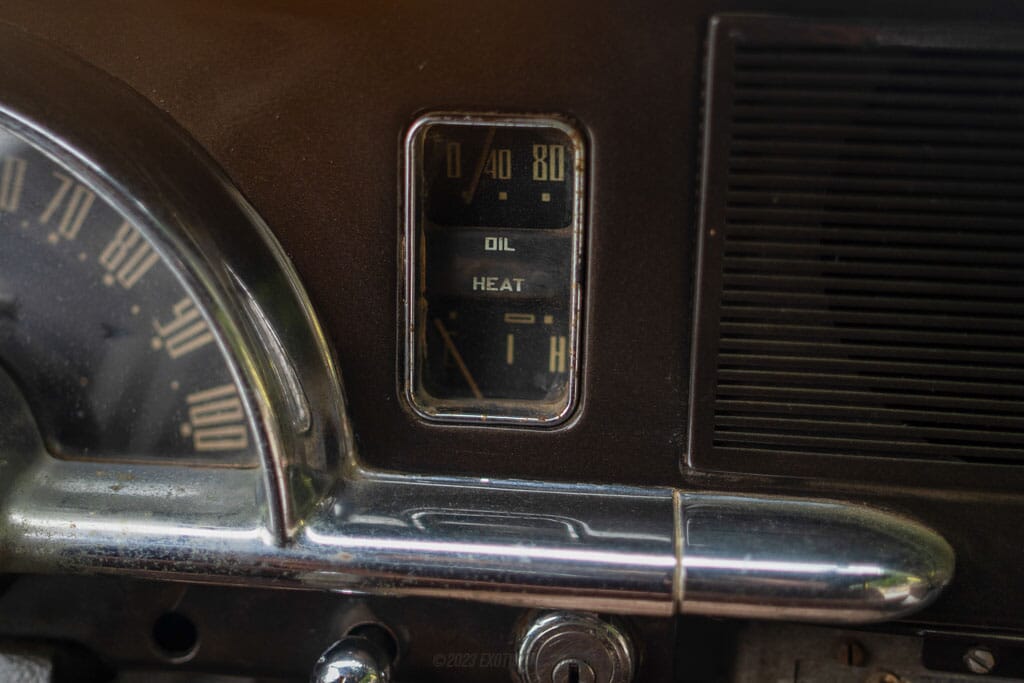
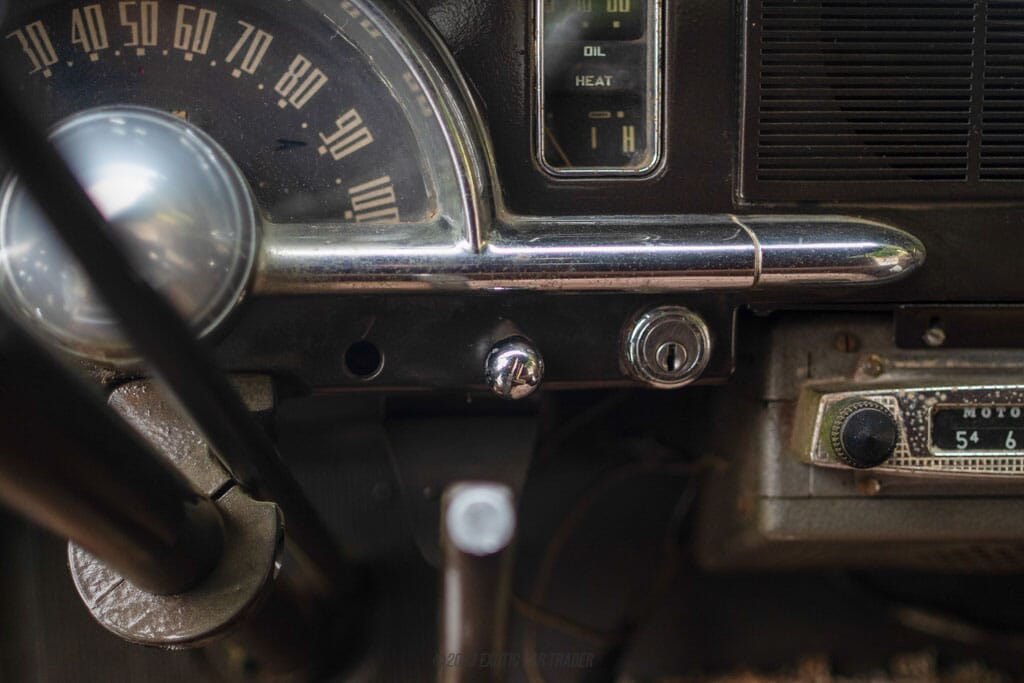
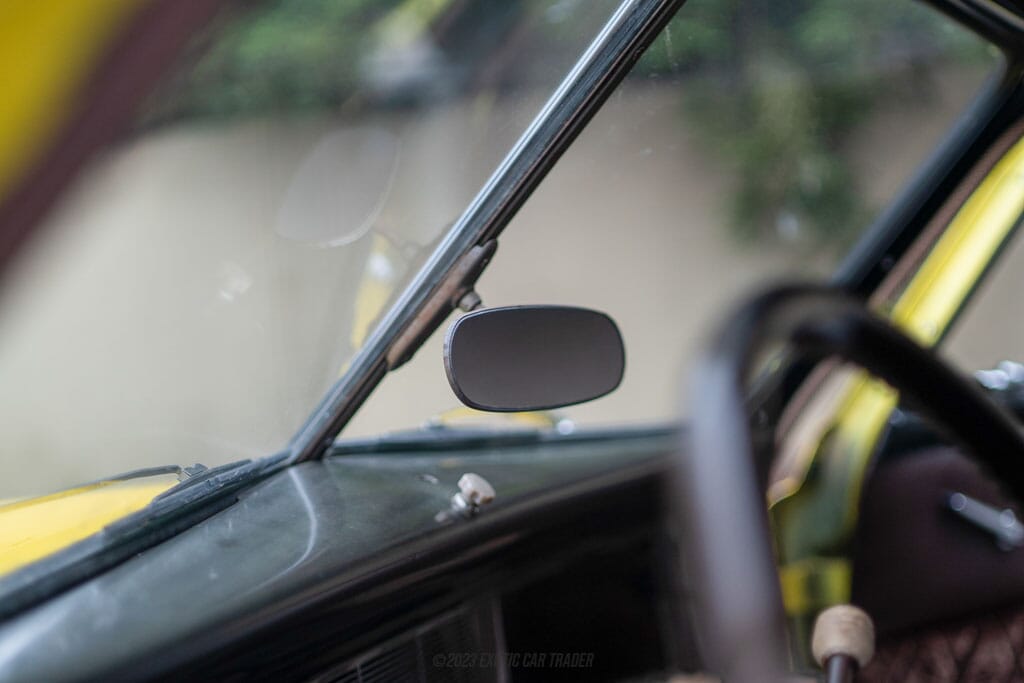
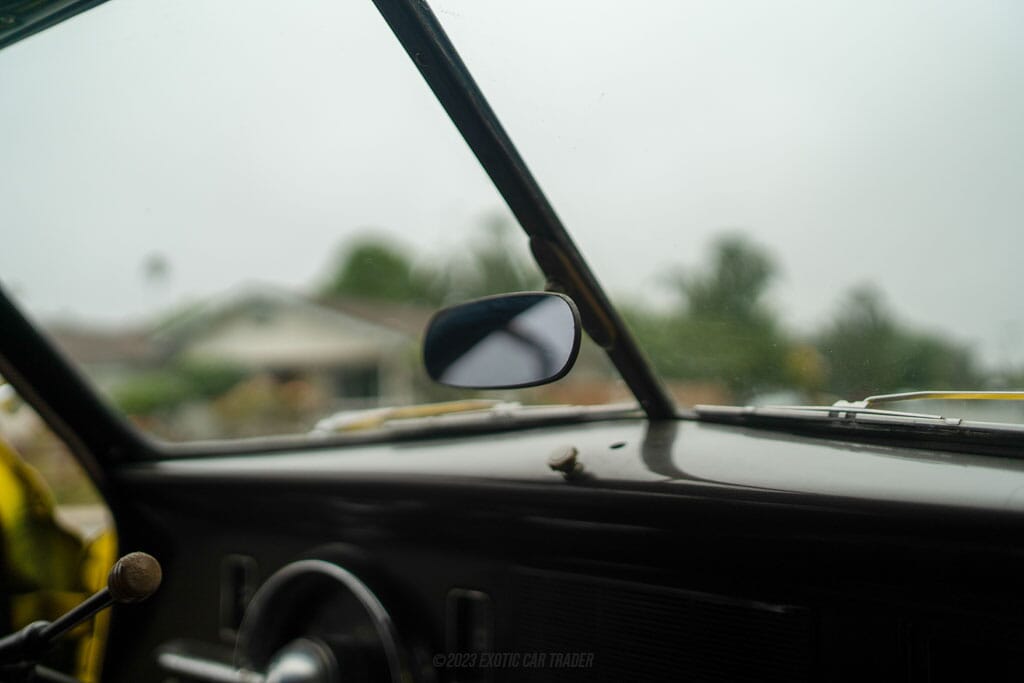
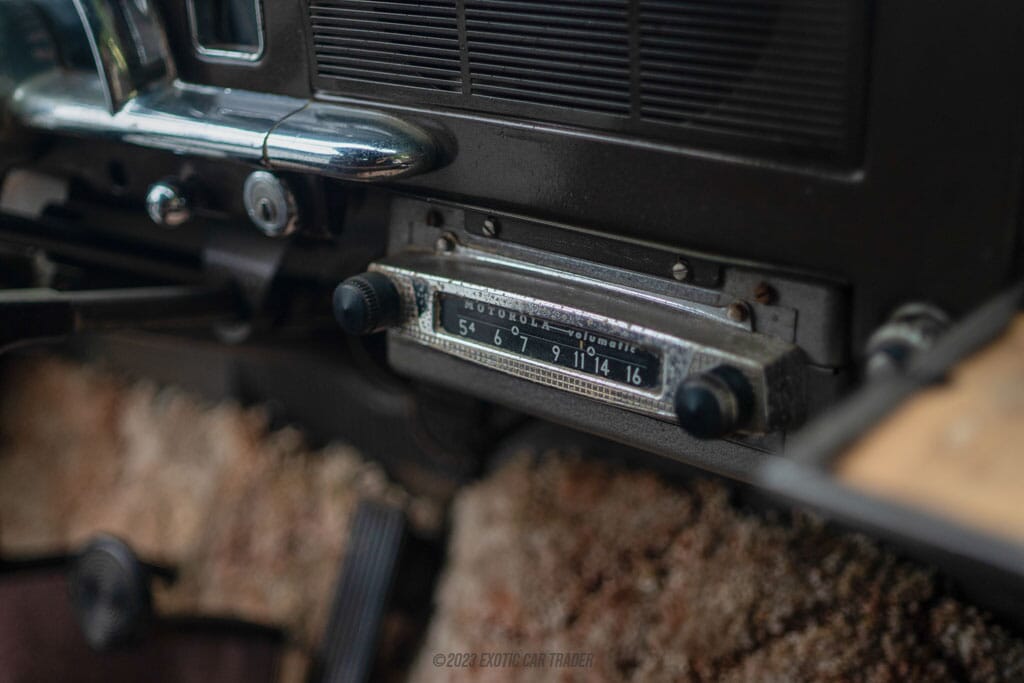
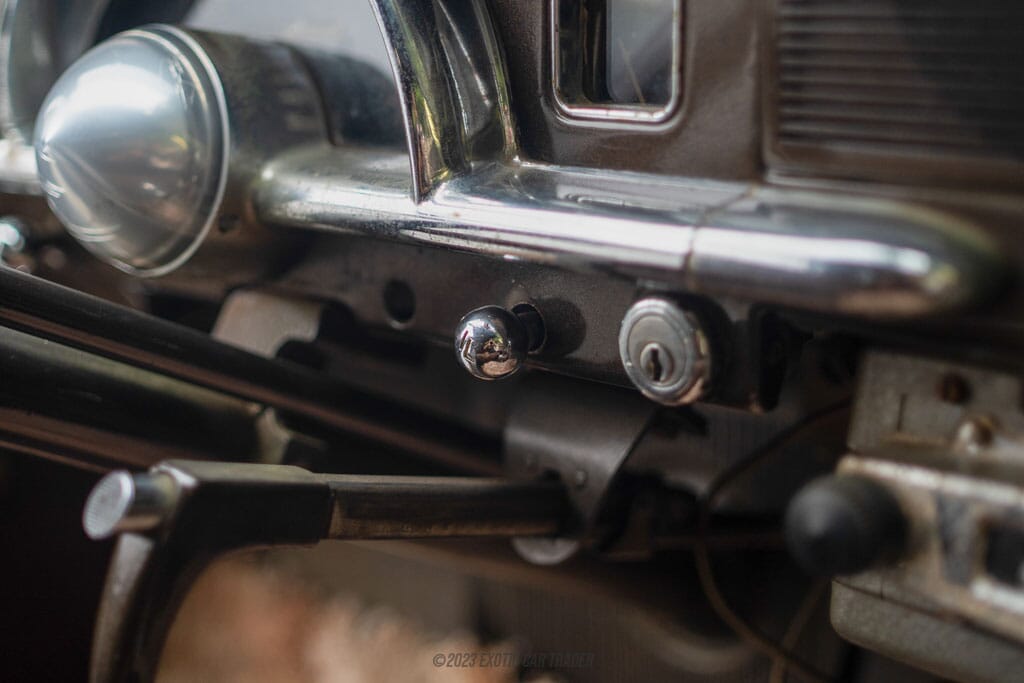
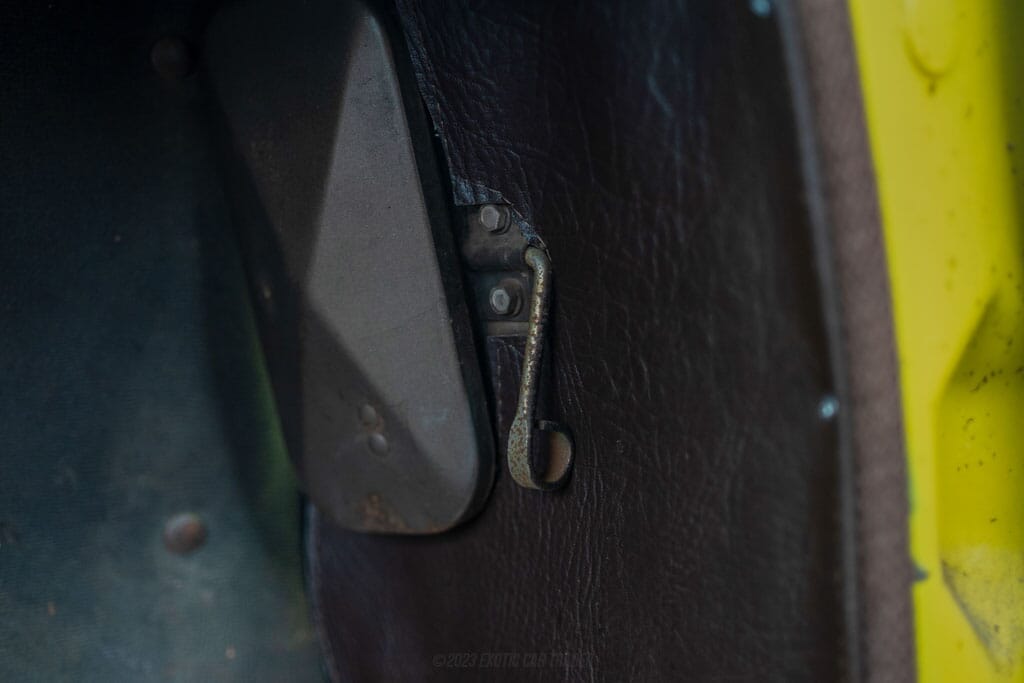
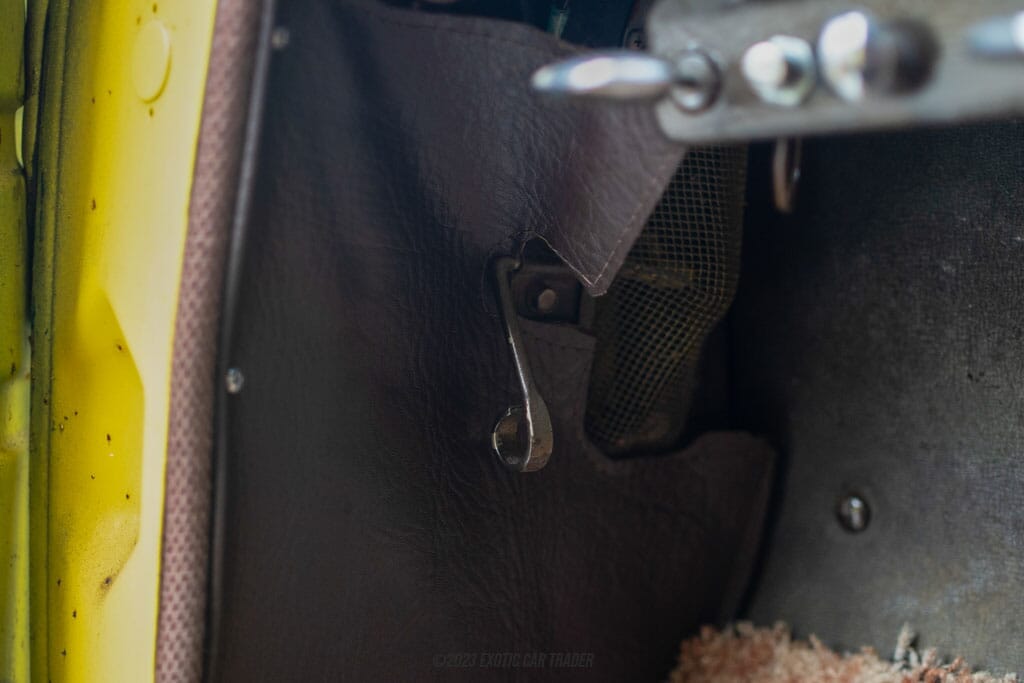
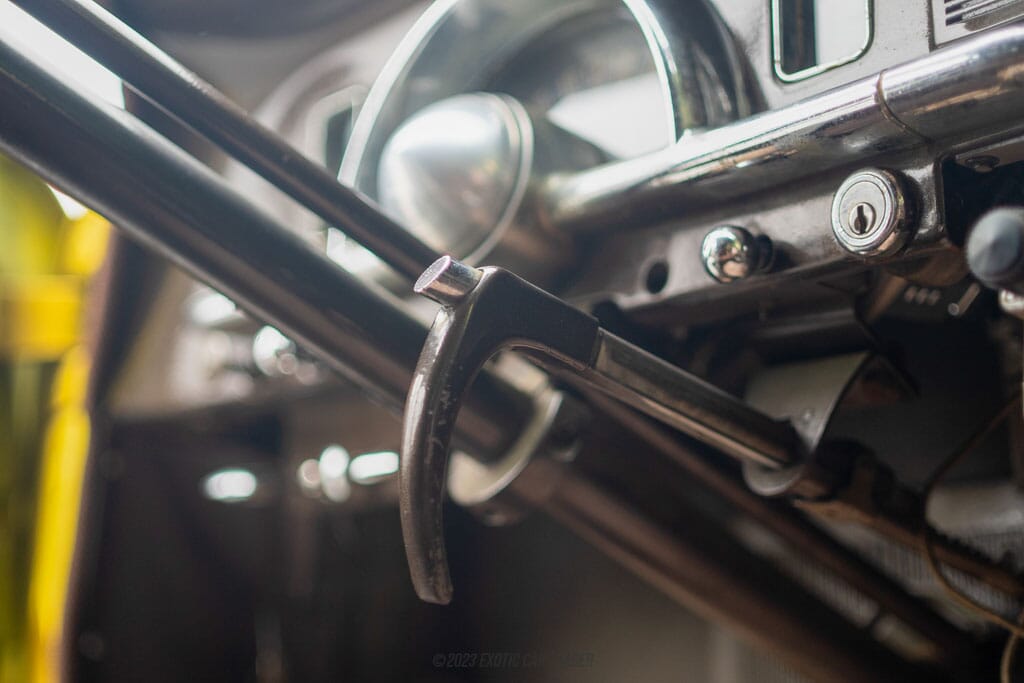
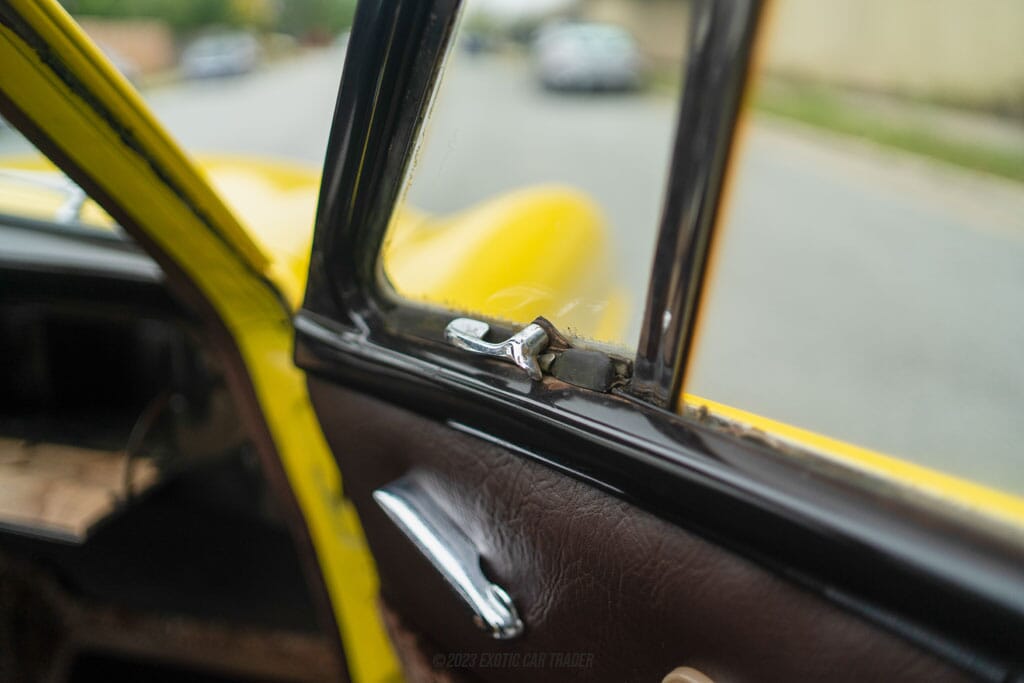
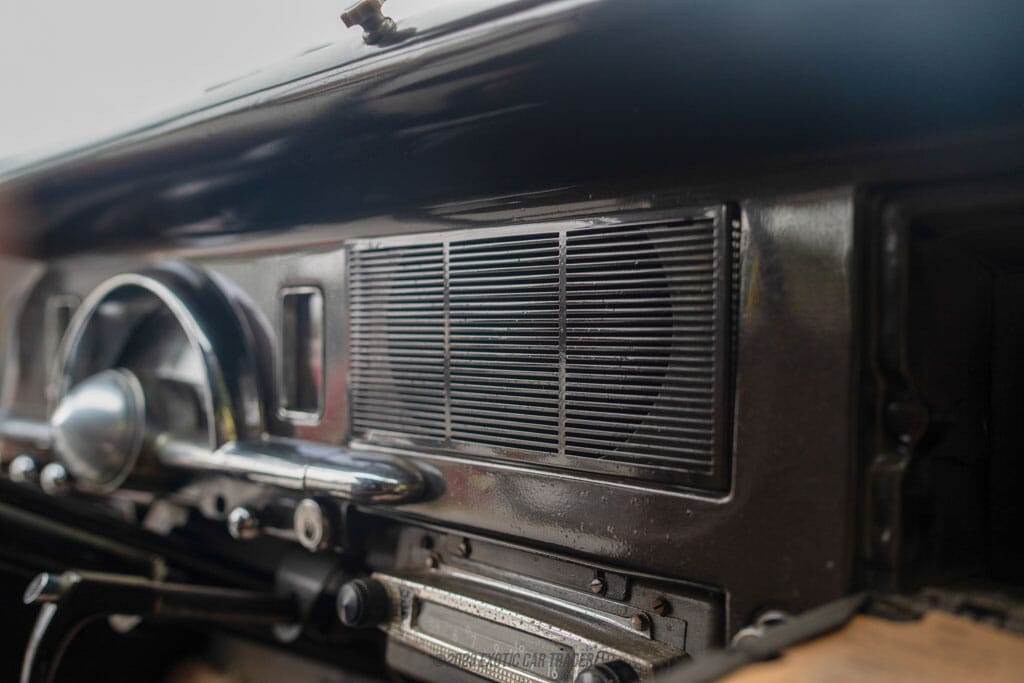
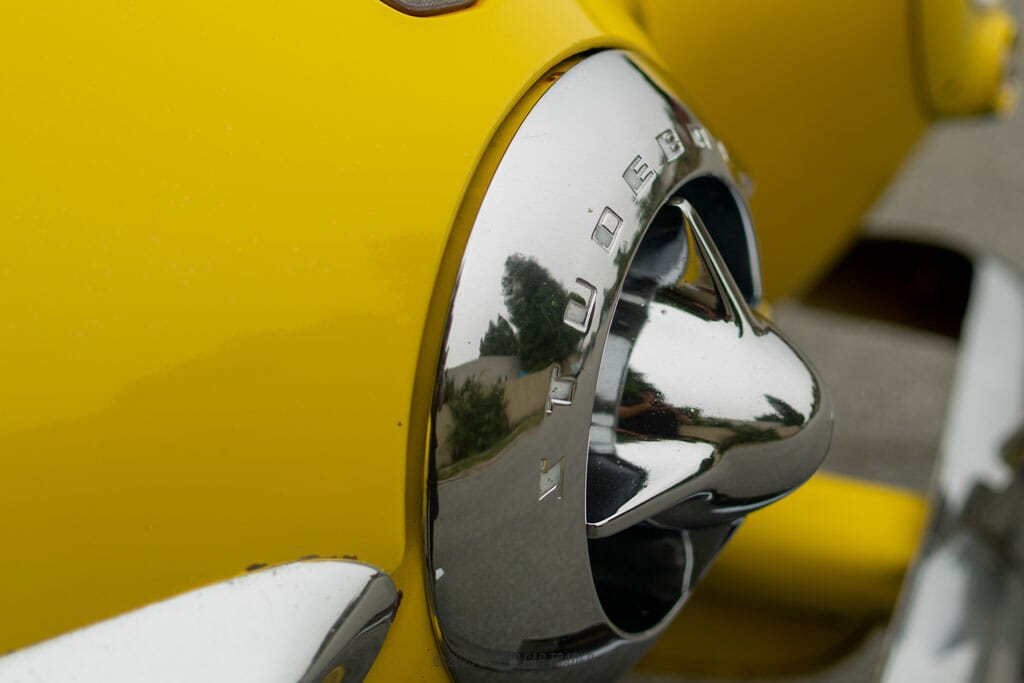
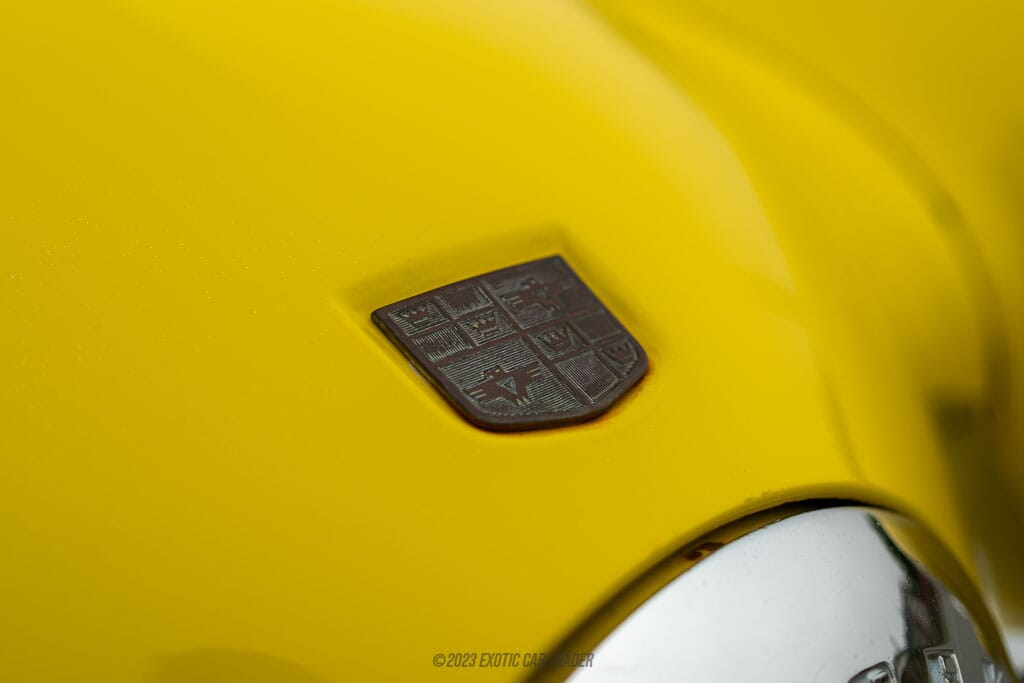
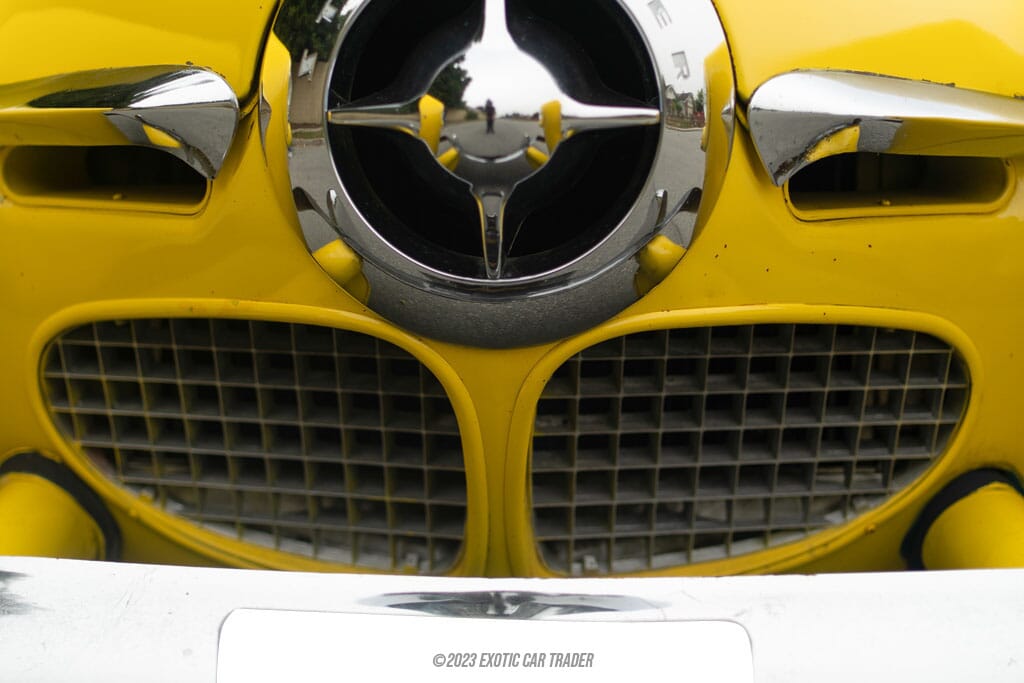
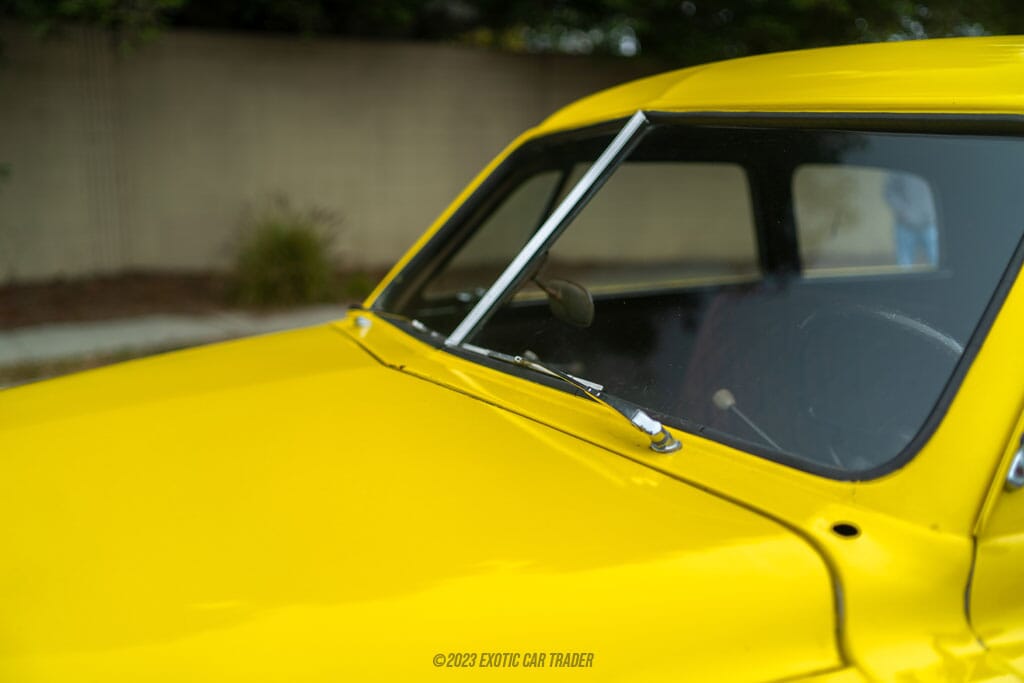
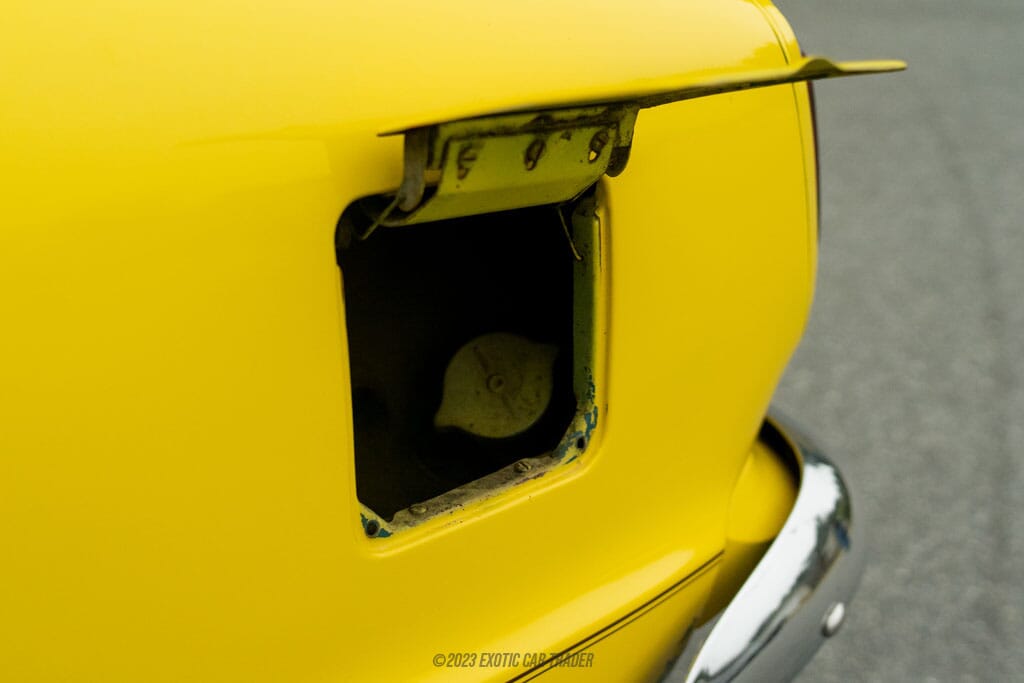
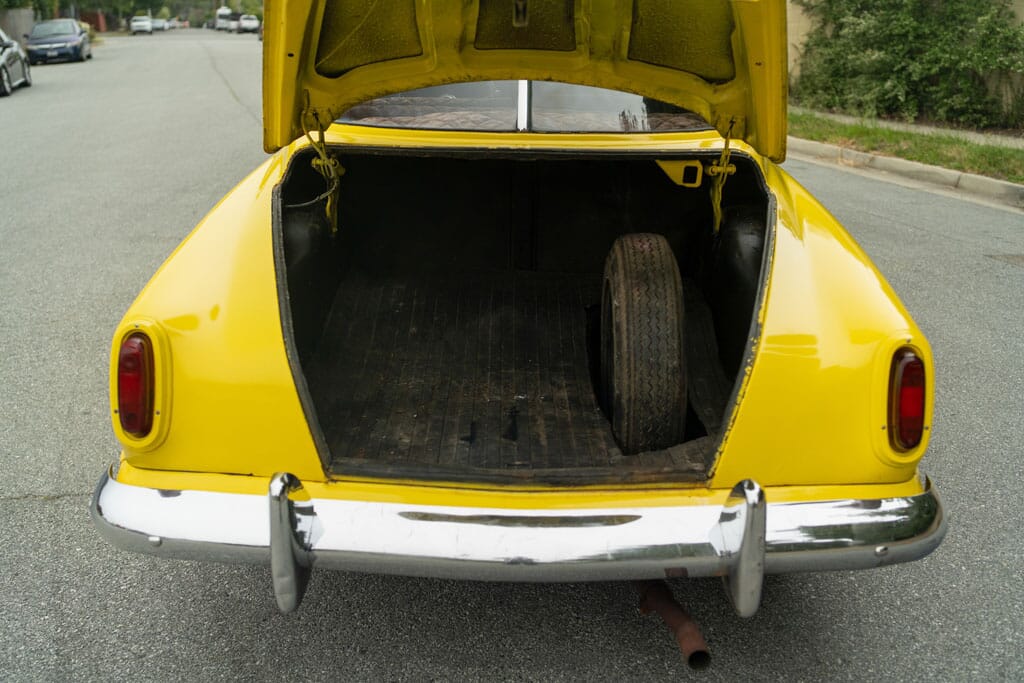
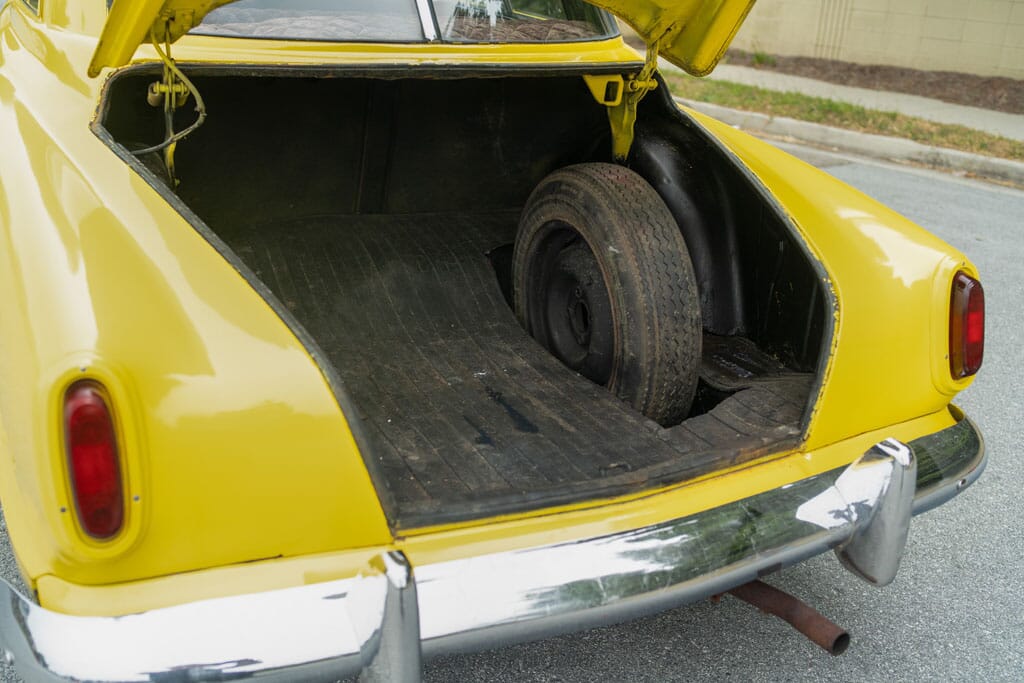
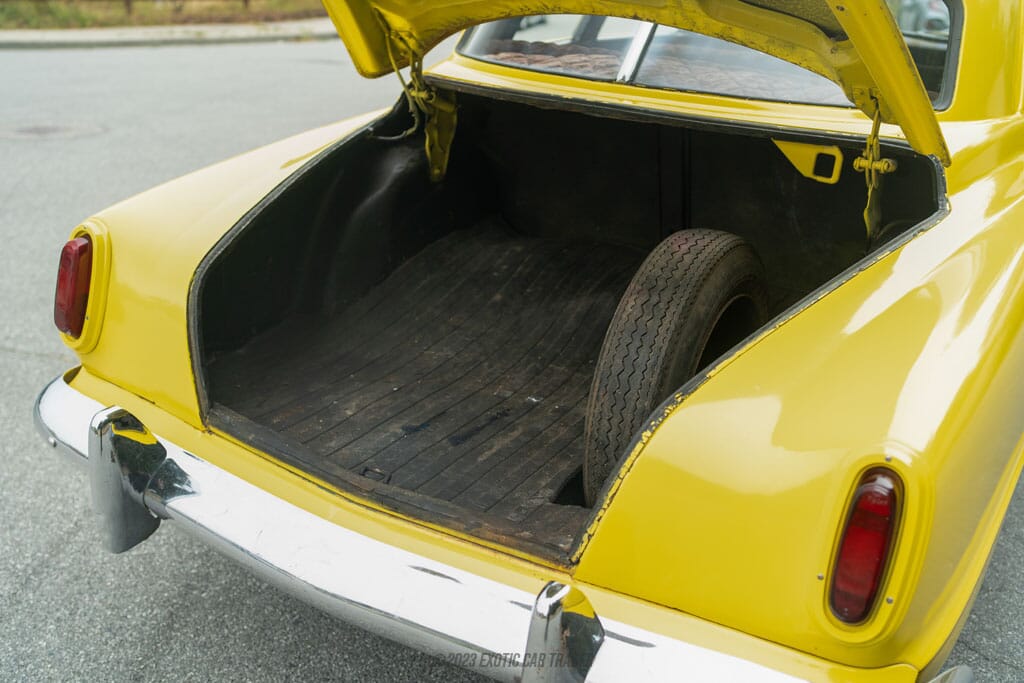
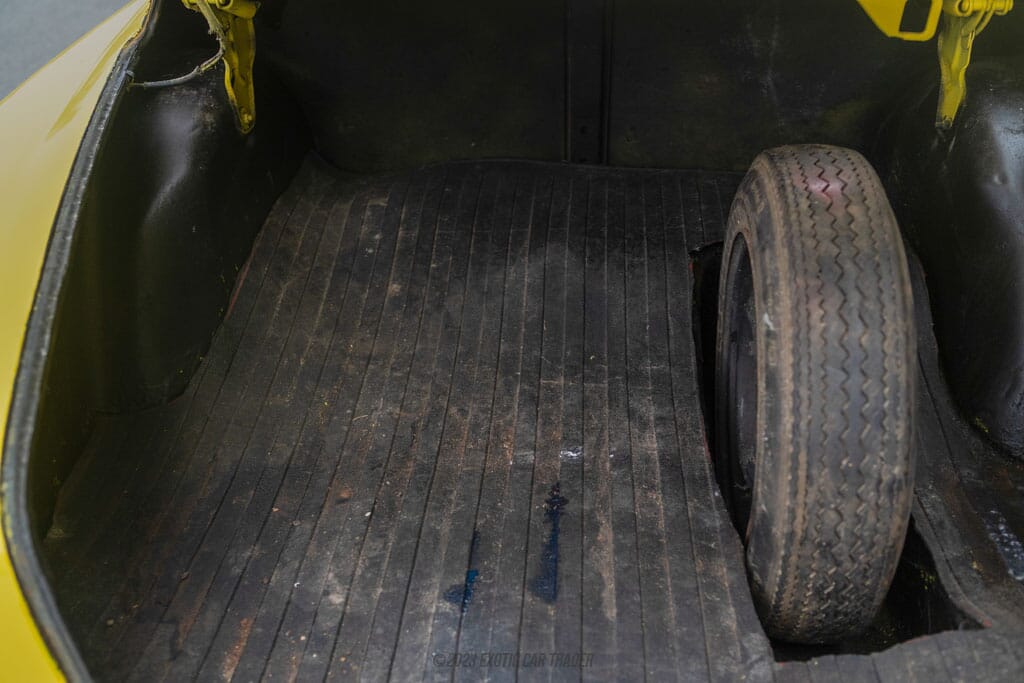
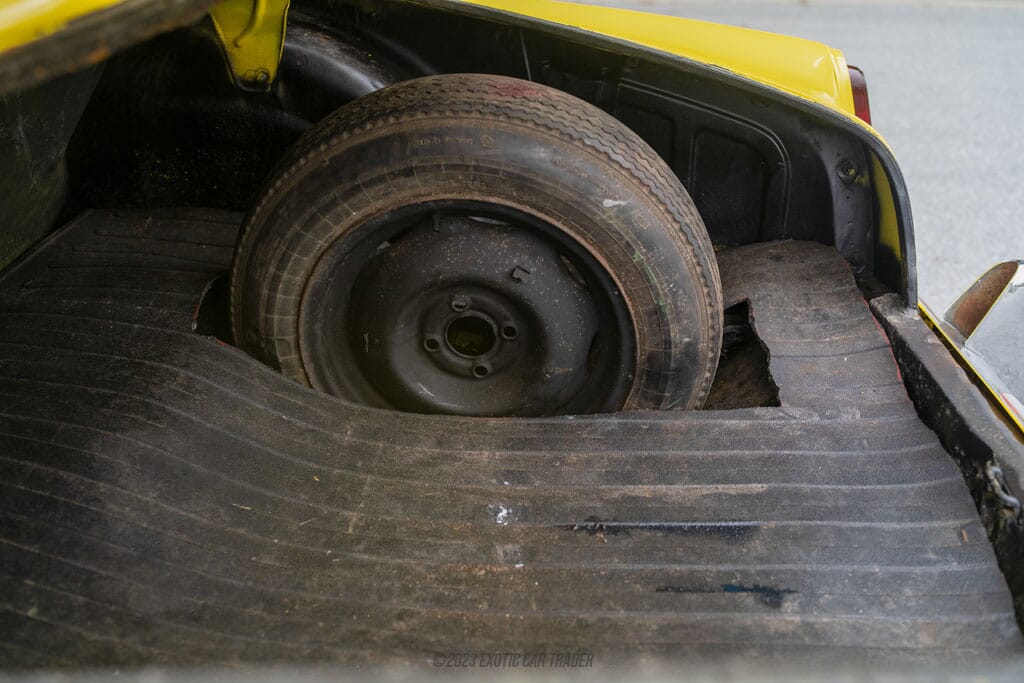
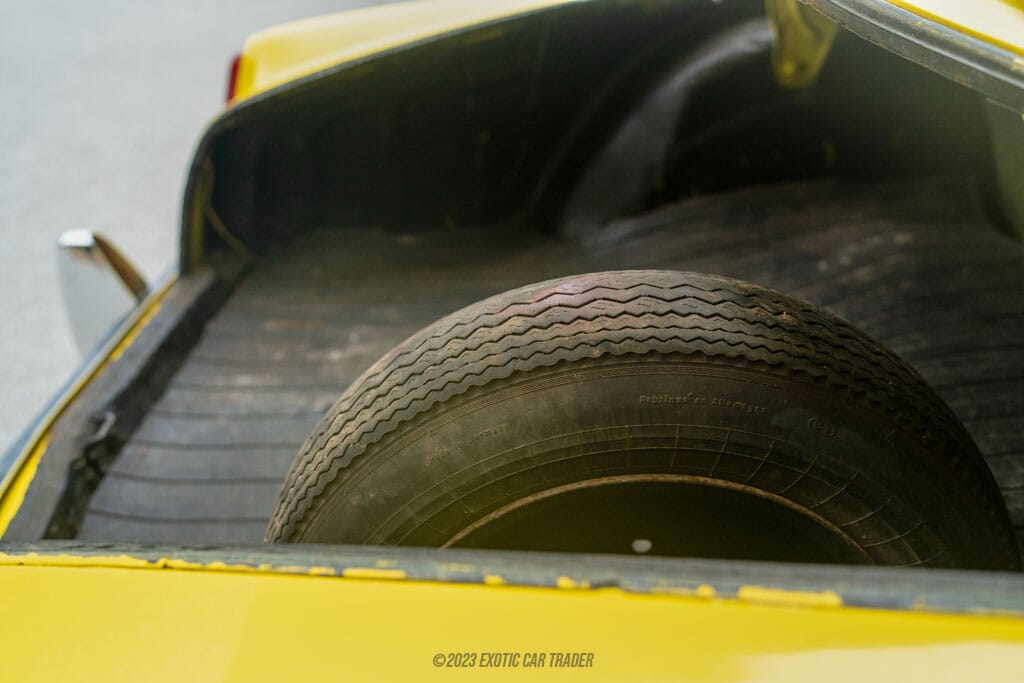
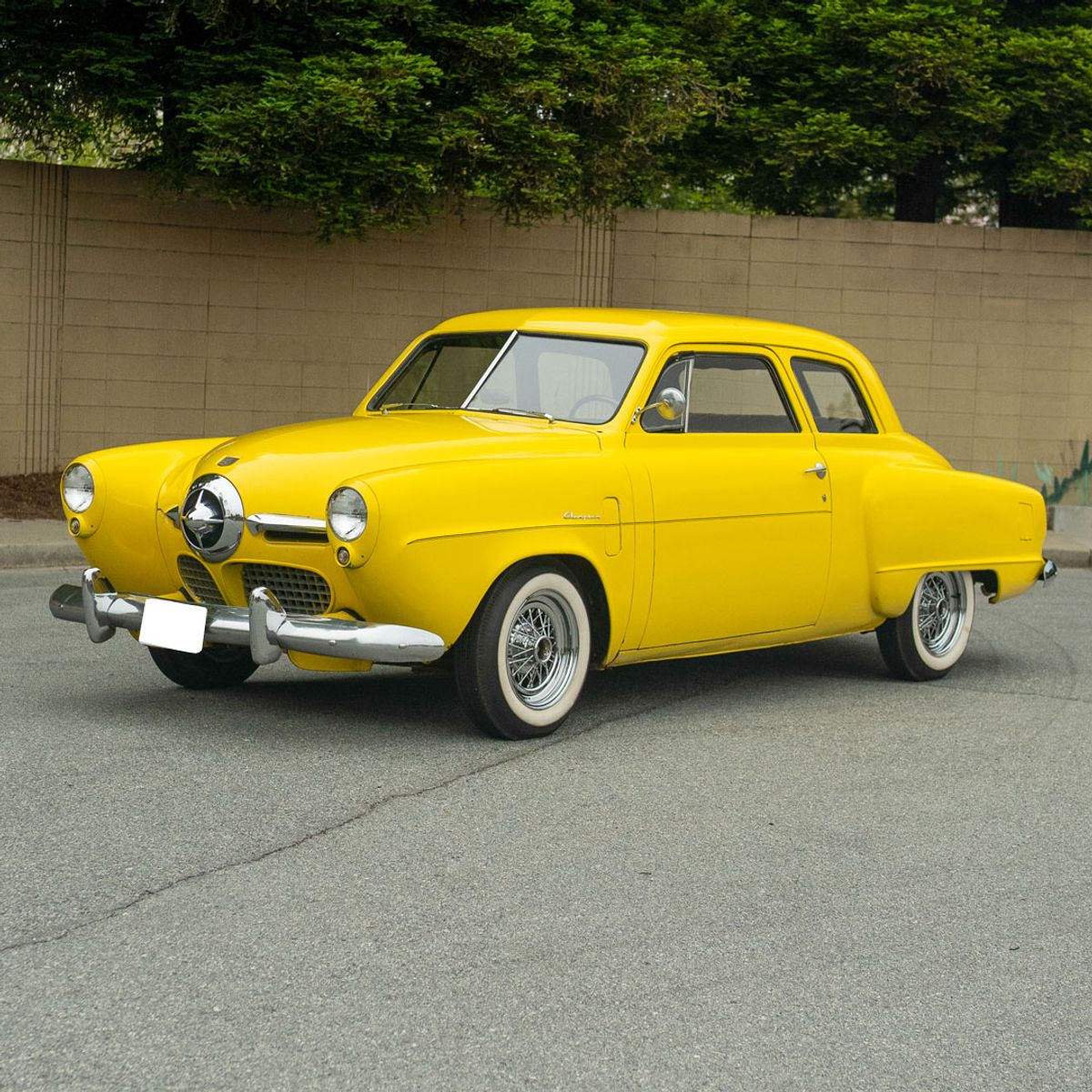
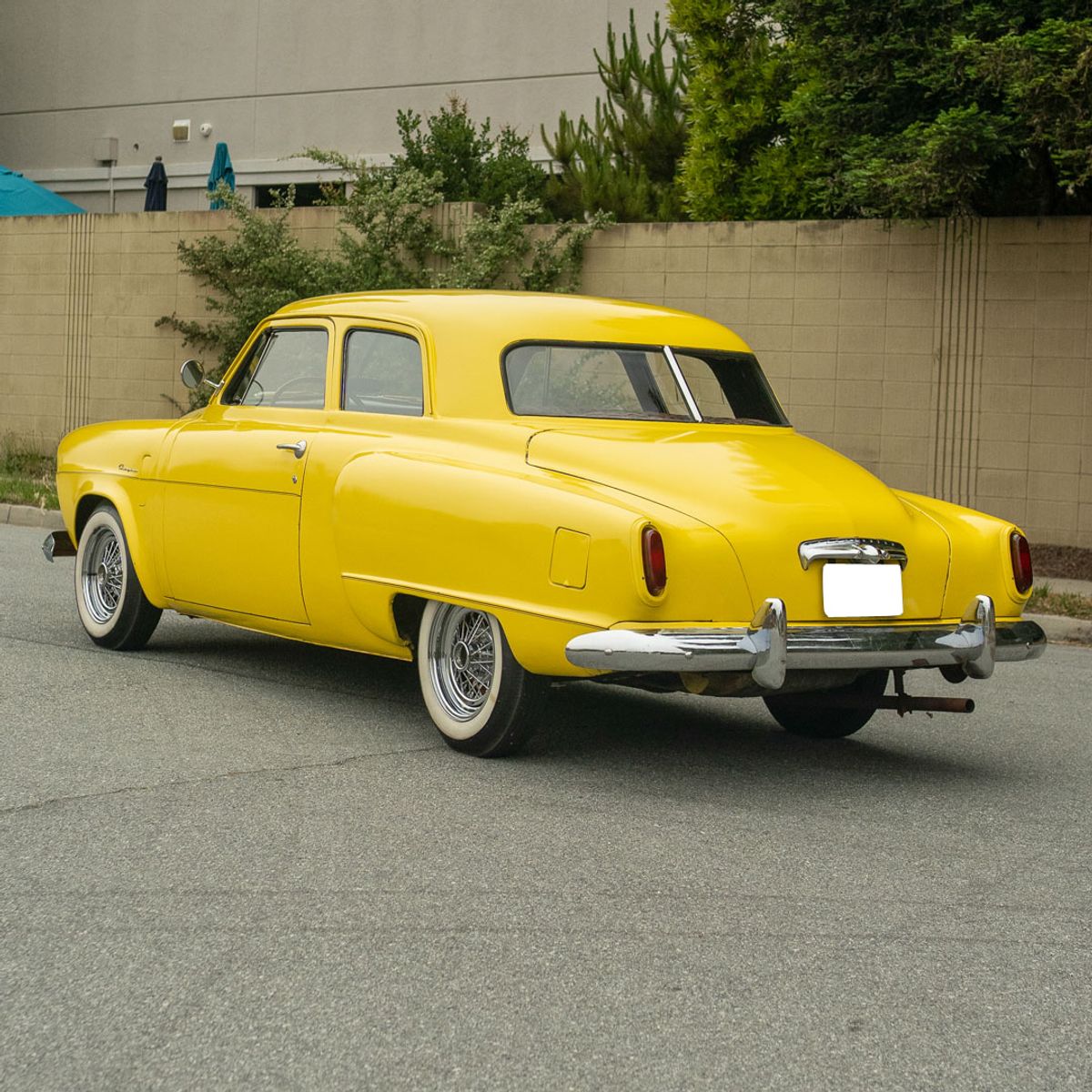
We mentioned sleek styling before, and looking at this 1950 Studebaker Champion Coupe, and it's proof enough of how iconic Studebaker was back in the day. This 1950 Studebaker Champion Coupe sports a yellow exterior that helps highlight that iconic design and showcase every little curve and feature. The body and exterior are in great shape and sport all its factory chrome components; matching the chrome trim is a set of 15" Custom Wire Spoke Wheels that are wrapped with whitewall tires. The interior of this 1950 Studebaker Champion Coupe sports a mix of factory and custom styling. Stepping into the custom brown velour interior and you are treated to comfort; once you are comfy, the sight of this car's dashboard that houses its factory steering wheel and clusters makes sure you know that you are in the presence of a 50s classic.
Engine
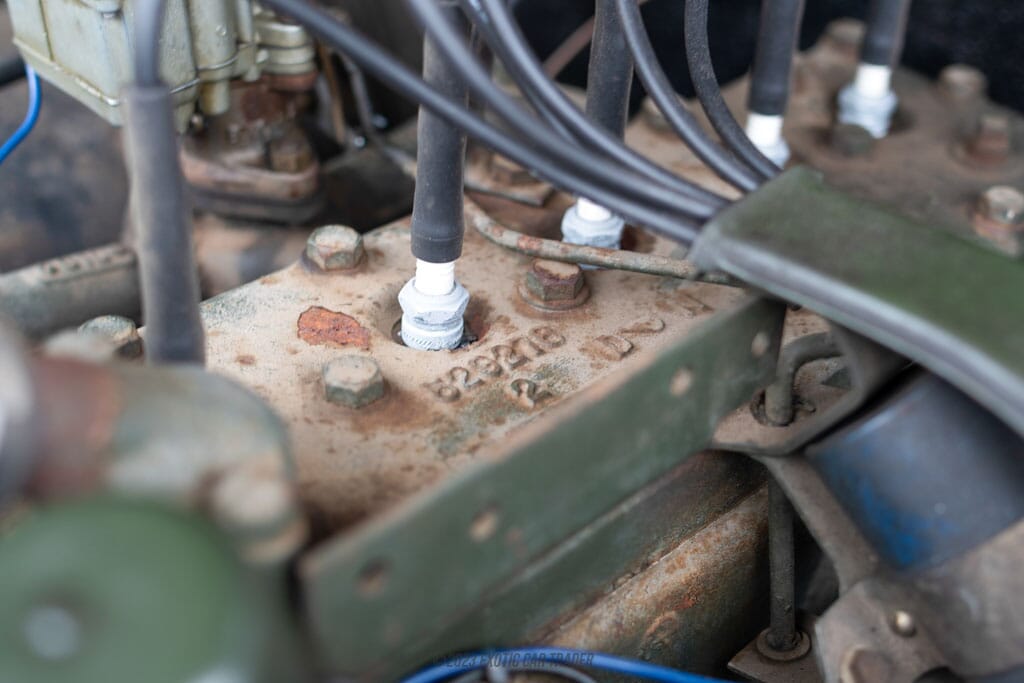
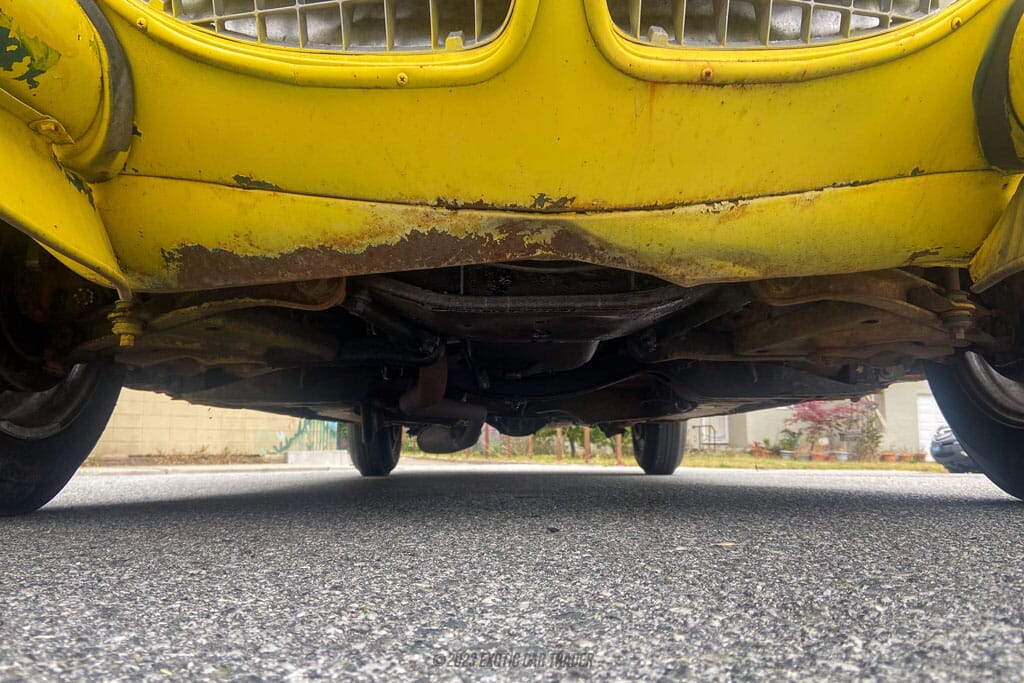
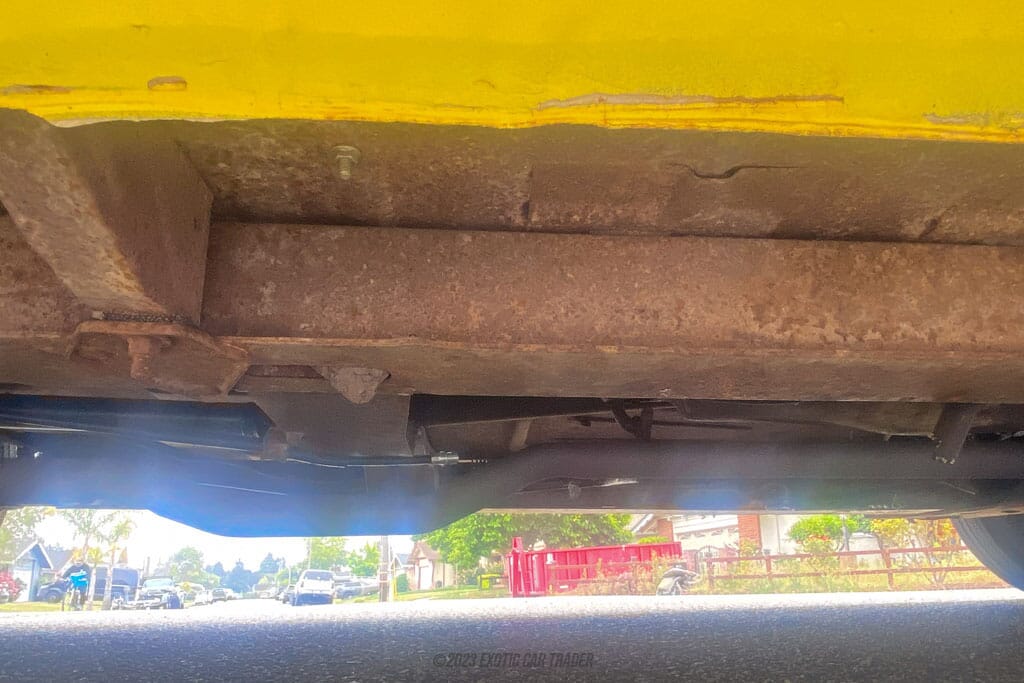
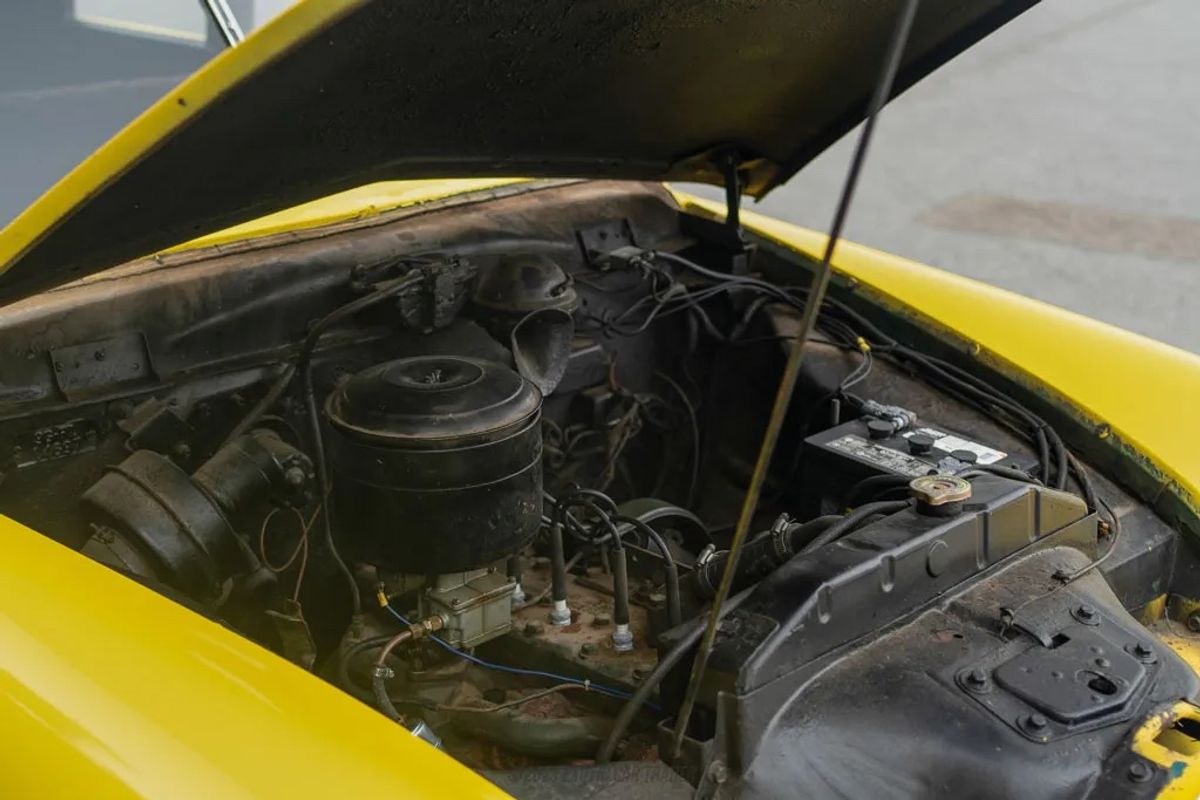
Underneath that sleek and iconic design lies a motor that's ready for operation and offers you a practical classic car ownership experience. Pop open the hood of this 1950 Studebaker Champion Coupe, and what you will find is a period-correct flathead inline-six motor. The current owner reports that this American classic is upgraded with disc brakes at the front, upgraded power rear drum brakes, and an upgraded 5 lug conversion to better improve handling and performance. Power is sent to the car's rear wheels through a 3-speed manual transmission; gears are selected through a column transmission to boost that authentic drive feel.

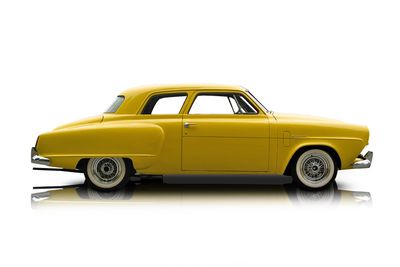

Throw it back to the 50s, and amongst all the new luxury and class, one manufacturer stood out with its ingenuity and unique design. Studebaker was a revolutionary manufacturer back in its heyday and was renowned for bridging the world with some of the best automotive designs and innovative features of its time. Present today is a lovely example of what the Studebaker brand looked like in the roaring 50s and came in the form of this iconic and lovely 1950 Studebaker Champion Coupe. With a reported 59,000 miles on the clock, this American classic is a unique piece of American automotive history and now can be yours to cruise into the weekend.
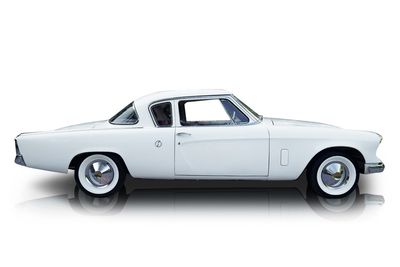
Little known in Europe, the Studebaker brand was synonymous with car manufacture in the United States. The first car of Studebaker, debuted in 1902, and due to lack of resources, they left the automotive market in 1966. During their run, they brought multiple successful models that have gone down in history, including the Champion, which spanned five generations. Due to its affordable price, quality materials, and rugged construction, the Champion proved to be an ideal family car. This well-preserved garage-kept example of the 1954 Studebaker Champion Coupe comes to you from Florida with original documentation available. It was bought as a pair along with a Studebaker President (also listed) and has been restored to original using period correct components.
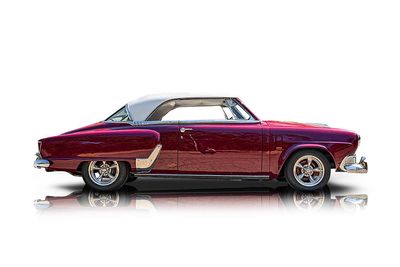
A small company initially established in Indiana back in 1902 was first creating battery-powered automobiles based on horse carriages. This company, founded by the Studebaker brothers, is responsible for this stunning 1952 Studebaker Champion Regal Starliner Coupe available in our inventory. Of course, its design is not based on a horse carriage, and it is certainly powered by a gasoline engine. Introduced in 1939, the Studebaker Champion was the little sibling of the companies top-of the- line Studebaker Commander model. Belonging to the 1952 model year, this Studebaker Champion Regal Starliner presented here proudly belongs to the third generation of their lineup. In all its original glory, a fantastic amount of work has gone into making this California-based car look and run as good as it does here. It’s ready to turn heads for the next lucky owner – will that be you?
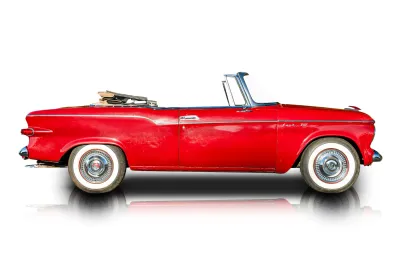
Showing 76,087 miles, this 1960 Studebaker Lark VIII Convertible is an example of Studebaker’s distinctive compact V8 platform, combining classic styling with the performance-oriented Lark VIII drivetrain. Finished in red with a red/black interior and tan convertible soft top, this open-air cruiser is powered by a 259ci V8 paired with a 3-speed Flight-O-Matic automatic transmission, offering a unique alternative to the more common offerings from Detroit’s Big Three.
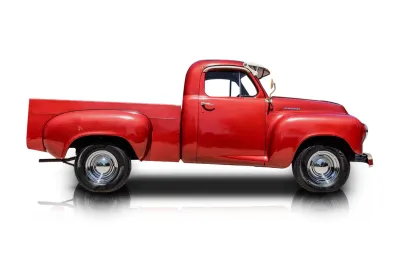
The postwar pickup market was fiercely competitive, but Studebaker managed to stand apart with distinctive styling, solid engineering, and a reputation for durability. This 1950 Studebaker 2R5 Pickup represents that era well, combining classic American truck design with practical utility. Showing approximately 10,070 miles on the odometer, this truck benefits from a reupholstered interior and retains many of its period-correct details, making it an appealing choice for collectors and enthusiasts alike. Its charming appearance, all-steel bed floor, and iconic Studebaker character make it equally suitable for local shows, weekend cruises, or display in a vintage vehicle collection.
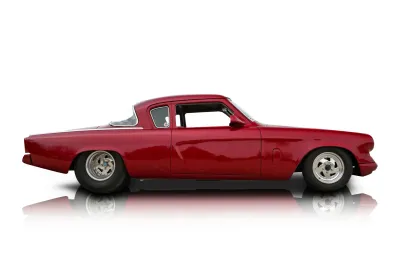
Studebaker is one of those legendary American automakers that’s long gone but never forgotten. Our automotive history is full of brands that gave us iconic machines—cars that still stir emotion decades later in a way modern tech-focused brands may never match. Today’s vehicles are fast and advanced, but will they inspire the same connection fifty years from now? Will they even survive that long? Classic cars were built with longevity, soul, and mechanical simplicity, not planned obsolescence. That’s why a seventy-two-year-old build like this 1953 Studebaker Commander Pro Street build still exists—and still turns heads. Based out of Hiawatha, Iowa, this restomod has been transformed into a true street-strip performer, featuring a massive LS6 V8 with the current owner reporting just under 700 miles since completion. It’s a striking custom that’s ready for its next run.

Terms of Service
Be Kind and Courteous
We're here to create a platform to better the automotive industry through communication and transparency. Please treat everyone with respect. Healthy debates are natural, but kindness is required.
No Hate Speech
Make sure everyone feels safe. Hate speech of any kind is strictly prohibited. Degrading comments about things like race, religion, culture, sexual orientation, etc. will not be tolerated.
No Promotions or Spam
Give more than you take. Self-promotion, spam, or links of any kind are not allowed.
