








Buyer Resources






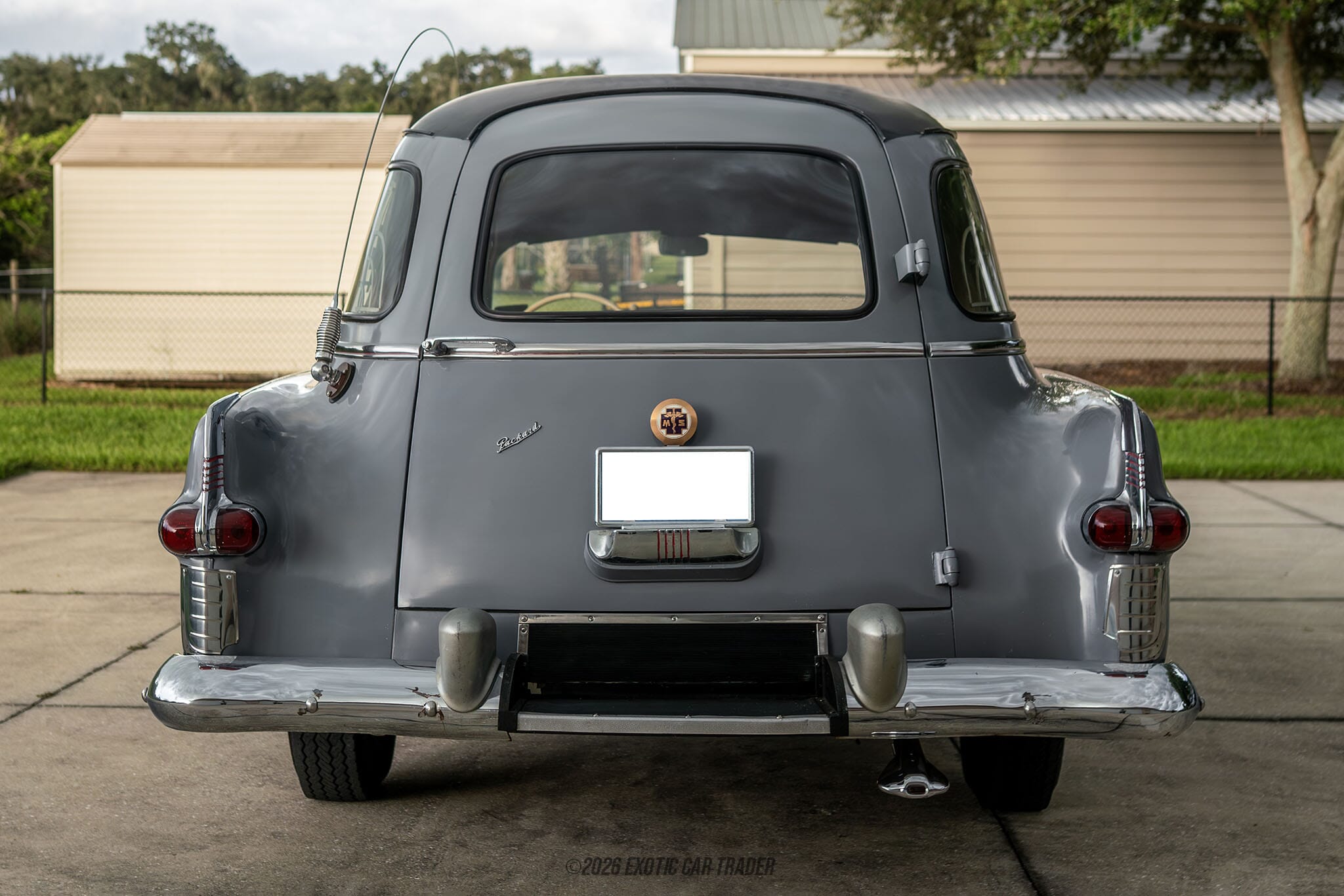
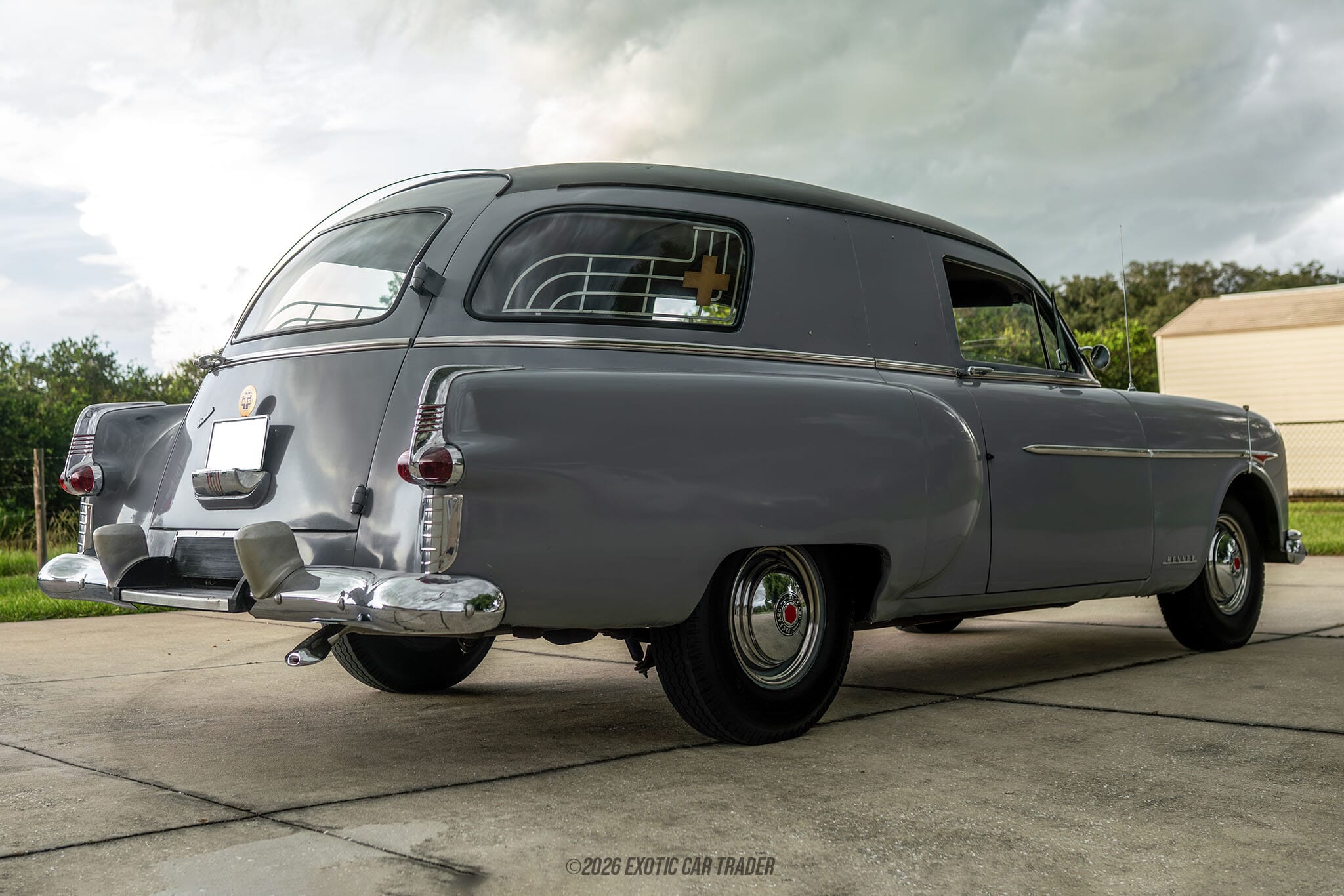
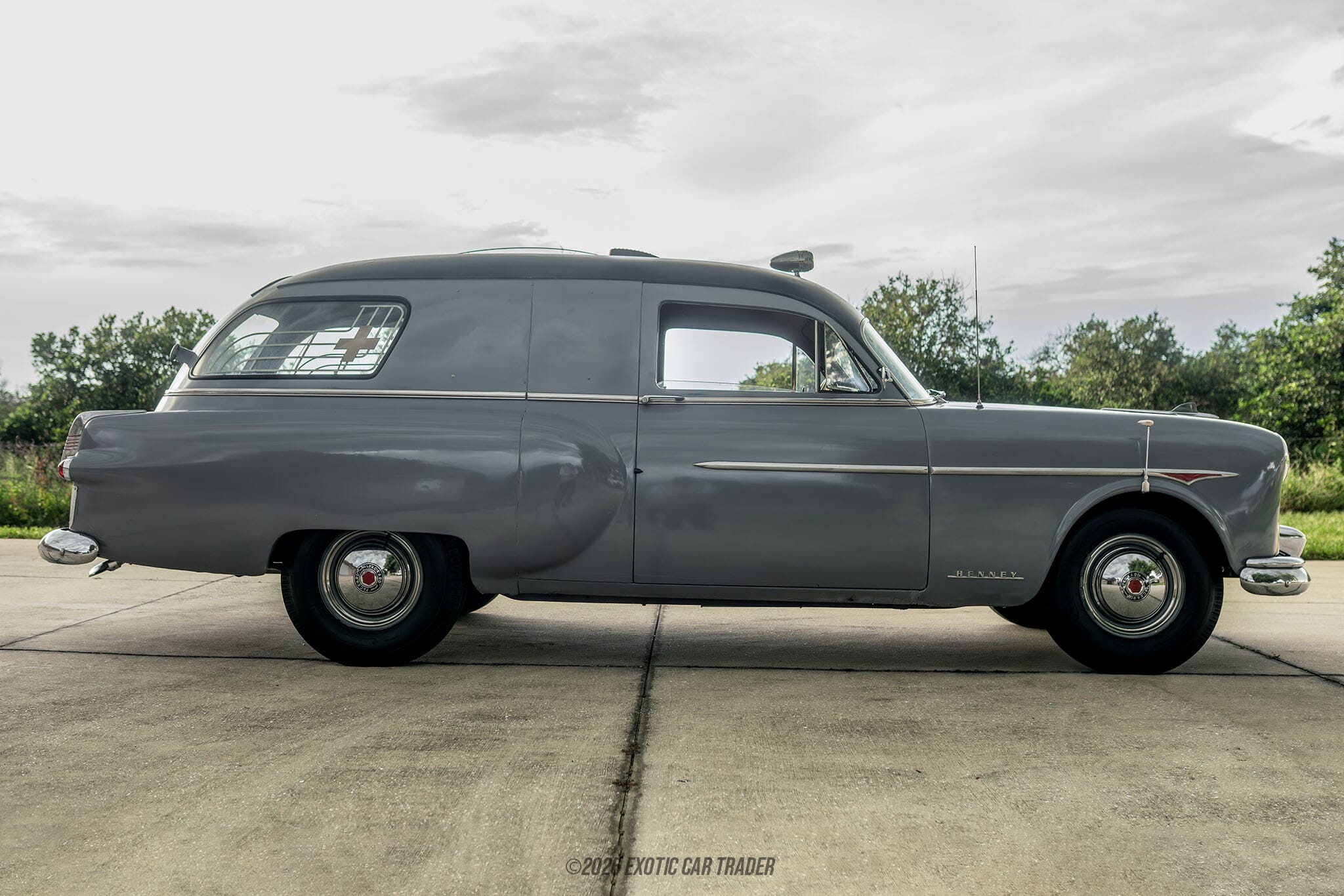
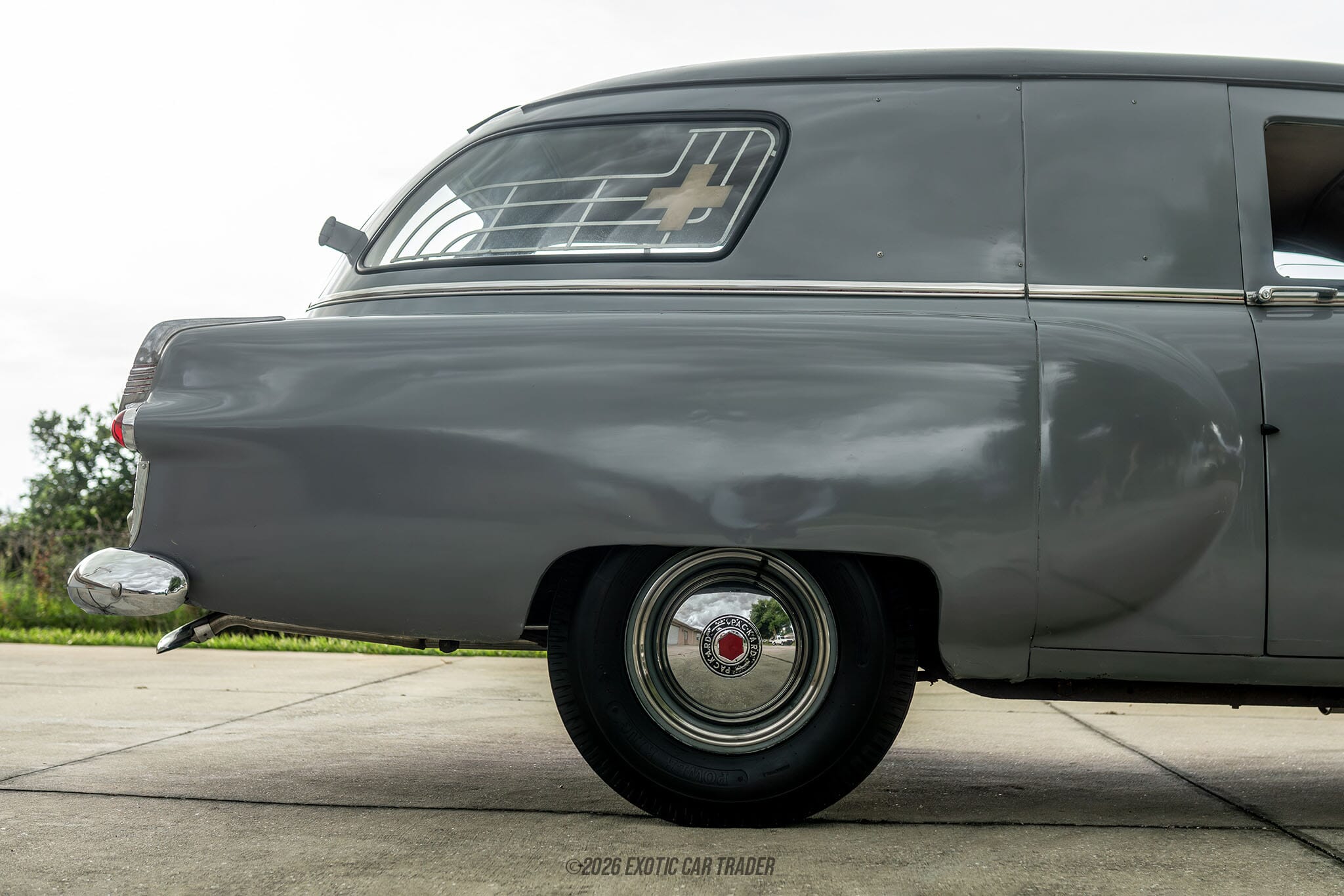
- 1952 Packard Henney Junior Ambulance (Pilot Prototype Serial #3)
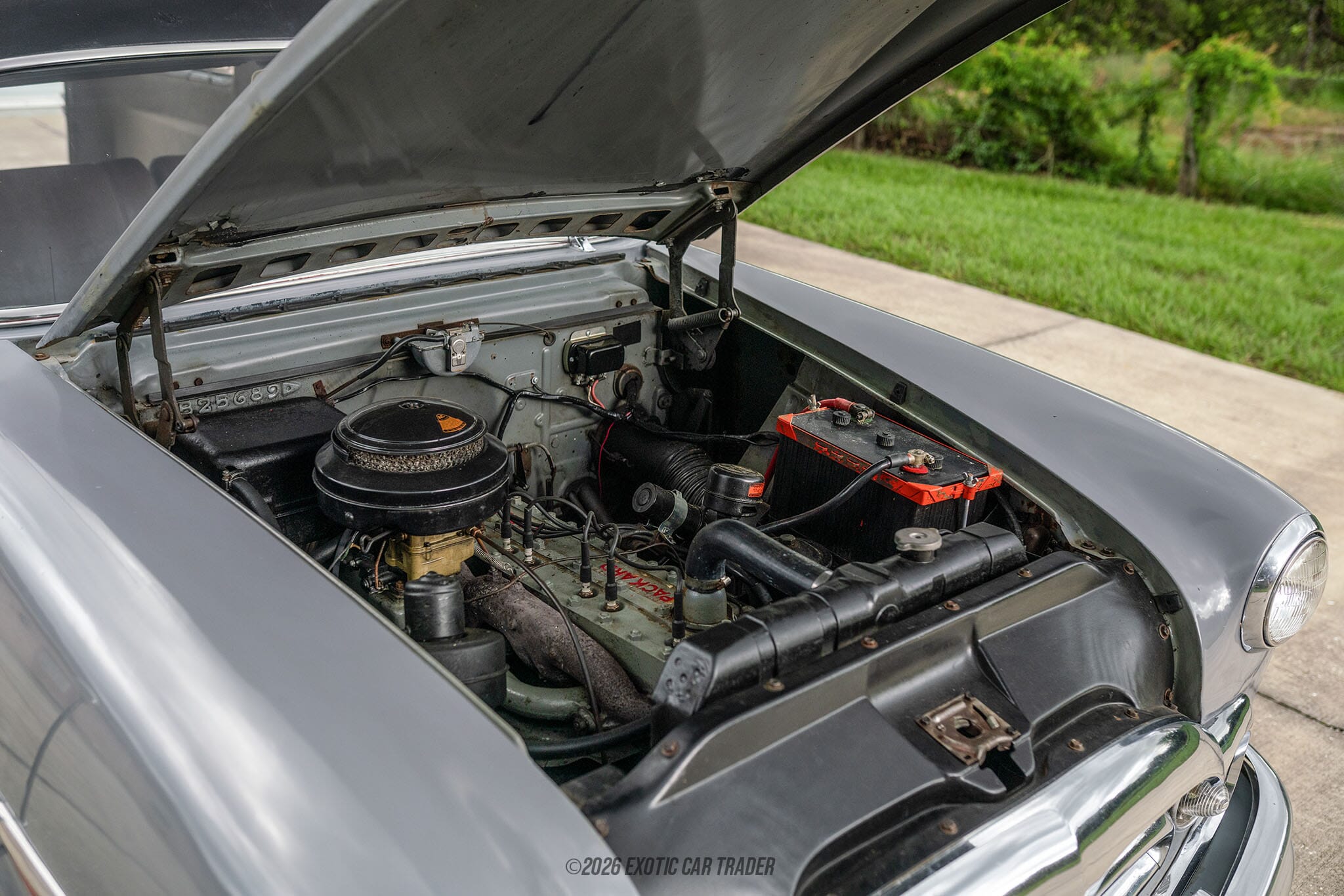
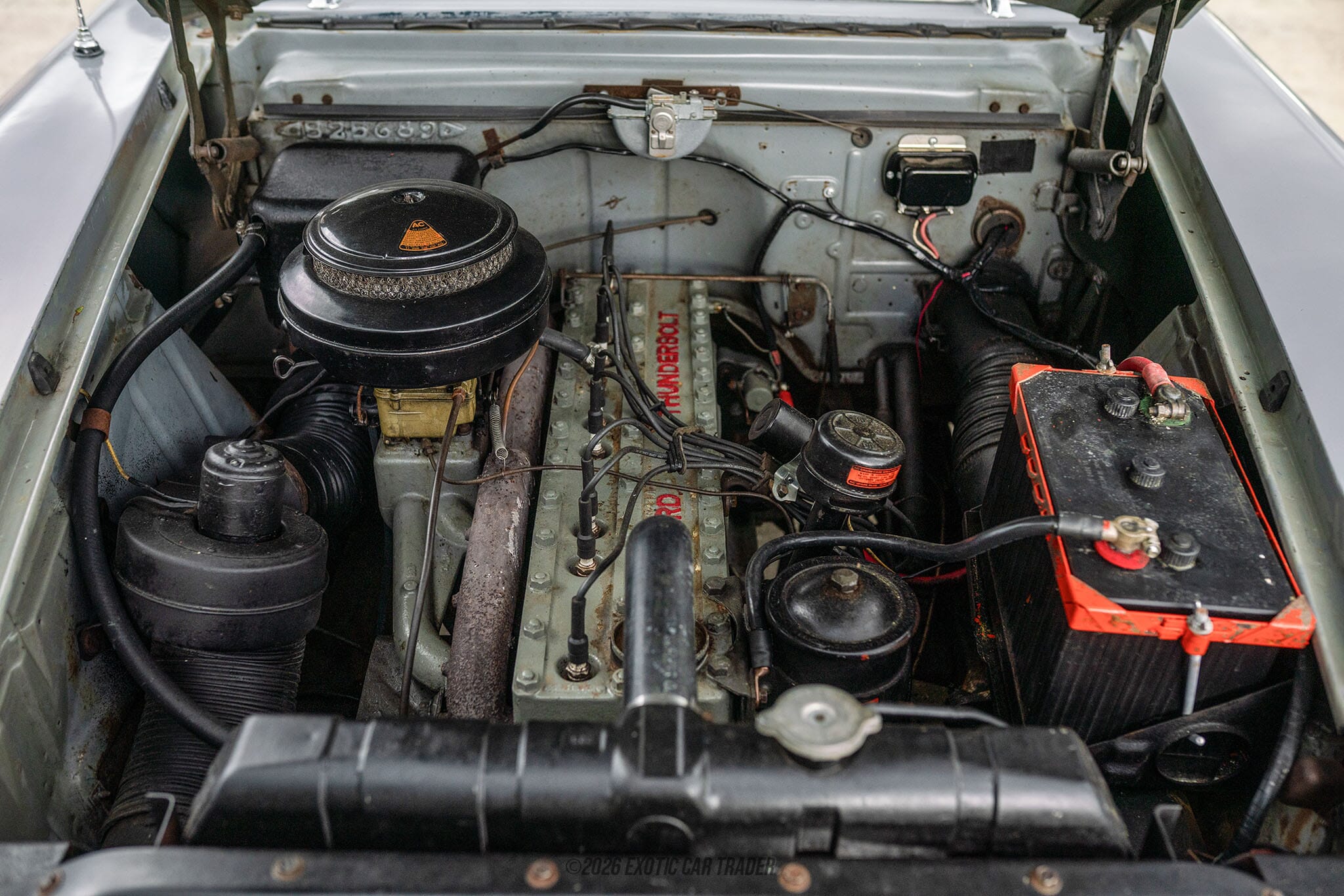
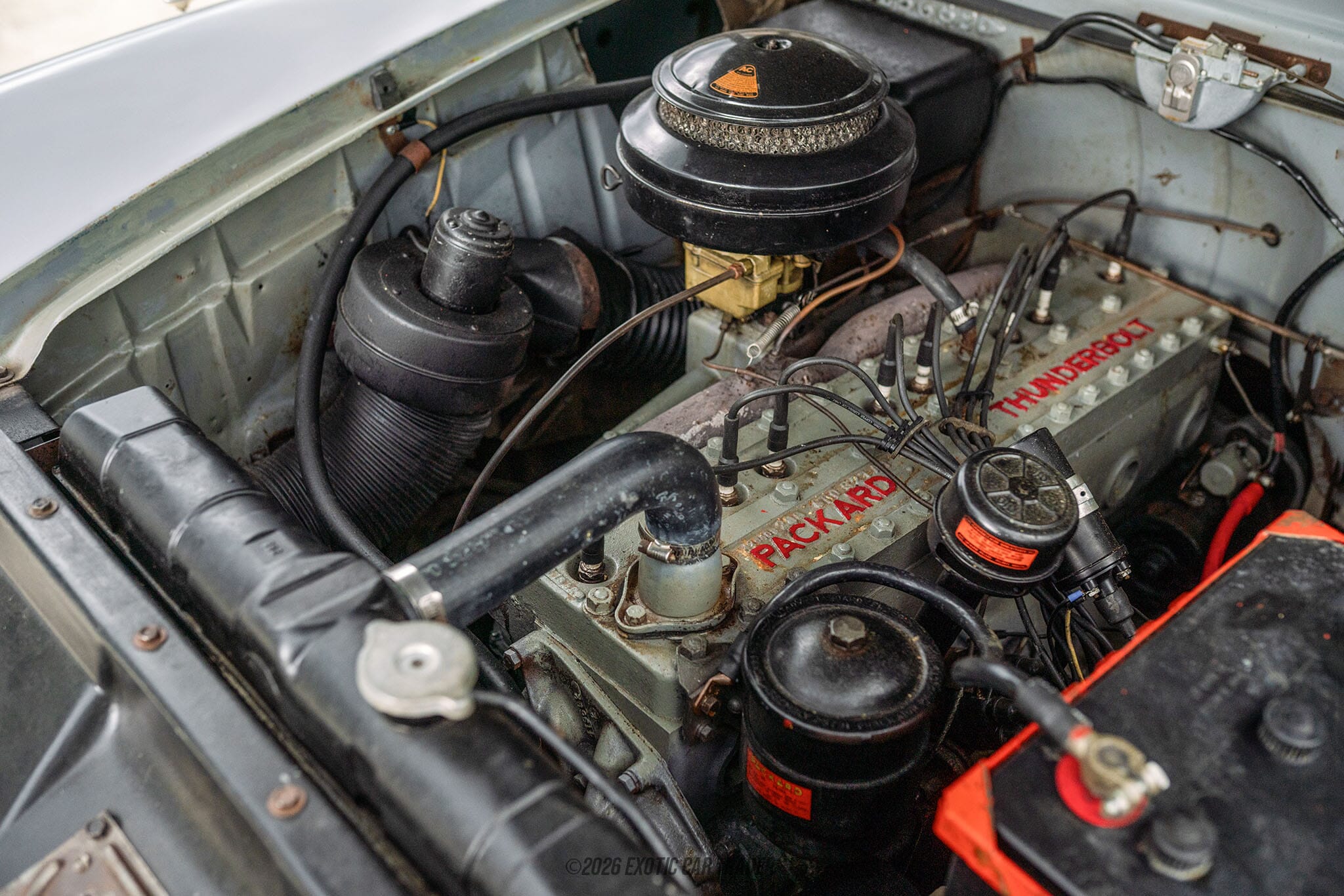
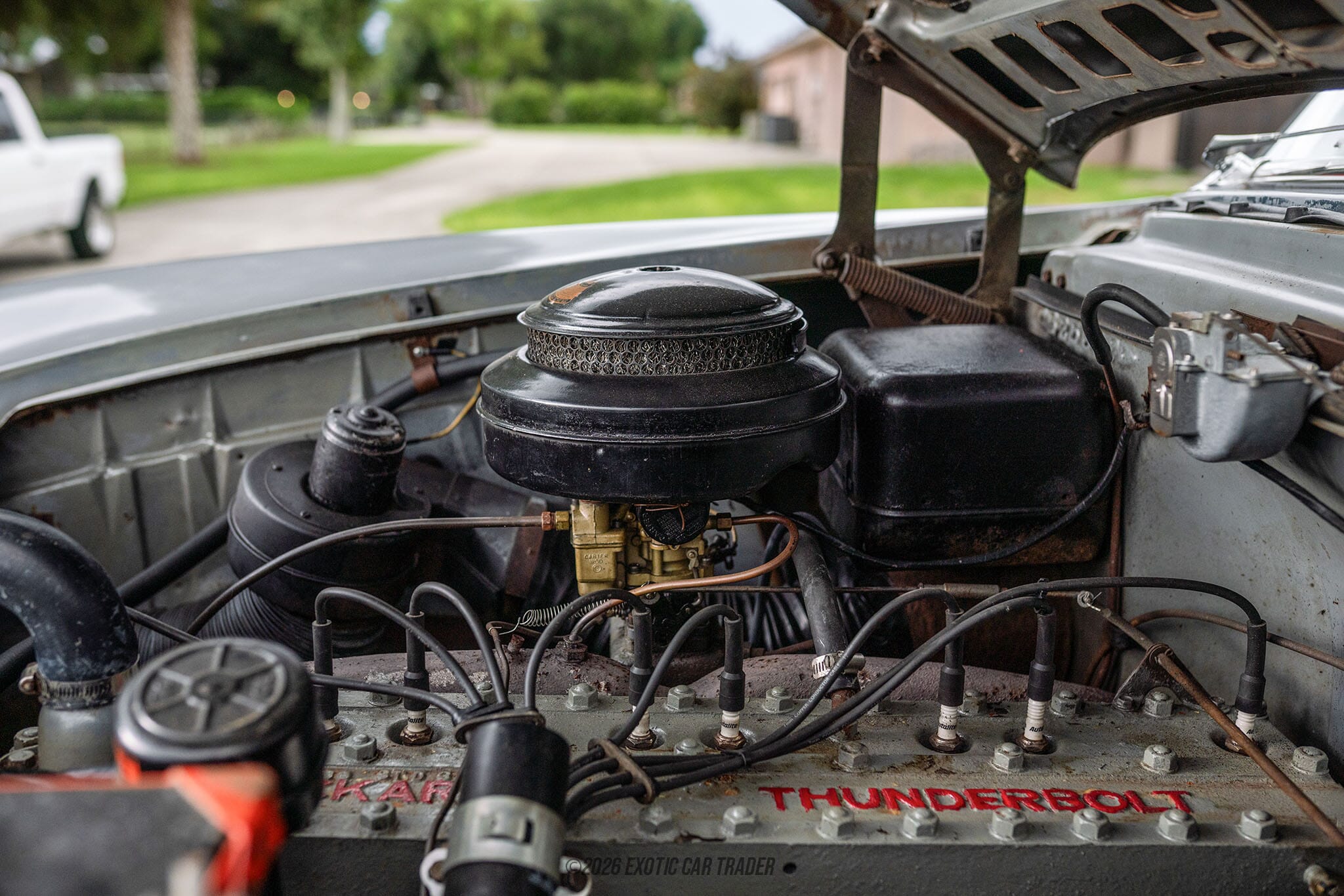
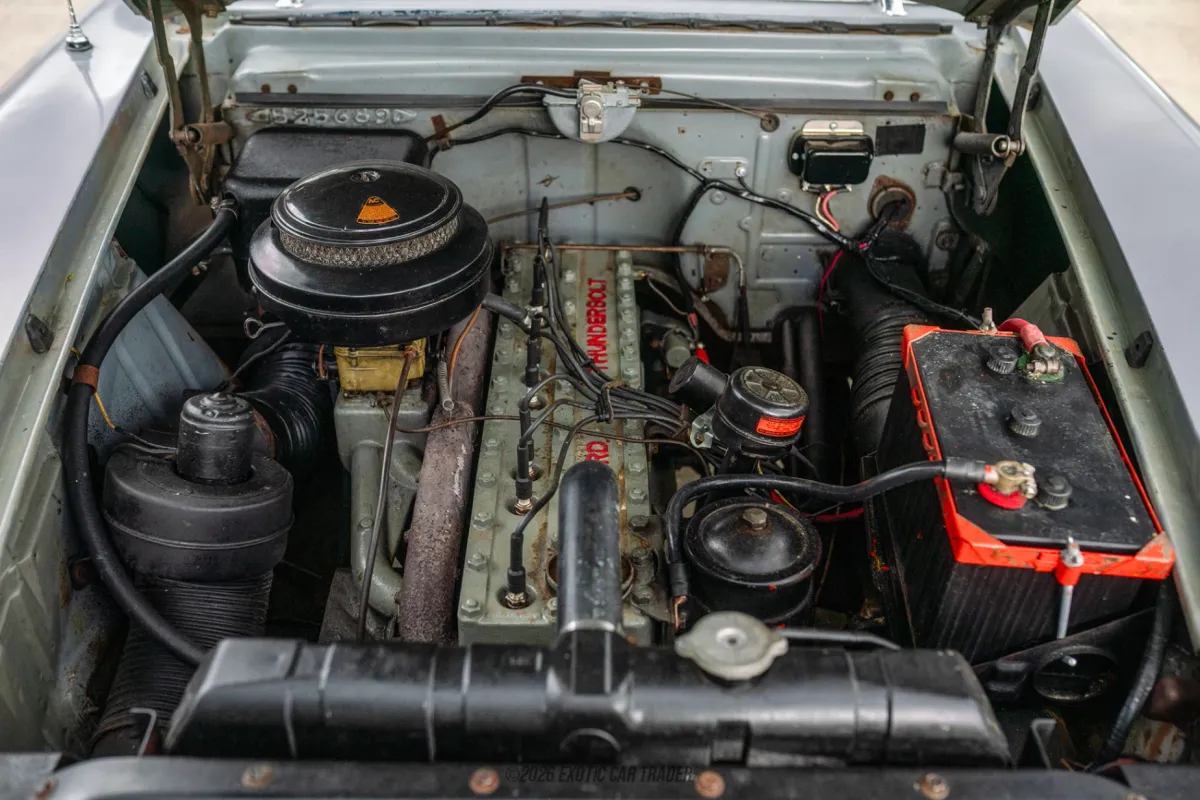
- 288ci "Thunderbolt" L-Head I8
- Single Carburetor
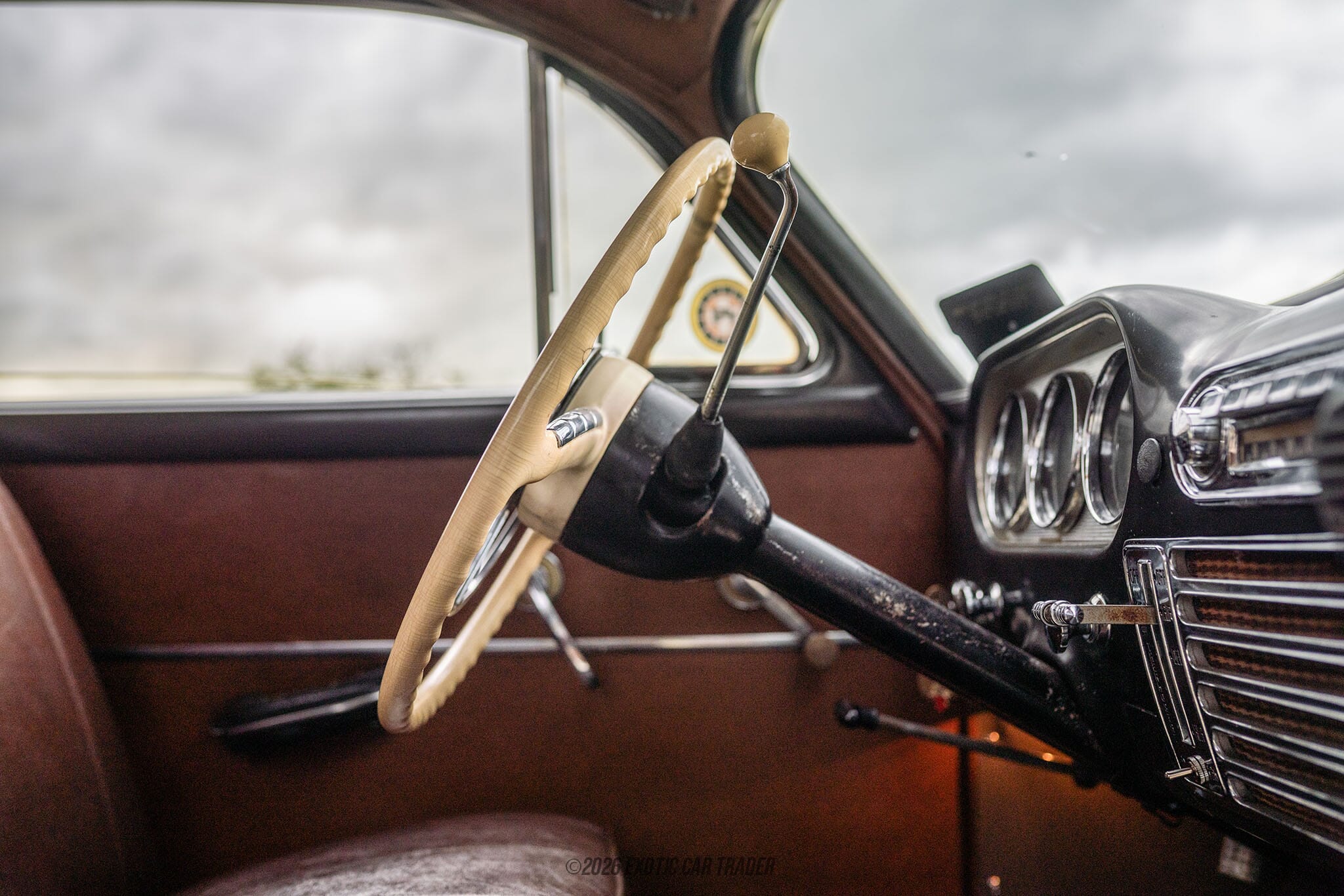
- 3-Speed Manual Column-Shift
- RWD
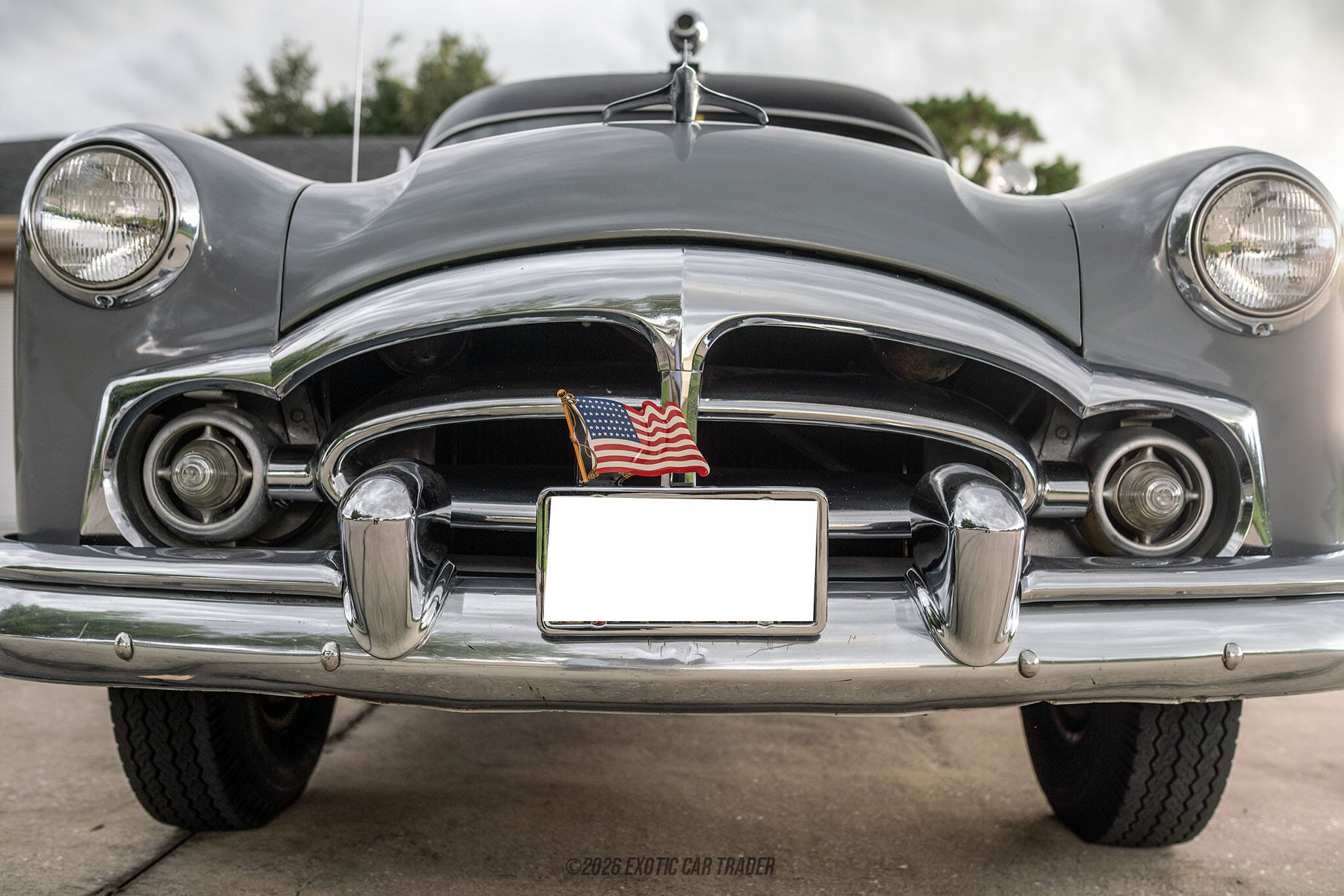
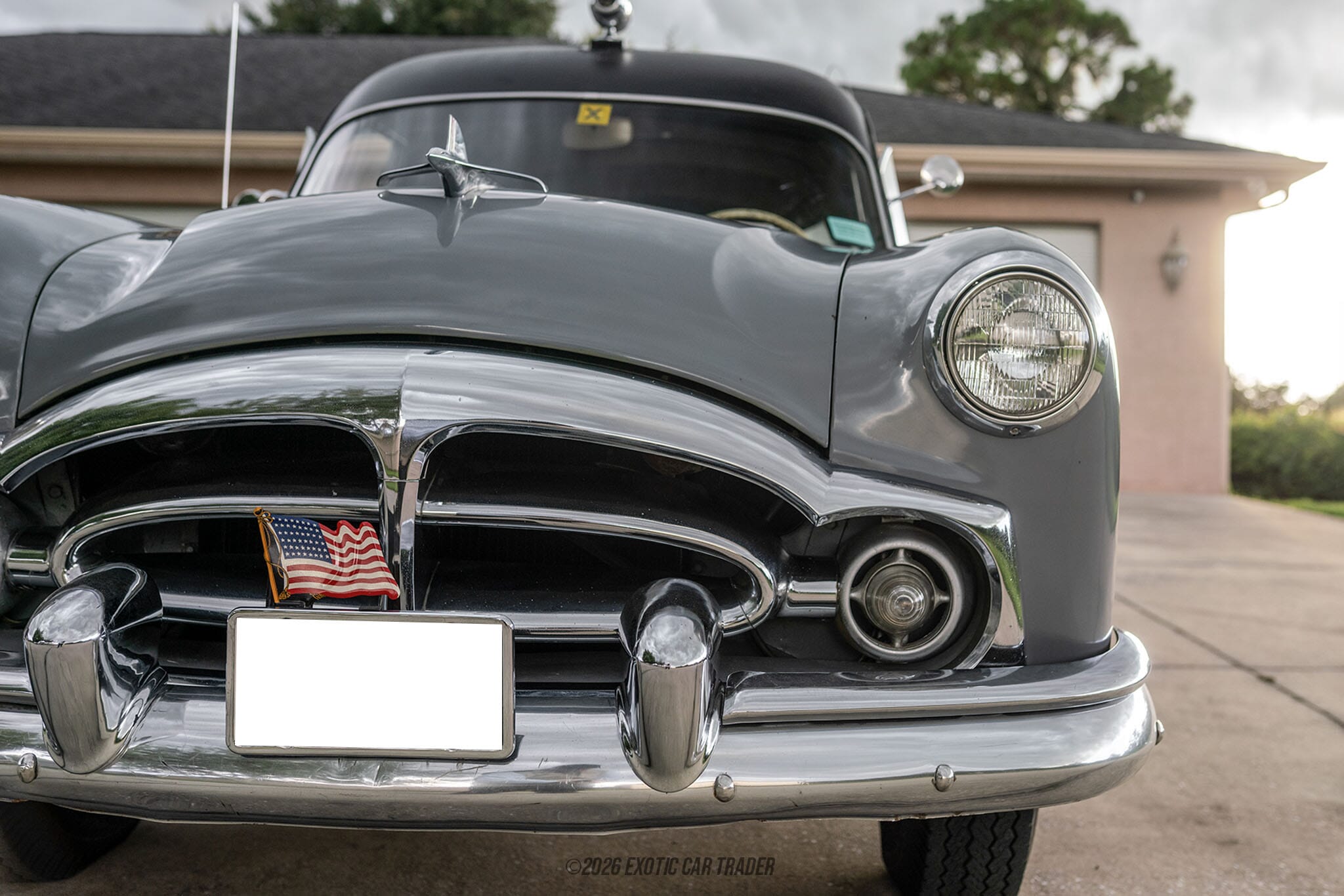
- Gray Exterior
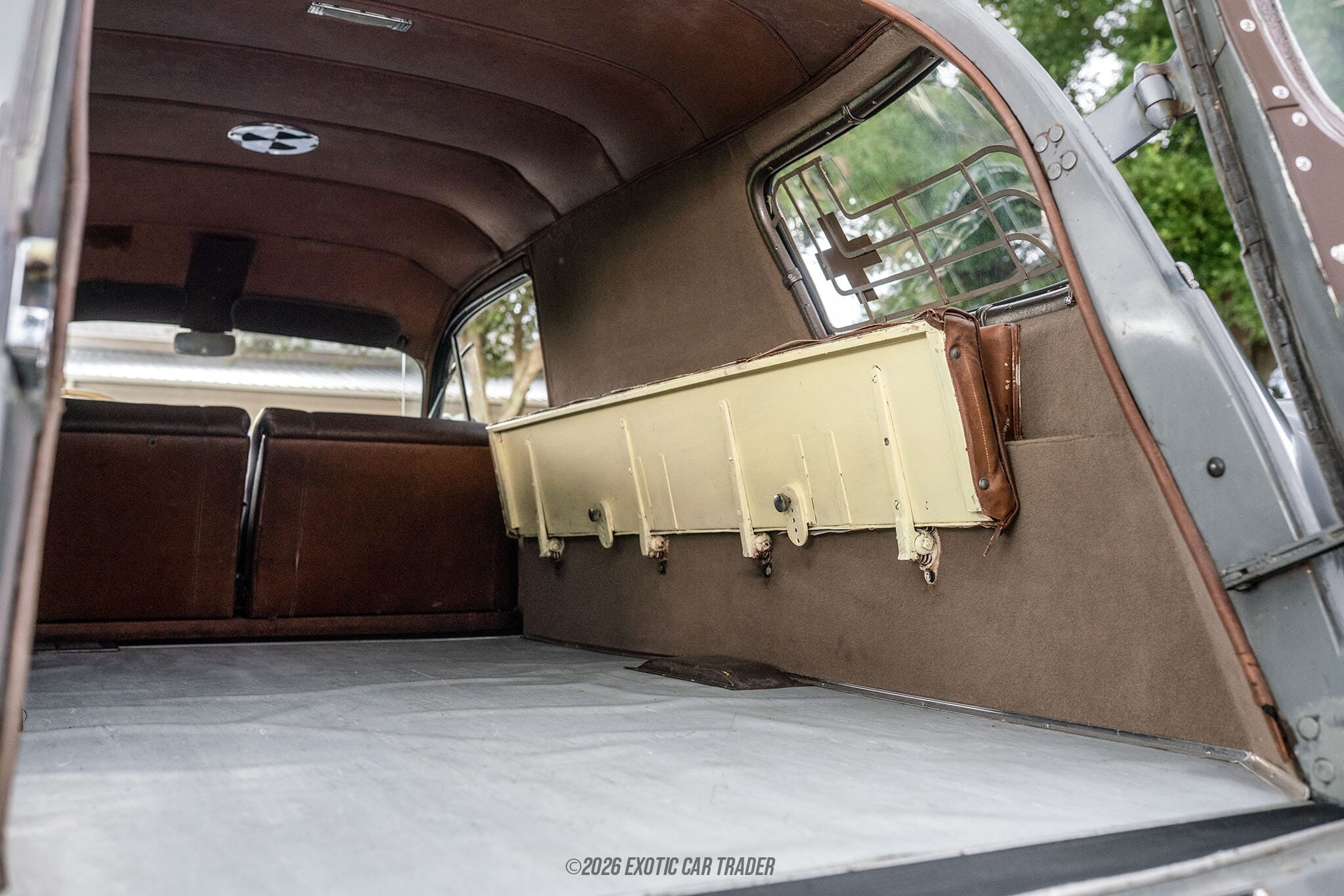
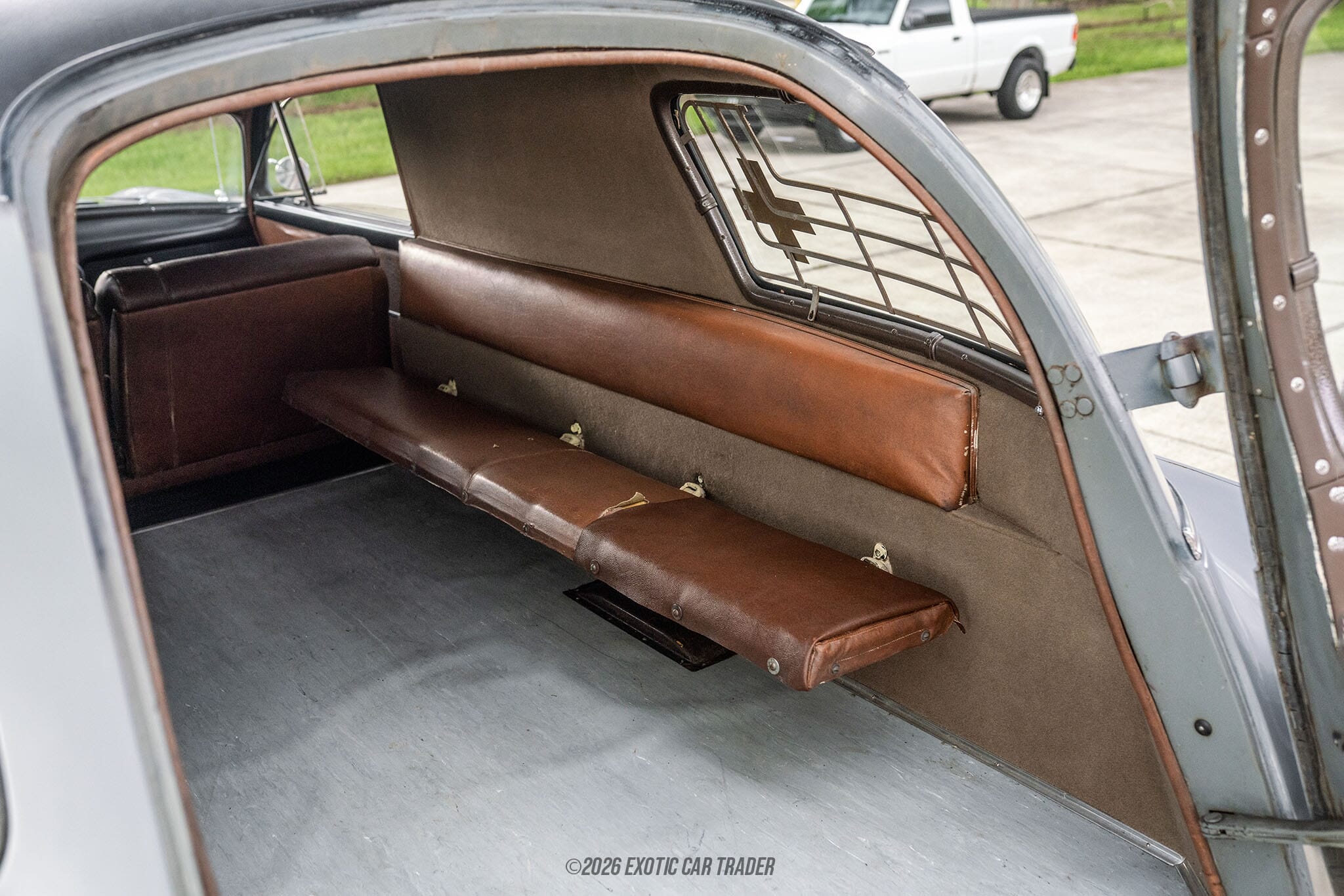
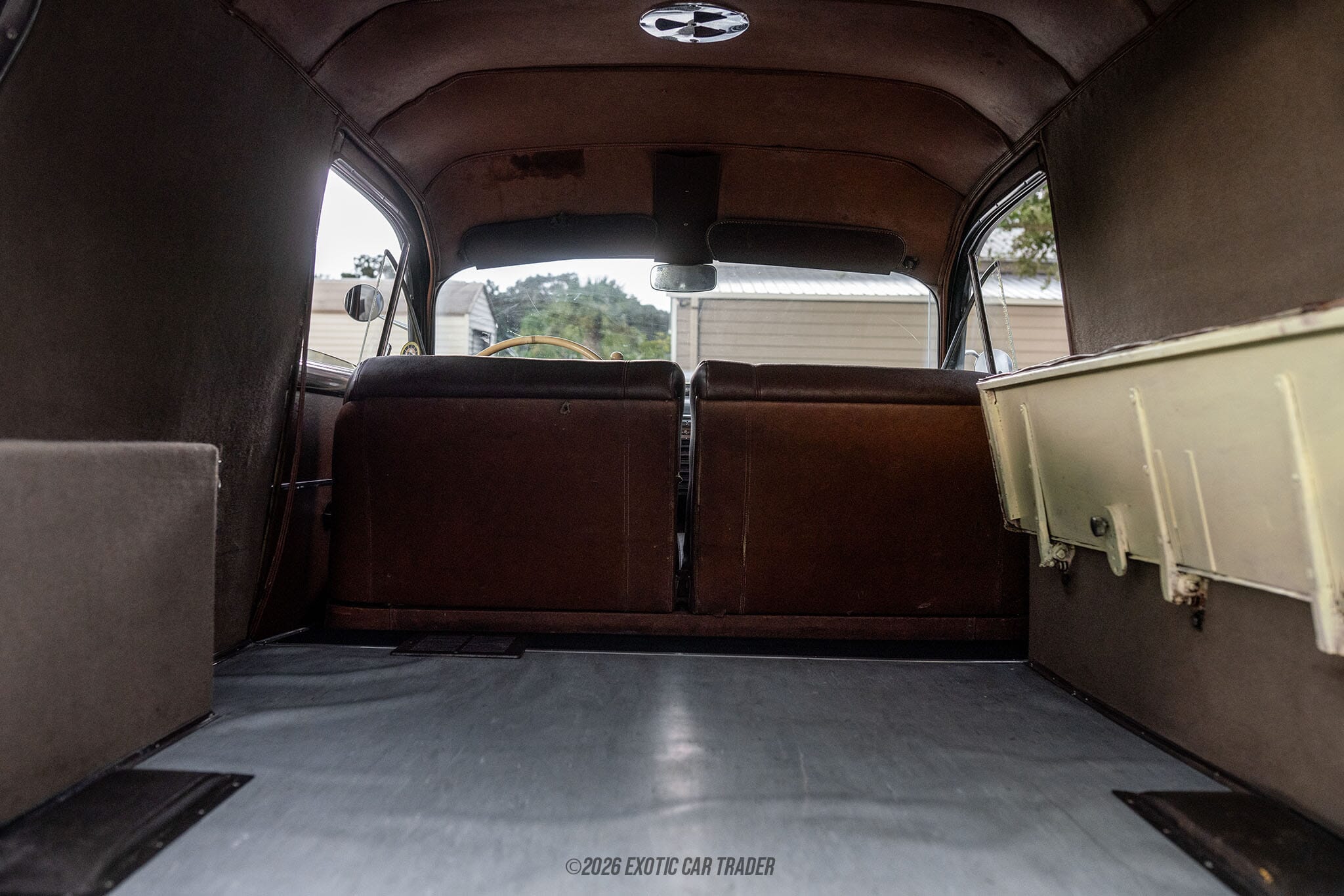
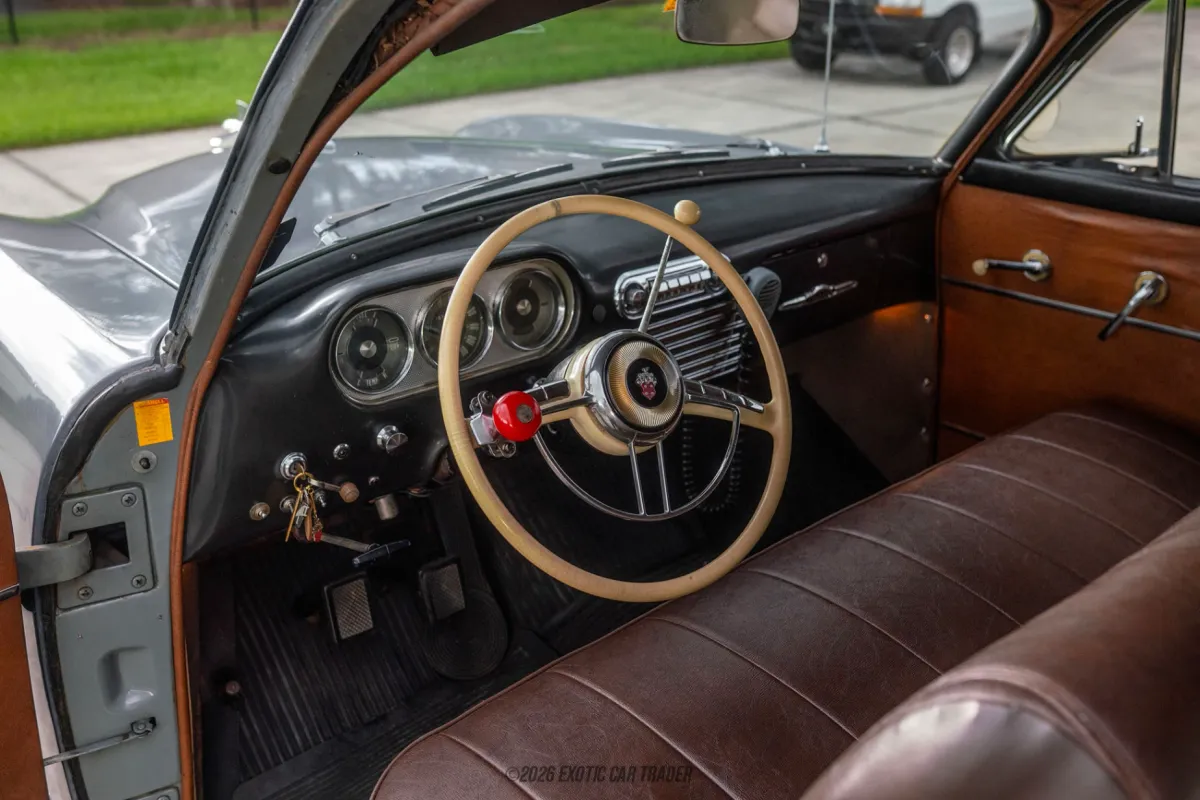
- Brown Naagahyde Interior
- Packard 25th Series Chassis (Model 2533)
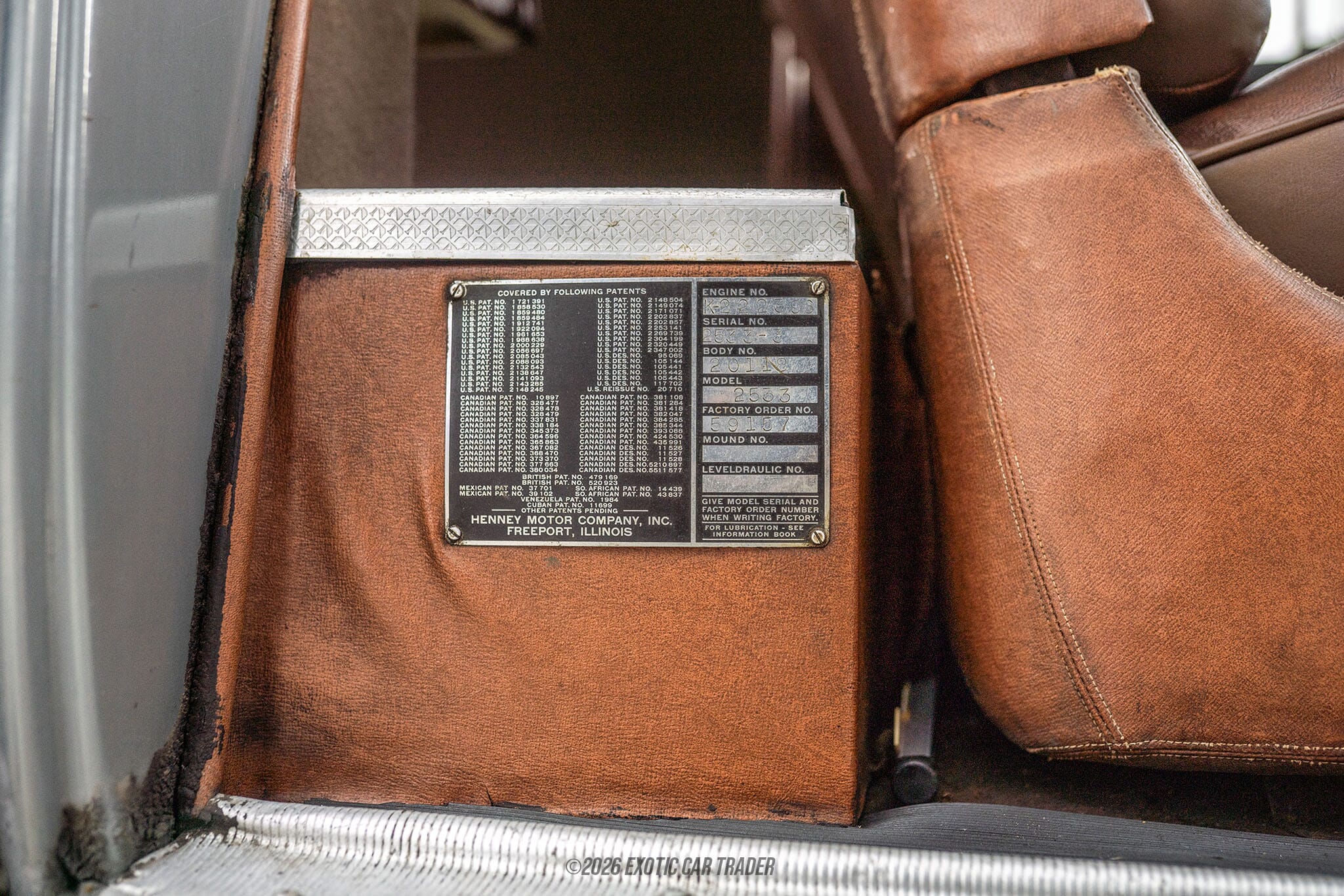
- Pilot/Prototype Vehicle — Serial No. 3 of 3 Built
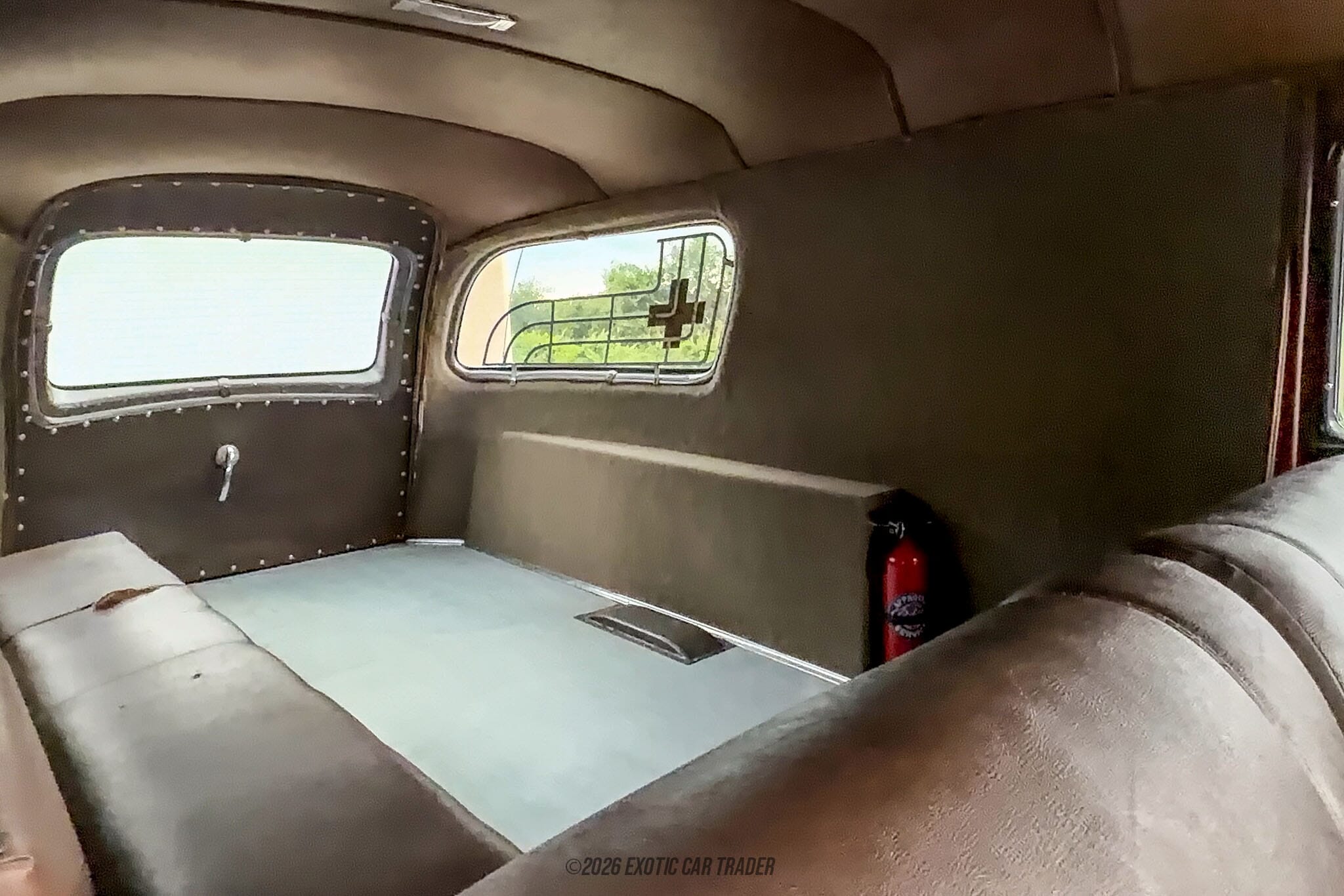
- Military Ambulance Configuration
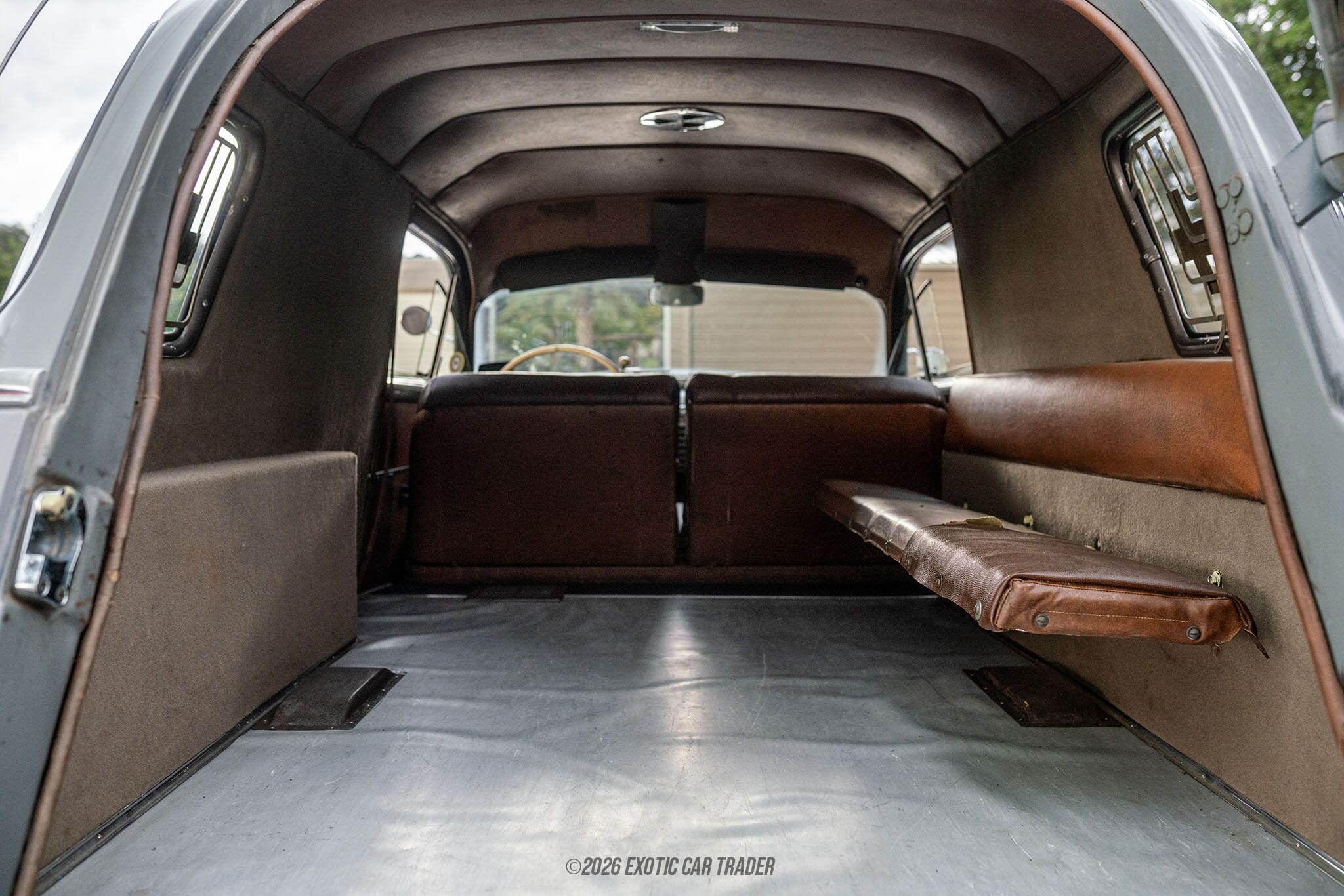
- Henney Coachbuilt Ambulance Body
- 127" Wheelbase
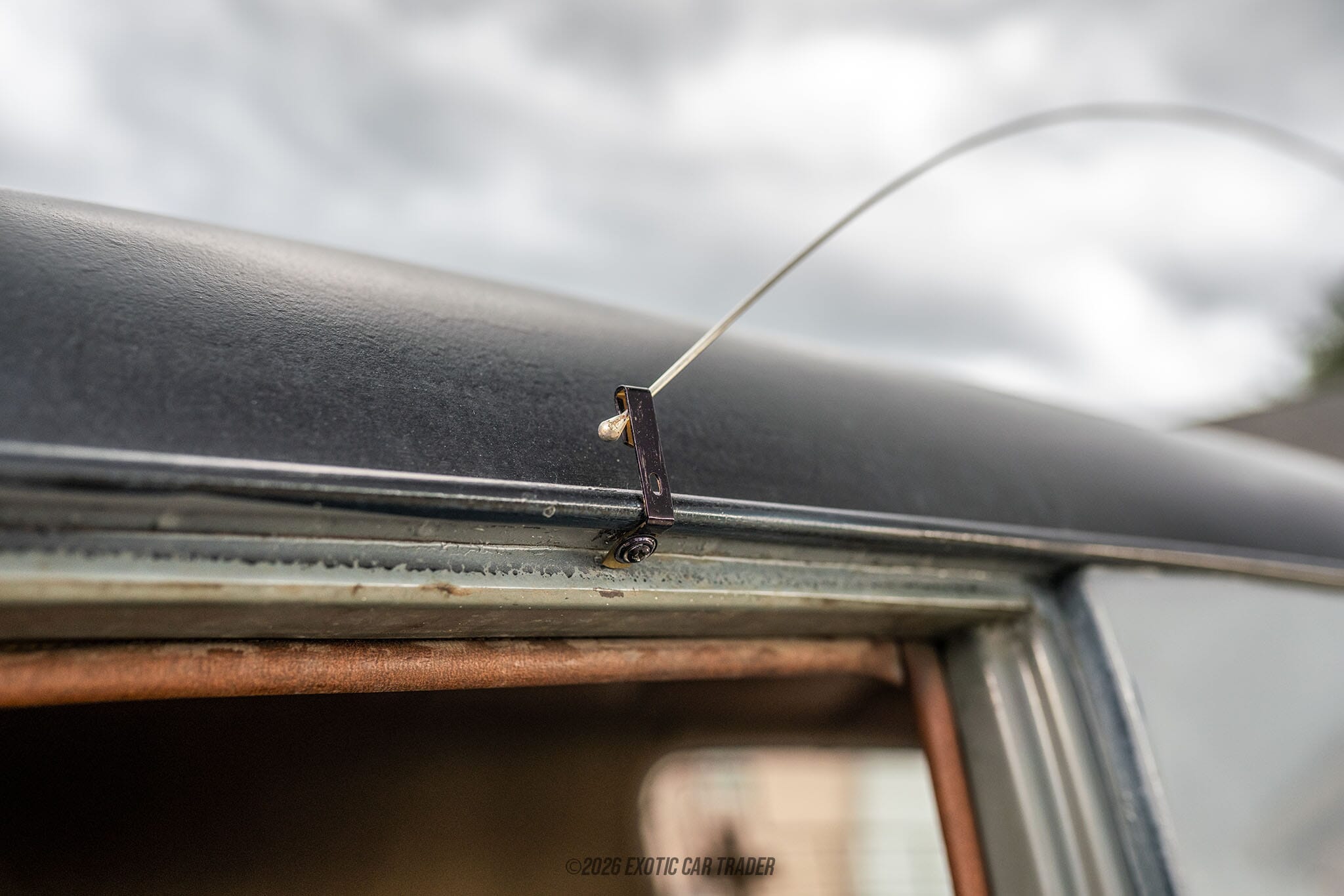
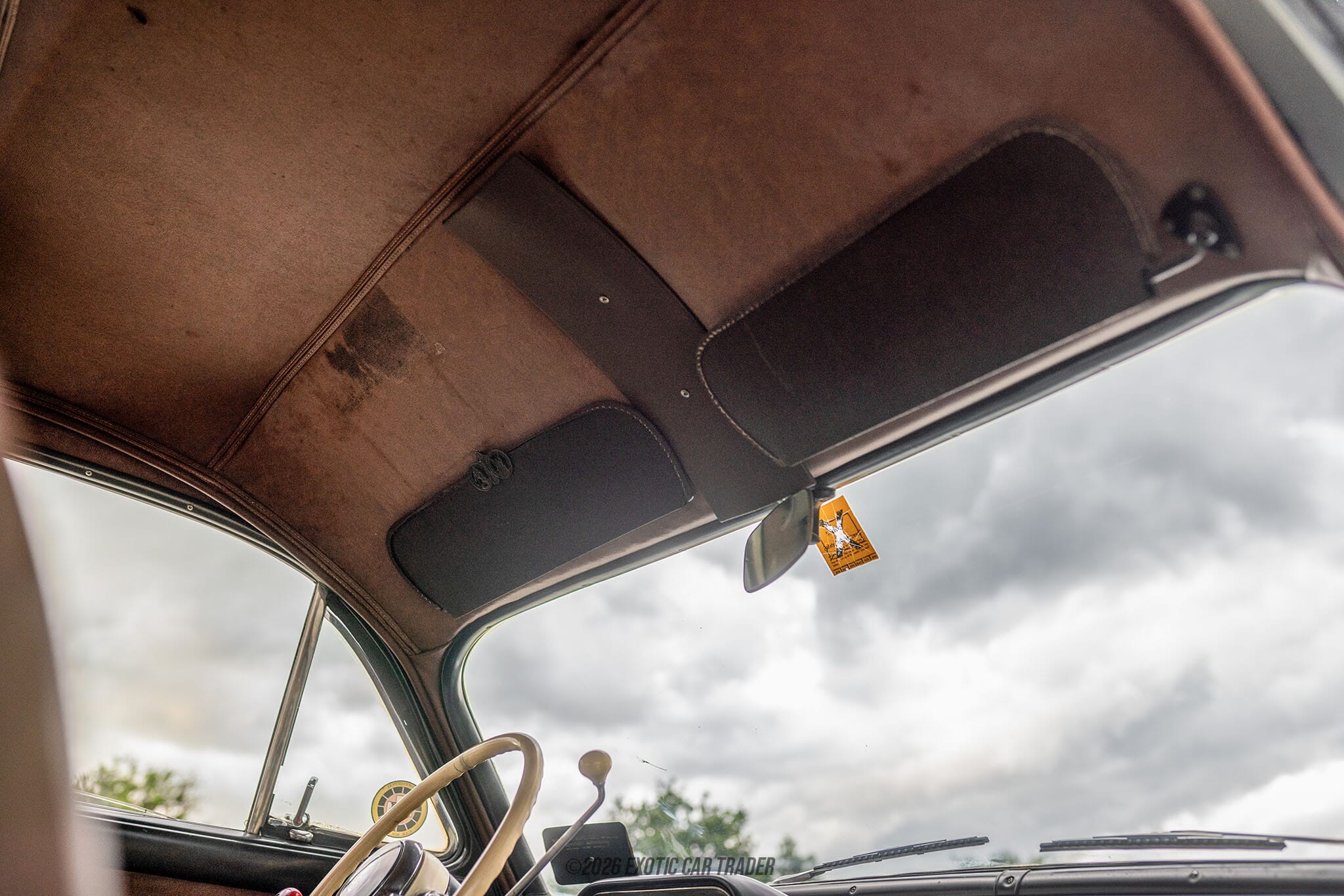
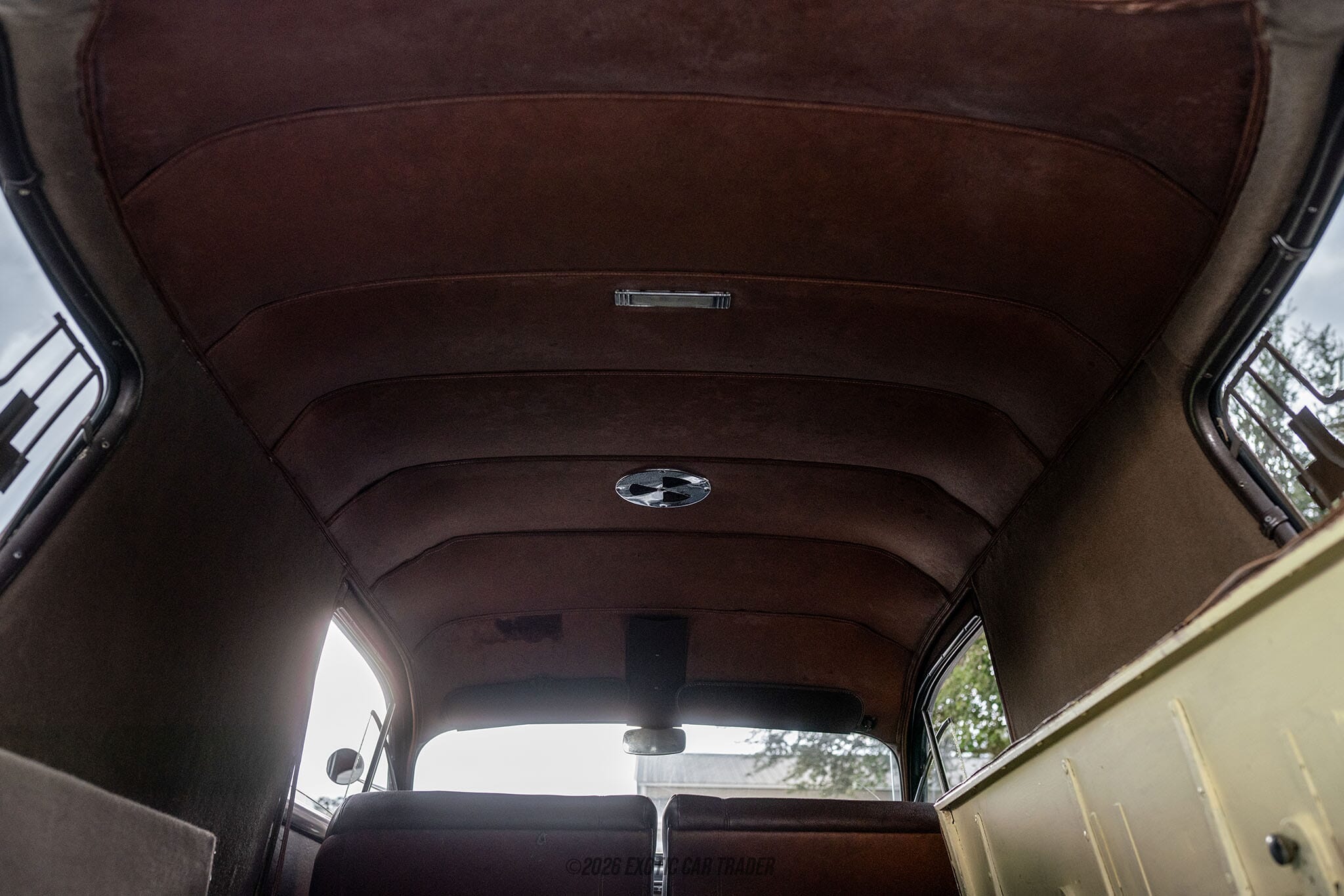
- Unique Rooftop Ventilator
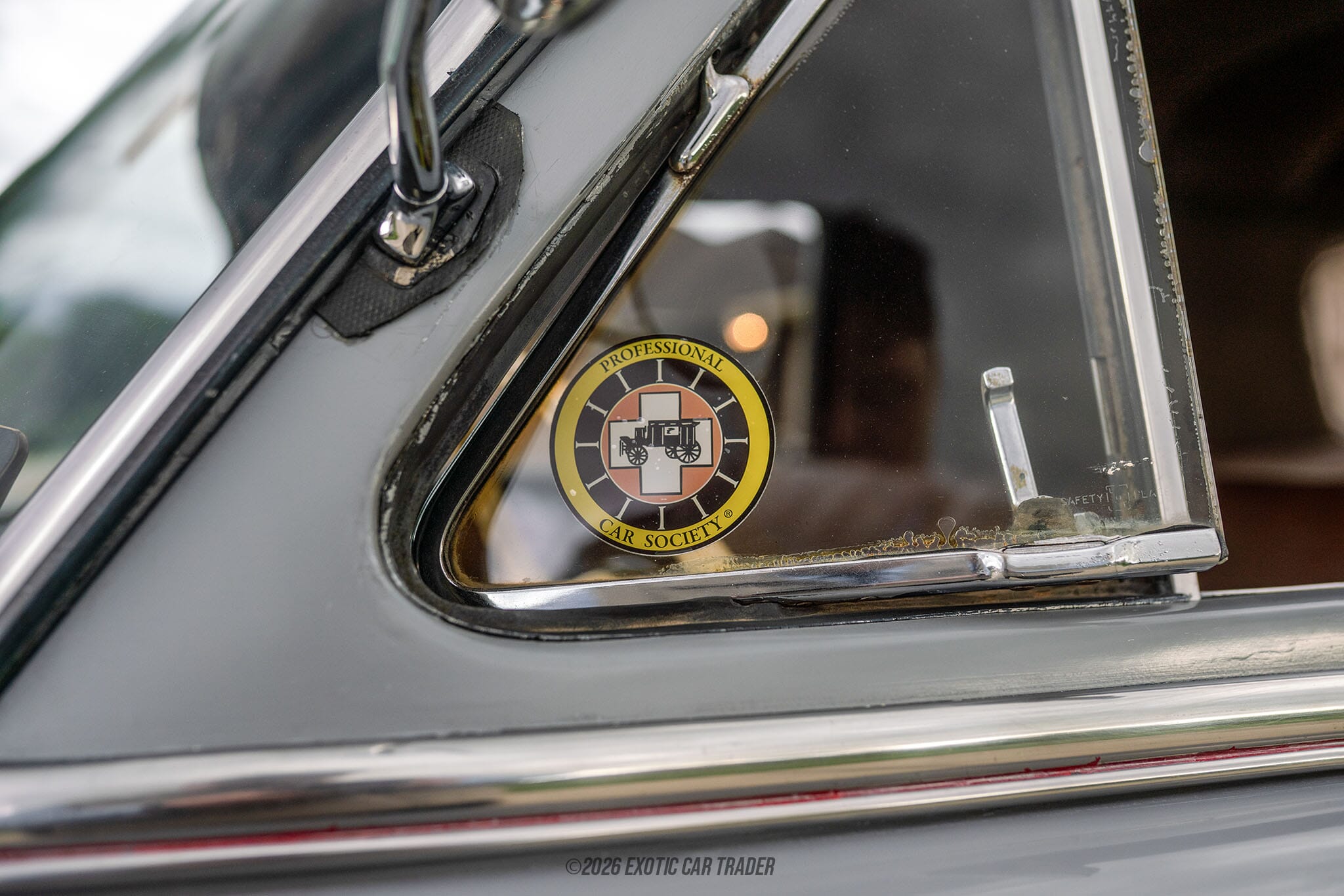
- United States Air Force Service Vehicle
- Custom Paint Job (In Original Color)
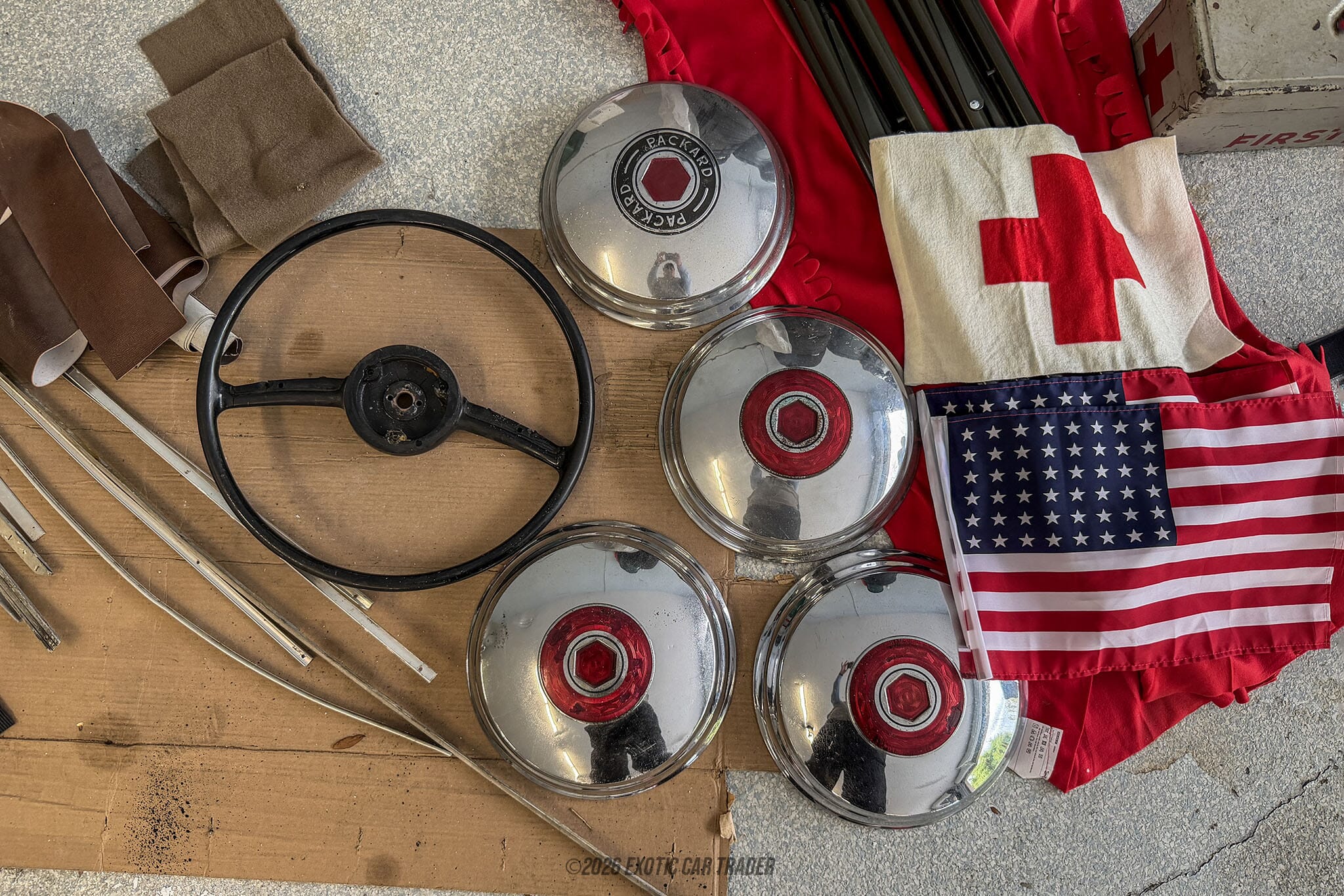
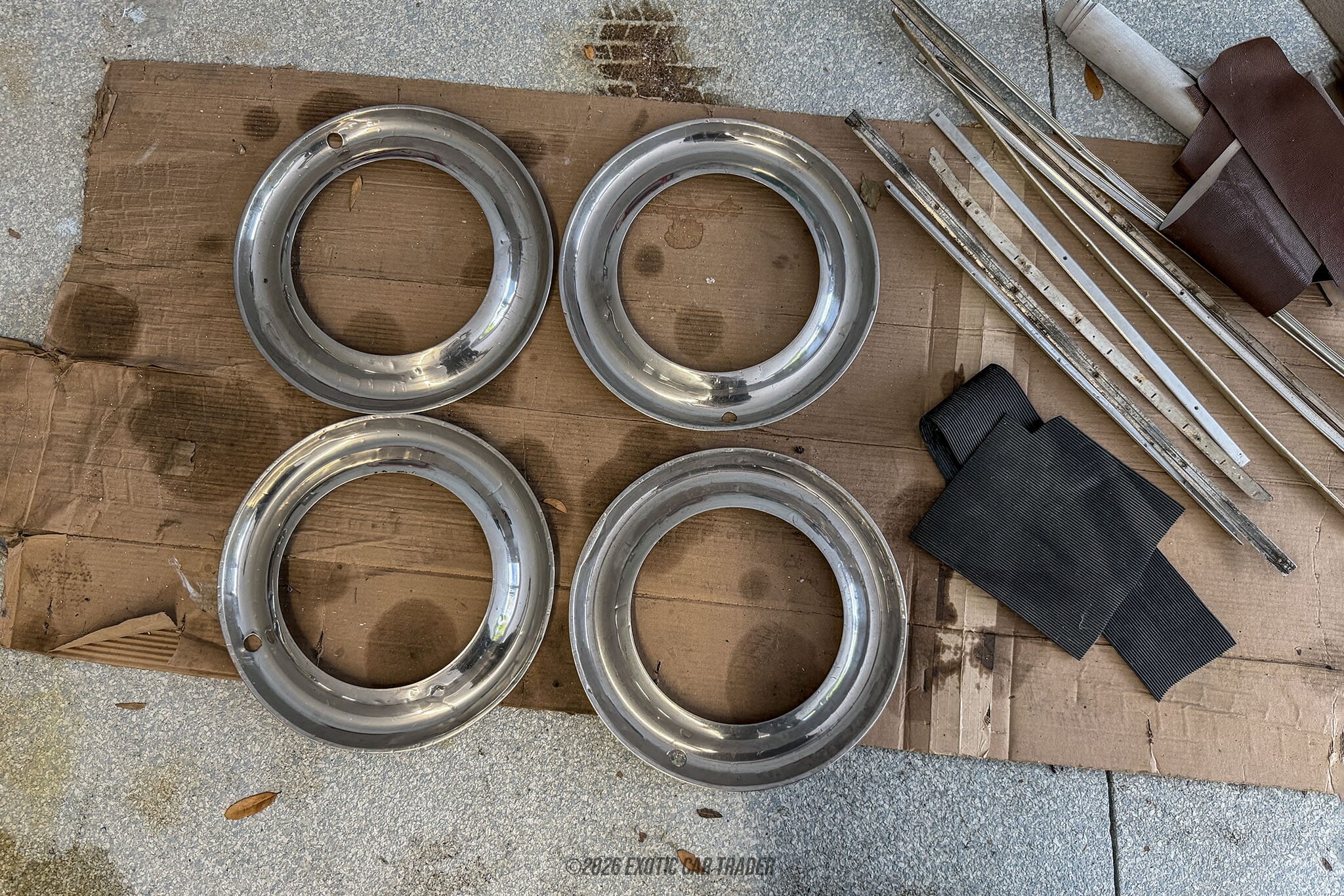
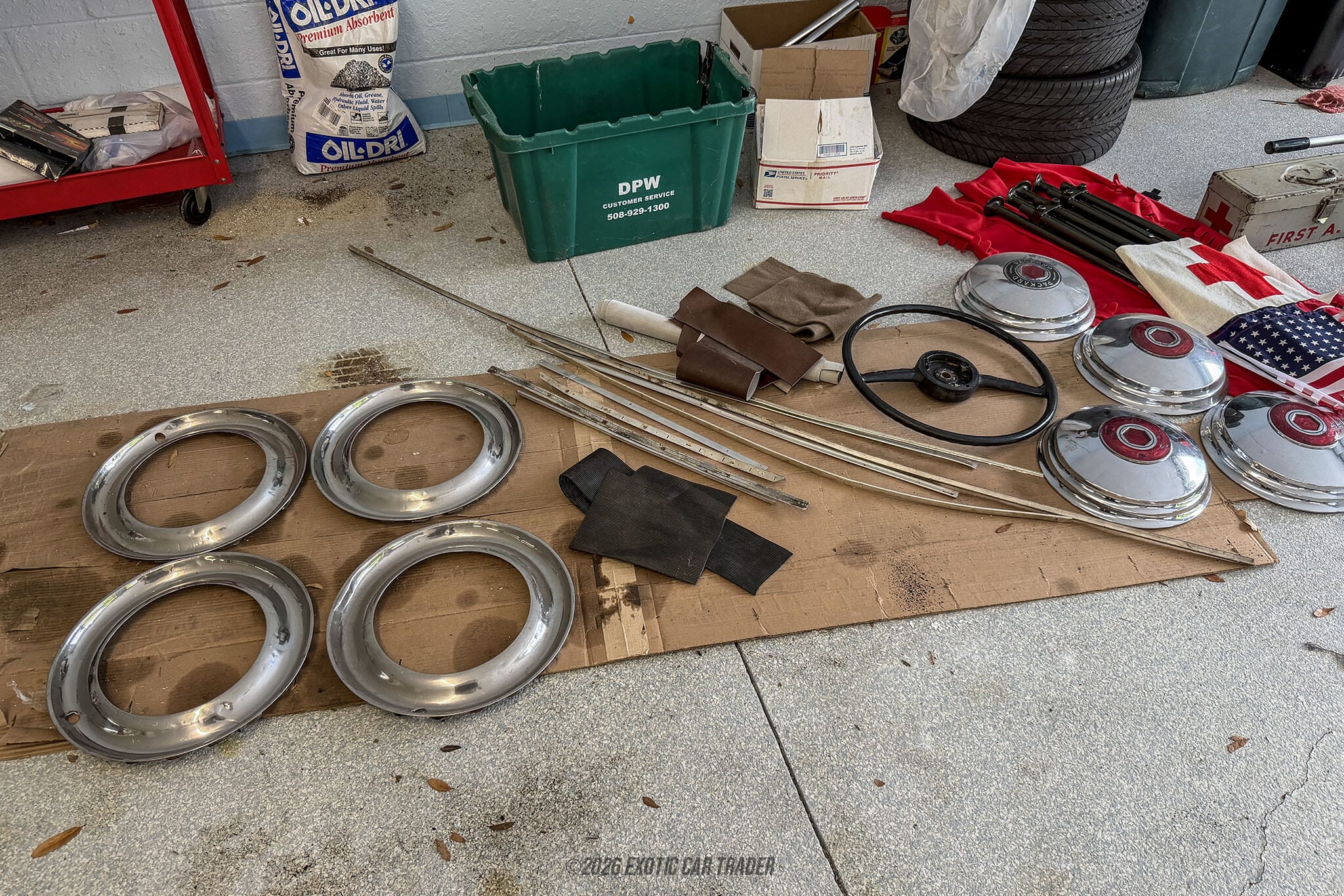
Extras Included in the Sale
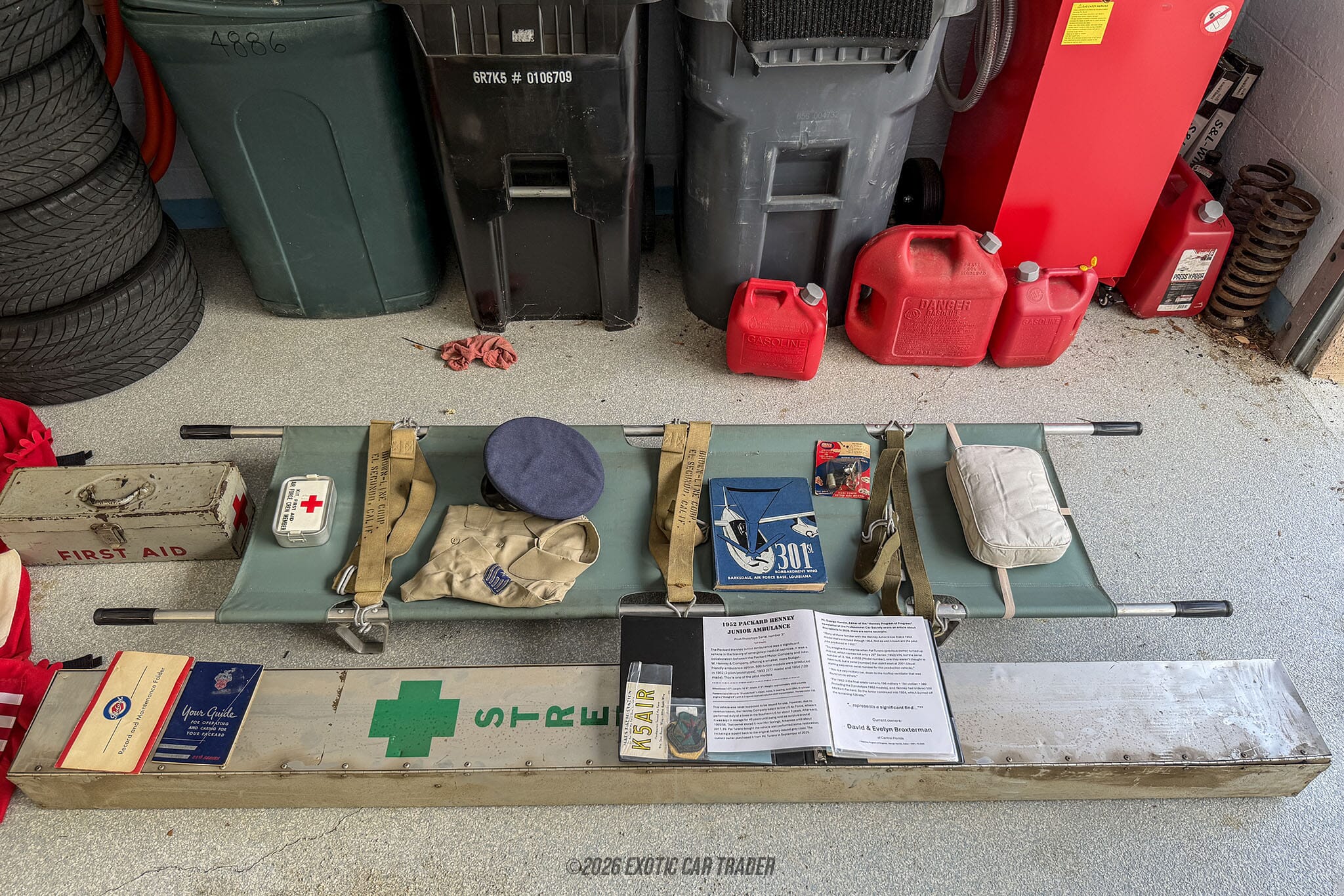
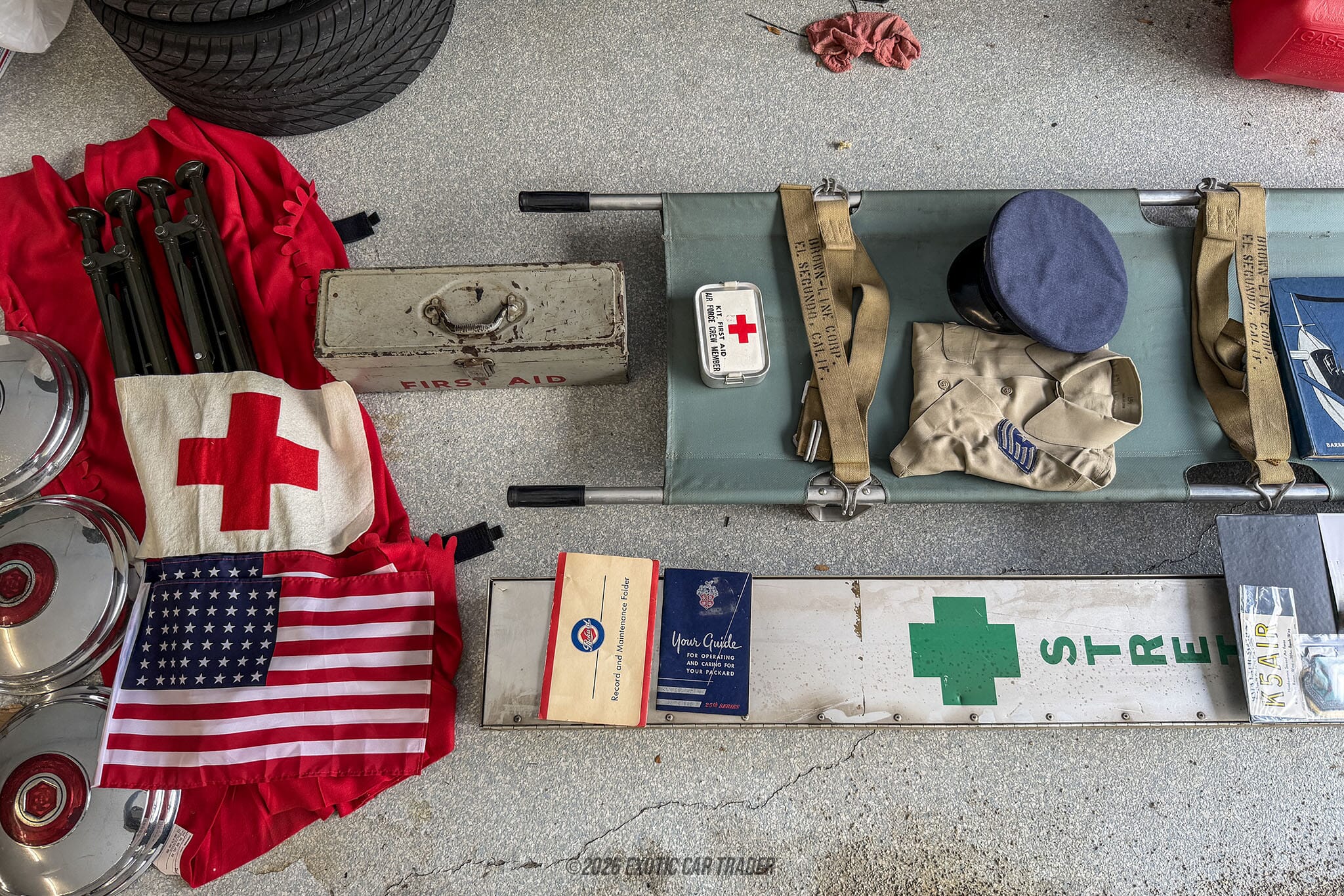
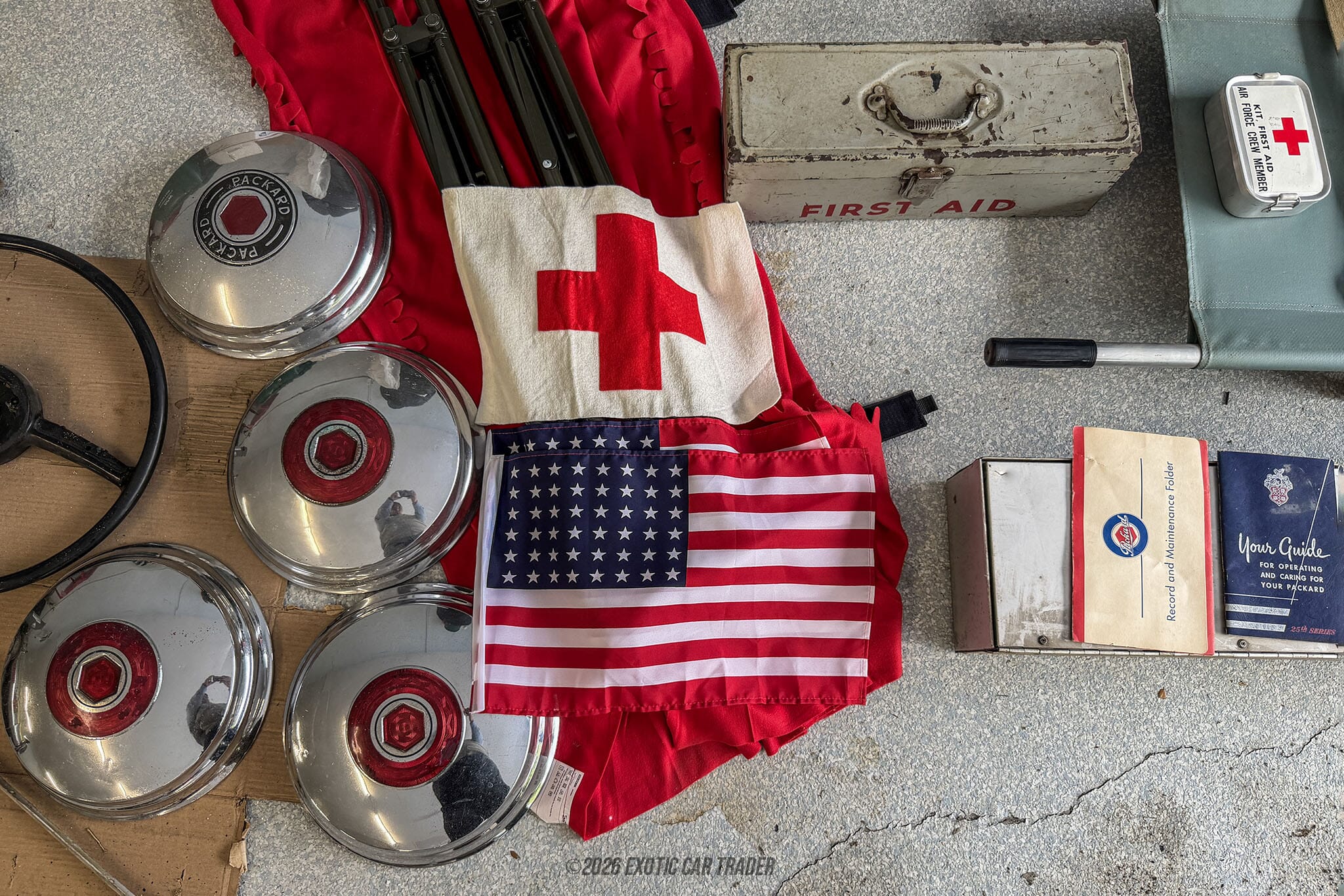
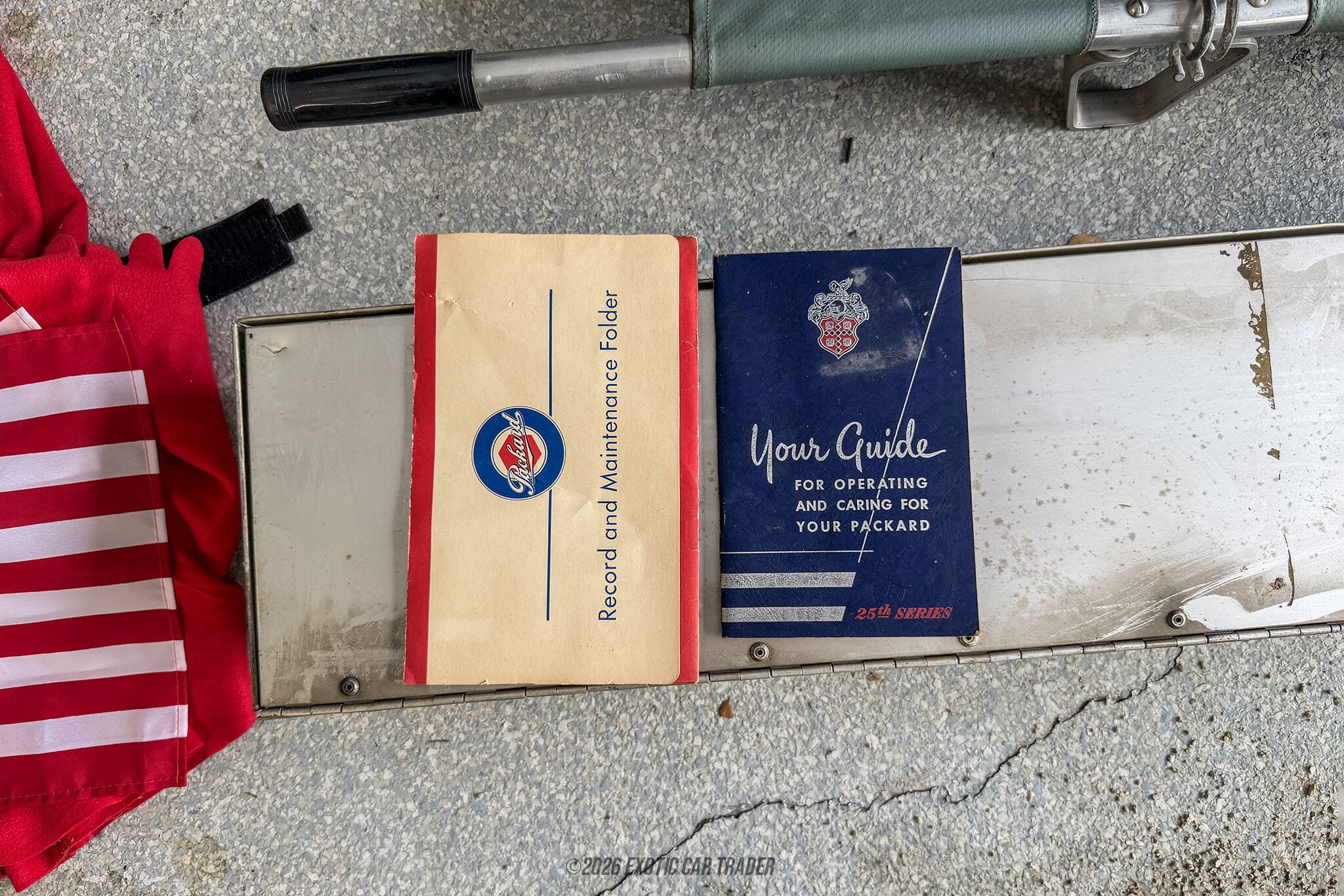
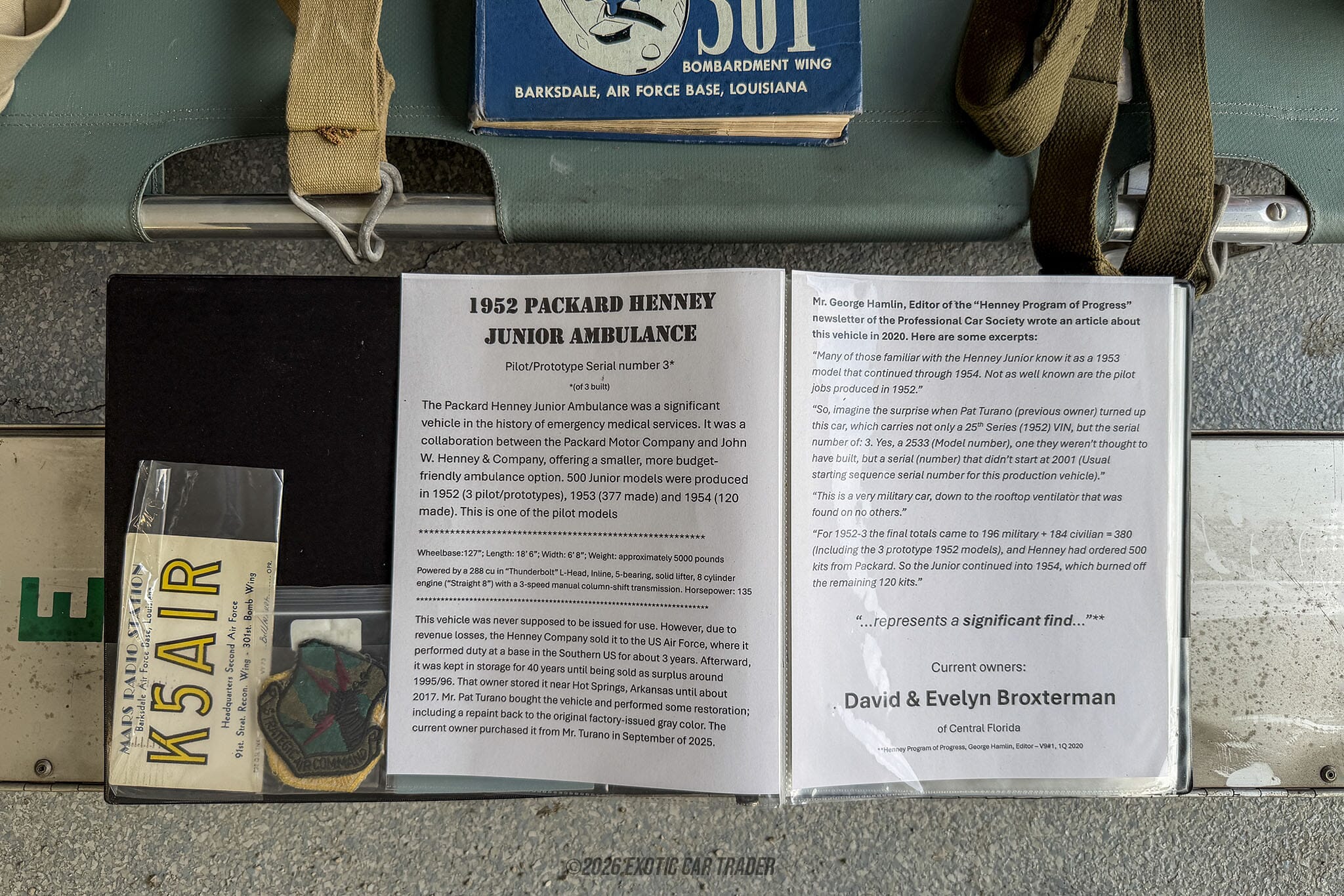
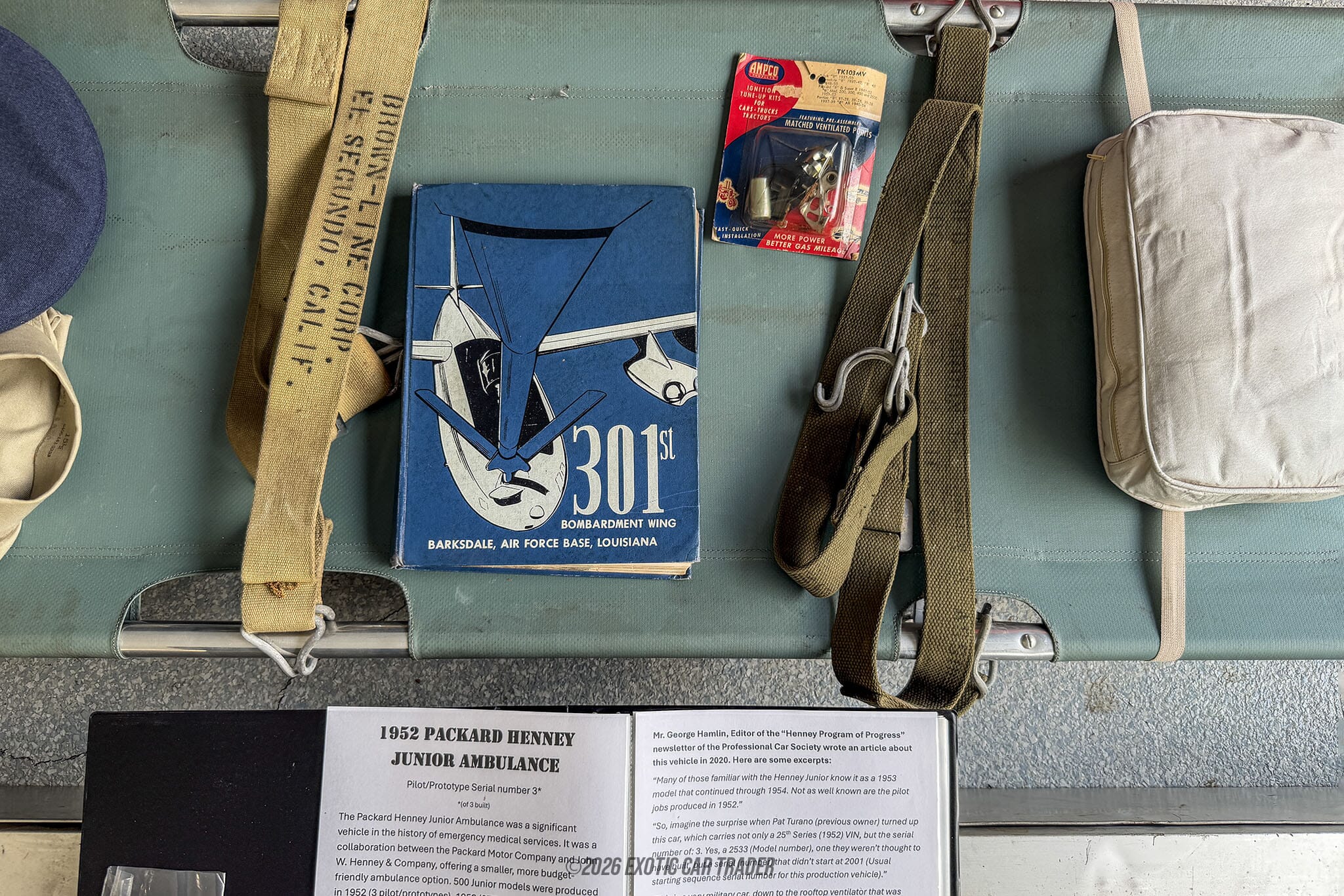
- Vehicle Documentation


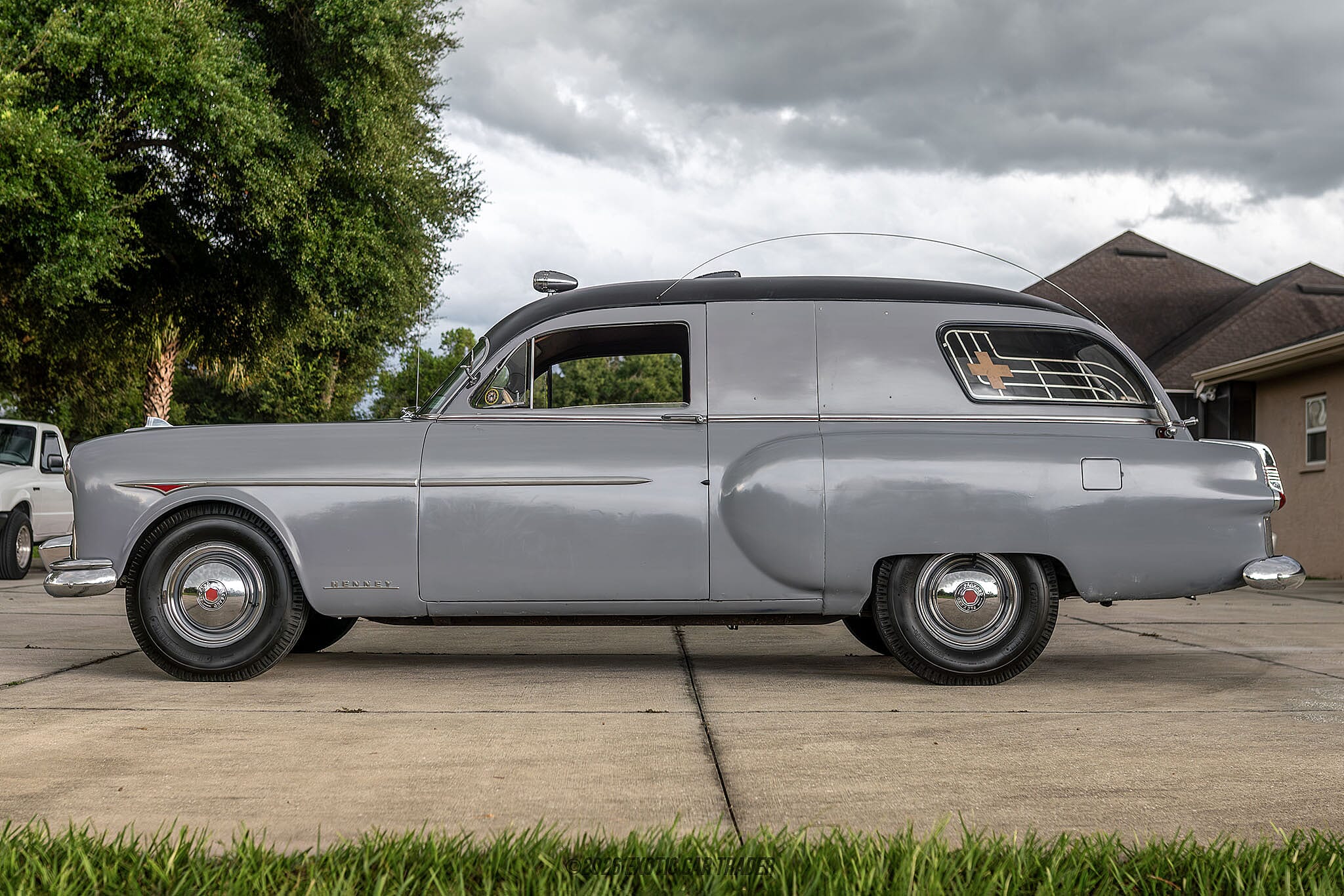
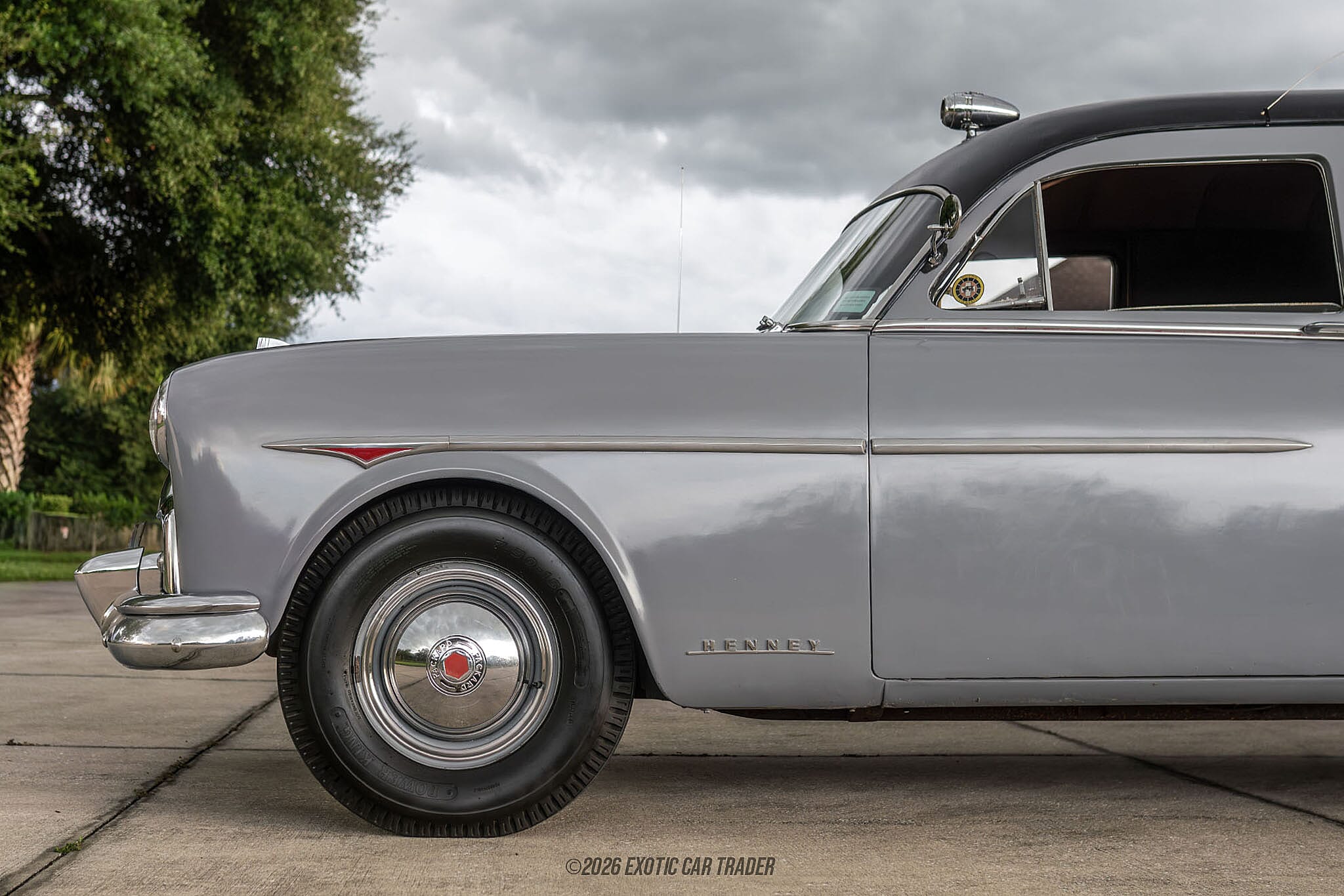
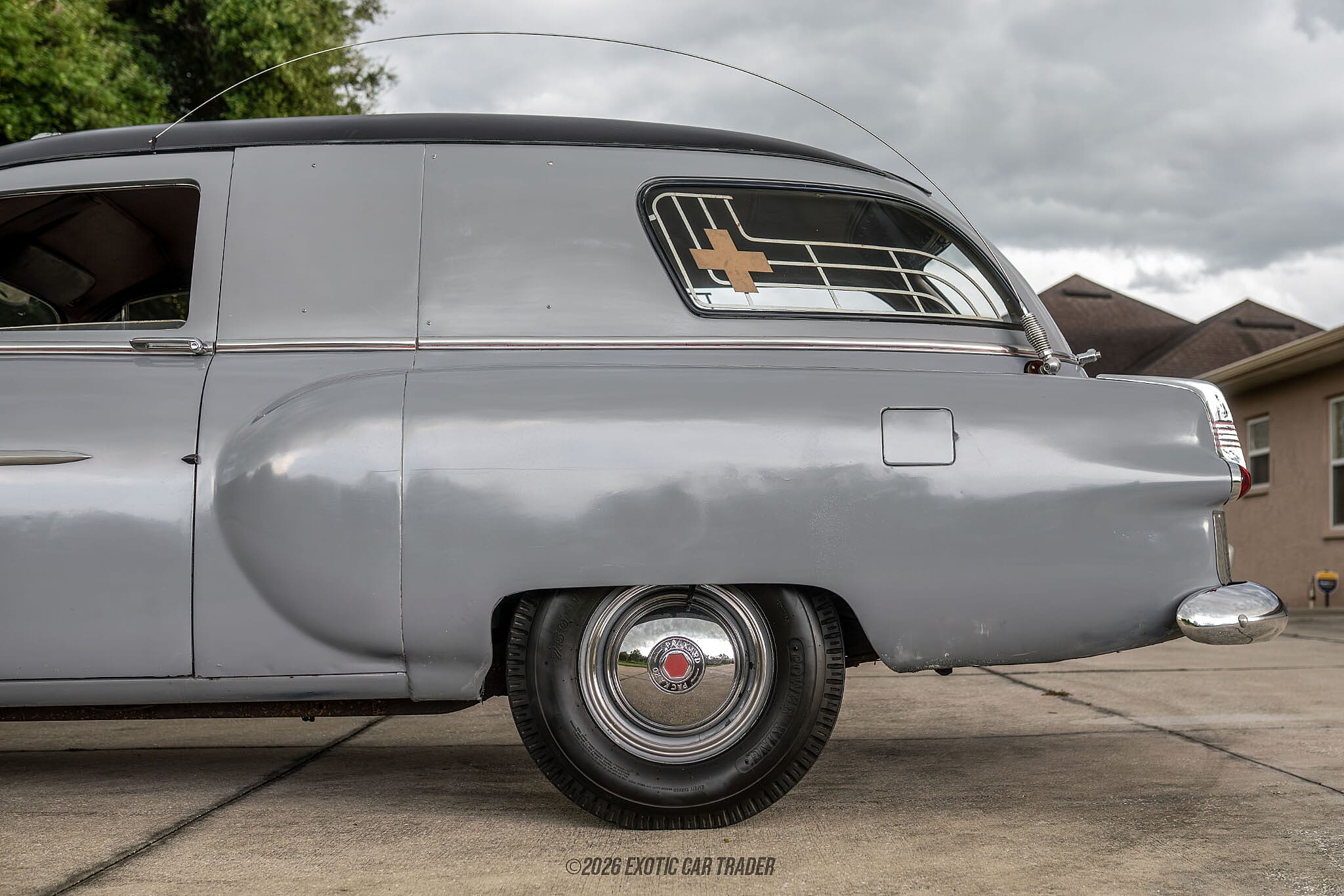
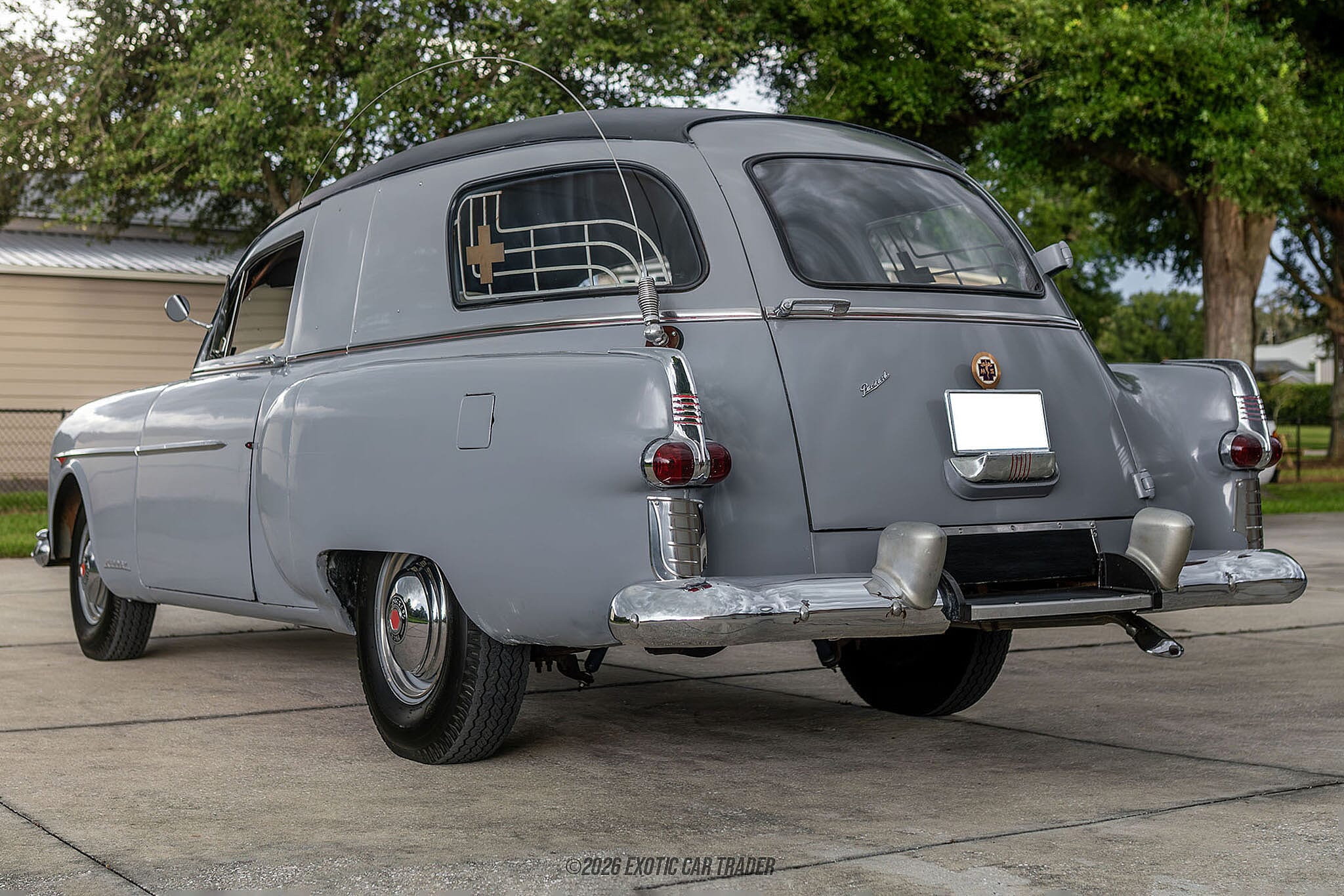
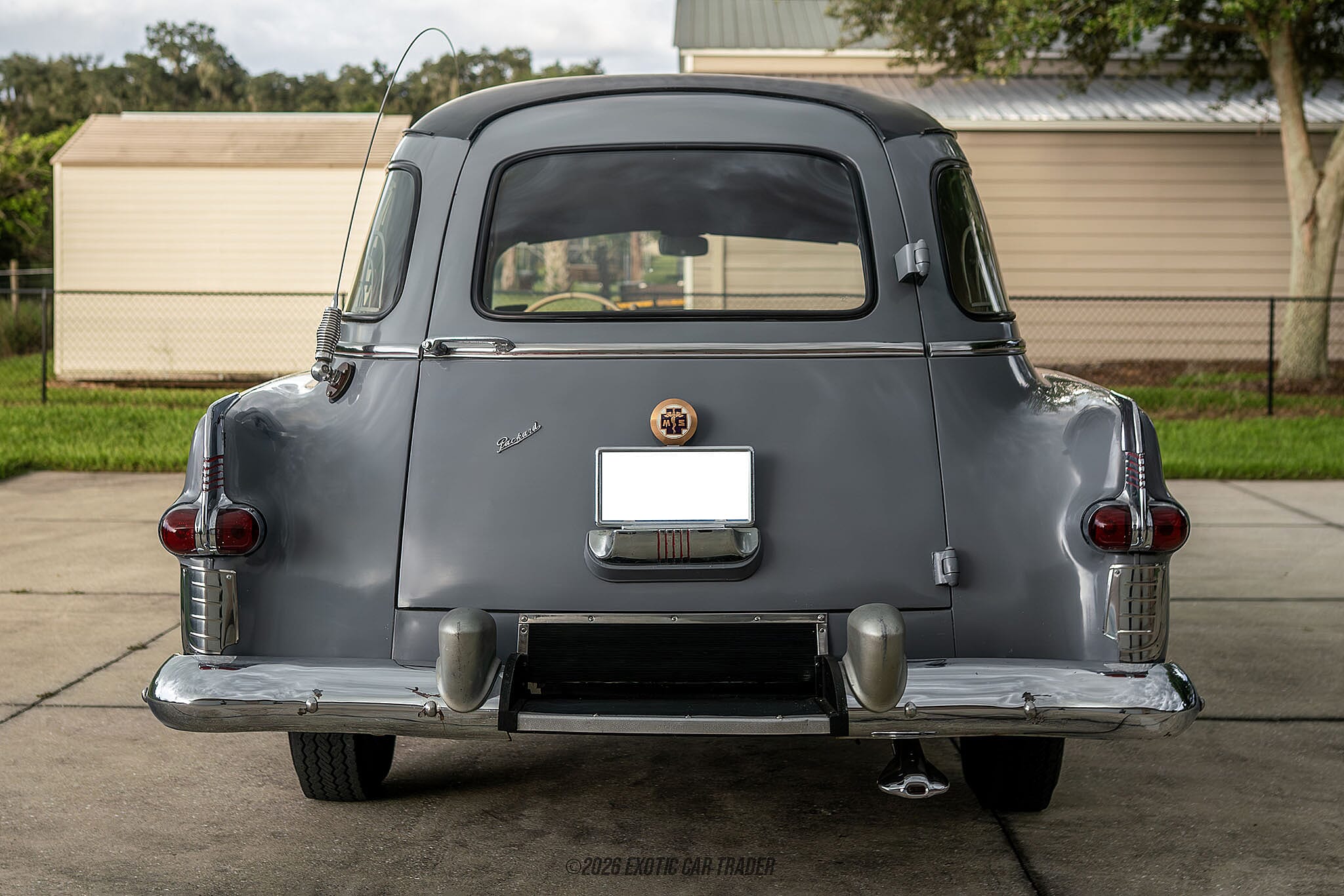
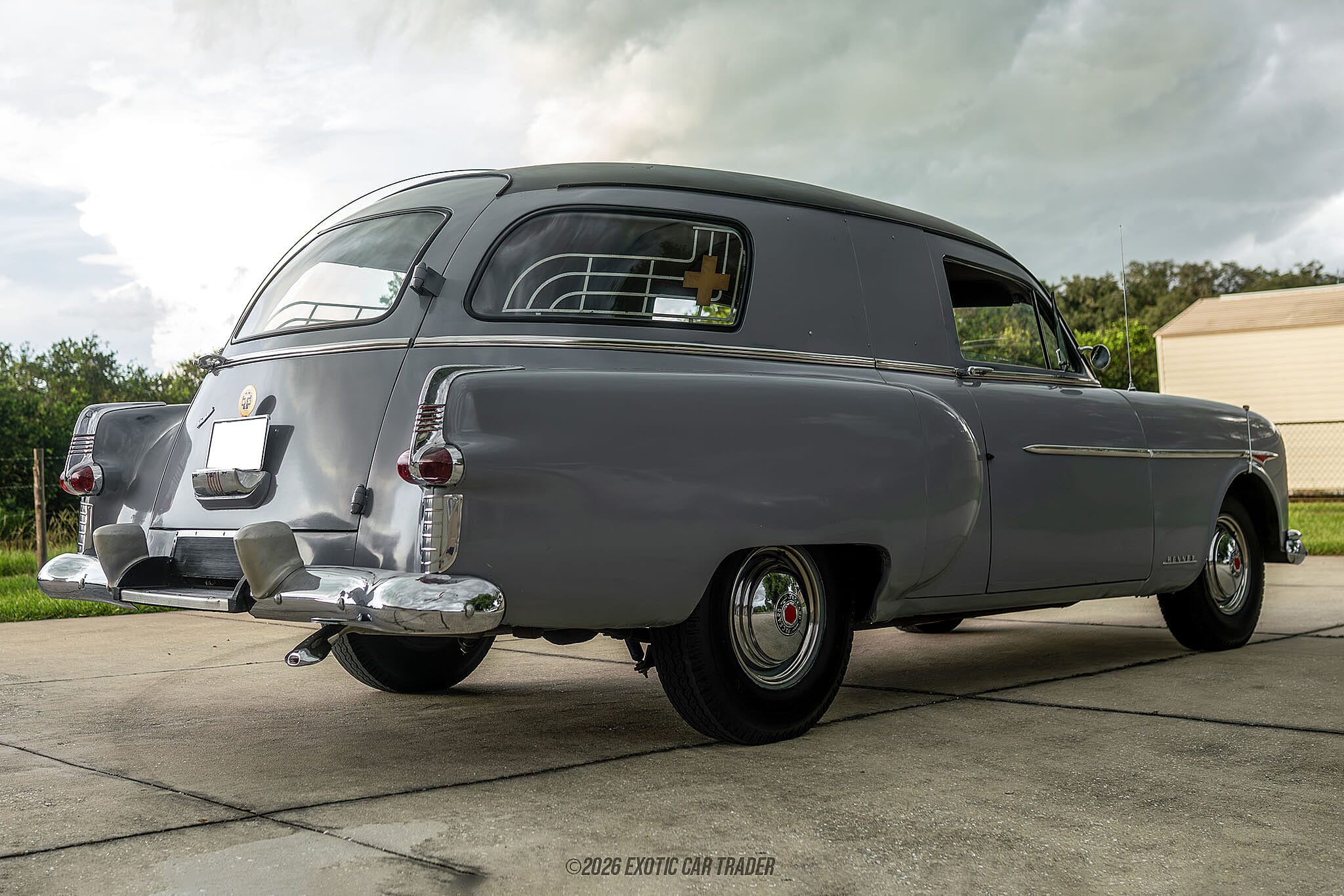
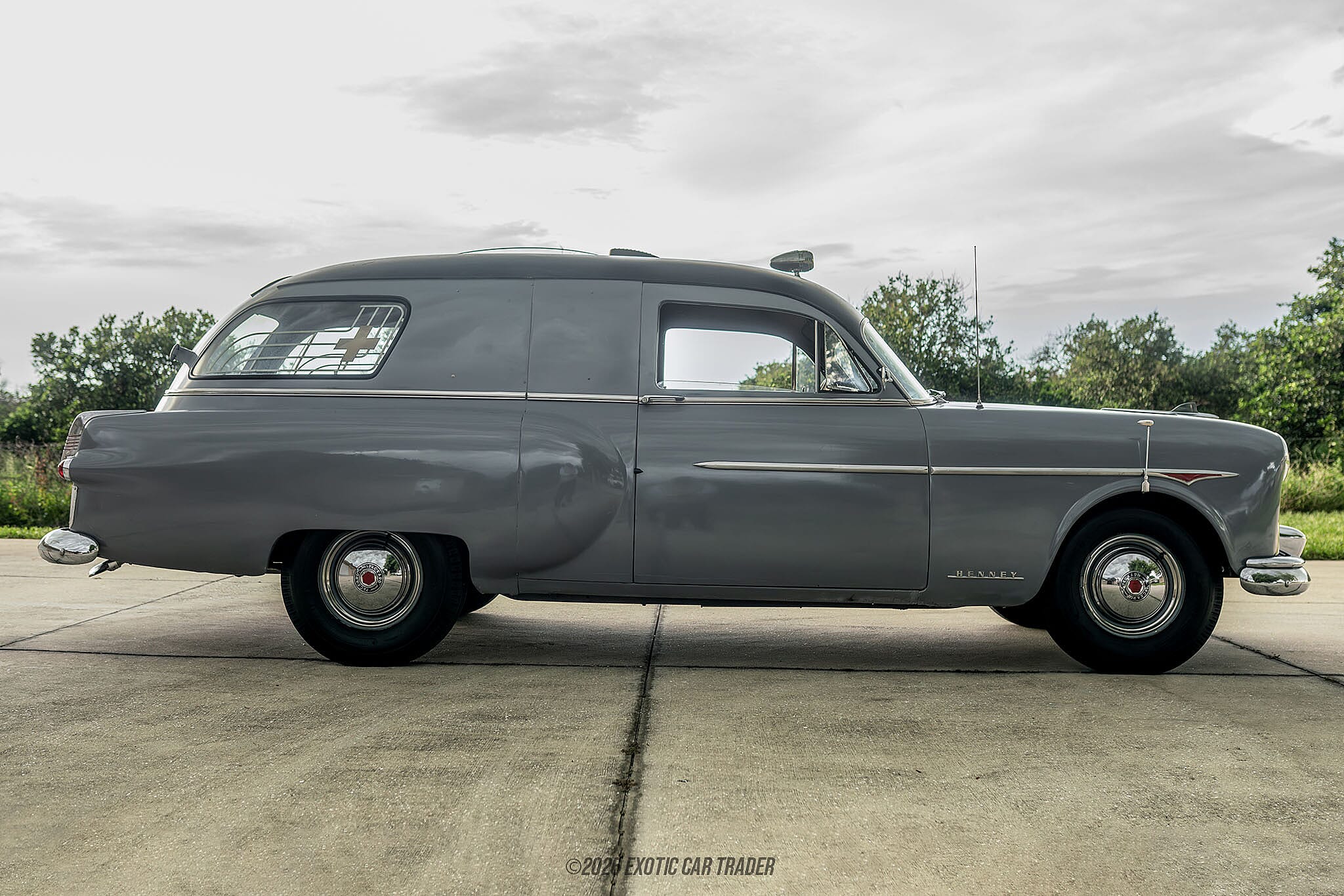
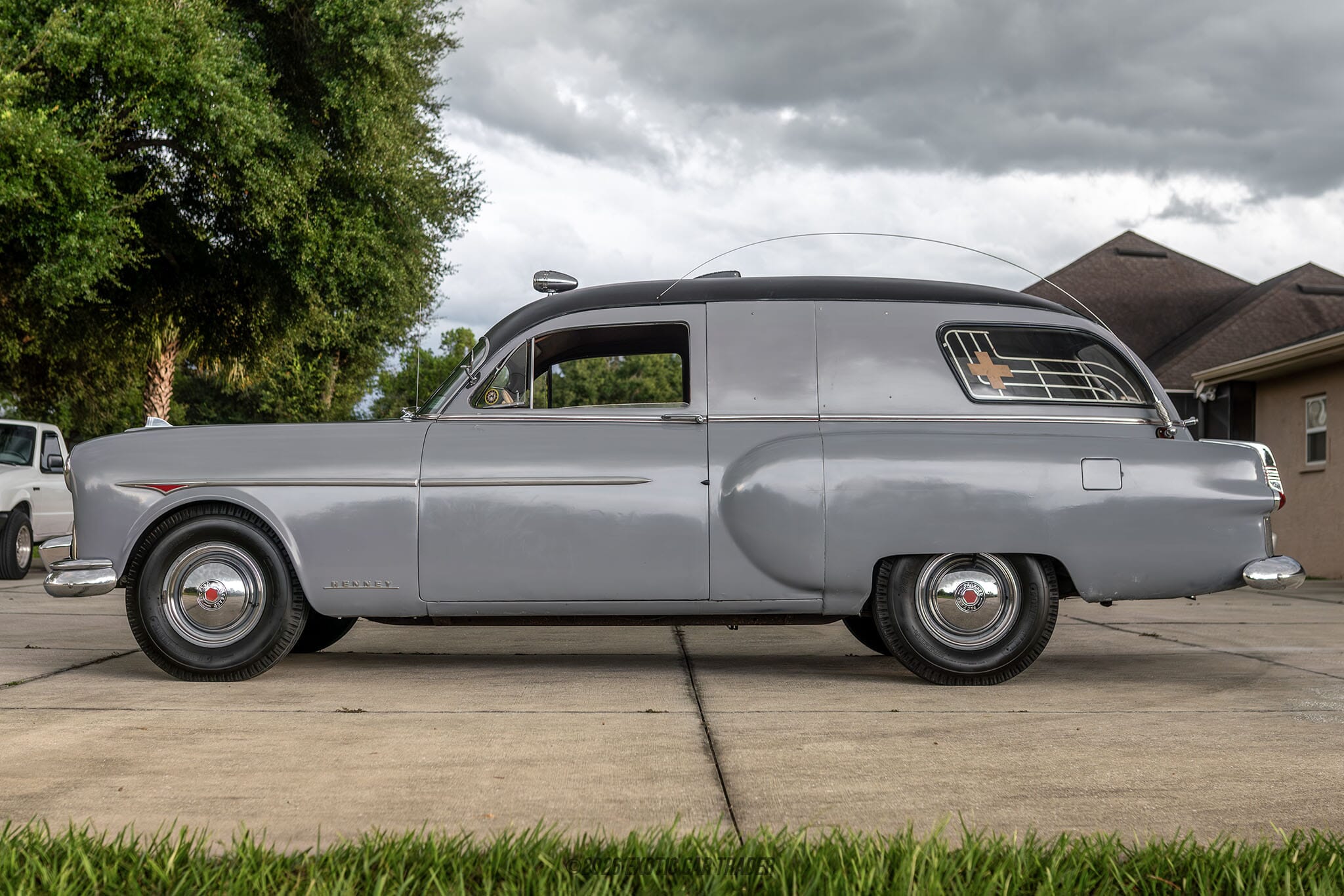
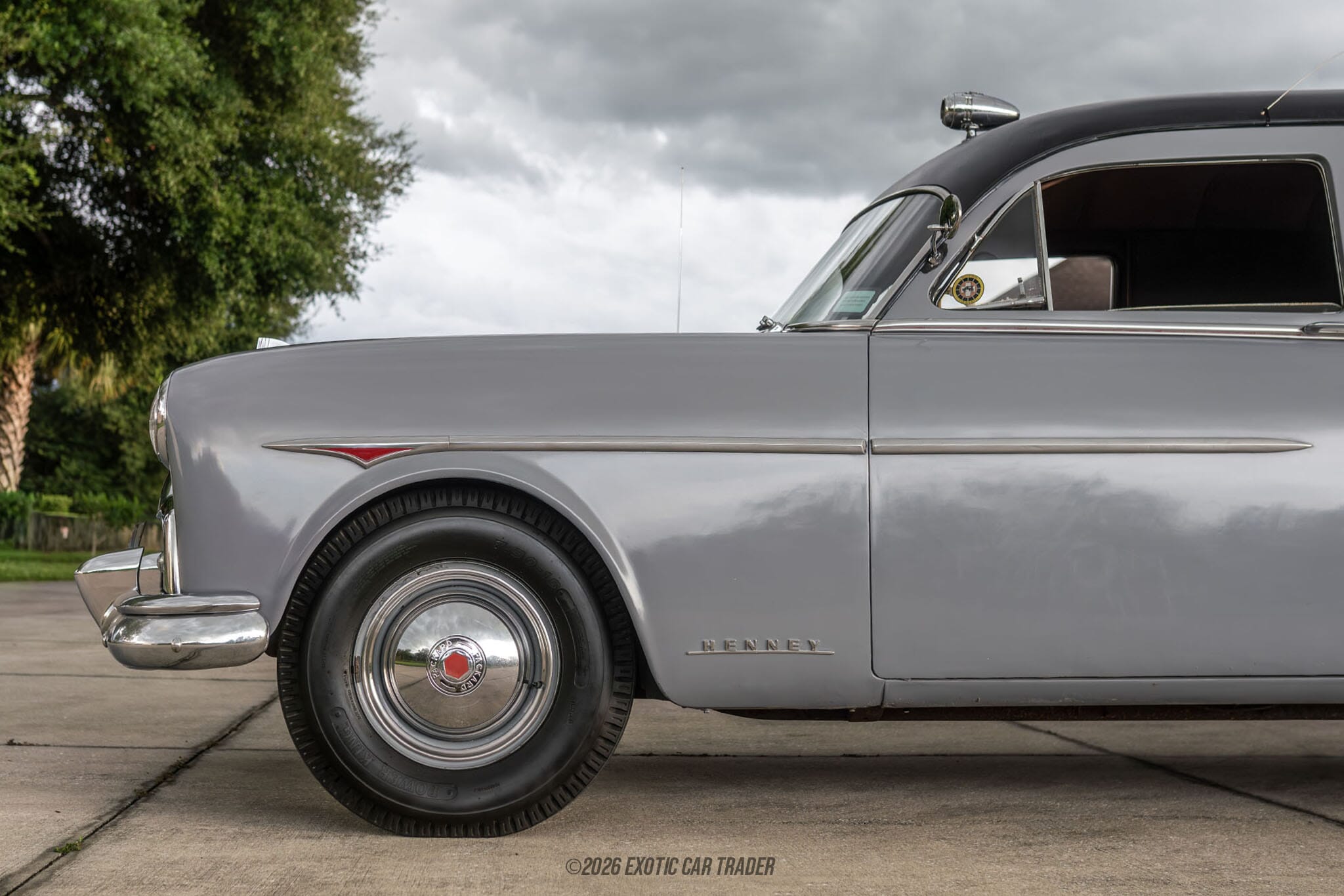
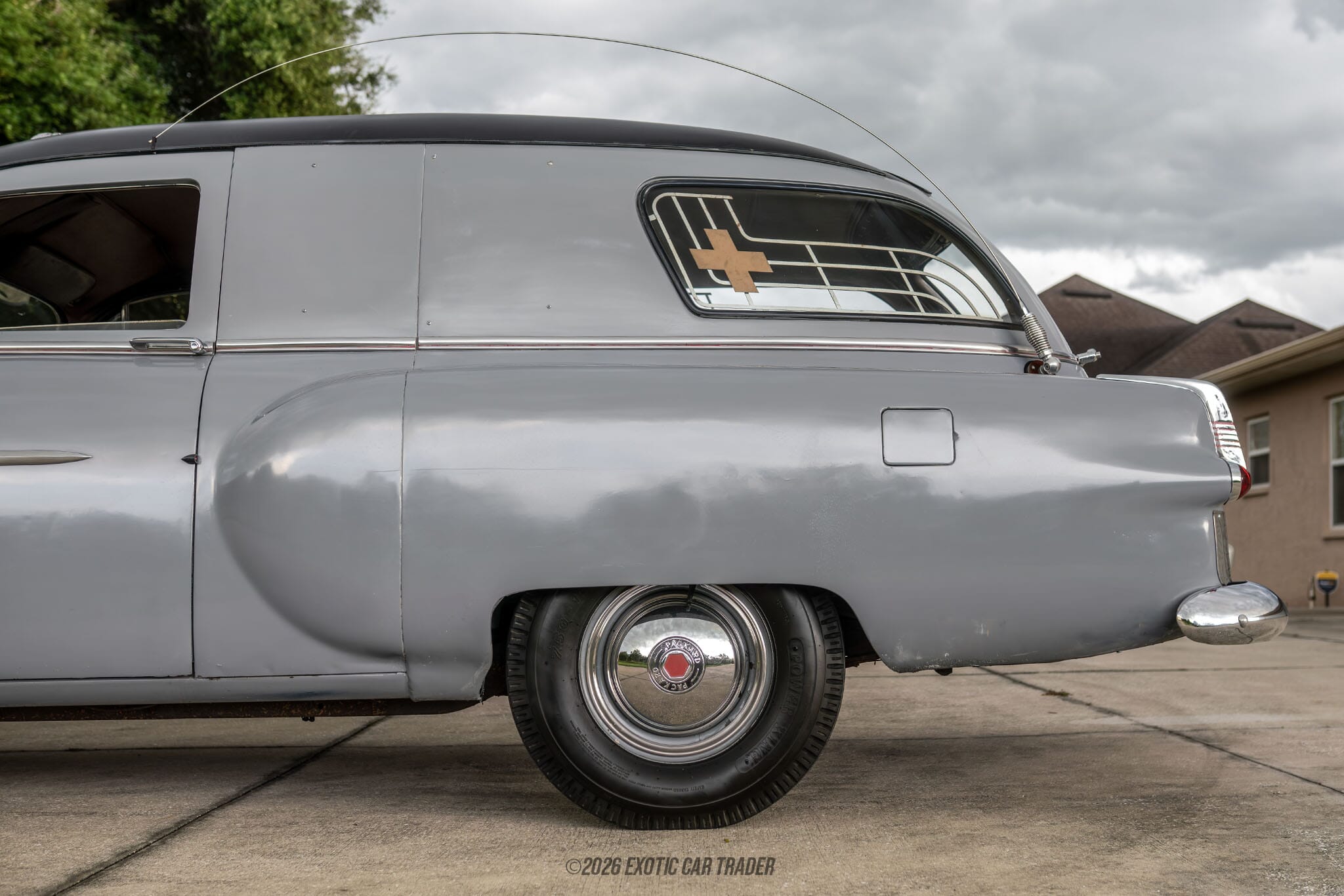
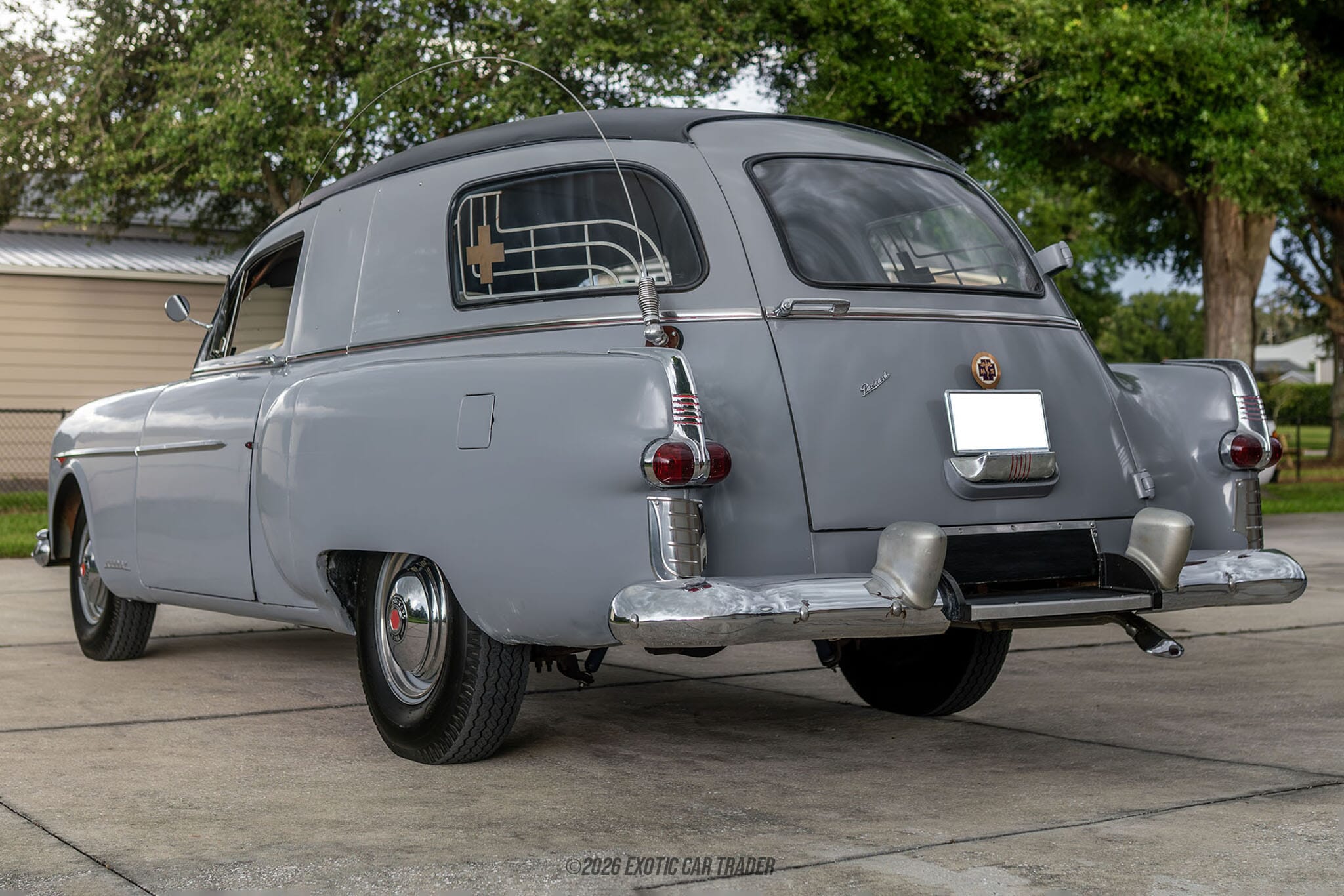
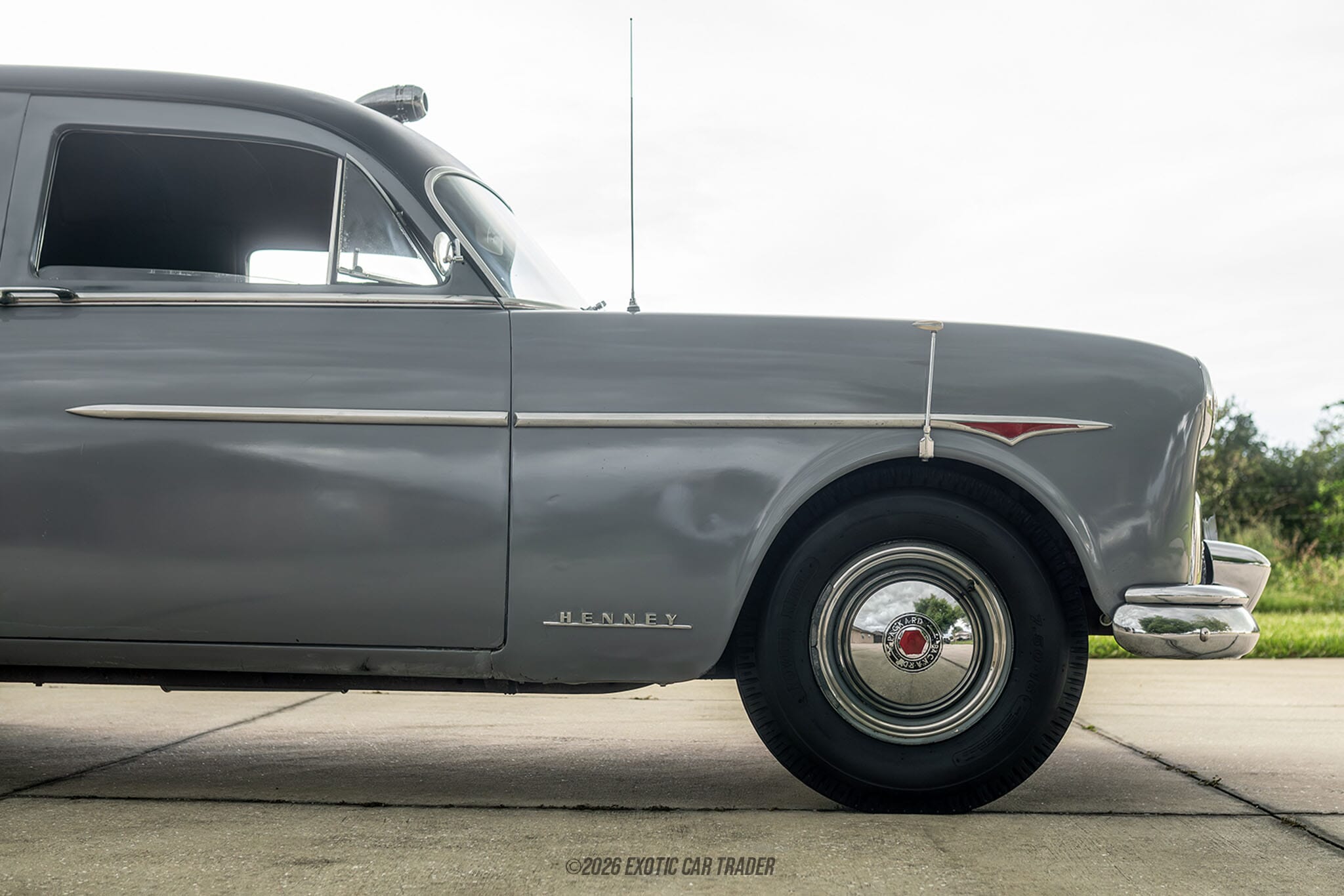
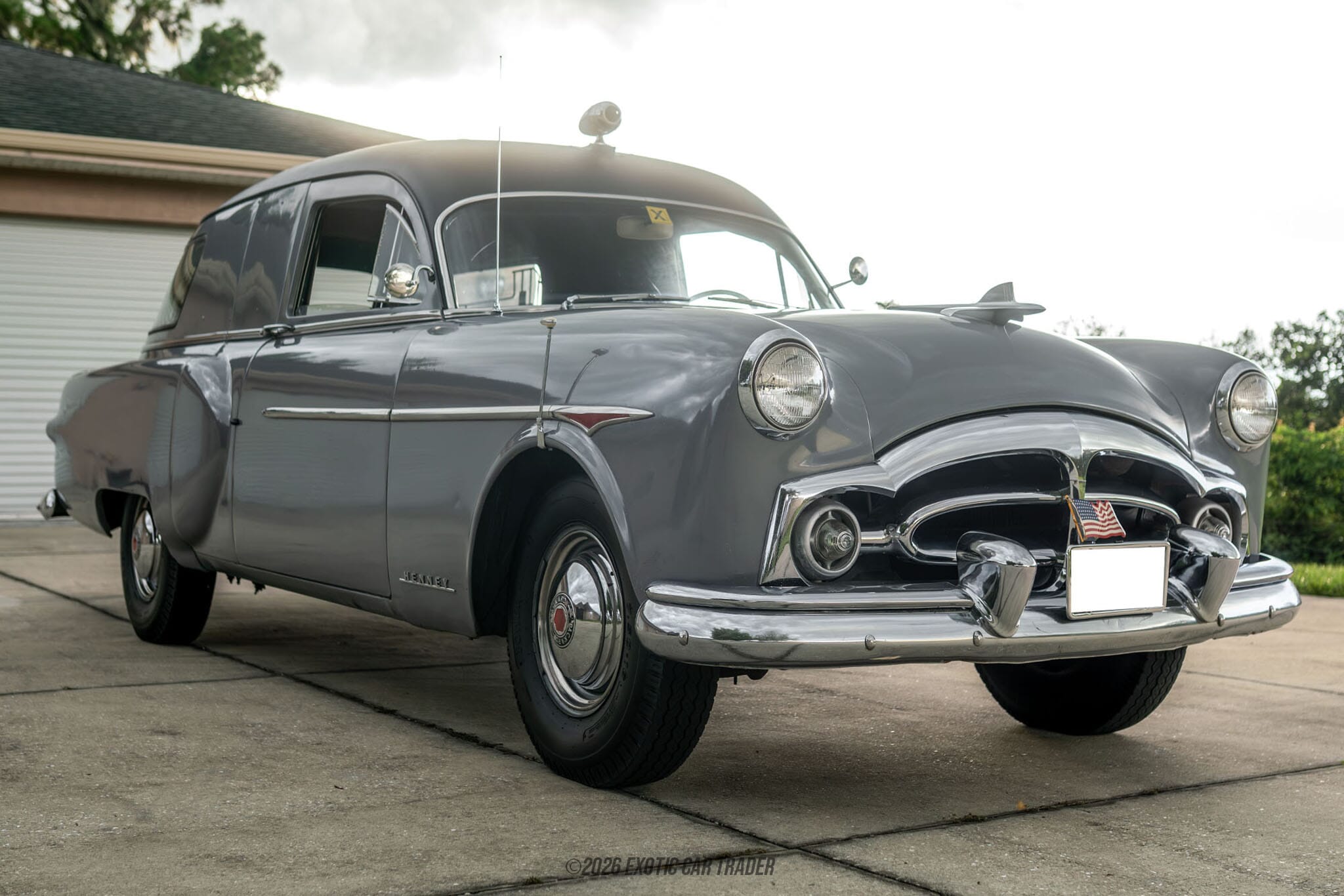
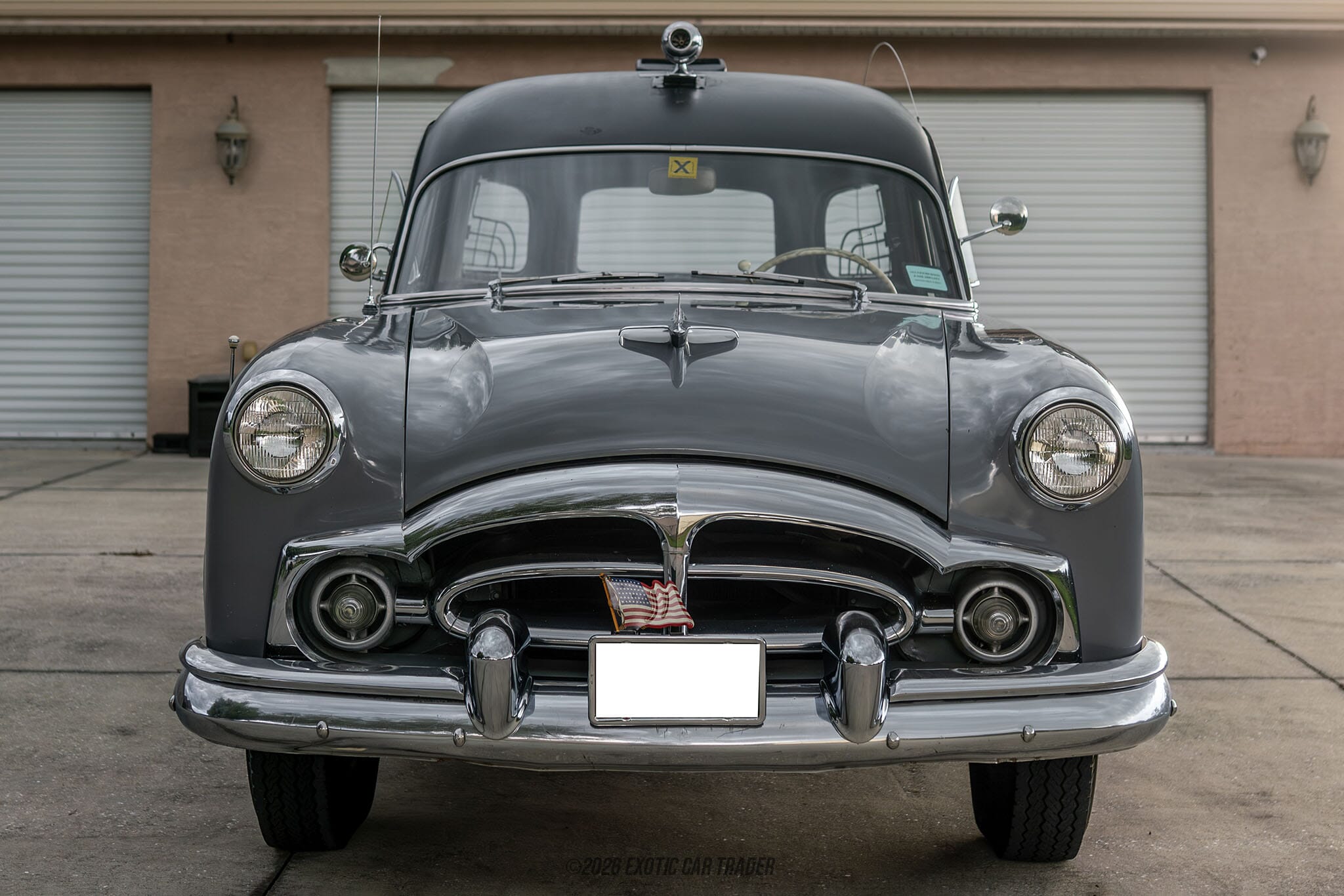
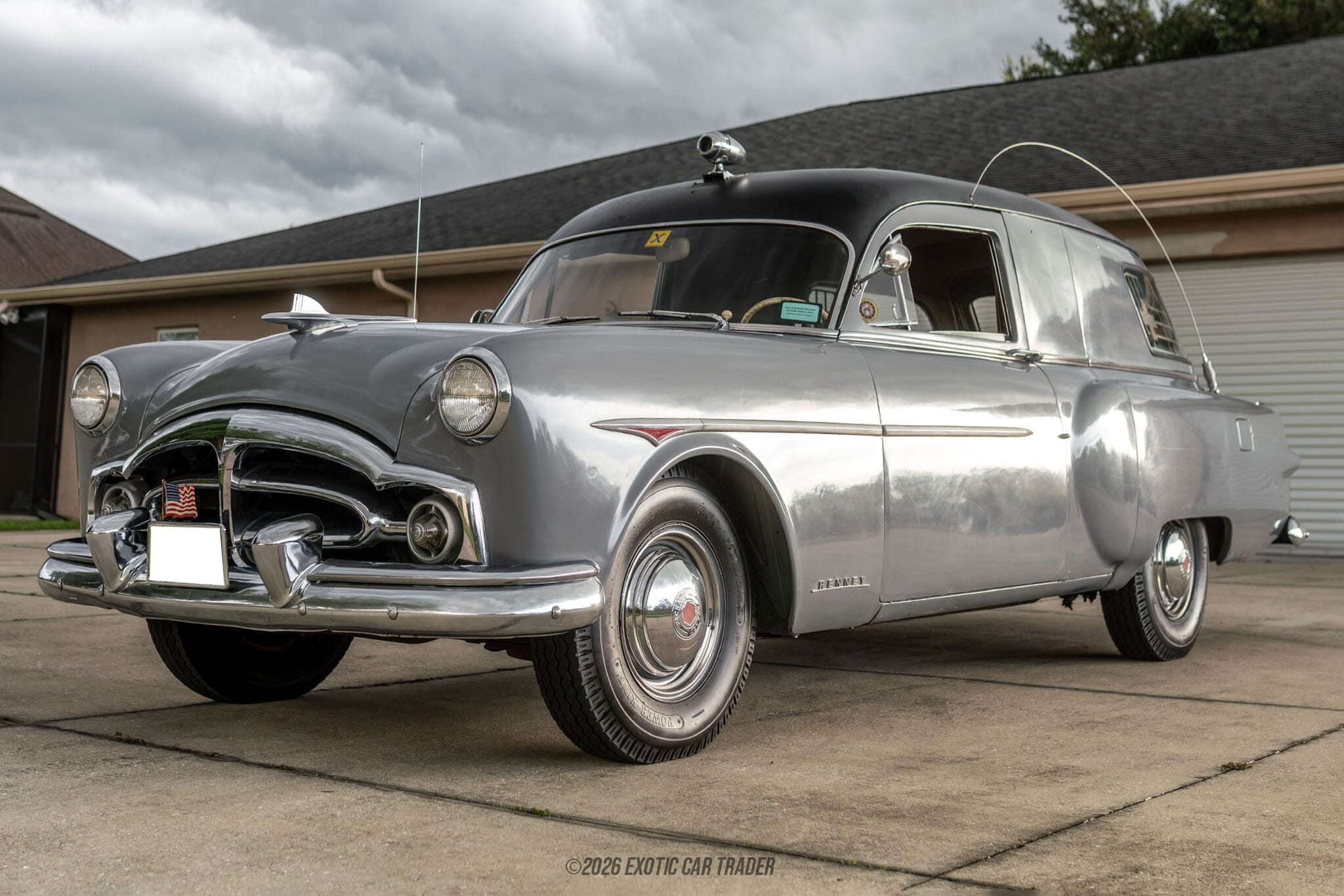
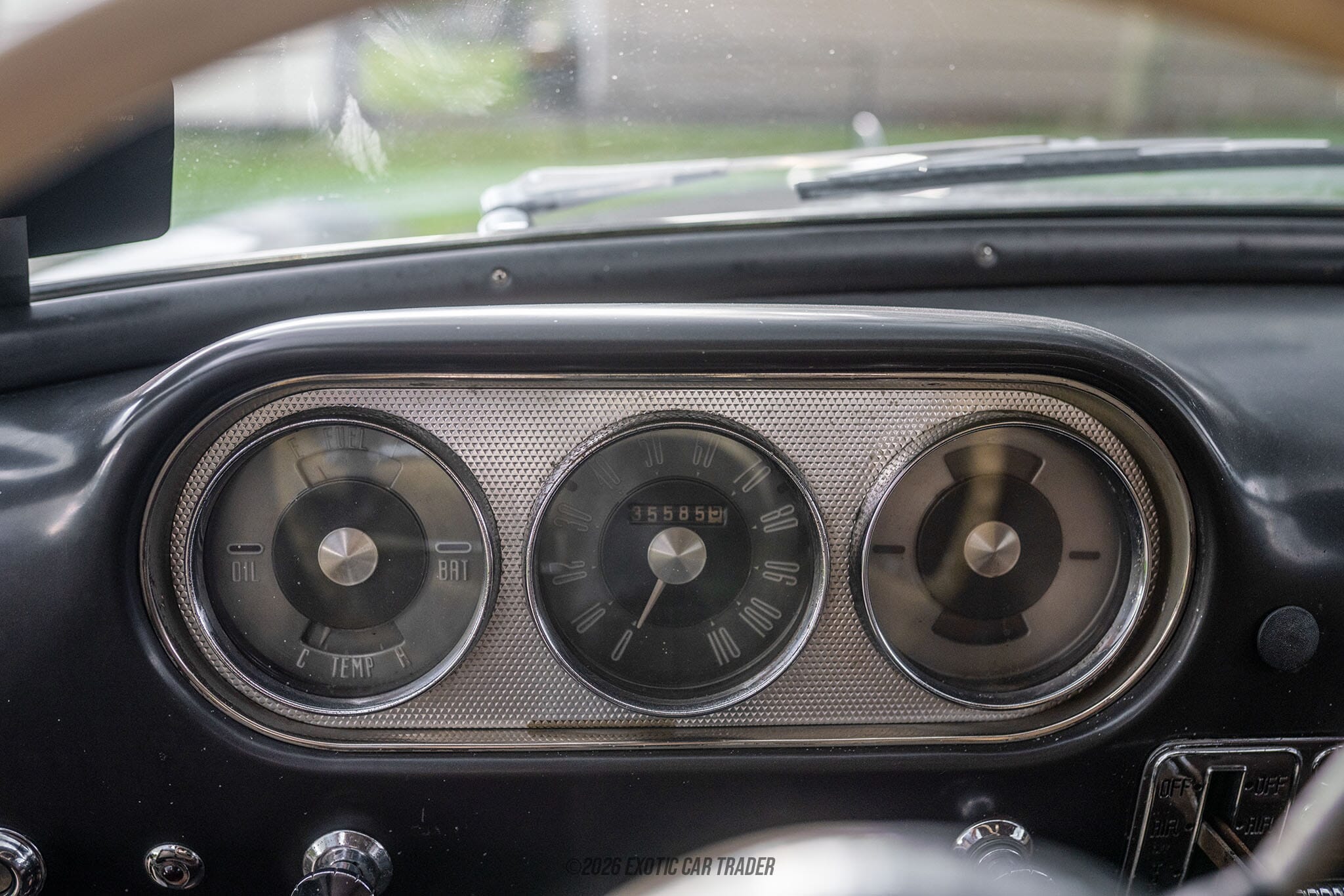
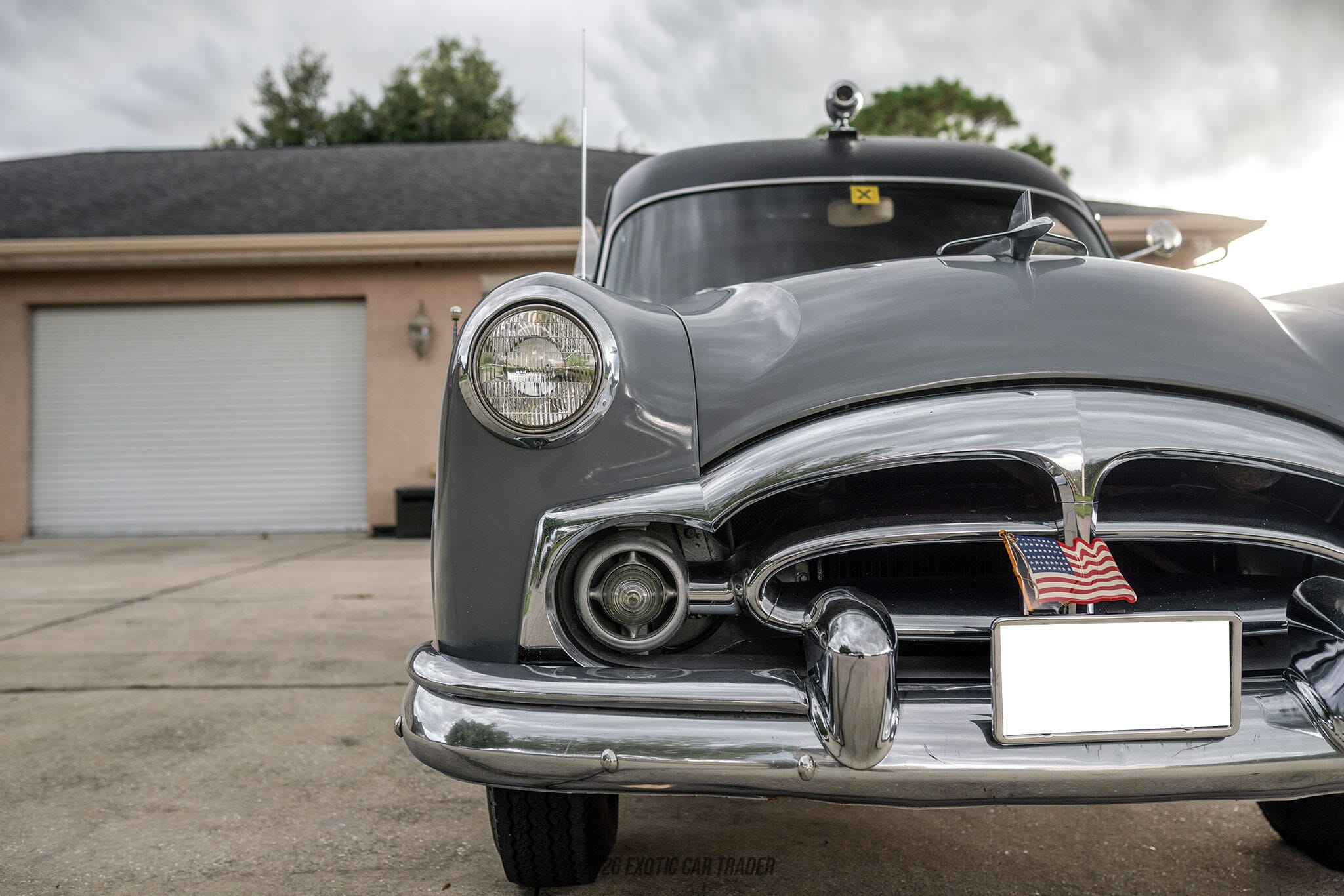
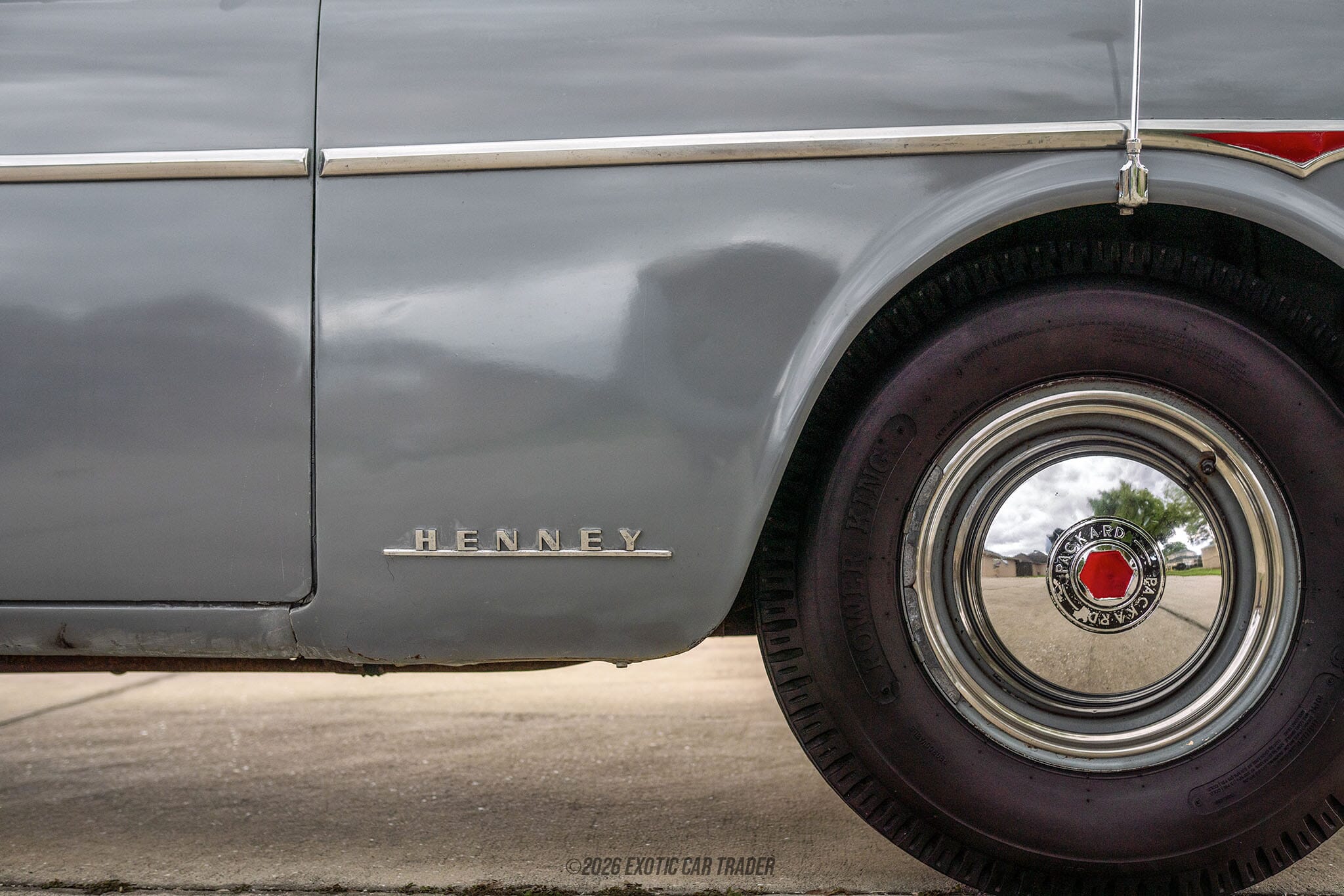
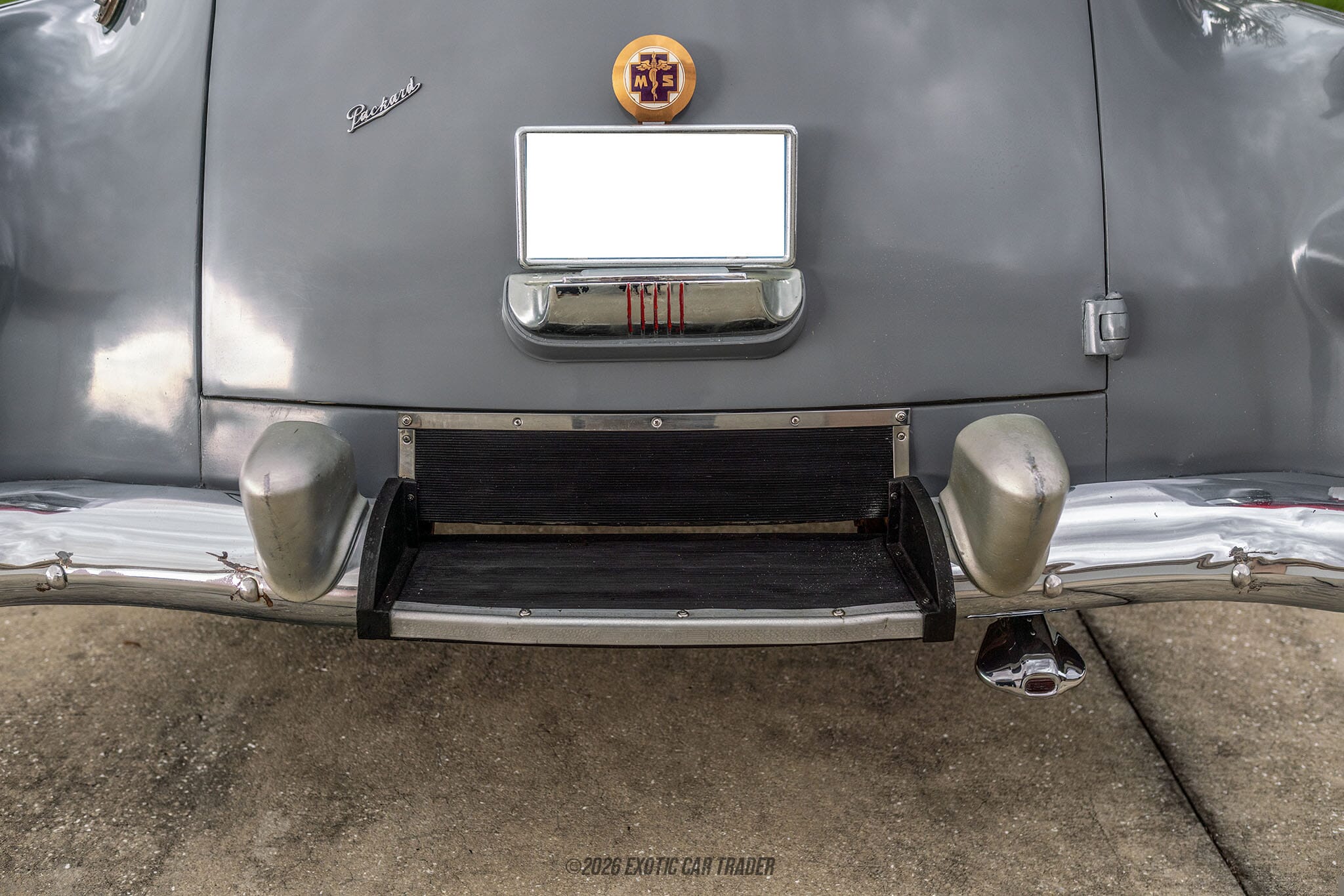
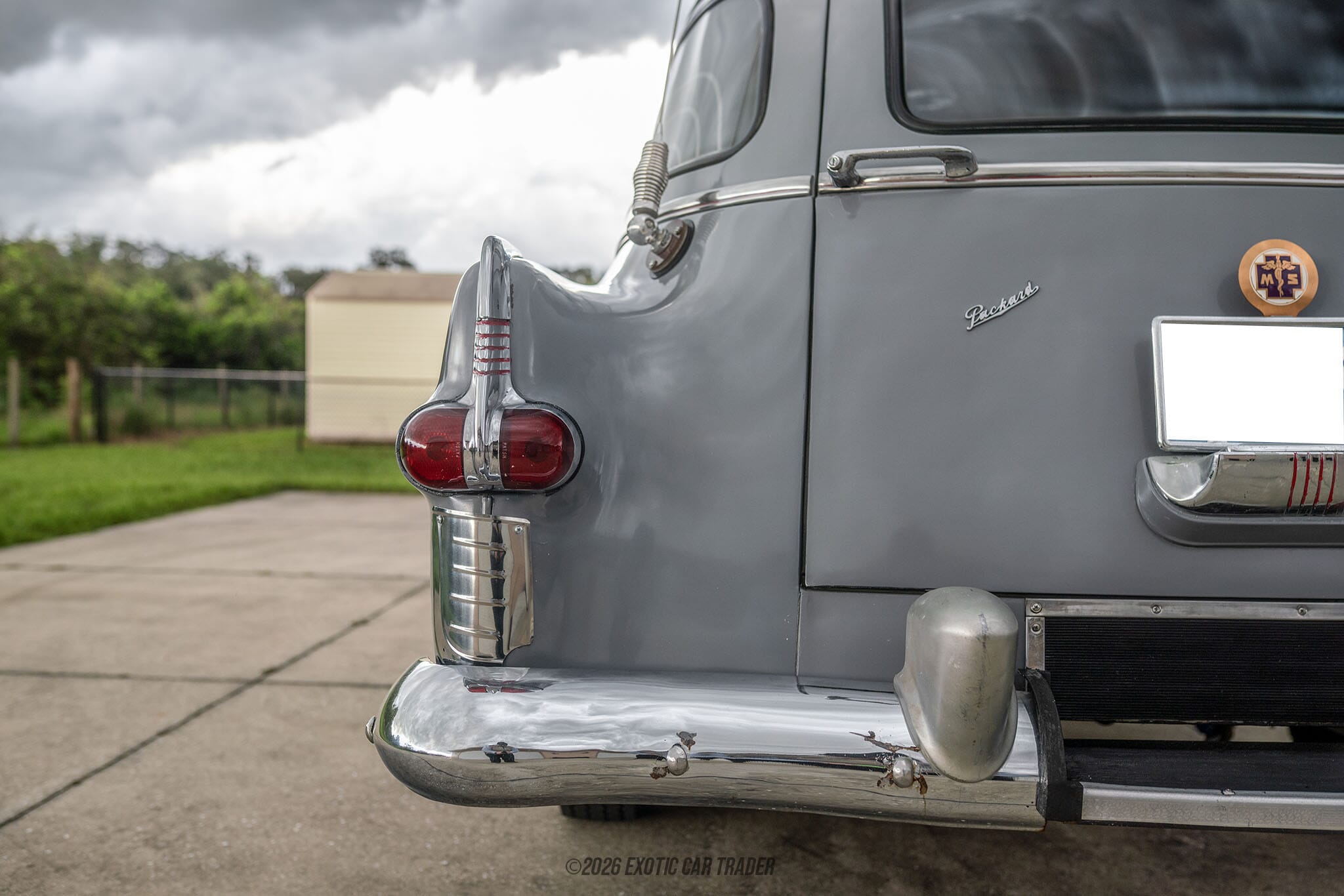
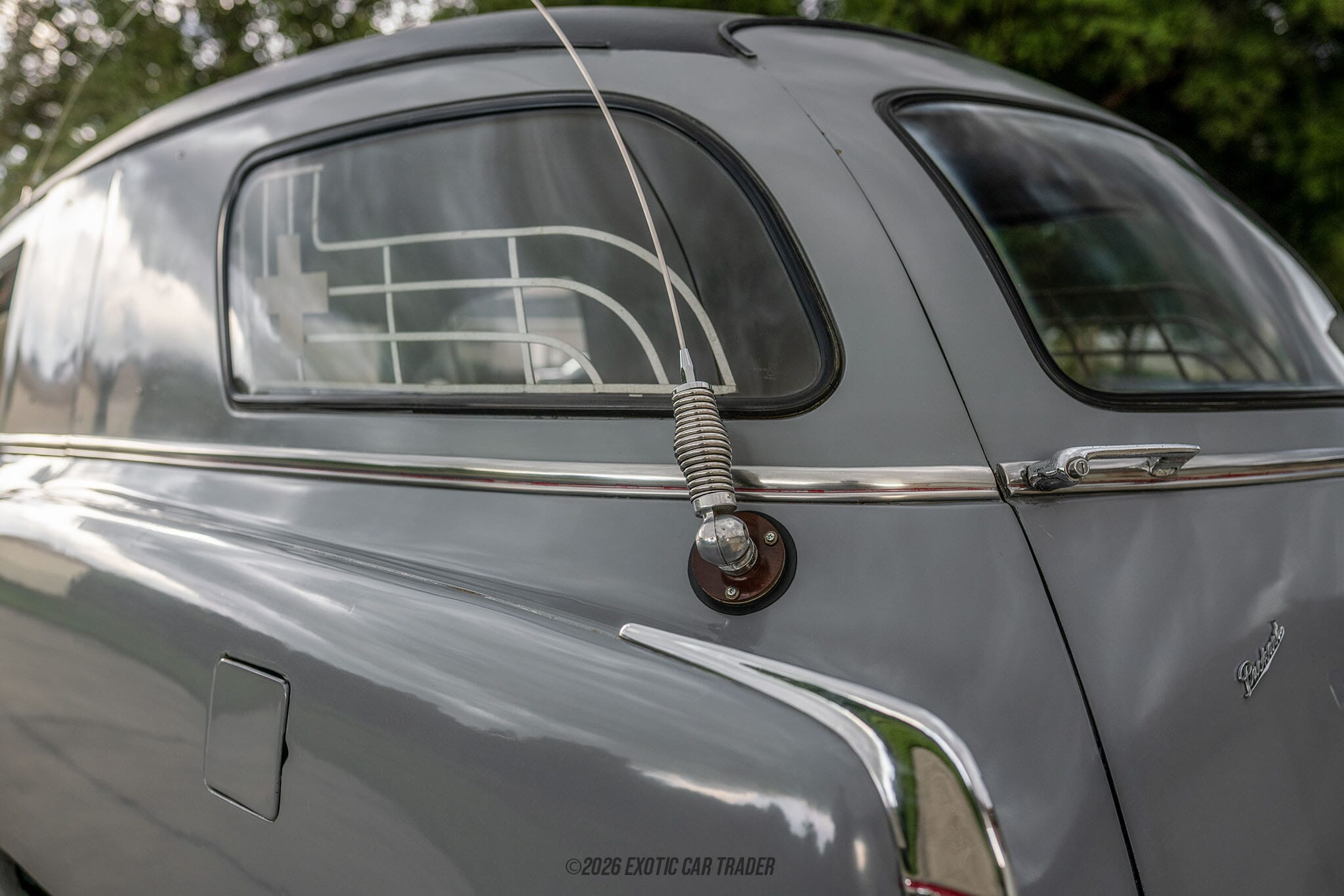
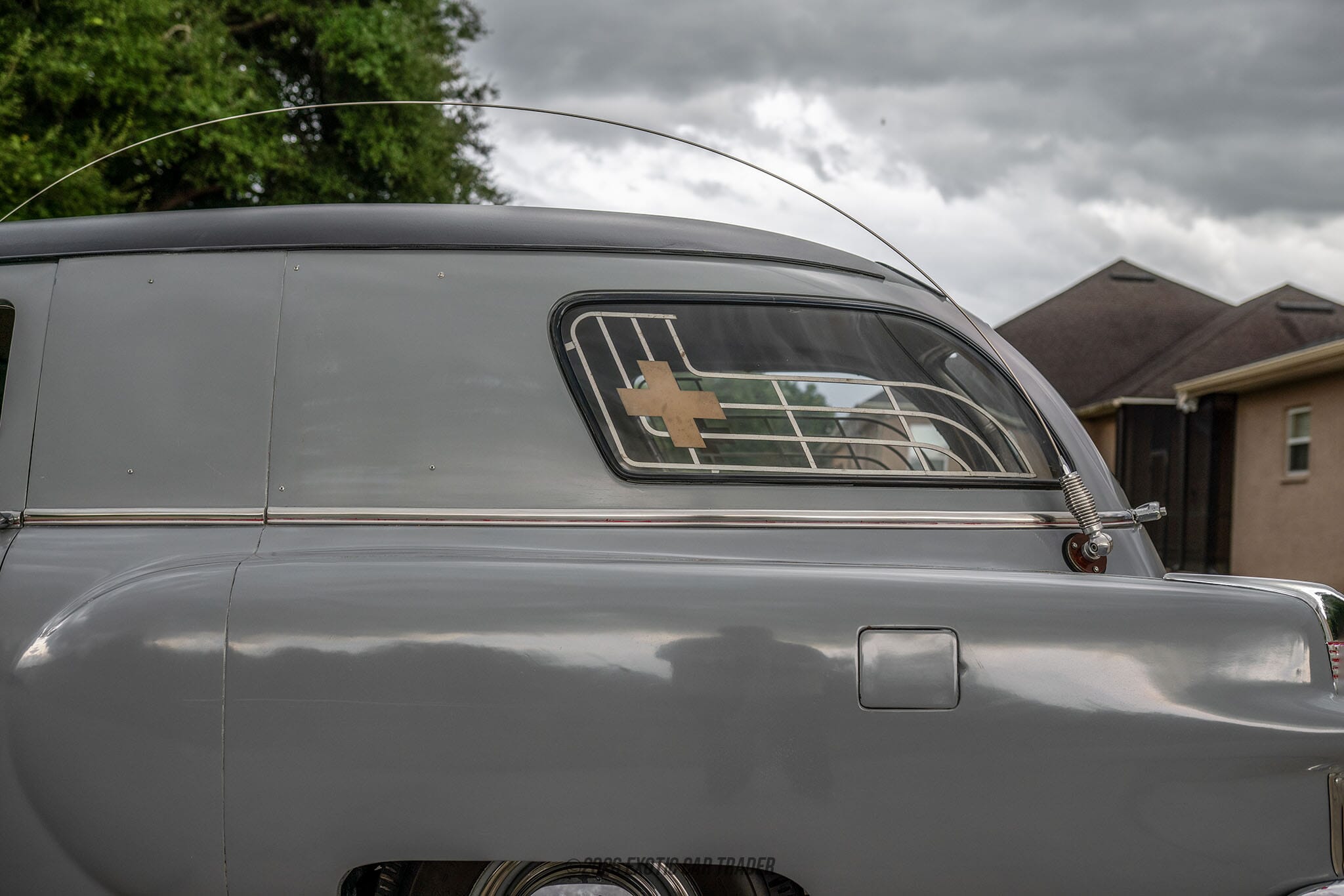
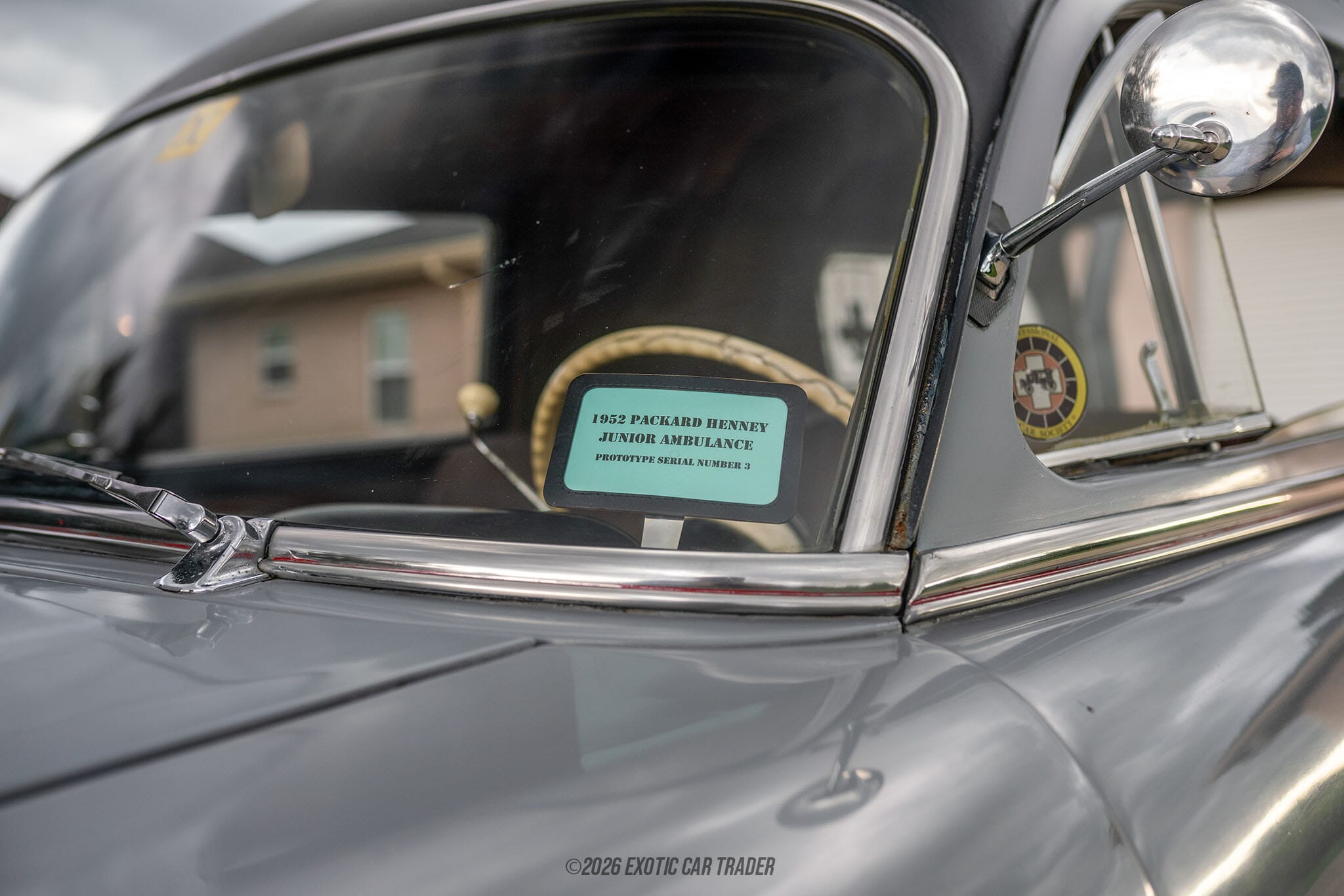
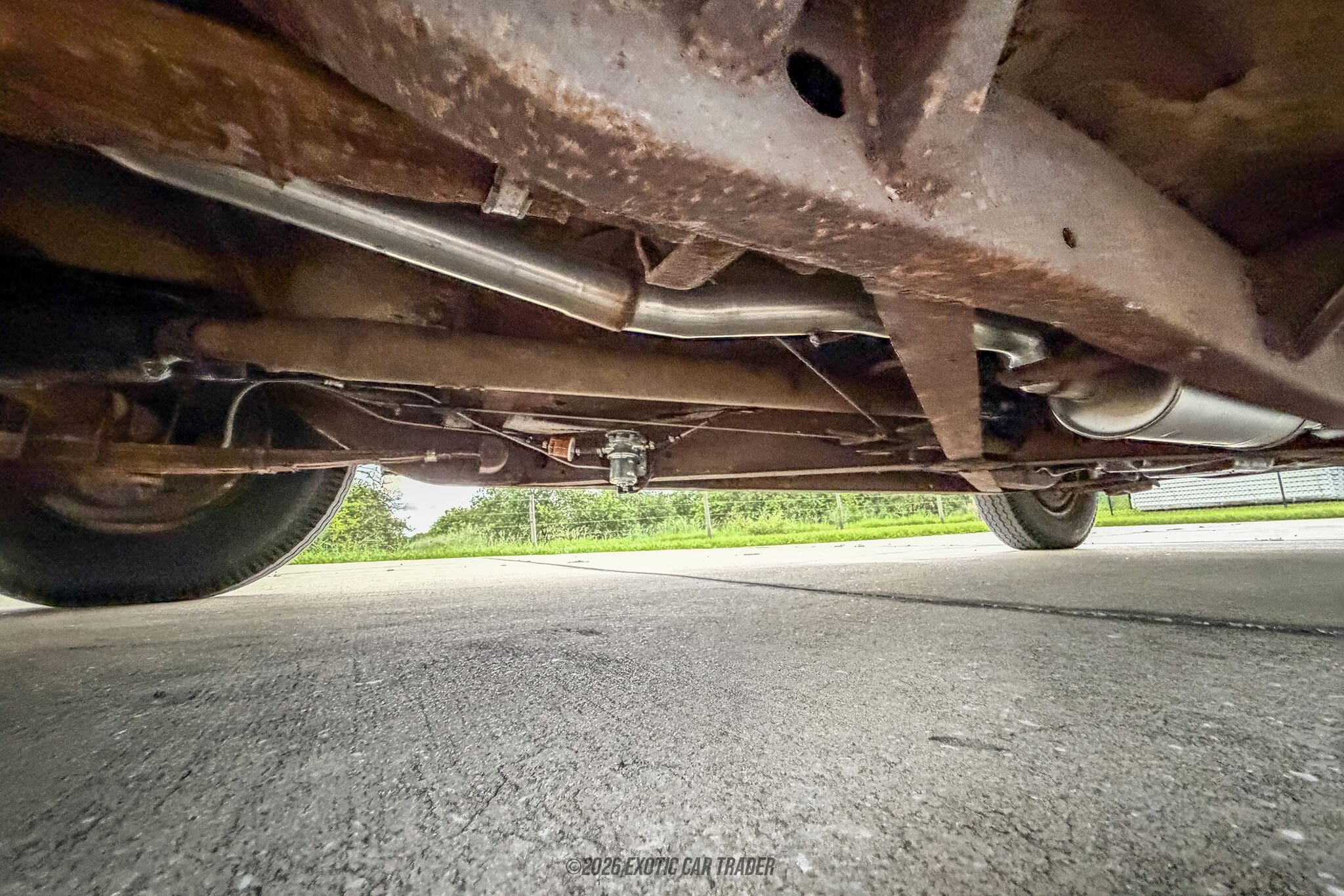
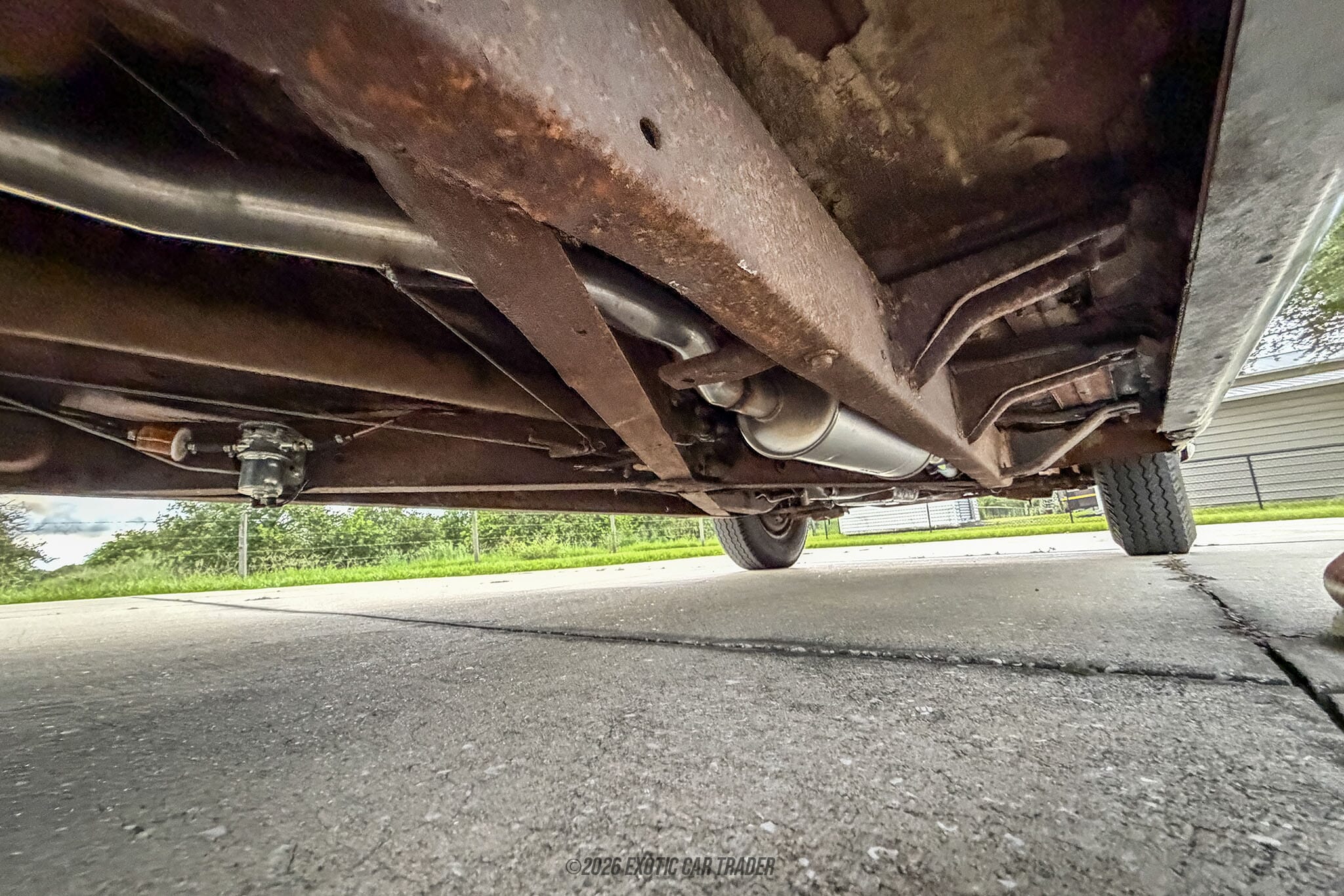
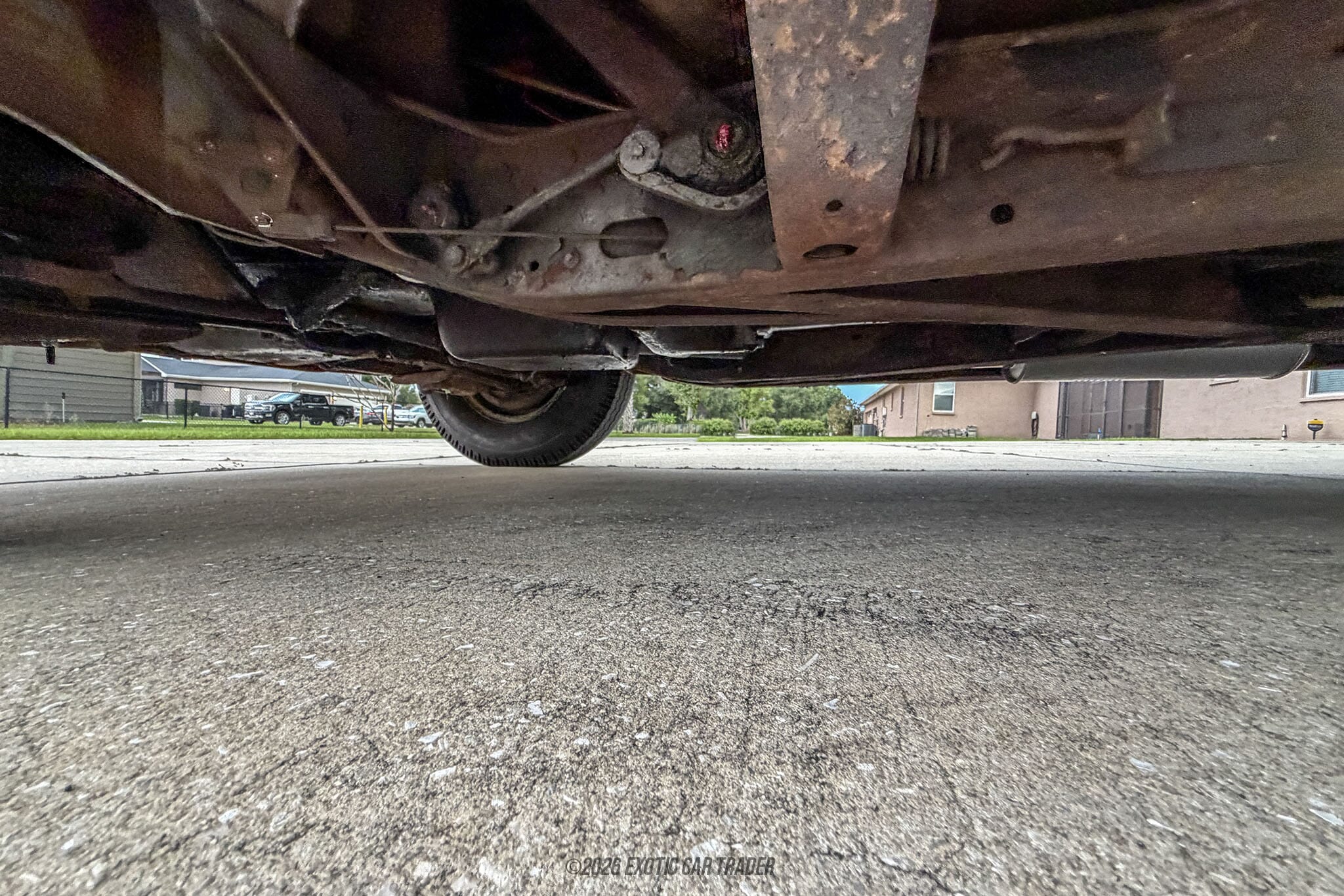
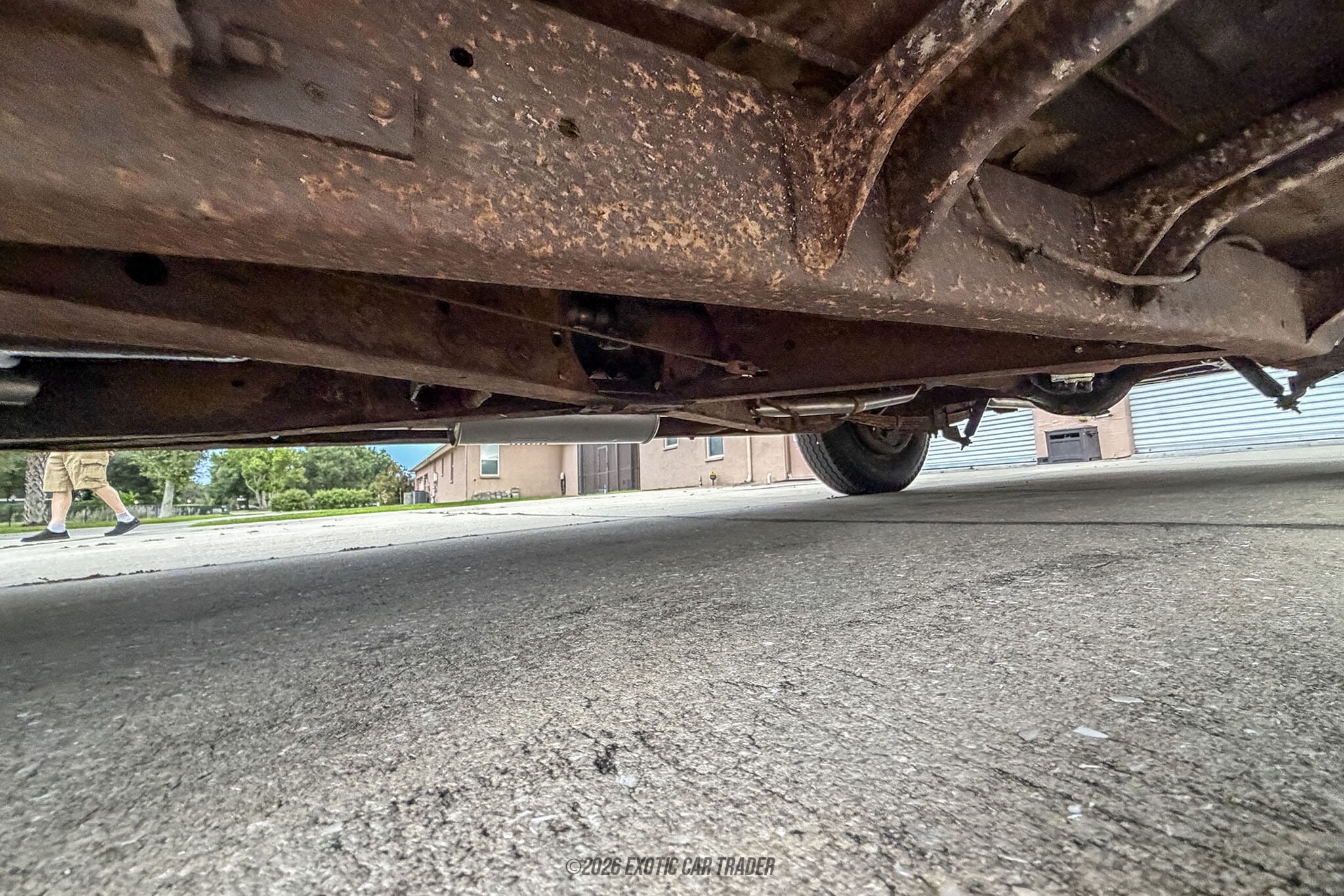
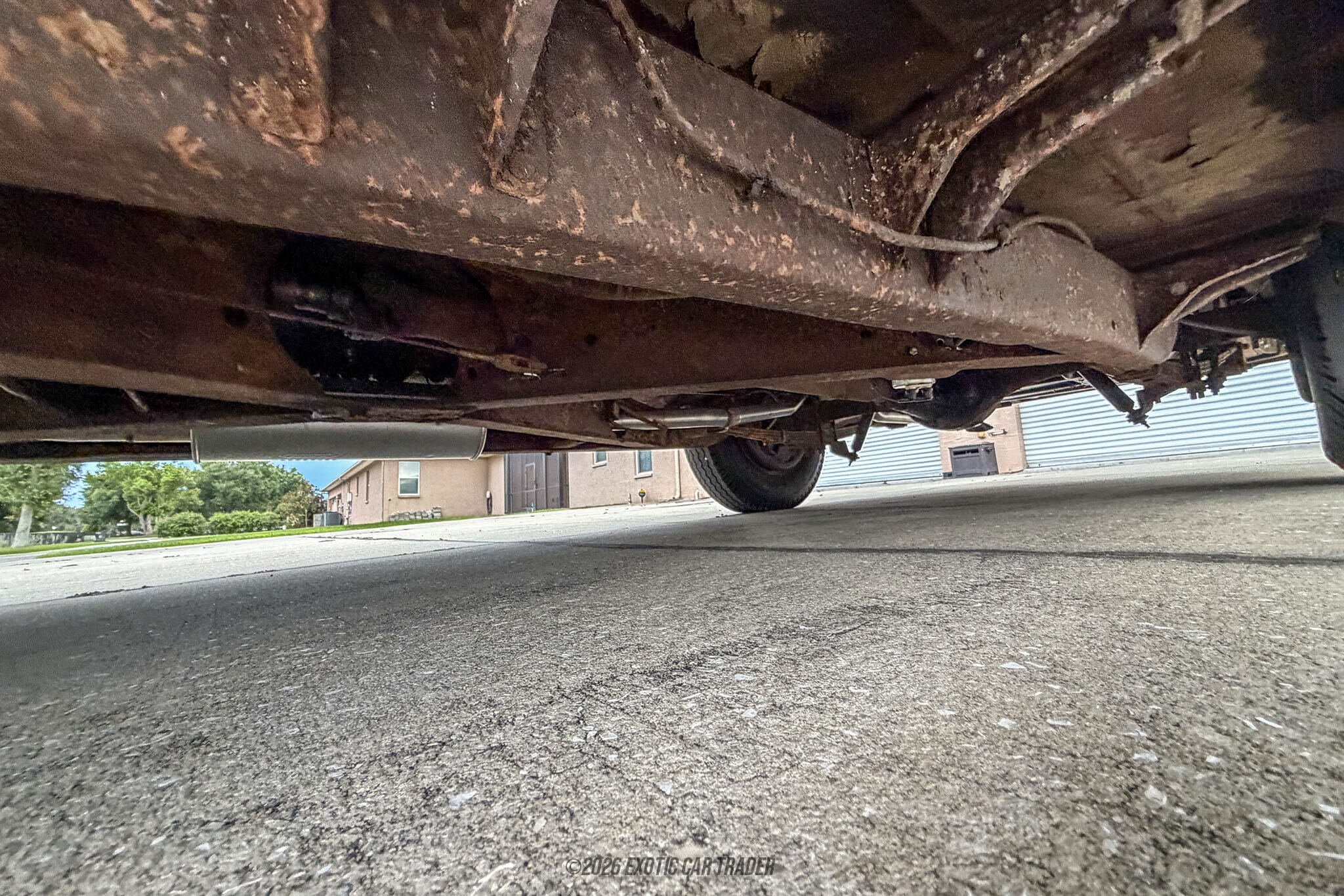
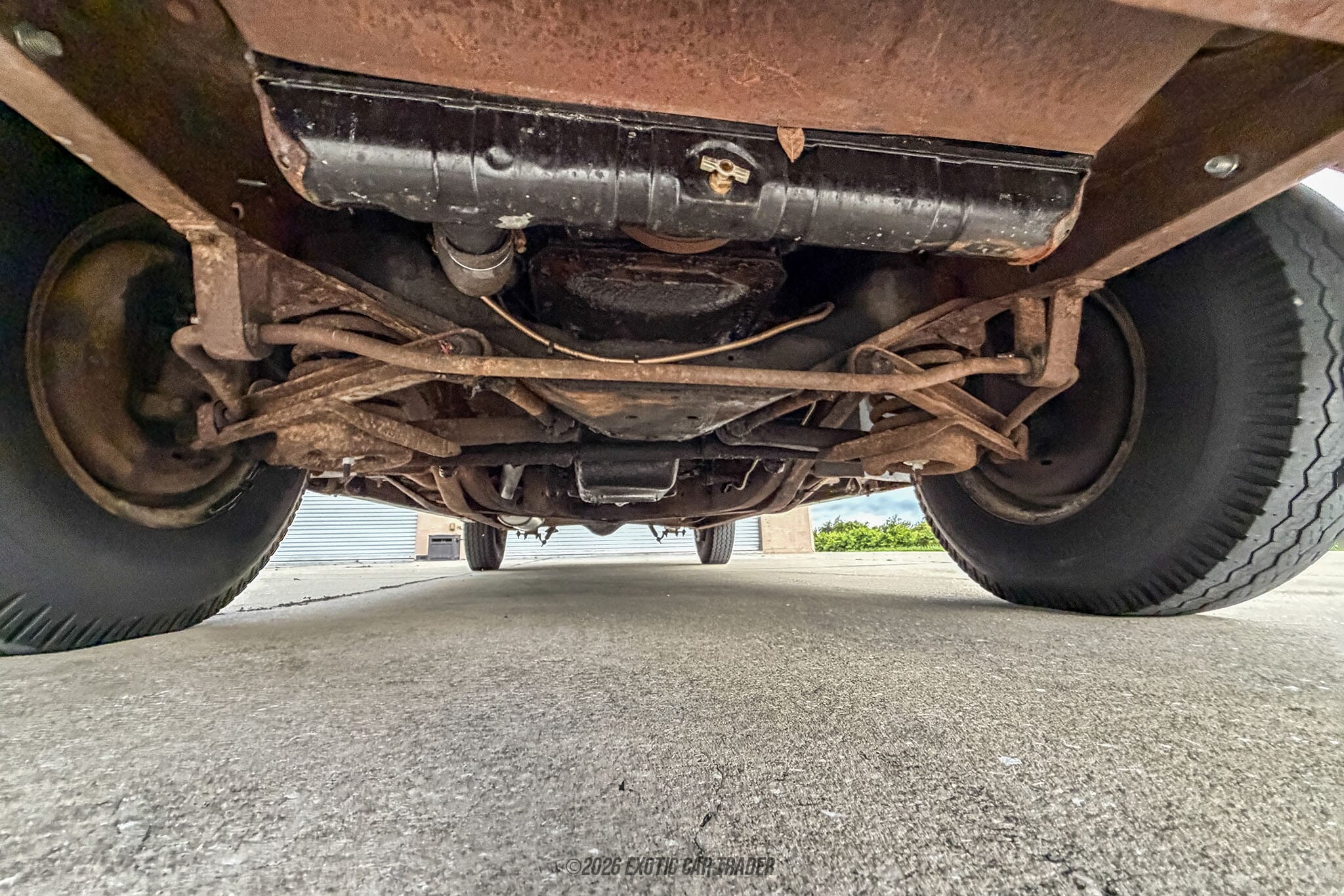
This 1952 Packard Henney Junior Ambulance represents a rare piece of American emergency vehicle history, serving as Pilot/Prototype Serial No. 3 of only three 1952 pilot models produced. Developed through a collaboration between Packard Motor Company and John W. Henney & Company, the Junior Ambulance was designed as a smaller and more economical alternative to traditional full-size ambulances. According to the provided documentation, this vehicle carries the unusual 25th Series Packard chassis designation (Model 2533) and was one of the earliest examples built before production continued into the 1953 and 1954 model years. Powered by Packard’s 288ci “Thunderbolt” inline-eight engine and featuring its original military-inspired configuration, this example served with the United States Air Force before spending decades in storage. With approximately 35,585 miles shown, this Henney Junior Ambulance stands out as a historically significant prototype with documented military service, coachbuilt construction, and unique features including its distinctive rooftop ventilator.
Exterior and Interior
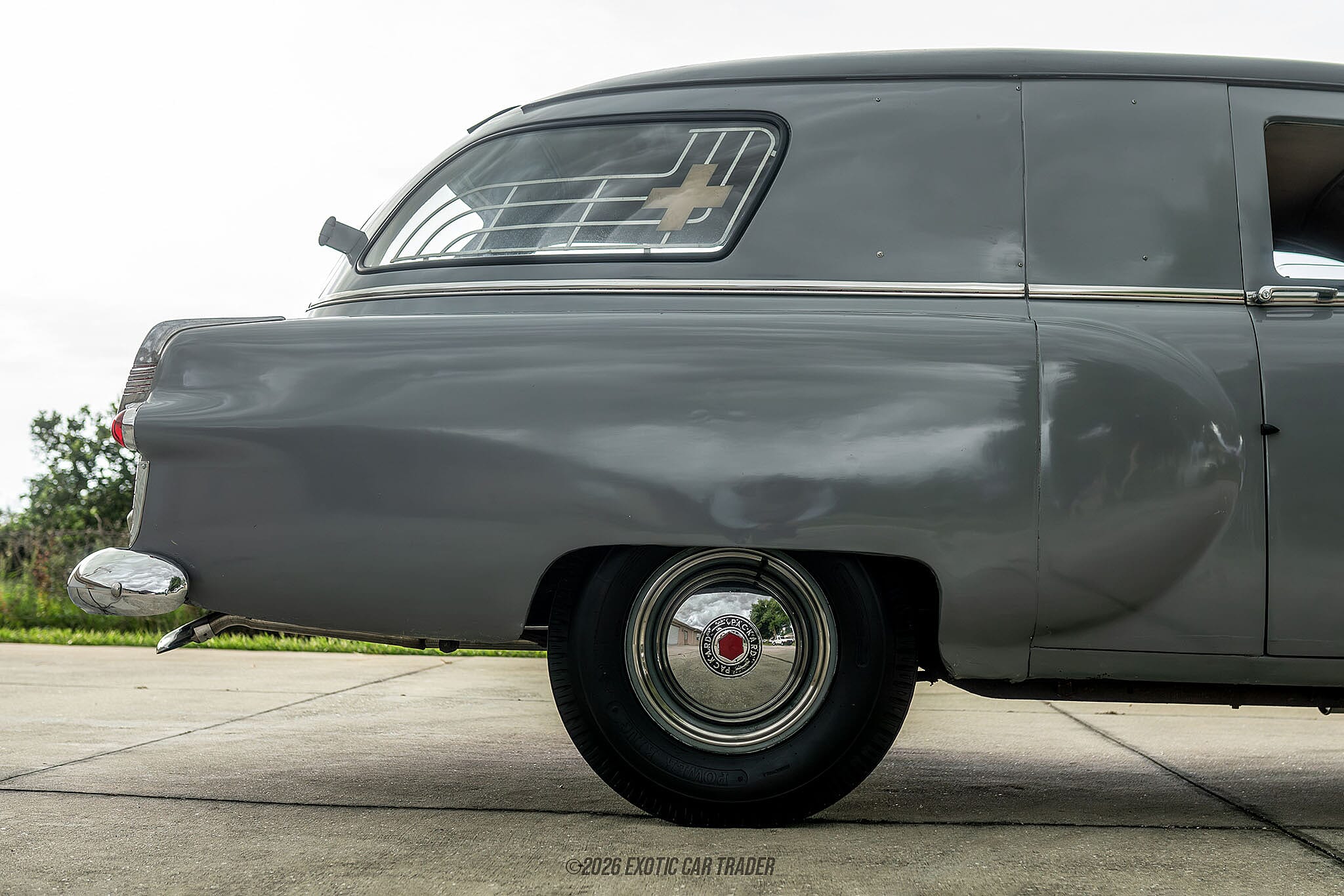
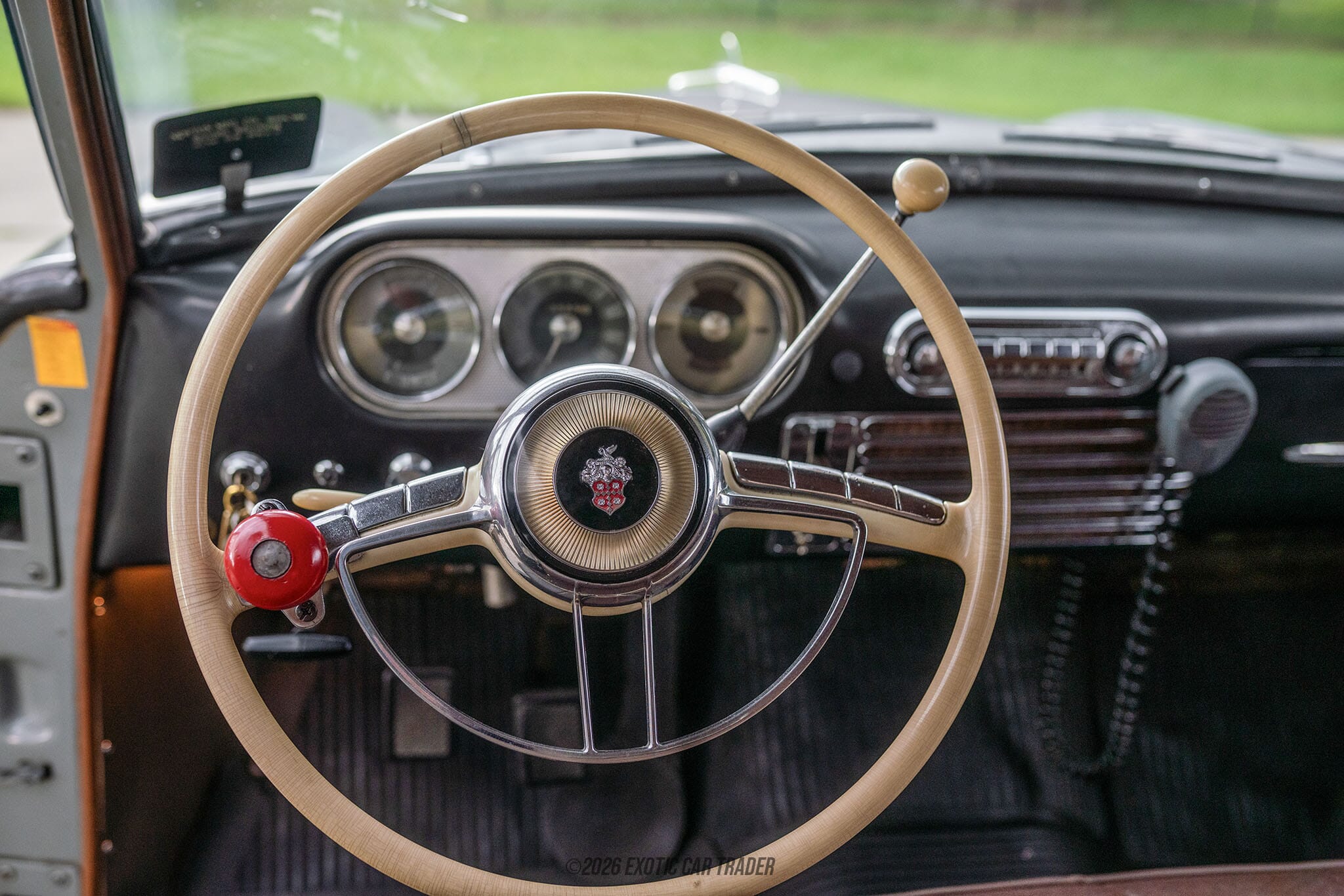
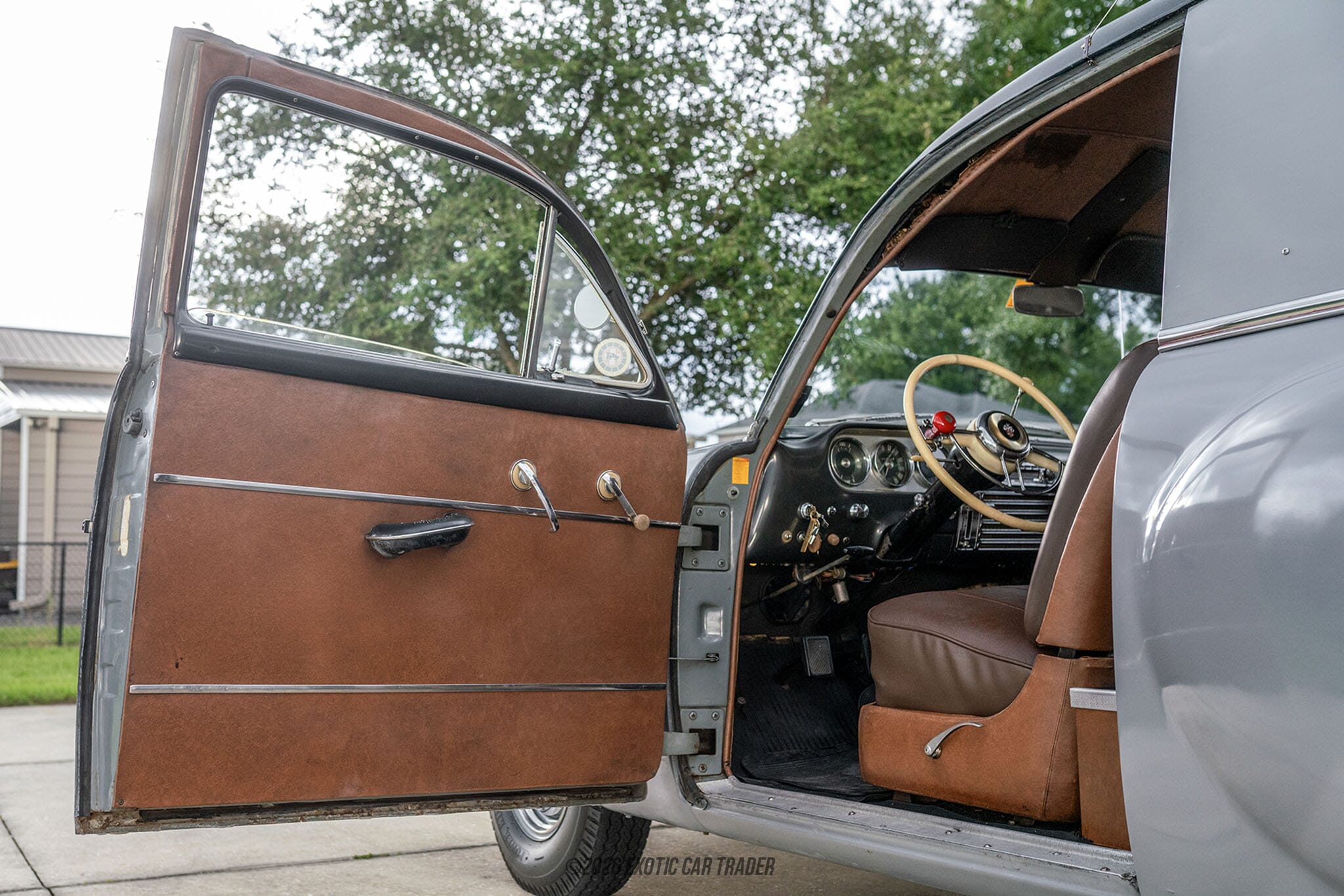
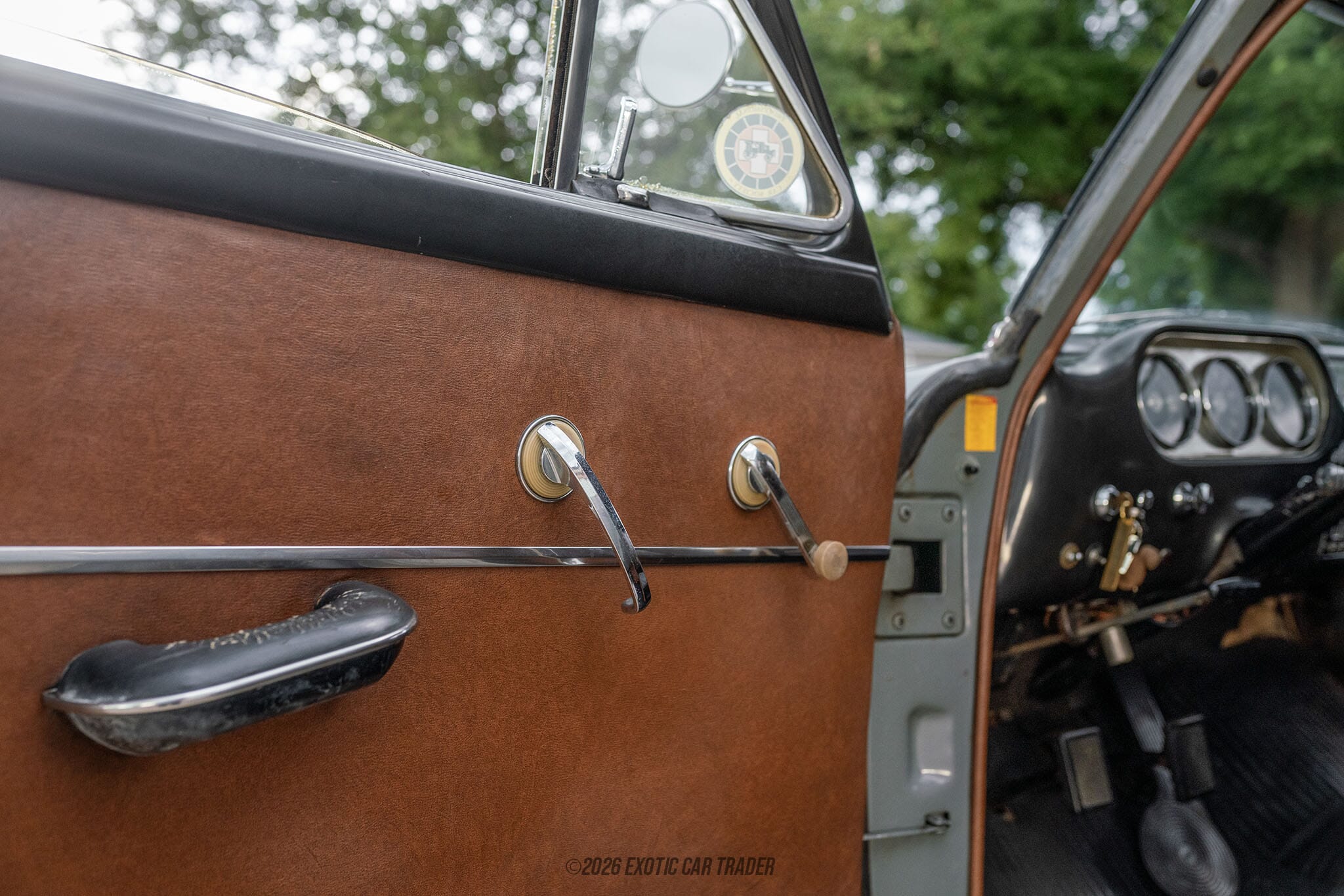
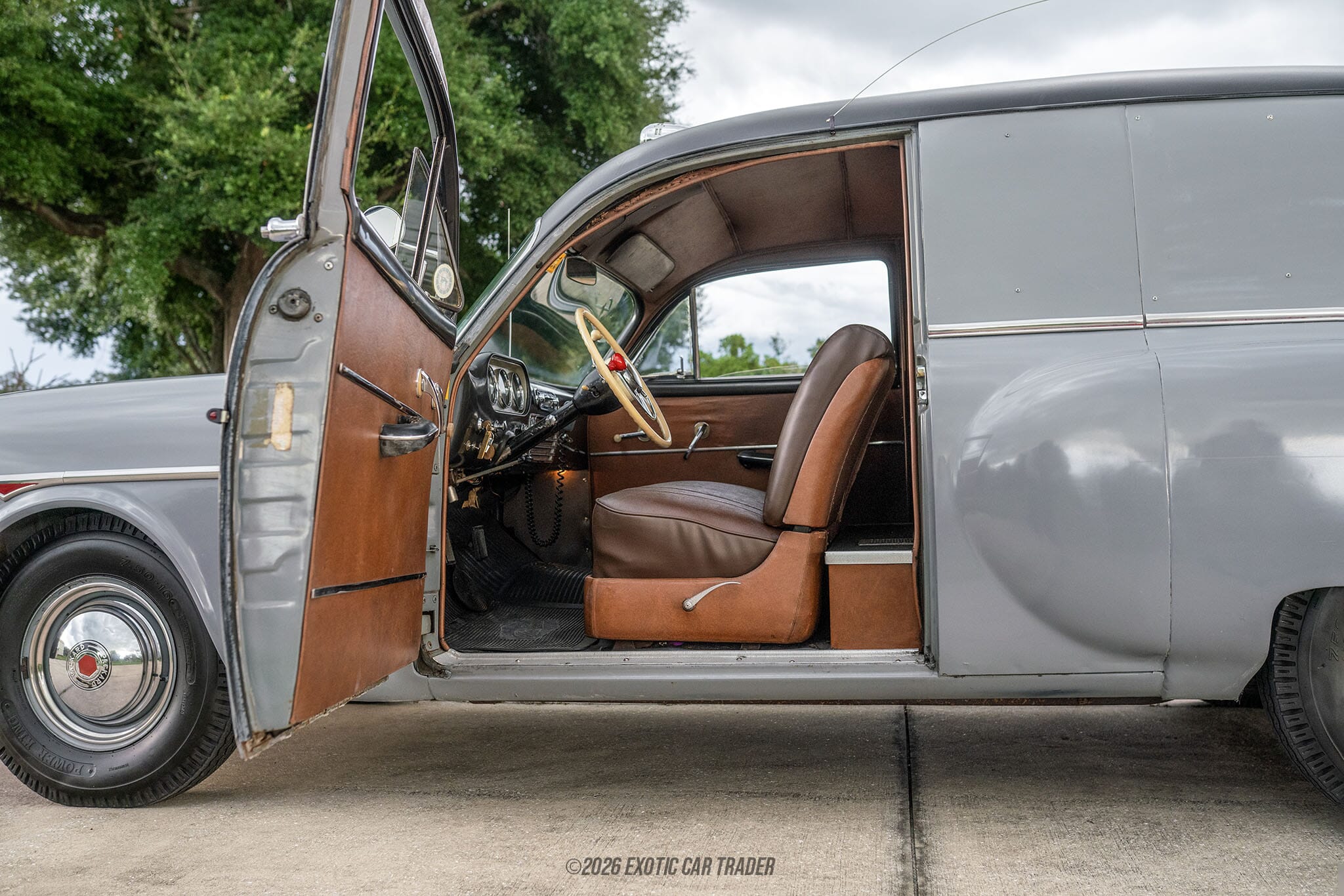
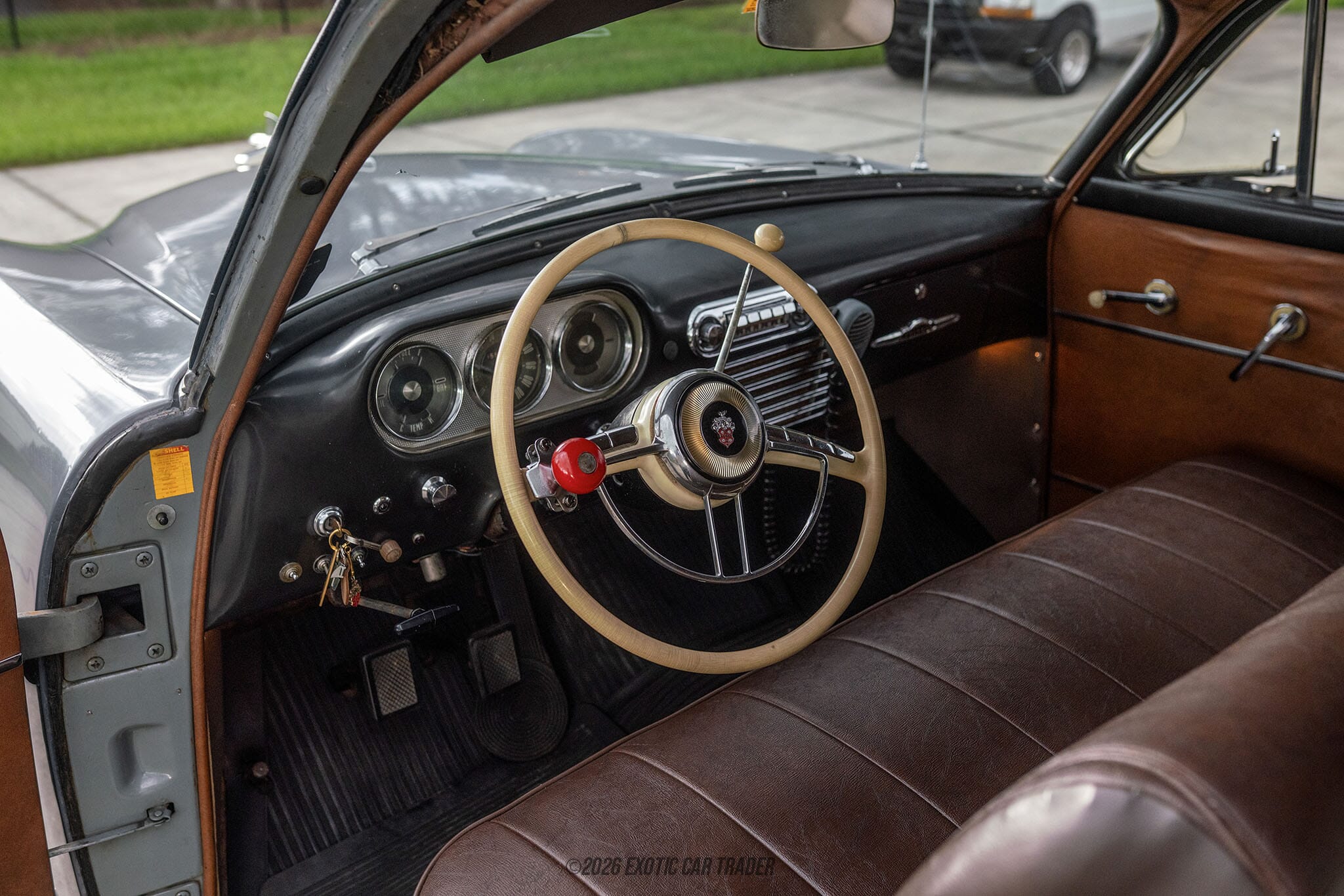
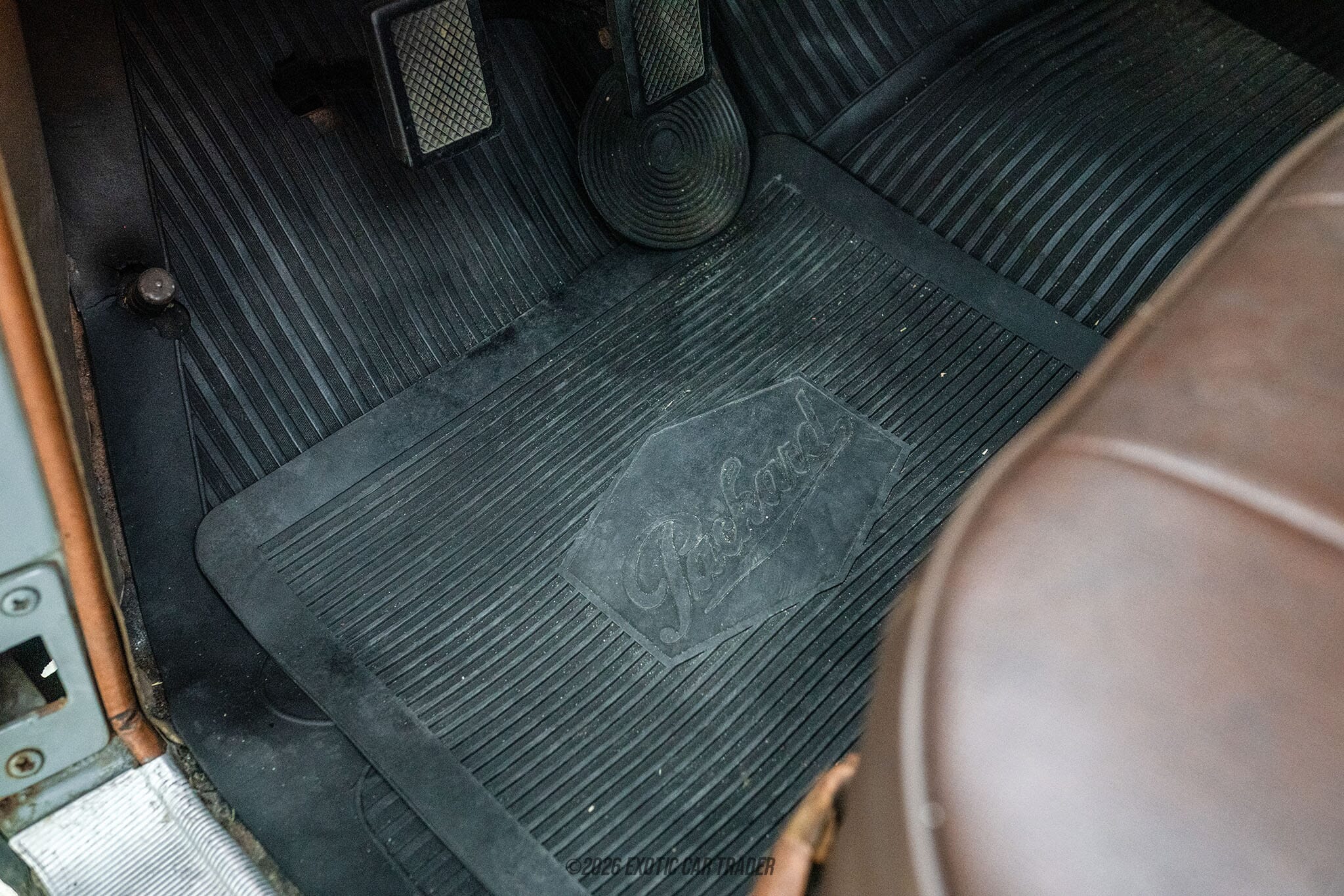
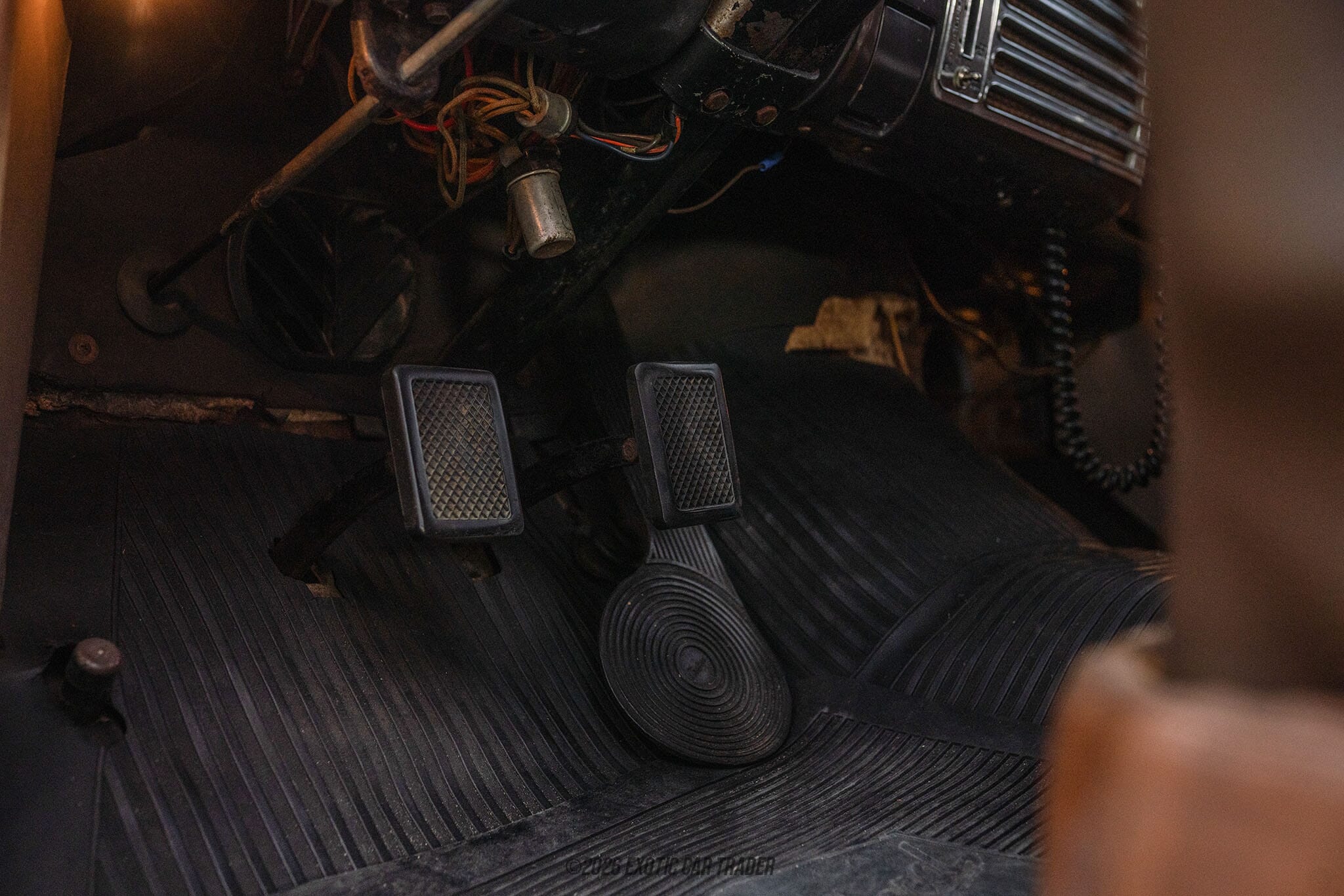
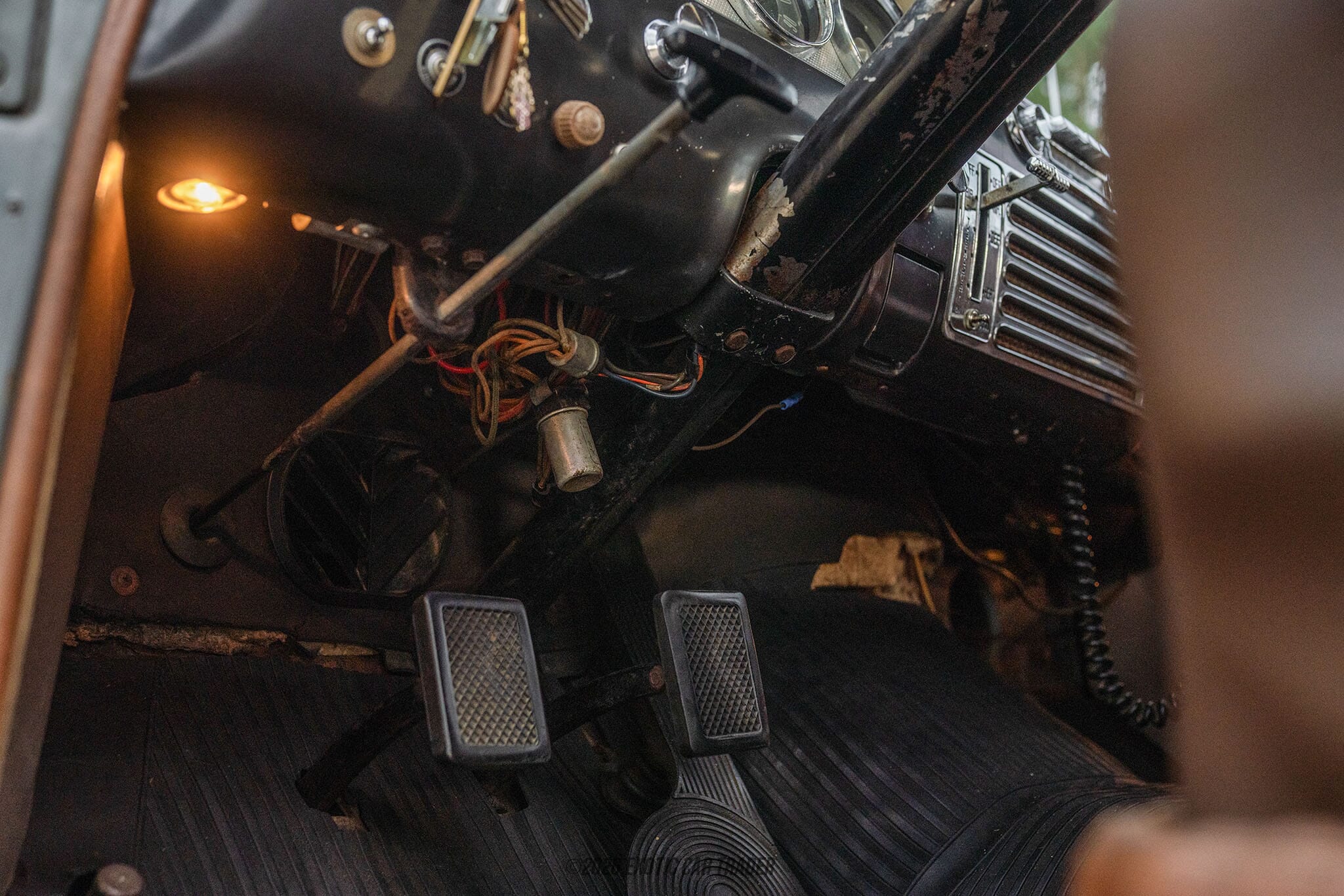
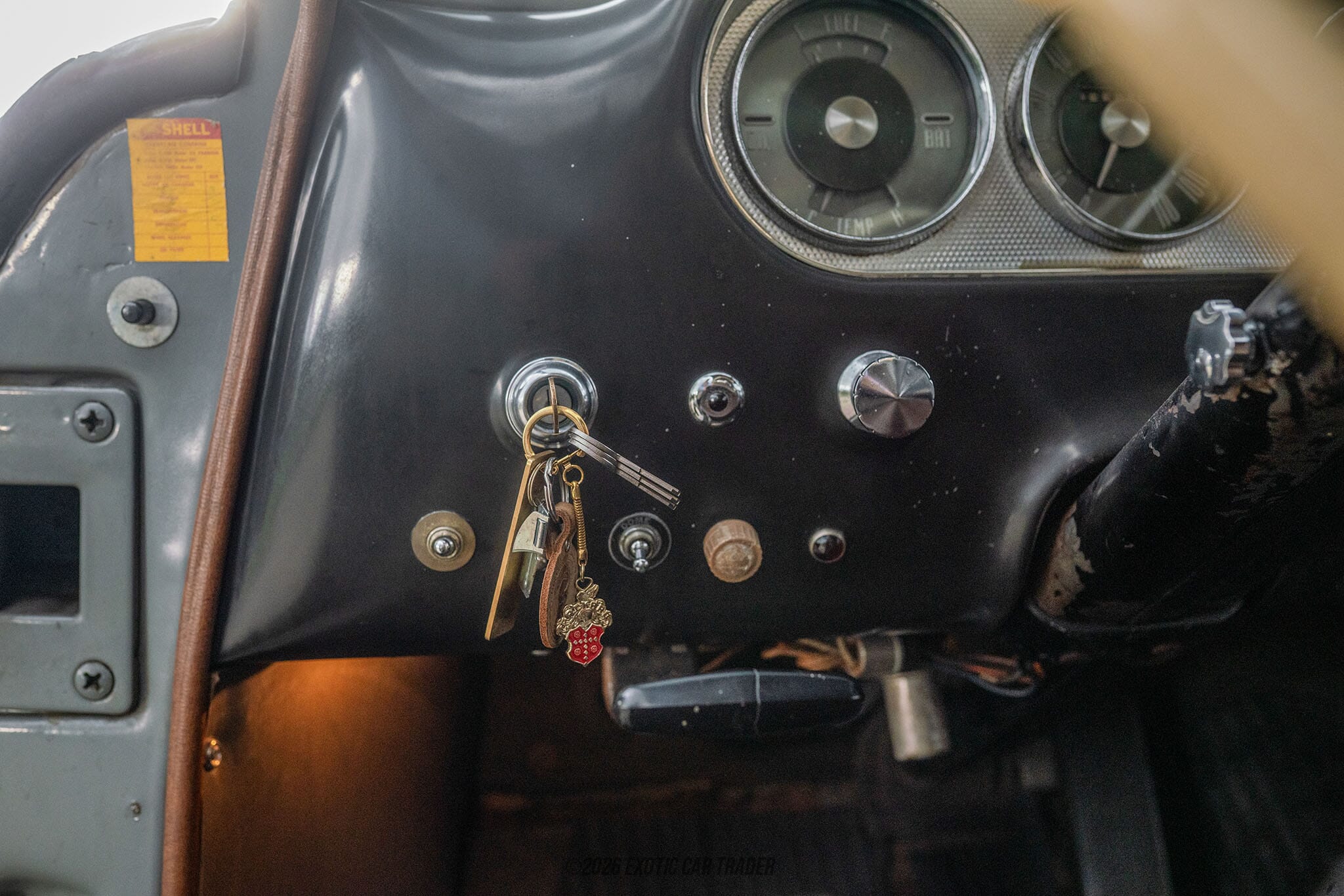
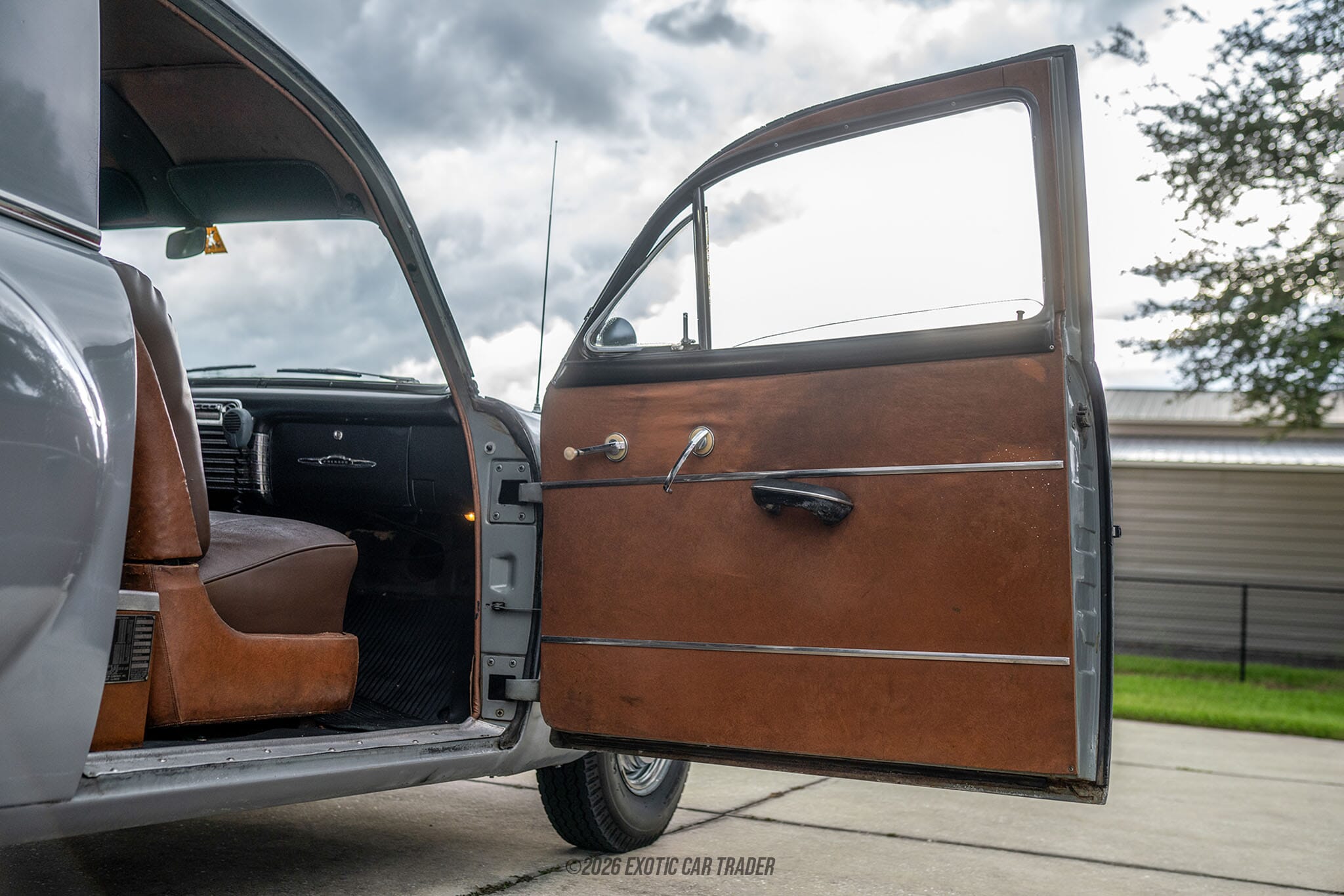
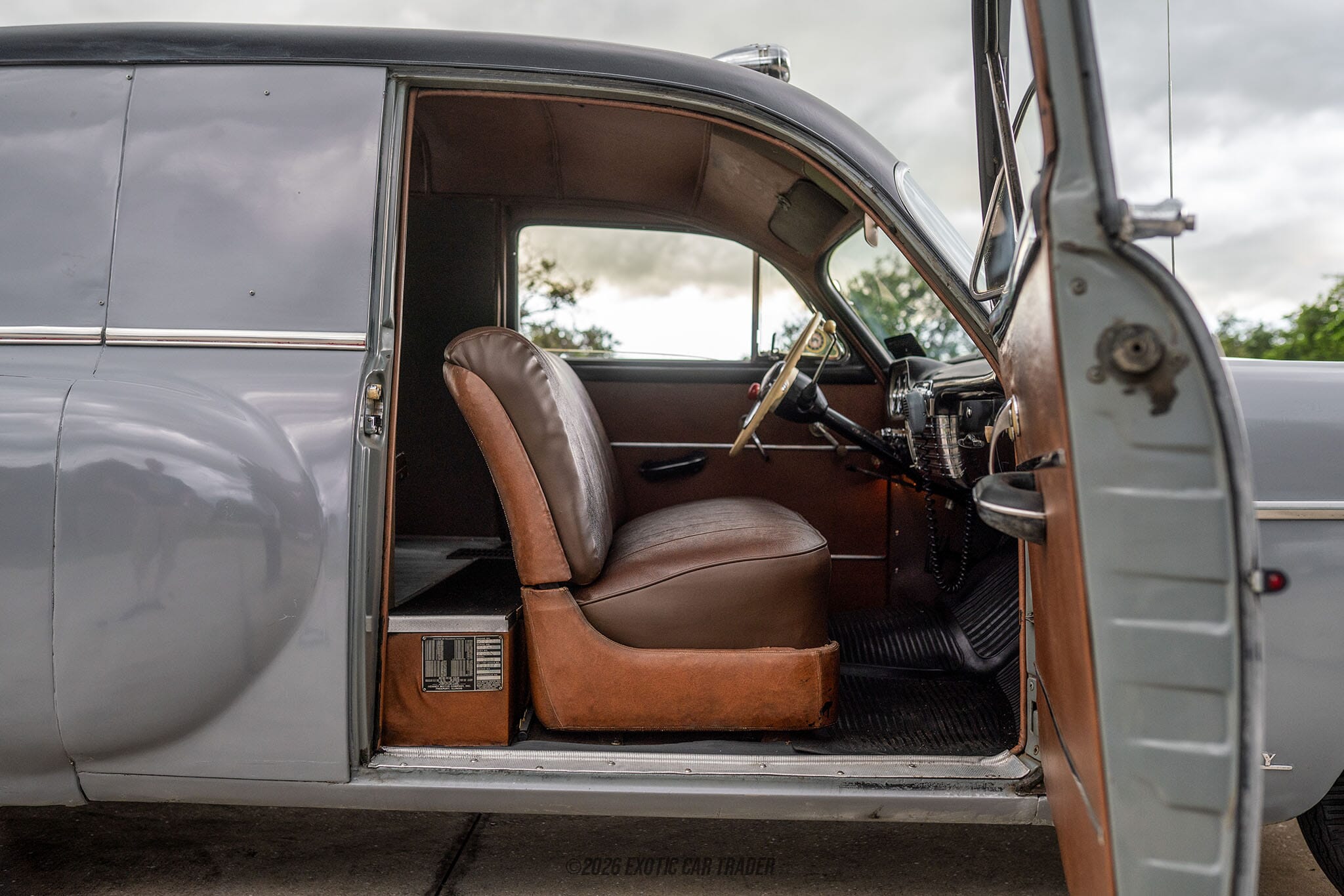
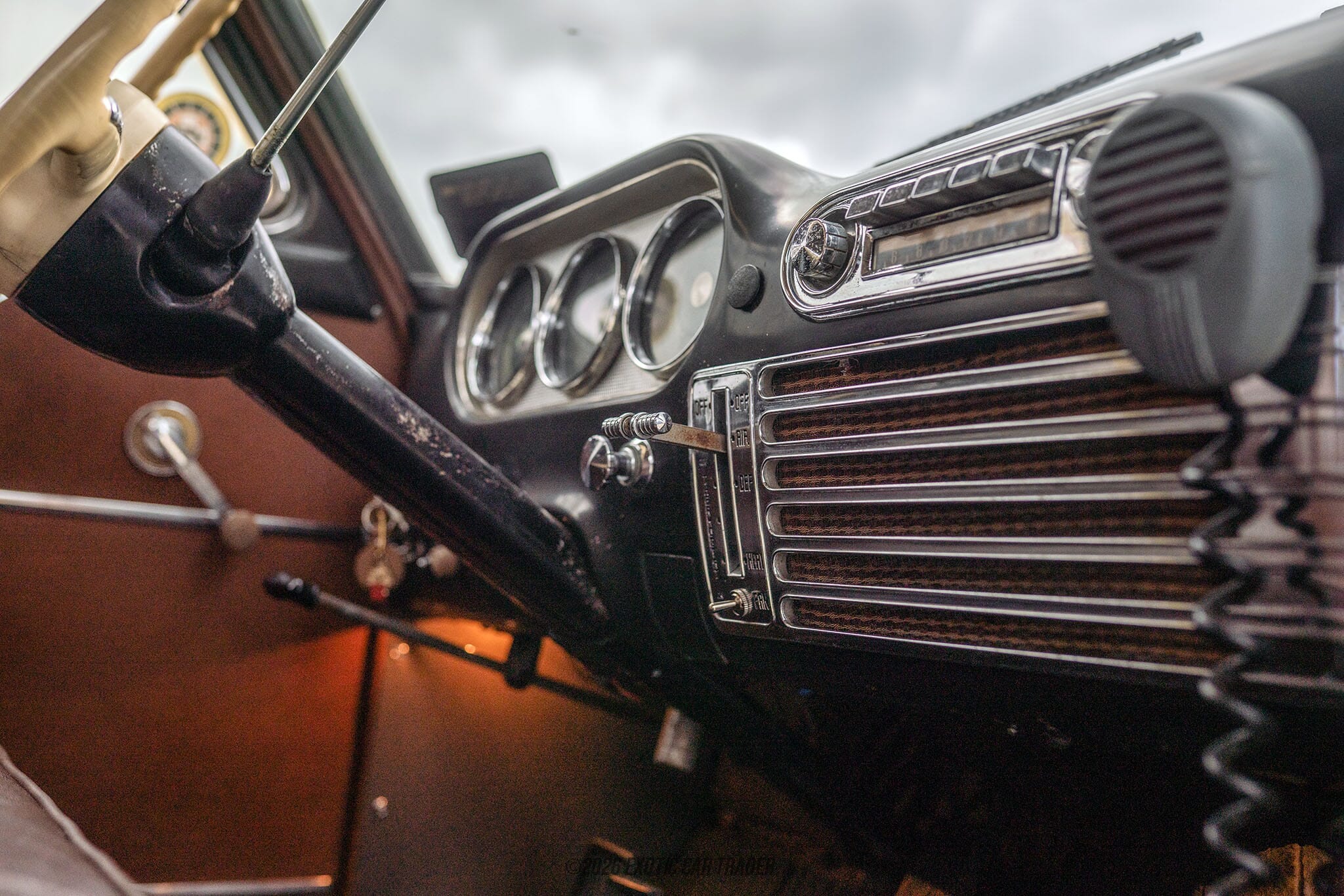
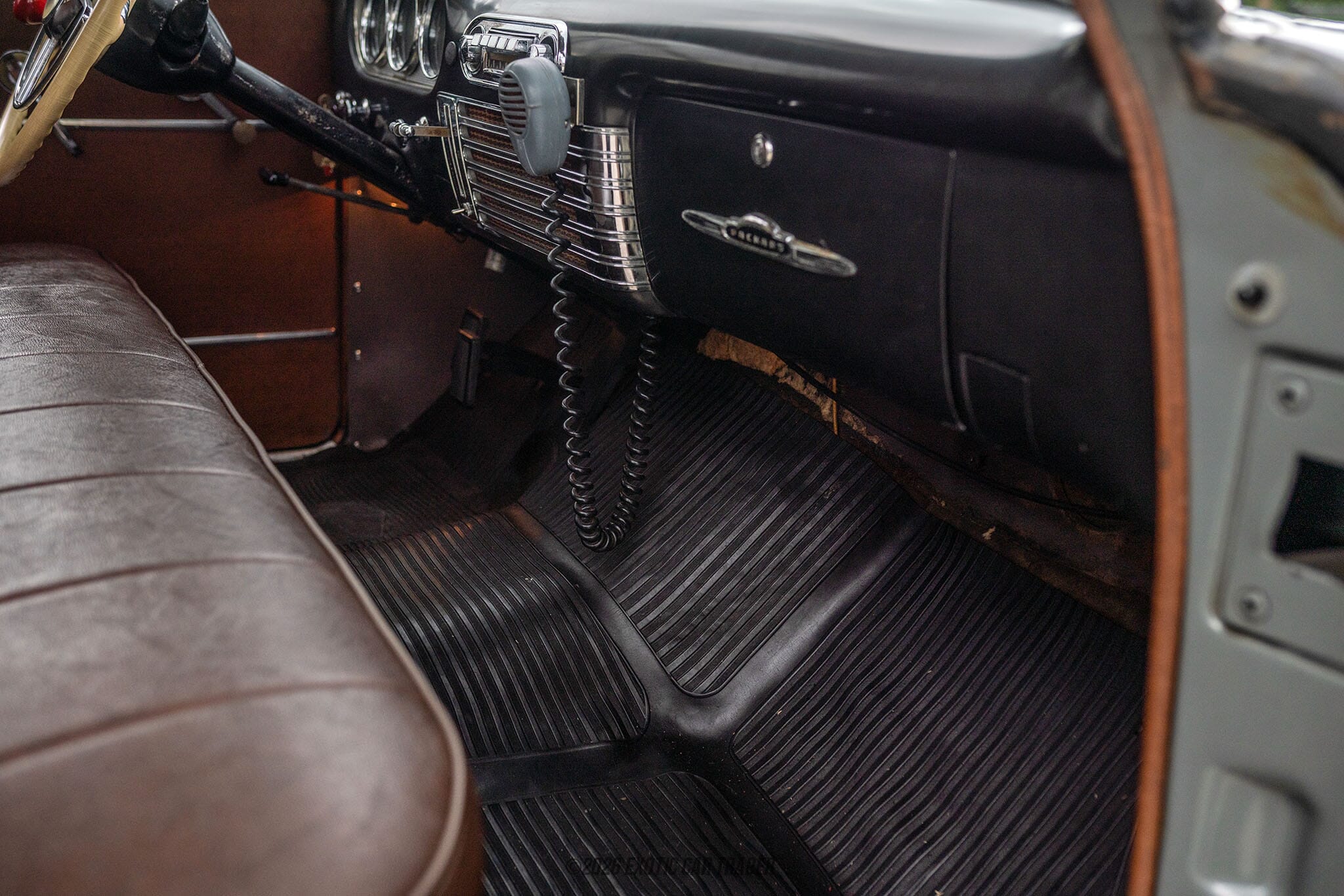
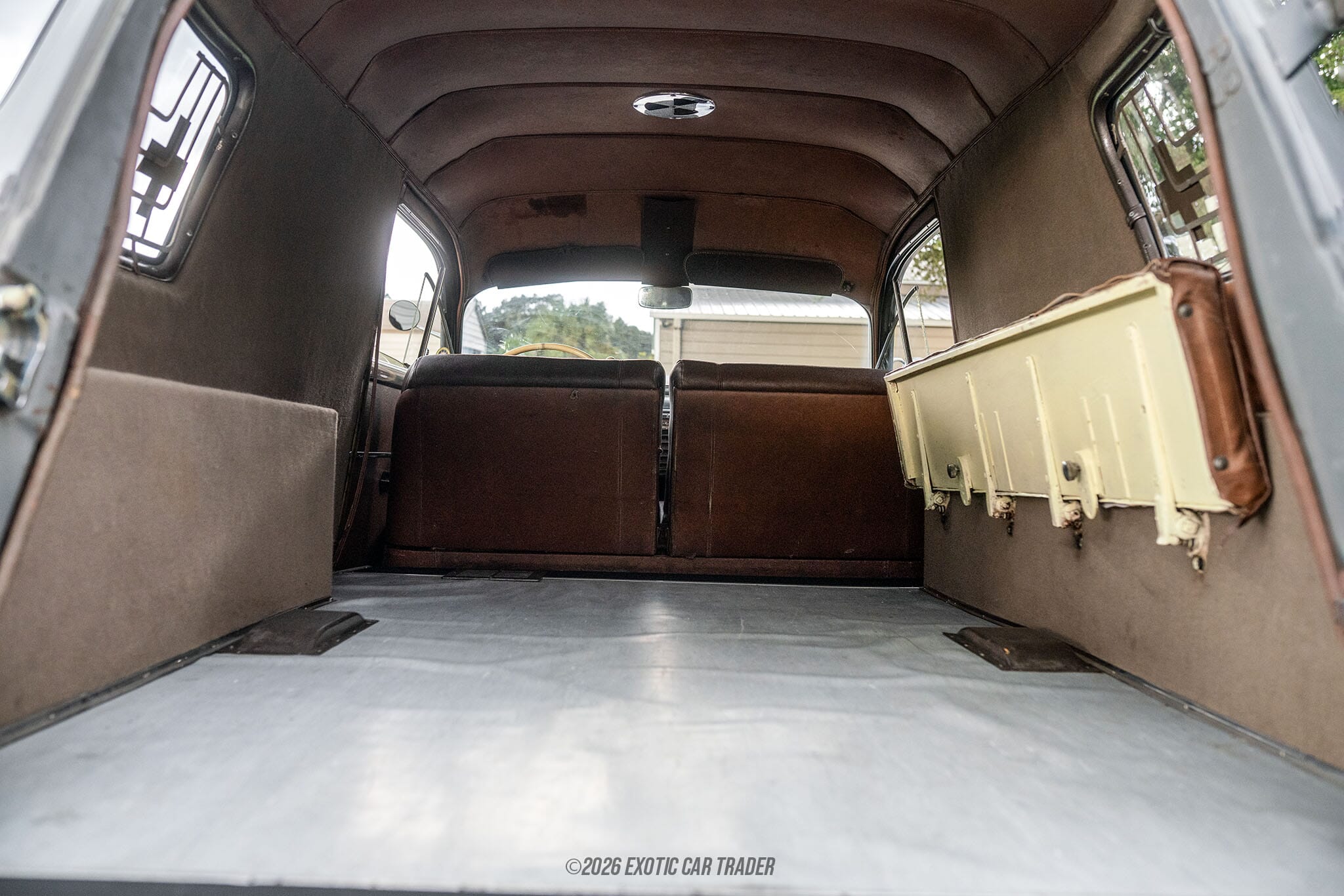
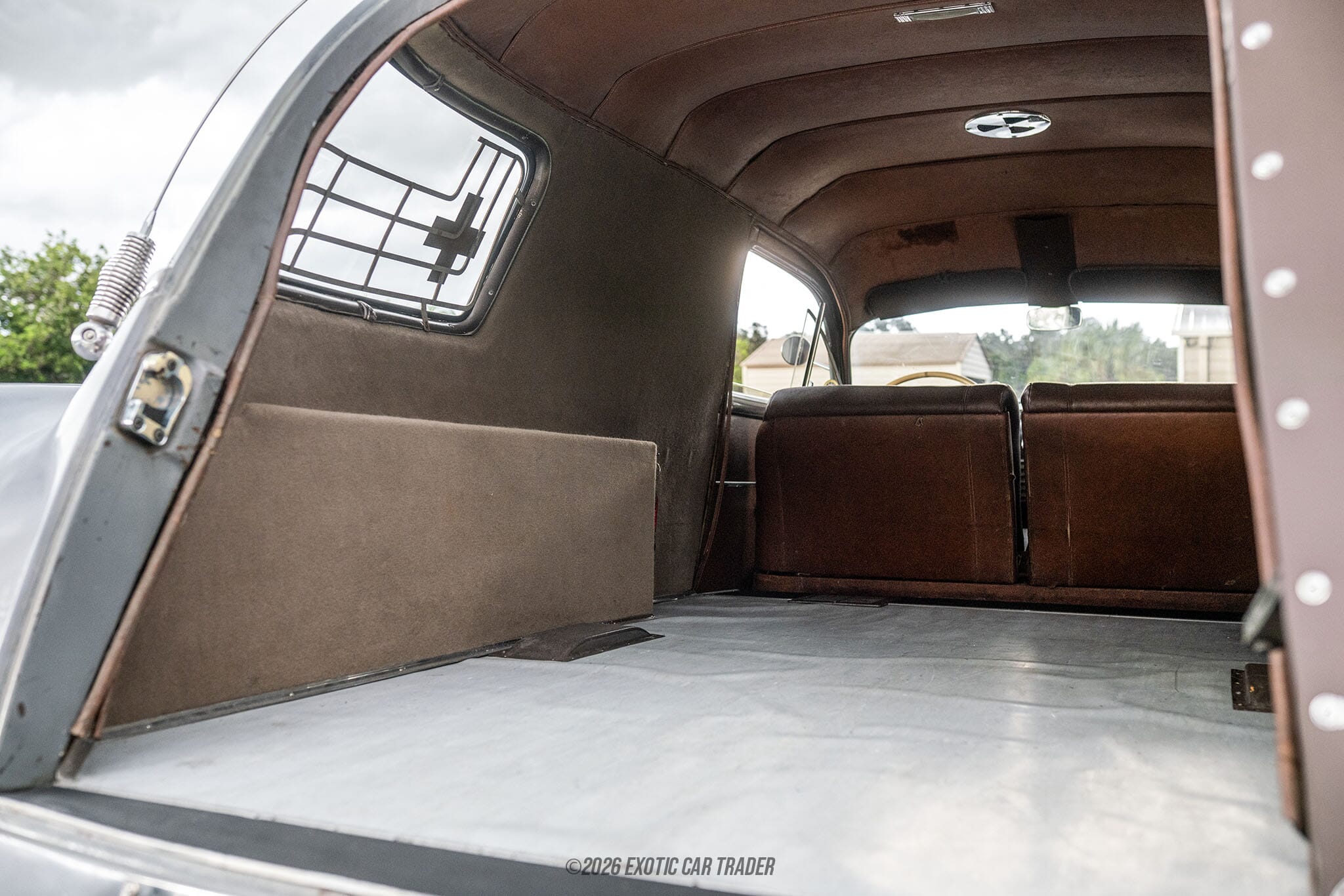
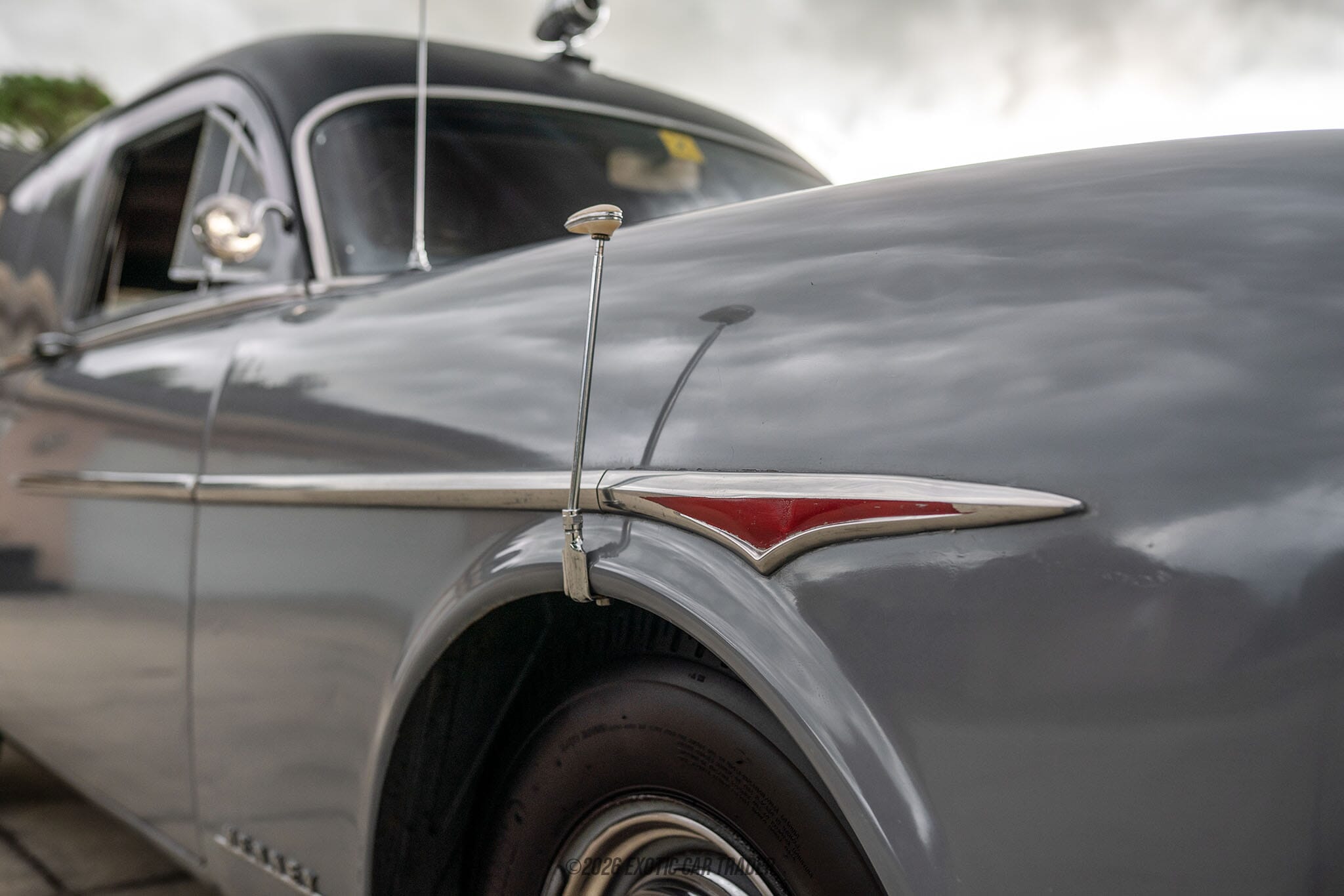
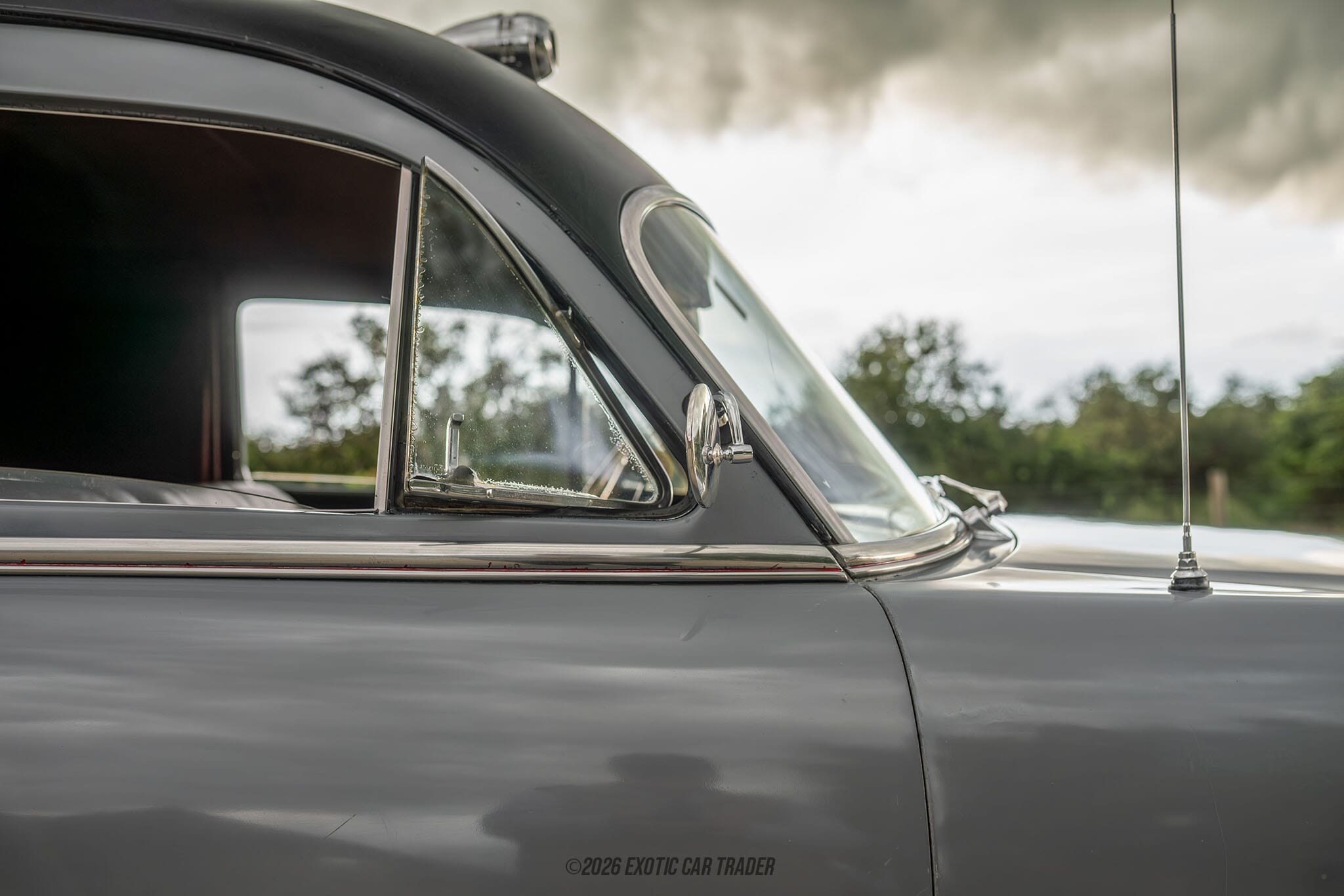
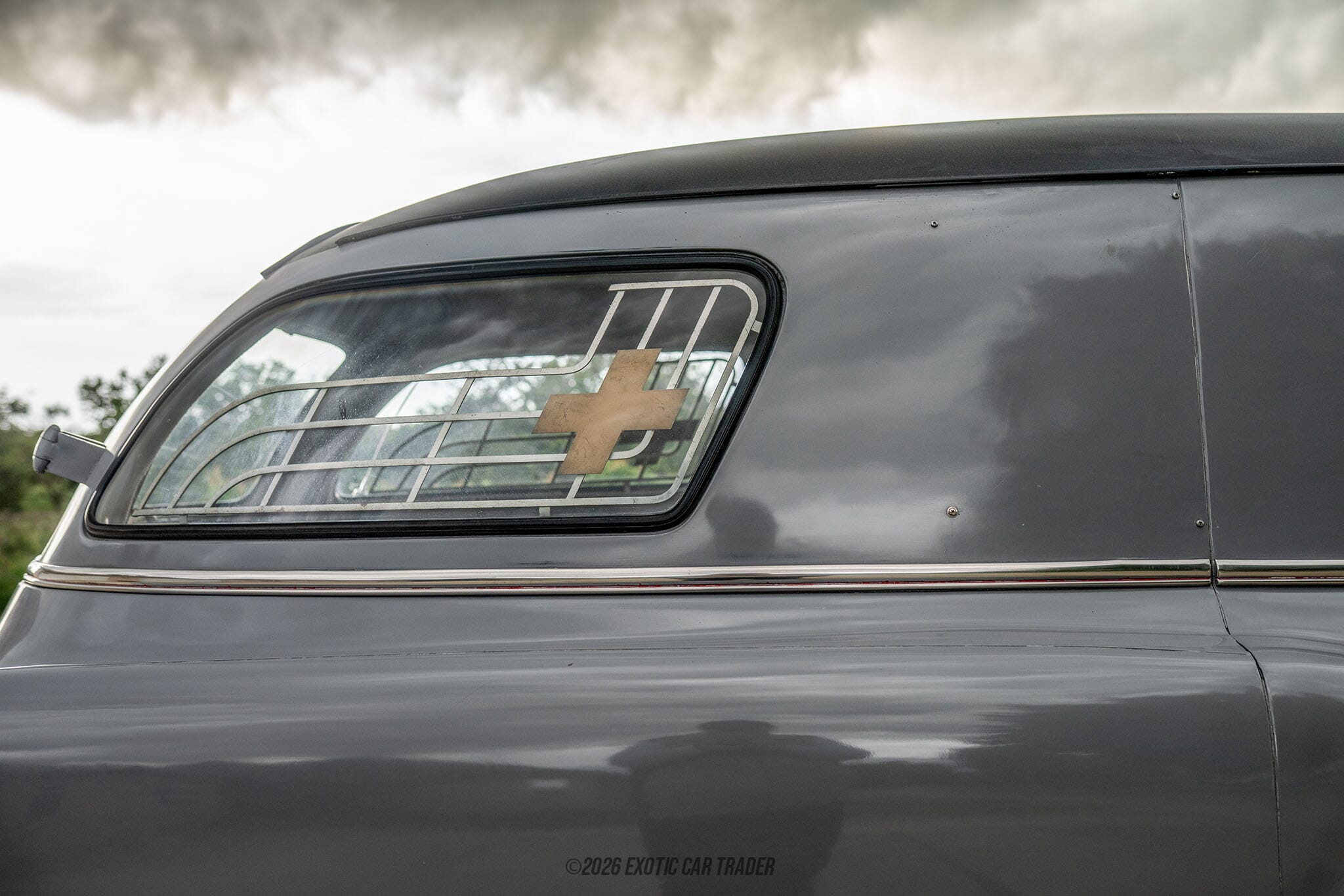
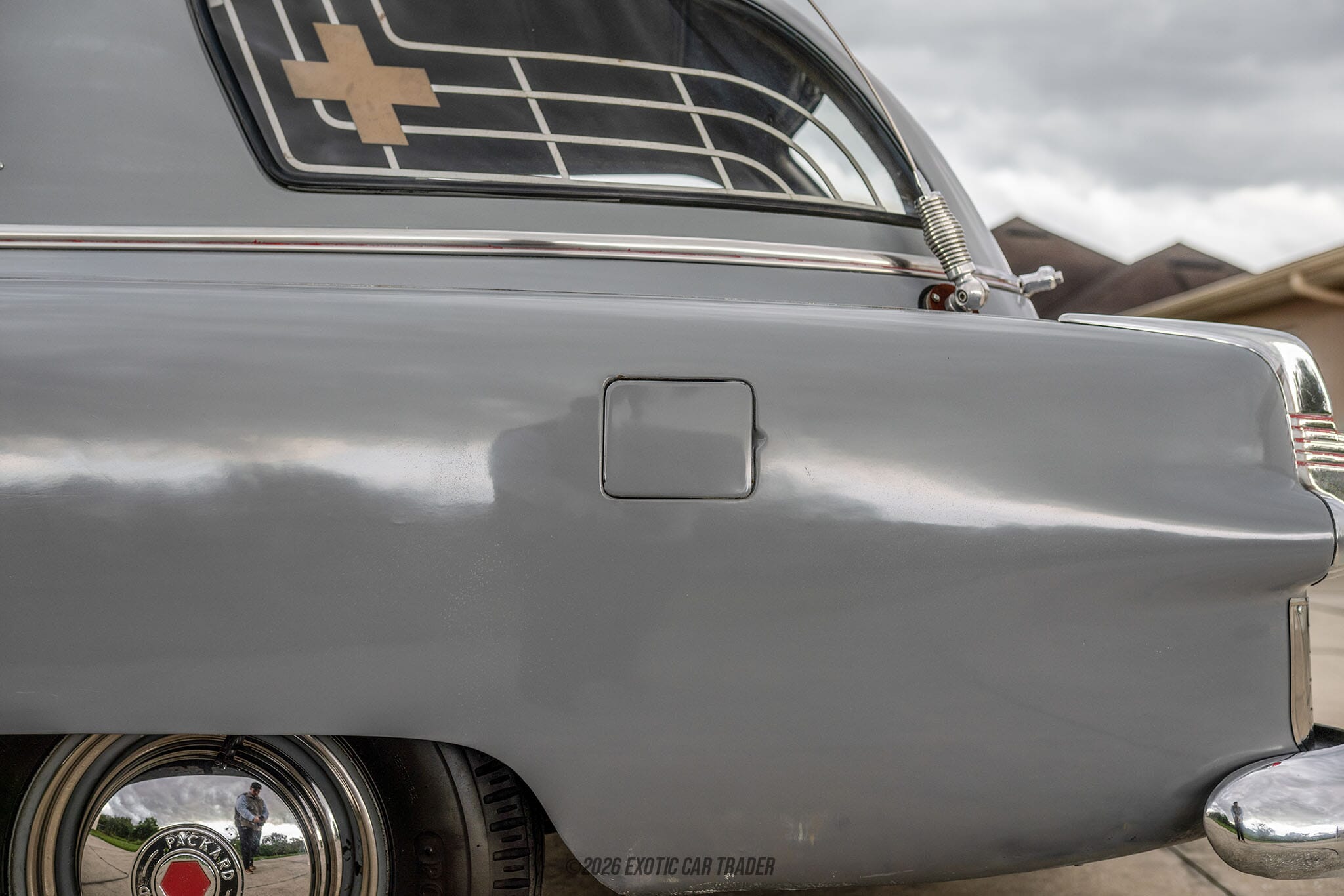
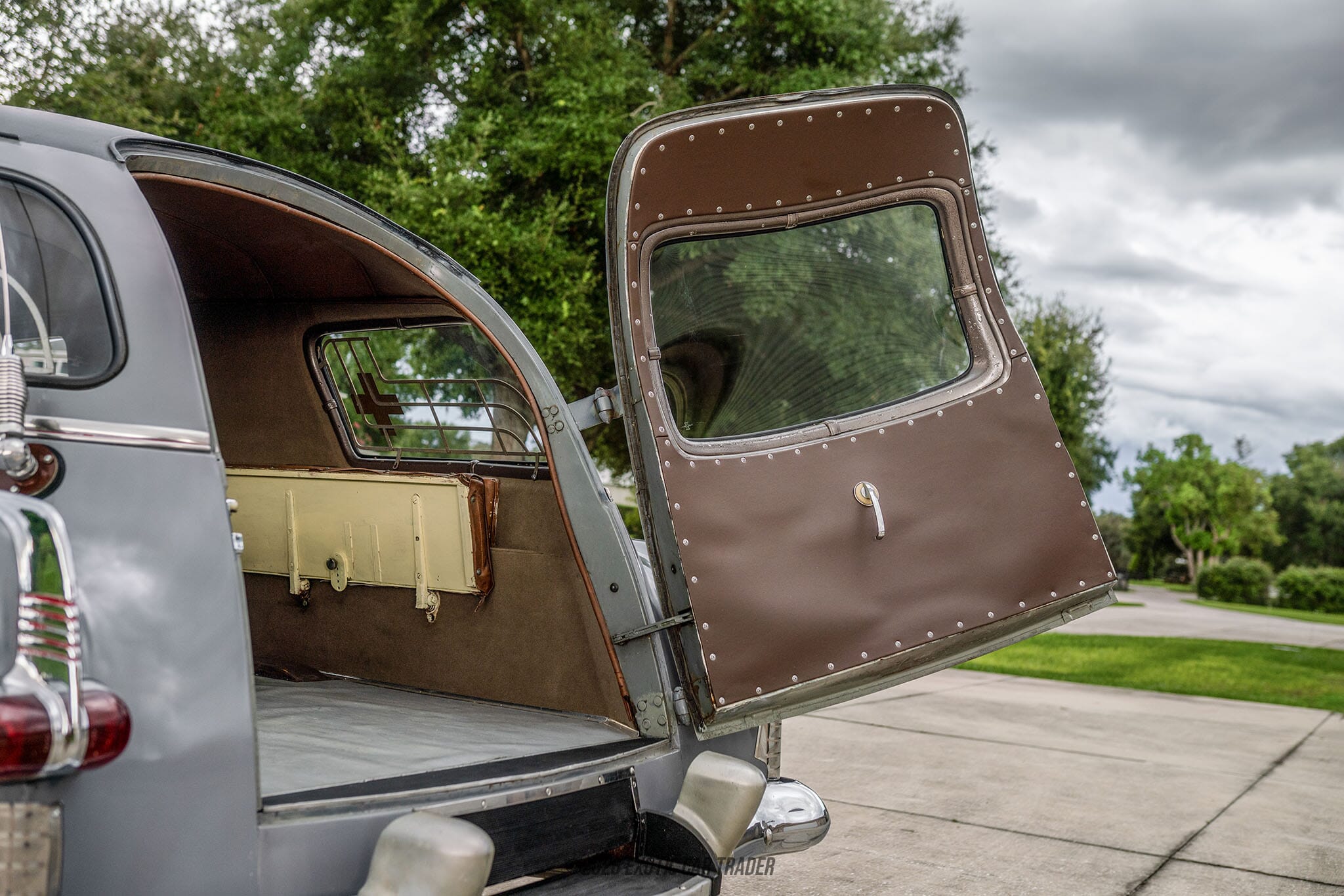
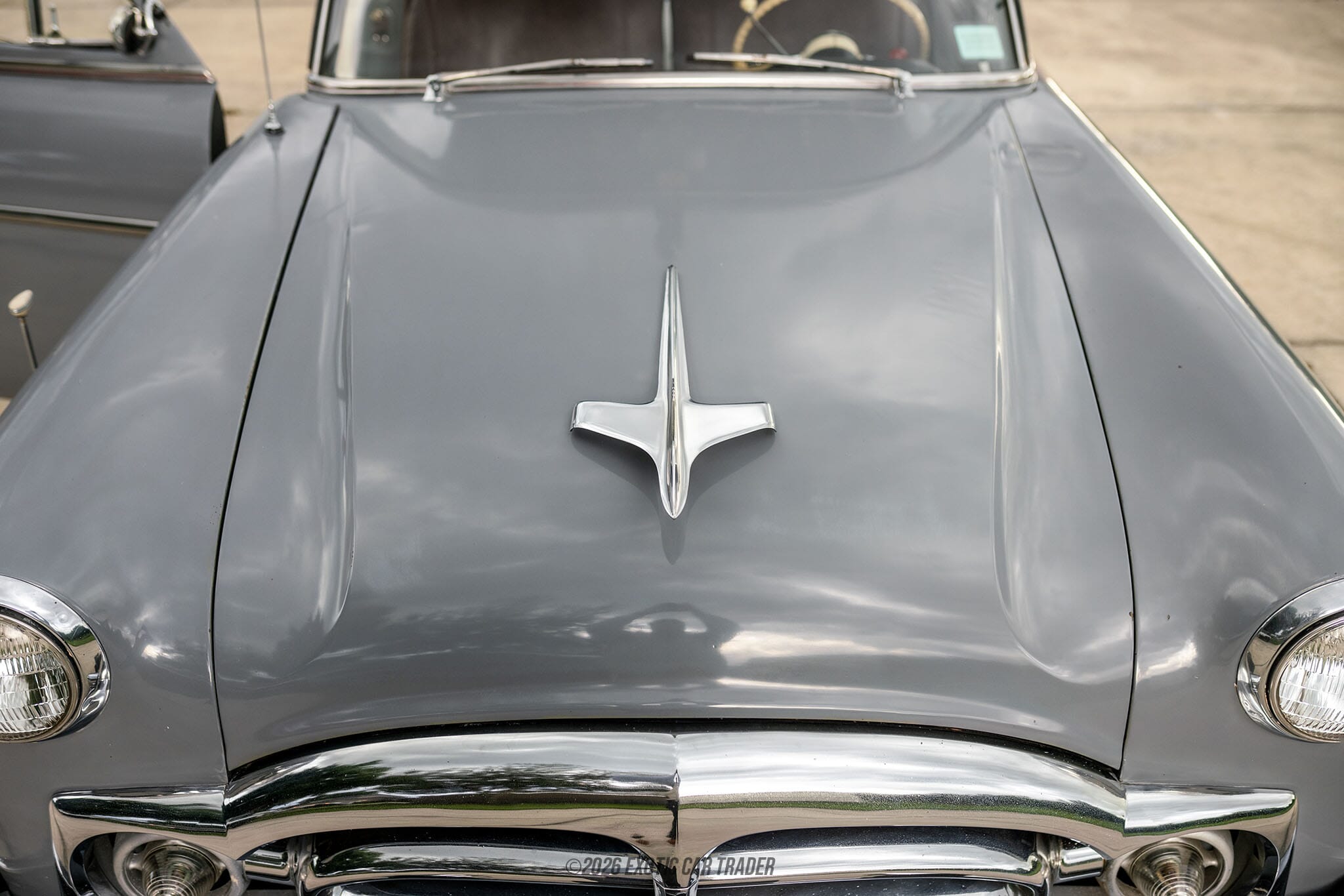
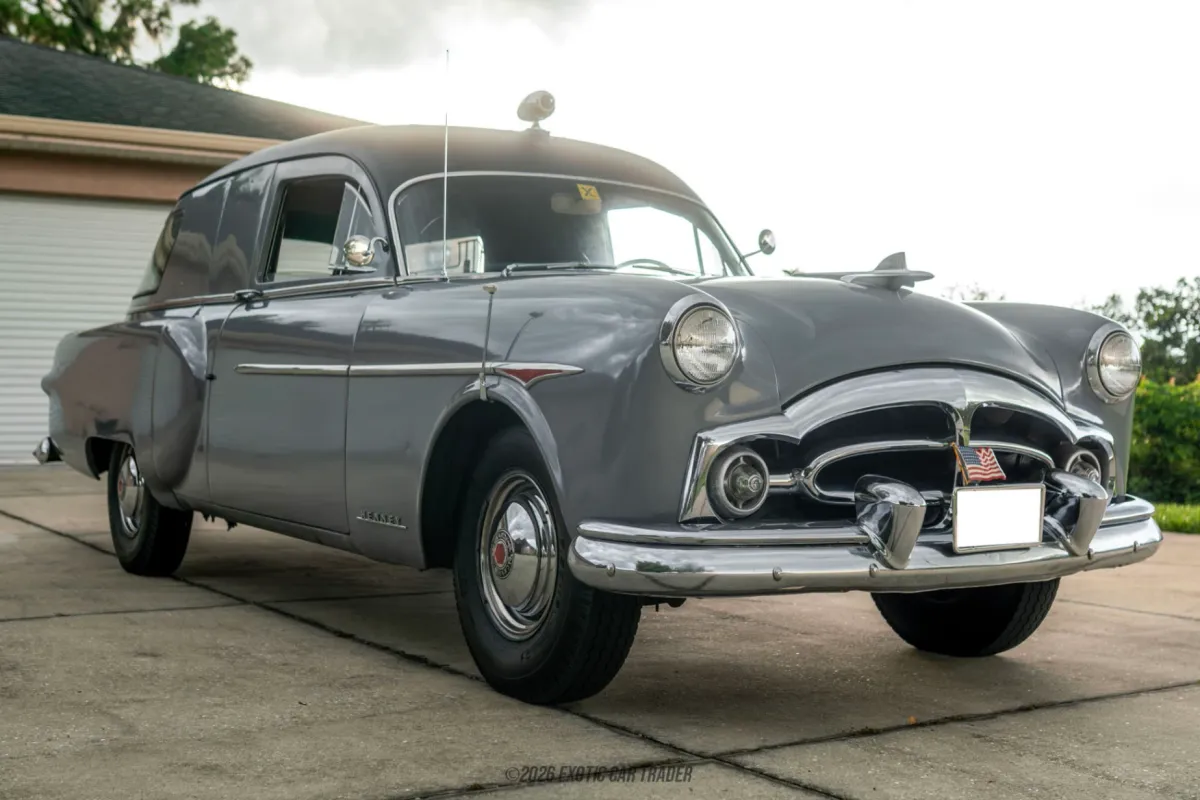
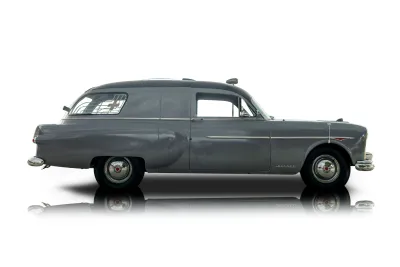
The exterior of this 1952 Packard Henney Junior Ambulance is finished in Gray and features the distinctive Henney coachbuilt ambulance body mounted on the Packard 25th Series chassis. As one of the three 1952 pilot vehicles, this example carries several unique characteristics separating it from later production models, including a military-style configuration and a rooftop ventilator reportedly found on no other Henney Junior Ambulance. According to the provided documentation, the vehicle was painted back to its original factory-issued gray color during work performed by a previous owner. The interior of this 1952 Packard Henney Junior Ambulance is finished in Brown Naugahyde and reflects its purpose-built emergency service design. The vehicle retains its period-correct ambulance layout and historical connection to United States Air Force service. Included documentation notes that the vehicle was assigned to Air Force duties for approximately three years before being placed into long-term storage, preserving its significance as a rare military-service Packard.
Engine
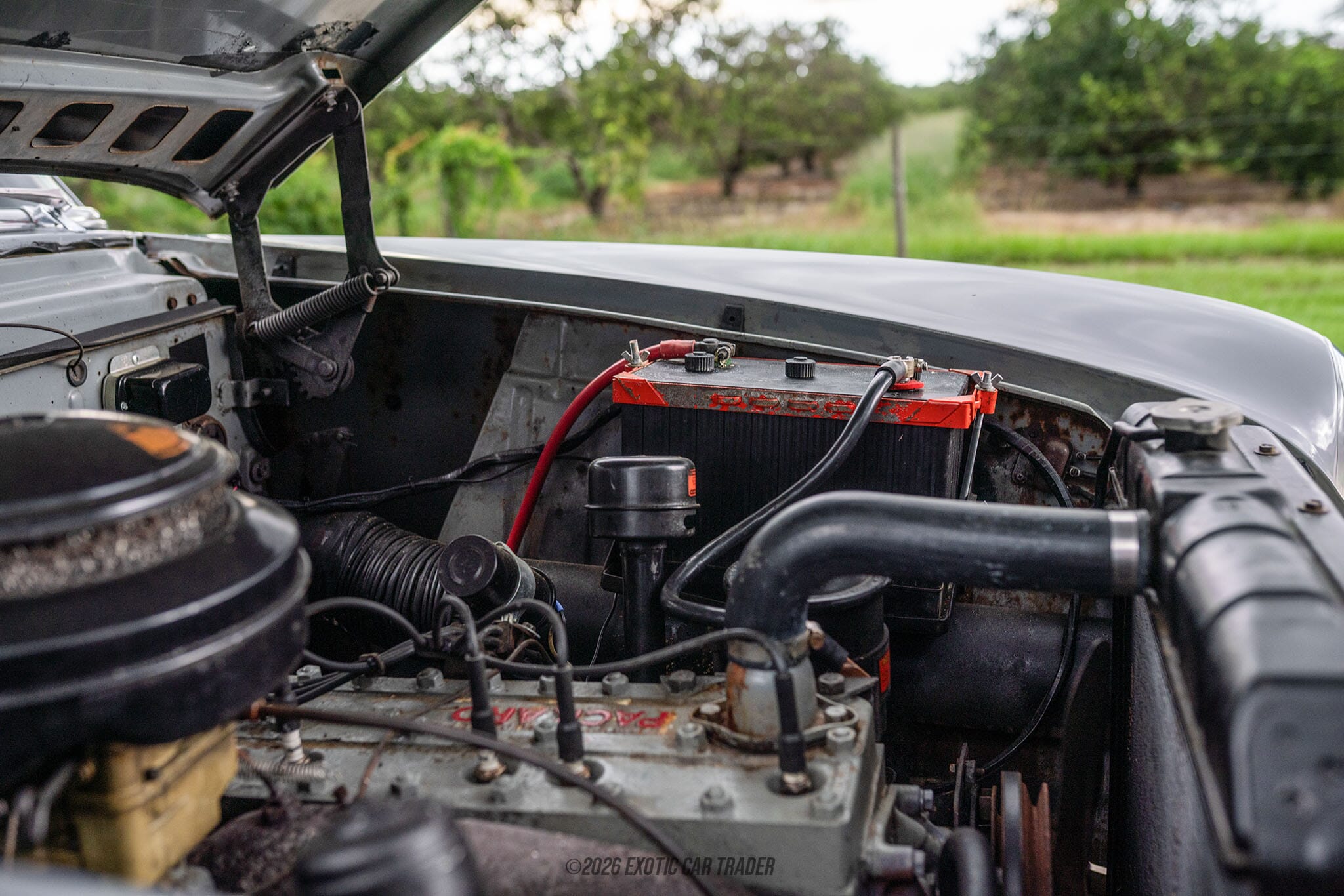
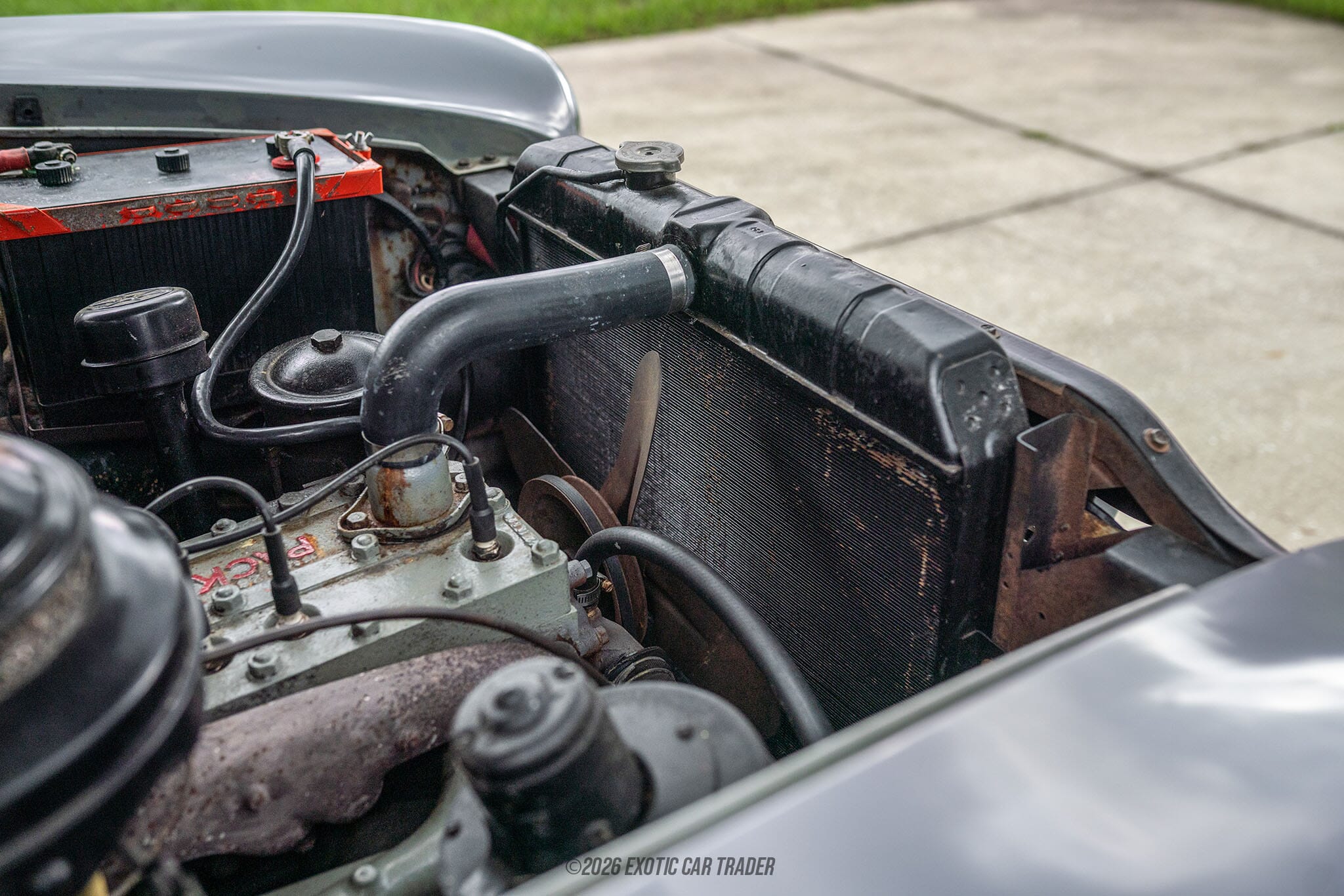
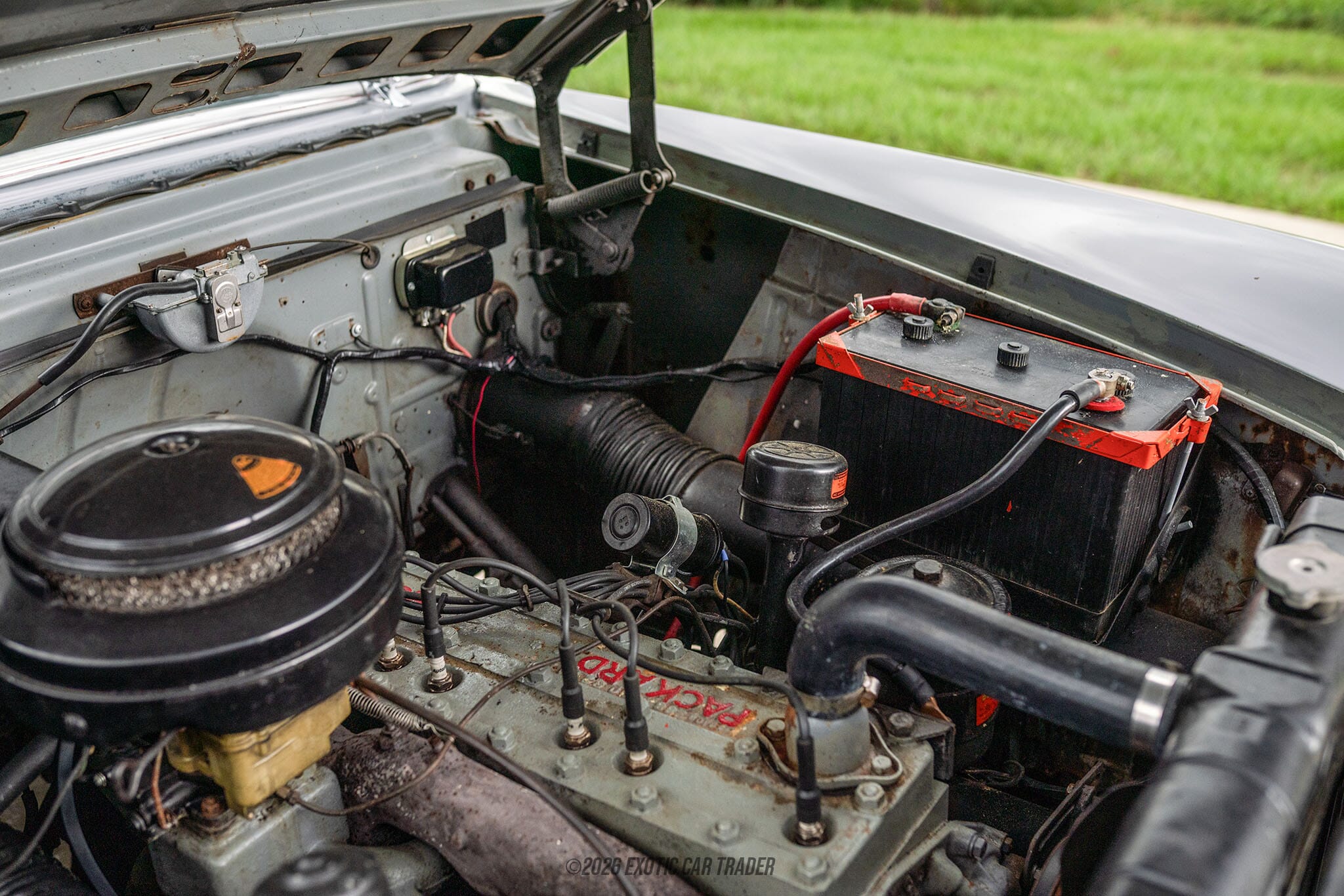
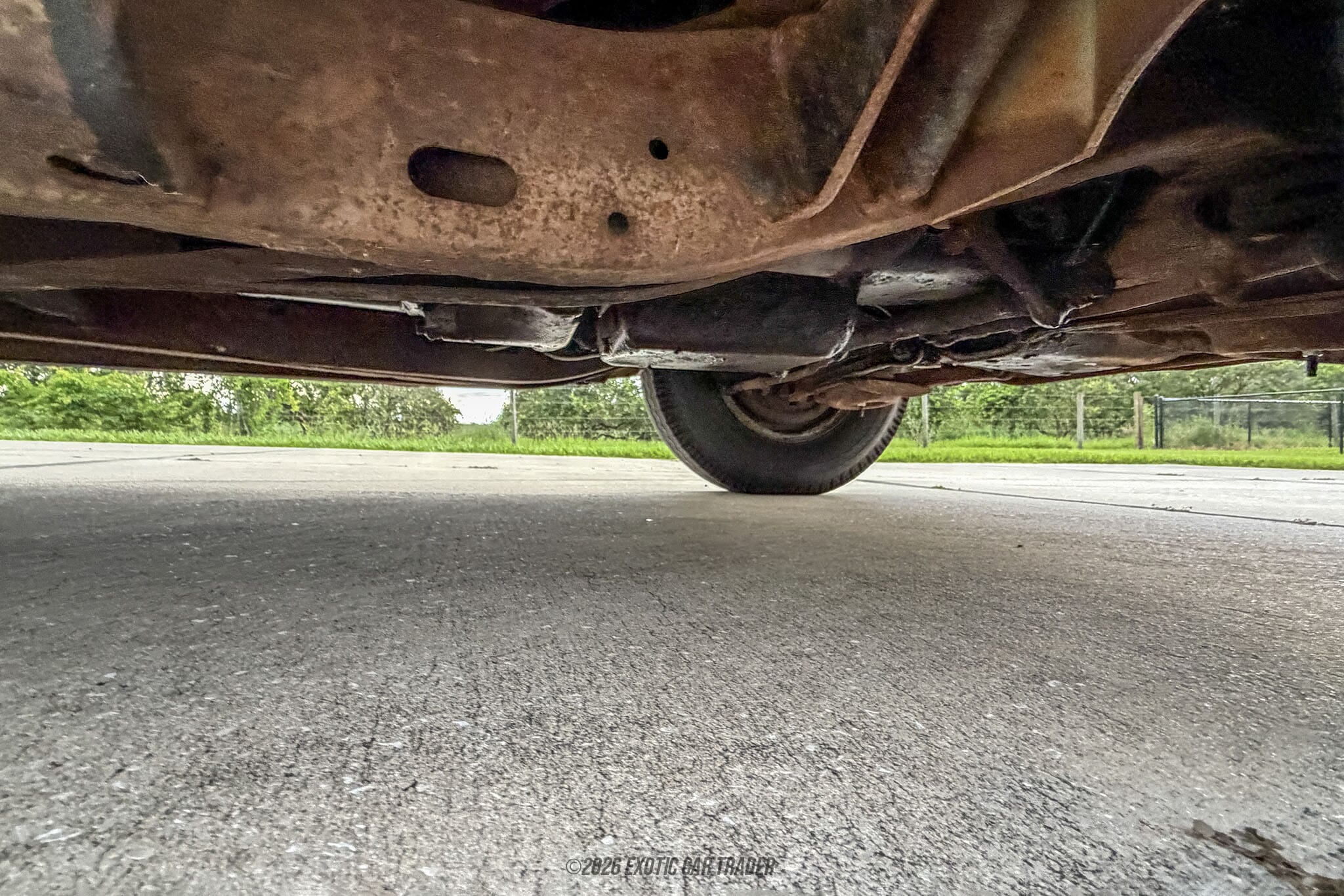
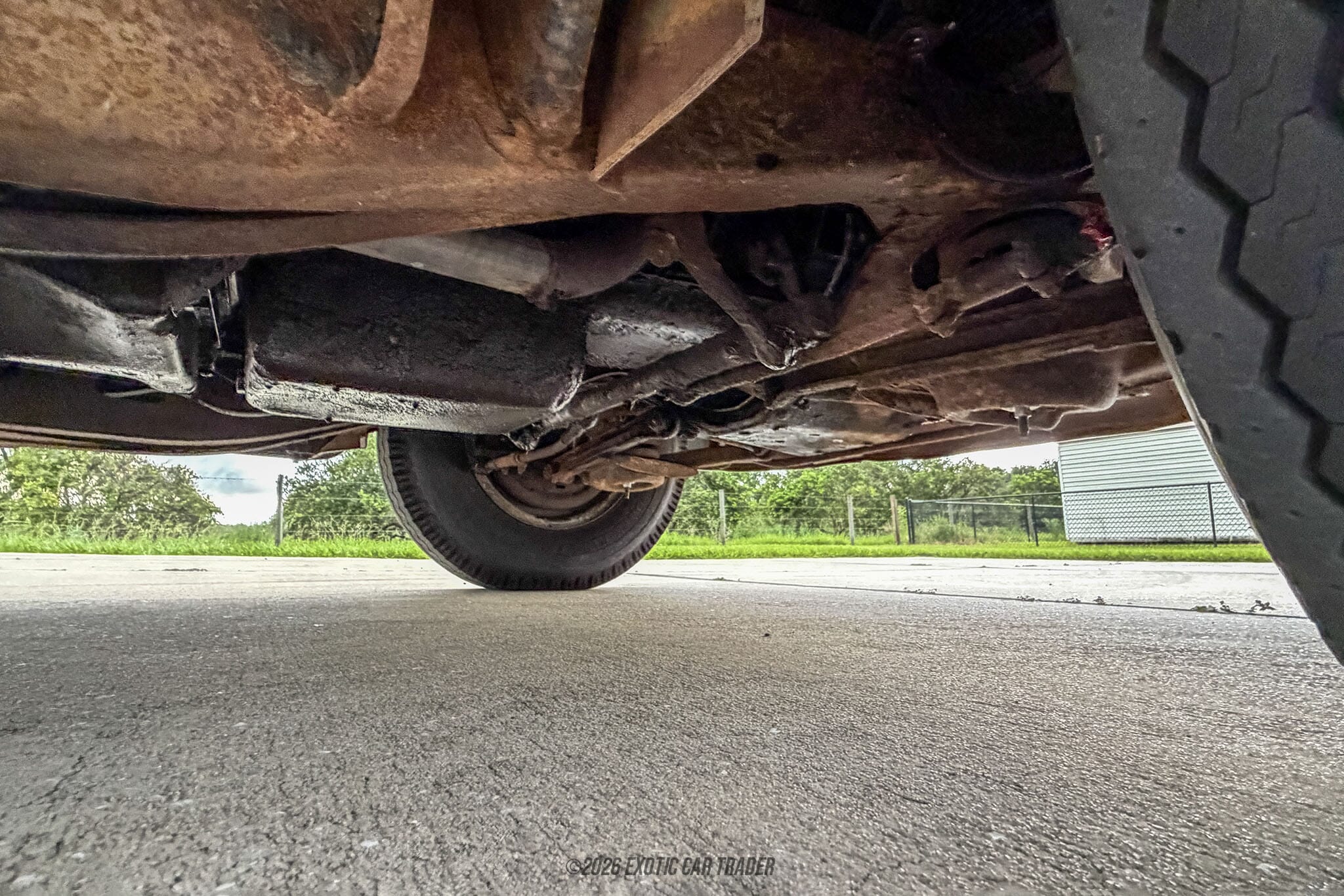
Powering this 1952 Packard Henney Junior Ambulance is Packard’s 288ci “Thunderbolt” L-Head inline eight-cylinder engine, featuring a single carburetor and producing approximately 135 horsepower. The engine is paired with a 3-speed manual column-shift transmission sending power to the rear wheels. Built on Packard’s 25th Series chassis, this Junior Ambulance combines Packard’s traditional straight-eight durability with Henney’s specialized coachbuilding, creating a unique example of early postwar emergency vehicle engineering. According to the provided documentation, this prototype was sold to the United States Air Force after Henney faced production challenges and later remained in storage for approximately 40 years before refreshment and preservation efforts began.


This 1952 Packard Henney Junior Ambulance represents a rare piece of American emergency vehicle history, serving as Pilot/Prototype Serial No. 3 of only three 1952 pilot models produced. Developed through a collaboration between Packard Motor Company and John W. Henney & Company, the Junior Ambulance was designed as a smaller and more economical alternative to traditional full-size ambulances. According to the provided documentation, this vehicle carries the unusual 25th Series Packard chassis designation (Model 2533) and was one of the earliest examples built before production continued into the 1953 and 1954 model years. Powered by Packard’s 288ci “Thunderbolt” inline-eight engine and featuring its original military-inspired configuration, this example served with the United States Air Force before spending decades in storage. With approximately 35,585 miles shown, this Henney Junior Ambulance stands out as a historically significant prototype with documented military service, coachbuilt construction, and unique features including its distinctive rooftop ventilator.
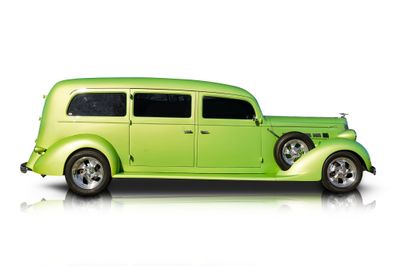
There’s very little that can raise an eyebrow at ECT. After all, we’ve handled the sale of myriad unusual vehicles, including overlanders, ice cream trucks, and even a Batmobile replica. Today, we’ve got a hearse! Say hello to this 1936 Packard Henney Hearse Custom that’s undergone a comprehensive restoration and restomod effort to turn it into what you see today. Built on a 160-inch wheelbase Packard commercial vehicle frame, this stunner has traveled just 9,705 miles on its new engine. Don’t let the little niggle of its former life transporting the eternally resting bother you; a little Google searching will reveal that hearses are ideal for customized vehicles, and as far as we know, no-one has reported being haunted while driving one.
This 1952 Packard Henney Junior Ambulance represents a rare piece of American emergency vehicle history, serving as Pilot/Prototype Serial No. 3 of only three 1952 pilot models produced. Developed through a collaboration between Packard Motor Company and John W. Henney & Company, the Junior Ambulance was designed as a smaller and more economical alternative to traditional full-size ambulances. According to the provided documentation, this vehicle carries the unusual 25th Series Packard chassis designation (Model 2533) and was one of the earliest examples built before production continued into the 1953 and 1954 model years. Powered by Packard’s 288ci “Thunderbolt” inline-eight engine and featuring its original military-inspired configuration, this example served with the United States Air Force before spending decades in storage. With approximately 35,585 miles shown, this Henney Junior Ambulance stands out as a historically significant prototype with documented military service, coachbuilt construction, and unique features including its distinctive rooftop ventilator.
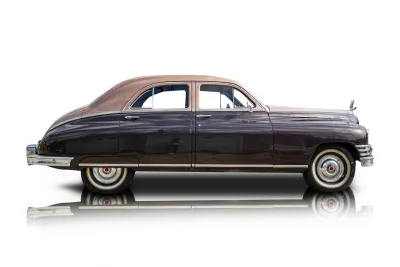
The Packard Motor Company is one of those great American auto names that you’ve likely never heard of. That’s because they came to be in 1899, but went out in 1956, when they merged with Studebaker. It’s likely your parents themselves may not have heard of the brand either, but your grandparents likely will. They will reminisce about how Packards were luxury cars at the time, owned and driven by the wealthy, and always statement-makers whenever they were seen driving along, or parked in the foyers of swish hotels. Today, you can find out how it feels to have a Packard by acquiring this Stanton-based 1949 Packard 8 Restomod. The car comes with a newer V8 under the hood and has gained an automatic transmission too. This makes it ideal for the generation who never learned to drive stick. We’re told that the frame is from a Cadillac de Ville, and that documentation is included with the sale of the car. One key is also provided.
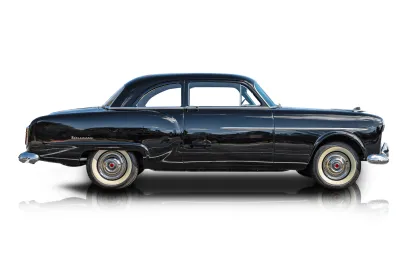
Packard is an American auto brand that you’ve likely never heard of, or if so, in passing. Your parents might know if it though, your grandparents definitely will. That’s because the Packard Motor Company of Detroit, Michigan made cars between 1899 and 1956. They are widely known as the purveyors of the modern steering wheel, air conditioning in cars, and one of the first production 12-cylinder engines! Sad, then, that such an iconic brand died a quiet death in the Fifties, merging with Studebaker by 1953 and quietly disappearing thereafter. One of their last models was the 200, and we have an example for sale today. This 1951 Packard 200 comes from Marietta, Georgia, and has done just 19,000 miles as per what we’ve been told. It’s a fine classic car for those who seek an unusual choice rather than going with the usual suspects from the major brands.
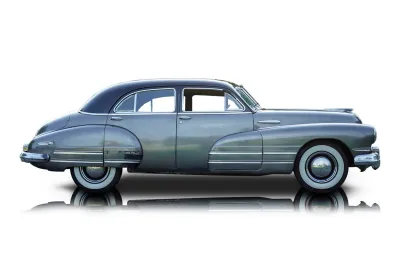
The 1942 Buick Super 4-Door Touring Sedan comes from a brief and historically significant model year, with civilian automobile production soon giving way to wartime priorities. Showing approximately 78,842 miles, this example is powered by Buick’s 248ci “Fireball” inline-eight, bored .030-inch over, and paired with a 3-speed manual transmission. Finished in gray over a gray interior, it retains the formal proportions and unmistakable prewar character of Buick’s Super line while also benefiting from a refreshed front suspension. The current owner notes that the radio, heater, and temperature gauge are inoperable, and the car retains its original spare tire.
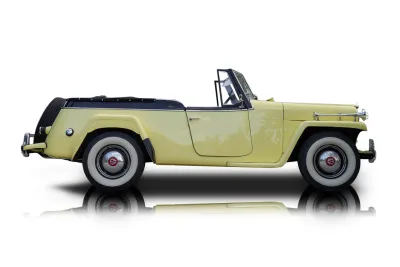
The 1950 Willys-Overland Jeepster captures a fascinating moment in postwar American motoring, blending Jeep-derived simplicity with the open-air style of a roadgoing convertible. Showing 75,749 miles, this example is finished in Yellow over a Black interior and is powered by a 161ci Lightning L-head inline-six paired with a 3-speed manual transmission with overdrive and rear-wheel drive. Its tall chrome grille, split windshield, external spotlights, rear-mounted spare, and wide-open bodywork give it a look unlike almost anything else from the era. The column-shift manual and overdrive setup add to the vintage driving experience, while the black convertible top makes it equally suited to sunny cruises or more traditional touring. For an enthusiast looking beyond the usual postwar coupes and sedans, the Jeepster delivers personality in abundance.

Introducing the 2024 Bentley Flying Spur Azure, a stunning representation of luxury and performance. This exceptional vehicle combines cutting-edge technology with timeless design, making it a standout choice for discerning drivers. With only 4,500 miles on the odometer, this model showcases Bentley's dedication to craftsmanship and refinement. Ideal for those who appreciate a blend of comfort and sophistication, this Flying Spur is ready to deliver an unparalleled driving experience. According to the seller, this vehicle is equipped with a host of premium features that enhance both convenience and enjoyment.

Terms of Service
Be Kind and Courteous
We're here to create a platform to better the automotive industry through communication and transparency. Please treat everyone with respect. Healthy debates are natural, but kindness is required.
No Hate Speech
Make sure everyone feels safe. Hate speech of any kind is strictly prohibited. Degrading comments about things like race, religion, culture, sexual orientation, etc. will not be tolerated.
No Promotions or Spam
Give more than you take. Self-promotion, spam, or links of any kind are not allowed.
