




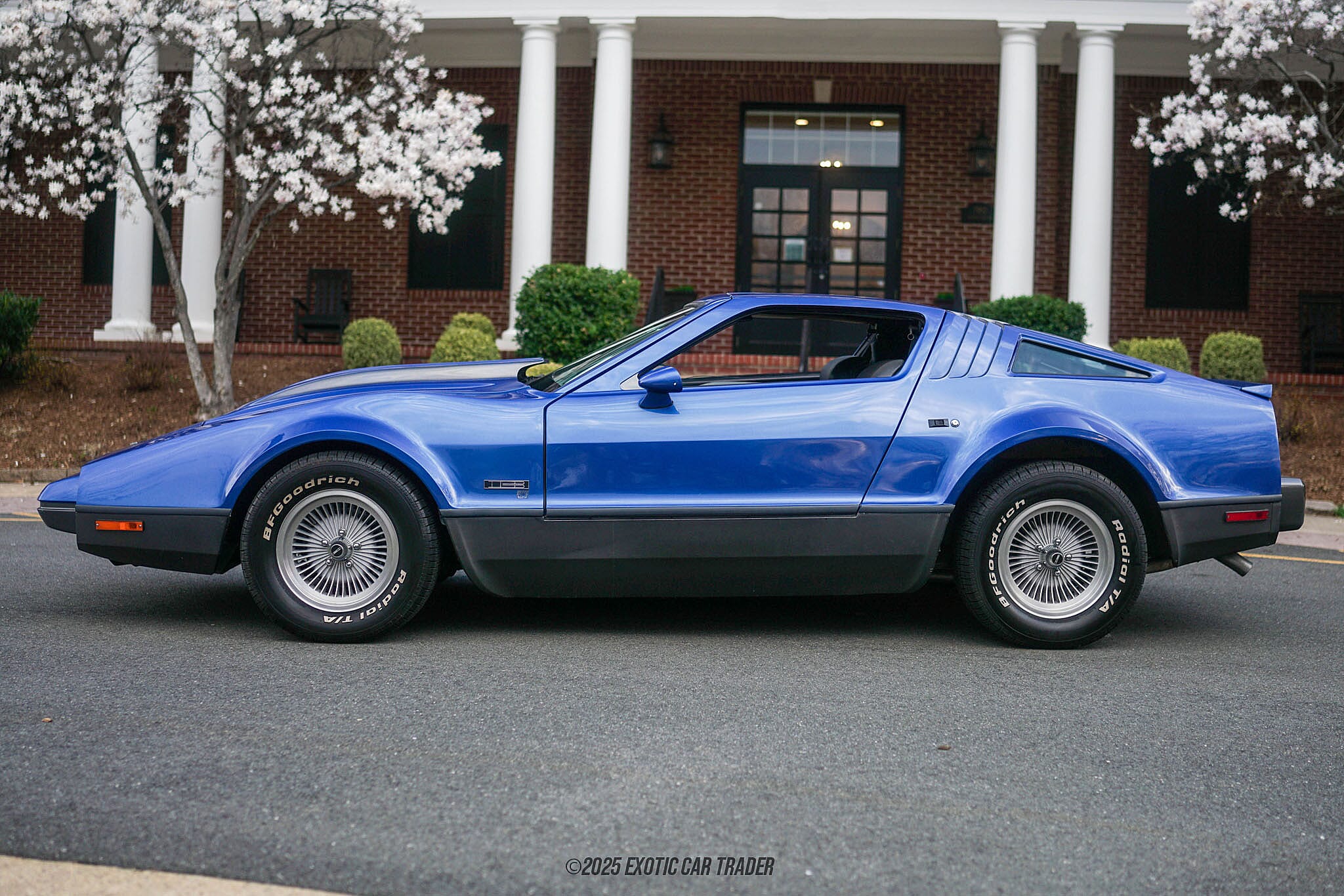
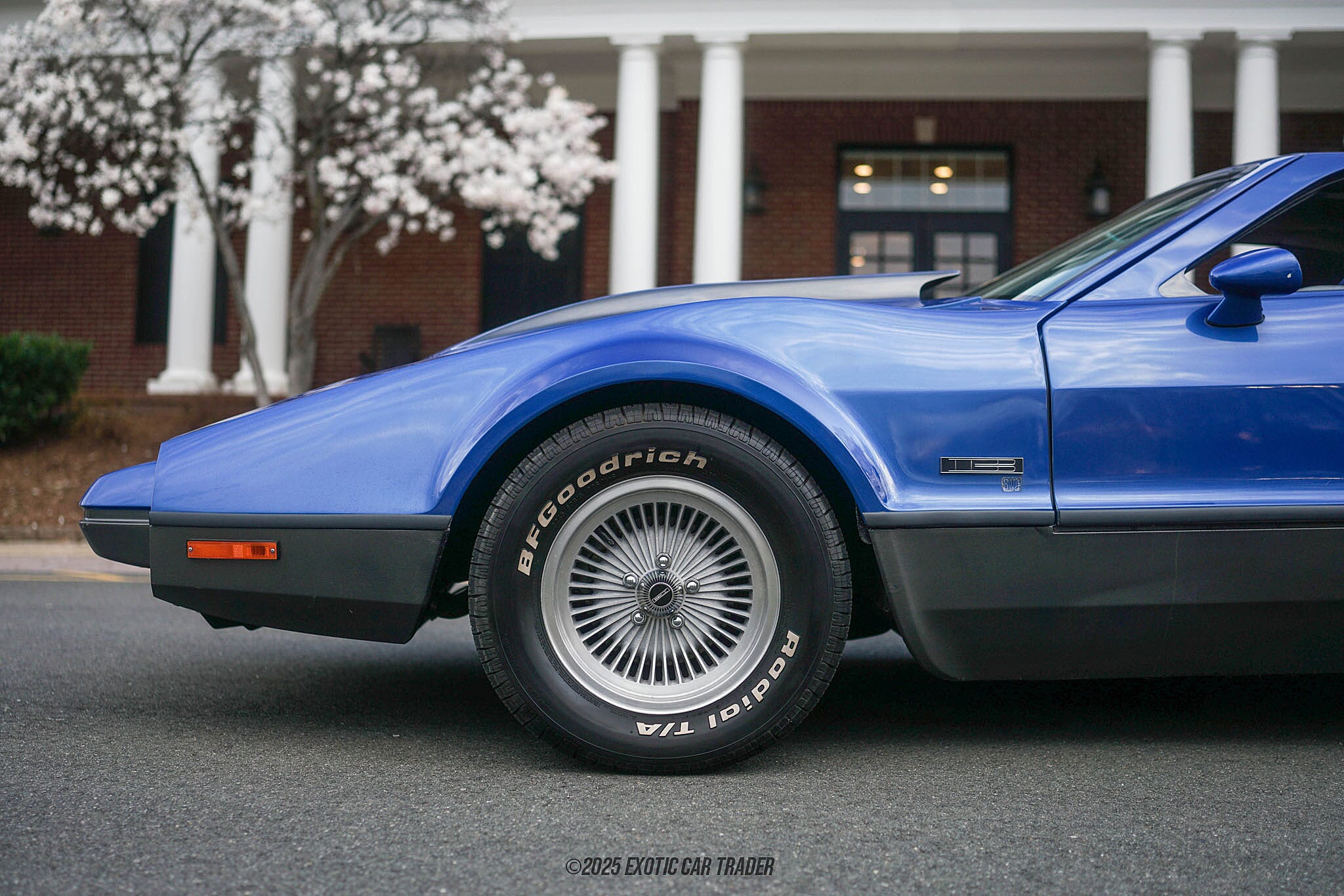
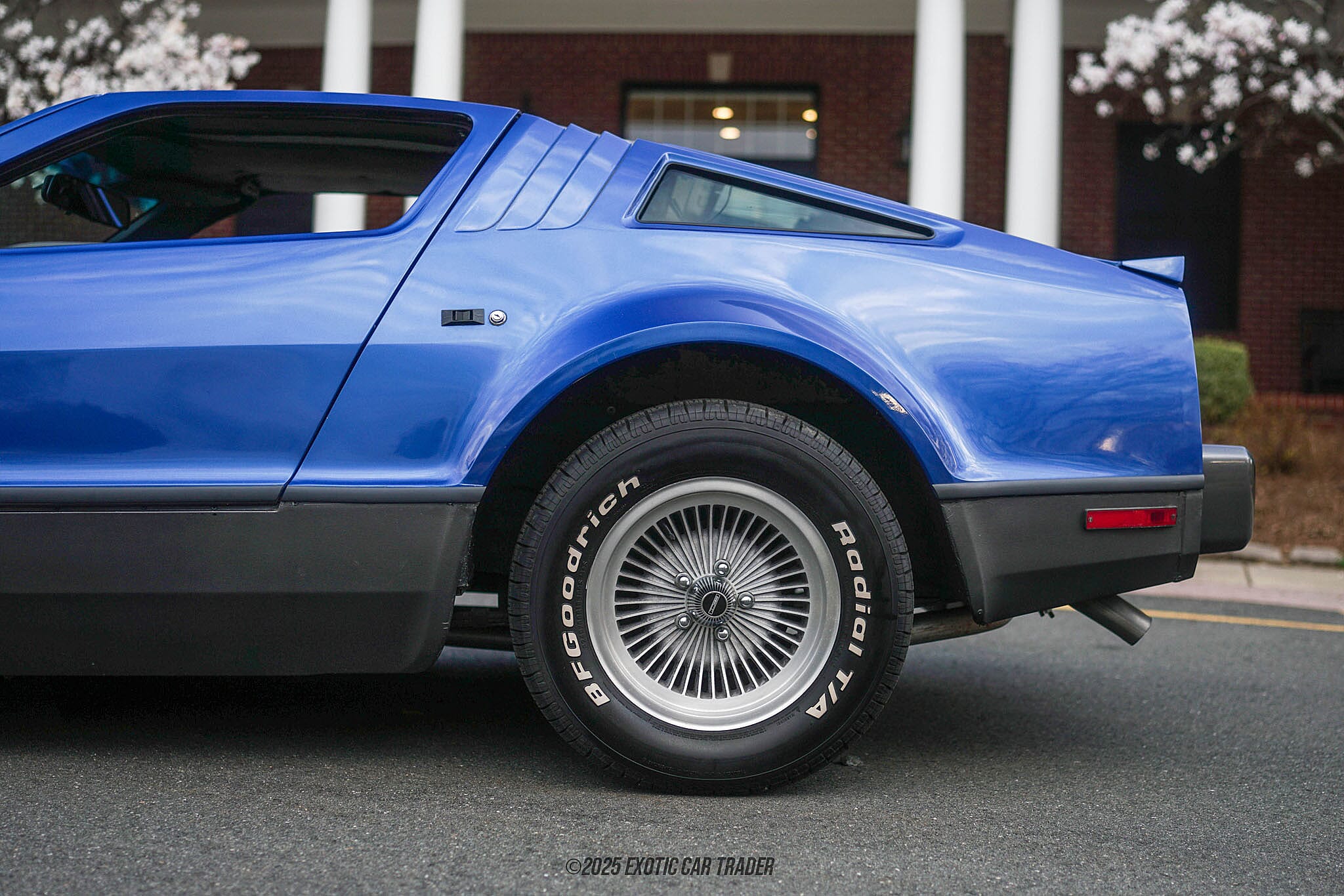
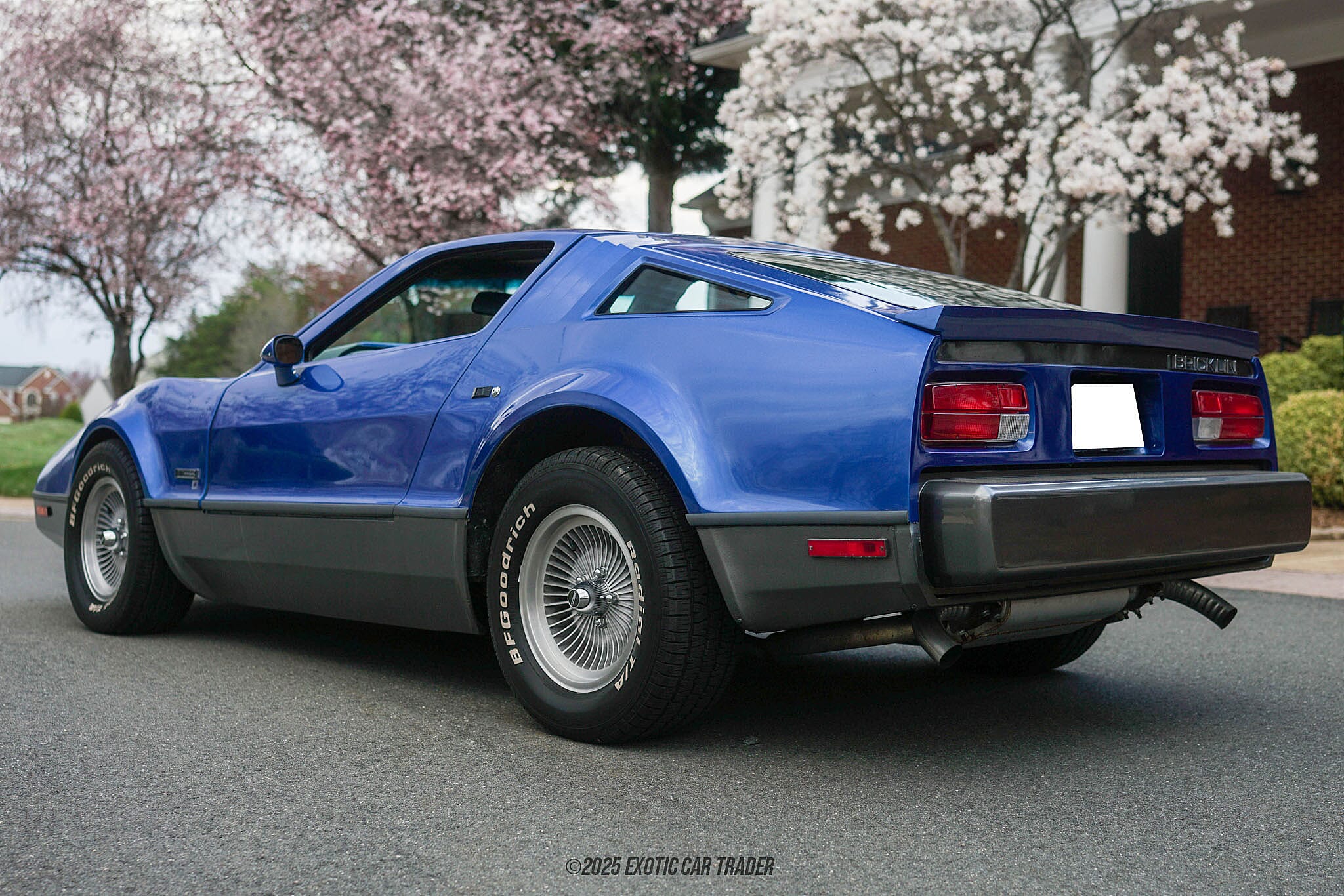
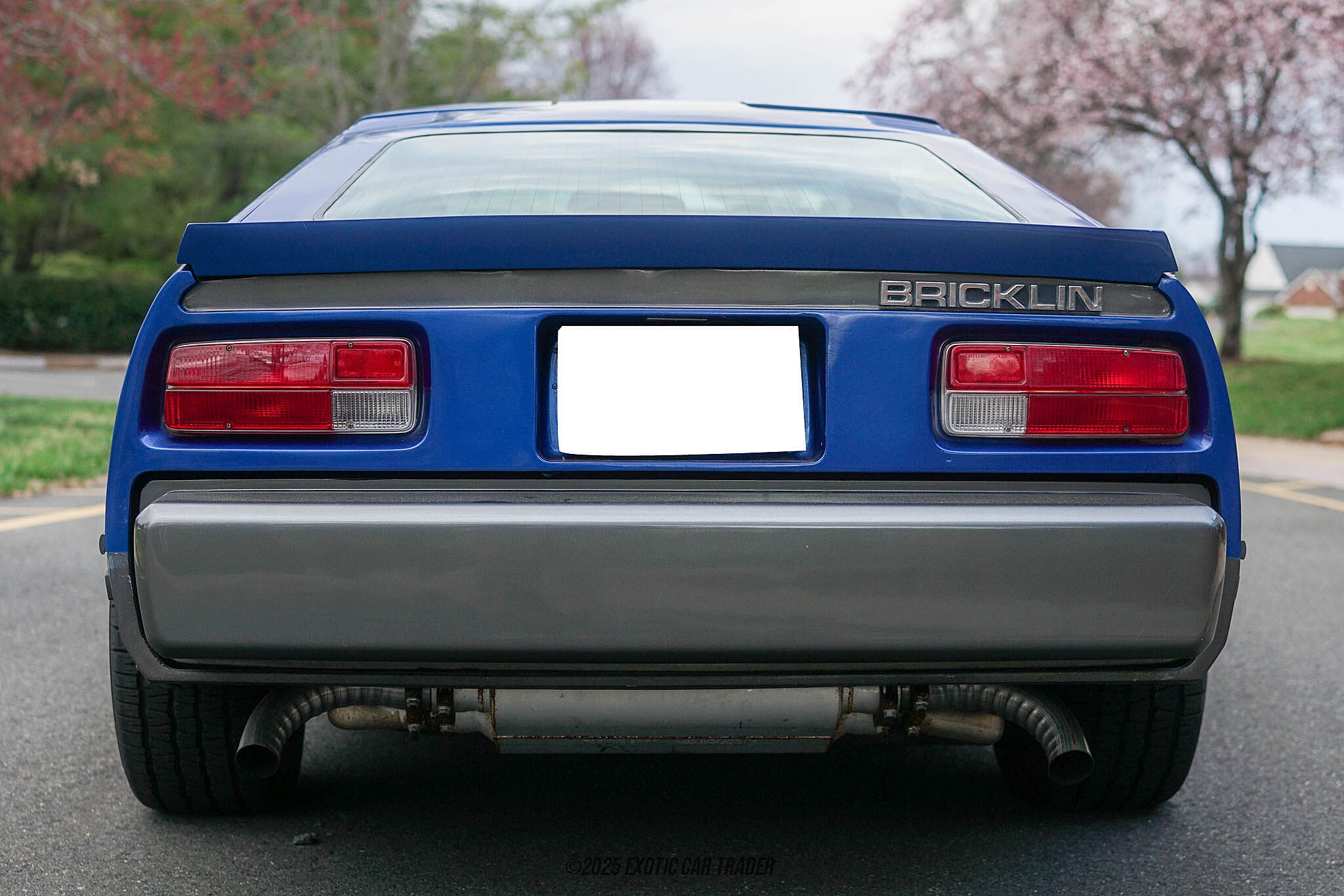
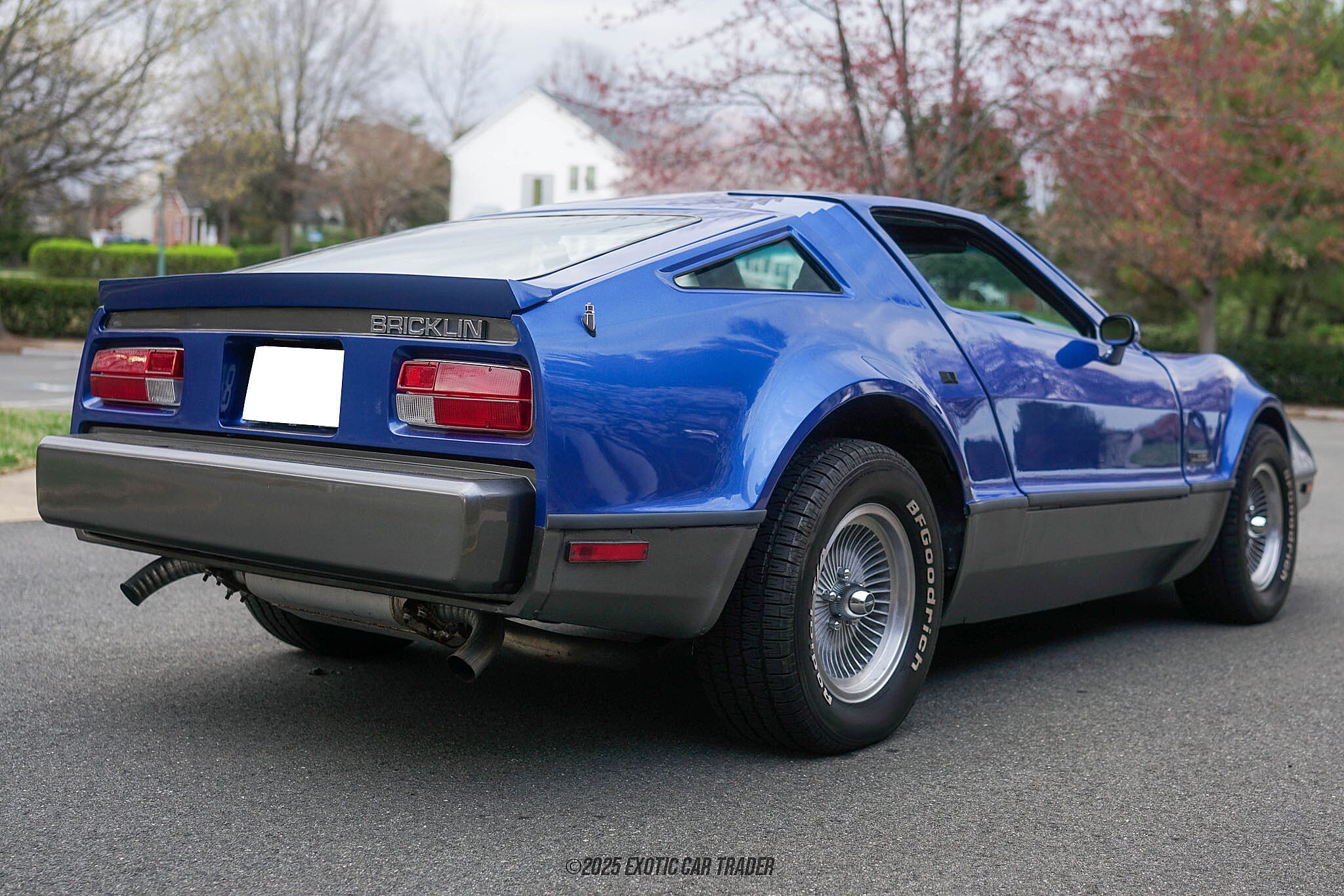
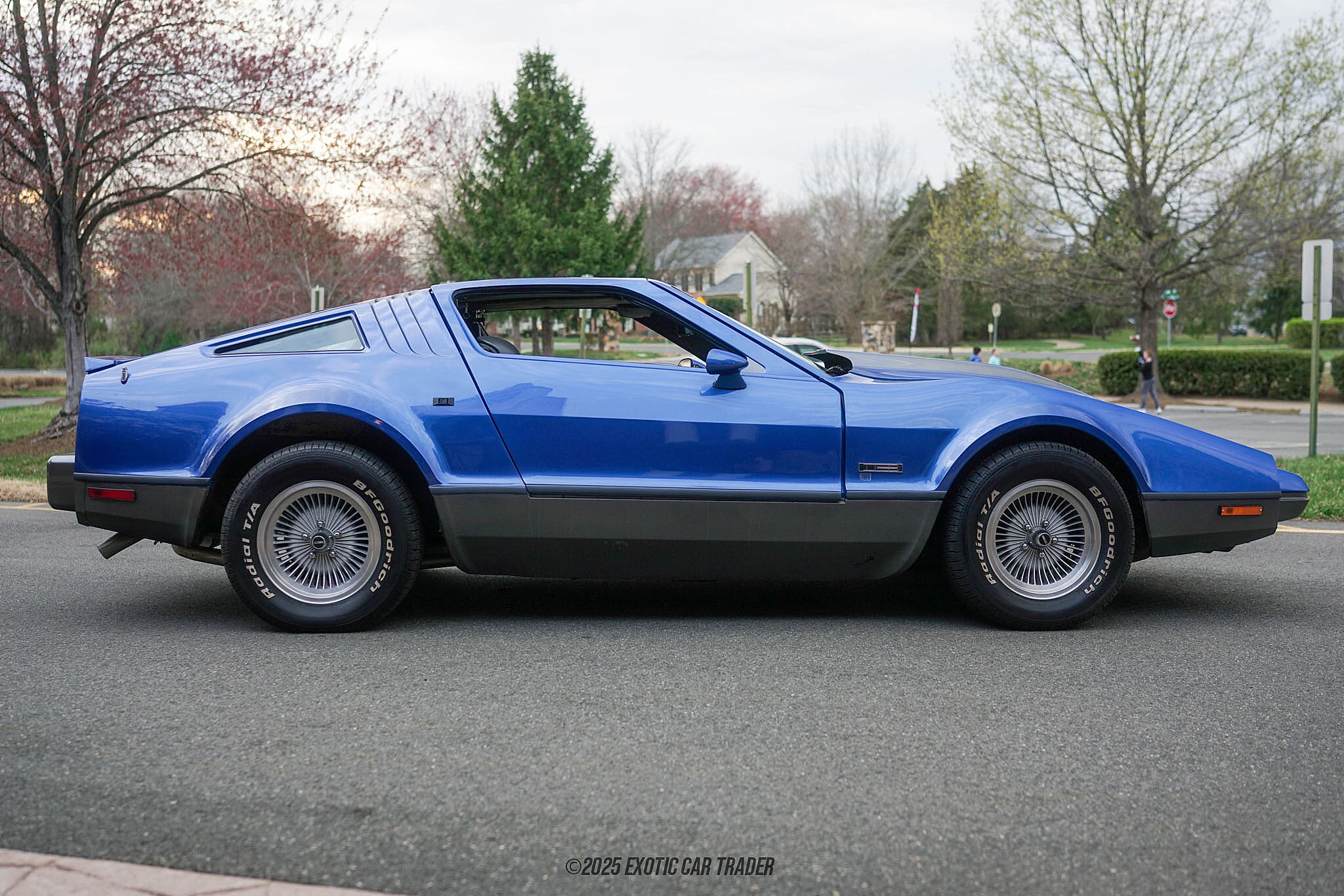
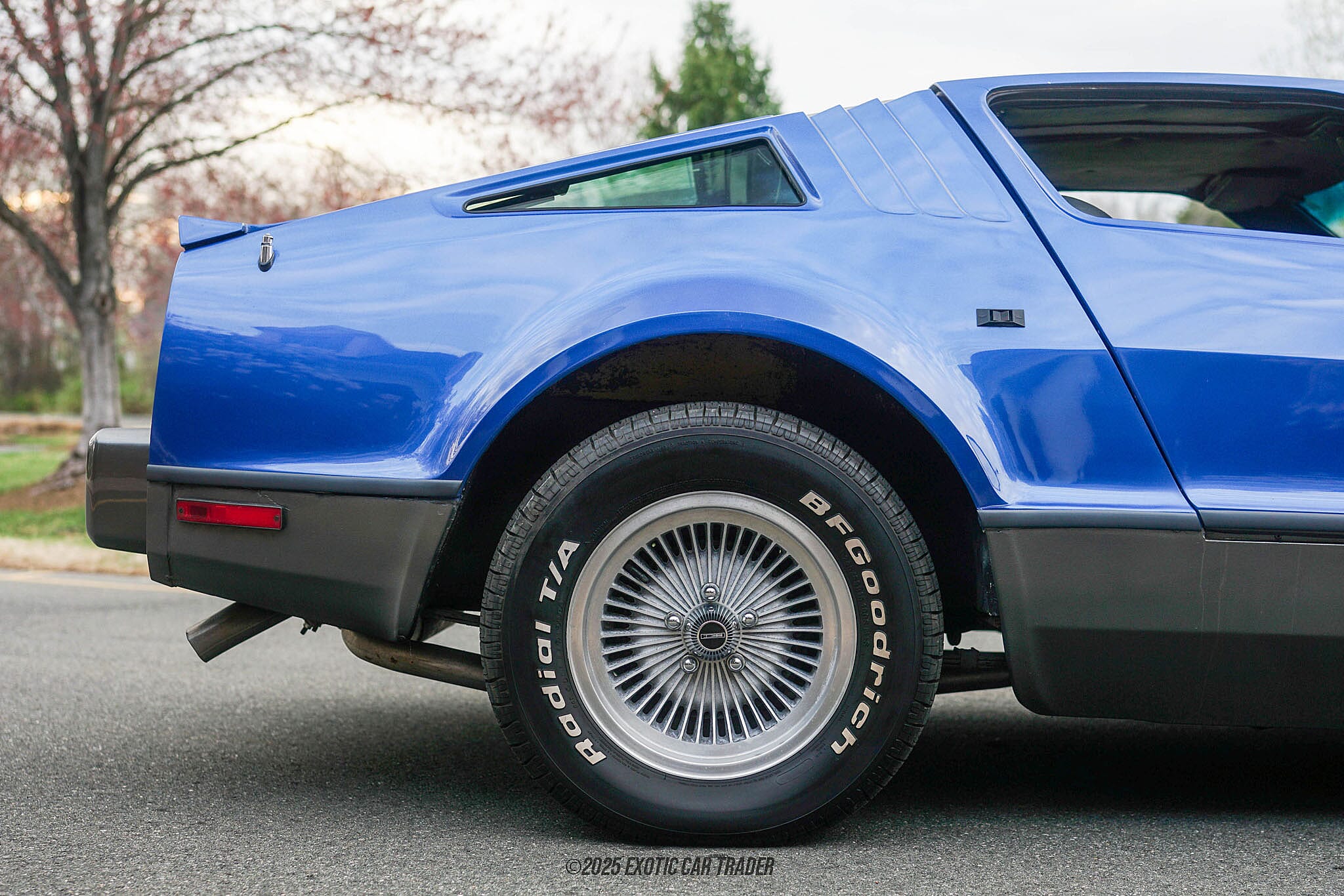

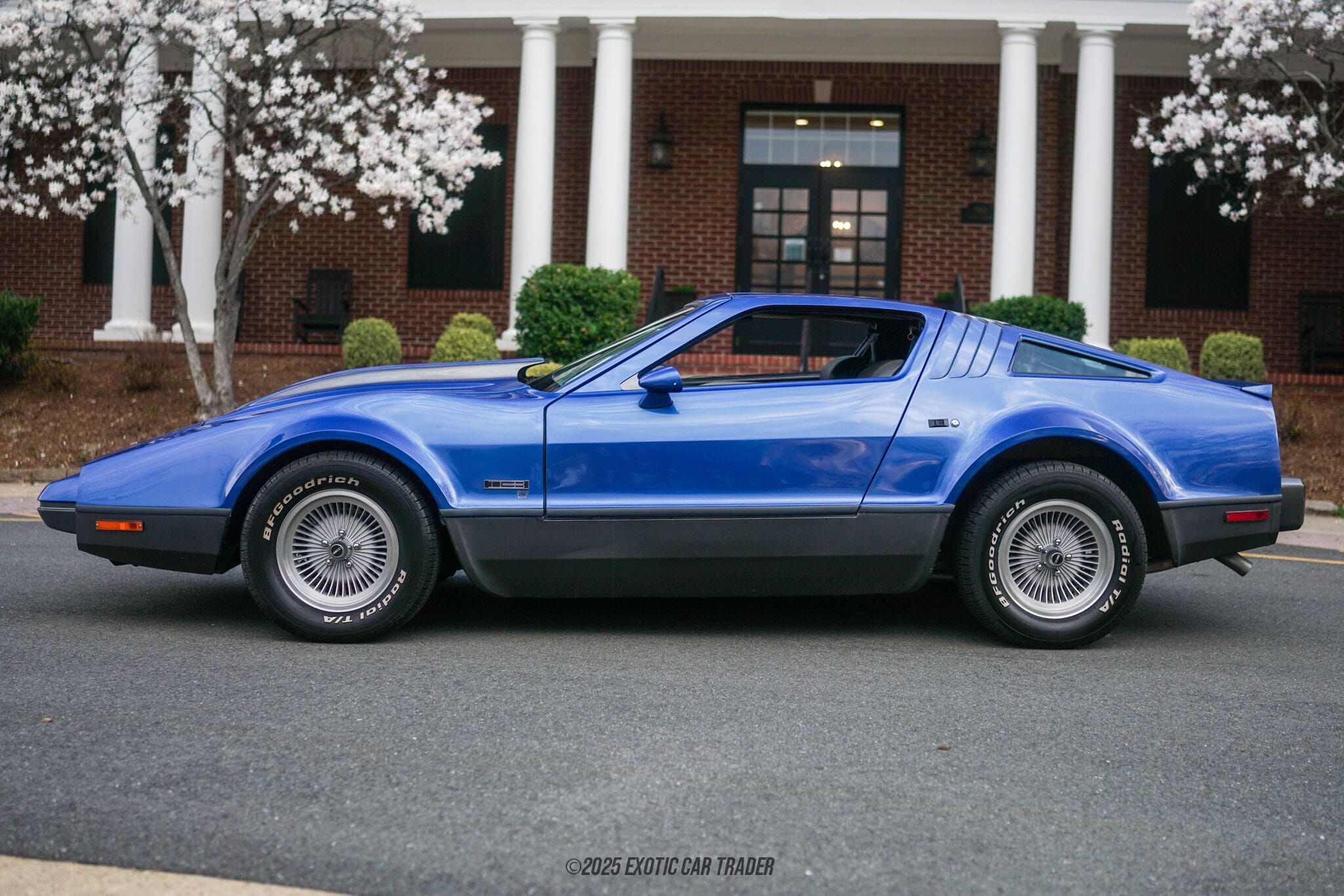
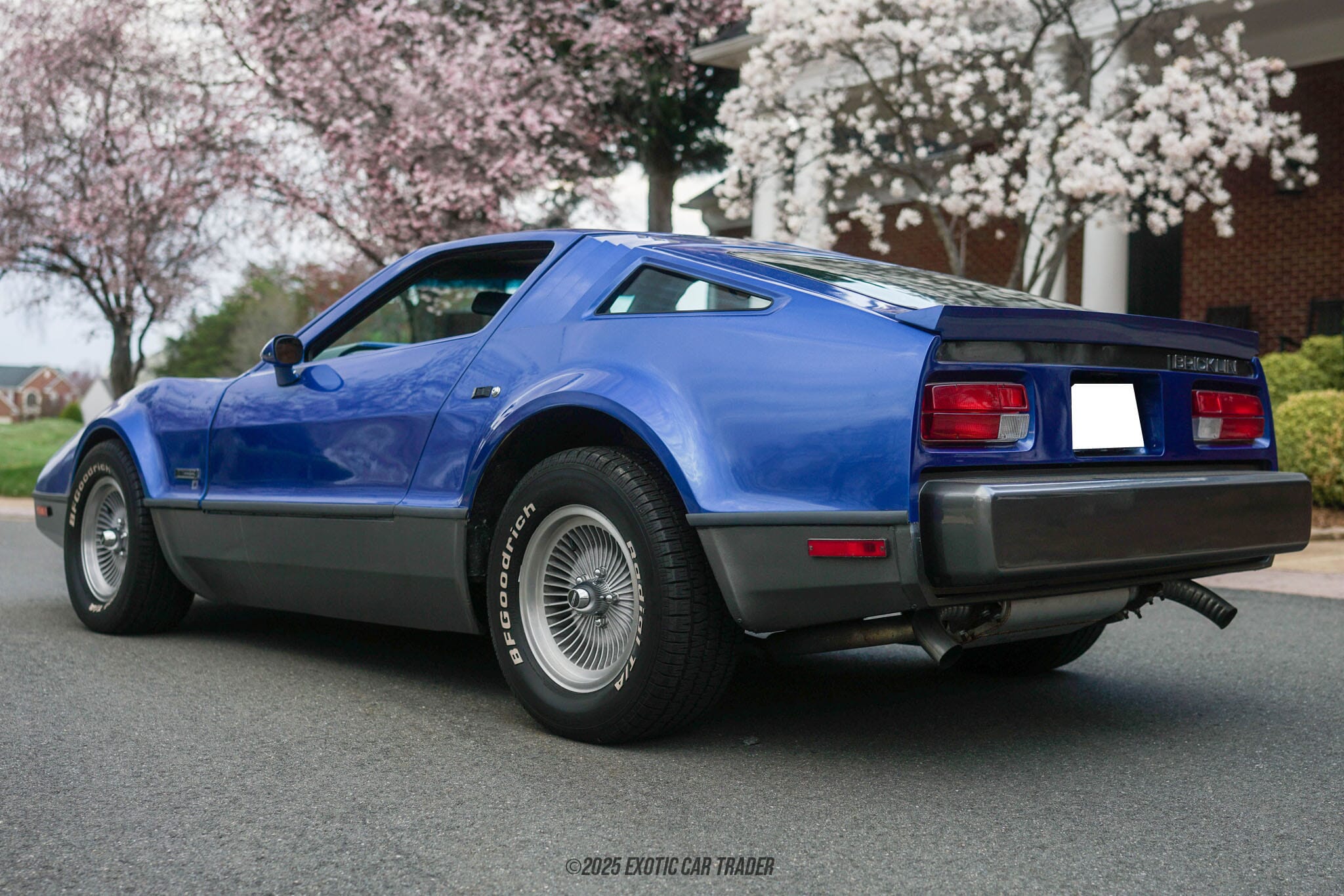
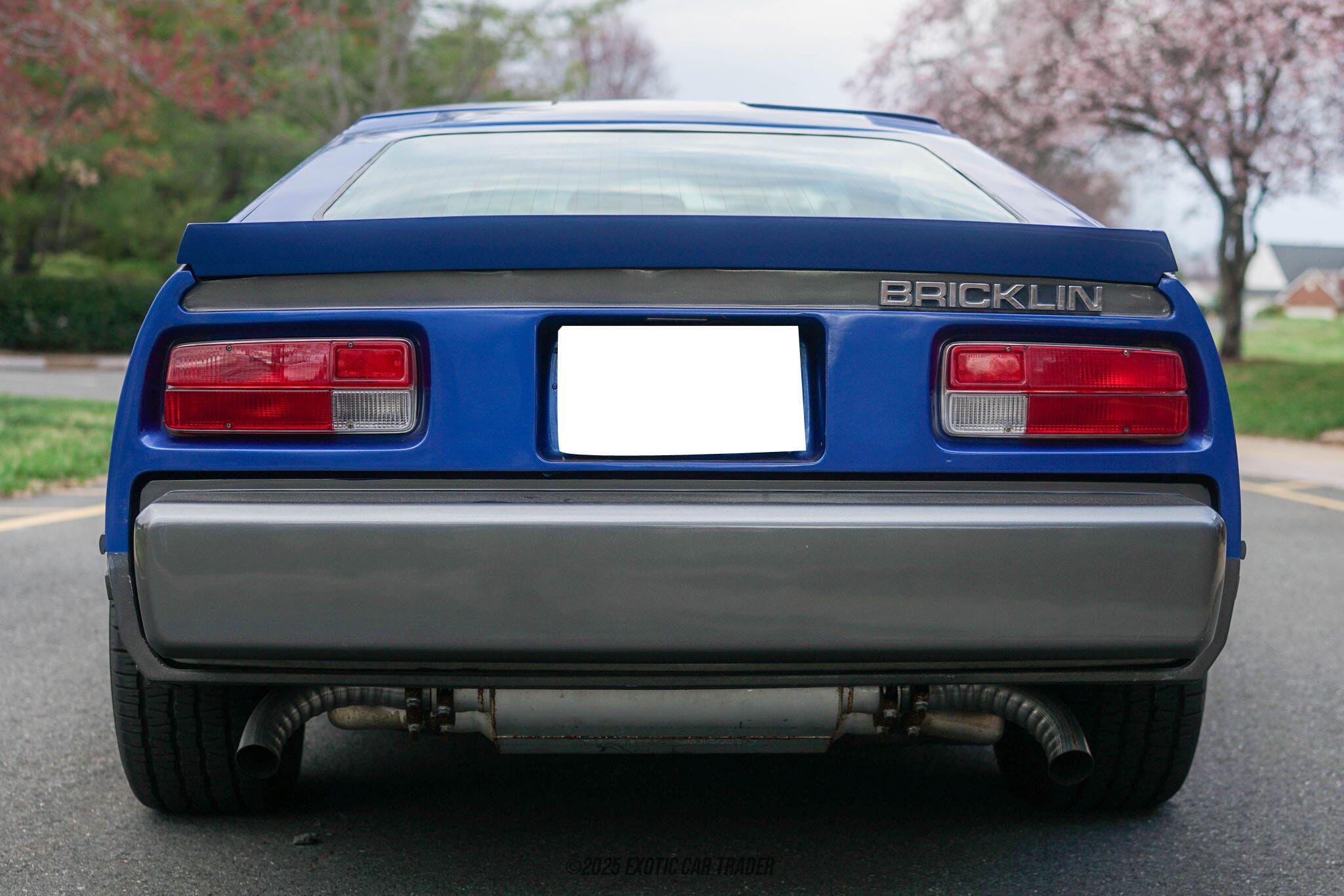
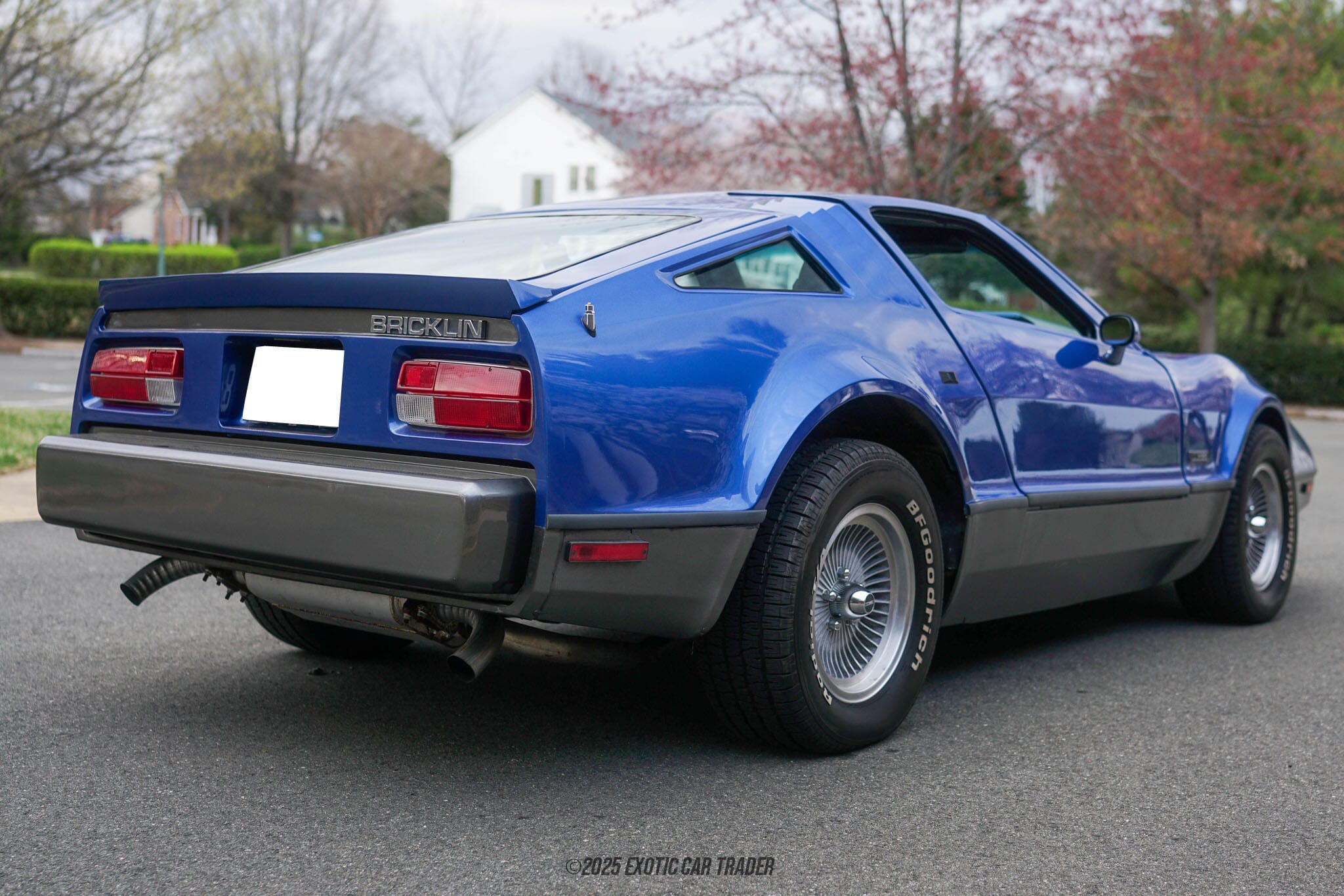
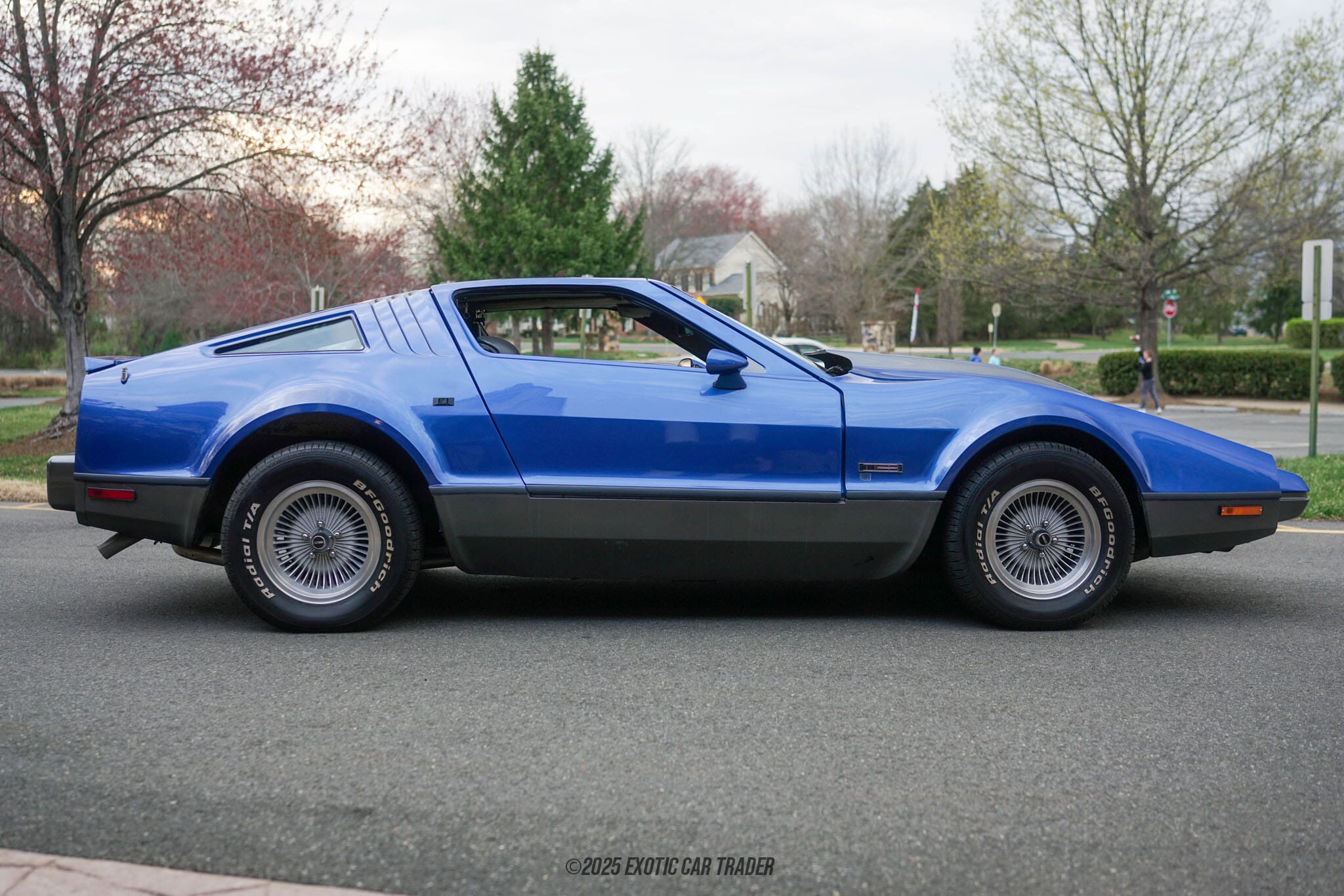
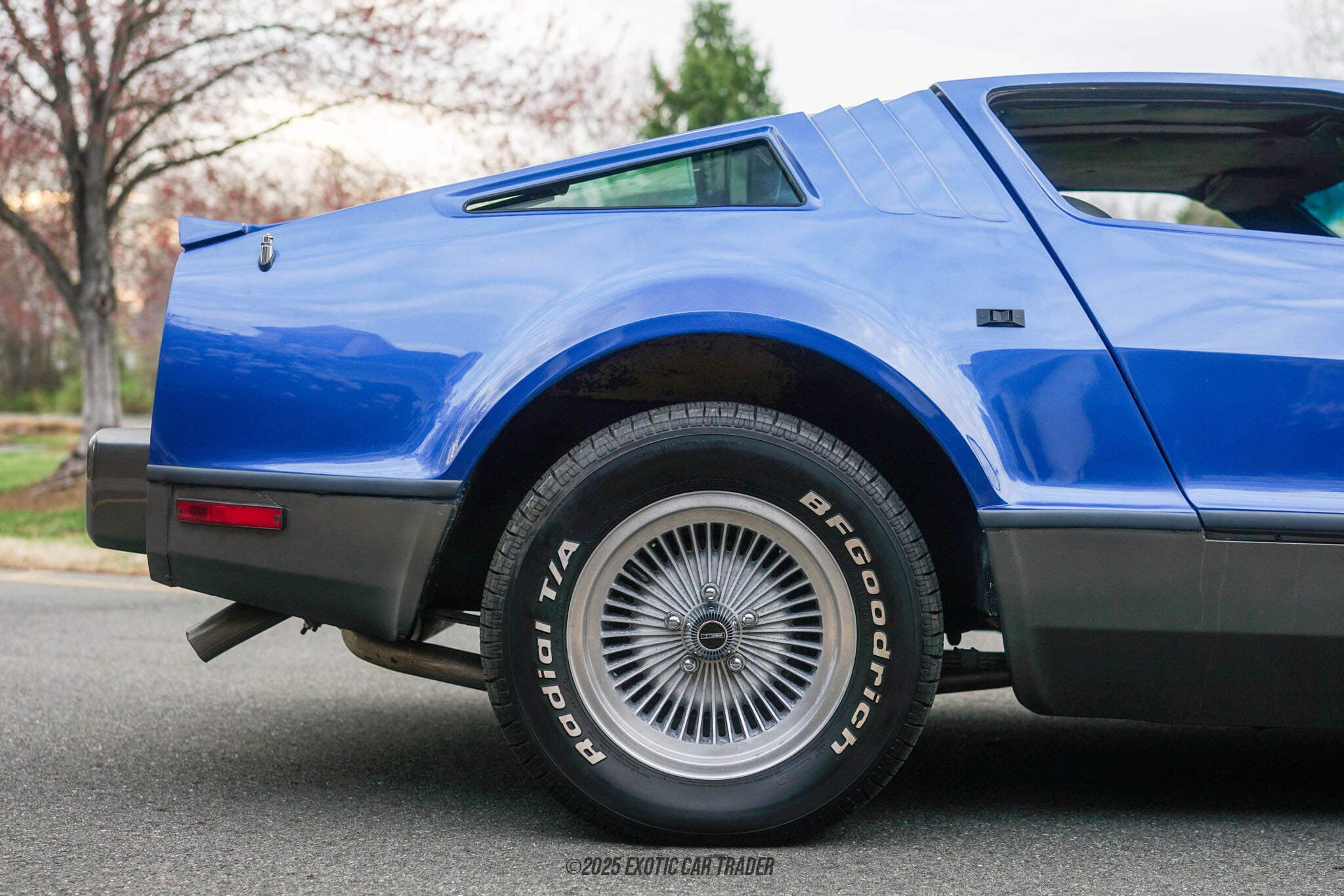
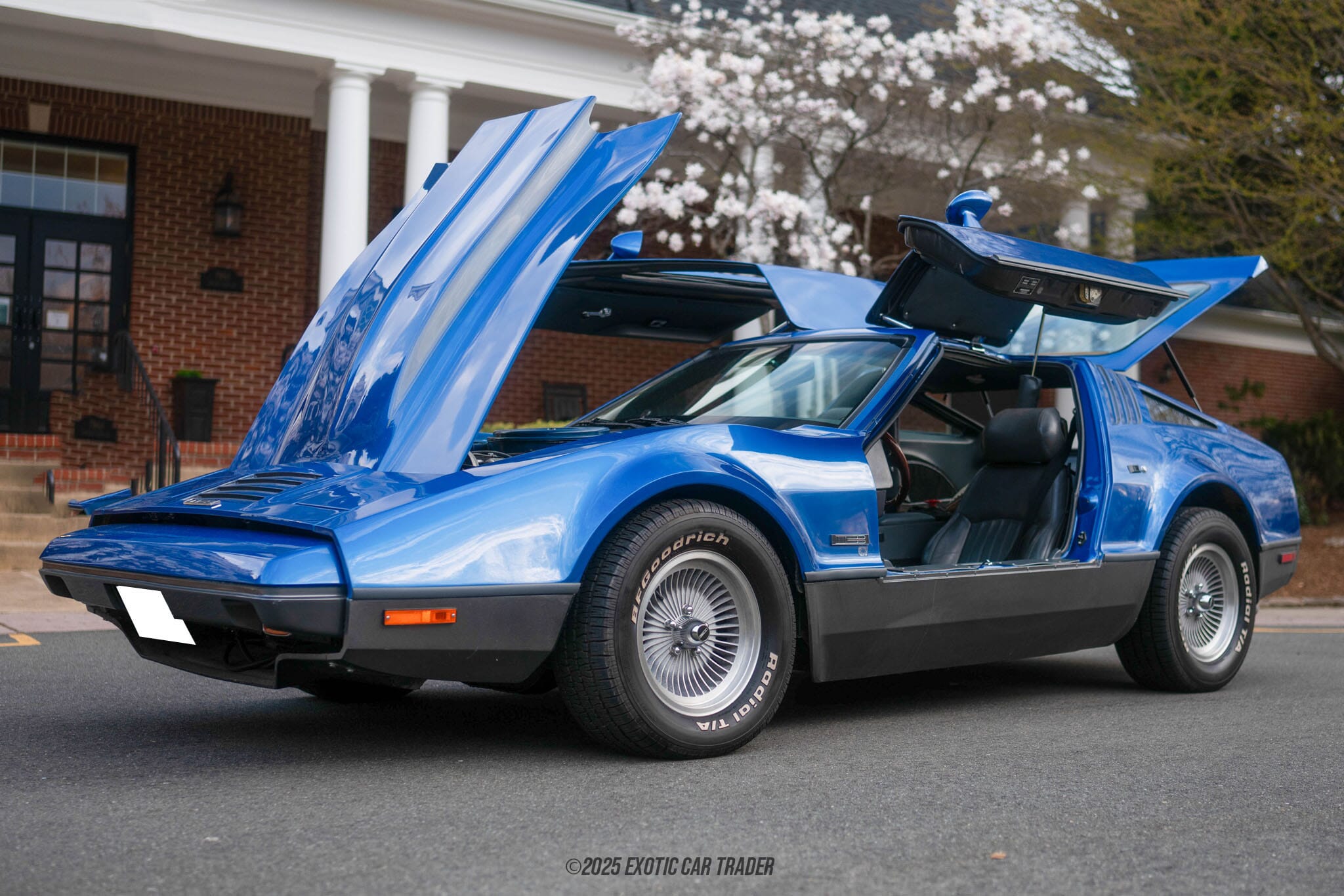
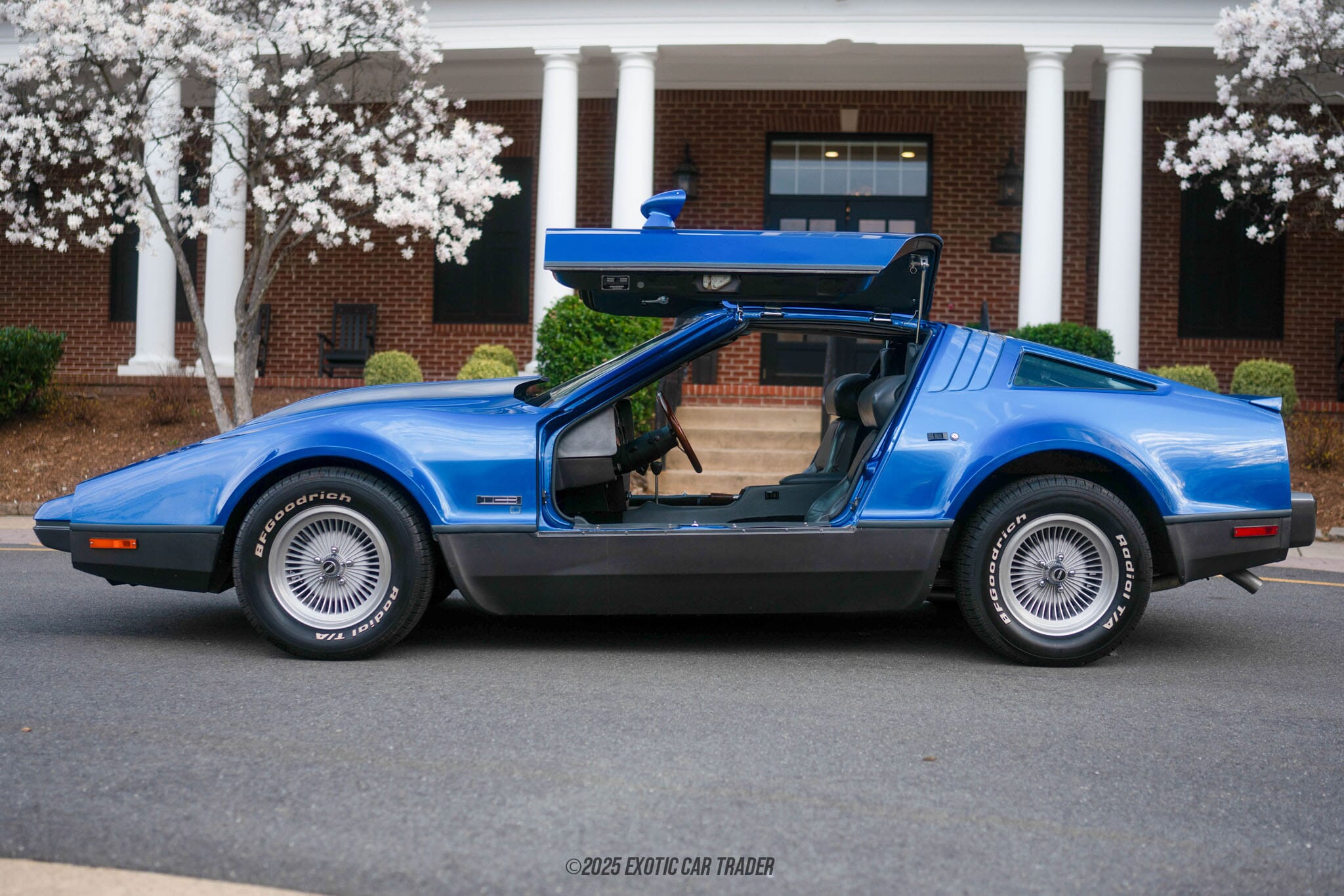
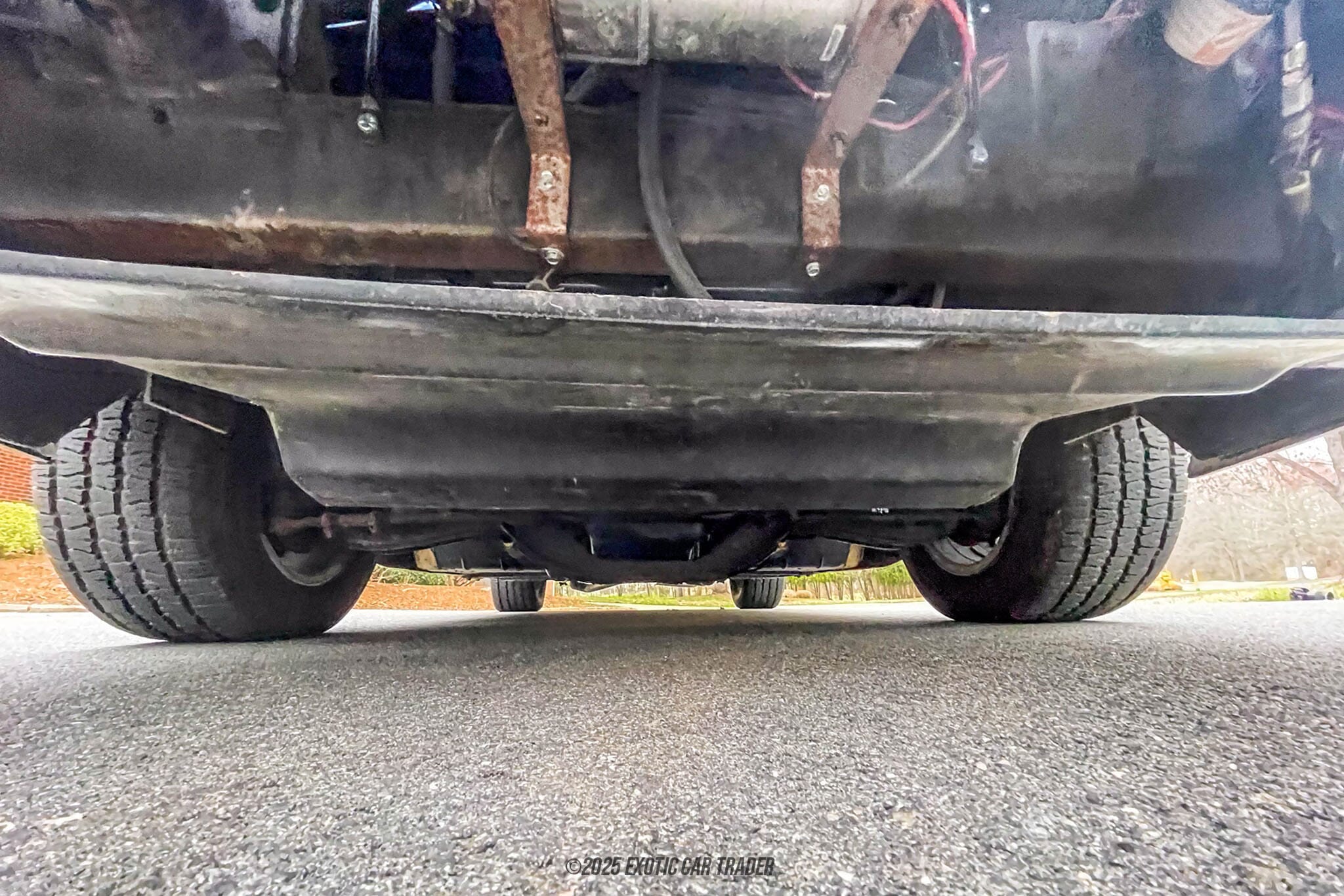
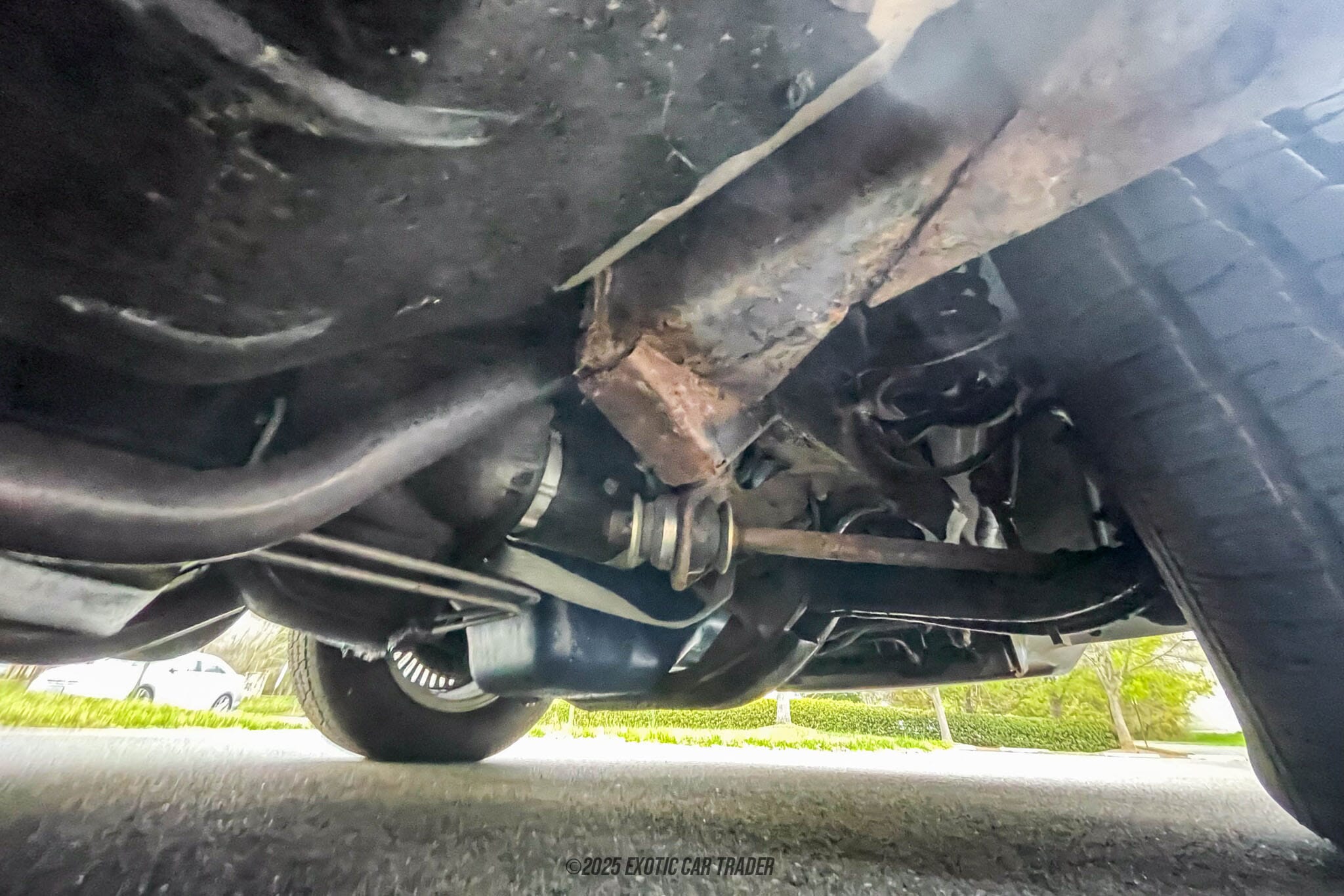
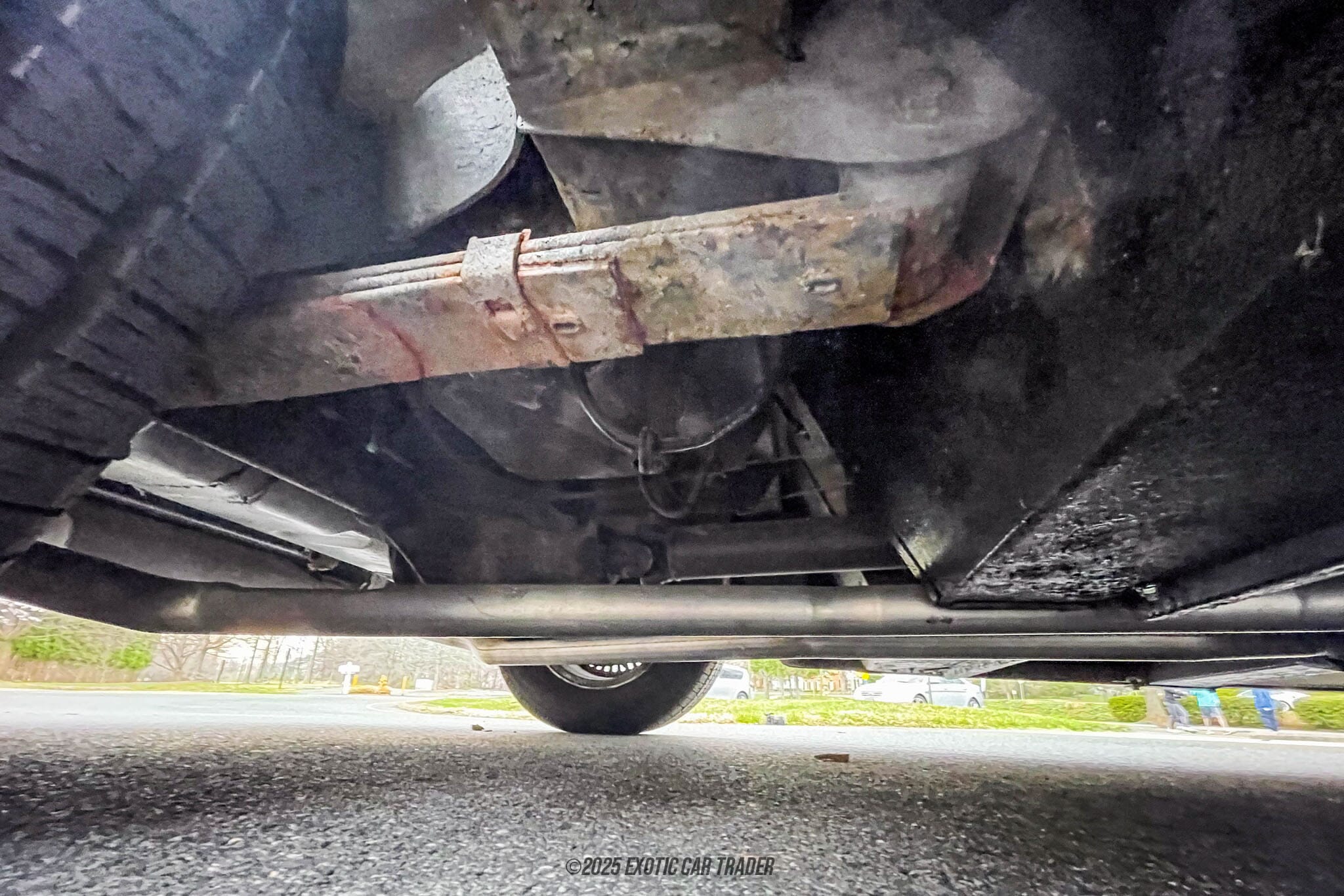
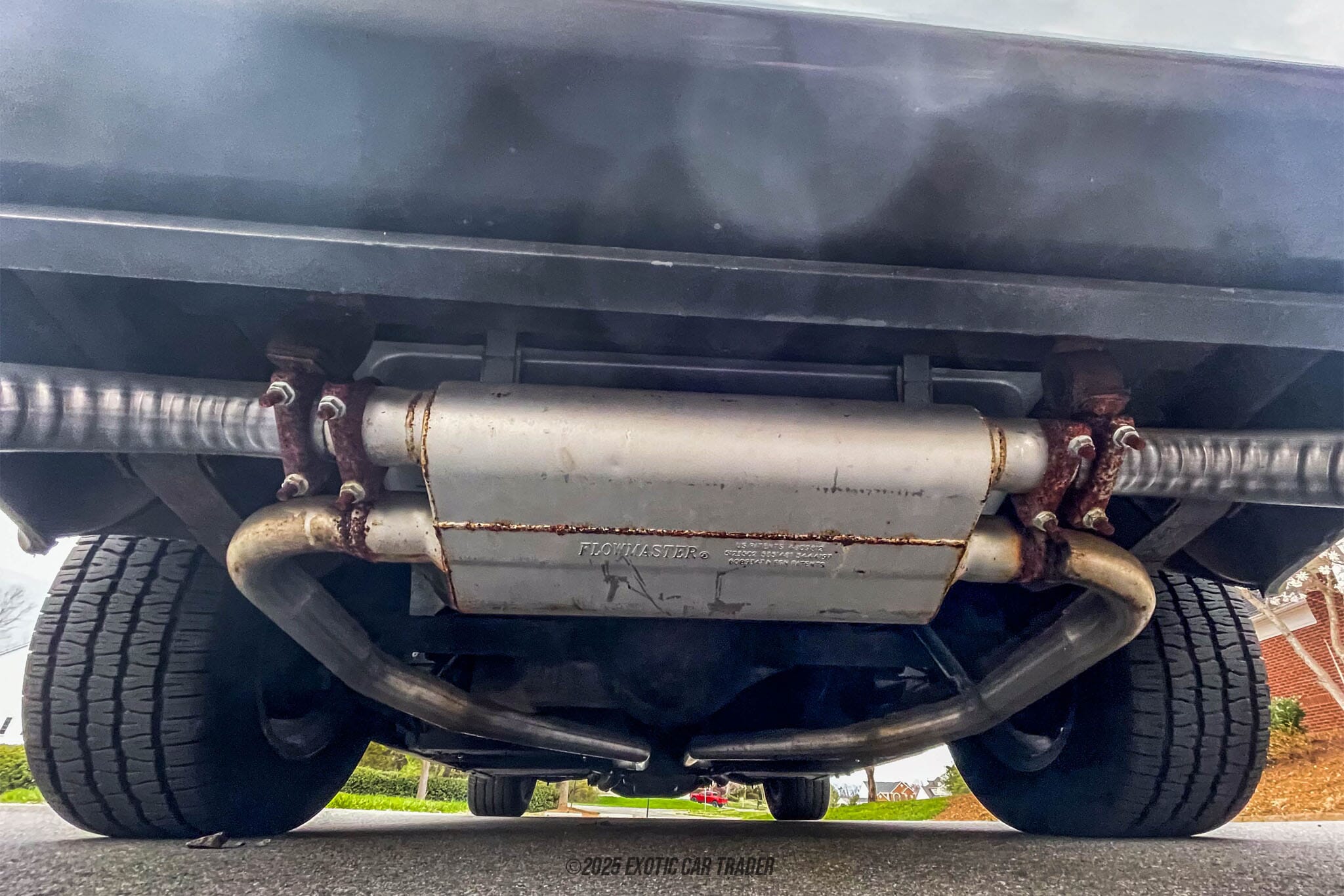
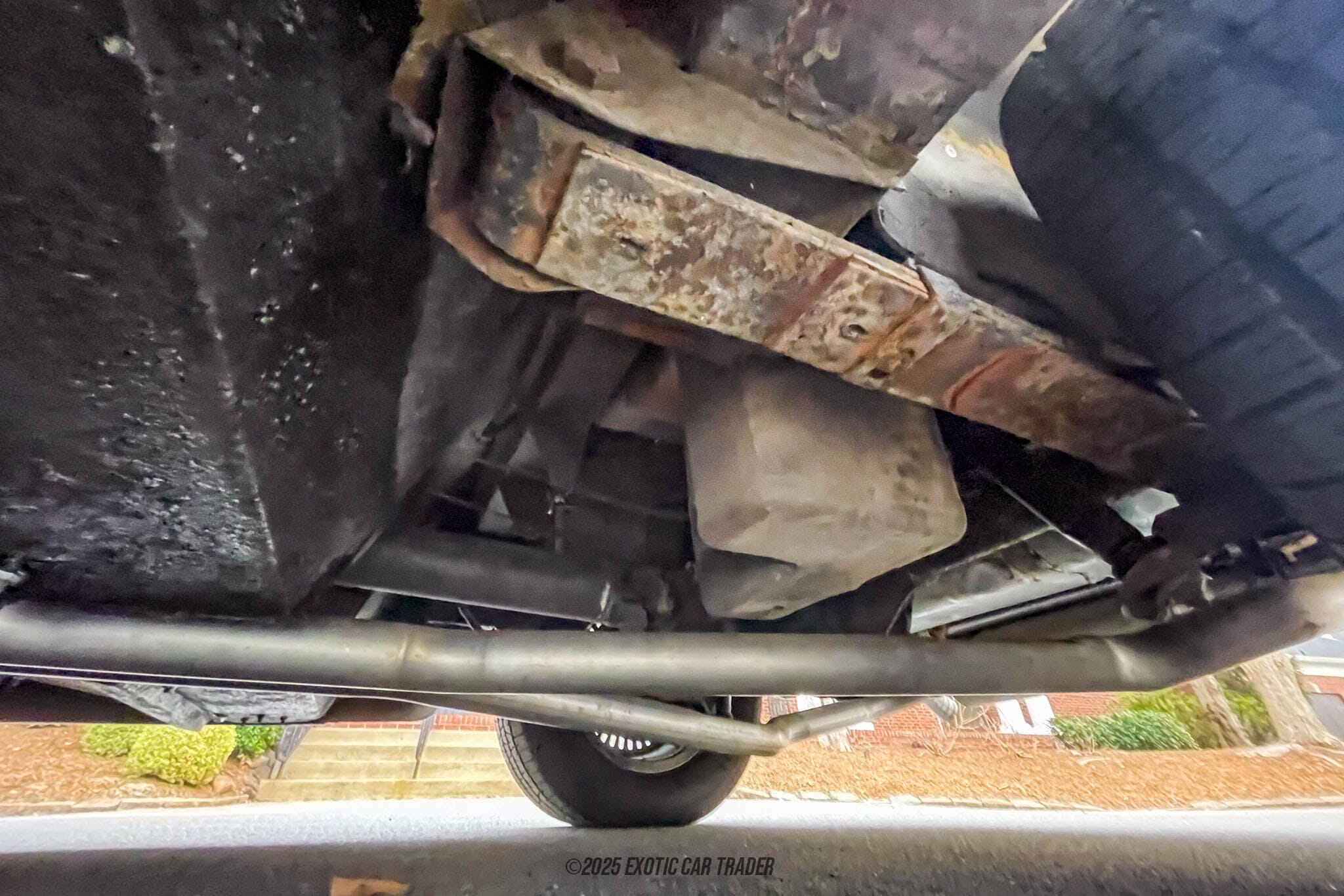
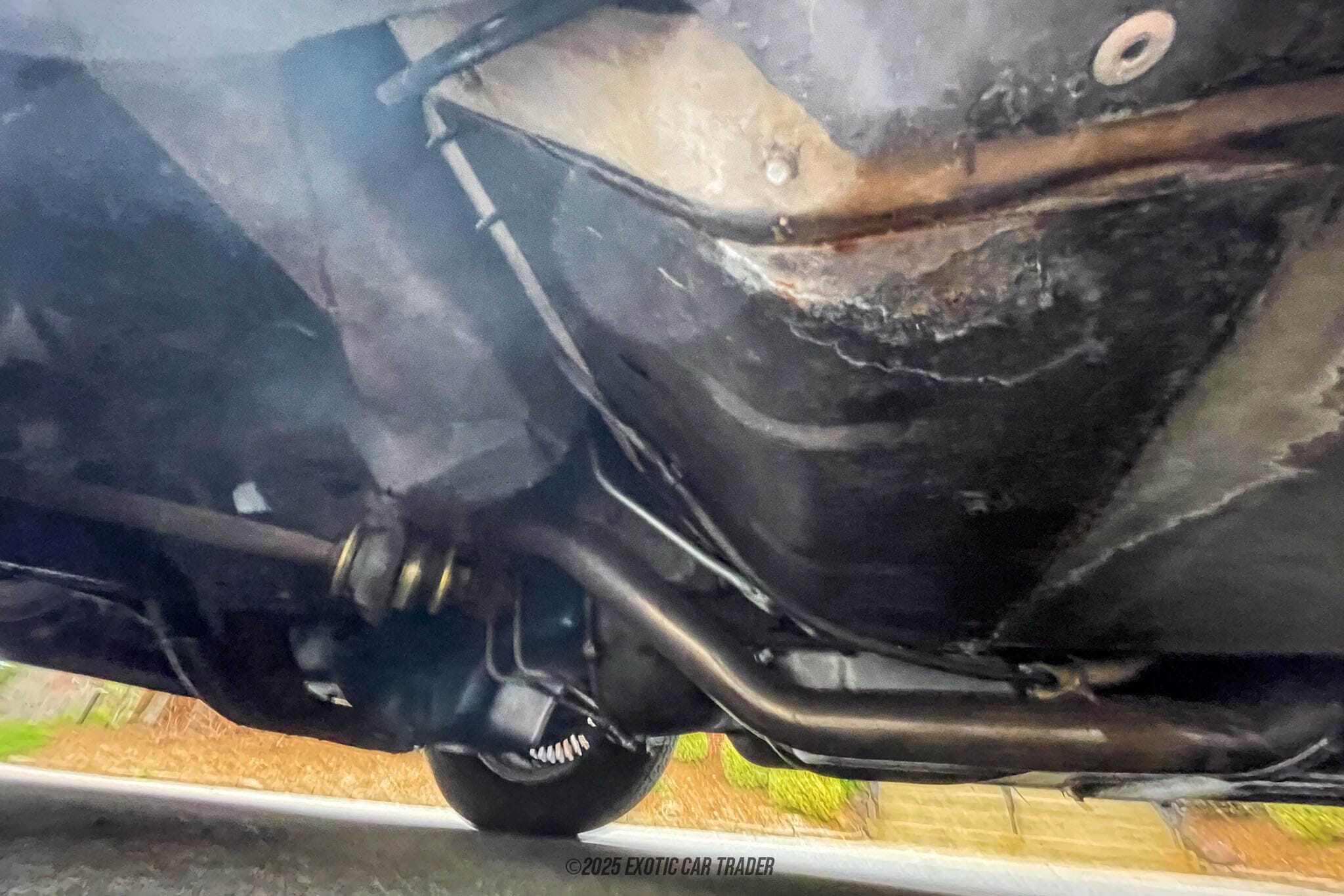


- 1975 Bricklin SV-1
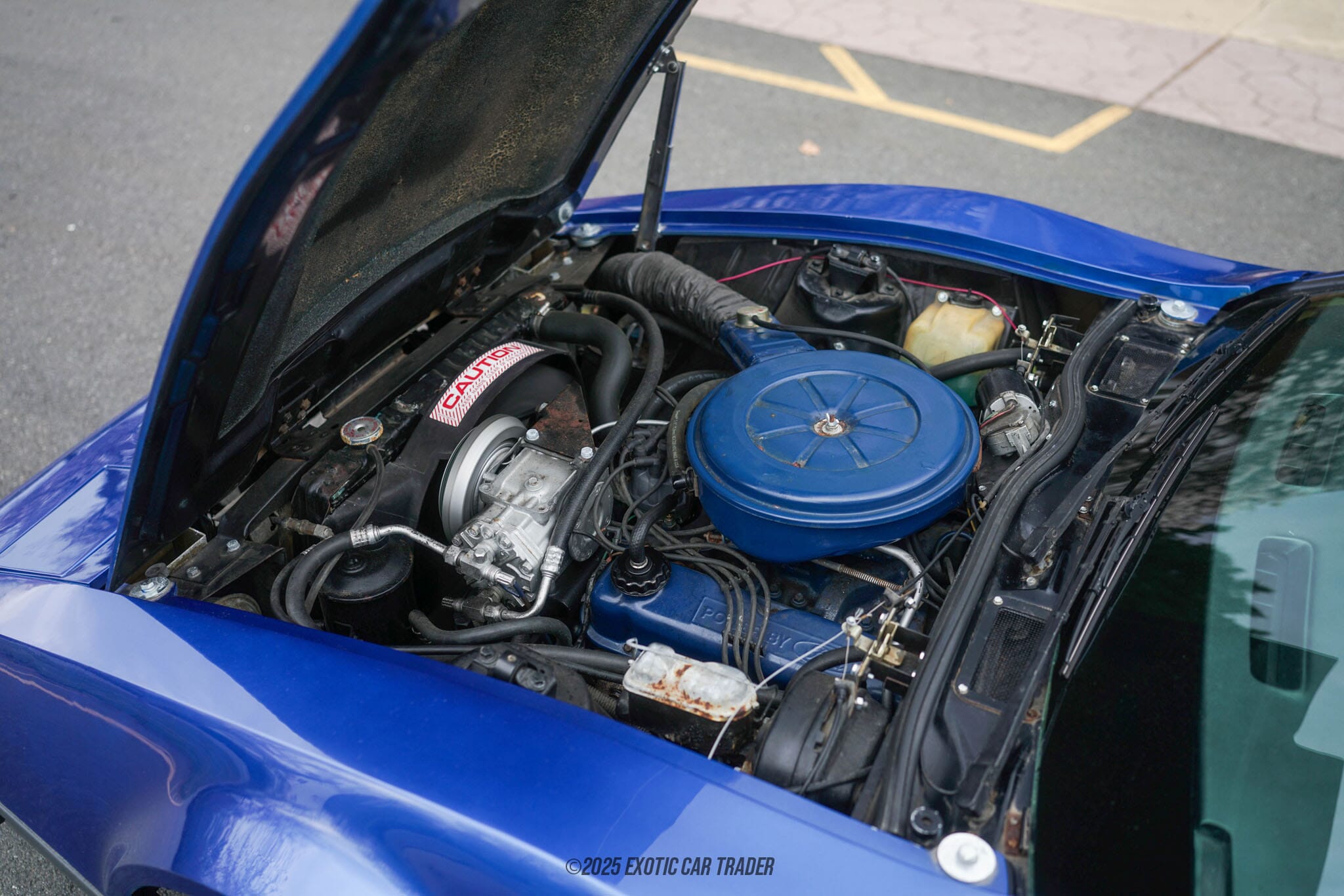
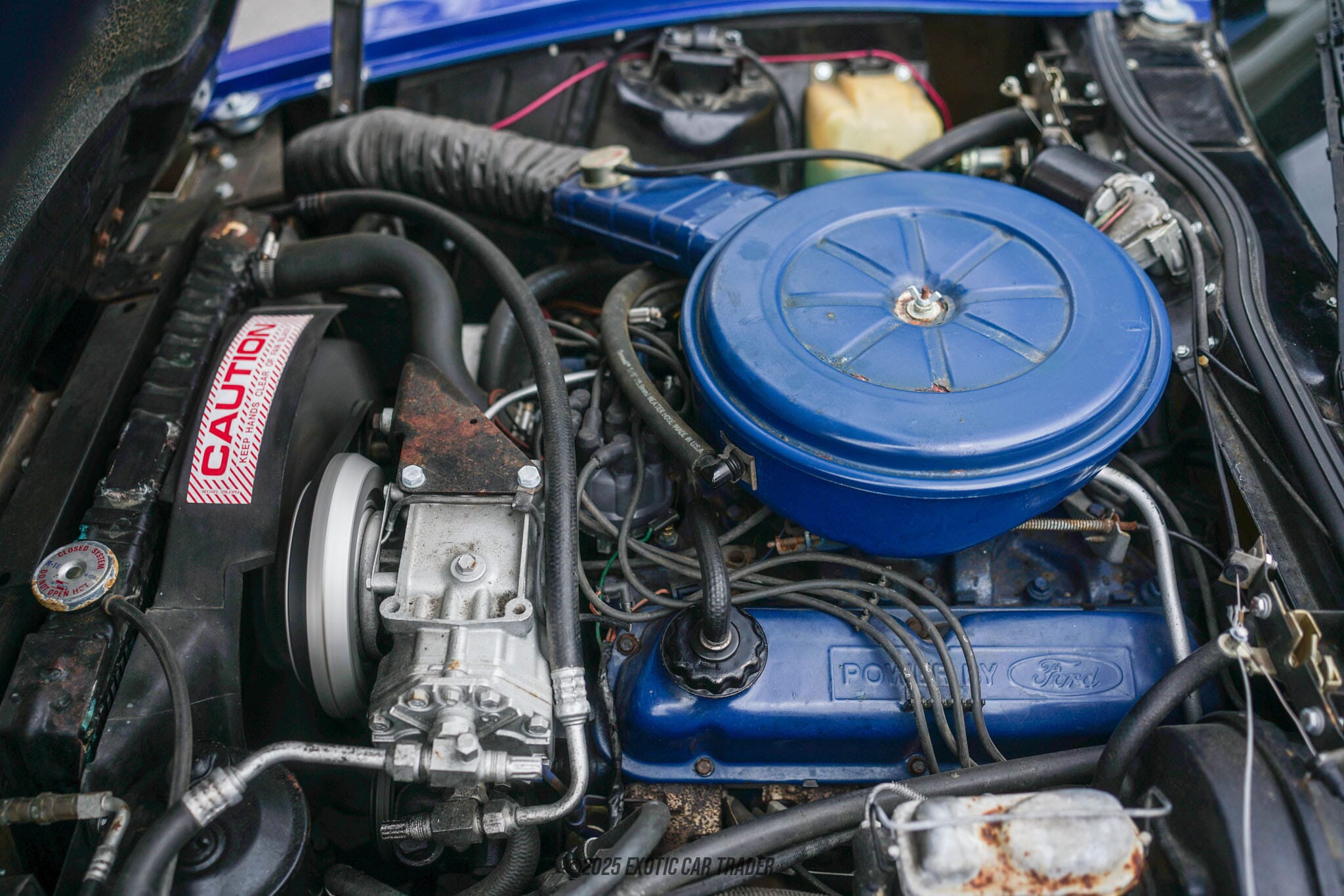
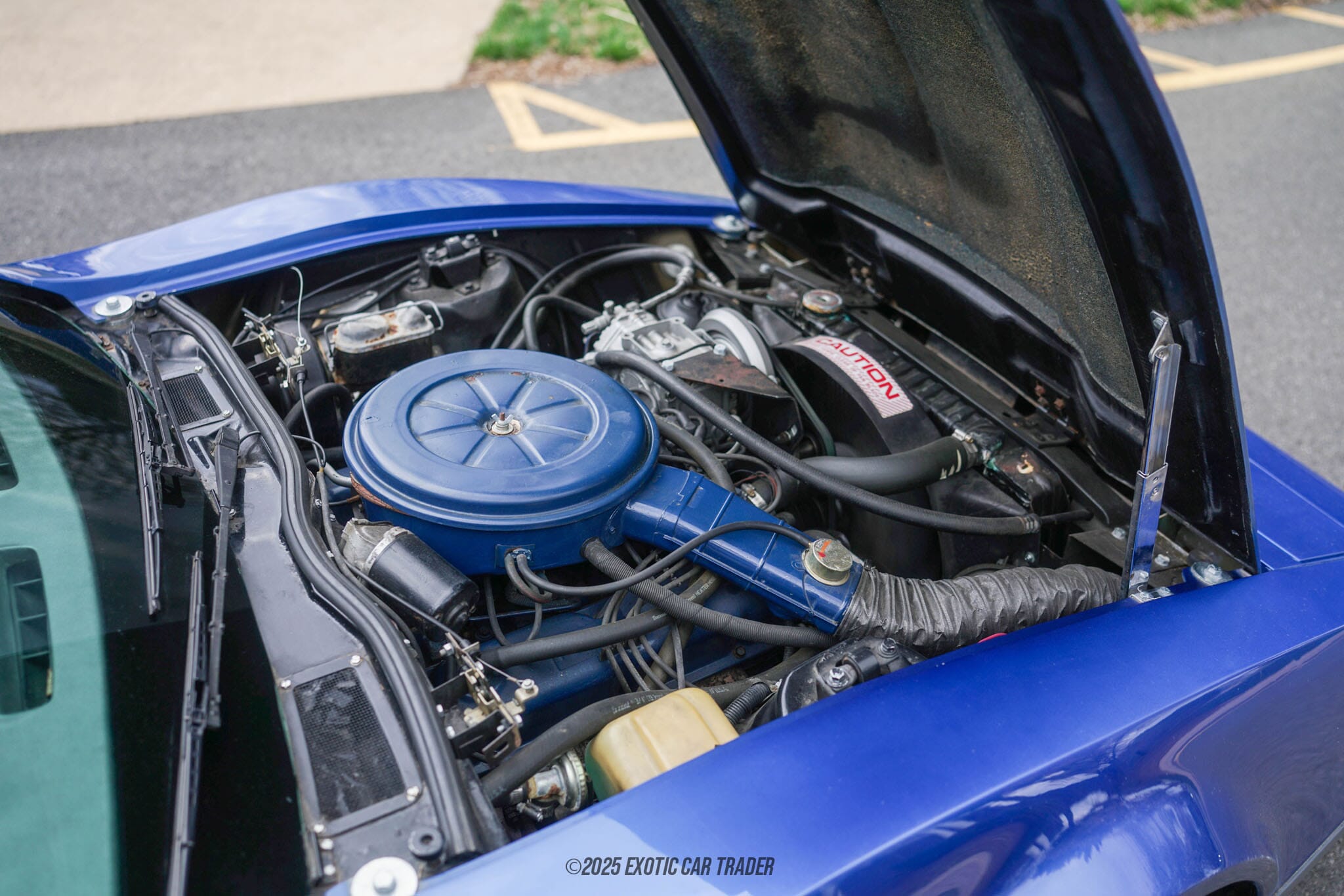
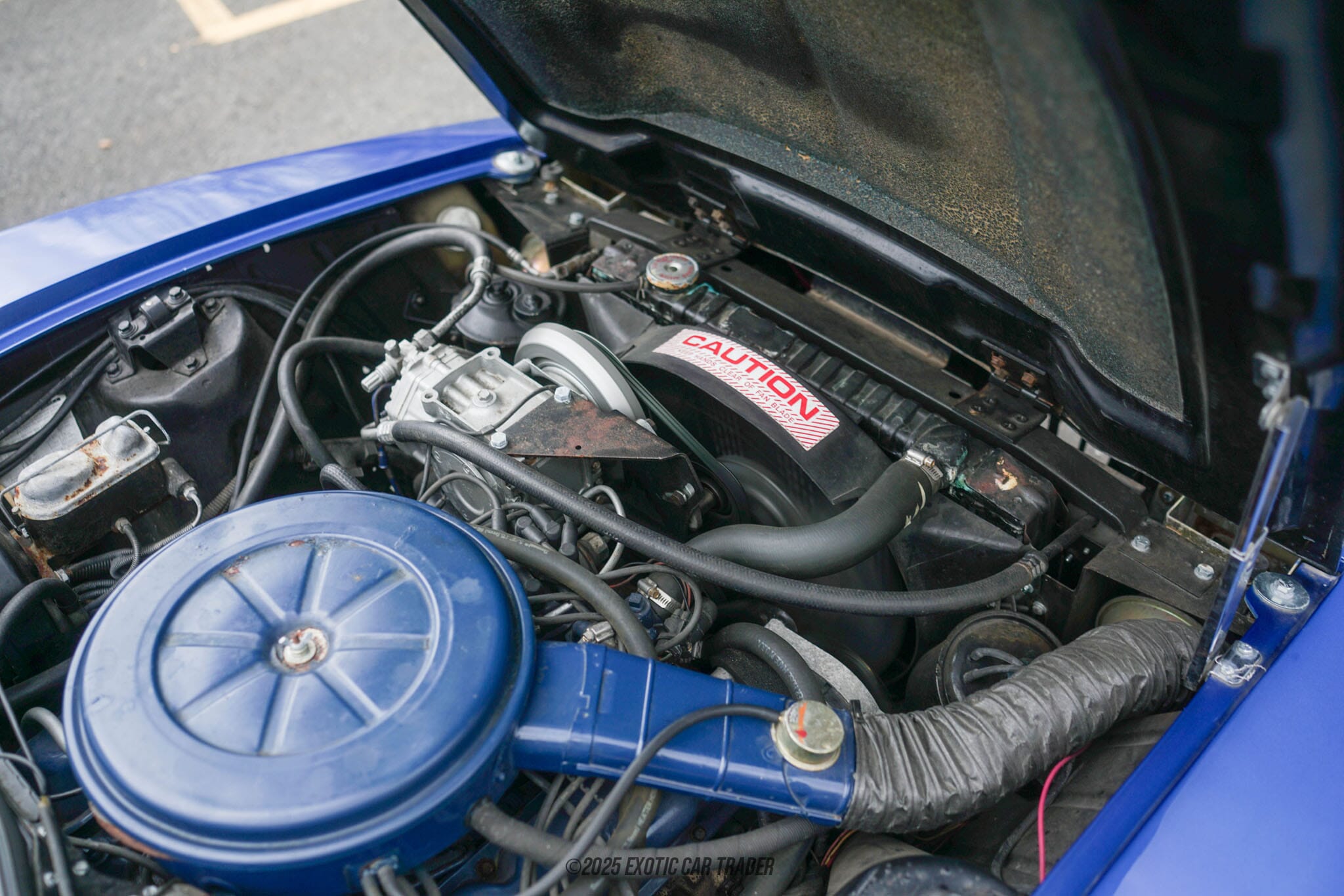
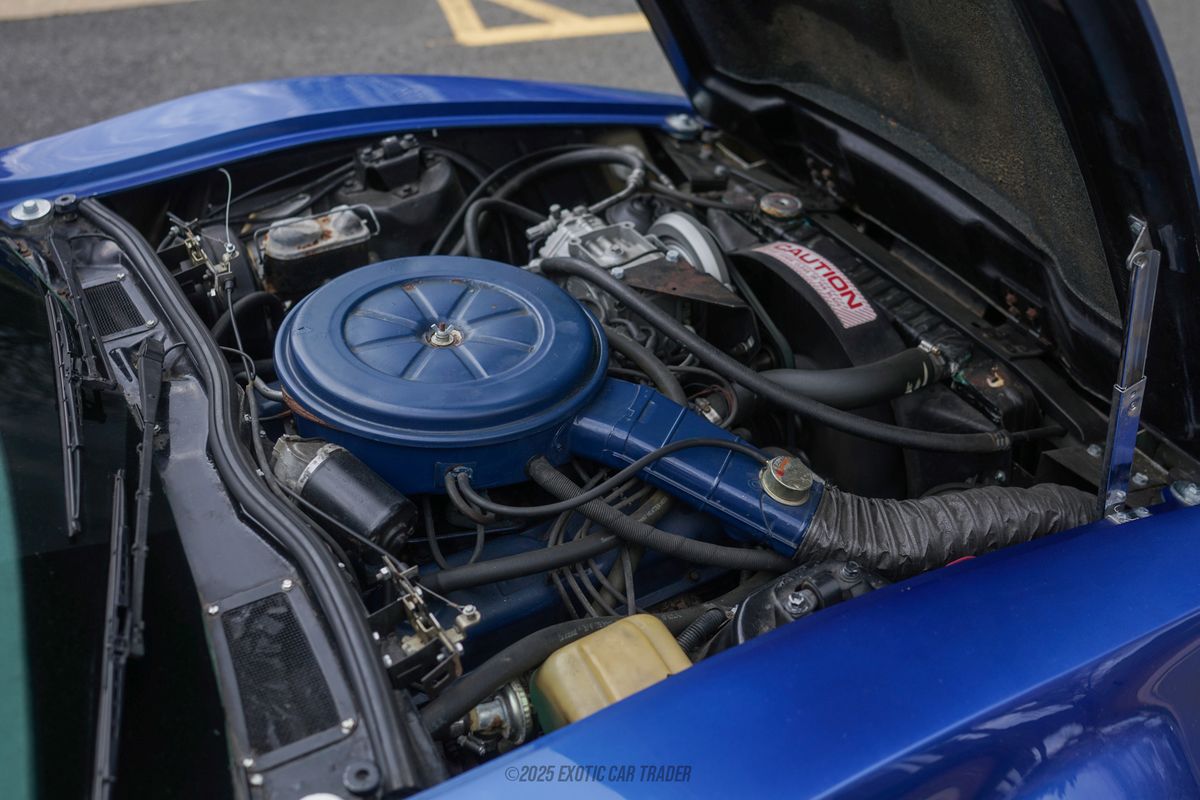
- 351ci Ford Windsor V8
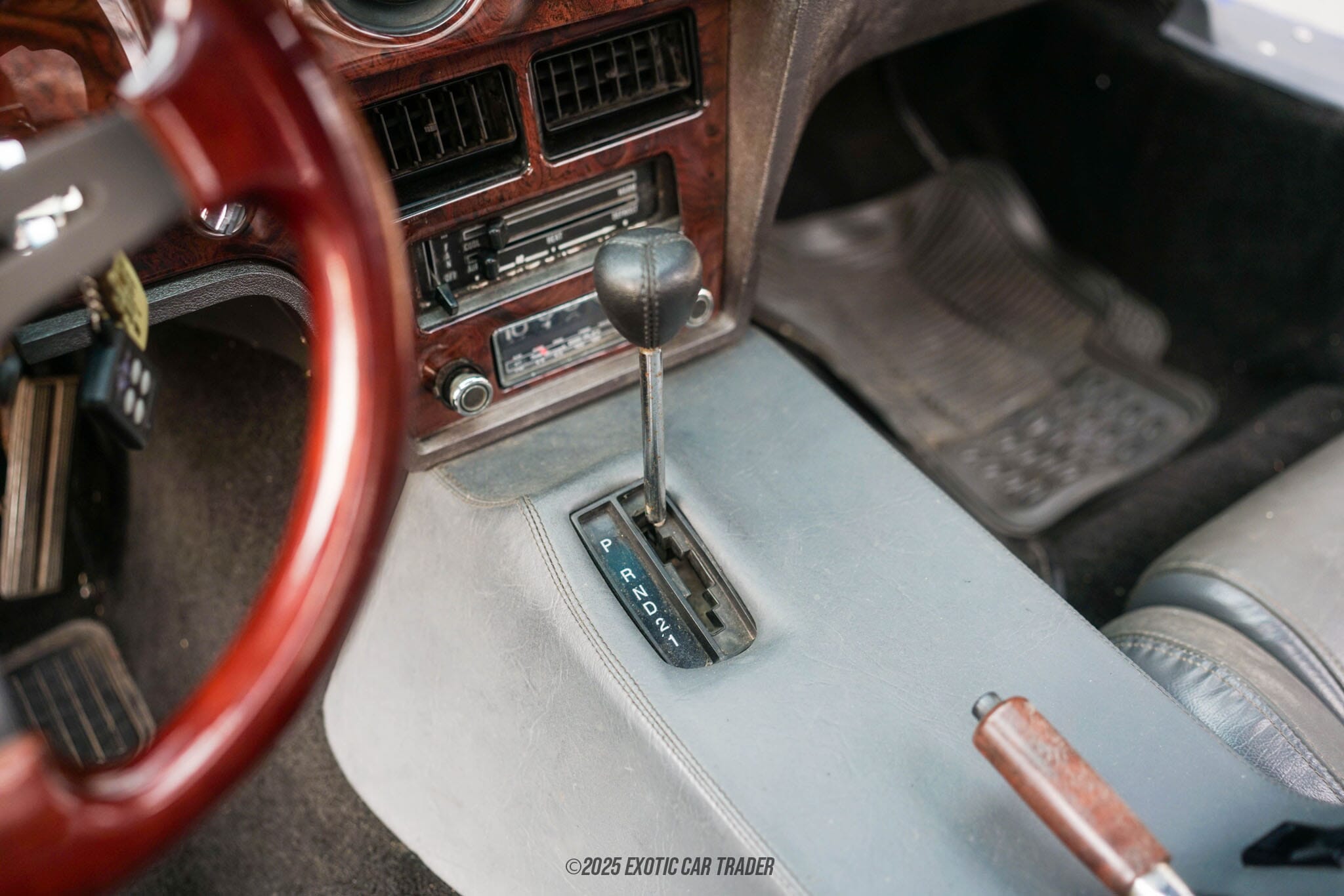
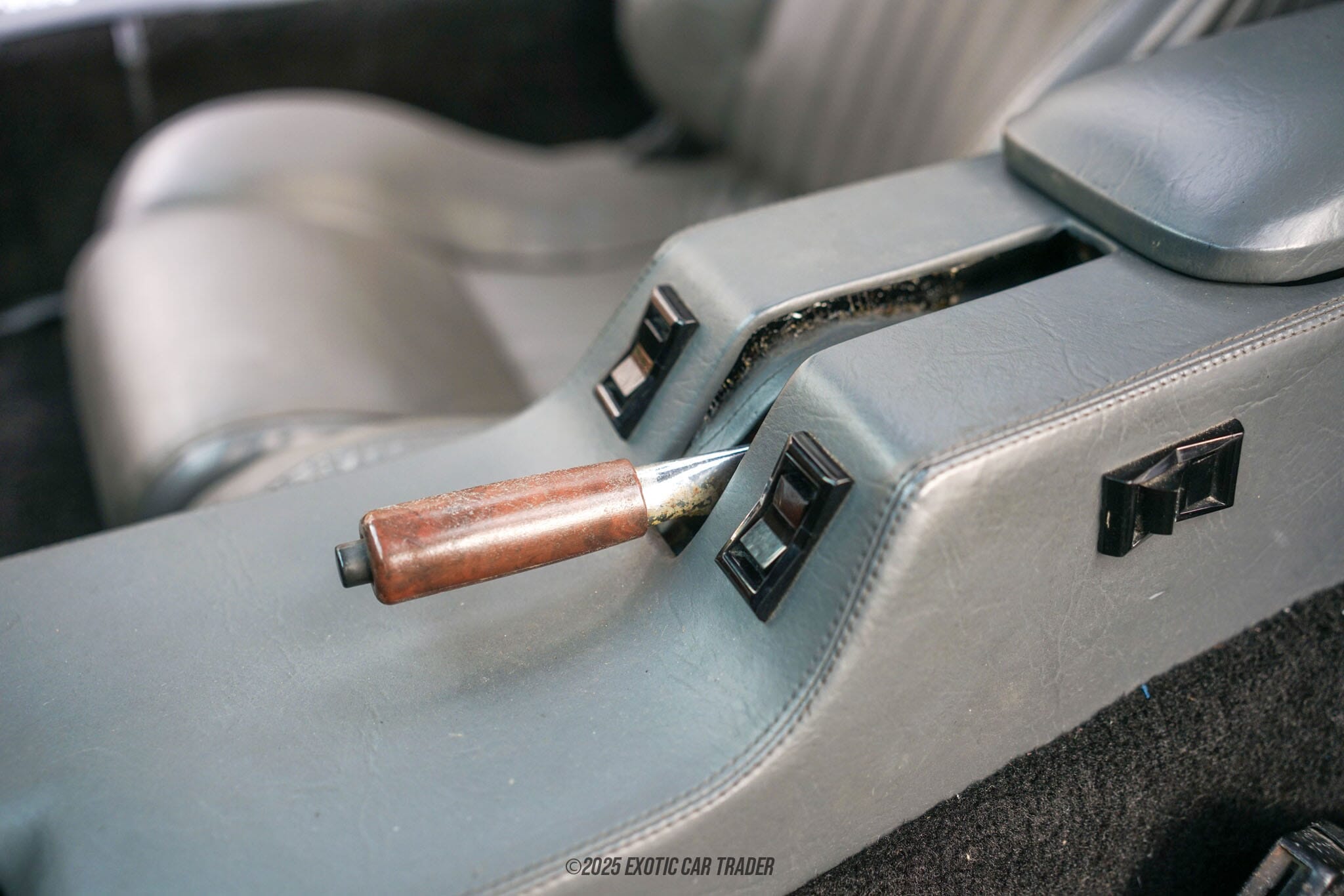
- 3-Speed Automatic
- RWD
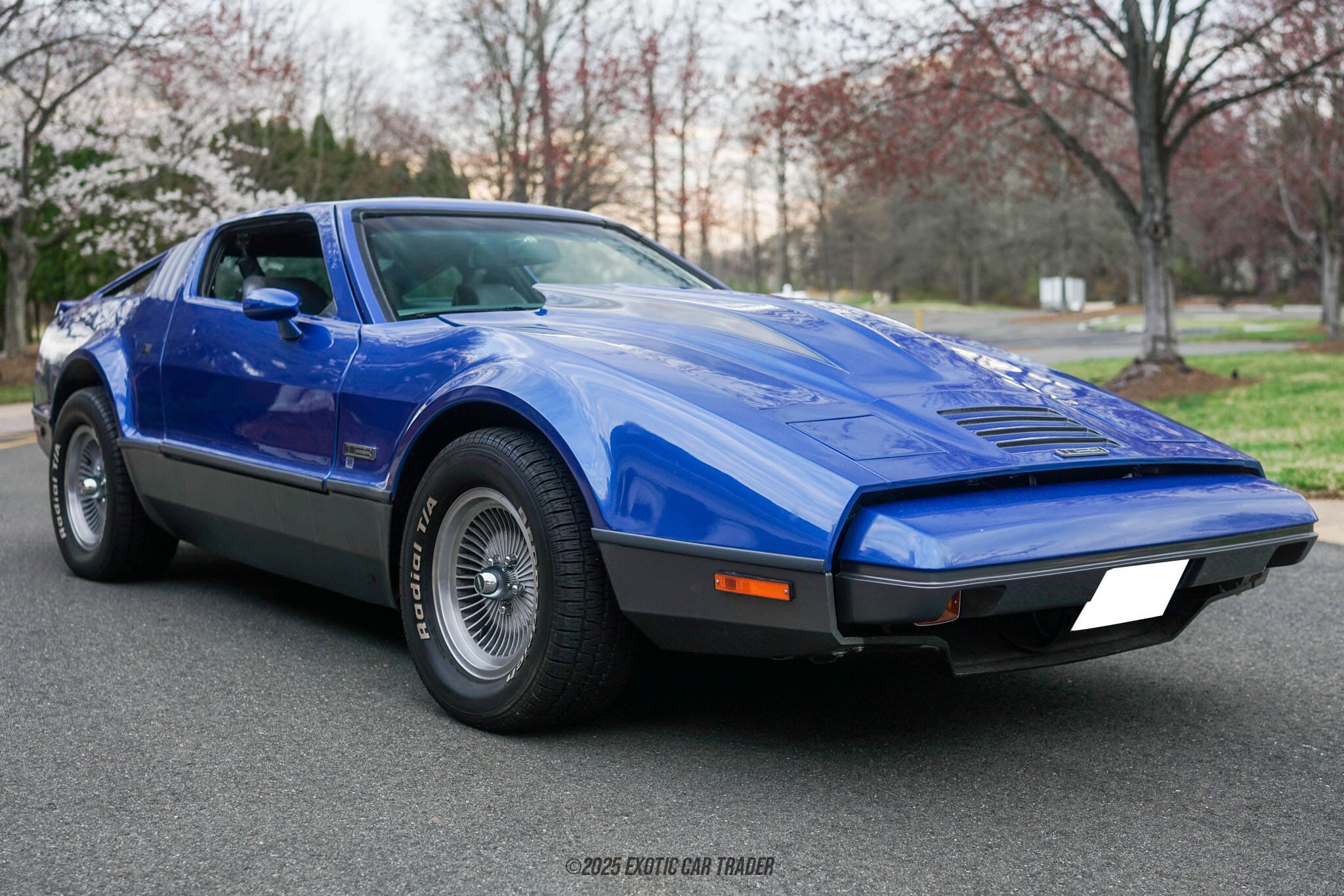
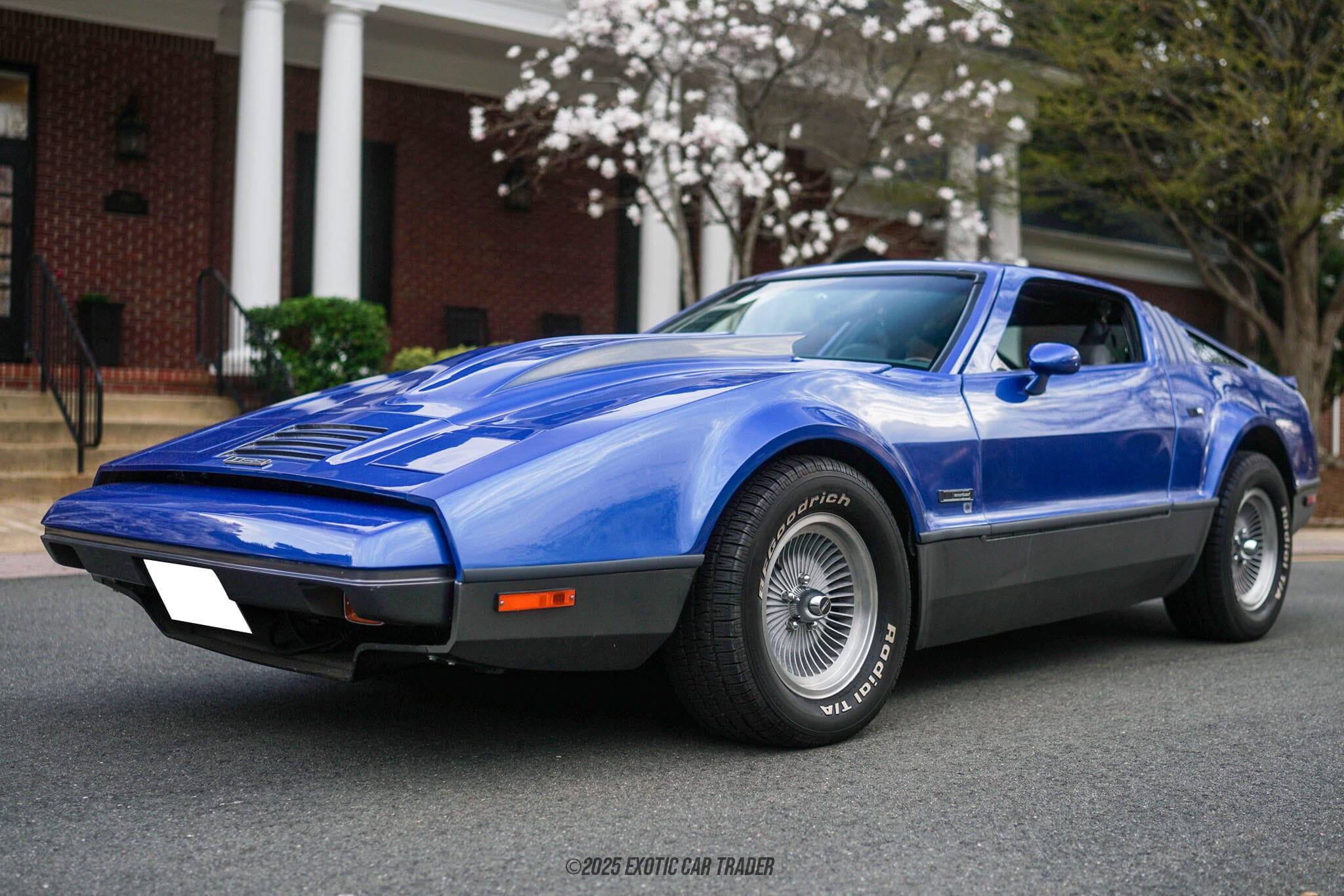
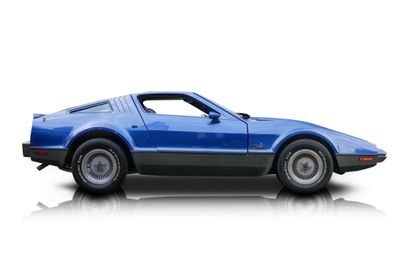
- Blue Exterior
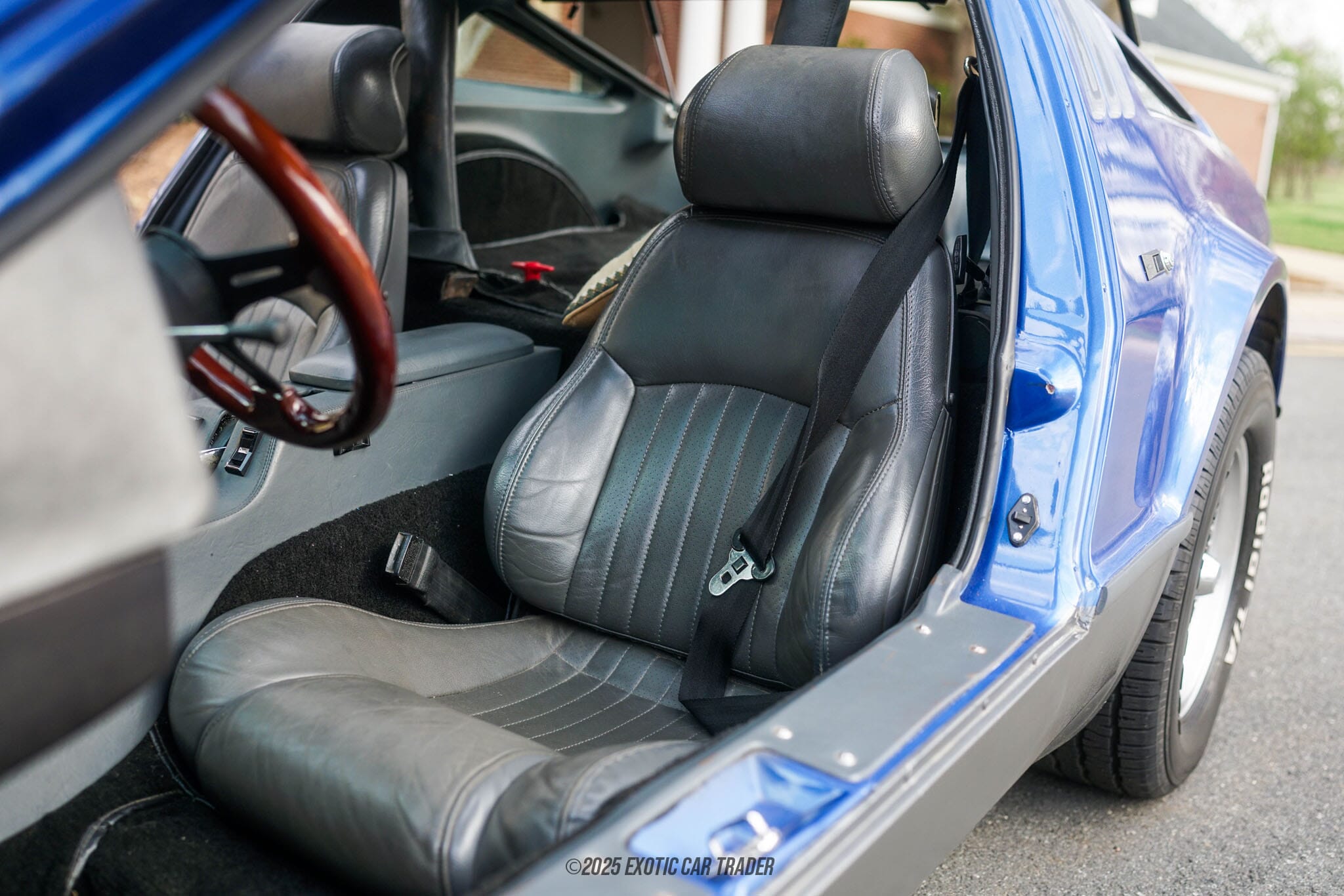
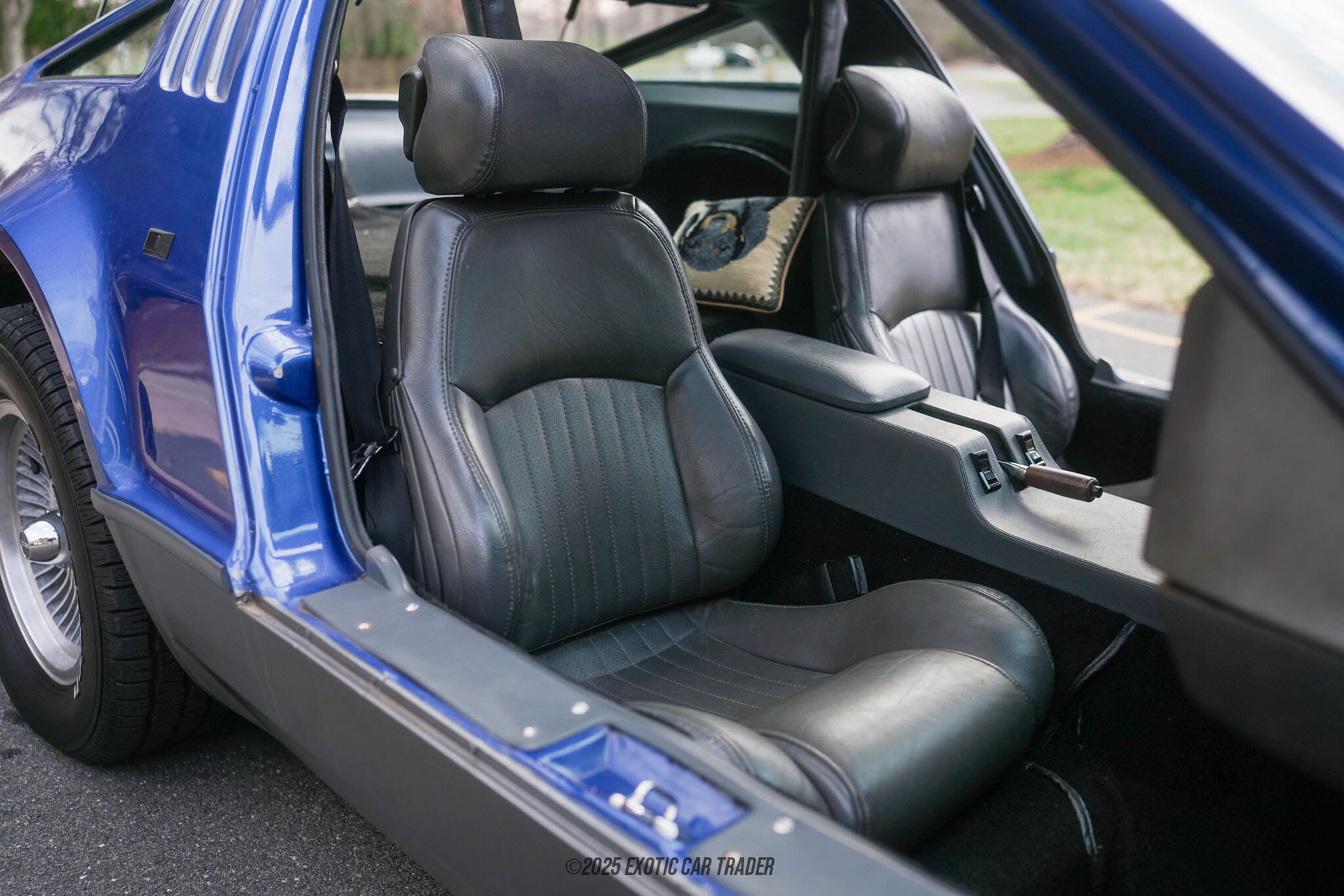
- Gray/Black Interior
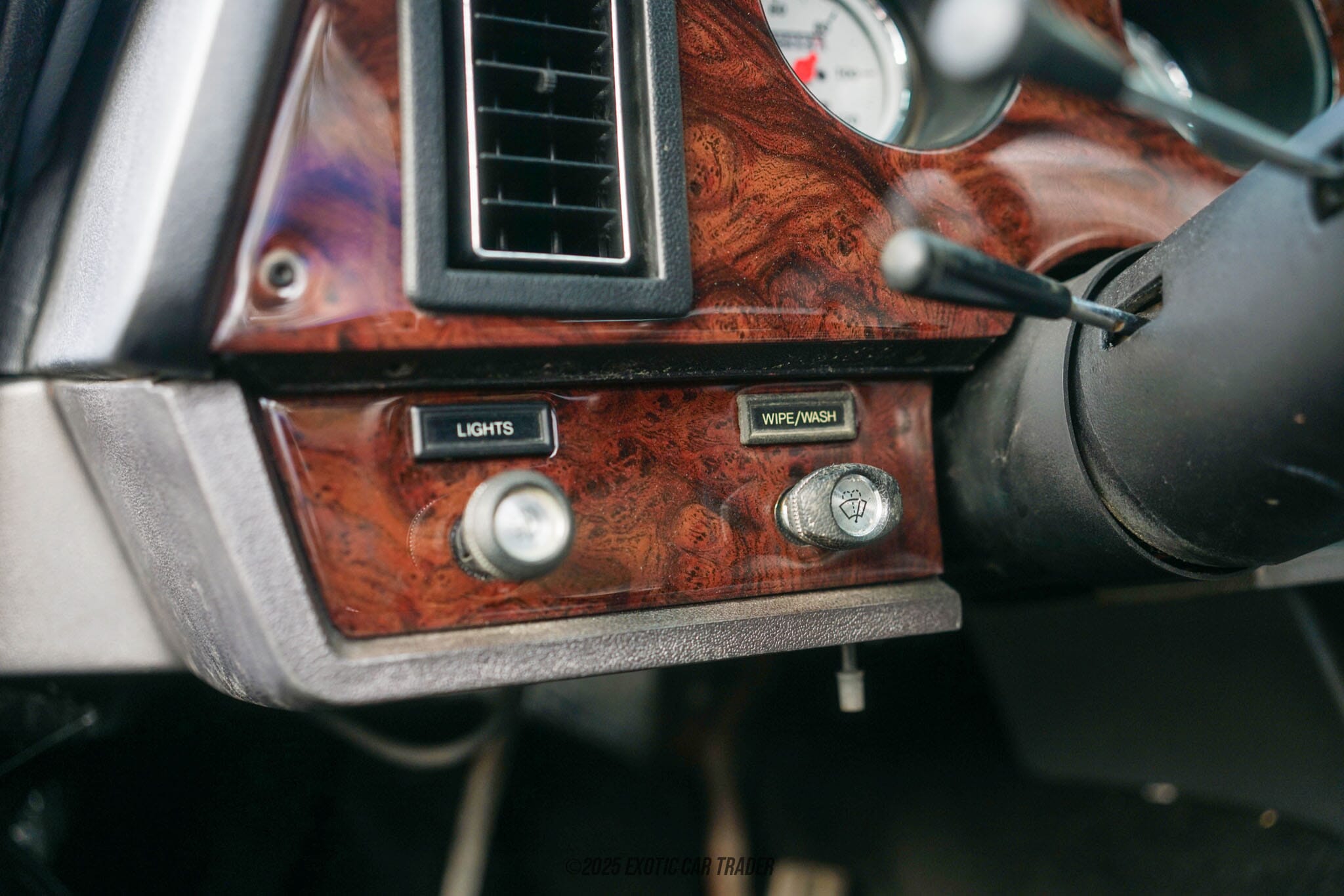
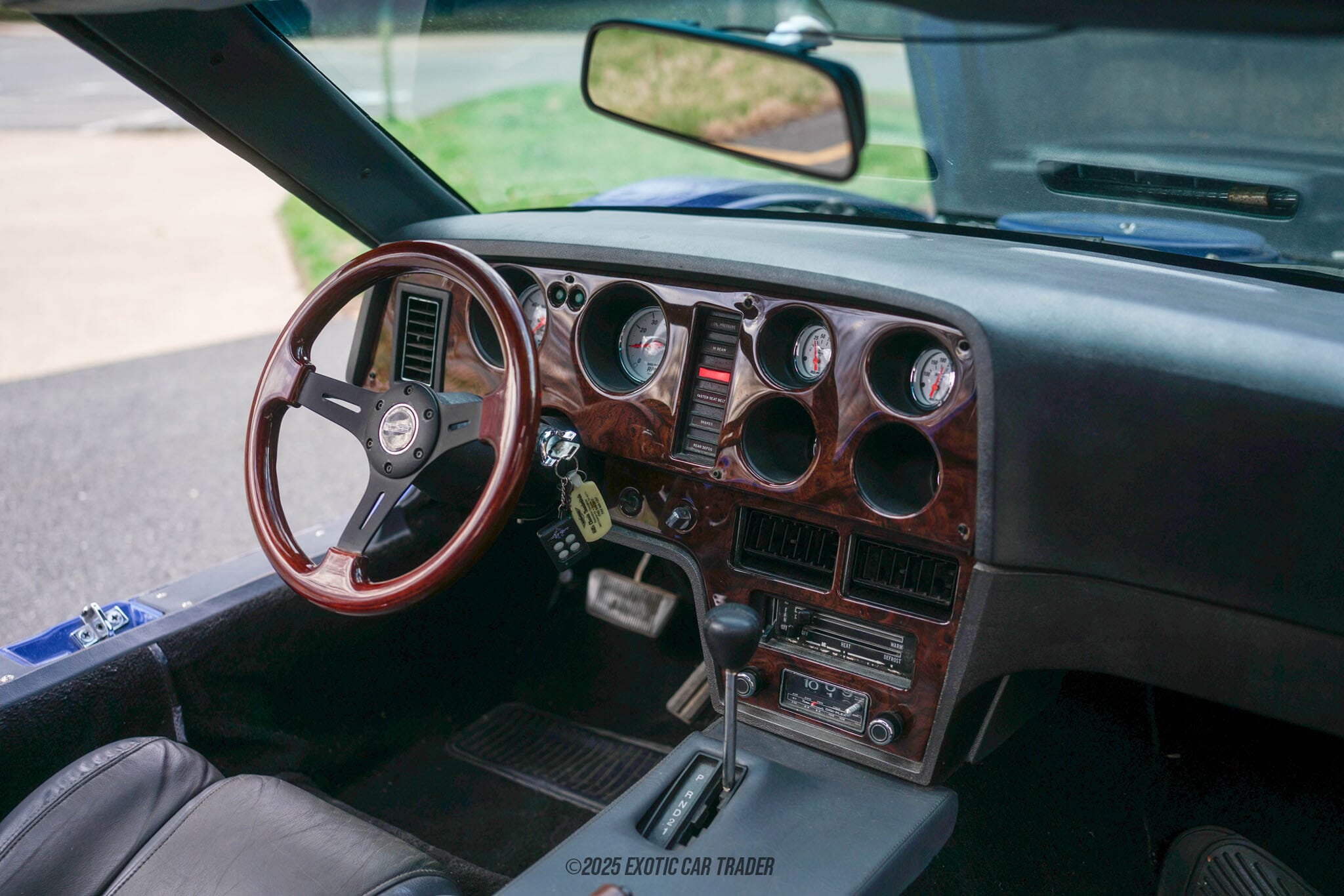
- Wood Grain Interior Trim
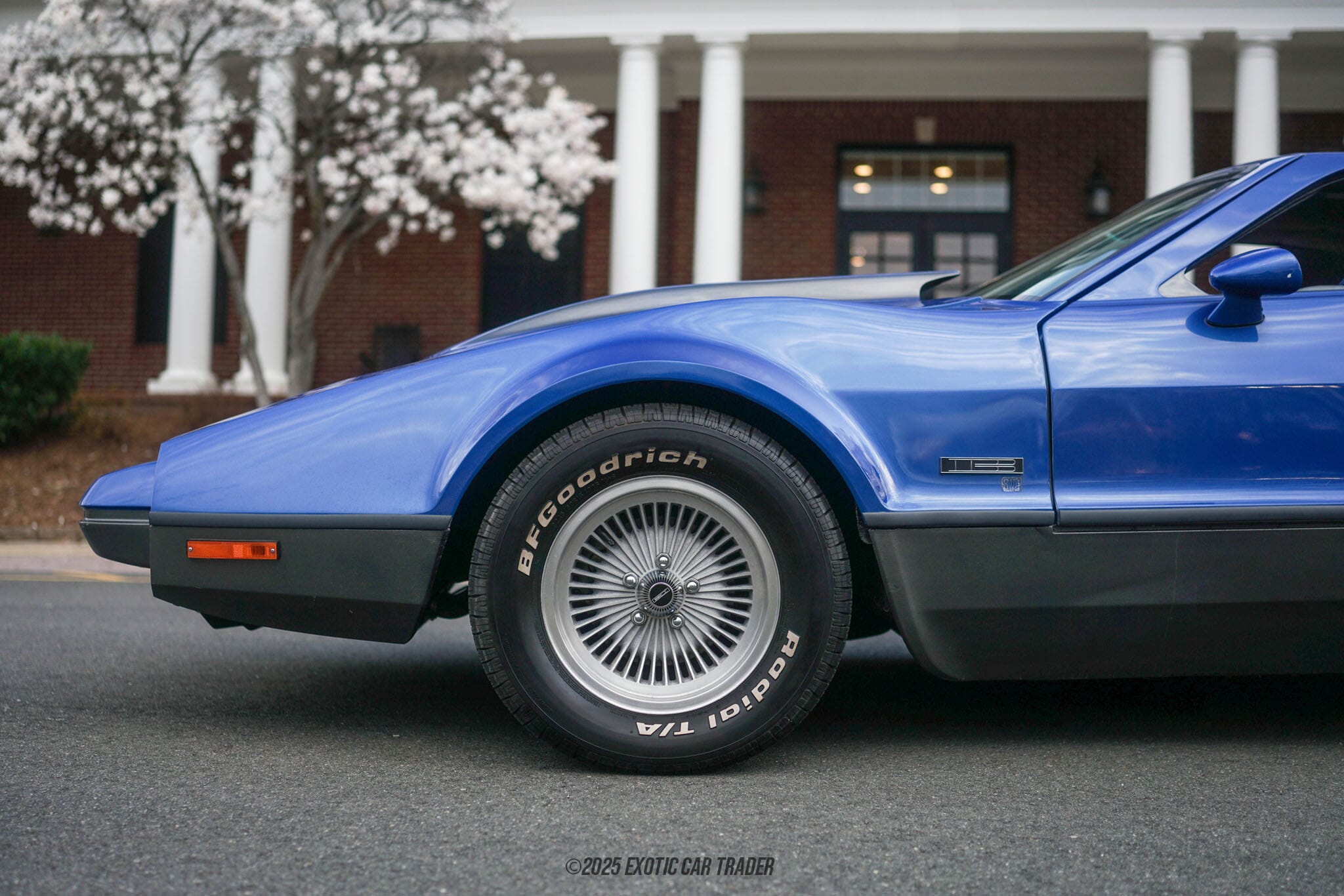
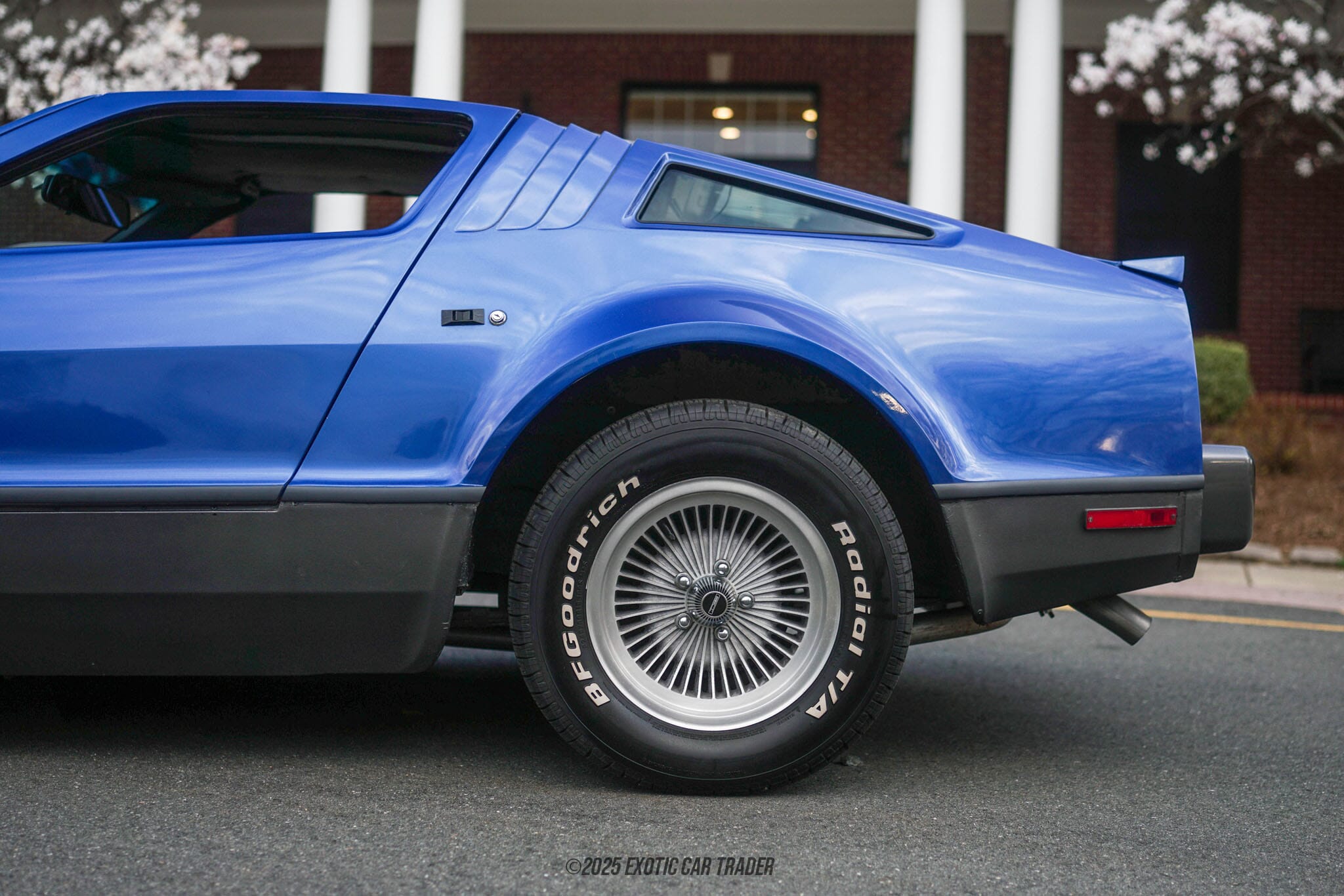
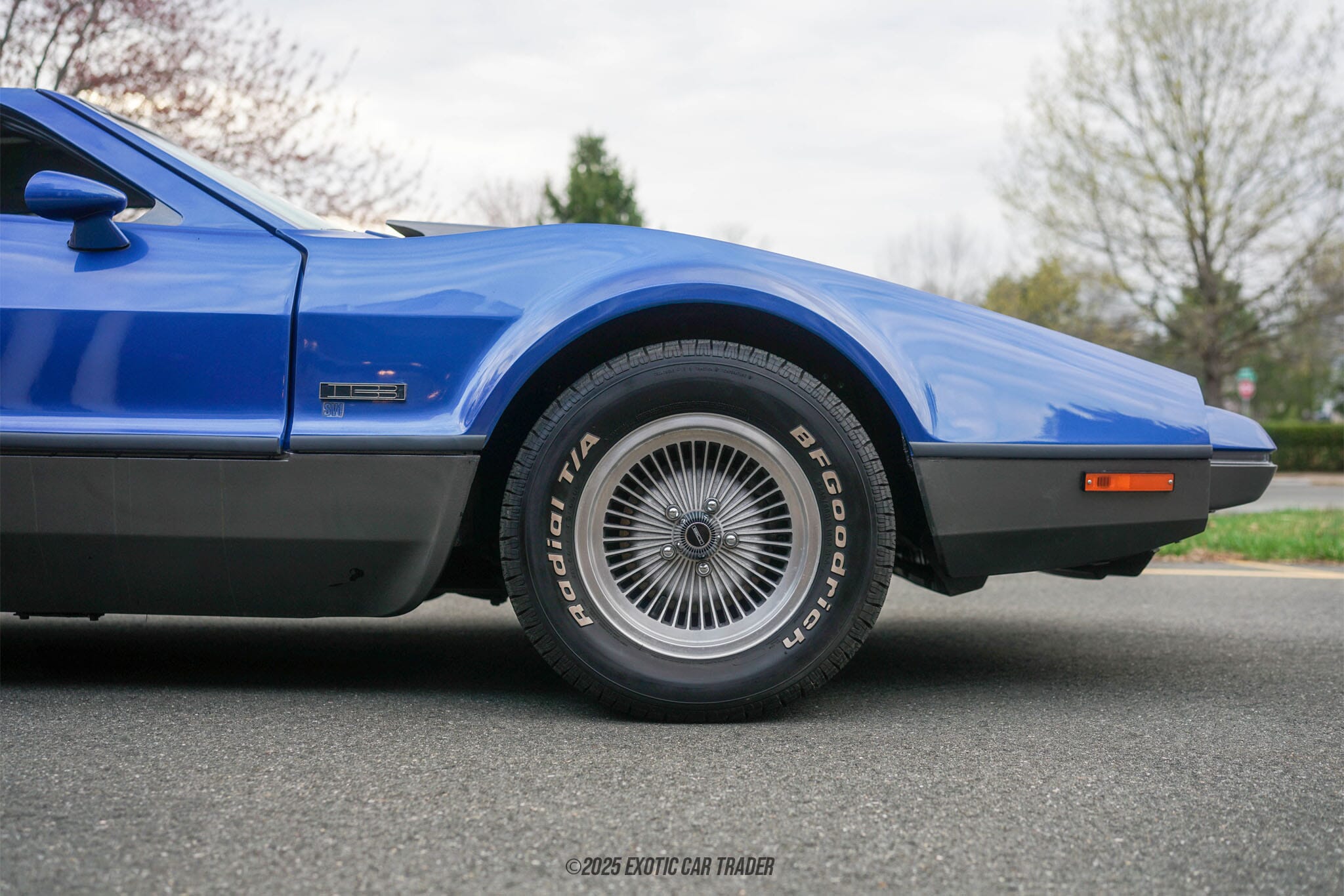
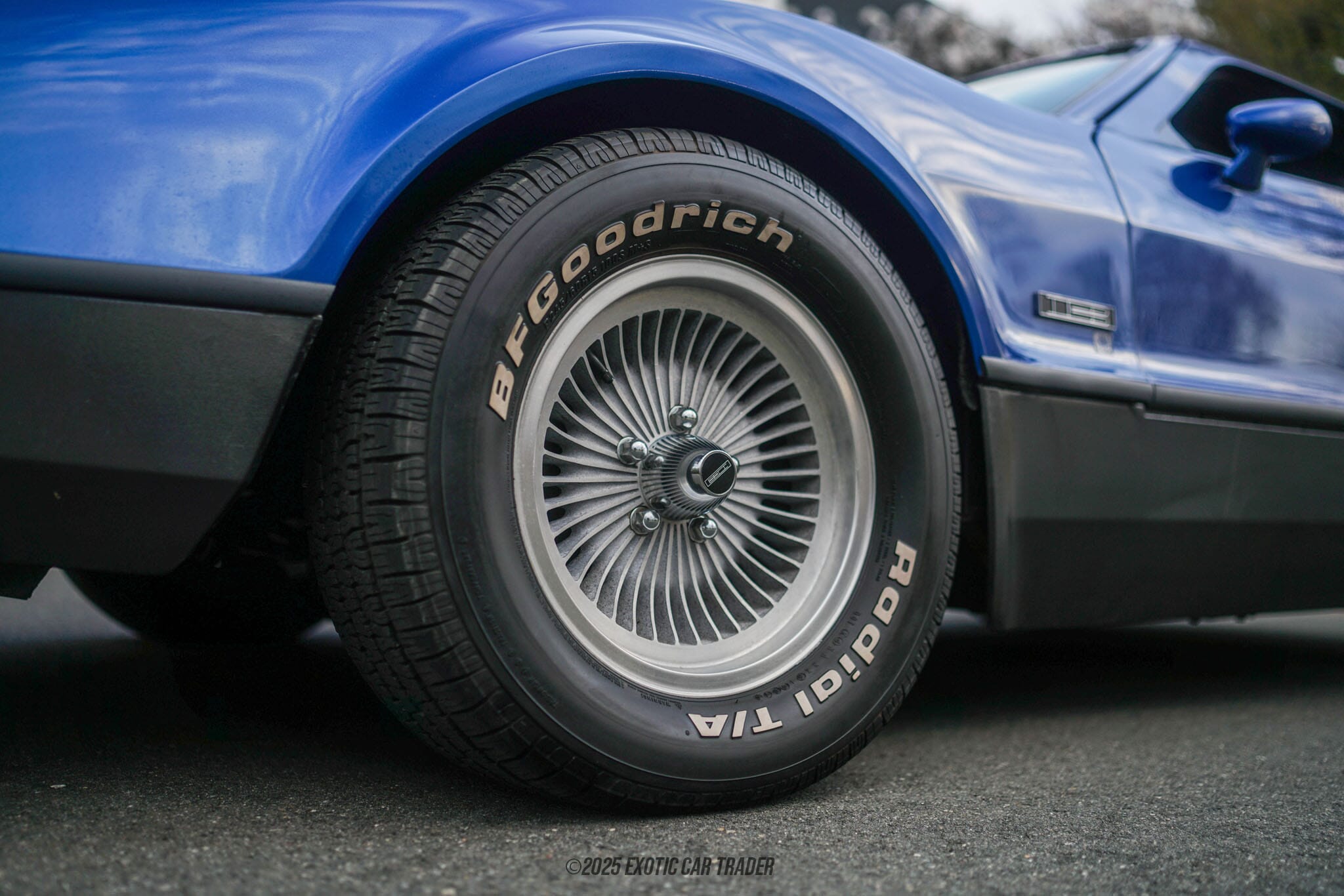
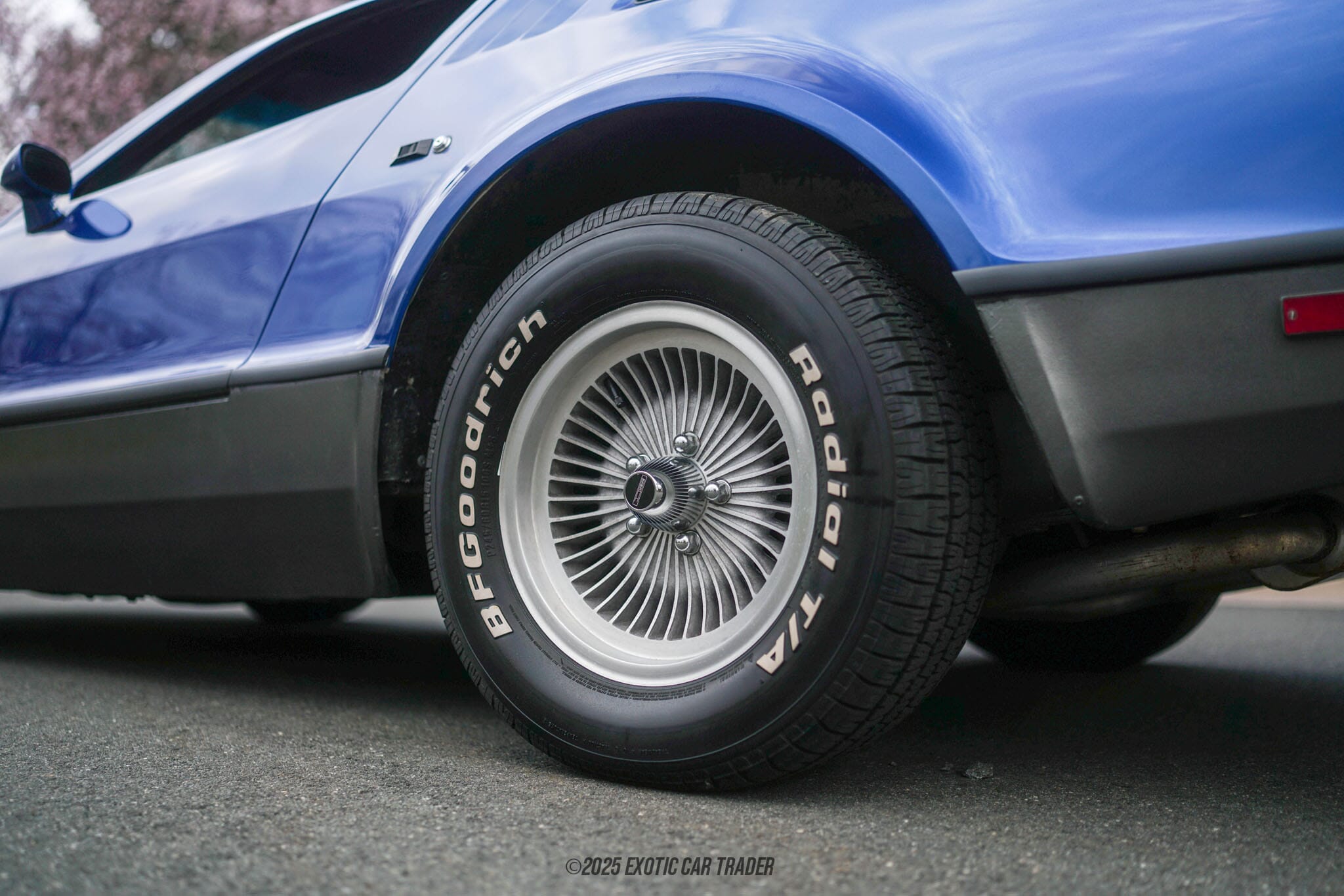
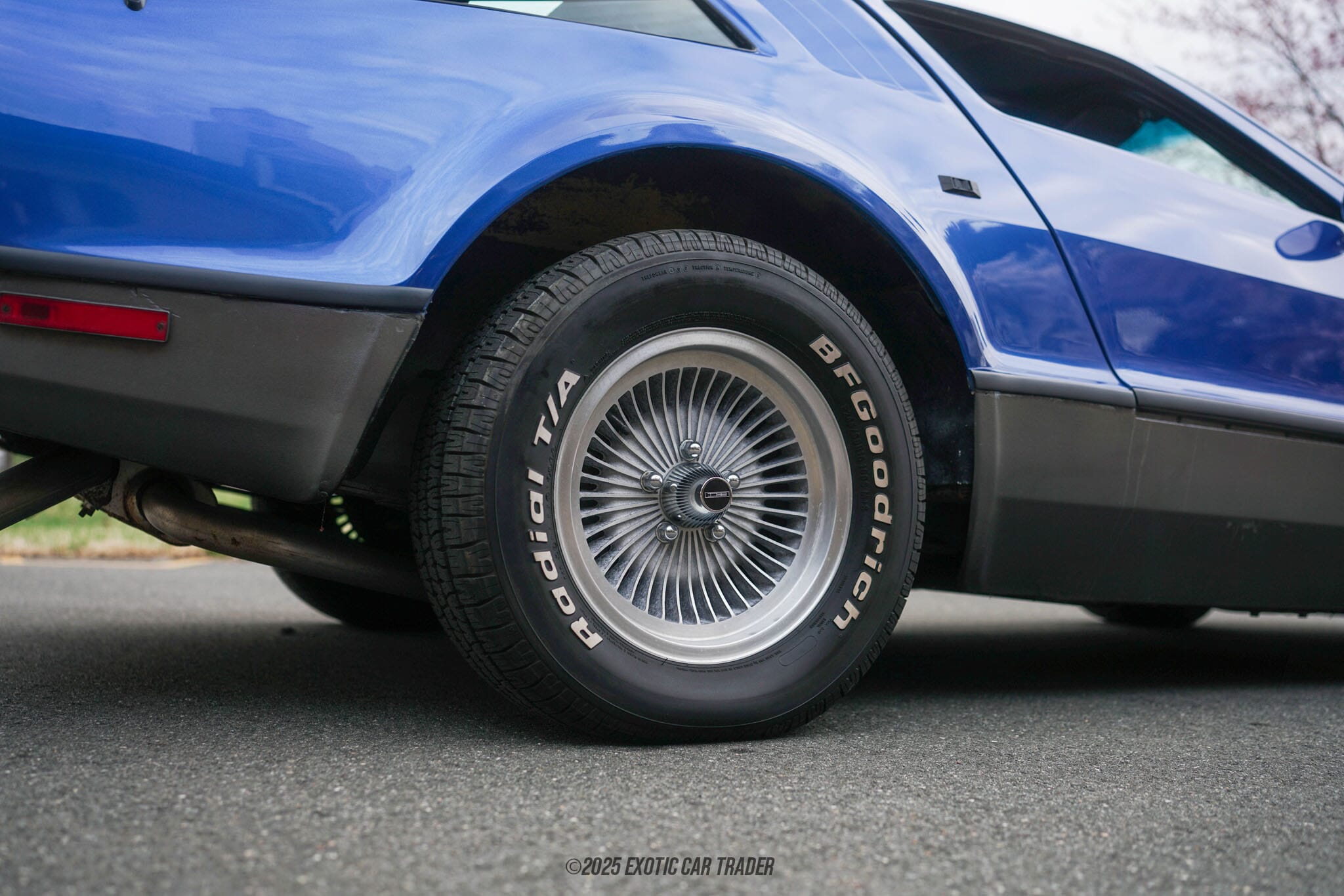
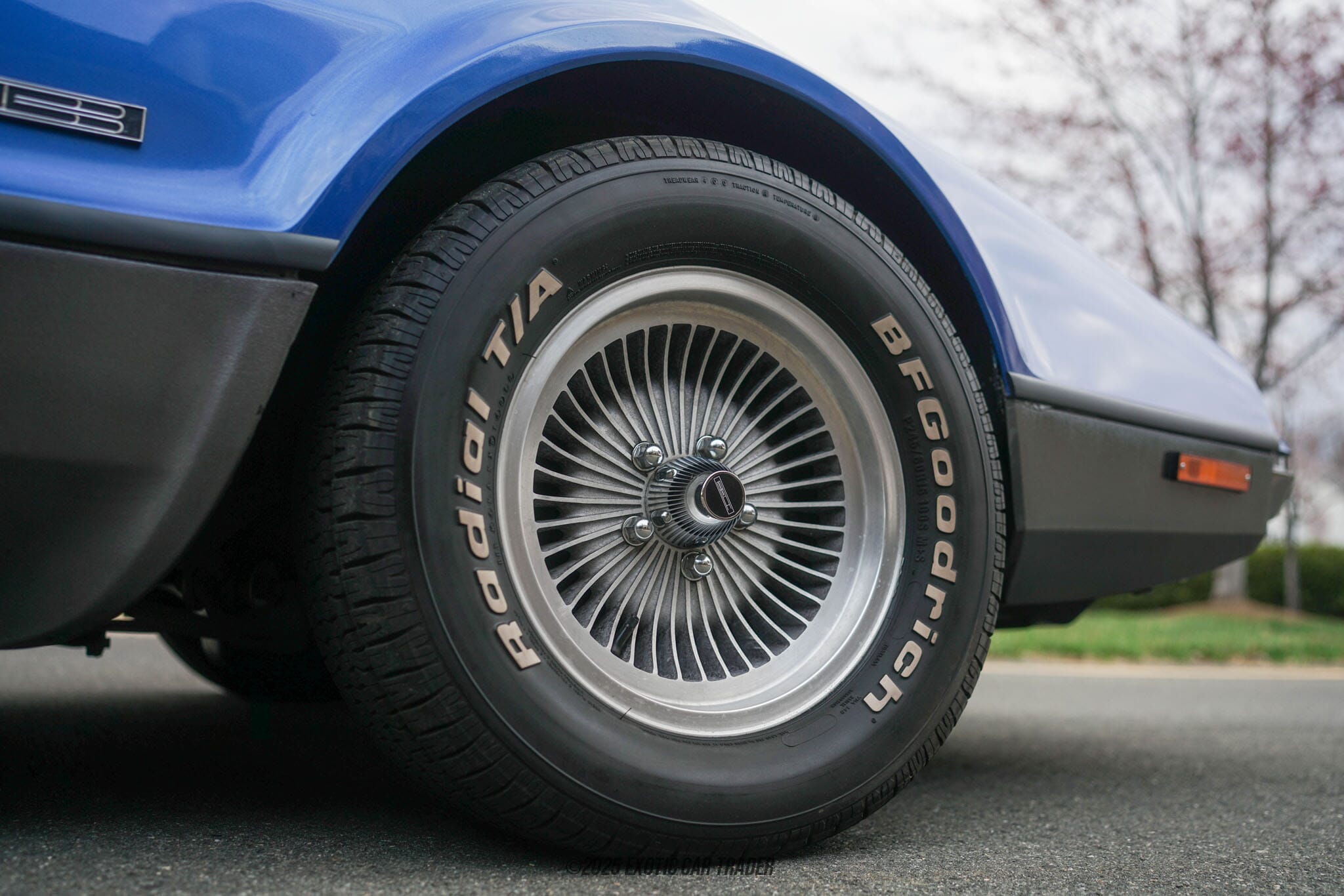
- Original 15” Aluminum Wheels
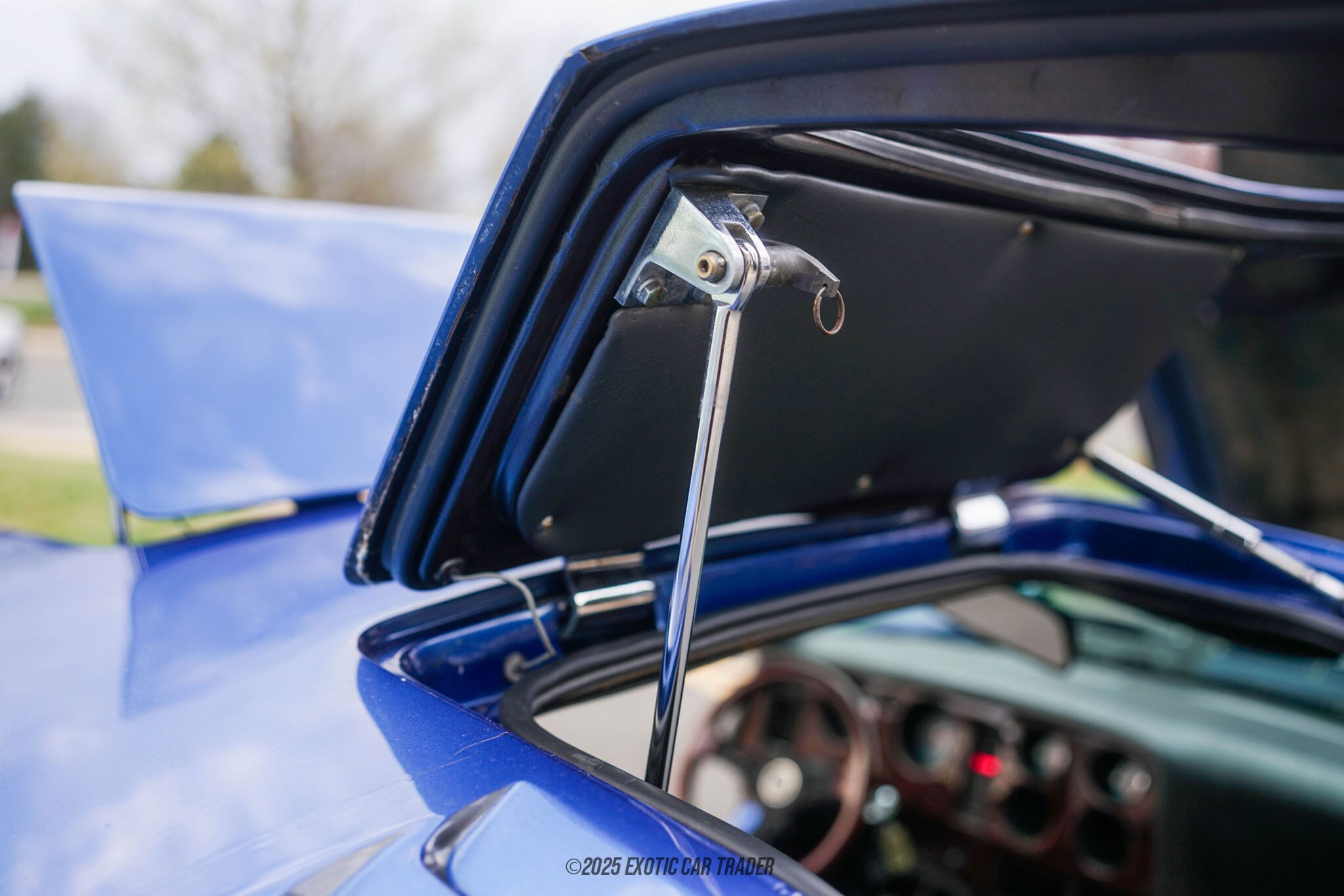
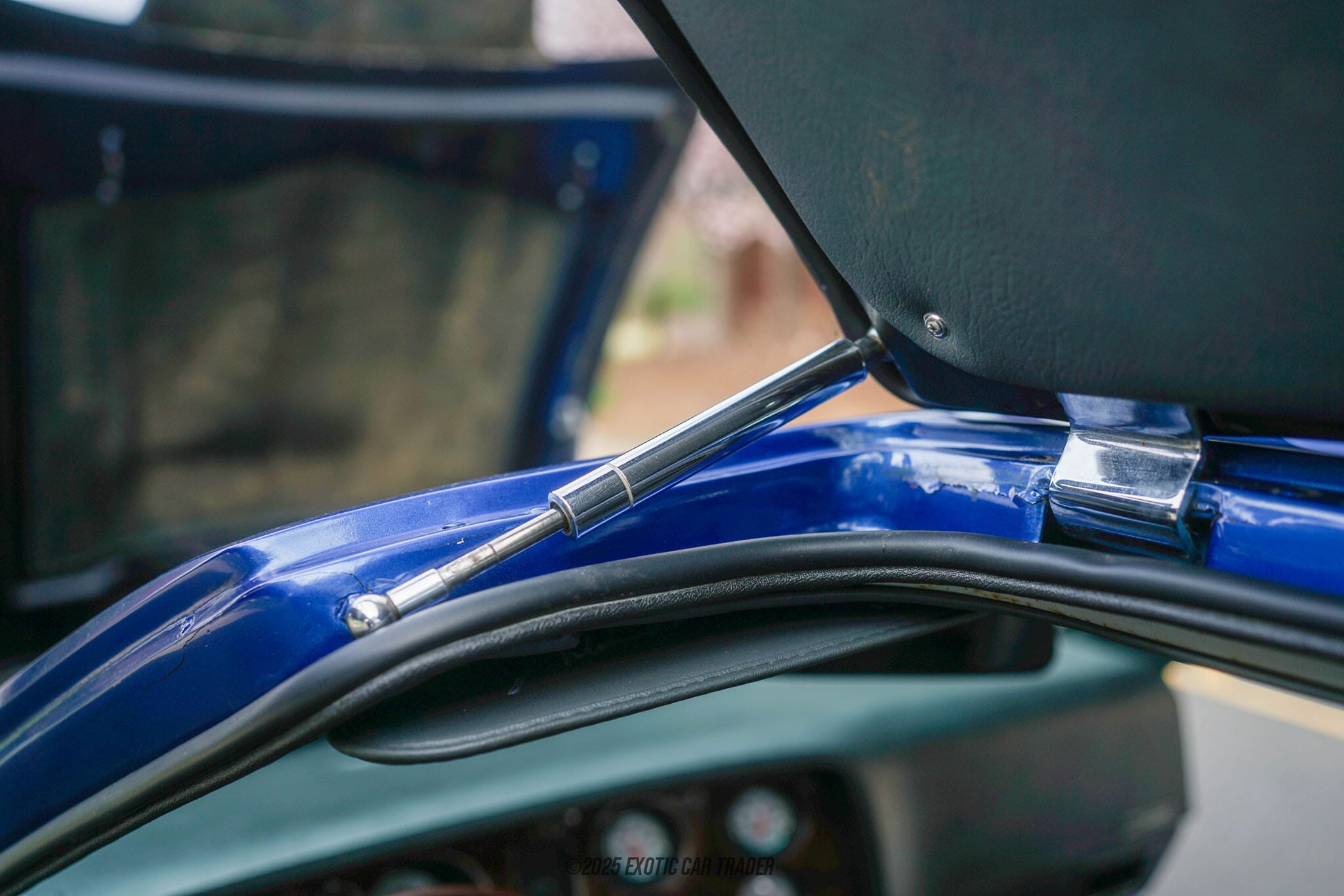
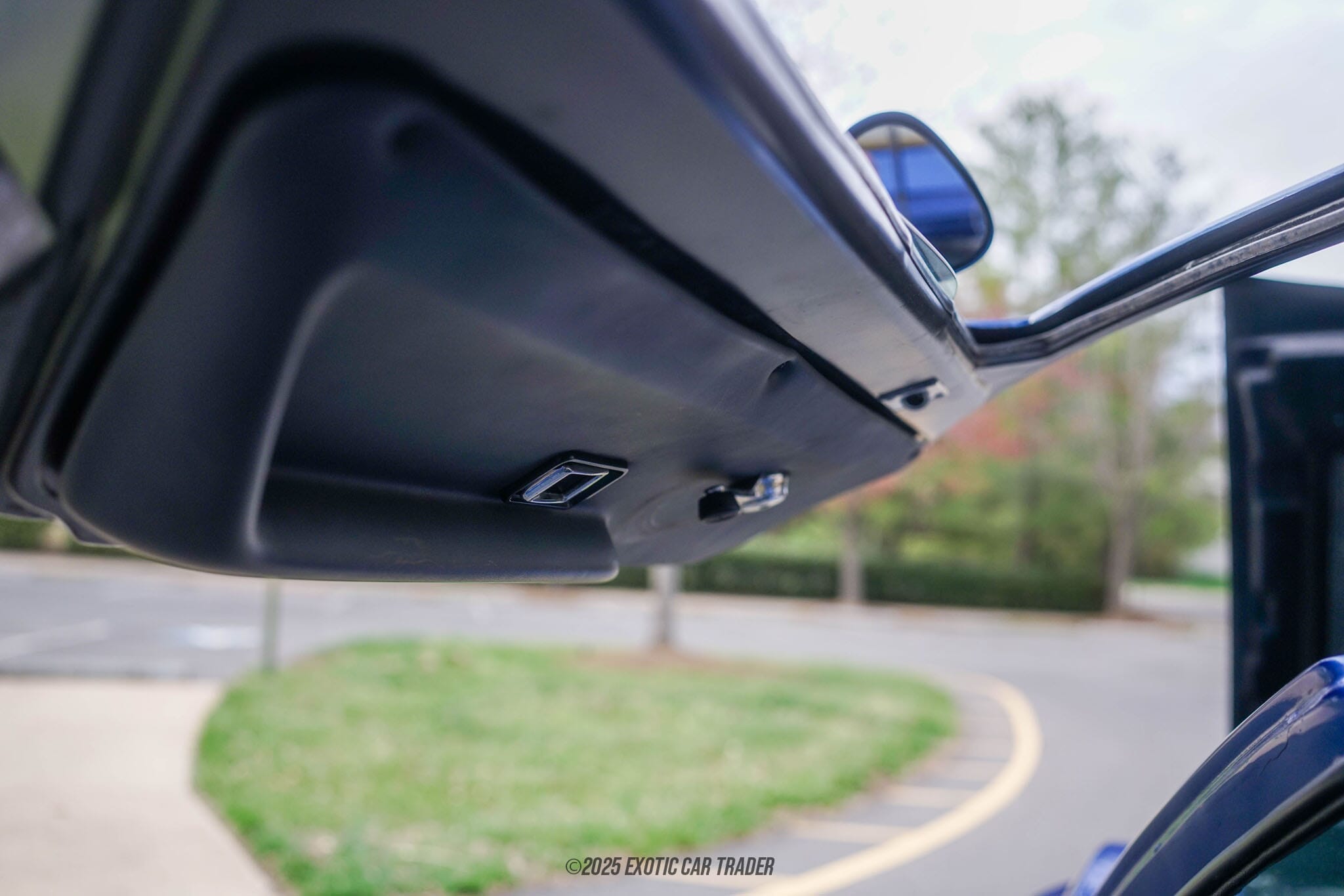
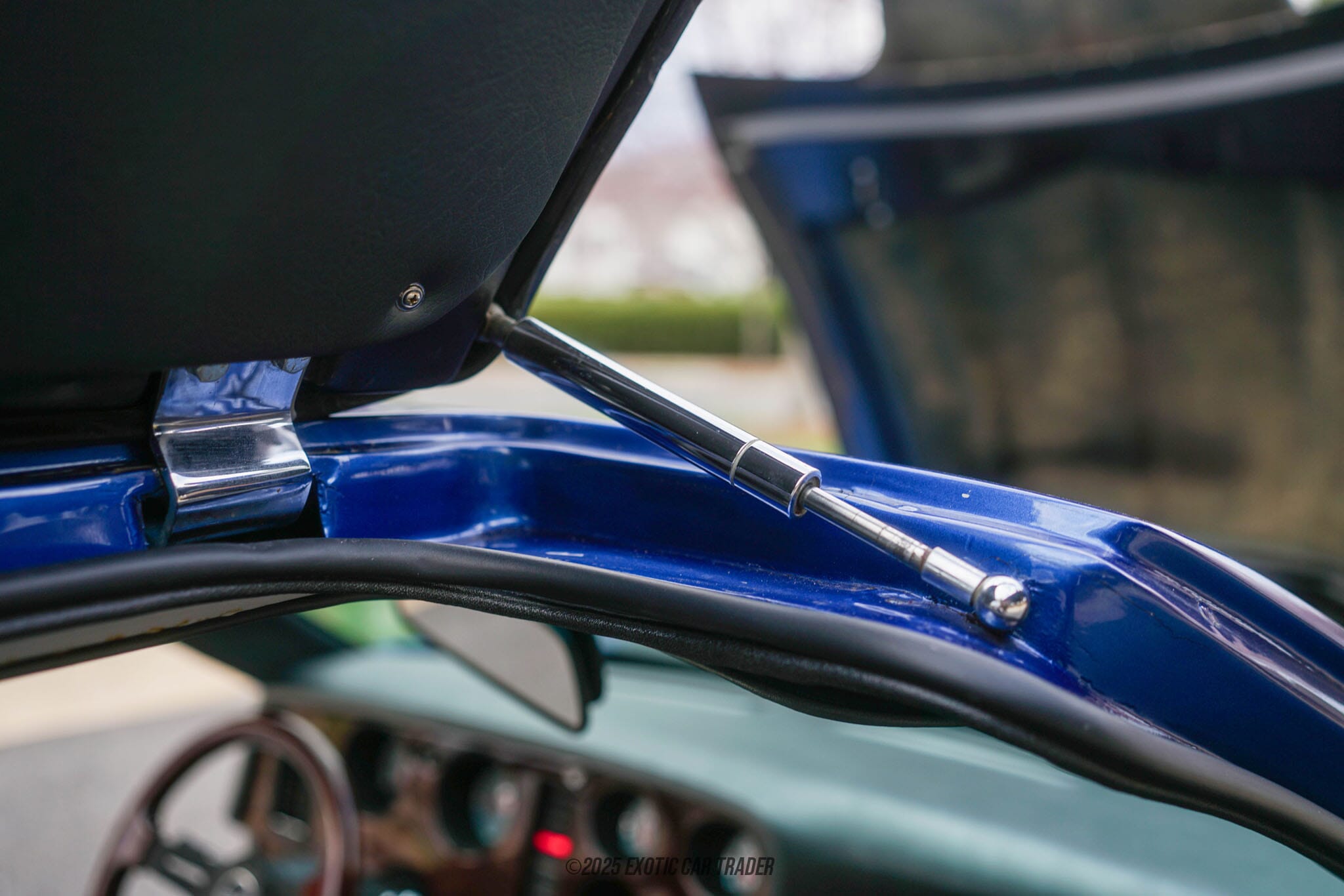
- Pneumatic Gullwing Doors
- Front Disc Brakes
- Power Steering
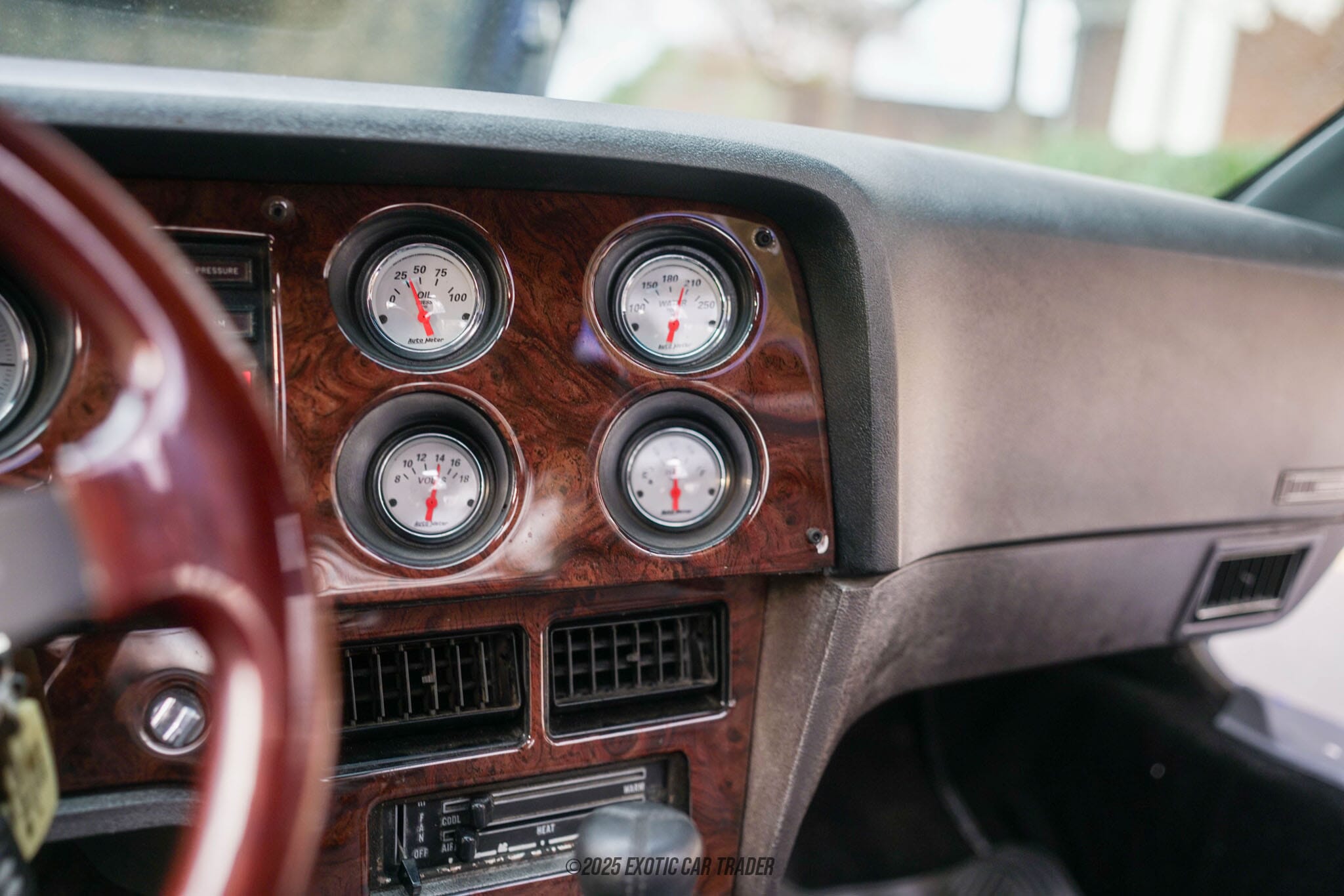
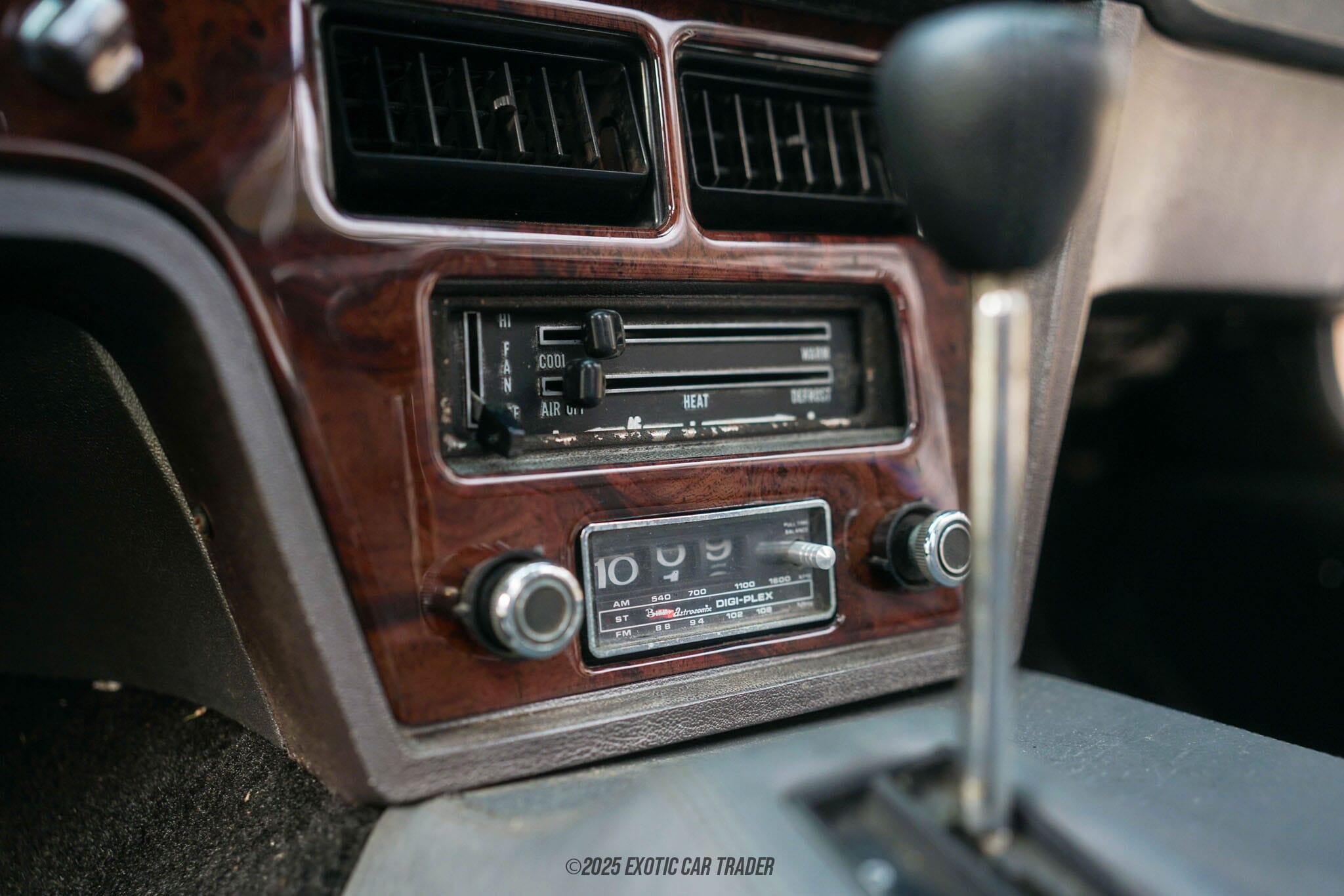
- Air Conditioning
- Bricklin Digi-Plex AM/FM Radio
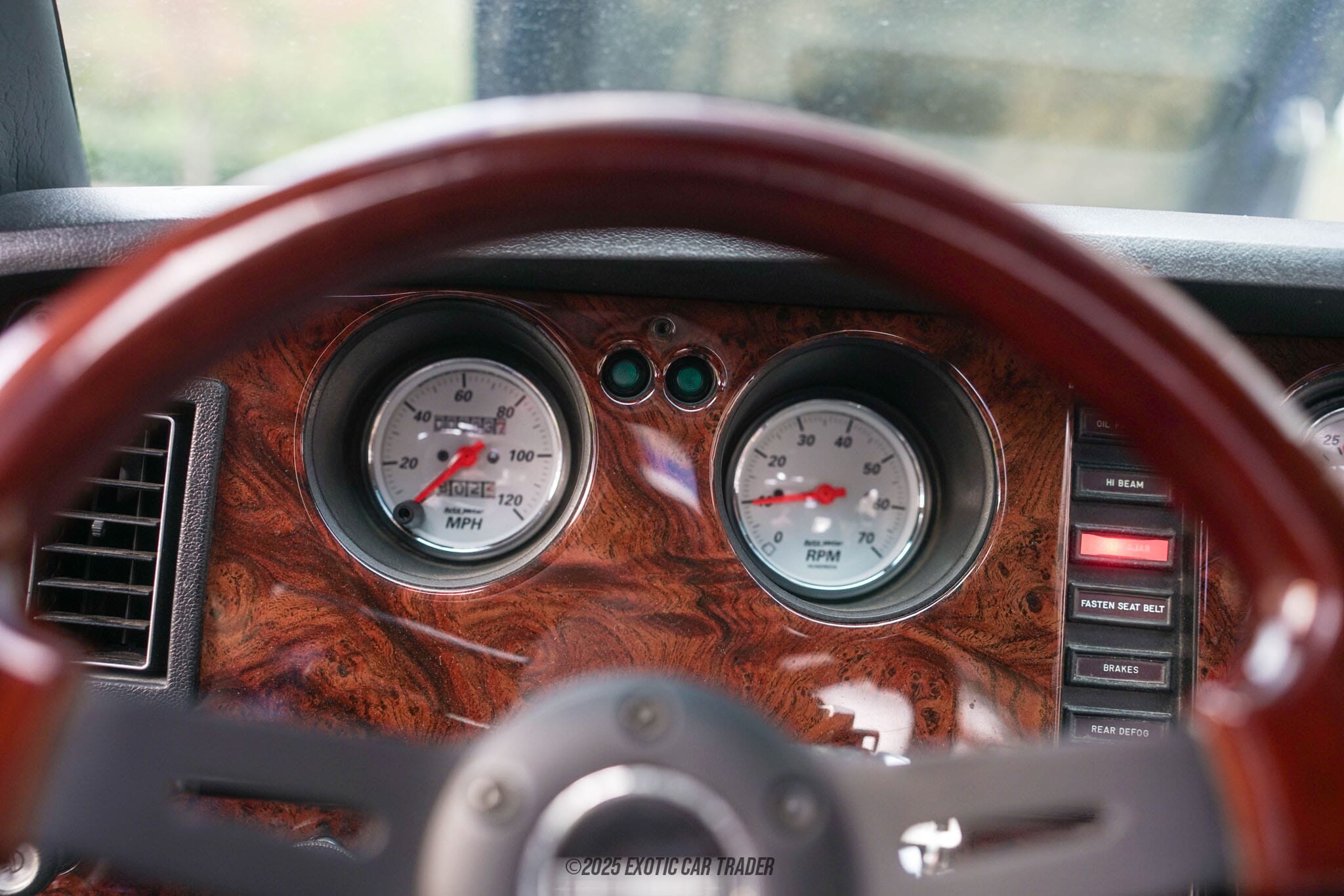
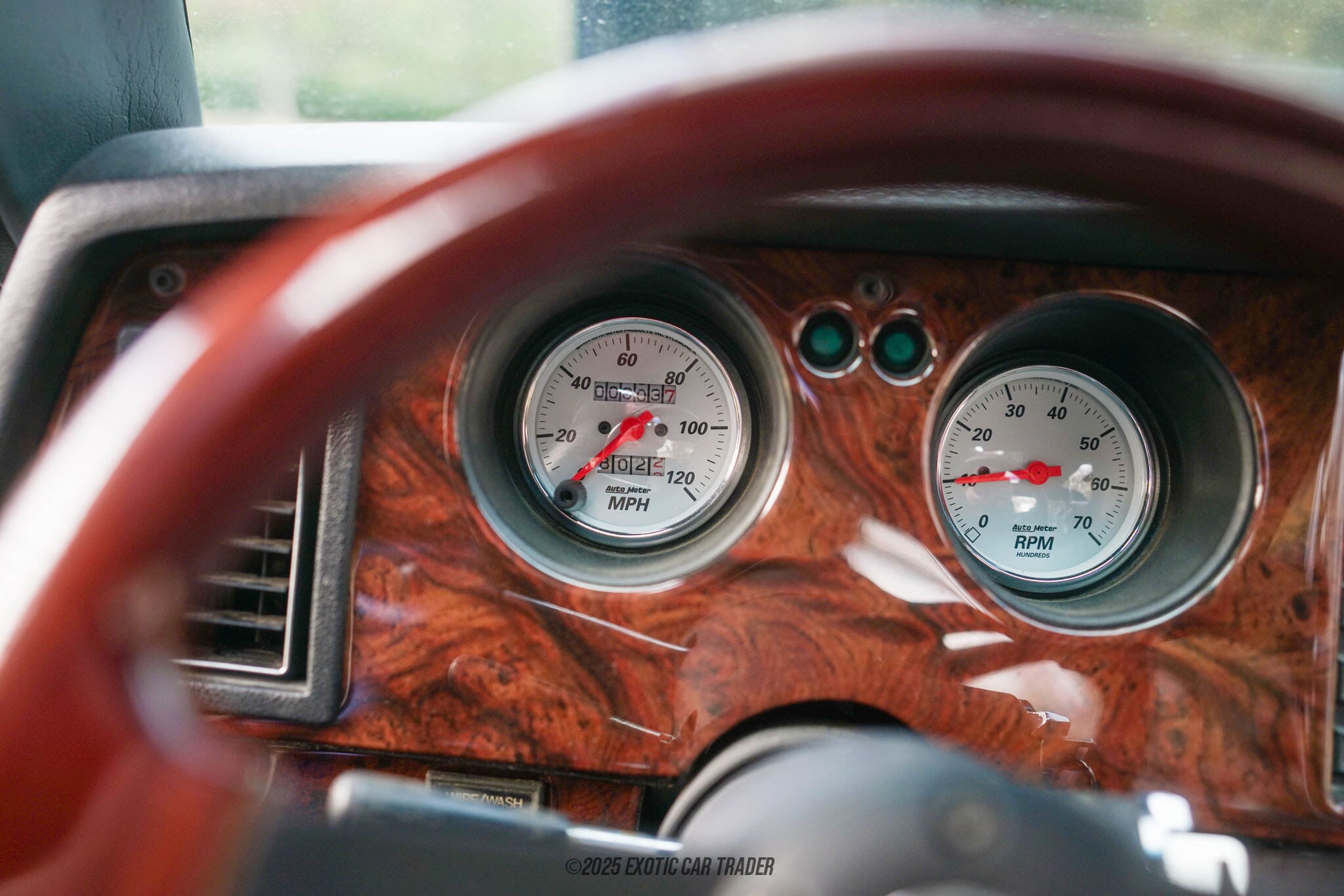
- New Gauges
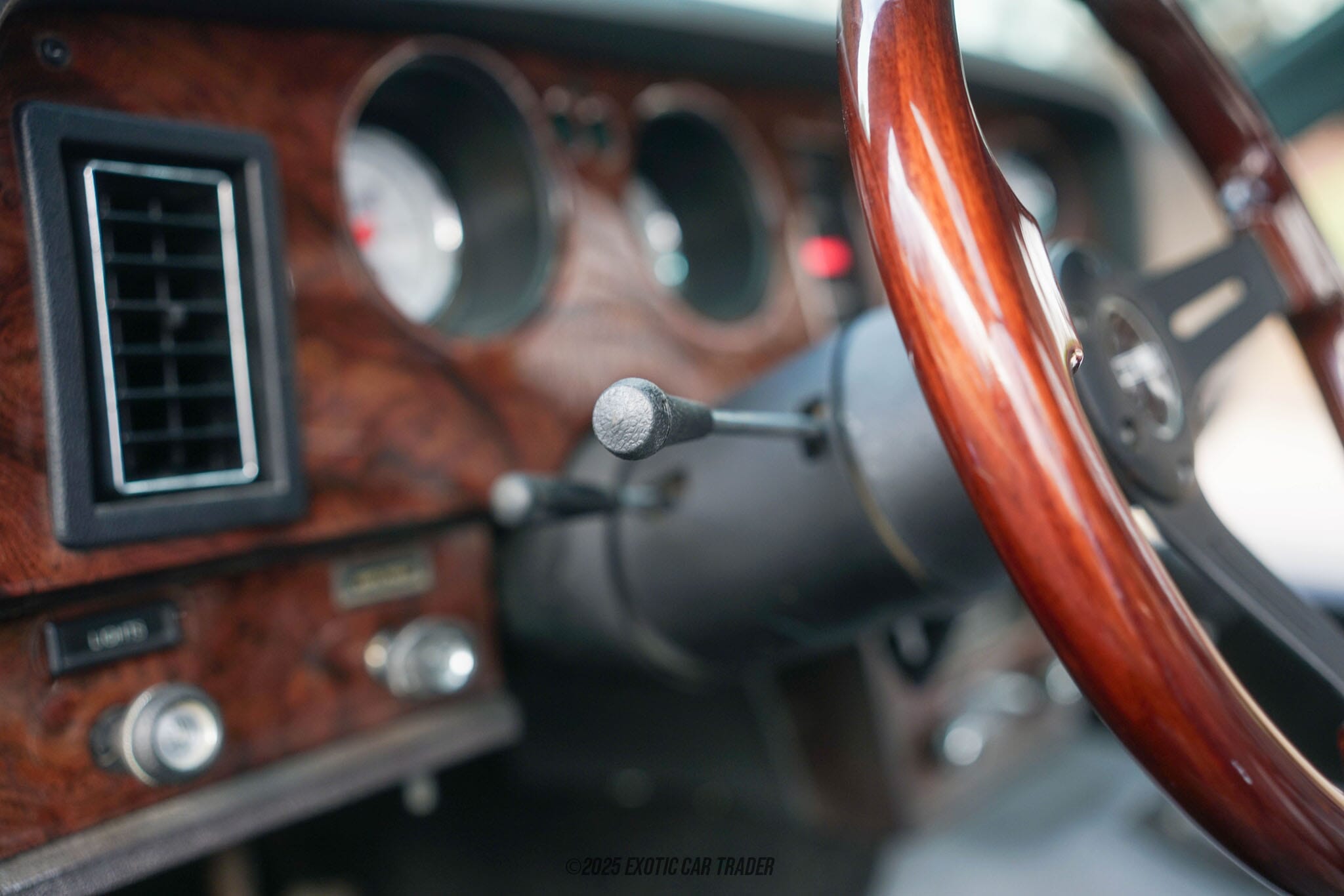
- New Mahogany Dash + Steering Wheel
- Fully Restored
- Fully-Functioning A/C
- New Tires
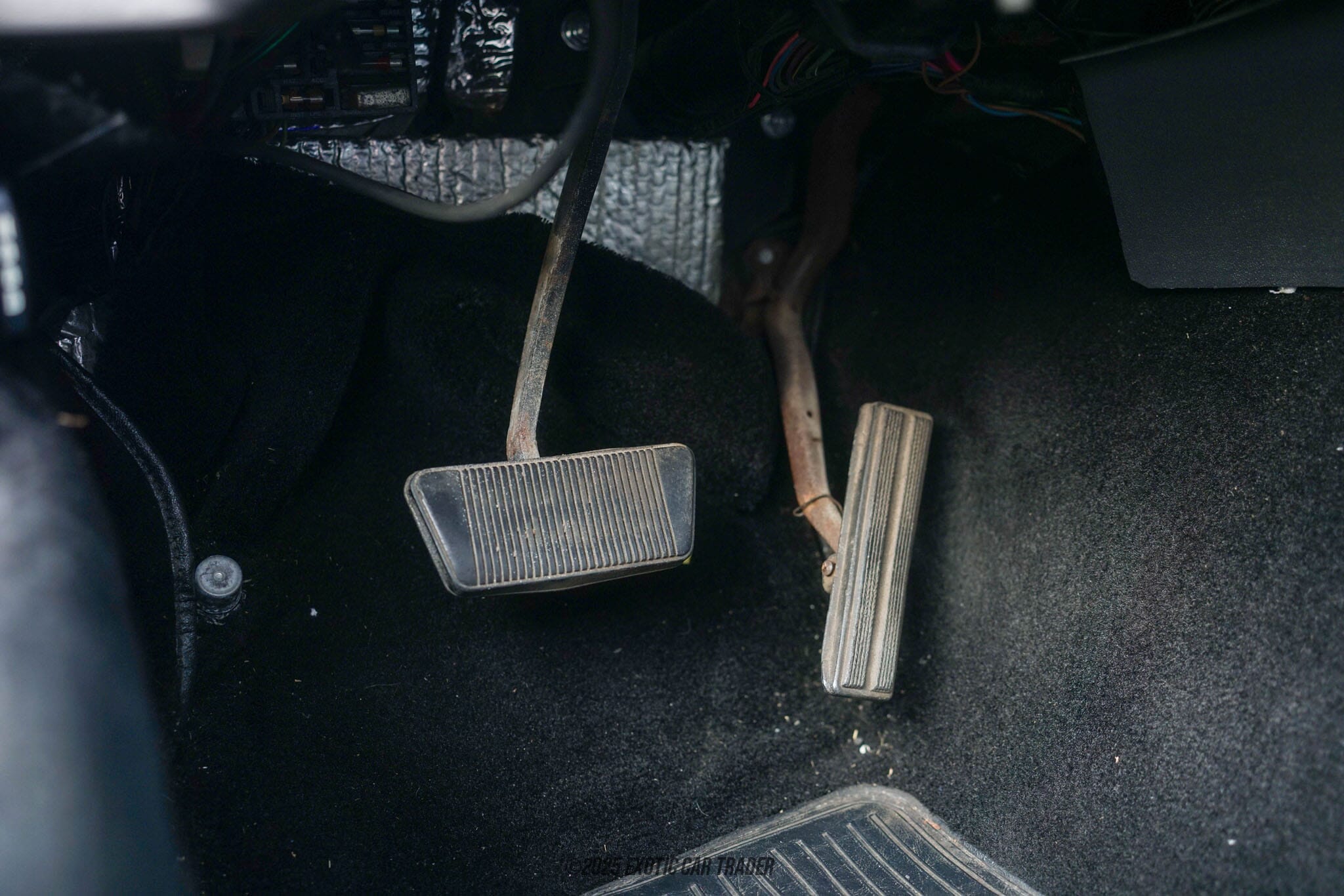
- New Brakes
- Signed By Malcom Bricklin
- New Paint Job
- New Suspension
- Owner's Manual + Brochure
- Upgraded Air Doors
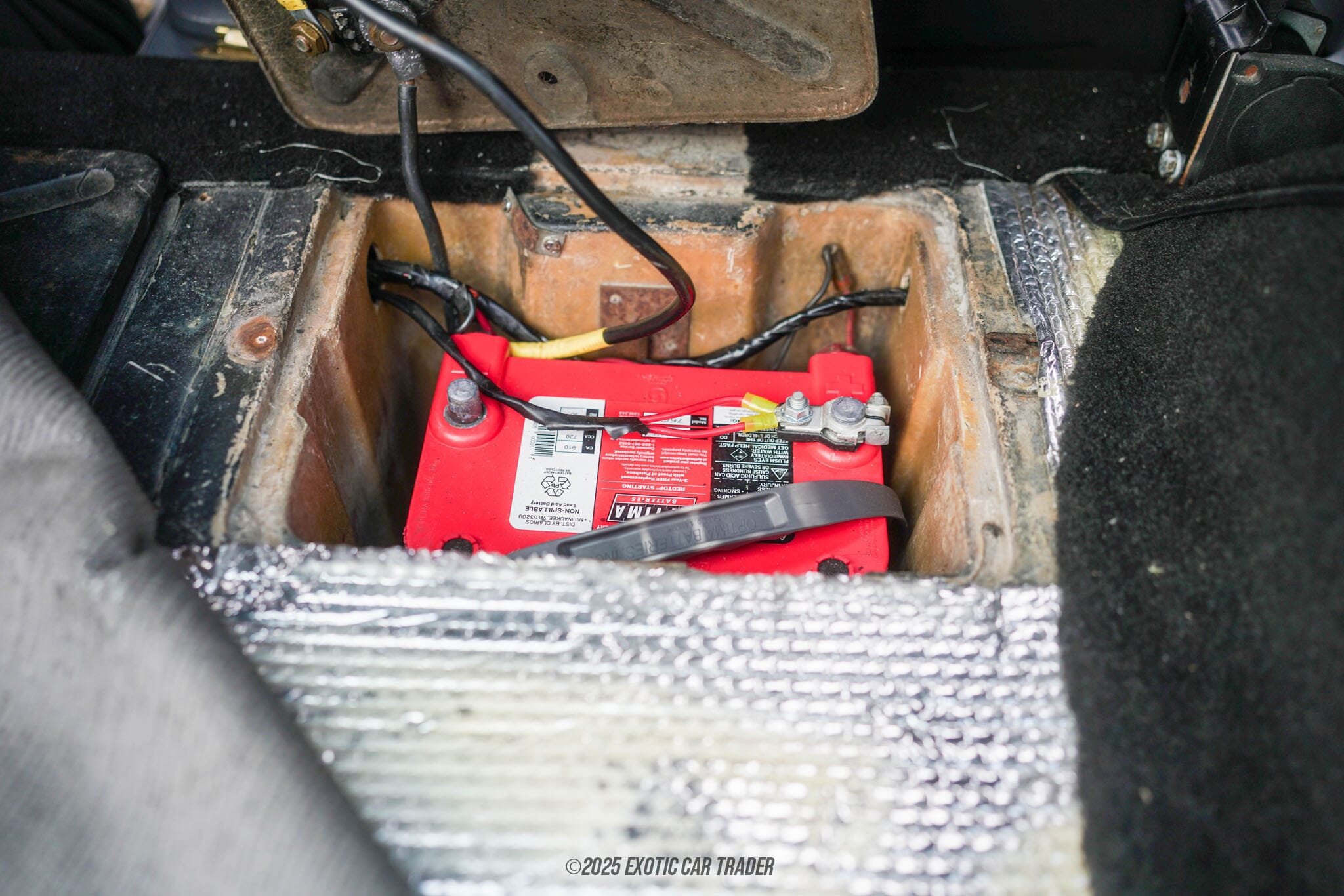
- Current Owner Reports Rebuilt 351ci V8 with 3,000 Miles
- All Information As Reported by Current Owner


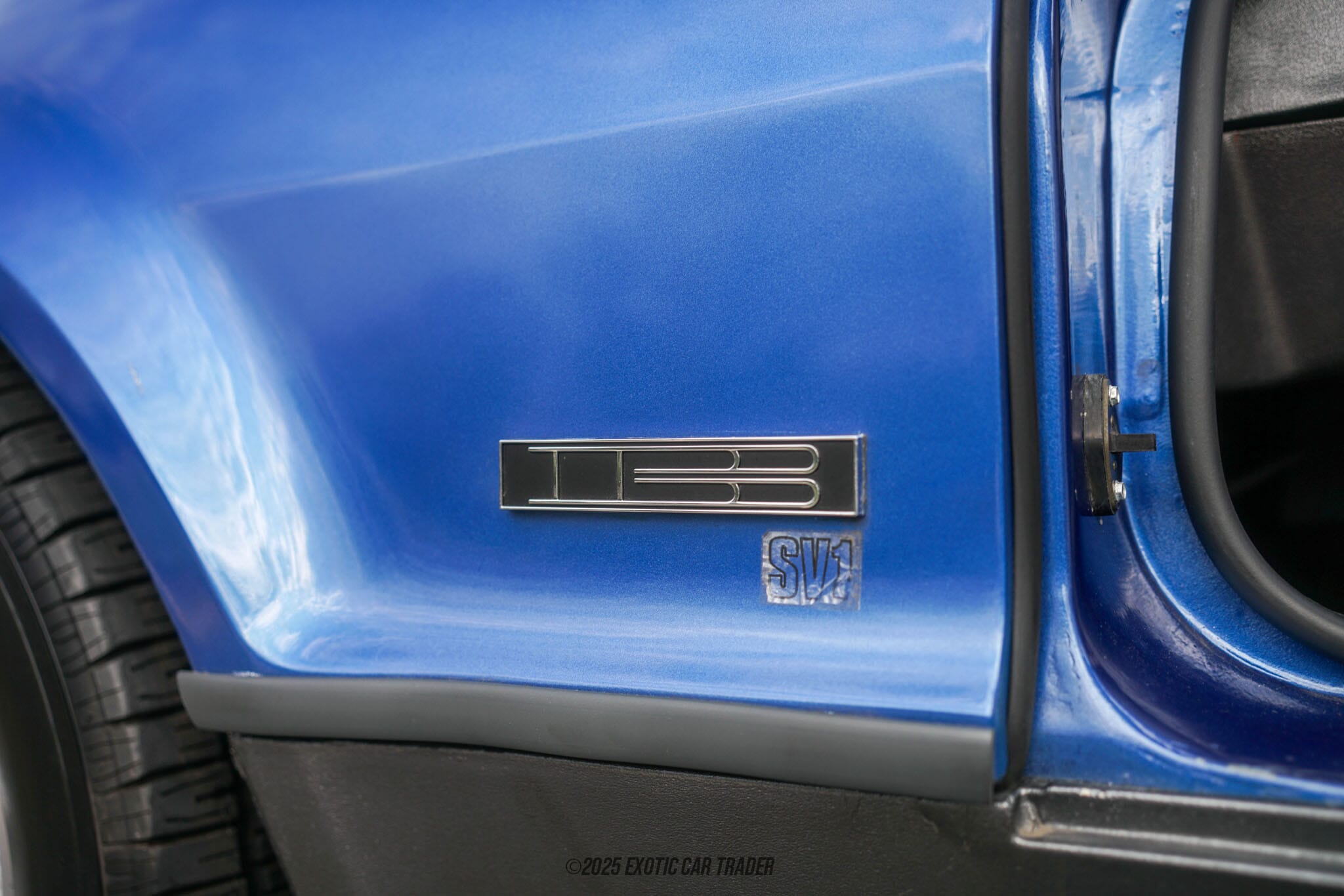
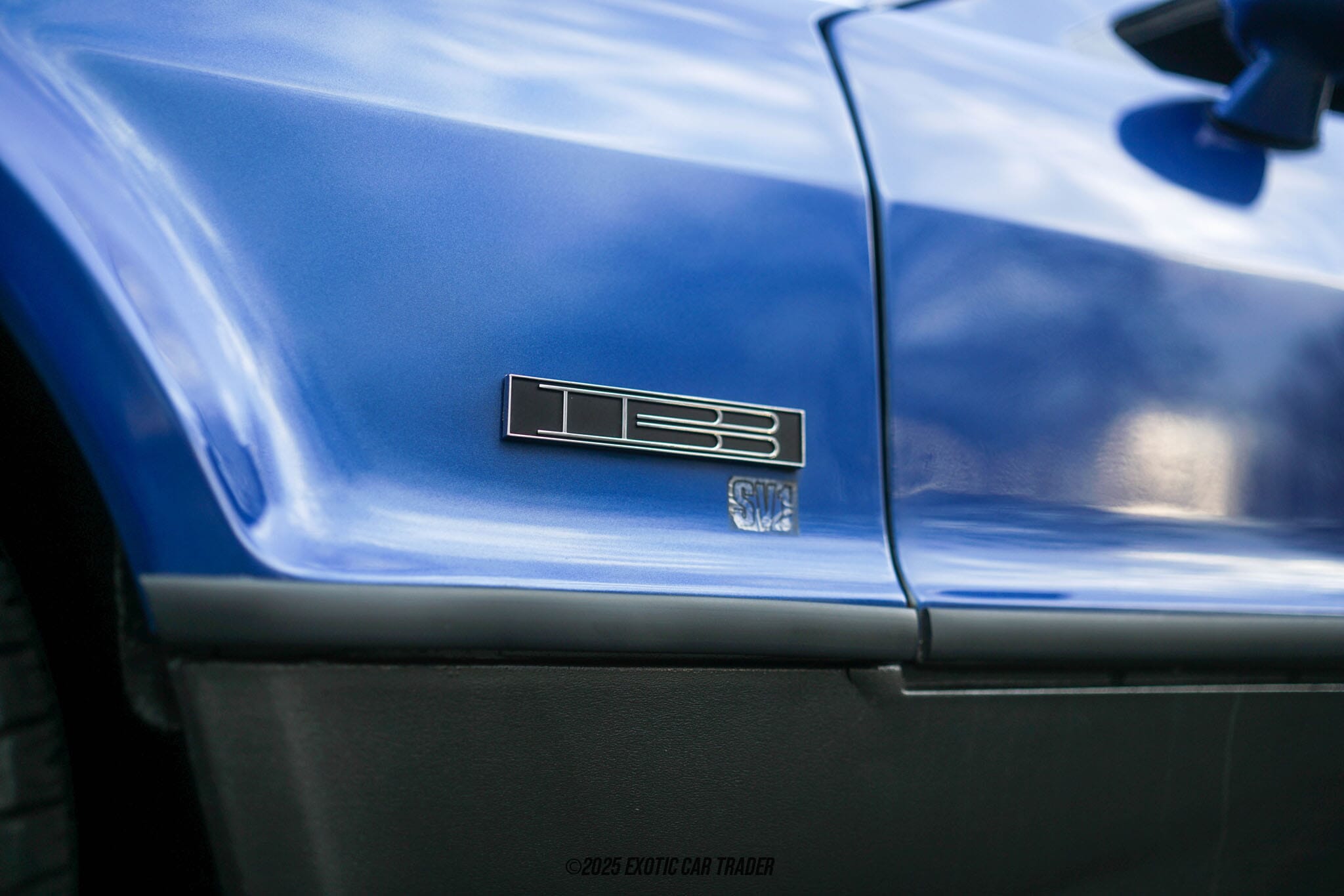
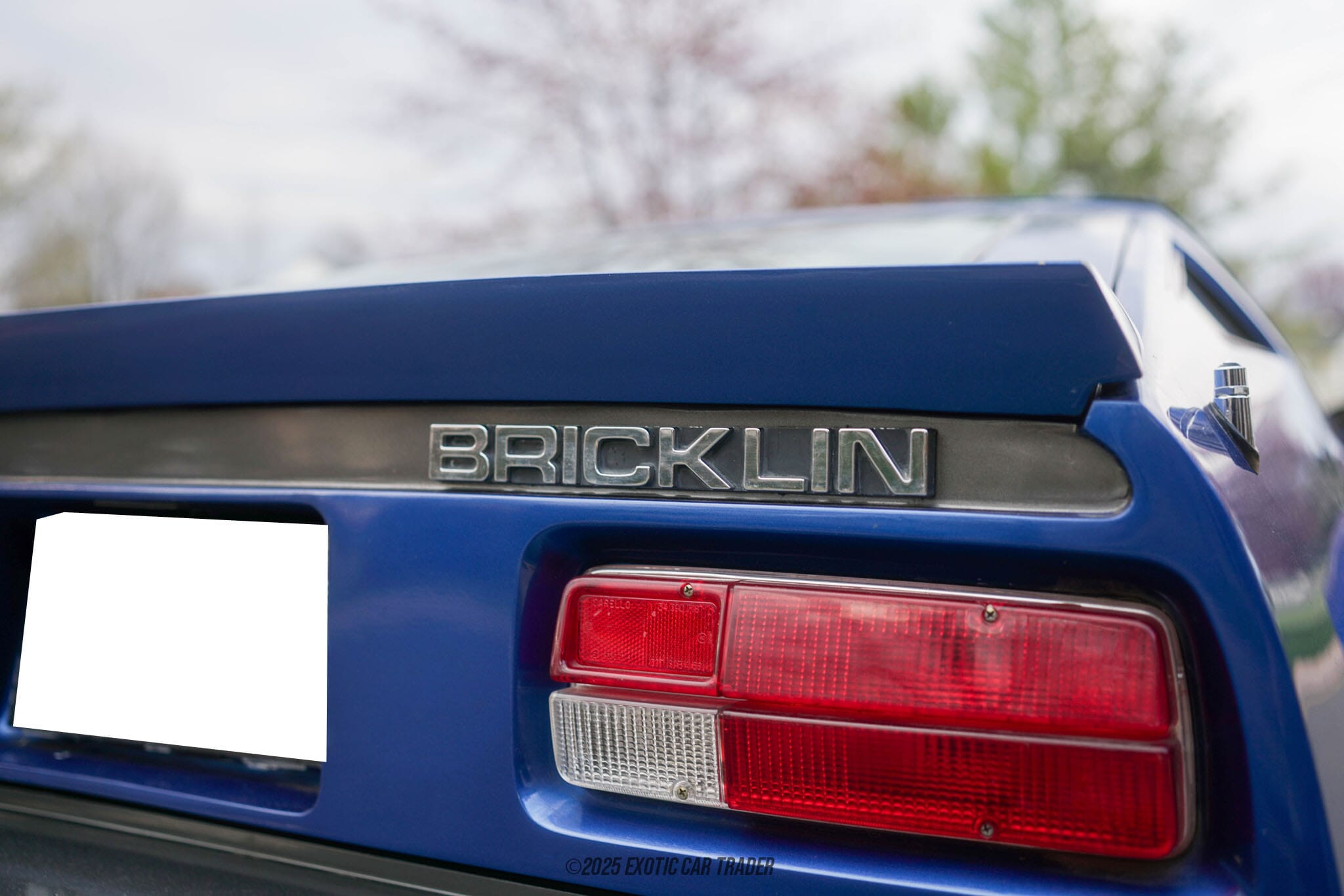
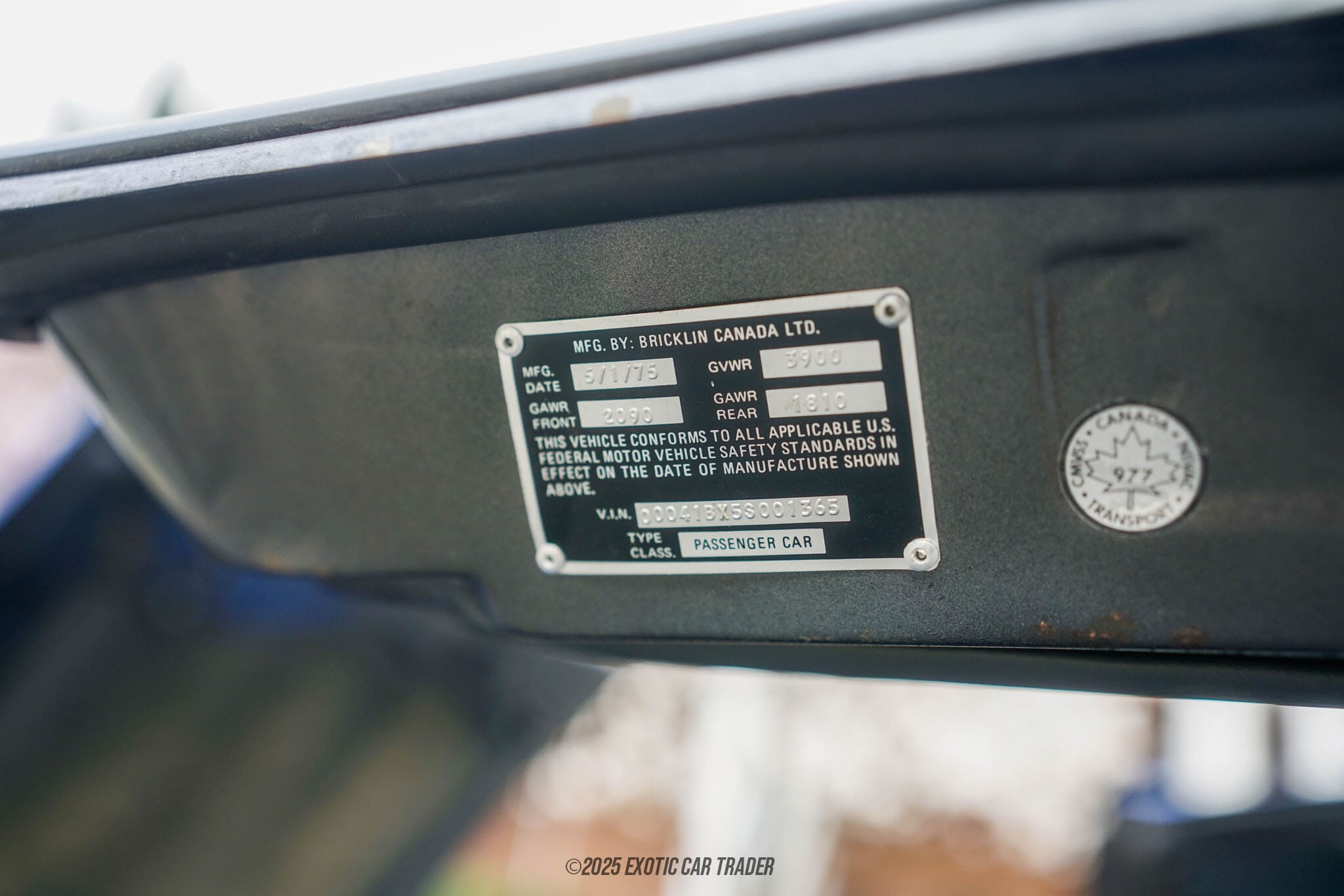
What exactly is a Bricklin SV-1? Built between 1974 and 1976 with a production run of less than 3000 units, it was one of the quirkier sports cars of the 70s. The name comes from Malcolm Bricklin; the founder of the company and the creator of the SV-1. SV-1 is an abbreviation of “Safety Vehicle 1”. The design was done by Herb Grasse. While the first prototypes were ready by late 1972, it would be early 1974 by the time it was finally launched, and the final product had some significant changes compared to the early prototypes. 3 cars were also leased to the police department of Scottsdale, Arizona. Despite its interesting design, and its color-impregnated fiberglass body and safety features, rising prices and other problems ultimately led to the closure of Bricklin in 1975, with the last few cars being completed and sold in 1976 by Consolidated Motors (who bought the remnants of the company). This example was built in 1975 and has been signed by Malcolm Bricklin himself.
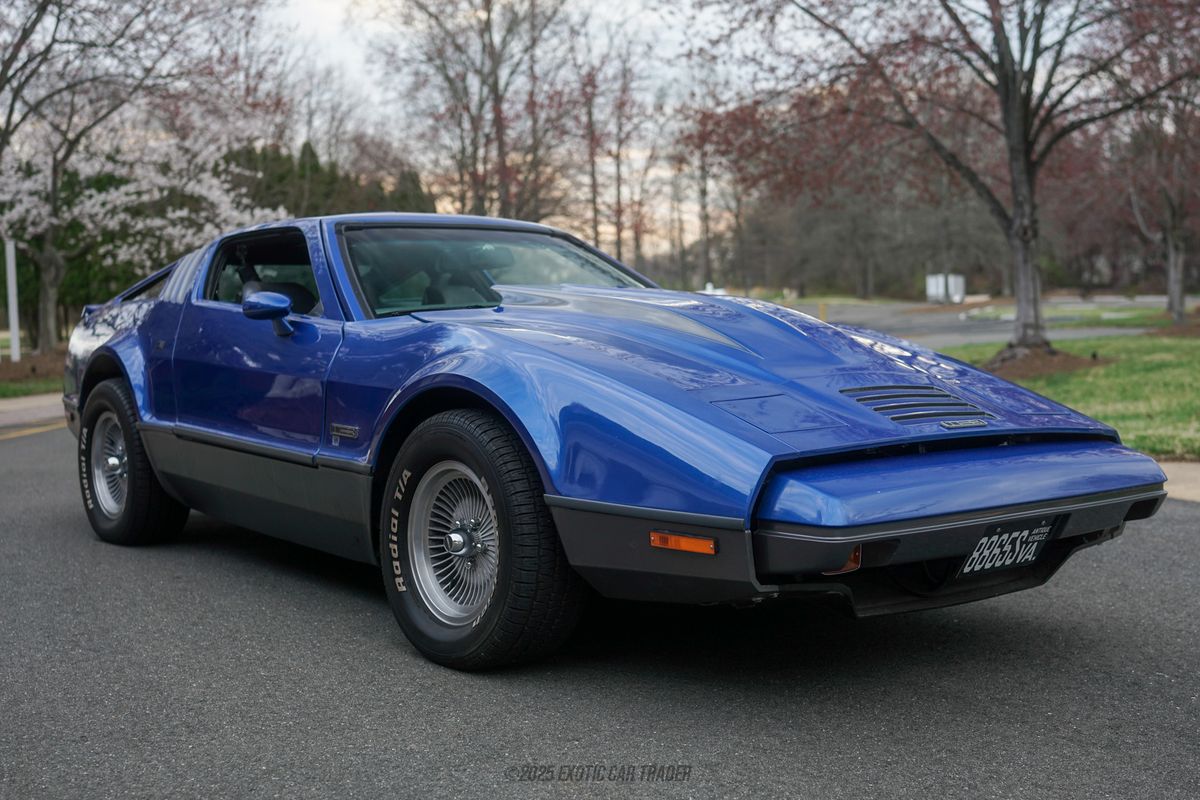
Exterior and Interior
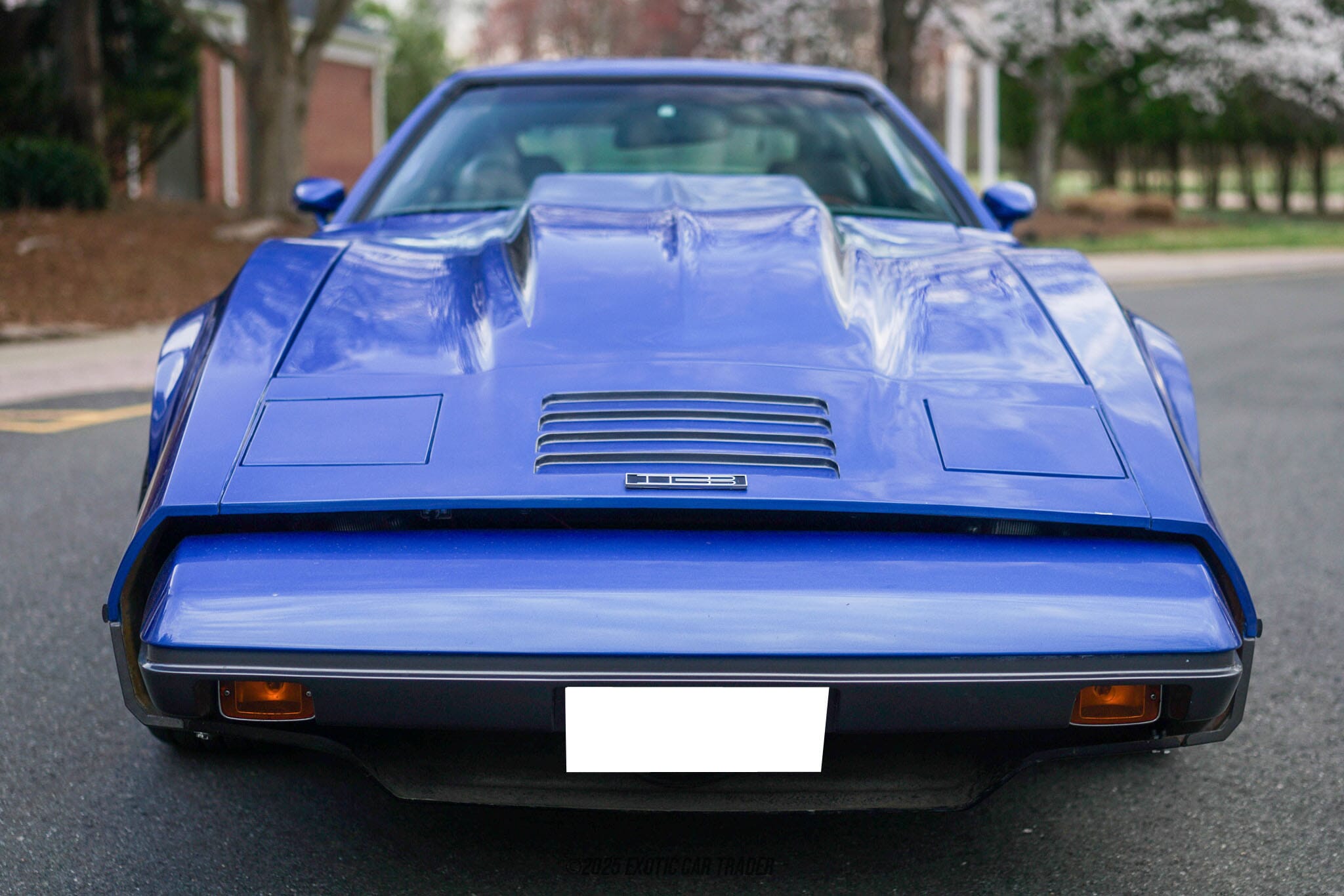
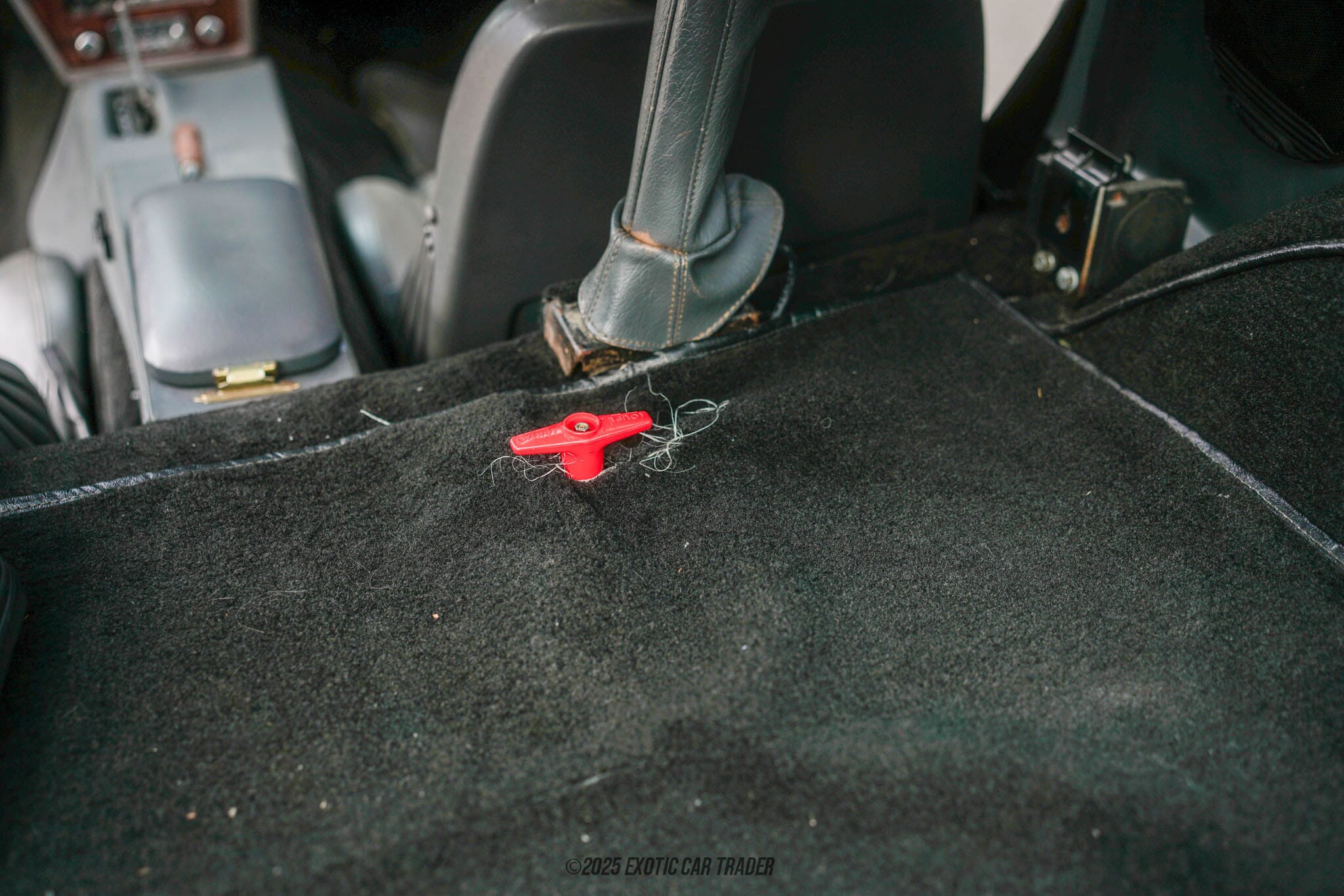
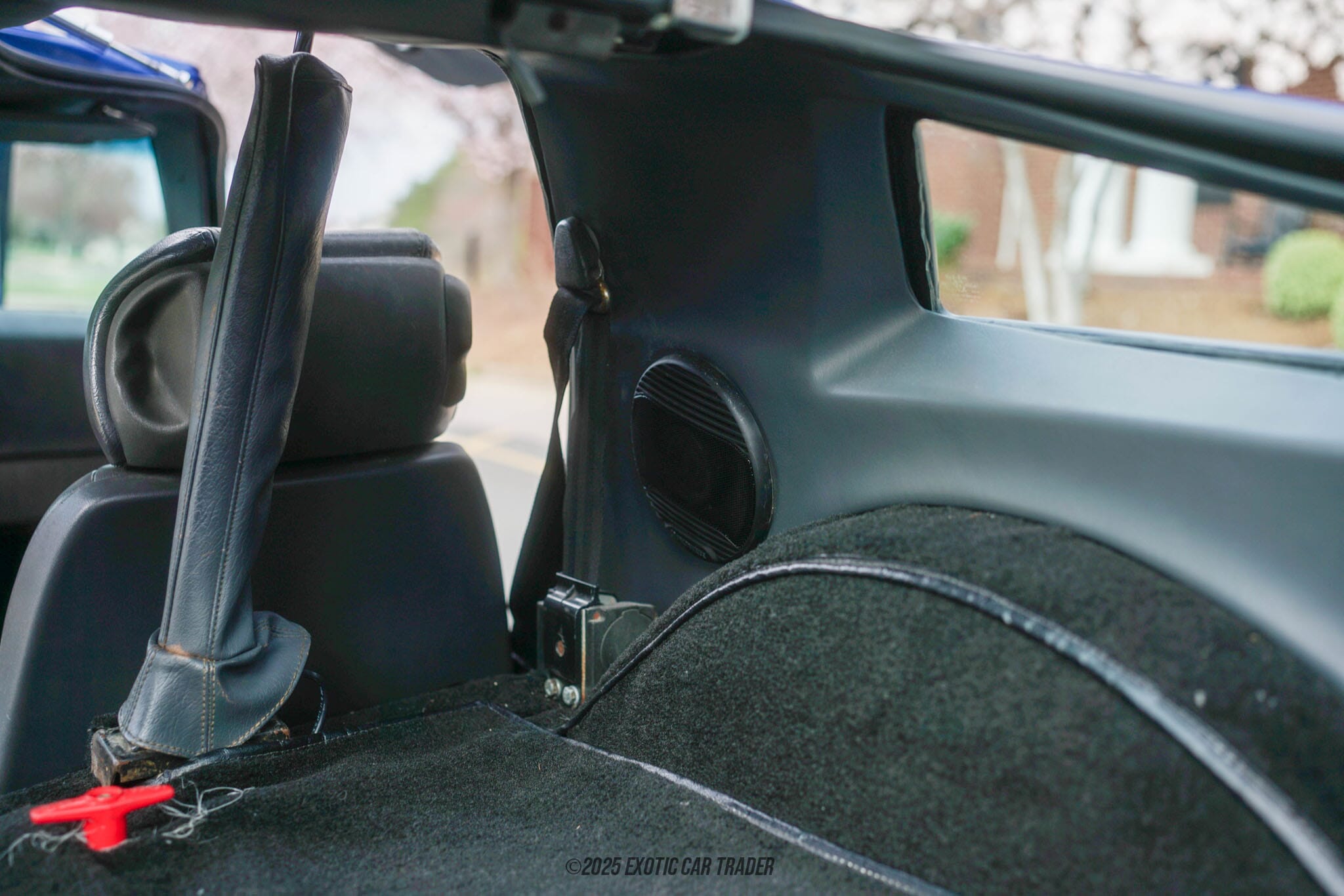
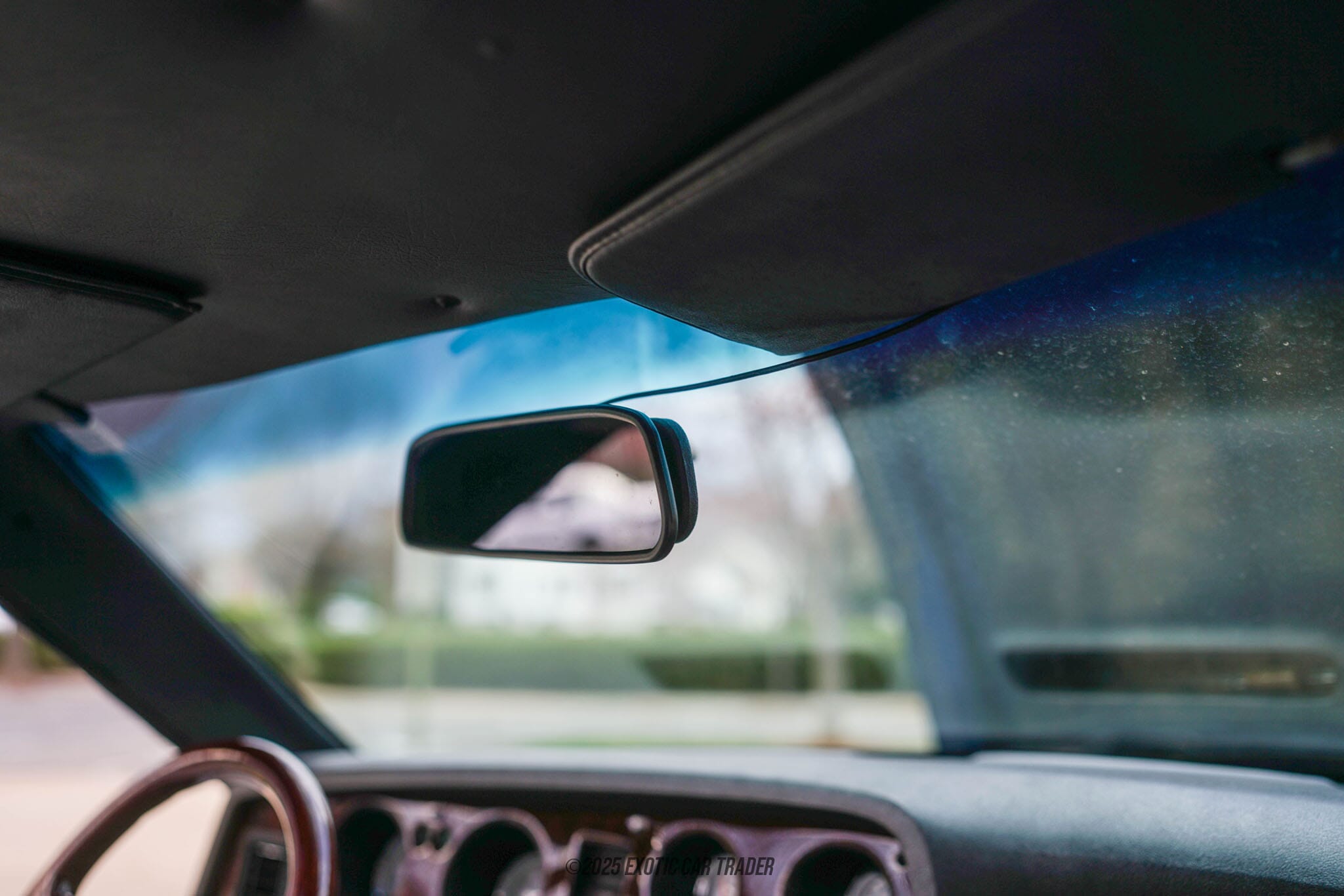
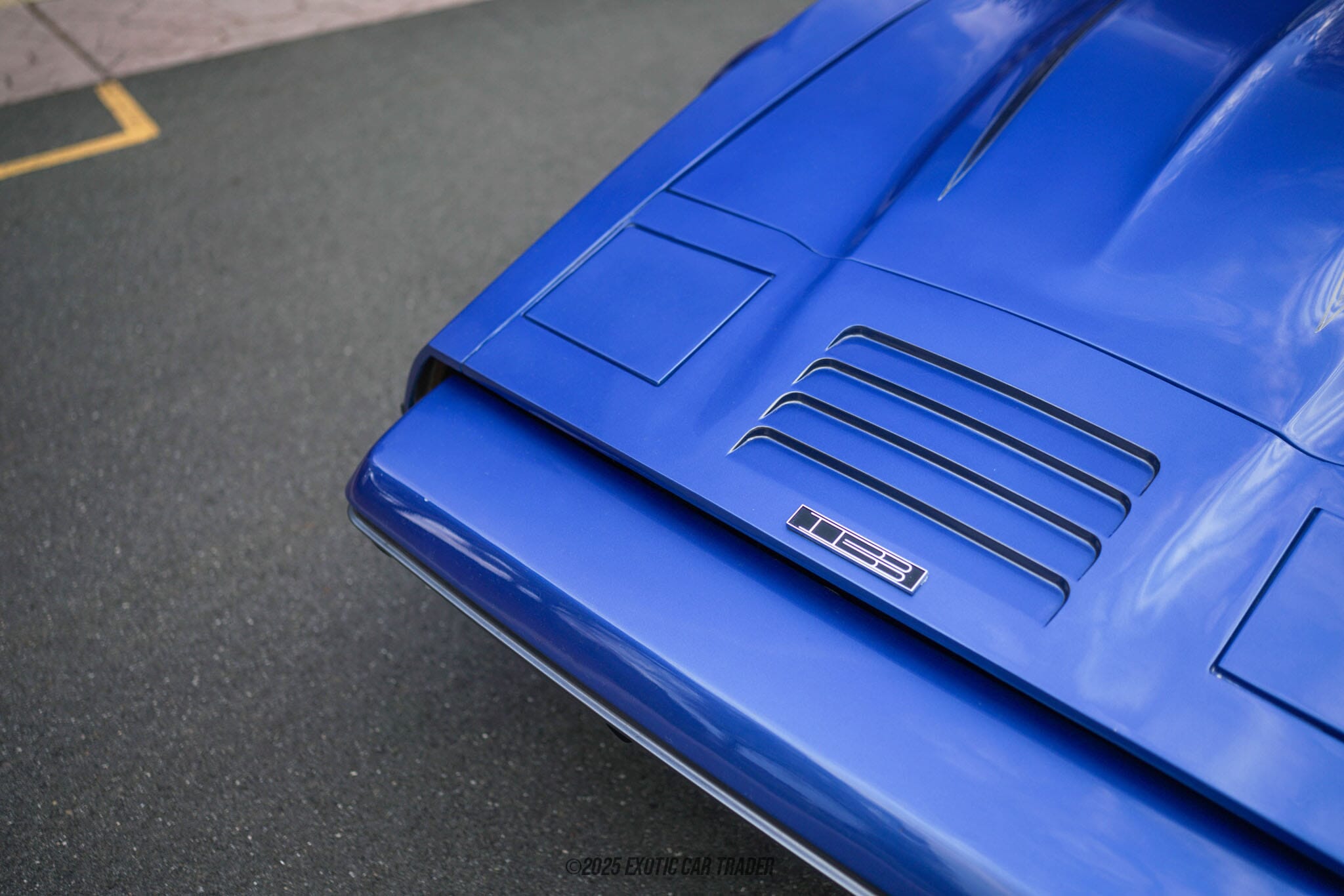
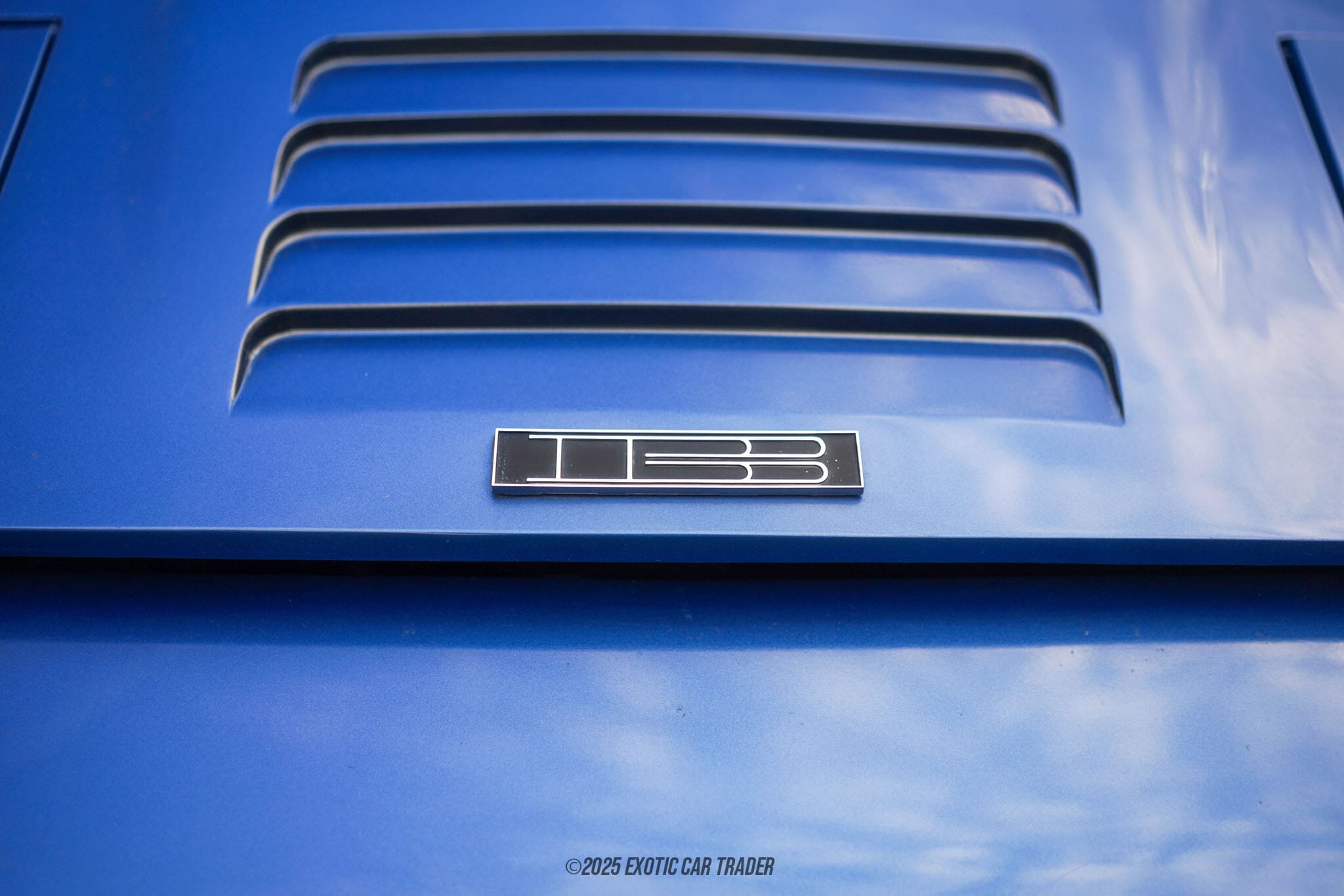
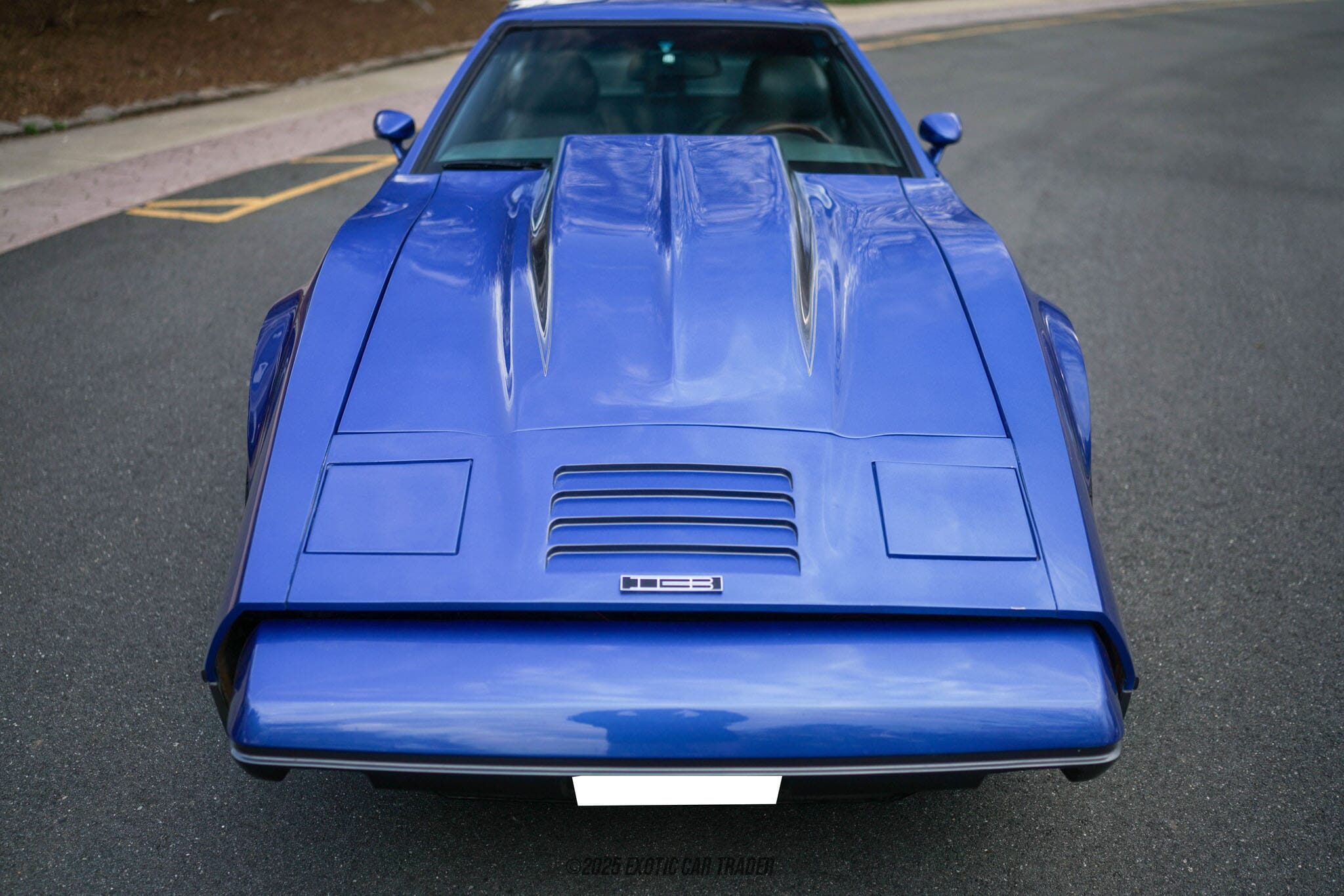
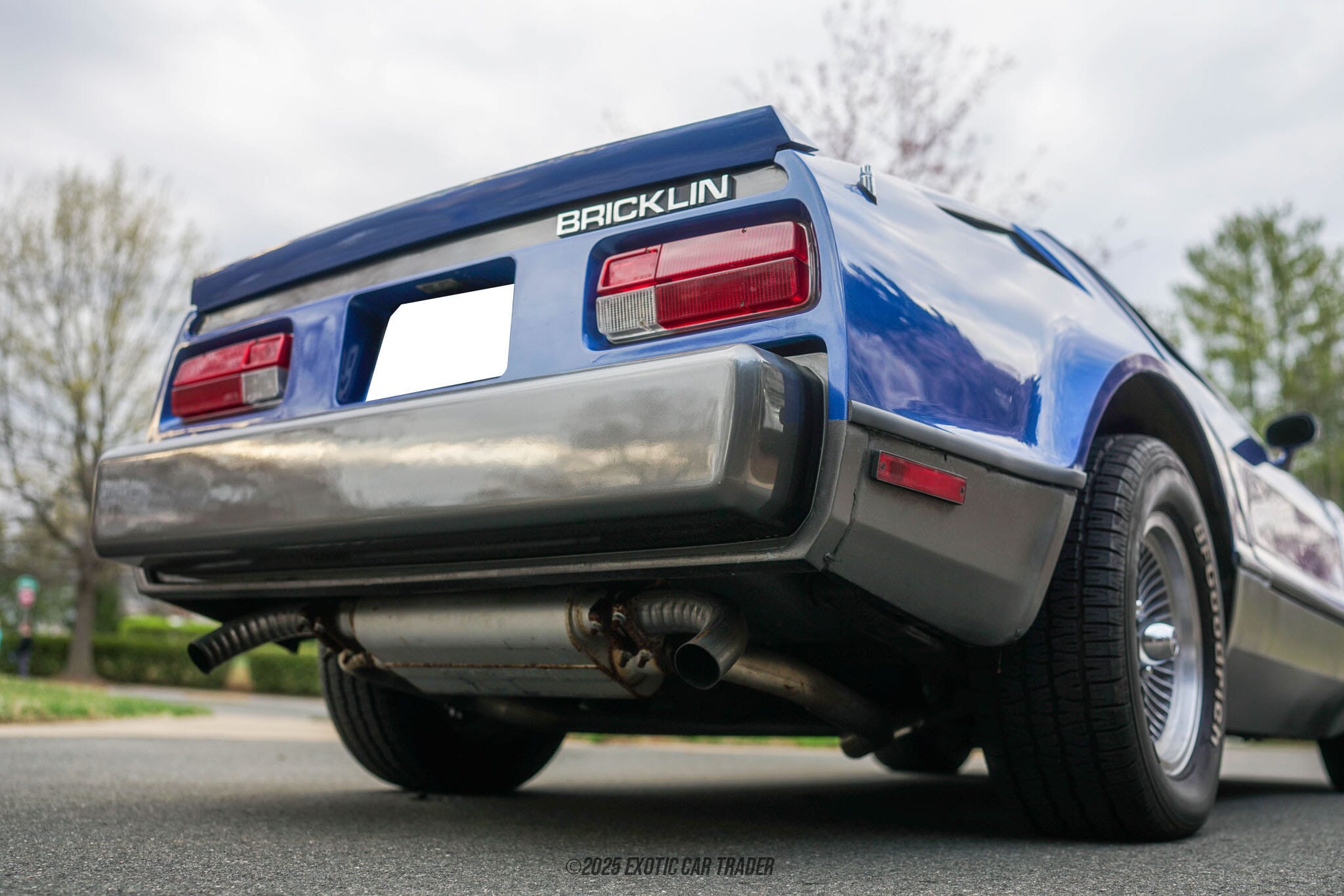
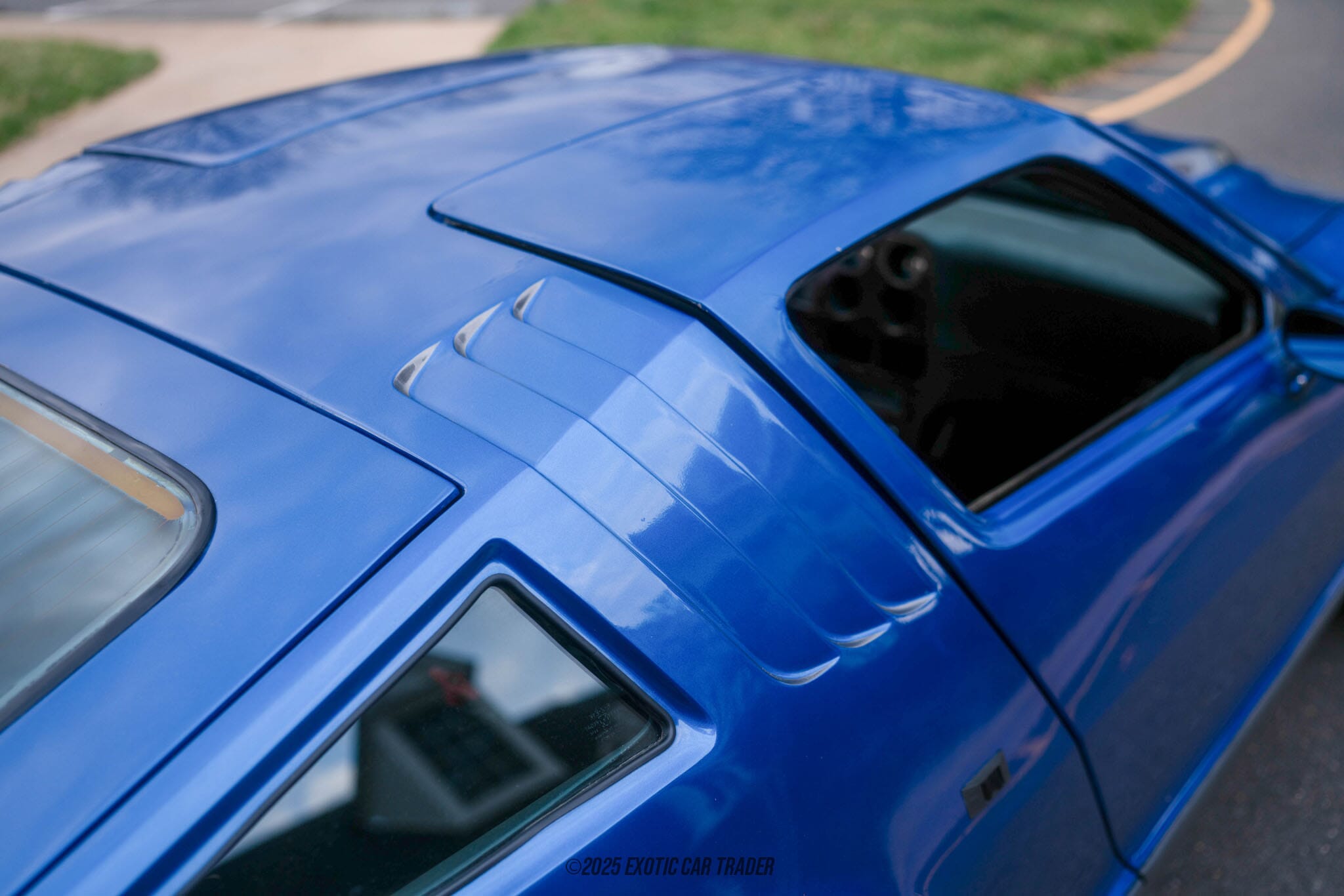
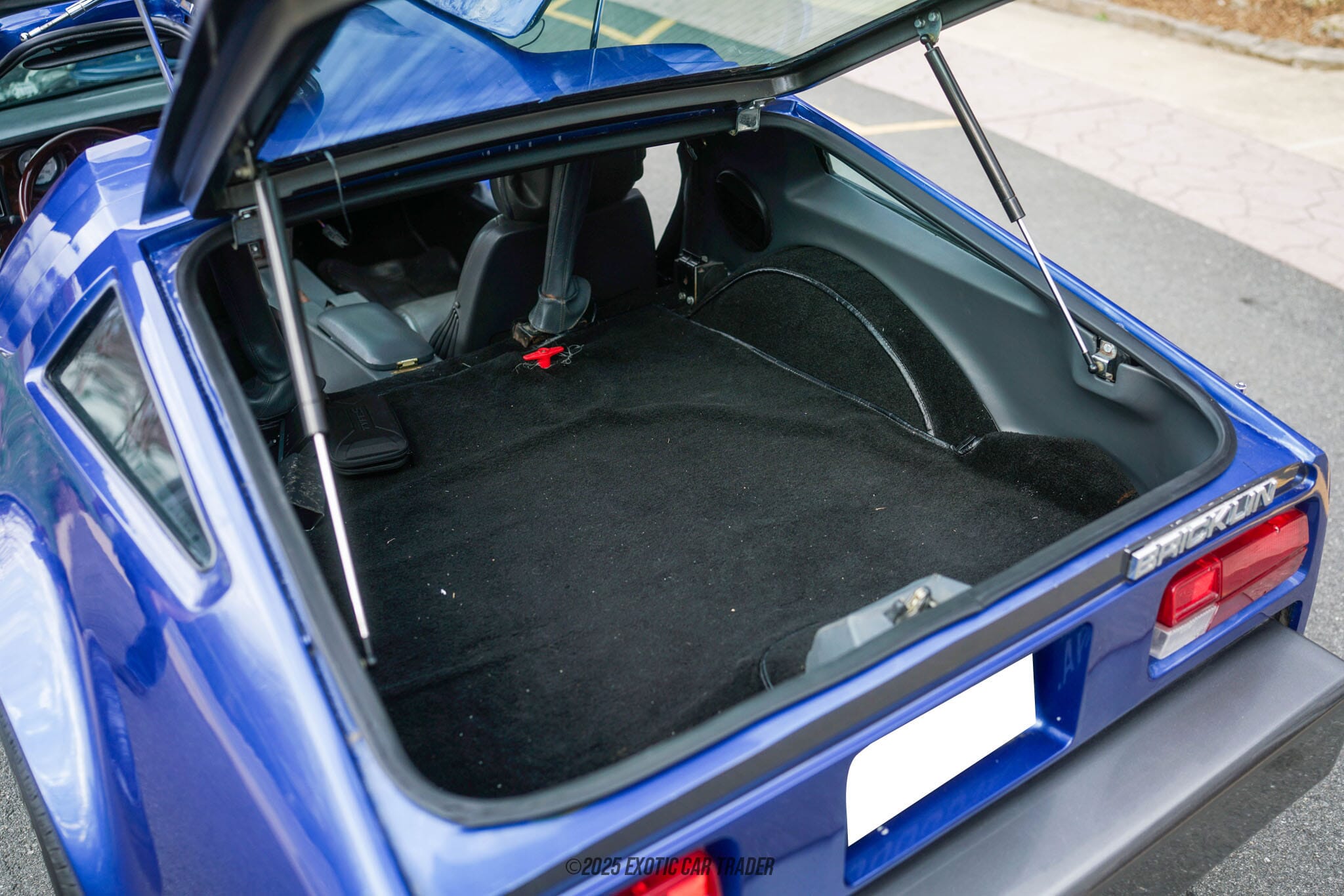
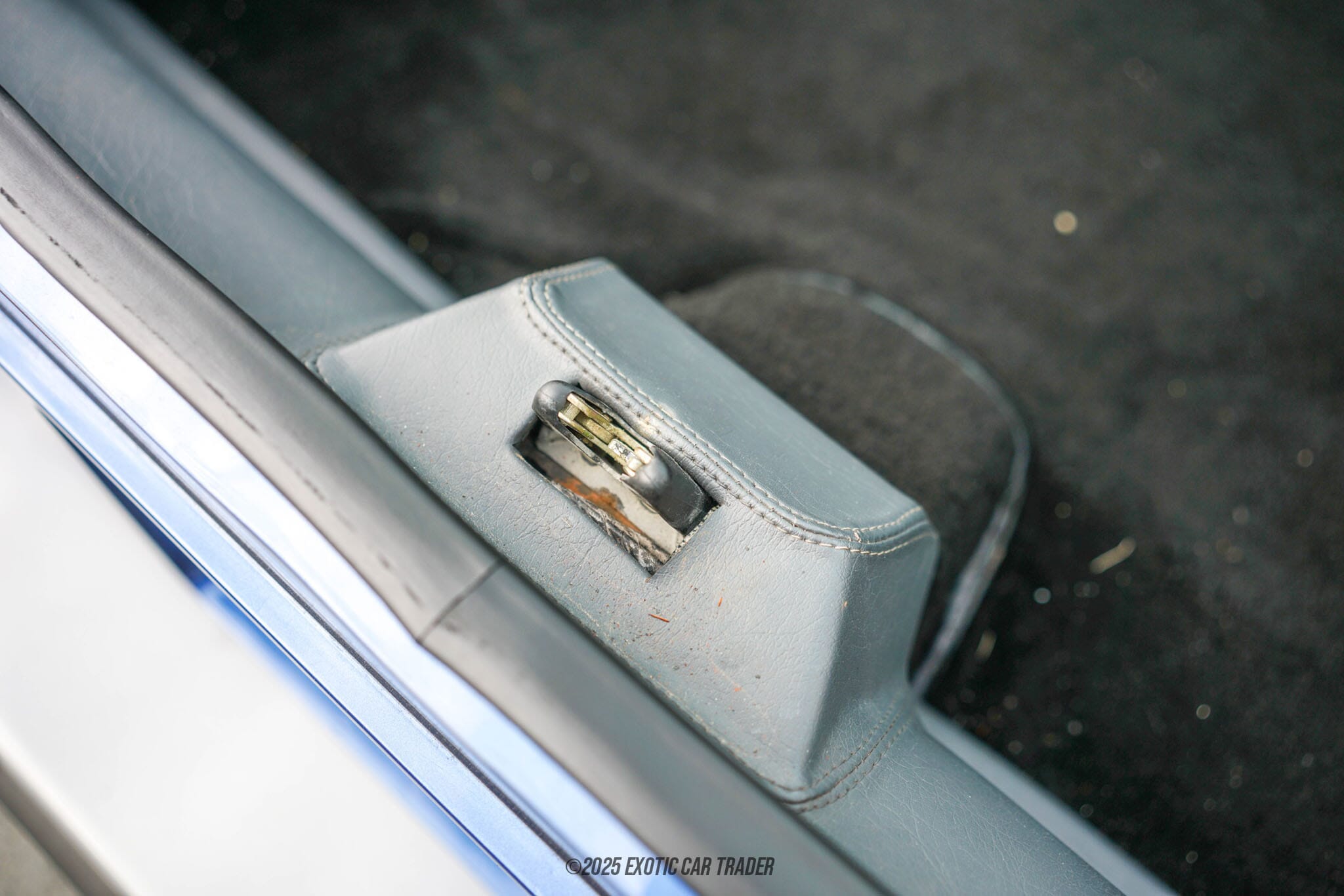
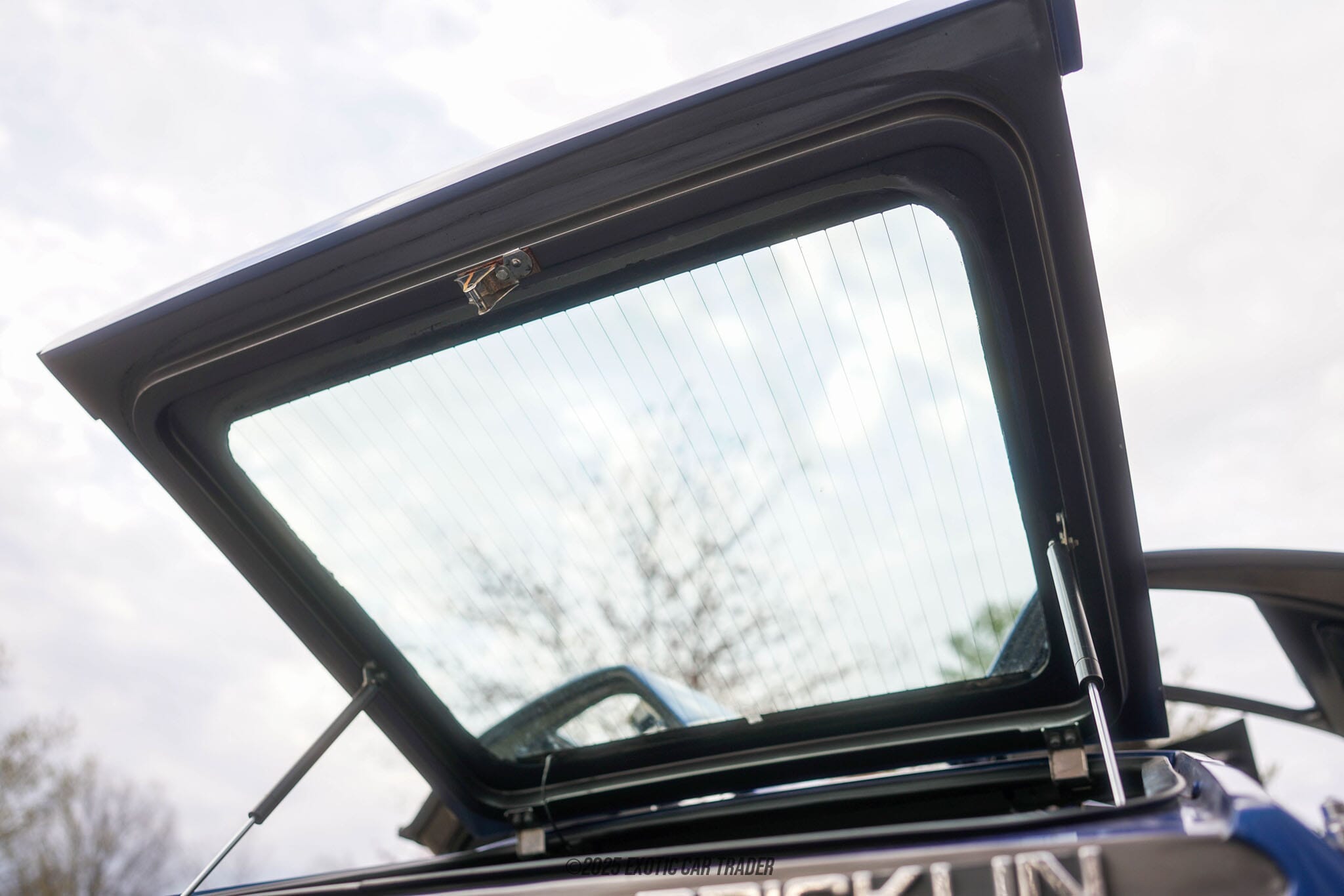
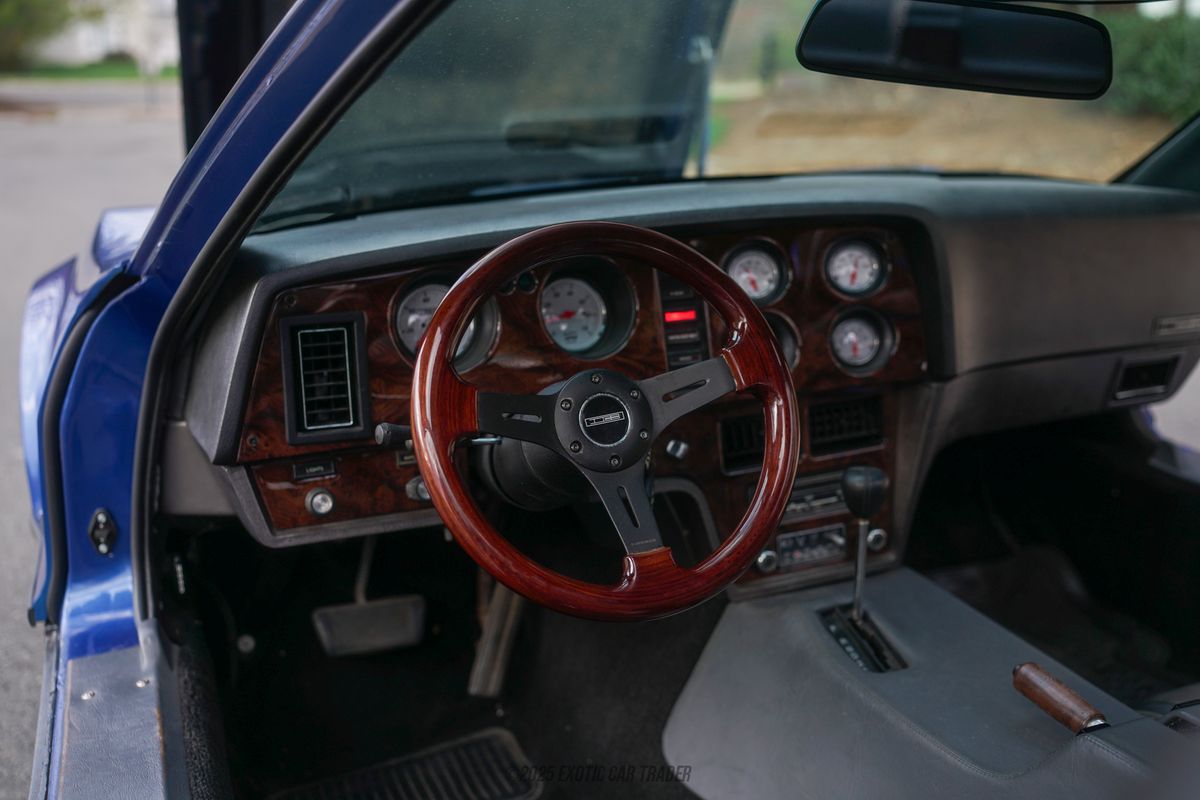
The most important part of this car’s design is the Corvette-like fiberglass body, which had the car’s color integrated into it rather than being painted. 5 colors were offered - this one is blue. One of its main safety features was the roll cage integrated into the chassis. Visually, its main eye-catching features are the hidden headlamps and the air gullwing doors. This vehicle has a gray/black interior with a new mahogany dash and steering wheel. It also has new gauges. The A/C is fully functional. The car has been fully restored with a new paintjob and new BF Goodrich tires. It has its owner’s manual and brochure and retains its original wheels. The bumpers were designed to absorb energy in an impact up to 5 mph.
Engine
Being a 1975 model, this car has the 351ci Ford Windsor V8 with a 3-speed automatic transmission driving the rear wheels. The engine has been rebuilt. It also has new suspension and brakes. The brakes consist of discs at the front and drums at the back, power assisted. According to the seller, this vehicle has just 34000 miles on it.

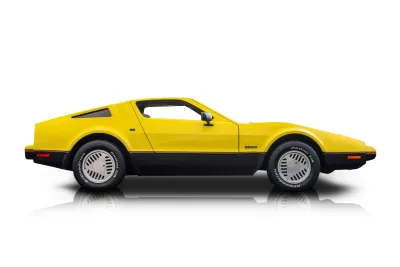

Look what we’ve got here! A legendary Bricklin SV-1, the creation of Malcoln Bricklin, gullwing doors and all! With less than 3,000 cars made between 1974 and 1976, more people have heard of the Bricklin SV-1 than seen it in person! The car is a sporty two-seater that actually placed a focus on safety as well – in fact SV-1 is said to be an abbreviation of ‘Safety Vehicle One’. Some of these safety features included energy-absorbing bumpers and an integrated roll-over structure. This particular unicorn is up for grabs in Roseville, California and has got under 87,000 miles on the clock. We also see that some extra mirrors, a steering wheel and a car cover are provided with the sale.
What exactly is a Bricklin SV-1? Built between 1974 and 1976 with a production run of less than 3000 units, it was one of the quirkier sports cars of the 70s. The name comes from Malcolm Bricklin; the founder of the company and the creator of the SV-1. SV-1 is an abbreviation of “Safety Vehicle 1”. The design was done by Herb Grasse. While the first prototypes were ready by late 1972, it would be early 1974 by the time it was finally launched, and the final product had some significant changes compared to the early prototypes. 3 cars were also leased to the police department of Scottsdale, Arizona. Despite its interesting design, and its color-impregnated fiberglass body and safety features, rising prices and other problems ultimately led to the closure of Bricklin in 1975, with the last few cars being completed and sold in 1976 by Consolidated Motors (who bought the remnants of the company). This example was built in 1975 and has been signed by Malcolm Bricklin himself.
Look what we’ve got here! A legendary Bricklin SV-1, the creation of Malcoln Bricklin, gullwing doors and all! With less than 3,000 cars made between 1974 and 1976, more people have heard of the Bricklin SV-1 than seen it in person! The car is a sporty two-seater that actually placed a focus on safety as well – in fact SV-1 is said to be an abbreviation of ‘Safety Vehicle One’. Some of these safety features included energy-absorbing bumpers and an integrated roll-over structure. This particular unicorn is up for grabs in Roseville, California and has got under 87,000 miles on the clock. We also see that some extra mirrors, a steering wheel and a car cover are provided with the sale.
What exactly is a Bricklin SV-1? Built between 1974 and 1976 with a production run of less than 3000 units, it was one of the quirkier sports cars of the 70s. The name comes from Malcolm Bricklin; the founder of the company and the creator of the SV-1. SV-1 is an abbreviation of “Safety Vehicle 1”. The design was done by Herb Grasse. While the first prototypes were ready by late 1972, it would be early 1974 by the time it was finally launched, and the final product had some significant changes compared to the early prototypes. 3 cars were also leased to the police department of Scottsdale, Arizona. Despite its interesting design, and its color-impregnated fiberglass body and safety features, rising prices and other problems ultimately led to the closure of Bricklin in 1975, with the last few cars being completed and sold in 1976 by Consolidated Motors (who bought the remnants of the company). This example was built in 1975 and has been signed by Malcolm Bricklin himself.

Terms of Service
Be Kind and Courteous
We're here to create a platform to better the automotive industry through communication and transparency. Please treat everyone with respect. Healthy debates are natural, but kindness is required.
No Hate Speech
Make sure everyone feels safe. Hate speech of any kind is strictly prohibited. Degrading comments about things like race, religion, culture, sexual orientation, etc. will not be tolerated.
No Promotions or Spam
Give more than you take. Self-promotion, spam, or links of any kind are not allowed.
