



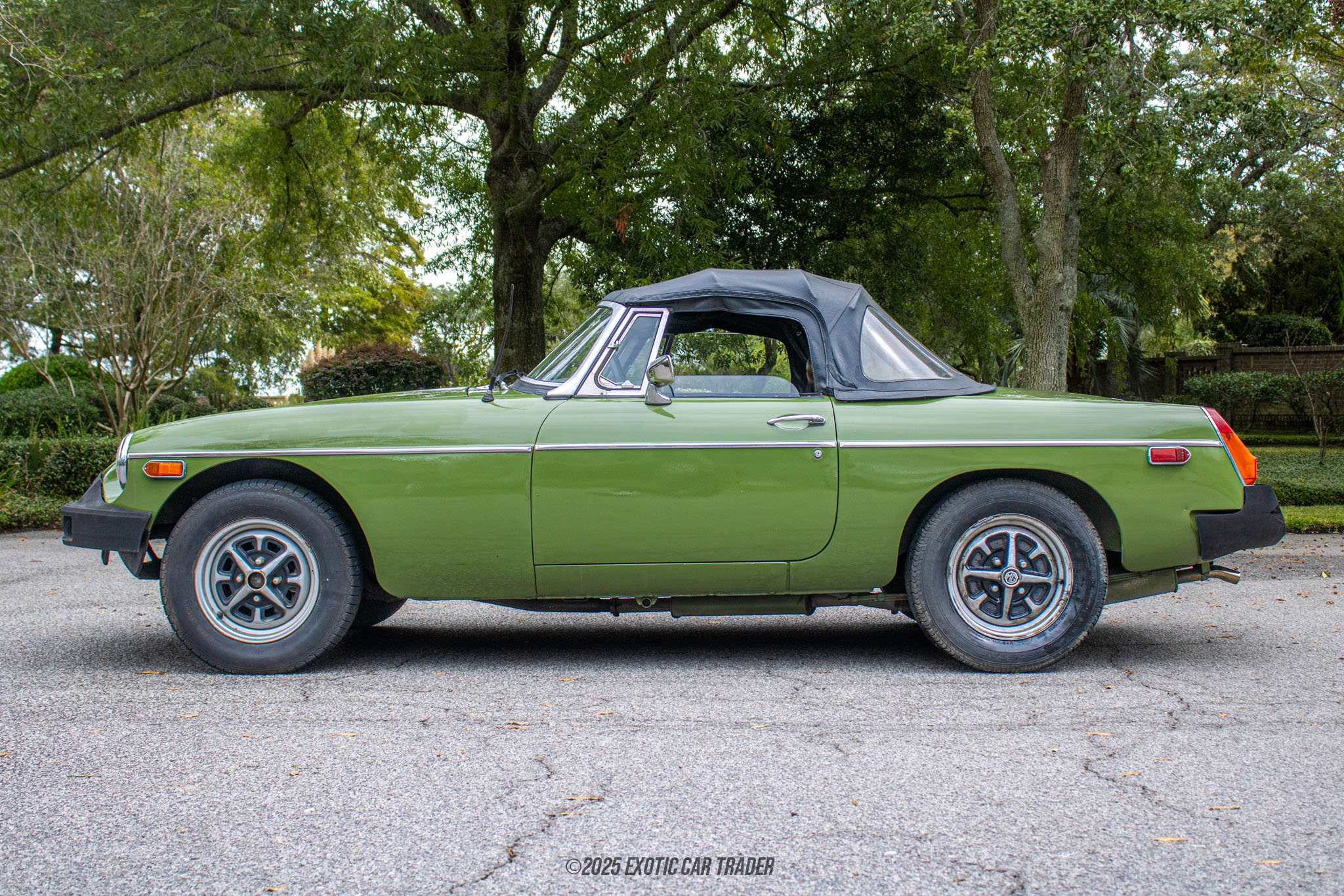
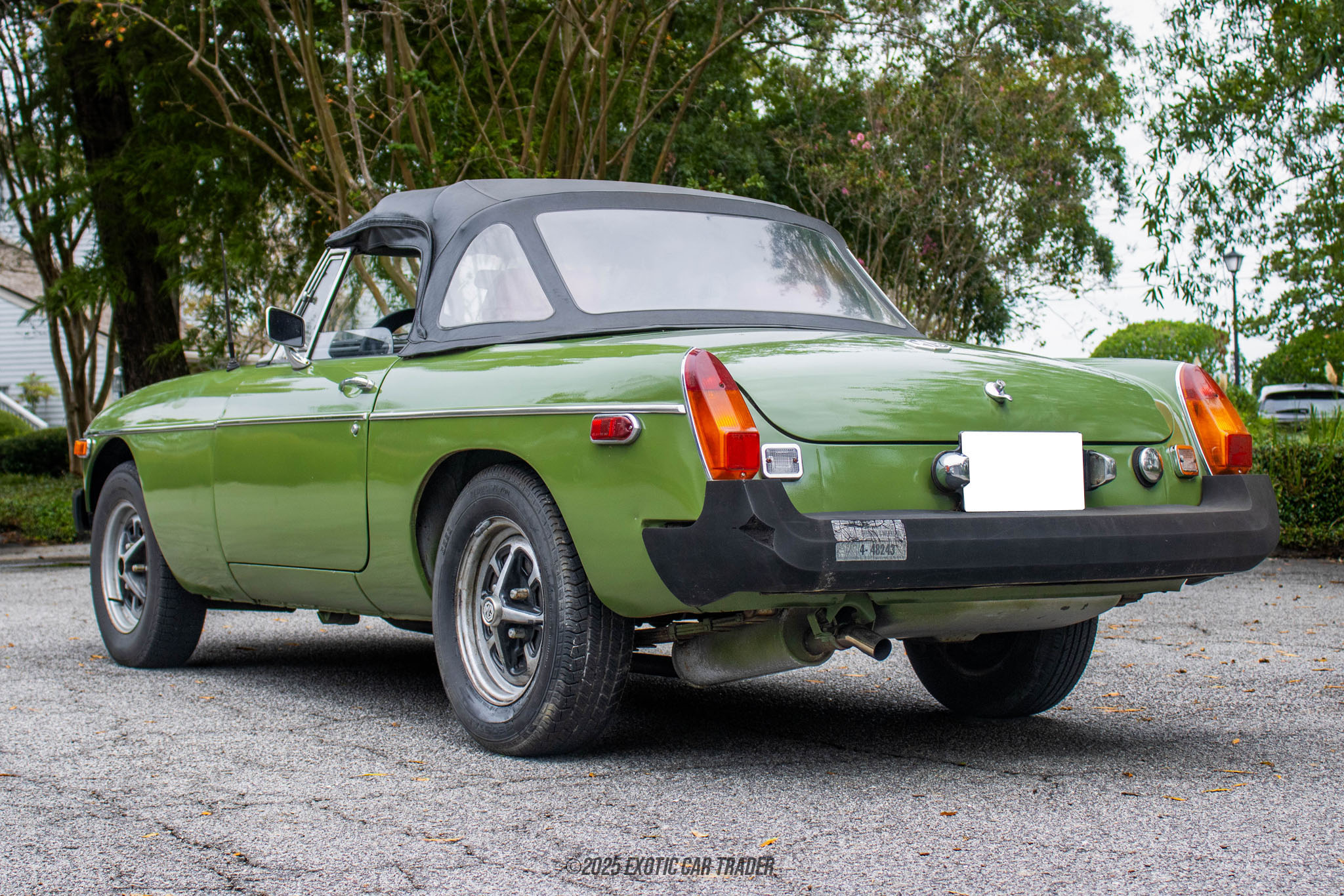
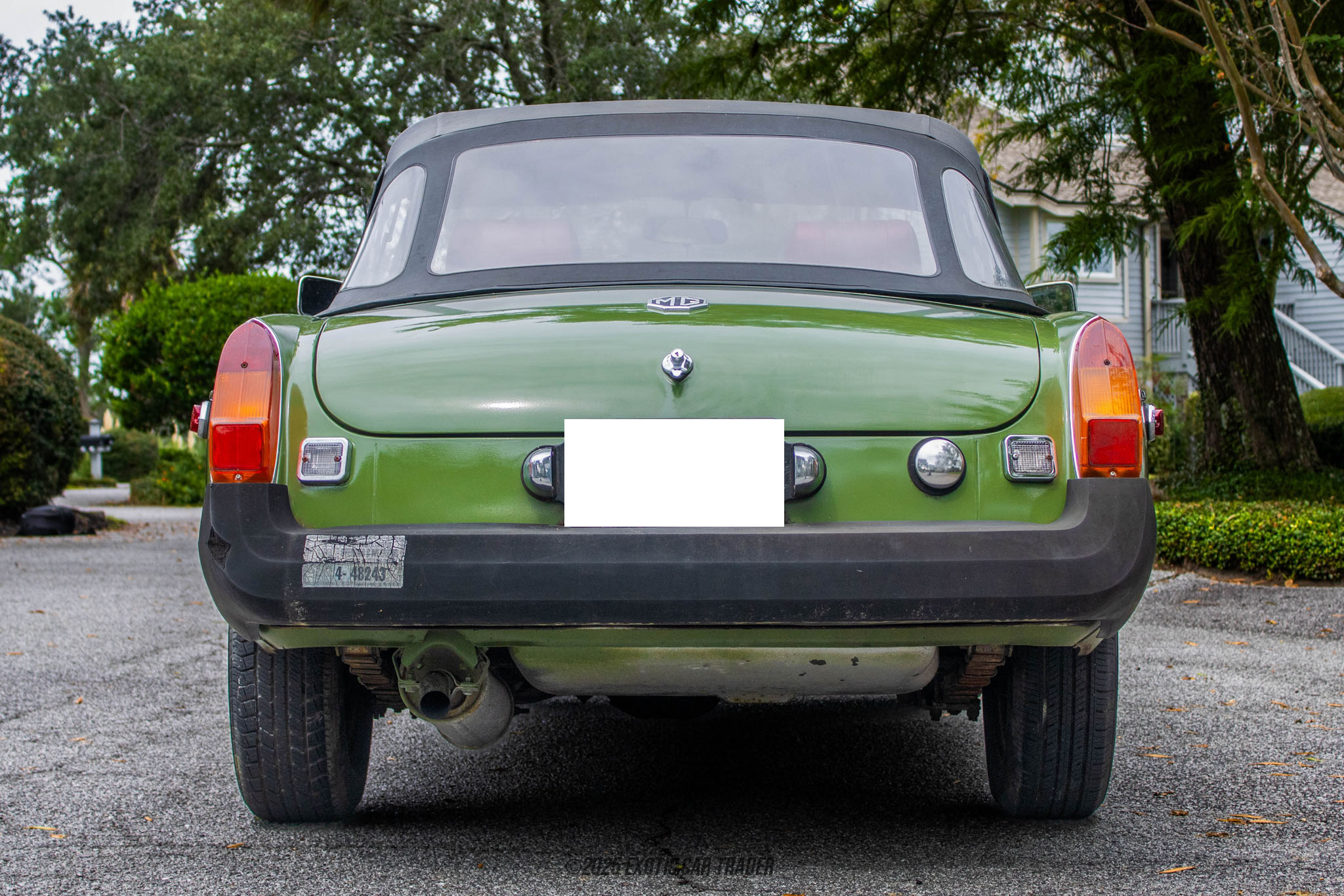
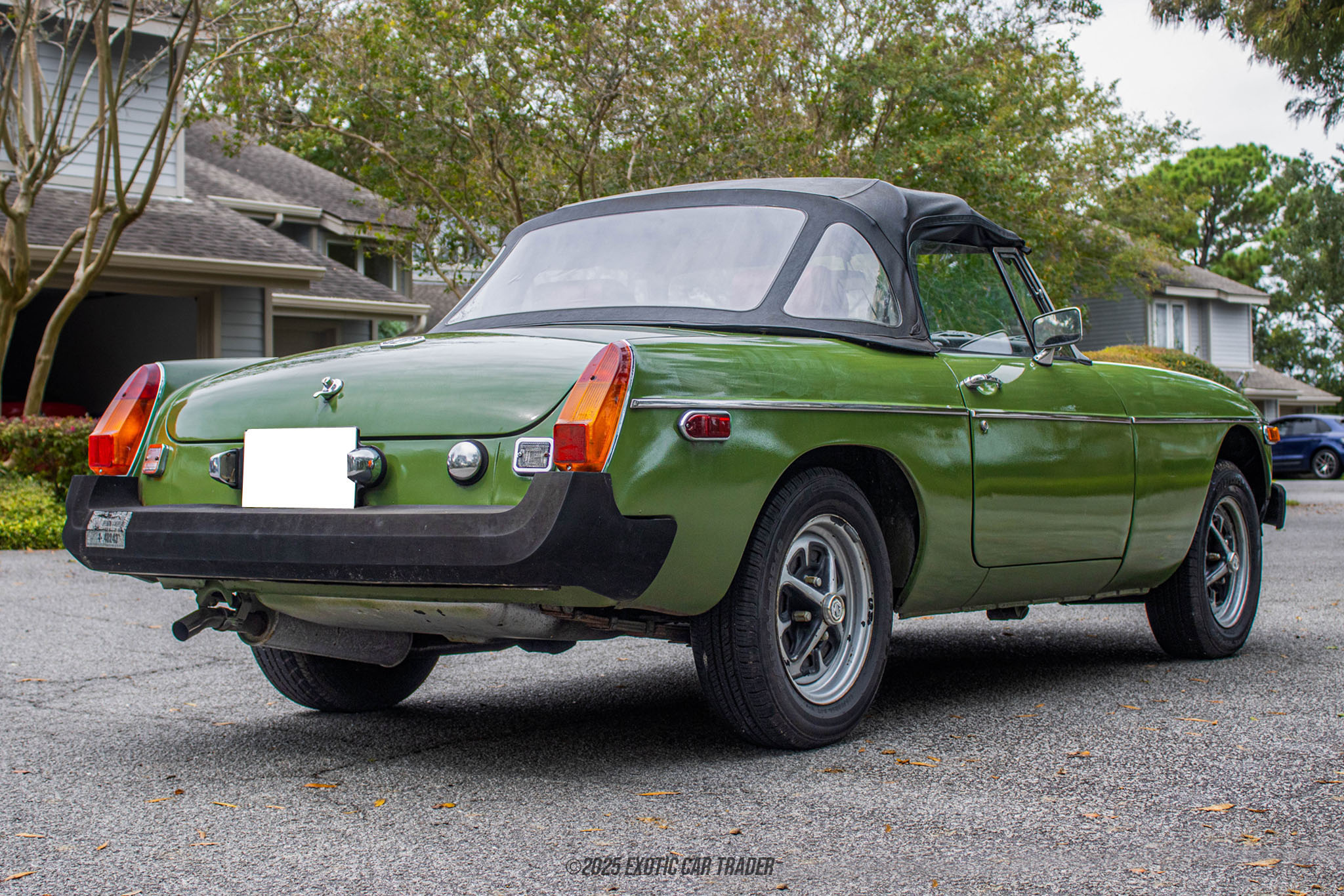
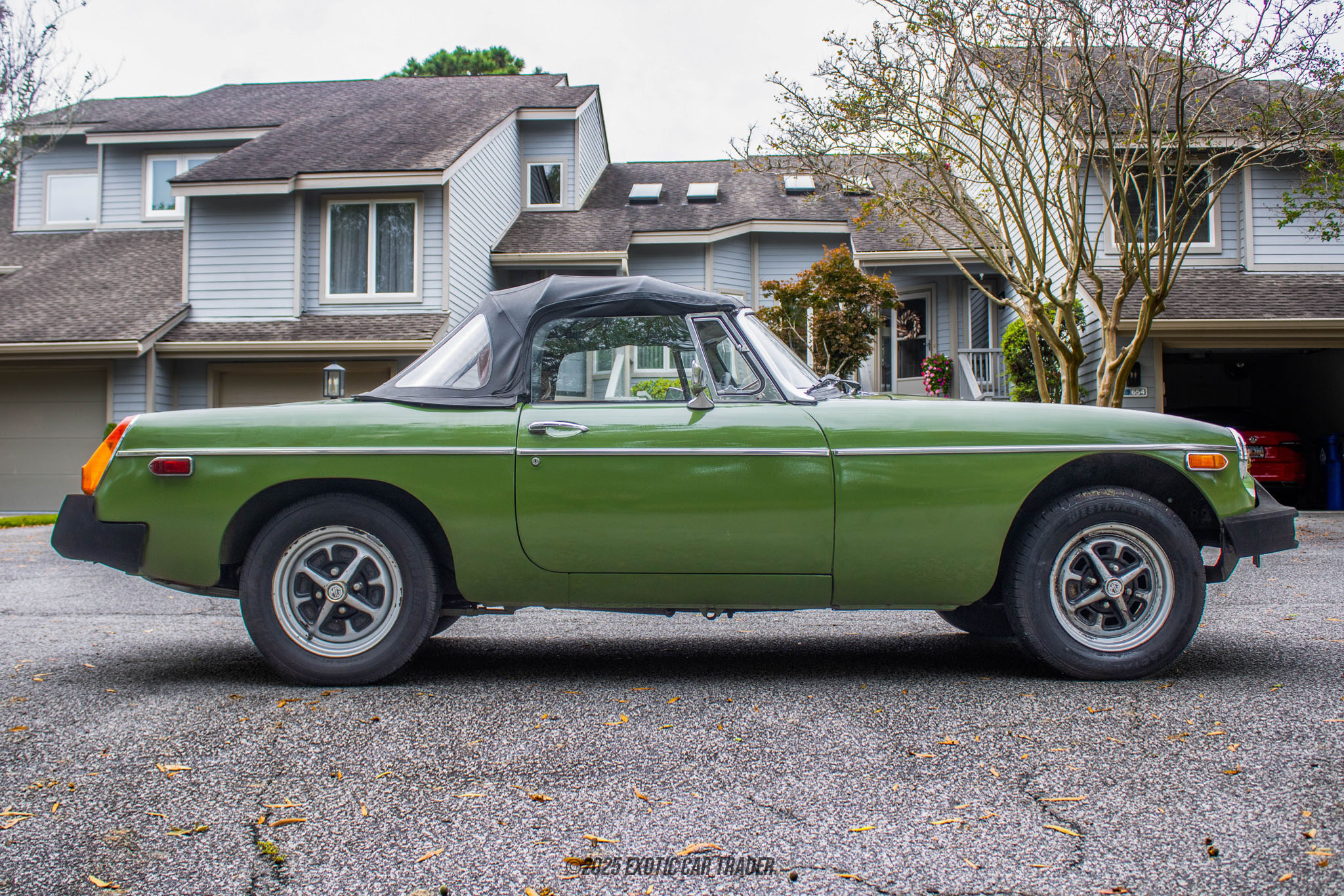
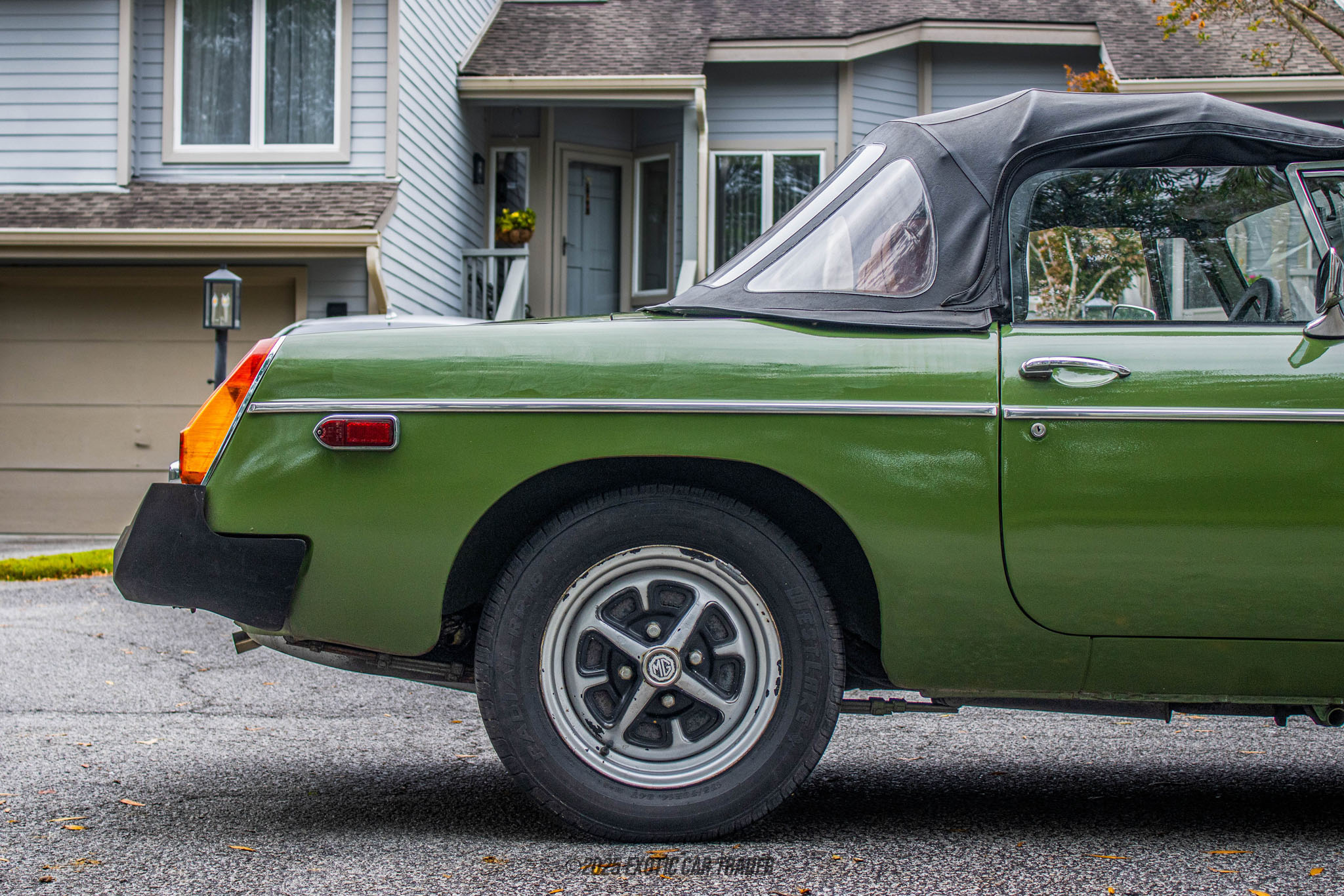
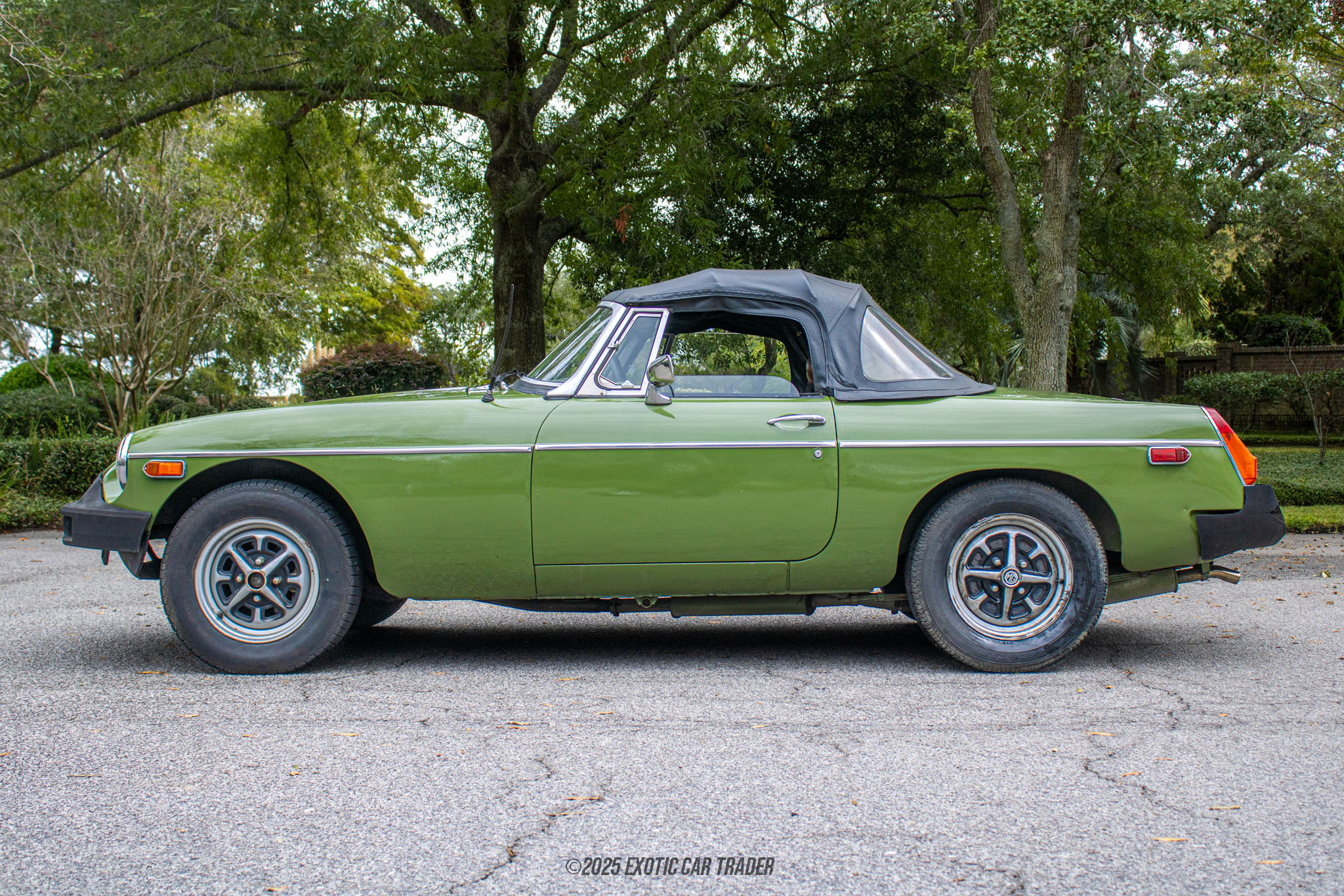
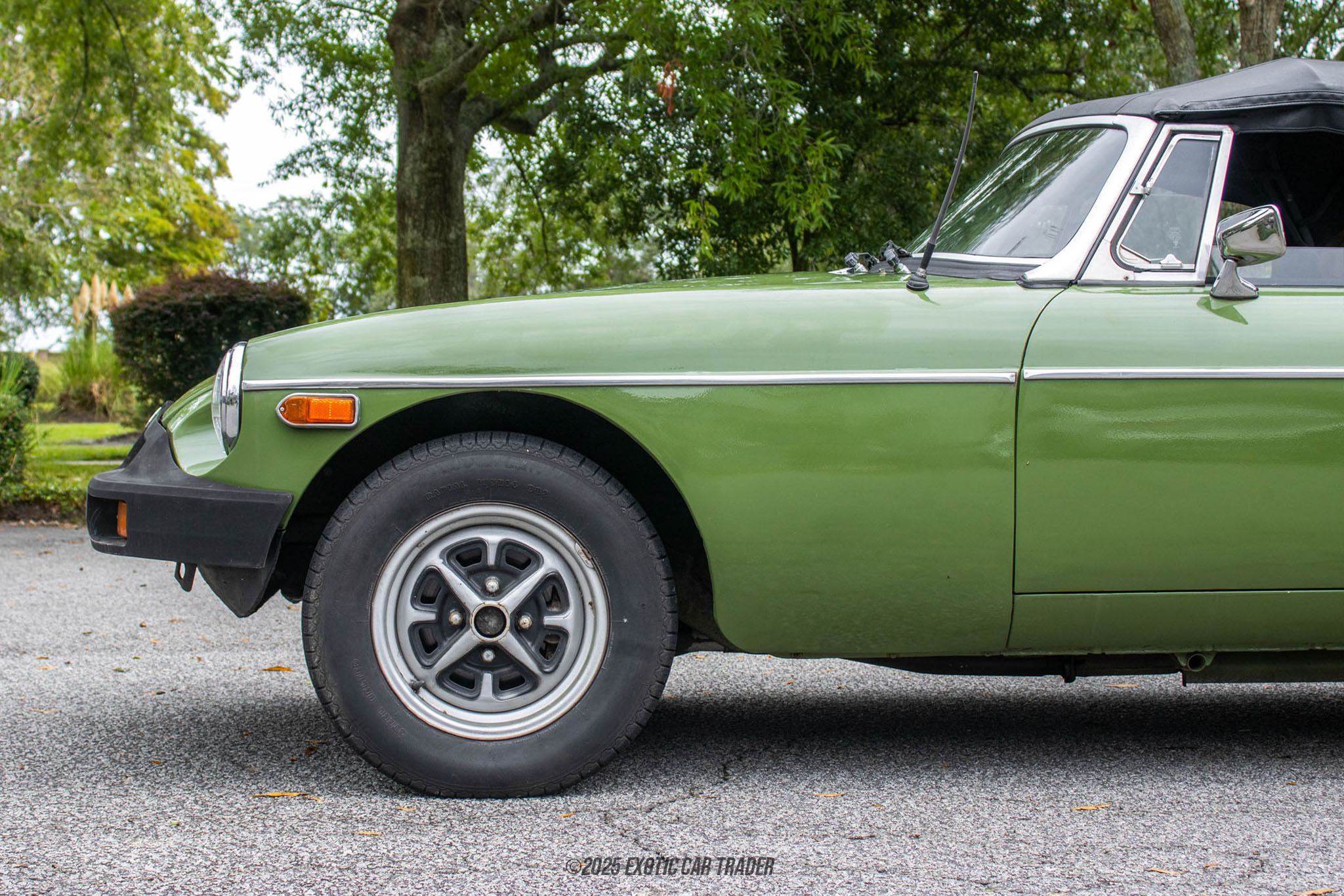
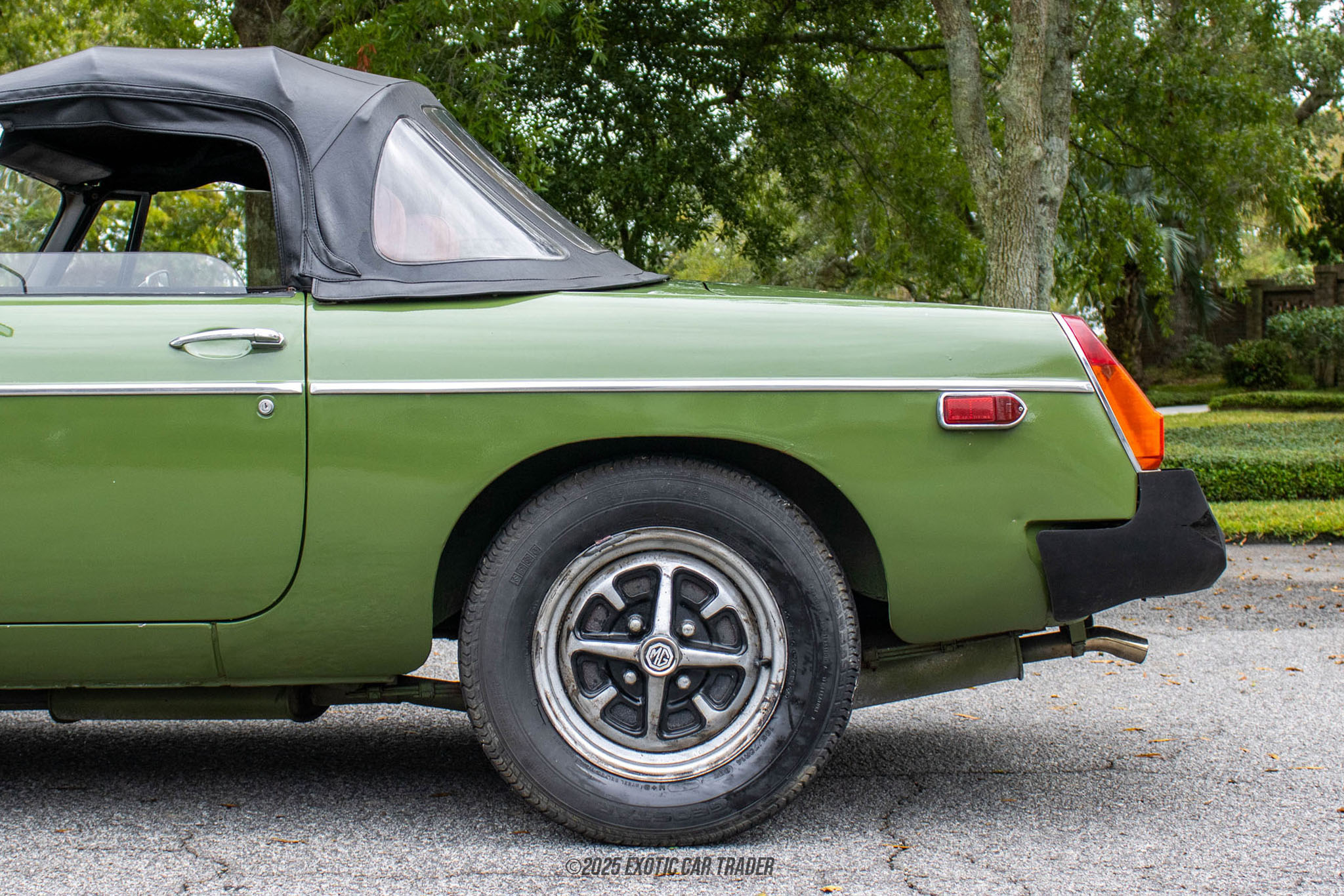
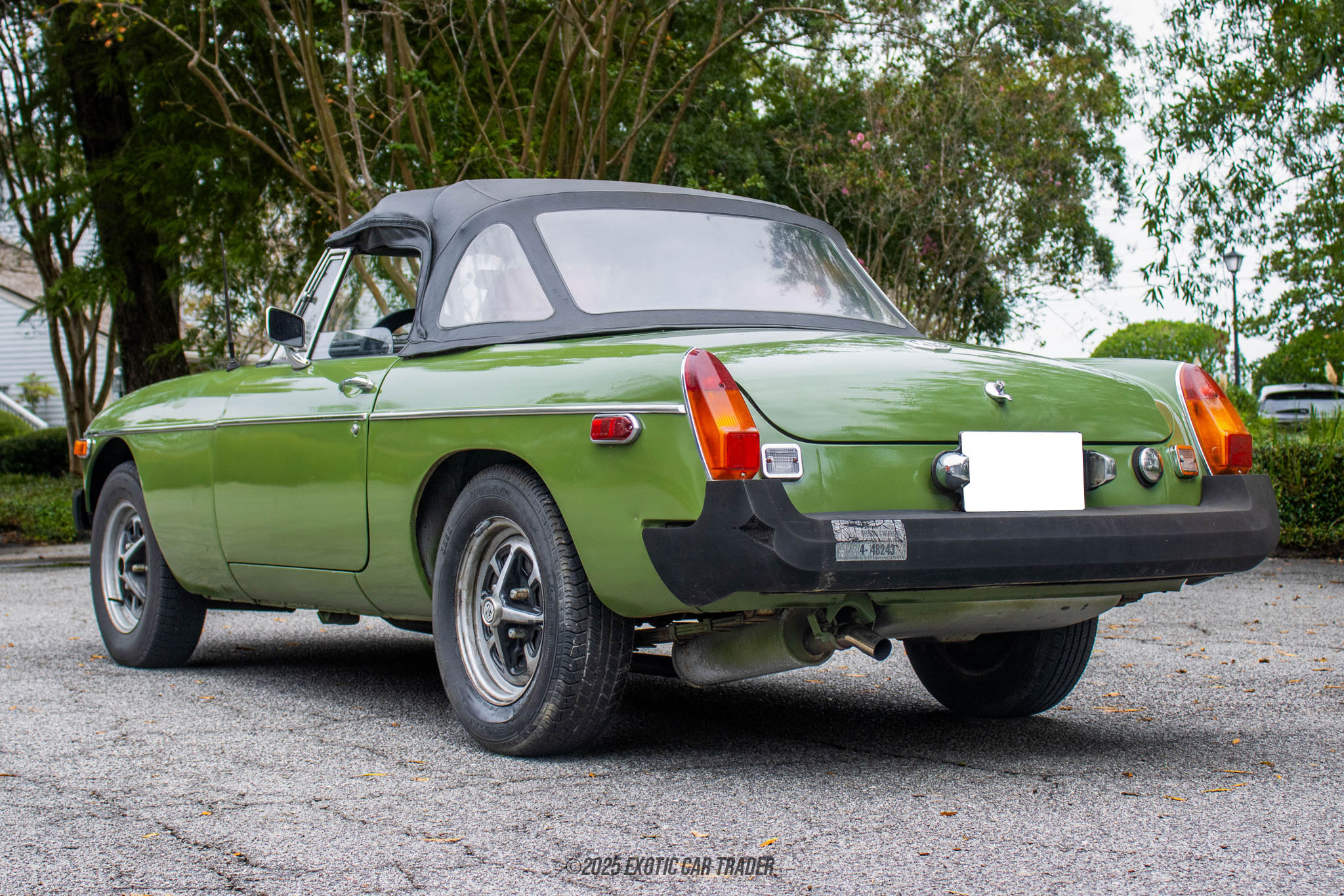
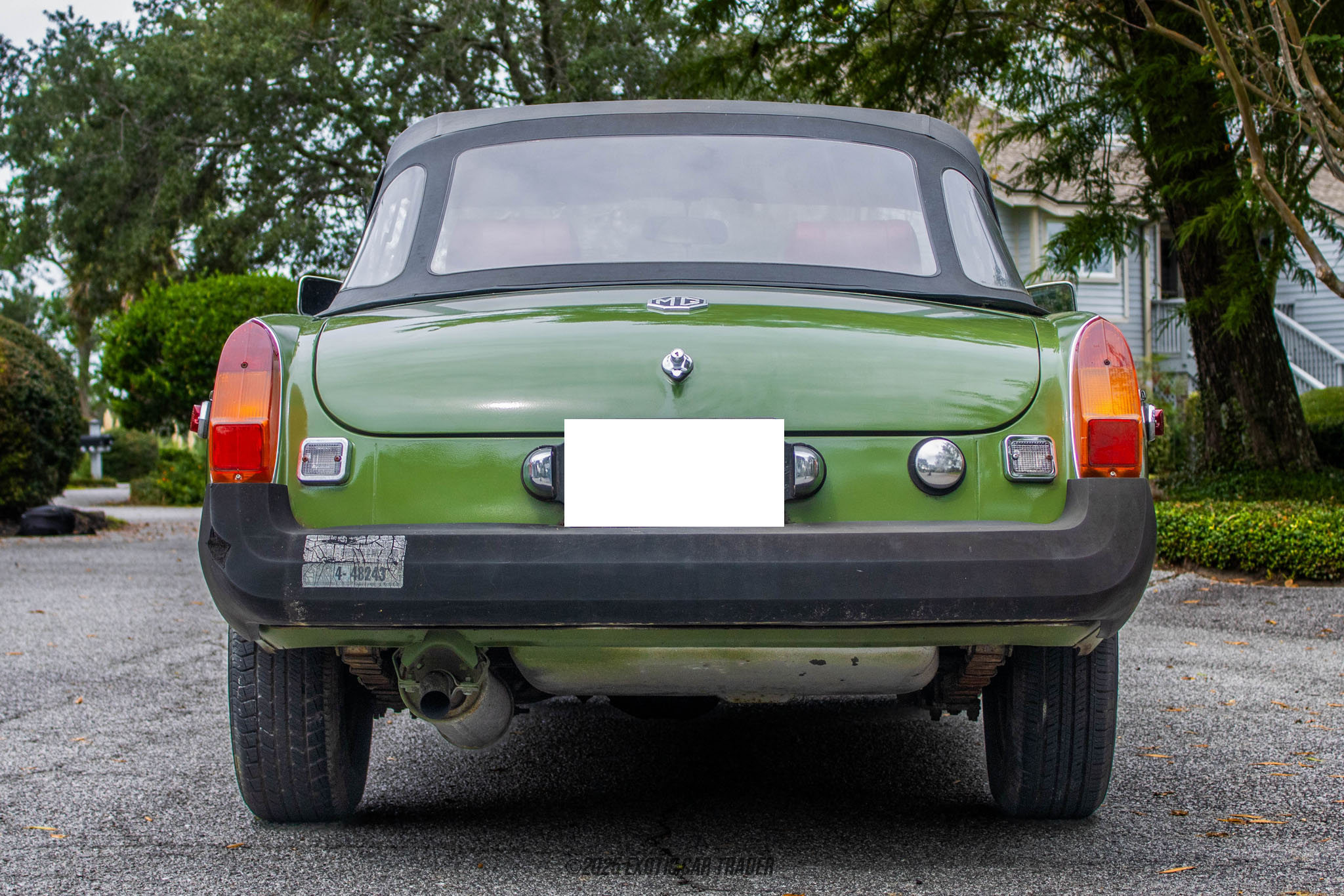
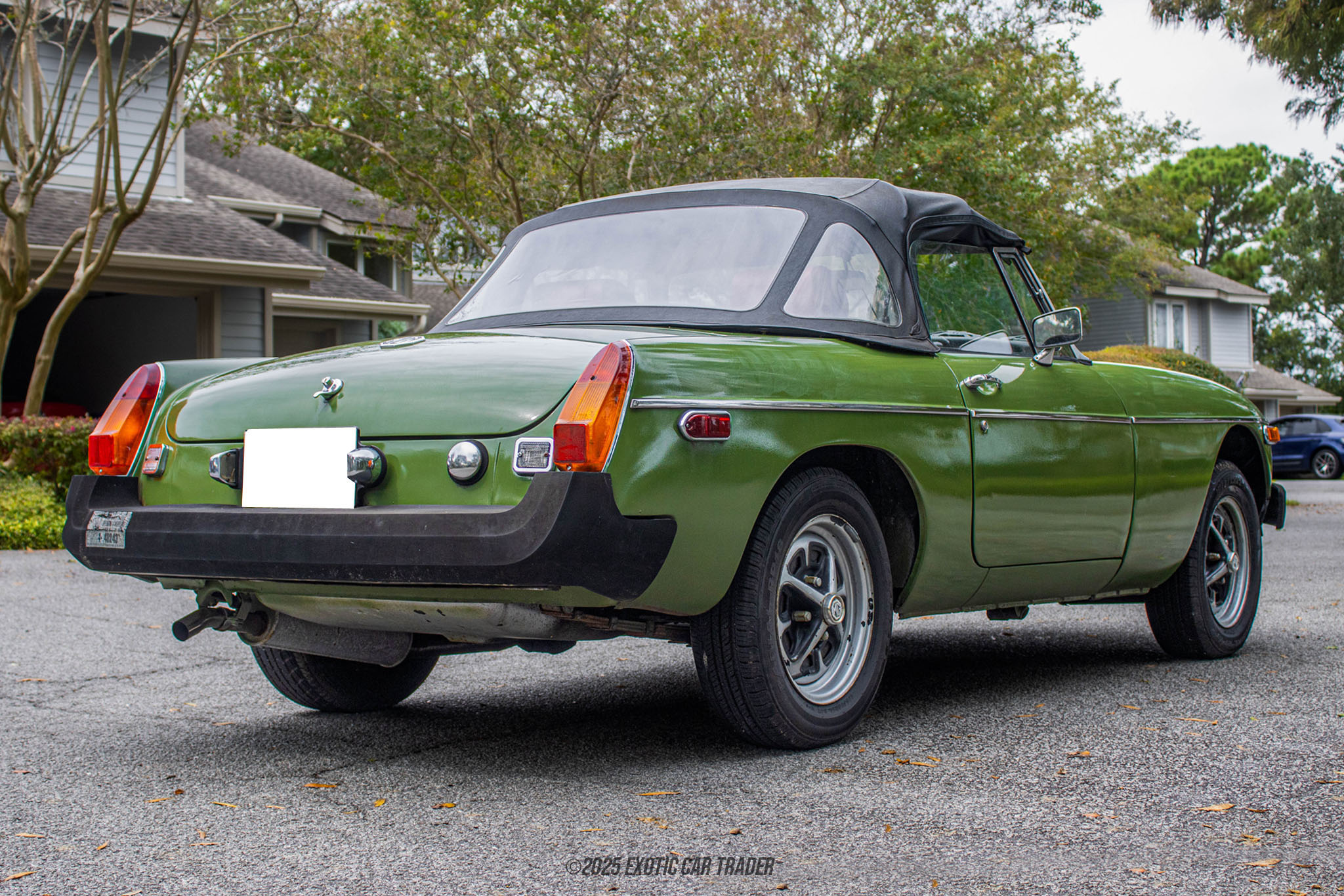
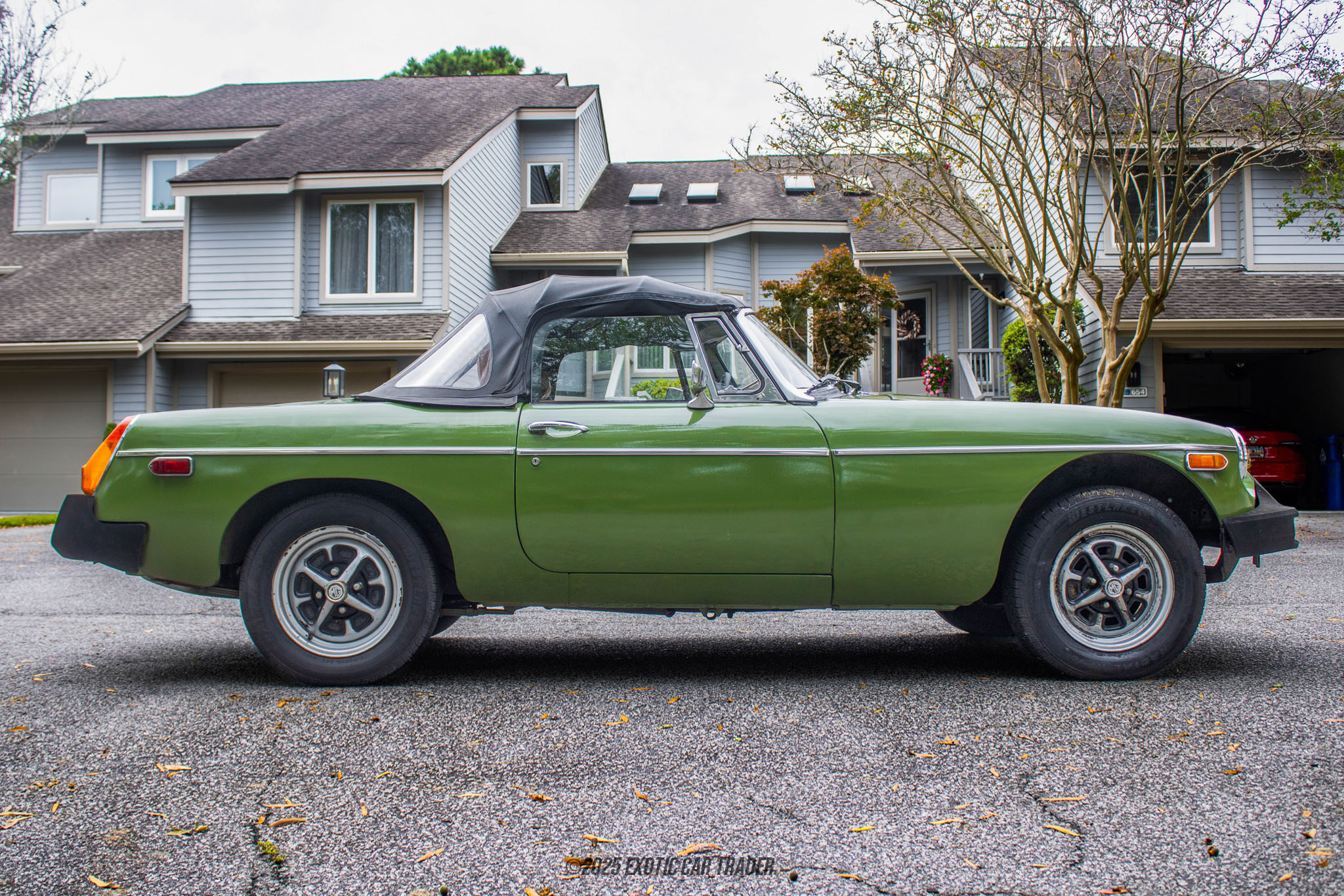
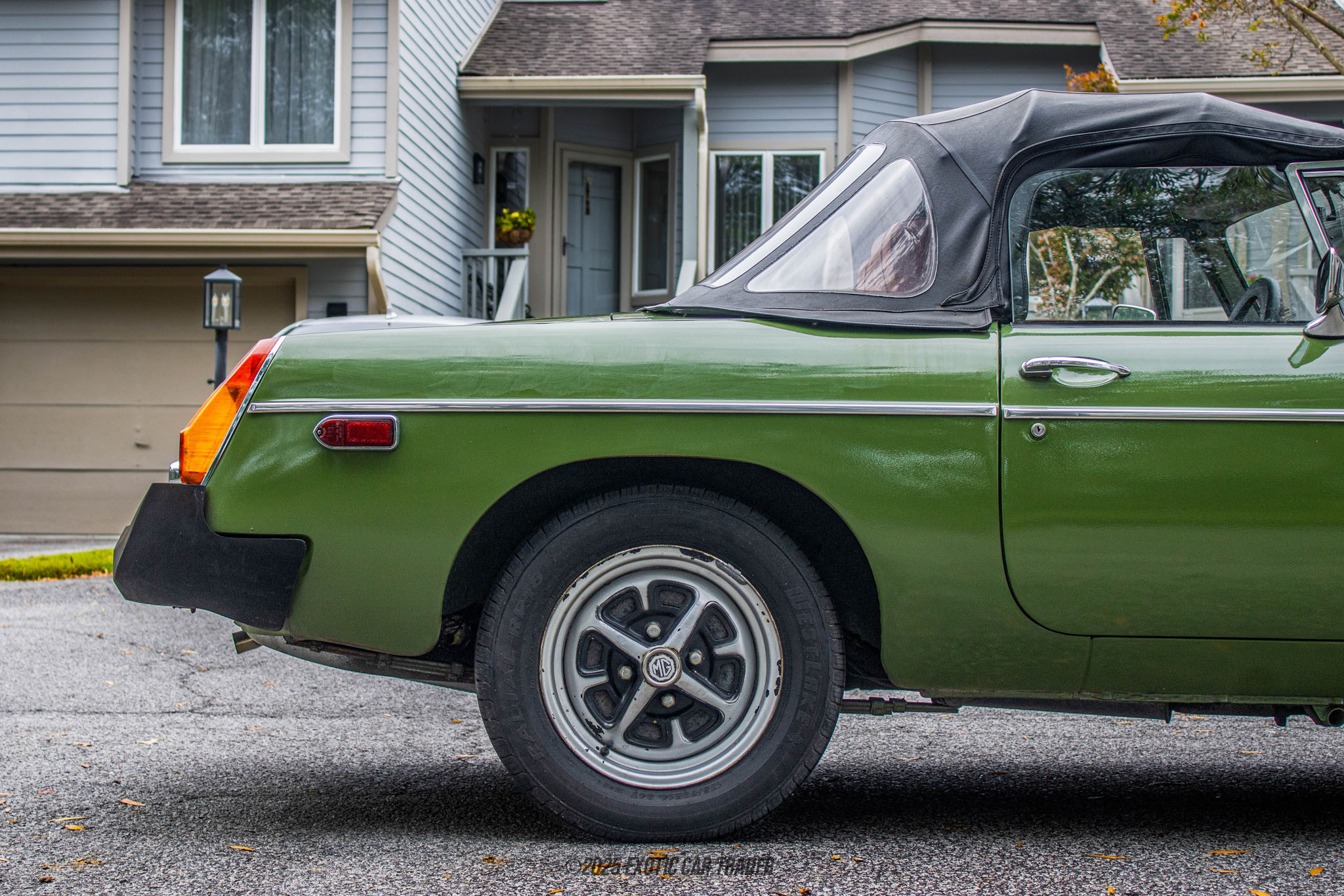
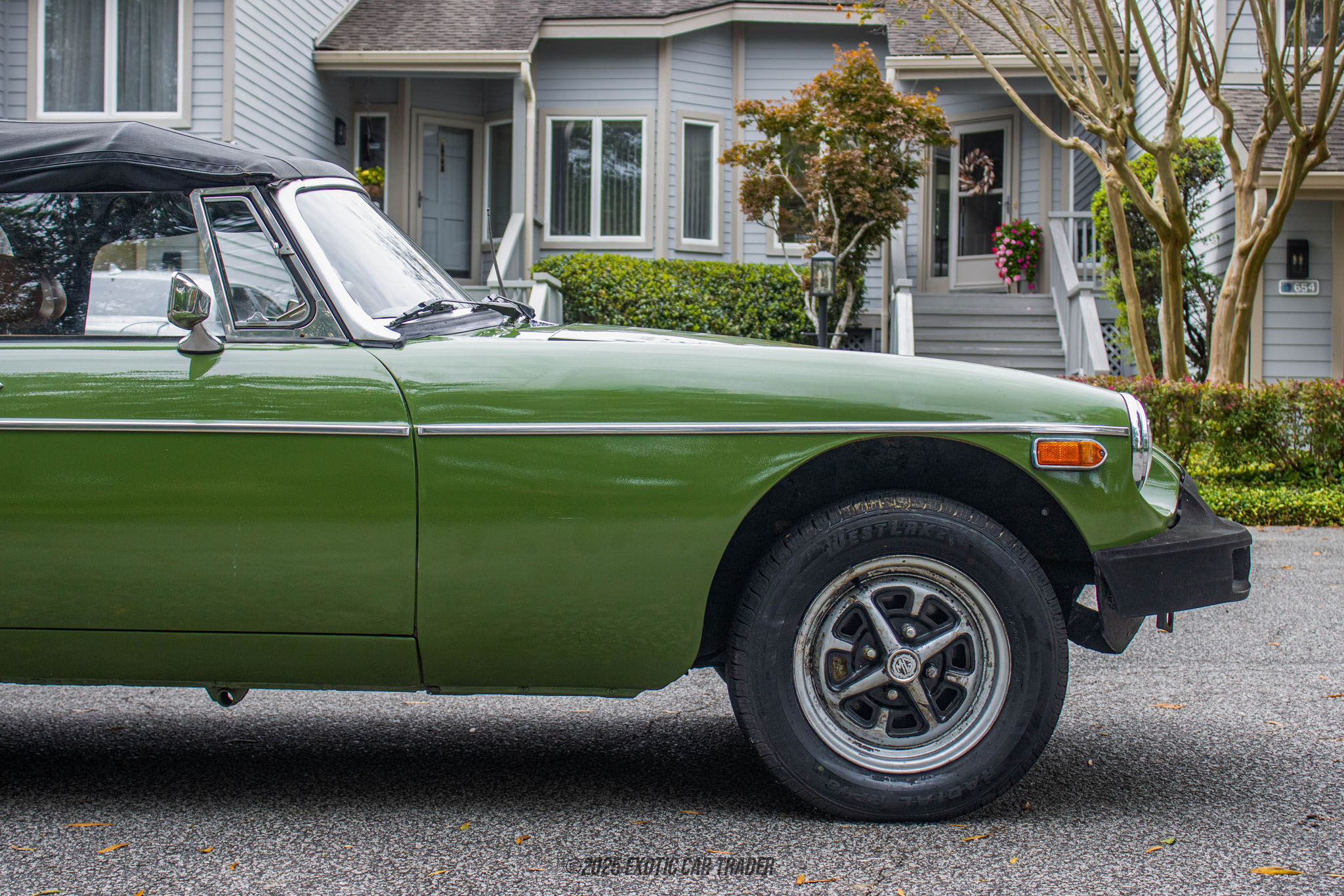
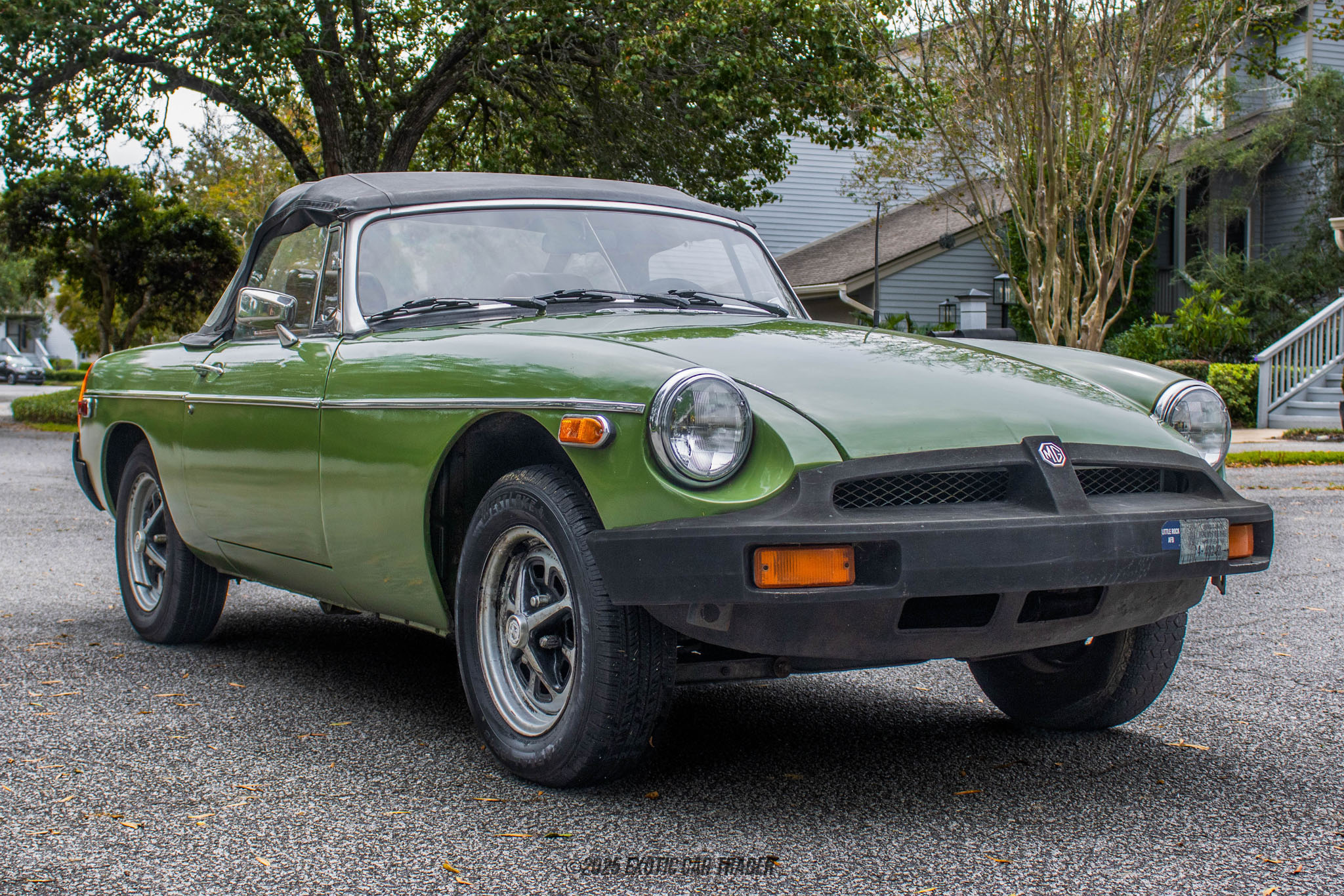
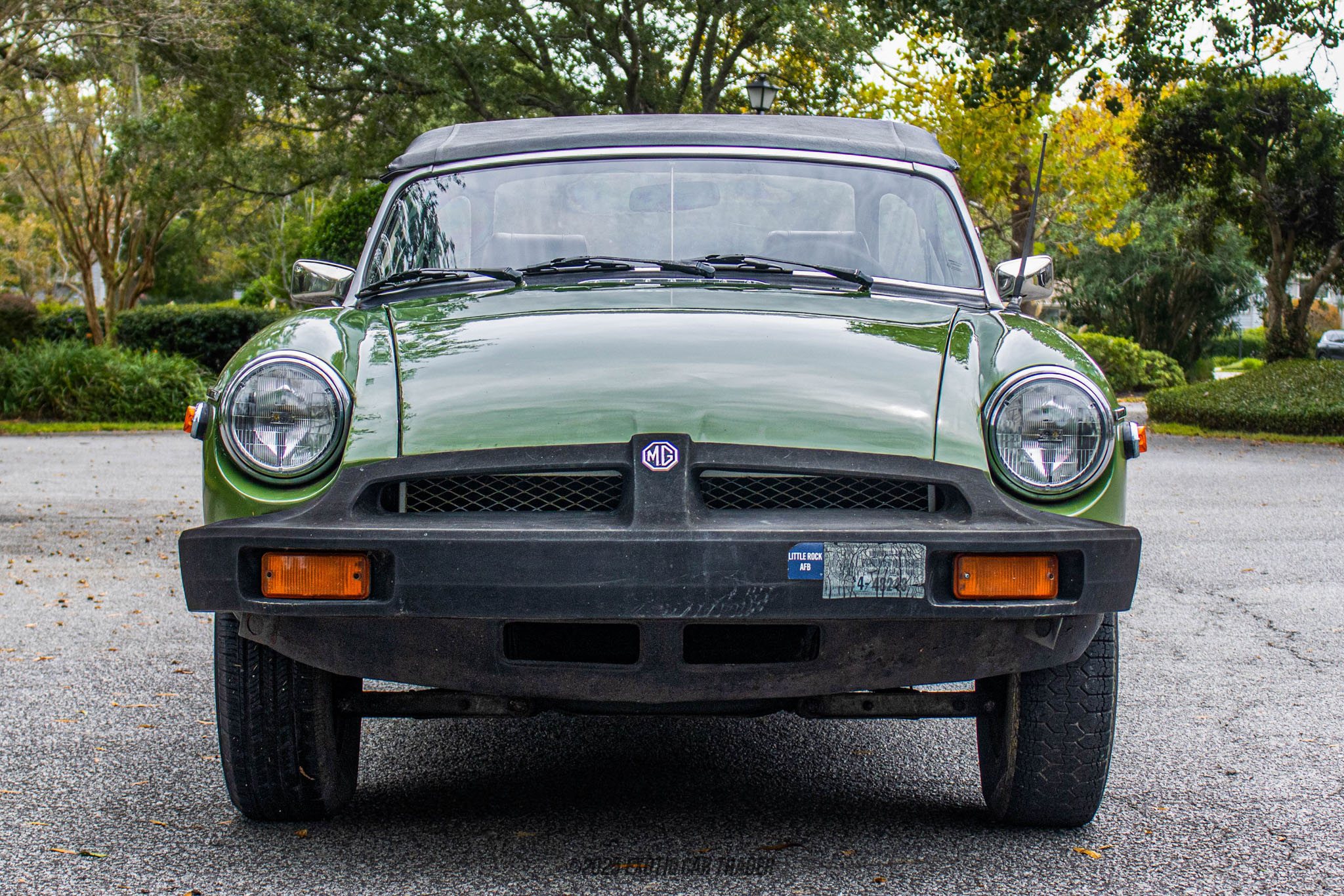
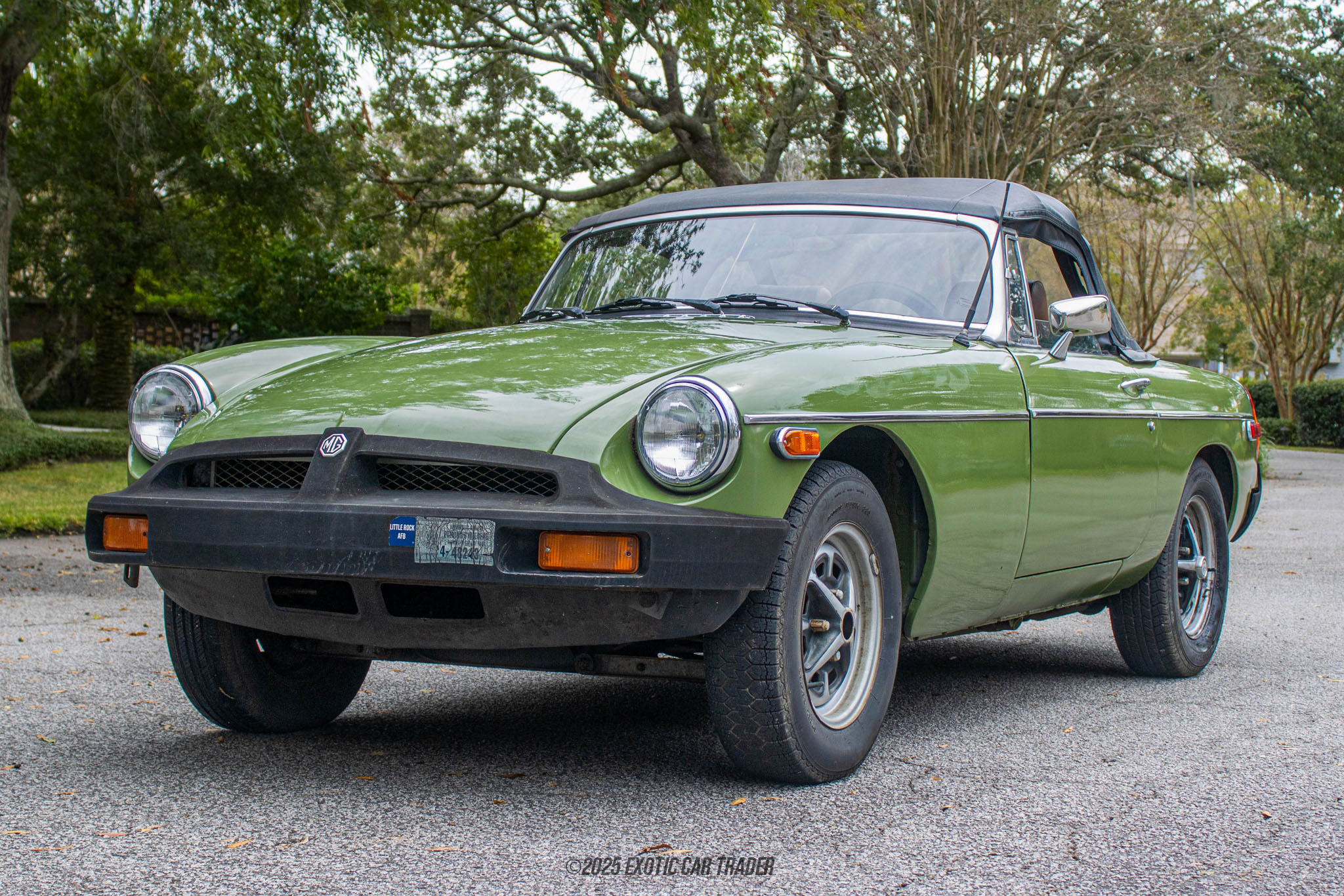
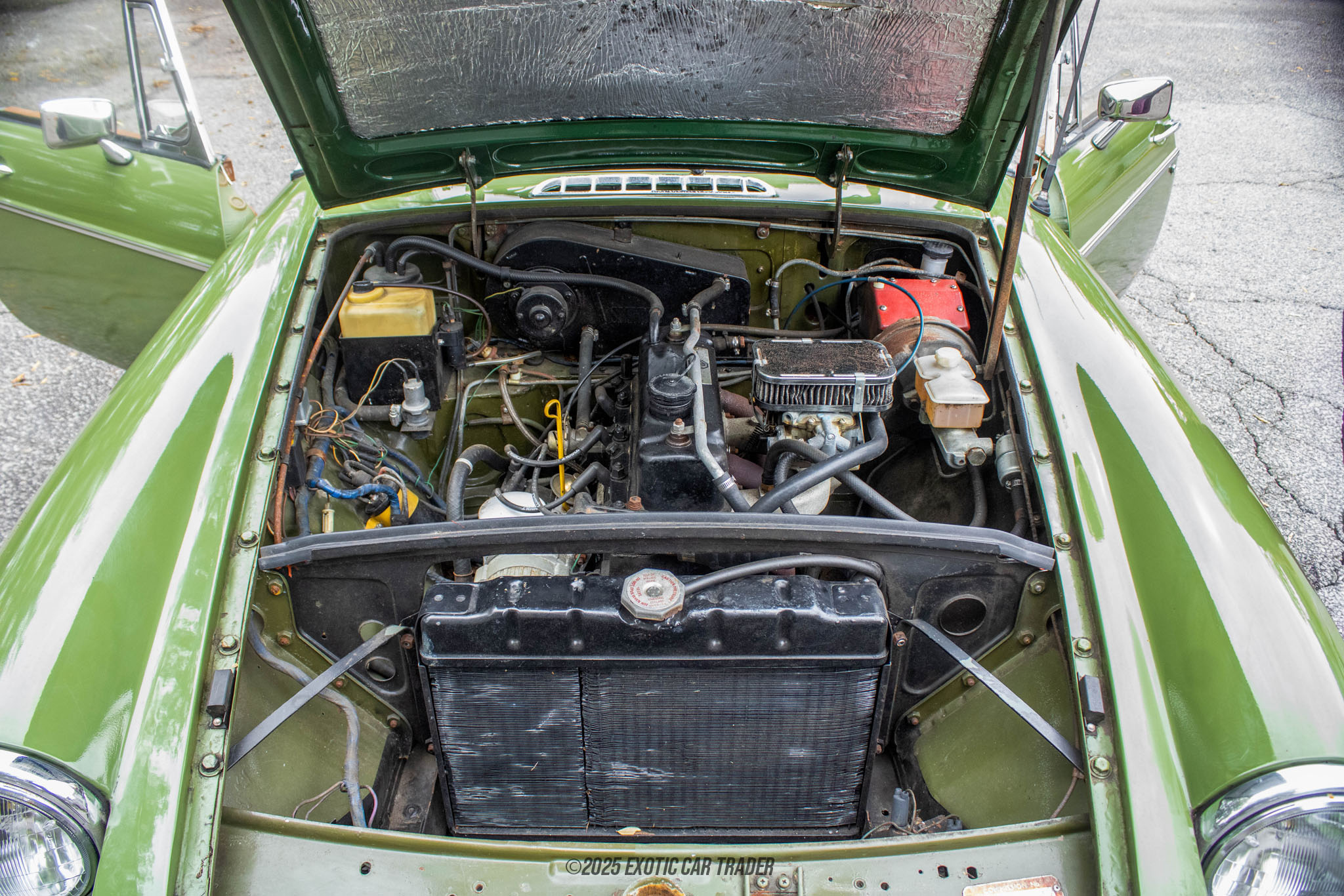
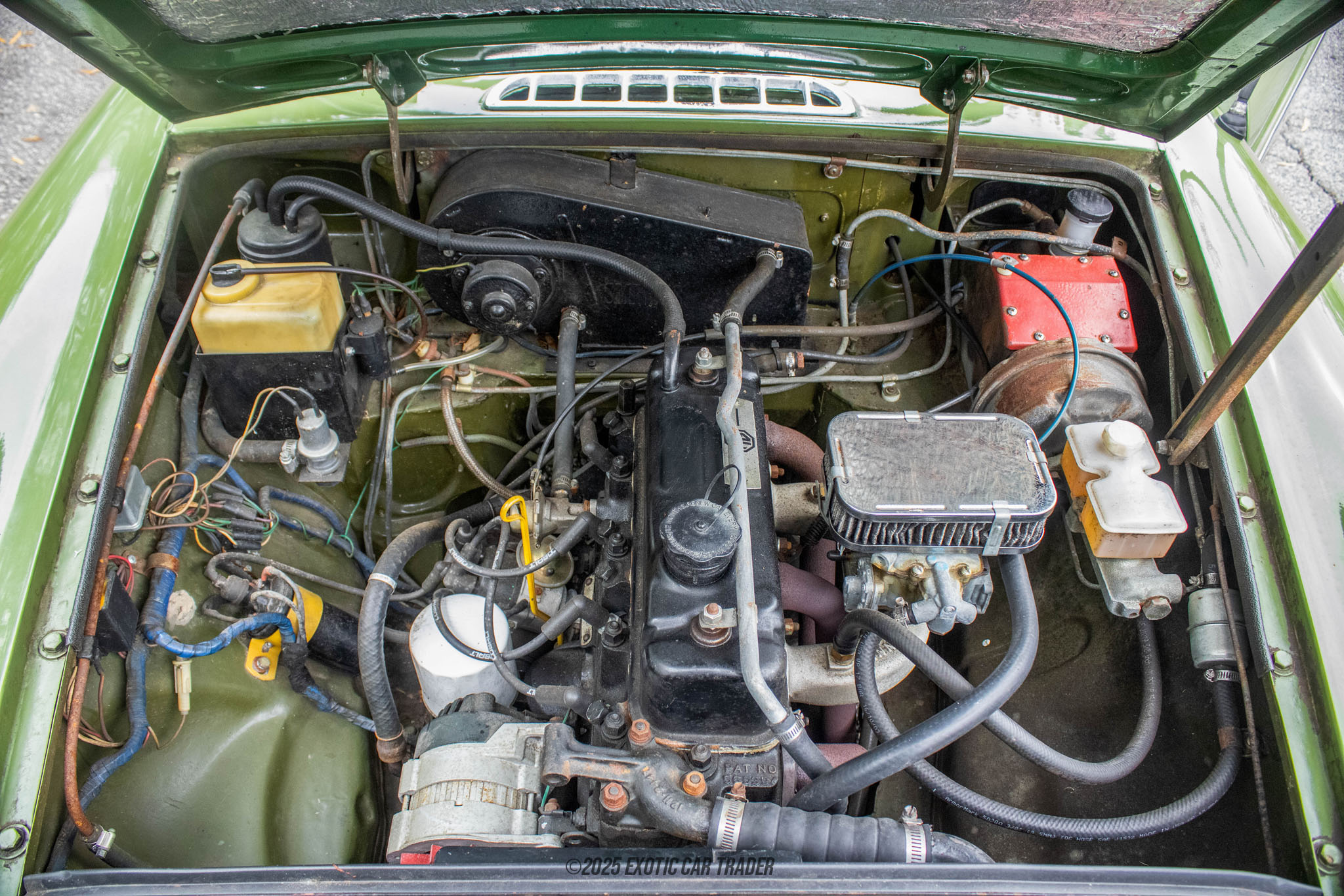
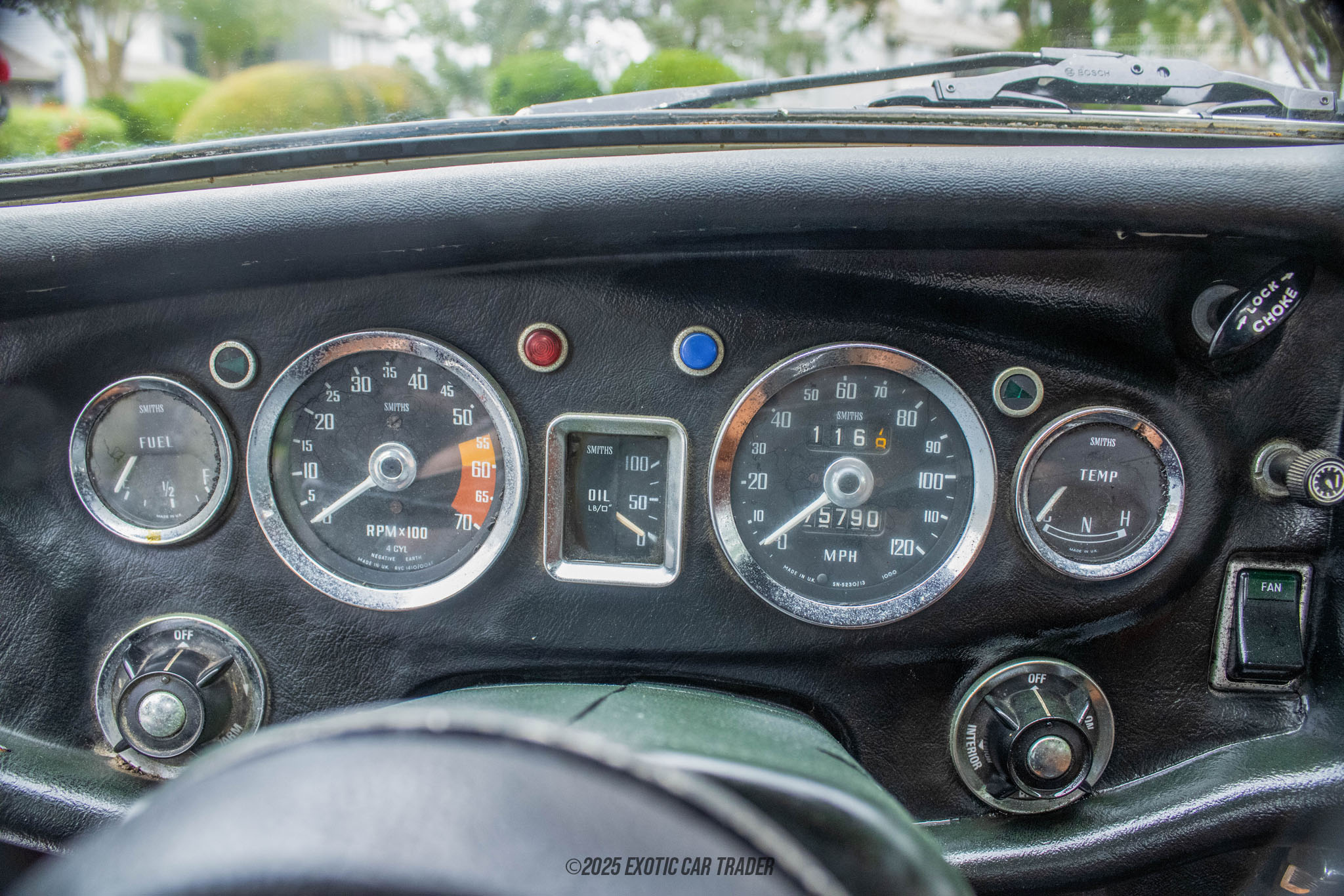
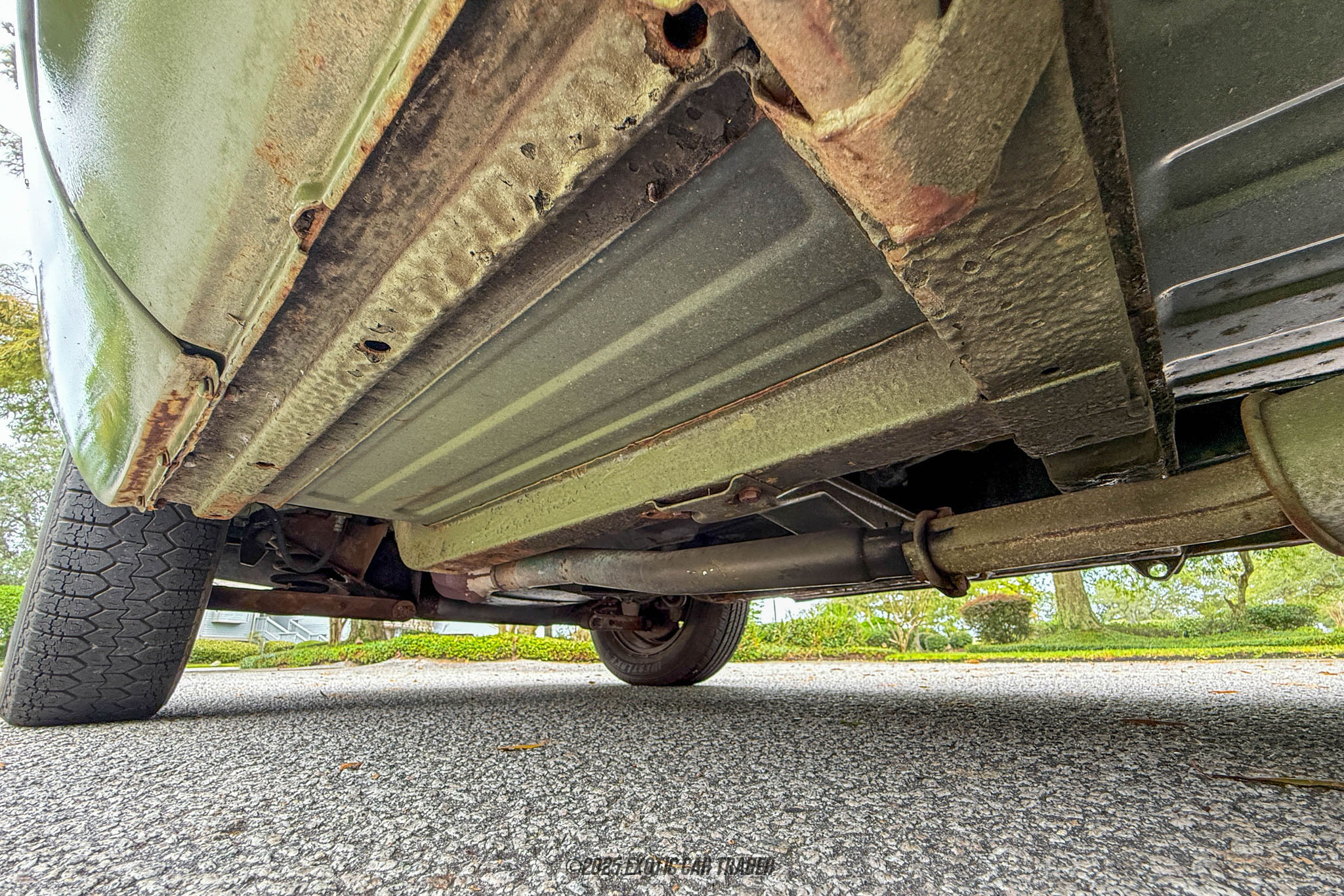
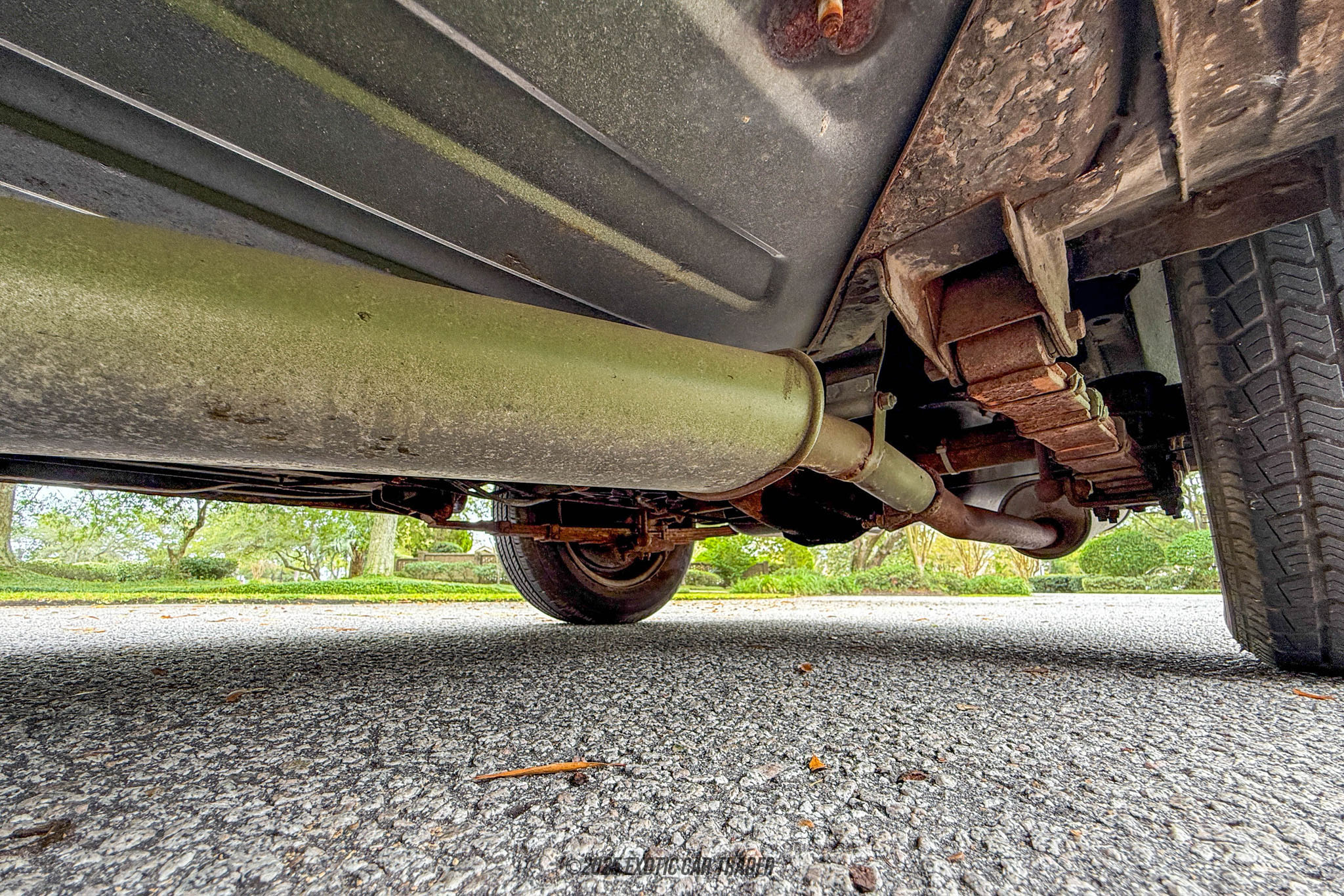
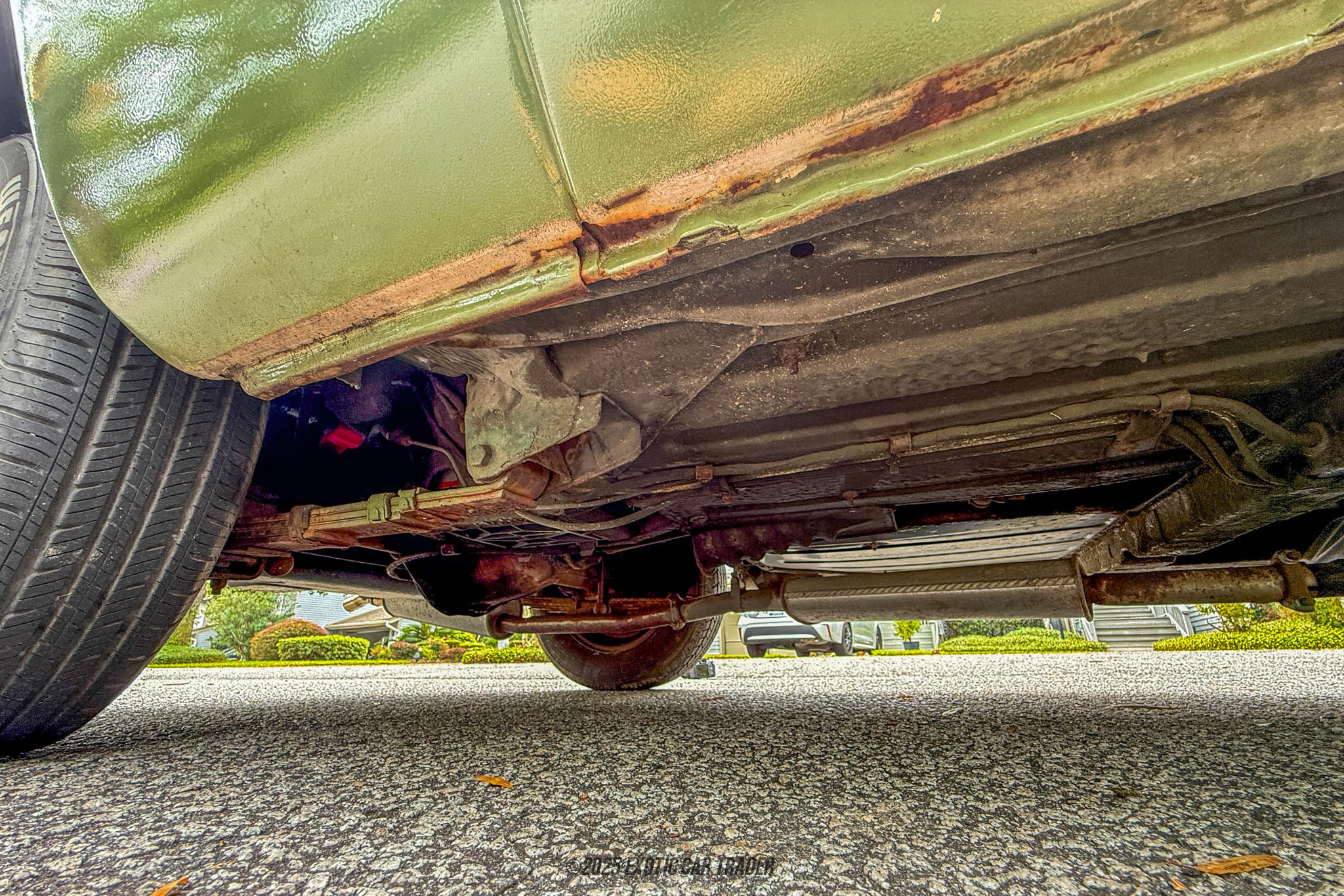
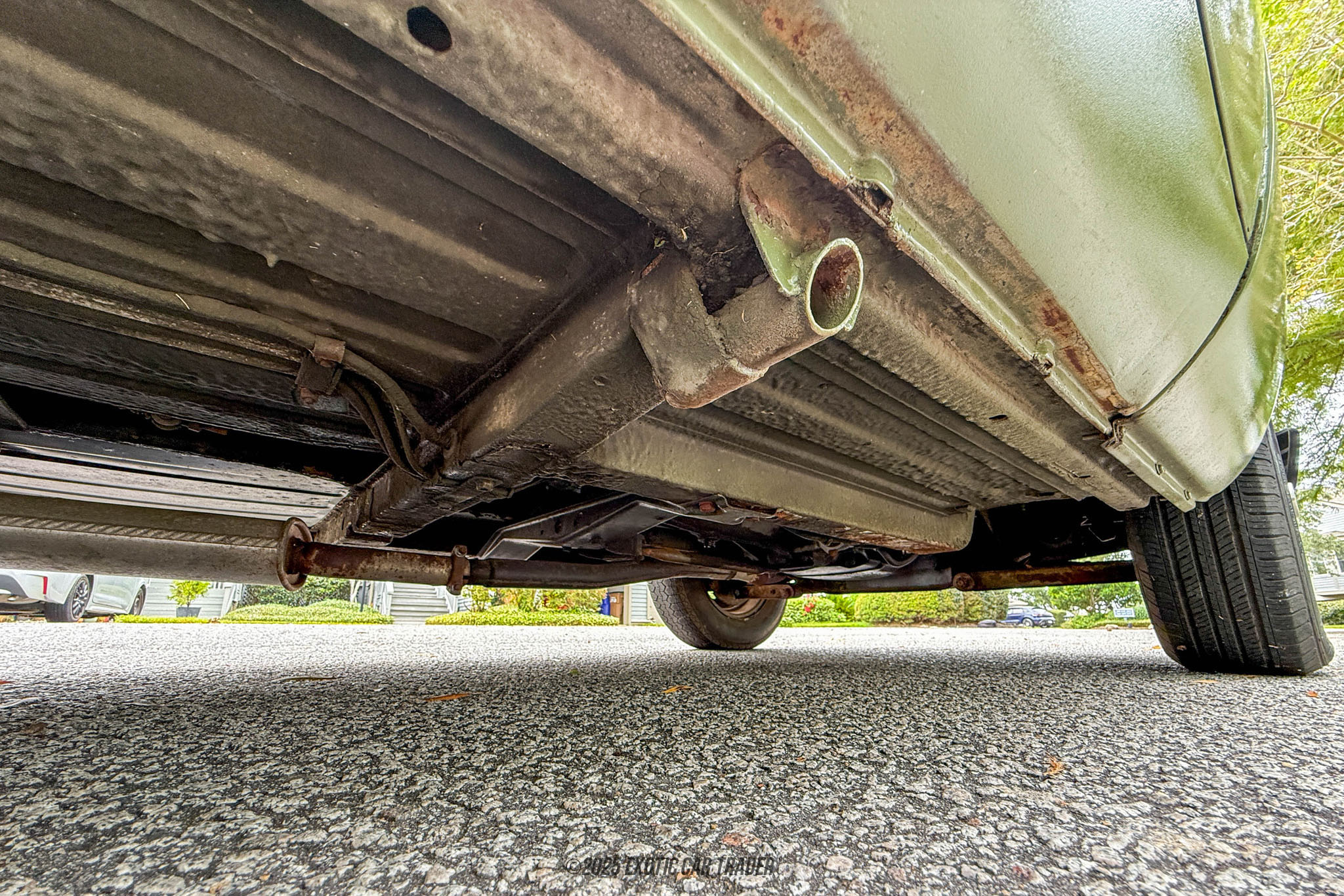


- 1975 MGB Roadster
- 1,798cc Naturally Aspirated I4
- Zenith-Stromberg 175CD Carburetor
- 4-Speed Manual
- RWD
- Hunter Green Exterior
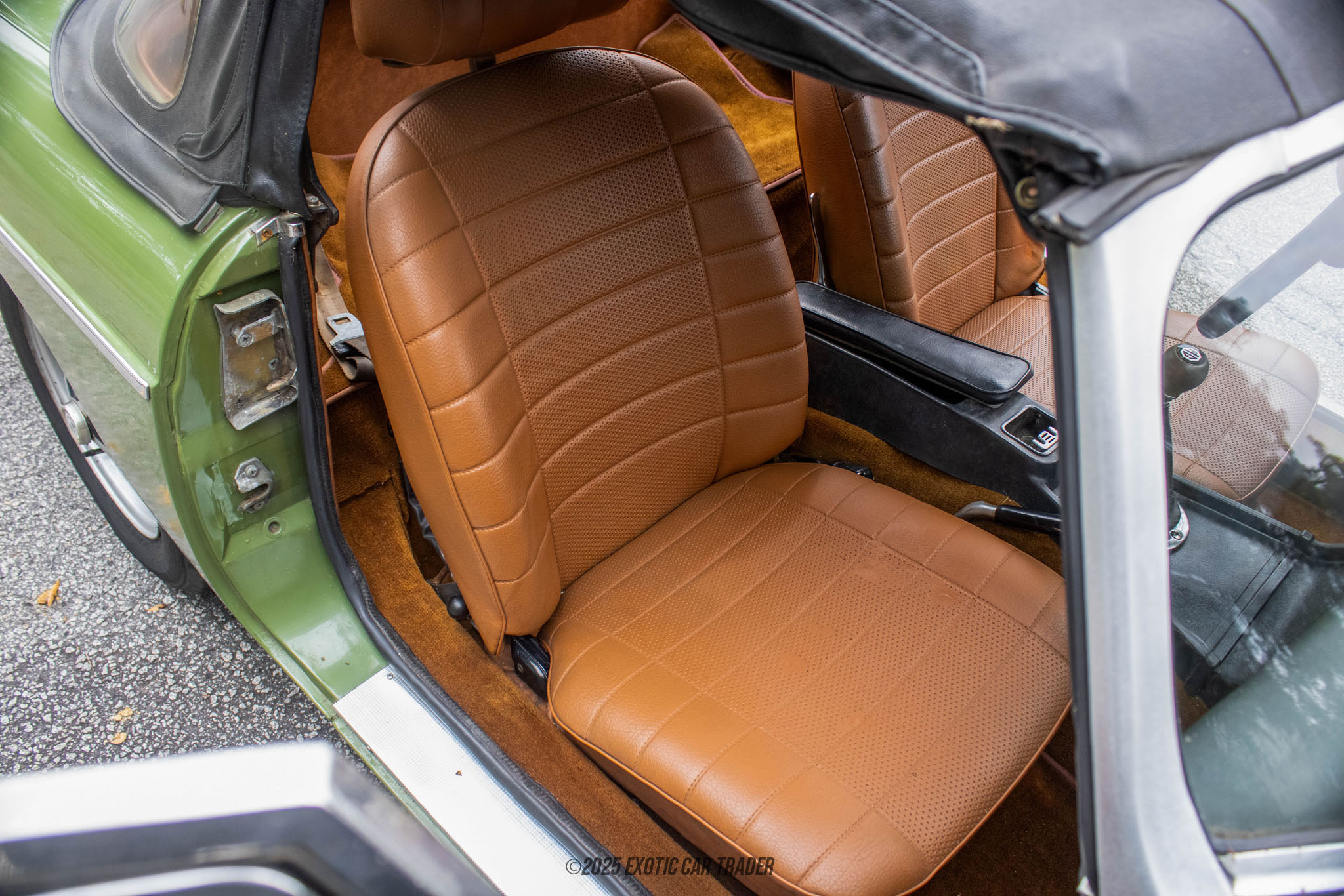
- Tan Vinyl Interior
- Black Convertible Top
- Replaced Convertible Top
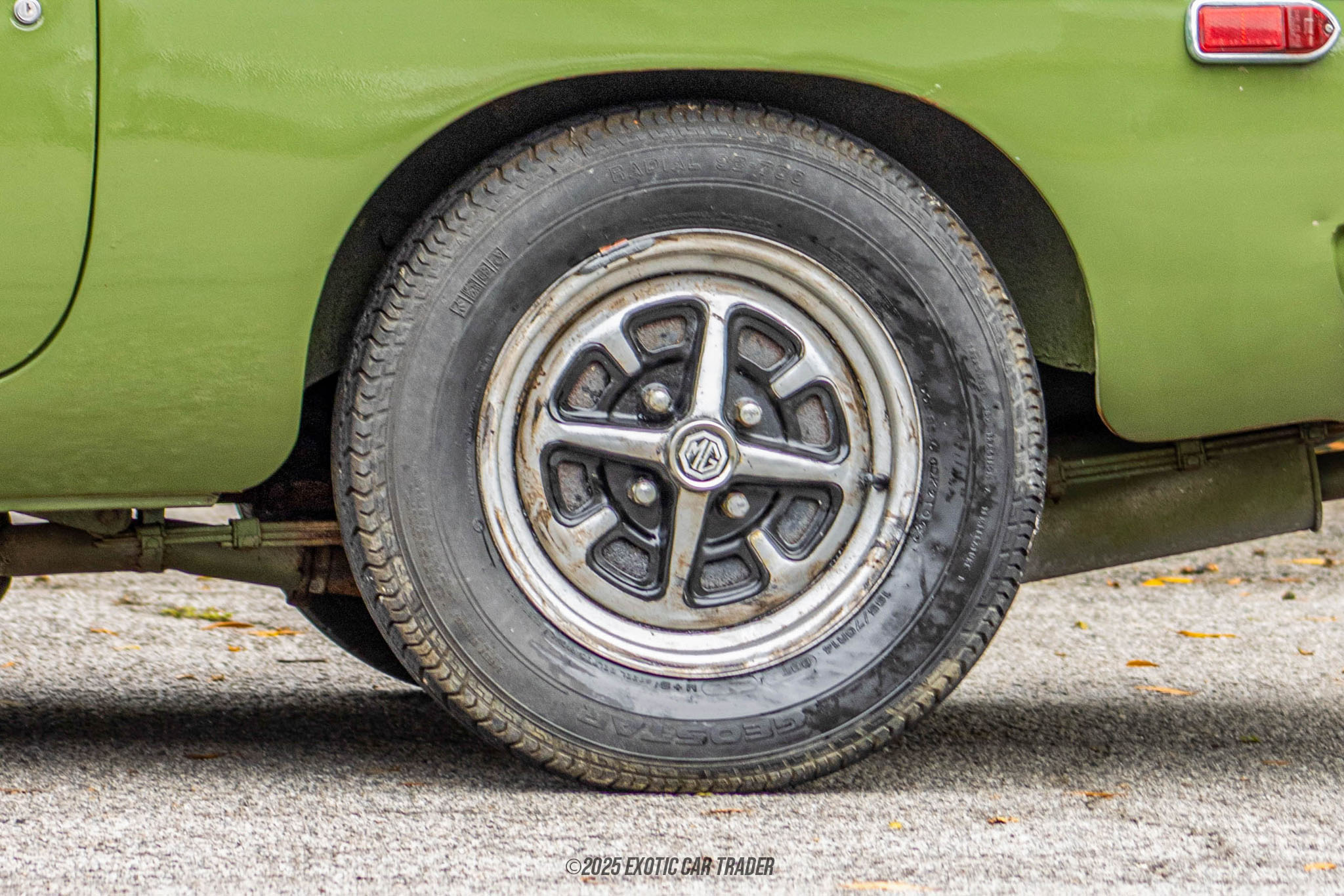
- 14" Rostyle Steel Wheels
- Front Disc Brakes


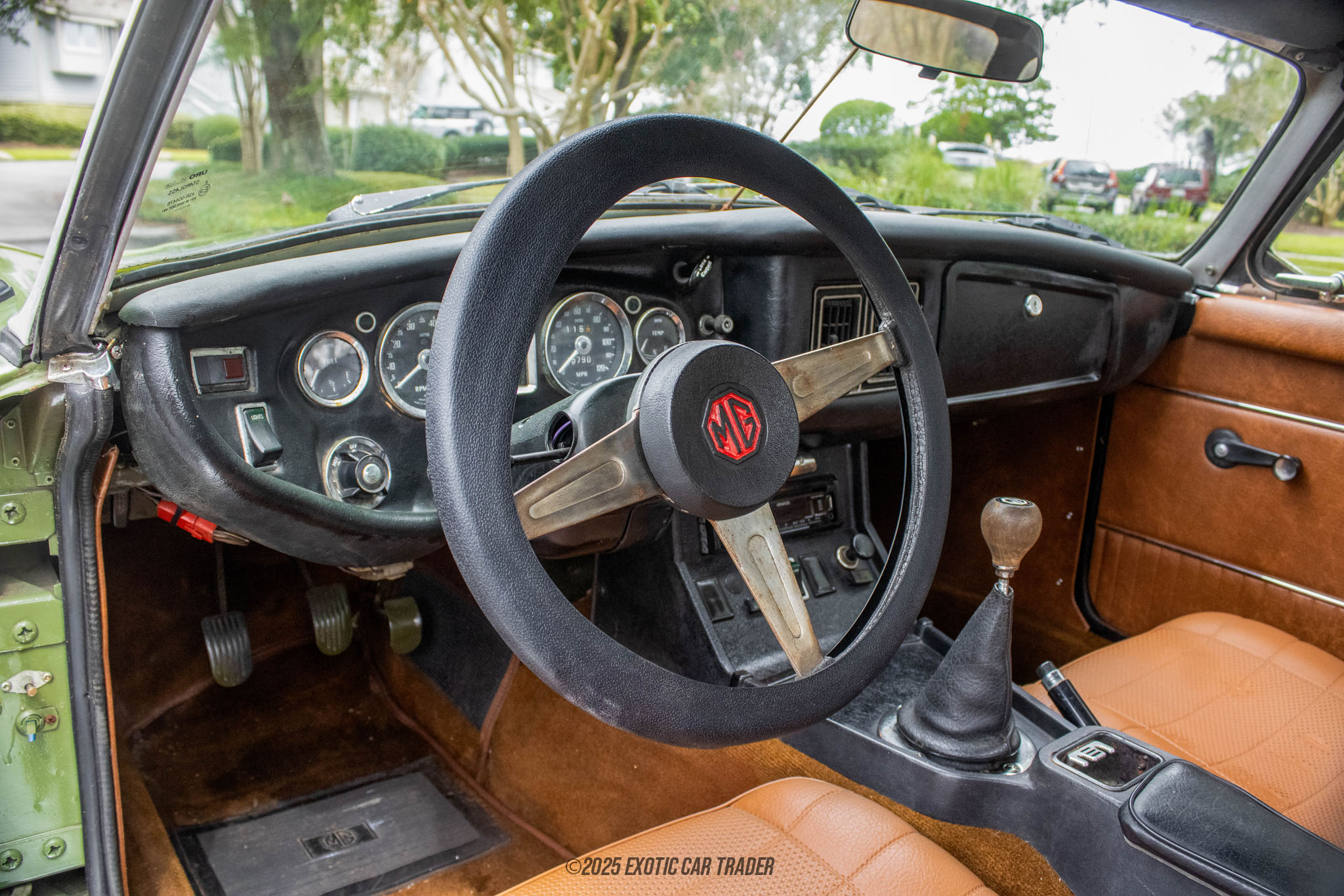
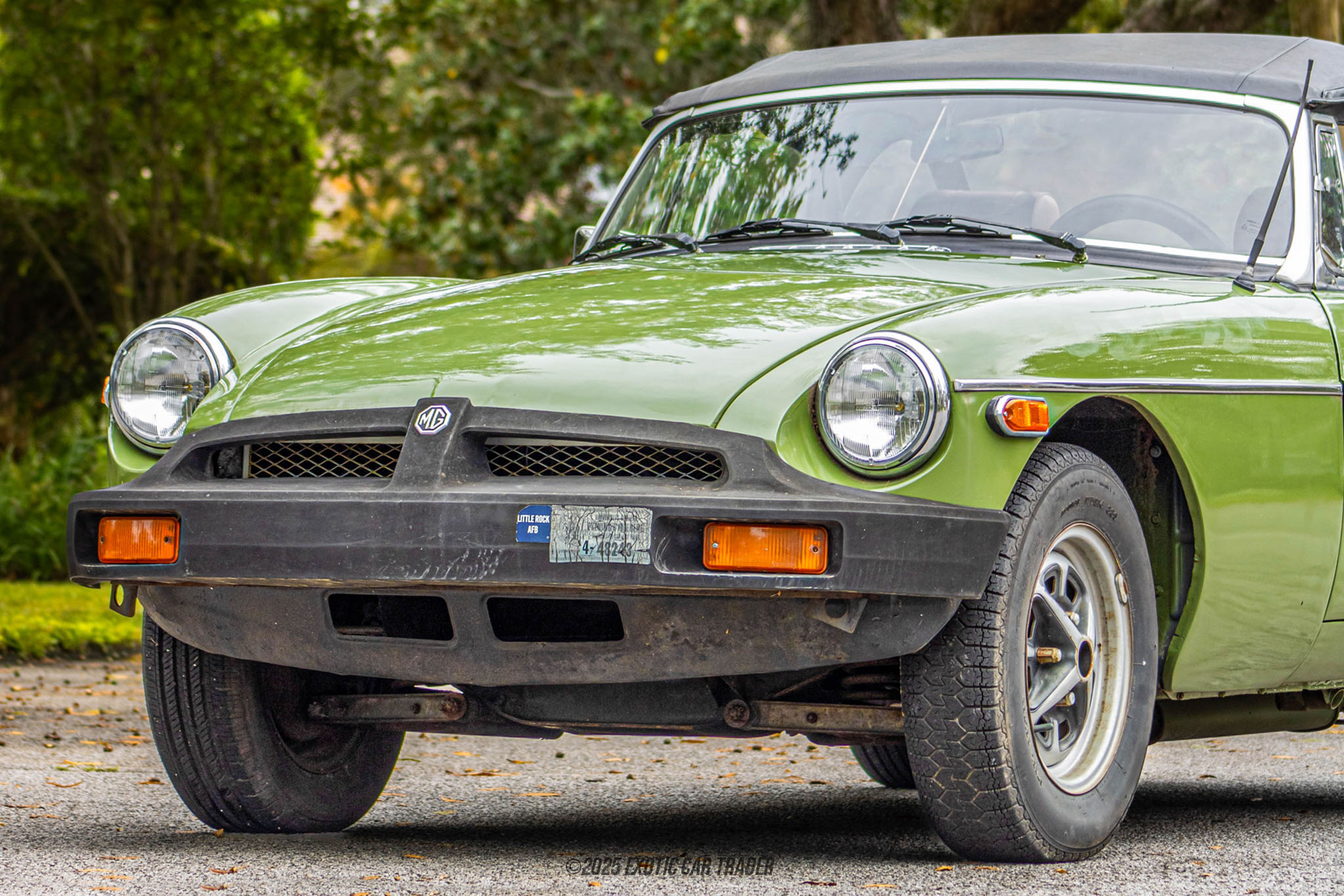
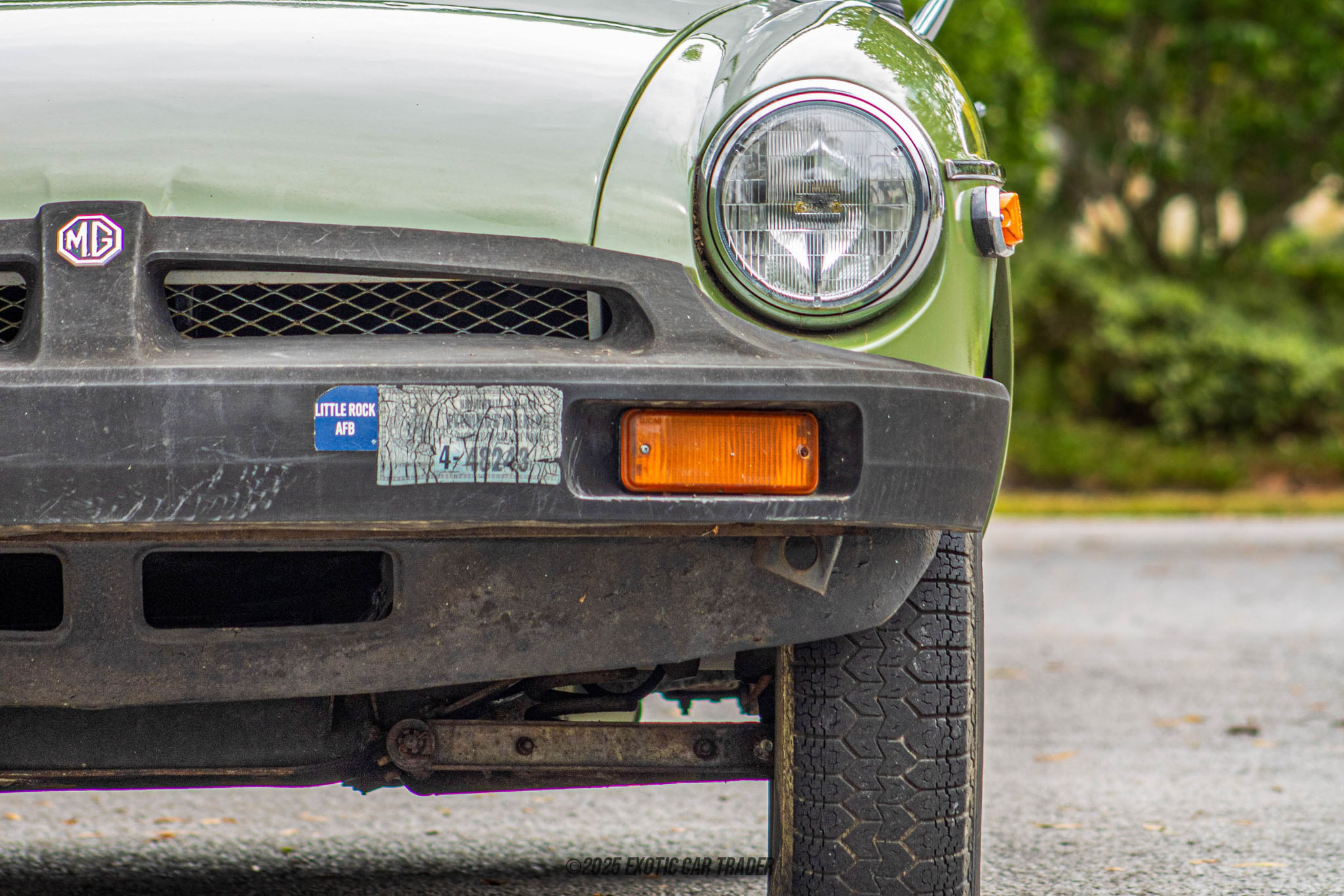
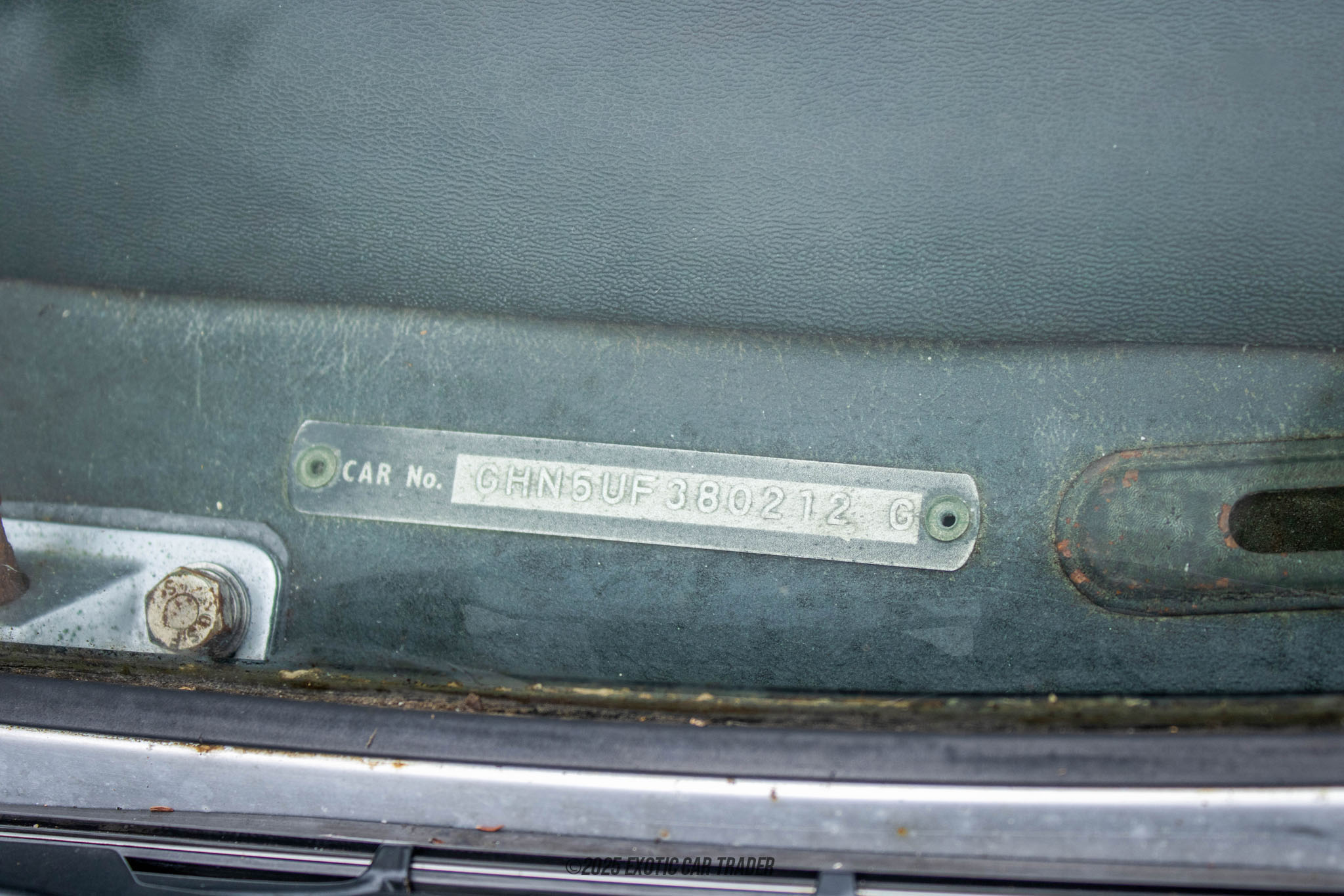
Morris Garages, or MG for short, used to be an iconic British automaker, responsible for some stunning sports cars, as well as more workmanlike family sedans. Today, the brand is owned by the Chinese and churns out mostly SUVs. The spunky sports cars of yore are no longer, save for examples like this 1975 MG MGB from Charleston, South Carolina. The MGB was made between 1962 and 1980, as the successor to the MGA. Nearly 524,000 cars were made during this time, but not many were preserved as time progressed on. So, this car, with its 75,790 miles and replaced convertible top represents not only a great way to enjoy a weekend back road blast, but a pretty darn good investment as well.
Exterior and Interior
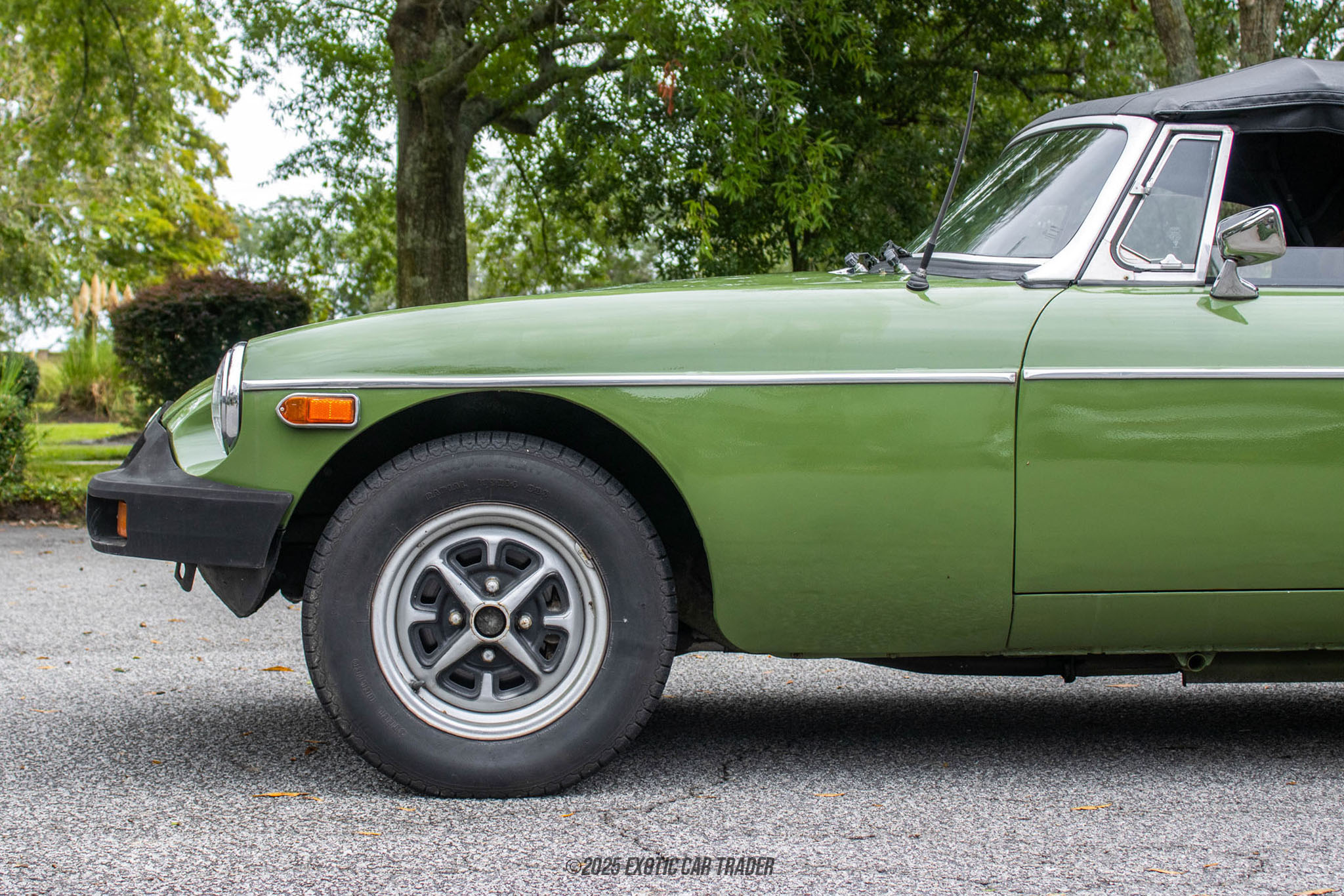
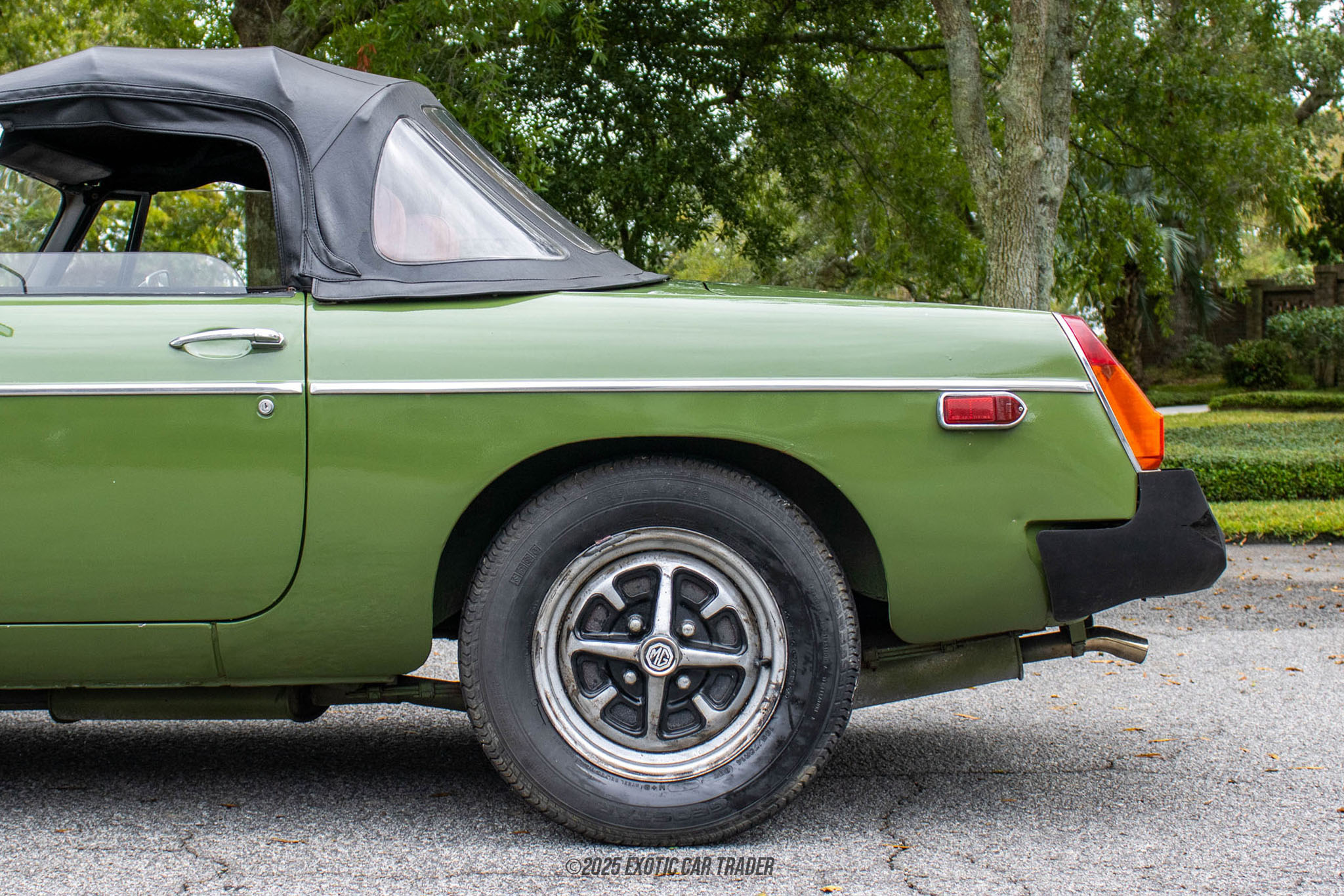
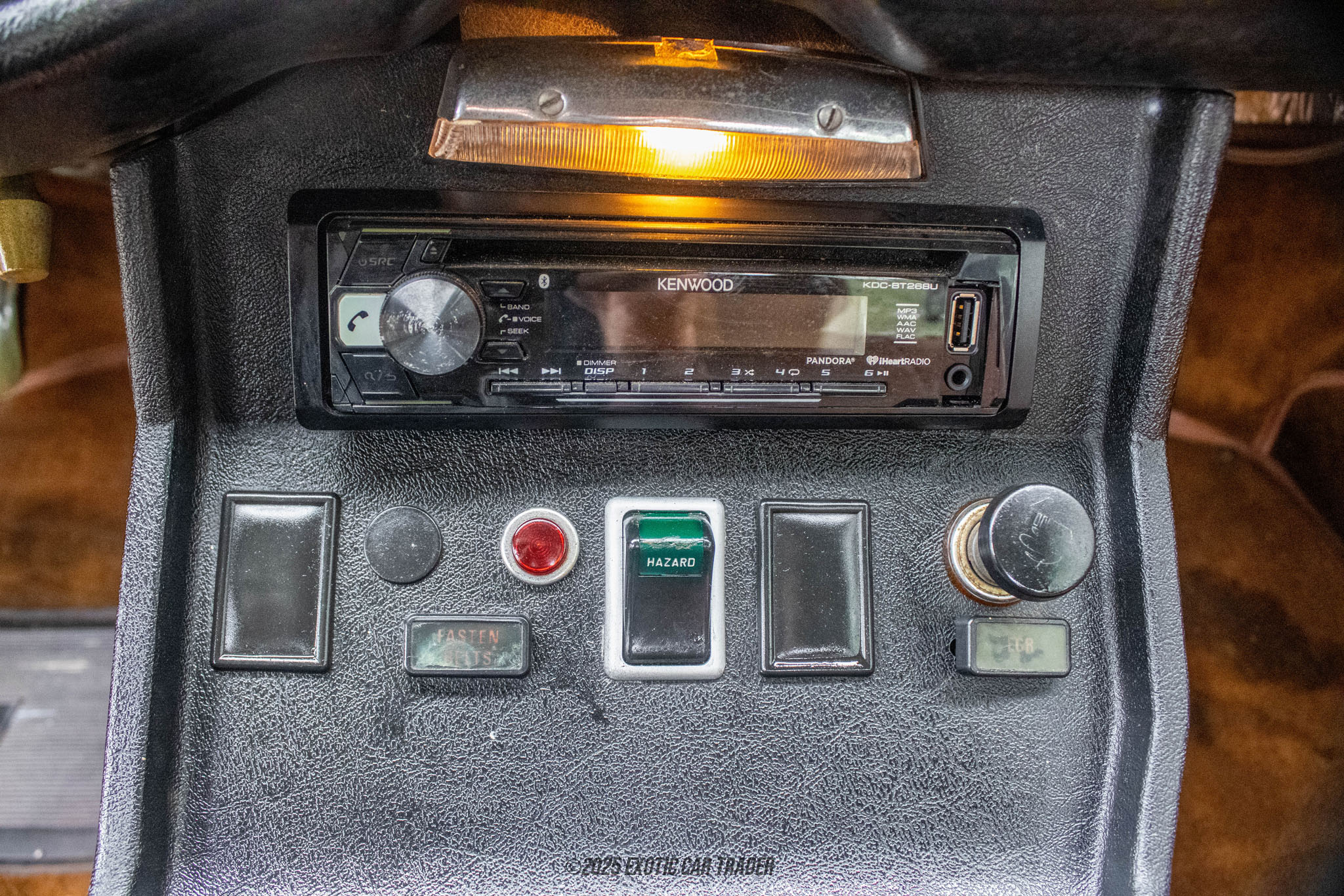
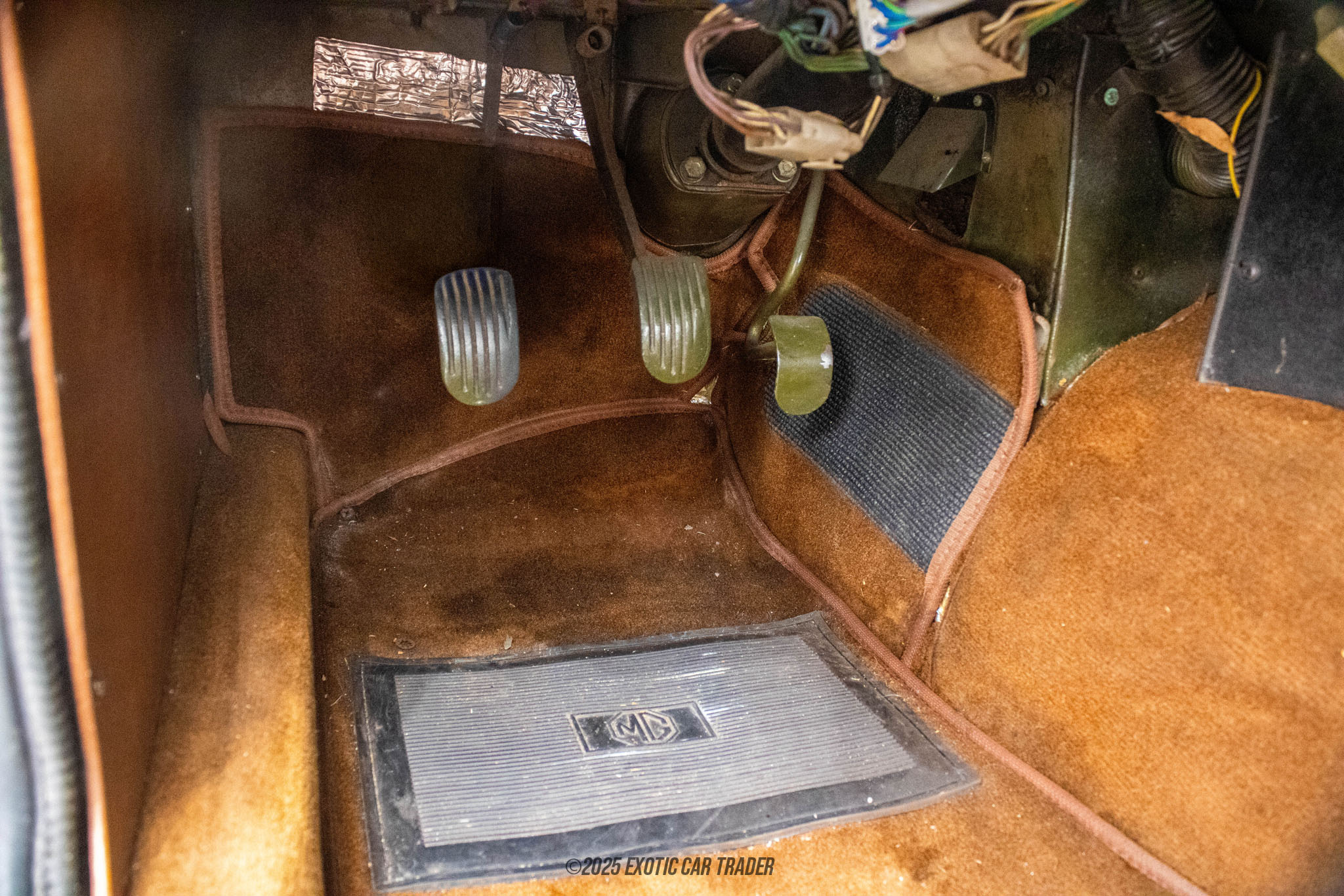
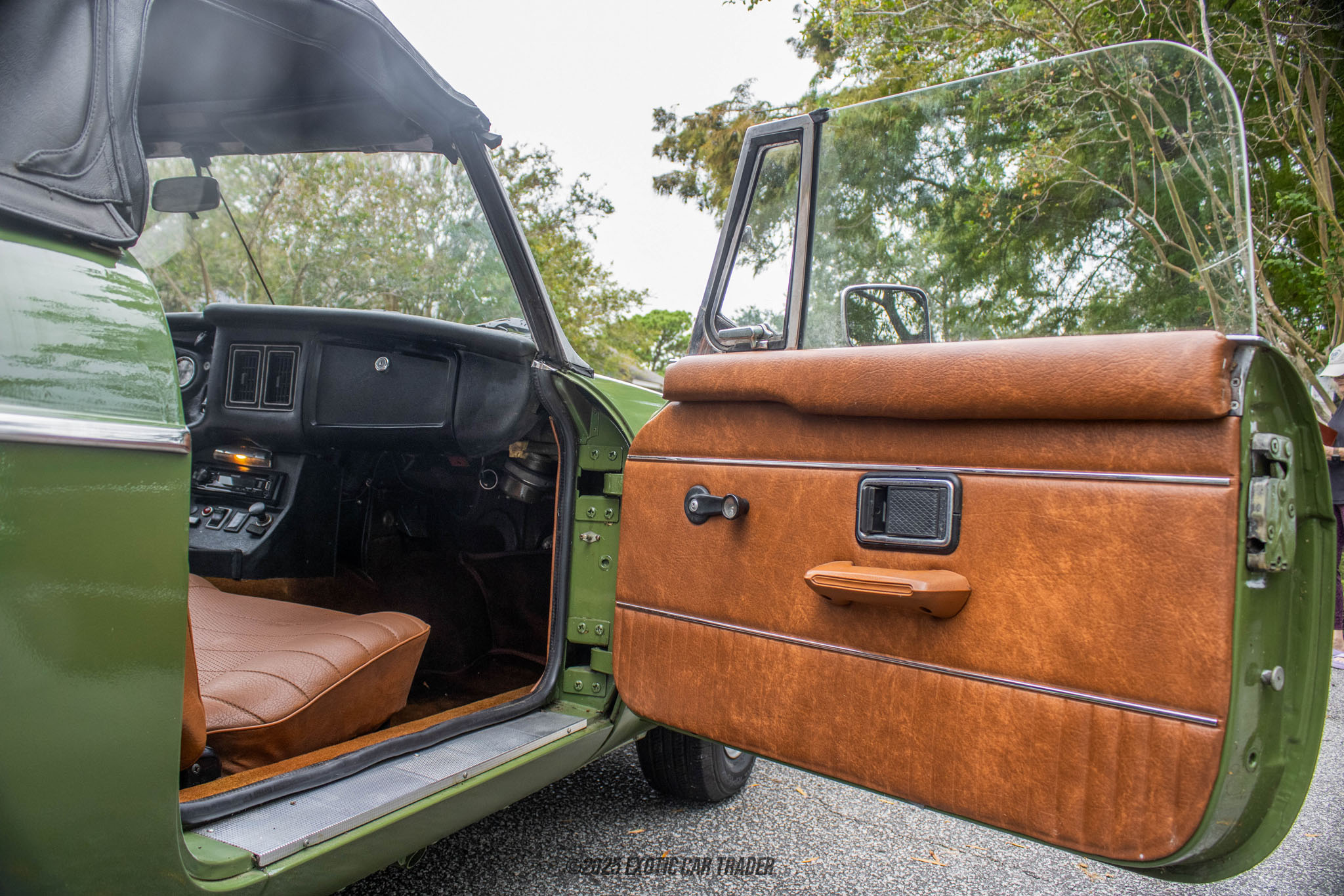
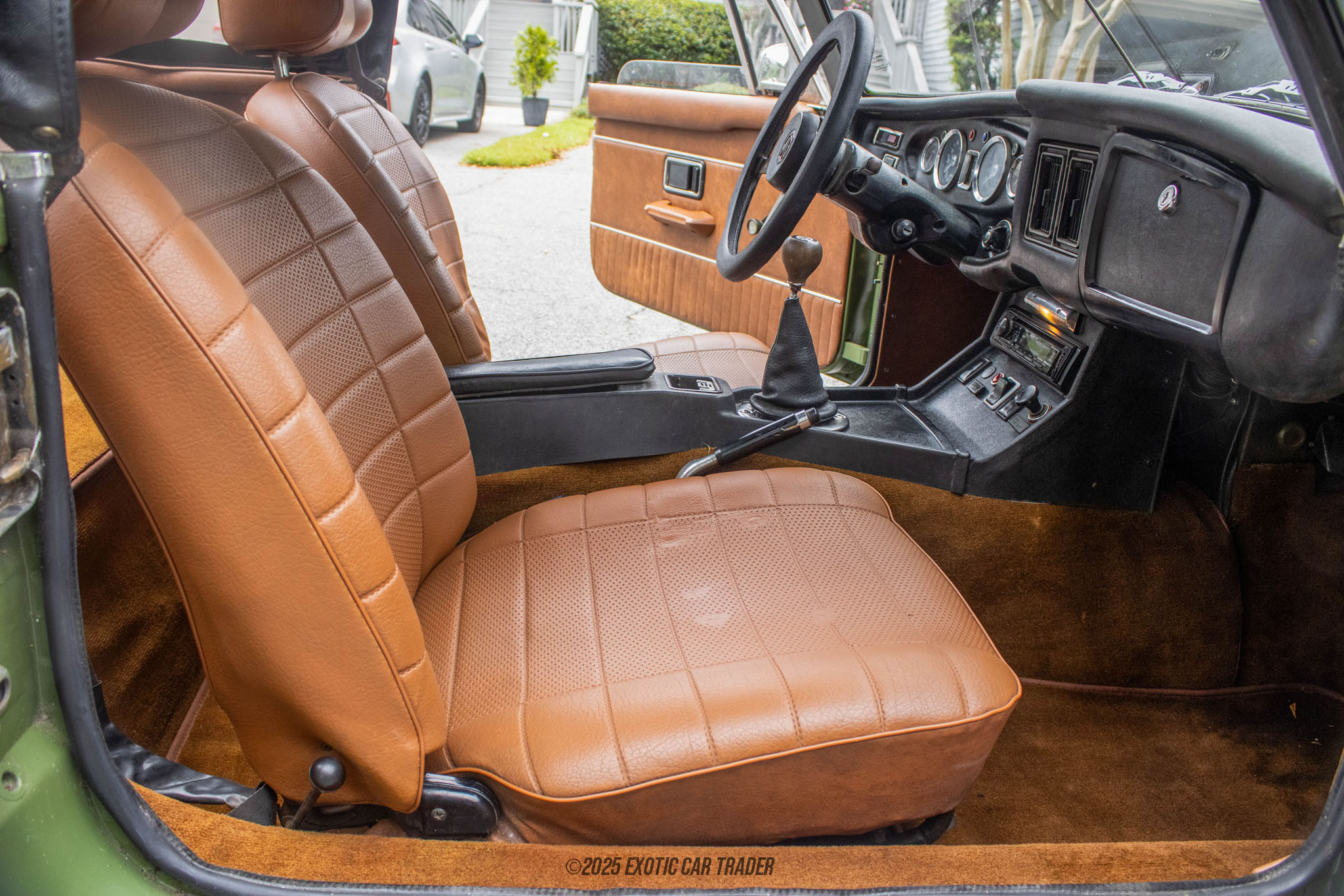
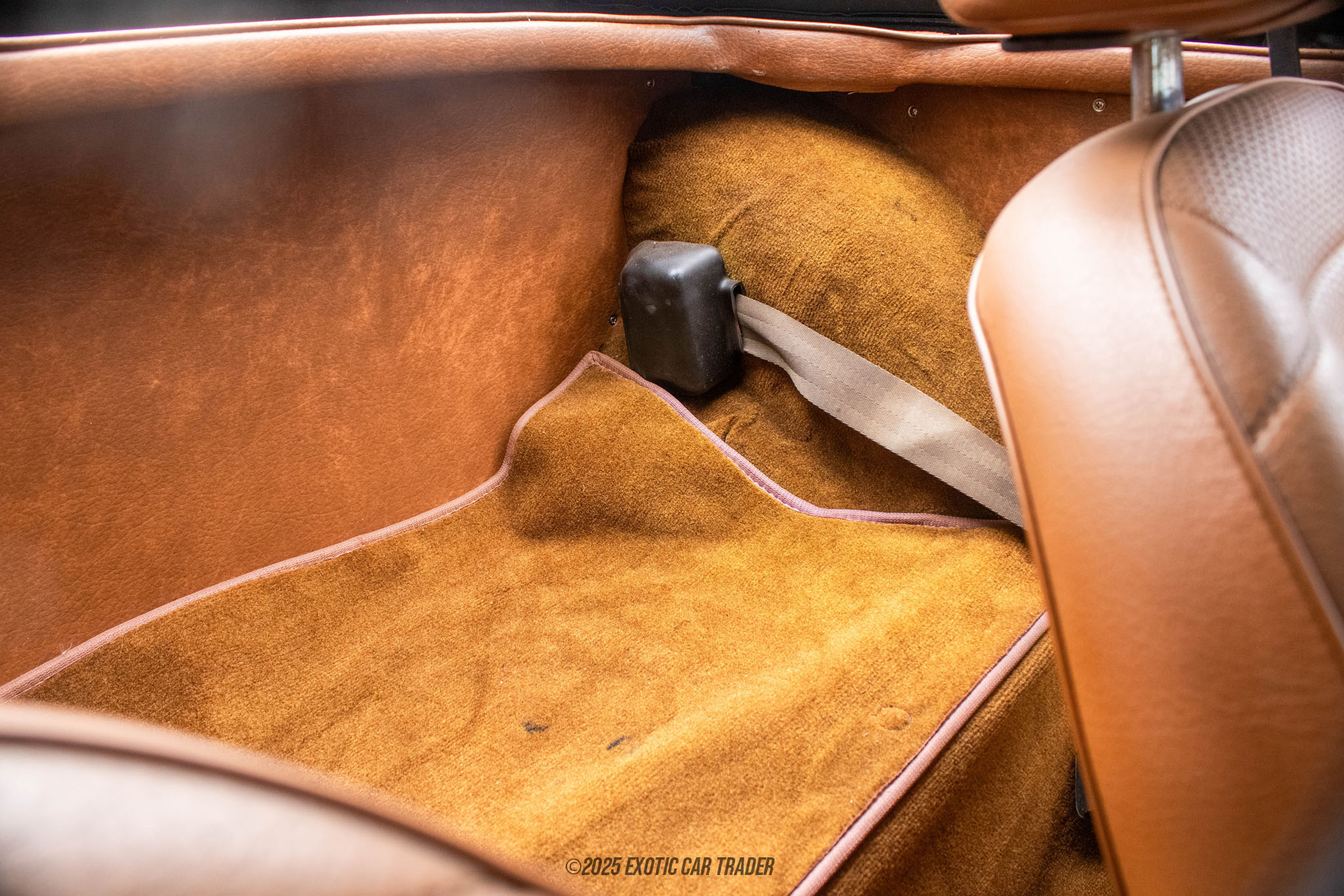
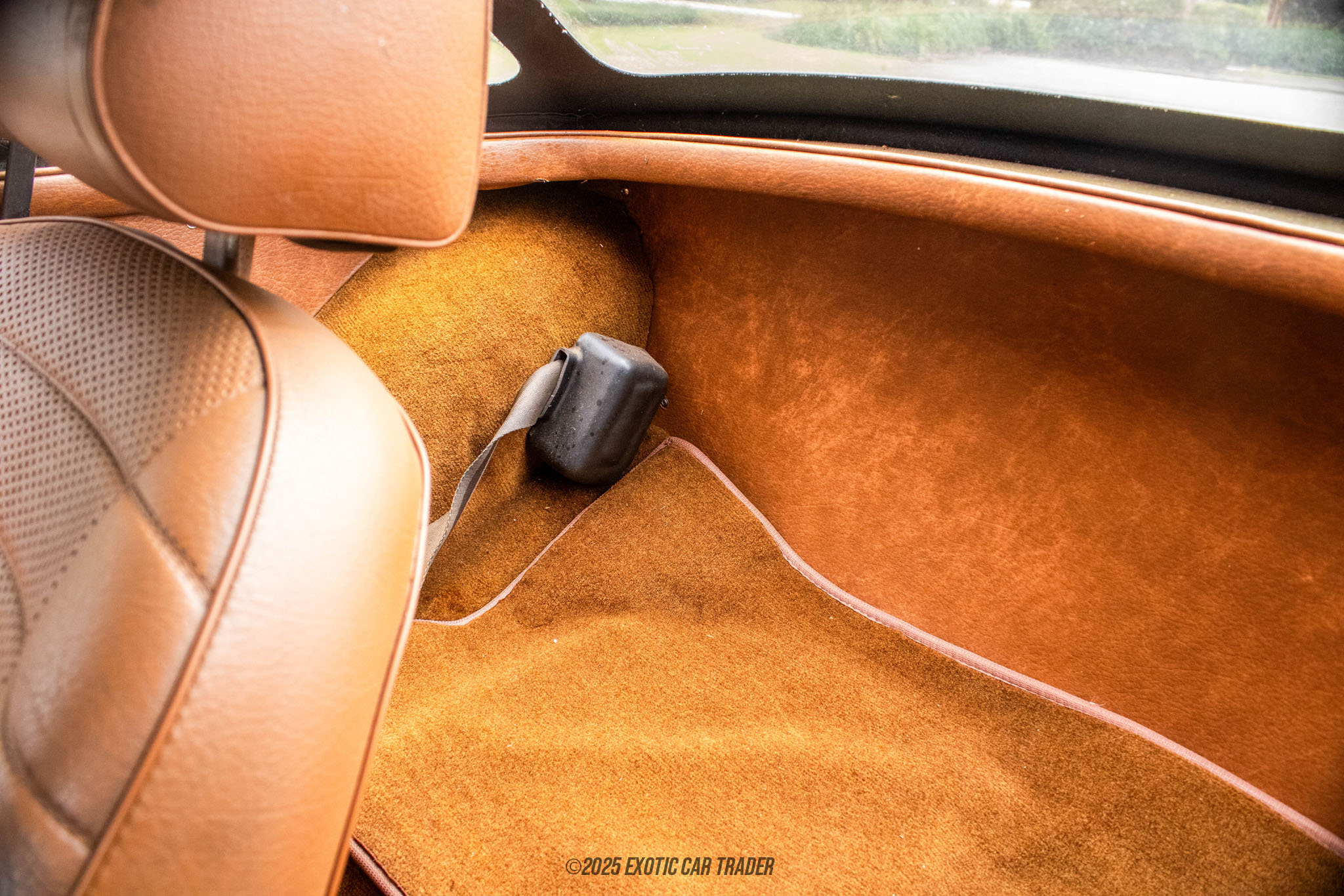
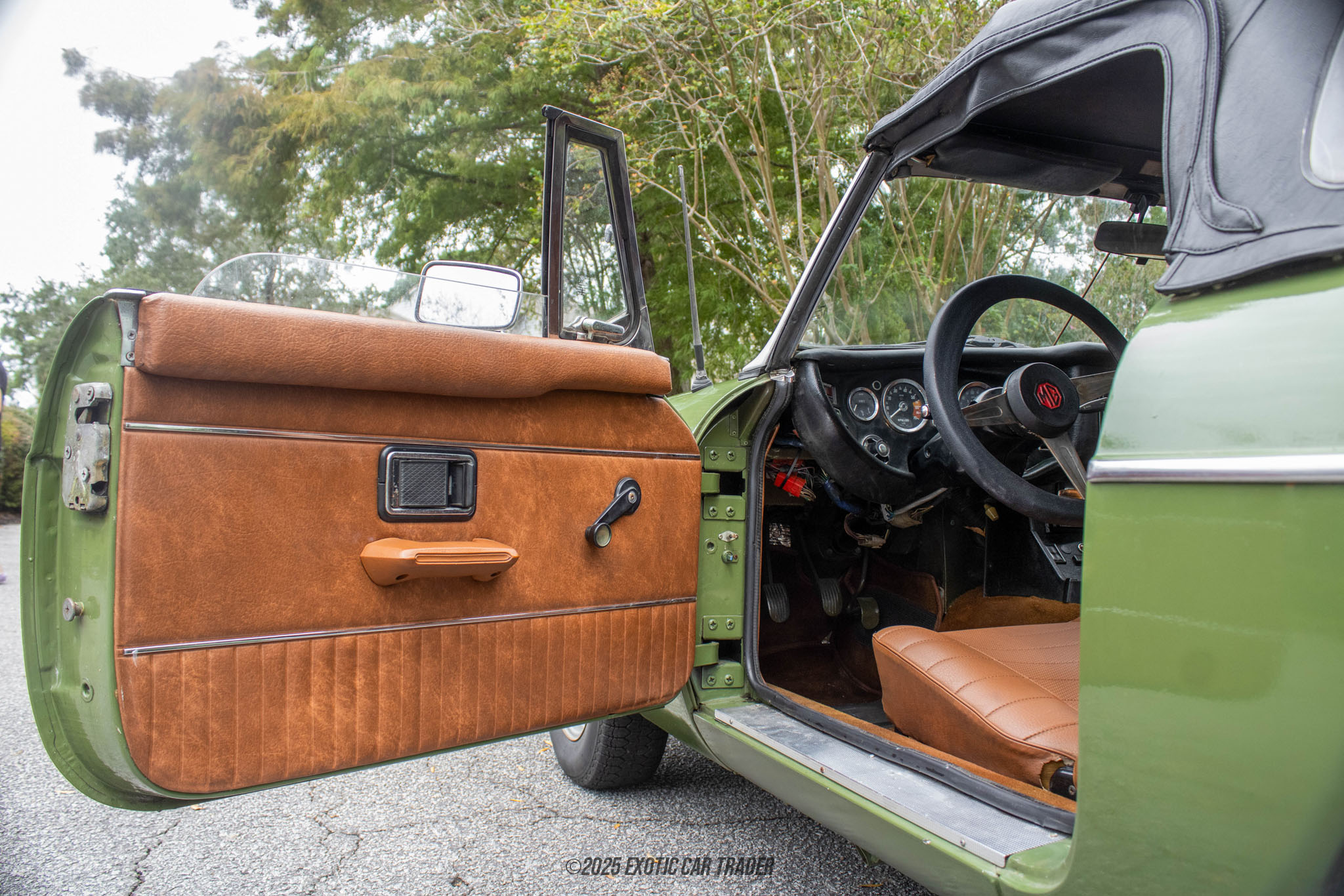
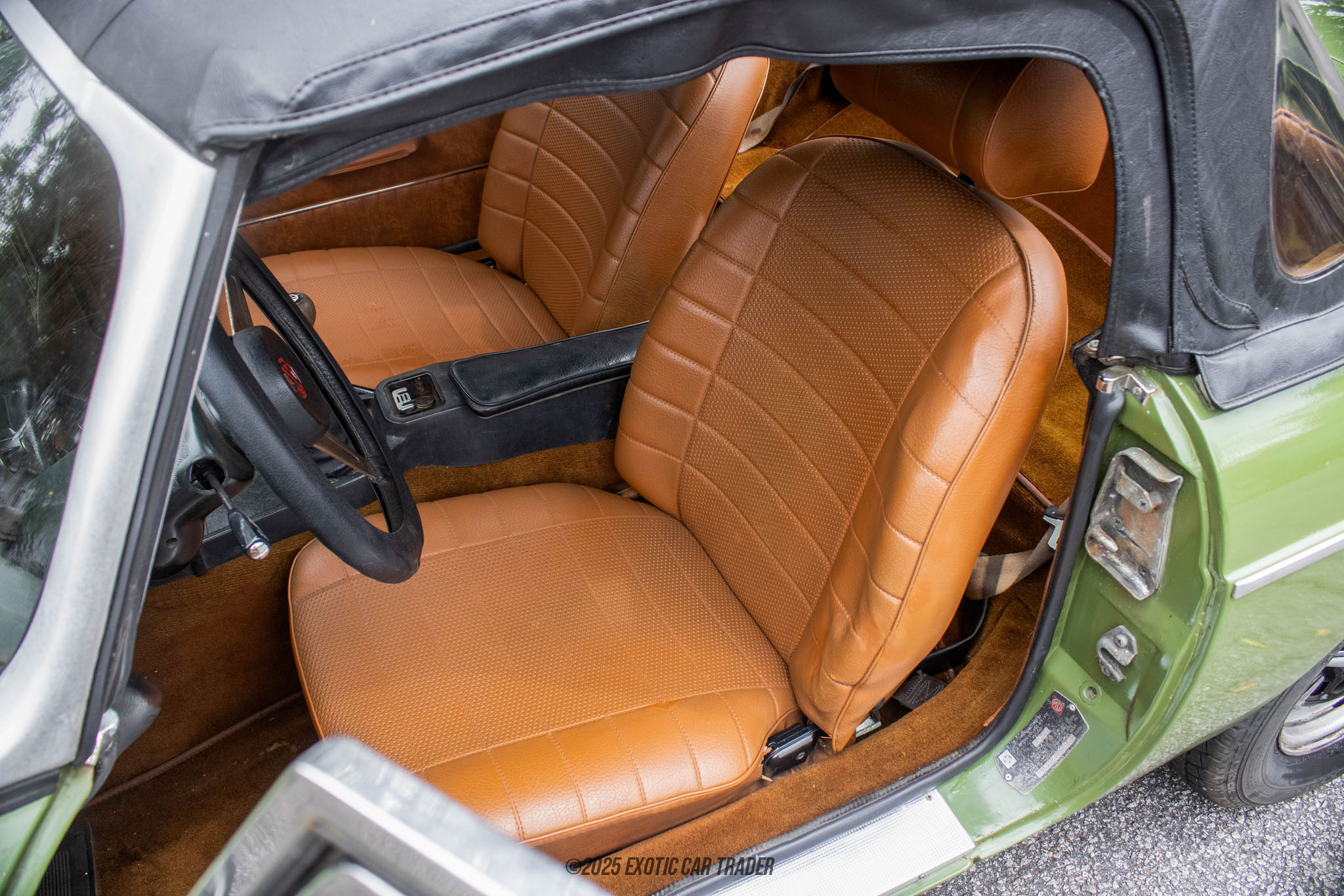
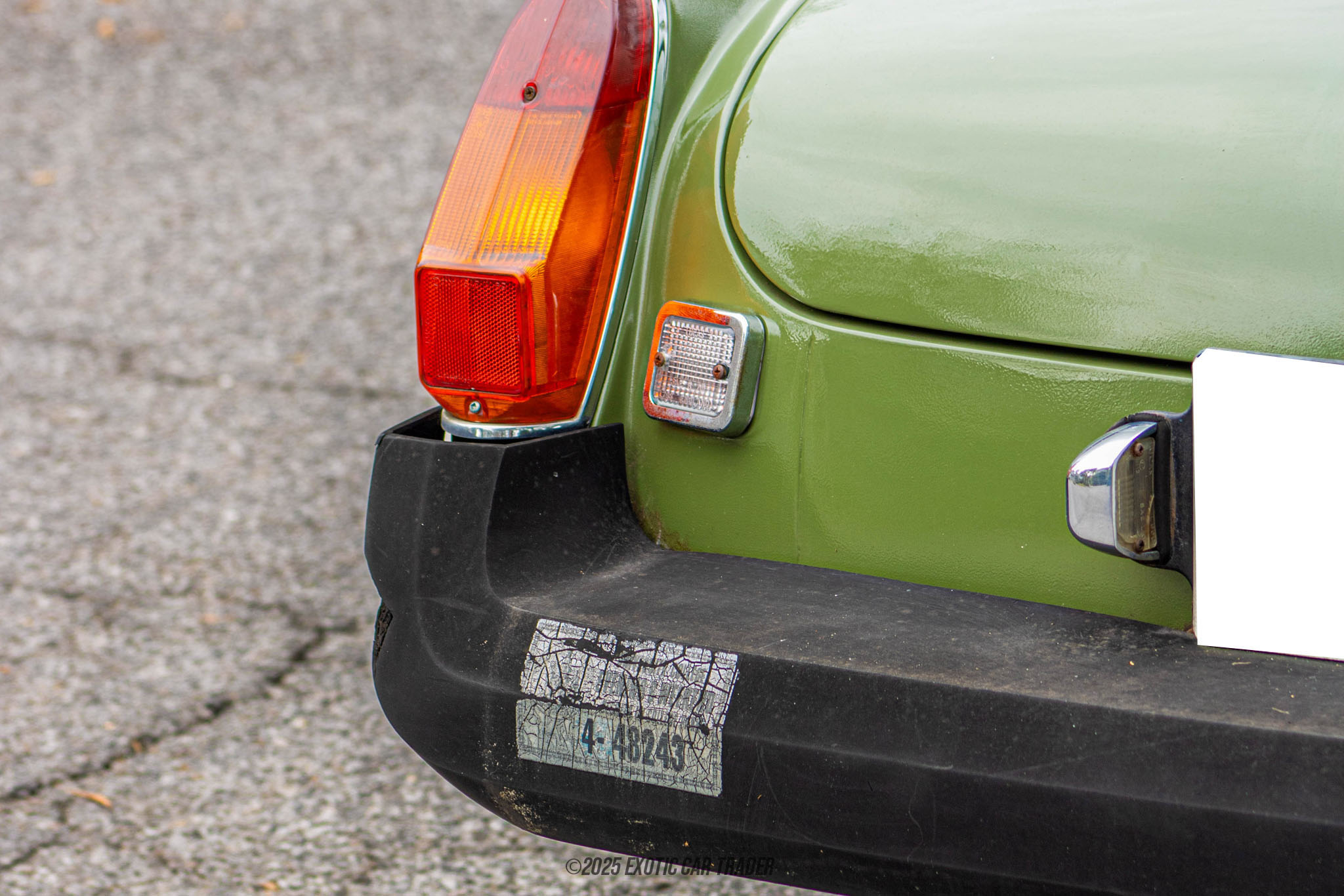
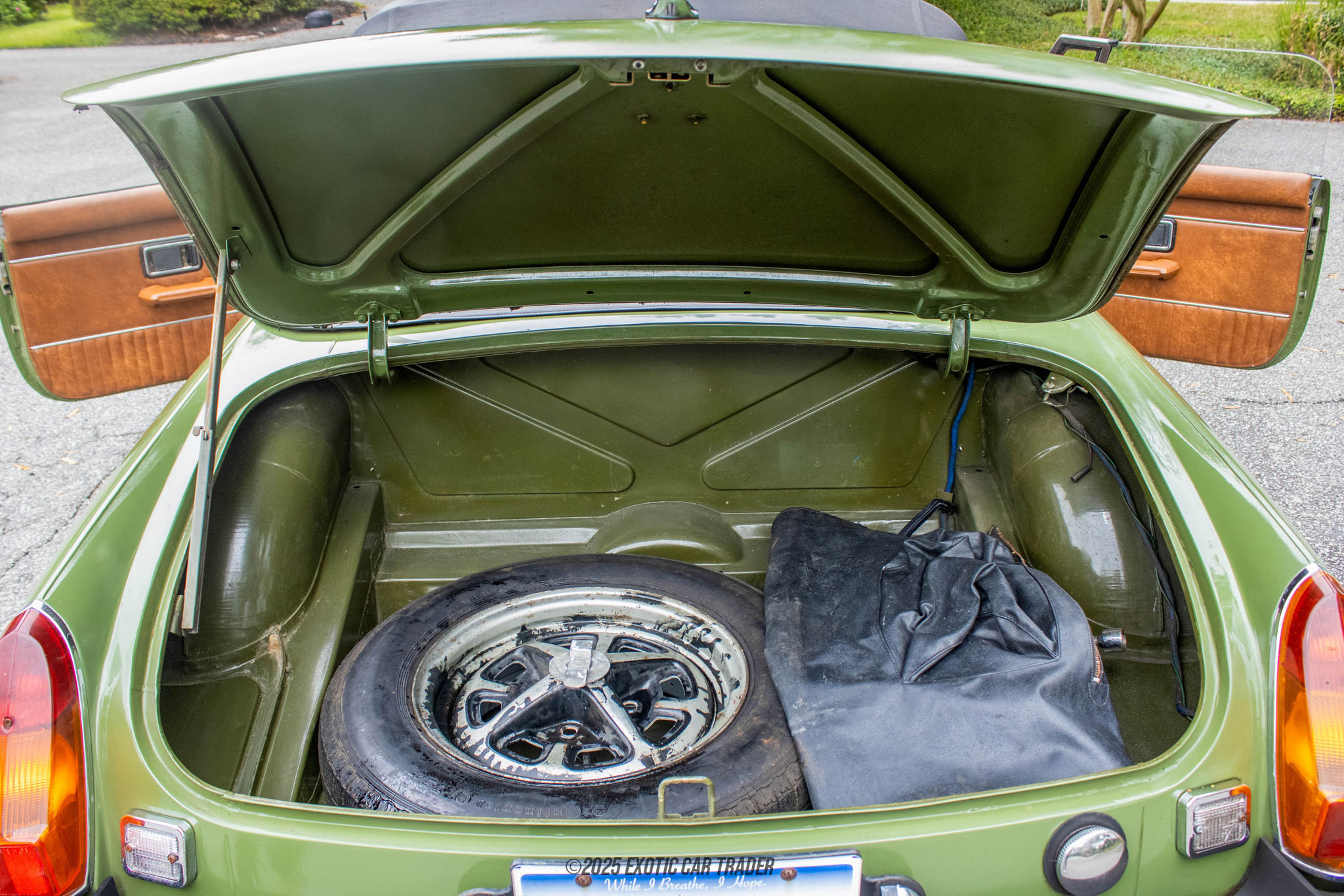
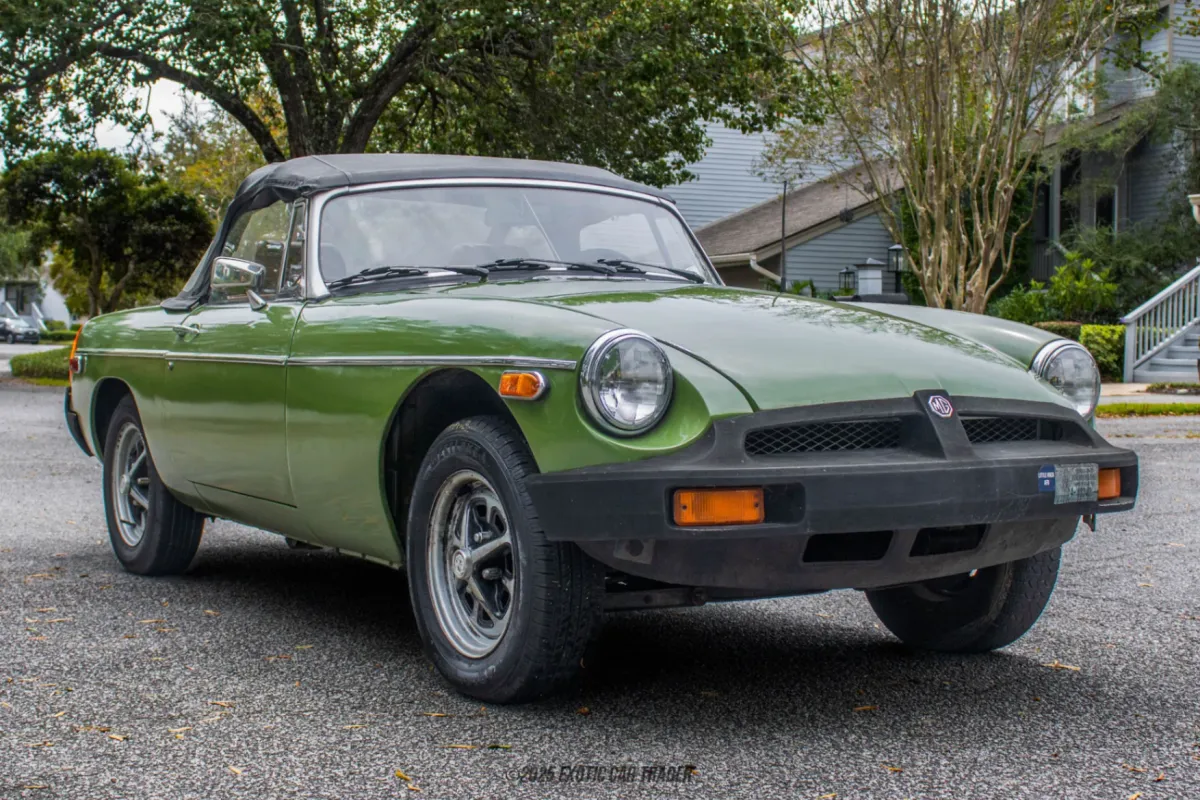
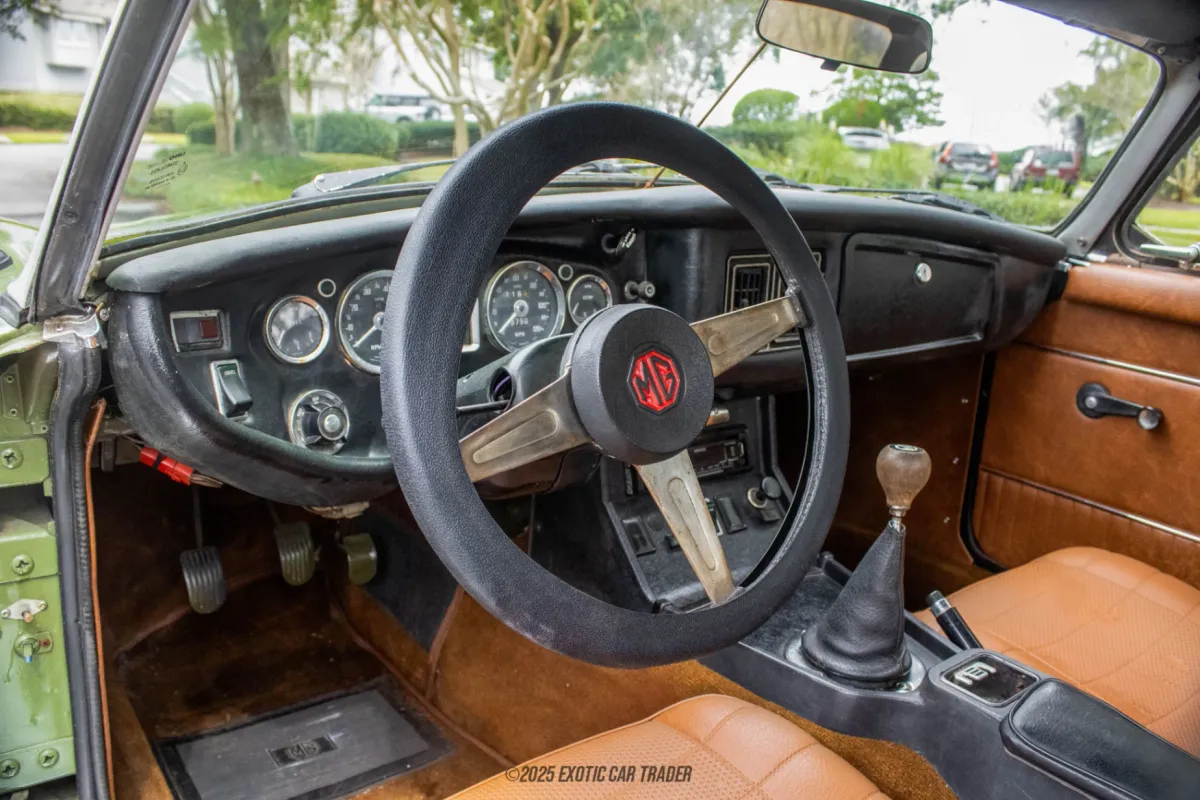
This 1975 MG MGB comes in a shade called Hunter Green that’s sometimes mixed up with the similar but not quite British Racing Green. Adding to the car’s allure are its set of 14-inch Rostyle steel wheels, while its black elongated bumpers mark it out as an American market car from the get-go. Some British cars also made it across the Atlantic, but those are most commonly identified not just from their regular slimline bumpers, but their right-hand side driving position! Thankfully, no such woes with this 1975 MG MGB, which retains its steering wheel on the left-hand side of the passenger cabin. You’ve got two tan leather upholstered seats, with a padded cargo area behind them. You’ll need this for your cargo if you’re taking this car on trips, because the trunk isn’t that large and the spare wheel takes up much of the space. Then, you’ll revel in the period correct fittings such as the clear analog gauge cluster, sporty steering wheel and stubby, wood-topped gear shifter. The only modern feature here is the Kenwood head unit with CD playback, Pandora, USB and AUX inputs.
Engine
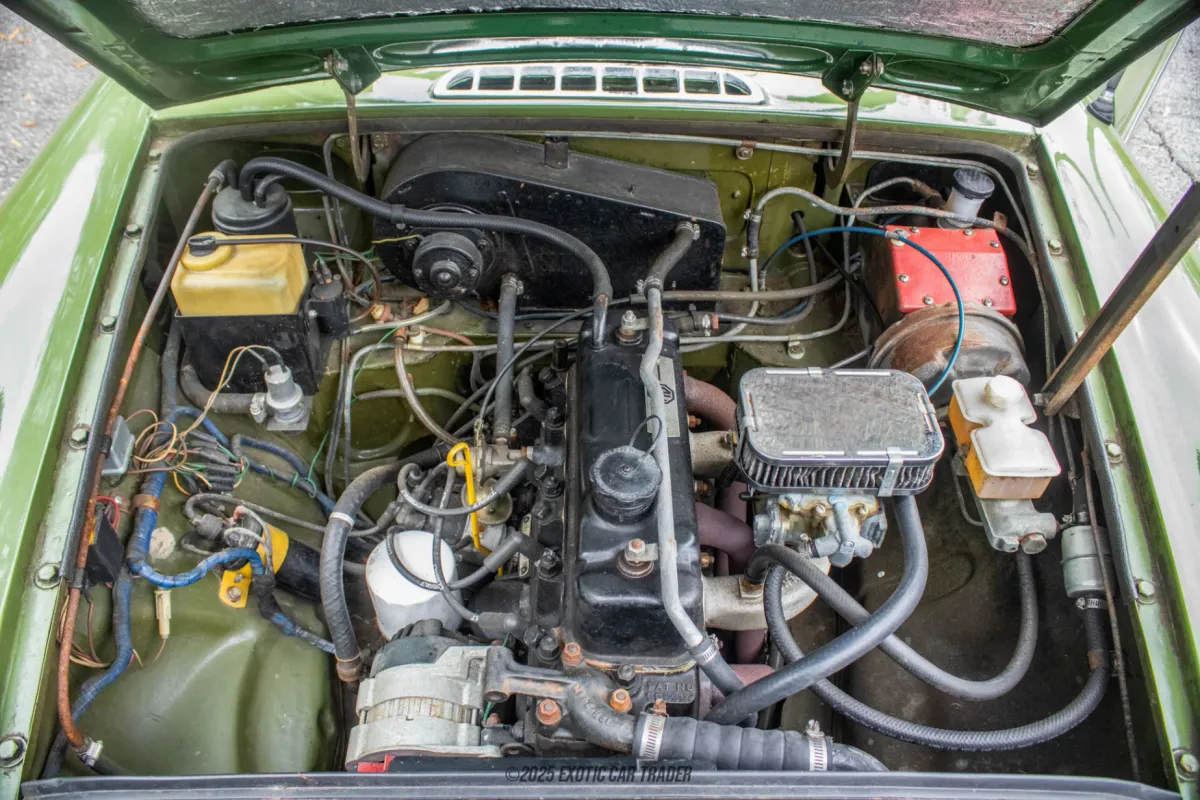
Dinky British roadsters like this 1975 MG MGB don’t need massive engines to push them around with. That’s why this car offers a great time with just a naturally aspirated 1.8-liter 4-cylinder unit. The engine uses a Zenith-Stromberg 175CD carburetor and powers the rear wheels through a 4-speed manual gearbox. Front disc brakes and rear drums assure excellent stopping prowess when you’re in the zone.

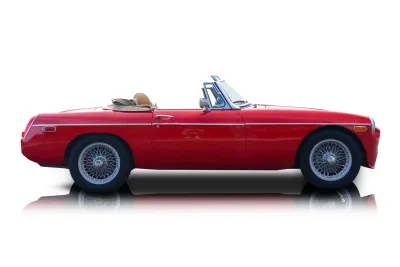

The 1978 MG MGB Sebring Roadster captures the charm of classic British open-top motoring while adding a number of upgrades that give it a more distinctive personality. Showing approximately 49,978 miles, this example is finished in striking “Pull Me Over Red” over a Honey Tan vinyl interior and features a tan canvas convertible soft top for the full roadster experience. The Sebring bumper delete kit gives the car a cleaner, more aggressive appearance, while 15-inch wire wheels, LED headlights, and a chrome grille preserve the vintage character. Under the hood, the 1.8L inline-four is paired with a Weber 2-barrel carburetor, aftermarket intake, and 4-speed manual transmission, creating the kind of lightweight, analog driving experience that has kept the MGB popular with enthusiasts for decades.
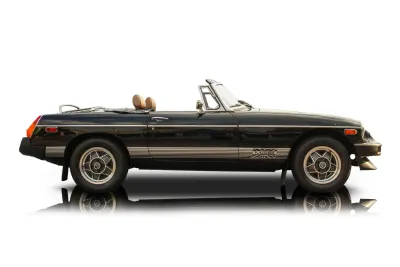
The 1980 MG MGB Limited Edition represents the final chapter of one of Britain’s most recognizable sports cars, and this example adds extra appeal with just 16,586 miles shown. Finished in black and equipped with the factory Limited Edition Package, it carries the signature details that set these late-production cars apart, including special alloy wheels, Limited Edition striping, a front air dam, competition-style steering wheel, luggage rack, black Coco mats, and a Limited Edition identification plaque. With its unmistakable roadster proportions, period-correct presentation, and low indicated mileage, this MGB offers a particularly engaging way to experience the end of the classic MGB era.
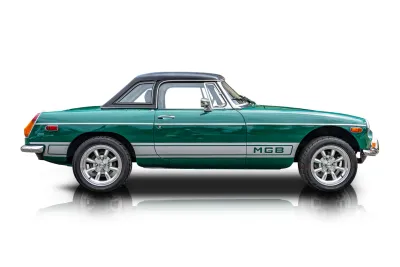
This 1979 MG MGB Roadster captures the essence of classic British motoring with its lightweight construction, open-top design, and engaging manual transmission. Showing just 17,192 miles, this example is finished in the iconic British Racing Green and combines the timeless styling of the MGB with tasteful upgrades for improved enjoyment. Powered by the legendary 1.8L inline-four engine paired with a 4-speed manual transmission, this roadster delivers the simple, analog driving experience that has made the MGB a favorite among enthusiasts for decades.
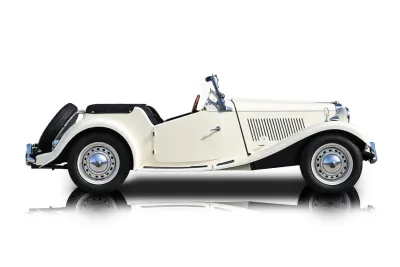
This 1953 MG TD captures the charm of classic British motoring while incorporating a number of thoughtful upgrades aimed at making it more enjoyable to drive and easier to live with. Showing approximately 9,292 miles, this example is finished in white over a black interior and pairs its traditional 1,250cc XPAG inline-four with twin SU carburetors and a 4-speed manual transmission. A front disc brake conversion, LED headlights, electric upgrades, and a black half tonneau cover add usability, while the current owner reports an engine refresh approximately 5,600 miles ago. It also earned 3rd place at the 2025 Reno British Car Show, accompanied by a crystal trophy.
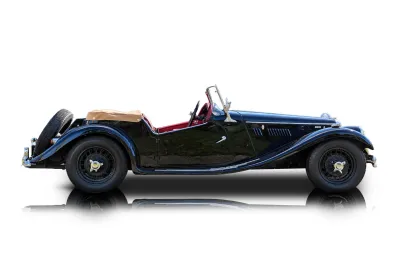
The 1955 MG TF 1500 captures everything enthusiasts love about the classic British roadster: compact proportions, exposed wire wheels, a folding windshield, and a lively four-cylinder paired with a proper manual gearbox. Showing approximately 35,834 miles, this example is finished in Jaguar Windsor Blue over a reupholstered Red leather interior with a Beige convertible soft top. Its custom paintwork, painted wire wheels, running boards, rear-mounted spare, and chrome detailing give it the unmistakable vintage sports-car character that made the T-Series MGs such enduring enthusiast favorites.
The 1978 MG MGB Sebring Roadster captures the charm of classic British open-top motoring while adding a number of upgrades that give it a more distinctive personality. Showing approximately 49,978 miles, this example is finished in striking “Pull Me Over Red” over a Honey Tan vinyl interior and features a tan canvas convertible soft top for the full roadster experience. The Sebring bumper delete kit gives the car a cleaner, more aggressive appearance, while 15-inch wire wheels, LED headlights, and a chrome grille preserve the vintage character. Under the hood, the 1.8L inline-four is paired with a Weber 2-barrel carburetor, aftermarket intake, and 4-speed manual transmission, creating the kind of lightweight, analog driving experience that has kept the MGB popular with enthusiasts for decades.
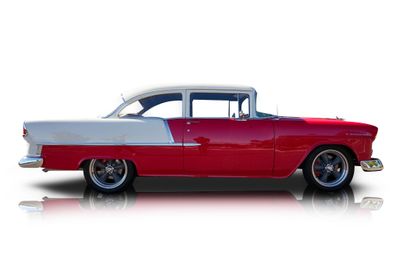
The 1955 Chevrolet marked a turning point in American automotive history, introducing the legendary Tri-Five generation and establishing Chevrolet as a serious contender in the growing performance market. Its fresh styling, lighter construction, and introduction of the small-block V8 helped redefine what an affordable American car could be. Seven decades later, the '55 Chevy remains one of the most celebrated platforms for custom builds, and this 1955 Chevrolet 210 2-Door Sedan Restomod takes that legacy to an entirely different level. Finished in the classic combination of Gypsy Red and India Ivory, this example pairs unmistakable 1950s styling with an extensively upgraded drivetrain built around a supercharged 355ci small-block V8. A Tremec 5-speed manual transmission, Holley Sniper electronic fuel injection, upgraded suspension, and aftermarket disc brakes bring modern performance characteristics to this American icon. Inside, a custom Beige leather interior features contemporary appointments while retaining the character of the original Chevrolet. Showing approximately 1,985 miles, this restomod combines the visual appeal of a Tri-Five classic with the mechanical upgrades and personalized craftsmanship that make custom builds particularly desirable among enthusiasts.
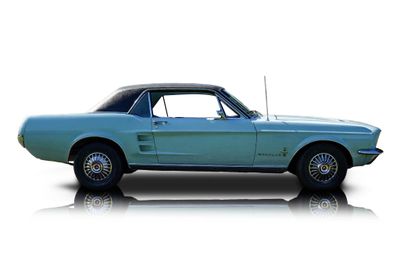
Few American cars have achieved the cultural significance of the first-generation Ford Mustang. Introduced in 1964, the Mustang helped establish an entirely new segment of affordable, stylish performance cars, quickly becoming one of Ford's greatest success stories. By 1967, the Mustang had undergone its first major redesign, gaining a wider stance, more muscular bodywork, and improved proportions while retaining the unmistakable styling that made the original an icon. This 1967 Ford Mustang Hardtop captures that defining era of American motoring, presented in the distinctive Frost Turquoise exterior complemented by an Aqua/Turquoise interior and contrasting Black vinyl roof. Under the hood sits Ford's legendary 289ci V8, paired with a C4 3-speed automatic transmission. Showing approximately 87,048 miles, this classic Mustang also features air conditioning, chrome engine accents, aftermarket wheels, and its original spare tire and jack kit. For enthusiasts seeking an authentic piece of Mustang heritage, this Hardtop offers a timeless combination of classic styling, V8 character, and everyday cruising appeal.
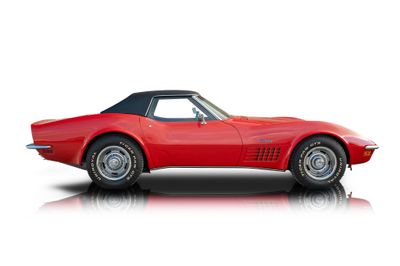
The Chevrolet Corvette has long represented the pinnacle of American sports car engineering, and few generations have achieved the iconic status of the third-generation C3. Introduced in 1968, the C3 brought dramatic Stingray styling, sweeping fenders, and an unmistakable silhouette that remains one of the most celebrated designs in Corvette history. By 1970, Chevrolet had refined the formula with updated exterior styling and an impressive range of V8 powertrains. This 1970 Chevrolet Corvette Stingray Convertible is finished in classic Monza Red over a matching Red vinyl interior, showing 87,440 miles on the odometer. Powered by a 350ci V8 rated at 300 horsepower and paired with a TH400 three-speed automatic transmission, this example features a Positraction rear differential and power steering. Additional highlights include a Black convertible soft top, body-colored removable hardtop, 15-inch Chevrolet Rally wheels, and polished aluminum finned valve covers. With its desirable Red-on-Red color combination, dual roof configurations, and classic small-block V8 performance, this Stingray captures the distinctive character of Chevrolet's golden era of American sports cars.

Terms of Service
Be Kind and Courteous
We're here to create a platform to better the automotive industry through communication and transparency. Please treat everyone with respect. Healthy debates are natural, but kindness is required.
No Hate Speech
Make sure everyone feels safe. Hate speech of any kind is strictly prohibited. Degrading comments about things like race, religion, culture, sexual orientation, etc. will not be tolerated.
No Promotions or Spam
Give more than you take. Self-promotion, spam, or links of any kind are not allowed.
