



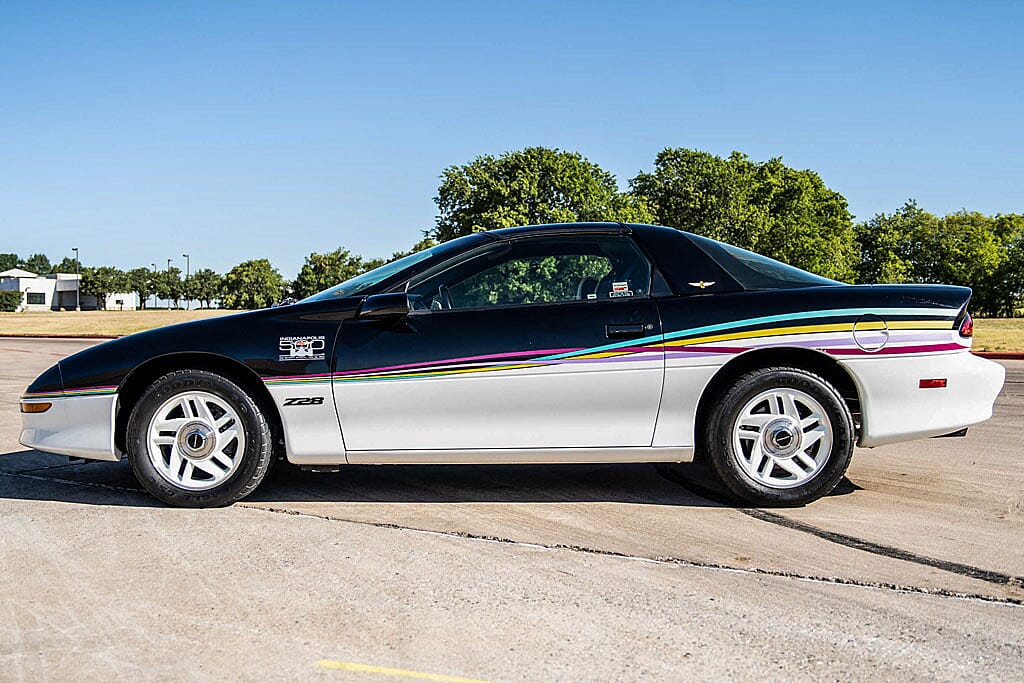
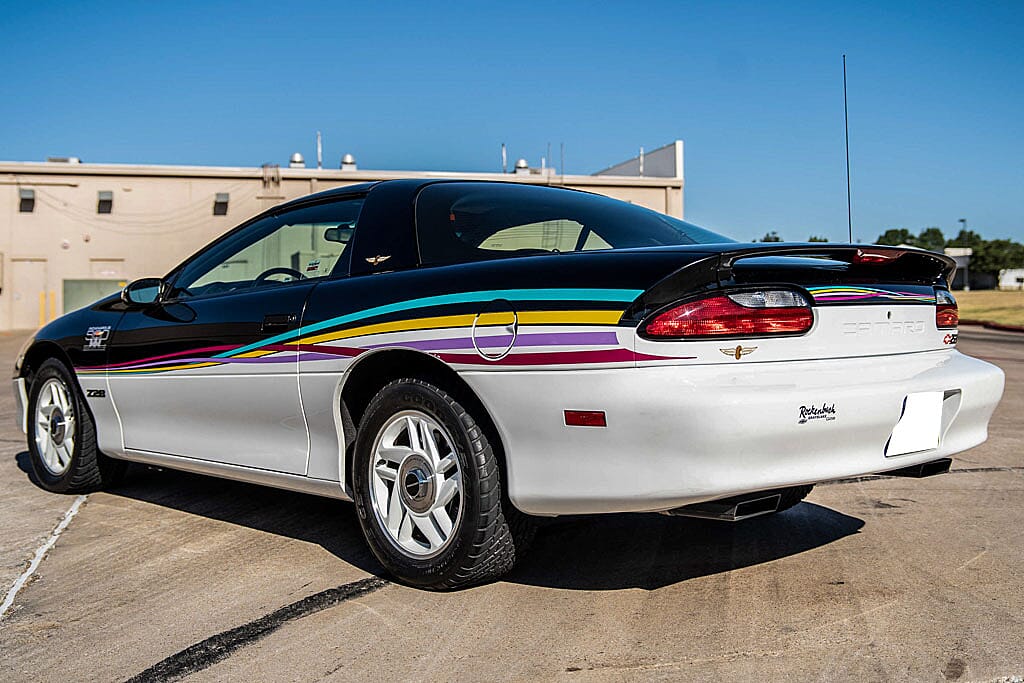
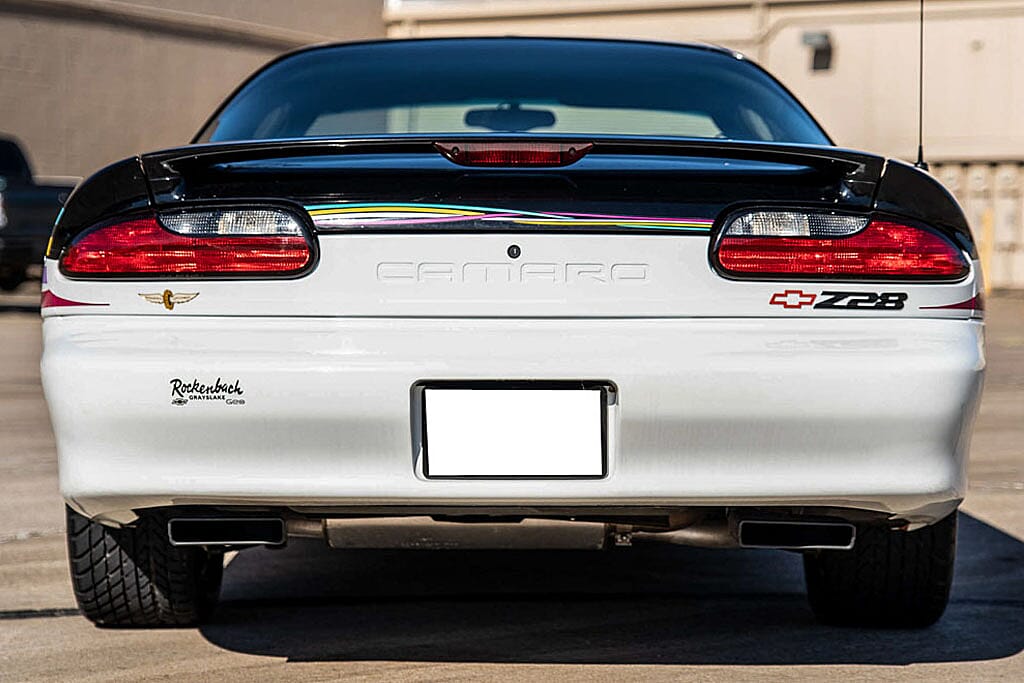
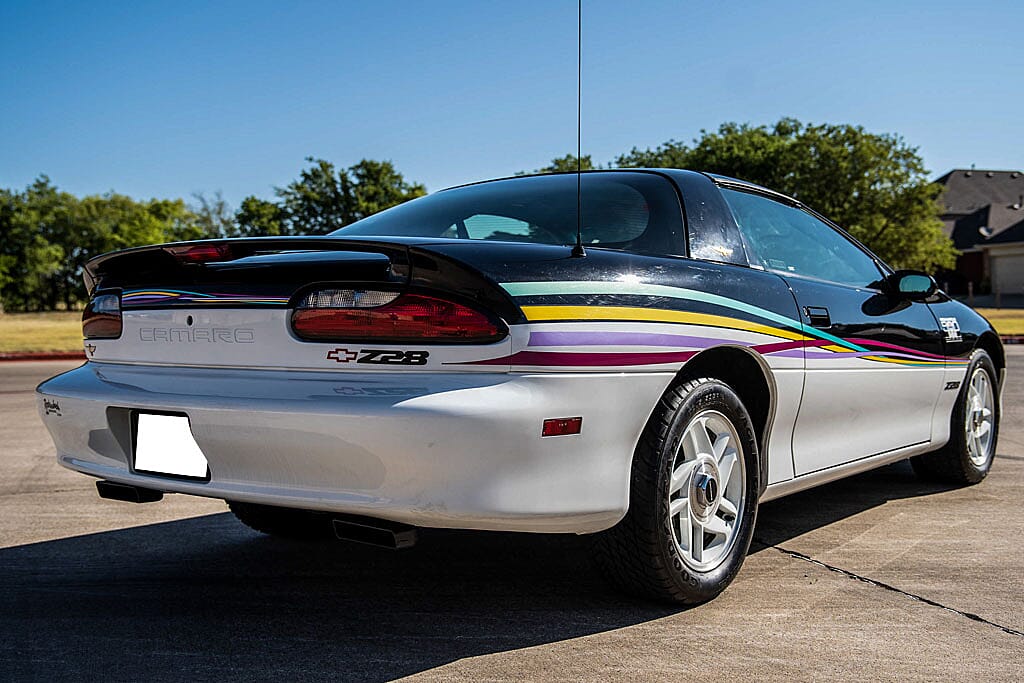
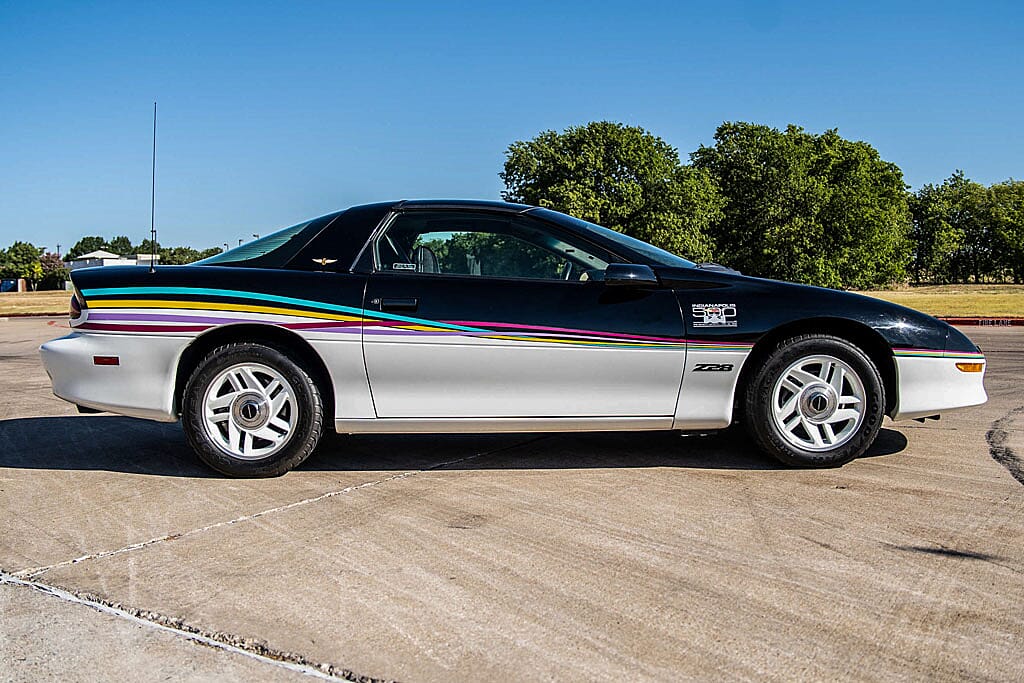
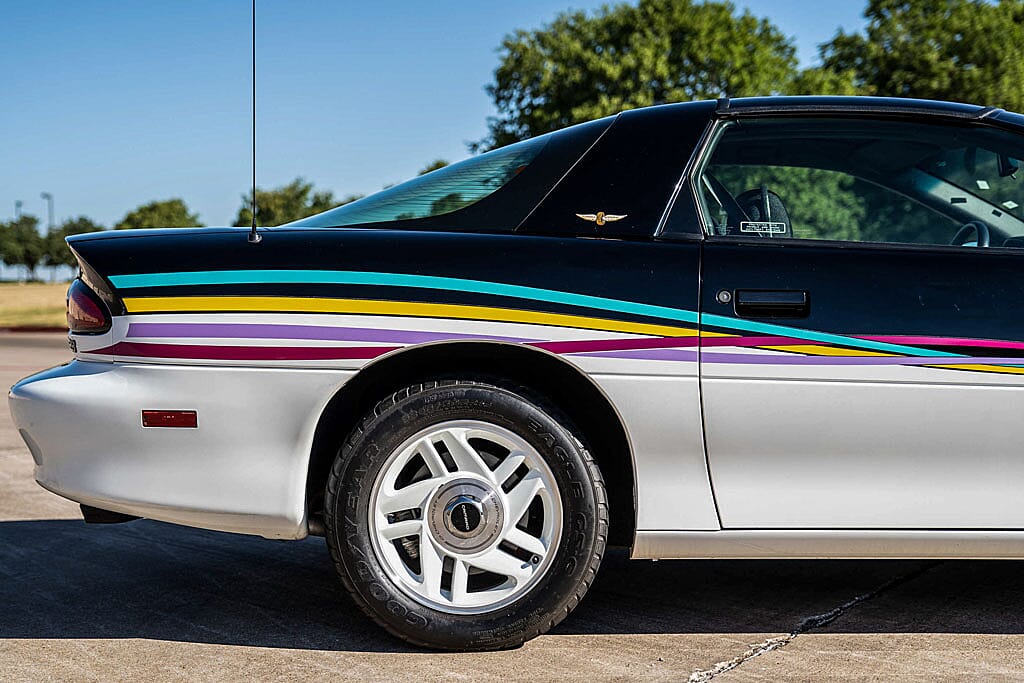

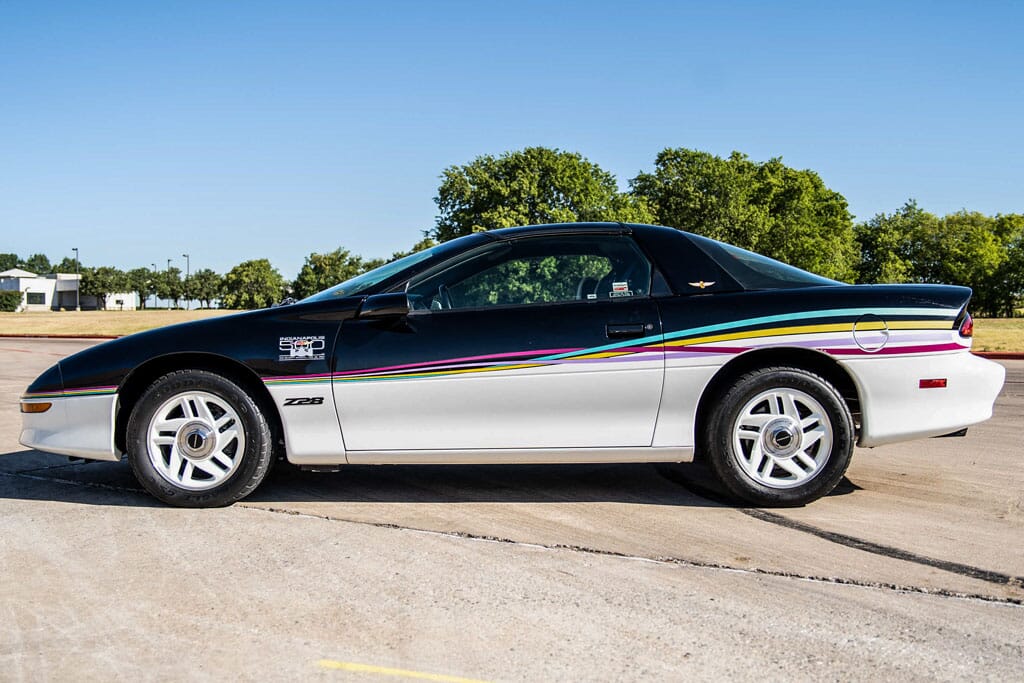
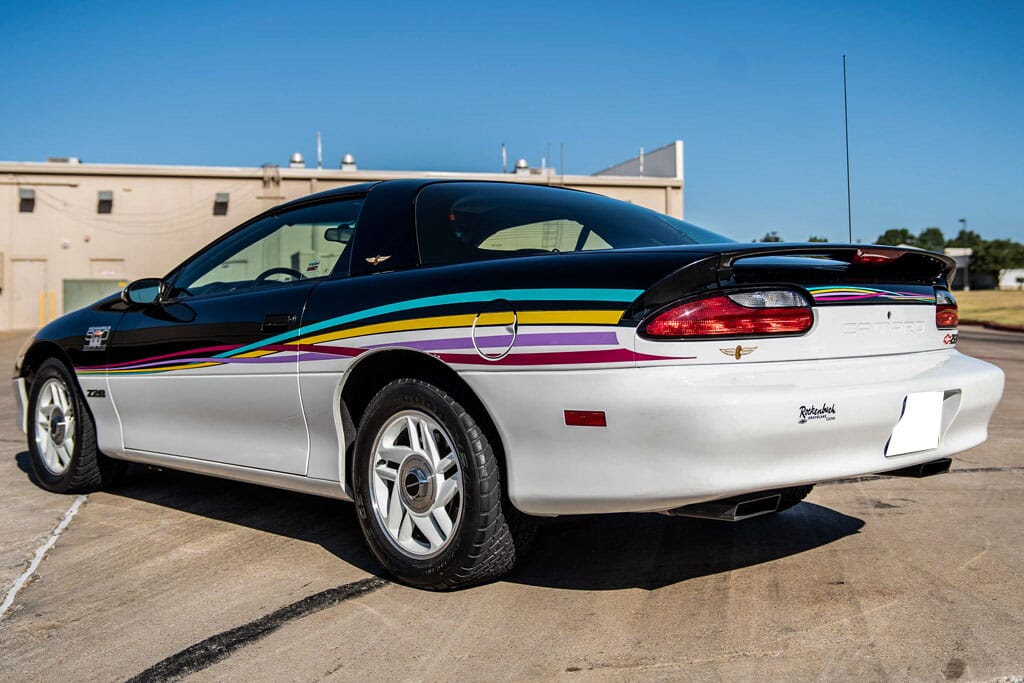
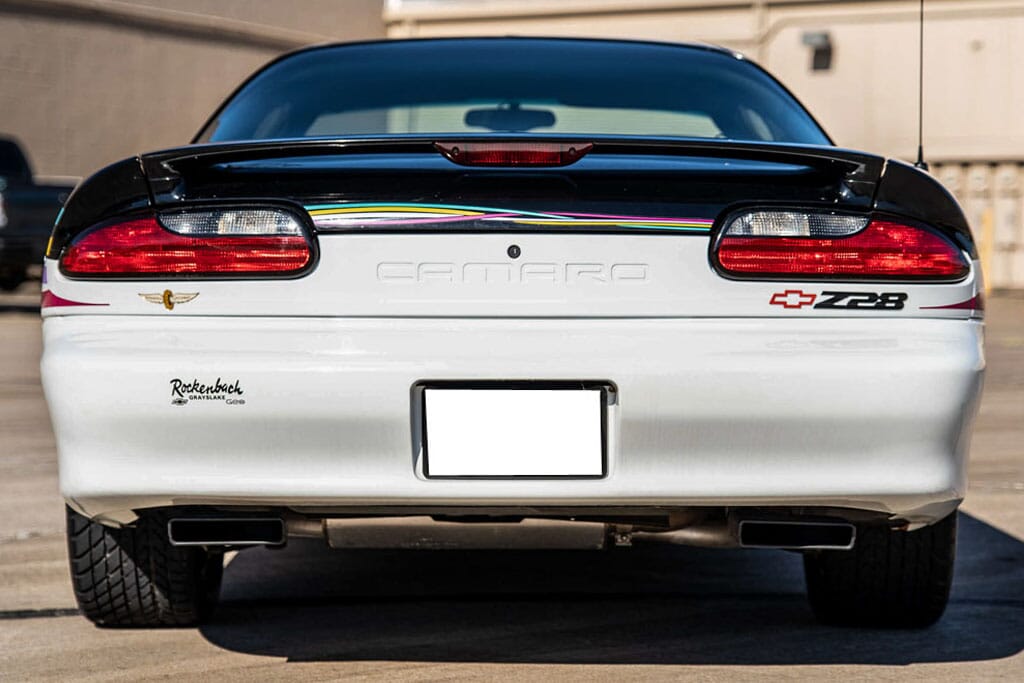
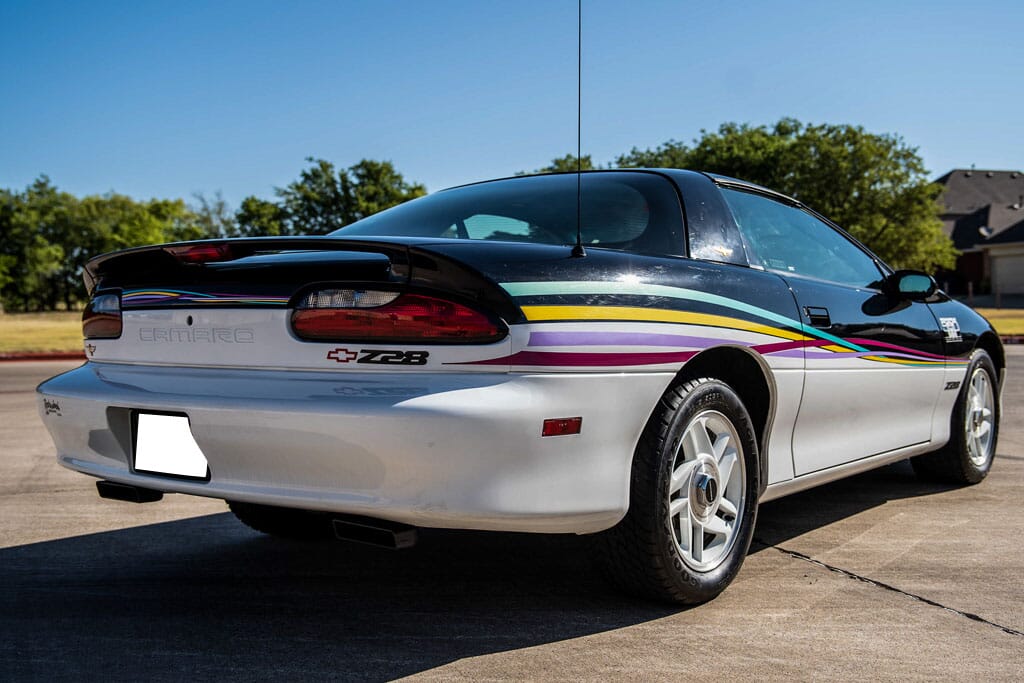
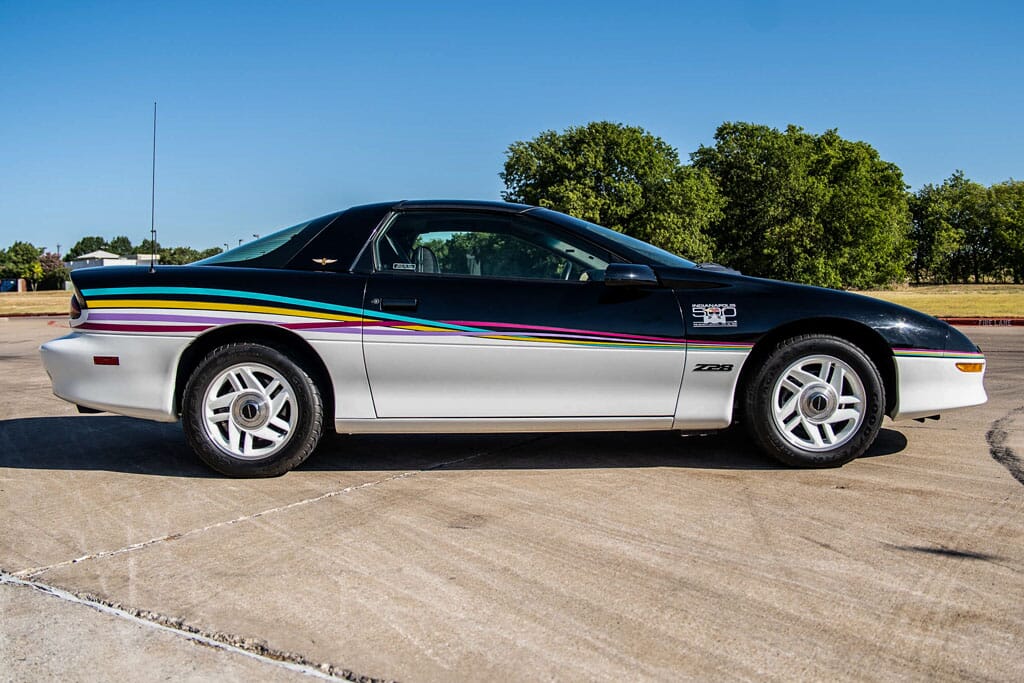
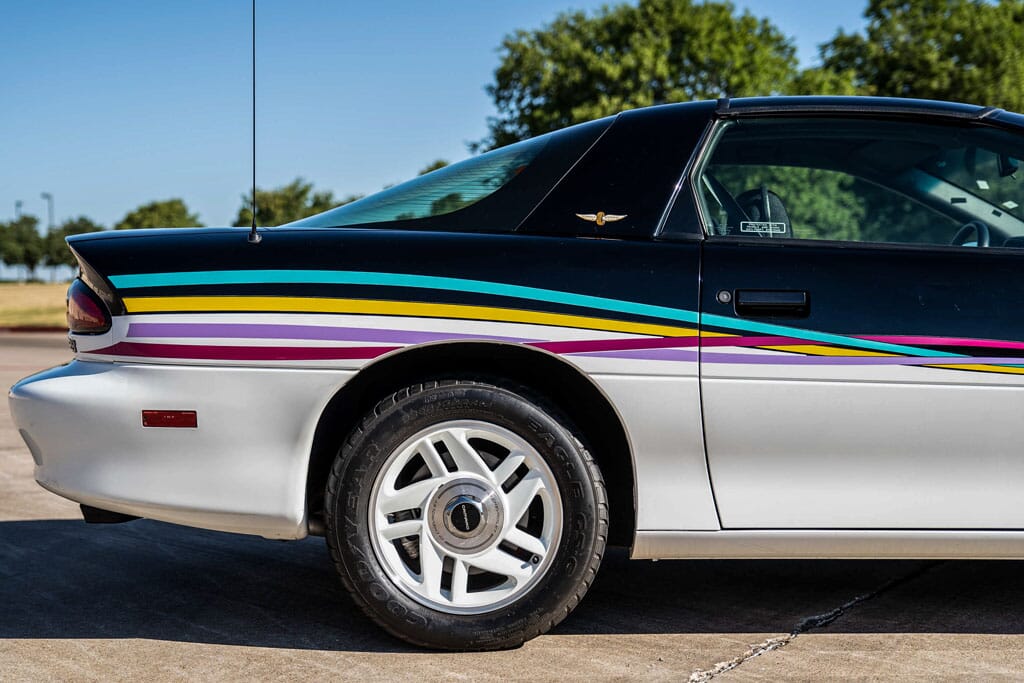
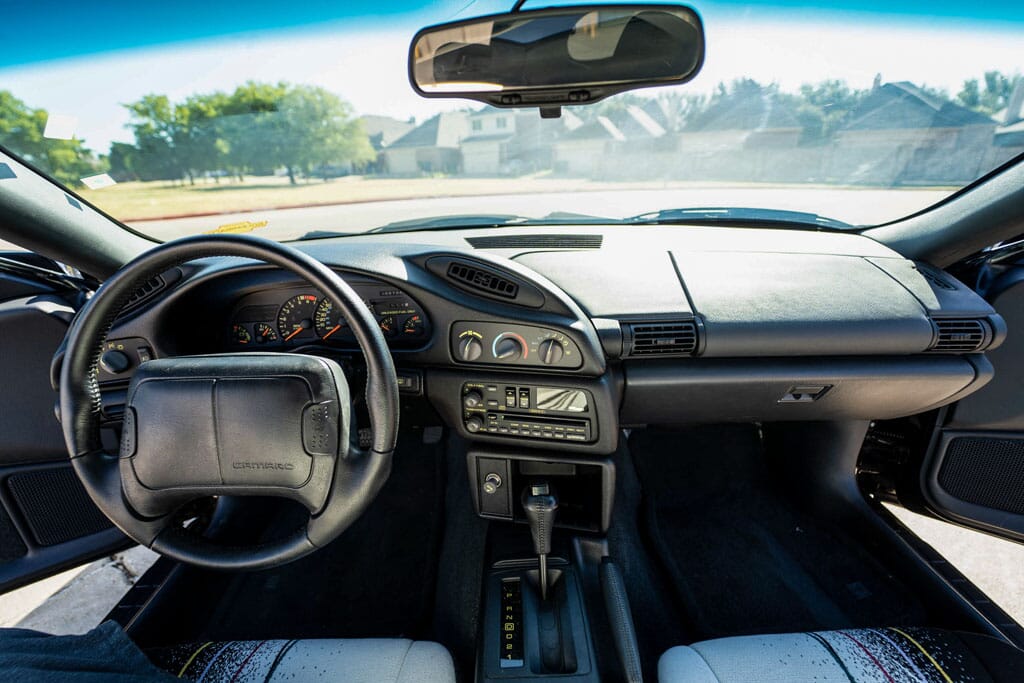
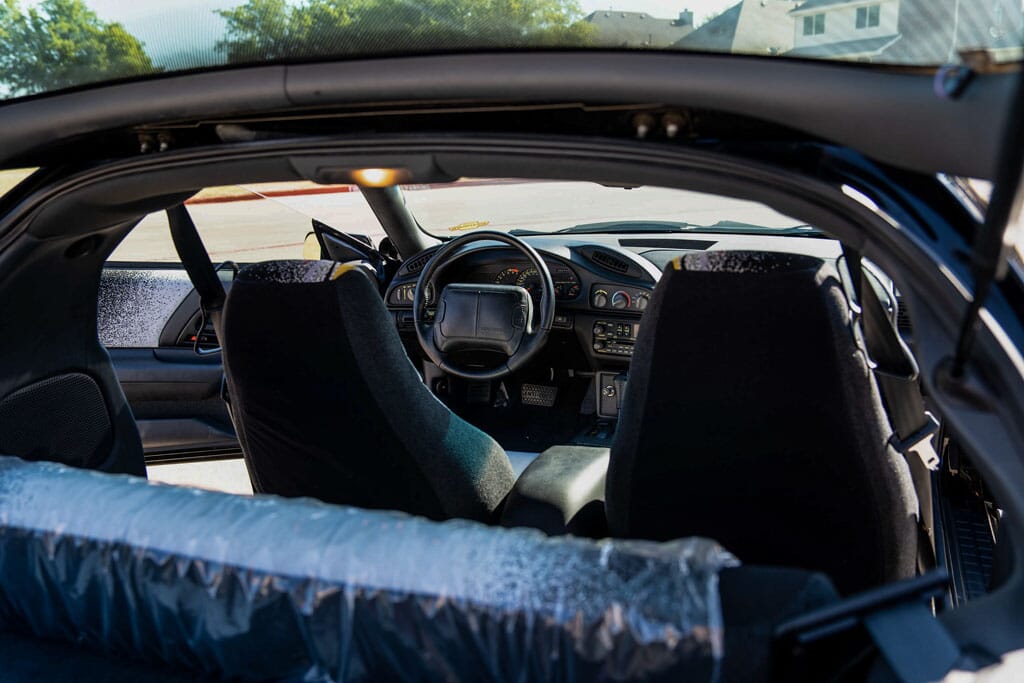
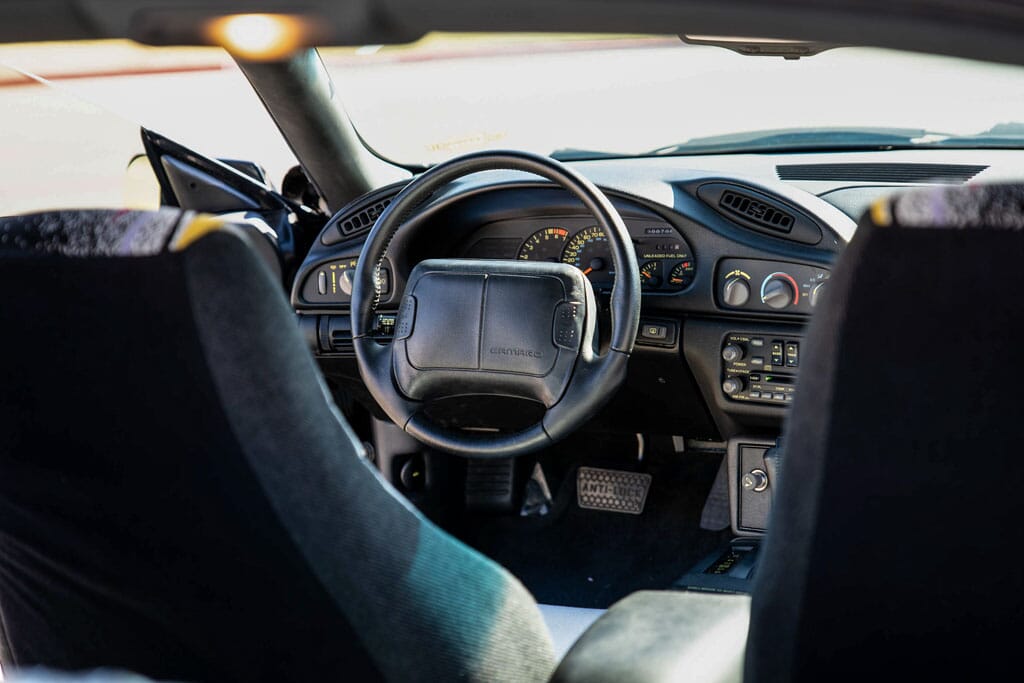
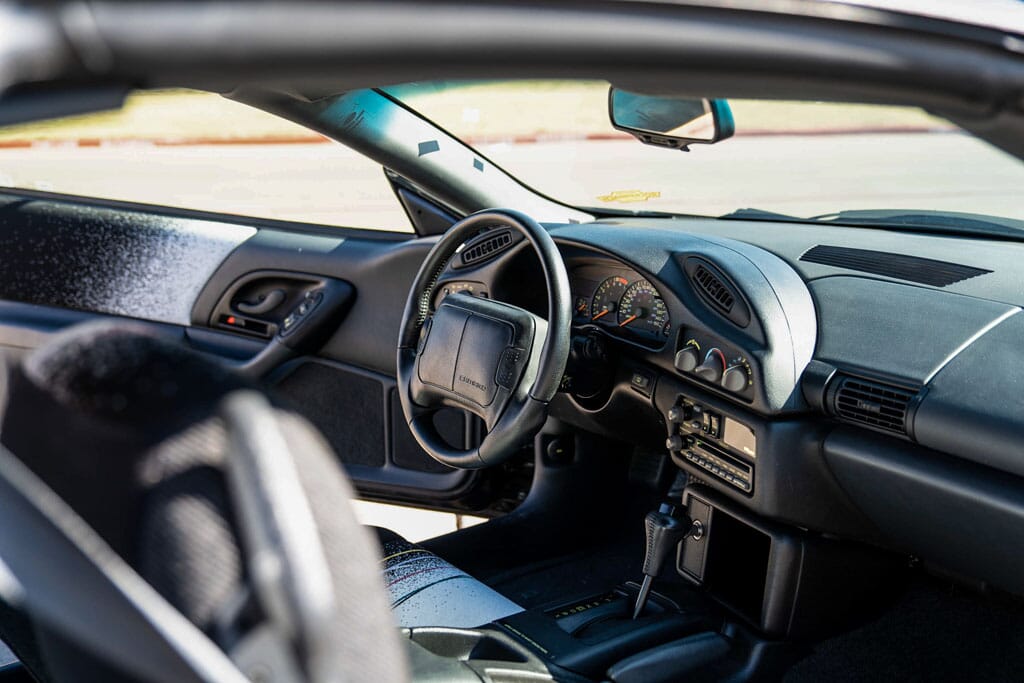
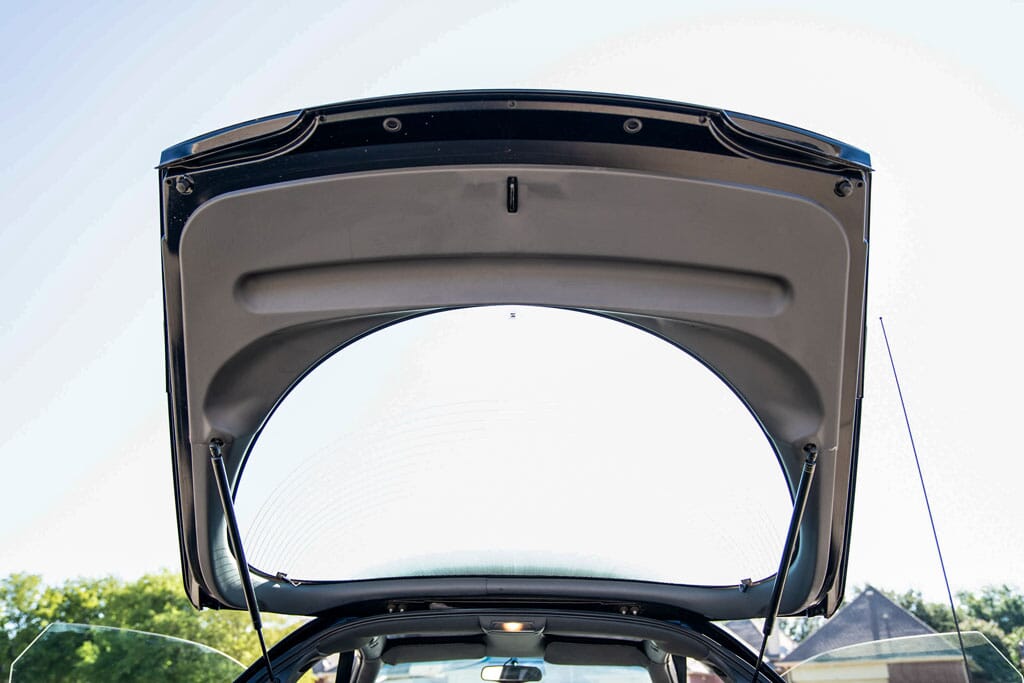
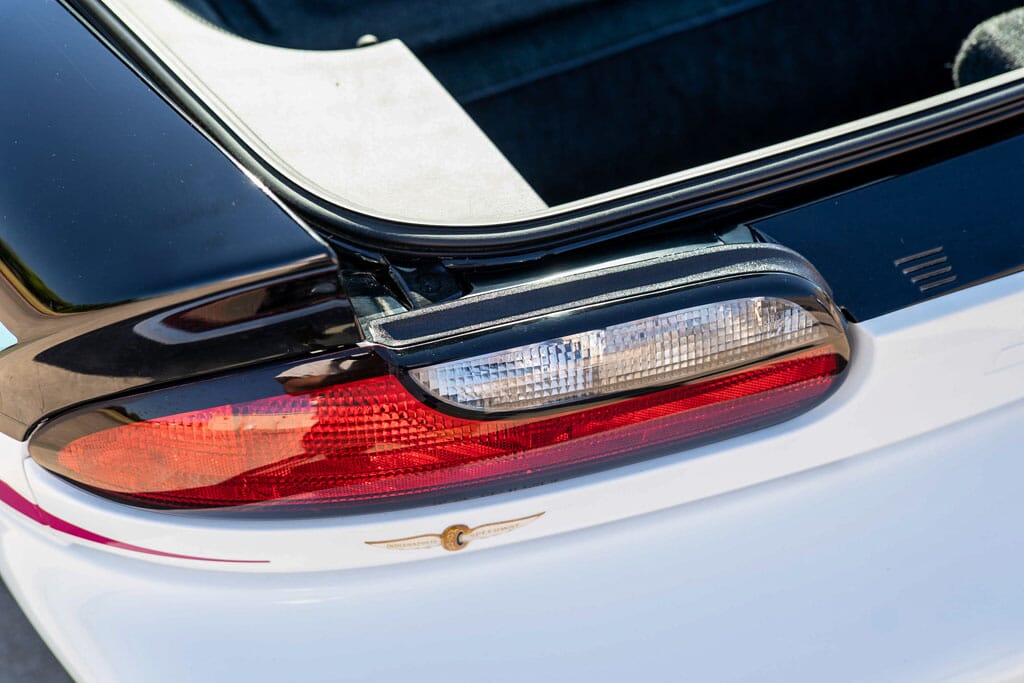
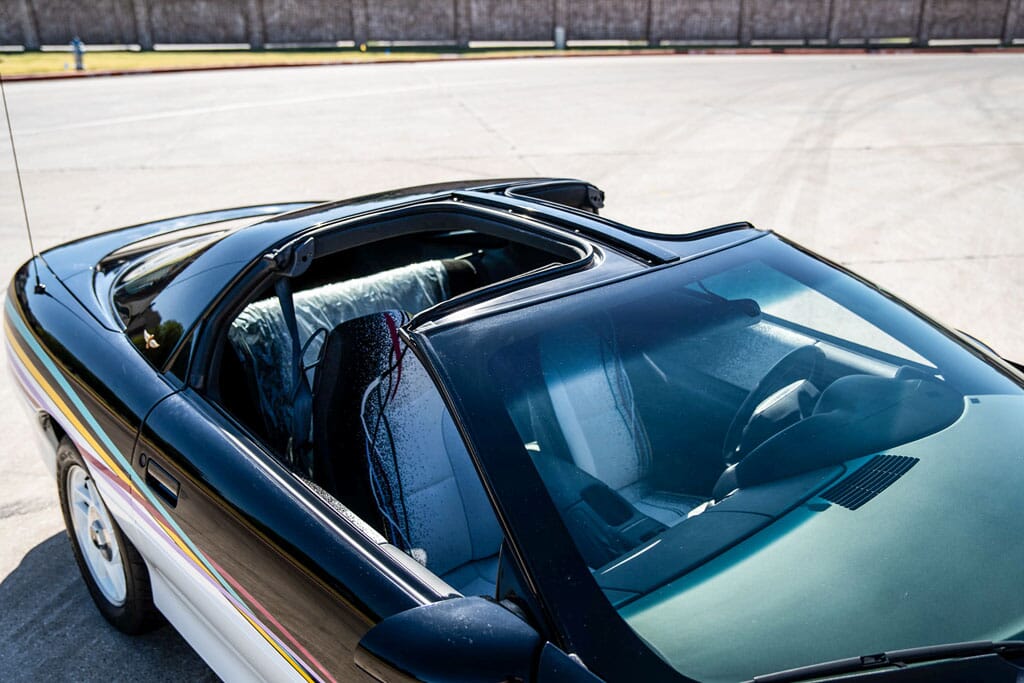
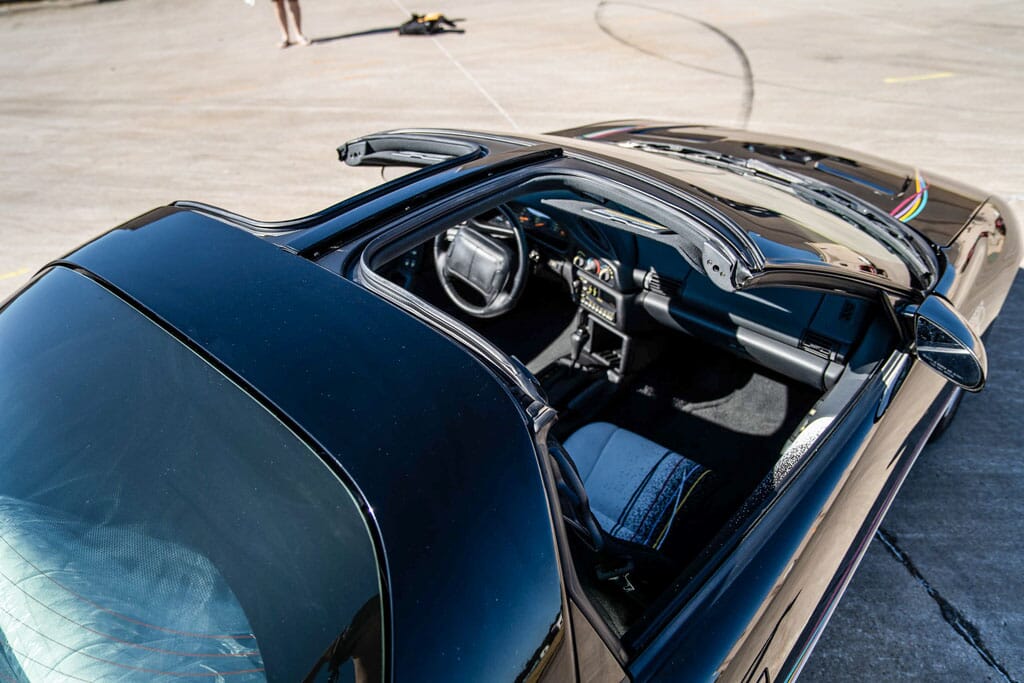
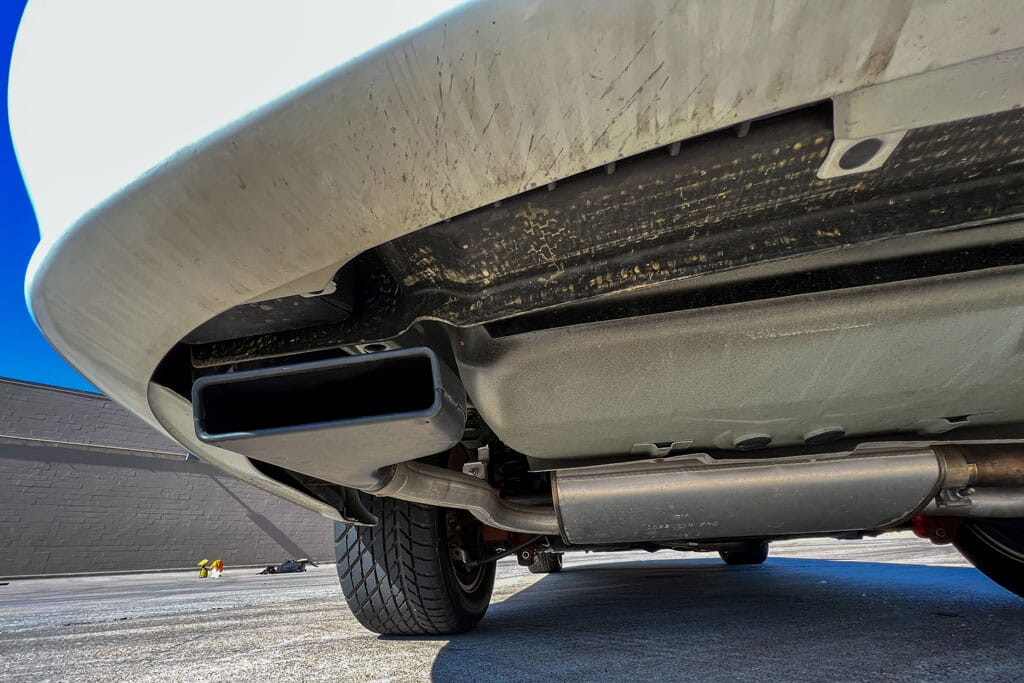
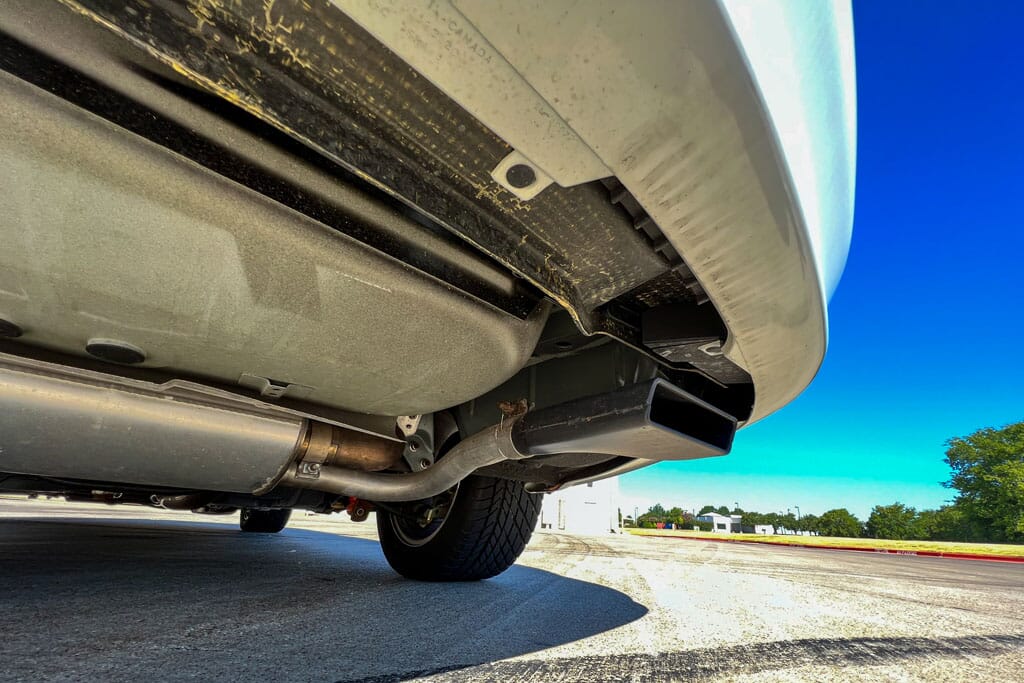
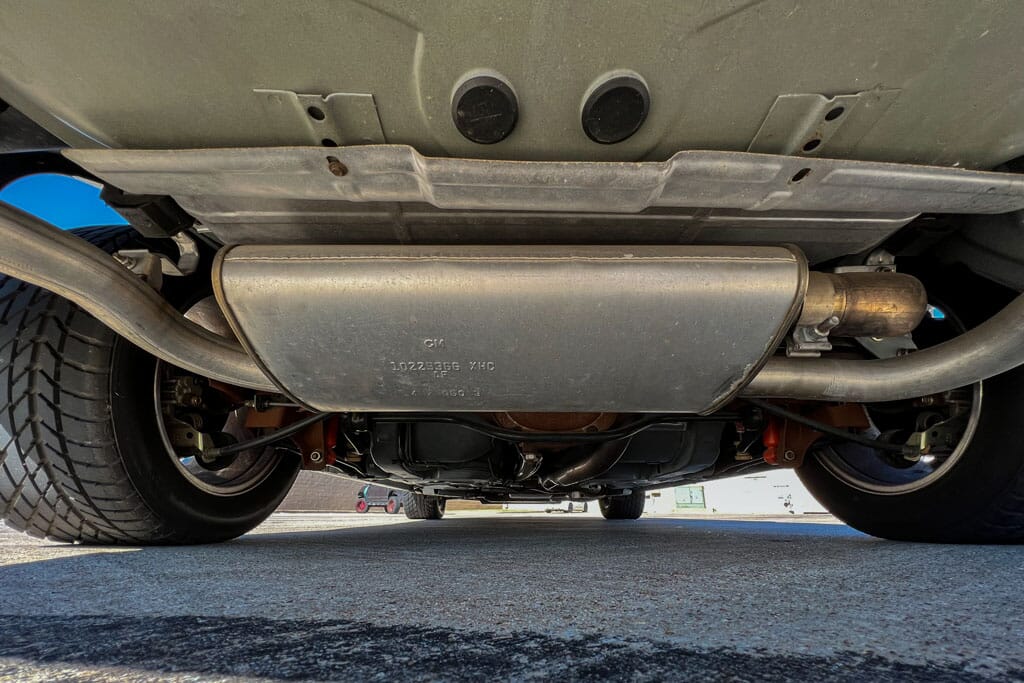
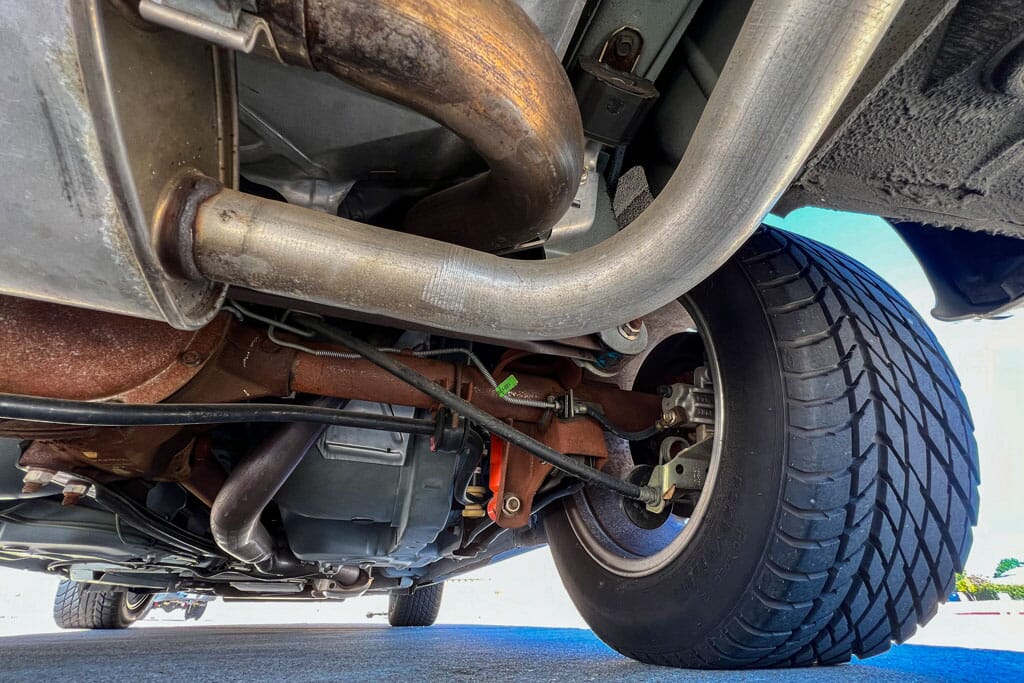
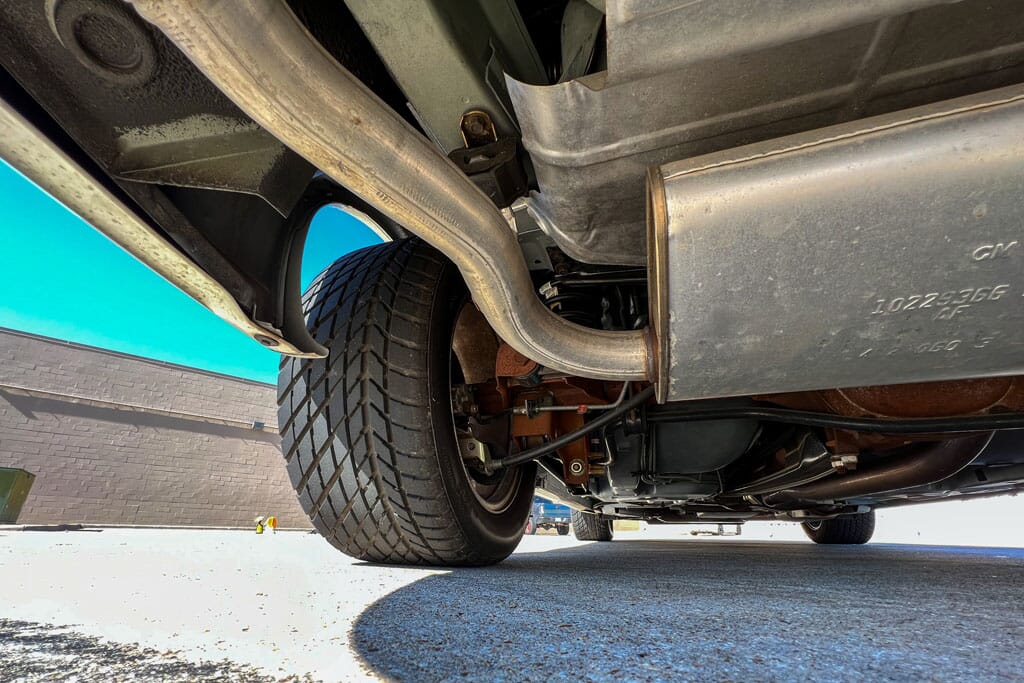
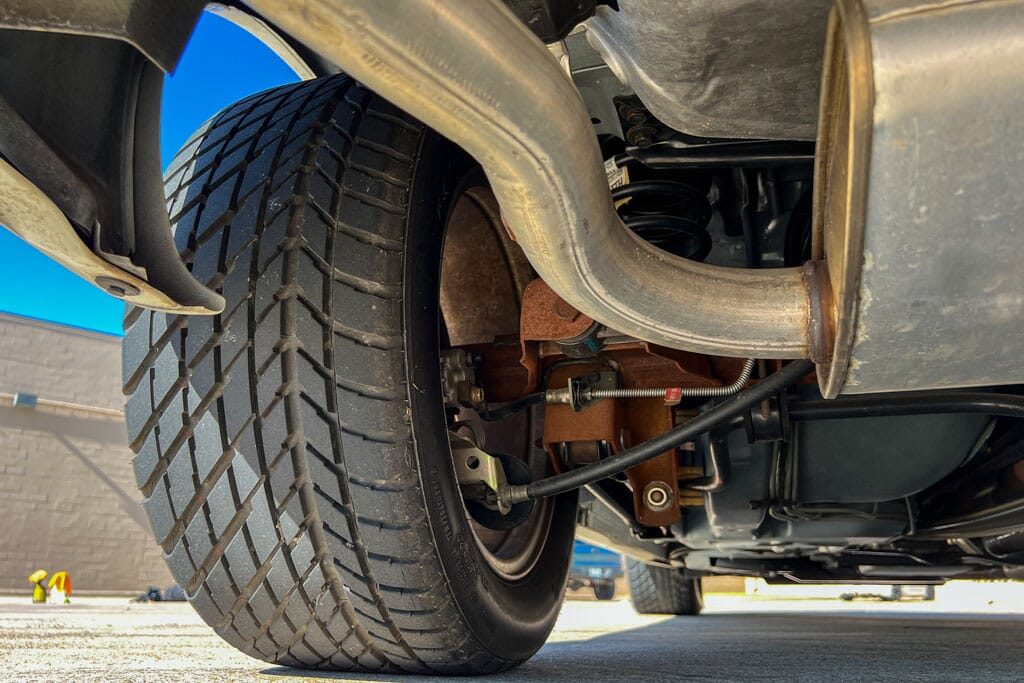
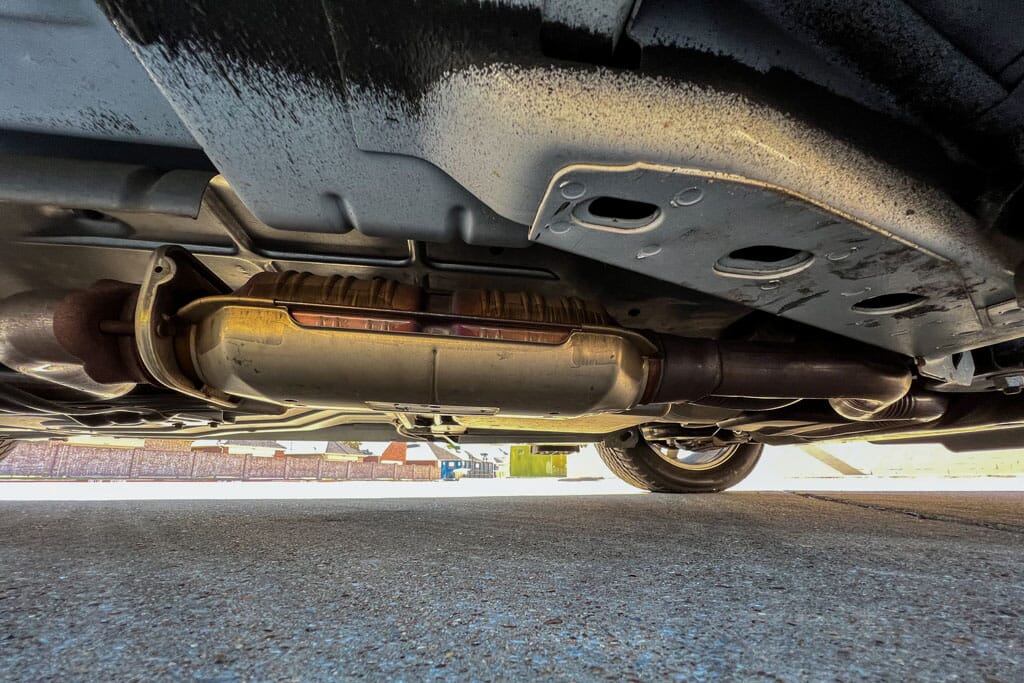
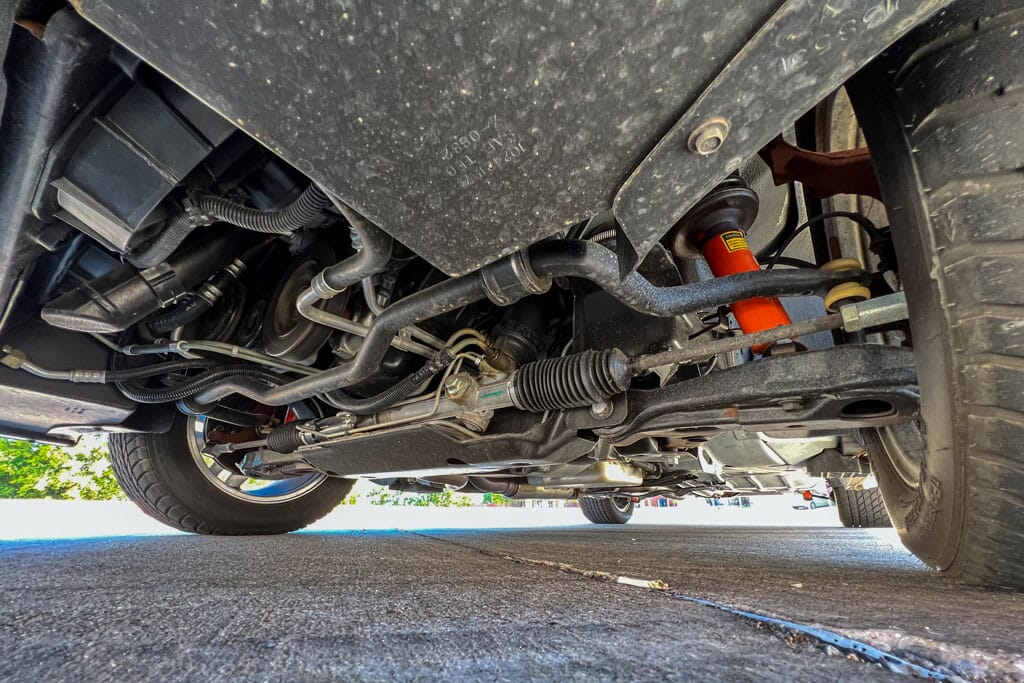
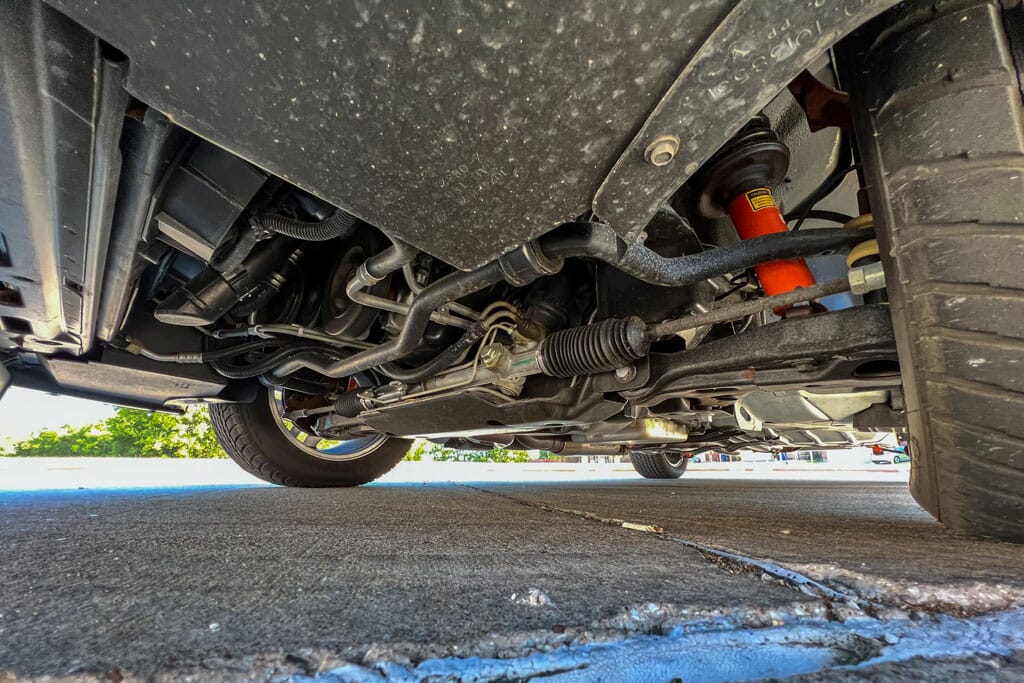


- 1993 MY Chevrolet Camaro Indy 500 Pace Car 600 Original Miles
- Fully original kept car
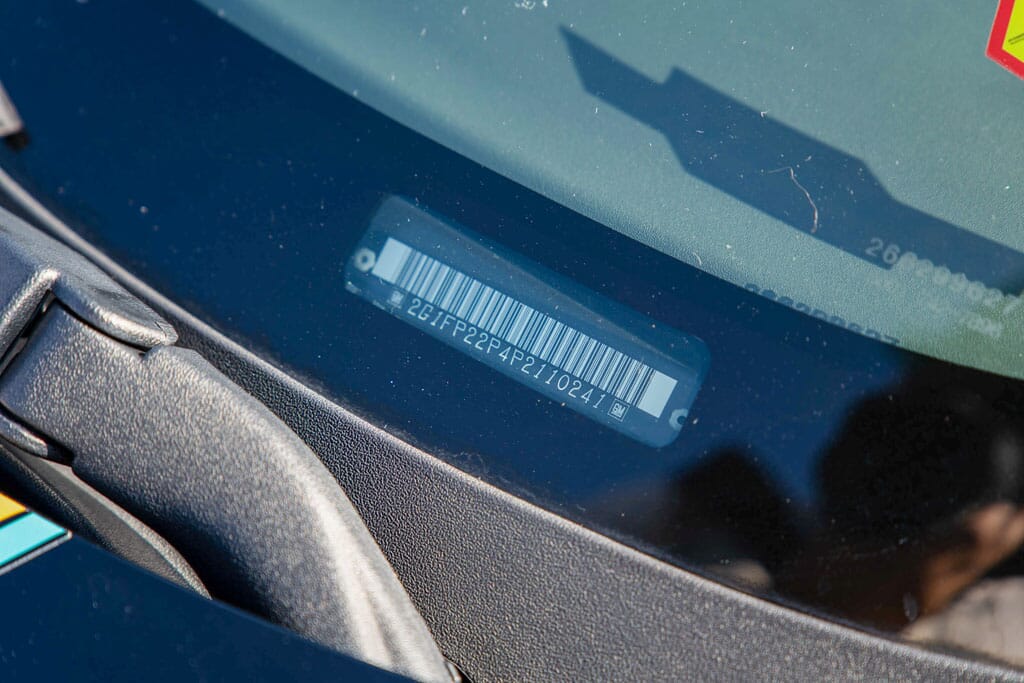
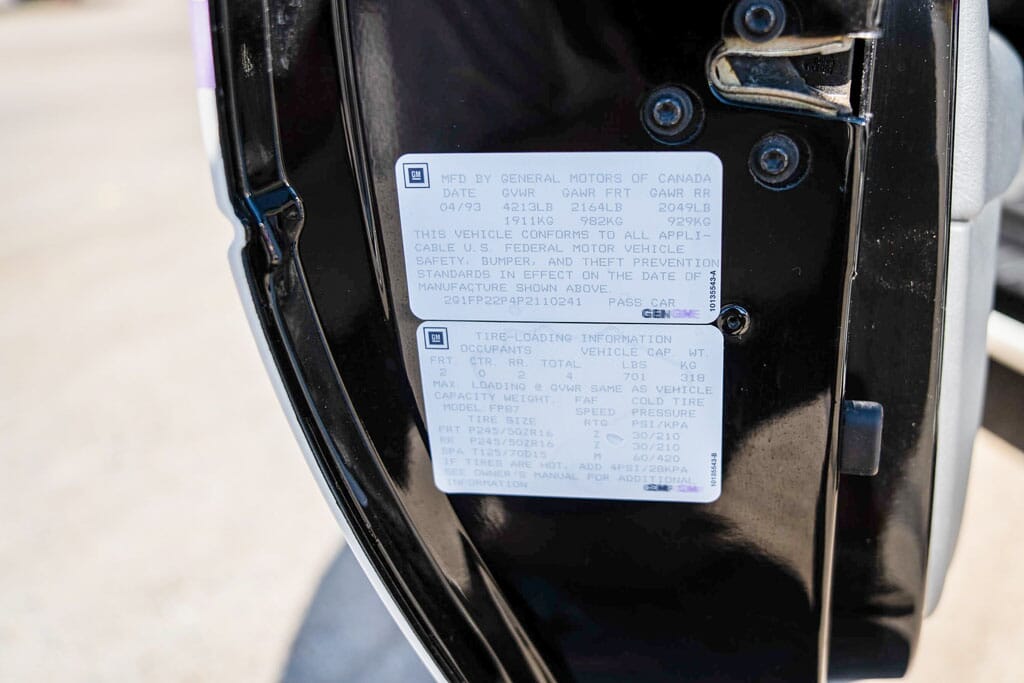
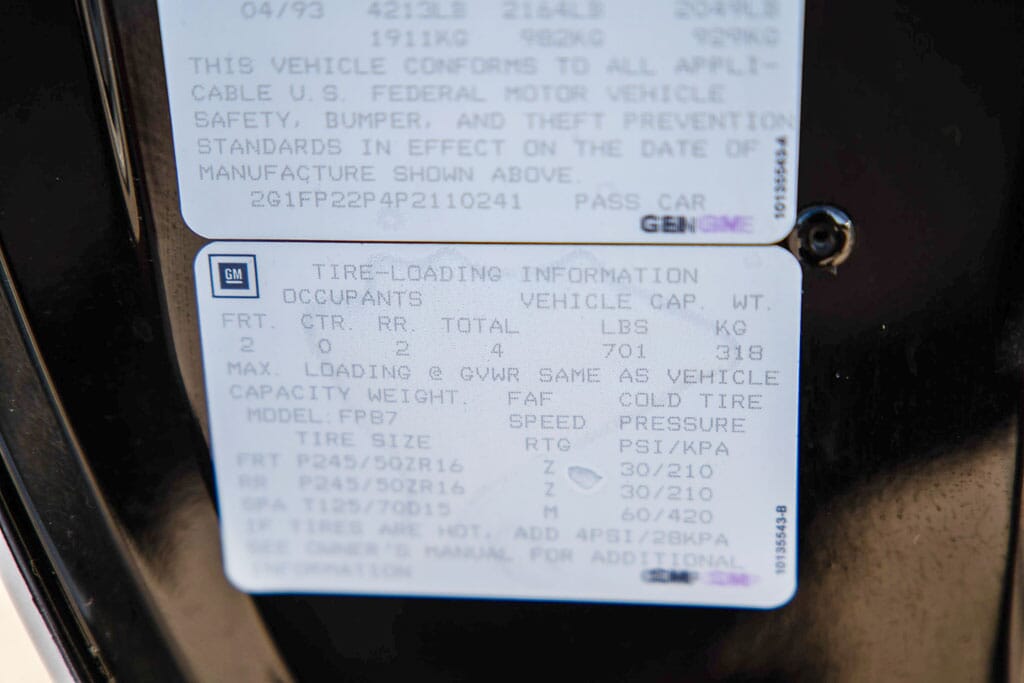
- Numbers matching vehicle
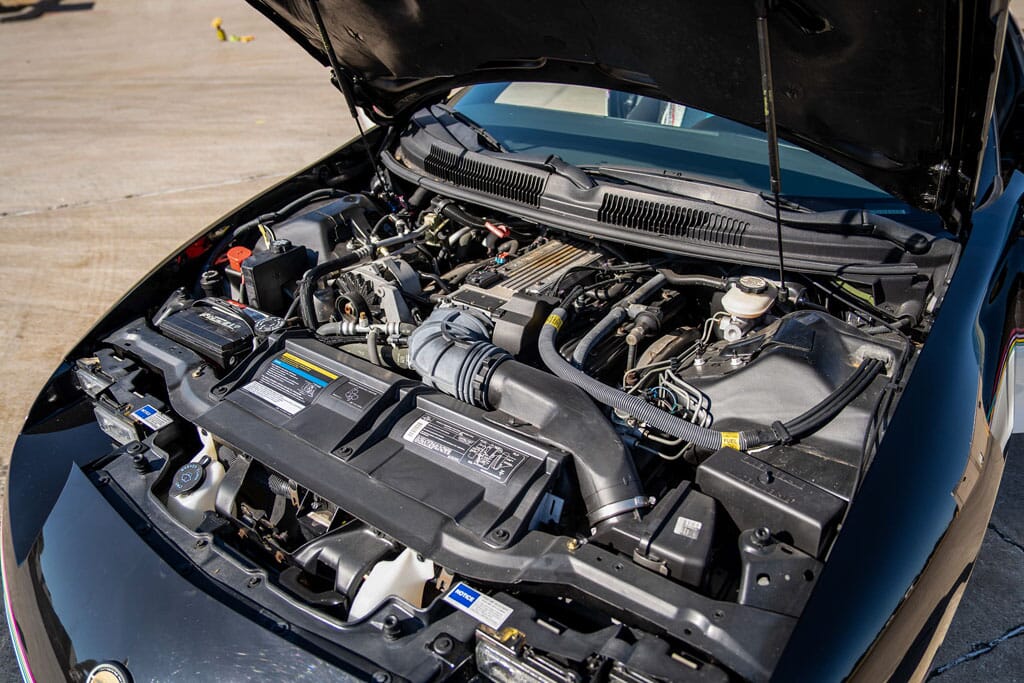
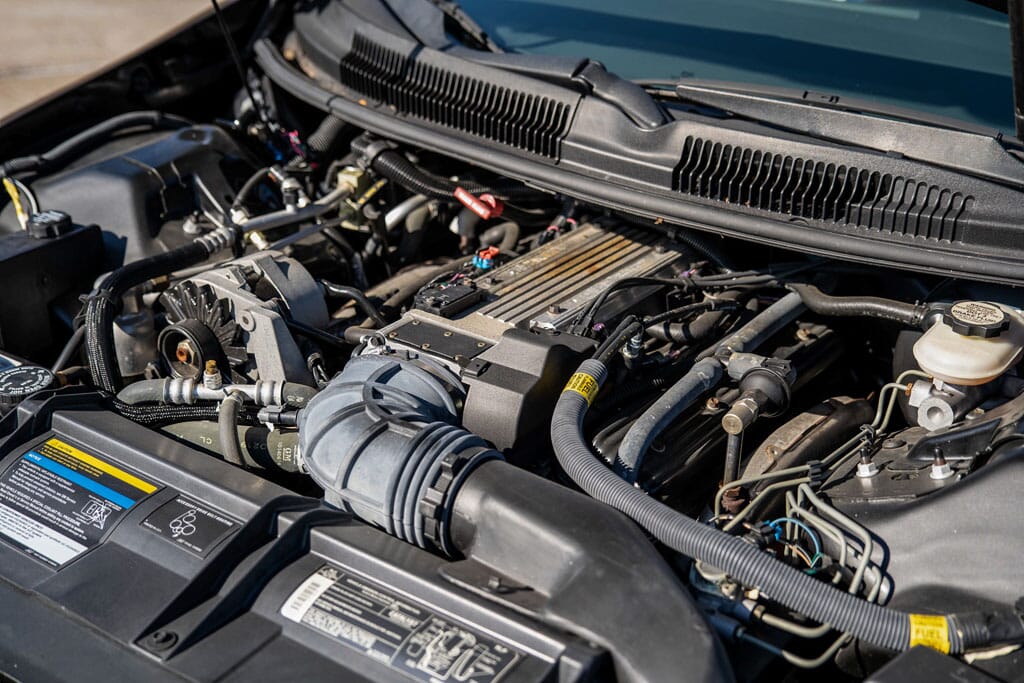
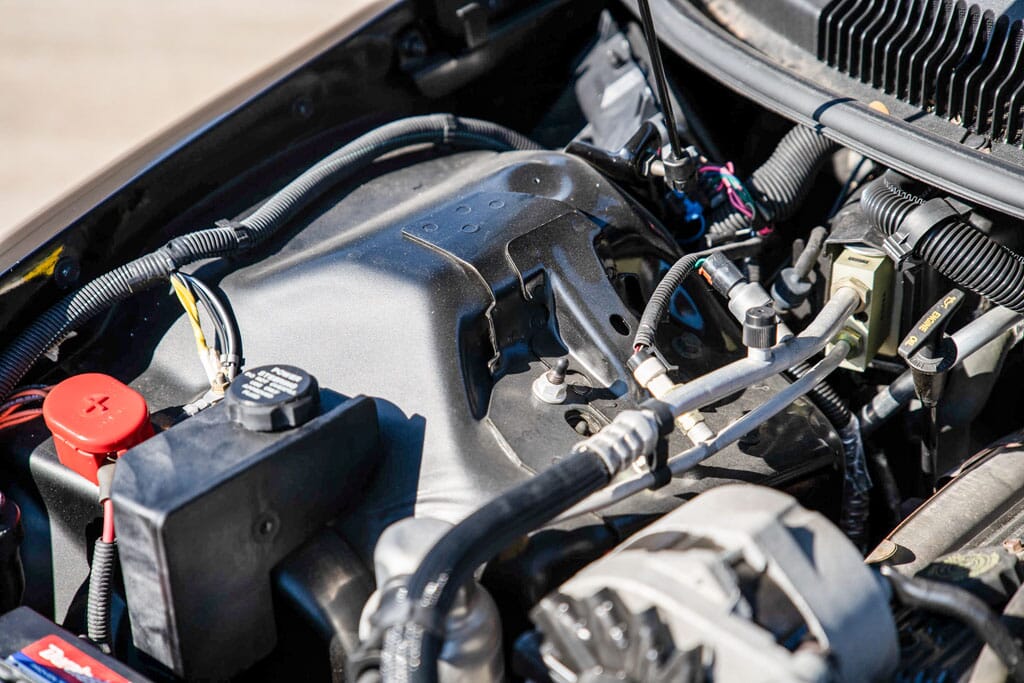
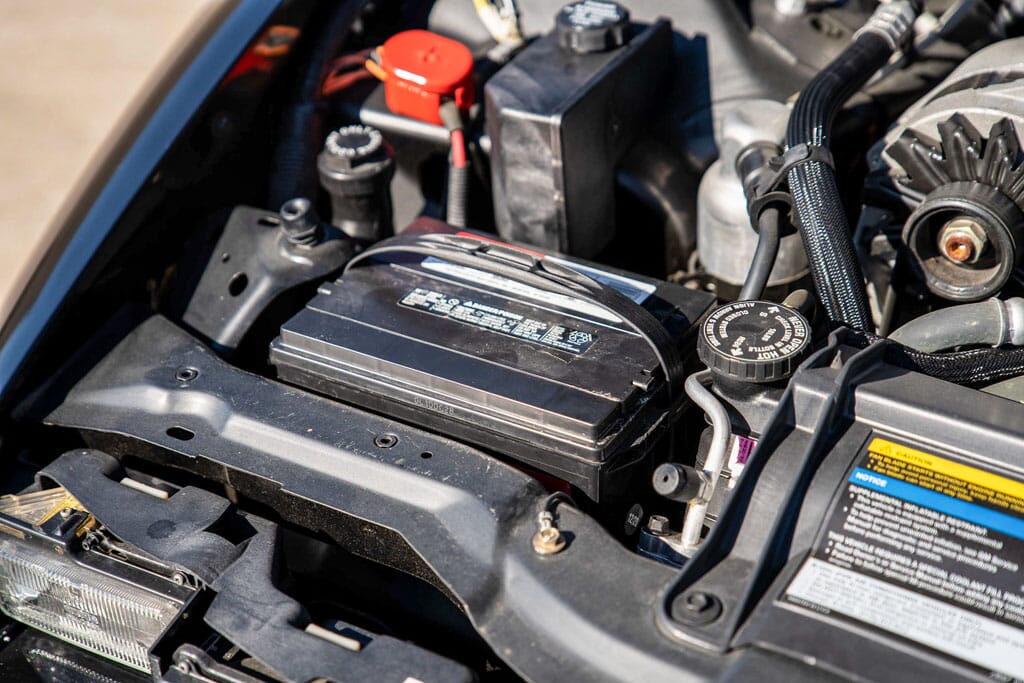
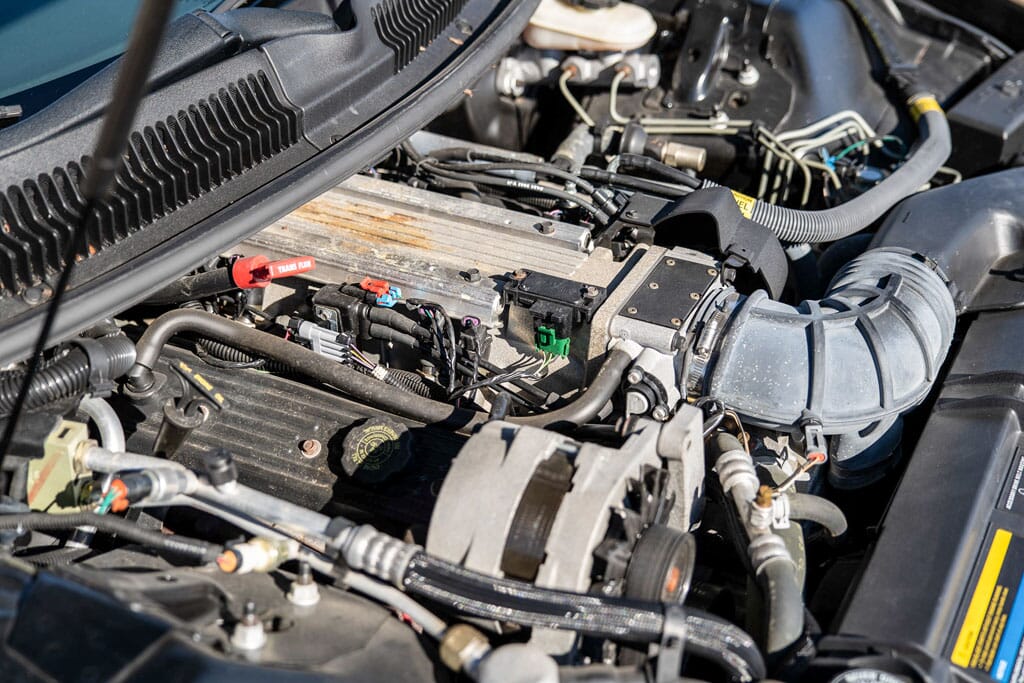
- Chevrolet LT1 engine
- Mint condition


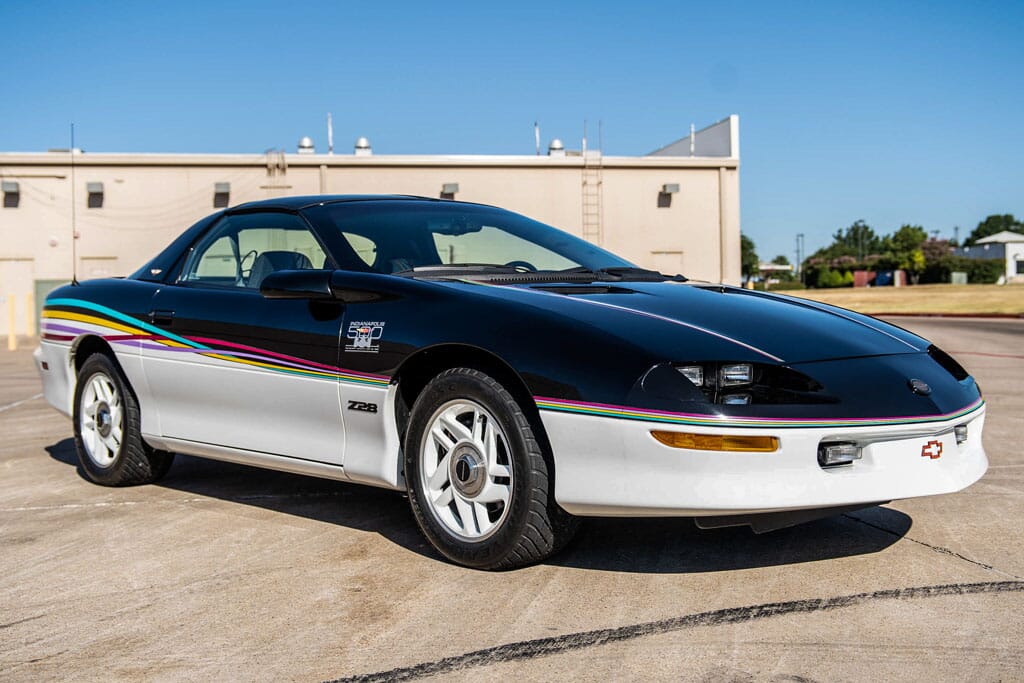
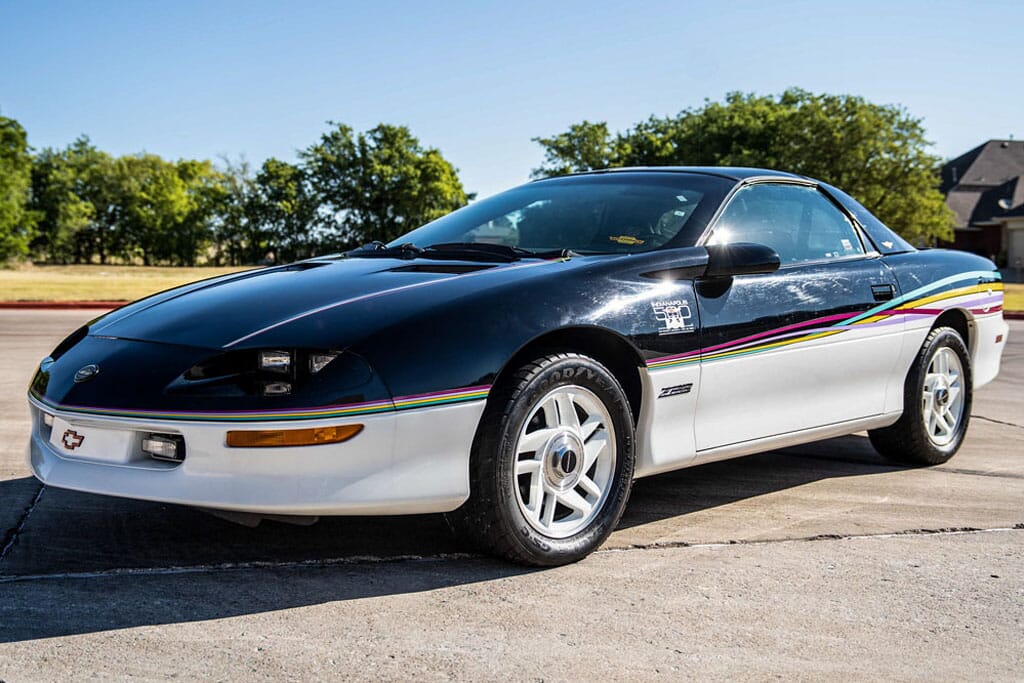
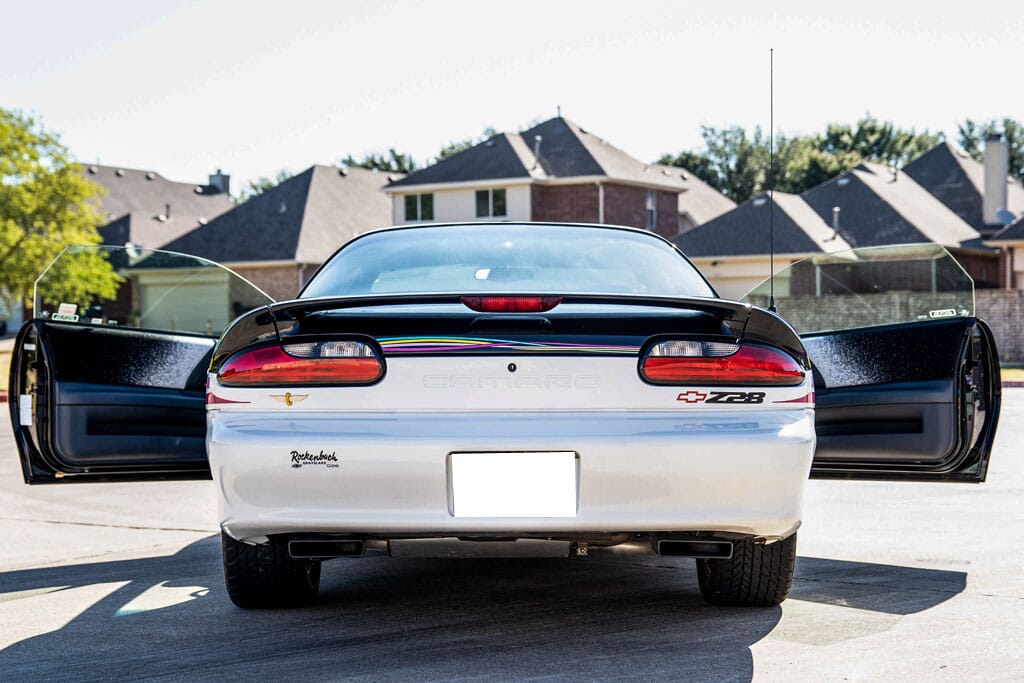
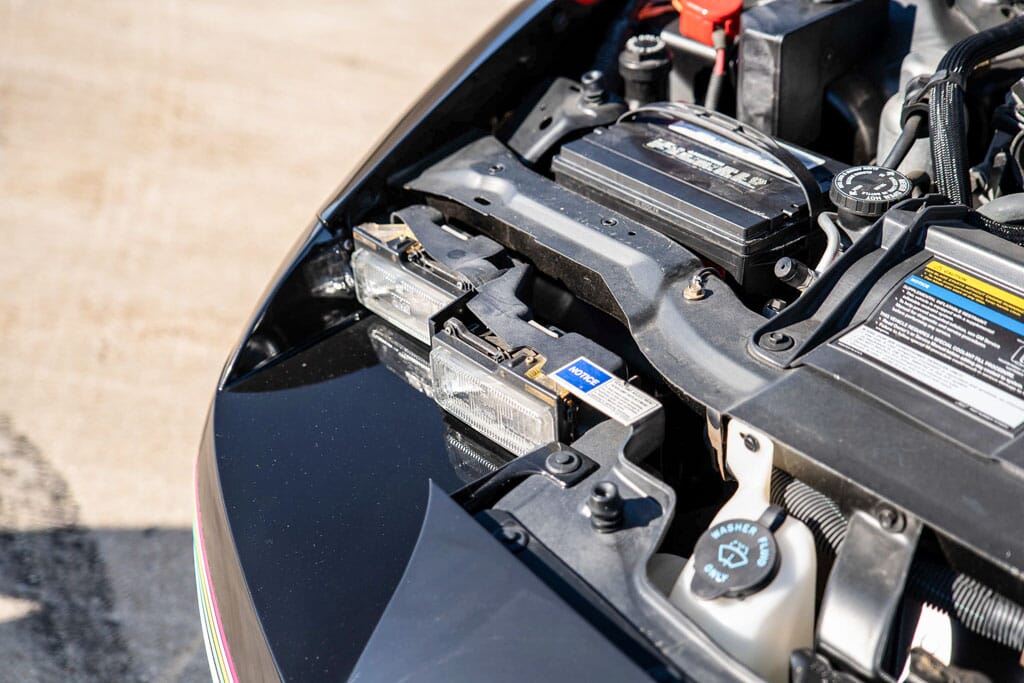
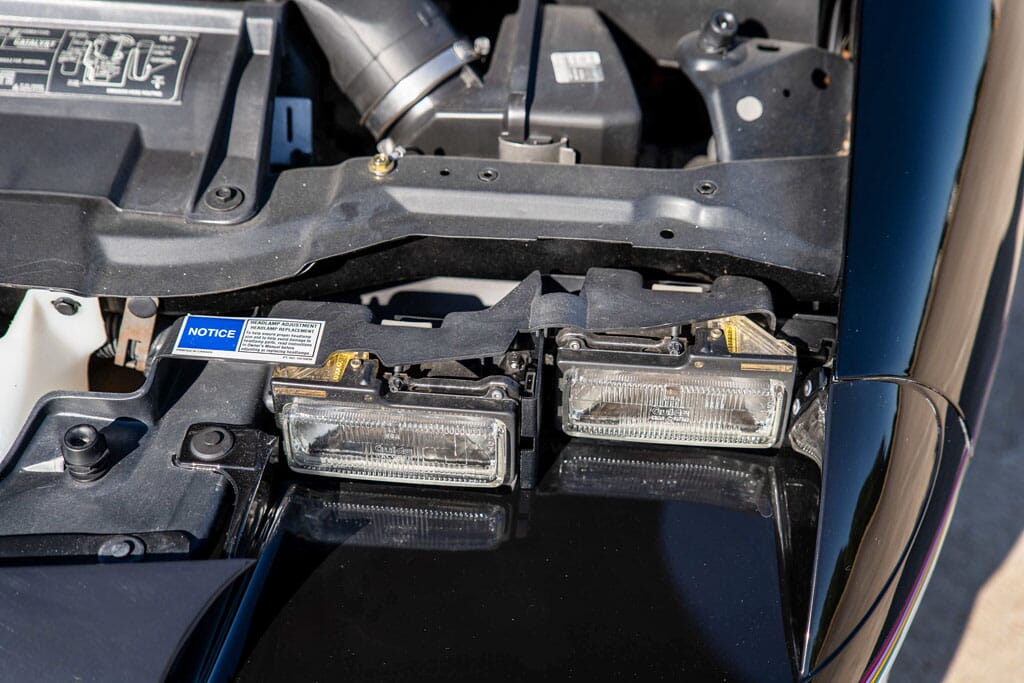
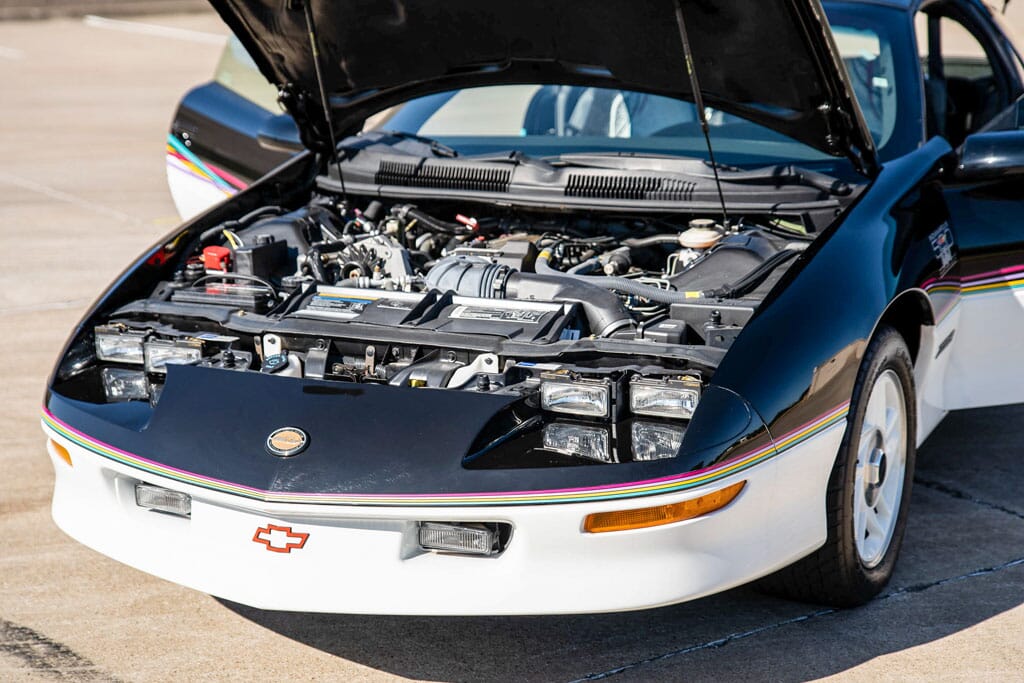
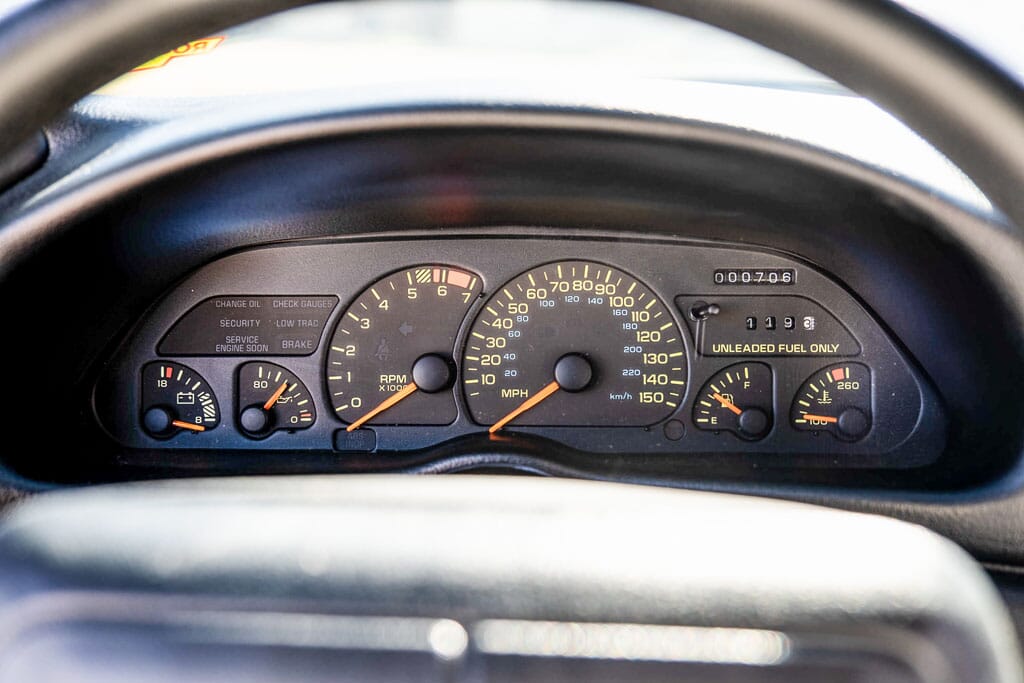
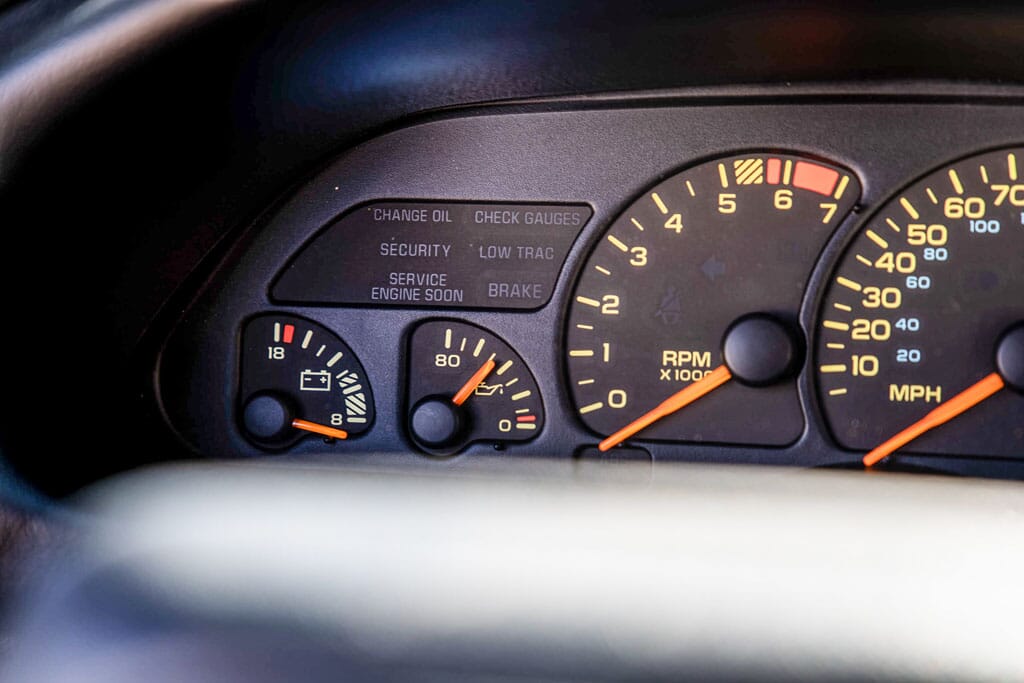
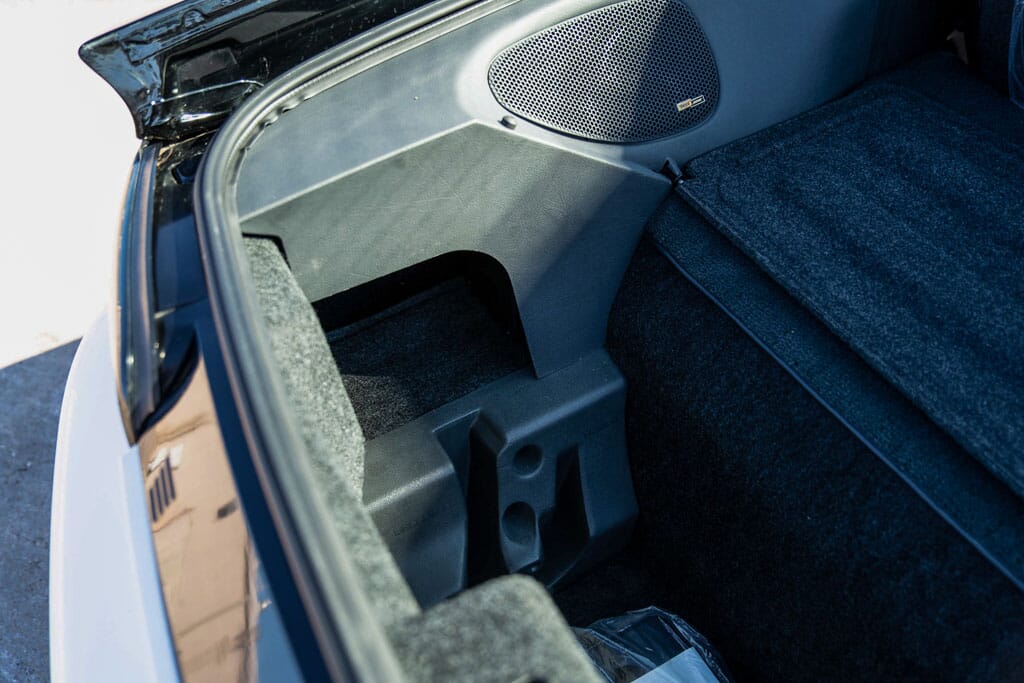
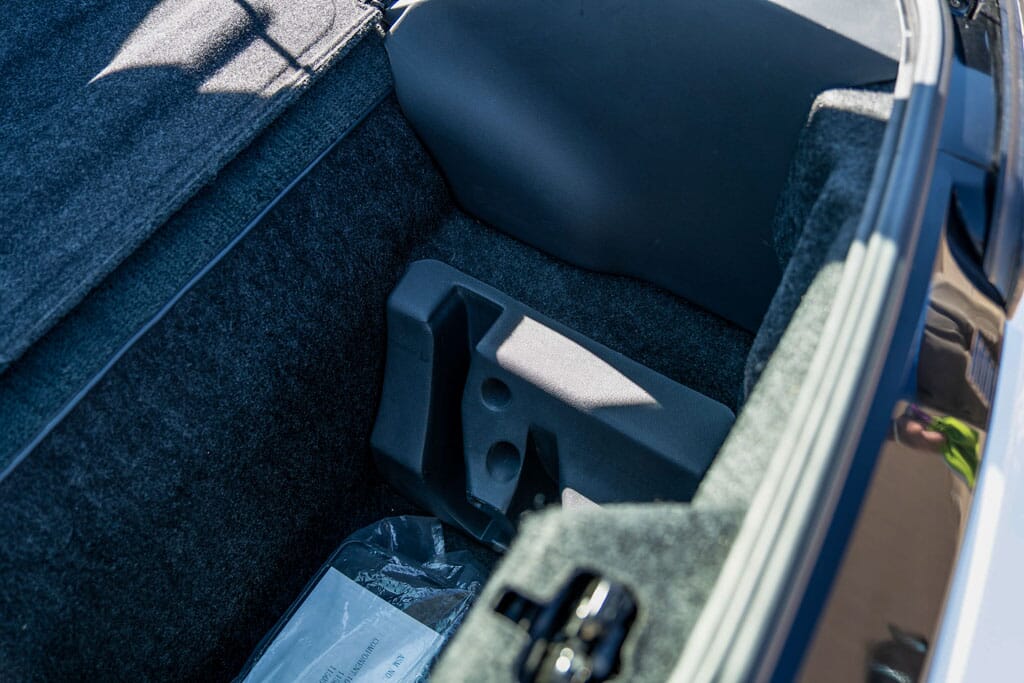
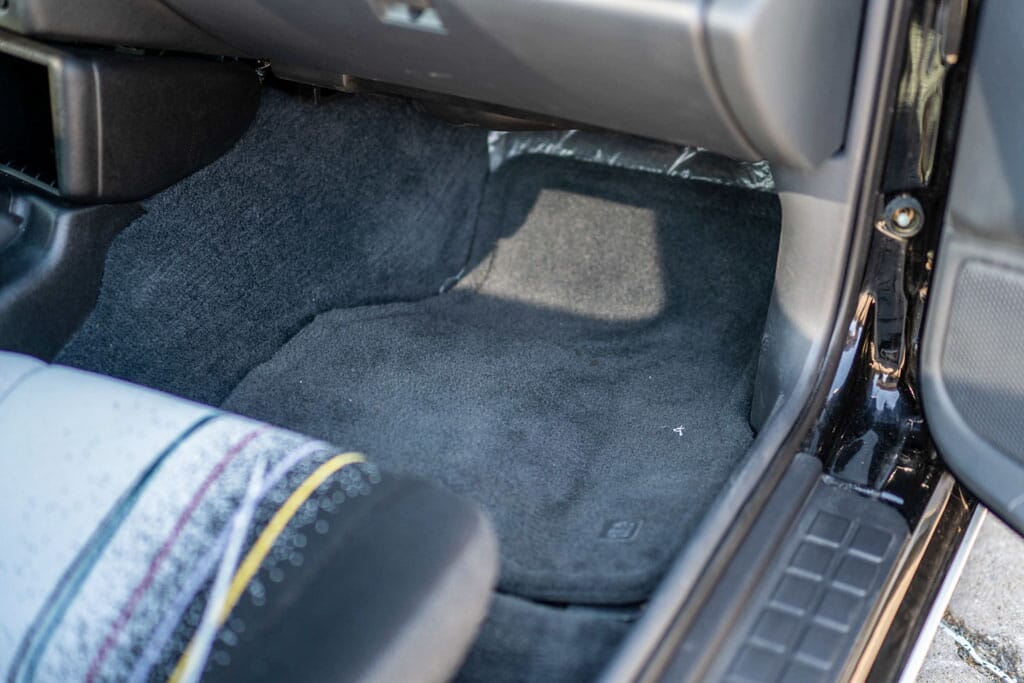
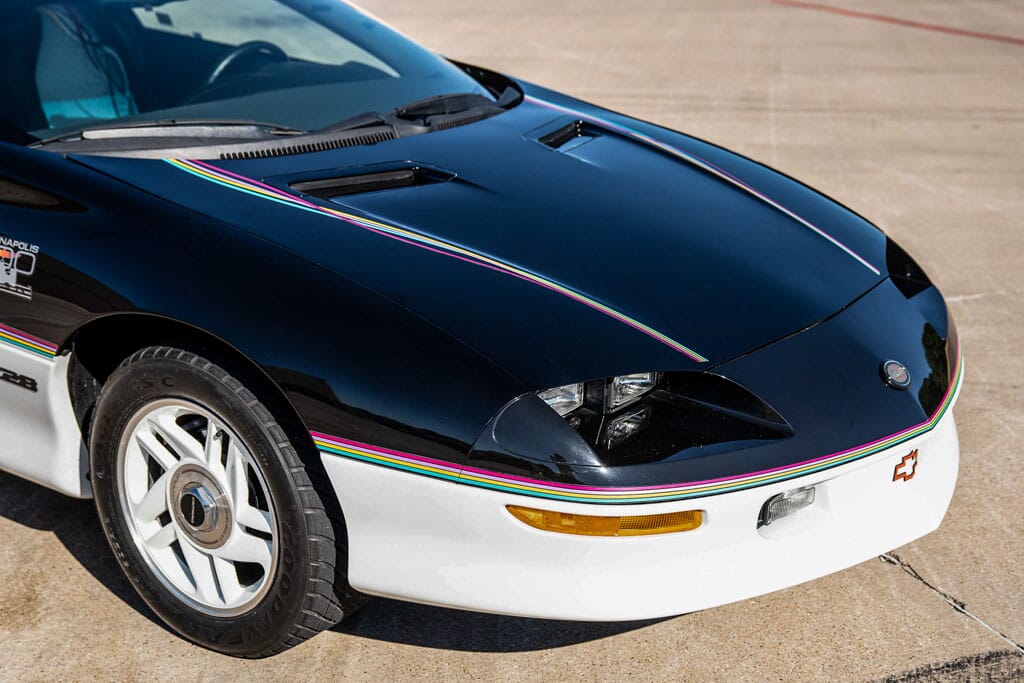
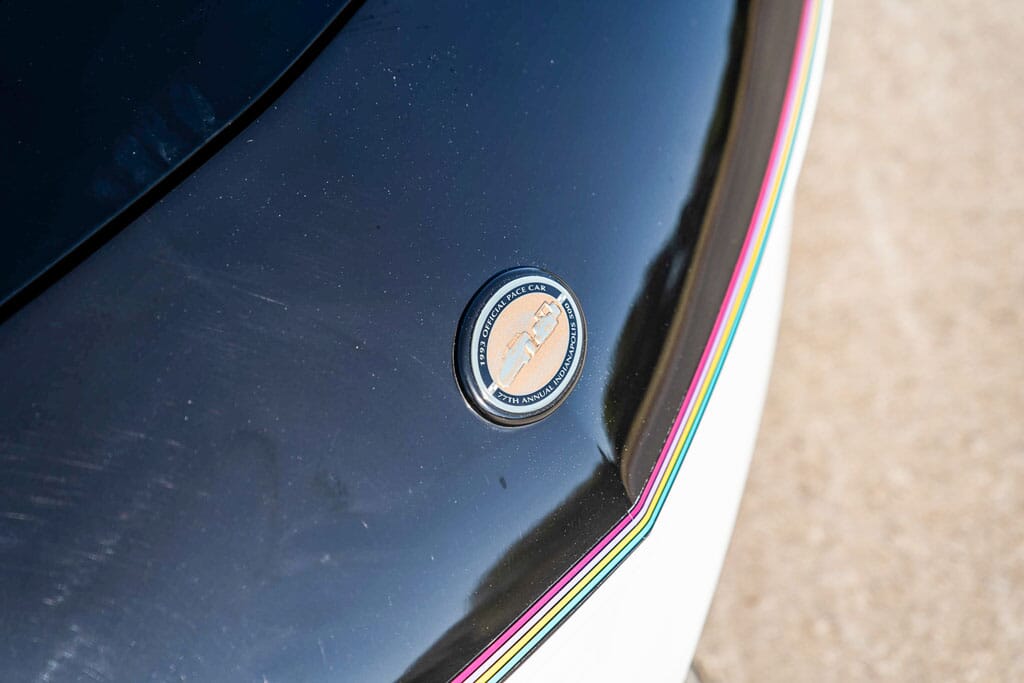
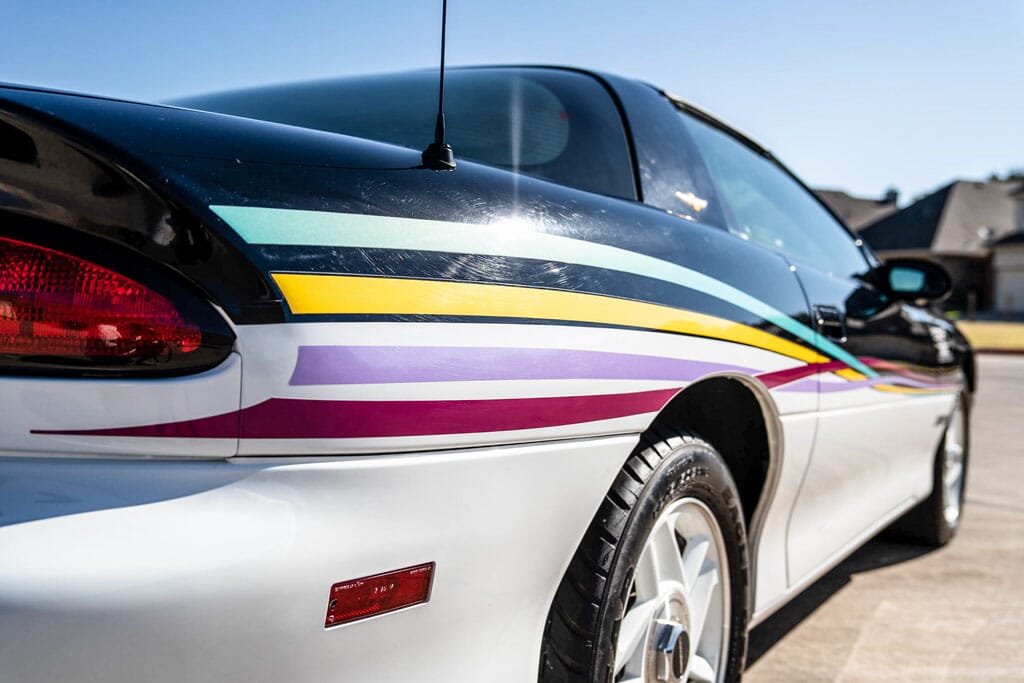
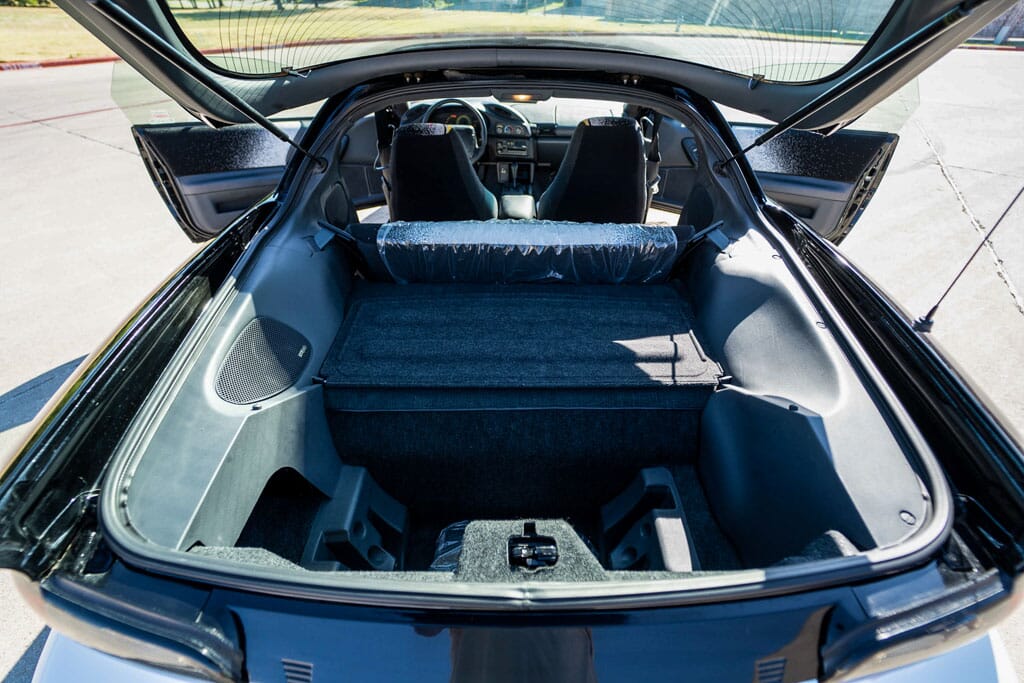
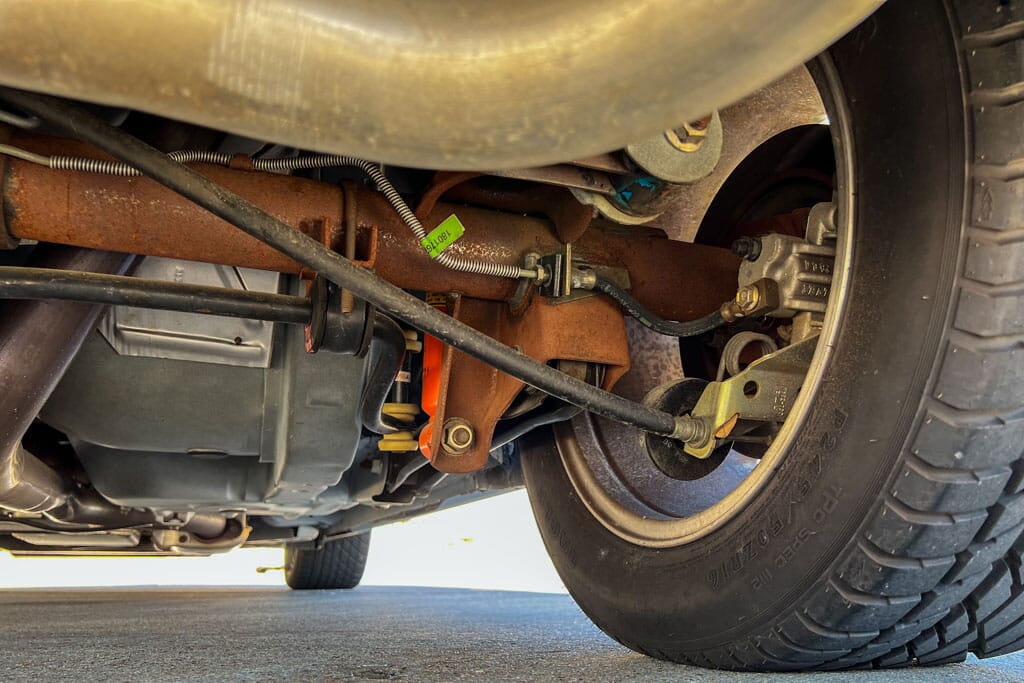
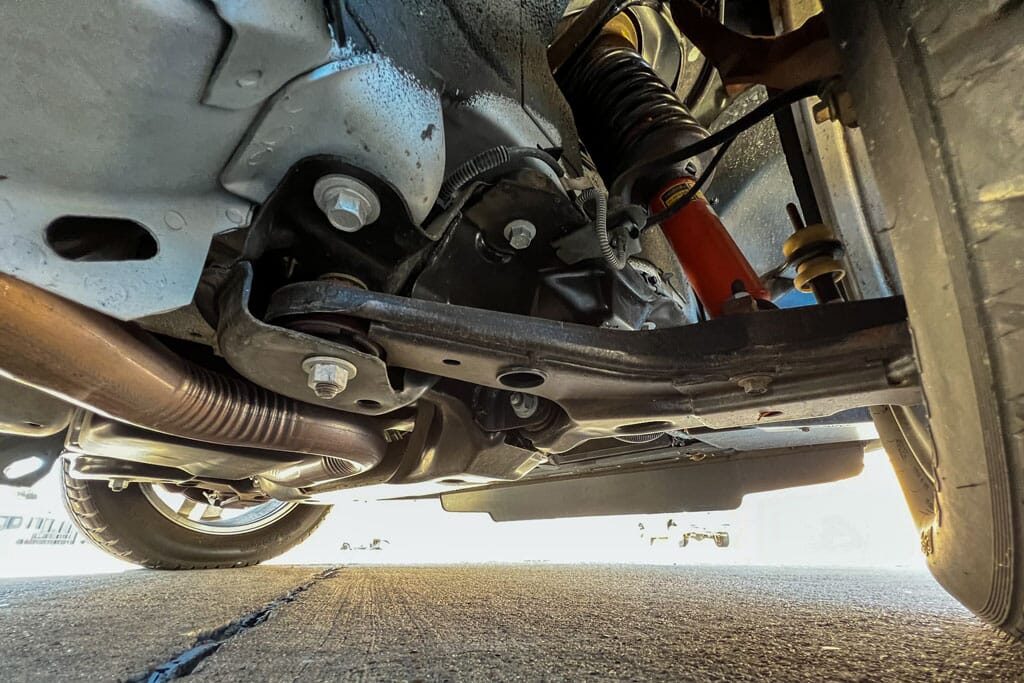
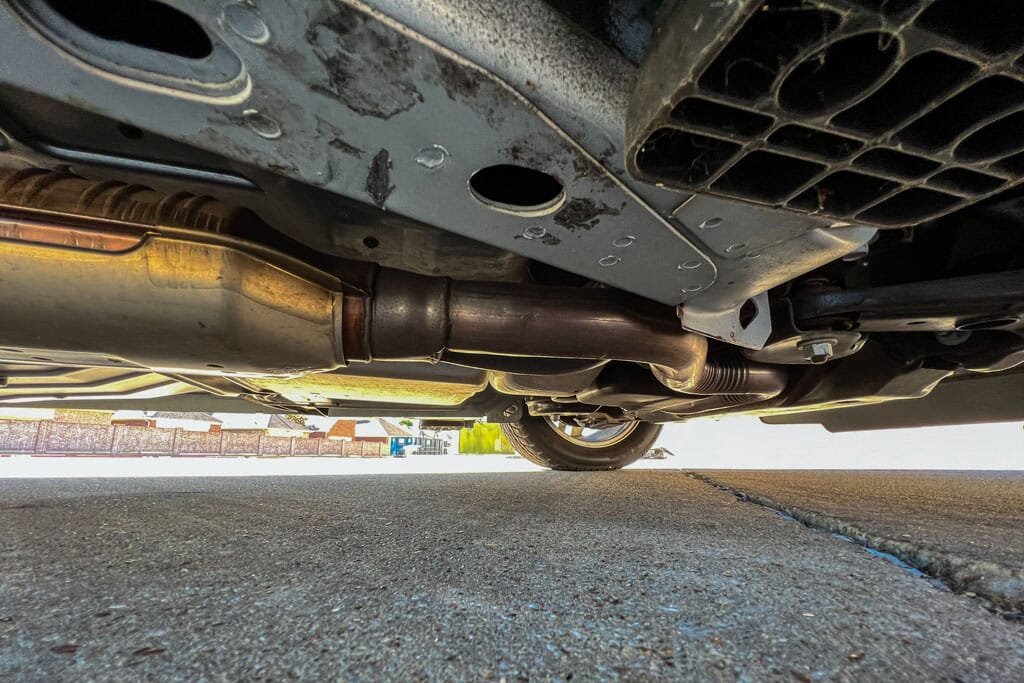
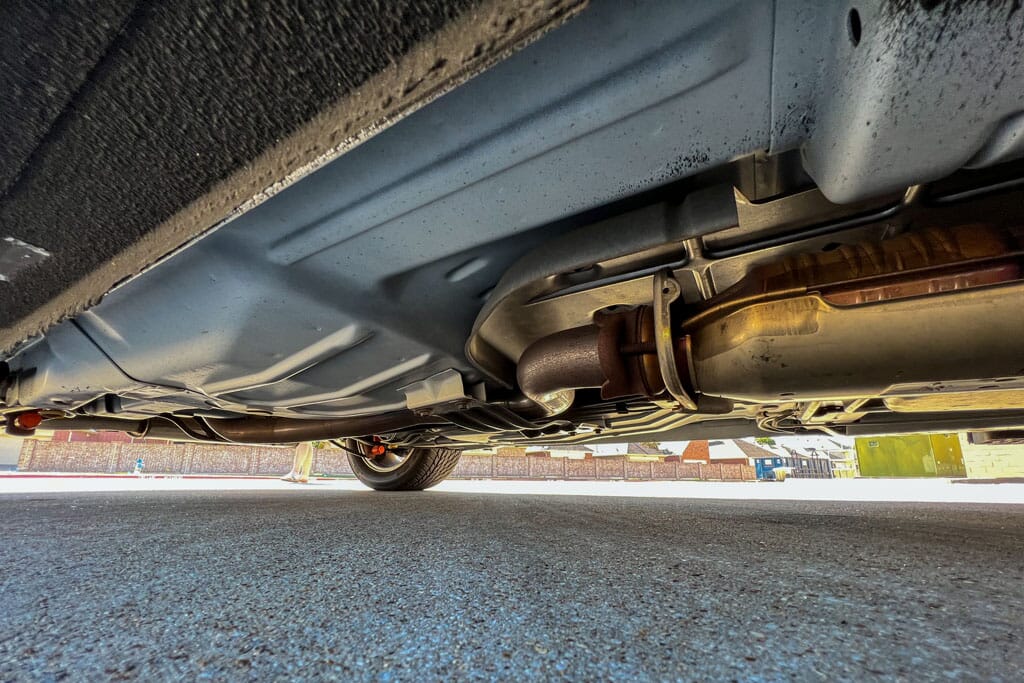
Back in 1993, the Chevrolet Camaro saw a redesign for the fourth-generation and was selected as the Indy 500 Pace Car for 1993. It went on to hold that honorable title four times, becoming the first car to do so. Naturally, Chevrolet was on celebration mode and built 645 limited edition Indy 500 Pace Car examples as a way to commemorate this achievement. It became a smash hit by dint of its spectacular styling coupled with the timeless sleek silhouette. “1993 Camaro Indy 500 Pace Car Edition Is the La Croix of Muscle Cars” says the renowned media brand Motor Trend. We are delighted to present to you one of these iconic cars that we discovered to be in pristine condition. Since it was kept fully original since its birth, what you are seeing here is a numbers-matching vehicle. What’s more, with only 600 miles on its clock you are basically getting a showroom condition car for your money.
Exterior and Interior
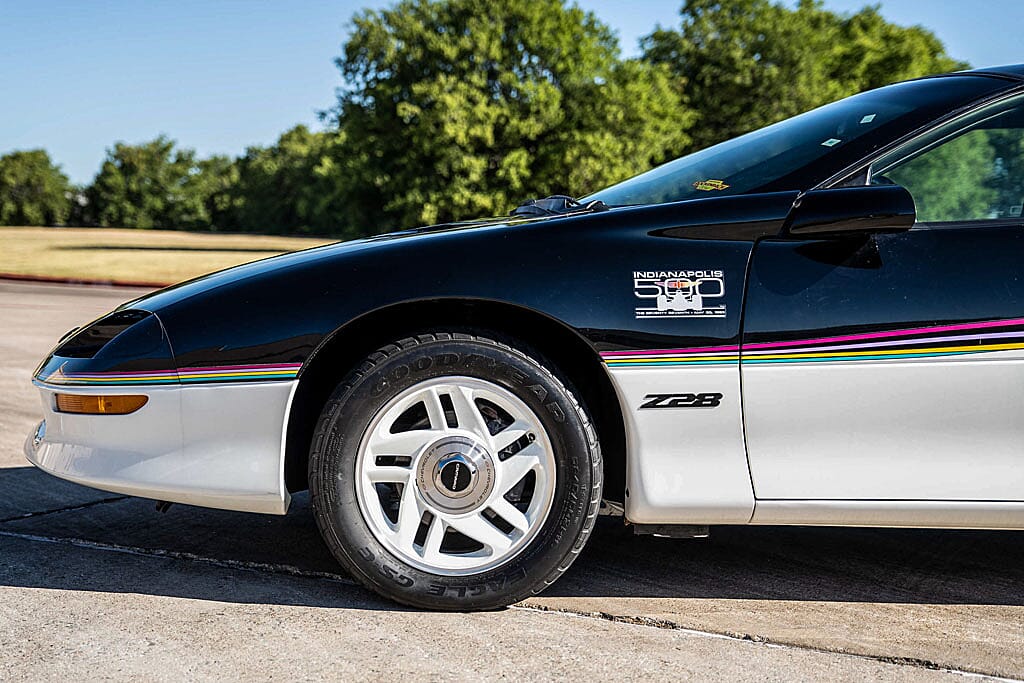
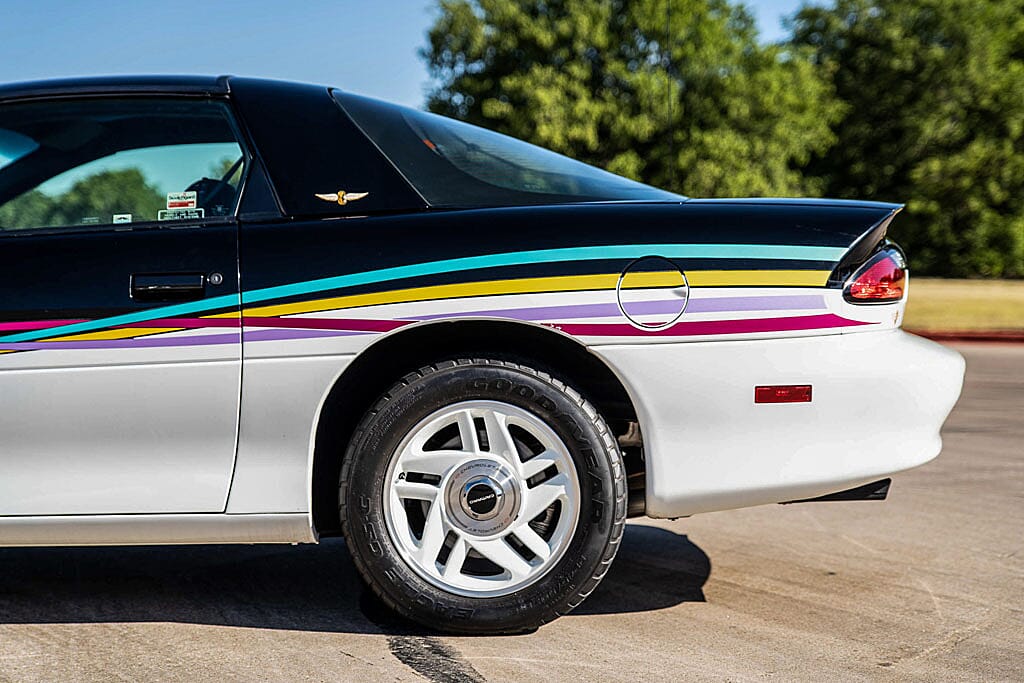
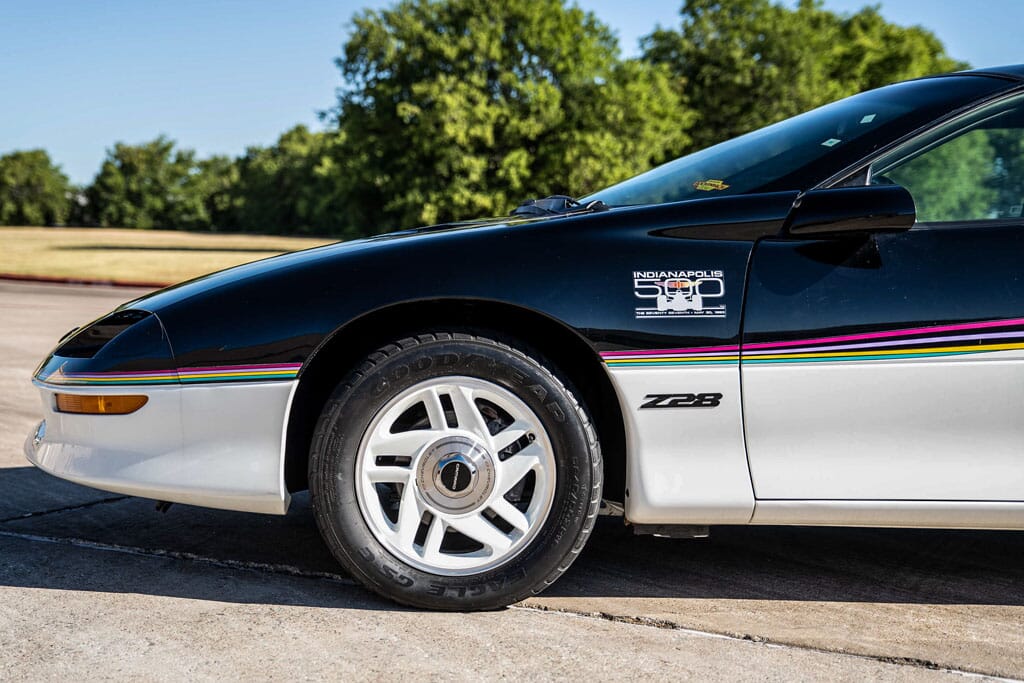
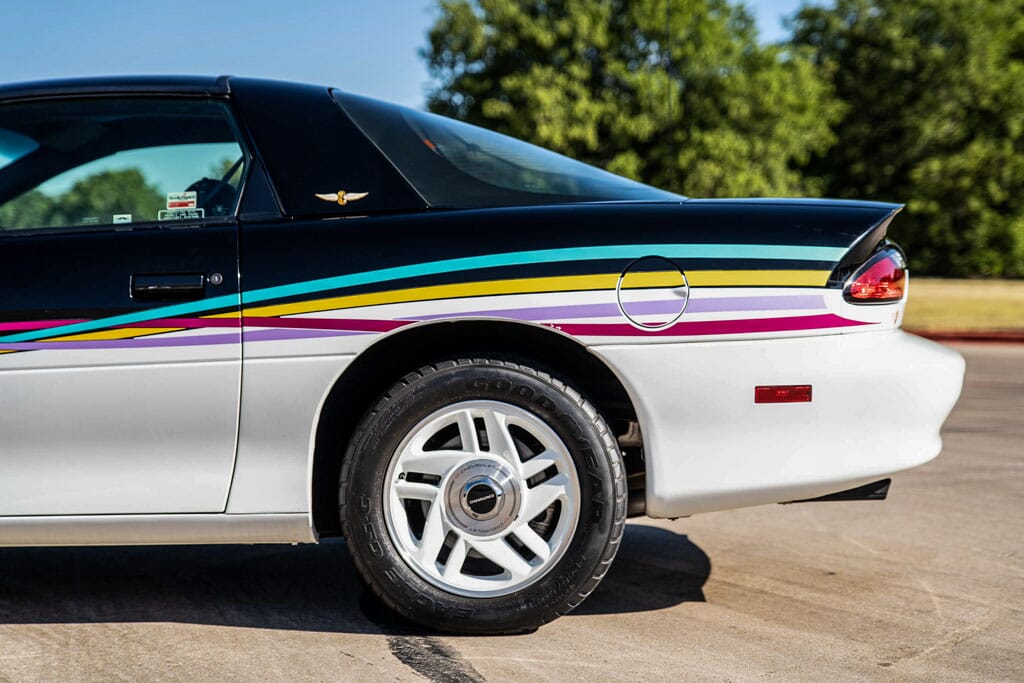
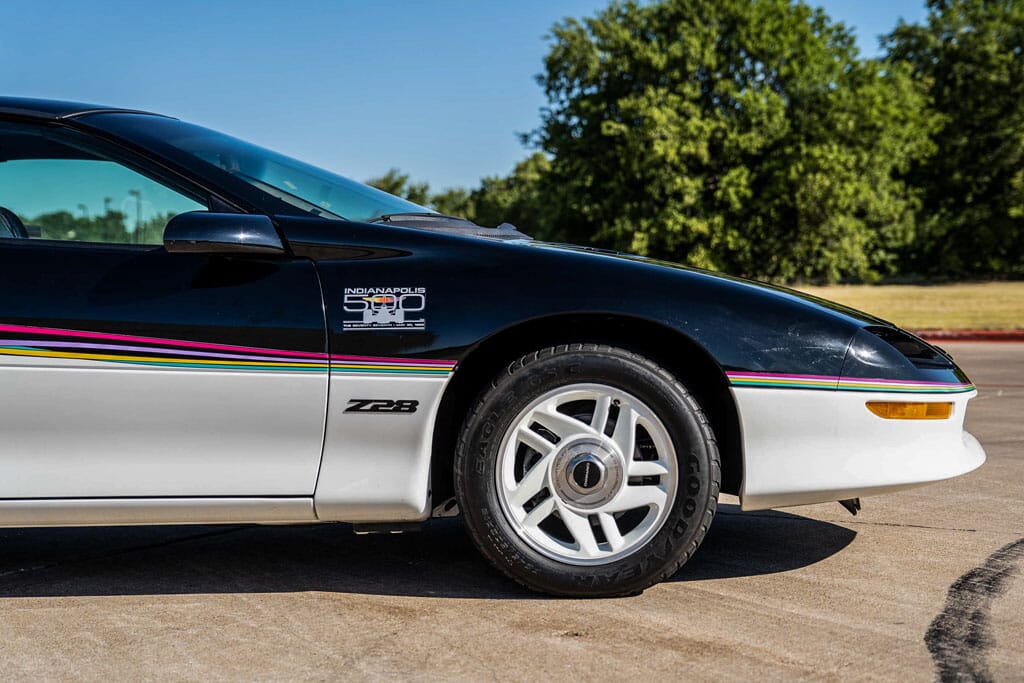
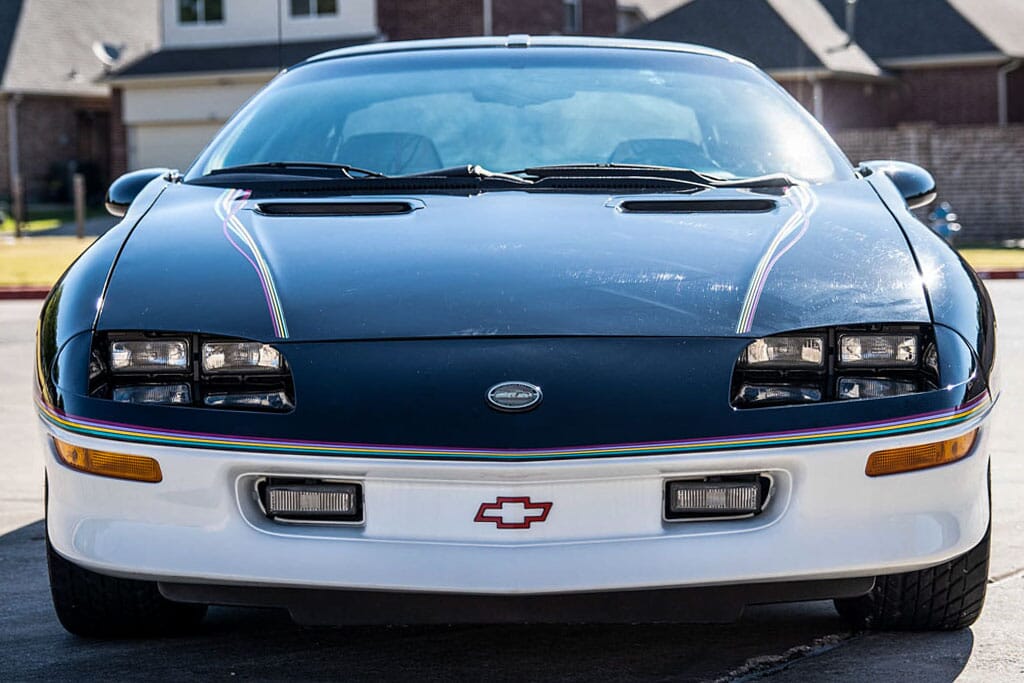
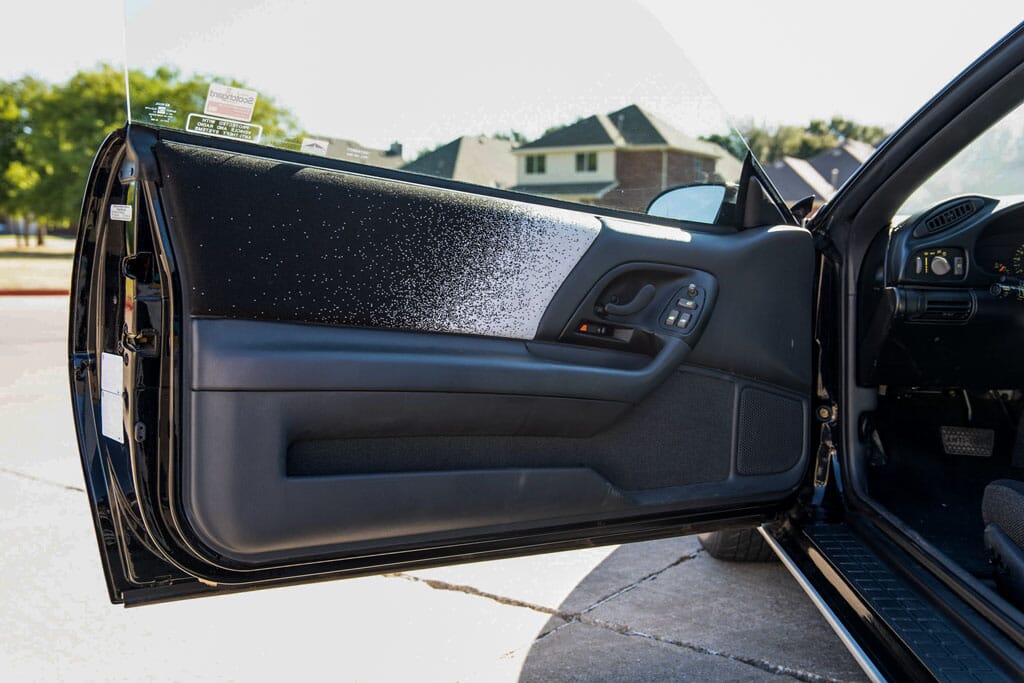
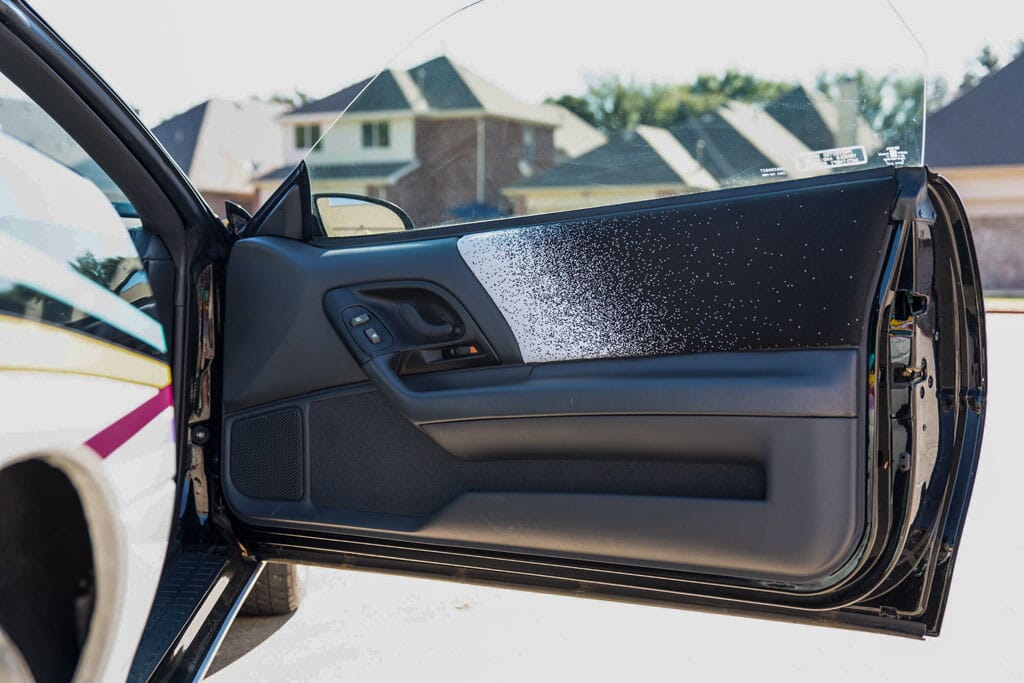
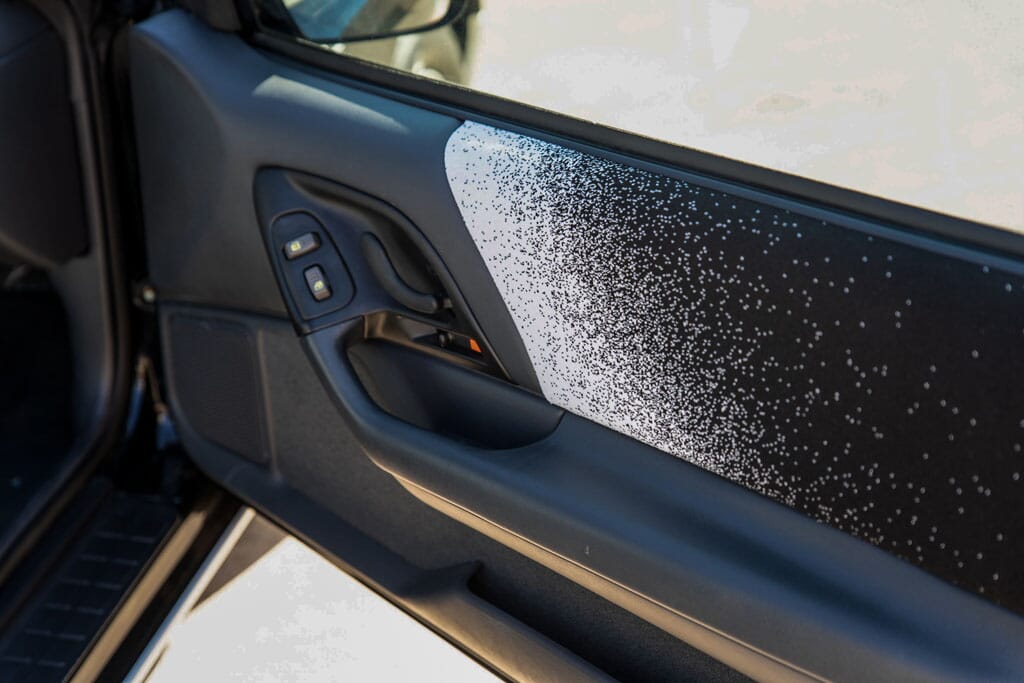
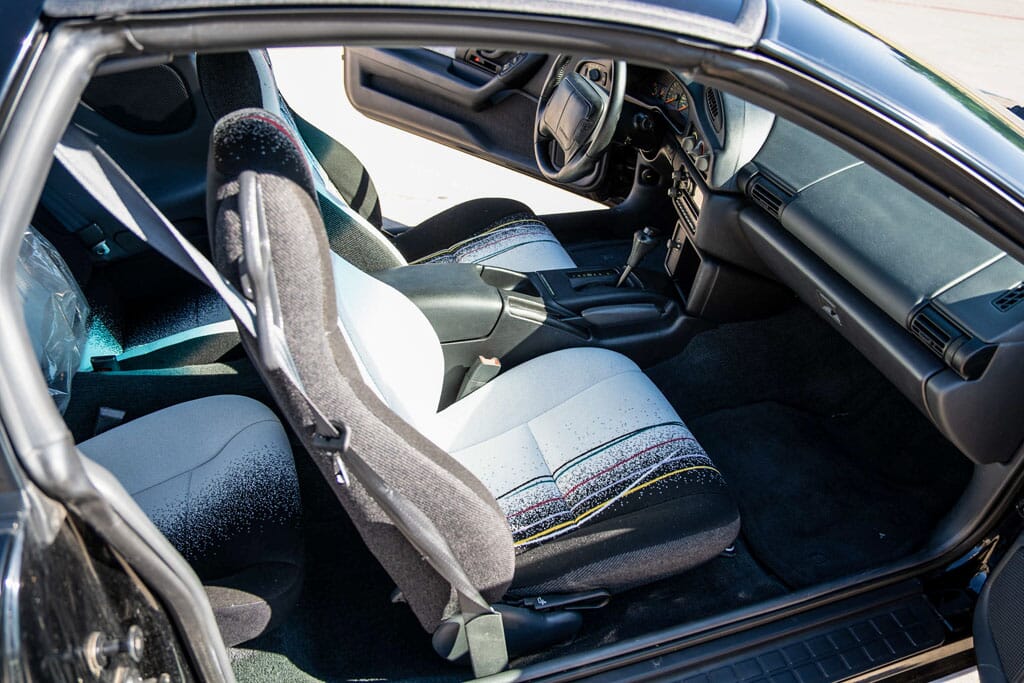
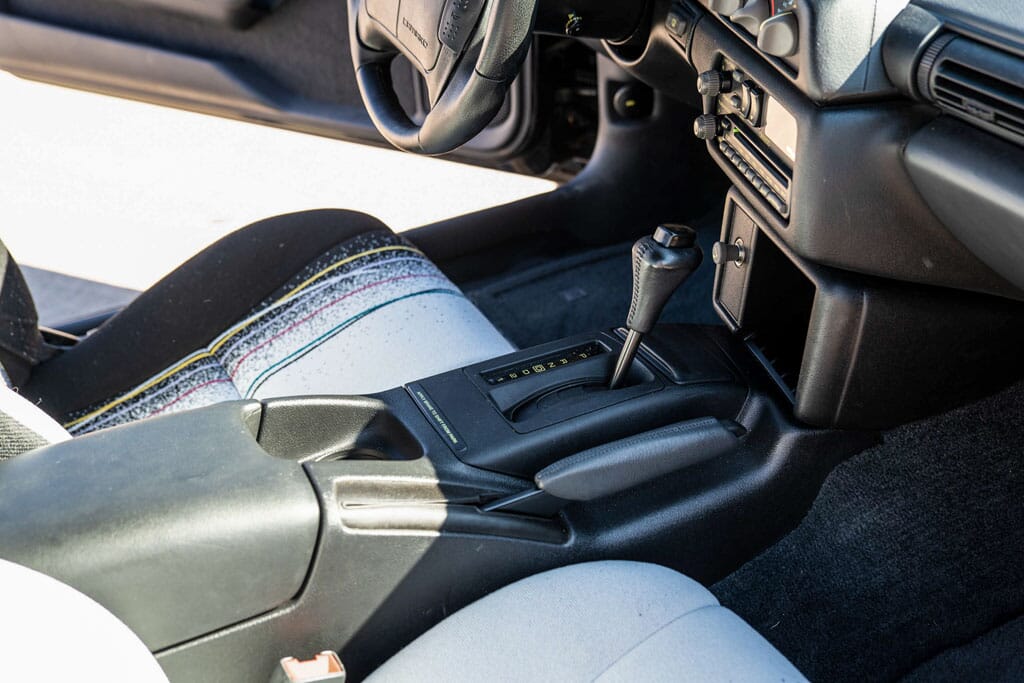
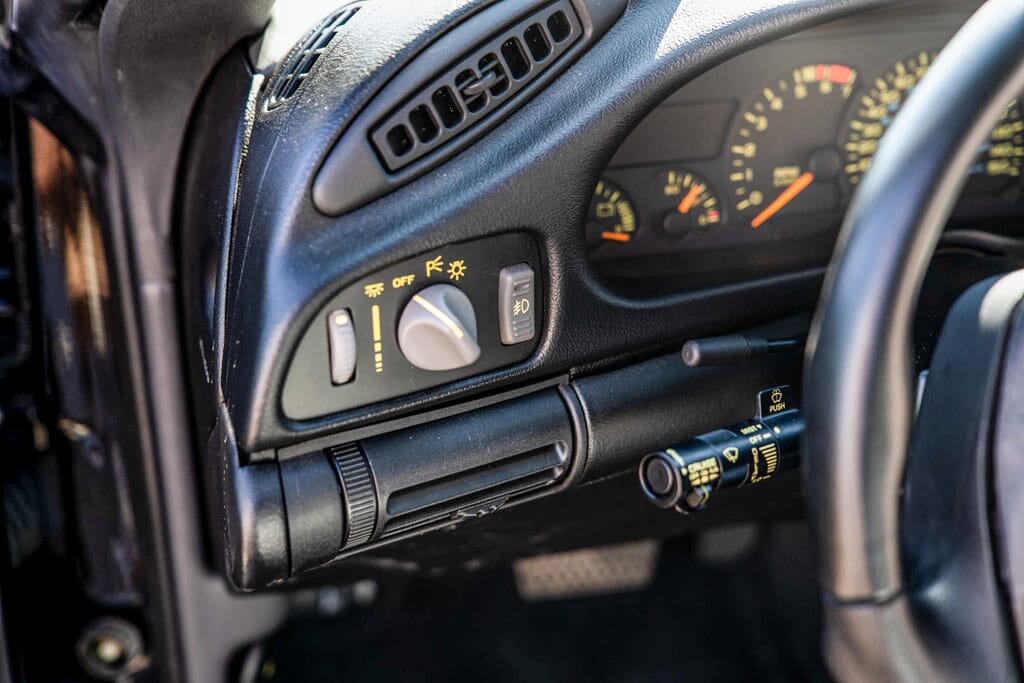
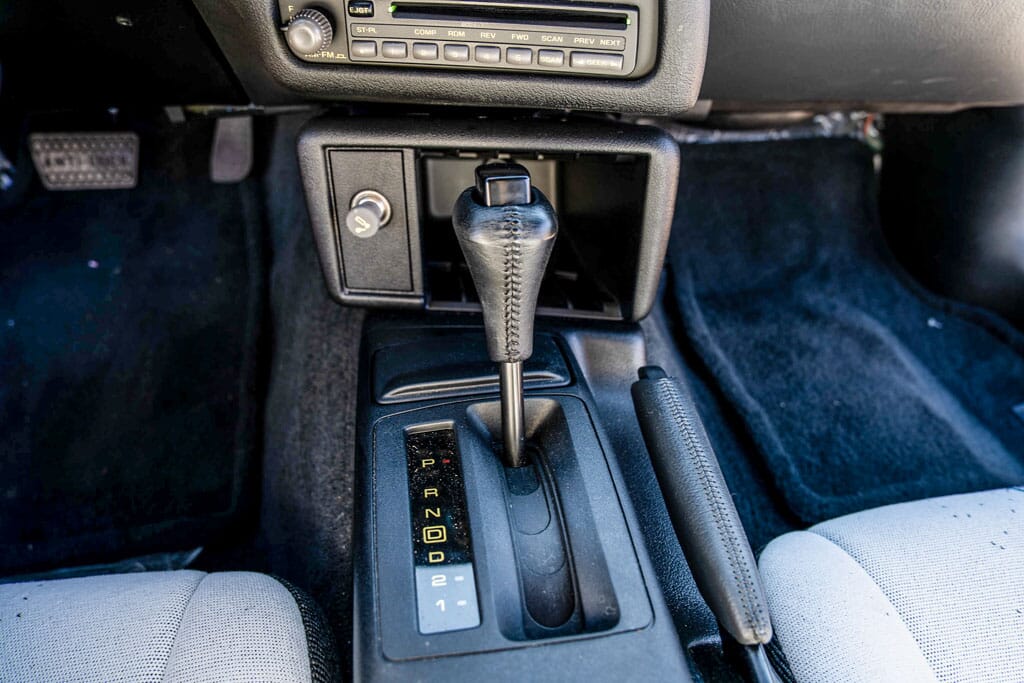
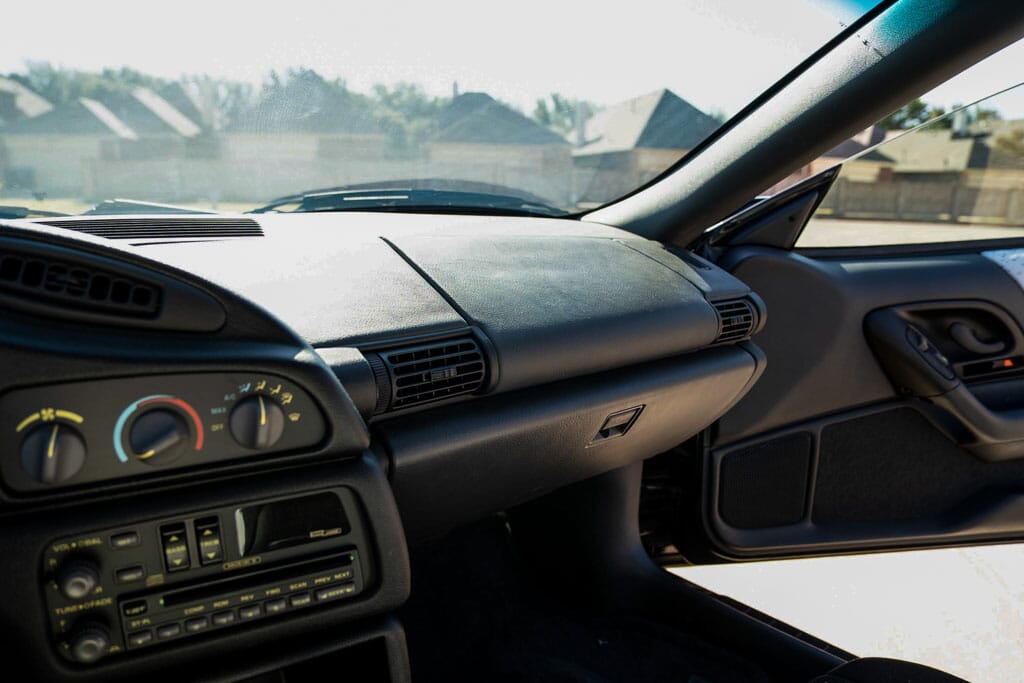
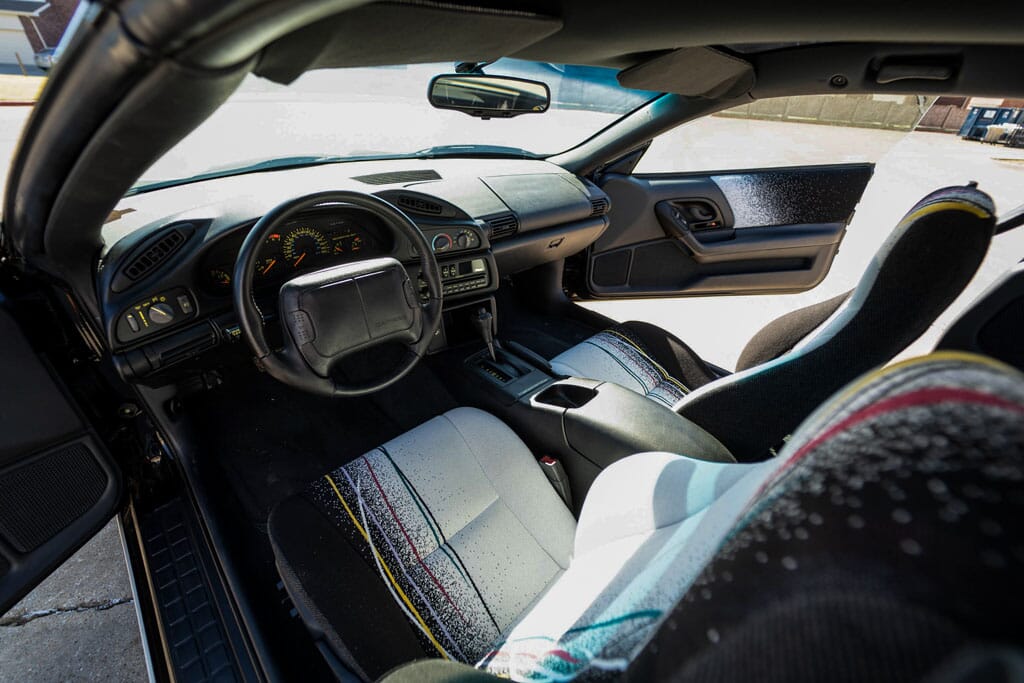
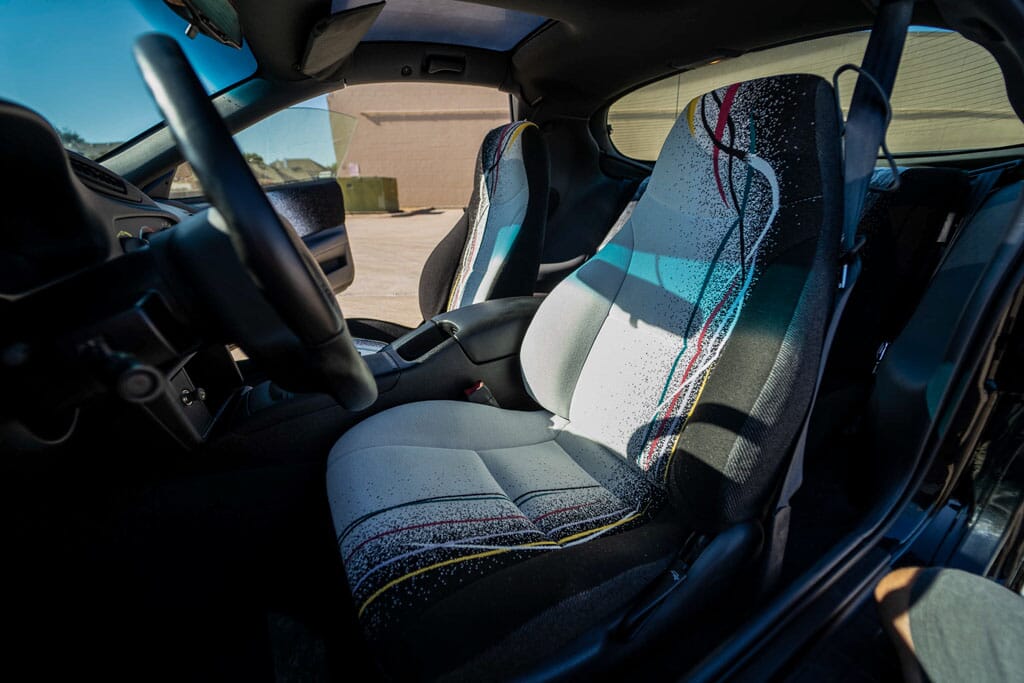
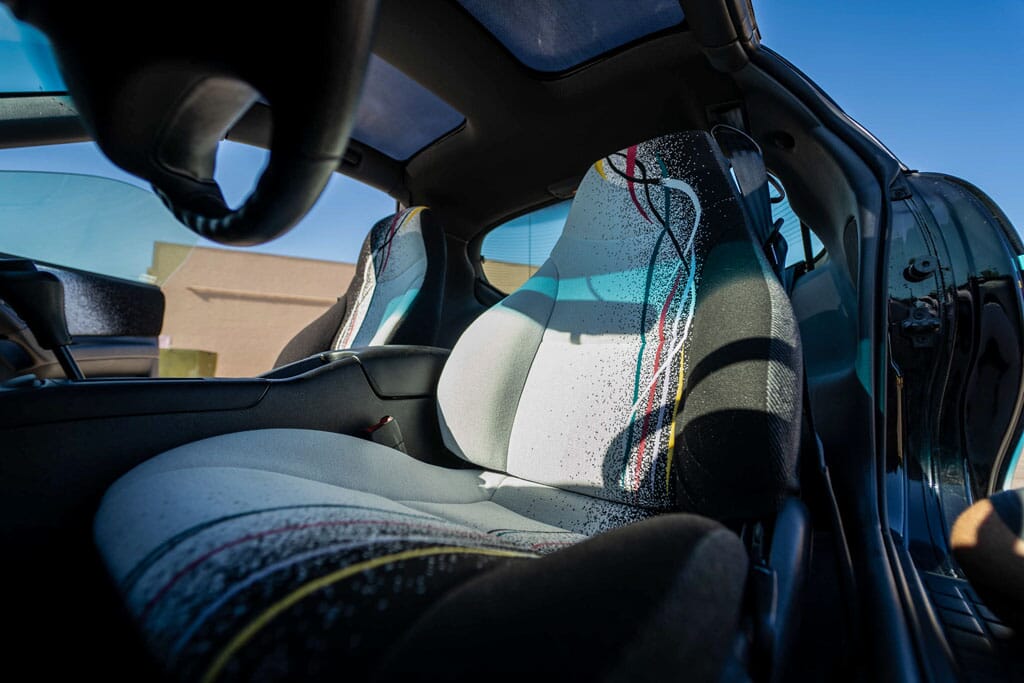
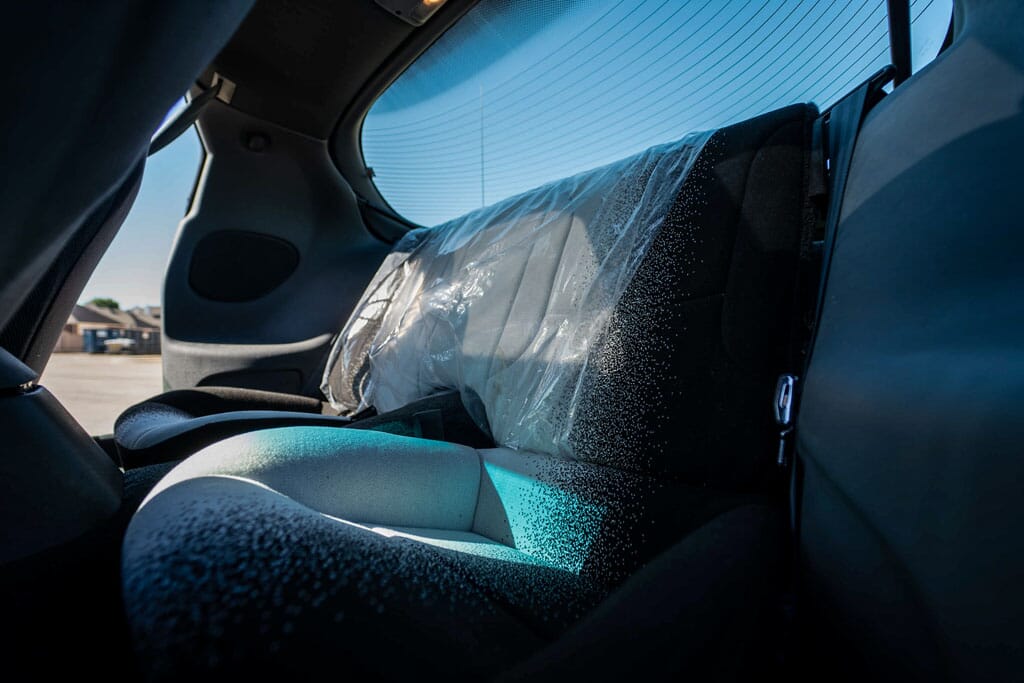
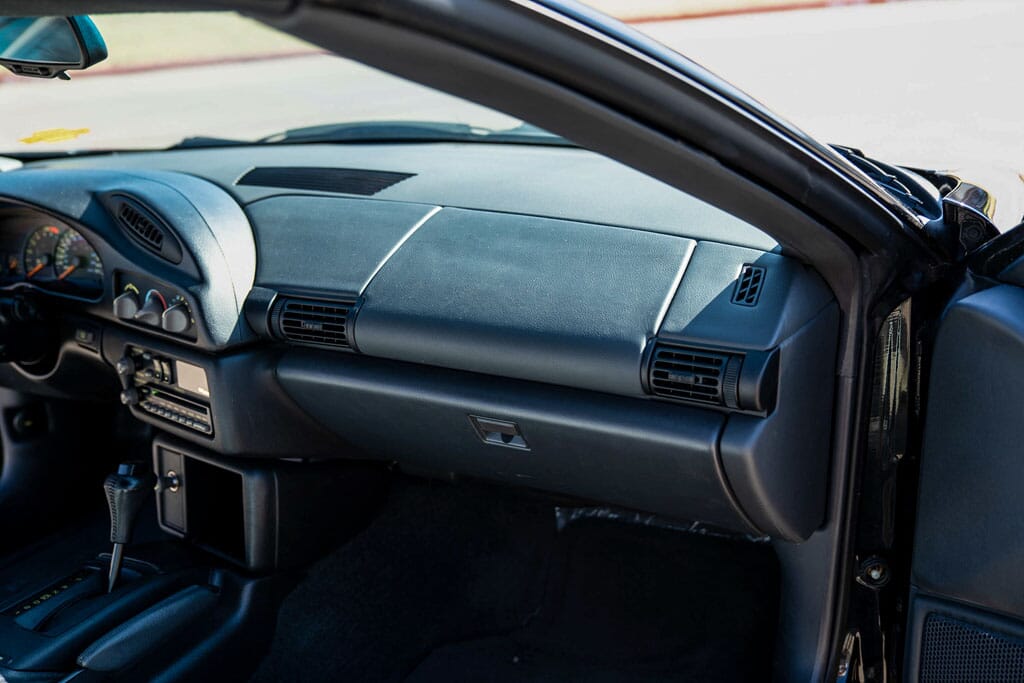
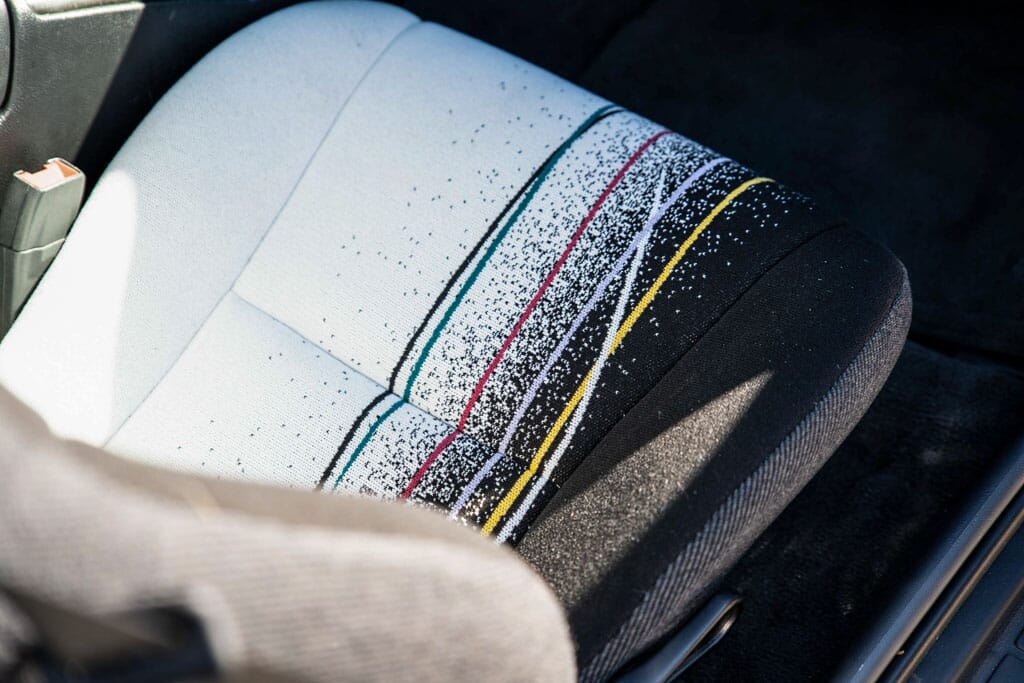
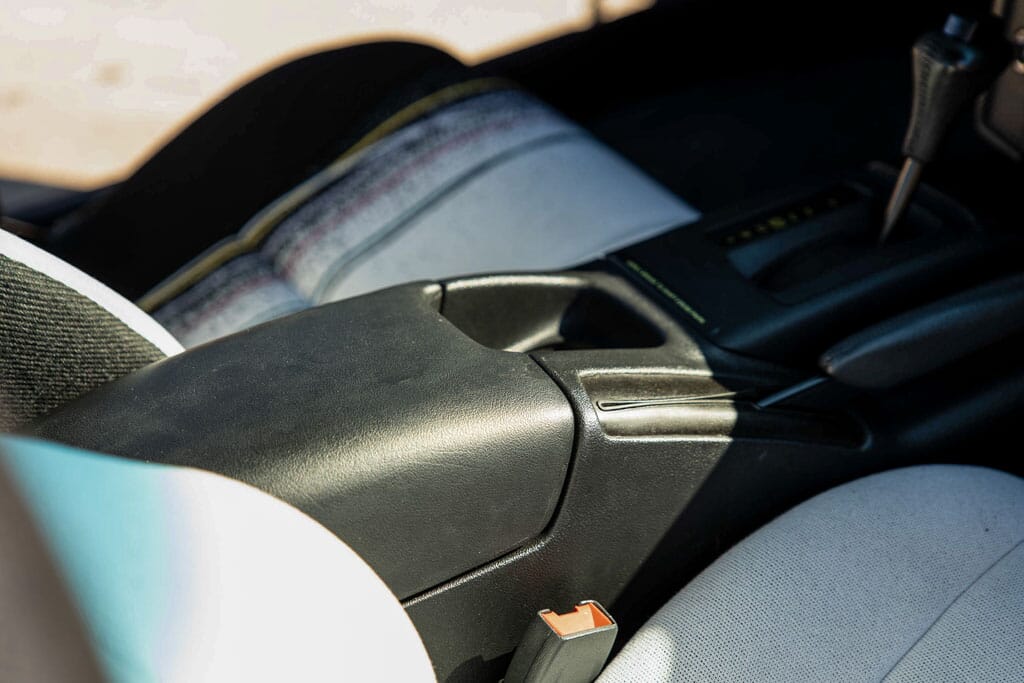
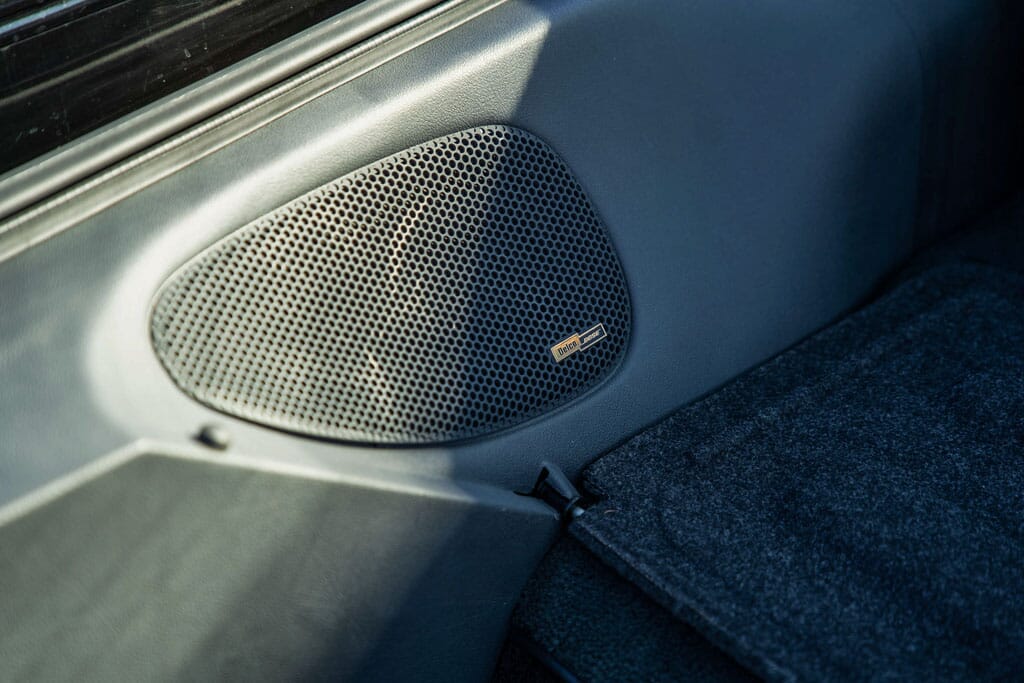
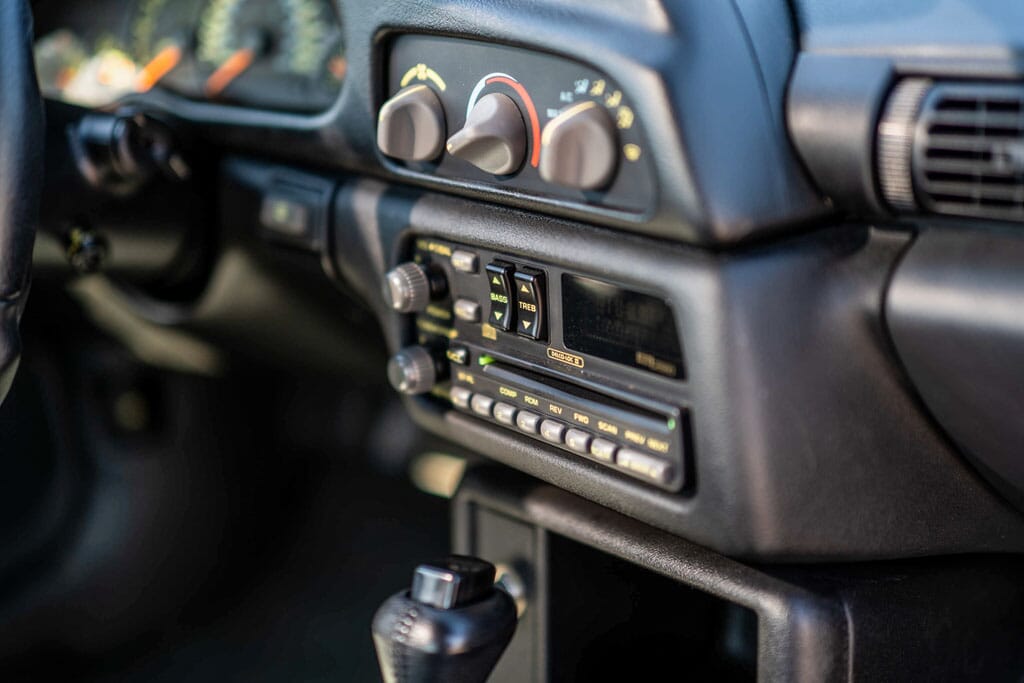
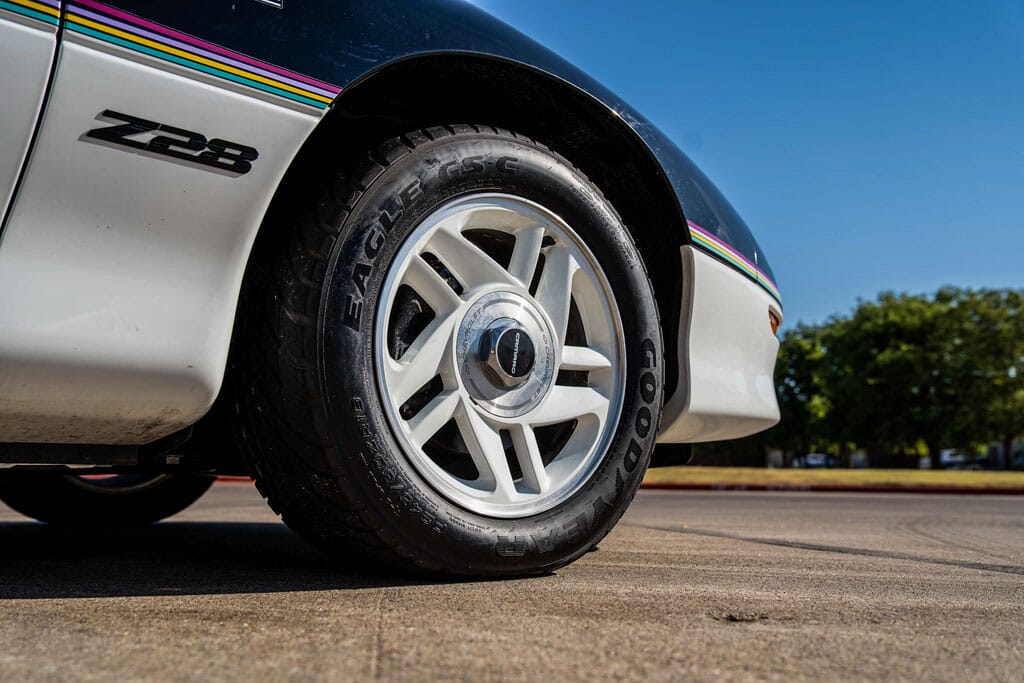
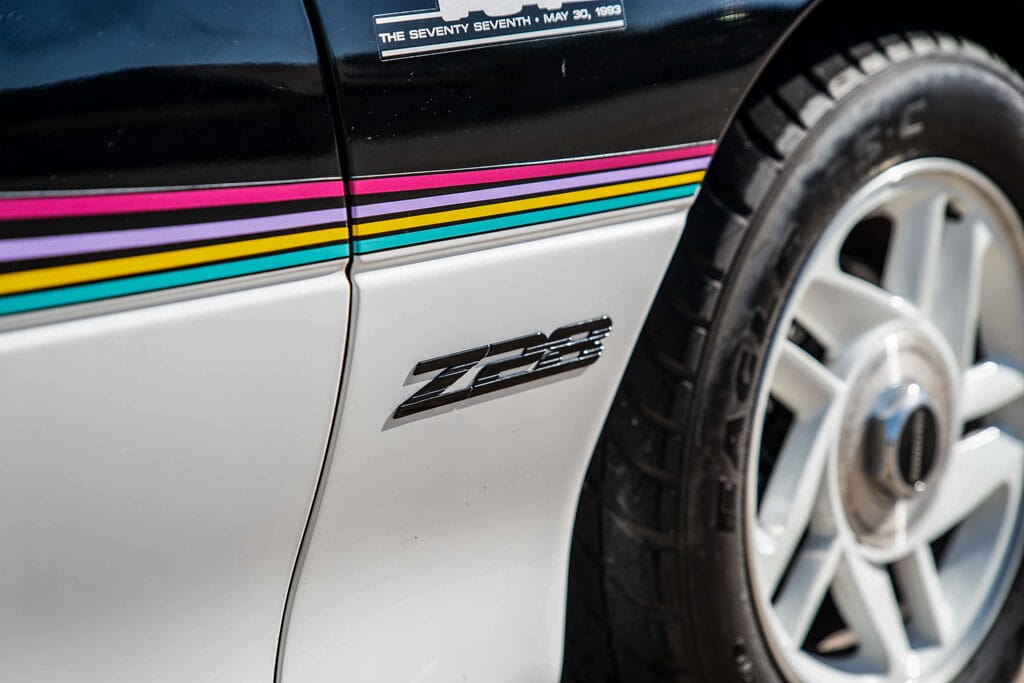
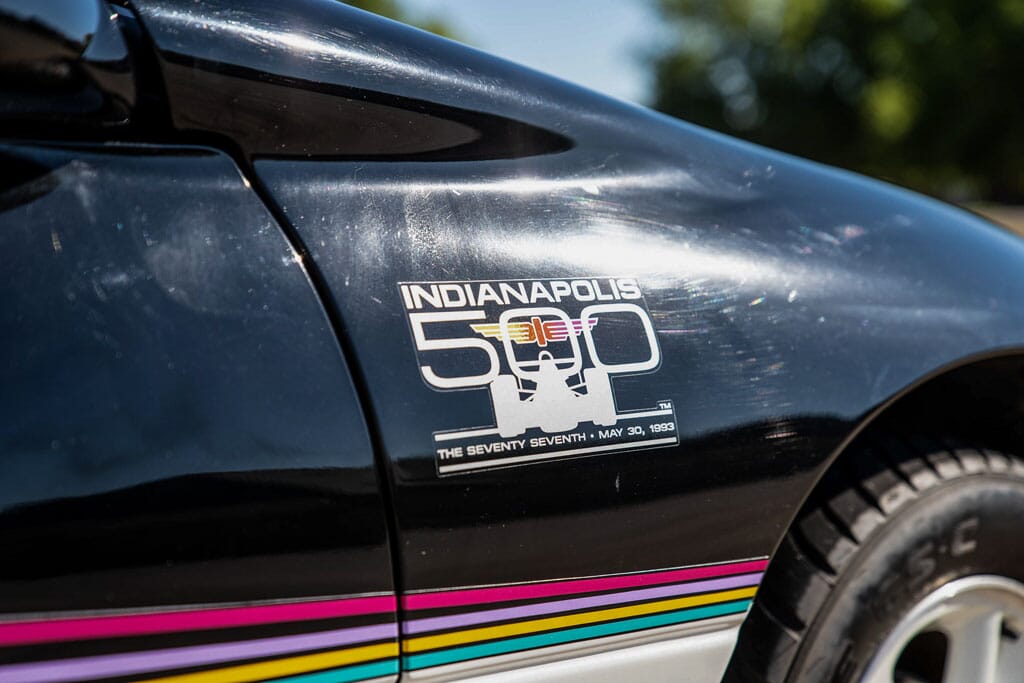
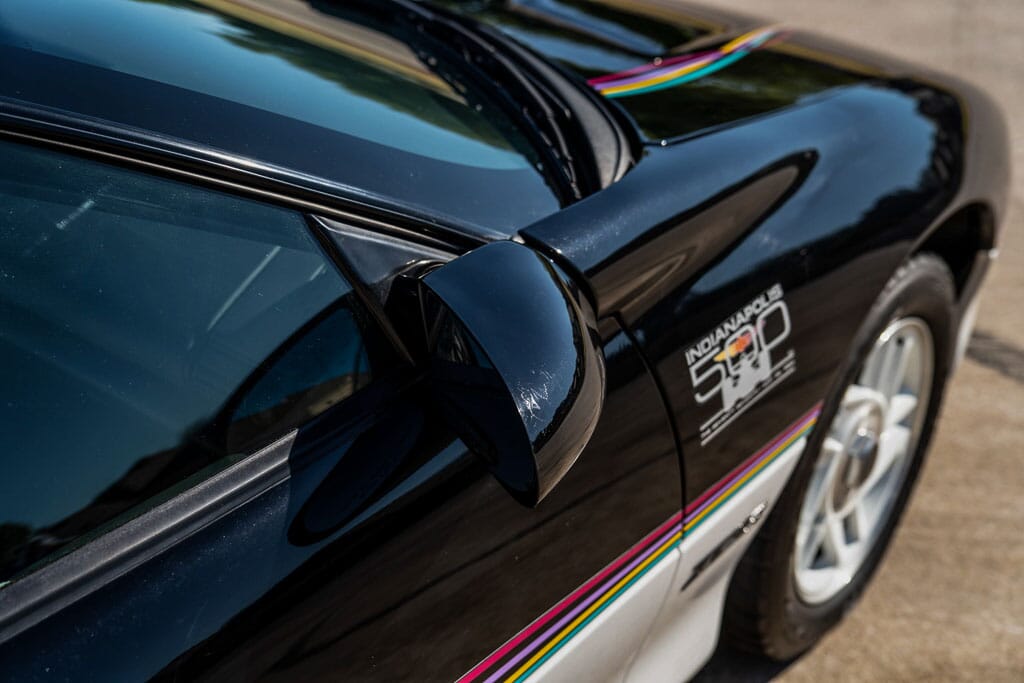
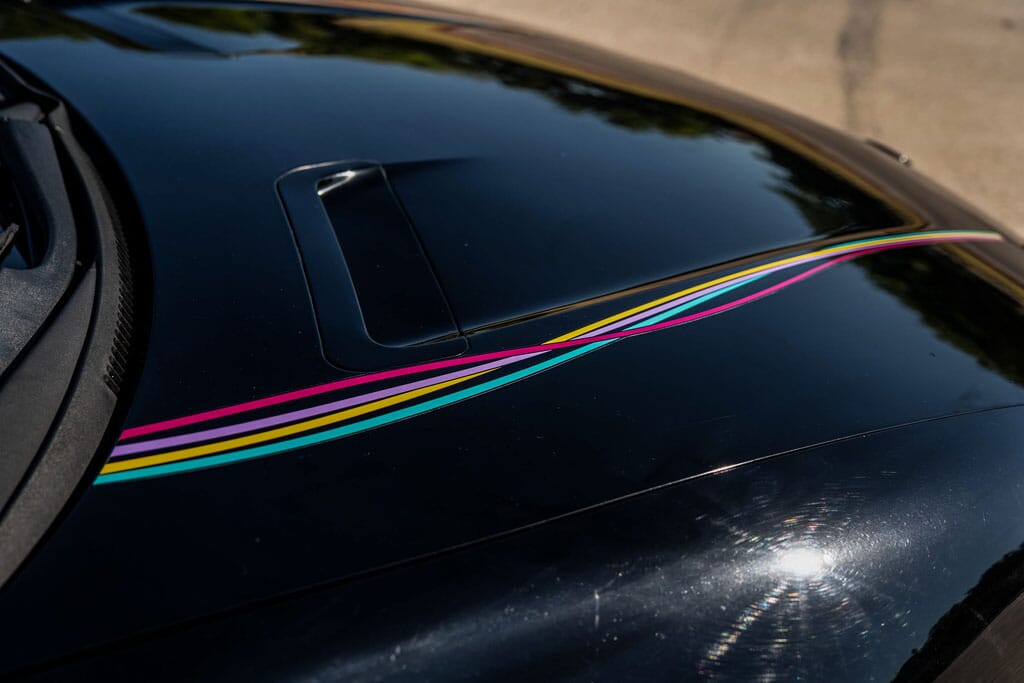
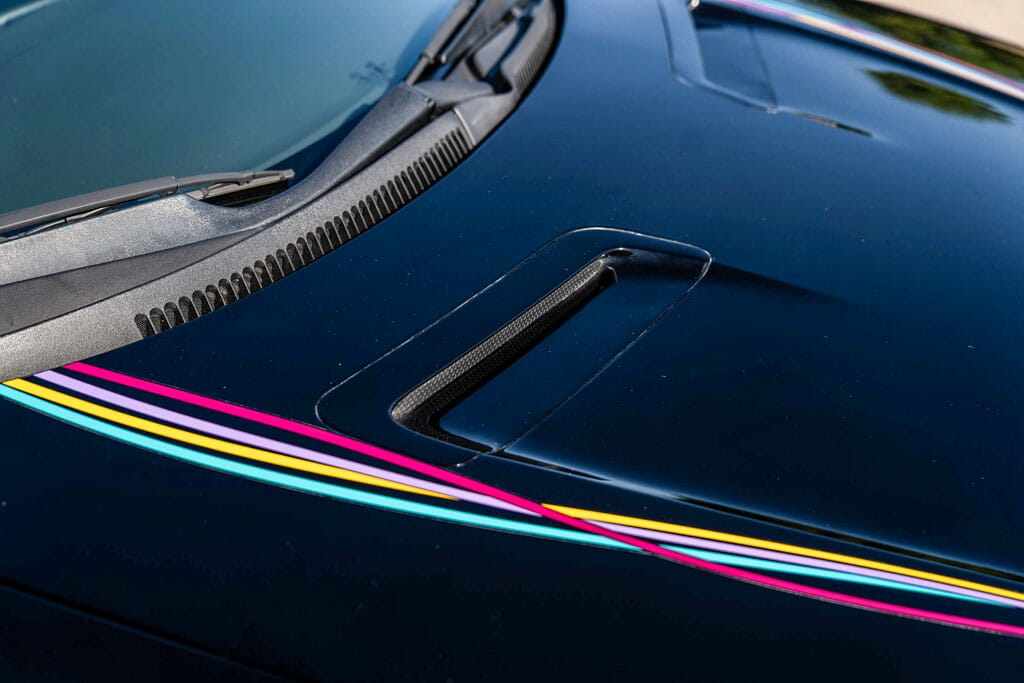
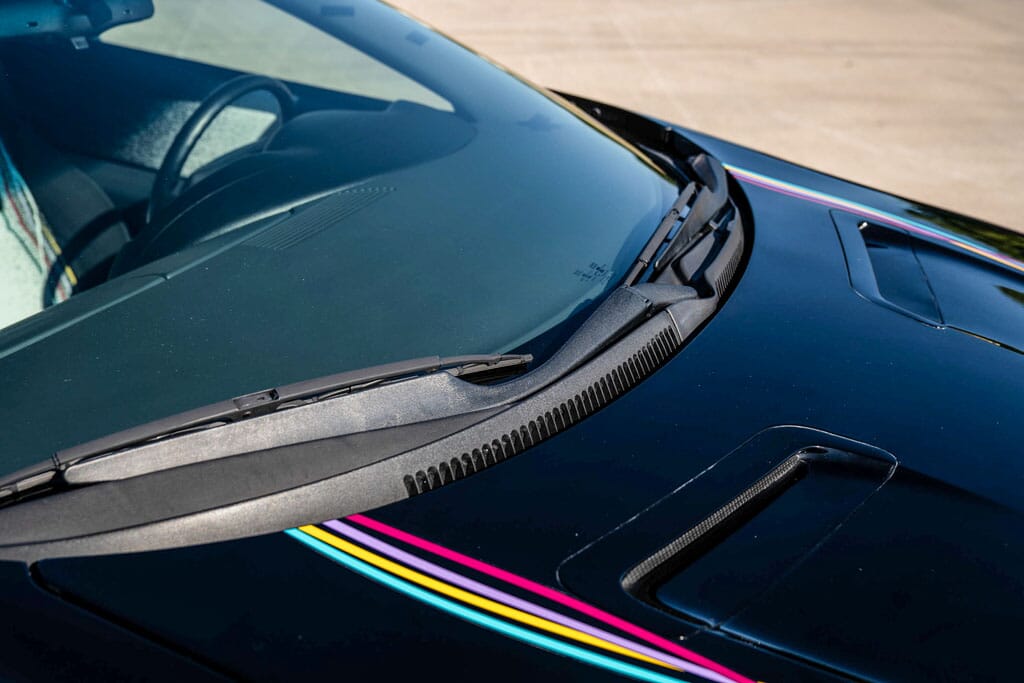
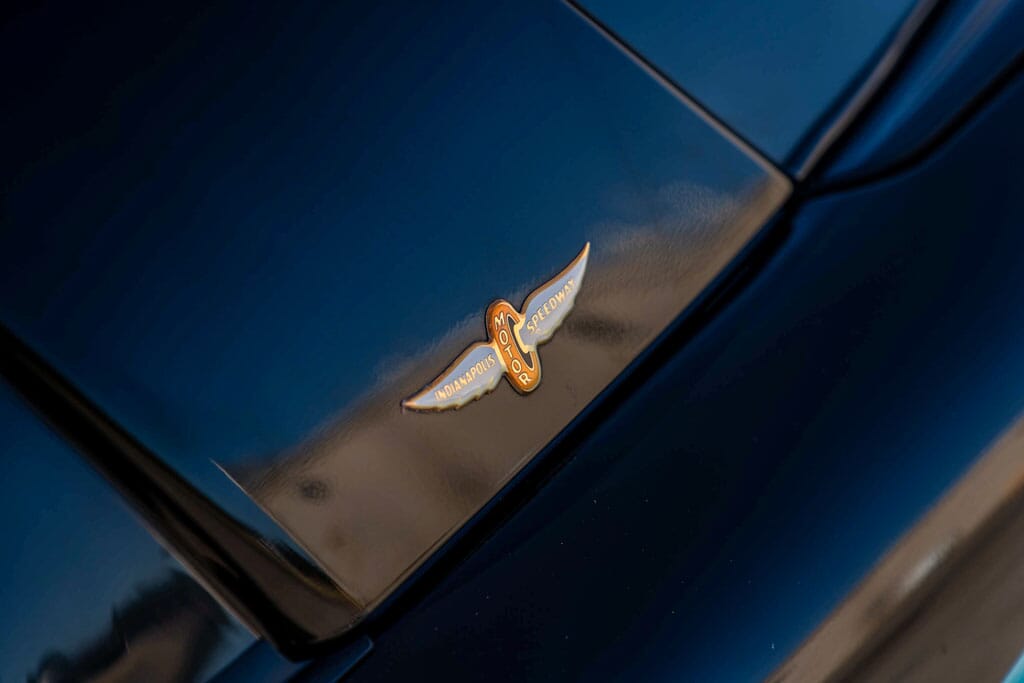
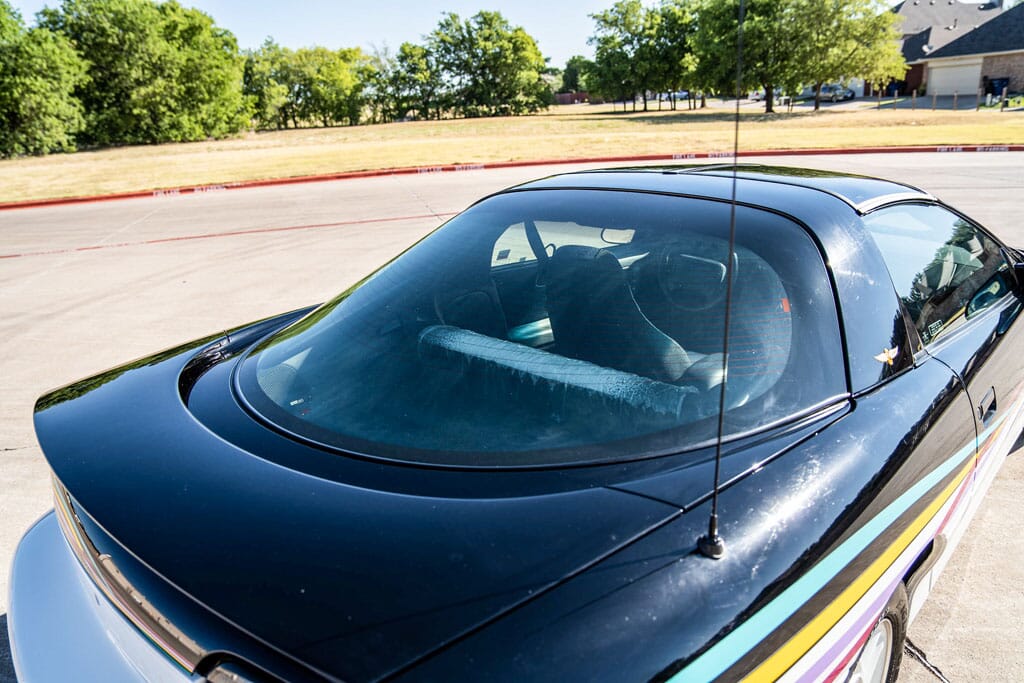
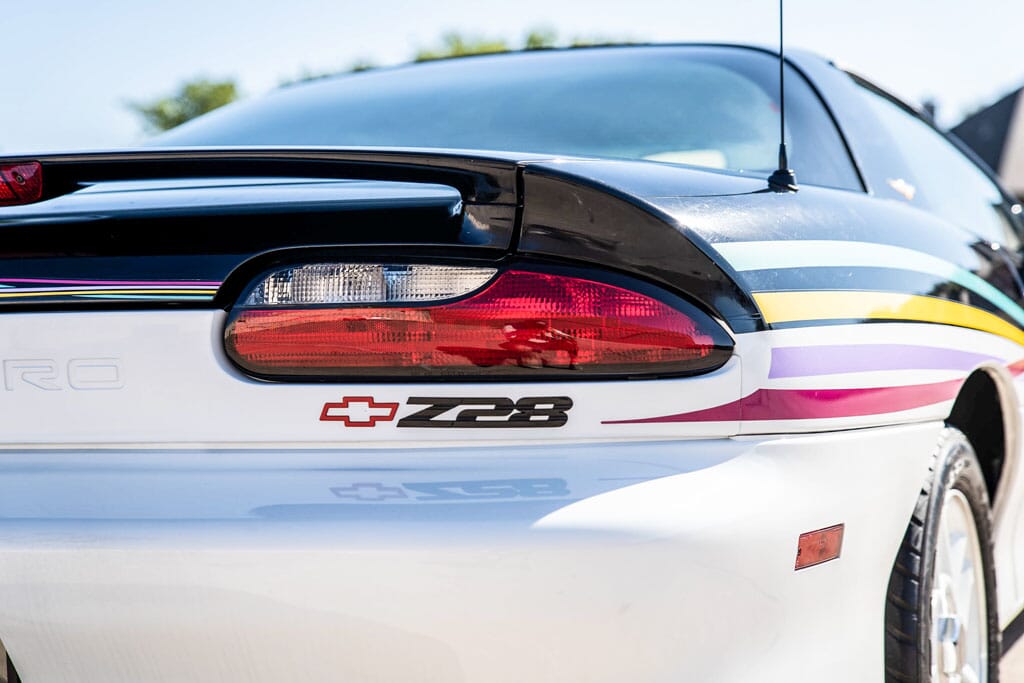
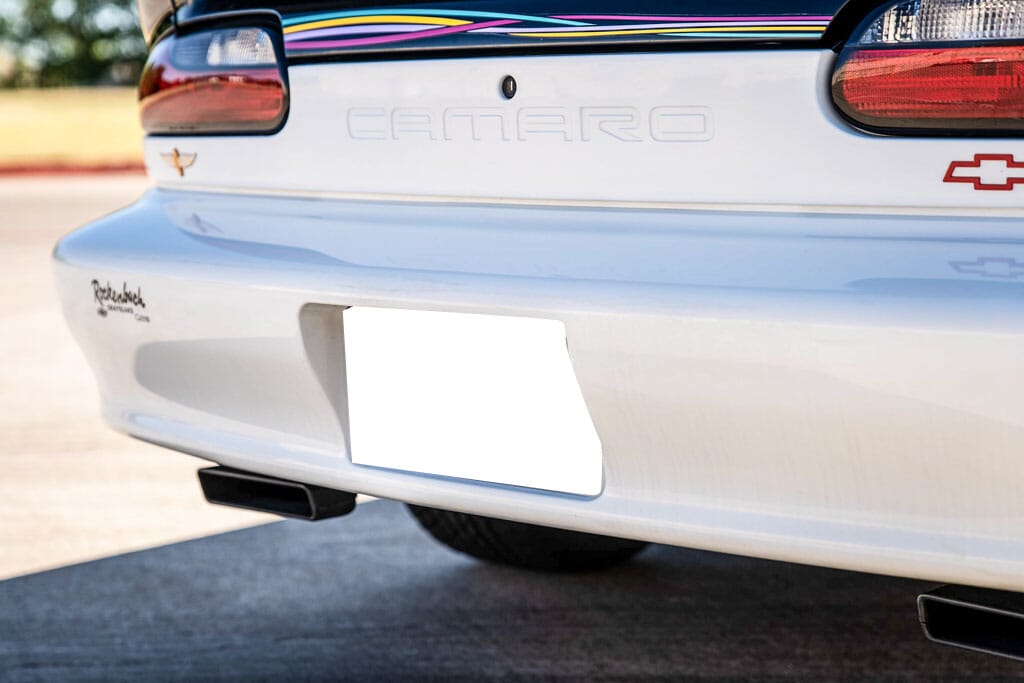
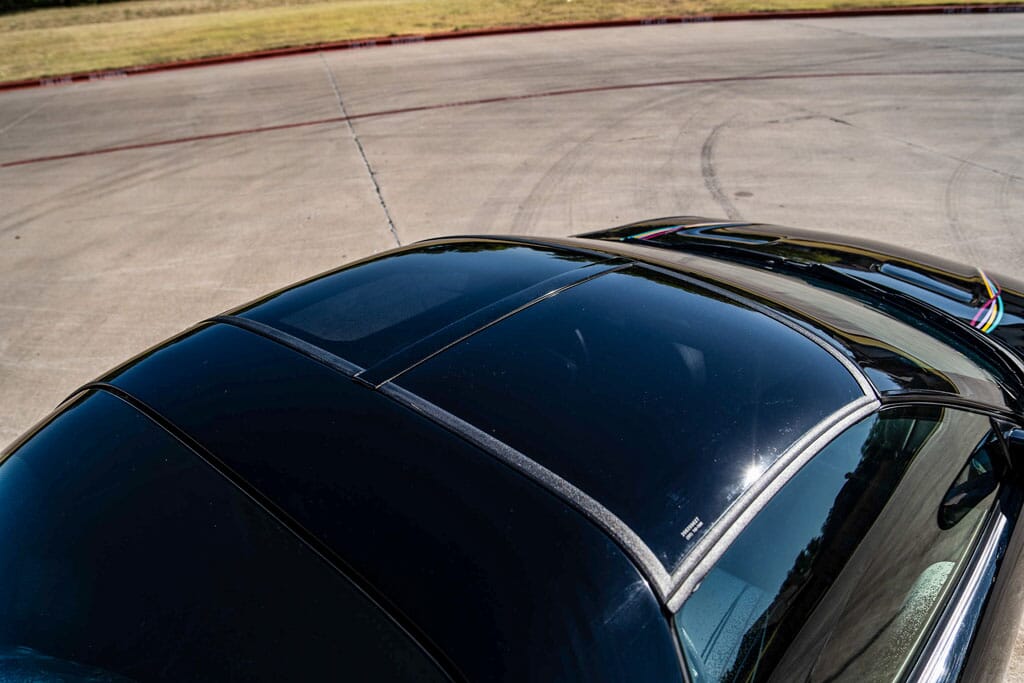
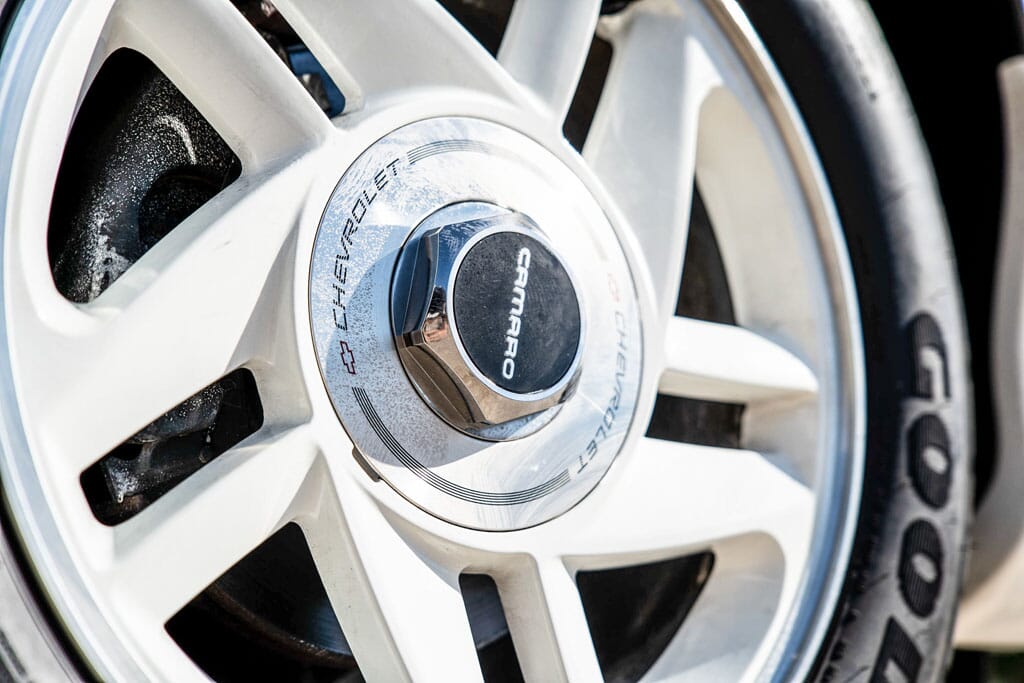
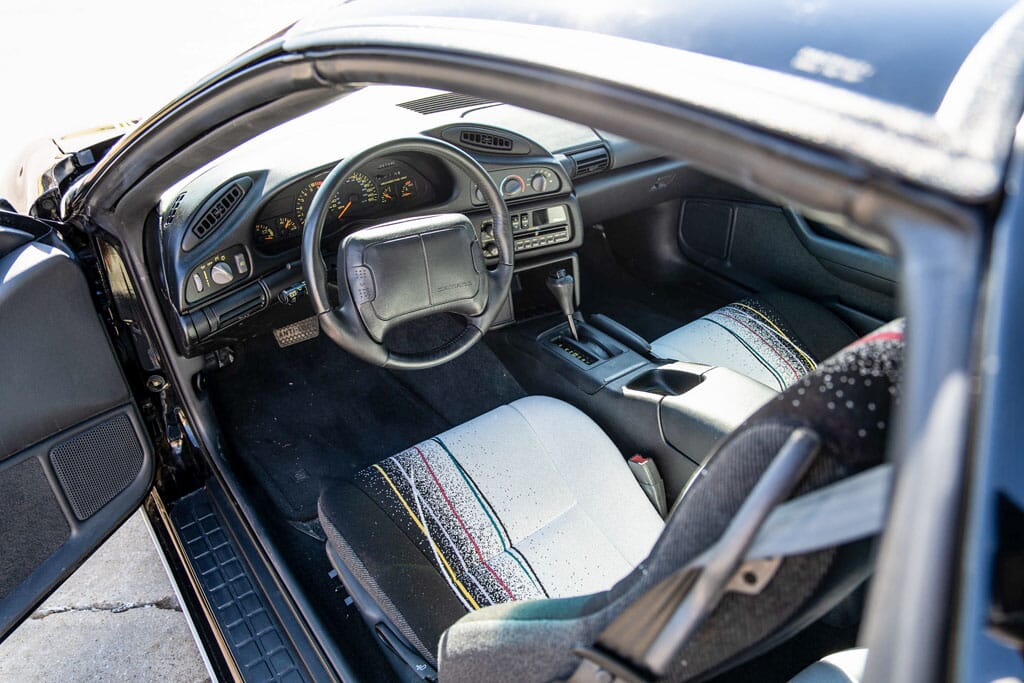
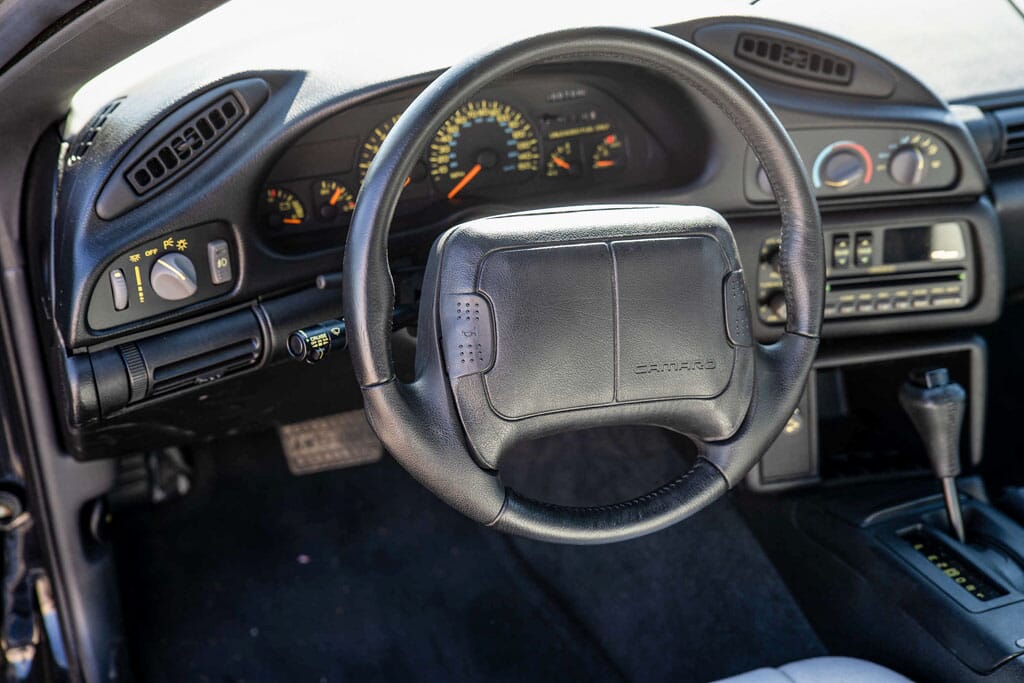
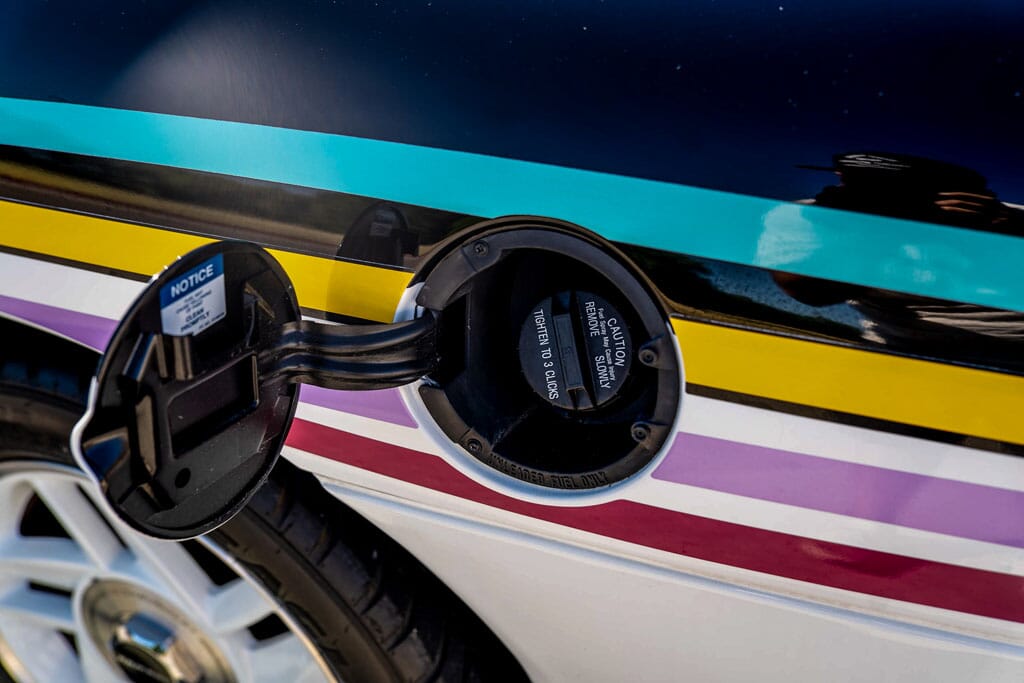
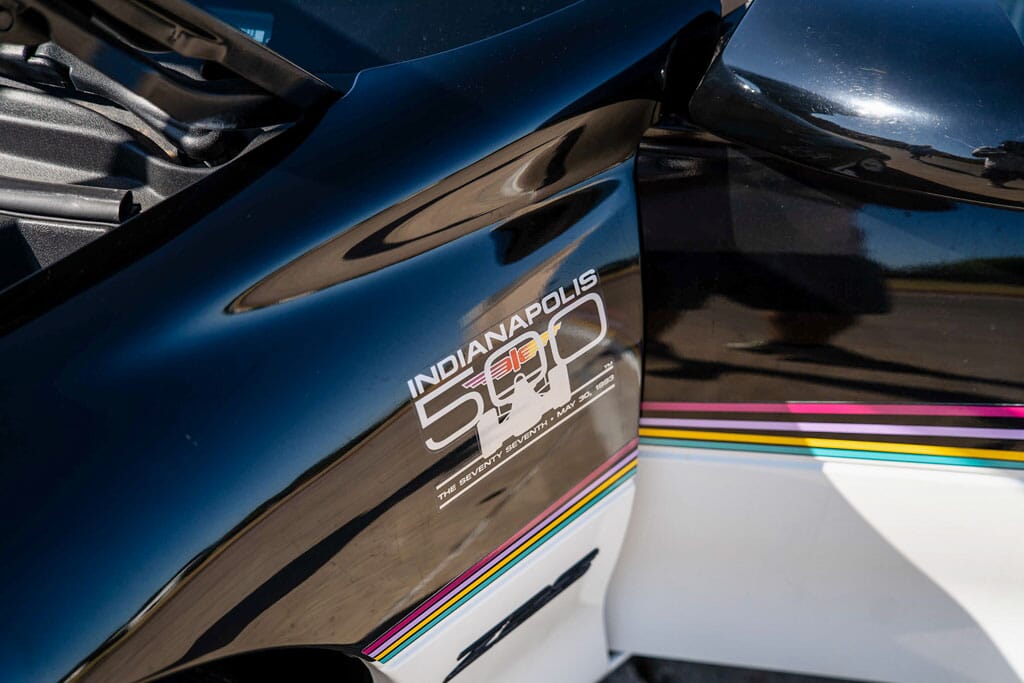
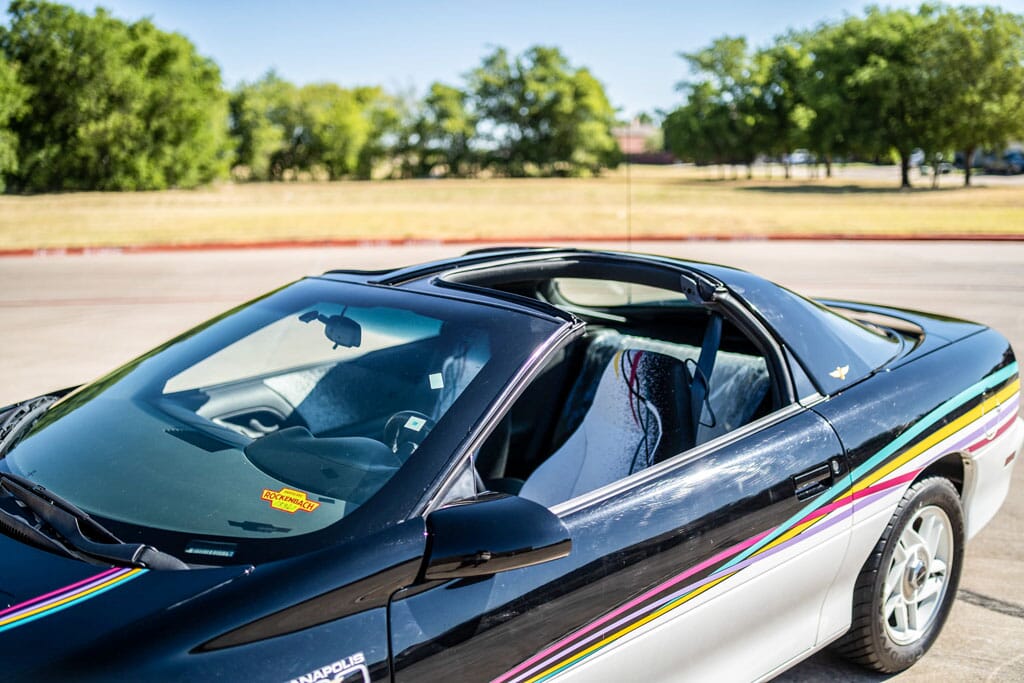
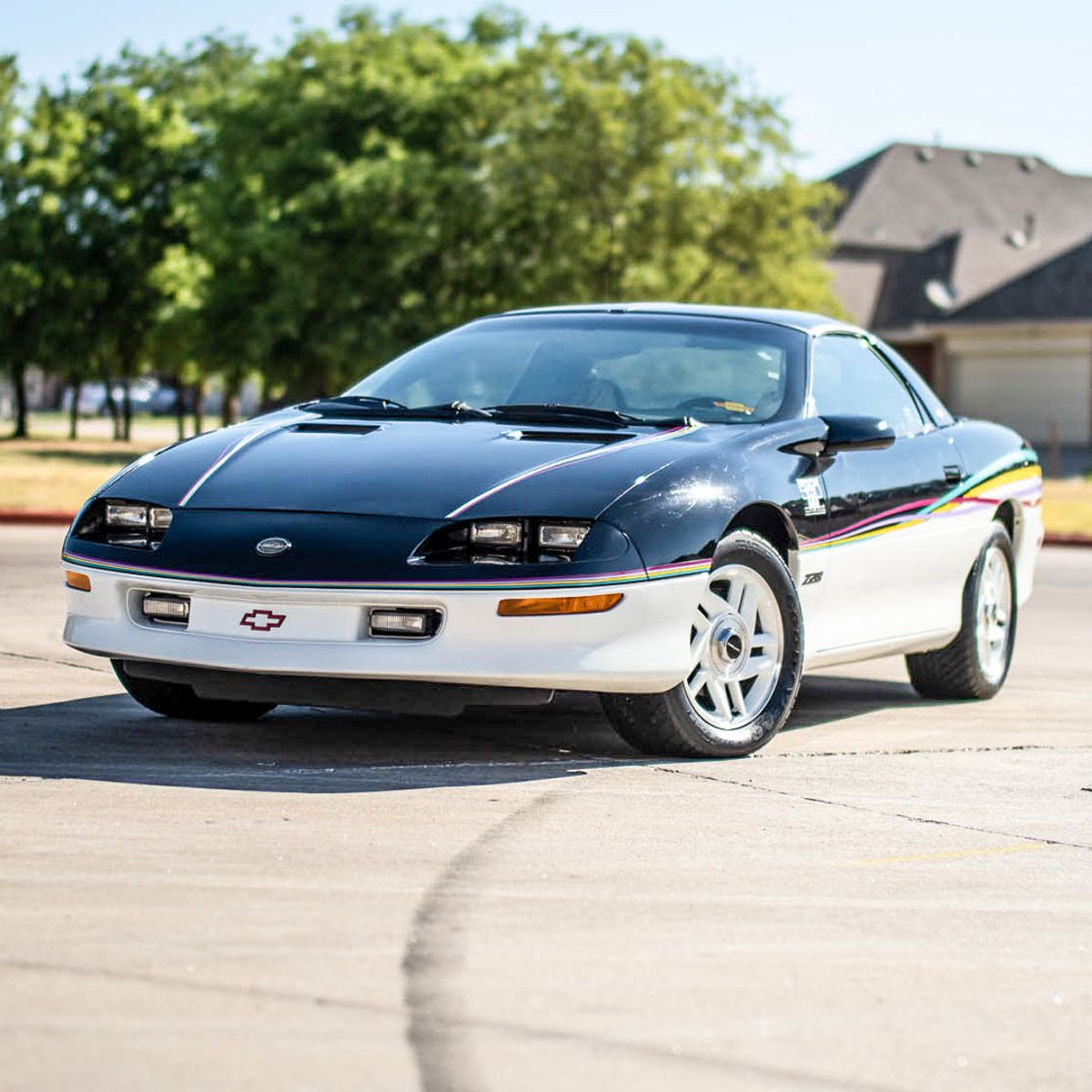
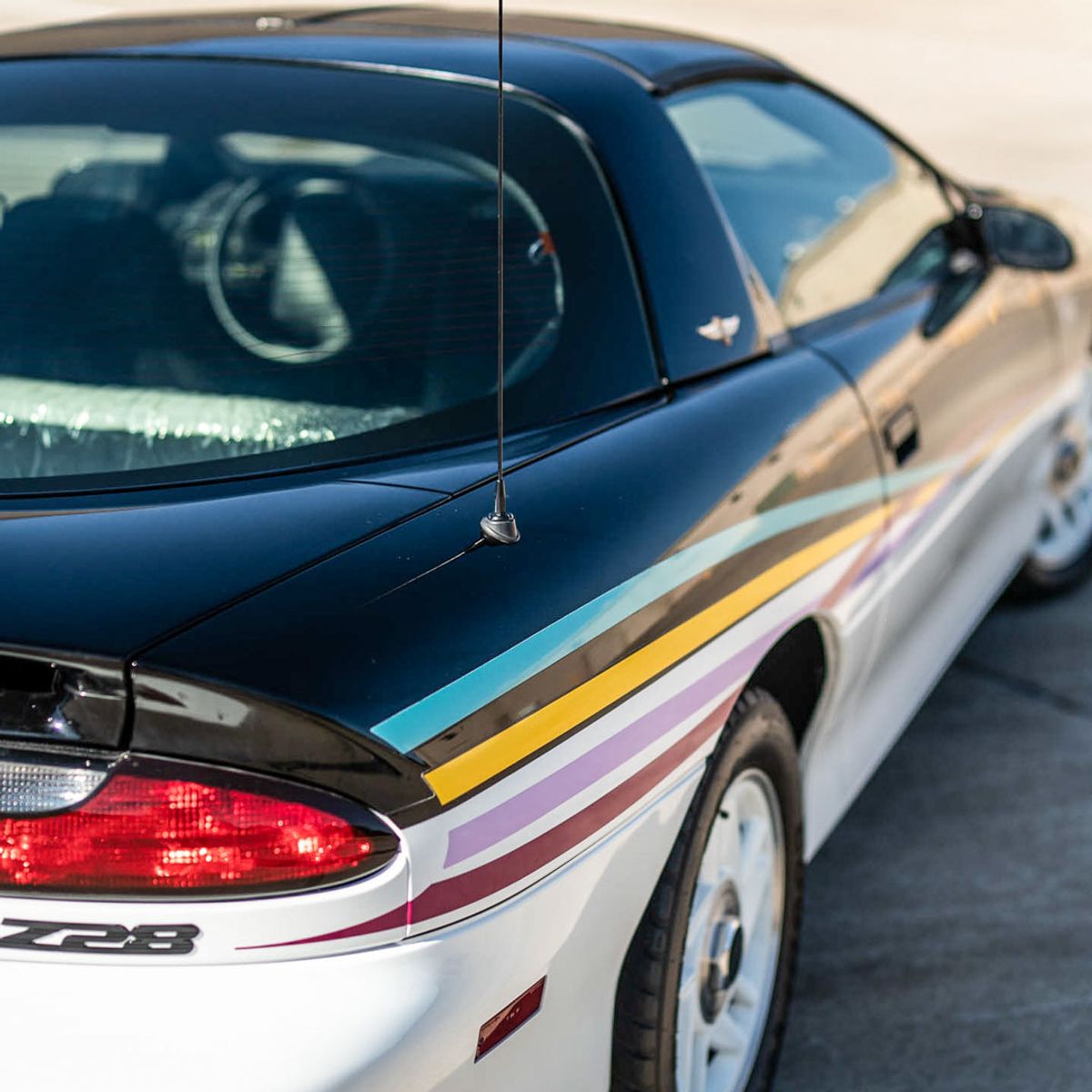
The 1993 Chevrolet Camaro Indy 500 Pace Car is beautifully adorned with visual upgrades, including two-tone black and white exterior paint and showy pink, turquoise, purple, yellow ribbon decals. The official Indy 500 pace car status is proudly displayed on the front fender on either side of the car. Goodyear Eagle GS-C rubber is paired with the aluminum alloy wheels in a white finish that complements the bottom part of the Camaro’s body. The symbolic exterior design makes its way onto the seats of the 1993 Chevrolet Camaro Indy 500 Pace Car, albeit the multi-colored ribbons only show on the two front seats. As we enter, you notice upholstery that shouts 1990s. This is encouraged by its steering wheel, analog gauges with yellow markings, and the simplicity of the knobs and buttons on its dash. You’ve also got a Delco radio with CD player, air conditioning and Bose speaker system.
Engine
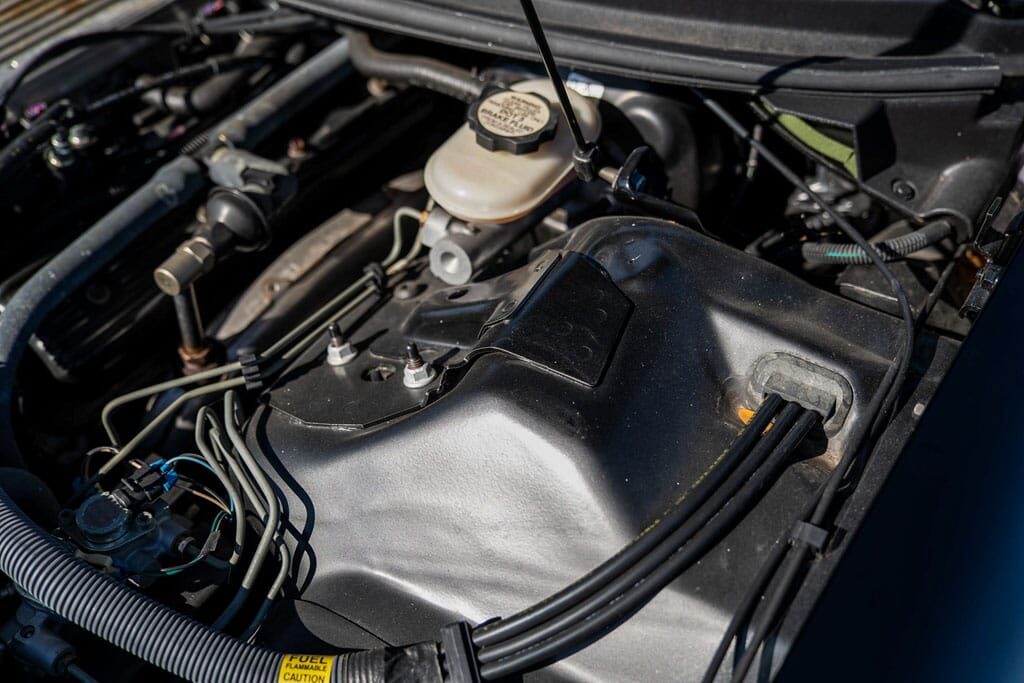
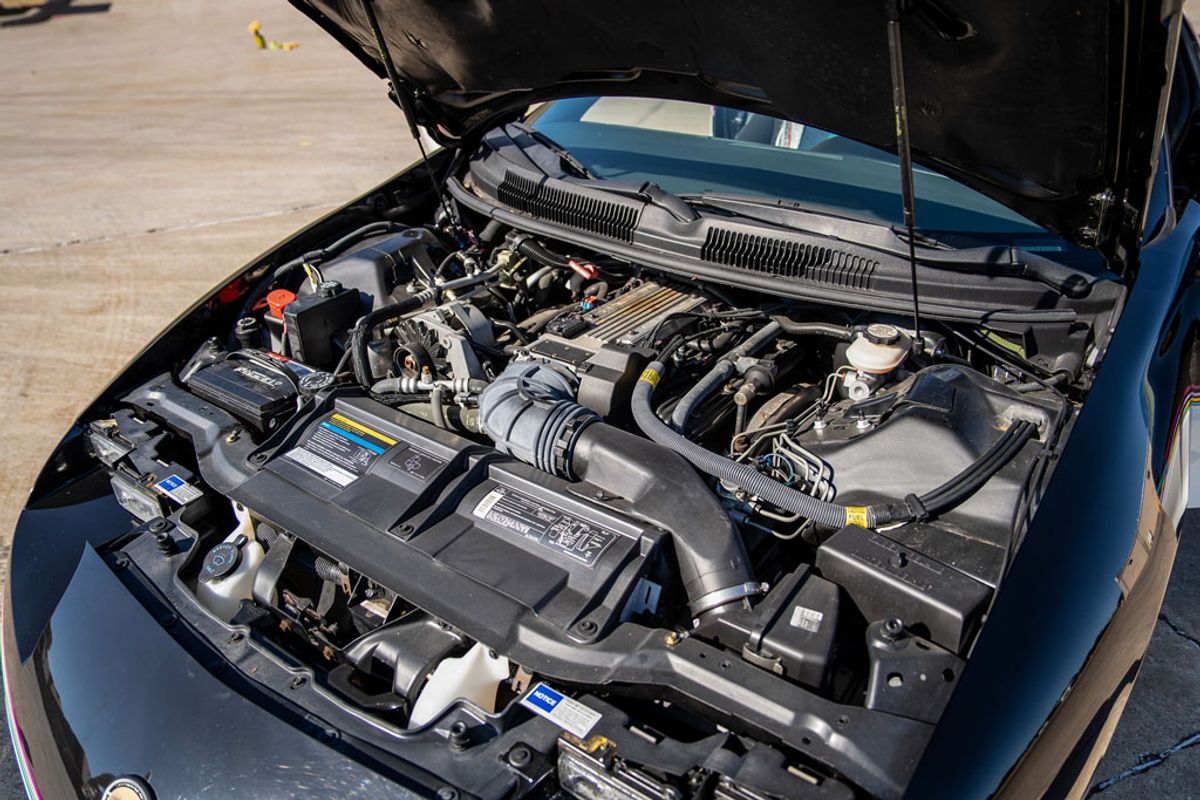
The 1993 Chevrolet Camaro Indy 500 Pace Car came exclusively with the eight-cylinder engine option. Motivating from underneath the hood of this Camaro is a Chevrolet LT1 engine, which can also be dubbed as a 5.7L V8 engine. It churns out 275 horsepower, though it’s not a great deal of power by today’s standards, this engine was impressive in its era. The power is delivered to the rear via a four-speed automatic gearbox.

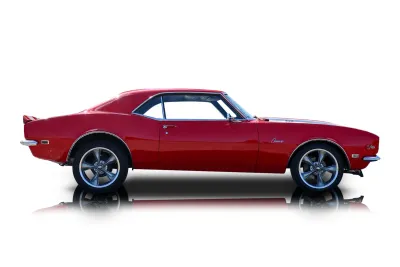

Few shapes define the late-1960s American muscle-car era as instantly as the first-generation Camaro, and this 1968 Chevrolet Camaro Coupe combines that classic profile with a number of performance-inspired upgrades. Showing approximately 71,114 miles, it is finished in Matador Red with contrasting white dual rally stripes and Z/28-style badging for a period-inspired appearance. A 350ci V8, 4-barrel carburetor, automatic transmission, upgraded cooling equipment, aftermarket wheels, and a driver-focused cabin give this Camaro a more personalized character while retaining the unmistakable presence that has made the first-generation Camaro an enduring enthusiast favorite.
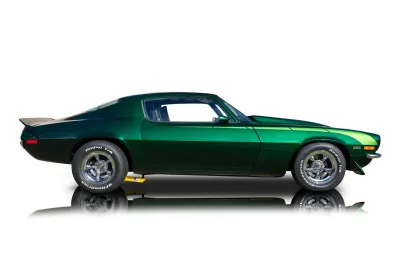
This 1971 Chevrolet Camaro Restomod is the kind of build that takes the raw appeal of an early second-generation Camaro and turns nearly every major system up a notch. Showing approximately 178 miles, it combines a 383ci stroker V8, 4-speed automatic transmission, and Moser rear end with a completely reworked cabin sourced from a 2010 Chevrolet Camaro. The custom Candy Apple Green paint job gives the car serious presence, while the cowl-induction hood, front chin spoiler, rear decklid spoiler, aftermarket wheels, and LED lighting sharpen the classic bodywork. Inside, the modern Camaro conversion brings black leather, updated gauges, carbon-fiber-style trim, a Bluetooth sound system, and a B&M Quicksilver shifter into a chassis that still looks every bit like a proper ’71 muscle car. It’s a build that clearly leans into the restomod philosophy: classic shape, modernized execution, and a much more aggressive personality.
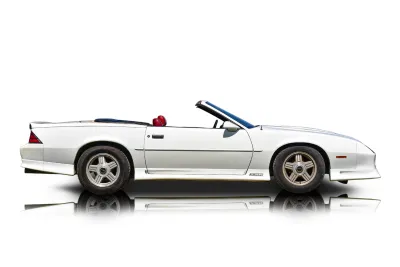
This 1991 Chevrolet Camaro Z28 Convertible combines open-top driving with the classic front-engine, rear-wheel-drive layout and V8 character that defines the Z28 experience. Finished in Arctic White over a Red leather interior, it is equipped with the 5.0-liter naturally aspirated LB9 V8, tuned-port fuel injection, and a 4-speed automatic transmission with overdrive. Z28-specific equipment includes the ground effects package, hood power blisters, rear decklid spoiler, performance suspension, heavy-duty front and rear stabilizer bars, and 16-inch cast-aluminum wheels. The cabin is complemented by a Pioneer audio head unit, while an aftermarket Black convertible soft top completes the open-air setup. Showing approximately 85,125 miles, this is also presented as a one-owner vehicle, and the current owner reports that the car has been repainted.
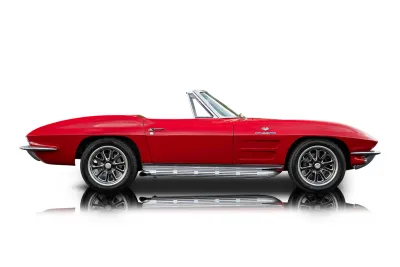
This 1963 Chevrolet Corvette Sting Ray Convertible Restomod takes one of the most celebrated shapes in American sports-car history and updates the experience underneath without losing the visual drama that made the C2 Corvette iconic. Showing approximately 65,888 miles, this example pairs its Victory Red exterior and black interior with a modern 5.7L LS1 V8, electronic fuel injection, and a 4-speed manual transmission. Vintage Air climate control, Dakota Digital RTX instrumentation, upgraded suspension components, modernized braking hardware, and aftermarket wheels move the driving experience well beyond a stock early Corvette while preserving the low-slung roadster proportions enthusiasts immediately recognize.
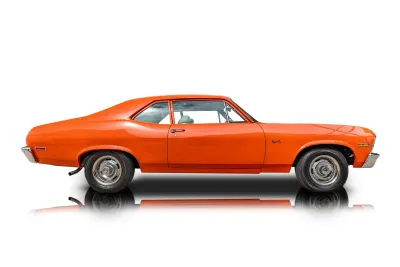
This 1972 Chevrolet Nova is the kind of classic that proves you do not need stripes, spoilers, or a big-block badge to have genuine muscle-era appeal. Showing approximately 53,285 miles, it pairs a 307ci V8 with a 2-barrel carburetor and 2-speed Powerglide automatic, giving it the easygoing, torque-rich feel of a traditional small-block Chevy cruiser. The custom orange finish gives the car plenty of presence, while Rally-style wheels, factory air conditioning, power steering, and power brakes make the package feel especially usable. It is a clean, straightforward Nova built around the formula enthusiasts still appreciate today: V8 power, rear-wheel drive, simple mechanicals, and unmistakable early-1970s Chevrolet styling.
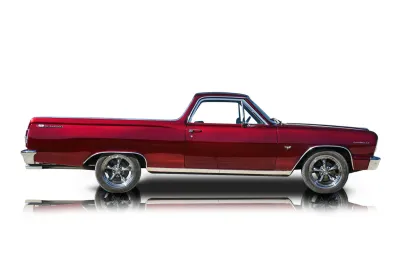
The El Camino has always lived in its own lane—part muscle car, part pickup, and all attitude—and this 1964 Chevrolet El Camino Restomod leans hard into the performance side of that equation. Showing approximately 538 miles, it wears a custom Burgundy finish over a Black Procar interior and packs a 383ci stroker V8 backed by a TH400 3-speed automatic. This isn’t a lightly updated cruiser; the build reaches into the engine bay, suspension, braking system, cabin, and supporting hardware to give the first-year El Camino a much sharper, more modern personality while keeping the long-roofline-meets-pickup-bed silhouette that made these cars so memorable in the first place.

Terms of Service
Be Kind and Courteous
We're here to create a platform to better the automotive industry through communication and transparency. Please treat everyone with respect. Healthy debates are natural, but kindness is required.
No Hate Speech
Make sure everyone feels safe. Hate speech of any kind is strictly prohibited. Degrading comments about things like race, religion, culture, sexual orientation, etc. will not be tolerated.
No Promotions or Spam
Give more than you take. Self-promotion, spam, or links of any kind are not allowed.
