







Buyer Resources





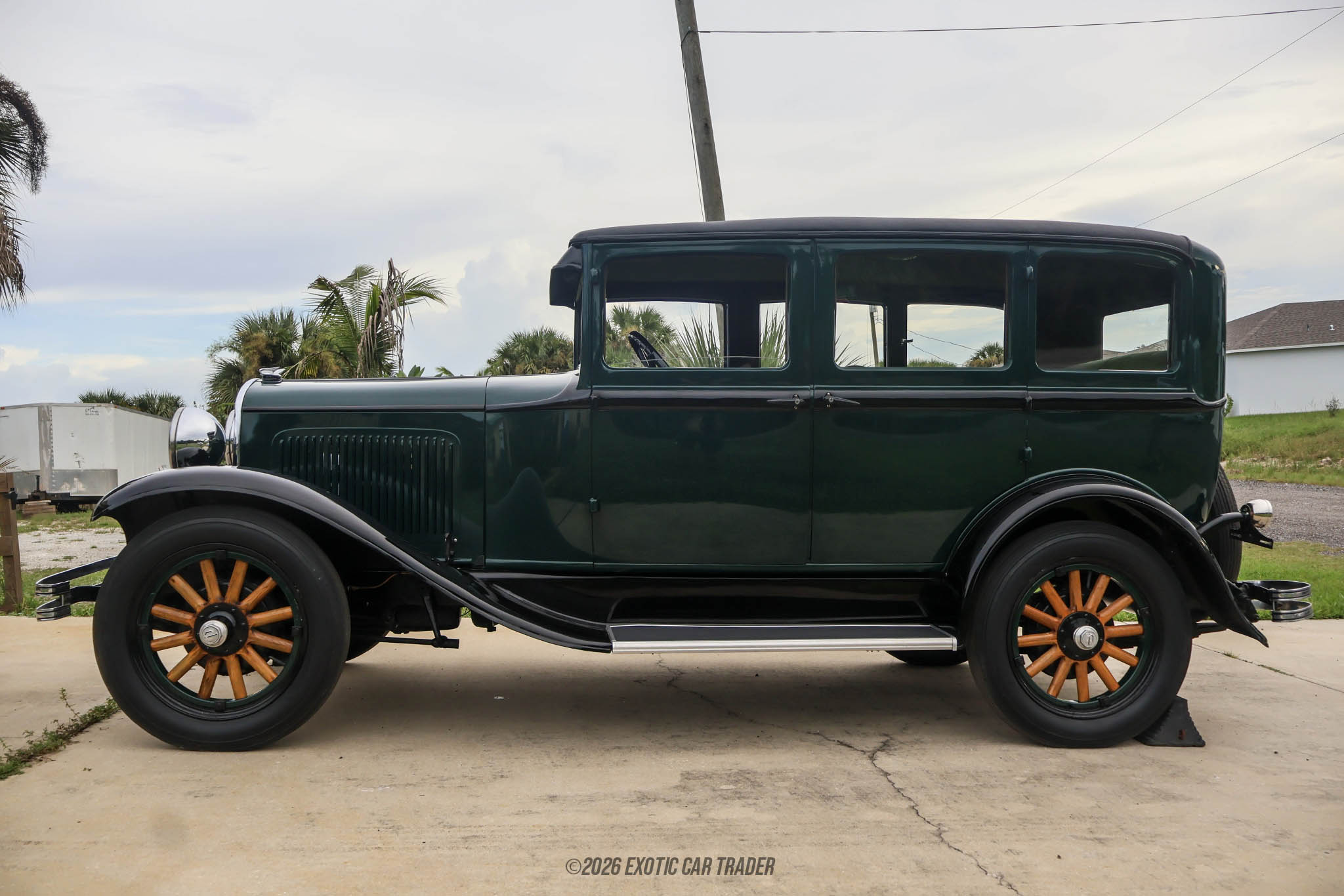
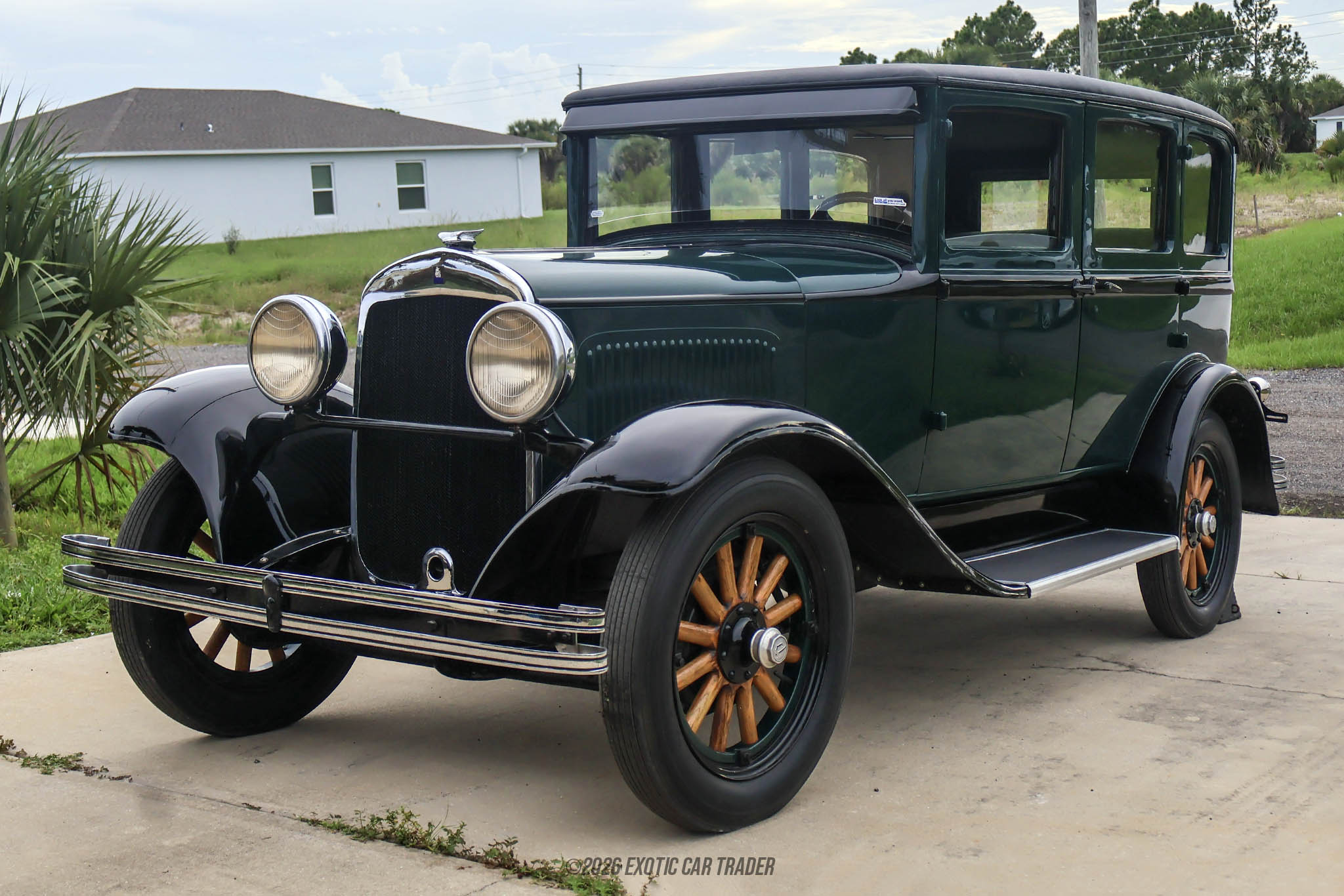
- 1928 Plymouth Model Q 4-Door Sedan
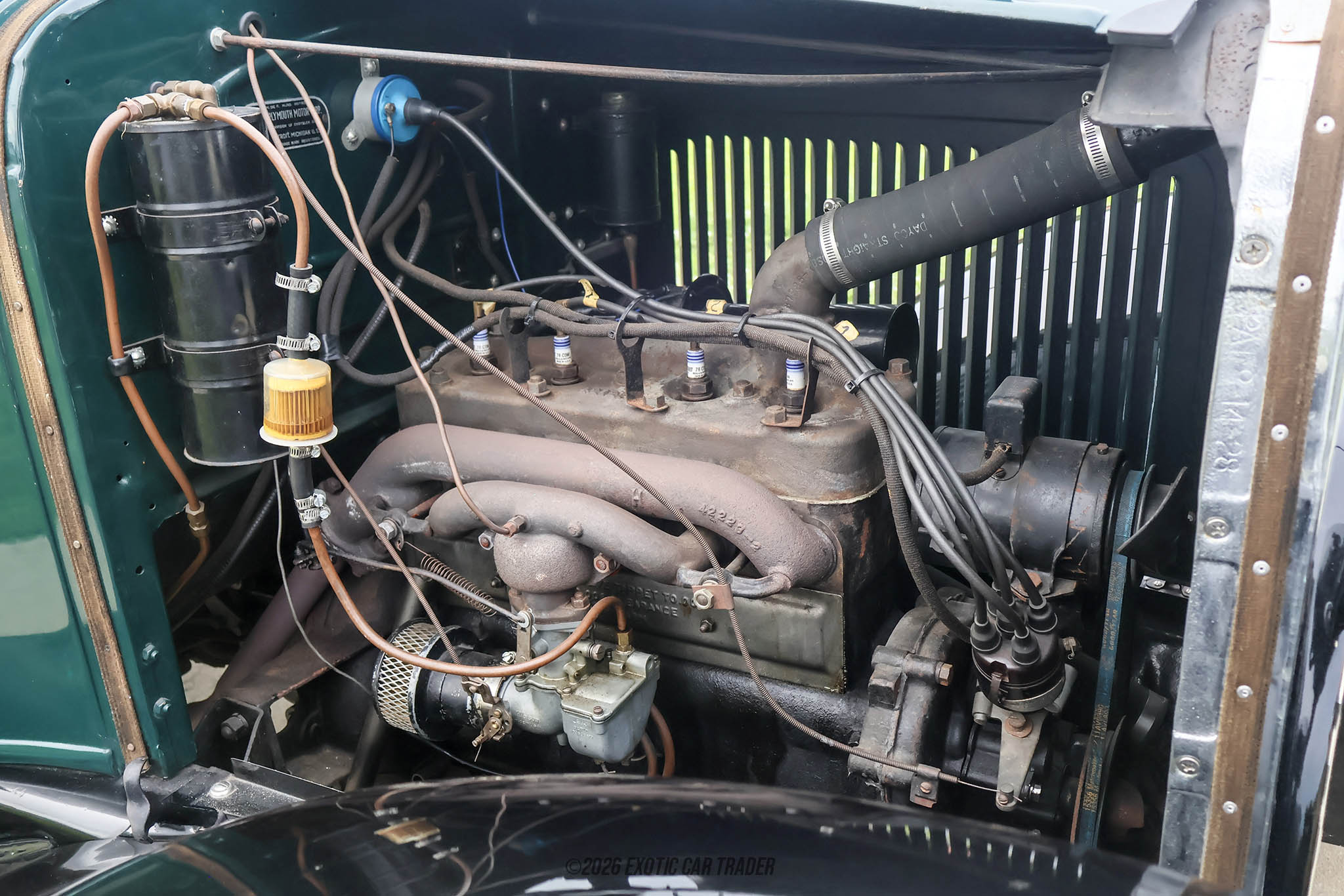
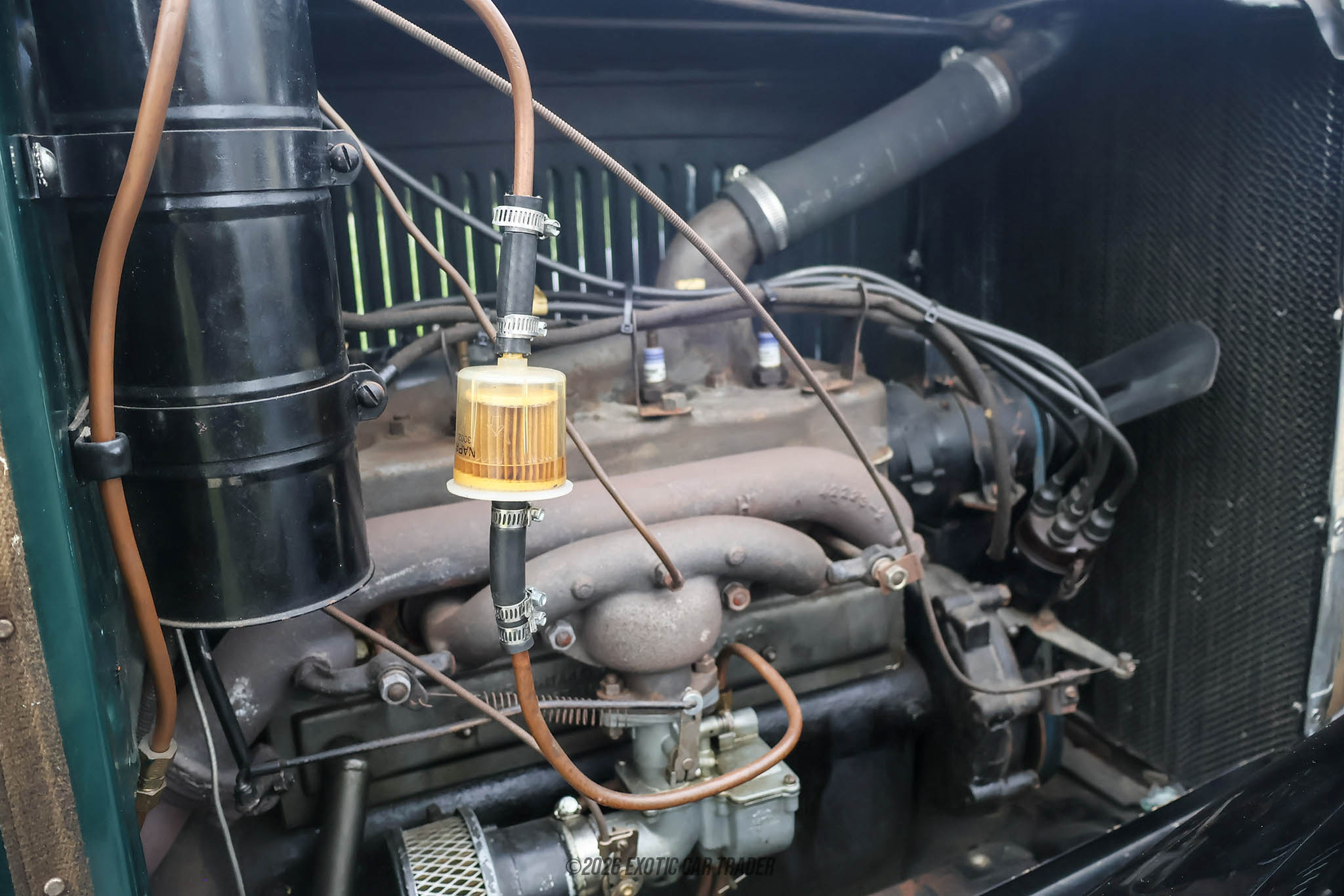
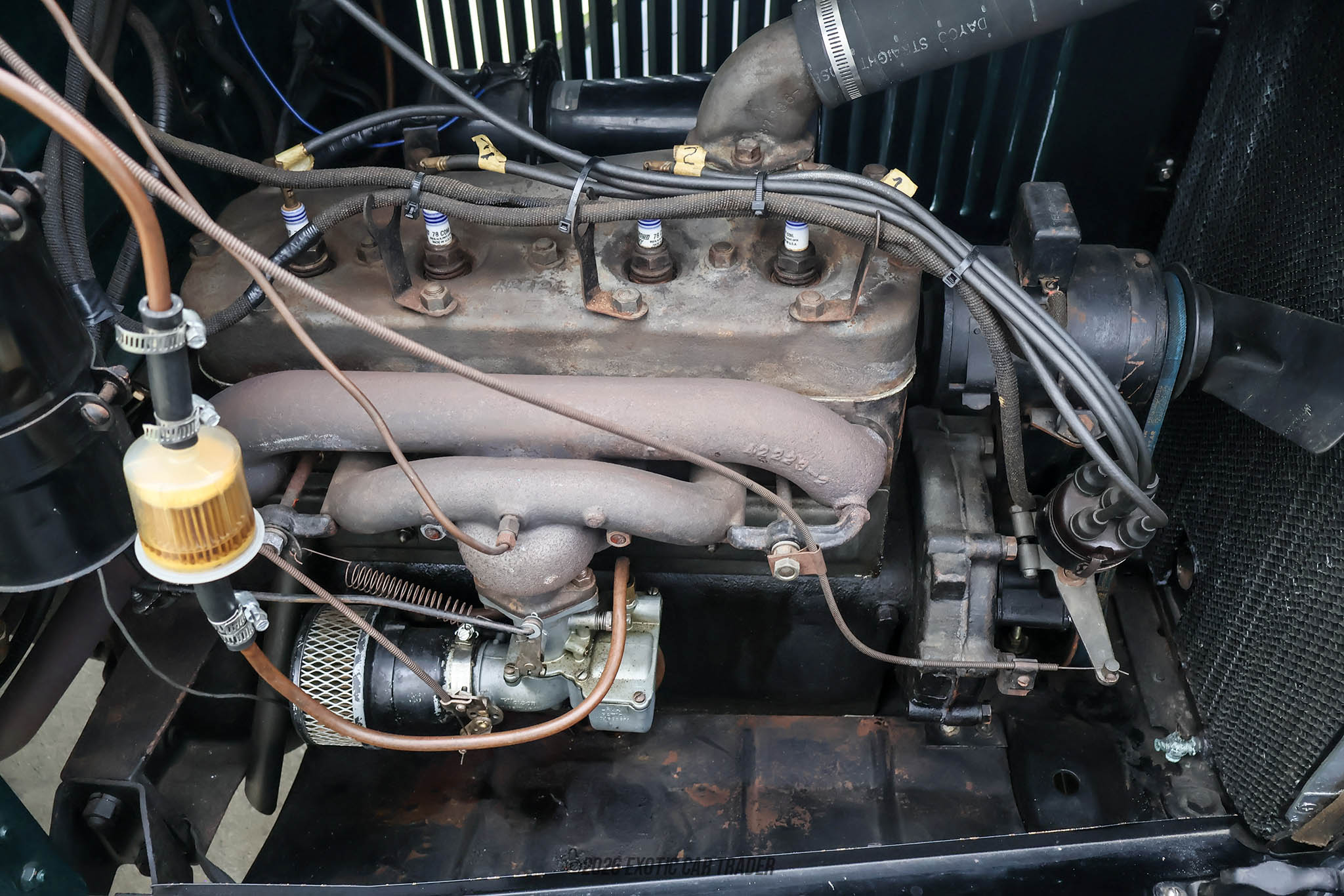
- 170.3ci L-Head I4
- Single-Barrel Carburetor
- 3-Speed Manual
- RWD
- Dark Green Exterior
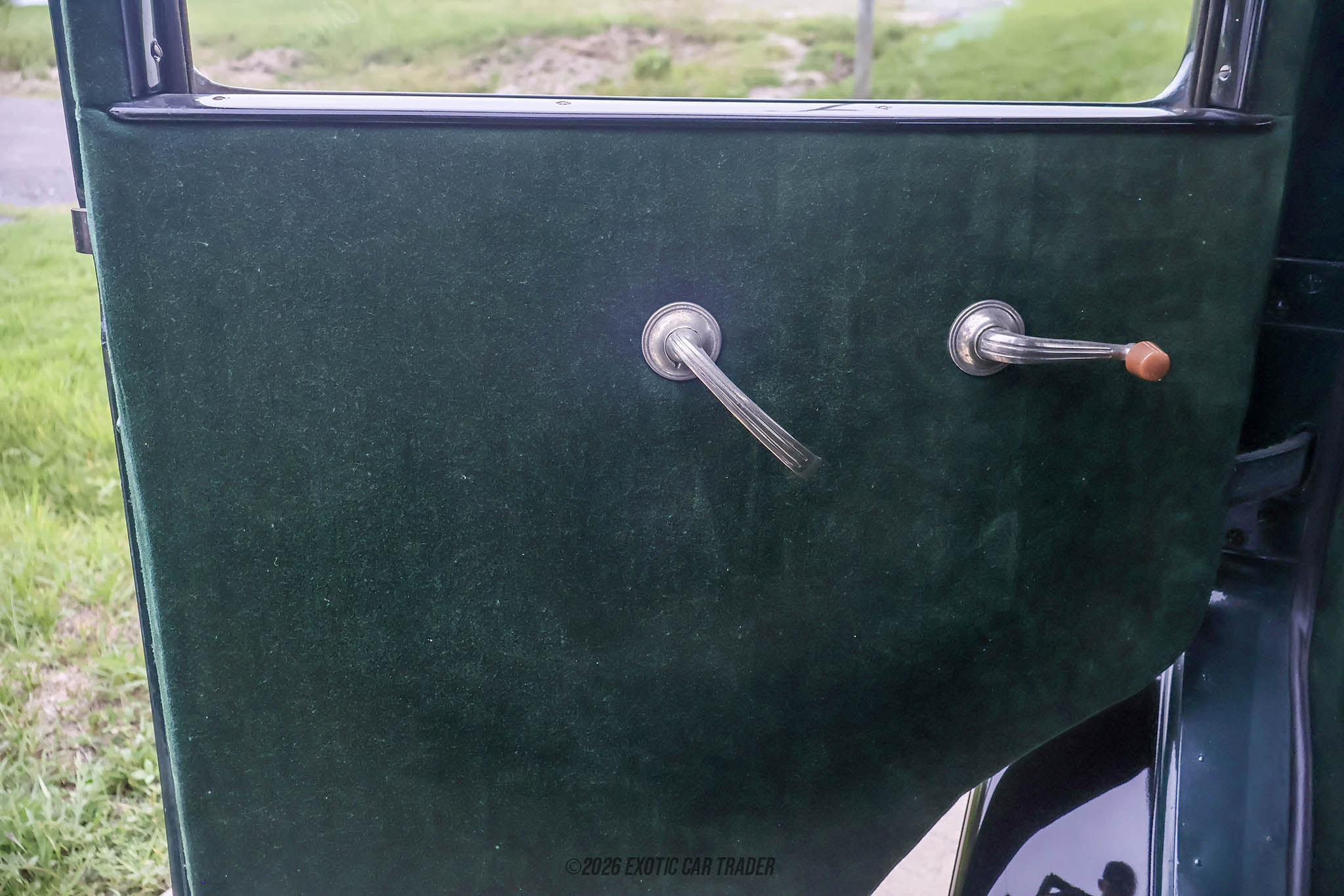
- Green Cloth Interior
- Black Roof Covering
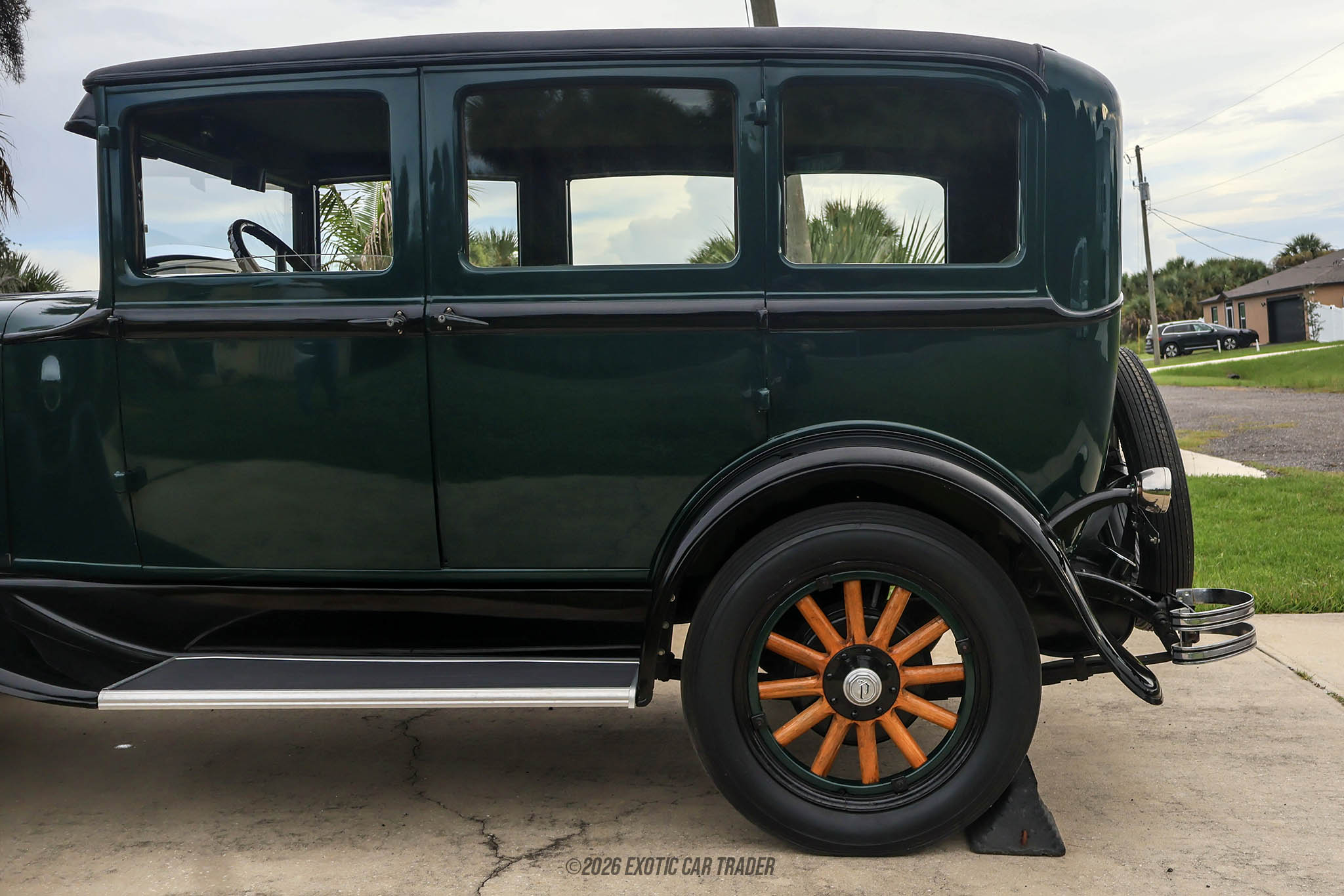
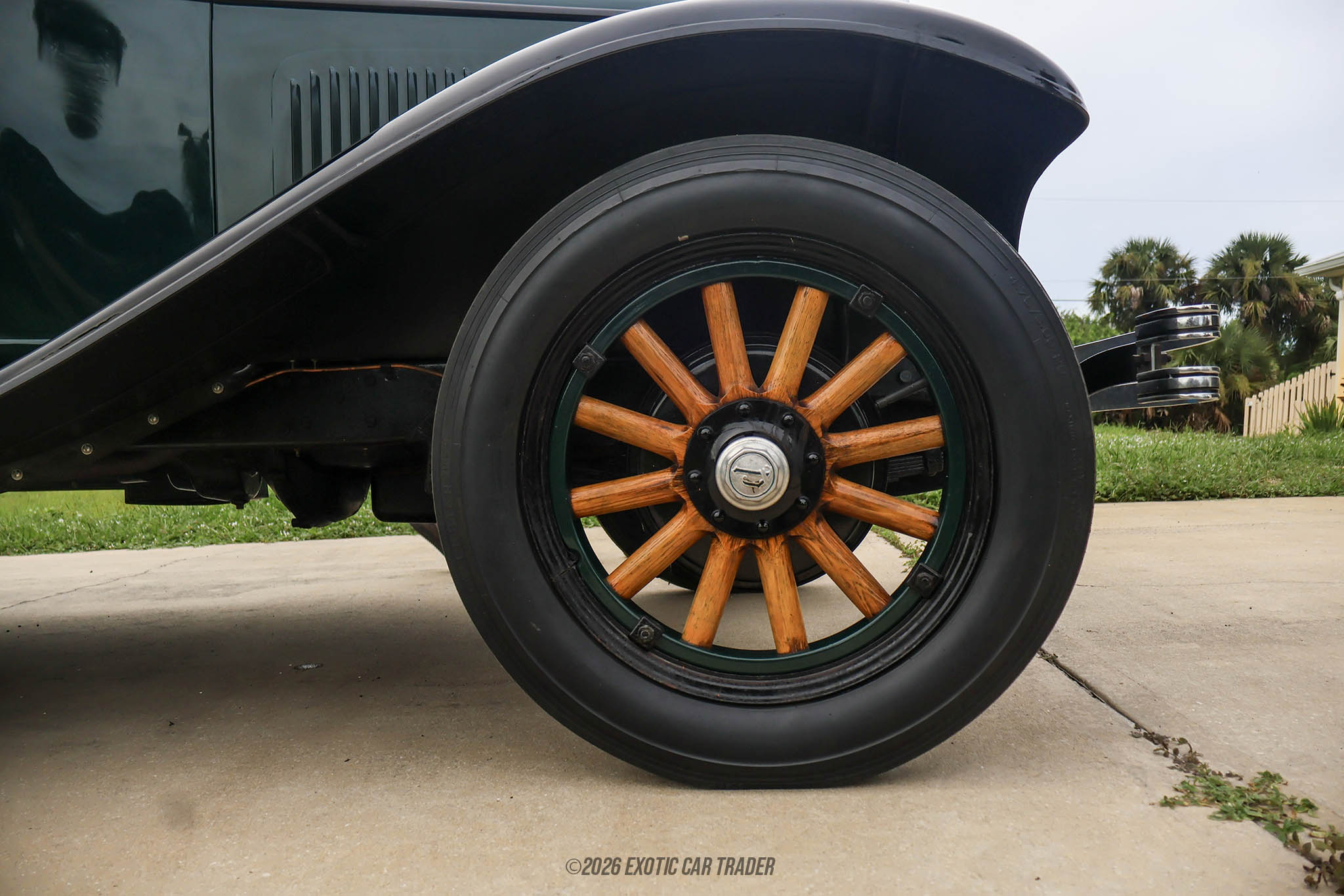
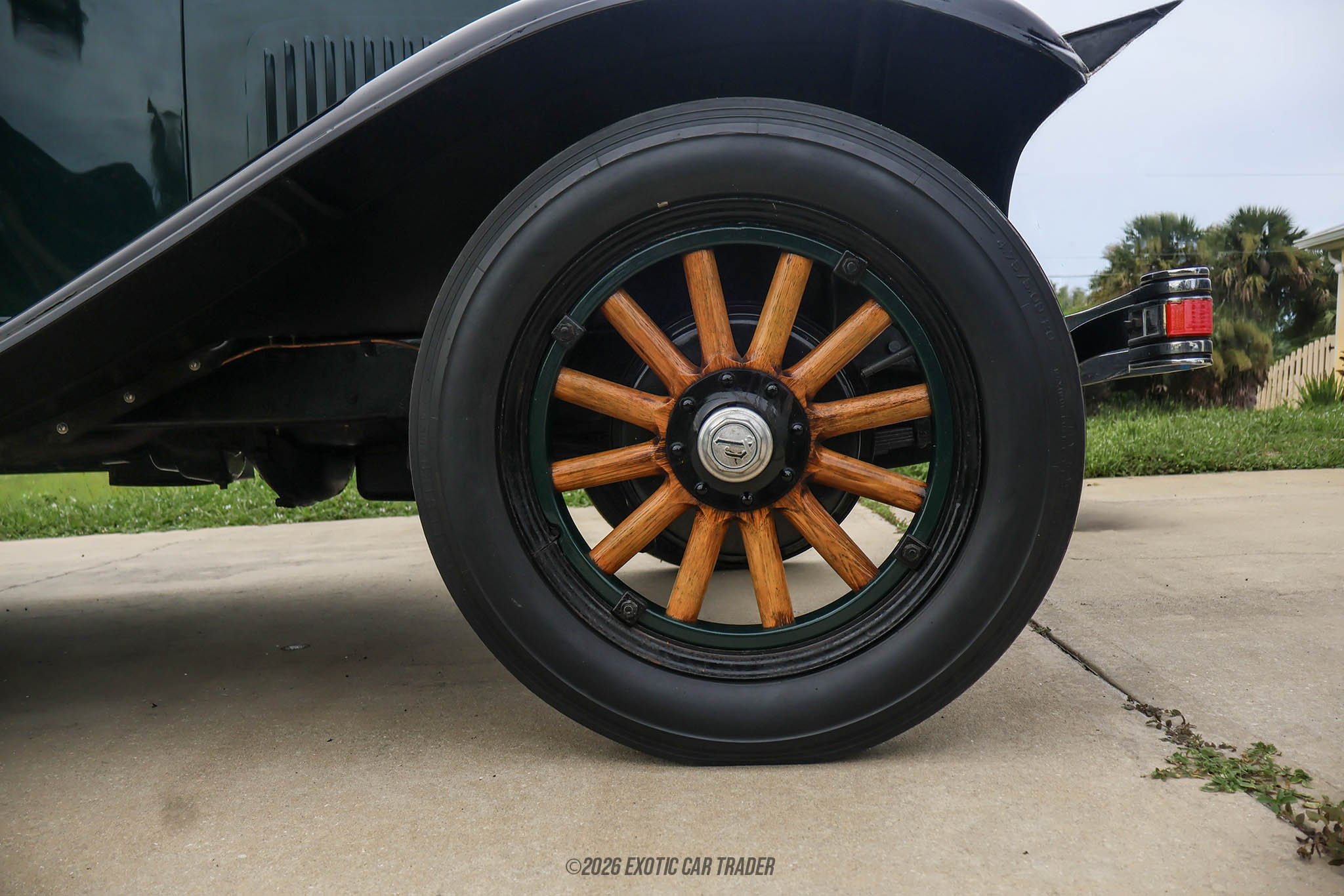
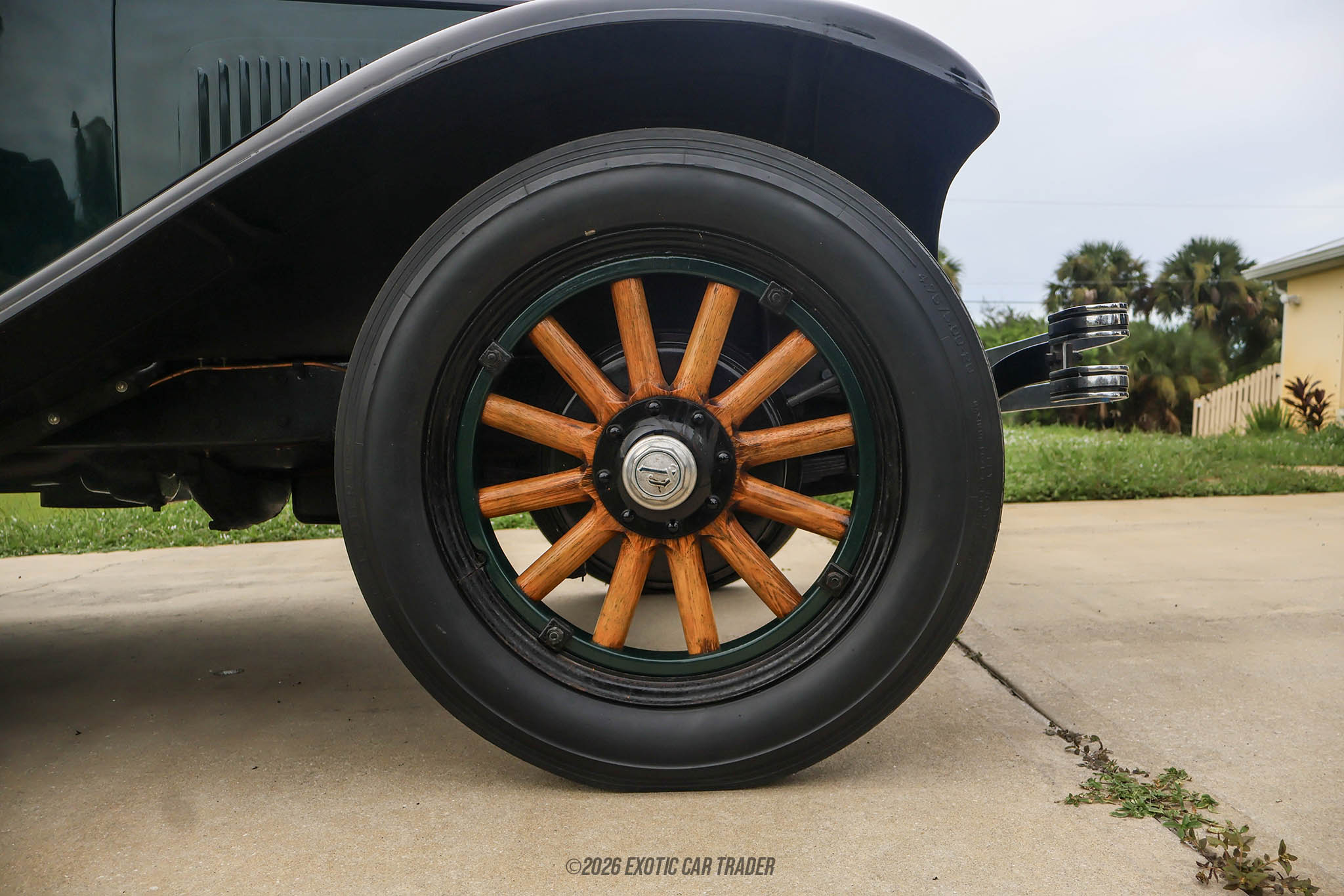
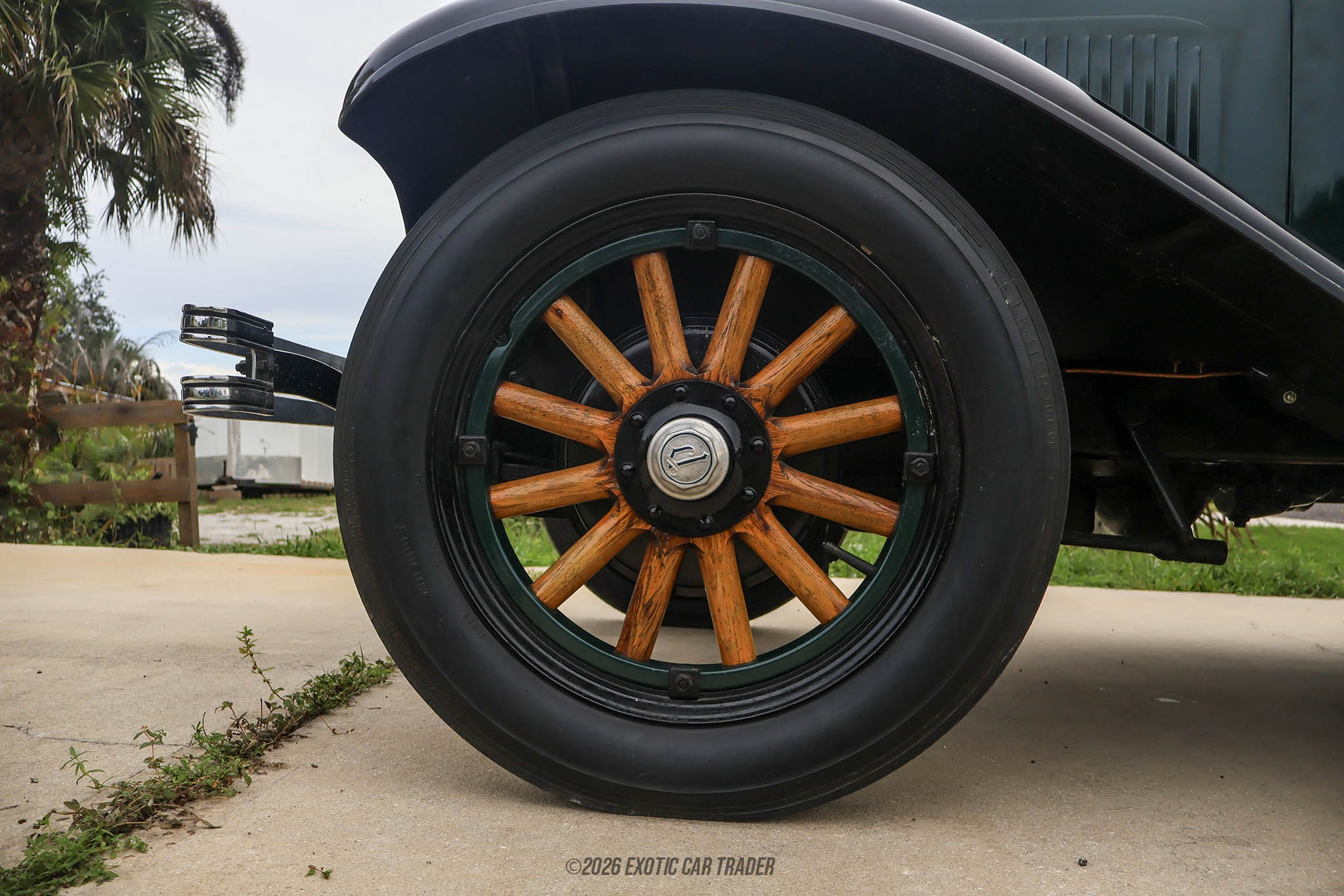
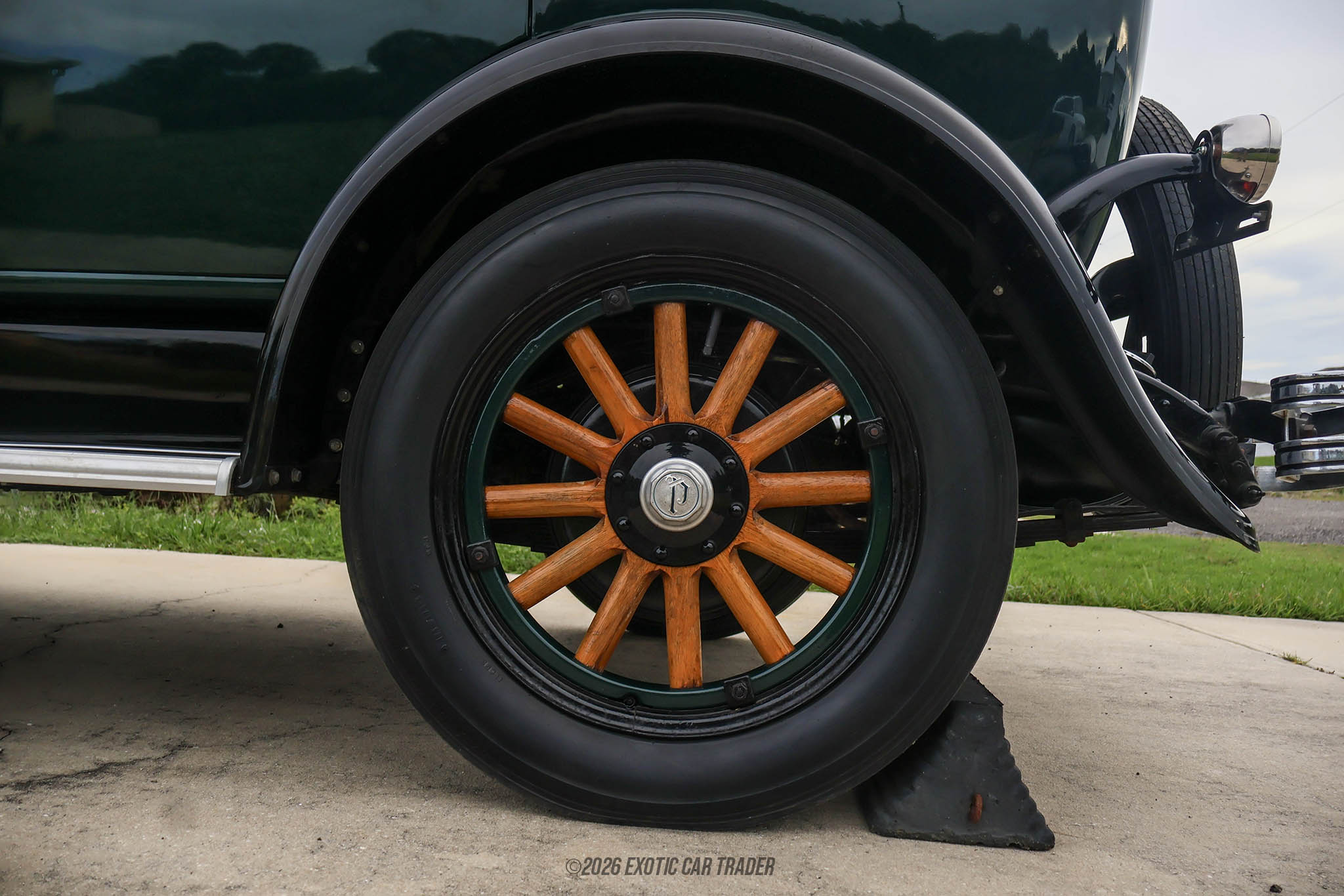
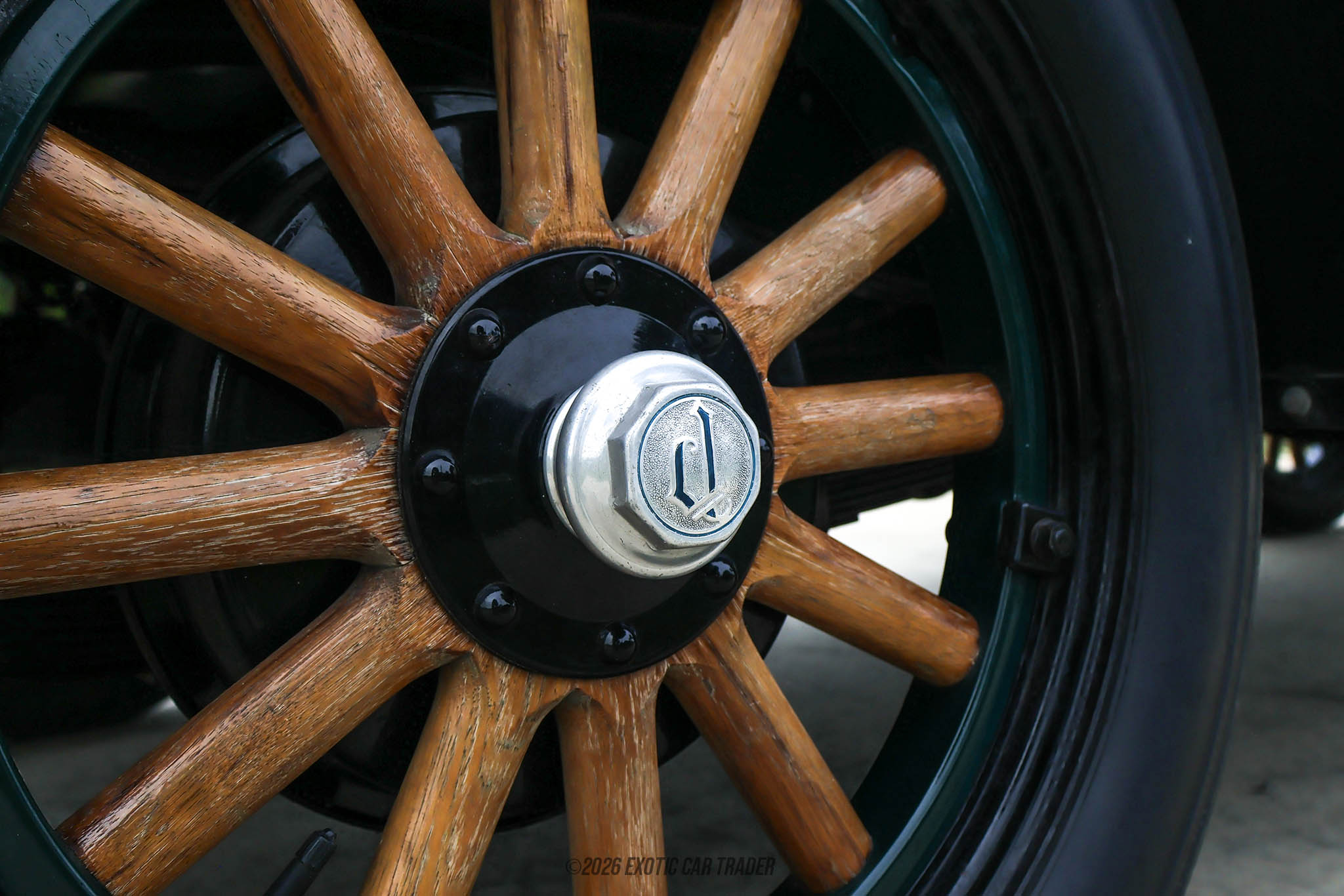
- Wood-Spoke Wheels w/ Green Painted Rims
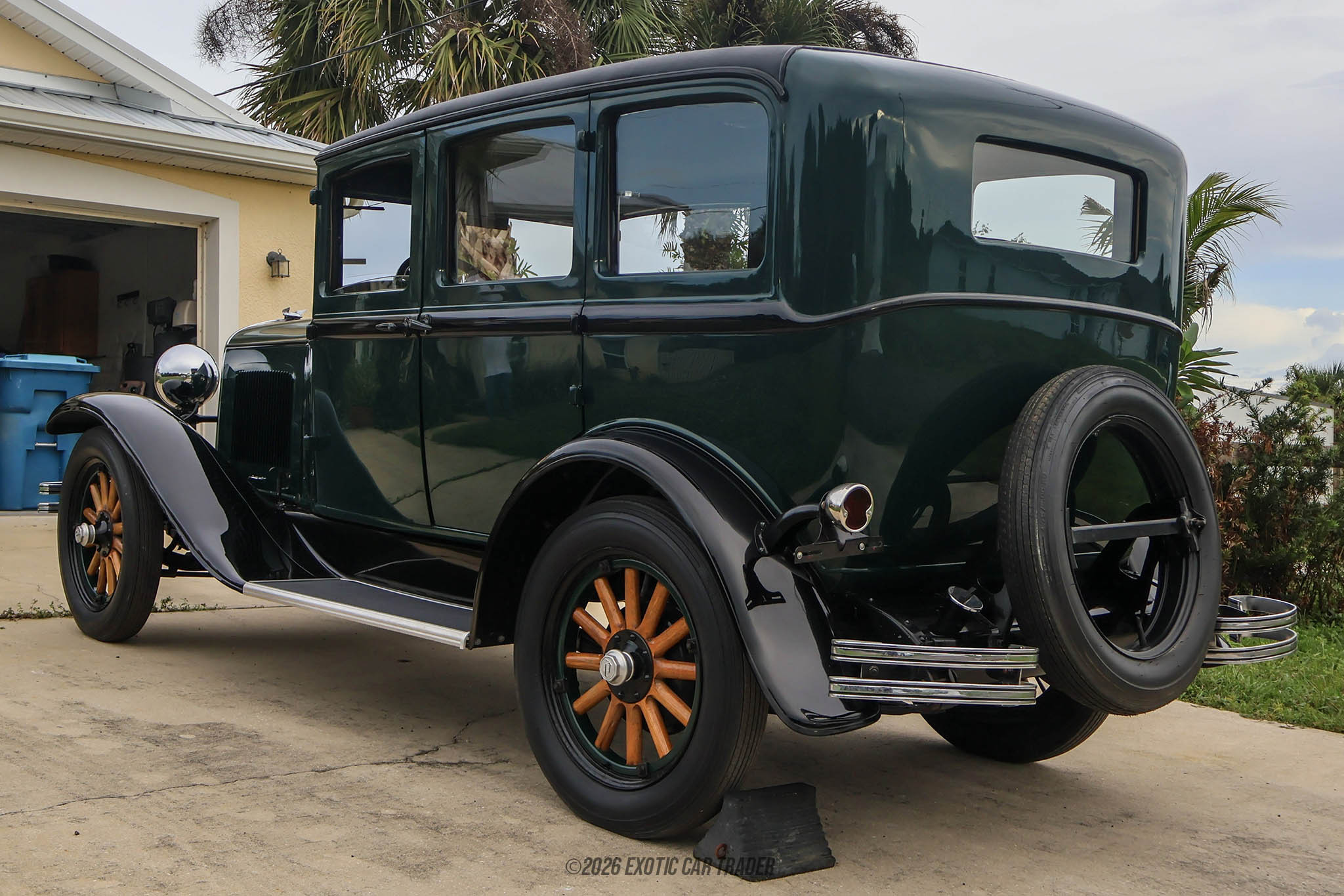
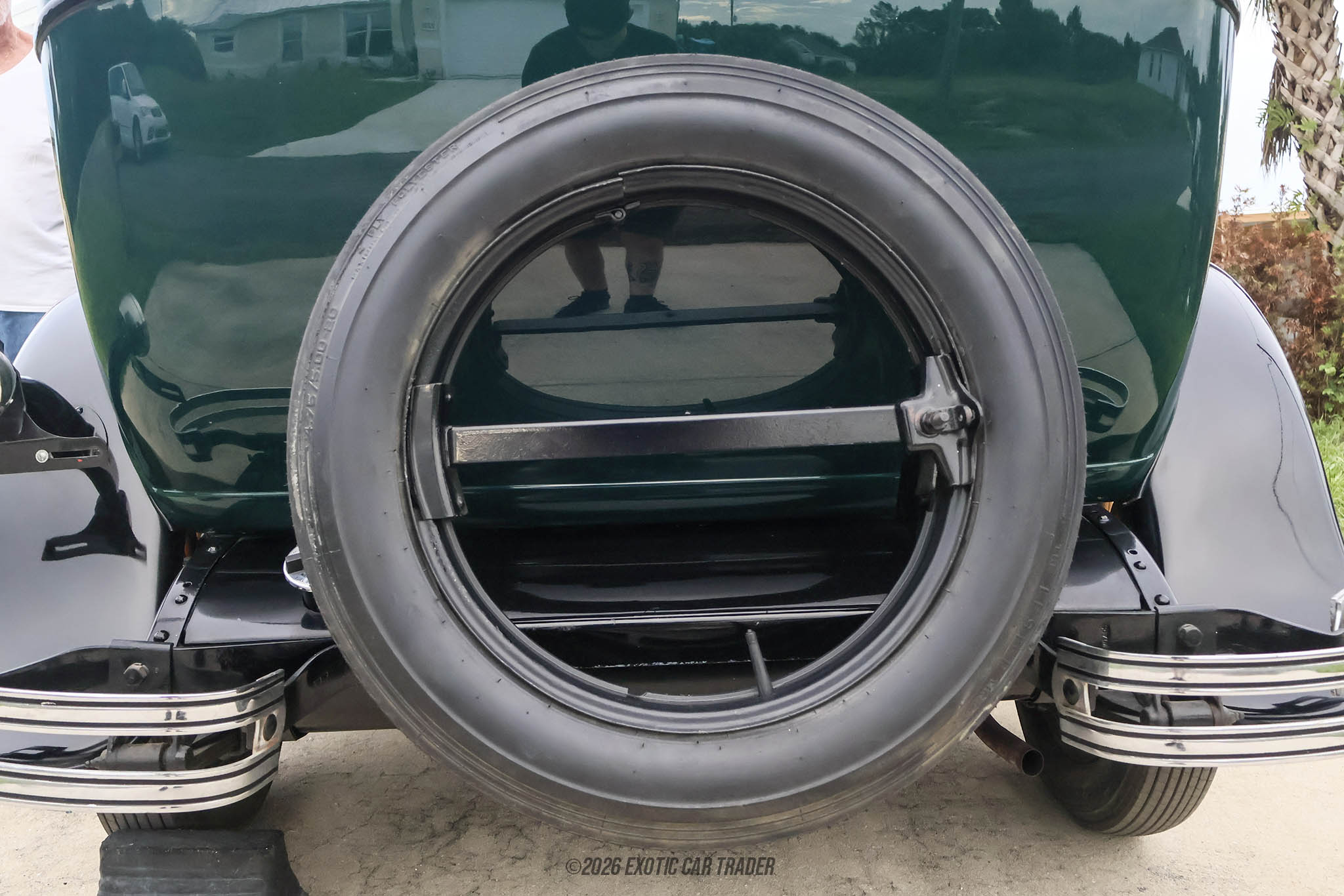
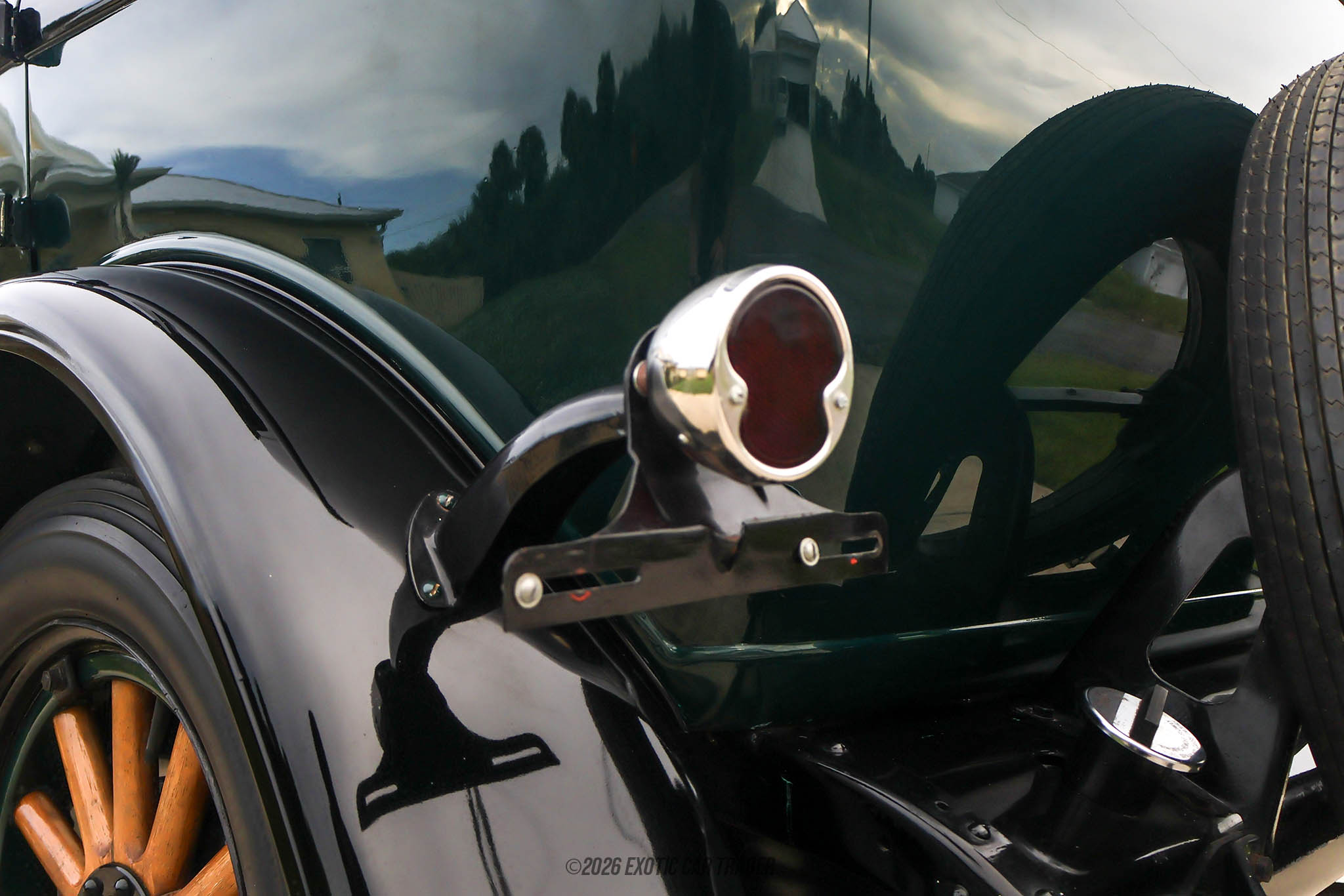
- Rear-Mounted Spare Tire
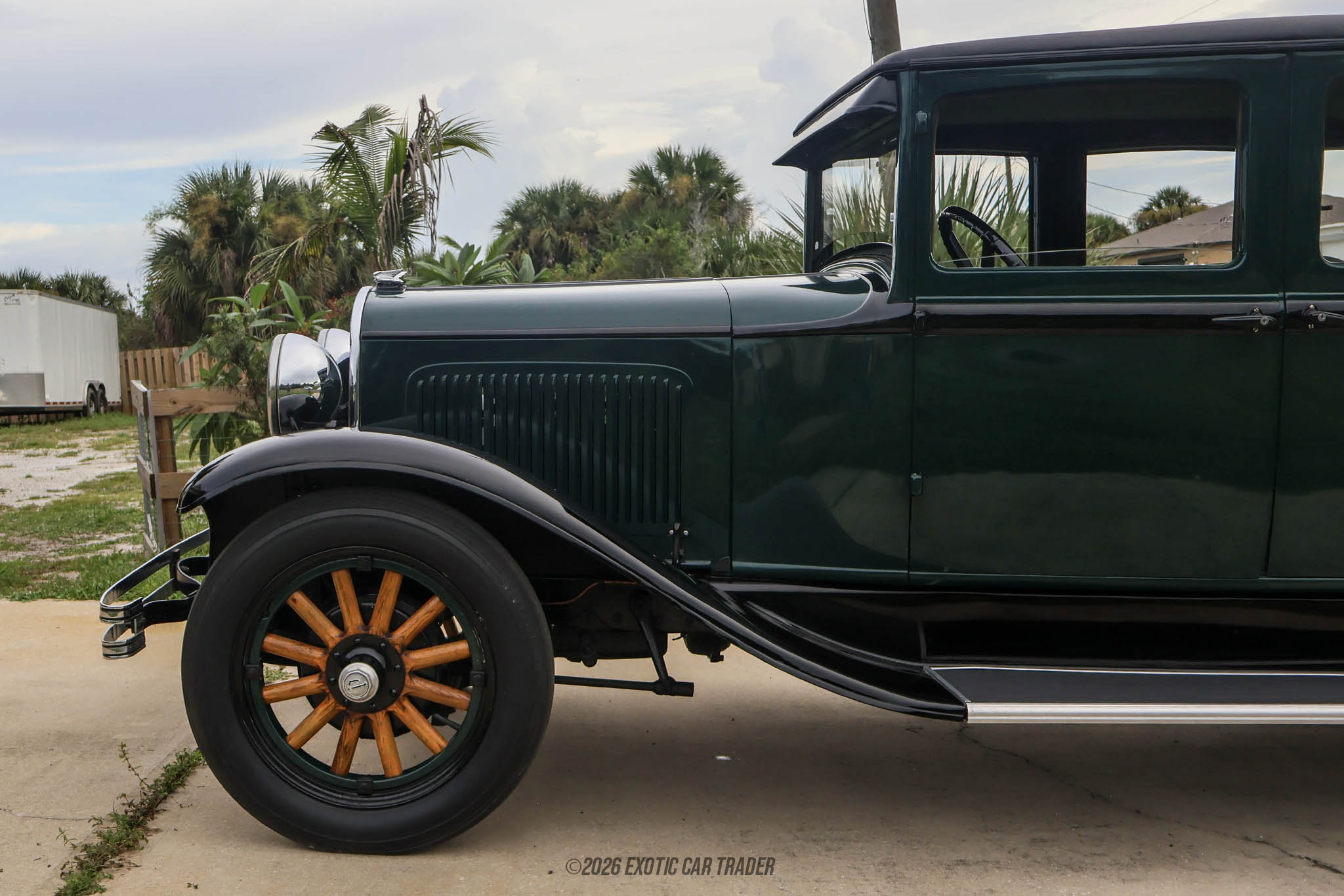
- Chrome Radiator Surround
- Chrome Front & Rear Bumpers
- Chrome Headlight Housings
- Front-Hinged Engine Hood w/ Side Louvers
- Full-Length Running Boards
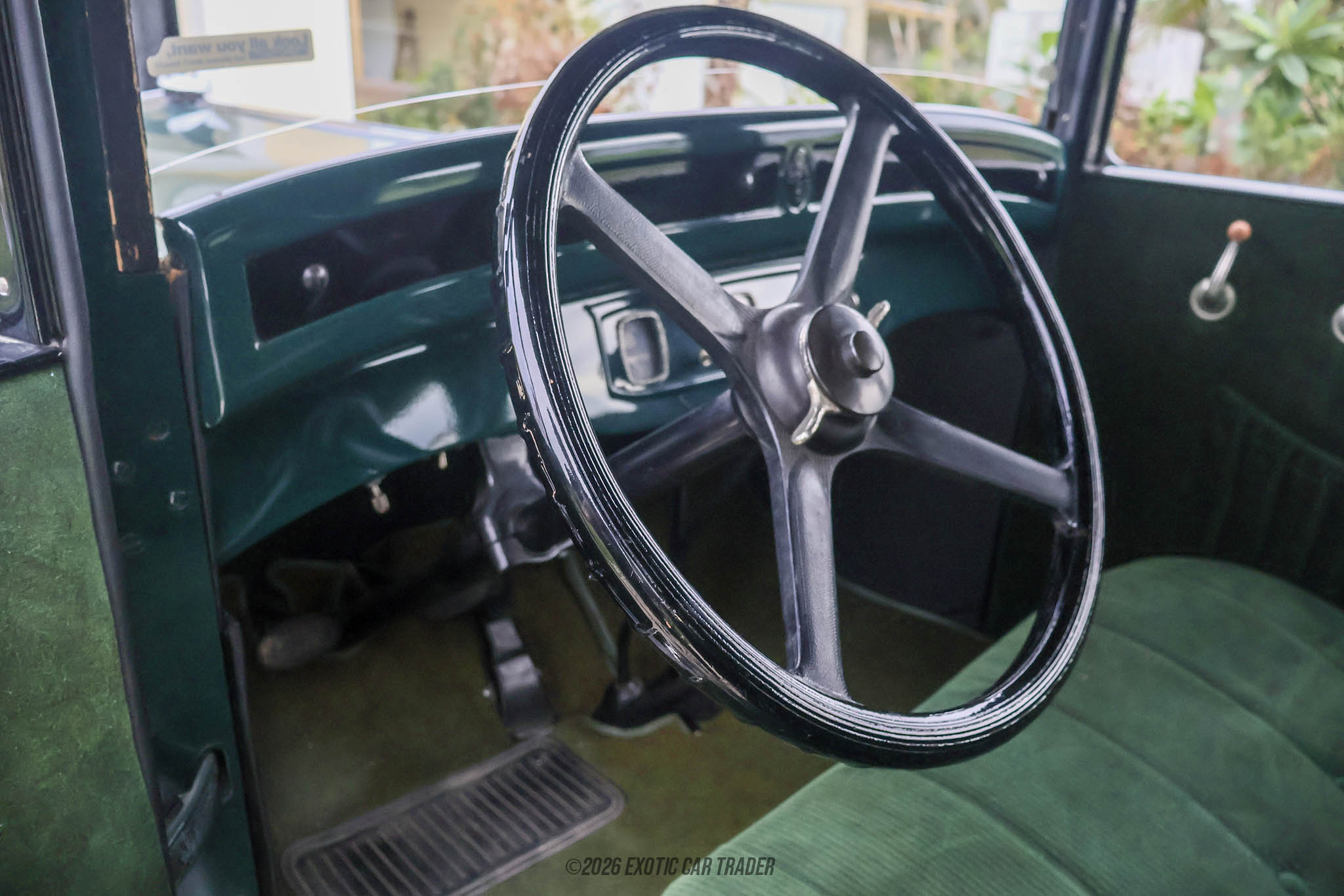
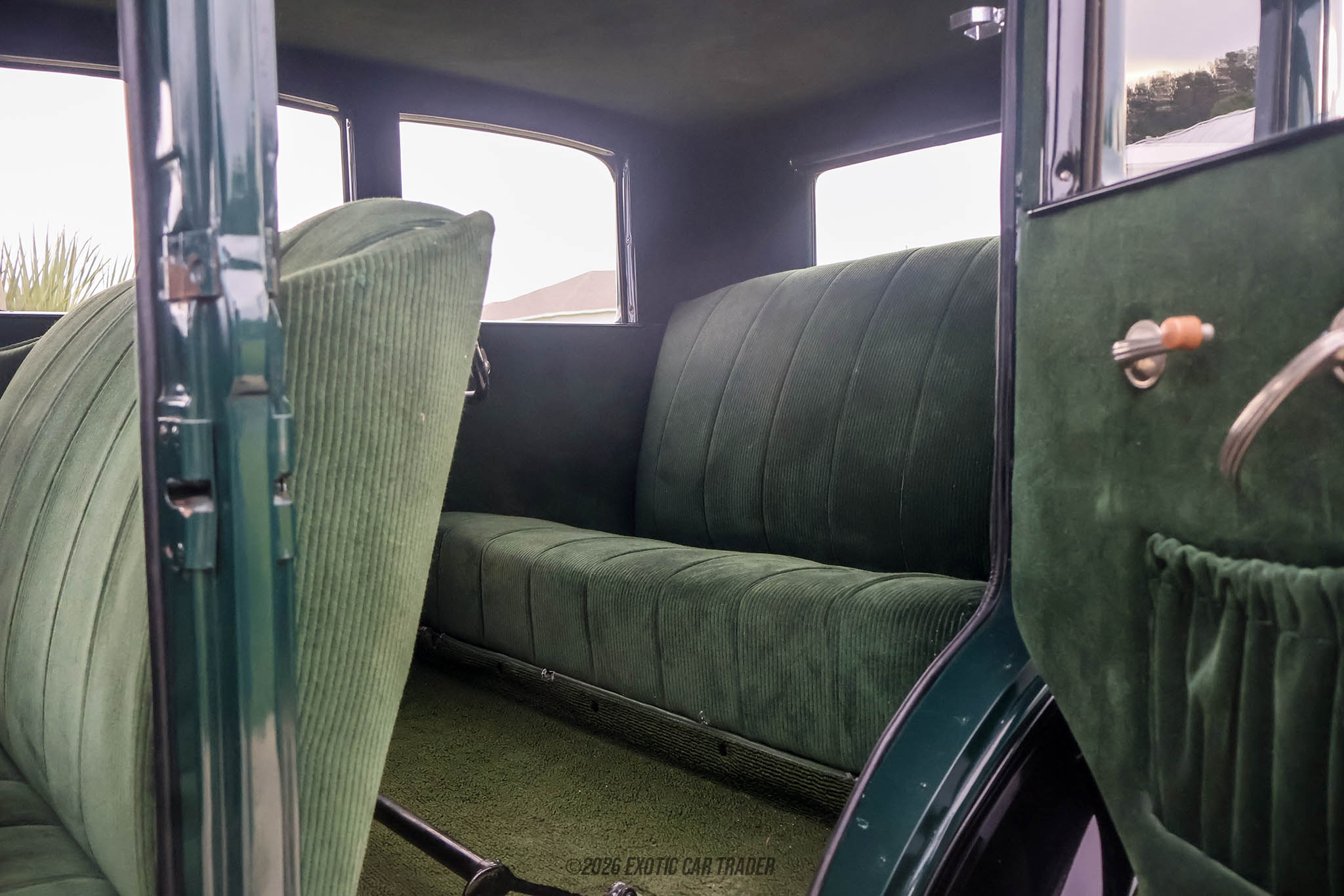
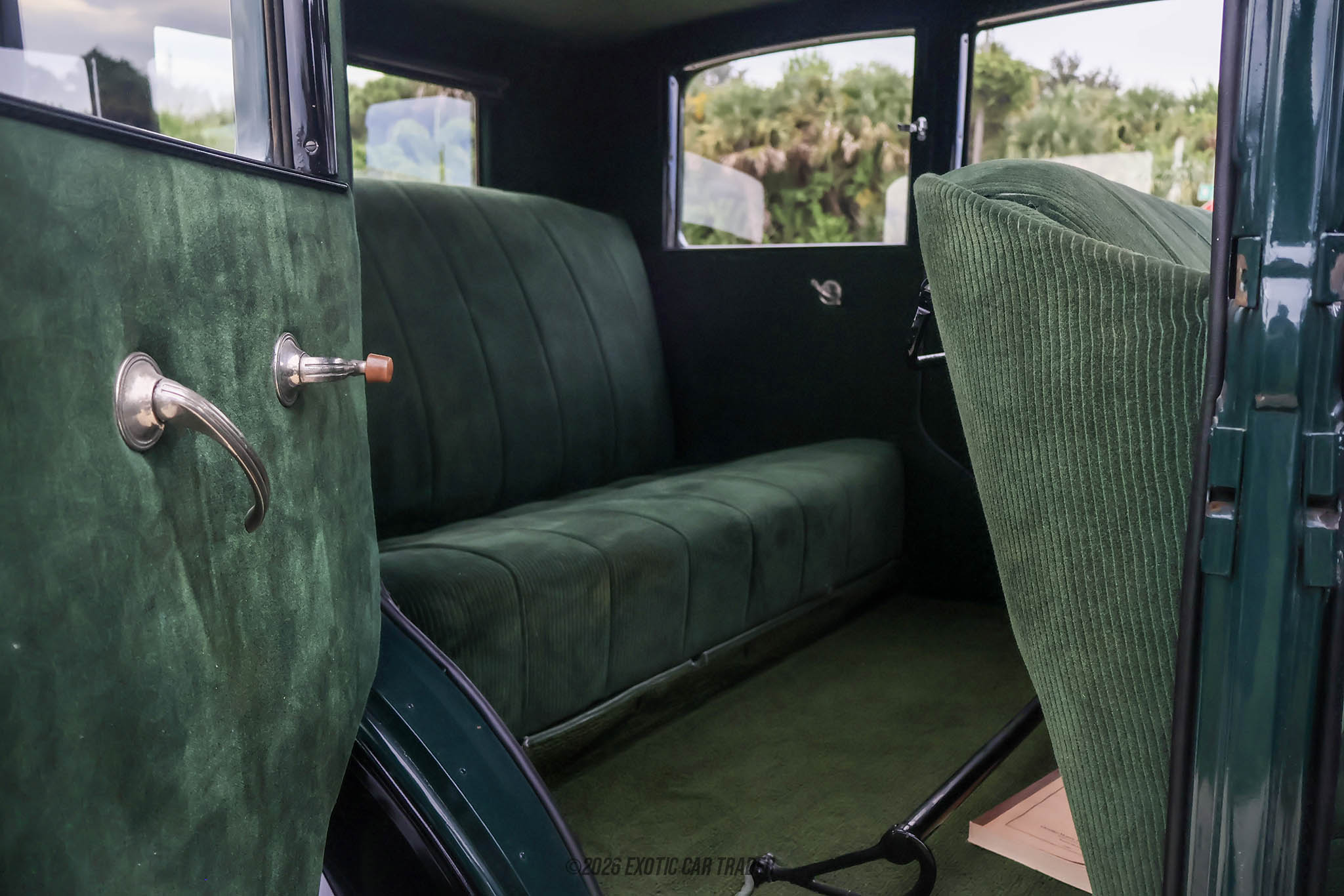
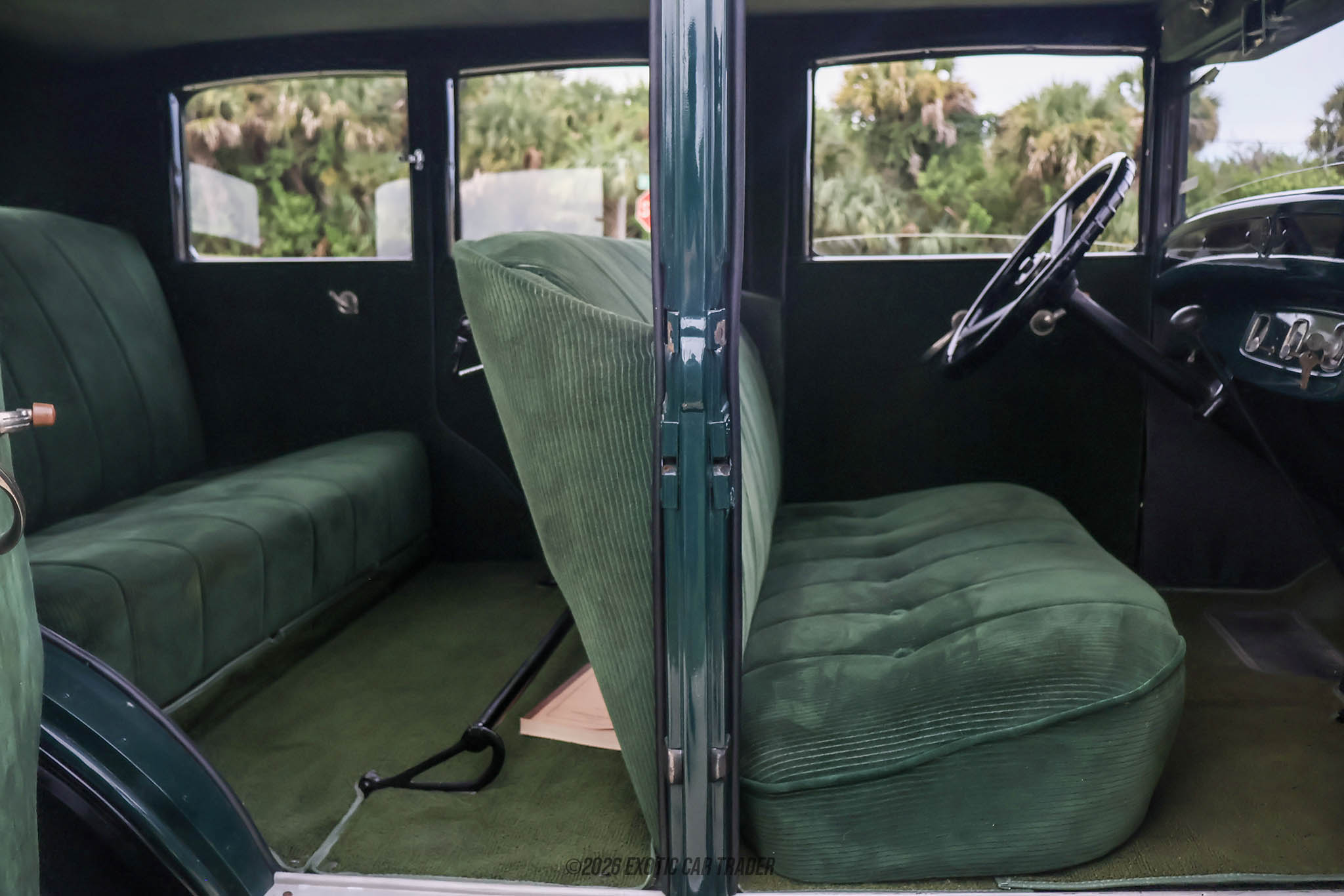
- Green Corduroy-Style Upholstery


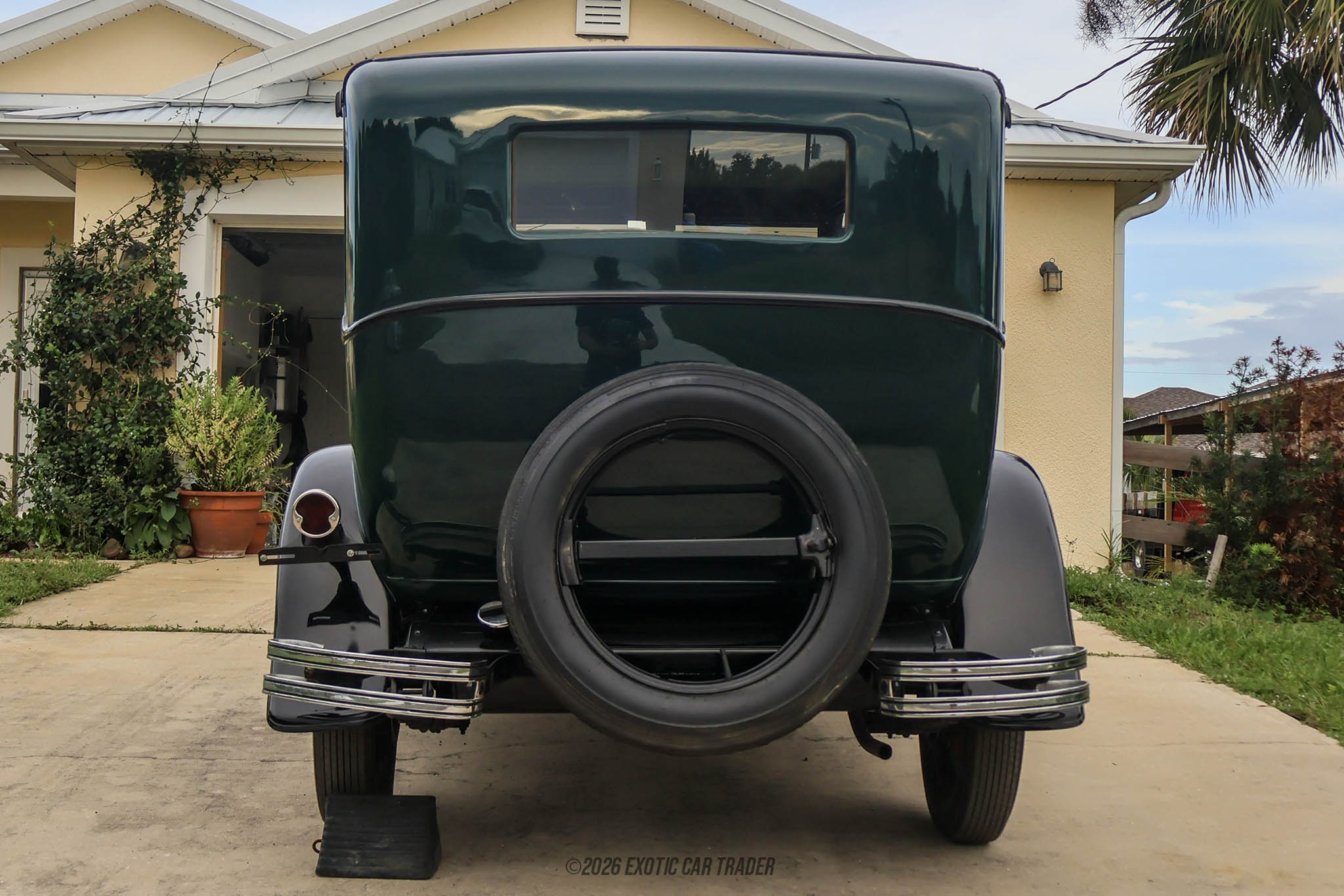
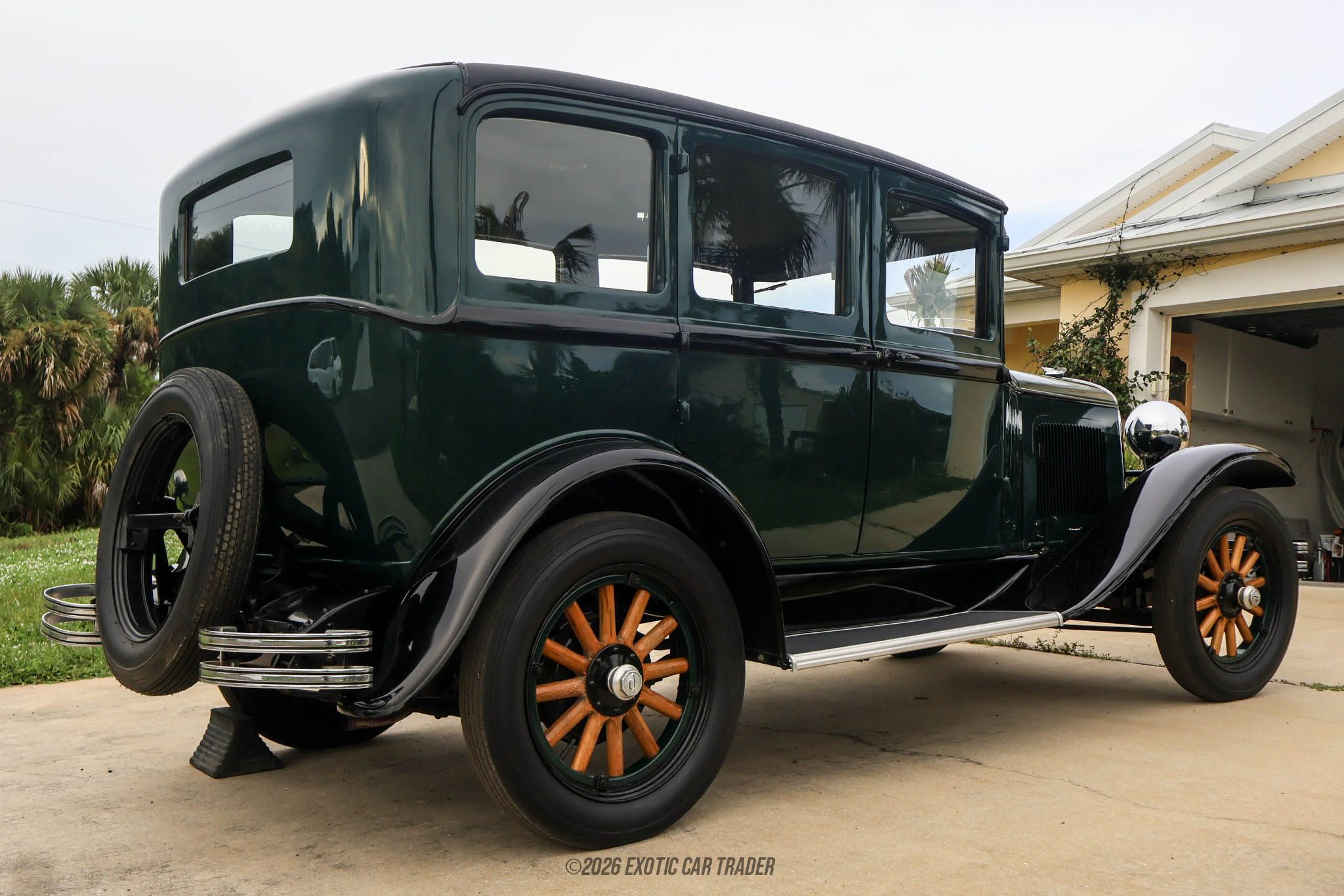
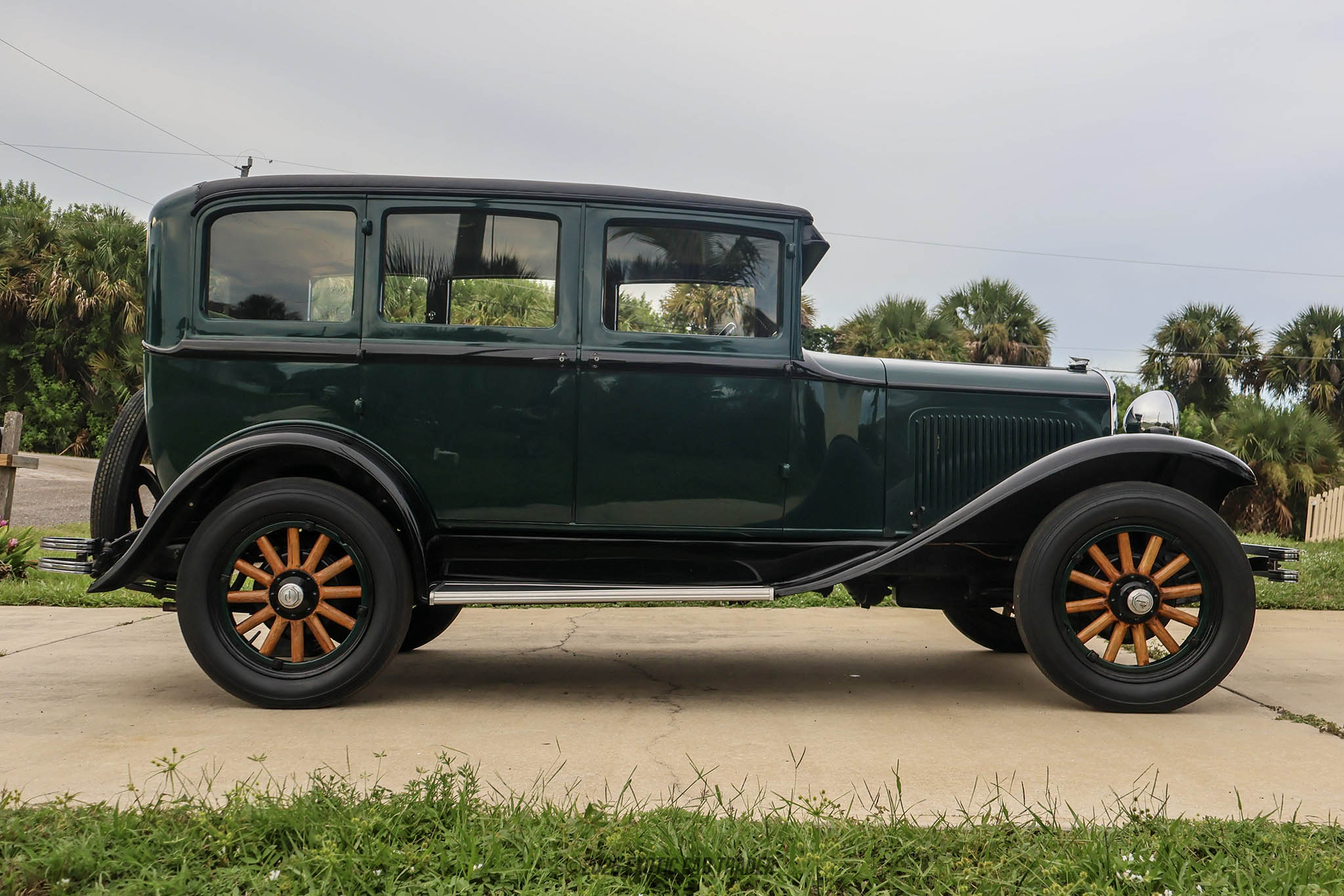
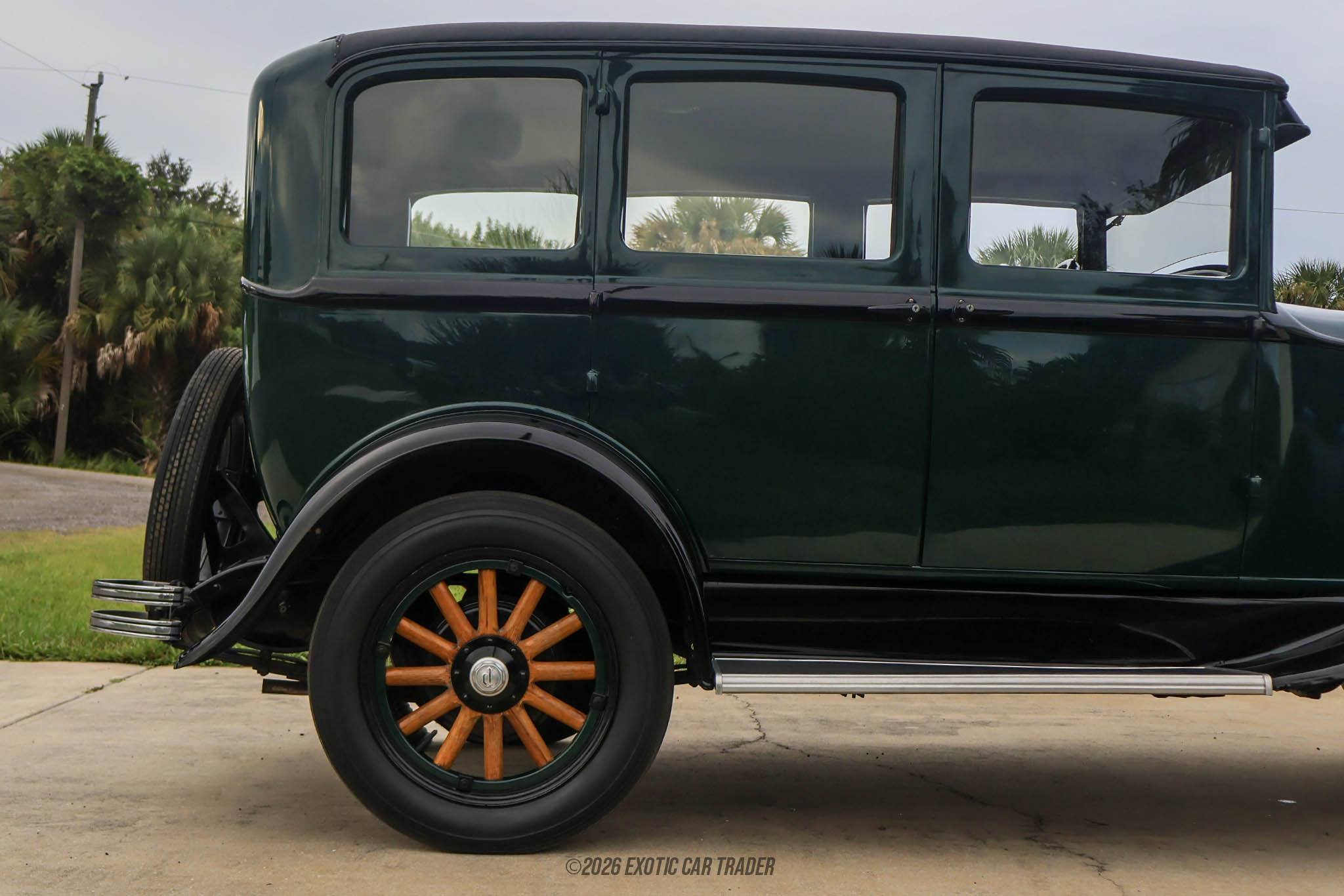
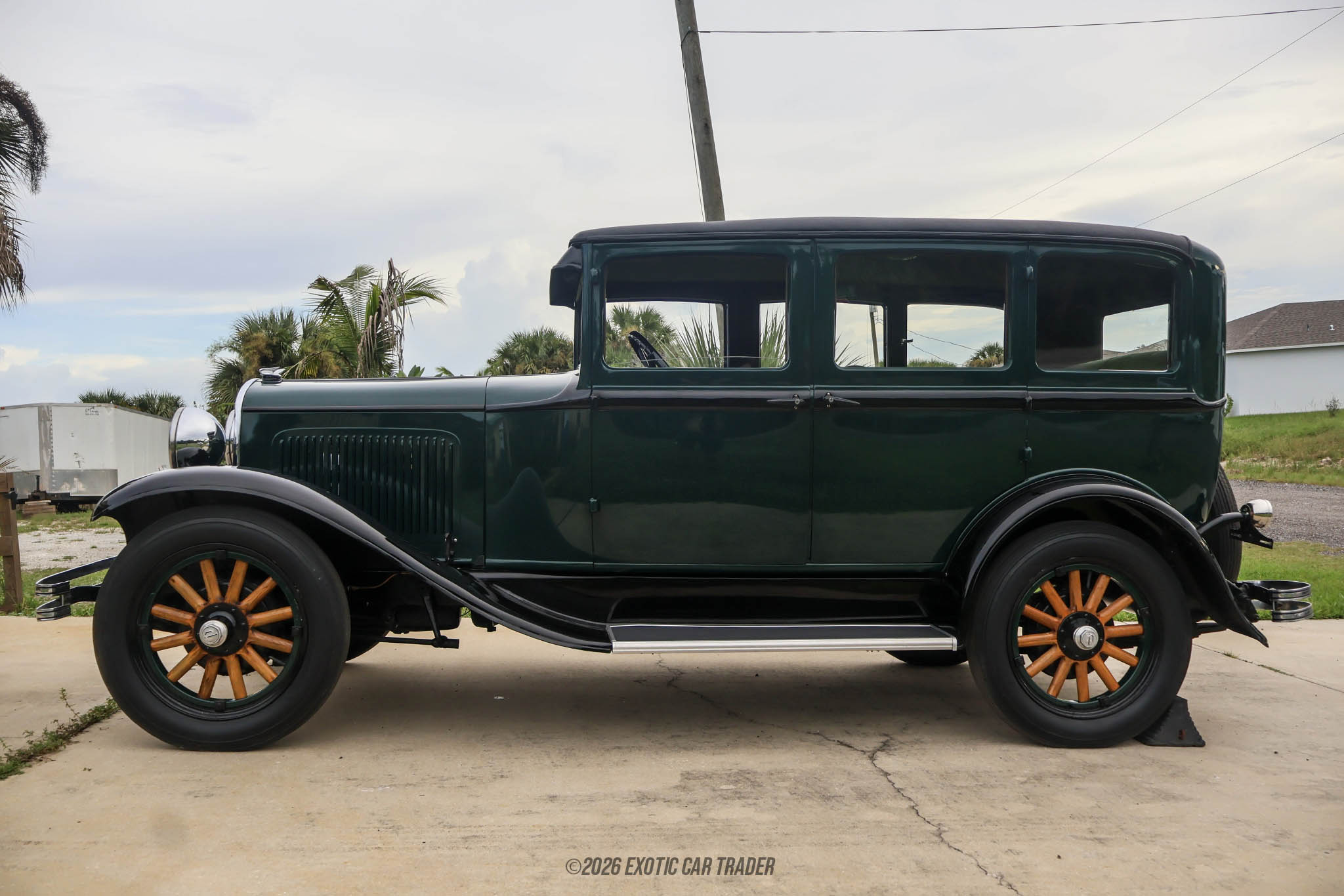
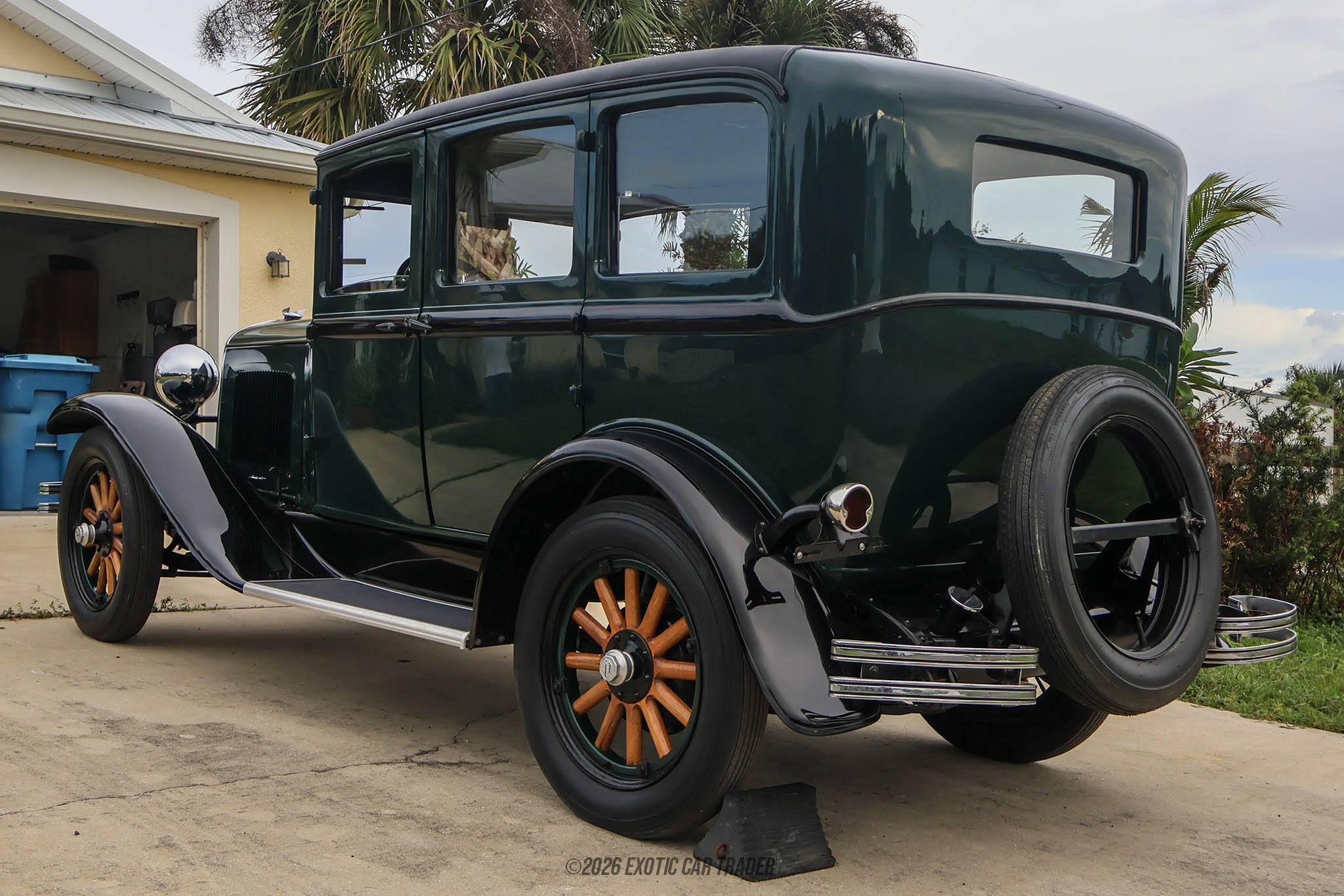
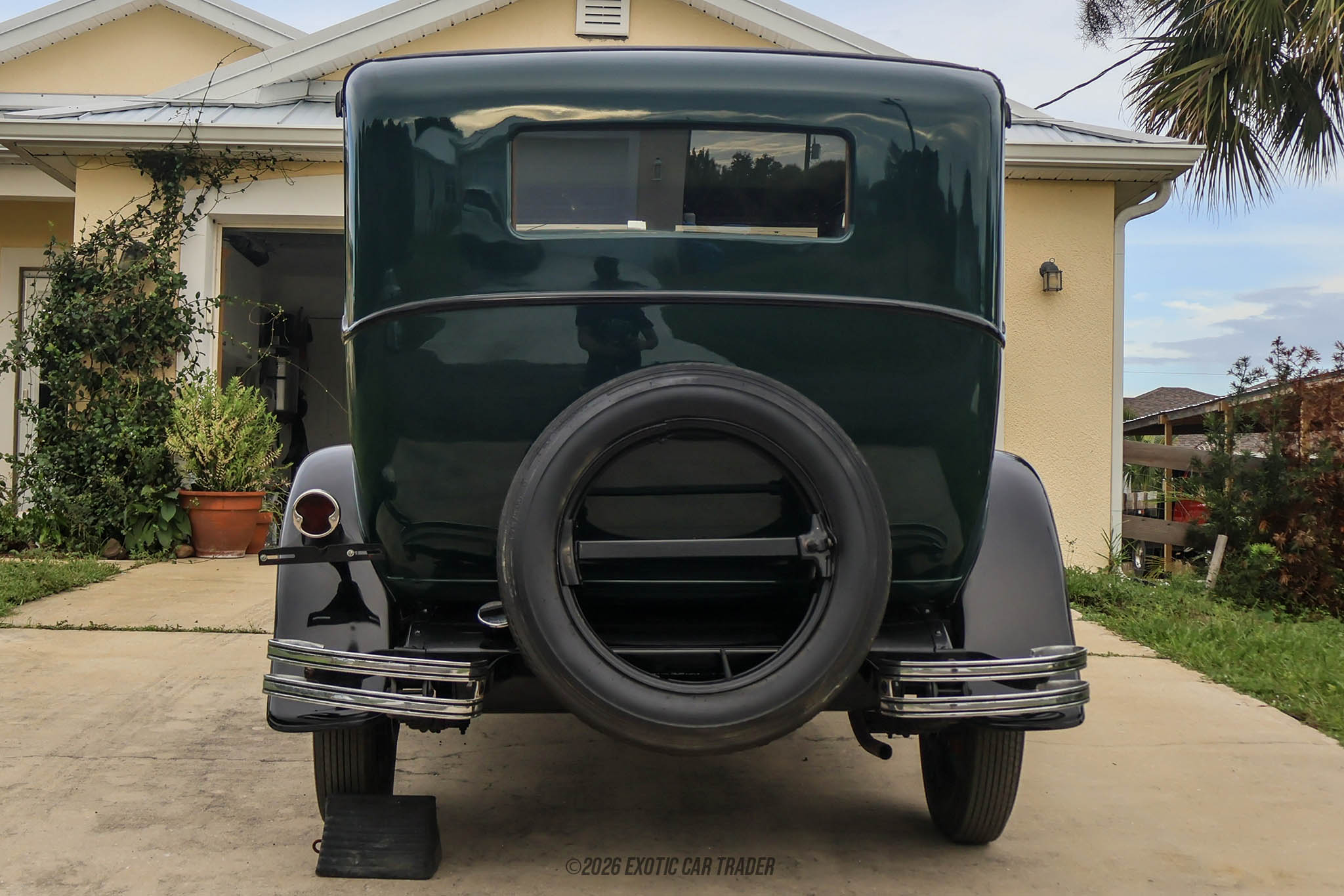
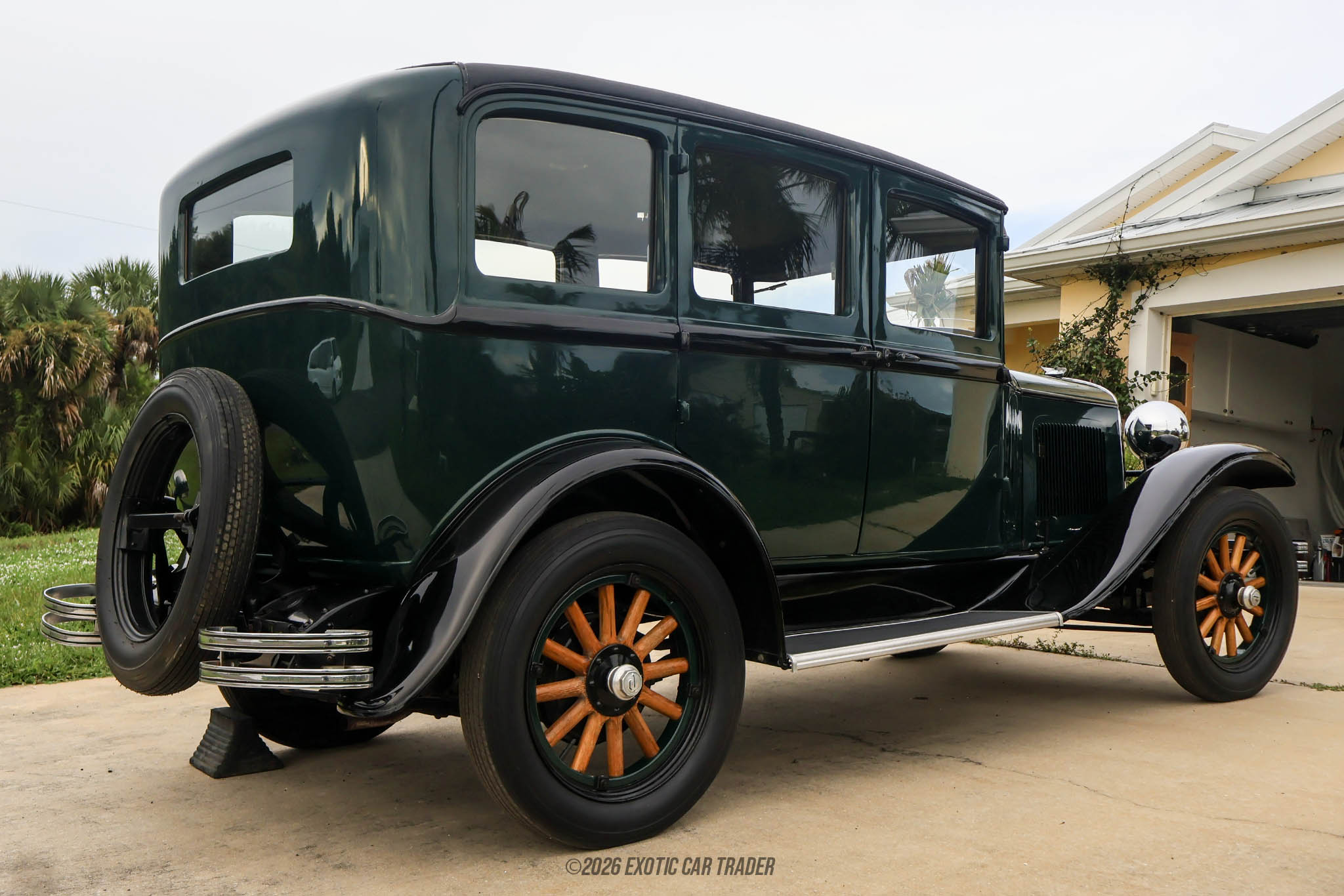
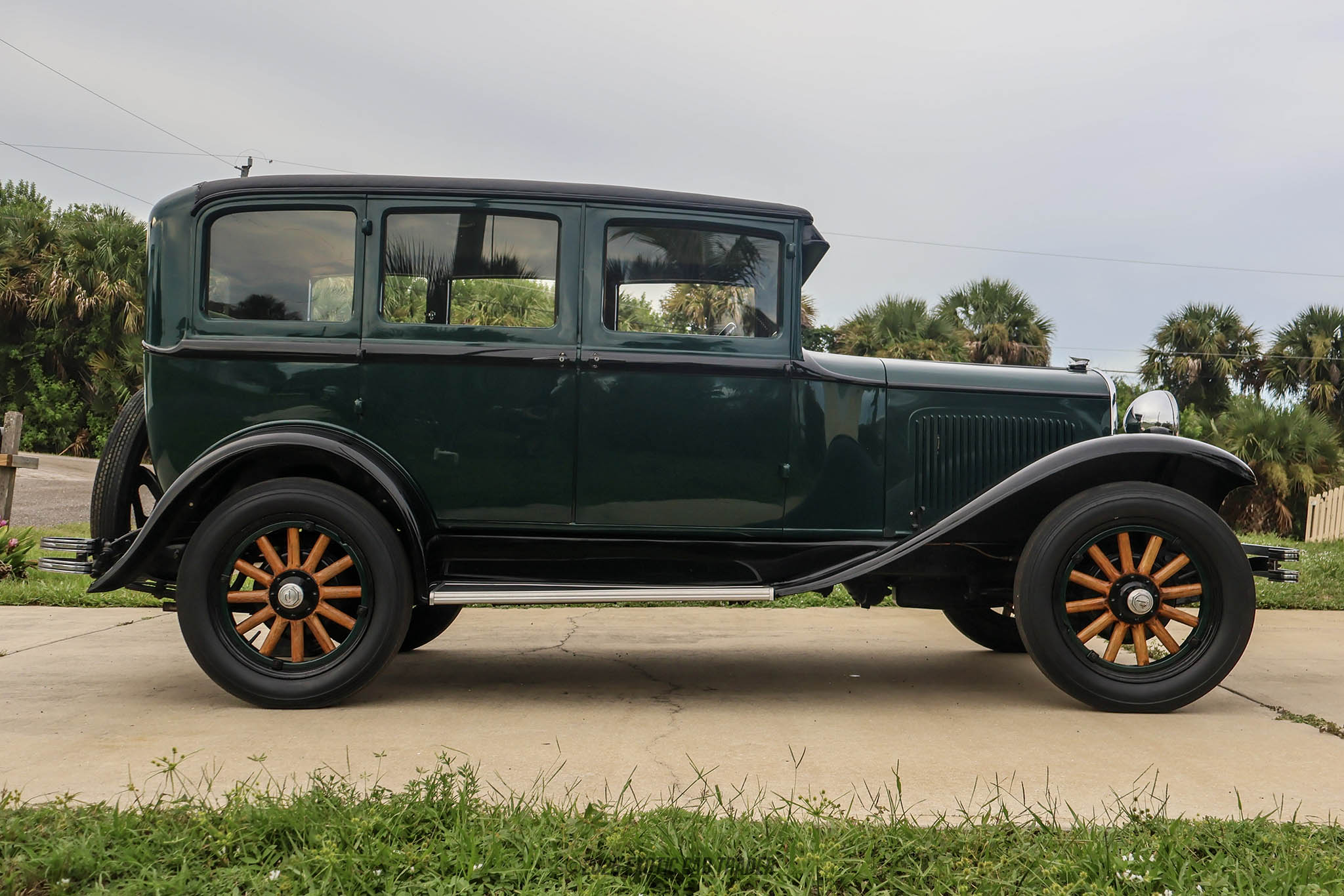
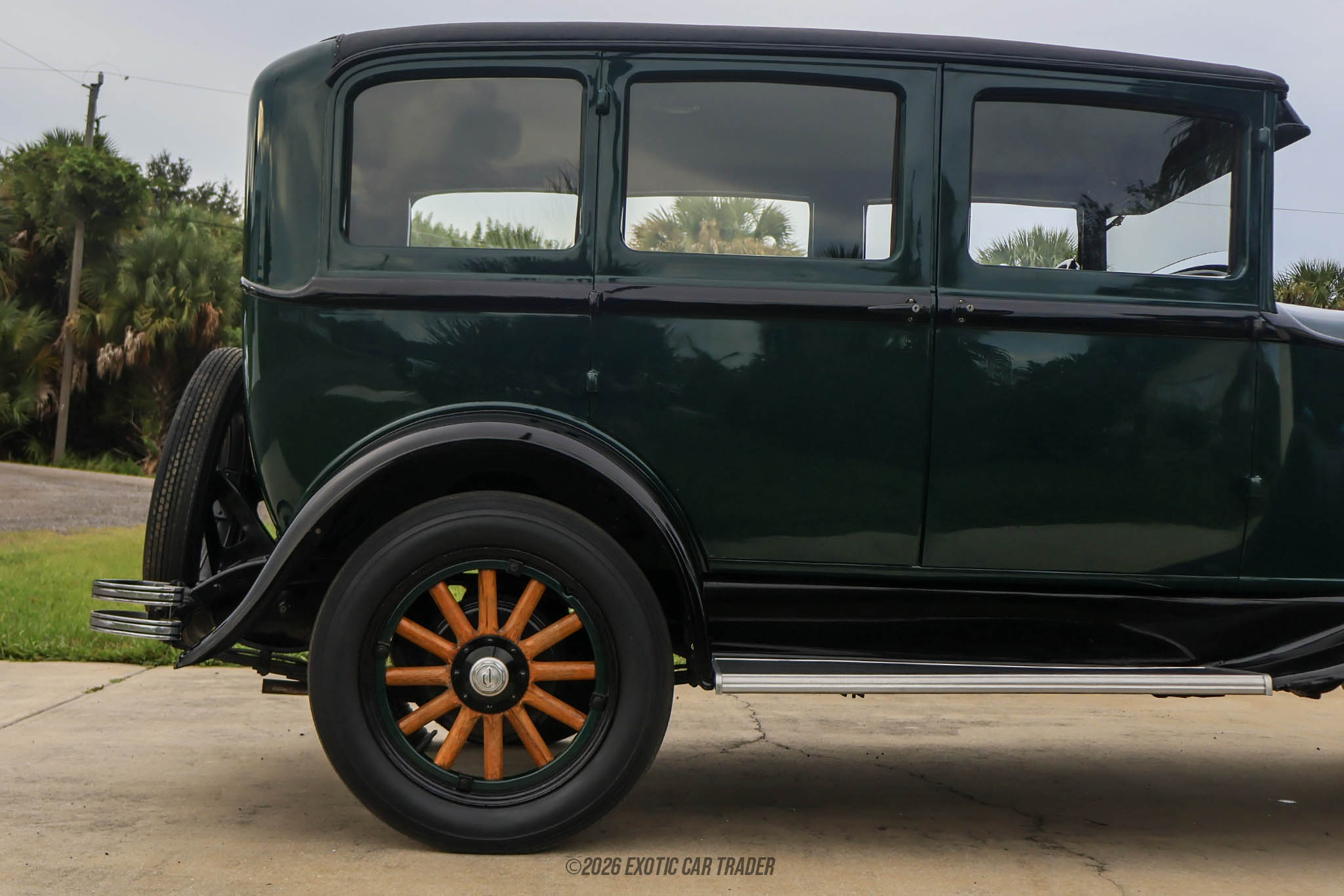
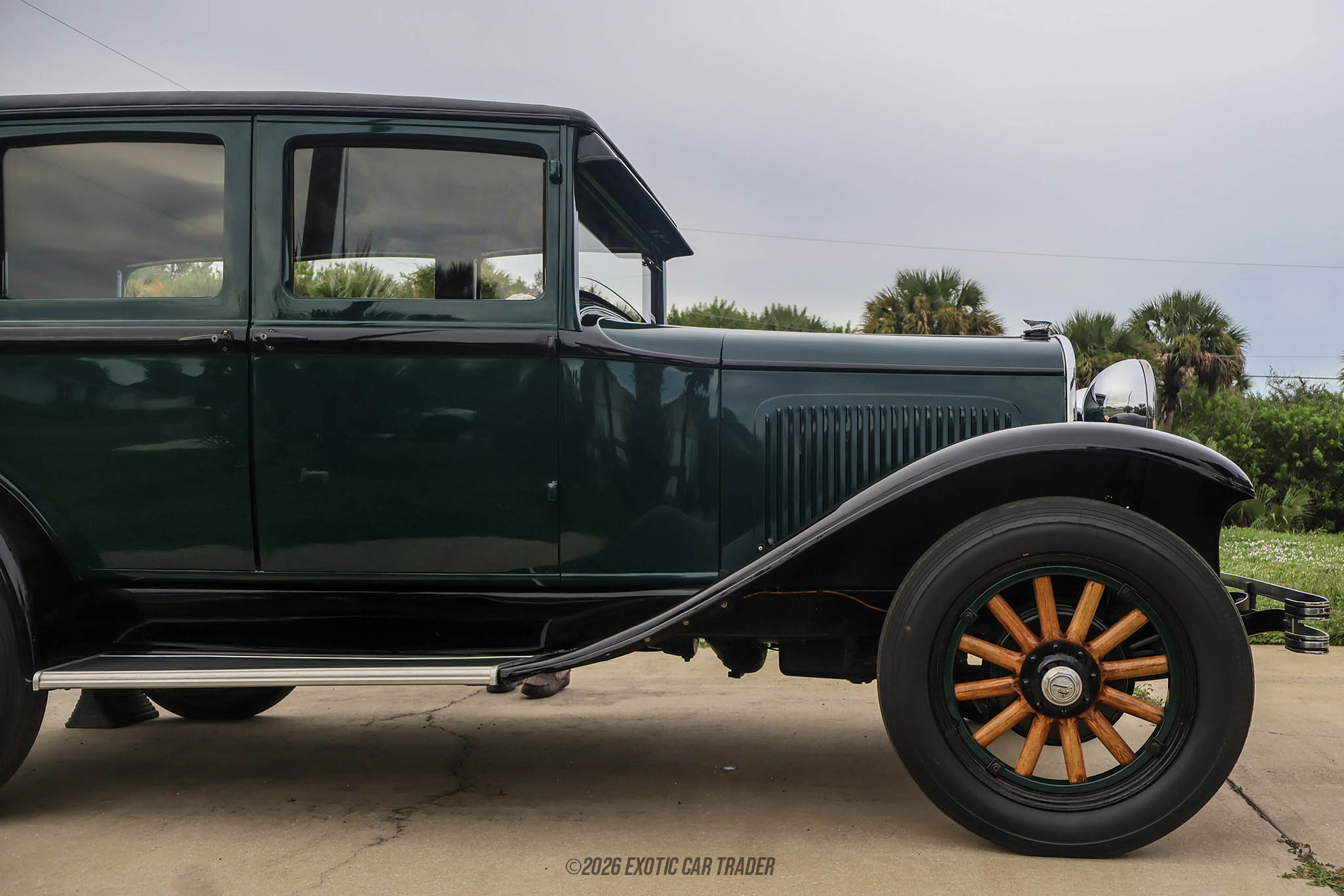
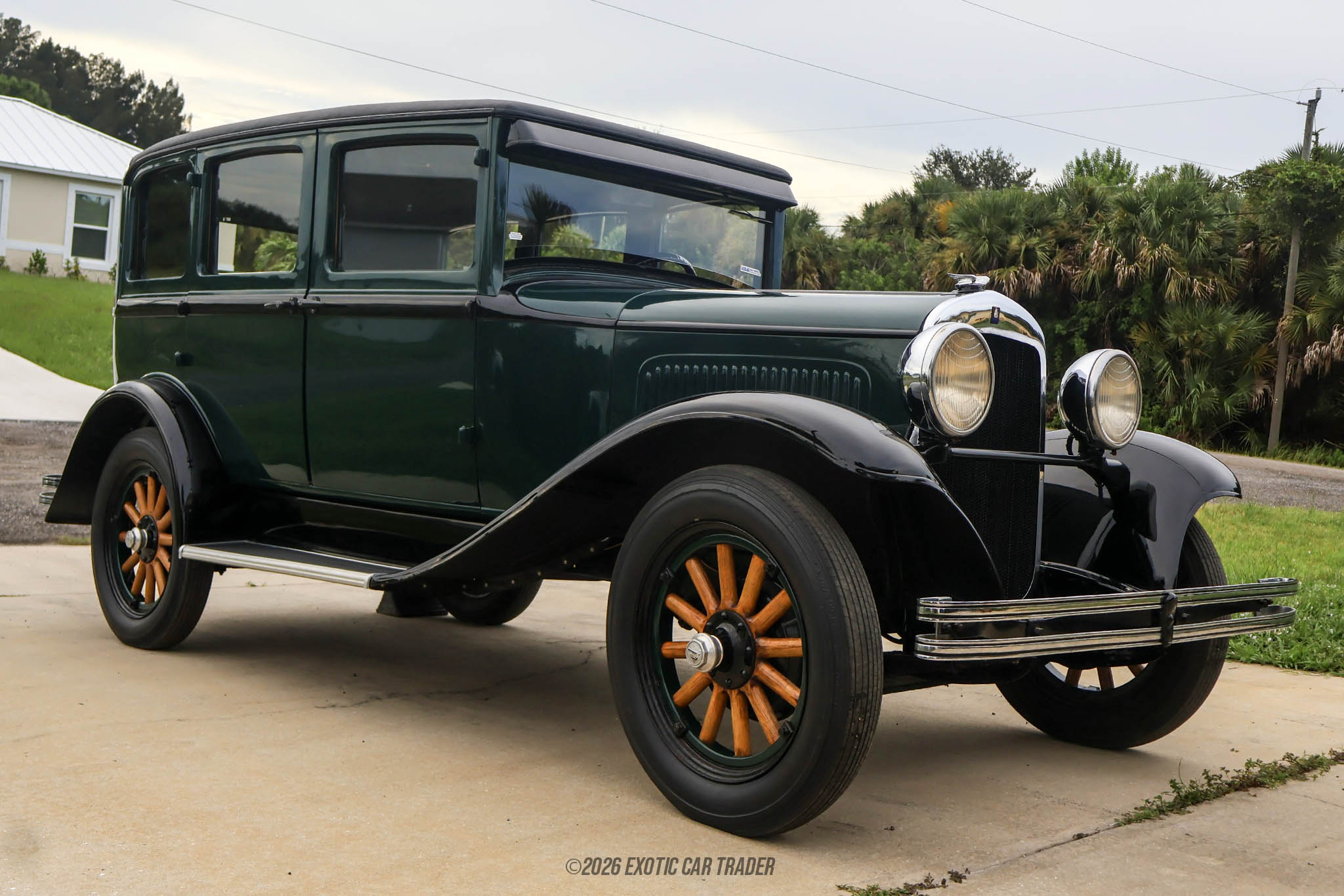
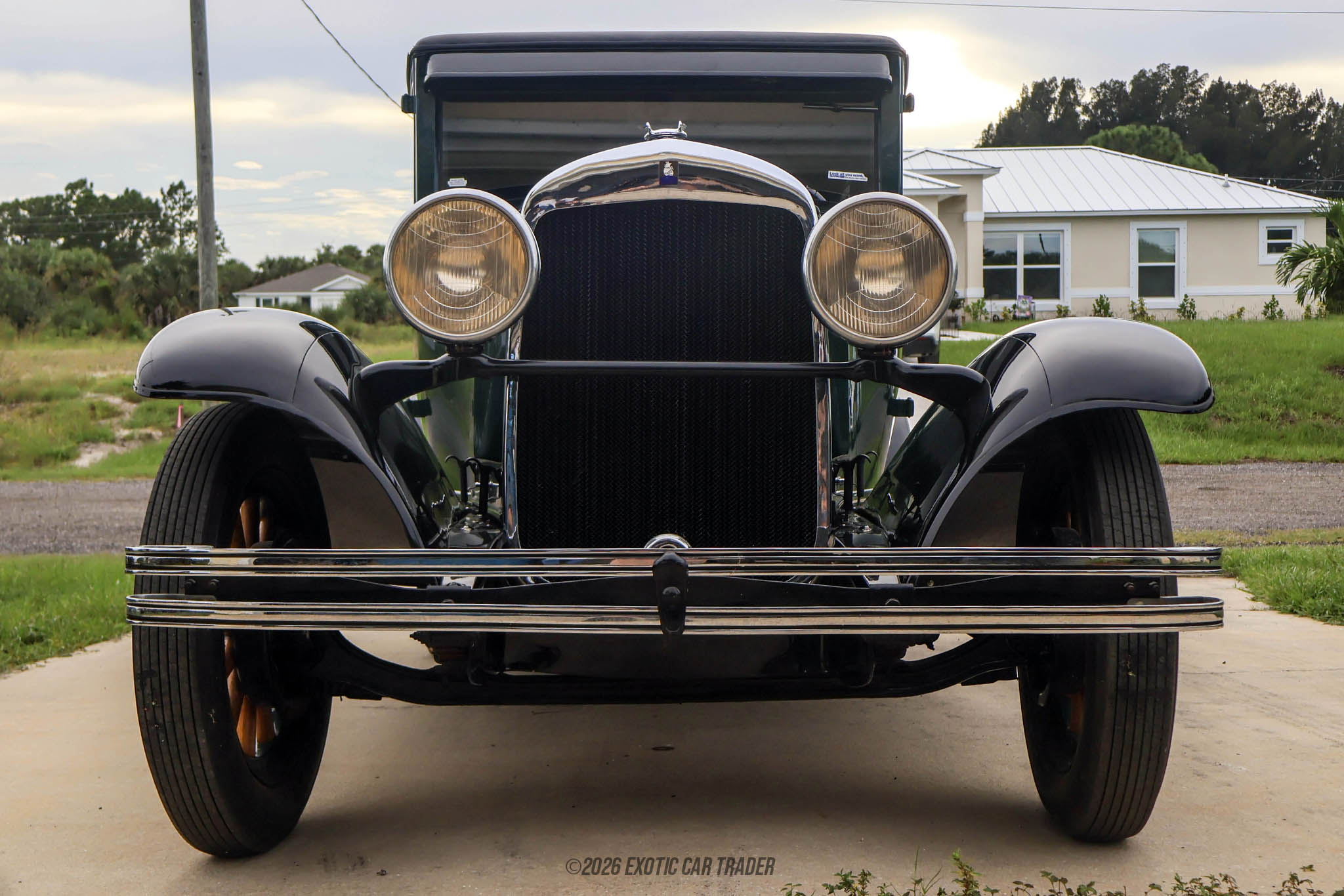
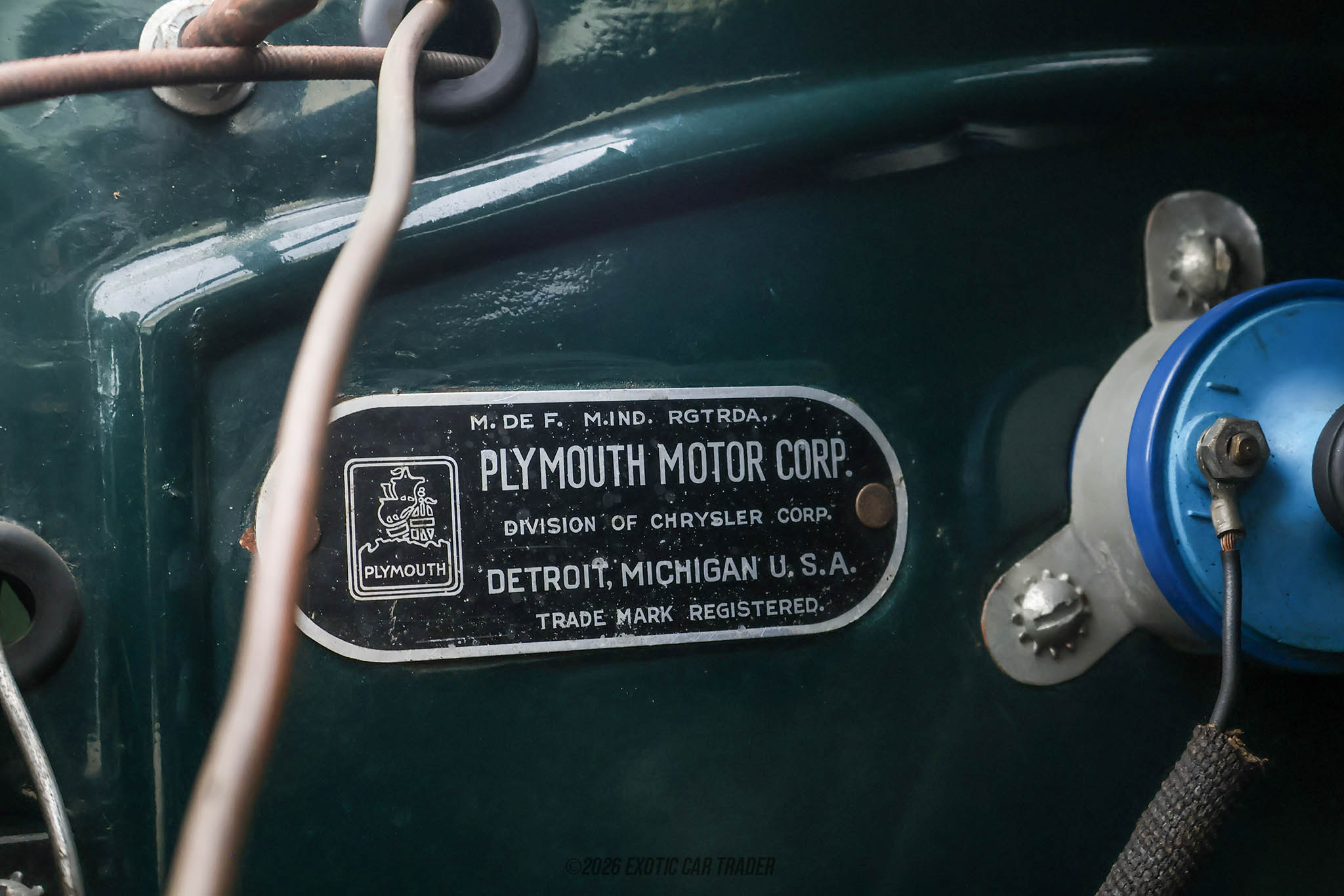
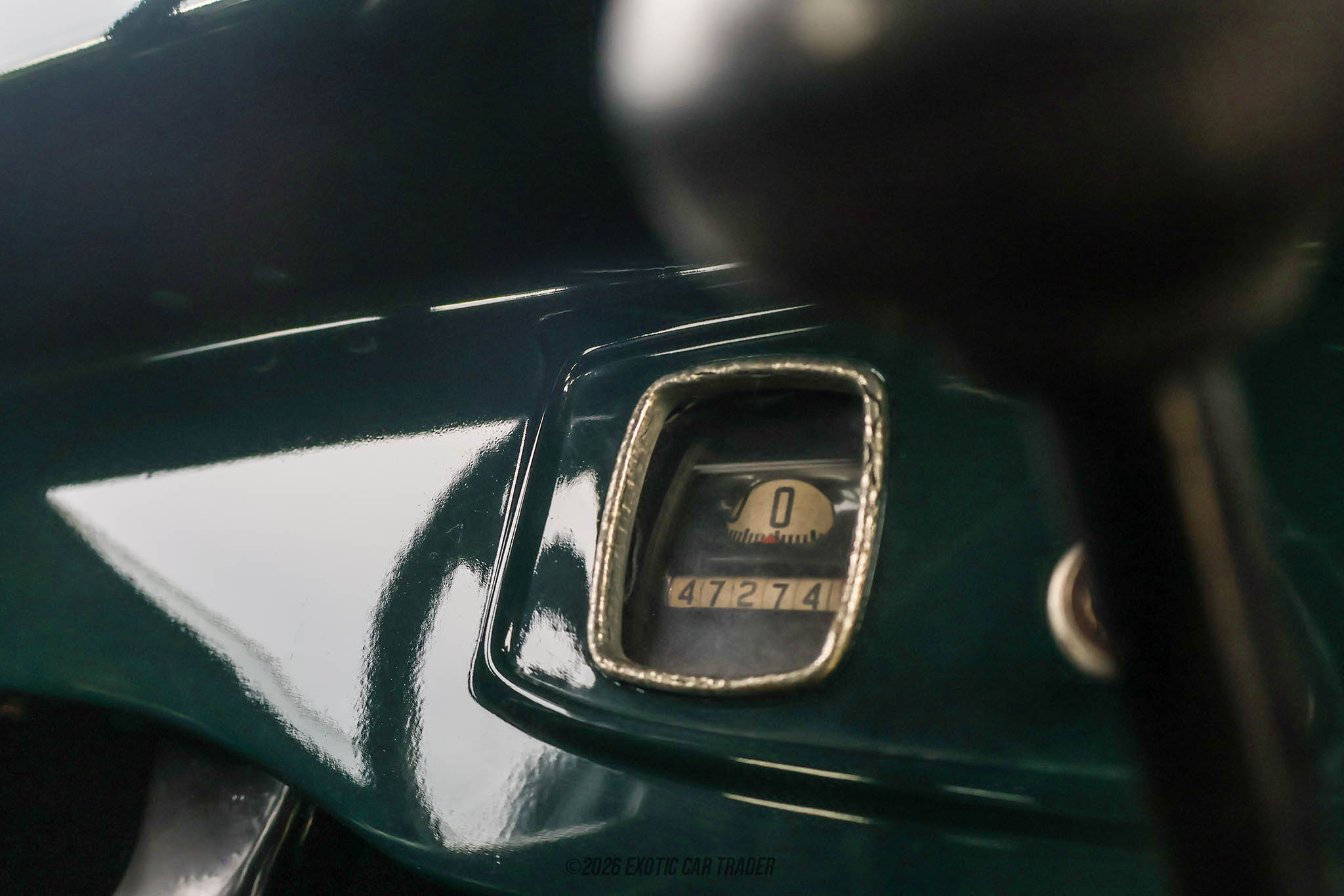
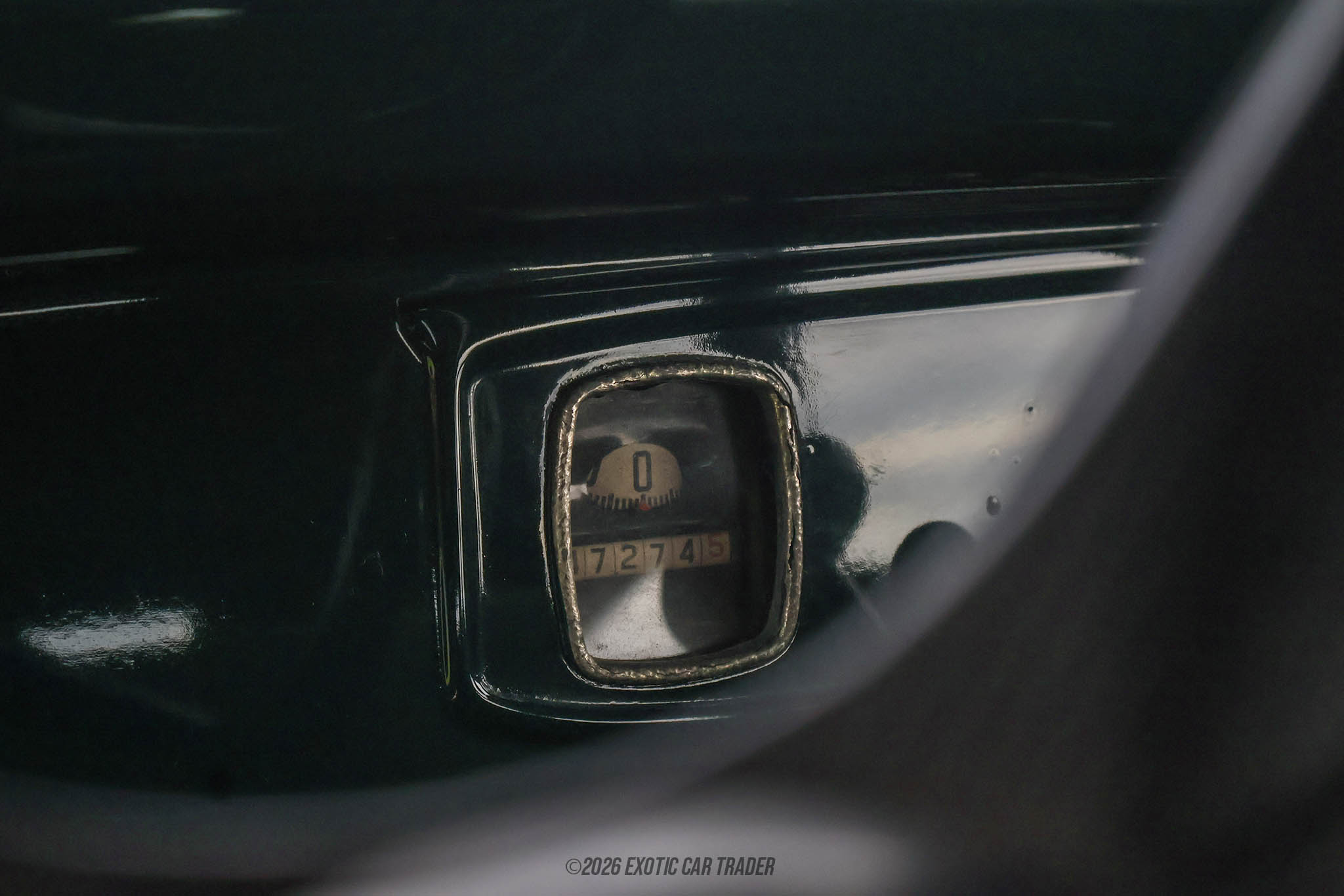
The 1928 Plymouth Model Q marked the beginning of an important chapter in American automotive history, introducing Chrysler's new entry-level brand with features that rivaled more expensive competitors. Notably, Plymouth offered four-wheel hydraulic brakes at a time when many affordable automobiles still relied on mechanical systems. This 1928 Plymouth Model Q 4-Door Sedan, showing 47,274 miles, is finished in Dark Green over a Green cloth interior, capturing the distinctive character of late-1920s motoring. Powered by a 170.3ci four-cylinder engine paired with a three-speed manual transmission, this Plymouth features wood-spoke wheels, a rear-mounted spare tire, running boards, and classic chrome accents. With its upright proportions, traditional engineering, and significance as a first-year Plymouth model, this sedan offers an appealing glimpse into the early days of Chrysler's automotive legacy.
Exterior and Interior
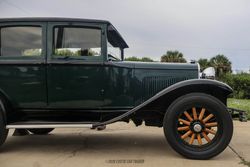
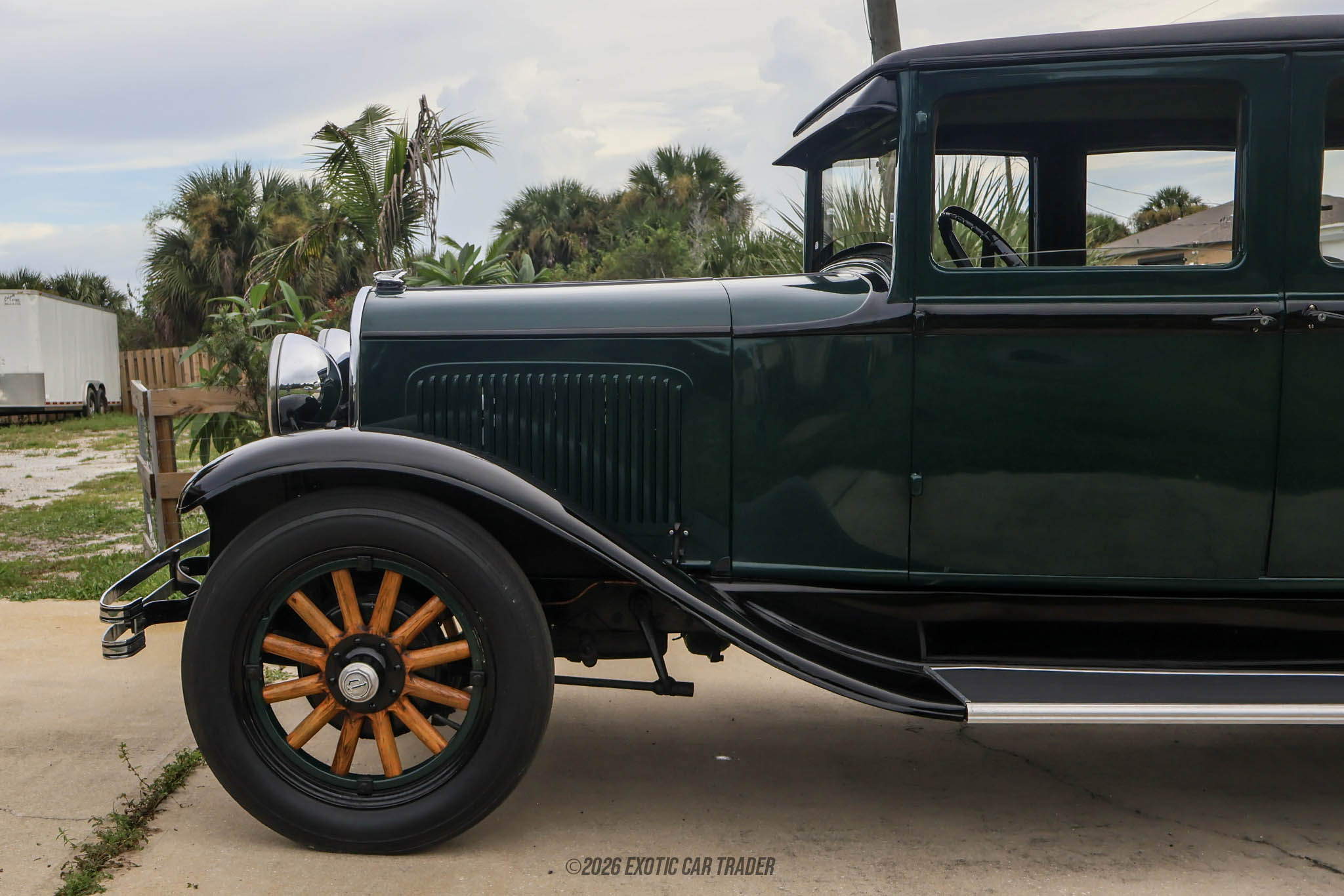
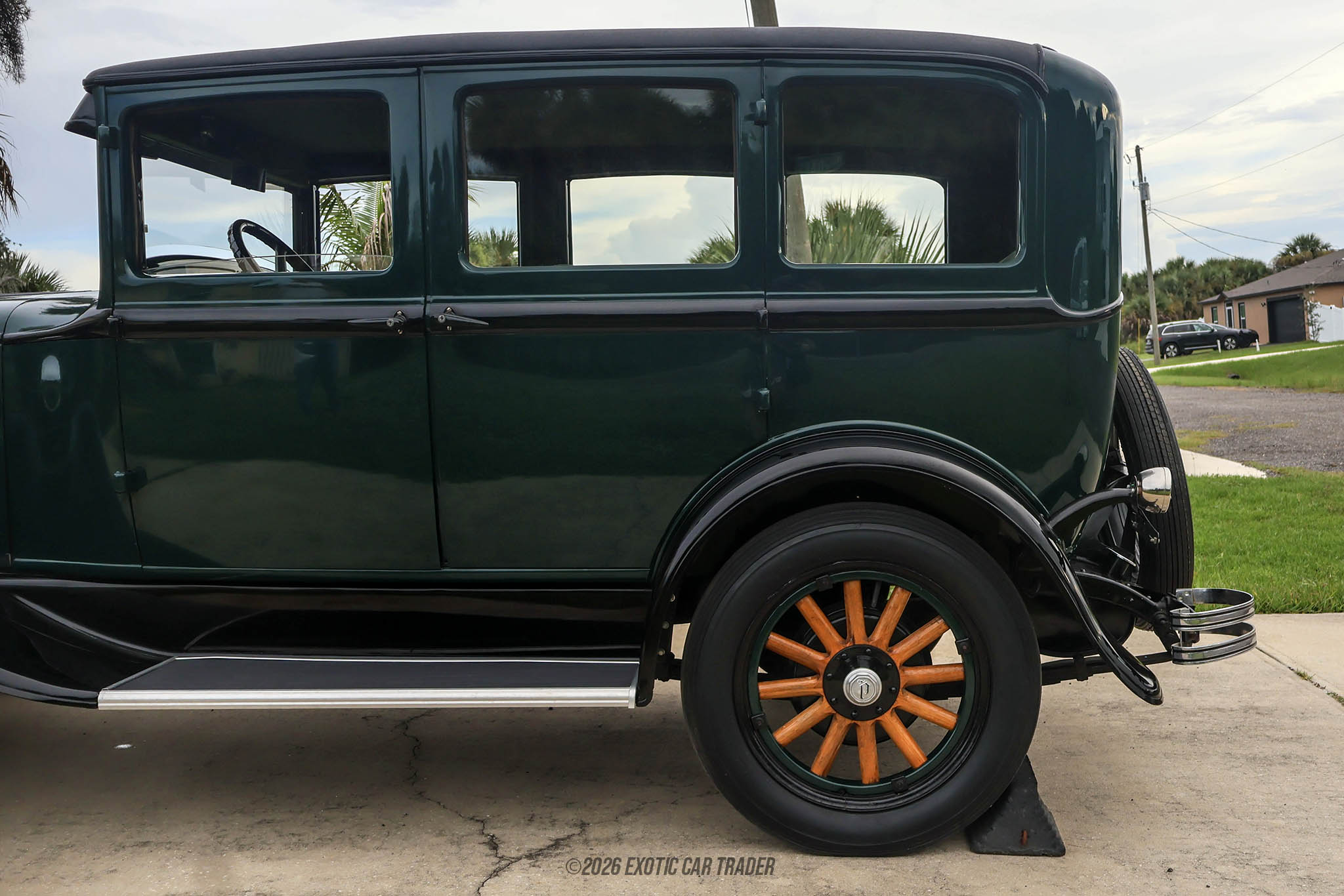
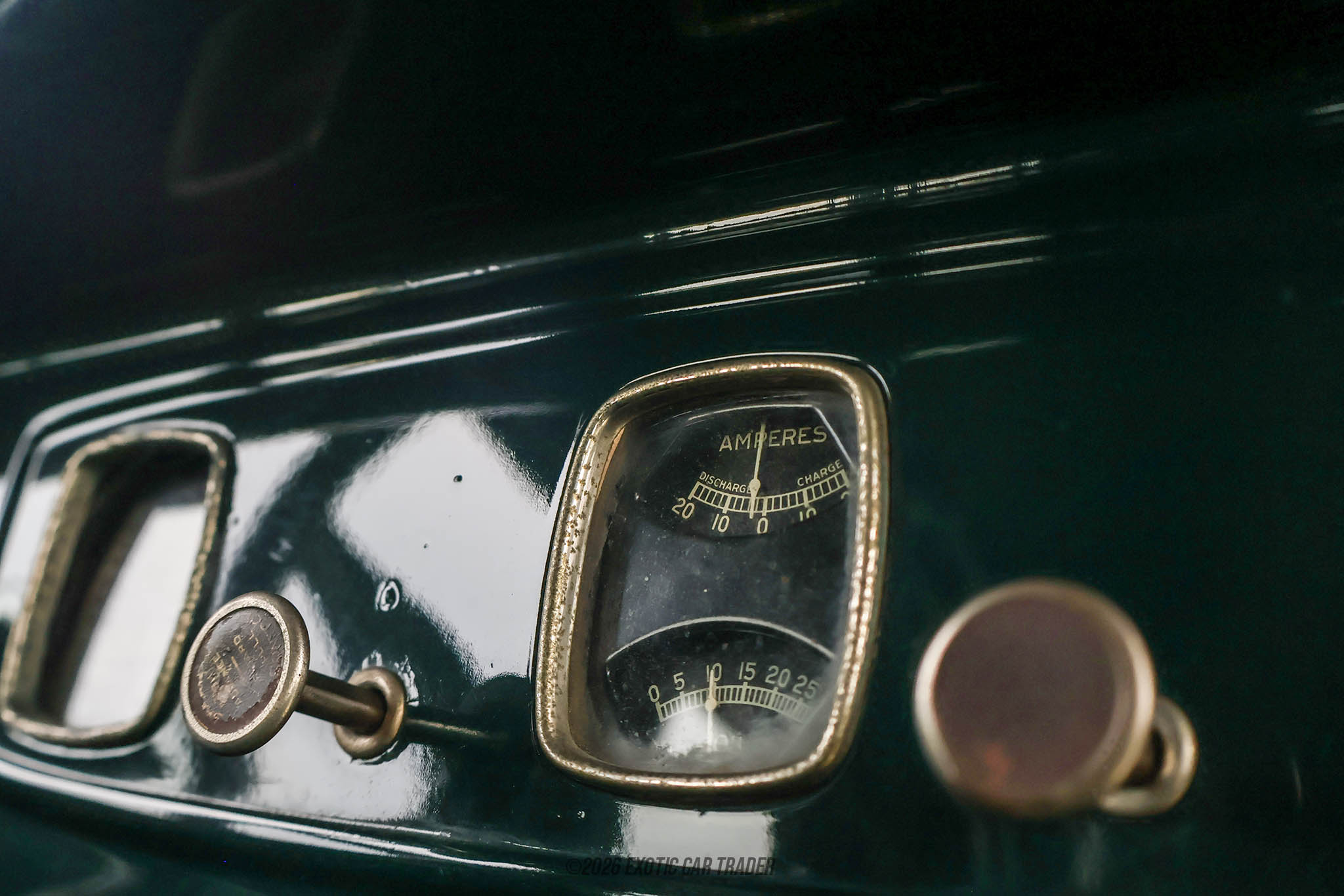
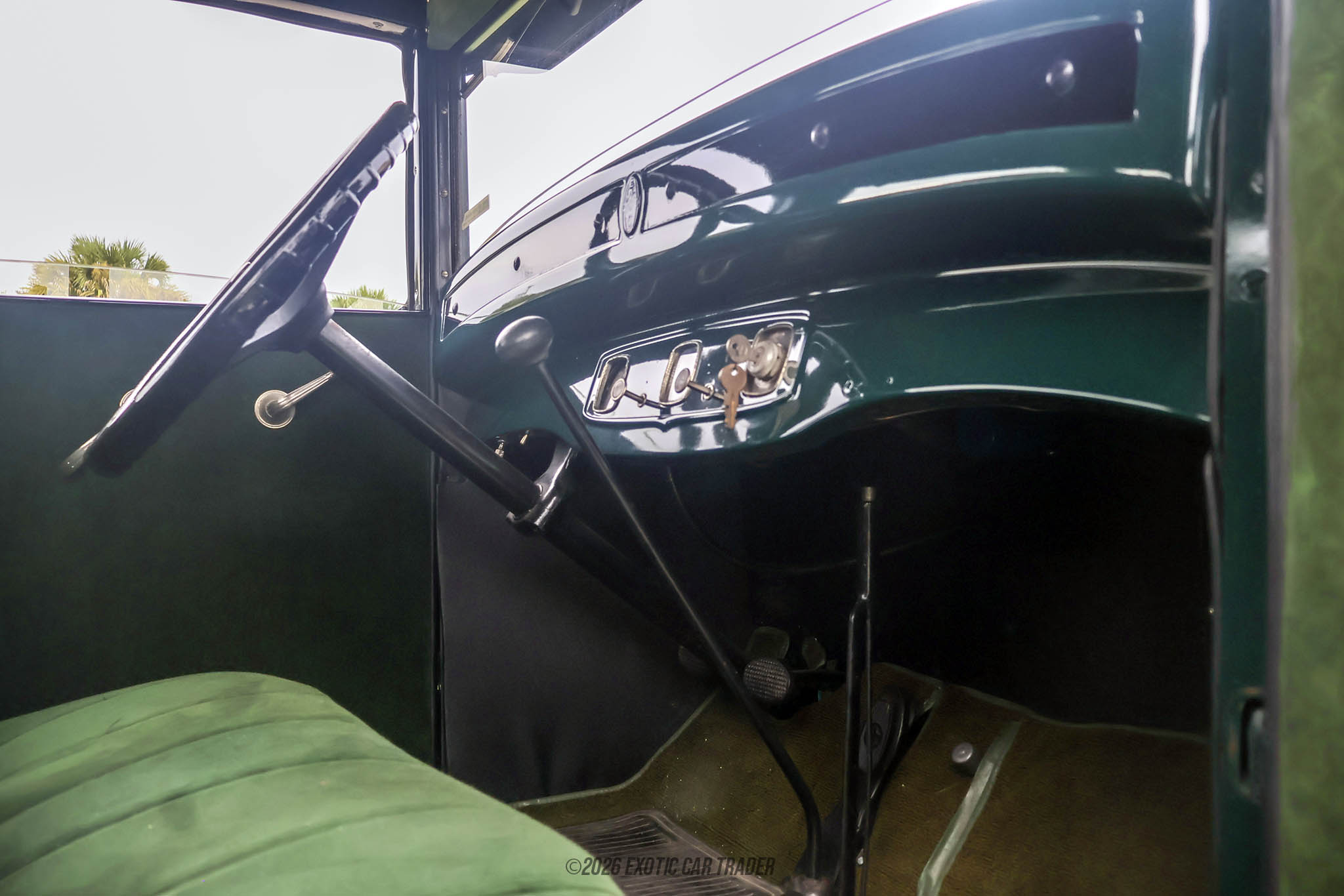
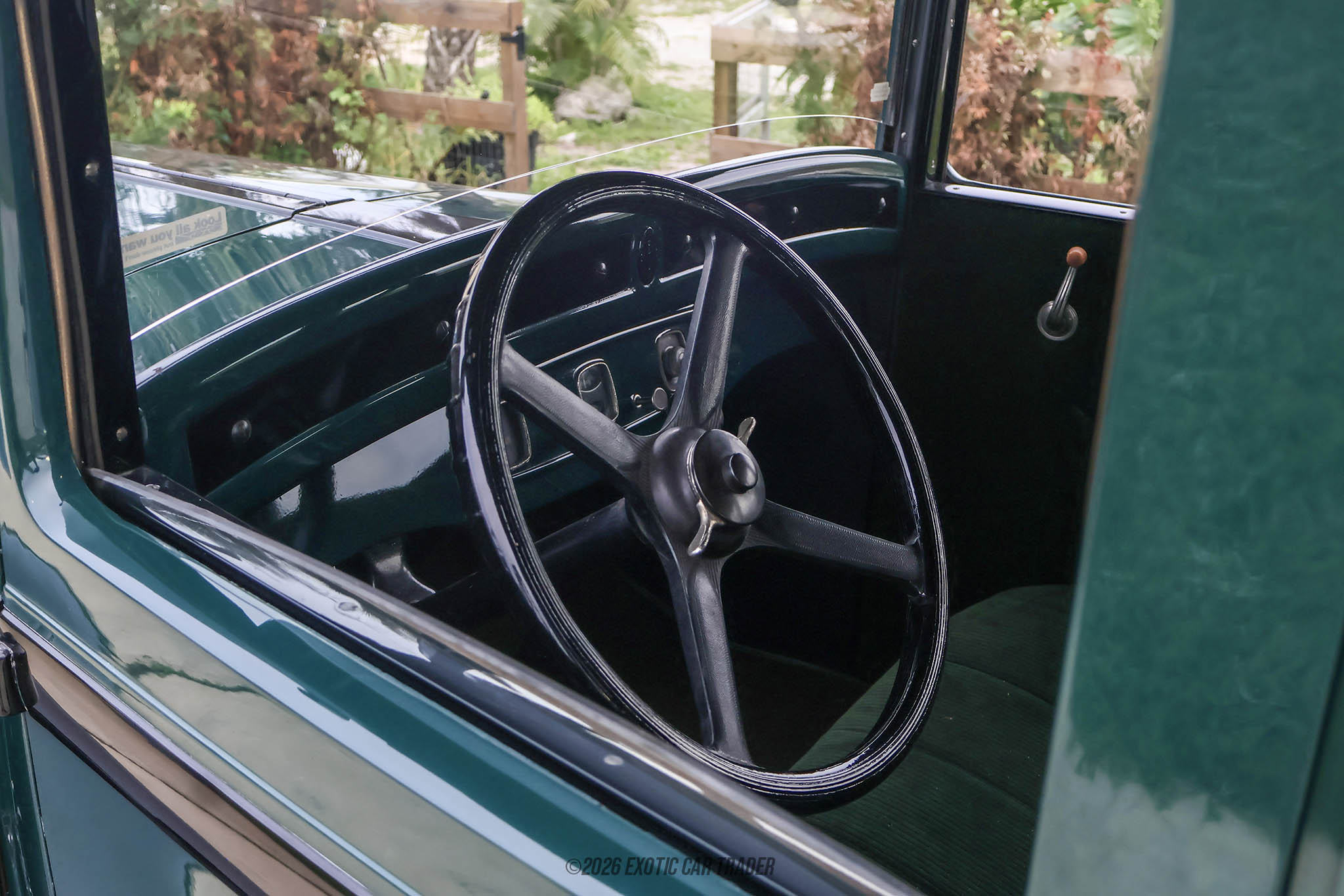
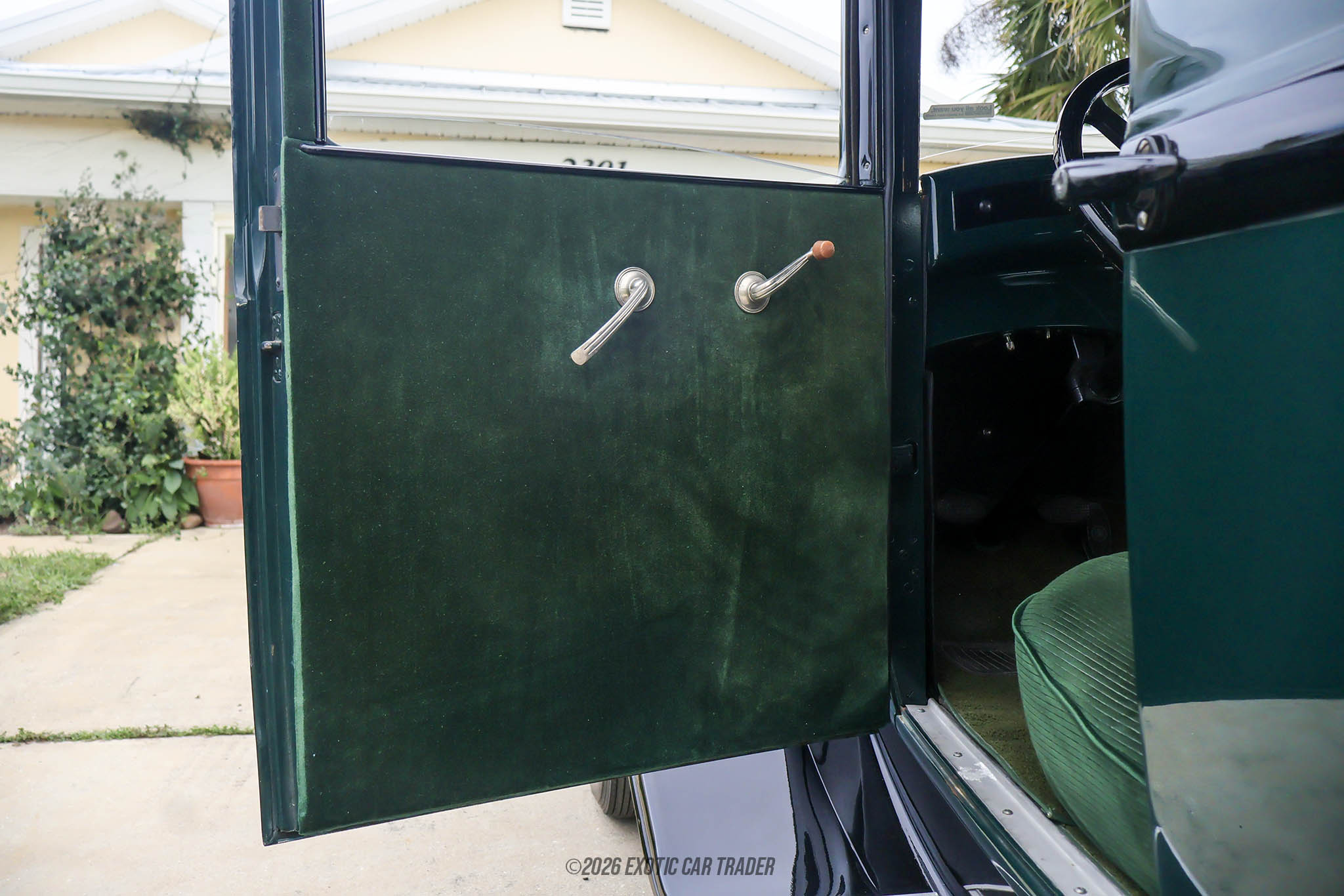
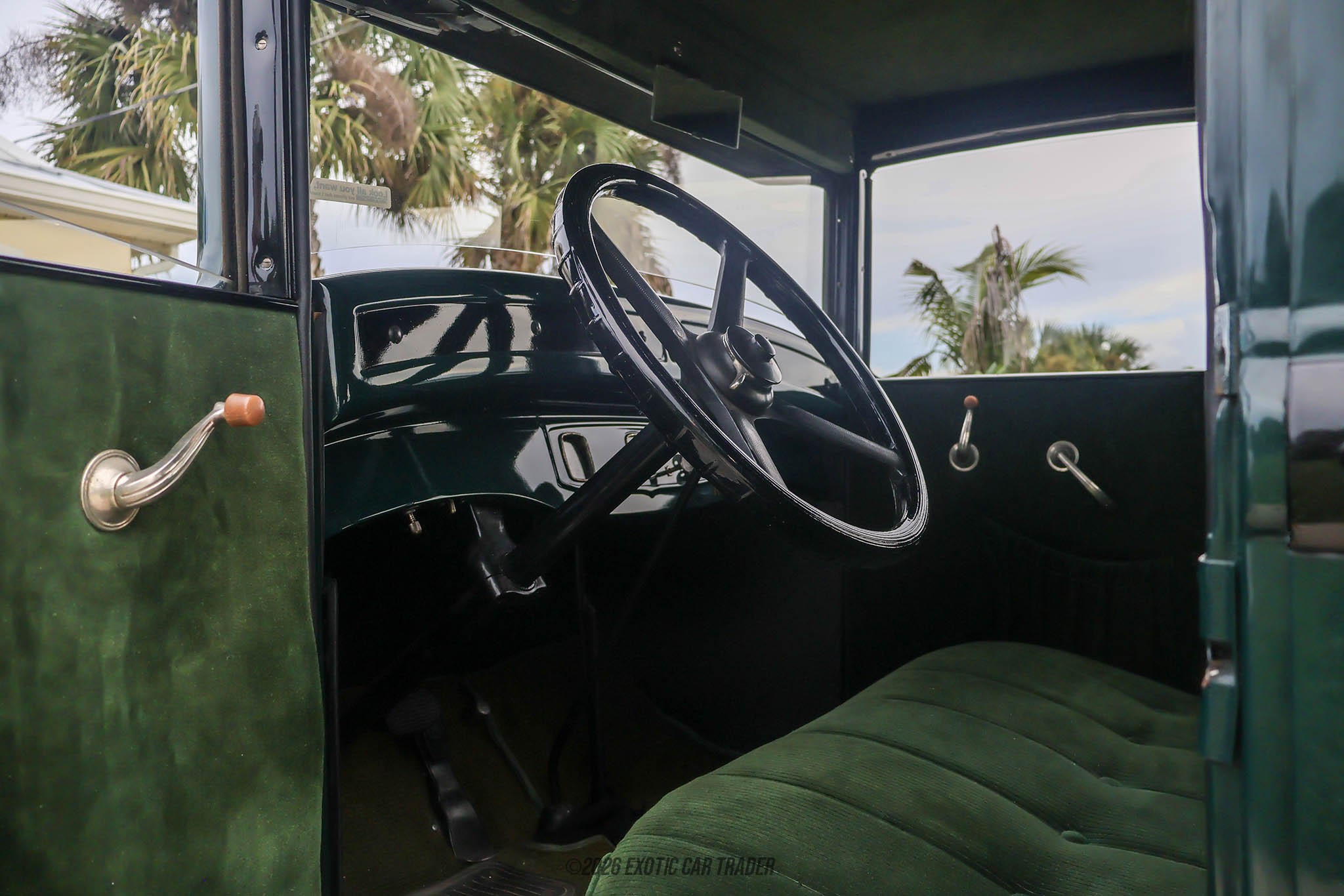
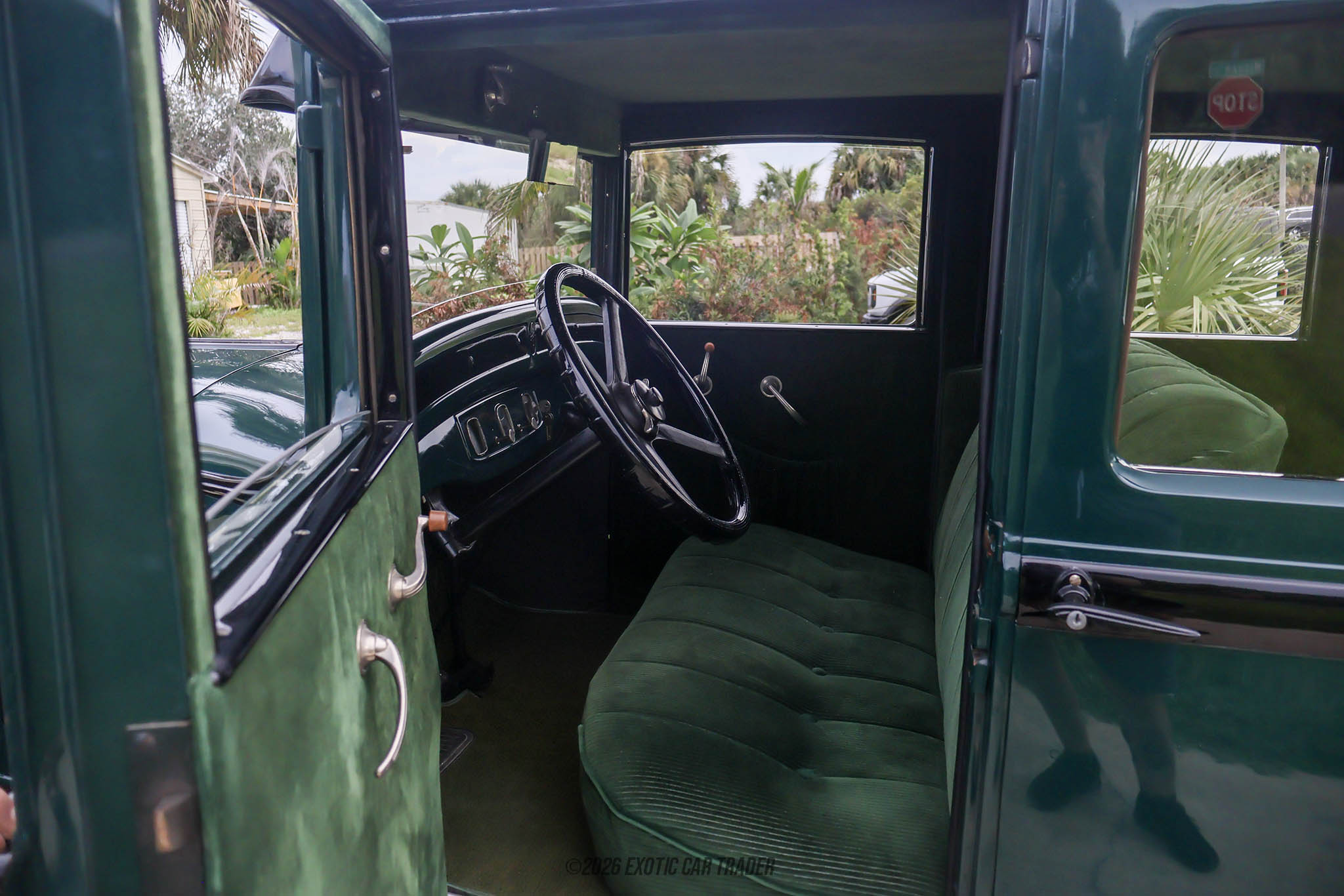
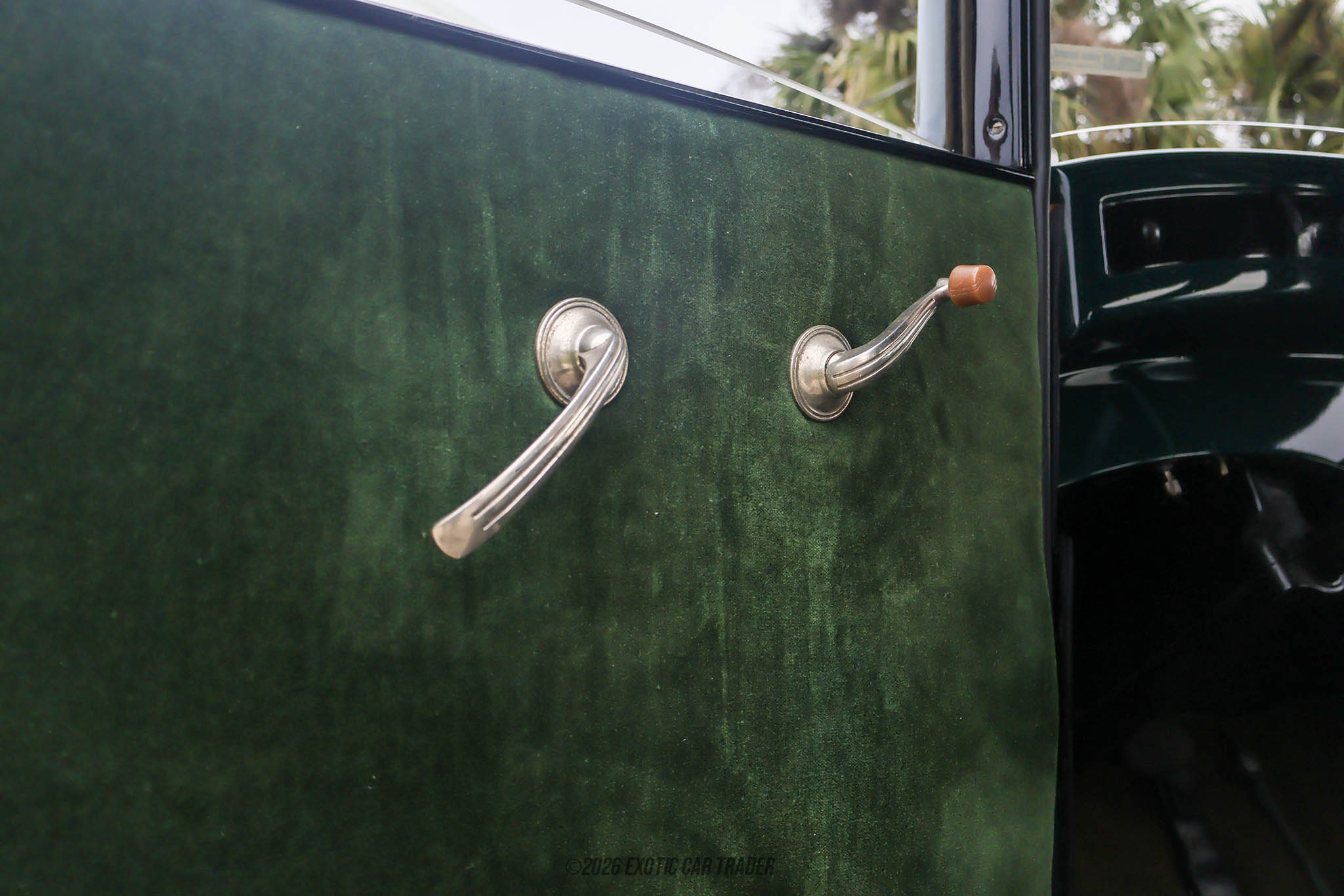
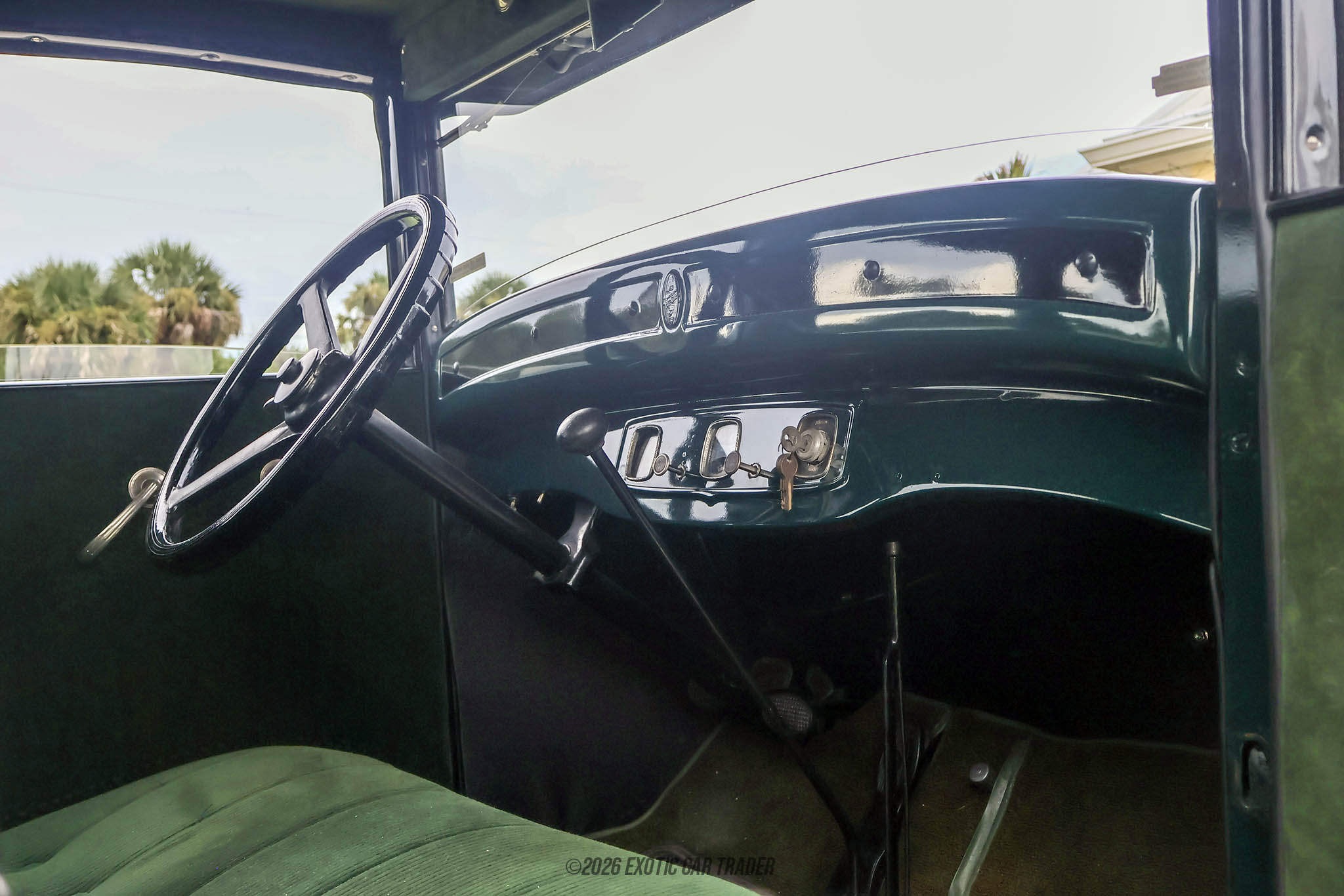
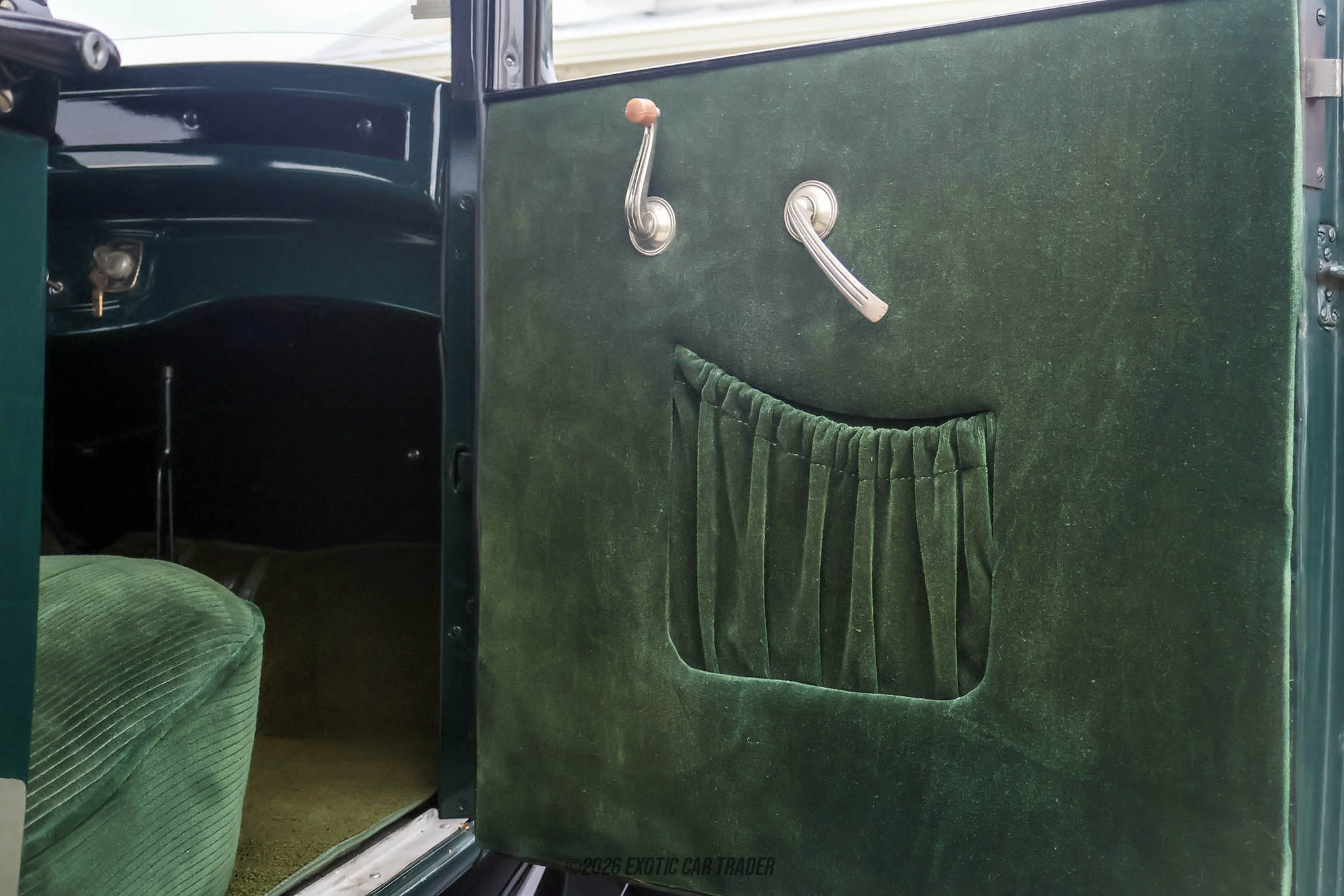
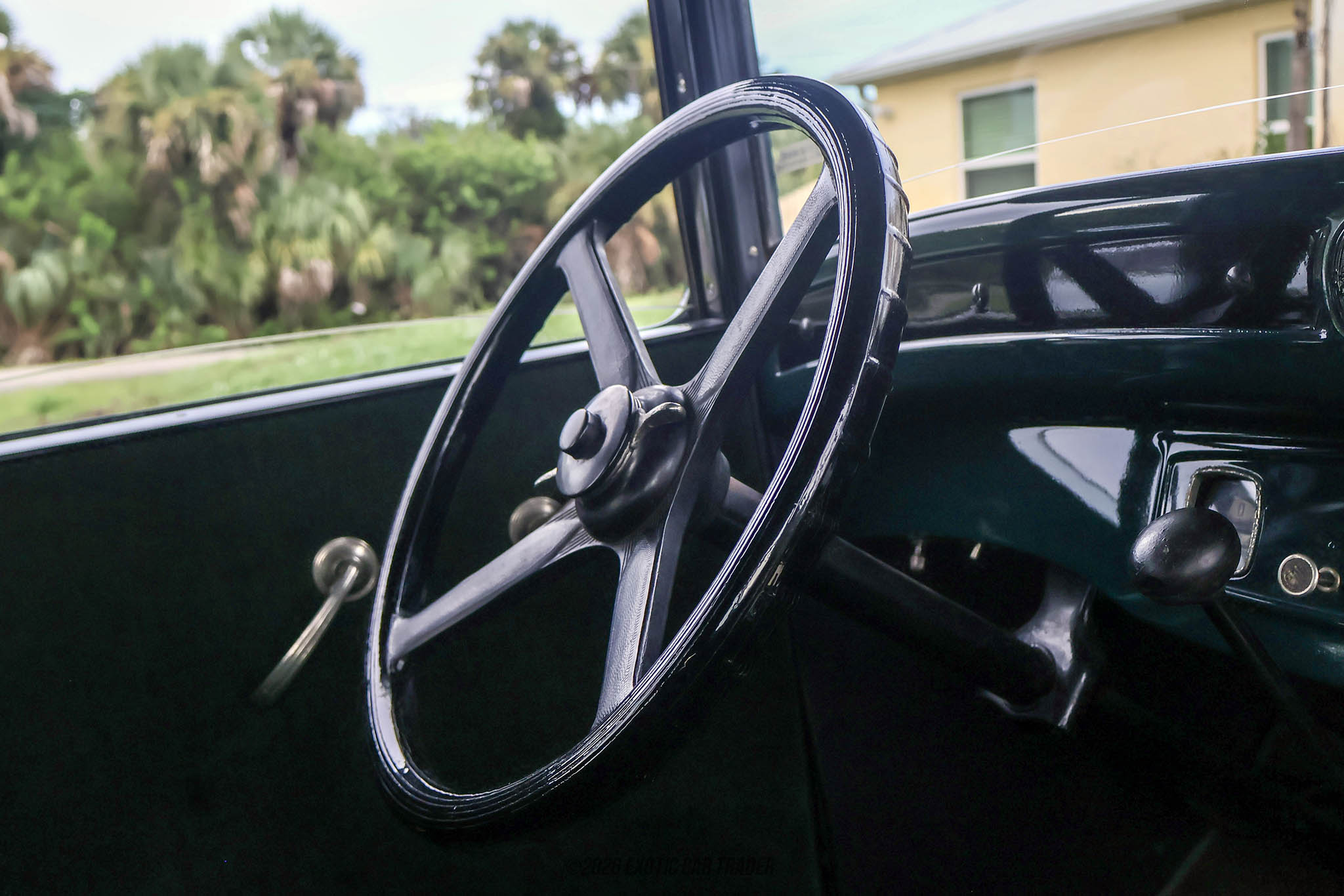
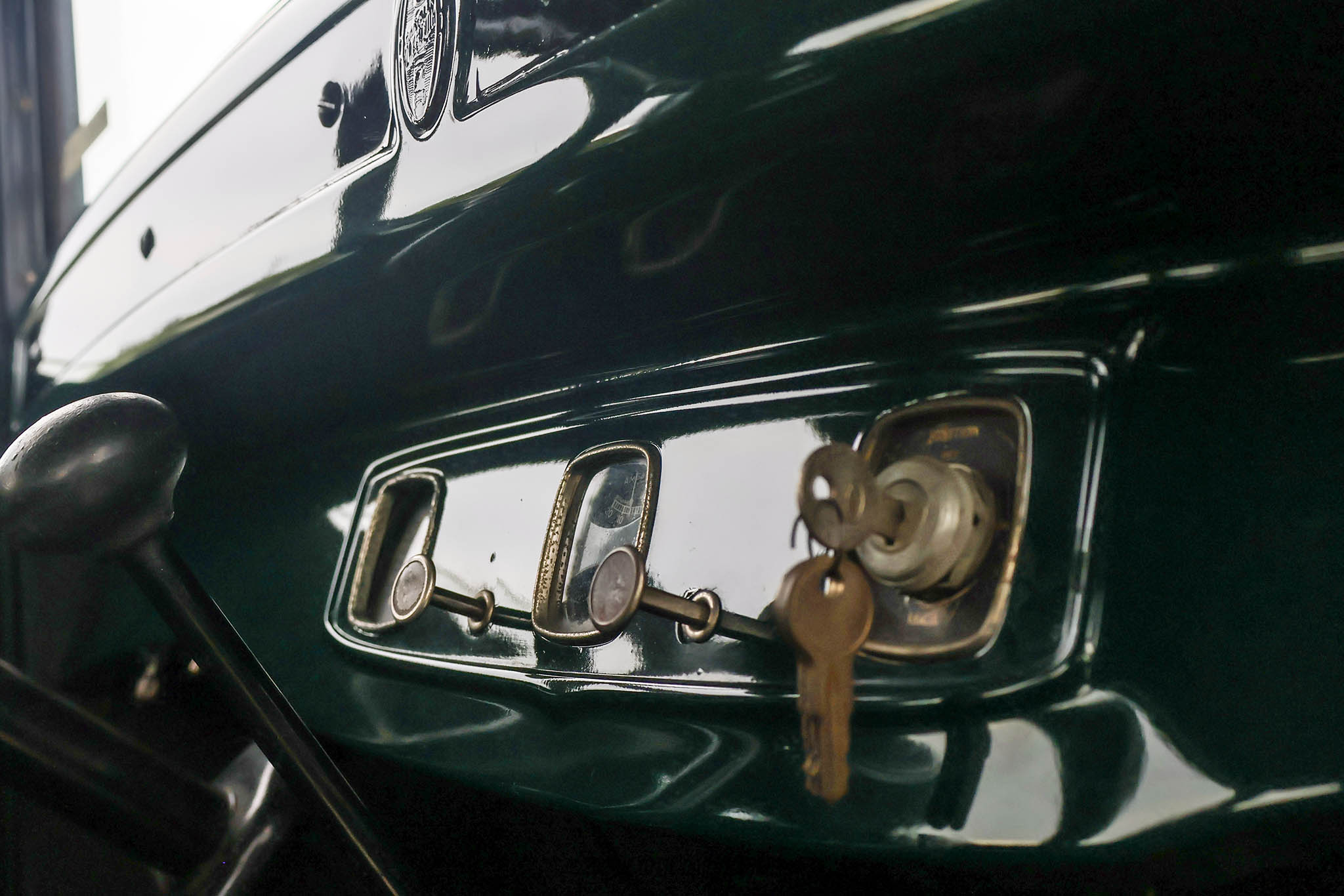
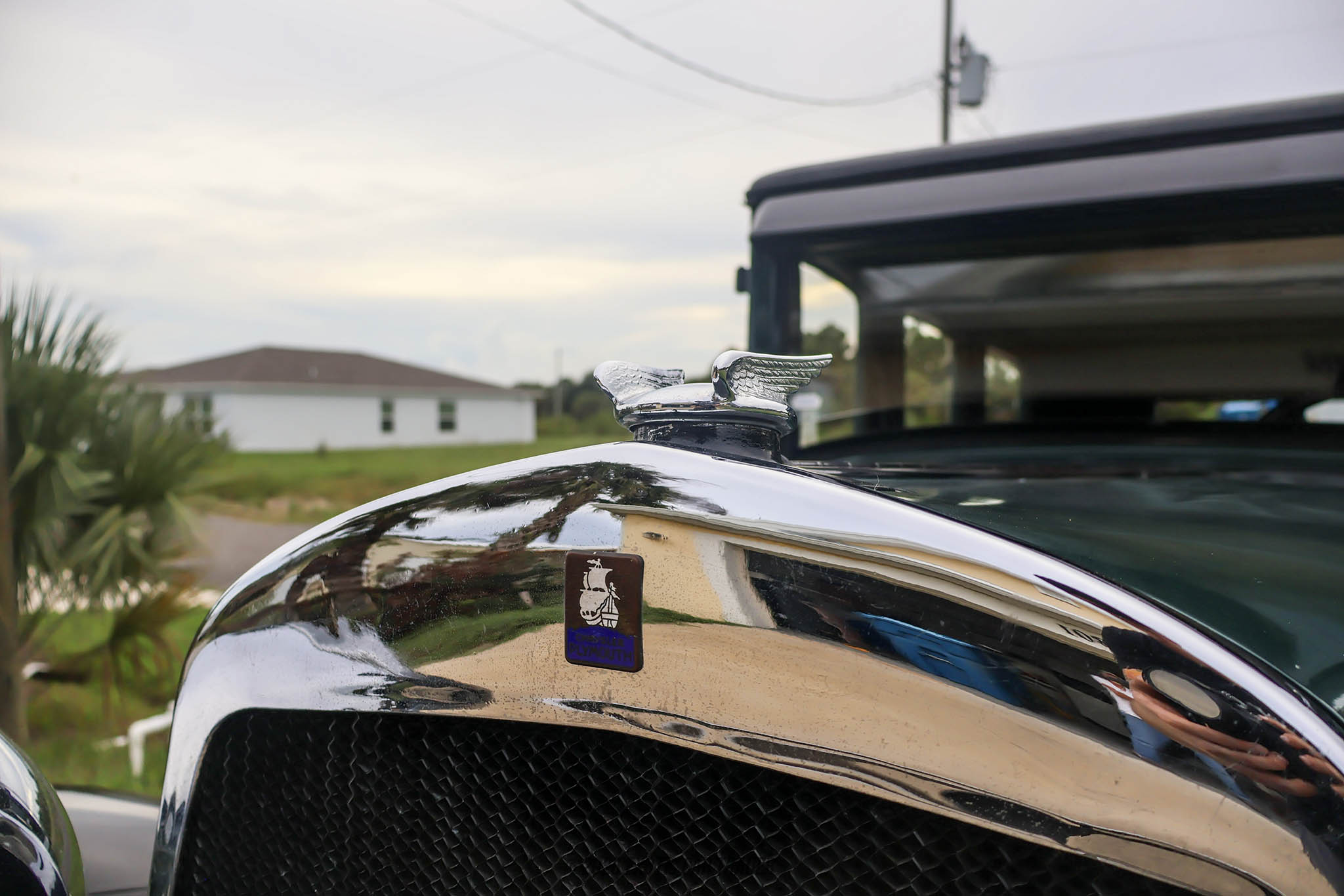
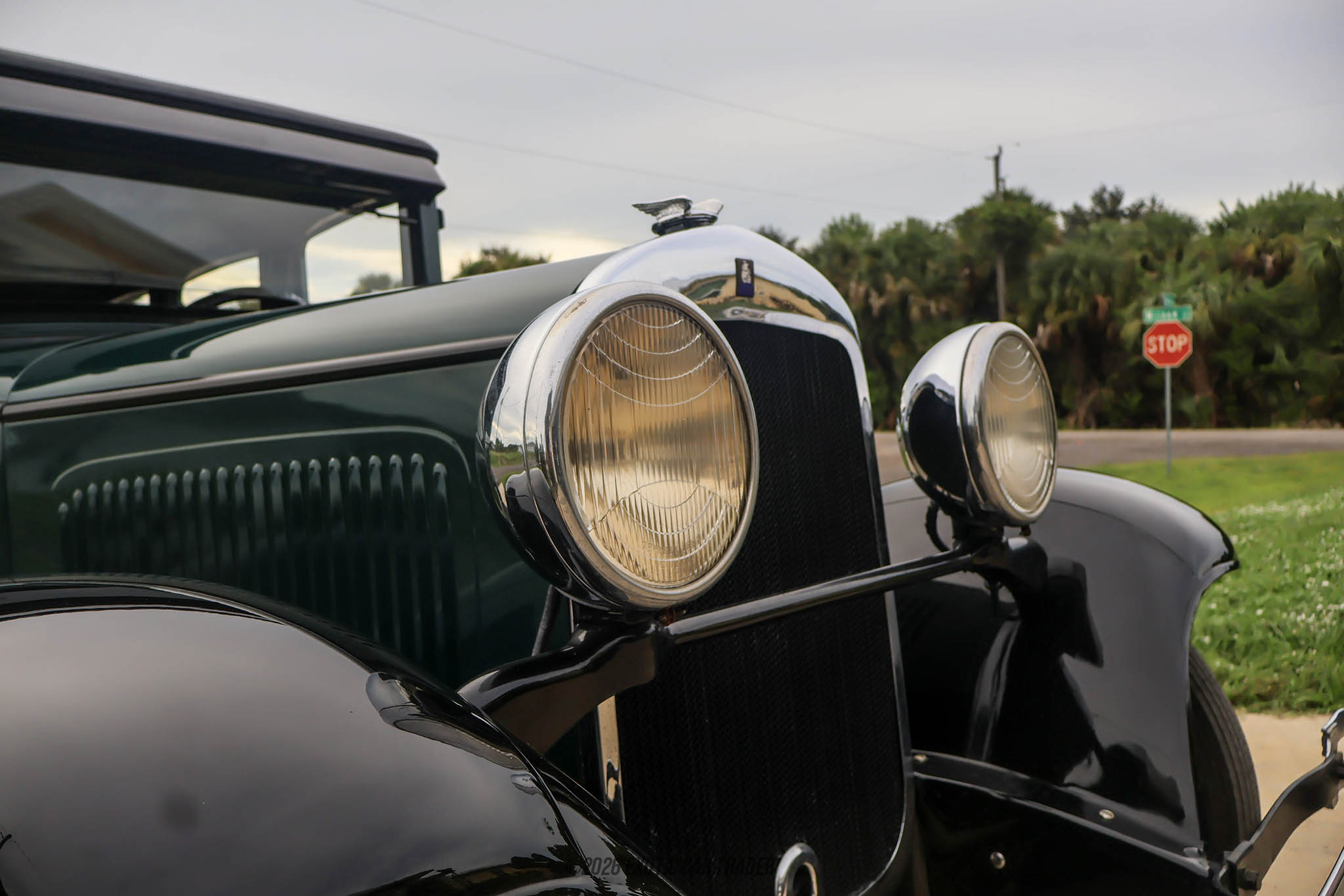
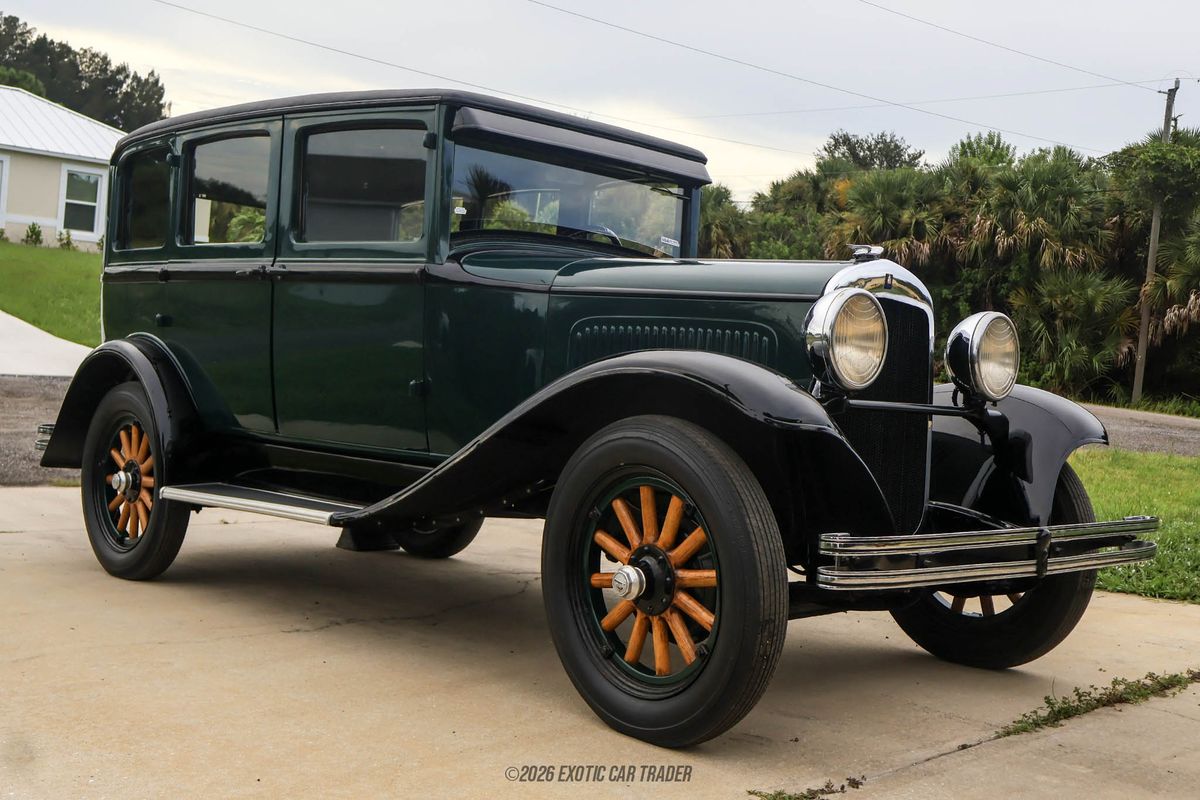
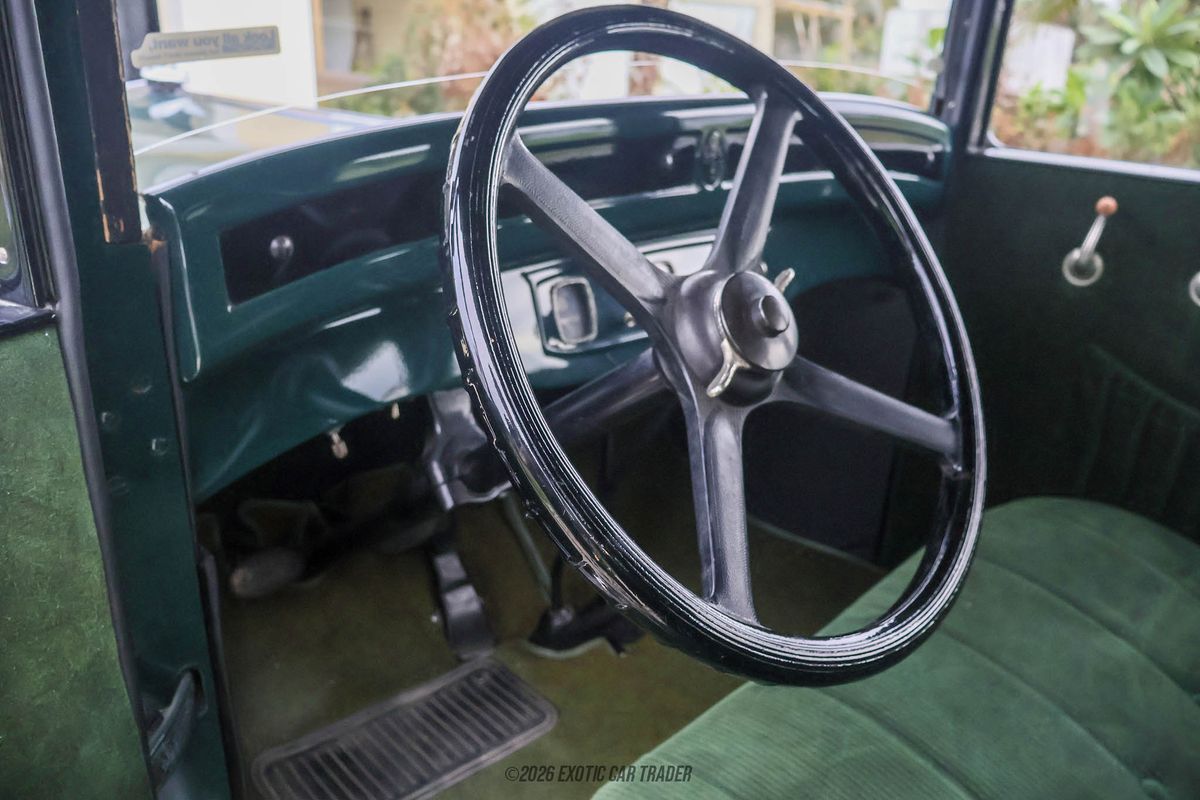
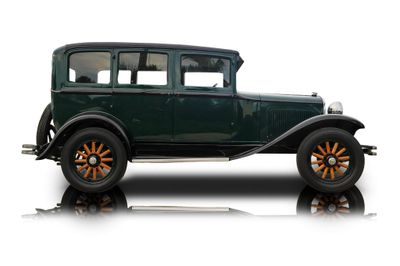
The exterior of this Plymouth Sedan is finished in a striking green color, which beautifully reflects its vintage heritage. The black inteThe exterior of this 1928 Plymouth Model Q 4-Door Sedan is finished in Dark Green, complemented by black fenders and a black roof covering that reflect the styling conventions of the late 1920s. Its upright passenger compartment, prominent radiator grille, and separate headlight housings give the car an unmistakable prewar appearance. Wood-spoke wheels with green-painted rims and blackwall tires enhance its period character, while full-length running boards provide convenient access to the cabin. Additional highlights include chrome bumpers, a chrome radiator surround, and a rear-mounted spare tire. The combination of traditional coachwork and distinctive early Plymouth styling makes this sedan a charming representation of American motoring from nearly a century ago. The interior of this 1928 Plymouth Model Q 4-Door Sedan features Green cloth upholstery with a distinctive corduroy-style texture, complemented by matching carpeting and contrasting dark interior panels. Front and rear bench seats provide spacious accommodations, reflecting the practical four-door configuration that appealed to families during the period. The straightforward dashboard features factory-style instrumentation, while a floor-mounted manual shifter emphasizes the hands-on driving experience of early automobiles. Large windows and an upright seating position contribute to the cabin's open atmosphere, offering a distinctly different experience from modern vehicles. Its combination of traditional materials, simple controls, and vintage design preserves the charm of late-1920s transportation.rior further enhances the classic appeal of the vehicle, providing a stylish contrast that is both elegant and inviting. This combination of colors is a nod to the aesthetics of the era, making it a standout piece in any collection.
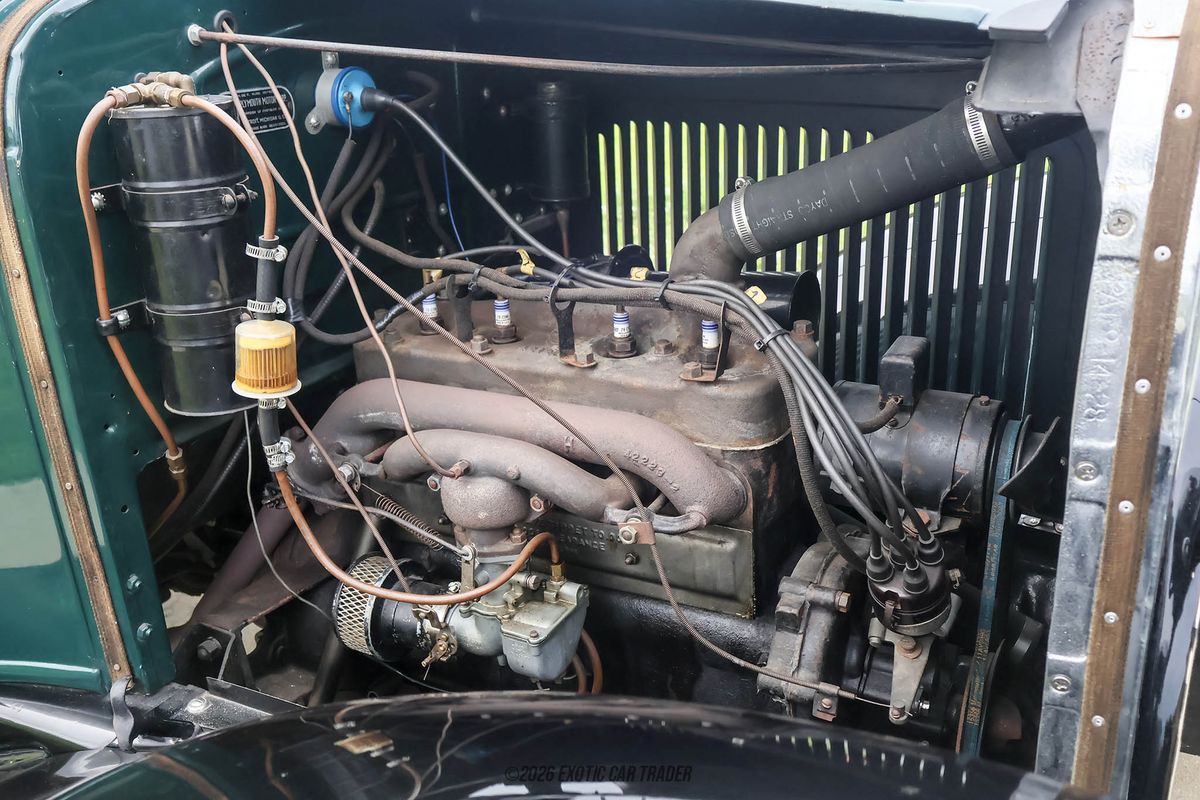
Engine
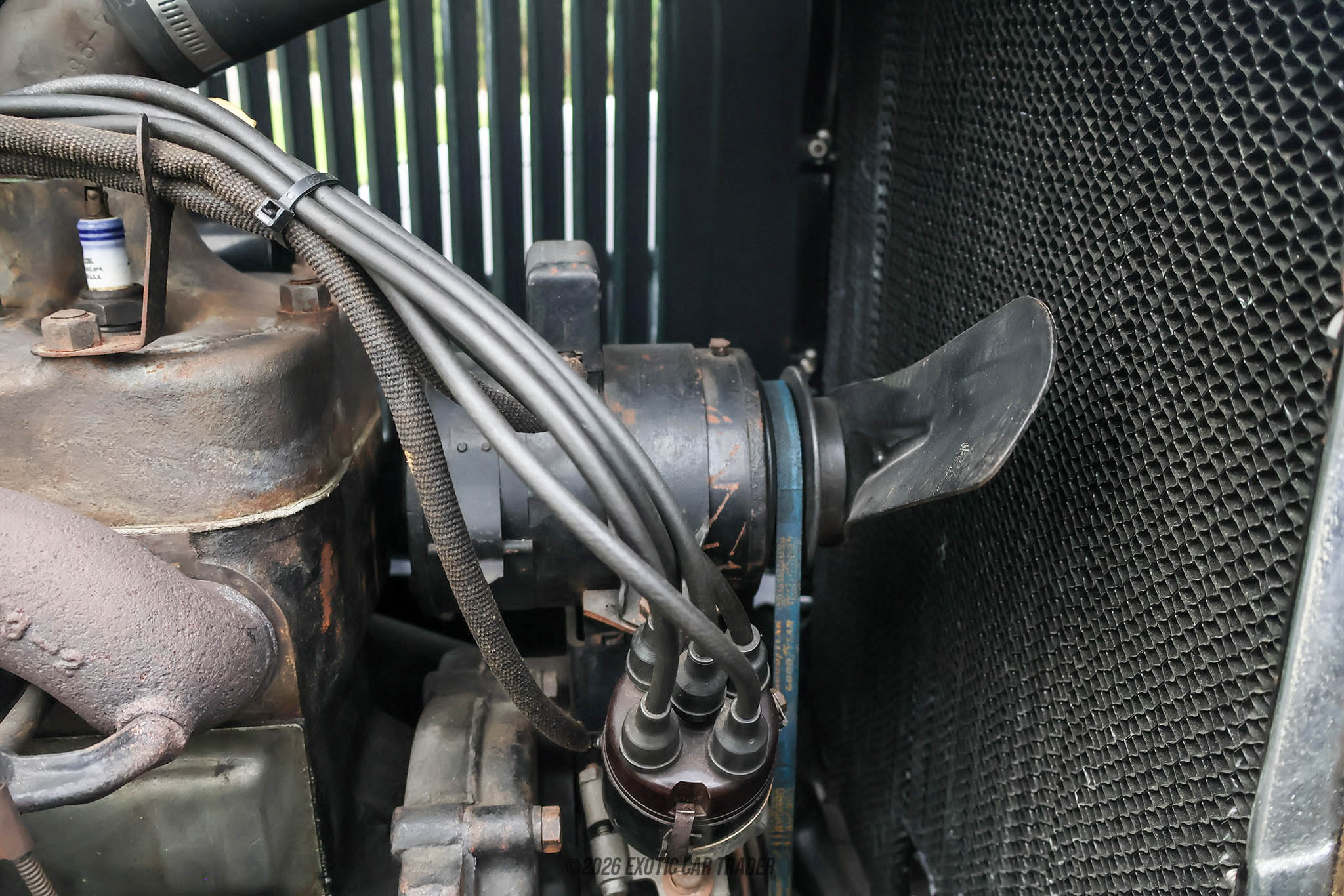
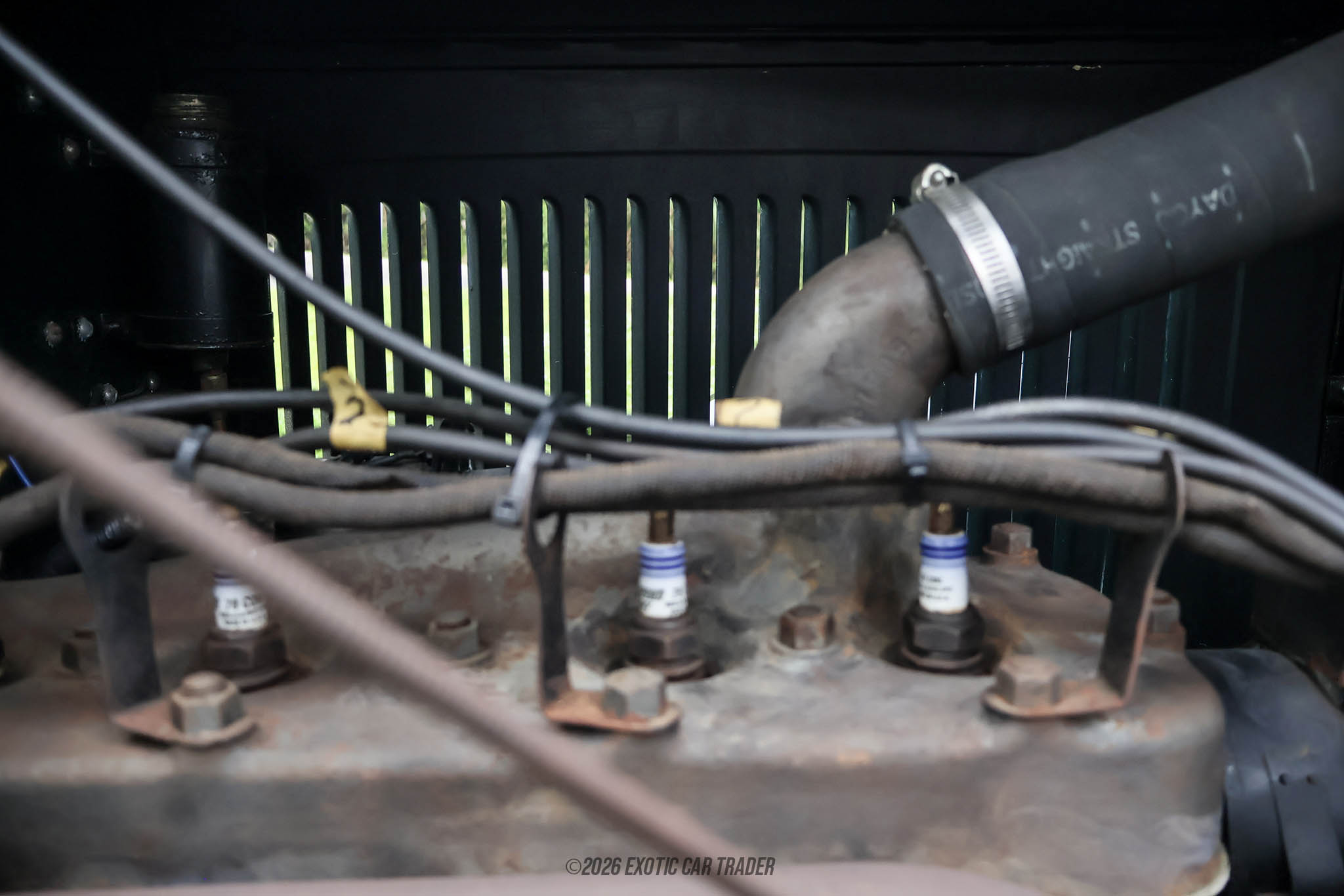
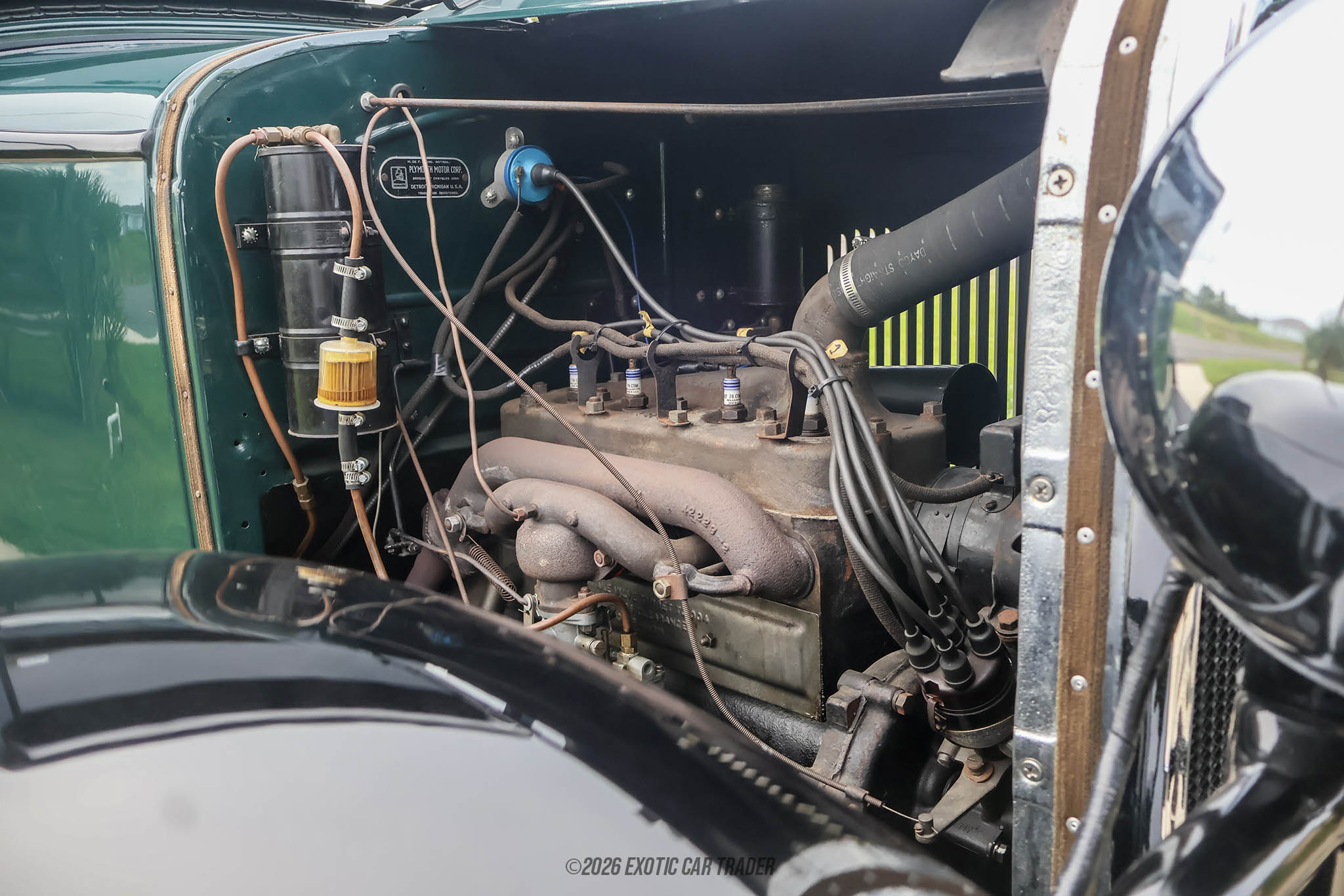
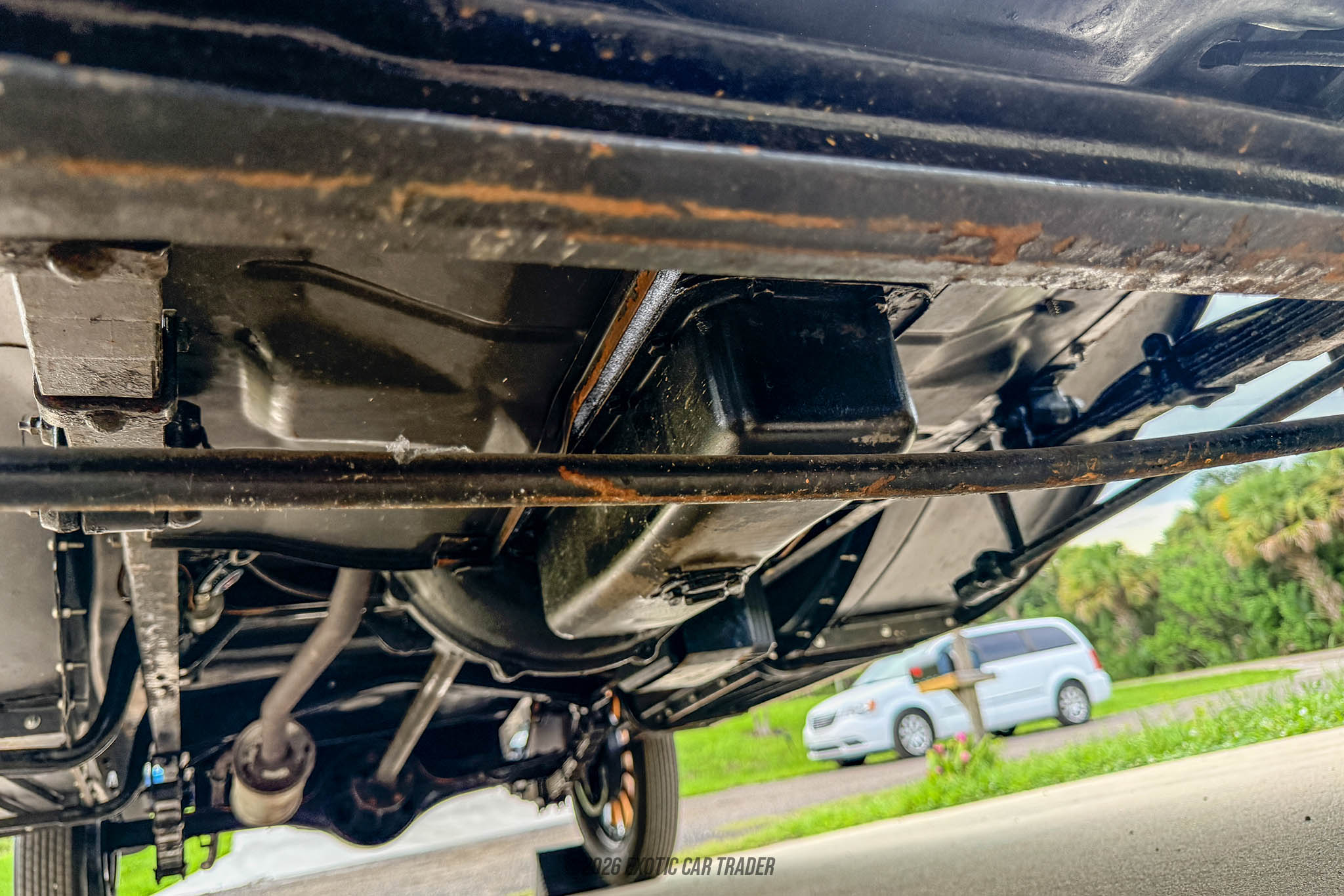
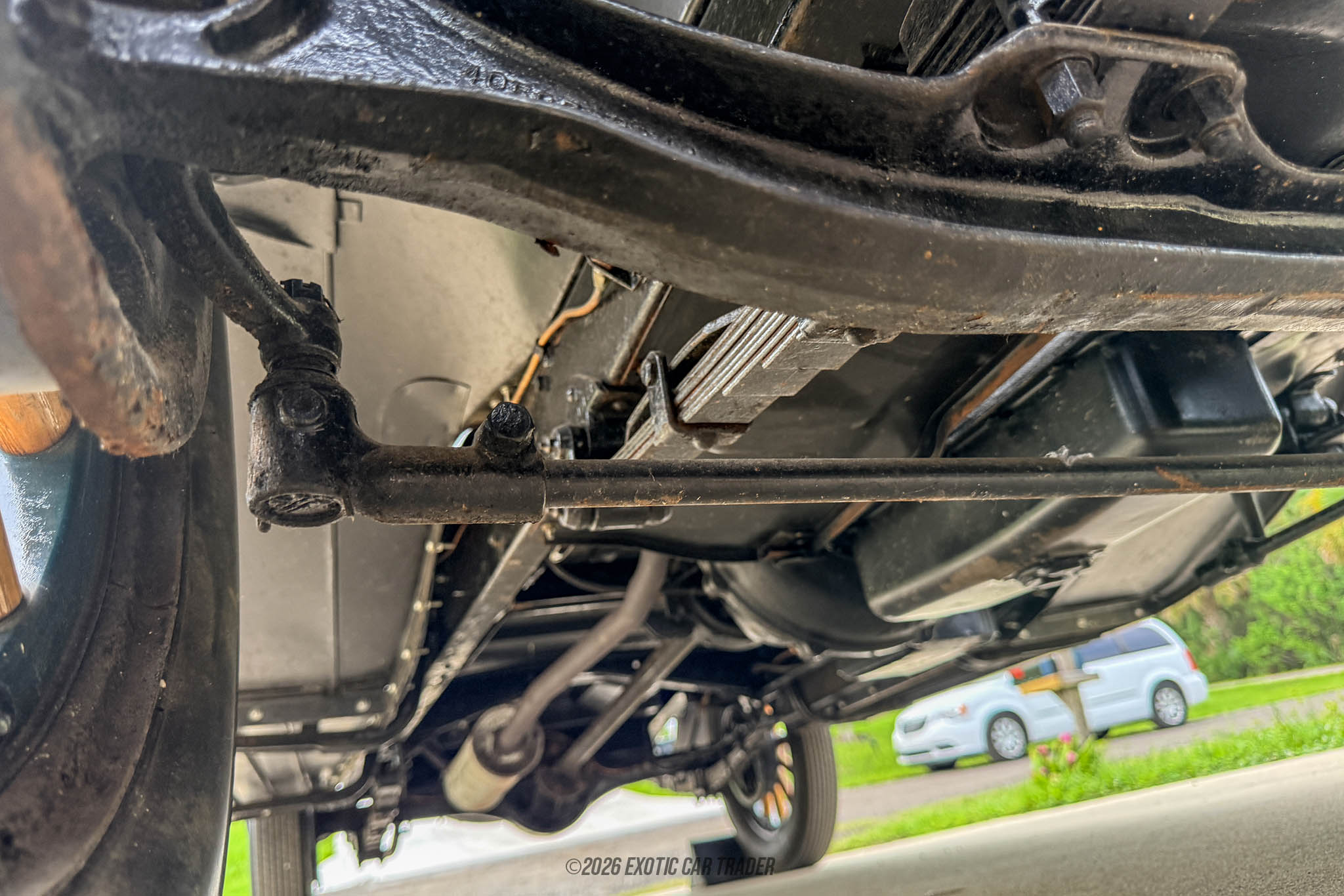
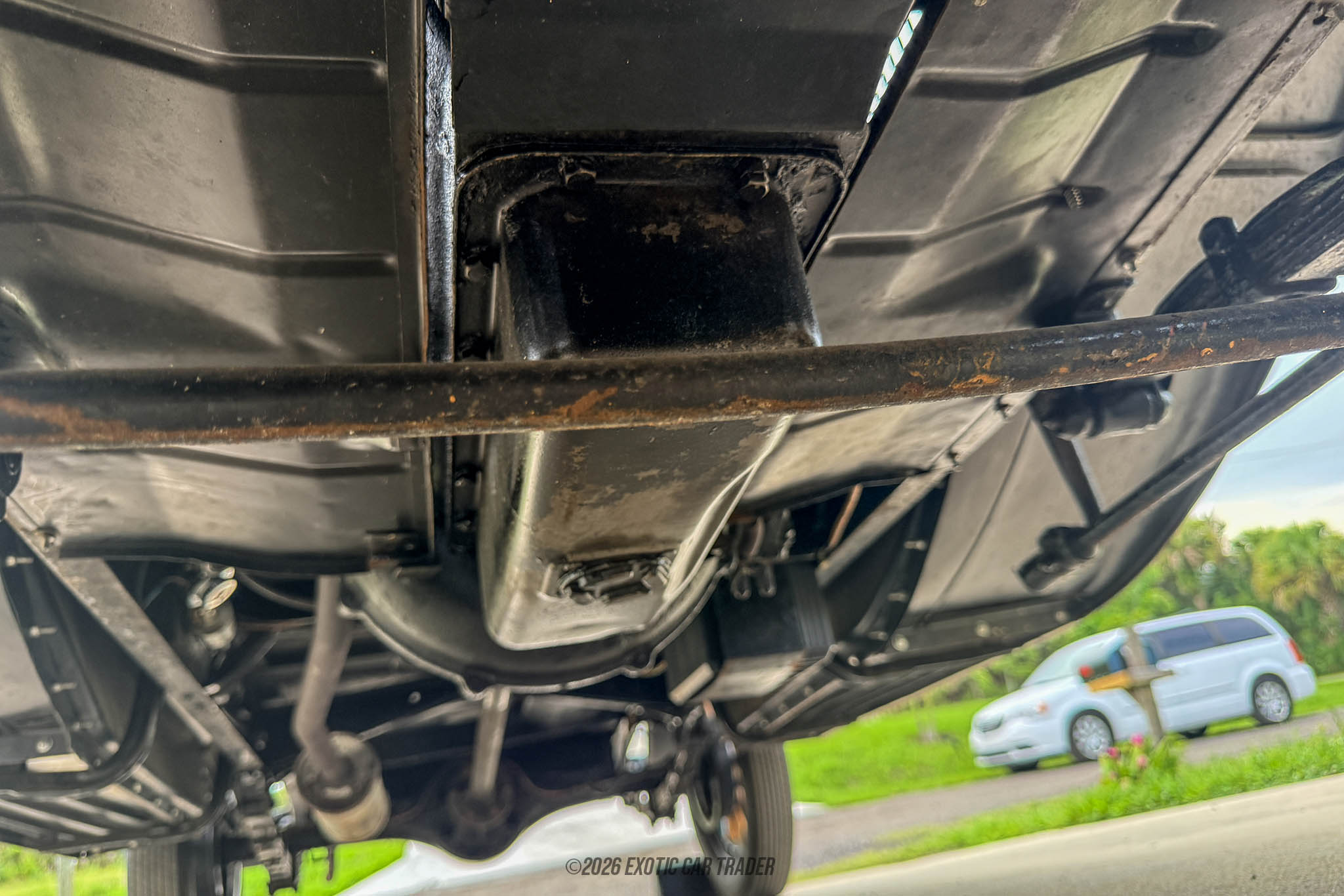
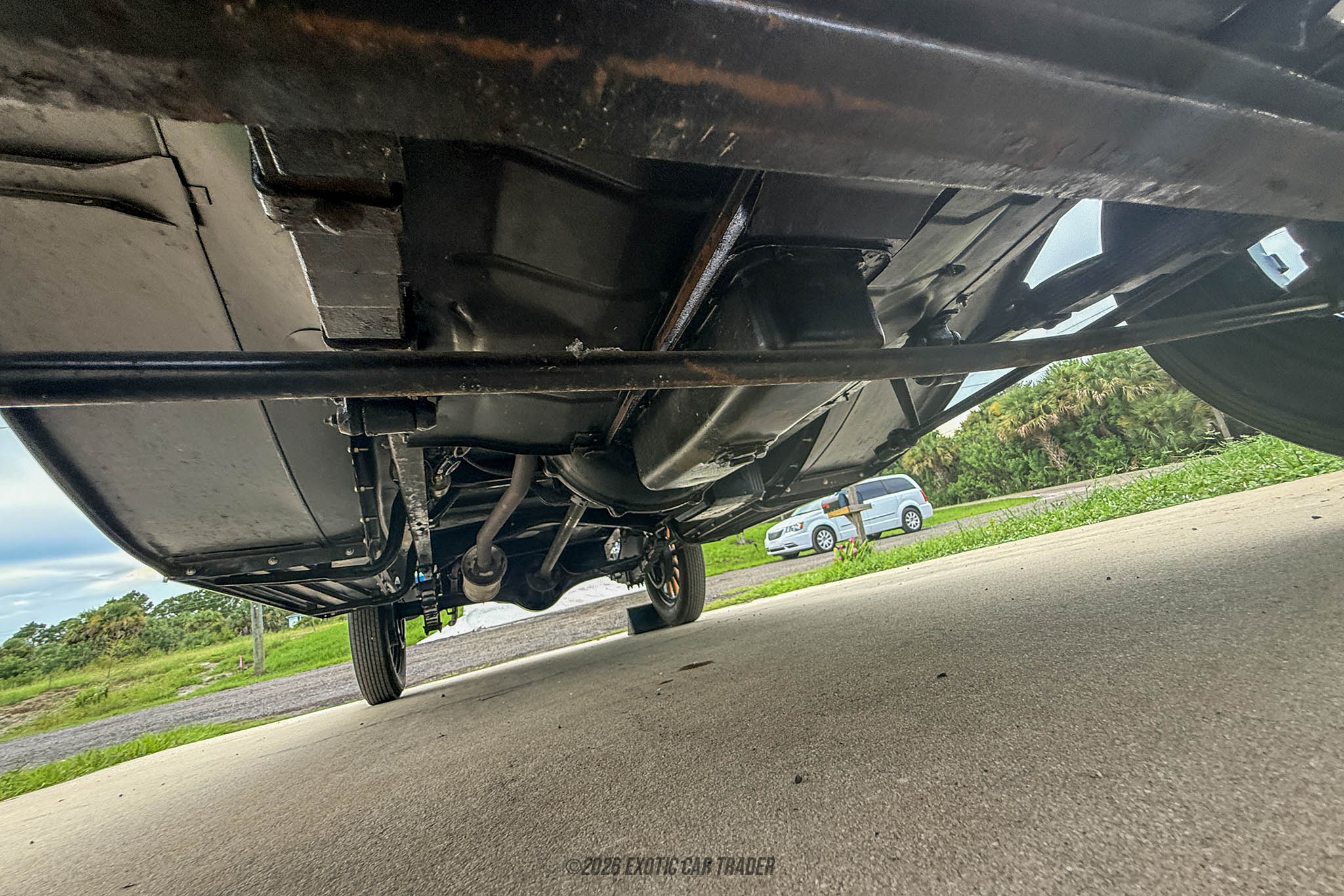
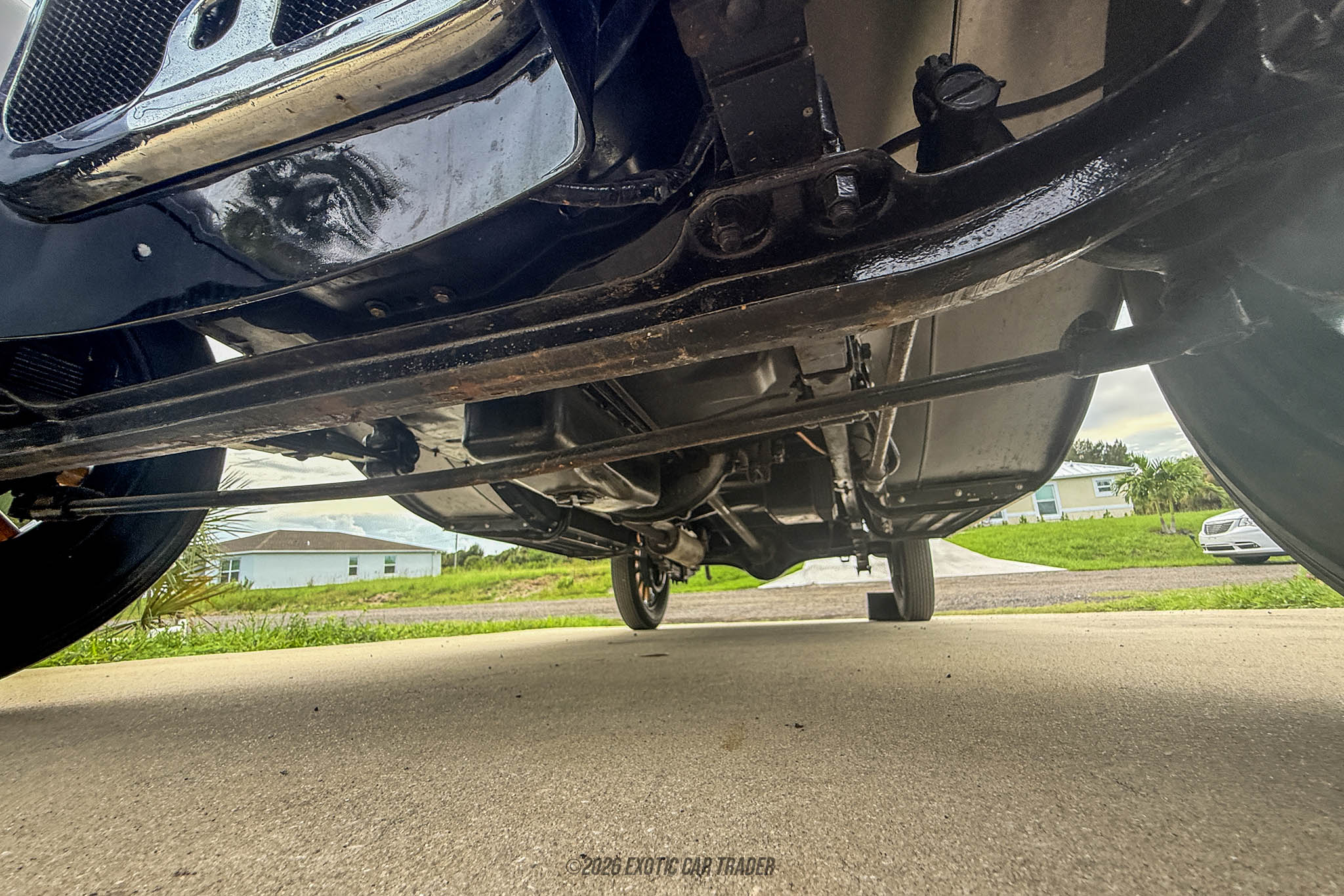
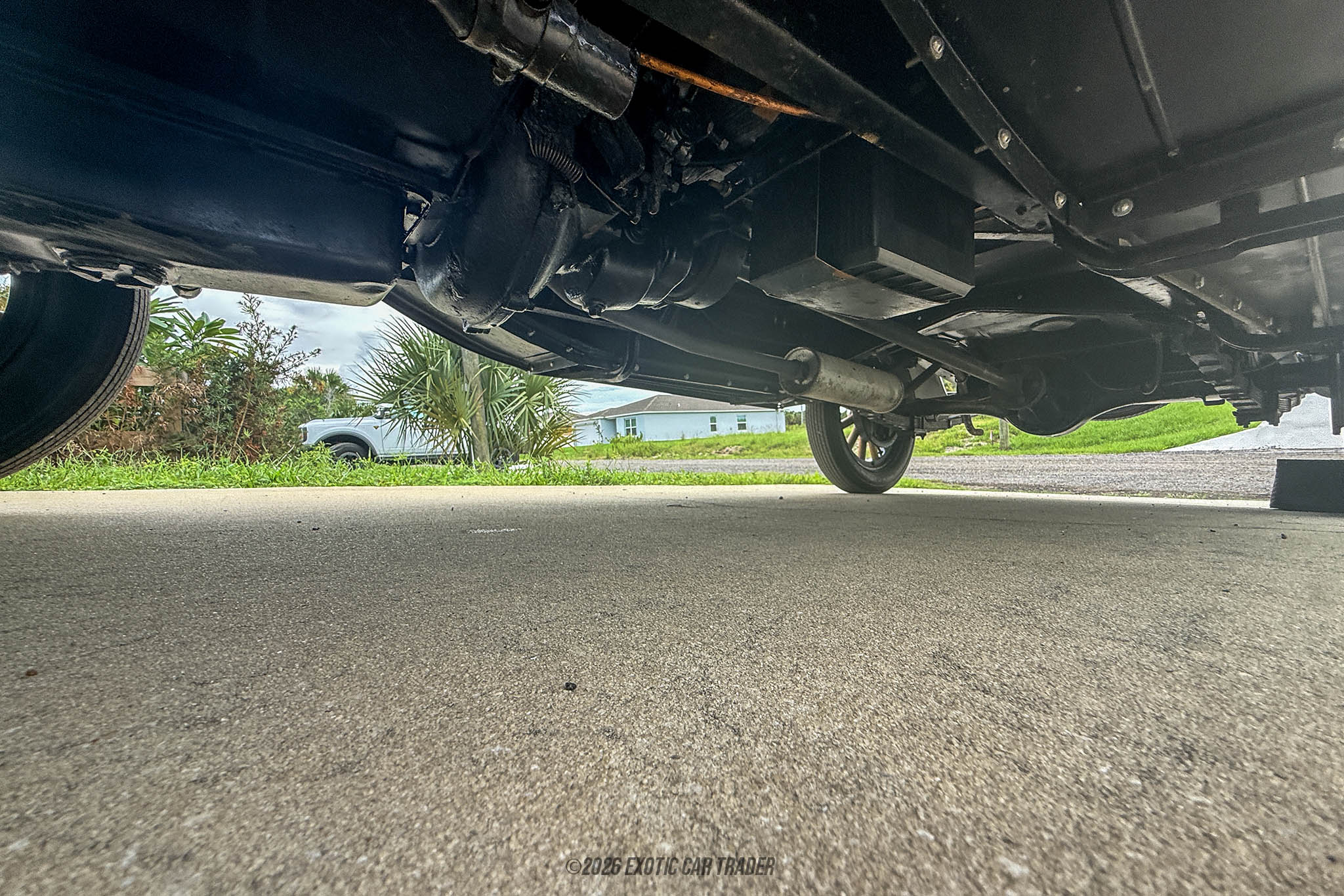
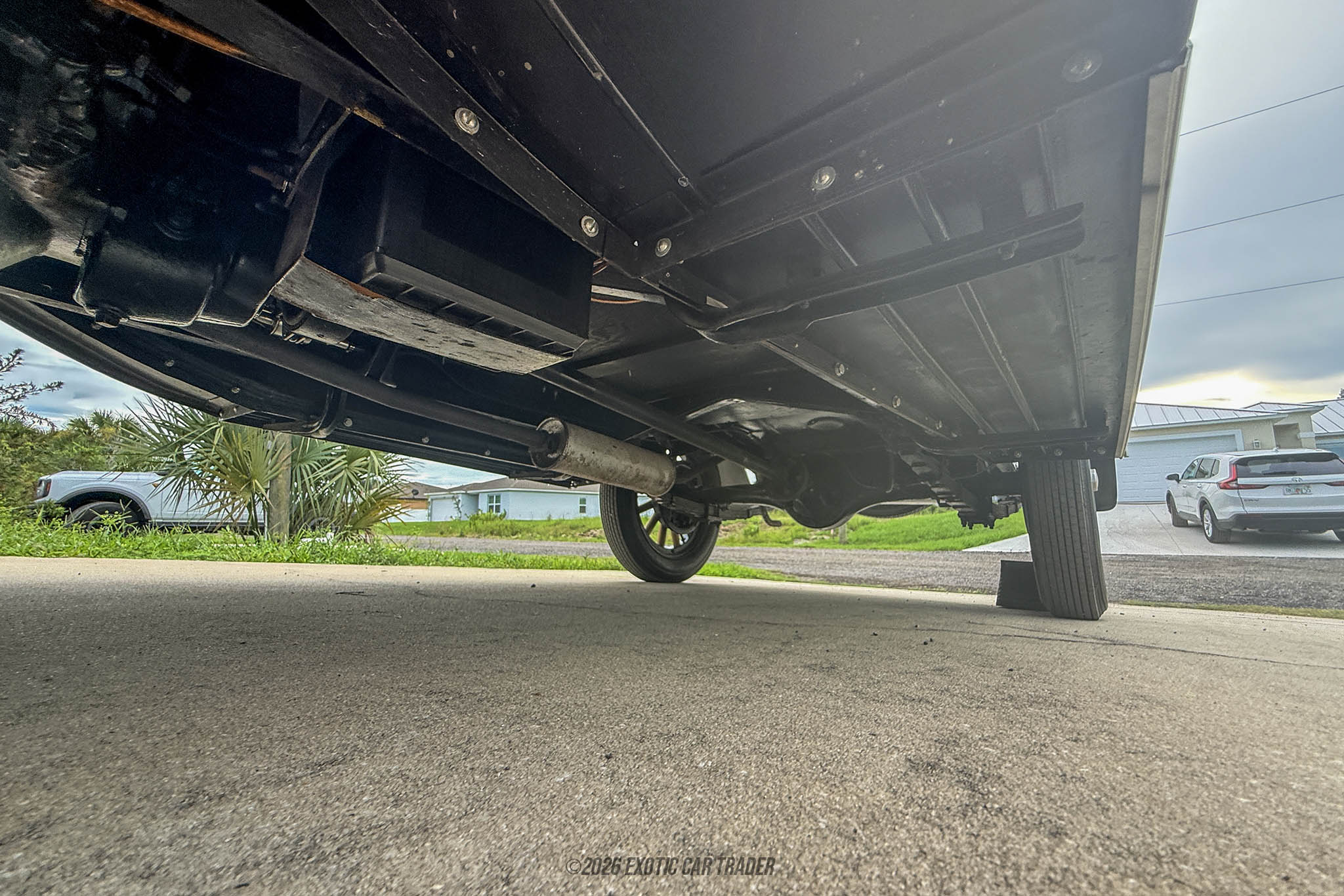
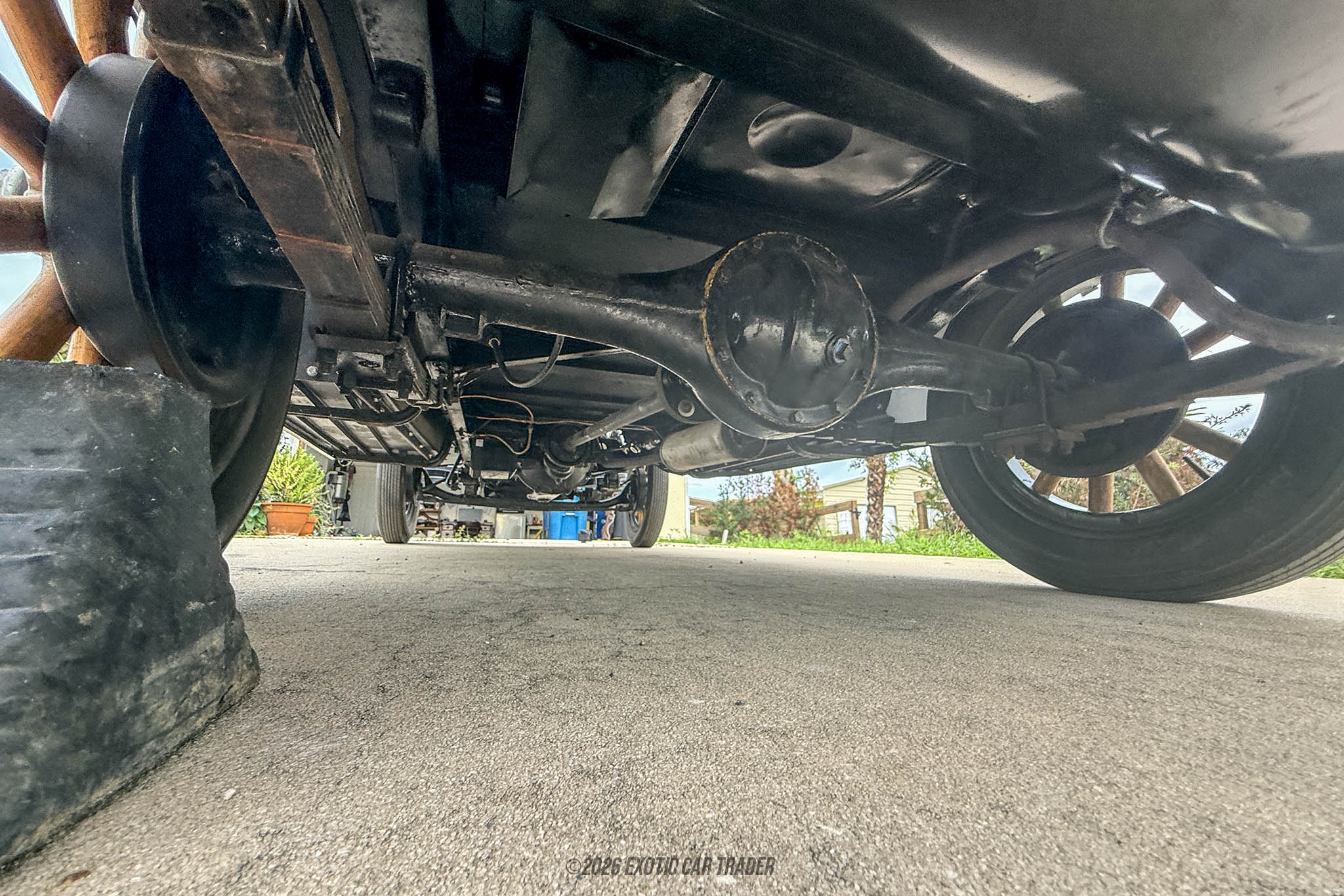
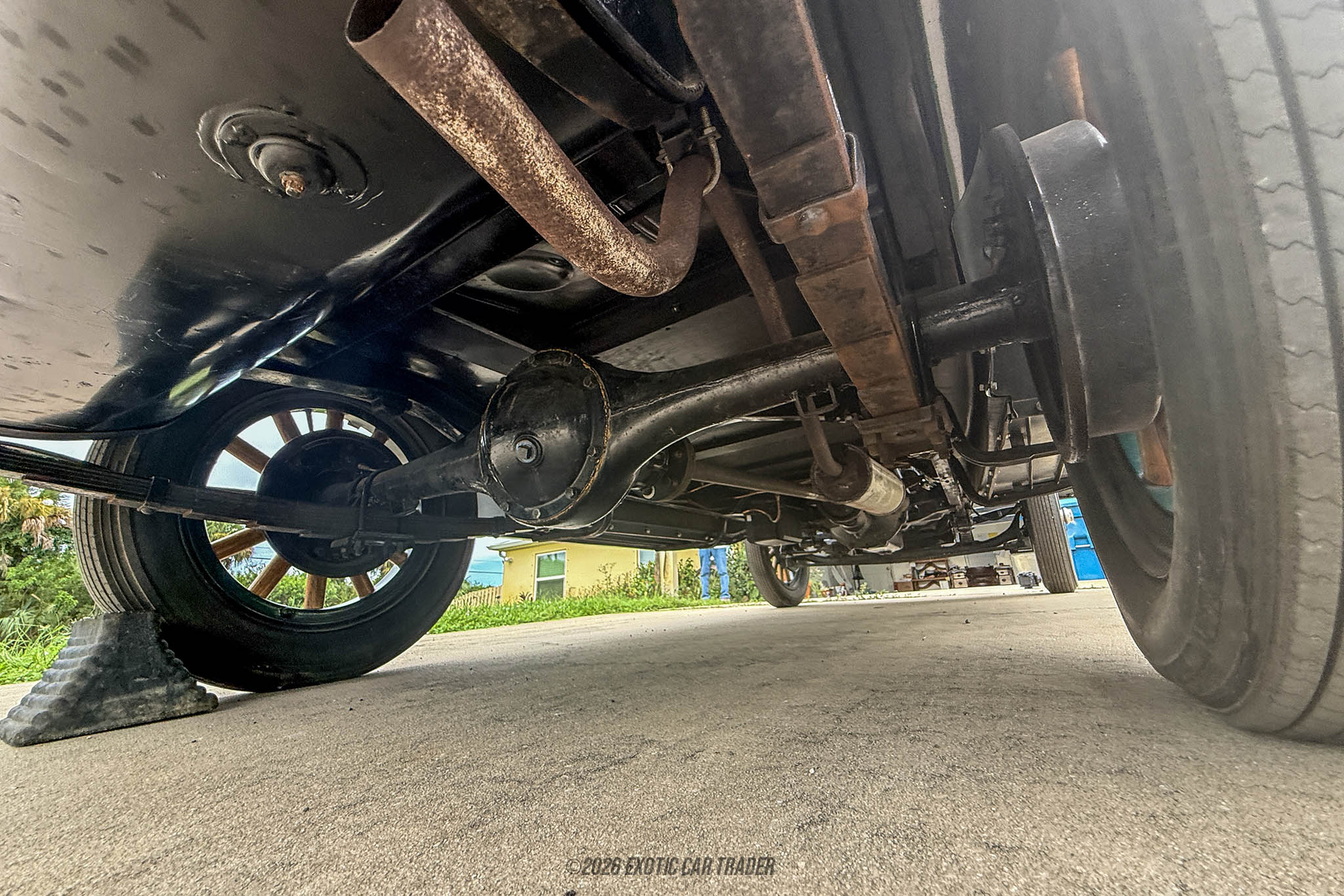
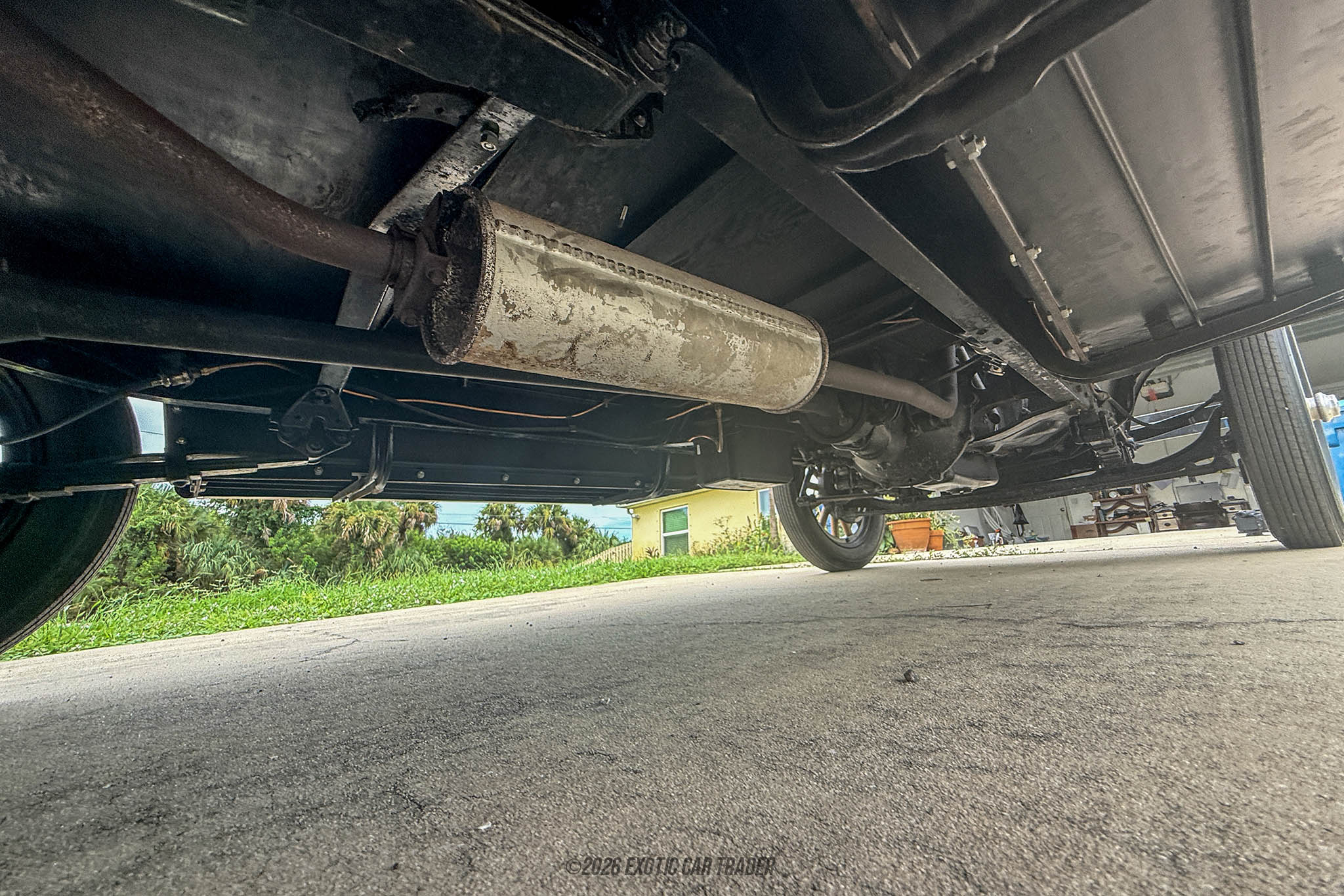
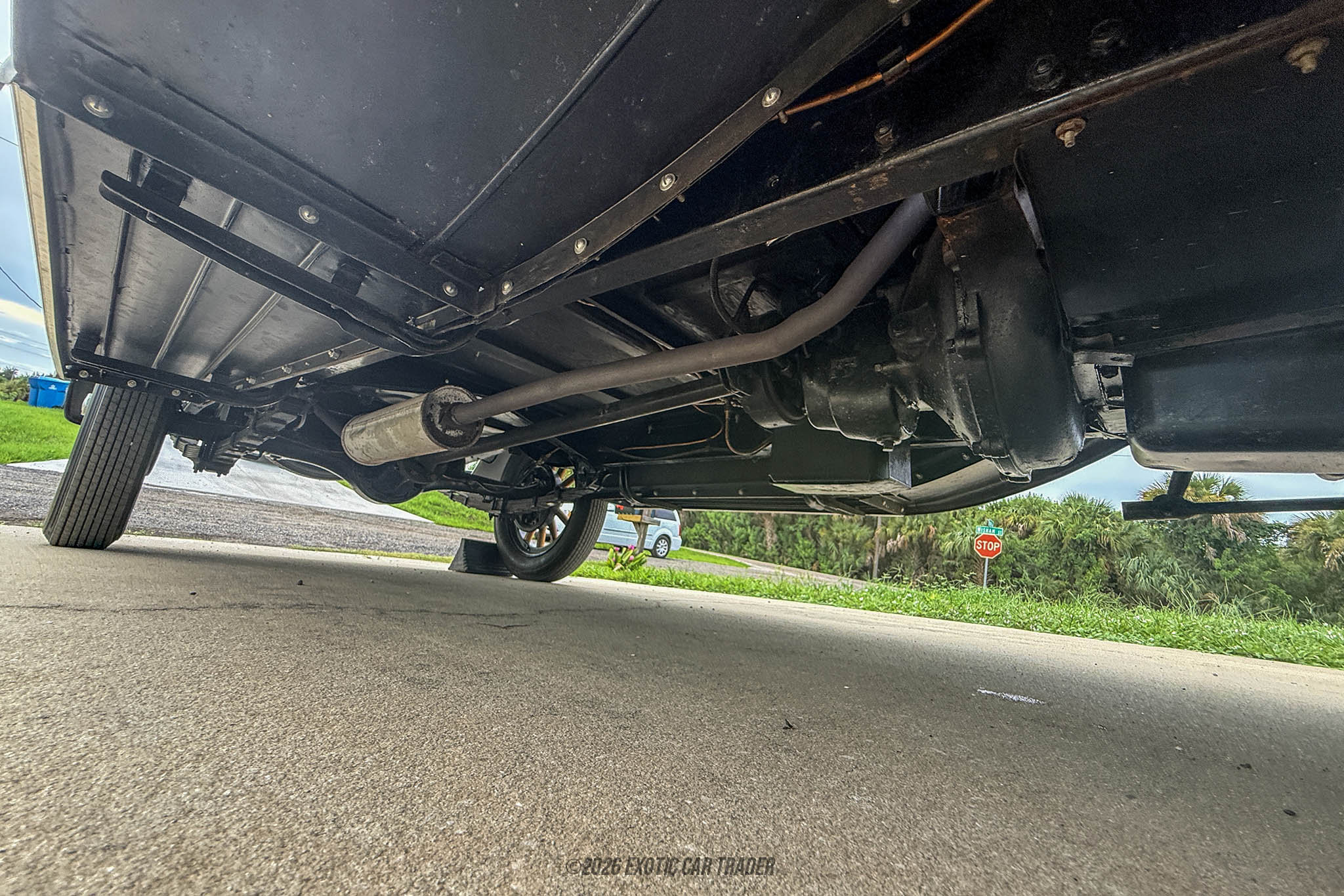
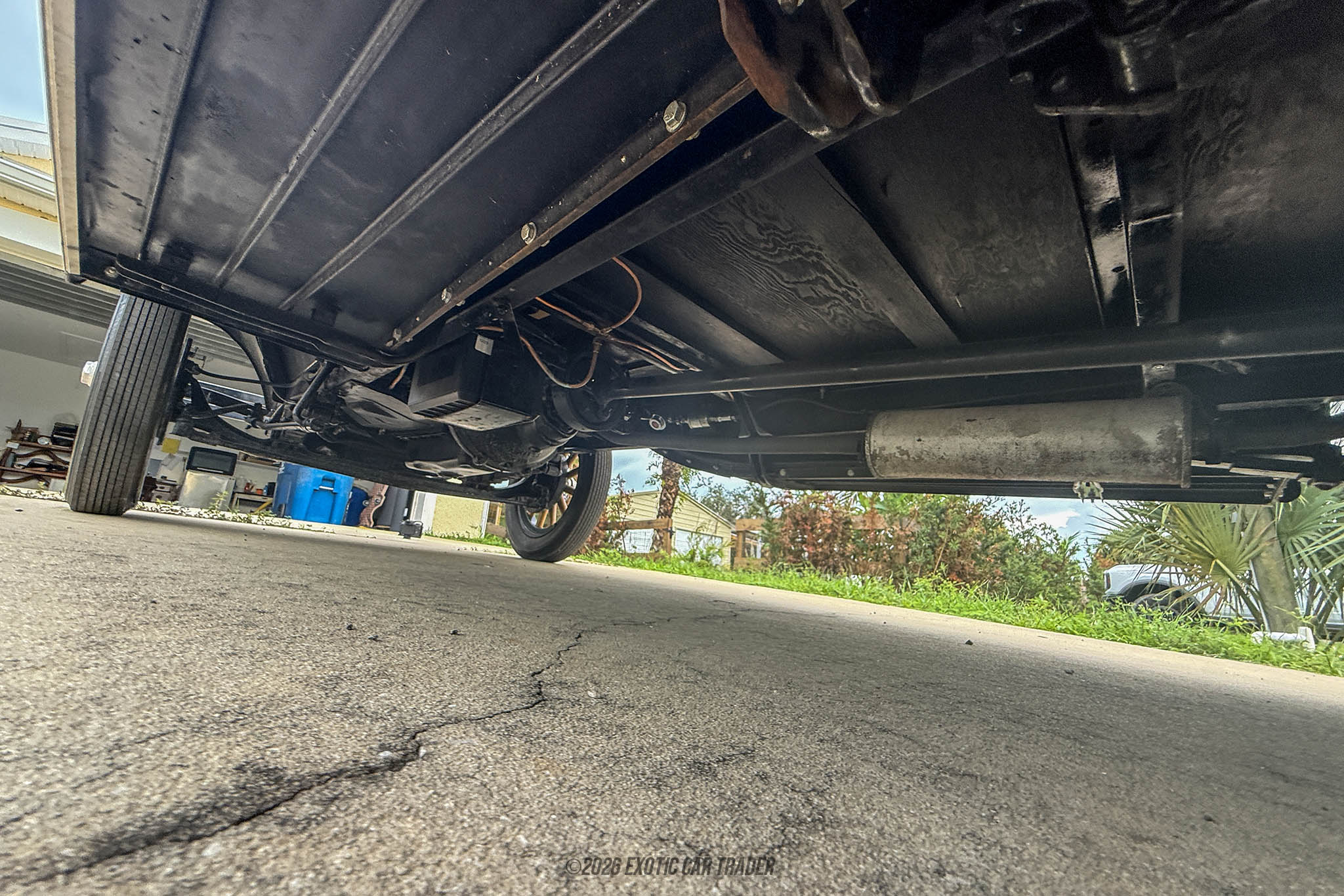
Powering this 1928 Plymouth Model Q 4-Door Sedan is a 170.3ci (2.8L) naturally aspirated L-head four-cylinder engine, factory-rated at approximately 45 horsepower. Equipped with a single-barrel carburetor, this engine reflects the straightforward engineering that helped establish Plymouth's reputation for dependable and affordable transportation. Power is delivered to the rear wheels through a three-speed manual transmission, providing the traditional driving experience associated with automobiles of this era. One of the Model Q's most noteworthy mechanical features is its four-wheel hydraulic drum braking system, a significant advantage over the mechanically operated brakes commonly found on competing entry-level vehicles. A solid front axle, live rear axle, and semi-elliptic leaf spring suspension complete its conventional chassis design. With its simple four-cylinder powertrain, manual gearbox, and pioneering braking technology, this Model Q represents an important milestone in Plymouth's earliest years.


The 1928 Plymouth Model Q marked the beginning of an important chapter in American automotive history, introducing Chrysler's new entry-level brand with features that rivaled more expensive competitors. Notably, Plymouth offered four-wheel hydraulic brakes at a time when many affordable automobiles still relied on mechanical systems. This 1928 Plymouth Model Q 4-Door Sedan, showing 47,274 miles, is finished in Dark Green over a Green cloth interior, capturing the distinctive character of late-1920s motoring. Powered by a 170.3ci four-cylinder engine paired with a three-speed manual transmission, this Plymouth features wood-spoke wheels, a rear-mounted spare tire, running boards, and classic chrome accents. With its upright proportions, traditional engineering, and significance as a first-year Plymouth model, this sedan offers an appealing glimpse into the early days of Chrysler's automotive legacy.
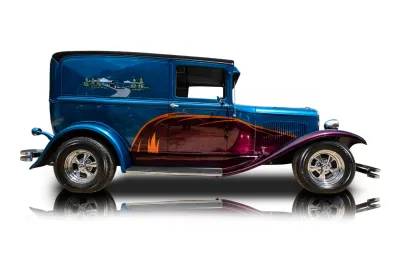
This 1928 Plymouth Model Q Delivery Street Rod takes the distinctive commercial-body styling of an early Plymouth and gives it a decidedly custom street-rod personality. Showing 20,060 miles, it combines a 351ci Windsor V8 with a C6 3-speed automatic transmission and rear-wheel drive, delivering a traditional American hot-rod powertrain in a far less common body style than the usual coupe or roadster. Its blue and Merlot two-tone exterior, custom flame graphics, hand-painted rear quarter artwork, aftermarket air conditioning, and reupholstered interior make this a highly personalized build with plenty of visual character.
The 1928 Plymouth Model Q marked the beginning of an important chapter in American automotive history, introducing Chrysler's new entry-level brand with features that rivaled more expensive competitors. Notably, Plymouth offered four-wheel hydraulic brakes at a time when many affordable automobiles still relied on mechanical systems. This 1928 Plymouth Model Q 4-Door Sedan, showing 47,274 miles, is finished in Dark Green over a Green cloth interior, capturing the distinctive character of late-1920s motoring. Powered by a 170.3ci four-cylinder engine paired with a three-speed manual transmission, this Plymouth features wood-spoke wheels, a rear-mounted spare tire, running boards, and classic chrome accents. With its upright proportions, traditional engineering, and significance as a first-year Plymouth model, this sedan offers an appealing glimpse into the early days of Chrysler's automotive legacy.
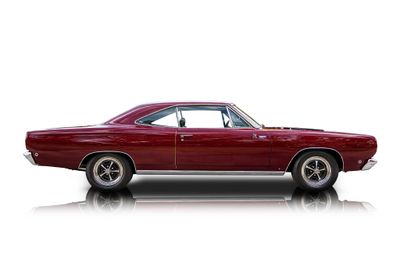
The Plymouth Road Runner arrived in 1968 with a simple mission: deliver serious muscle car performance without the unnecessary frills. Built around Chrysler's midsize B-body platform, the Road Runner quickly earned a reputation for its powerful engines, straightforward engineering, and unmistakable personality. This 1968 Plymouth Road Runner, showing 44,566 miles, is finished in Burgundy over a Black and Gray interior, capturing the distinctive character of Mopar's golden era. Powered by a 383ci V8 paired with a TorqueFlite 727 three-speed automatic transmission, this example features the Road Runner 383 engine package, power steering, dual exhaust, and aftermarket wheels. With its muscular styling, big-block V8, and classic two-door configuration, this Plymouth represents the no-nonsense performance philosophy that made the original Road Runner a muscle car legend.
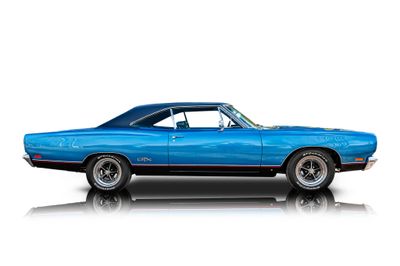
The 1969 Plymouth GTX earned its reputation as one of Mopar's most formidable muscle cars, combining upscale appointments with the raw performance of Chrysler's legendary big-block V8s. Marketed as the "Gentleman's Muscle Car," the GTX offered serious horsepower without sacrificing comfort or style. This 1969 Plymouth GTX, showing 90,809 miles, is finished in a striking Blue exterior over a matching Blue vinyl interior. Under the hood sits a mighty 440ci V8 featuring a Six Pack conversion with triple two-barrel carburetors, paired with a four-speed manual transmission and Dana Sure Grip rear differential. Additional highlights include an Air Grabber hood, Magnum 500 wheels, power steering, power brakes, and a Flowmaster exhaust system. With its unmistakable B-body styling, desirable four-speed gearbox, and big-block Mopar power, this GTX captures the golden era of American muscle at its finest.
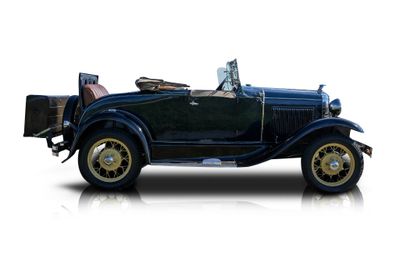
The 1930 Ford Model A Deluxe Roadster captures the charm of America's early motoring era, combining distinctive prewar styling with the open-air freedom that made Ford's roadsters so desirable. Introduced as the successor to the legendary Model T, the Model A brought improved performance, updated engineering, and a more refined driving experience. This 1930 Ford Model A Deluxe Roadster, showing 16,708 miles, is finished in Dark Blue with a Tan convertible soft top and Brown interior. Powered by a 201ci four-cylinder engine paired with a three-speed manual transmission, this example features gold wire-spoke wheels, a rear rumble seat, and a rear-mounted luggage trunk. With its classic proportions, traditional four-cylinder powertrain, and charming period details, this Model A offers an authentic glimpse into the early days of American open-top motoring.
The 1928 Plymouth Model Q marked the beginning of an important chapter in American automotive history, introducing Chrysler's new entry-level brand with features that rivaled more expensive competitors. Notably, Plymouth offered four-wheel hydraulic brakes at a time when many affordable automobiles still relied on mechanical systems. This 1928 Plymouth Model Q 4-Door Sedan, showing 47,274 miles, is finished in Dark Green over a Green cloth interior, capturing the distinctive character of late-1920s motoring. Powered by a 170.3ci four-cylinder engine paired with a three-speed manual transmission, this Plymouth features wood-spoke wheels, a rear-mounted spare tire, running boards, and classic chrome accents. With its upright proportions, traditional engineering, and significance as a first-year Plymouth model, this sedan offers an appealing glimpse into the early days of Chrysler's automotive legacy.
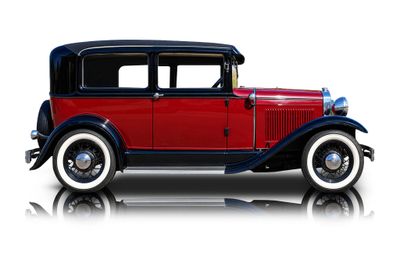
The Ford Model A played a pivotal role in American automotive history, succeeding the legendary Model T in 1927 and introducing improved engineering, styling, and everyday usability. The Tudor Sedan became one of the most popular body styles in the lineup, offering practical enclosed motoring with the unmistakable character of the early automobile era. This 1930 Ford Model A Tudor Sedan is finished in a distinctive Red and Black two-tone exterior over a Gray interior, showing 83,383 miles on the odometer. Powered by a 201ci flathead four-cylinder engine paired with a three-speed manual transmission, this example retains the traditional mechanical character that made the Model A an American icon. Highlights include a custom two-tone paint job, black wire-spoke wheels with chrome hubcaps, a reupholstered interior, and several aftermarket fuel system components. With its classic prewar styling and straightforward mechanical design, this Tudor Sedan offers an appealing opportunity to experience an important chapter of Ford's automotive heritage.

Terms of Service
Be Kind and Courteous
We're here to create a platform to better the automotive industry through communication and transparency. Please treat everyone with respect. Healthy debates are natural, but kindness is required.
No Hate Speech
Make sure everyone feels safe. Hate speech of any kind is strictly prohibited. Degrading comments about things like race, religion, culture, sexual orientation, etc. will not be tolerated.
No Promotions or Spam
Give more than you take. Self-promotion, spam, or links of any kind are not allowed.
