






Buyer Resources





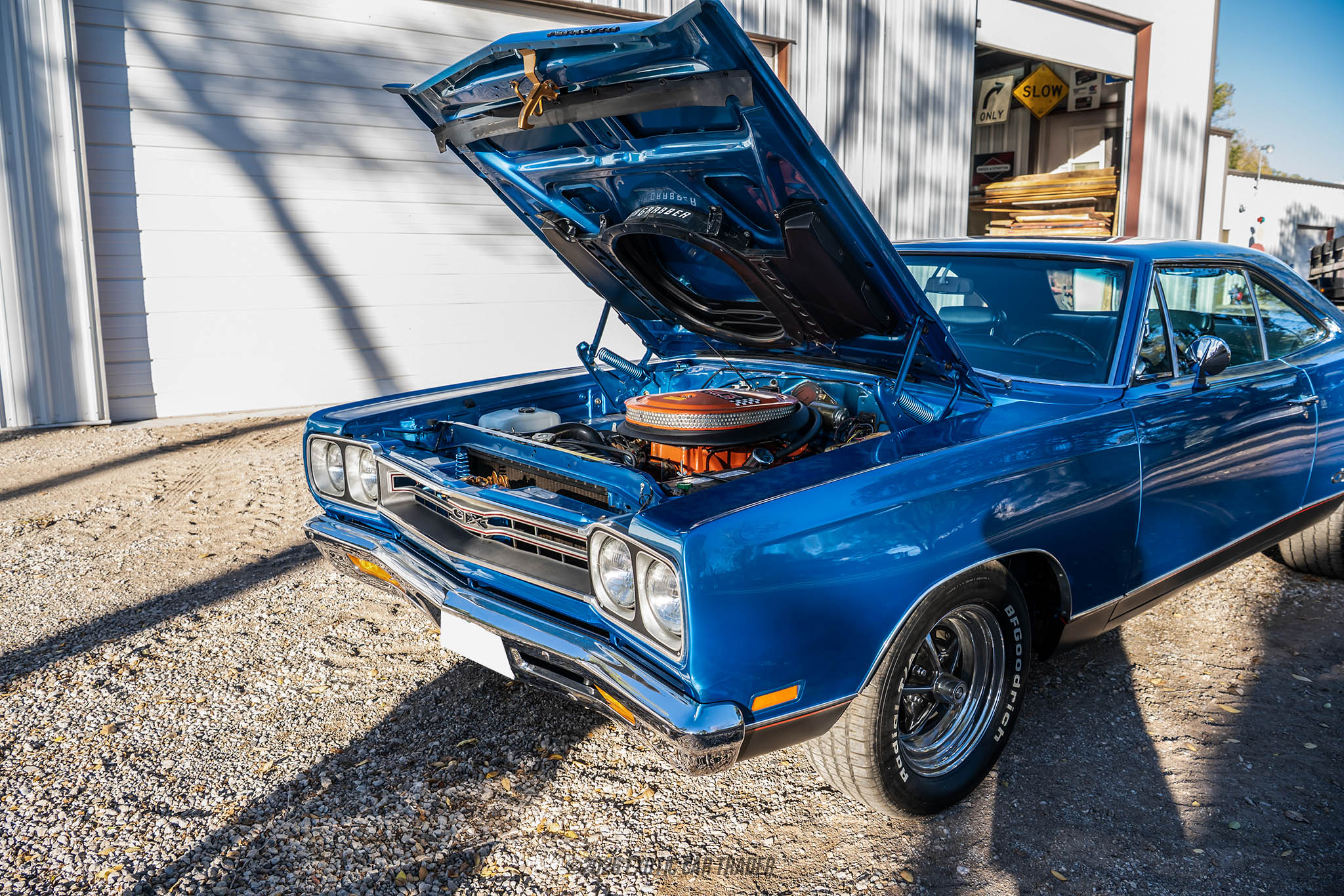
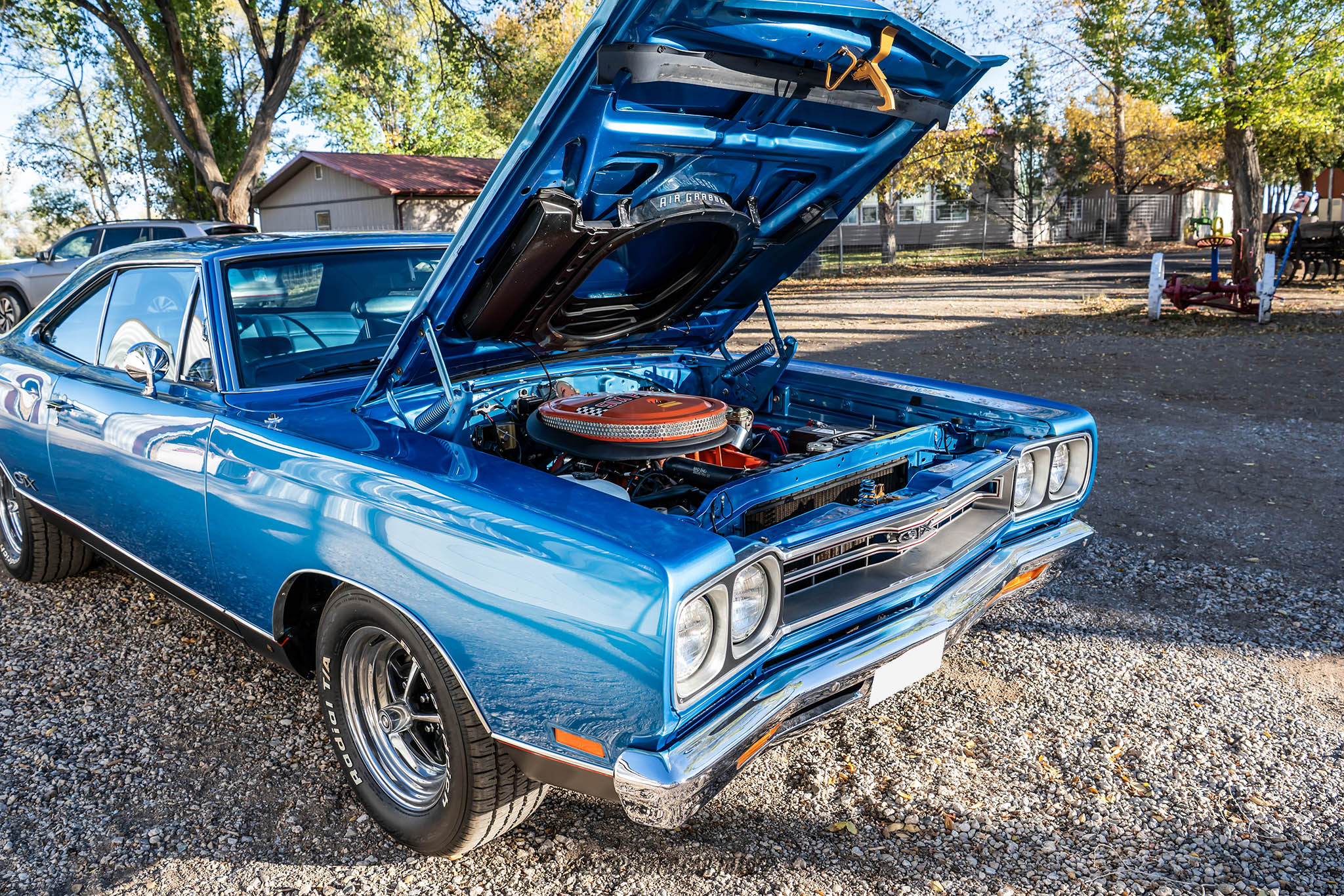
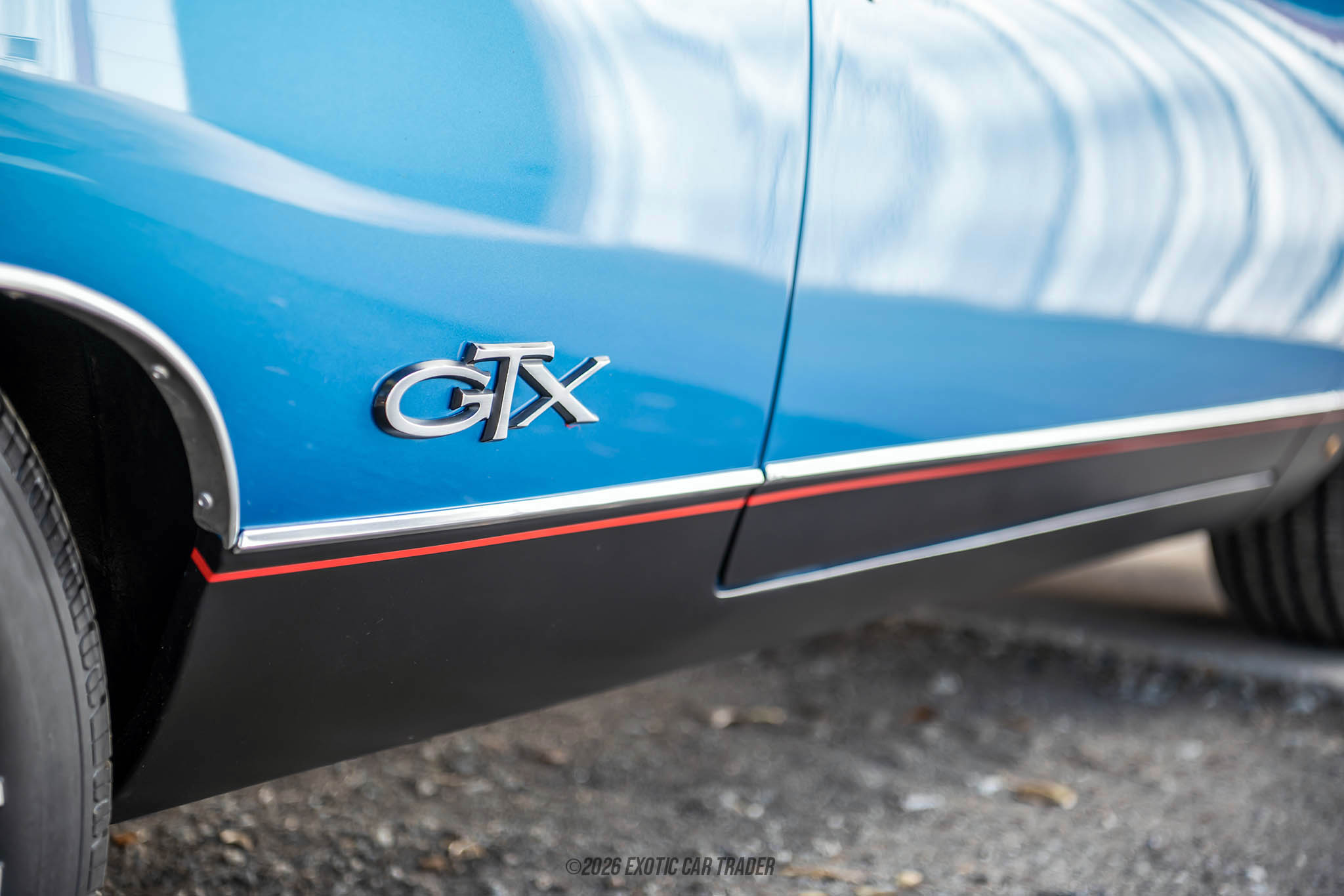
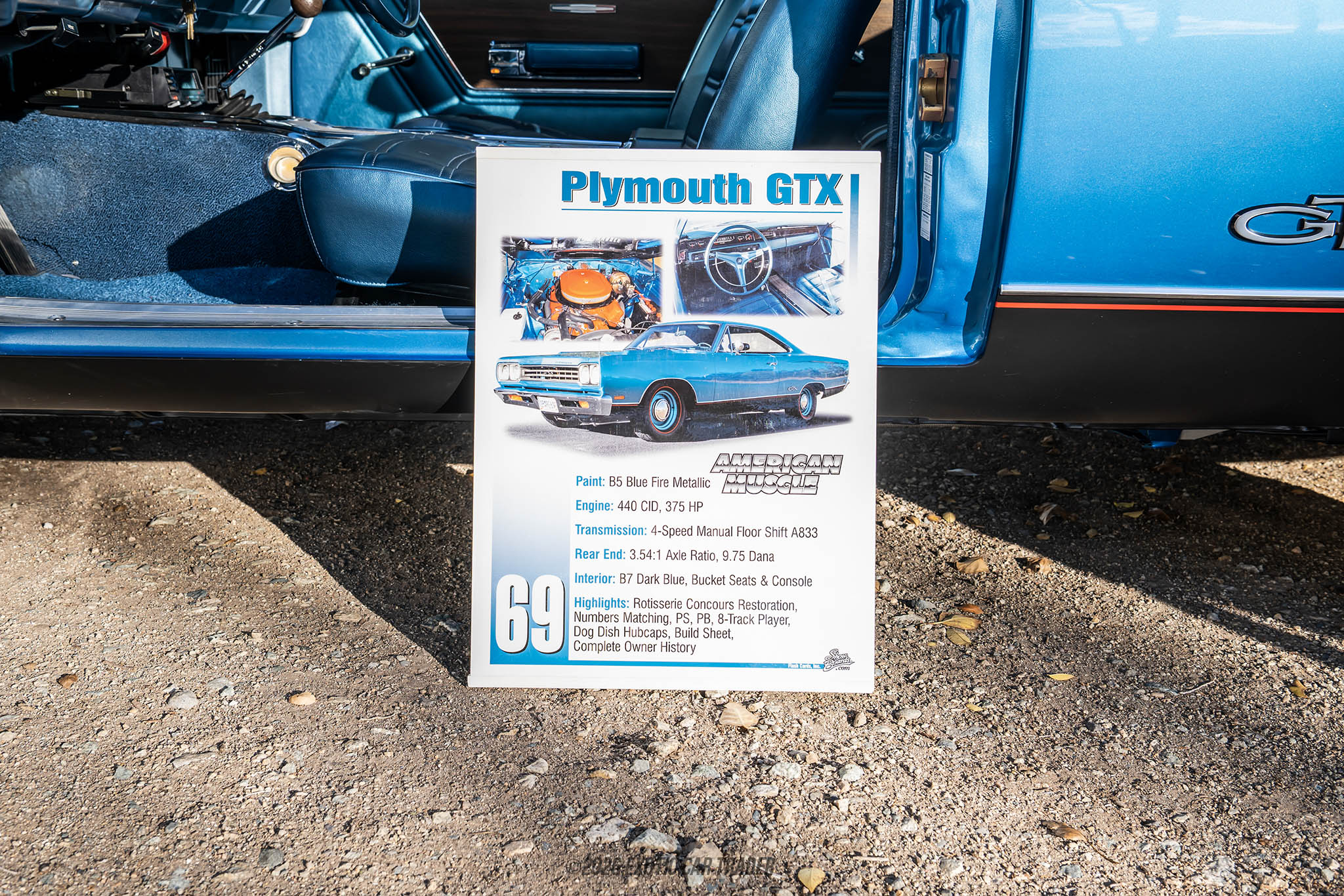
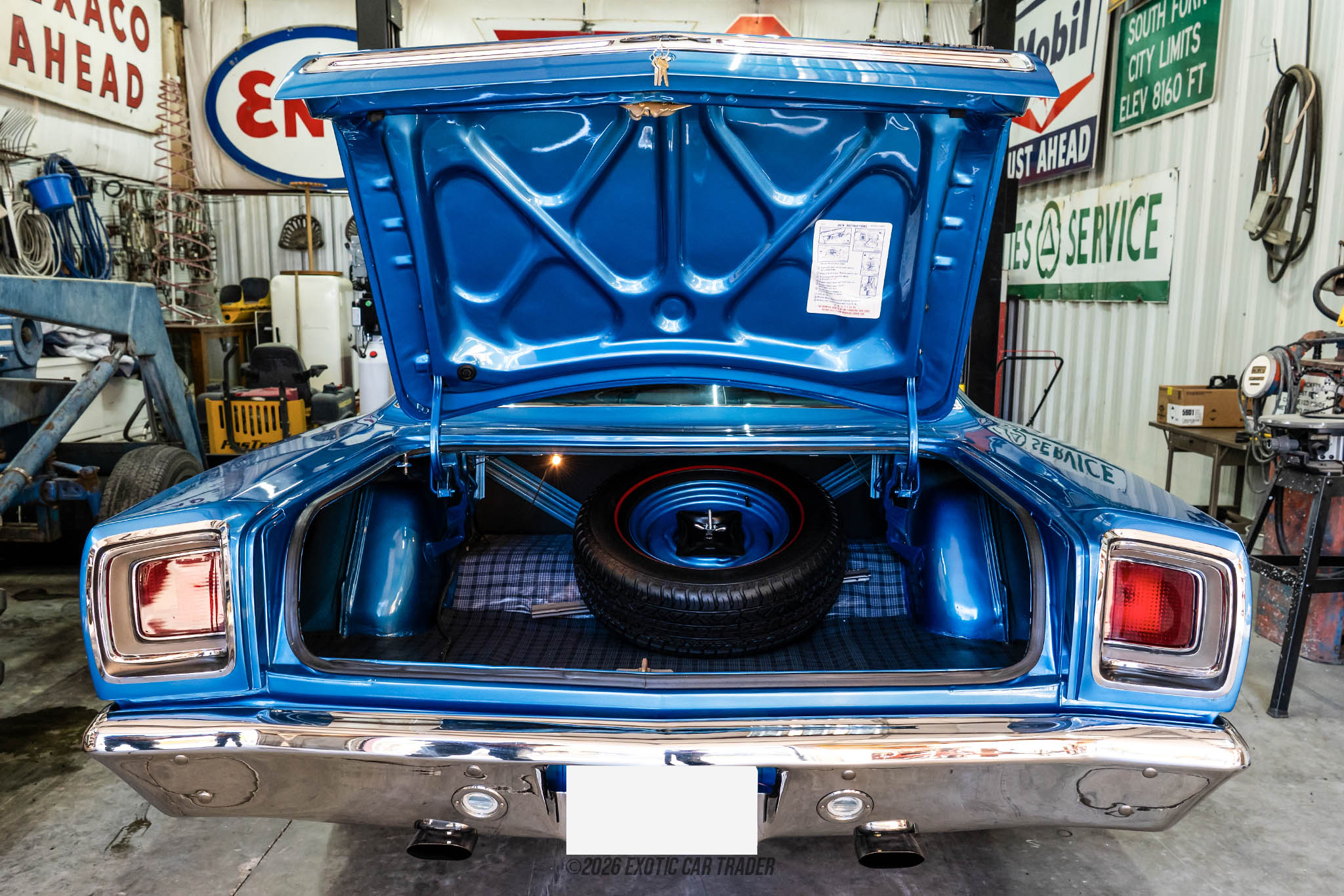
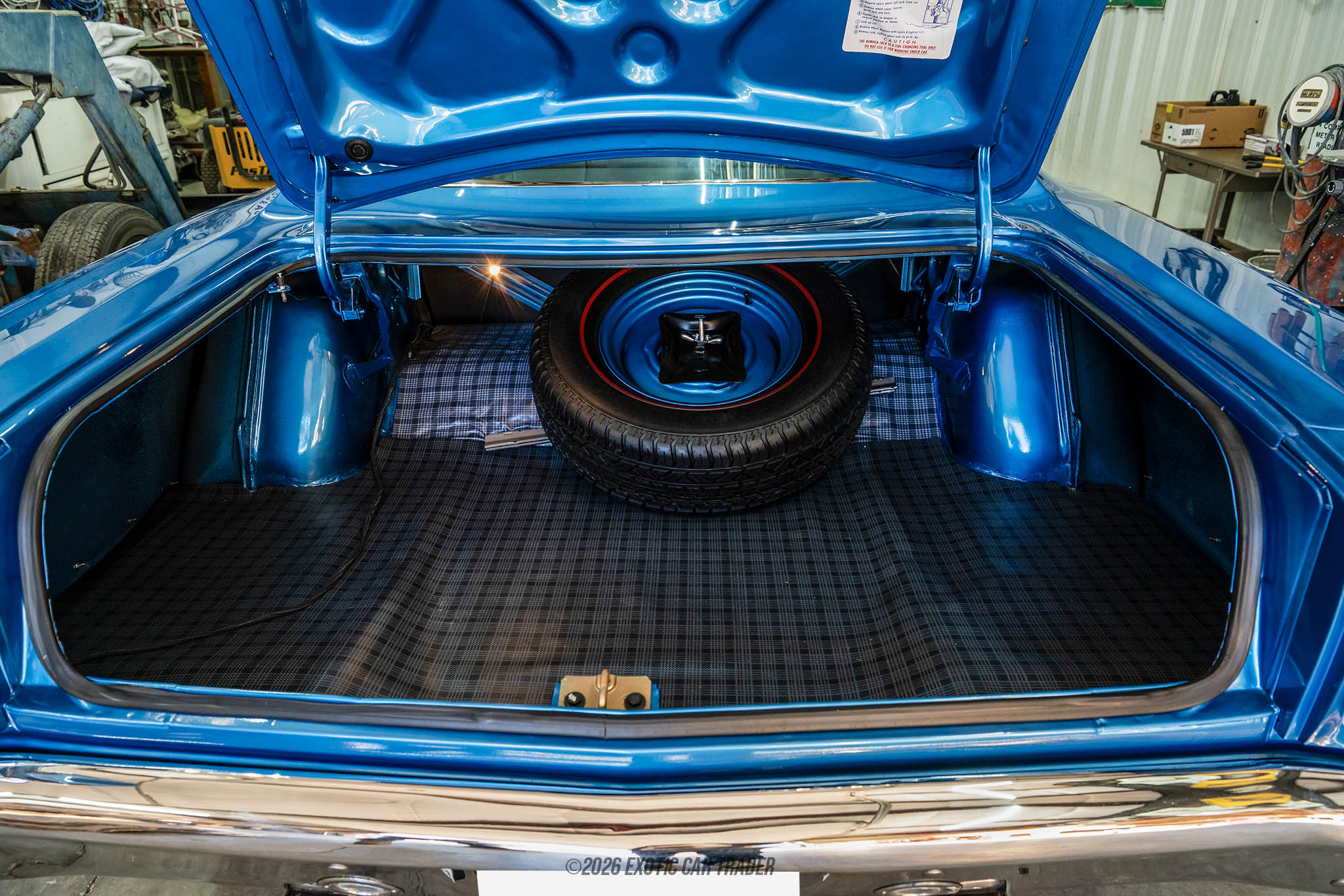
- 1969 Plymouth GTX
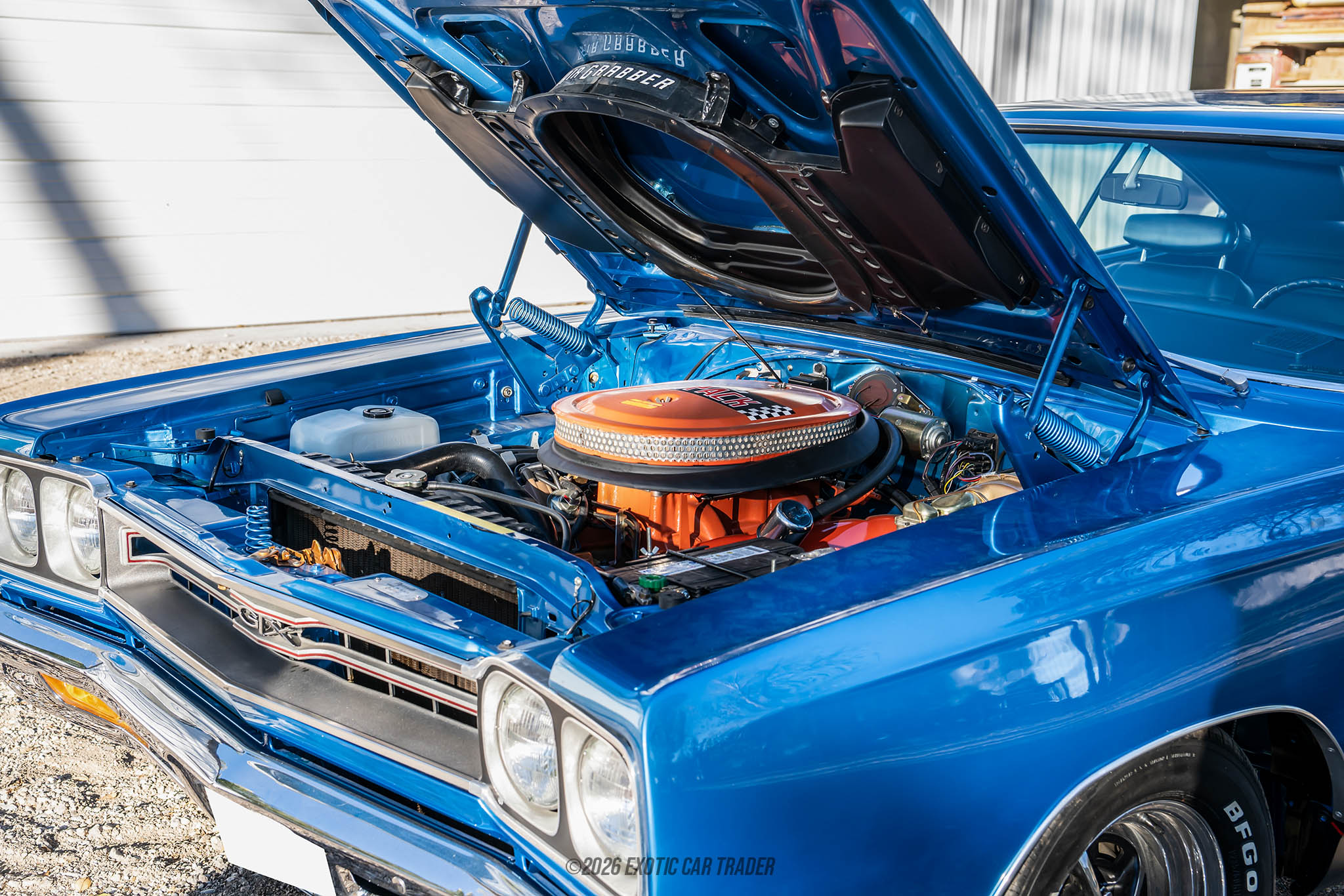
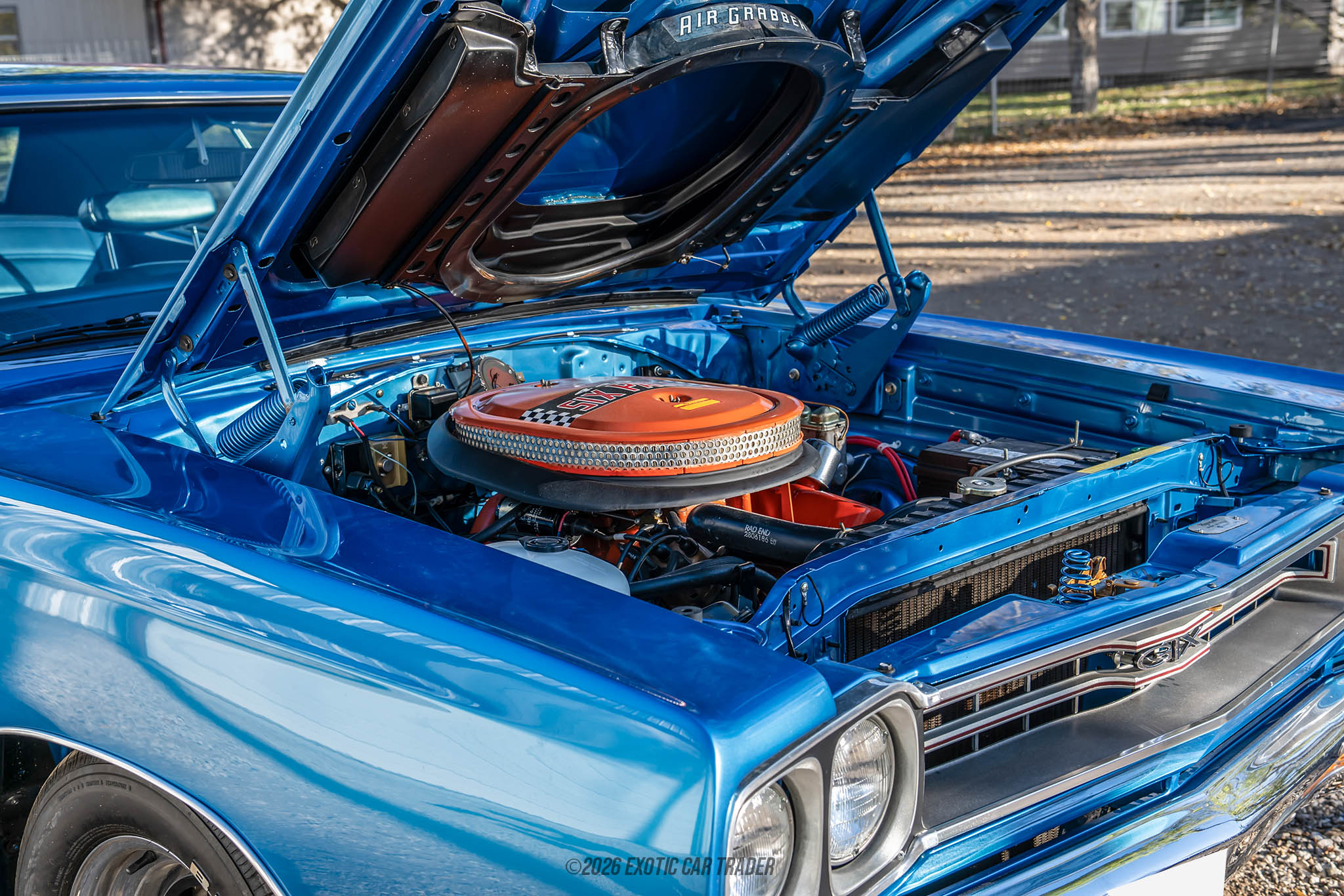
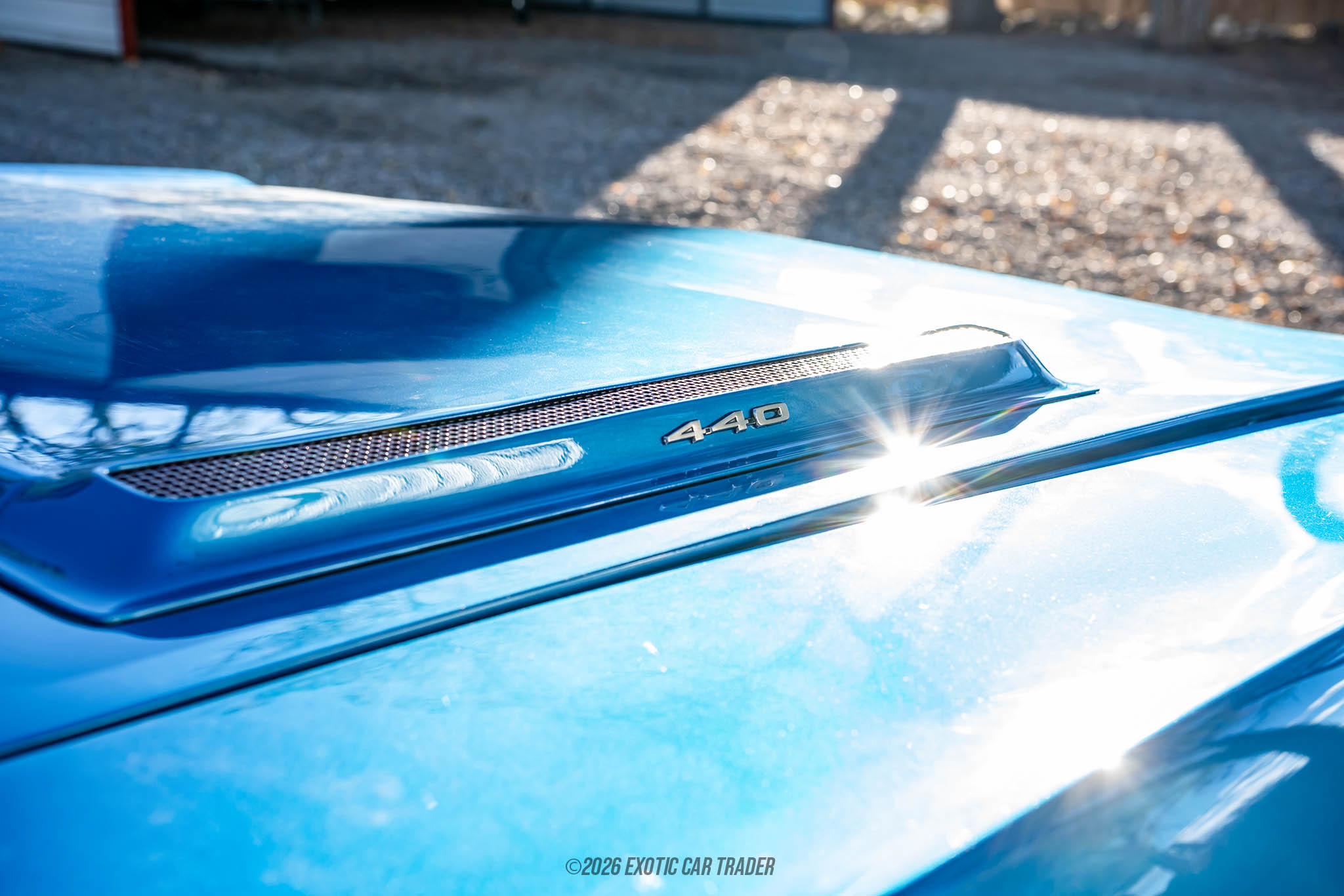
- 440ci V8
- Triple 2-Barrel Carburetors
- 4-Speed Manual
- RWD
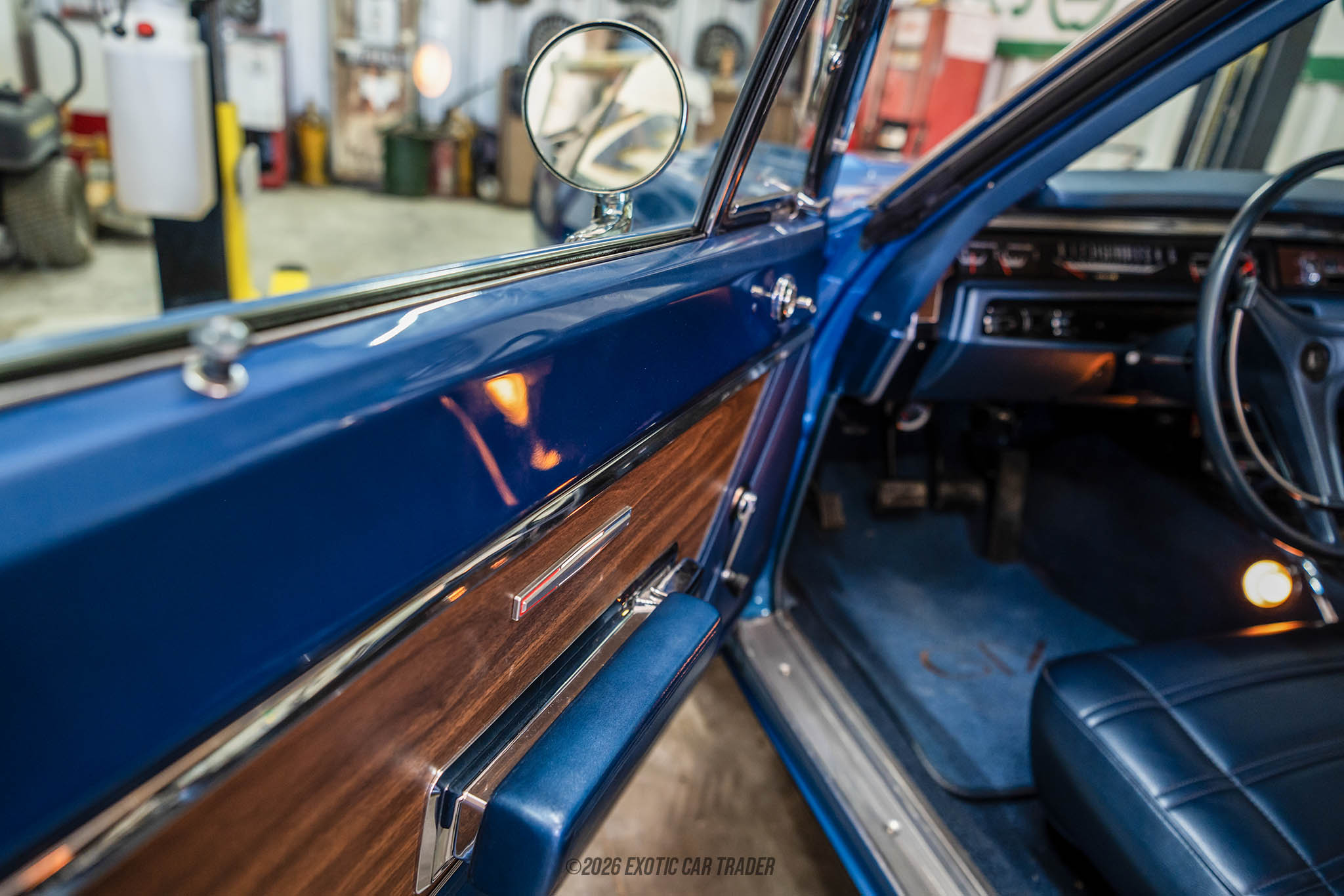
- Blue Exterior
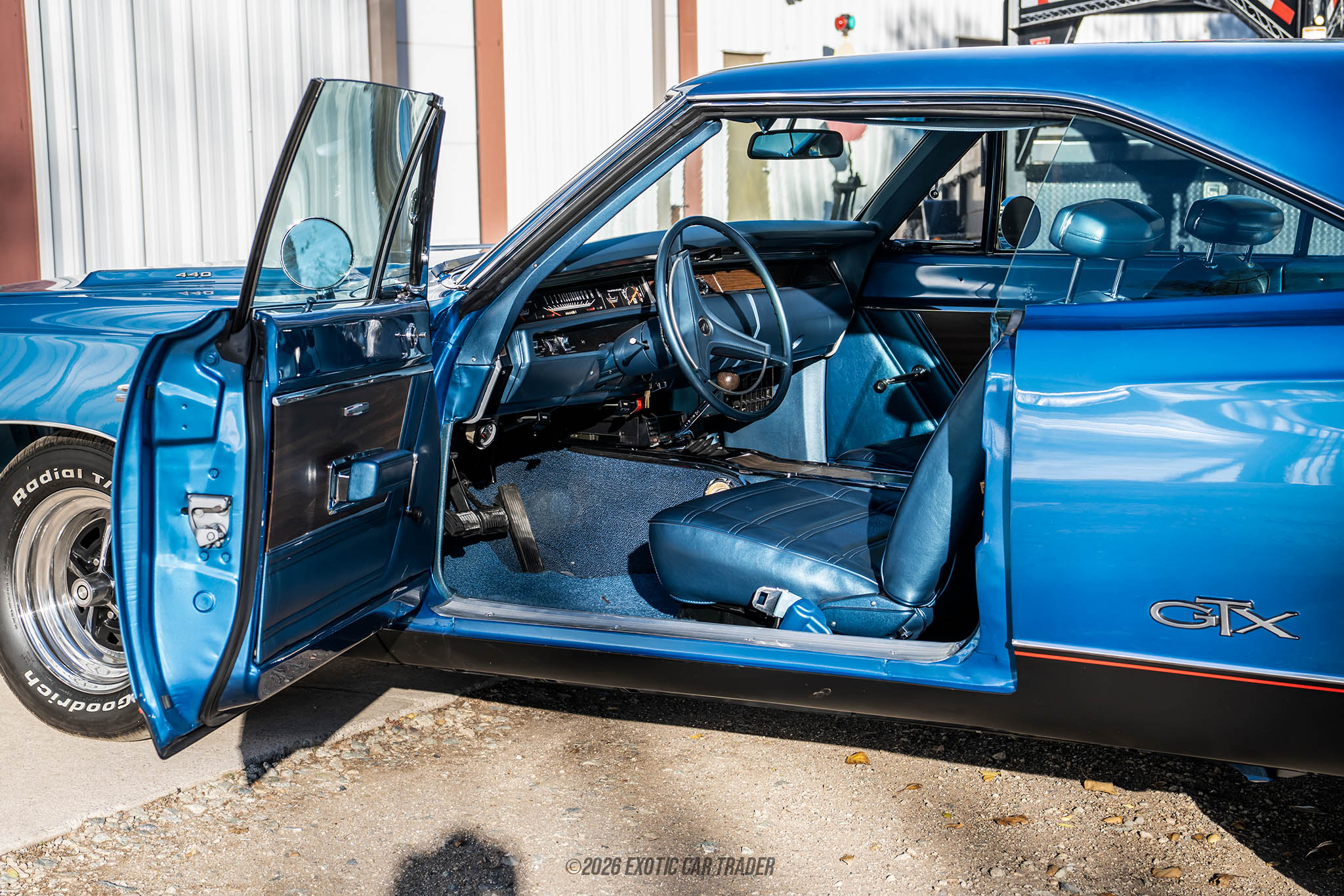
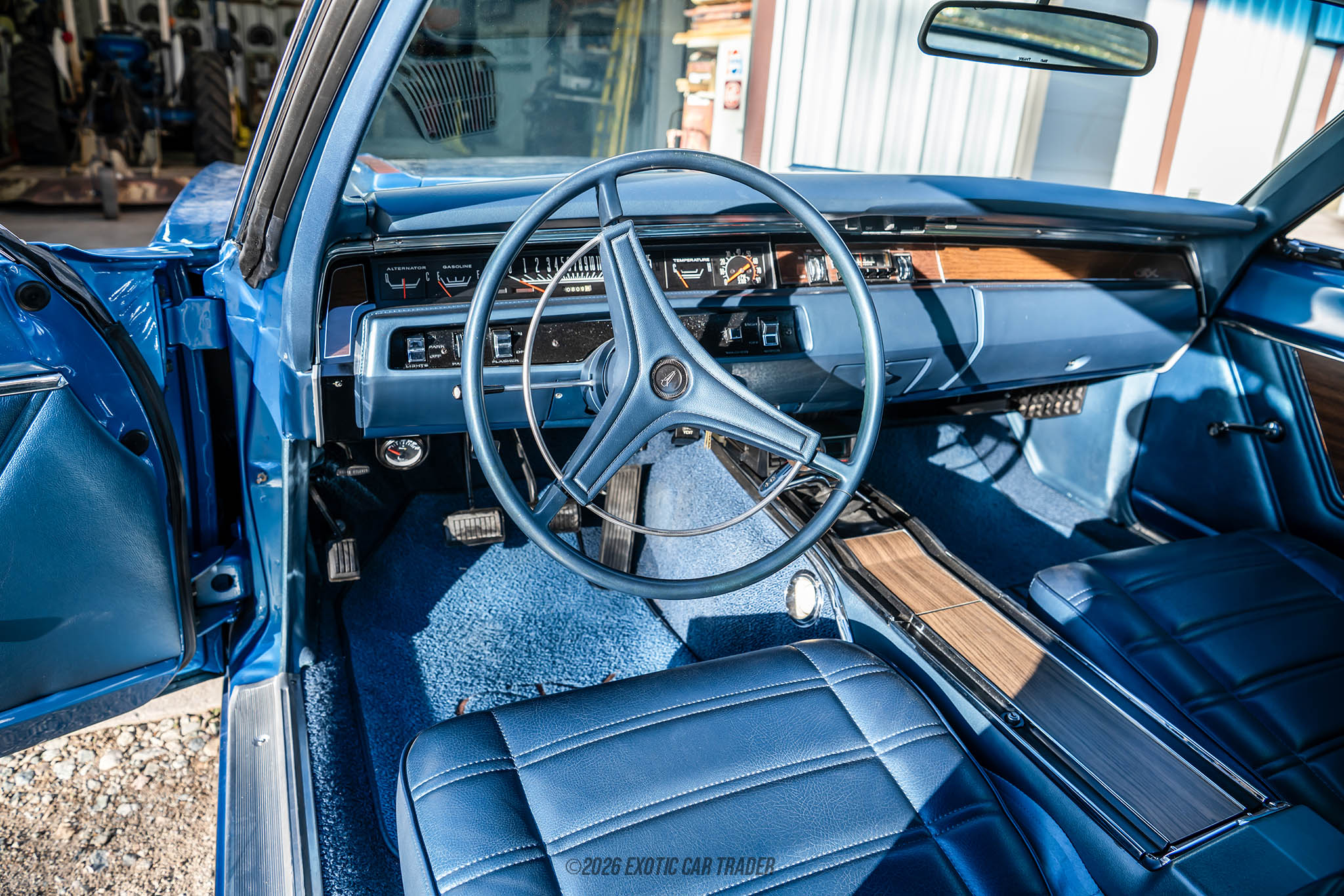
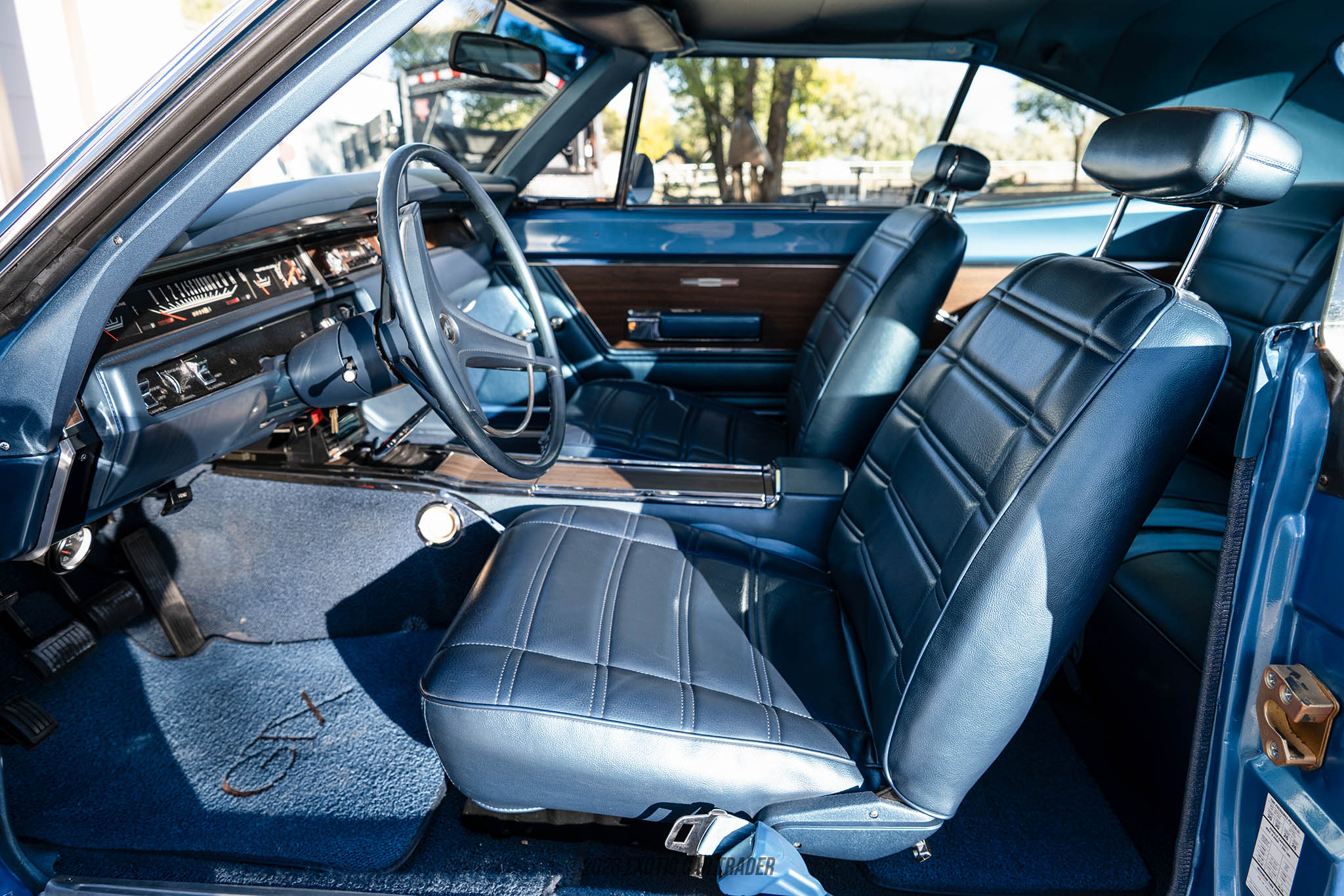
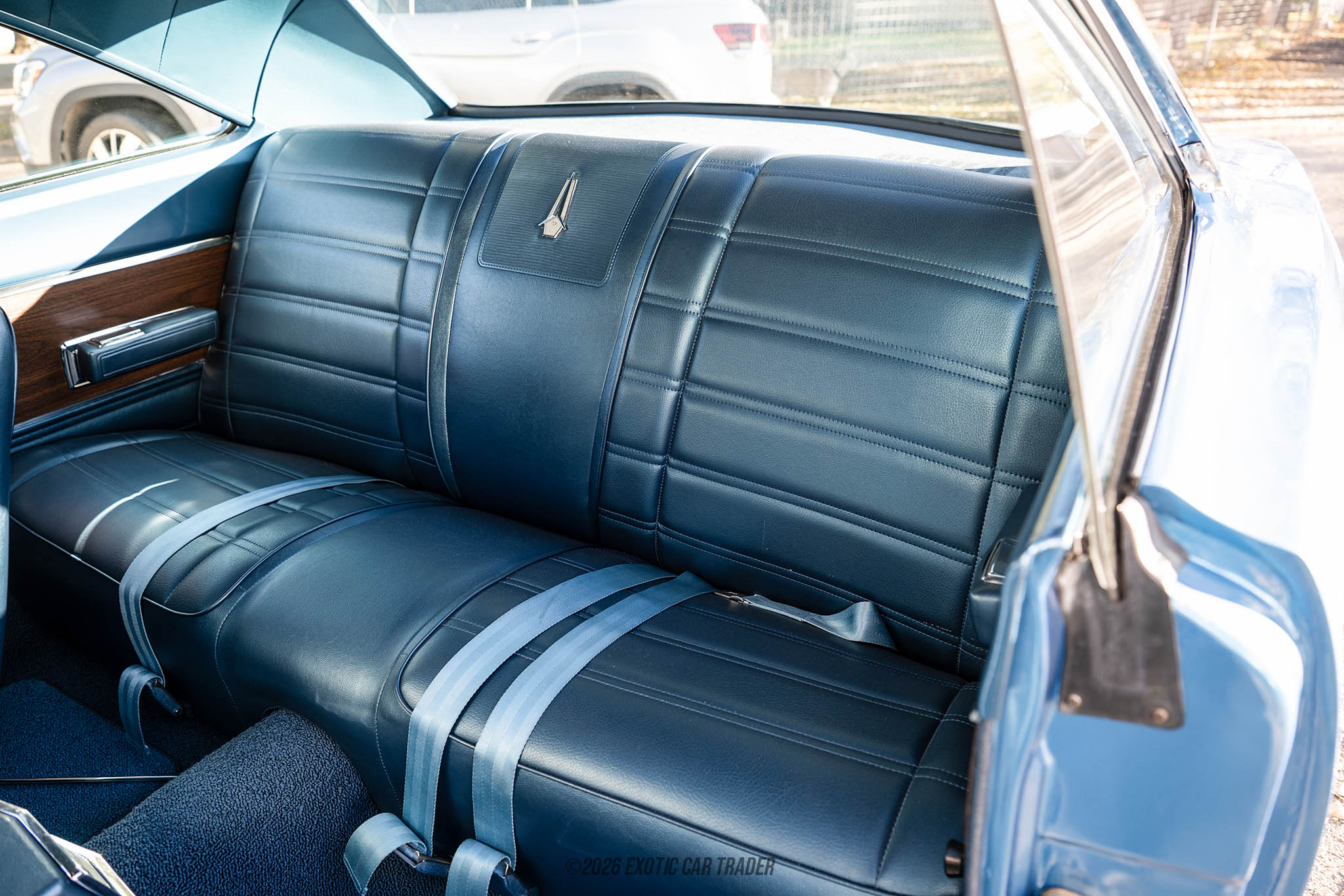
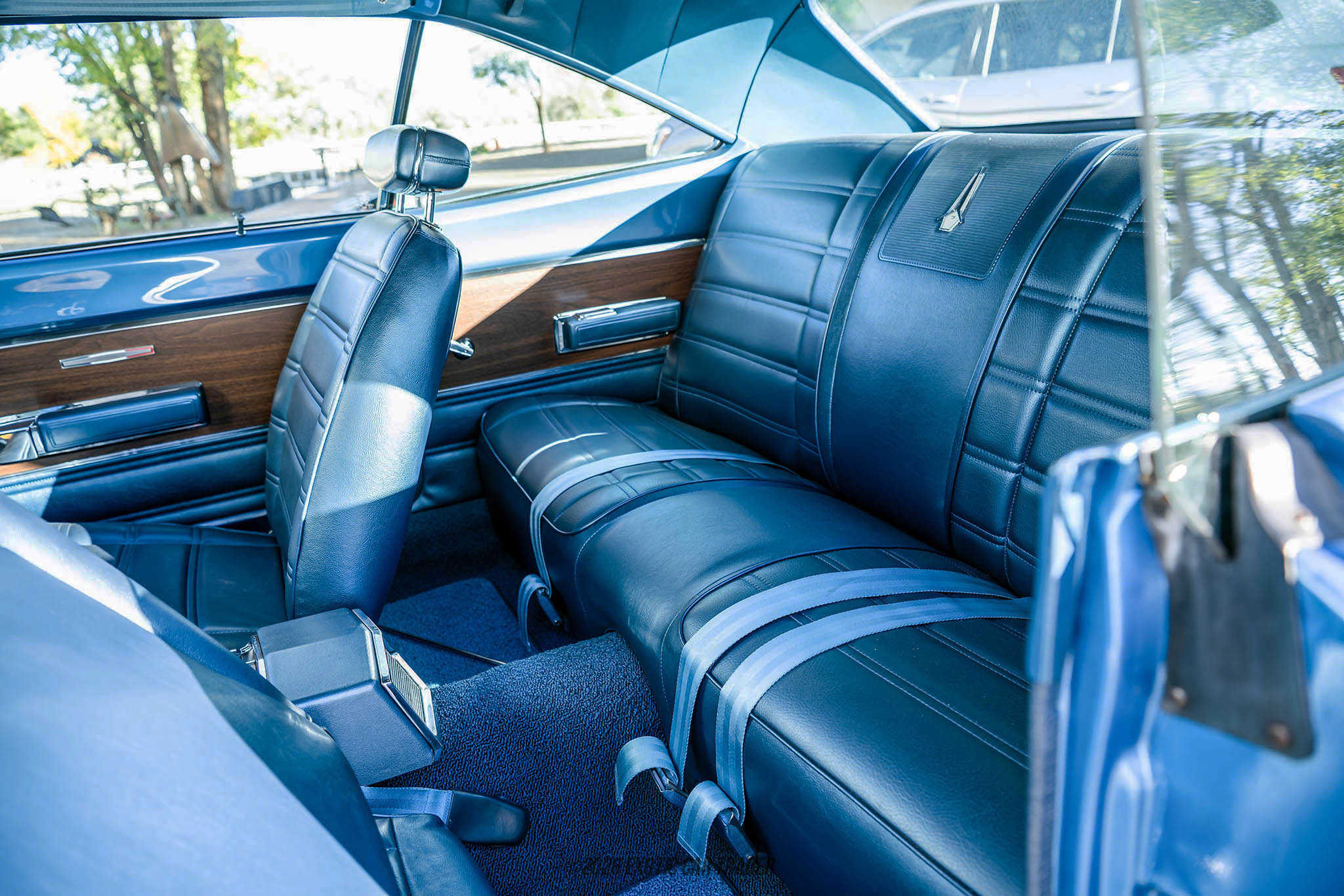
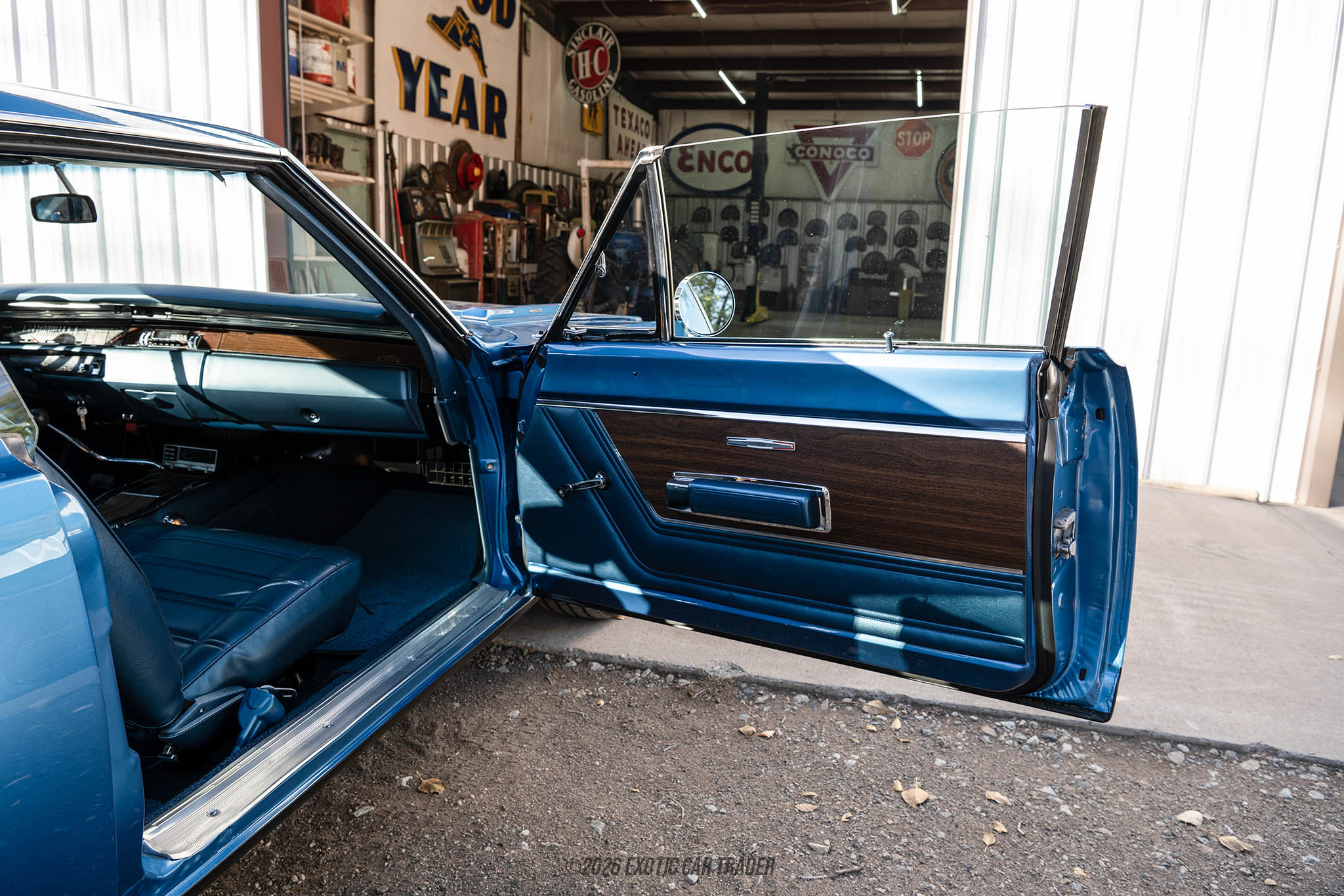
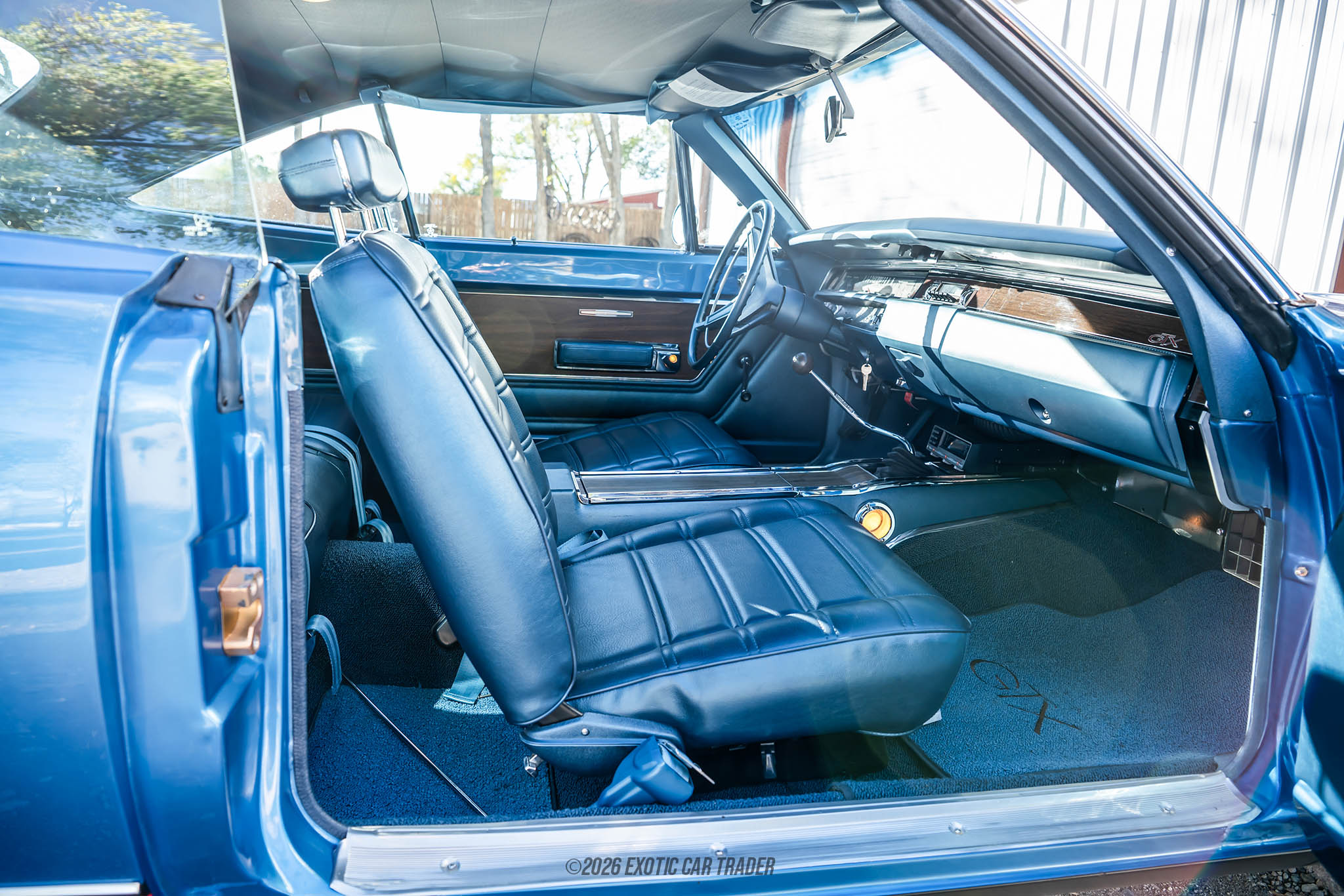
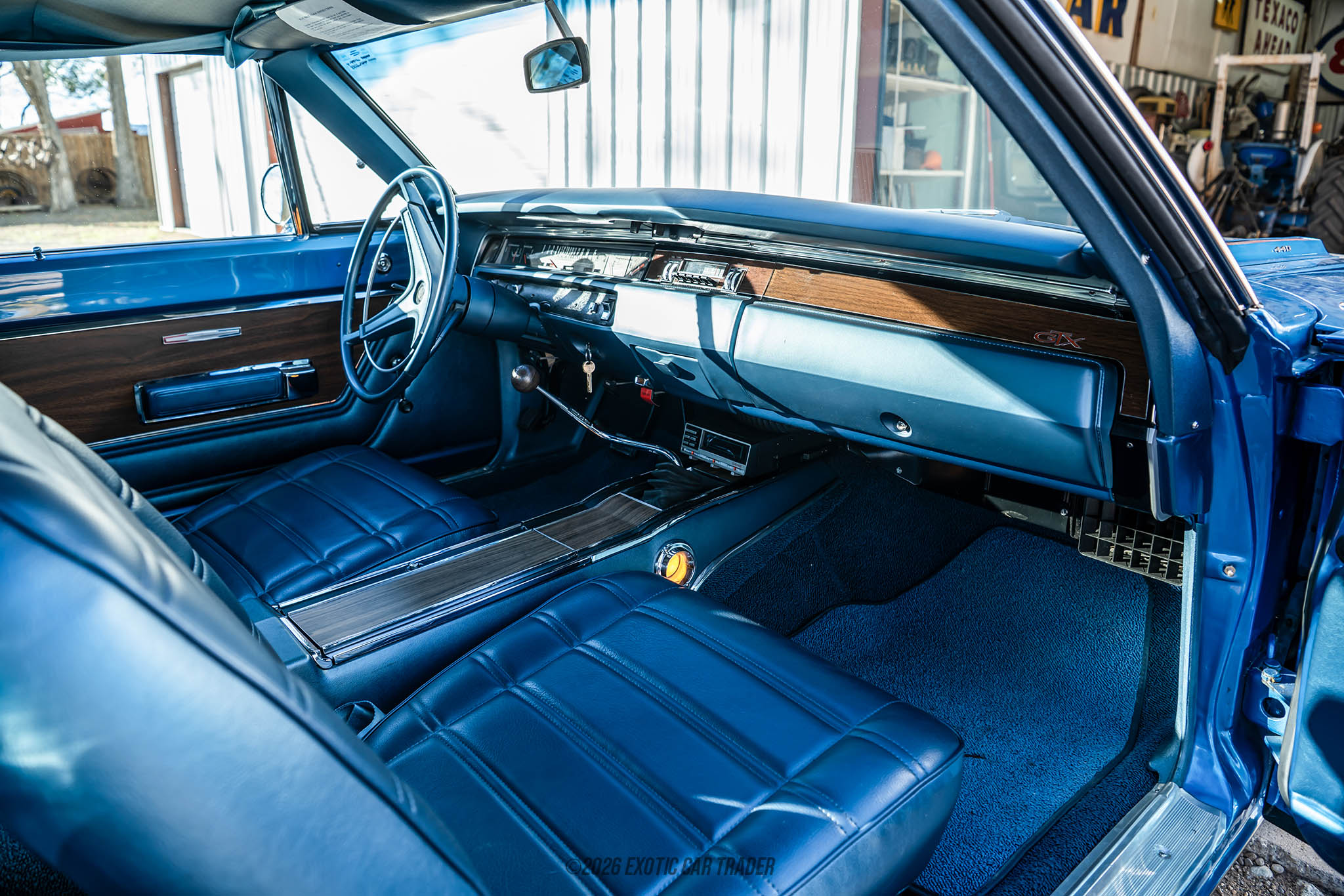
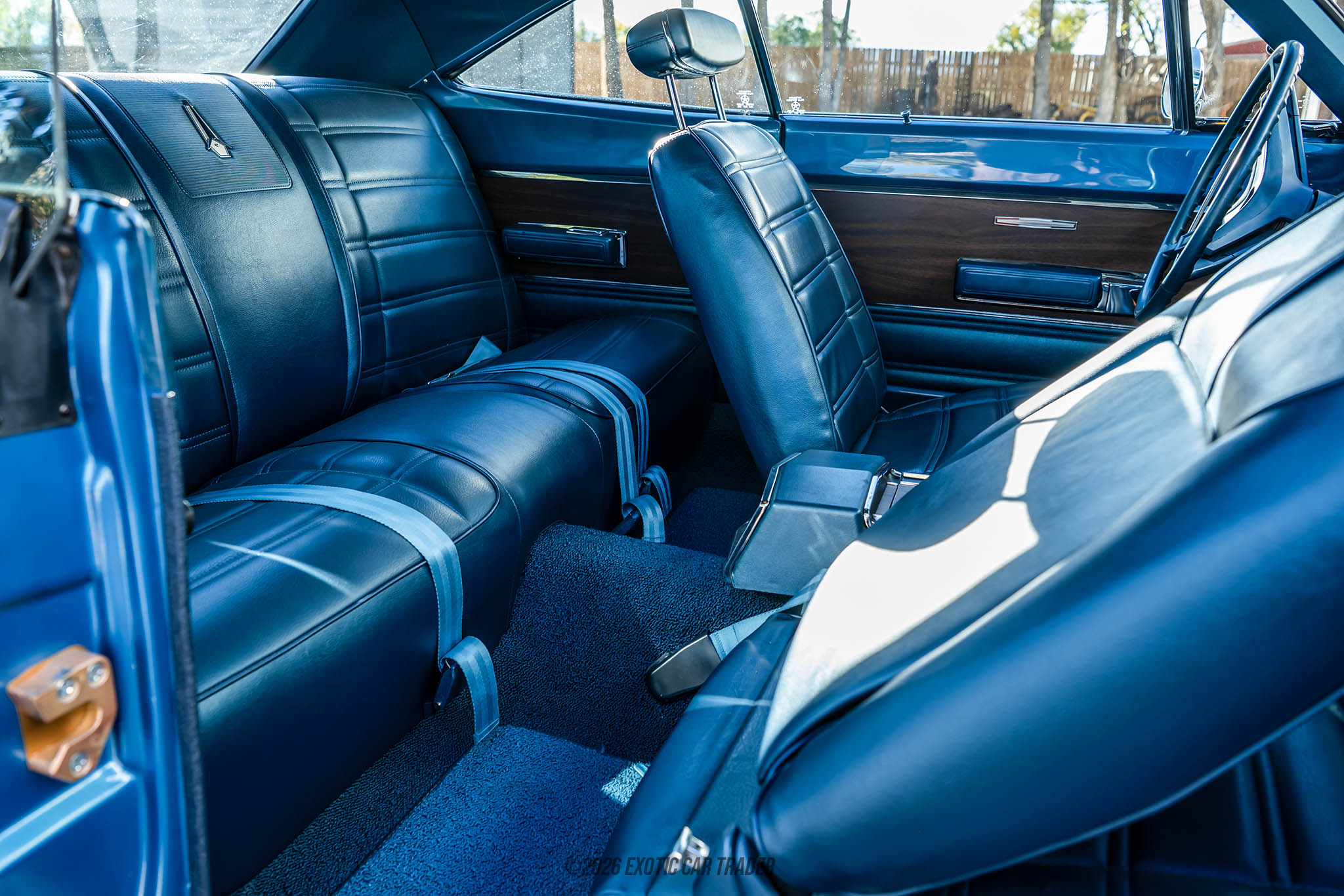
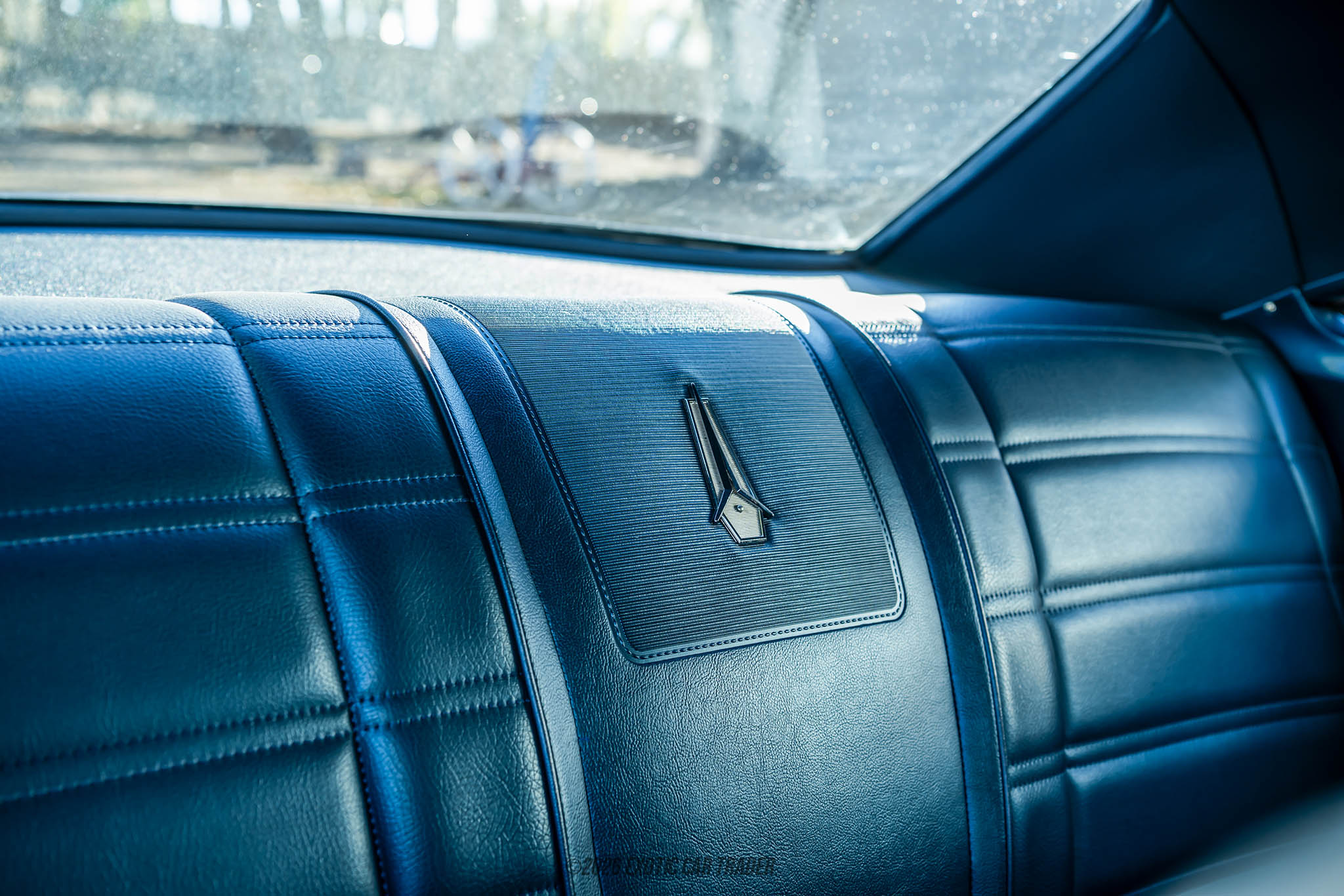
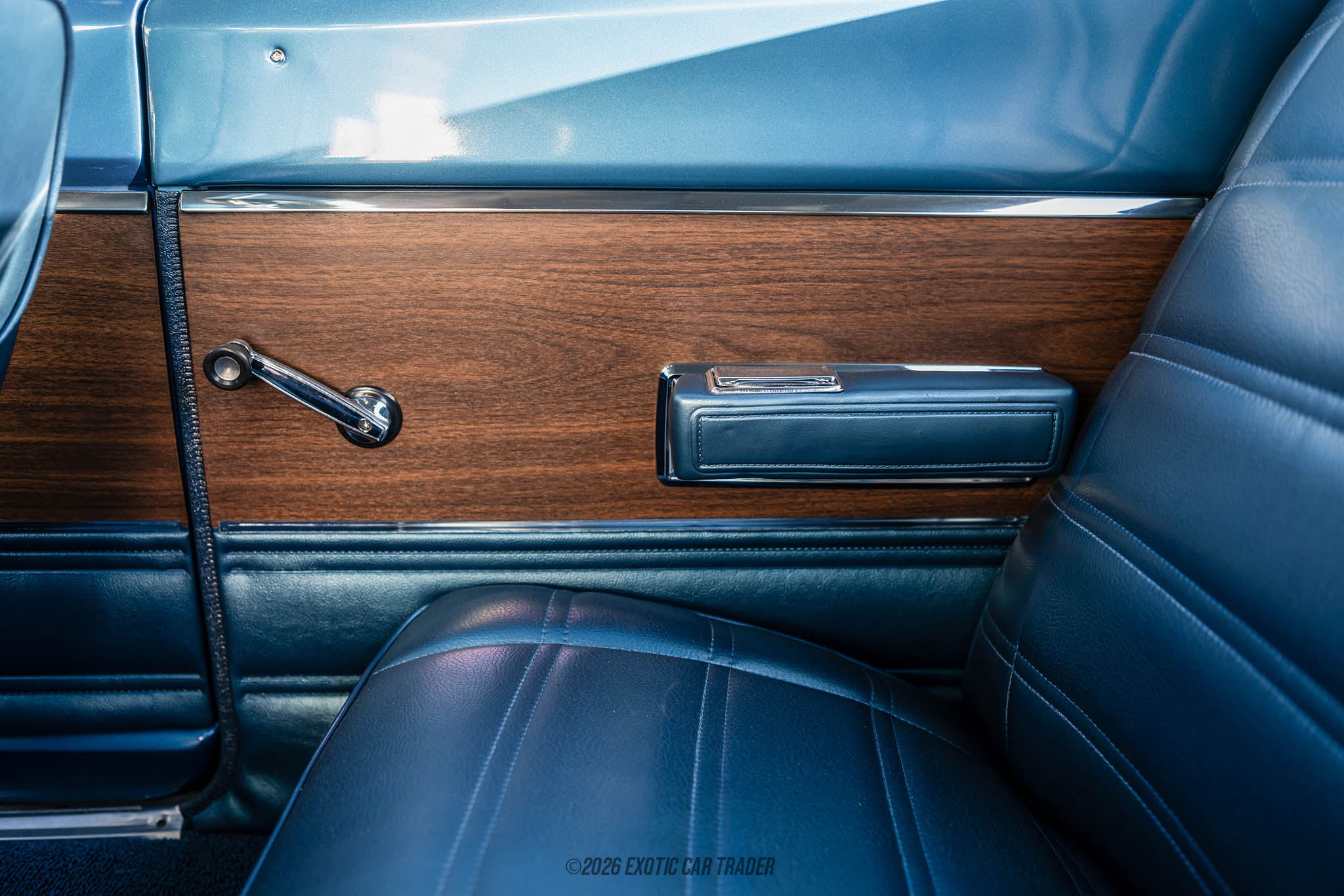
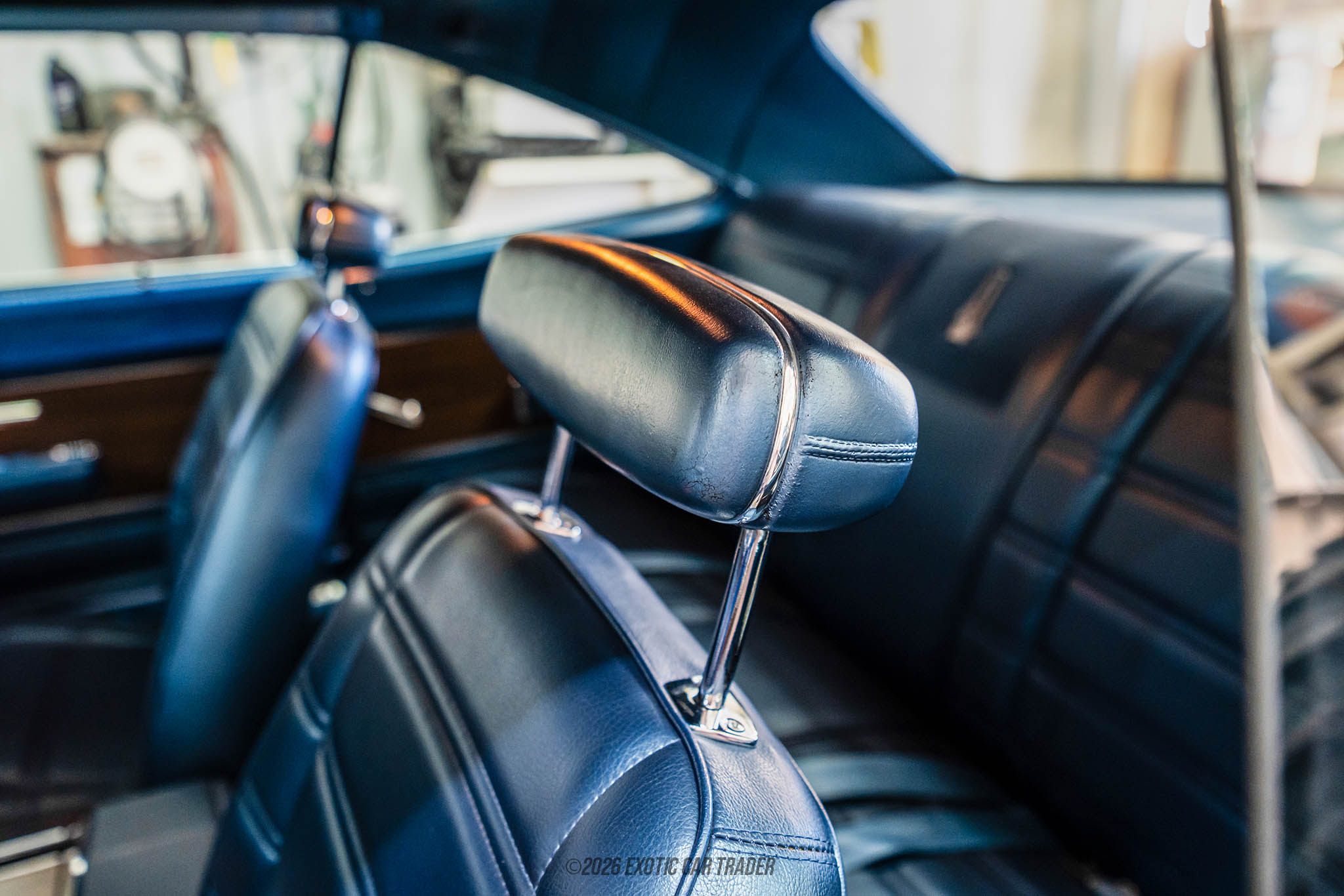
- Blue Vinyl Interior
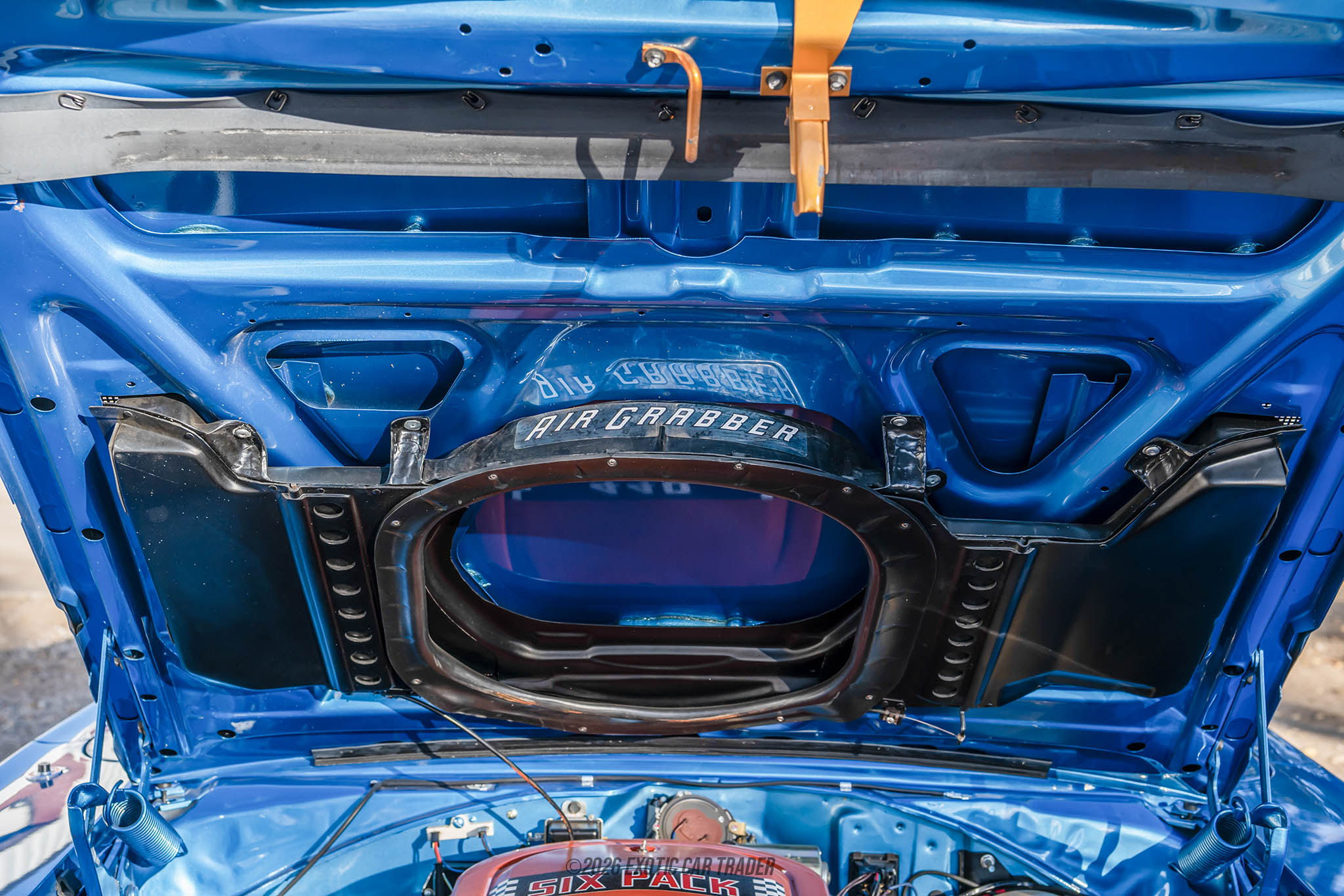
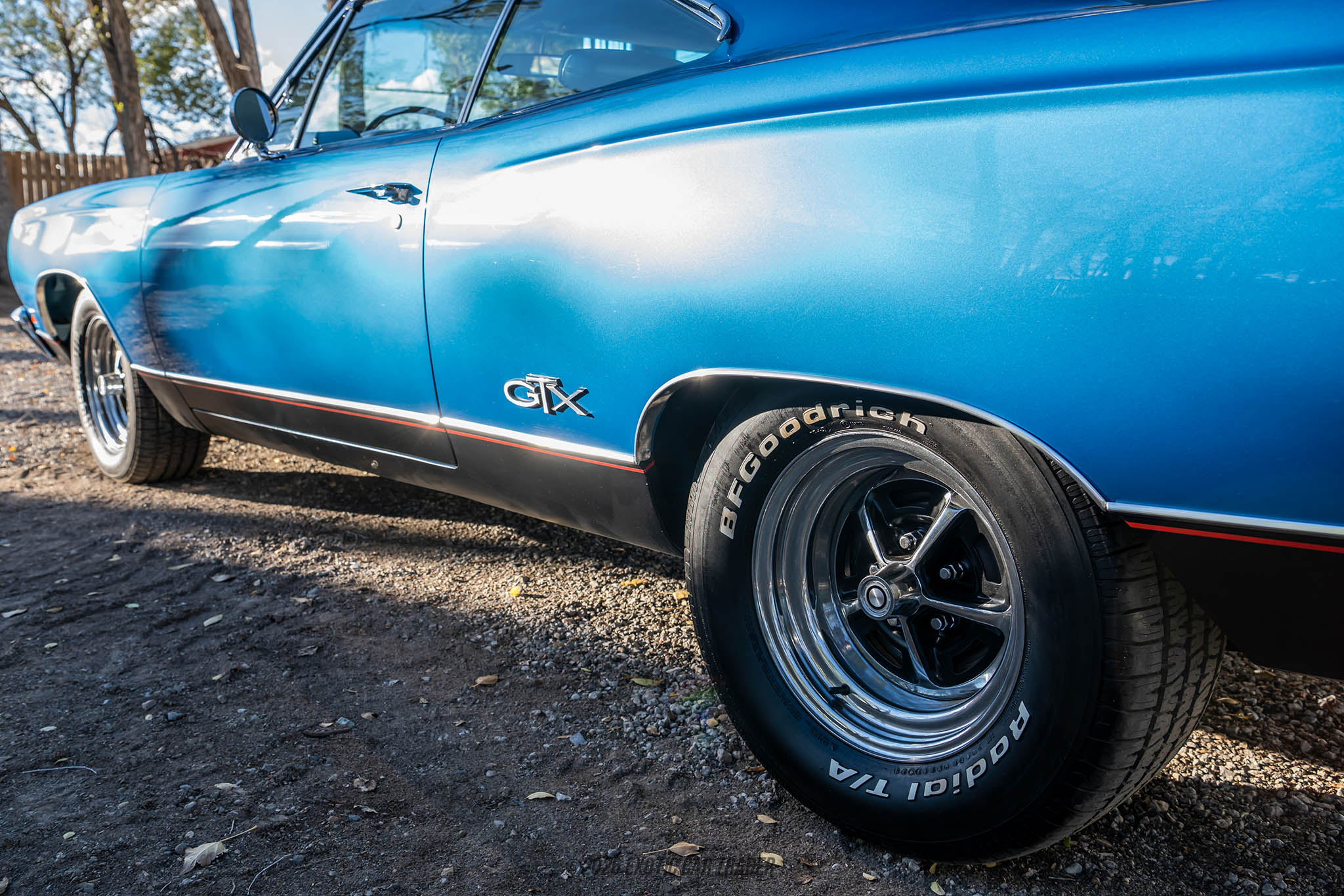
- Air Grabber Hood
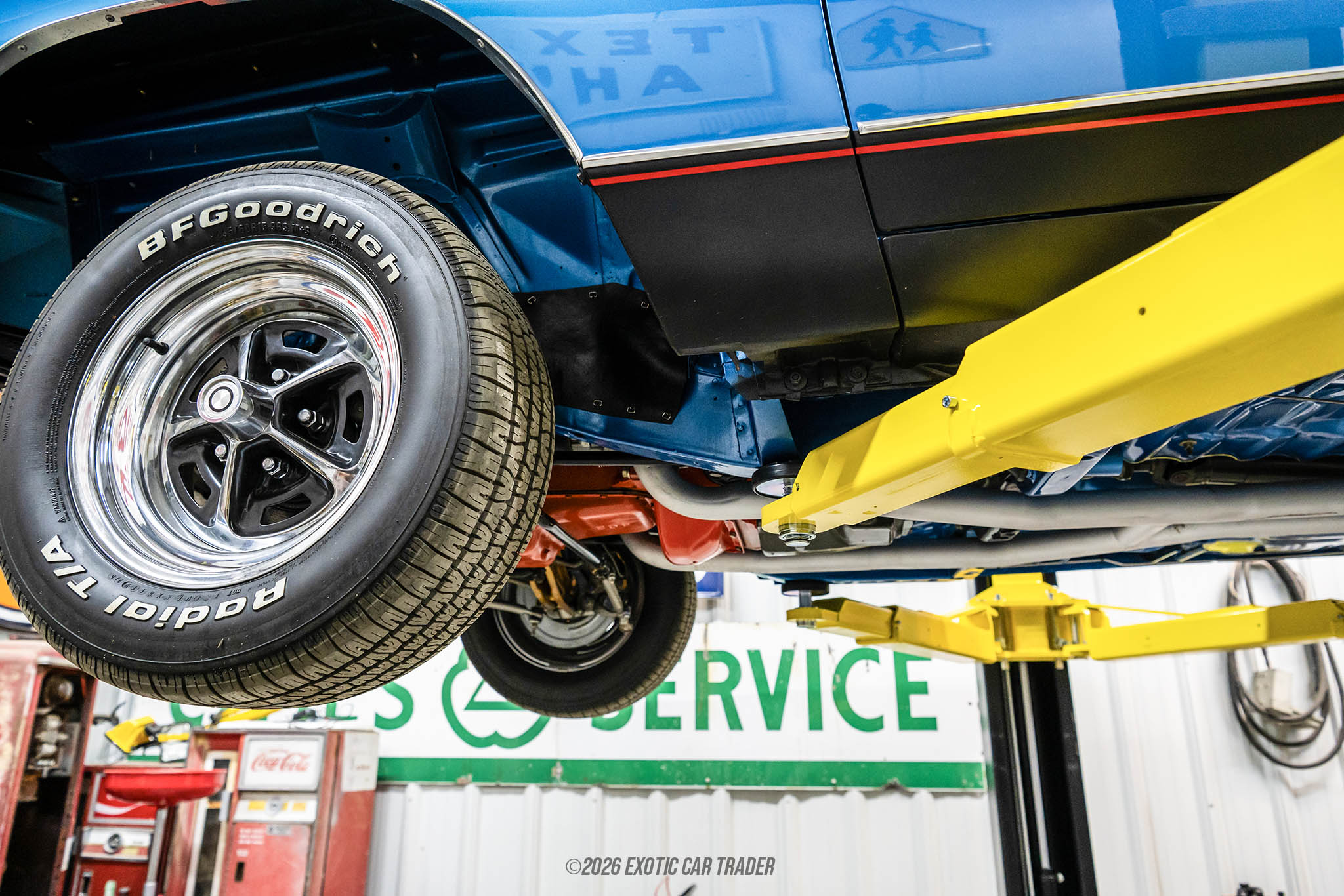
- Magnum 500 Wheels
- Dana Sure Grip Rear Differential w/ 3.54:1 Gear Ratio
- Power Steering
- Power Brakes
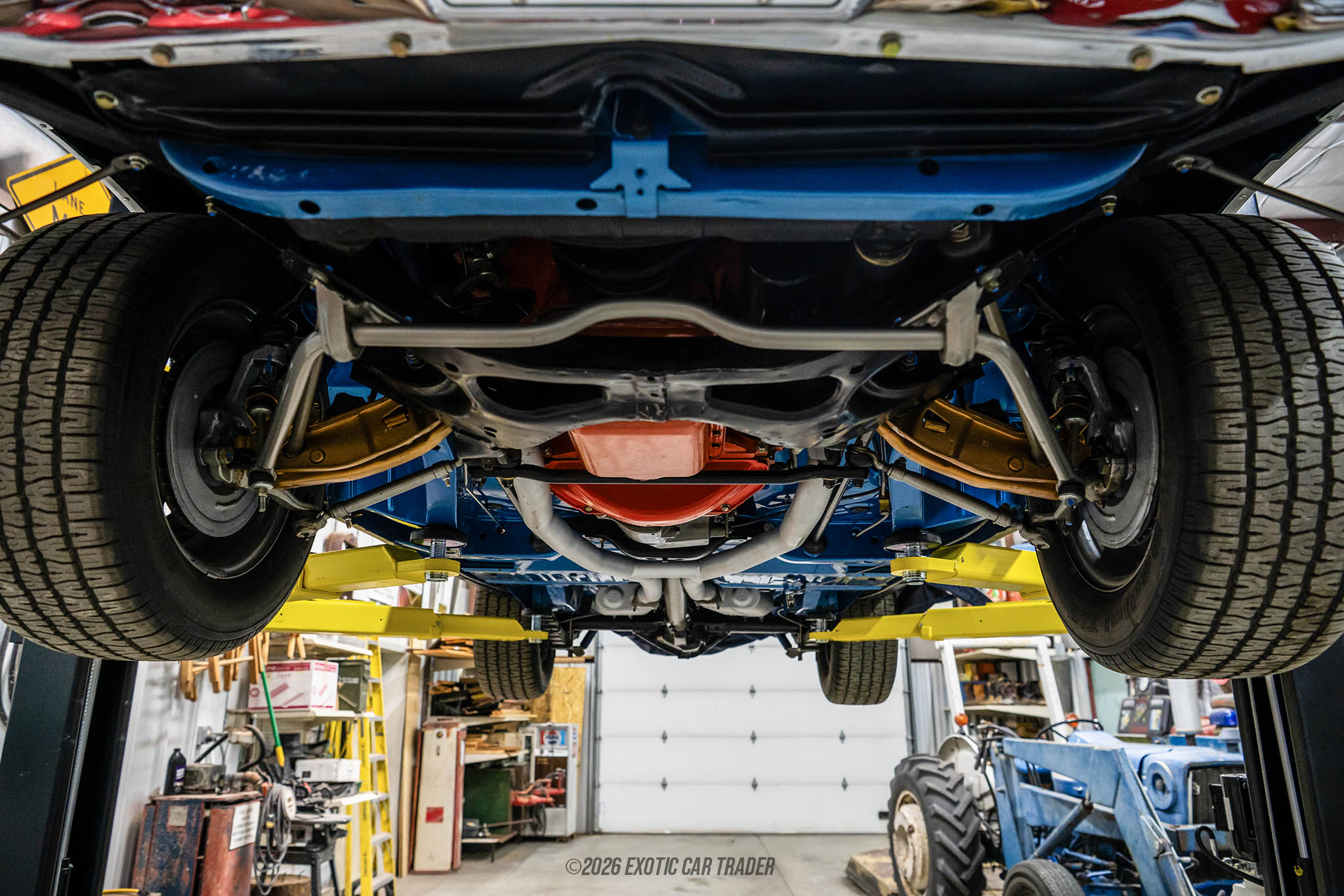
- Aftermarket Brake Lines
- Aftermarket Fuel Lines
- Aftermarket Fuel Tank
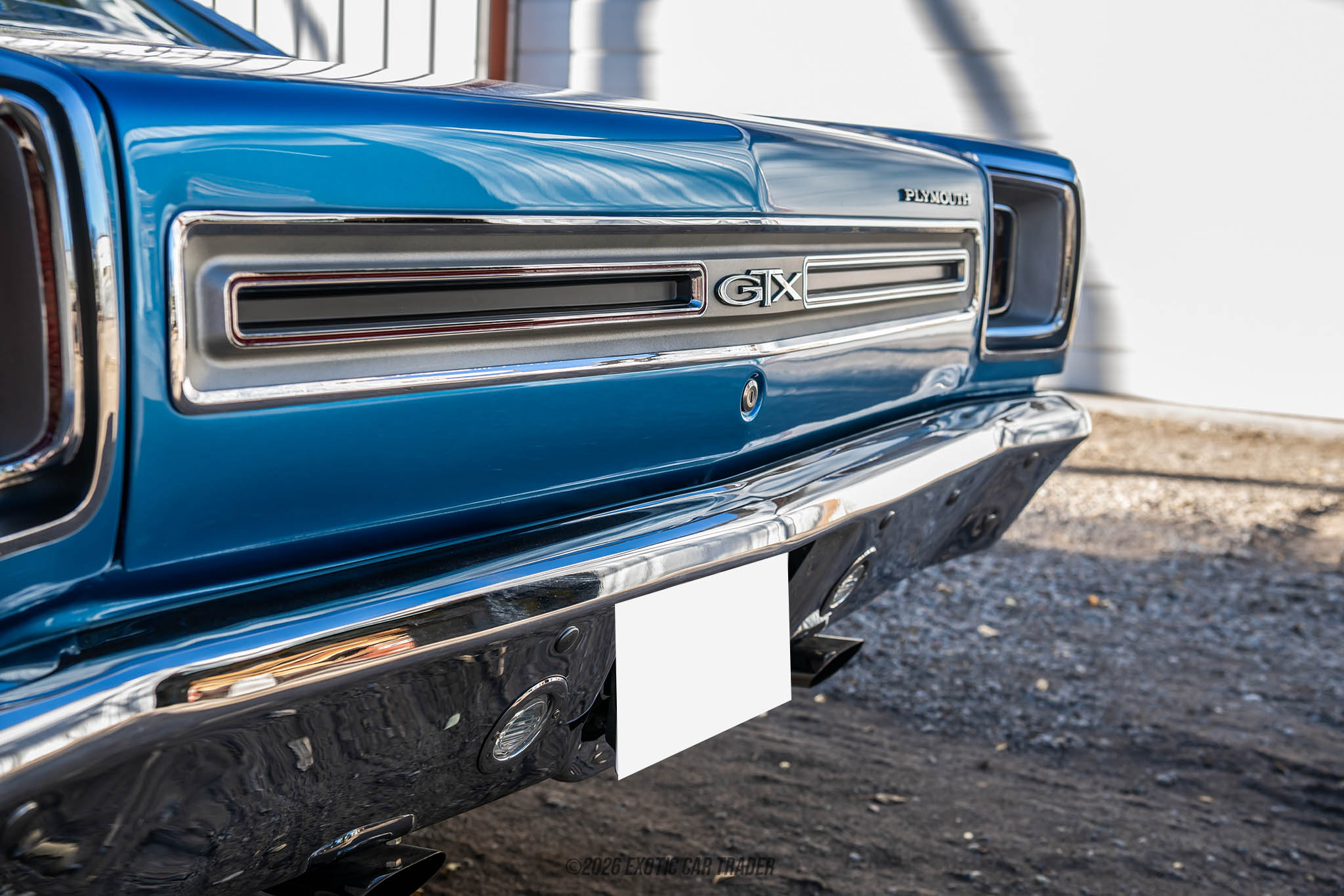
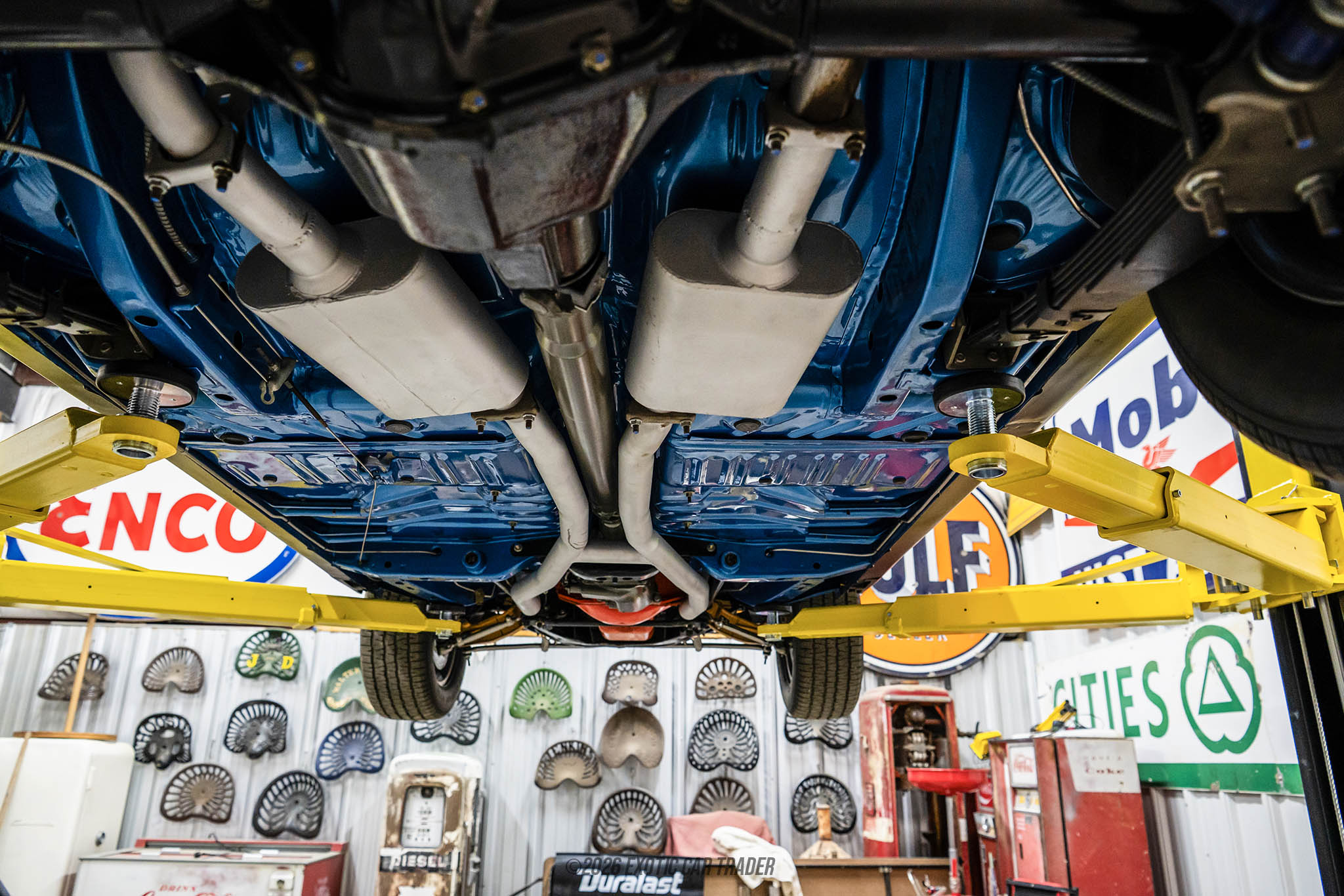
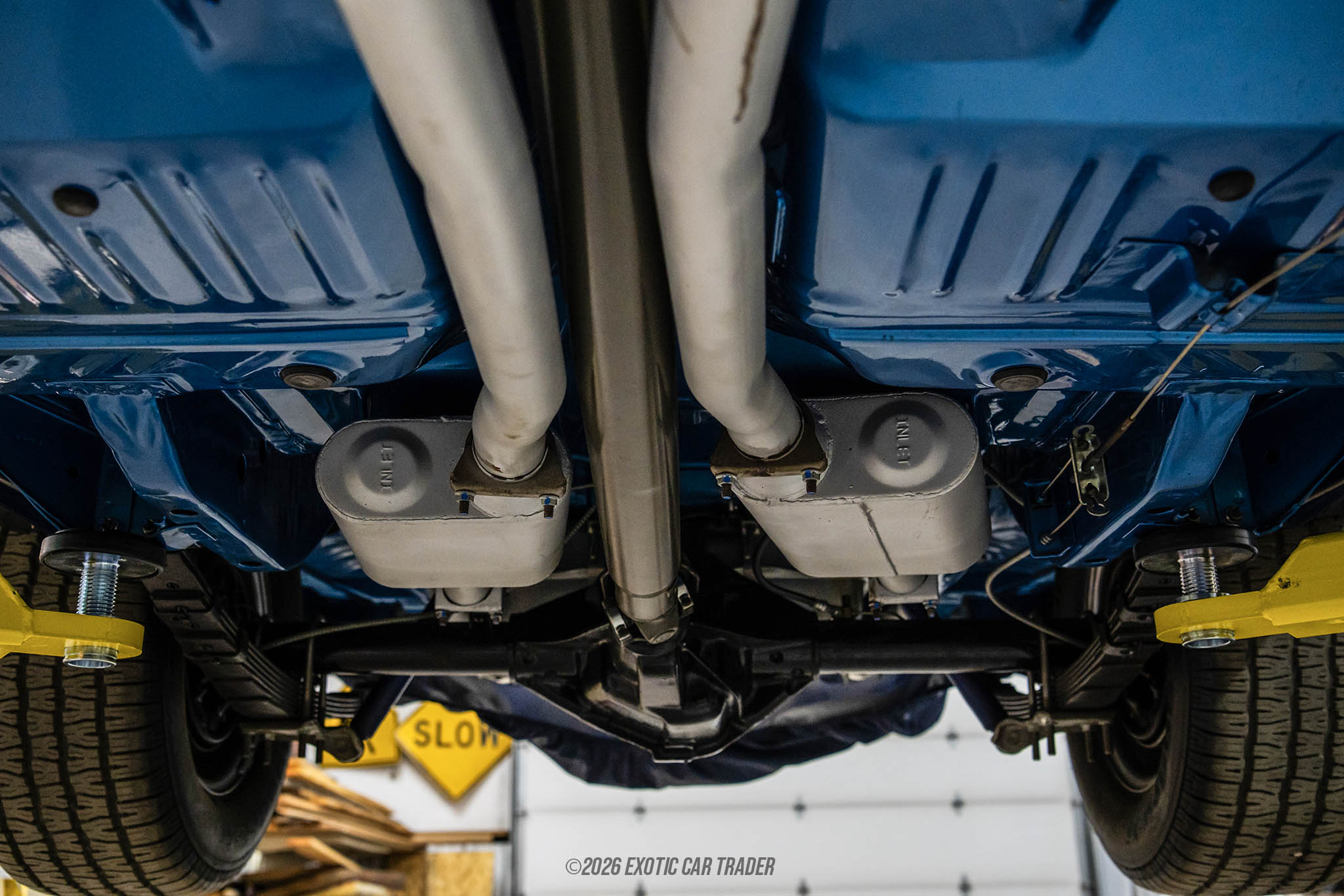
- Aftermarket Exhaust System
- Flowmaster Mufflers
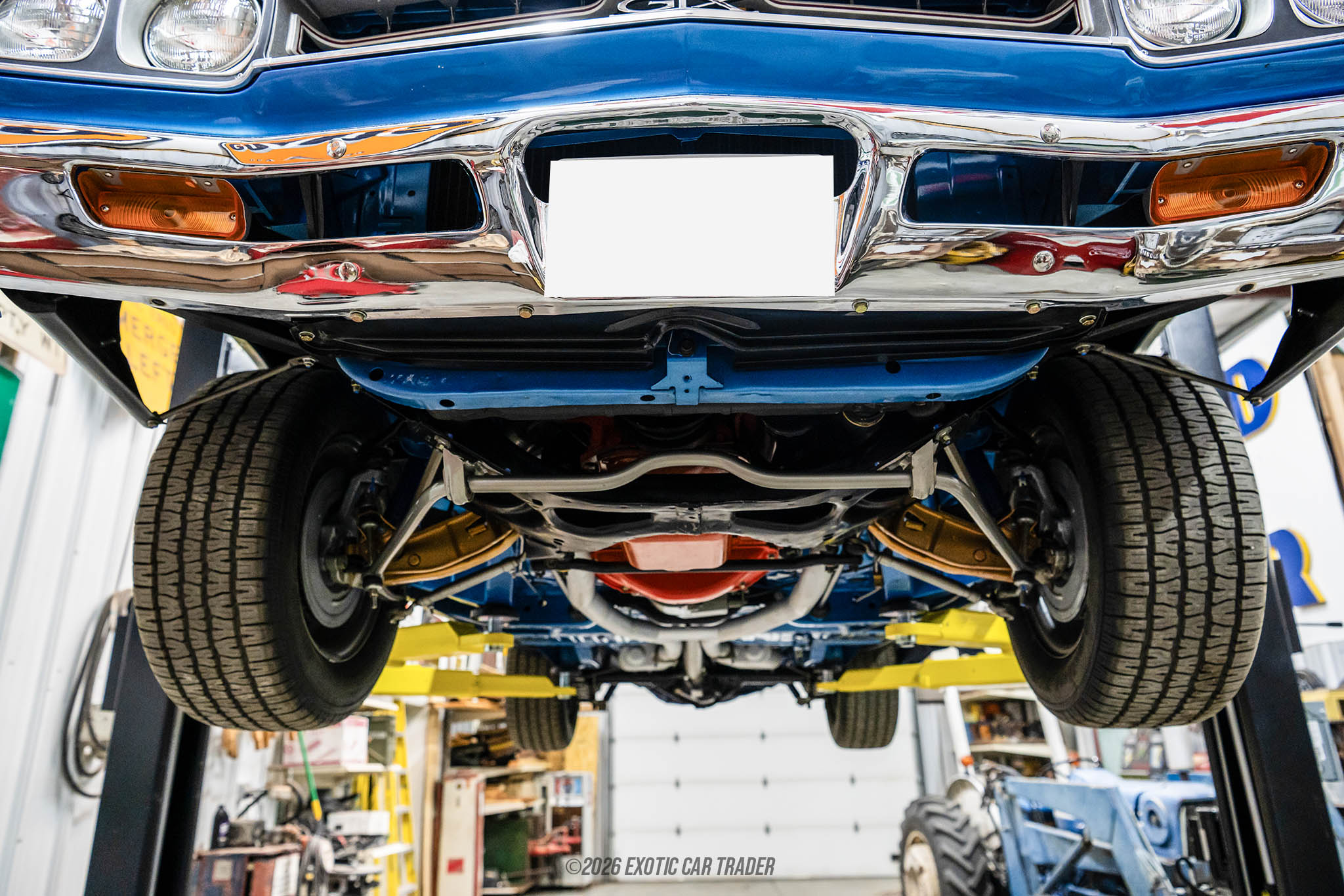
- Factory-Style Suspension
- Painted Undercarriage
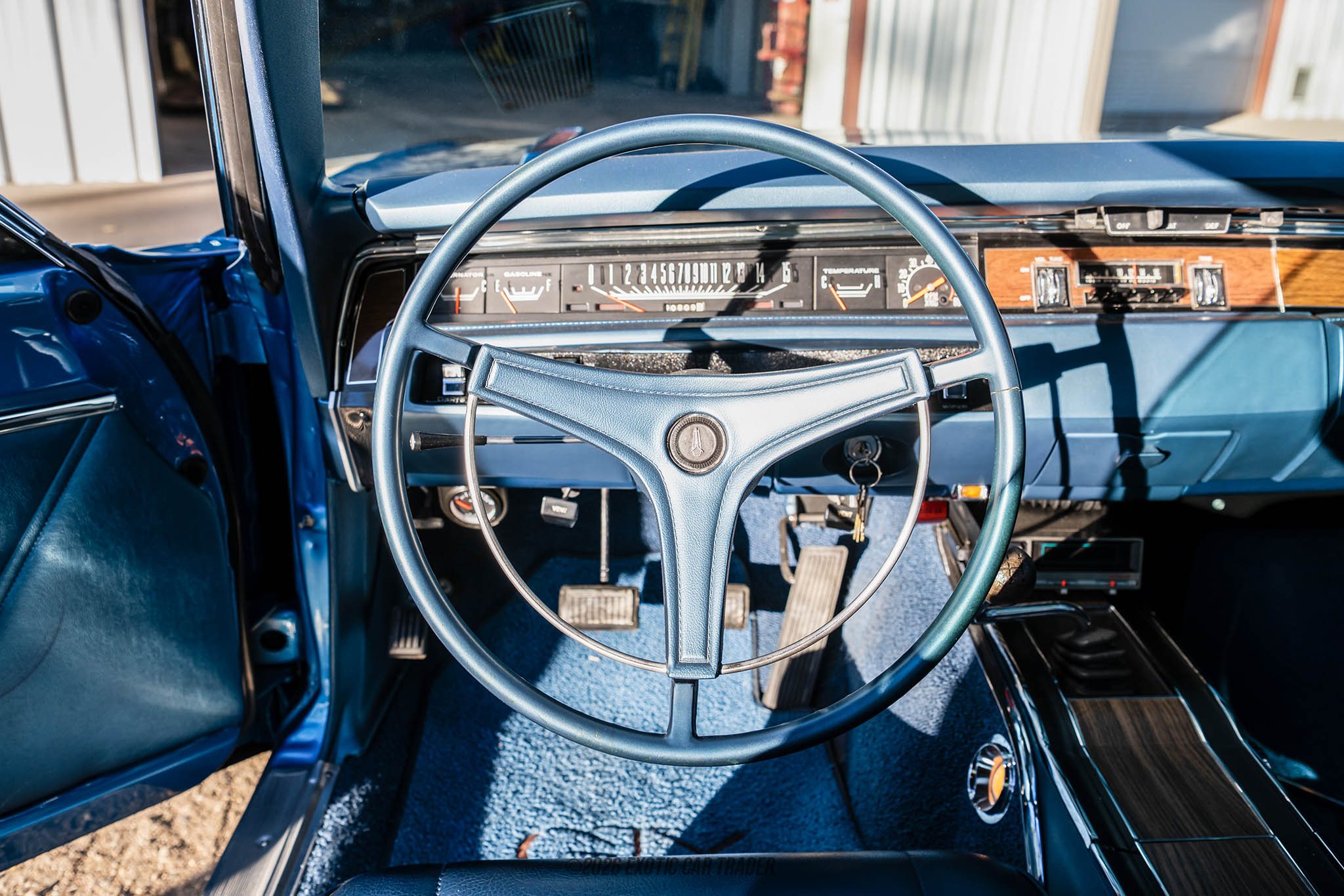
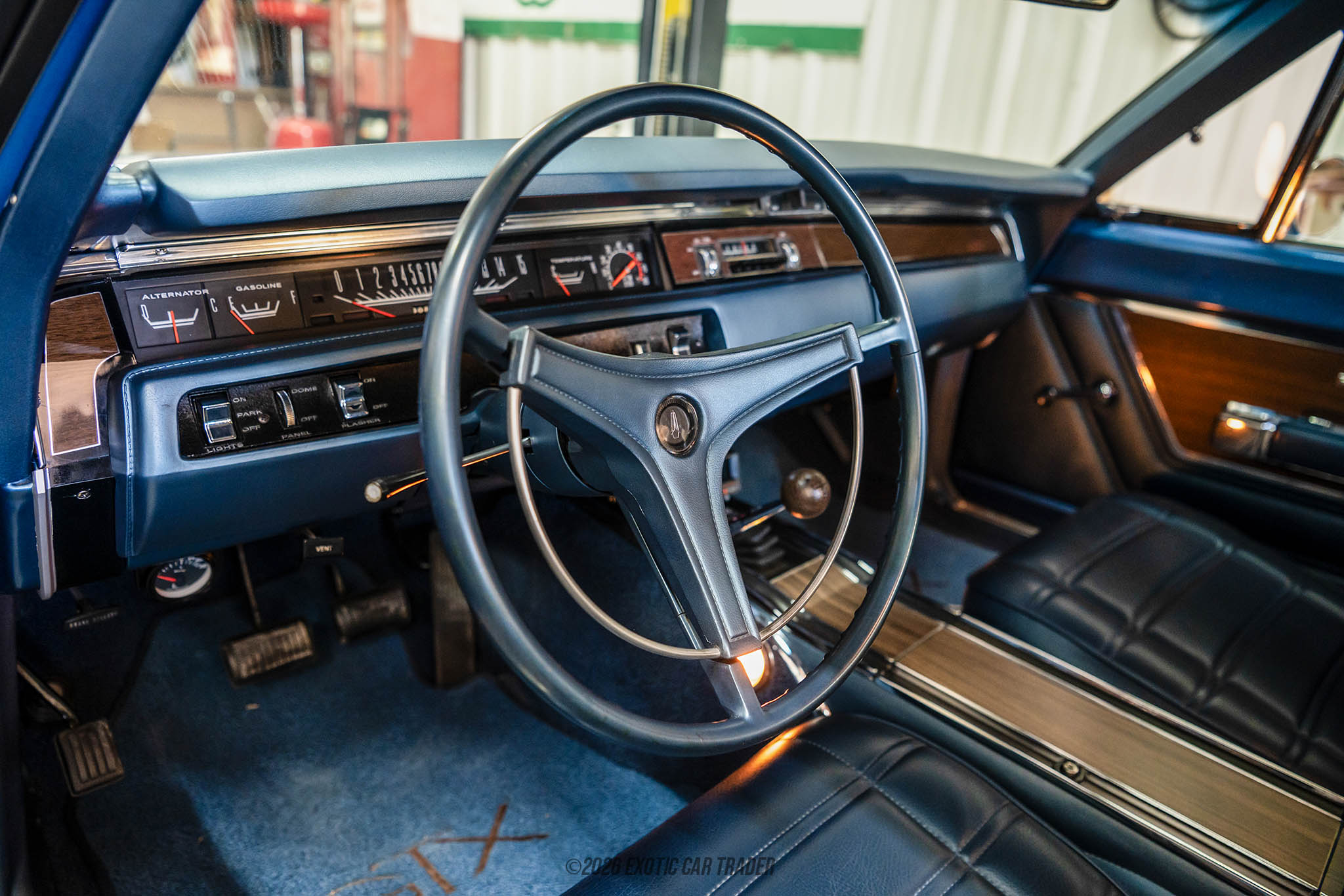
- Front Bucket Seats
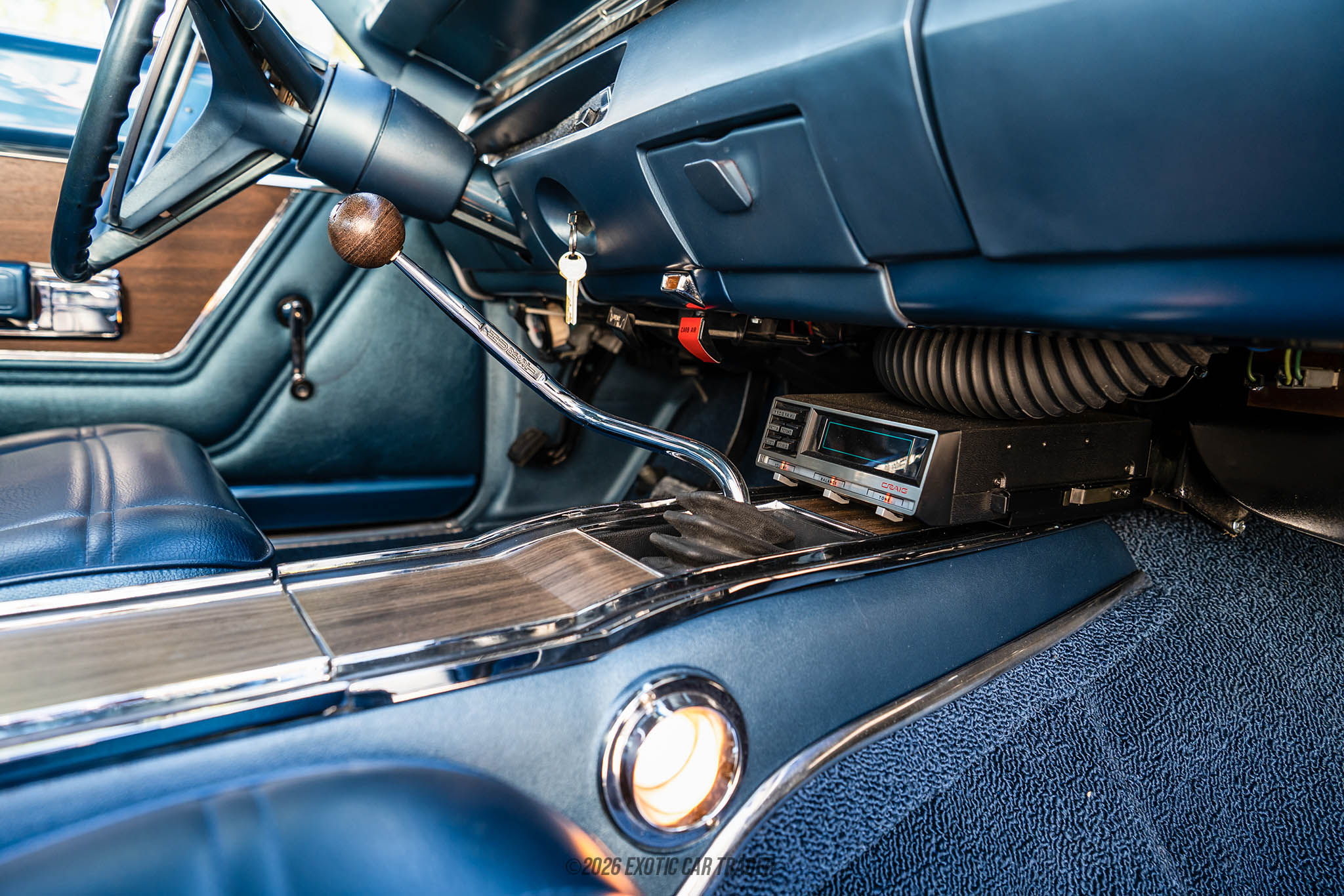
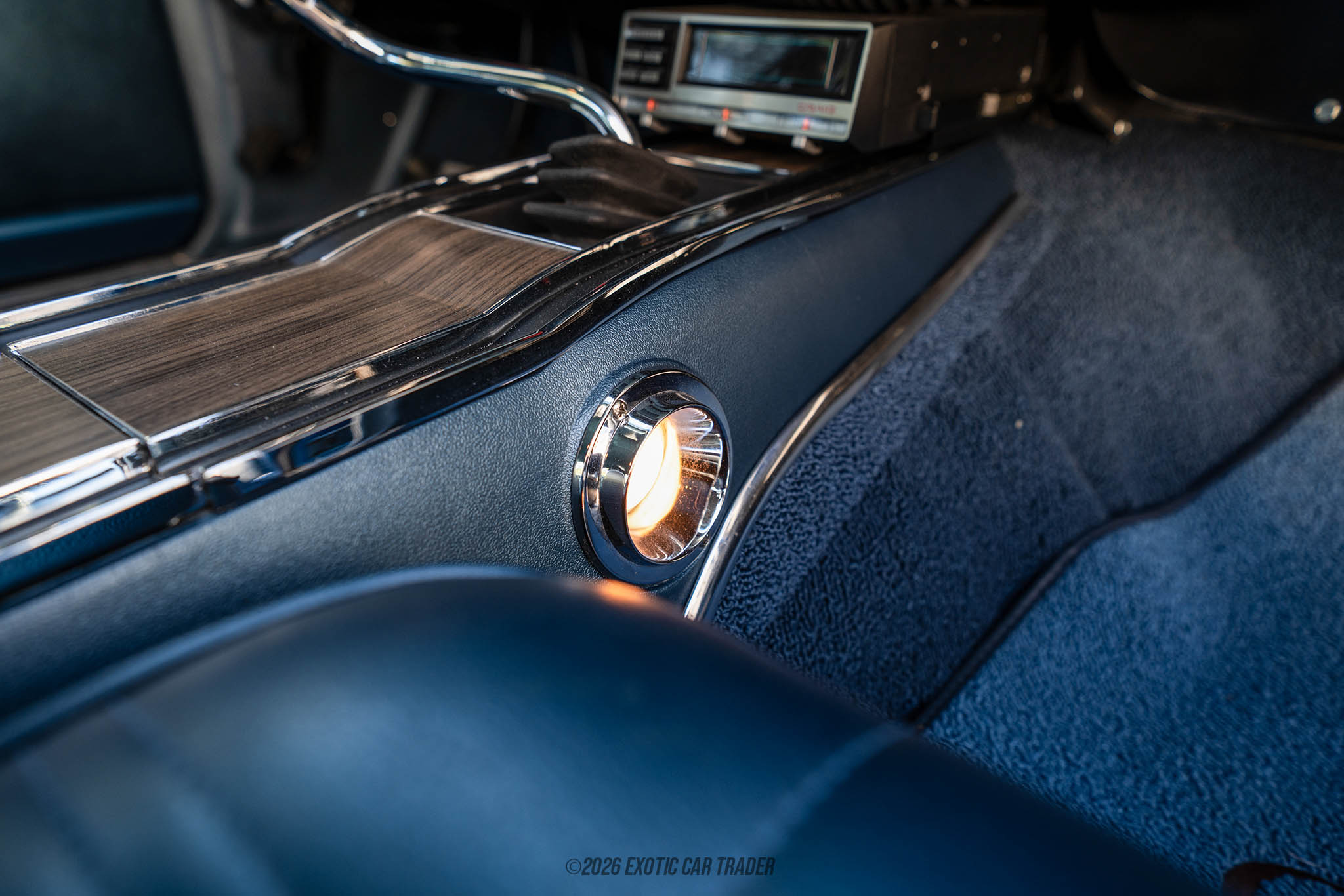
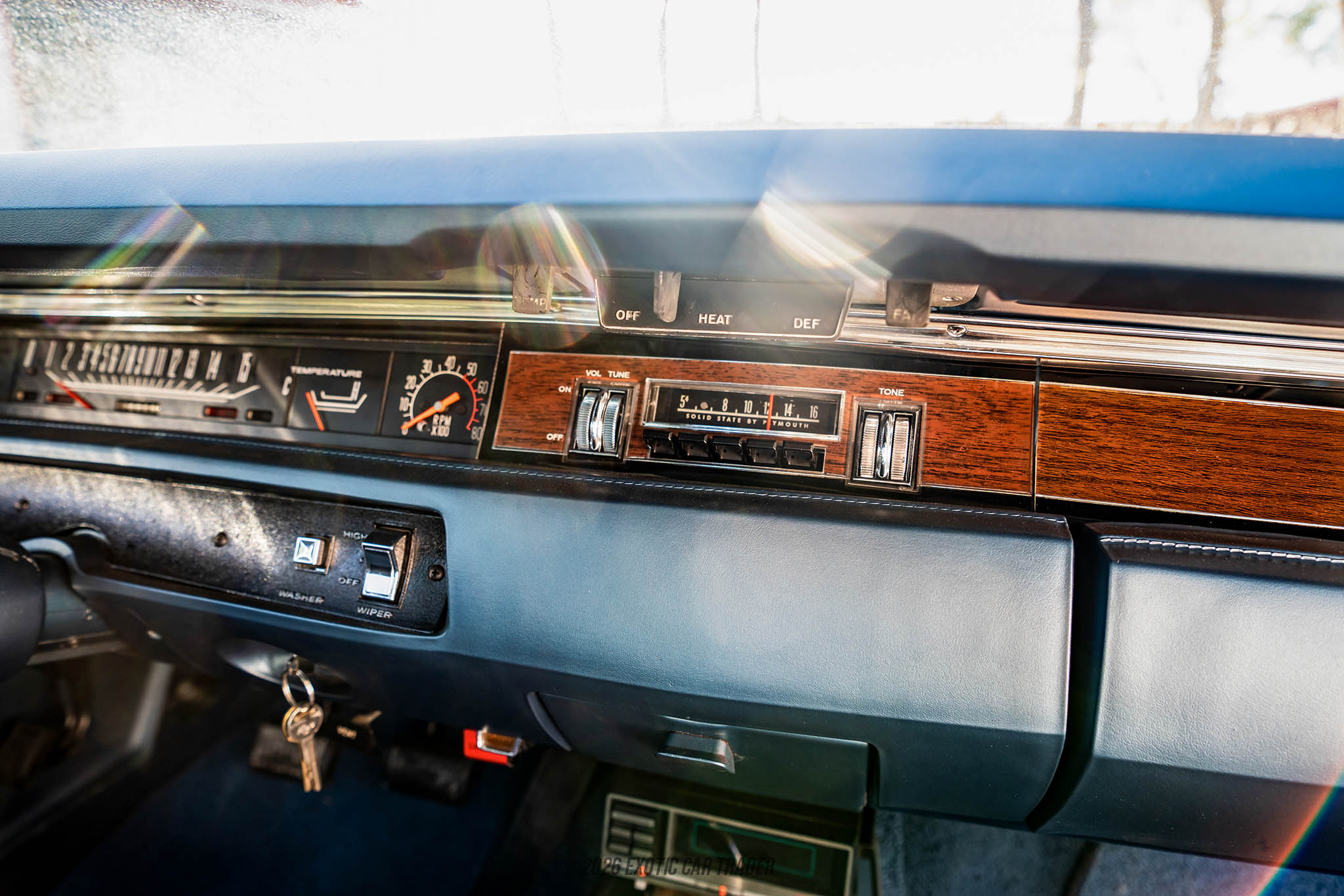
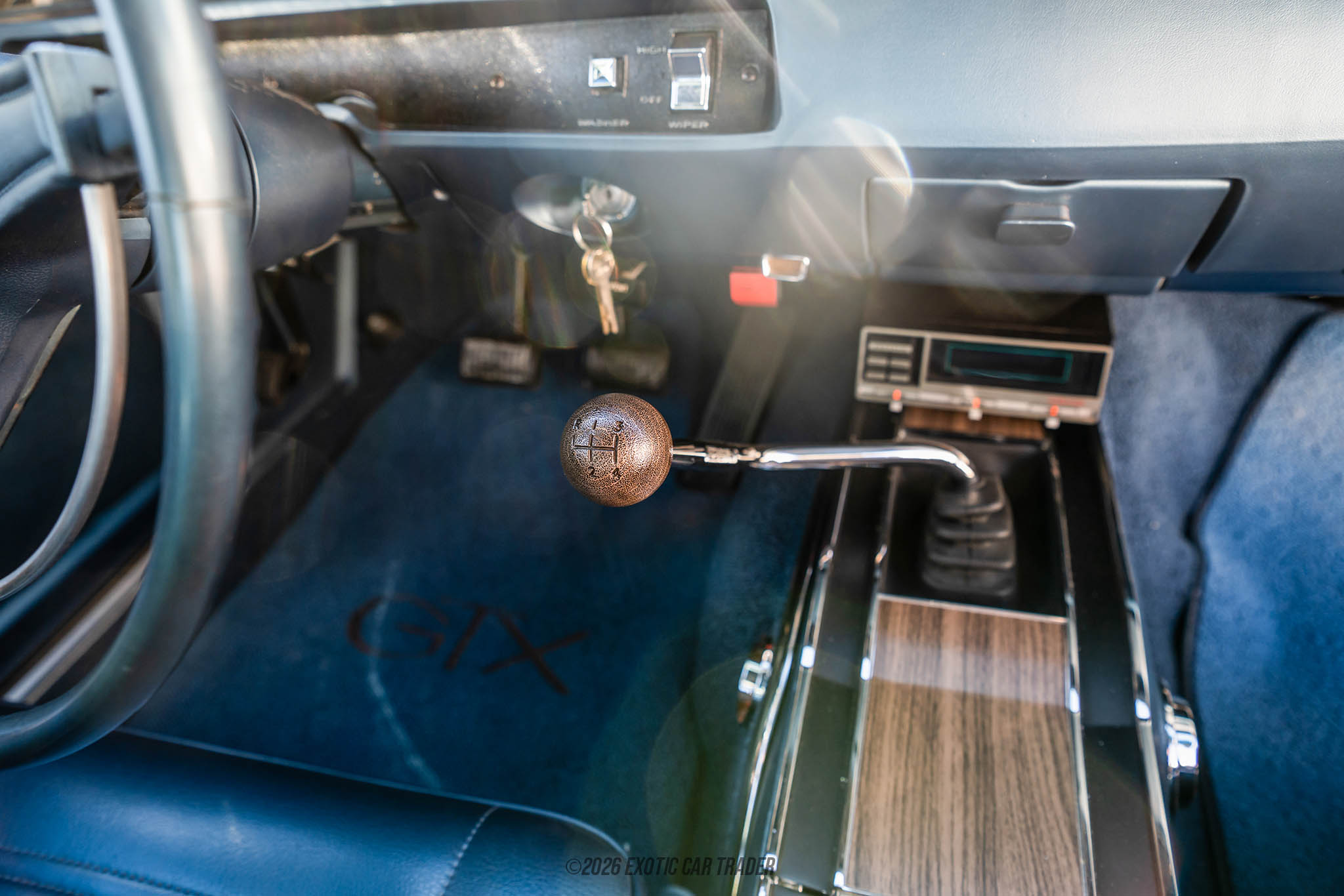
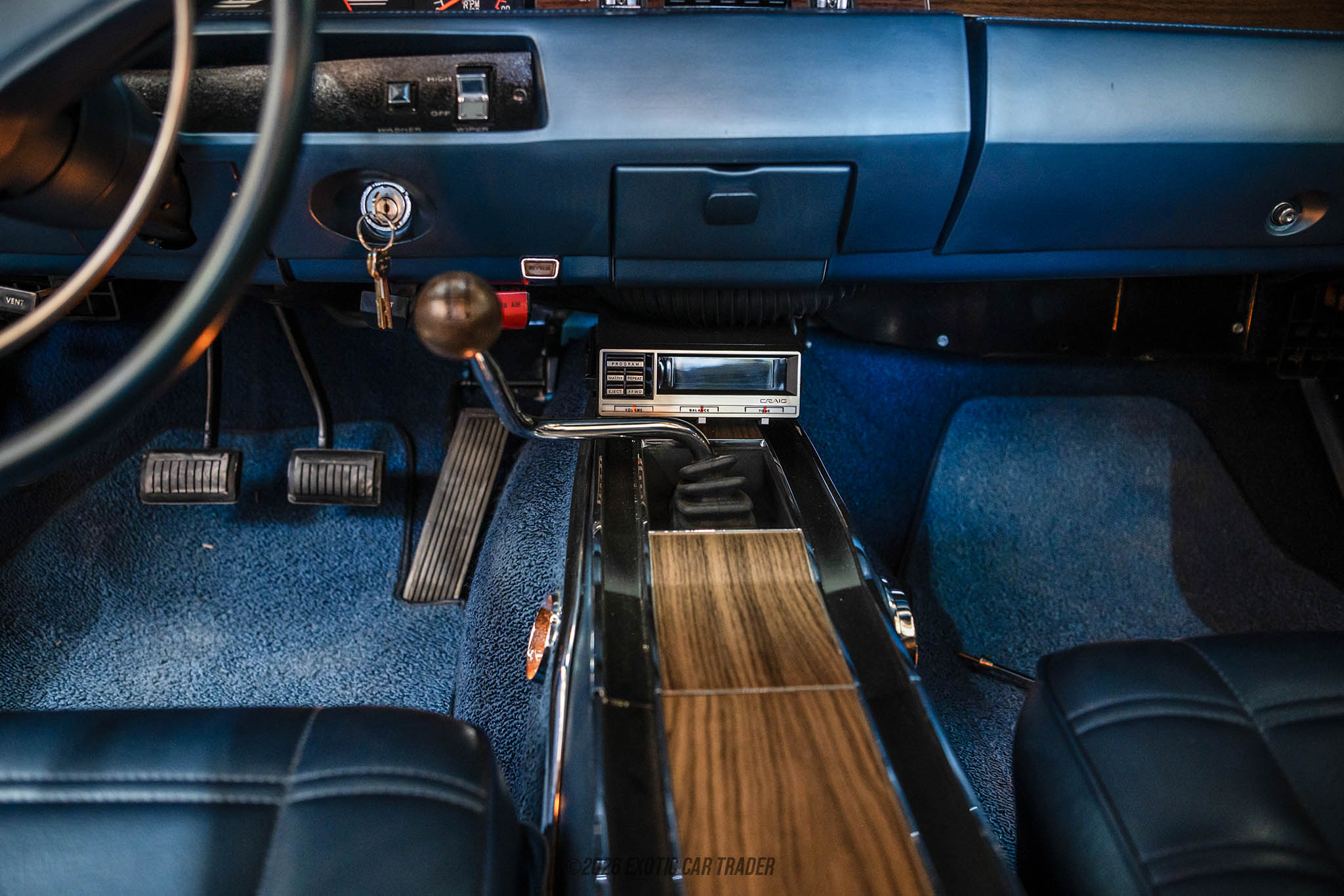
- Center Console
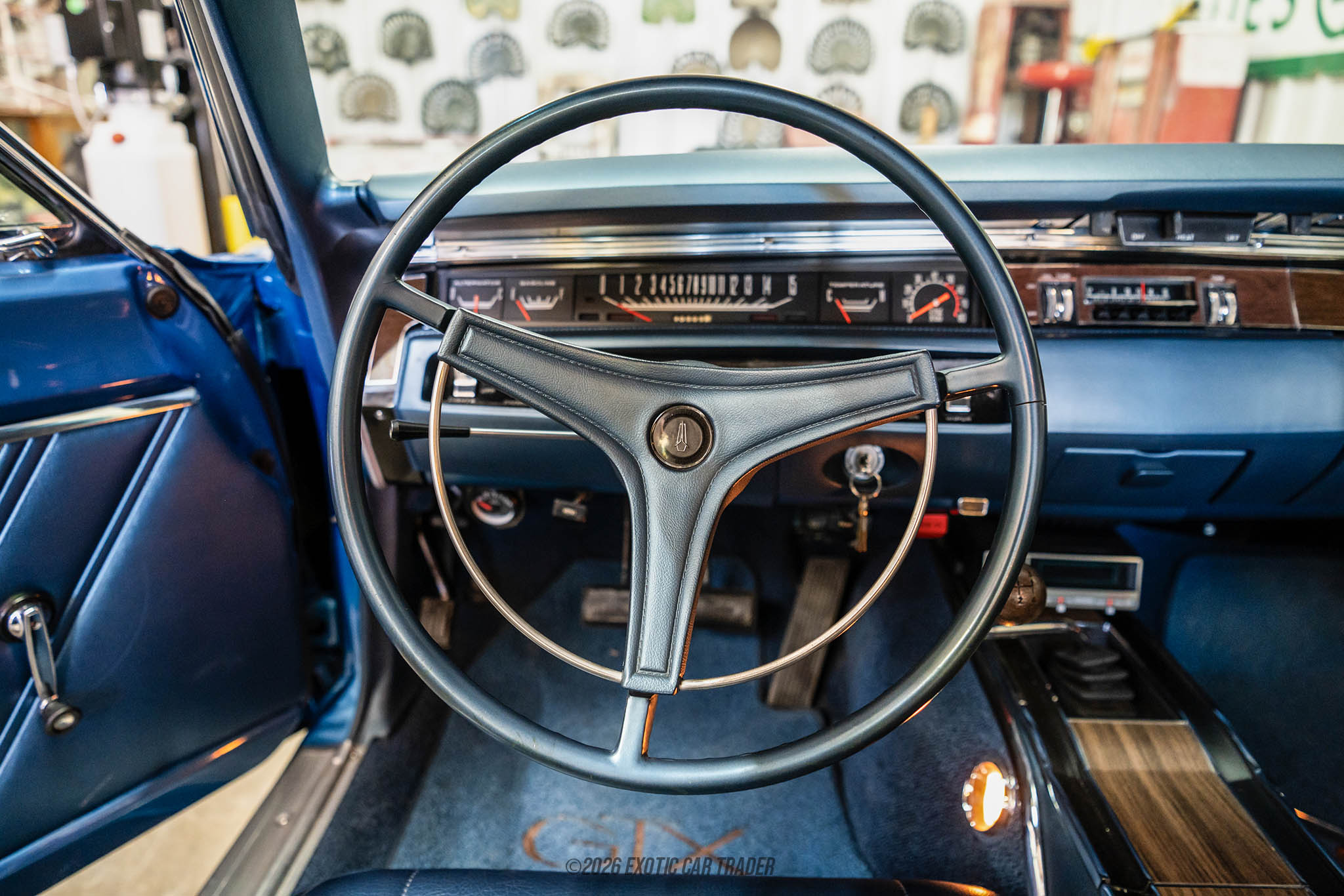
- Factory-Style Manual Shifter
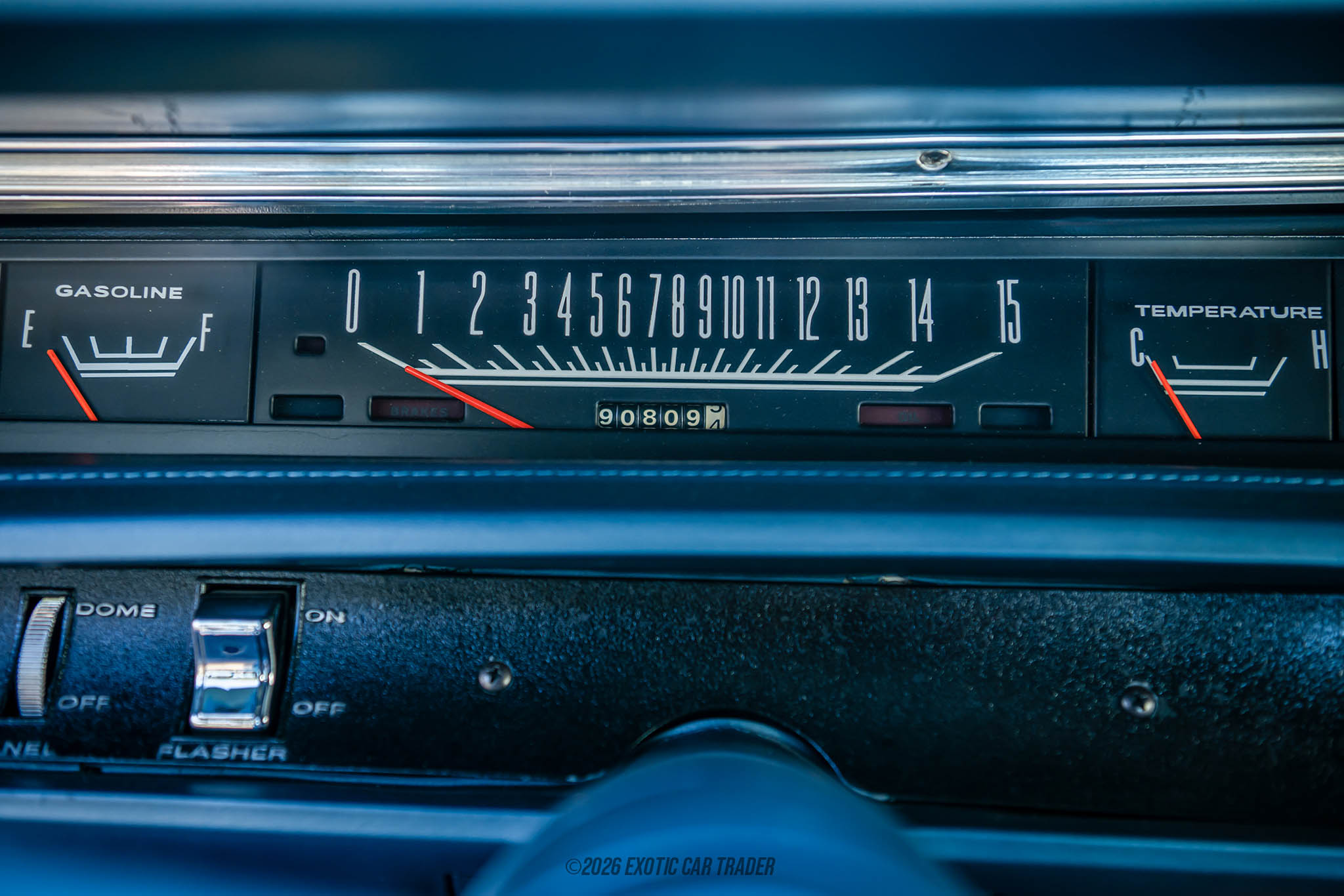
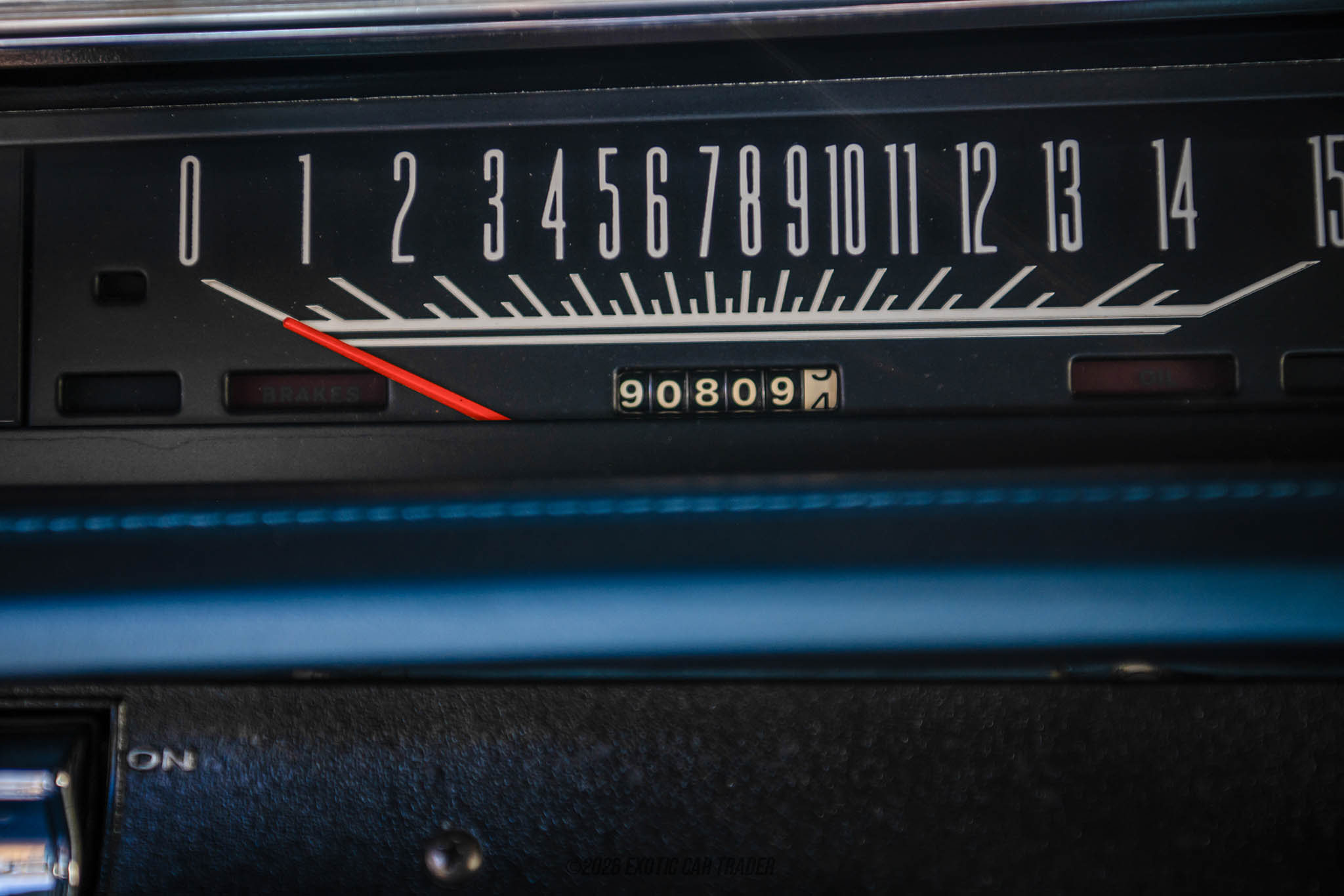
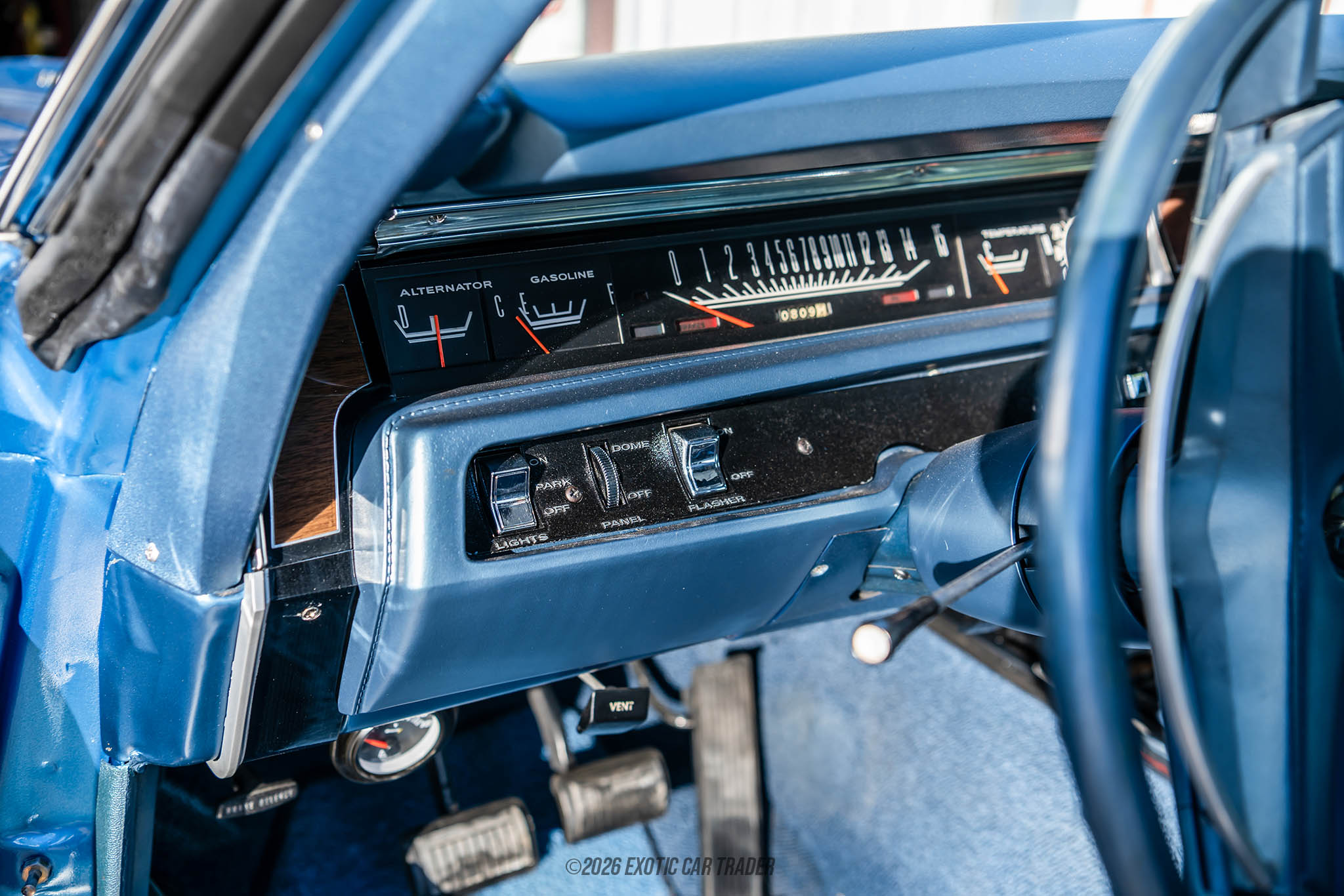
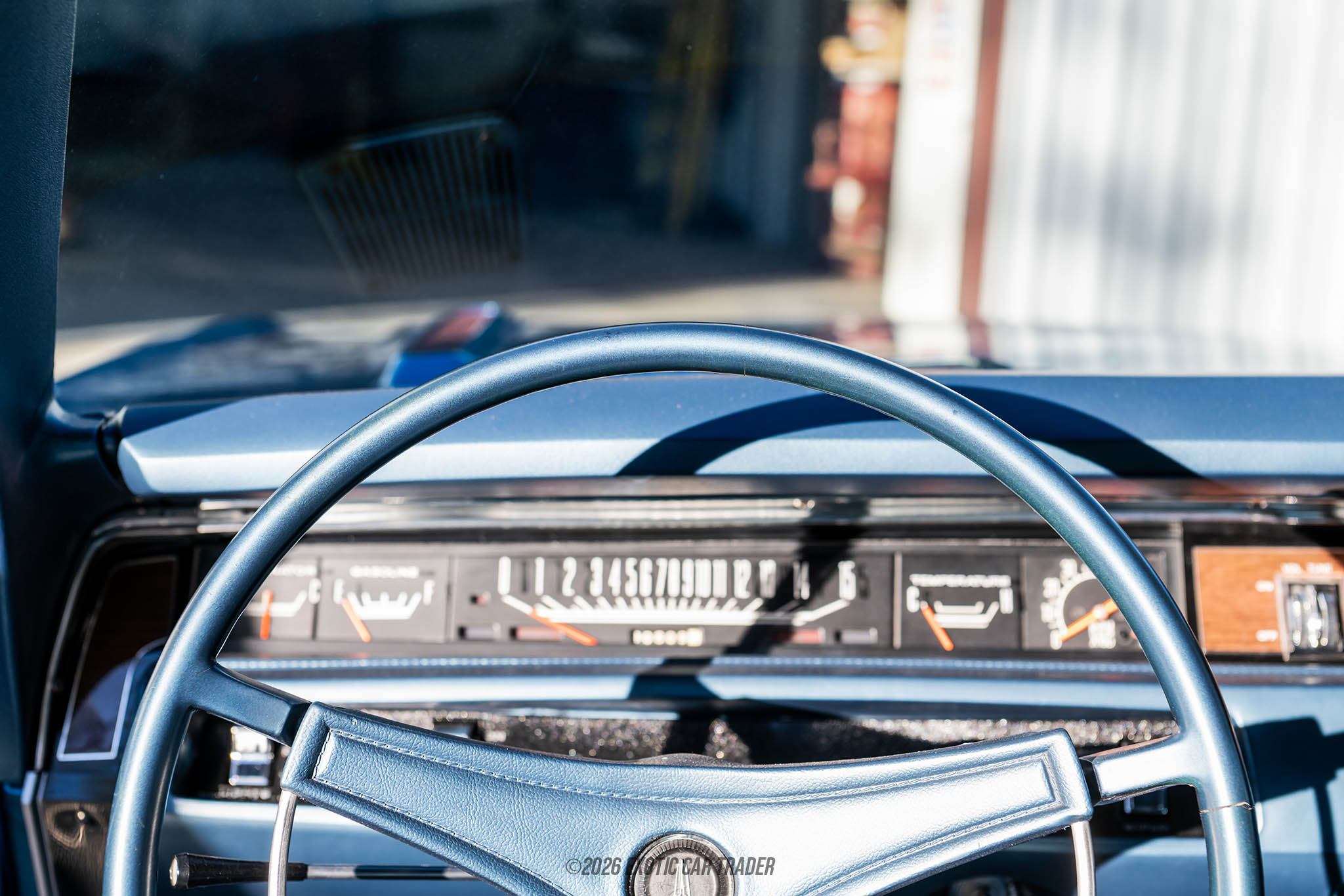
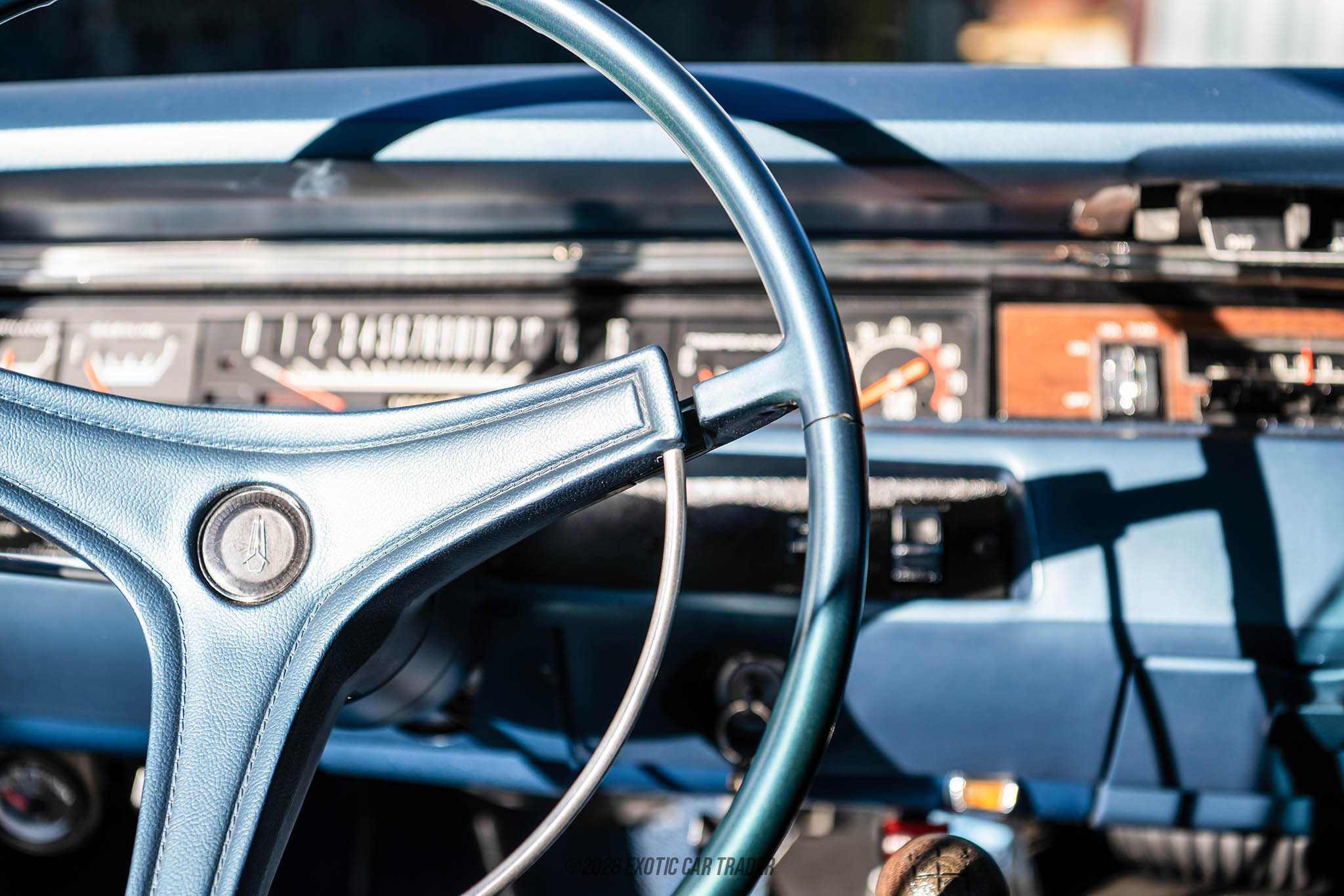
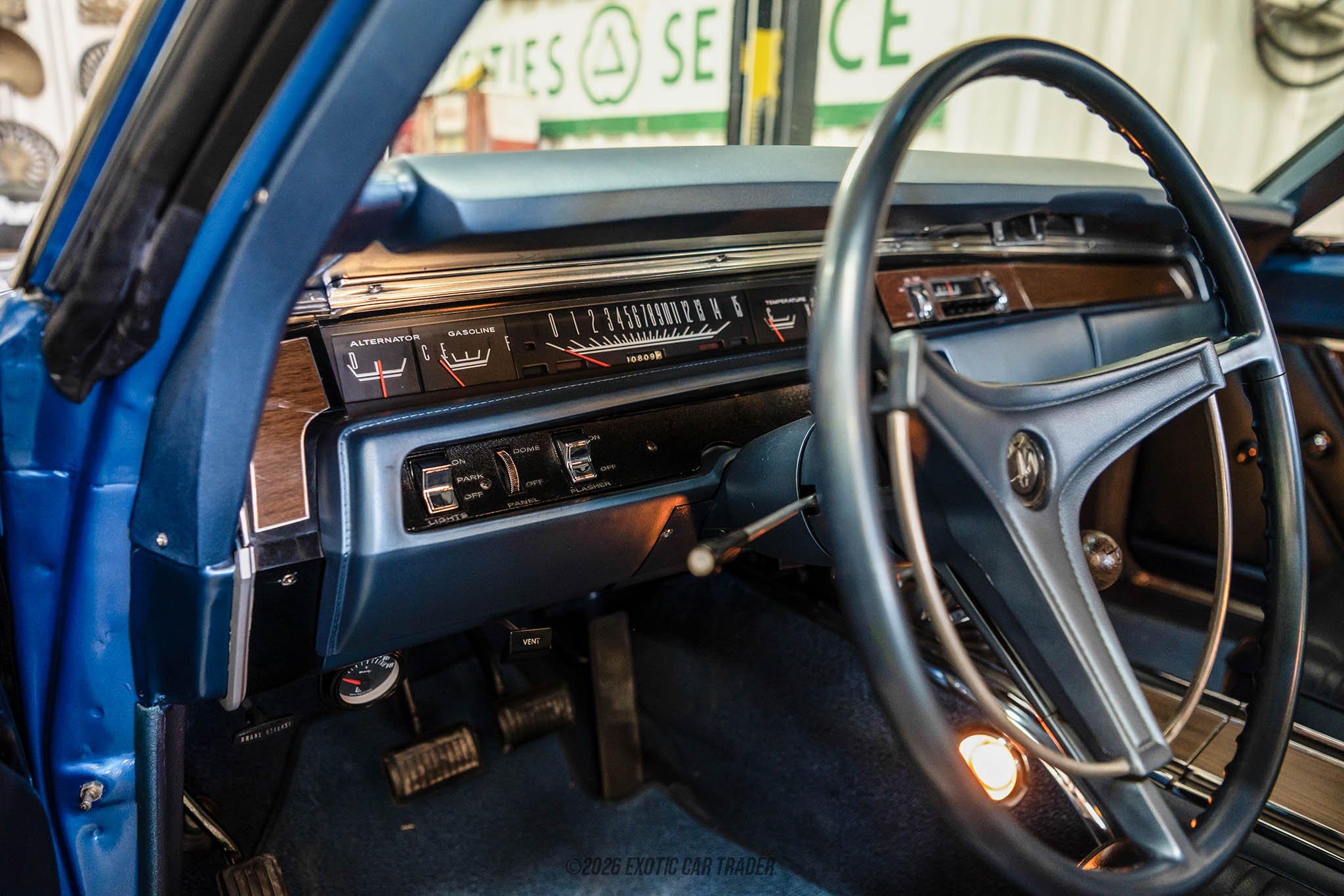
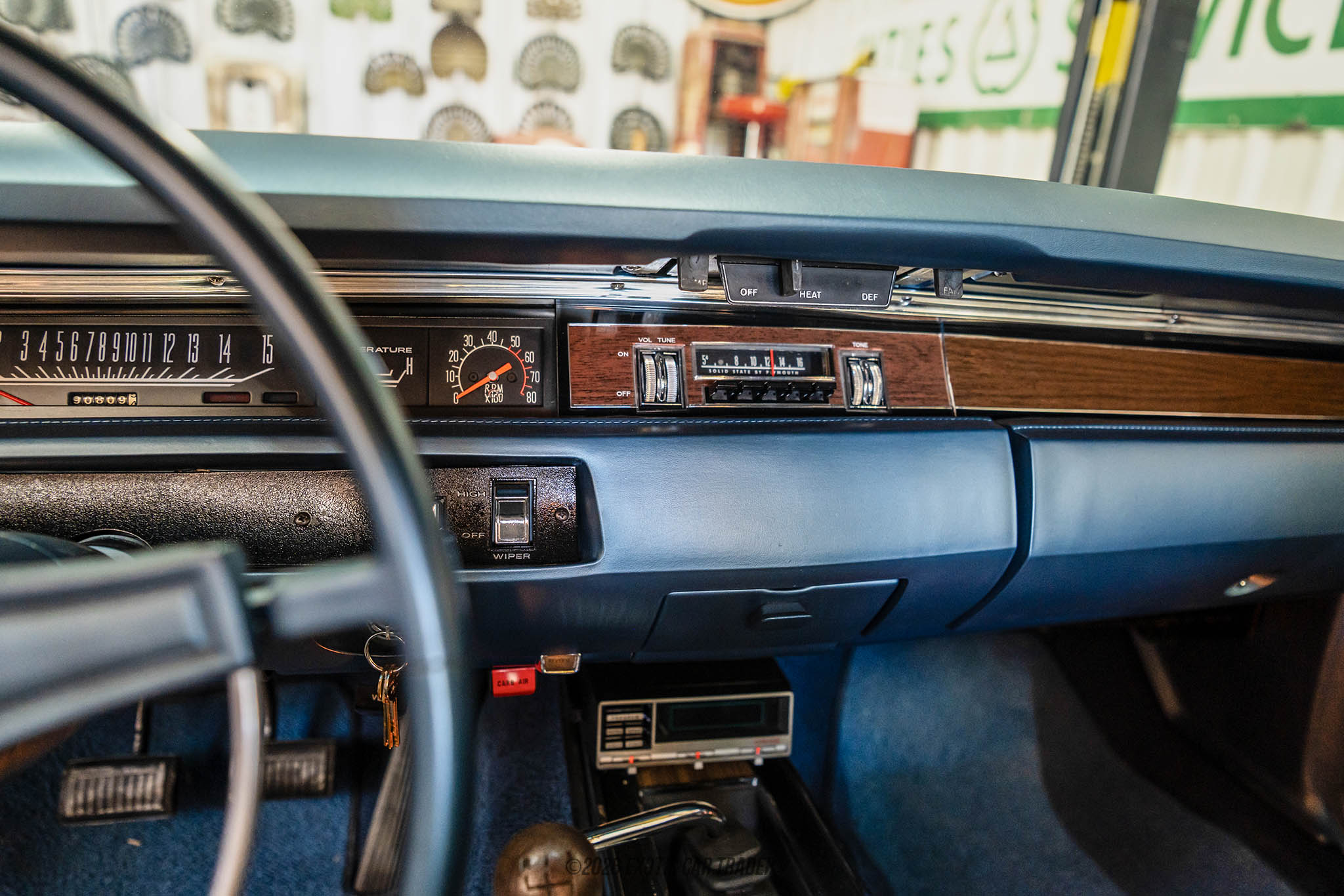
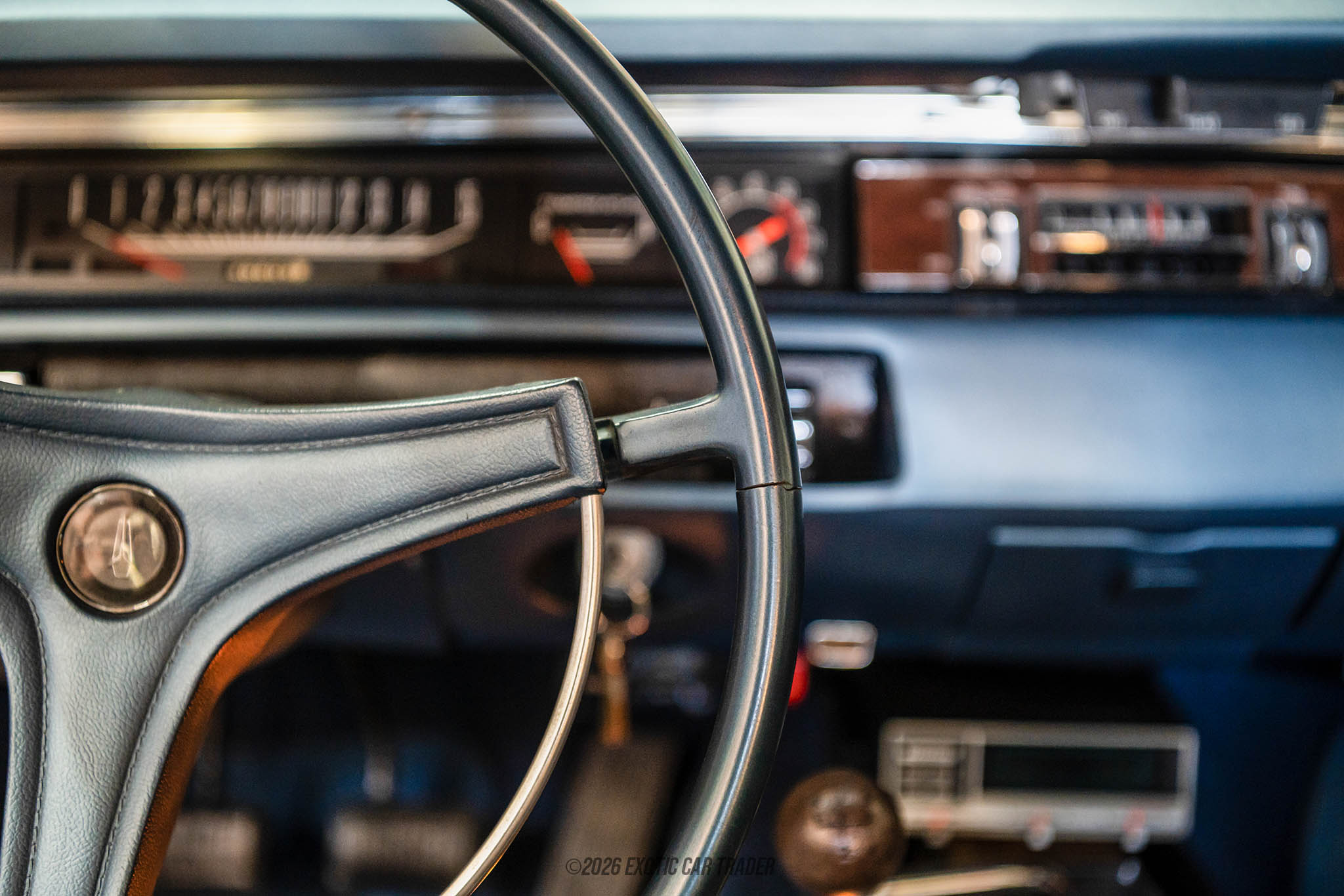
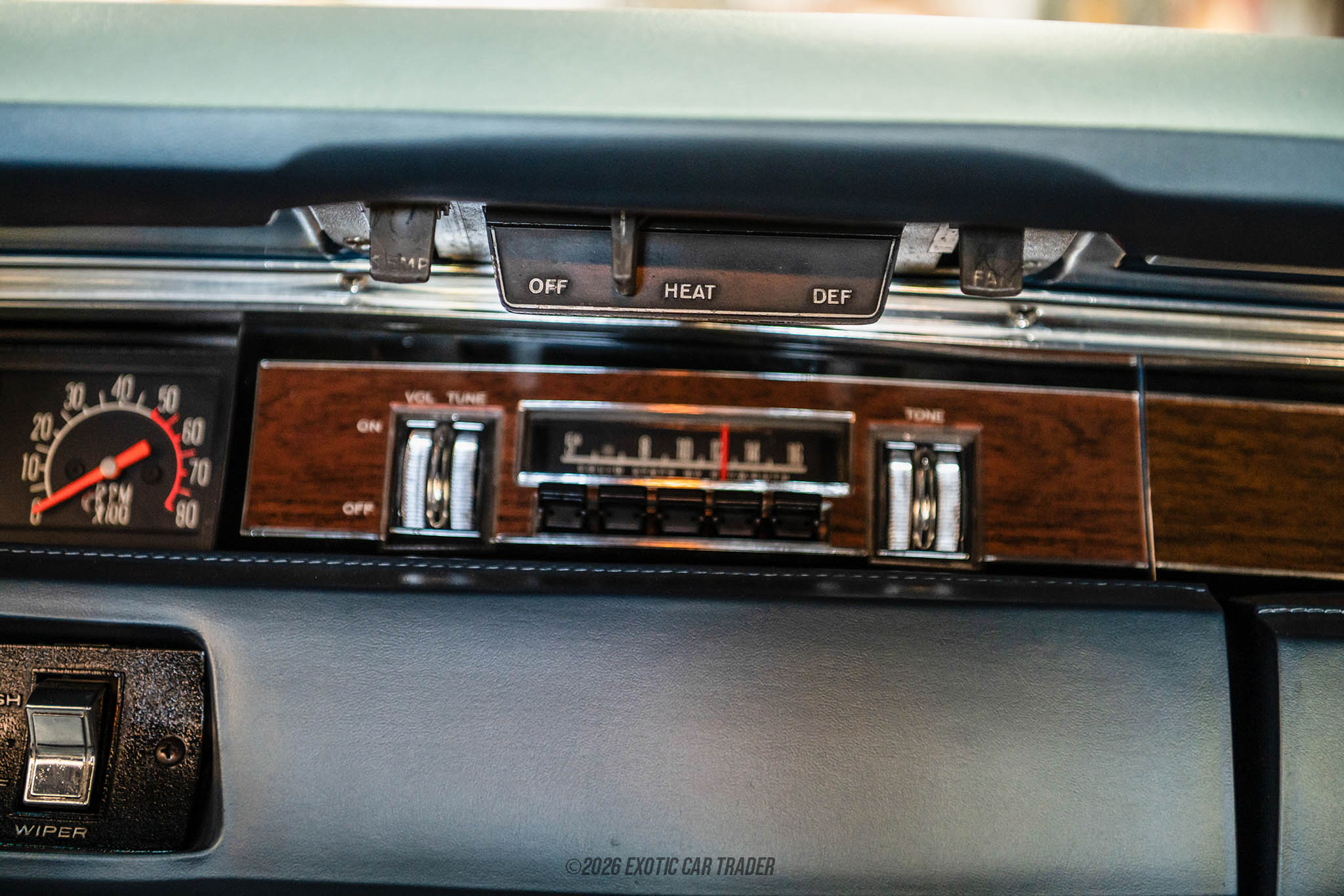
- Factory-Style Gauge Cluster
- 3-Spoke Steering Wheel
- 8-Track Tape Player
- Front & Rear Lap Belts
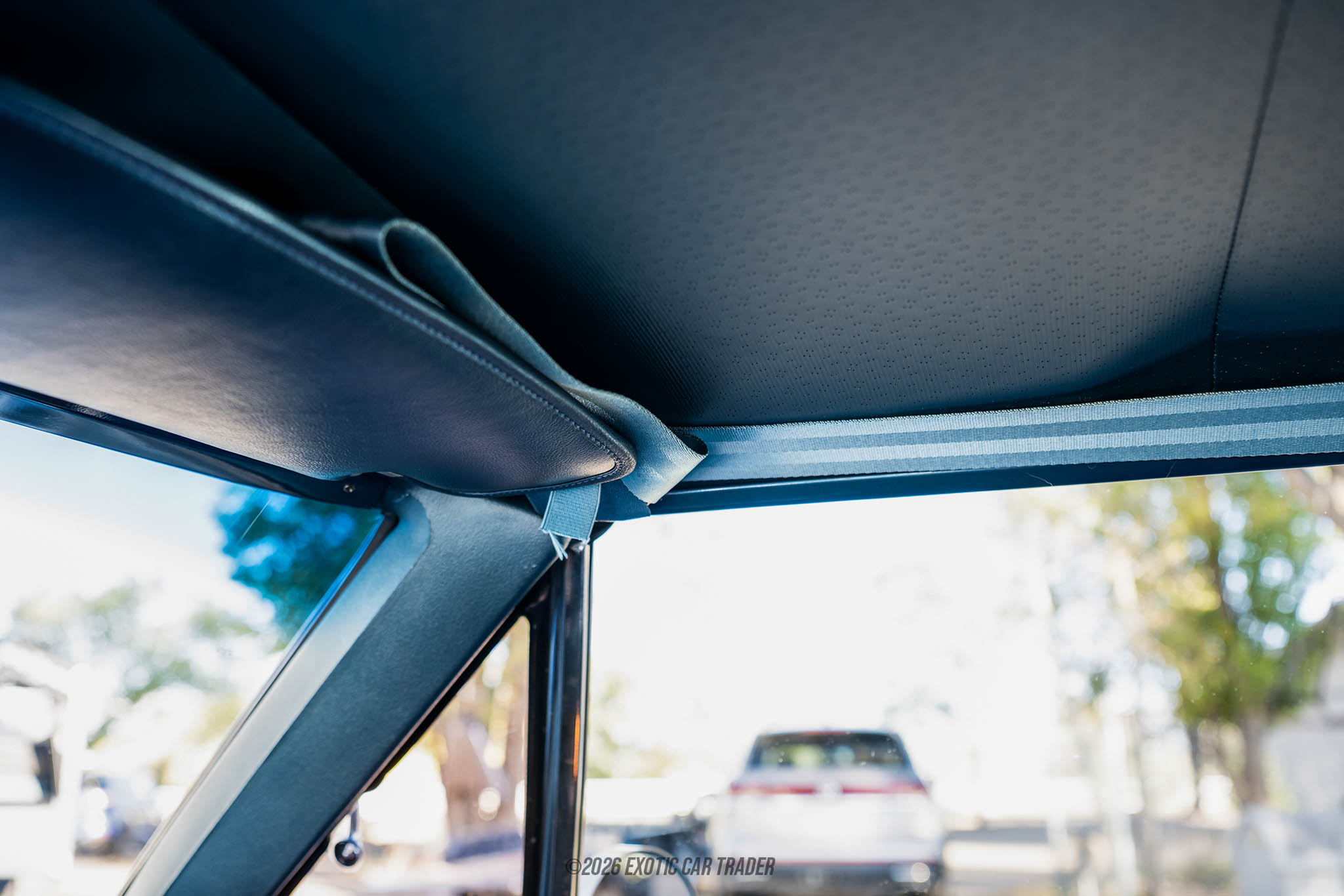
- Reupholstered Interior
Extras Included in the Sale
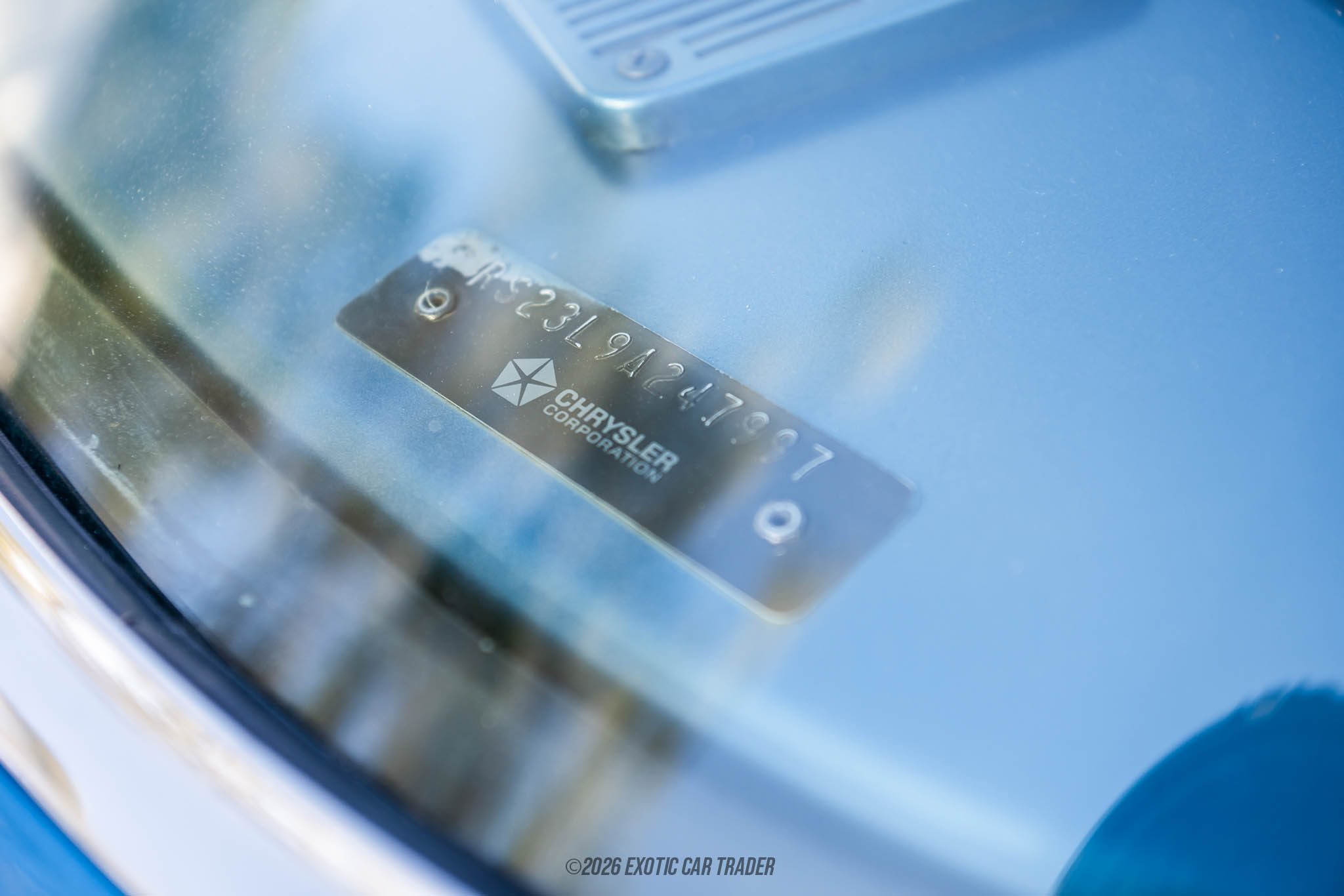
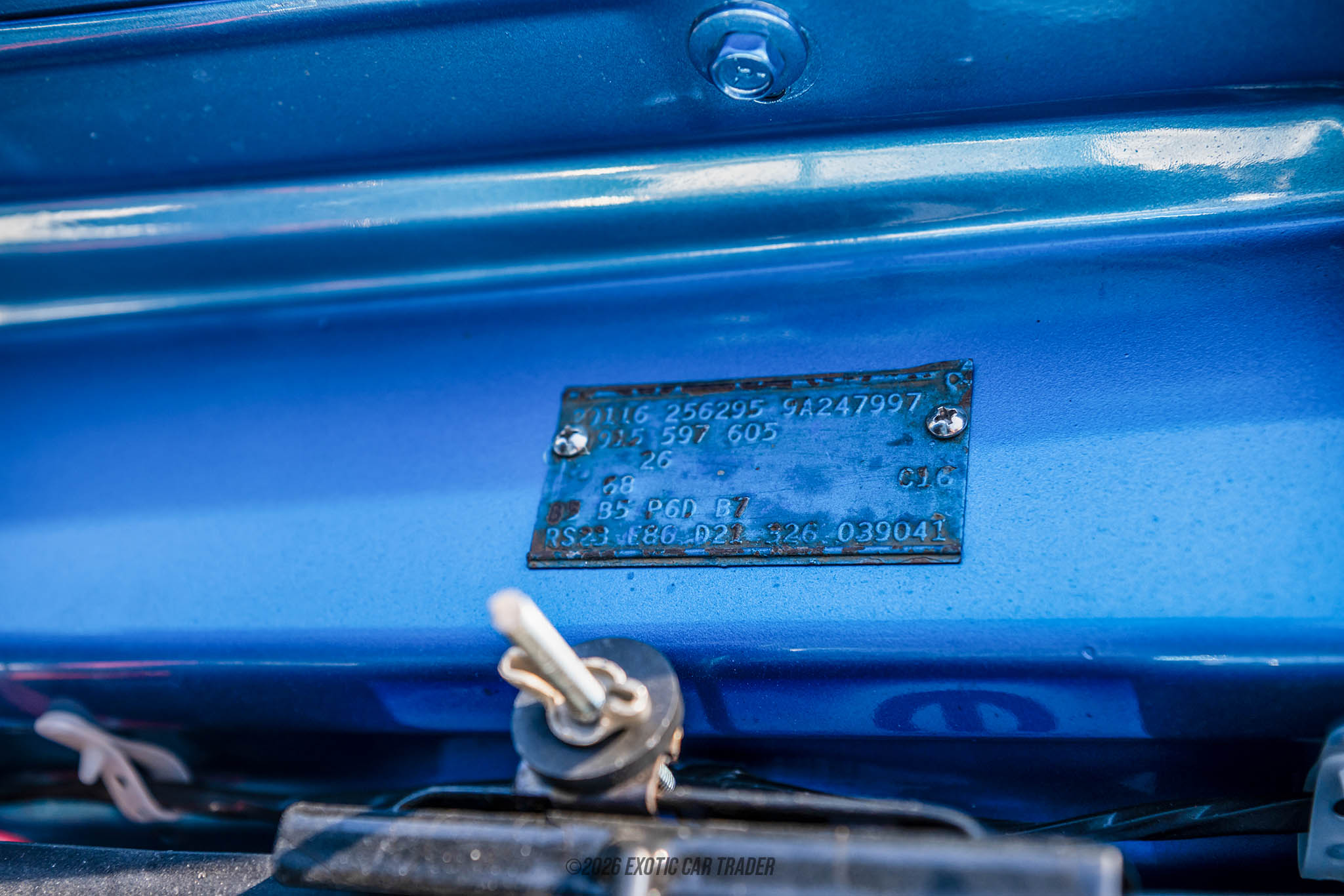
- Documentation Available


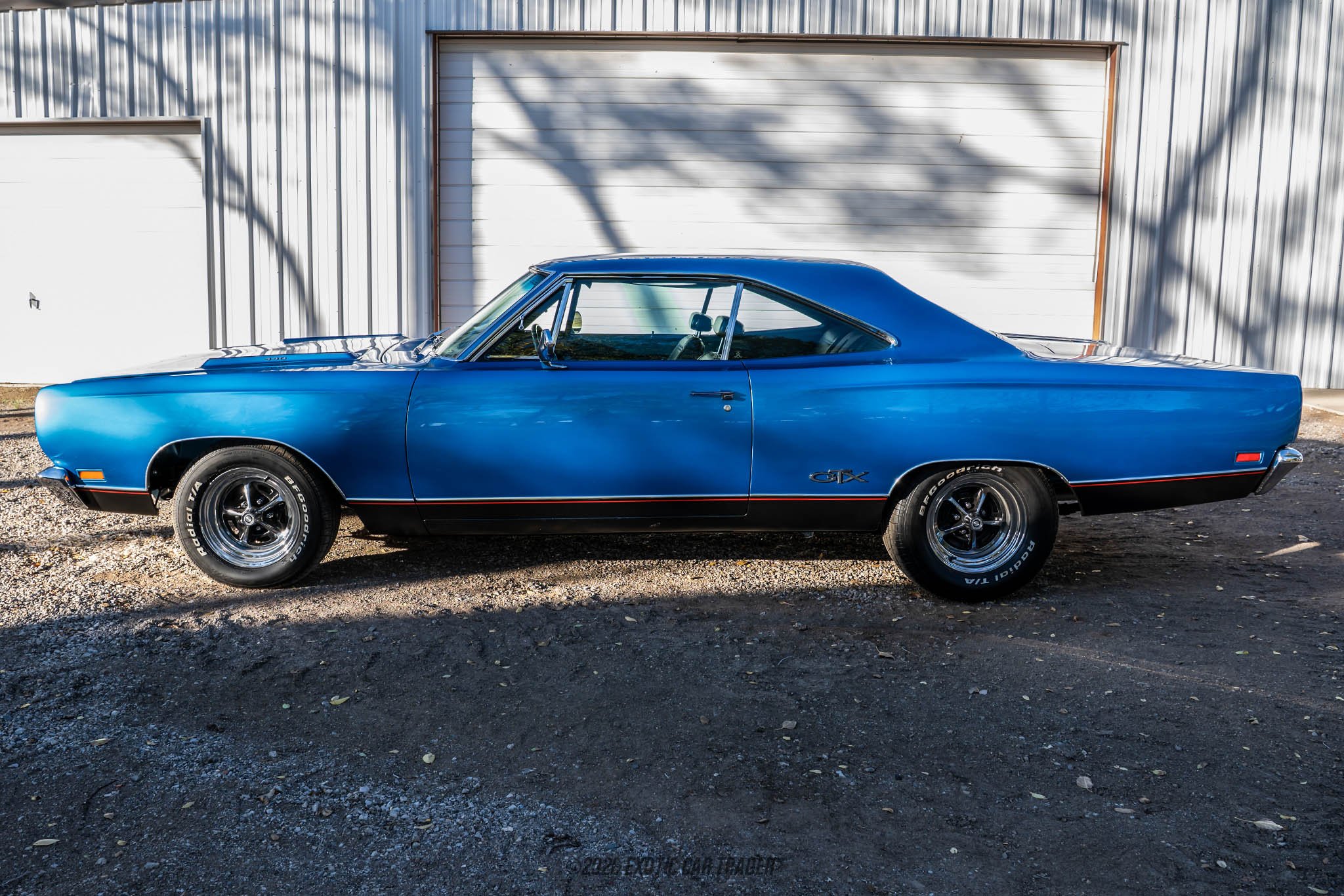
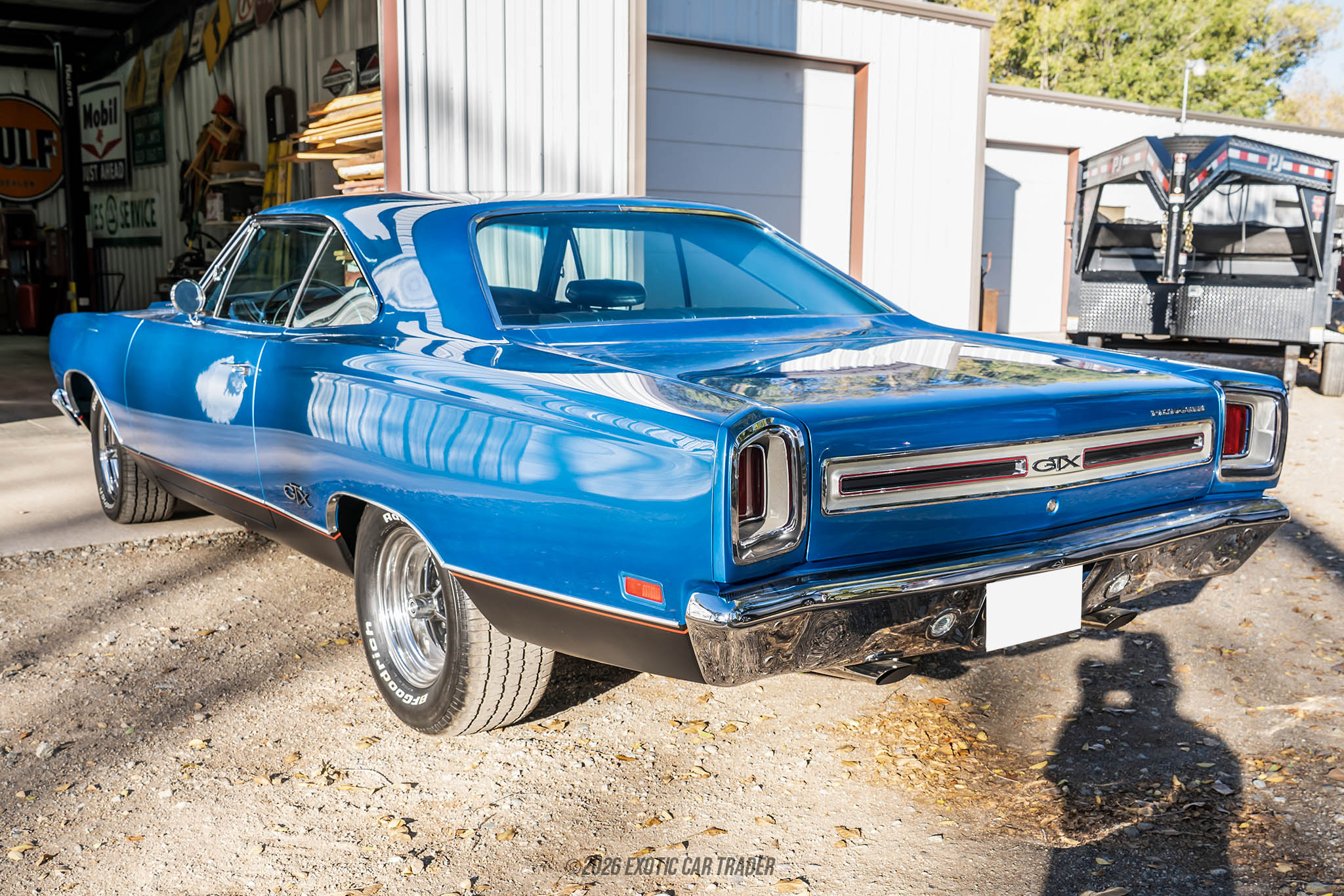
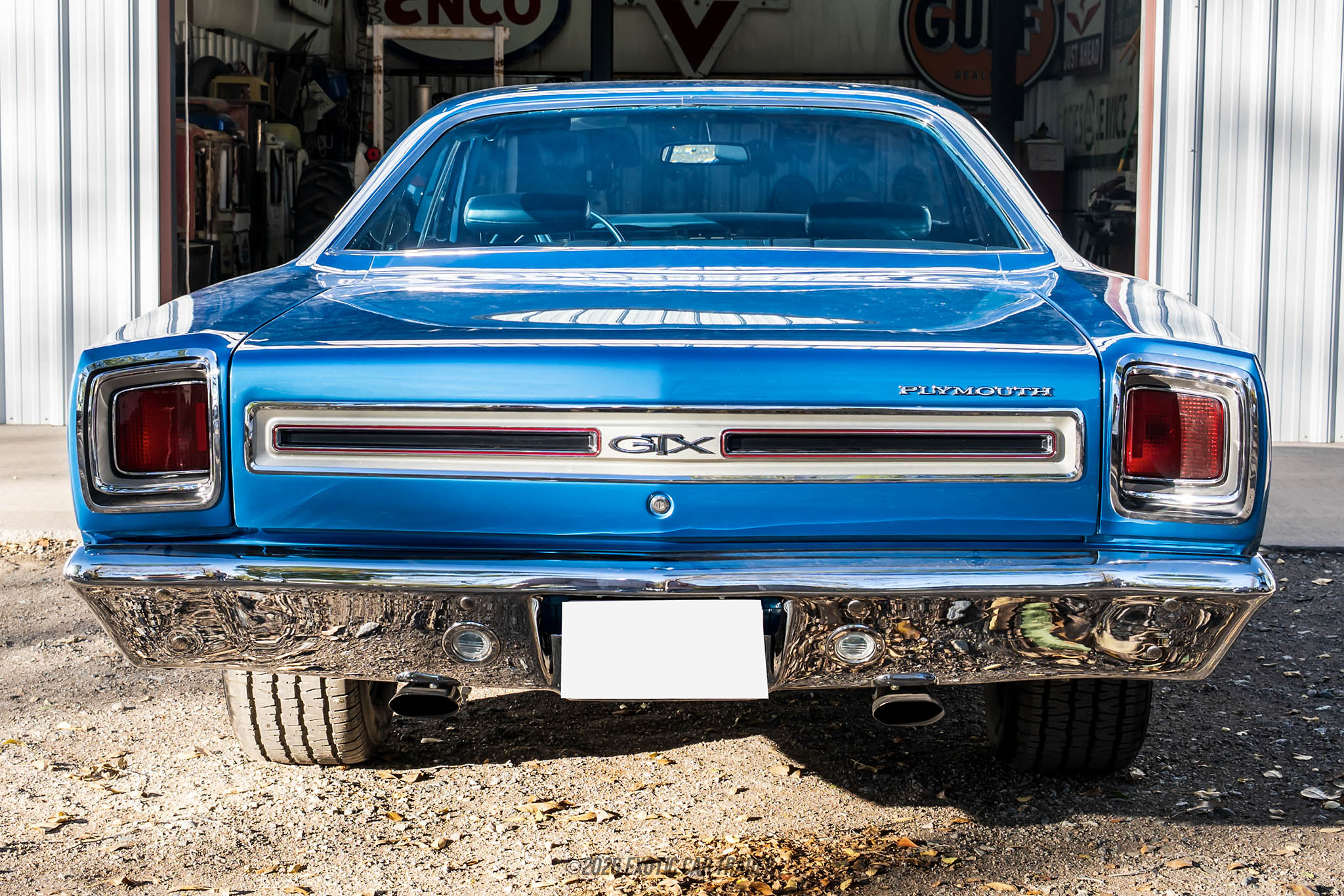
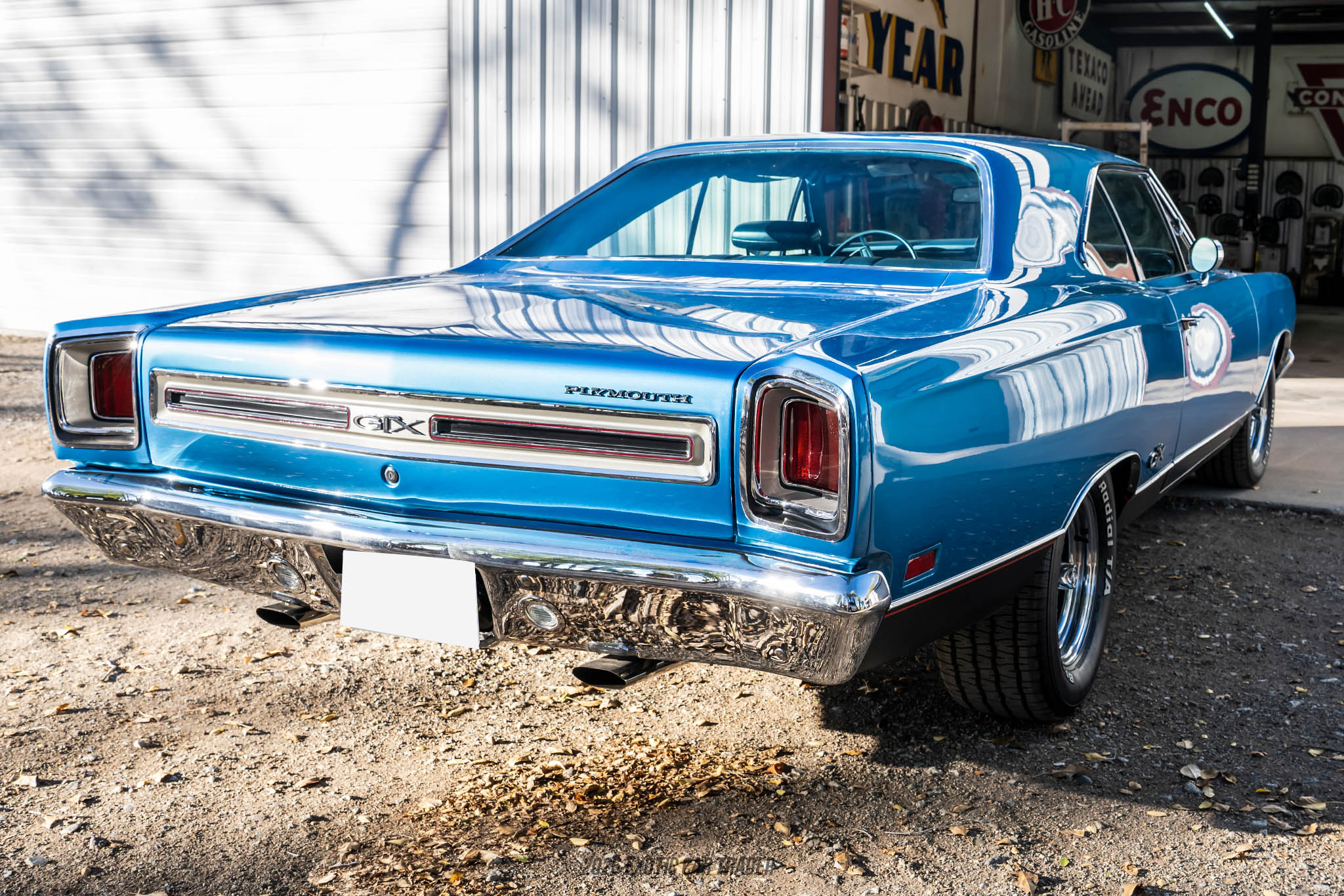
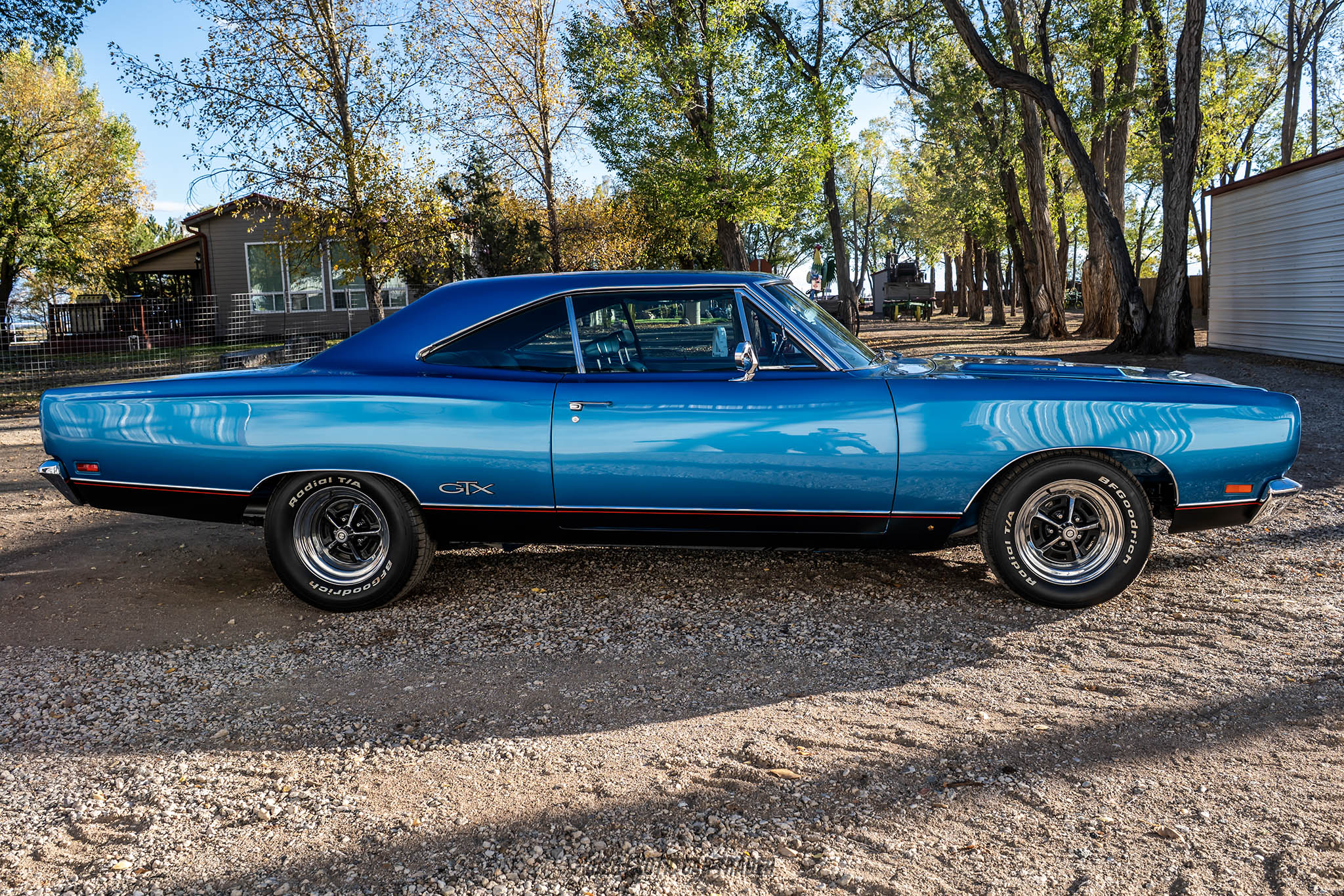
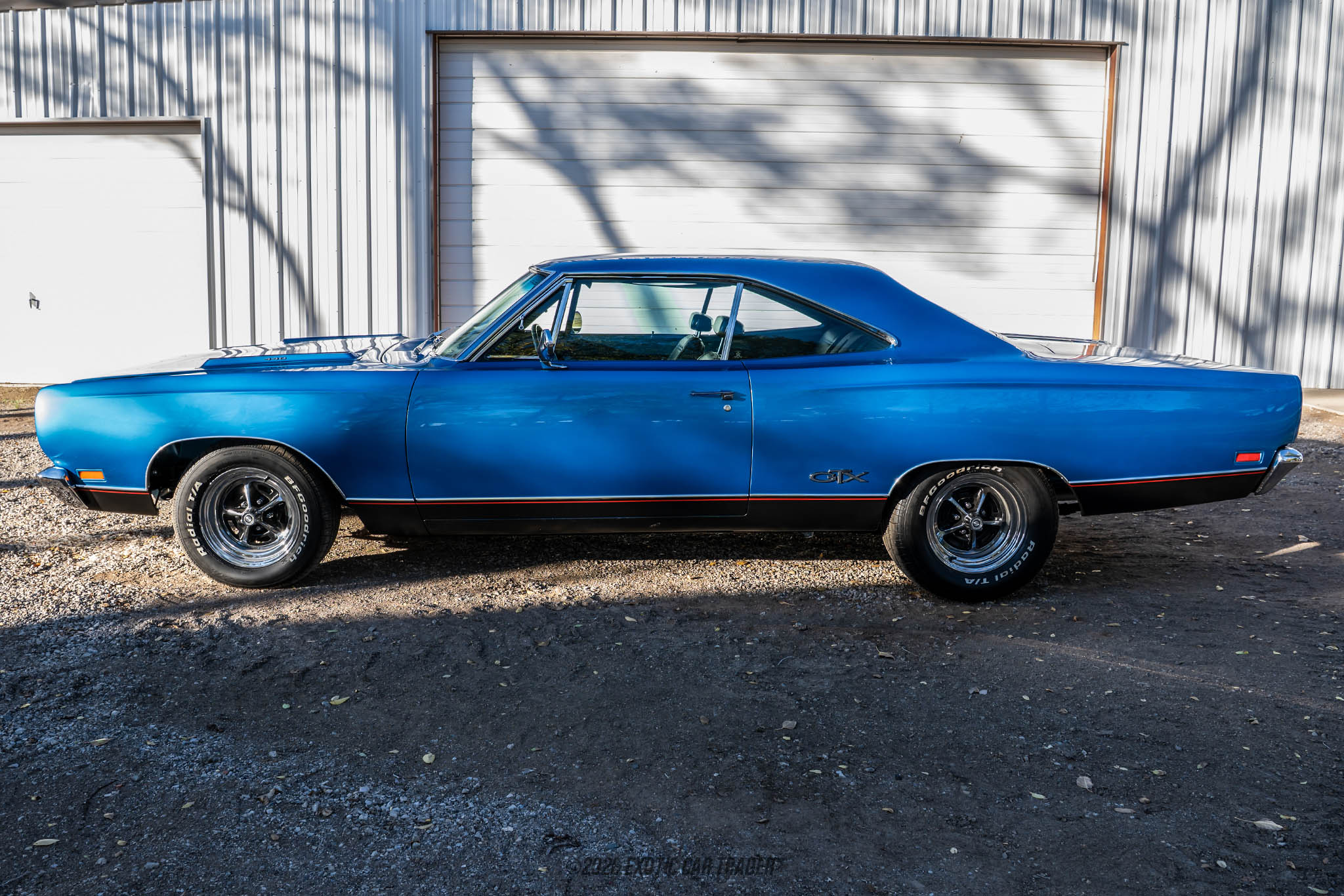
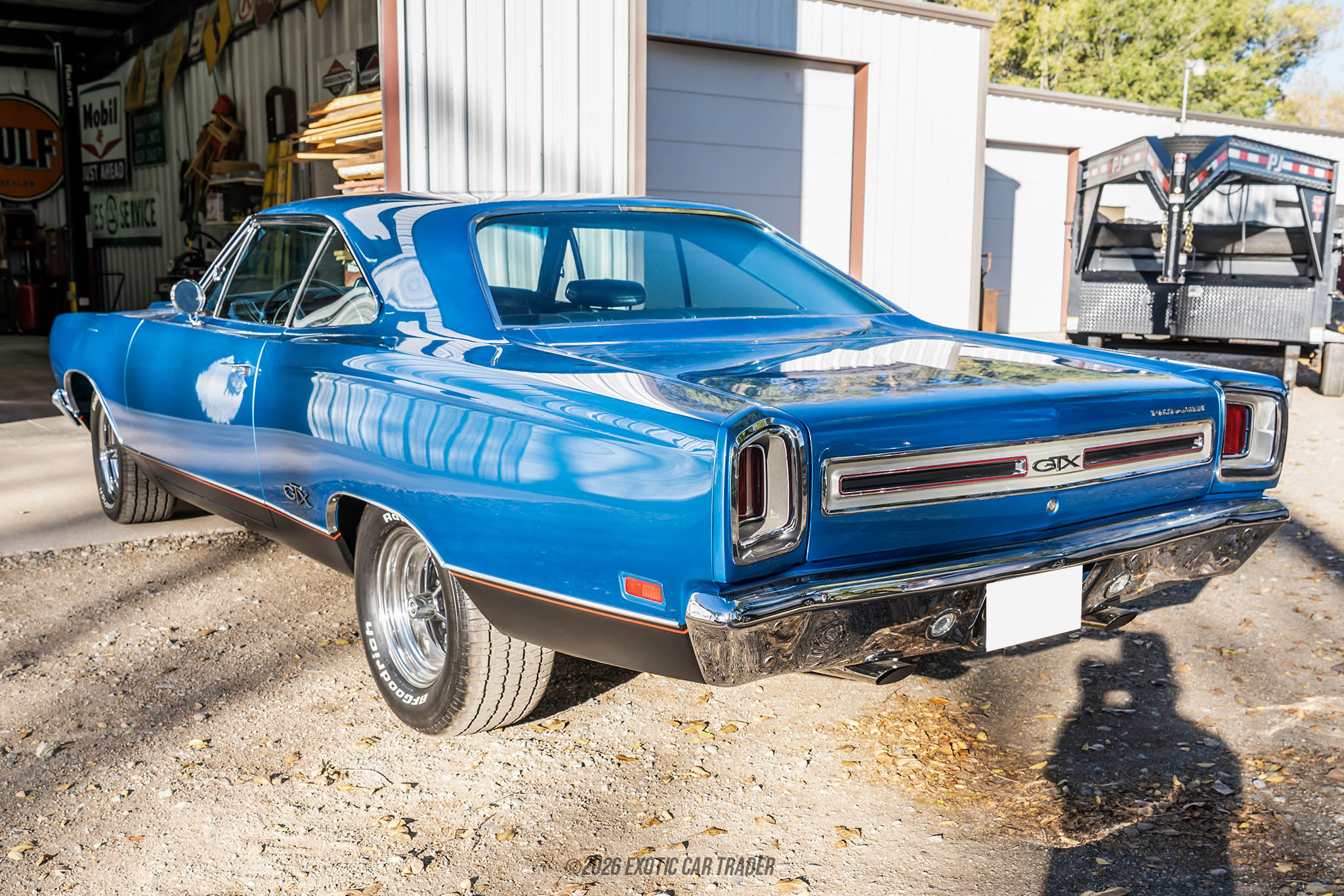
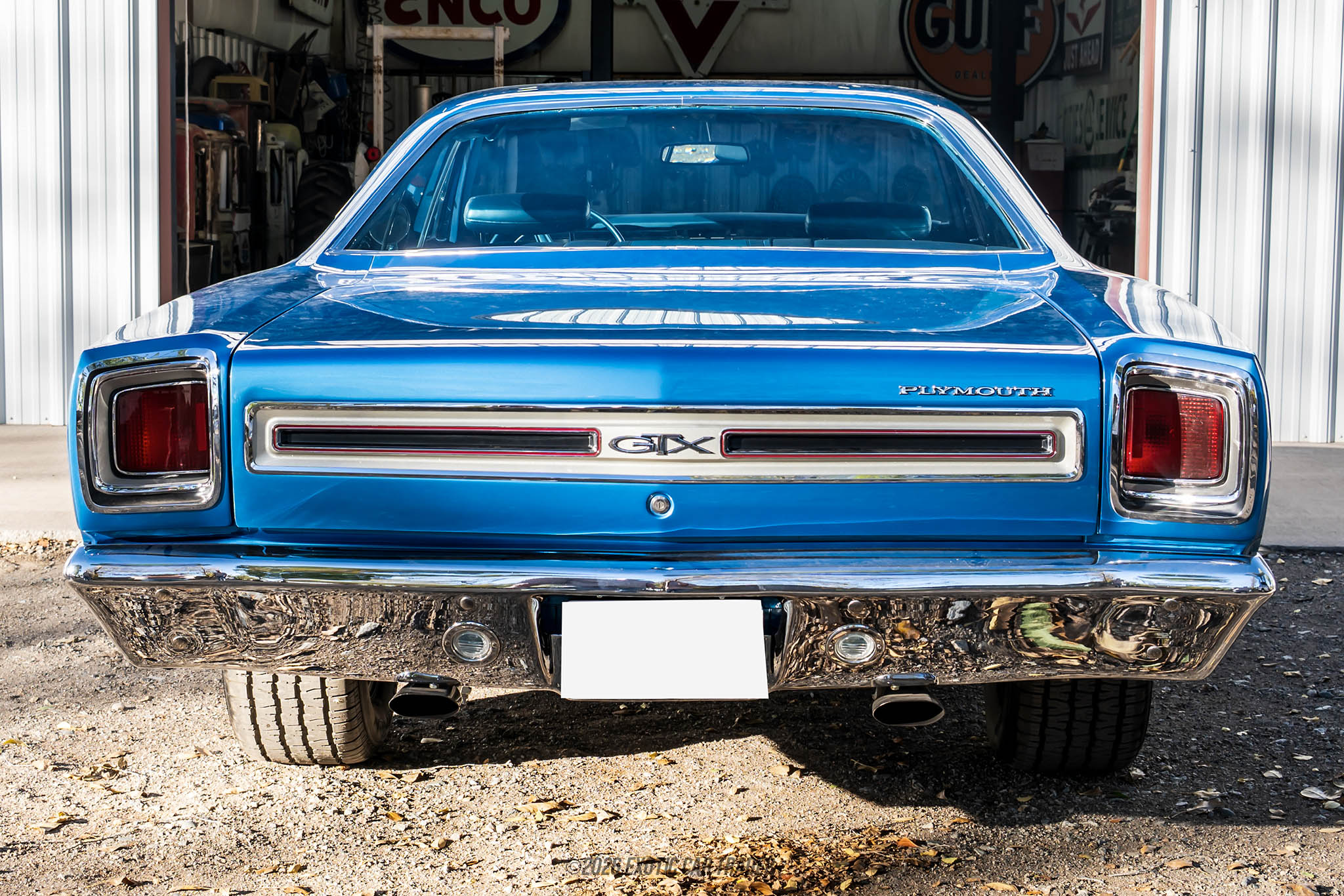
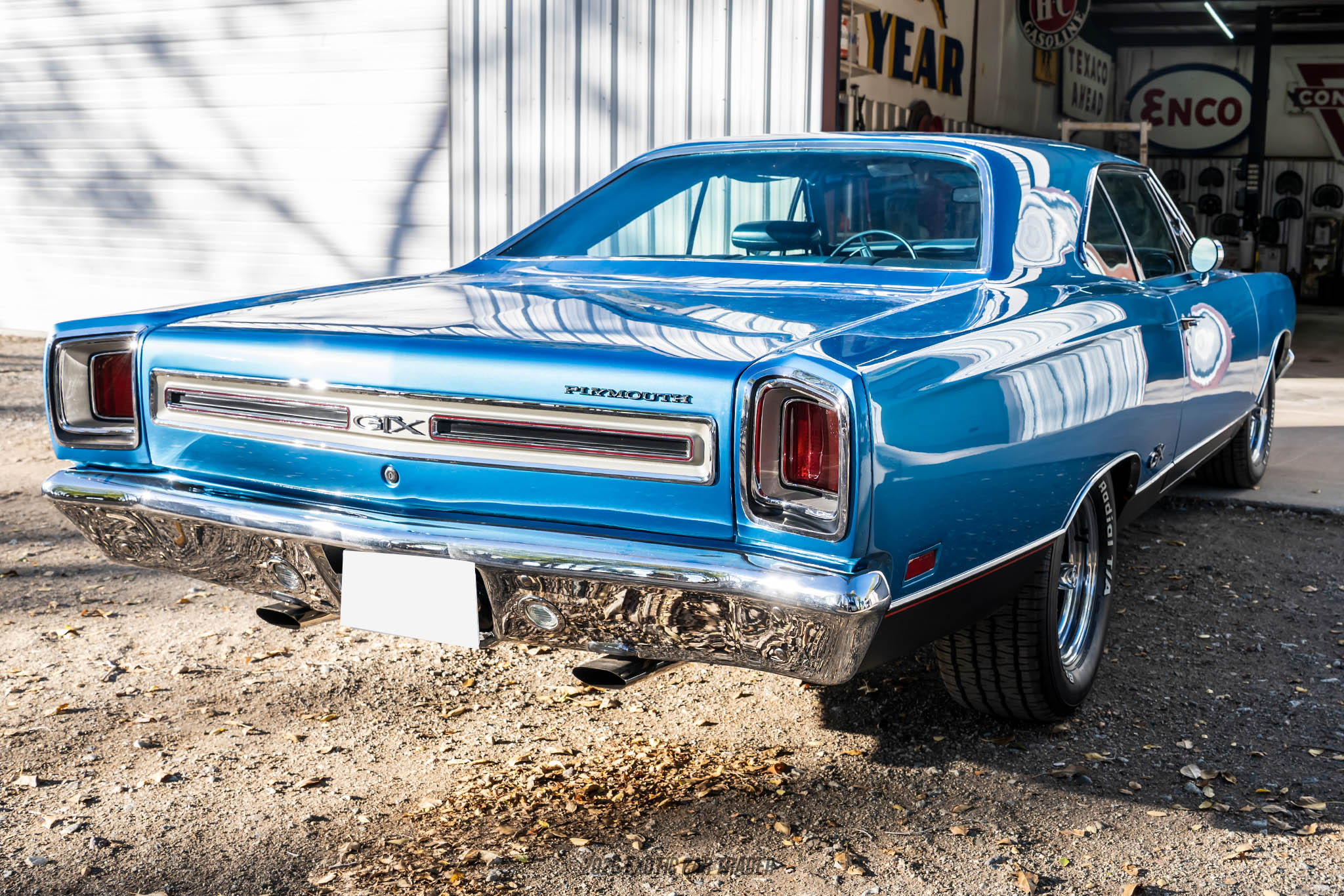
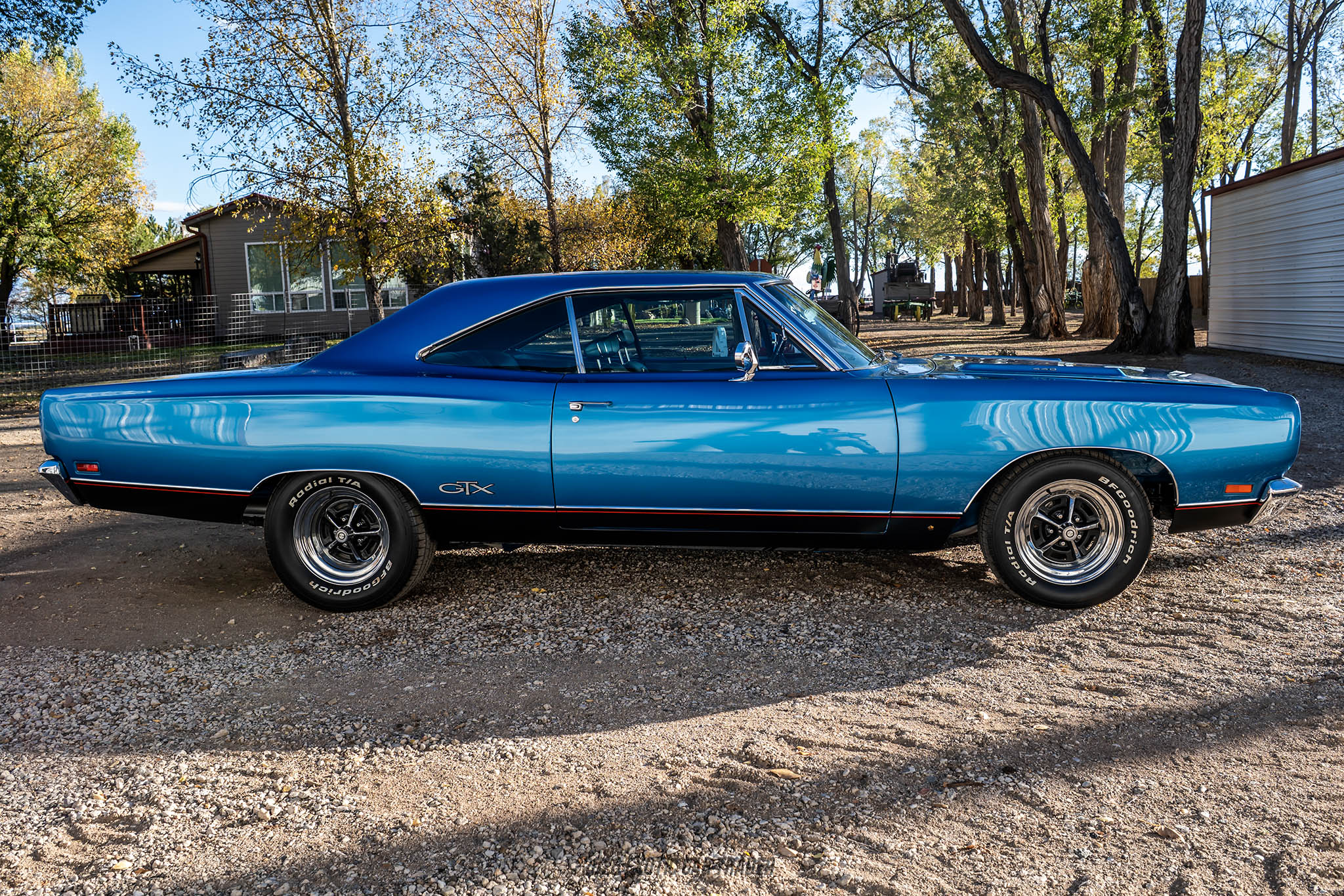
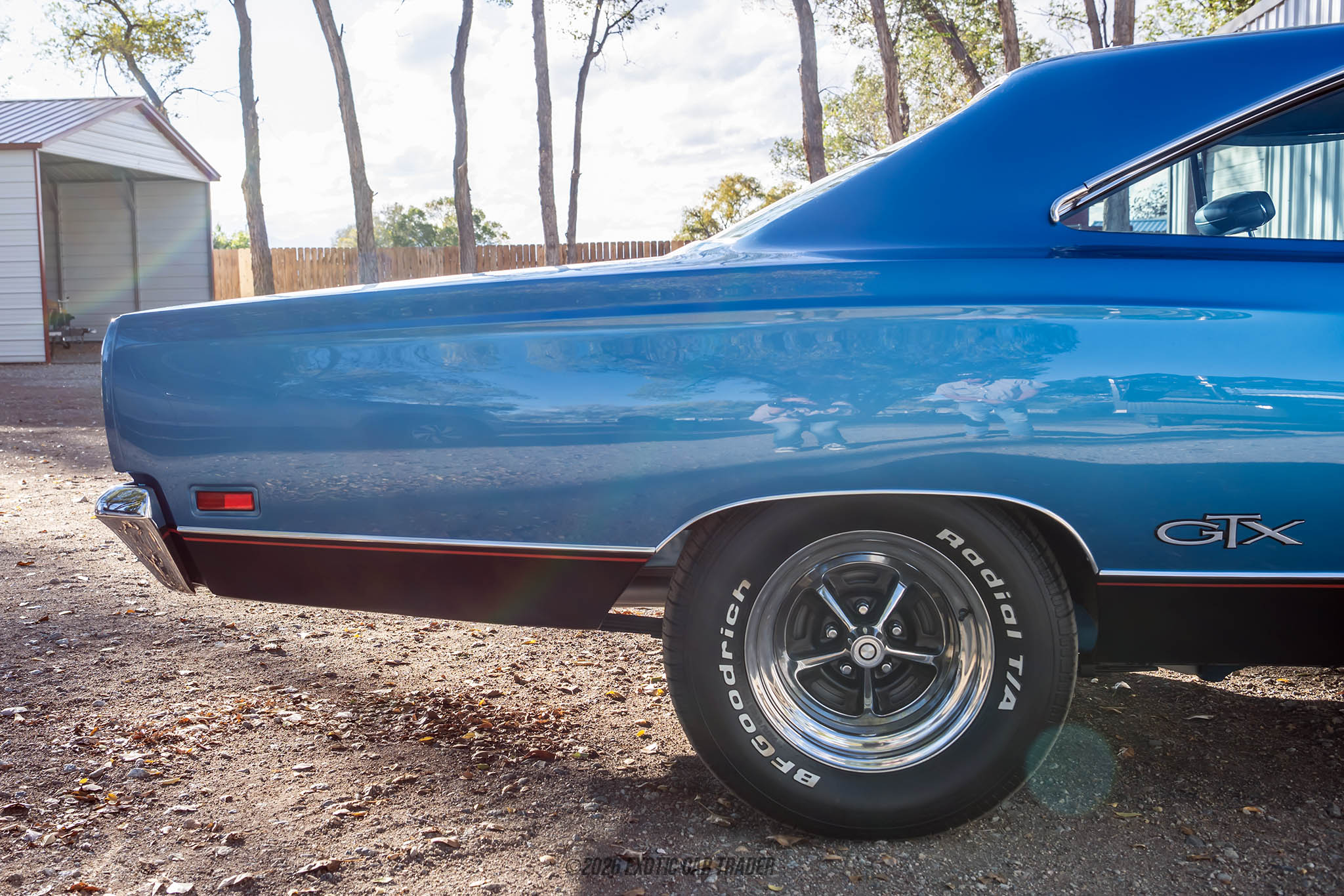
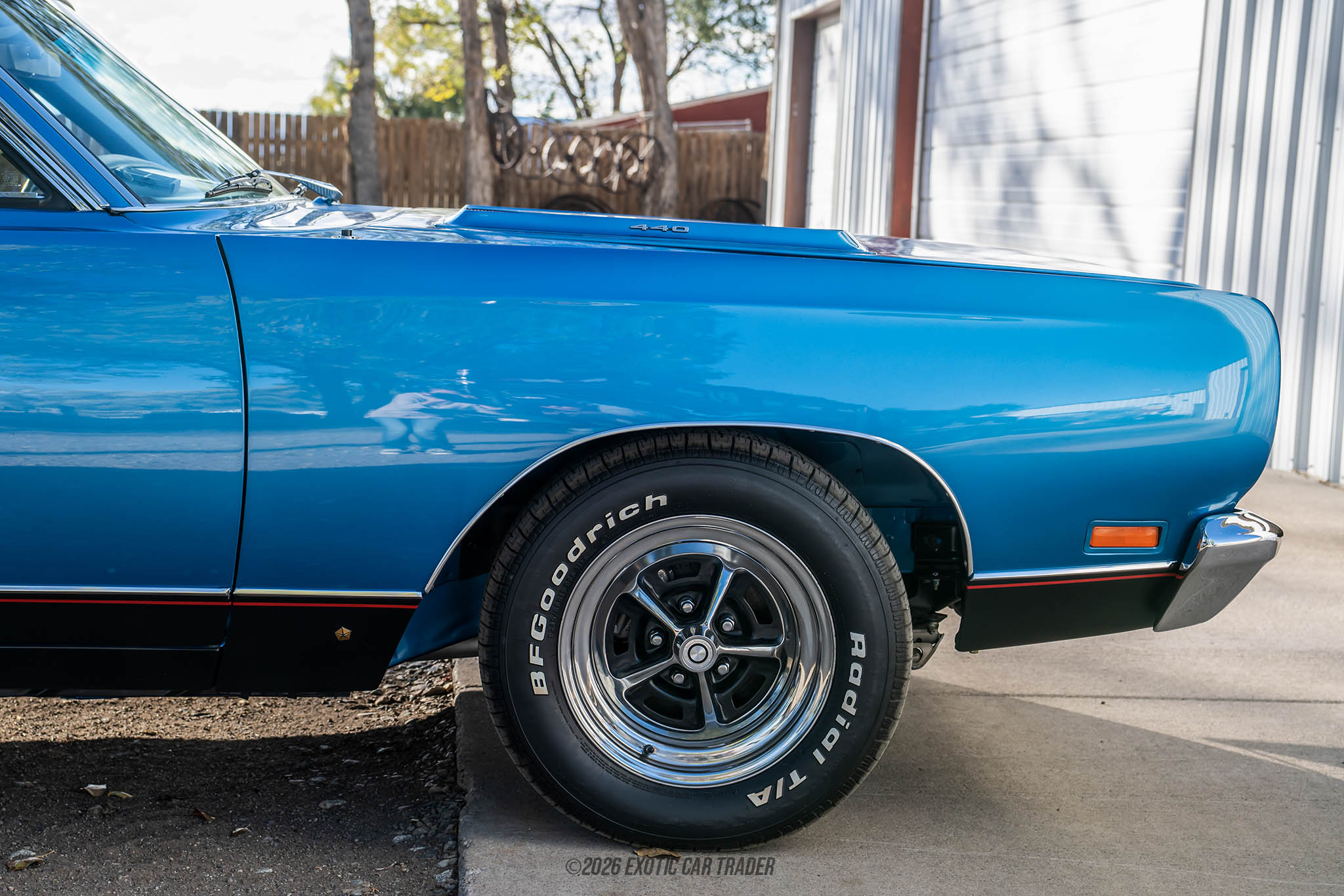
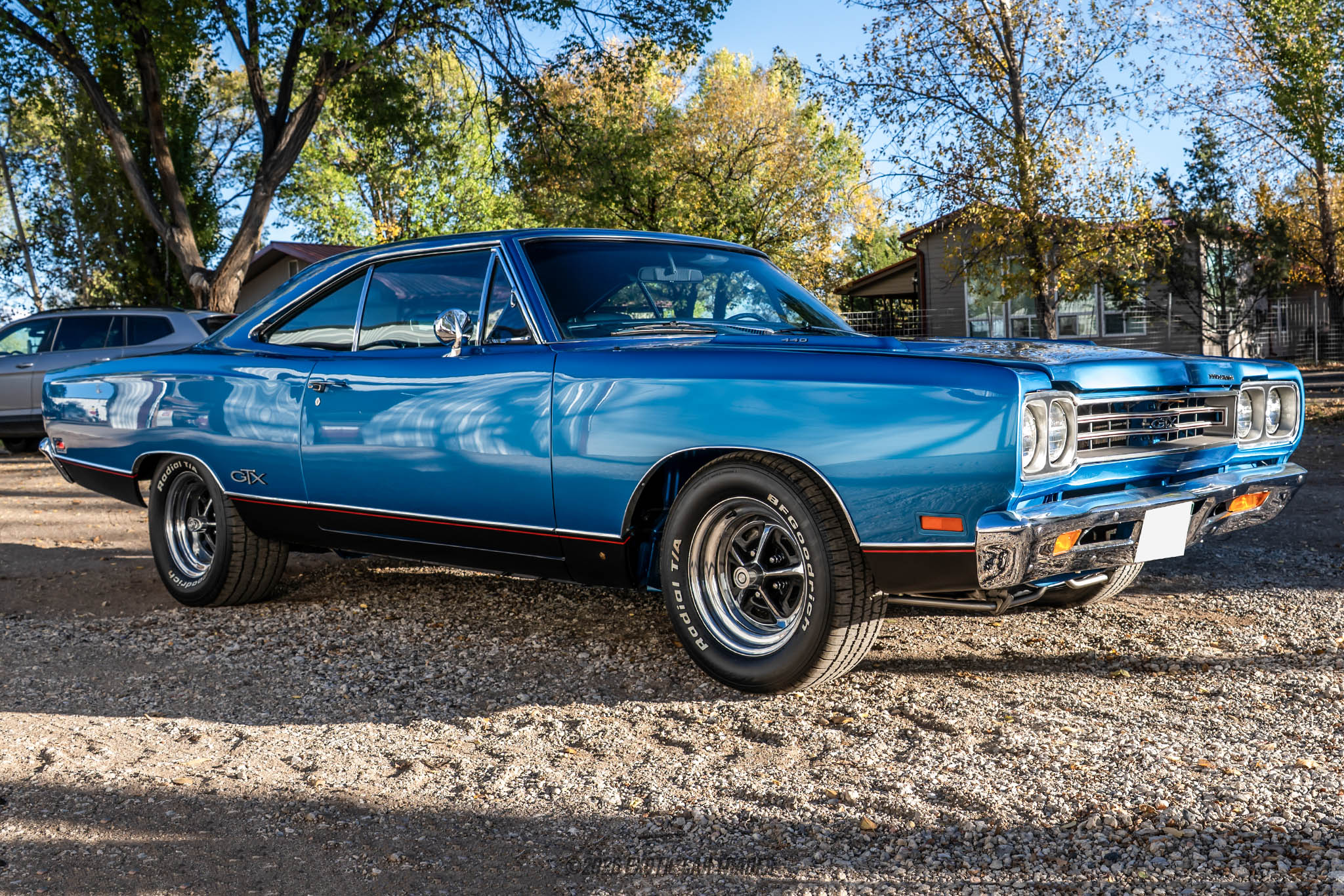
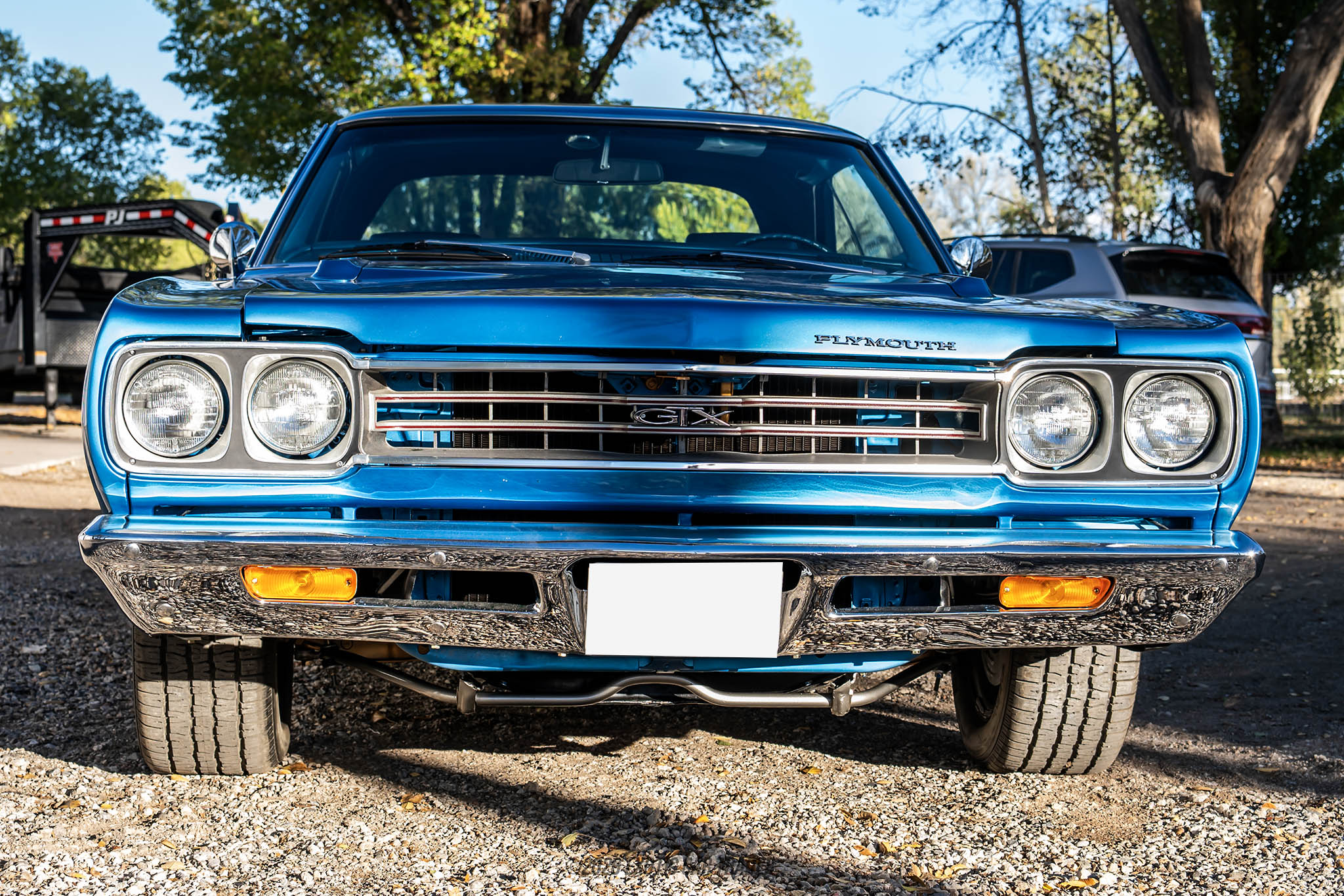
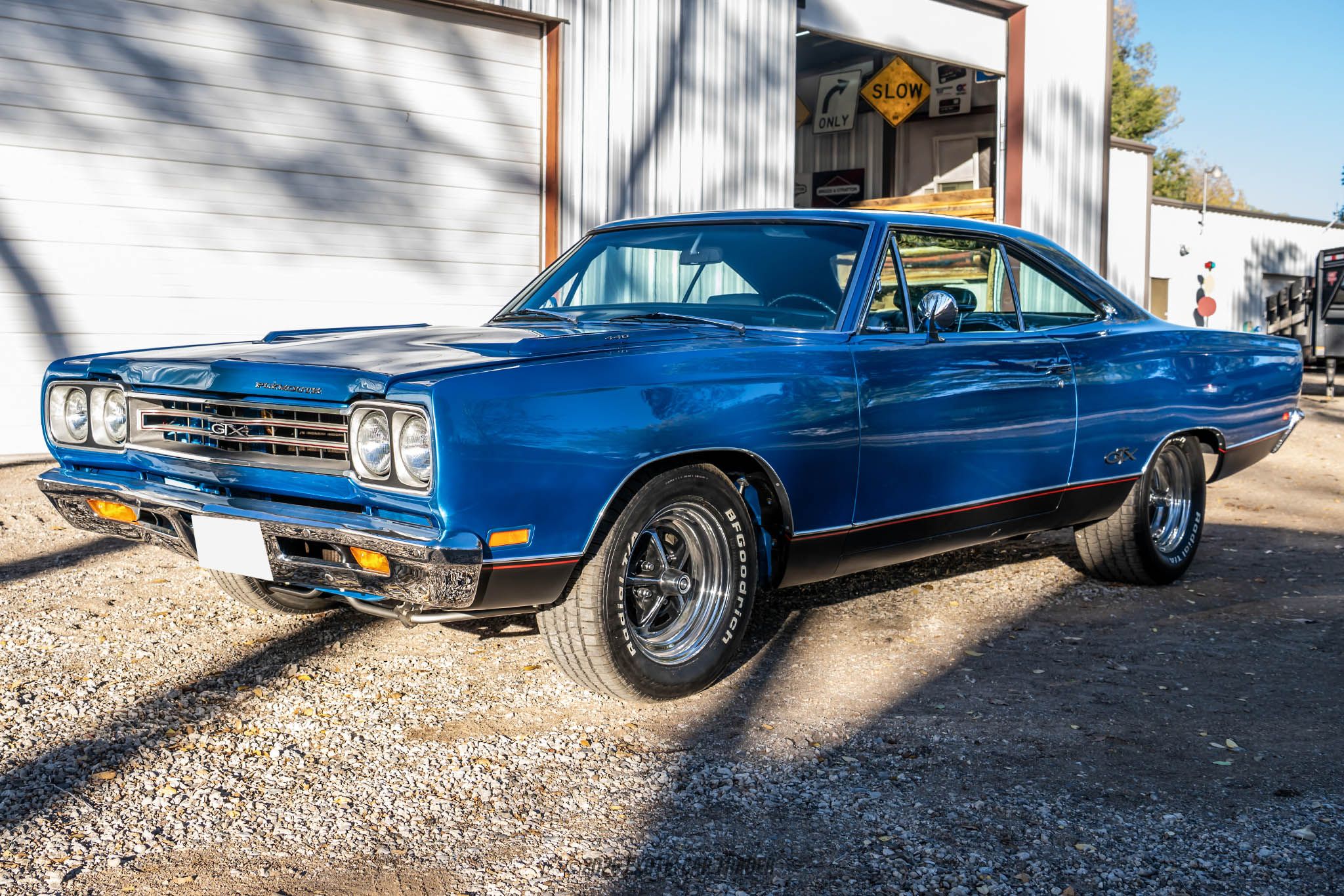
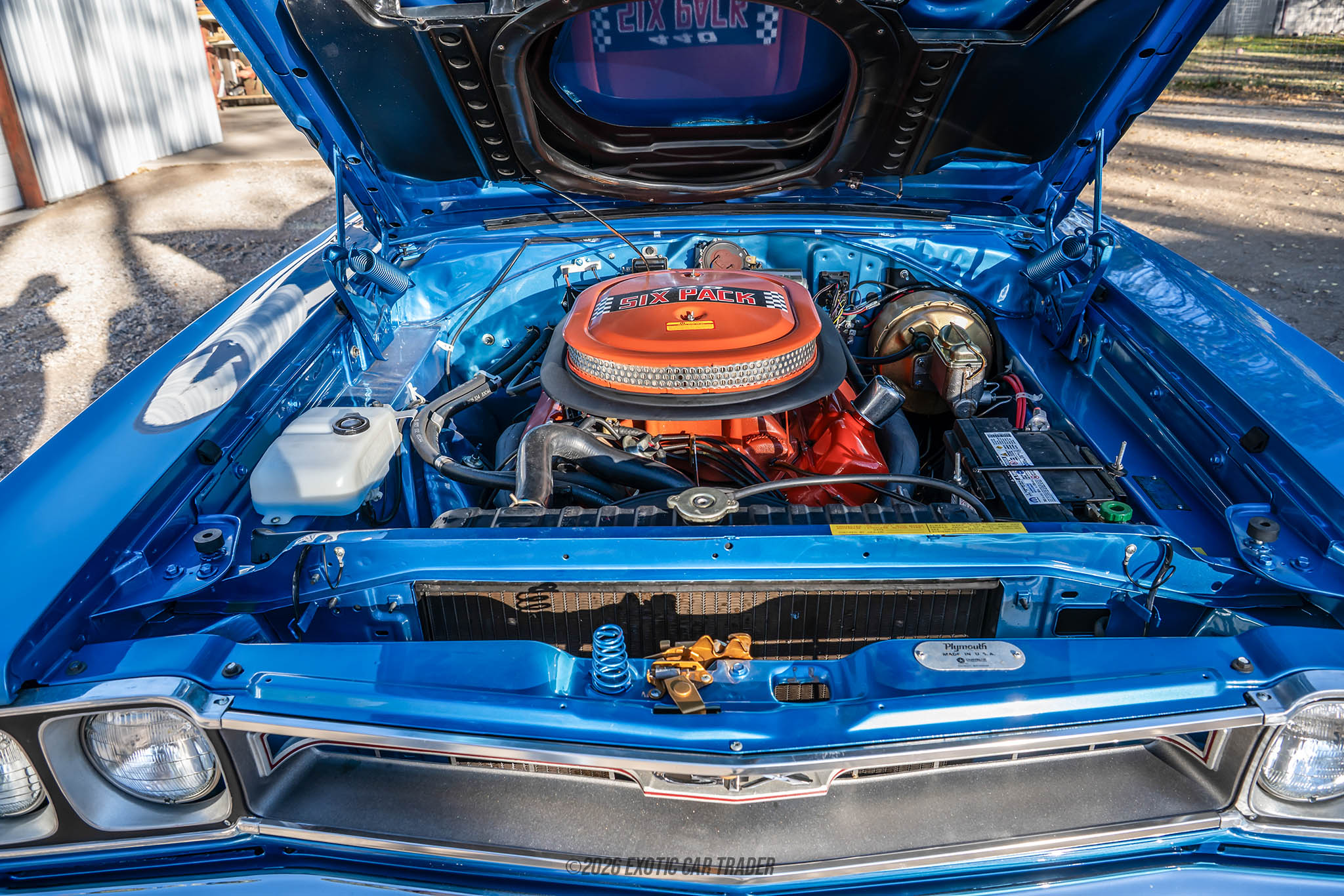
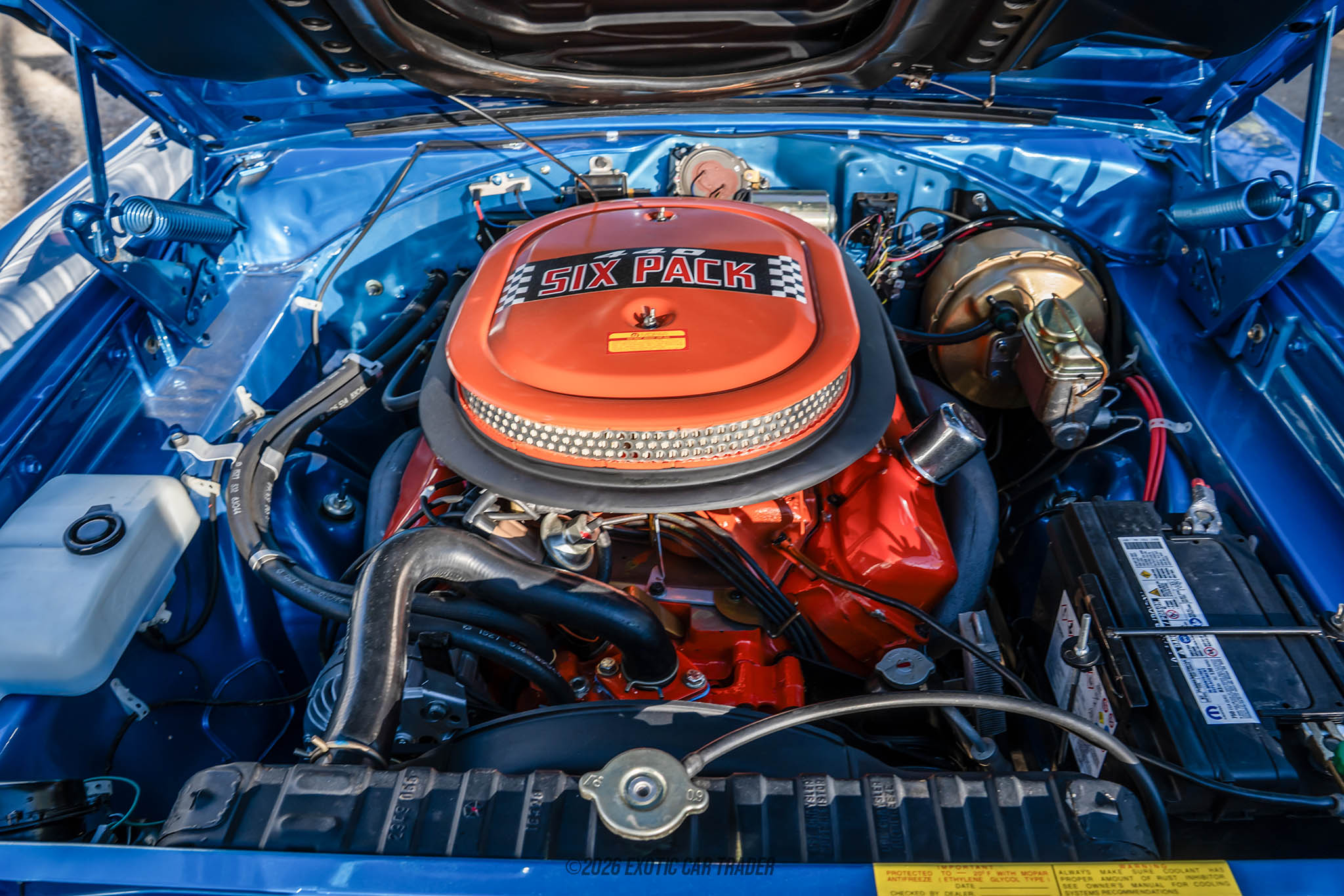
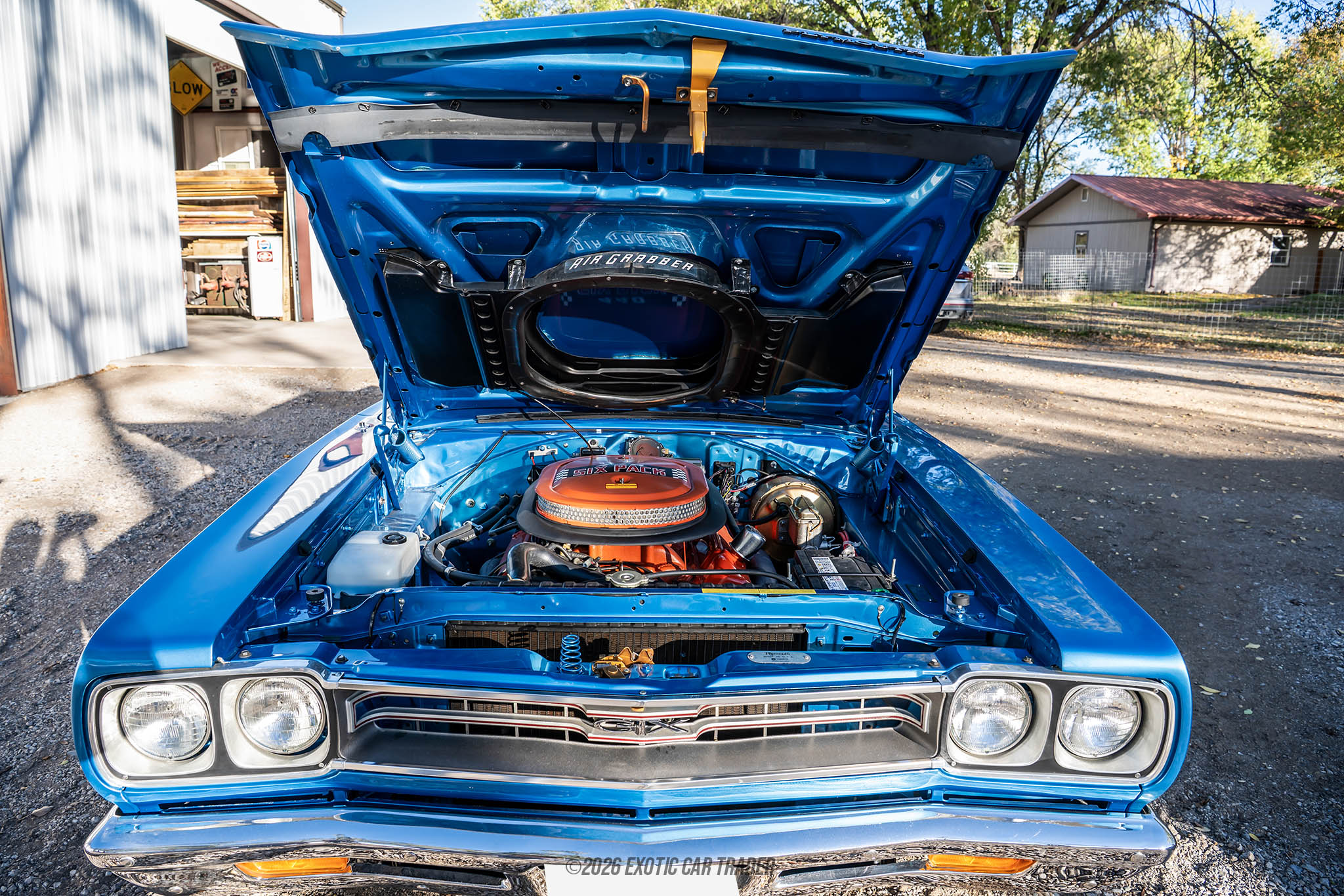
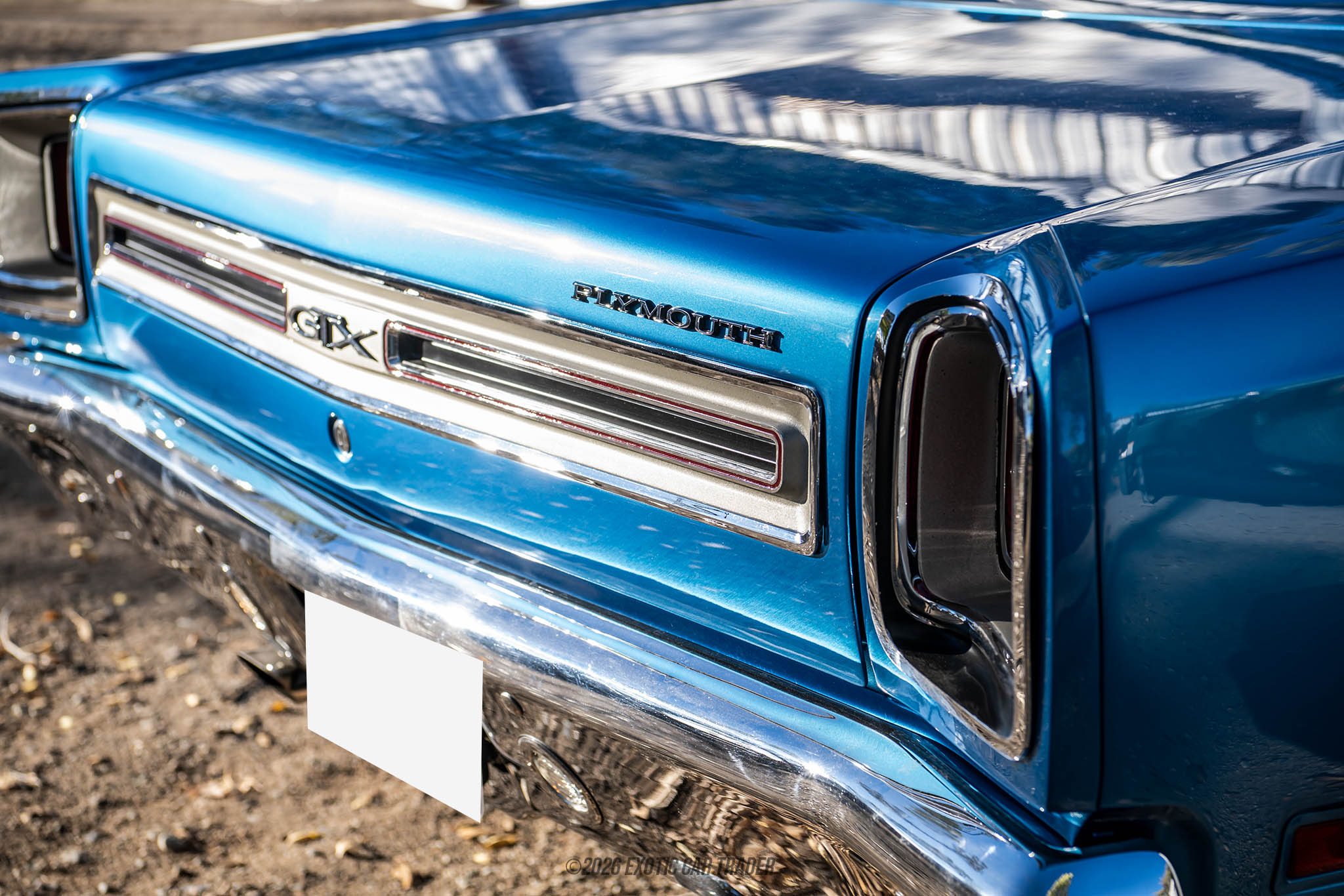
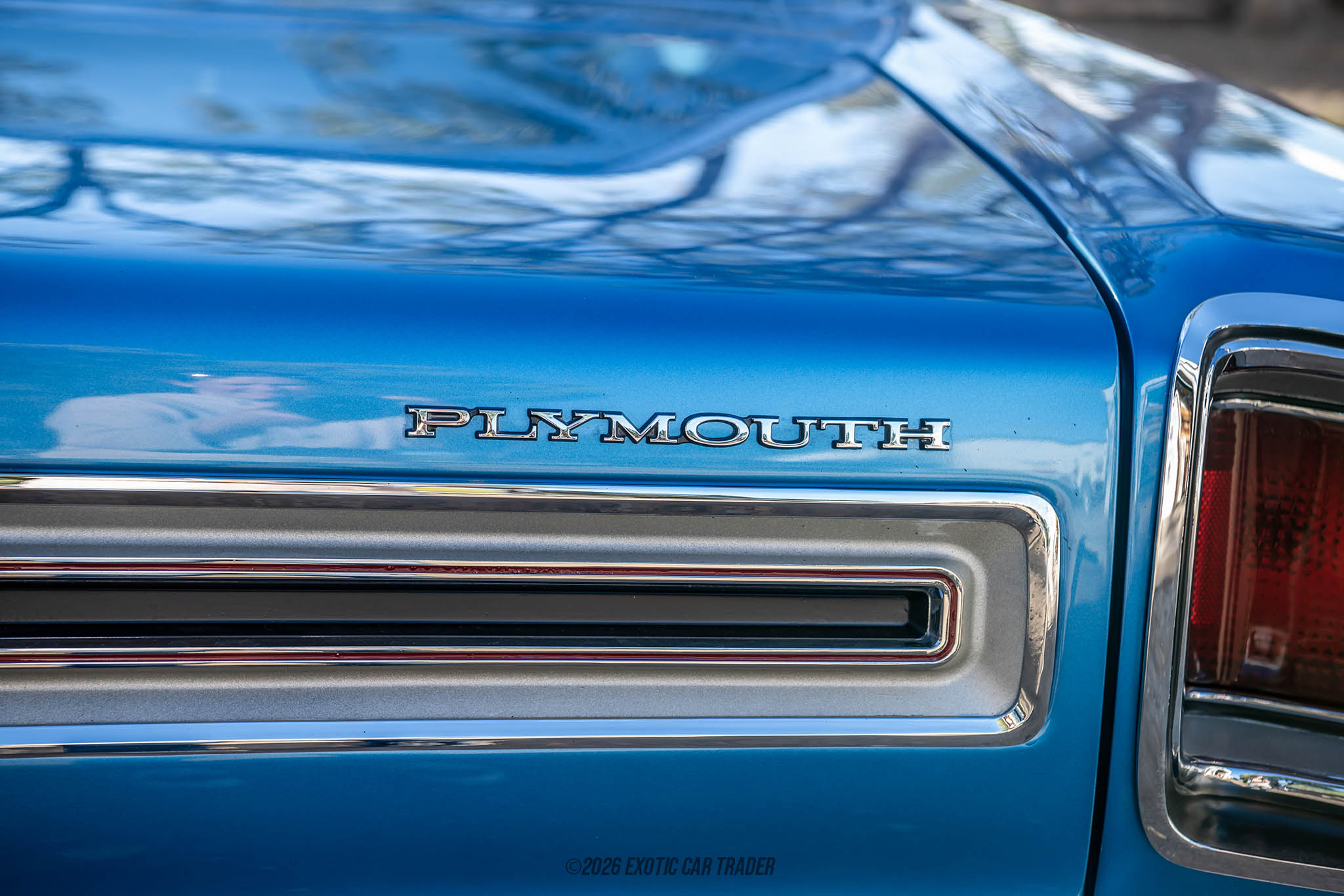
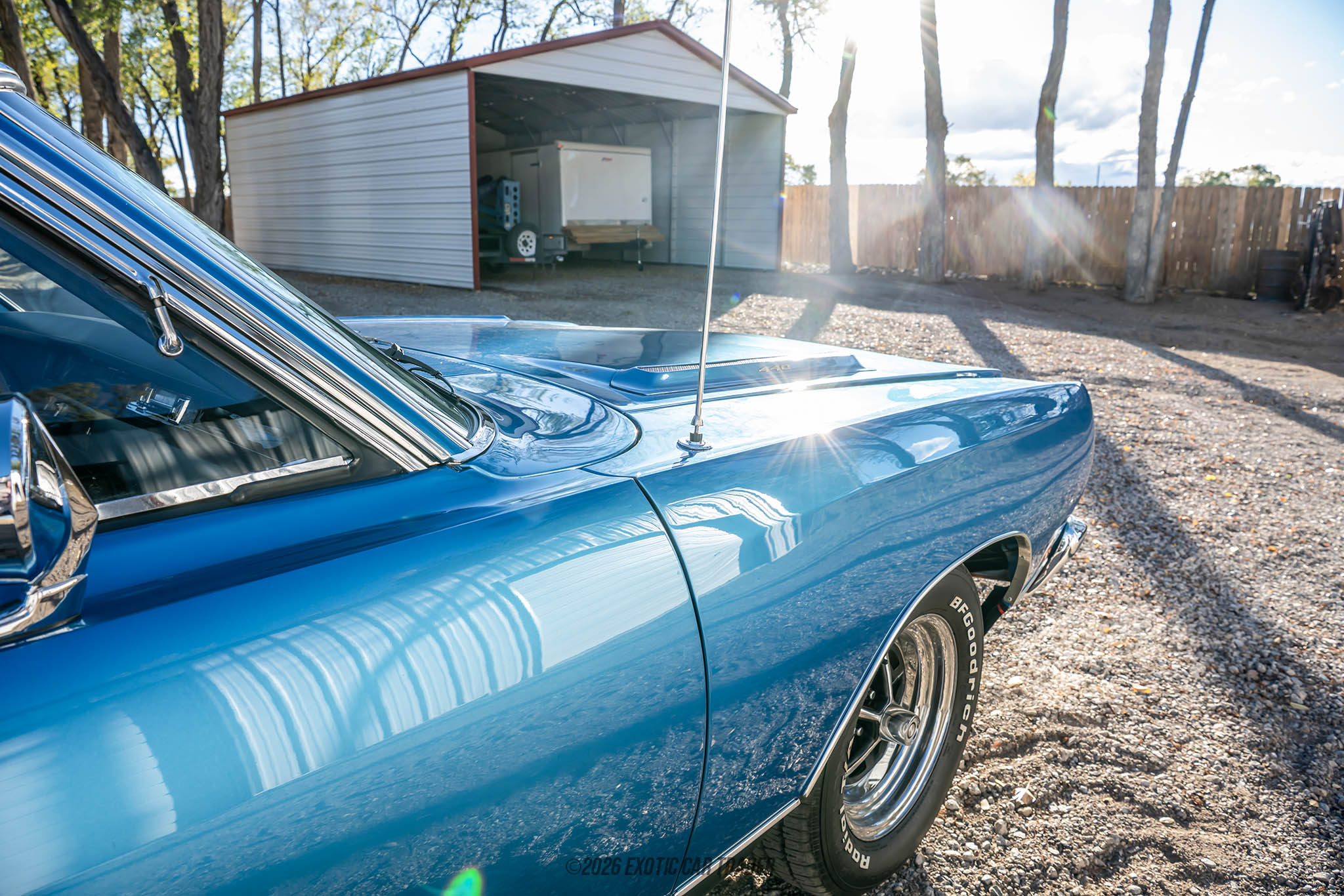
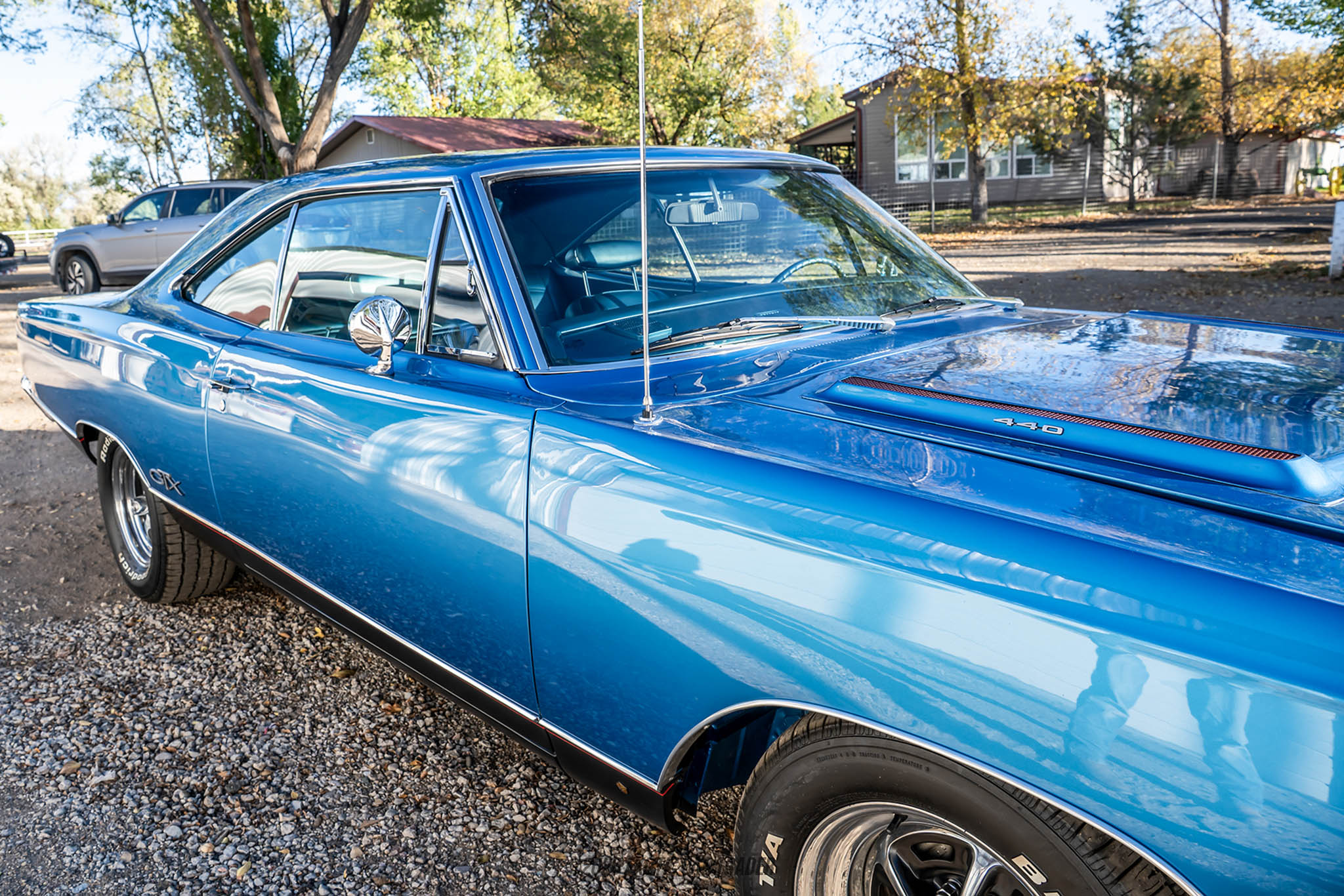
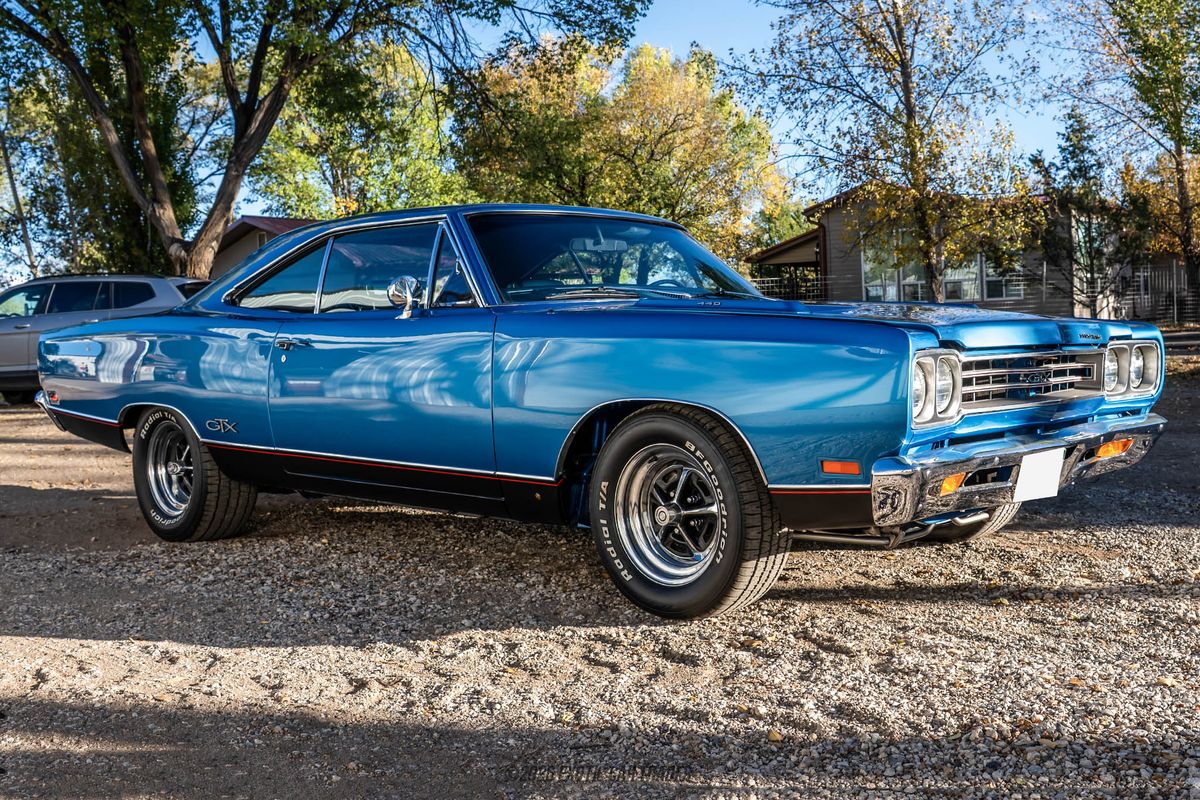
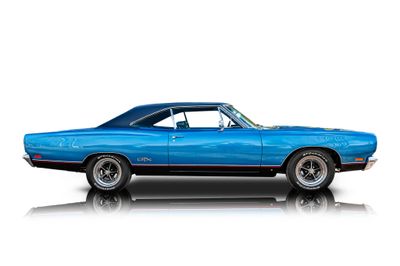
The 1969 Plymouth GTX earned its reputation as one of Mopar's most formidable muscle cars, combining upscale appointments with the raw performance of Chrysler's legendary big-block V8s. Marketed as the "Gentleman's Muscle Car," the GTX offered serious horsepower without sacrificing comfort or style. This 1969 Plymouth GTX, showing 90,809 miles, is finished in a striking Blue exterior over a matching Blue vinyl interior. Under the hood sits a mighty 440ci V8 featuring a Six Pack conversion with triple two-barrel carburetors, paired with a four-speed manual transmission and Dana Sure Grip rear differential. Additional highlights include an Air Grabber hood, Magnum 500 wheels, power steering, power brakes, and a Flowmaster exhaust system. With its unmistakable B-body styling, desirable four-speed gearbox, and big-block Mopar power, this GTX captures the golden era of American muscle at its finest.
Exterior and Interior
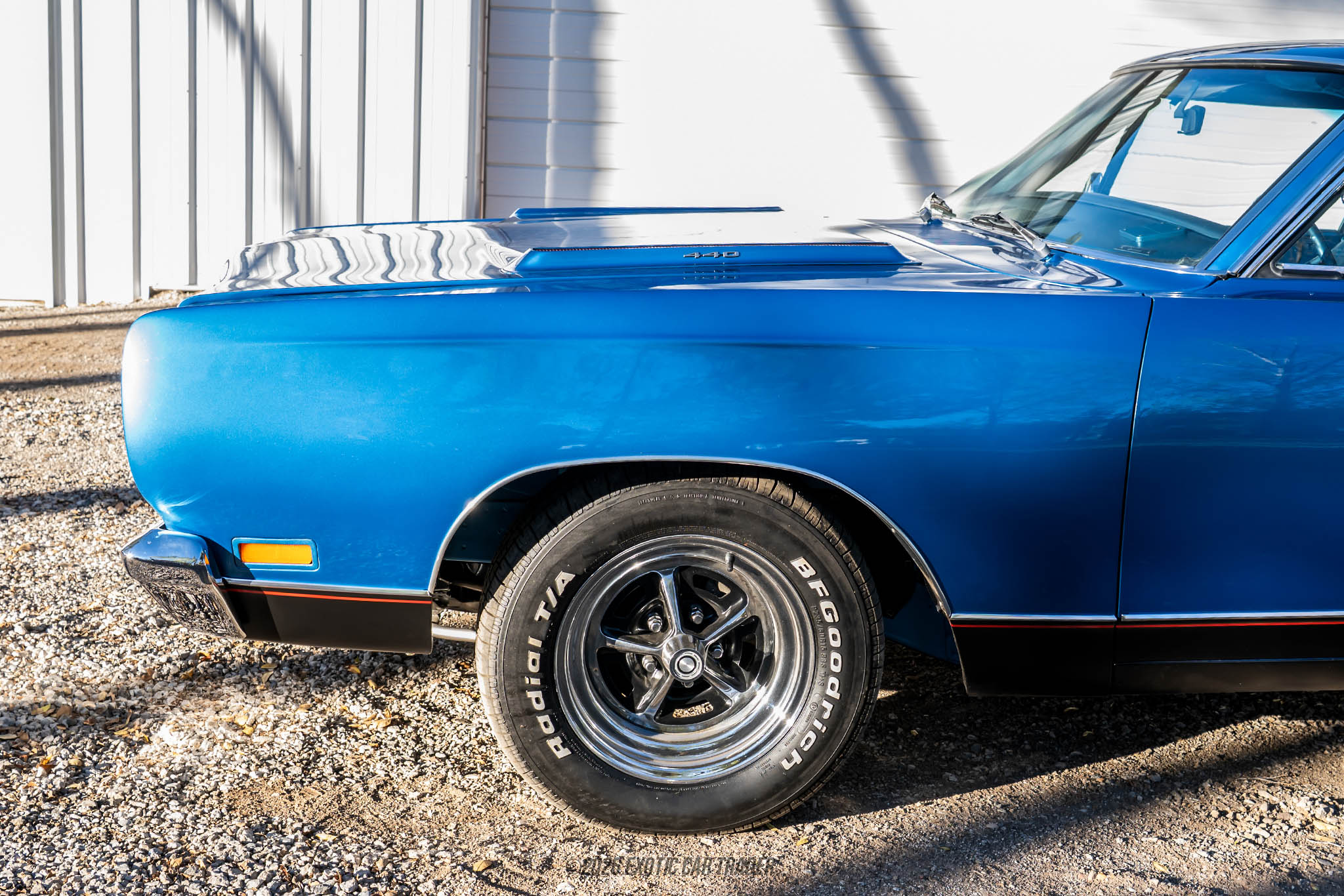
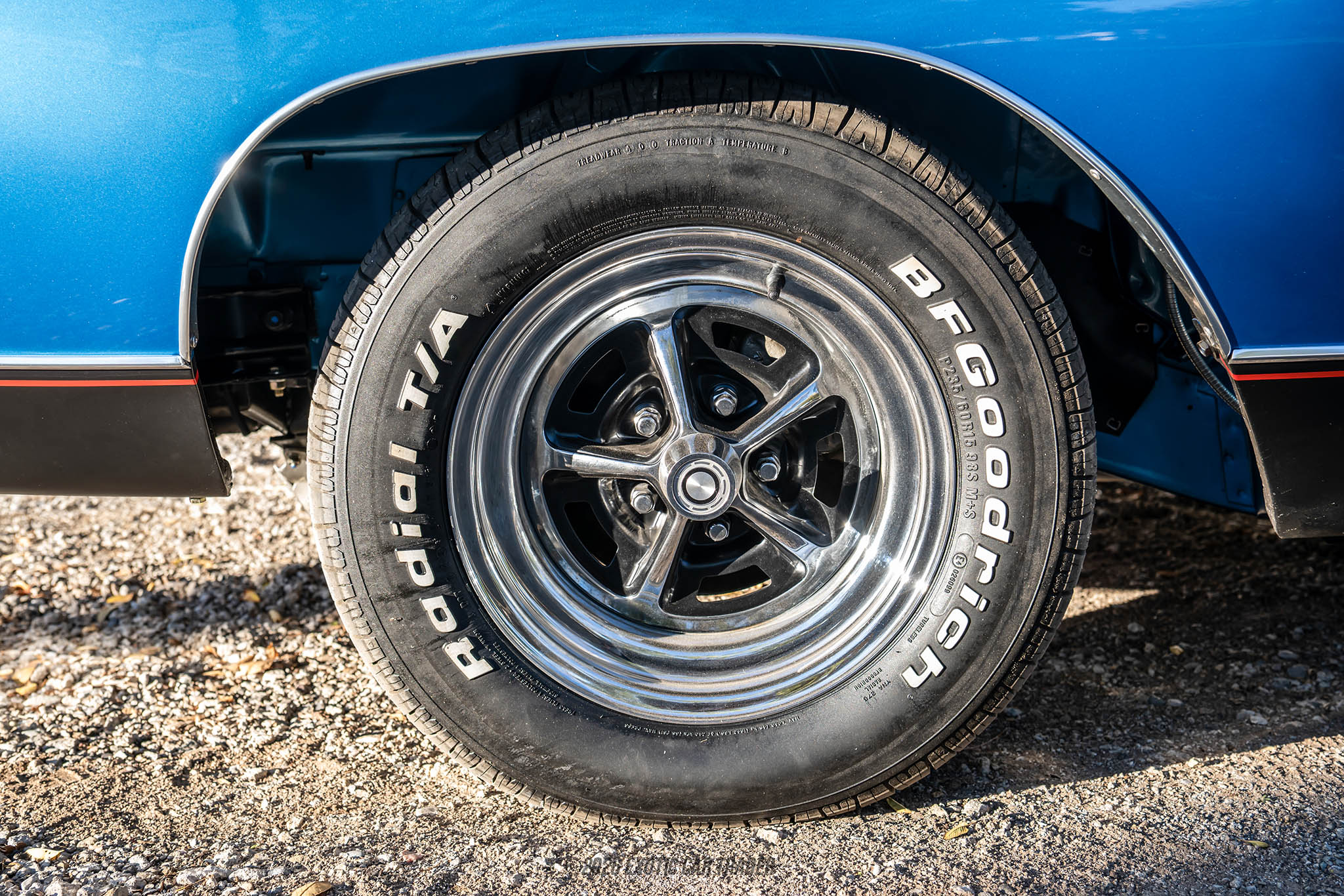
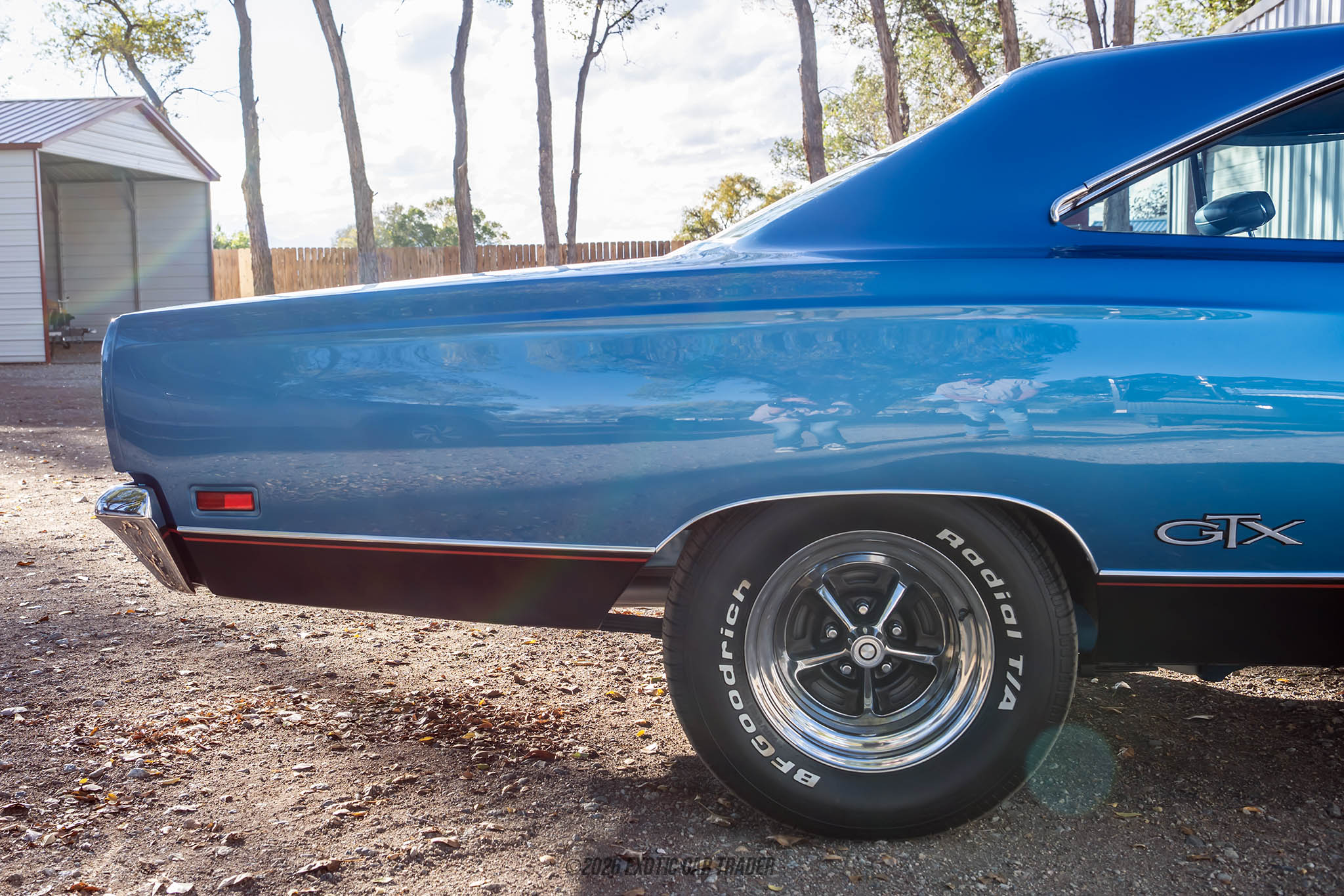
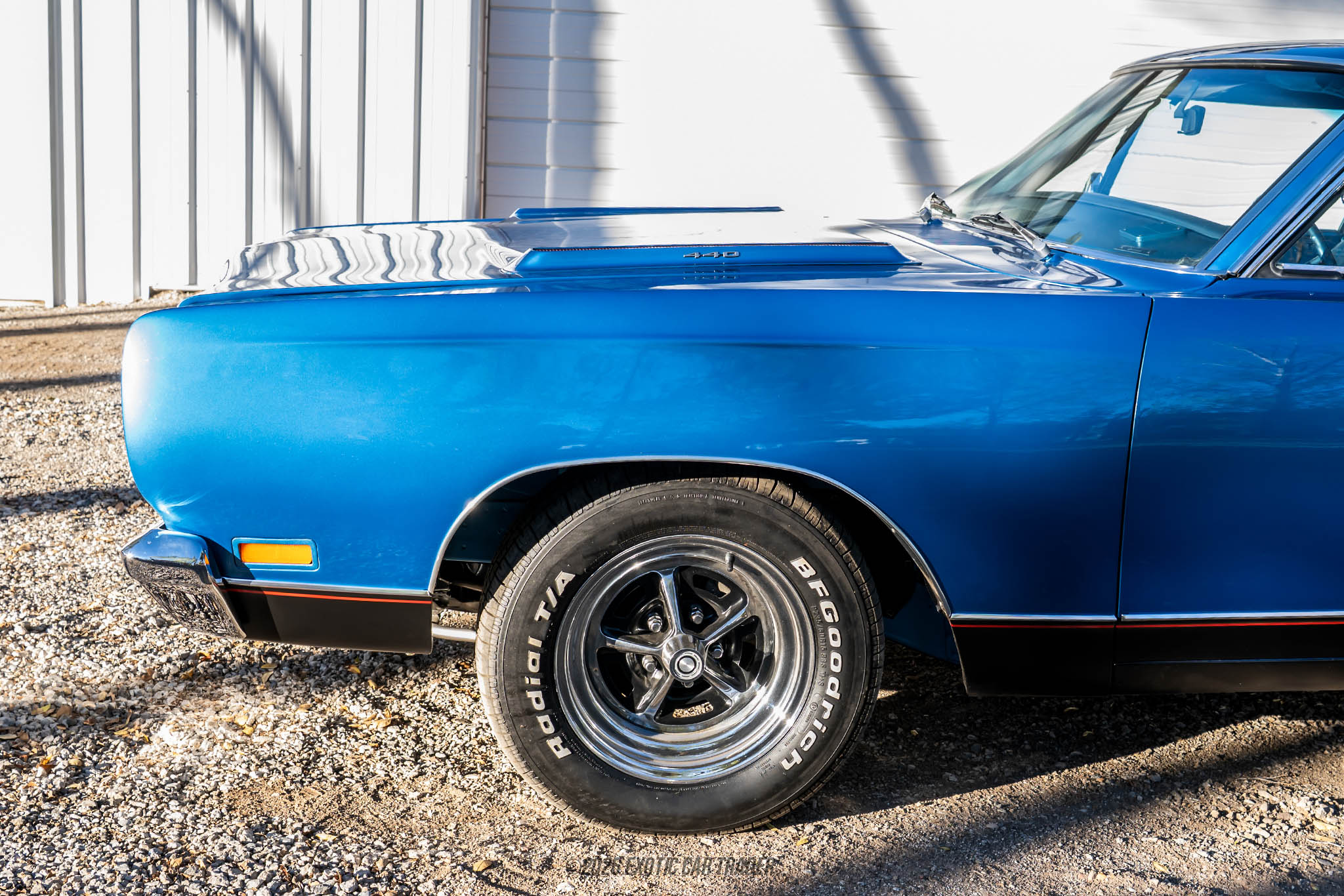
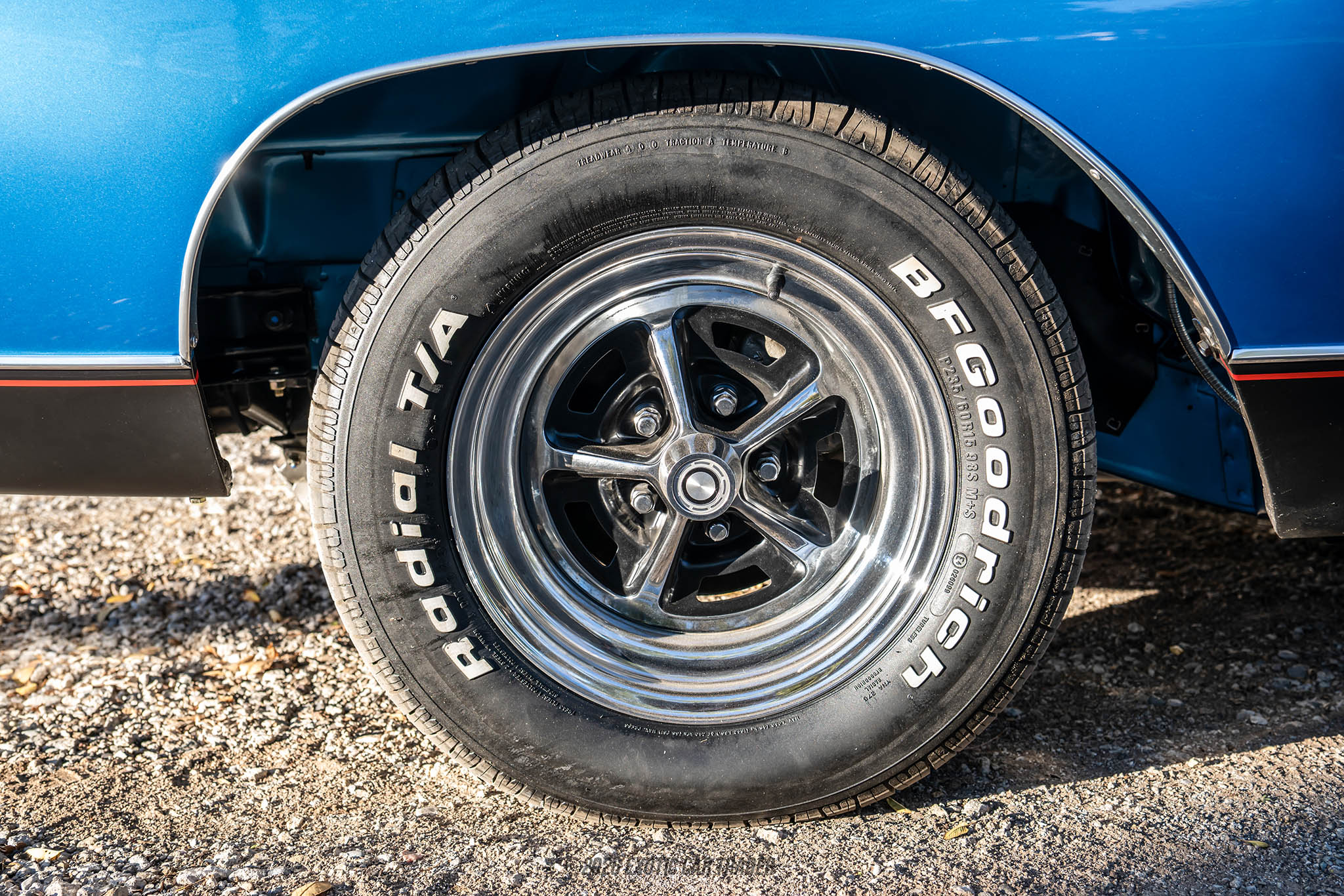
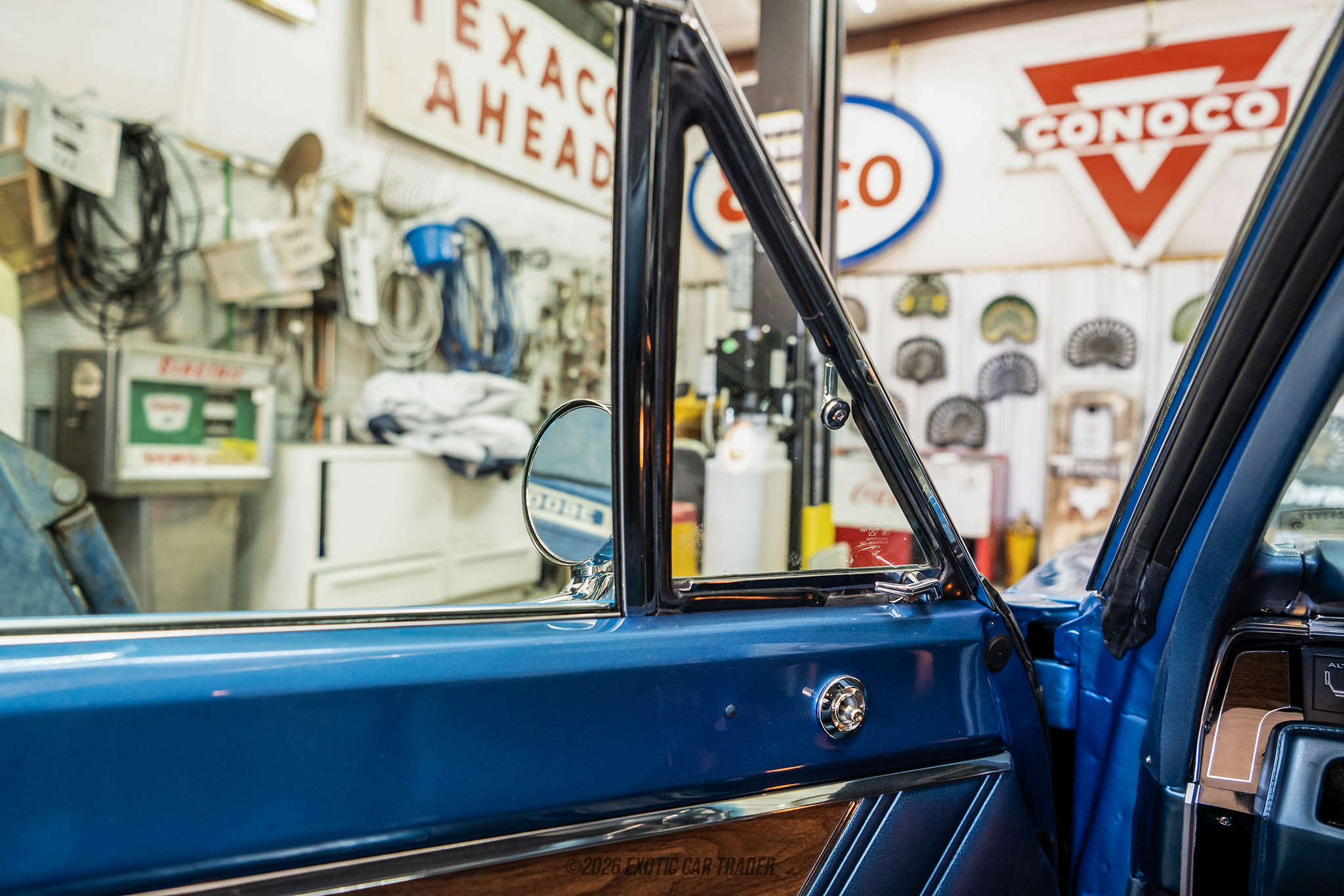
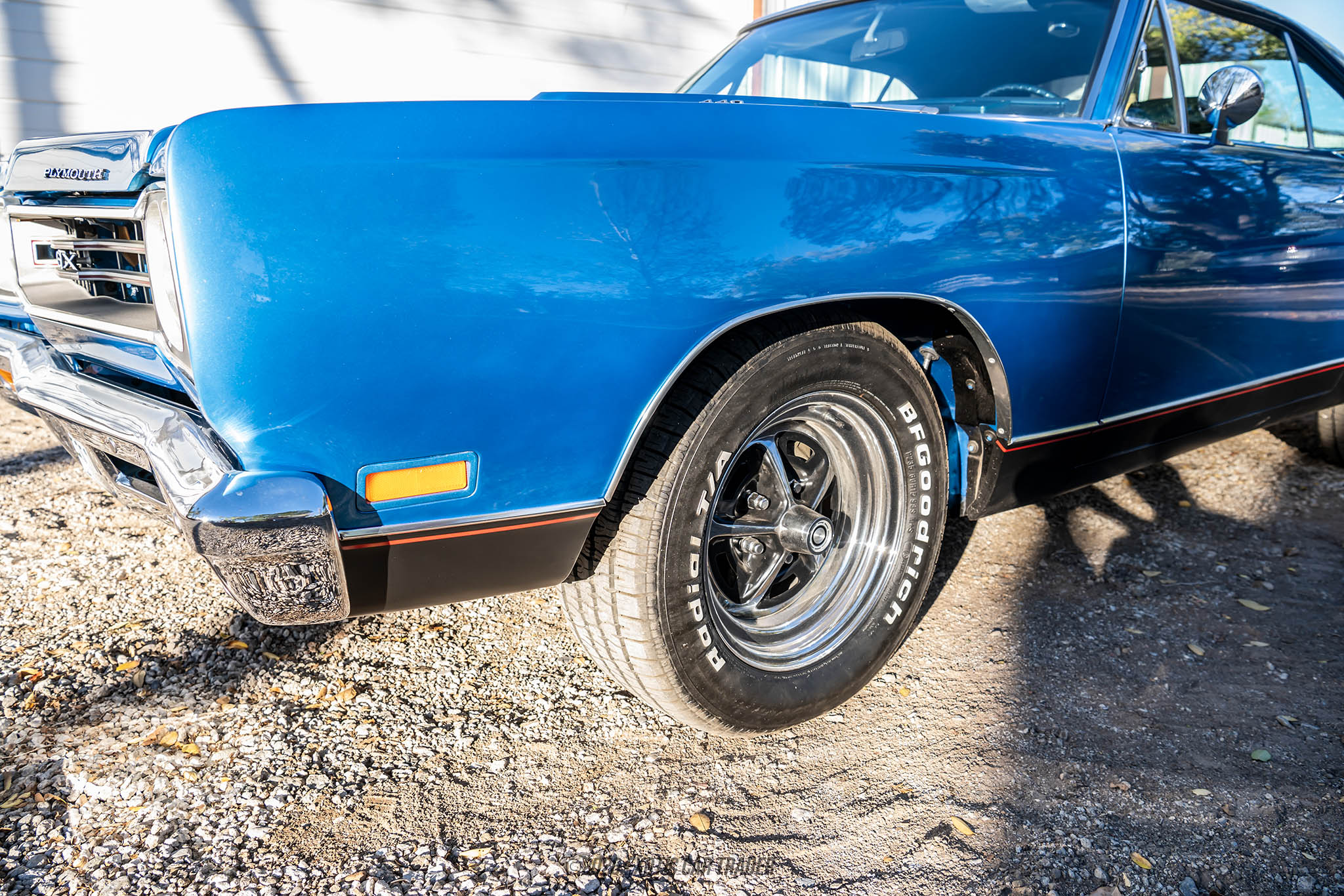
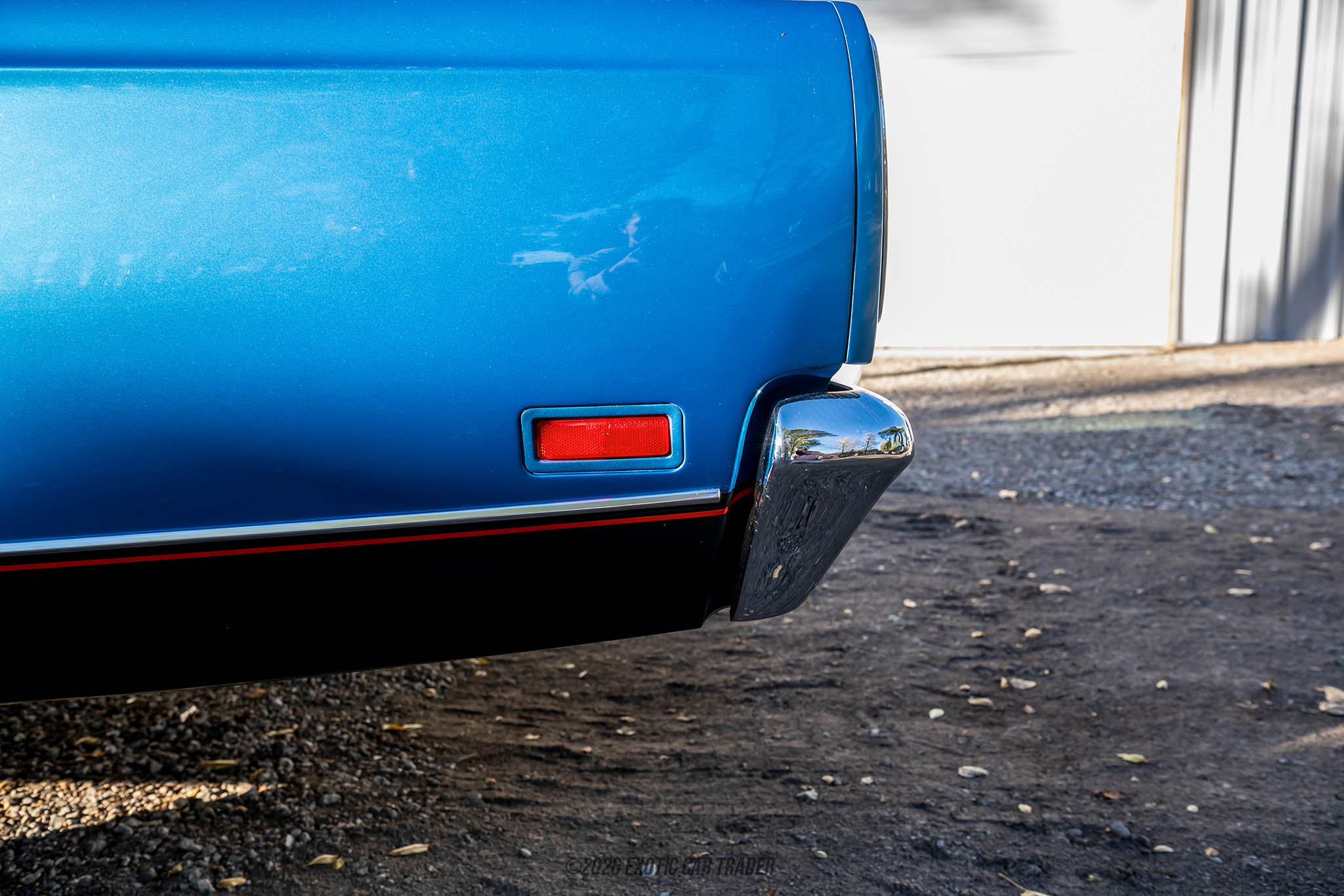
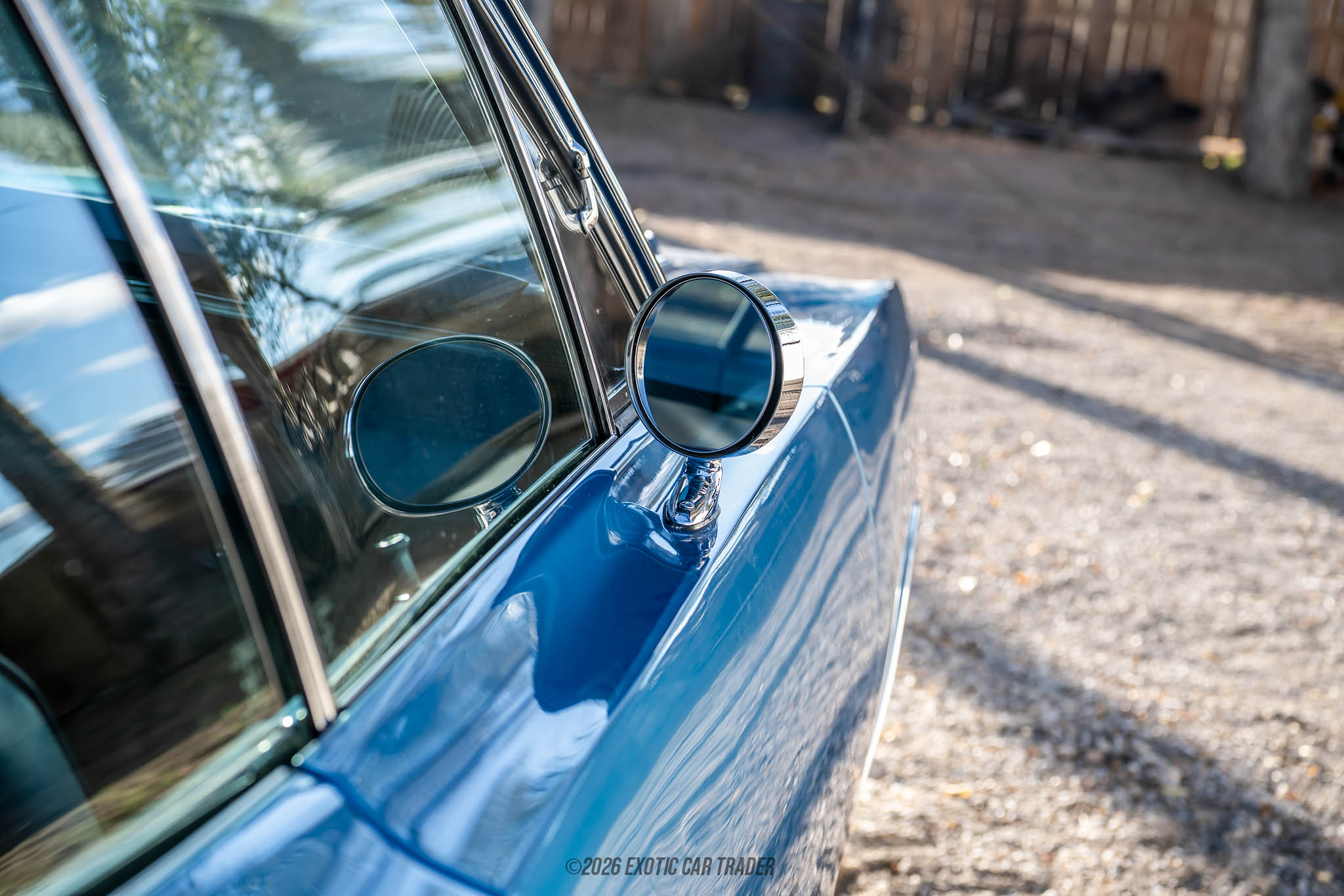
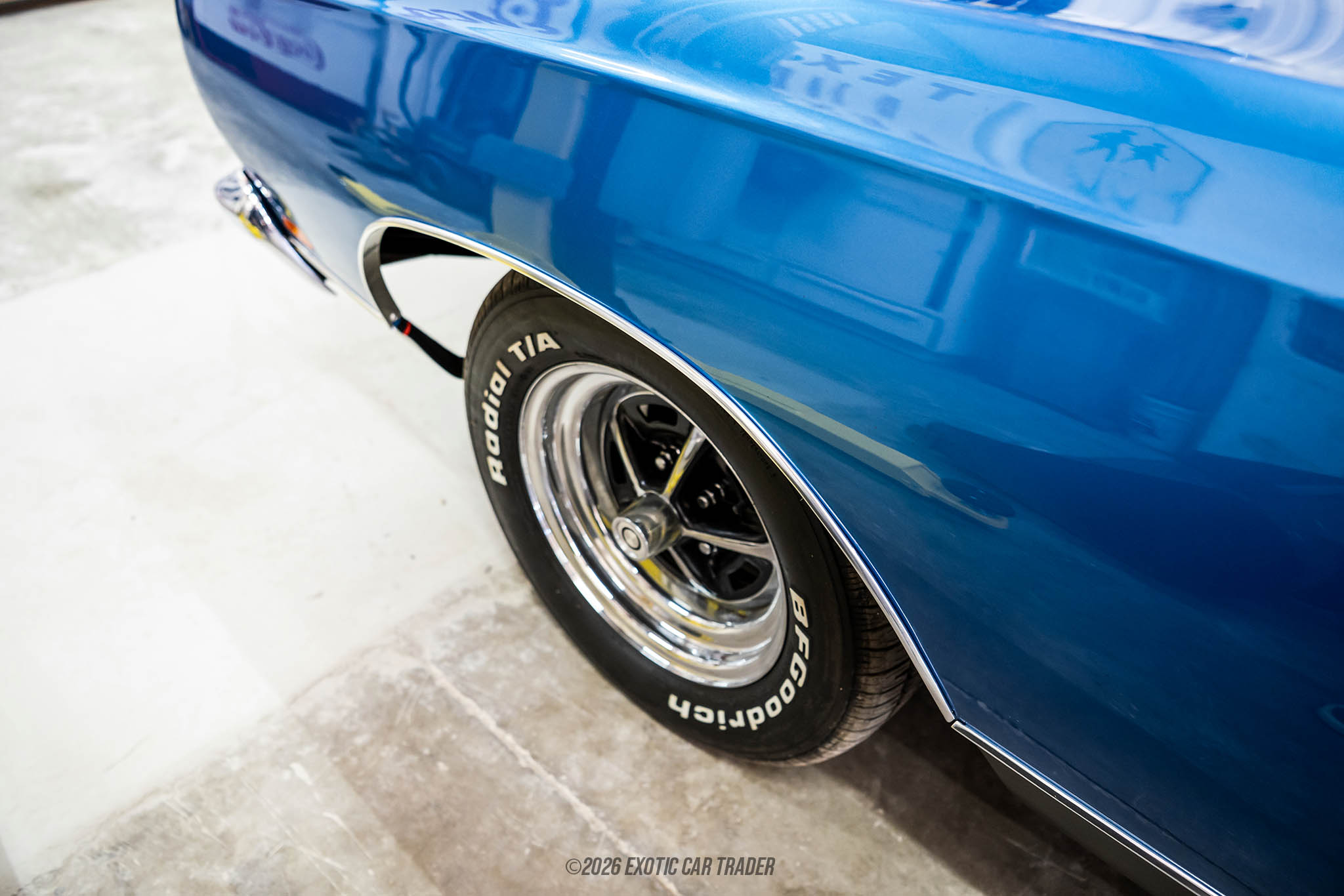
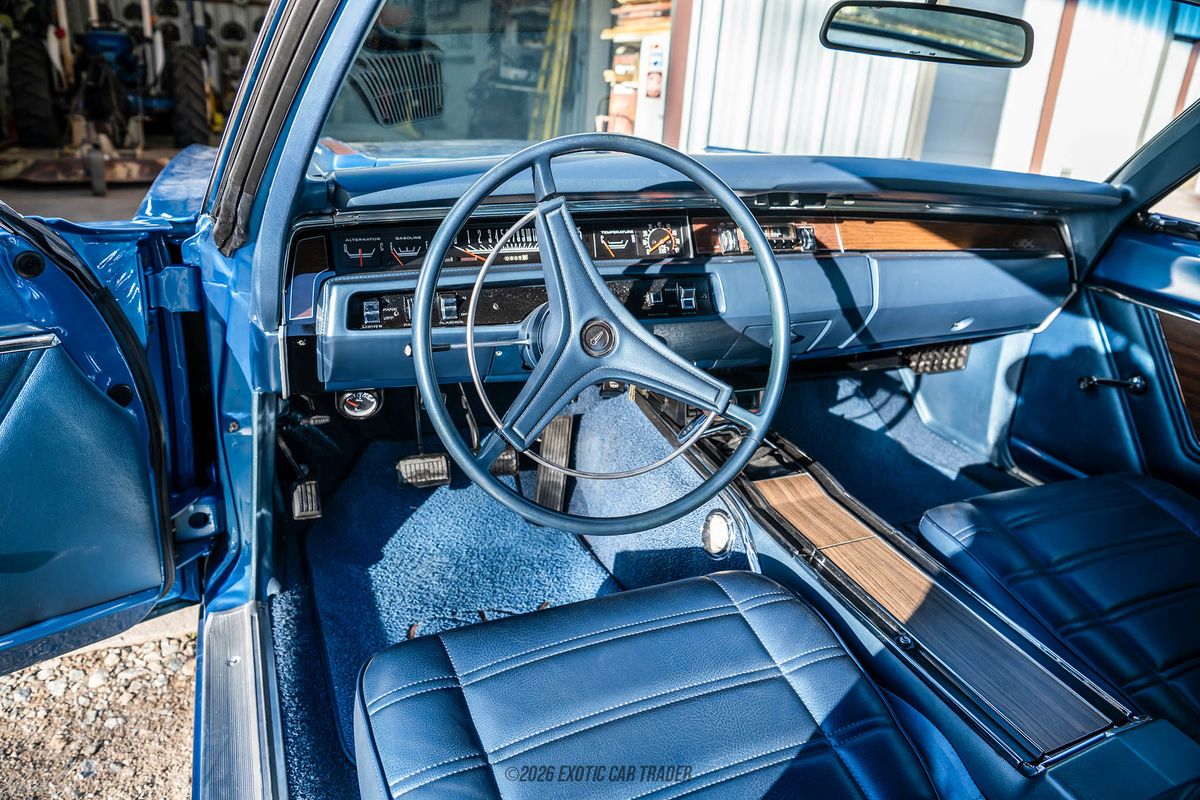
The exterior of this 1969 Plymouth GTX is finished in a vibrant Blue that accentuates the car's long hood, muscular rear quarters, and unmistakable late-1960s Mopar styling. Its aggressive appearance is complemented by an Air Grabber hood, a signature feature that adds both visual appeal and functional cold-air induction. Magnum 500 wheels complete the classic muscle car stance, while the painted undercarriage reflects the attention given to the vehicle's presentation. Additional equipment includes power steering and power-assisted brakes, combining the GTX's imposing appearance with practical driving convenience. The interior of this 1969 Plymouth GTX features Blue vinyl upholstery, maintaining the period-correct appearance that made these cars so appealing when new. Front bucket seats are separated by a center console housing a factory-style four-speed manual shifter, providing the quintessential Mopar muscle car driving experience. A three-spoke steering wheel sits ahead of a factory-style gauge cluster, while an eight-track tape player brings a nostalgic touch to the cabin. Blue carpeting and front and rear lap belts complete the interior, offering a fitting blend of vintage comfort and driver-focused simplicity.
Engine
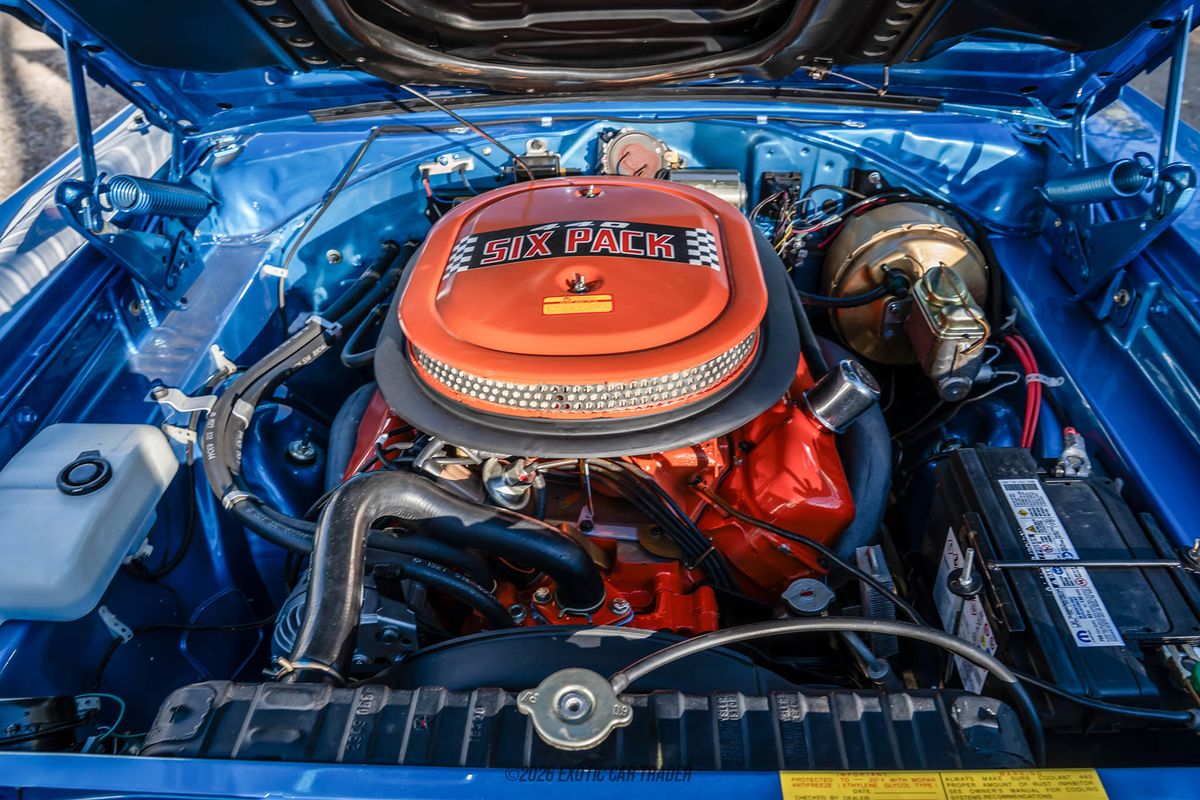
Powering this 1969 Plymouth GTX is Chrysler's legendary 440ci (7.2L) V8, one of the defining engines of the original muscle car era. This example features a seller-reported Six Pack conversion with triple two-barrel carburetors, a configuration closely associated with Mopar's most celebrated high-performance big-block offerings. Power is delivered to the rear wheels through a four-speed manual transmission and a Dana Sure Grip limited-slip differential featuring a 3.54:1 gear ratio, providing an engaging combination of driver involvement and strong acceleration. A Flowmaster-equipped aftermarket exhaust system adds to the big-block's unmistakable soundtrack, while upgraded brake and fuel lines, an aftermarket fuel tank, and factory-style suspension complement the mechanical package. Power-assisted front disc brakes provide additional stopping capability. With its 440 V8, four-speed manual transmission, and Sure Grip rear end, this GTX delivers the authentic big-block driving experience that continues to make late-1960s Mopars so desirable among enthusiasts.


The 1969 Plymouth GTX earned its reputation as one of Mopar's most formidable muscle cars, combining upscale appointments with the raw performance of Chrysler's legendary big-block V8s. Marketed as the "Gentleman's Muscle Car," the GTX offered serious horsepower without sacrificing comfort or style. This 1969 Plymouth GTX, showing 90,809 miles, is finished in a striking Blue exterior over a matching Blue vinyl interior. Under the hood sits a mighty 440ci V8 featuring a Six Pack conversion with triple two-barrel carburetors, paired with a four-speed manual transmission and Dana Sure Grip rear differential. Additional highlights include an Air Grabber hood, Magnum 500 wheels, power steering, power brakes, and a Flowmaster exhaust system. With its unmistakable B-body styling, desirable four-speed gearbox, and big-block Mopar power, this GTX captures the golden era of American muscle at its finest.
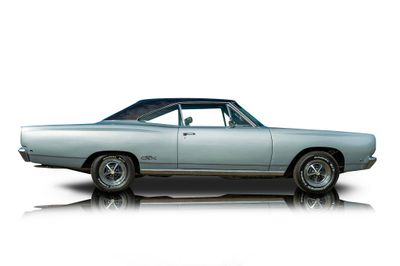
Plymouth is another great American automotive name that has fallen by the wayside. Named after Plymouth binders twine, the brand would become a Chrysler Corporation division by 1928. Sadly, Plymouth was discontinued in 2001. However, they produced many greats along the way, such as the Plymouth GTX. So, if you’ve been shedding a tear in memory of Plymouth, why not celebrate their greatness and pick up this 1968 Plymouth GTX 440 today? This beautiful '60s muscle car comes to you with a scant 22,090 miles on the clock and appears in excellent condition for its age.
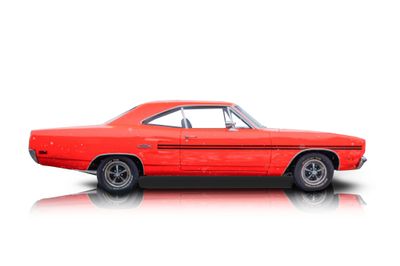
For the seasoned classic car enthusiast, this vehicle could easily become your next "orange crush." Revered within the classic muscle car community, the Plymouth nameplate holds a cherished spot due to its history of crafting exceptional automobiles. Since their discontinuation in 2001, the allure of Plymouth models has only grown, owing to their increasing rarity. Among the illustrious names like Barracuda, Fury, and Road Runner, the GTX shines as a mid-sized, upscale-trimmed performance muscle car that captivated enthusiasts with its impeccable handling, thanks to its "heavy-duty" suspension. Now, with this meticulously preserved 1970 Plymouth GTX Coupe boasting a mere 73,000 miles on the odometer, you have the opportunity to own a prized piece of muscle car history. Nestled in pristine condition in Idaho, it eagerly awaits its new custodian.
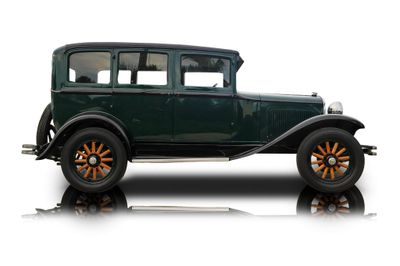
The 1928 Plymouth Model Q marked the beginning of an important chapter in American automotive history, introducing Chrysler's new entry-level brand with features that rivaled more expensive competitors. Notably, Plymouth offered four-wheel hydraulic brakes at a time when many affordable automobiles still relied on mechanical systems. This 1928 Plymouth Model Q 4-Door Sedan, showing 47,274 miles, is finished in Dark Green over a Green cloth interior, capturing the distinctive character of late-1920s motoring. Powered by a 170.3ci four-cylinder engine paired with a three-speed manual transmission, this Plymouth features wood-spoke wheels, a rear-mounted spare tire, running boards, and classic chrome accents. With its upright proportions, traditional engineering, and significance as a first-year Plymouth model, this sedan offers an appealing glimpse into the early days of Chrysler's automotive legacy.
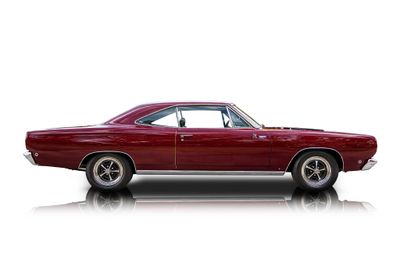
The Plymouth Road Runner arrived in 1968 with a simple mission: deliver serious muscle car performance without the unnecessary frills. Built around Chrysler's midsize B-body platform, the Road Runner quickly earned a reputation for its powerful engines, straightforward engineering, and unmistakable personality. This 1968 Plymouth Road Runner, showing 44,566 miles, is finished in Burgundy over a Black and Gray interior, capturing the distinctive character of Mopar's golden era. Powered by a 383ci V8 paired with a TorqueFlite 727 three-speed automatic transmission, this example features the Road Runner 383 engine package, power steering, dual exhaust, and aftermarket wheels. With its muscular styling, big-block V8, and classic two-door configuration, this Plymouth represents the no-nonsense performance philosophy that made the original Road Runner a muscle car legend.
The 1969 Plymouth GTX earned its reputation as one of Mopar's most formidable muscle cars, combining upscale appointments with the raw performance of Chrysler's legendary big-block V8s. Marketed as the "Gentleman's Muscle Car," the GTX offered serious horsepower without sacrificing comfort or style. This 1969 Plymouth GTX, showing 90,809 miles, is finished in a striking Blue exterior over a matching Blue vinyl interior. Under the hood sits a mighty 440ci V8 featuring a Six Pack conversion with triple two-barrel carburetors, paired with a four-speed manual transmission and Dana Sure Grip rear differential. Additional highlights include an Air Grabber hood, Magnum 500 wheels, power steering, power brakes, and a Flowmaster exhaust system. With its unmistakable B-body styling, desirable four-speed gearbox, and big-block Mopar power, this GTX captures the golden era of American muscle at its finest.
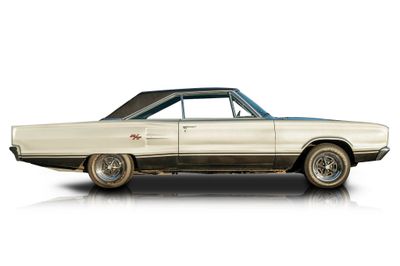
The 1967 Dodge Coronet 500 captures the bold styling and big-block performance that defined Chrysler's B-body muscle cars during the 1960s. With its long, squared-off proportions and unmistakable Mopar character, the Coronet has remained a favorite among enthusiasts seeking classic American V8 power. This 1967 Dodge Coronet 500, showing 4,414 miles, features a Silver exterior with contrasting Black accents, a Black vinyl roof, and a Black vinyl interior. Under the hood sits a 454ci V8 paired with a three-speed automatic transmission, bringing substantial displacement to this classic Dodge. Additional highlights include aftermarket chrome wheels, BFGoodrich Radial T/A tires, a center console, and performance-oriented engine upgrades. With its aggressive appearance, custom mechanical configuration, and classic Mopar styling, this Coronet delivers plenty of old-school muscle car appeal.
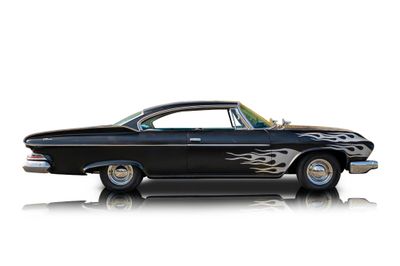
The 1961 Dodge Dart Pioneer represents one of the more distinctive chapters in American automotive design, with its dramatic styling, sweeping body lines, and unmistakable early-1960s personality. Positioned between the entry-level Seneca and upscale Phoenix, the Pioneer offered a combination of style and everyday practicality. This 1961 Dodge Dart Pioneer, showing 66,978 miles, adds a custom touch to that vintage character with a Black exterior featuring Silver flame graphics and a Green interior with leopard-print seat covers. Powered by Chrysler's dependable 225ci Slant-6 paired with a TorqueFlite three-speed push-button automatic transmission, this Dart offers a classic cruising experience. Additional highlights include chrome wheels, power steering, a factory AM radio, and distinctive custom accents. With its unconventional styling and personalized appearance, this Pioneer captures the individuality of early American automotive culture.
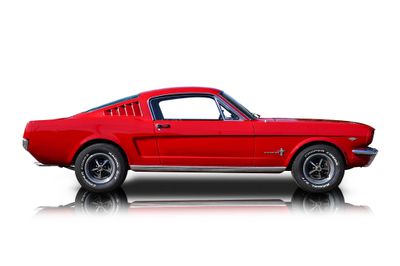
The 1965 Ford Mustang Fastback helped establish the Mustang as an American performance icon, introducing the sleek 2+2 roofline that would become one of the most recognizable designs in pony car history. This 1965 Ford Mustang Fastback, showing 14,118 miles, is finished in its factory-specified Rangoon Red over a Black vinyl interior. Powered by a 289ci V8 equipped with a four-barrel carburetor and paired with a Cruise-O-Matic three-speed automatic transmission, this Mustang delivers the classic small-block Ford driving experience. Additional highlights include aftermarket wheels wrapped in Cooper Cobra Radial G/T tires, rear quarter window louvers, a center console, and a JVC audio head unit. With its desirable fastback body style, traditional V8 power, and unmistakable first-generation Mustang character, this example offers an appealing combination of vintage styling and American muscle car heritage.

Terms of Service
Be Kind and Courteous
We're here to create a platform to better the automotive industry through communication and transparency. Please treat everyone with respect. Healthy debates are natural, but kindness is required.
No Hate Speech
Make sure everyone feels safe. Hate speech of any kind is strictly prohibited. Degrading comments about things like race, religion, culture, sexual orientation, etc. will not be tolerated.
No Promotions or Spam
Give more than you take. Self-promotion, spam, or links of any kind are not allowed.
