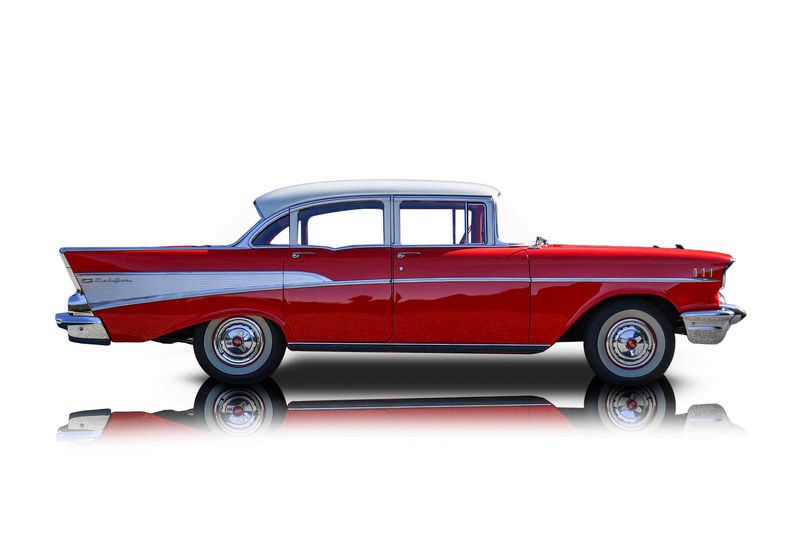


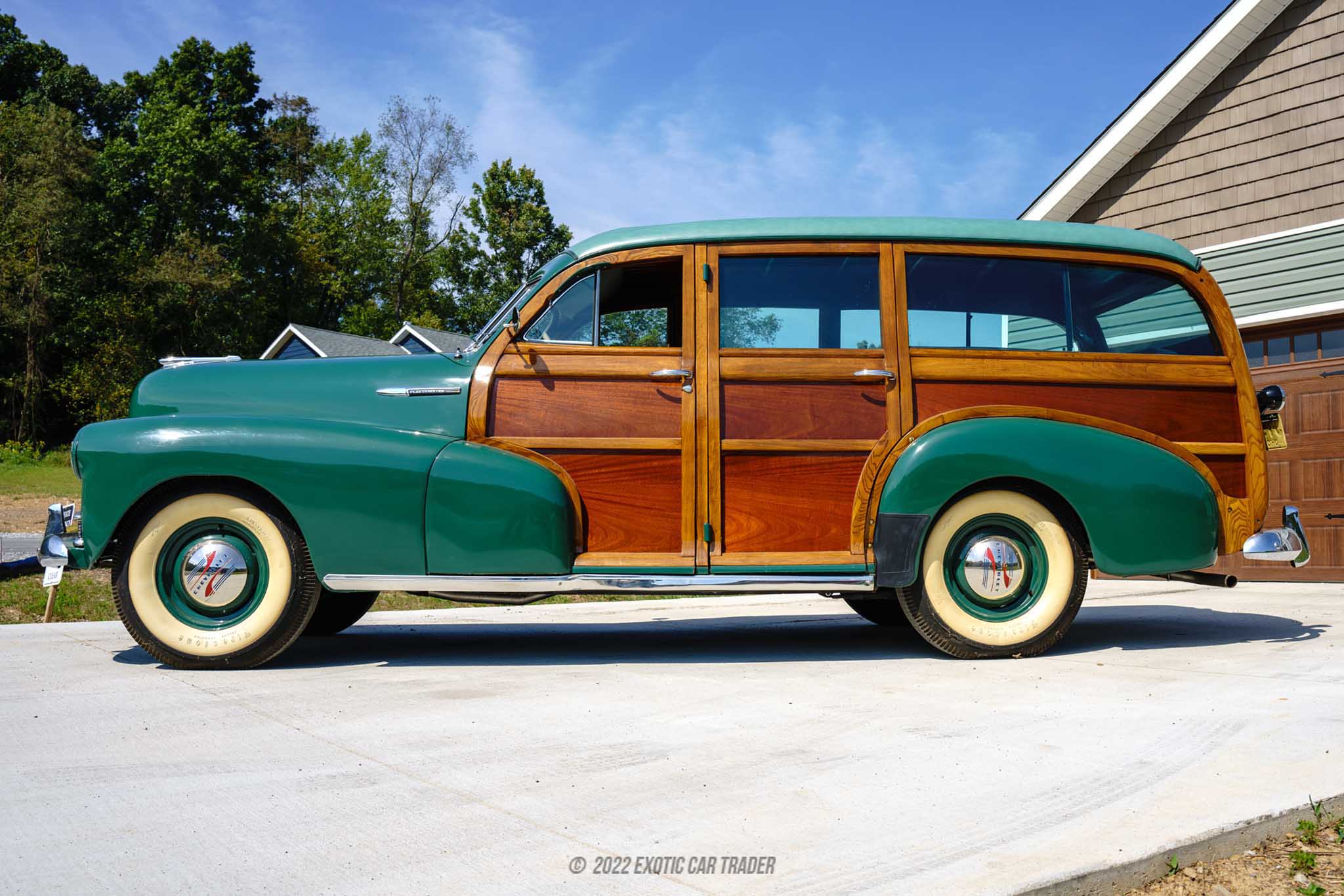
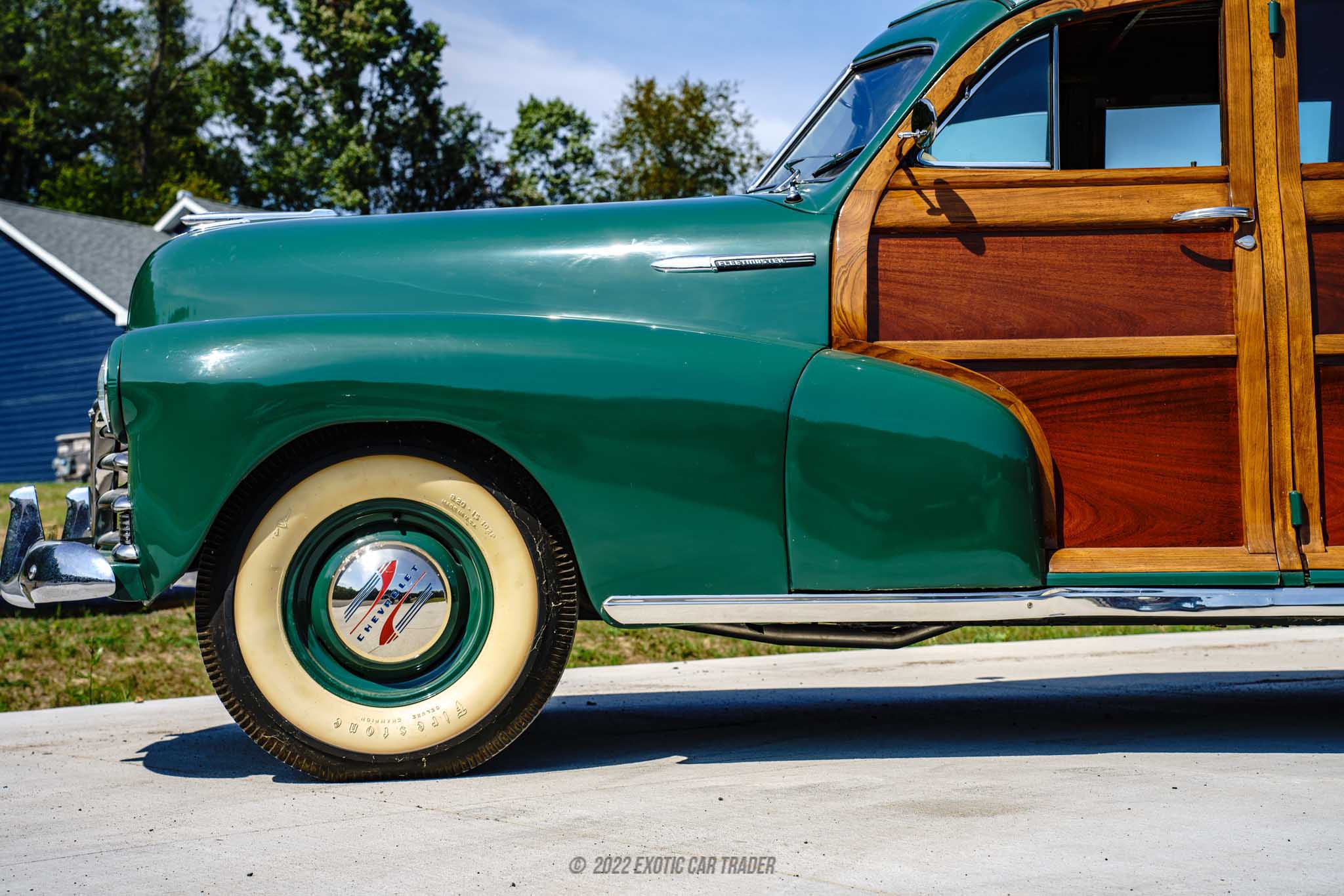
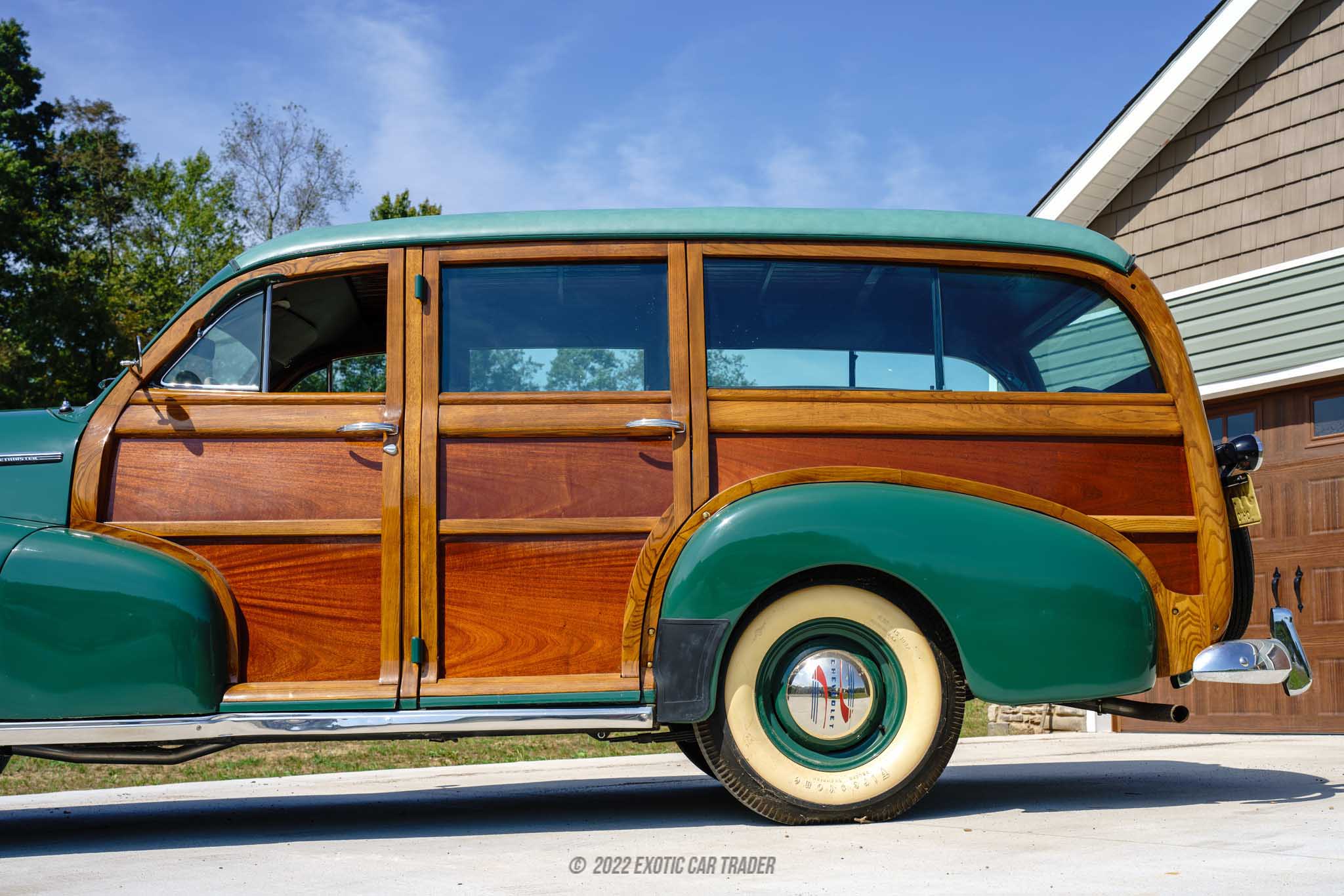
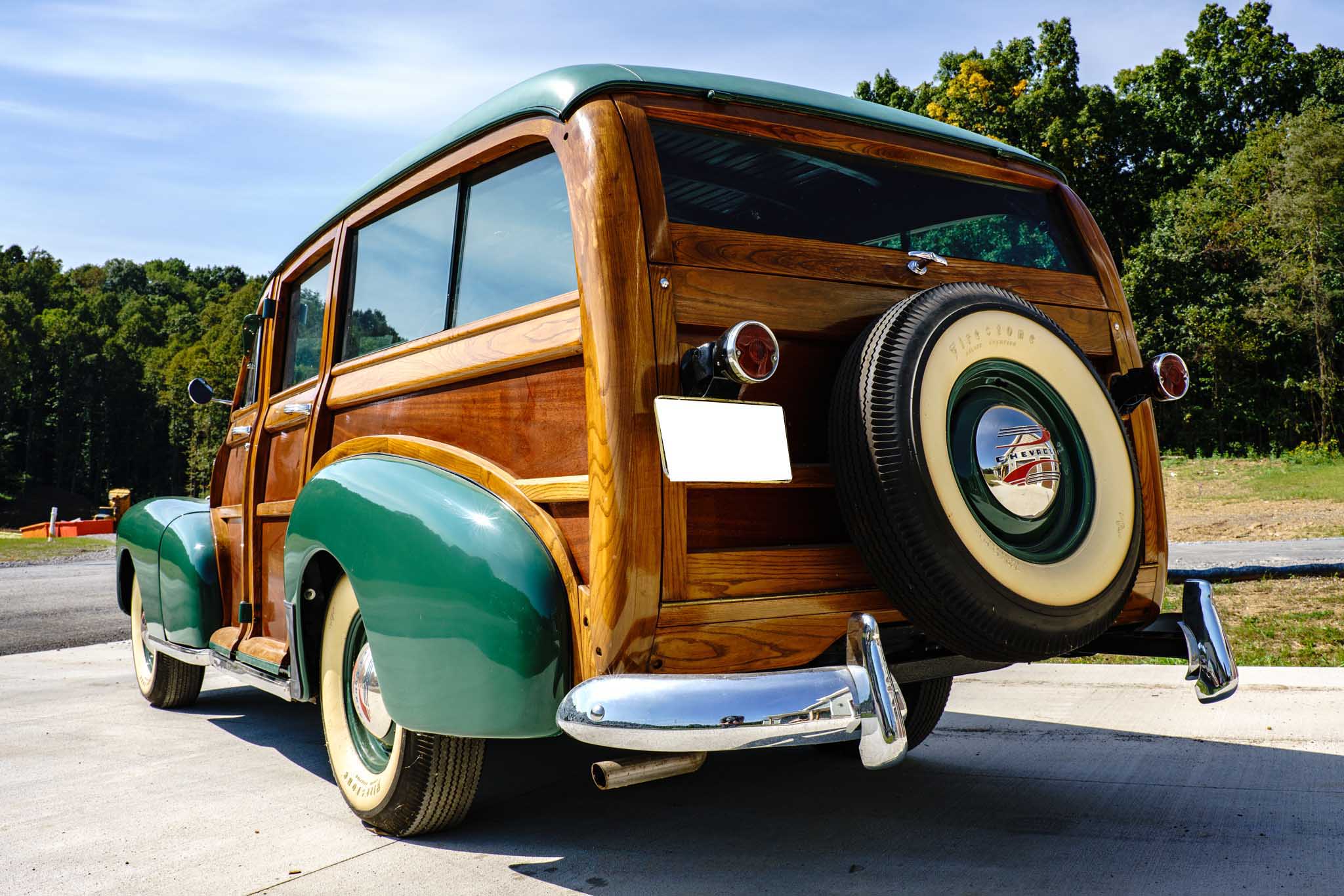
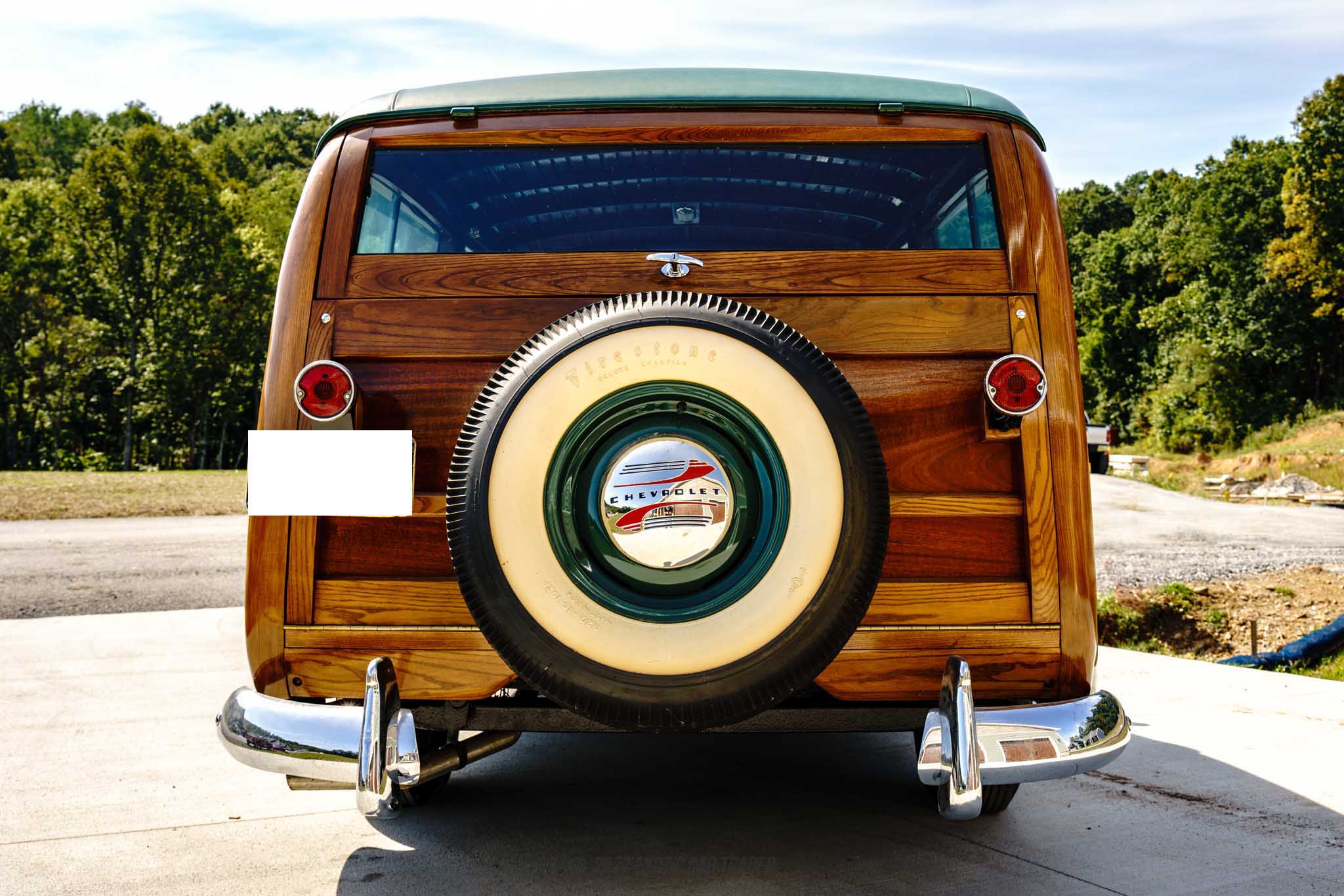
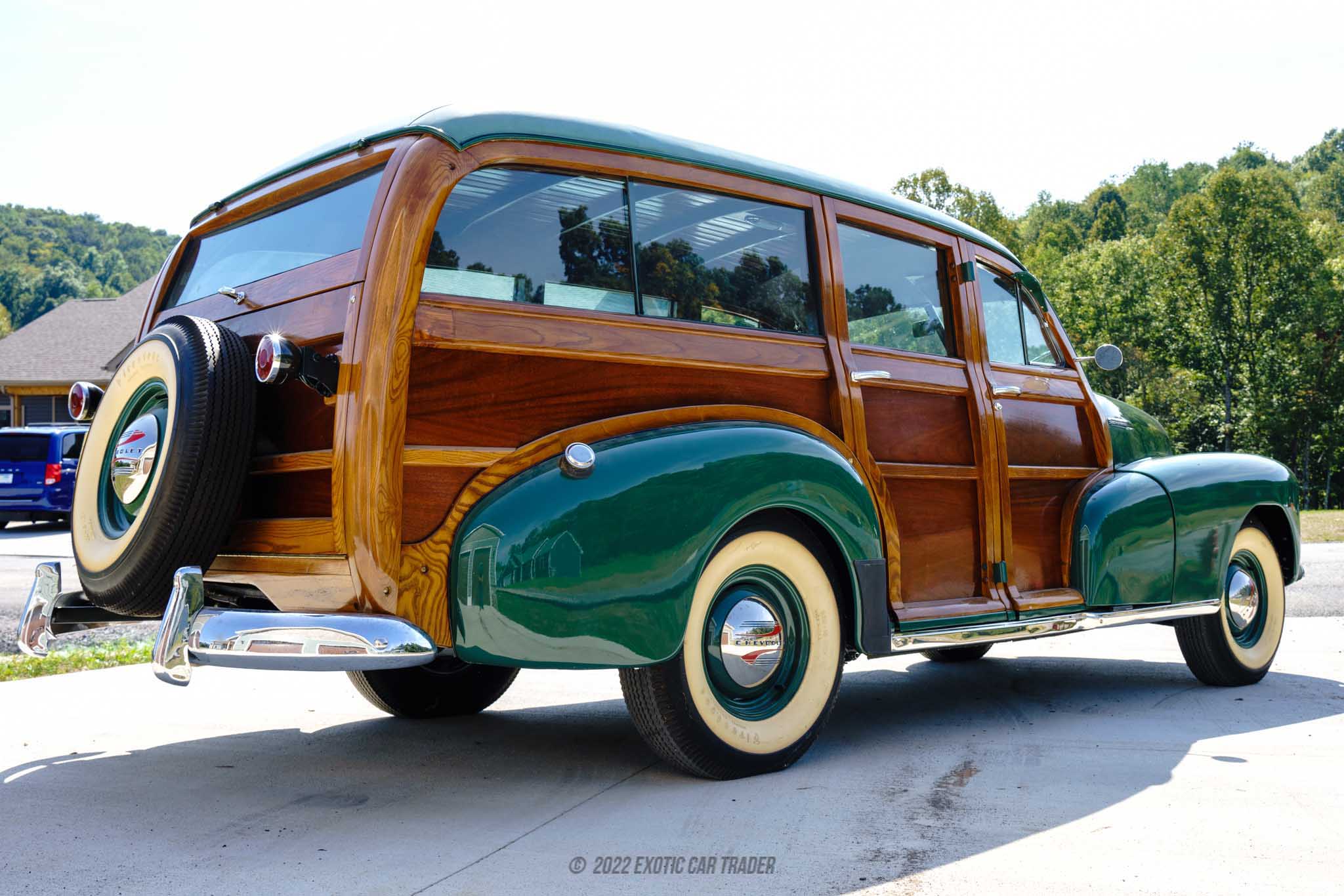
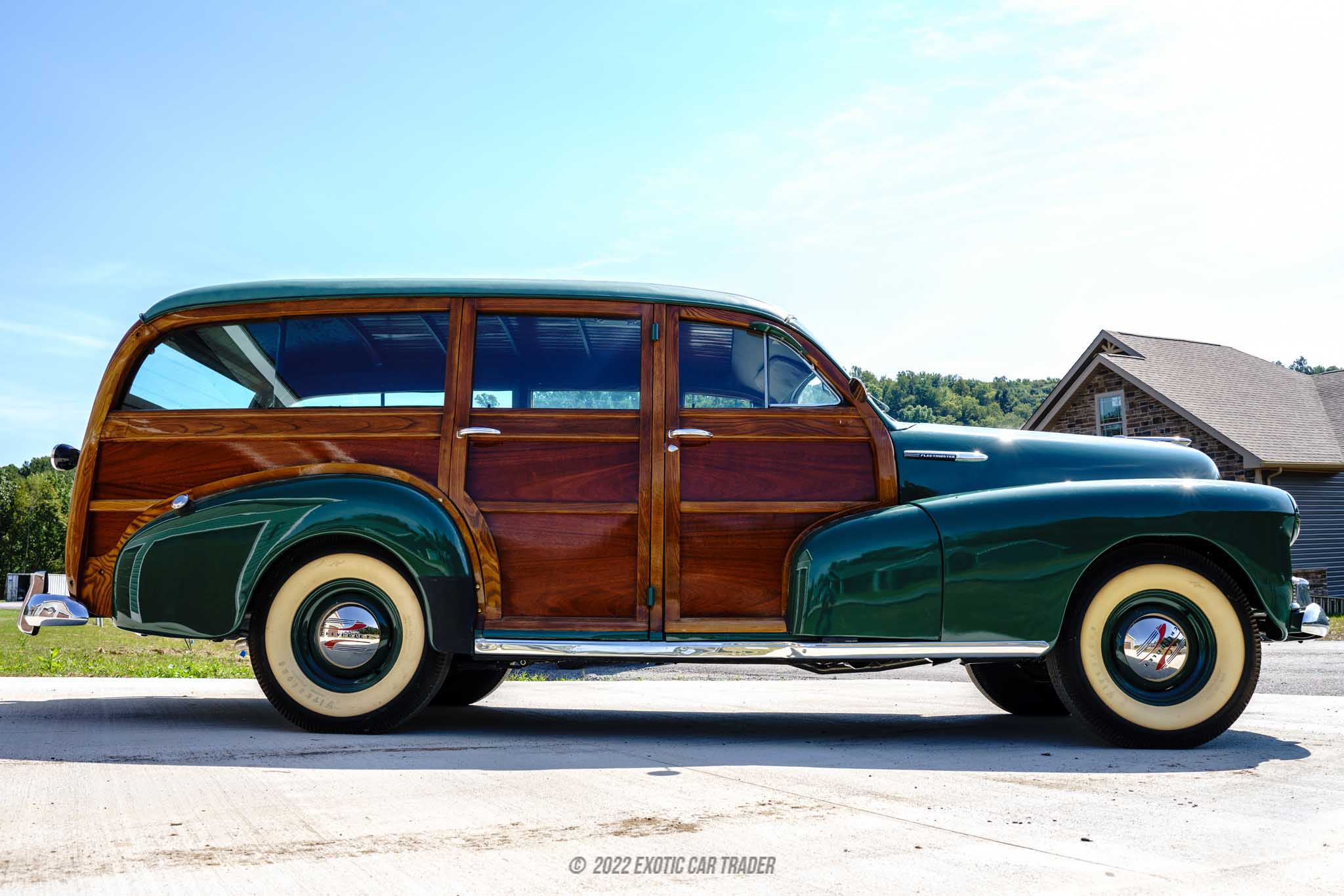
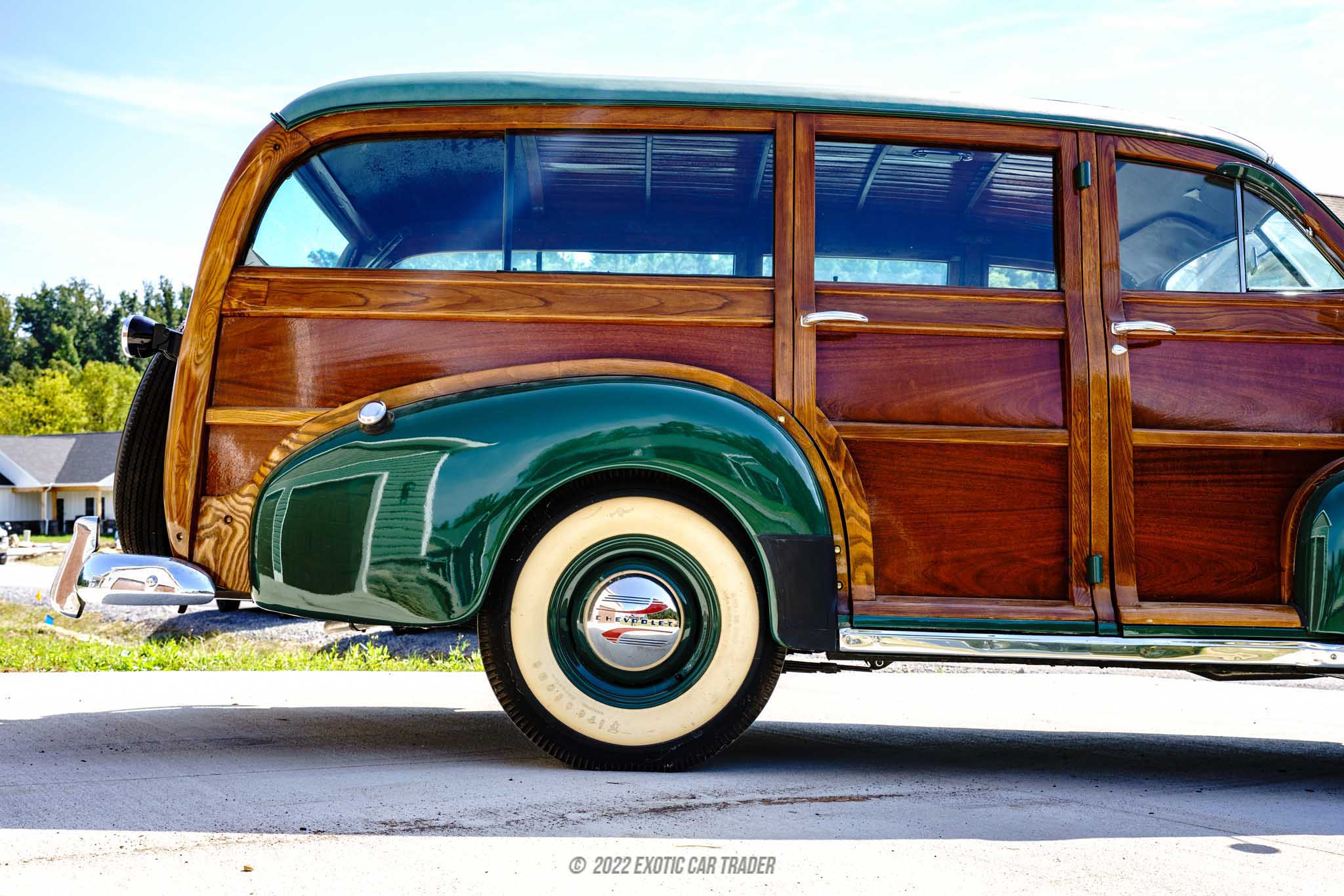
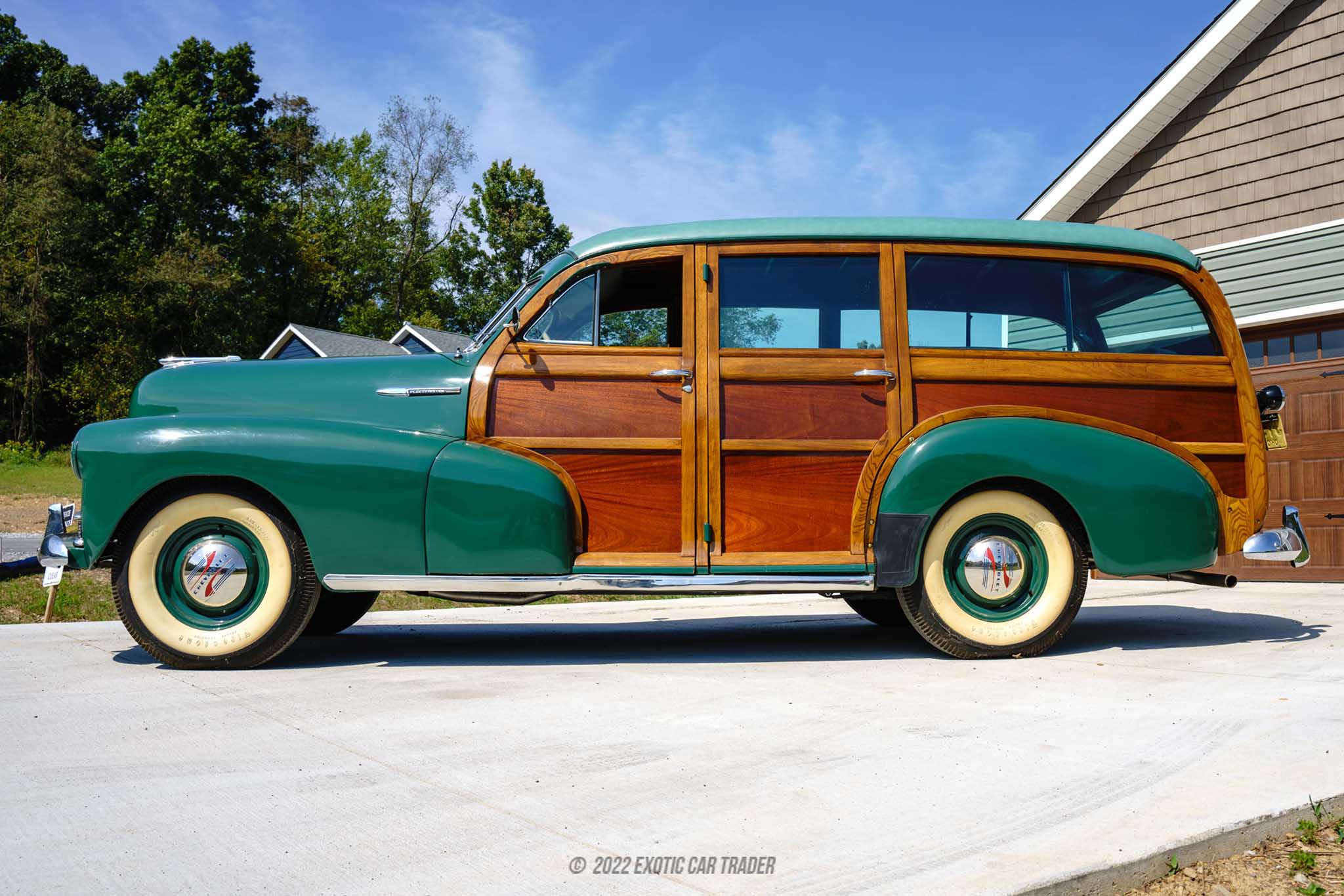
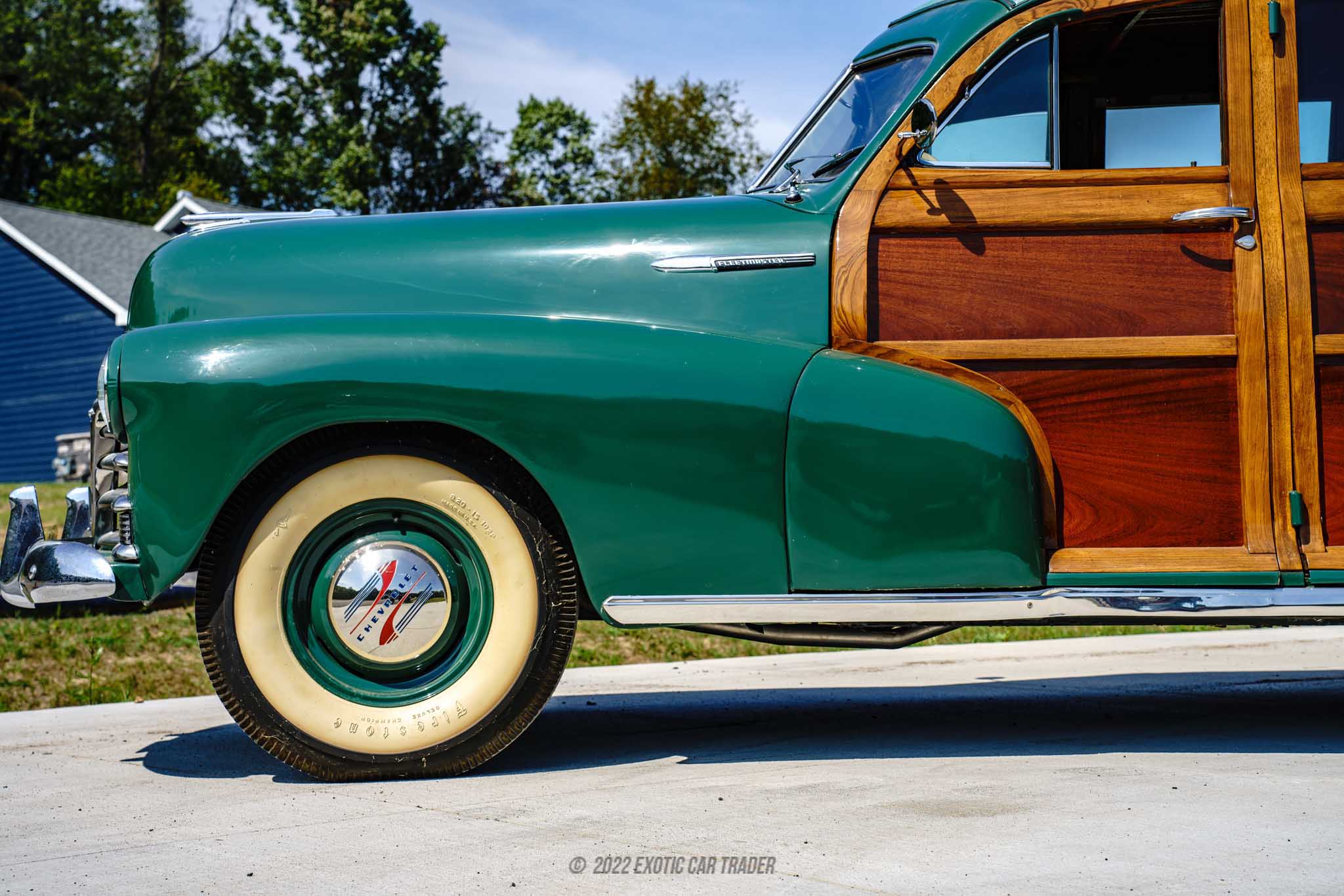
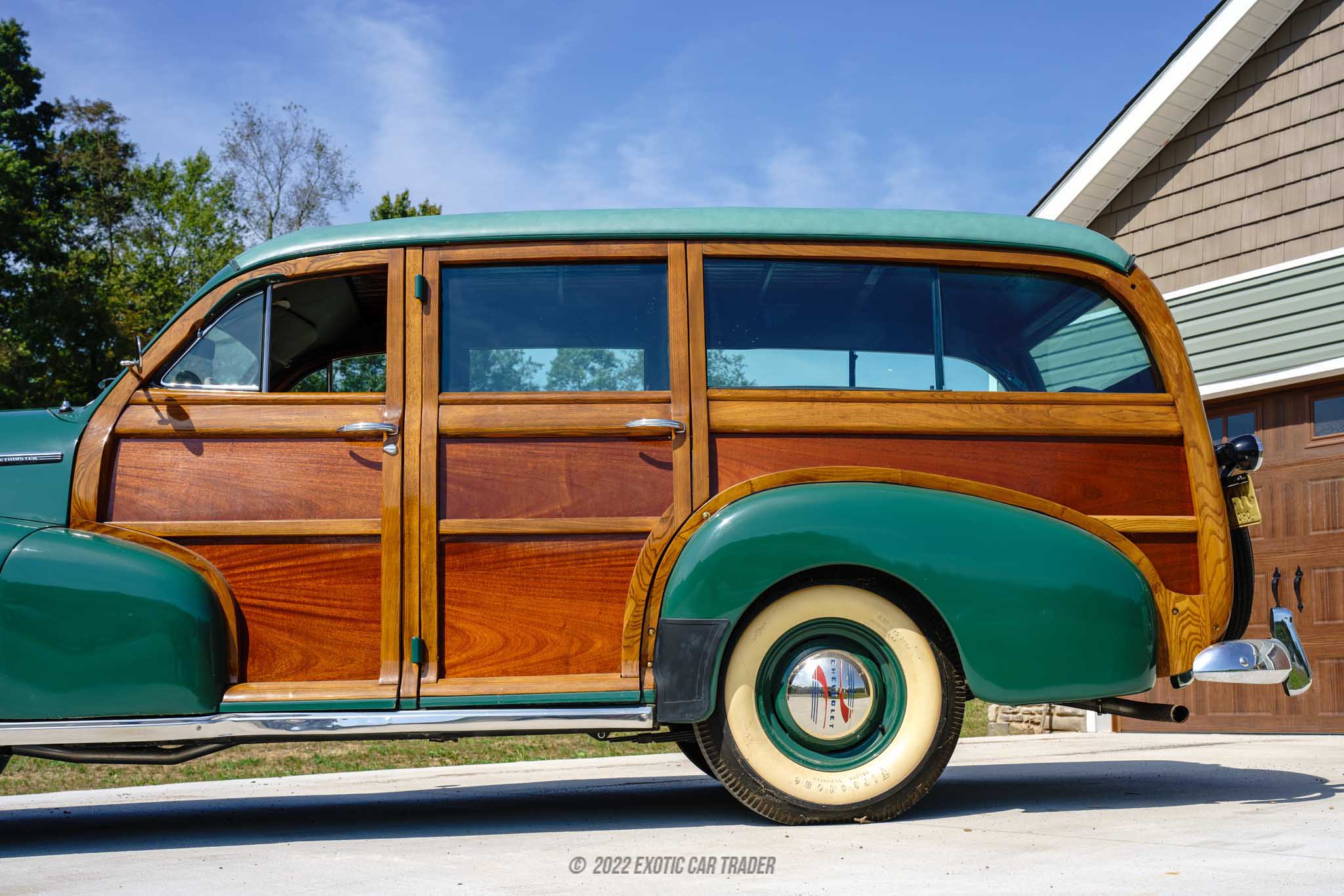
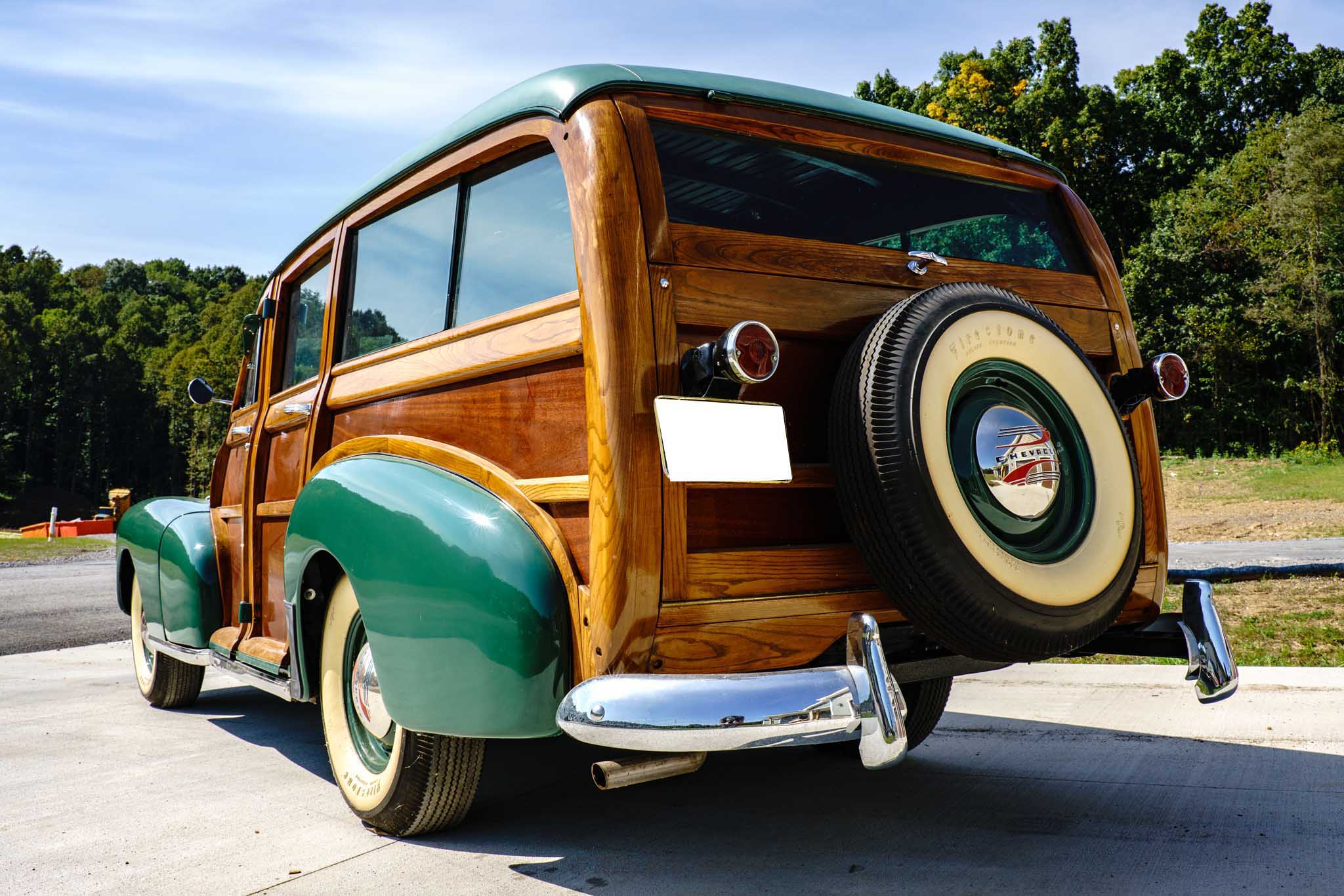
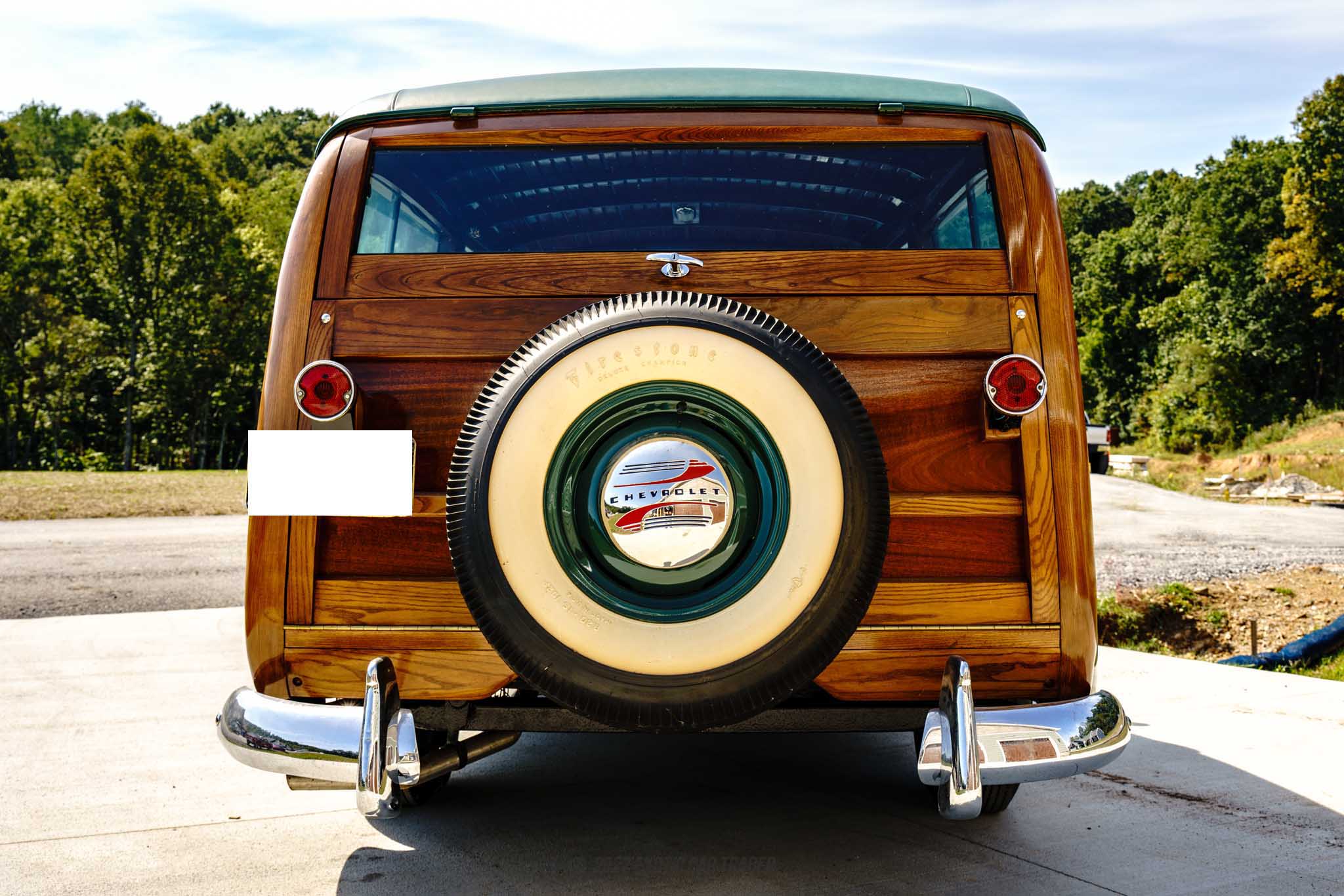
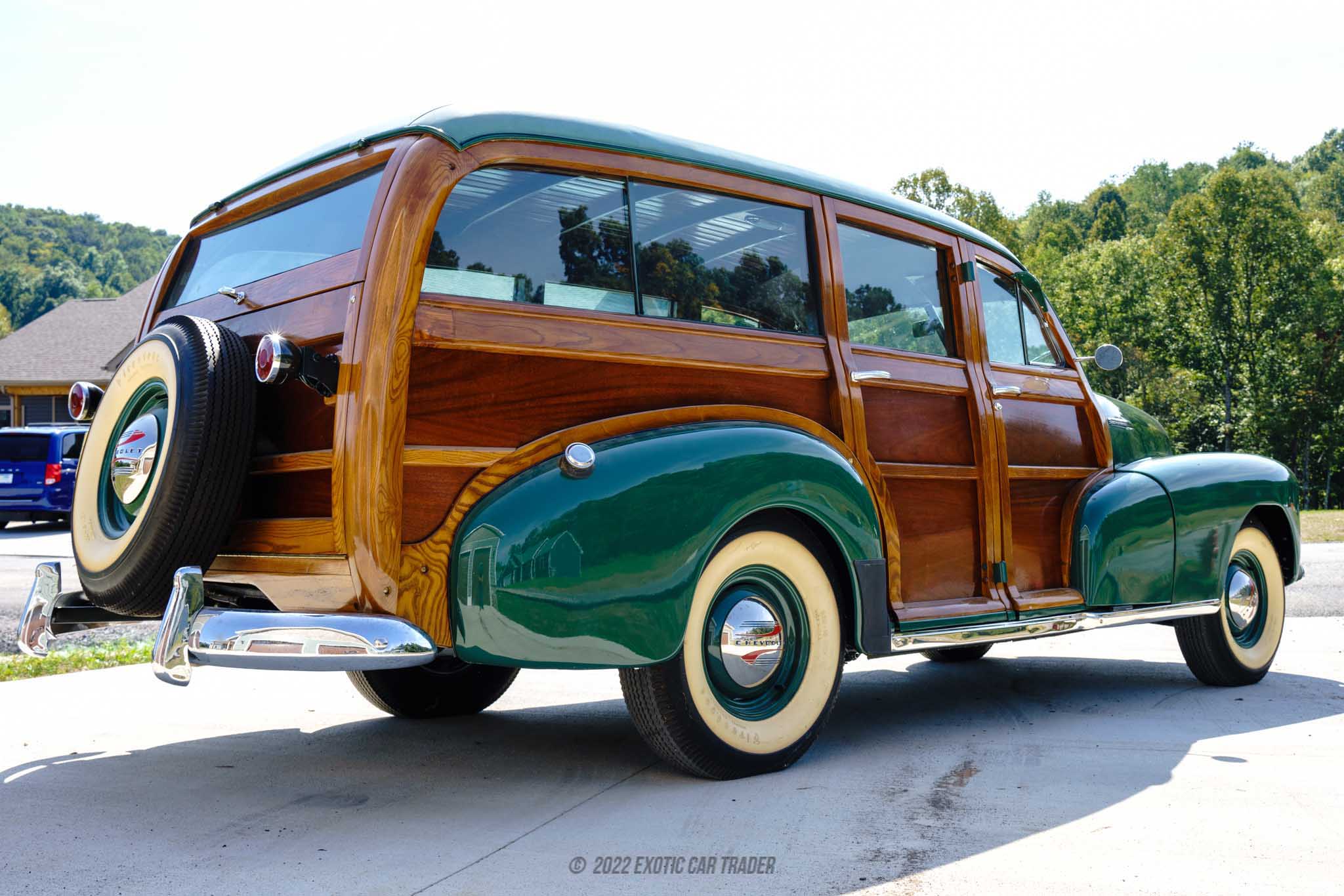
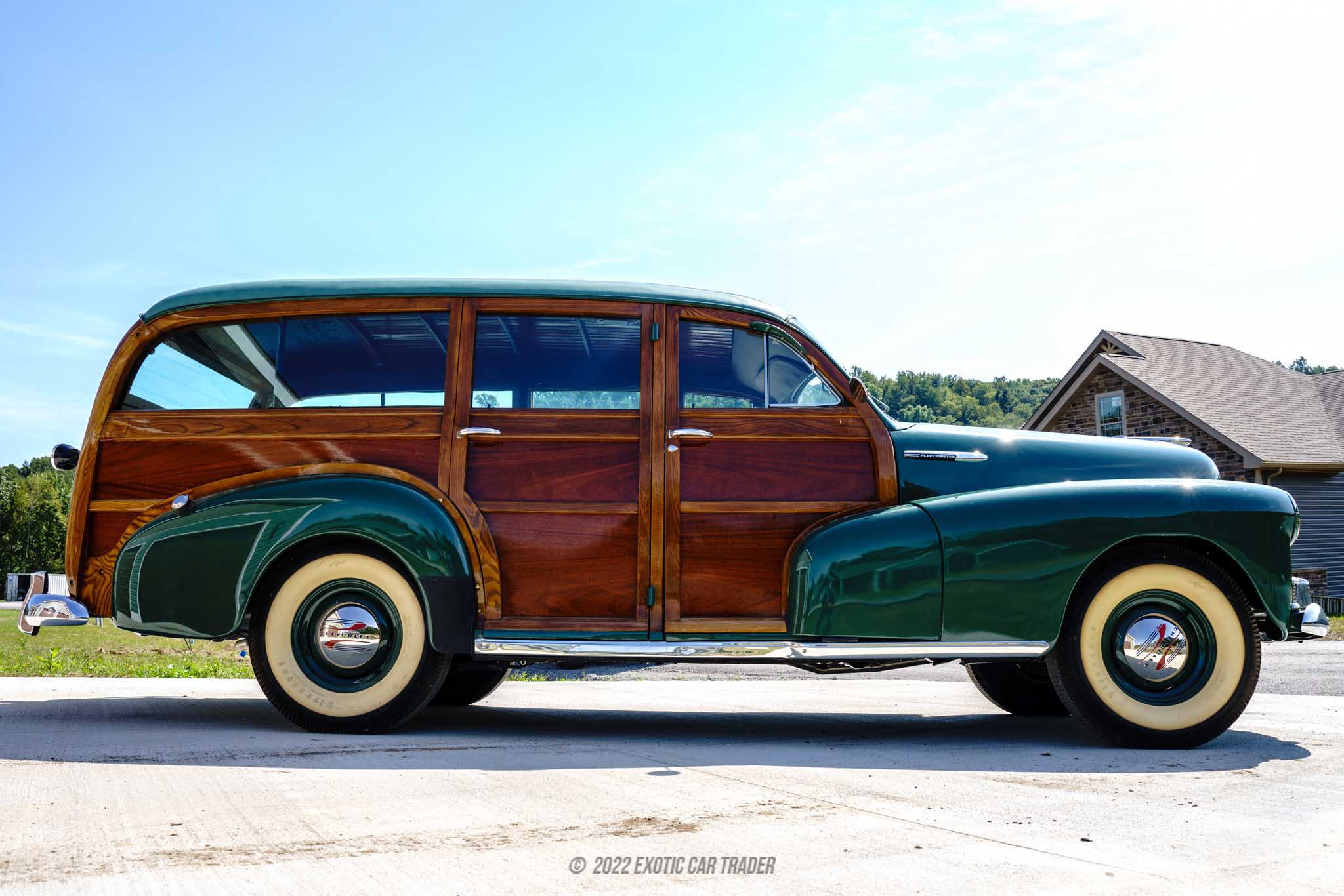
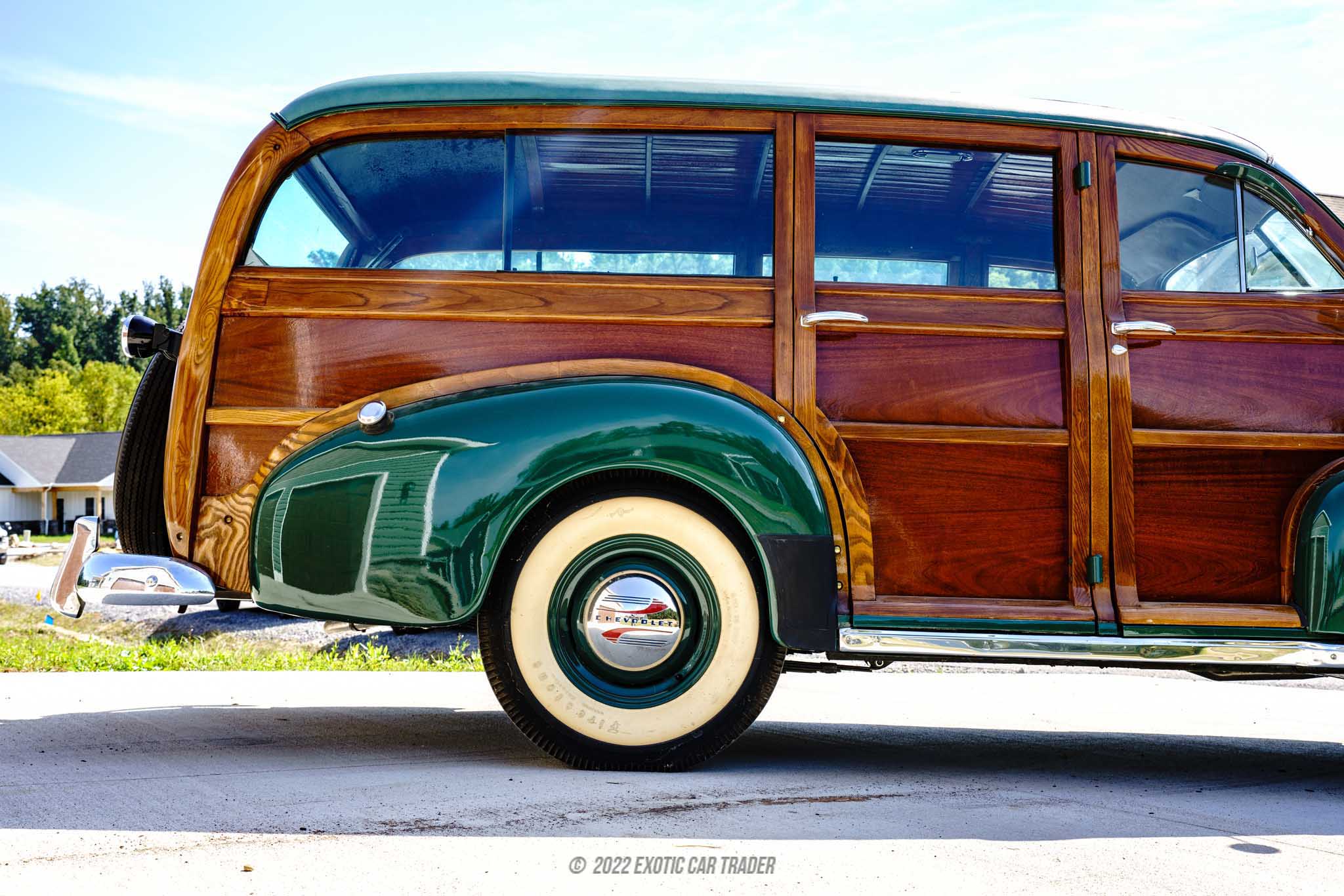
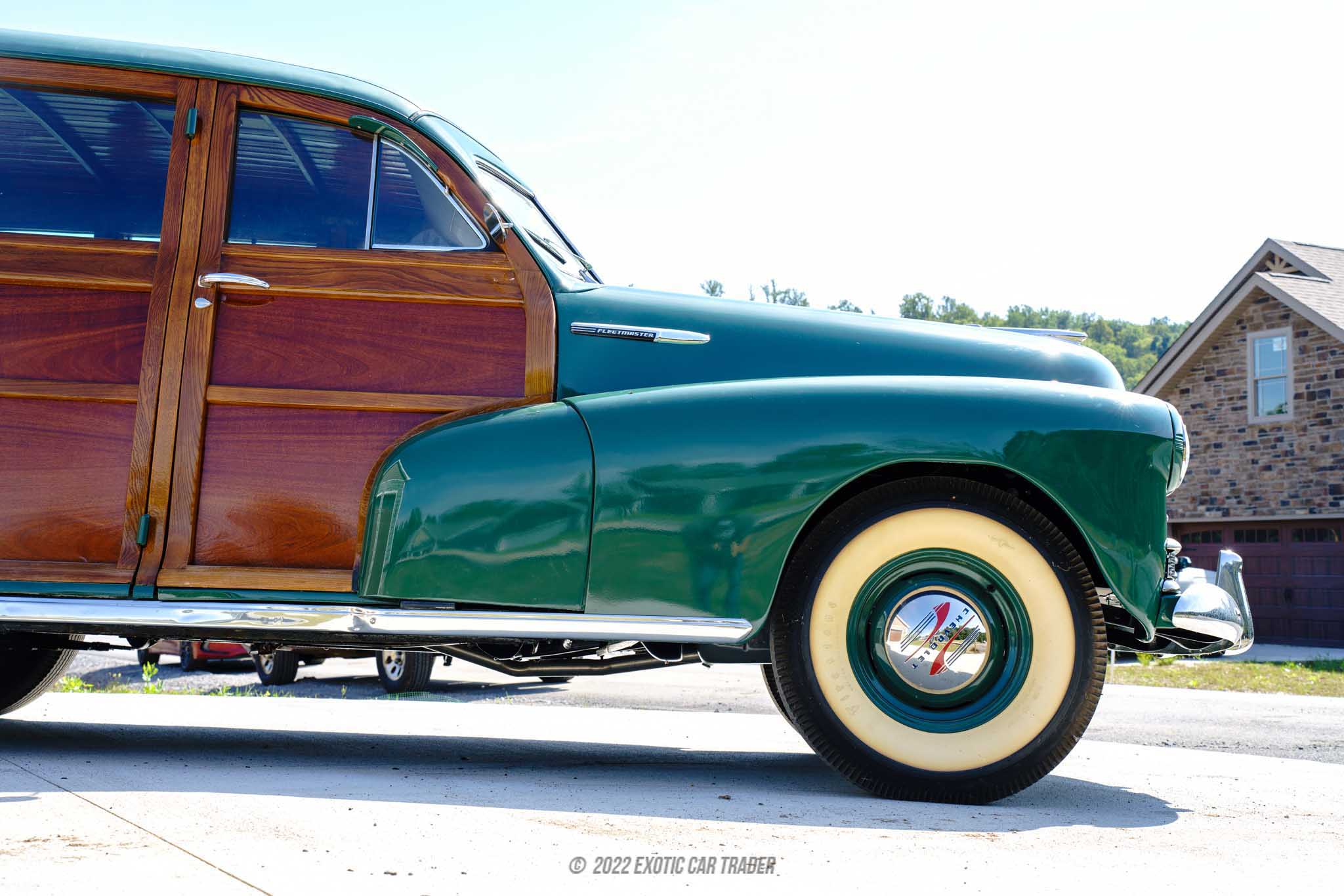
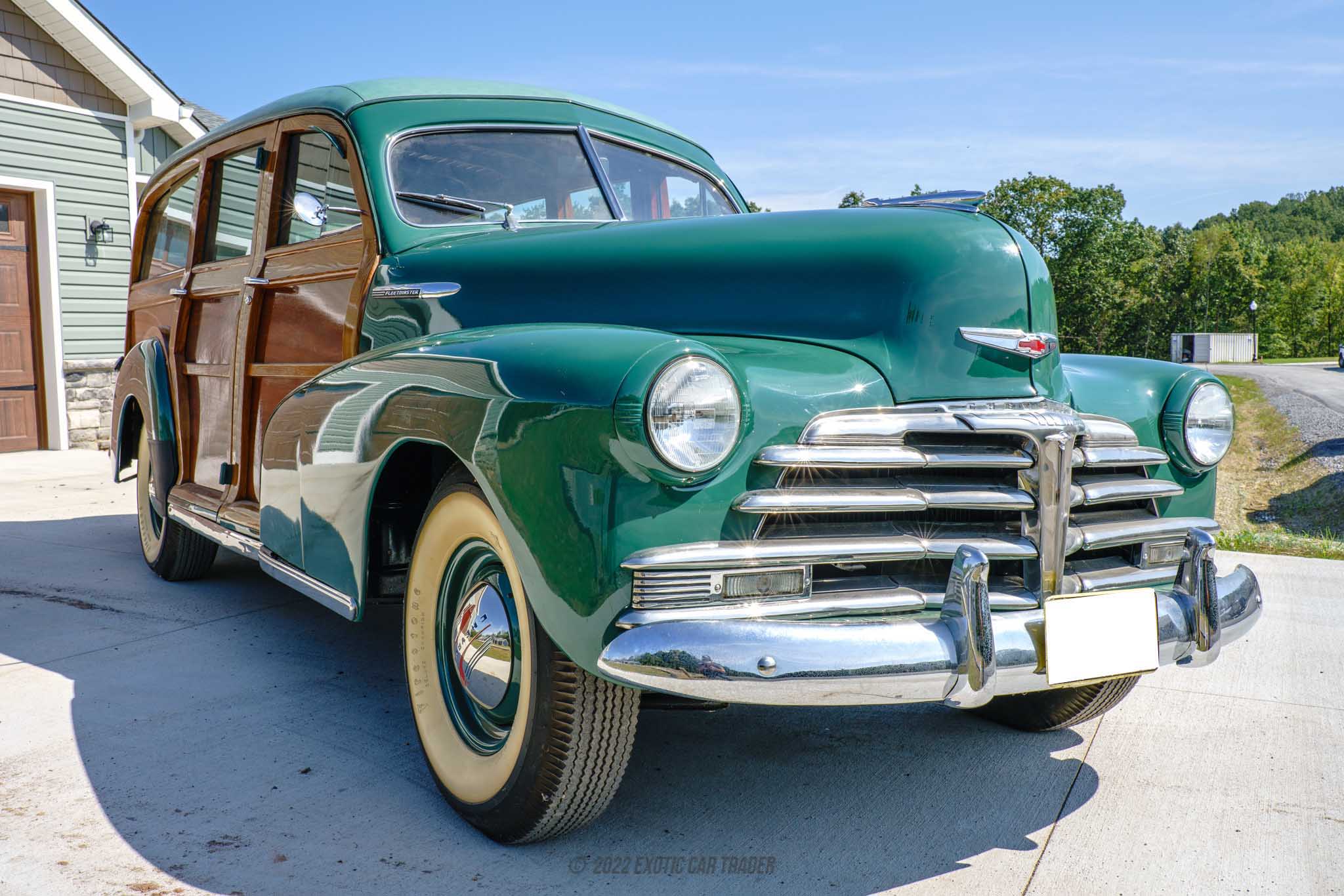
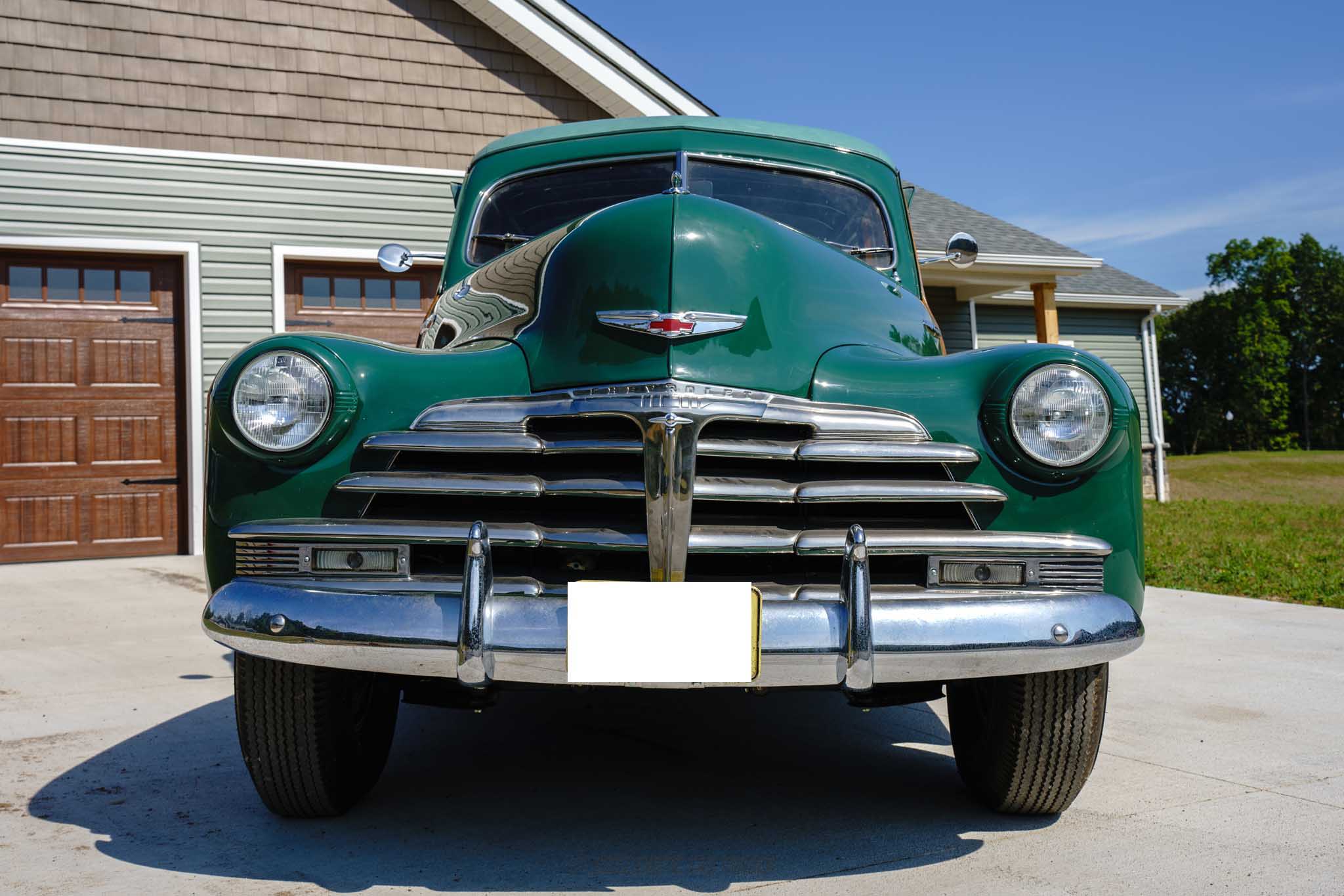
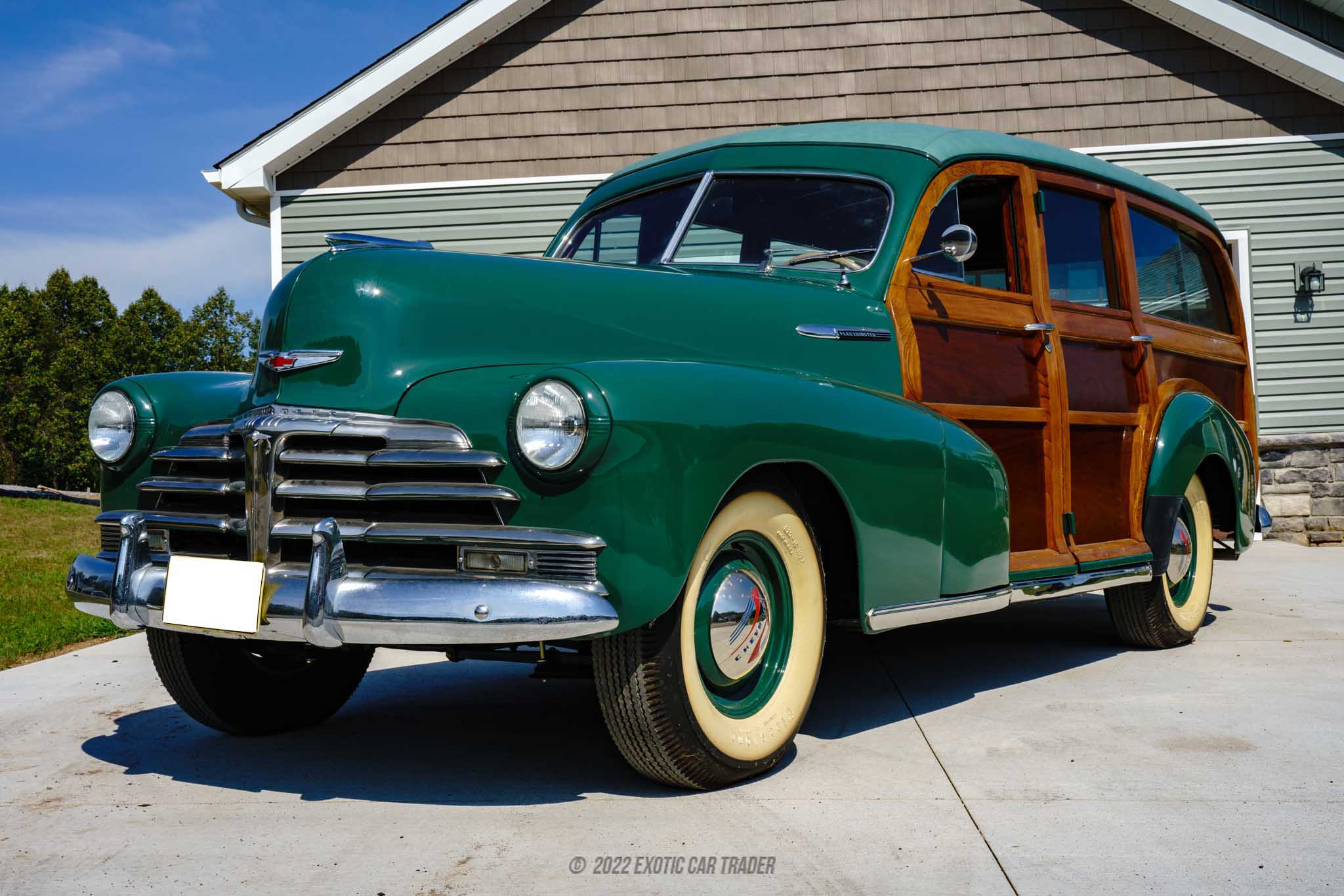
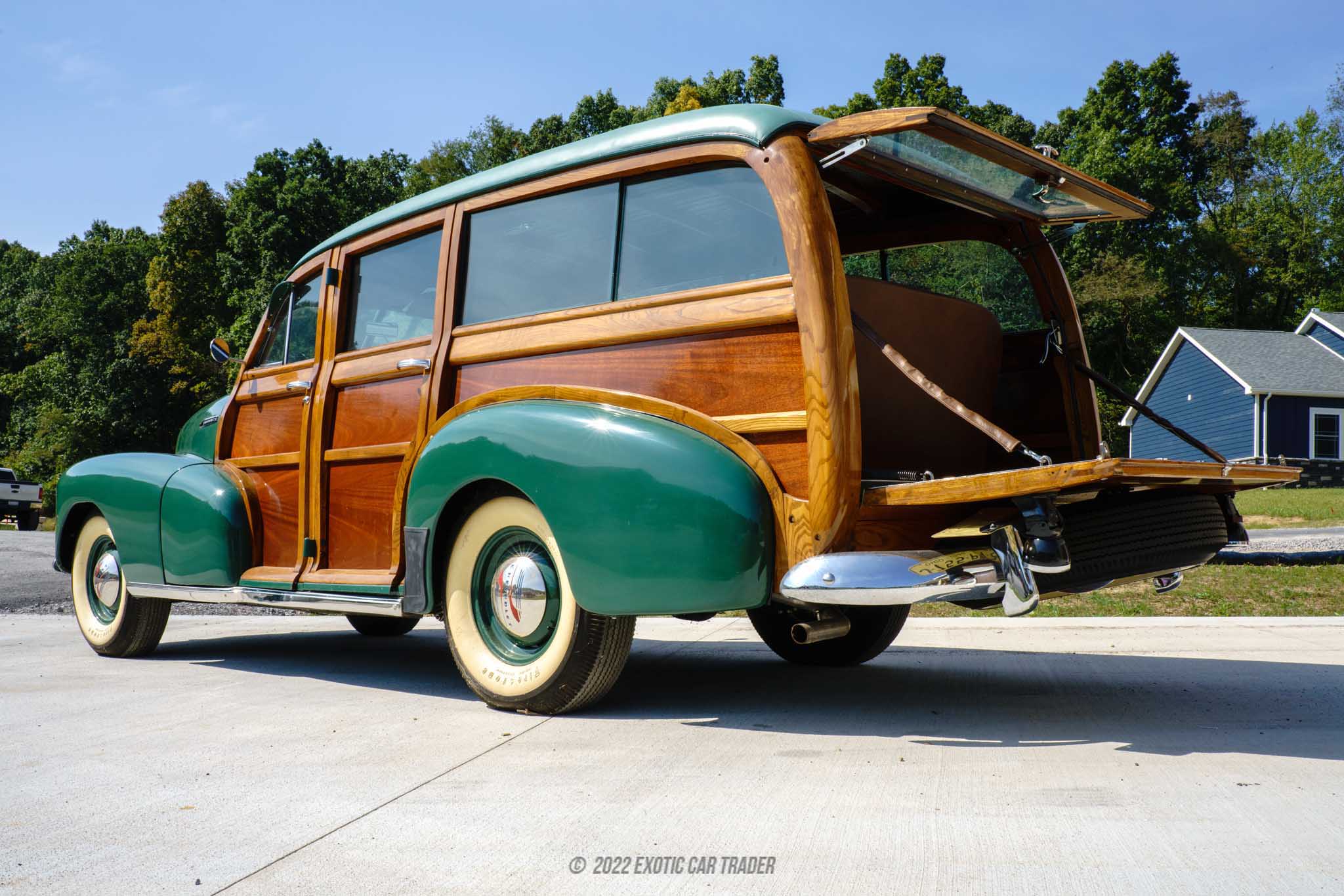
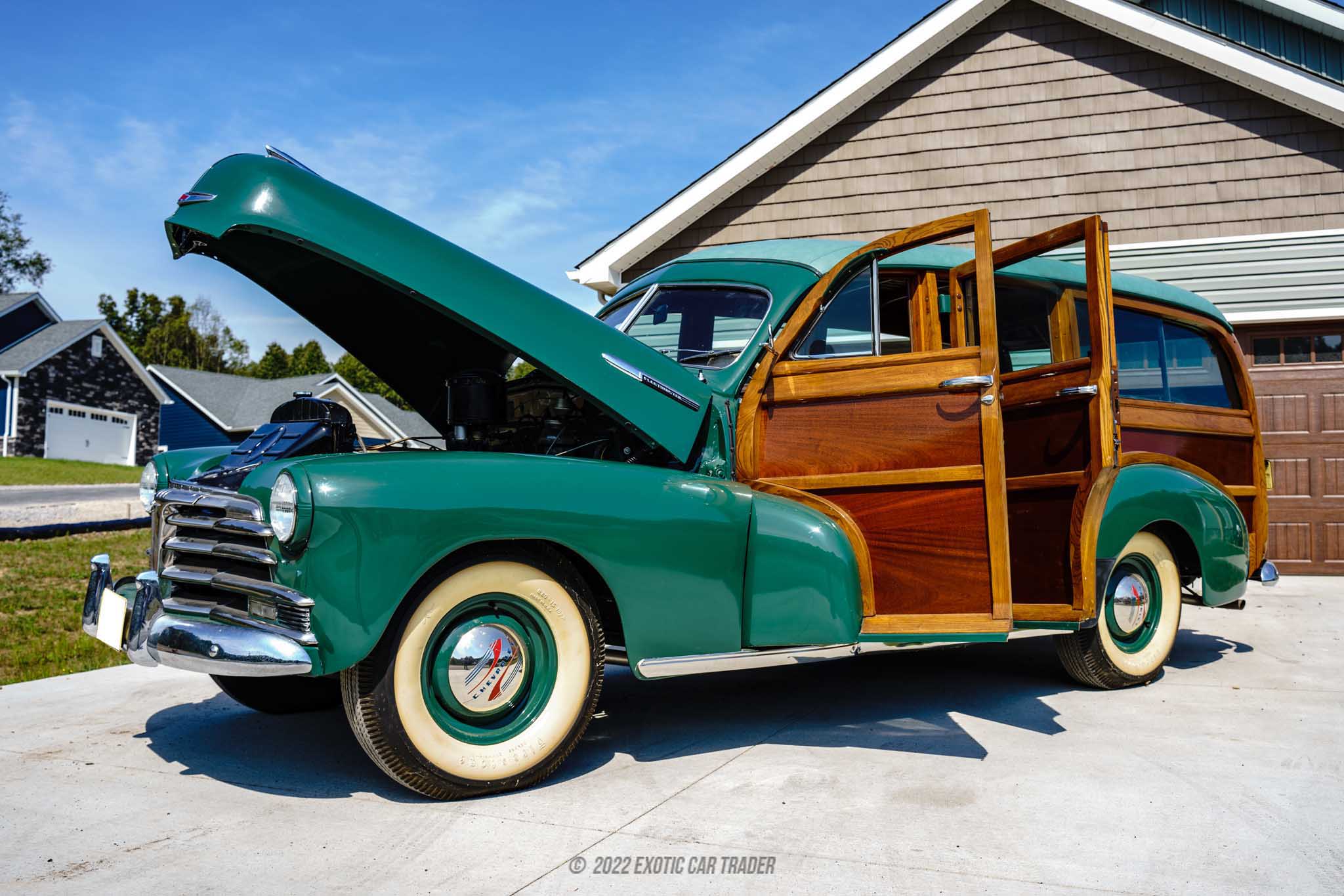
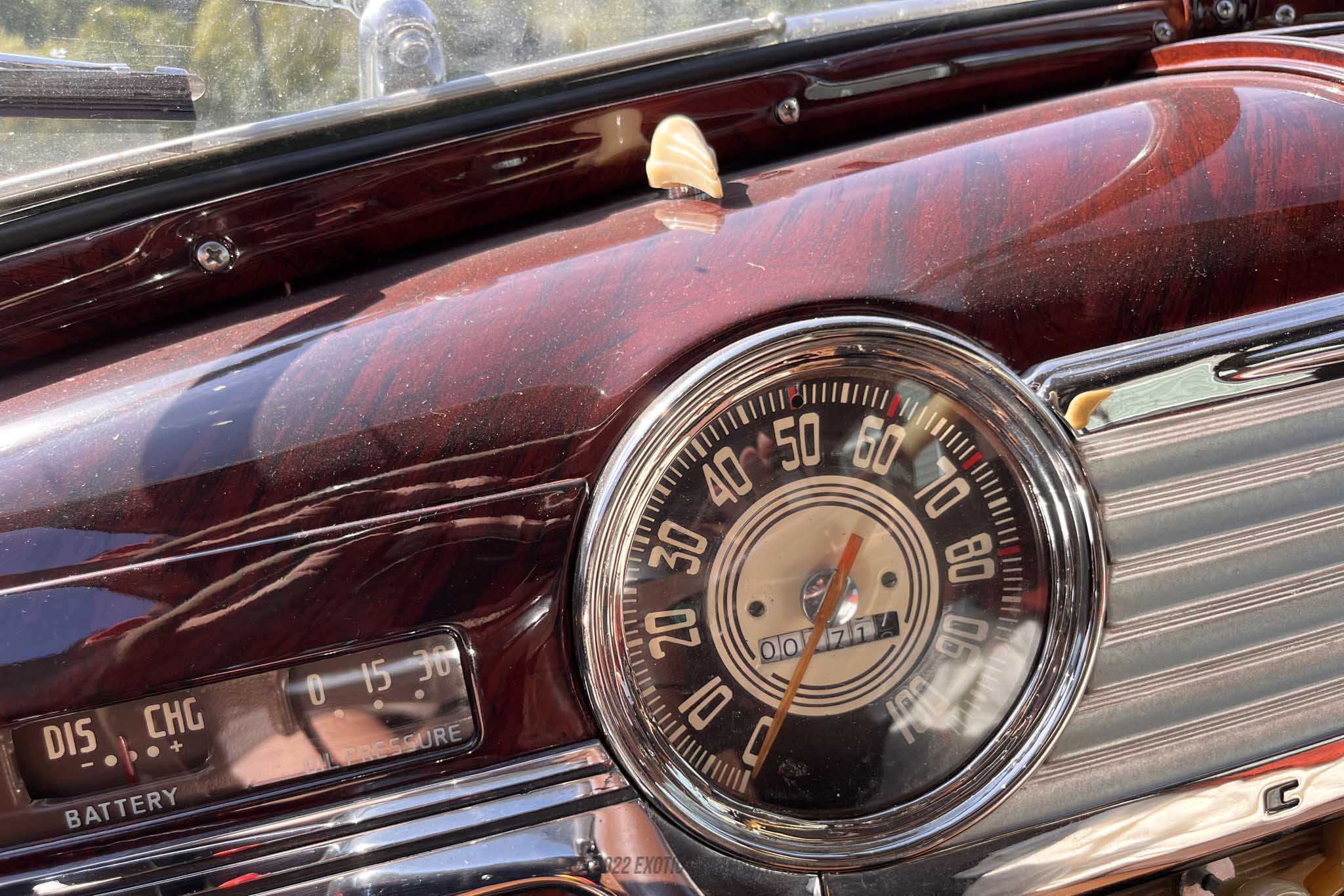
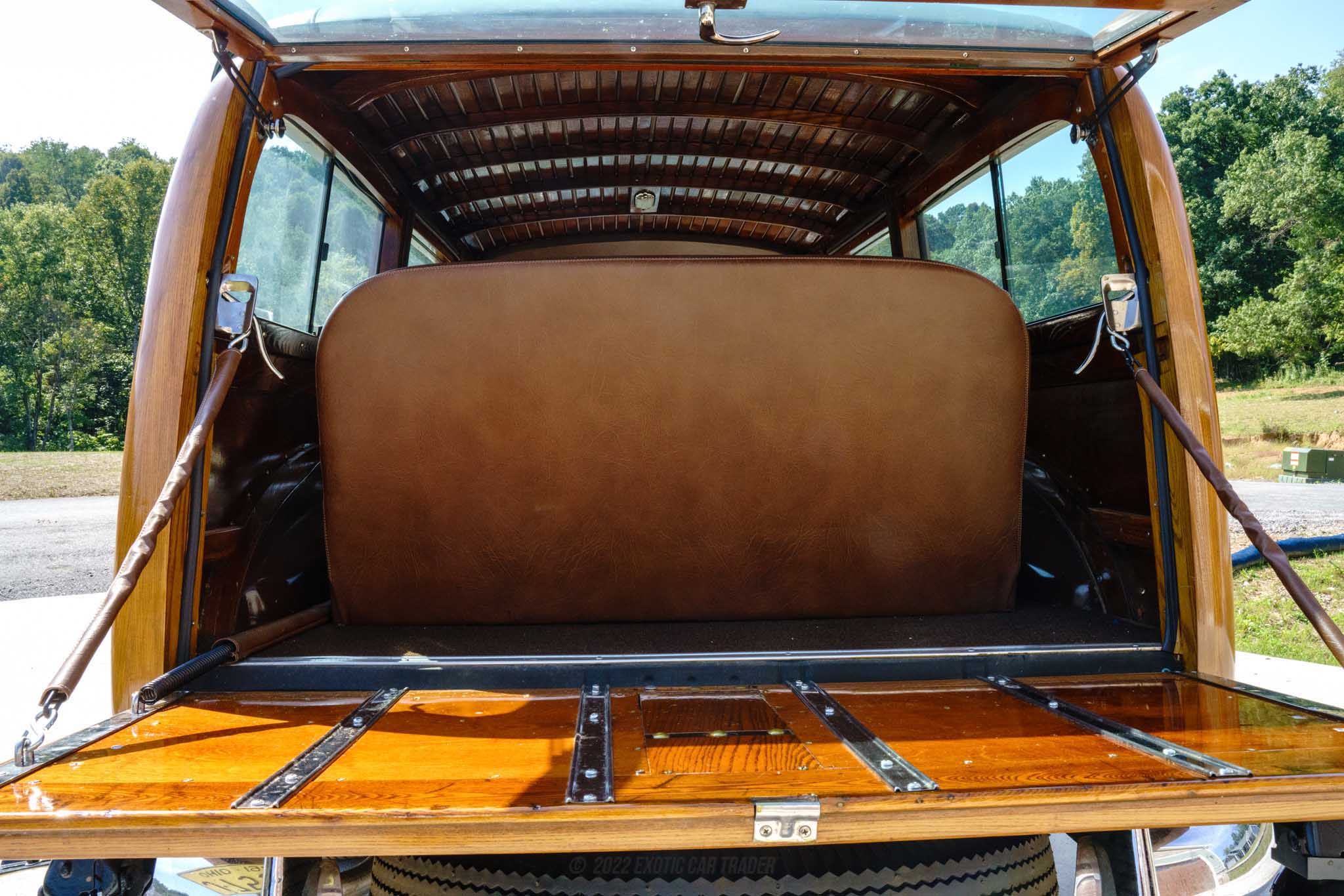
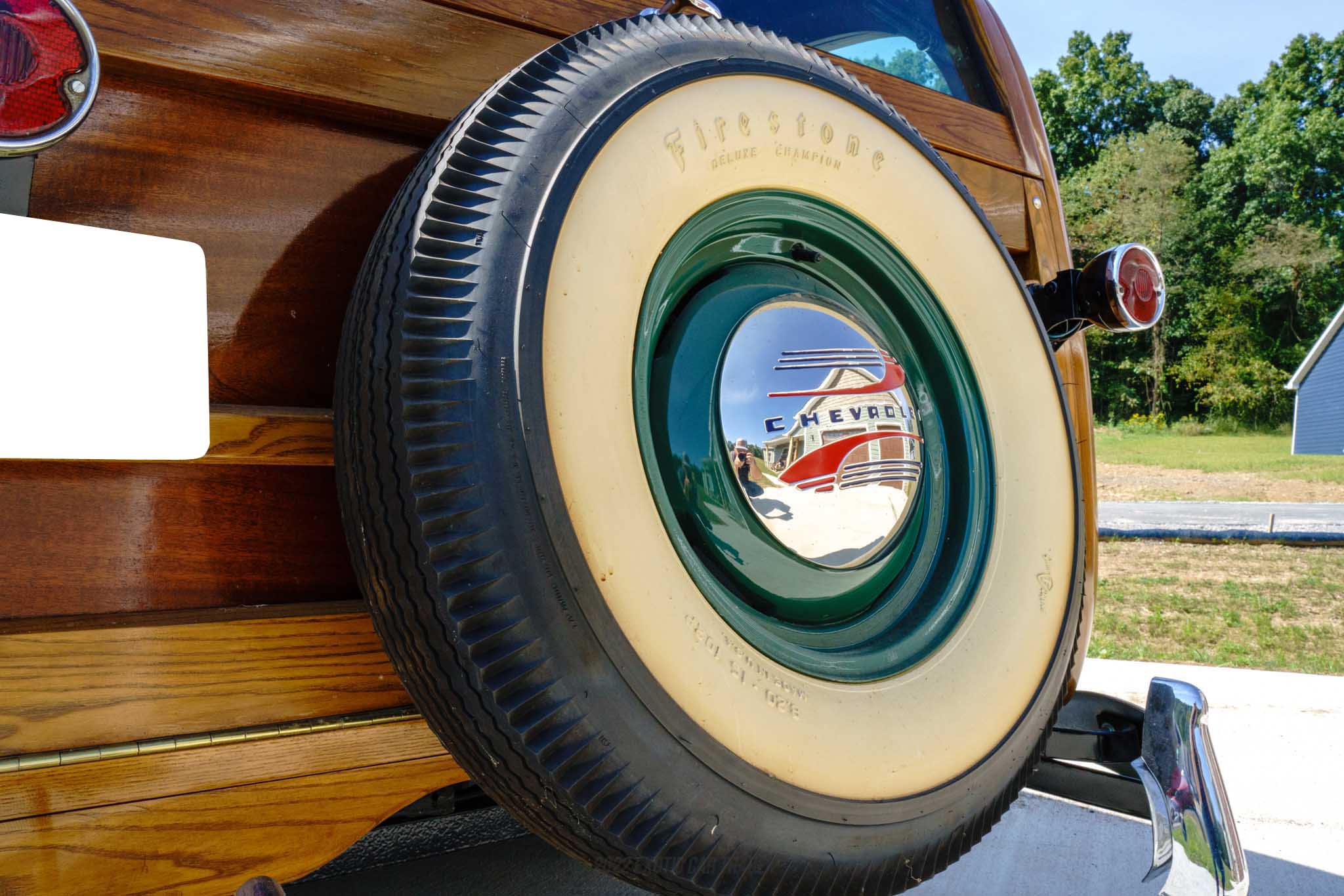
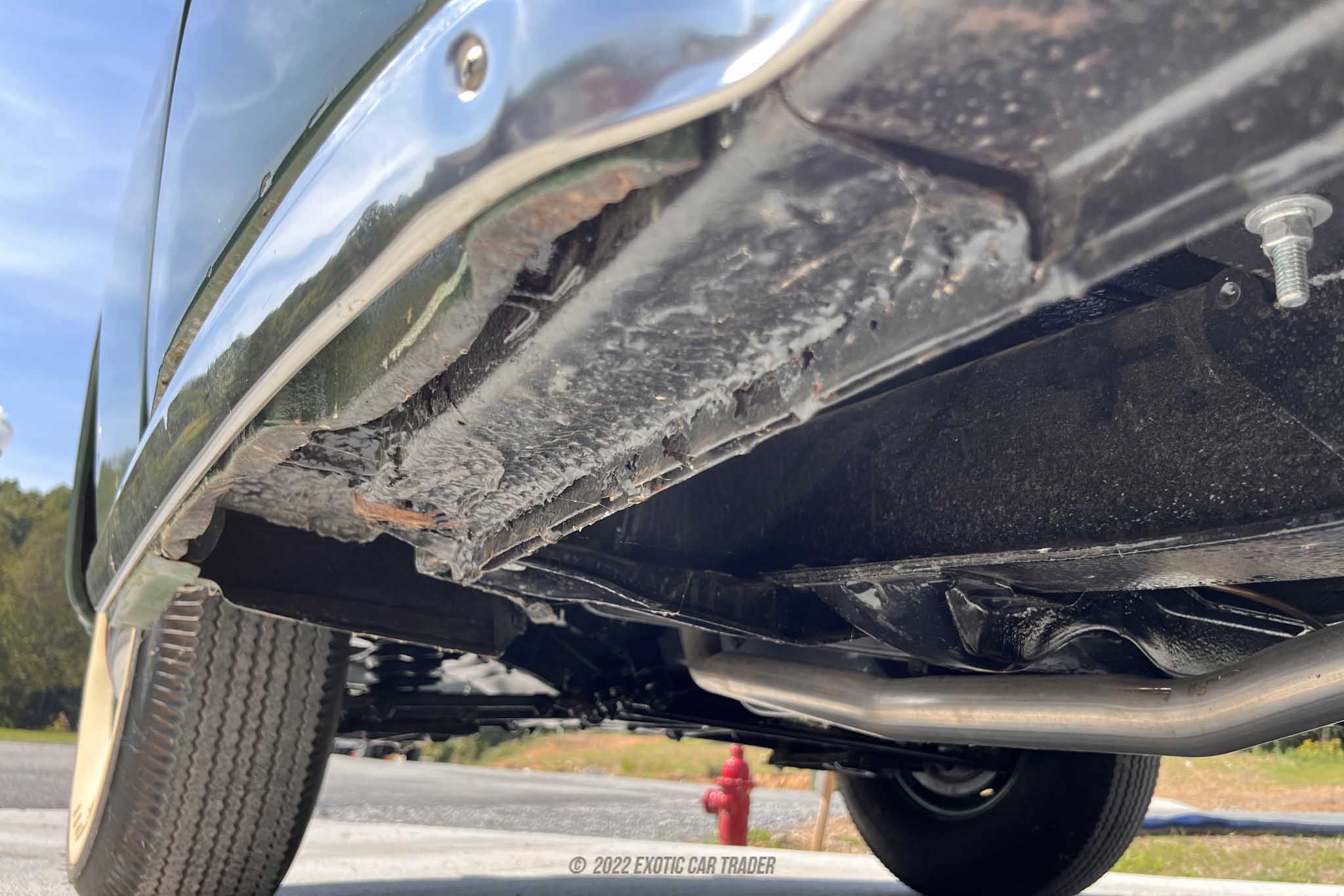
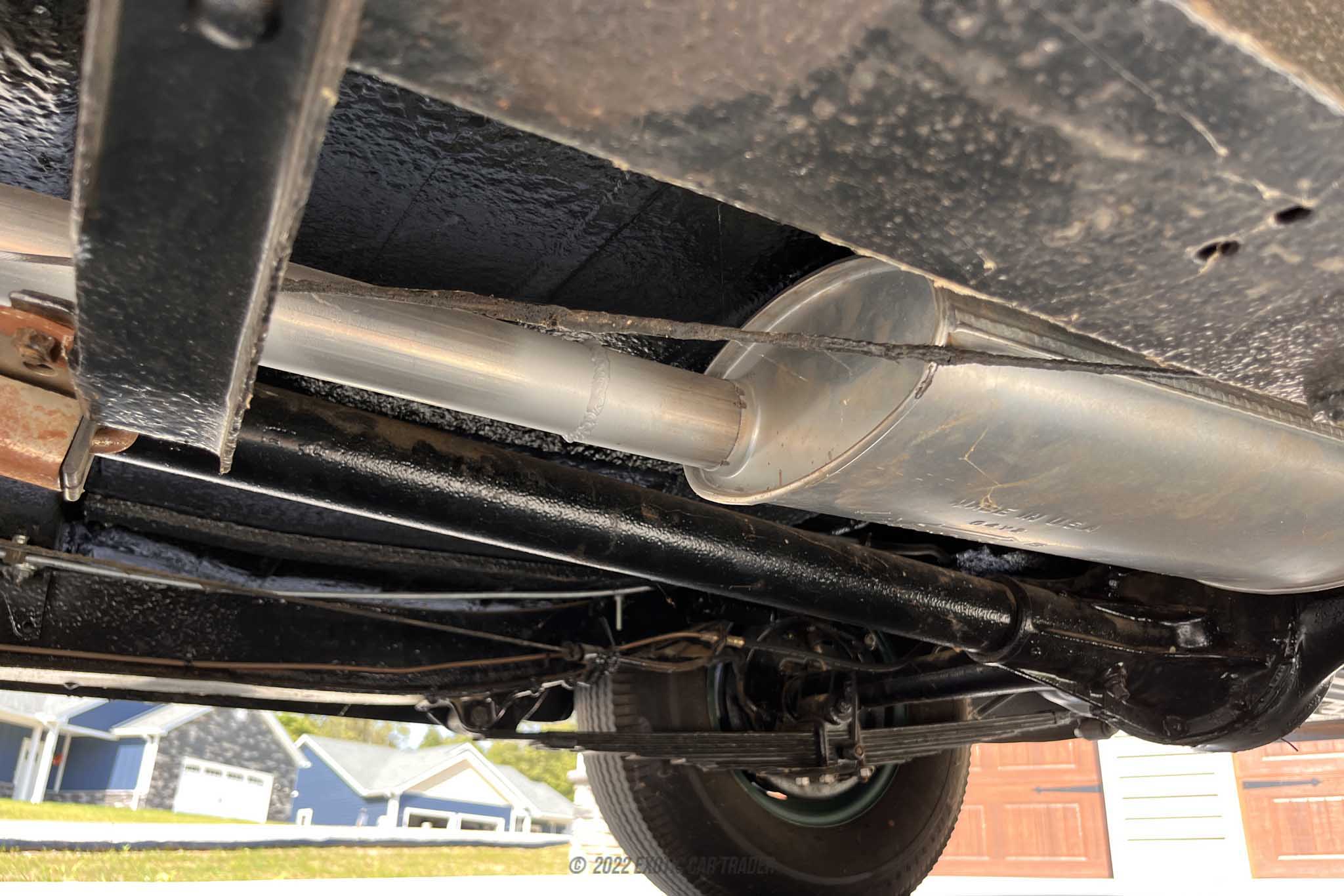
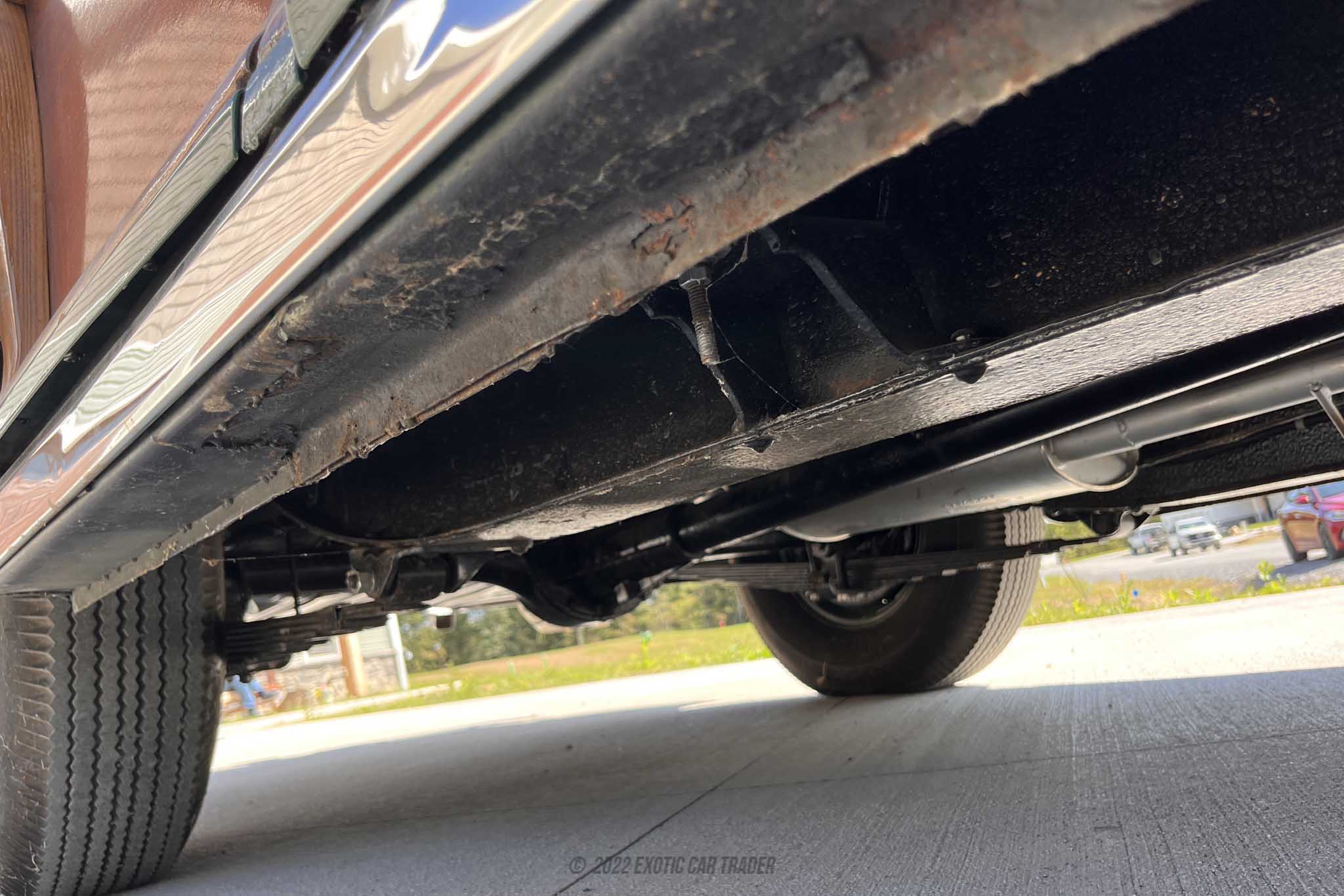
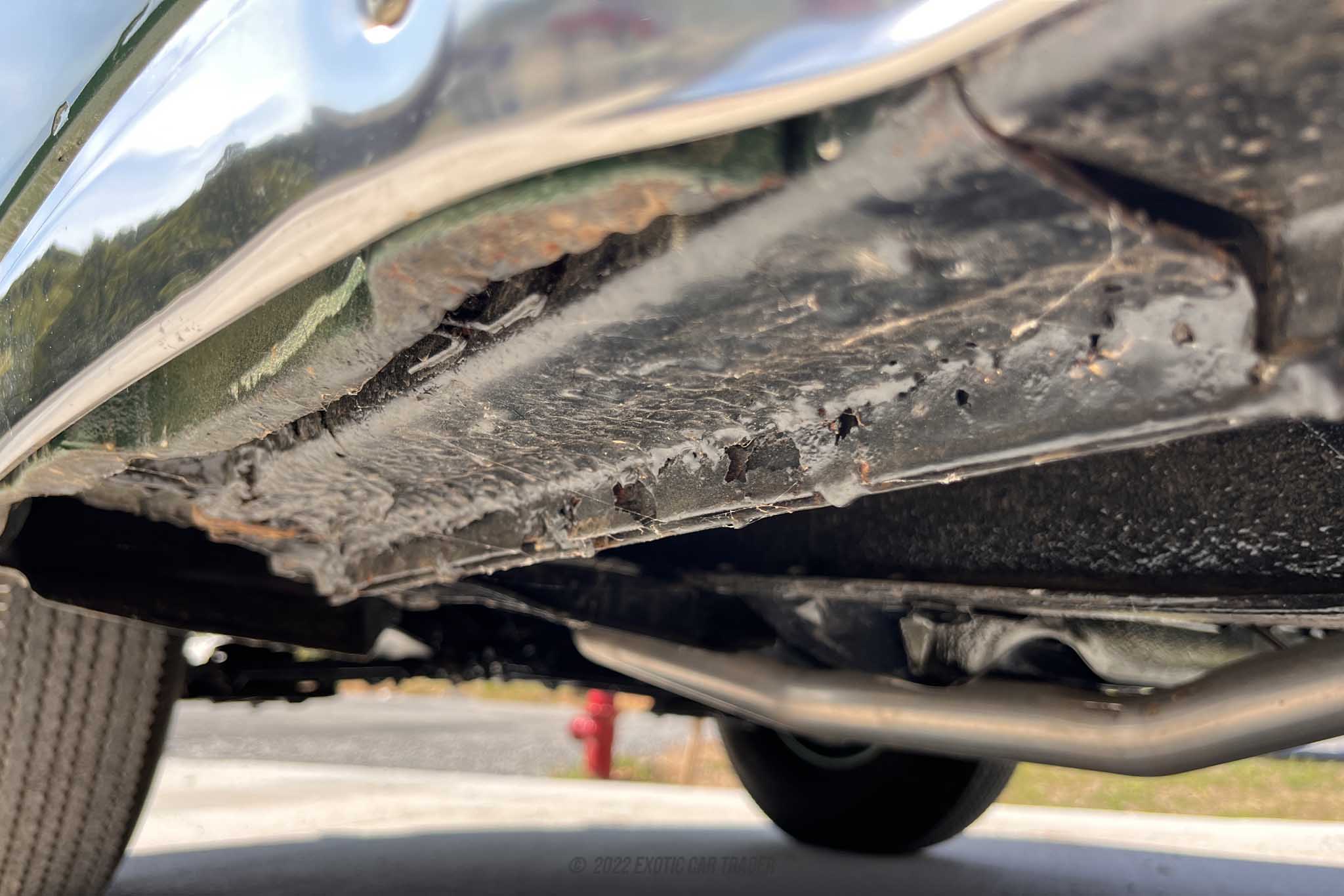
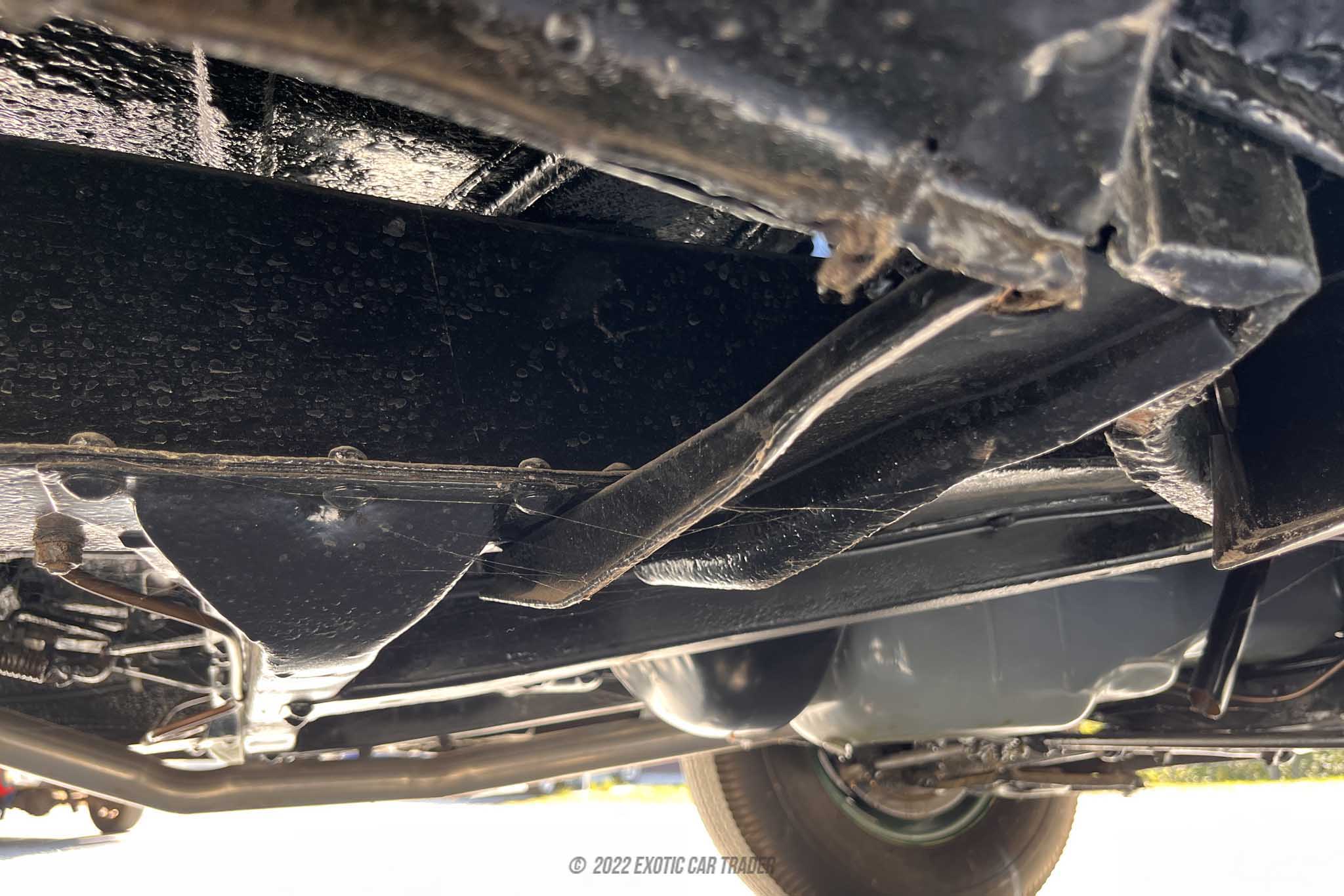
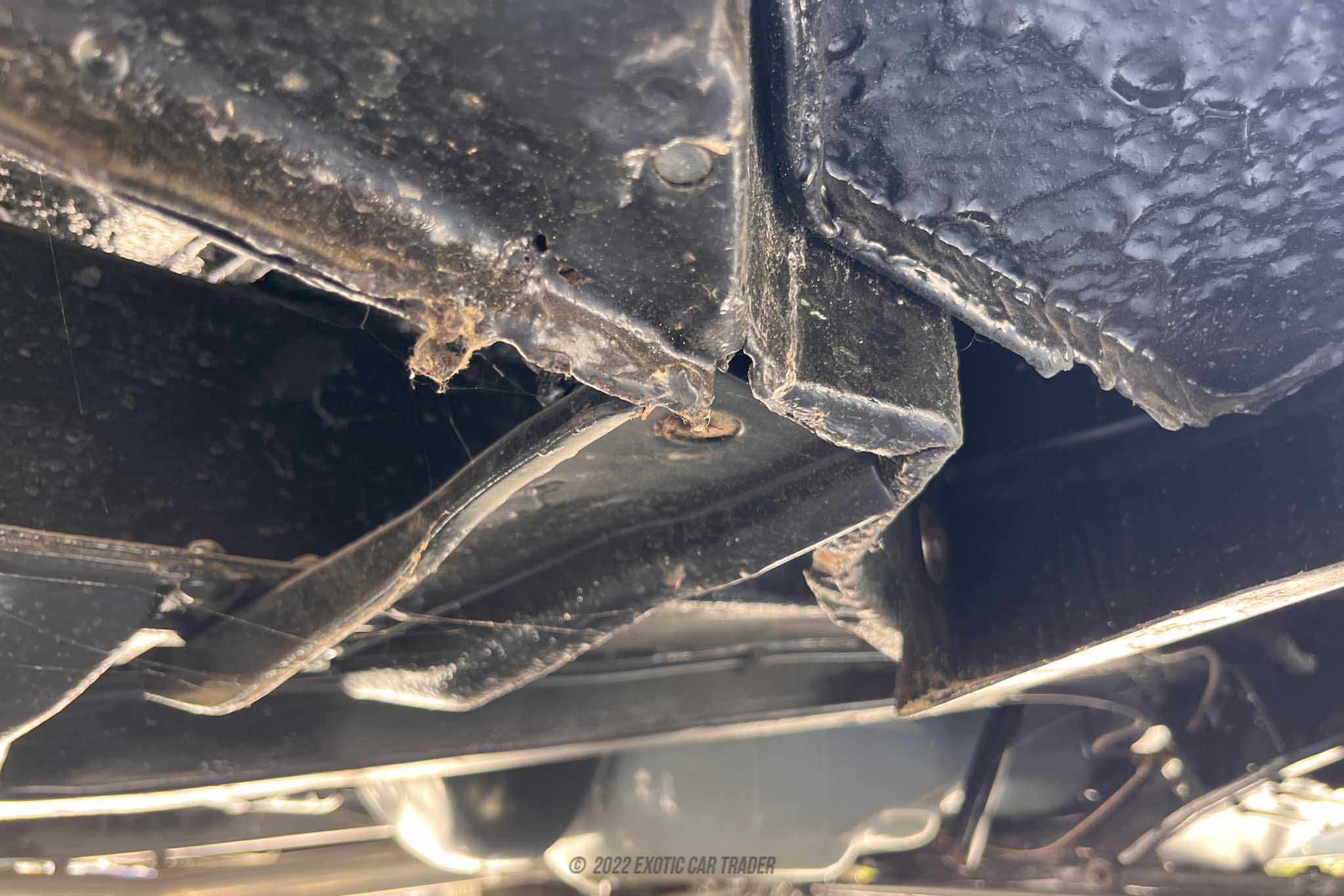
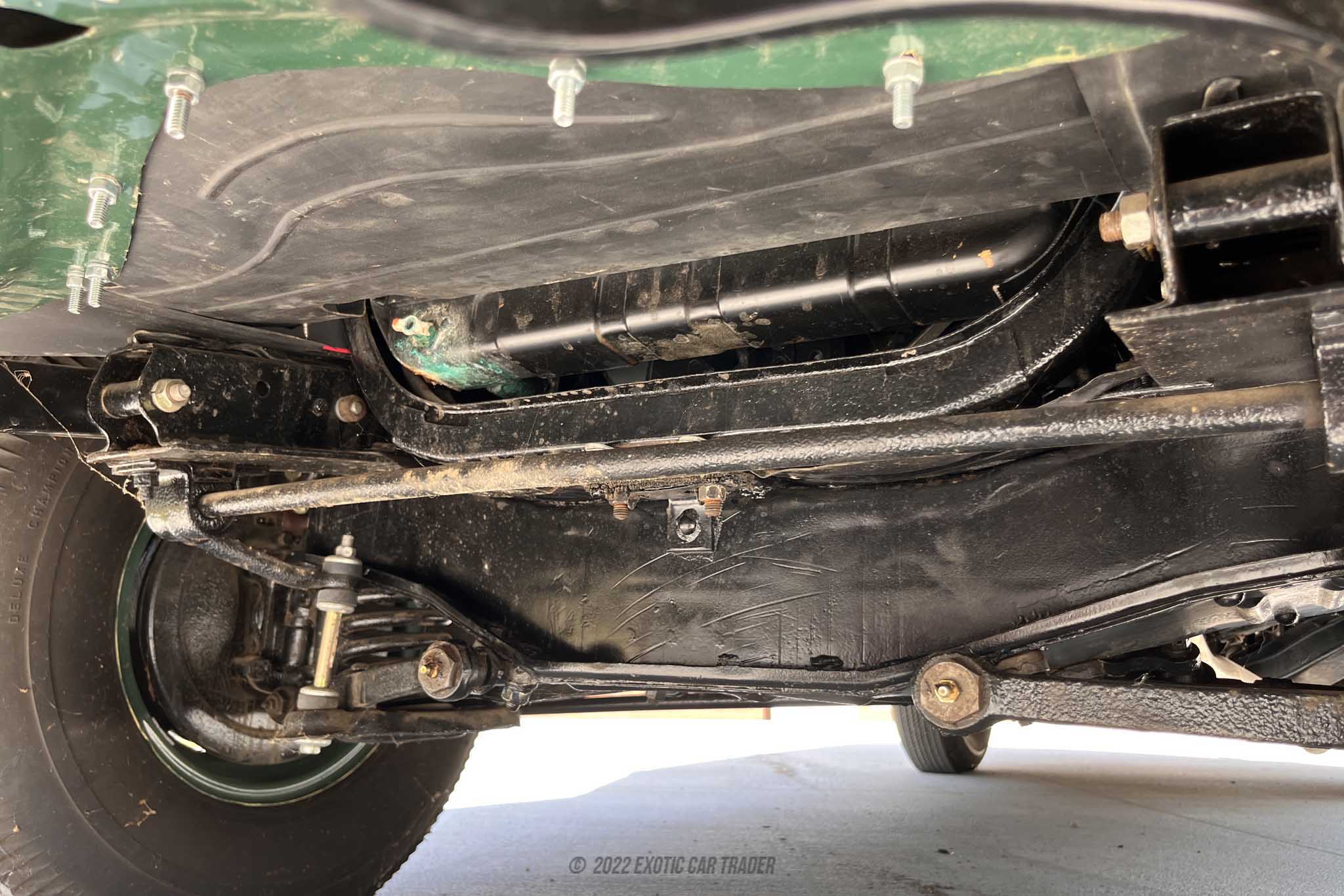
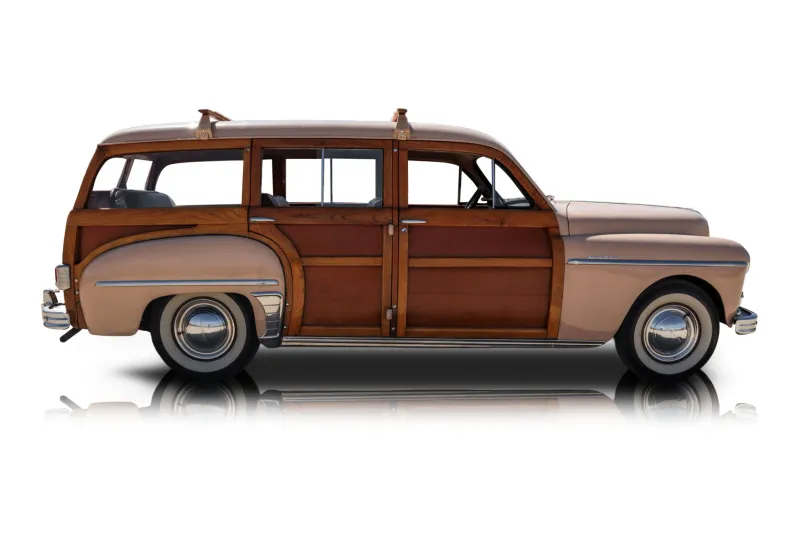


During the Great Depression, as well as World War II, automakers were facing severe issues and shortages. This led to many going on hiatus in the critical years. That’s why you’ll find that Plymouth’s De Luxe range, initially introduced in 1933 would see production ceased from 1942 to 1946. Of course, they updated the design, as well as certain mechanical aspects when production resumed. This 1948 Plymouth De Luxe Station Wagon Woody is from that second window of production, and reflects a time when the war was over, and people were full of hope for a better future. With just 91 miles since a full restoration, it’s a great classic to add to your collection, and drive on weekends for all to enjoy.
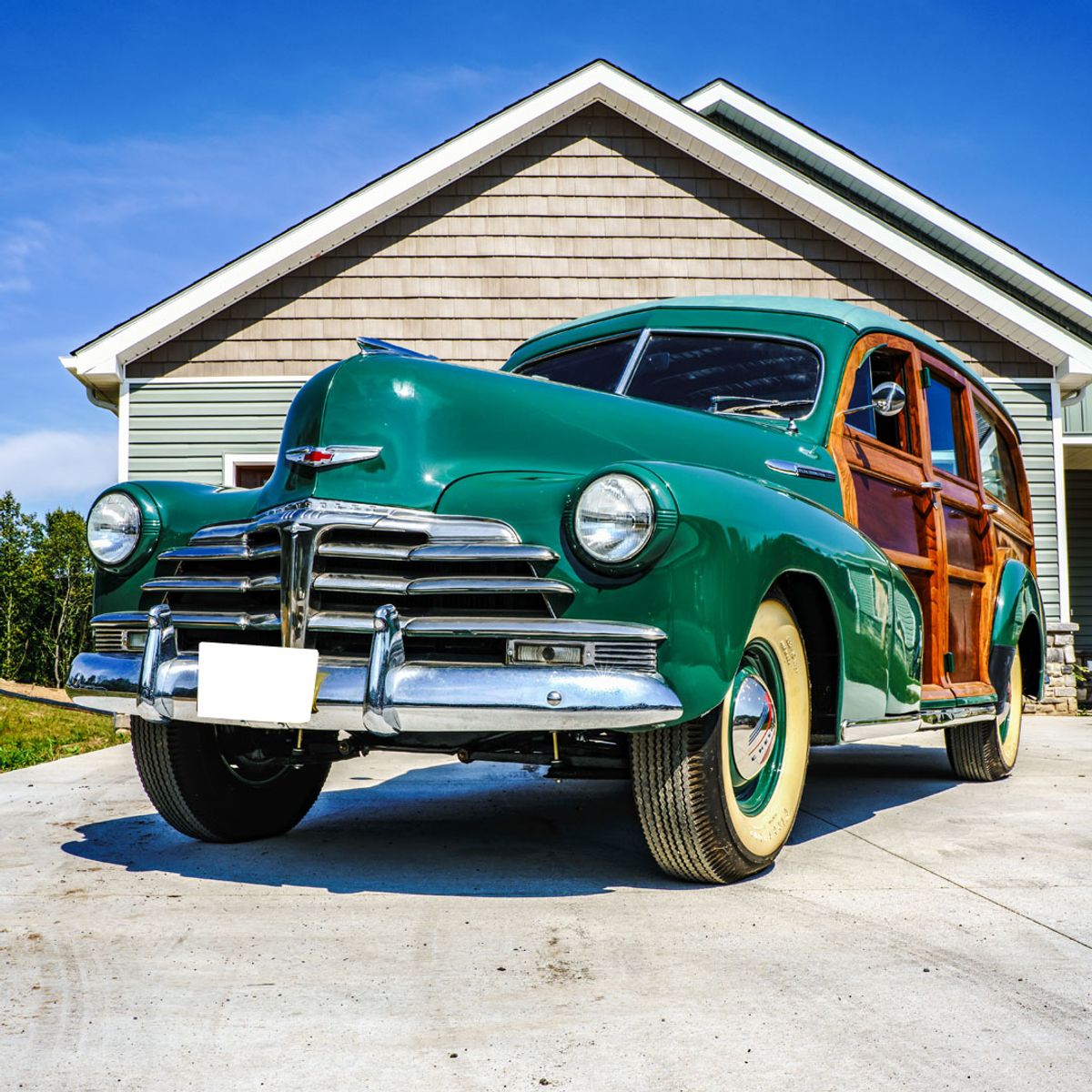
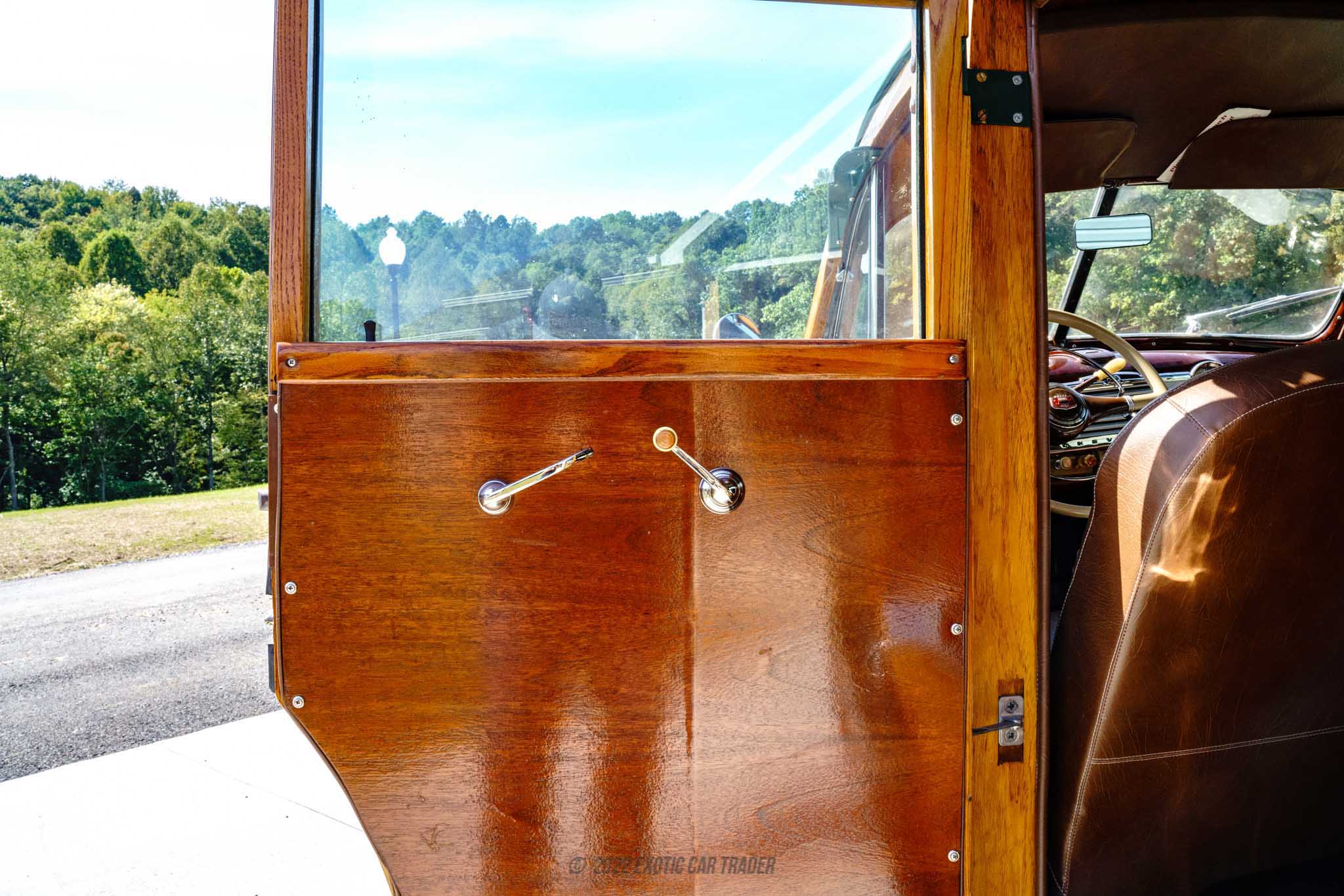
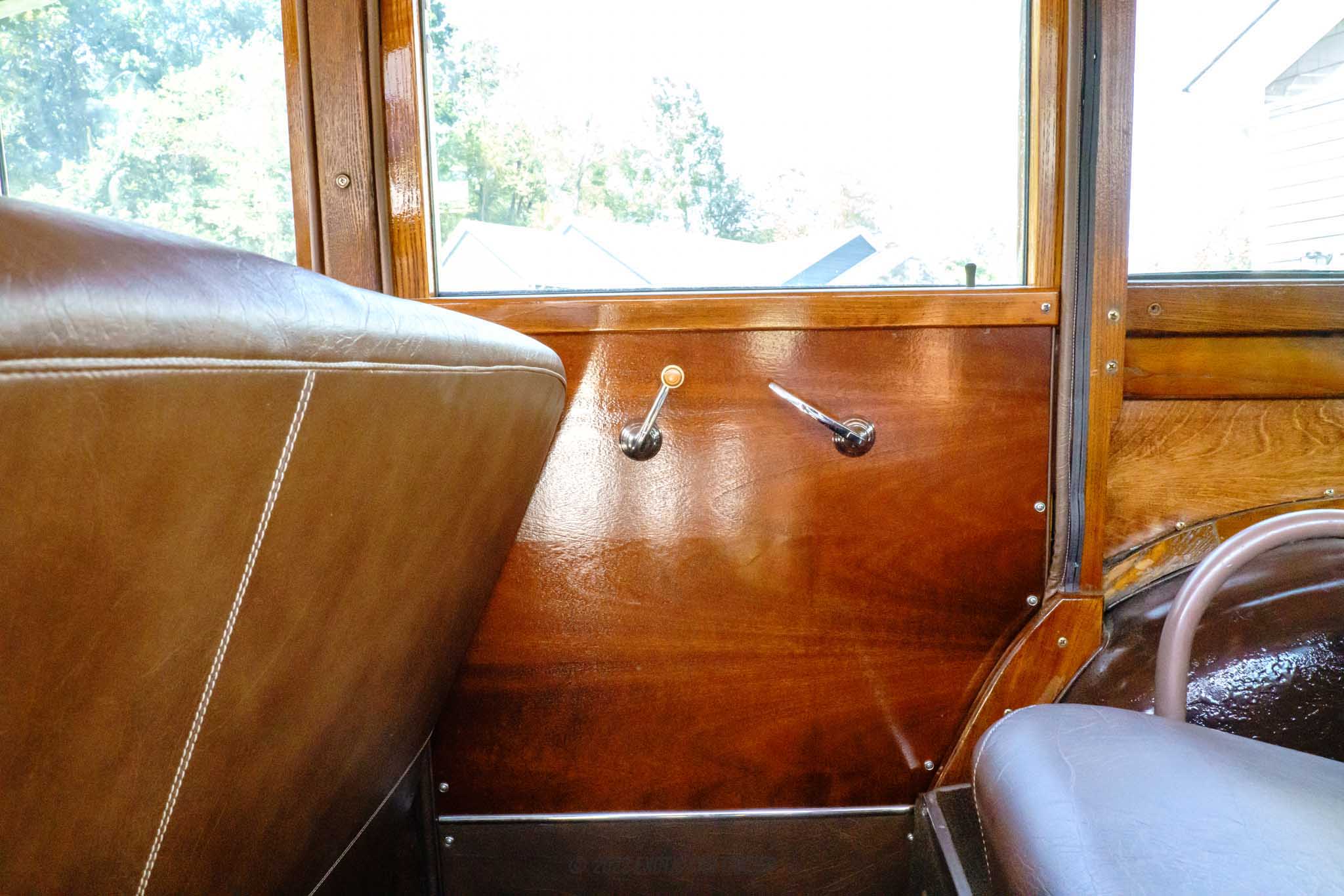
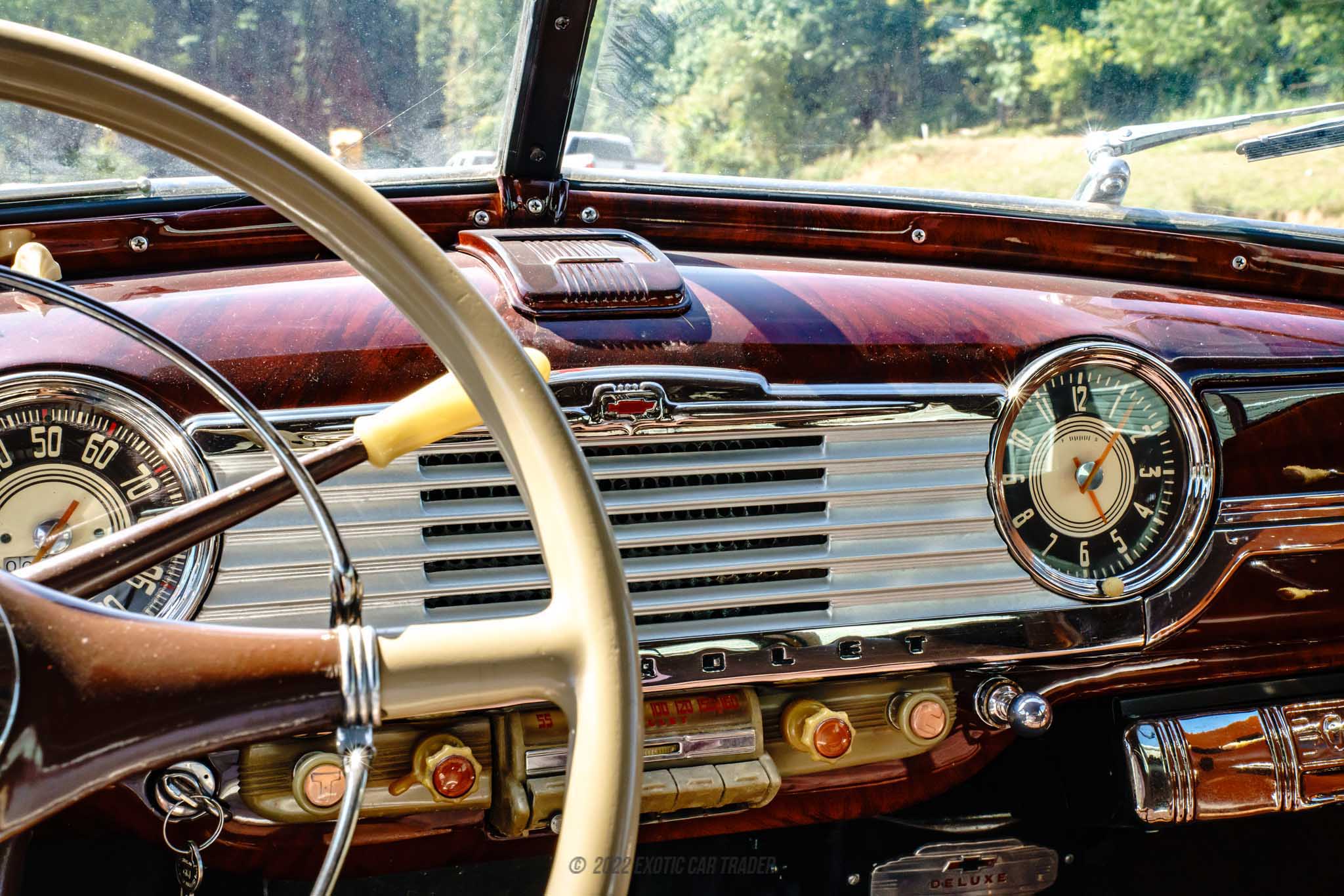
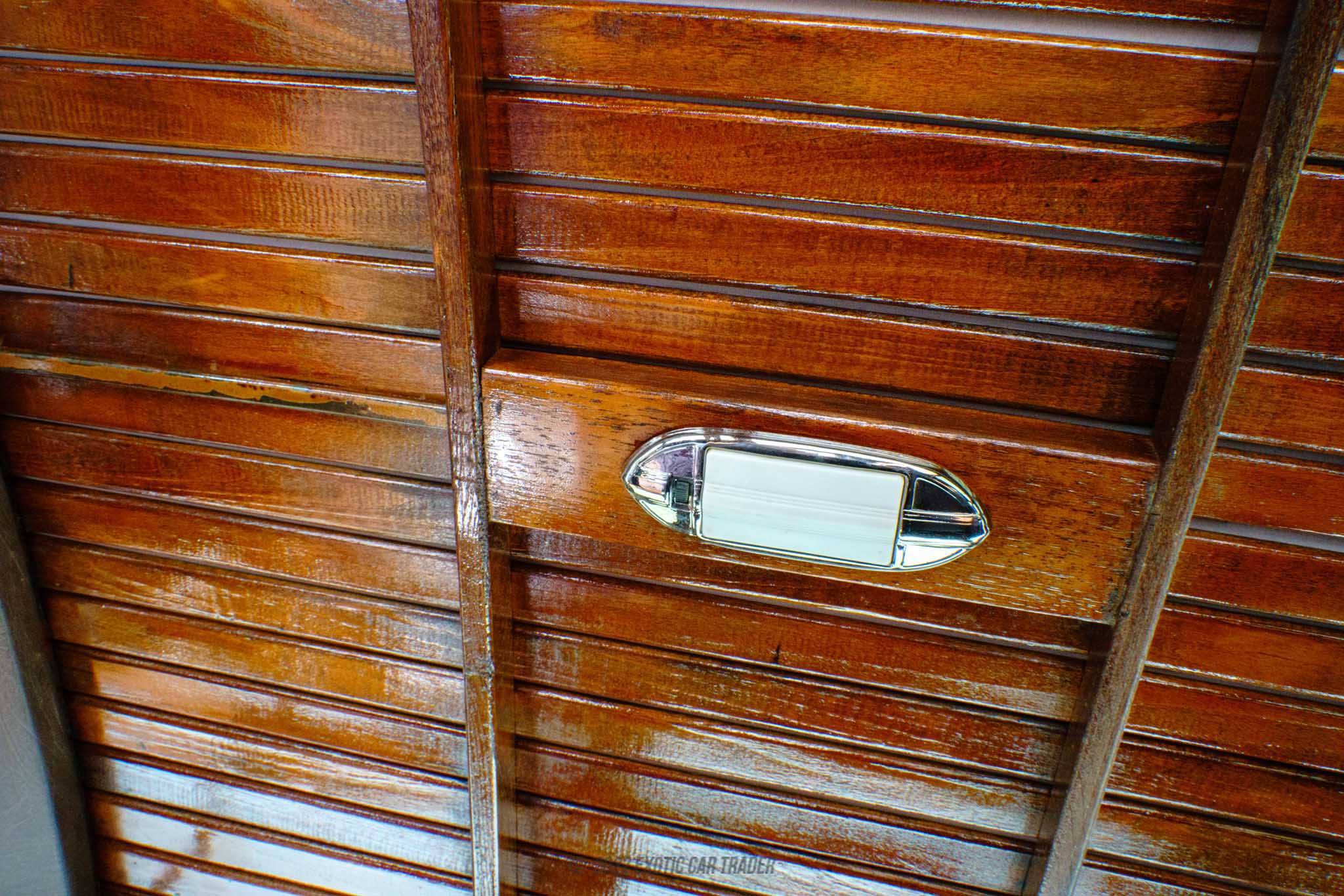
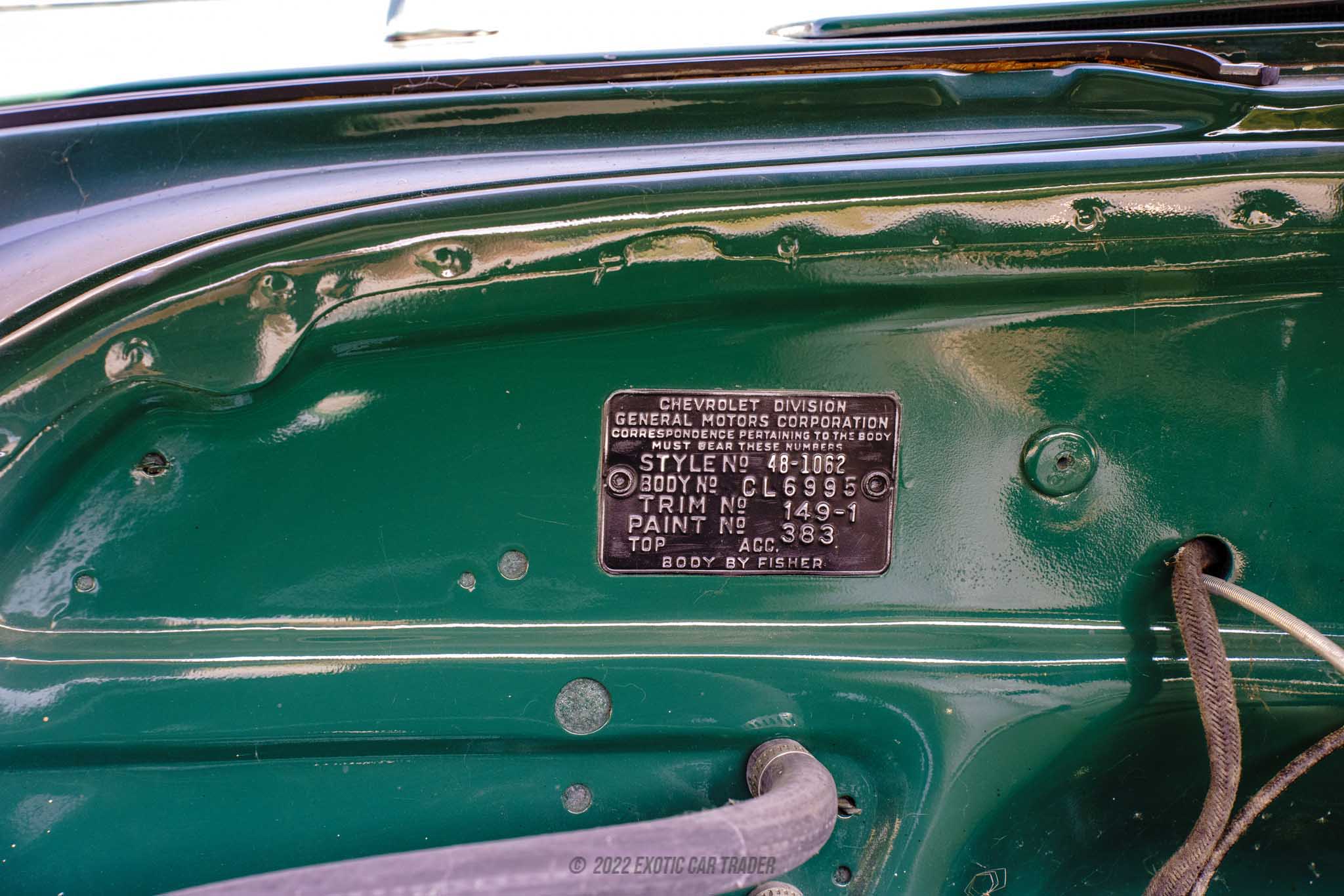
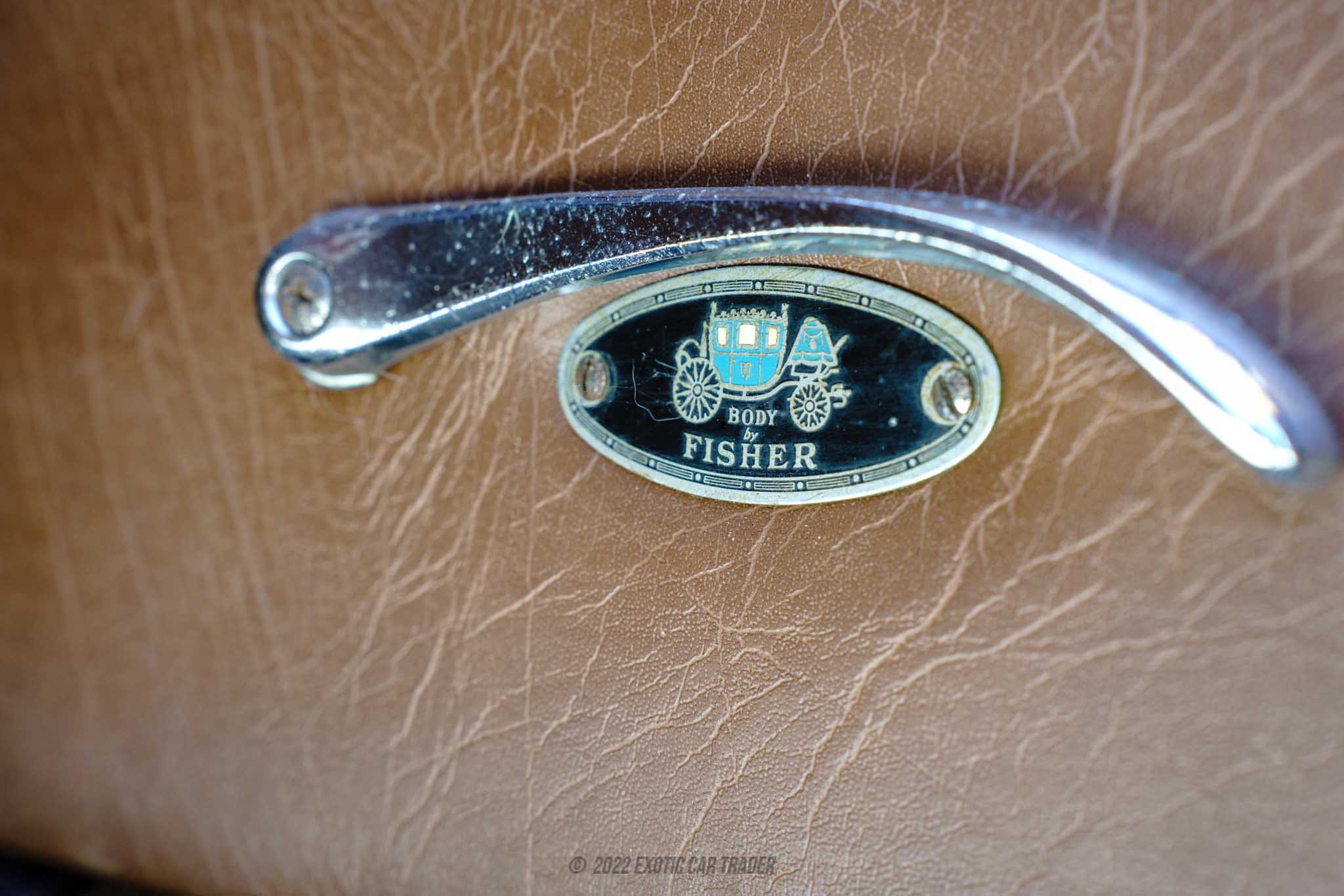
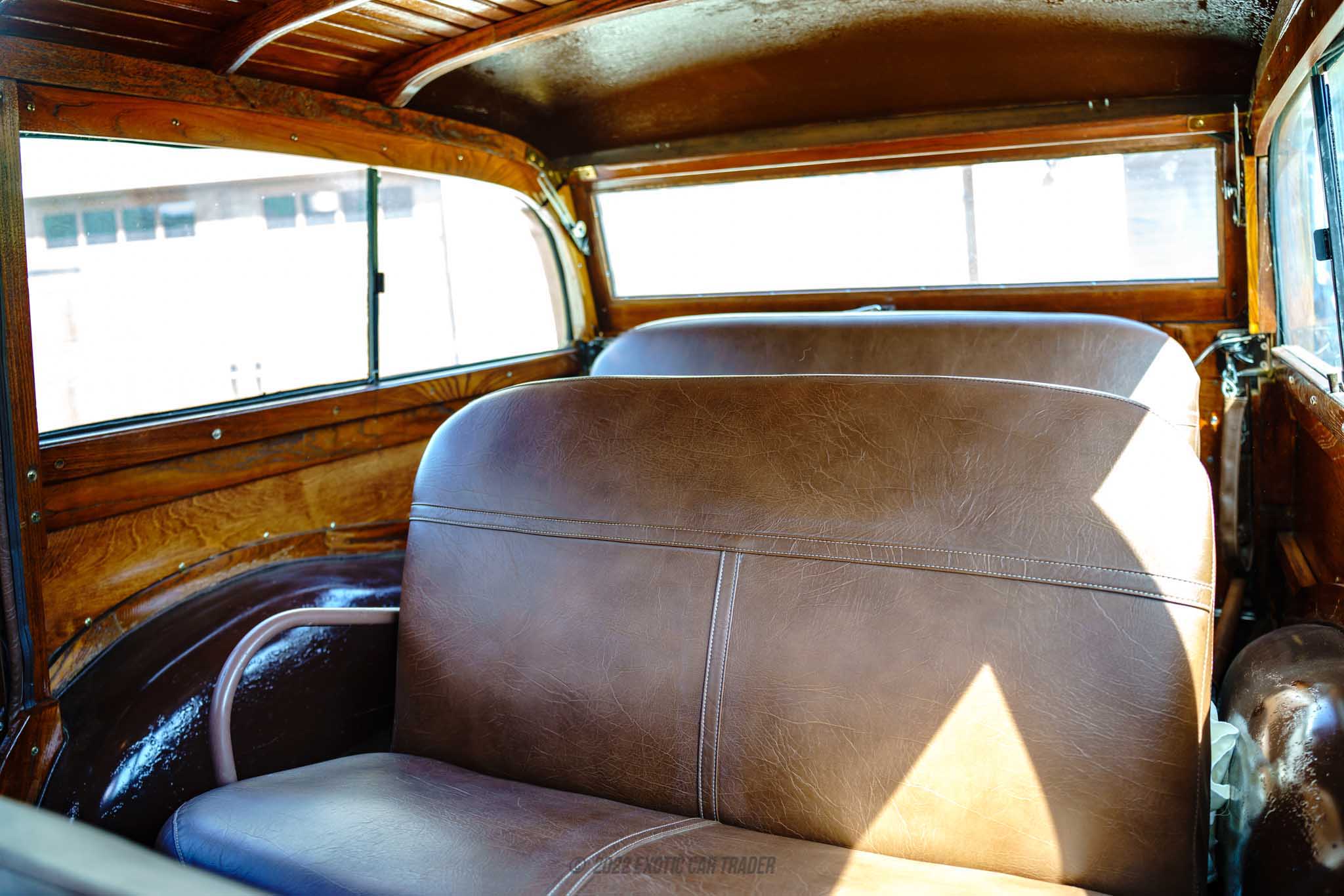
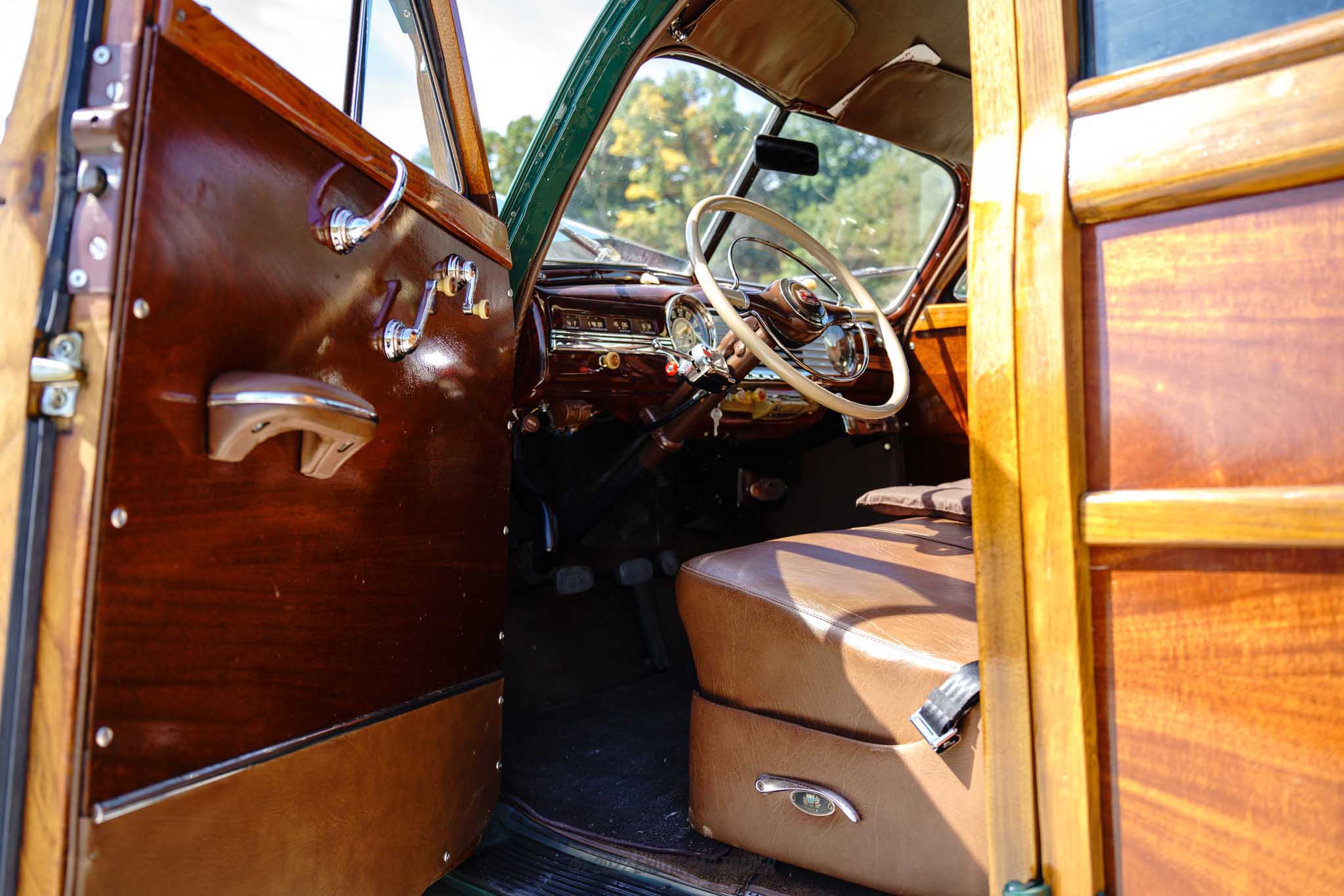
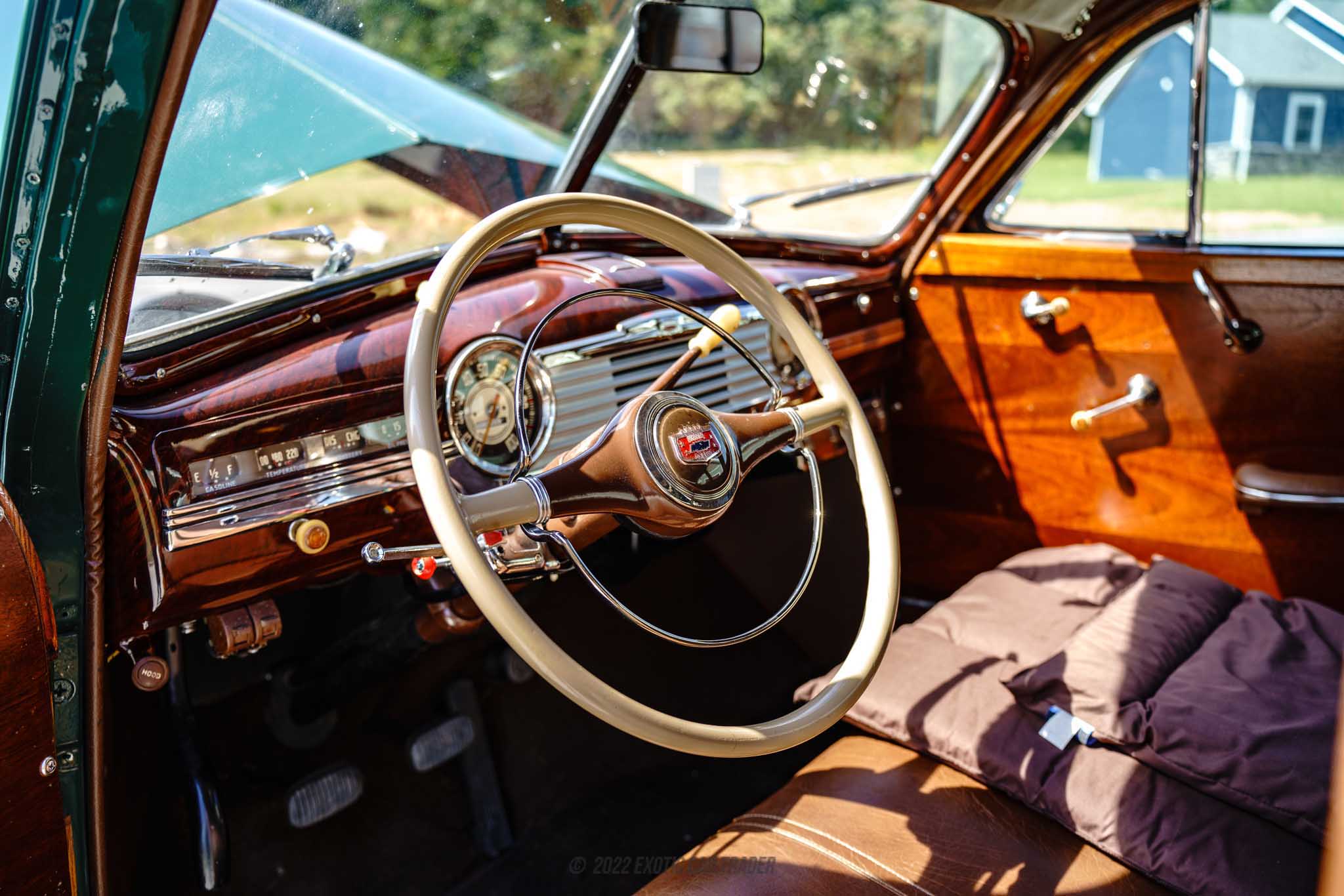
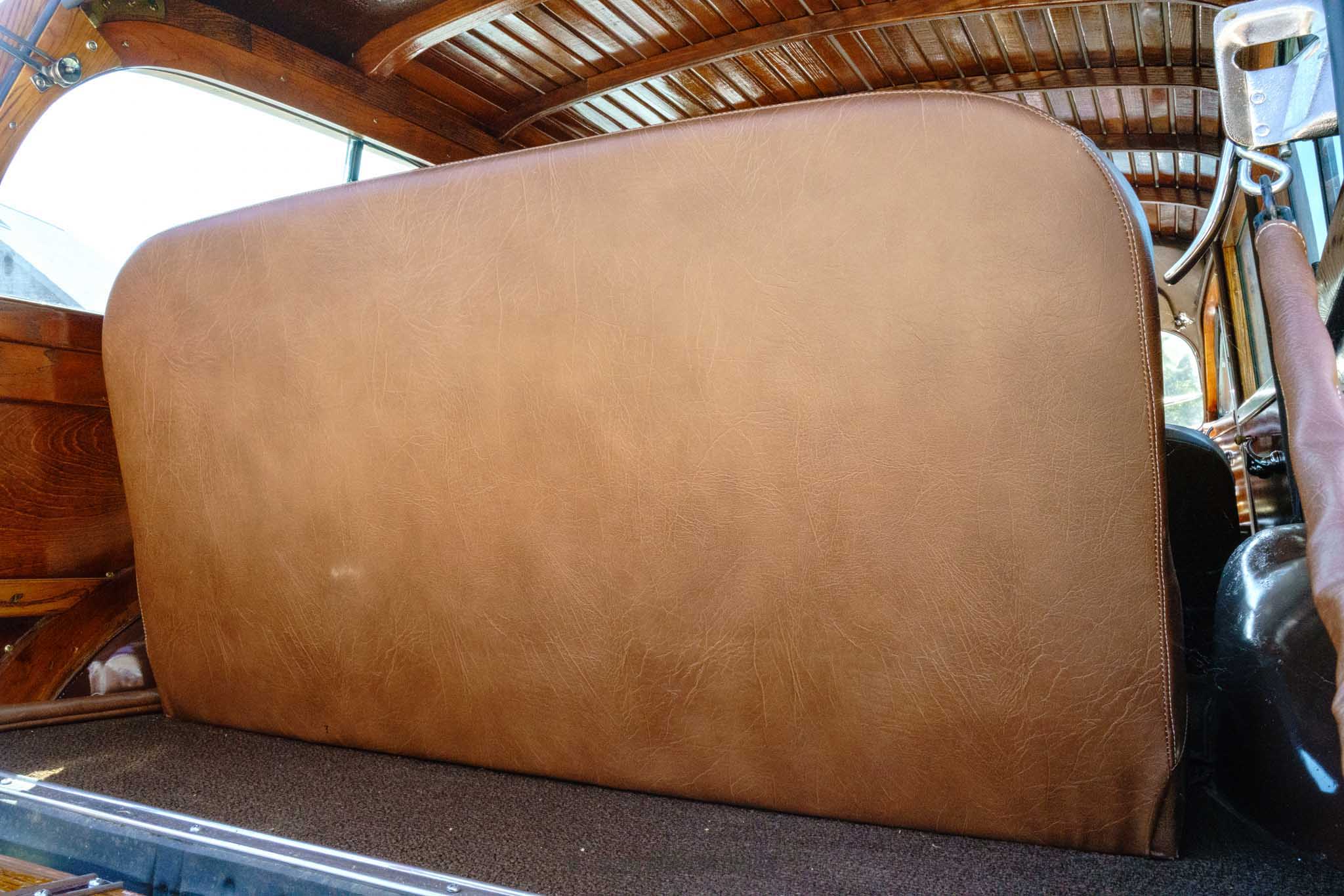
Wood trim was very much in fashion during the Thirties, Forties, and into the Fifties as well. This 1948 Plymouth De Luxe Station Wagon Woody shows a typical use of wood trim on a station wagon body style, and complements it with a dark green paintwork on the metal areas. Check out those complementing white wall tires, and the seller reports that all chrome parts have received rechroming during the restoration. The wood is reportedly real wood, and the wood walls are new too. For those who like manufacturer codes, the style code is #48-162, body code is #CL6995, the paint is #383, and the trim code is #149-1. The seller also reports that the top is leather, and original style parts were used as well. Venture aboard, and there’s more wood trim in abundance, lending this car the feel of travelling in a vintage railway carriage, especially to the rear cabin, when you enter via the rear-hinged coach doors. A plaque inside informs that coachwork is by Fisher, which was not uncommon in those days, where bodies were built by independent coachbuilders. Leather bench seats offer plush accommodations for up to five occupants. The driver grips a thin-rimmed steering wheel and faces a speedometer plus auxiliary gauges, while the front passenger sees the clock right ahead on the dash. The dash itself plays host to a push button radio and speaker in the center console, sparking memories of vintage Wurlitzer jukeboxes with chrome trim and detailing.
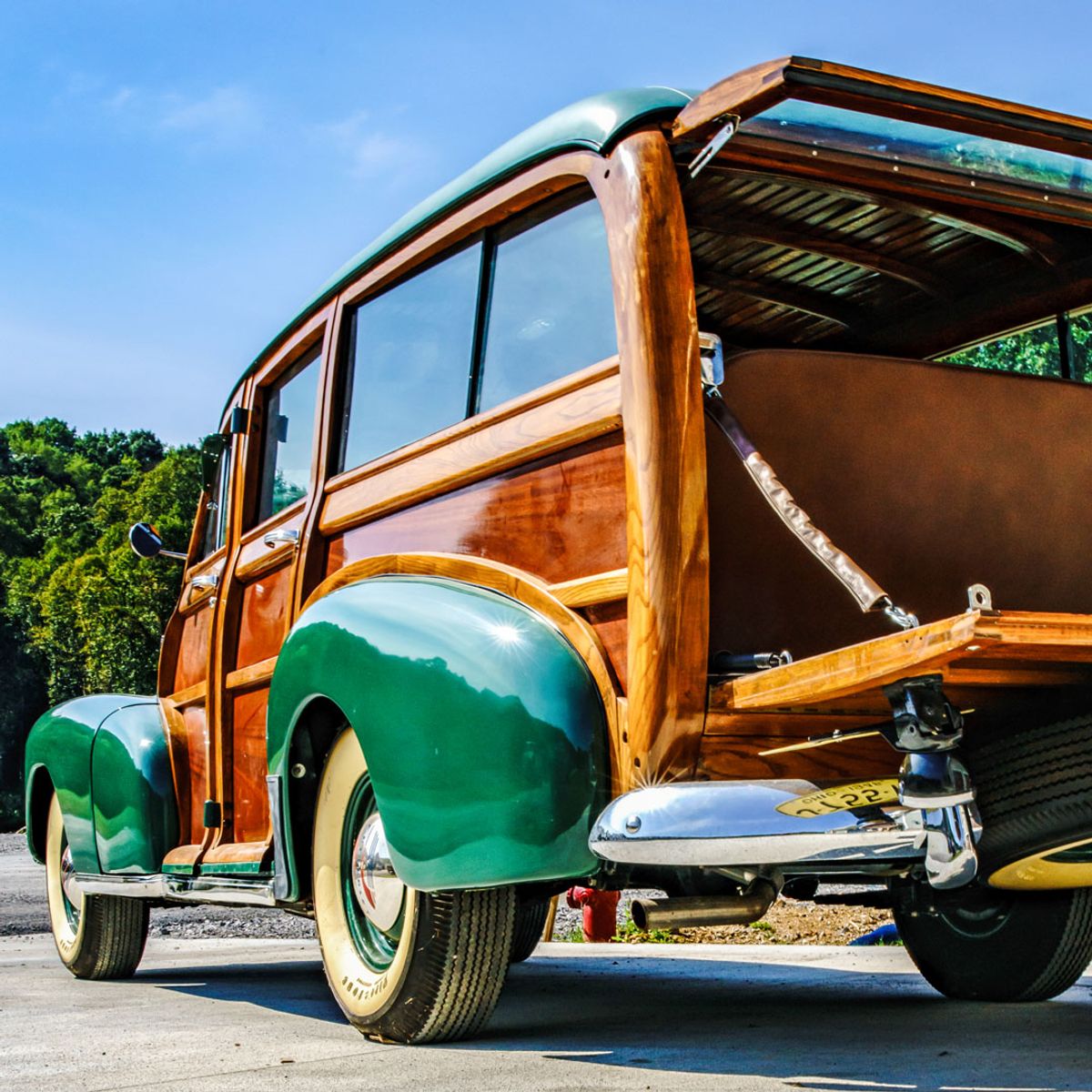
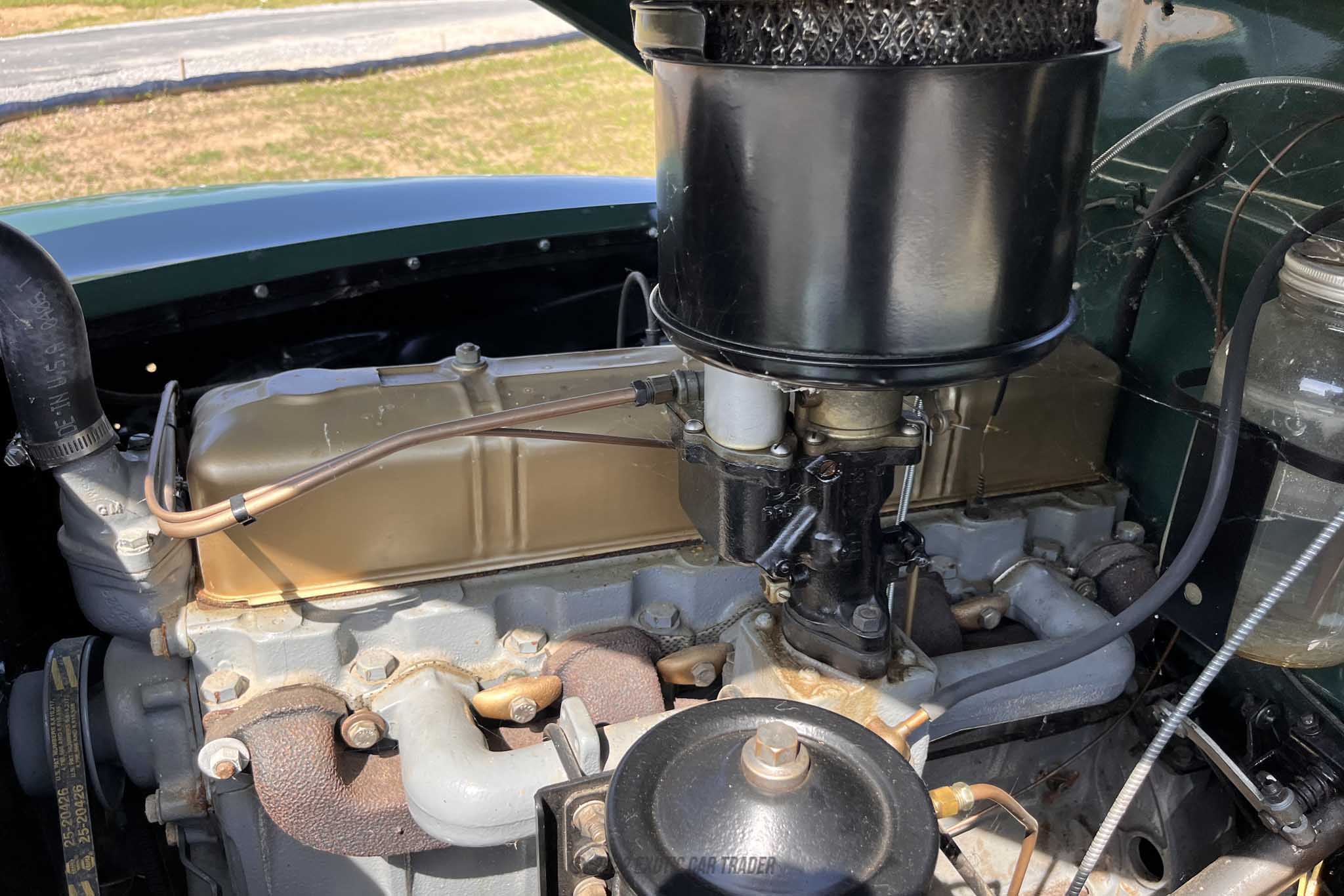
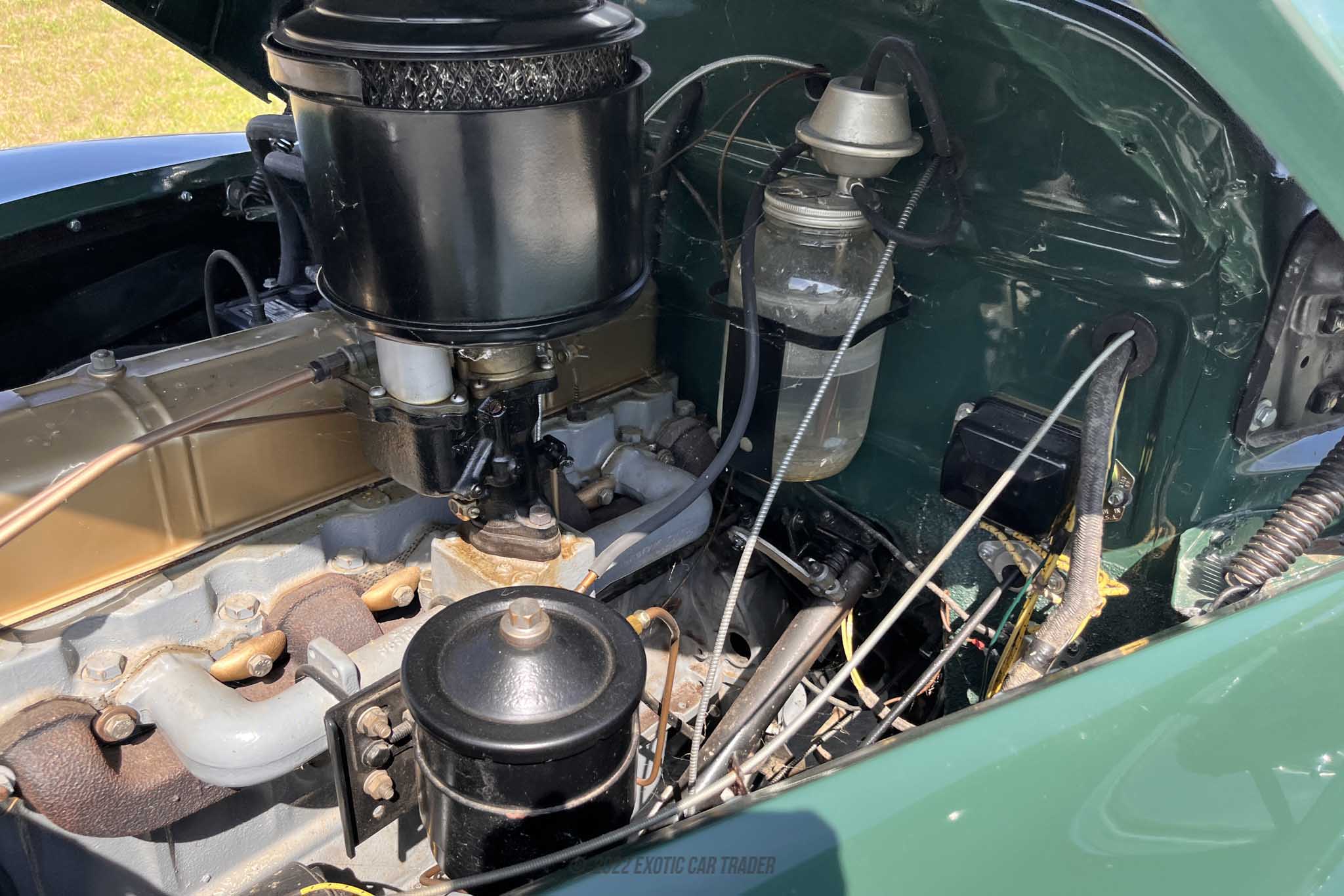
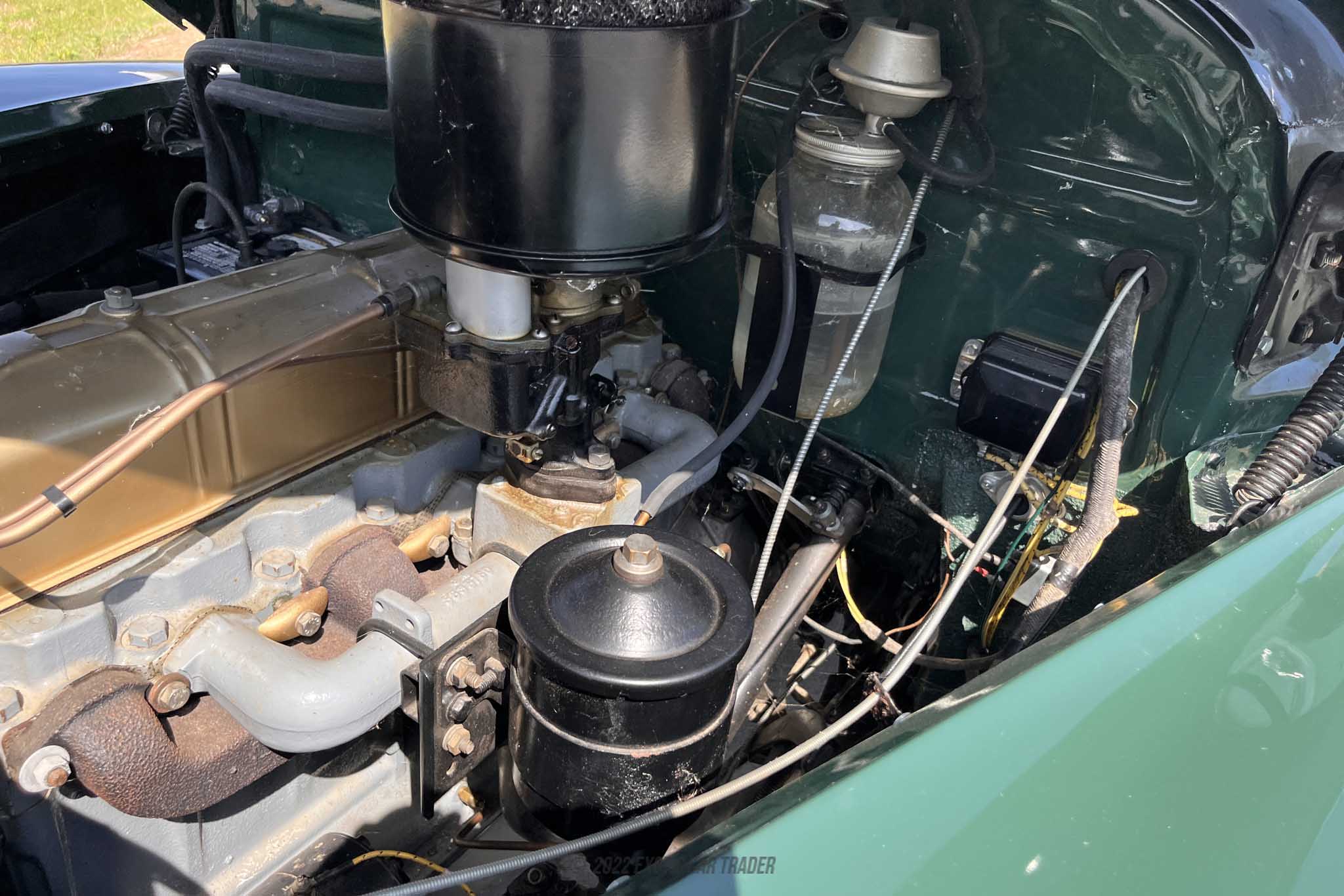
This 1948 Plymouth De Luxe Station Wagon Woody is propelled by a stout 217.8ci straight six engine that’s also got only 91 miles since restoration. The engine sends 95hp to the rear wheels via a column-shifted manual transmission.
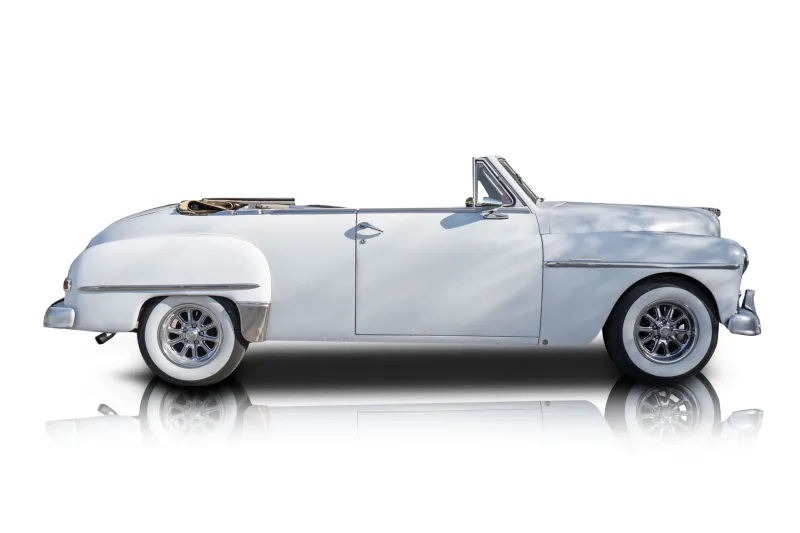
One of those historically significant automotive names, Plymouth was not only named after the famous rock, but also a brand of binder’s twine. Sadly this marque is no more, but they gave us some epic models such as the Roadrunner, Fury, Barracuda and more. Today, we have something a bit older, something from their 1940s collection. This 1950 Plymouth P20 Special Deluxe Convertible Restomod is part of the Plymouth De Luxe line that ran between 1933 and 1942, and again from 1946 to 1950. These full-sized cars came in various body styles, and this particular 40,928-mile machine is a lovely drop-top. It’s got a beige electrically operated convertible top, a newer 350ci V8, an automatic gearbox and more things to make every drive even sweeter.


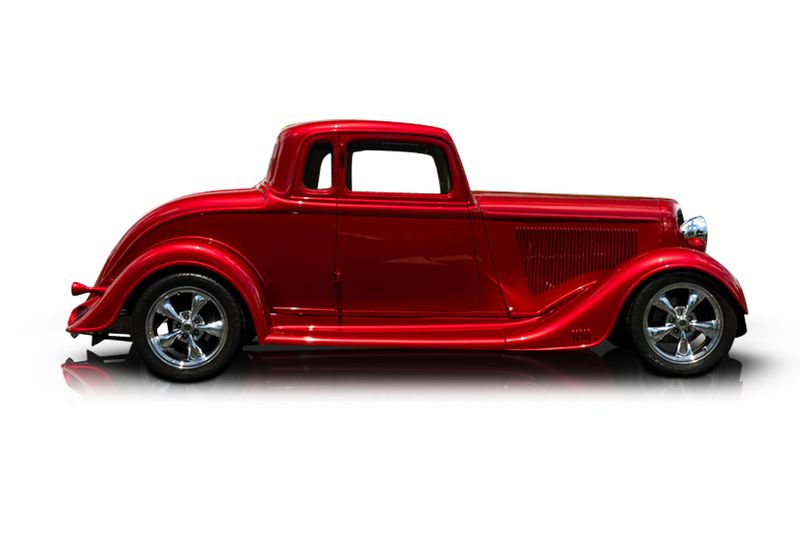
The 1934 Plymouth coupe holds iconic status in automotive history due to its combination of innovative design, improved engineering, affordability, and widespread popularity. Its sleek and streamlined styling, influenced by the Art Deco movement, set it apart from its competitors and showcased a forward-thinking approach. The Plymouth Coupe holds an esteemed place in hot rod culture due to its timeless styling, availability, and customization potential. Its classic design serves as a canvas for hot rod enthusiasts to express their creativity and individuality through modifications, and the vehicle in question is one such example. With a complete makeover, unique is putting it lightly. The car is in sublime condition, and you can almost guarantee that you won't find anything else like this for sale.


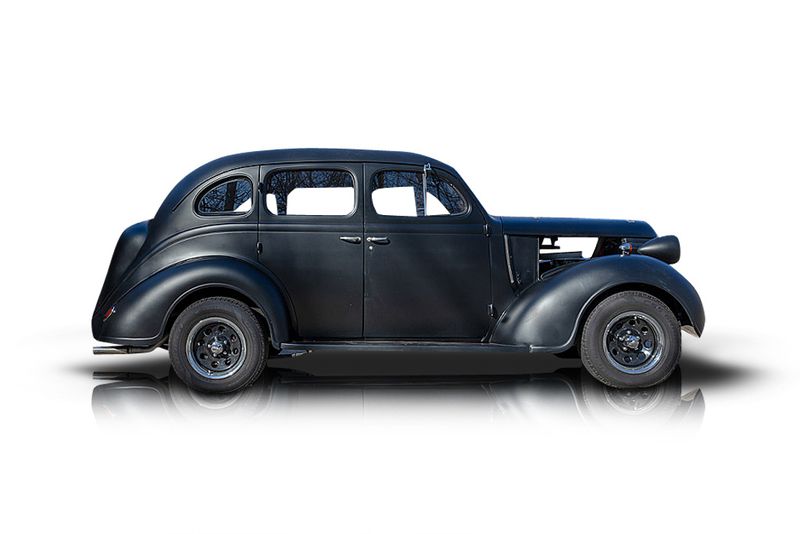
Contrary to popular belief, the Plymouth brand was not named after Plymouth rock. Rather, the name was coined by then-Chrysler executive Joe Frazer after Plymouth binder twine, which was seen to be sturdy, reliable, and low-priced. Plymouth was created to be Chrysler's budget car brand. Fast forward to the current era, and vintage Plymouths in pristine order fetch far more than they ever did brand-new. Of course, they also make great restomod platforms, such as this 1937 Plymouth Deluxe that bears just 6,500 miles after a comprehensive restoration. It's not an all-out restomod, but it retains the classic Thirties design, with some tasteful upgrades here and there.


The phrase “street legend” gets thrown around often, but few American muscle cars genuinely deserve it like a factory Hemi B-body Mopar. This 1966 Plymouth Belvedere II H-Code is one of those cars that instantly commands respect from serious collectors, representing the golden age when Chrysler’s race-bred 426 Hemi found its way into street-legal production cars. Nicknamed the “Elephant Engine” for its sheer size and dominance, the 426 Hemi became one of the most feared powerplants of the muscle car era, and having one in a relatively understated Belvedere II body made for one of the ultimate sleeper combinations of the 1960s. Showing approximately 27,205 miles, this particular example goes well beyond mere rarity, boasting an extraordinary pedigree that includes AACA National Junior, Senior, and Grand National awards, along with recognition as a two-time magazine cover feature car. This is the kind of blue-chip Mopar that rarely needs explanation among enthusiasts.


Pre-war American design meets unmistakable Mopar performance in this 1939 Plymouth Business Coupe, a thoughtfully built street rod that blends vintage character with modern usability. Showing approximately 11,691 miles, this coupe presents as a well-executed build that emphasizes both drivability and show-ready appeal. Under the hood sits a 340ci V8 paired with a desirable Torqueflite automatic, while a tri-power carburetor setup adds both visual drama and enhanced performance. With its combination of classic styling, upgraded mechanicals, and custom craftsmanship throughout, this Plymouth offers a compelling opportunity for enthusiasts seeking a distinctive and usable hot rod.


Few American muscle cars carry the presence and legacy of the Plymouth ‘Cuda, and this 1972 example stands out with a striking execution that blends period-correct attitude with meticulous craftsmanship. Showing just 256 miles since completion, this ‘Cuda represents a freshly completed, high-level build that captures the essence of early ‘70s Mopar performance. Finished in a vivid Petty Blue-inspired hue and equipped with a desirable 4-speed manual and 340ci V8, this car delivers both visual impact and an engaging, analog driving experience. With its combination of documented build pedigree and iconic styling, it offers collectors a standout example of one of Plymouth’s most celebrated nameplates.


The 1967 Chevrolet Impala represented the final year of one of Chevrolet’s most elegant full-size body styles of the decade, combining sweeping proportions with unmistakable American V8 presence. By this point, the Impala had firmly established itself as one of America’s most popular full-size cars, available in everything from comfortable family cruisers to big-block-powered boulevard bruisers. This 1967 Chevrolet Impala Convertible shows approximately 35,353 miles and presents as a beautifully configured open-top cruiser, finished in striking Bolero Red over a Parchment interior with a matching convertible top. With big-block power, upgraded drivability features, and timeless styling, this Impala offers the kind of classic American motoring experience that remains endlessly appealing.


This 1995 Ford Mustang GT Convertible is what happens when a clean SN95 cruiser is transformed into a genuinely serious street machine. While the chassis shows 99,658 miles, the seller reports that the heavily upgraded drivetrain is substantially fresher, with approximately 2,000 miles on the built 347 stroker V8 and fewer than 750 miles on the professionally built transmission. Finished in factory-correct Laser Red Metallic over Saddle with a matching Saddle soft top, this Mustang retains classic mid-1990s convertible charm while packing performance figures that would embarrass many modern muscle cars. With a dyno-reported output of over 450 horsepower at the wheels and more than 510 lb-ft of torque, this is not a casual bolt-on build—it’s a purposefully assembled forced-induction street car for enthusiasts who appreciate old-school supercharged V8 brutality.


The 1965 Ford Mustang GT helped ignite America’s pony car revolution and quickly became one of the most influential performance cars of the 1960s. Combining sporty styling, compact dimensions, and V8 power at an attainable price point, the Mustang transformed Ford’s image overnight and created an entirely new segment in the automotive world. Showing just 18,813 miles, this example is finished in elegant Vintage Burgundy over a black interior and equipped with the highly desirable GT package, complete with a 289ci V8 and 4-speed manual transmission. With its timeless proportions, unmistakable styling cues, and engaging analog driving experience, this first-generation Mustang GT represents the pure essence of mid-1960s American performance motoring.

We're here to create a platform to better the automotive industry through communication and transparency. Please treat everyone with respect. Healthy debates are natural, but kindness is required.
Make sure everyone feels safe. Hate speech of any kind is strictly prohibited. Degrading comments about things like race, religion, culture, sexual orientation, etc. will not be tolerated.
Give more than you take. Self-promotion, spam, or links of any kind are not allowed.
Wholesale
Direct Deal
Upload Inspection
Order Inspection
Modern Vehicle Finance
Classic Vehicle Finance
Document Request
Autrella Rates
60 Days - $999
90 Days - $1499