




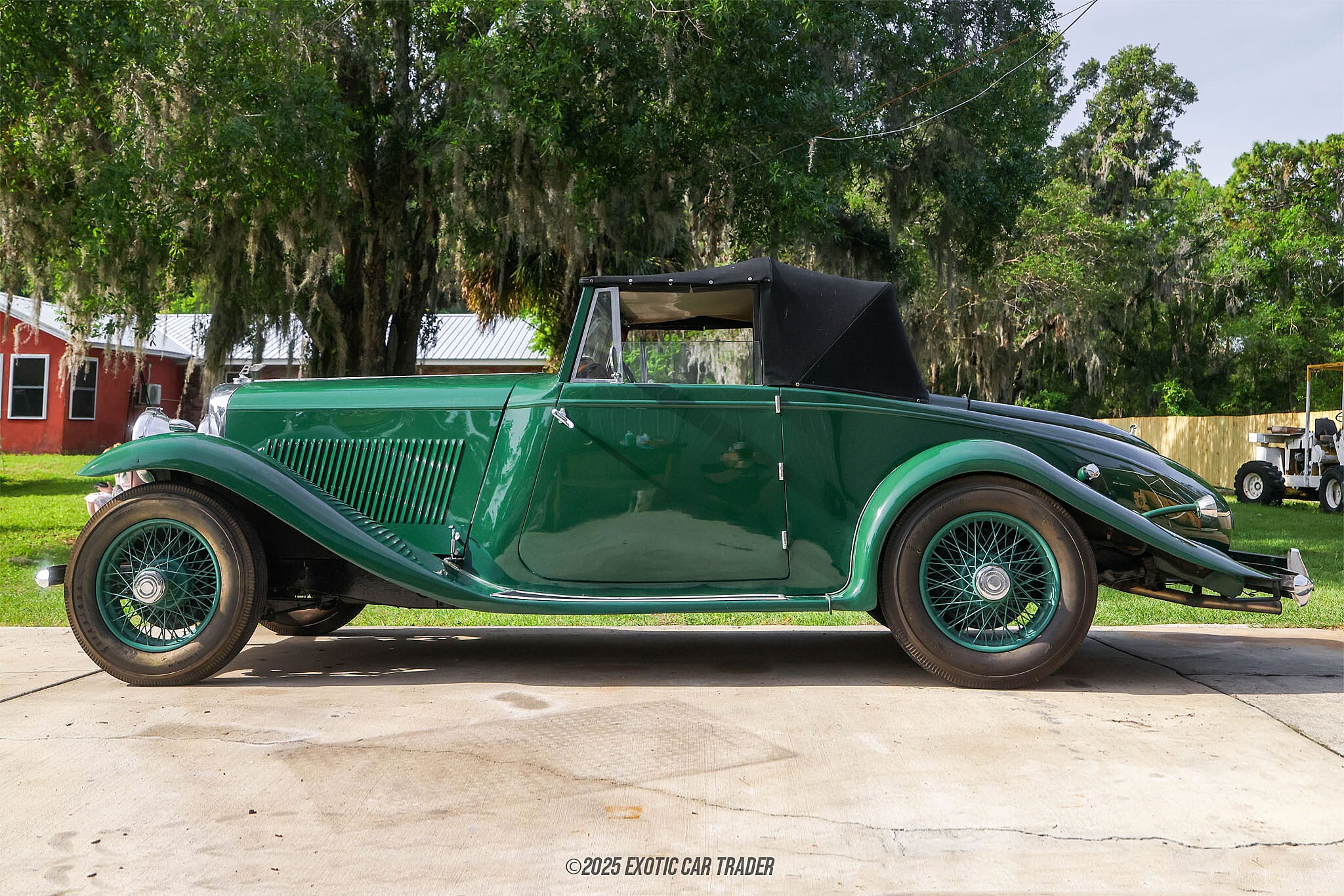
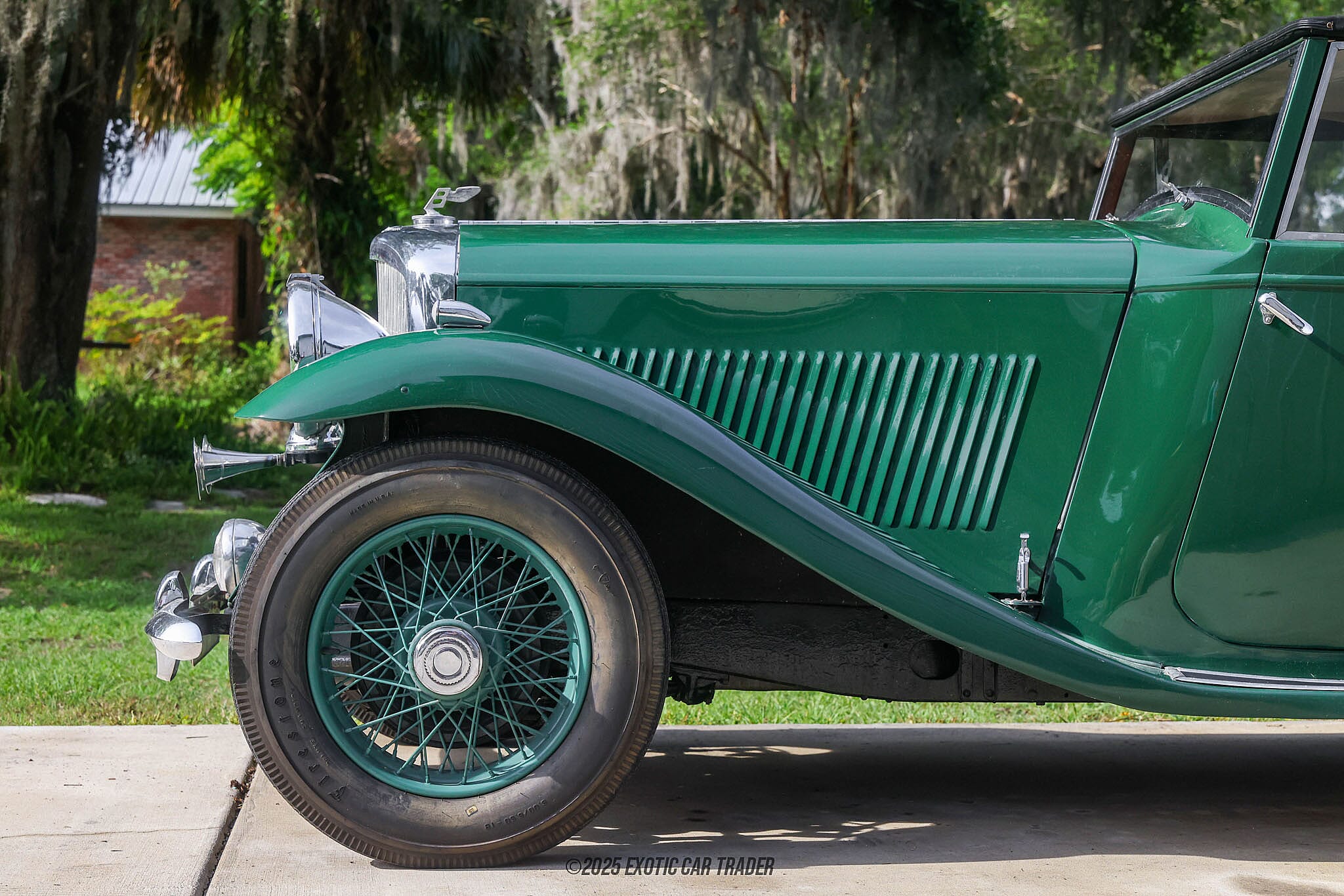
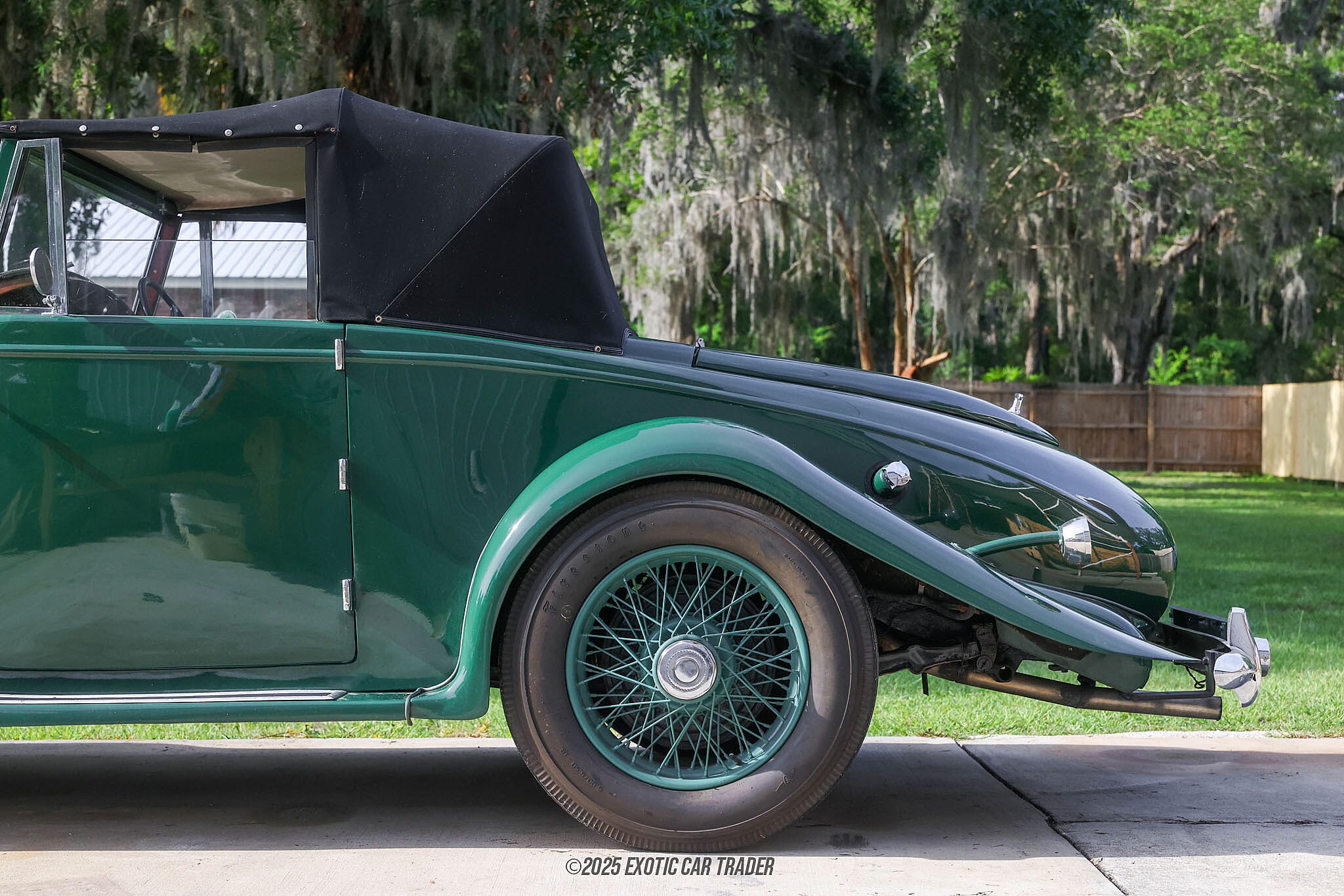
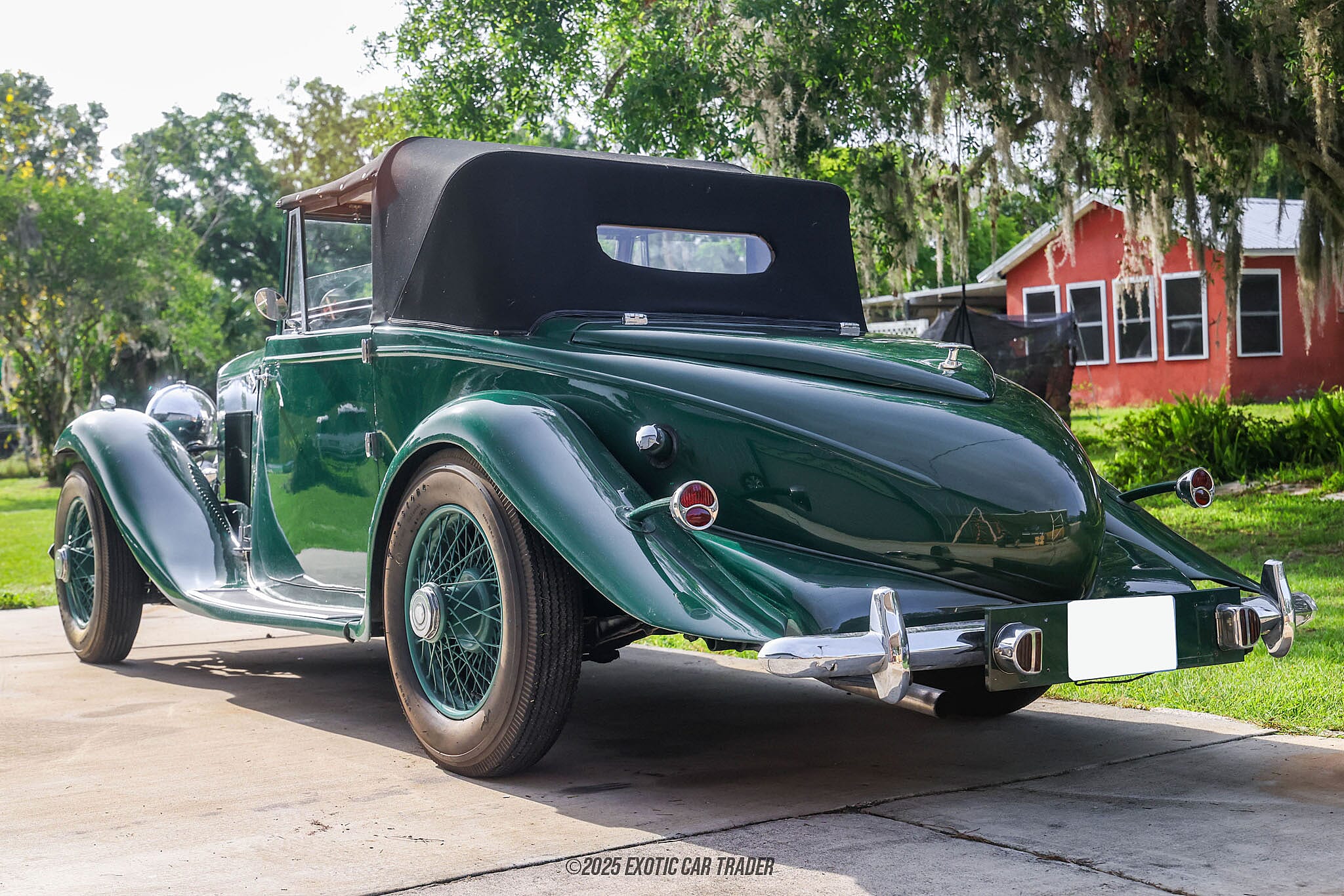
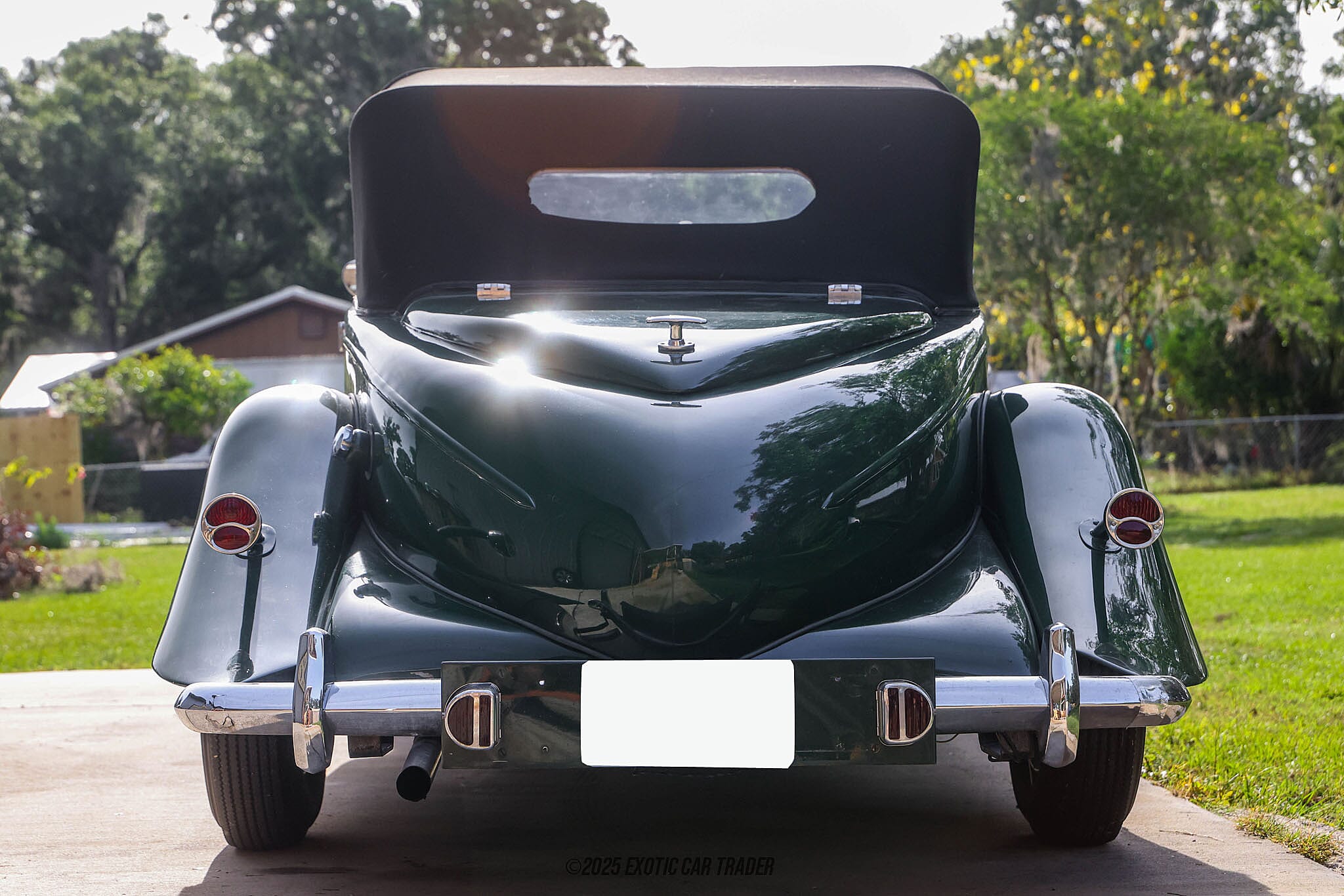
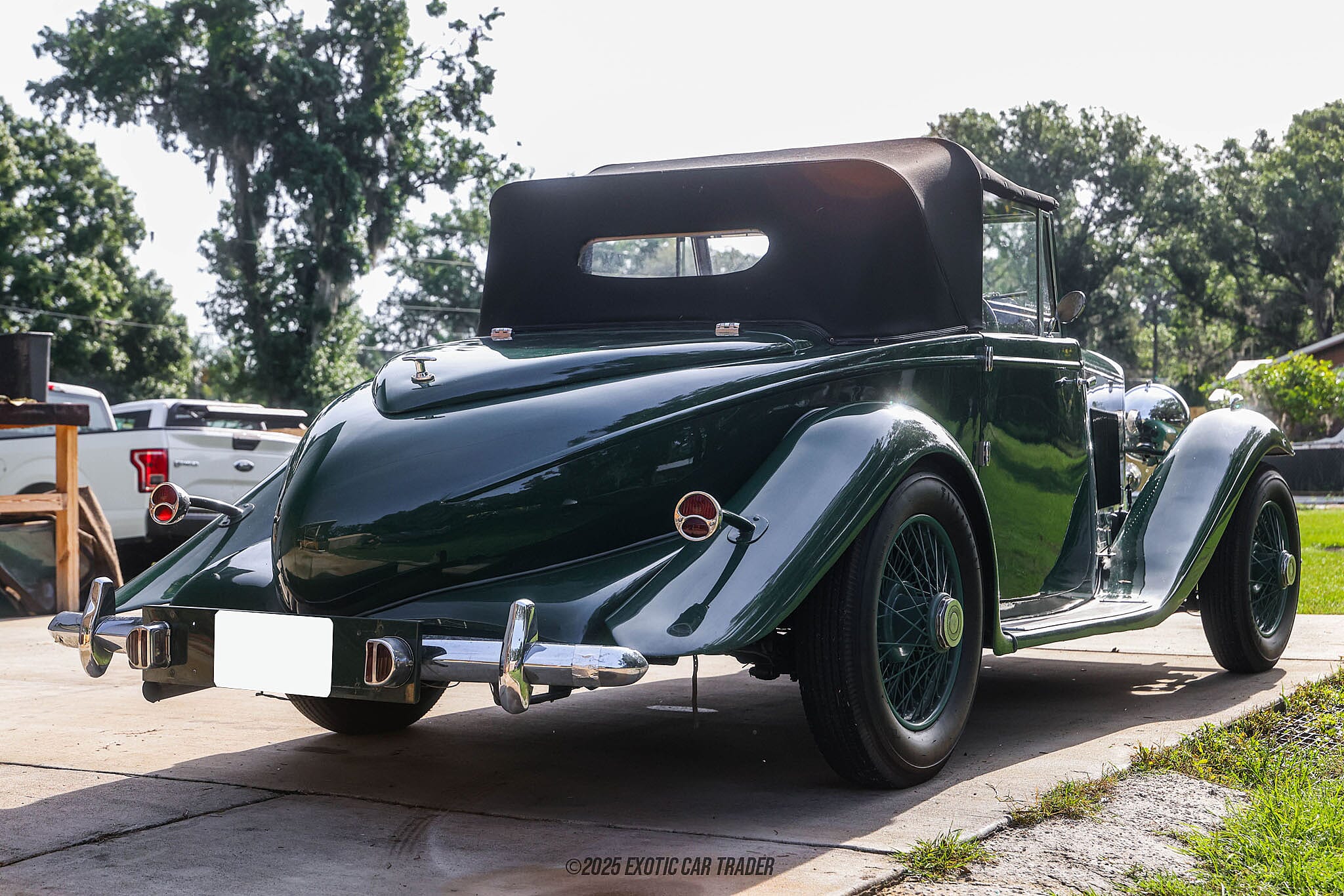
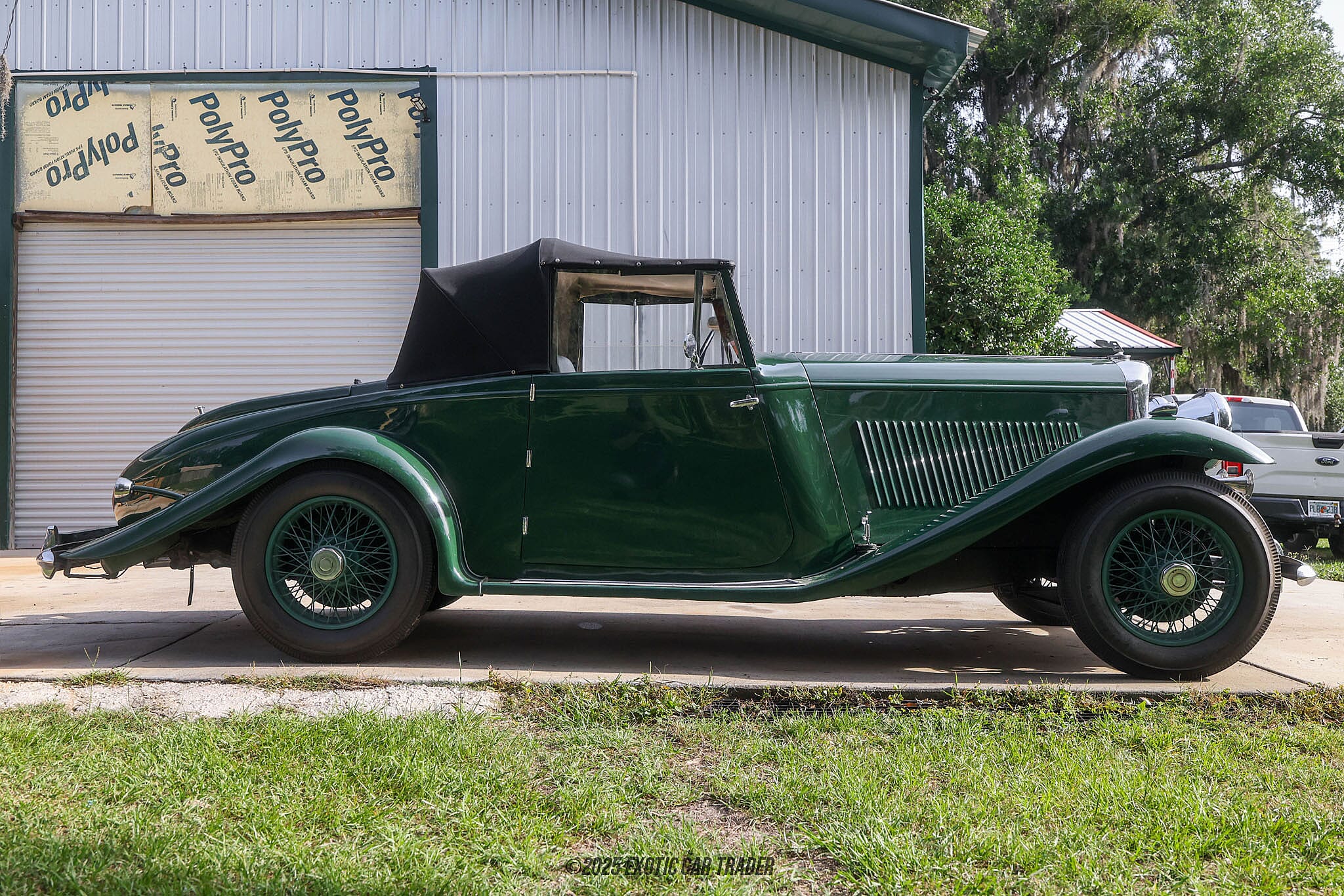
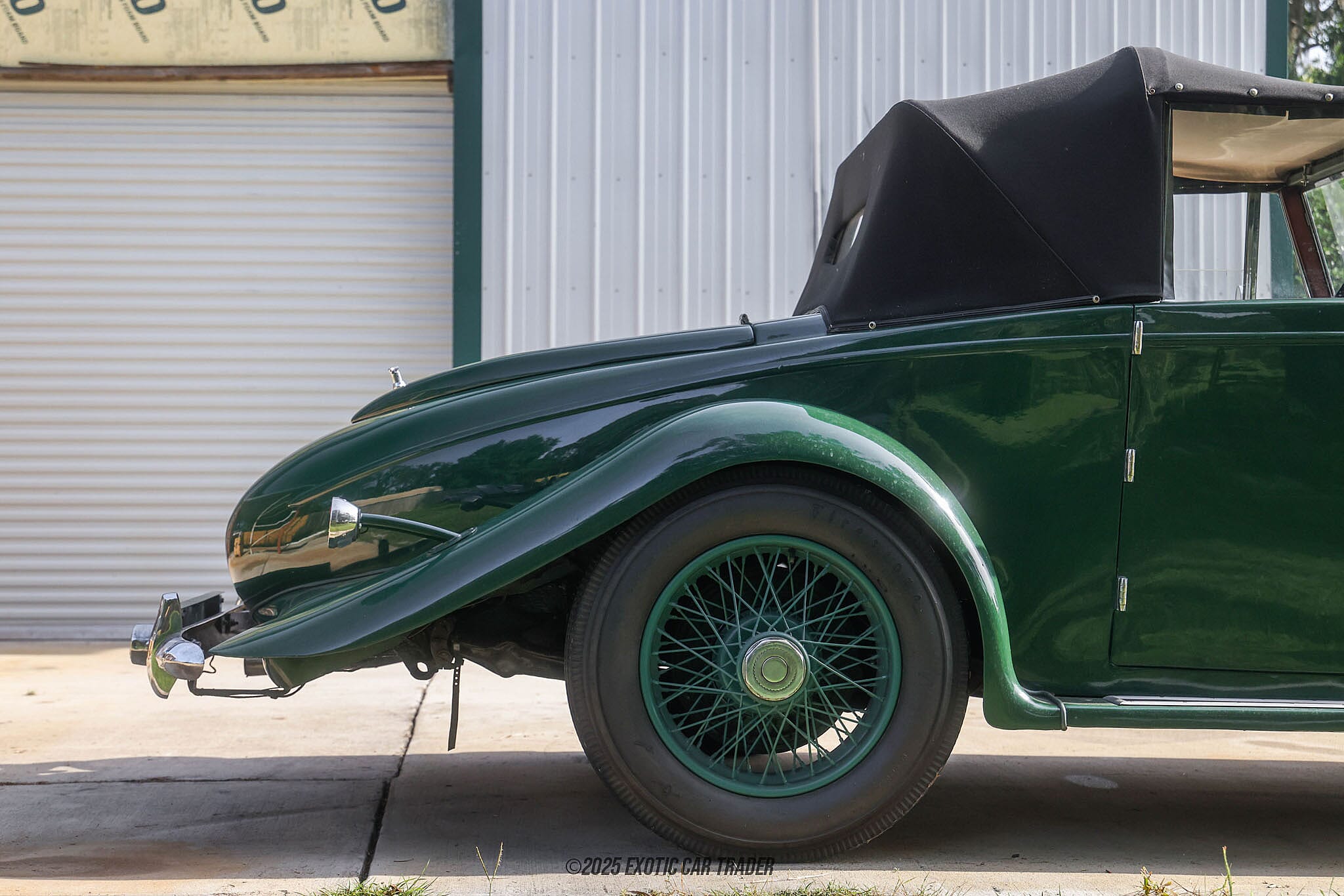

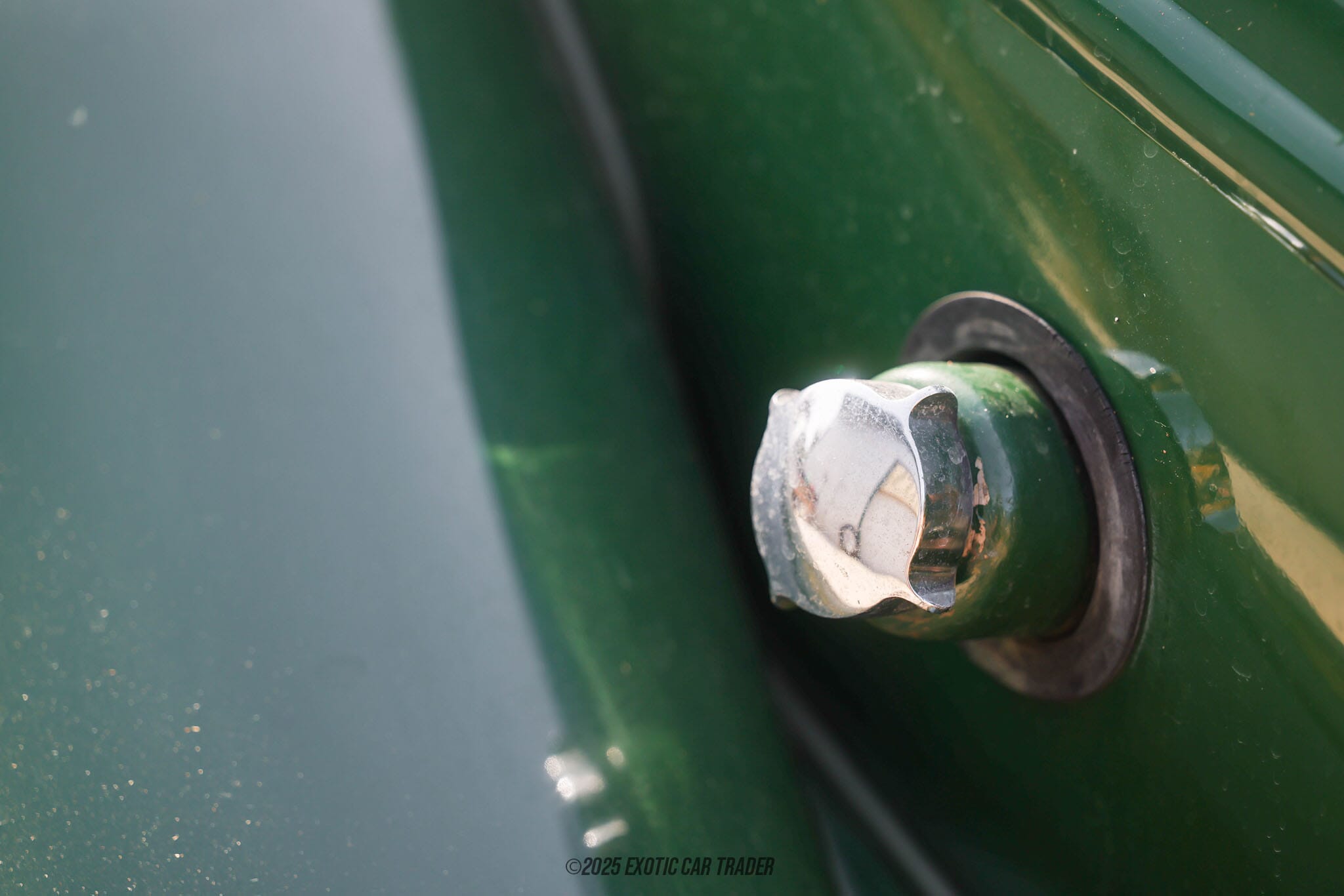
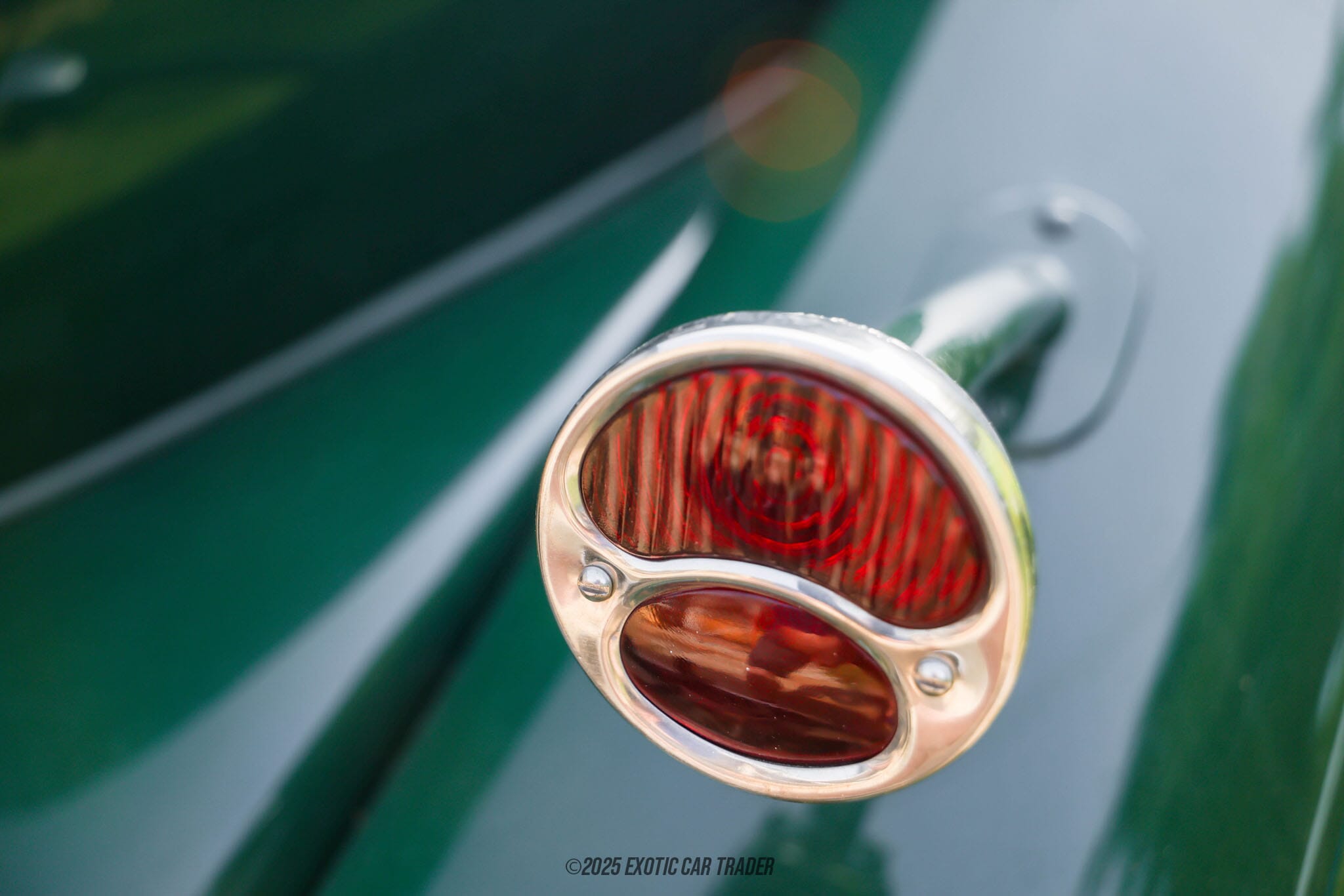
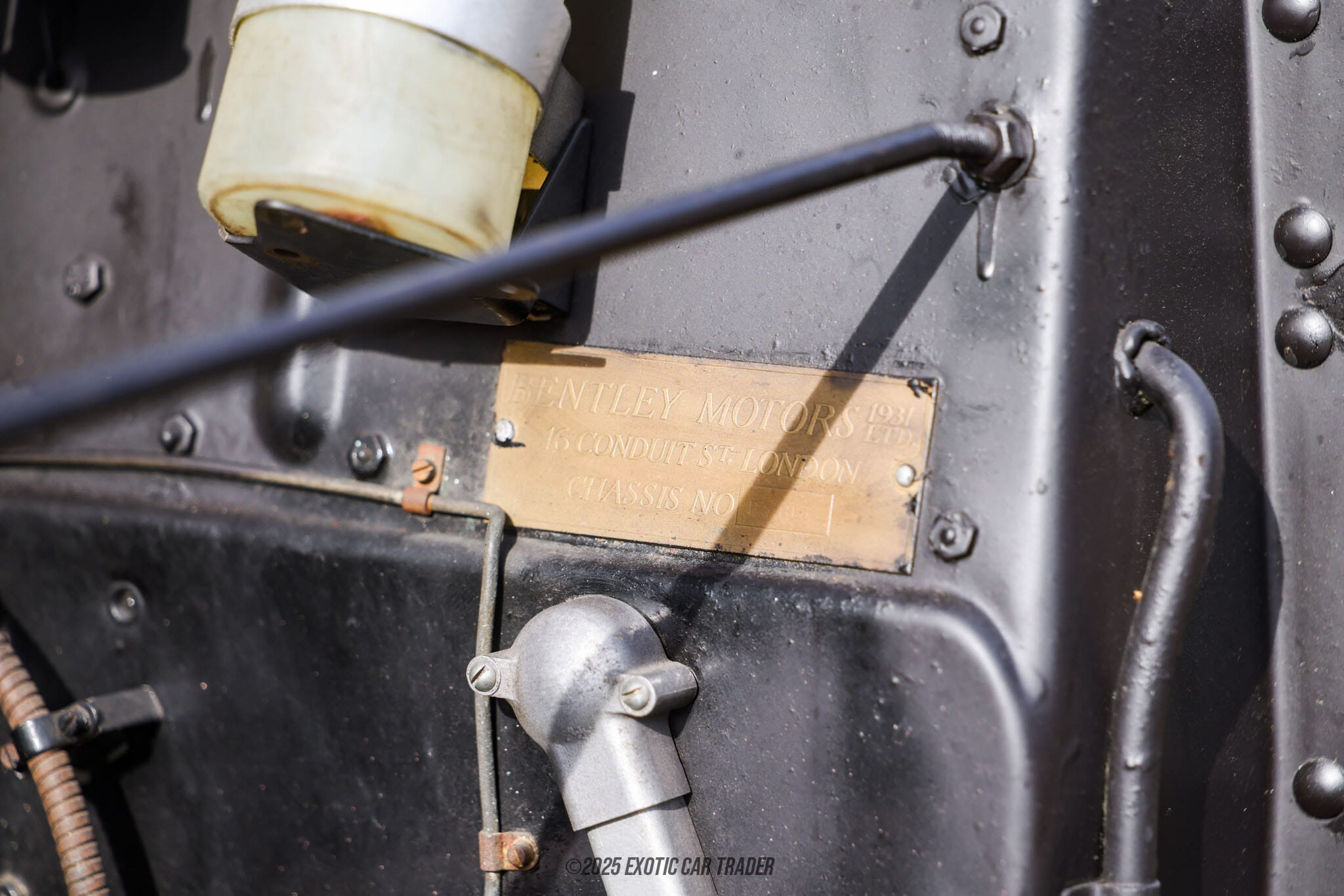
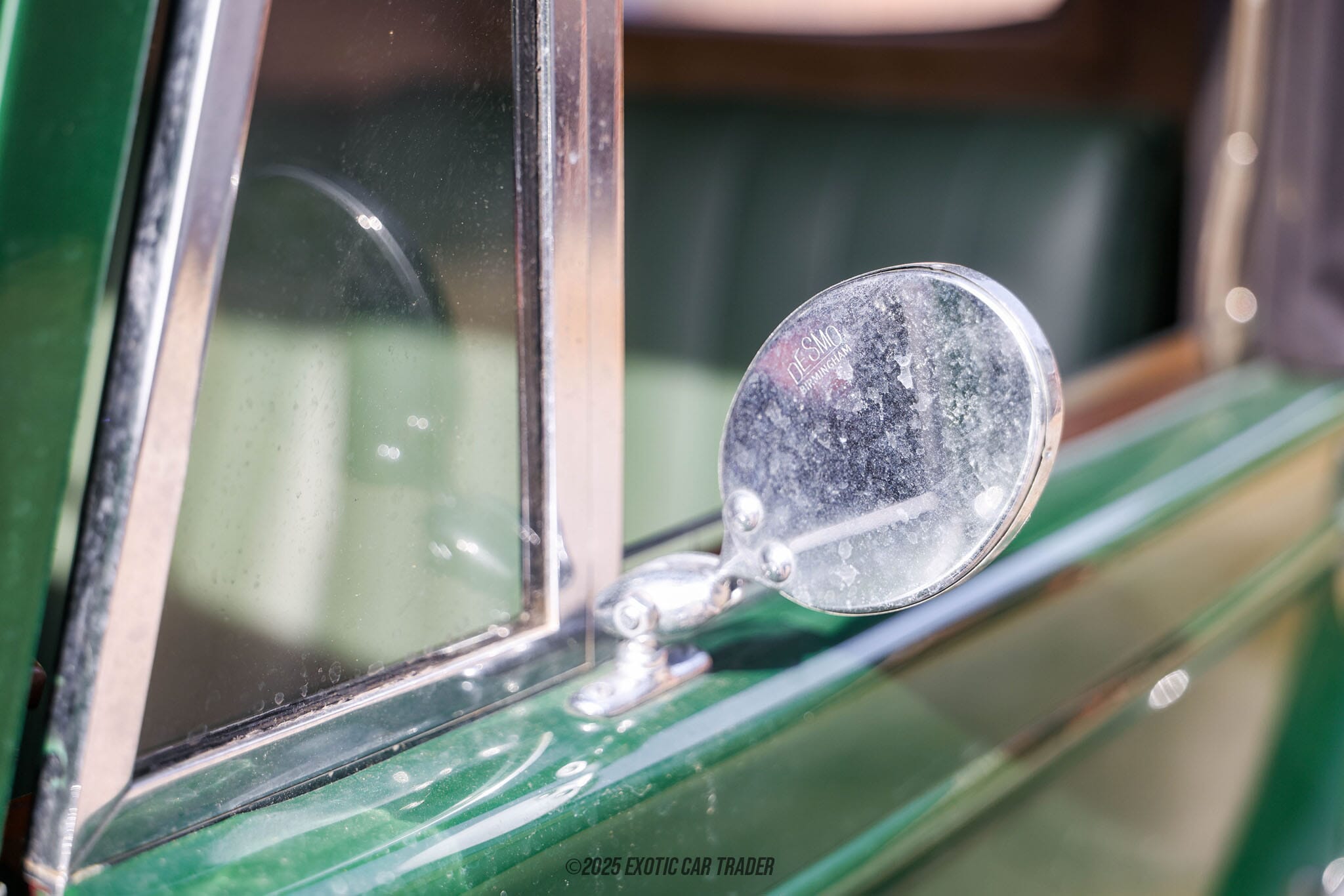
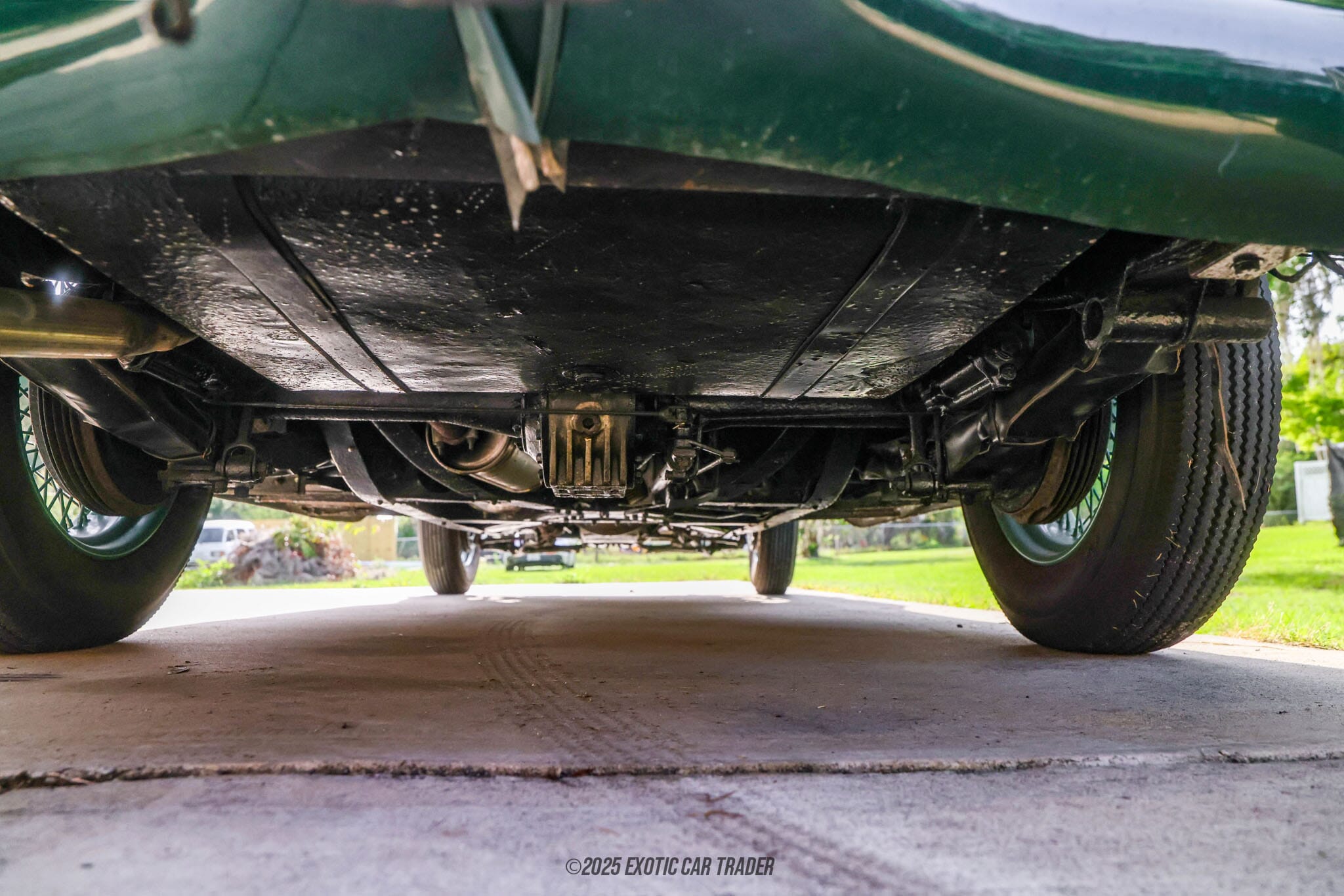
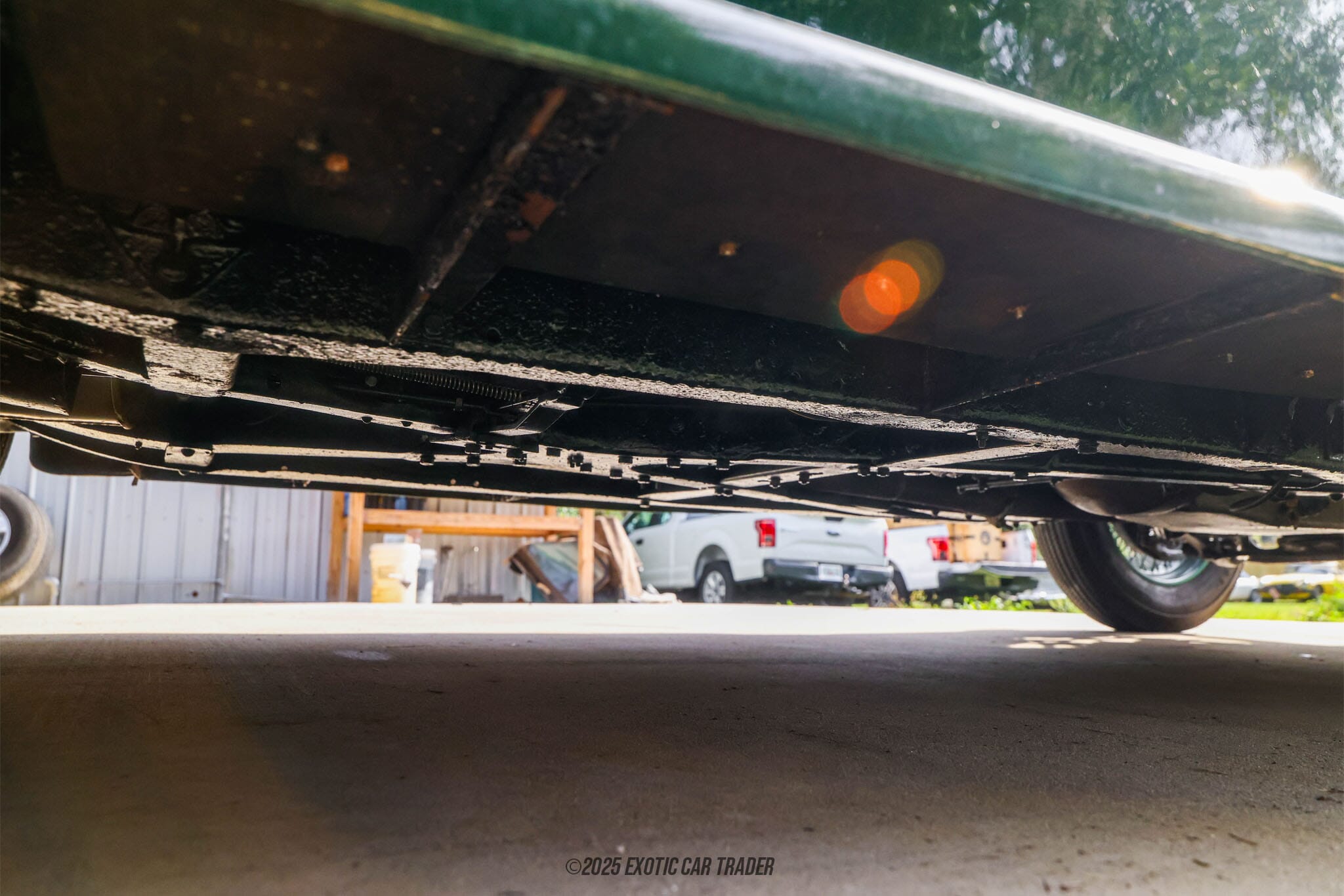
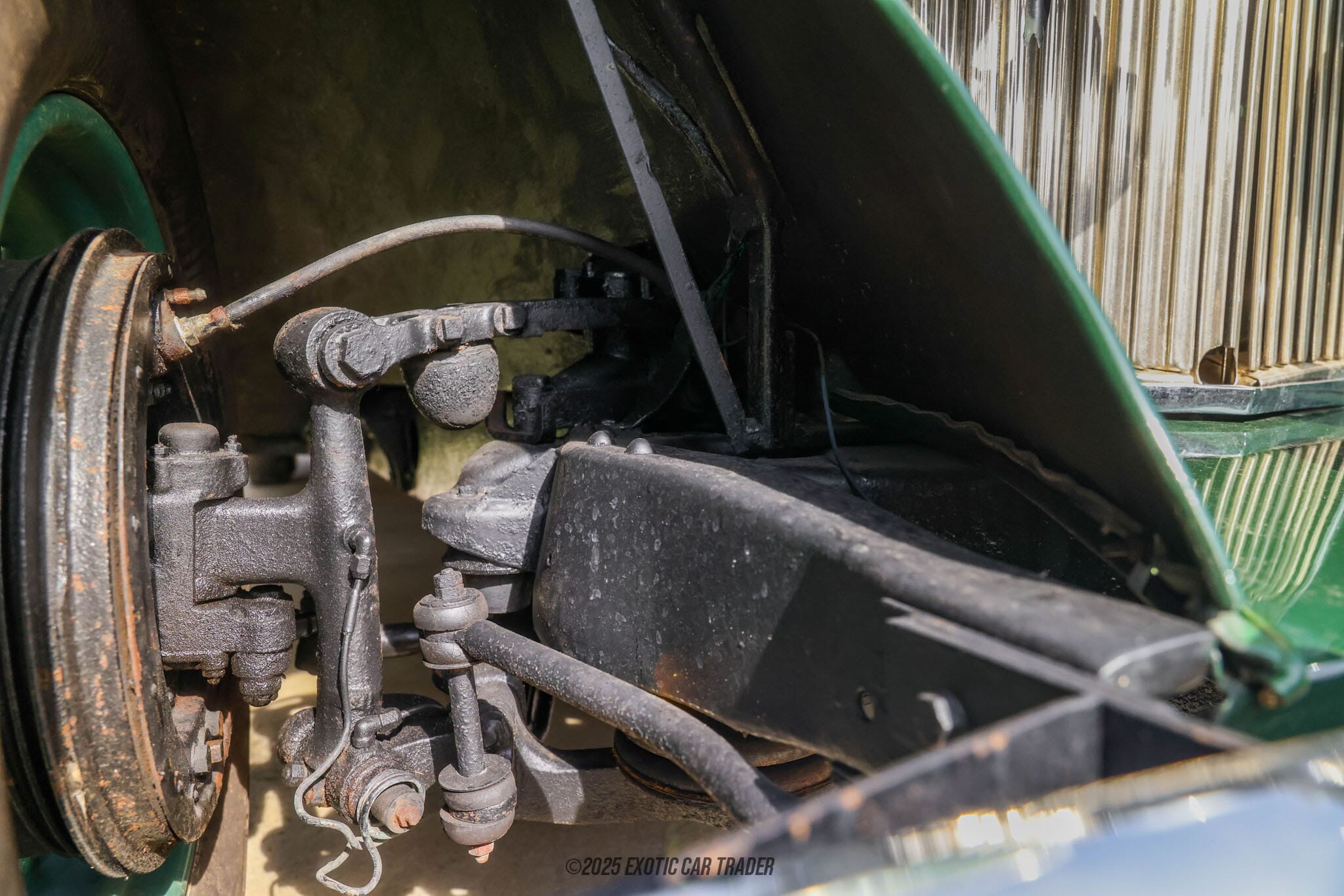
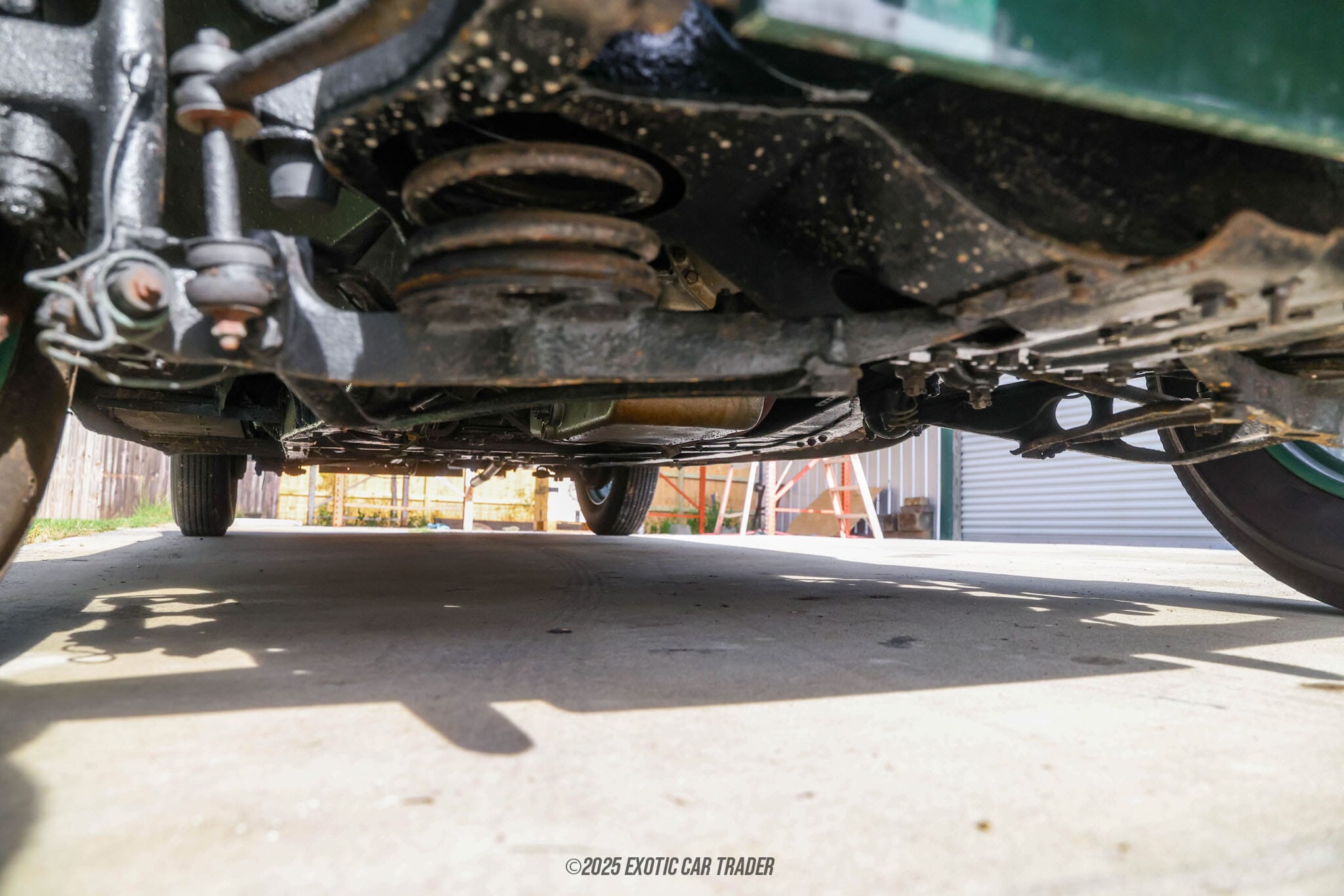


- 1951 Bentley Mark VI Special Boattail Speedster
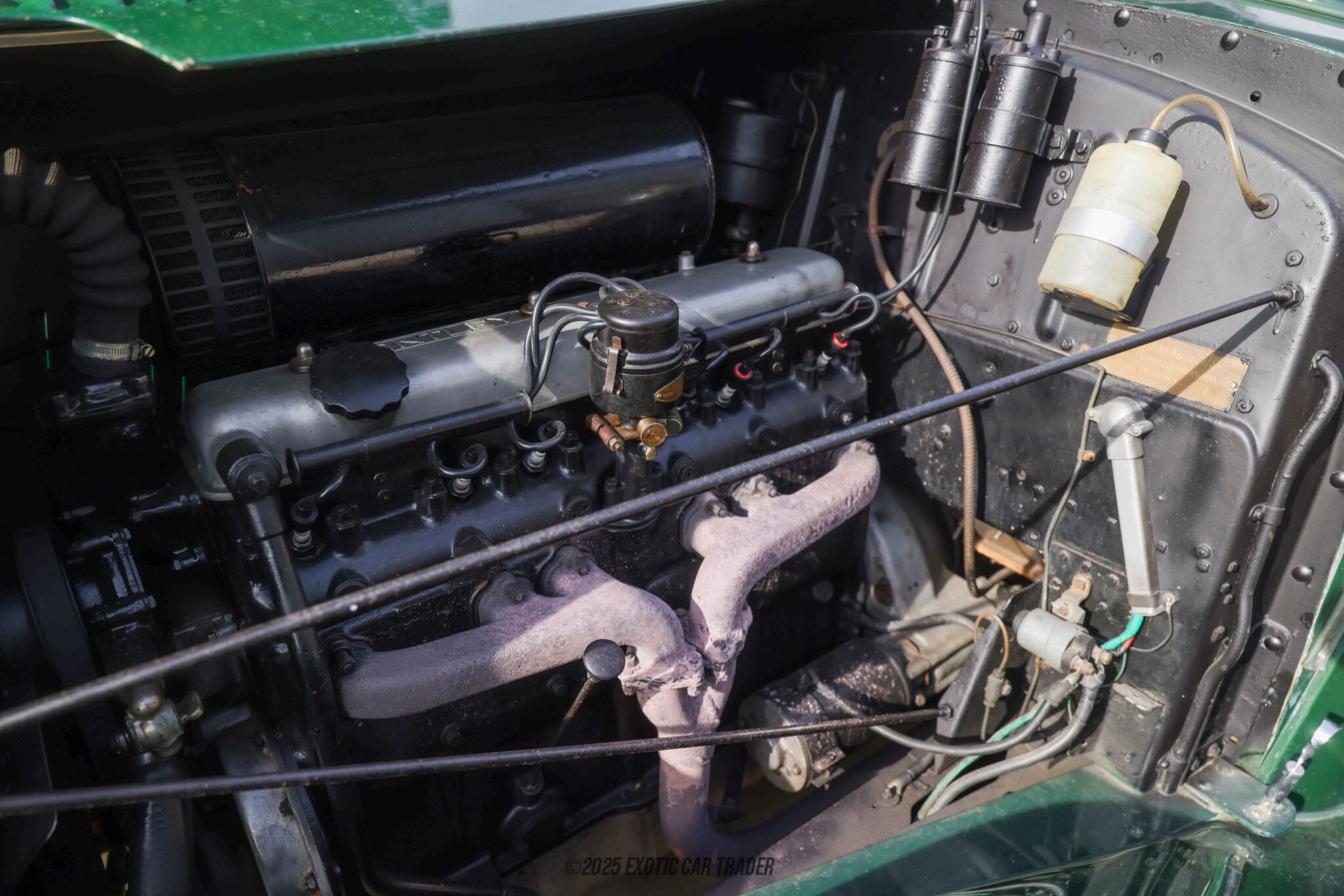
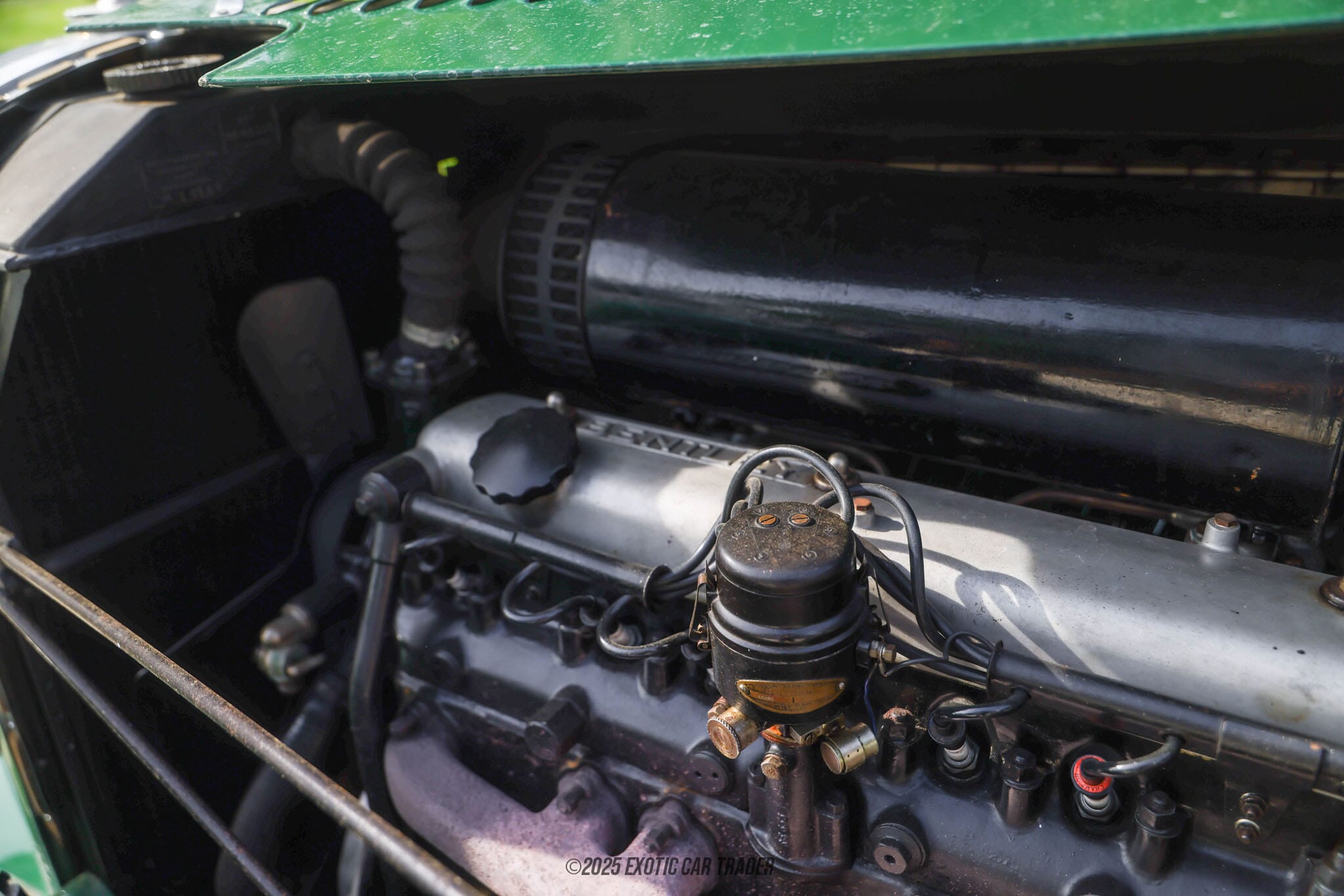
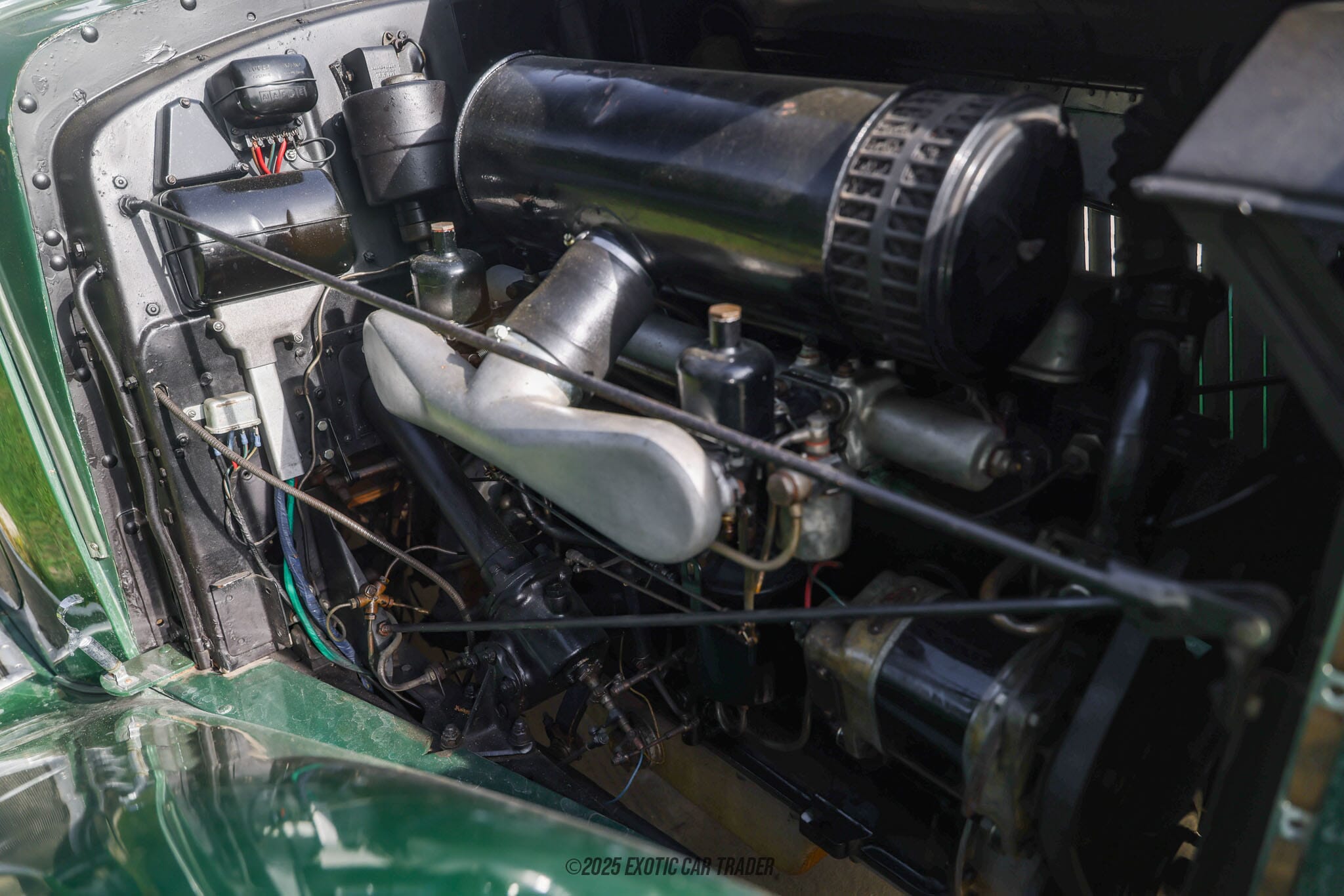
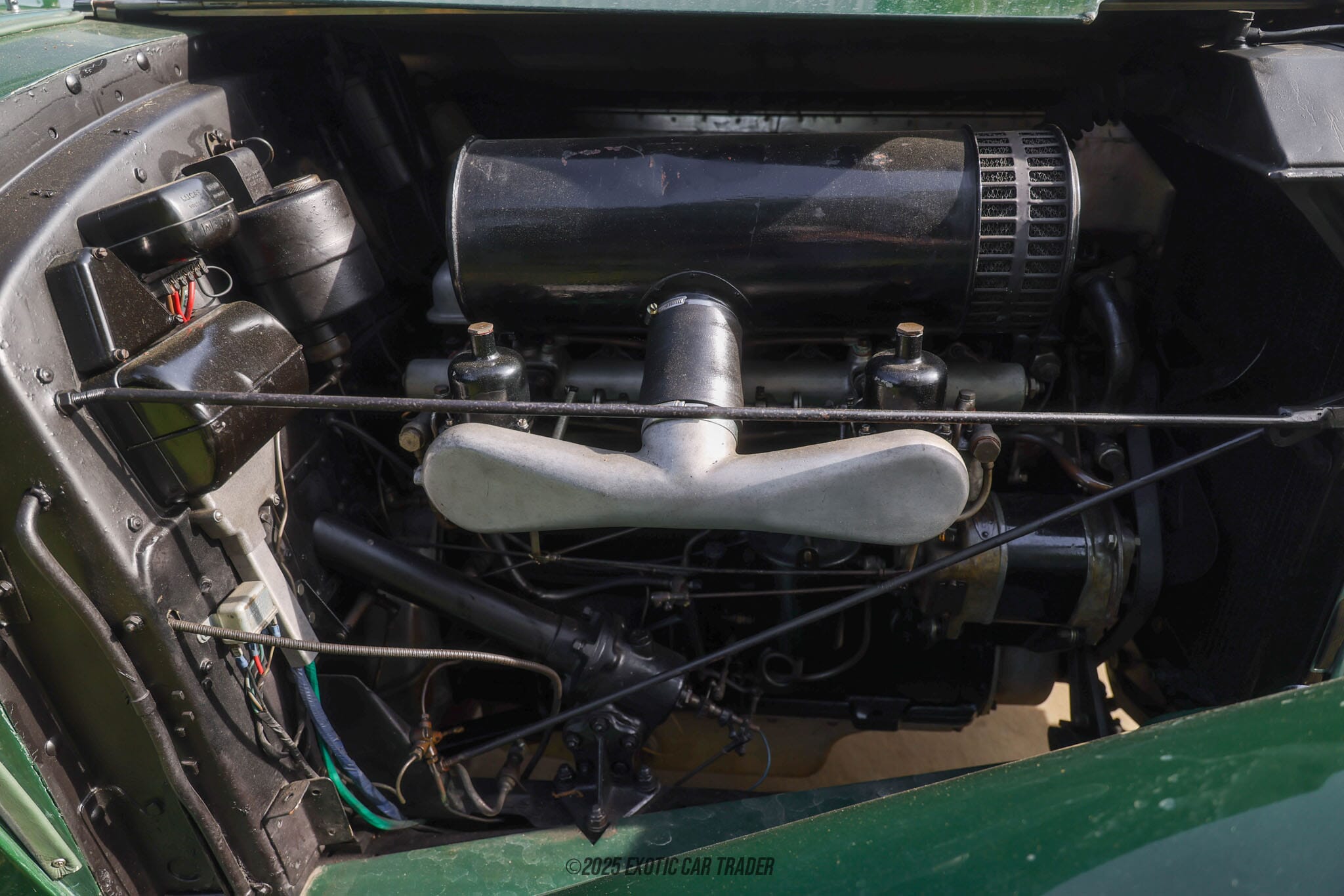
- 4.6L I6
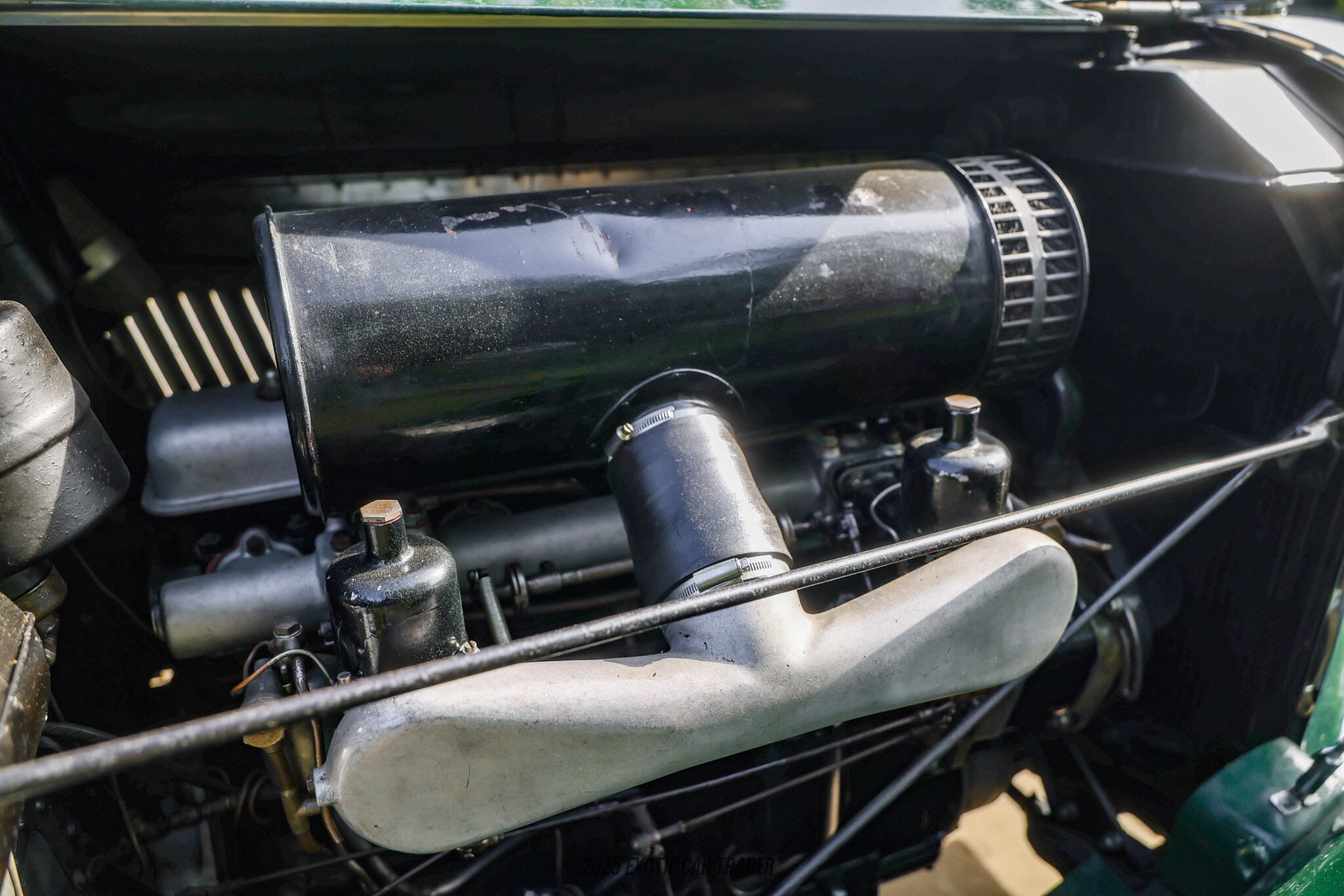
- Twin SU Carburetors
- 4-Speed Manual
- RWD
- British Racing Green Exterior
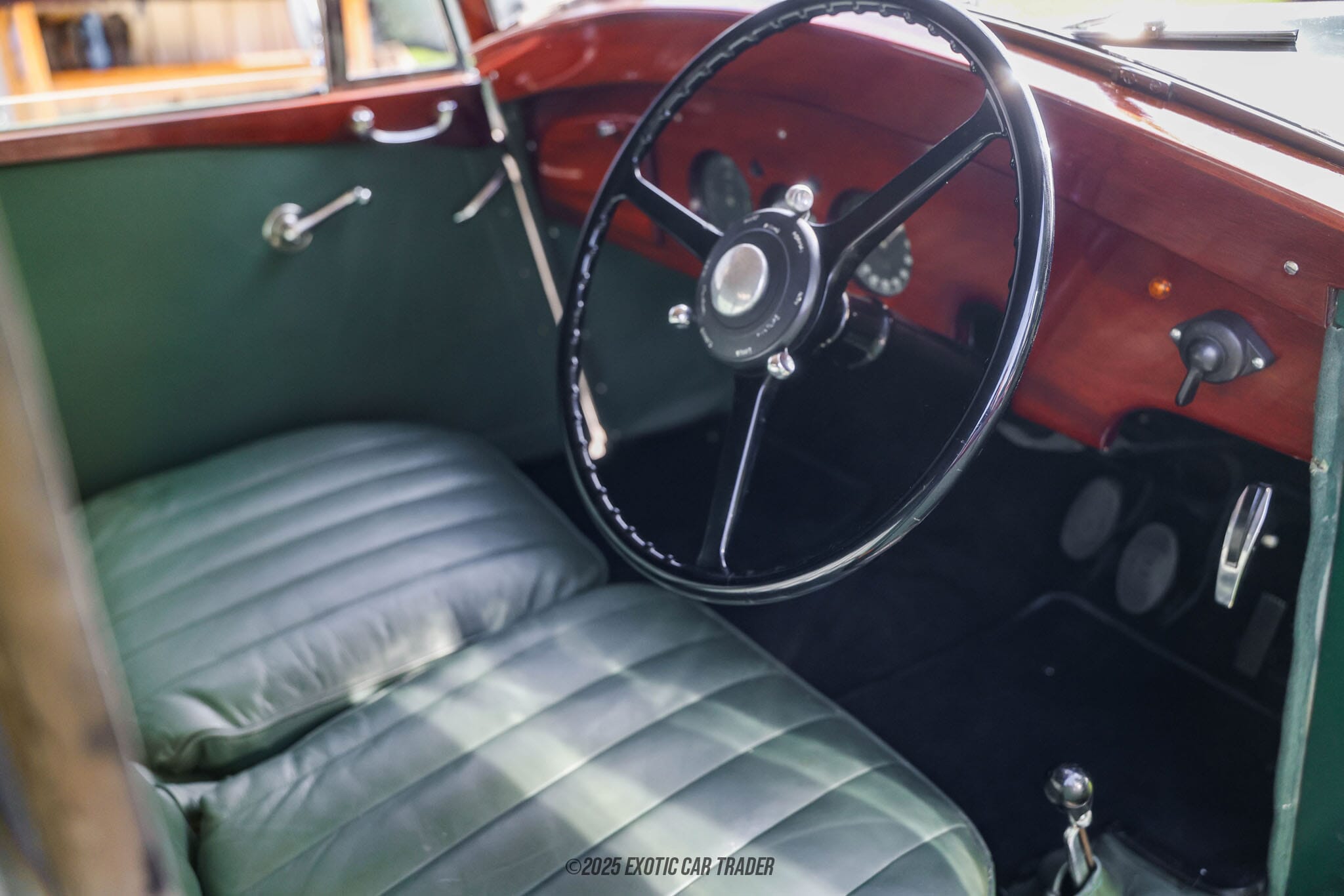
- Green Interior
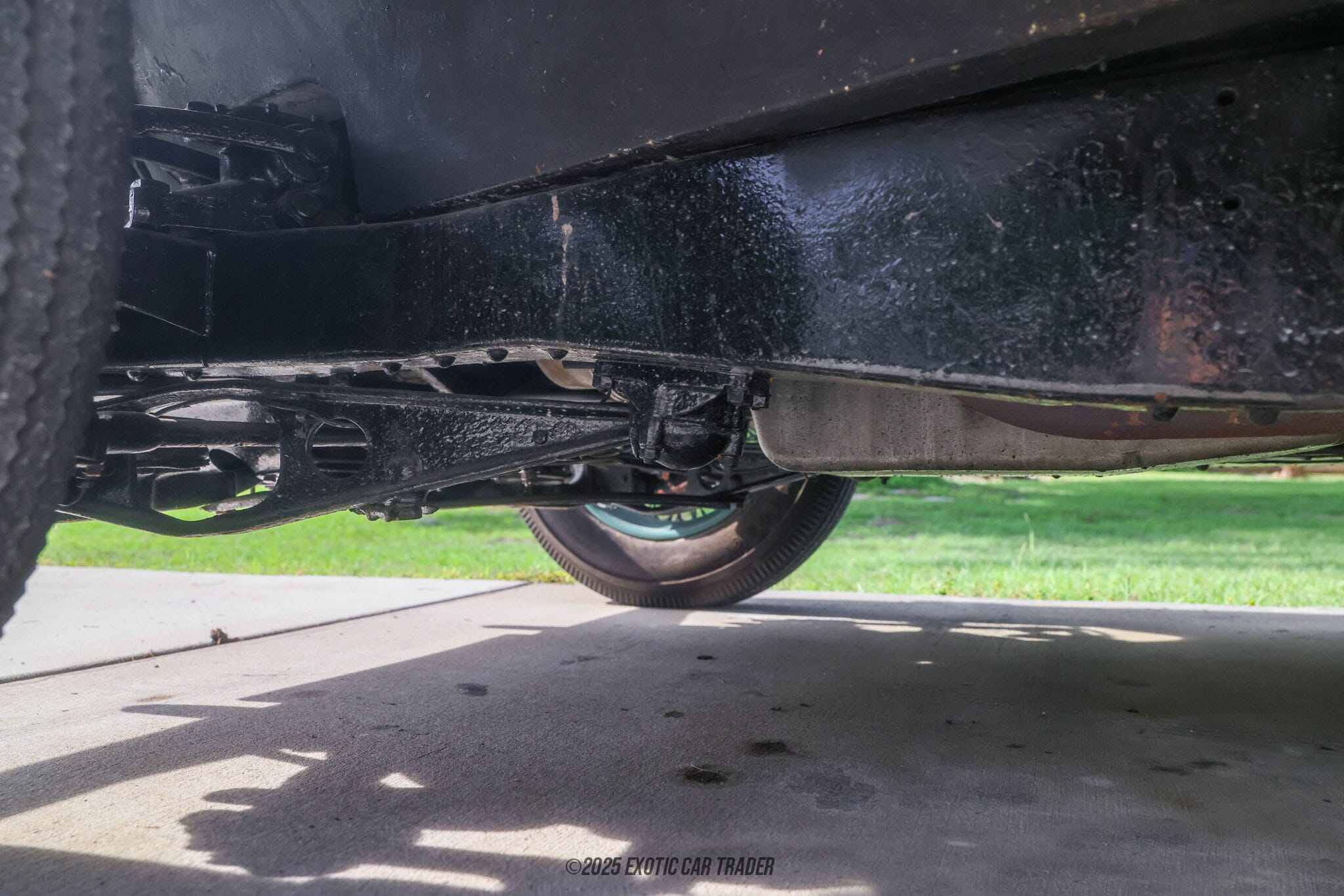
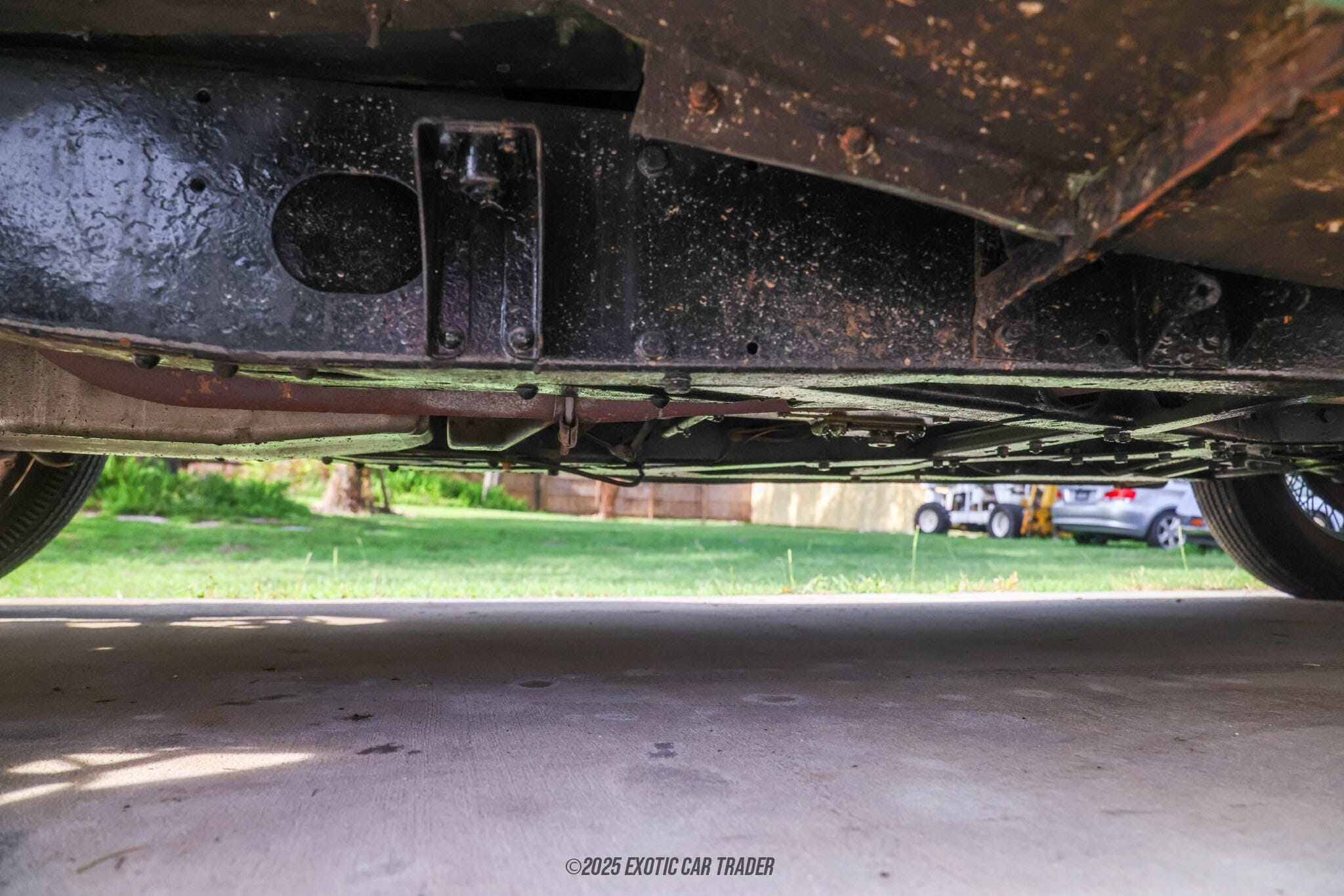
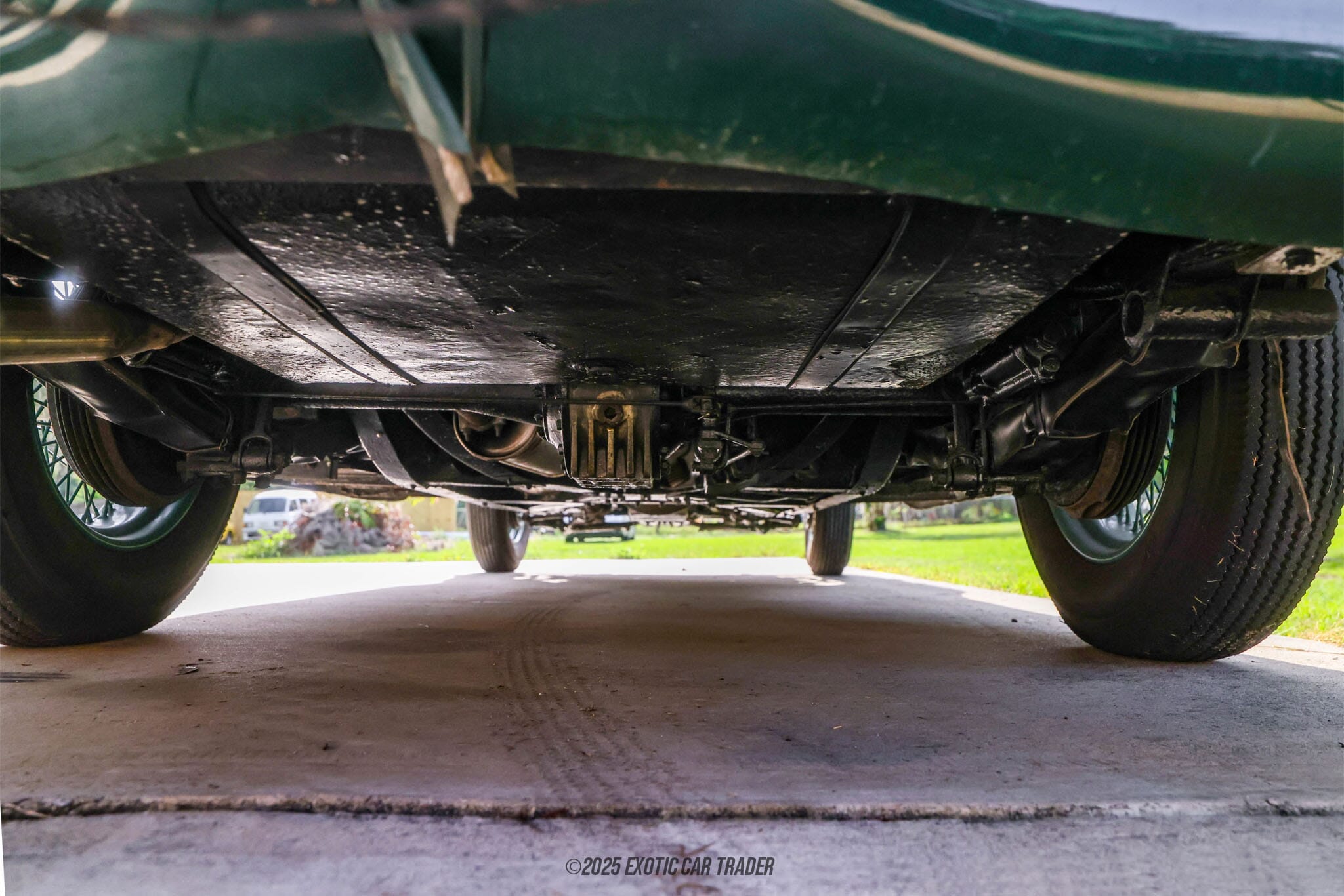
- Built On 1951 Bentley Mark VI Chassis & Drivetrain
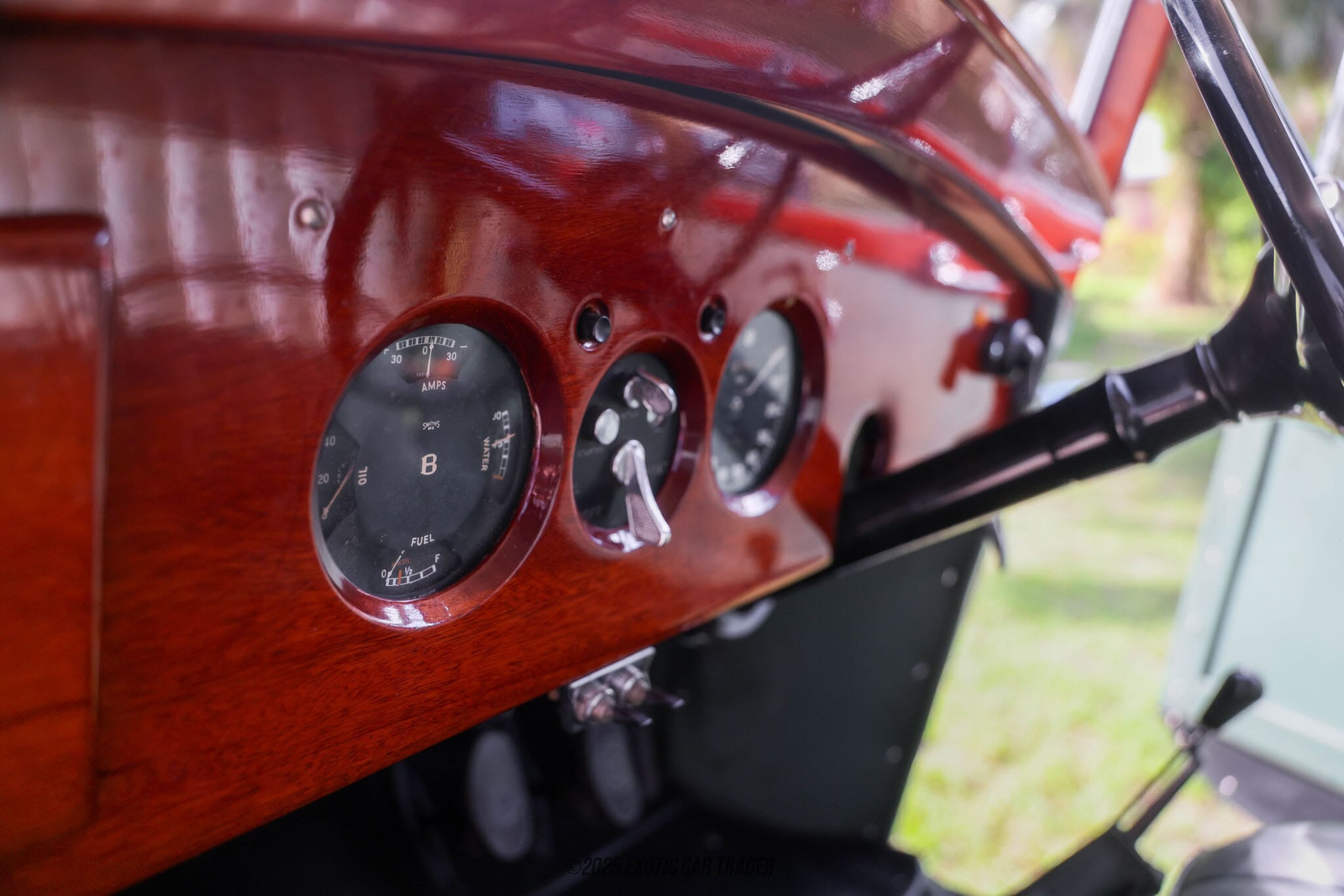
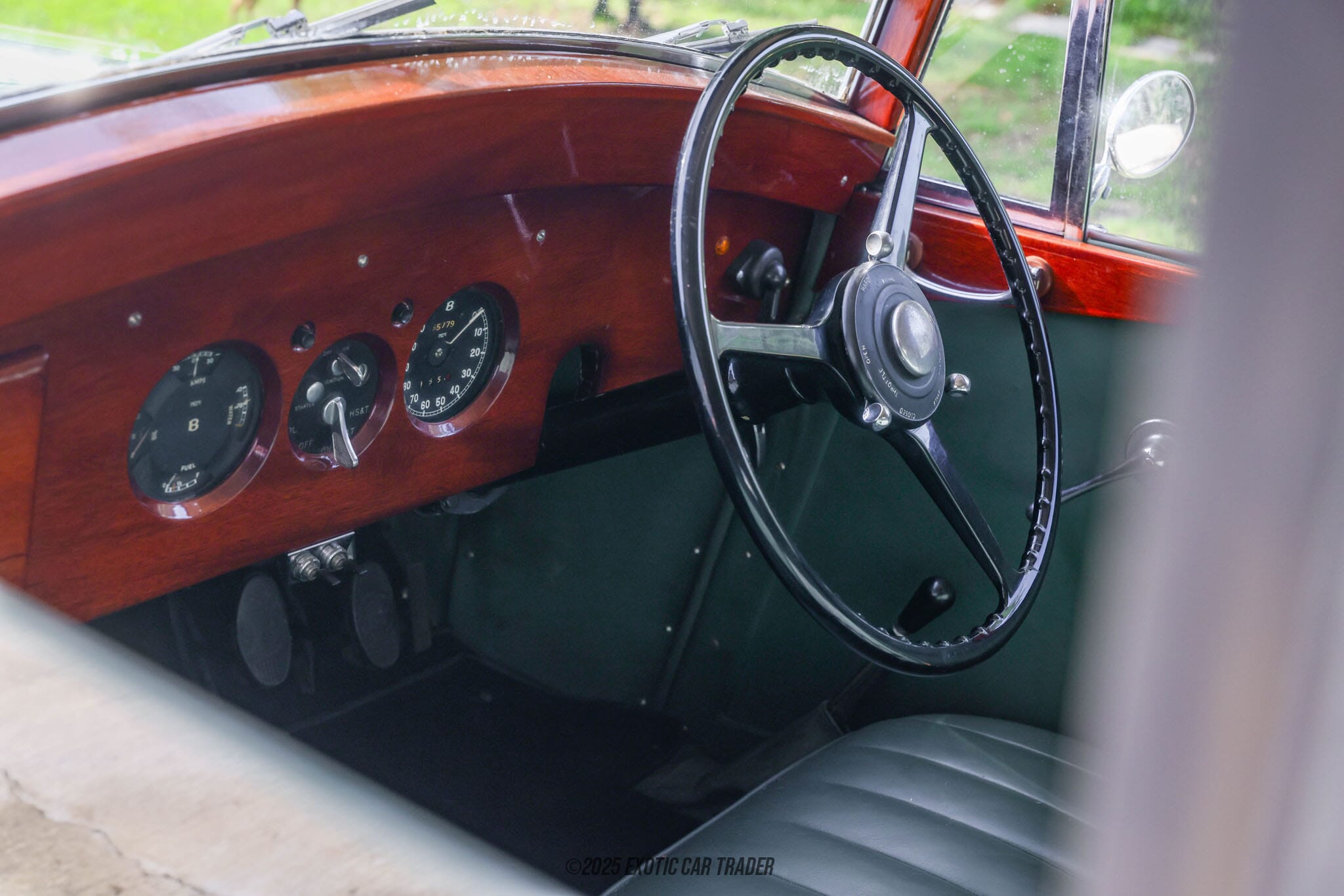
- Original Gauges
- Hand Built Alloy Body
- Wire Wheels
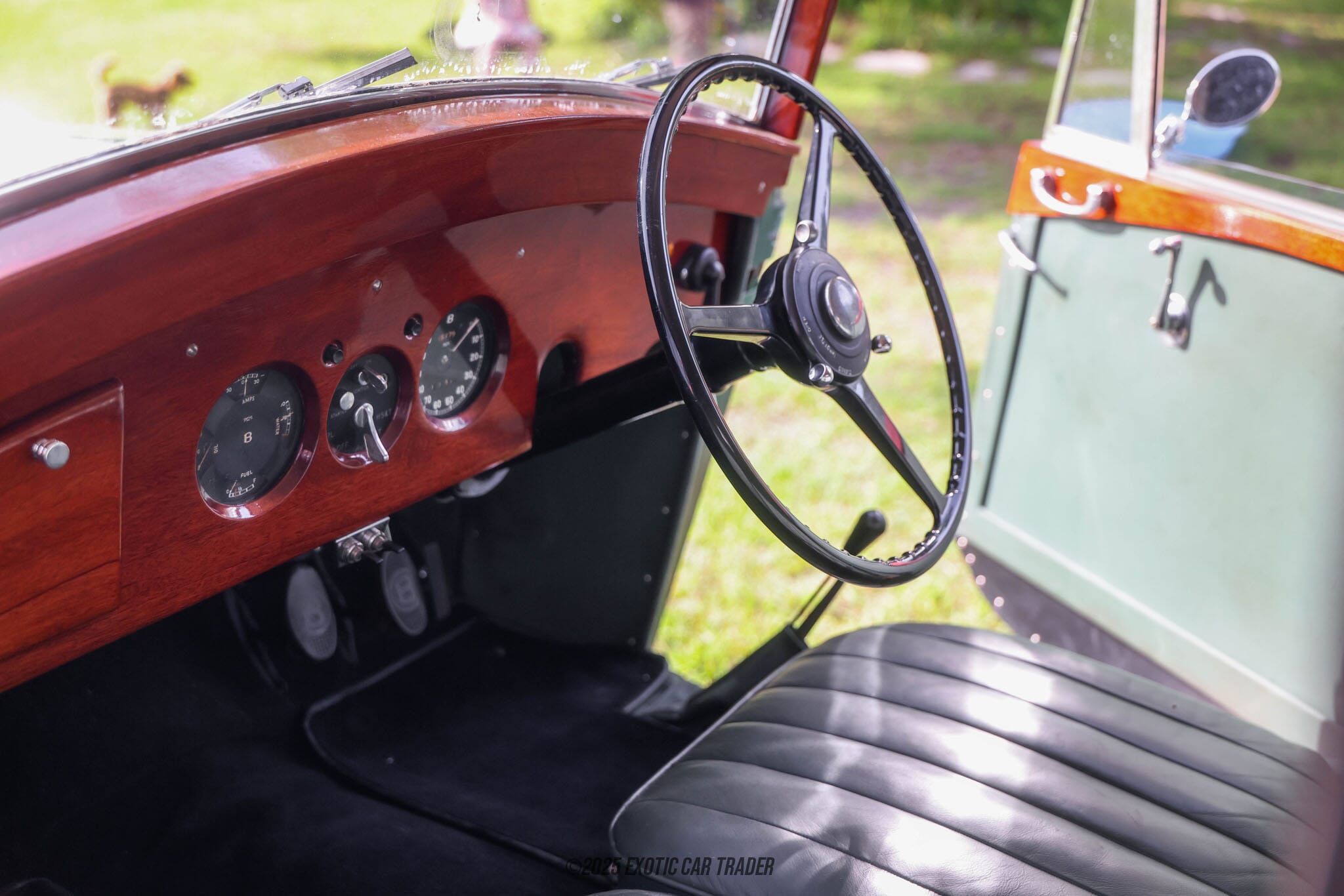
- Right Hand Drive


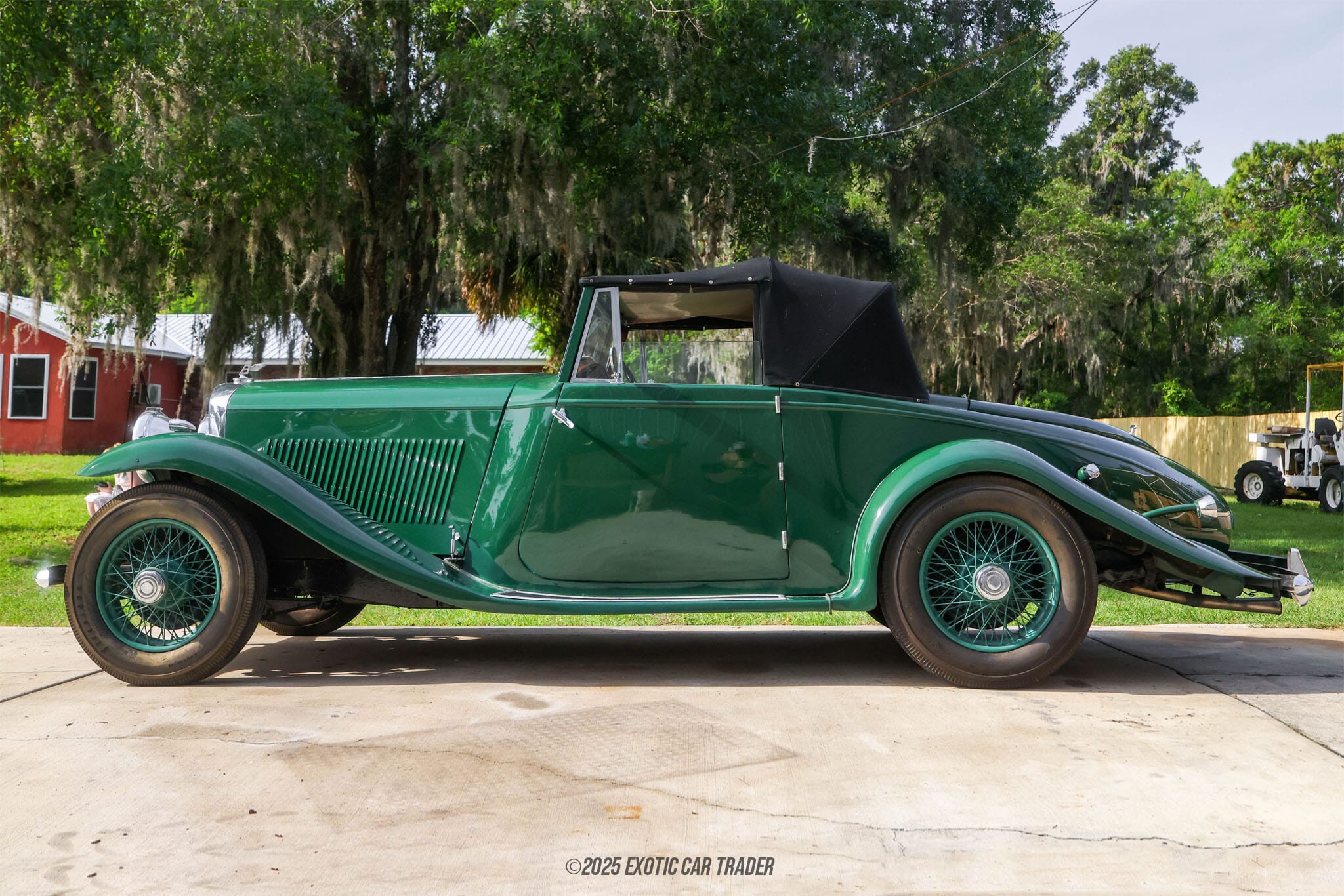
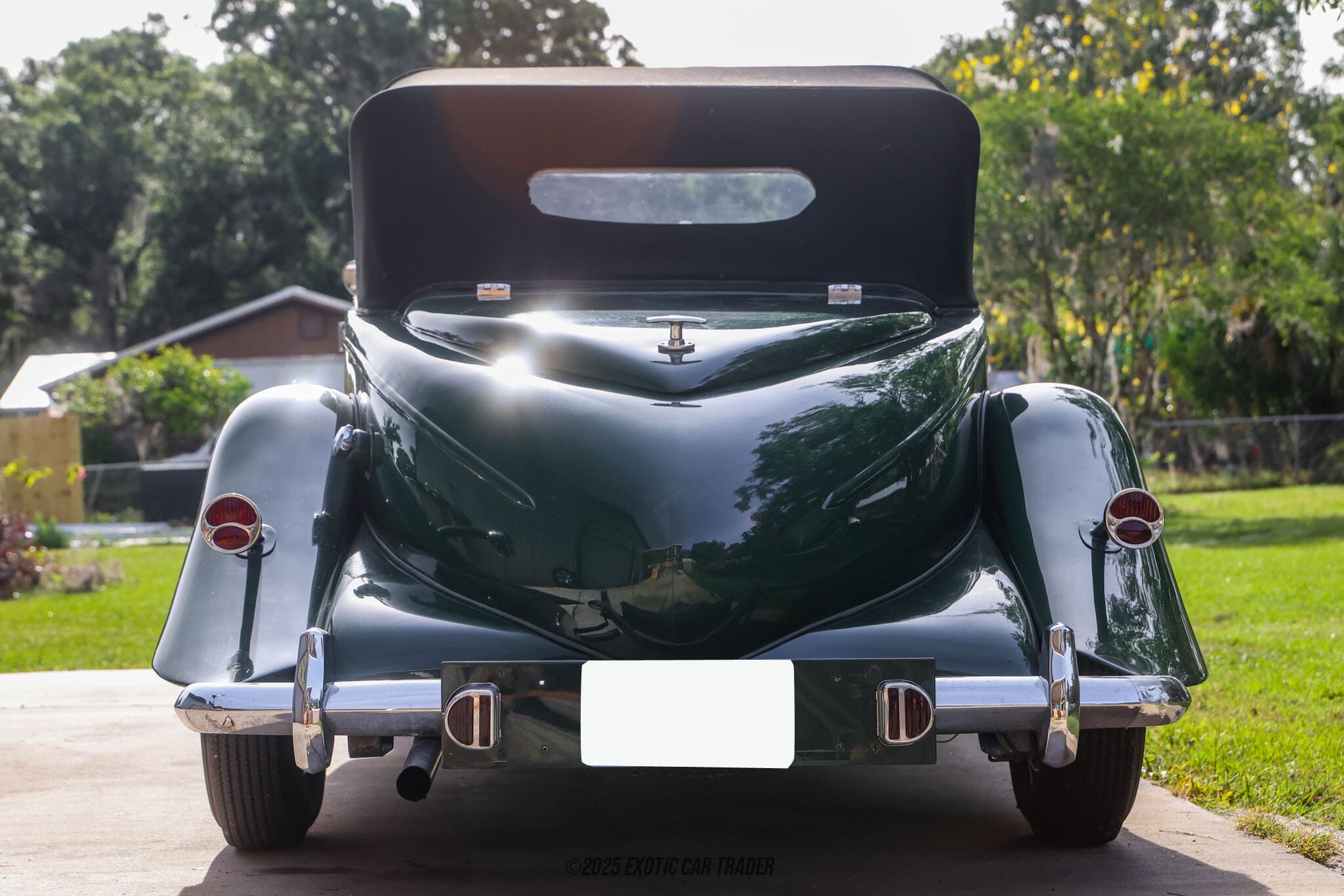
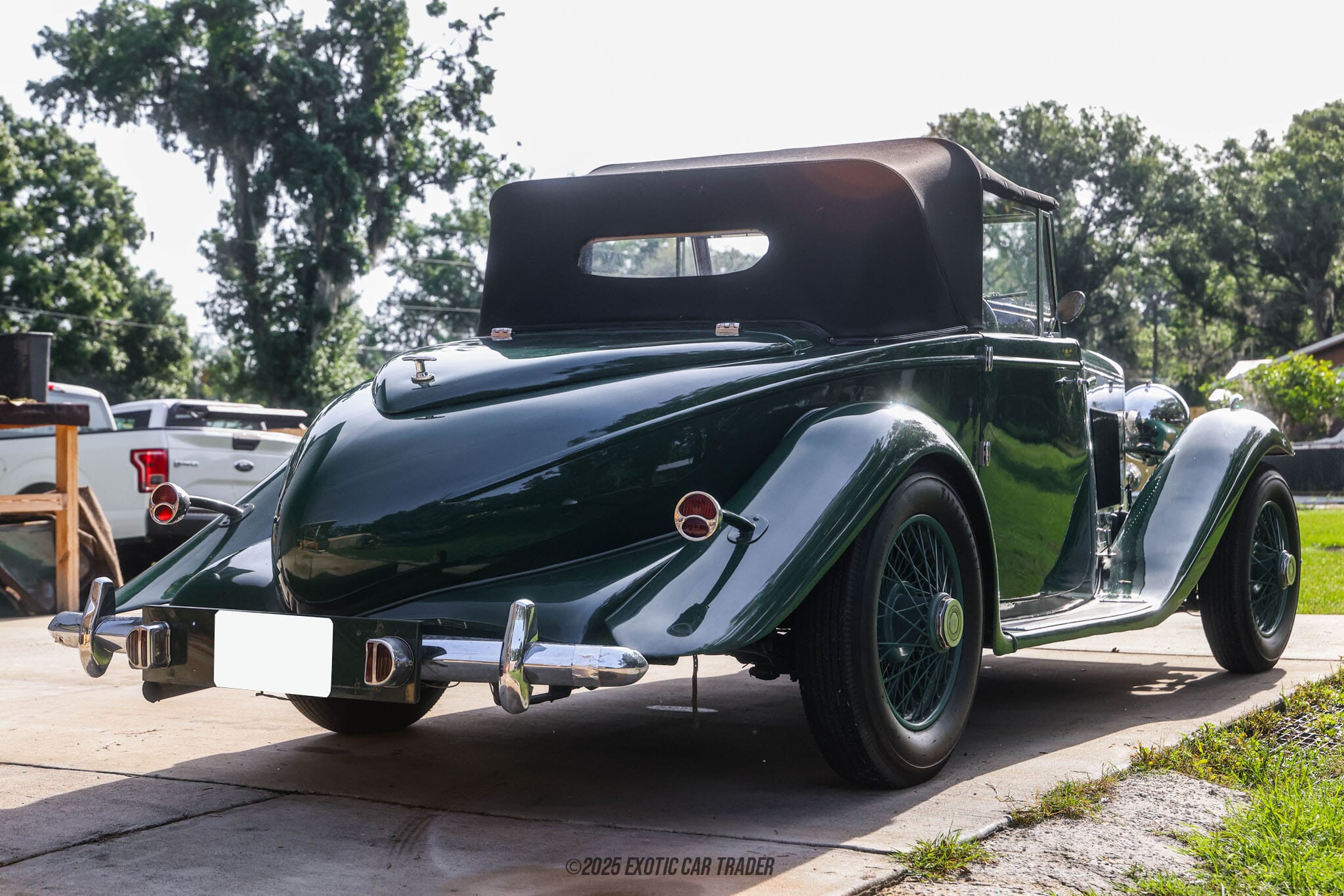
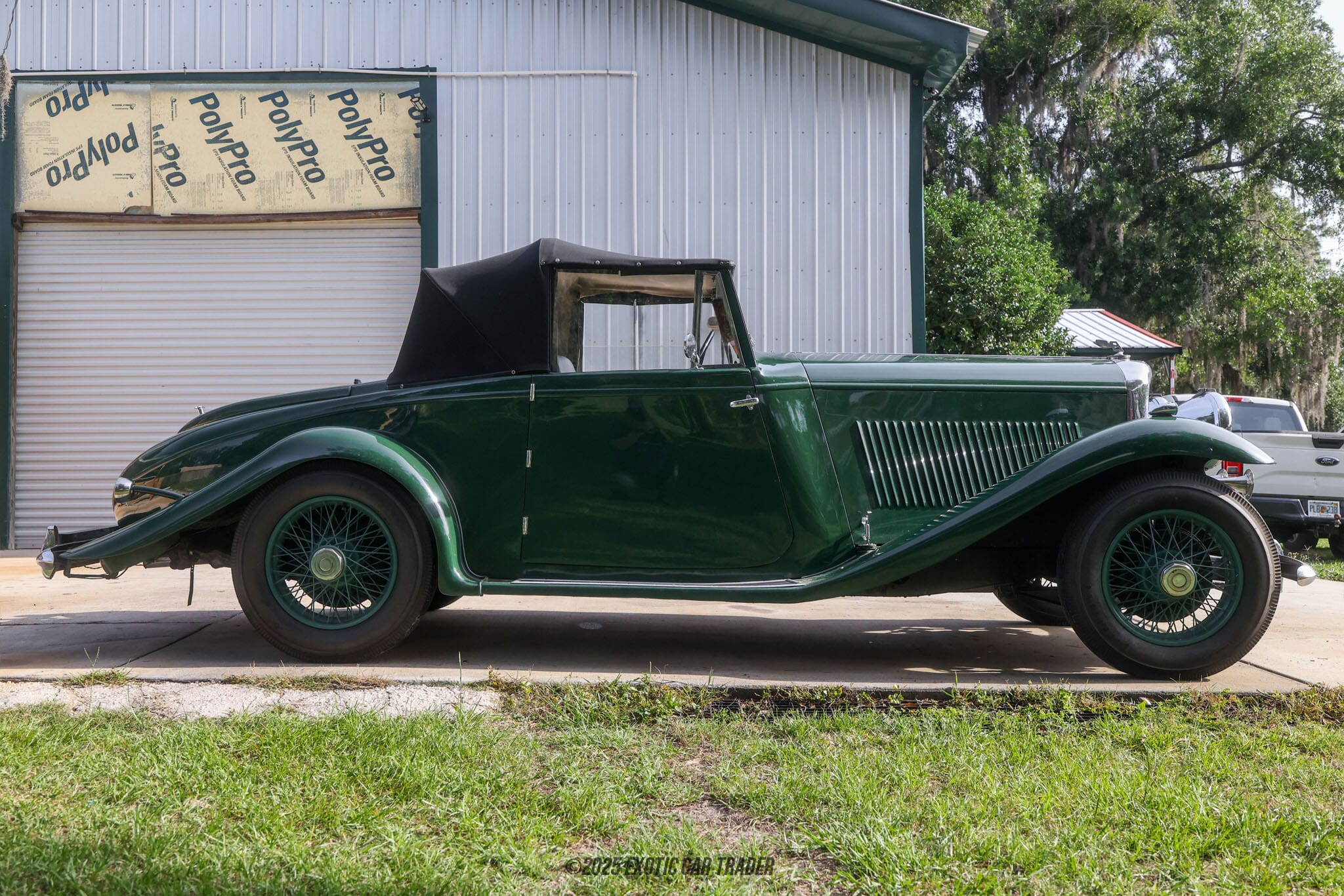
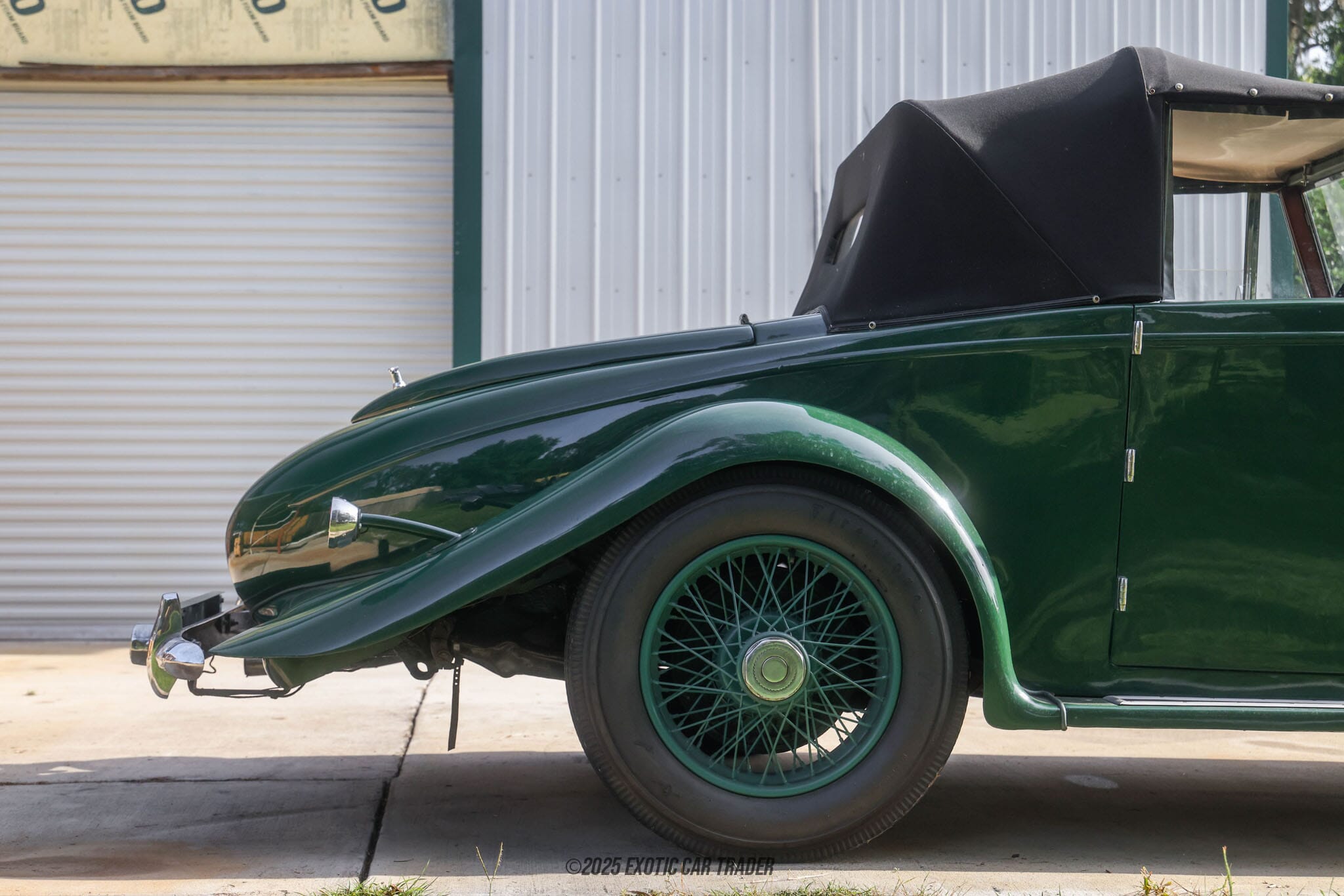
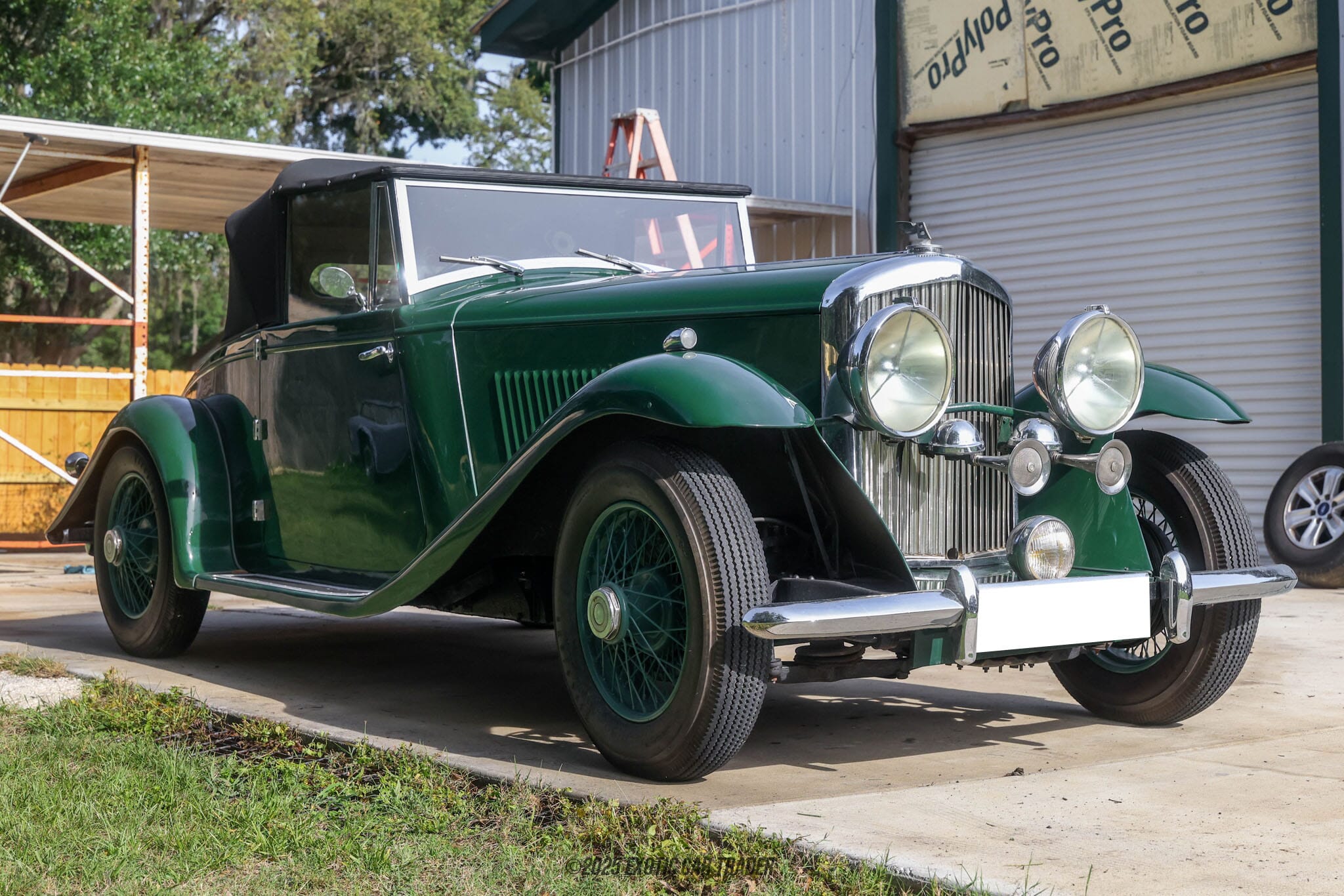
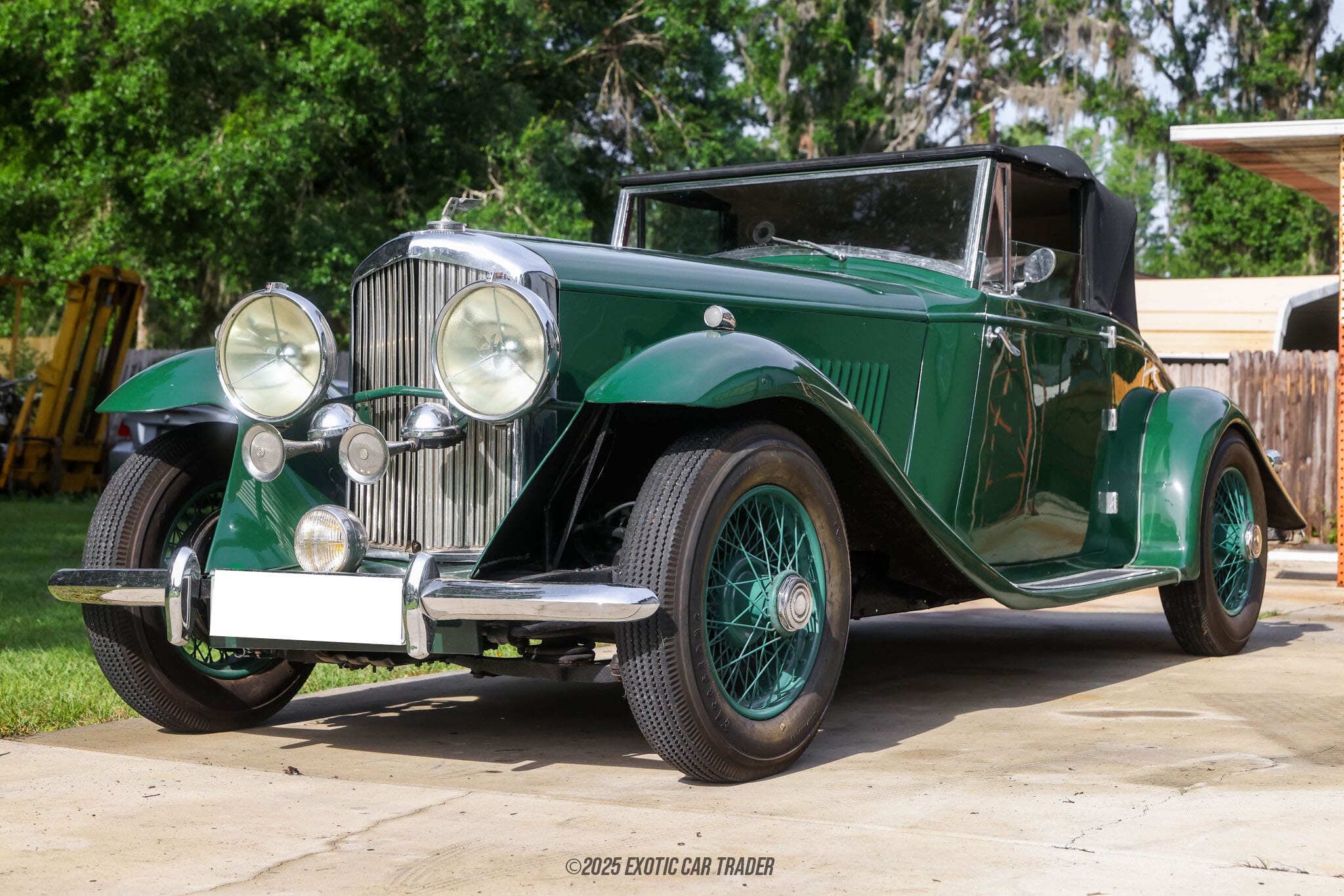
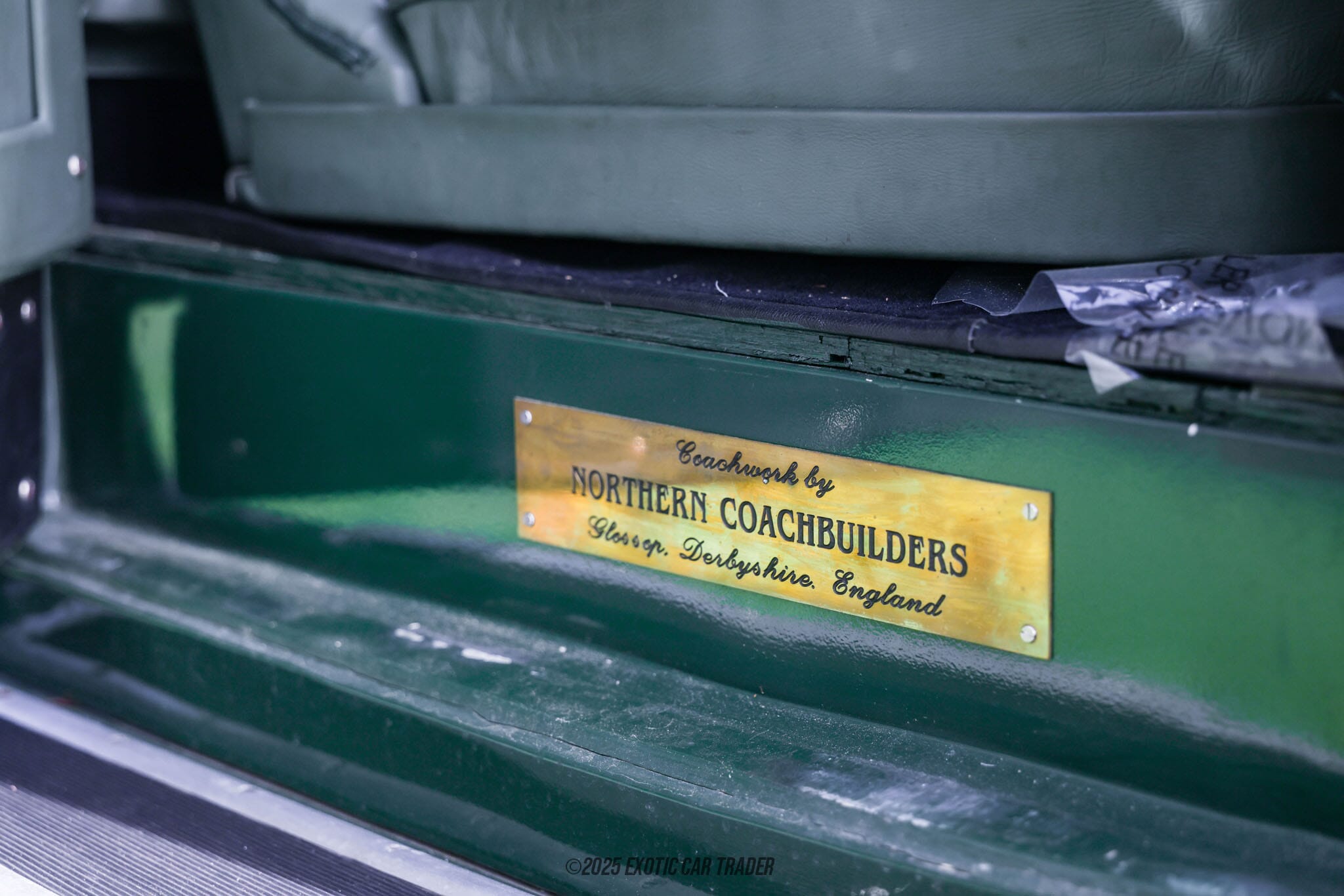
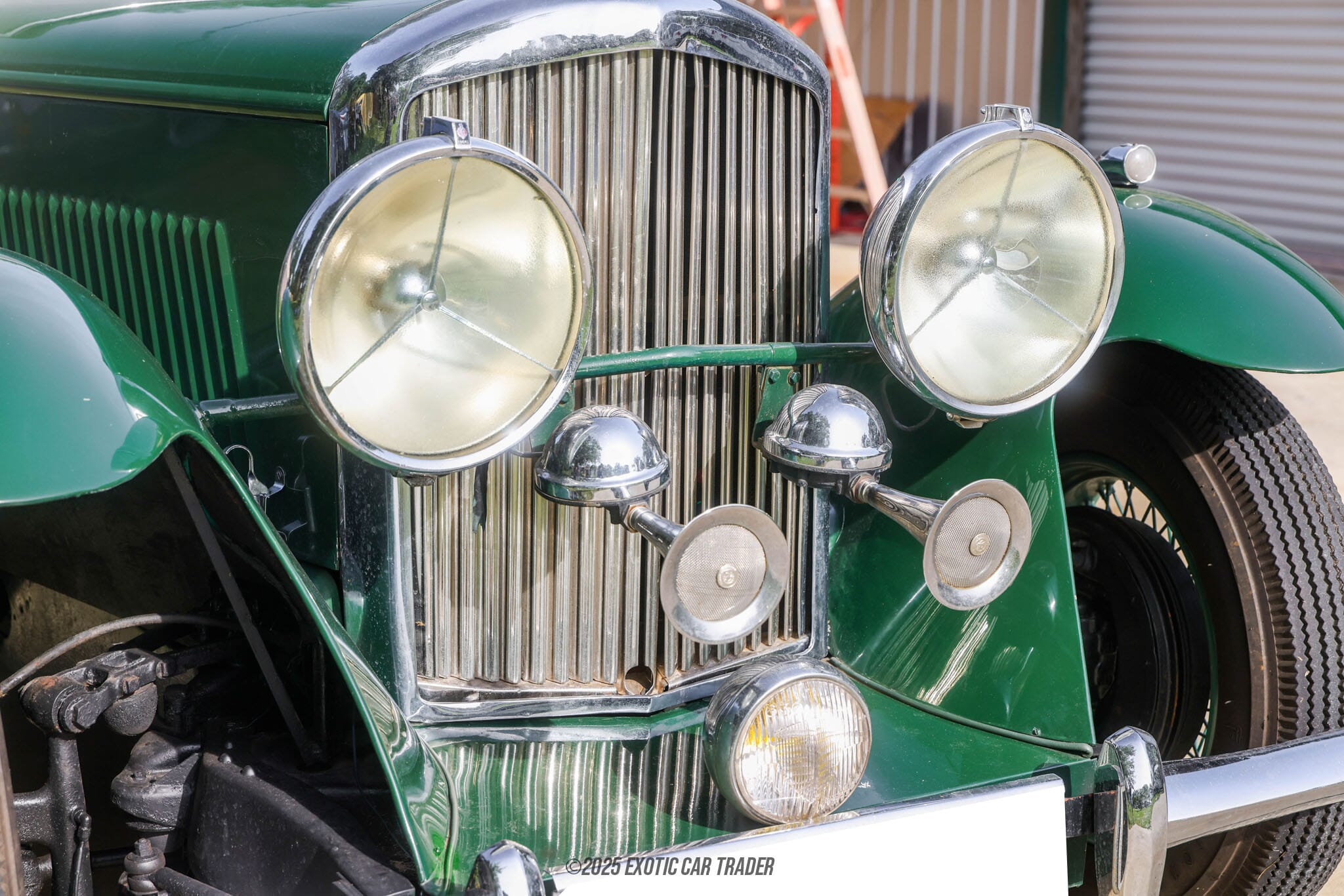
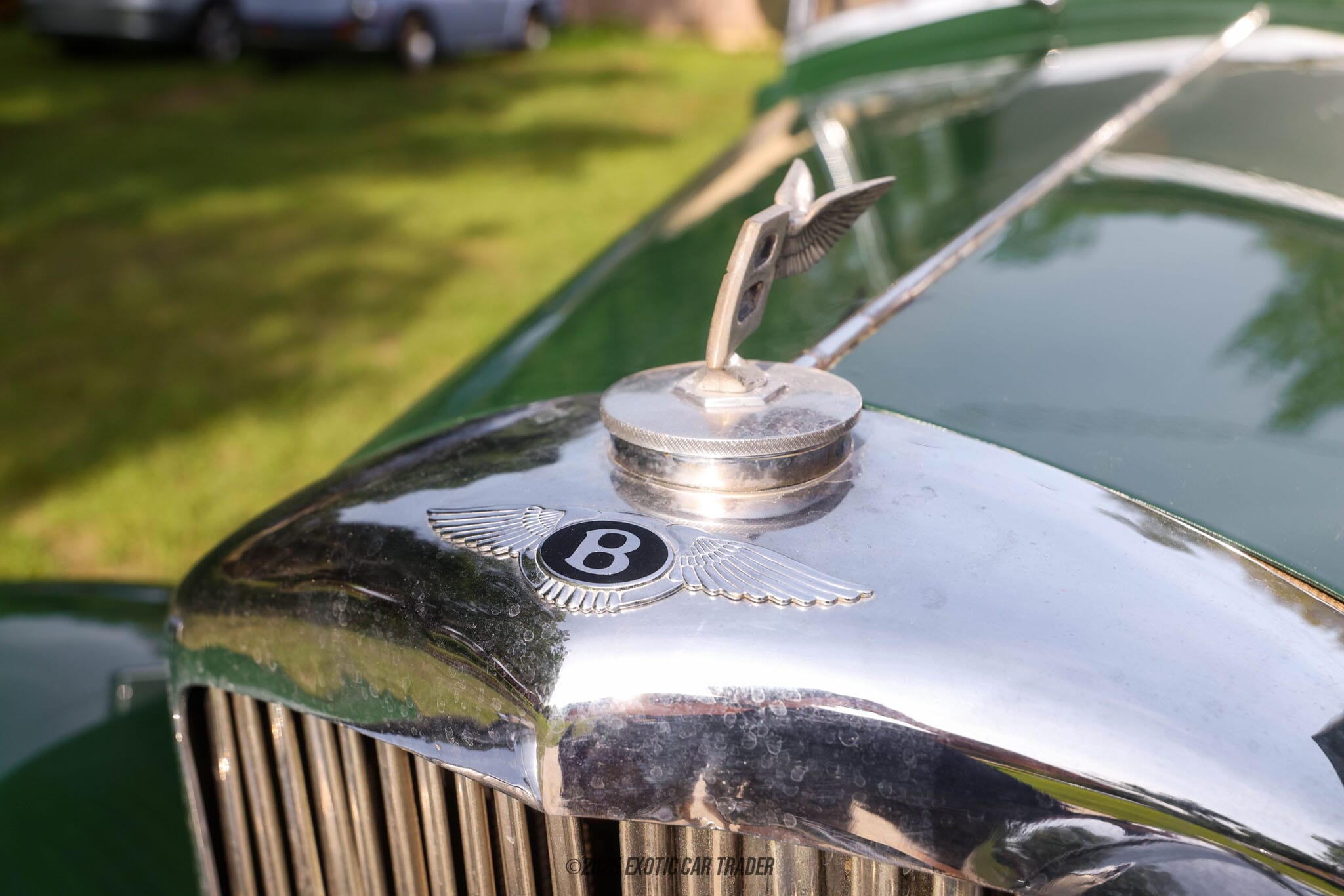
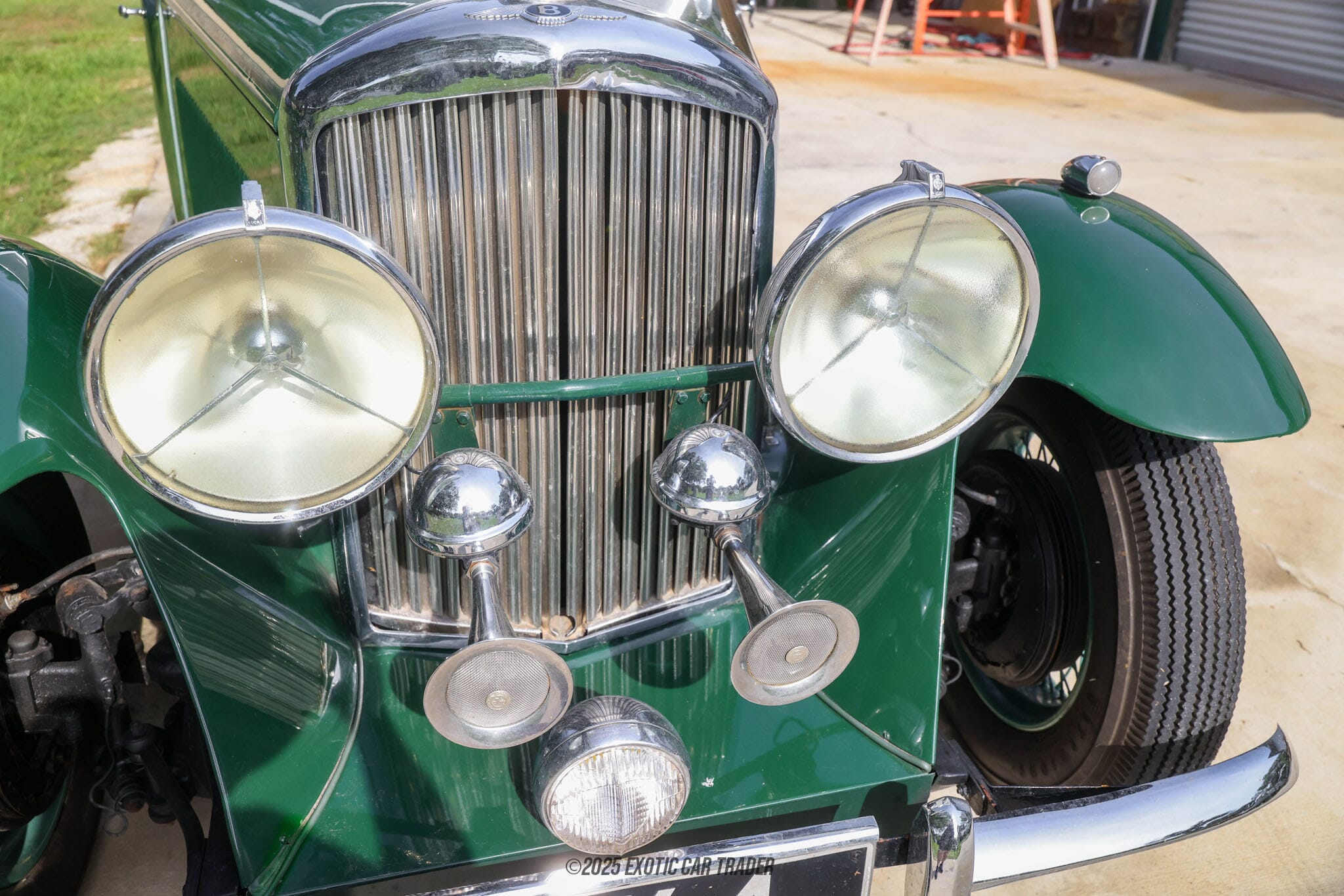
Coachbuilding is an art form from a bygone era. While a coachbuilt Bentley is almost unheard of these days, a few decades ago it was not so uncommon for Bentley customers to have their car sent to a coachbuilder to commission a more exclusive body. One such example is this exquisite 1951 Bentley Mark VI Special Boattail Speedster. The Mark VI was introduced in 1946 as Bentley’s first post-war model. The chassis were provided to independent coachbuilders and were built as 4 door saloons, 2 door saloons and 2 door drophead coupes. It was also available with a factory body, the “Mark VI standard steel sports saloon”, a 4-door saloon. 1202 4 ½ Litre models were built between 1951 and 1952, with just 180 of them being coachbuilt. Part of the reason for the low overall production numbers was the shortage of steel in Europe, which reportedly led to used models appreciating in value. Some of the more well-known coachbuilt models were those done by H.J. Mulliner, but many other coach-builders also commissioned these cars, including this example built by Northern Coachbuilders of Derbyshire, England.
Exterior and Interior
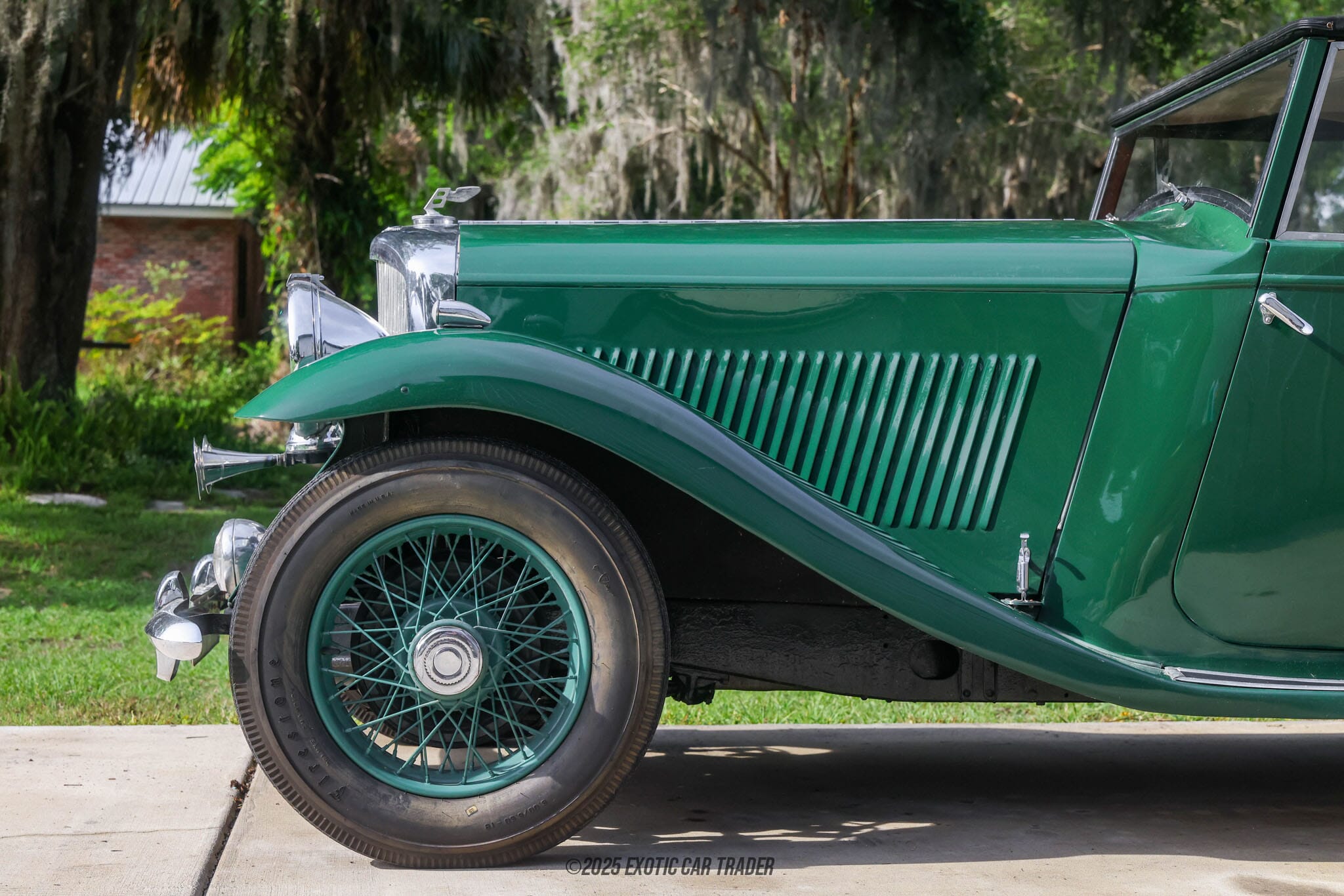
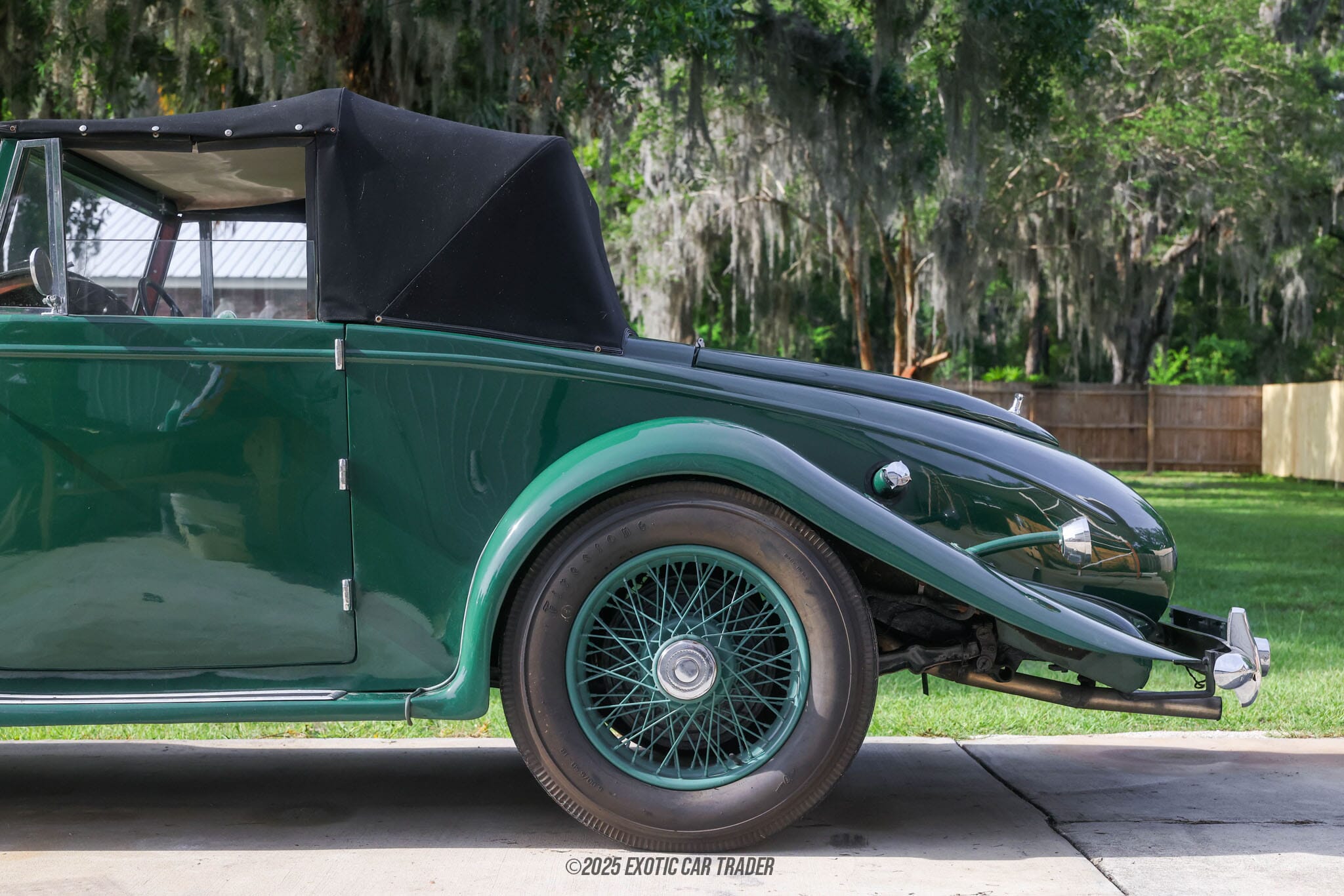
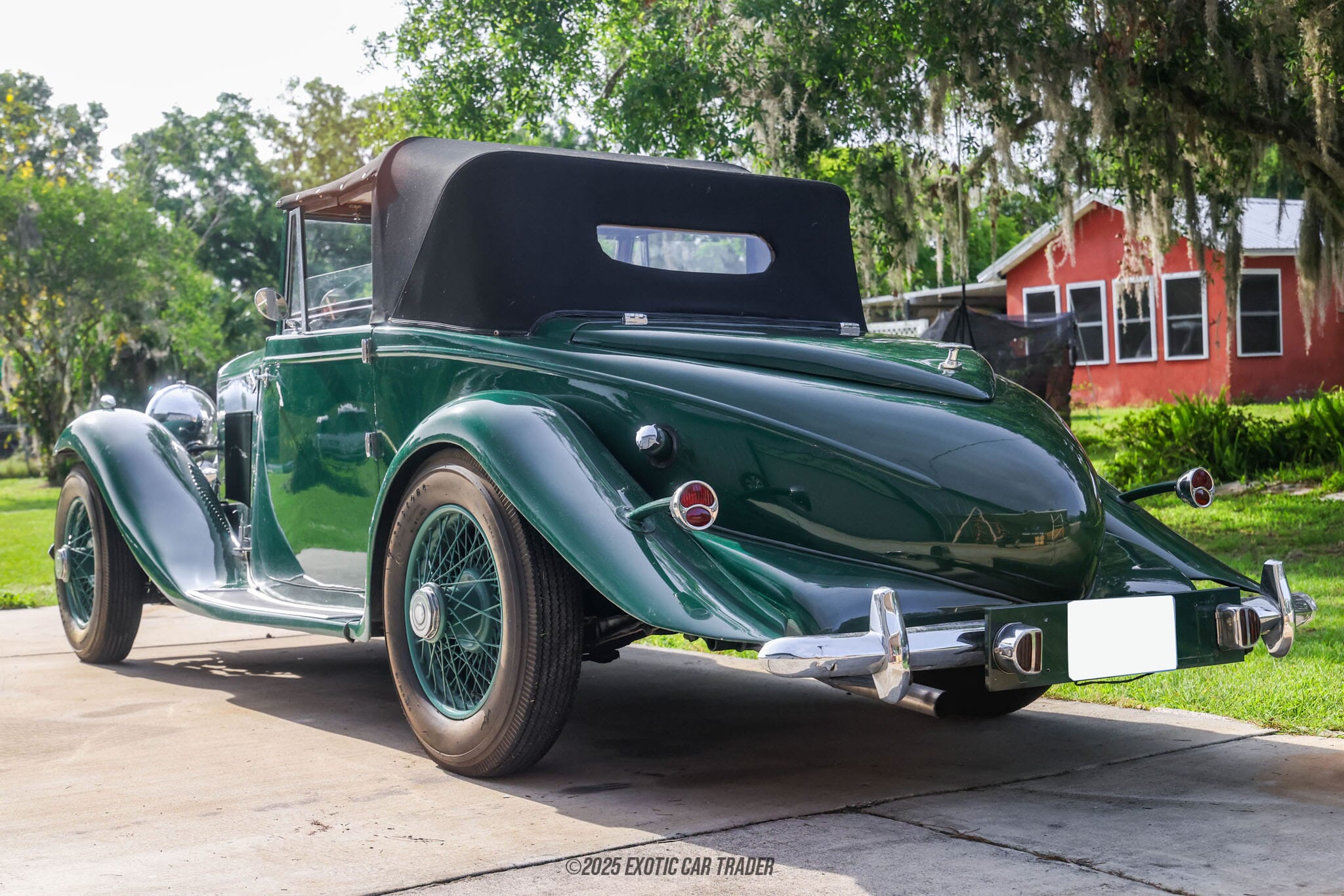
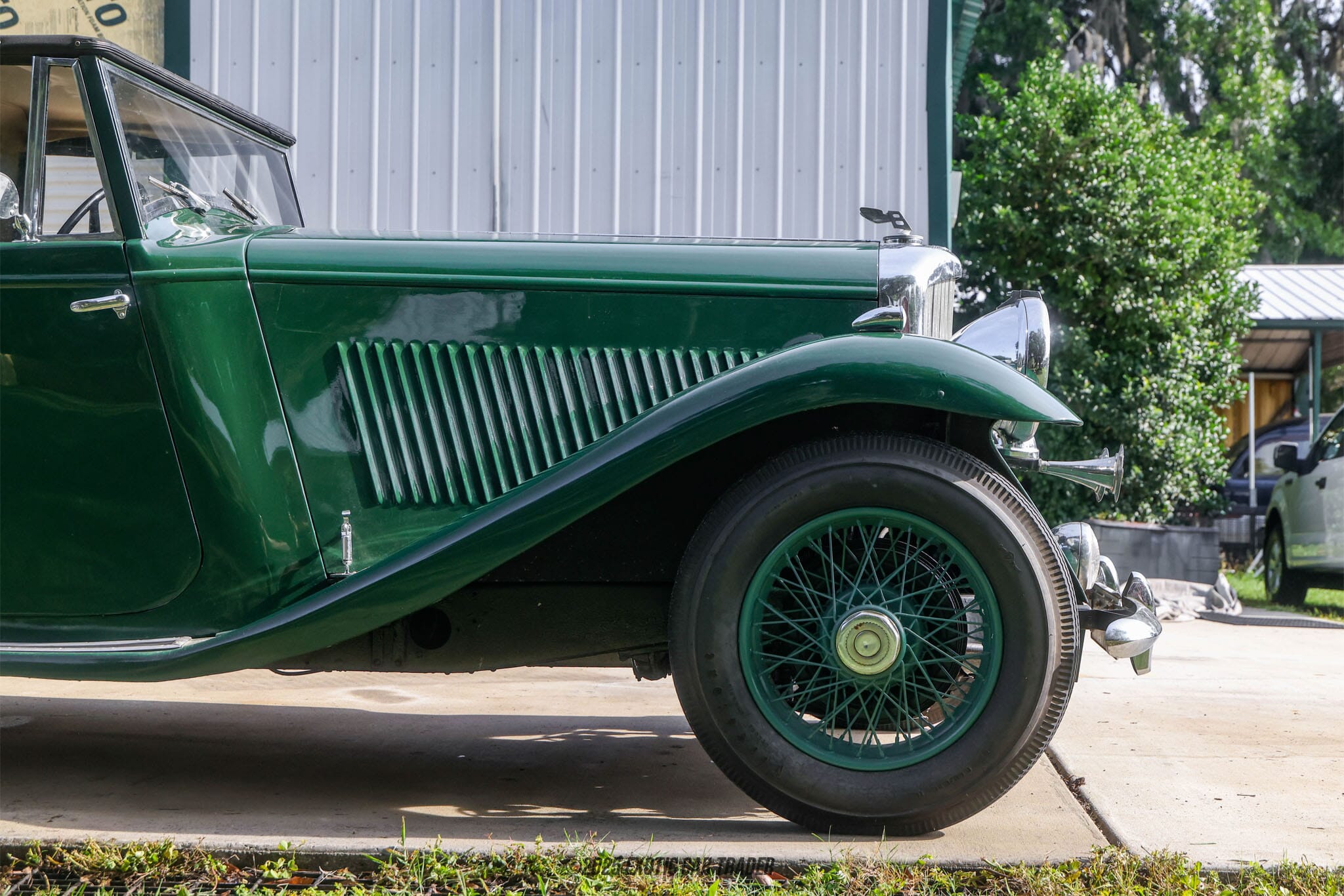
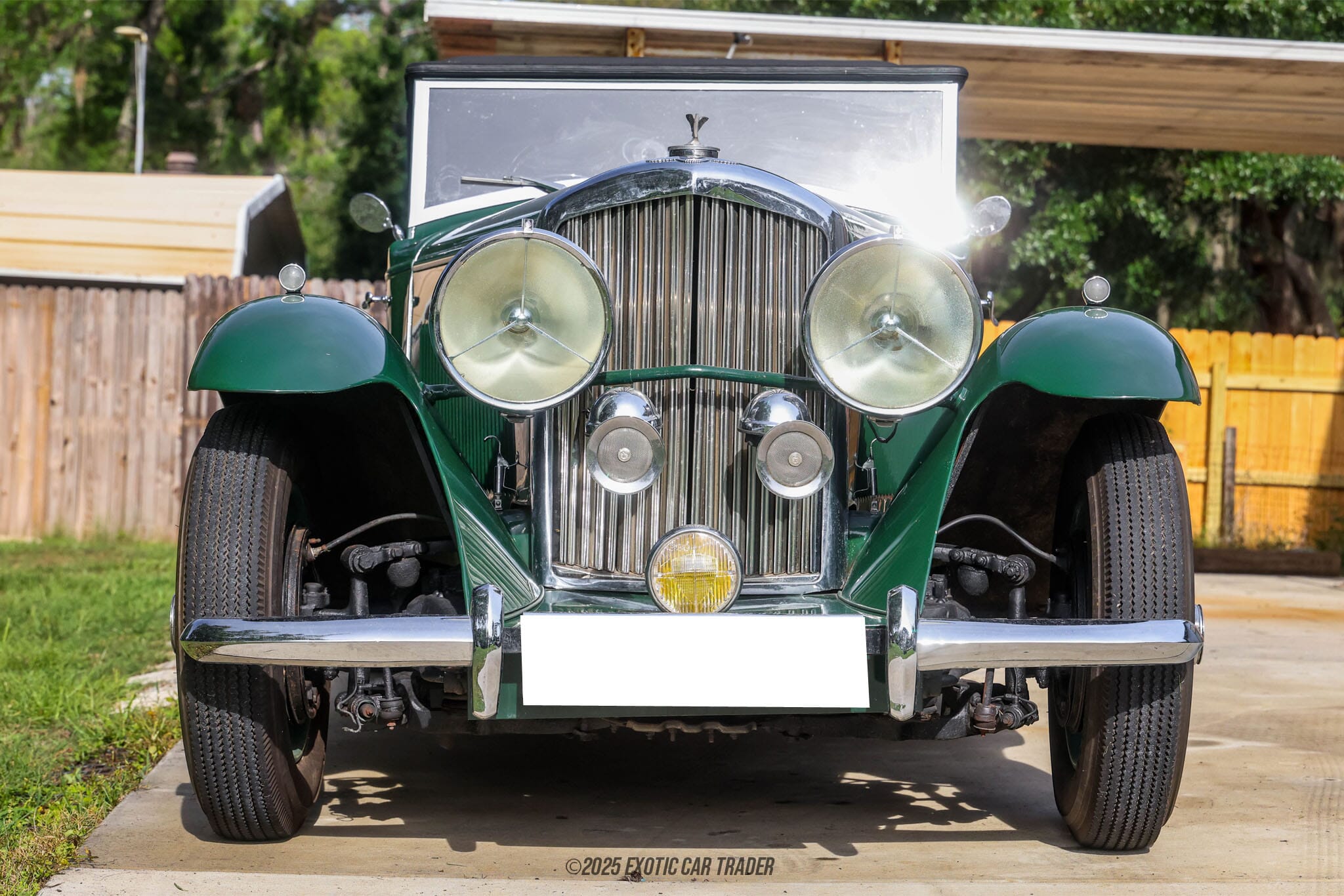
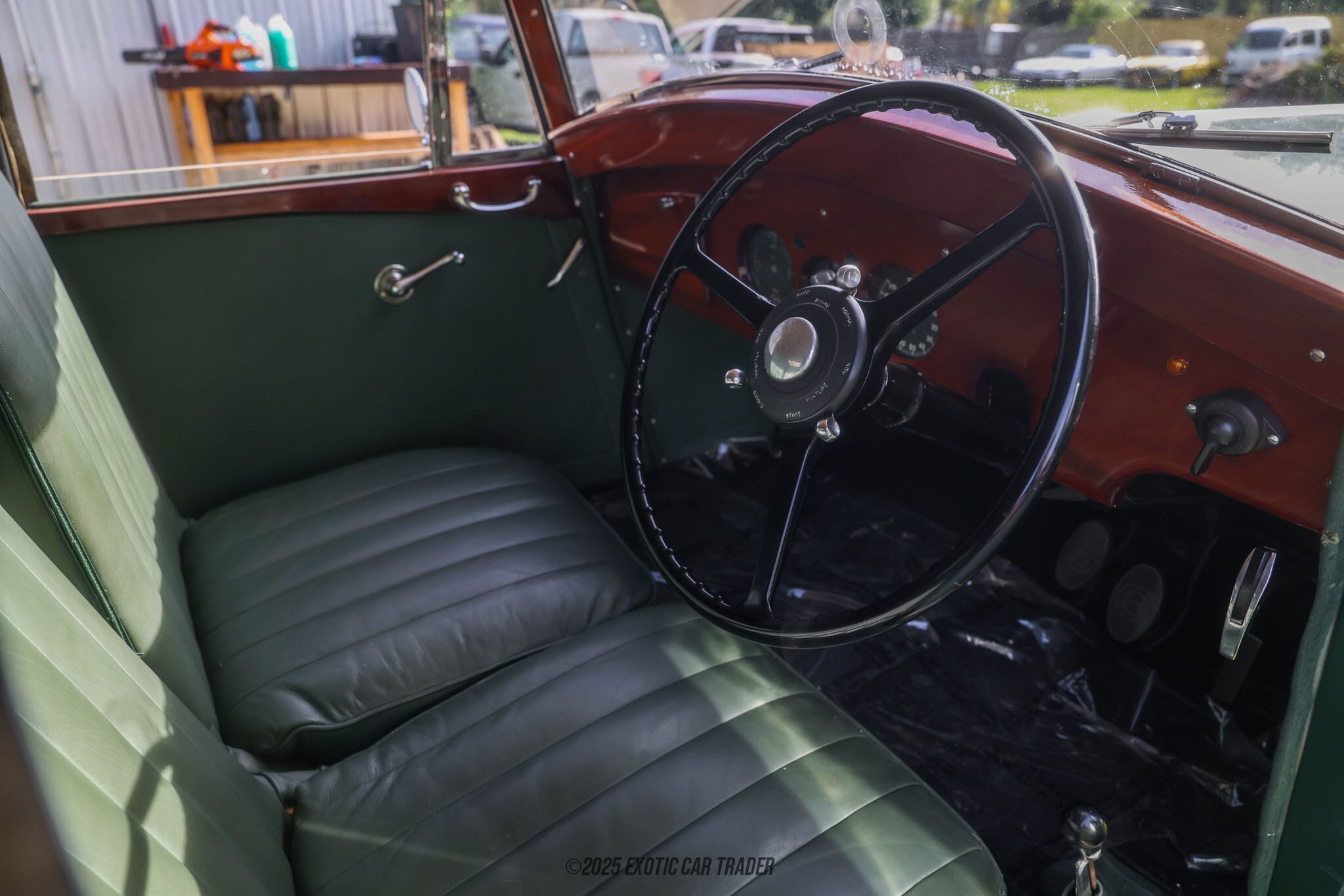
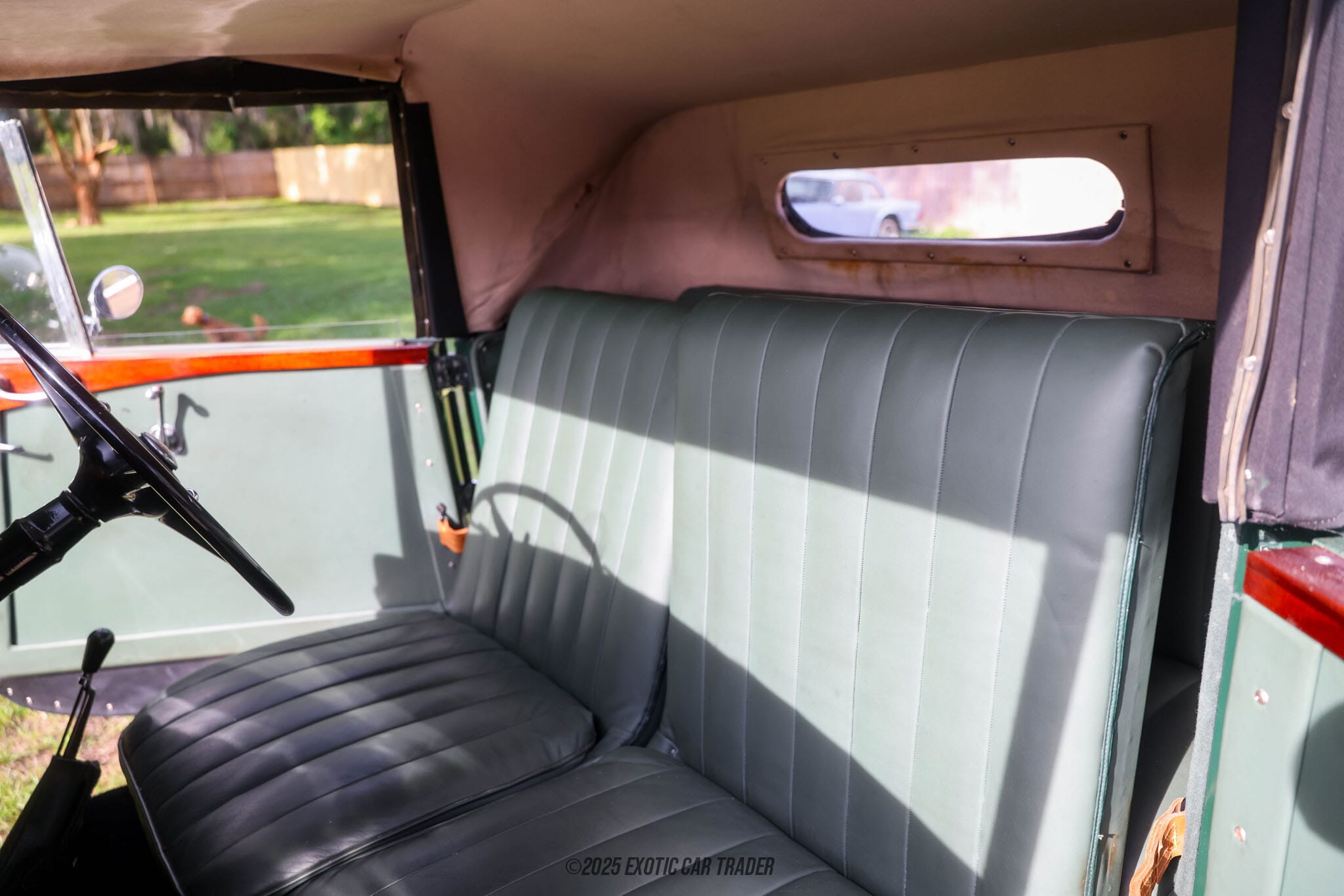
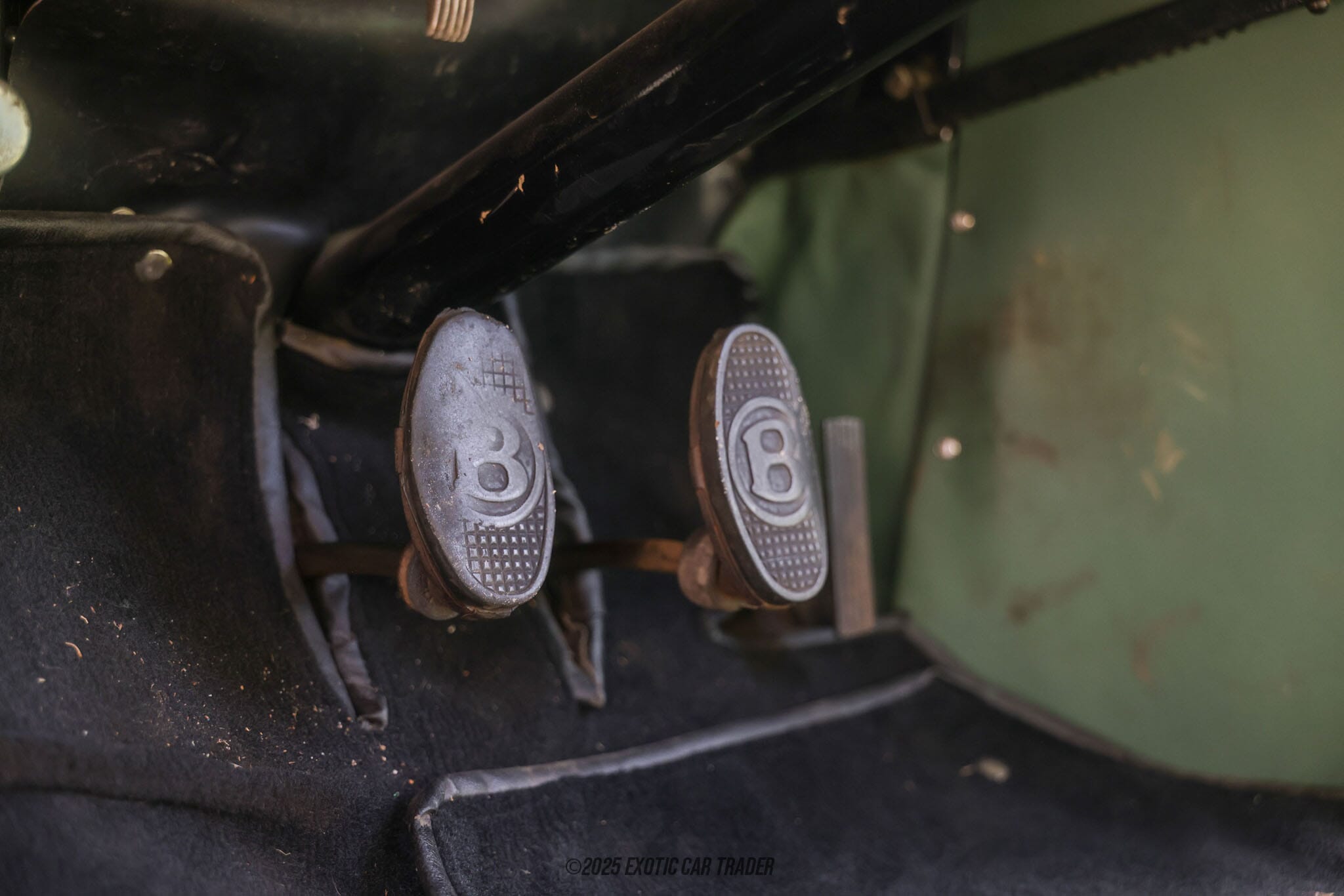
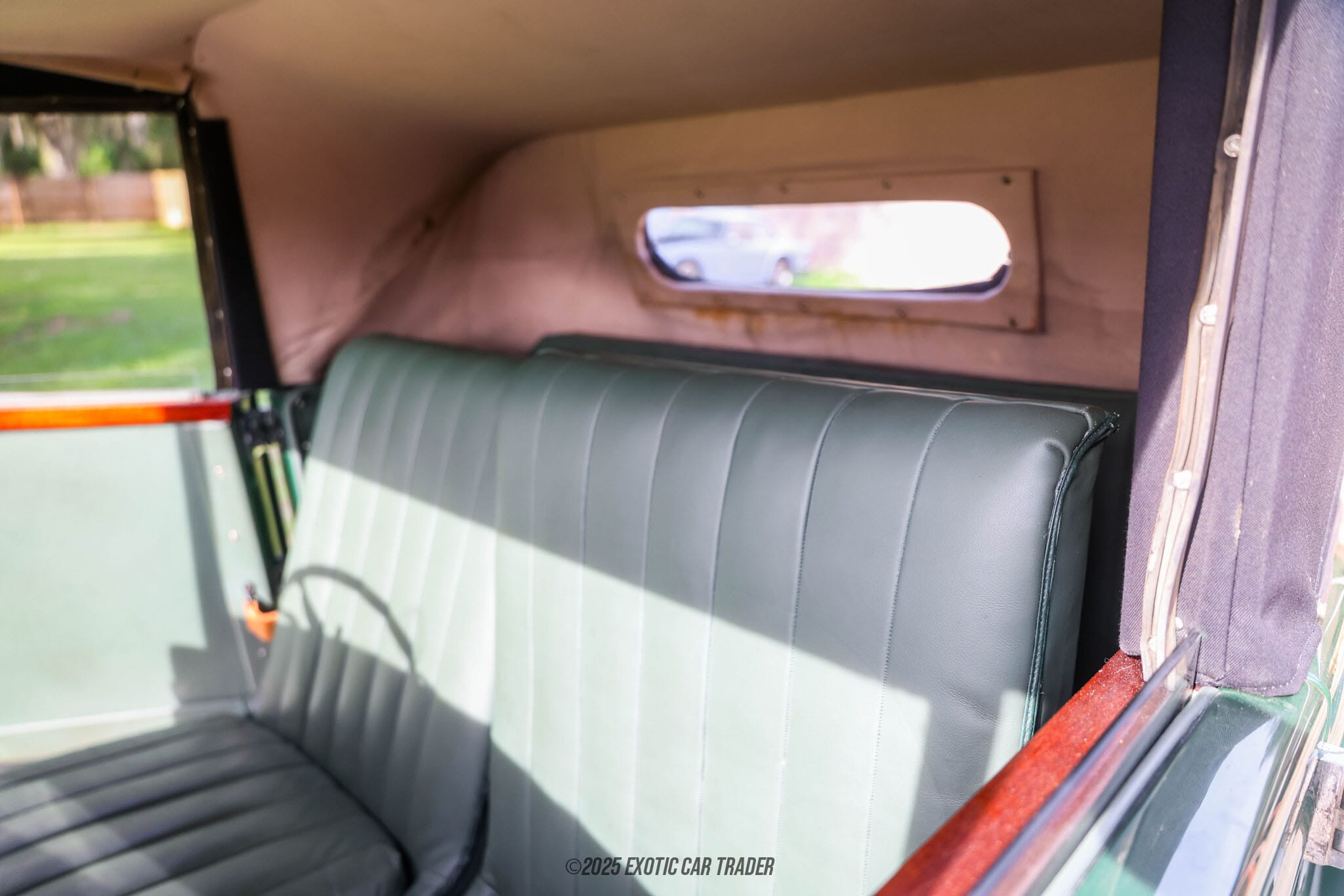
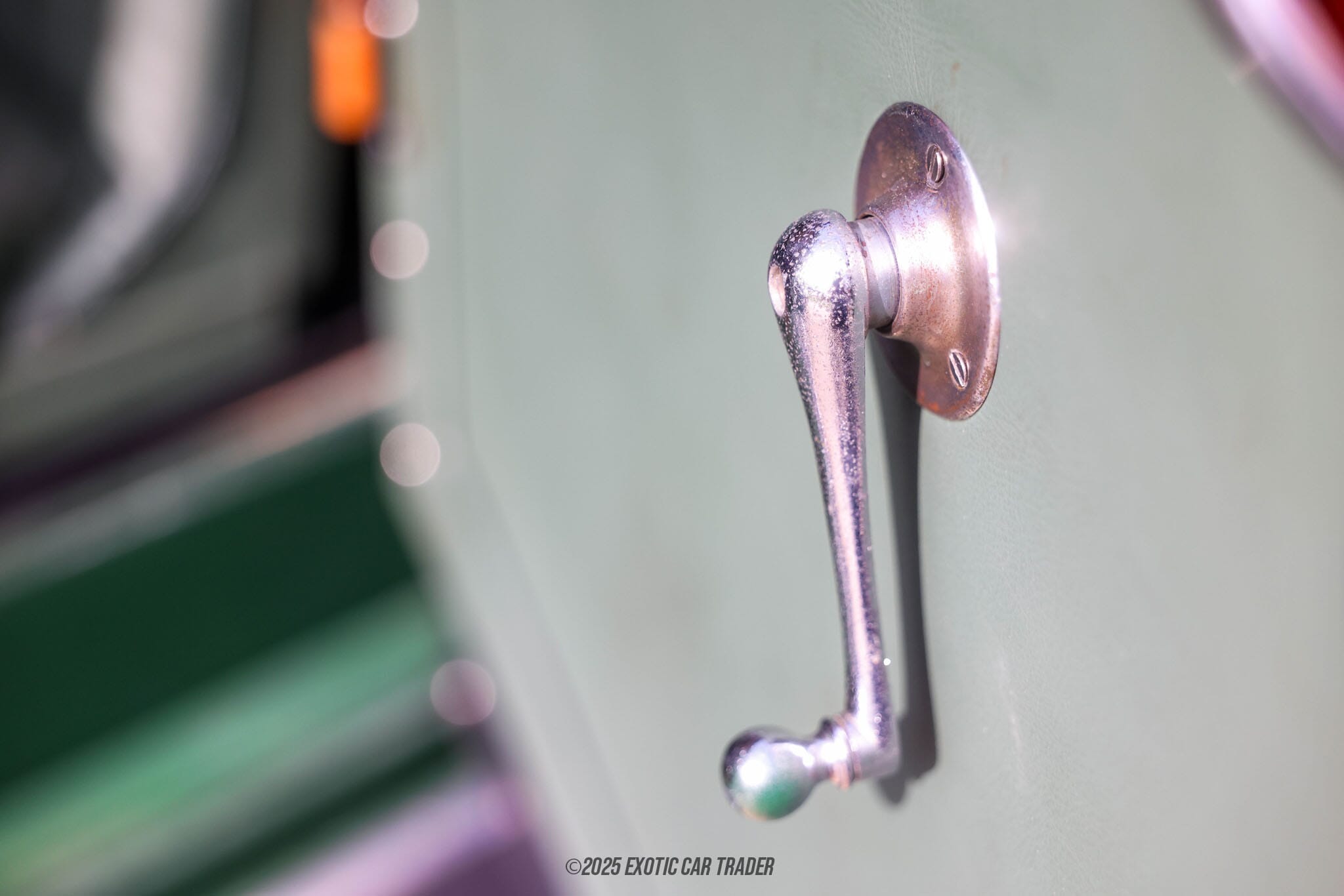
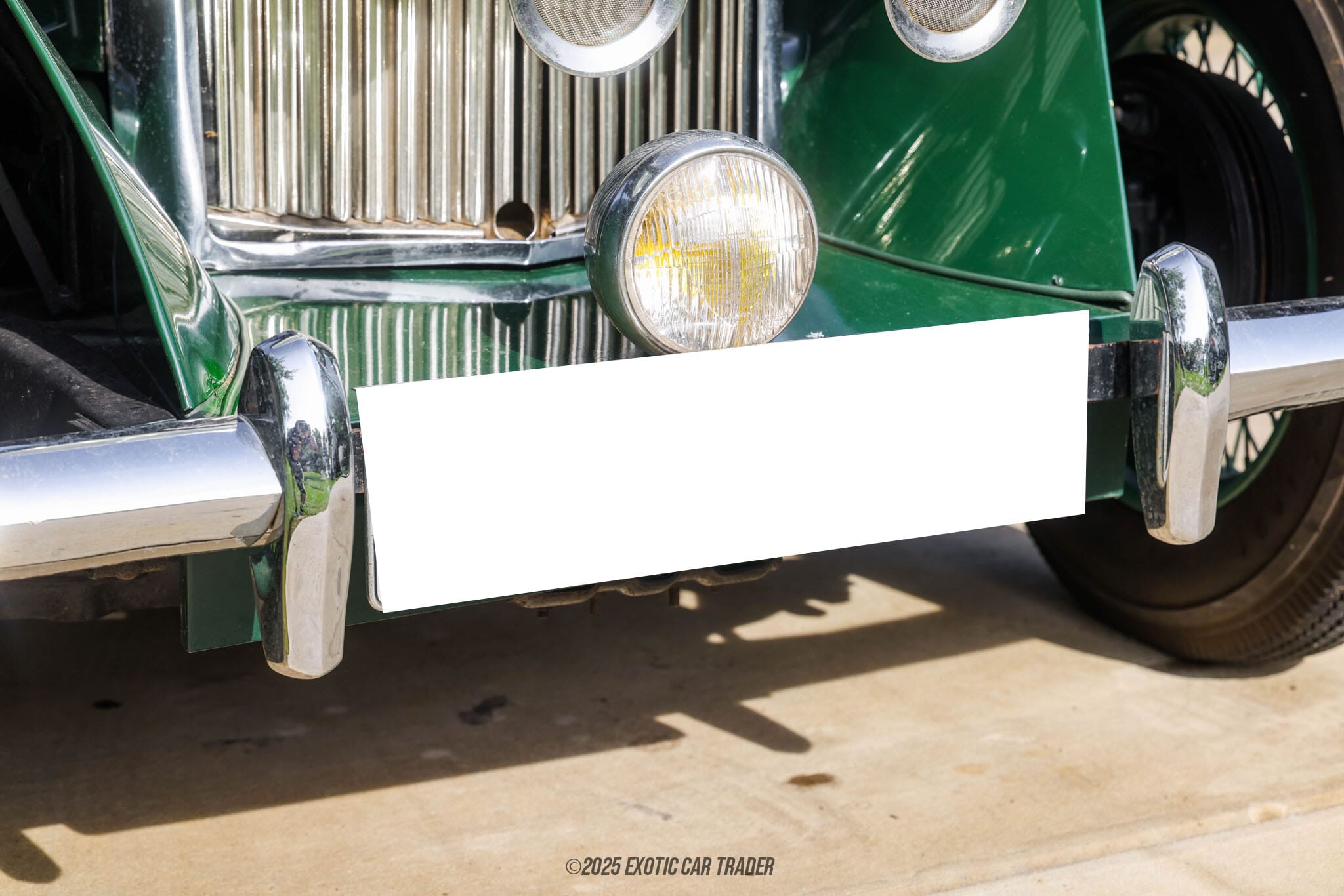
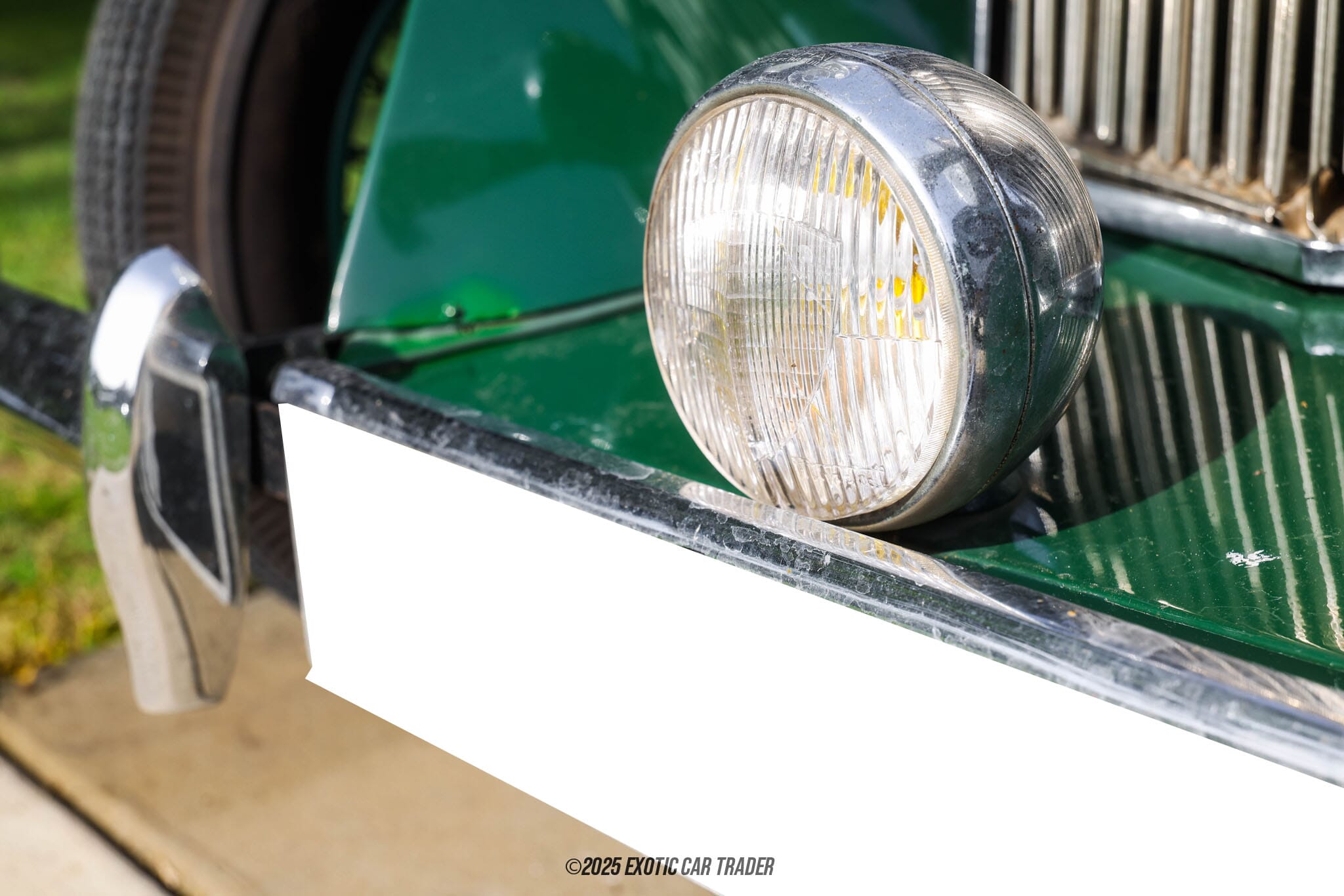
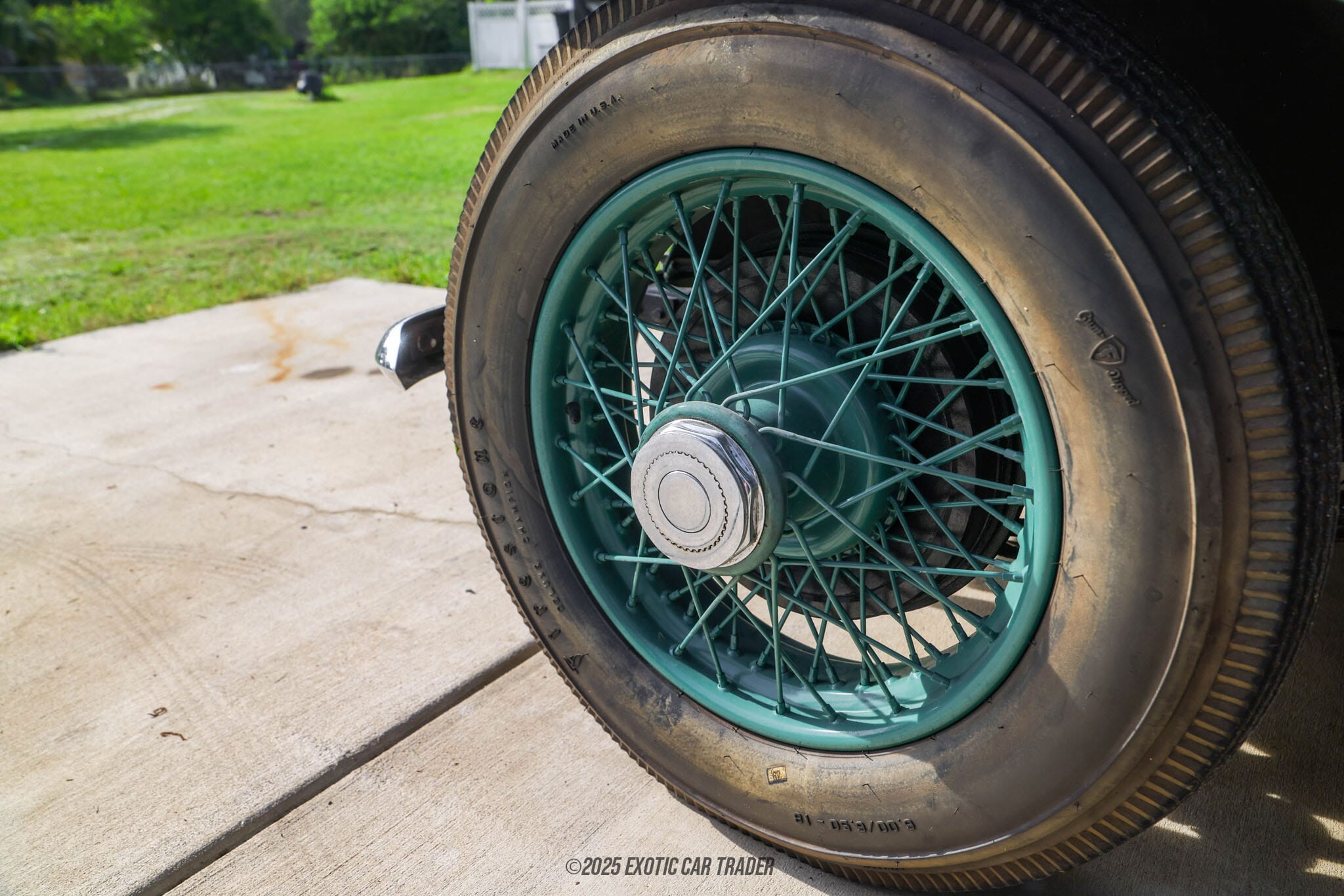
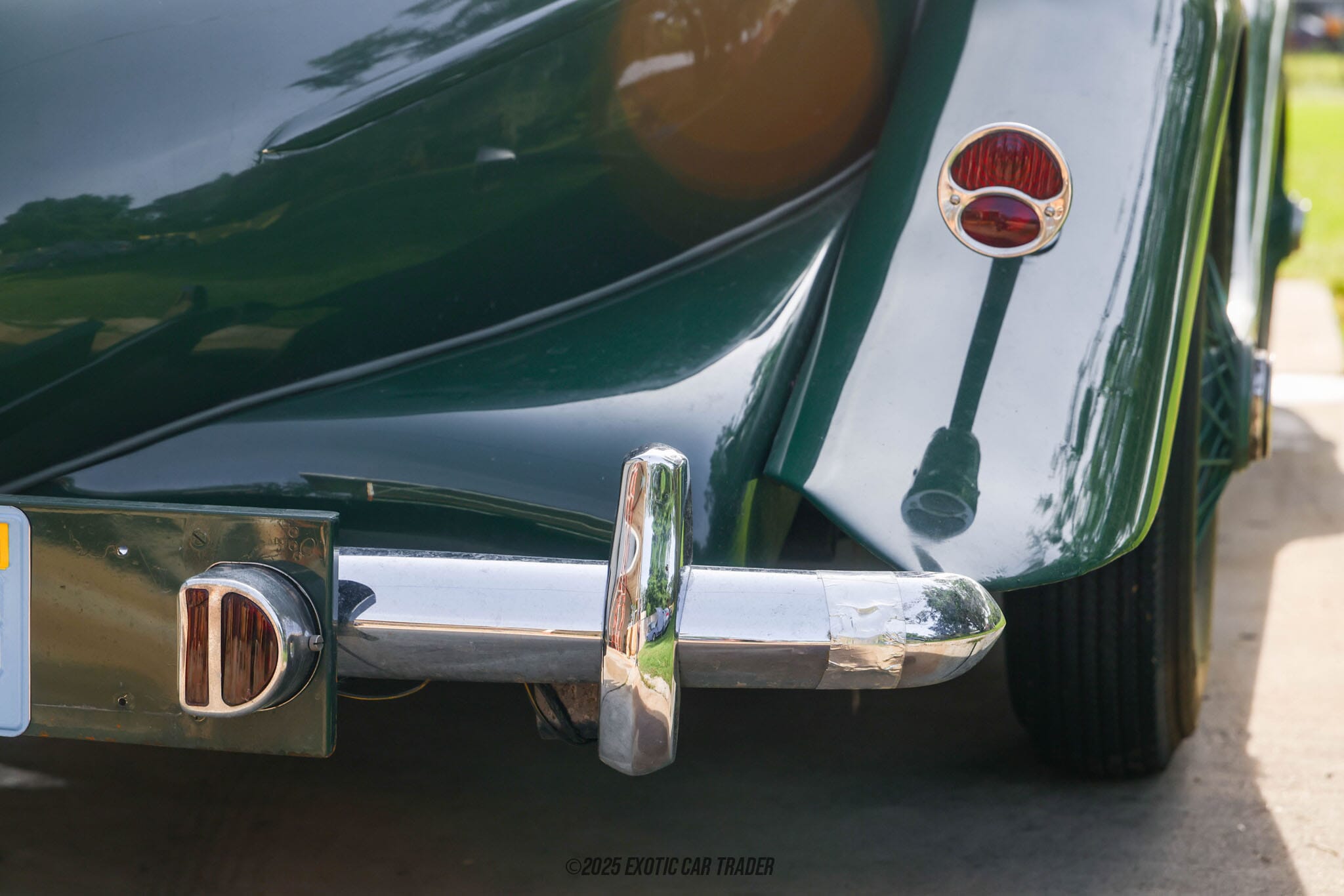
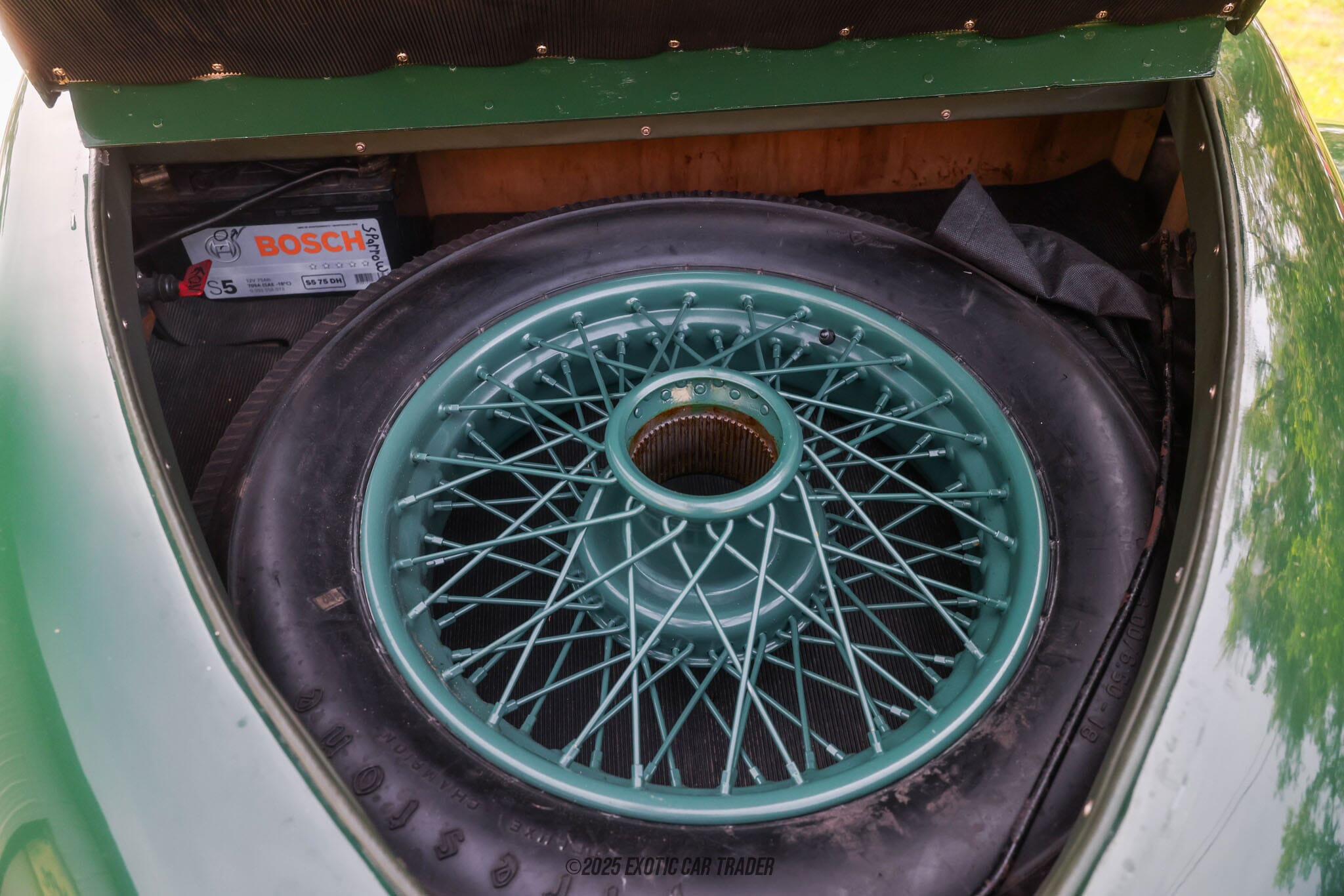
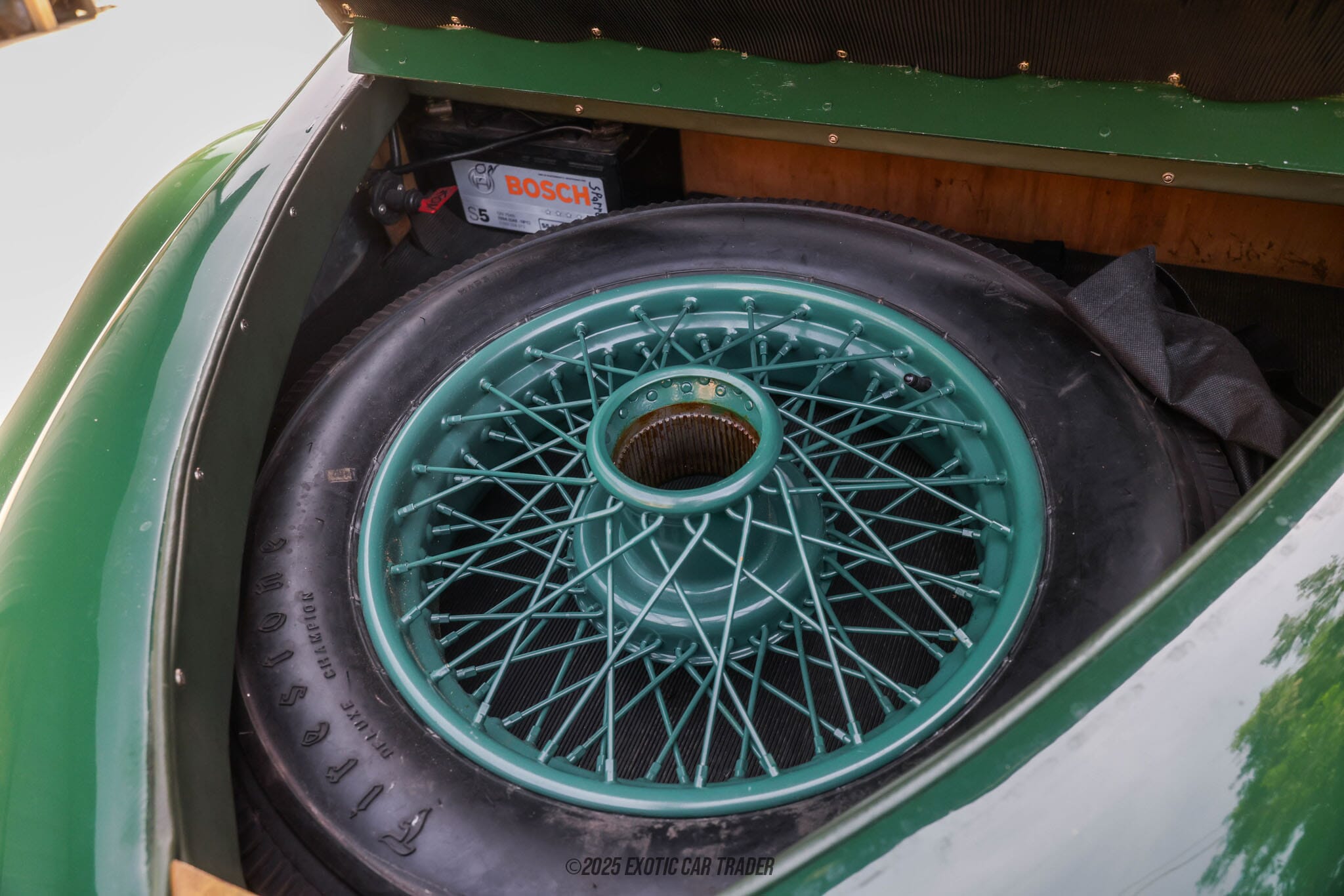
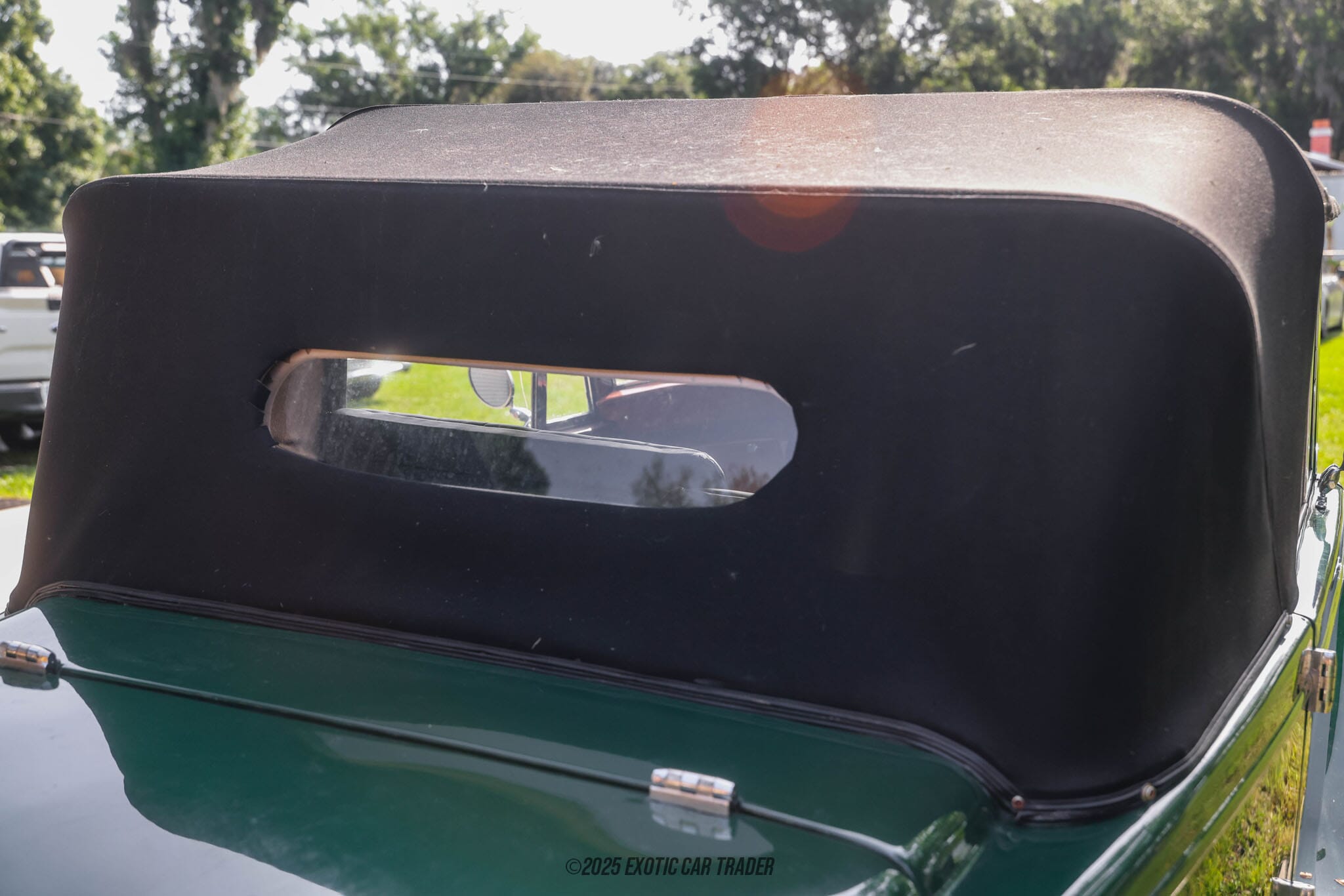
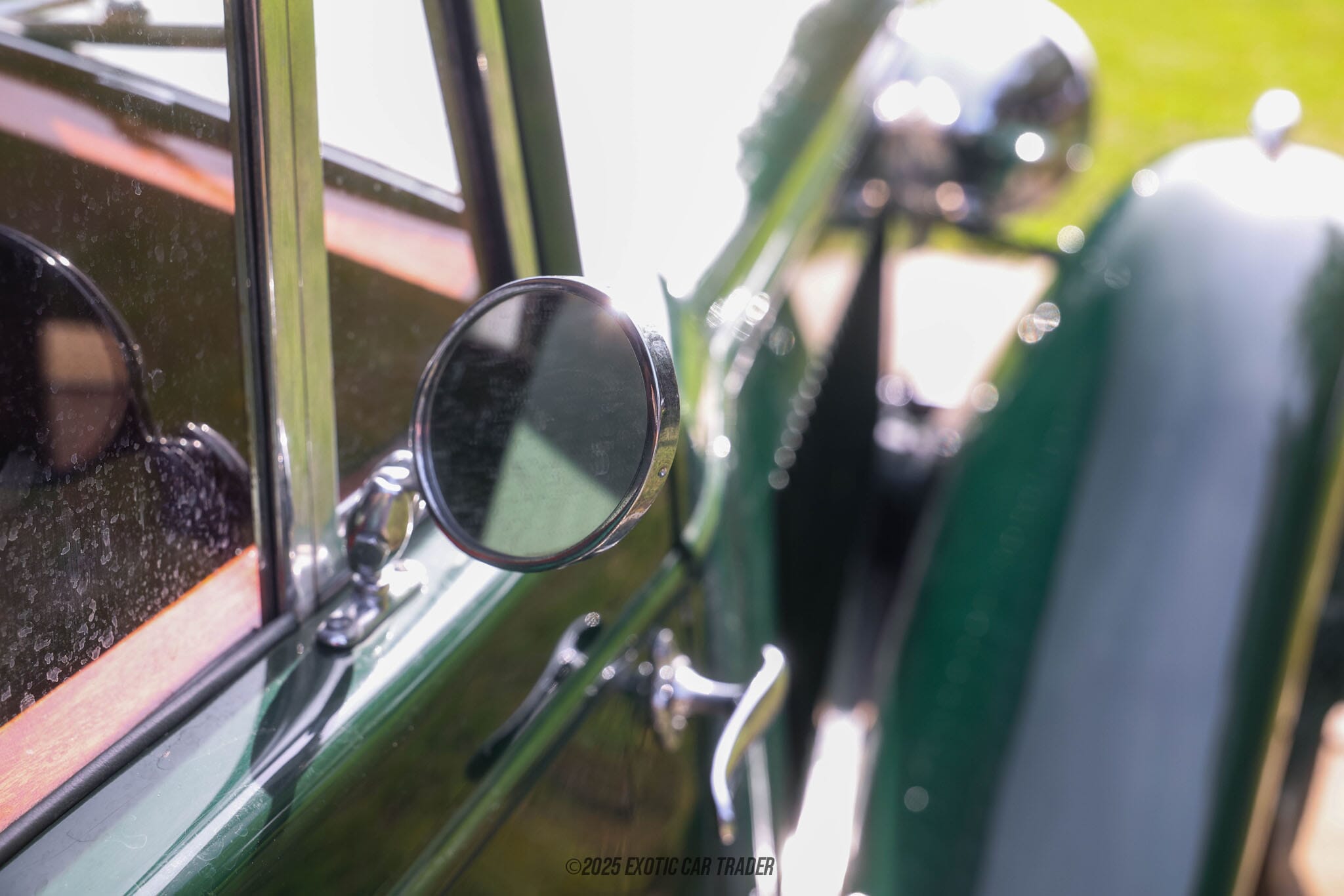
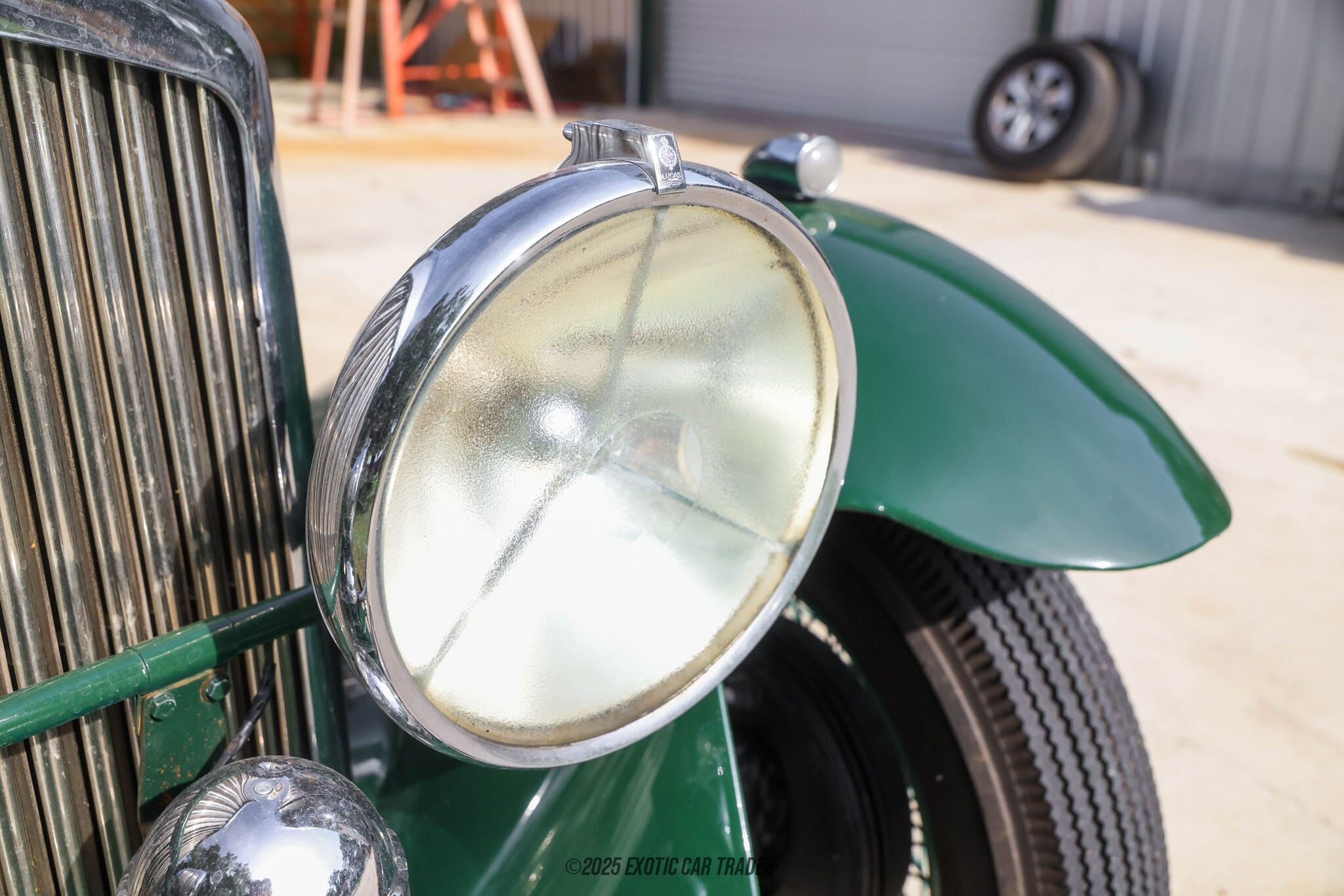
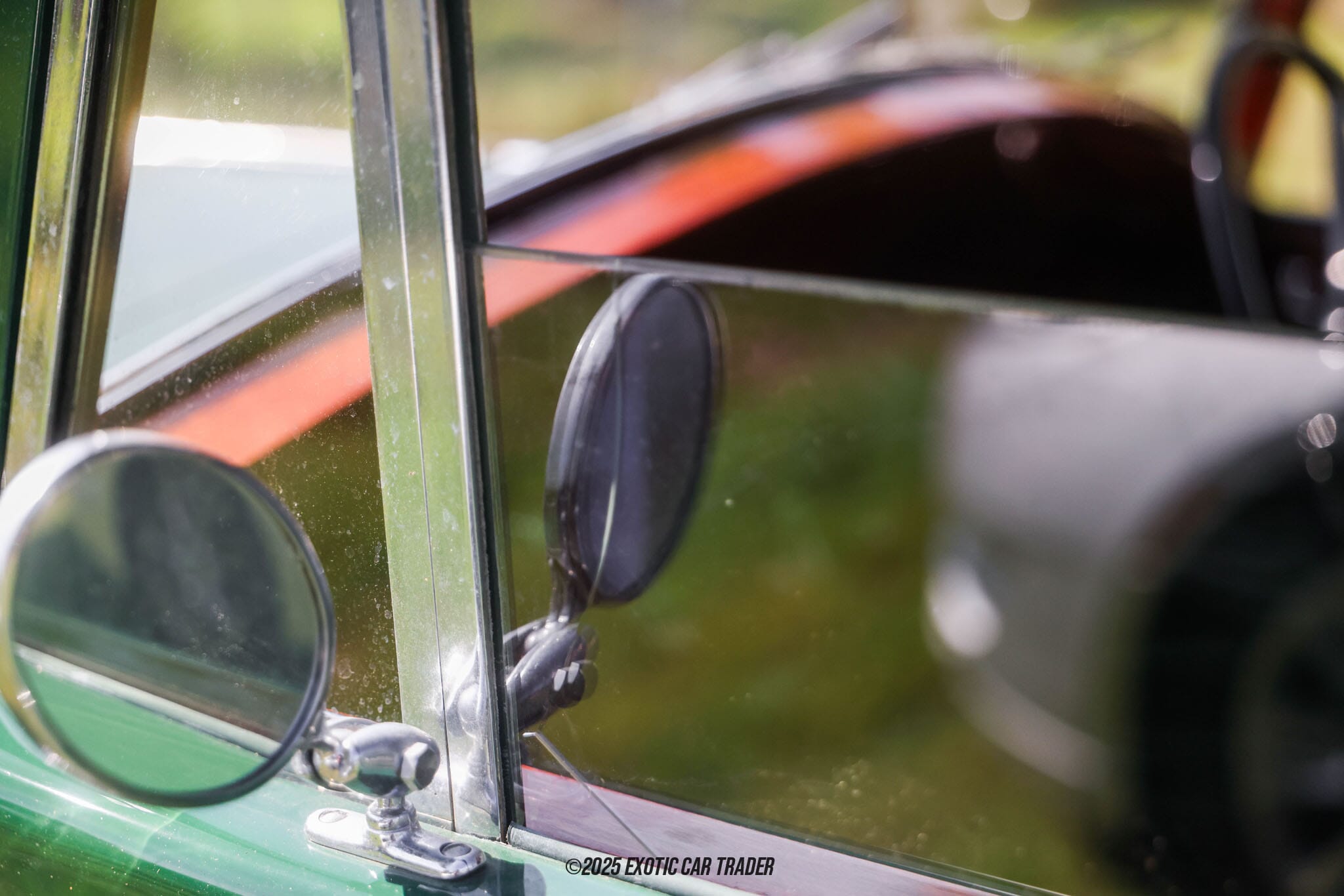
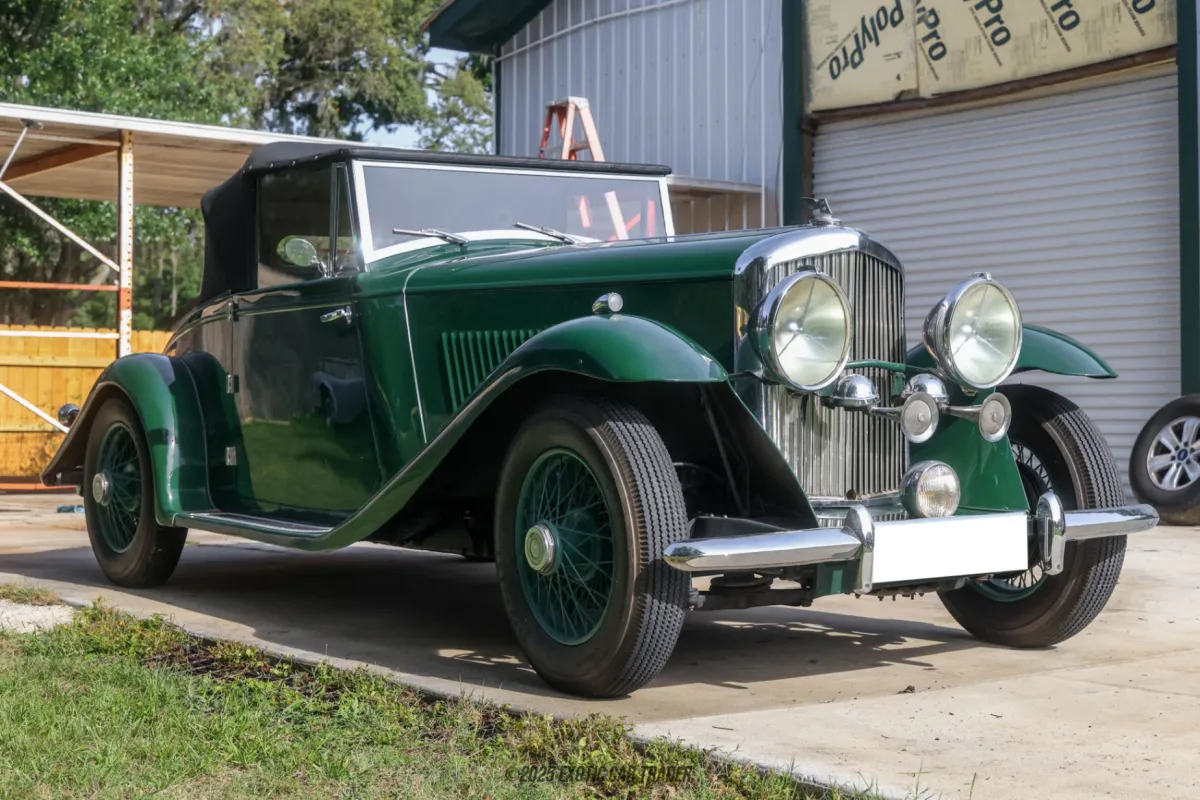
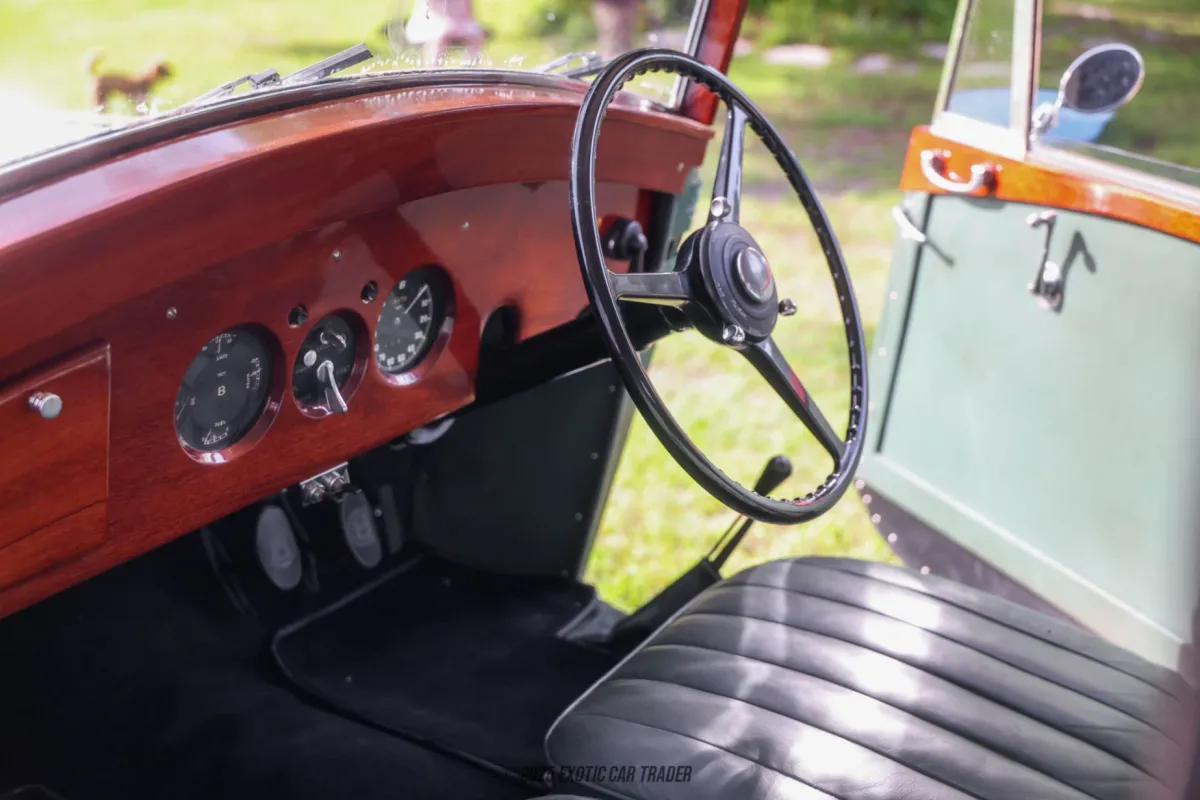
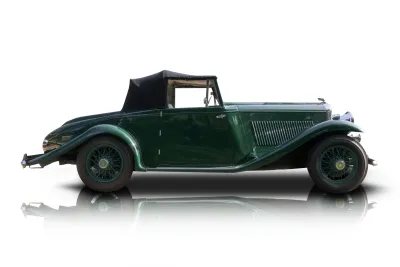
The most significant aspect of this car is the gleaming, coachbuilt British Racing Green 2-door body. The giant headlamps, the wire wheels and the running boards have “’40s sports car” written all over them. One may be excused for underestimating this car until you go around the back, for here you get the true cherry on top of the design masterpiece that is this bodywork: the rear end. It’s easy to see why it got the “Boattail Speedster” part of it’s name, especially when the roof is down. The interior is color-coded to match the paintwork, with a simple but beautiful wooden dashboard. Being a right-hand drive car, the gear shifter is mounted on the floor on the right-hand side of the driver. The trunk has just enough space for a few small items and the spare wheel, but grocery-getting isn’t typically on the list of uses for a vintage coachbuilt Bentley.
Engine
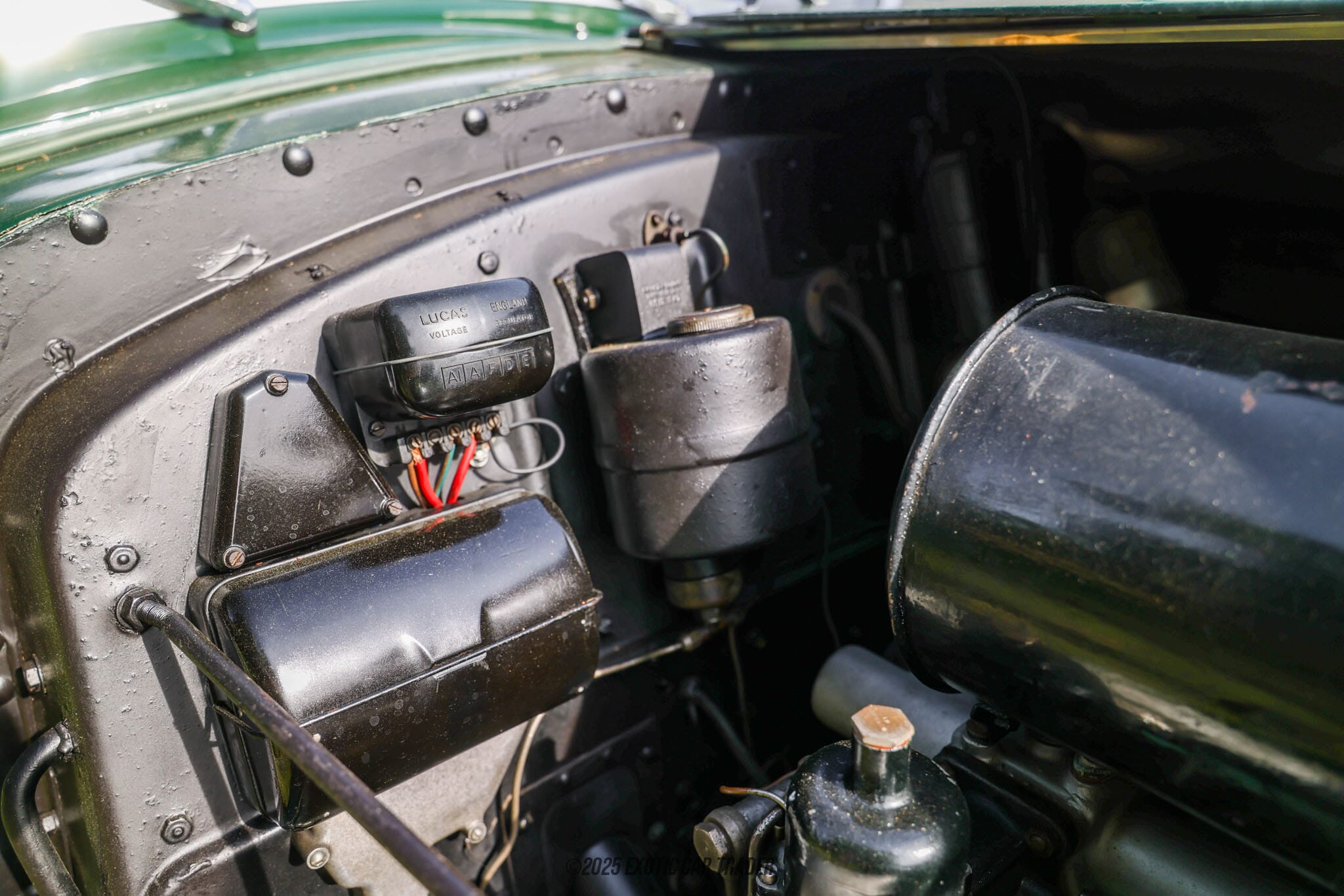
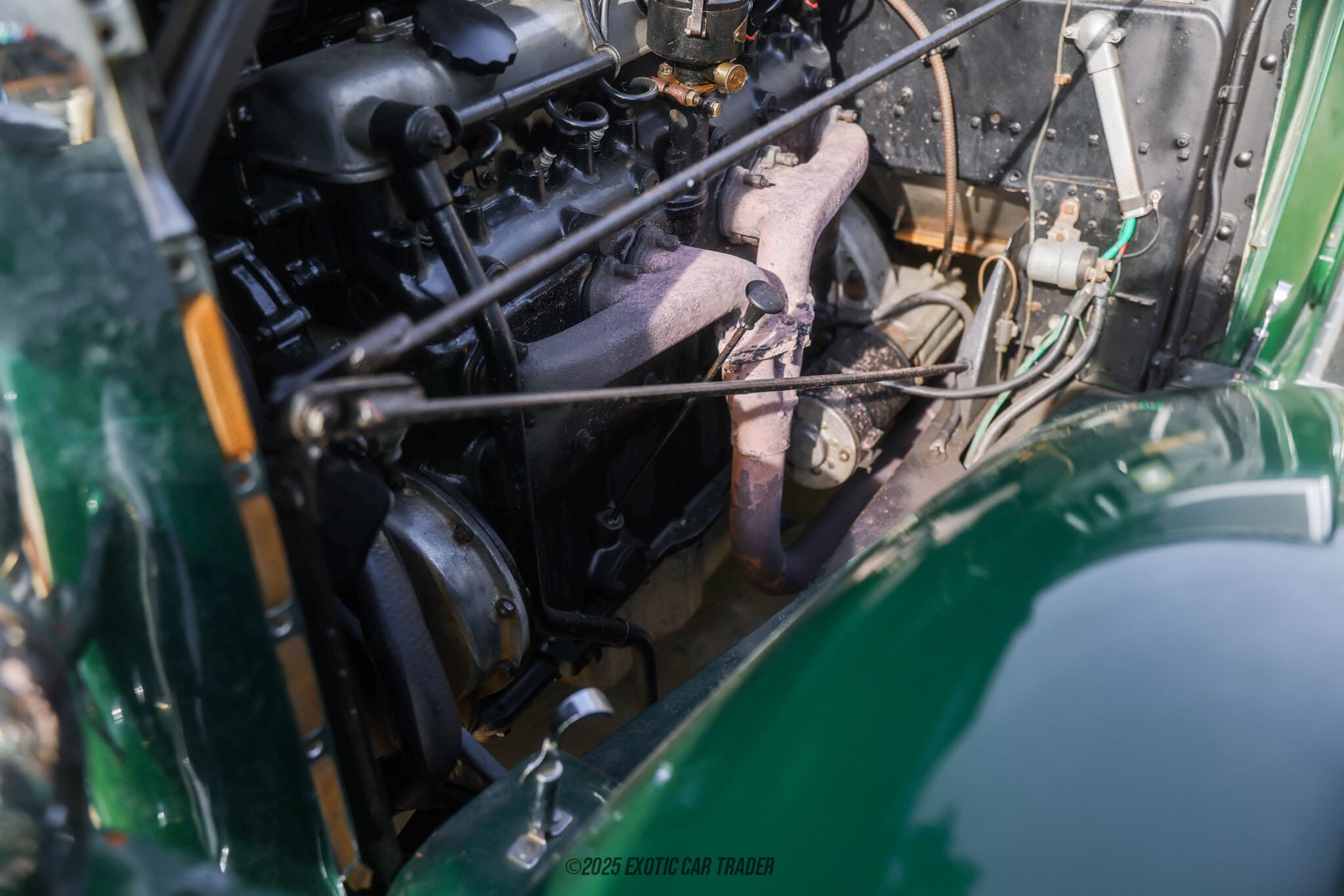
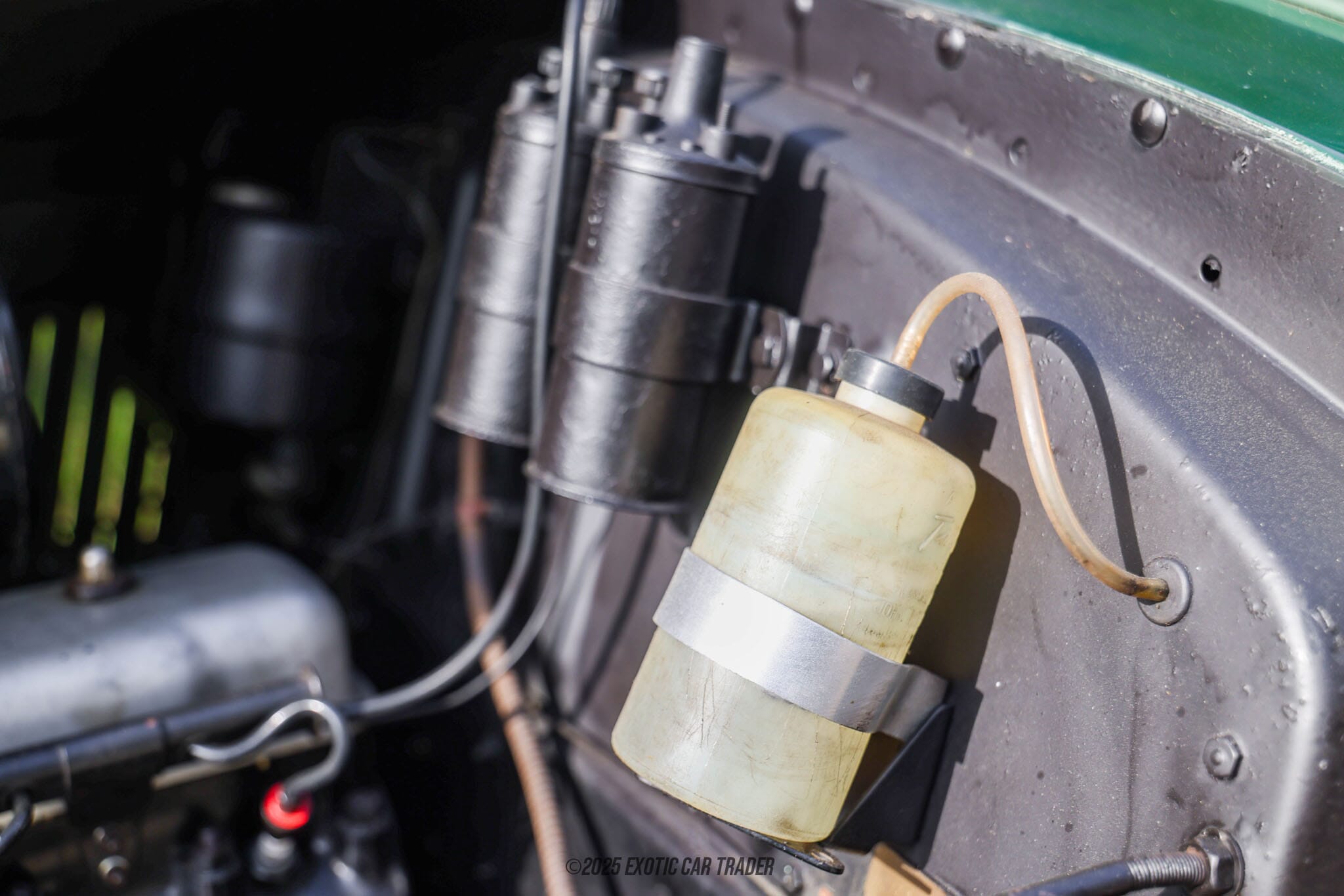
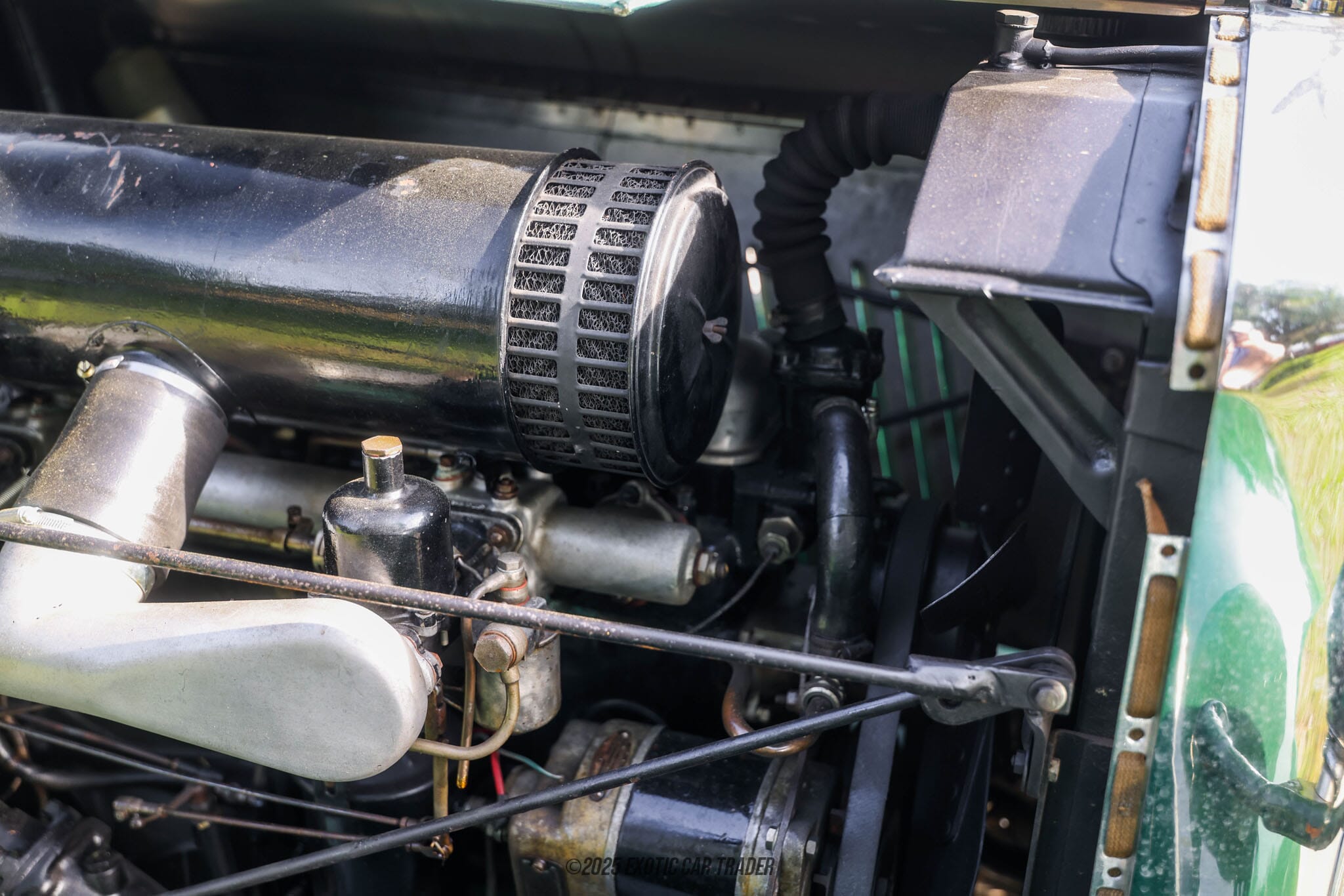
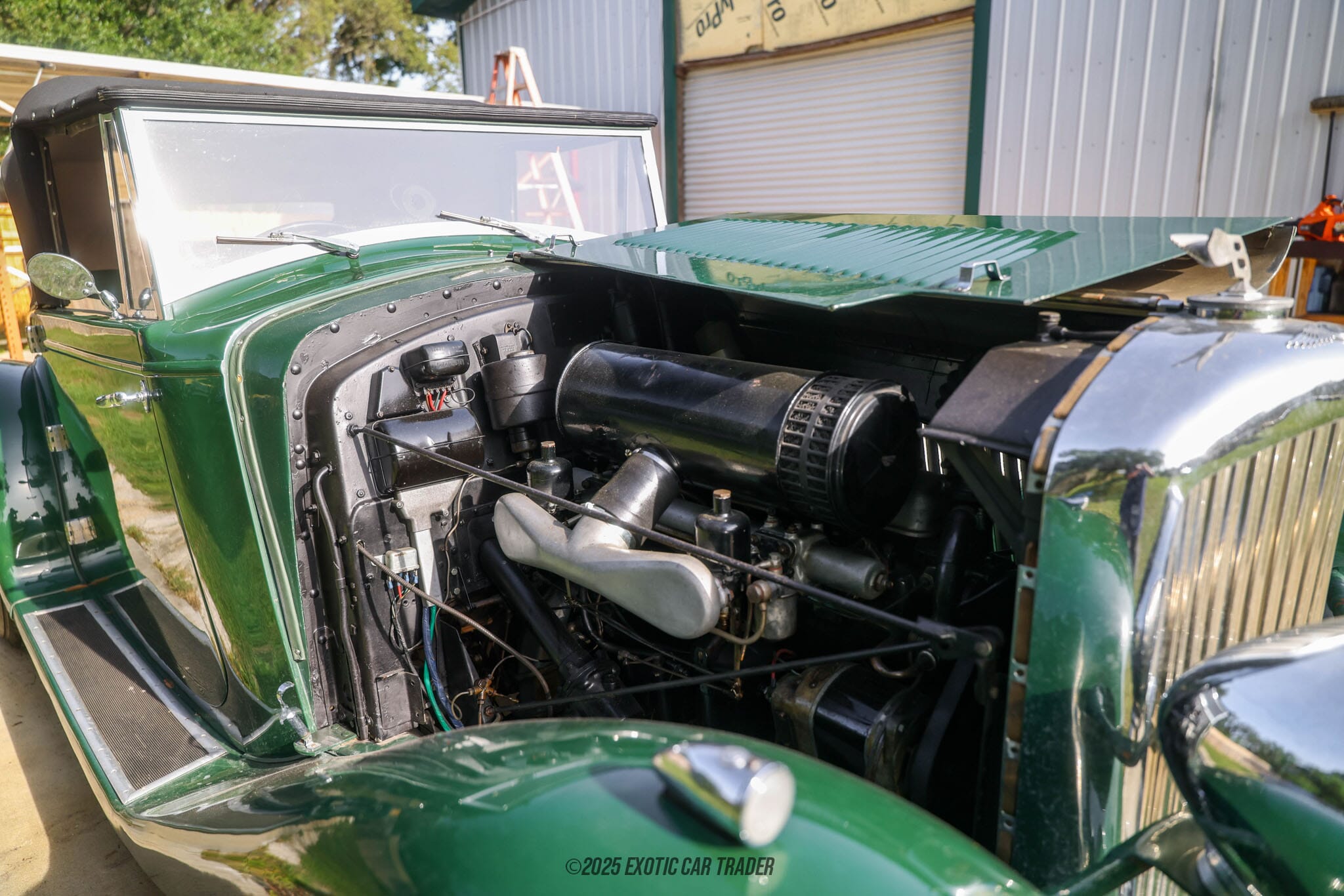
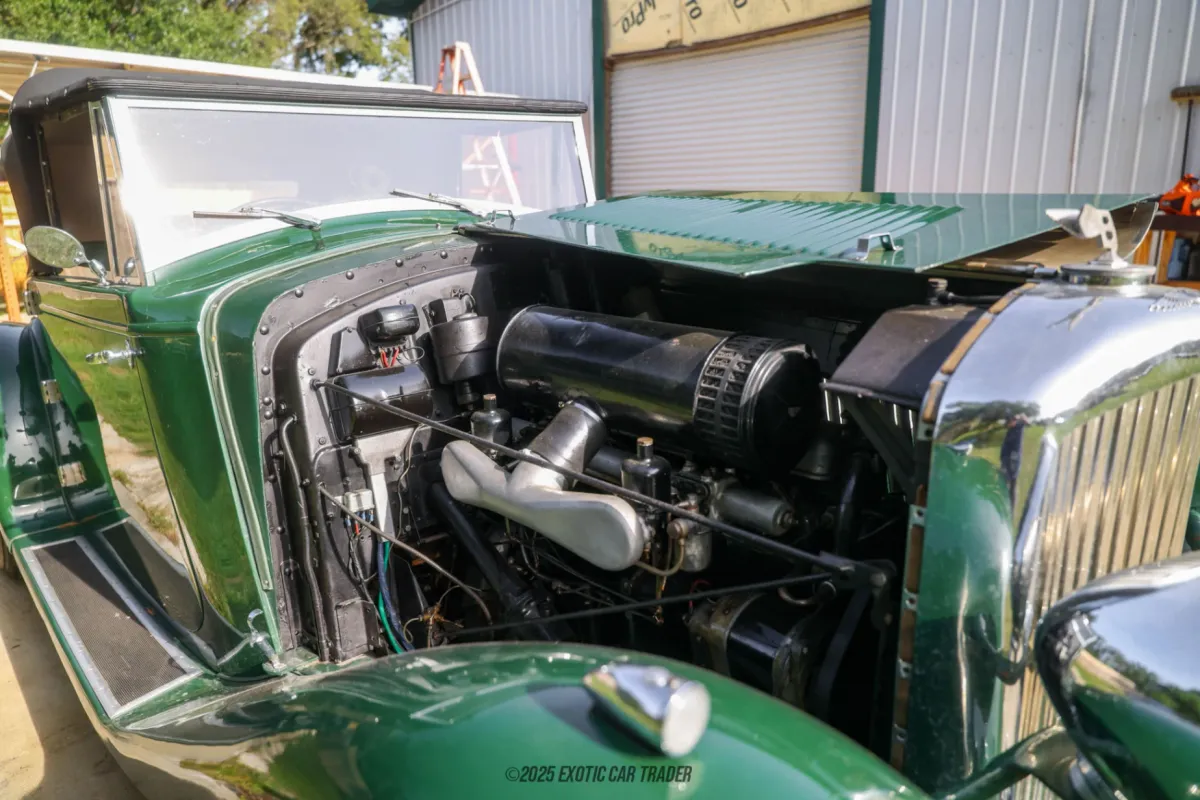
The 4 ½ Litre variant built in 1951 and 1952 had the original displacement of 4.3L increased to 4.6L in the straight 6 engine. Since this is a right-hand drive example, it’s fed through 2 SU carburetors. The rear wheels are driven through a 4-speed synchromesh manual transmission.


Coachbuilding is an art form from a bygone era. While a coachbuilt Bentley is almost unheard of these days, a few decades ago it was not so uncommon for Bentley customers to have their car sent to a coachbuilder to commission a more exclusive body. One such example is this exquisite 1951 Bentley Mark VI Special Boattail Speedster. The Mark VI was introduced in 1946 as Bentley’s first post-war model. The chassis were provided to independent coachbuilders and were built as 4 door saloons, 2 door saloons and 2 door drophead coupes. It was also available with a factory body, the “Mark VI standard steel sports saloon”, a 4-door saloon. 1202 4 ½ Litre models were built between 1951 and 1952, with just 180 of them being coachbuilt. Part of the reason for the low overall production numbers was the shortage of steel in Europe, which reportedly led to used models appreciating in value. Some of the more well-known coachbuilt models were those done by H.J. Mulliner, but many other coach-builders also commissioned these cars, including this example built by Northern Coachbuilders of Derbyshire, England.
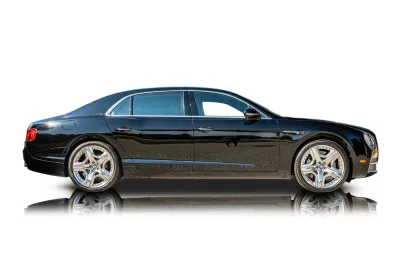
The 2014 Bentley Flying Spur is the kind of luxury sedan that feels equally at home being driven hard or being enjoyed from the rear seat. Showing approximately 50,317 miles, this example pairs Bentley’s 6.0L twin-turbocharged W12 with all-wheel drive and an 8-speed automatic transmission, delivering the effortless performance expected from the marque. Finished in Beluga over a matching Beluga interior, it is further distinguished by the Mulliner Driving Specification, Naim premium audio, Multi Media Specification, rear-seat infotainment, and a long list of bespoke cabin details. With 21-inch polished two-piece alloy wheels, rich veneer trim, and a cabin designed around both craftsmanship and comfort, this Flying Spur offers the rare combination of grand-touring performance and limousine-grade luxury.

Created to honor Bentley’s storied success at the 24 Hours of Le Mans, this 2013 Bentley Continental GT W12 Le Mans Edition is a particularly special example of the marque’s grand touring coupe. This car is number 9 of just 48 examples produced in this configuration and shows approximately 41,360 miles. Finished in Beluga Solid over a matching Beluga interior with Linen contrast stitching, it combines the Continental GT’s imposing presence and hand-finished luxury with a collection of model-specific Le Mans details. The Le Mans Edition package brings unique badging, embroidered headrests, treadplates, a special clock face, numbered interior identification, and distinctive 21-inch wheels, while Mulliner and Extended Driving Specification equipment further elevate the cabin. With its twin-turbocharged W12, all-wheel drive, and unmistakable Bentley character, this is a compelling take on one of the modern era’s definitive high-performance grand tourers.

Introducing the 2024 Bentley Flying Spur Azure, a stunning representation of luxury and performance. This exceptional vehicle combines cutting-edge technology with timeless design, making it a standout choice for discerning drivers. With only 4,500 miles on the odometer, this model showcases Bentley's dedication to craftsmanship and refinement. Ideal for those who appreciate a blend of comfort and sophistication, this Flying Spur is ready to deliver an unparalleled driving experience. According to the seller, this vehicle is equipped with a host of premium features that enhance both convenience and enjoyment.
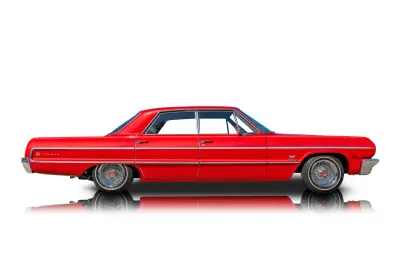
The 1964 Chevrolet Impala 4-Door Sedan captures the long, low, unmistakable style that made Chevrolet’s full-size cars such icons of the 1960s. Showing approximately 28,076 miles, this example combines a 327ci V8 with a 2-barrel carburetor and 2-speed Powerglide automatic transmission, while power steering and power brakes make it considerably easier to enjoy from behind the wheel. Finished in Red over a Black interior, it also benefits from tasteful modern upgrades including aftermarket coilover suspension and a Bluetooth-capable sound system, adding usability without taking away from the car’s classic character.
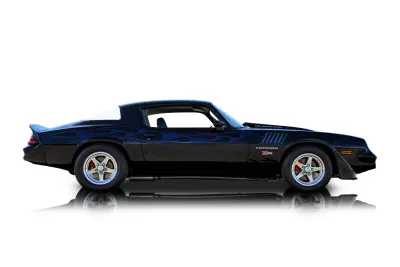
This 1979 Chevrolet Camaro Restomod takes the unmistakable shape of Chevrolet’s second-generation F-body and gives it a much more aggressive enthusiast-focused personality. Showing approximately 752 miles, this example combines a 383ci stroker V8 with a 750 CFM Holley 4-barrel carburetor and a 4-speed manual transmission, giving it the kind of old-school muscle-car formula that puts driver involvement front and center. Finished in Black with custom Purple & Red flame graphics, this Camaro also features a Hurst shifter, Grant GT steering wheel, aftermarket gauges, and a number of exterior and audio upgrades that give it a distinctly custom-built character.
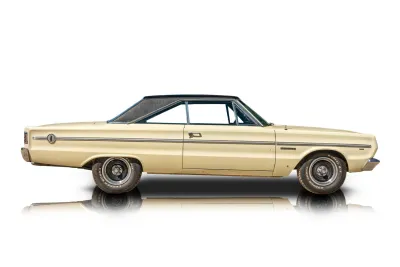
The 1966 Plymouth Belvedere II Hardtop is the kind of Mopar that gets enthusiasts interested before the hood is even opened. Its clean B-body lines, pillarless hardtop profile, Soft Yellow paint, black vinyl roof, and Magnum 500-style wheels give it the restrained factory muscle look of the mid-1960s, but this example carries much more serious hardware underneath. Showing approximately 91,610 miles, it is powered by a 440ci big-block V8 backed by a TorqueFlite 727 automatic, giving it the kind of drivetrain combination that feels right at home in a classic Plymouth. Add power steering, power disc brakes, air conditioning, and a dual exhaust system, and this Belvedere blends old-school Mopar attitude with enough comfort to make it more than just a weekend bruiser.

Terms of Service
Be Kind and Courteous
We're here to create a platform to better the automotive industry through communication and transparency. Please treat everyone with respect. Healthy debates are natural, but kindness is required.
No Hate Speech
Make sure everyone feels safe. Hate speech of any kind is strictly prohibited. Degrading comments about things like race, religion, culture, sexual orientation, etc. will not be tolerated.
No Promotions or Spam
Give more than you take. Self-promotion, spam, or links of any kind are not allowed.
