



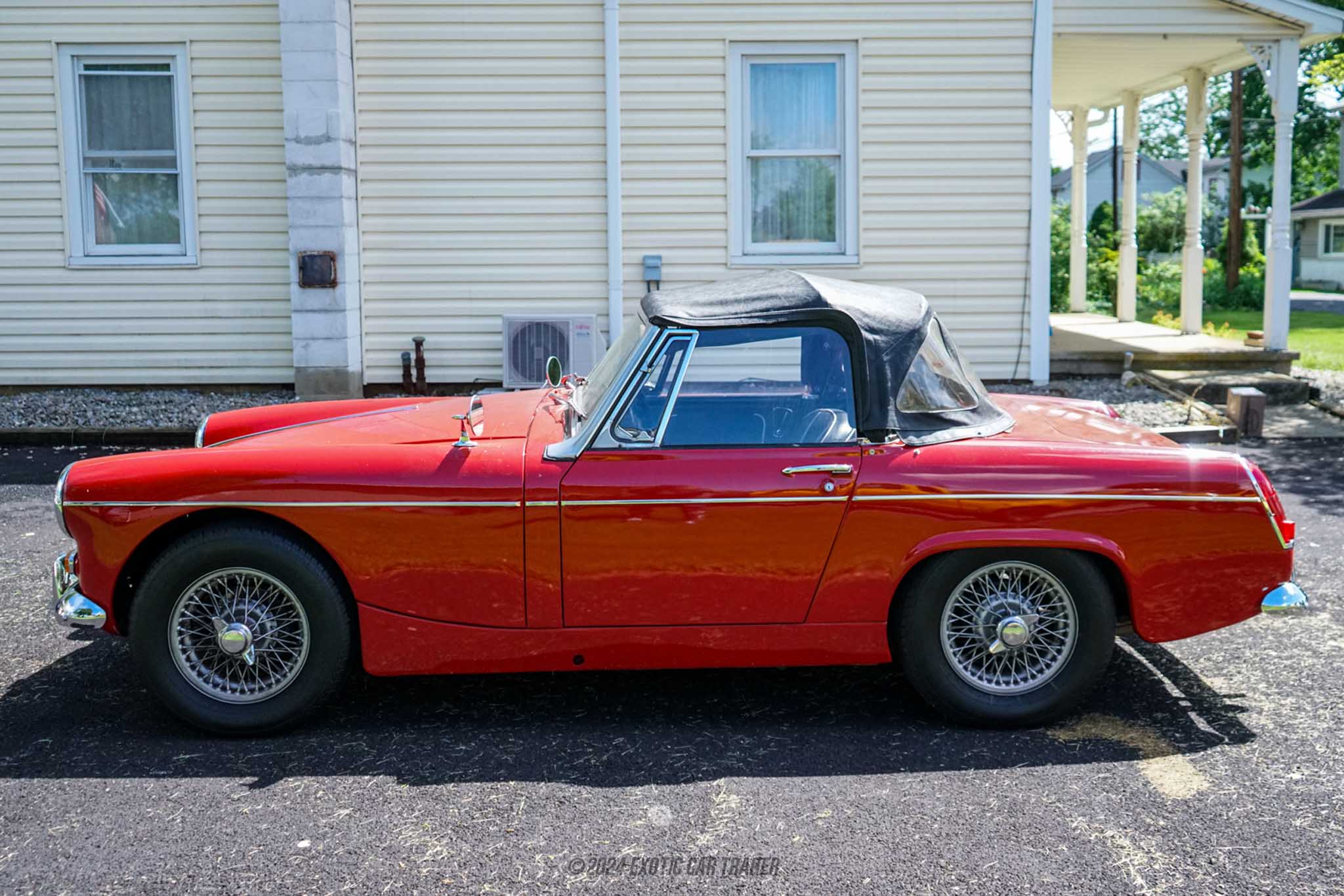
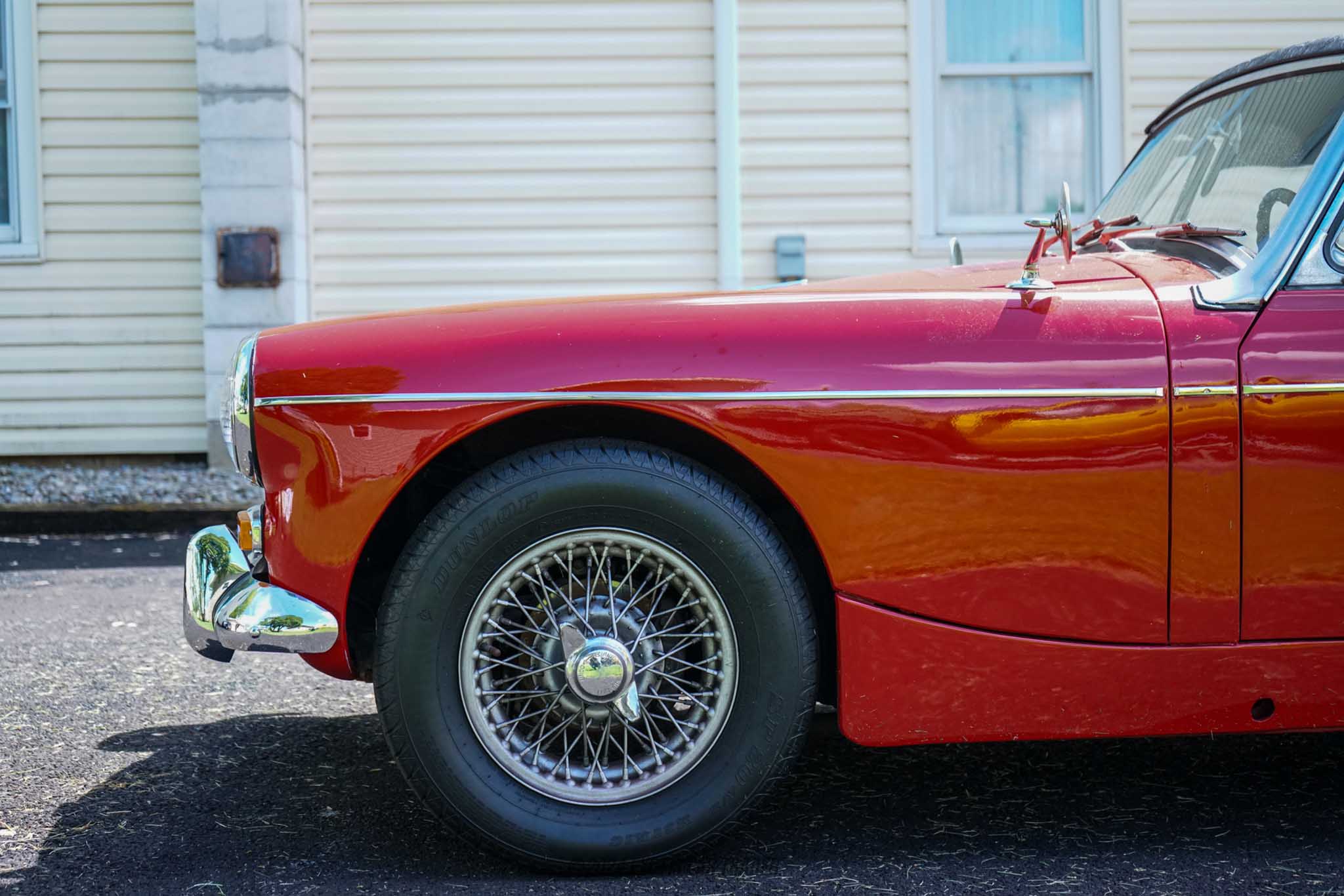
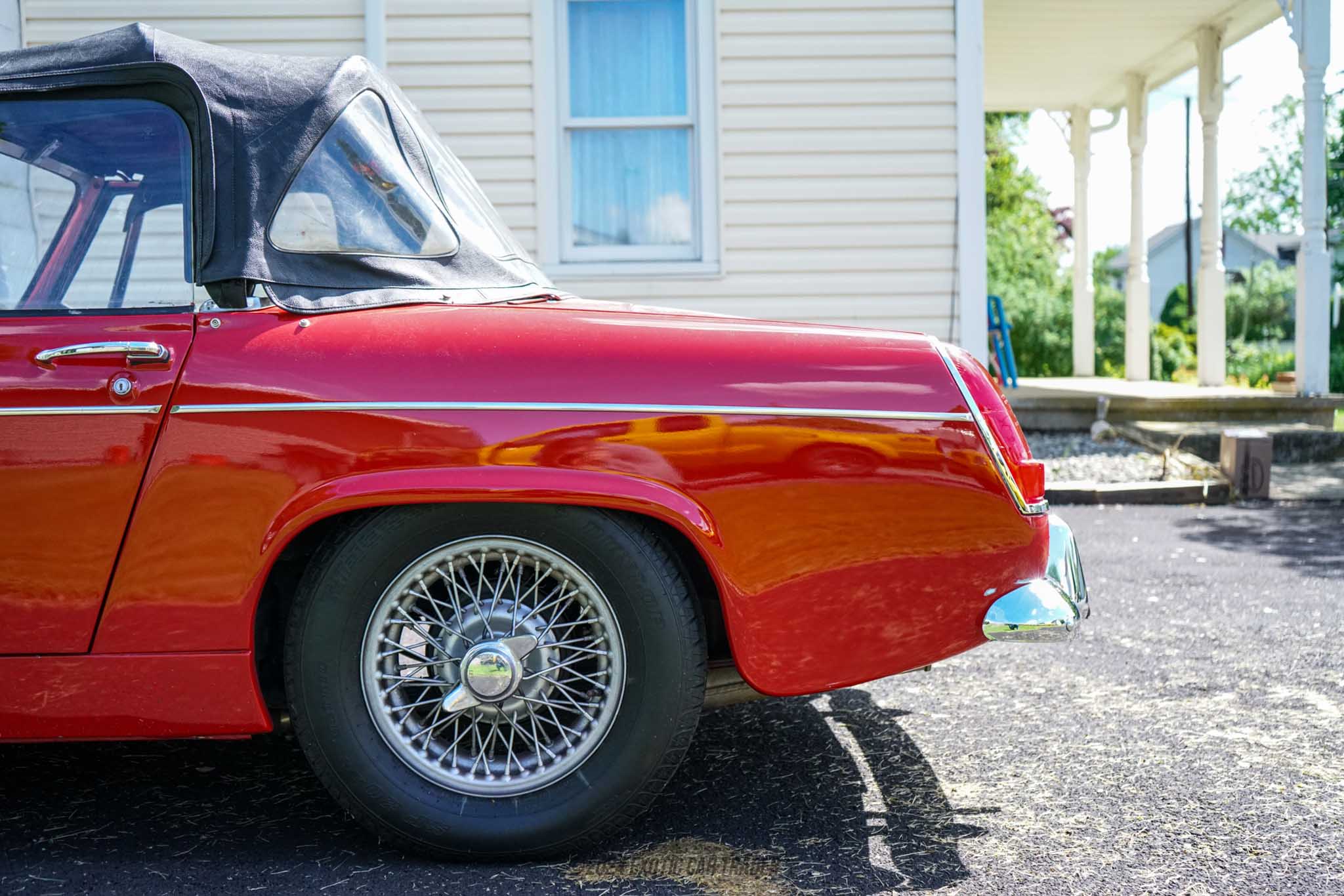
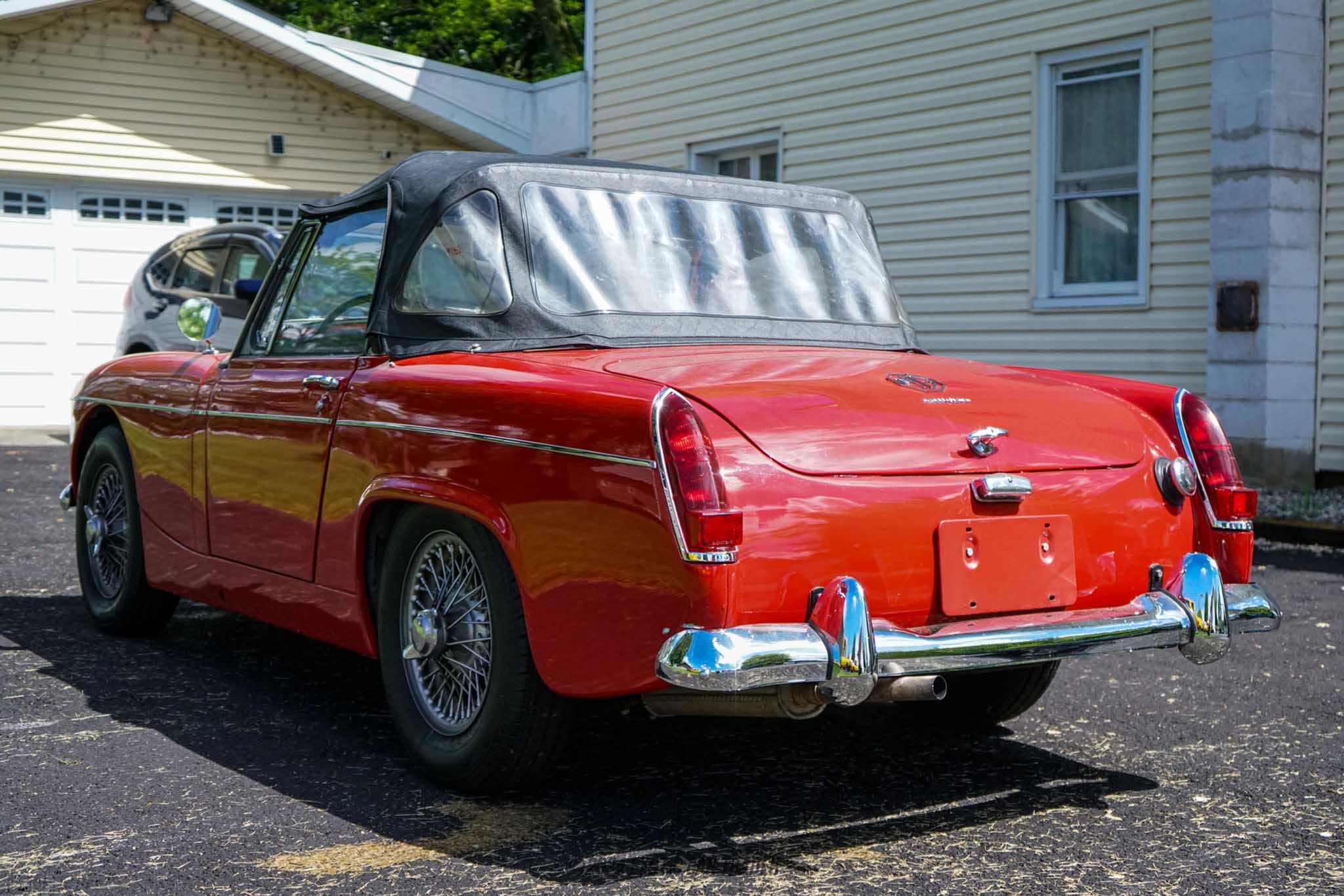
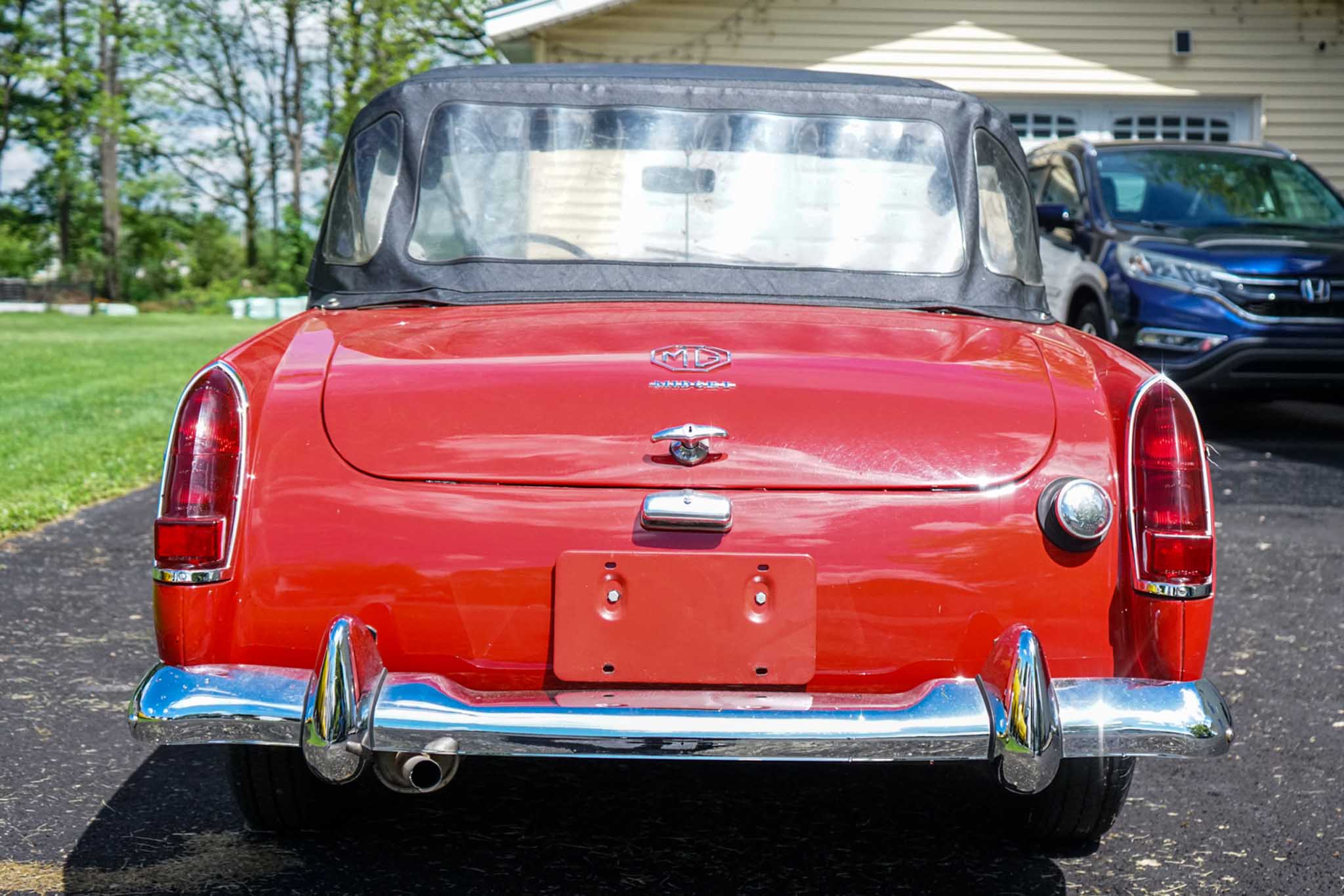
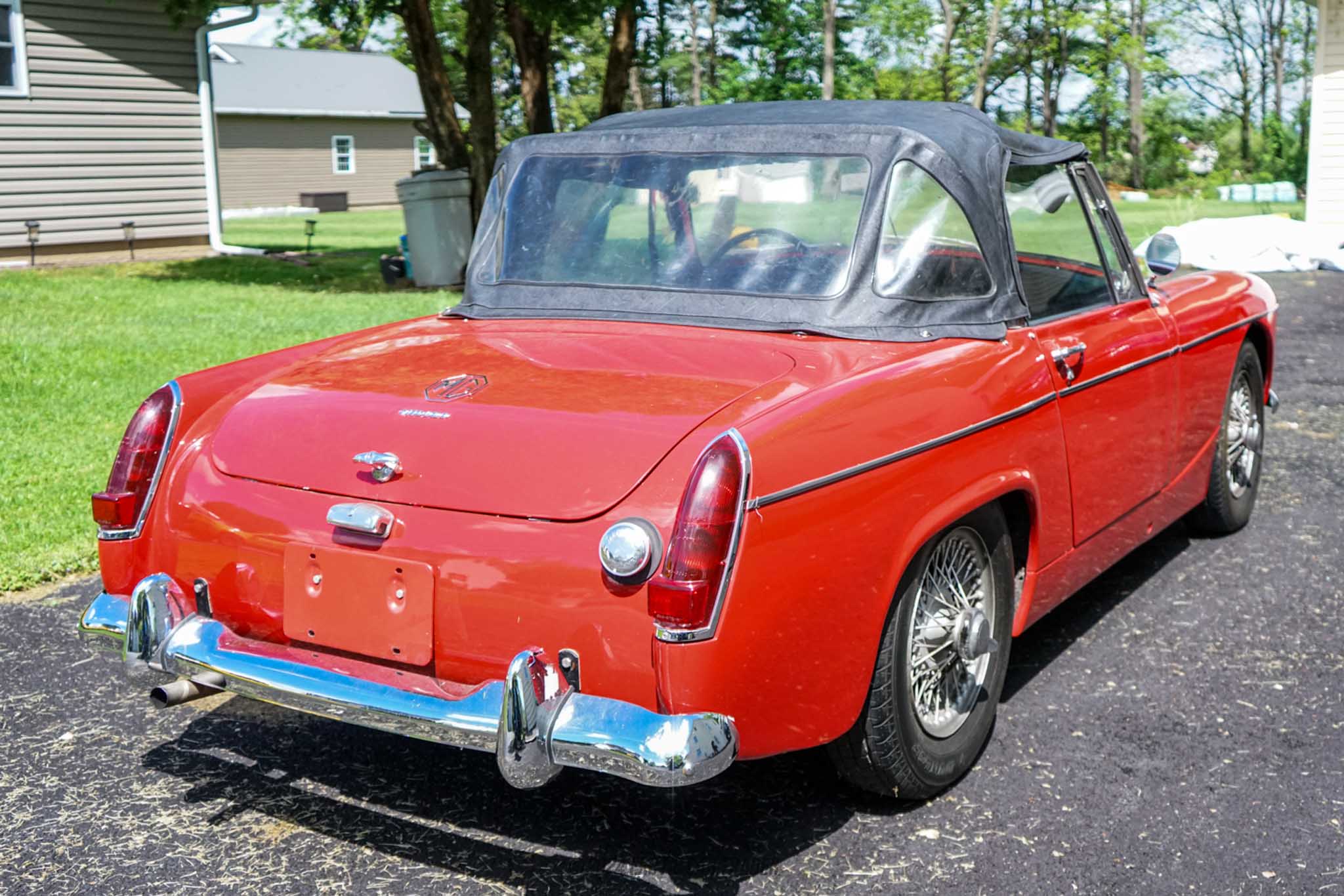
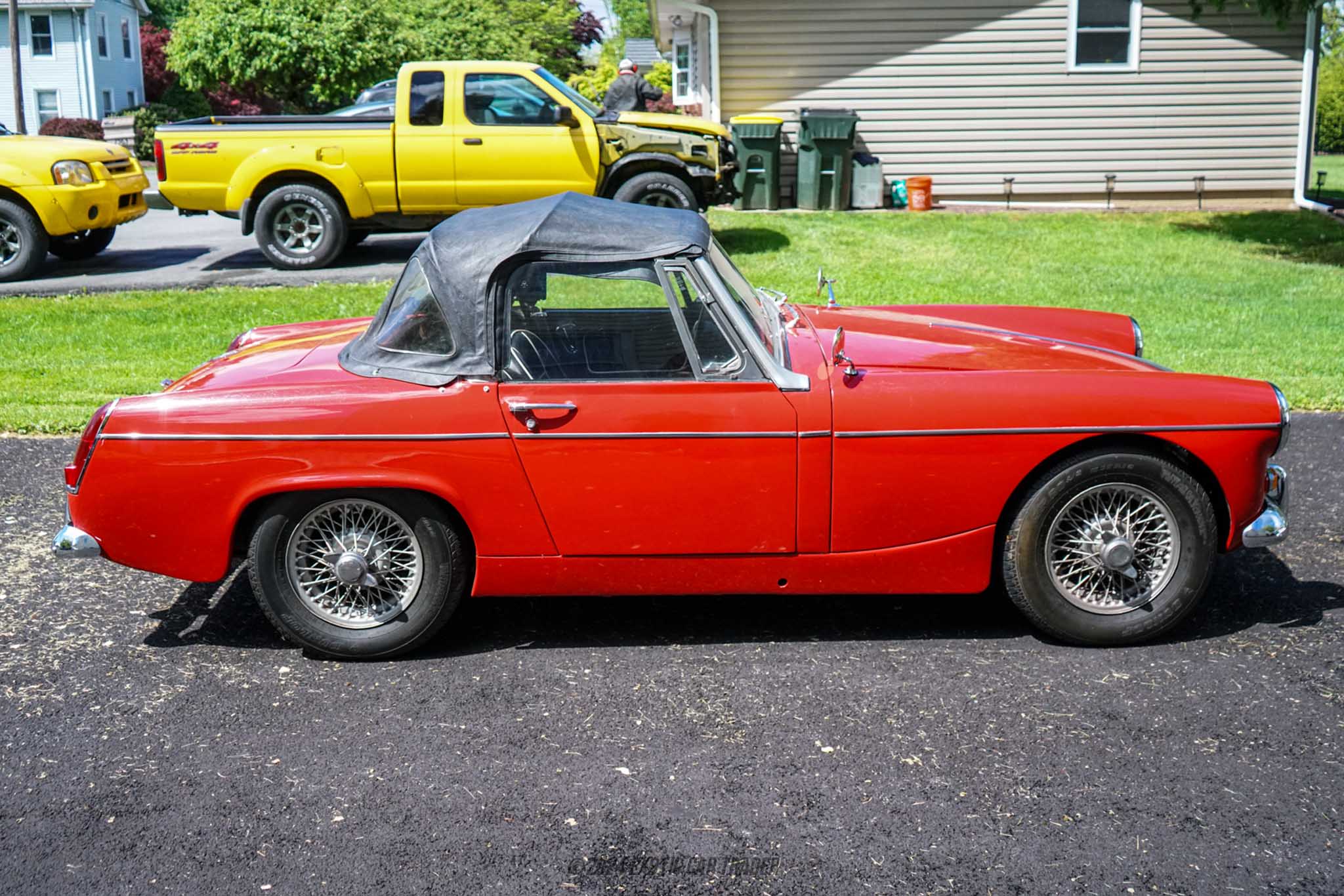
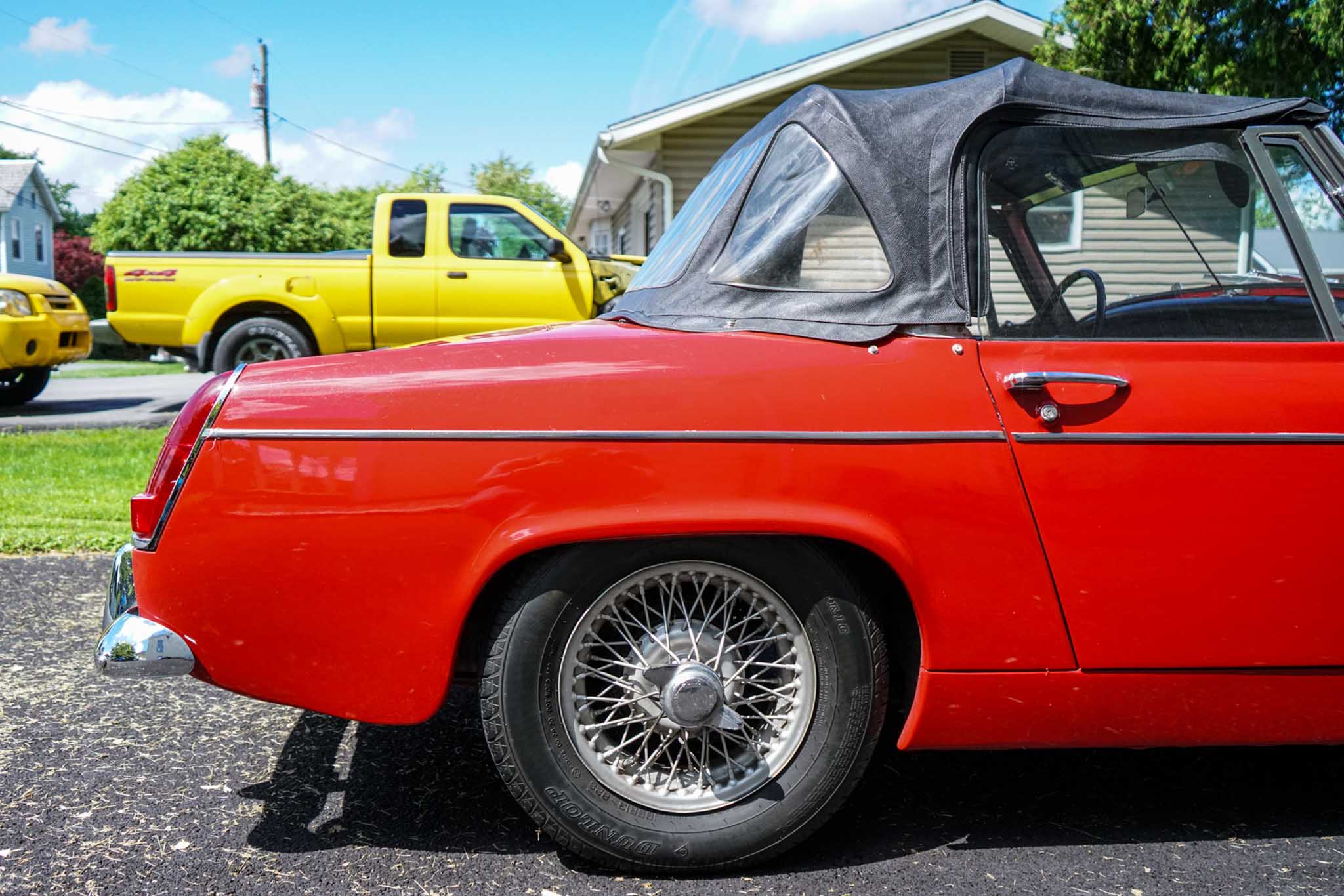
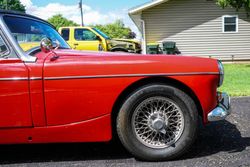
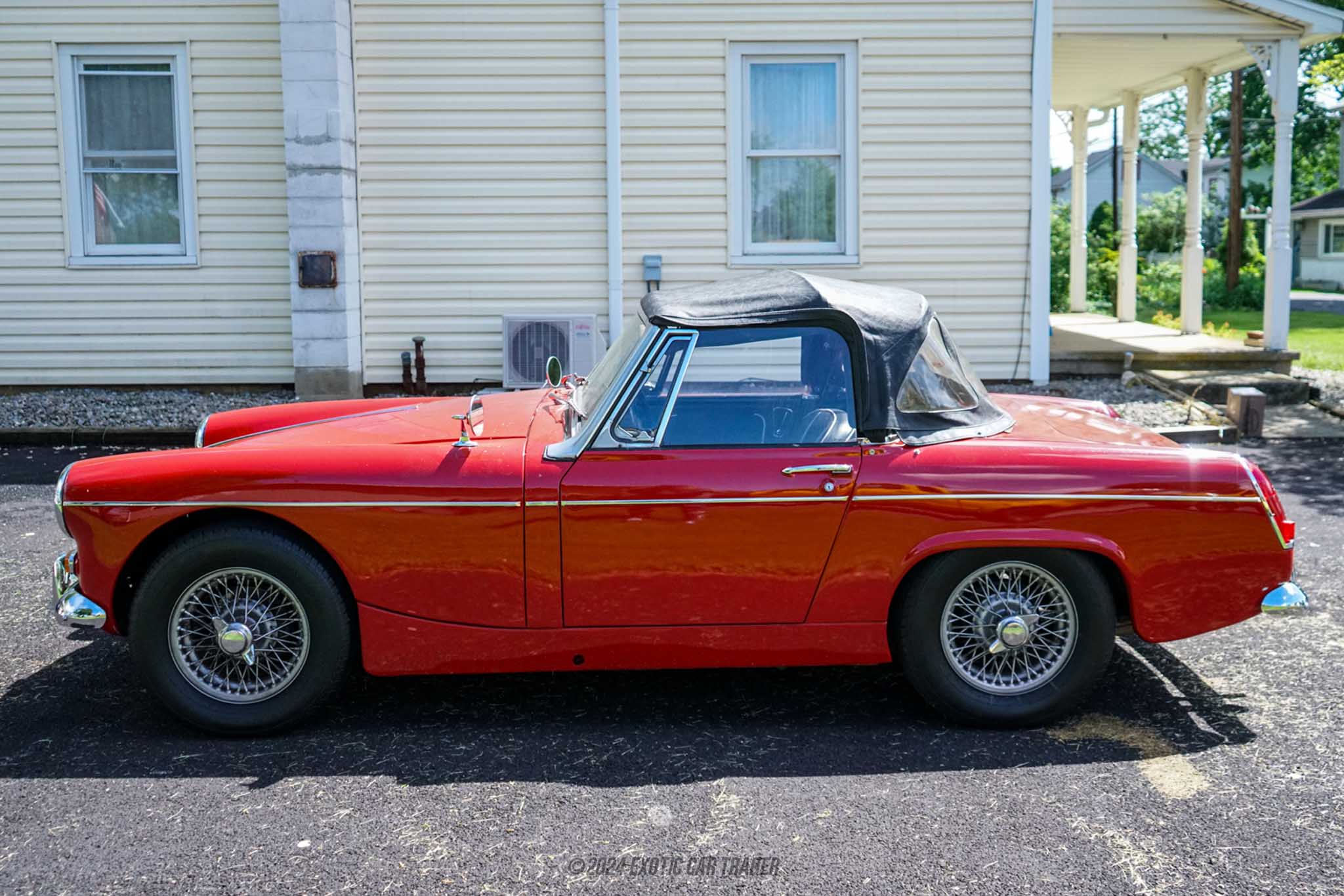
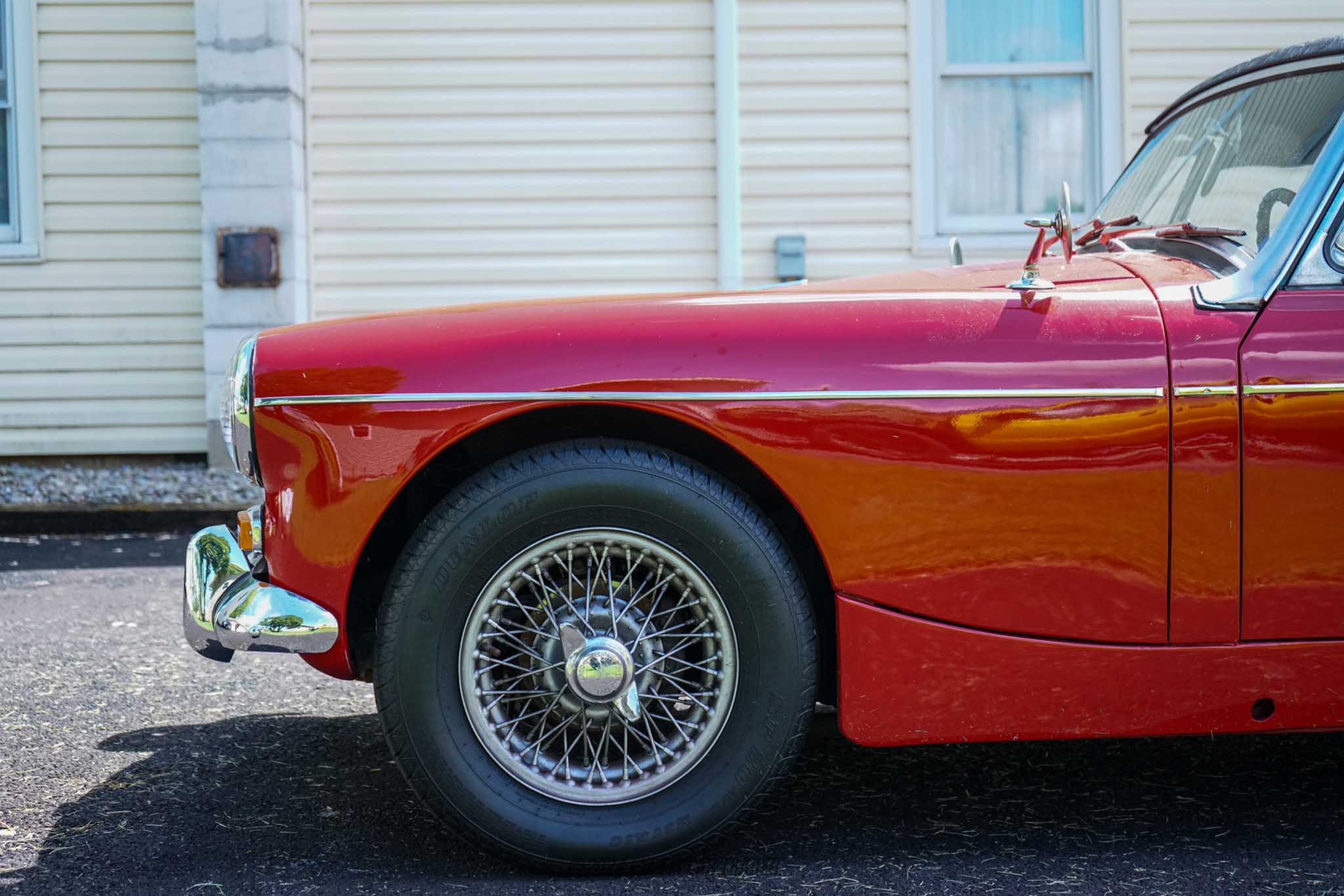
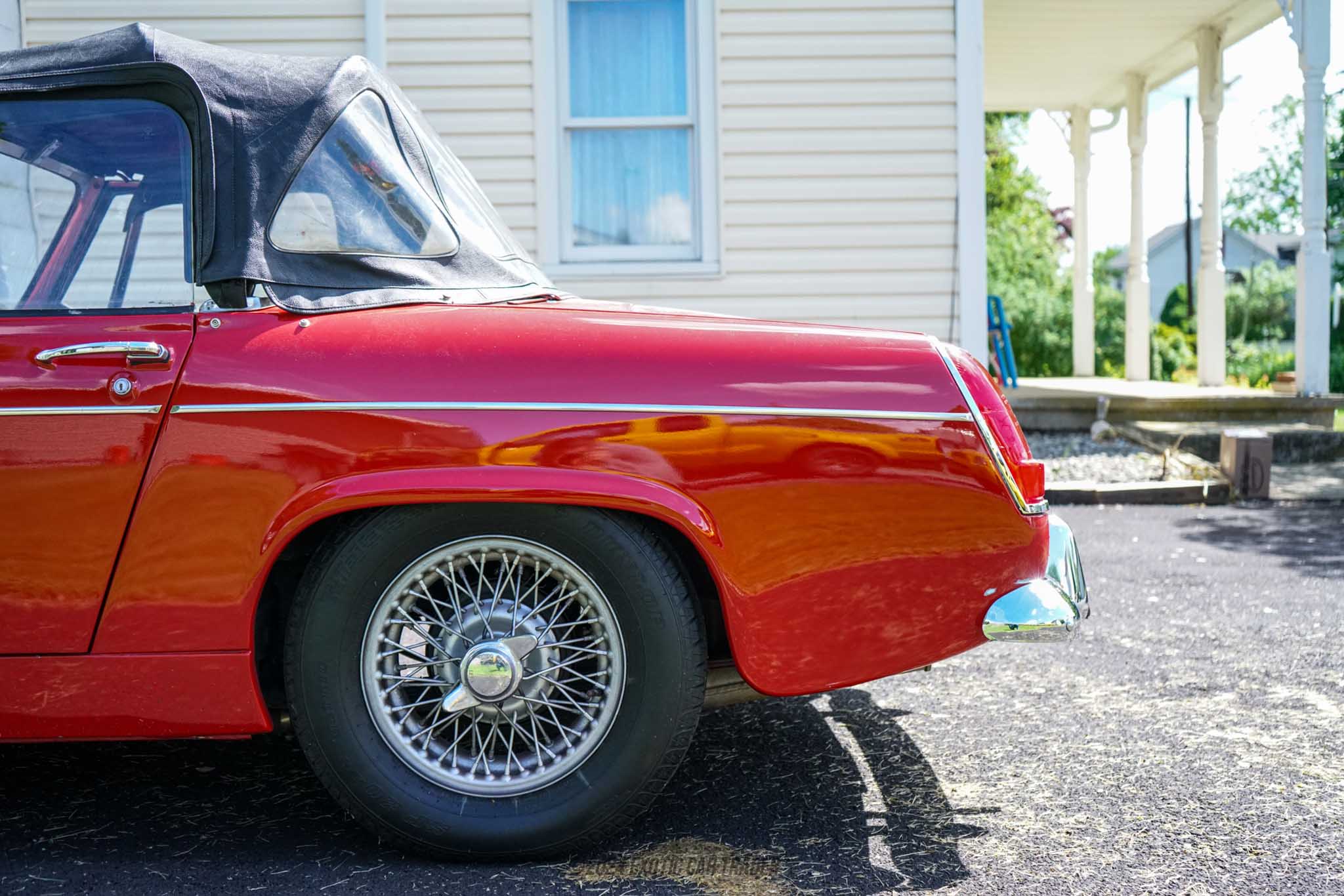
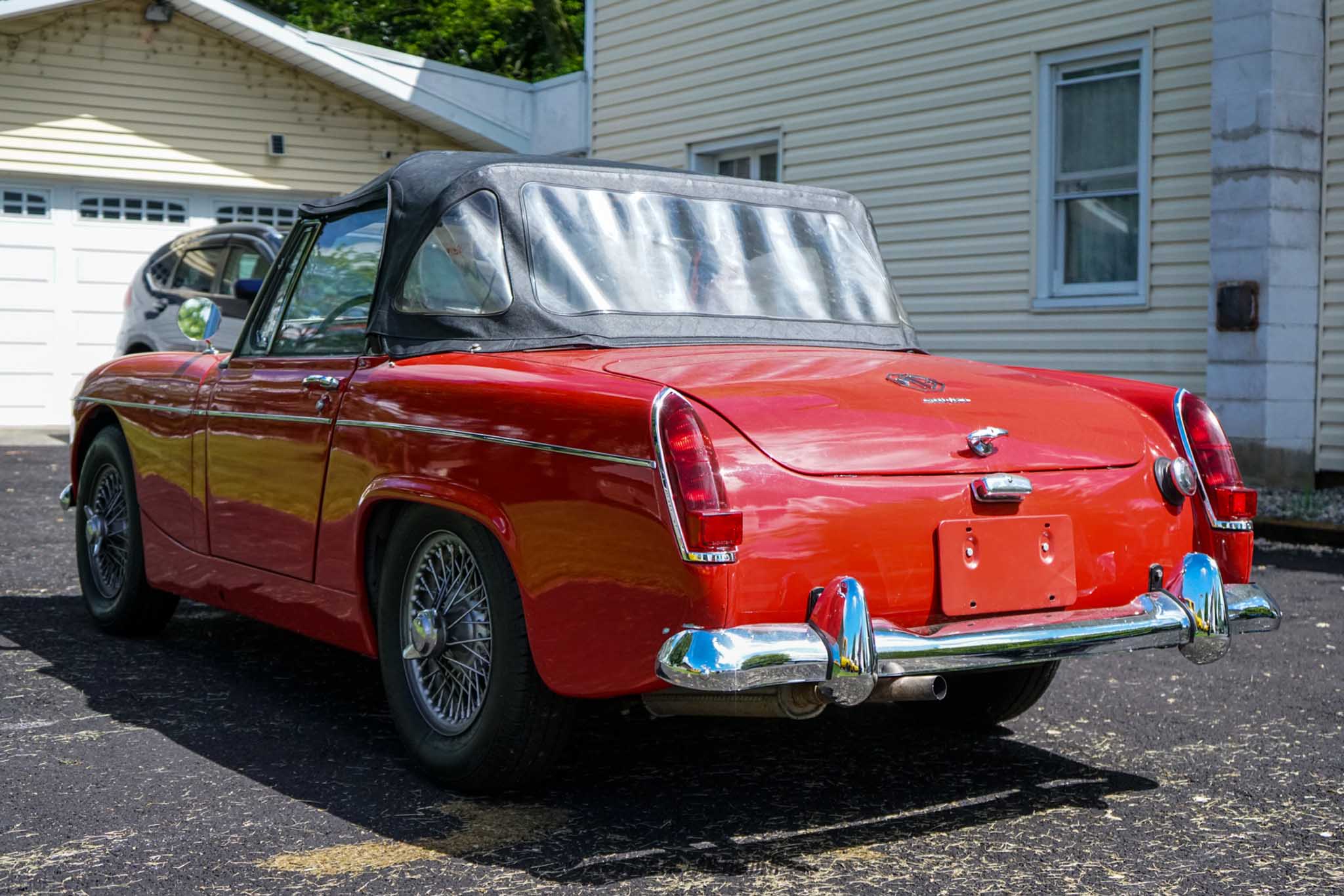
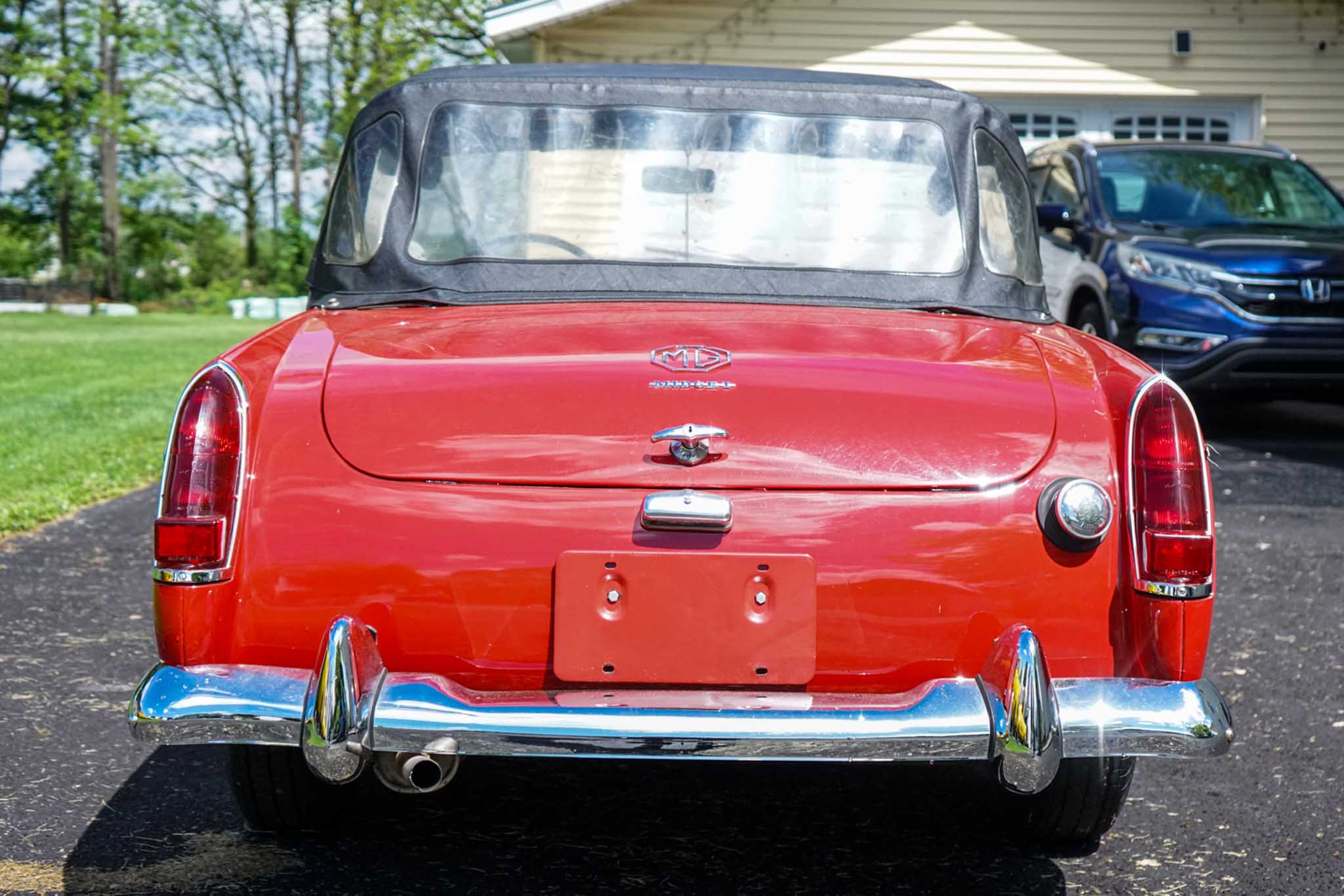
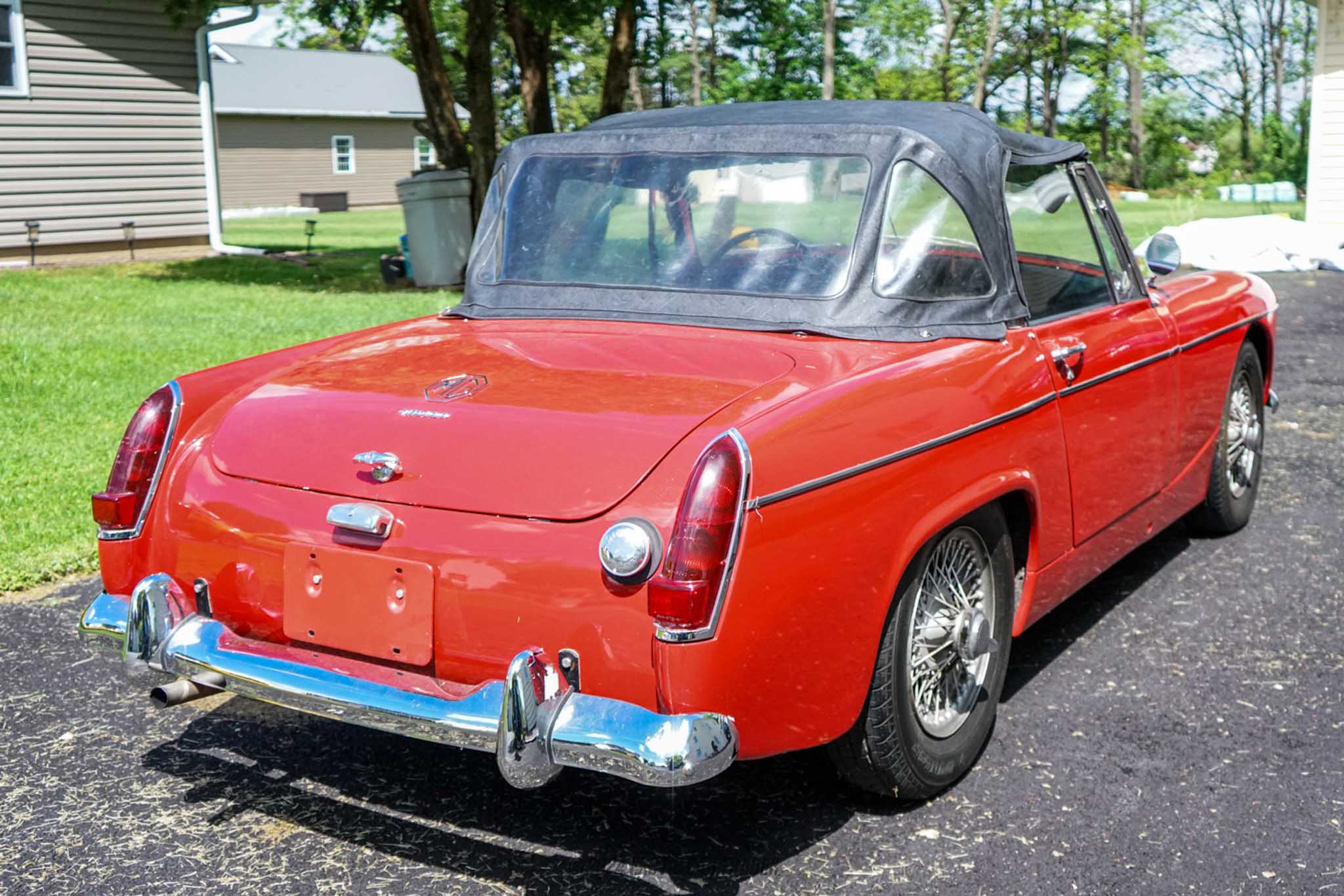
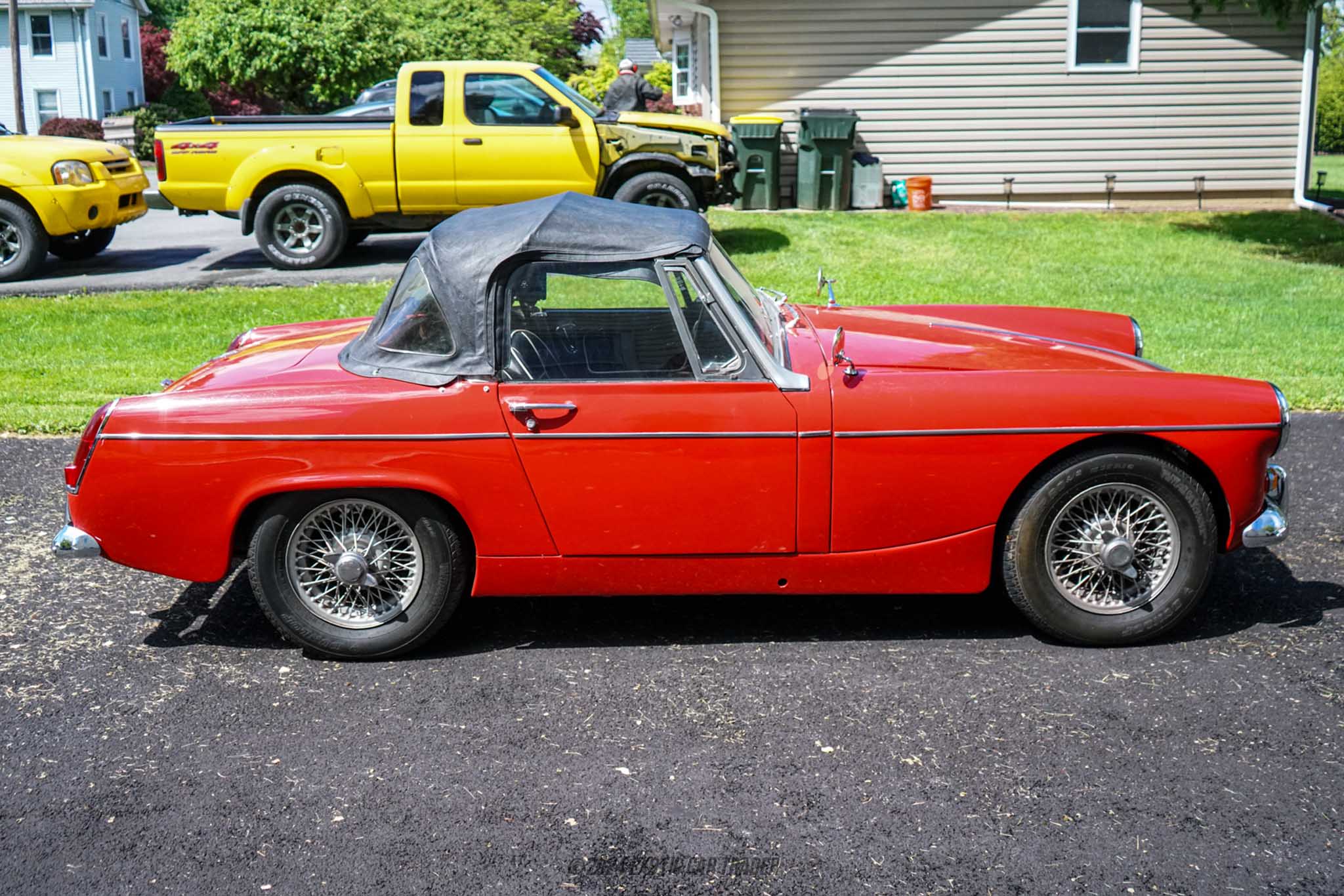
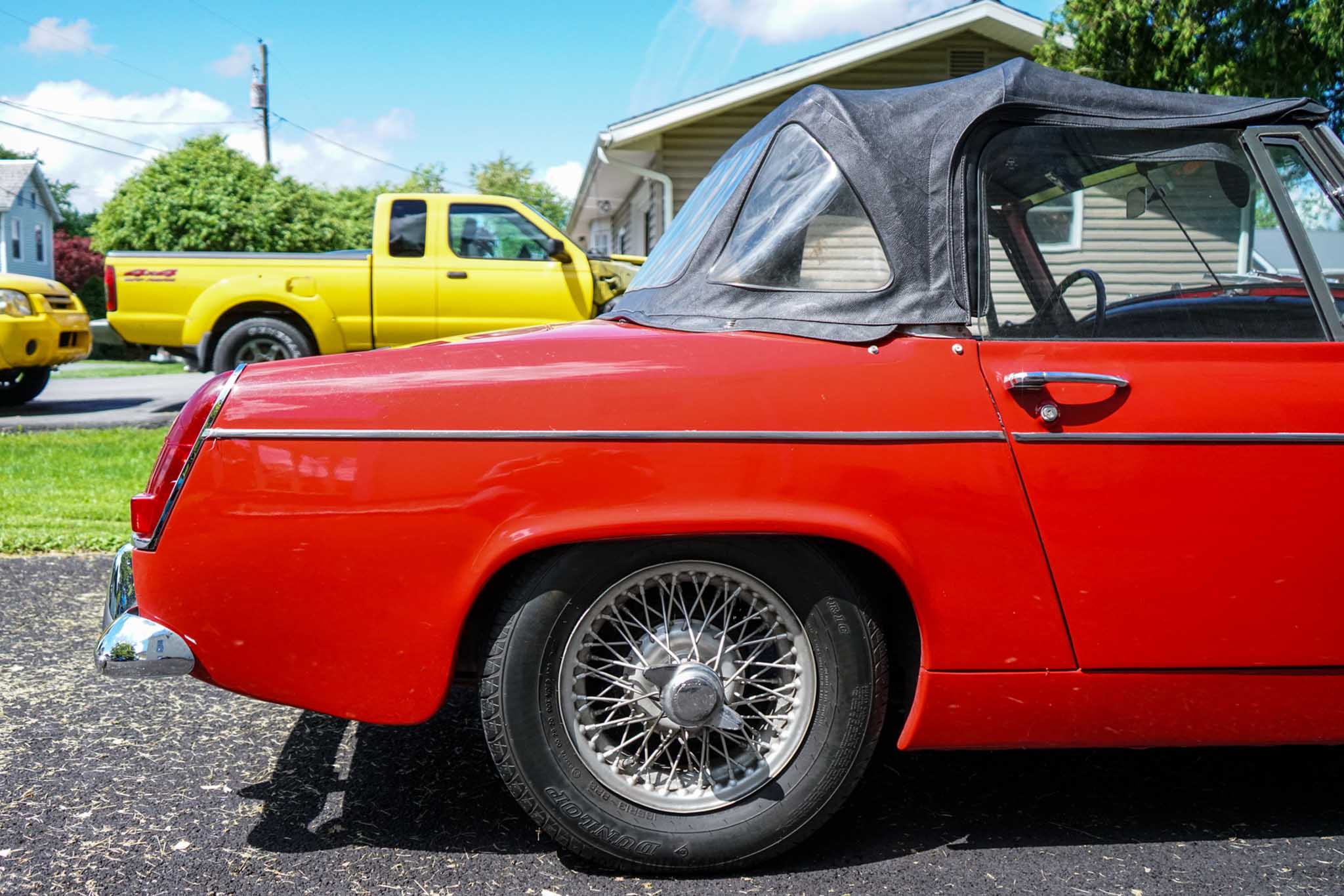
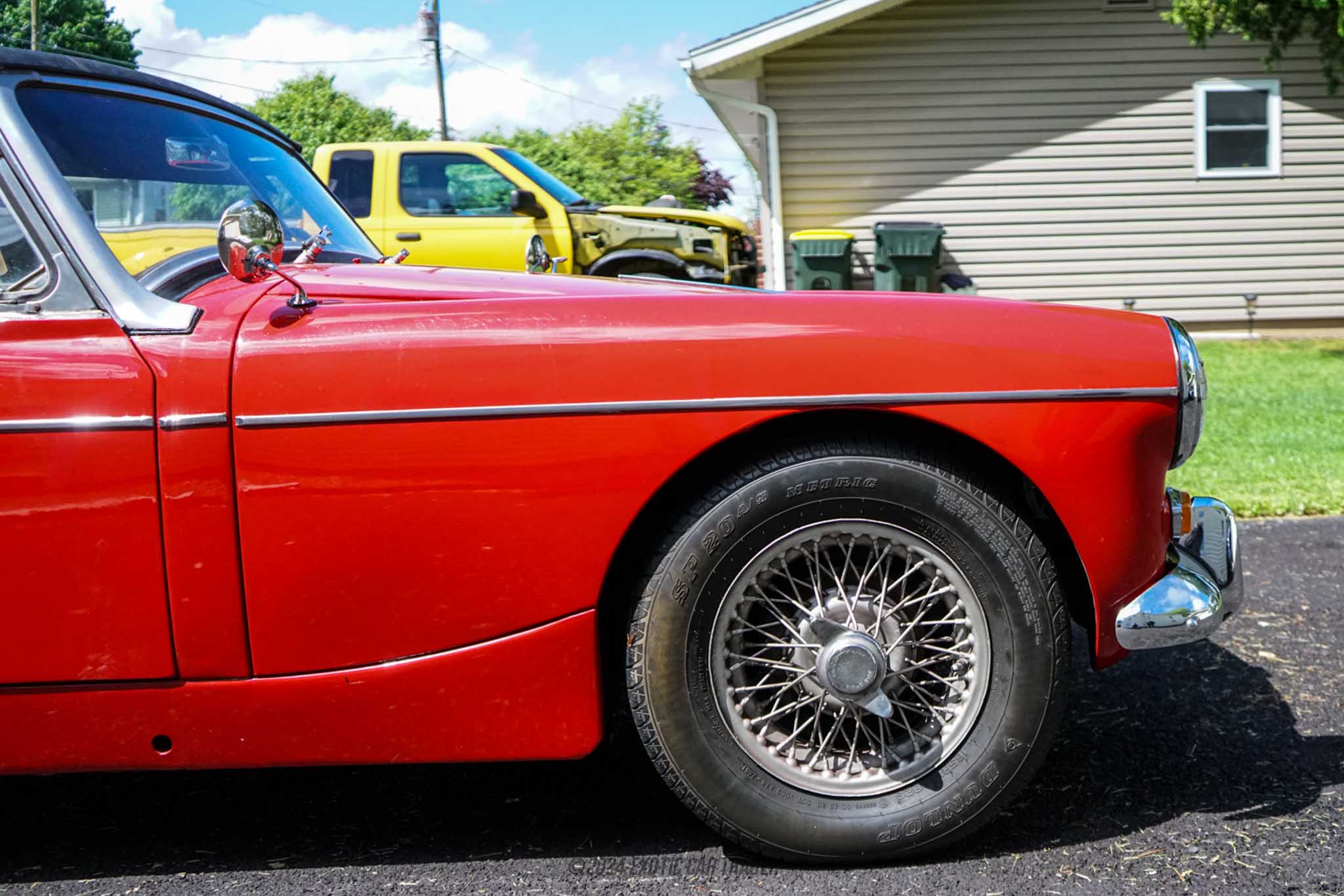
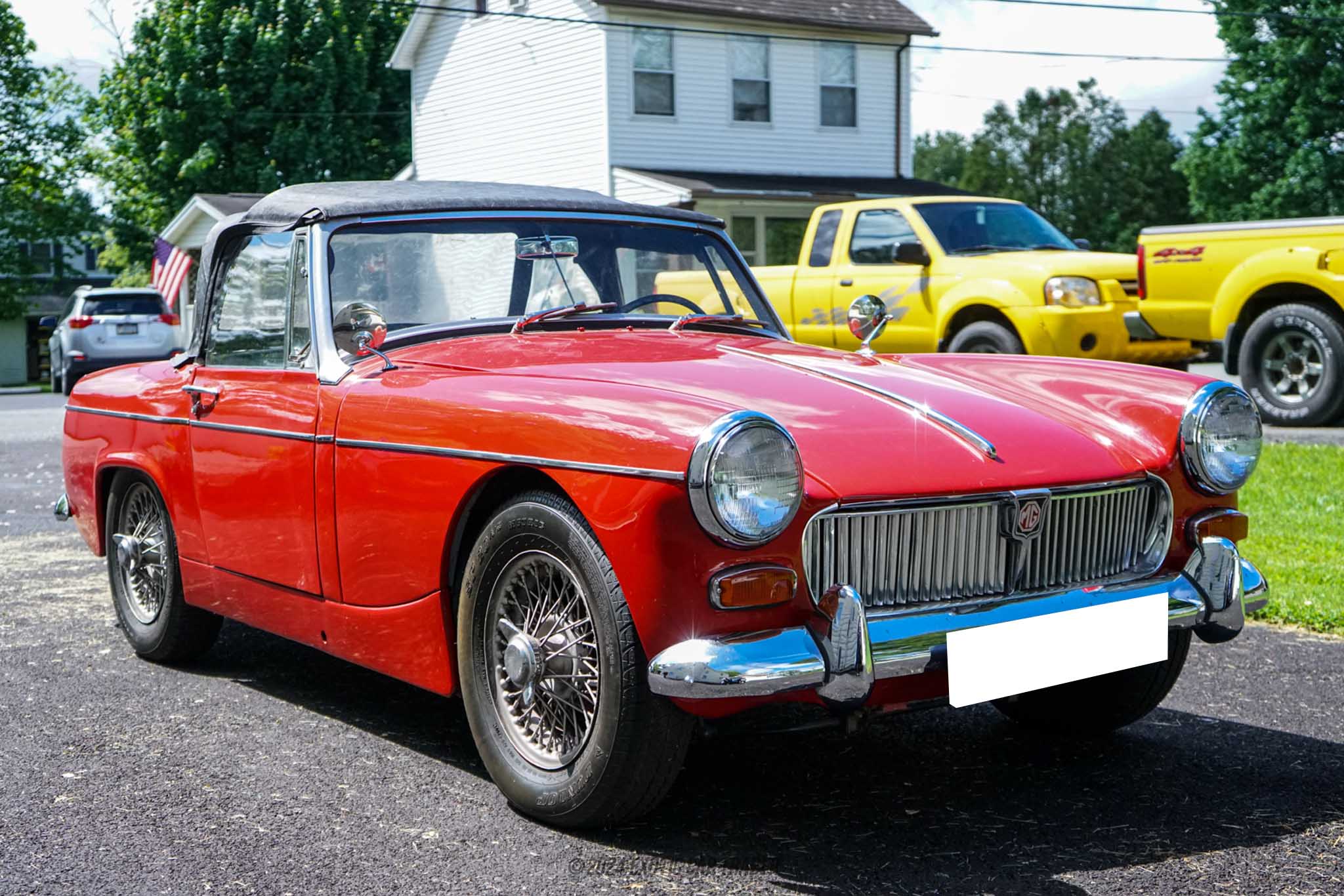
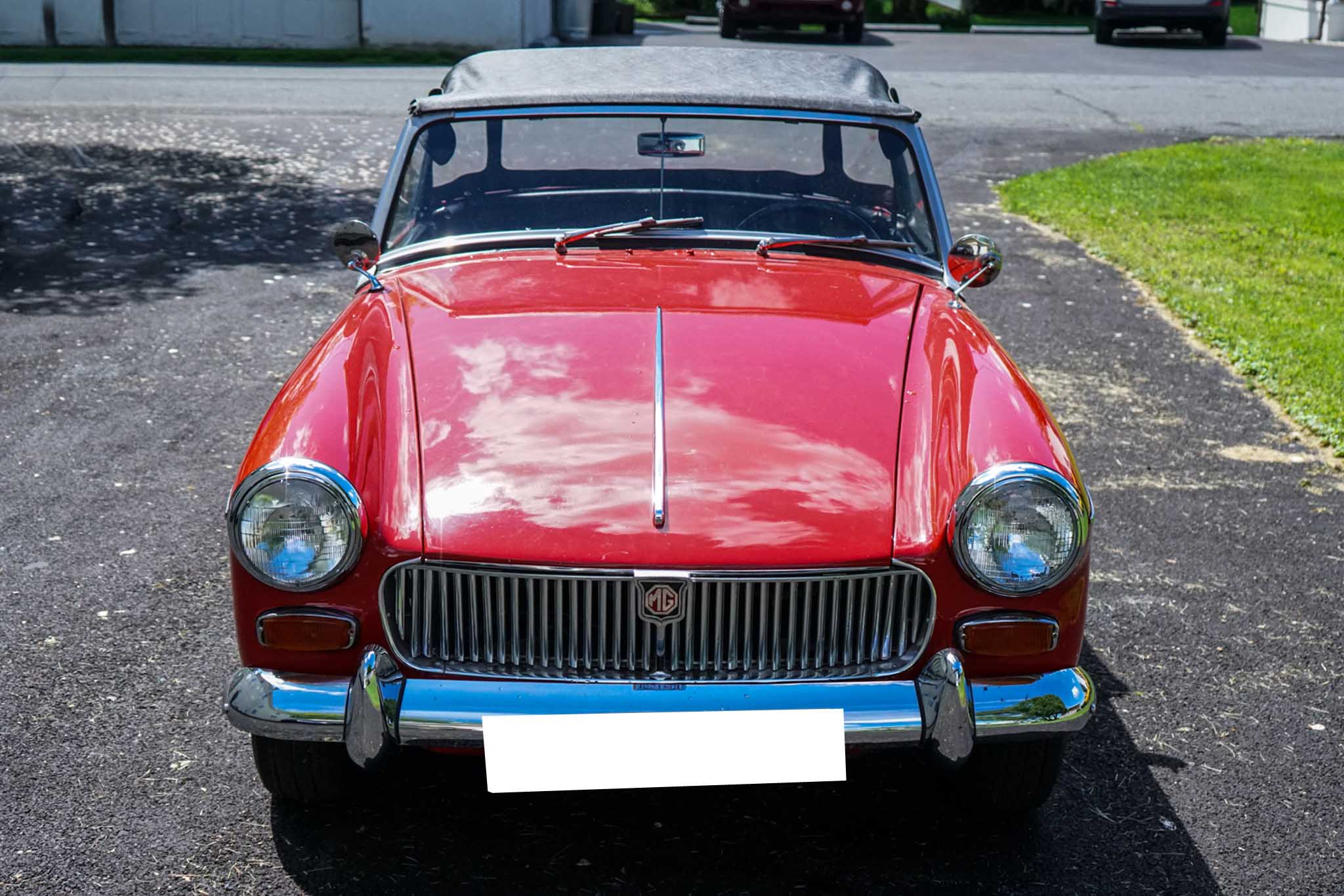
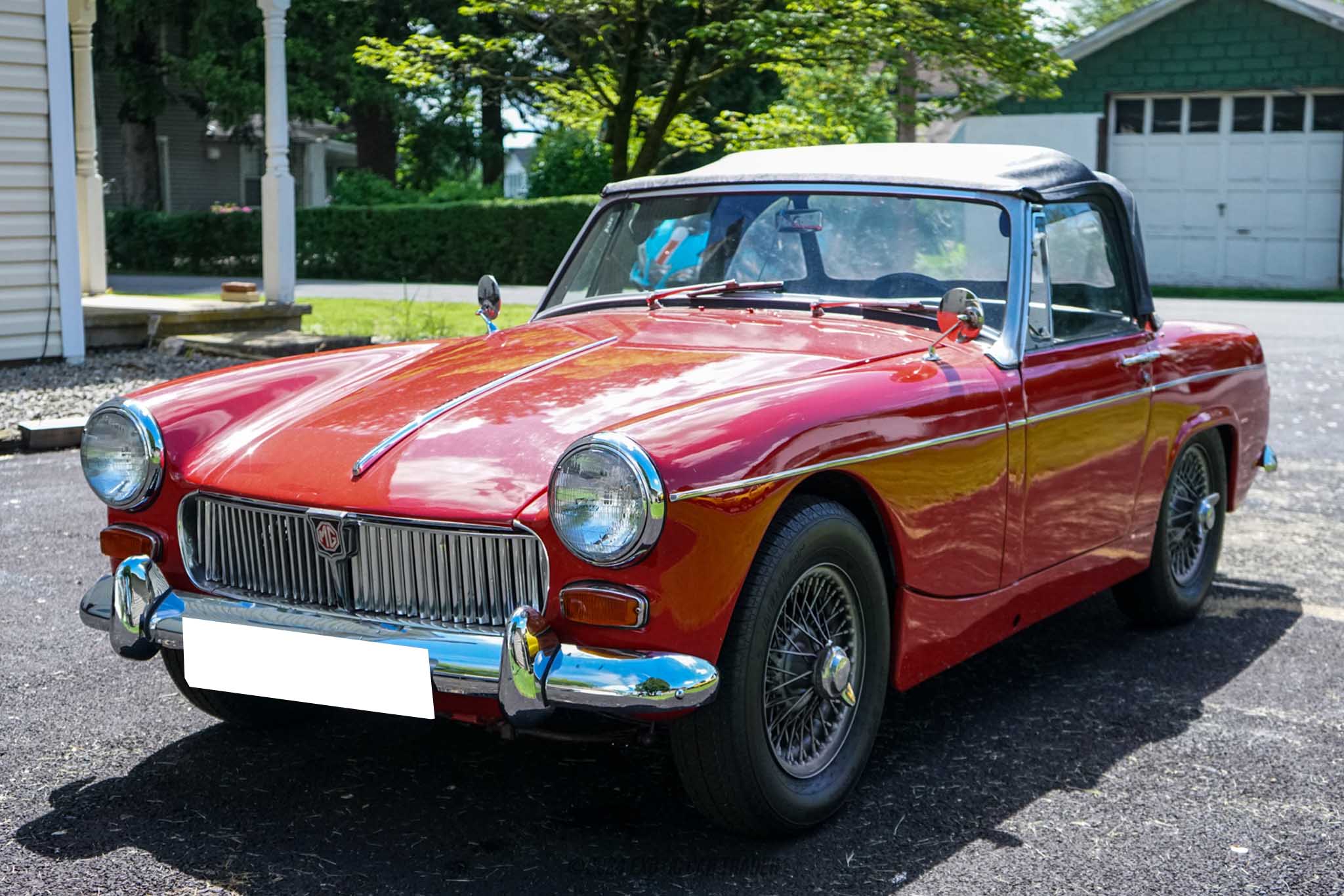
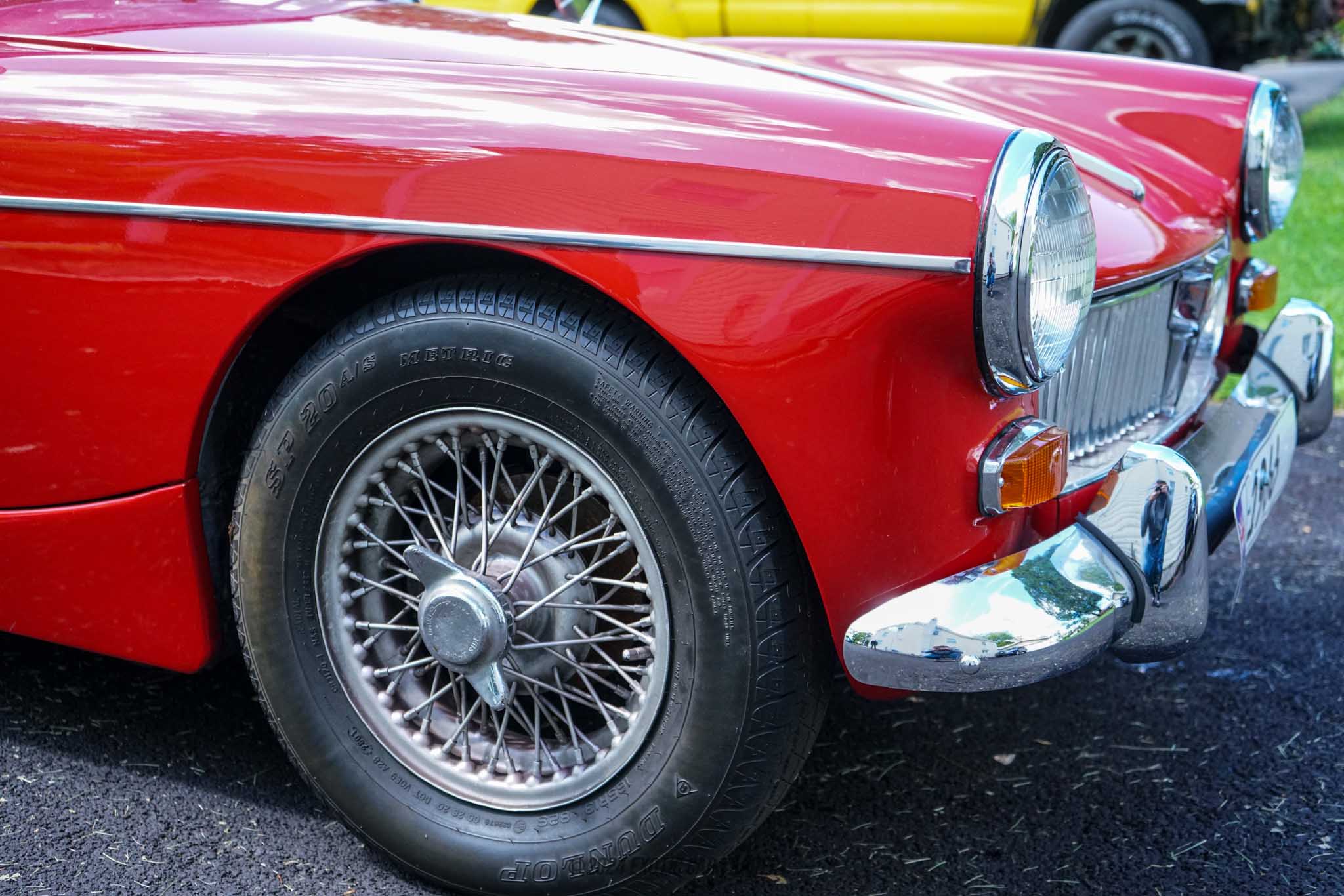
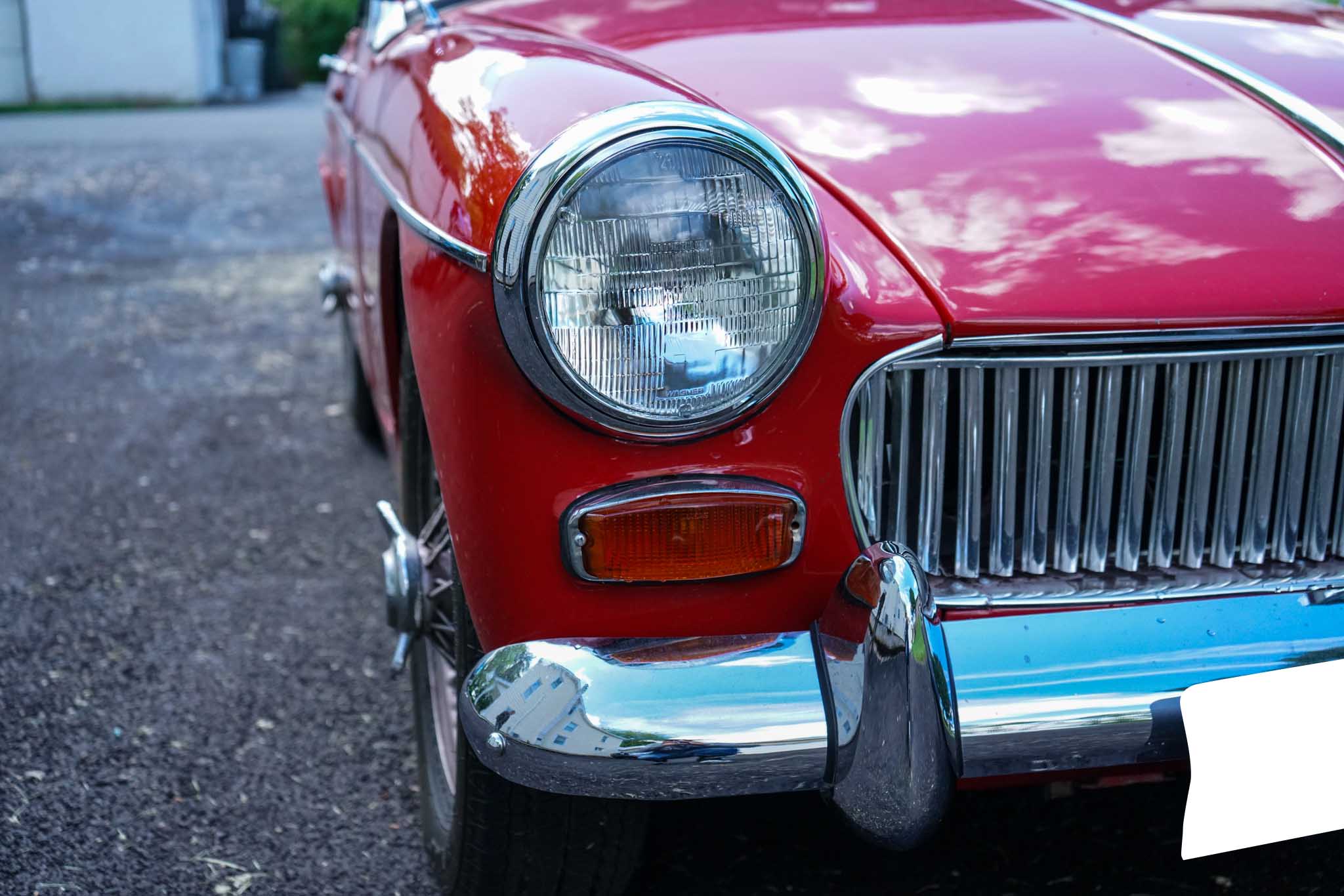
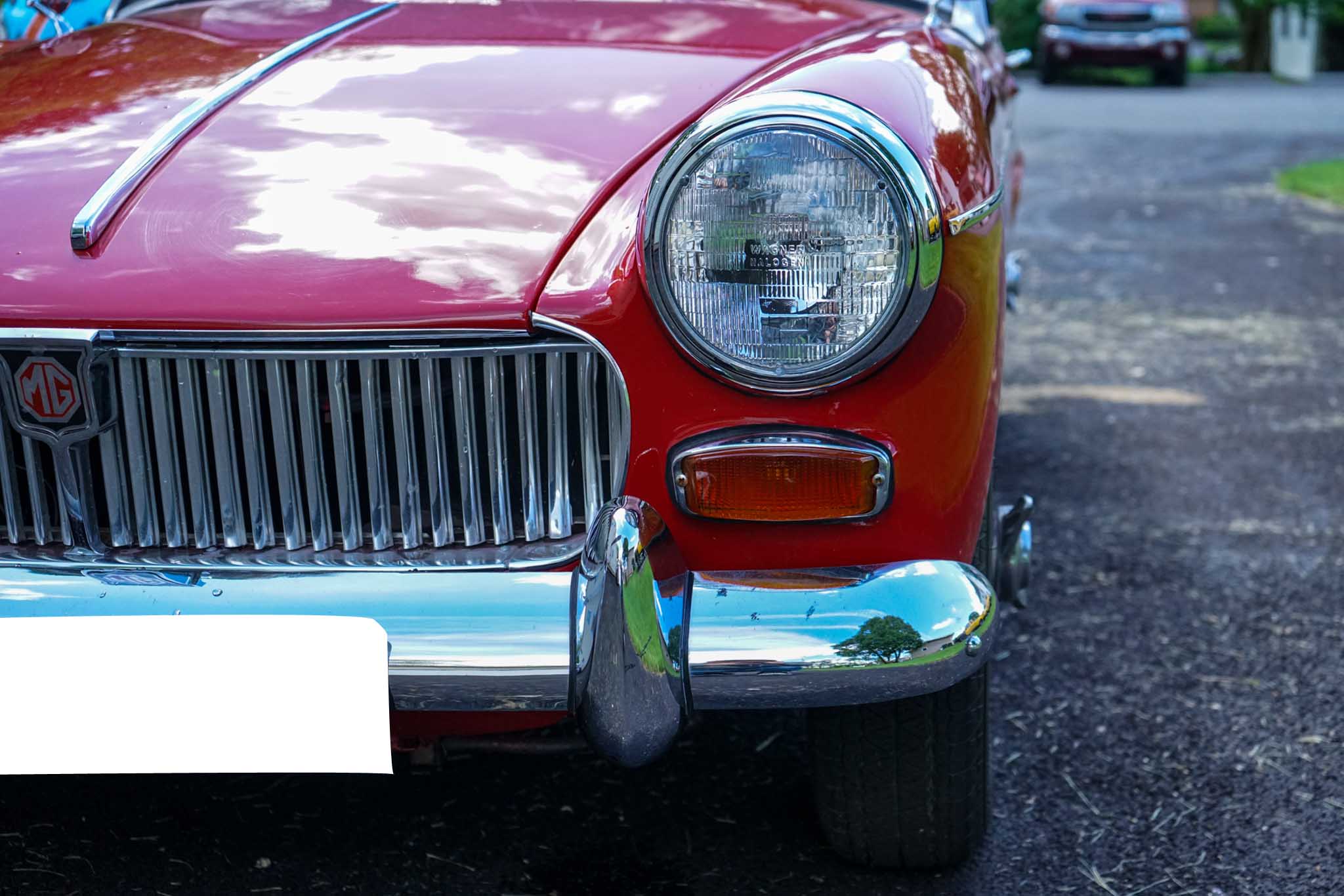
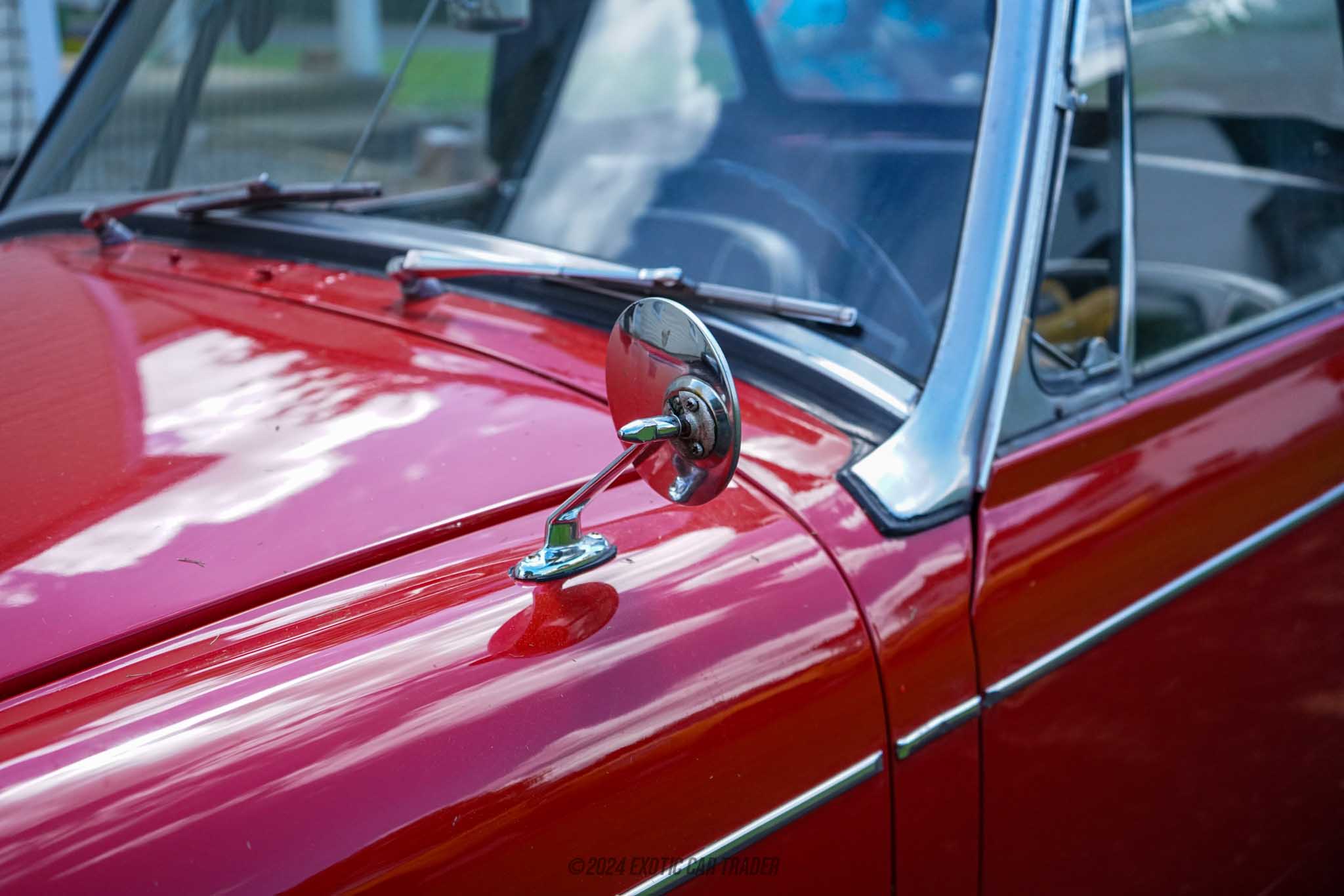
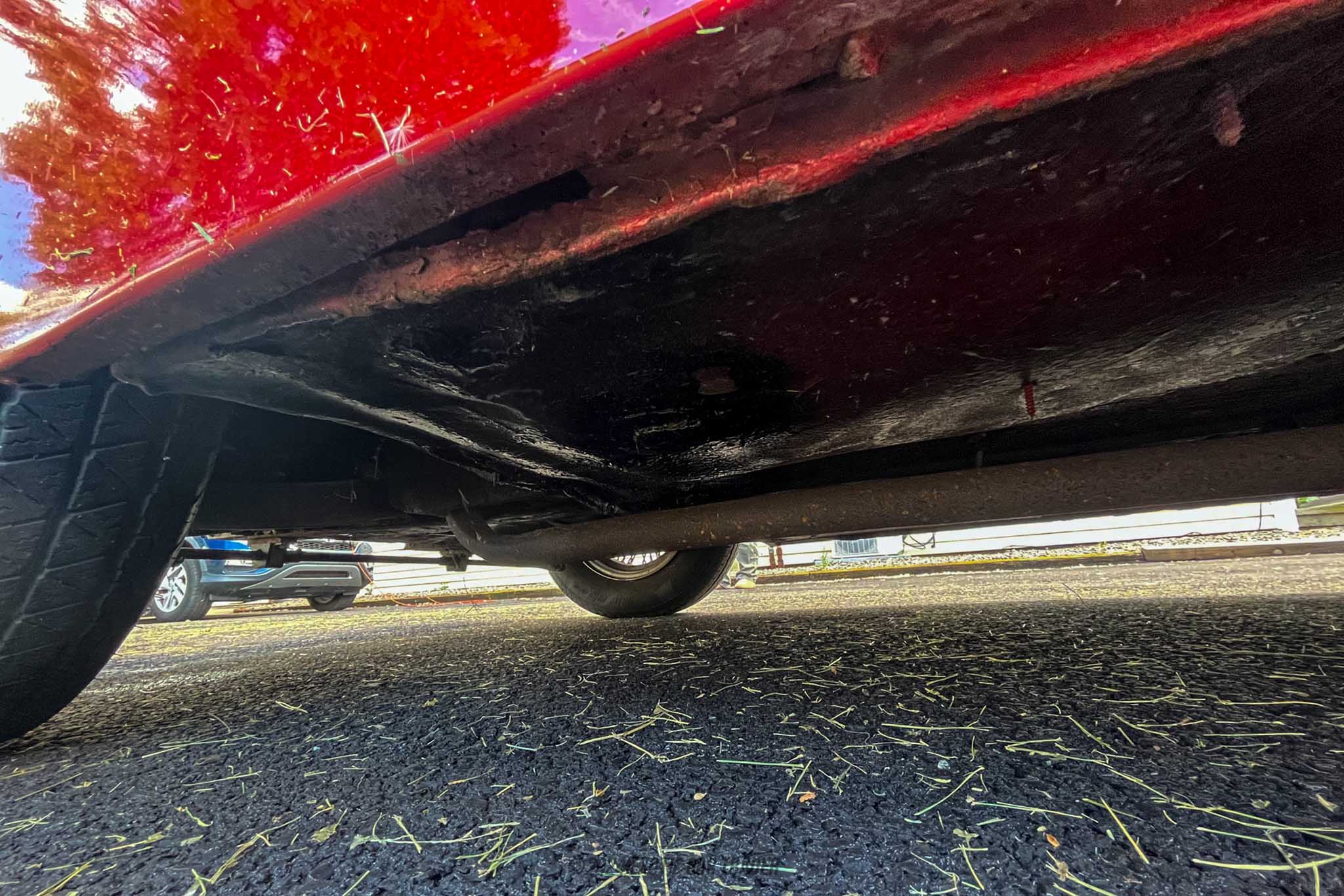
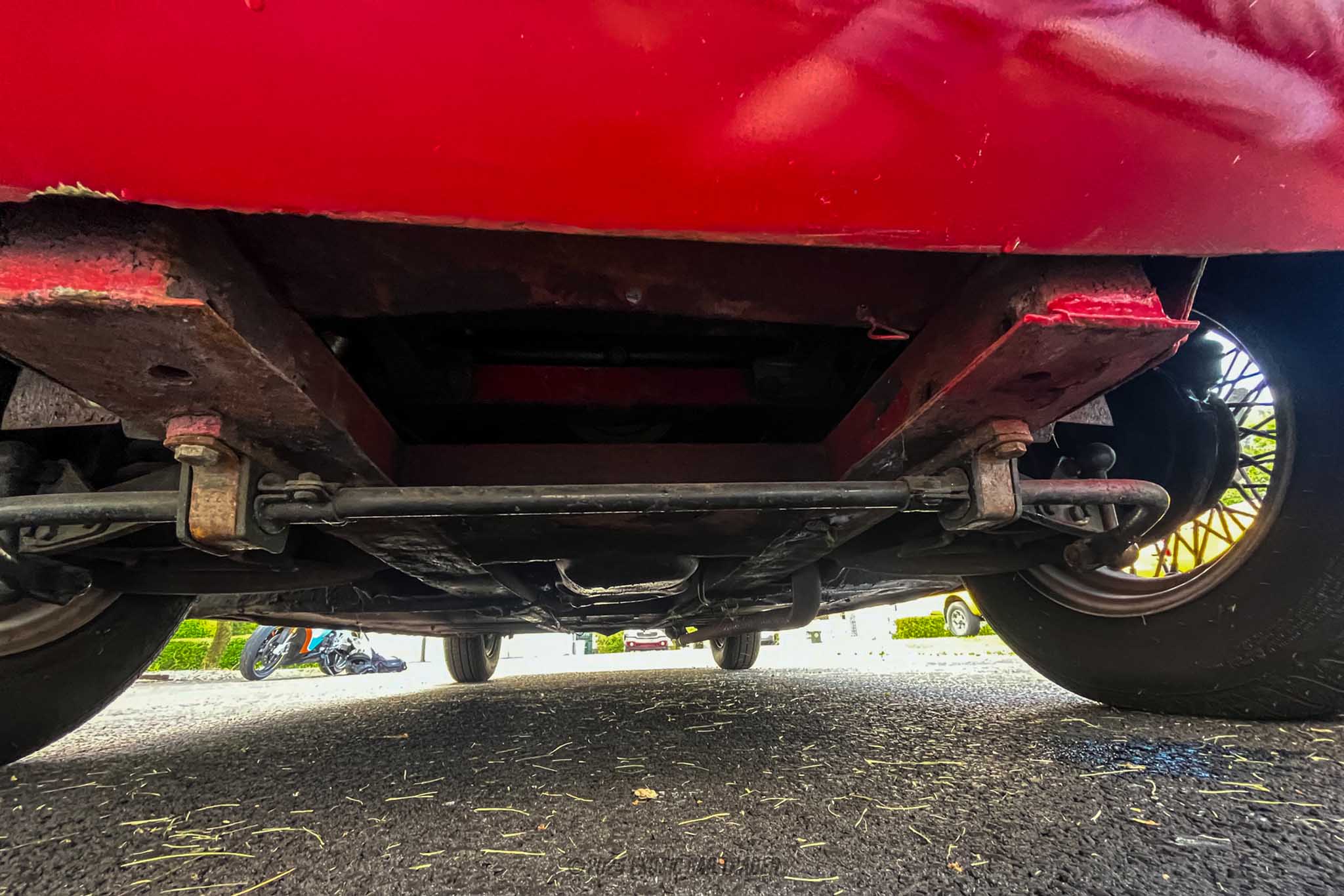
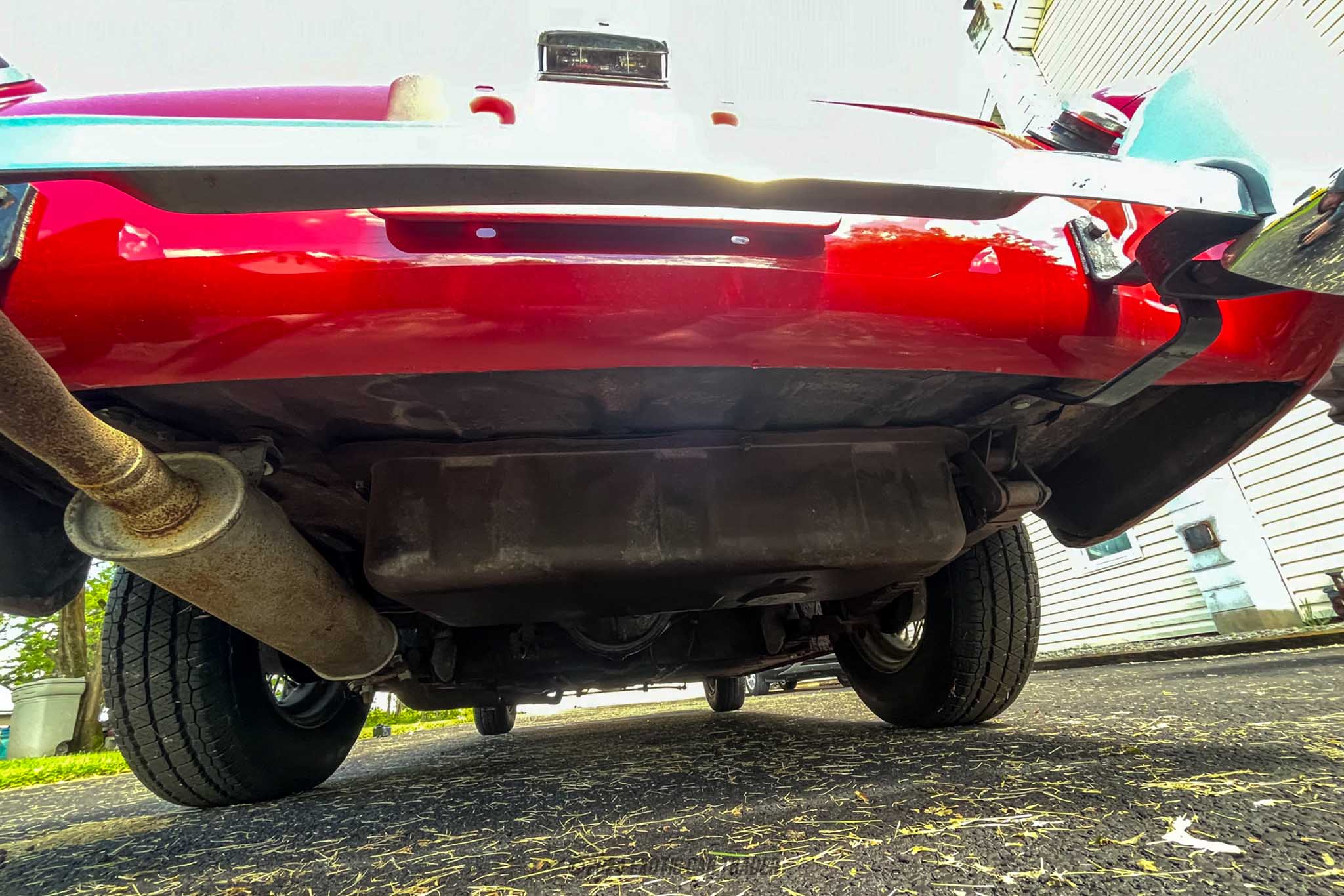
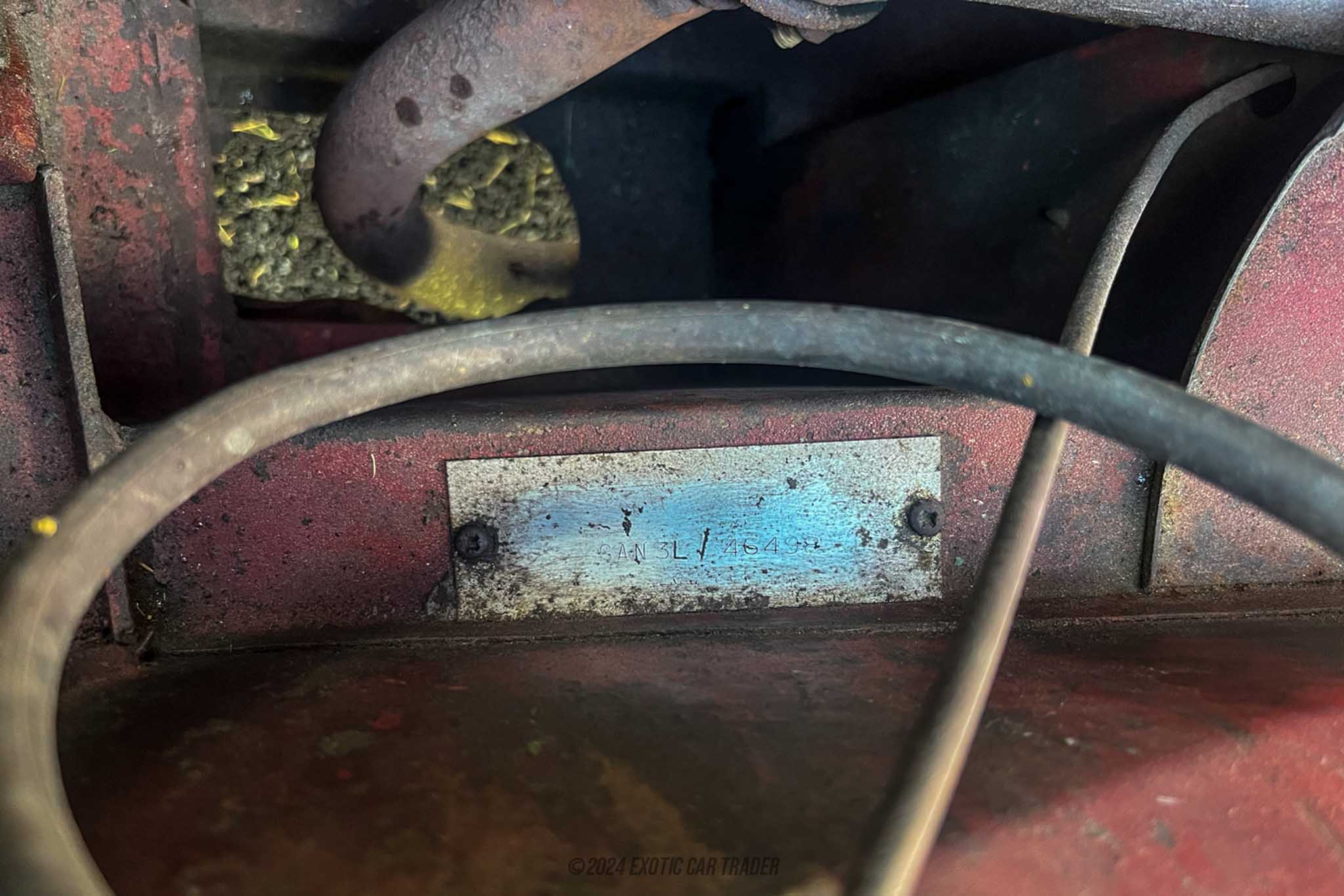
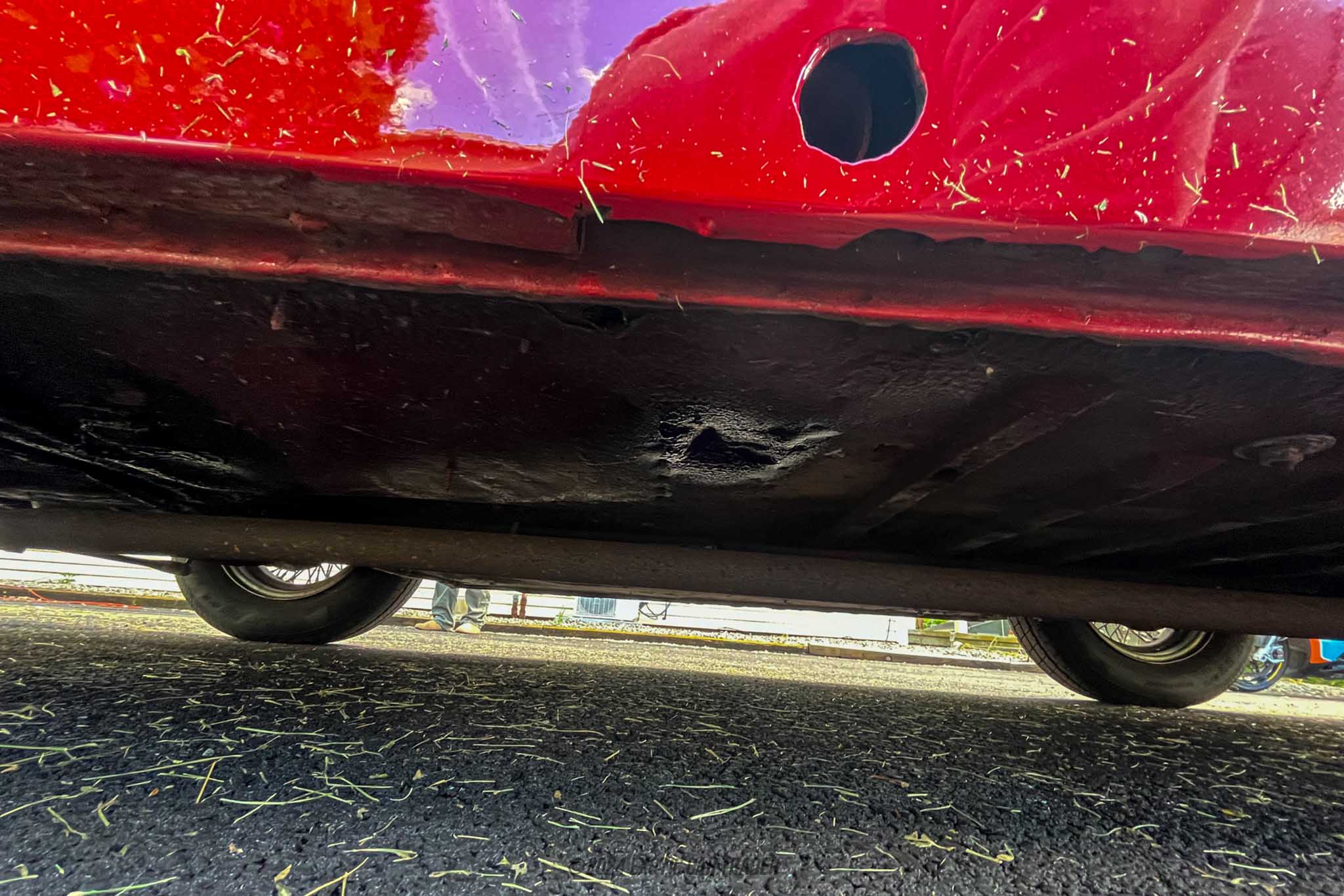
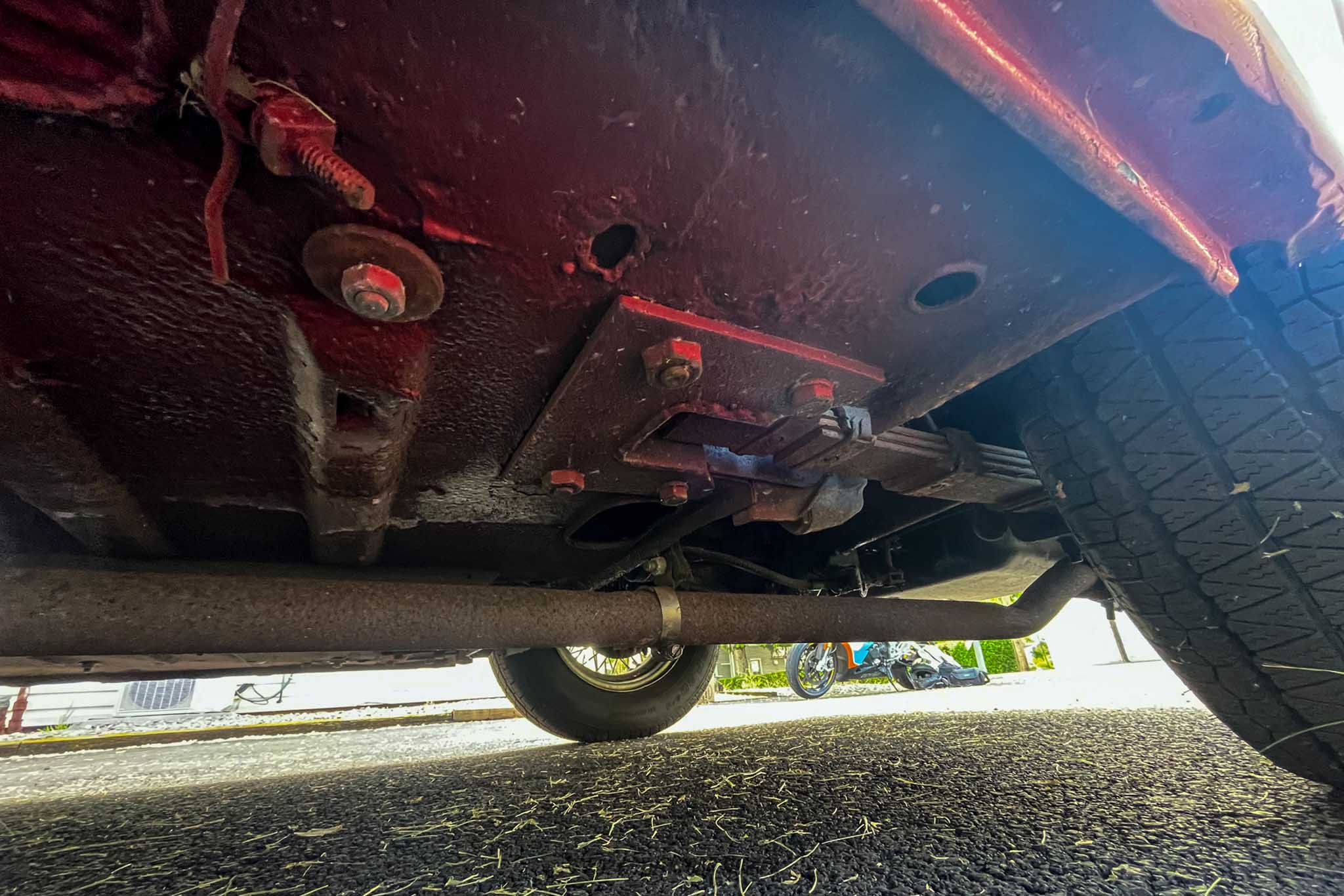
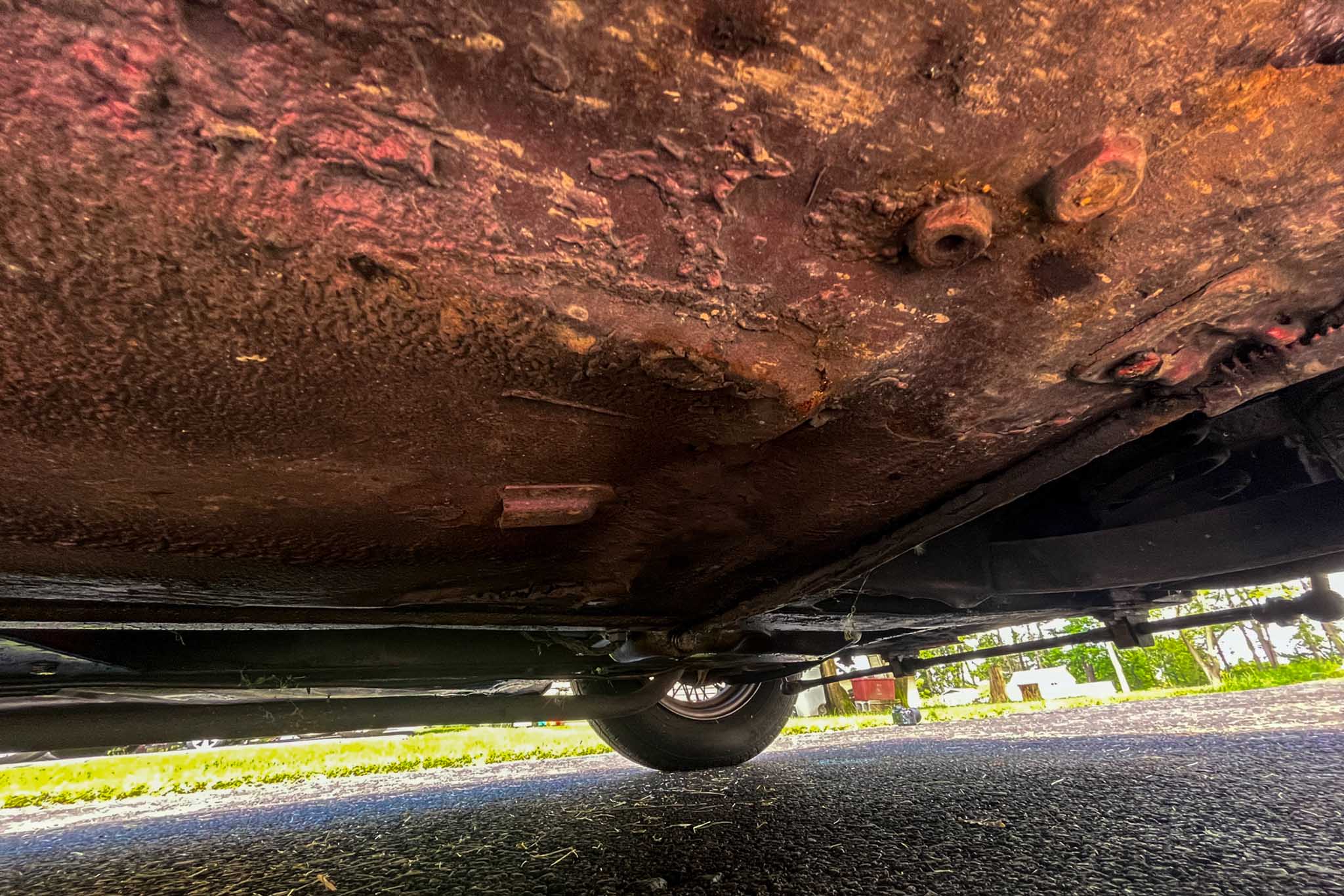
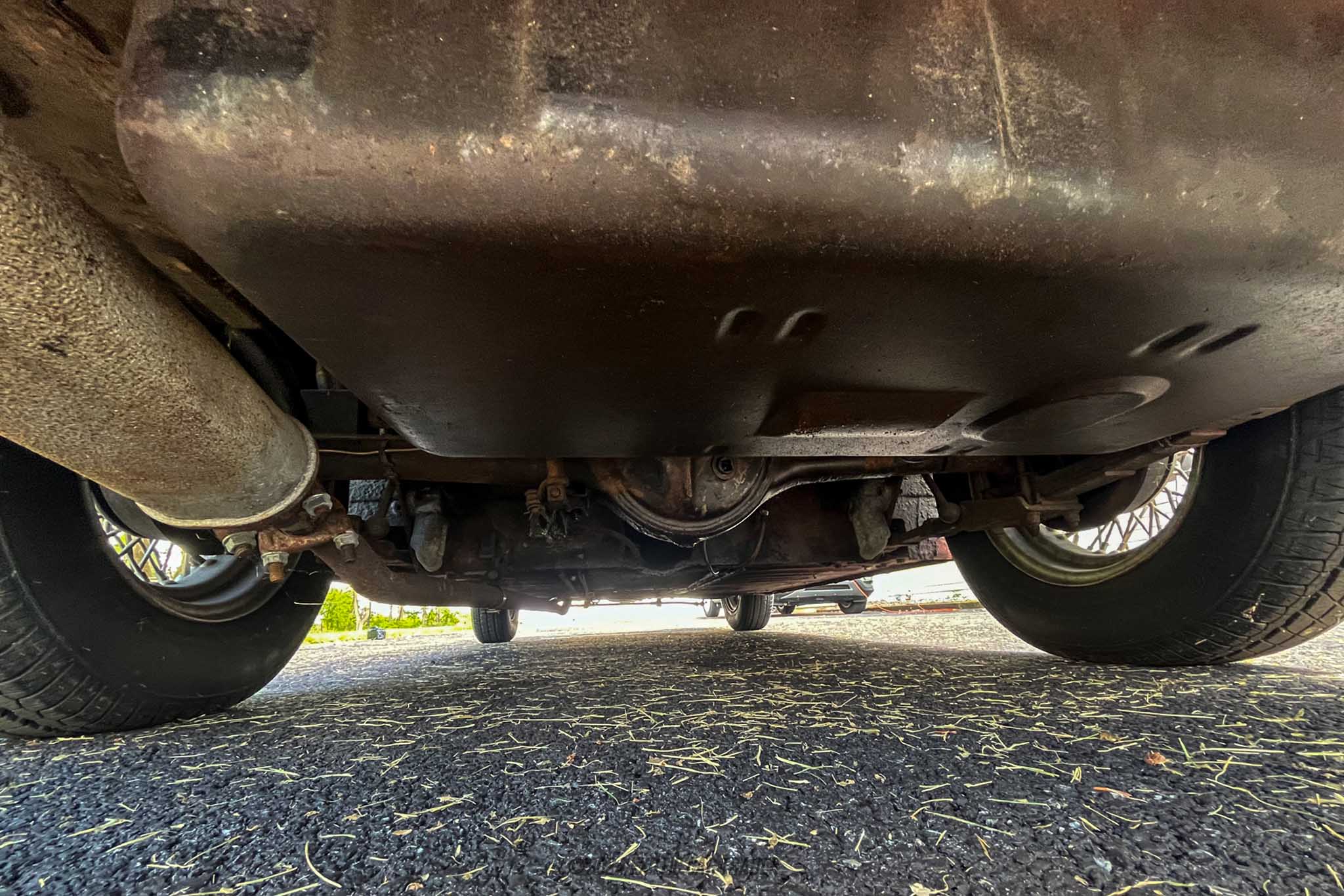
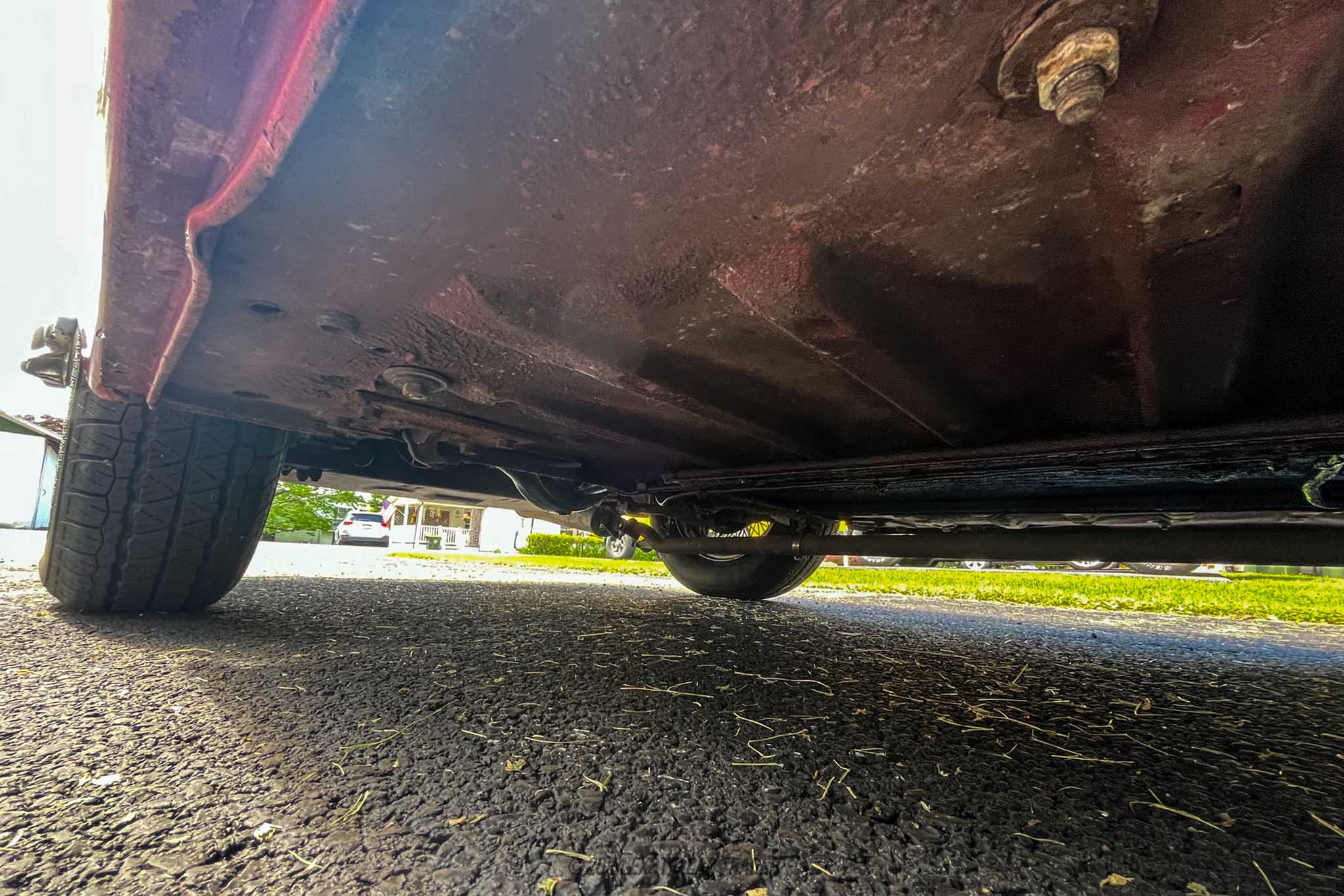
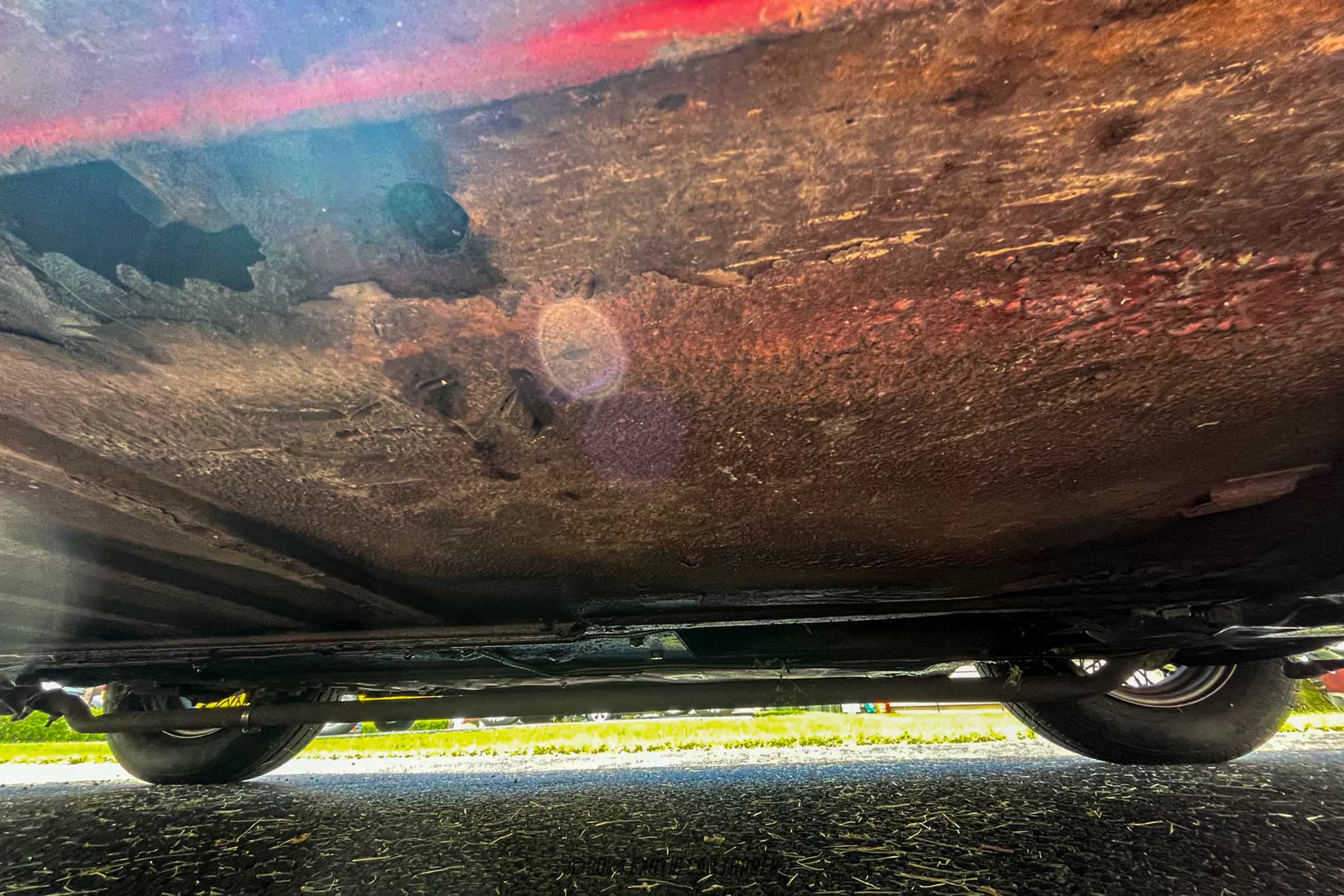


- 1966 MG Midget Convertible
- 4-speed manual transmission
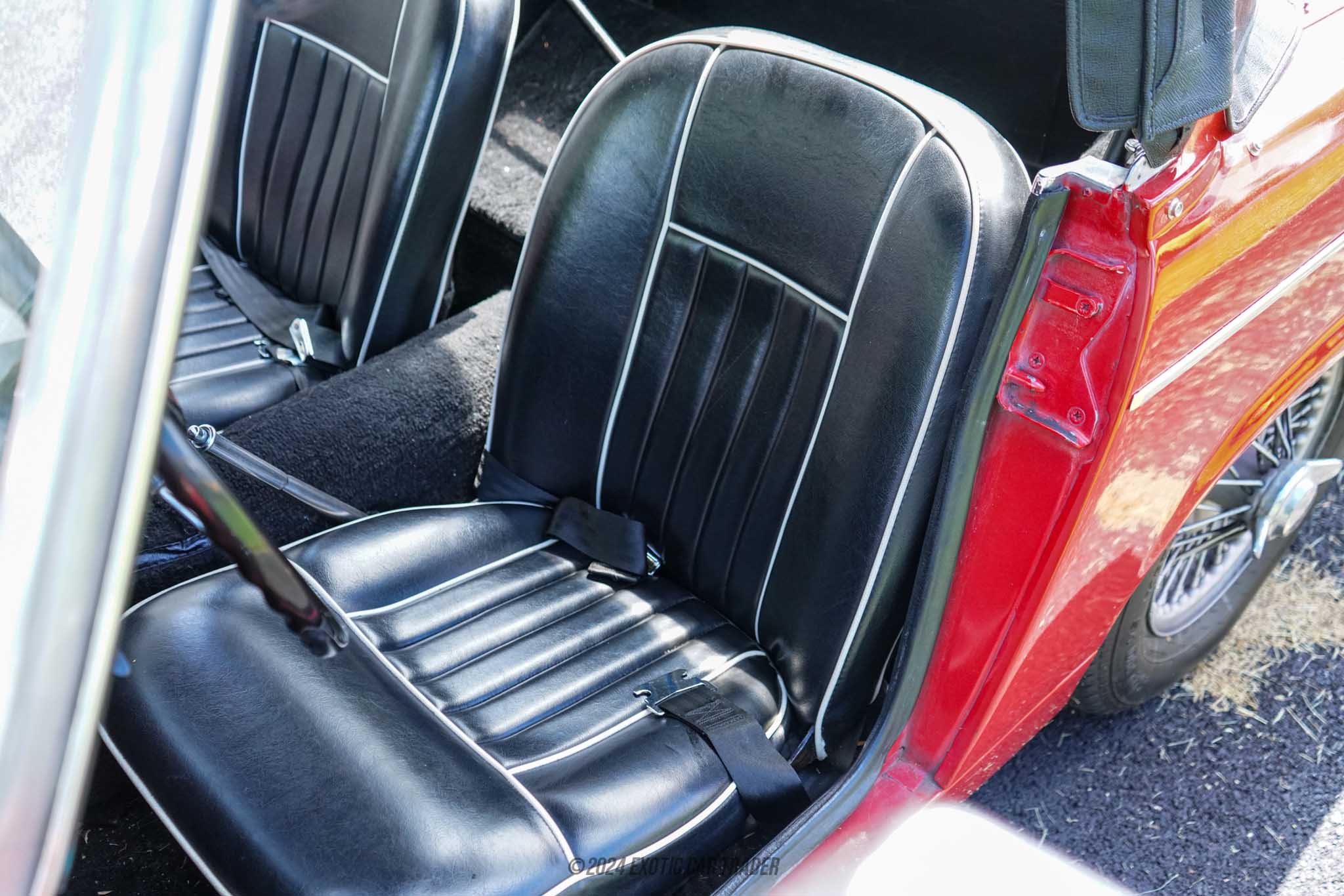
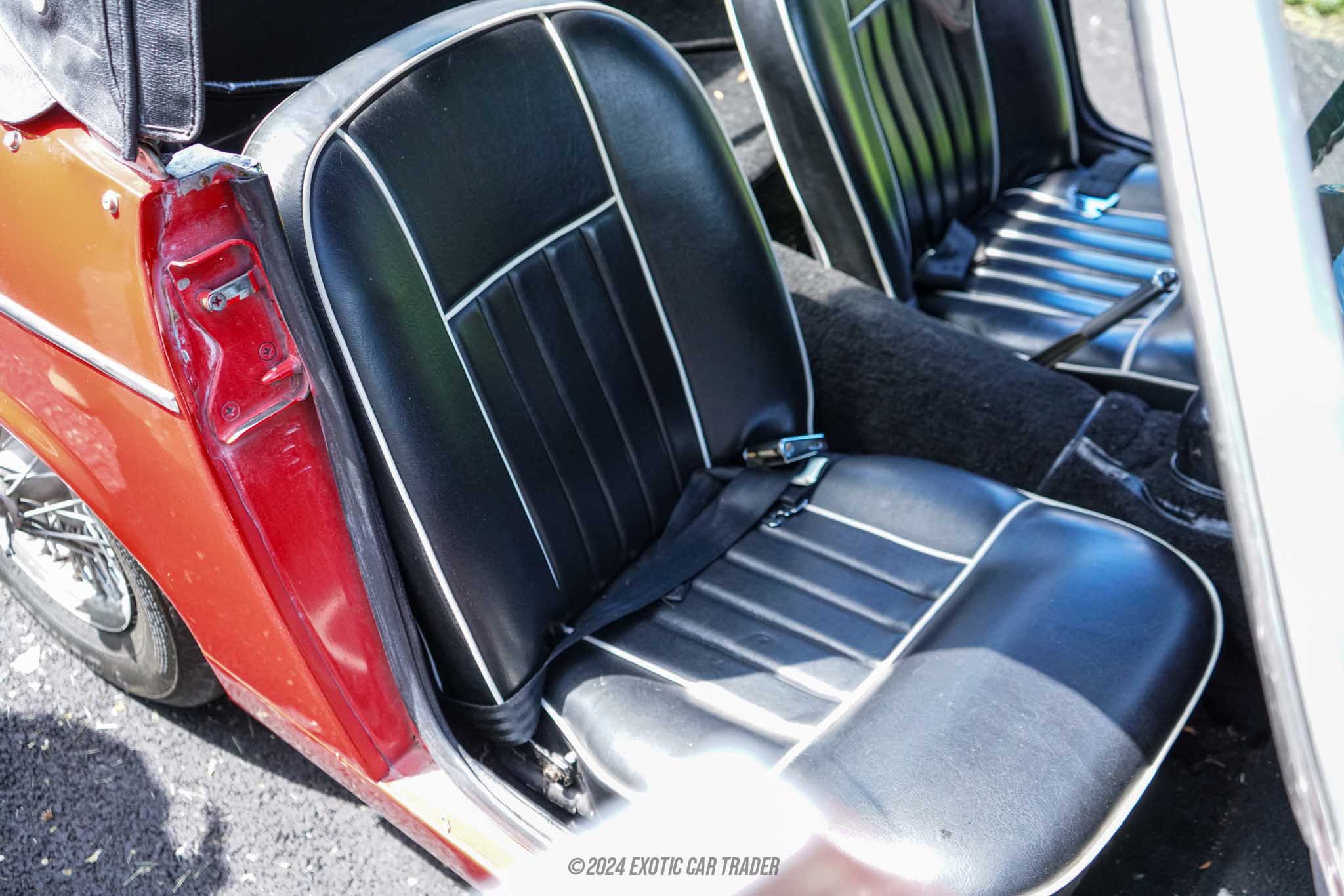
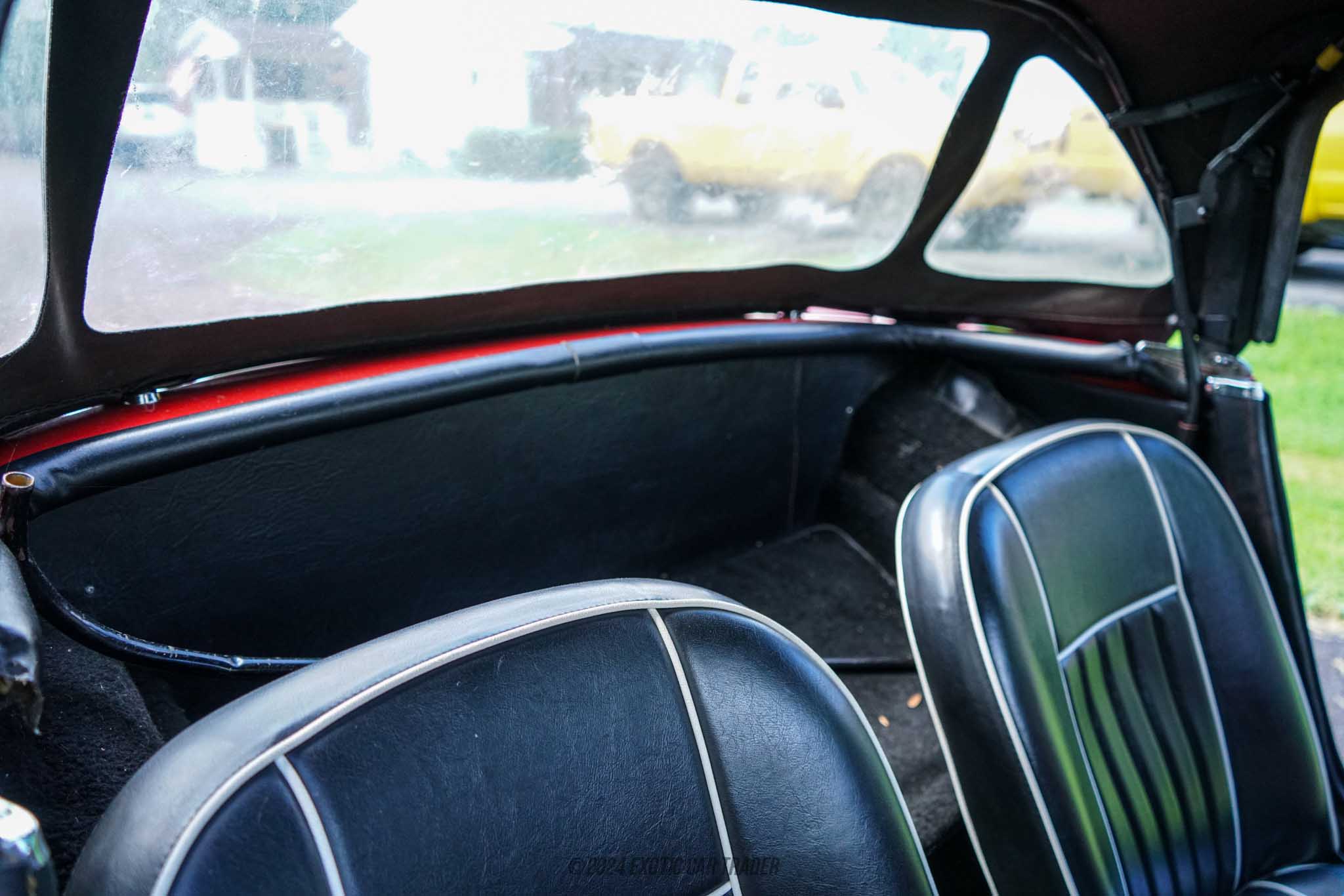
- Current owner reports re-upholstered seating
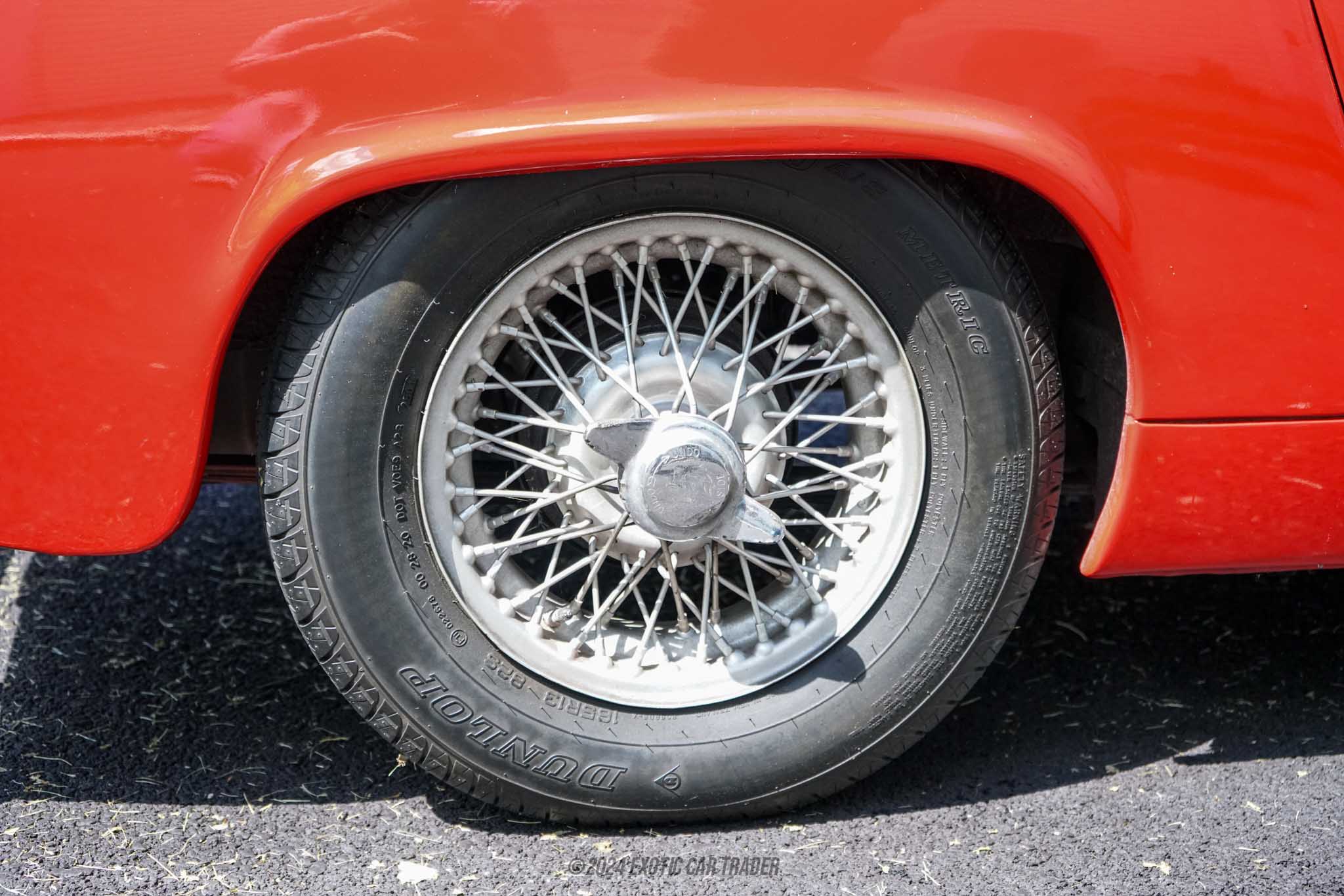
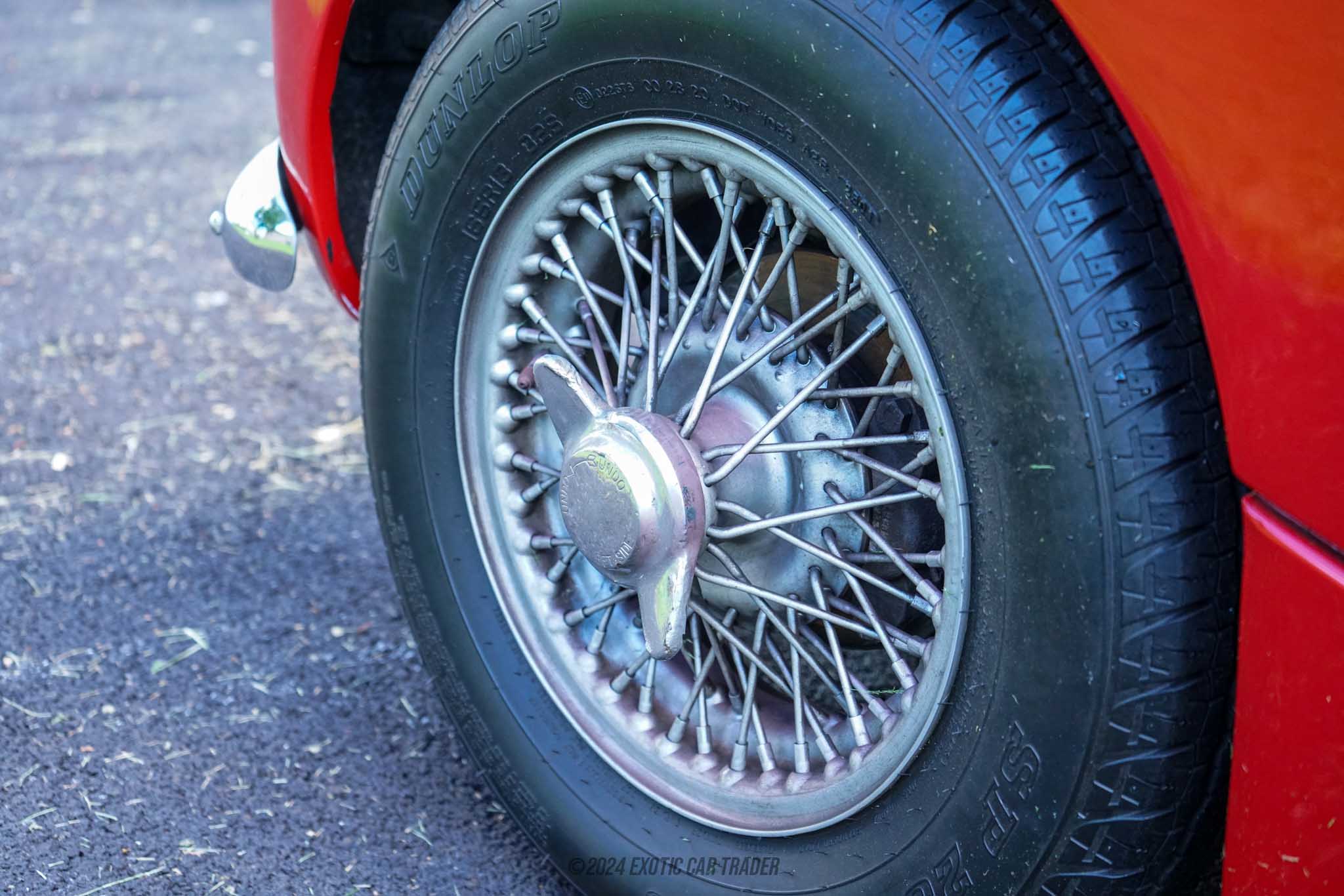
- Original wire wheels
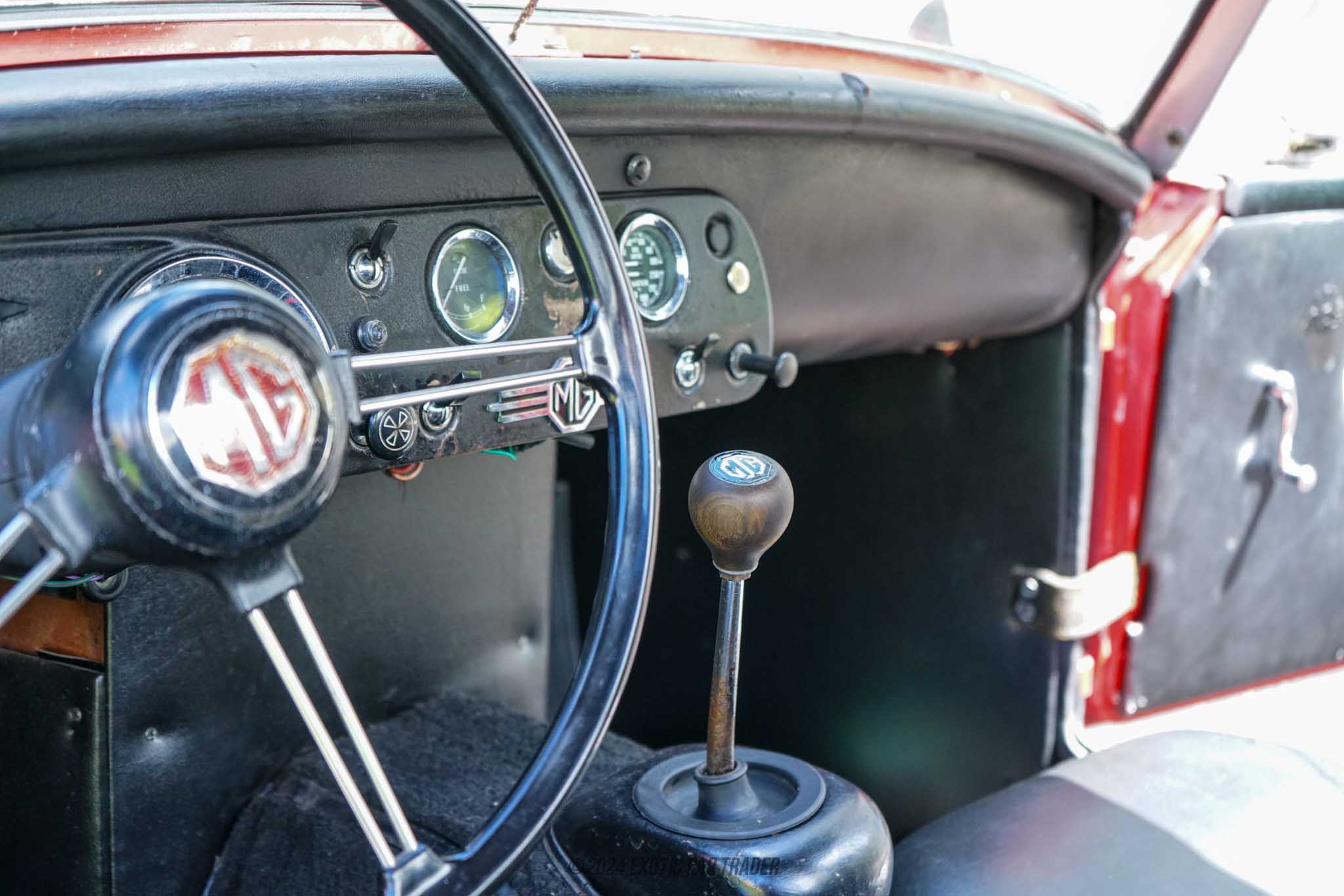
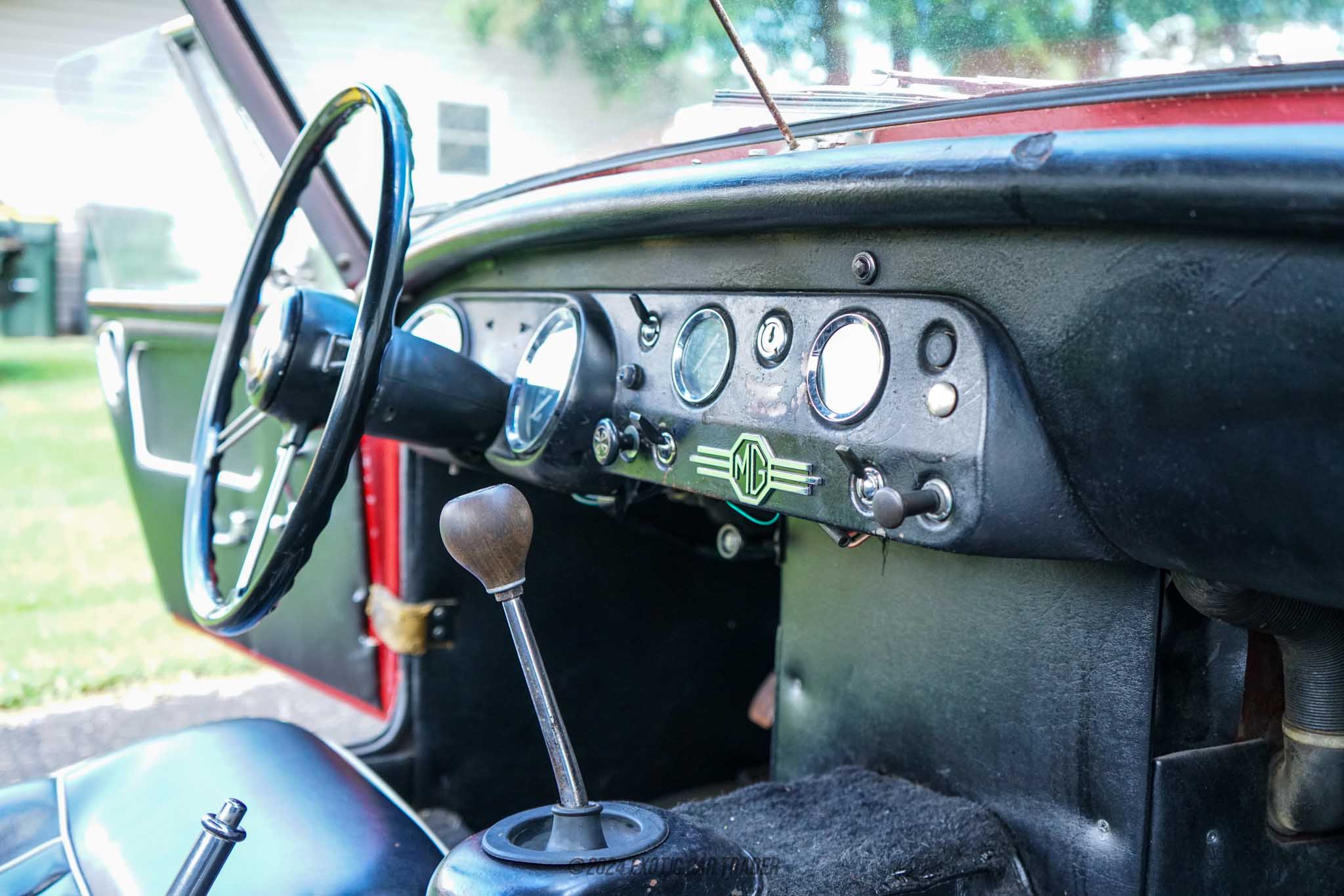
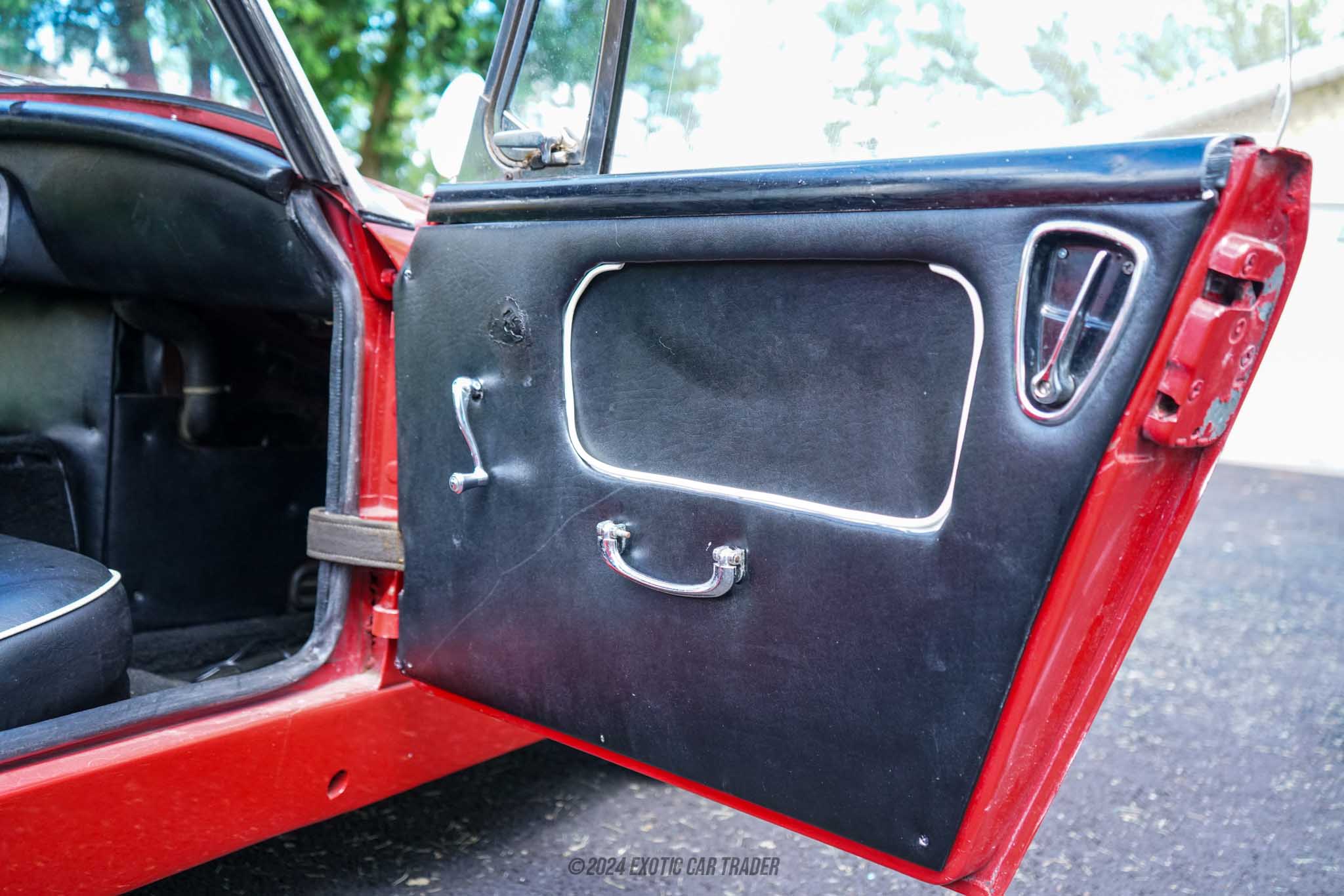
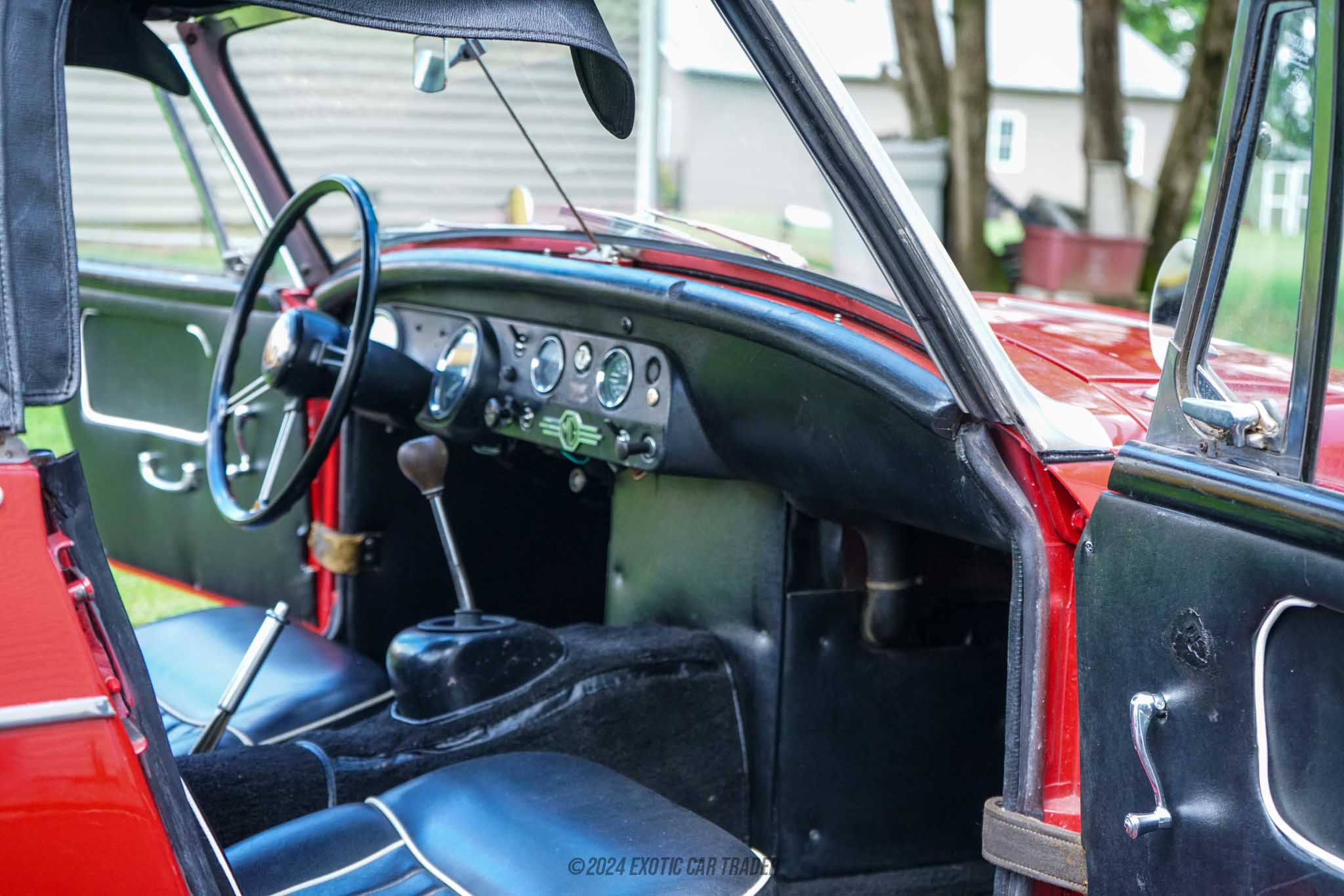
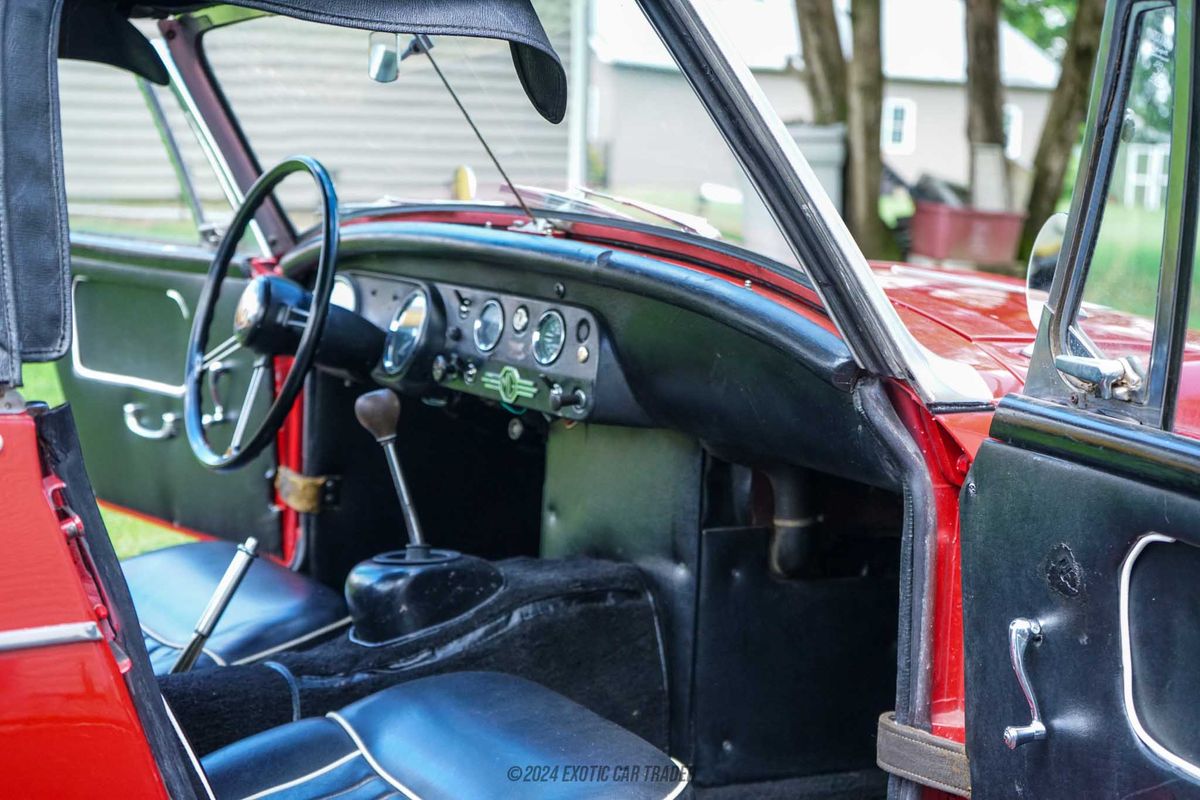
- Original interior
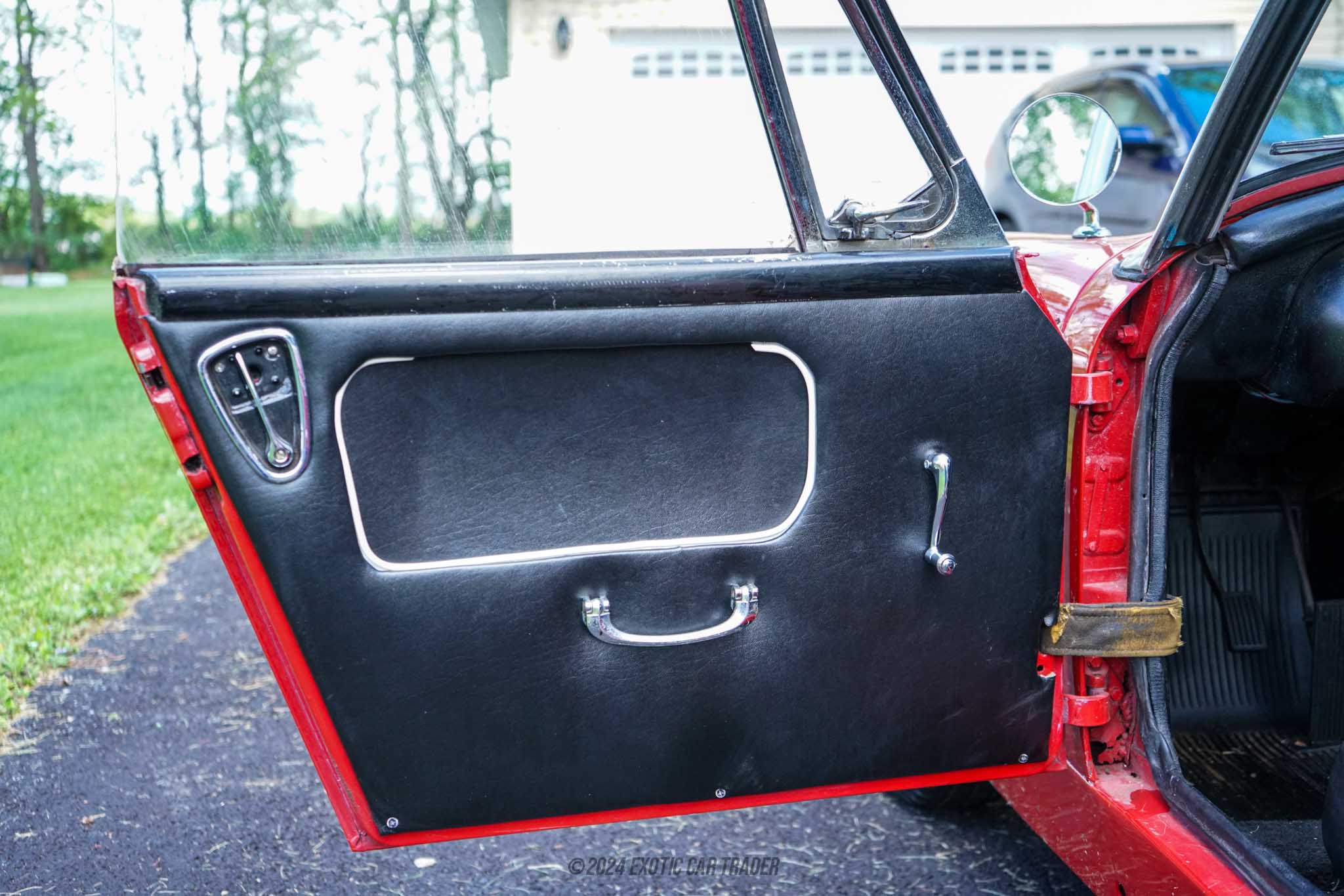
- Black interior with White pinstriping
- Soft top & Tonneau cover
- independent front suspension with coil springs
- Semi-elliptic leaf spring rear suspension
- Front disc brakes
- Rear drum brakes
- Rack & pinion steering


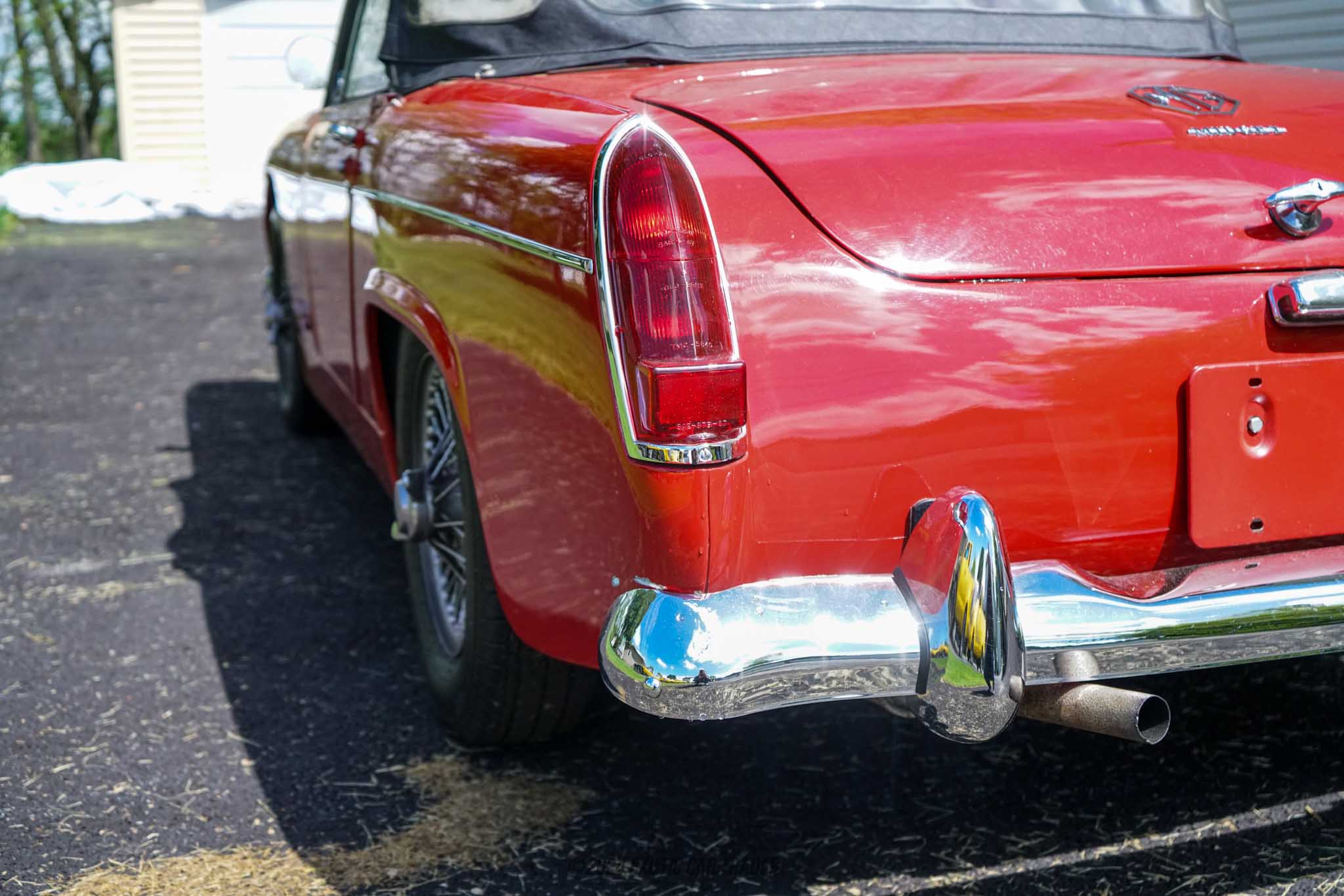
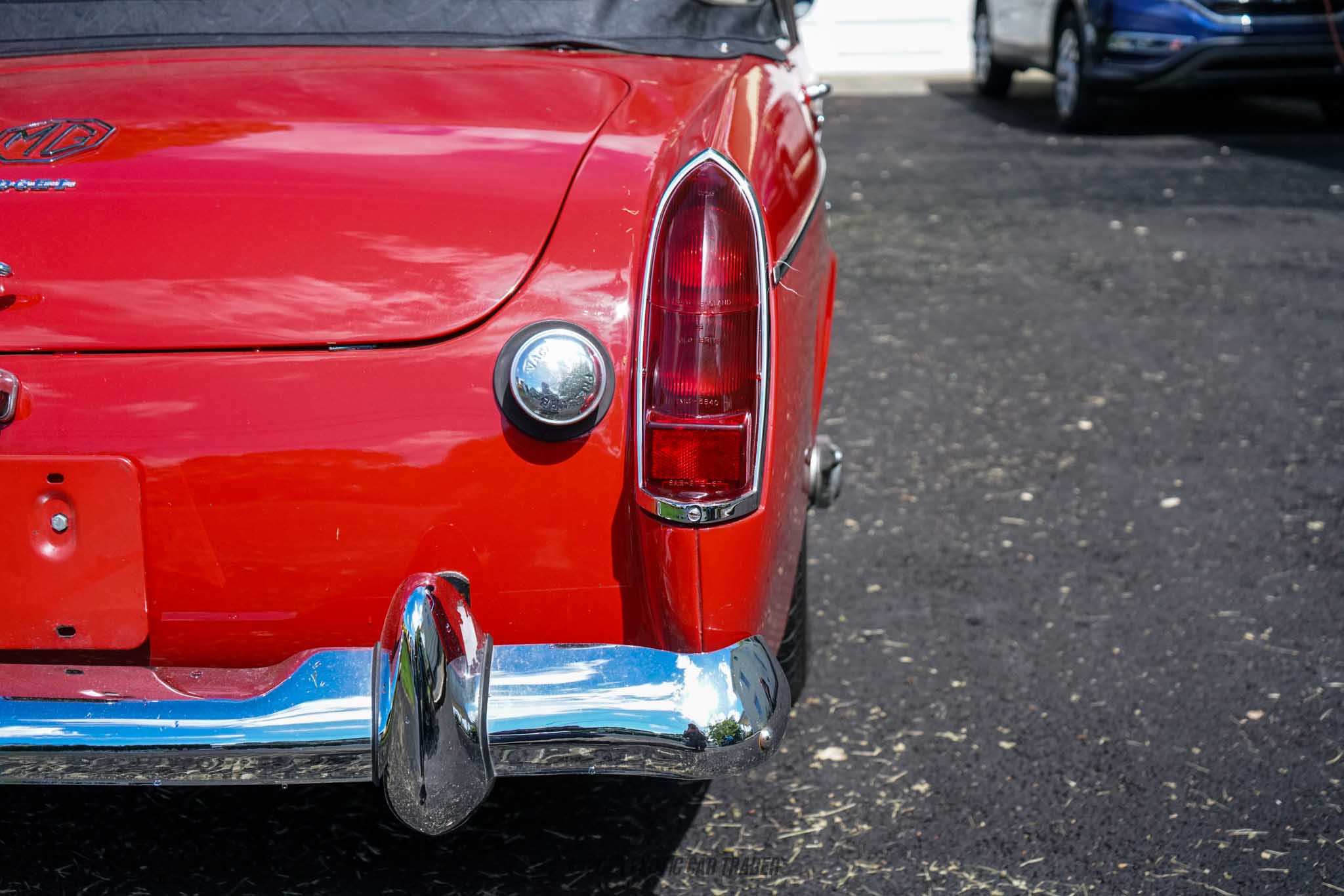
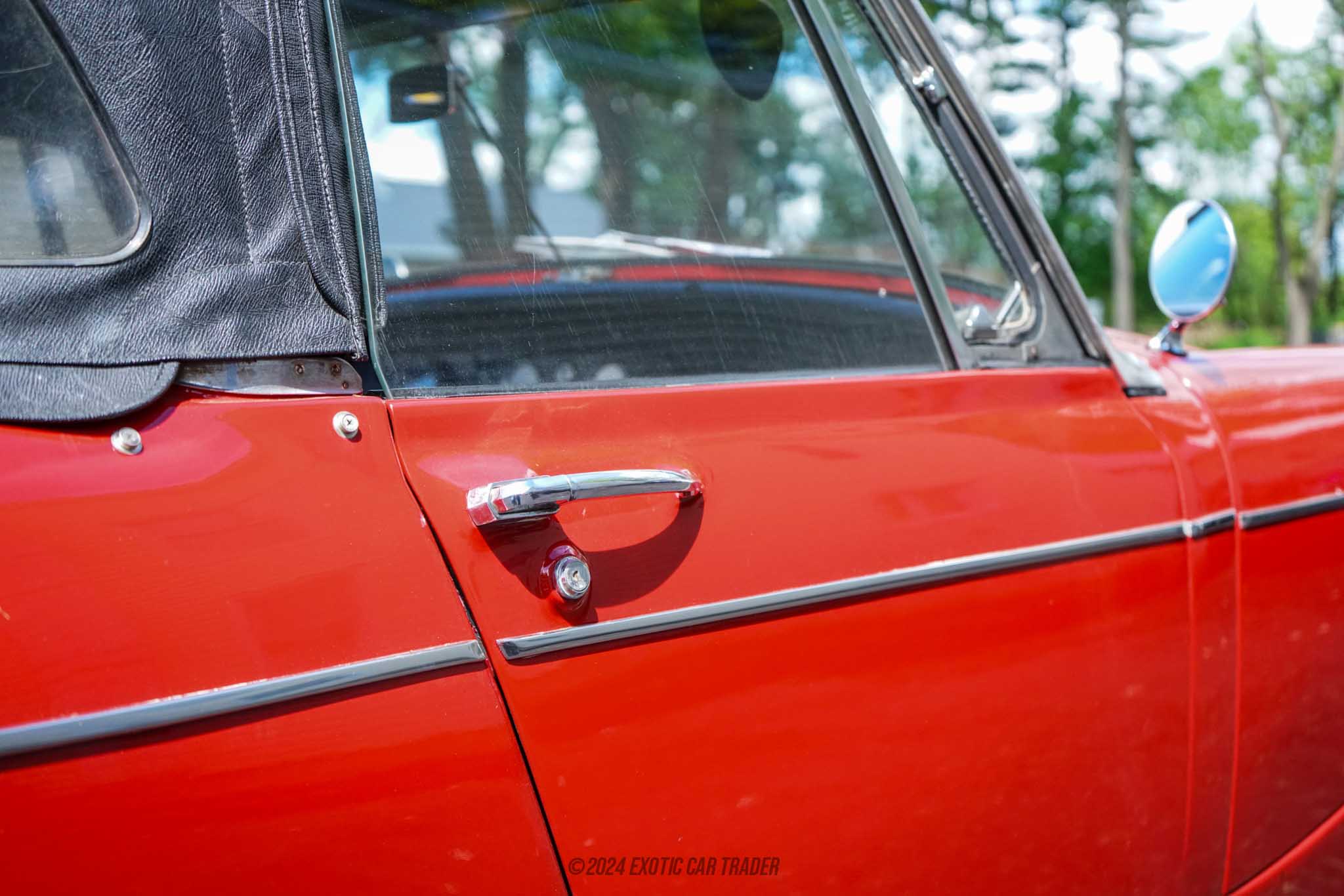
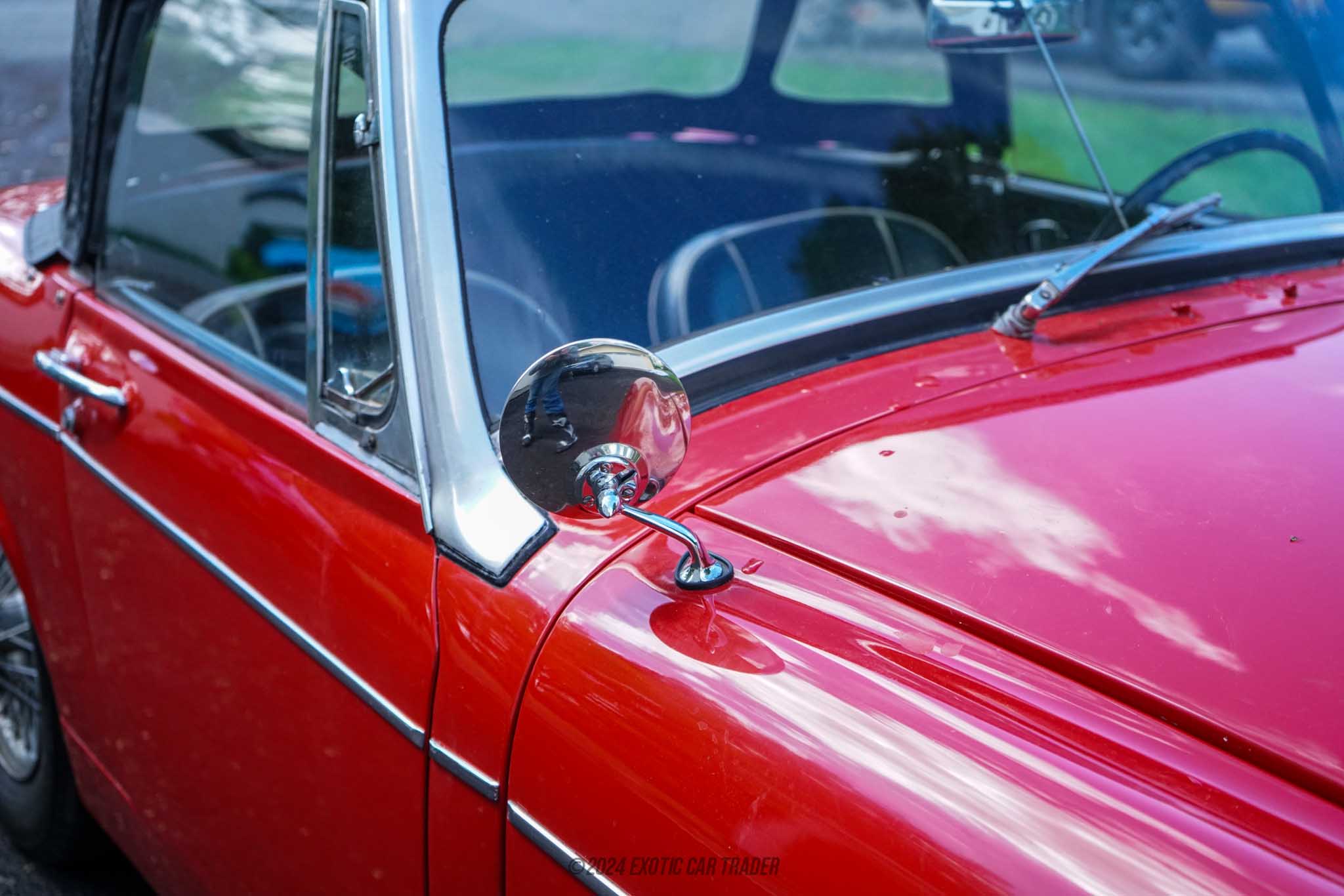
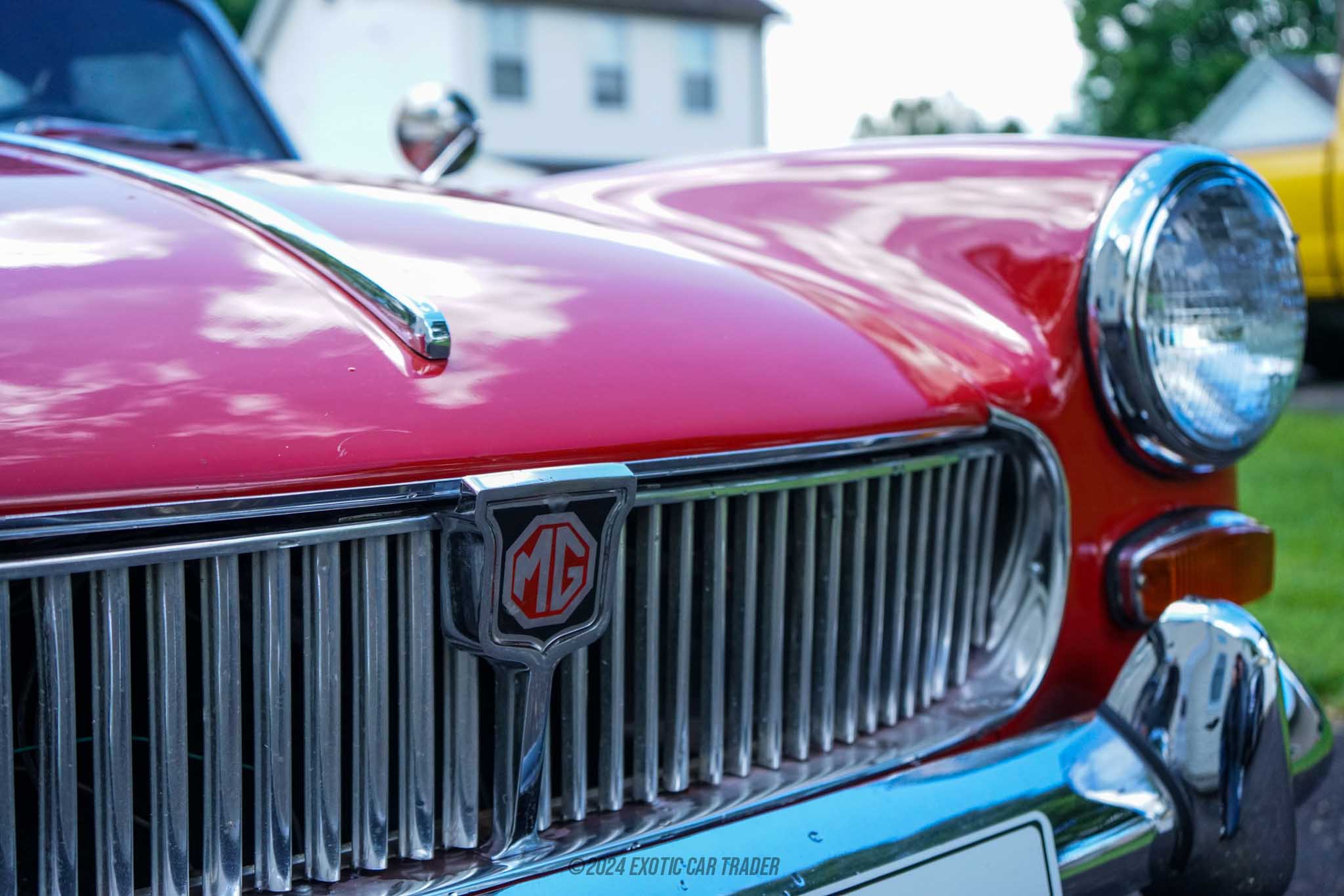
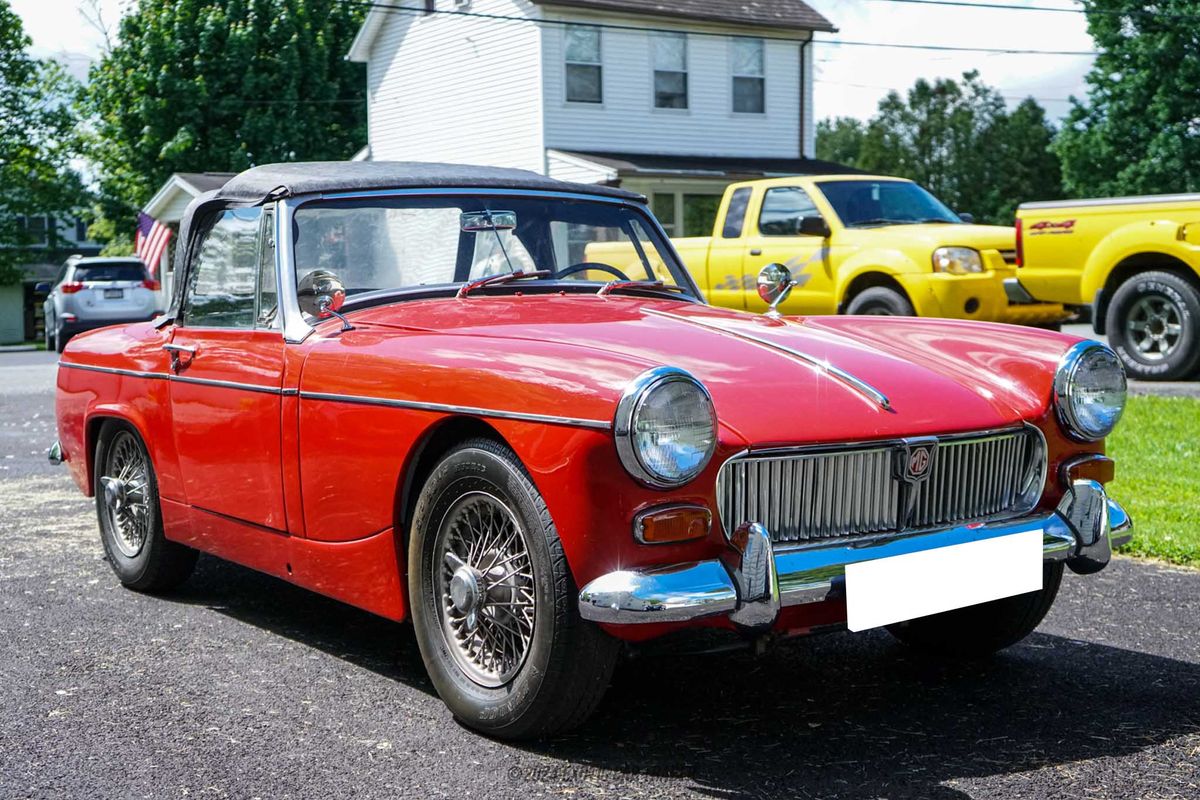
The MG Midget is a legendary British automobile and is largely responsible for popularising the concept of affordable yet fun sports cars that could be enjoyed by anyone. The MG Midget was closely related to the second-gen Austin-Healey Sprite with improved interior trim and some other small styling changes. Our featured car is a MKII, 1966 MG Midget Convertible. The MKII offered upgrades such as wind-up windows, external door handles, and an extra 3bhp. While the numbers may not sound all that impressive — with a 1,100cc engine and a quoted 56 hp when new — the MG Midget is much more than the pursuit of power. It’s an ode to fun, and we almost guarantee that you’ll have more enjoyment at 50 mph in this Midget than in a supercar at 150 mph.
Exterior and Interior
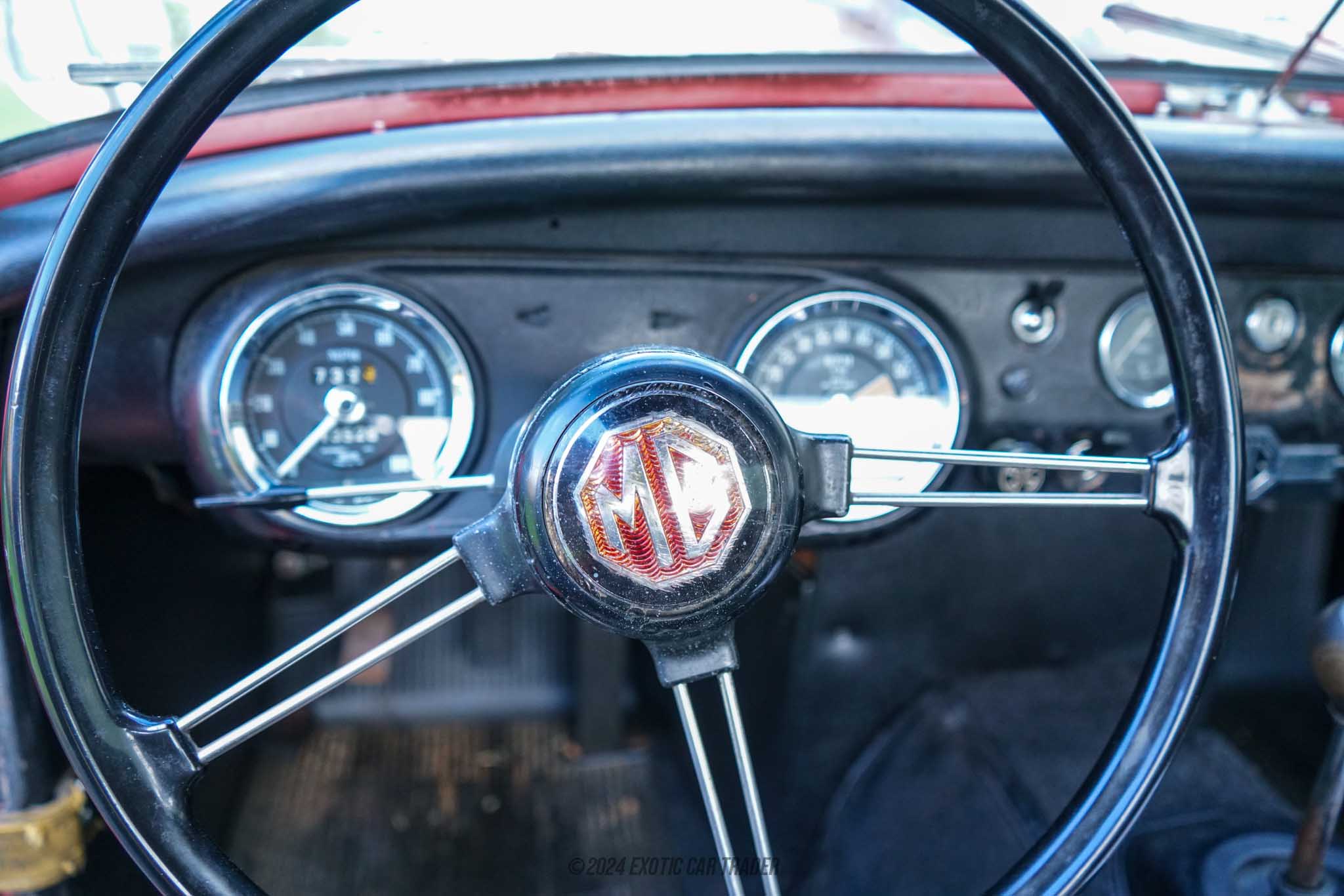
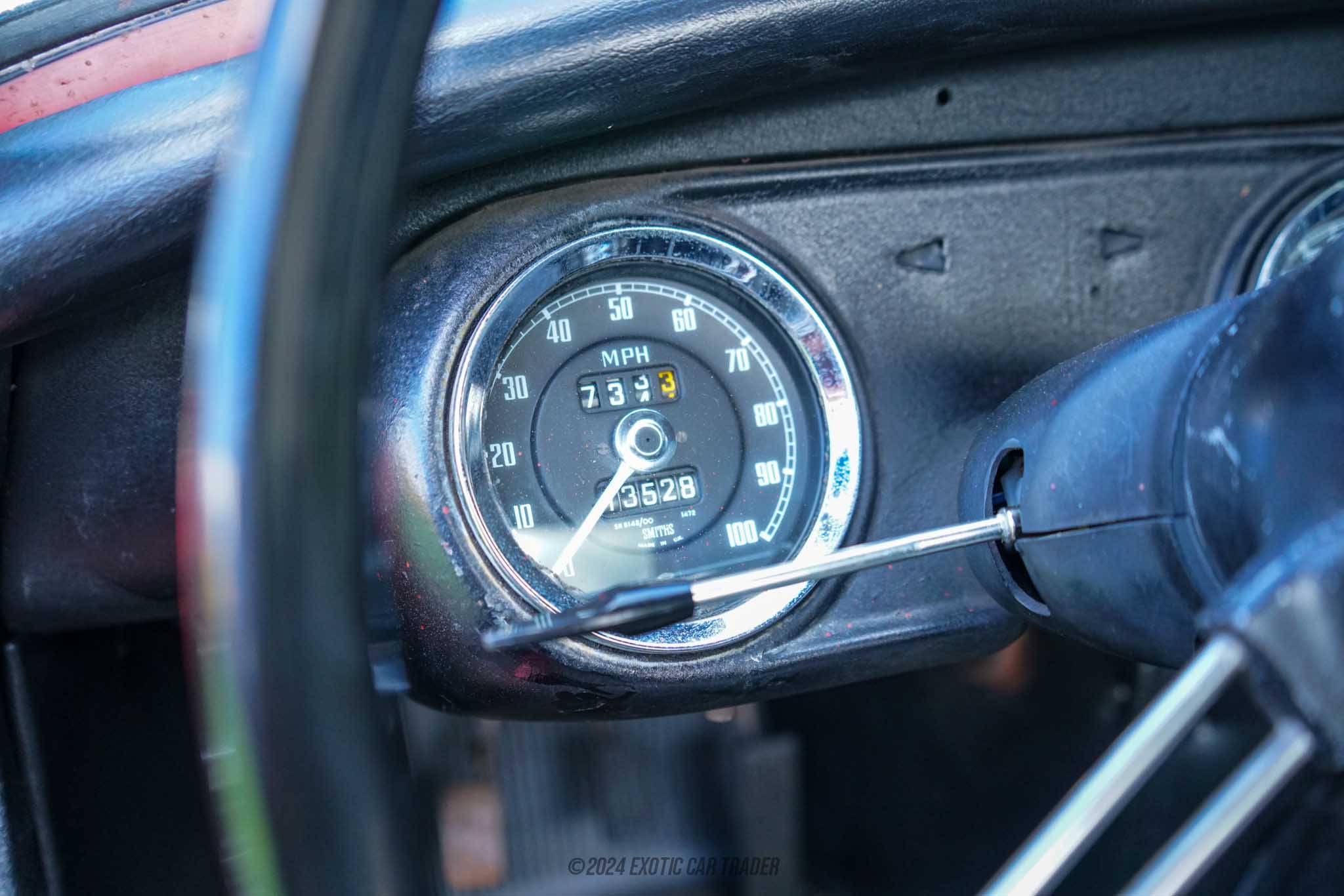
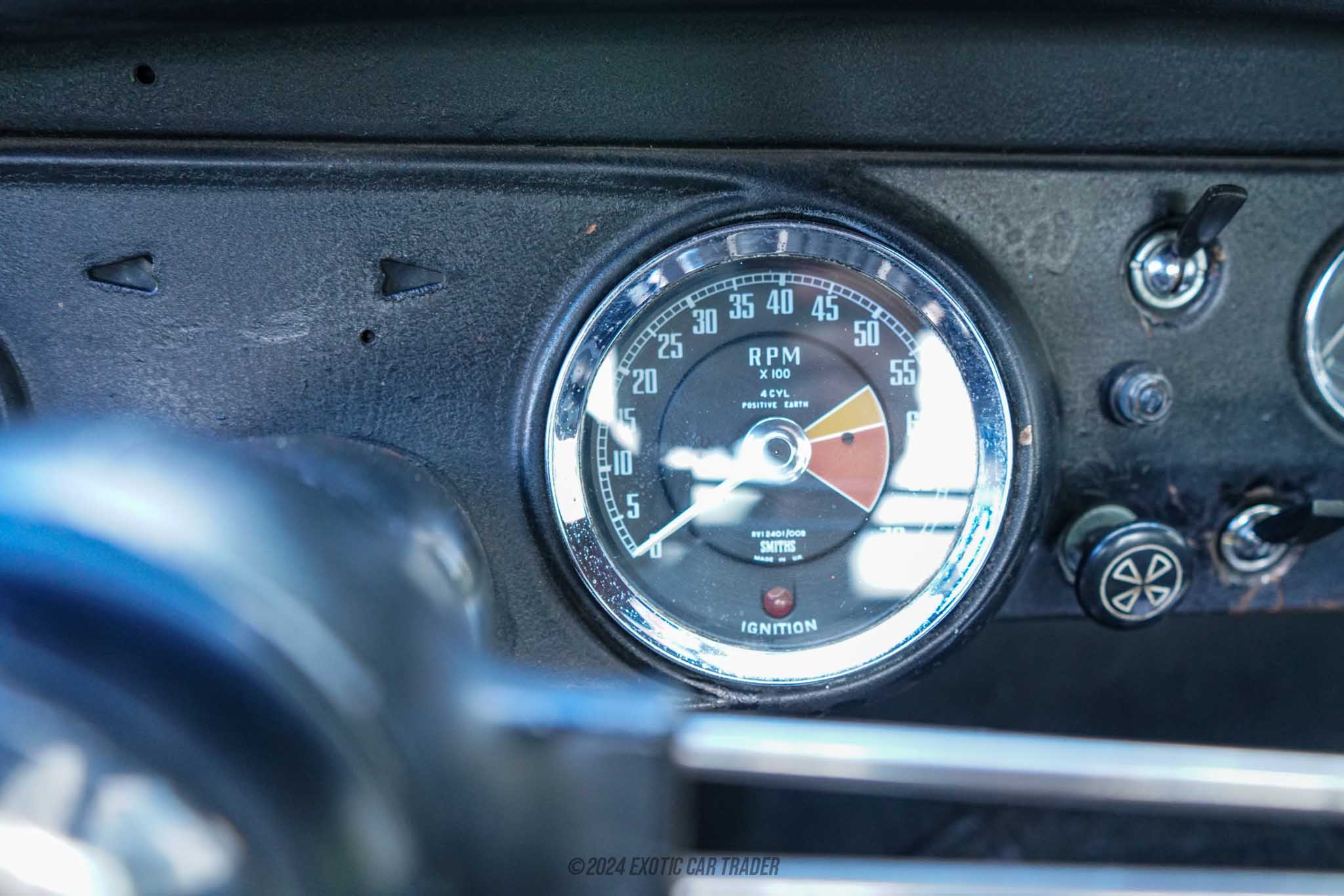
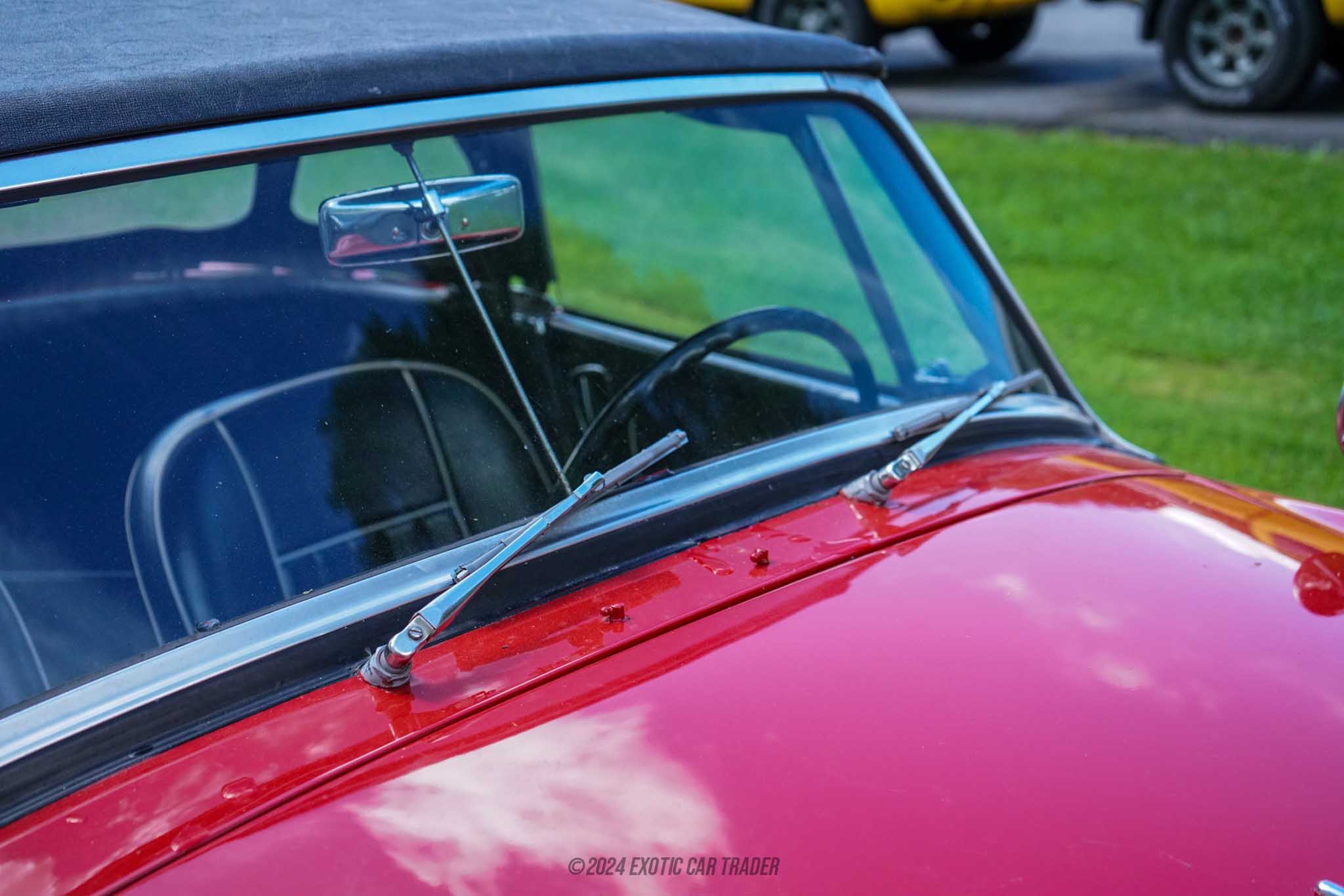
The exterior appearance of the 1966 MG Midget Convertible is fairly typical of British sports cars of the ’60s. The Midget features two seats, a convertible roof, and a small footprint. Our featured car is finished in red, while the black soft-top comes with a handy tonneau cover for keeping the lines flush when the roof is folded away. The MG Midget sits on 13-inch center-lock wire wheels wrapped in Dunlop tires. The interior is reported as original, save for the newly reupholstered seats. The seats are trimmed in black with white pinstriping. The driver is presented with a three-spoke wheel with the MG badge at its center. Mounted directly in front are Smiths gauges for a tachometer and speedometer. Additional black-faced Smiths gauges are found towards the center of the dashboard for fuel level, oil pressure, and water temperature.
Engine
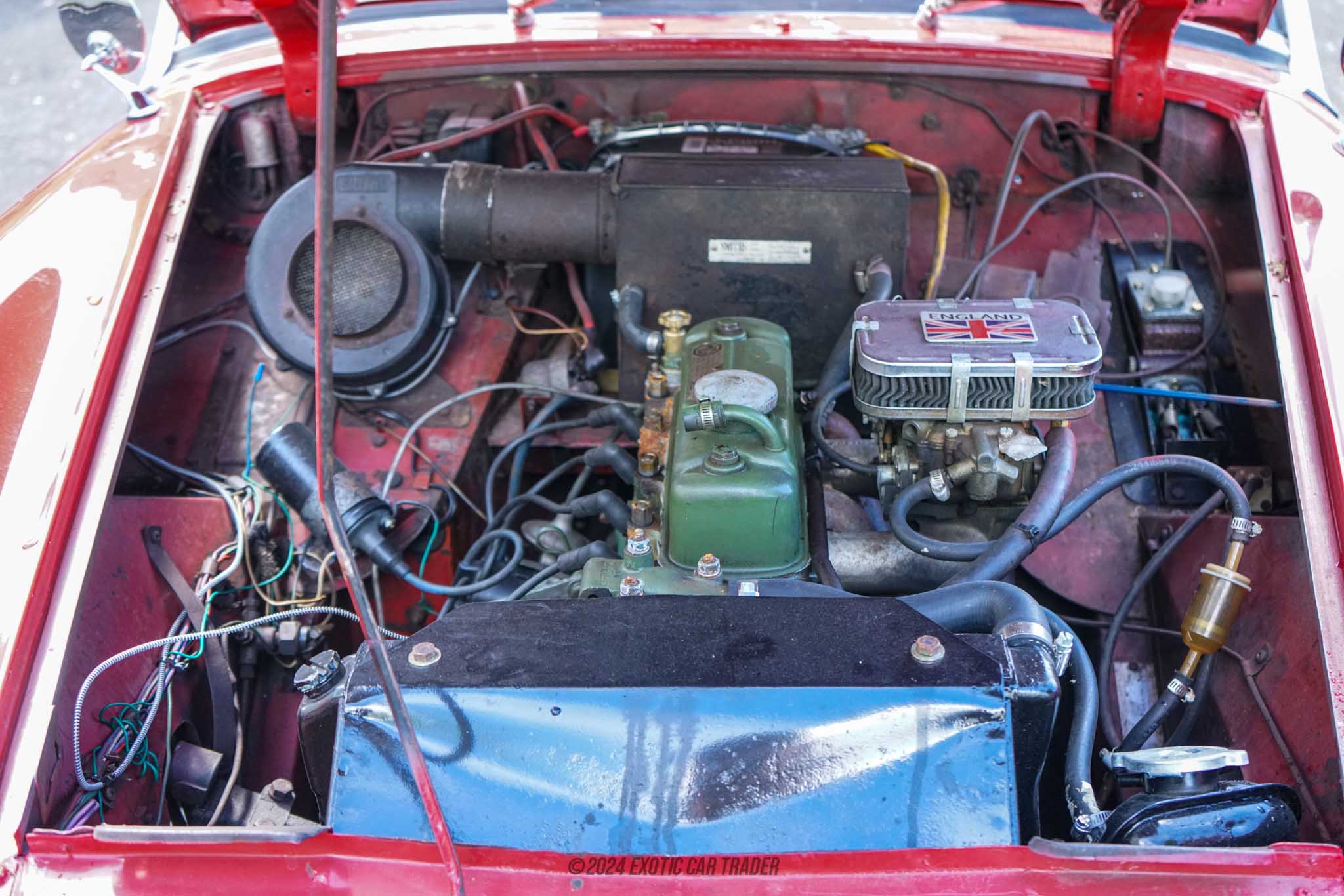
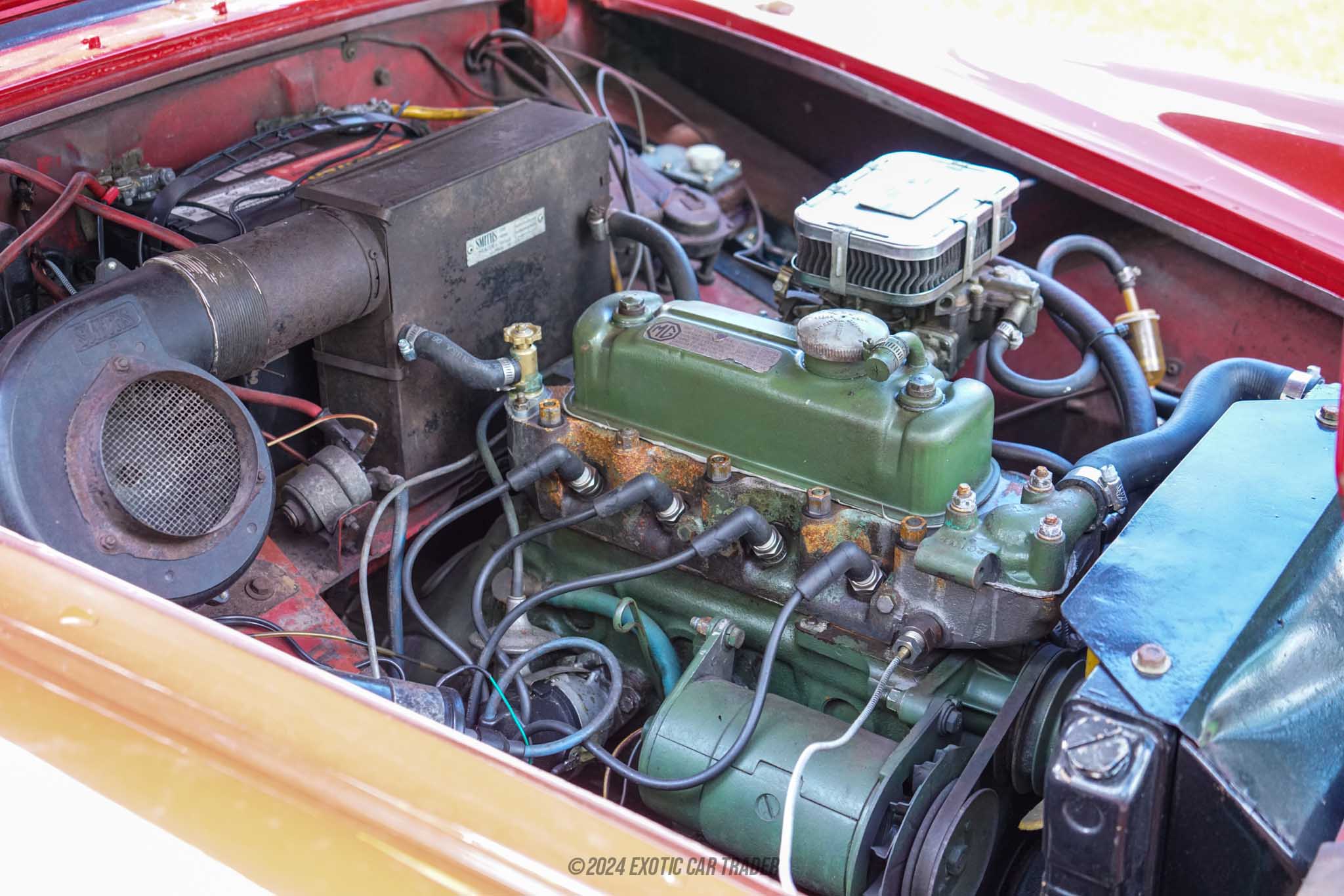
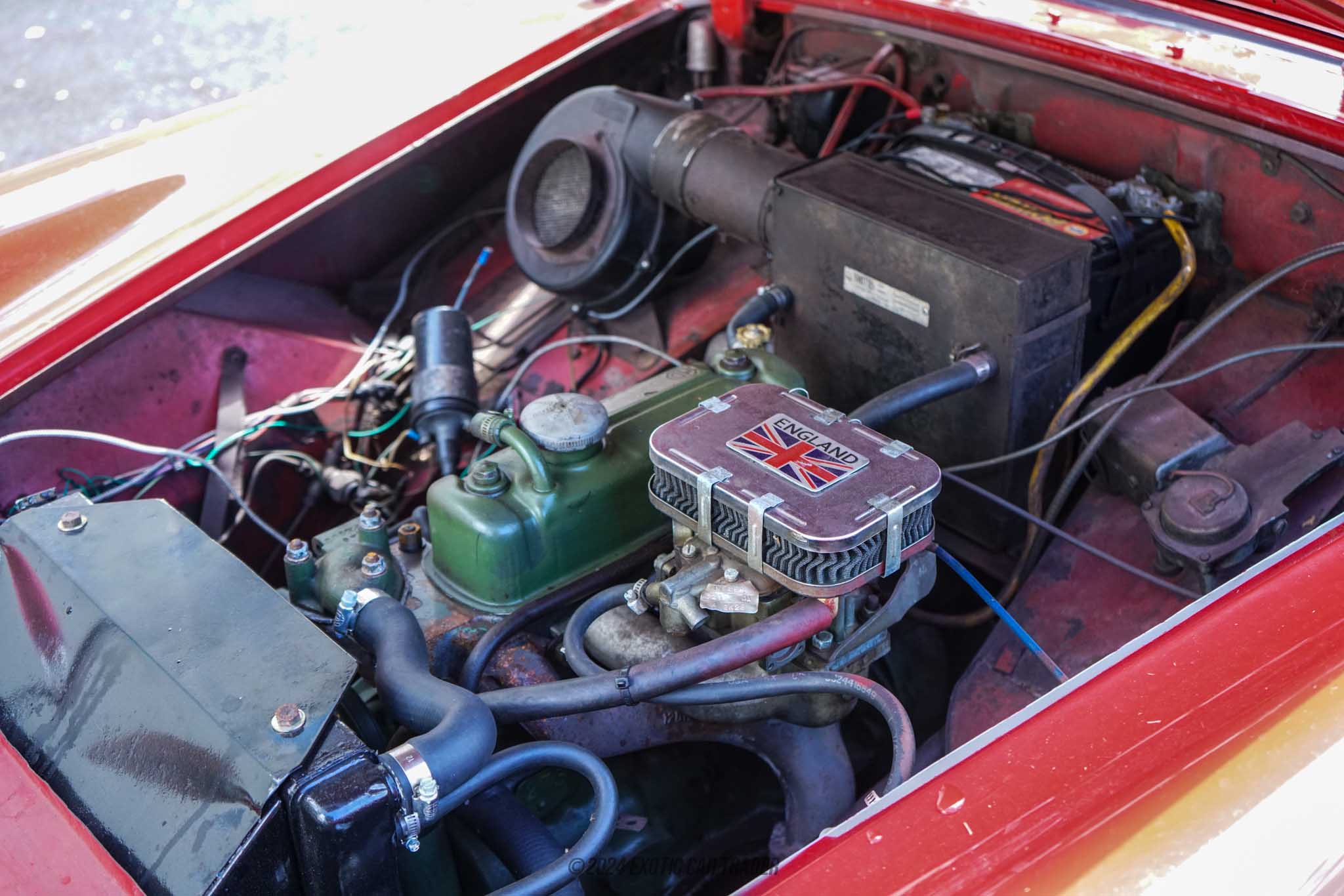
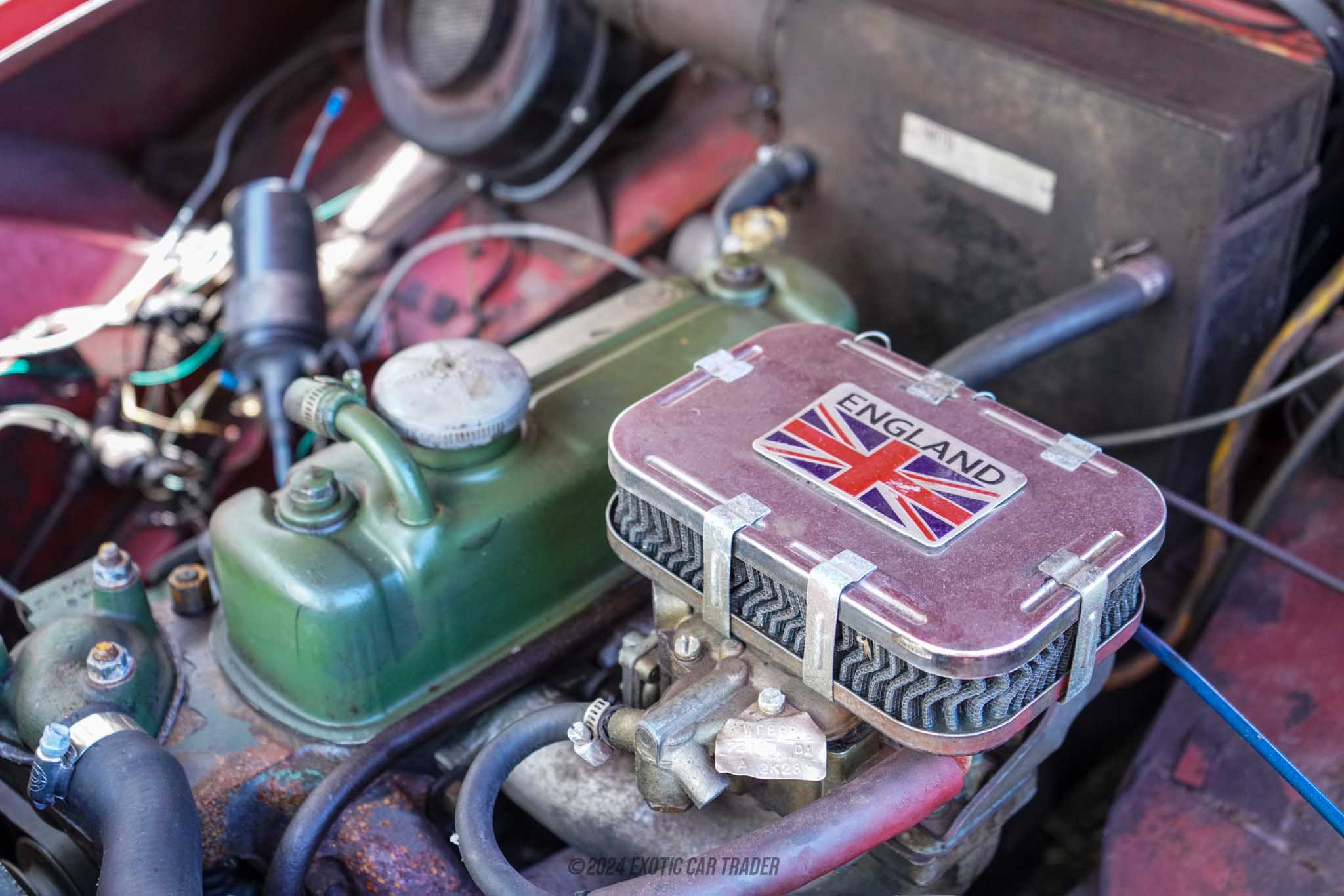
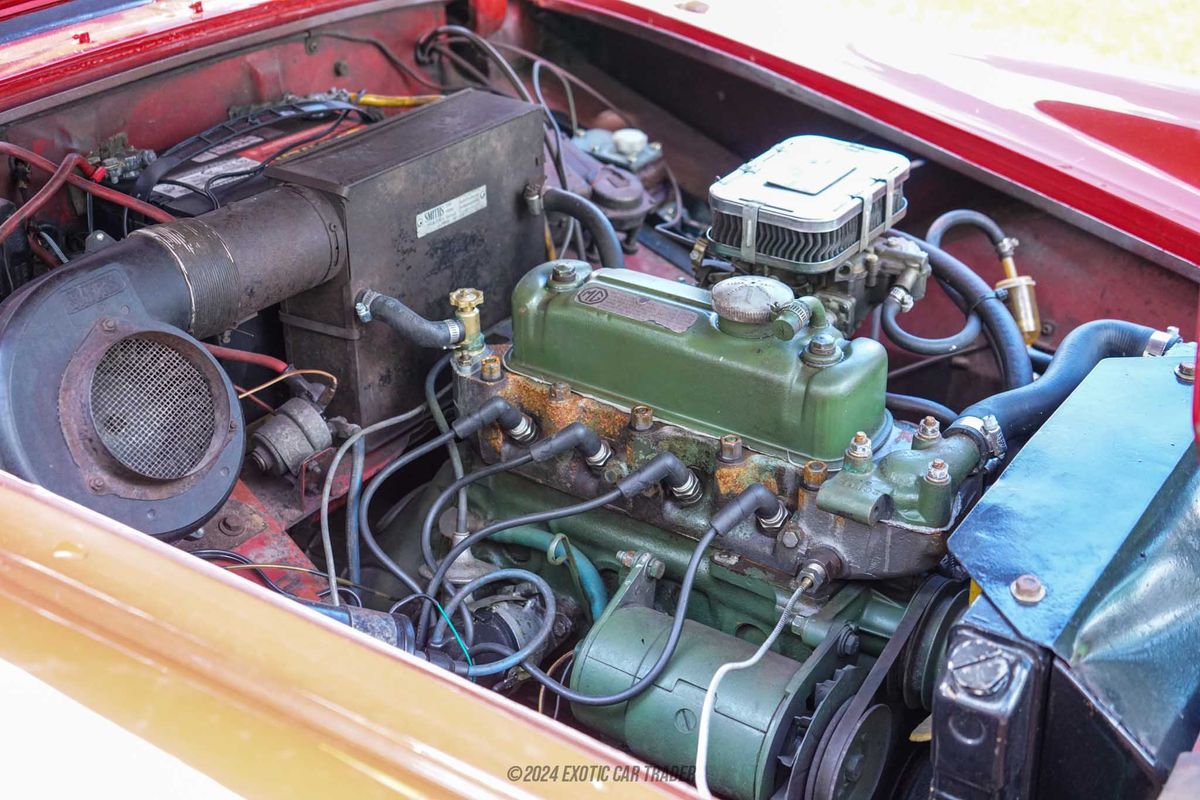
The 1966 MG Midget Convertible utilizes the tried-and-tested drivetrain layout: engine up front, and power sent to the rear. The engine in question is a 1,098cc A-Series four-cylinder motor, which was quoted when new to produce 56 hp and 62 lb-ft of torque. The Midget features a four-speed manual transmission, front disc brakes, rear drum brakes, and independent front suspension. The rear suspension comprises semi-elliptic leaf springs.

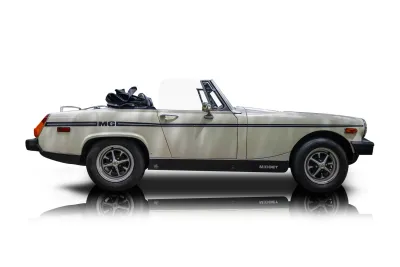

The 1979 MG Midget represents the closing chapter of MG’s long-running tradition of lightweight British sports cars, carrying forward the simple formula that made the marque beloved by driving enthusiasts: compact dimensions, an open cockpit, rear-wheel drive, and an engaging manual transmission. Originally introduced as an affordable sports car focused on driver enjoyment, the Midget became known for its approachable character and ability to deliver an authentic roadster experience without unnecessary complexity. Showing approximately 47,372 miles, this example embodies the charm of a classic British convertible, offering the opportunity to enjoy a vintage sports car experience defined by mechanical simplicity, light handling, and timeless roadster appeal.
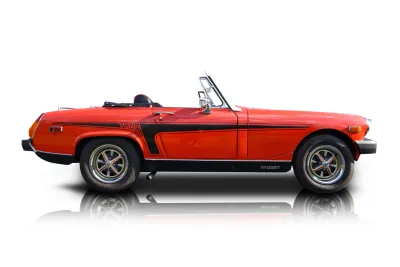
Imagine if an automaker made a car called Midget today! There would be mass uproar, massive social media campaigns of condemnation and a lot of flak to contend with. The world sure has become a rather touchy place. No such finickiness existed in 1961 when British sports car maker MG or Morris Garages released a diminutive two-seat roadster. They simply called it the Midget because it was one of their smaller offerings. Prior, the Midget nameplate had been seen on some of their other cars too. So what’s so funky about this 1971 MG Midget MKIII from Indiana, Pennsylvania? Well, for starters it’s a fantastic way to experience true, unadulterated sports car motoring because it relies on light weight and small dimensions to give you a good time rather than brute force and wallowing about. Granted, these cars are well built to stand the test of time. So call us ASAP if you want it.
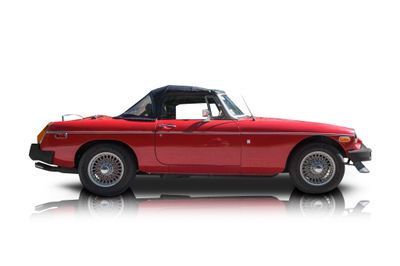
A Sunday drive with the perfect weather, a British convertible classic on your driveway waiting for a drive out—can life really get any better? Present today is your chance to join a masterclass of Sunday drives done right, which takes form with this 1977 MG MGB Convertible. This British classic has a reported 81,000 miles on the clock and is built for a drive experience like no other.
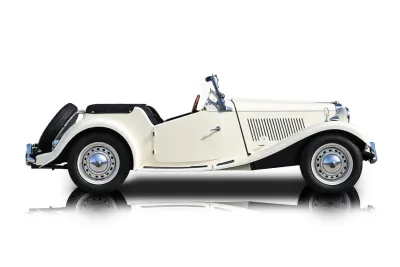
This 1953 MG TD captures the charm of classic British motoring while incorporating a number of thoughtful upgrades aimed at making it more enjoyable to drive and easier to live with. Showing approximately 9,292 miles, this example is finished in white over a black interior and pairs its traditional 1,250cc XPAG inline-four with twin SU carburetors and a 4-speed manual transmission. A front disc brake conversion, LED headlights, electric upgrades, and a black half tonneau cover add usability, while the current owner reports an engine refresh approximately 5,600 miles ago. It also earned 3rd place at the 2025 Reno British Car Show, accompanied by a crystal trophy.
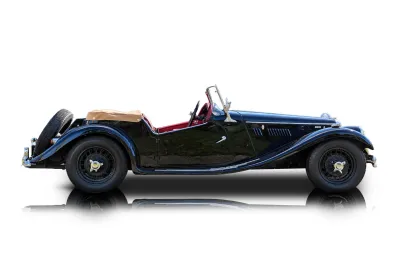
The 1955 MG TF 1500 captures everything enthusiasts love about the classic British roadster: compact proportions, exposed wire wheels, a folding windshield, and a lively four-cylinder paired with a proper manual gearbox. Showing approximately 35,834 miles, this example is finished in Jaguar Windsor Blue over a reupholstered Red leather interior with a Beige convertible soft top. Its custom paintwork, painted wire wheels, running boards, rear-mounted spare, and chrome detailing give it the unmistakable vintage sports-car character that made the T-Series MGs such enduring enthusiast favorites.
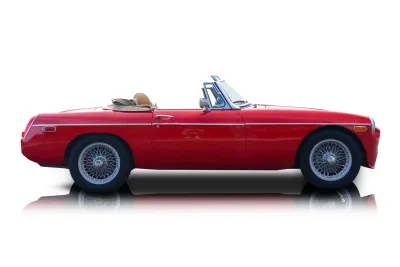
The 1978 MG MGB Sebring Roadster captures the charm of classic British open-top motoring while adding a number of upgrades that give it a more distinctive personality. Showing approximately 49,978 miles, this example is finished in striking “Pull Me Over Red” over a Honey Tan vinyl interior and features a tan canvas convertible soft top for the full roadster experience. The Sebring bumper delete kit gives the car a cleaner, more aggressive appearance, while 15-inch wire wheels, LED headlights, and a chrome grille preserve the vintage character. Under the hood, the 1.8L inline-four is paired with a Weber 2-barrel carburetor, aftermarket intake, and 4-speed manual transmission, creating the kind of lightweight, analog driving experience that has kept the MGB popular with enthusiasts for decades.

Terms of Service
Be Kind and Courteous
We're here to create a platform to better the automotive industry through communication and transparency. Please treat everyone with respect. Healthy debates are natural, but kindness is required.
No Hate Speech
Make sure everyone feels safe. Hate speech of any kind is strictly prohibited. Degrading comments about things like race, religion, culture, sexual orientation, etc. will not be tolerated.
No Promotions or Spam
Give more than you take. Self-promotion, spam, or links of any kind are not allowed.
