










Buyer Resources






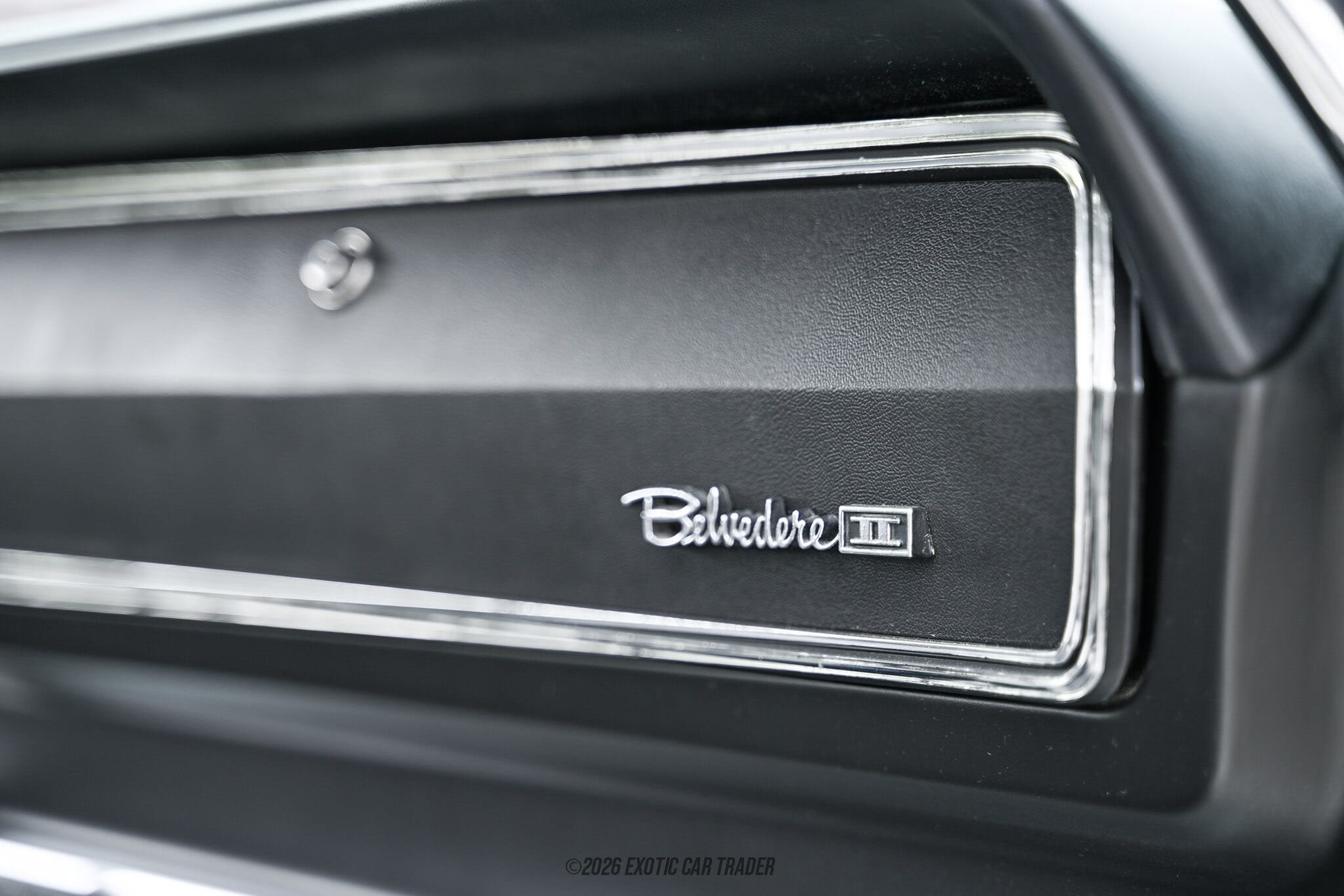
- 1966 Plymouth Belvedere II (H-Code)
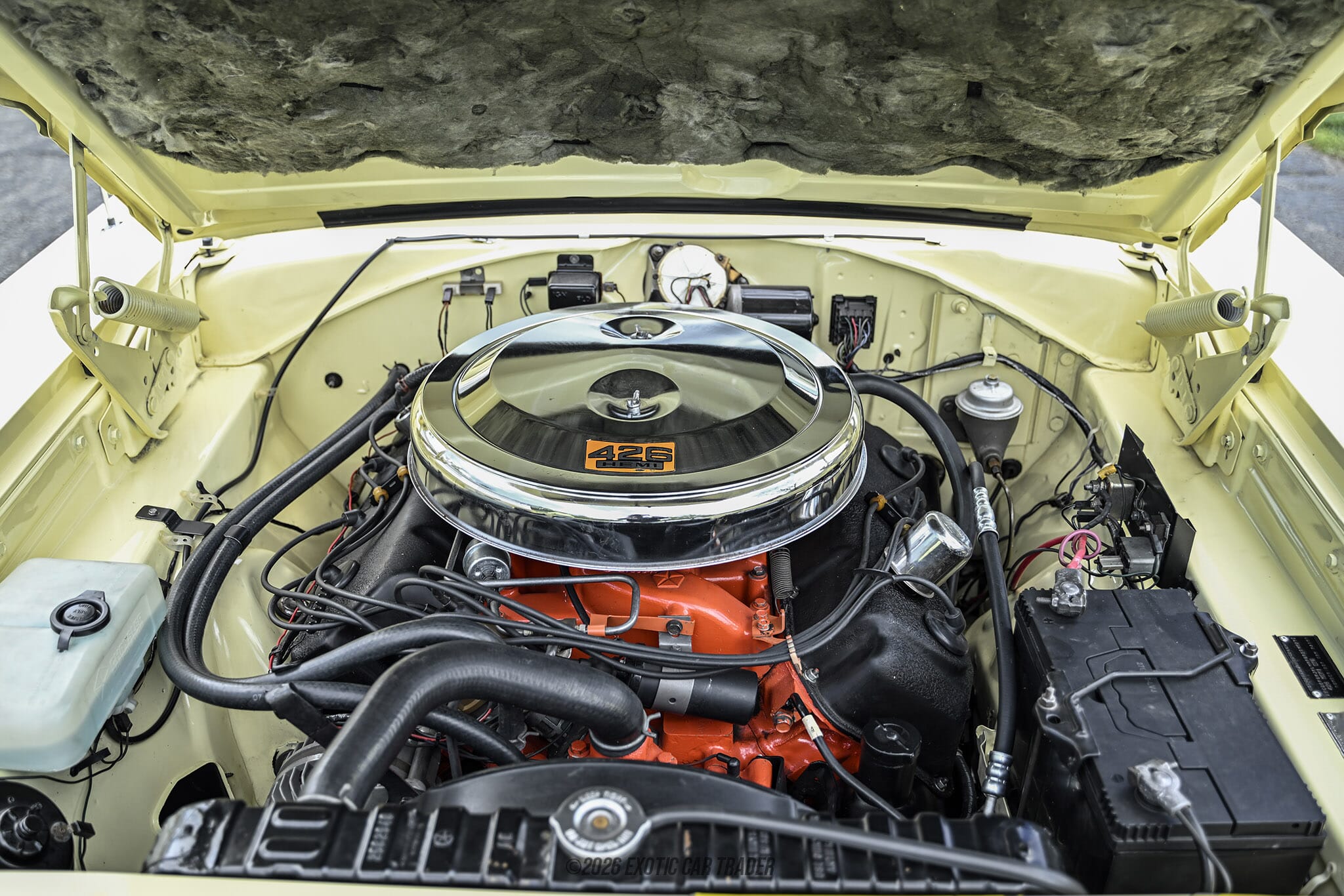
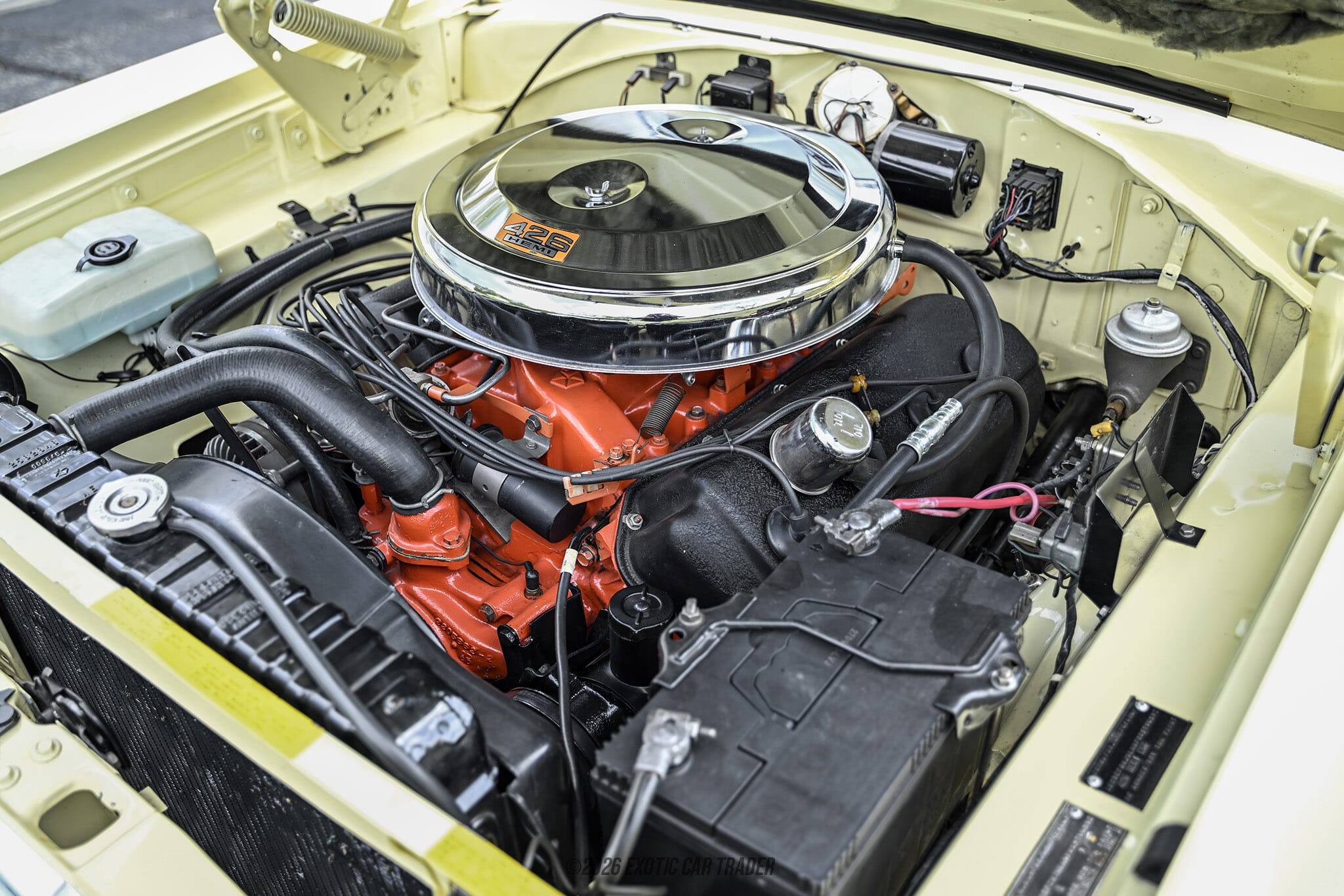
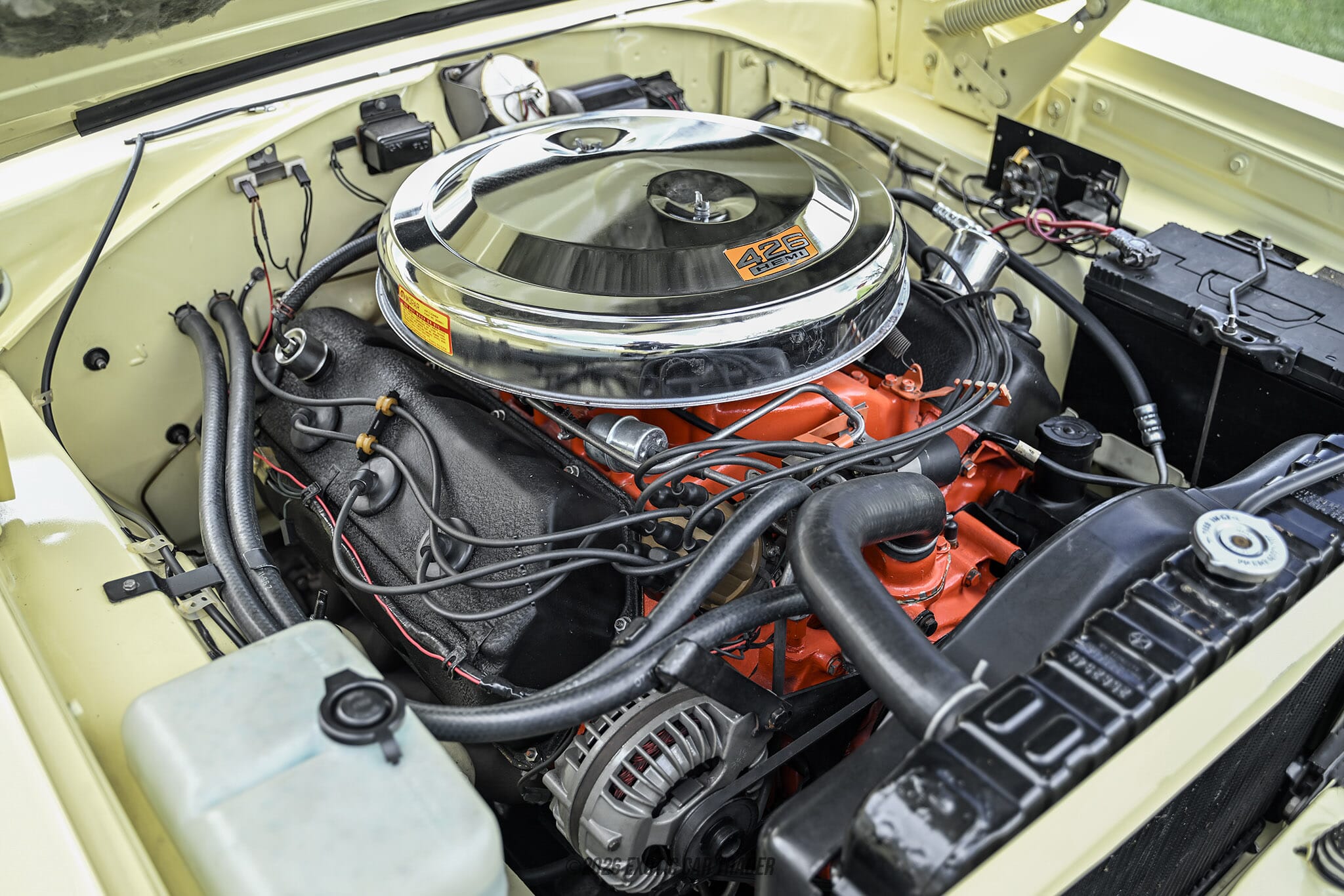
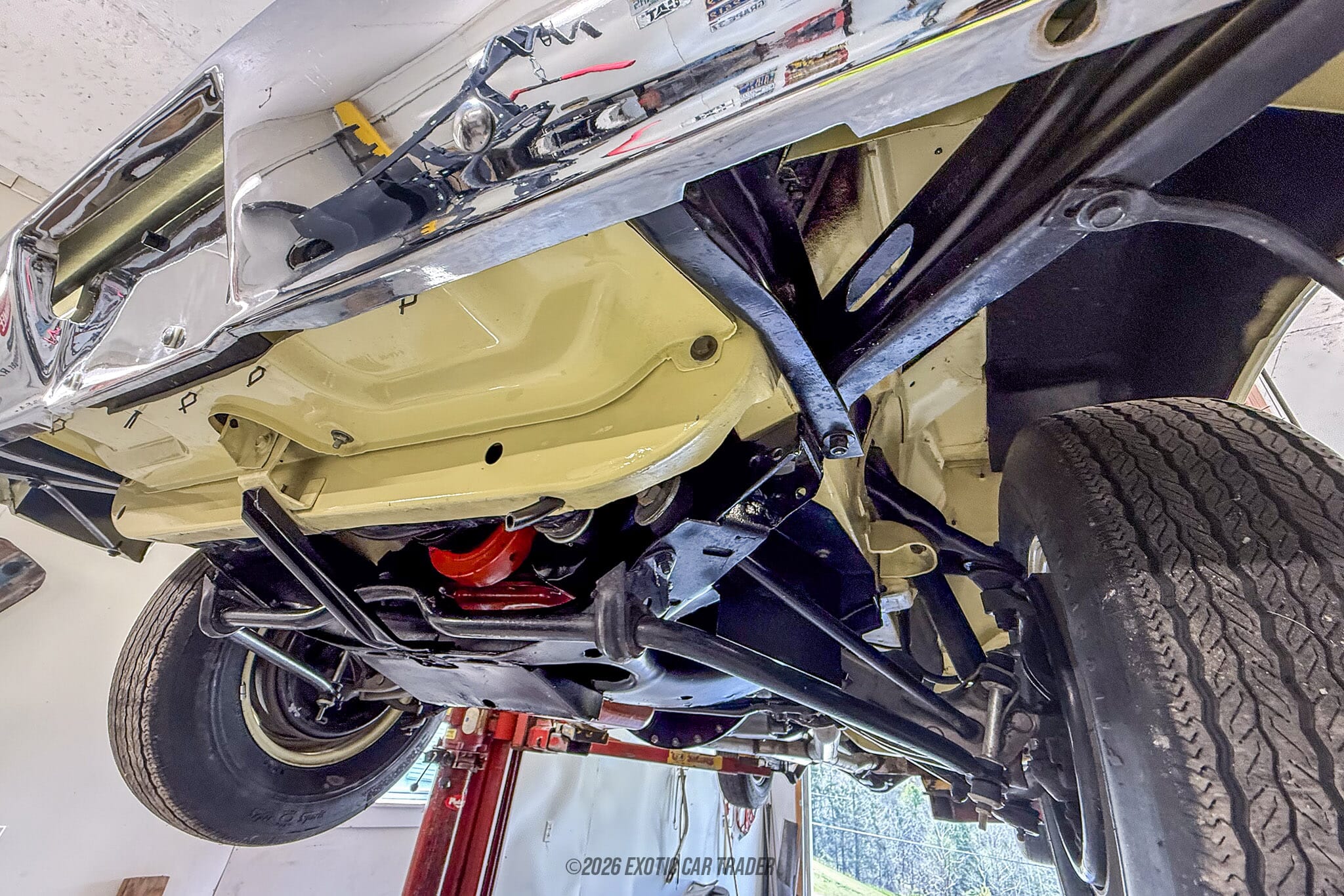
- 426ci Hemi V8
- Dual 4-Barrel Carburetors
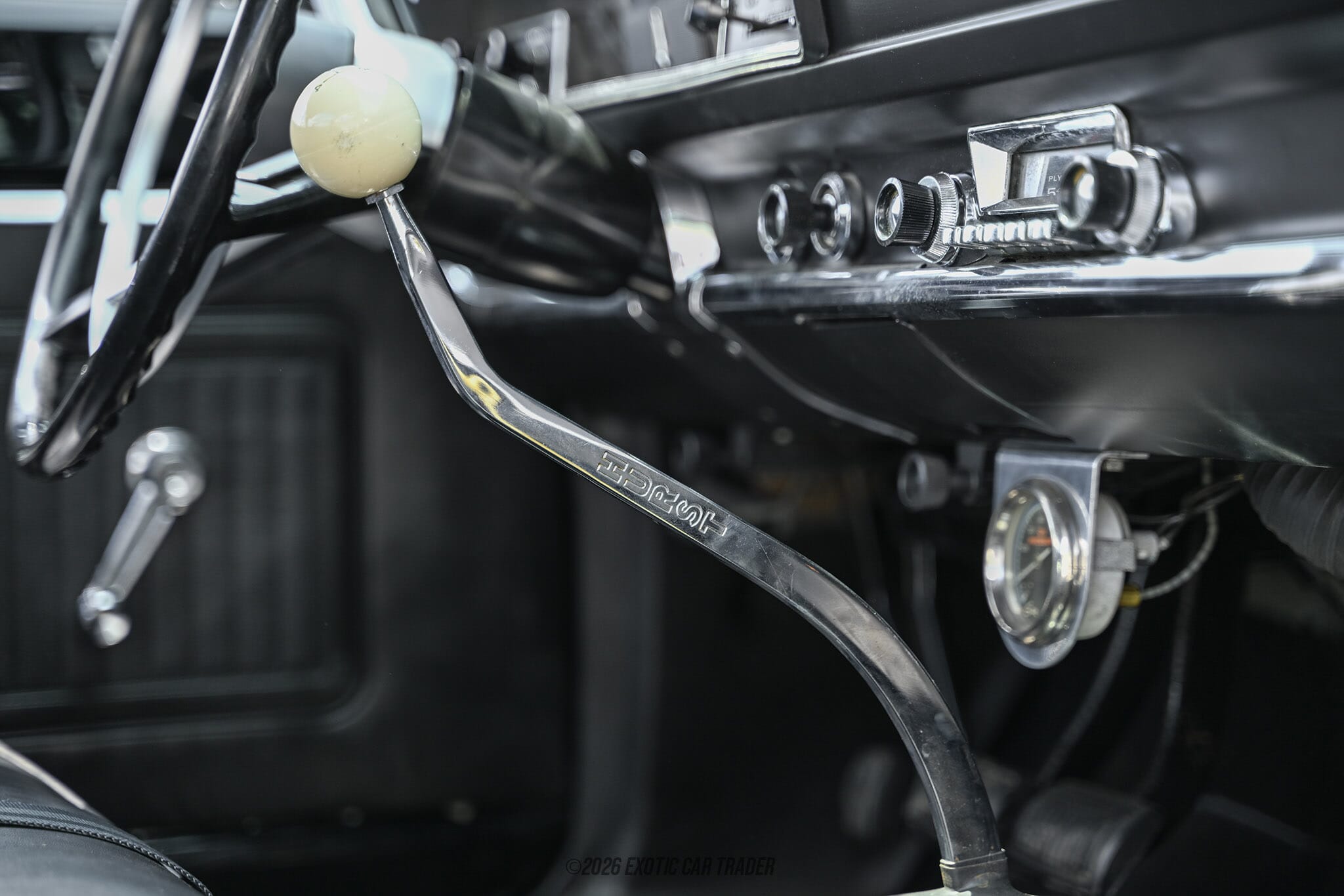
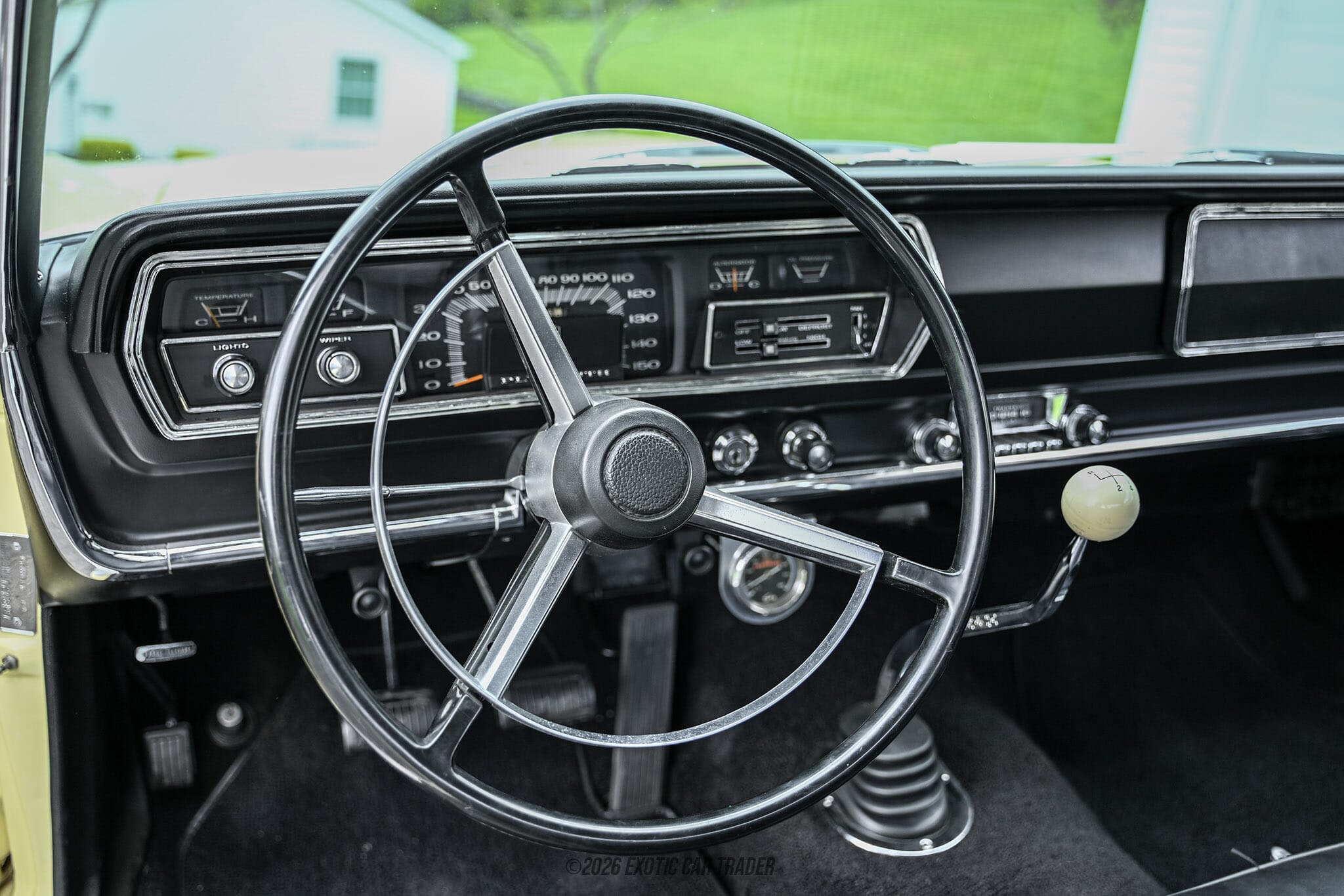
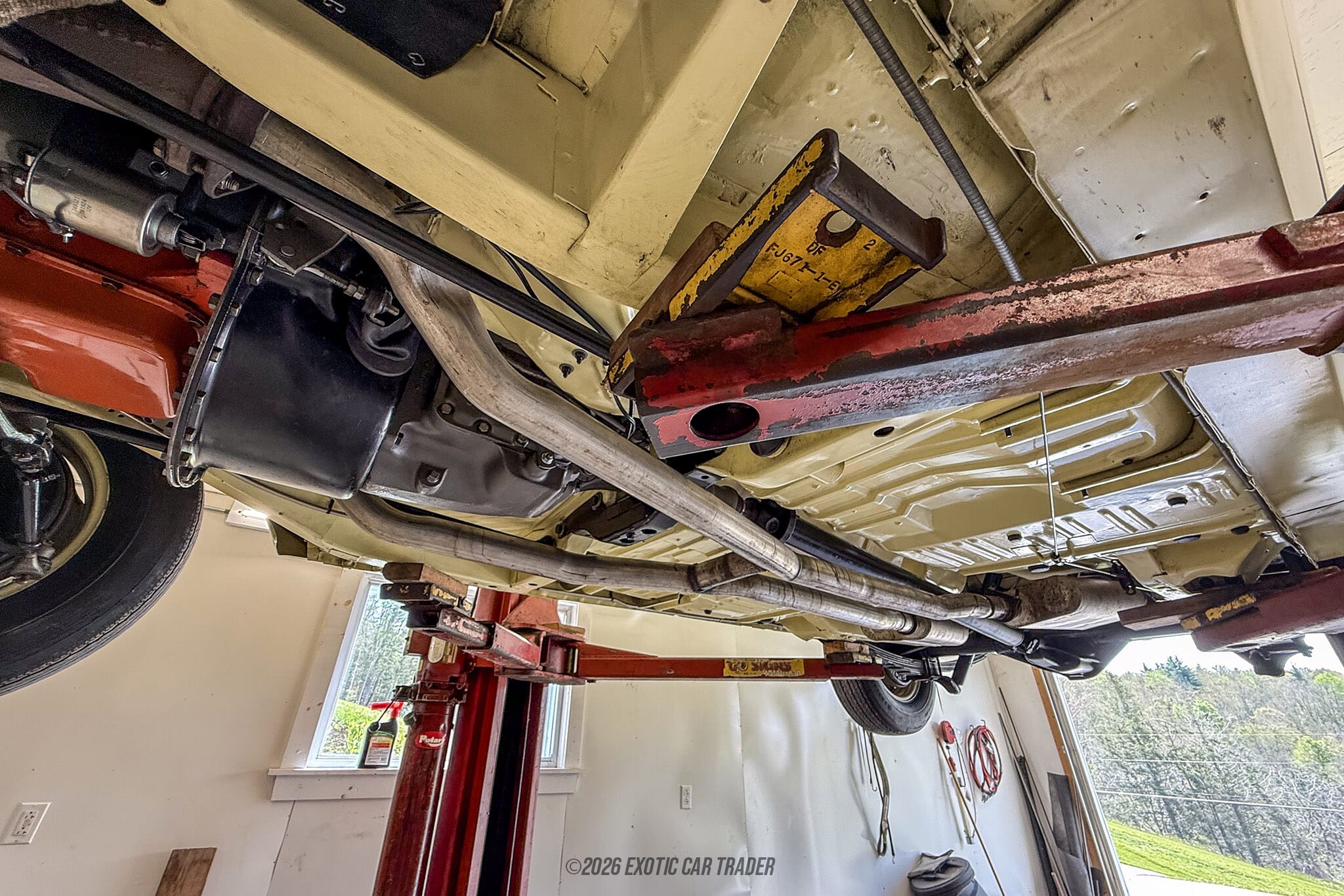
- 4-Speed Manual
- RWD
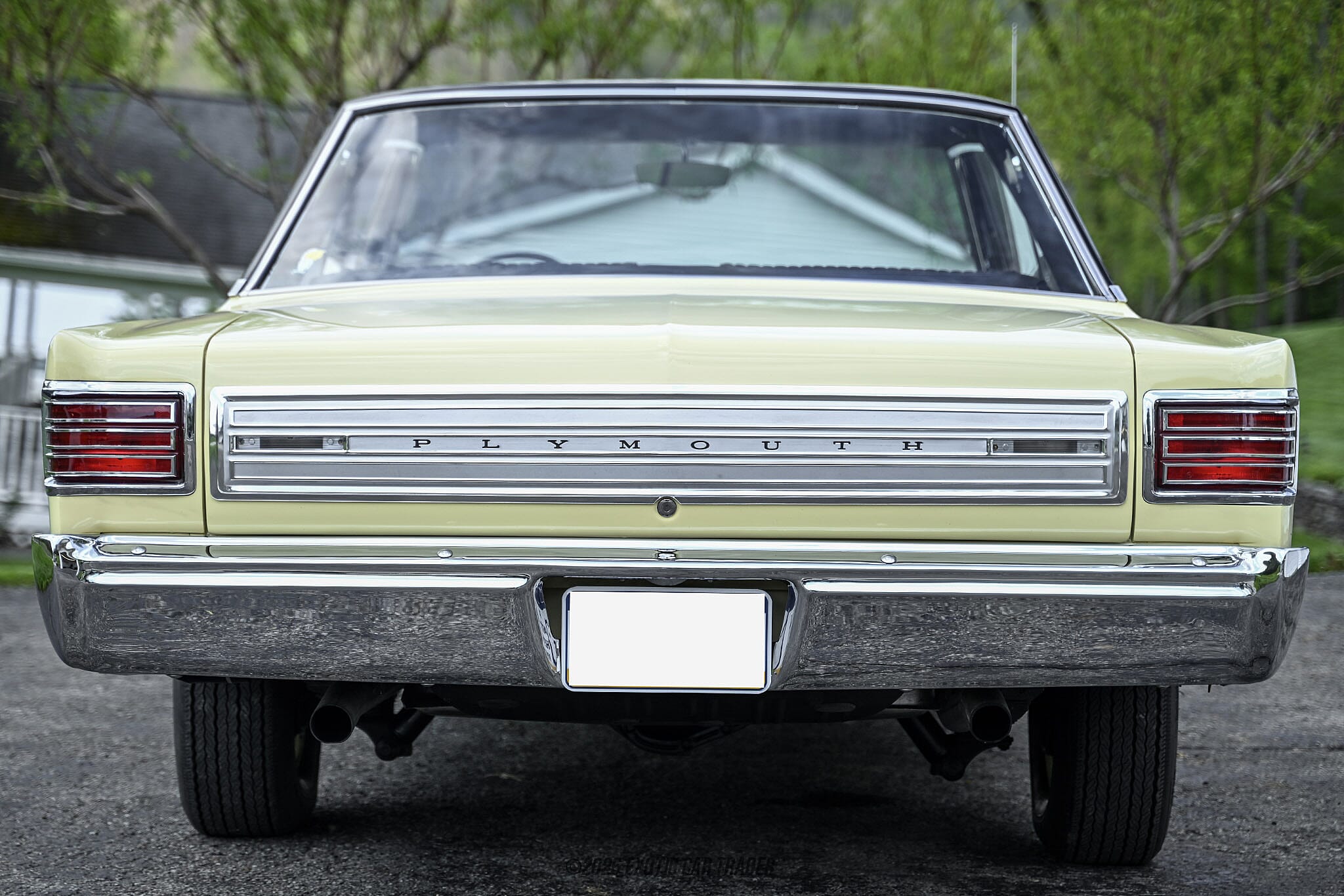
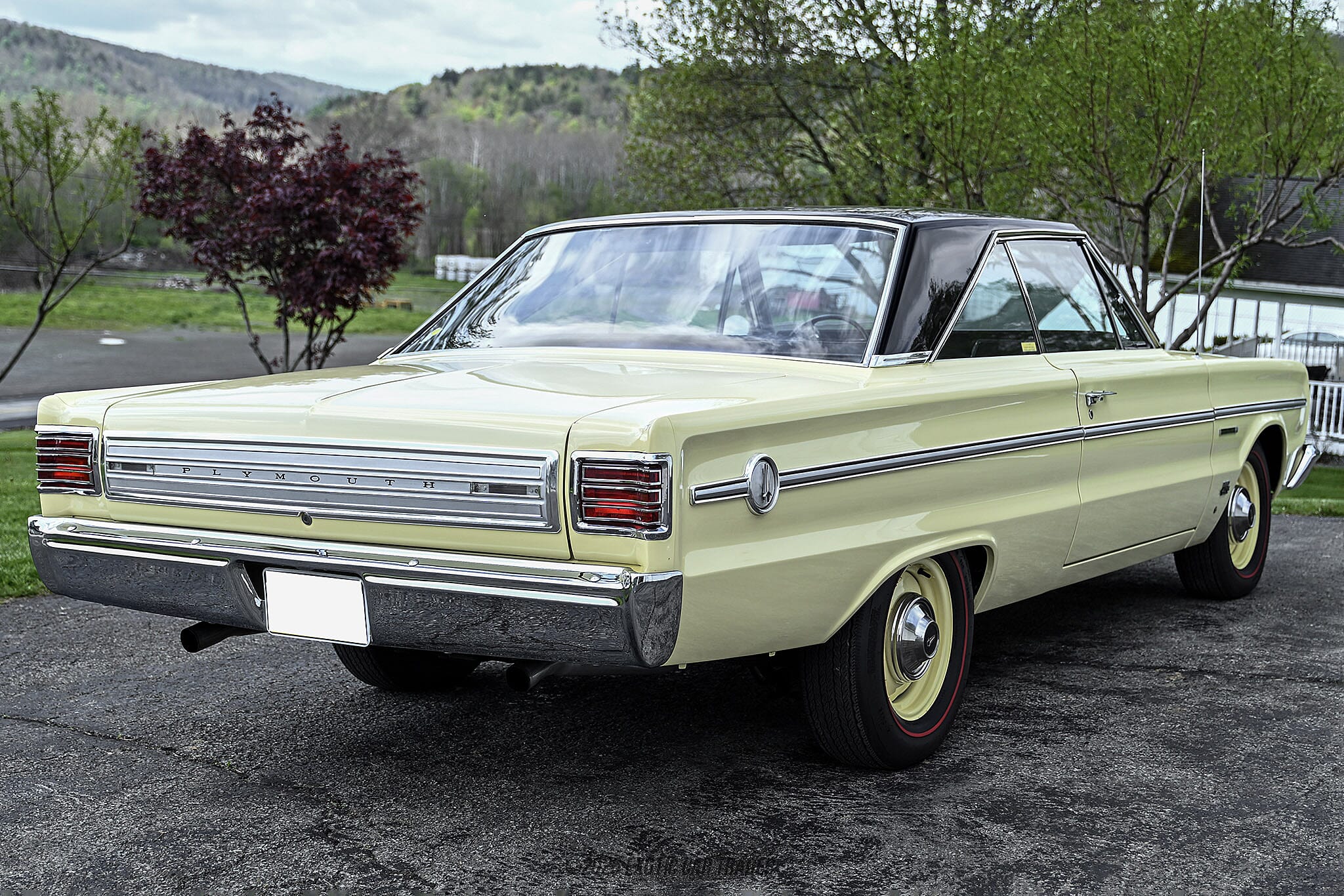
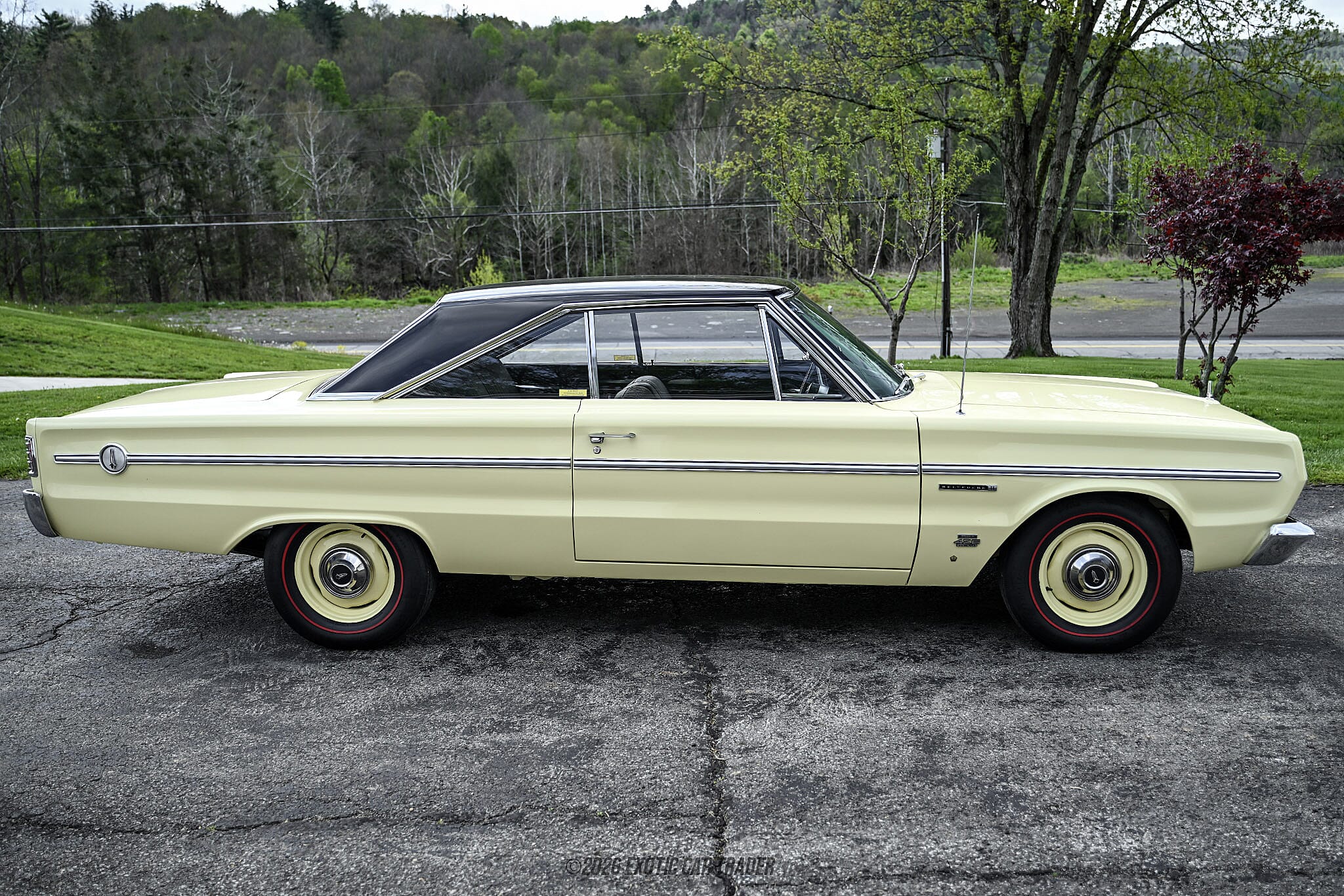
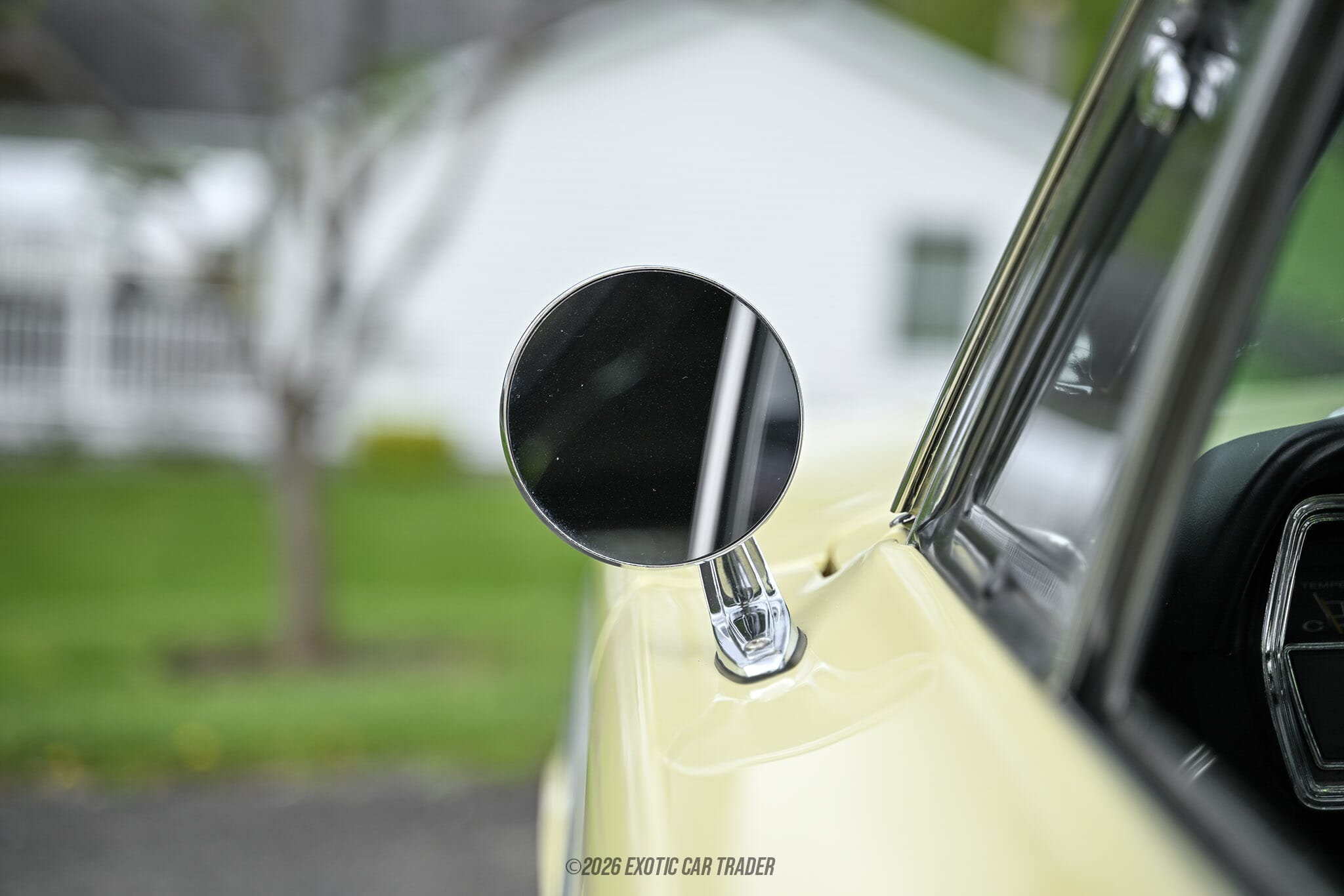
- Soft Yellow Exterior
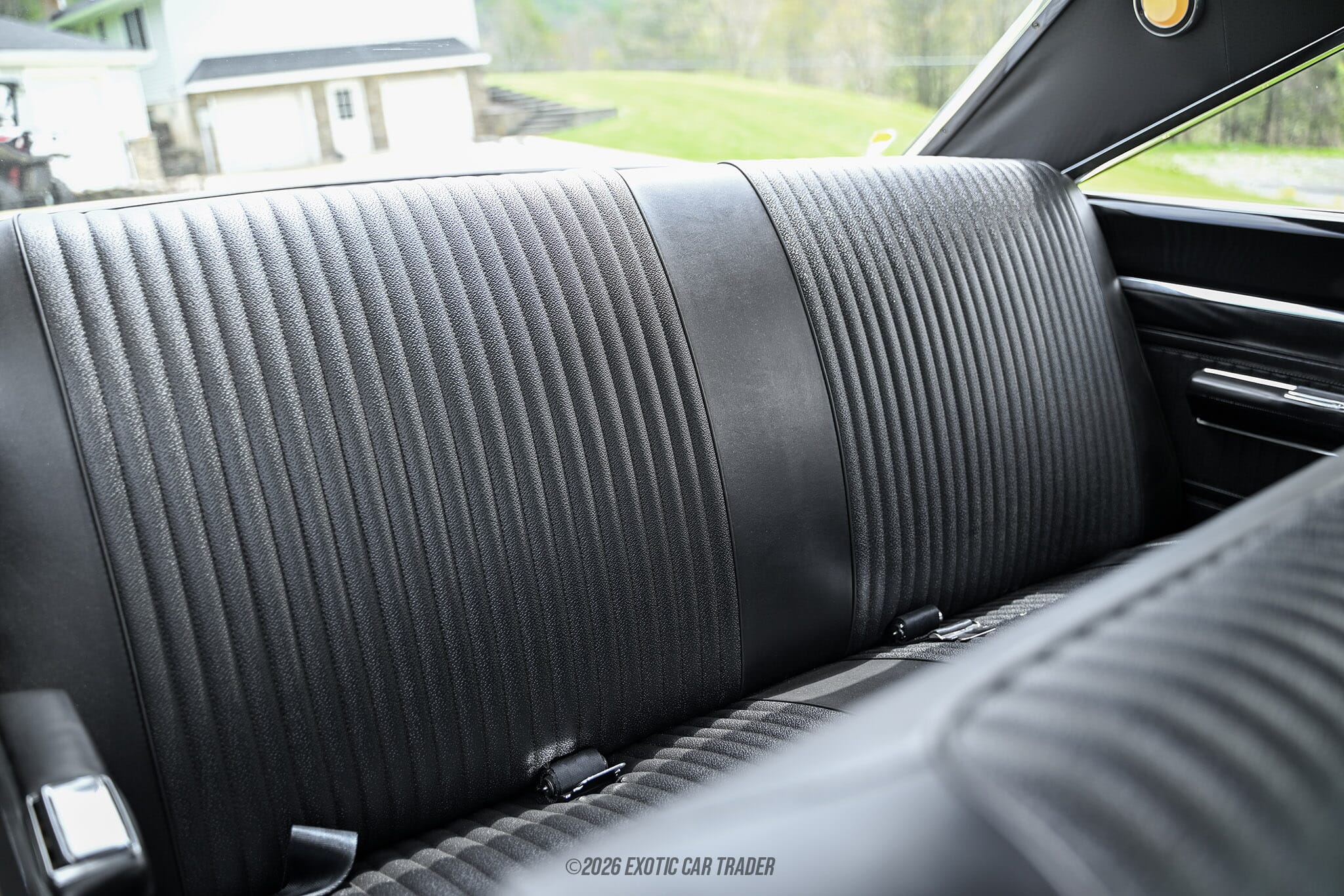
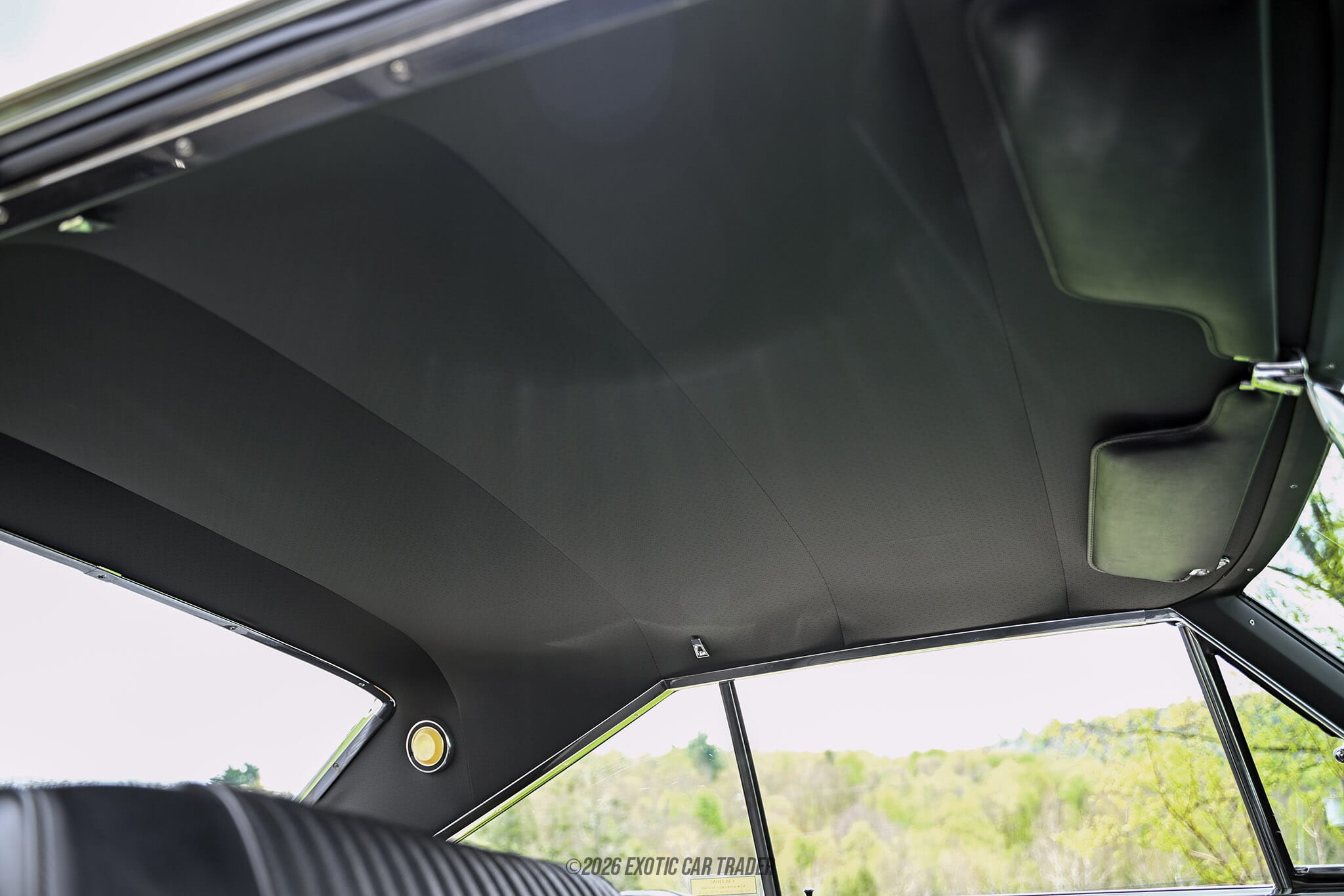
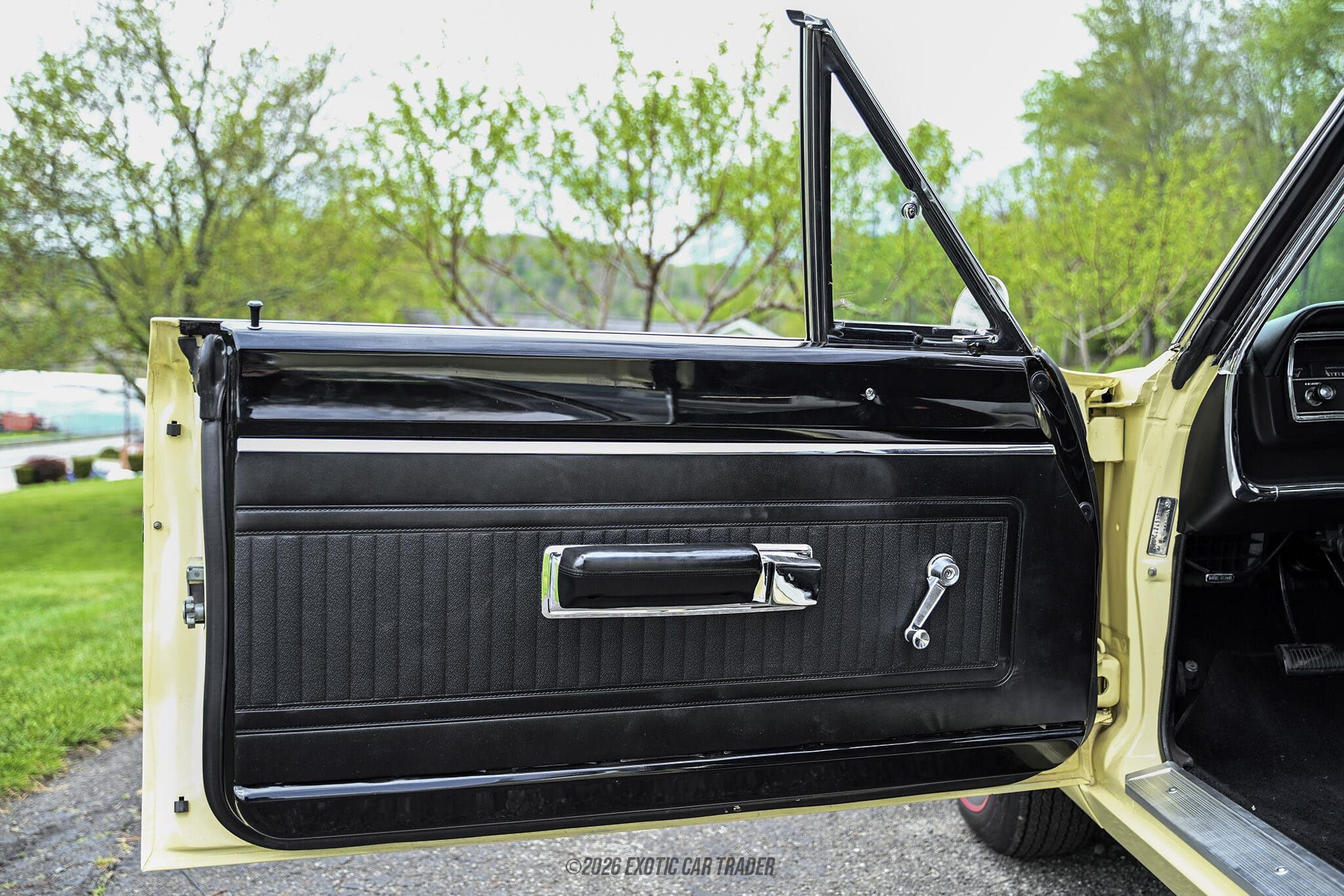
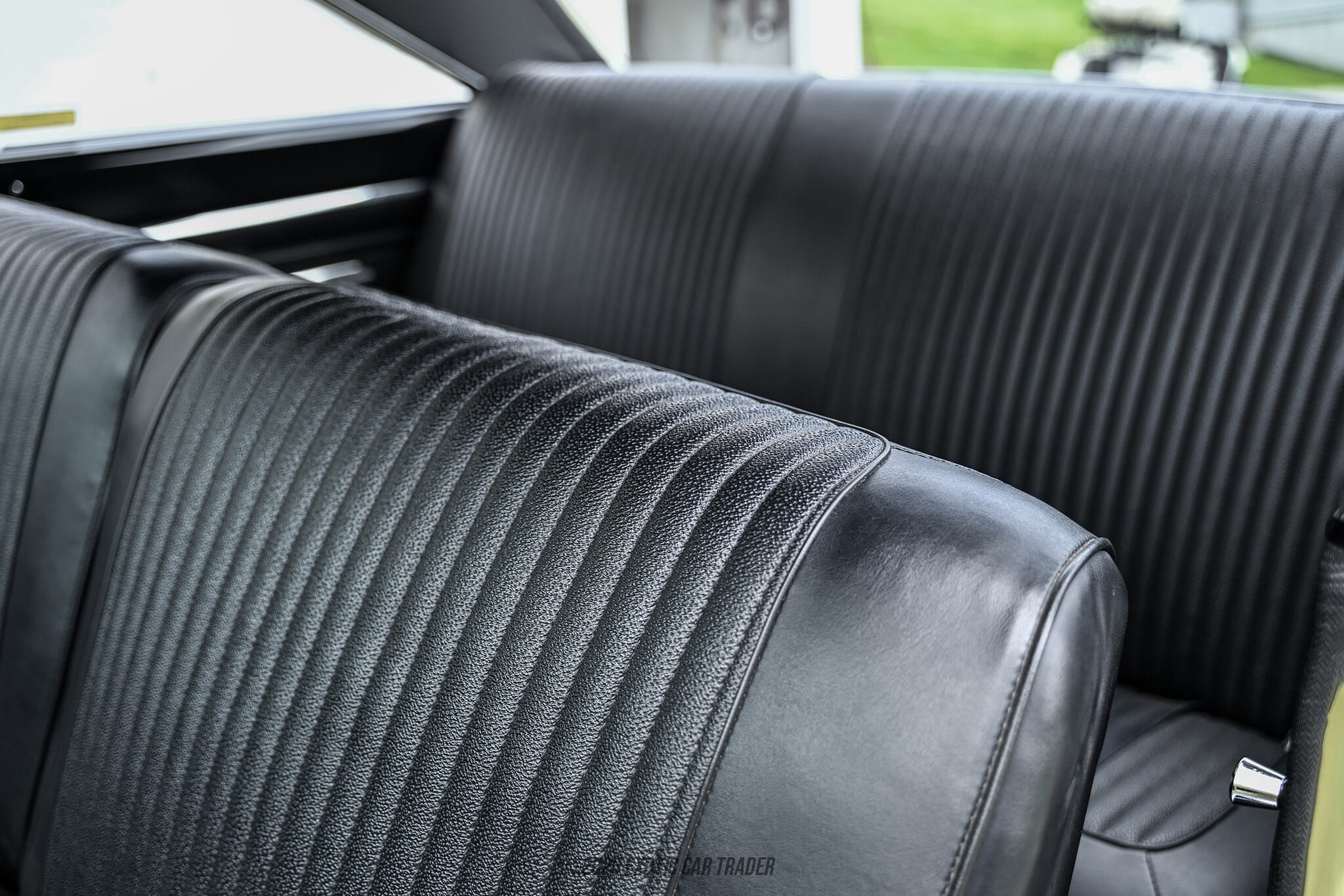
- Black Interior
- Black Vinyl Top
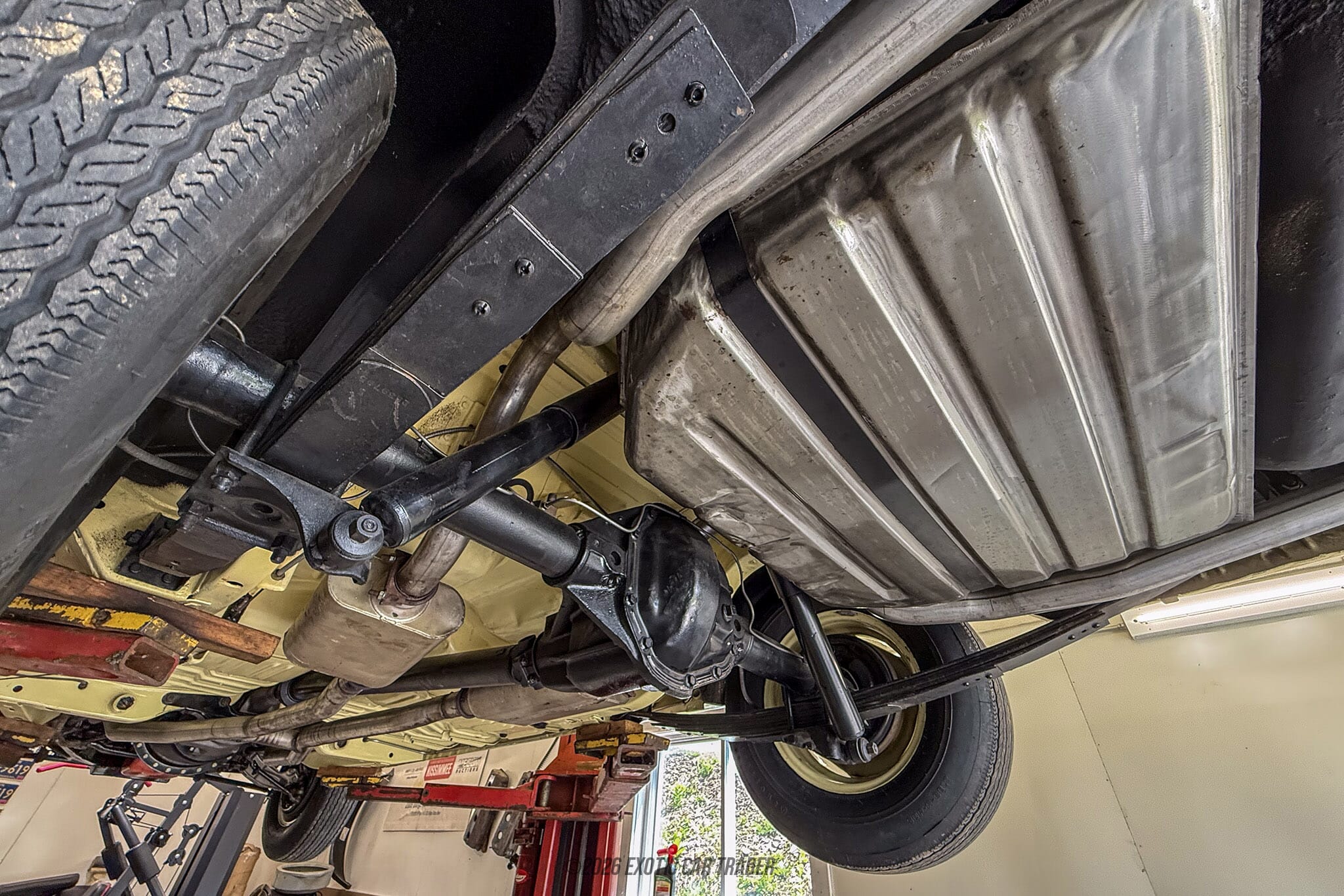
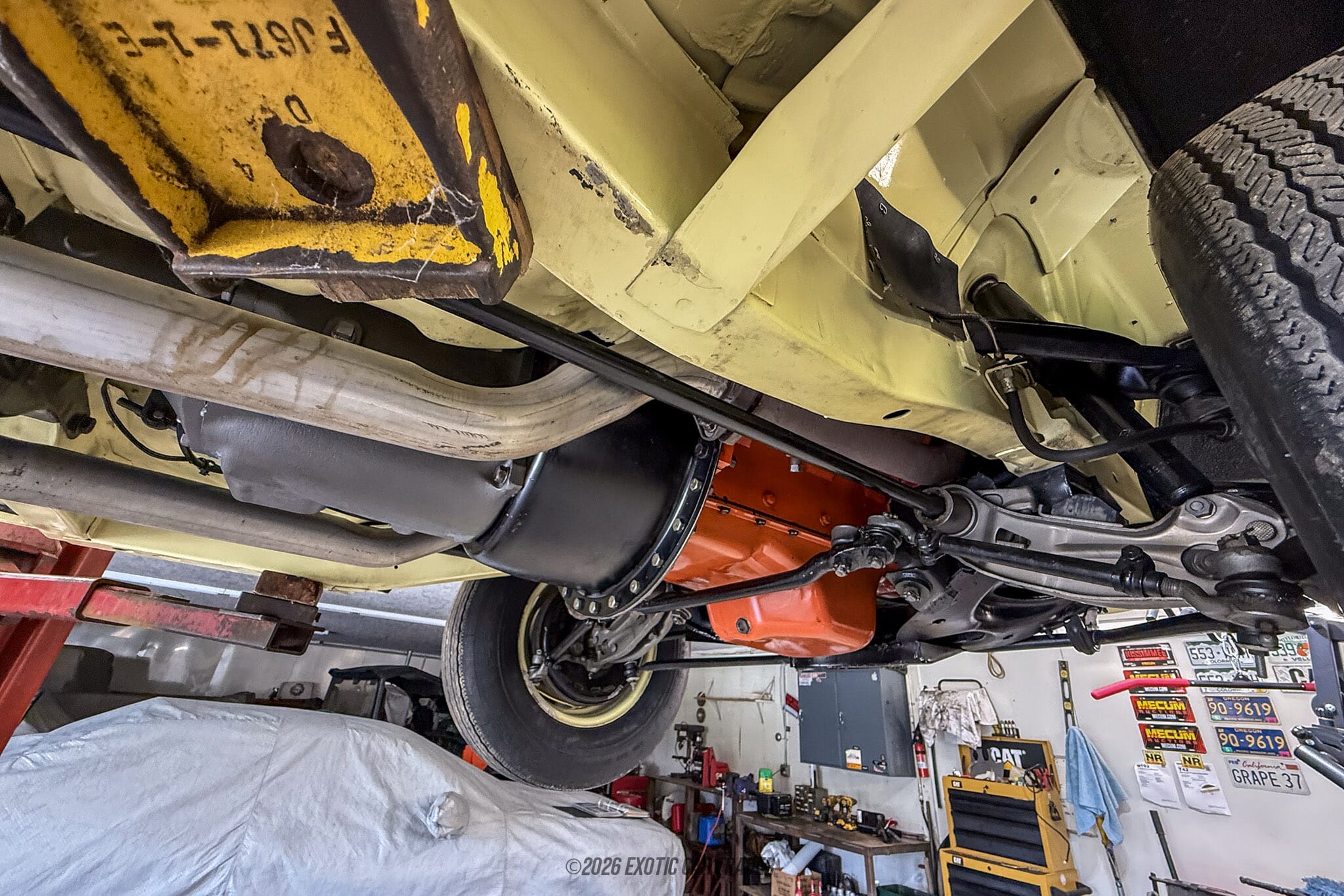
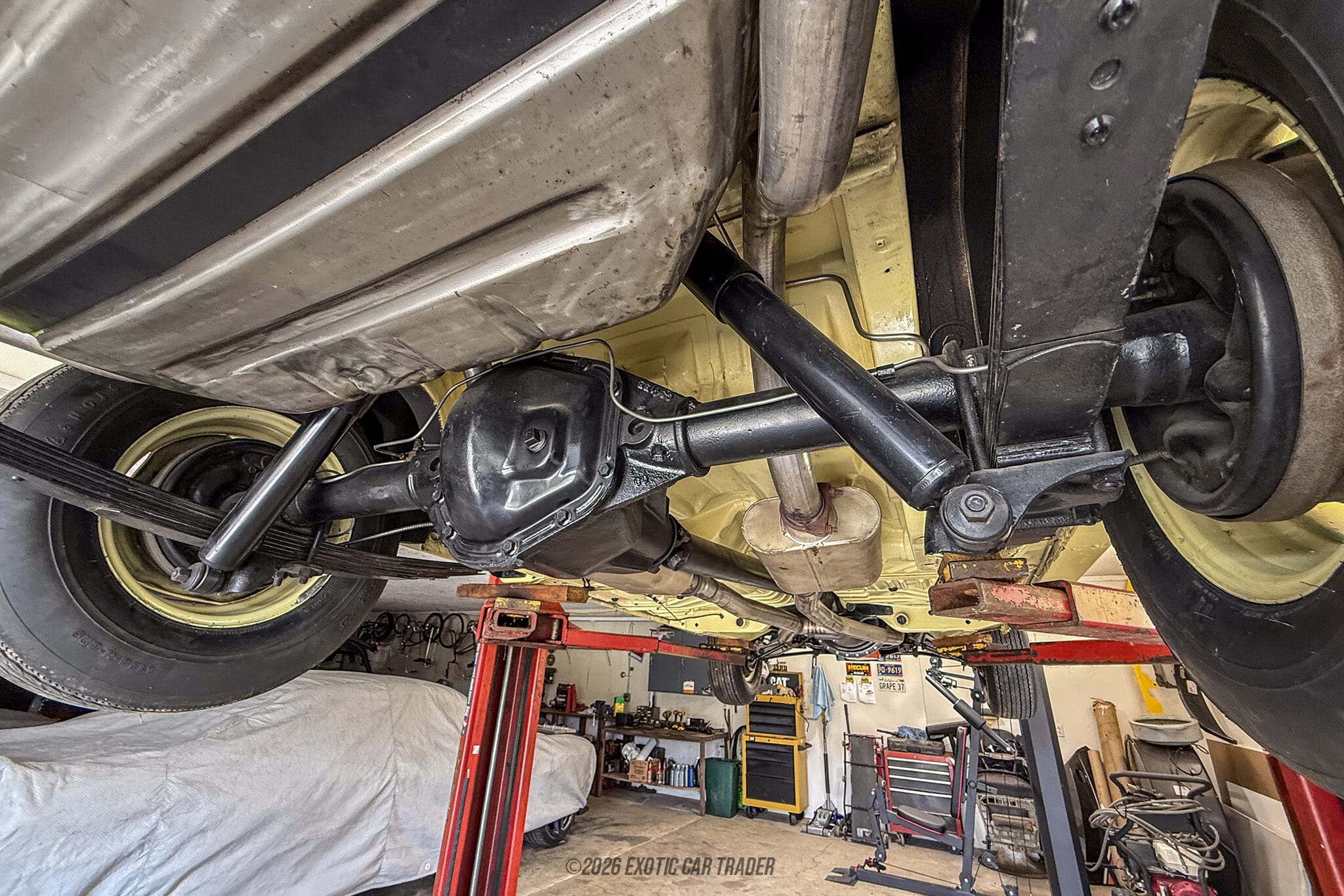
- 3.54 Dana 60 Rear End
- Hemispherical Cylinder Heads
- Split Bench Seat
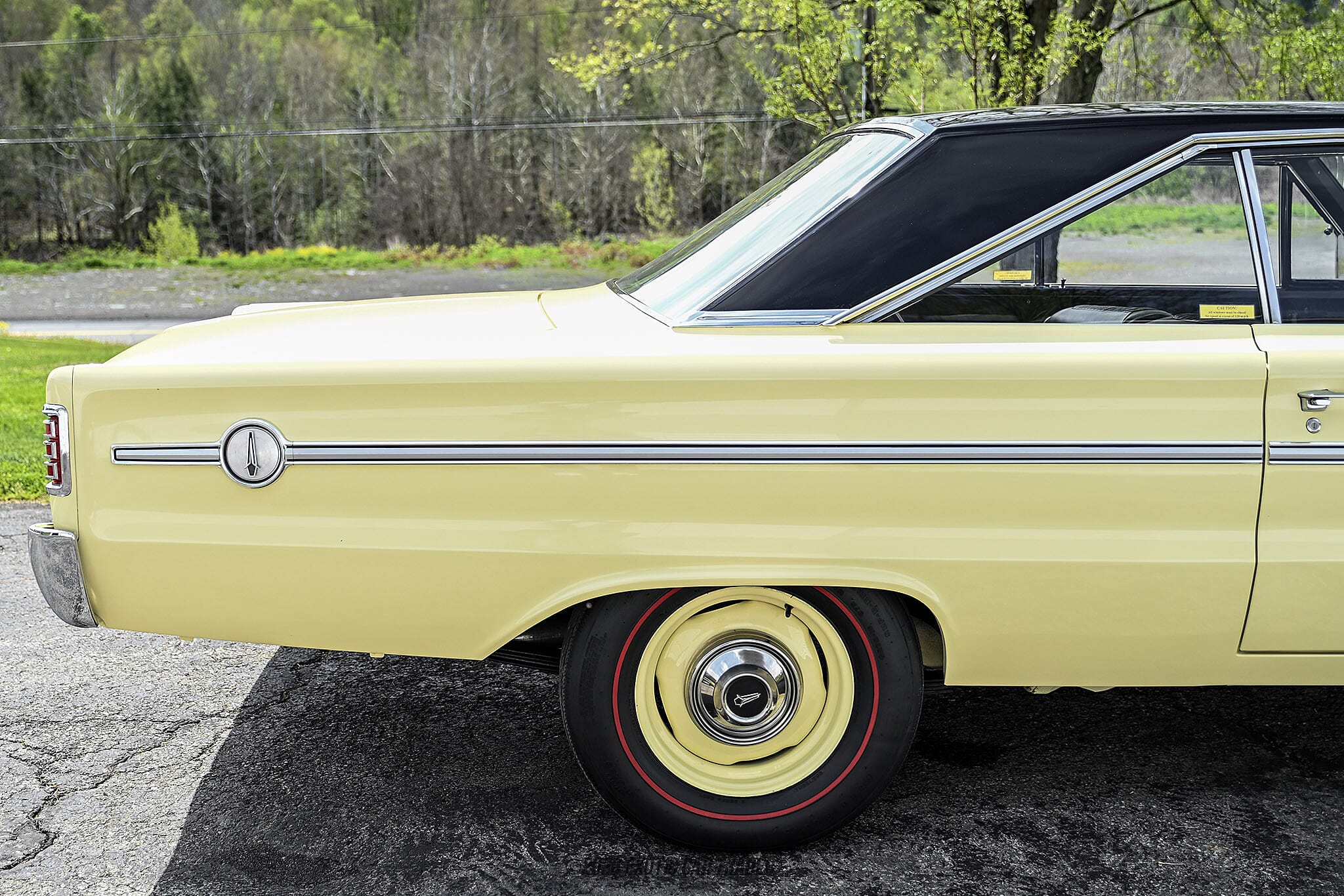
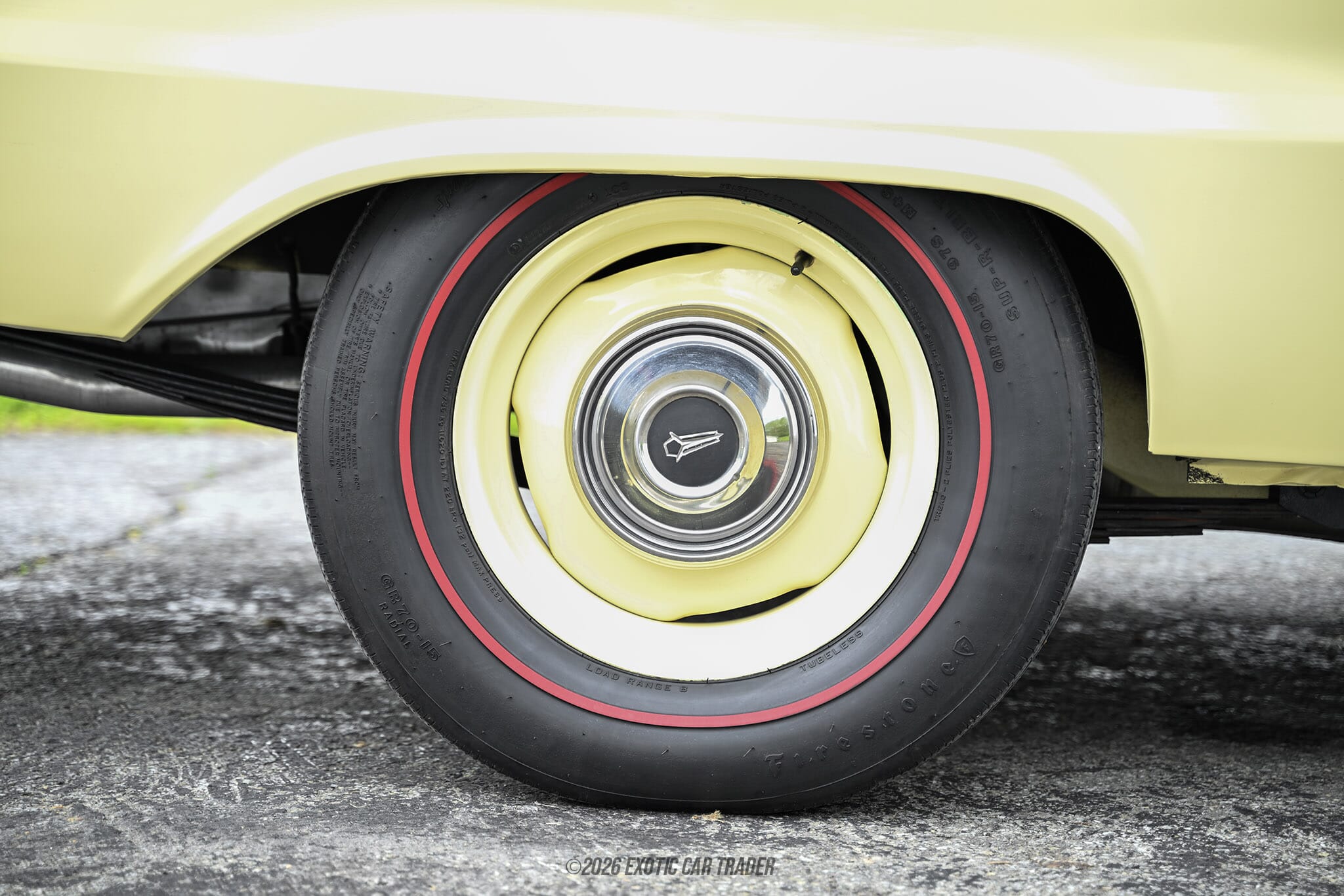
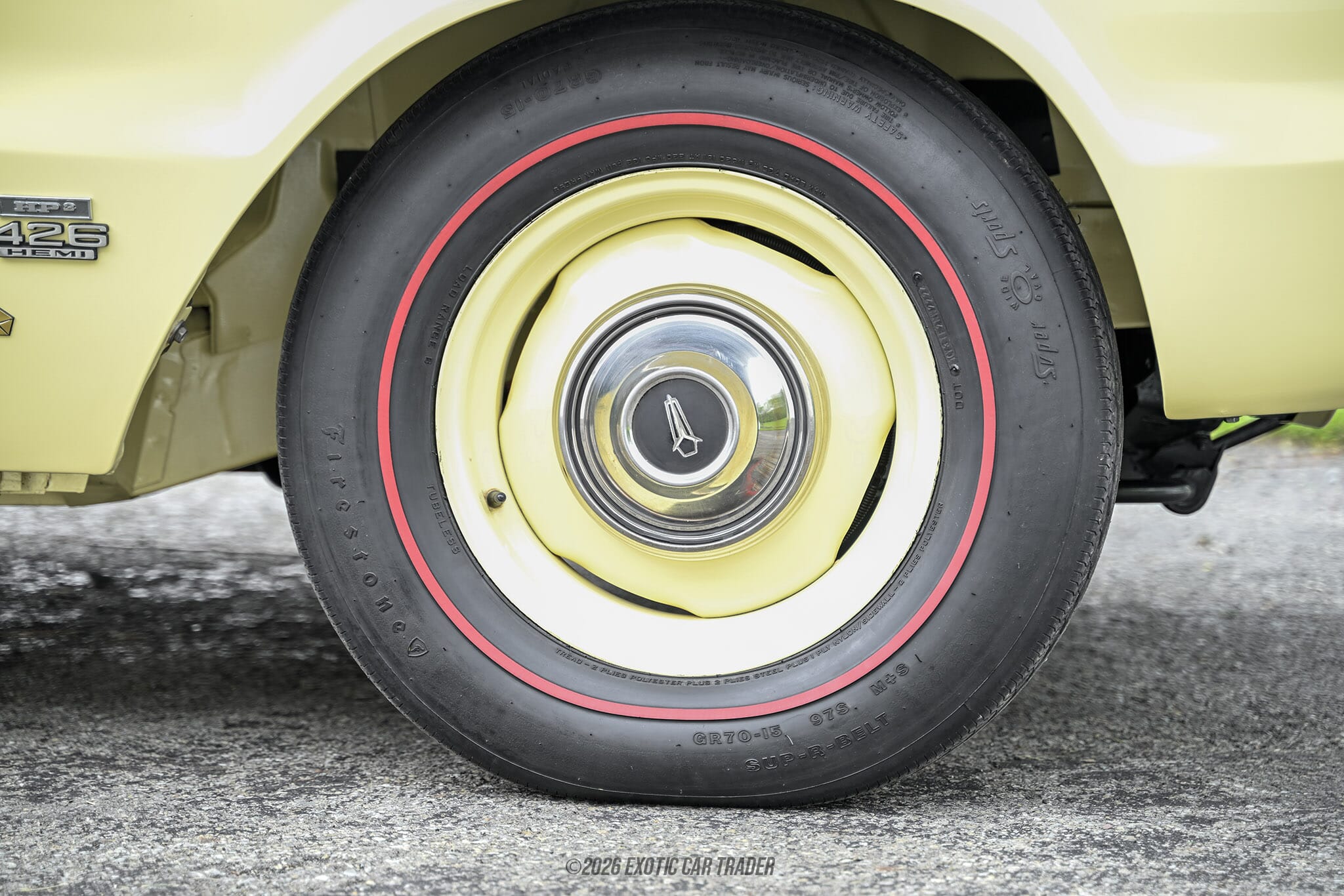
- Painted Steel Wheels
- Small Diameter Hubcaps
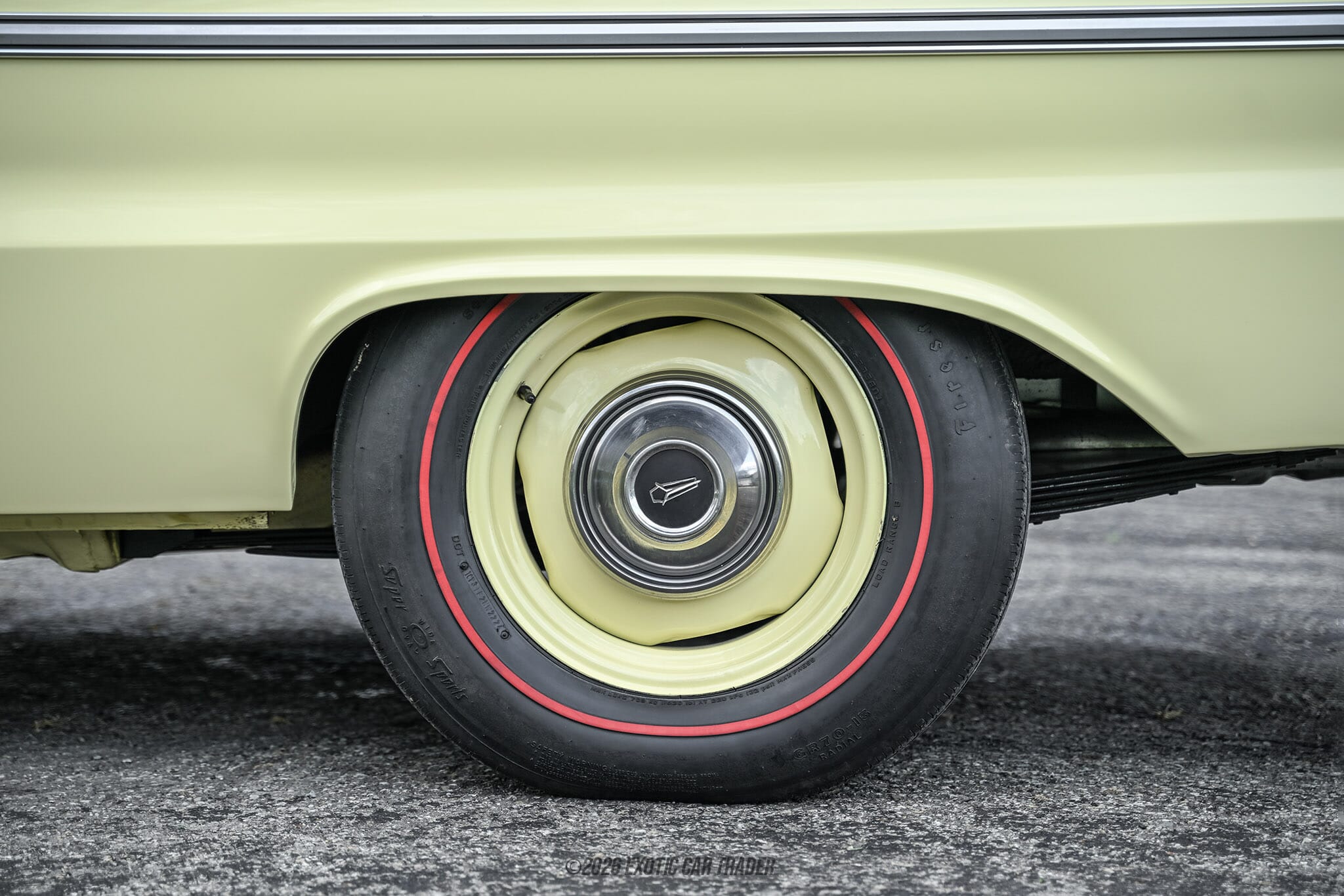
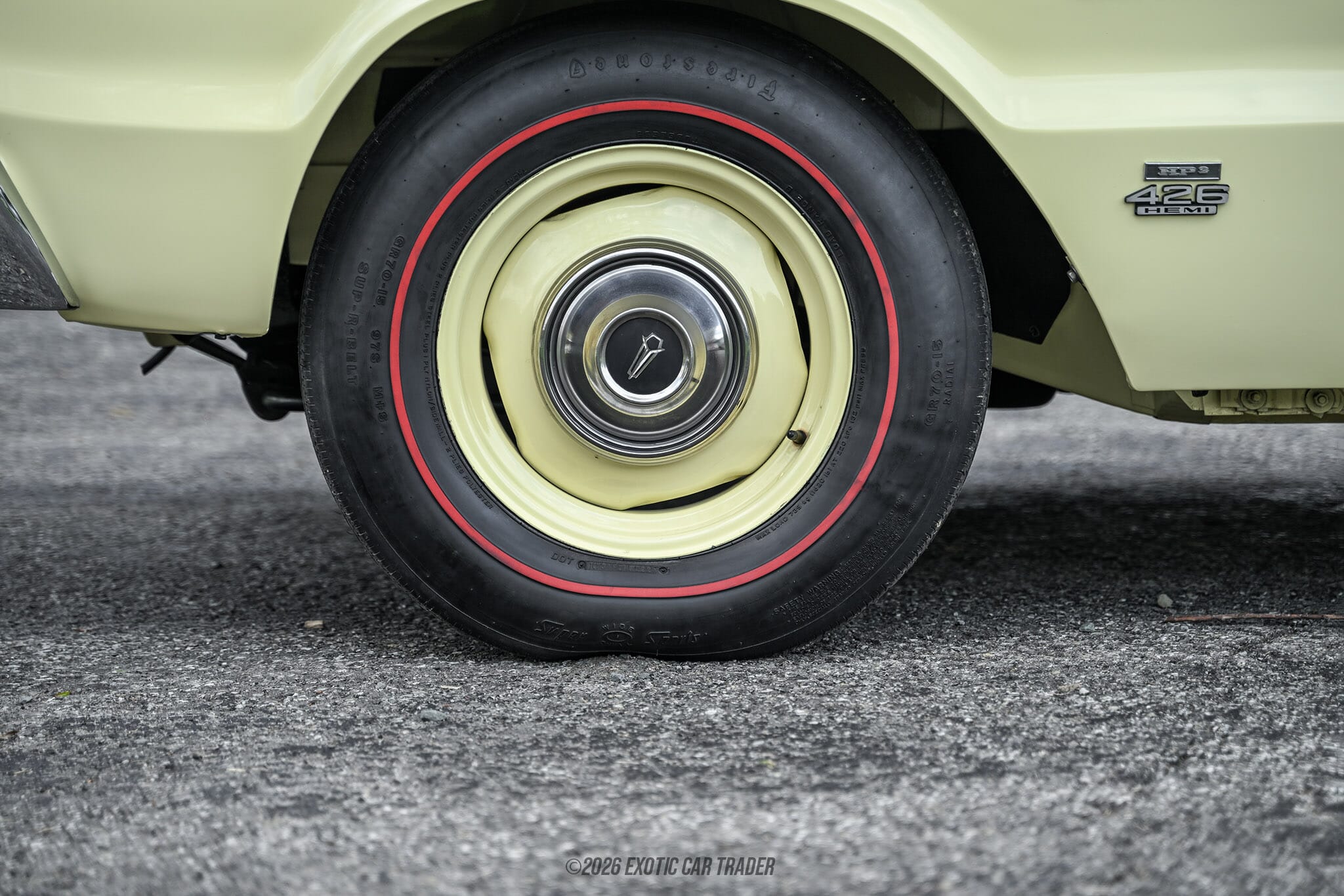
- Redline Tires
- AACA National Junior Award, AACA National Senior Award & AACA Grand National Award Recipient
- 2-Time Magazine Cover Car
Extras Included in the Sale
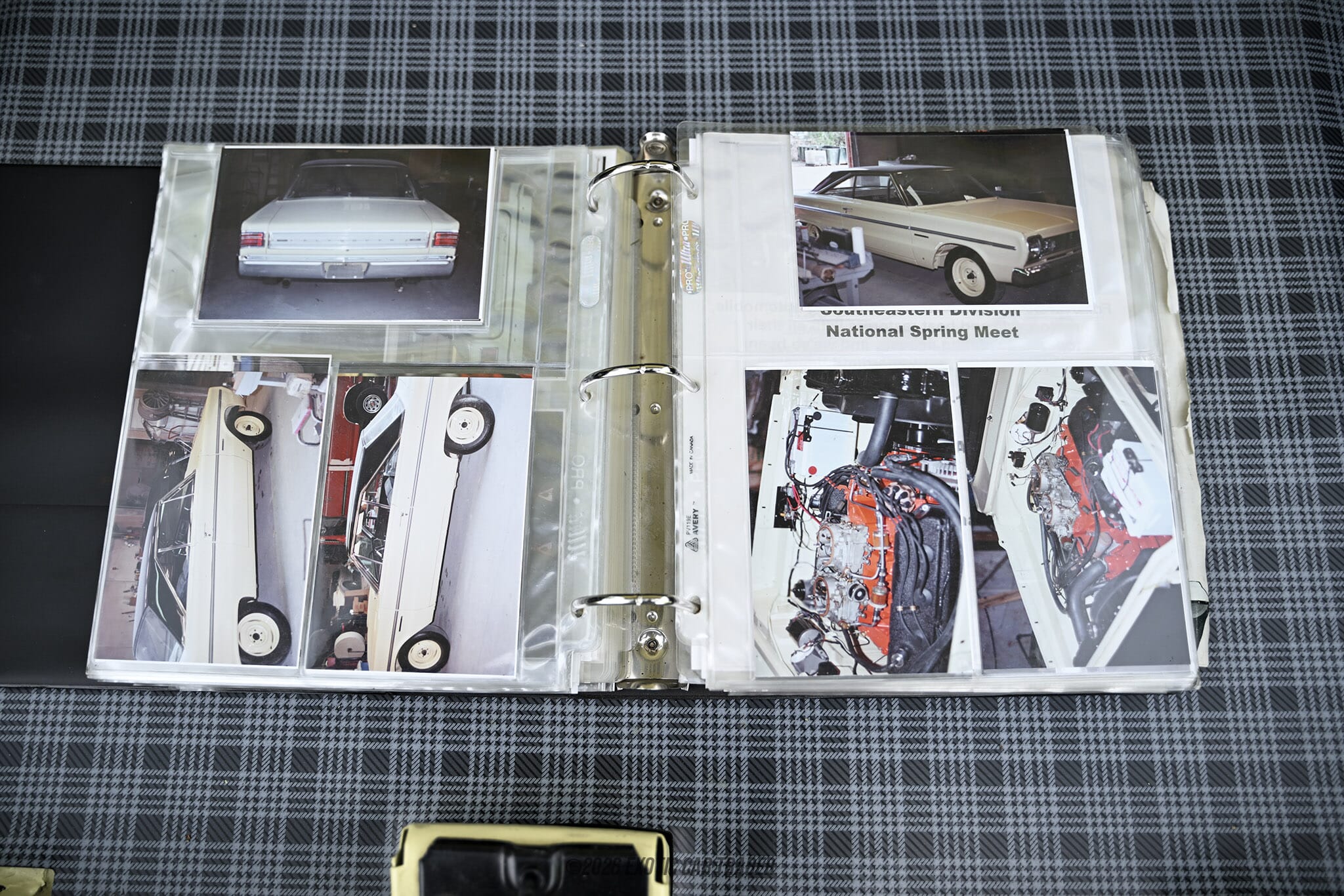
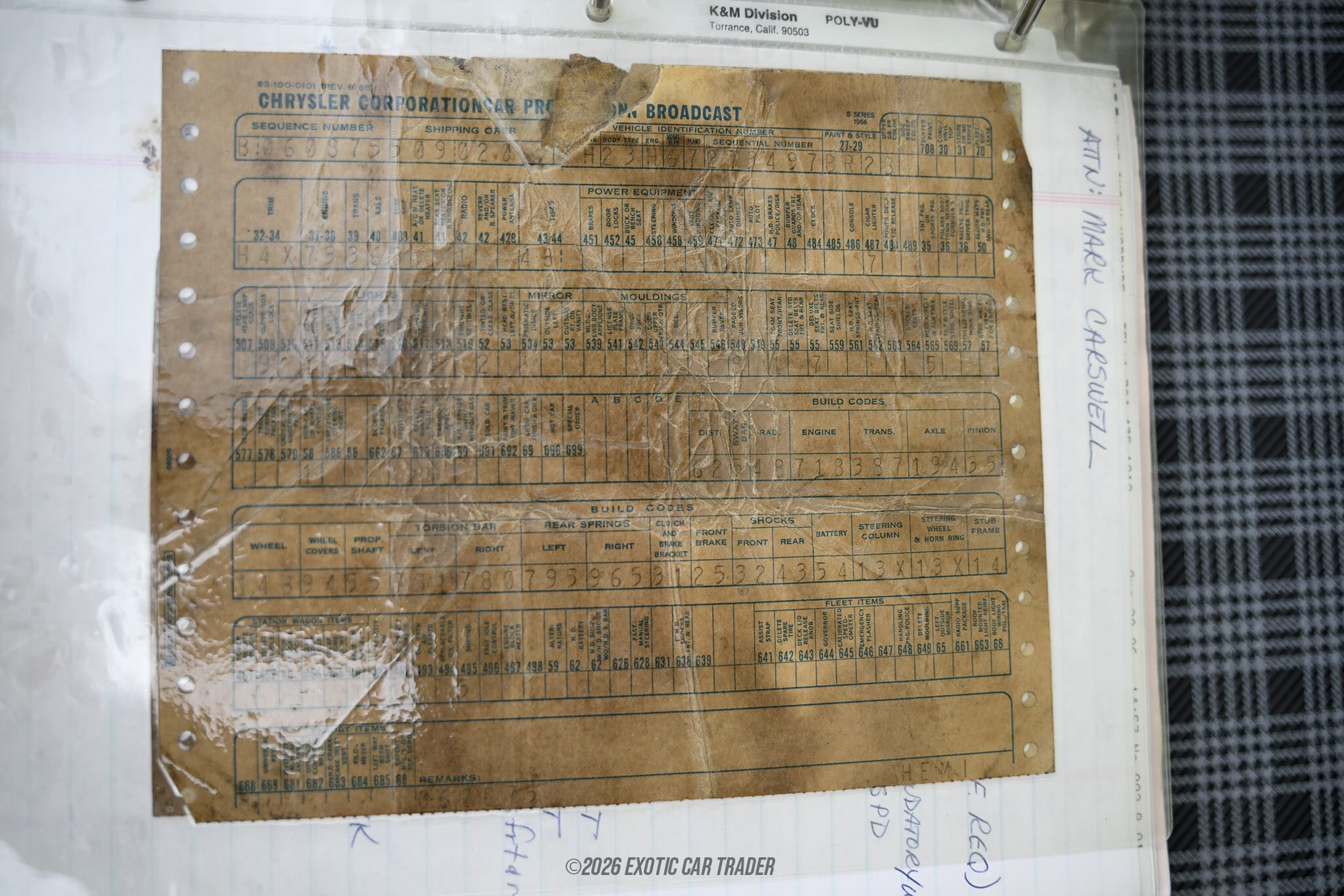
- Restoration Photos & Build Sheets
- Owner's Manual


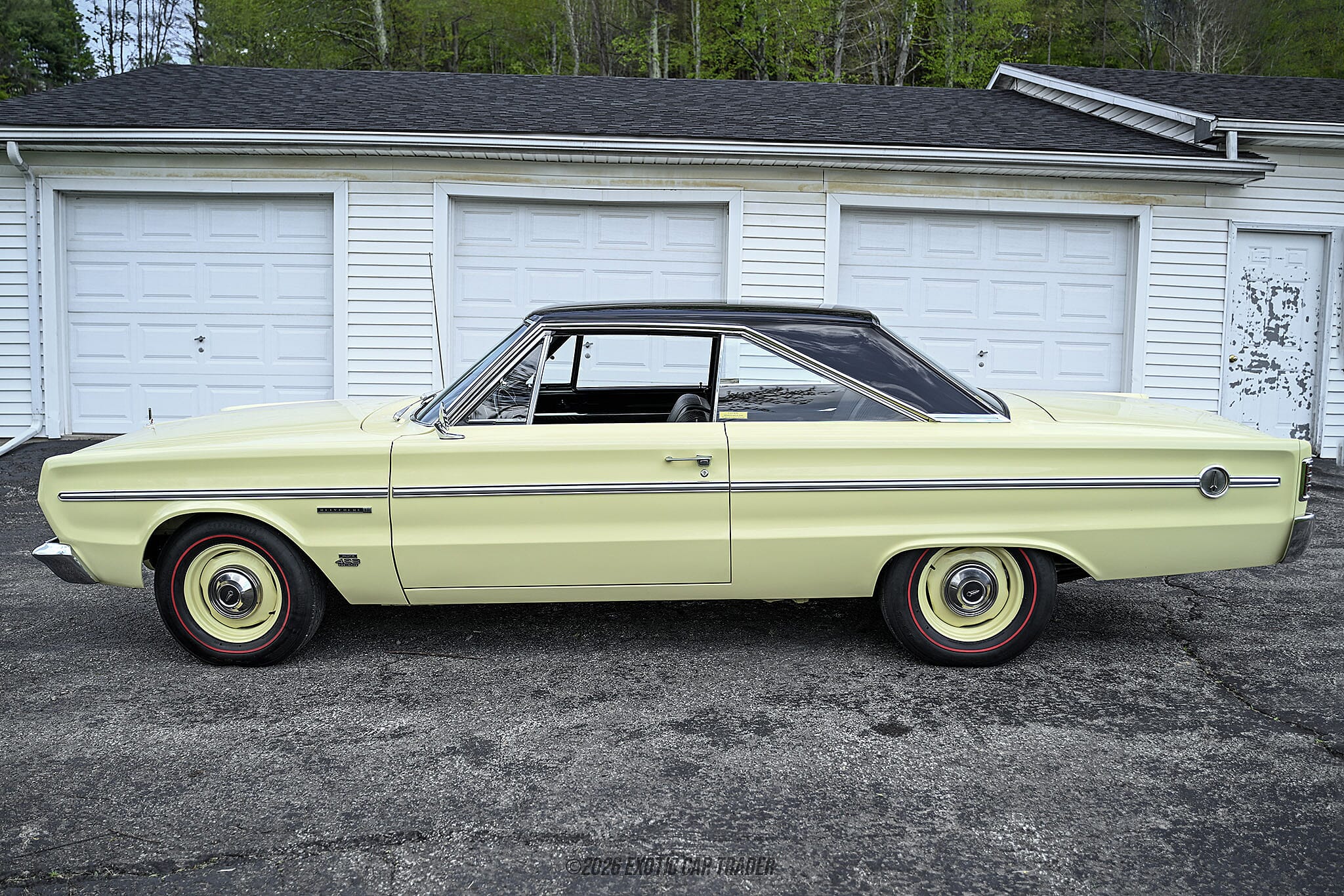
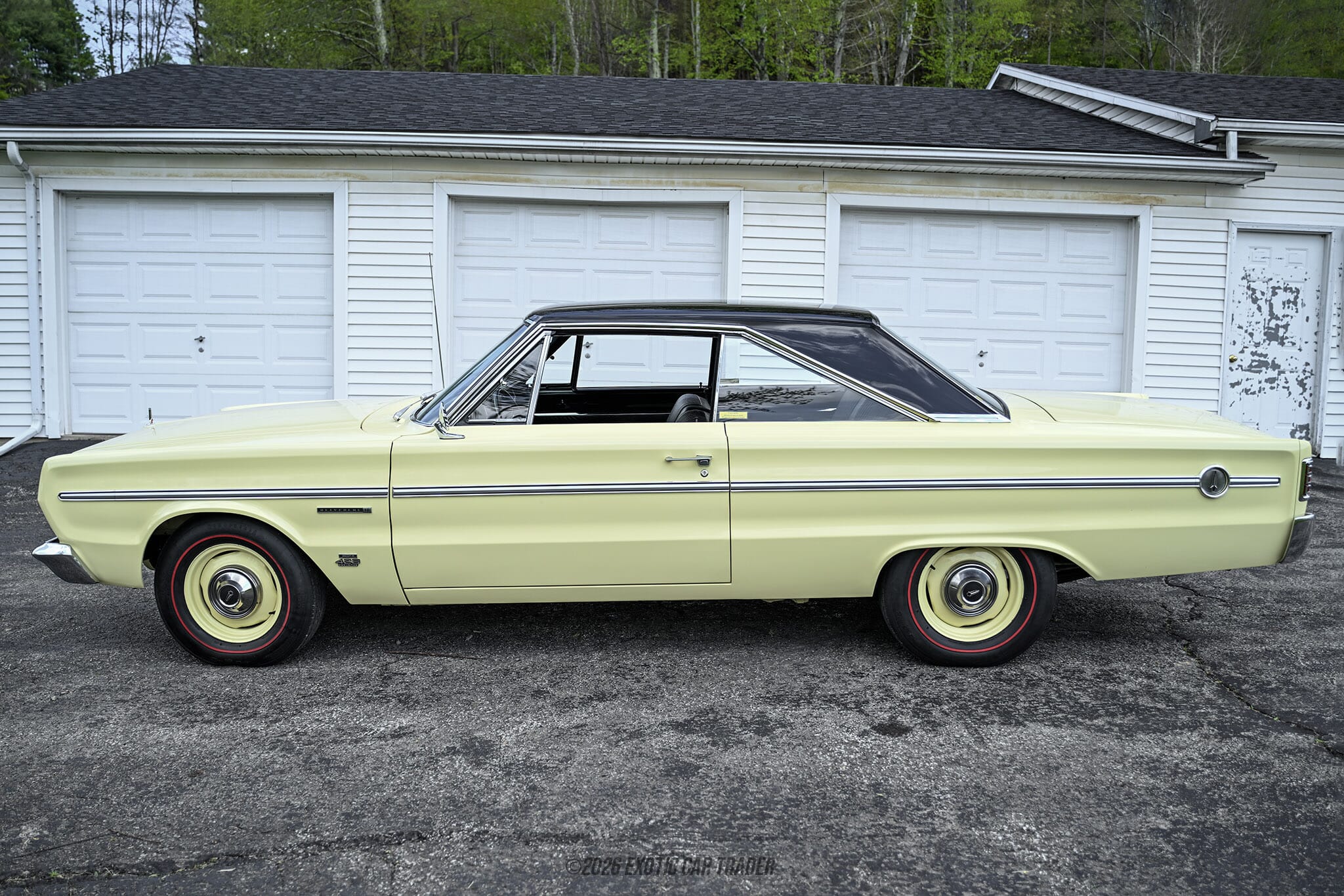
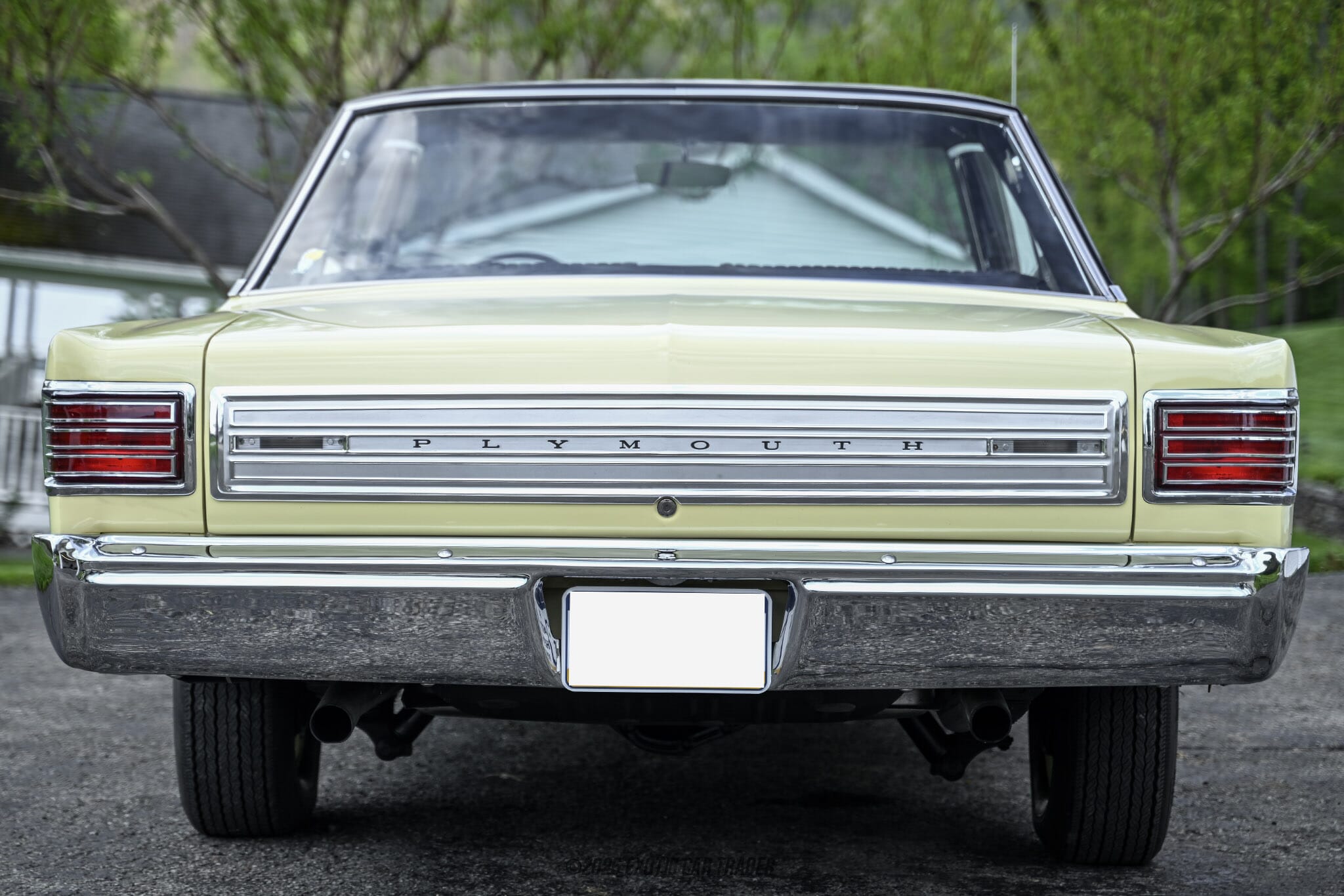
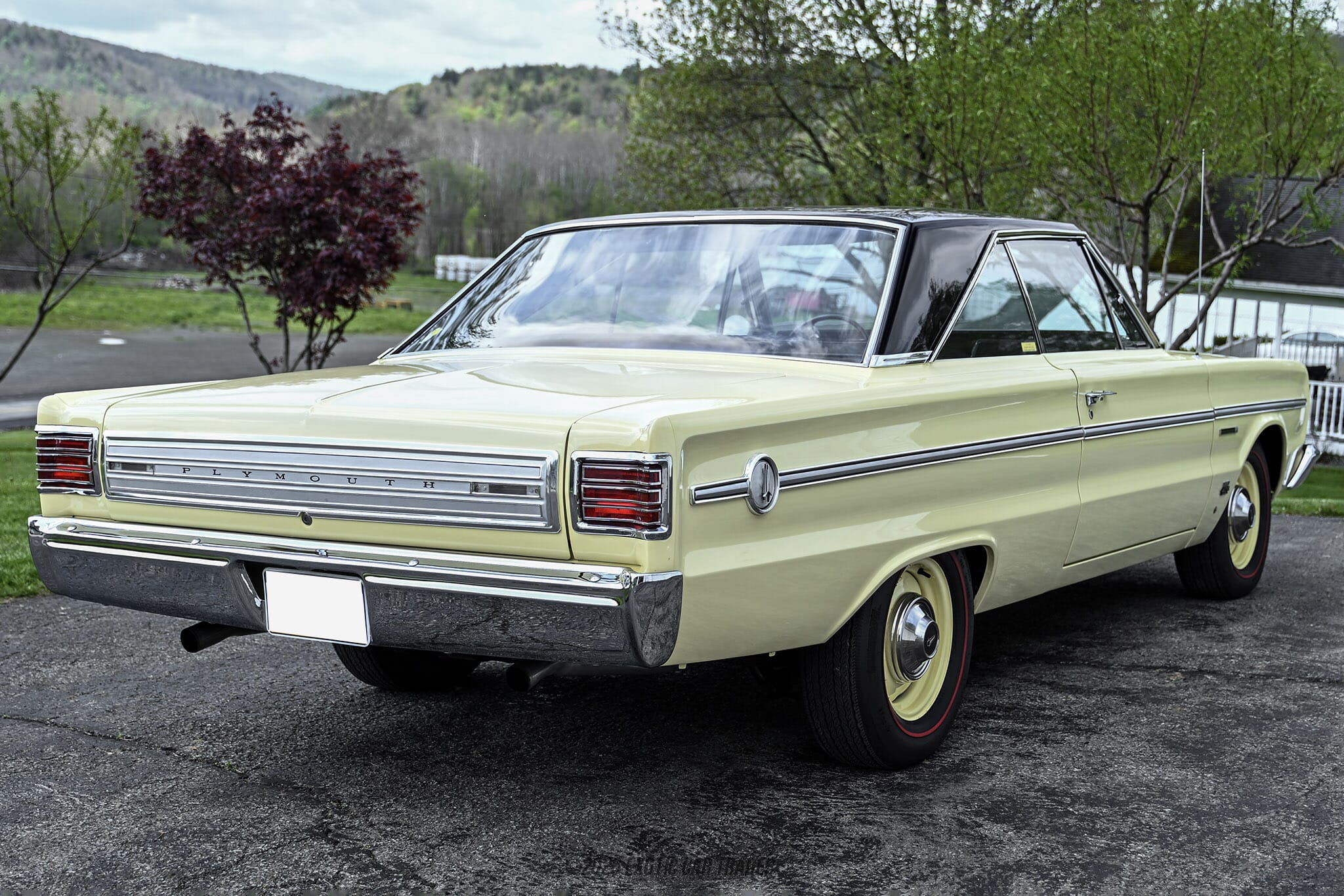
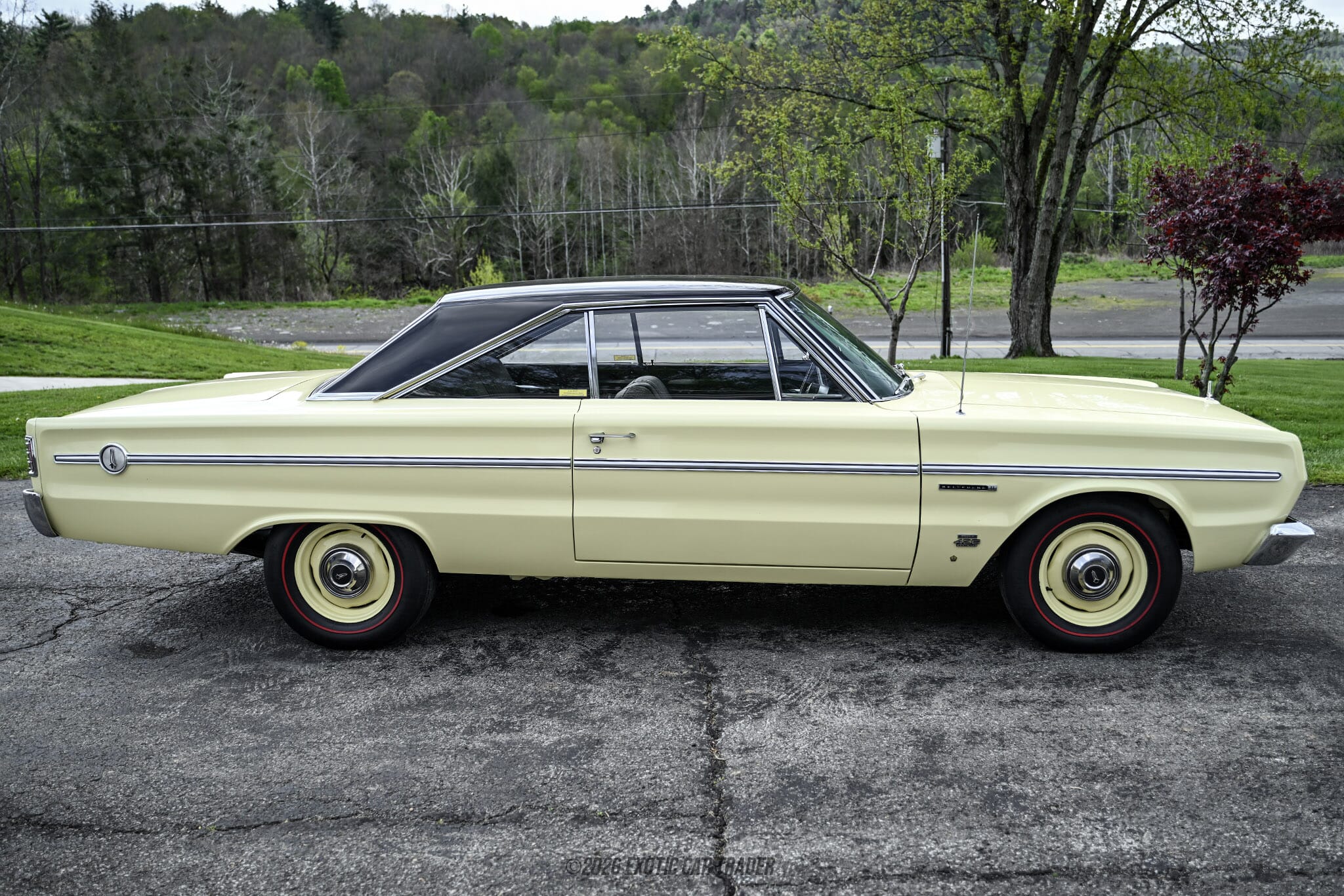
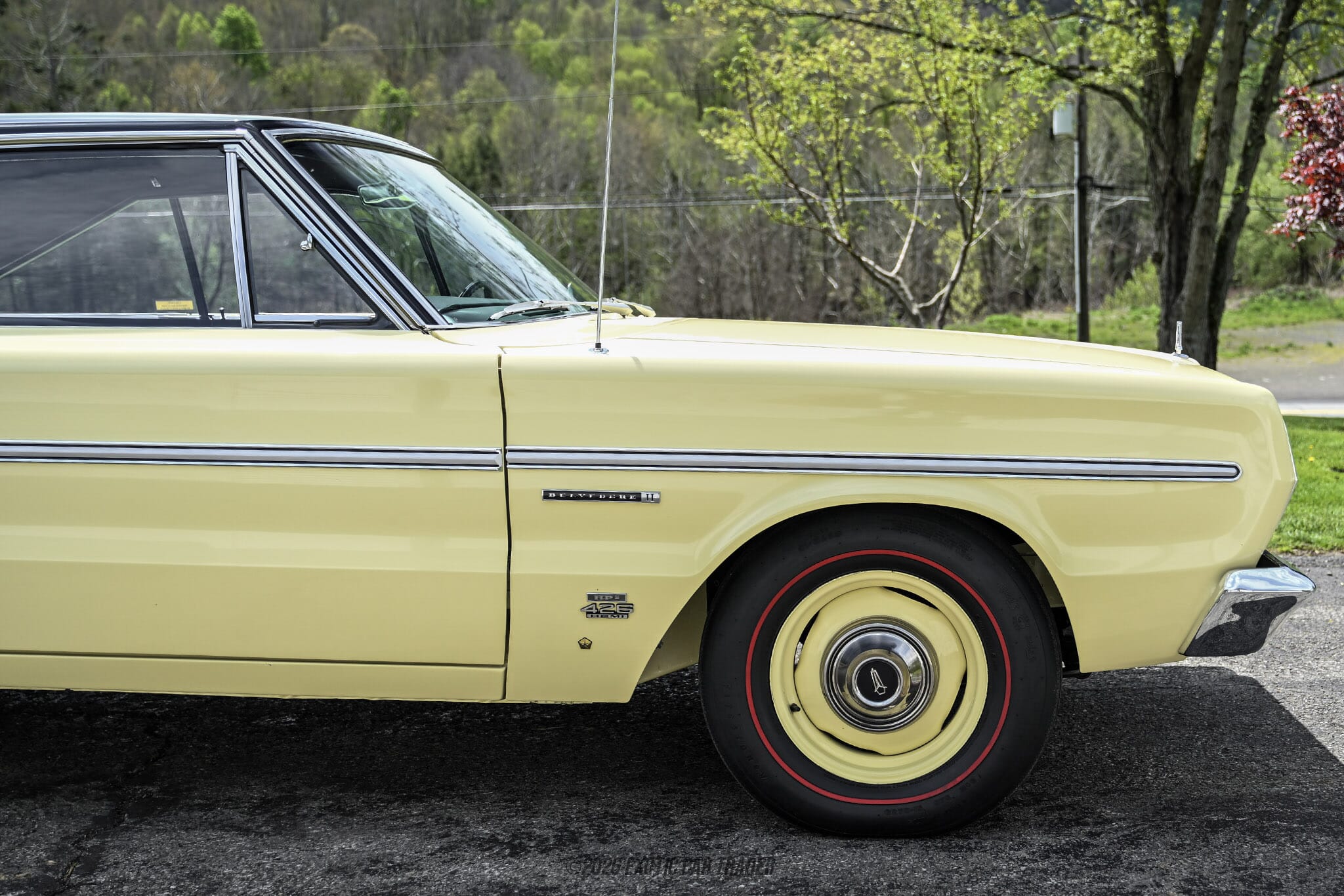
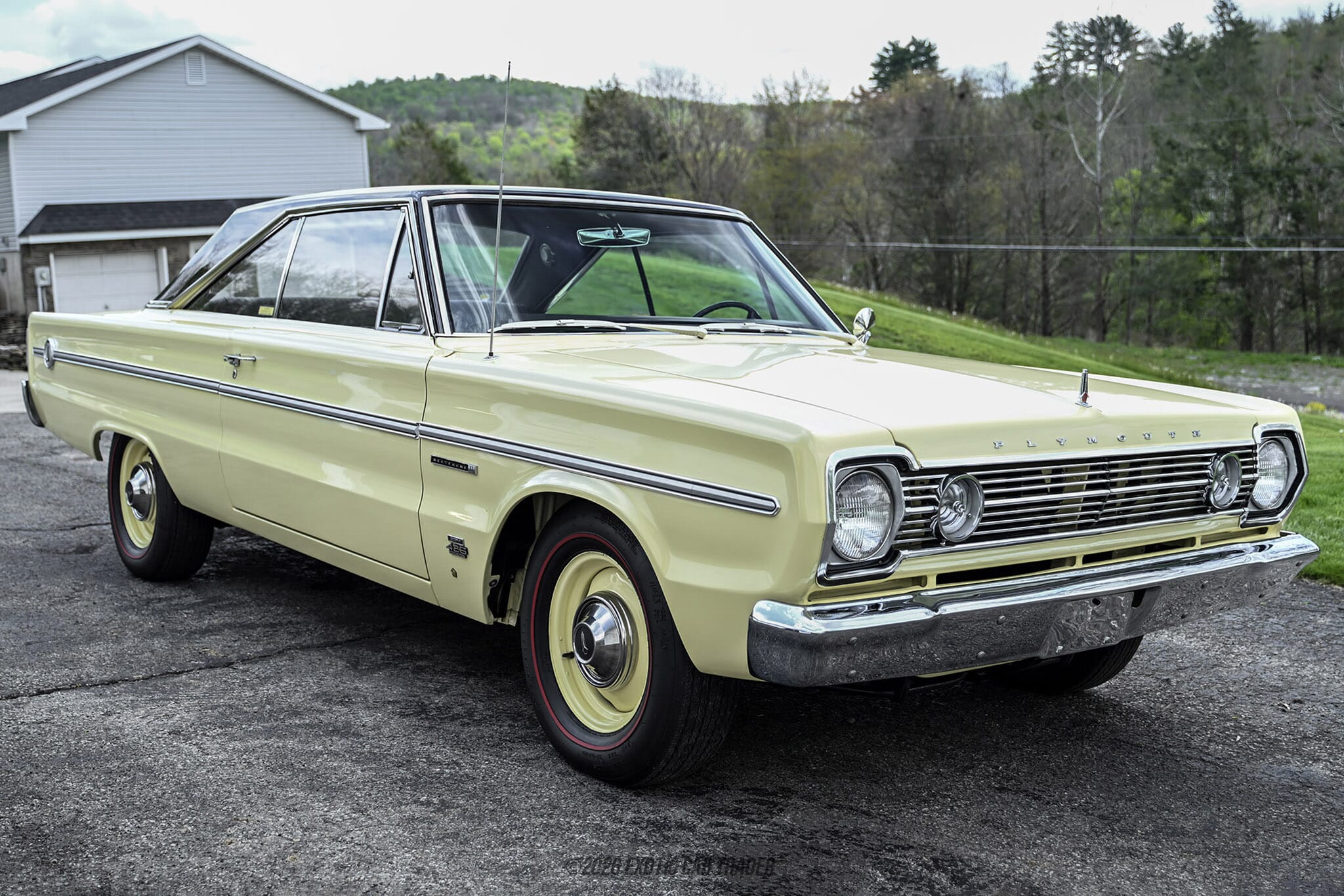
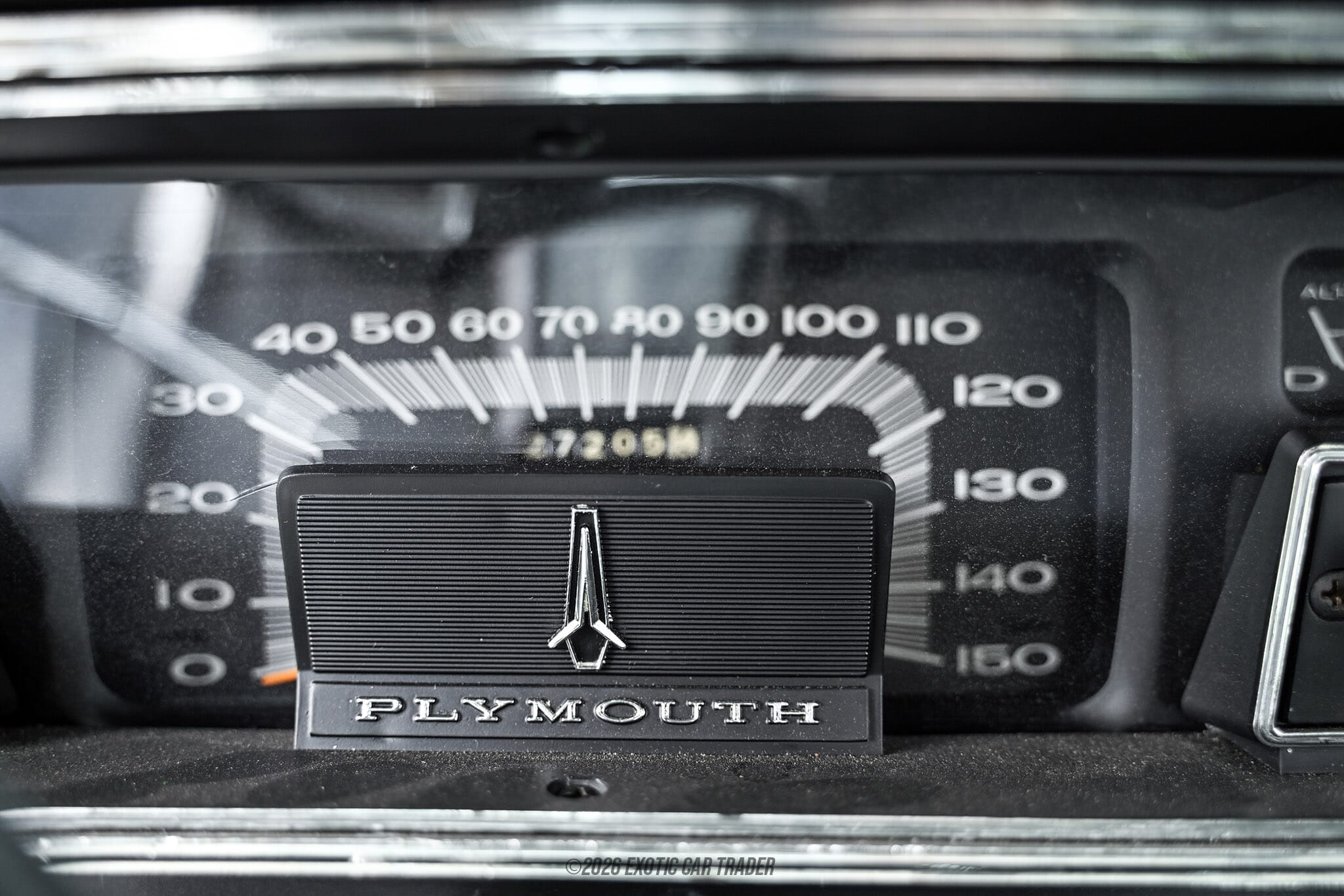
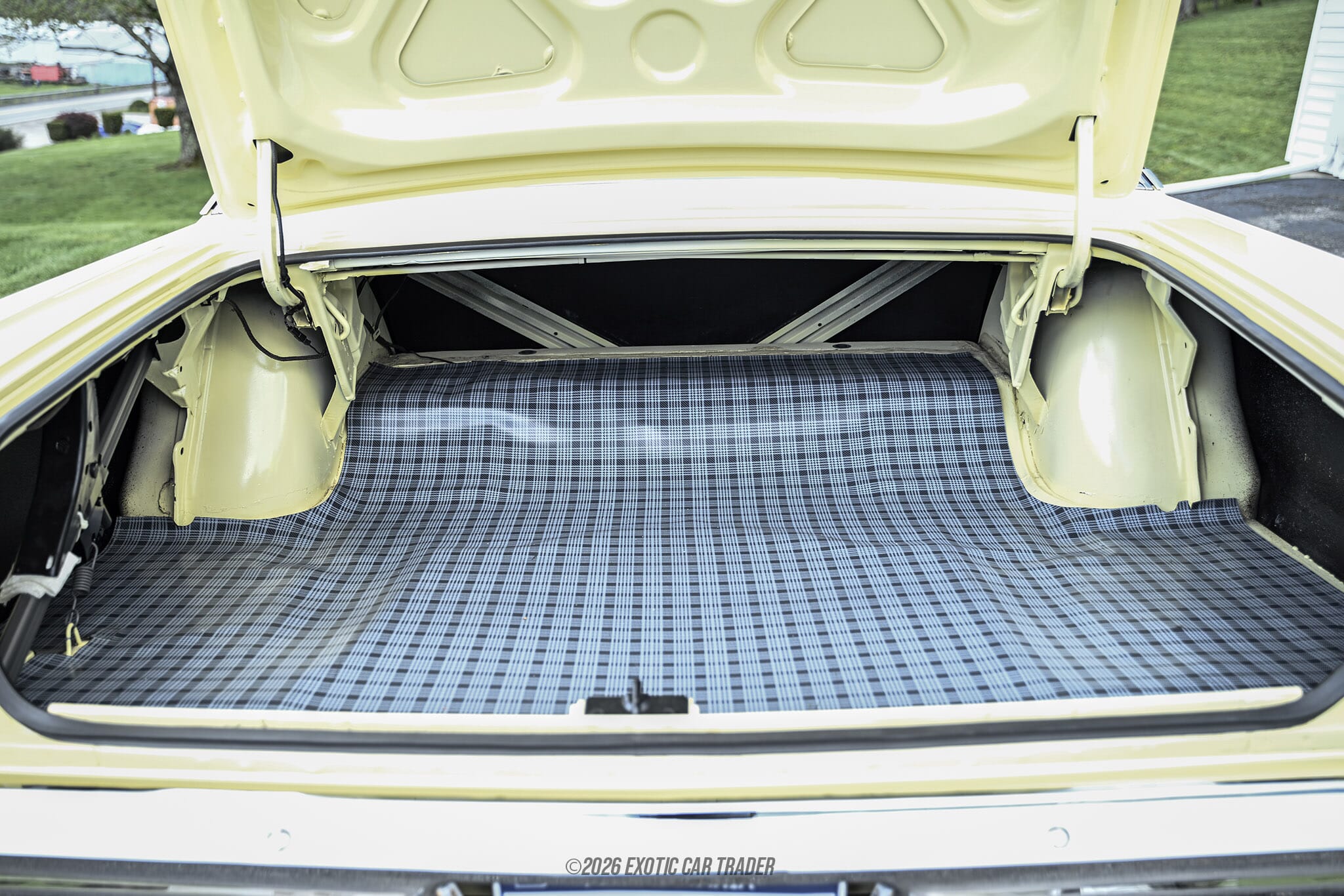
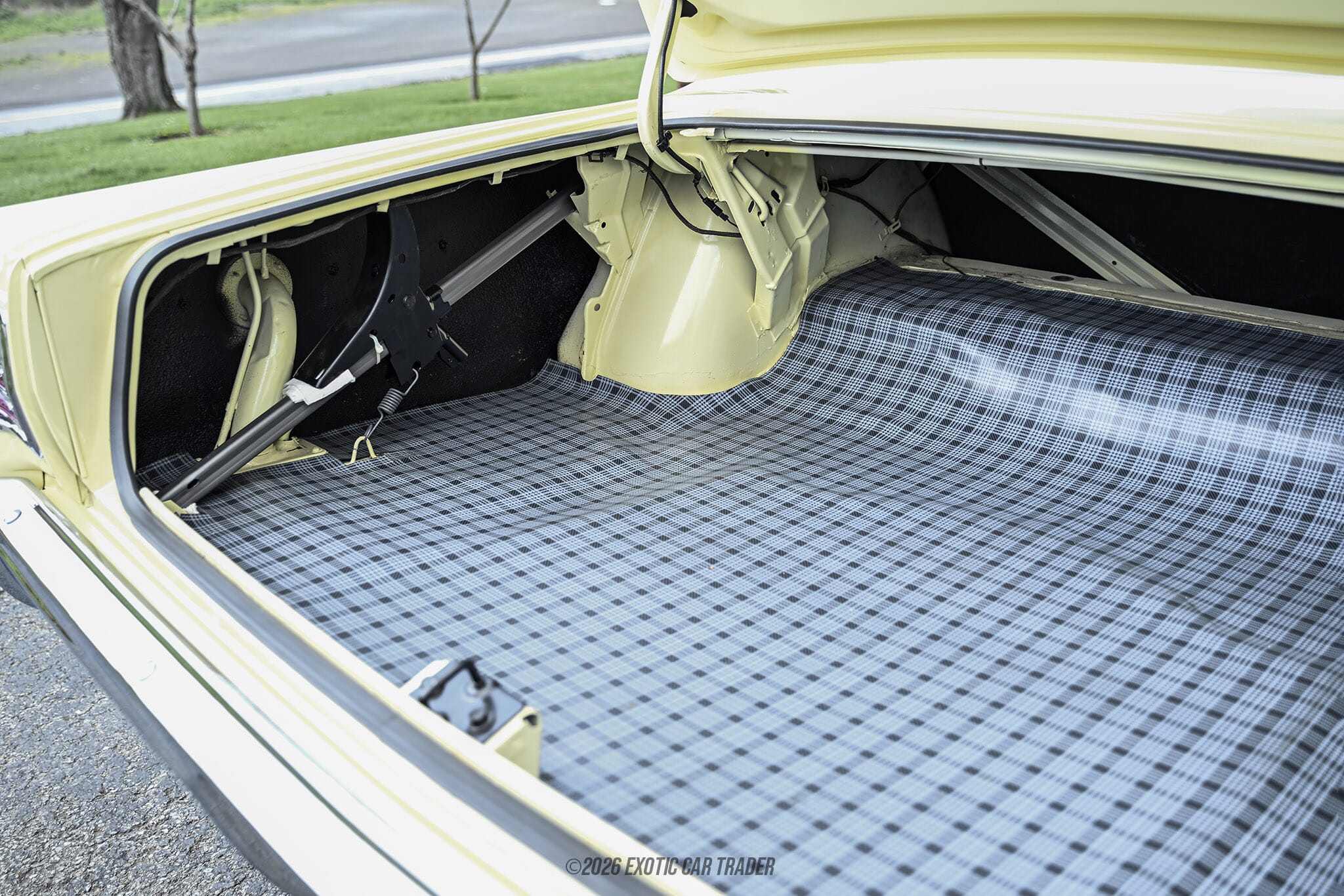
The phrase “street legend” gets thrown around often, but few American muscle cars genuinely deserve it like a factory Hemi B-body Mopar. This 1966 Plymouth Belvedere II H-Code is one of those cars that instantly commands respect from serious collectors, representing the golden age when Chrysler’s race-bred 426 Hemi found its way into street-legal production cars. Nicknamed the “Elephant Engine” for its sheer size and dominance, the 426 Hemi became one of the most feared powerplants of the muscle car era, and having one in a relatively understated Belvedere II body made for one of the ultimate sleeper combinations of the 1960s. Showing approximately 27,205 miles, this particular example goes well beyond mere rarity, boasting an extraordinary pedigree that includes AACA National Junior, Senior, and Grand National awards, along with recognition as a two-time magazine cover feature car. This is the kind of blue-chip Mopar that rarely needs explanation among enthusiasts.
Exterior and Interior
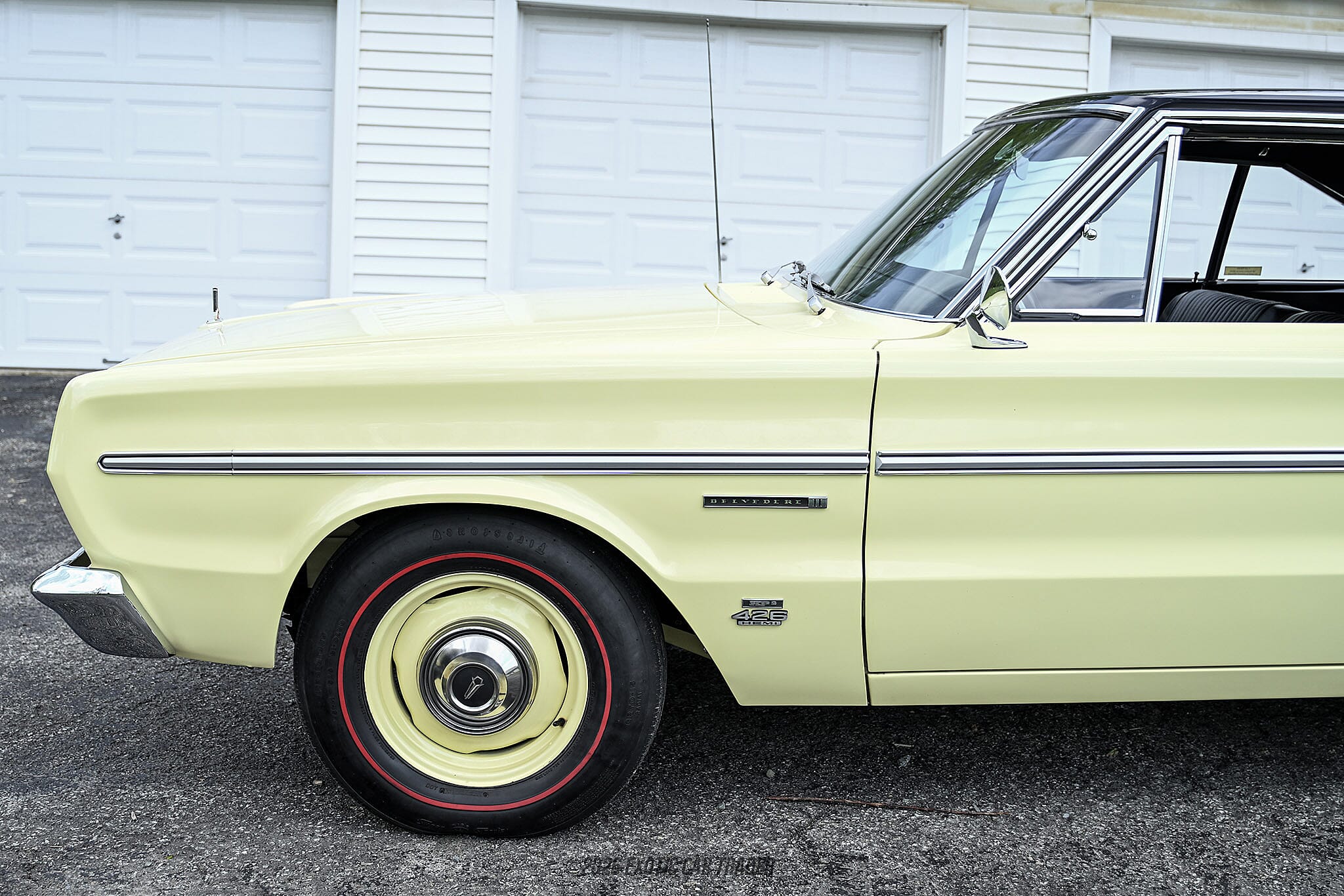
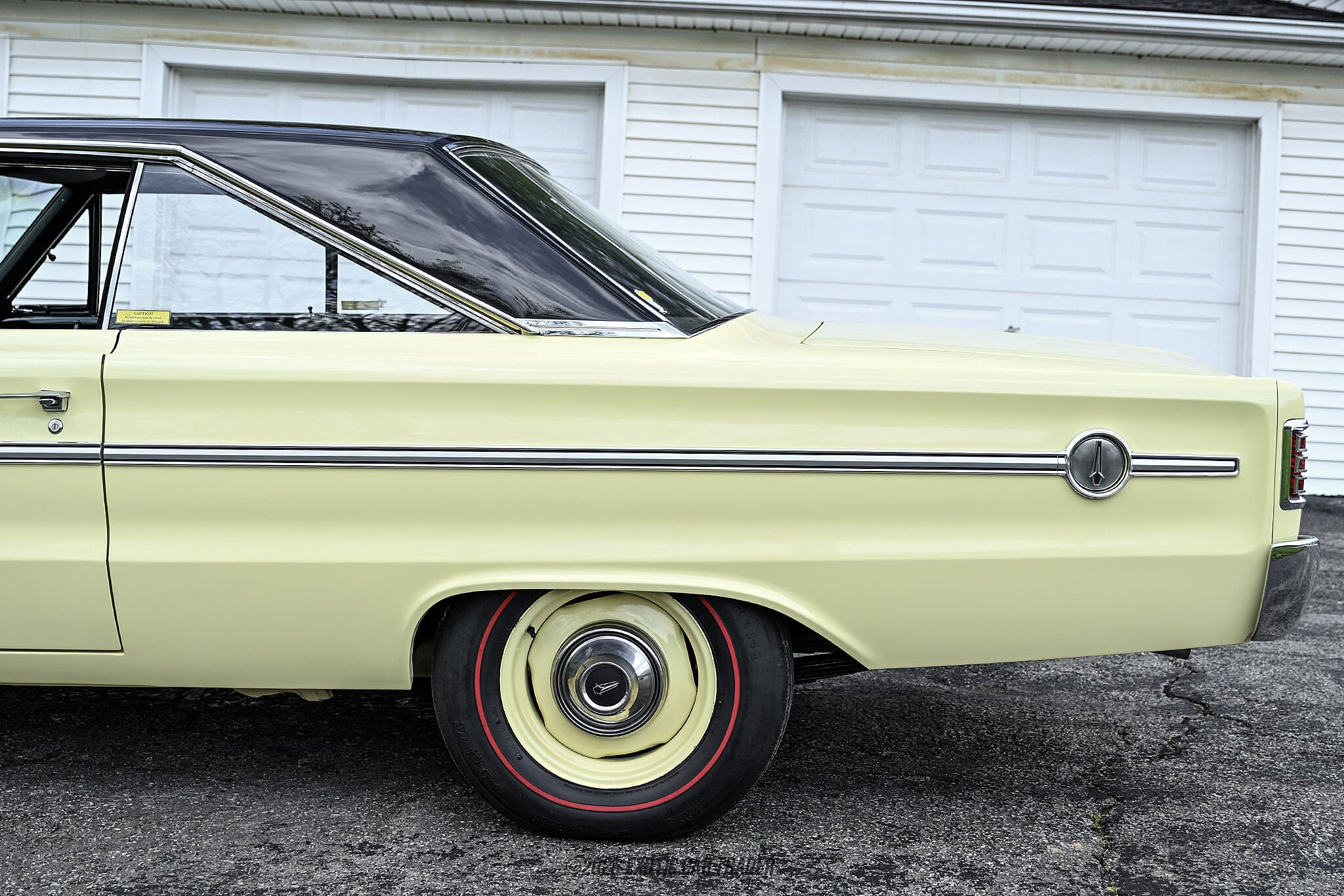
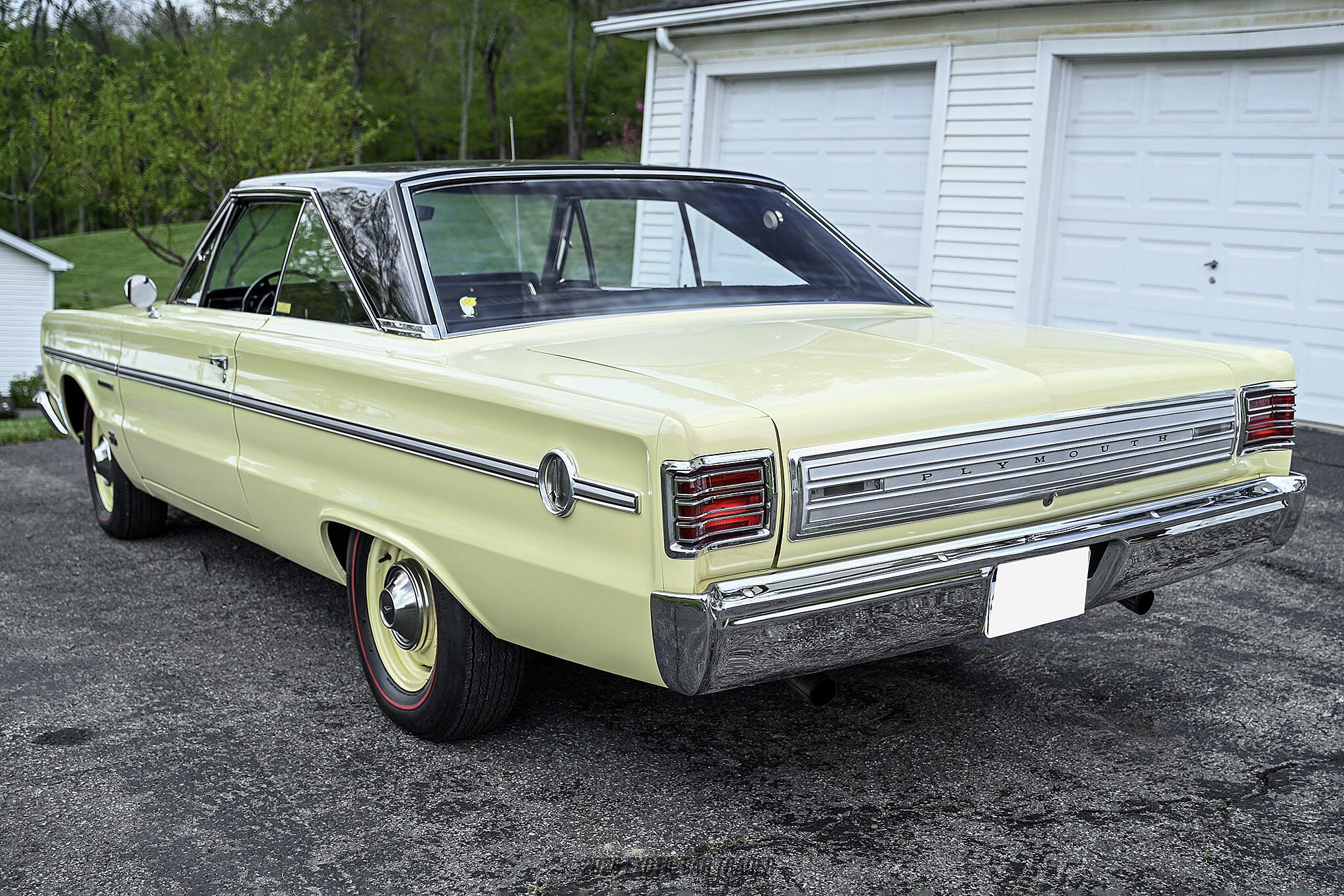
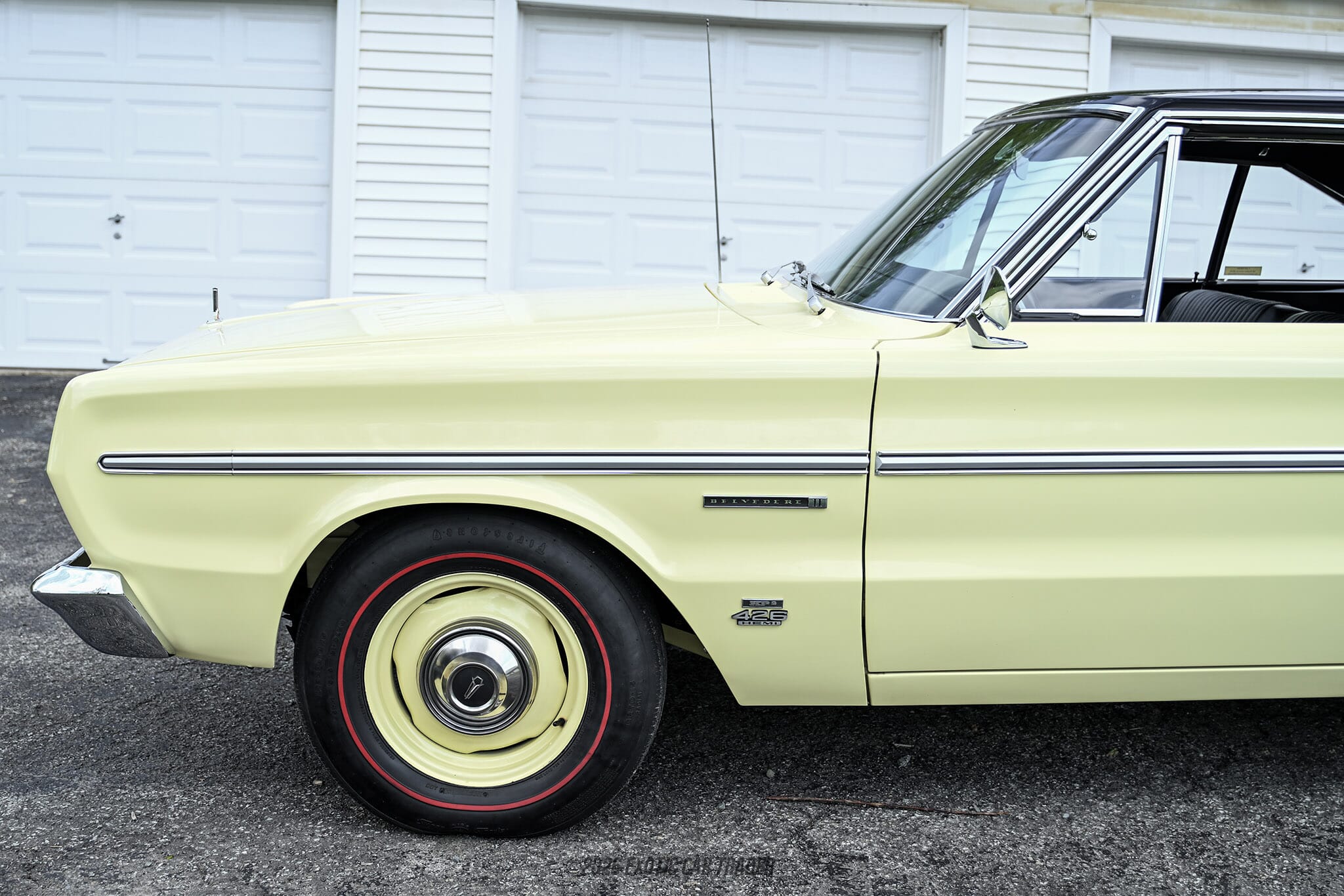
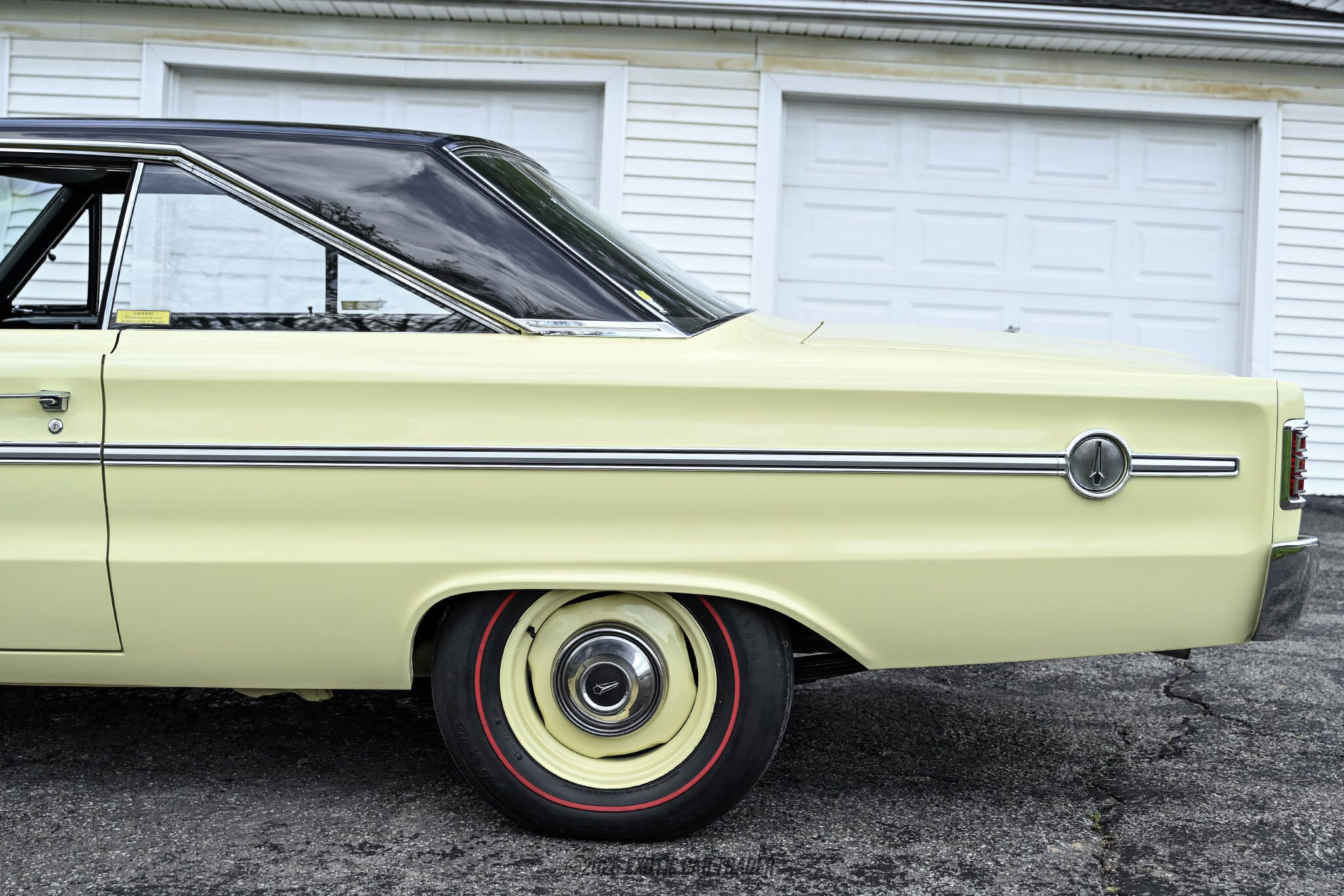
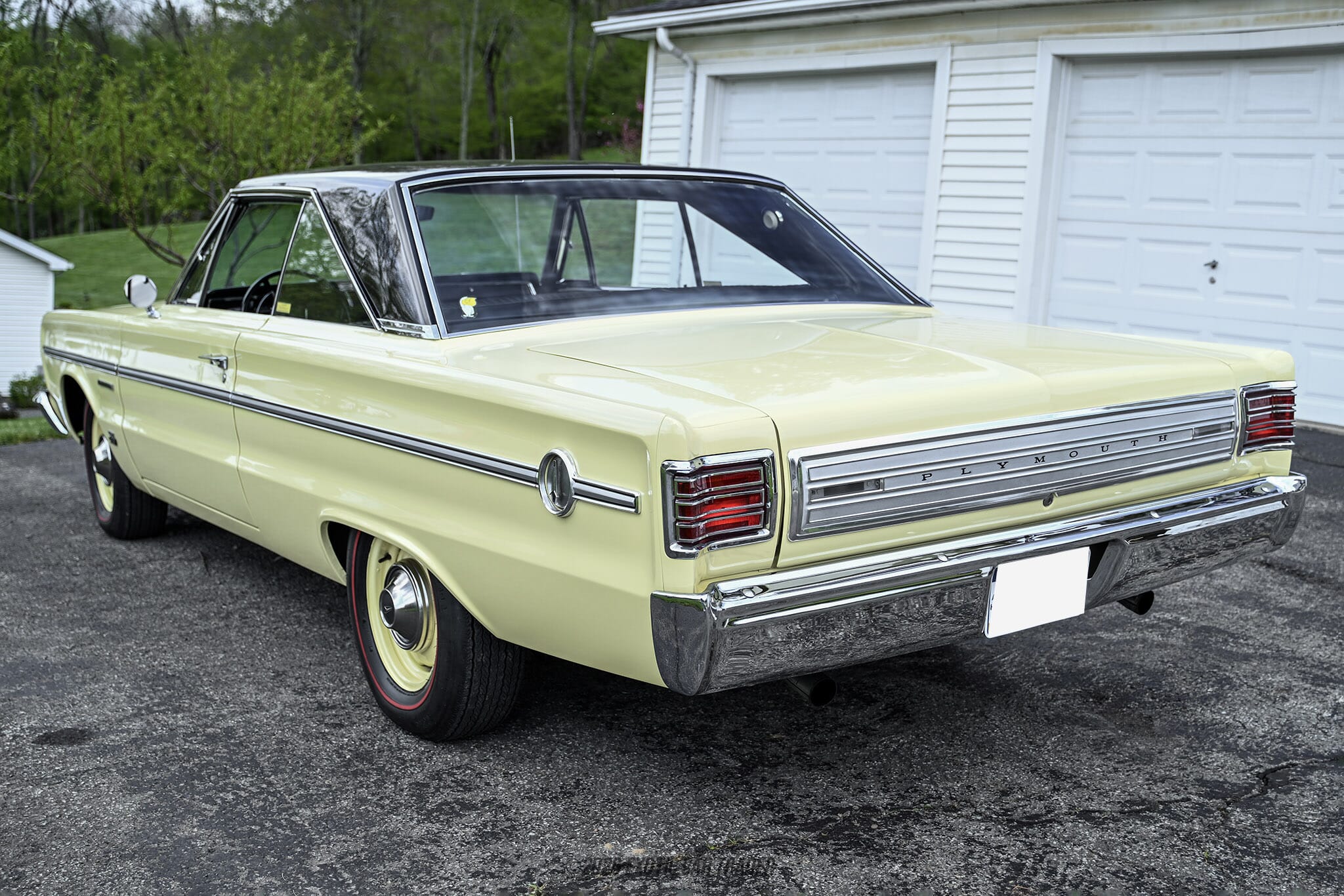
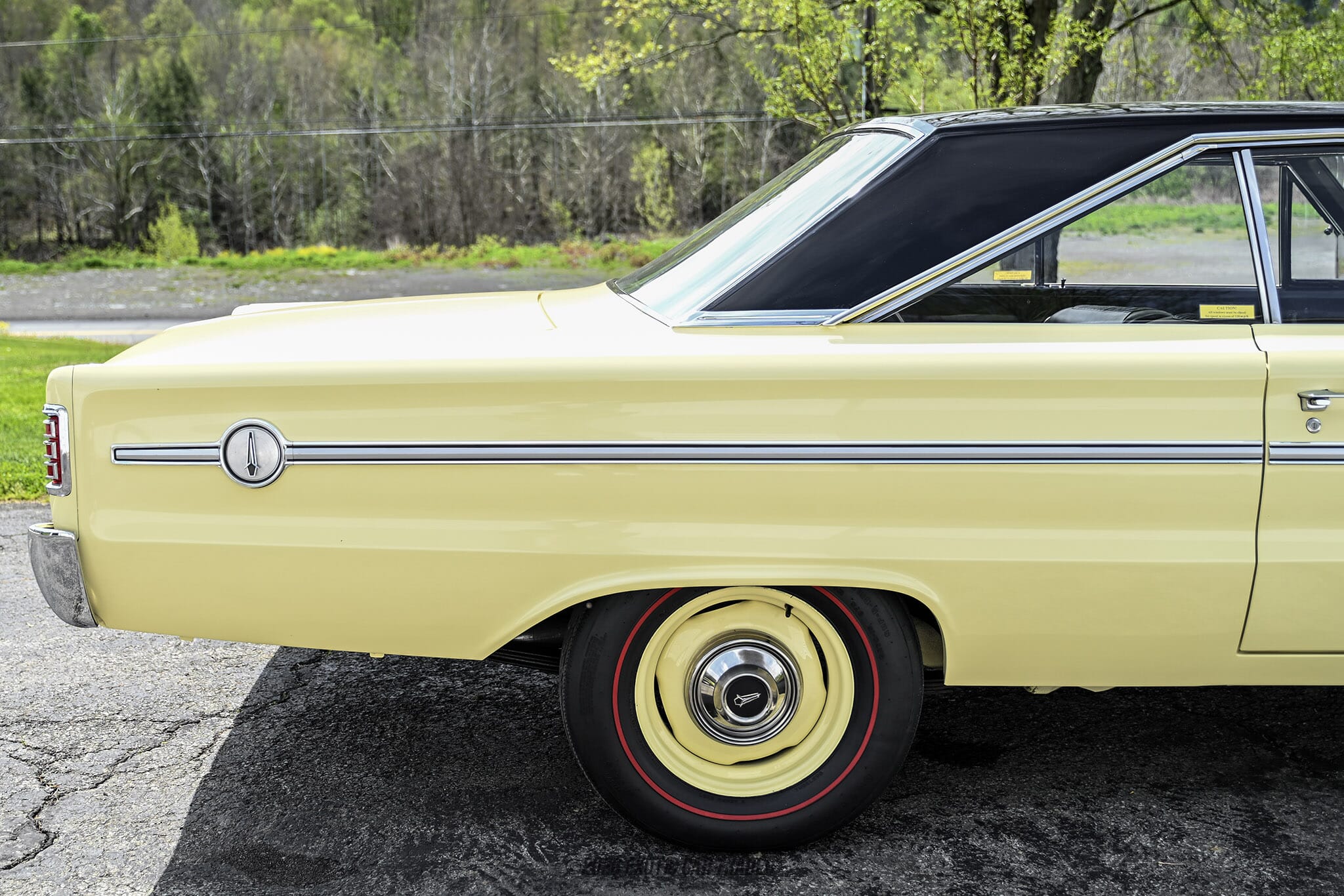
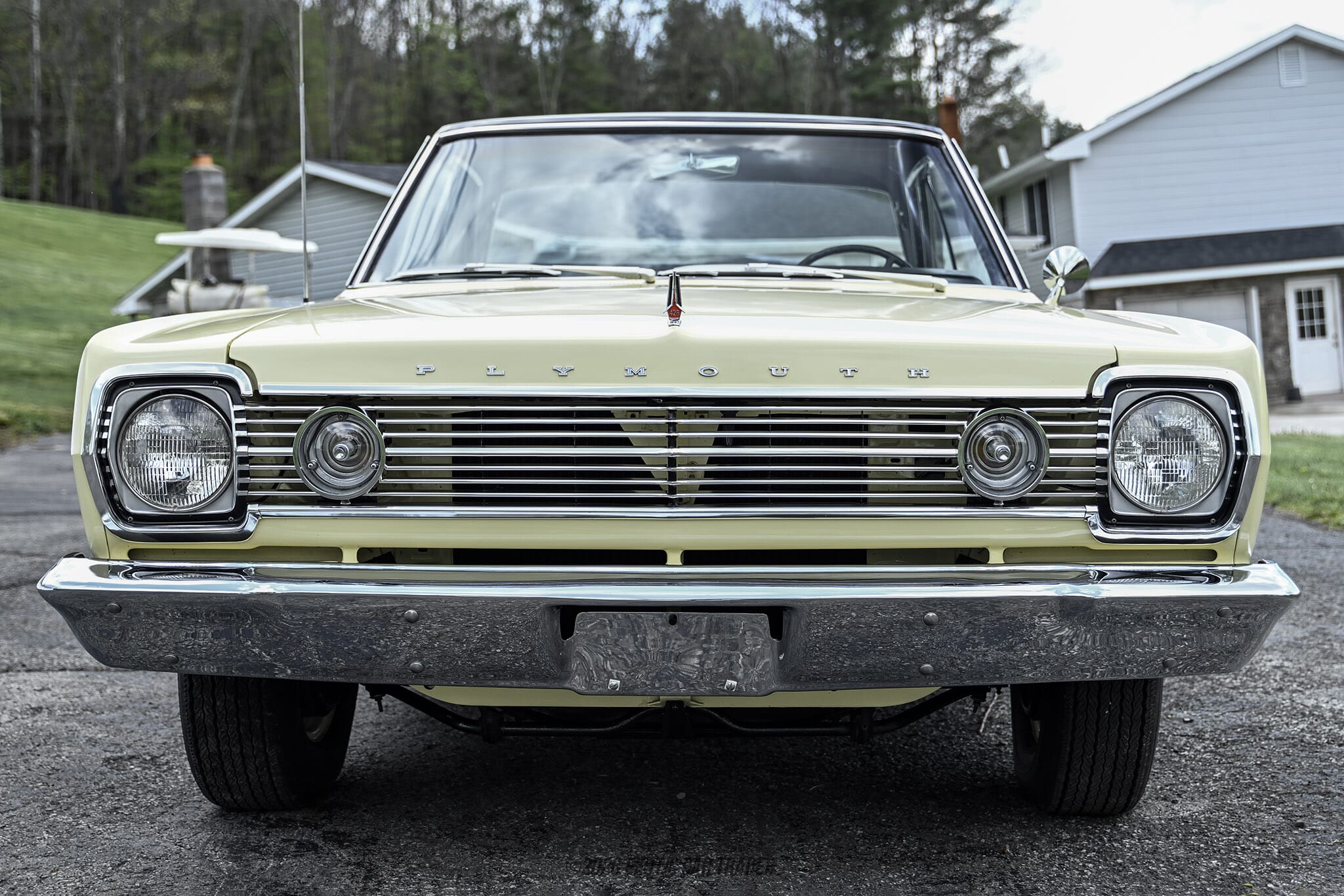
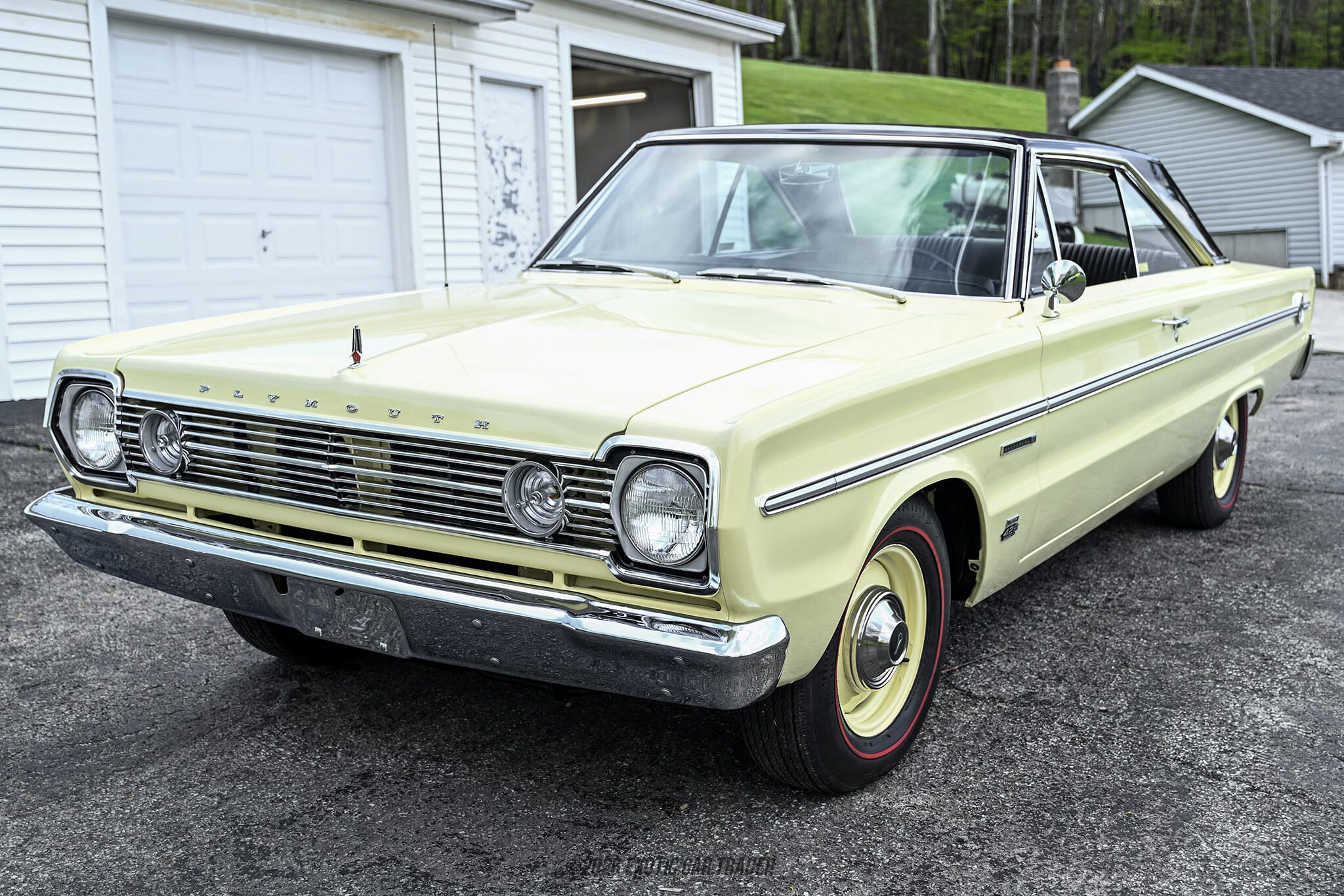
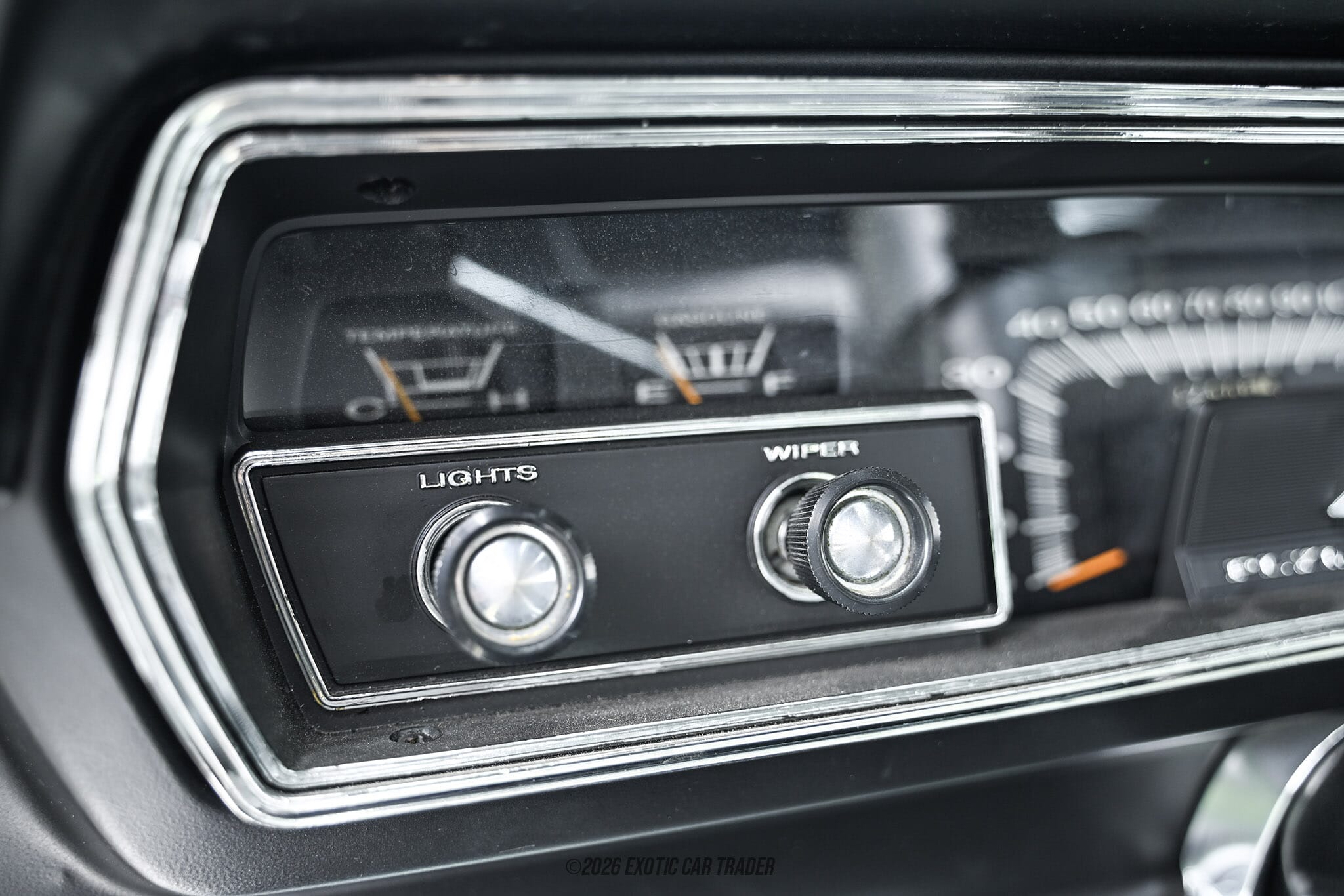
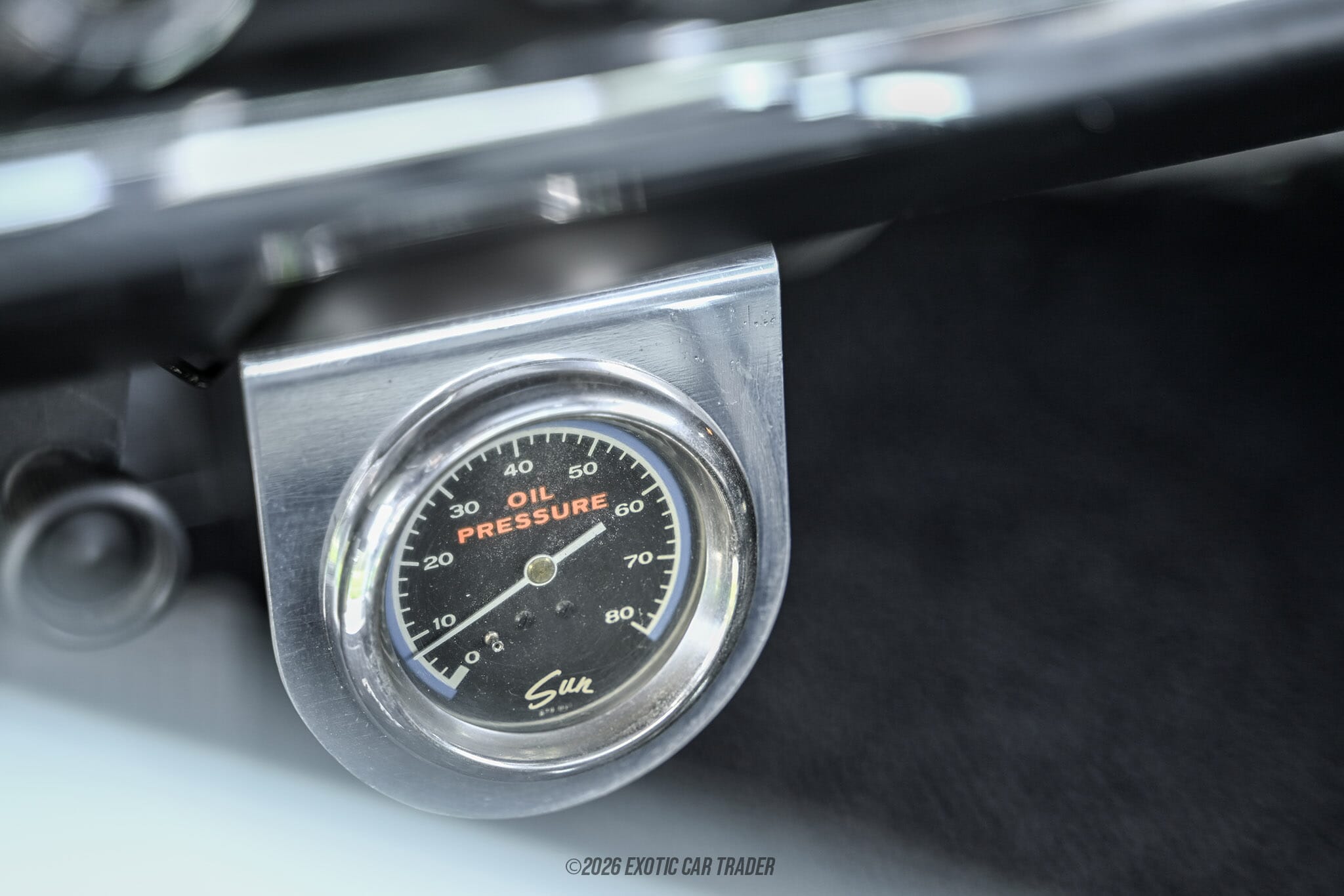
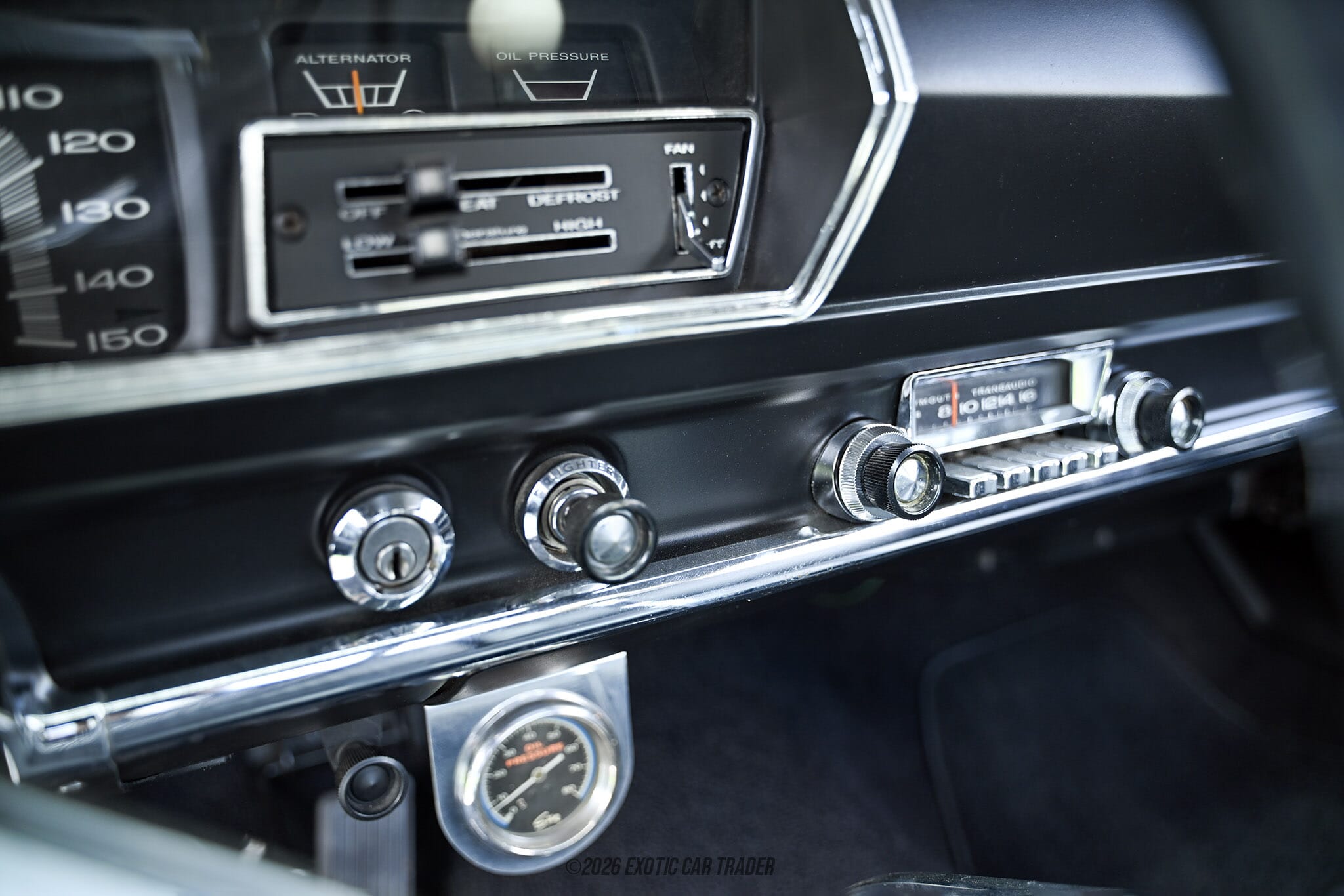
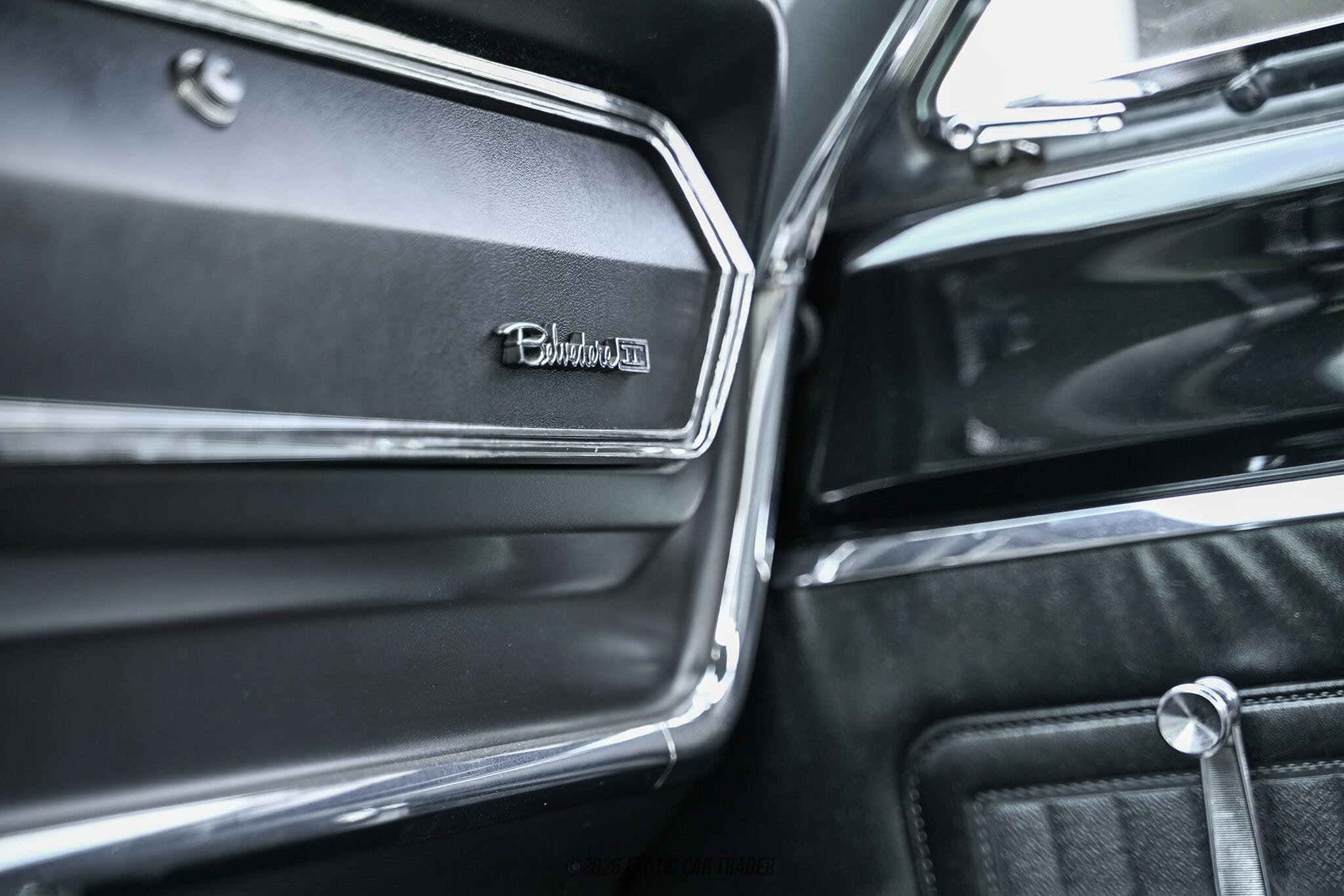
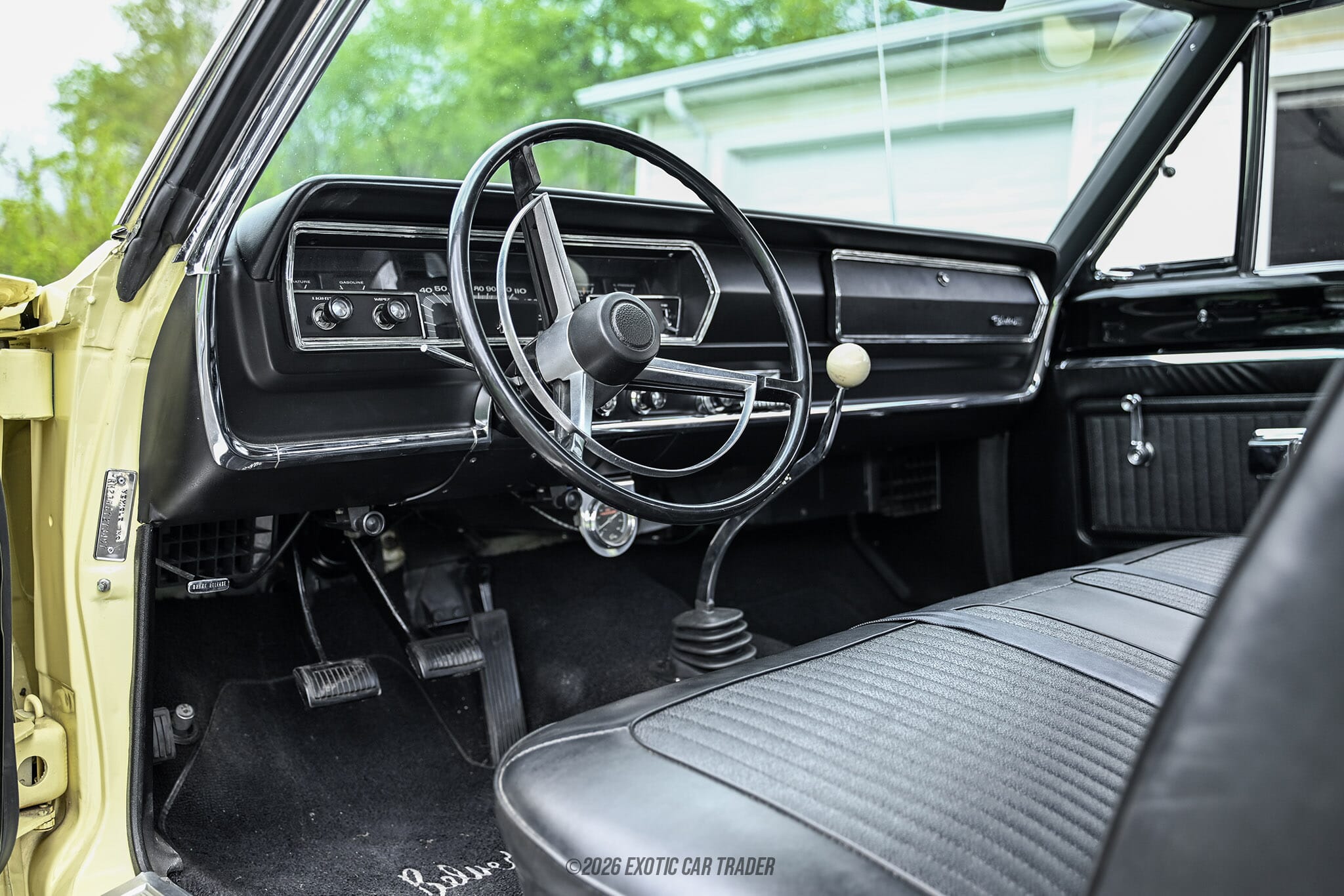
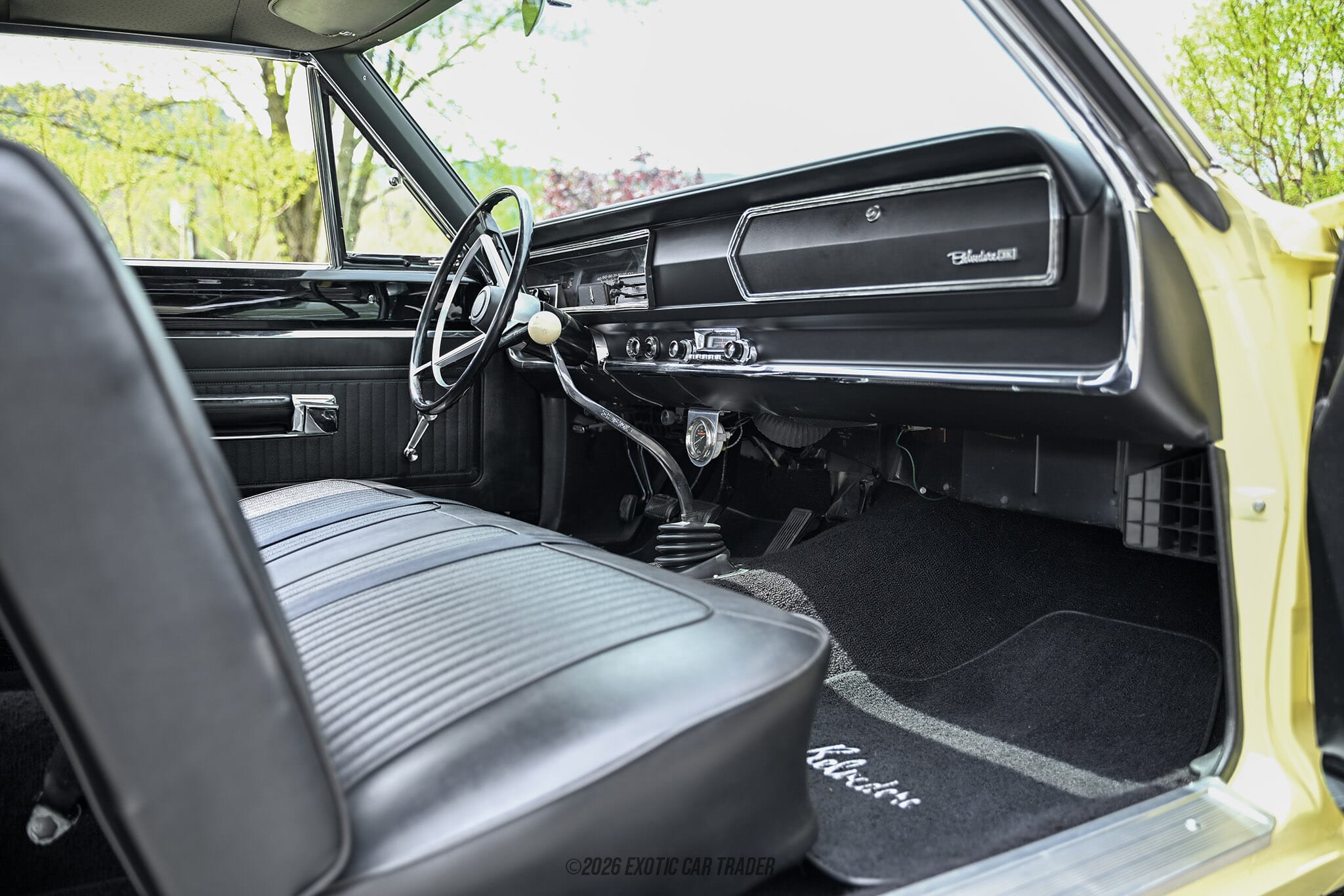
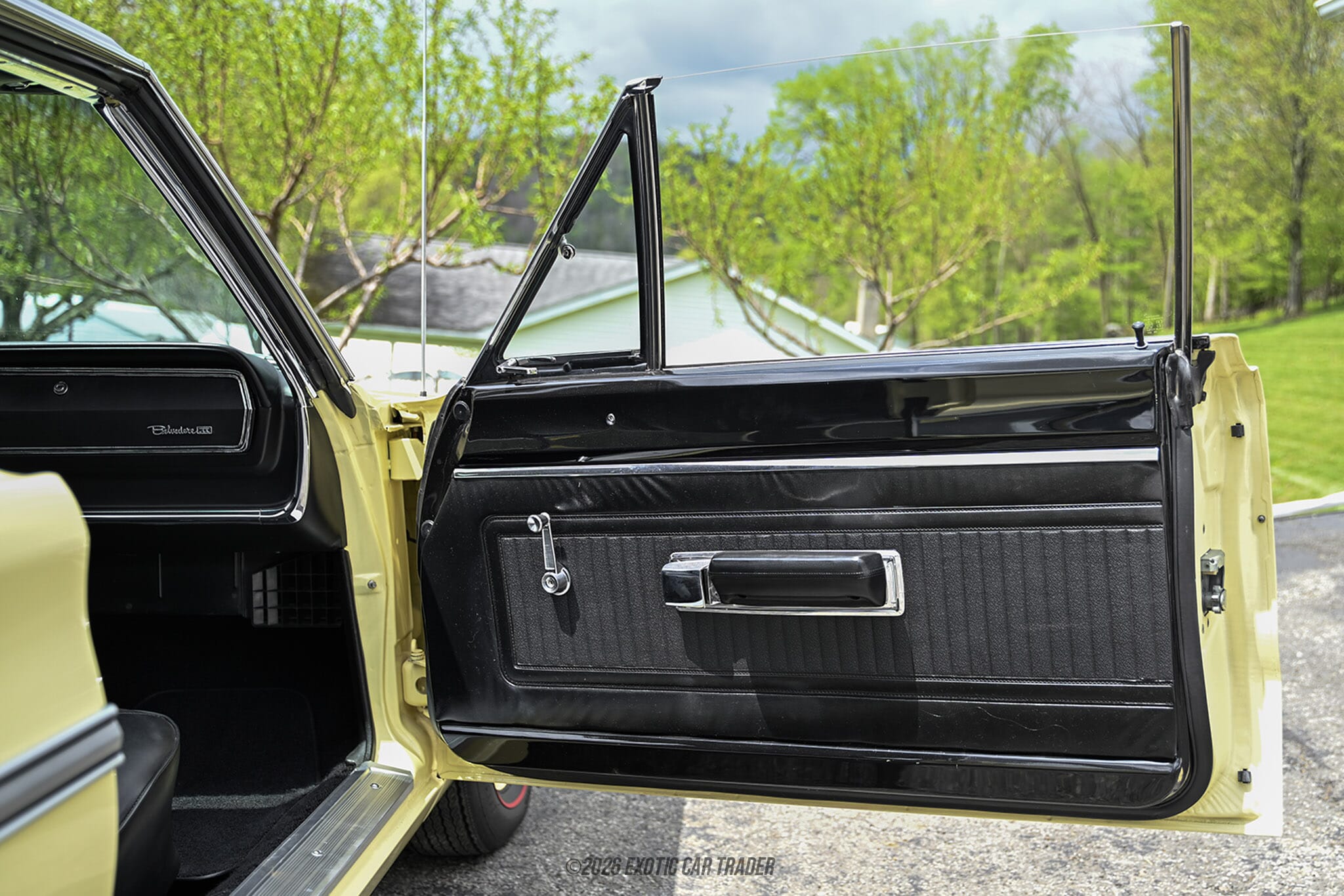
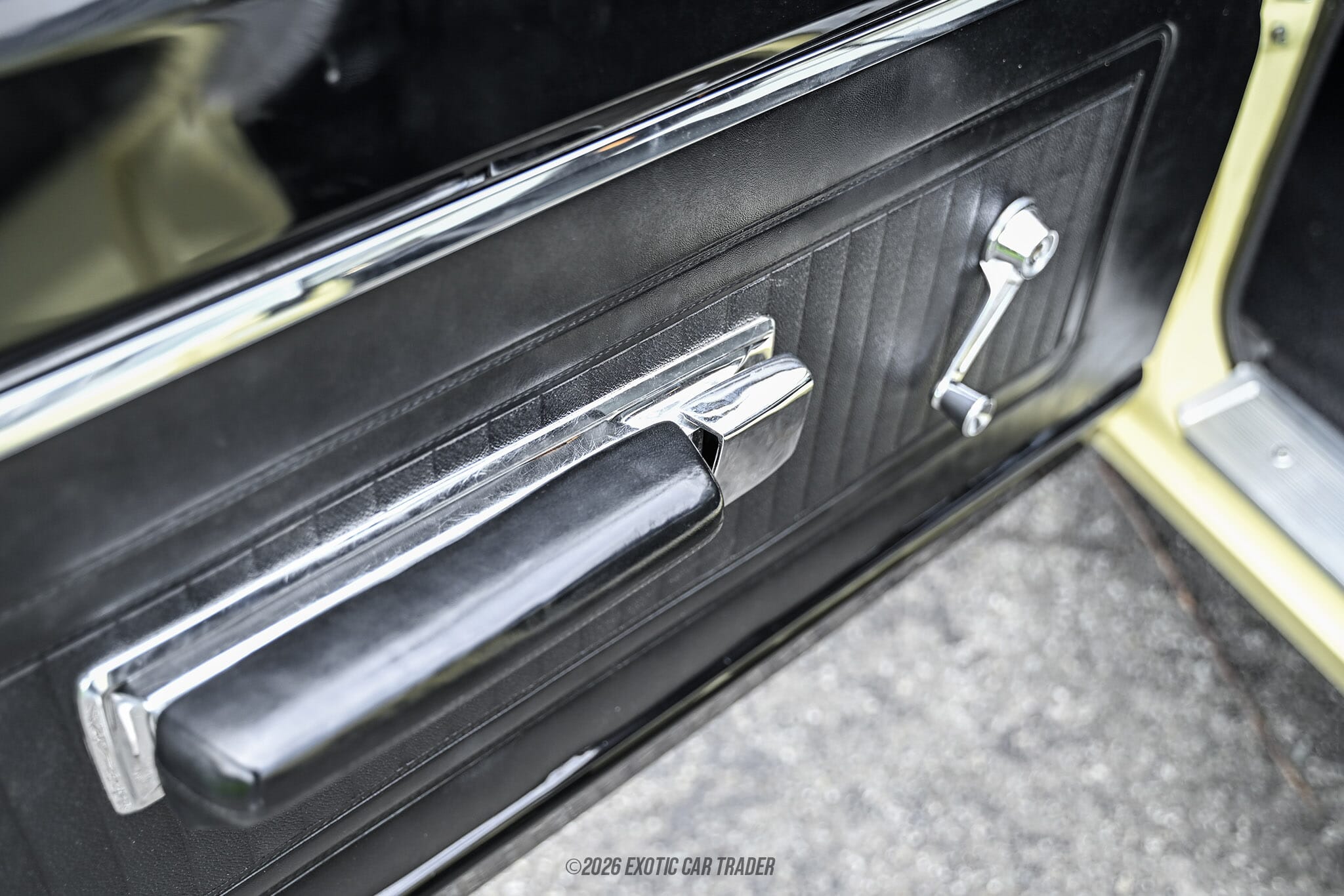
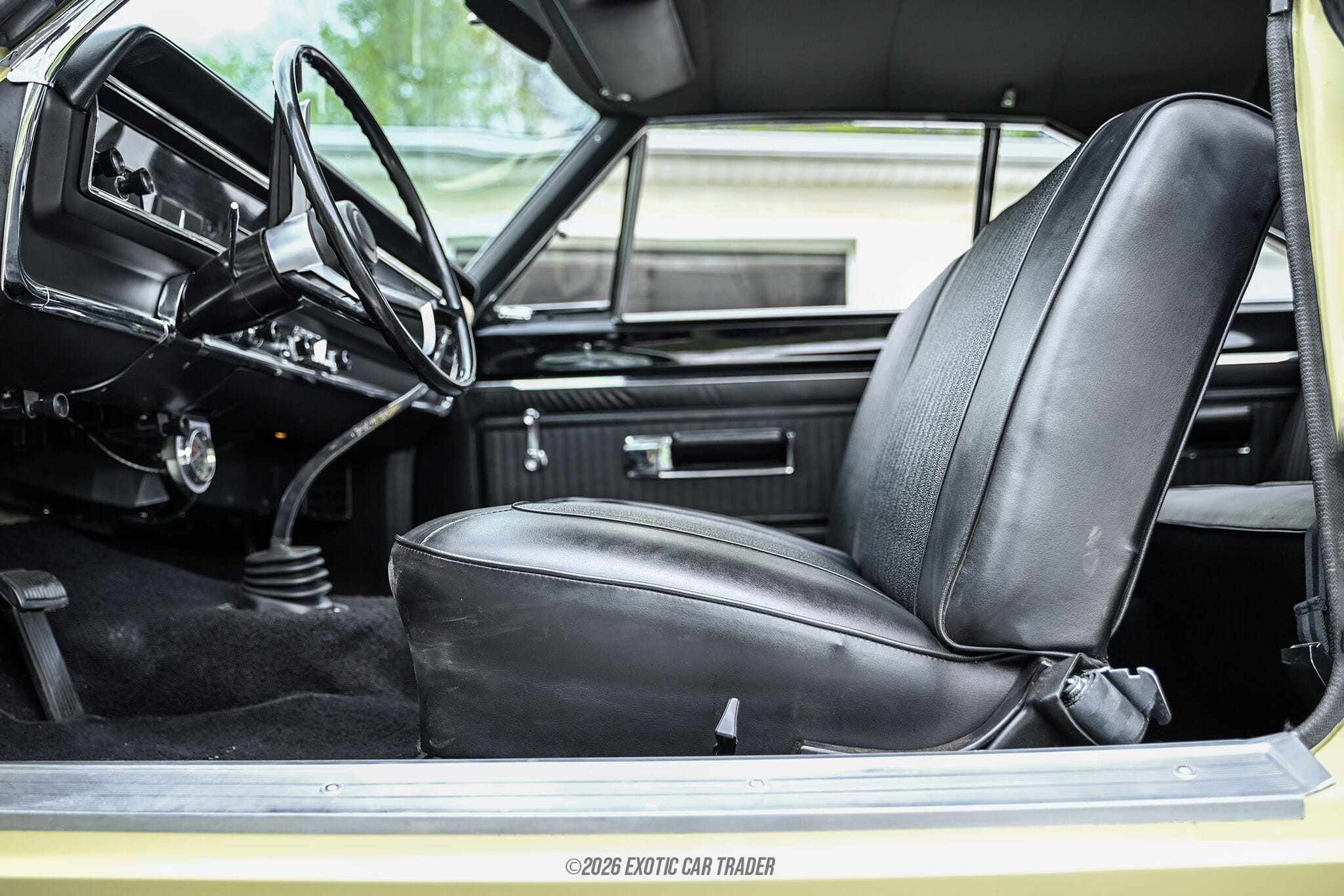
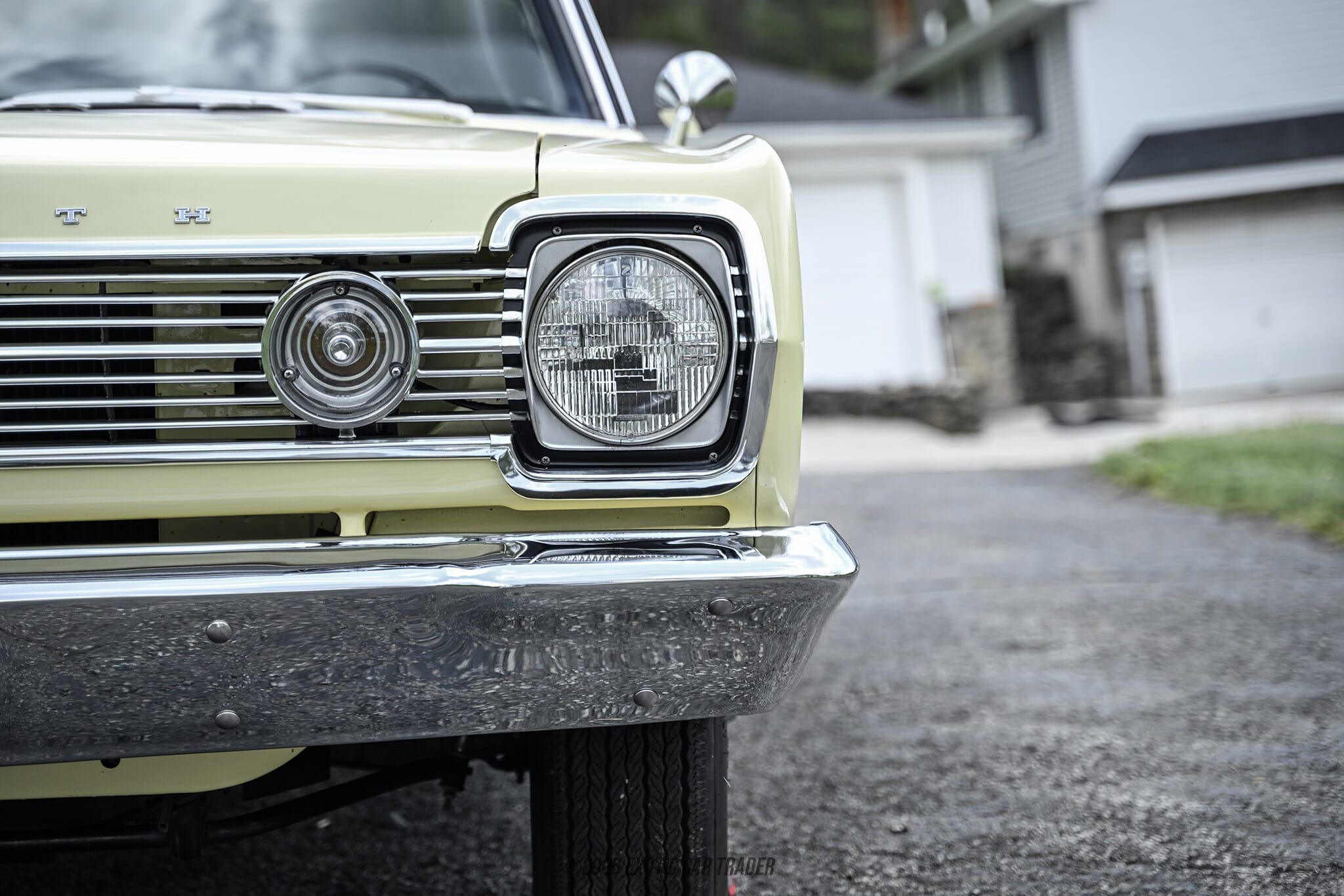
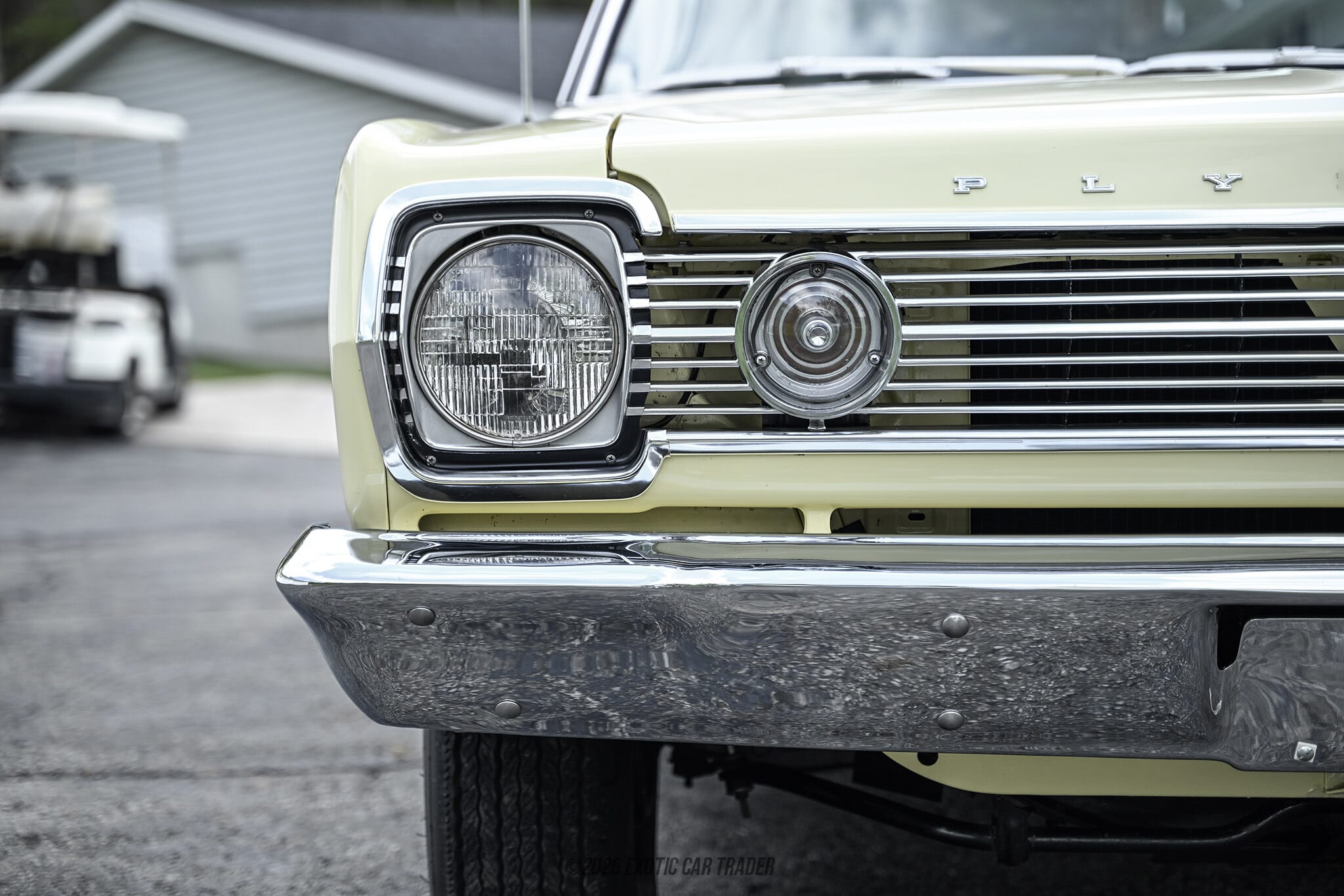
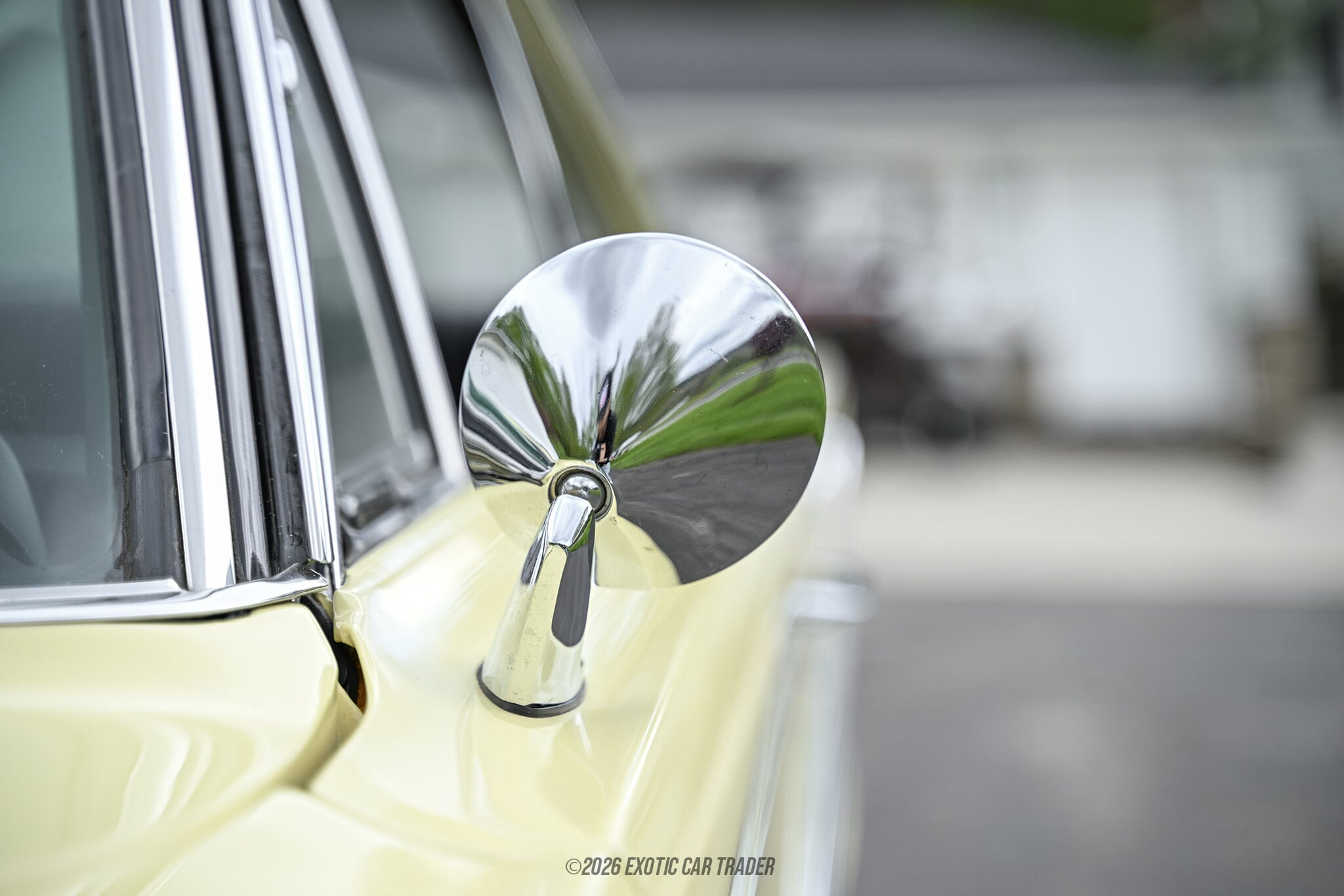
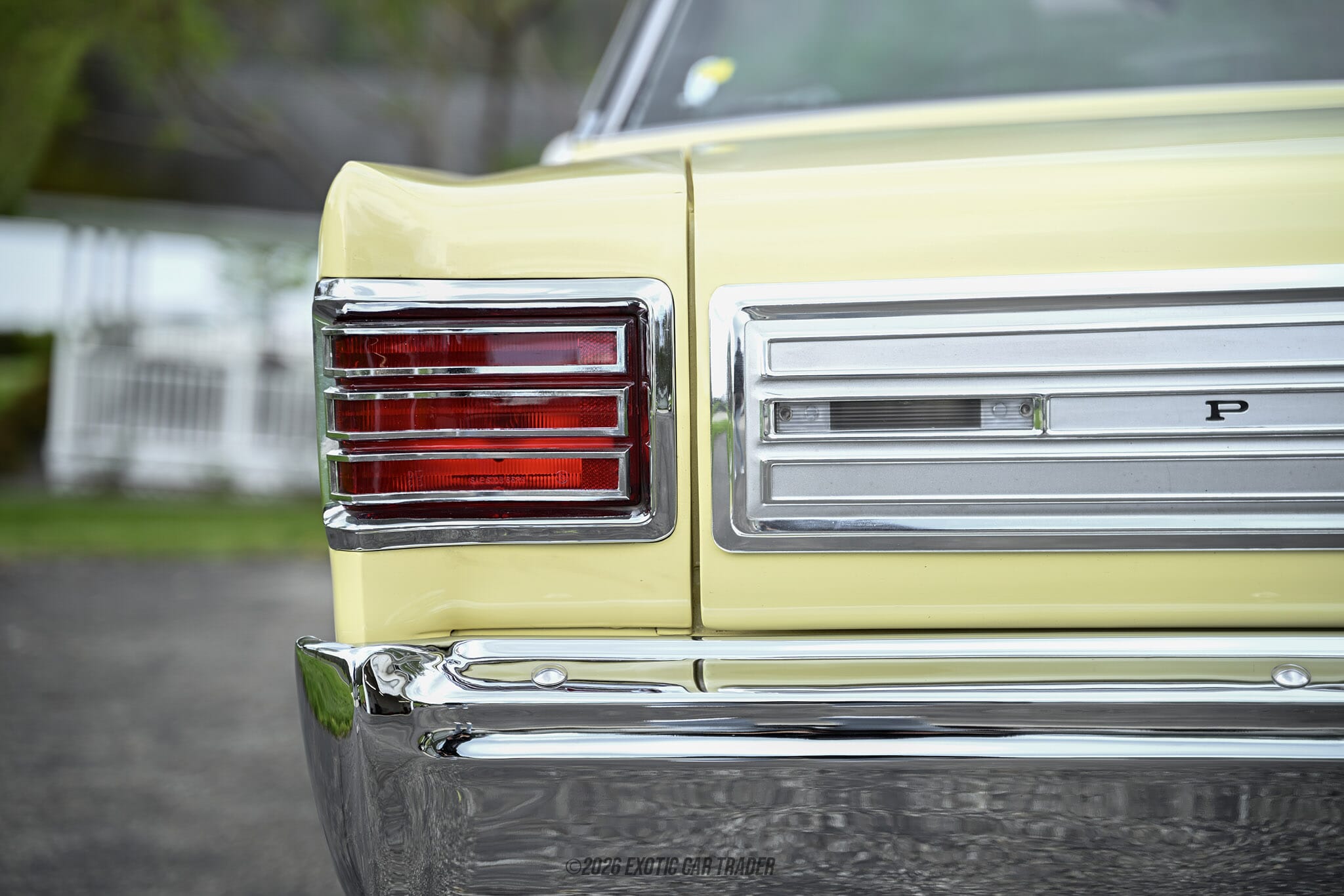
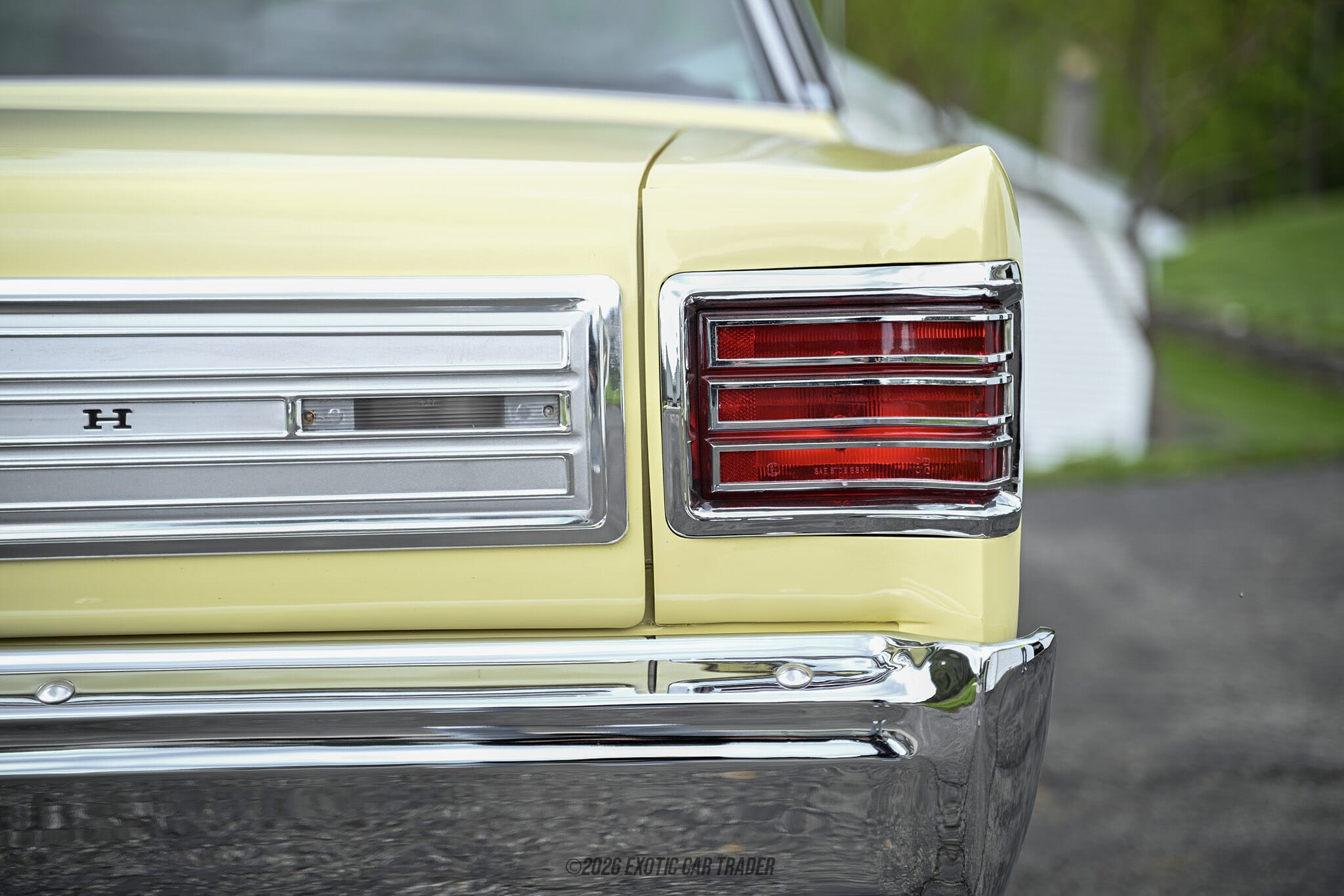
The exterior of this 1966 Plymouth Belvedere II H-Code perfectly captures the understated menace that made early Hemi Mopars so special. Unlike later muscle cars that wore aggressive stripes and overt graphics, the Belvedere relied on clean B-body proportions and subtle detailing to hide the monster lurking beneath the hood. Finished in Soft Yellow with a black vinyl top, this example strikes an ideal balance between period-correct elegance and muscle-era intimidation. Painted steel wheels, small diameter hubcaps, and redline tires complete the authentic factory-style appearance, reinforcing the sleeper persona that made these cars so devastating in stoplight encounters back in the day. The interior of this 1966 Plymouth Belvedere II H-Code stays true to the purposeful simplicity expected of a serious mid-1960s performance machine. The black cabin offers a clean, driver-focused atmosphere without unnecessary frills, exactly as a factory Hemi street car should. The split bench seat is an especially cool period detail, reminding buyers that even some of the most formidable muscle cars of the era still retained practical everyday usability. Visibility is excellent, controls are refreshingly mechanical, and the entire cabin serves as a reminder of a time when performance was measured by engineering rather than digital displays or drive modes.
Engine
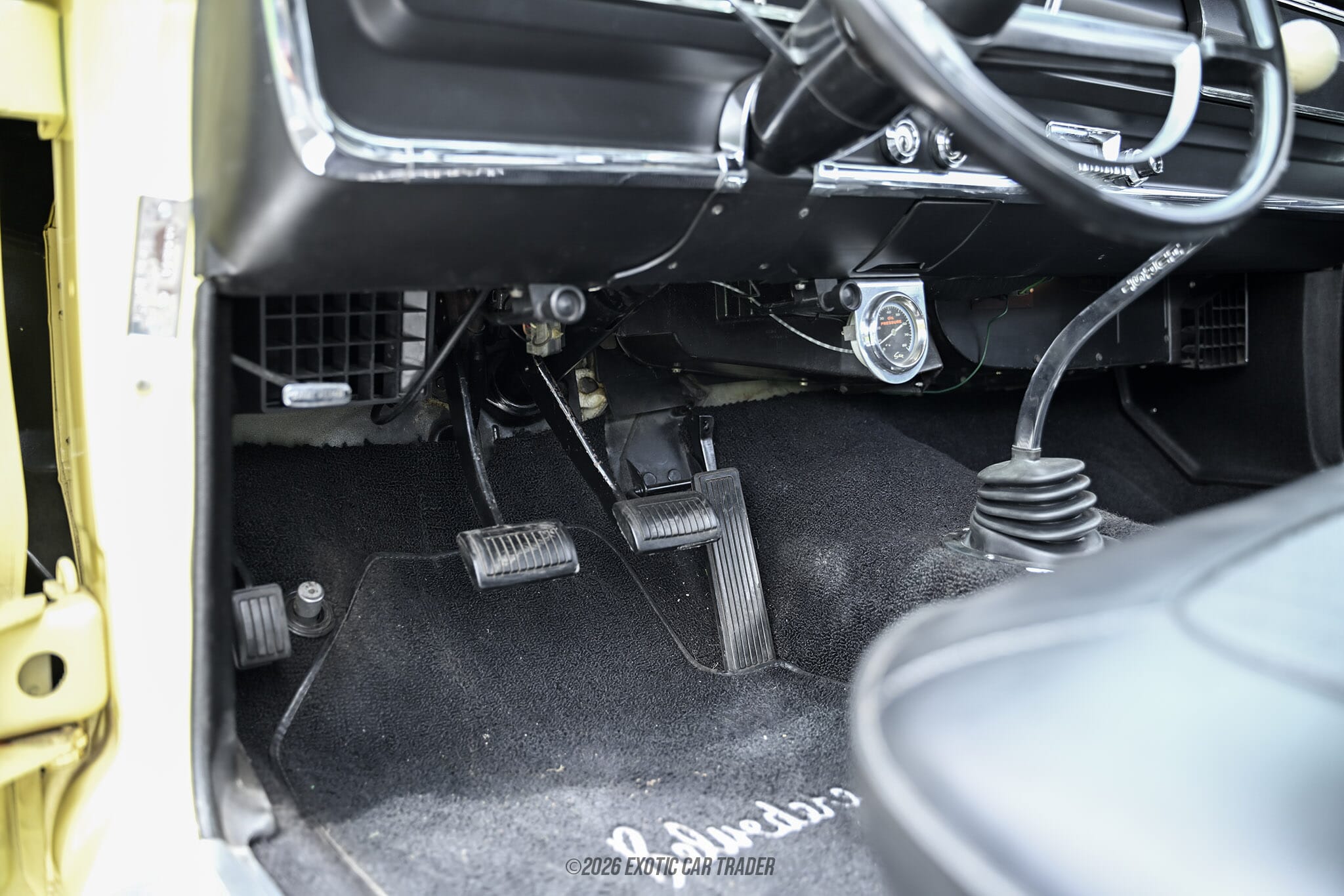
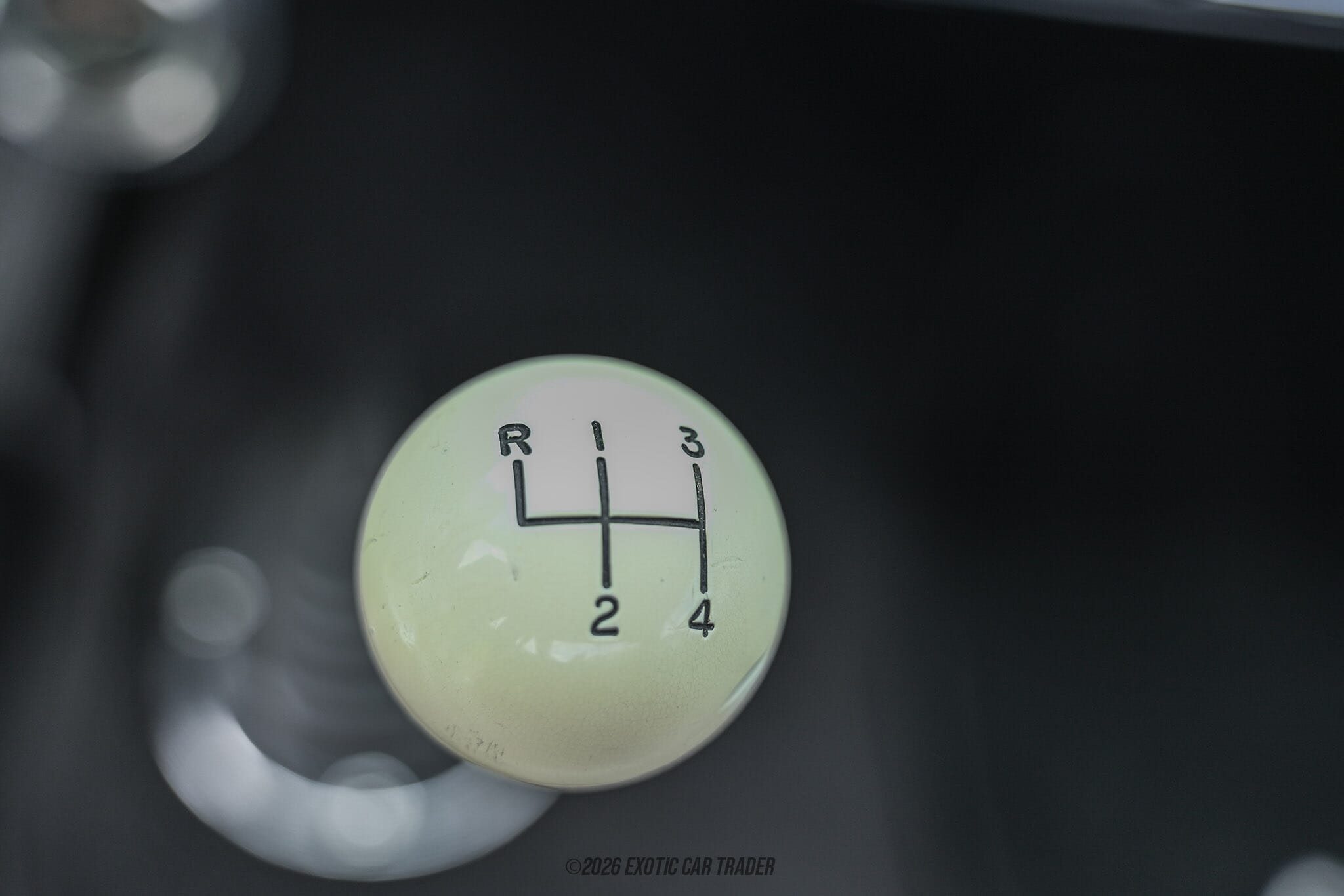
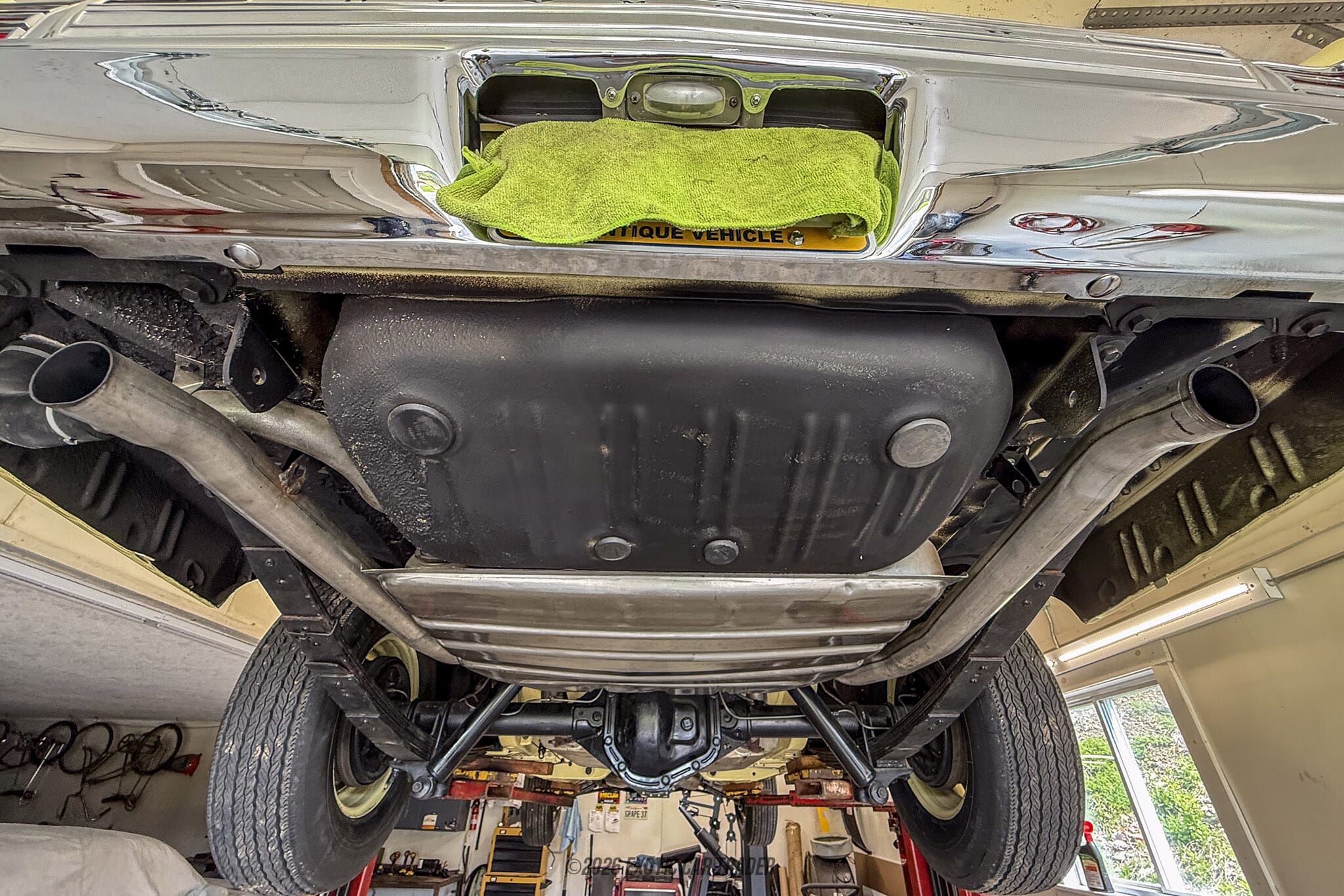
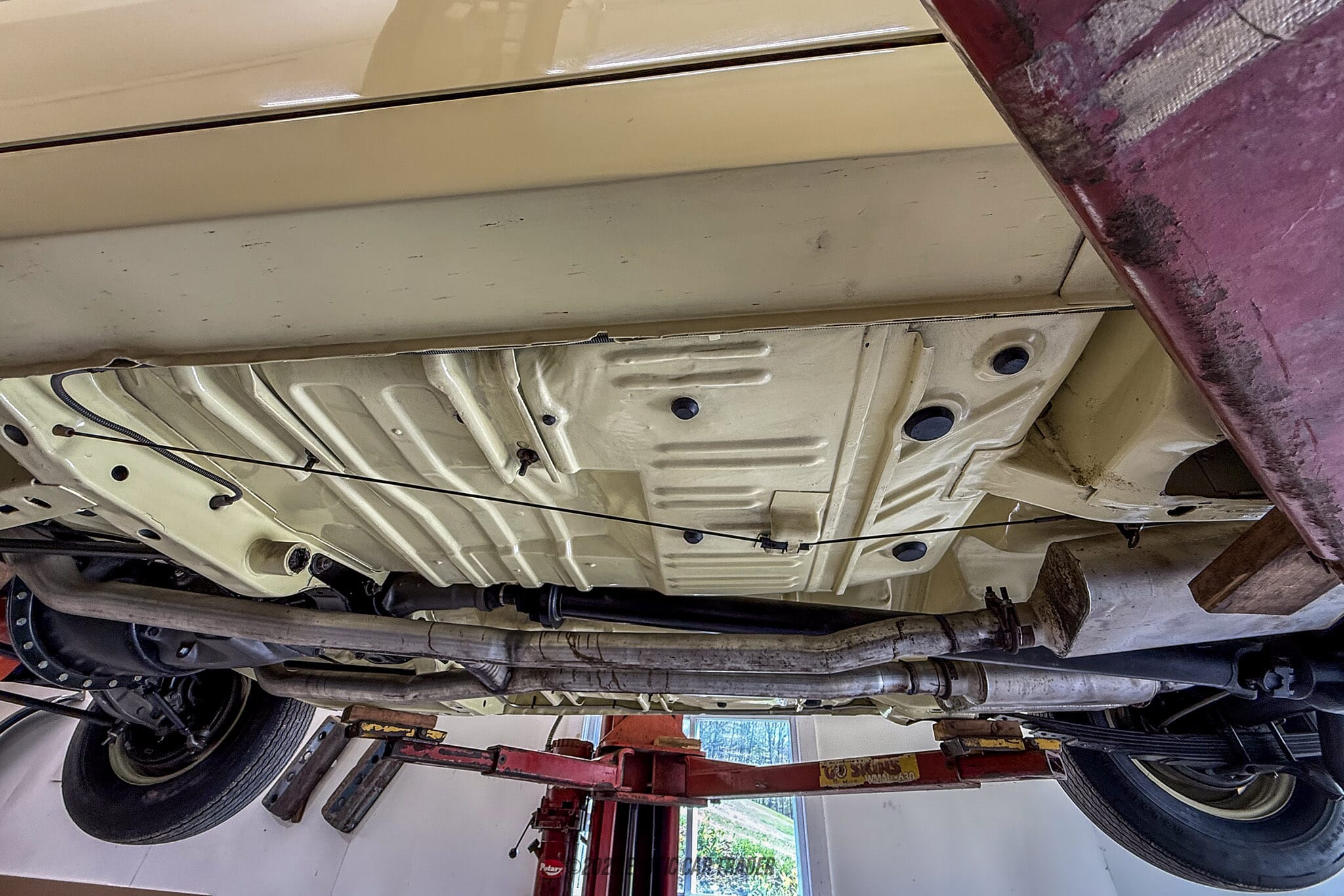
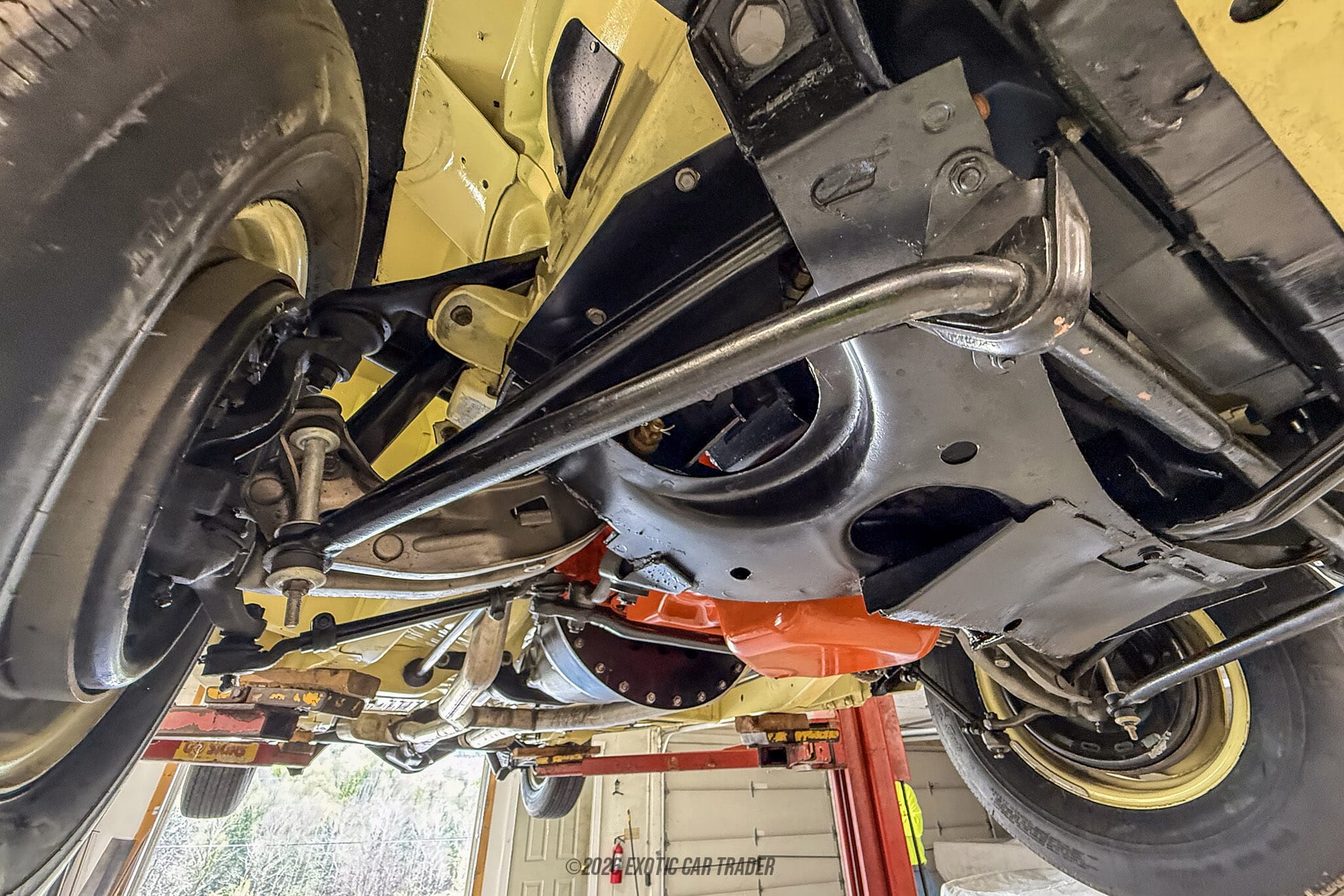
Under the hood sits one of the most legendary engines ever installed in an American production car: Chrysler’s 426 cubic-inch Street Hemi V8. Featuring hemispherical combustion chambers, massive airflow capability, and dual 4-barrel carburetors, this engine was effectively a detuned race motor made barely civilized enough for public roads. Official horsepower ratings in the era often told only part of the story, as the Street Hemi’s real-world performance routinely embarrassed rivals and cemented its reputation in drag racing lore. Paired with a 4-speed manual transmission and a stout 3.54 Dana 60 rear end, this Belvedere delivers the exact analog muscle car experience collectors crave—raw, mechanical, and gloriously unapologetic. This is not simply a classic car; it is one of the defining machines of the American horsepower wars.


The phrase “street legend” gets thrown around often, but few American muscle cars genuinely deserve it like a factory Hemi B-body Mopar. This 1966 Plymouth Belvedere II H-Code is one of those cars that instantly commands respect from serious collectors, representing the golden age when Chrysler’s race-bred 426 Hemi found its way into street-legal production cars. Nicknamed the “Elephant Engine” for its sheer size and dominance, the 426 Hemi became one of the most feared powerplants of the muscle car era, and having one in a relatively understated Belvedere II body made for one of the ultimate sleeper combinations of the 1960s. Showing approximately 27,205 miles, this particular example goes well beyond mere rarity, boasting an extraordinary pedigree that includes AACA National Junior, Senior, and Grand National awards, along with recognition as a two-time magazine cover feature car. This is the kind of blue-chip Mopar that rarely needs explanation among enthusiasts.
Offered today is this 1967 Plymouth Belvedere Restomod, a classic muscle car with modern performance upgrades. Undergoing a full body-off restoration, this Belvedere combines vintage styling with impressive power and performance enhancements. At its heart lies a new 430ci V8 engine, which the seller notes has been bored .030" over and has just 1,338 miles since the rebuild. Paired with a Tremec 5-speed manual transmission and 8 3/4 4.10 gears, this restomod is built for enthusiasts seeking both power and drivability. Finished in a striking Blue/Silver exterior, the seller has included thoughtful upgrades, such as power windows, power seats, and aftermarket features, giving this Belvedere a custom yet refined appeal.
Belvedere, Italian for "beautiful sight," was Plymouth's full-size car from 1954 to 1965. Then, it briefly downsized for the last generation before disappearing into obscurity. That makes final-generation examples such as this particular 1967 Plymouth Belvedere II desirable classics. As more people gravitate towards these cars, you'll get not only a lovely classic but also a shrewd investment if you buy this car now. So what are you waiting for? Buy this car and make it your New Year present.
The 1999 Plymouth Prowler represents one of the most distinctive production vehicles of the modern automotive era, bringing the spirit of traditional American hot rodding into a factory-built roadster. Originally introduced as a concept car before entering production, the Prowler combined classic hot rod influences such as its open-wheel front suspension, long hood, and low-slung stance with advanced engineering techniques including lightweight aluminum construction and composite body panels. Showing approximately 24,531 miles, this example is finished in Prowler Black with an Agate interior and features a black convertible soft top and chrome wheels. Powered by a 3.5L naturally aspirated V6 paired with Chrysler’s AutoStick automatic transmission, the Prowler delivers a unique blend of retro-inspired styling, modern drivability, and collectible character. As one of Chrysler’s most ambitious design statements of the late 1990s, the Prowler remains a standout example of a factory-built hot rod interpretation.
The 1949 Plymouth Deluxe PE Model Woody Wagon is a distinctive postwar American station wagon featuring classic wood-bodied styling and Plymouth’s durable flathead six-cylinder powertrain. Showing 47,295 miles, this example is powered by a 217.8ci L-Head Inline-6 paired with a 3-speed manual transmission and rear-wheel drive. Finished in Brown with a matching Brown interior and woodgrain exterior trim panels, this Deluxe Woody Wagon represents the traditional craftsmanship and character of early American family wagons.
By 1969, the Plymouth Road Runner had firmly established itself as one of the defining muscle cars of the era, combining big-block performance with a no-nonsense attitude that appealed to enthusiasts looking for speed over luxury. This 1969 Plymouth Road Runner embodies that philosophy with its legendary 383ci V8, desirable 4-speed manual transmission, and iconic Air Grabber induction system. Showing approximately 82,962 miles, this Ivy Green classic offers the unmistakable styling, raw driving experience, and factory performance pedigree that continue to make the Road Runner one of Mopar's most celebrated creations.
The 1979 MG Midget represents the closing chapter of MG’s long-running tradition of lightweight British sports cars, carrying forward the simple formula that made the marque beloved by driving enthusiasts: compact dimensions, an open cockpit, rear-wheel drive, and an engaging manual transmission. Originally introduced as an affordable sports car focused on driver enjoyment, the Midget became known for its approachable character and ability to deliver an authentic roadster experience without unnecessary complexity. Showing approximately 47,372 miles, this example embodies the charm of a classic British convertible, offering the opportunity to enjoy a vintage sports car experience defined by mechanical simplicity, light handling, and timeless roadster appeal.
The 1991 Chevrolet Corvette Coupe represents the final refinement of the iconic C4 generation, combining classic Corvette styling with improved performance, technology, and everyday drivability. Showing approximately 21,136 miles, this example is finished in Torch Red over a Saddle Interior and features the enthusiast-favorite combination of the 5.7L L98 V8, 6-speed manual transmission, and removable roof panel. Additional highlights include dual power sport seats, 5-spoke aluminum wheels, Bose premium audio, digital instrumentation, and an aftermarket exhaust system, making this Corvette an appealing example of an era-defining American sports car with low mileage and driver-focused character.
The 1965 Chevrolet Corvette Sting Ray Coupe represents one of the most celebrated eras in Corvette history, combining dramatic styling, advanced engineering, and genuine competition-inspired performance. As the second year of the iconic C2 generation, the 1965 model introduced significant mechanical advancements while retaining the split personality that made the Sting Ray legendary: a refined grand touring coupe with the capability of a serious sports car. This example shows approximately 42,644 miles and is powered by the highly desirable 327ci L84 V8, featuring Rochester Ramjet mechanical fuel injection, one of the most advanced performance systems available from Chevrolet during the era. Finished in Nassau Blue with a Black interior, this Corvette is equipped with a 4-speed manual transmission, side-mount exhaust system, knock-off-style aluminum wheels, four-wheel disc brakes, and a wood-rimmed 3-spoke steering wheel. According to the current owner, the vehicle was museum-housed until 2014, adding to its appeal as a well-documented example of Chevrolet’s legendary mid-year Corvette.

Terms of Service
Be Kind and Courteous
We're here to create a platform to better the automotive industry through communication and transparency. Please treat everyone with respect. Healthy debates are natural, but kindness is required.
No Hate Speech
Make sure everyone feels safe. Hate speech of any kind is strictly prohibited. Degrading comments about things like race, religion, culture, sexual orientation, etc. will not be tolerated.
No Promotions or Spam
Give more than you take. Self-promotion, spam, or links of any kind are not allowed.
