



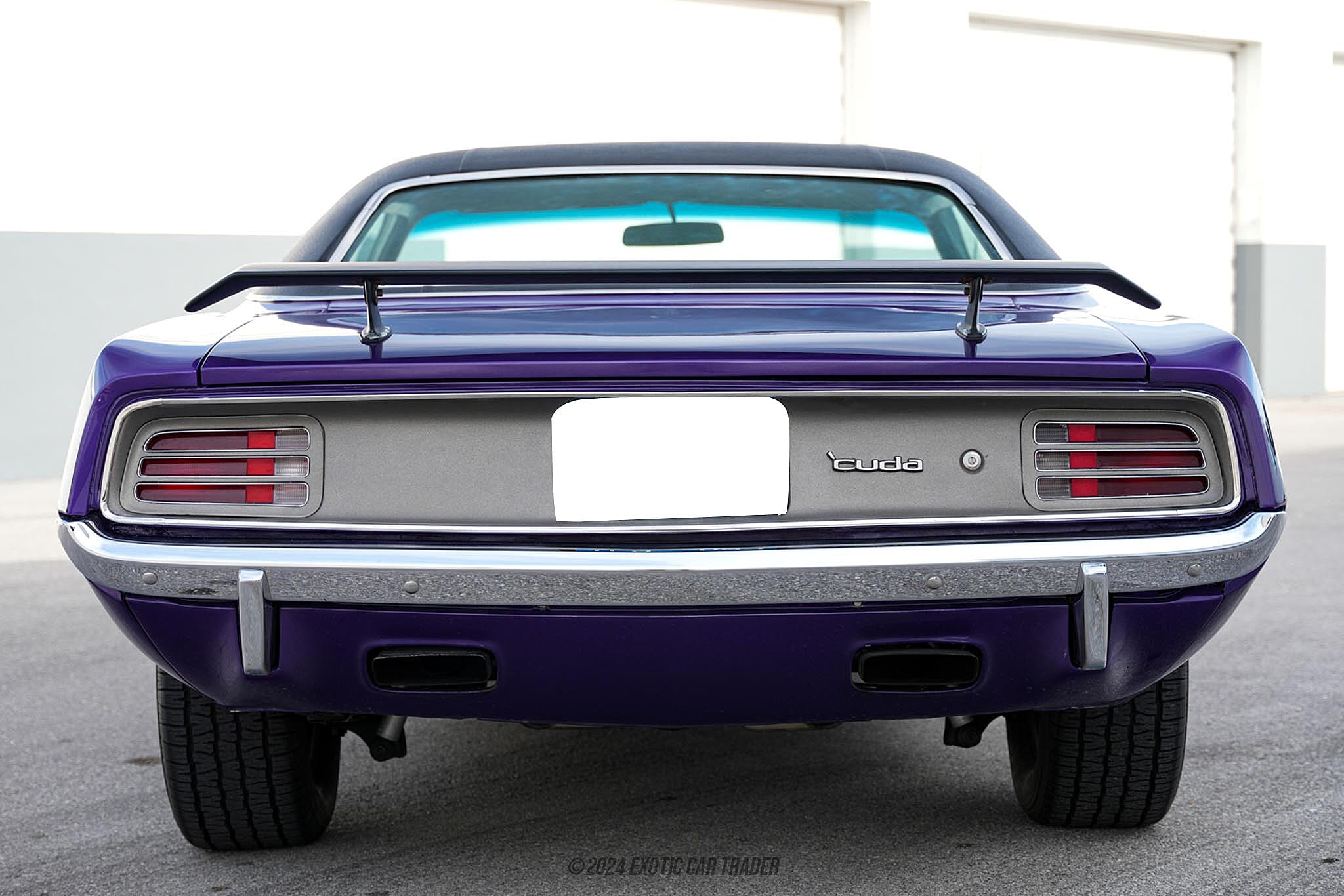
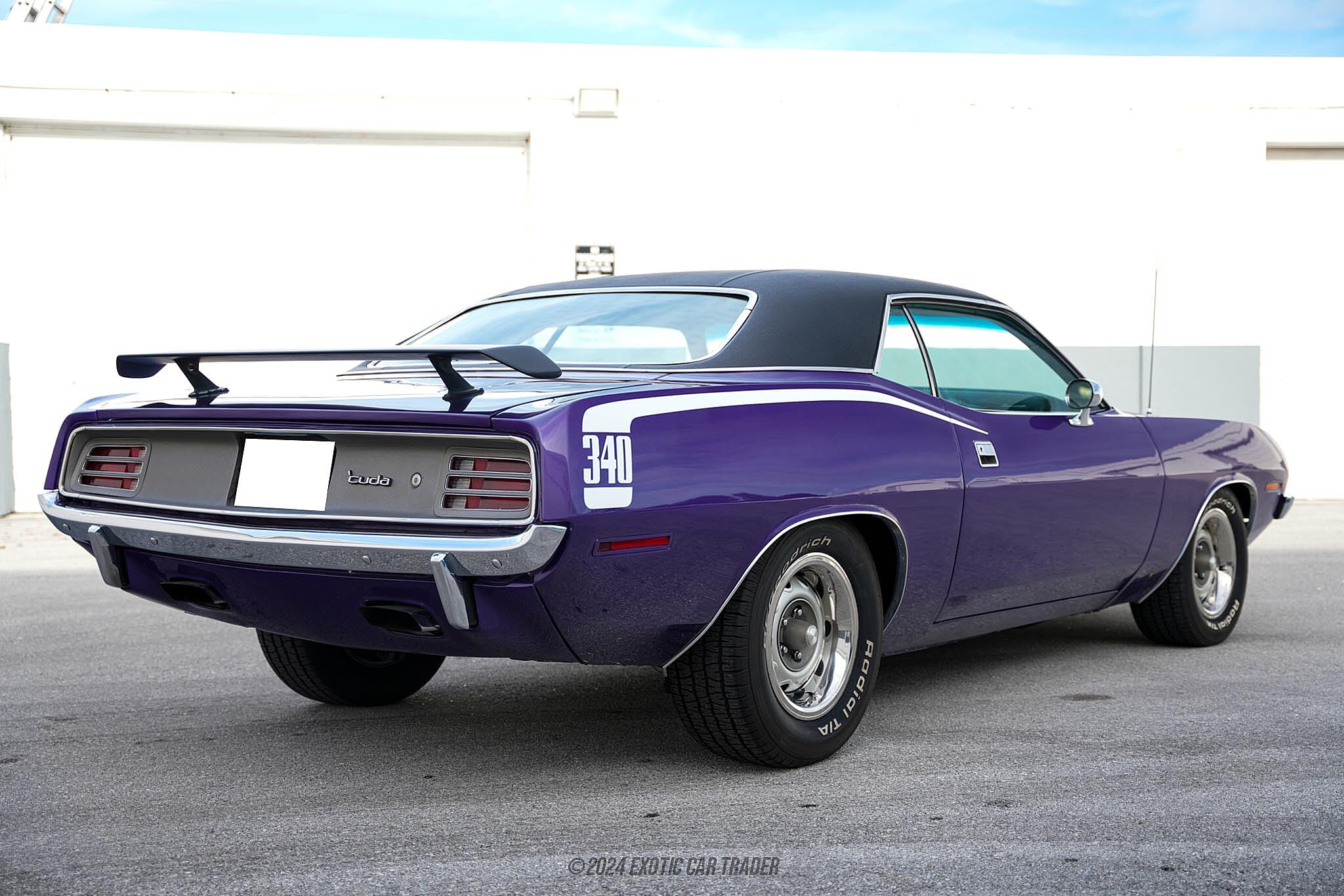
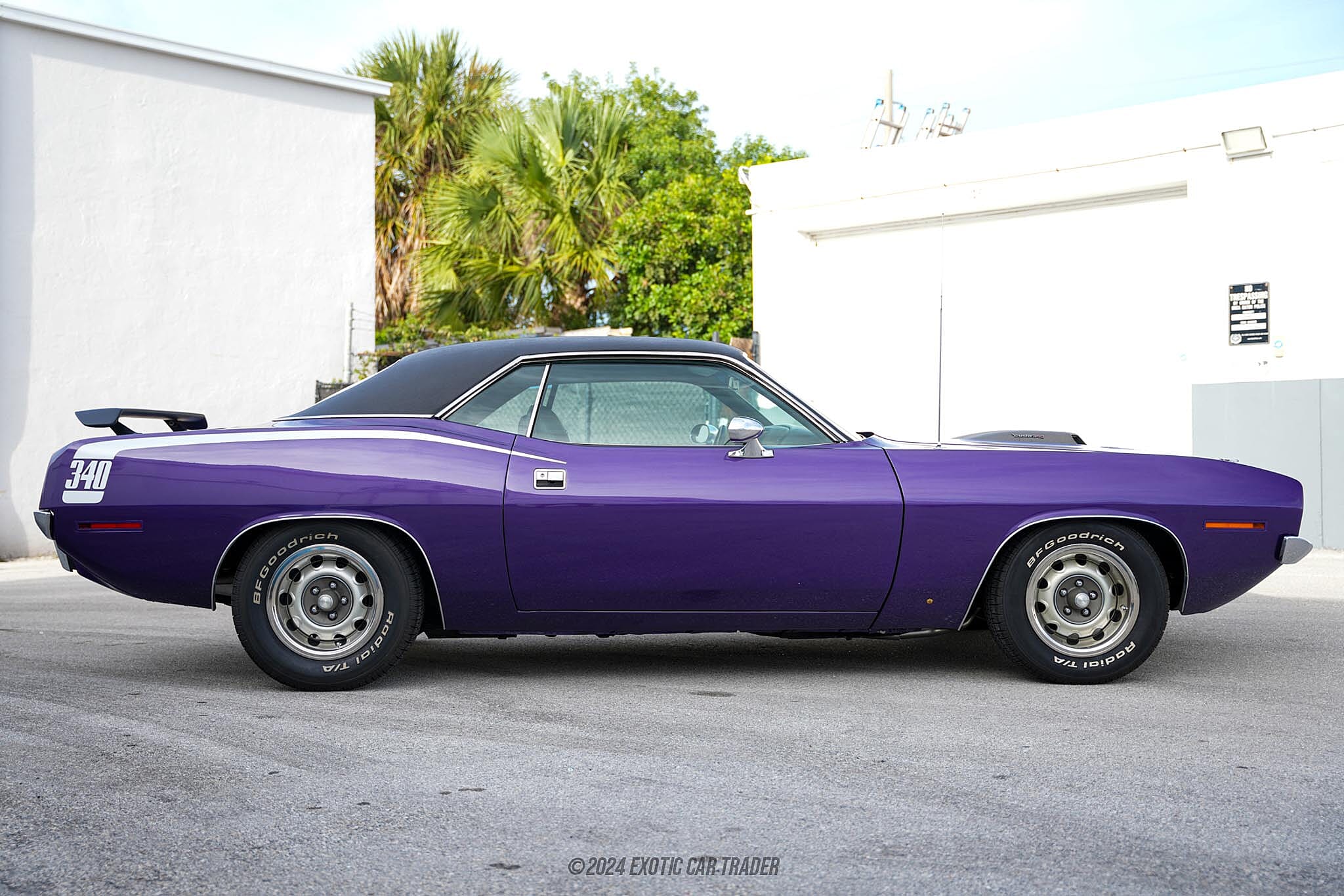
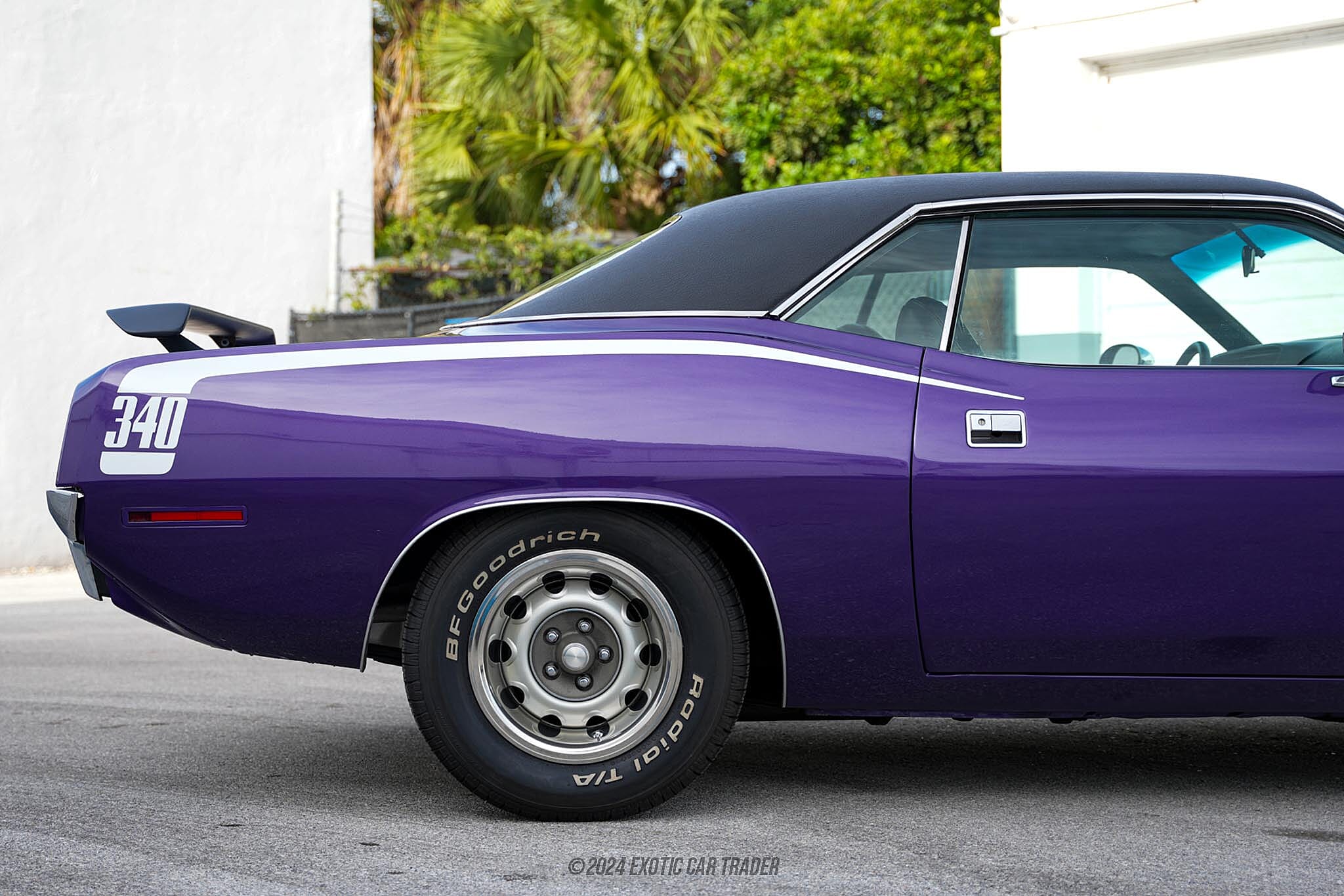

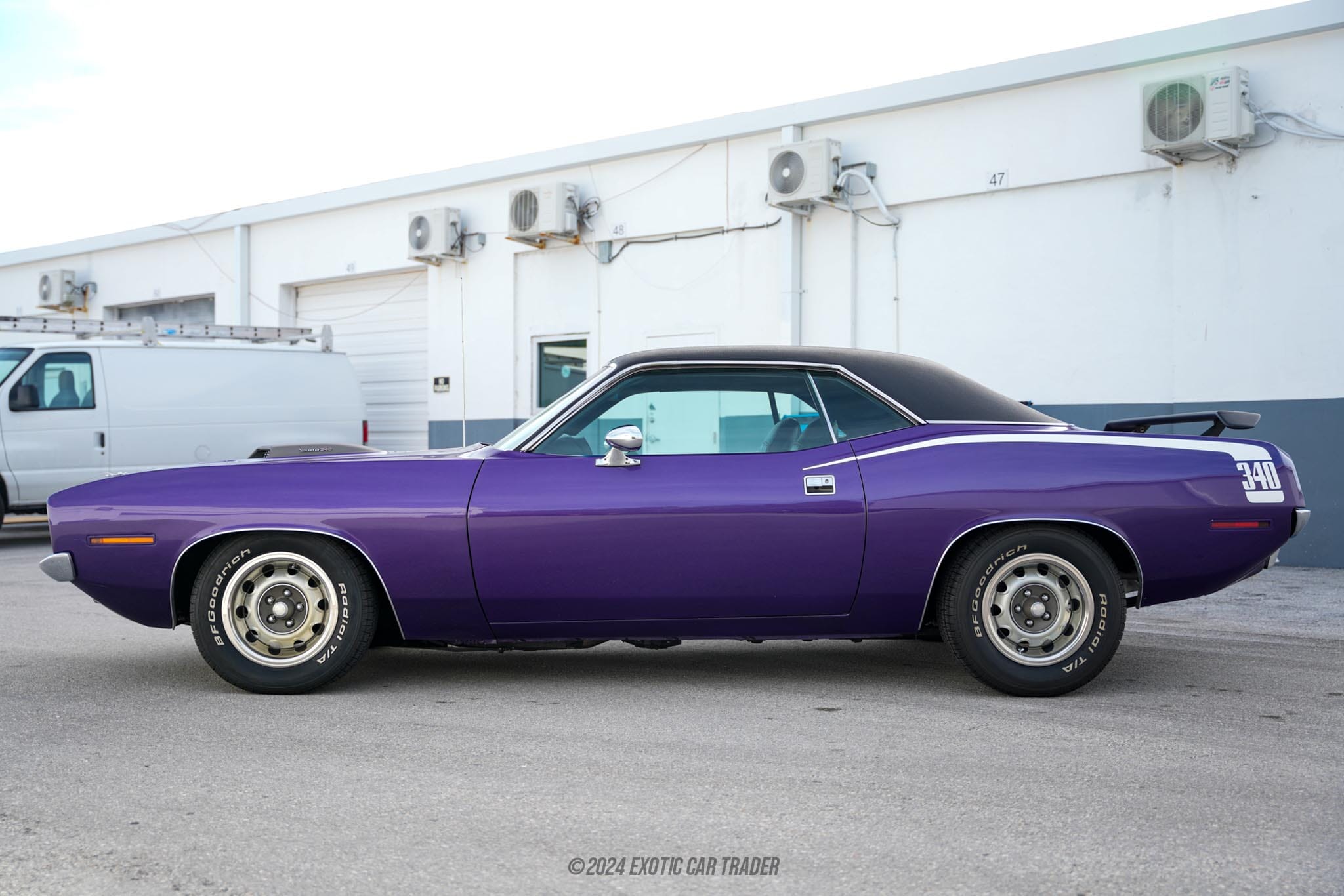
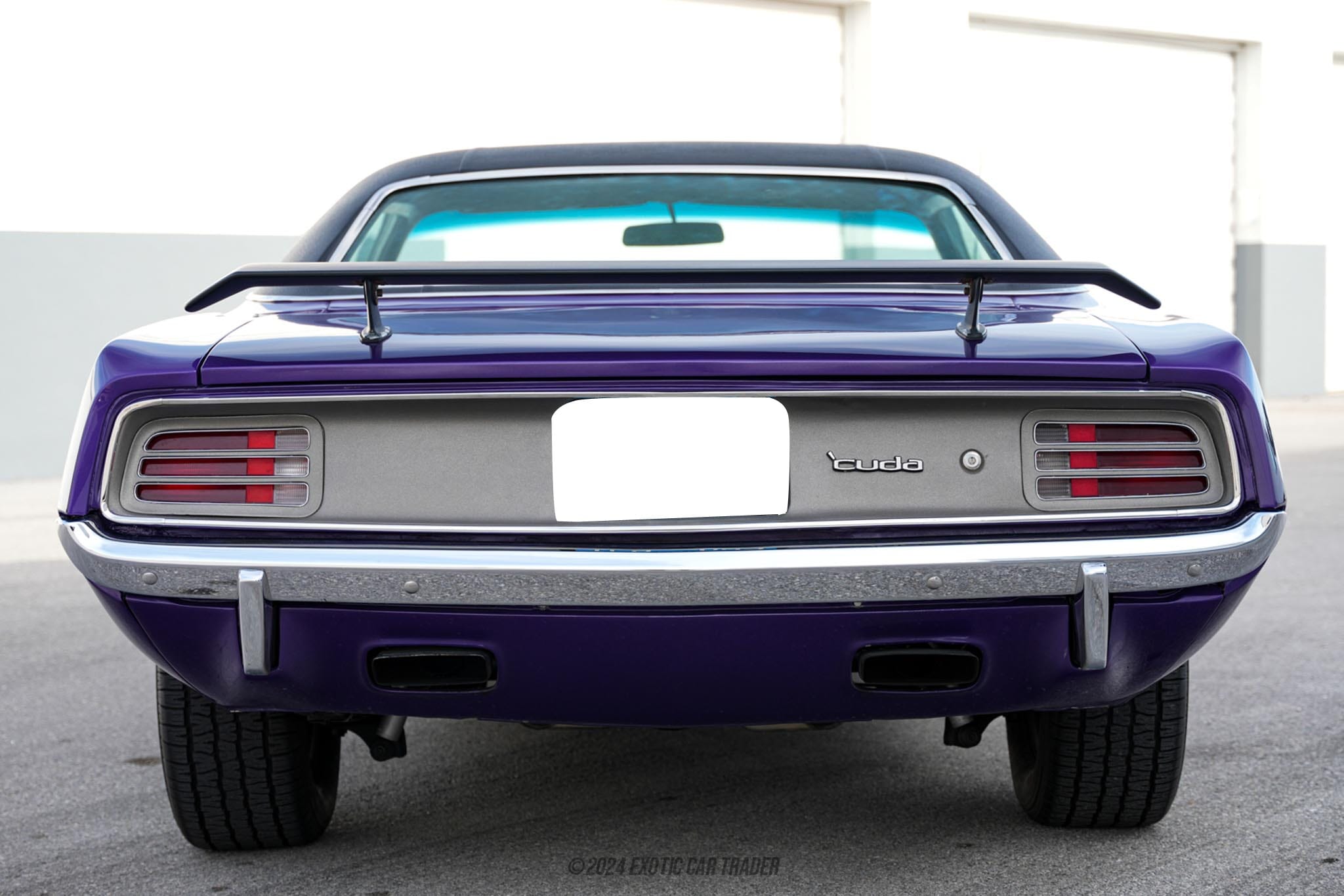
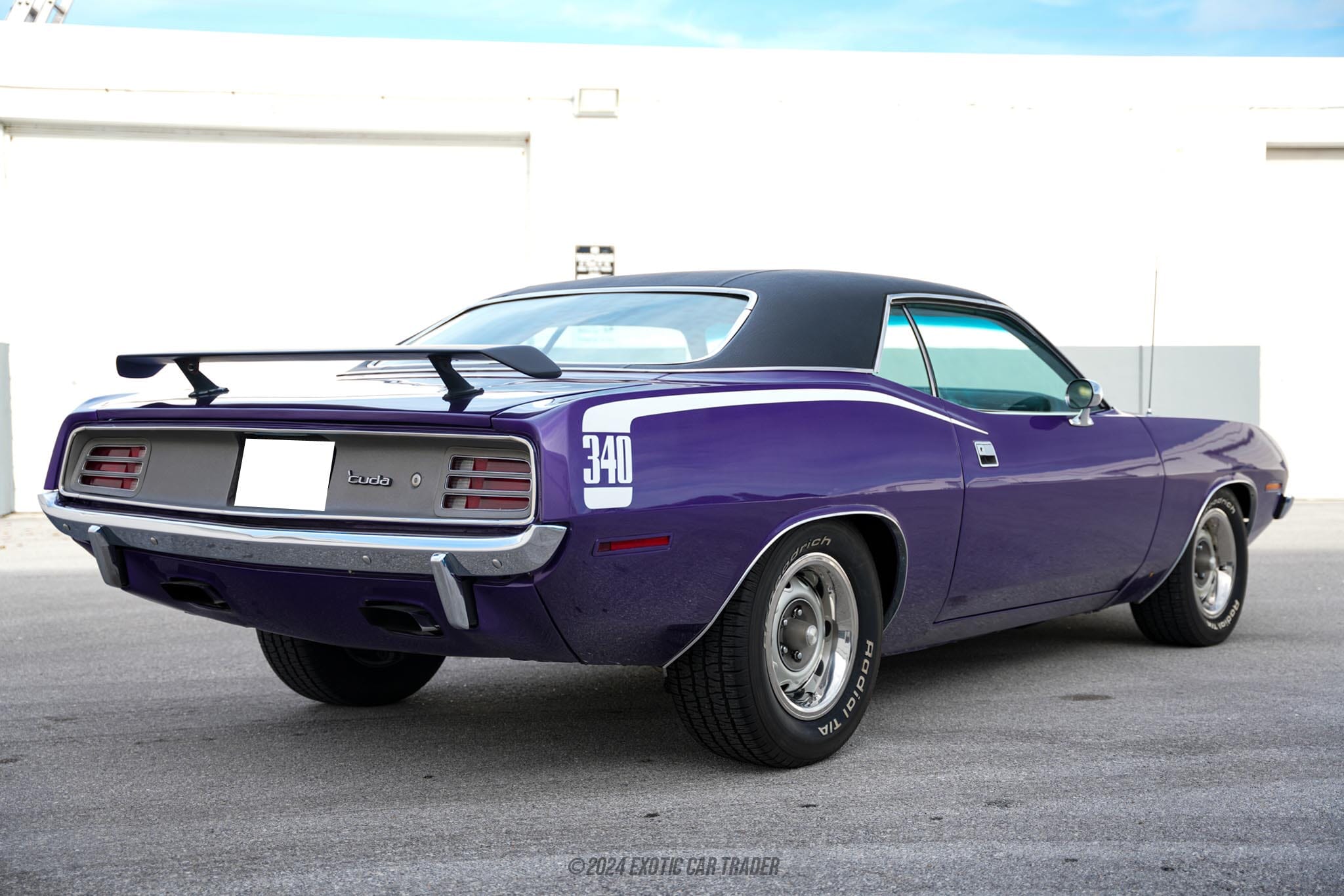
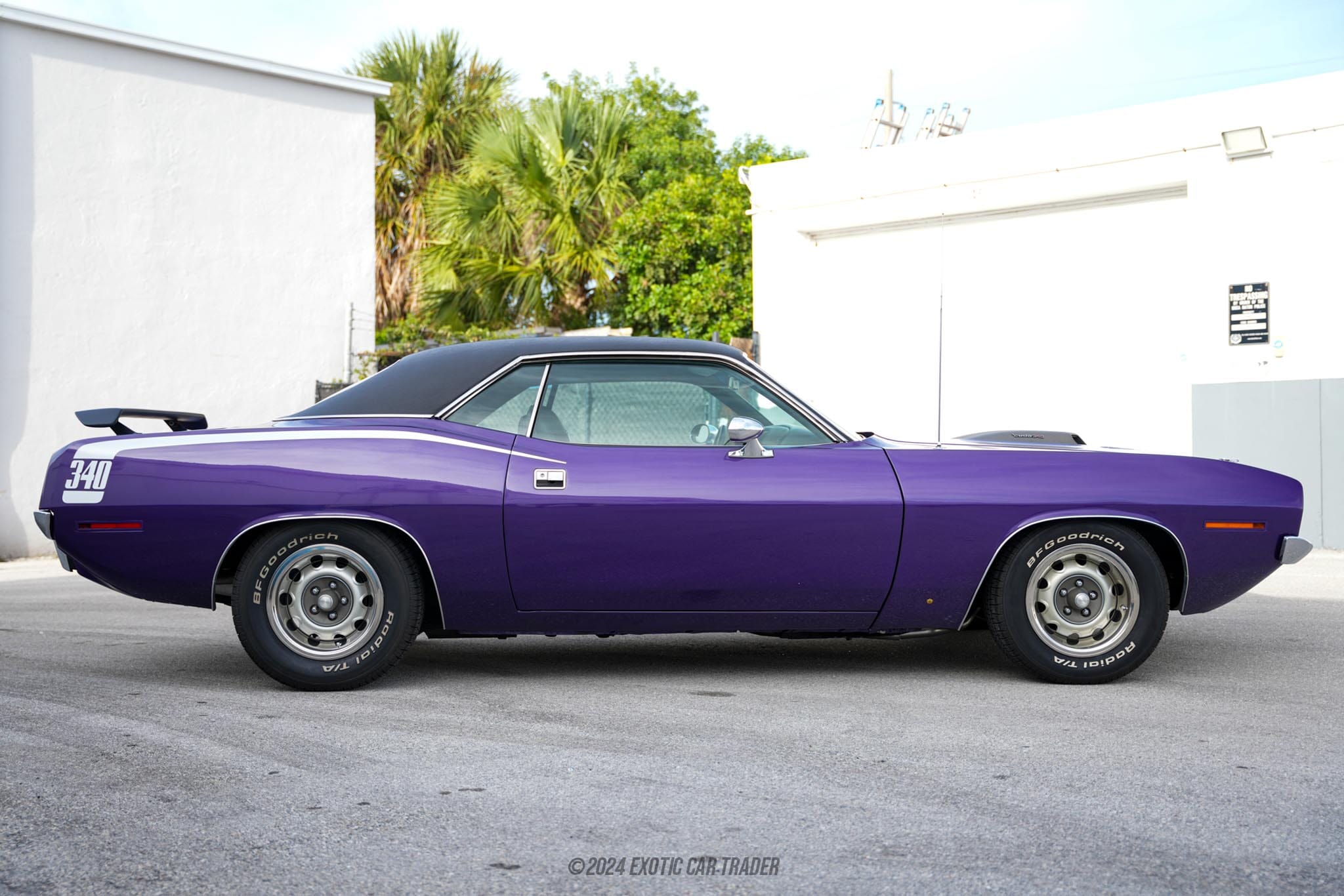
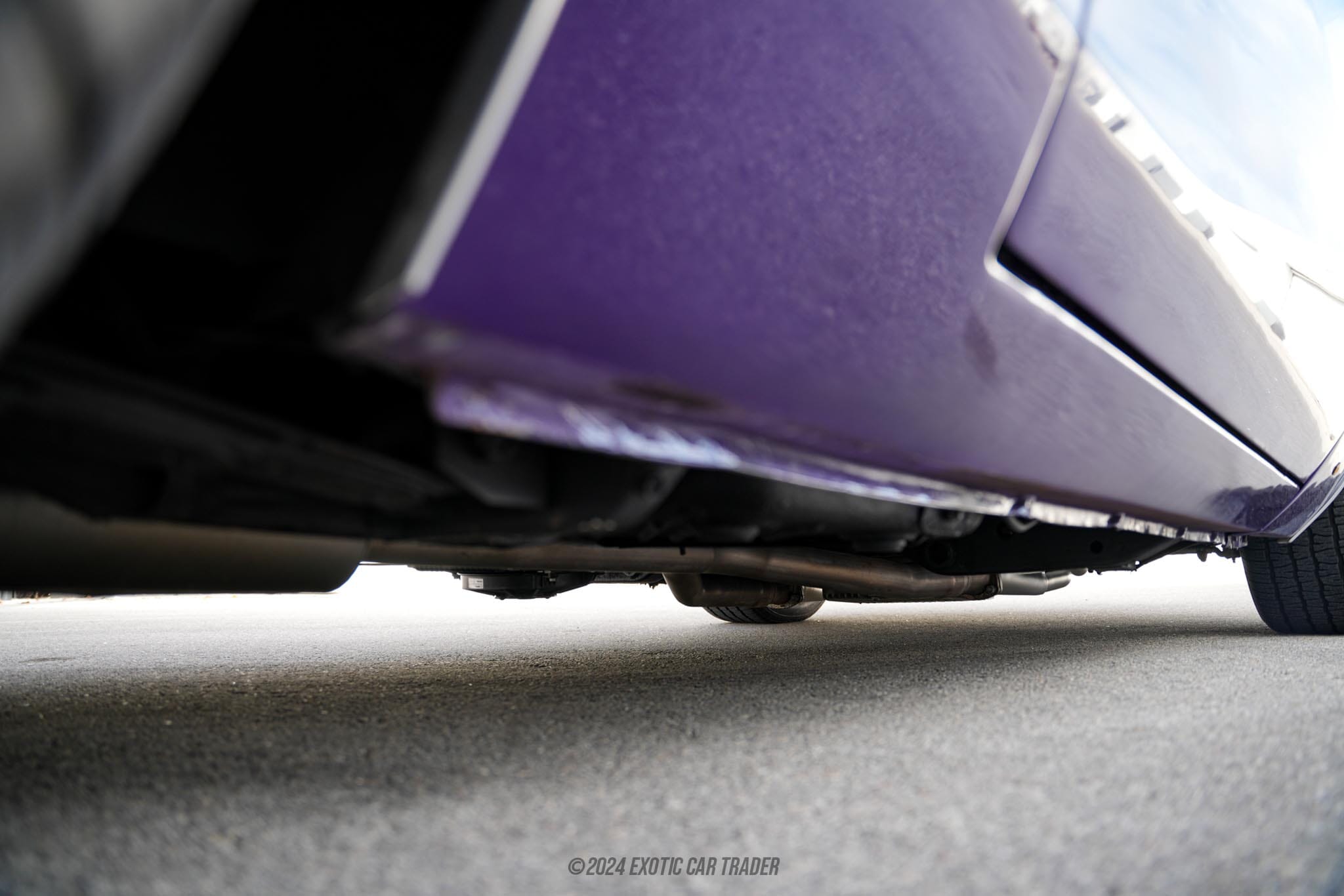


- 1970 MY Plymouth Barracuda Restoration
- Current owner reports new Blueprint 408ci stroker engine
- Current owner reports new Chrysler TorqueFlite 727 automatic transmission
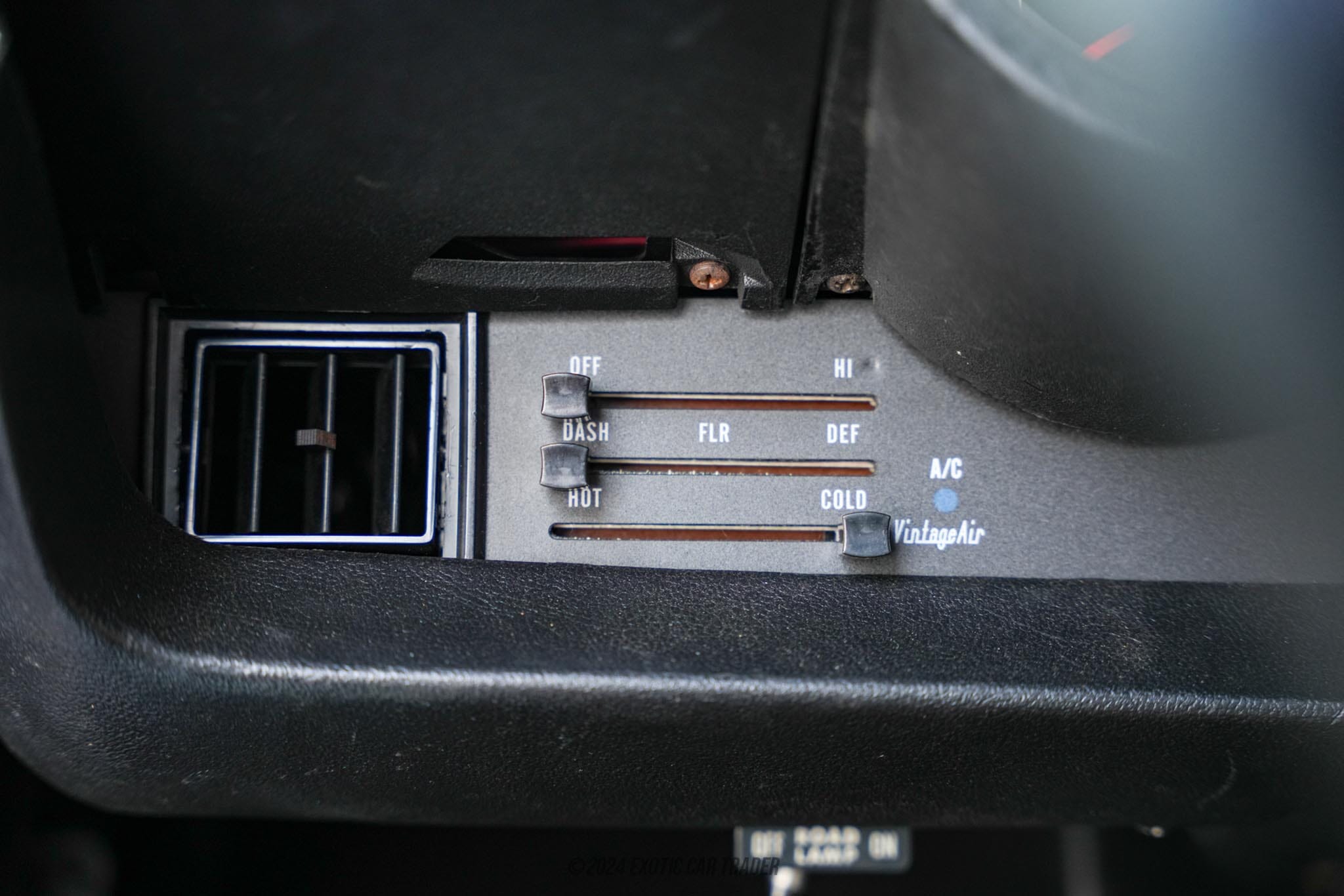
- Upgraded with vintage air system
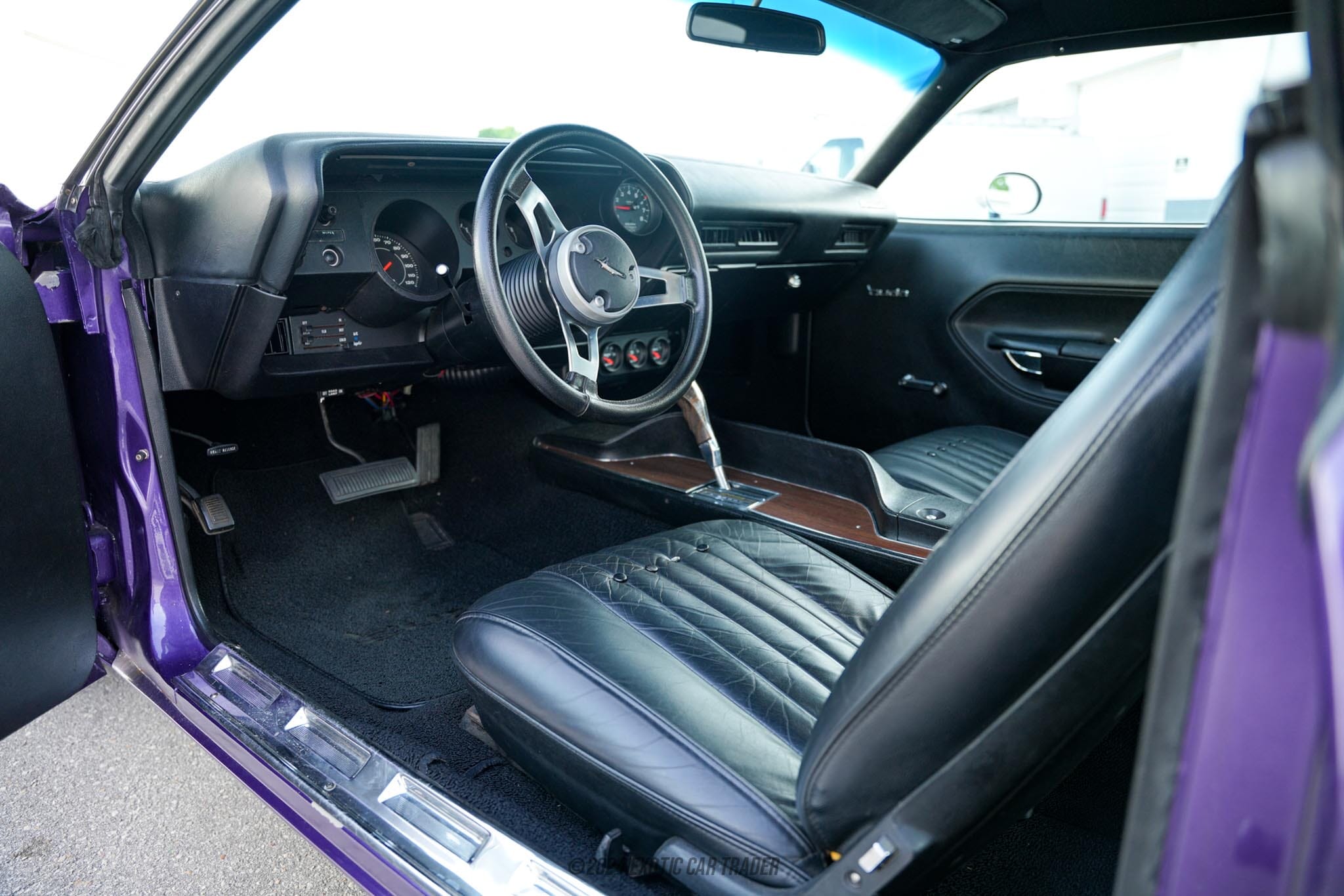
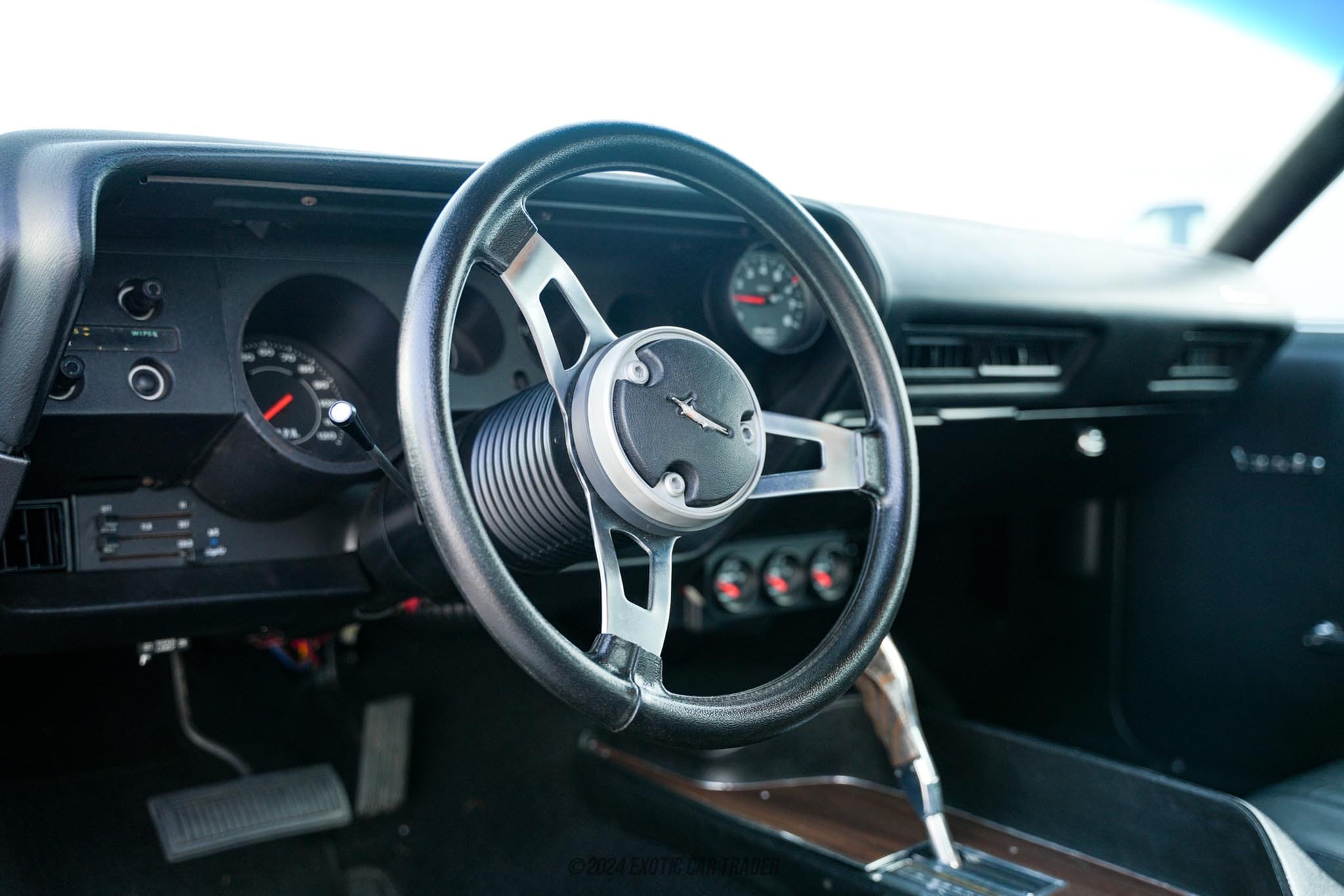
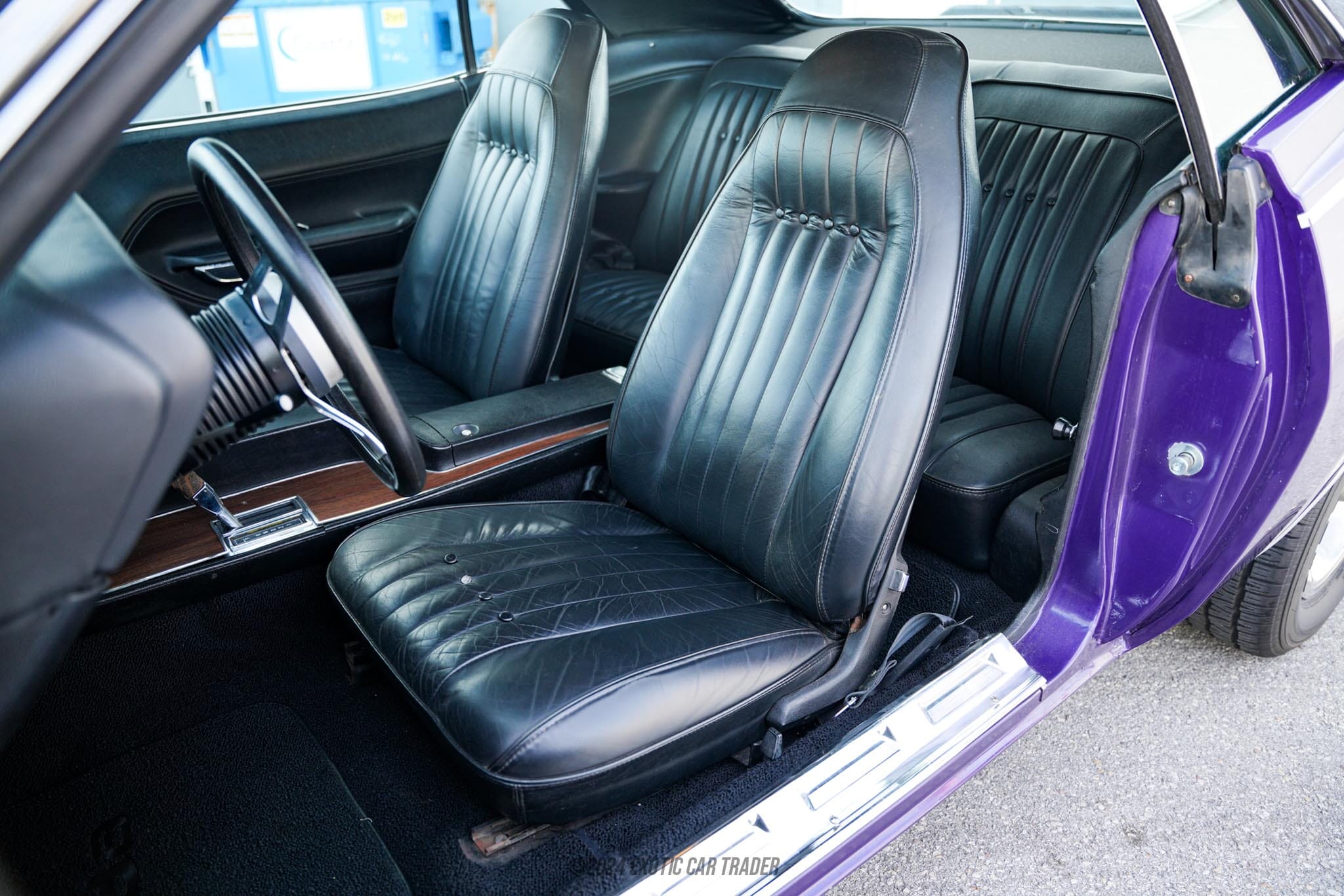
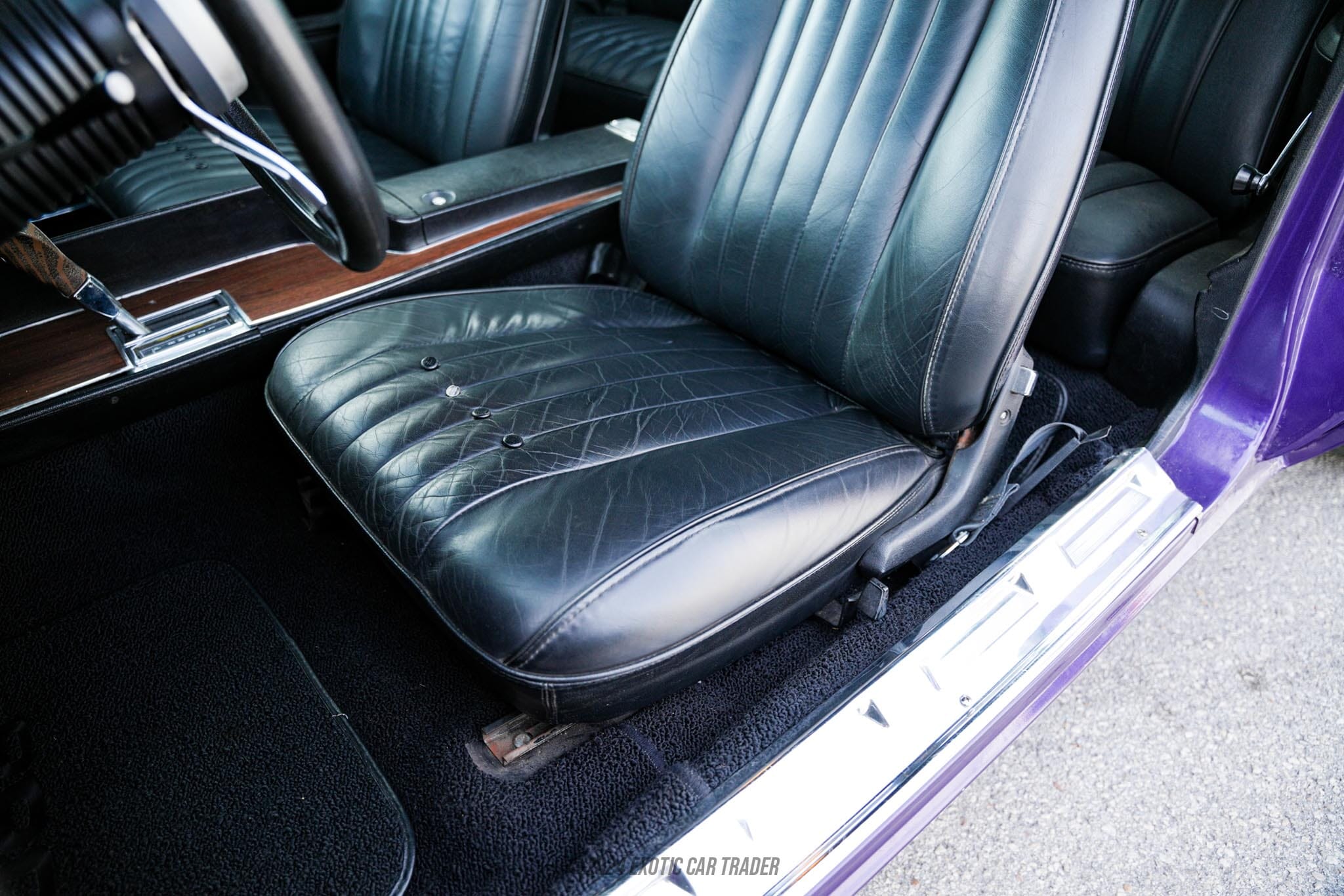
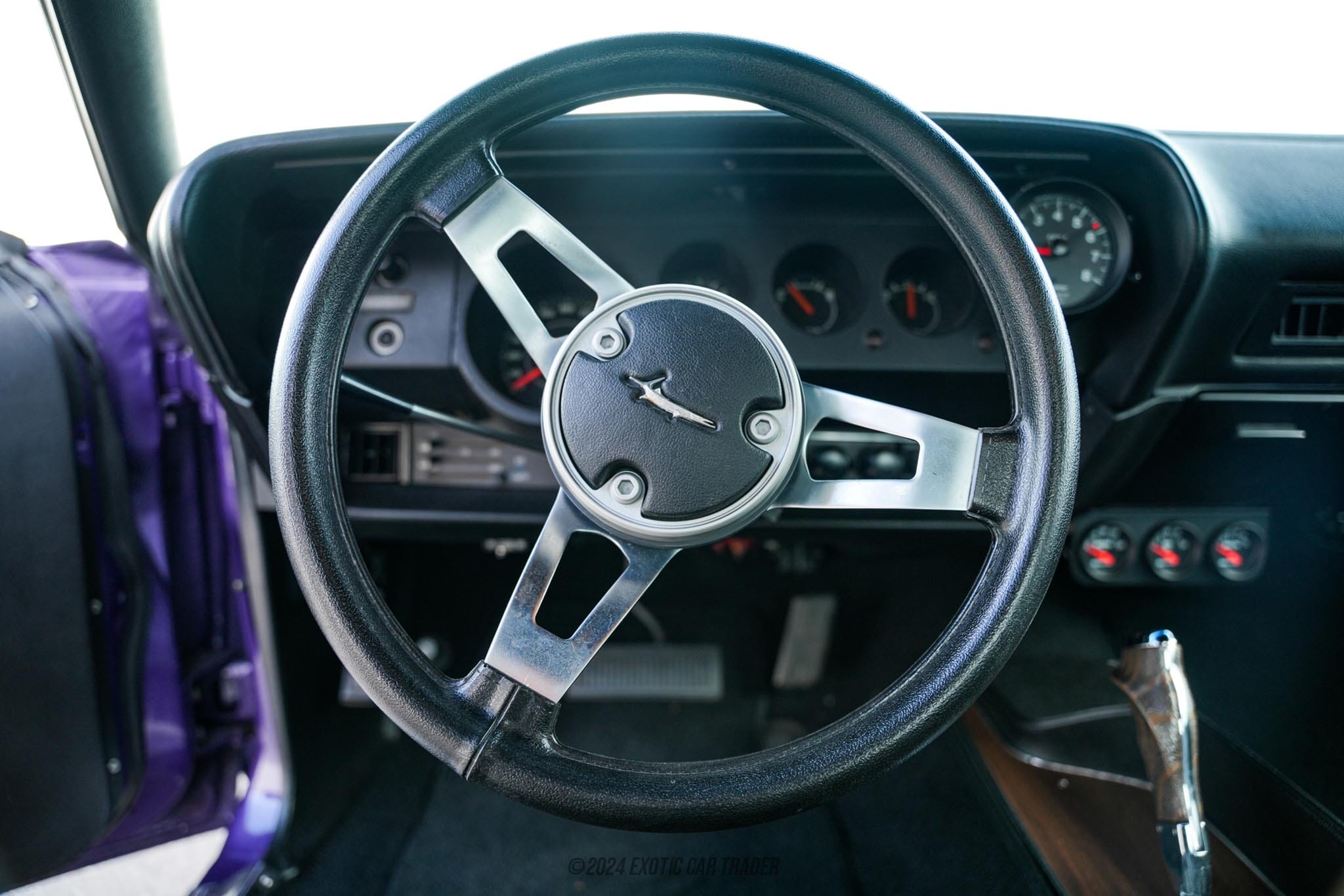
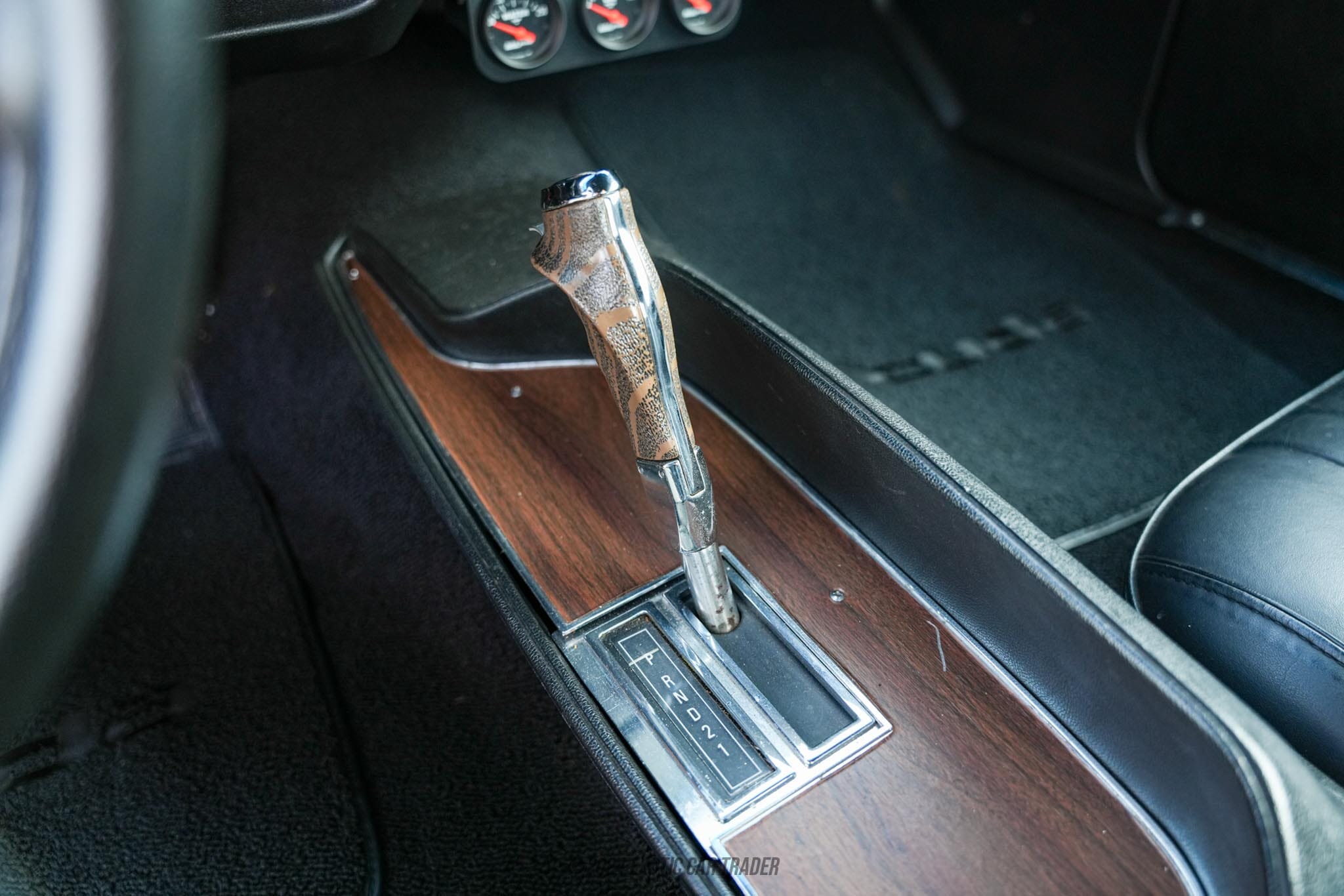
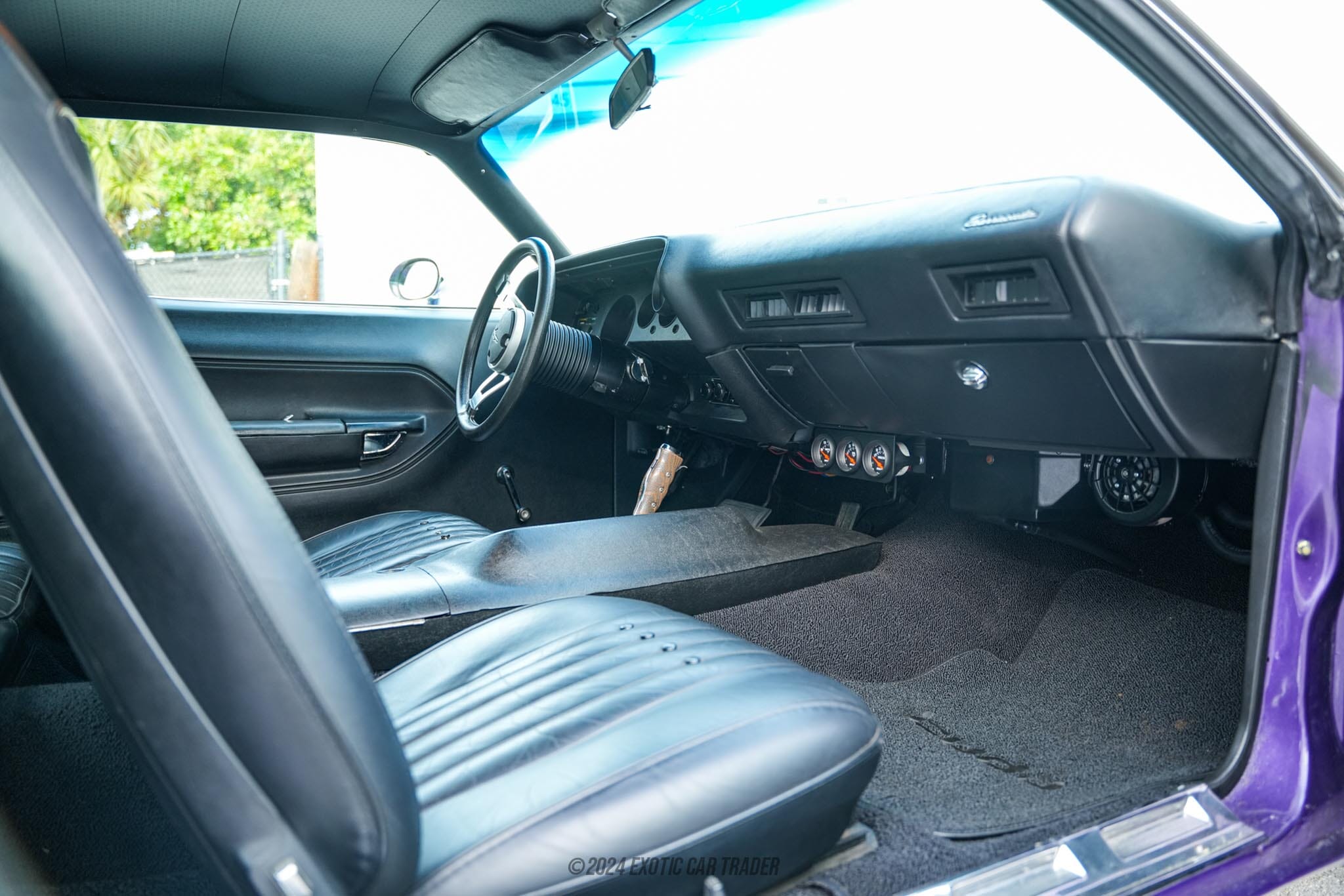
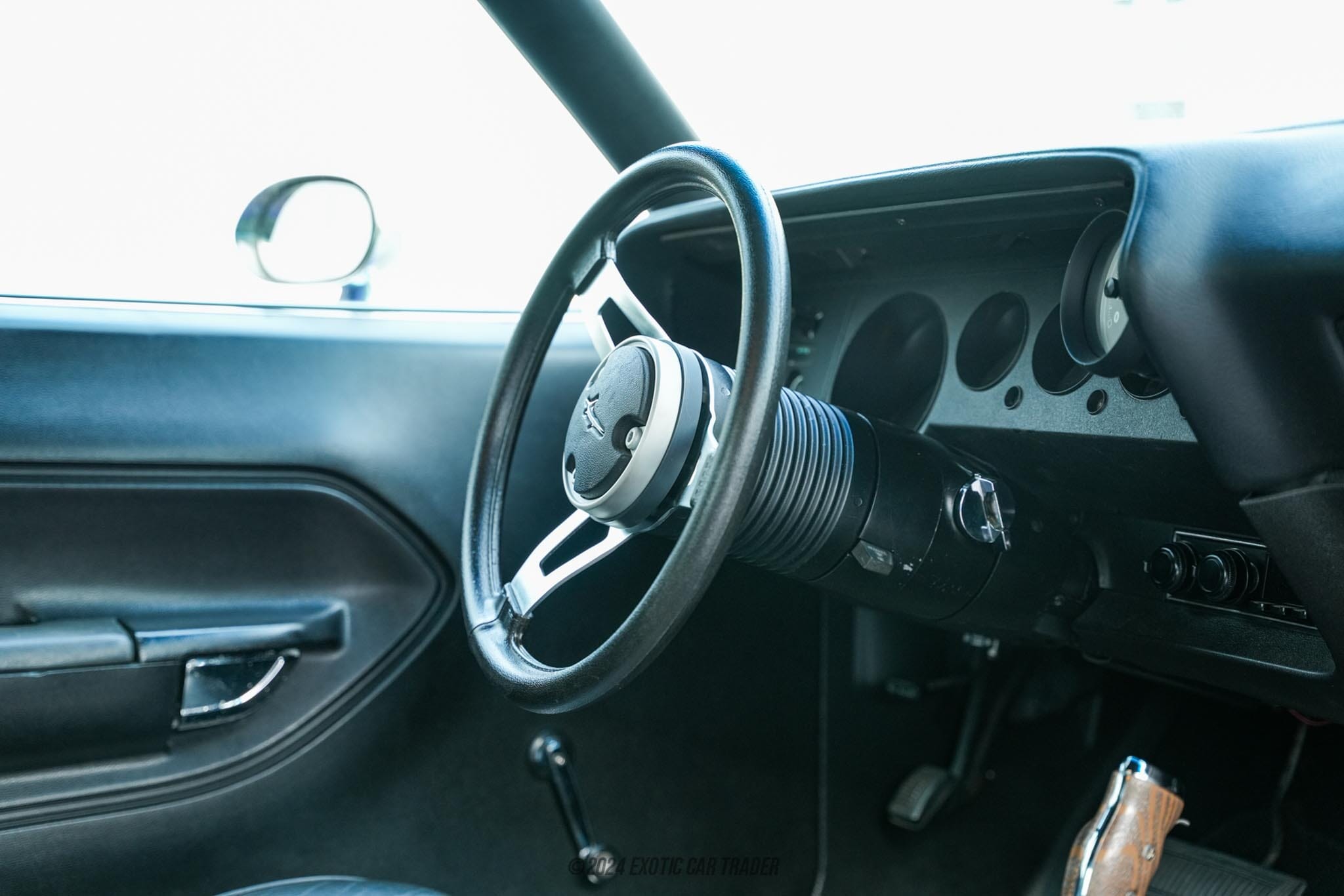
- Pistol grip shifter
- Upgraded with new external fan & cooler
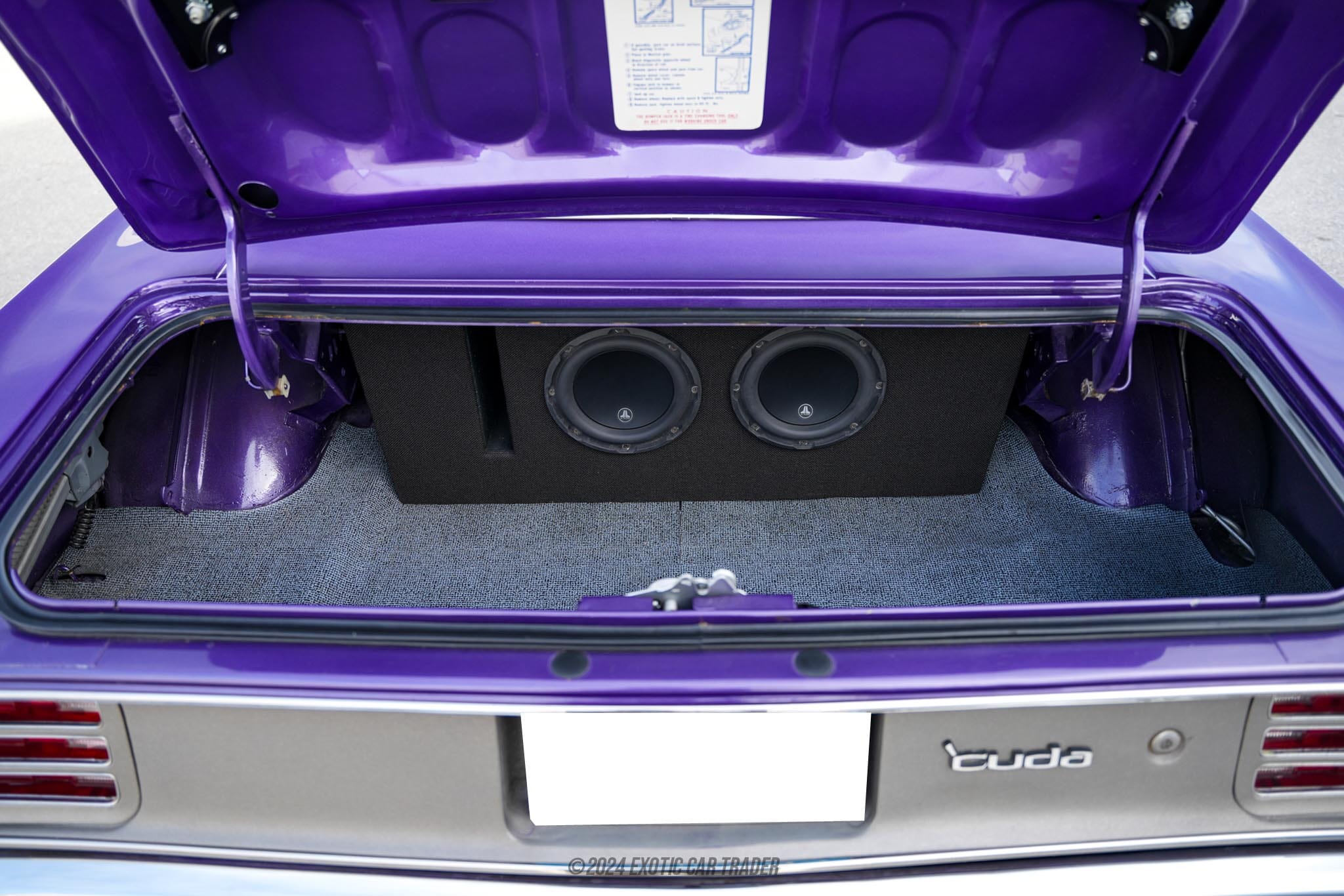
- Retro sound system with amplifier & custom speaker box
- Current owner reports all new A/C hoses & compressor
- Upgraded with Slayer series carburetor
- Upgraded with new high torque starter
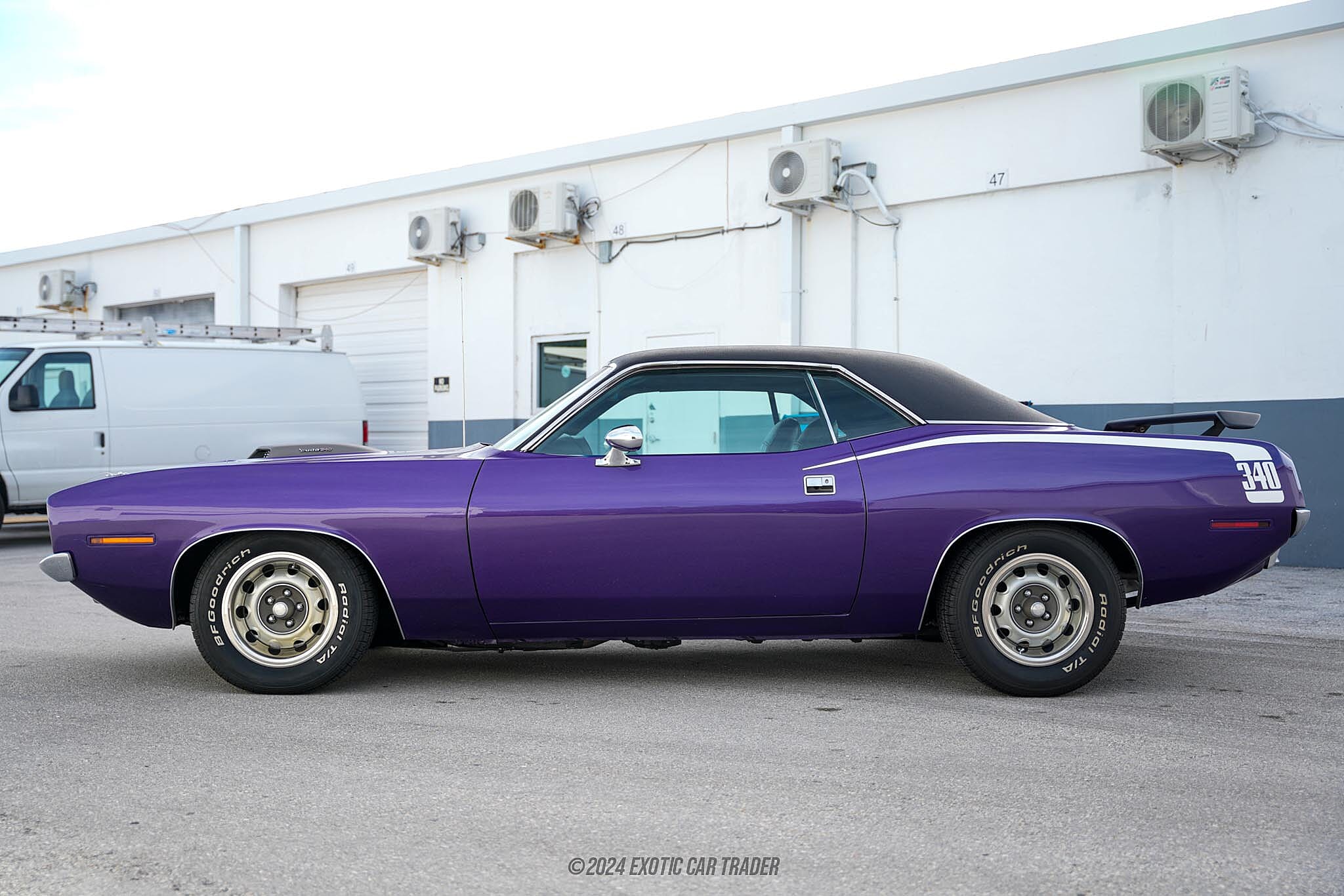
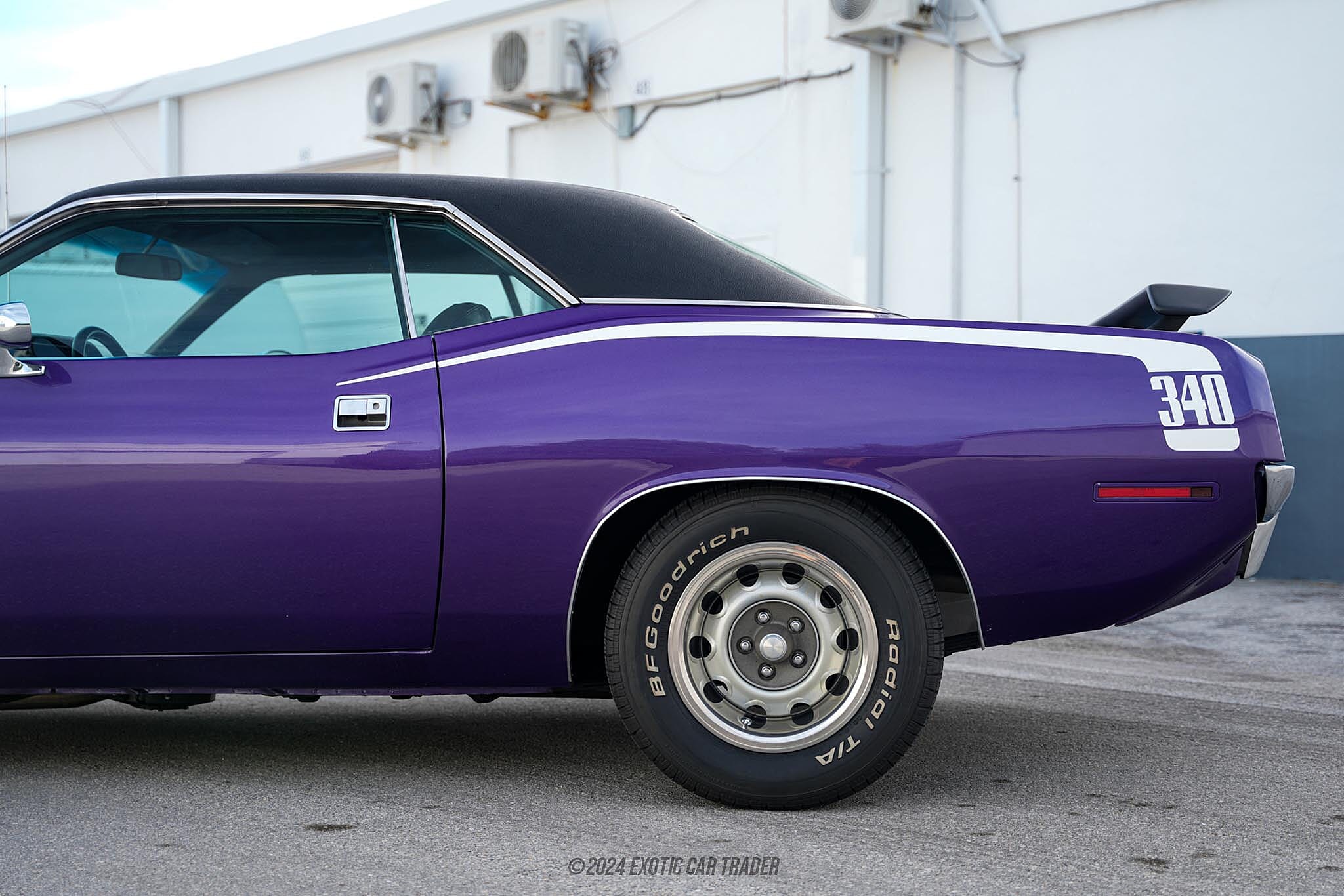
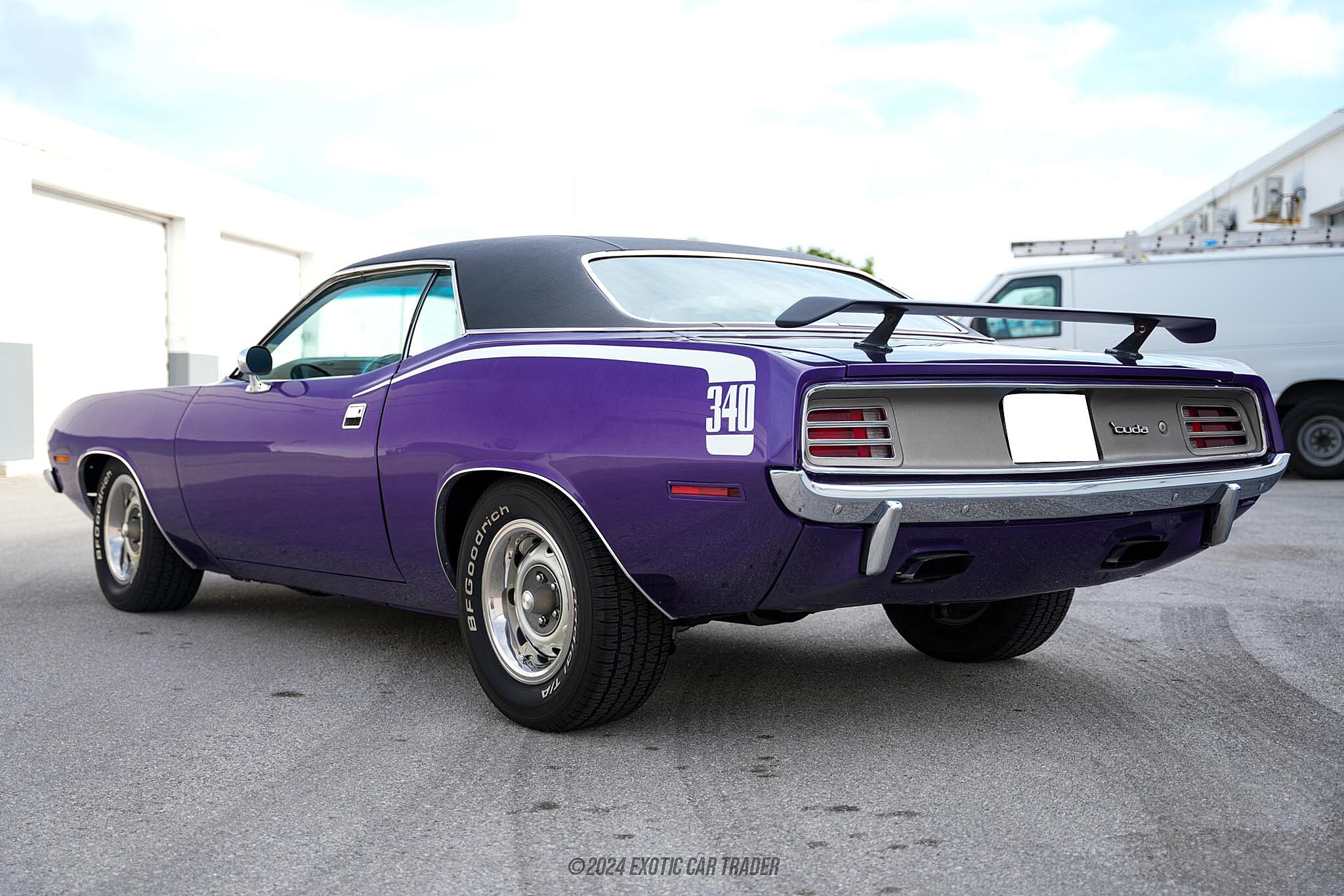
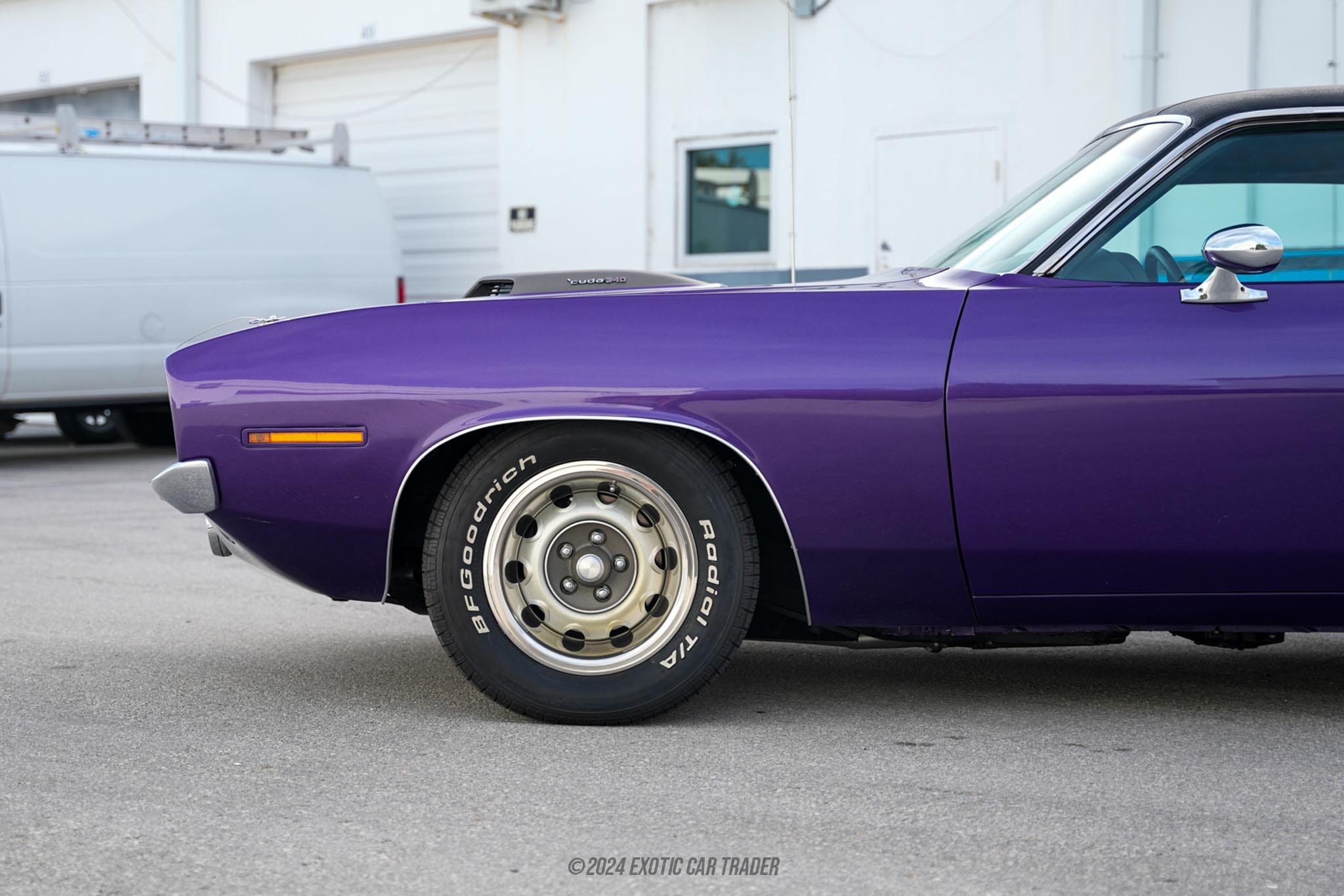
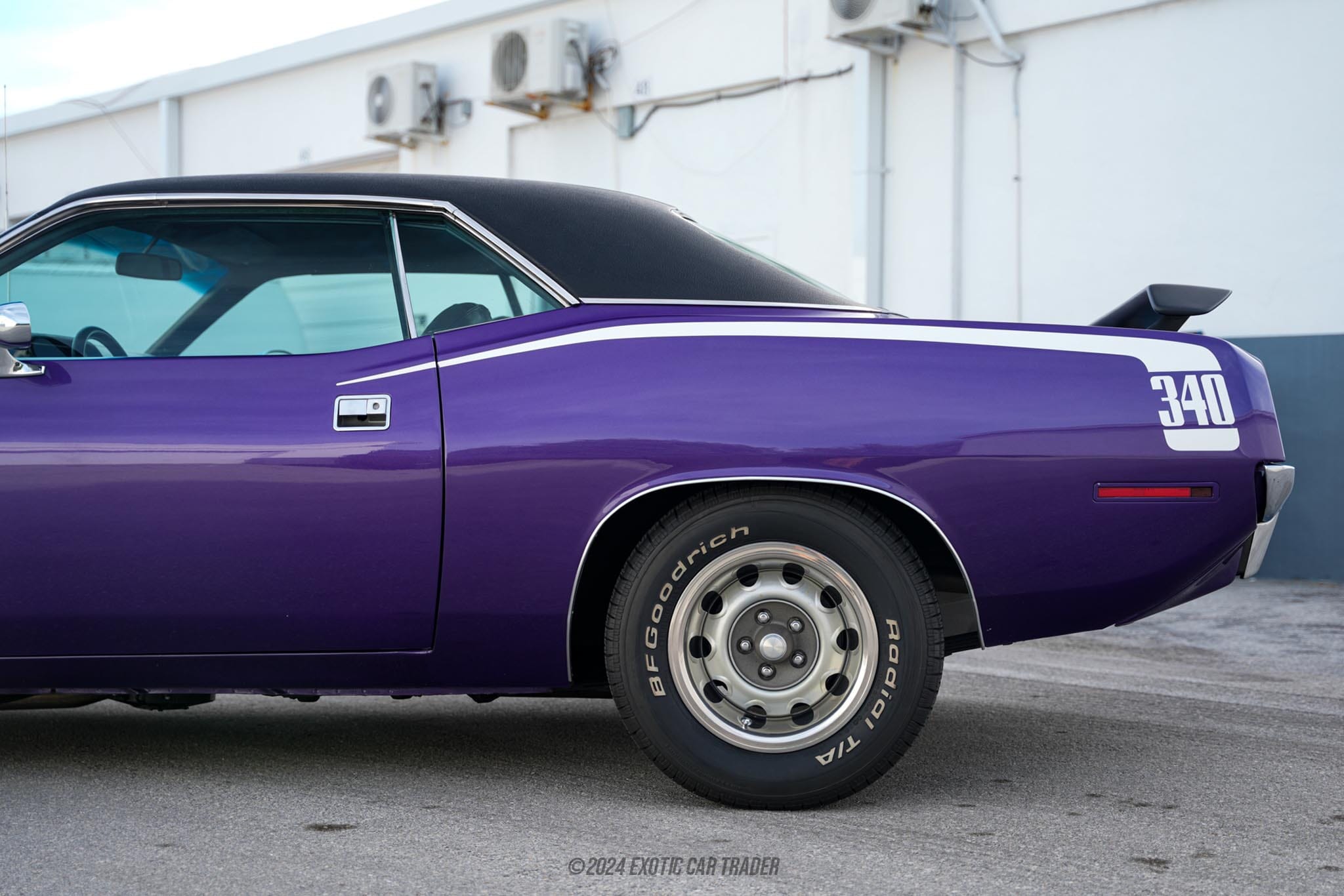
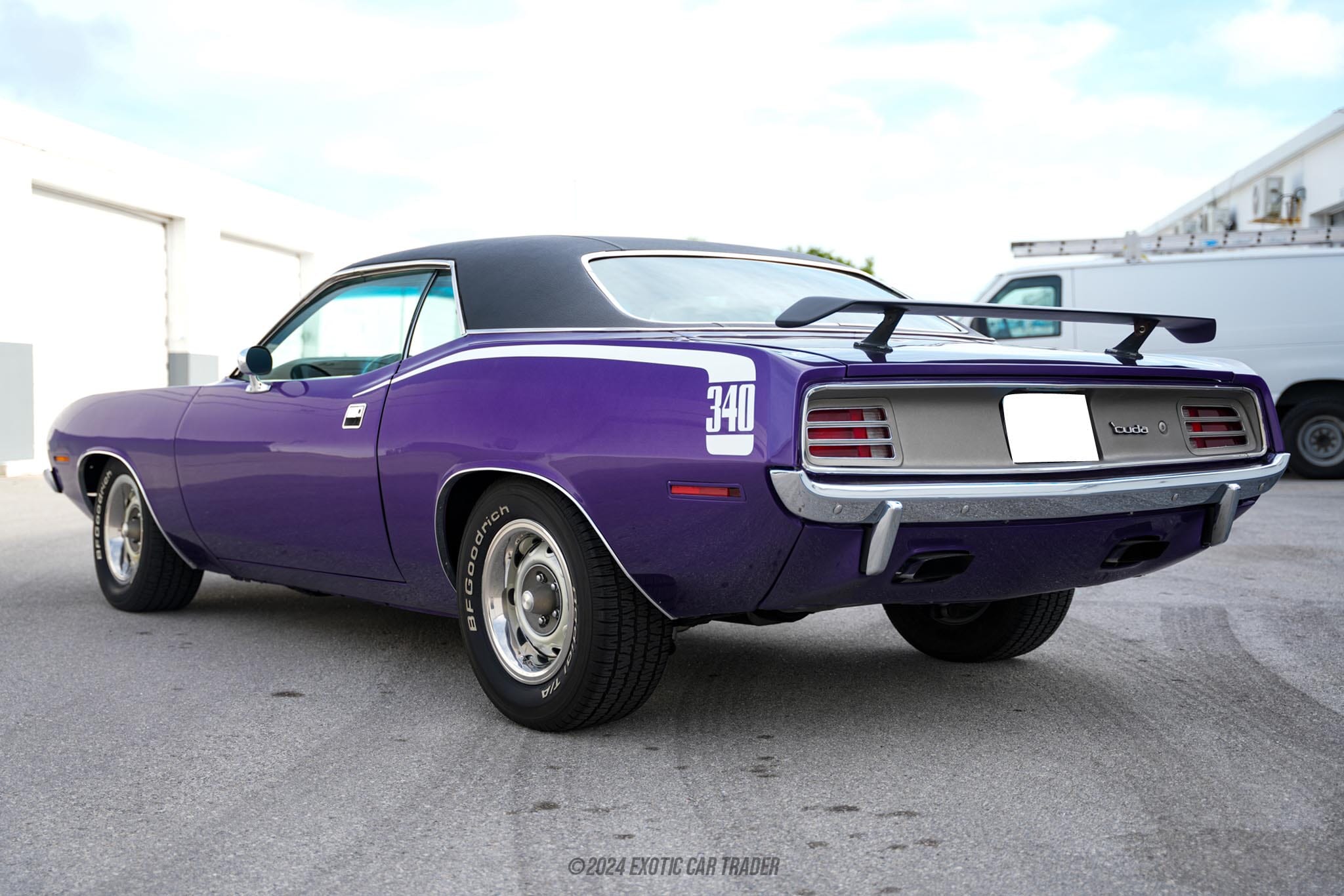
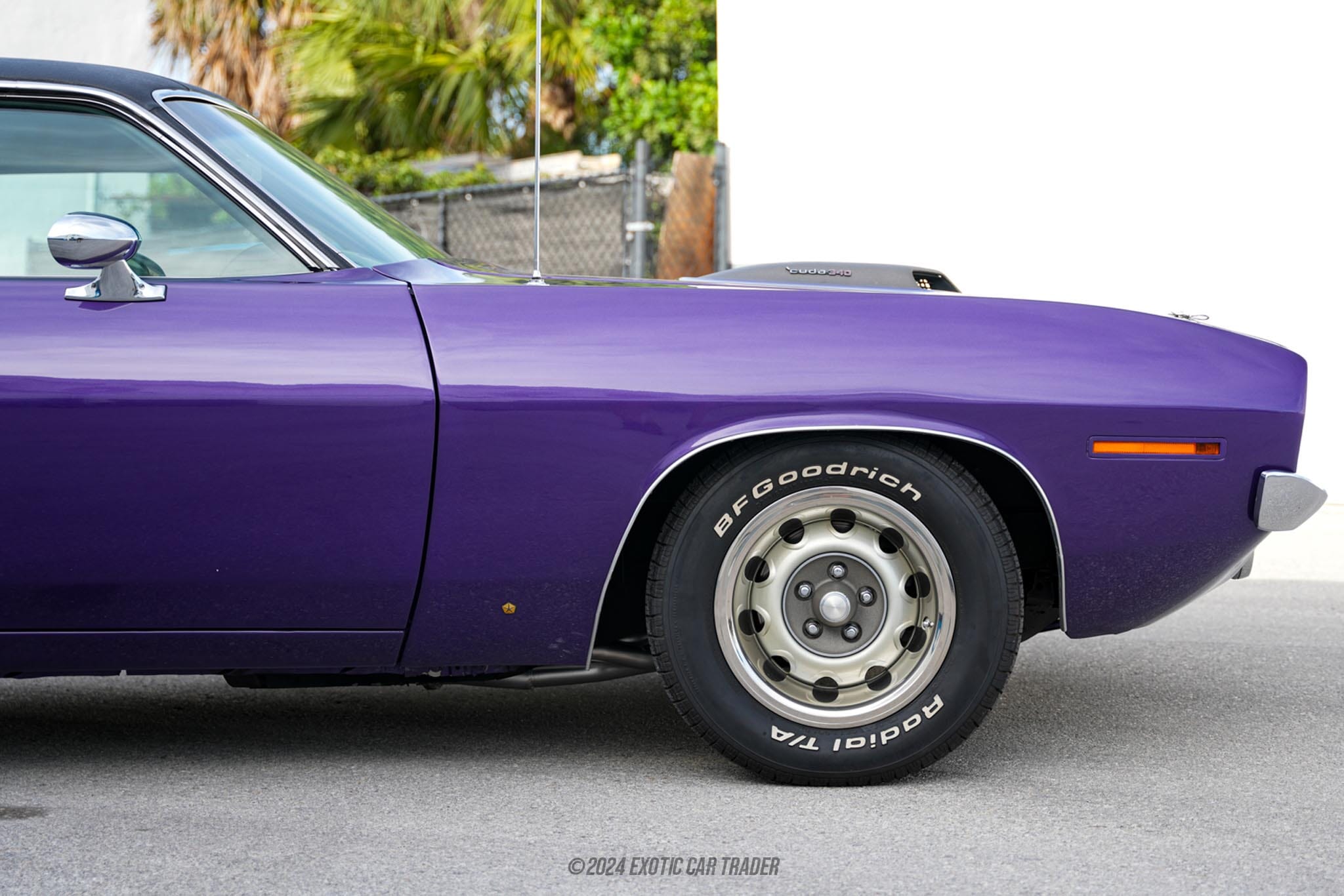
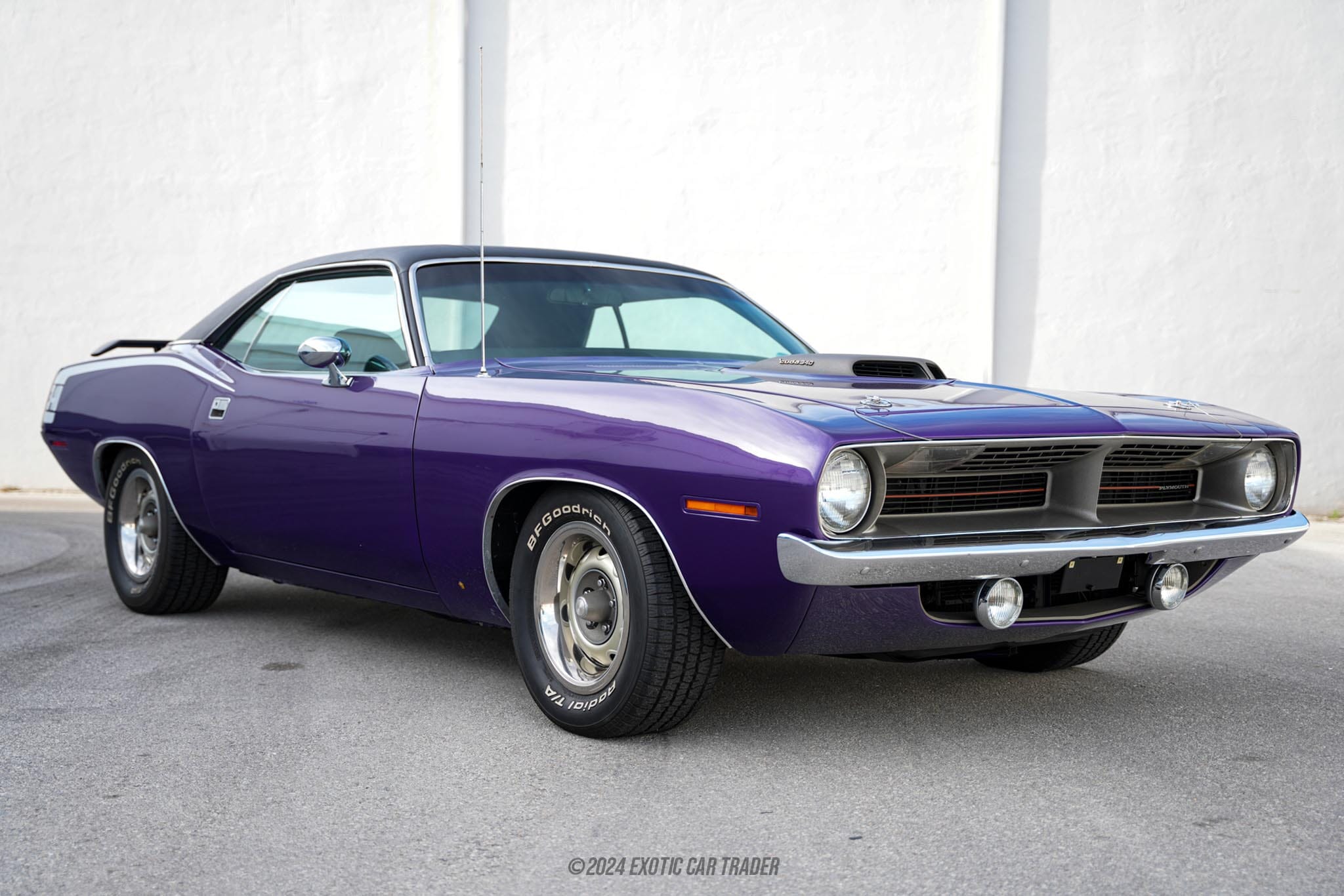
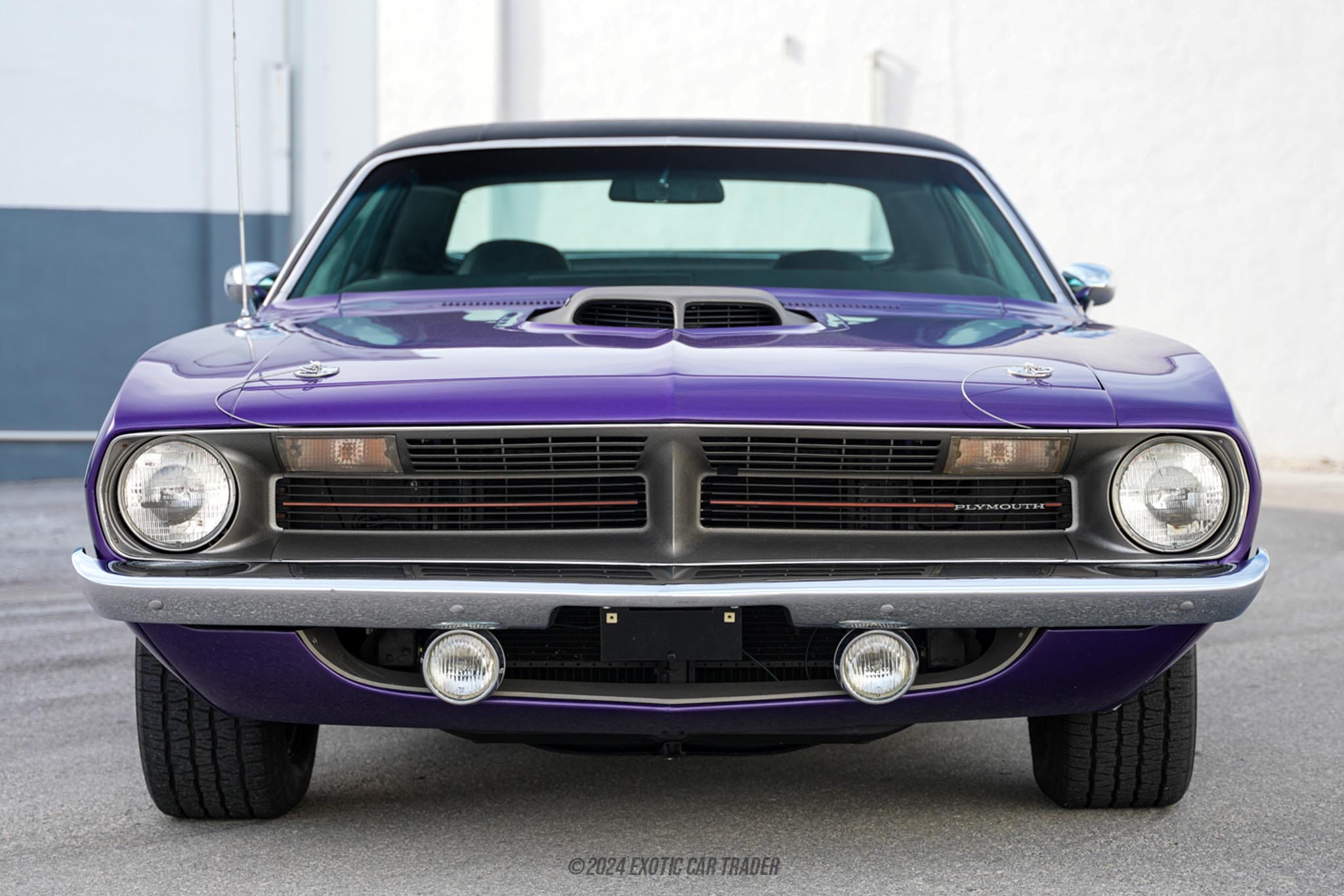
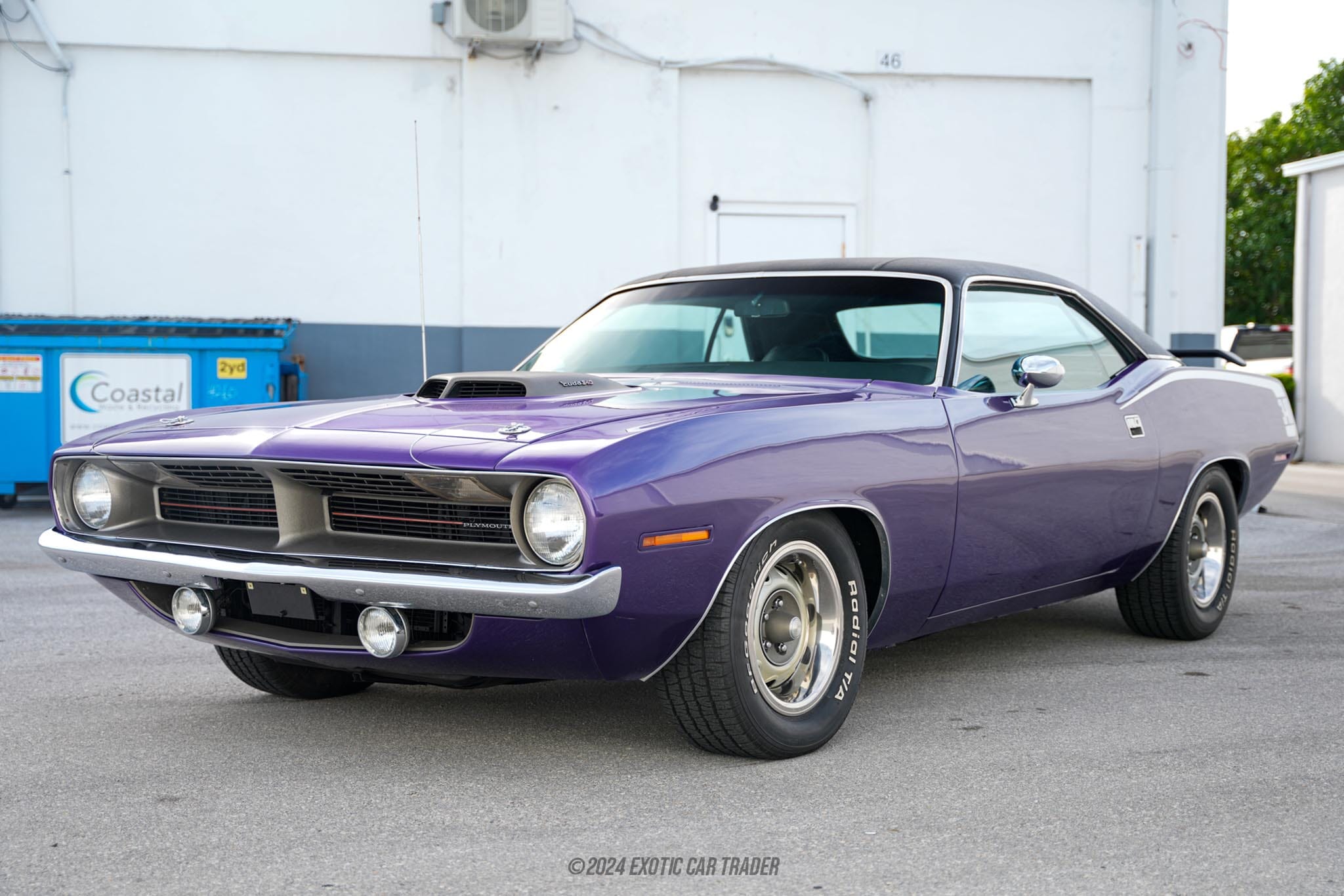
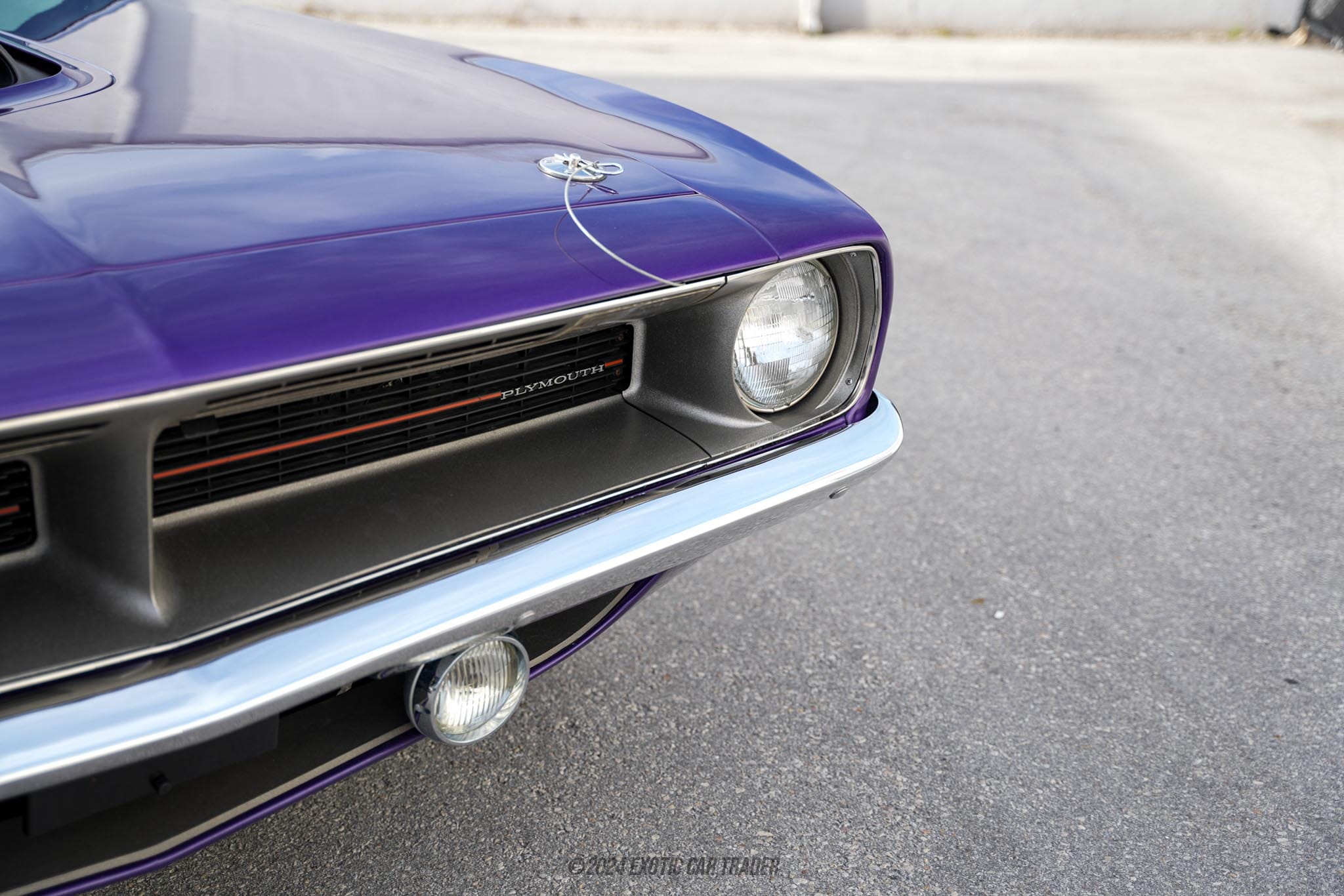
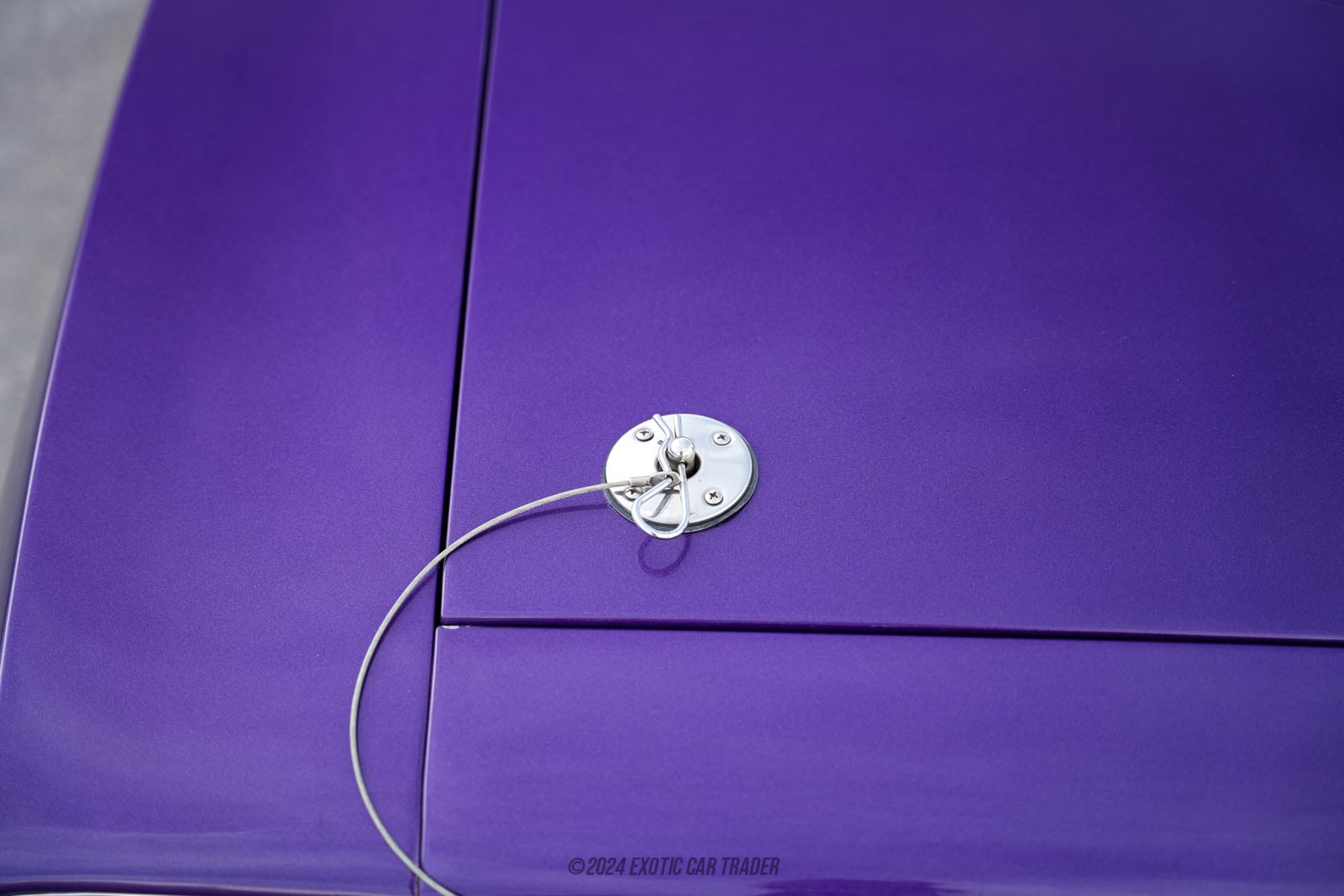
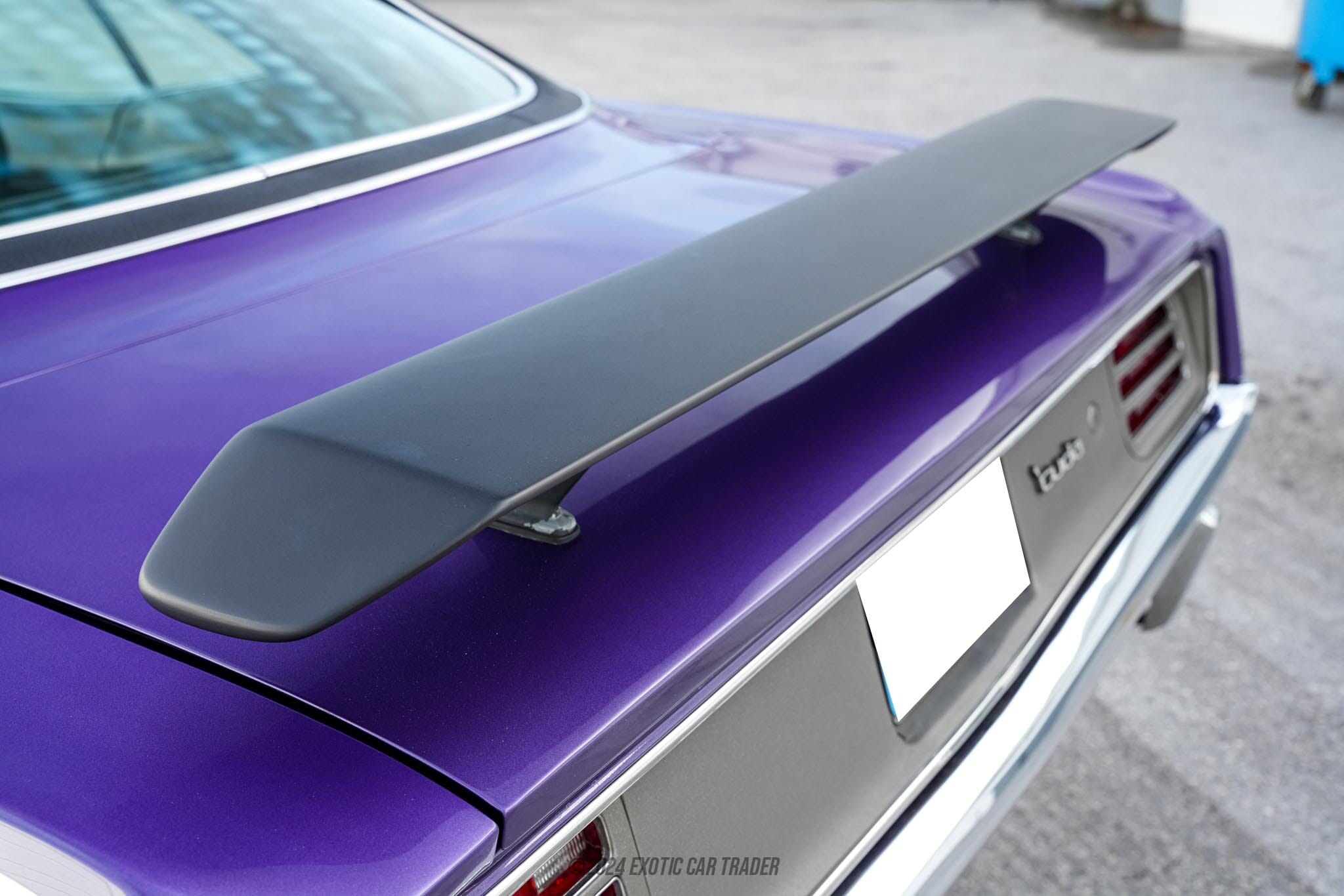
- Custom paint job in Plum Crazy Purple
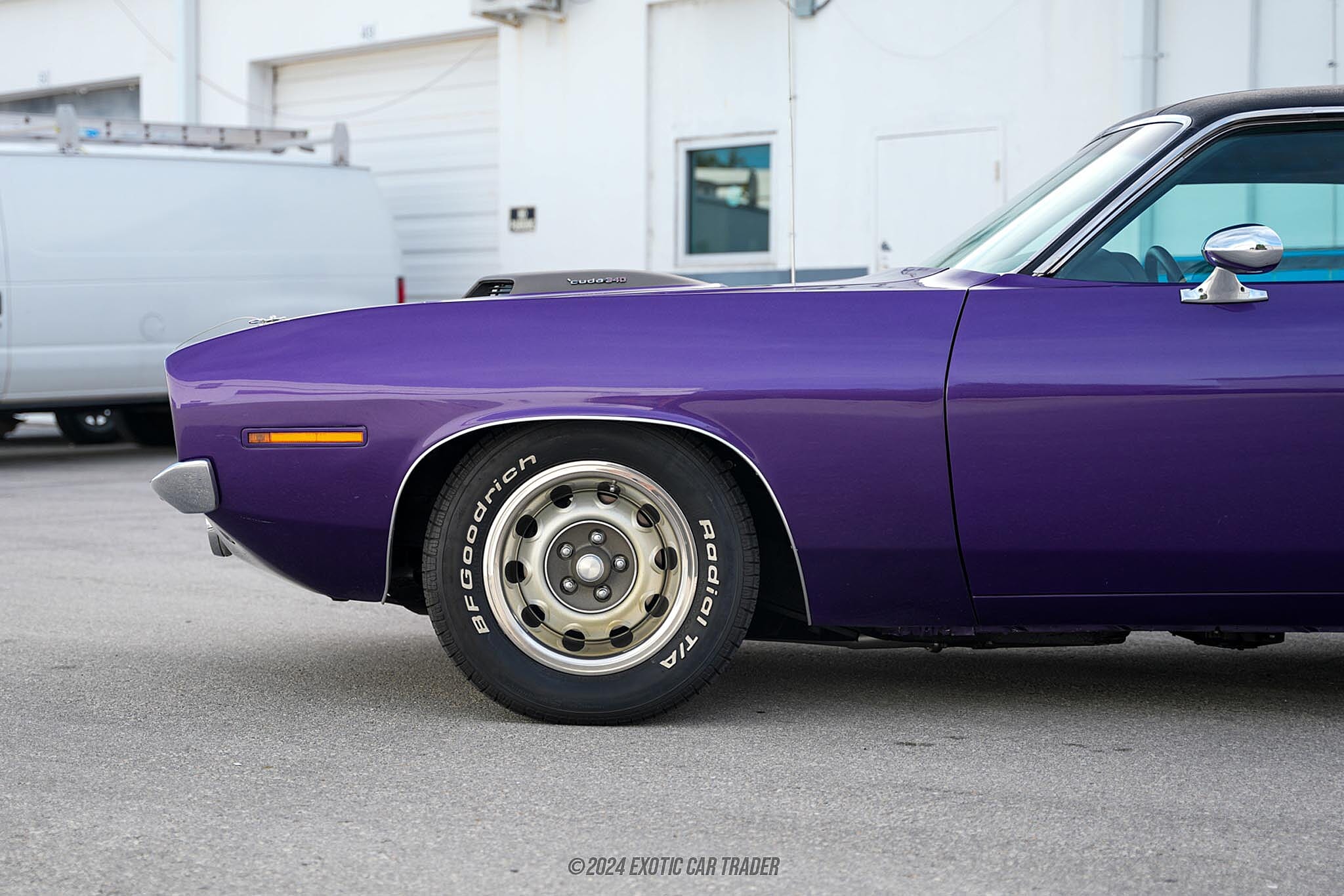
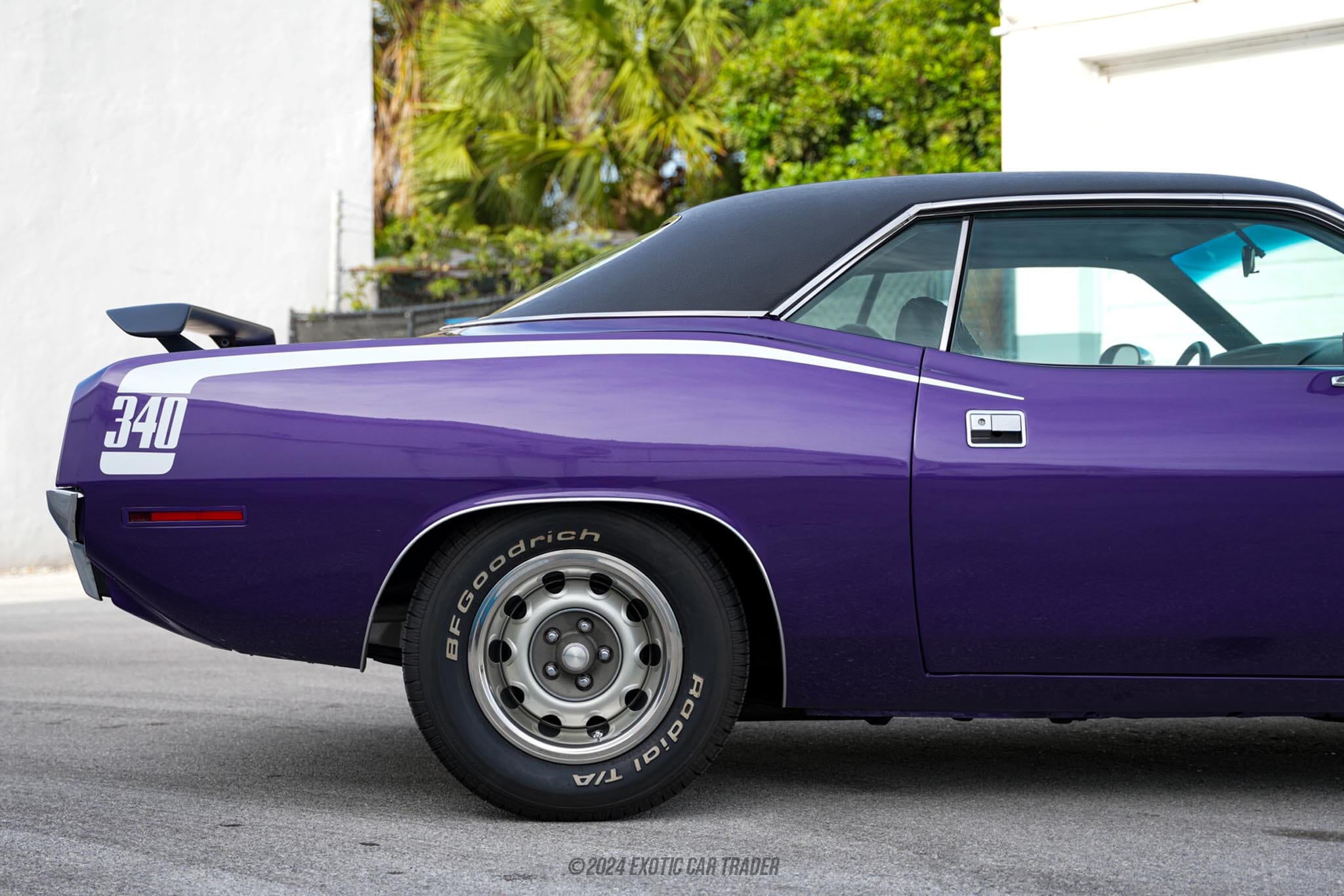
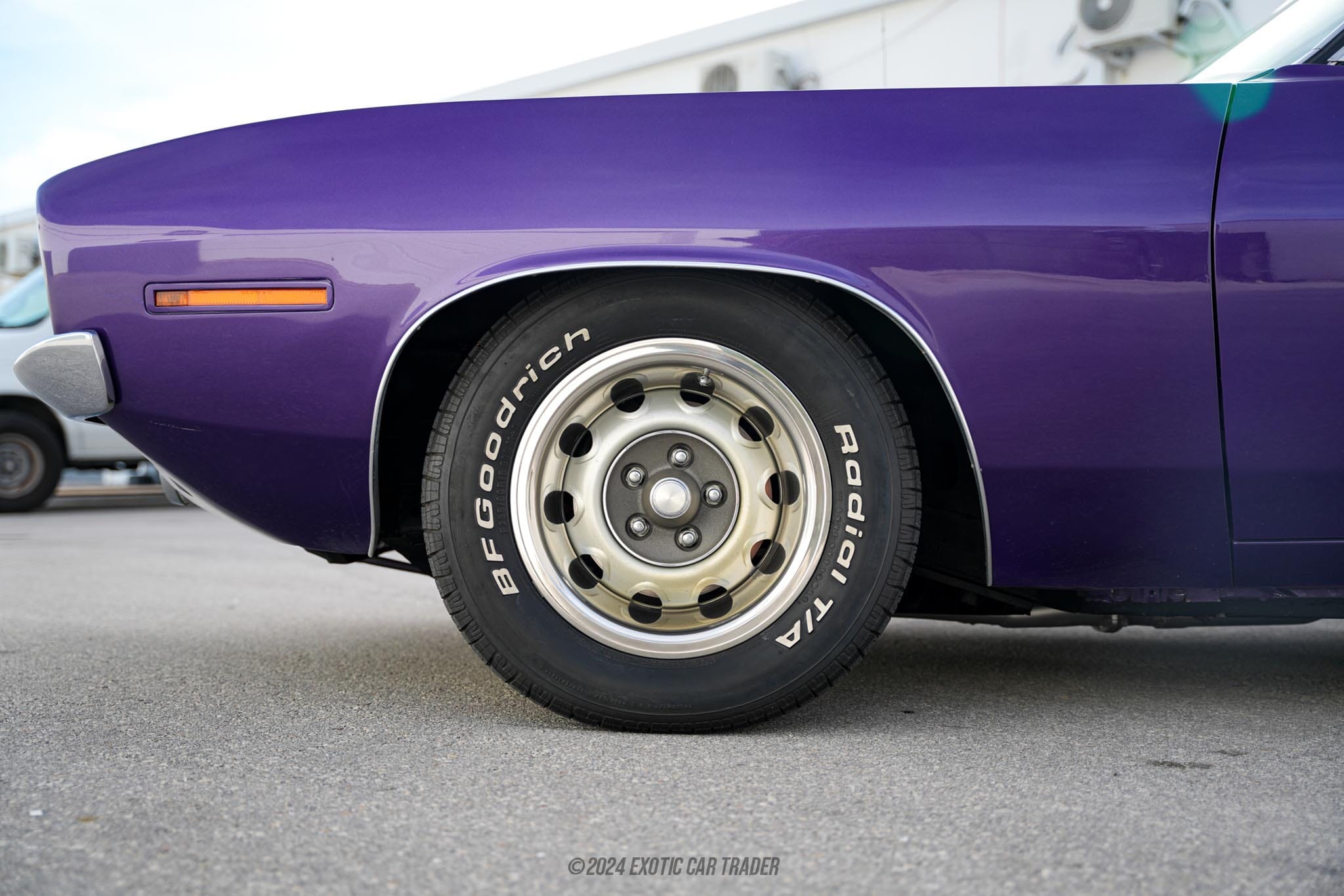
- Current owner reports new tires
- Current owner reports recent oil change


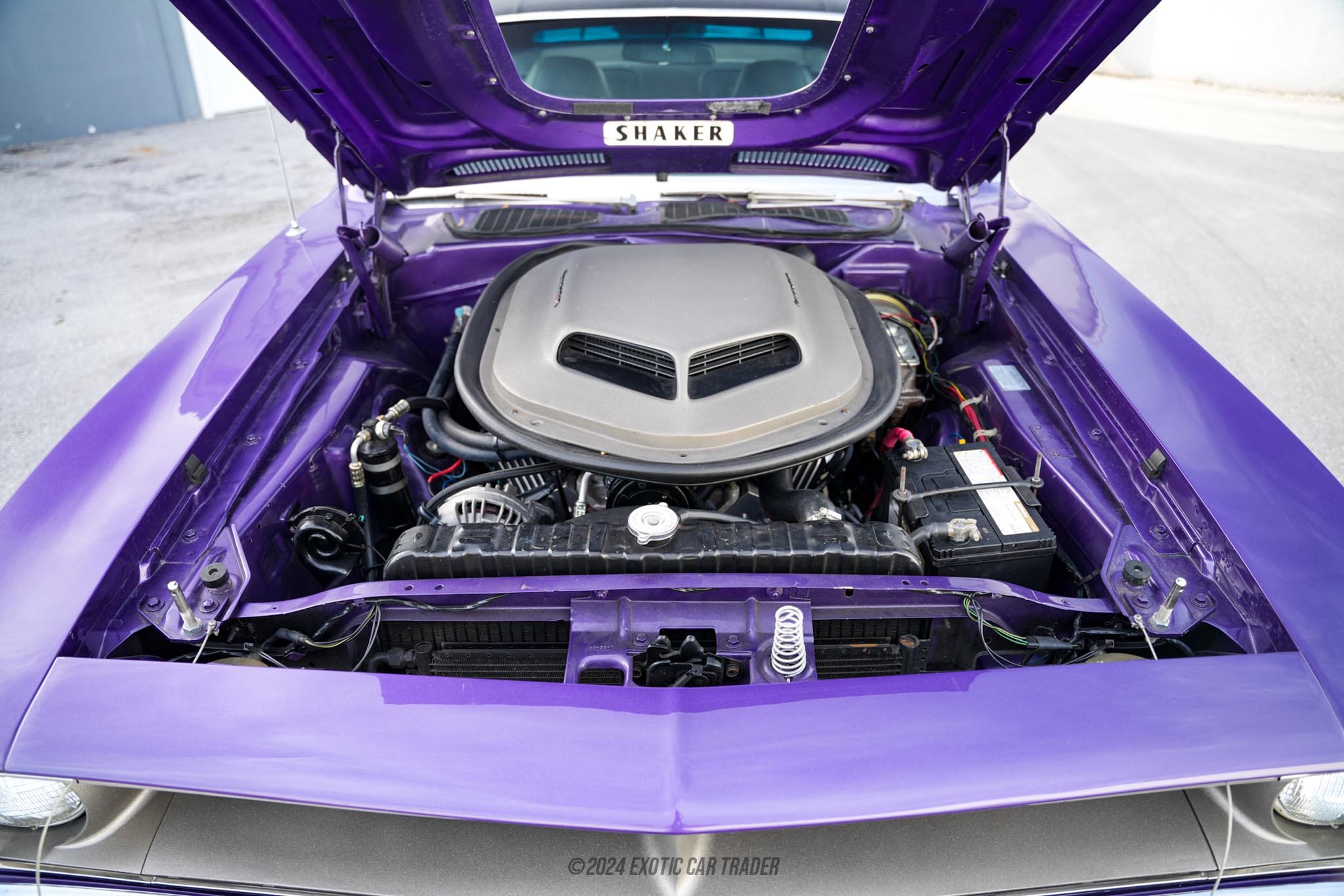
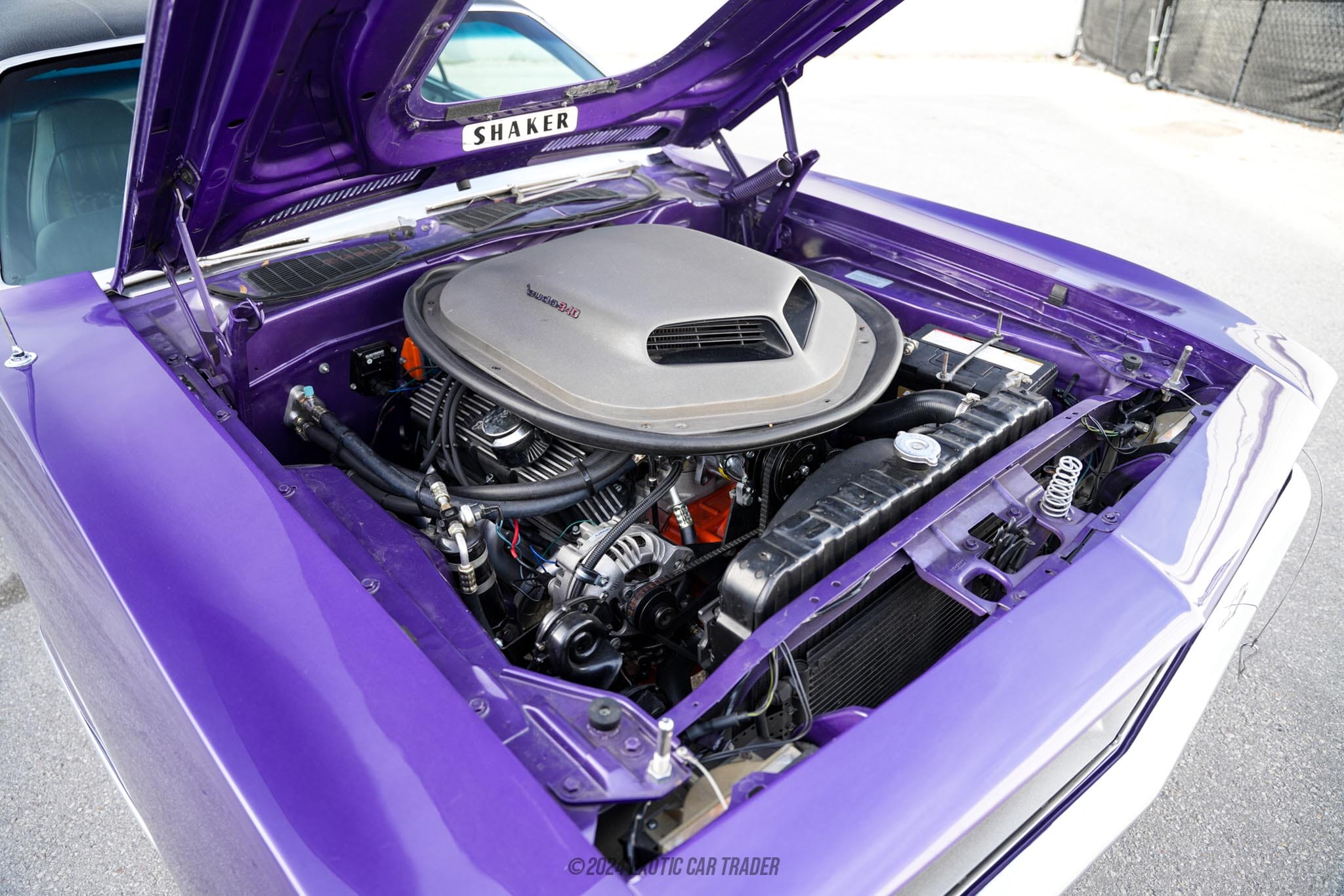
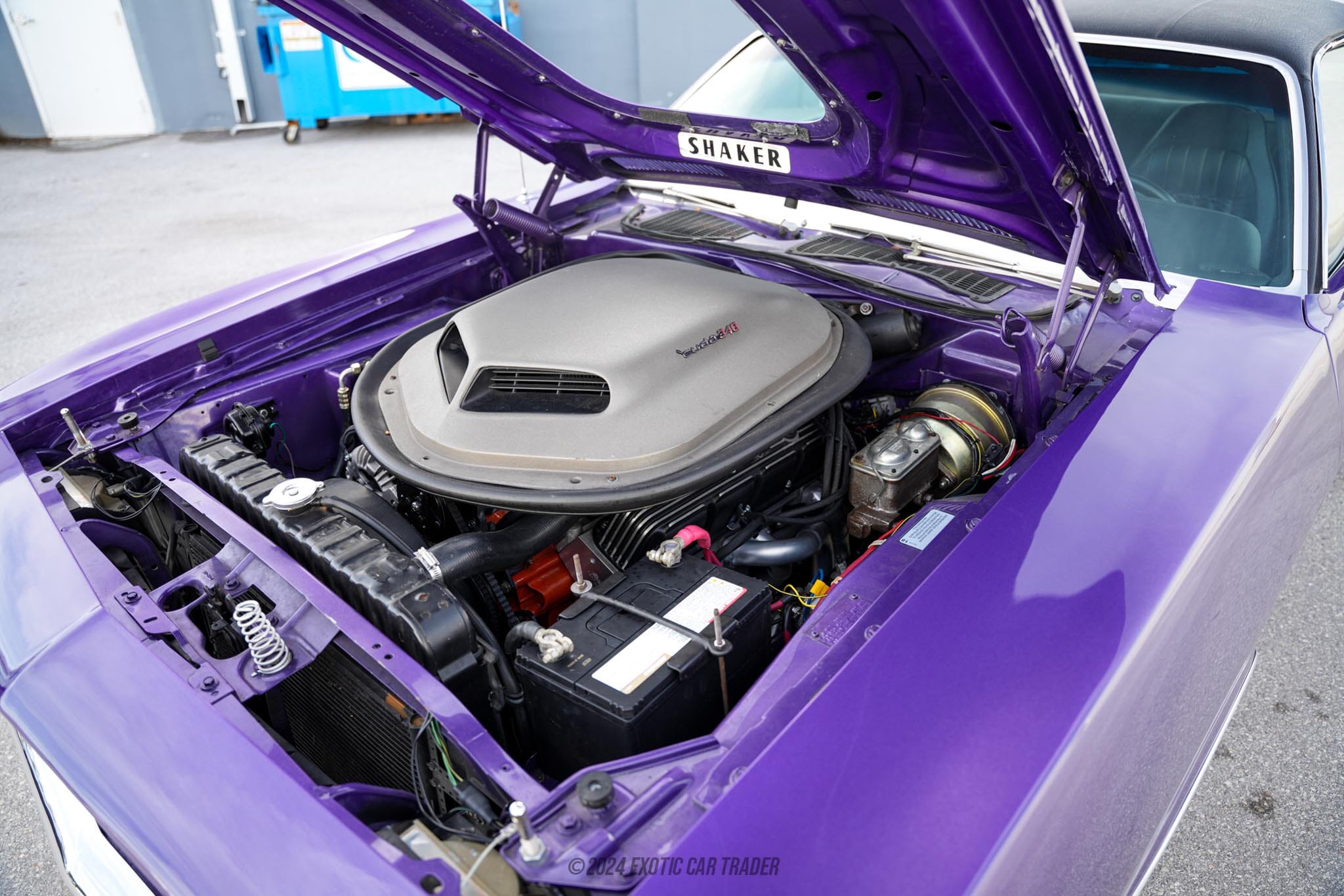
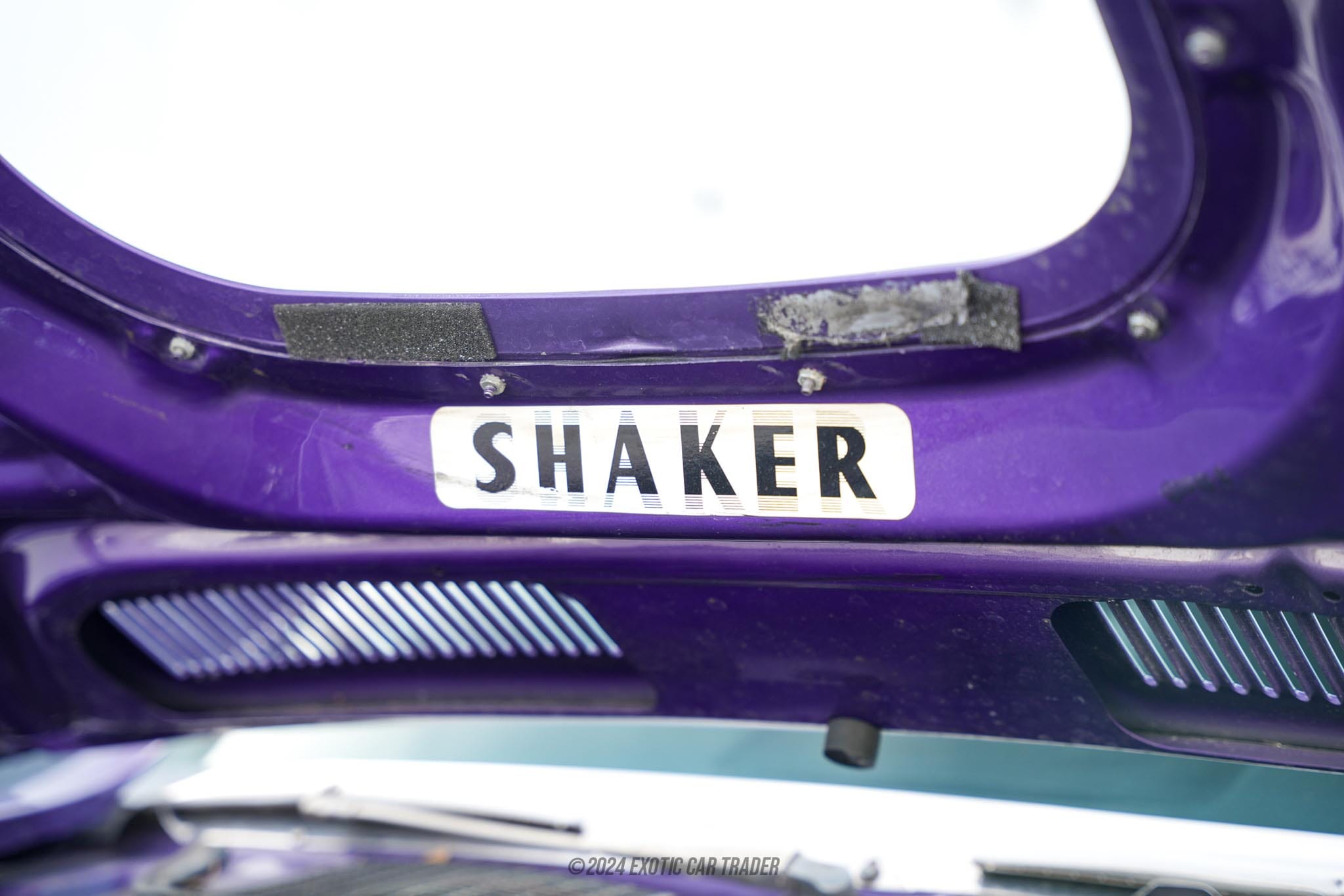
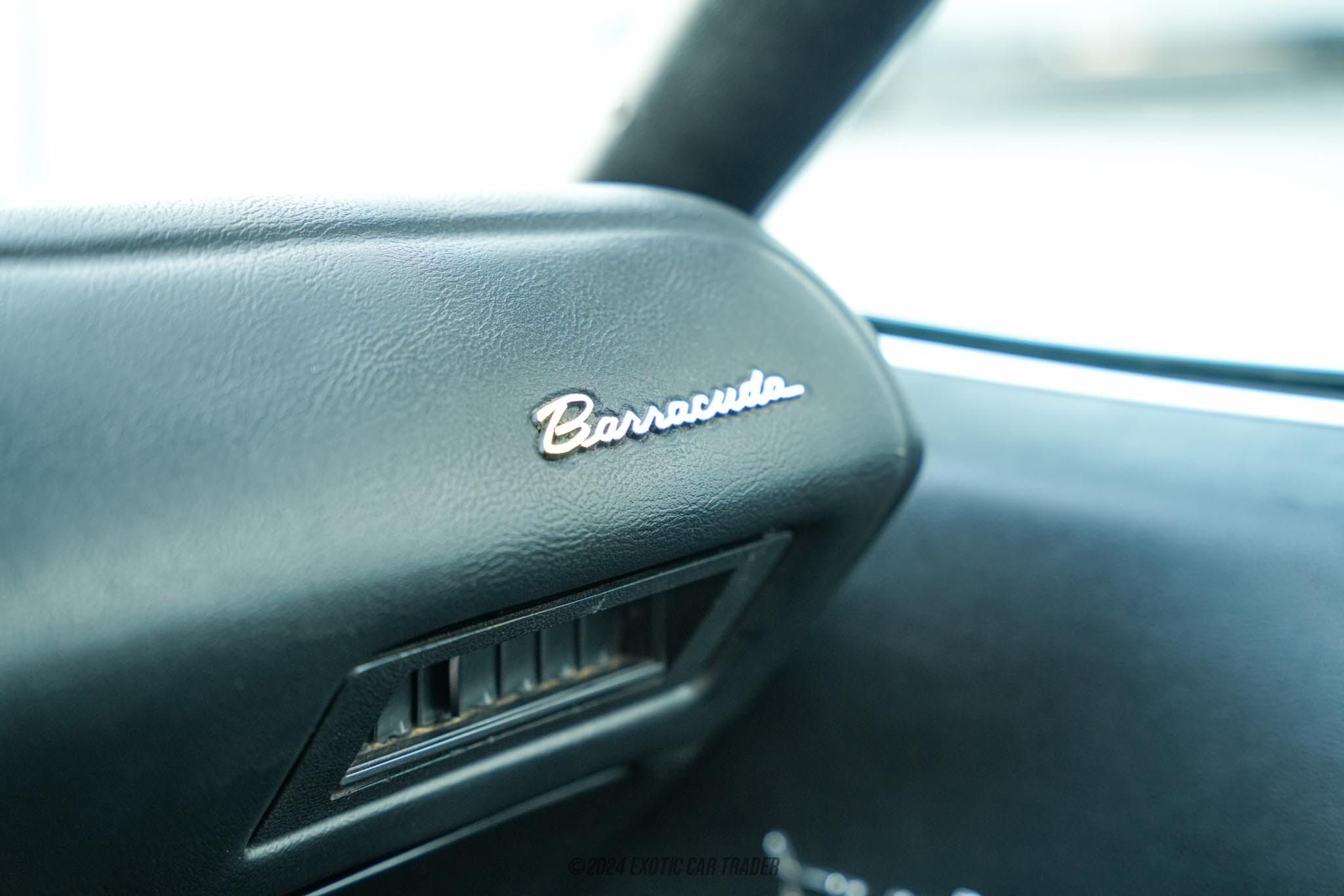
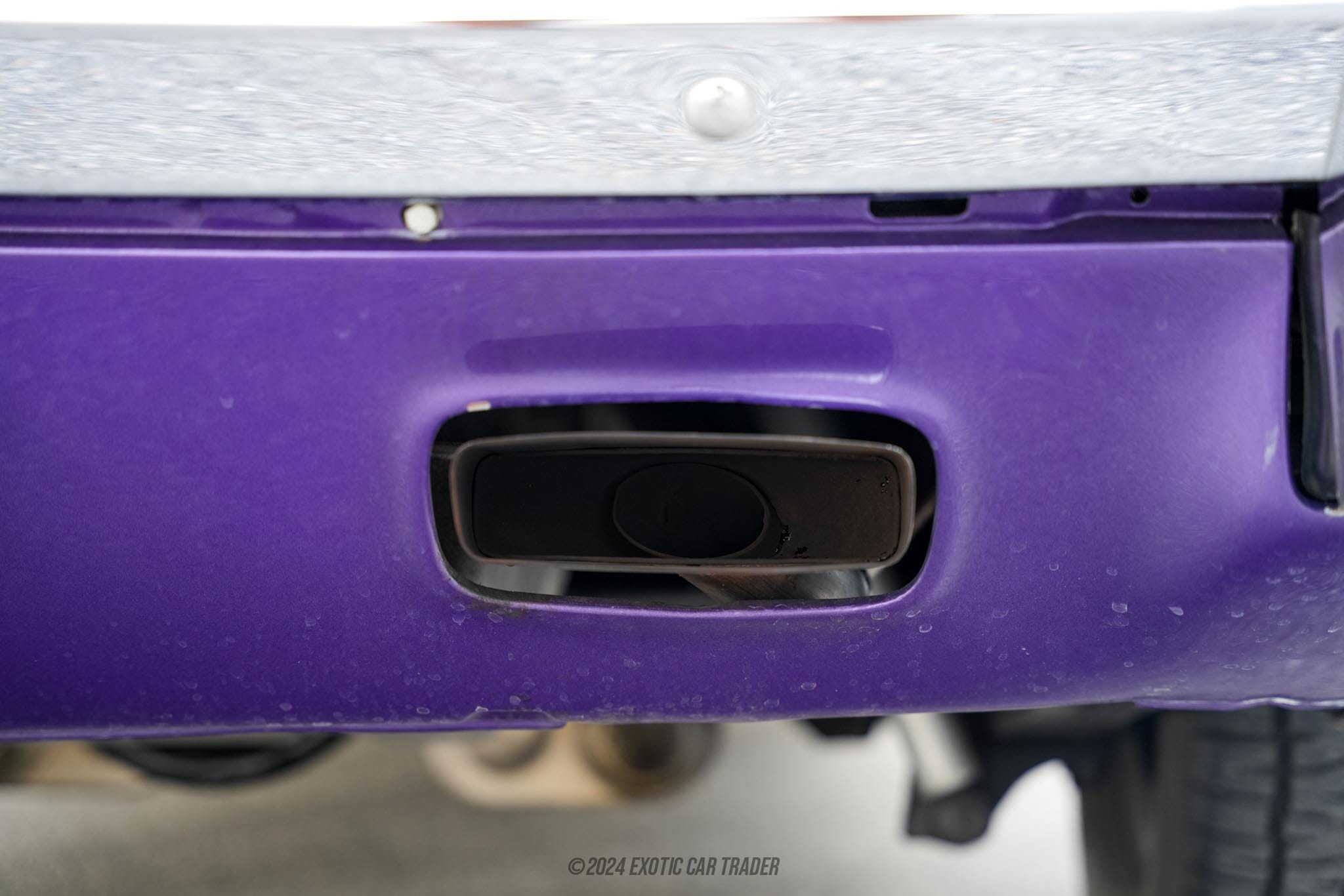
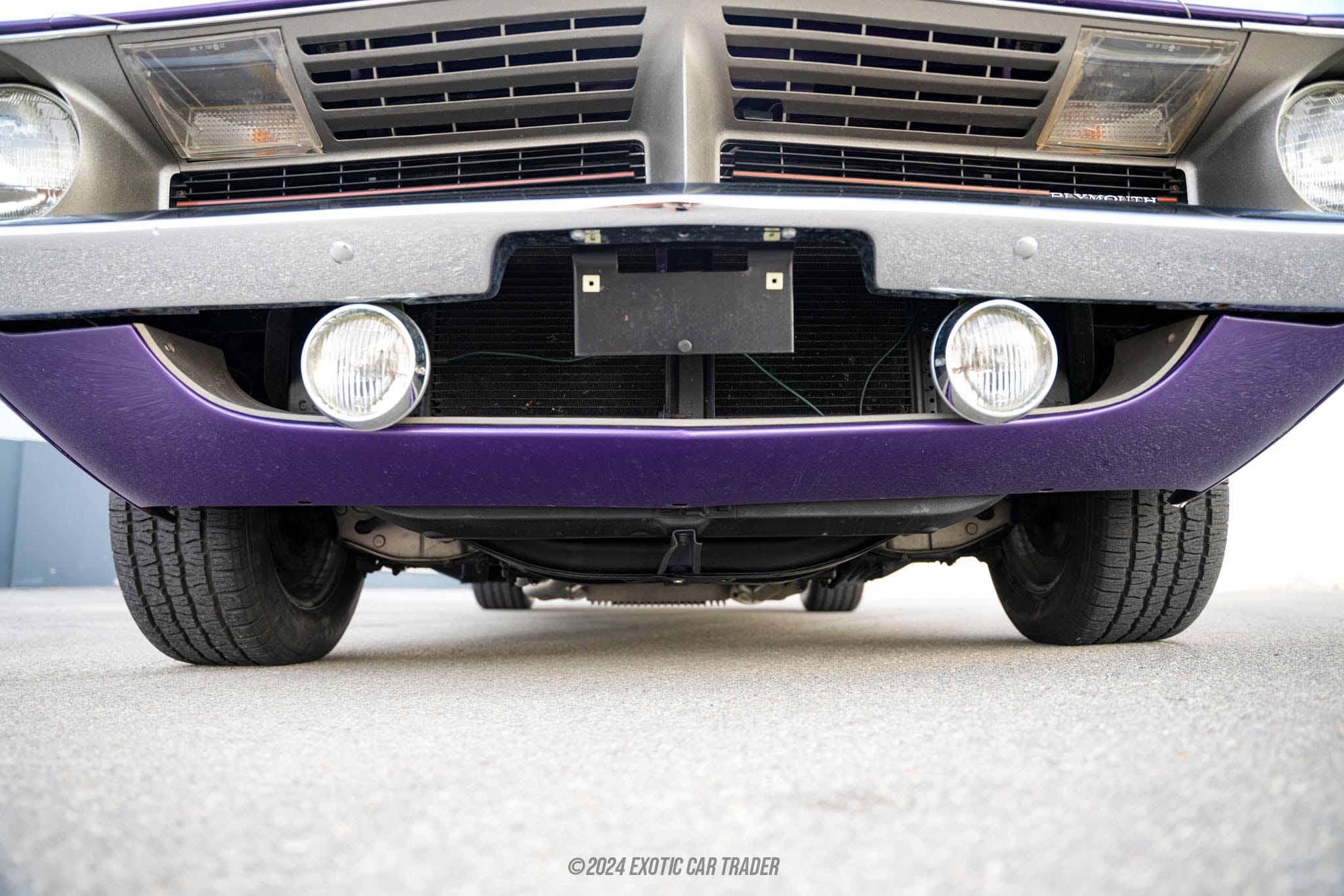
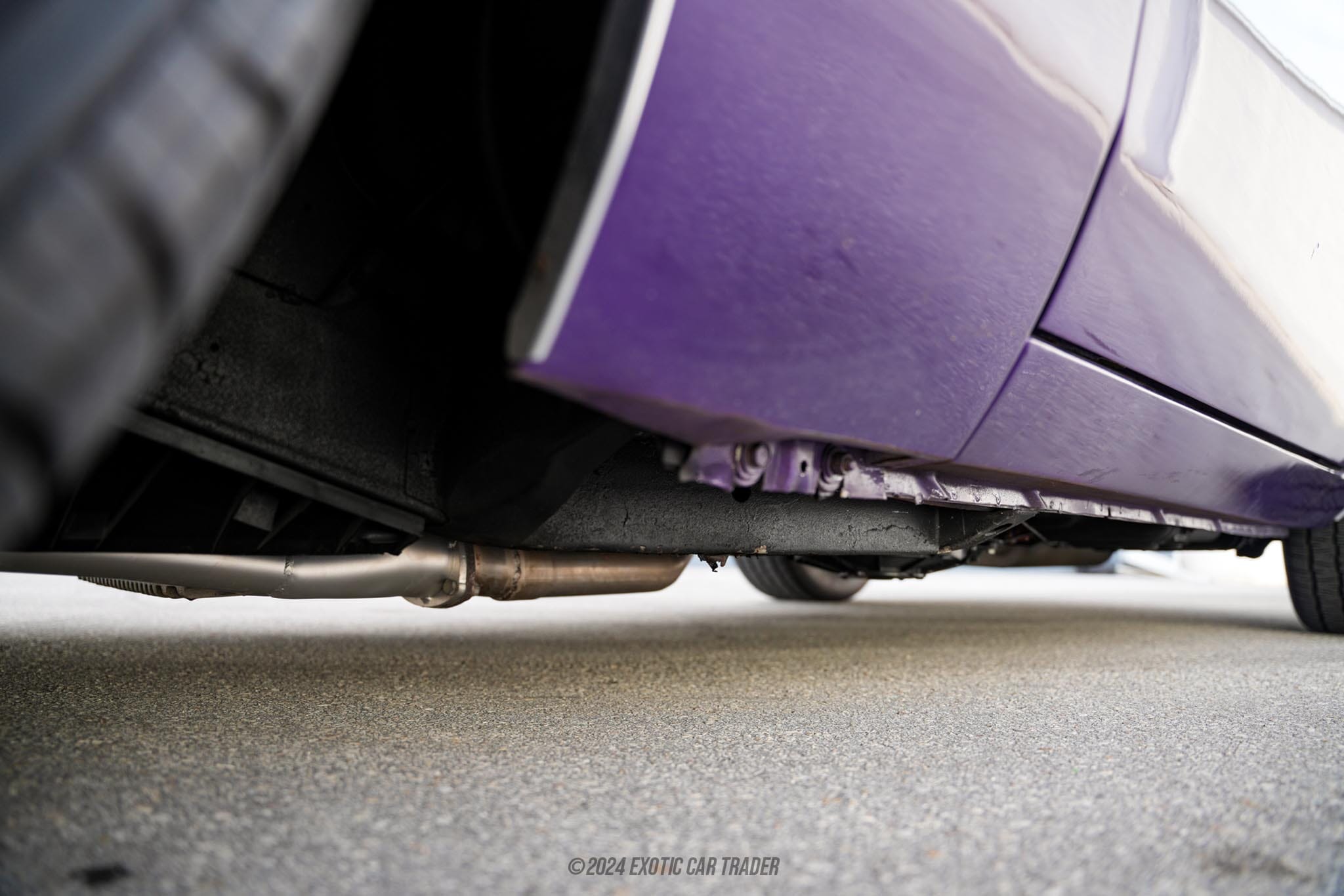
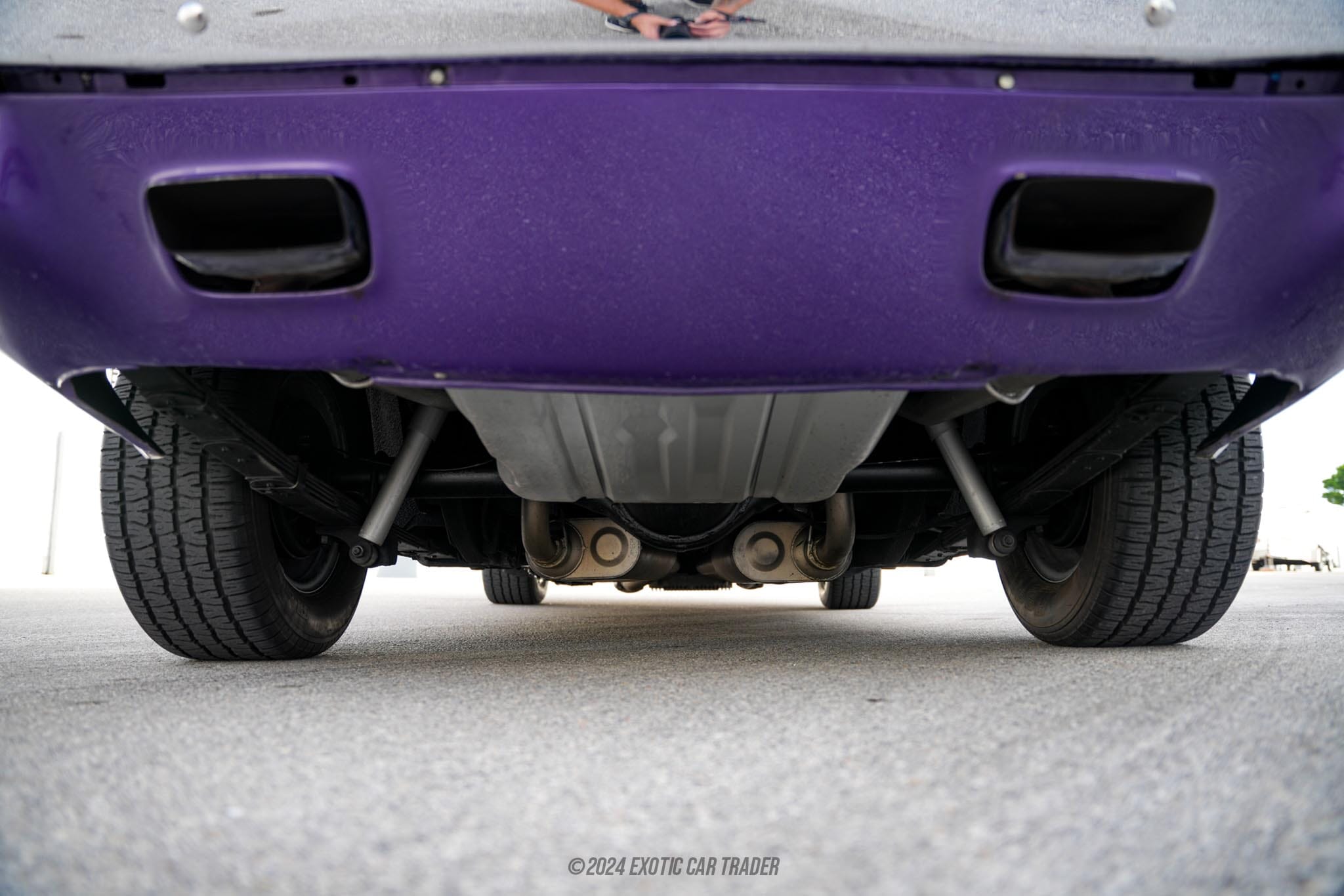
The Plymouth Barracuda needs no introduction to fans of the muscle car genre. By 1970 the model was in its third generation and was now based on the E-Body. It may have shared its underpinnings with the Dodge Challenger, but the sheet metal was completely different. Our featured car has been treated to an end-to-end restoration, with the owner reporting a new paint job, new engine, and new transmission. The motor itself has been upgraded with a Blueprint 408ci stroker engine in place, and there’s a host of other tasty upgrades that separate this 1970 Plymouth Barracuda from the herd.
Exterior and Interior
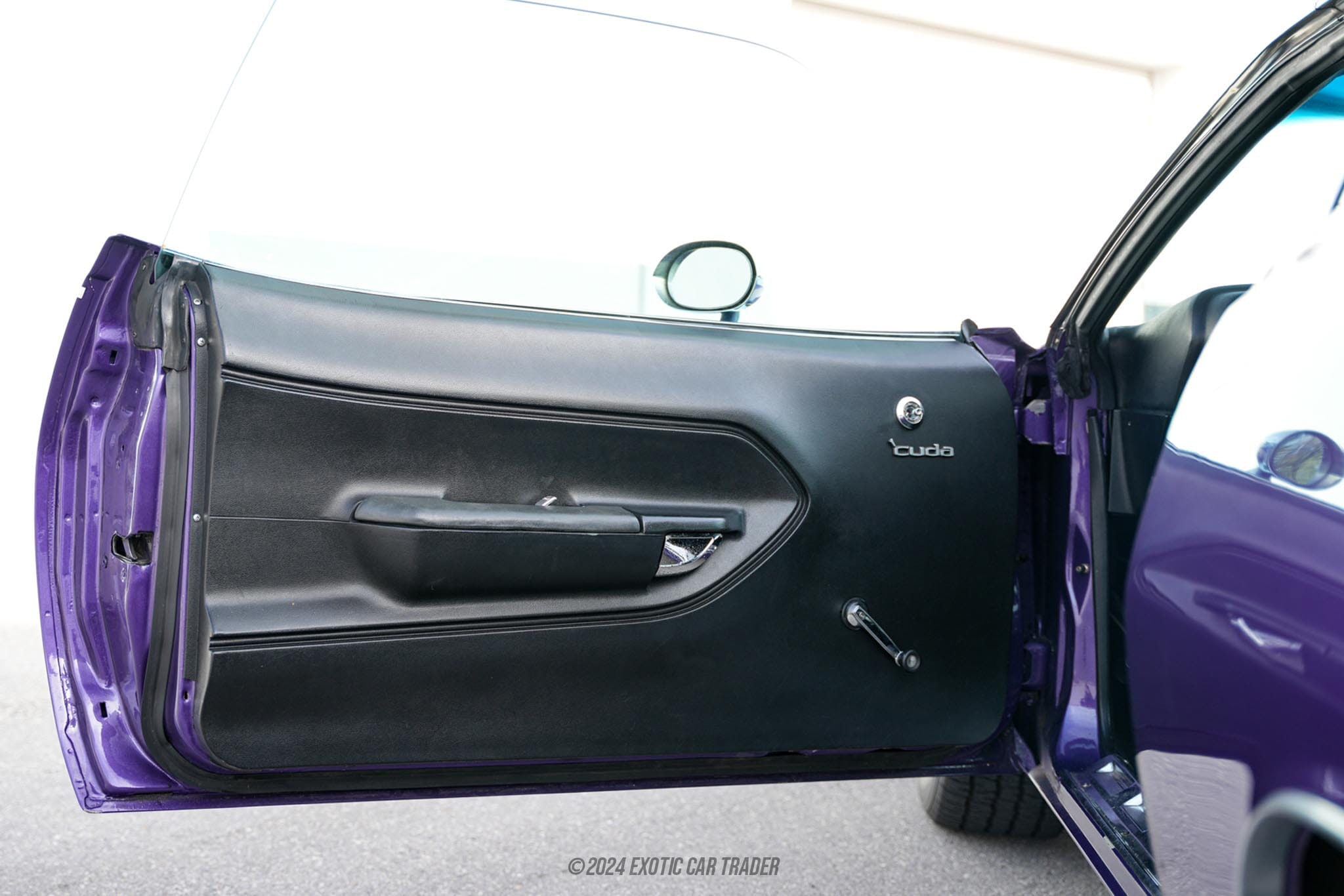
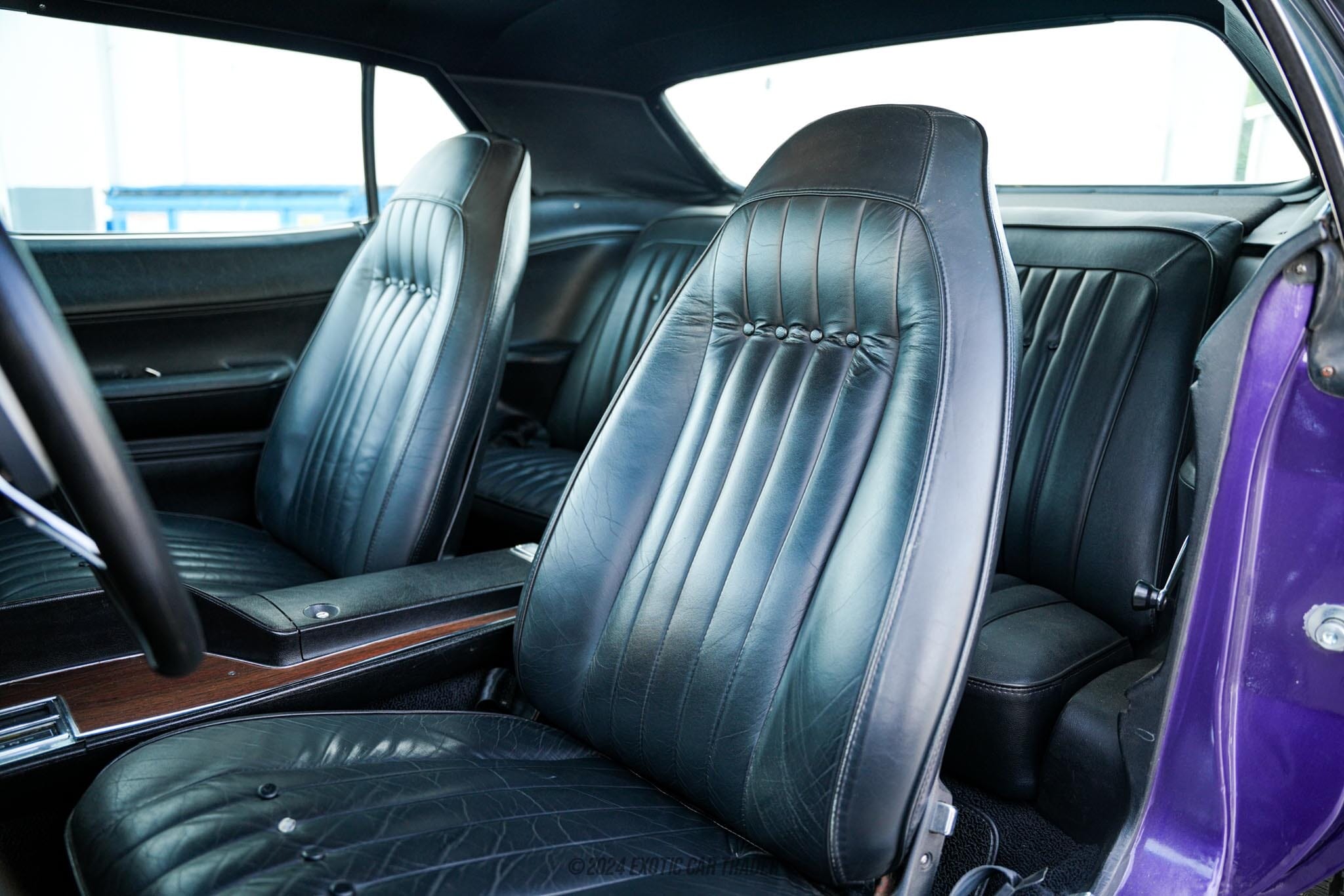
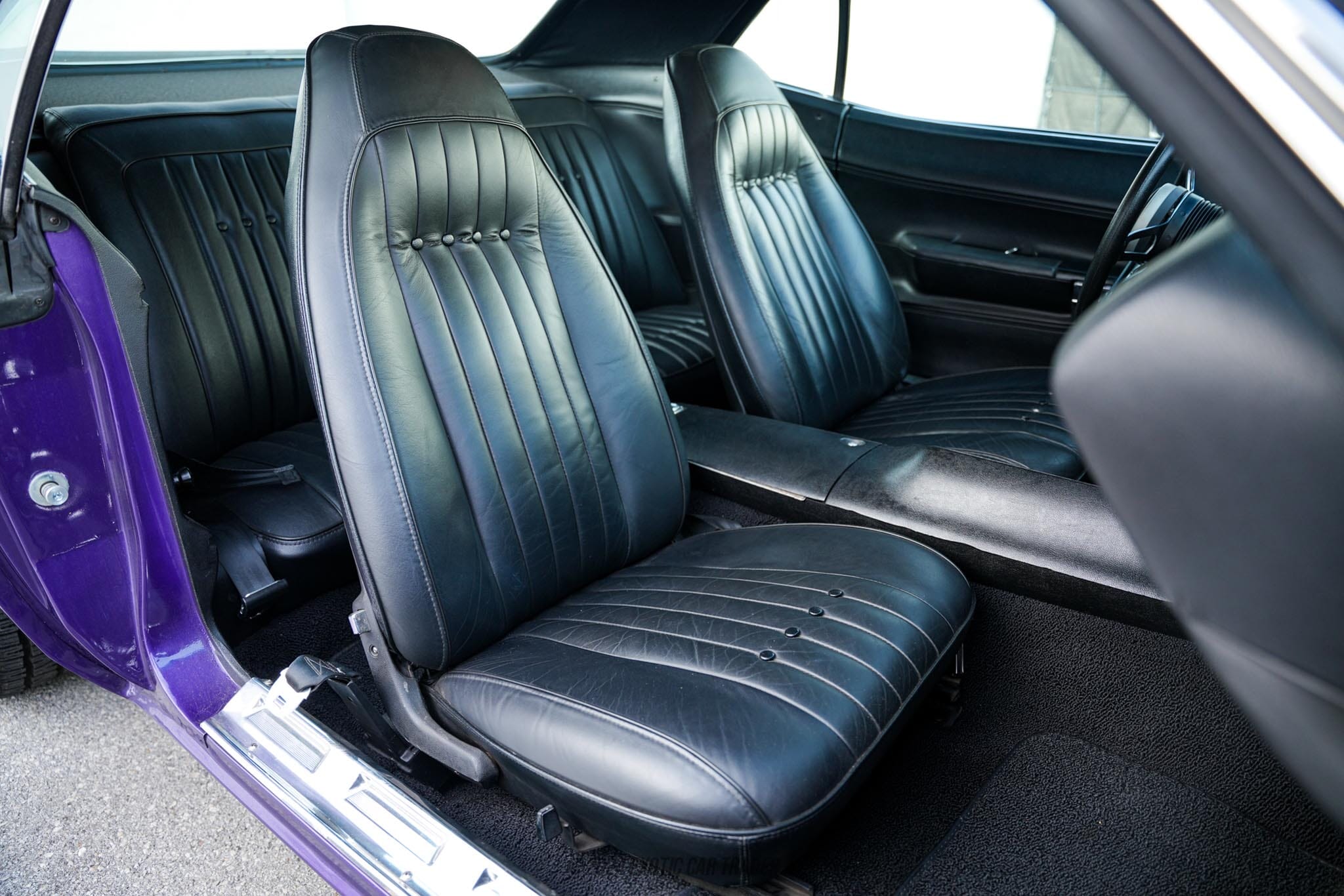
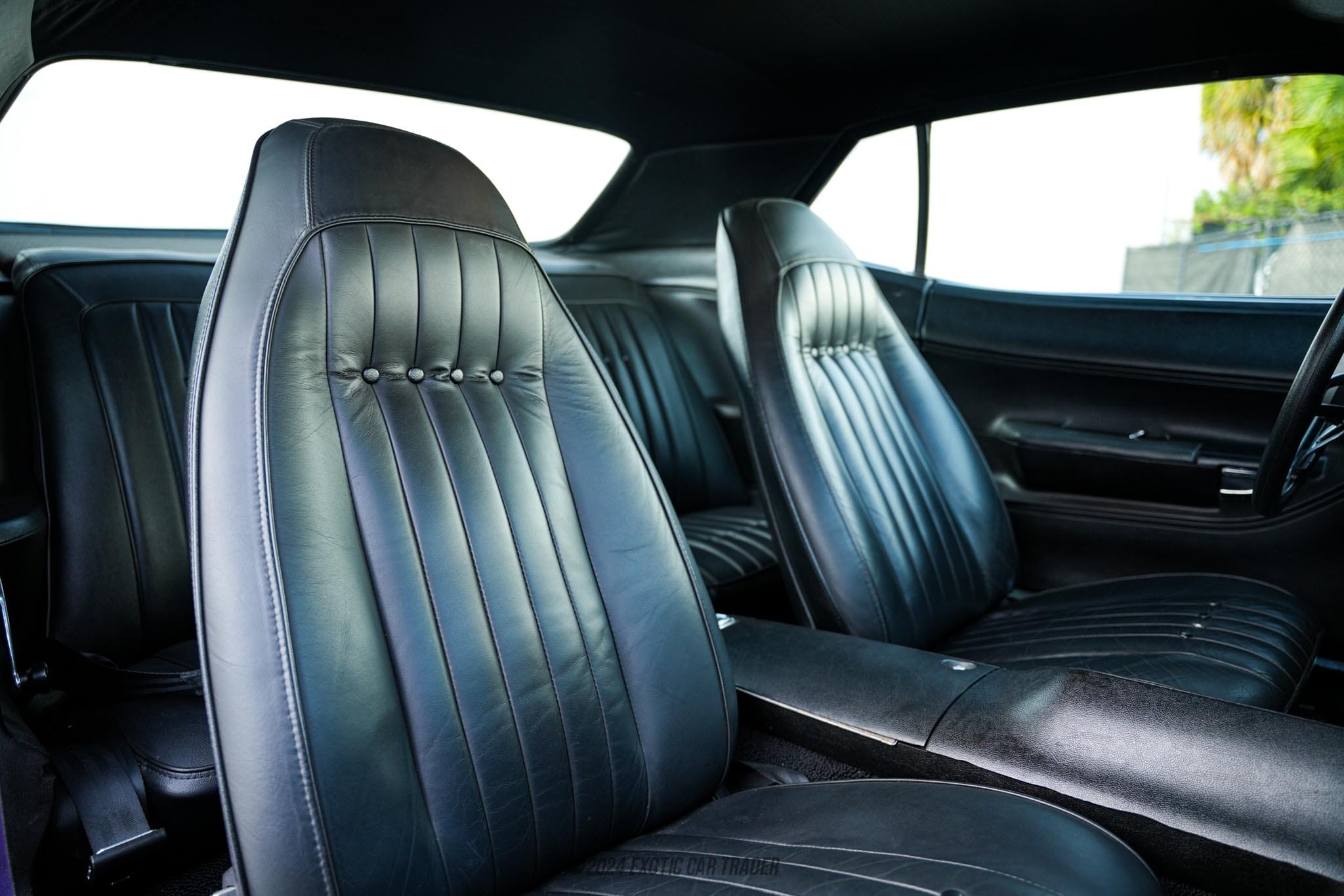
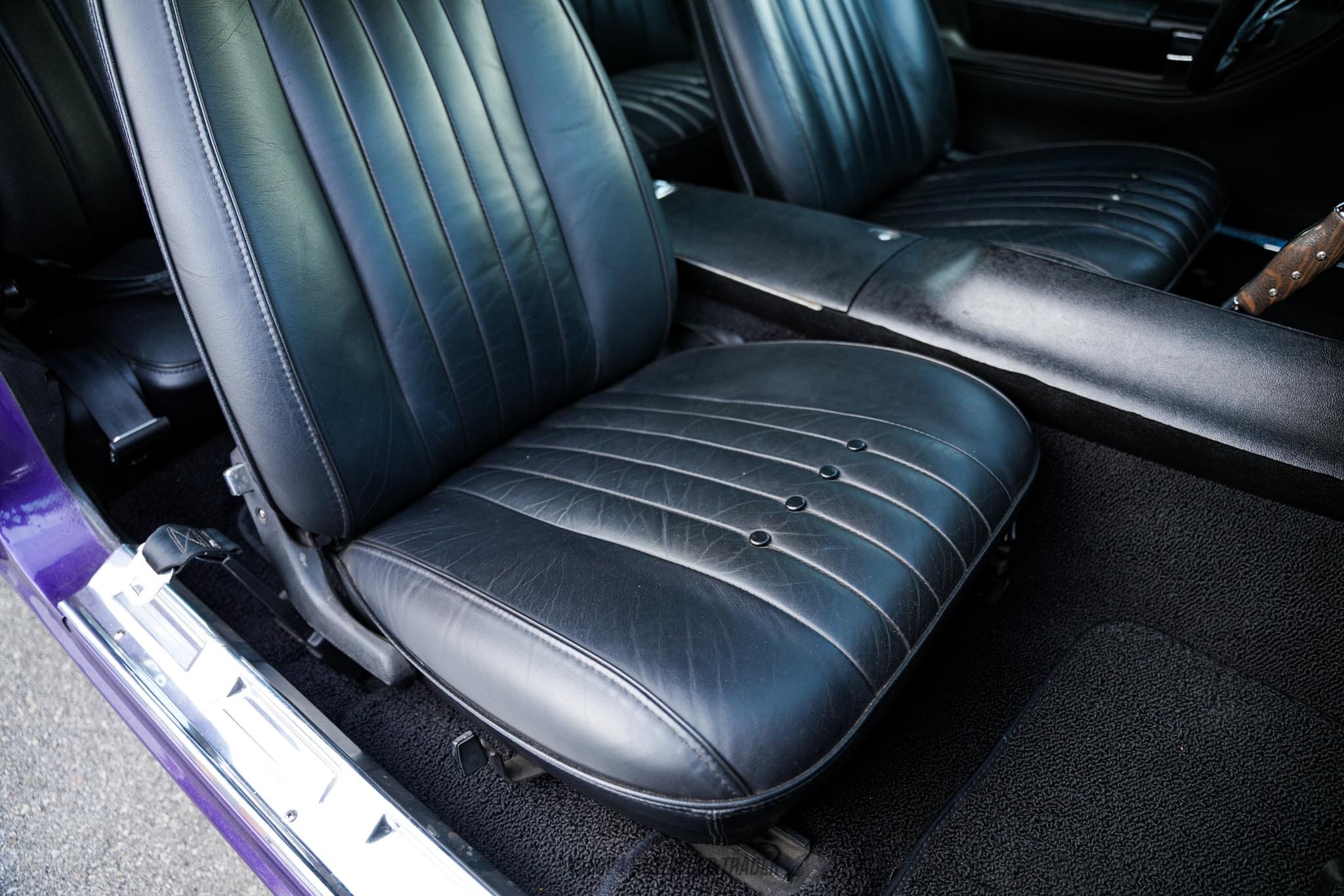
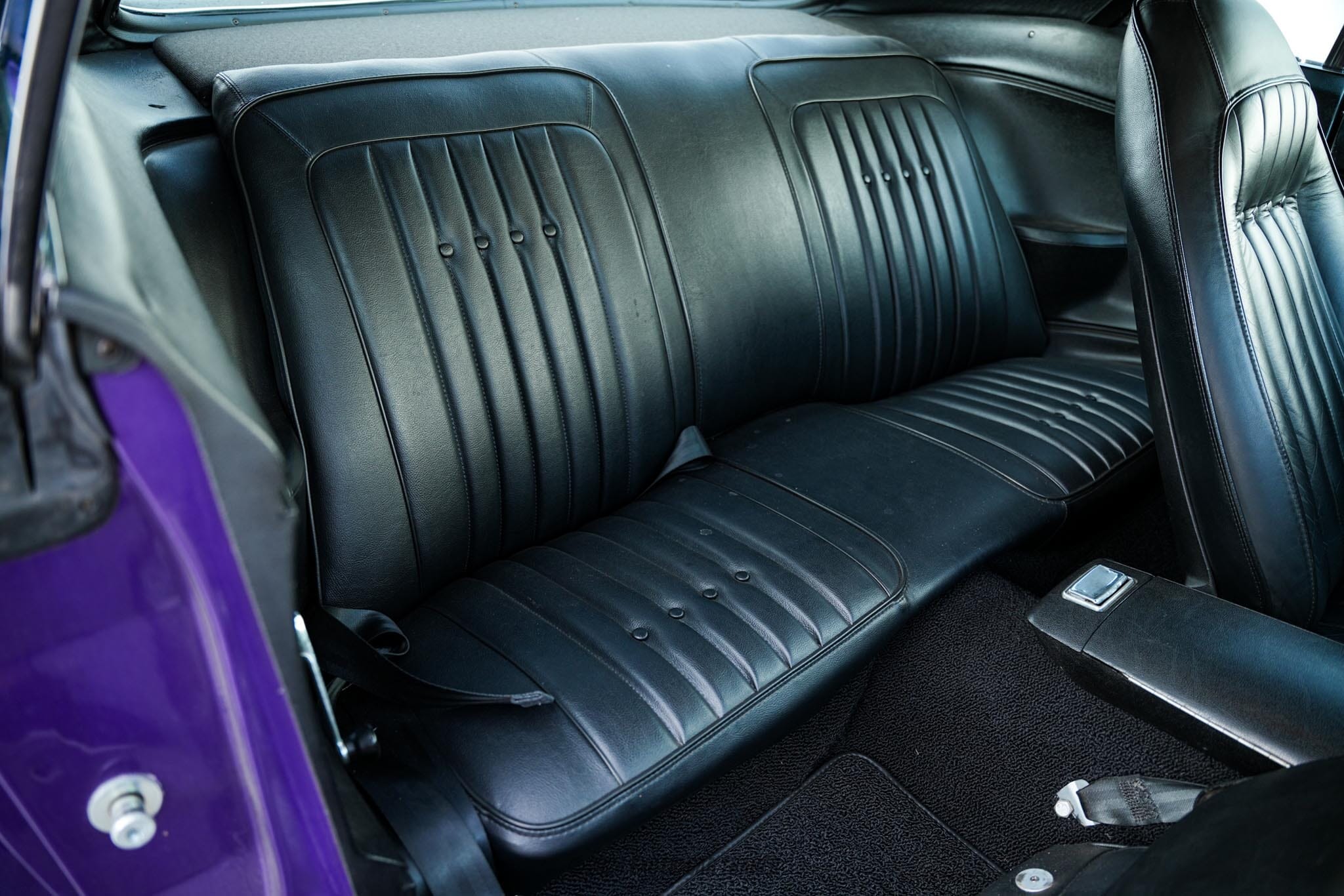
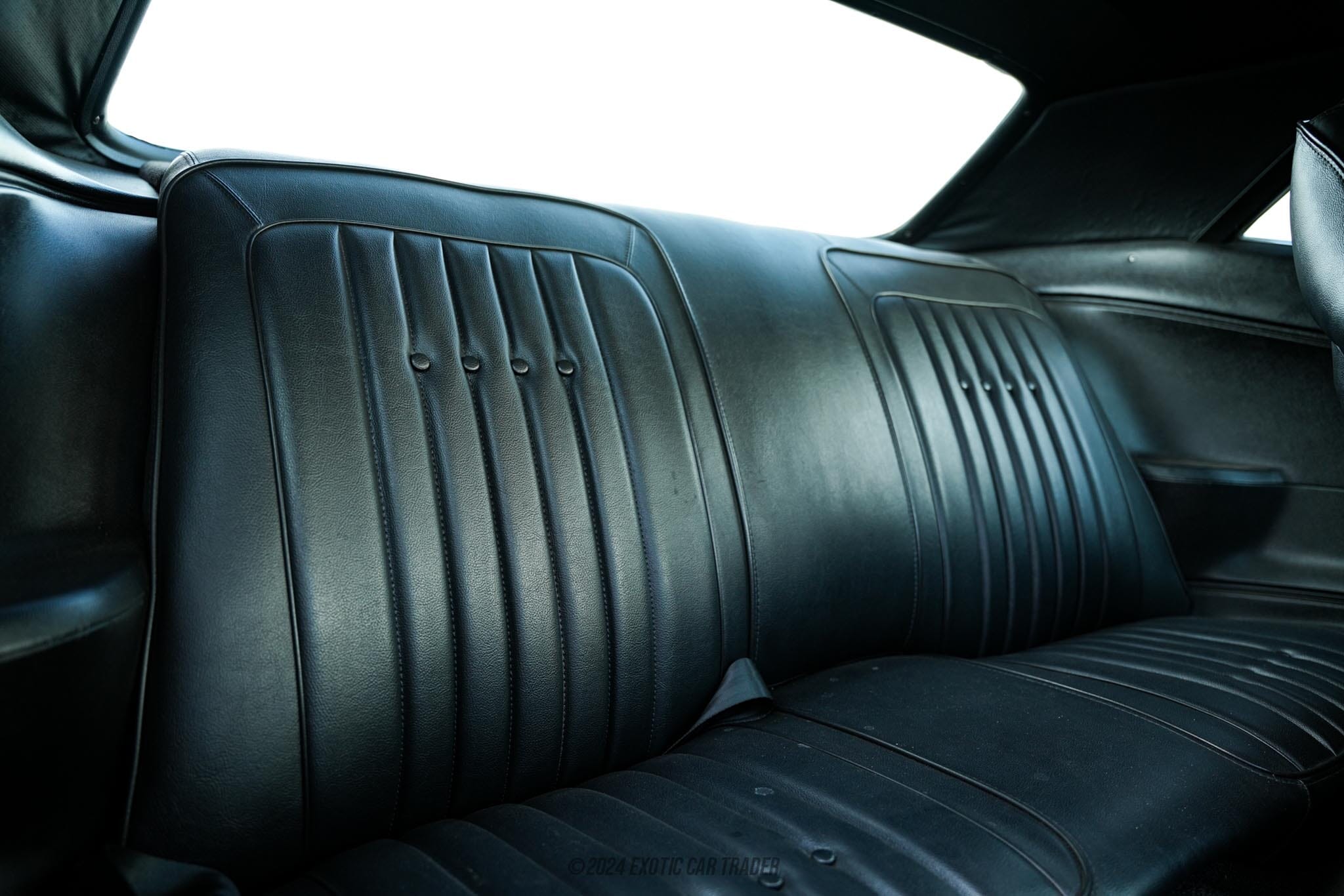
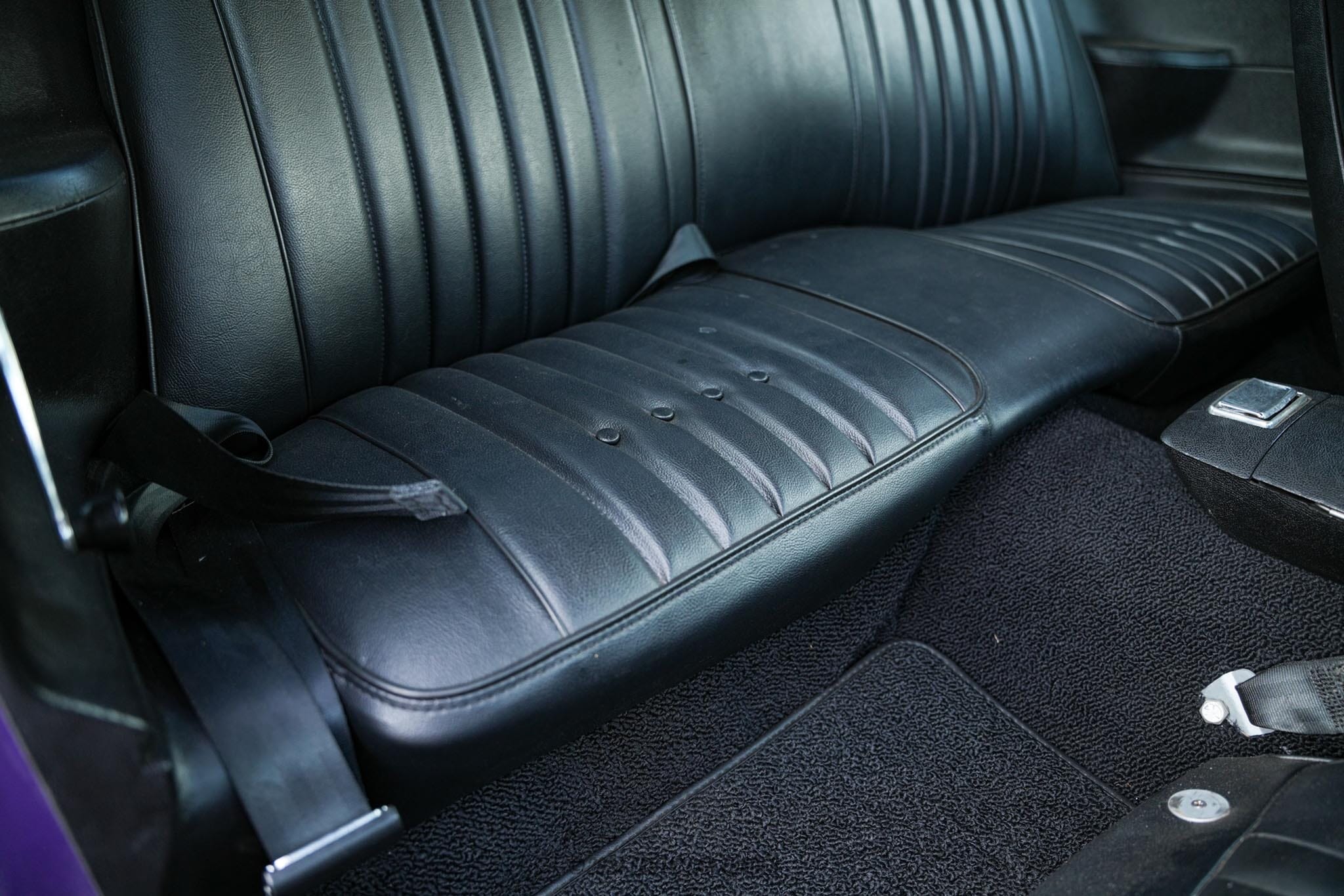
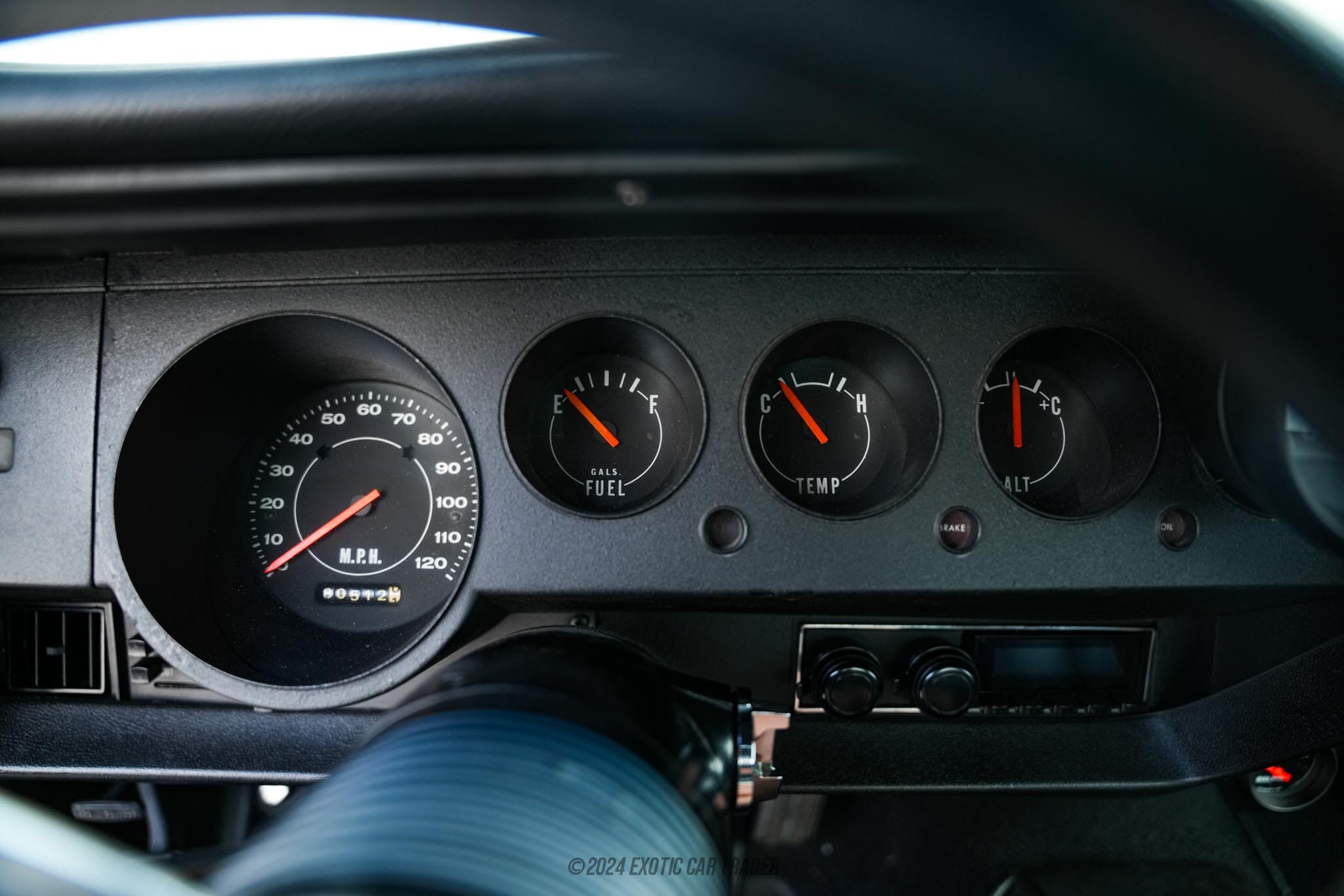
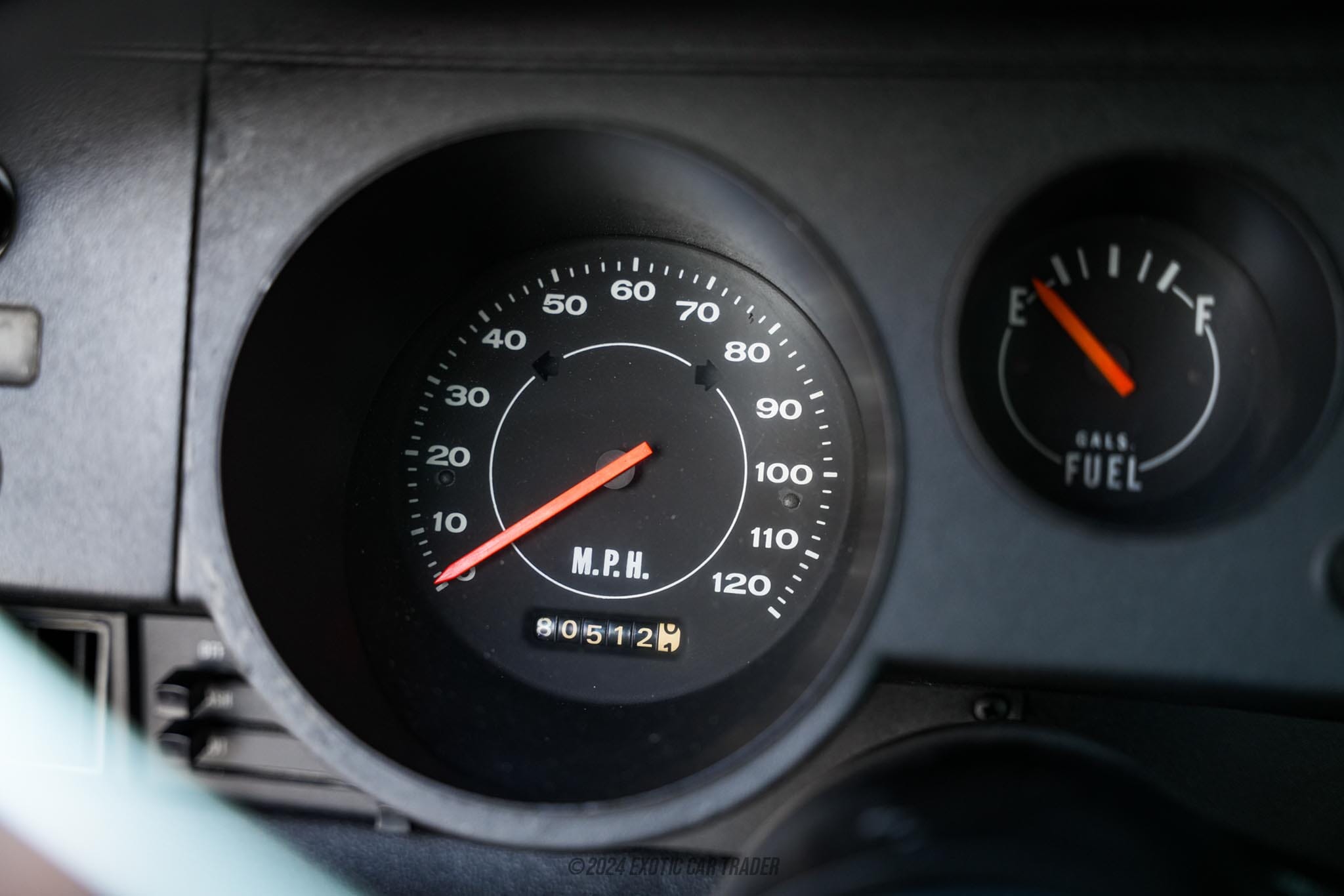
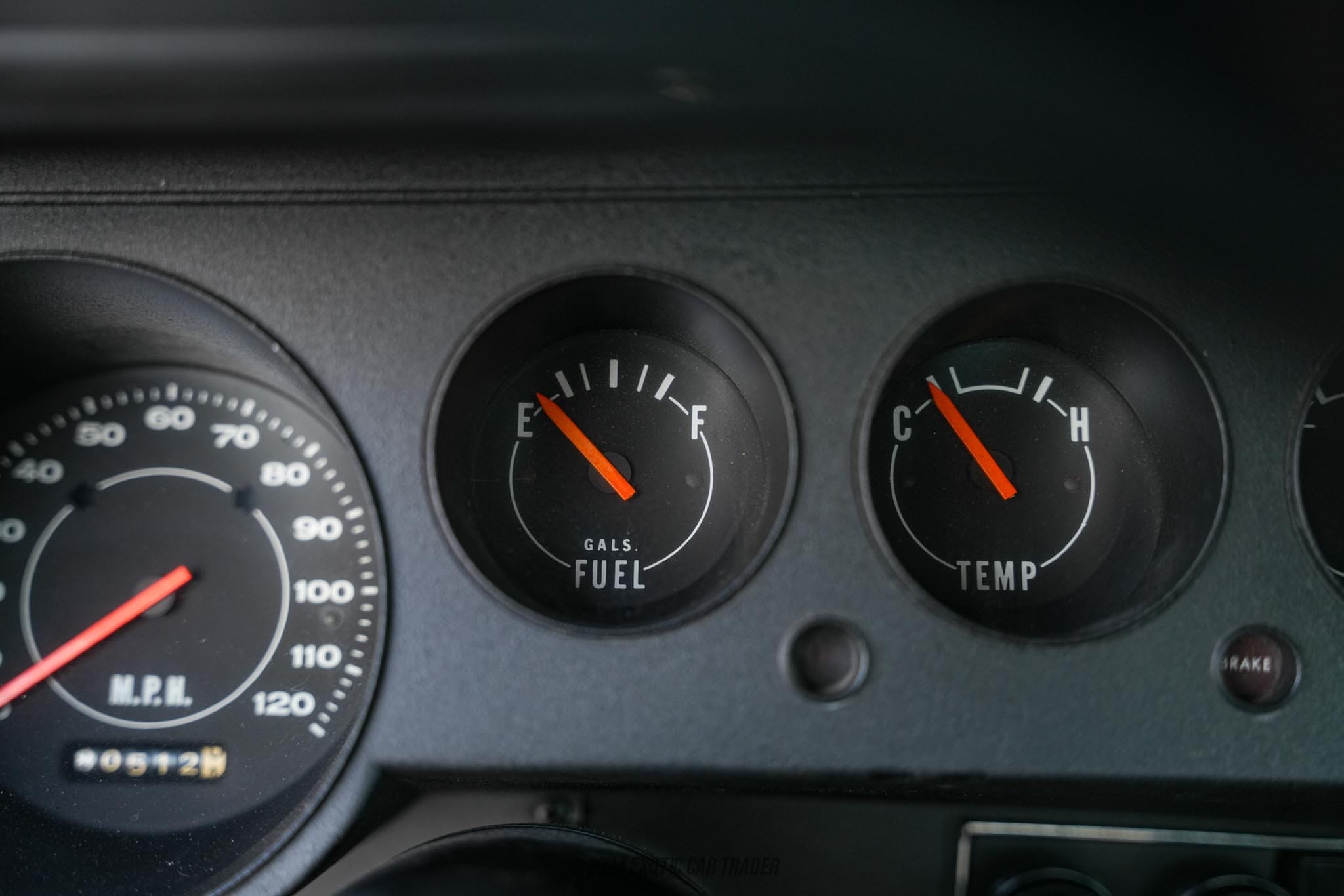
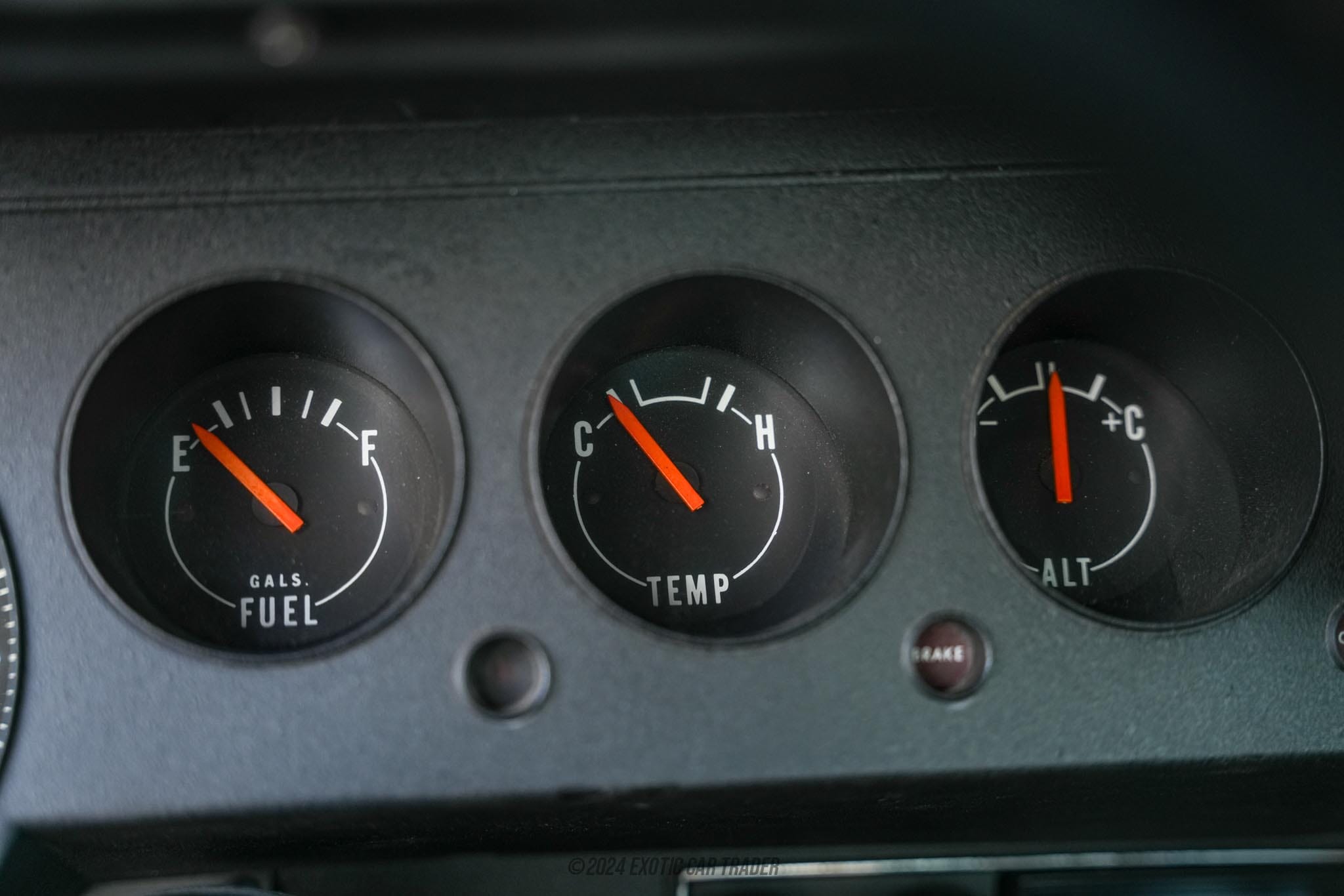
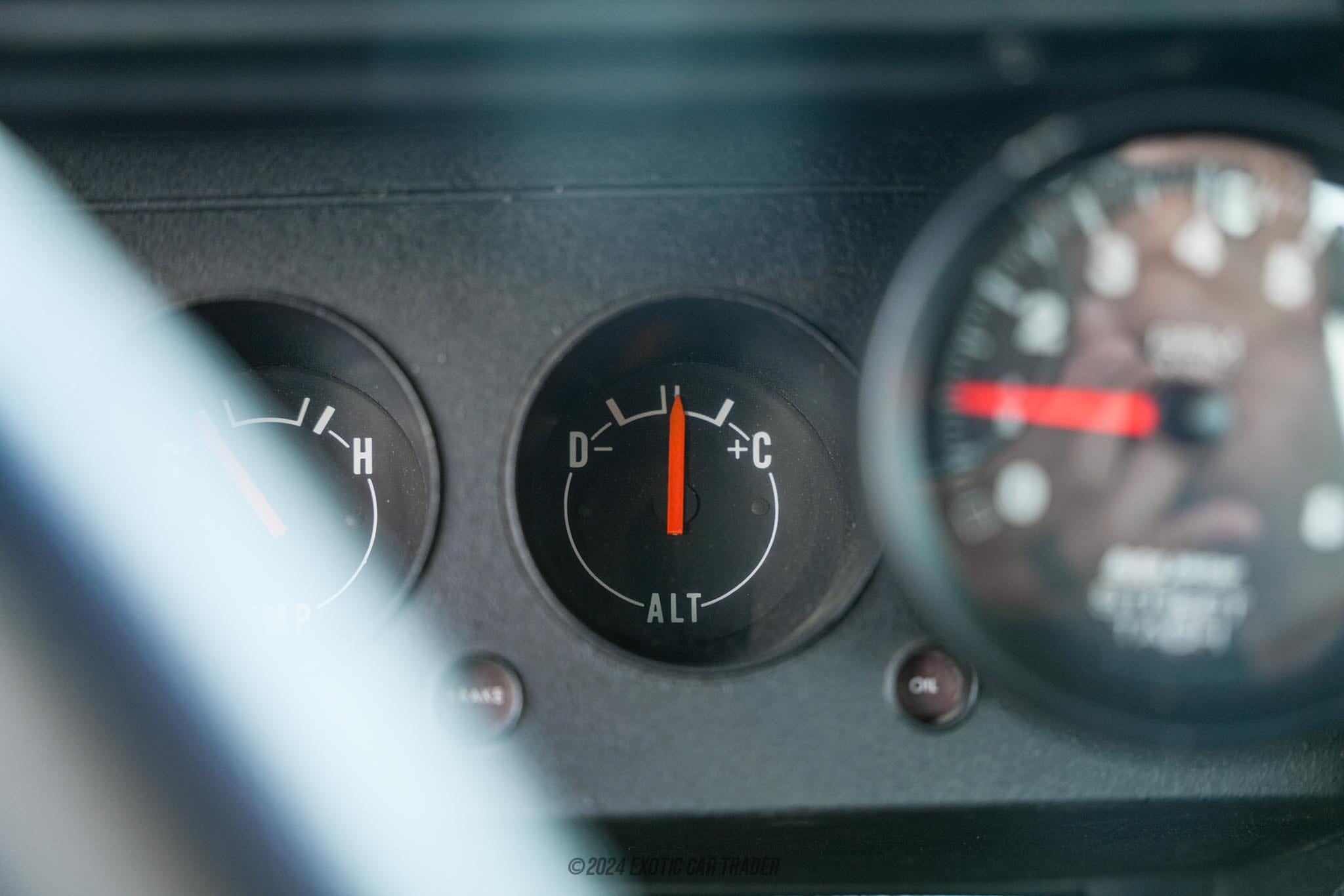
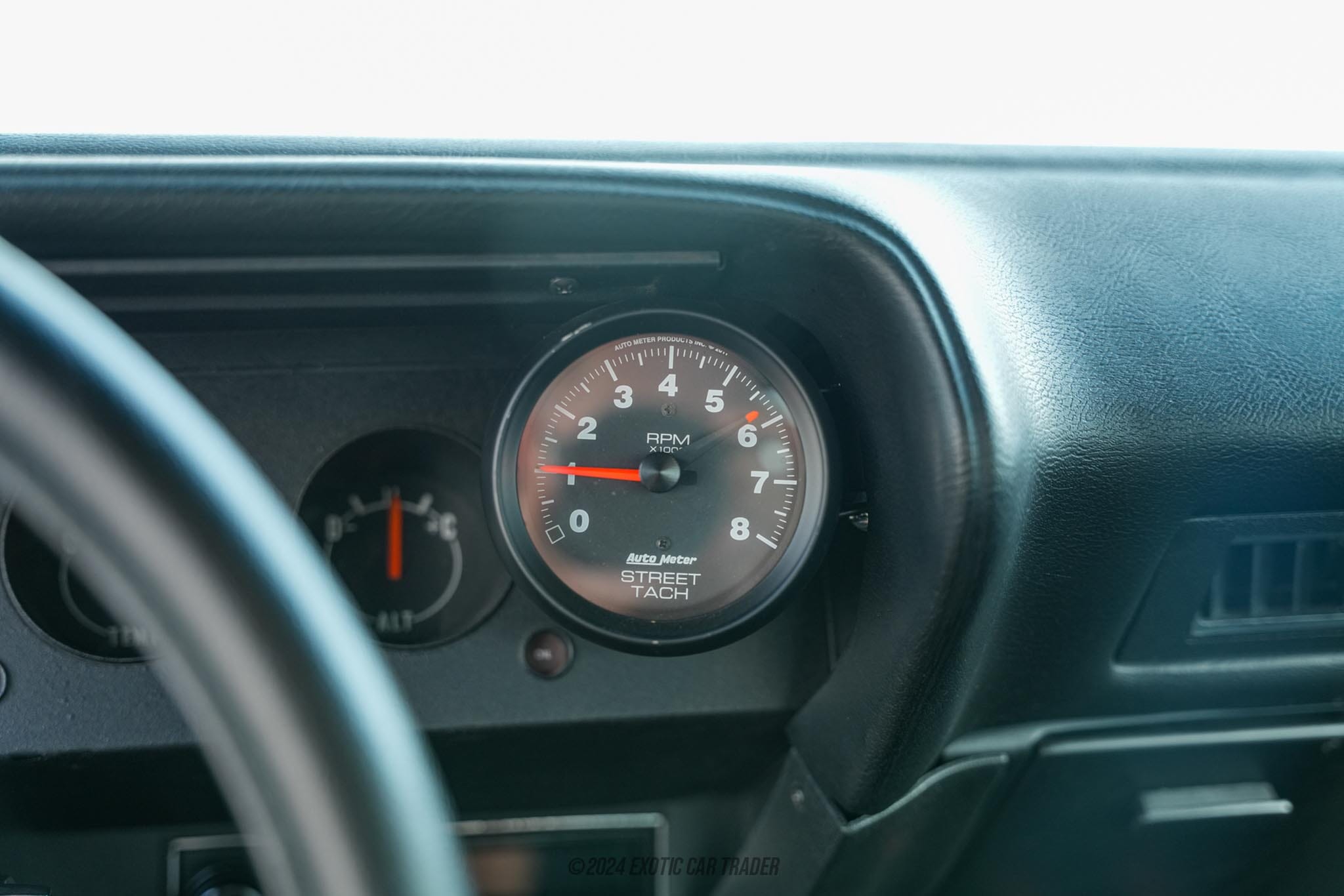
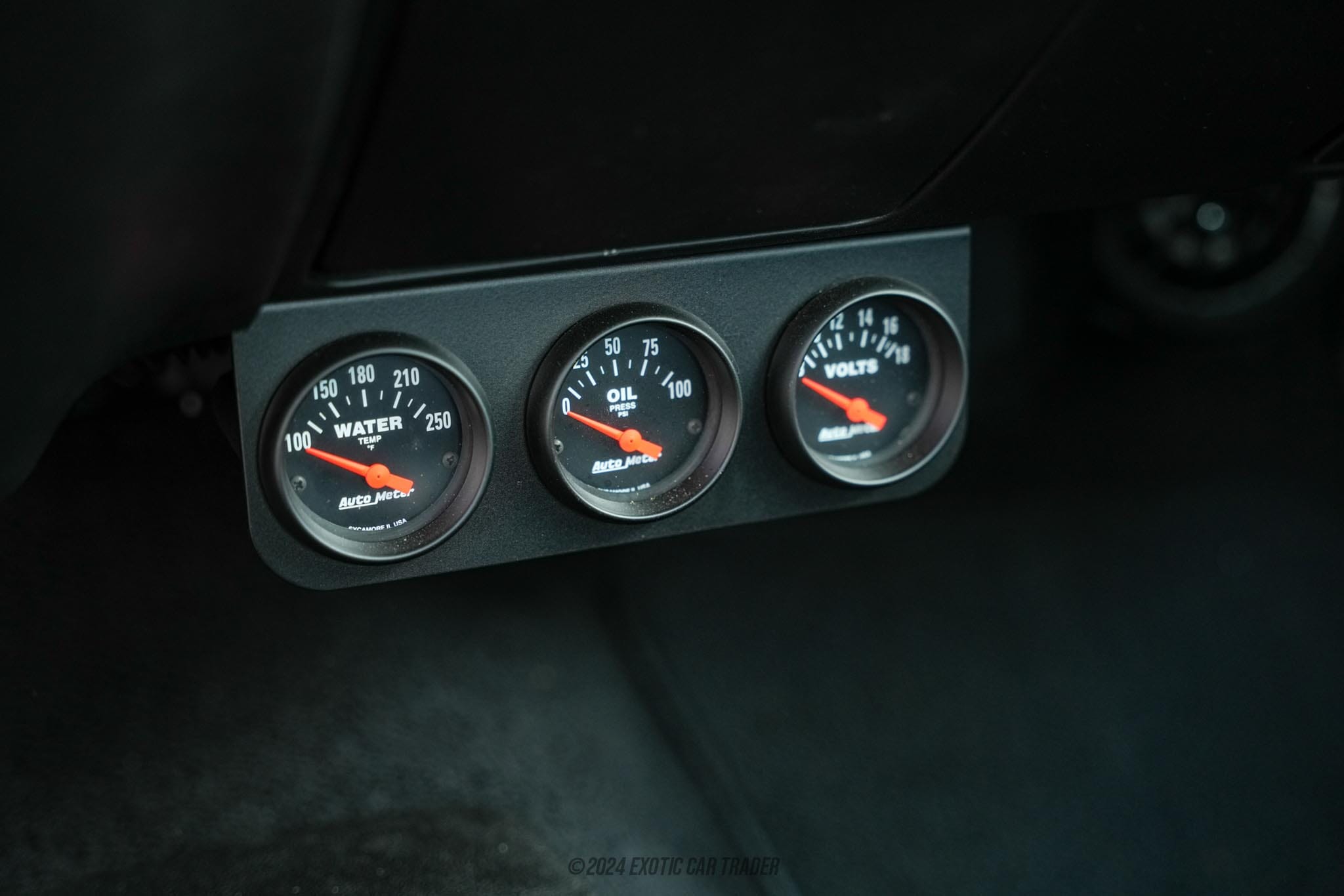
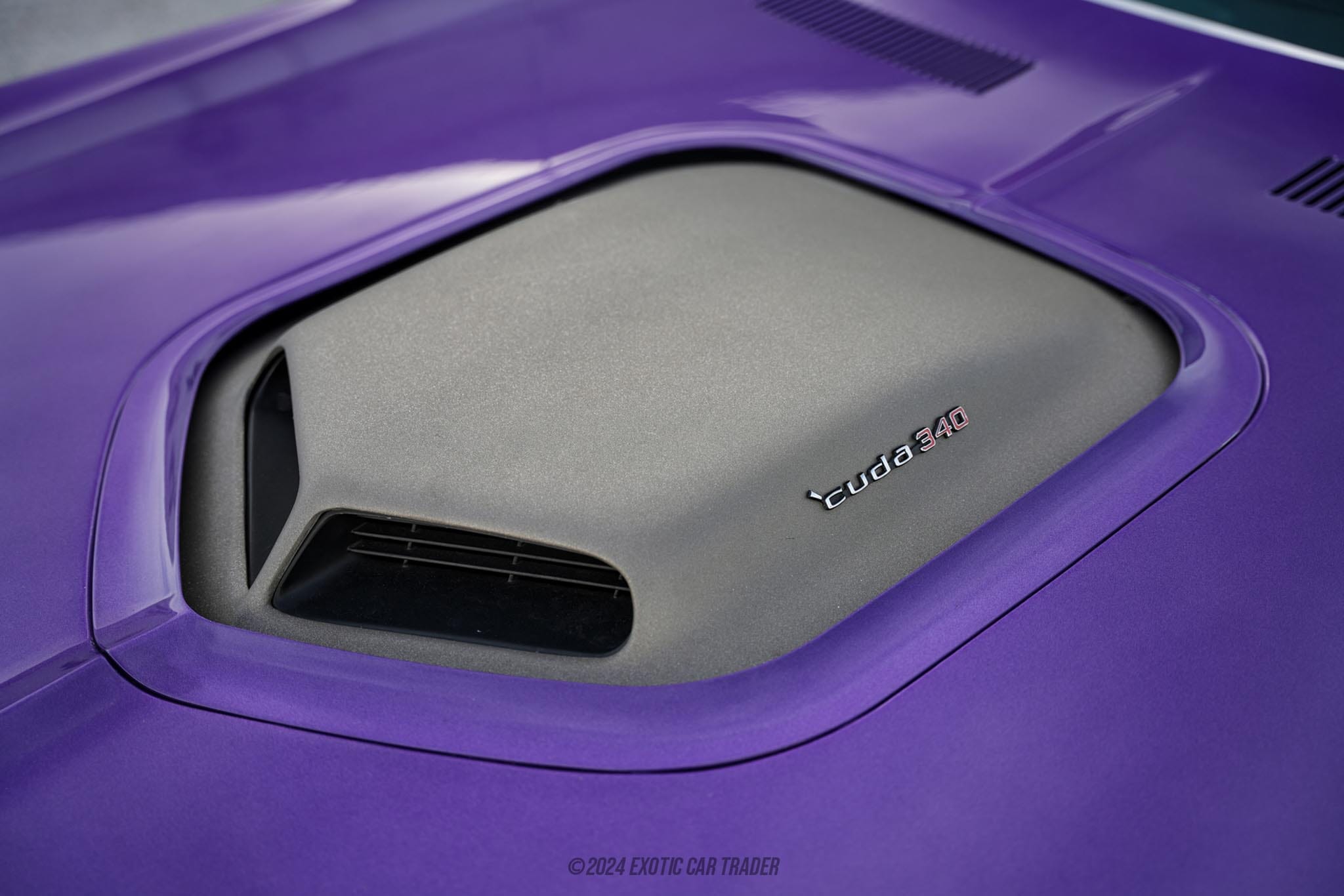
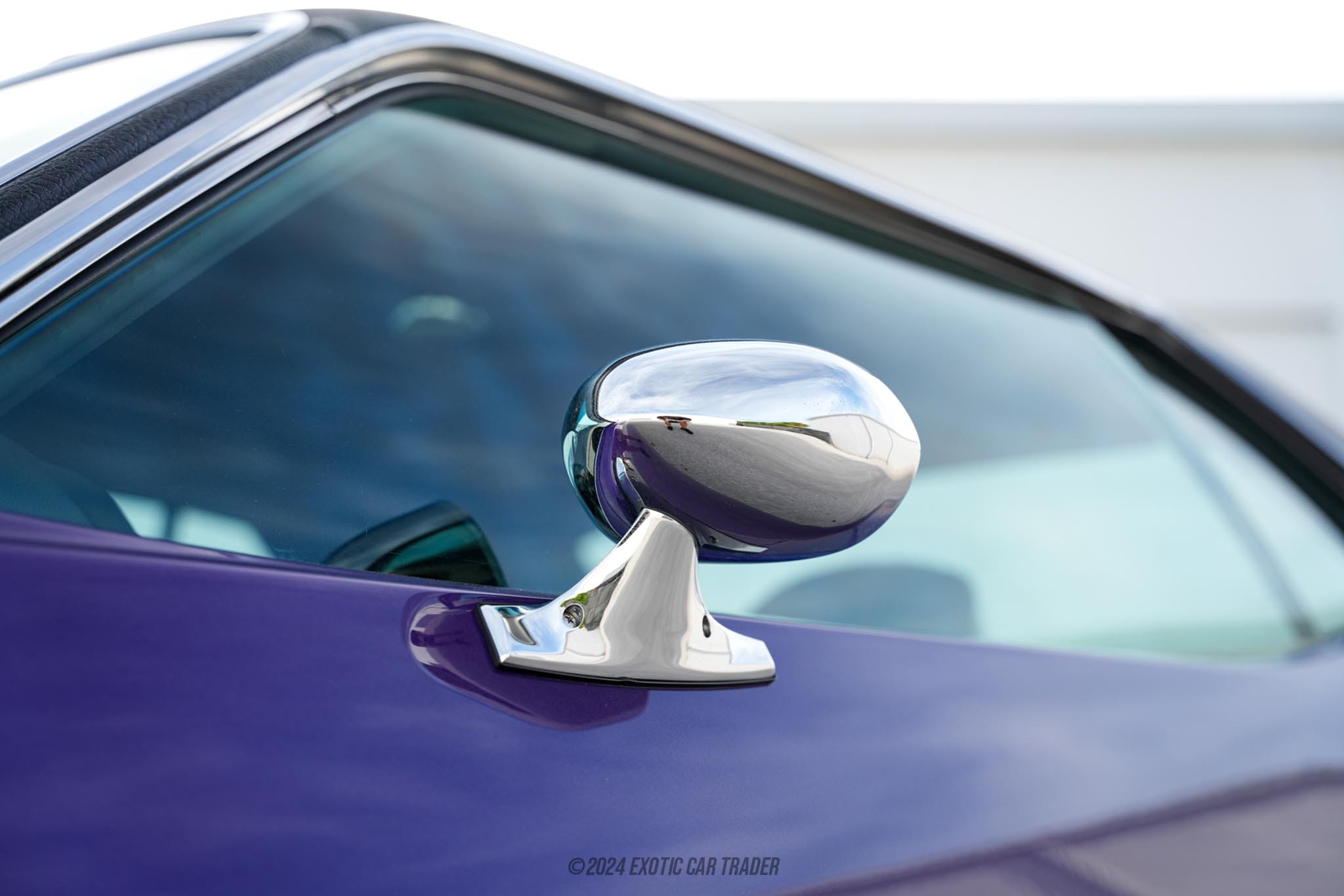
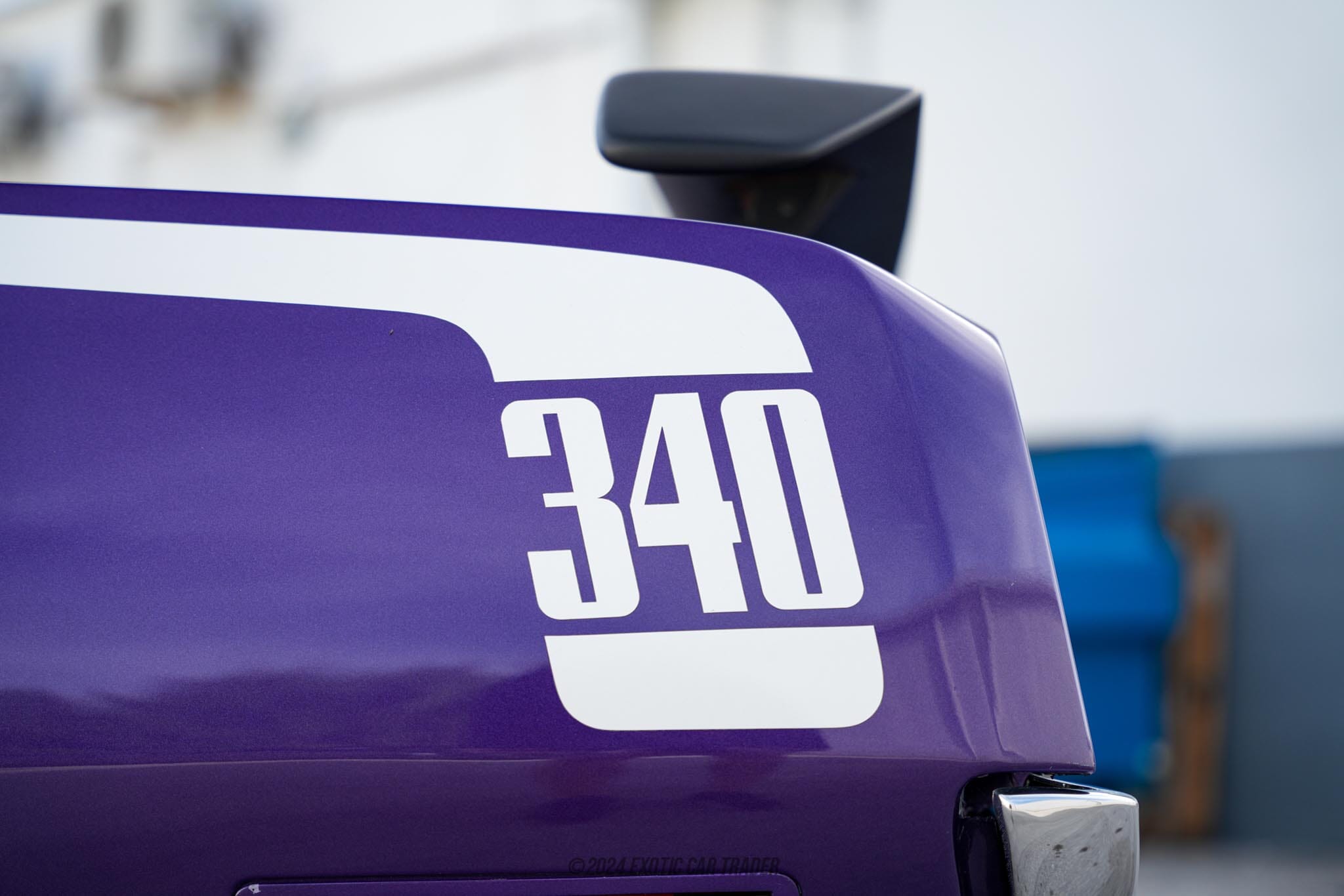
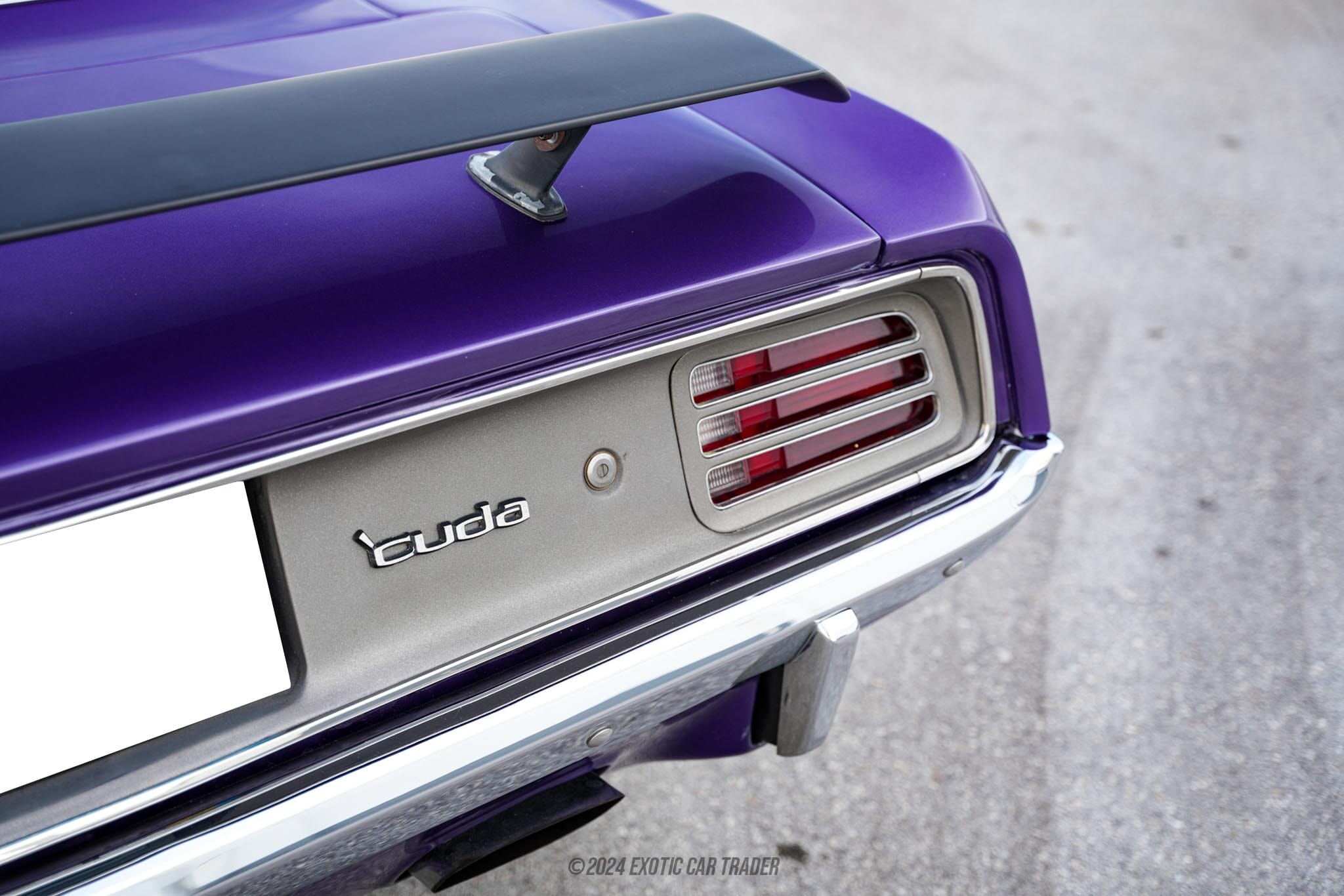
The first thing you’ll notice is the striking paint job. It’s a shade of paint well-known in the muscle-car community: Plum Crazy Purple. The owner tells us that it's a custom job, and it perfectly highlights this car’s lines. The purple is beautifully set off with a contrasting vinyl roof, while you’ll also notice white 340 stickering on the rear fenders. This 1970 Plymouth Barracuda sits on period-looking 15-inch steel wheels which are wrapped in new BF Goodrich rubber with white-lettered sidewalls. Inside, you’ll find a black interior that blends originality with useful upgrades. There’s also a bank of AutoMeter auxiliary gauges that monitor water temperature, oil pressure, and voltage. There’s a pistol grip shifter in the center and the cabin benefits from the addition of a Vintage Air air conditioning system with all-new hoses and a new compressor. Meanwhile, there’s a RetroSound head unit paired with an amplifier and custom speaker boxes.
Engine
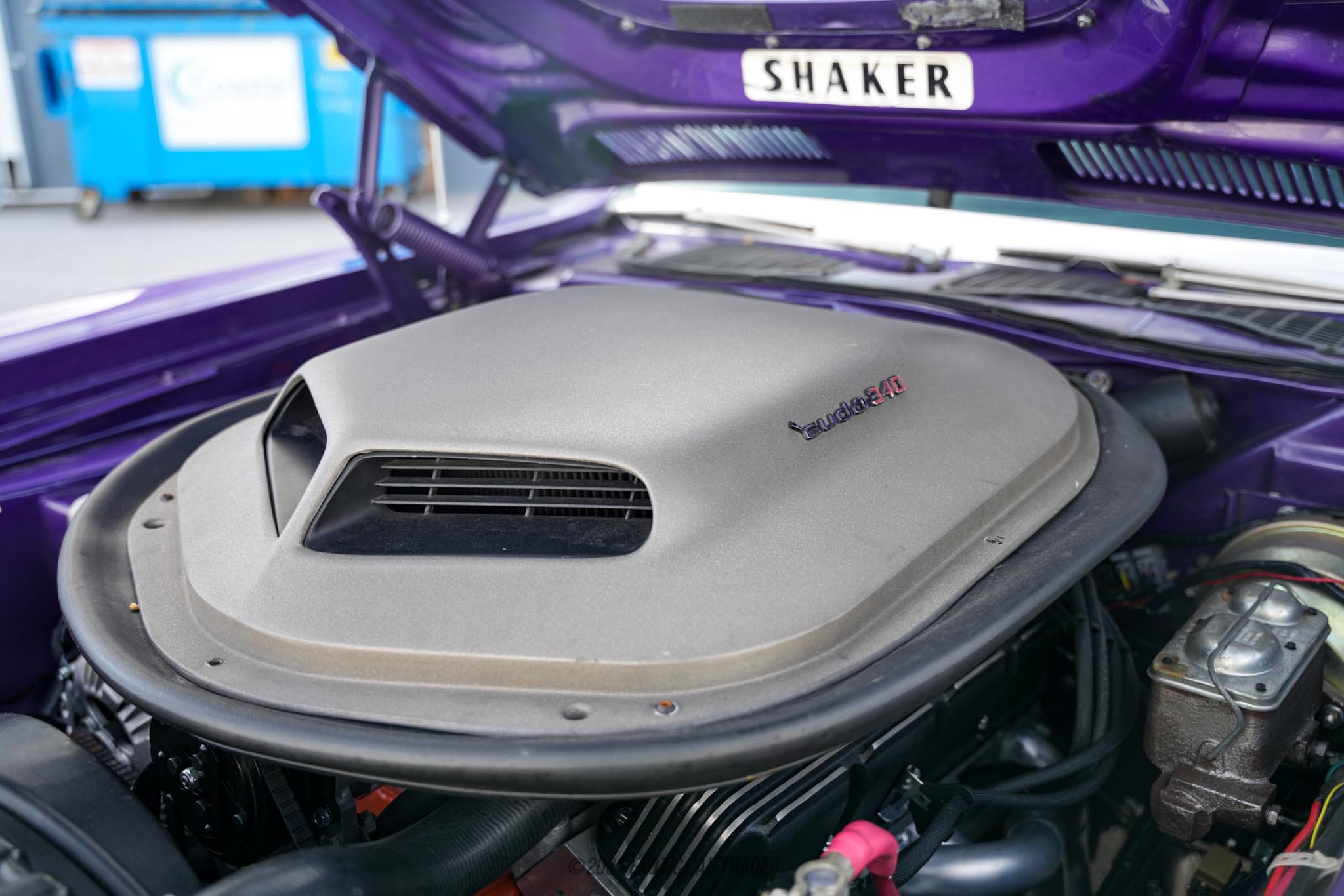
Under the hood of this 1970 Plymouth Barracuda restoration lies a Blueprint 408ci V8 that features a stroker kit. To handle fuelling, the carburetor has been upgraded to a Slayer series carb, and there’s a new high-torque starter motor too. Cooling is upgraded too, with a new external fan and cooler. Power is sent to the rear wheels via a Chrysler TorqueFlite 727 automatic transmission. Last but not least, the owner reports a recent oil change too.


The first-generation Plymouth Barracuda helped establish Chrysler’s foothold in the emerging pony car market during the 1960s, blending compact dimensions with unmistakable Mopar styling and V8 performance. This 1967 Plymouth Barracuda Convertible represents the final year of the first-generation A-body Barracuda and shows approximately 2,171 miles on the odometer. Finished in Ermine White over a black vinyl interior, this convertible has been upgraded with a potent 340ci Mopar V8 while retaining much of its classic period-correct charm. Featuring performance-oriented upgrades such as “J” cylinder heads, a Sure-Grip rear differential, Moser axles, and an aftermarket shift kit, this Barracuda offers a more spirited driving experience than its factory configuration while still capturing the laid-back cruising personality of a classic American convertible. With its clean styling, white soft top, and tasteful upgrades, this Mopar stands out as a unique and highly usable vintage cruiser.
The Sixties were awash with muscle cars, and the Barracuda by Plymouth was one of them. Produced between 1964 and 1974 across three generations, it quickly became a drag strip king and a street warrior. Today, a Barracuda might not be top of mind in the classic muscle car stakes, which is why this 1973 Plymouth Barracuda is definitely worth a look. Coming to you in a fetching yellow coat of paint with black performance hood, this car also features the Slap-Stik automatic gear shifter, a 360ci V8 with a dual-pump 4-barrel carb, and more. It’s up for grabs in Nahunta, Georgia right now!
The automotive brand Plymouth was a familiar trademark in the American automotive market. Established by Chrysler Corporation, Plymouth took the job of offering competitively priced vehicle options that butted heads against brands like Ford and Chevrolet. Among all variants, the Barracuda retains a special place in their collection. Manufactured to compete in the Pony Car segment, the two-door Barracuda saw the light of day in 1964 and continued production for three generations. It was discontinued in 1974, making it a desired collectible today. What we have on offer here is a 1969 Plymouth Barracuda, which is located in Concord, North Carolina. Its current owner claims that the car has only 7000 miles on its clock. This car also comes with the Broadcast Sheet, magazine articles, a copy of the 440 ’Cuda Registry, and an owner’s manual.
The 1999 Plymouth Prowler represents one of the most distinctive production vehicles of the modern automotive era, bringing the spirit of traditional American hot rodding into a factory-built roadster. Originally introduced as a concept car before entering production, the Prowler combined classic hot rod influences such as its open-wheel front suspension, long hood, and low-slung stance with advanced engineering techniques including lightweight aluminum construction and composite body panels. Showing approximately 24,531 miles, this example is finished in Prowler Black with an Agate interior and features a black convertible soft top and chrome wheels. Powered by a 3.5L naturally aspirated V6 paired with Chrysler’s AutoStick automatic transmission, the Prowler delivers a unique blend of retro-inspired styling, modern drivability, and collectible character. As one of Chrysler’s most ambitious design statements of the late 1990s, the Prowler remains a standout example of a factory-built hot rod interpretation.
The 1949 Plymouth Deluxe PE Model Woody Wagon is a distinctive postwar American station wagon featuring classic wood-bodied styling and Plymouth’s durable flathead six-cylinder powertrain. Showing 47,295 miles, this example is powered by a 217.8ci L-Head Inline-6 paired with a 3-speed manual transmission and rear-wheel drive. Finished in Brown with a matching Brown interior and woodgrain exterior trim panels, this Deluxe Woody Wagon represents the traditional craftsmanship and character of early American family wagons.
By 1969, the Plymouth Road Runner had firmly established itself as one of the defining muscle cars of the era, combining big-block performance with a no-nonsense attitude that appealed to enthusiasts looking for speed over luxury. This 1969 Plymouth Road Runner embodies that philosophy with its legendary 383ci V8, desirable 4-speed manual transmission, and iconic Air Grabber induction system. Showing approximately 82,962 miles, this Ivy Green classic offers the unmistakable styling, raw driving experience, and factory performance pedigree that continue to make the Road Runner one of Mopar's most celebrated creations.

Terms of Service
Be Kind and Courteous
We're here to create a platform to better the automotive industry through communication and transparency. Please treat everyone with respect. Healthy debates are natural, but kindness is required.
No Hate Speech
Make sure everyone feels safe. Hate speech of any kind is strictly prohibited. Degrading comments about things like race, religion, culture, sexual orientation, etc. will not be tolerated.
No Promotions or Spam
Give more than you take. Self-promotion, spam, or links of any kind are not allowed.
