



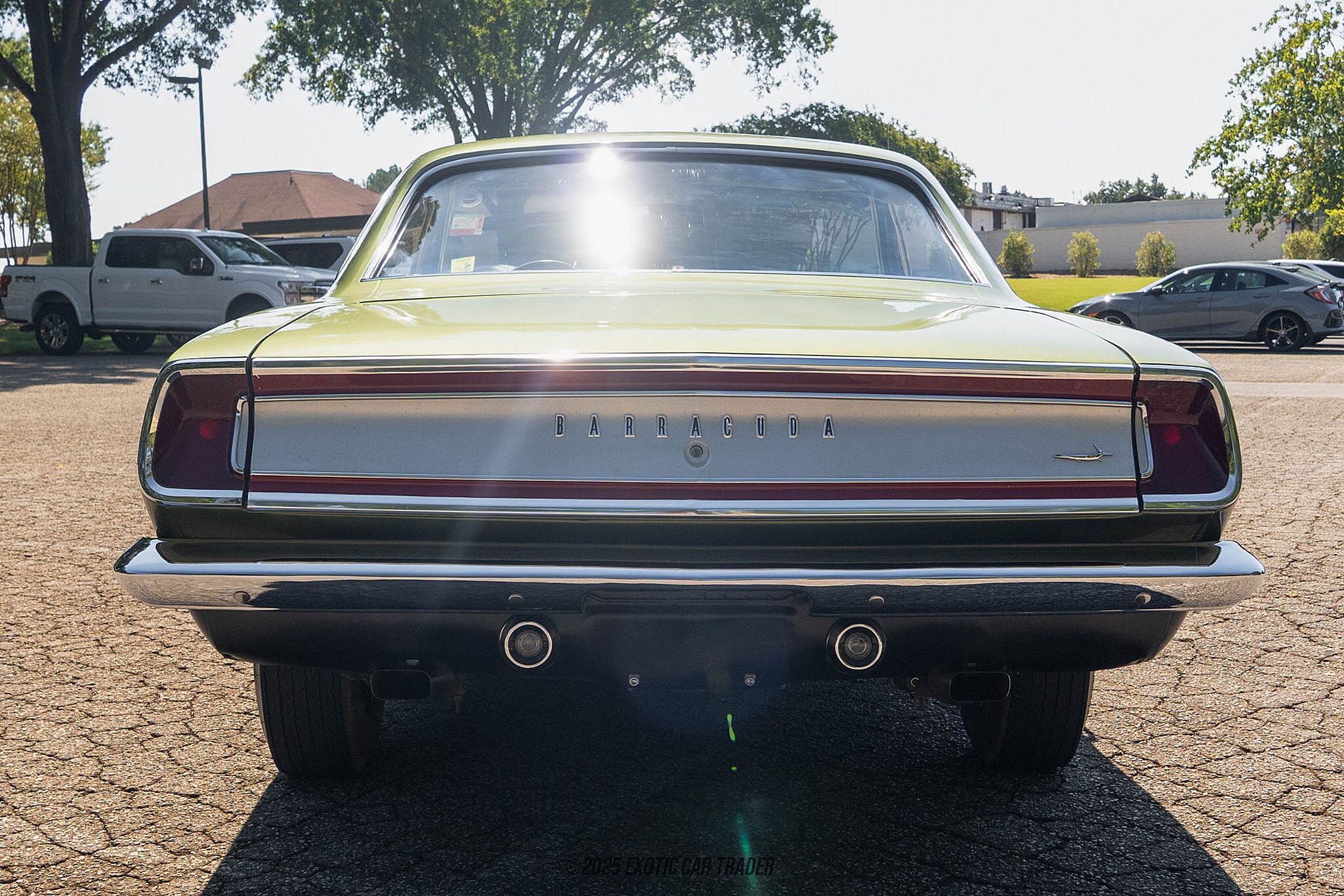
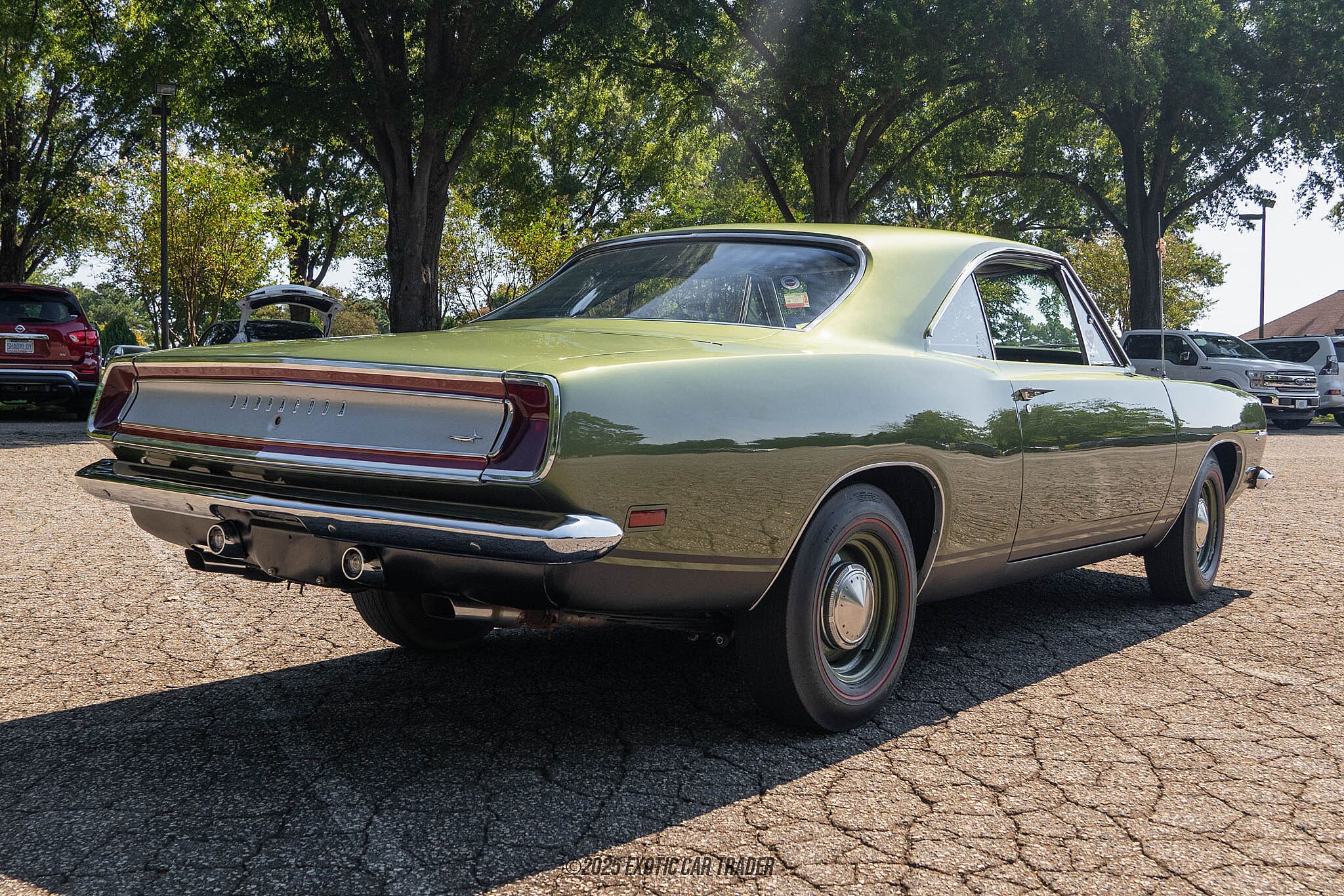
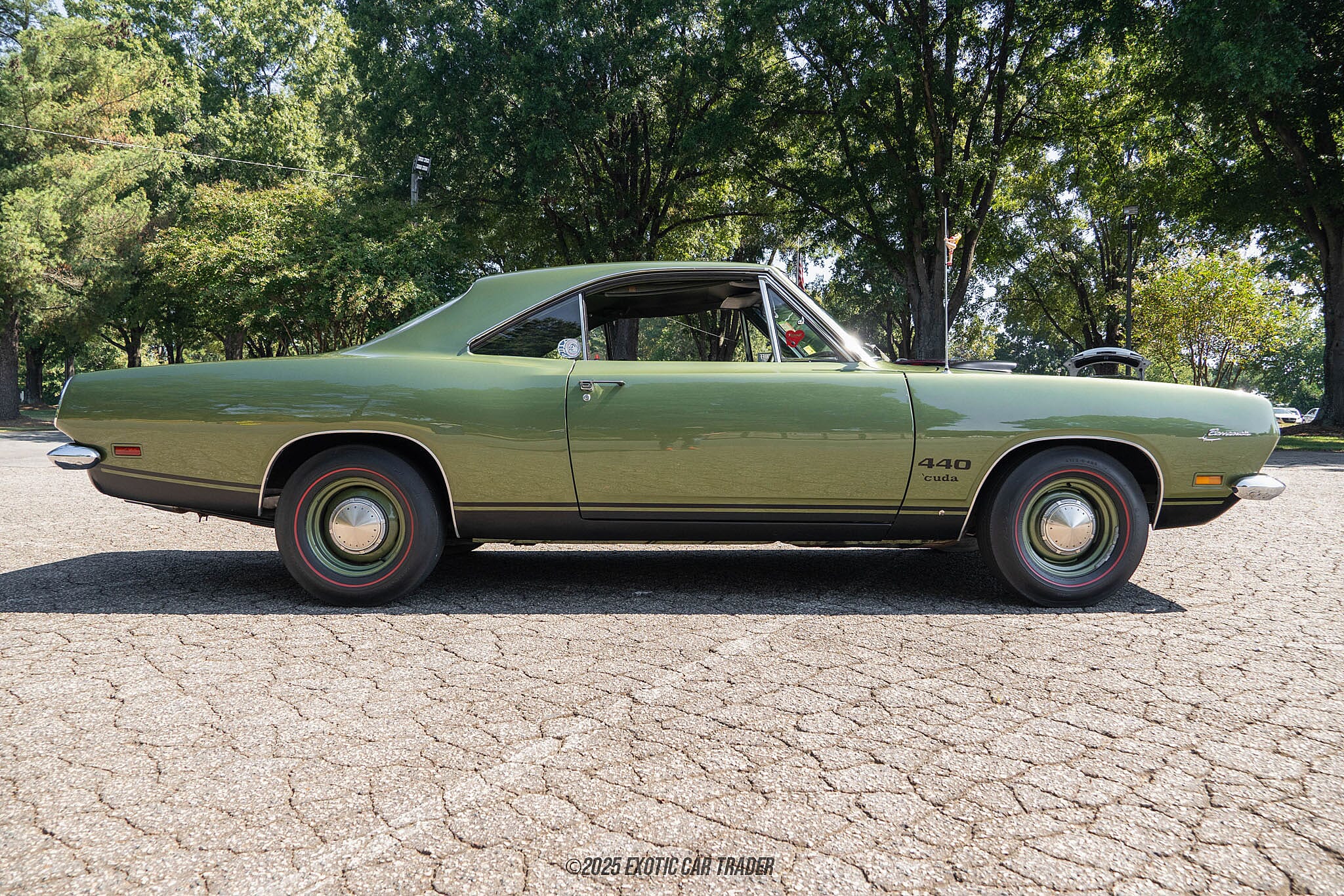
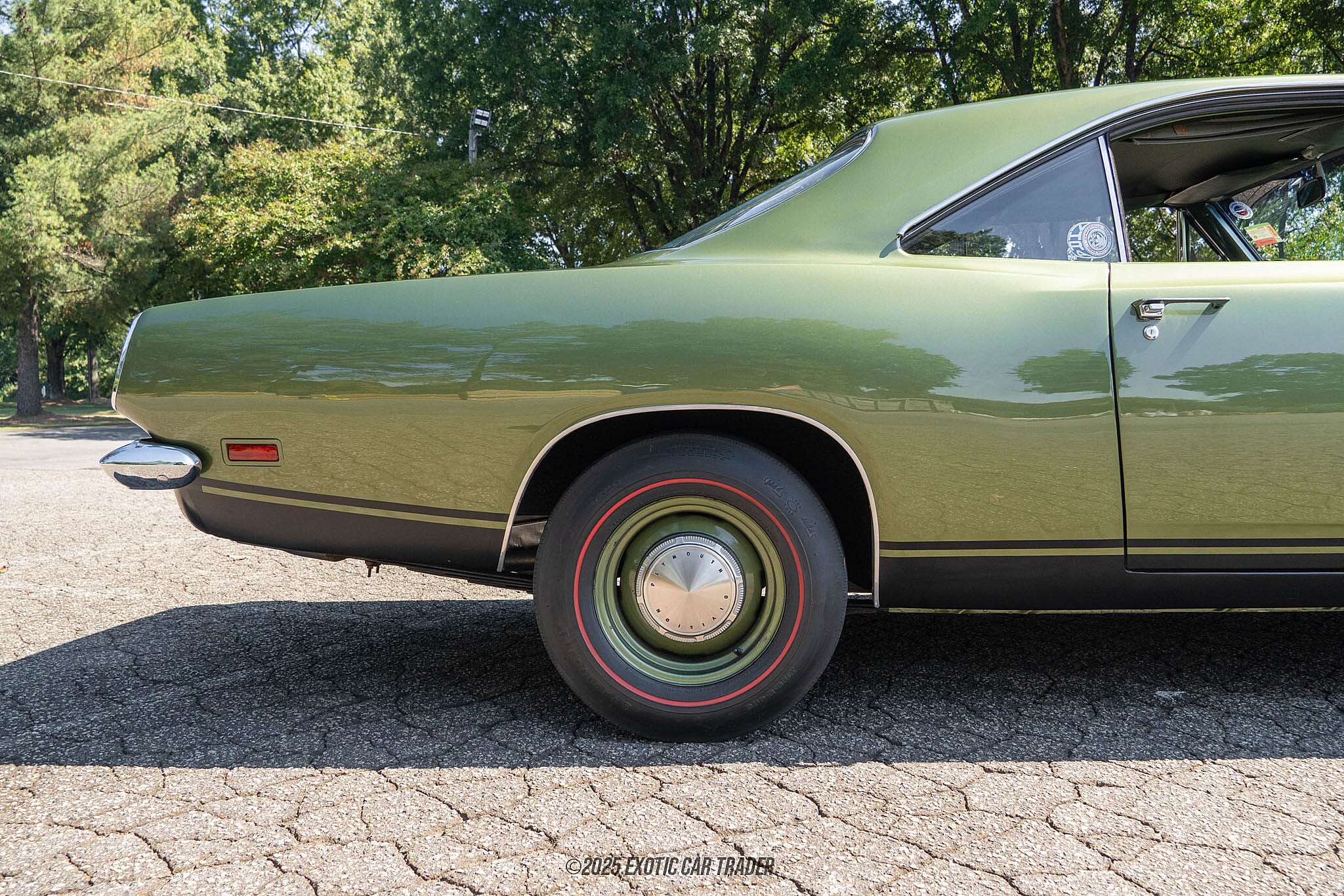

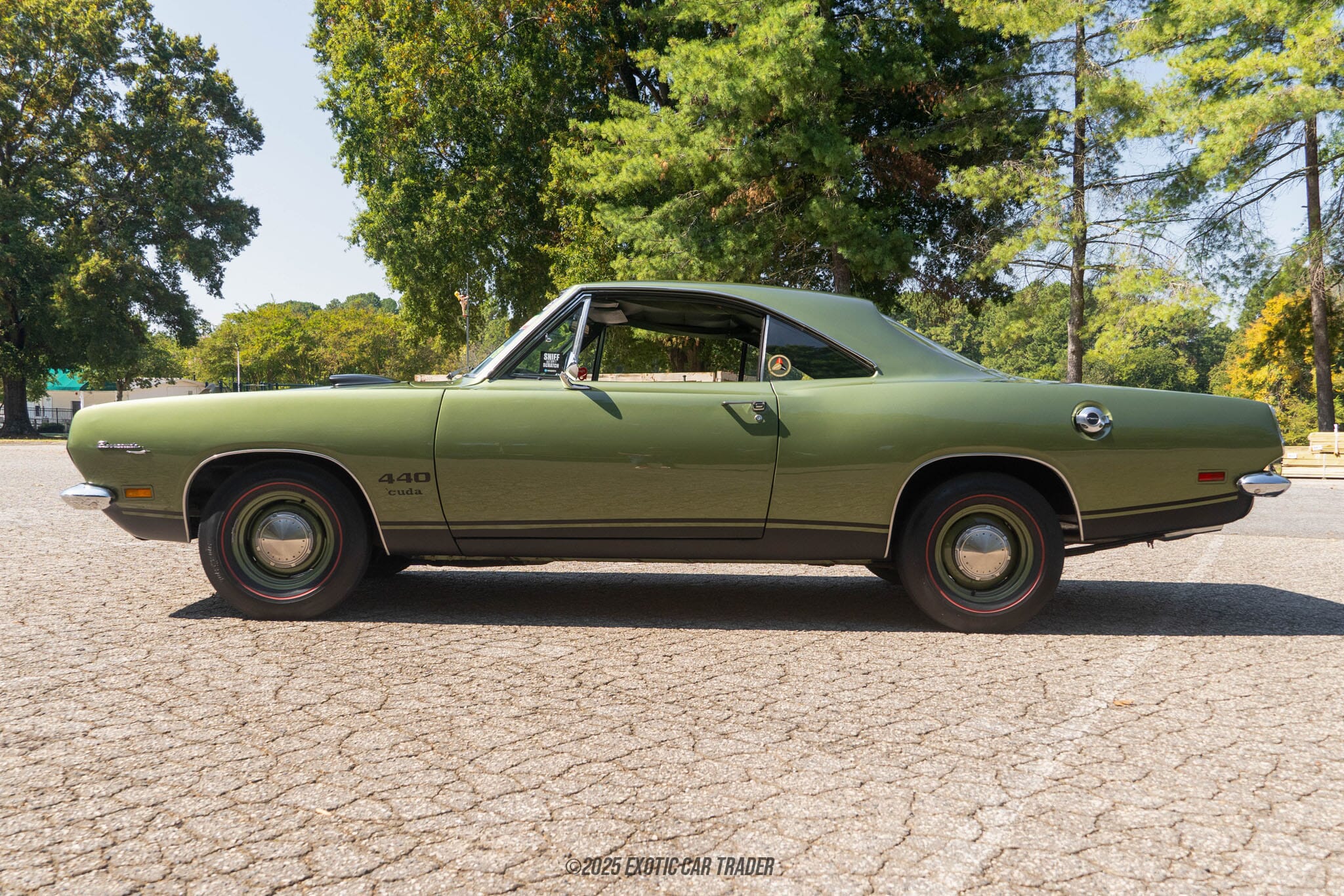
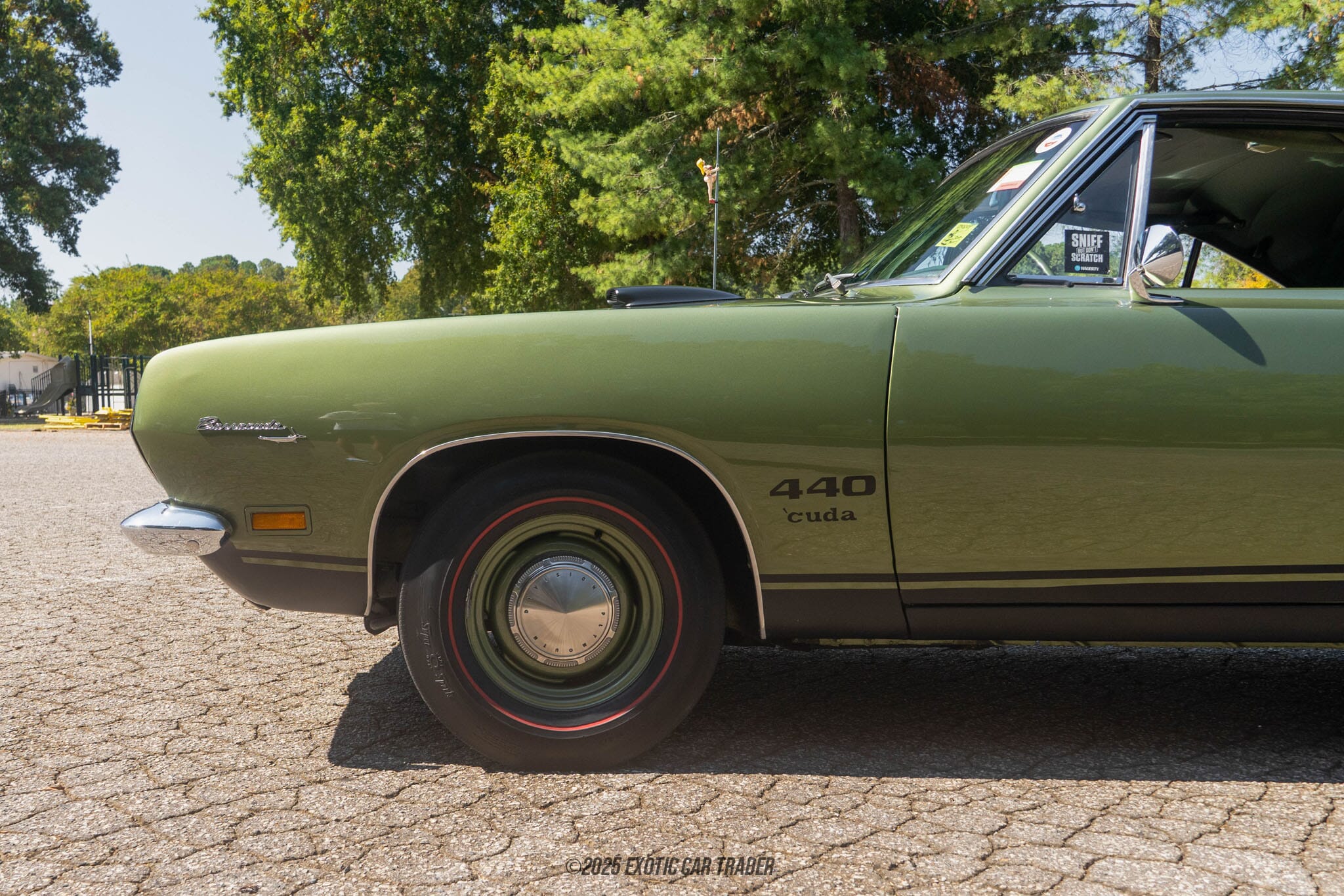
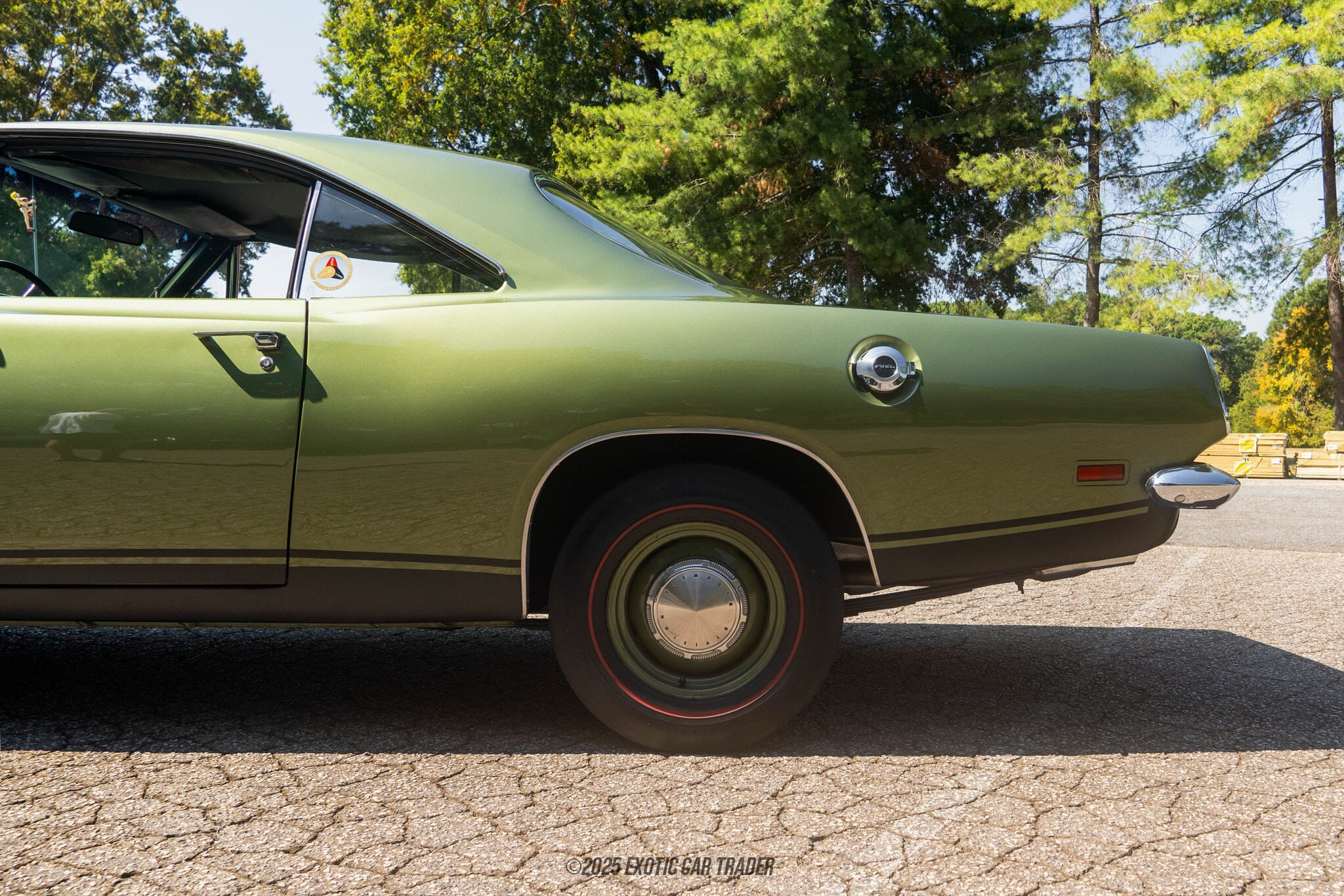
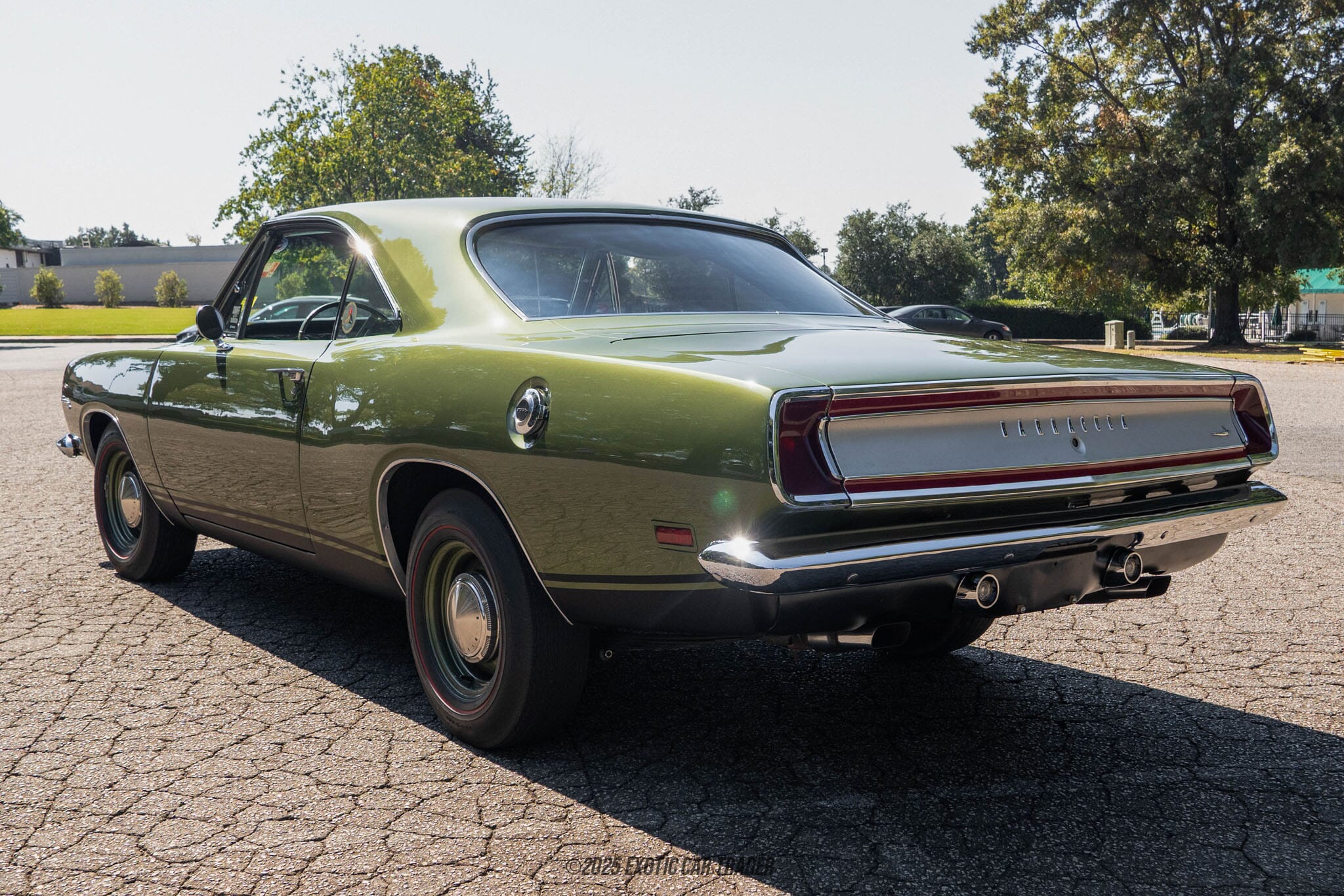
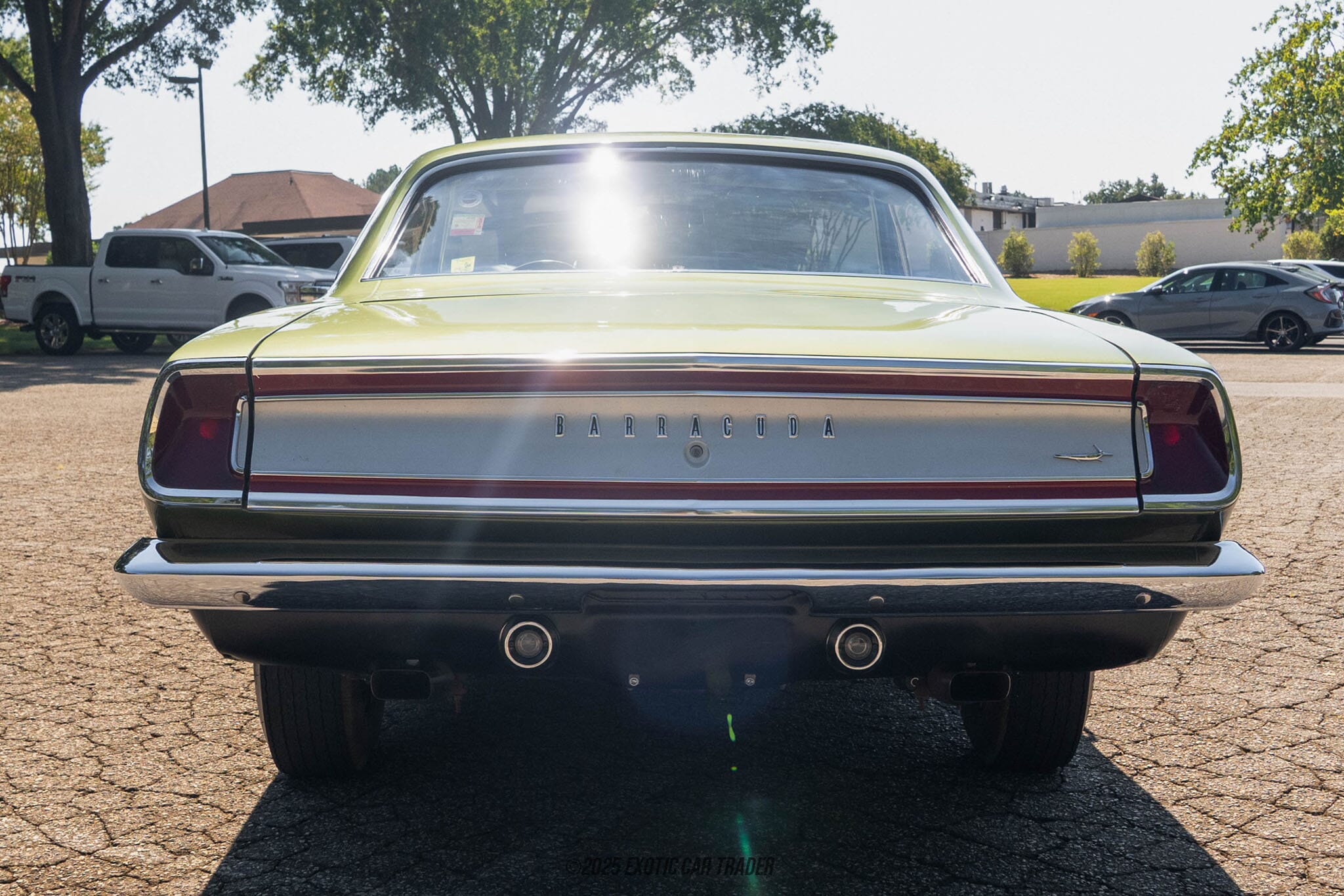
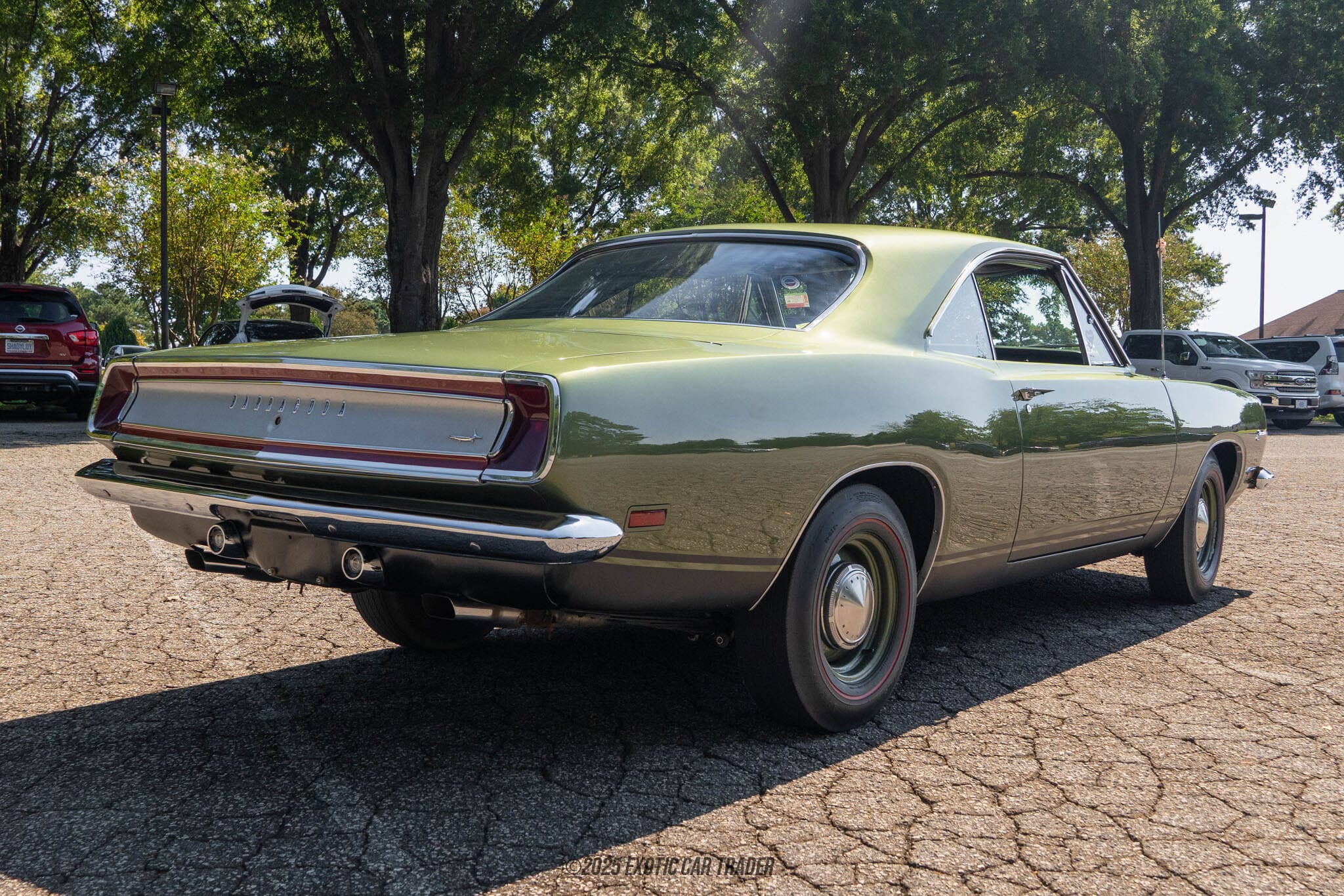
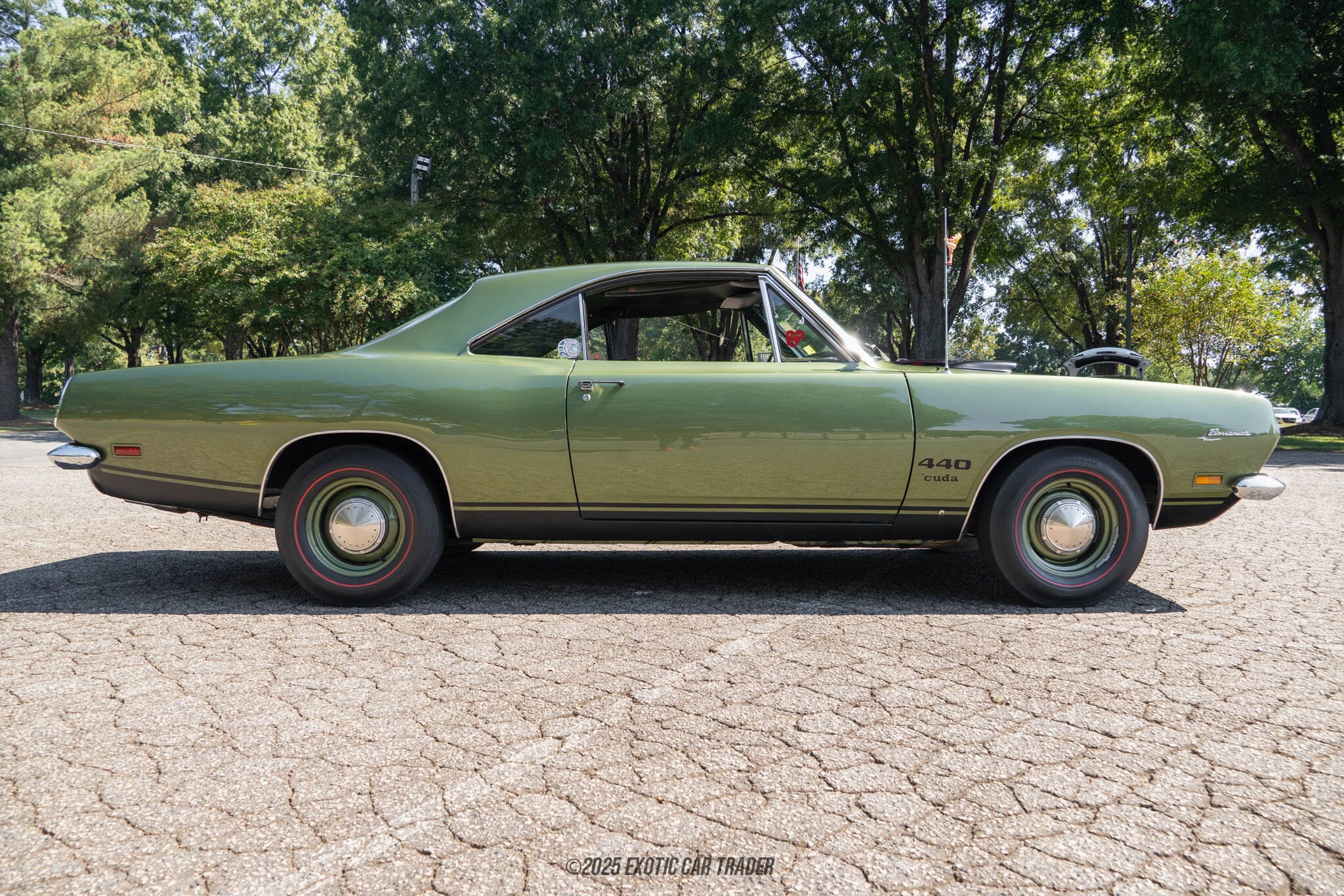
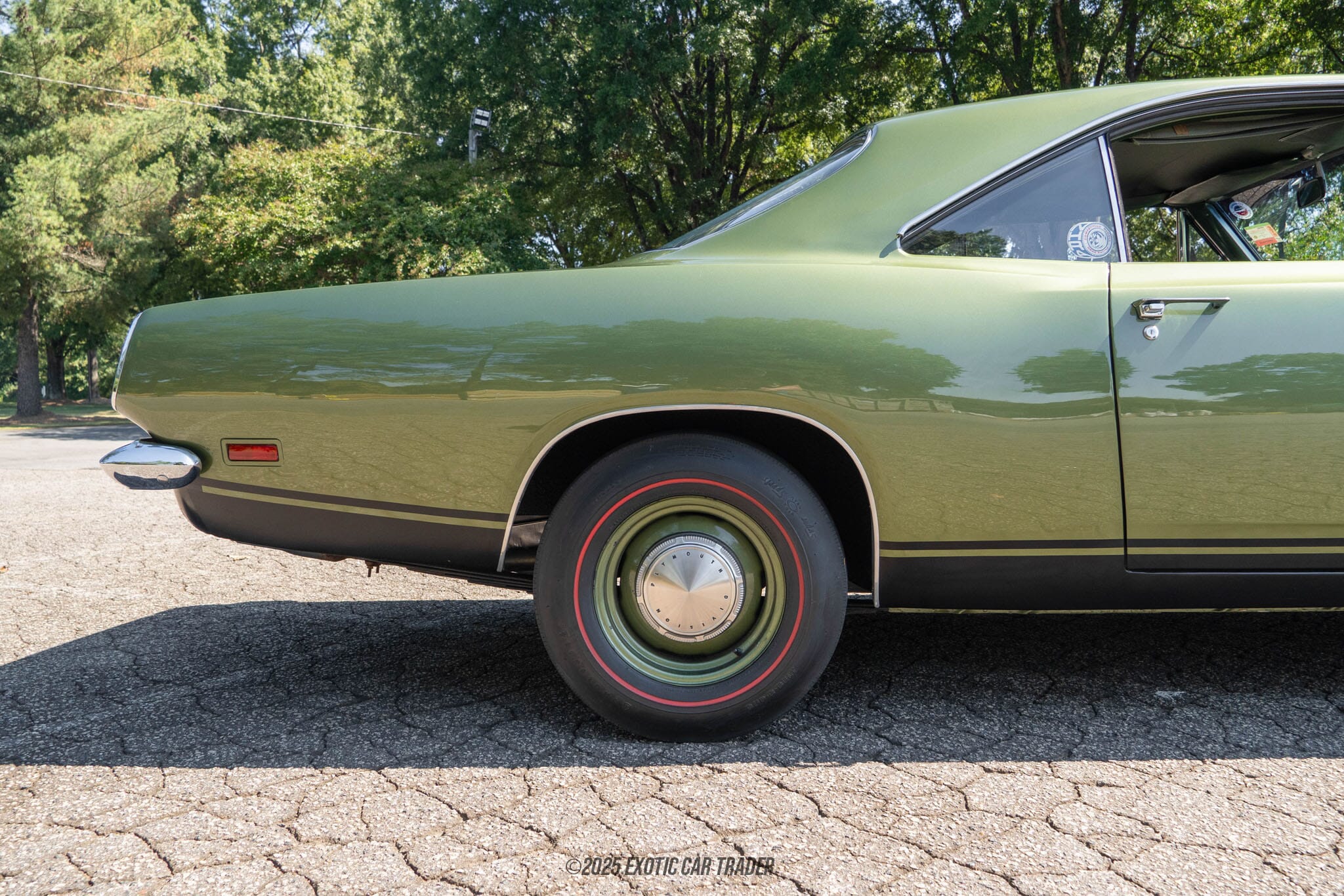
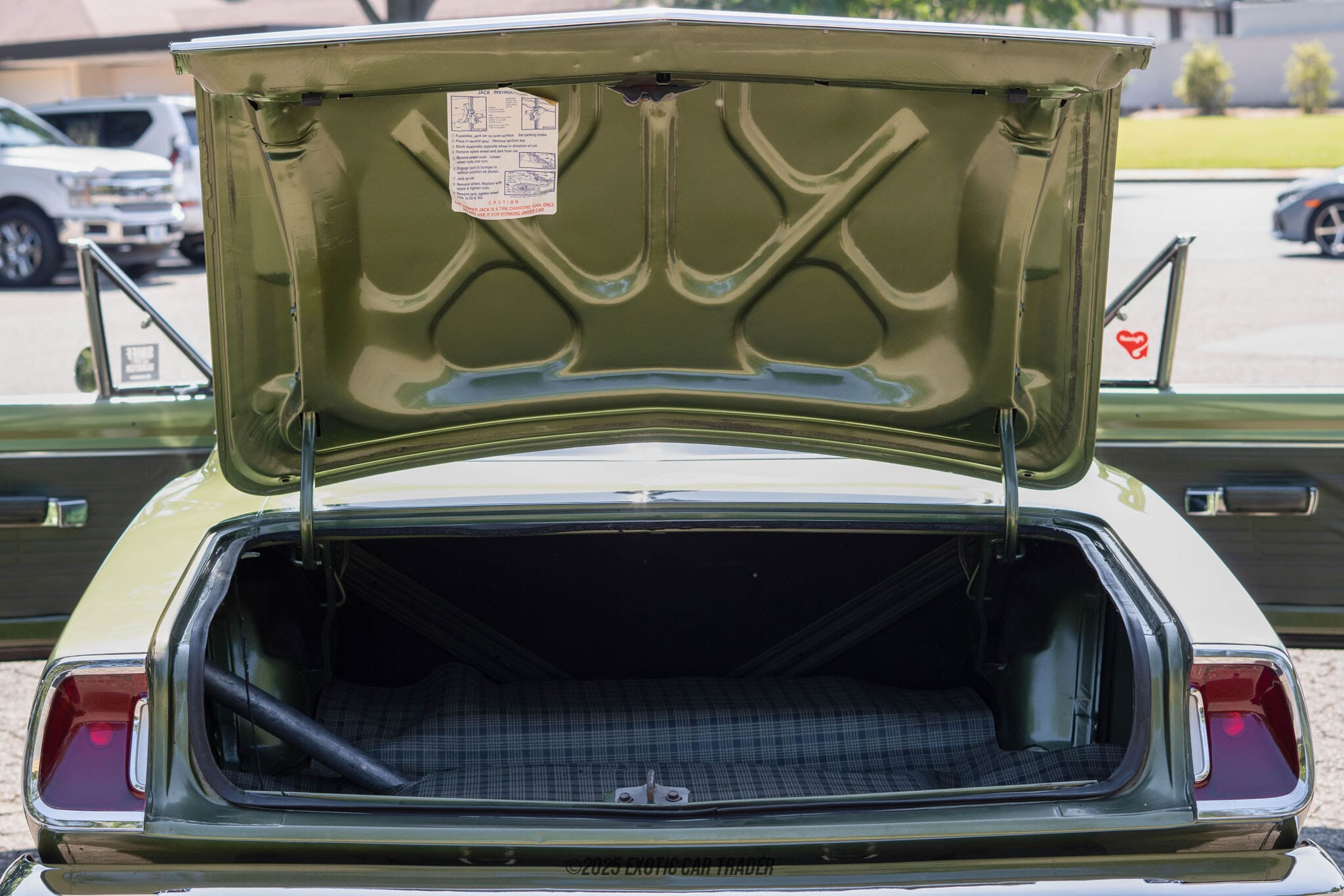
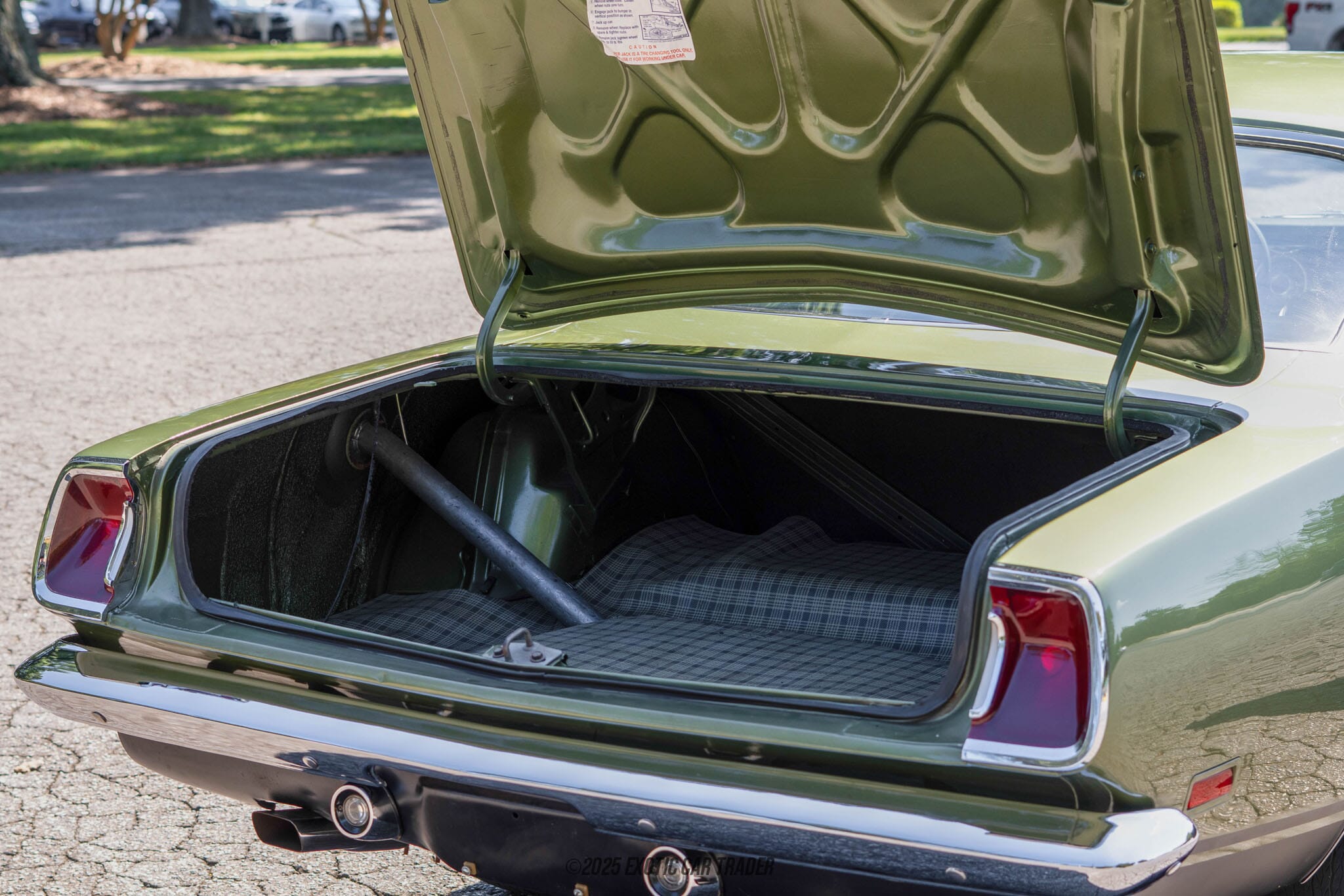
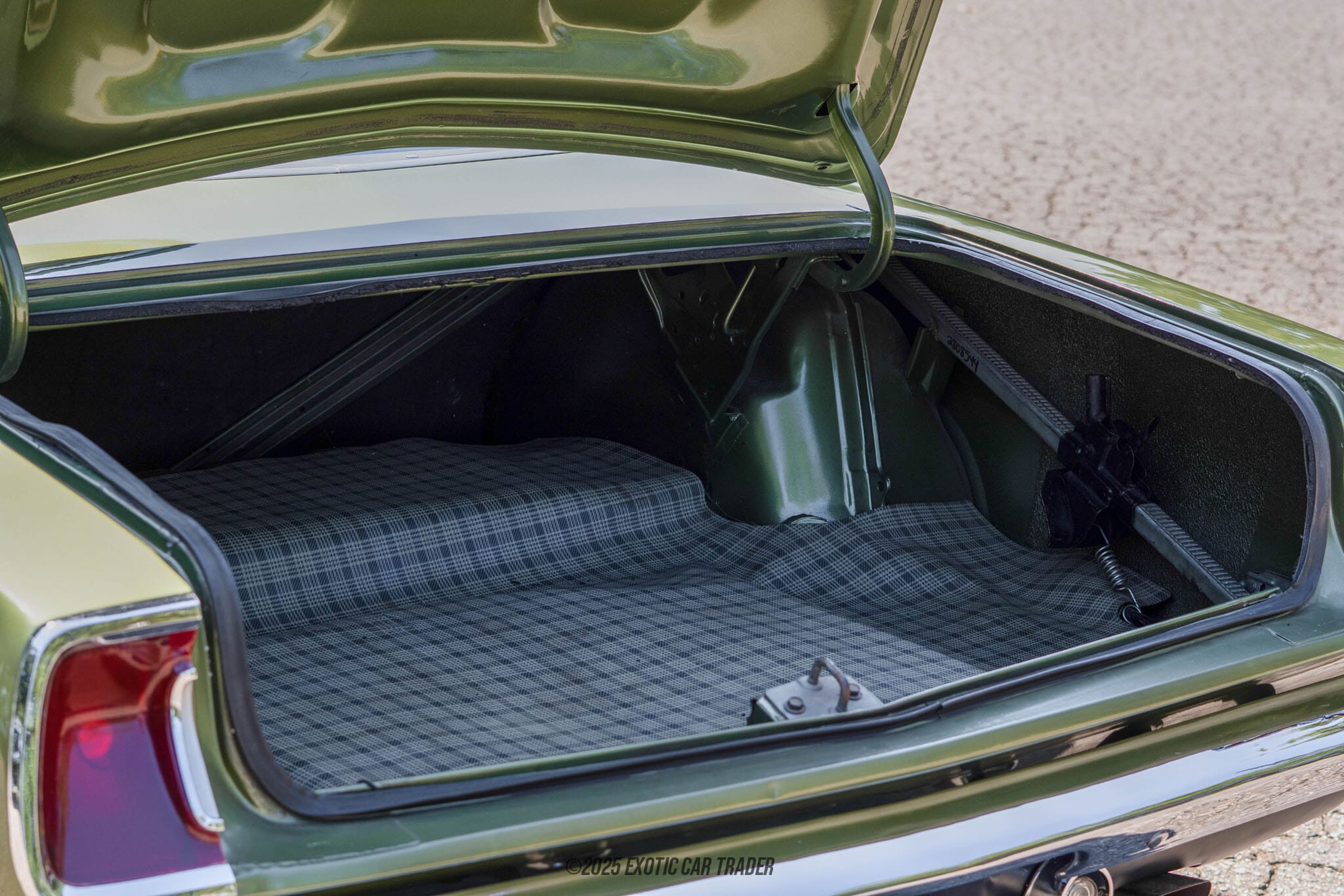
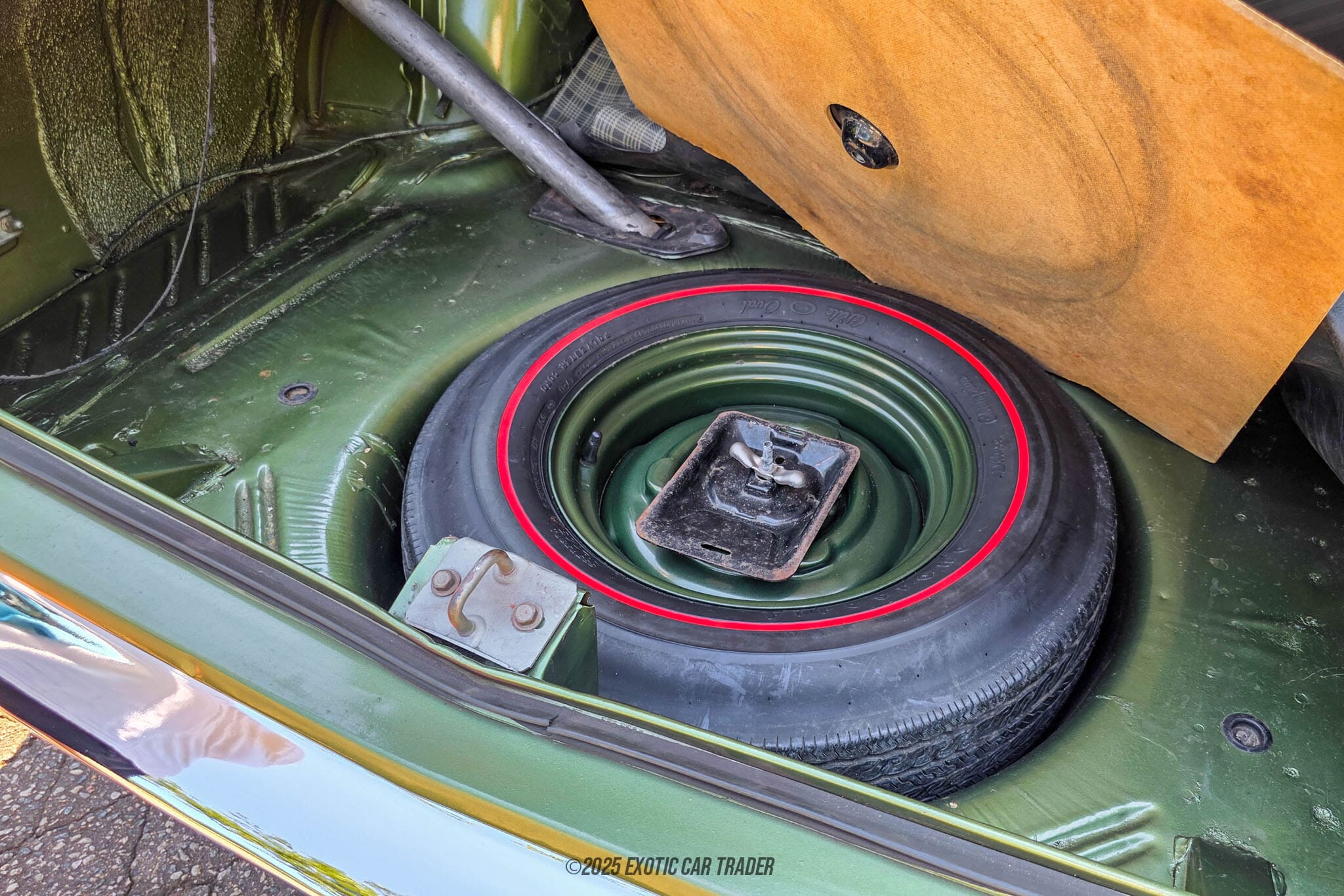
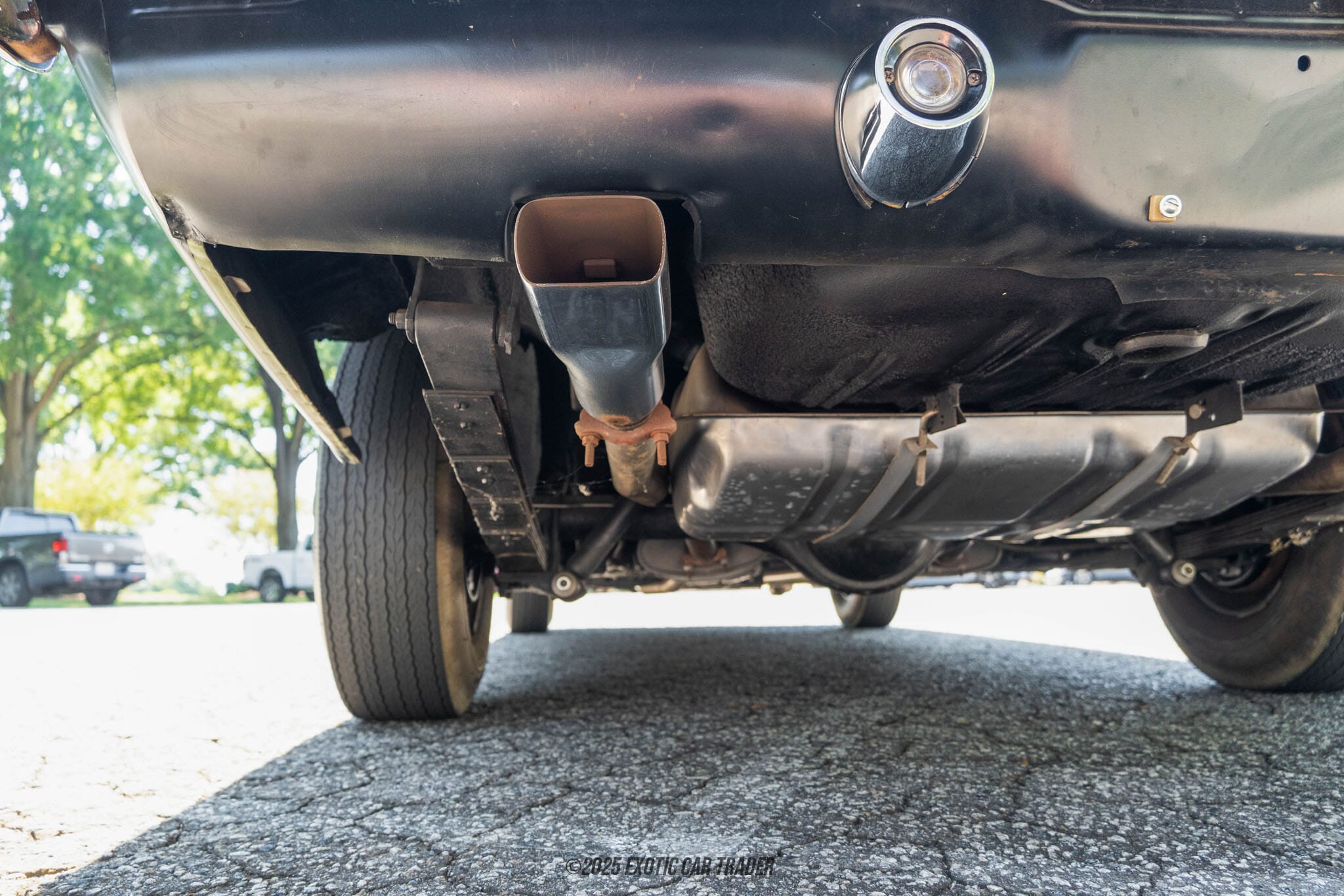
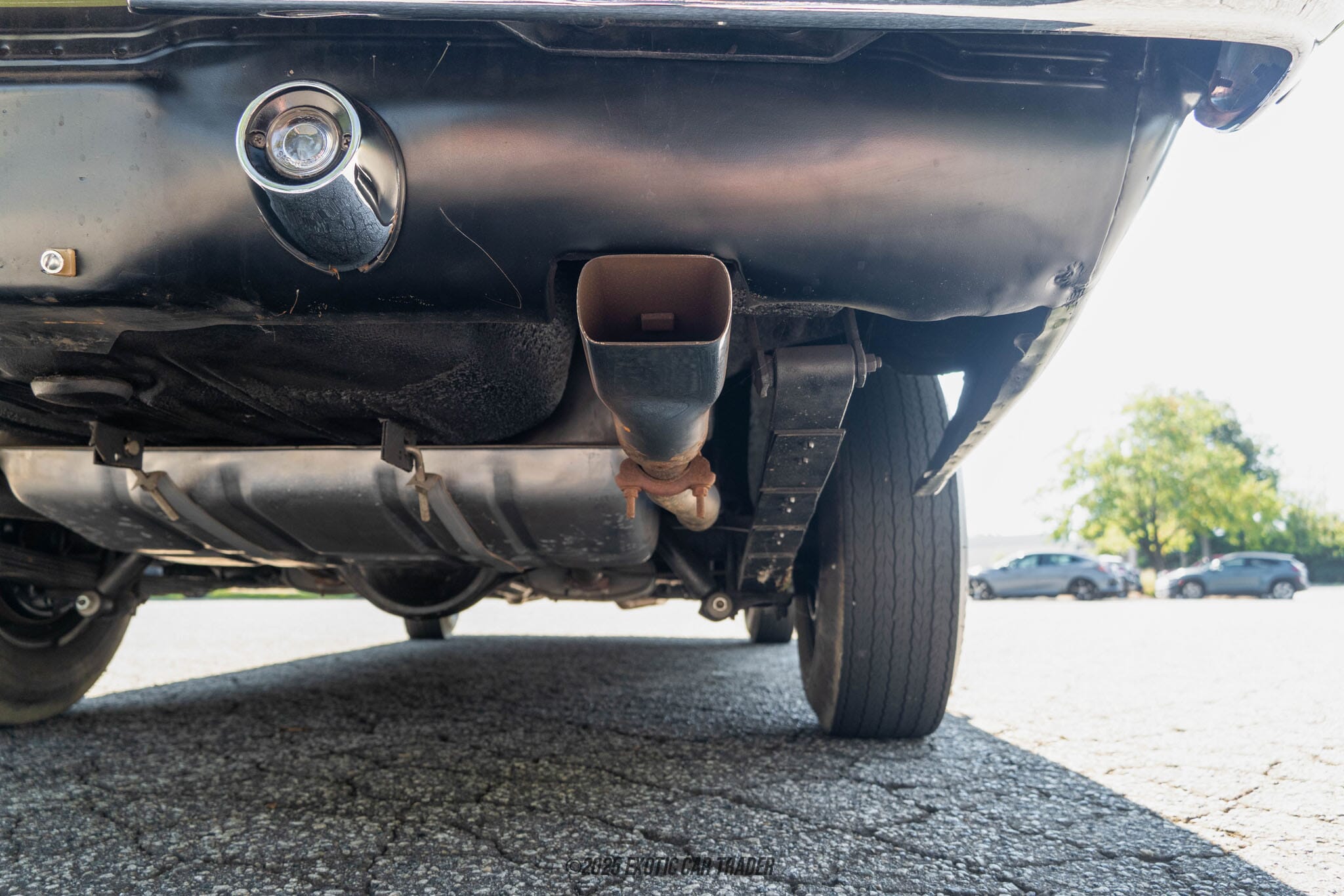


- 1969 Plymouth Barracuda
- 440ci V8
- 4-Barrel Carburetor
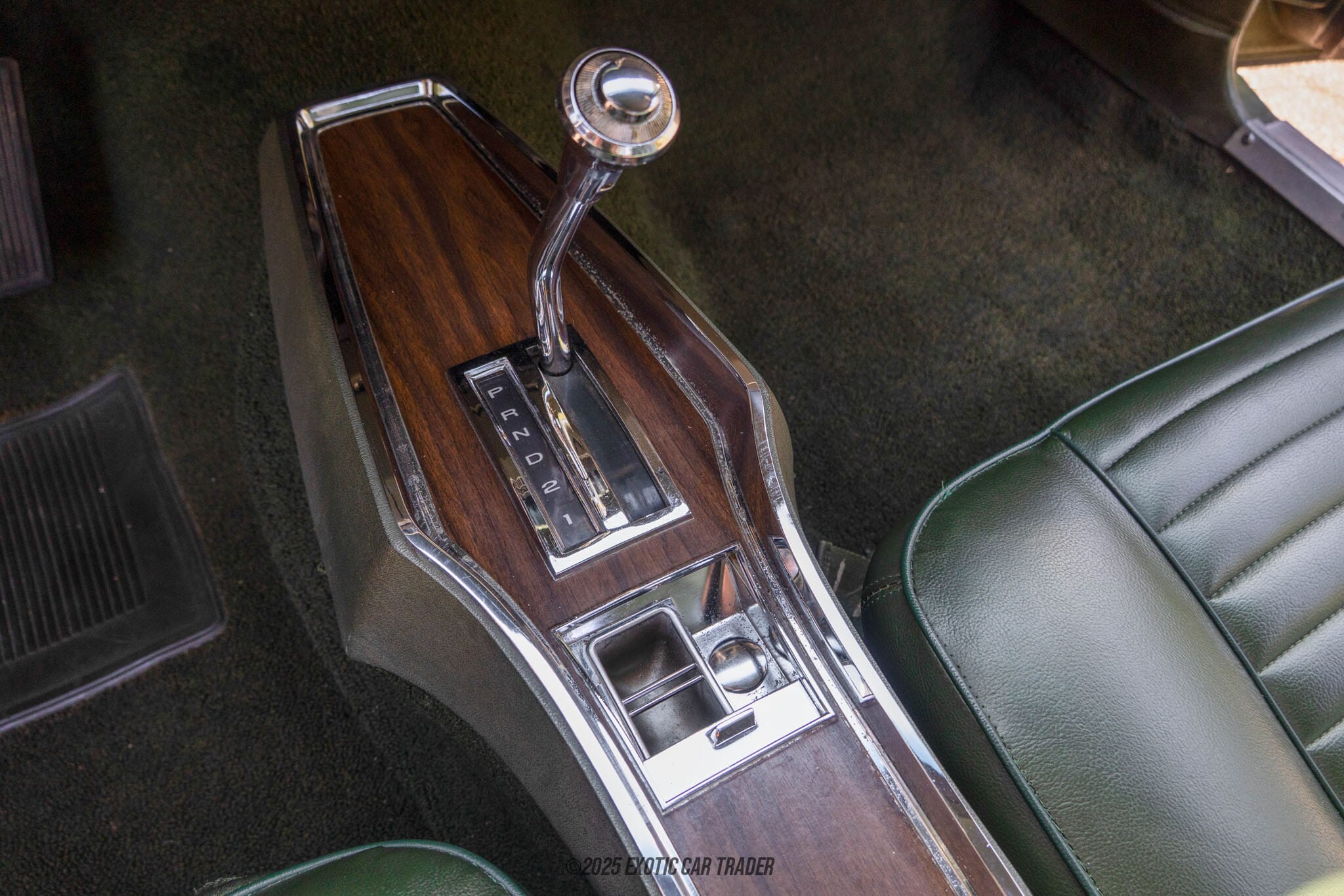
- 3-Speed Automatic
- RWD
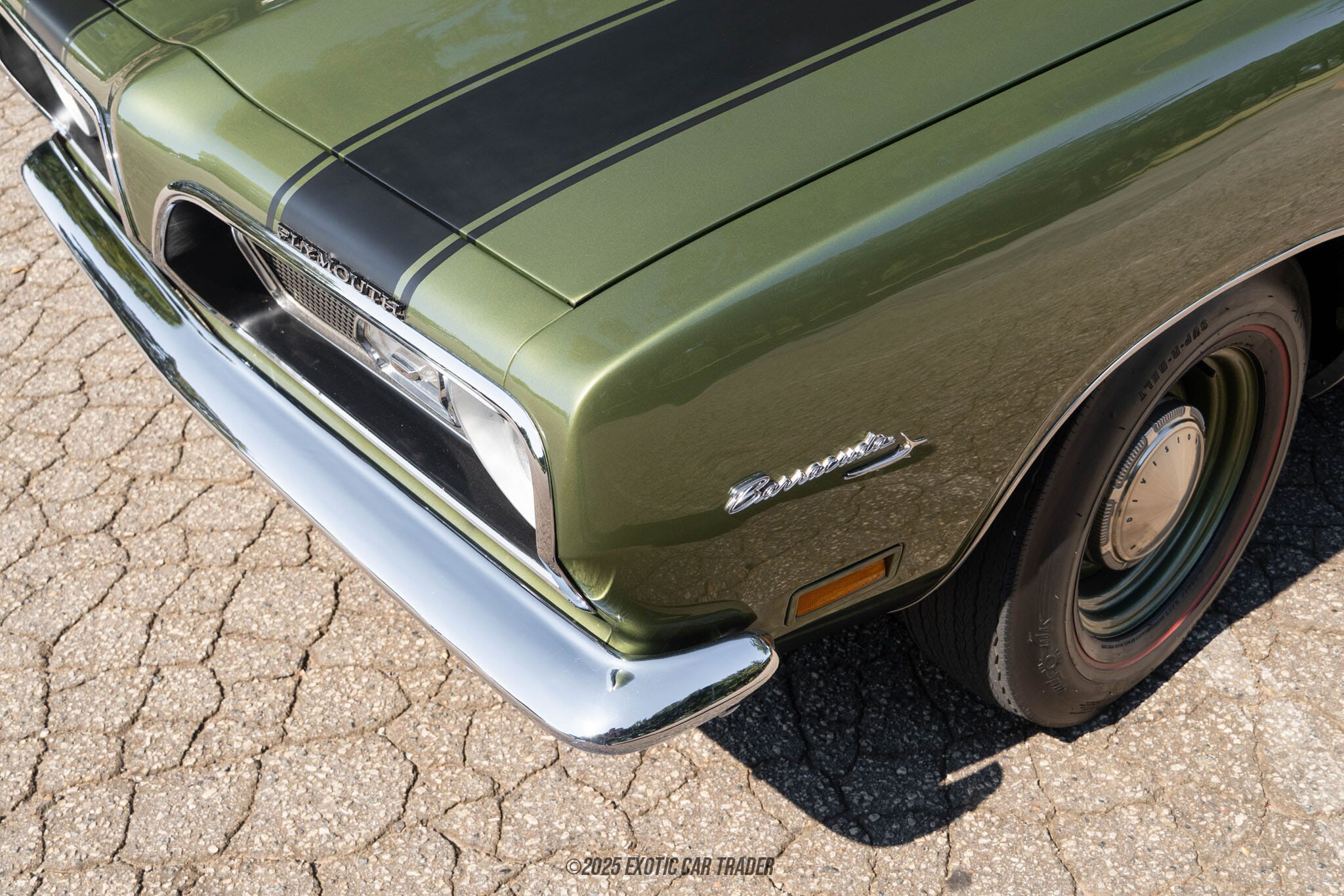
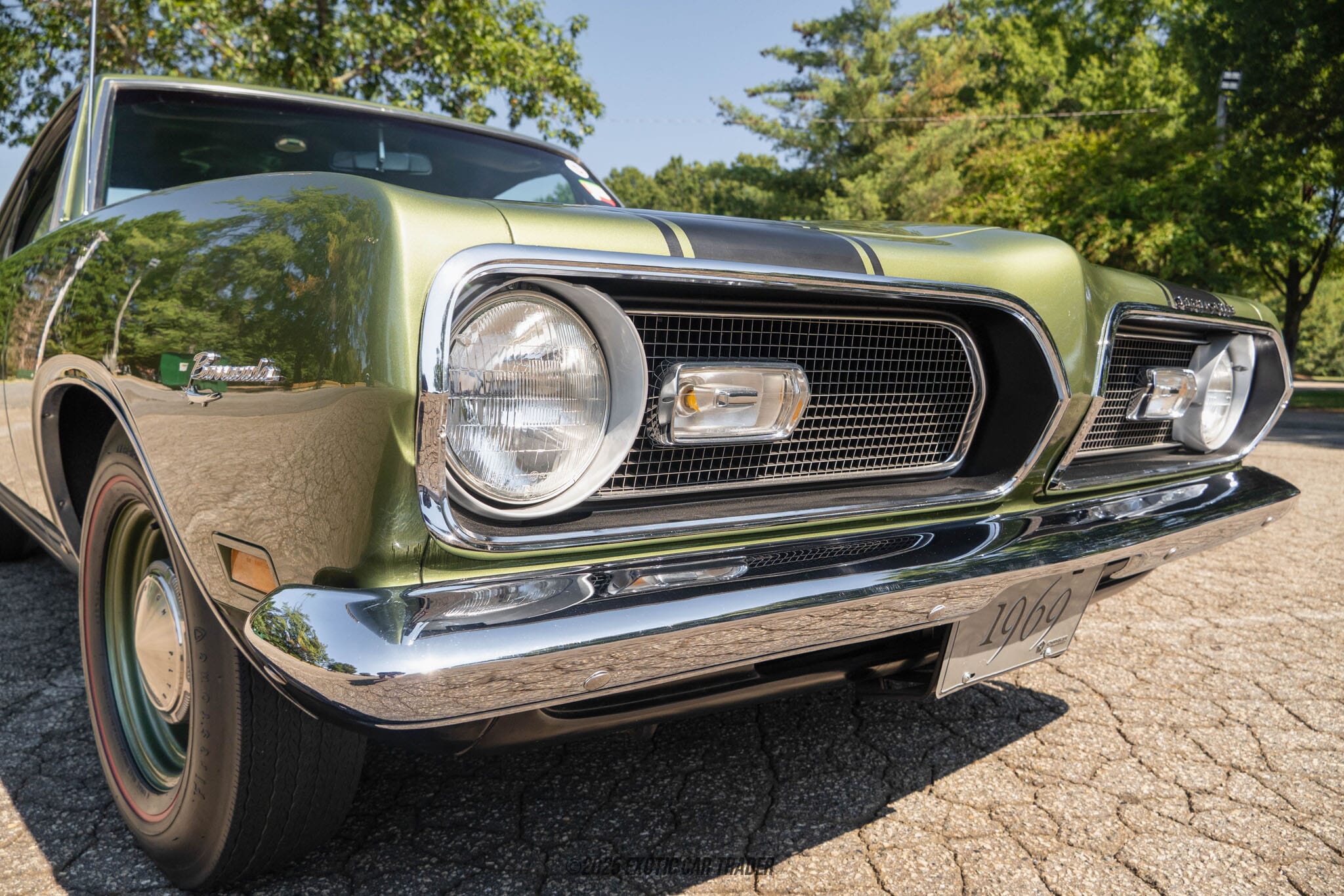
- Limelight Metallic Exterior w/ Black Tape Stripes
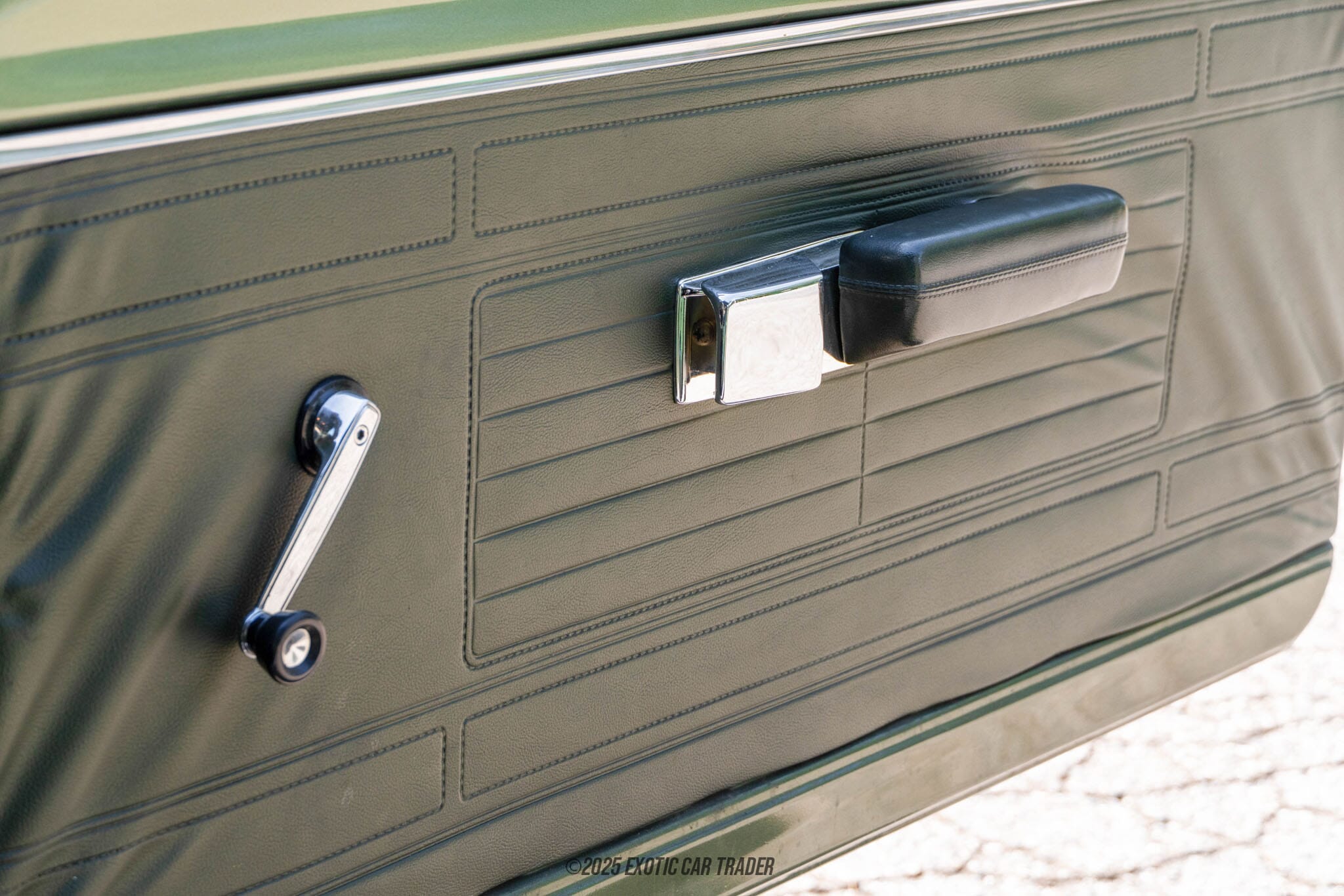
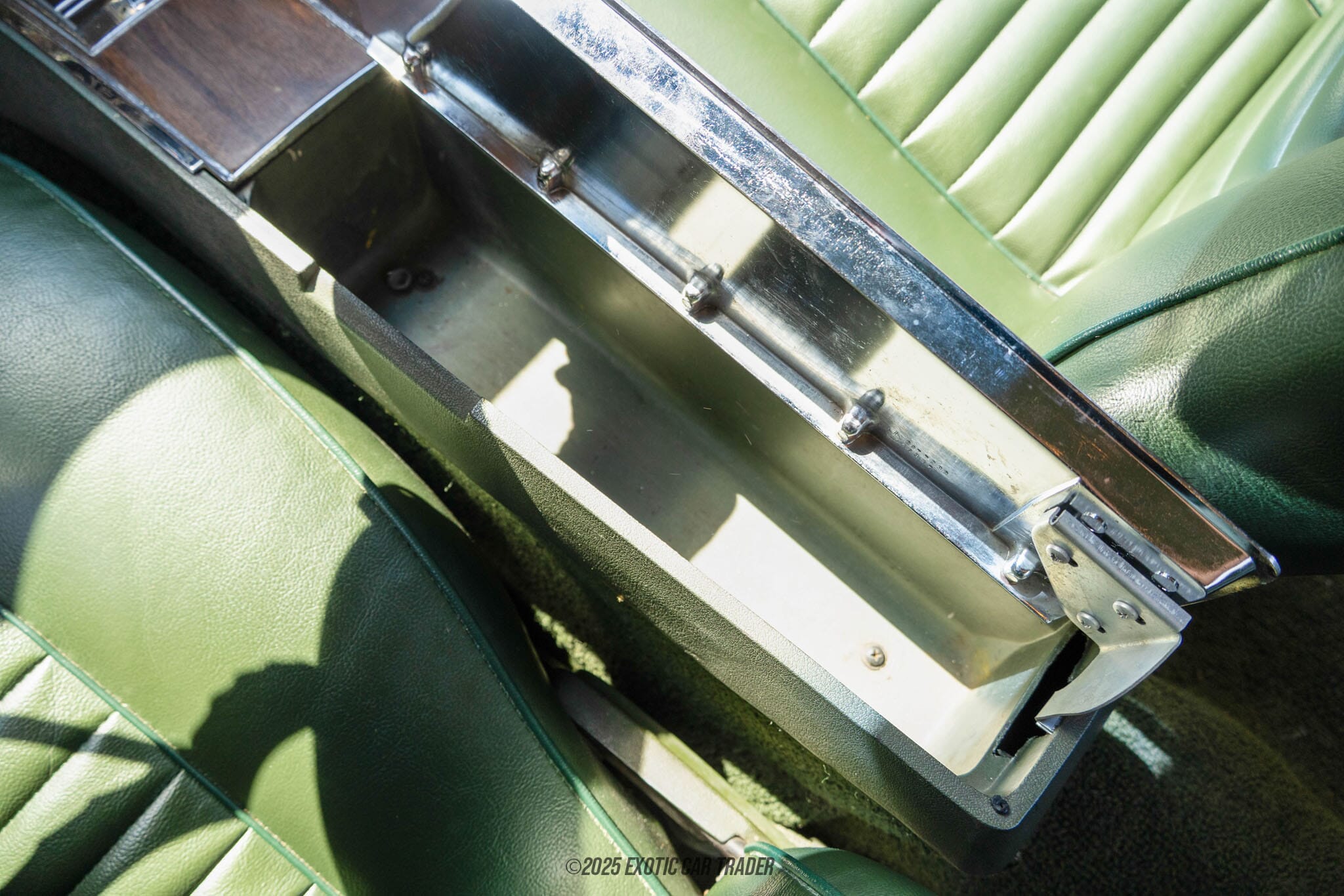
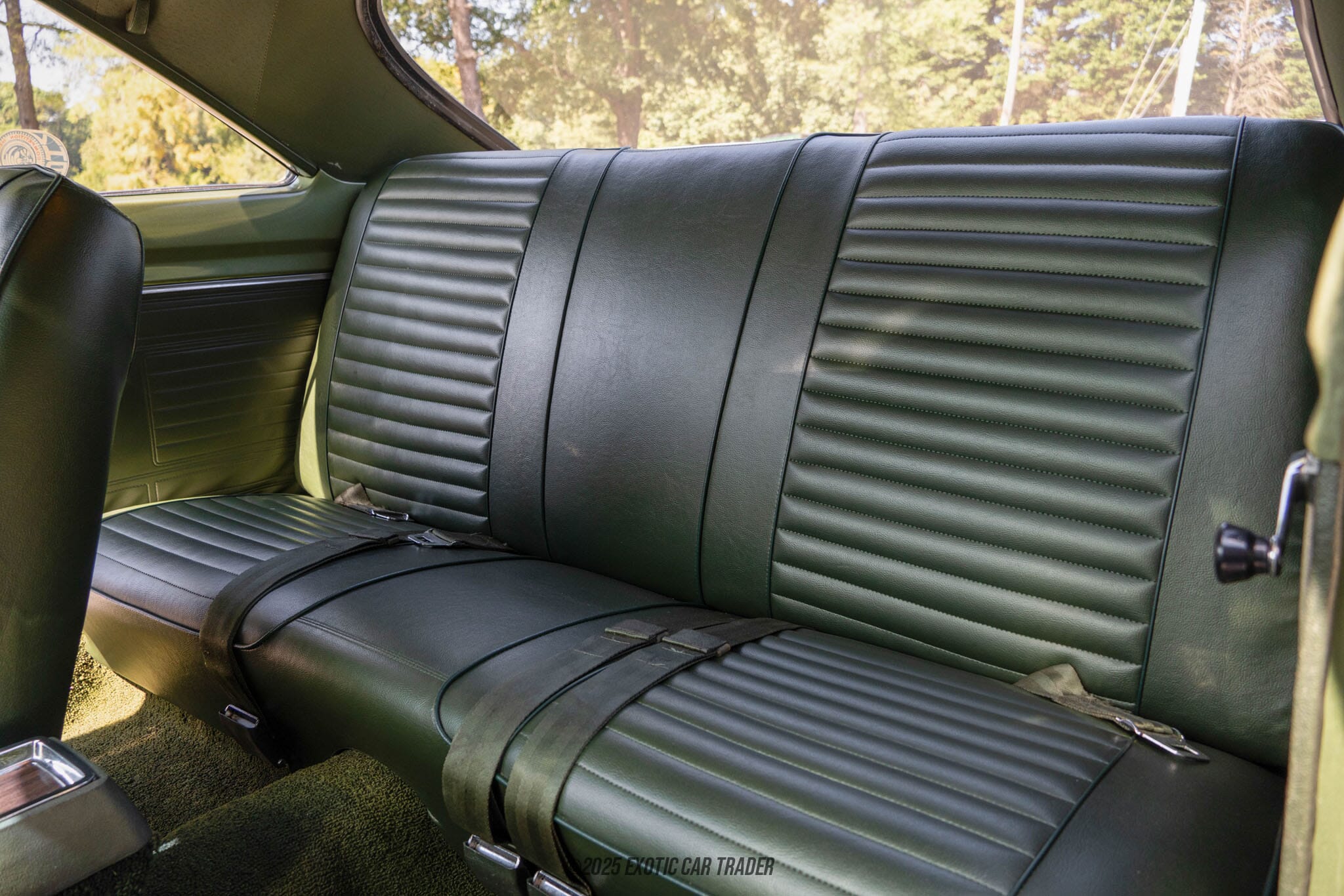
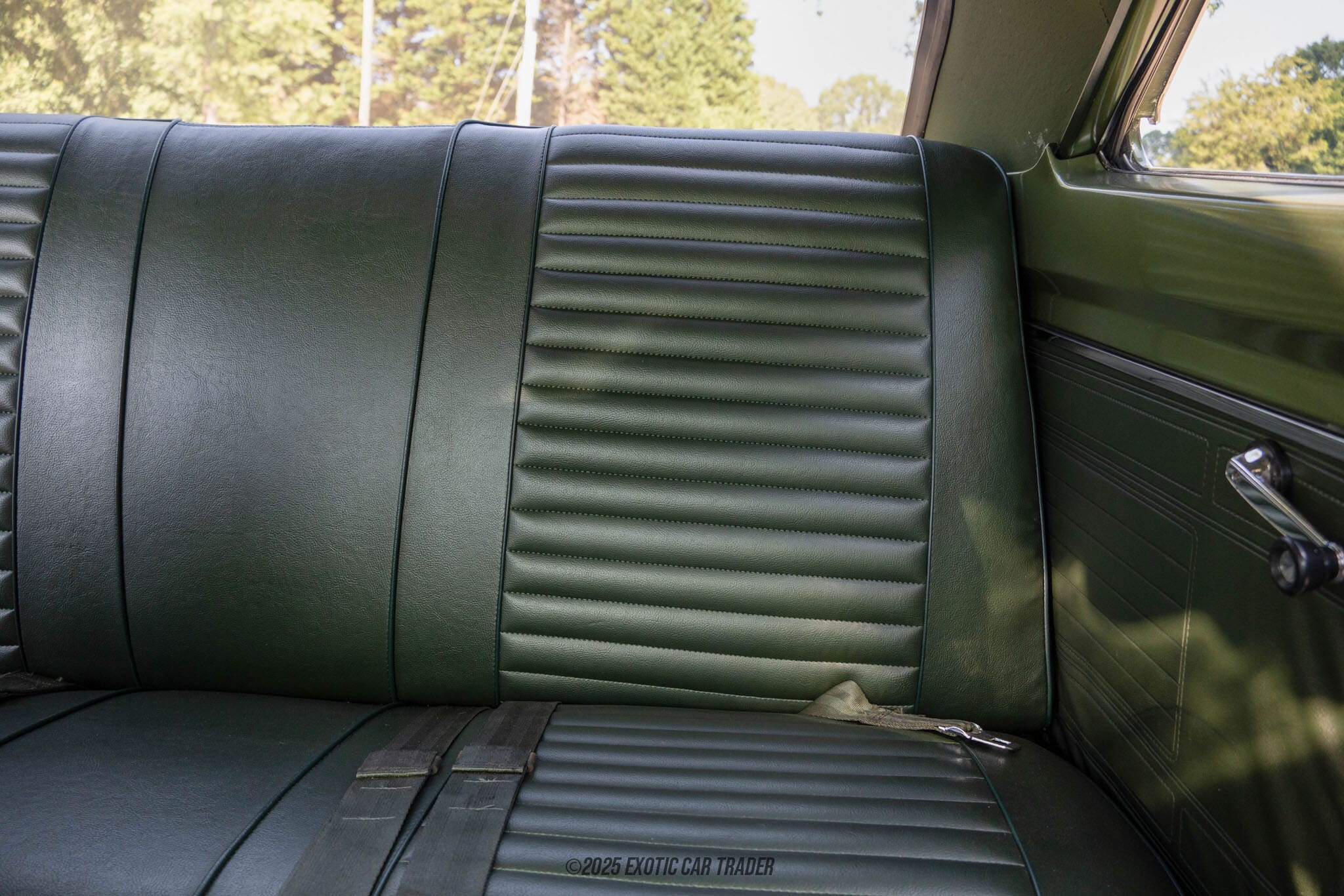
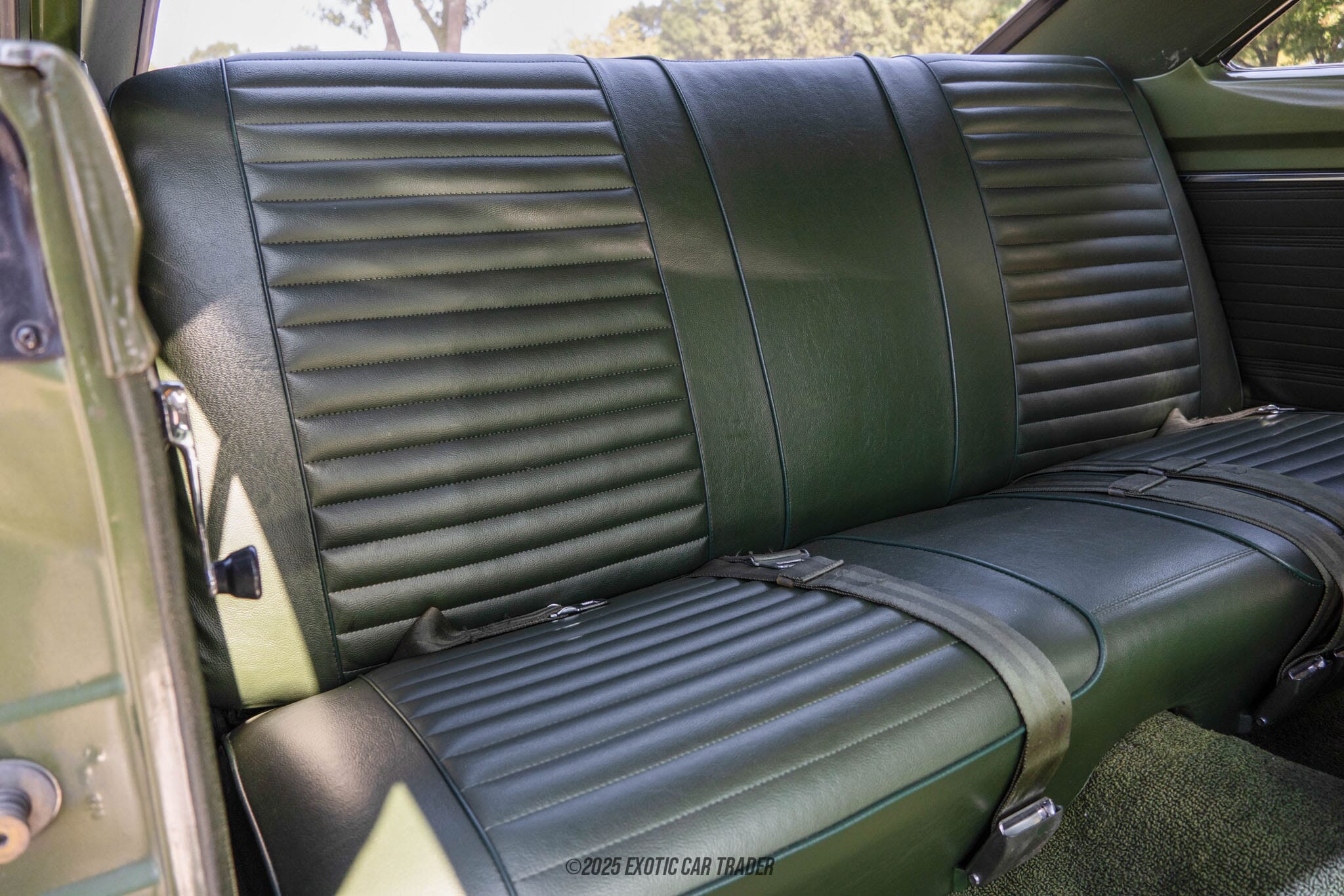
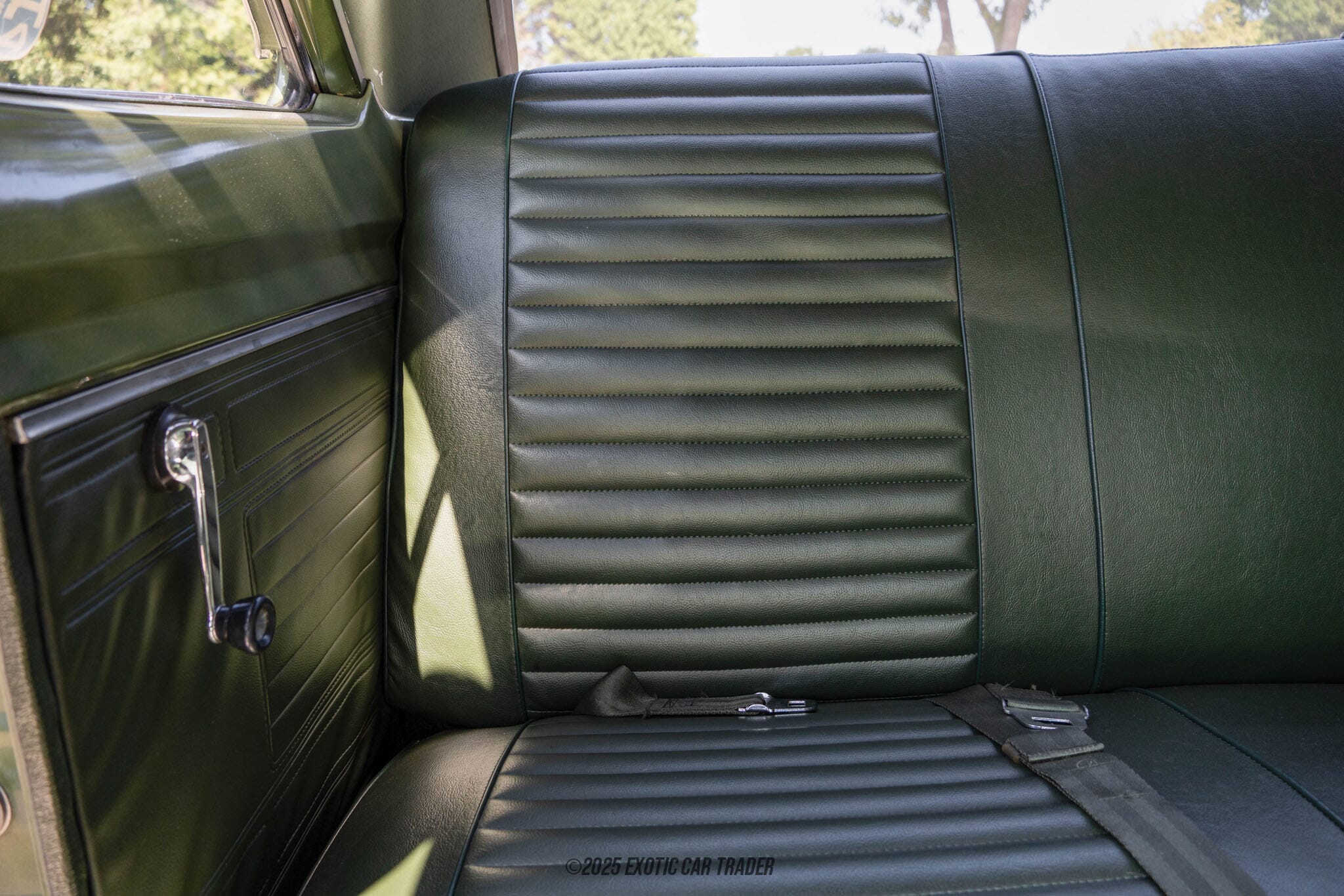
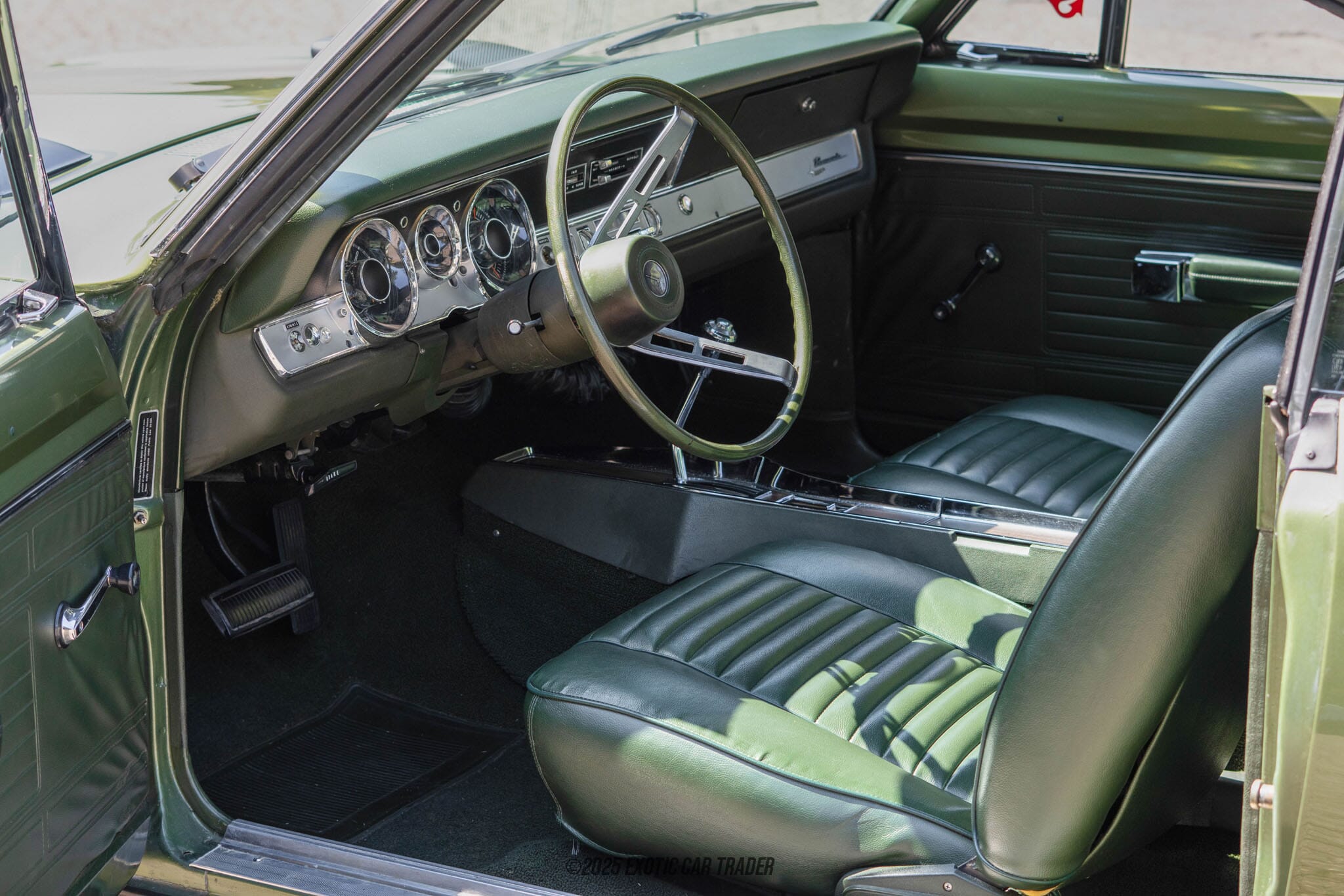
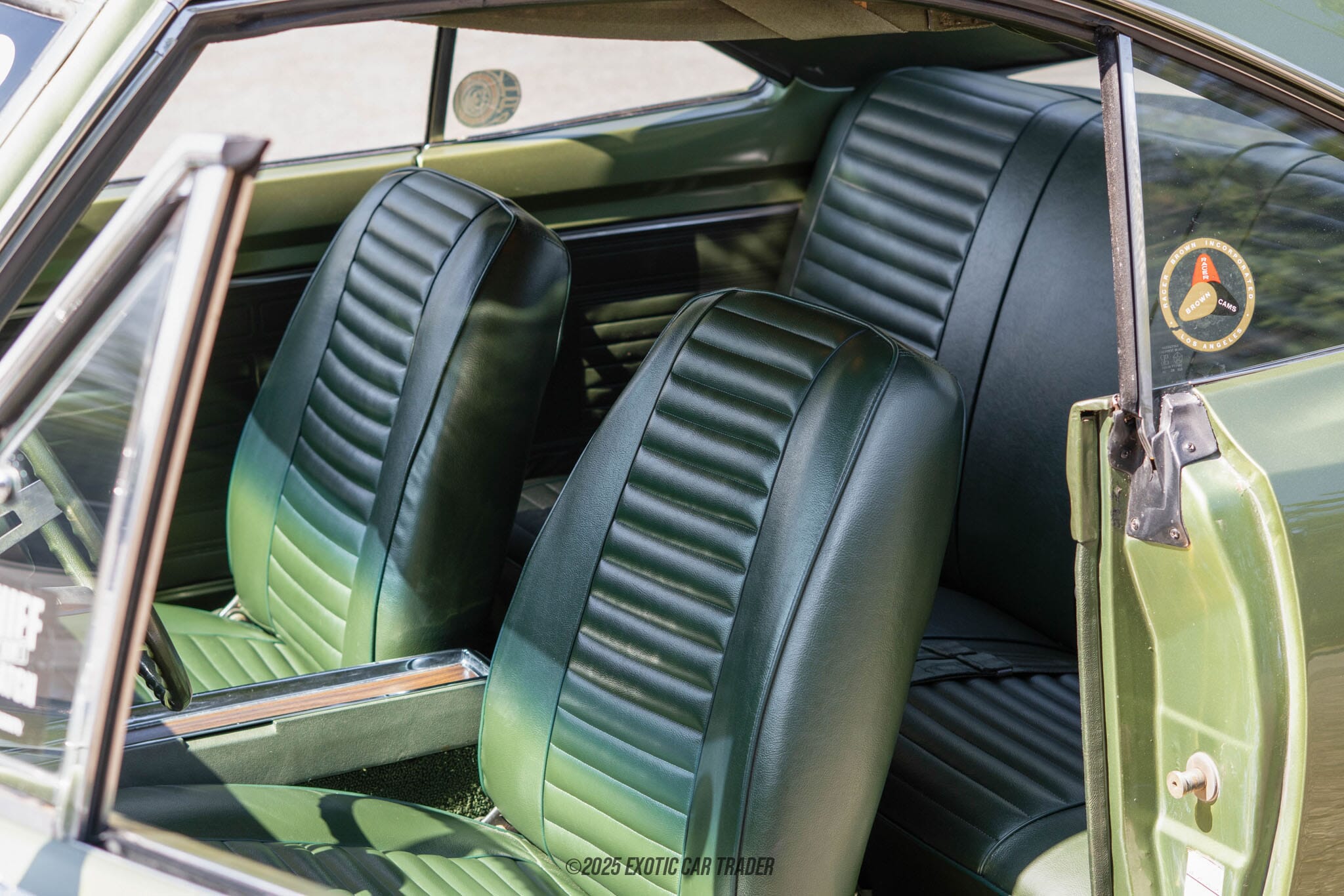
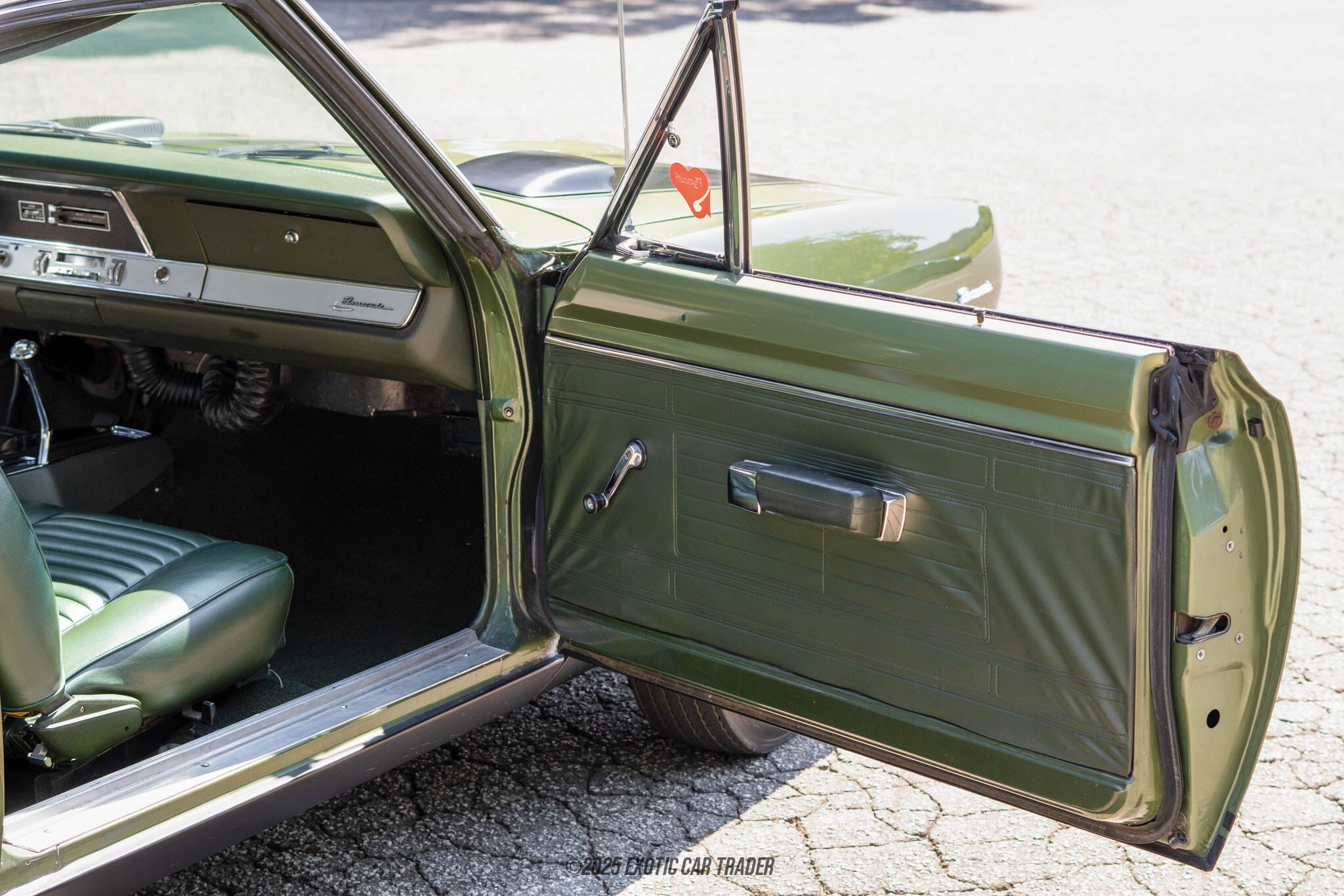
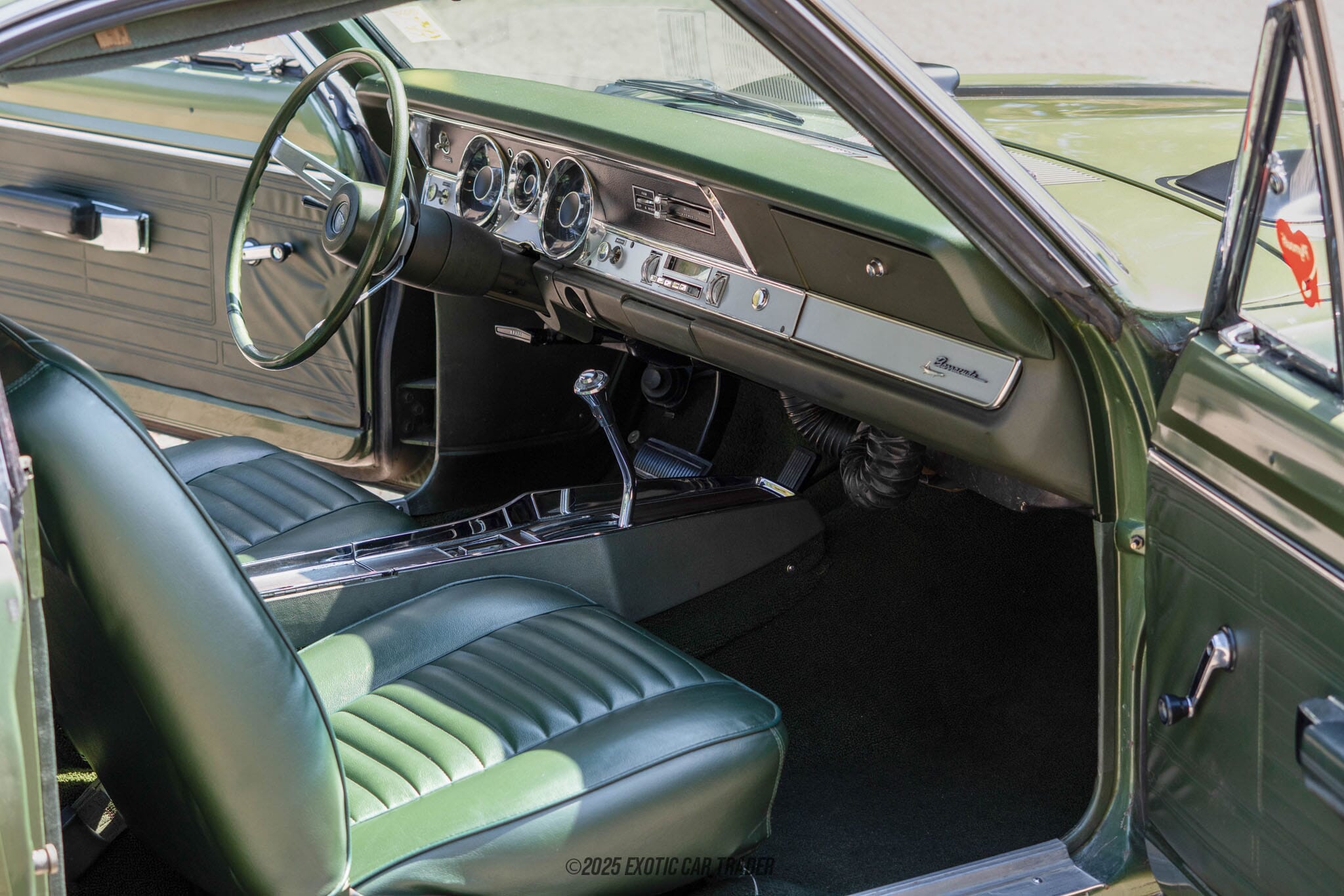
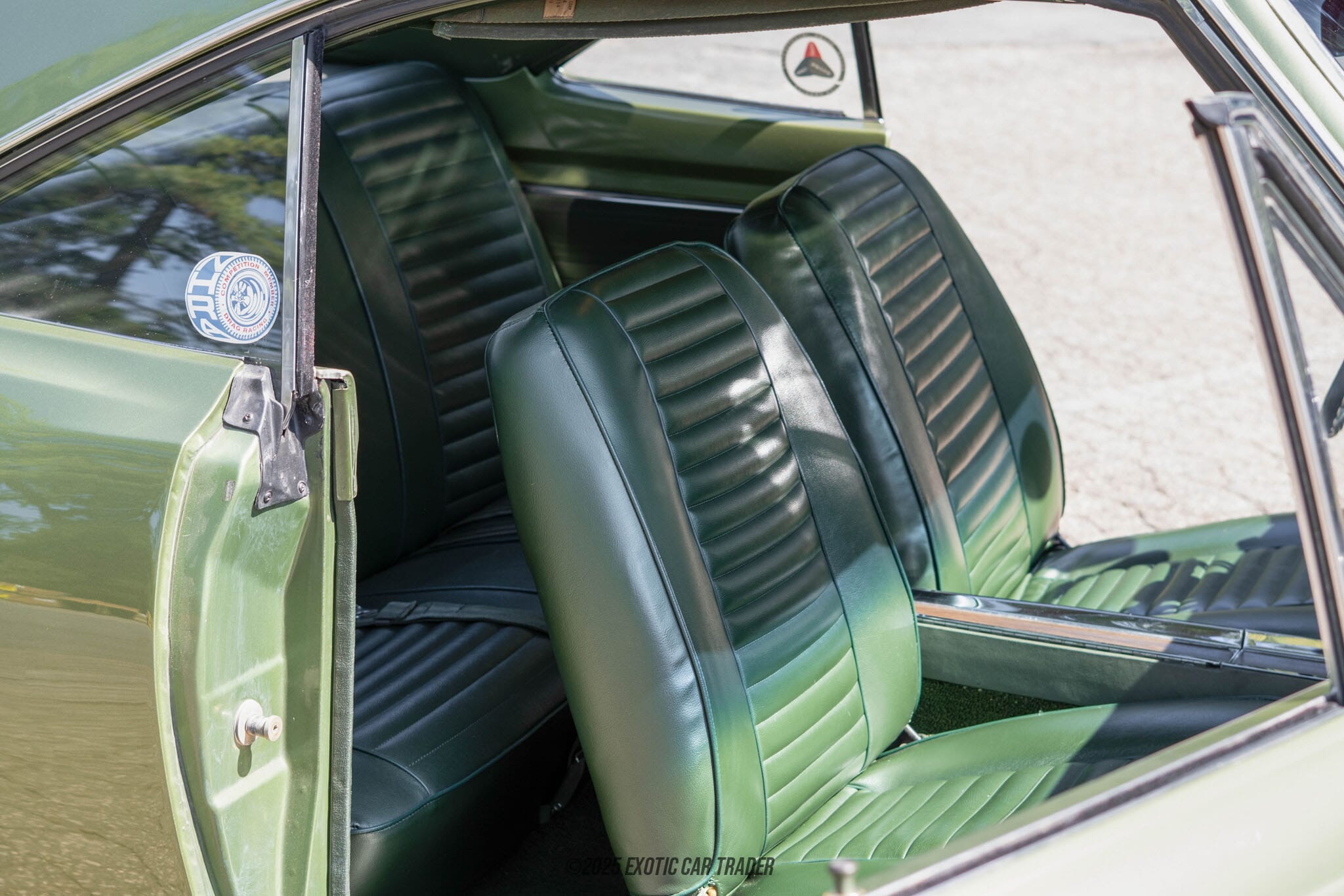
- Green Vinyl Interior
- 14" Steel Wheels w/ Hubcaps
- AM Radio
- Drum Brakes
- Limited-Slip Differential
- Firestone Red Line Tires
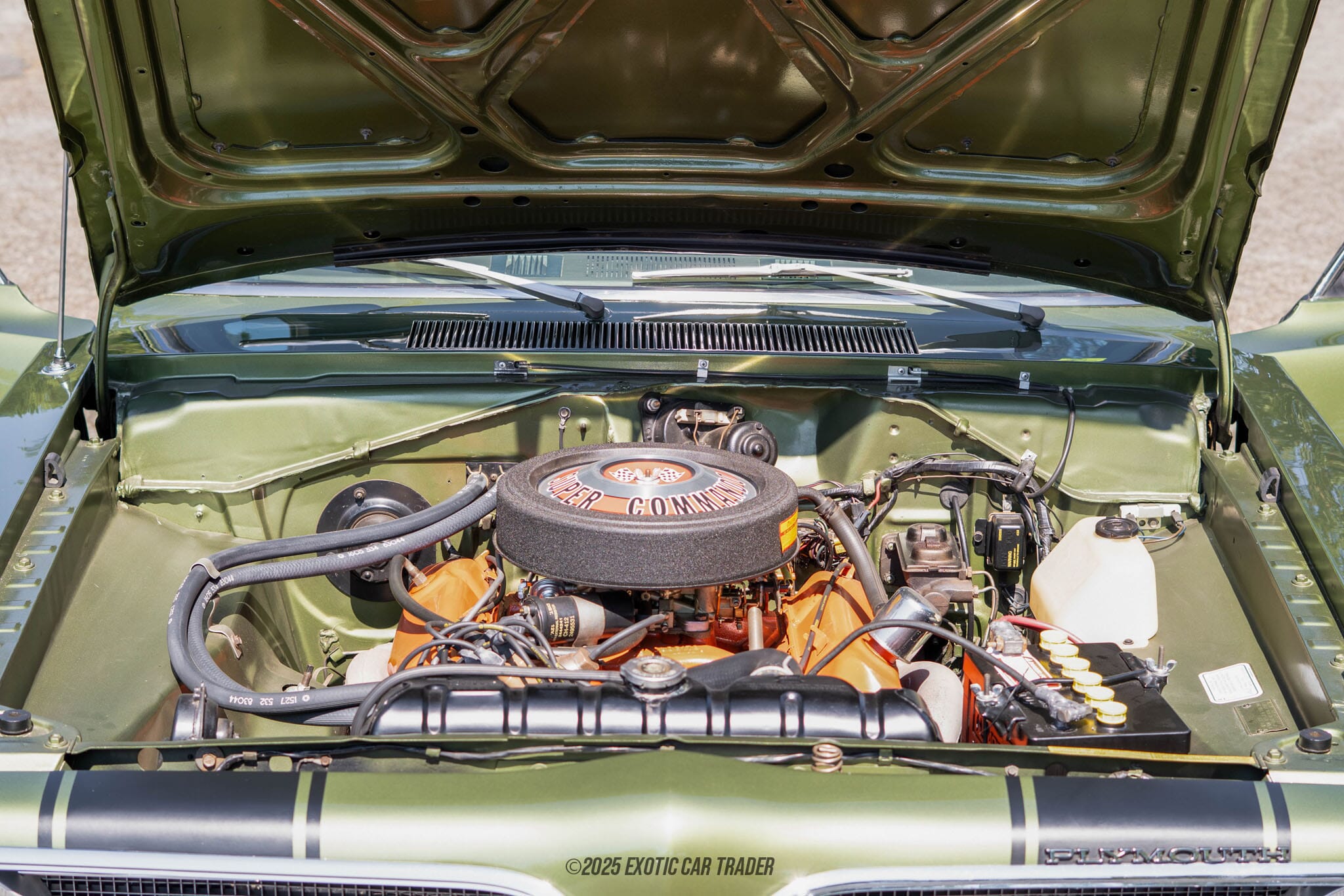
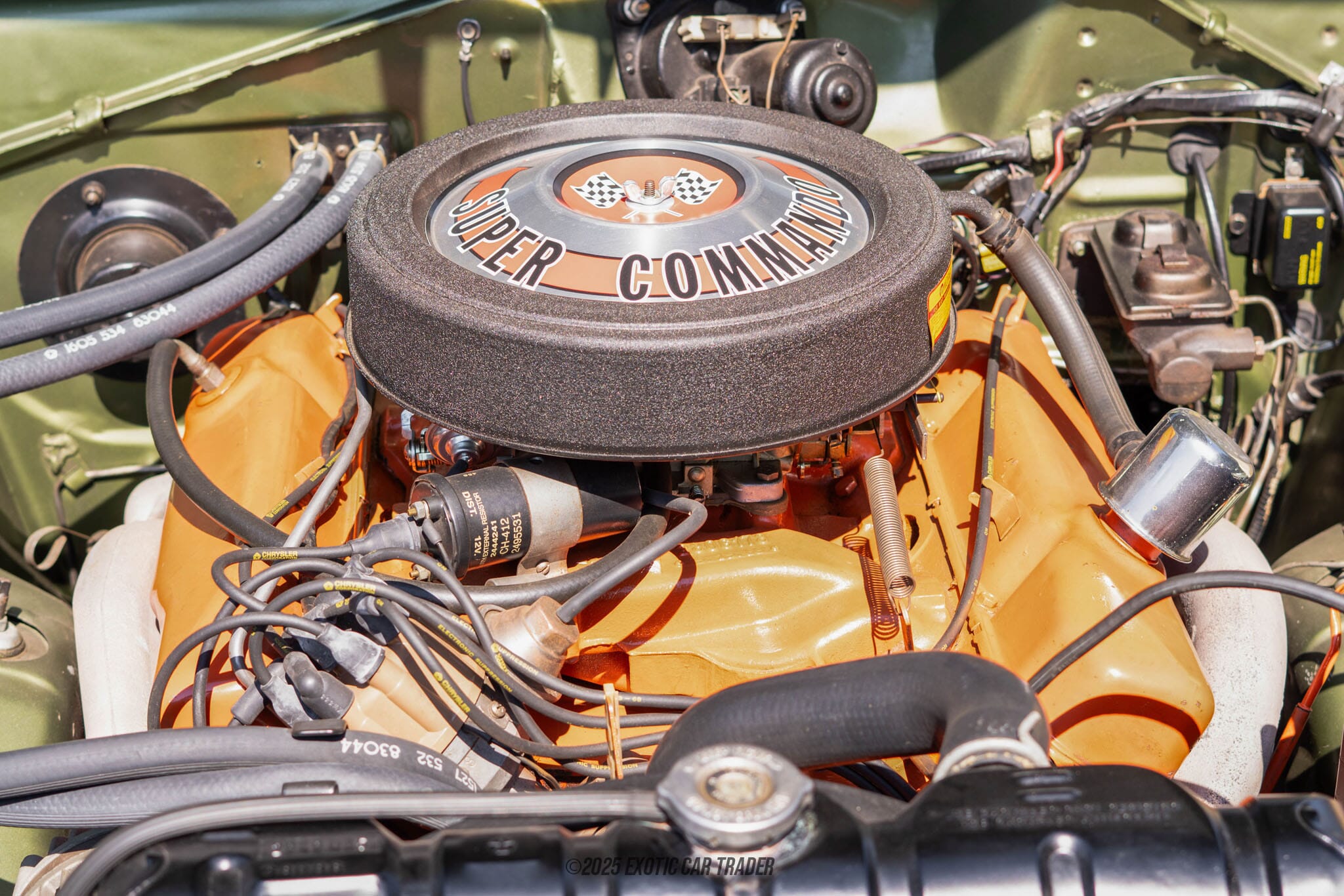
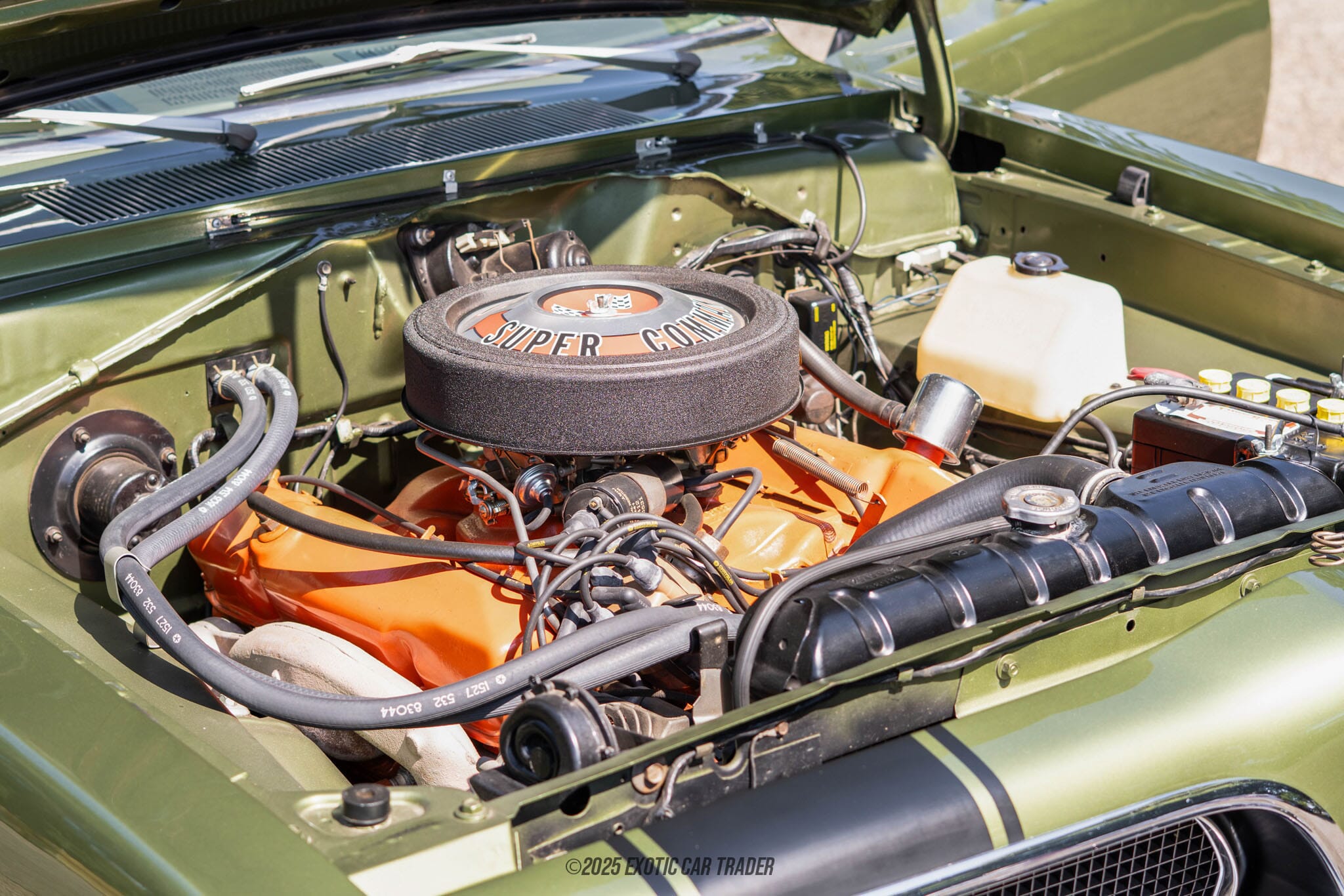
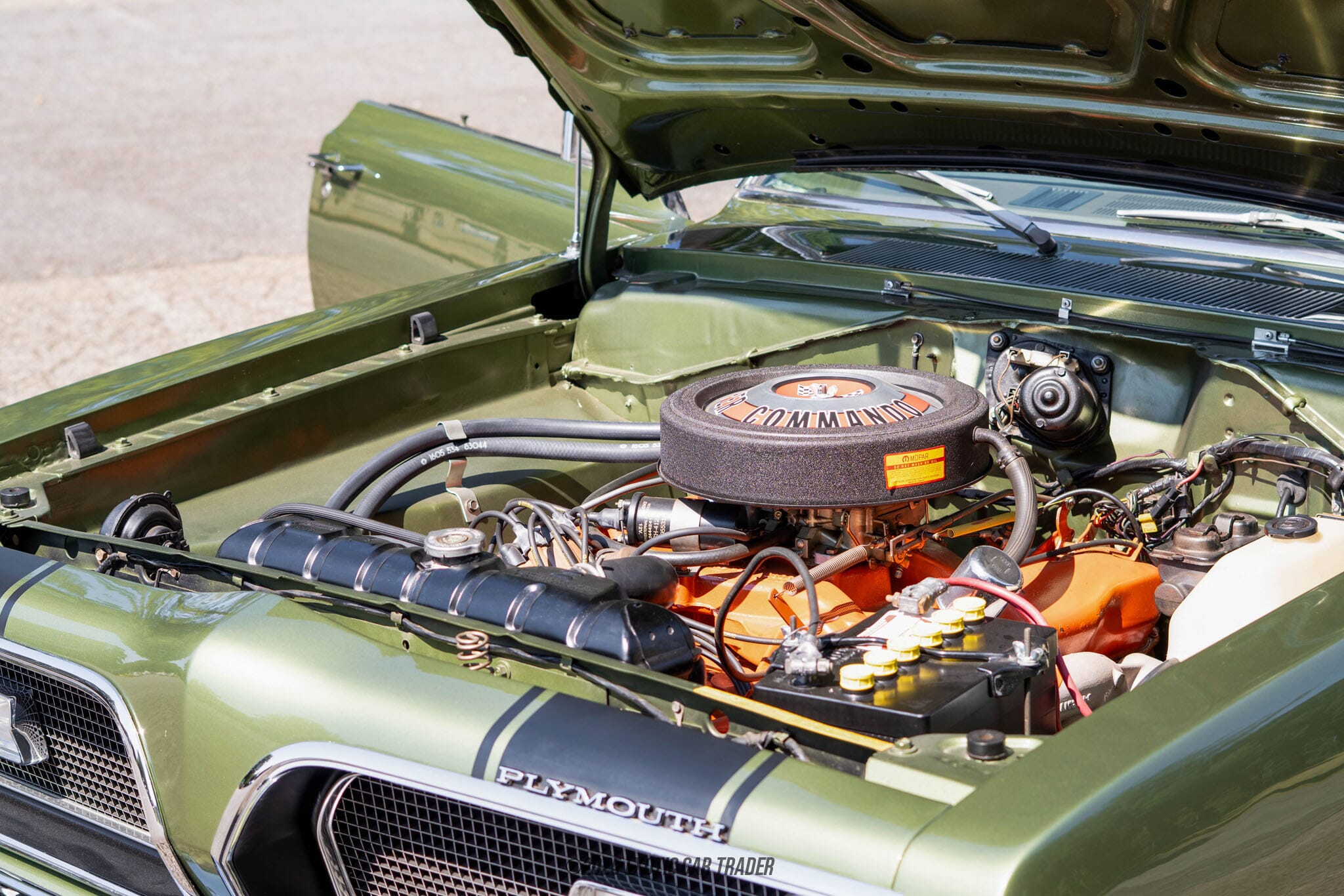
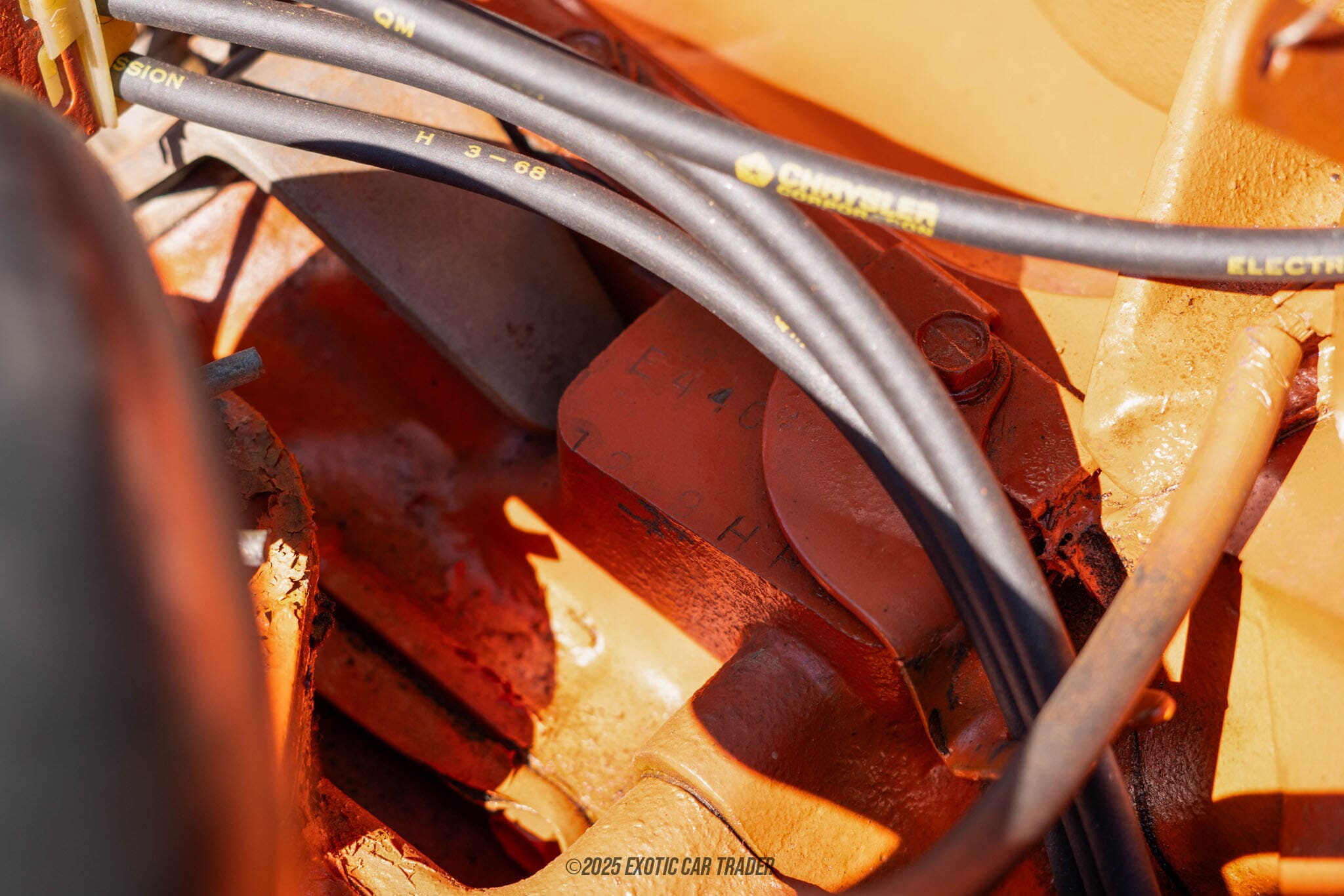
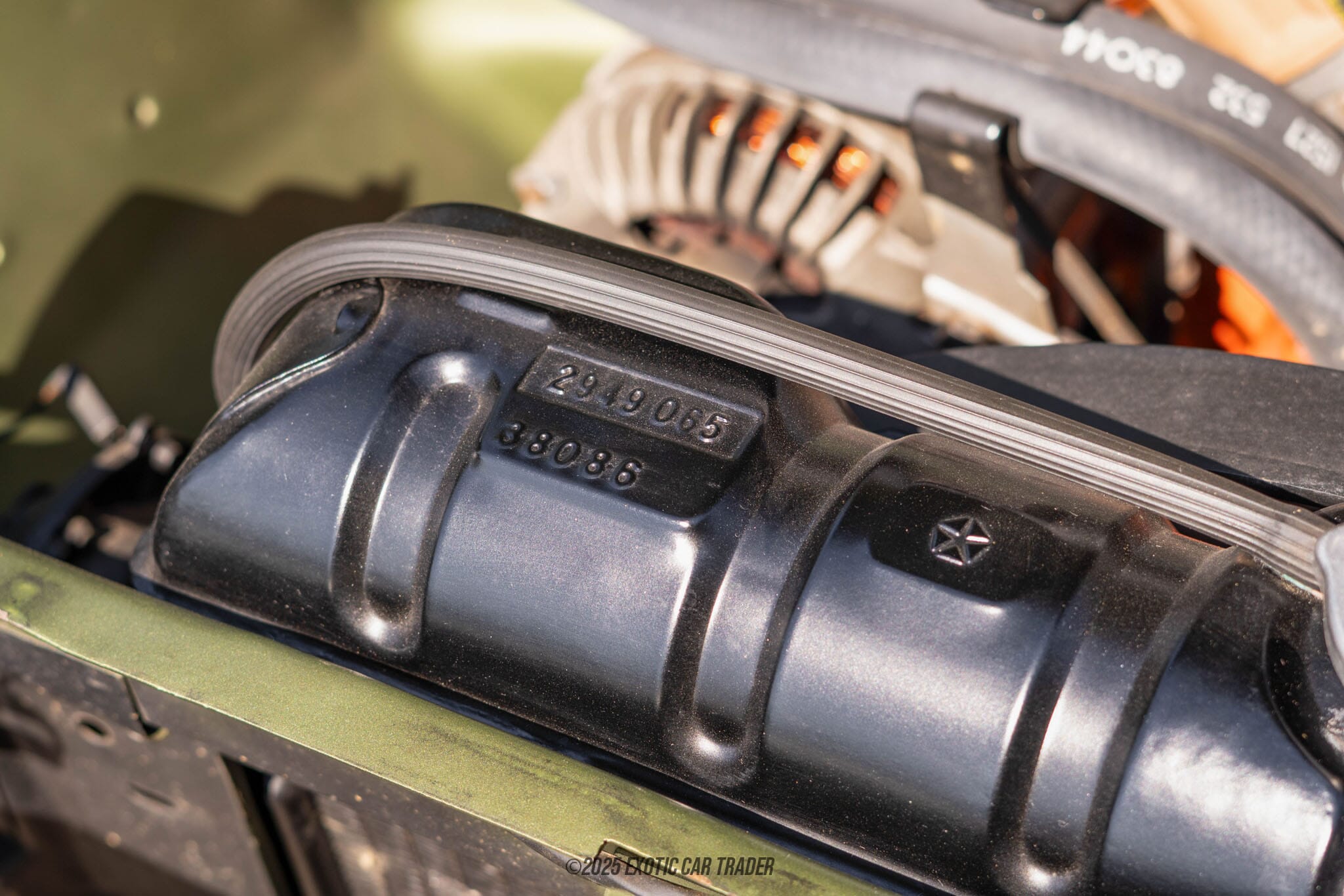
- 1 of About 45 M Code Notchback Coupes Produced with a 440ci Super Commando V8 Engine
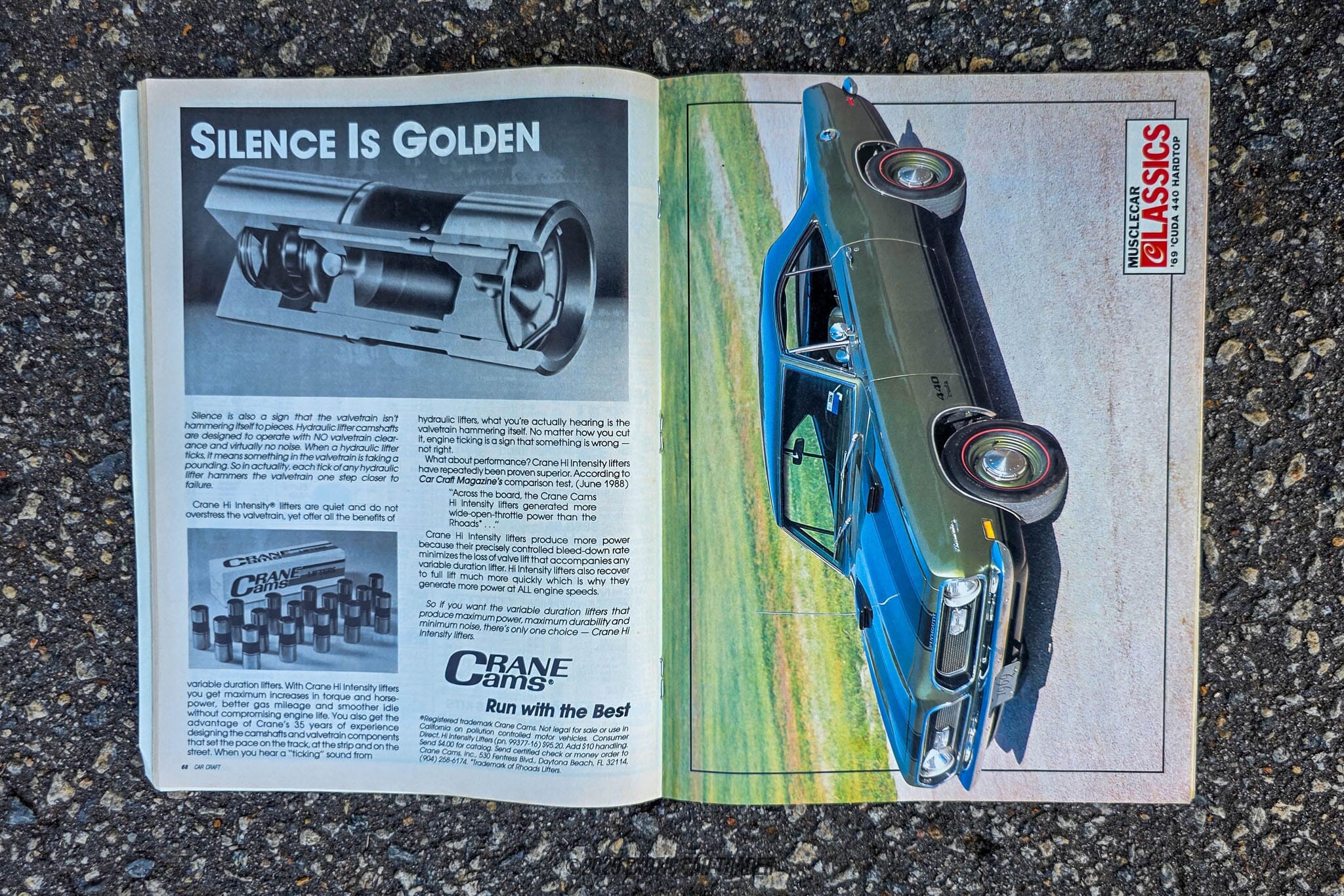
- Broadcast Sheet, Magazine Articles, A Copy of the 440 ’Cuda Registry, & Original Owner’s Manual


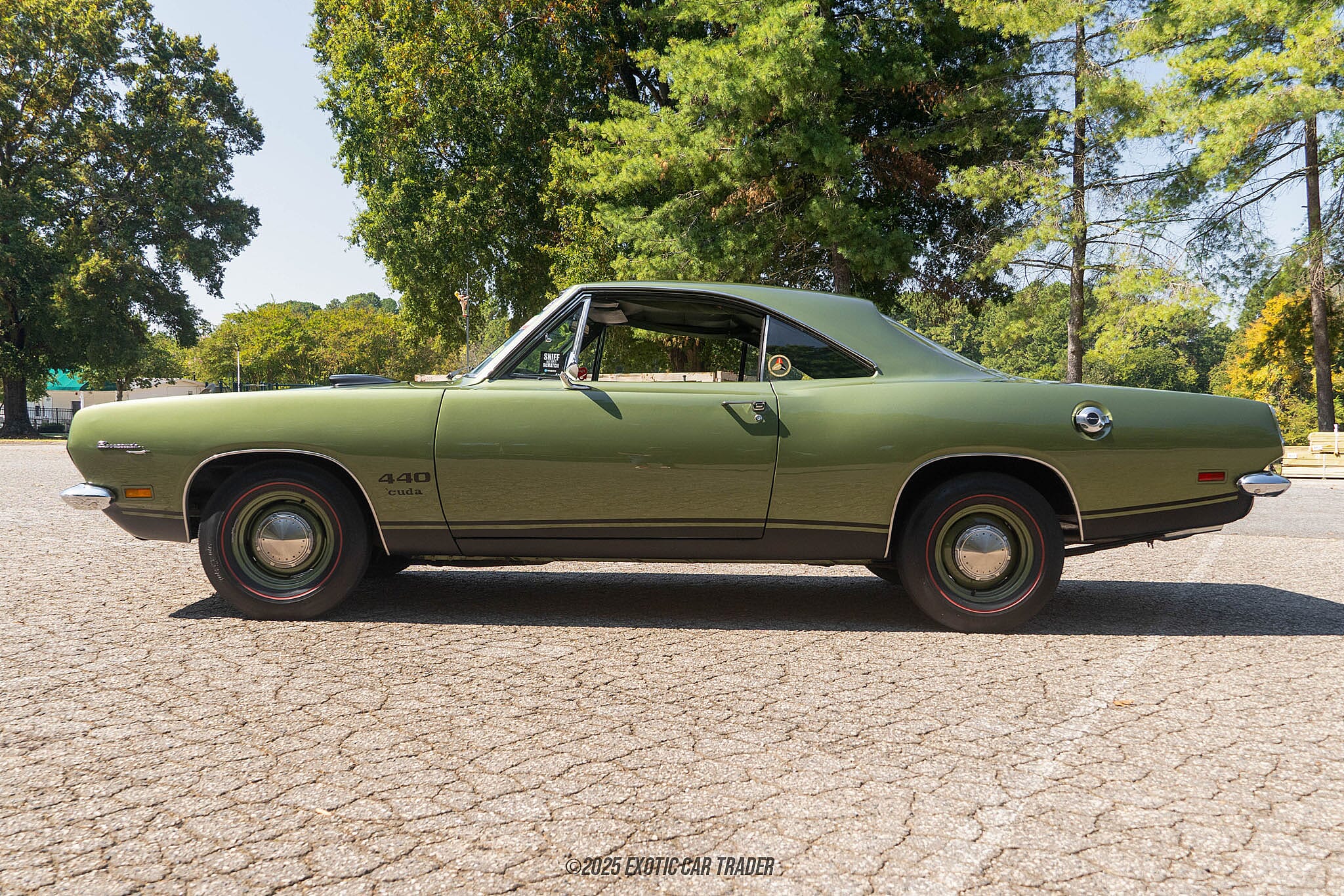
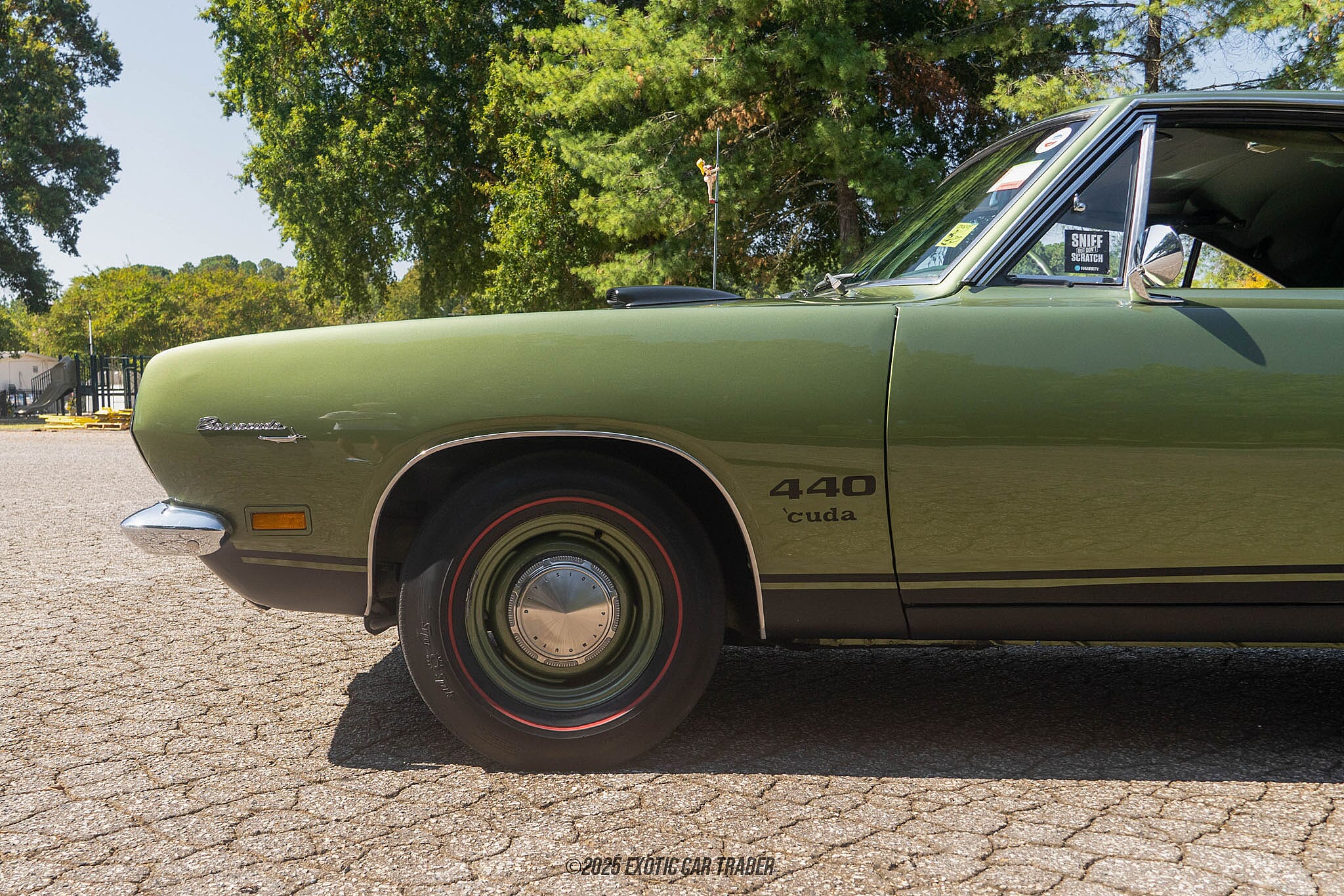
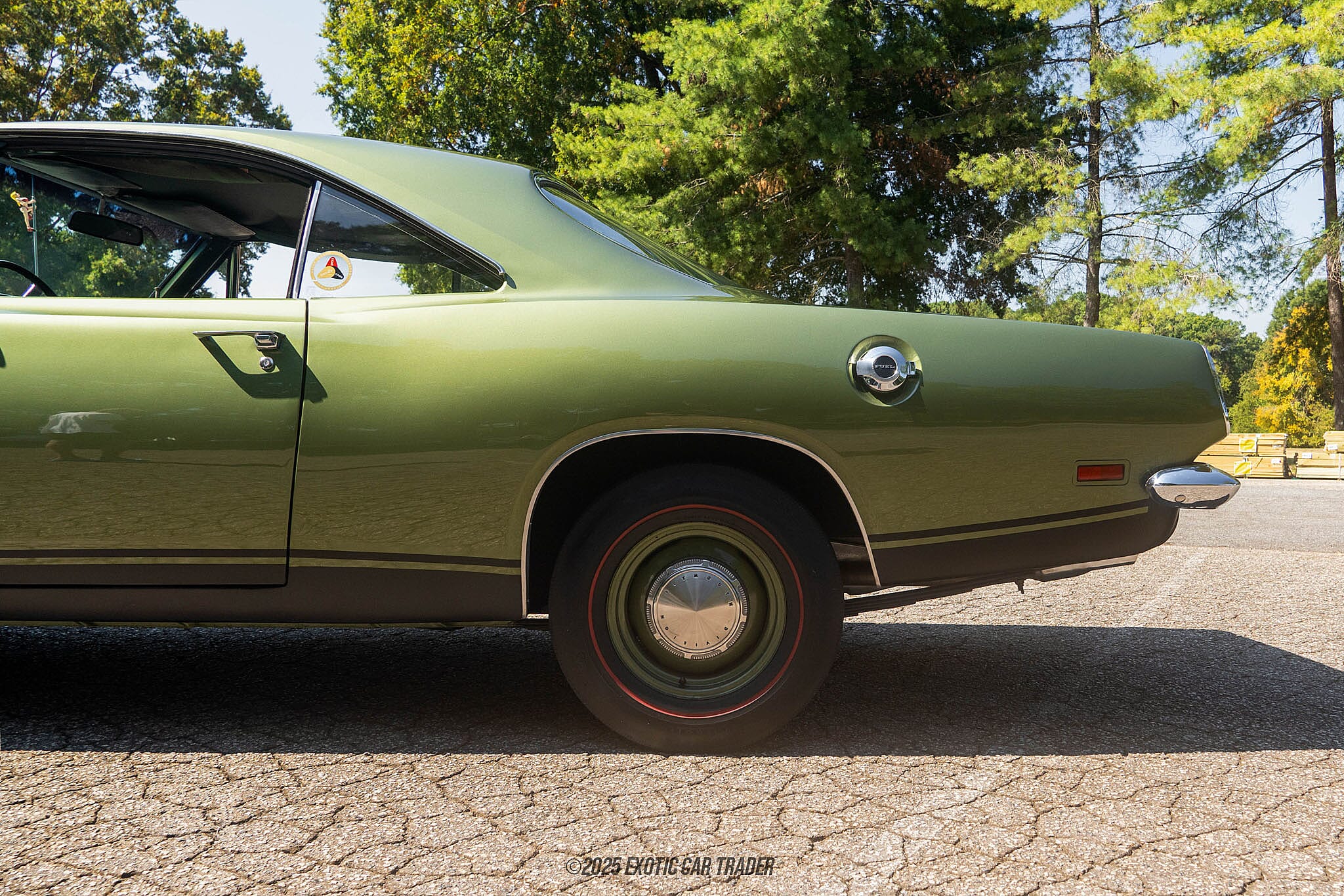
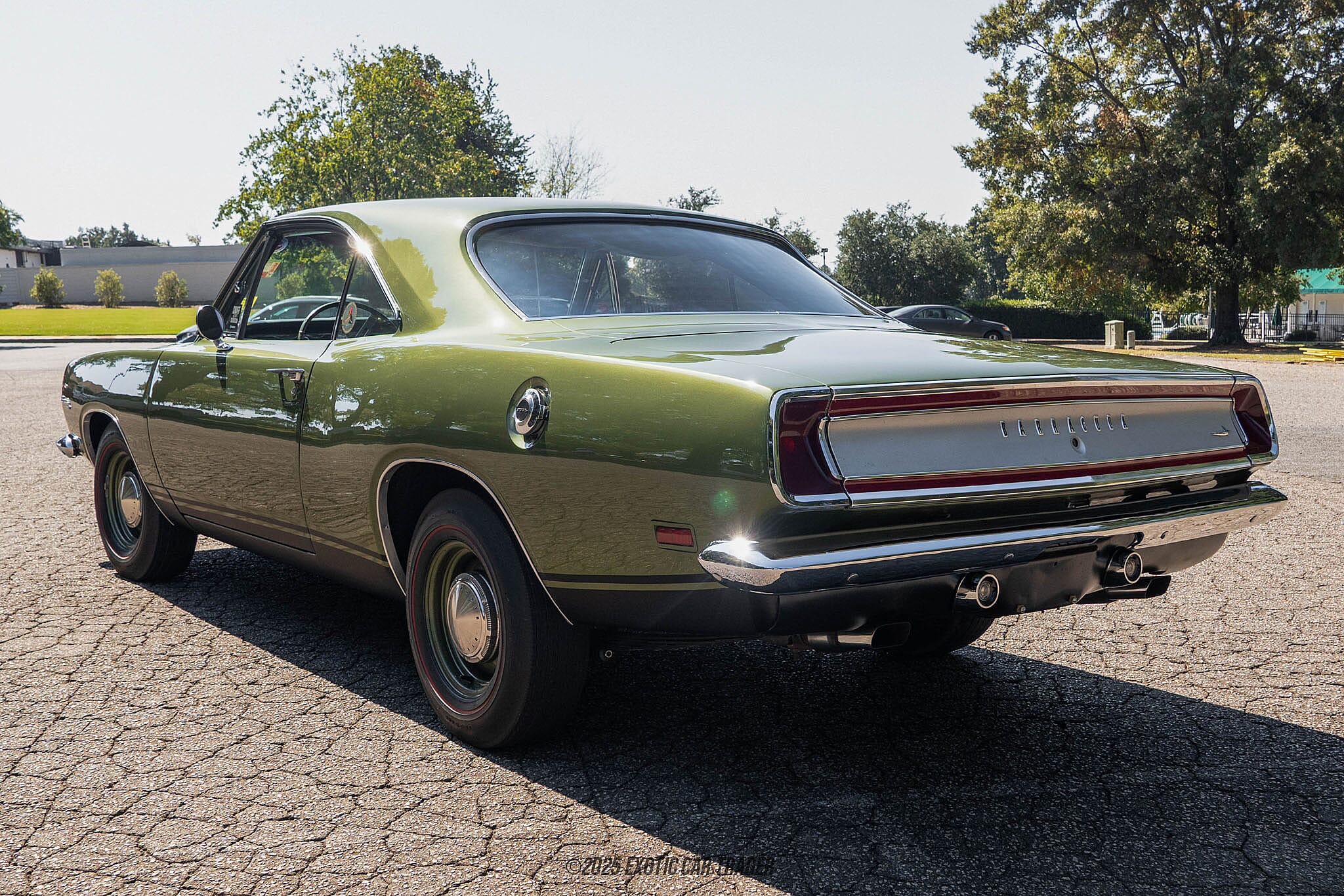
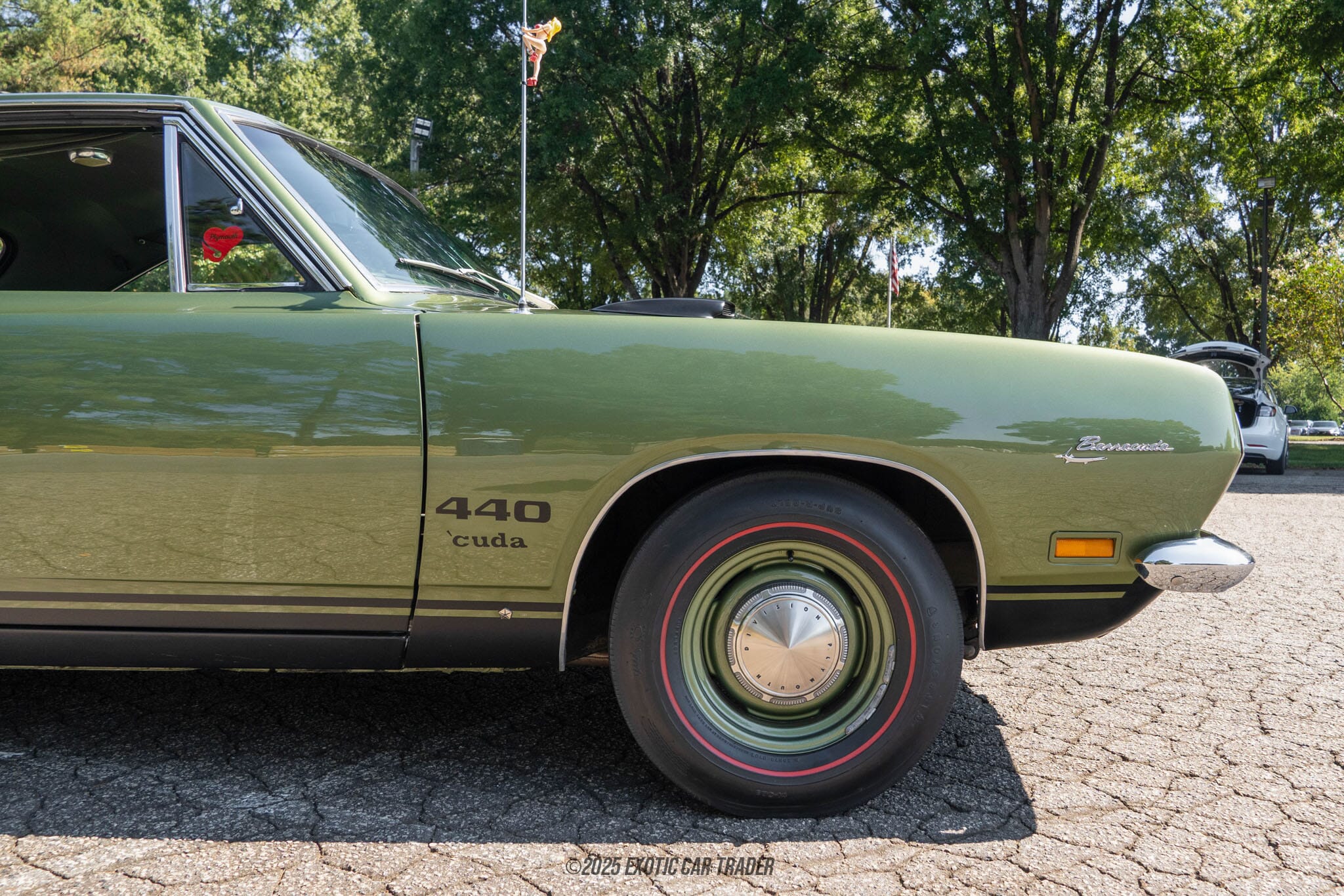
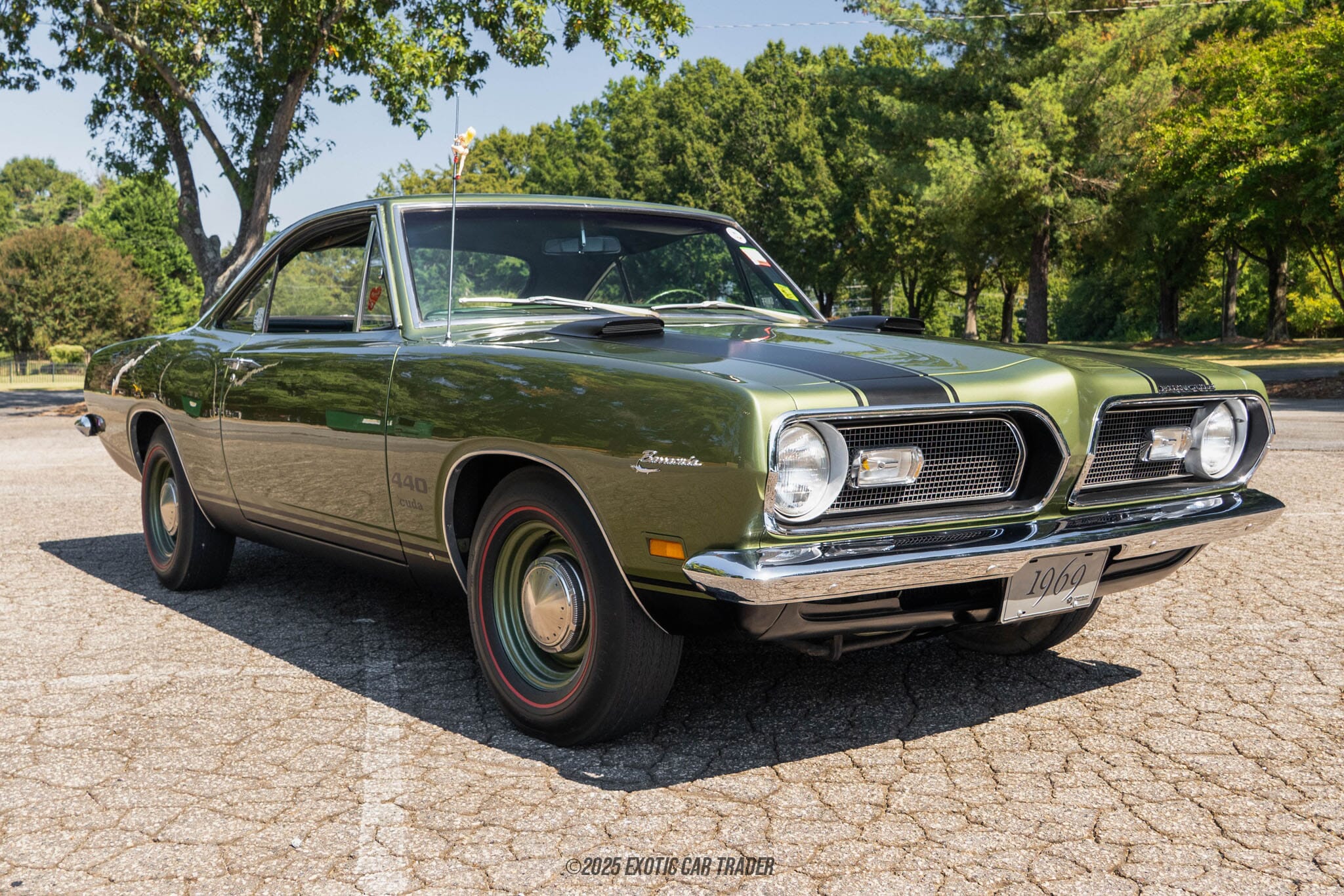
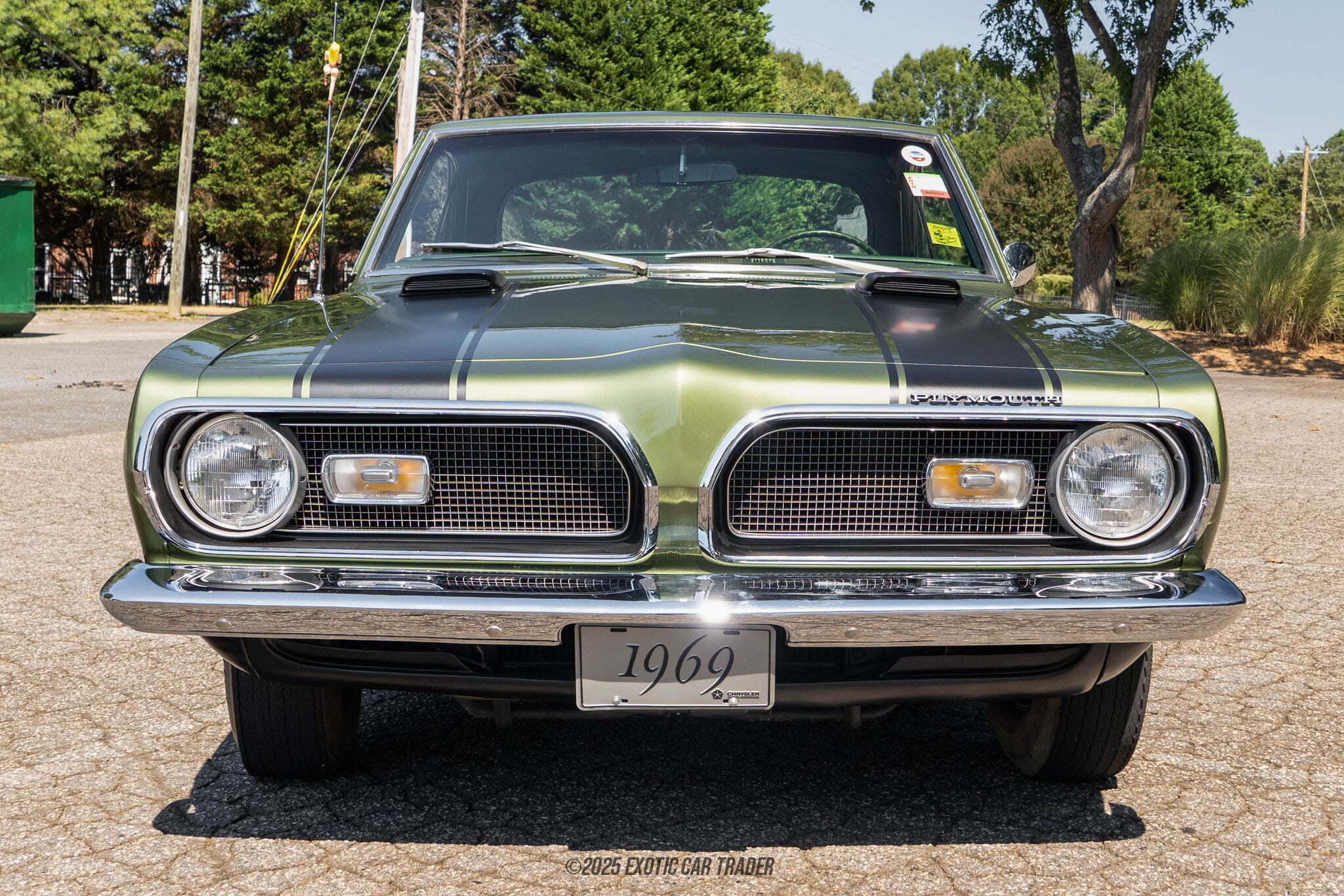
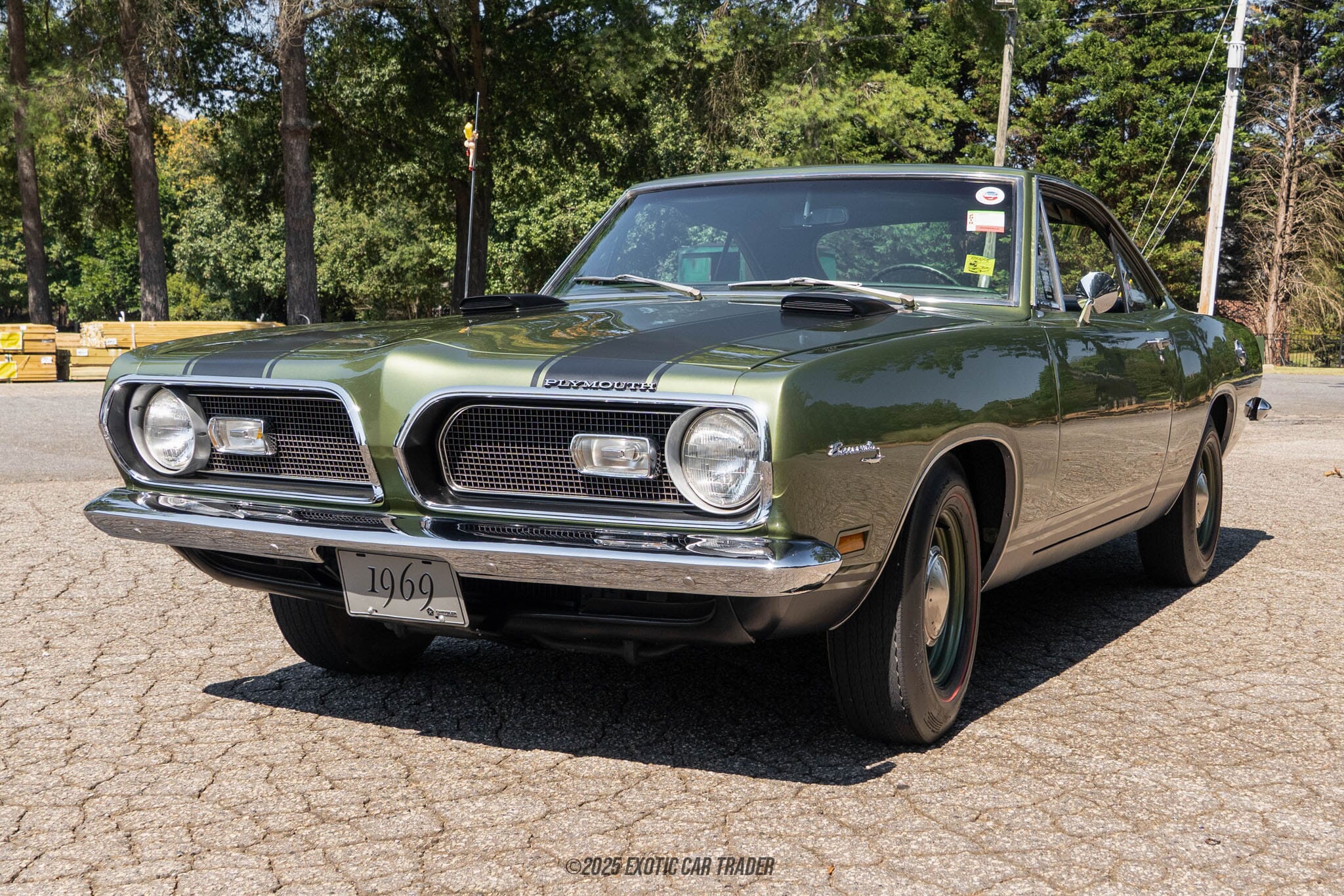
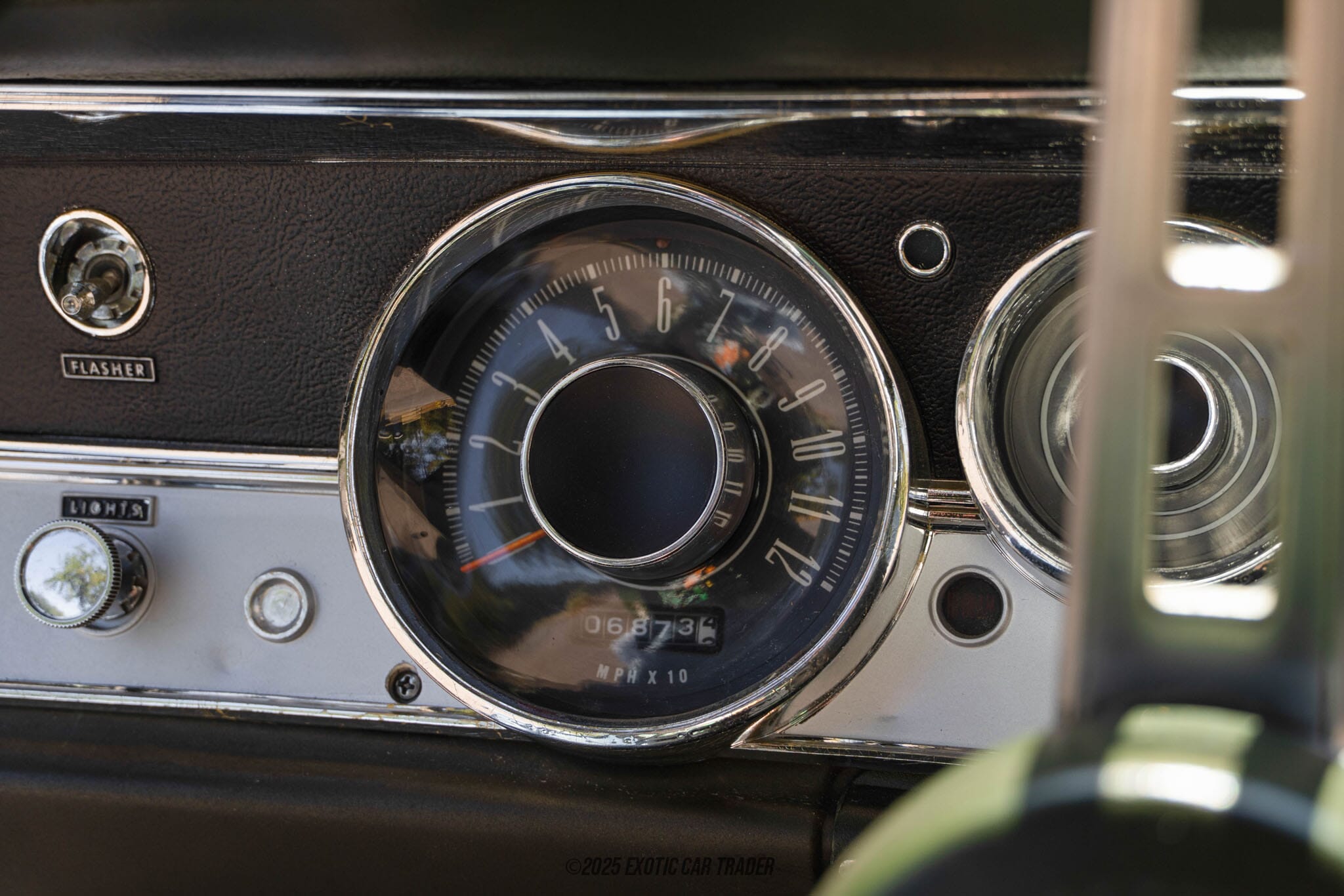
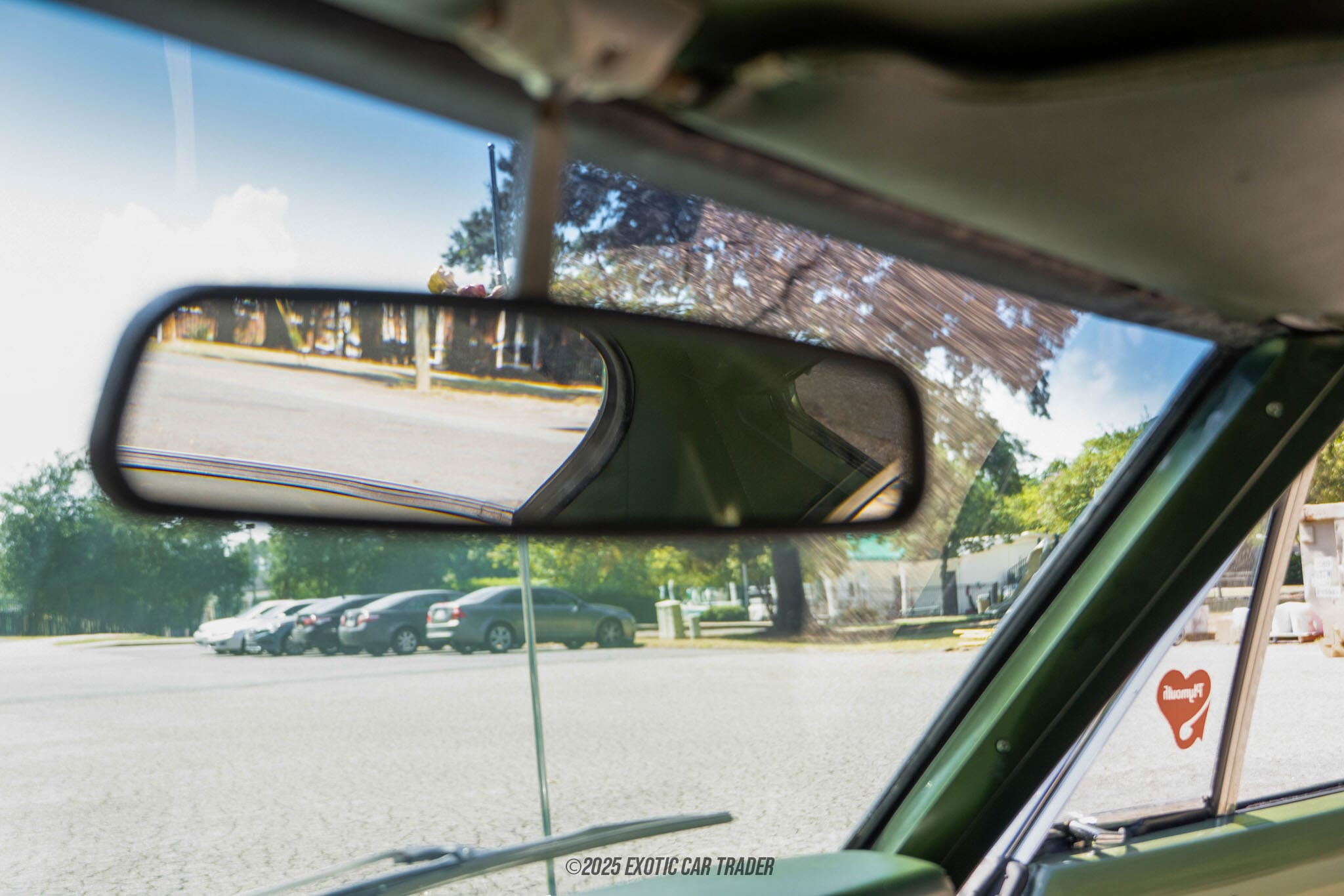
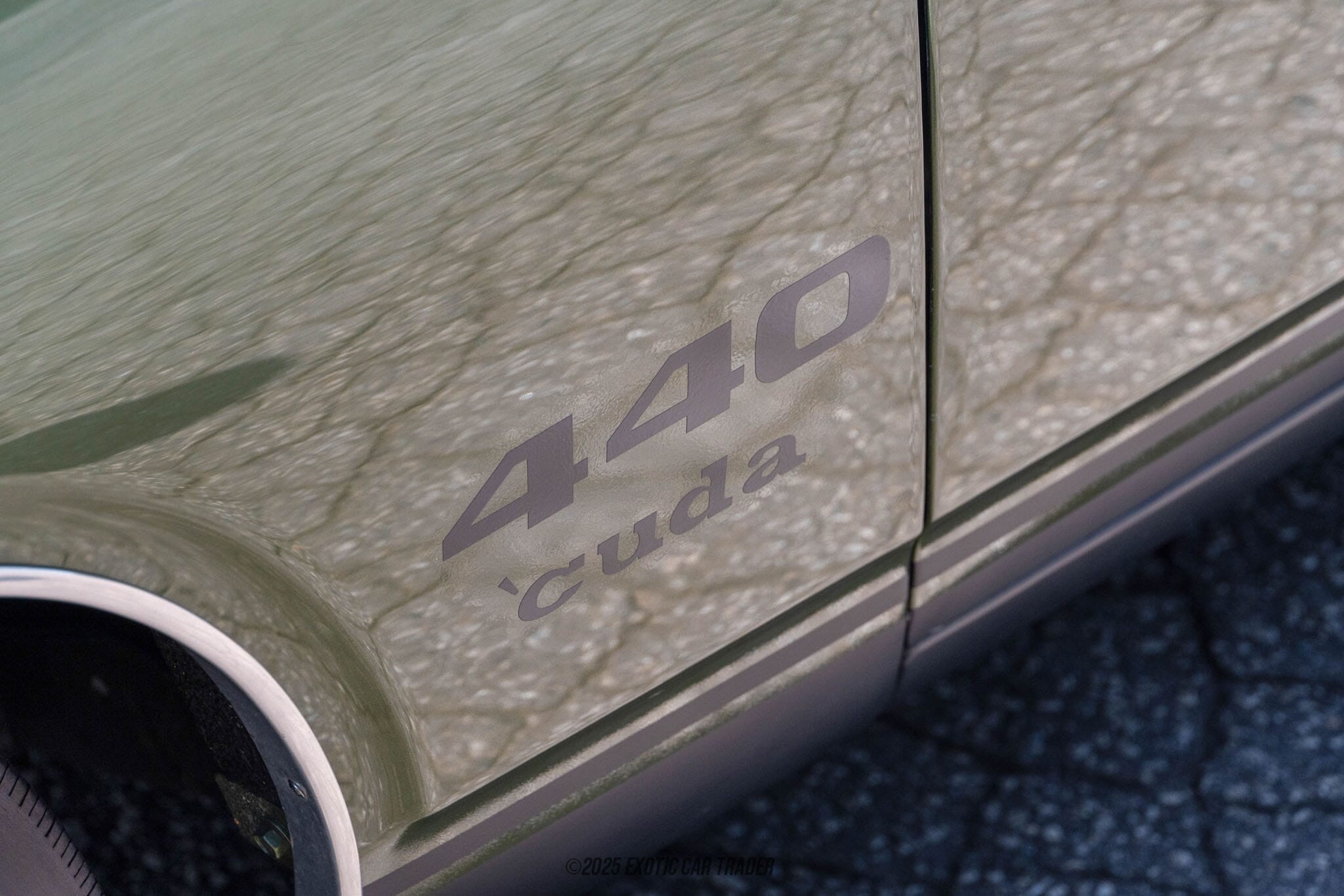
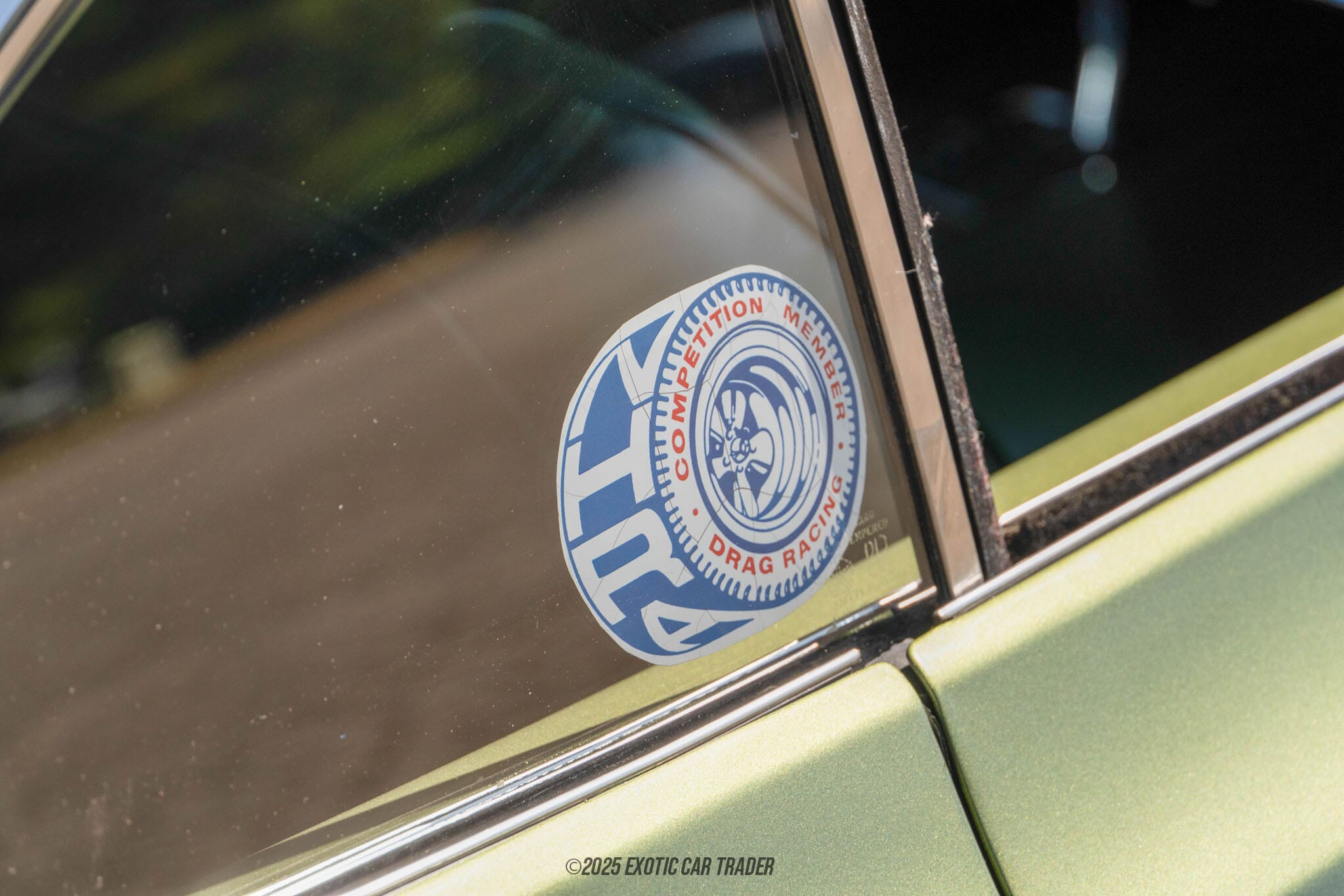
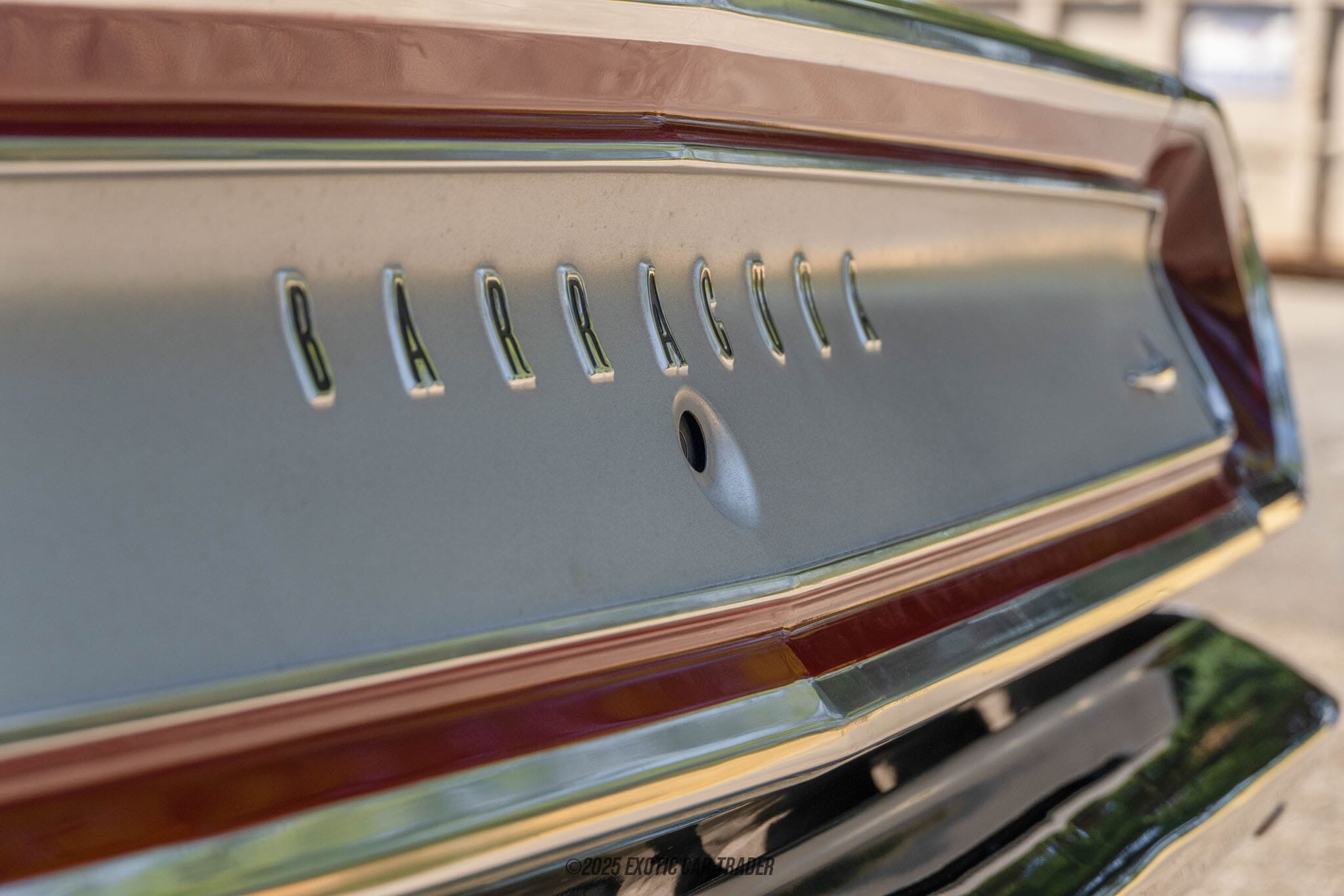
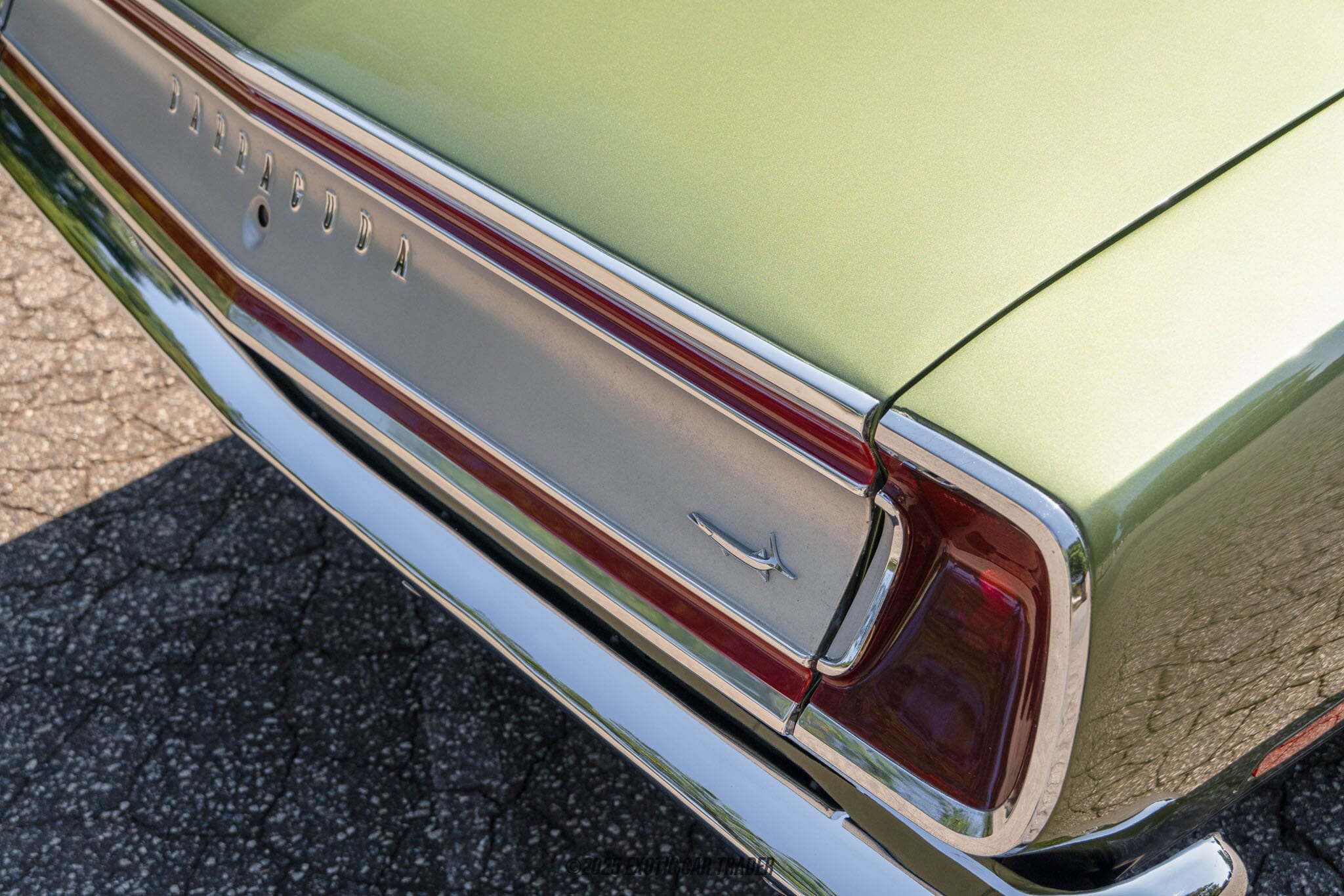
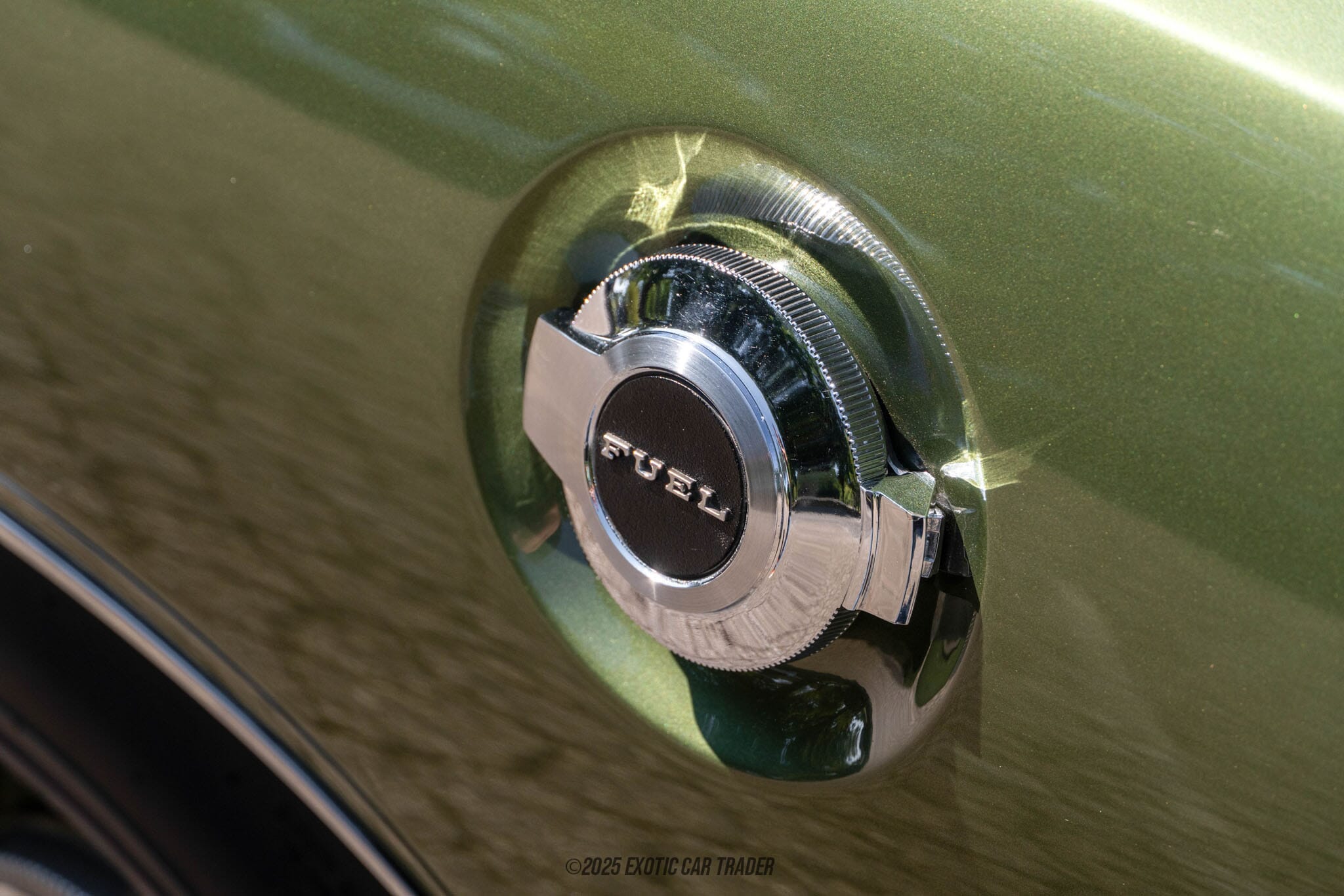
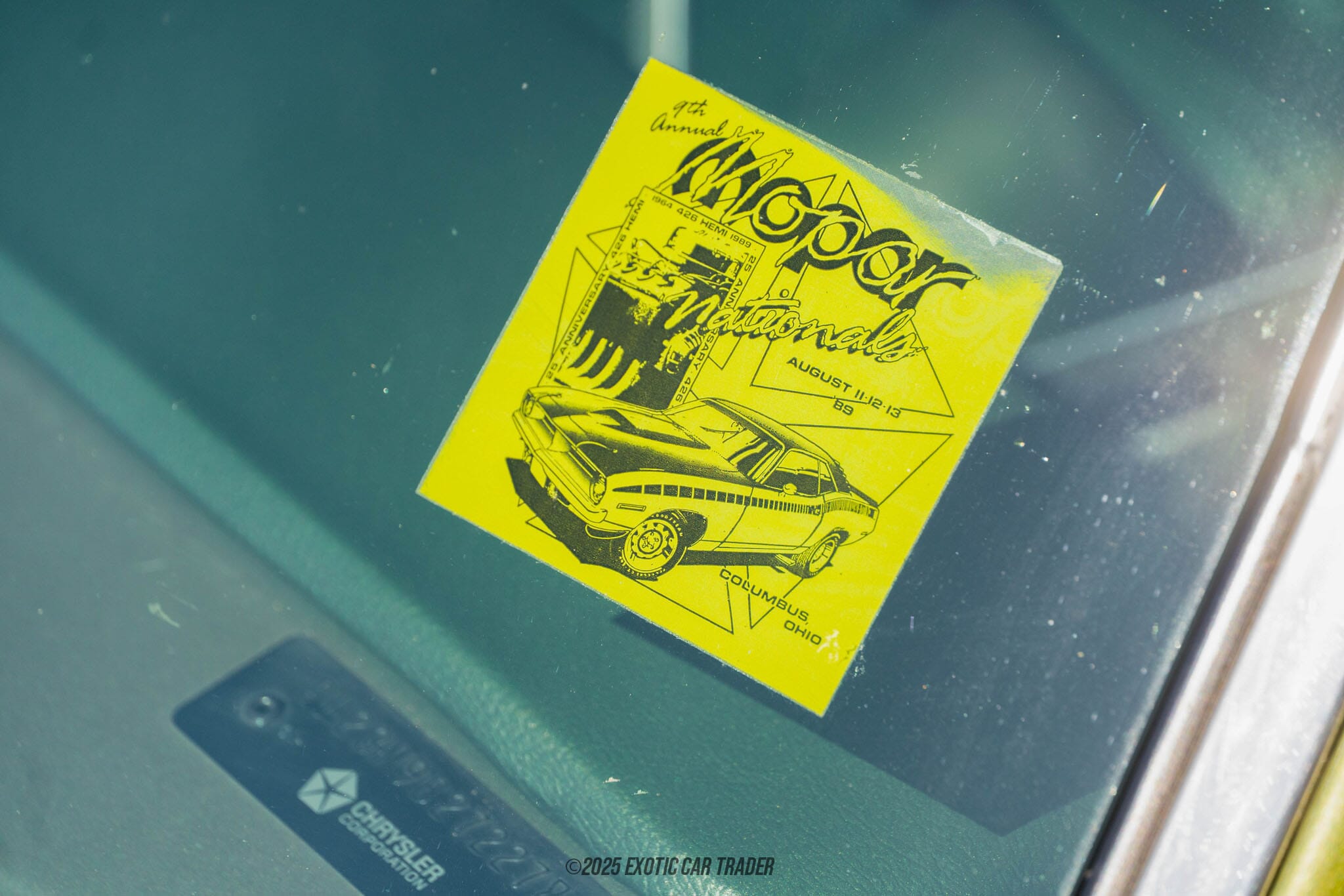
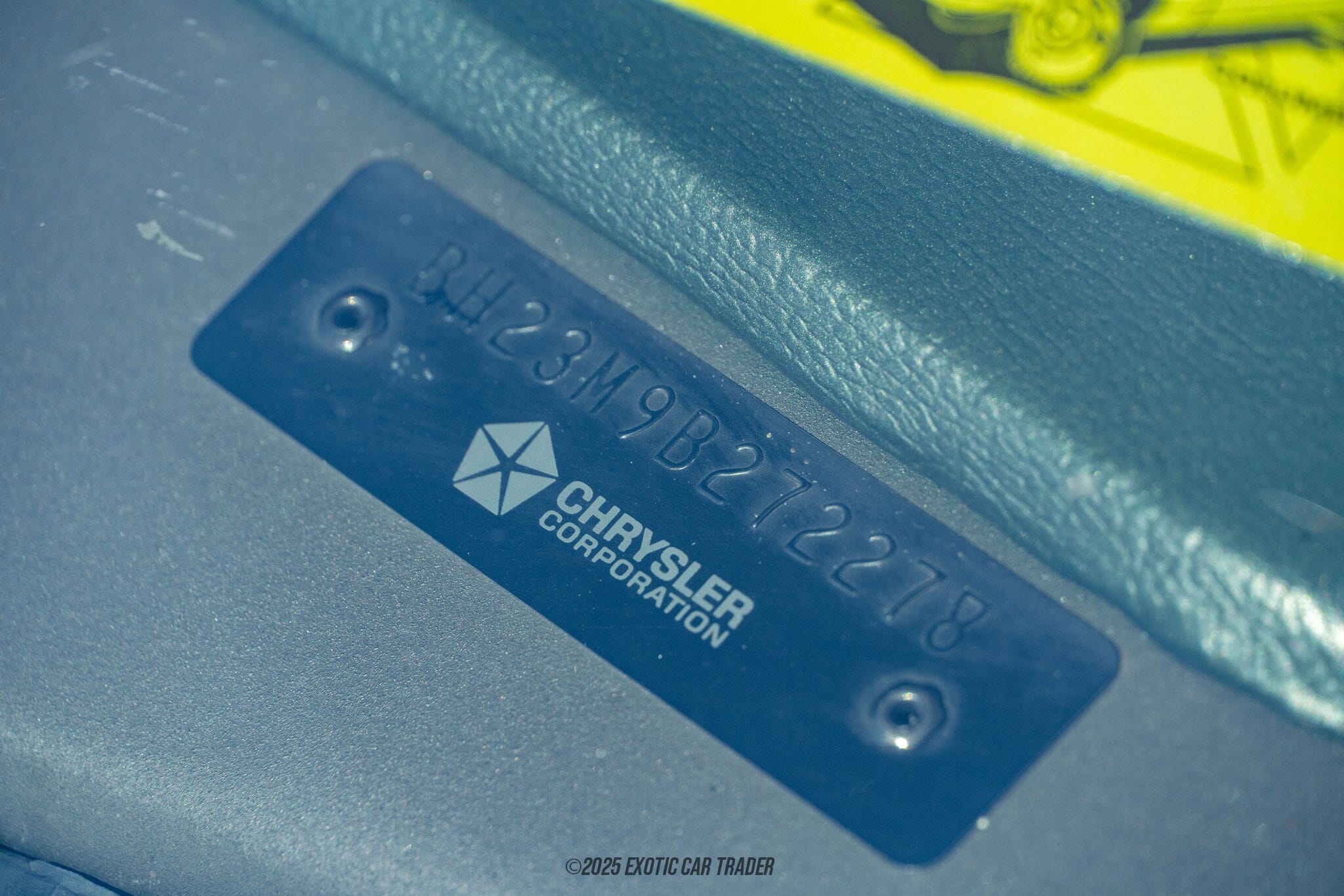
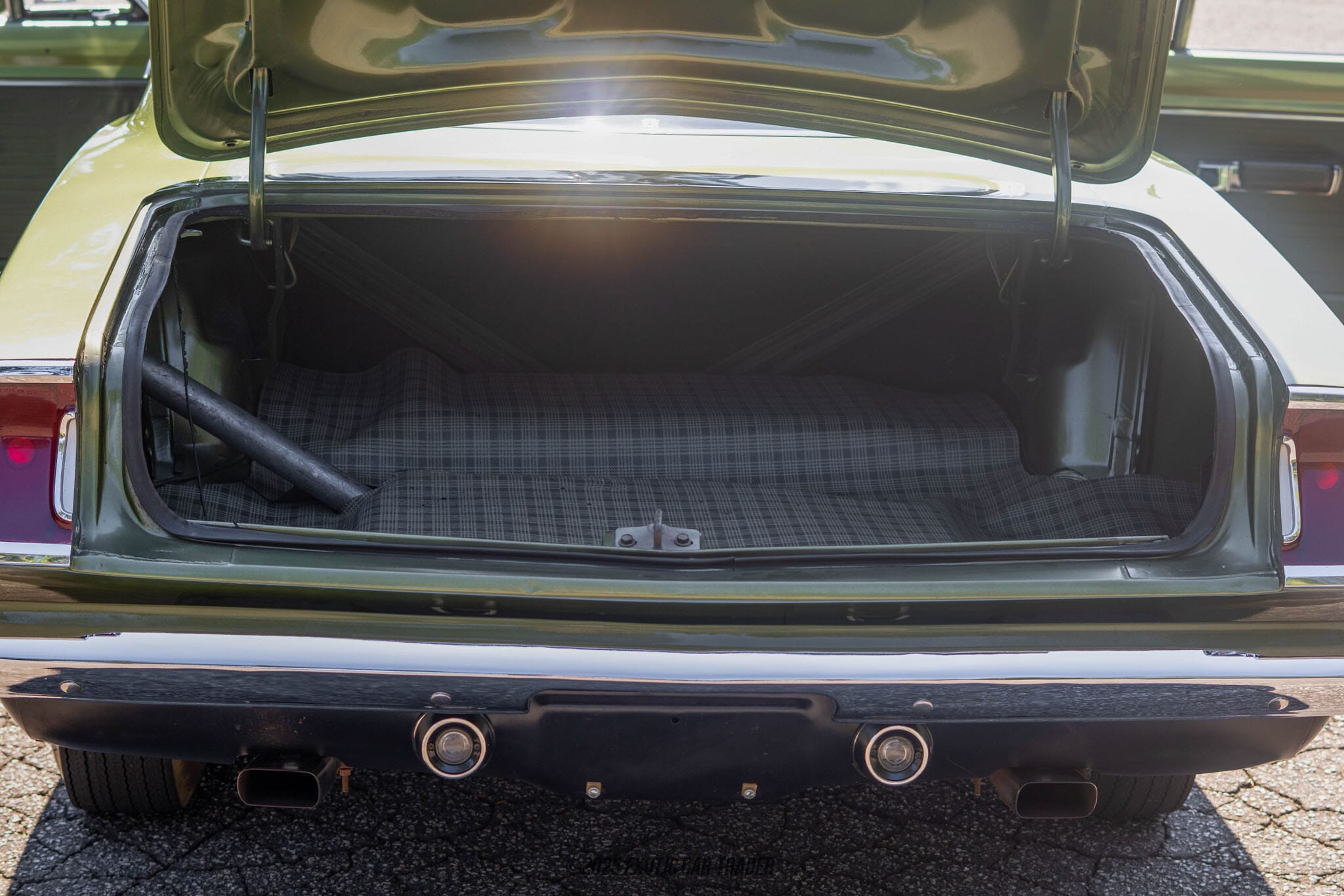
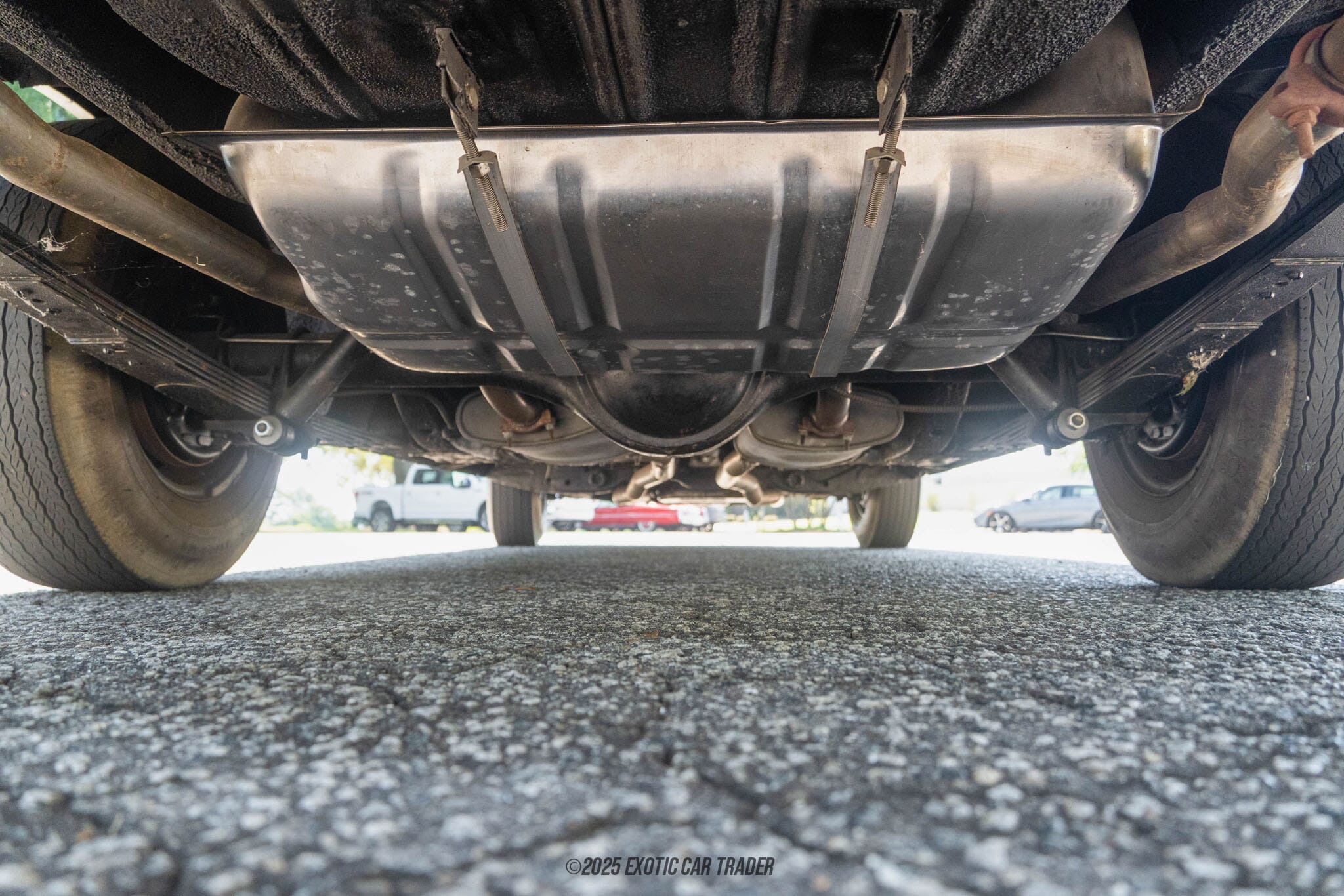
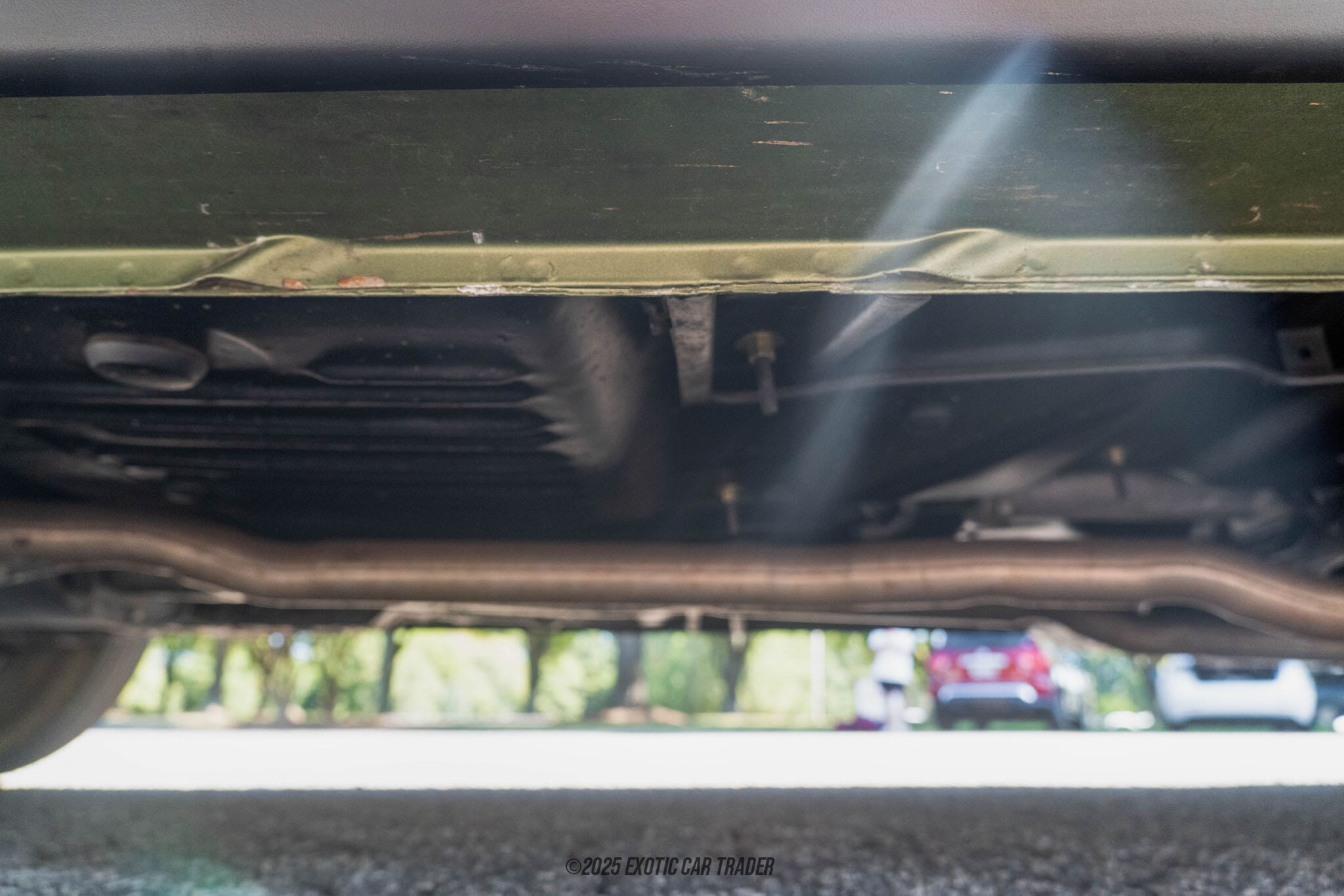
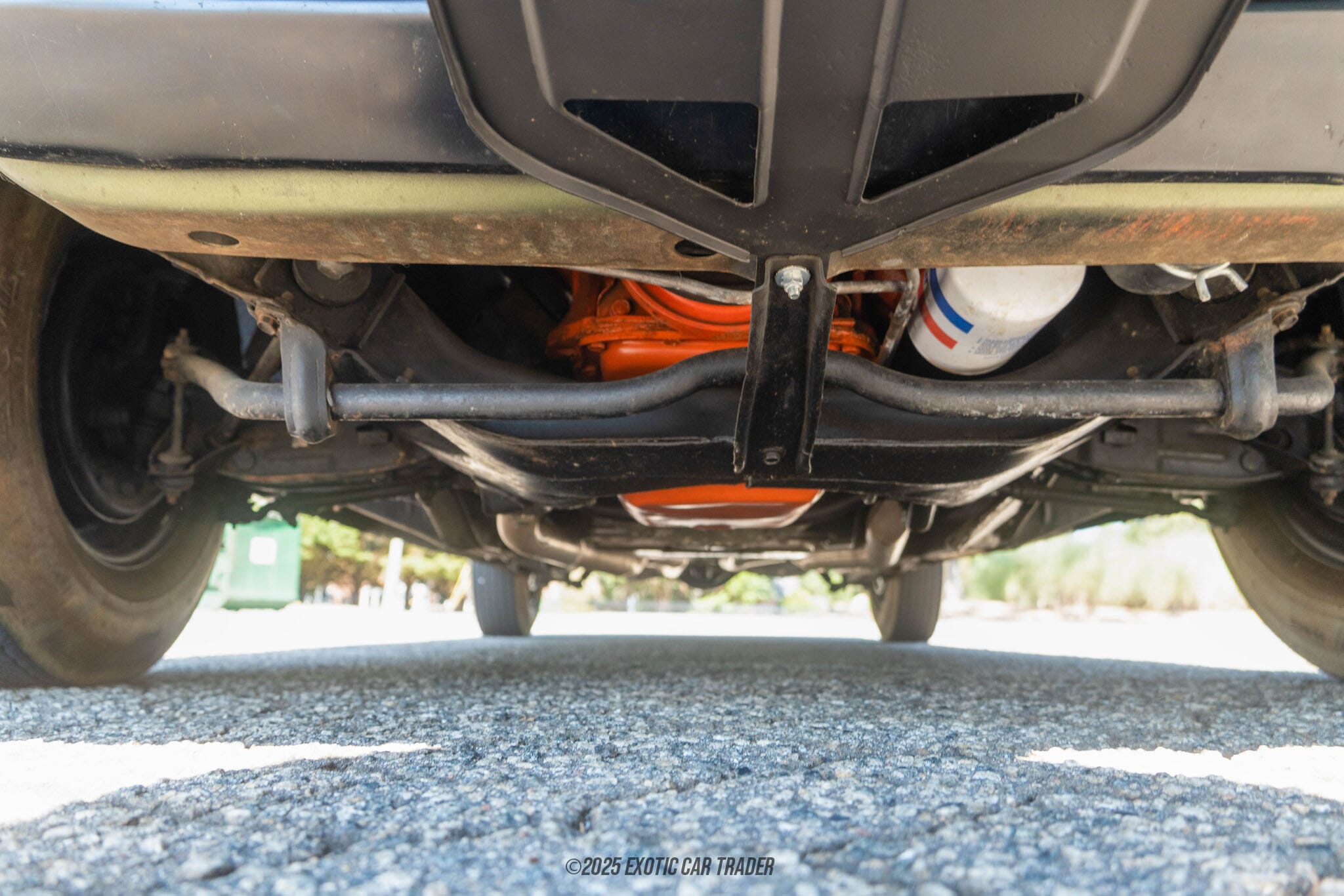
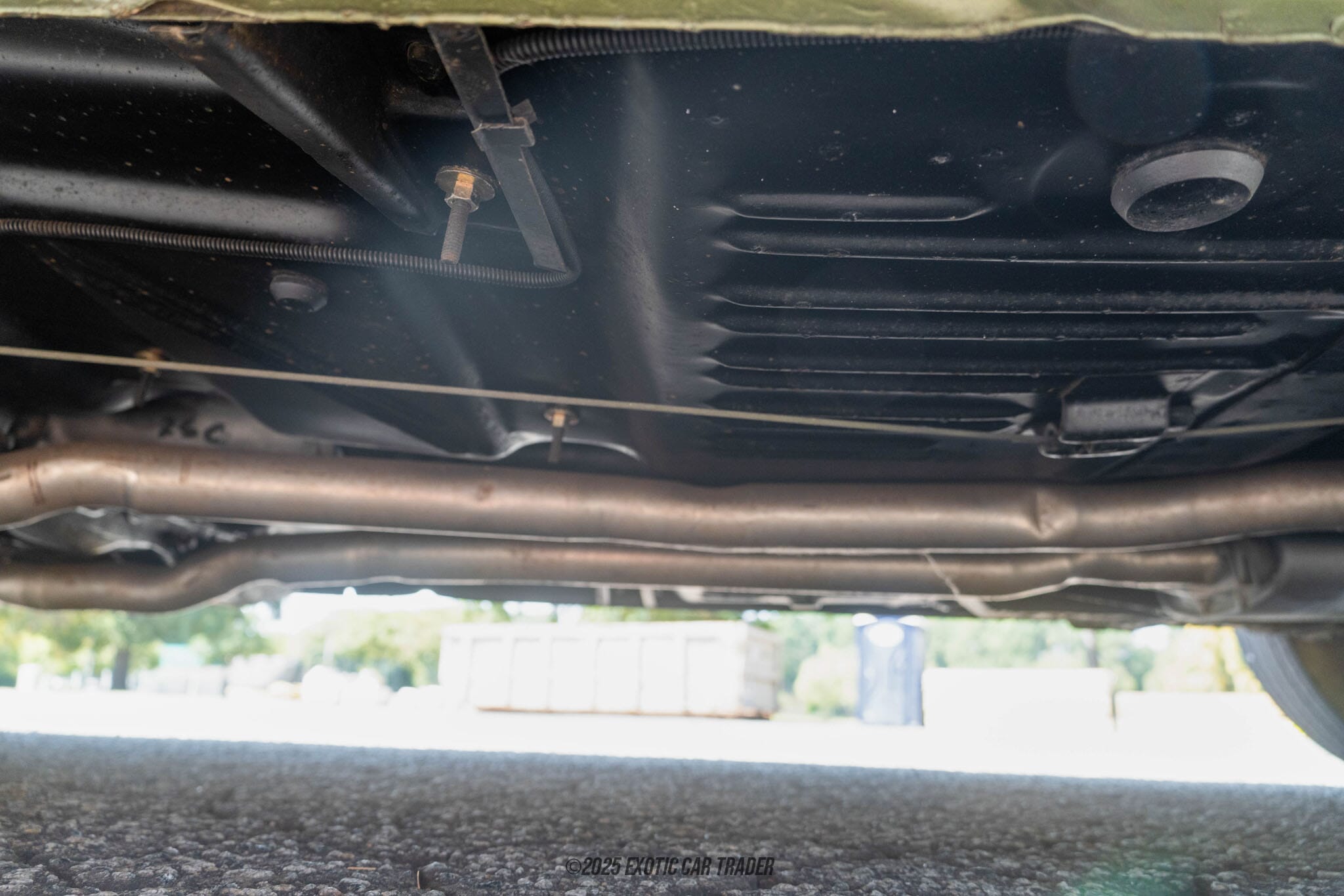
The automotive brand Plymouth was a familiar trademark in the American automotive market. Established by Chrysler Corporation, Plymouth took the job of offering competitively priced vehicle options that butted heads against brands like Ford and Chevrolet. Among all variants, the Barracuda retains a special place in their collection. Manufactured to compete in the Pony Car segment, the two-door Barracuda saw the light of day in 1964 and continued production for three generations. It was discontinued in 1974, making it a desired collectible today. What we have on offer here is a 1969 Plymouth Barracuda, which is located in Concord, North Carolina. Its current owner claims that the car has only 7000 miles on its clock. This car also comes with the Broadcast Sheet, magazine articles, a copy of the 440 ’Cuda Registry, and an owner’s manual.
Exterior and Interior
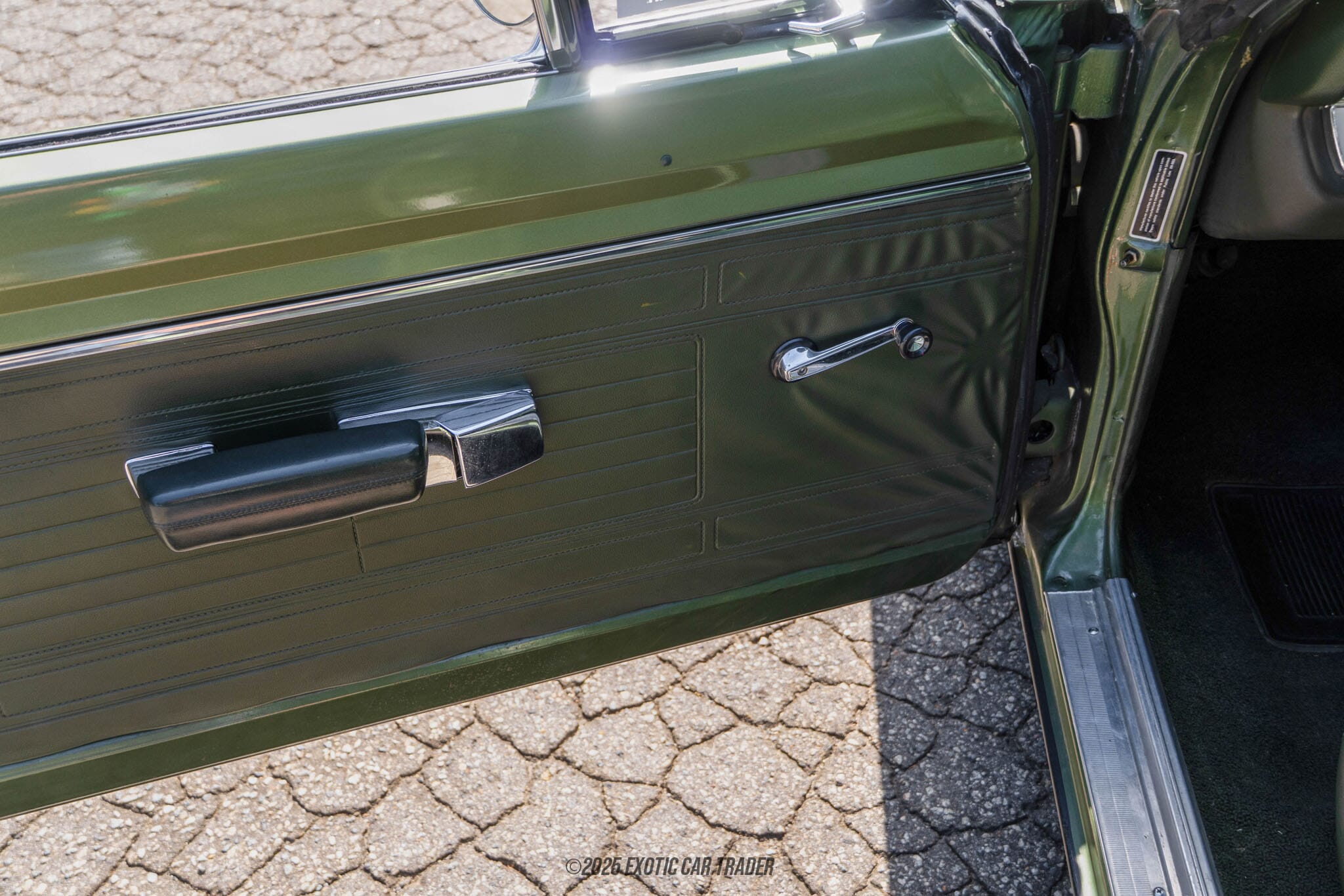
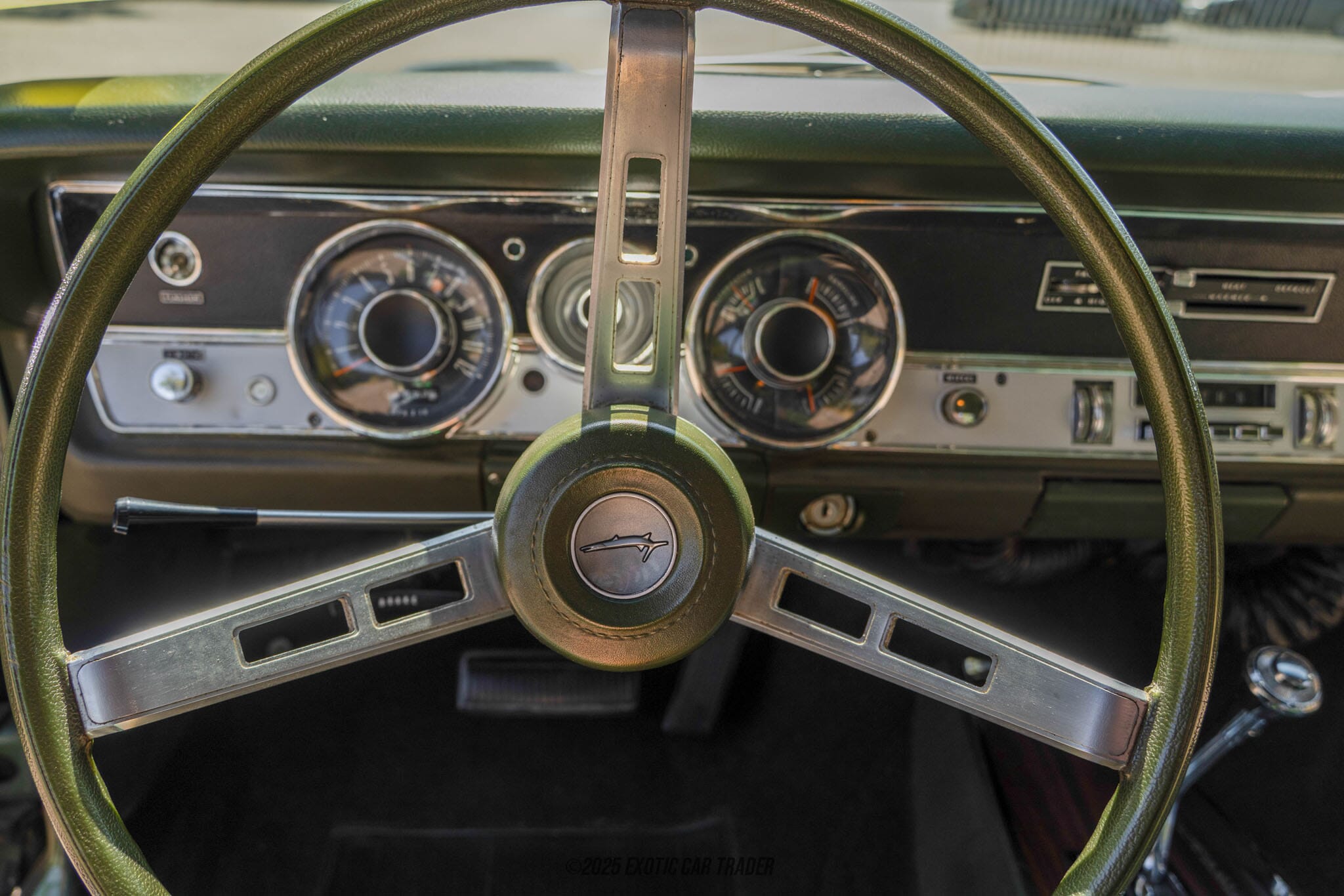
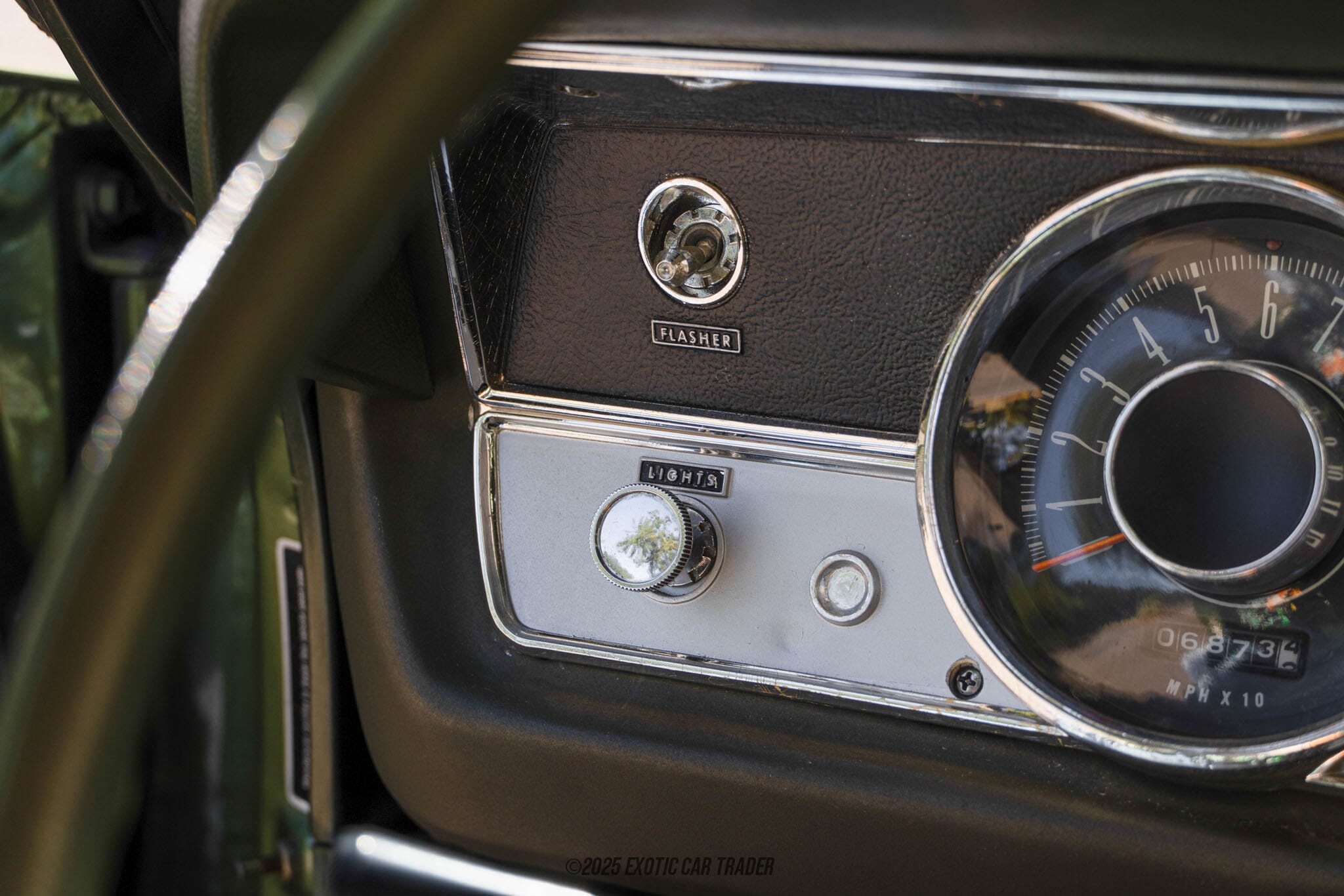
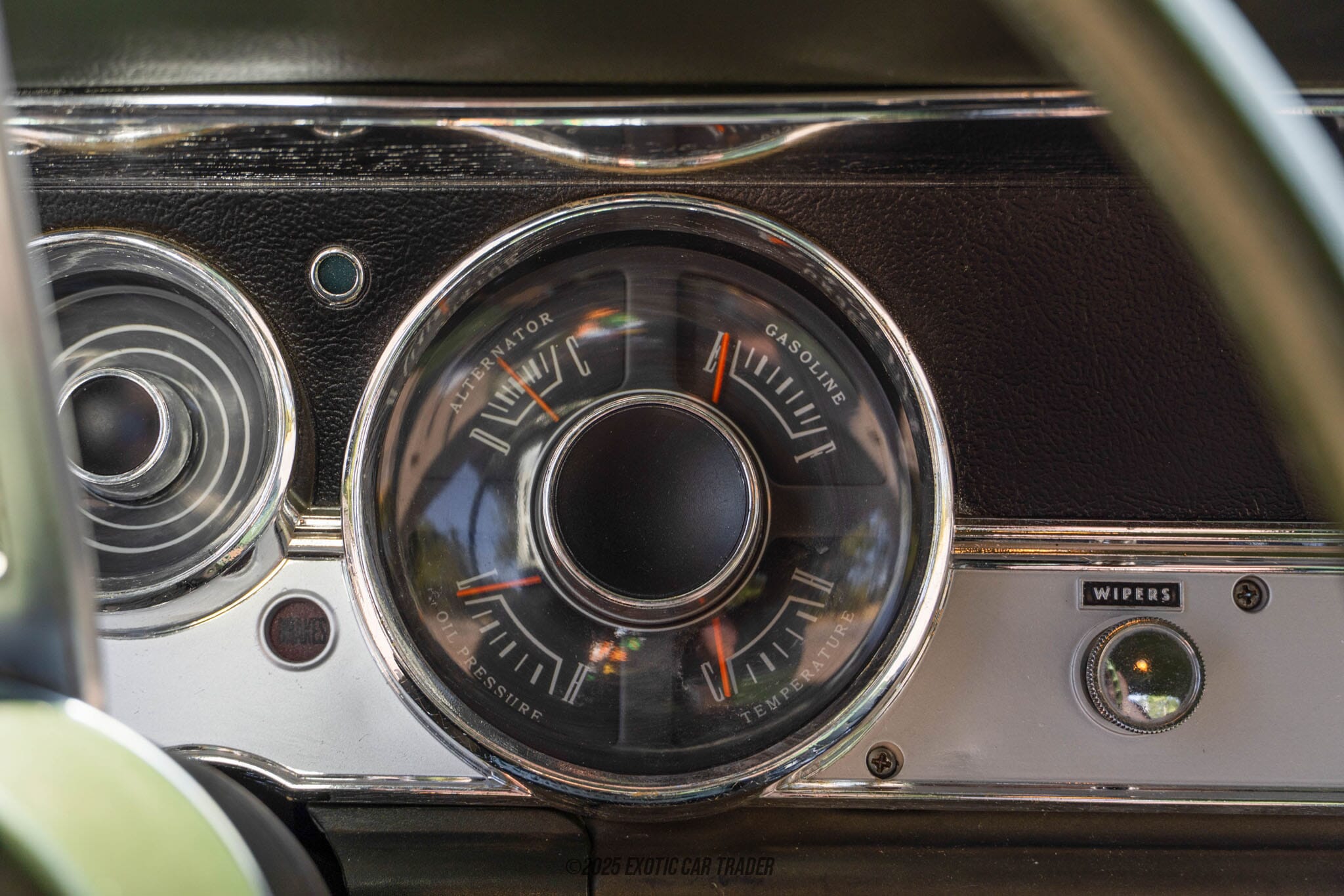
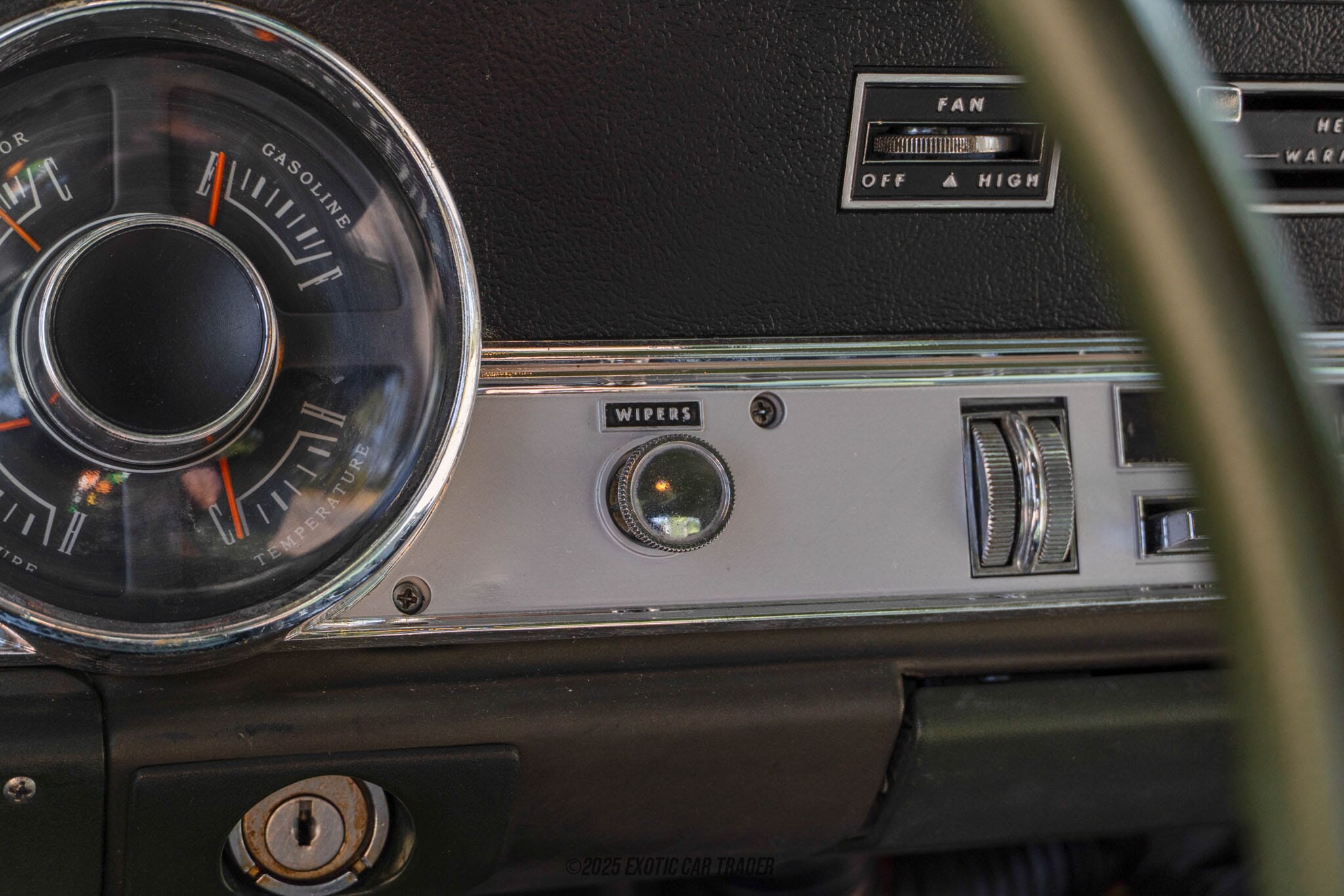
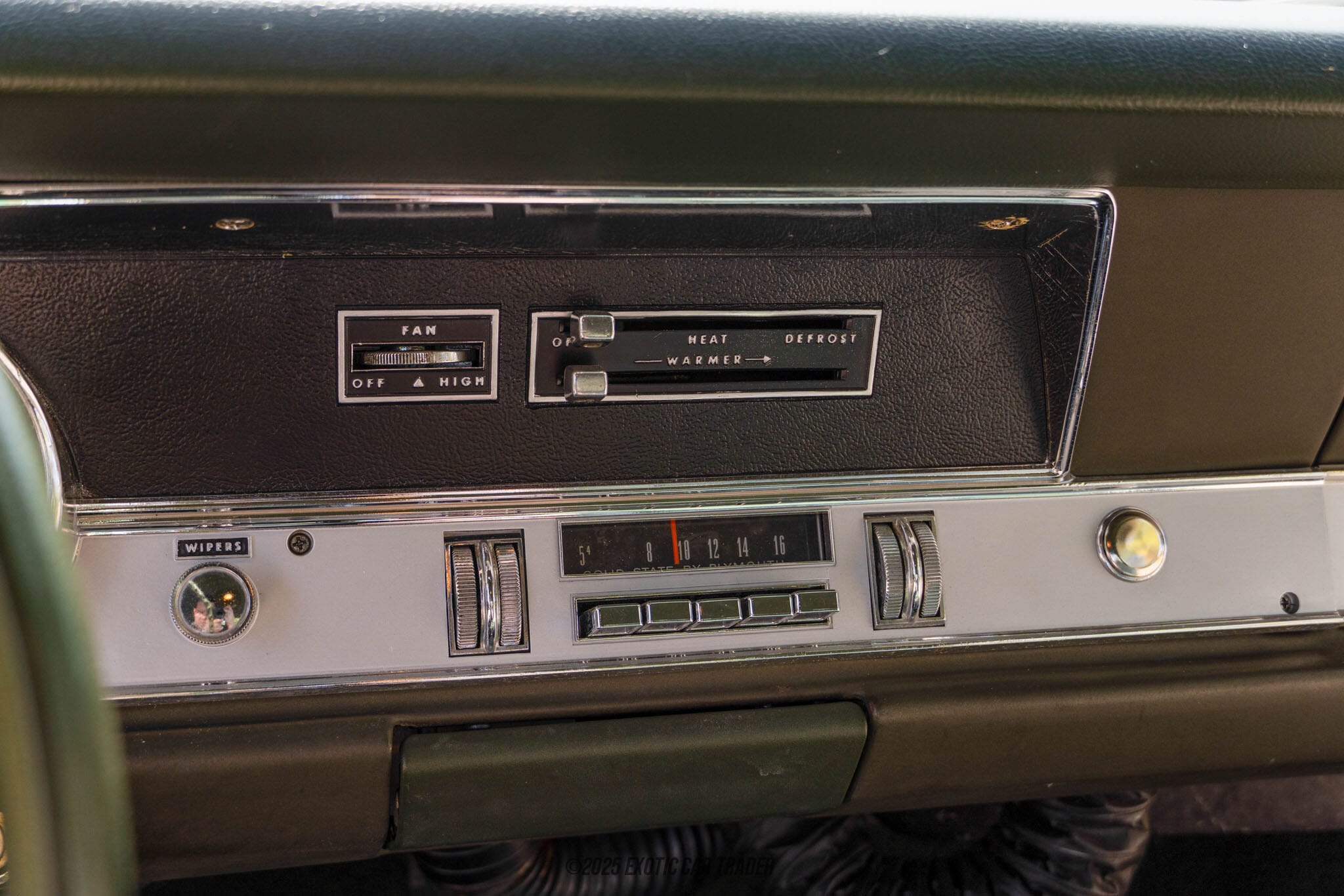
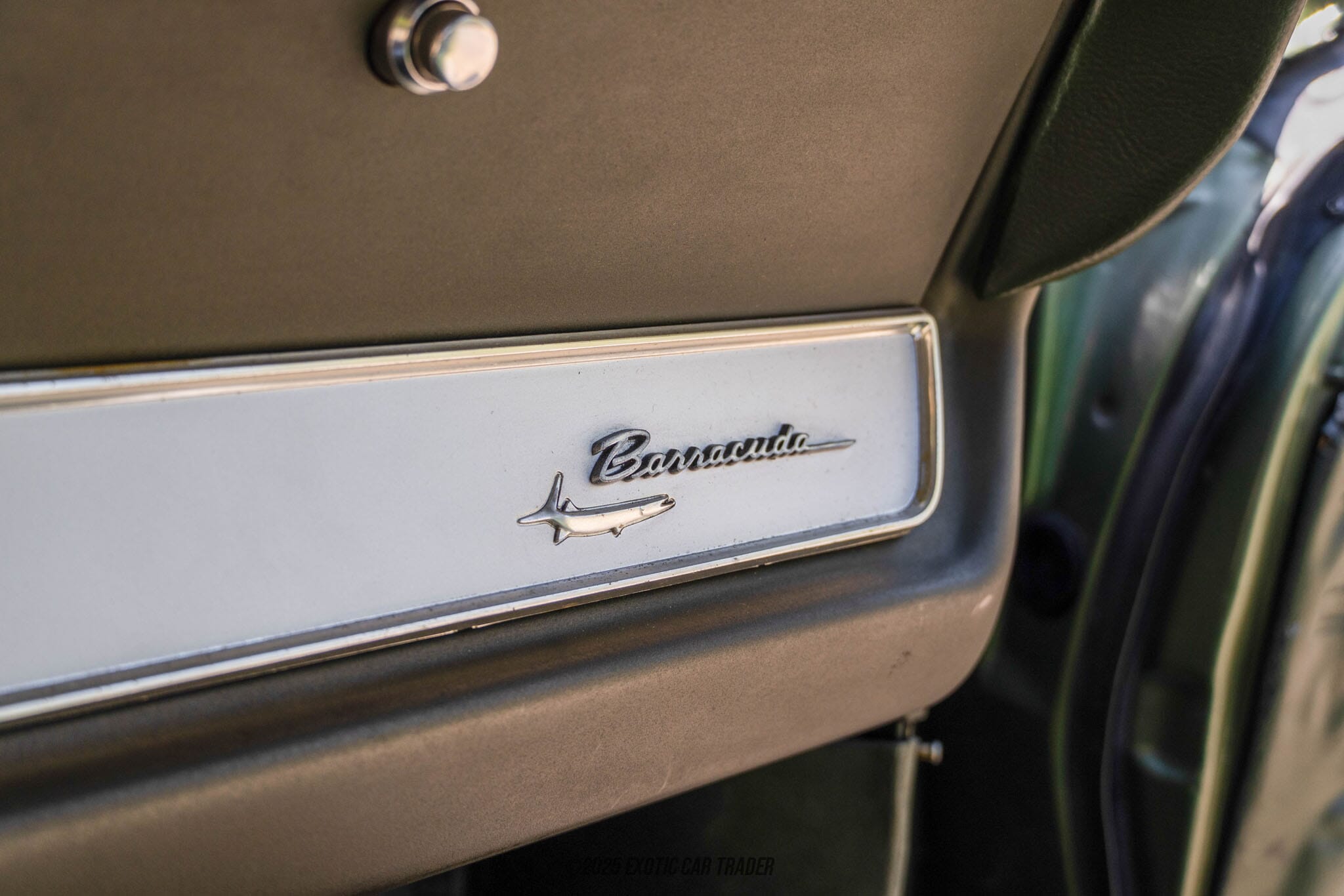
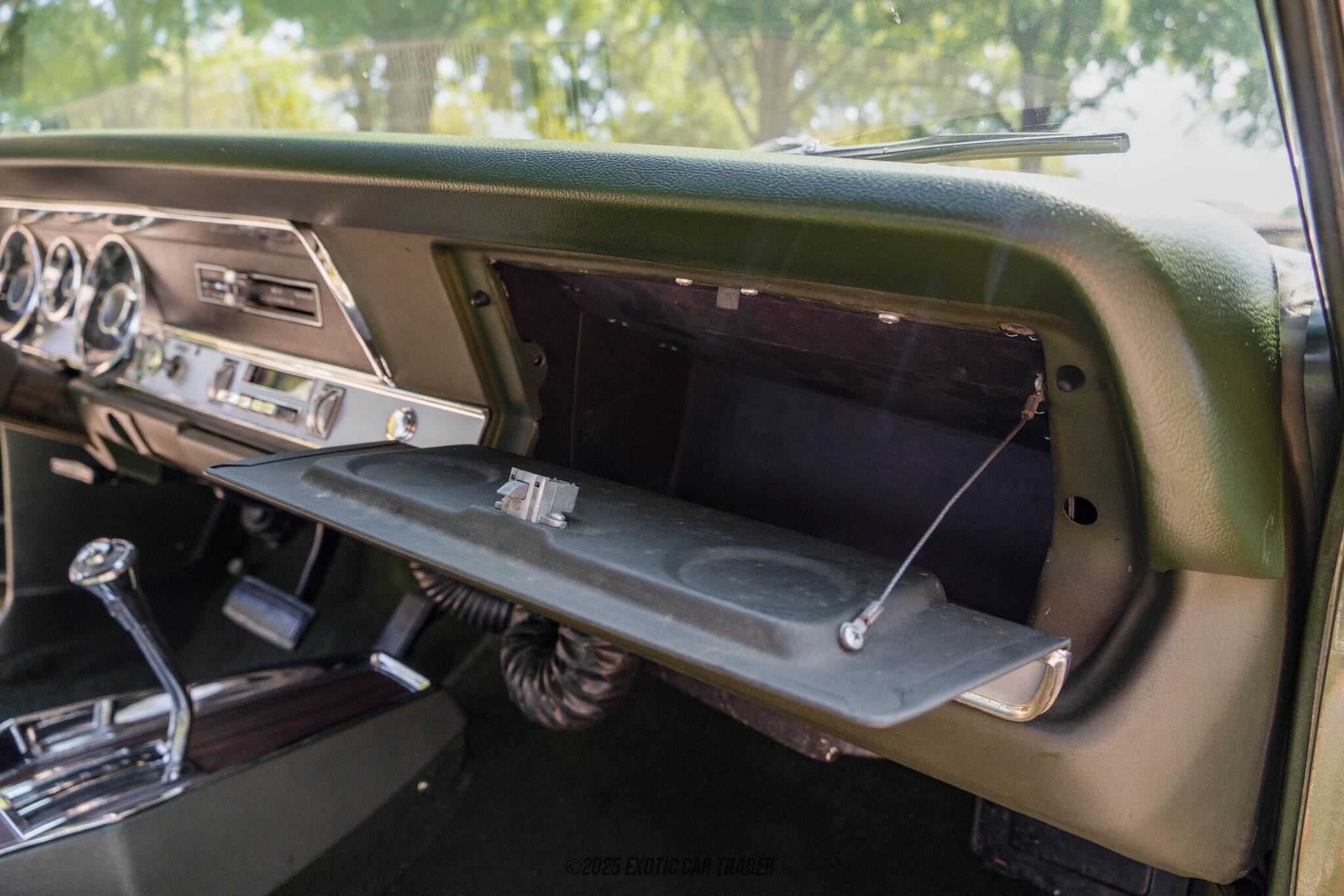
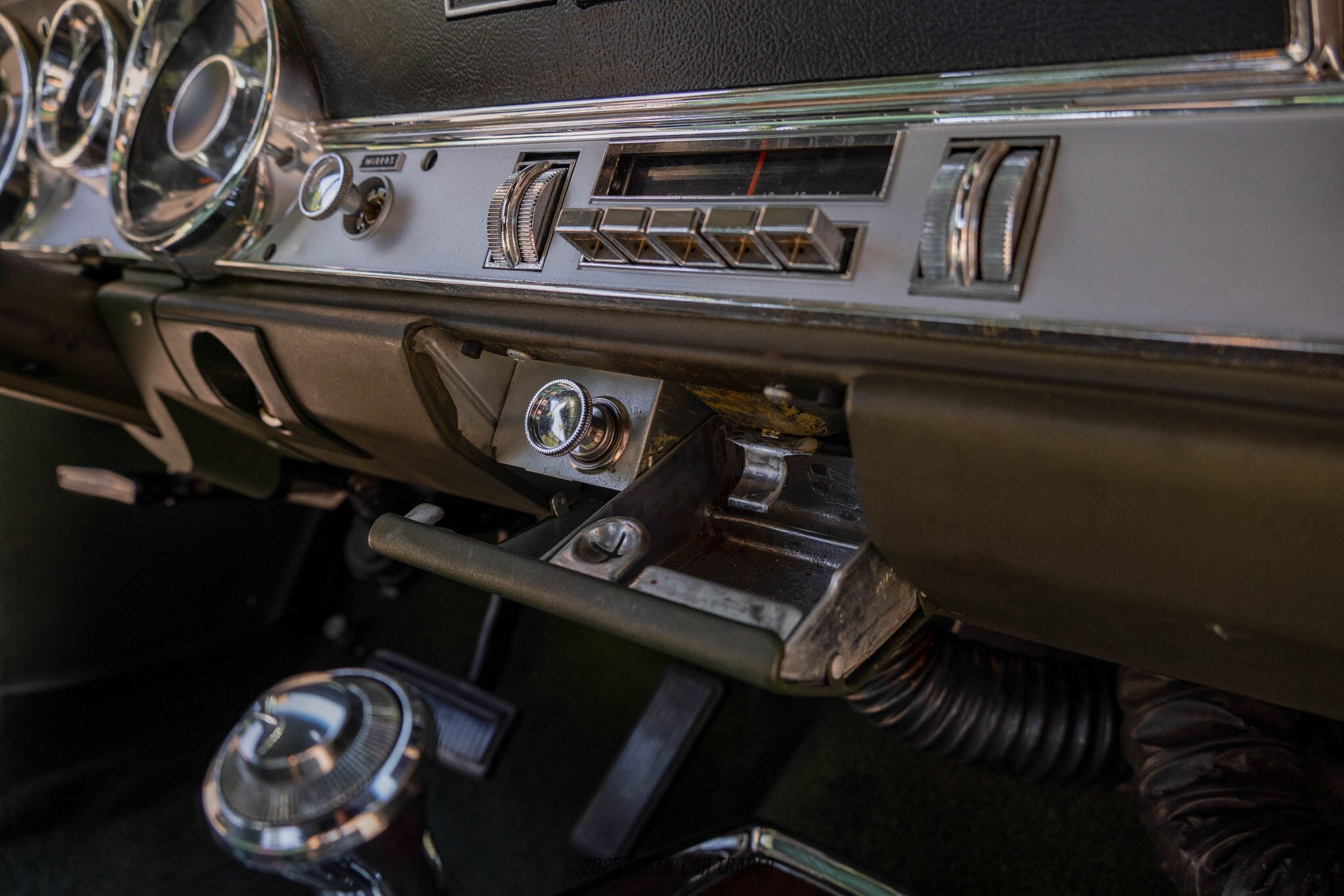
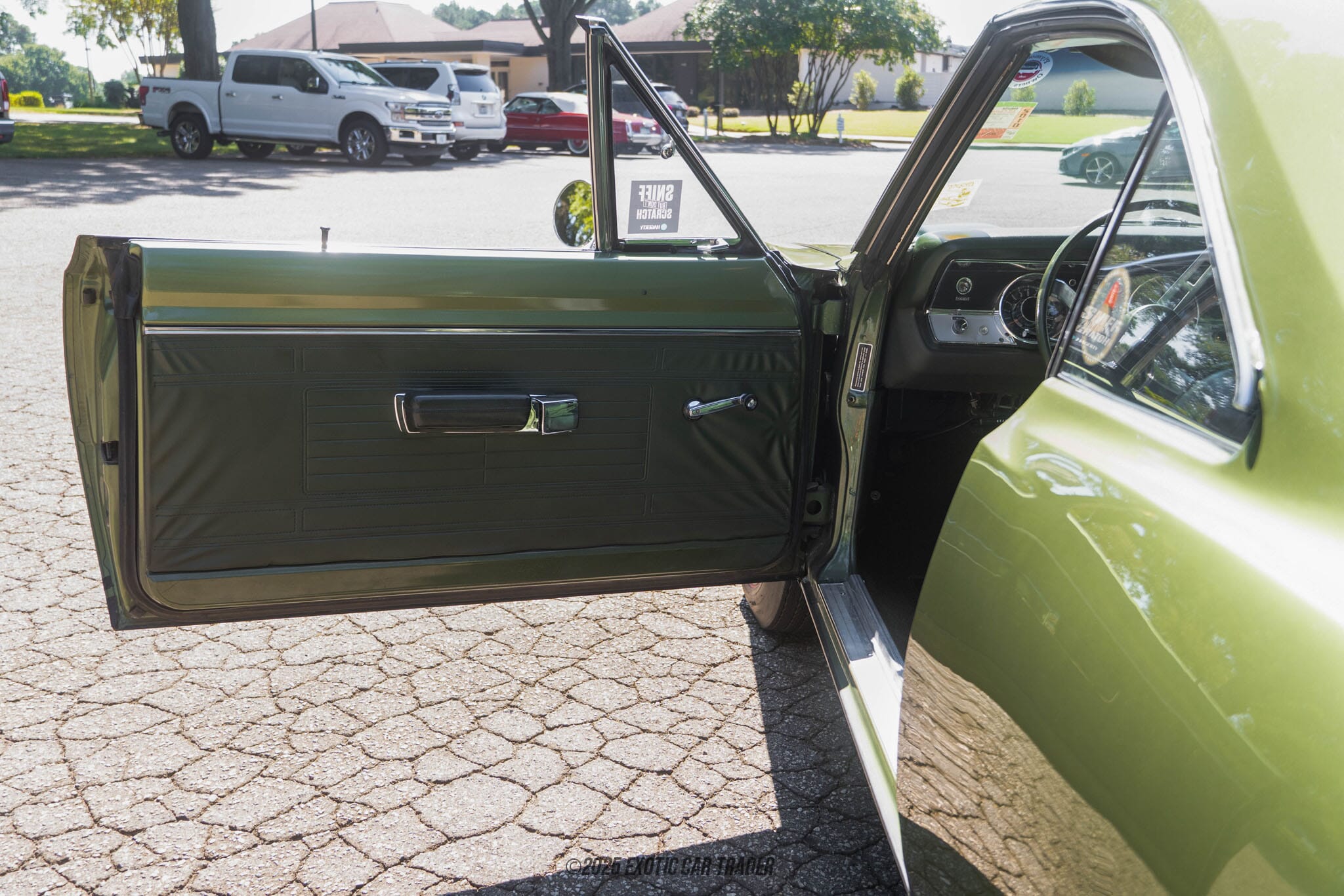
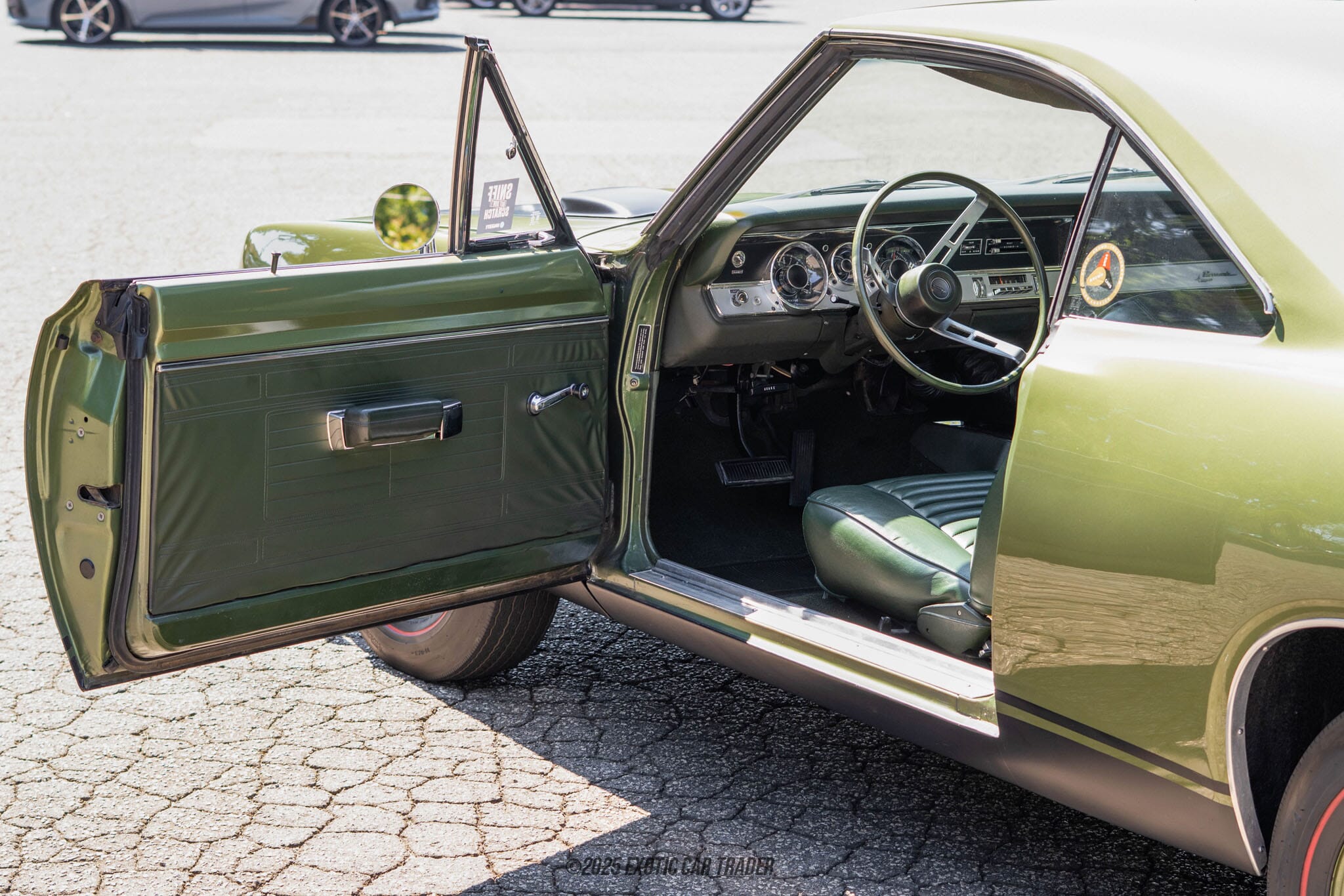
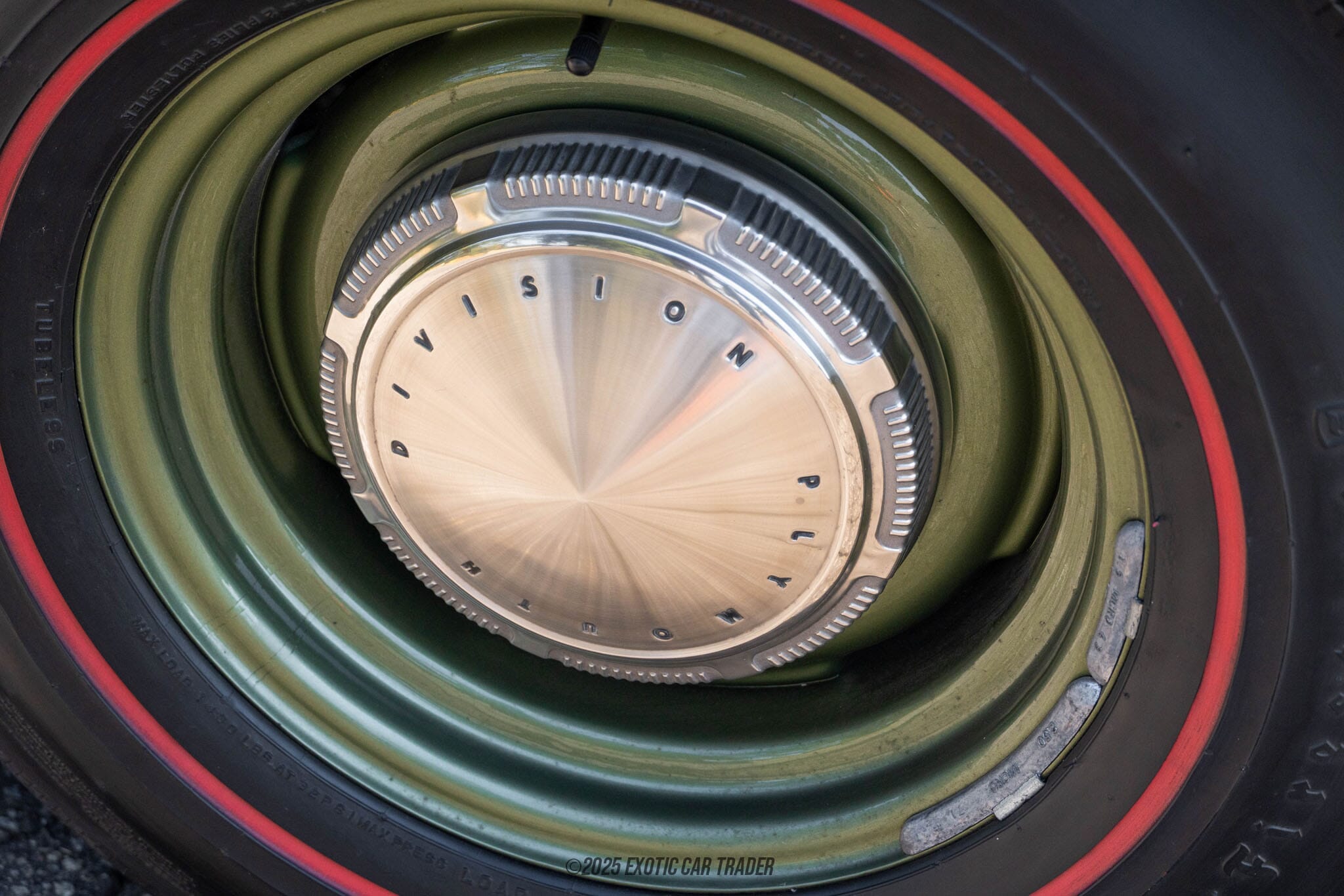
The second-generation Barracuda, to which our subject car belongs, is a joint design effort by John E. Herlitz and John Samsen, an American automobile designer and an aero engineer. The front and rear ends were heavily revised for this gen, and the body flaunts Coke-bottle side contours. This iconic body design of our subject 1969 Plymouth Barracuda is done in Limelight Metallic green paint with black tape stripes. The car beautifully rides on a set of 14" steel wheels with hubcaps that are wrapped in Firestone Red Line tires, enhancing its classic mien. The green theme continues to the cabin with its green Vinyl design theme. The inside is beautified with chrome trim, which serves as a reminder that you are in a creation from a bygone era. Its owner stated that the car still retains its AM Radio.
Engine
The engine of this car alone makes it a rare collector's item. This 1969 Plymouth Barracuda is 1 of about 45 M Code Notchback coupes produced with a 440ci Super Commando V8 engine. According to reports, this engine is capable of producing around 380 HP out of the factory. It utilizes a 3-speed automatic transmission to send power to the rear wheels, while the limited-slip differential optimizes traction and handling. As you get up to speed, you can rest assured as the drum brakes provide optimal stopping power.


The first-generation Plymouth Barracuda helped establish Chrysler’s foothold in the emerging pony car market during the 1960s, blending compact dimensions with unmistakable Mopar styling and V8 performance. This 1967 Plymouth Barracuda Convertible represents the final year of the first-generation A-body Barracuda and shows approximately 2,171 miles on the odometer. Finished in Ermine White over a black vinyl interior, this convertible has been upgraded with a potent 340ci Mopar V8 while retaining much of its classic period-correct charm. Featuring performance-oriented upgrades such as “J” cylinder heads, a Sure-Grip rear differential, Moser axles, and an aftermarket shift kit, this Barracuda offers a more spirited driving experience than its factory configuration while still capturing the laid-back cruising personality of a classic American convertible. With its clean styling, white soft top, and tasteful upgrades, this Mopar stands out as a unique and highly usable vintage cruiser.
The Sixties were awash with muscle cars, and the Barracuda by Plymouth was one of them. Produced between 1964 and 1974 across three generations, it quickly became a drag strip king and a street warrior. Today, a Barracuda might not be top of mind in the classic muscle car stakes, which is why this 1973 Plymouth Barracuda is definitely worth a look. Coming to you in a fetching yellow coat of paint with black performance hood, this car also features the Slap-Stik automatic gear shifter, a 360ci V8 with a dual-pump 4-barrel carb, and more. It’s up for grabs in Nahunta, Georgia right now!
The automotive brand Plymouth was a familiar trademark in the American automotive market. Established by Chrysler Corporation, Plymouth took the job of offering competitively priced vehicle options that butted heads against brands like Ford and Chevrolet. Among all variants, the Barracuda retains a special place in their collection. Manufactured to compete in the Pony Car segment, the two-door Barracuda saw the light of day in 1964 and continued production for three generations. It was discontinued in 1974, making it a desired collectible today. What we have on offer here is a 1969 Plymouth Barracuda, which is located in Concord, North Carolina. Its current owner claims that the car has only 7000 miles on its clock. This car also comes with the Broadcast Sheet, magazine articles, a copy of the 440 ’Cuda Registry, and an owner’s manual.
The 1999 Plymouth Prowler represents one of the most distinctive production vehicles of the modern automotive era, bringing the spirit of traditional American hot rodding into a factory-built roadster. Originally introduced as a concept car before entering production, the Prowler combined classic hot rod influences such as its open-wheel front suspension, long hood, and low-slung stance with advanced engineering techniques including lightweight aluminum construction and composite body panels. Showing approximately 24,531 miles, this example is finished in Prowler Black with an Agate interior and features a black convertible soft top and chrome wheels. Powered by a 3.5L naturally aspirated V6 paired with Chrysler’s AutoStick automatic transmission, the Prowler delivers a unique blend of retro-inspired styling, modern drivability, and collectible character. As one of Chrysler’s most ambitious design statements of the late 1990s, the Prowler remains a standout example of a factory-built hot rod interpretation.
The 1949 Plymouth Deluxe PE Model Woody Wagon is a distinctive postwar American station wagon featuring classic wood-bodied styling and Plymouth’s durable flathead six-cylinder powertrain. Showing 47,295 miles, this example is powered by a 217.8ci L-Head Inline-6 paired with a 3-speed manual transmission and rear-wheel drive. Finished in Brown with a matching Brown interior and woodgrain exterior trim panels, this Deluxe Woody Wagon represents the traditional craftsmanship and character of early American family wagons.
By 1969, the Plymouth Road Runner had firmly established itself as one of the defining muscle cars of the era, combining big-block performance with a no-nonsense attitude that appealed to enthusiasts looking for speed over luxury. This 1969 Plymouth Road Runner embodies that philosophy with its legendary 383ci V8, desirable 4-speed manual transmission, and iconic Air Grabber induction system. Showing approximately 82,962 miles, this Ivy Green classic offers the unmistakable styling, raw driving experience, and factory performance pedigree that continue to make the Road Runner one of Mopar's most celebrated creations.
The 1979 MG Midget represents the closing chapter of MG’s long-running tradition of lightweight British sports cars, carrying forward the simple formula that made the marque beloved by driving enthusiasts: compact dimensions, an open cockpit, rear-wheel drive, and an engaging manual transmission. Originally introduced as an affordable sports car focused on driver enjoyment, the Midget became known for its approachable character and ability to deliver an authentic roadster experience without unnecessary complexity. Showing approximately 47,372 miles, this example embodies the charm of a classic British convertible, offering the opportunity to enjoy a vintage sports car experience defined by mechanical simplicity, light handling, and timeless roadster appeal.
The 1991 Chevrolet Corvette Coupe represents the final refinement of the iconic C4 generation, combining classic Corvette styling with improved performance, technology, and everyday drivability. Showing approximately 21,136 miles, this example is finished in Torch Red over a Saddle Interior and features the enthusiast-favorite combination of the 5.7L L98 V8, 6-speed manual transmission, and removable roof panel. Additional highlights include dual power sport seats, 5-spoke aluminum wheels, Bose premium audio, digital instrumentation, and an aftermarket exhaust system, making this Corvette an appealing example of an era-defining American sports car with low mileage and driver-focused character.
The 1965 Chevrolet Corvette Sting Ray Coupe represents one of the most celebrated eras in Corvette history, combining dramatic styling, advanced engineering, and genuine competition-inspired performance. As the second year of the iconic C2 generation, the 1965 model introduced significant mechanical advancements while retaining the split personality that made the Sting Ray legendary: a refined grand touring coupe with the capability of a serious sports car. This example shows approximately 42,644 miles and is powered by the highly desirable 327ci L84 V8, featuring Rochester Ramjet mechanical fuel injection, one of the most advanced performance systems available from Chevrolet during the era. Finished in Nassau Blue with a Black interior, this Corvette is equipped with a 4-speed manual transmission, side-mount exhaust system, knock-off-style aluminum wheels, four-wheel disc brakes, and a wood-rimmed 3-spoke steering wheel. According to the current owner, the vehicle was museum-housed until 2014, adding to its appeal as a well-documented example of Chevrolet’s legendary mid-year Corvette.

Terms of Service
Be Kind and Courteous
We're here to create a platform to better the automotive industry through communication and transparency. Please treat everyone with respect. Healthy debates are natural, but kindness is required.
No Hate Speech
Make sure everyone feels safe. Hate speech of any kind is strictly prohibited. Degrading comments about things like race, religion, culture, sexual orientation, etc. will not be tolerated.
No Promotions or Spam
Give more than you take. Self-promotion, spam, or links of any kind are not allowed.
