



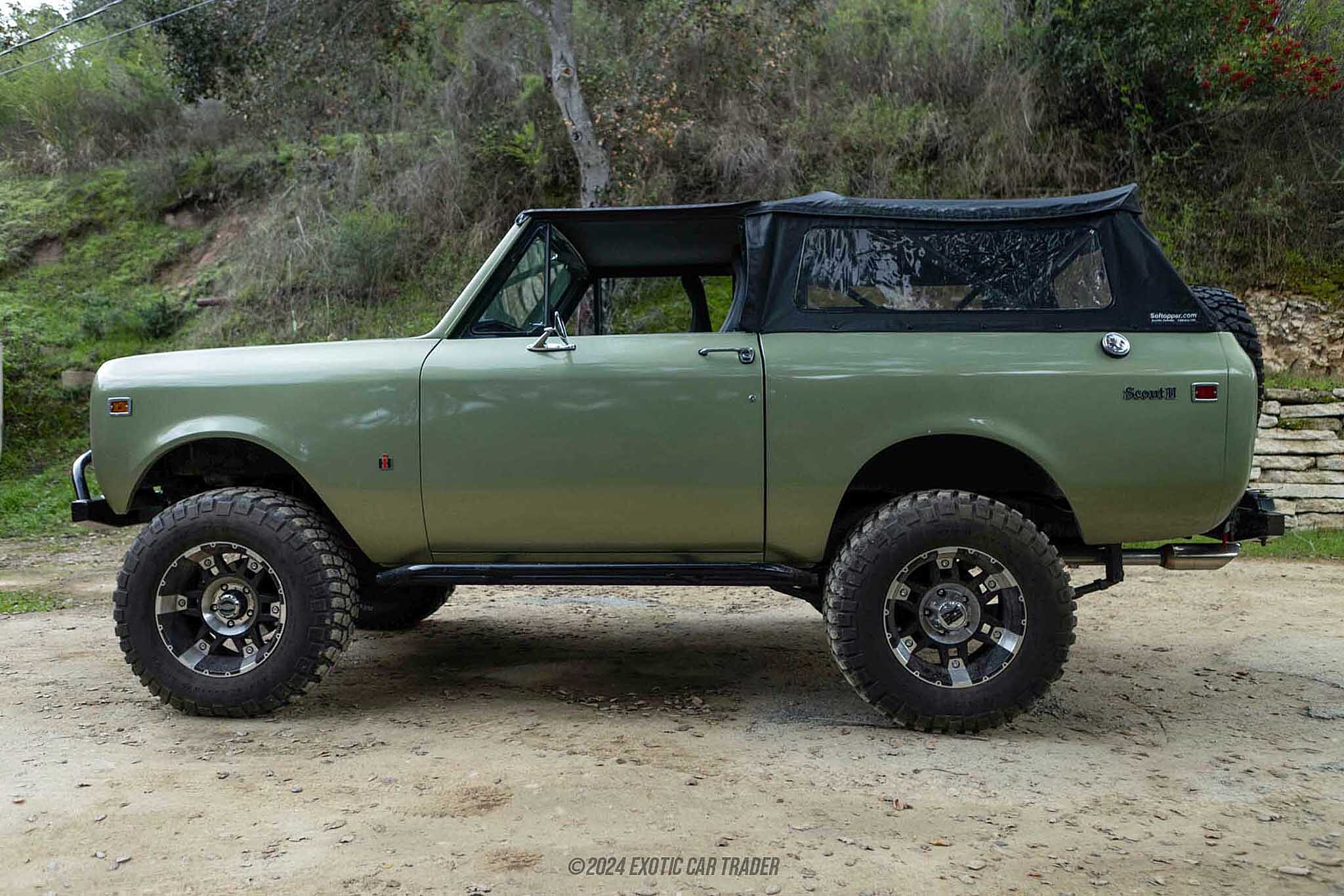
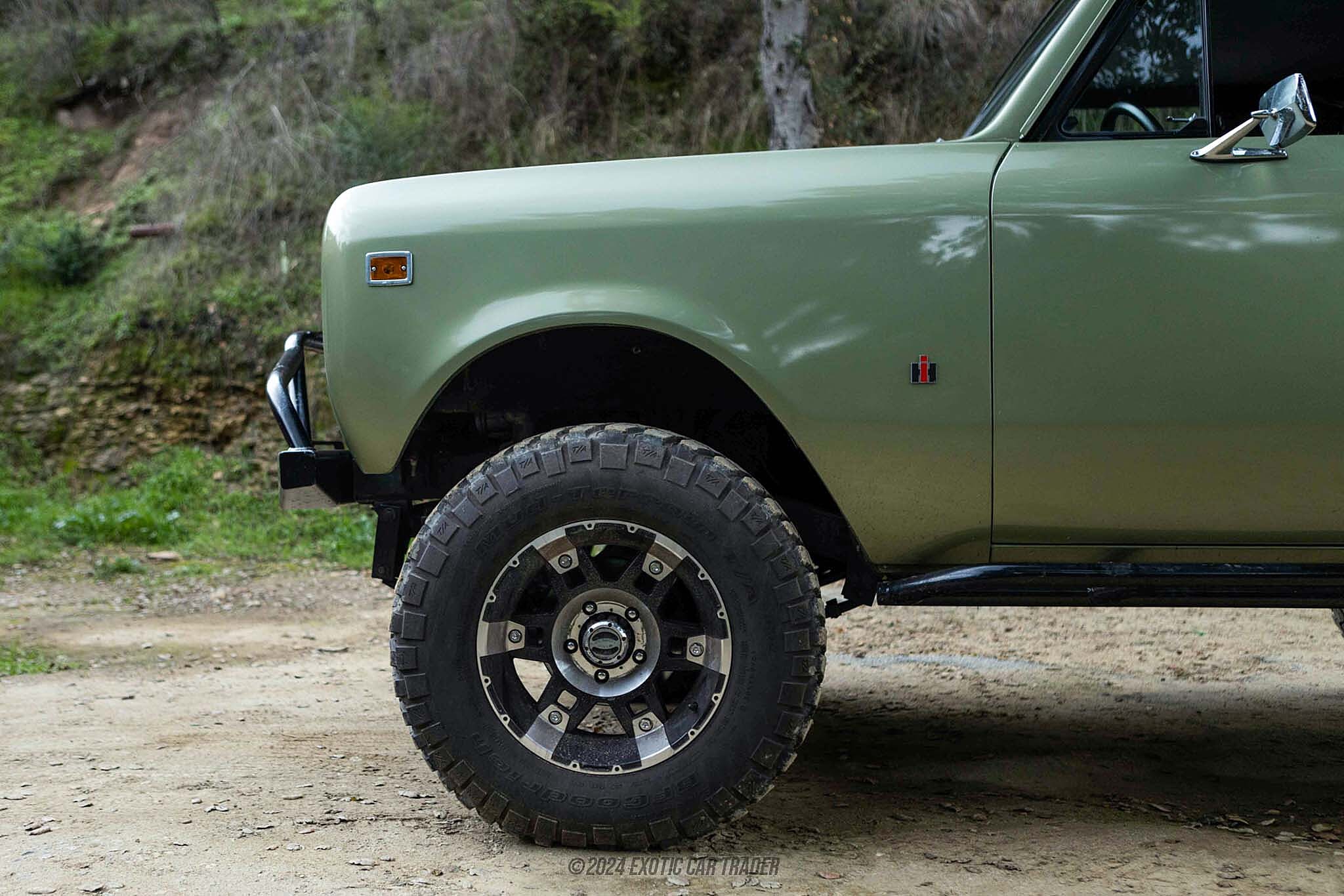
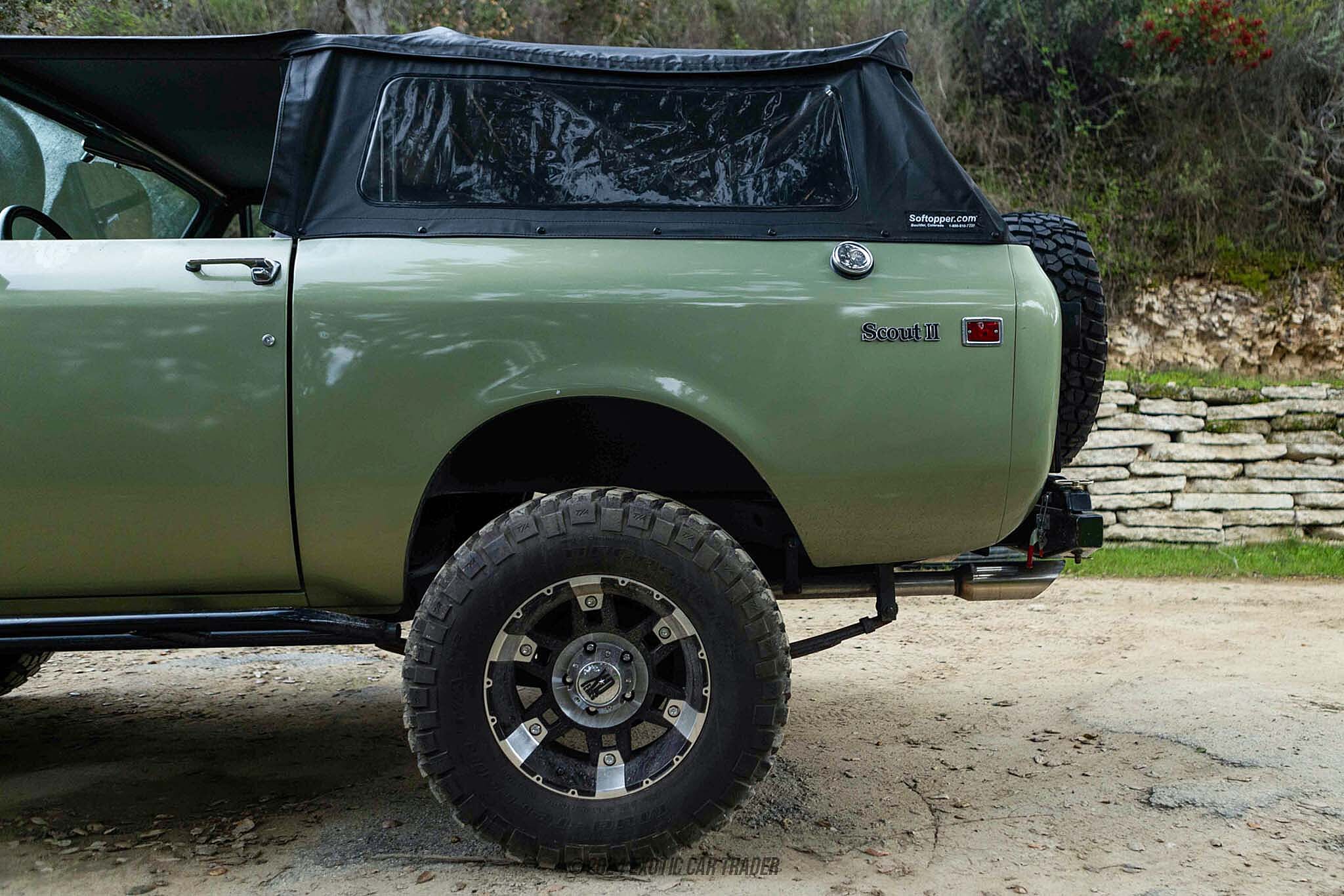
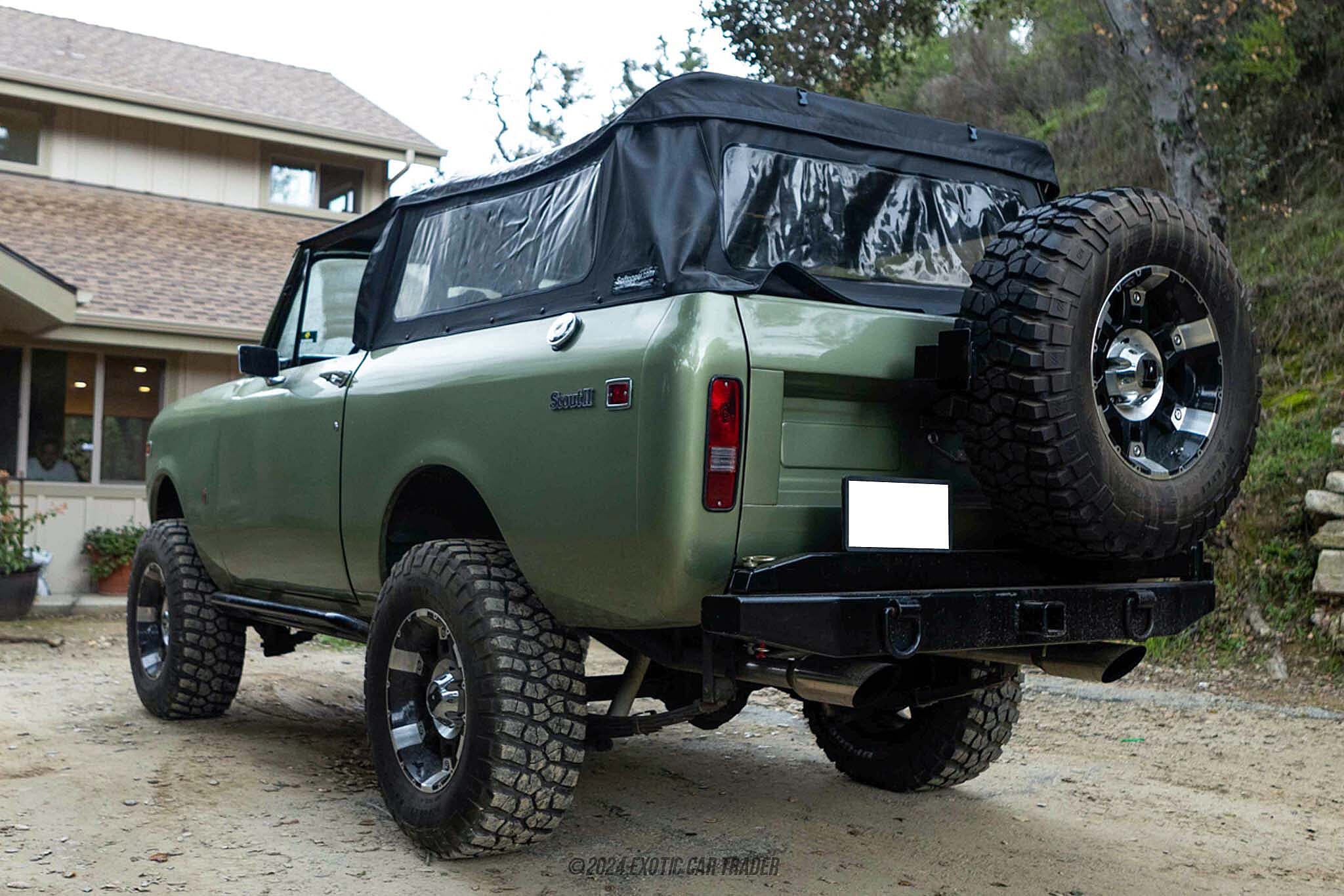
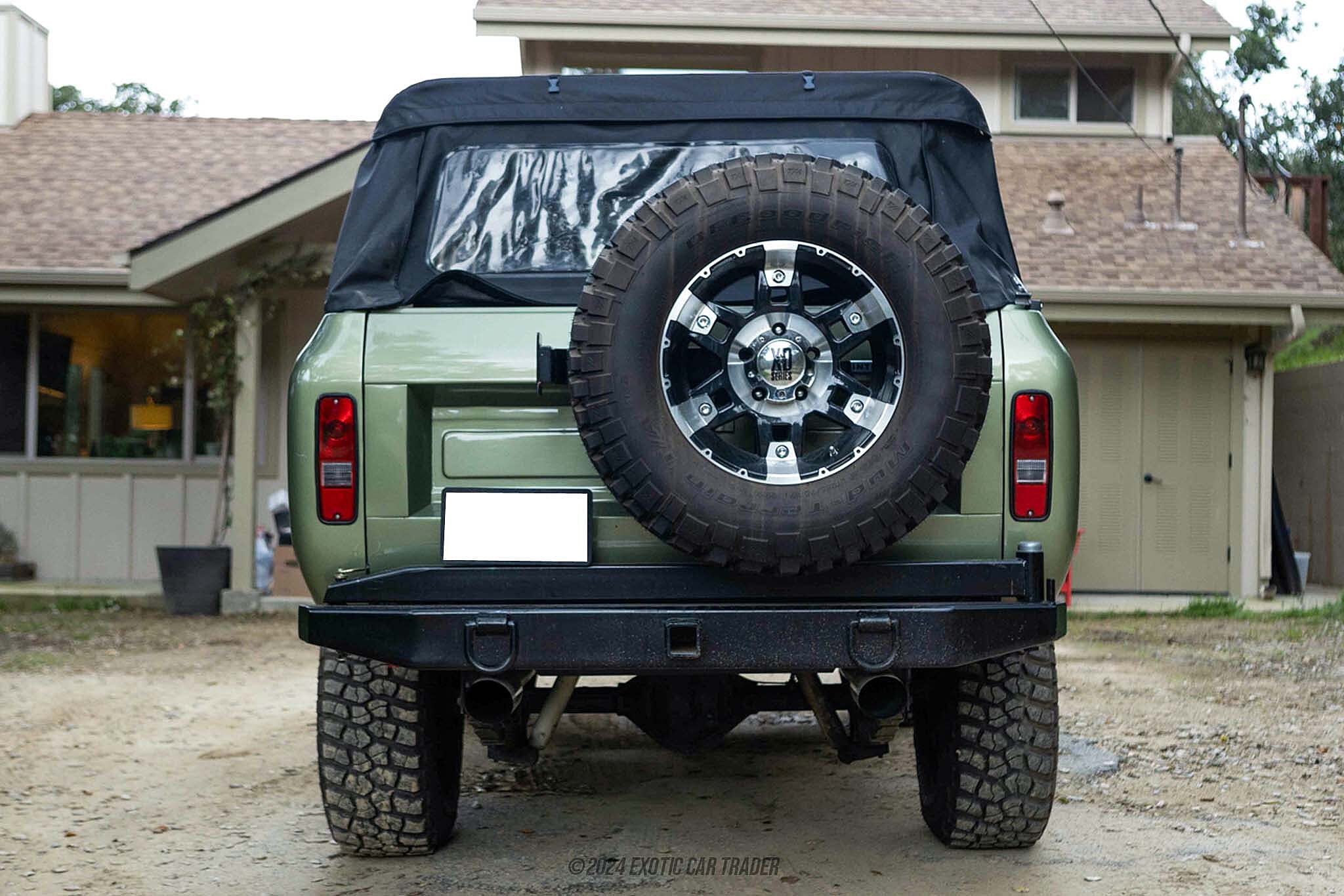
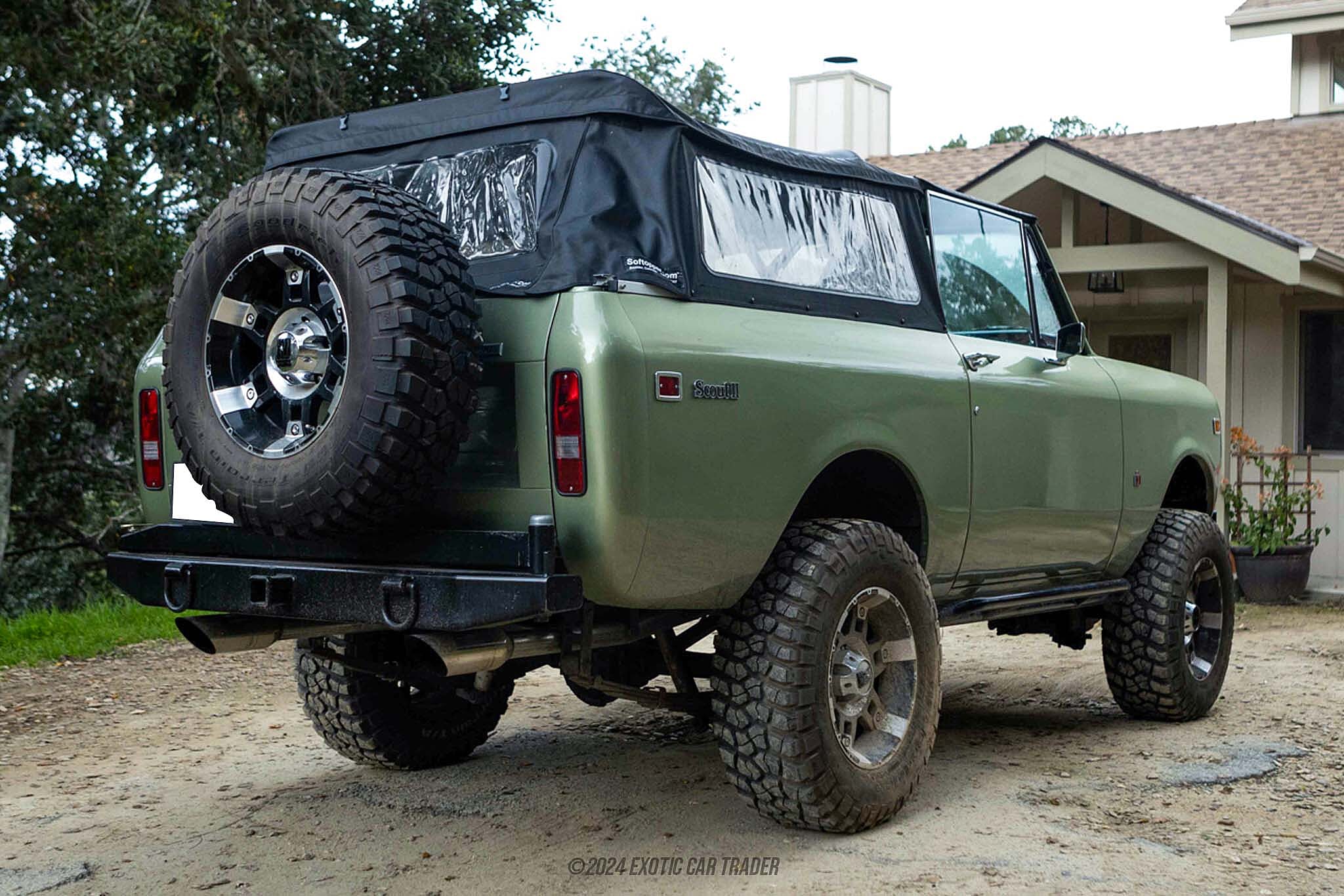
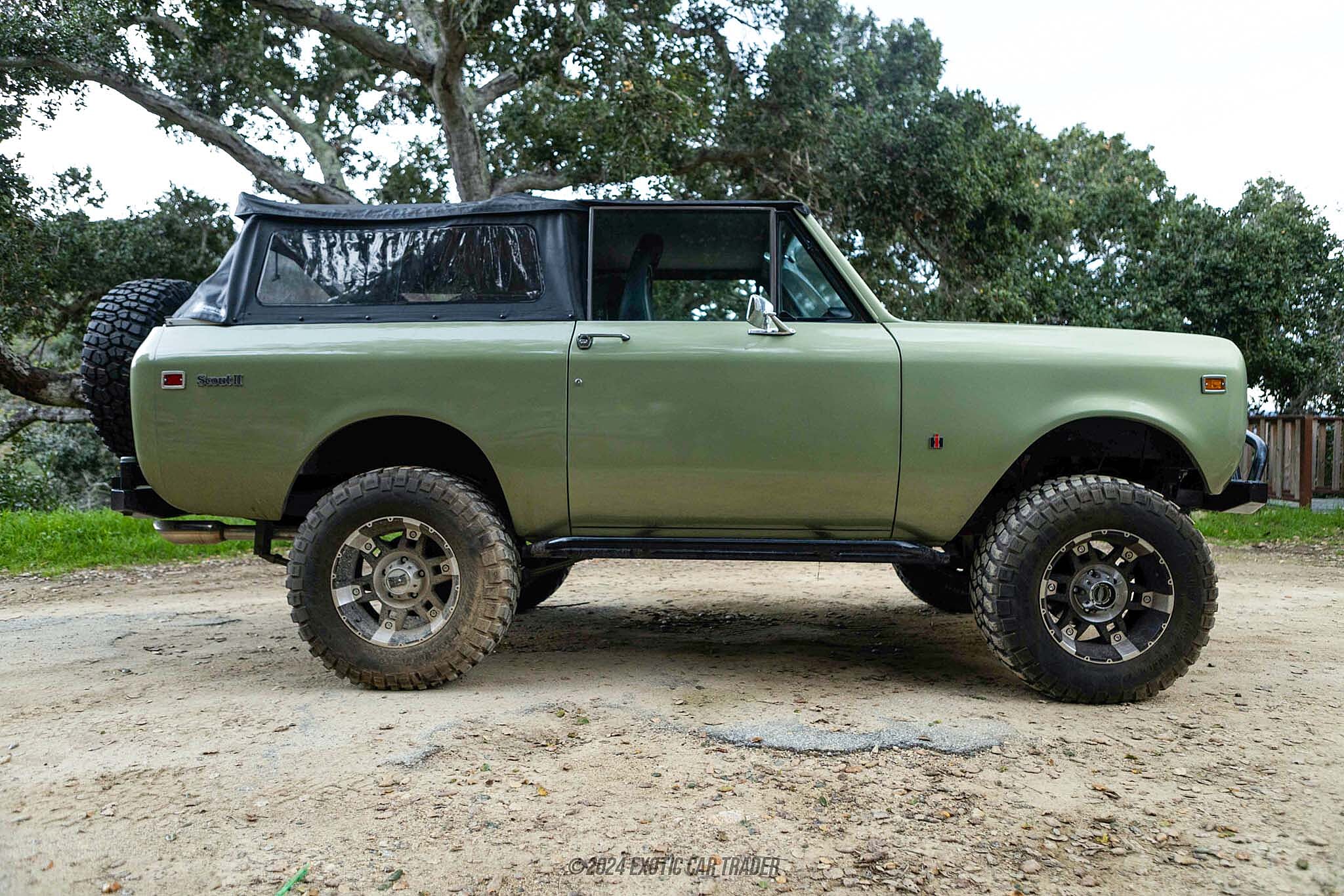
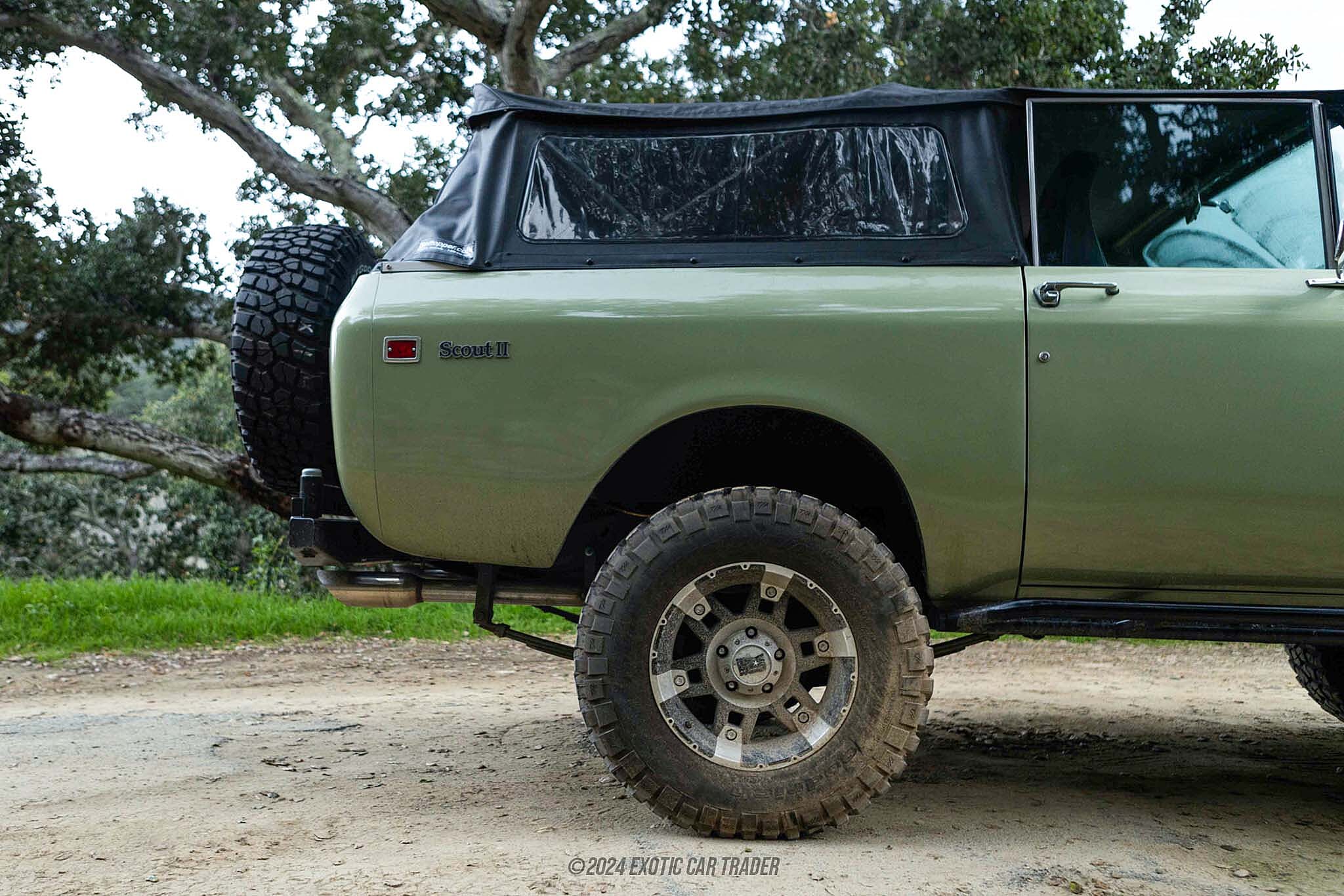

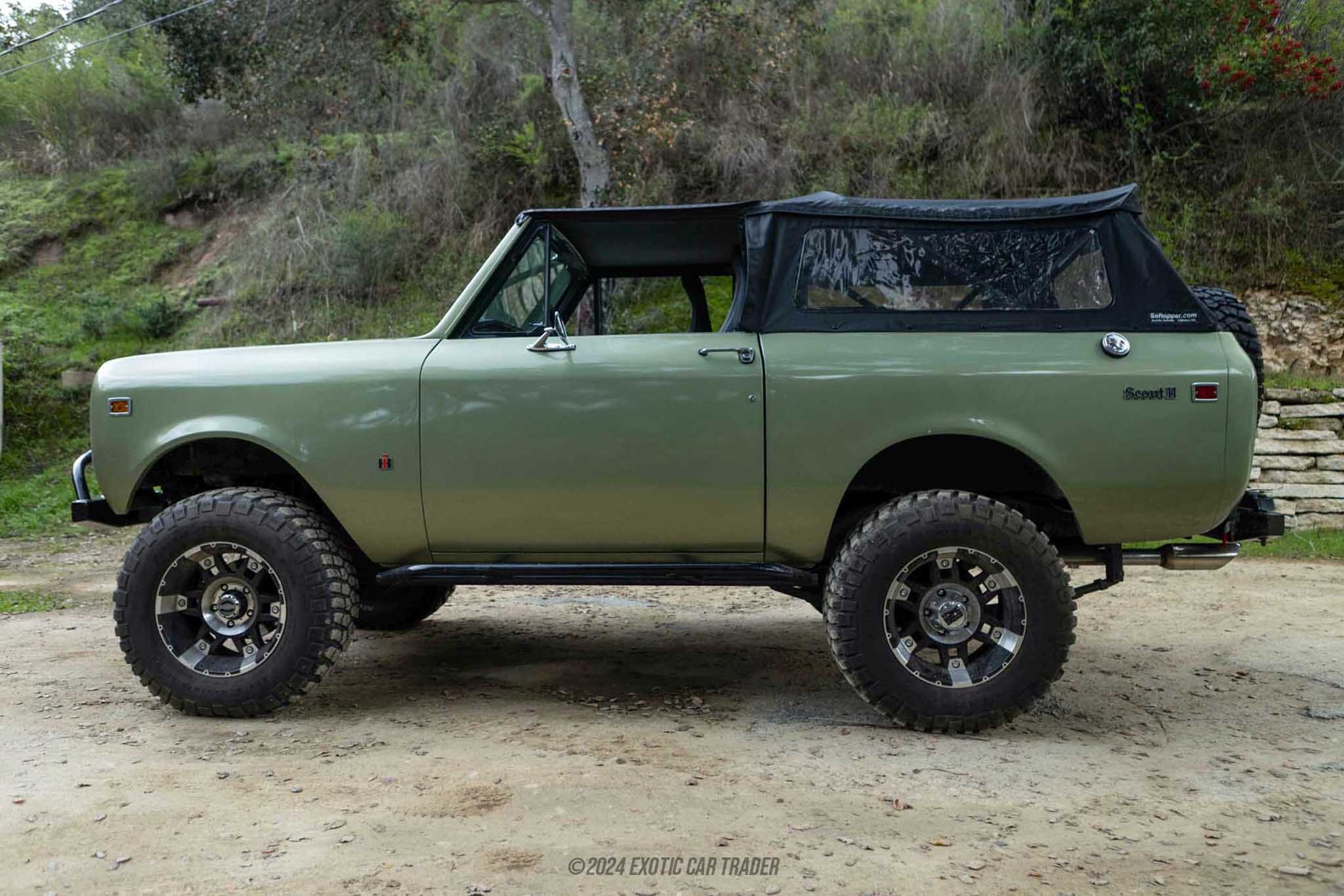
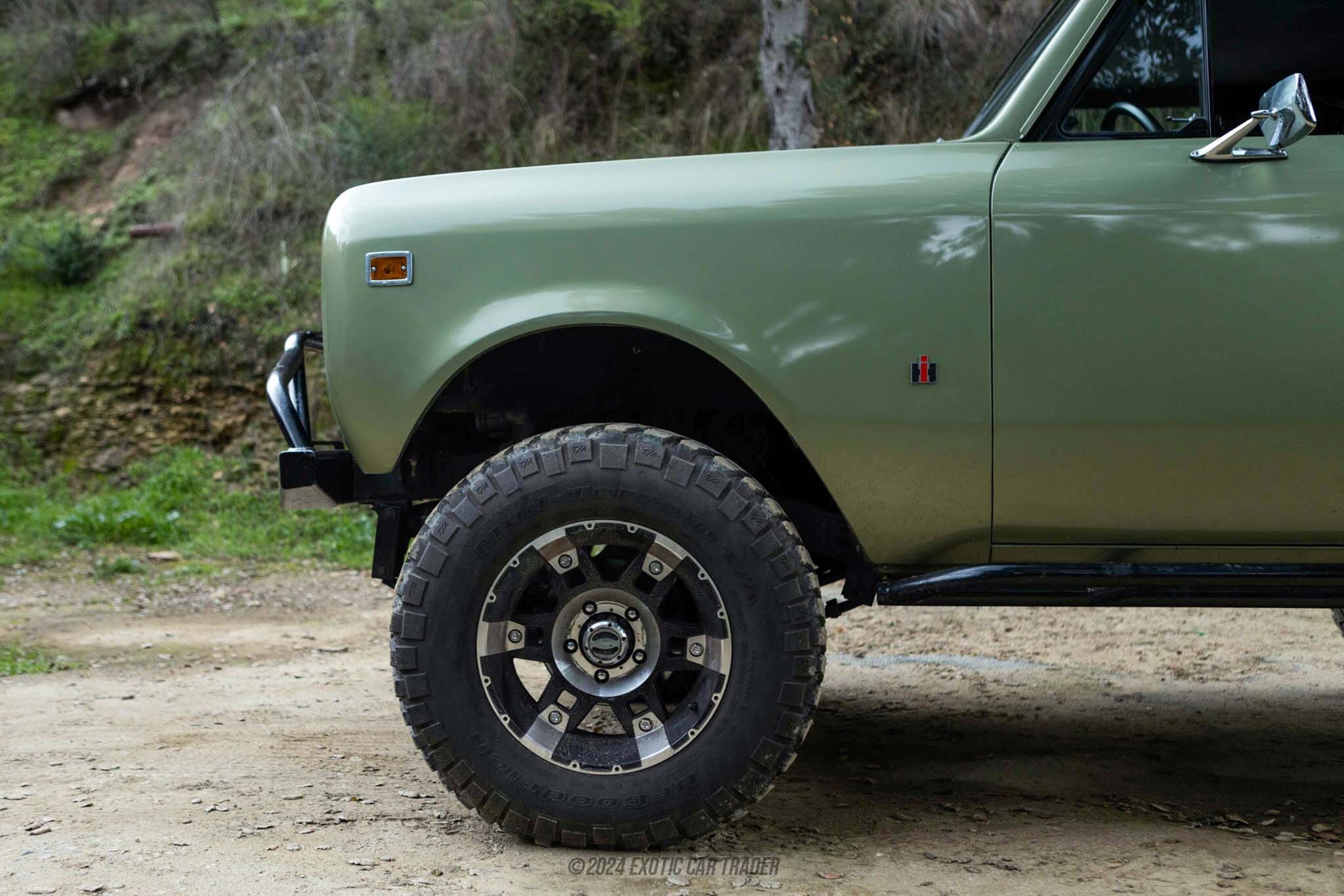
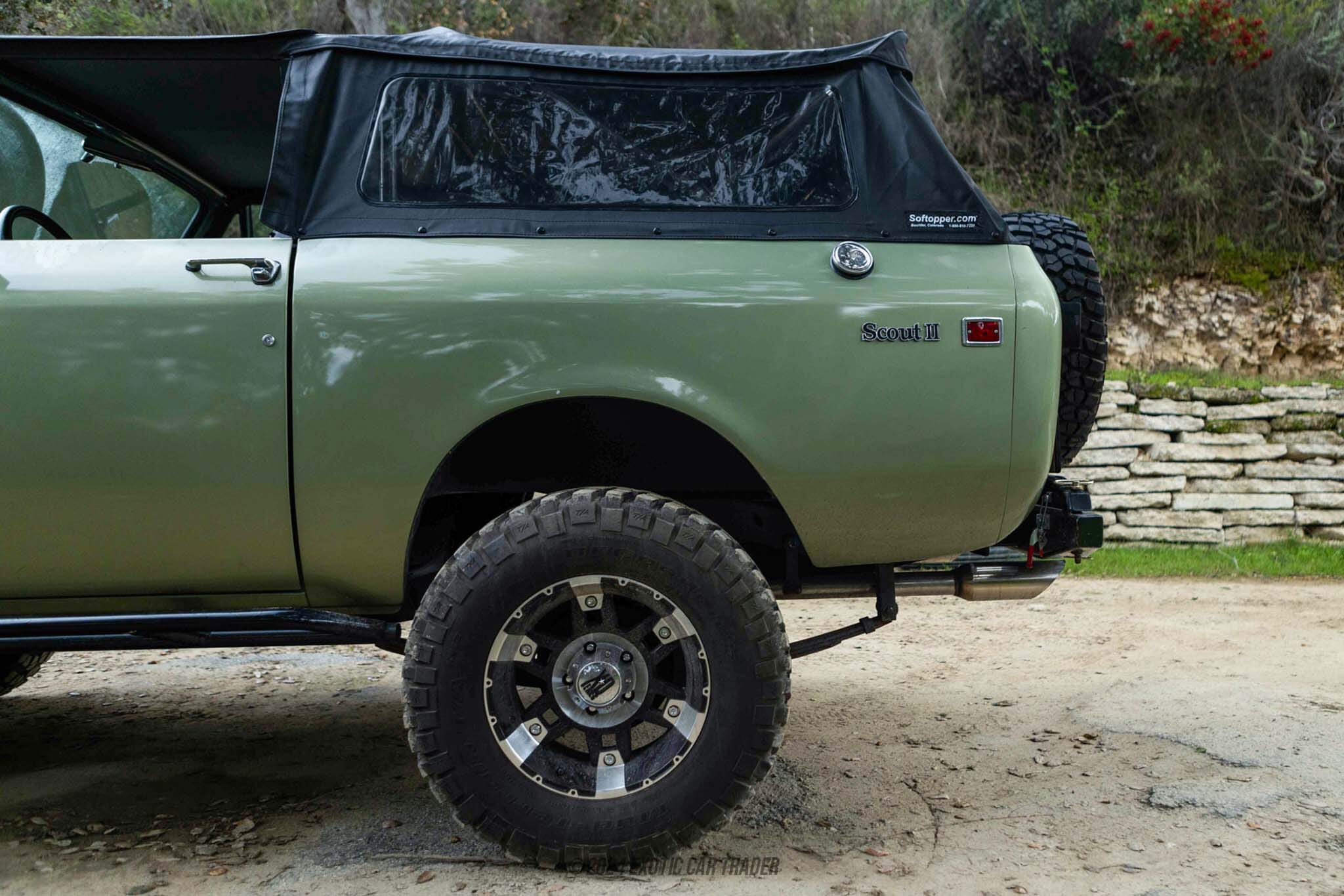
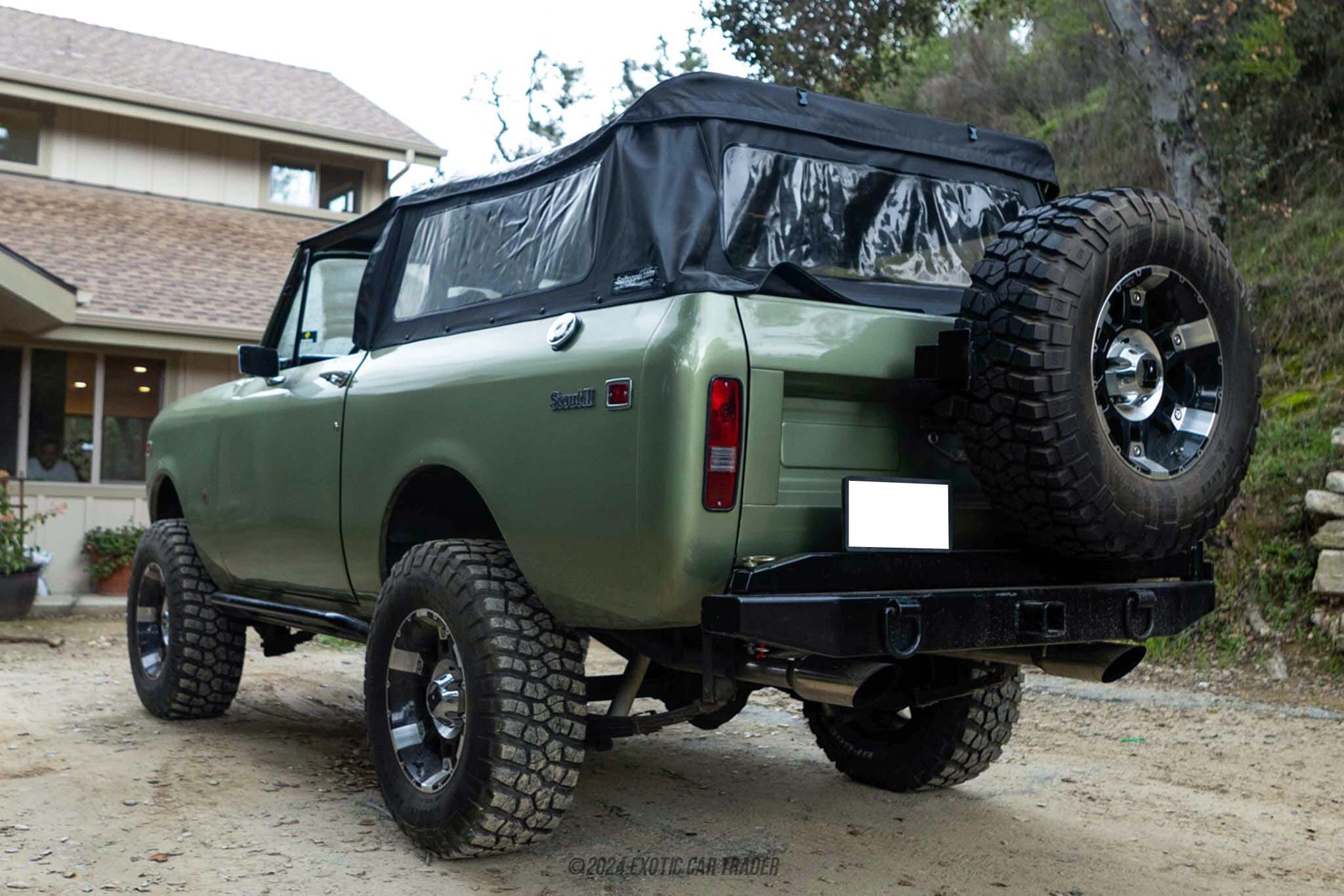
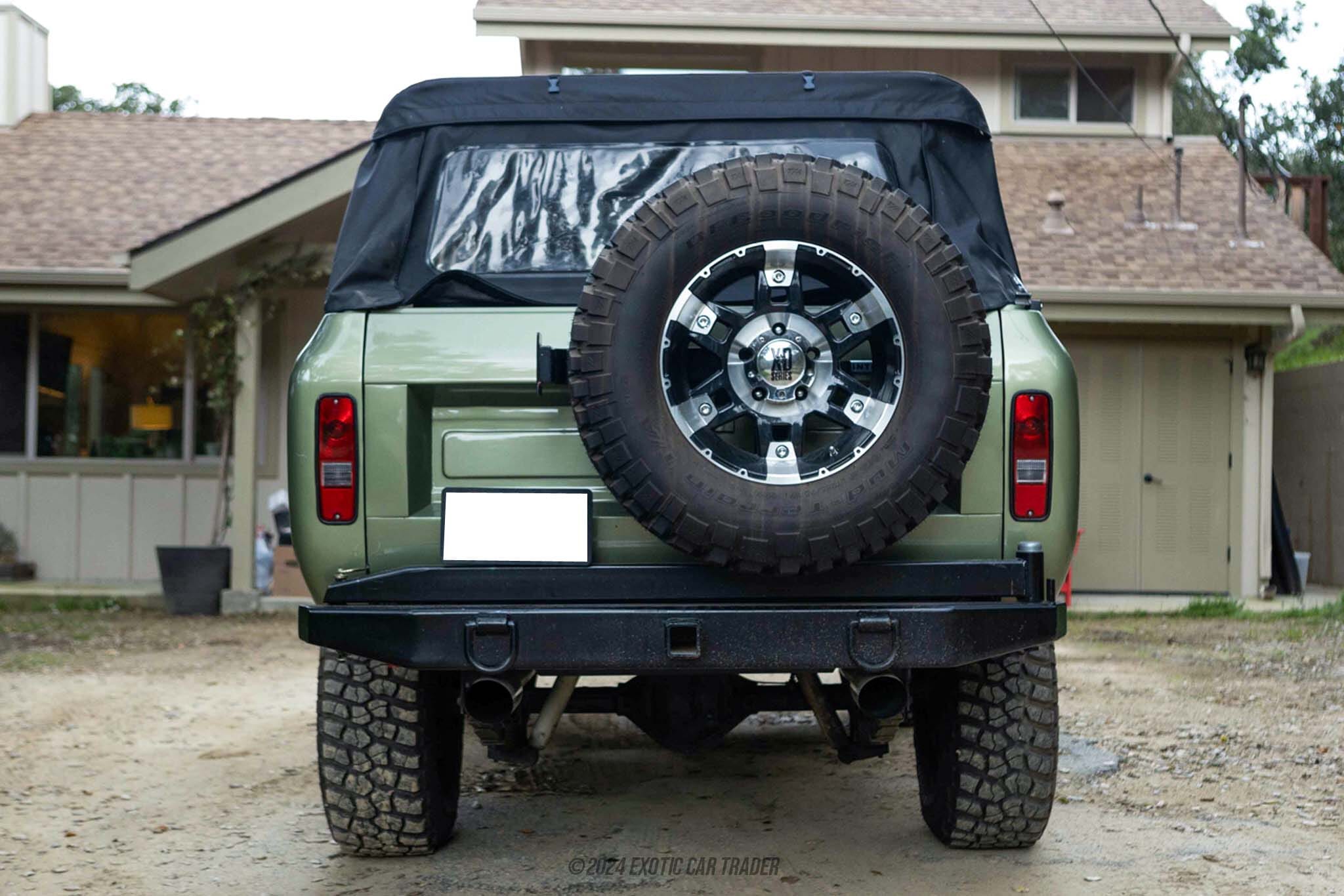
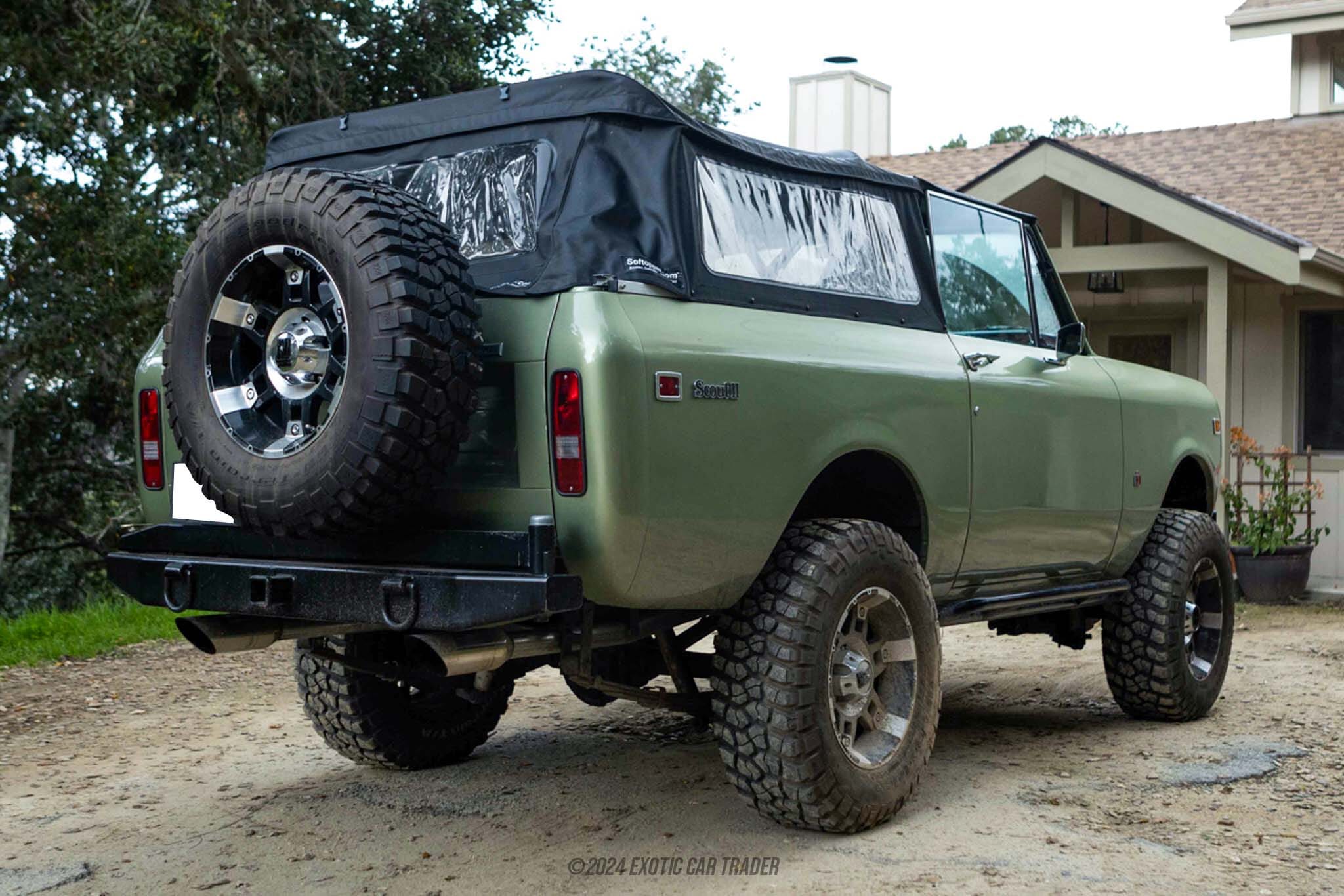
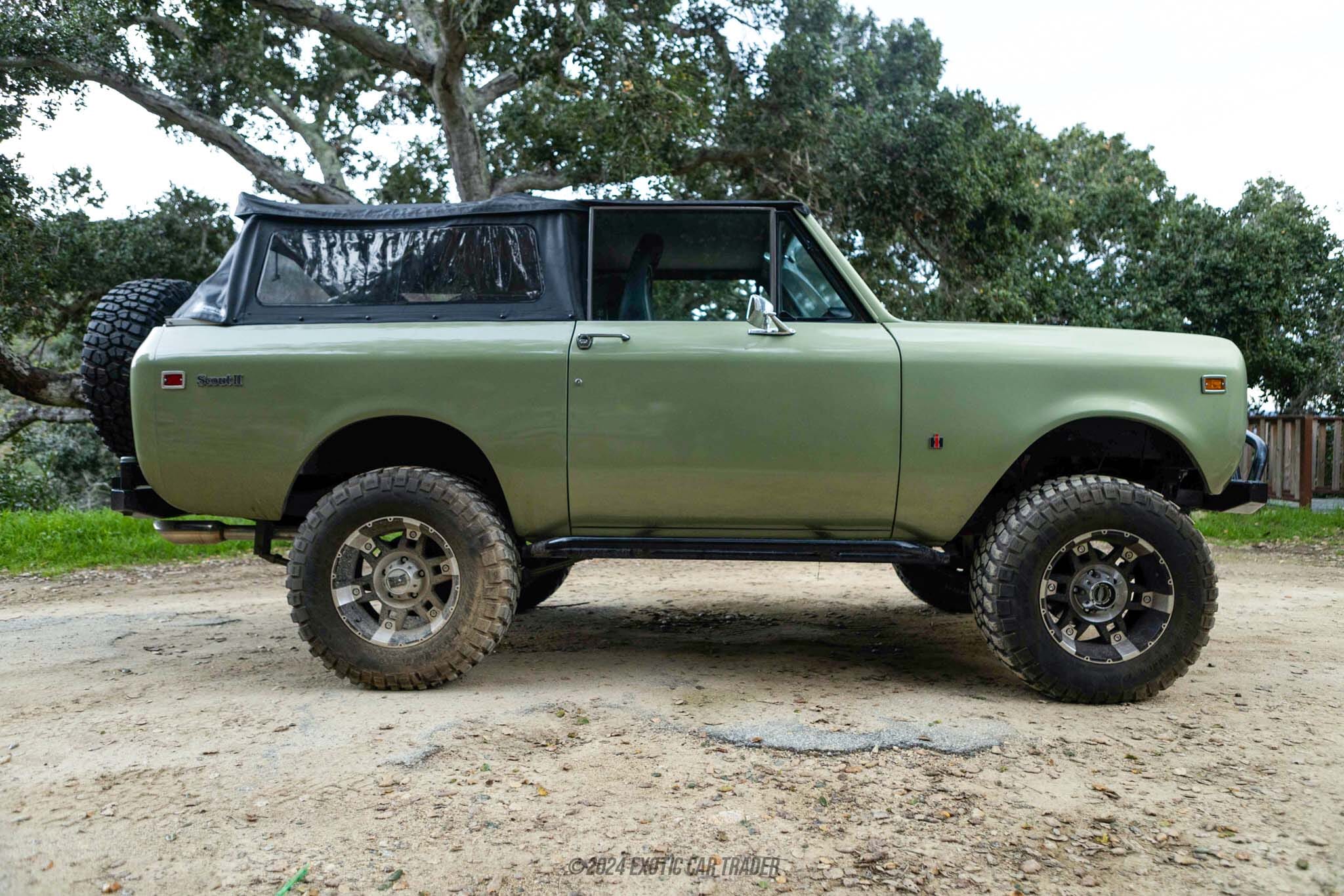
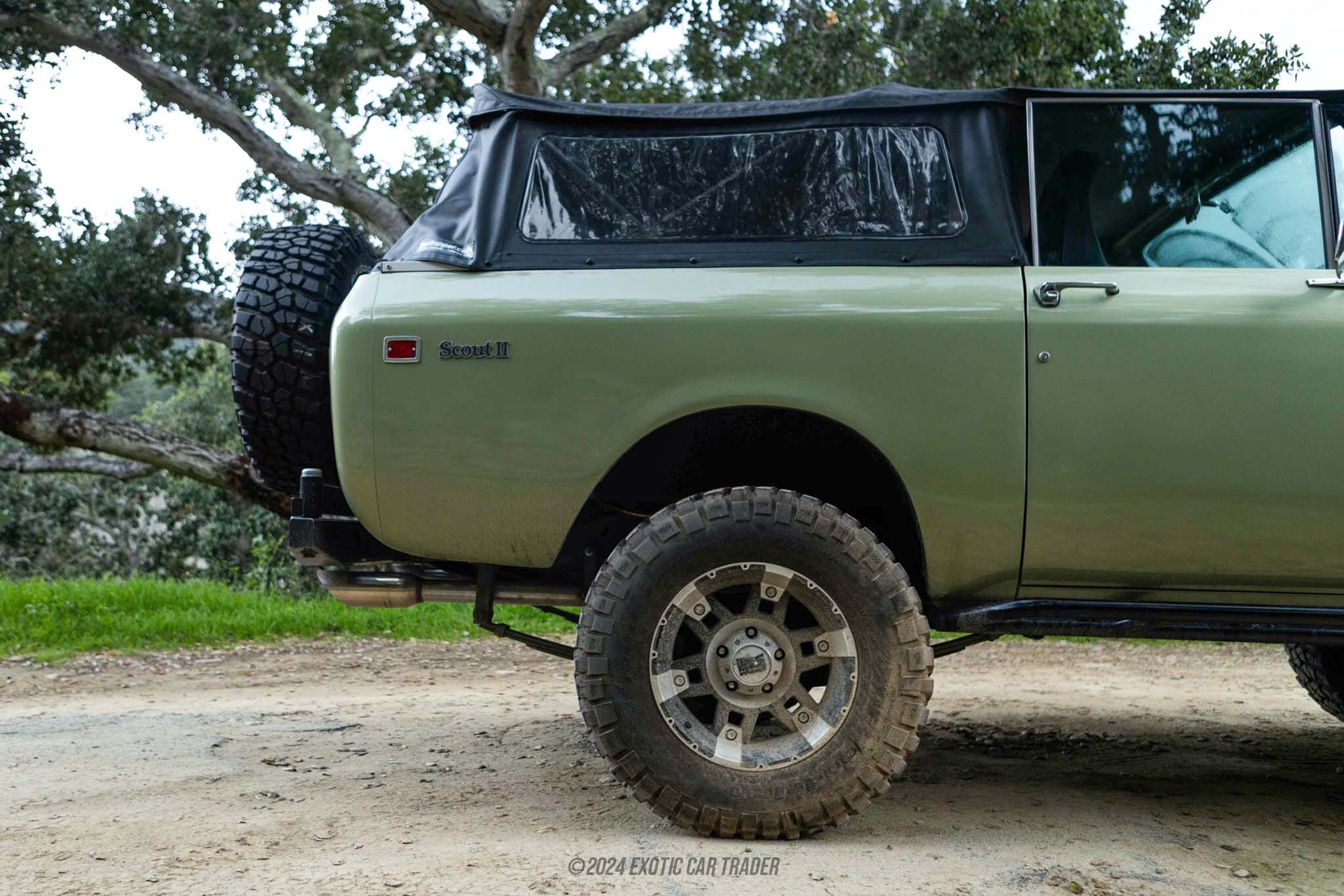
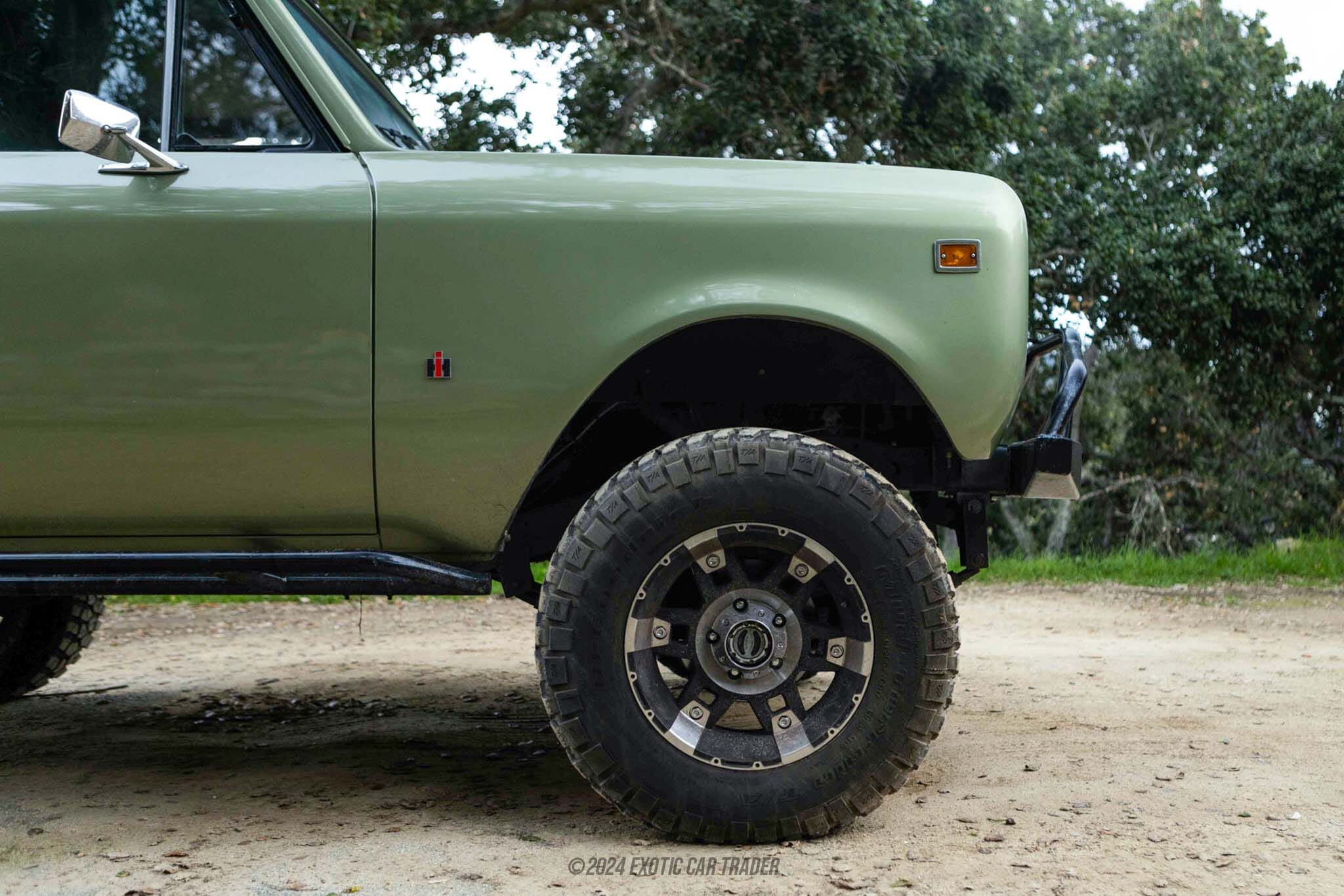
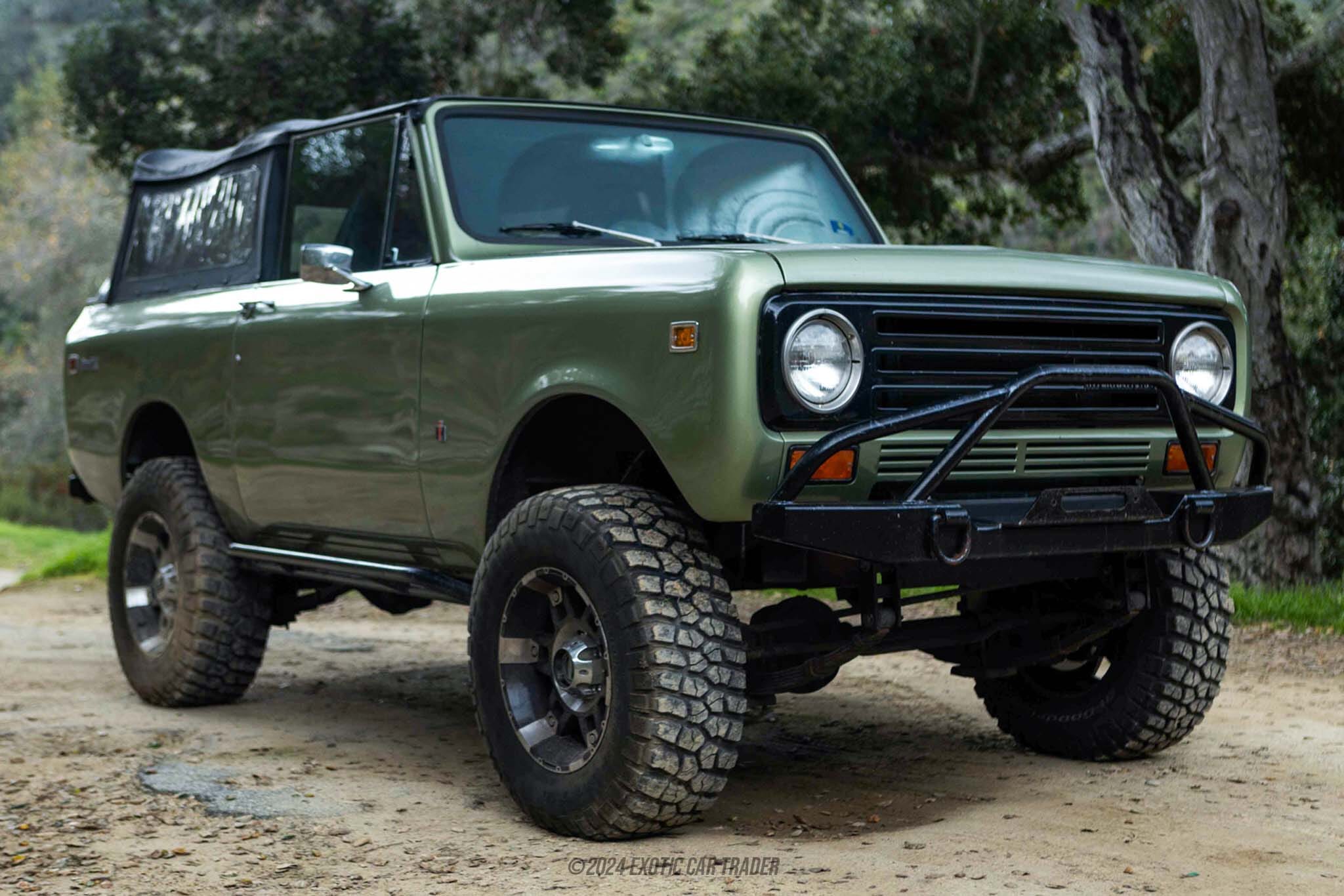
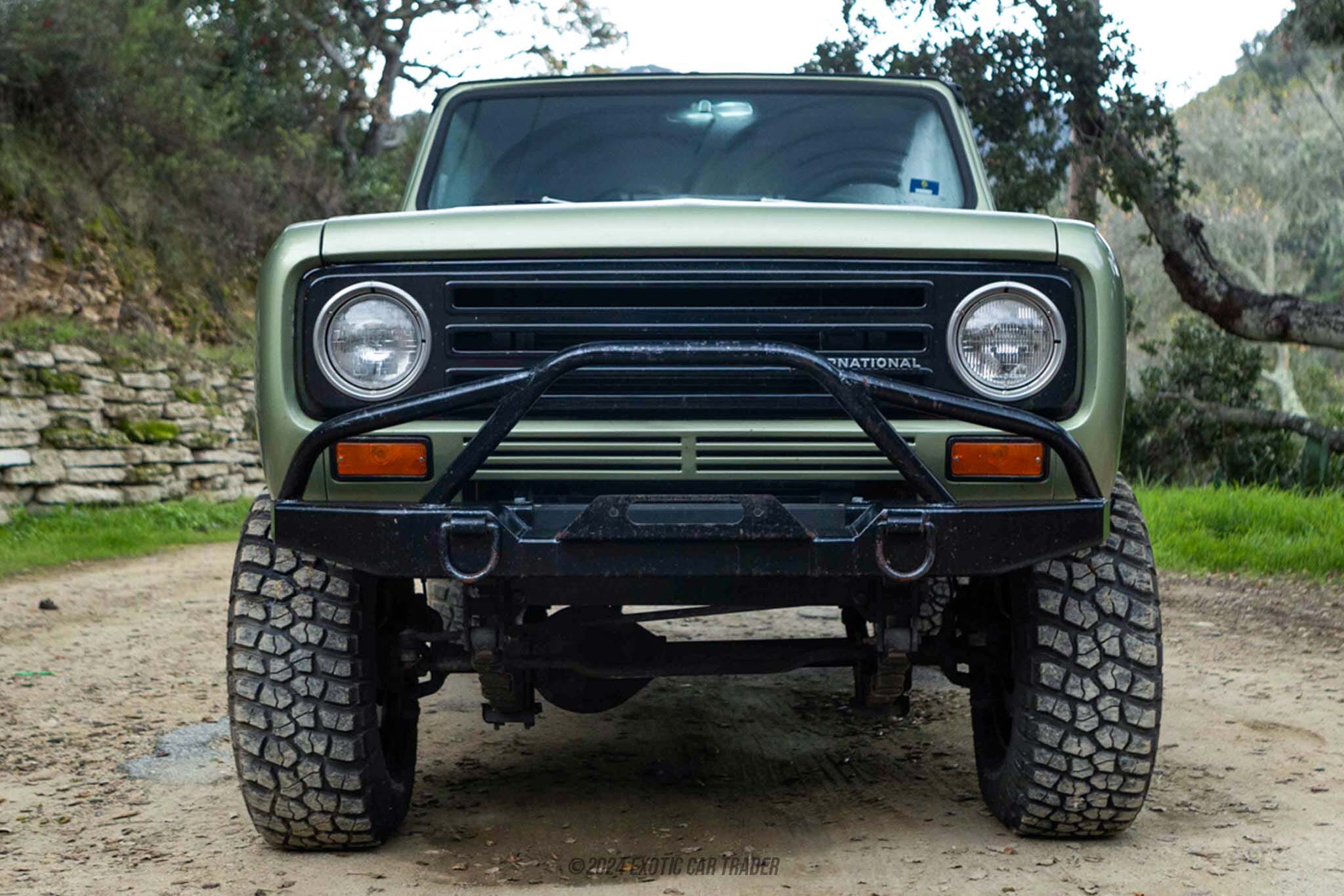
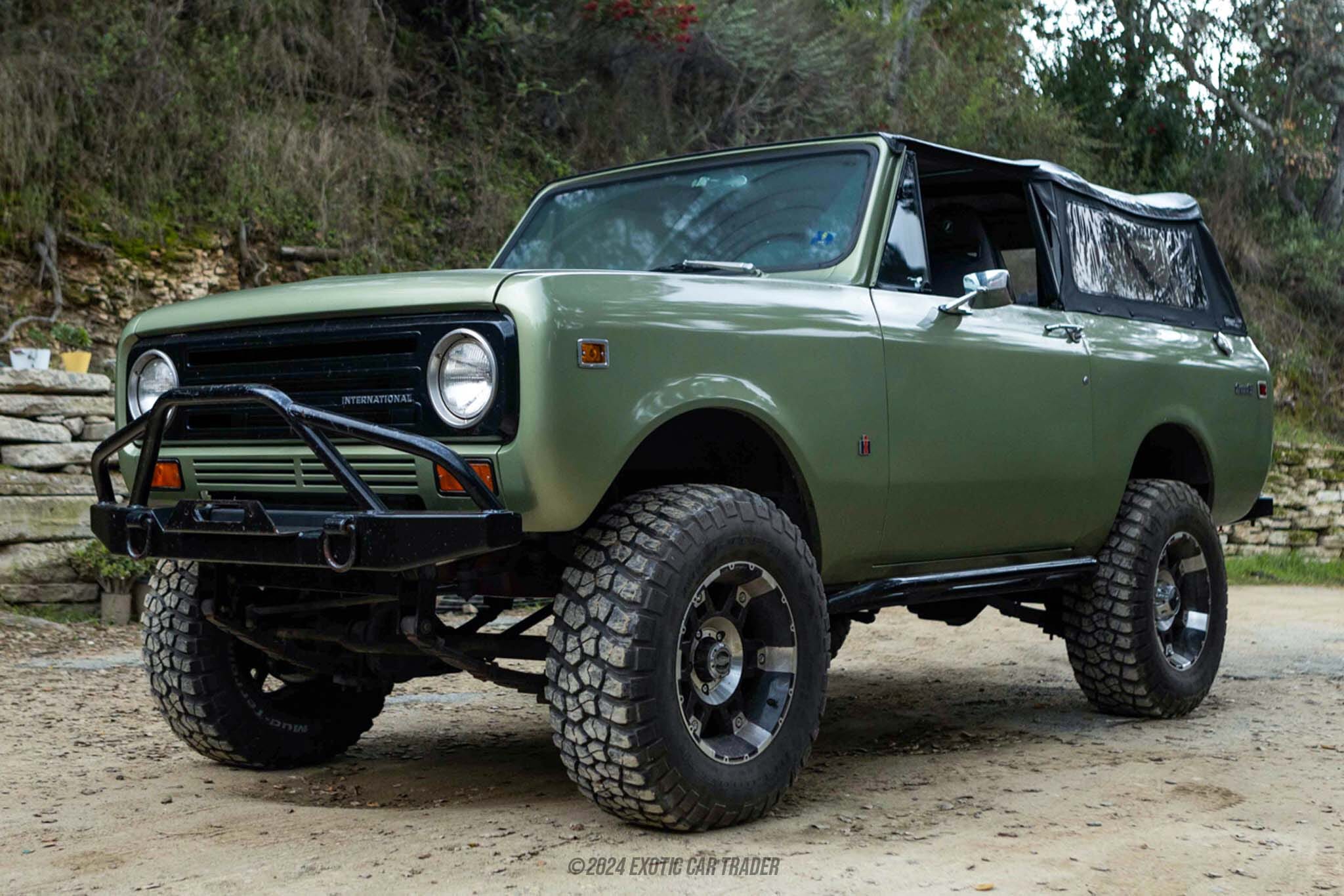
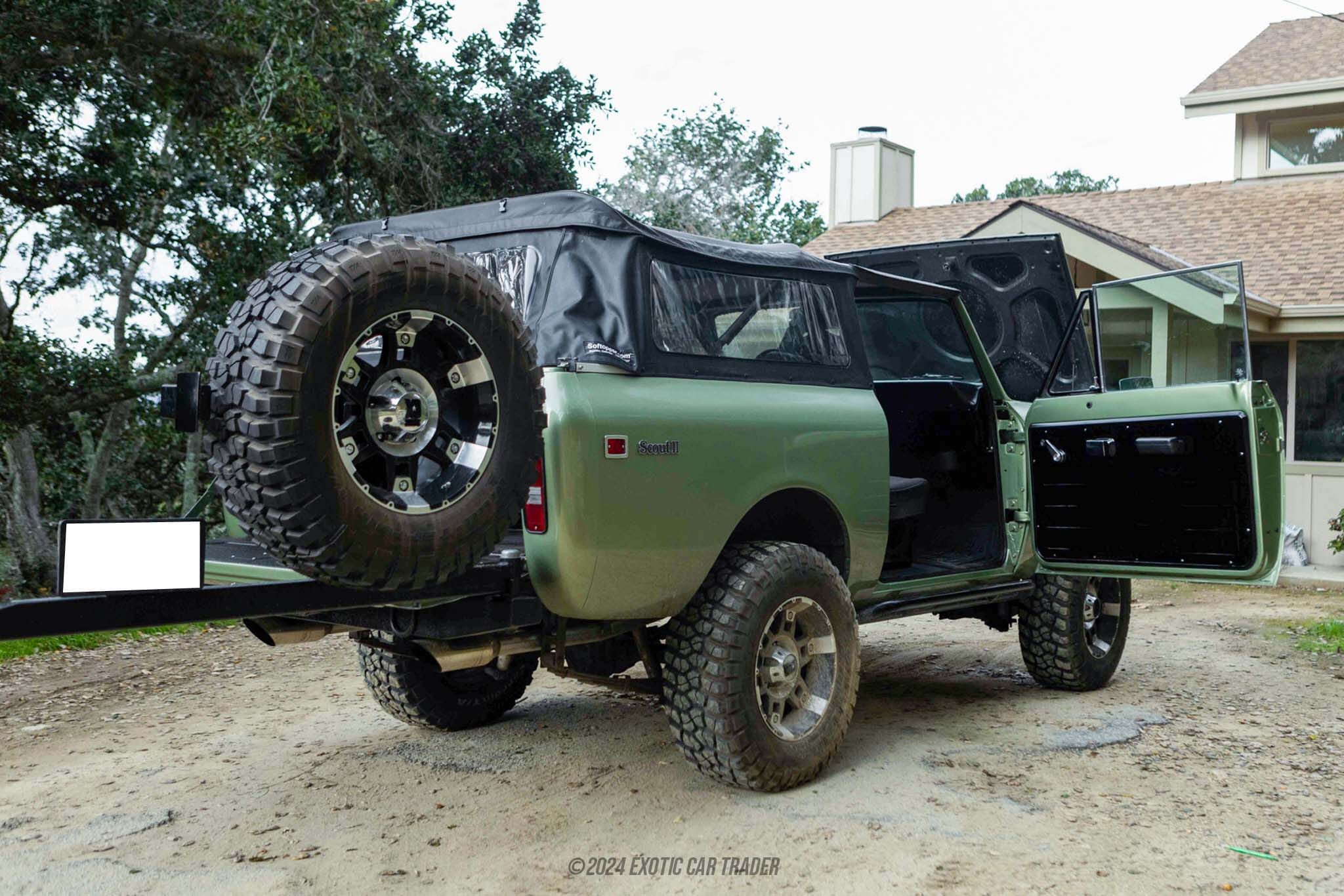
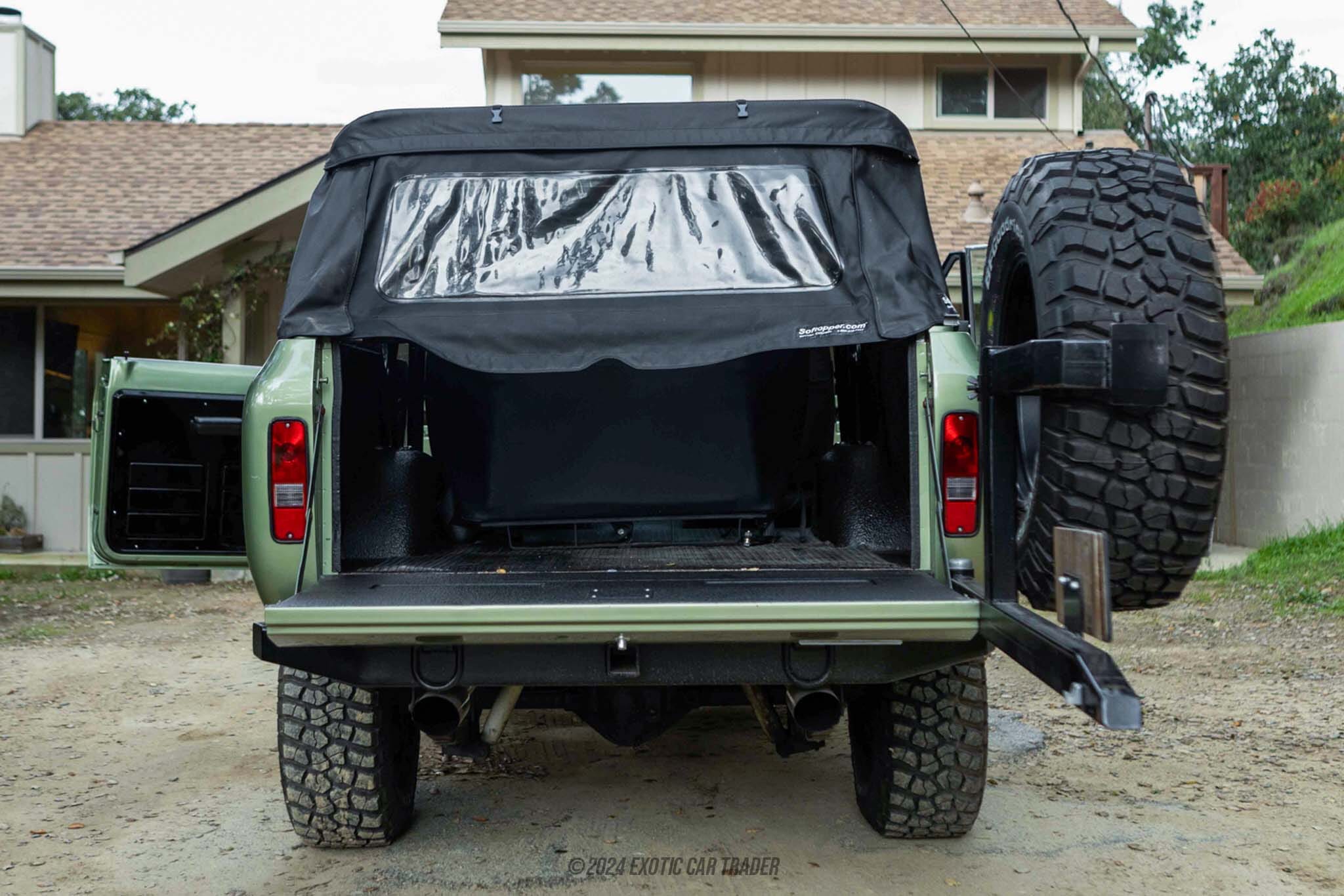
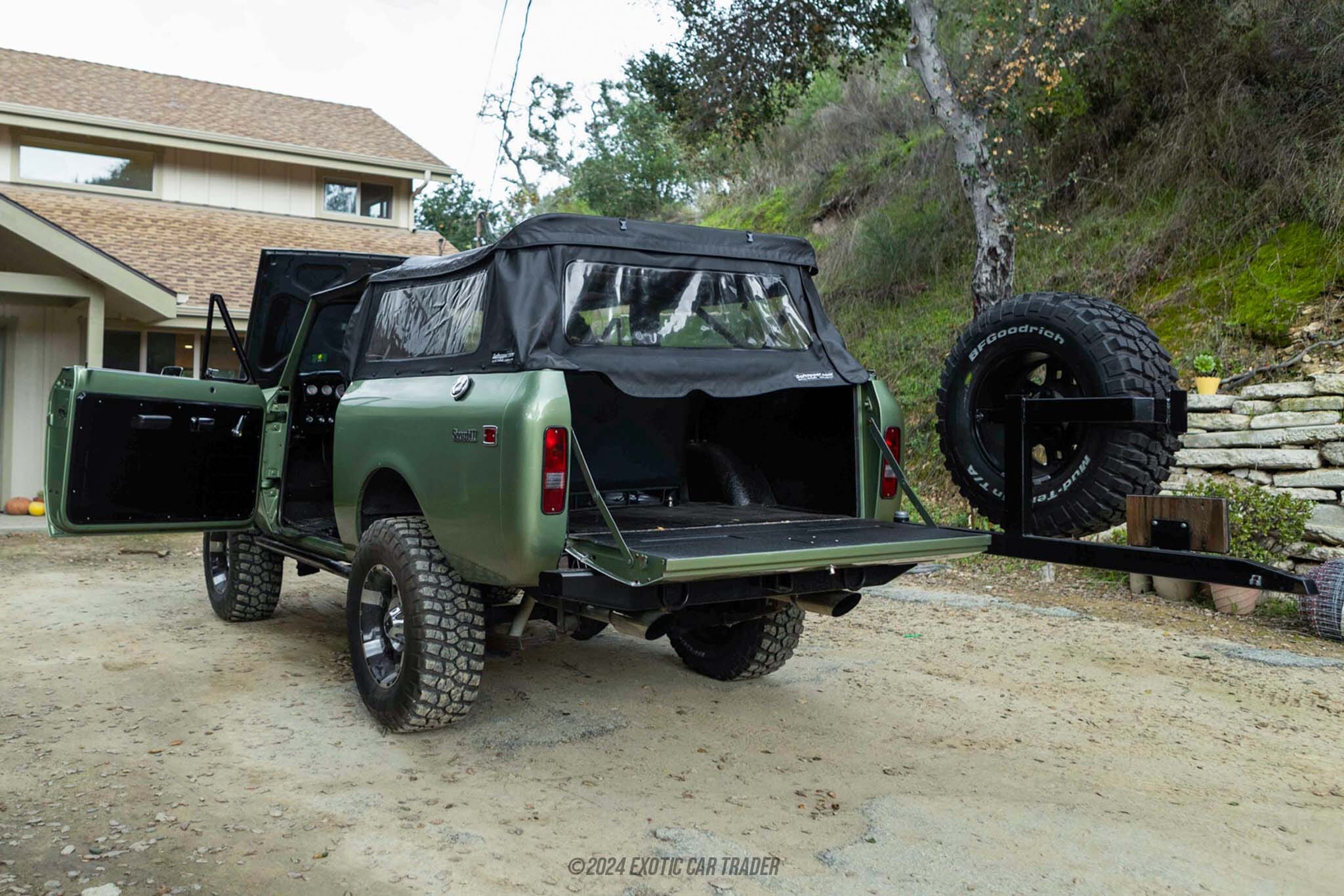
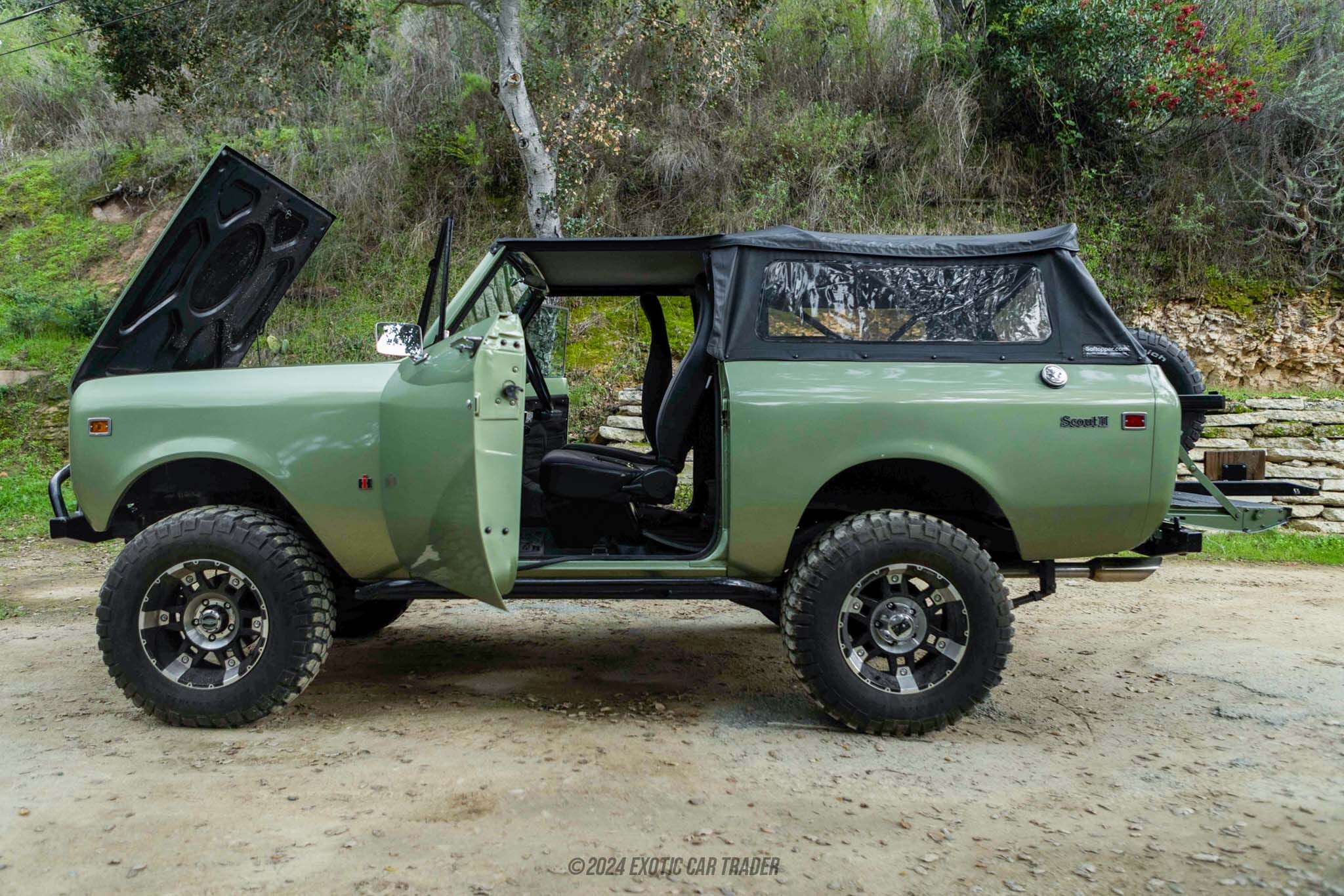
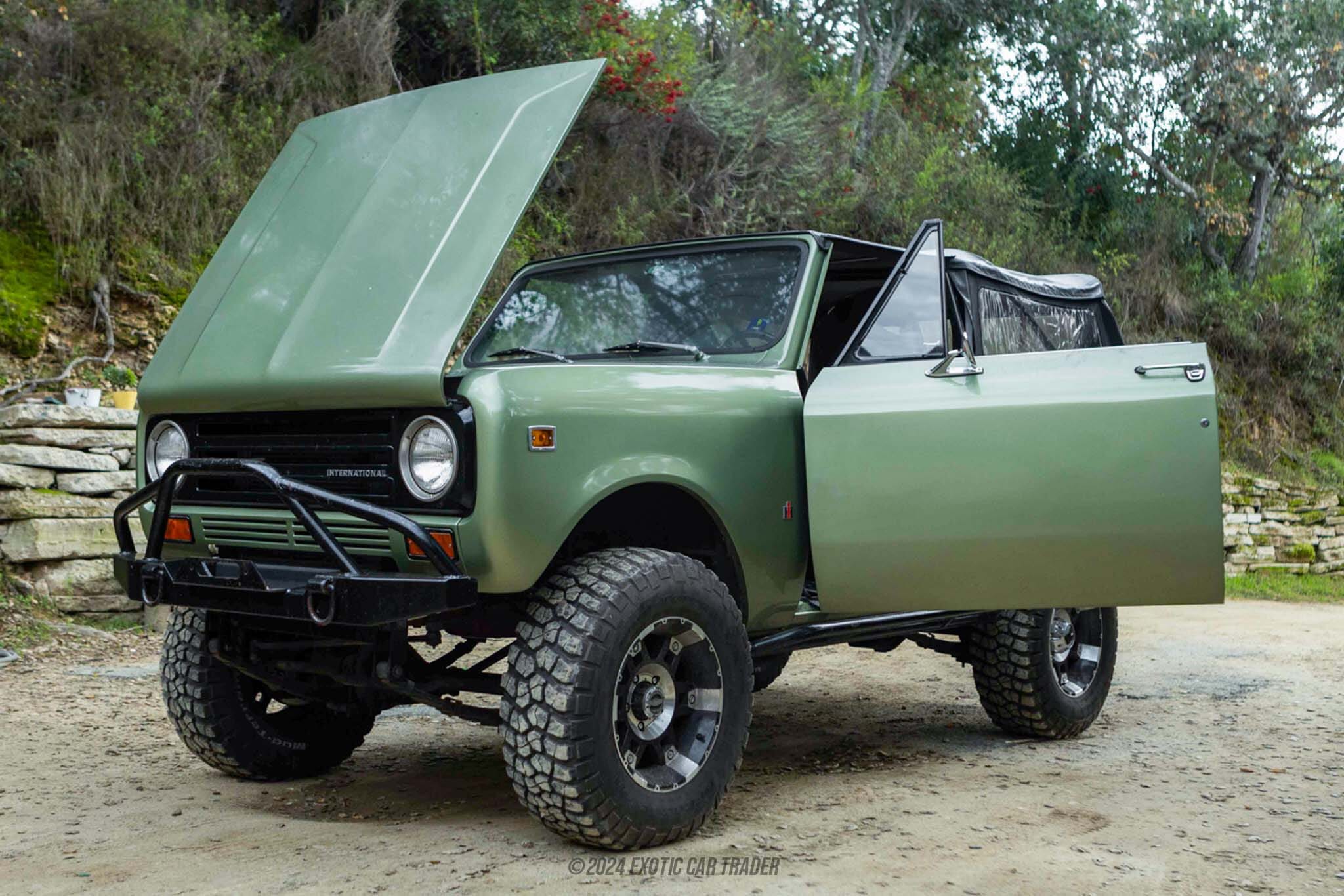
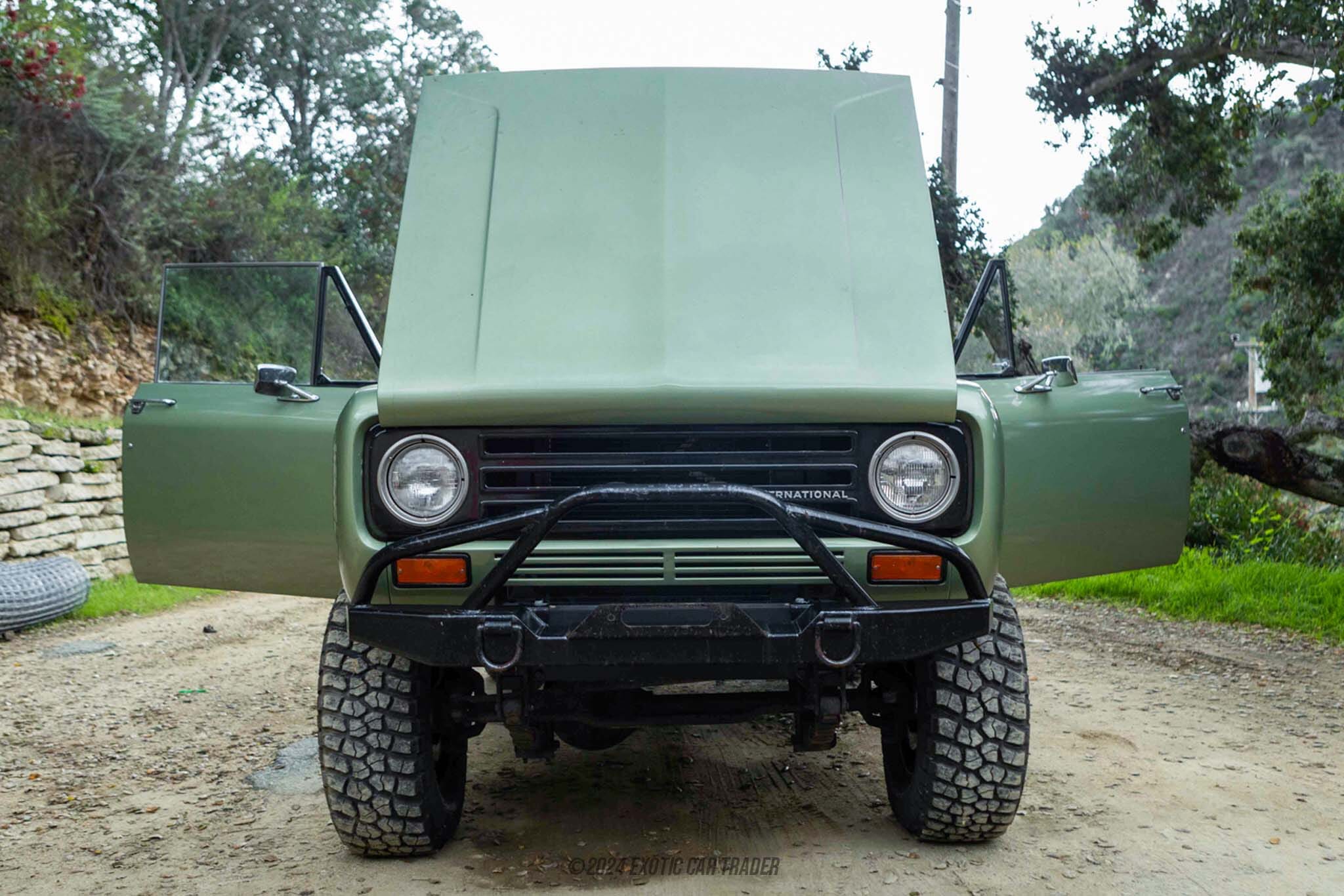
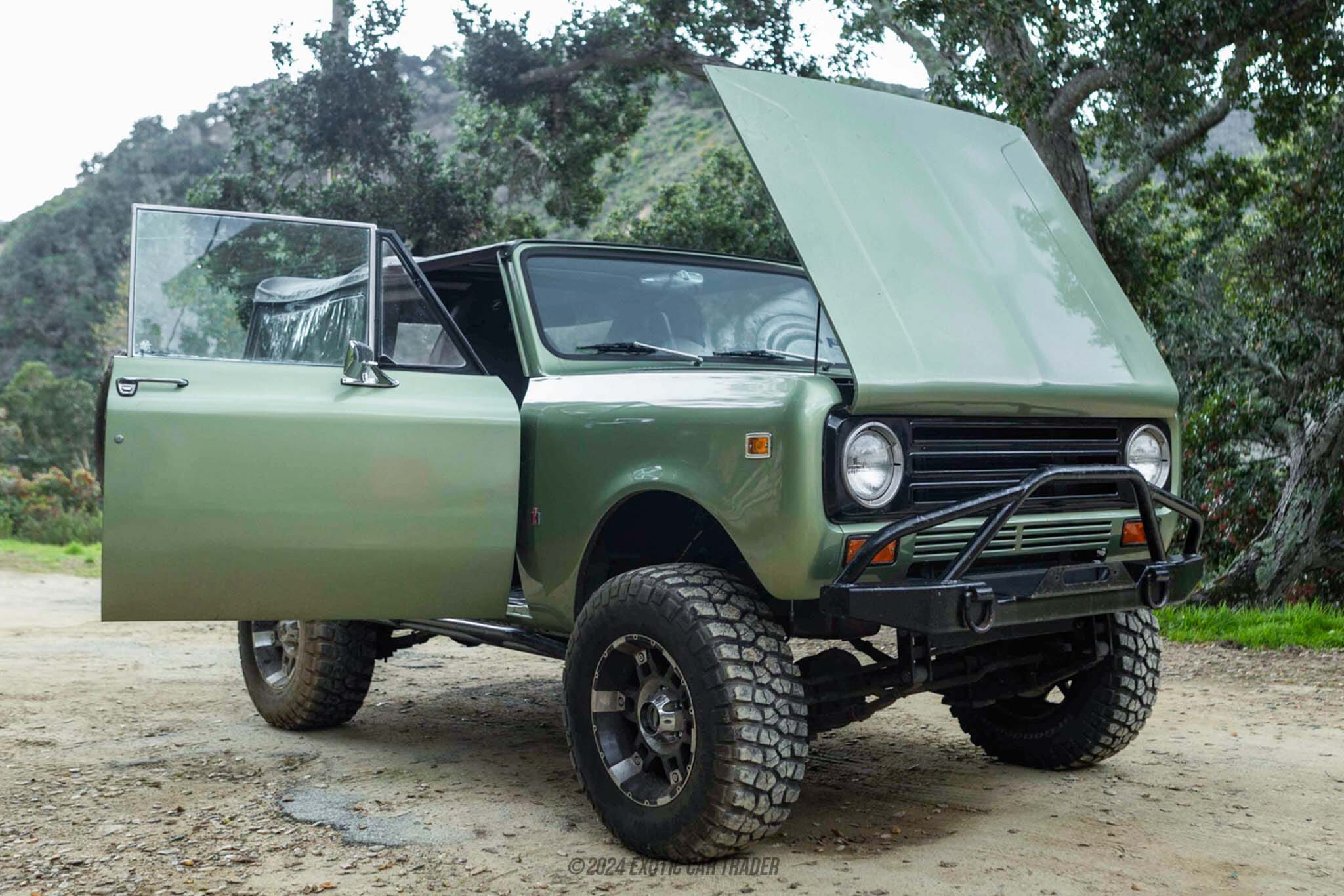
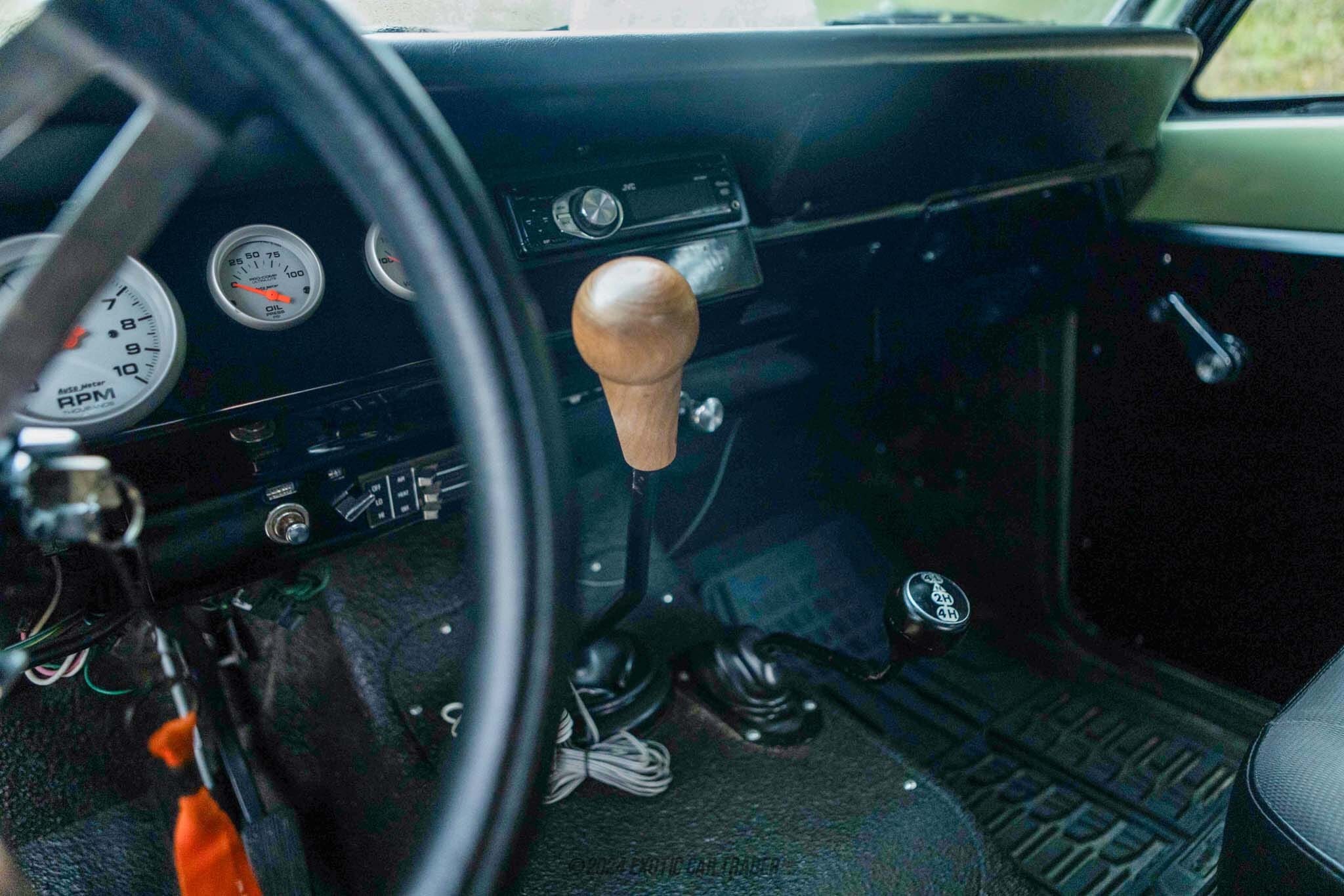
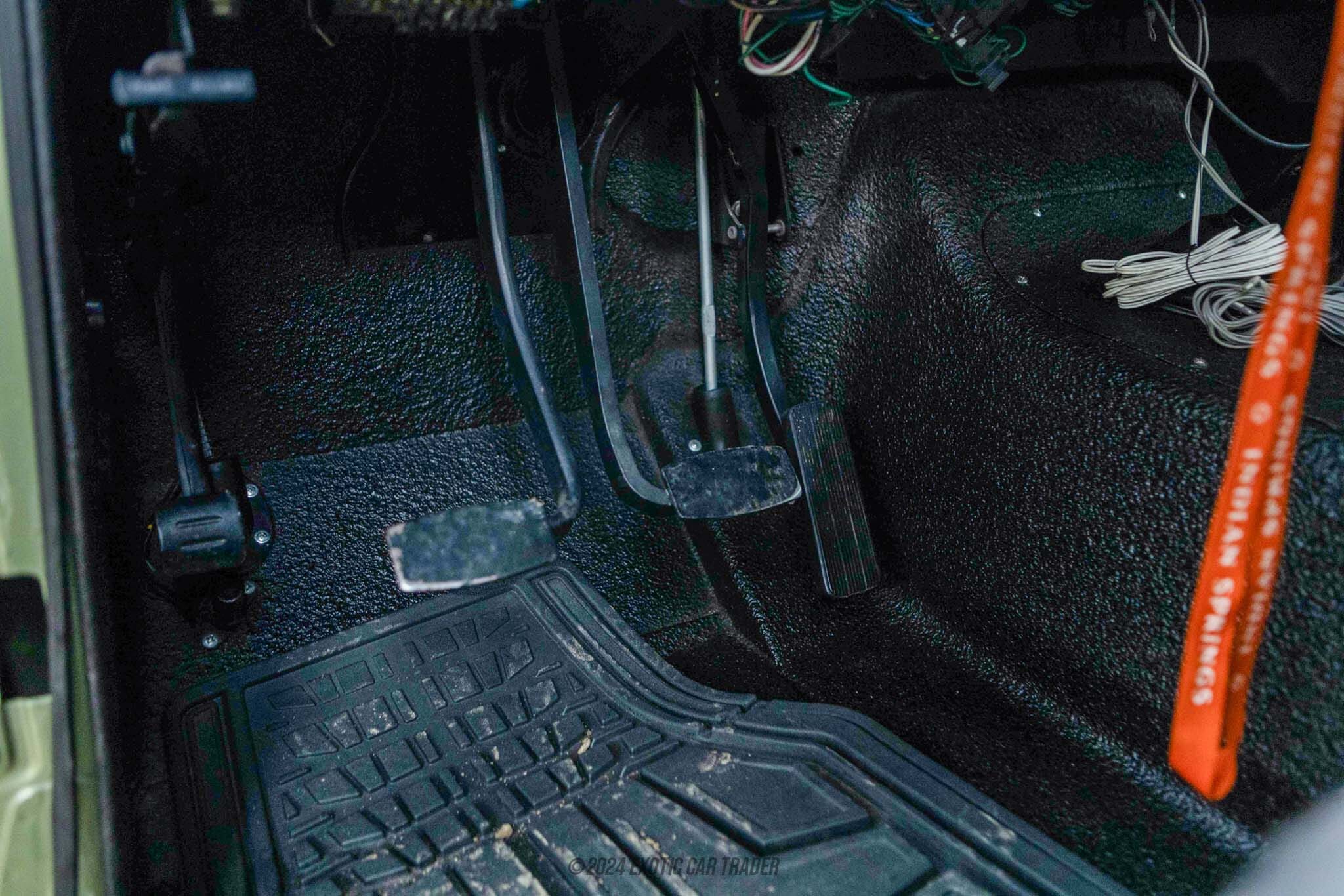
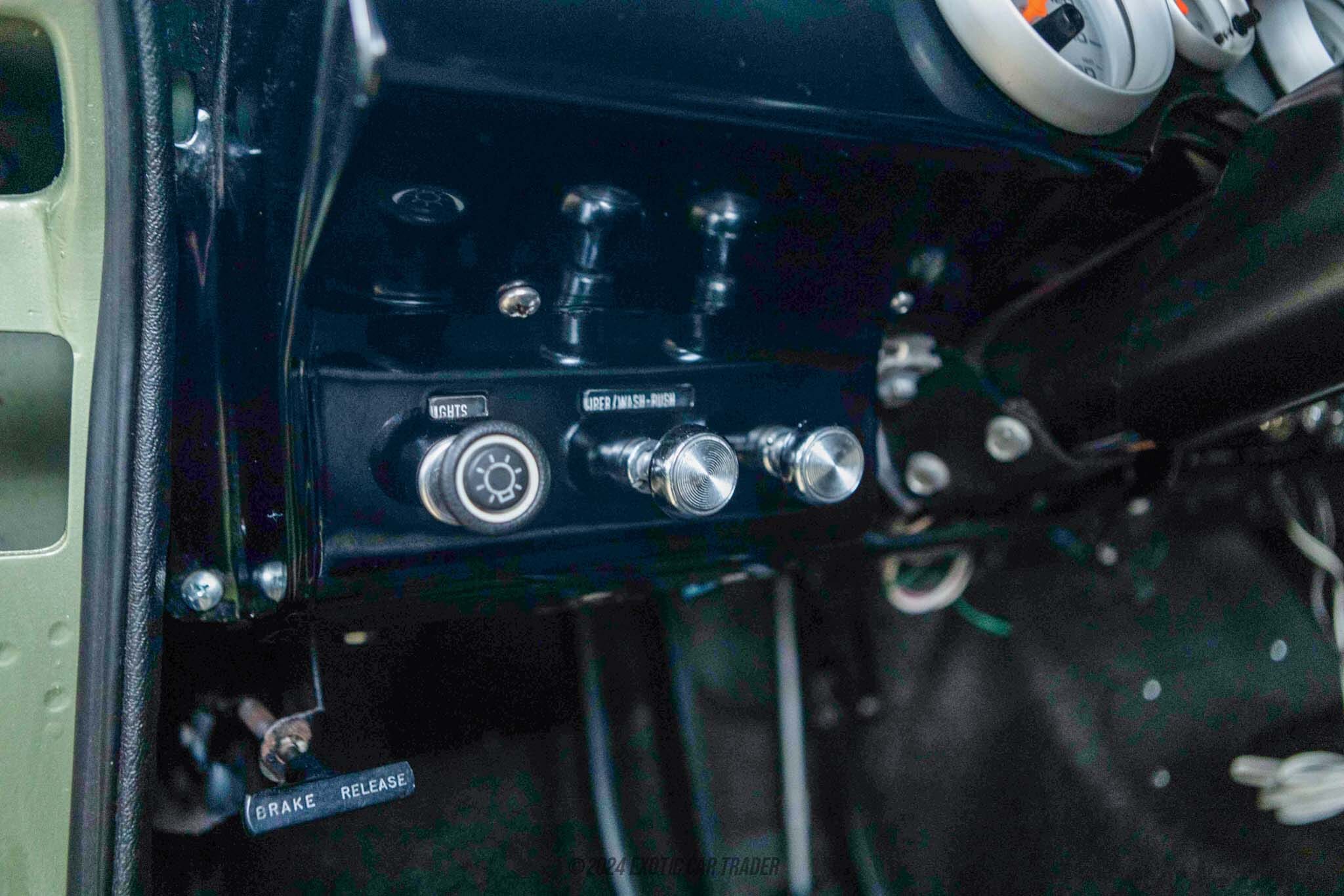
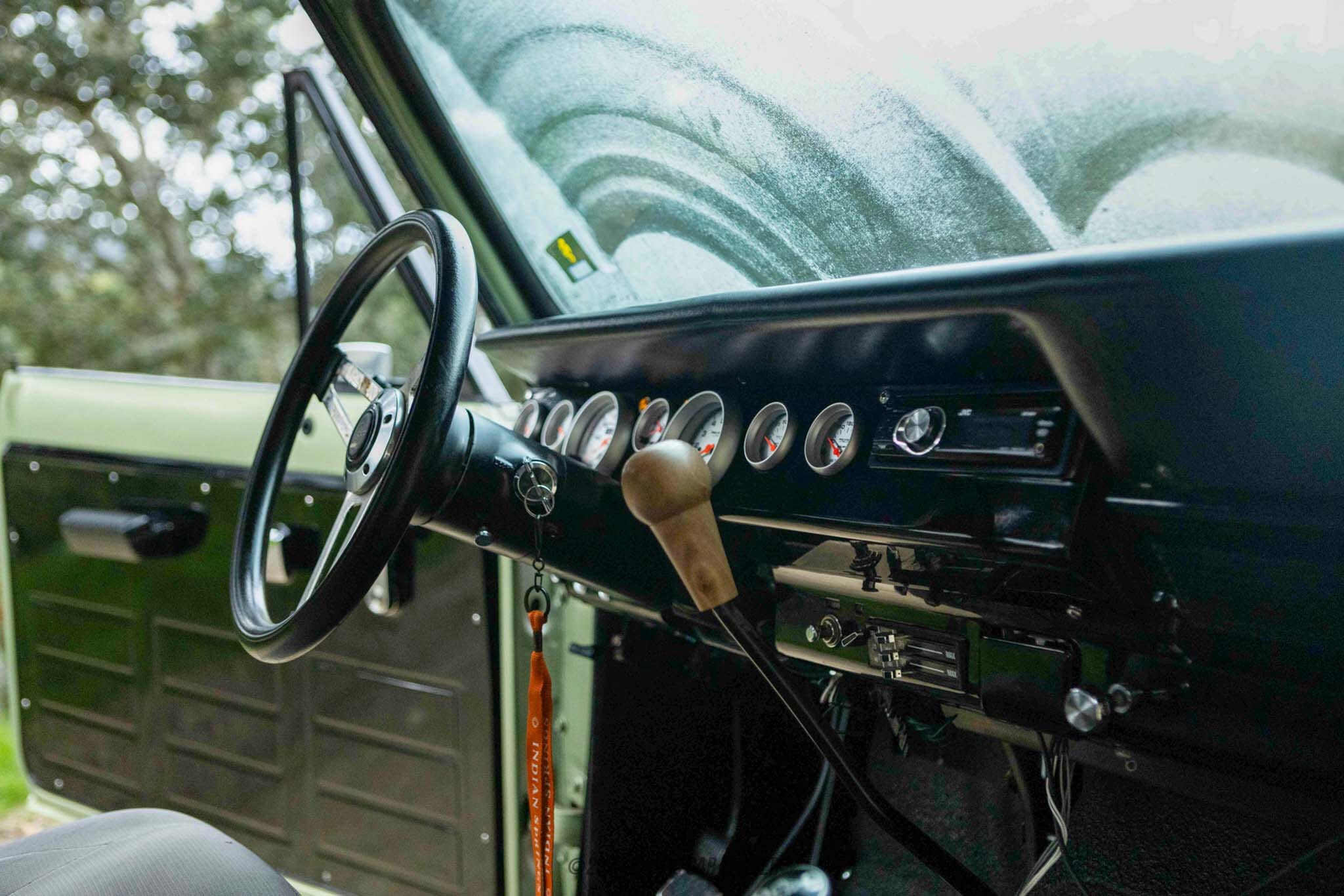
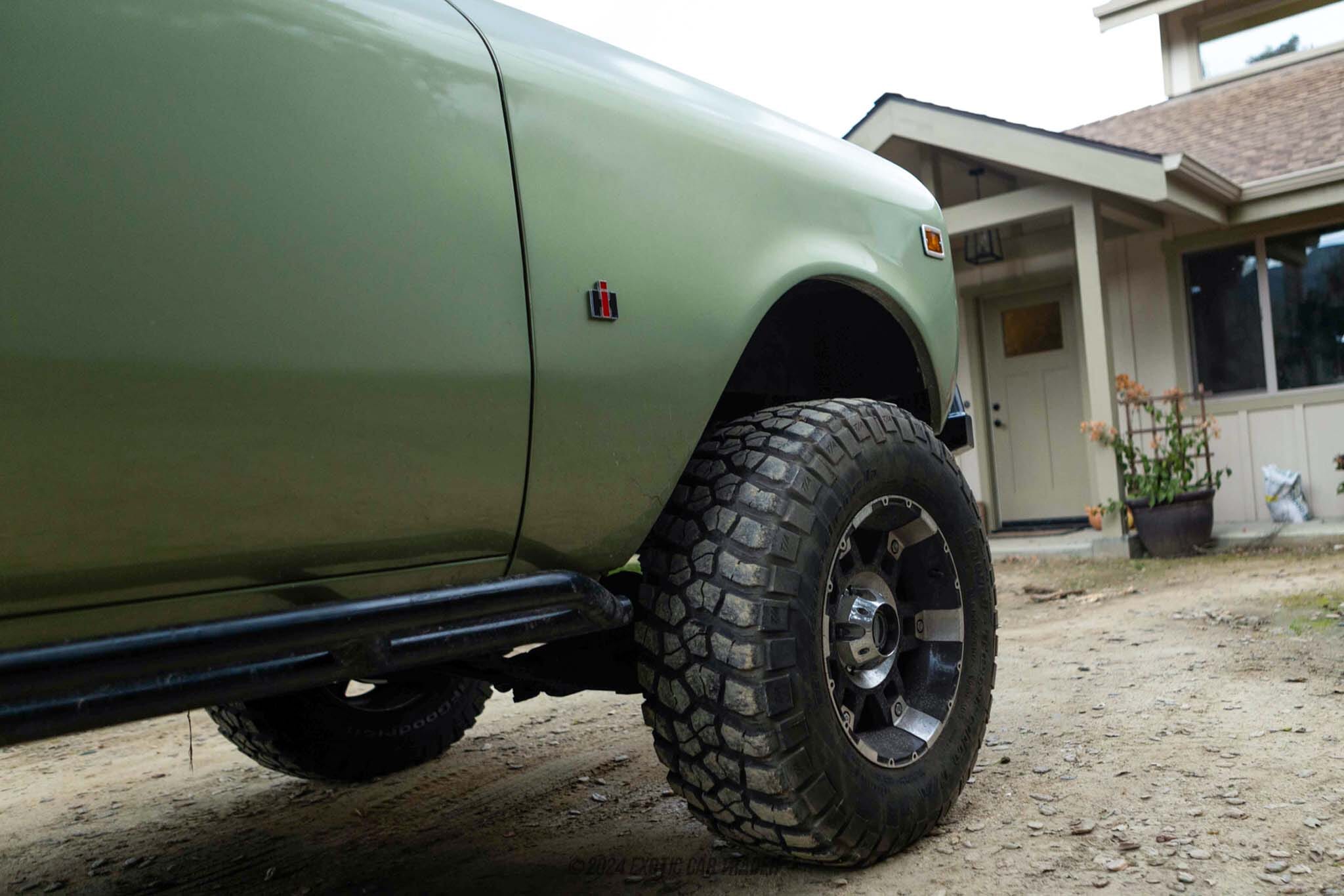
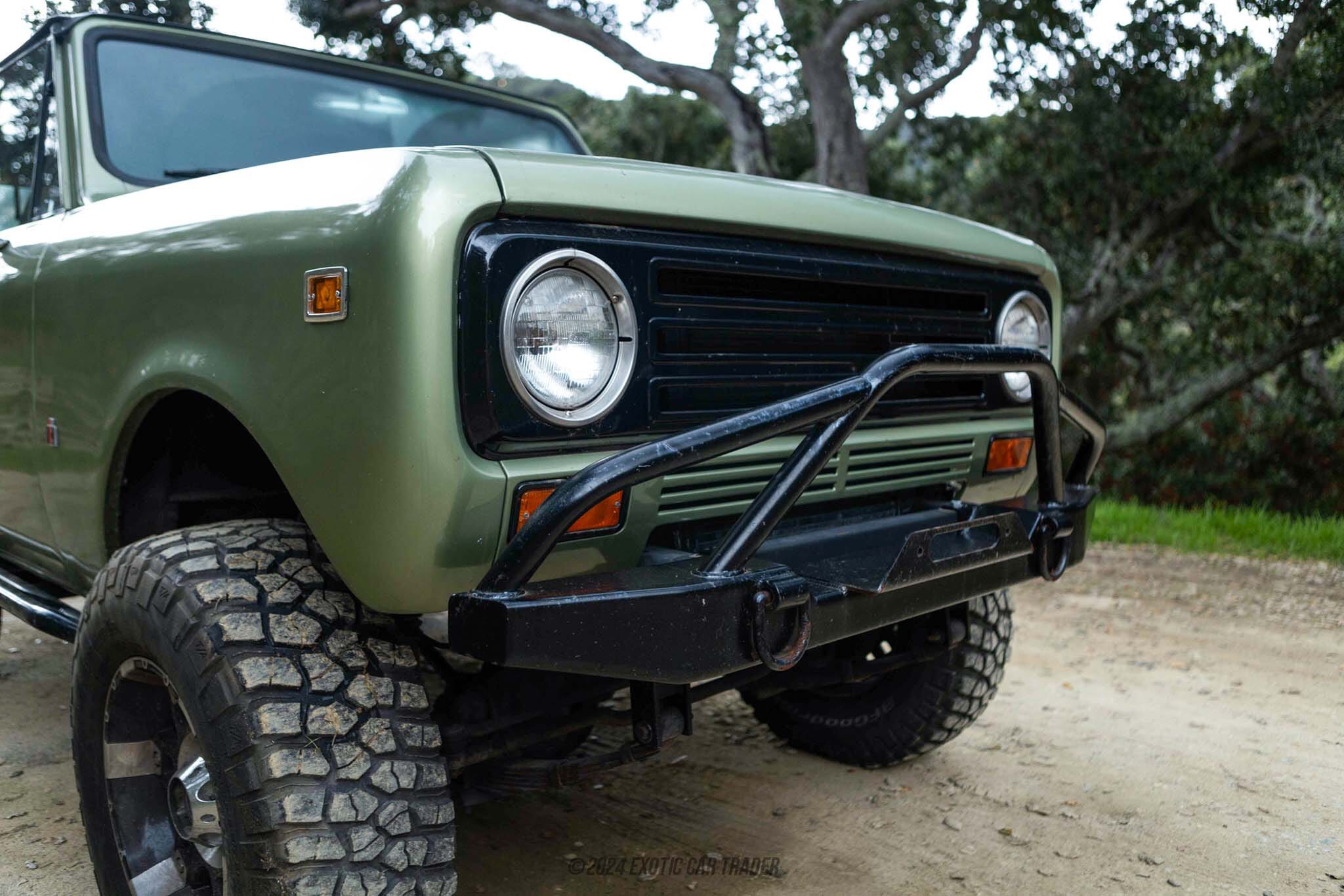
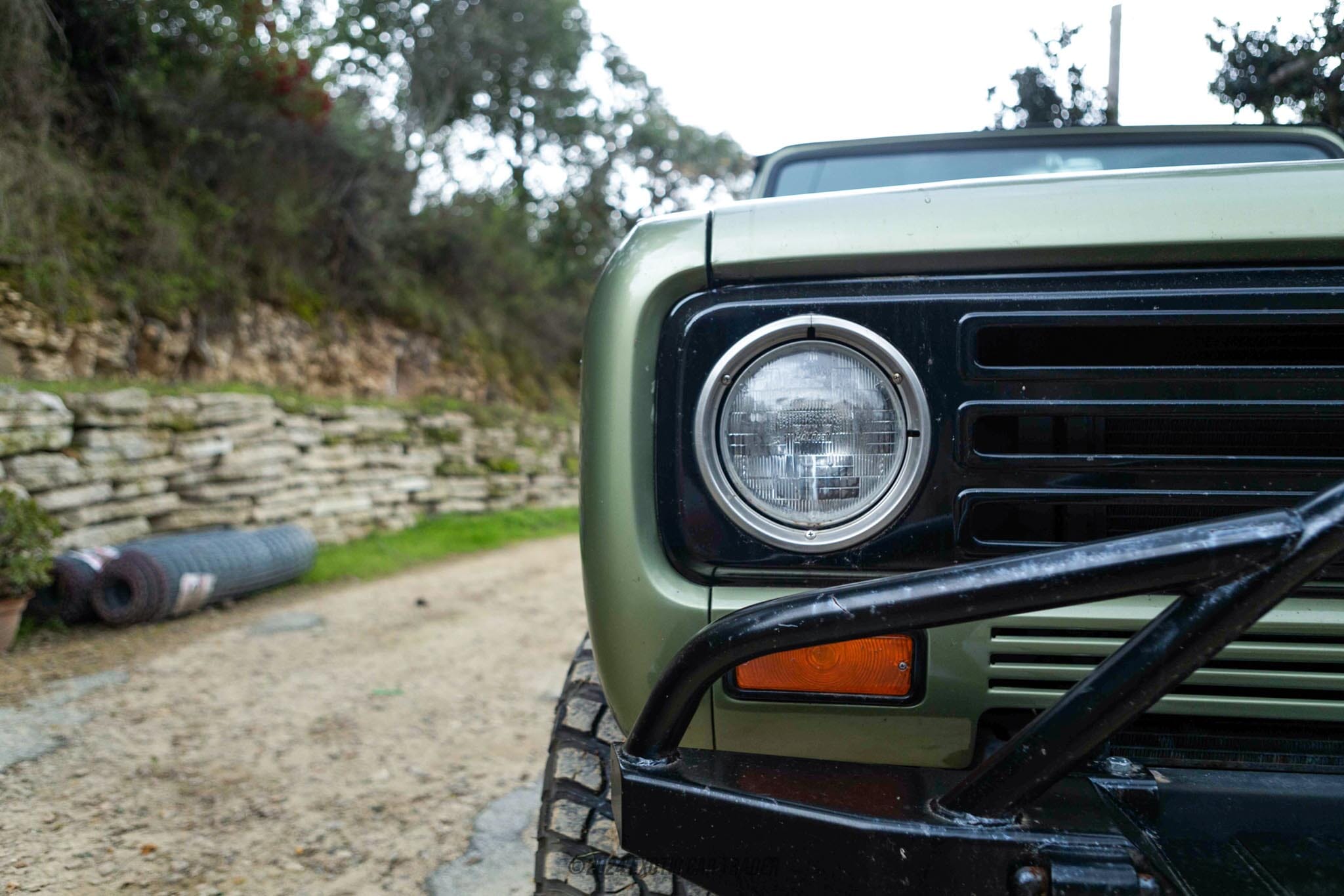
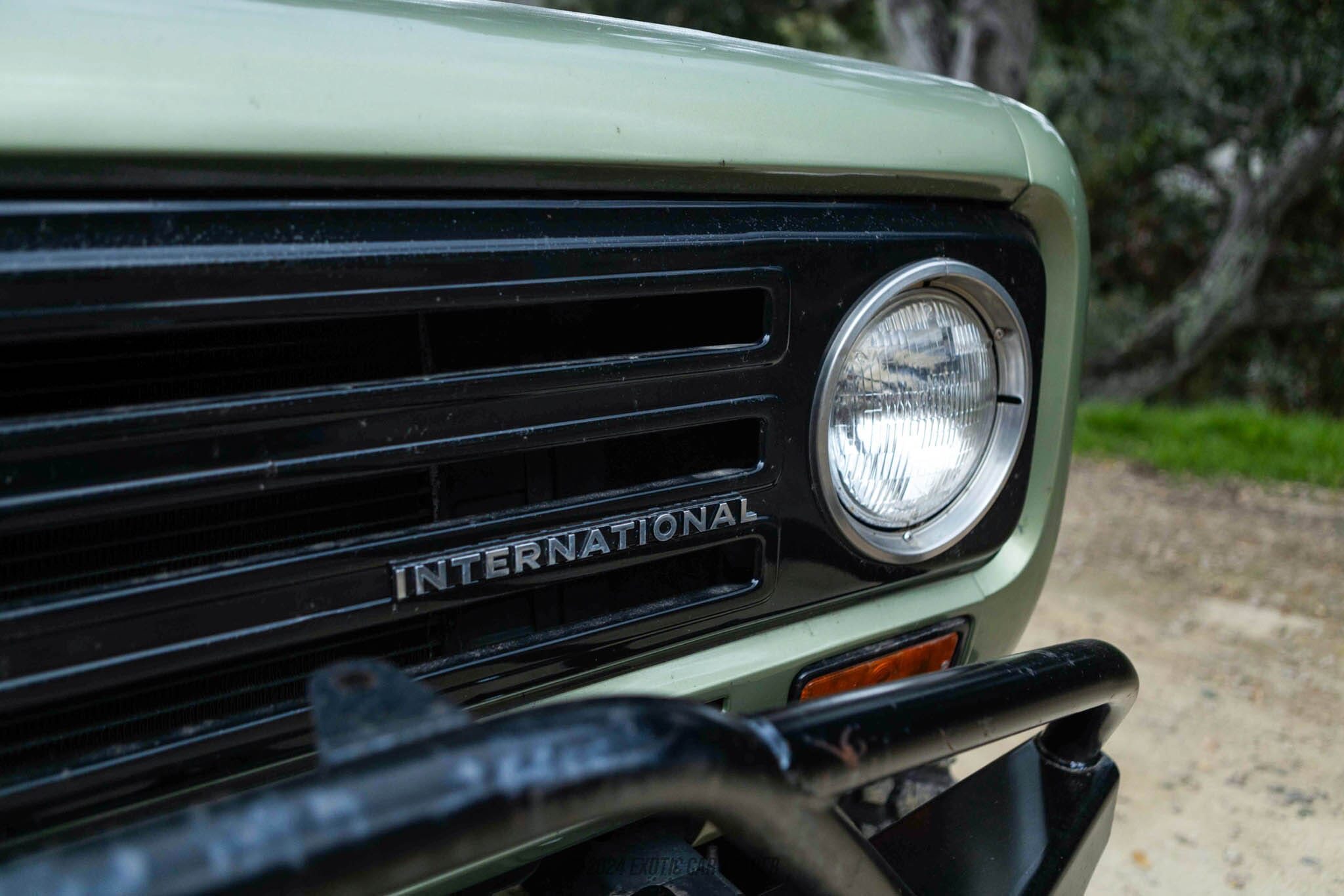
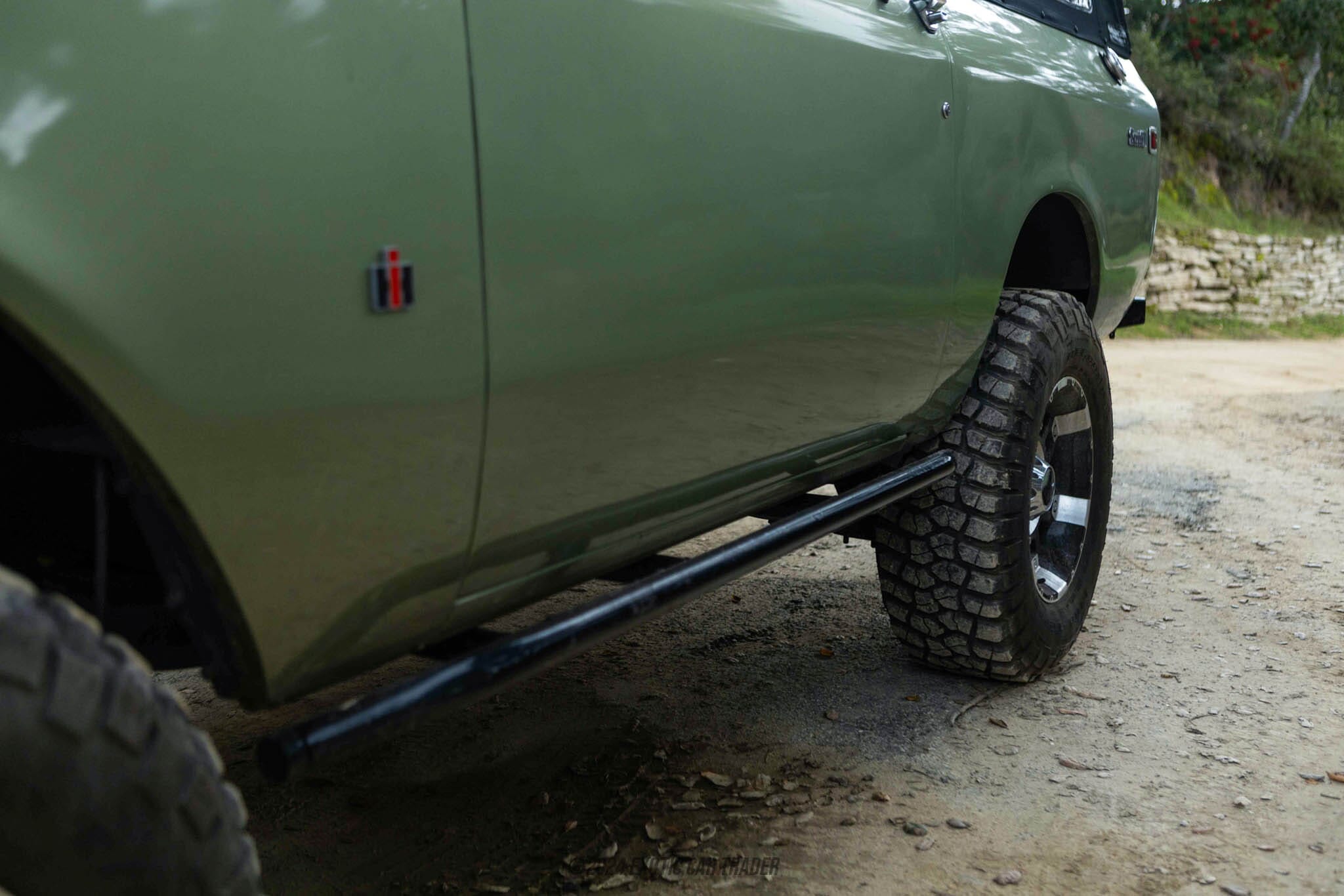
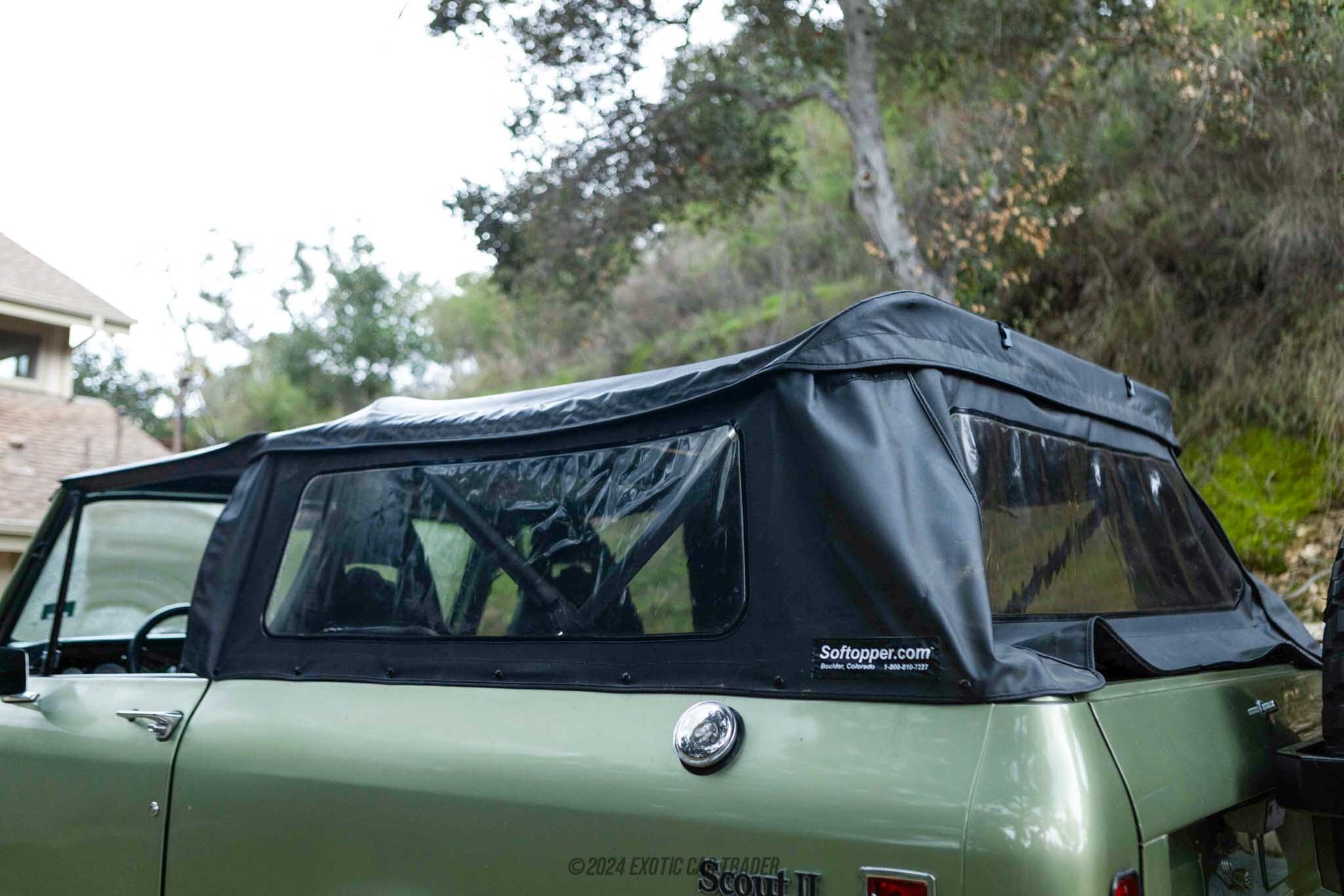
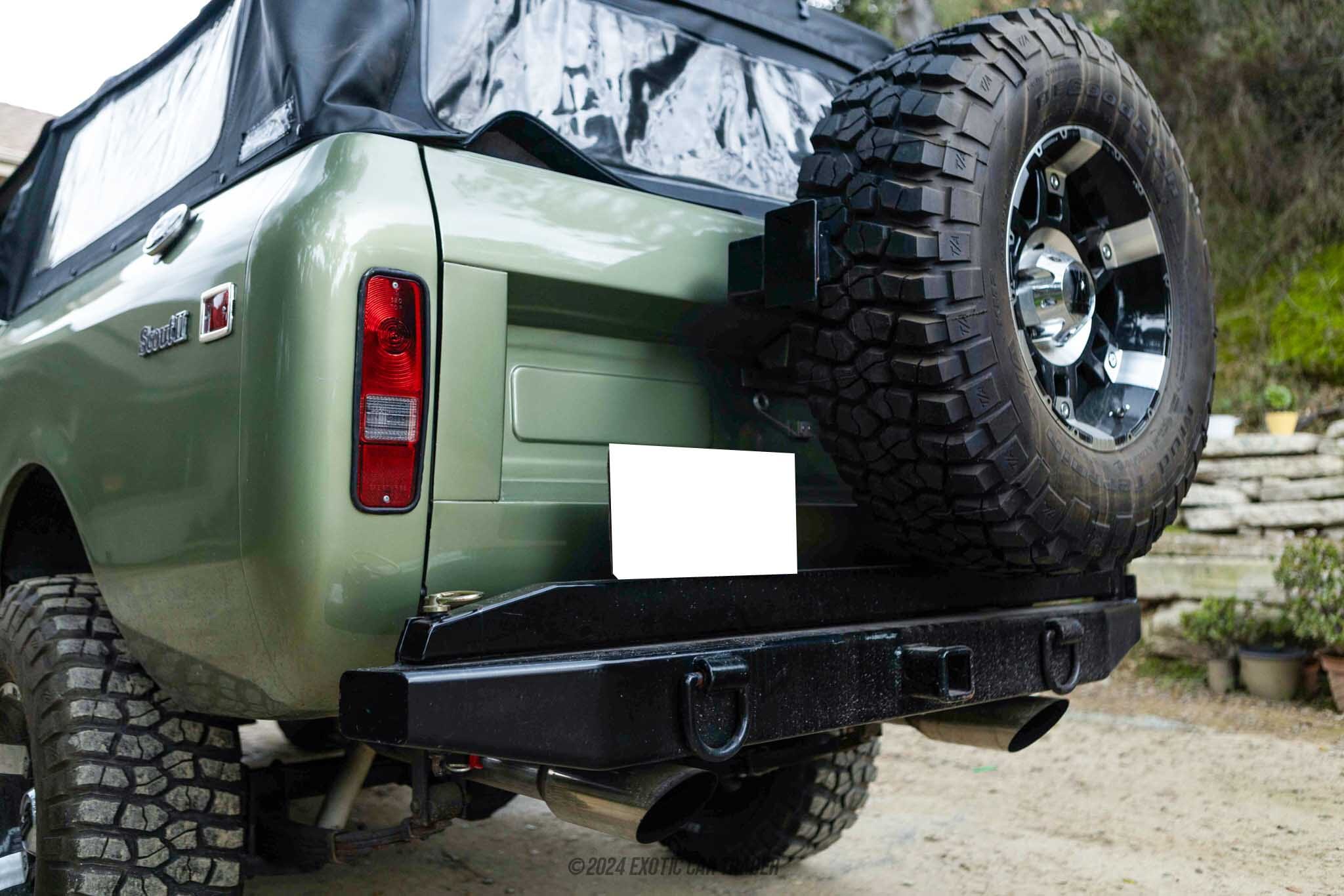
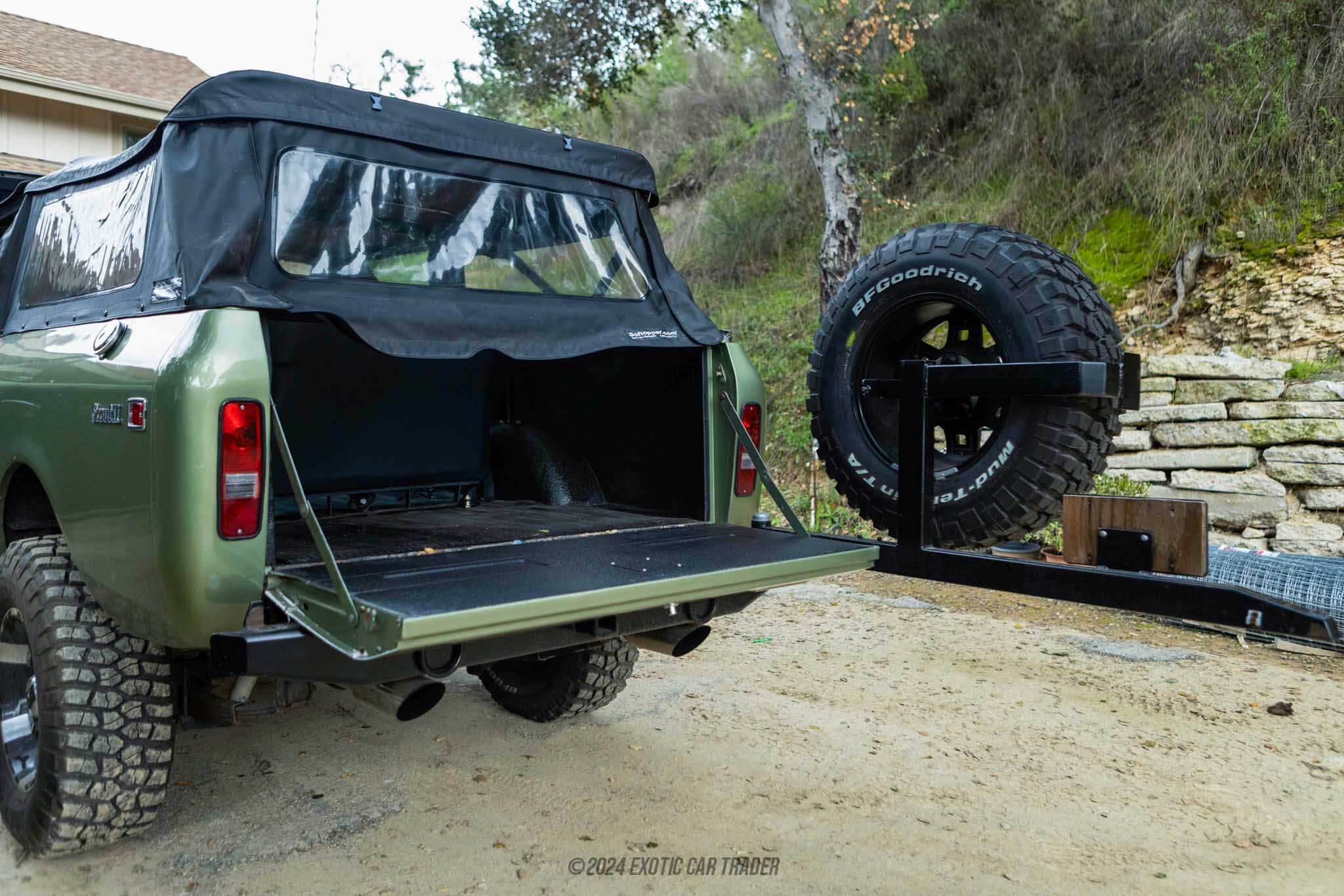
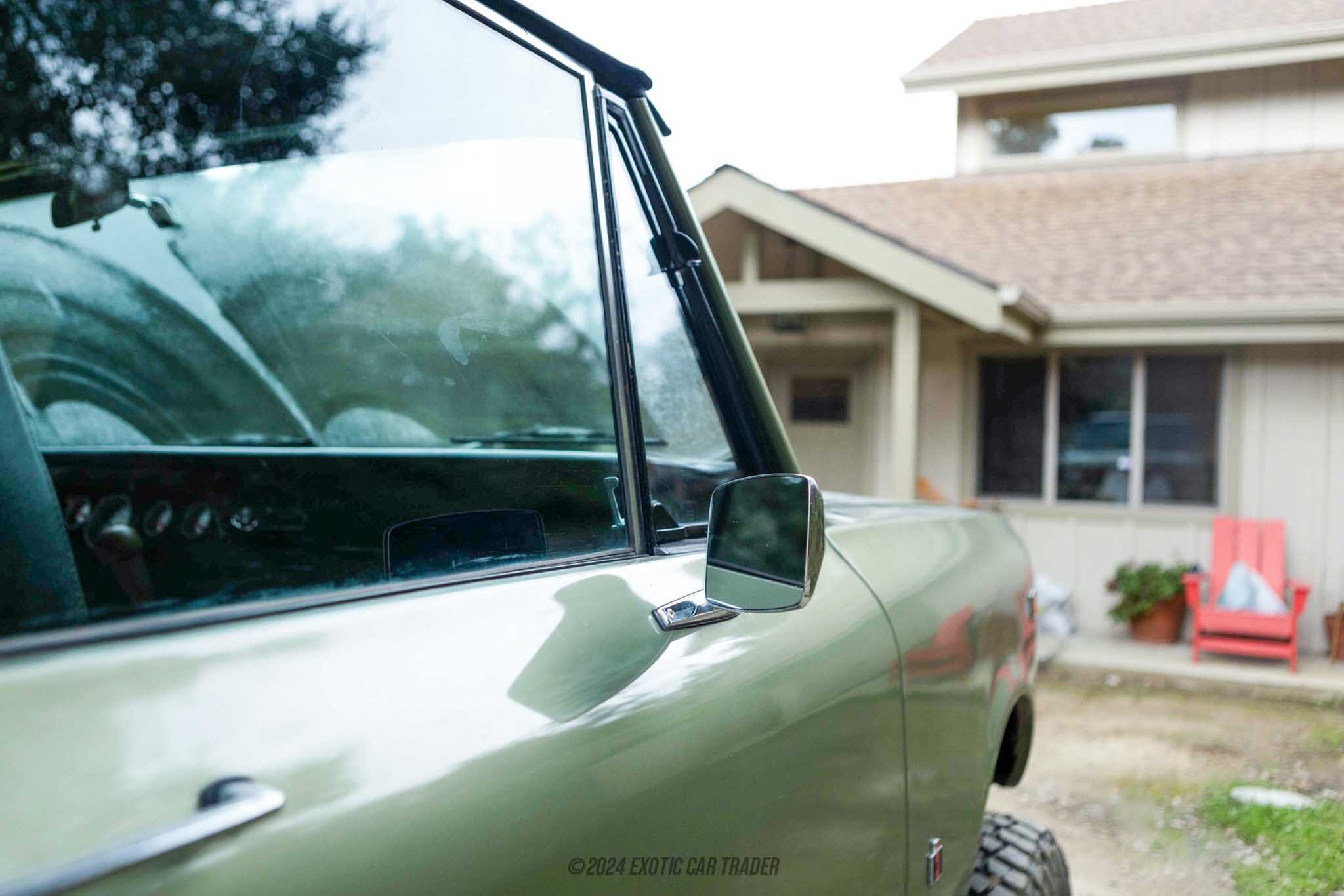
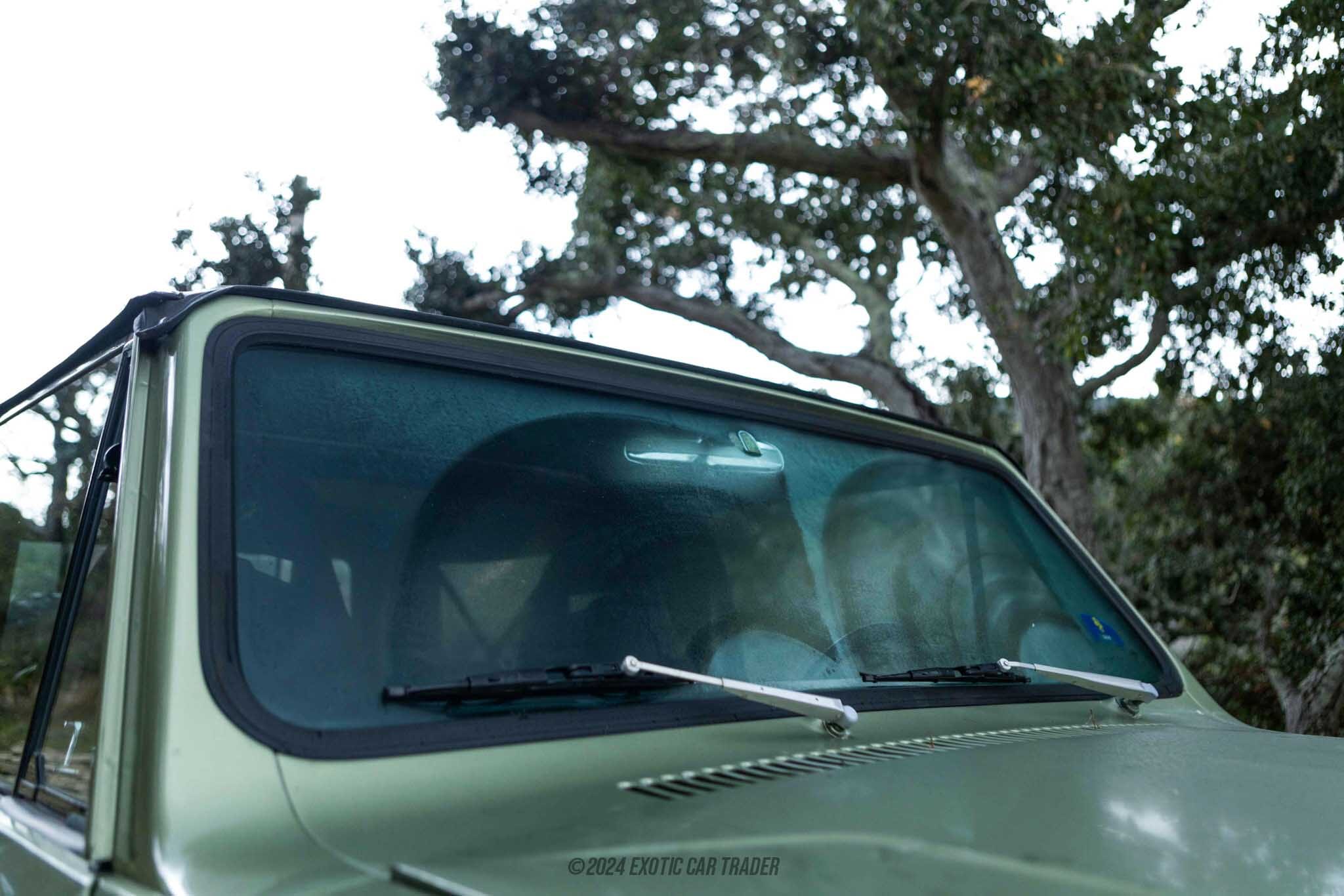
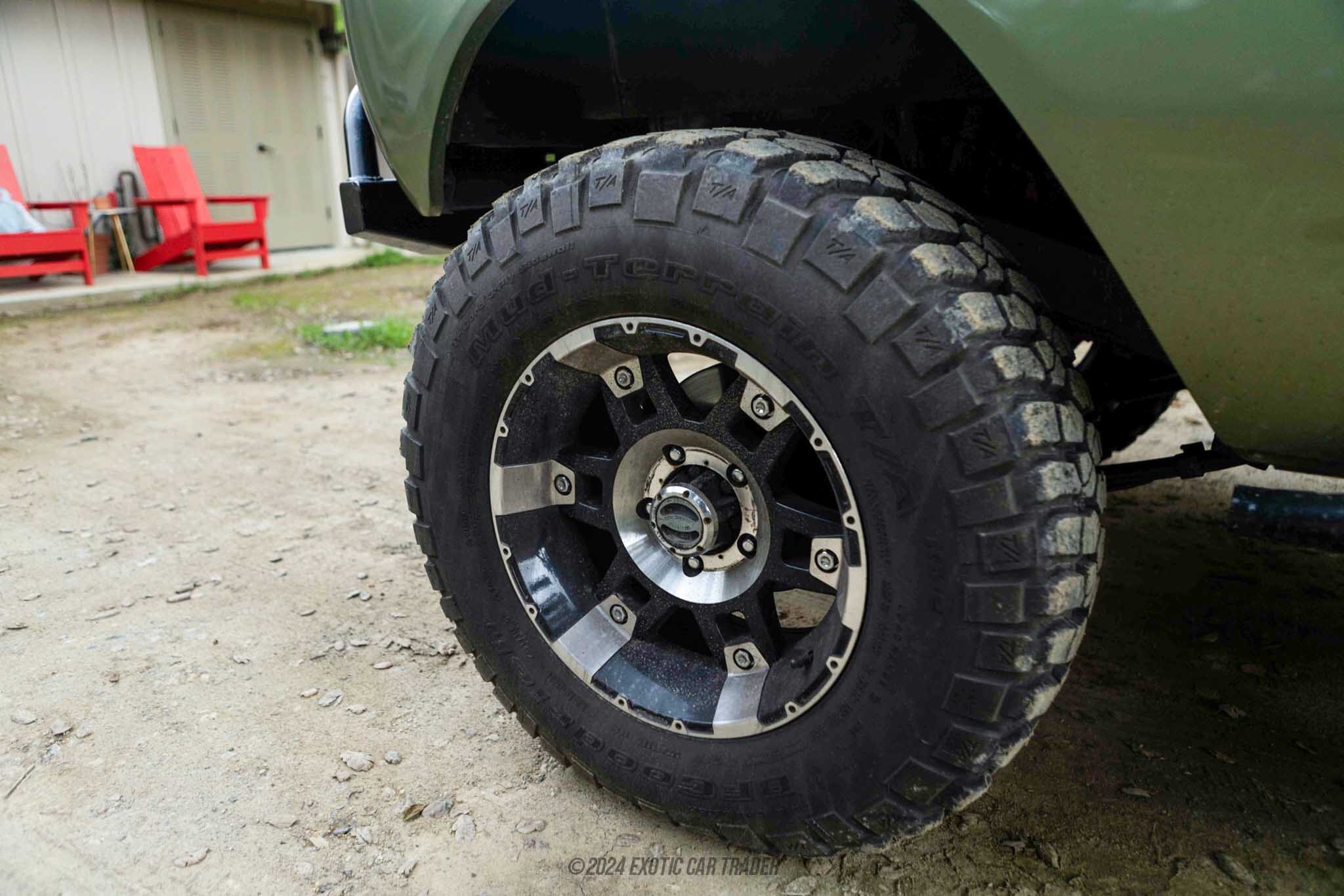
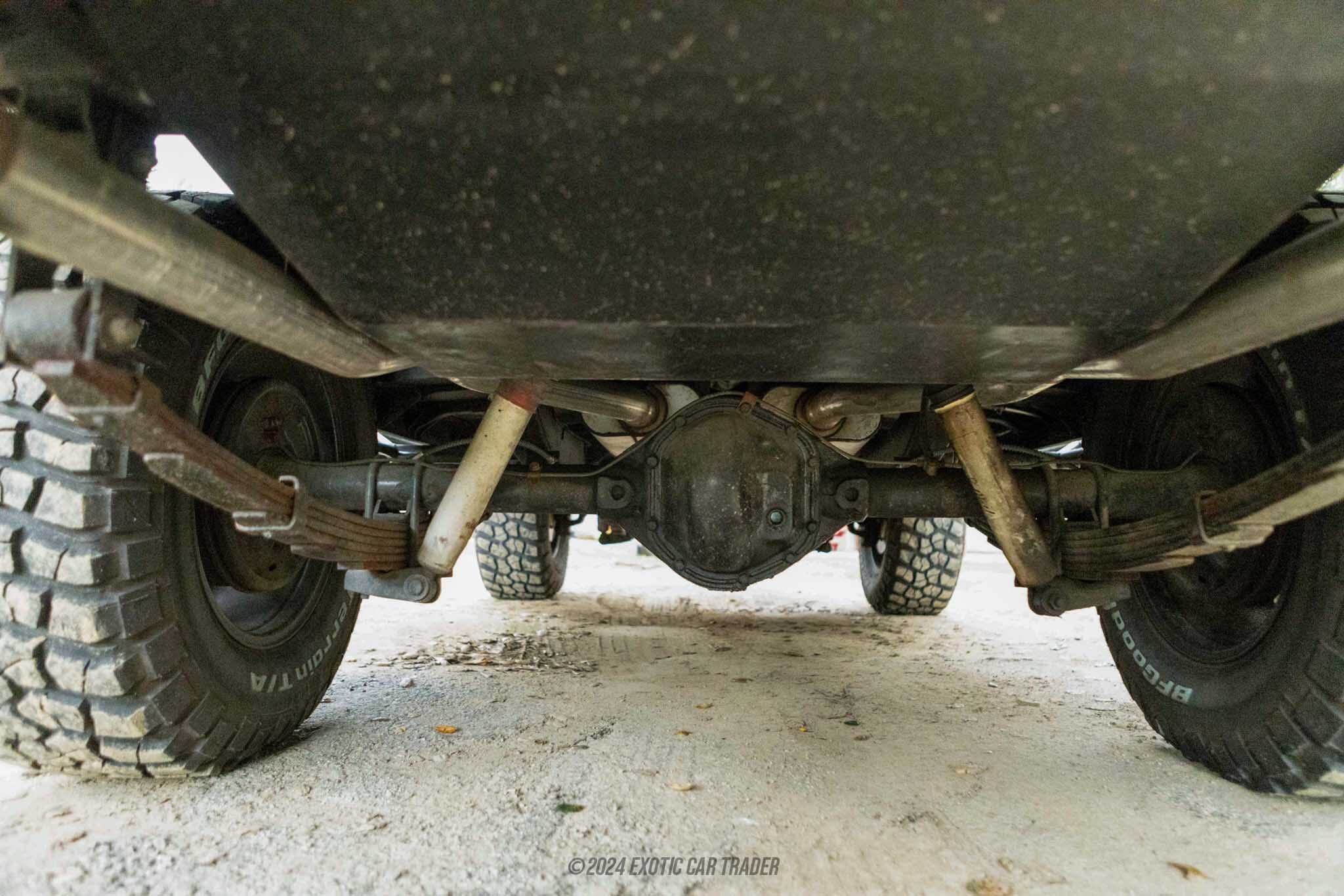


- 1971 International Scout
- Manual
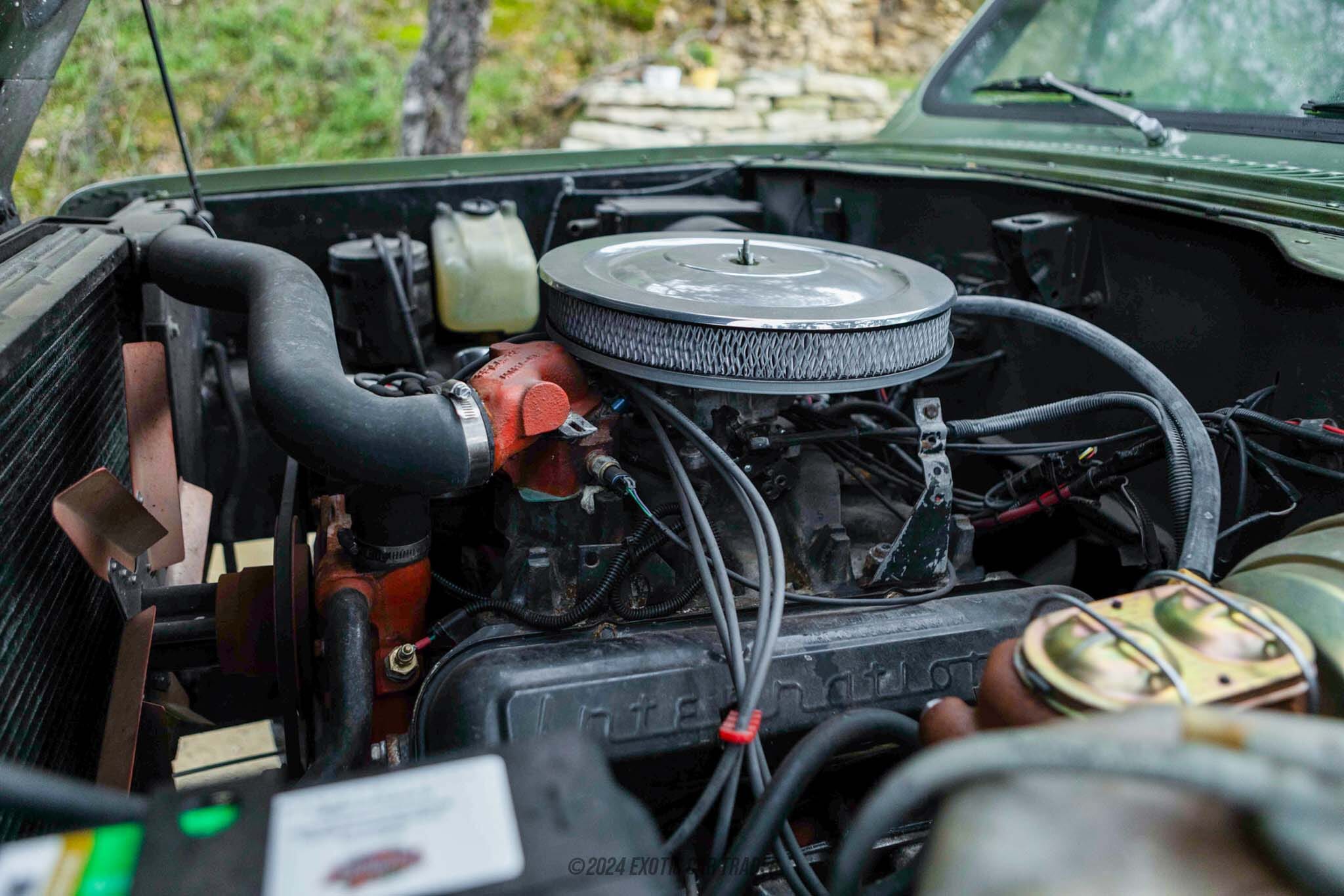
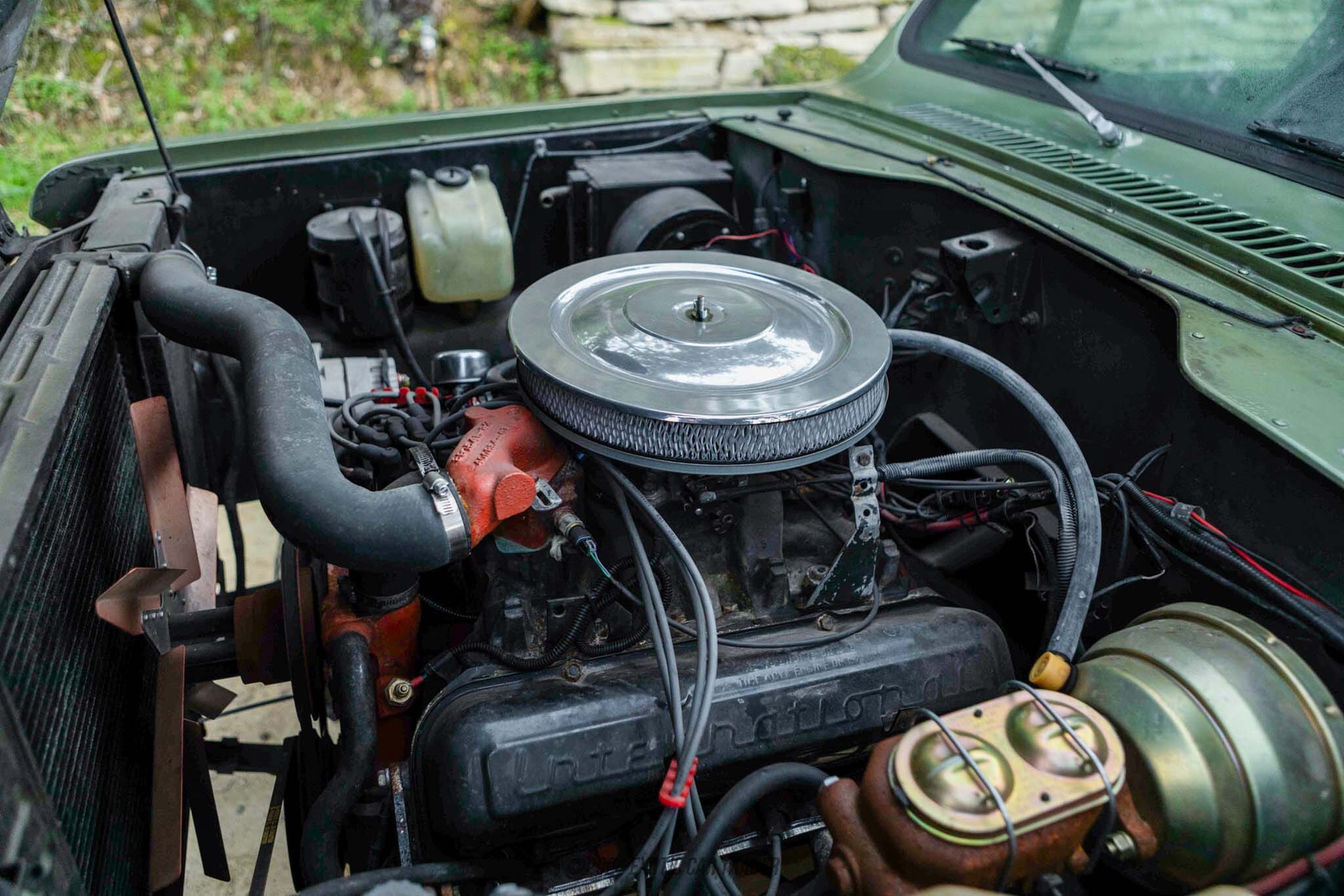
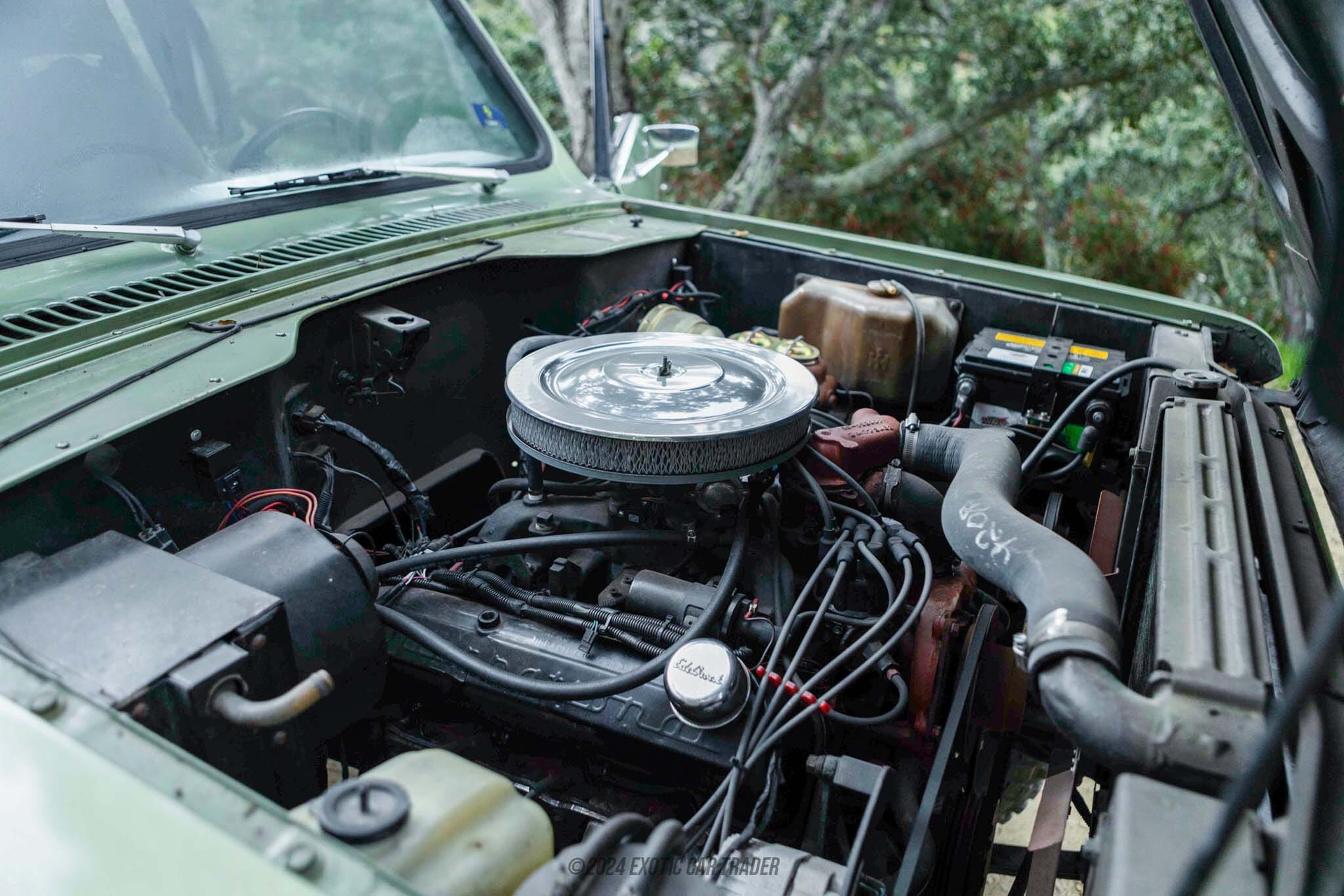
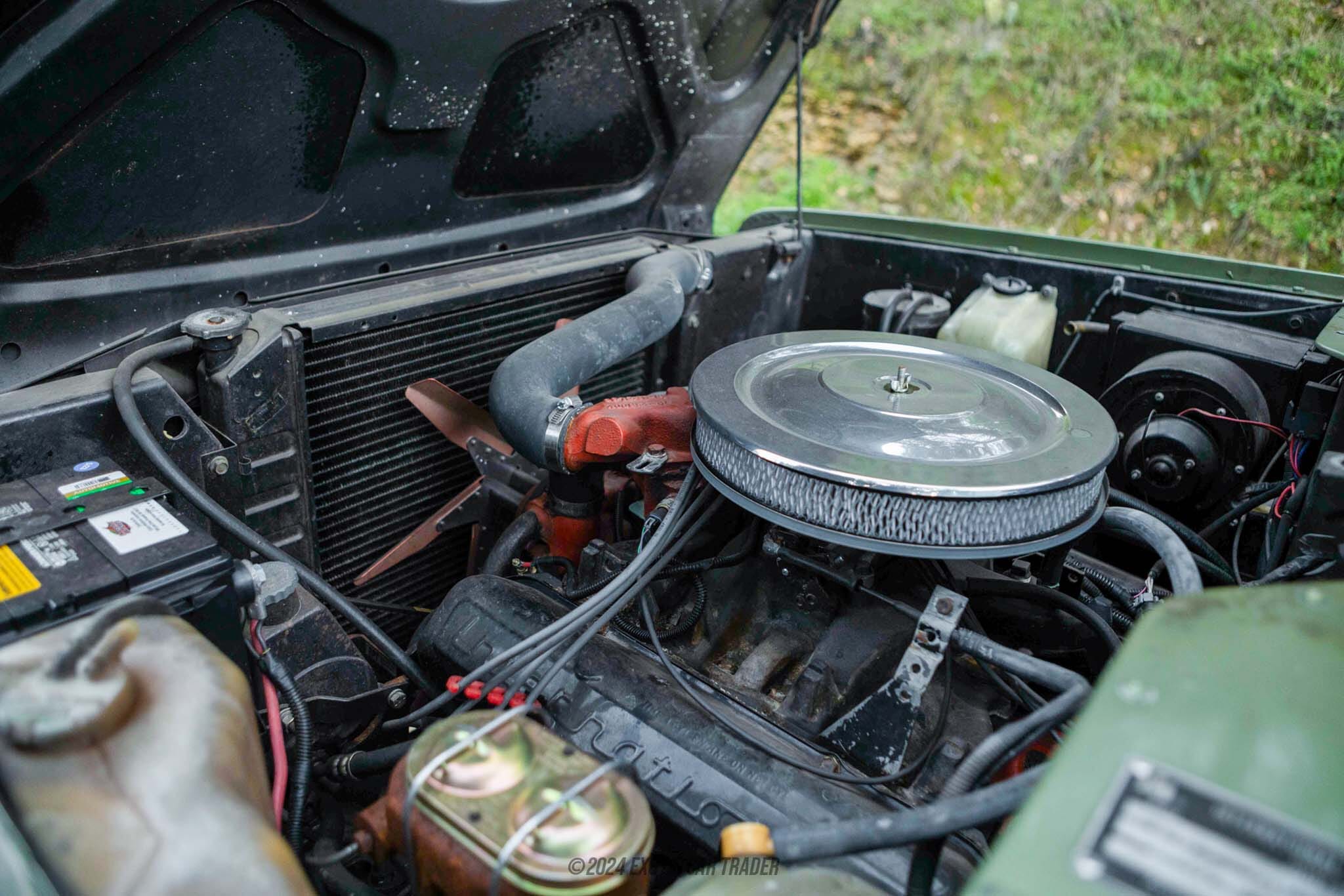
- 345ci V8
- Frame off restoration
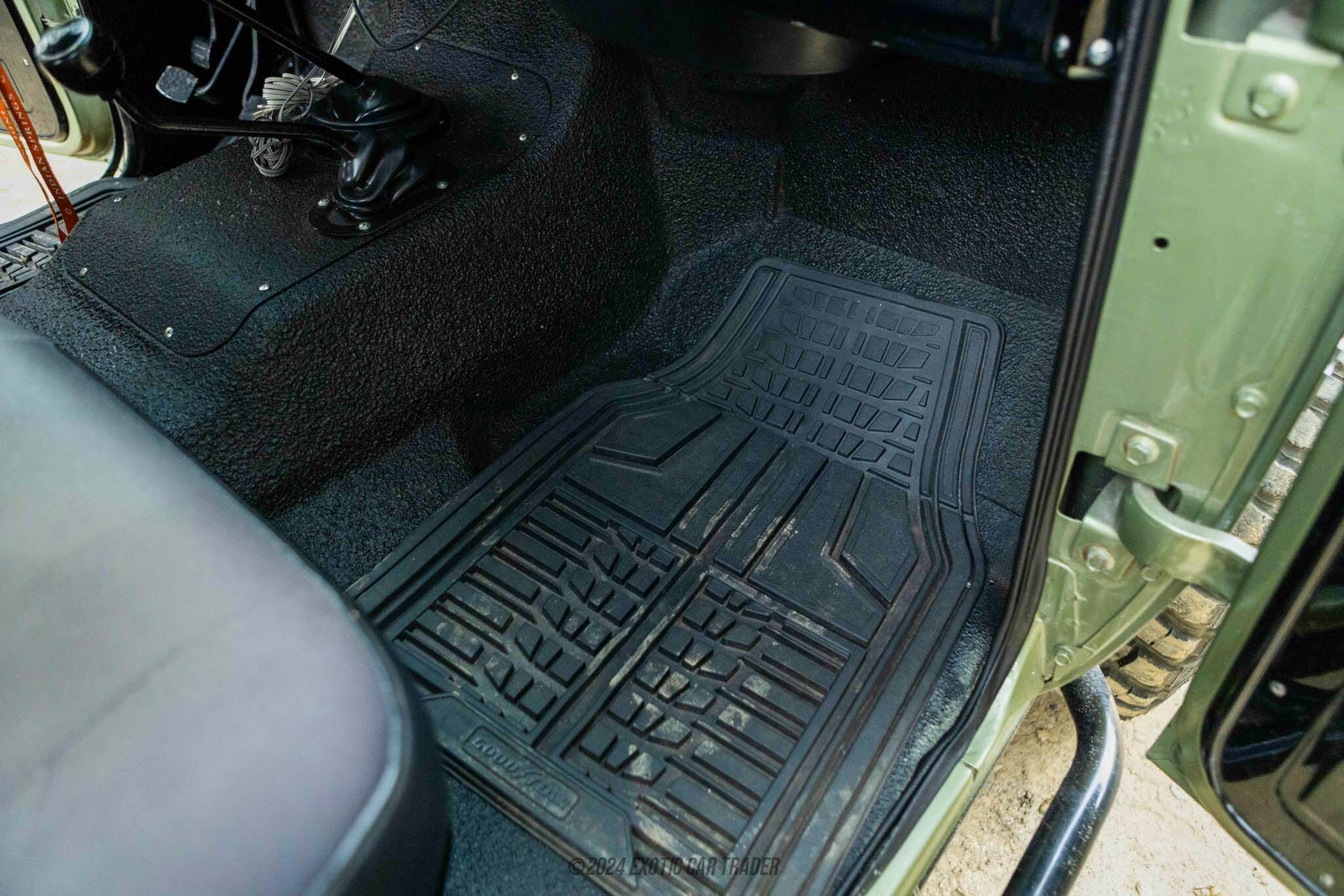
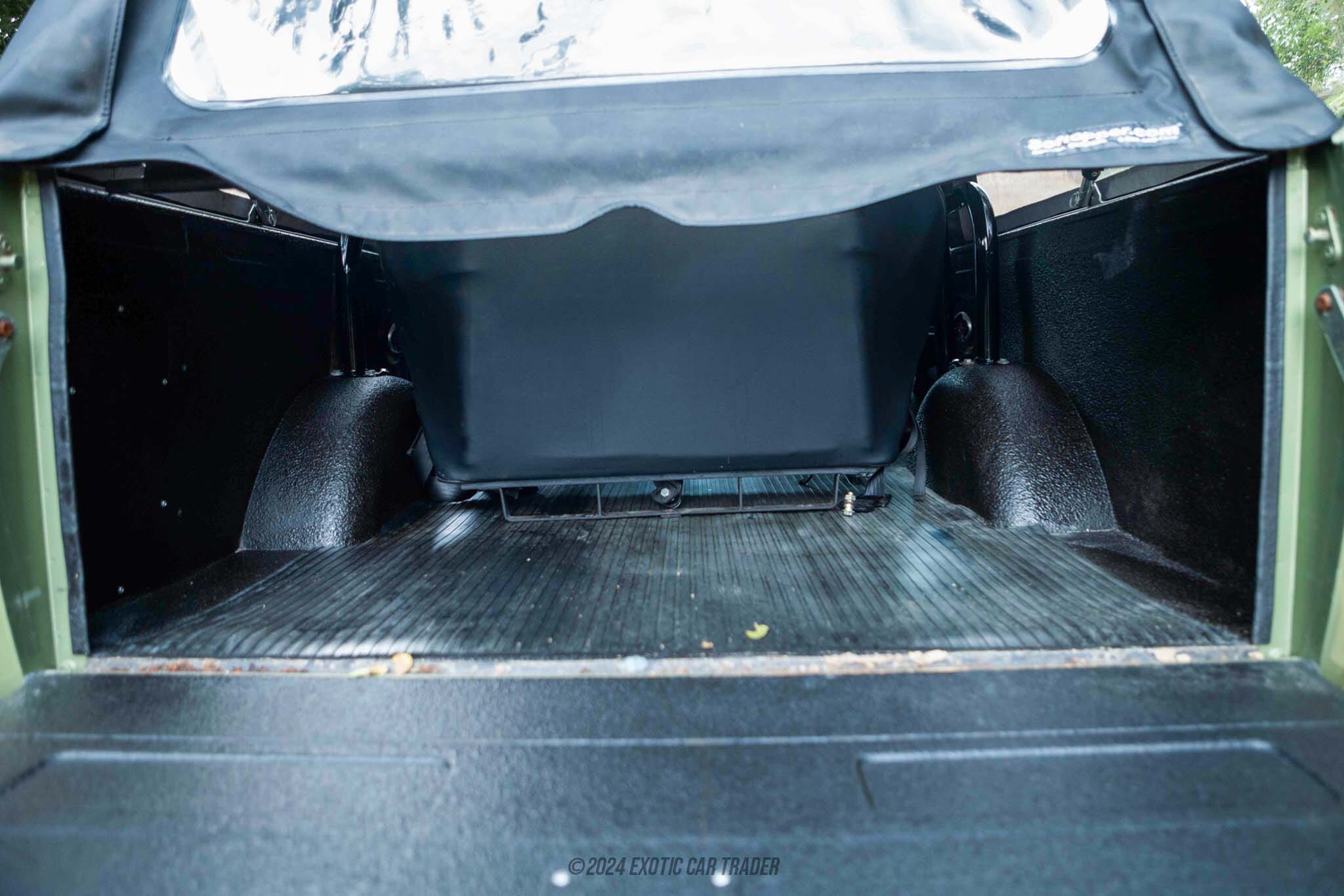
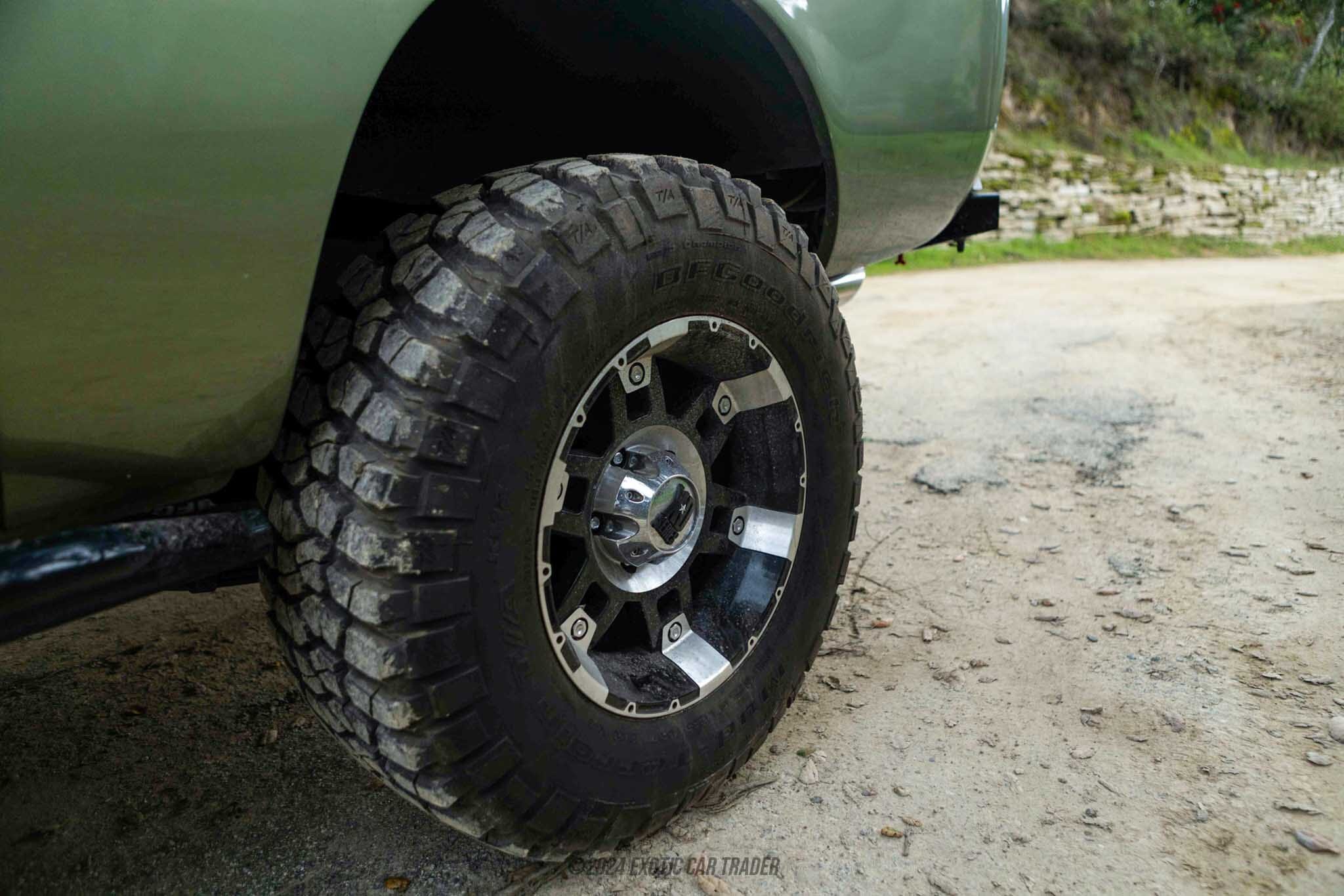
- Bed liner applied to the whole tub of the truck
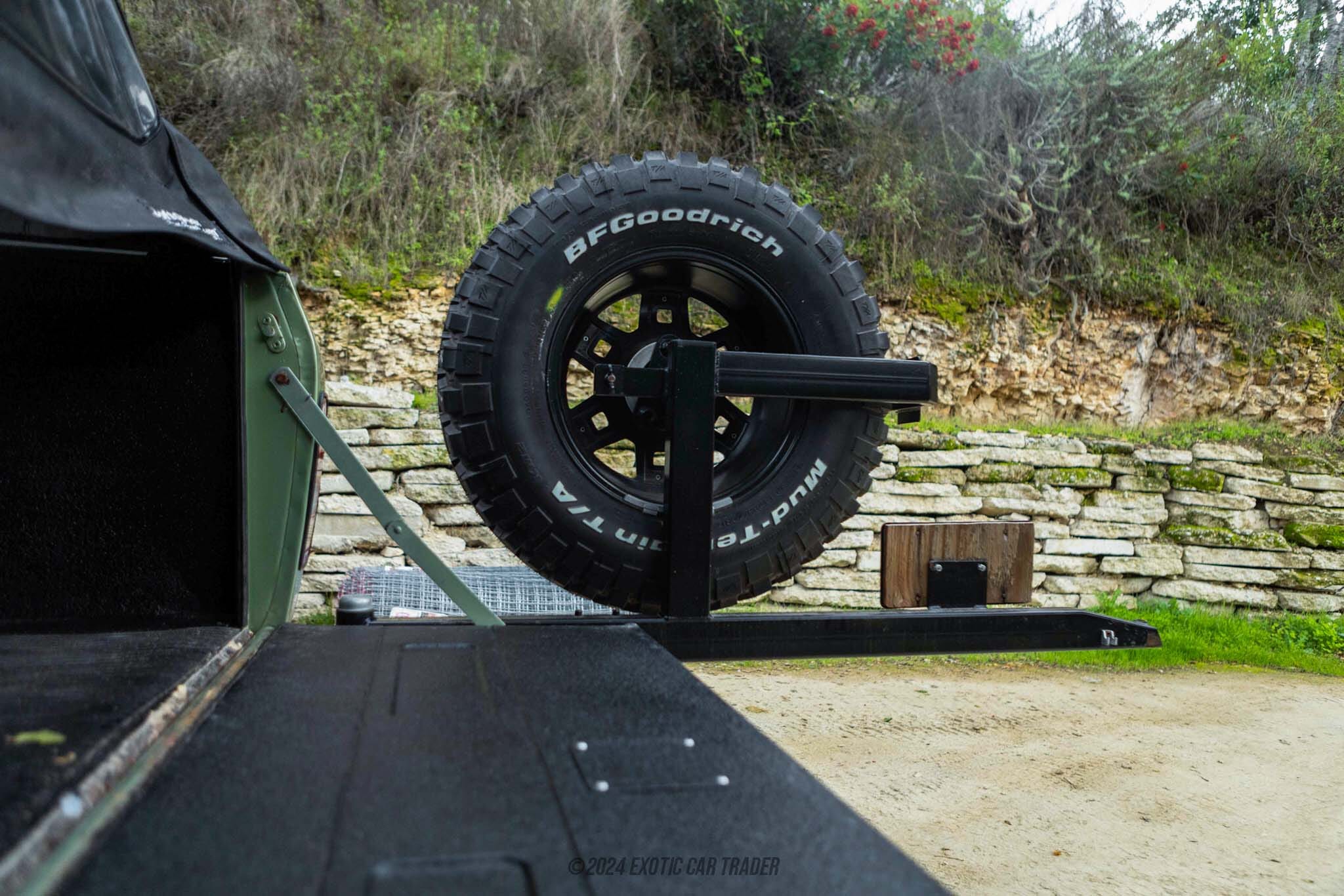
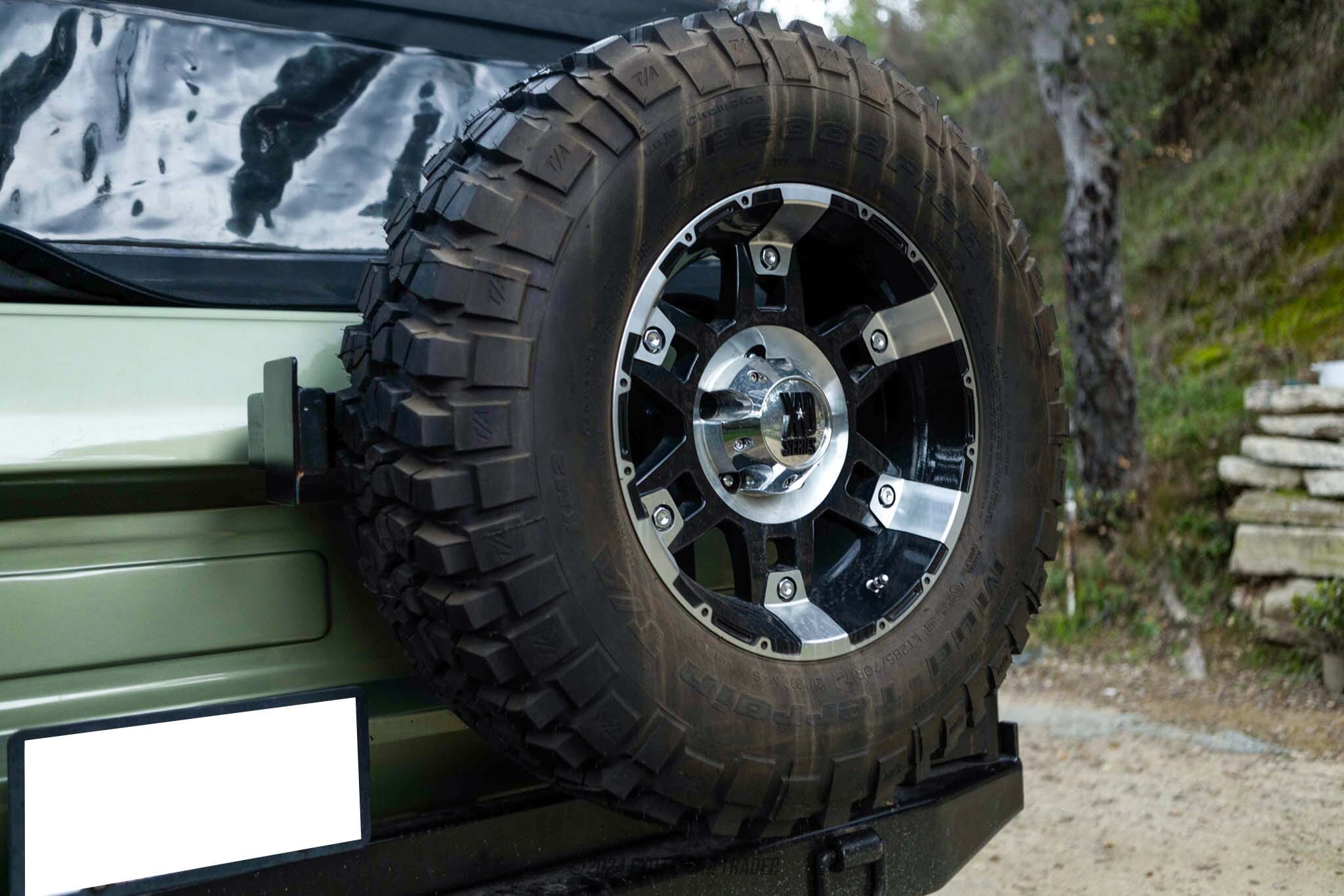
- Custom wheels
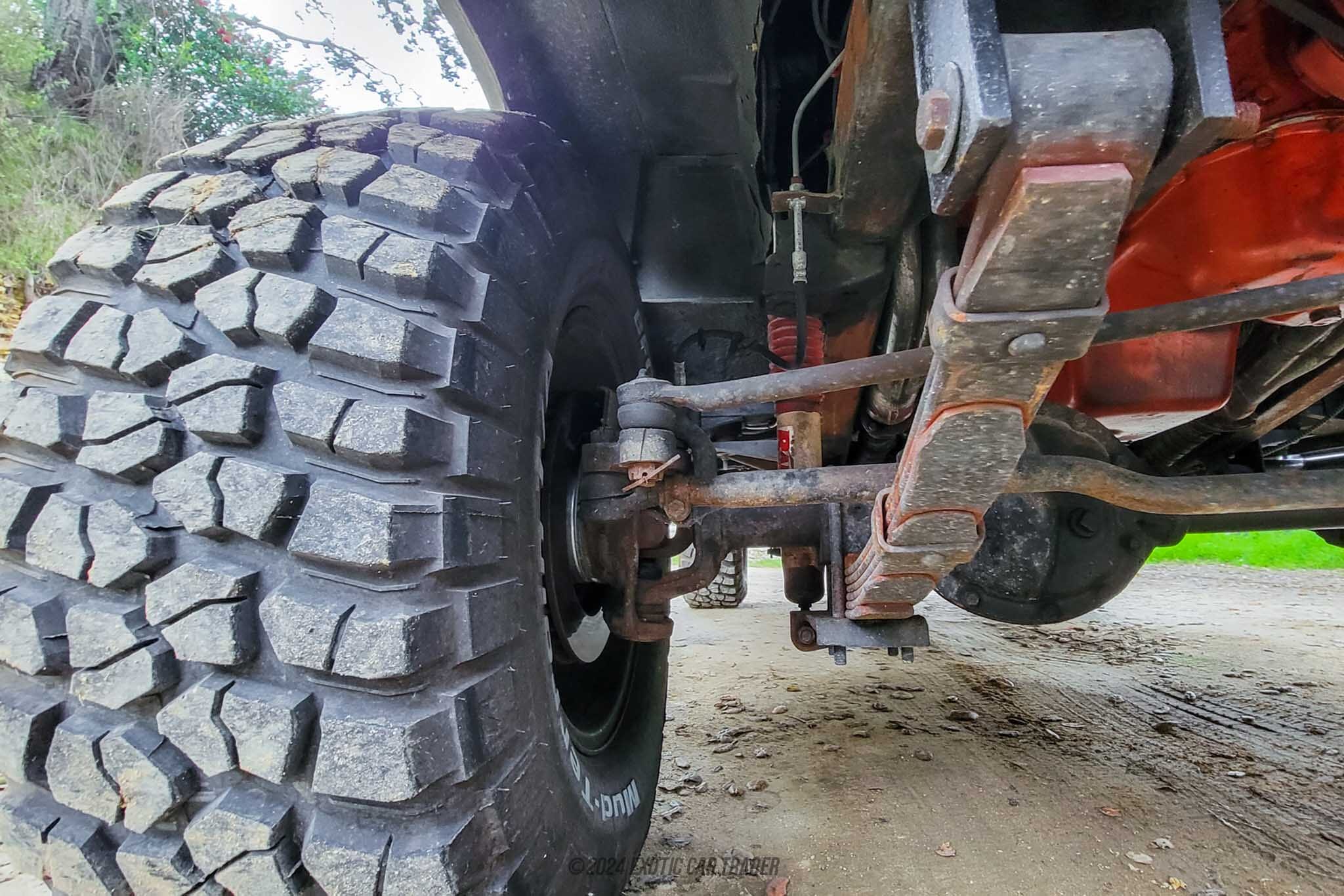
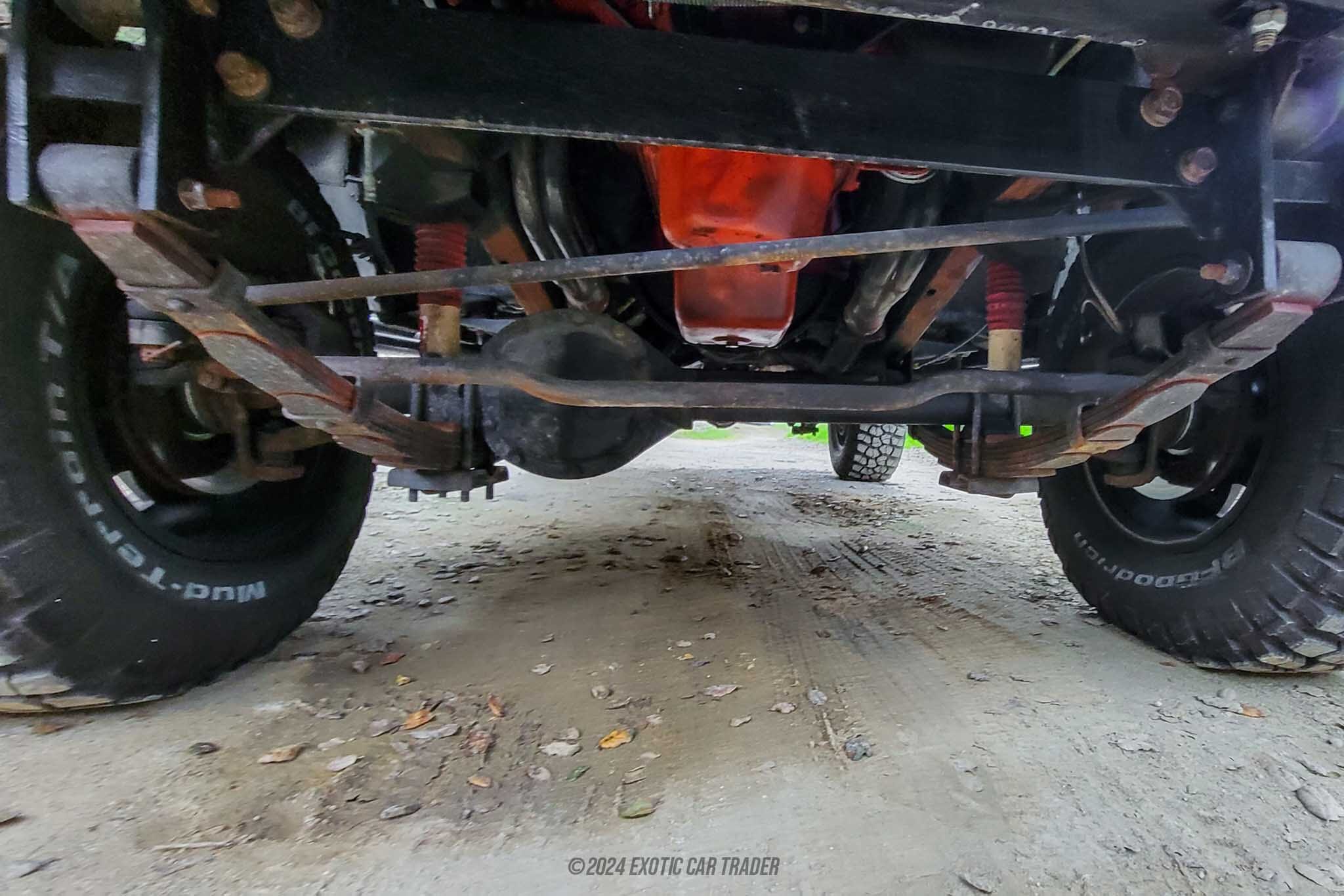
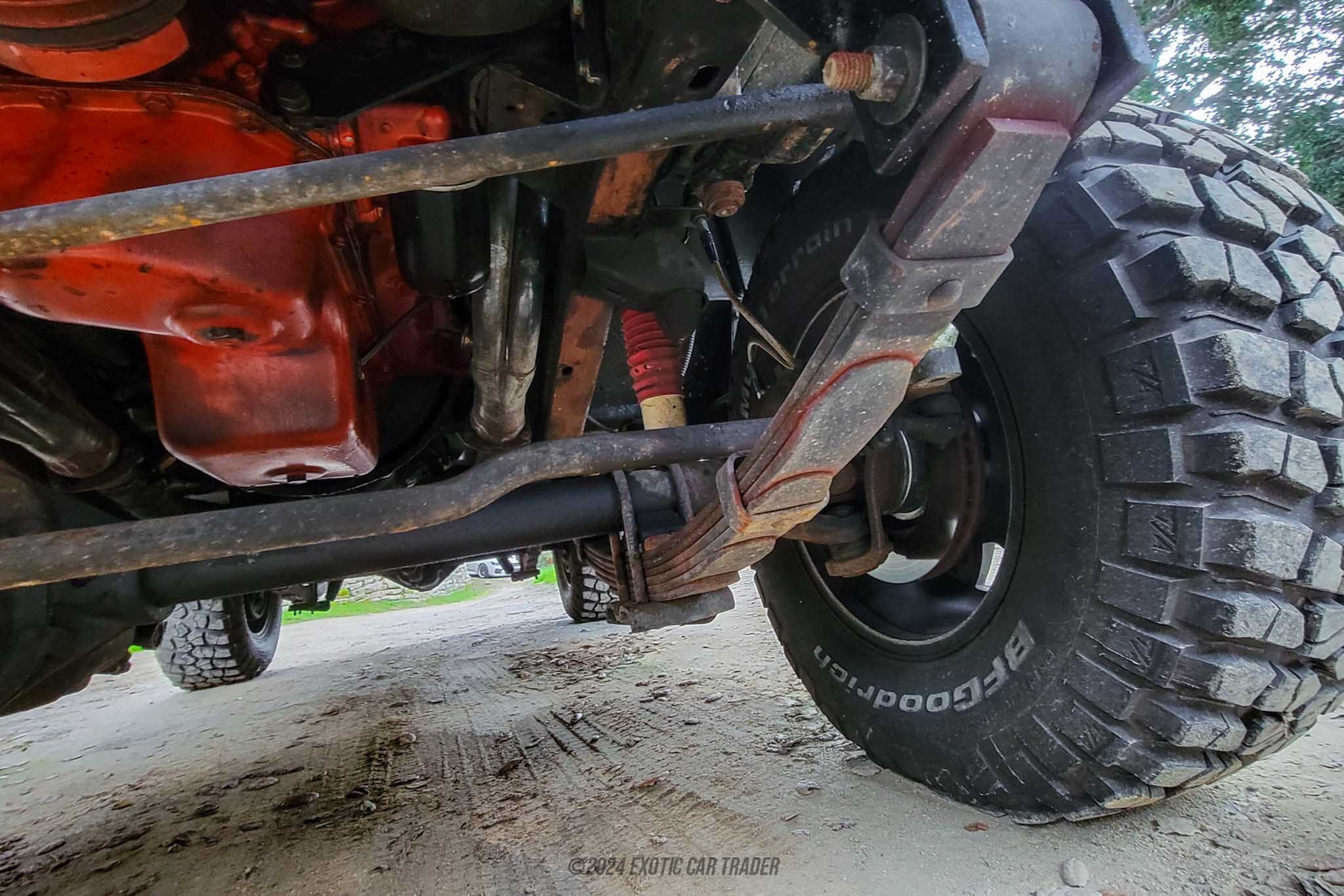
- Lifted
- Steel Bumpers
- Swing hitches
- New Tires


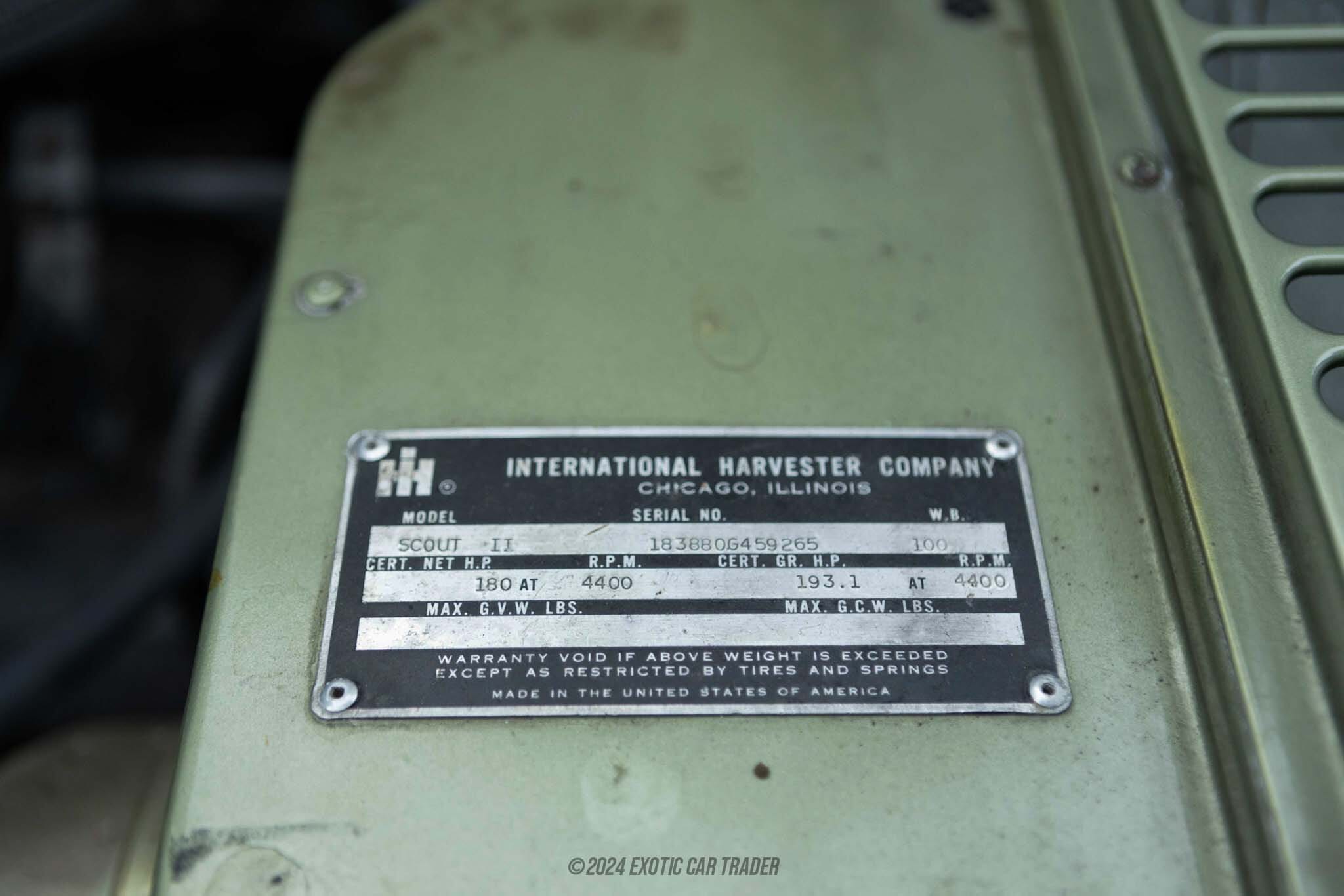
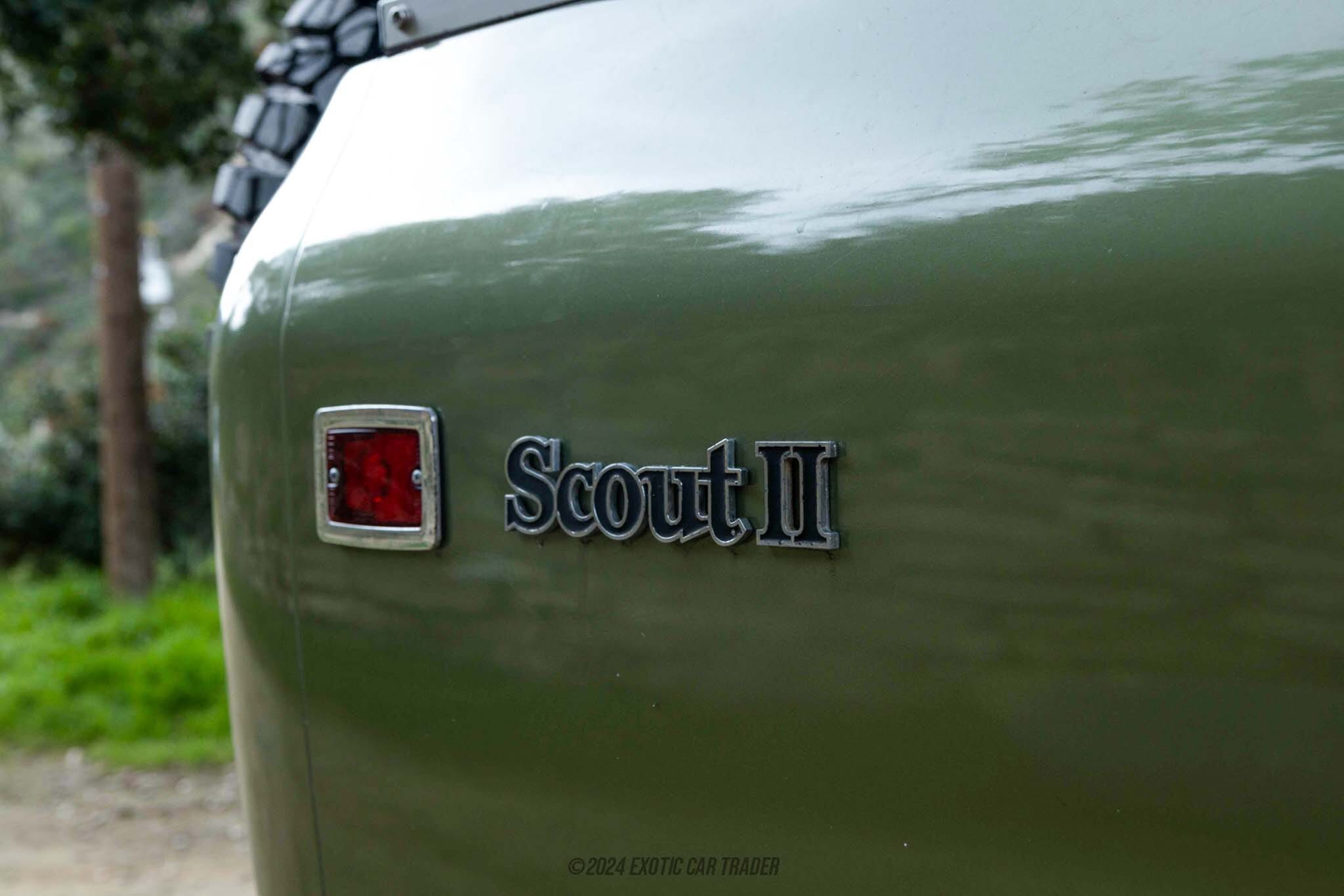
In a nod to the past and with an eye on the future, 2021 brought whispers that the Volkswagen Group might resurrect the iconic Scout nameplate, a direct rival to the Jeep in its heyday before its discontinuation in 1980. The International Scout, known for its rugged off-road capabilities, spanned two generations and even teased a third with the Scout III SSV prototype. Among these, the second generation stood out for its exterior redesign and enhanced engine offerings. A prime example of this era is a 1971 International Harvester Scout II, boasting a formidable 345ci V8 engine. This vehicle has undergone a restoration, displaying a mere 5,380 miles on the odometer, ready for new adventures under the stewardship of an enthusiastic new owner.
Exterior and Interior
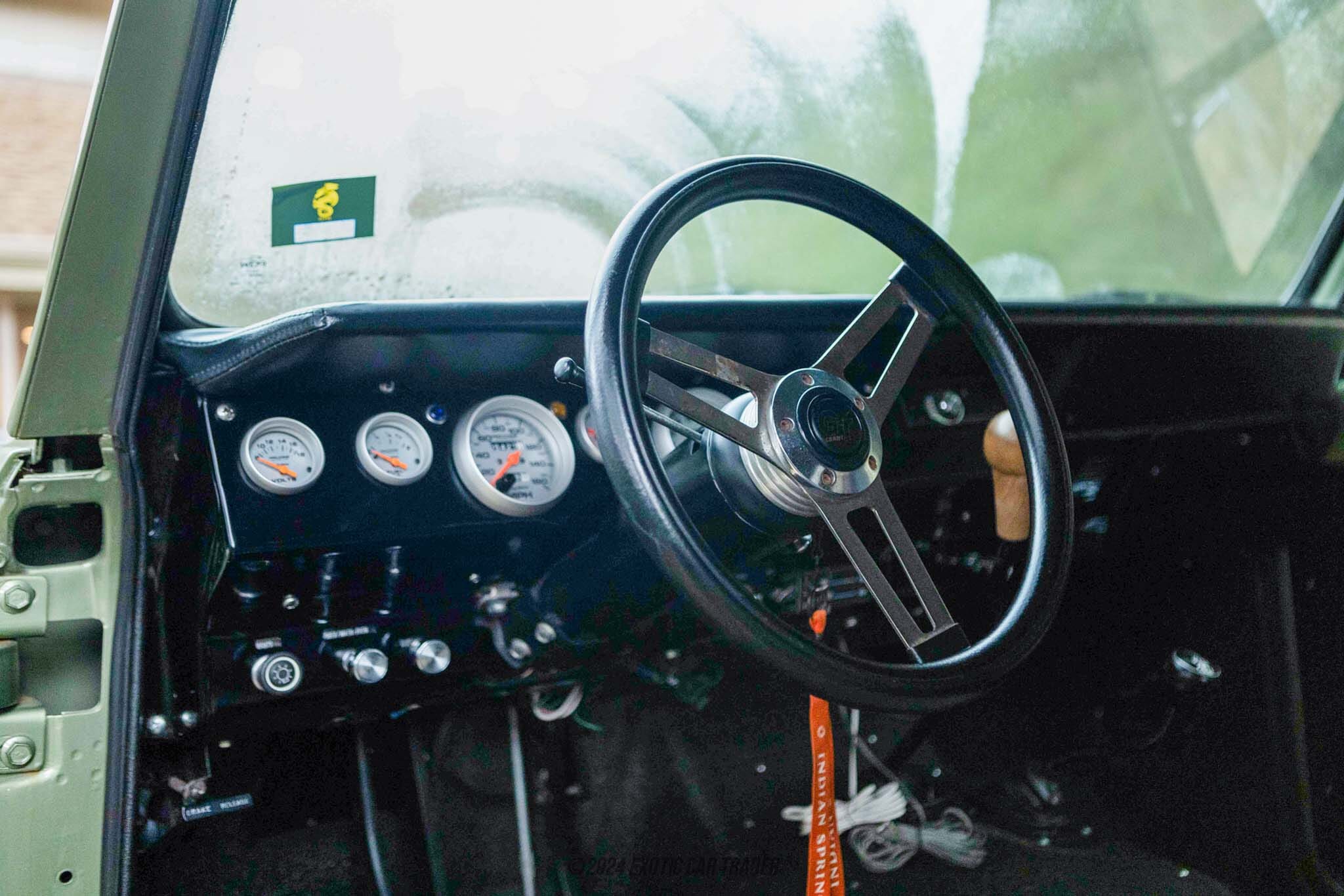
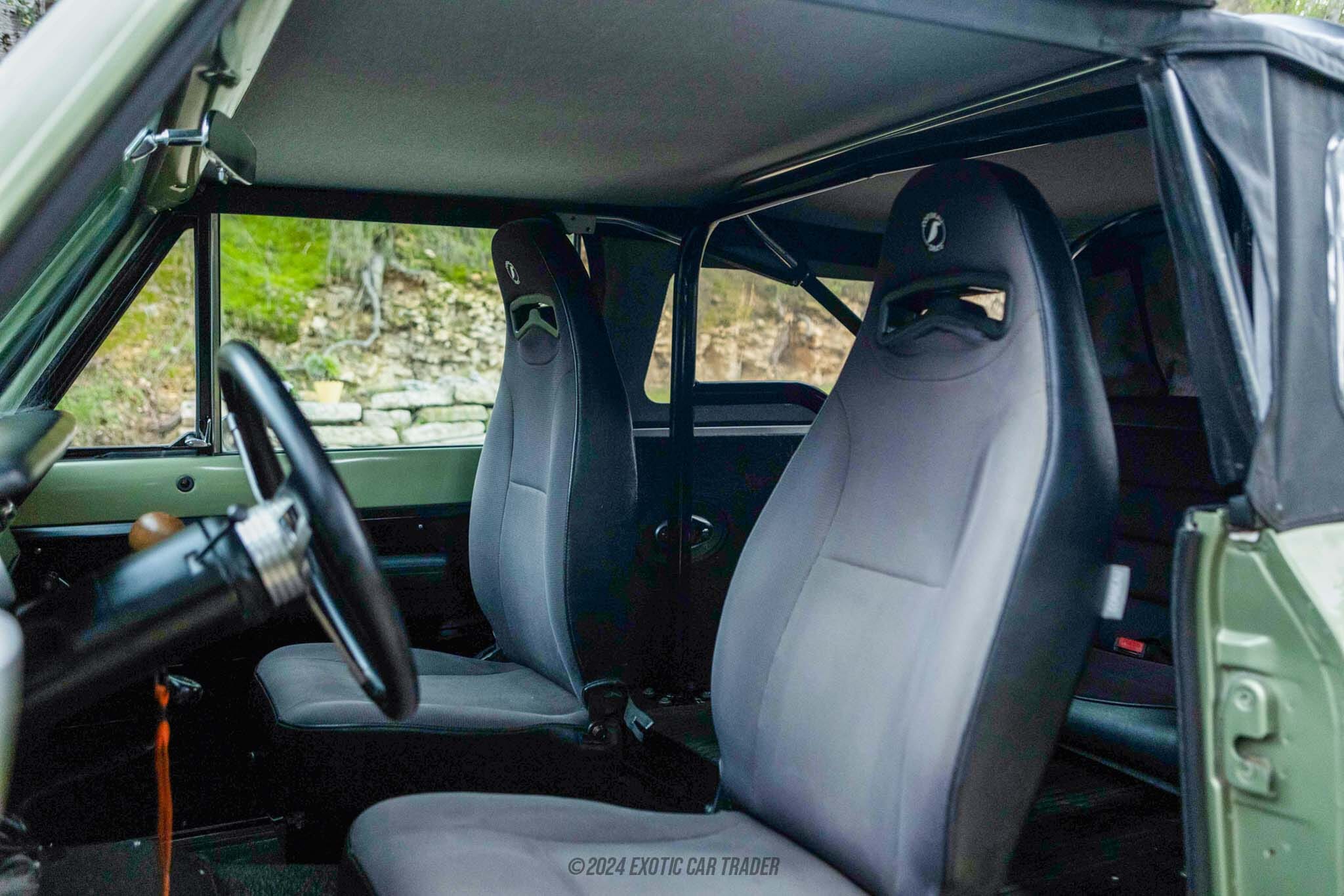
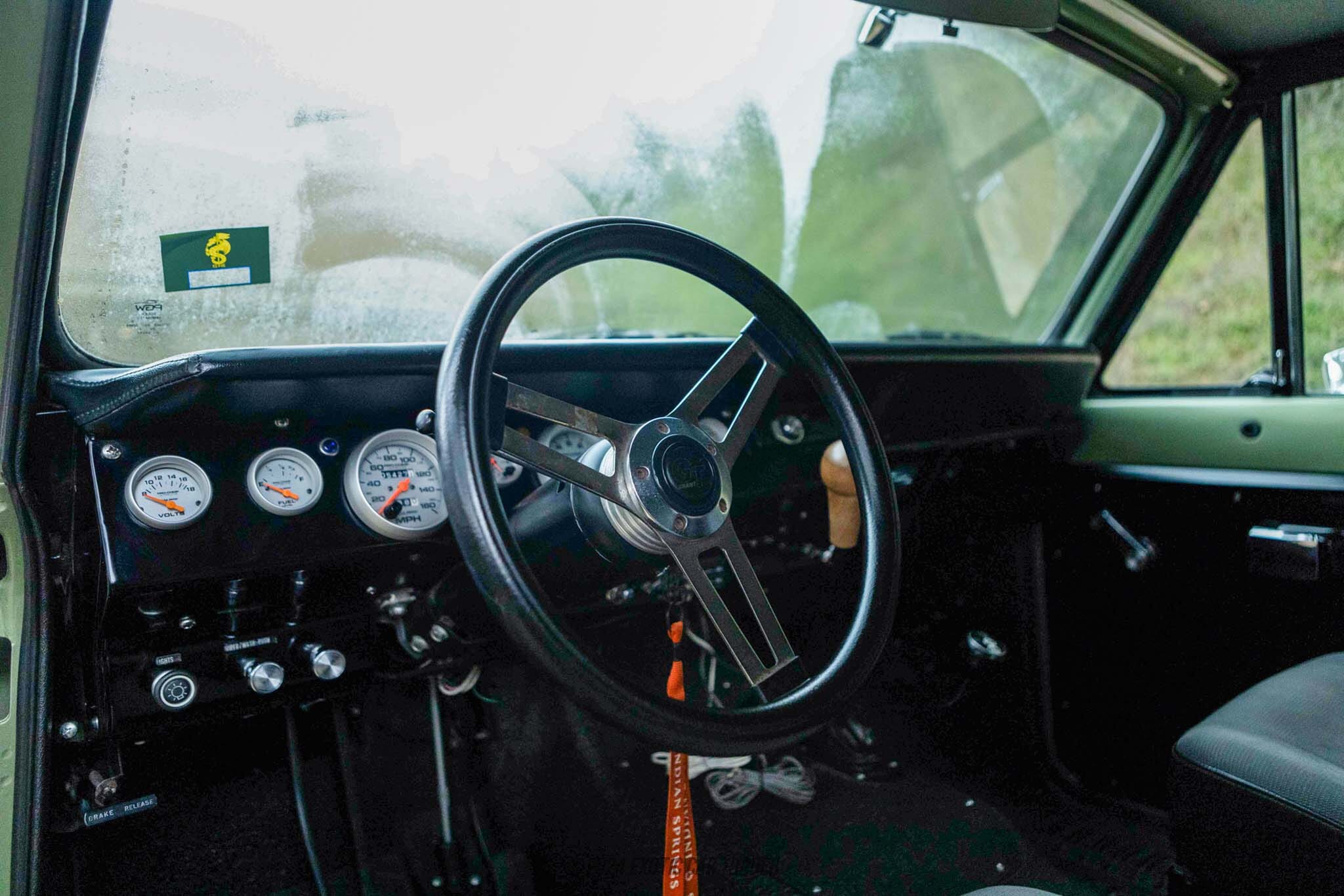
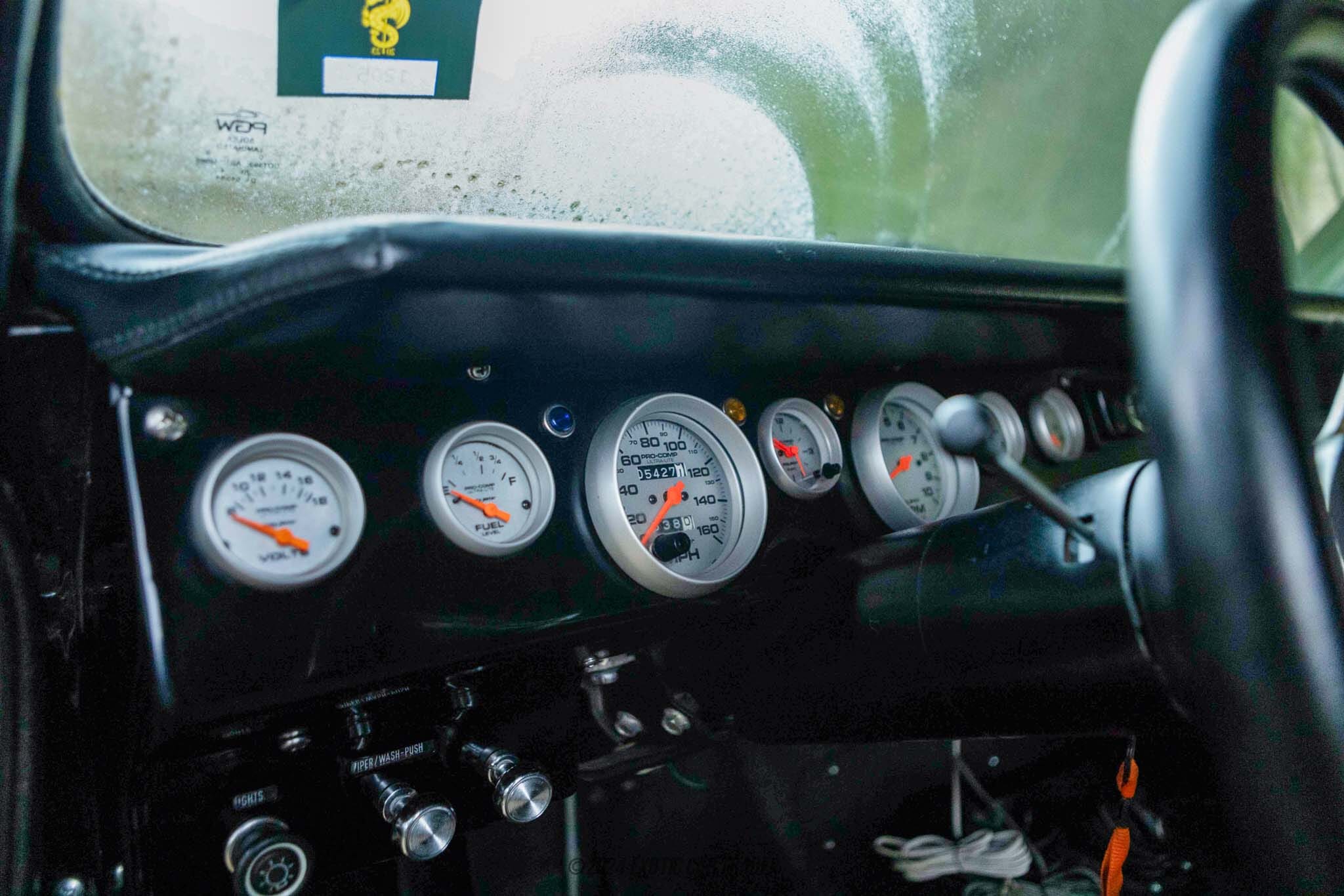
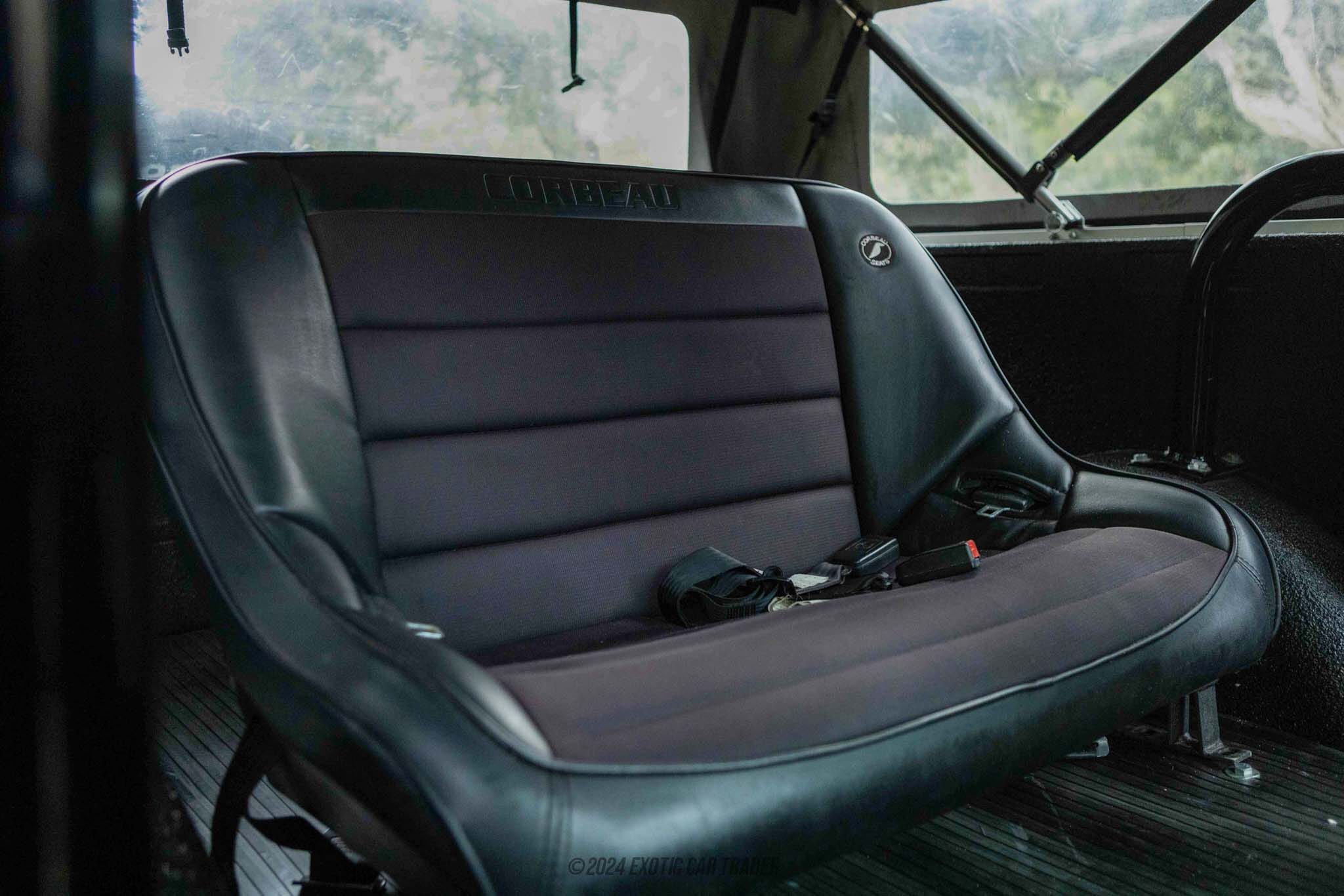
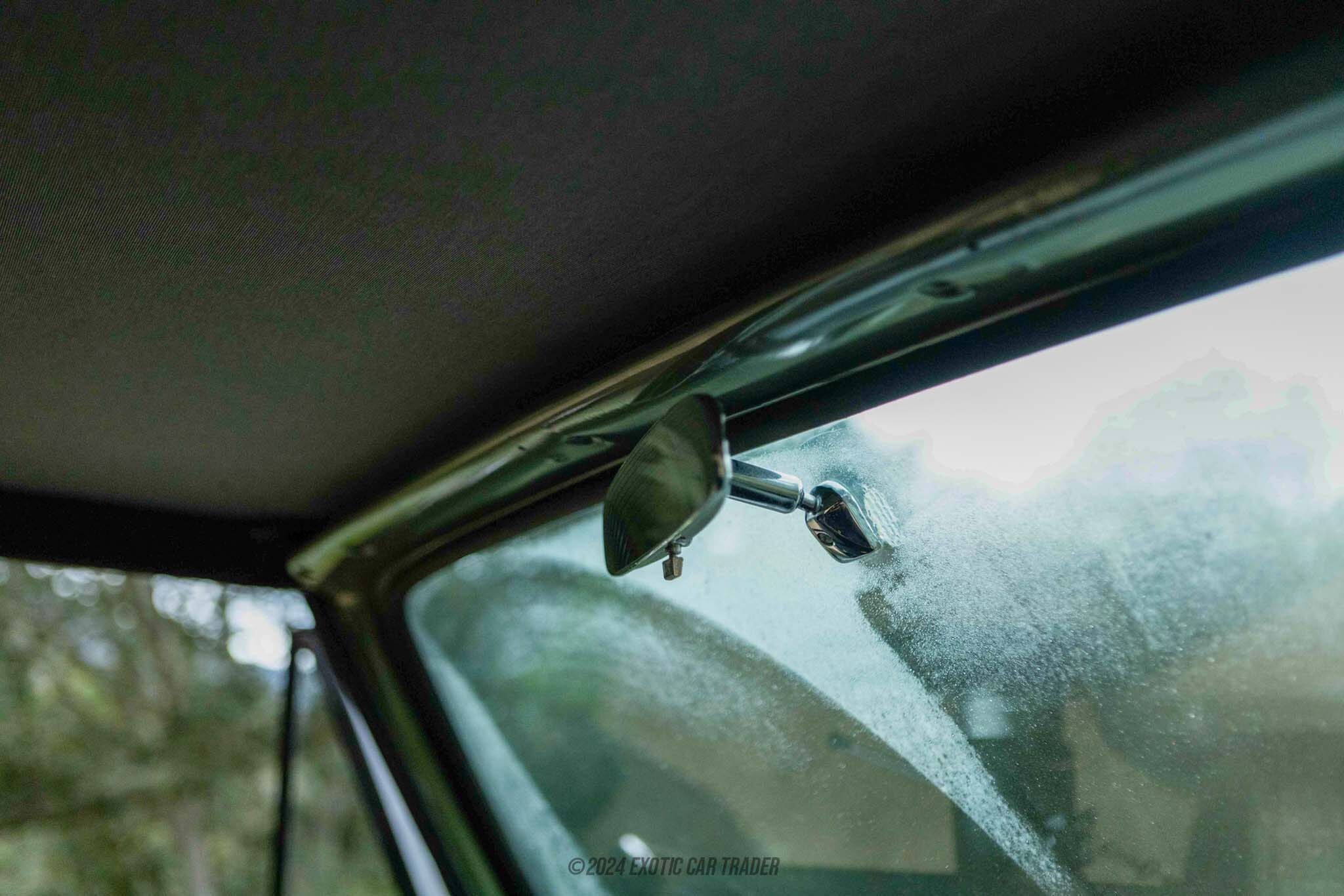
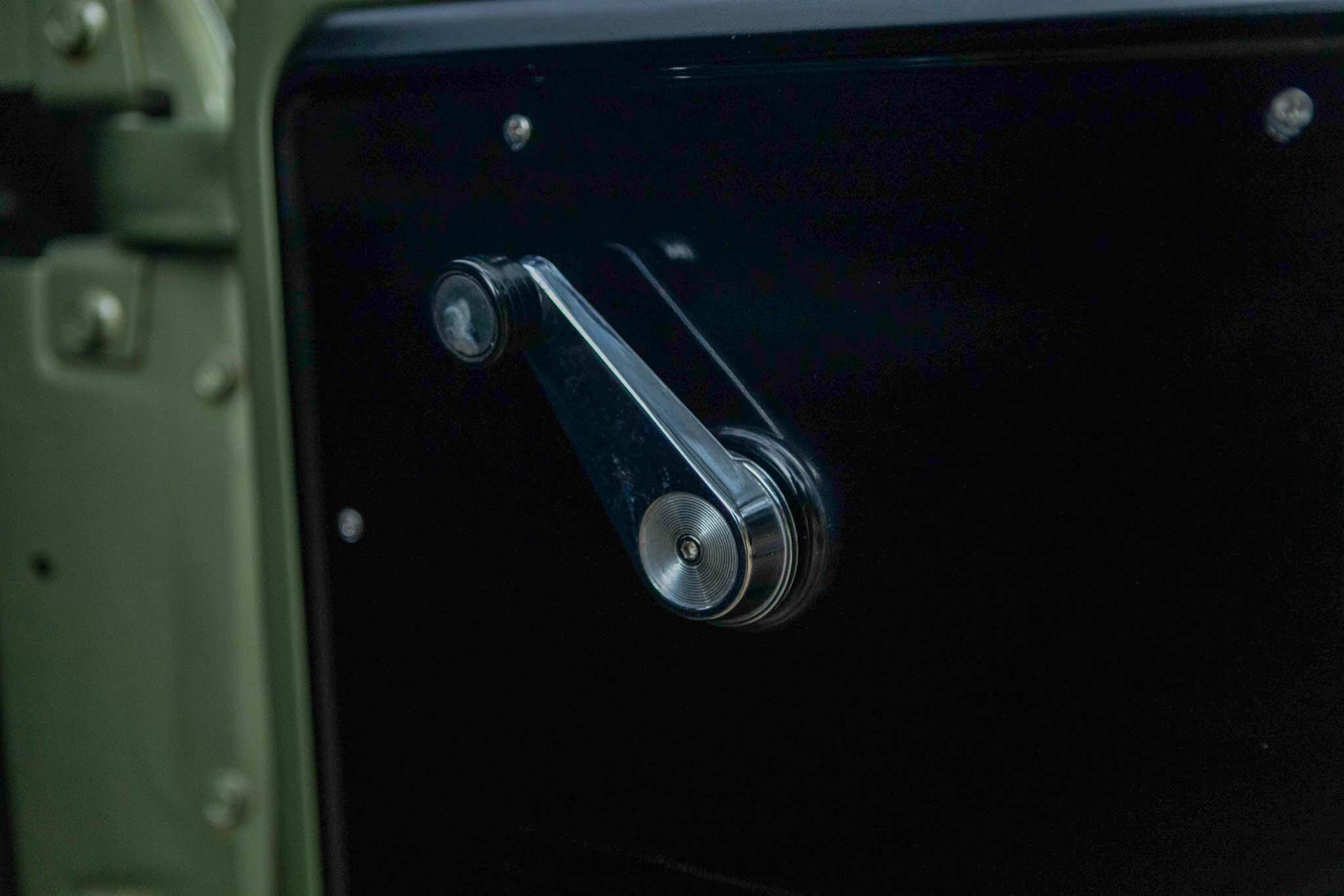
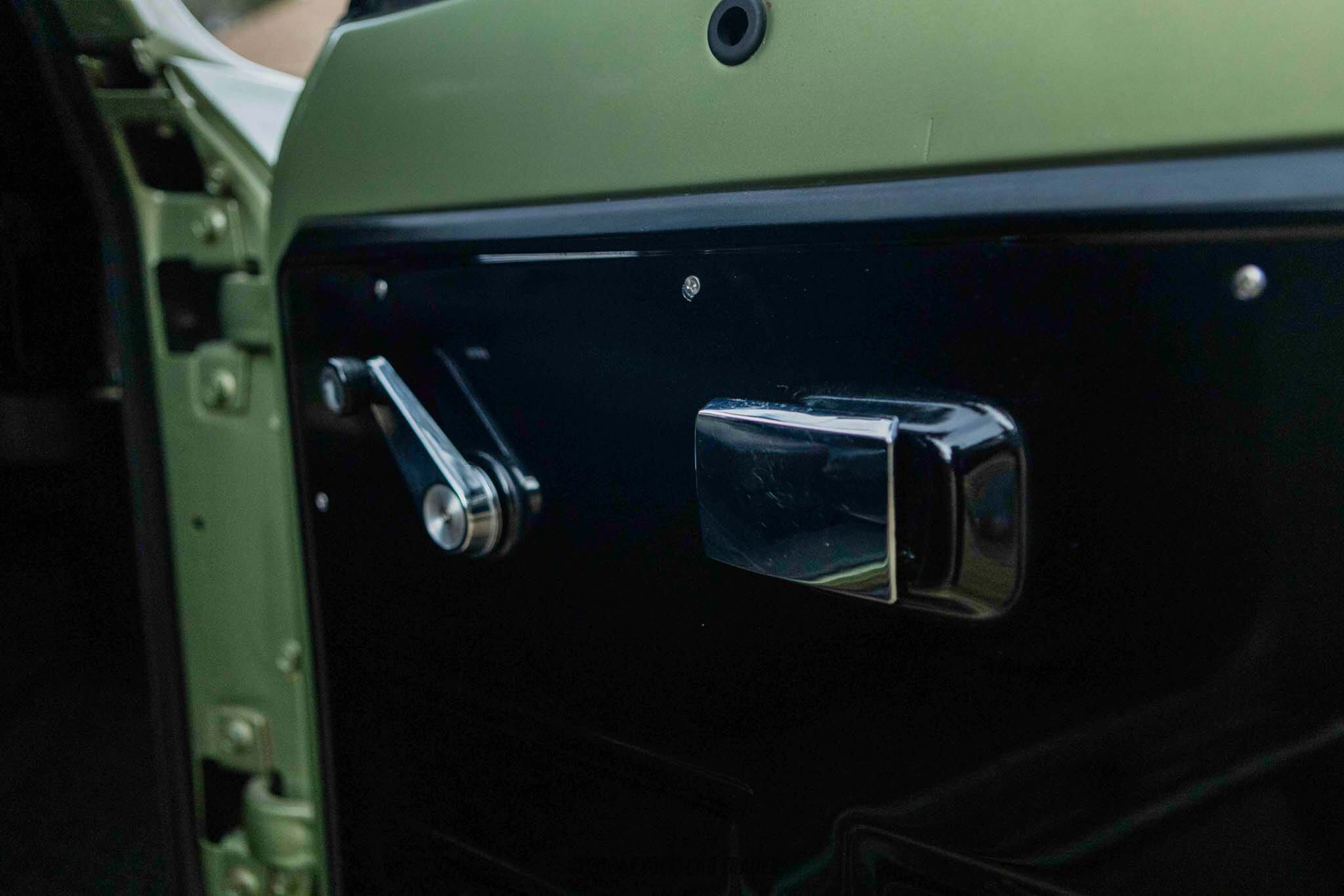
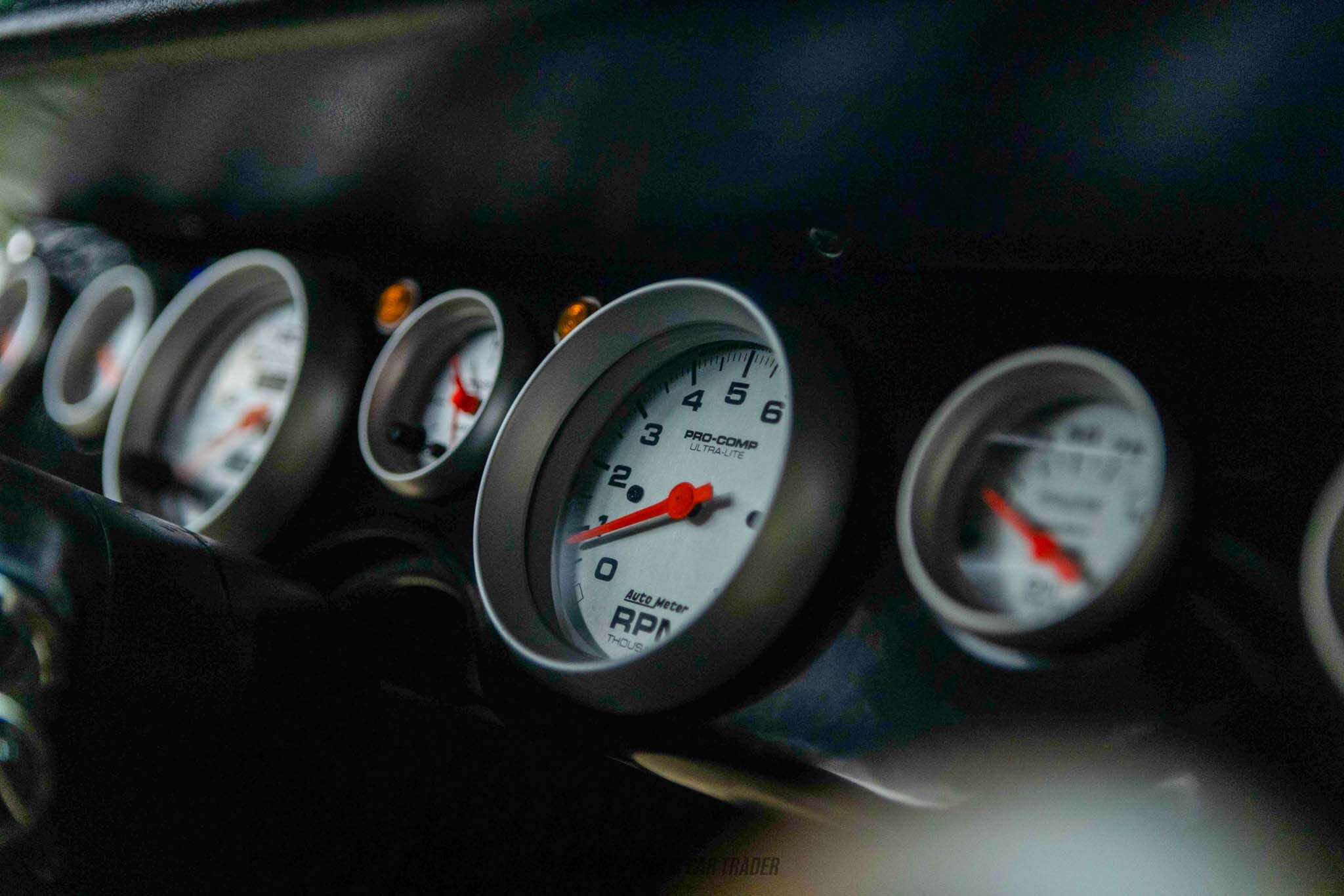
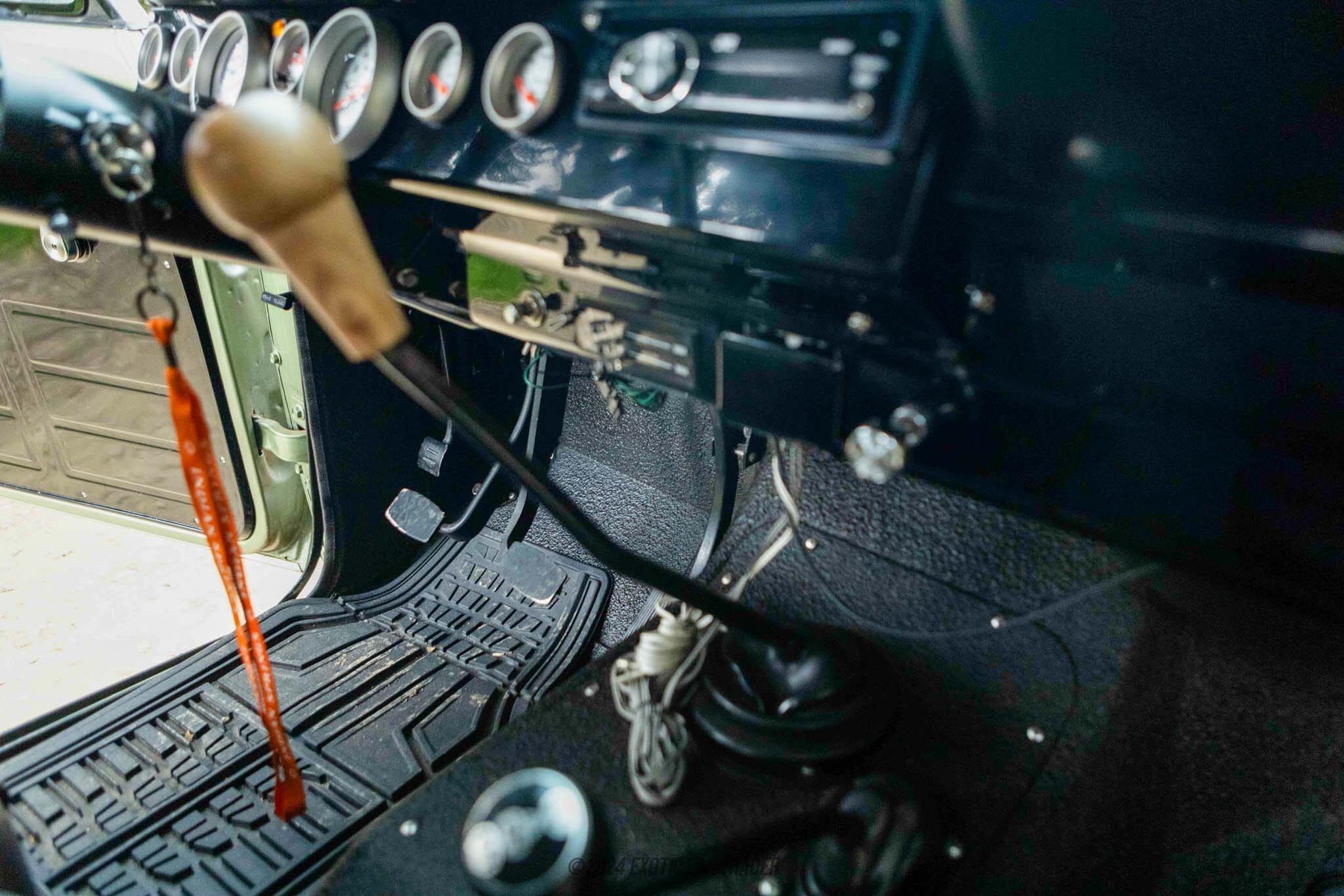
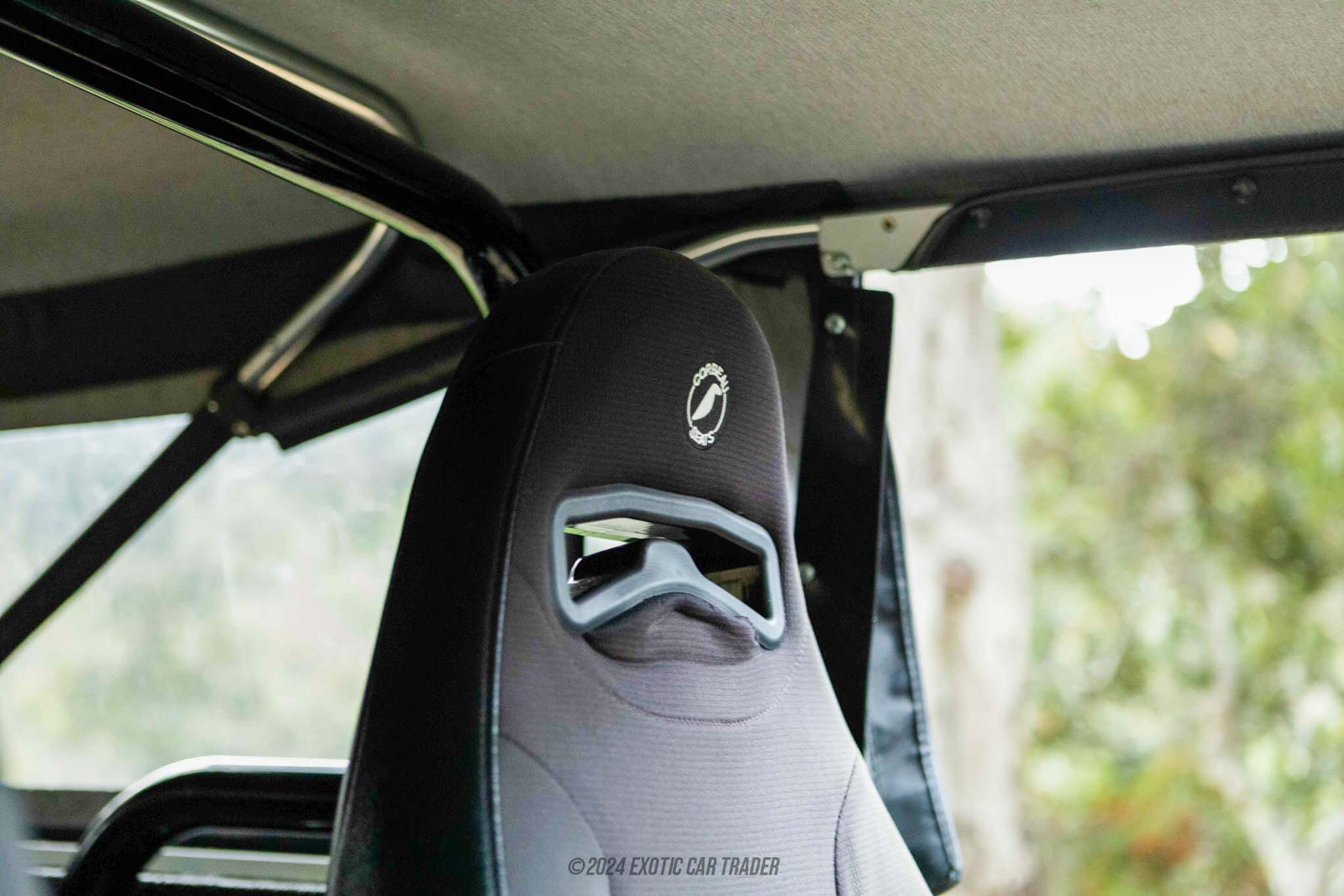
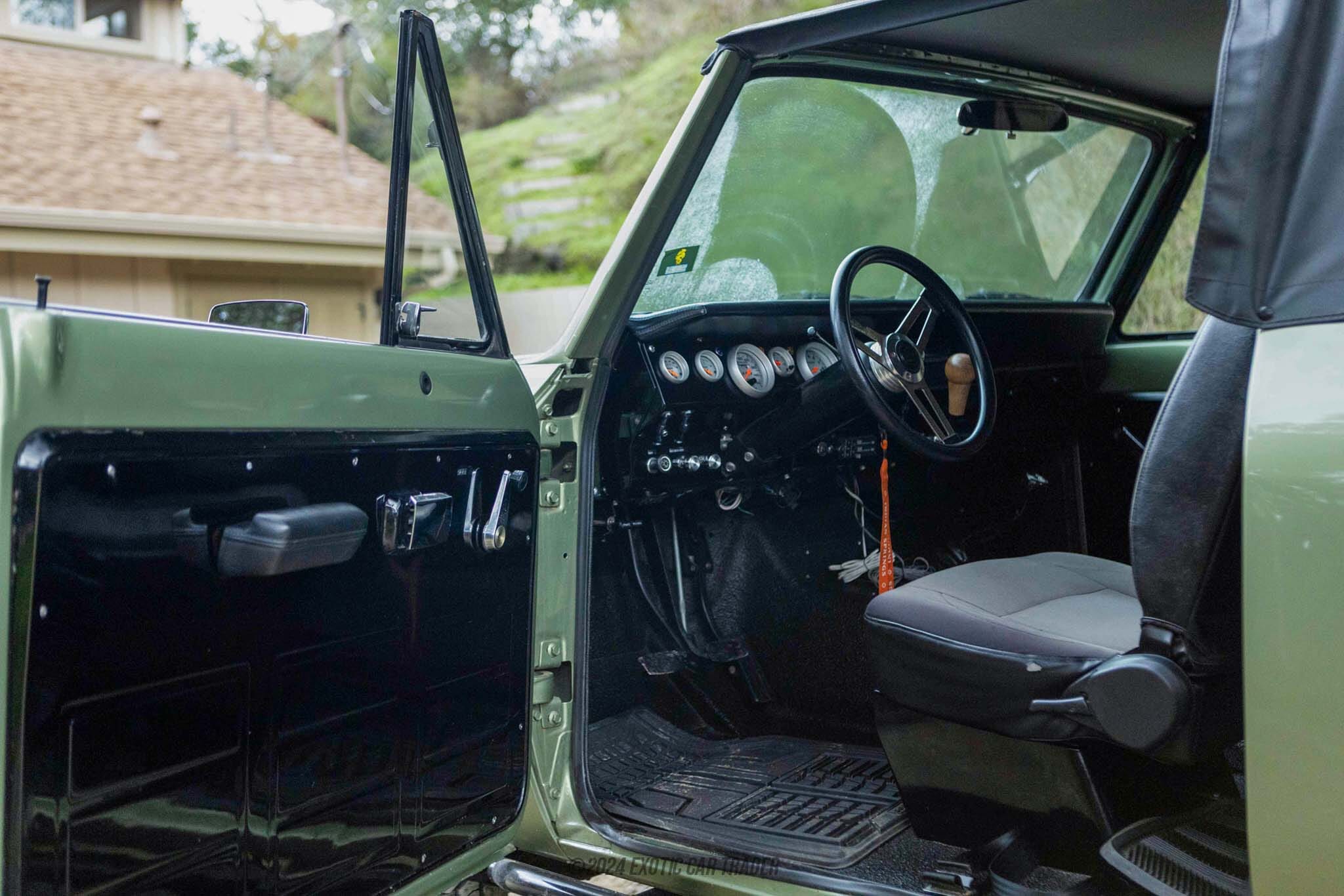
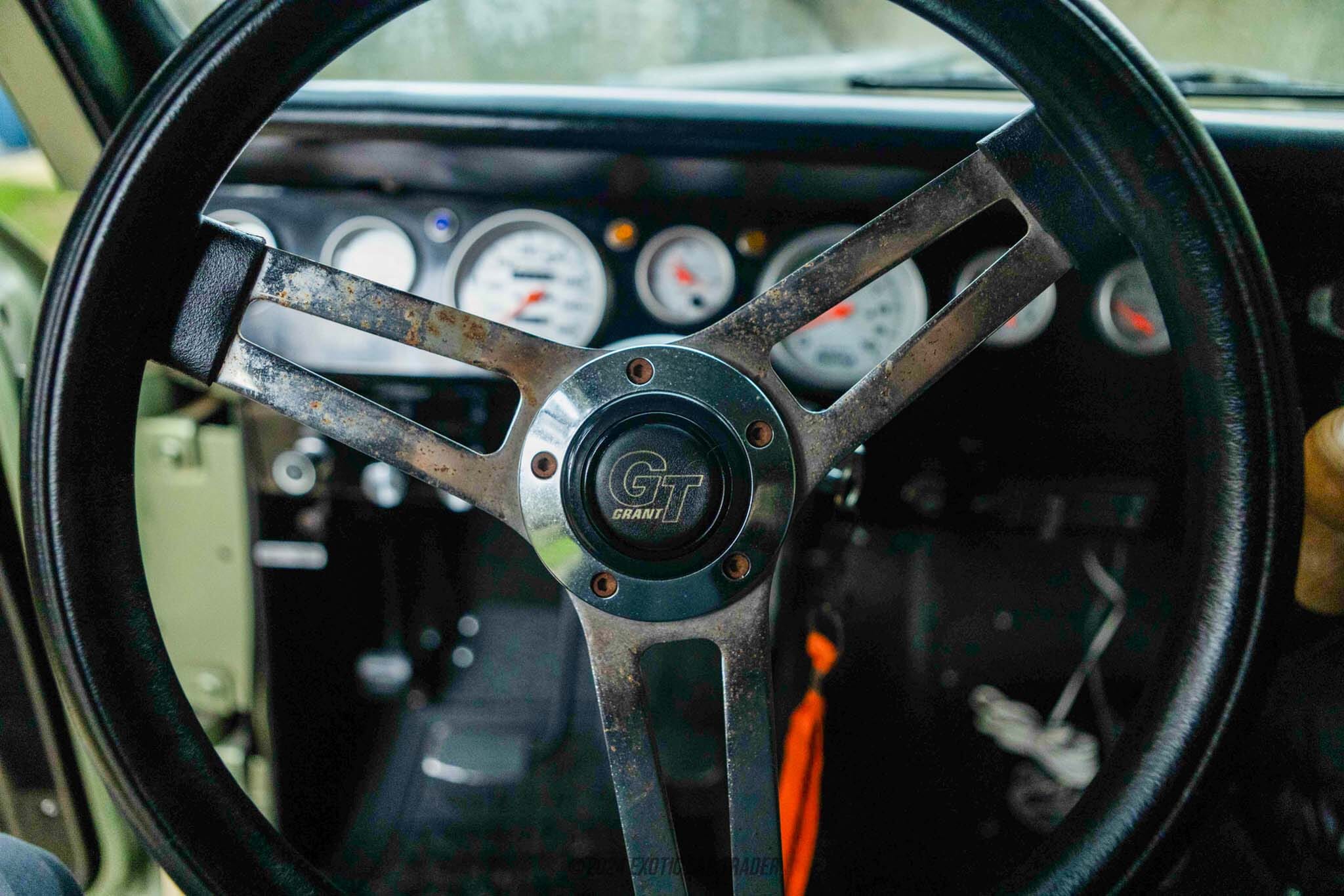
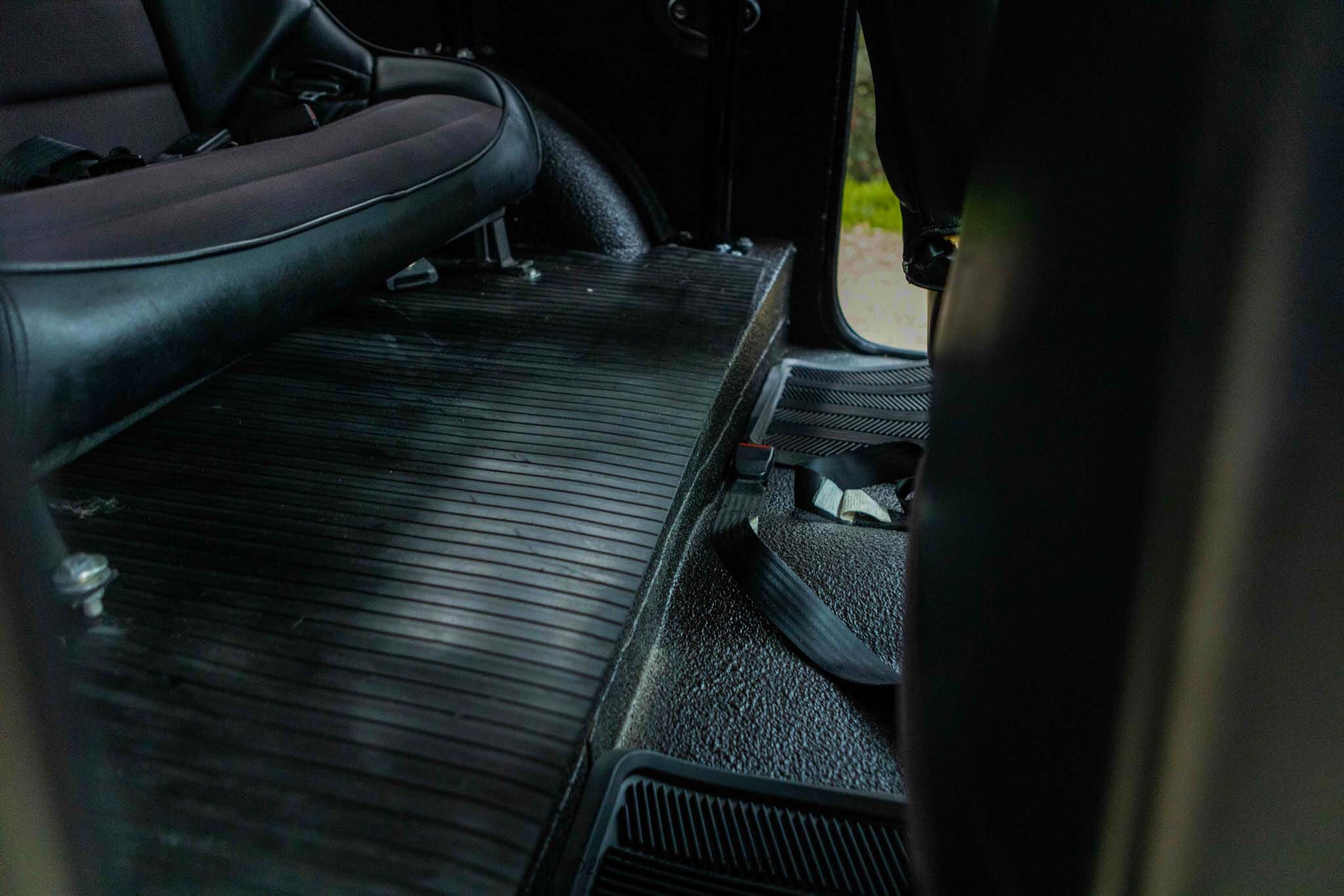
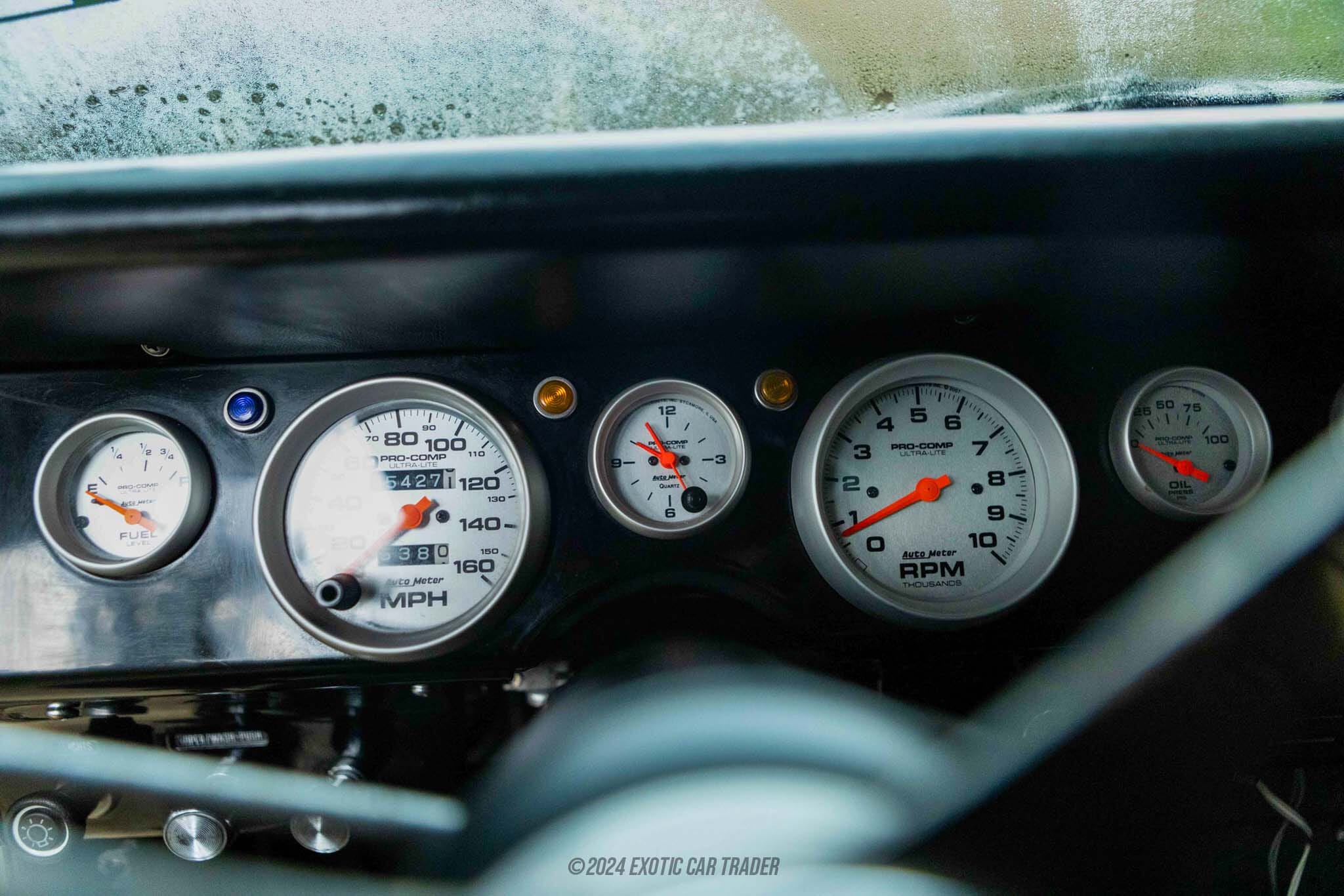
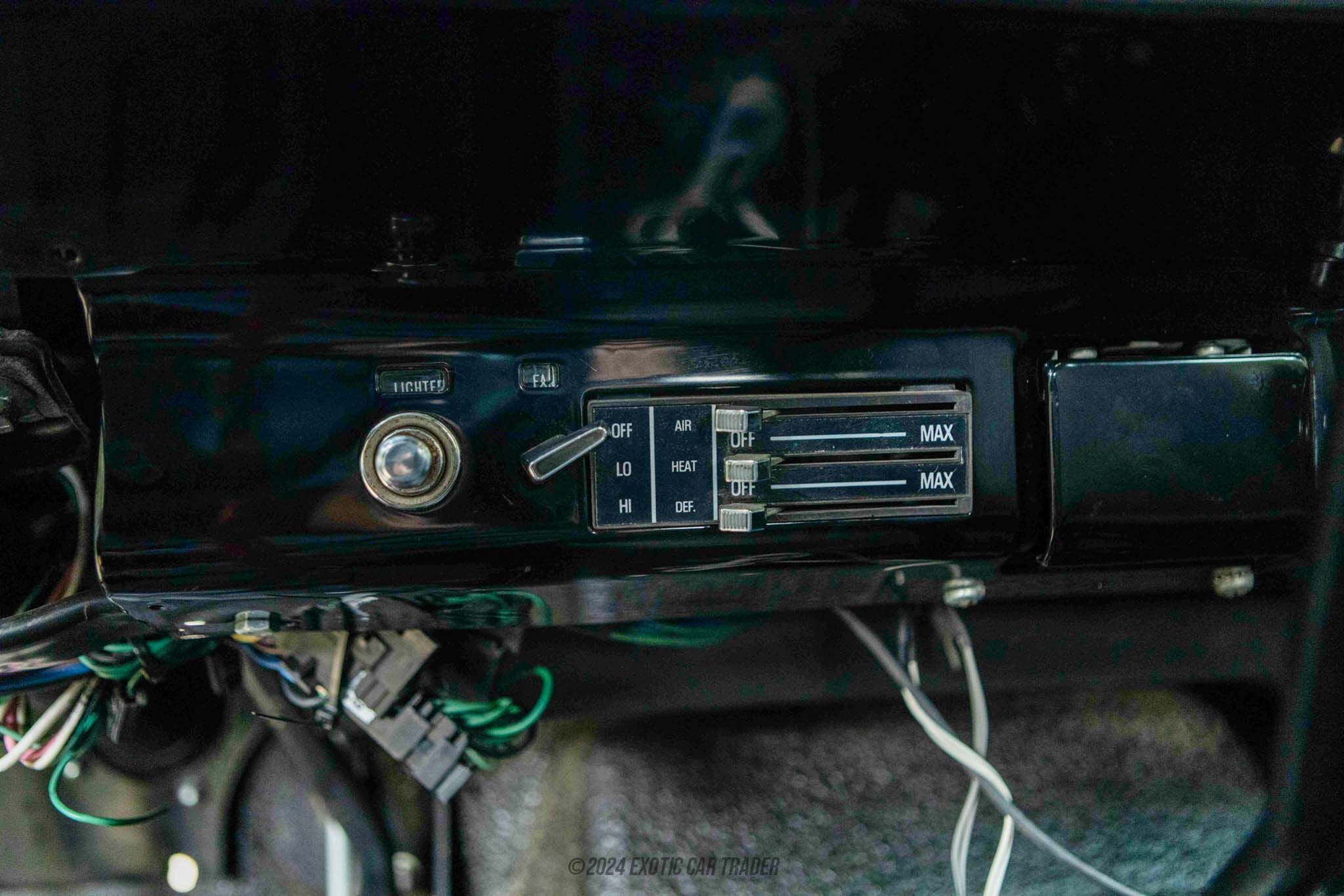
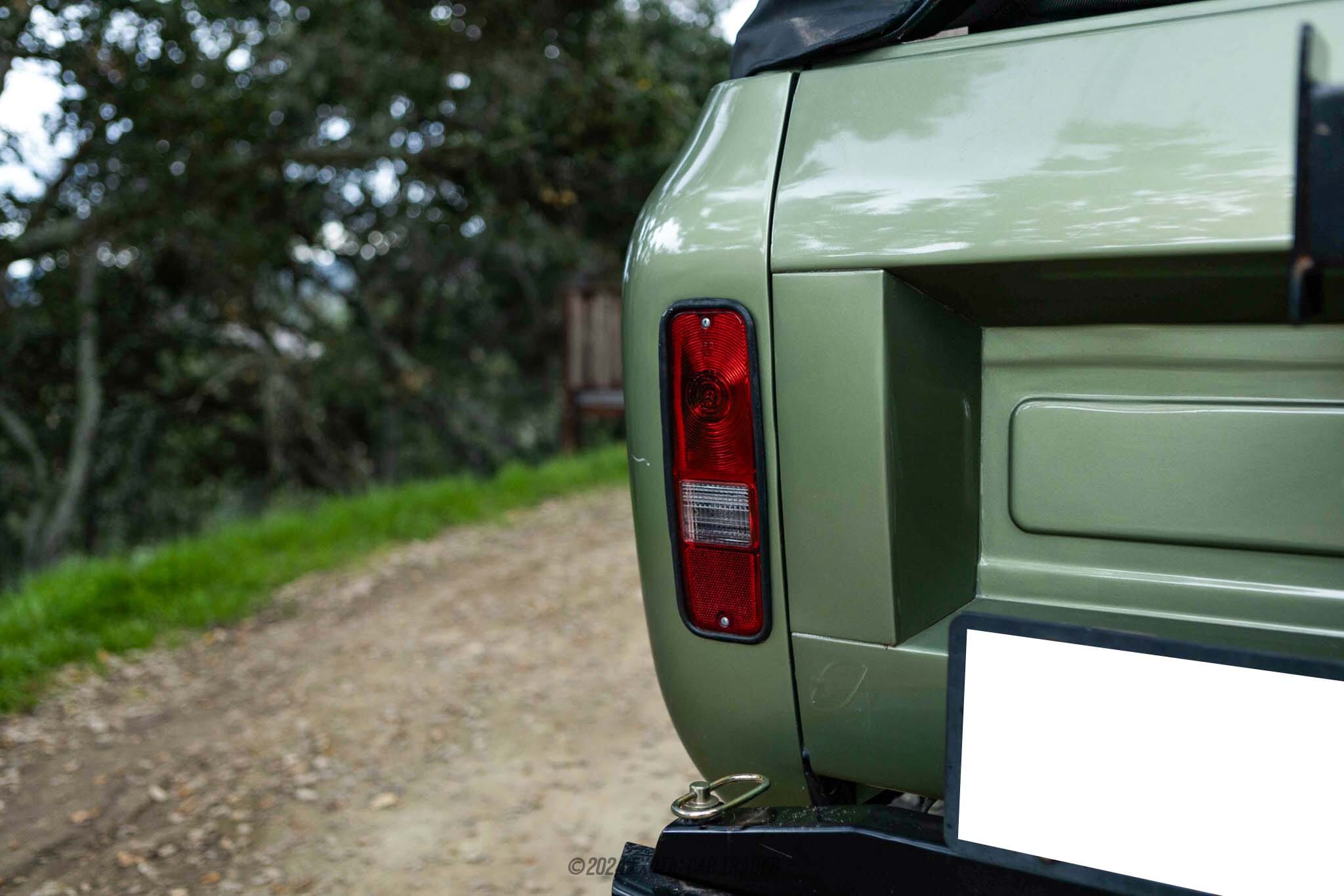
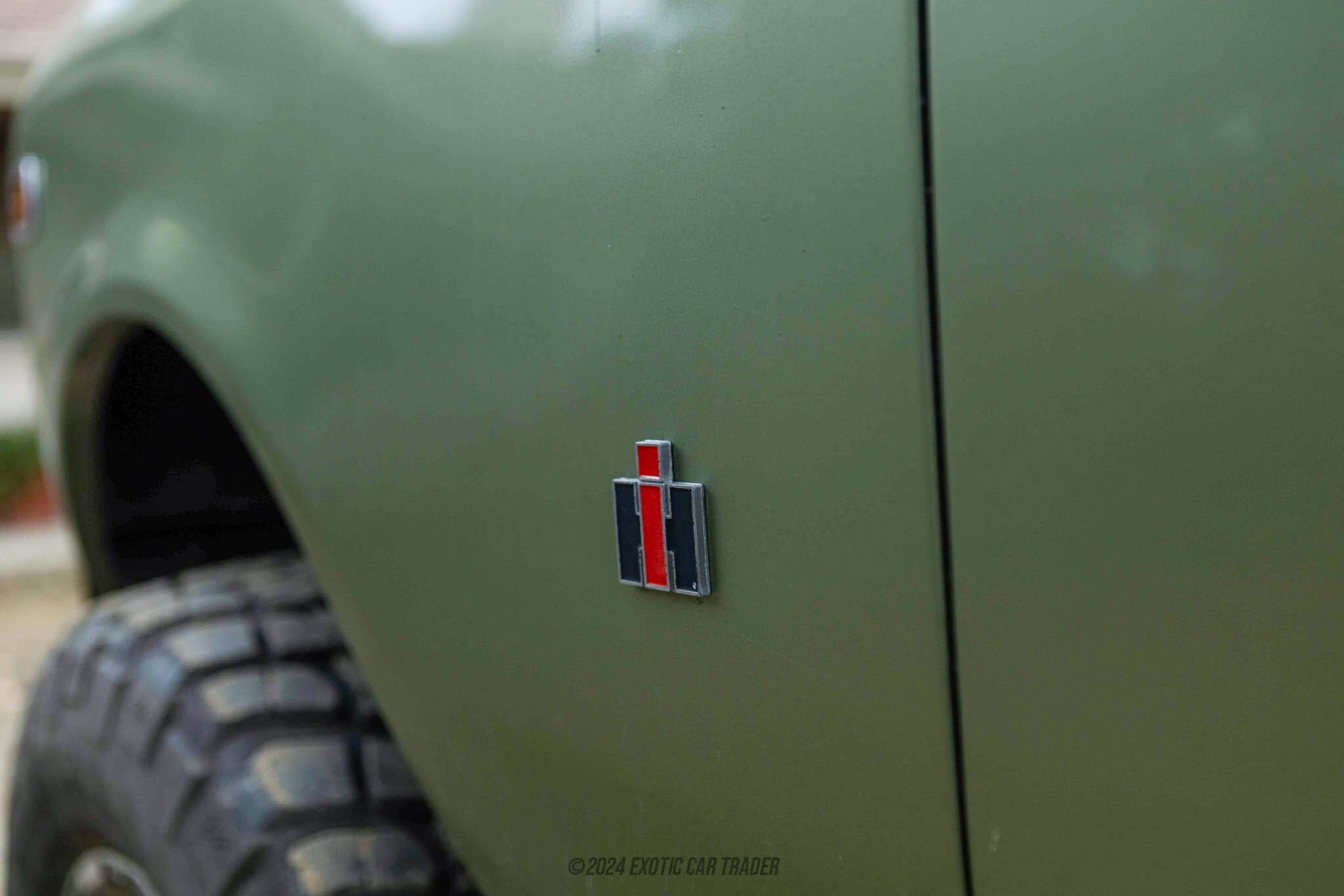
The 1971 International Harvester Scout II is a masterpiece in Olive Green, seamlessly blending with the great outdoors. Its design, featuring a retractable roof that folds back toward the tailgate, invites open-air exploration. Distinctive features of the second-generation Scout, like the three-bar front grille and chrome-ringed headlights, set it apart. Riding on 17-inch custom wheels wrapped in BF Goodrich Mud Terrain T/A tires, this Scout II combines style with functionality. Its lifted stance ensures ample ground clearance for tackling challenging terrains, while steel bumpers and swing hitches enhance its practicality. The interior boasts a bed liner covering the entire tub, white-faced gauges, a three-spoke steering wheel, and modern conveniences such as a radio and air conditioning. Front bucket seats and a rear bench seat comfortably accommodate passengers, making it ready for any adventure.
Engine
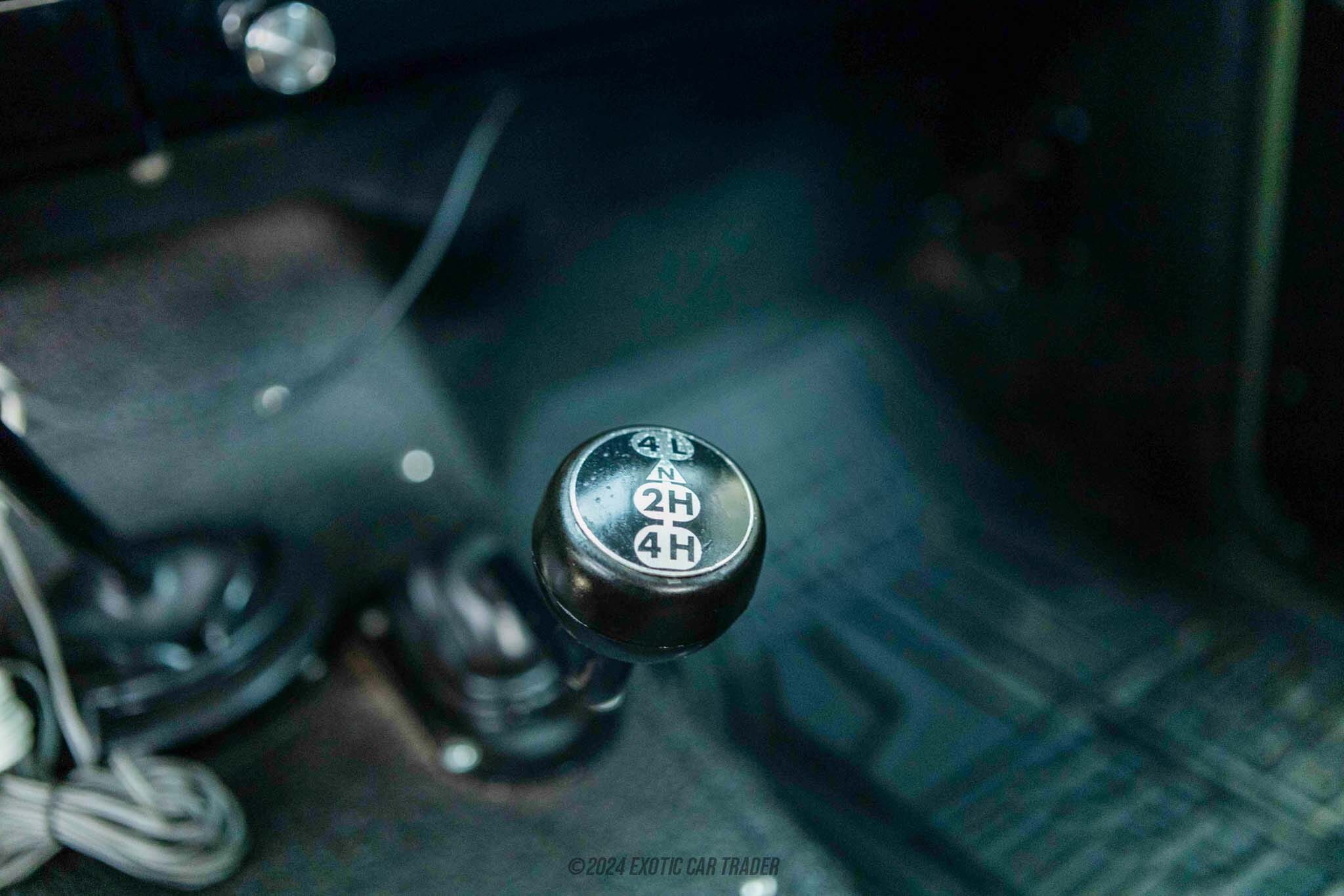
Under the hood, the 1971 International Harvester Scout II houses a powerhouse 345ci V8 engine, also known as the 345ci engine, the lineup's most potent option. This engine, paired with a Borg Warner 3-speed manual transmission, delivers 182 horsepower, ready to tackle any challenge. The dual-range transfer case allows for power distribution to either the rear wheels or all four, ensuring versatility and performance in a variety of driving conditions. This classic beast is more than just a vehicle; it's a testament to the enduring legacy of the International Harvester Scout II, blending power, design, and rugged capability.


International Harvester, as the name suggests, was a maker of industrial and agricultural vehicles. The brand is long gone, as it is now a part of Navistar Corporation. But did you know that International Harvester also made passenger vehicles? Examples like the Scout, which was an off-roader made between 1961 and 1980. Well, wonder no more, because you can grab this 1979 International Harvester Scout II from Spring, Texas, and see what it’s like. The vehicle has done just 375 miles after a comprehensive makeover and comes with some upgrades too. For example, there’s a custom paint job, a reupholstered interior, an aftermarket audio player and more to enjoy. All that is move along by a stout 345ci V8!
In a nod to the past and with an eye on the future, 2021 brought whispers that the Volkswagen Group might resurrect the iconic Scout nameplate, a direct rival to the Jeep in its heyday before its discontinuation in 1980. The International Scout, known for its rugged off-road capabilities, spanned two generations and even teased a third with the Scout III SSV prototype. Among these, the second generation stood out for its exterior redesign and enhanced engine offerings. A prime example of this era is a 1971 International Harvester Scout II, boasting a formidable 345ci V8 engine. This vehicle has undergone a restoration, displaying a mere 5,380 miles on the odometer, ready for new adventures under the stewardship of an enthusiastic new owner.
With a legacy dating back to 1907, International Harvester carved its name in the fabric of automotive history by crafting trucks and pickups. Amidst its repertoire of agricultural and industrial machinery, the Scout emerged during a transformative epoch. Engineered to rival the Jeep, the International Harvester Scout became a dynamic player that reshaped the landscape of four-wheel drive vehicles. This off-road marvel graced the global stage in various iterations from 1961 to 1980. As the journey of the International Harvester Scout concluded, devoted enthusiasts embarked on restoring and conserving these automotive icons. The result stands before us: a meticulously restored 1973 International Scout II, an emblematic testament to the past.
The 1937 International Harvester C-30 represents a time when trucks were engineered with a singular focus—getting the job done. Built as a heavy-duty commercial platform, the C-30 was designed for farmers, contractors, and industrial users who needed durability above all else. This particular example stands out thanks to its restoration and functional upgrades, including a hydraulic dump bed that significantly enhances its usability. Showing 40,906 miles, it blends pre-war industrial charm with practical capability, making it an excellent choice for collectors or anyone seeking a vintage truck that still serves a real purpose today.
International Harvester, more commonly known for their industrial and agricultural vehicles, did produce an off-roader to rival the Jeep CJ between 1960 and 1980. It was called the Scout, and was available as a two-door SUV or two-door pickup truck. This red 1962 International Harvester Scout 80 from Beckley, West Virginia, is of the latter body style. With 46,241 miles on the clock and a 152ci four-cylinder under the hood, it’s representative of what a Sixties off-road capable pickup truck was like back then. It’s got a Warner T-90A 3-speed manual box, and even packs a Ramsey 8,000-pound PTO winch for recovery activities. If you’d like to own this quirky American classic, get in touch right now.
International Harvester, as the name suggests, was a maker of industrial and agricultural vehicles. The brand is long gone, as it is now a part of Navistar Corporation. But did you know that International Harvester also made passenger vehicles? Examples like the Scout, which was an off-roader made between 1961 and 1980. Well, wonder no more, because you can grab this 1979 International Harvester Scout II from Spring, Texas, and see what it’s like. The vehicle has done just 375 miles after a comprehensive makeover and comes with some upgrades too. For example, there’s a custom paint job, a reupholstered interior, an aftermarket audio player and more to enjoy. All that is move along by a stout 345ci V8!

Terms of Service
Be Kind and Courteous
We're here to create a platform to better the automotive industry through communication and transparency. Please treat everyone with respect. Healthy debates are natural, but kindness is required.
No Hate Speech
Make sure everyone feels safe. Hate speech of any kind is strictly prohibited. Degrading comments about things like race, religion, culture, sexual orientation, etc. will not be tolerated.
No Promotions or Spam
Give more than you take. Self-promotion, spam, or links of any kind are not allowed.
