

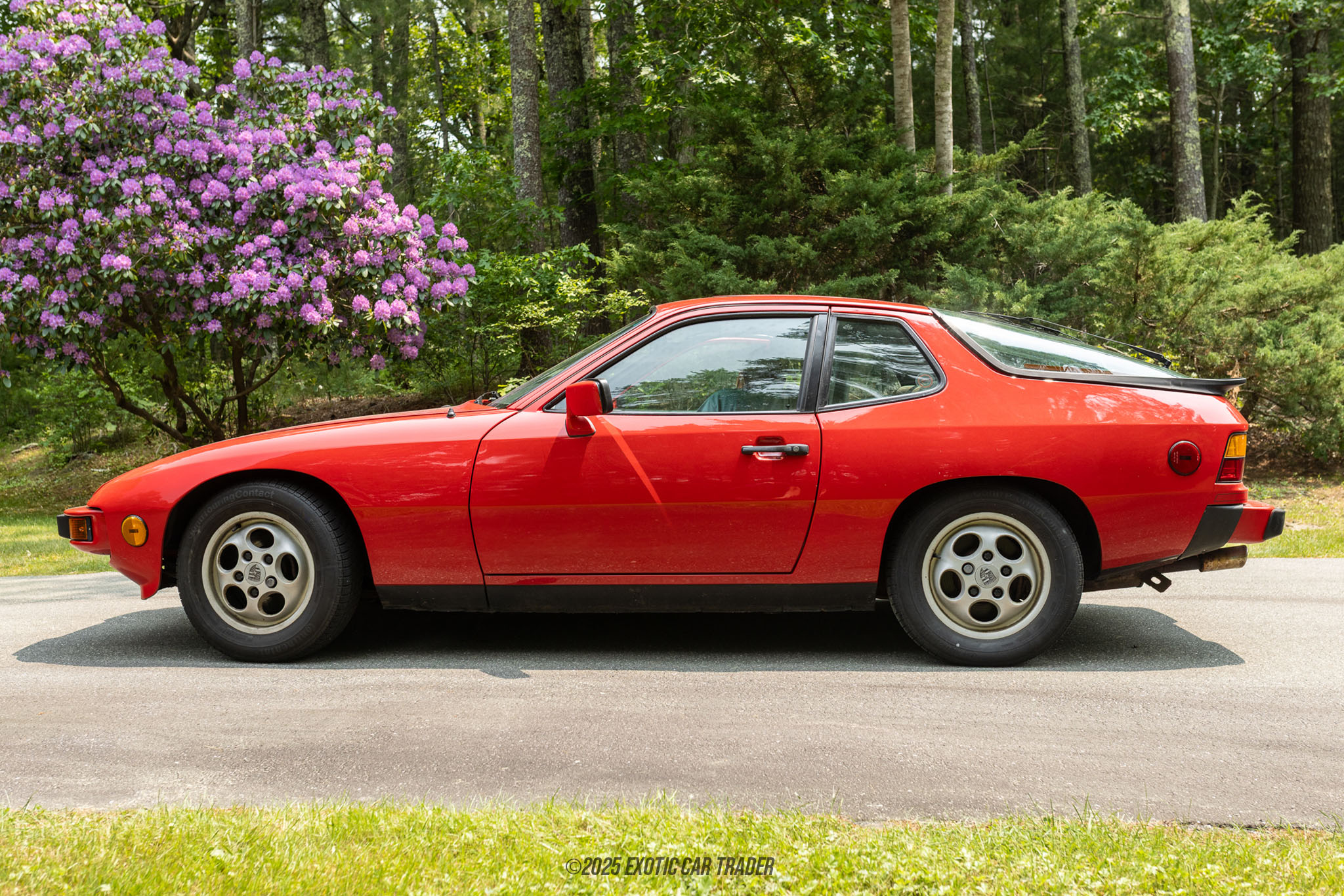
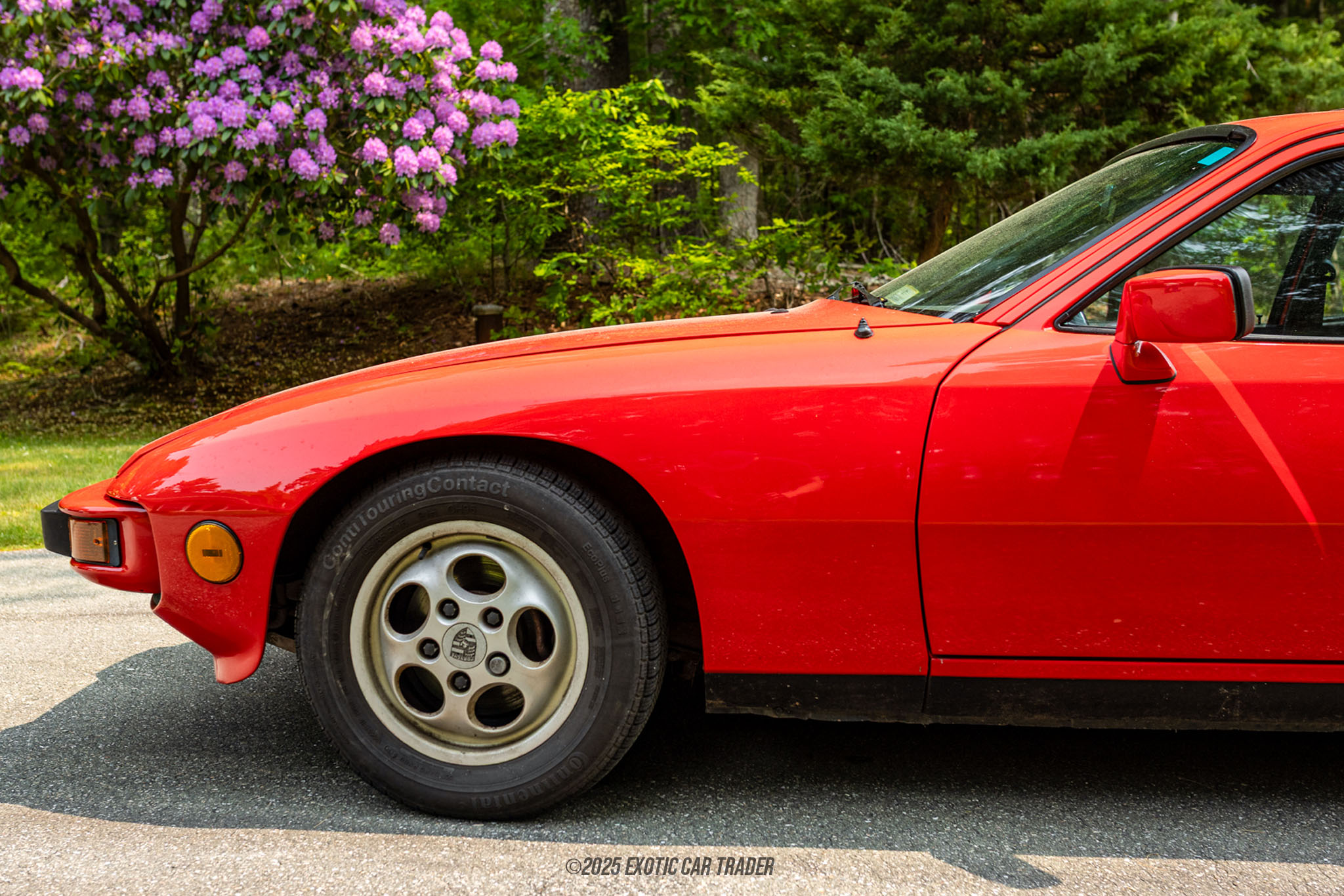
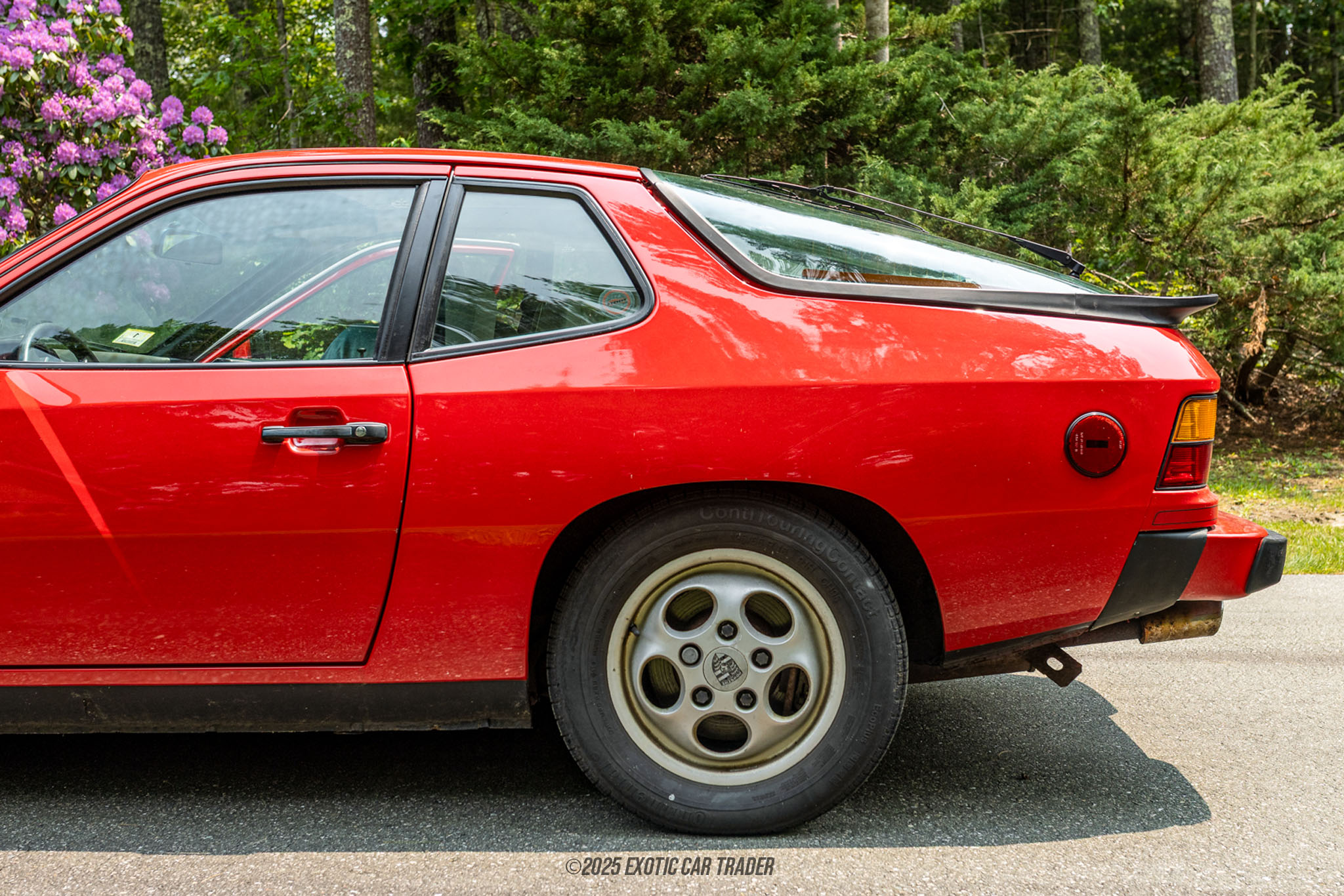
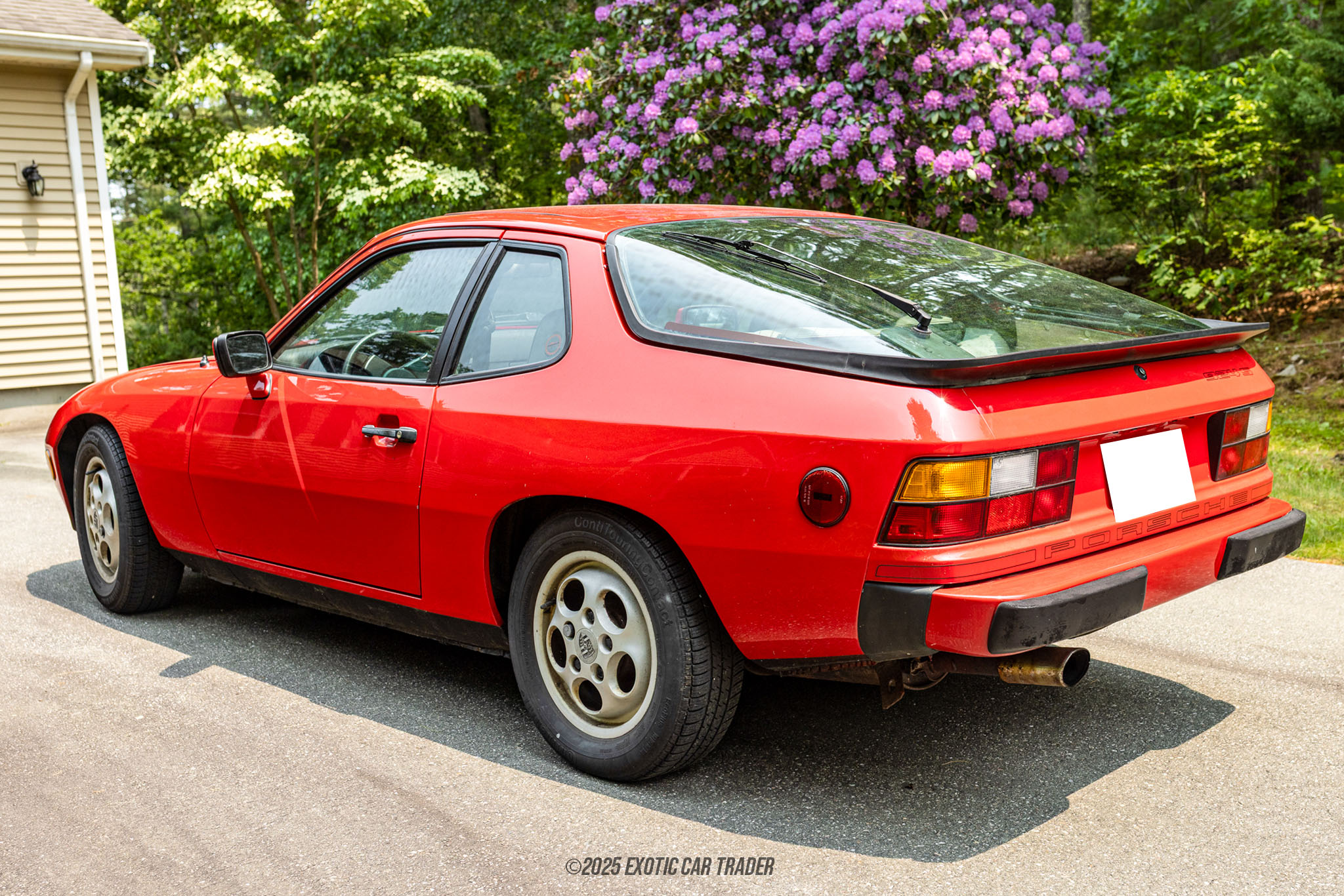
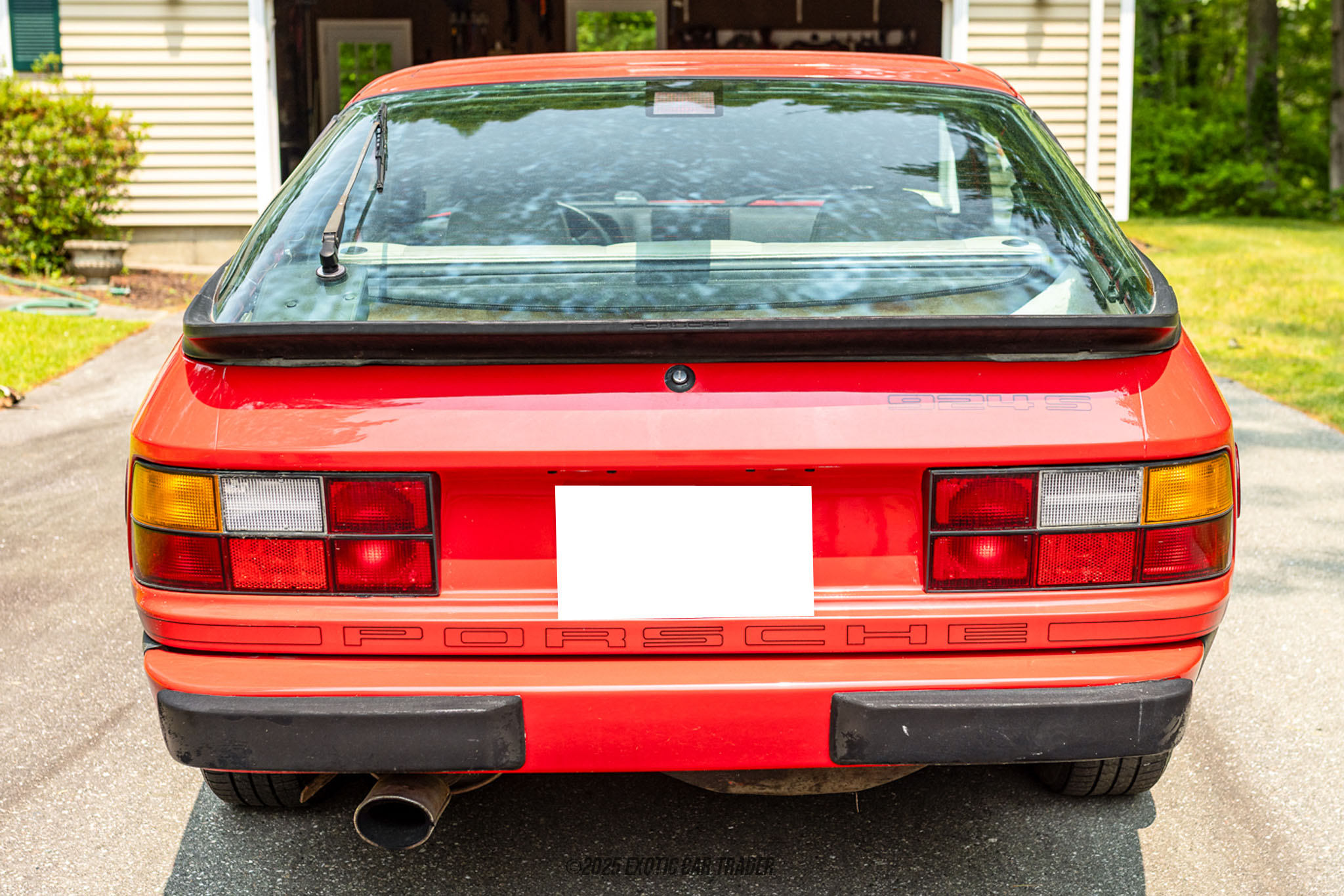
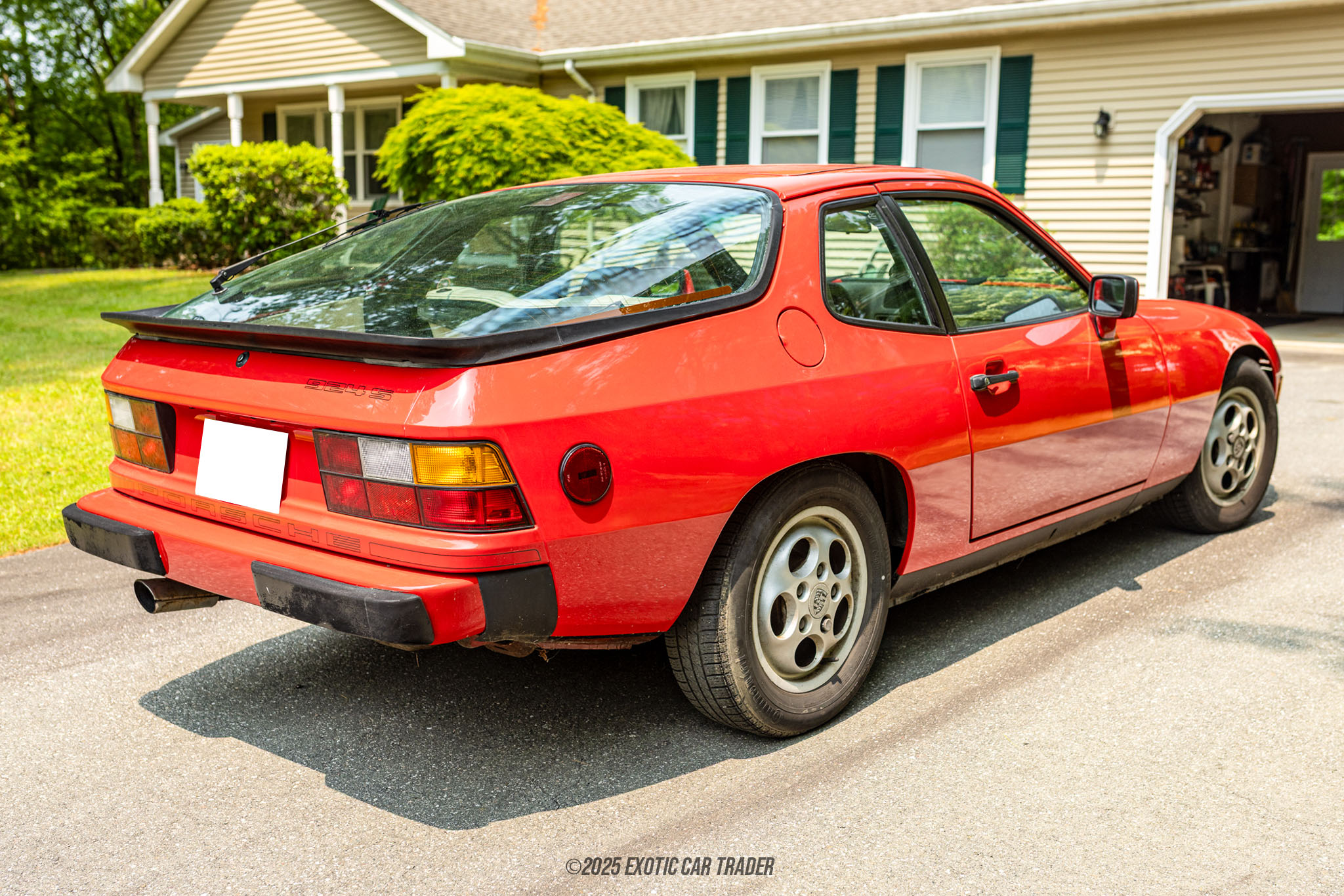
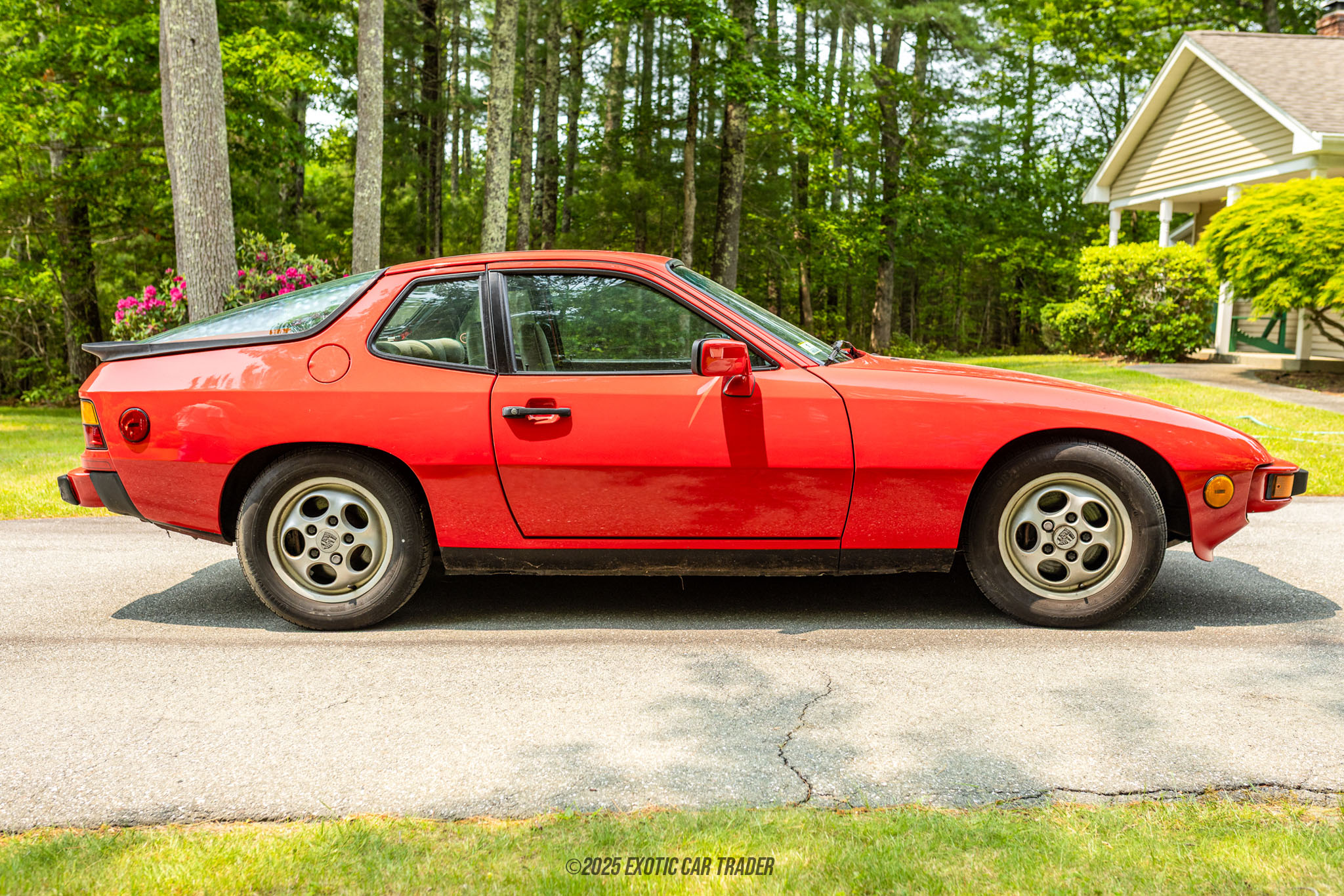
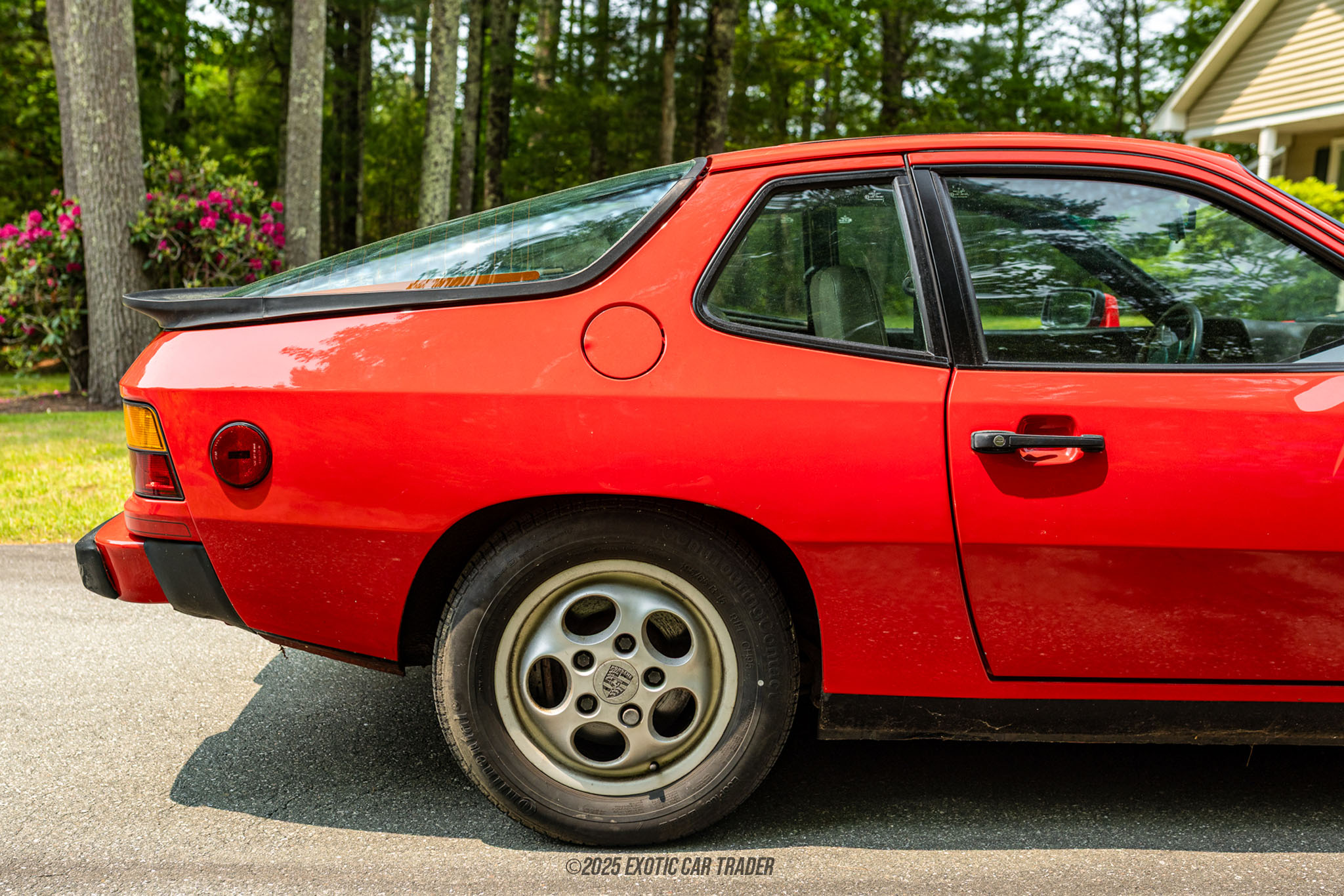
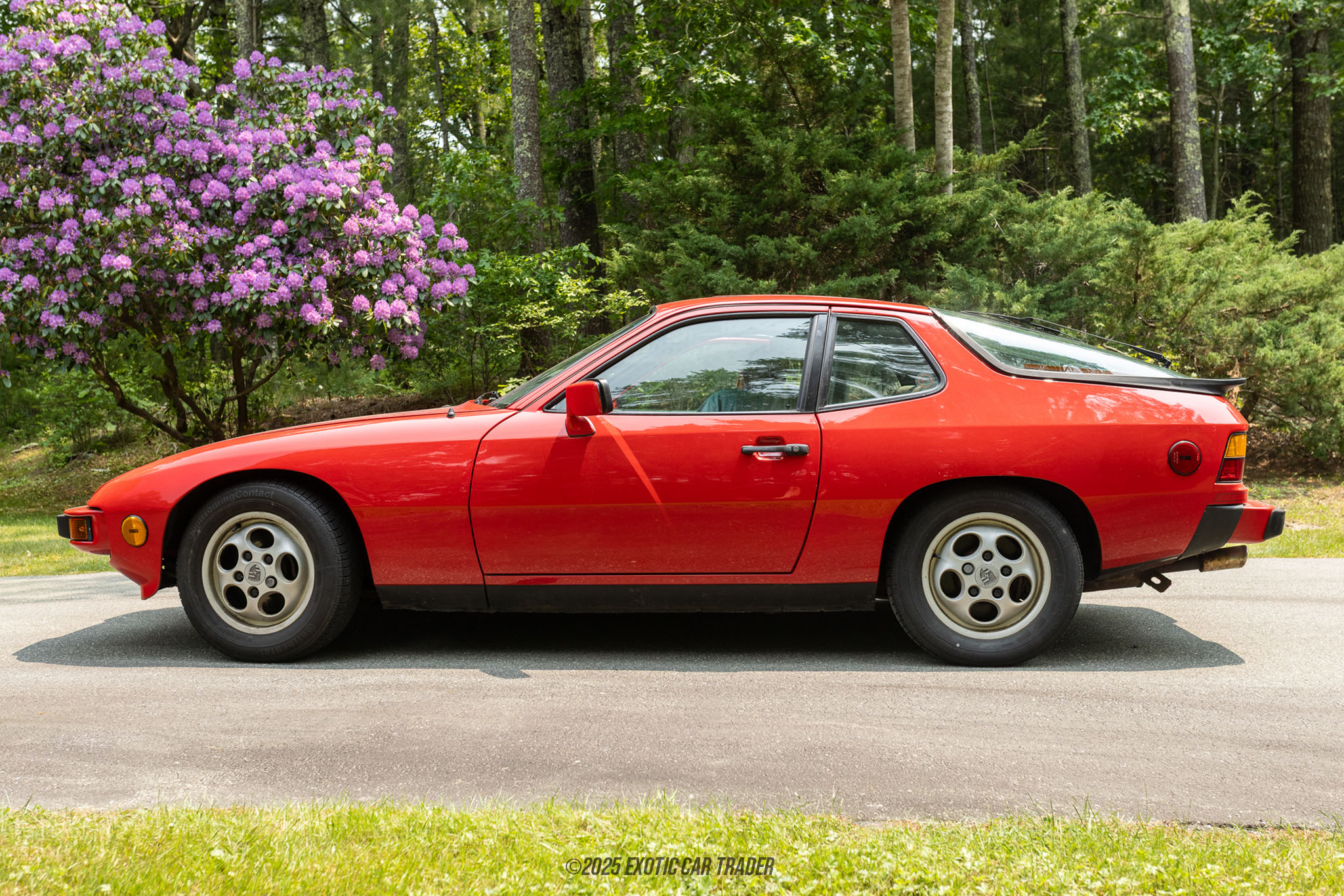
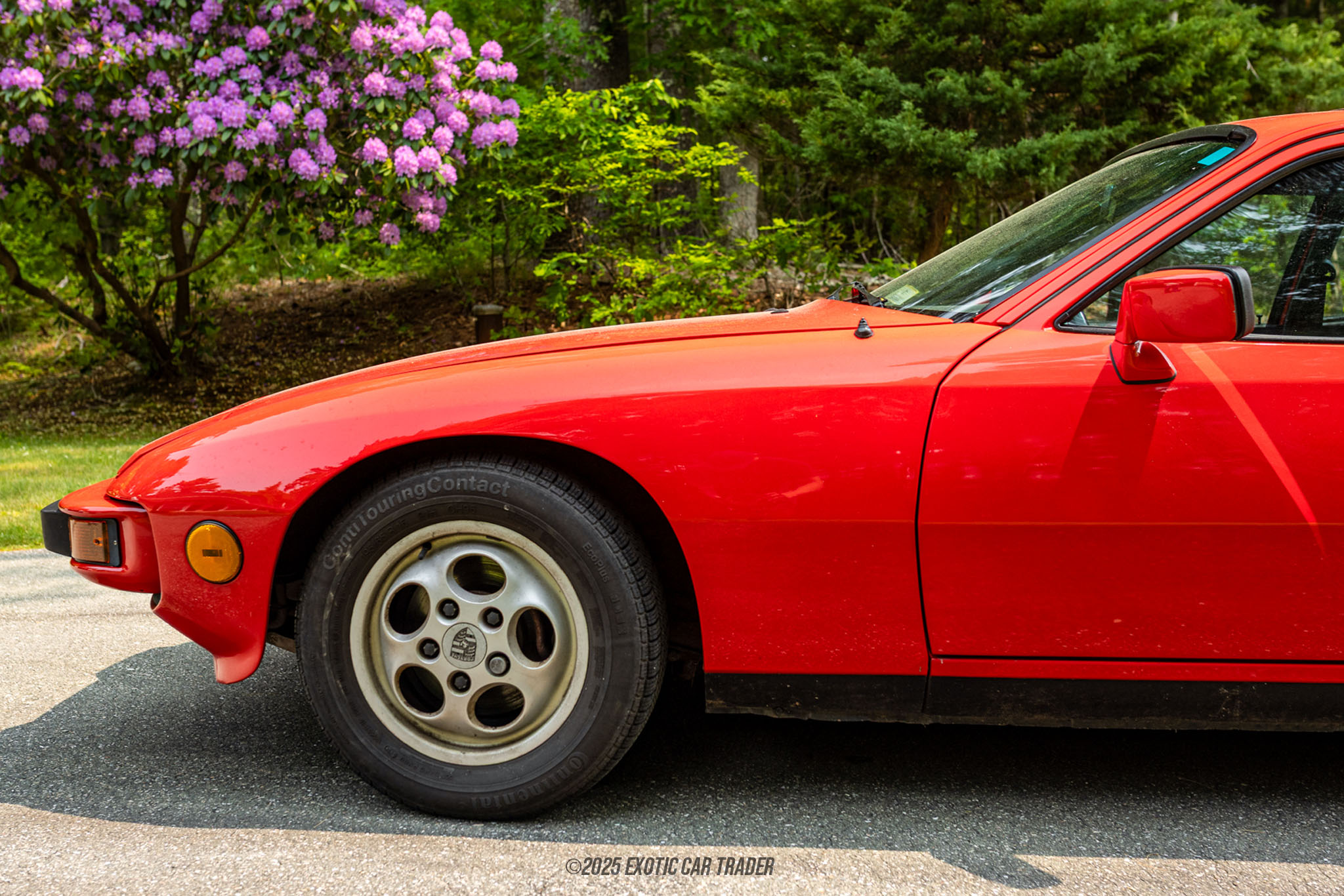
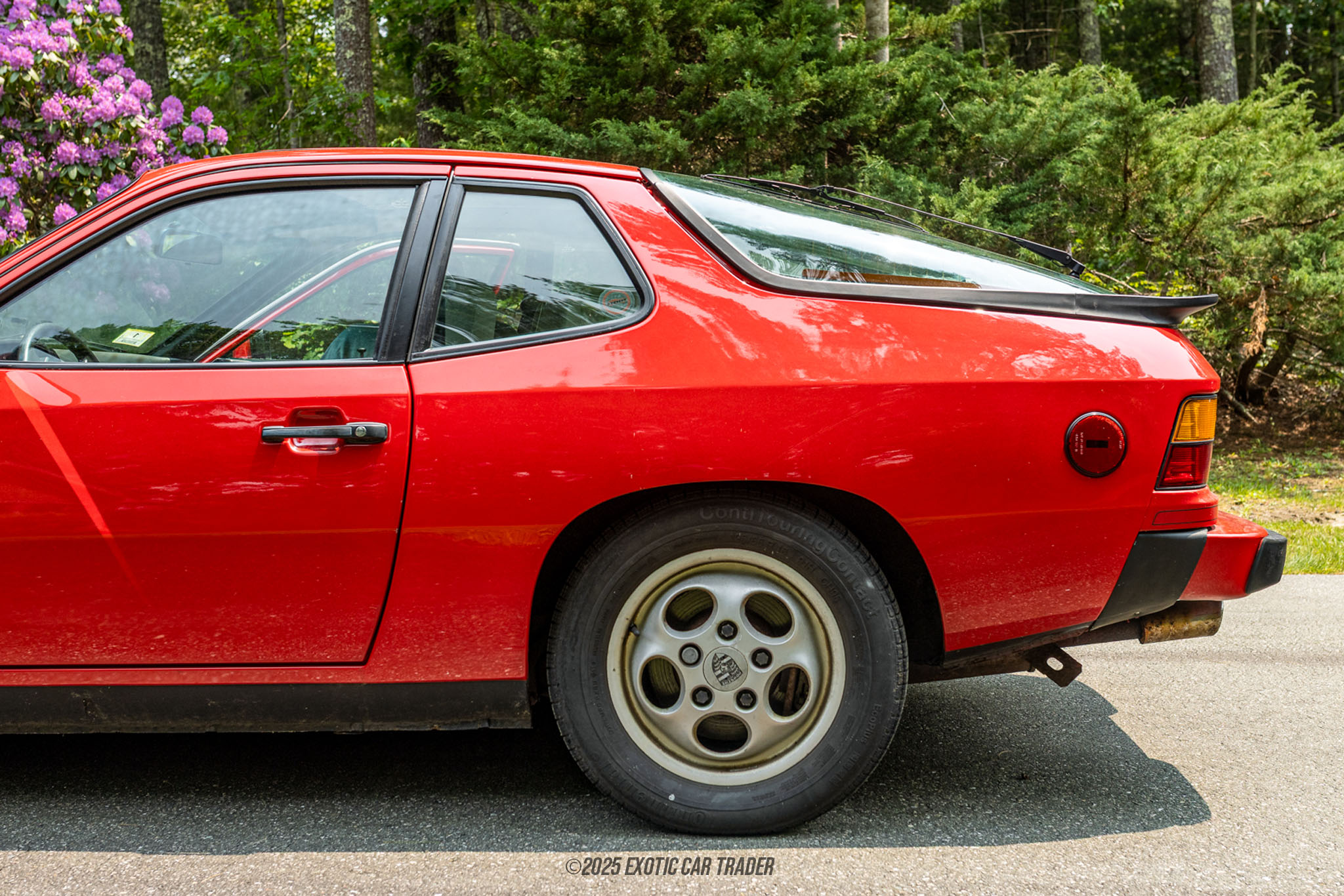
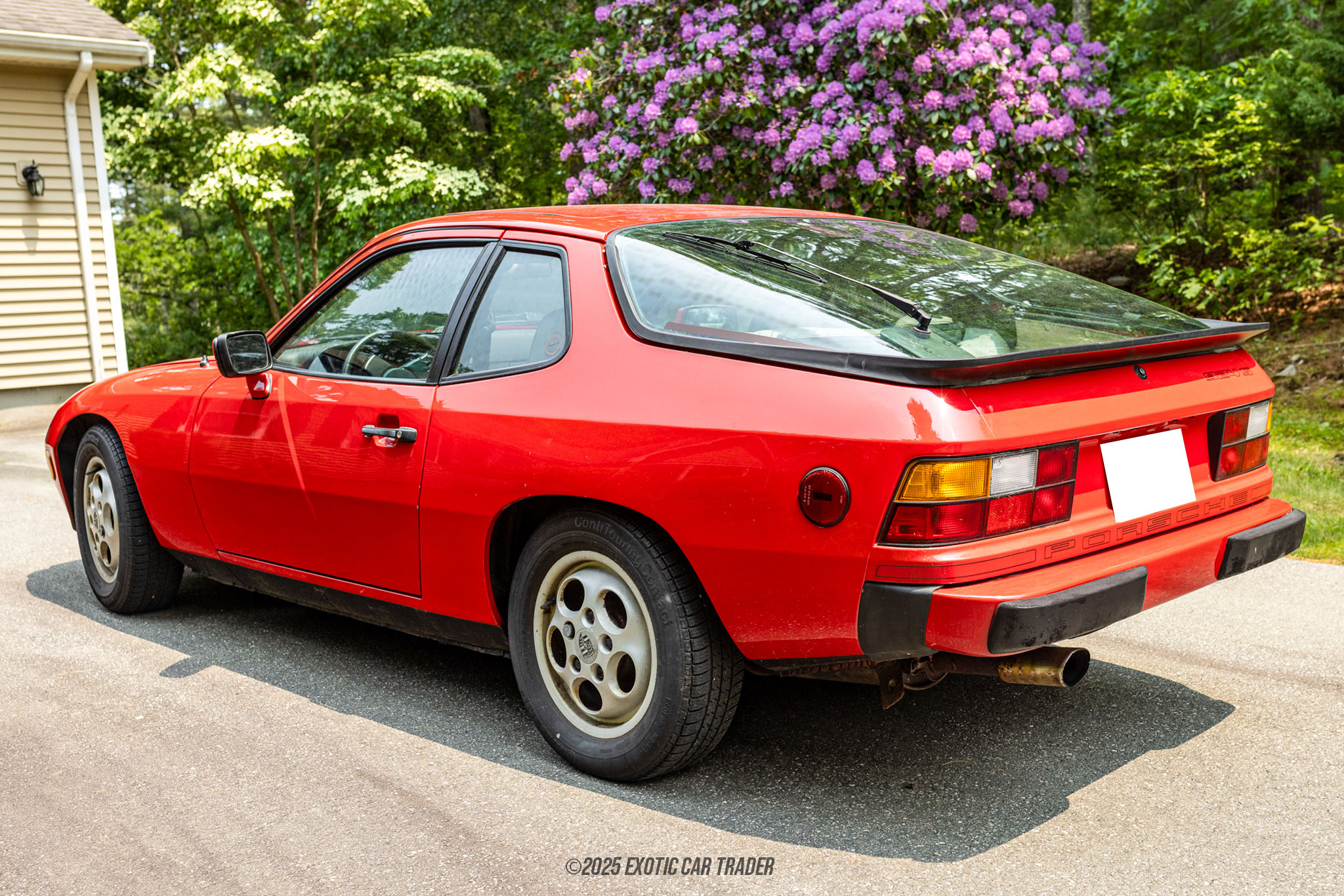
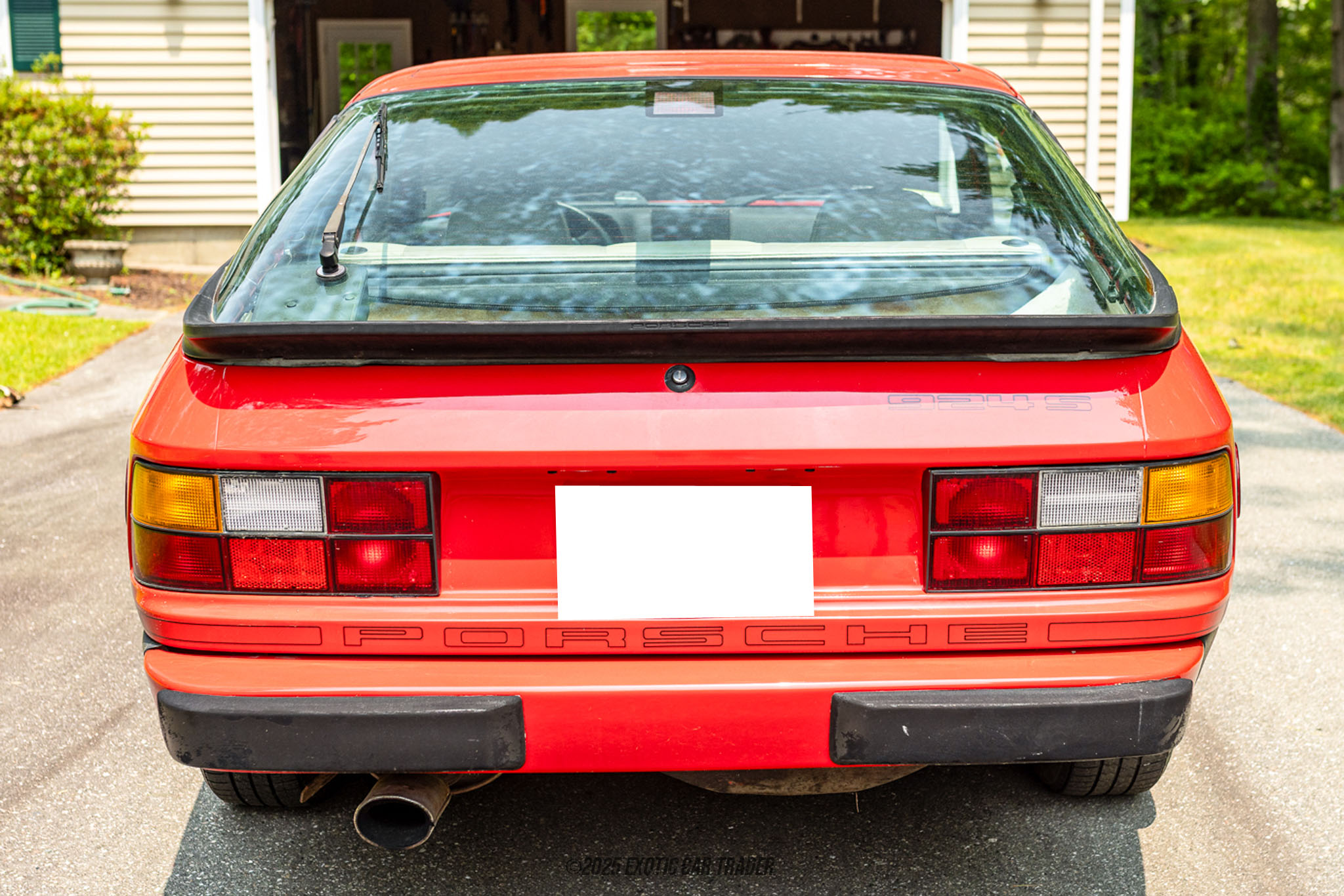
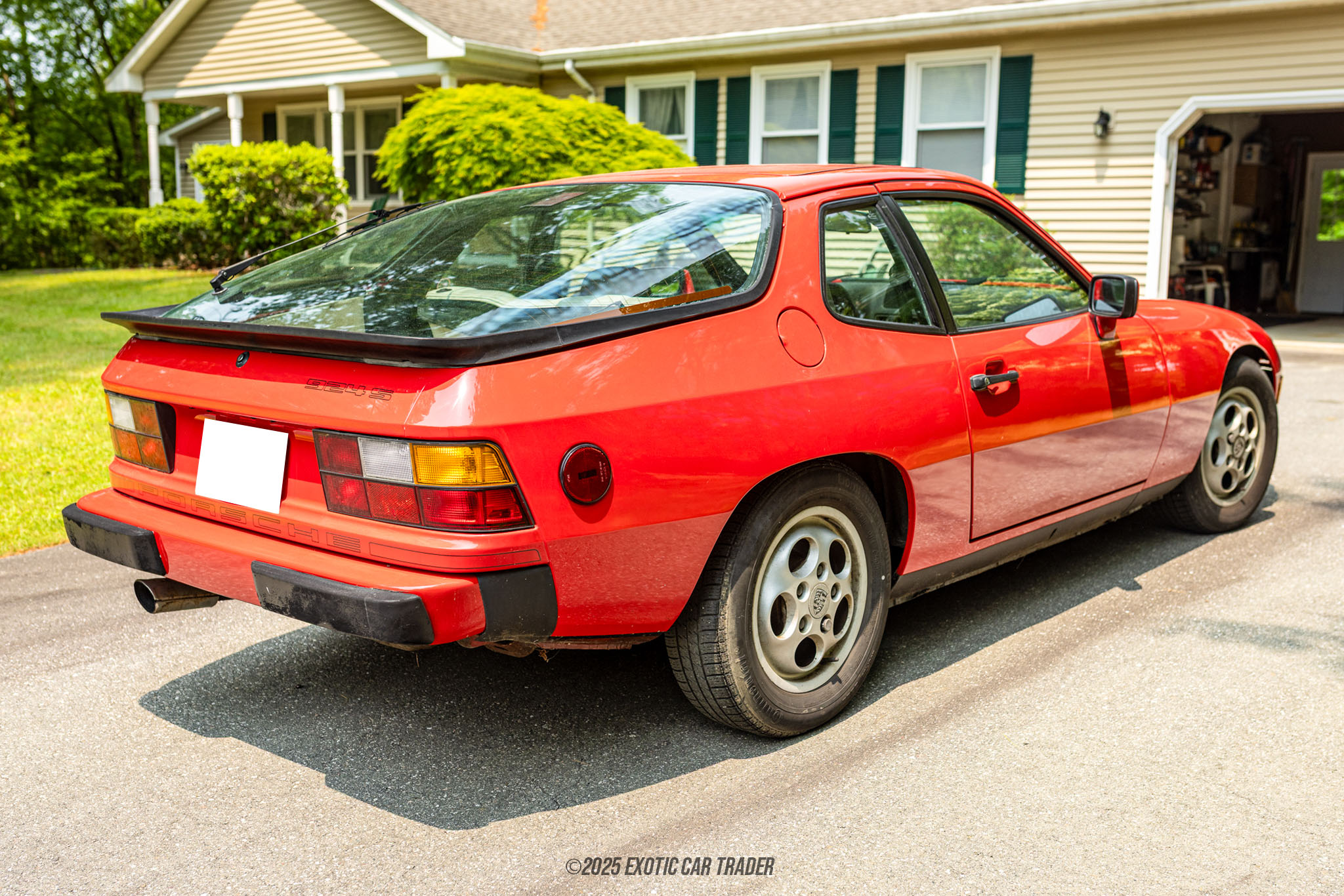
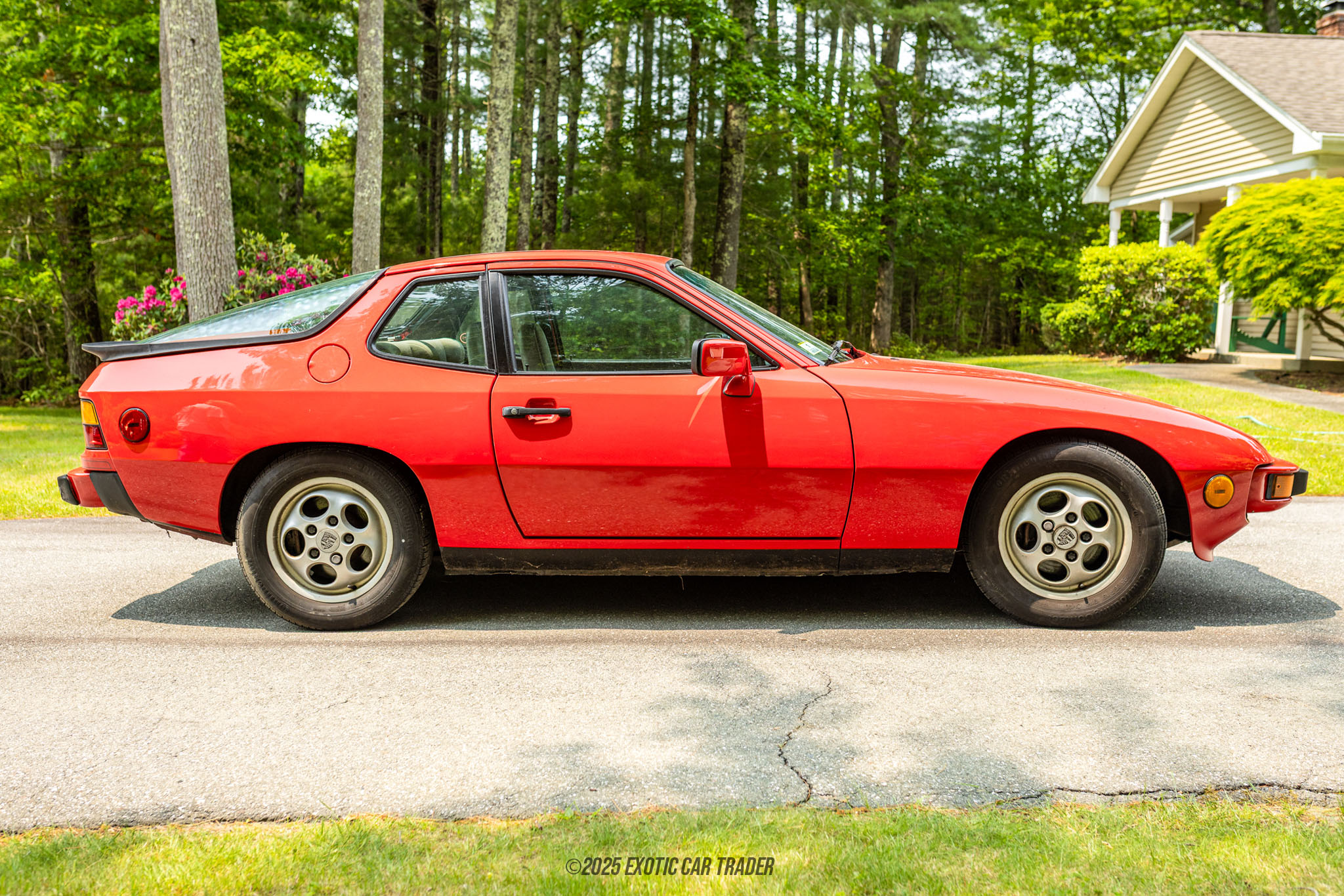
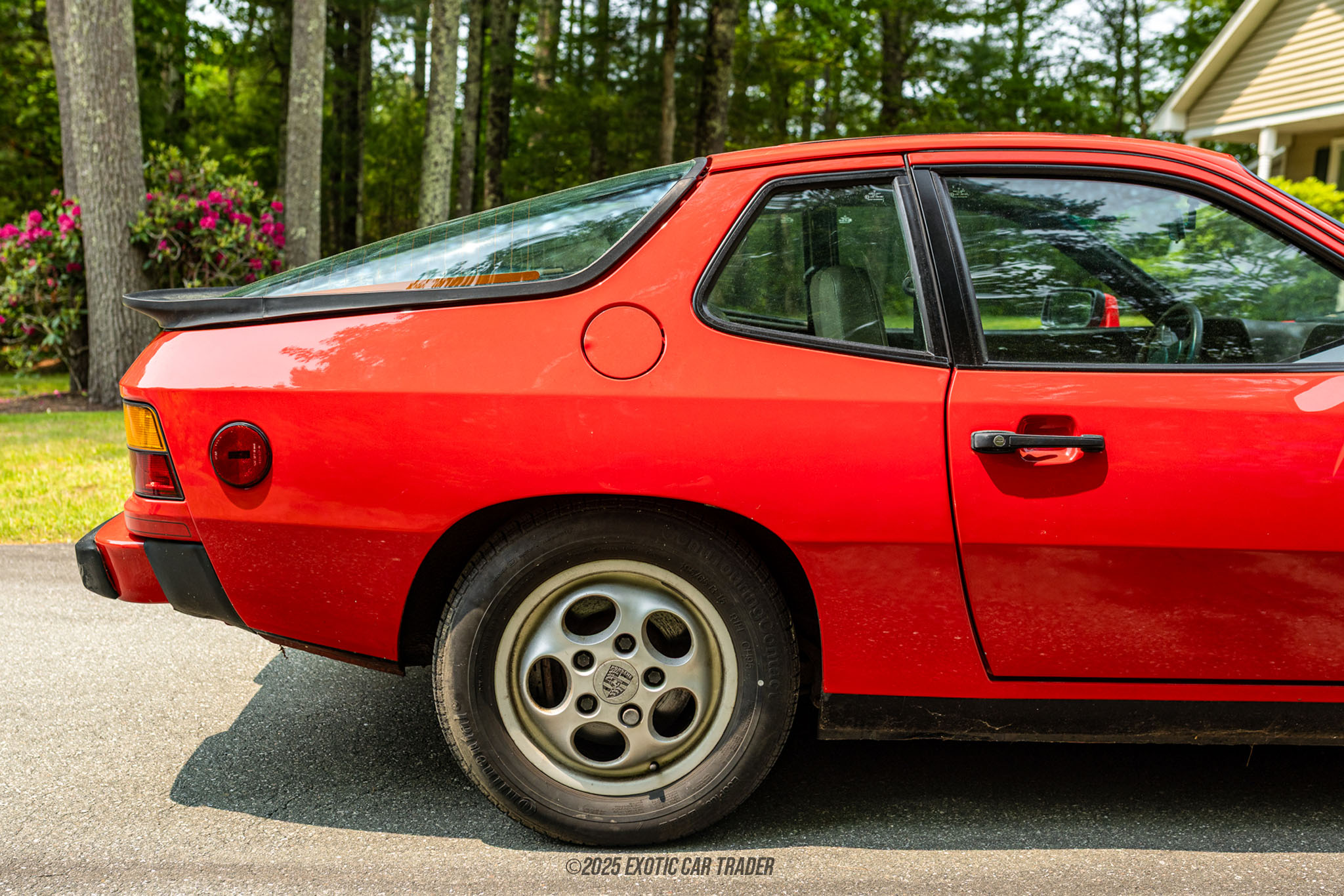
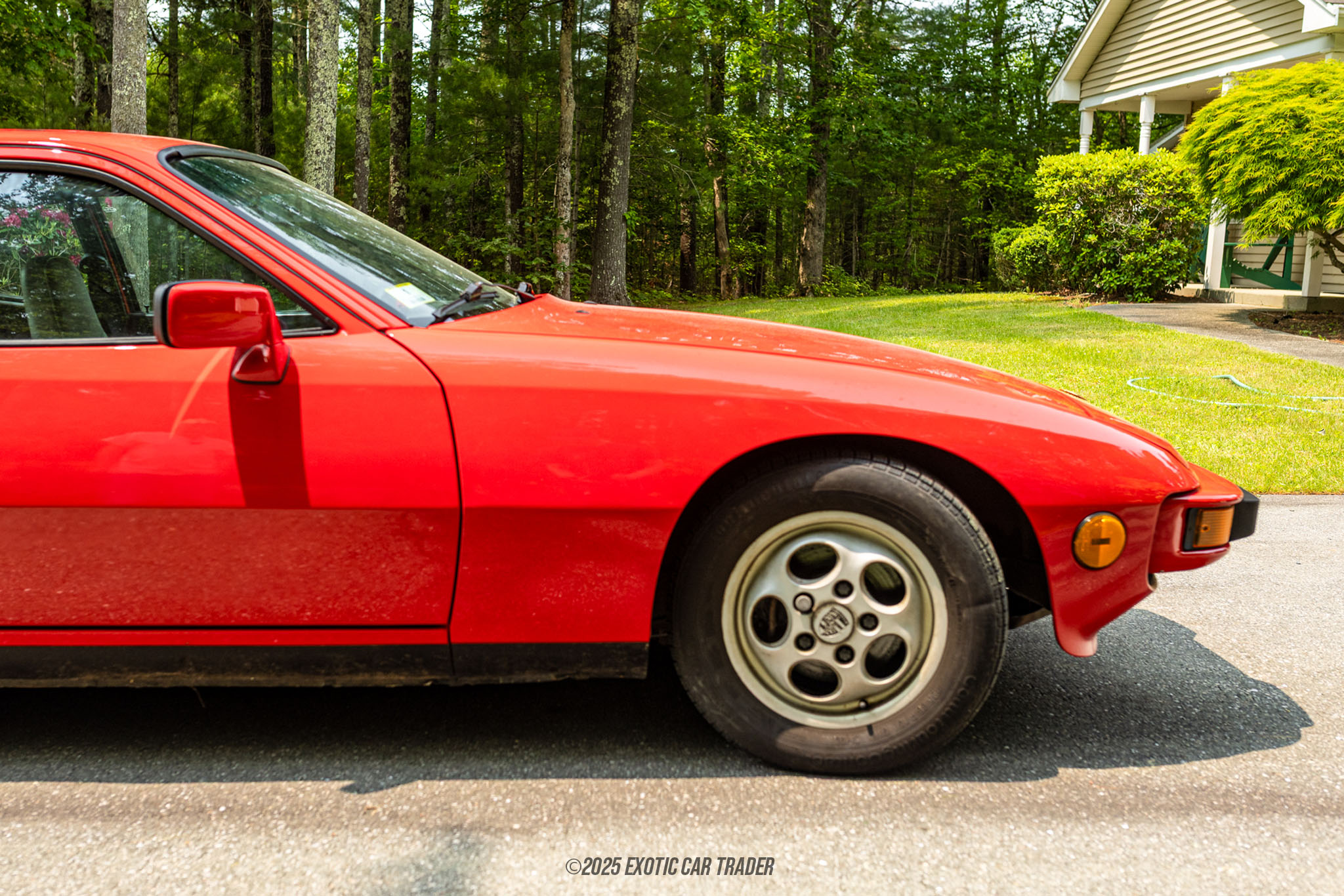
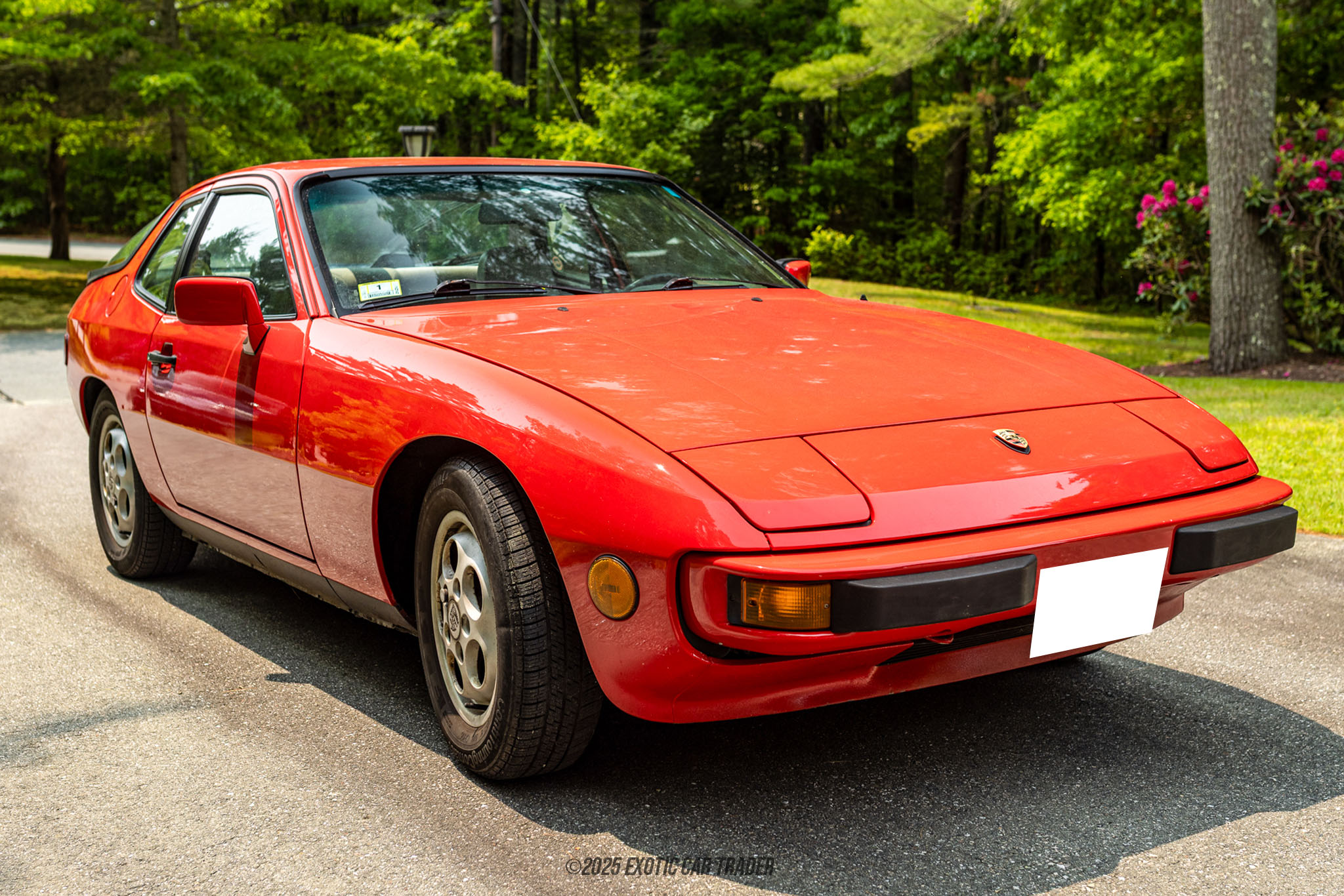
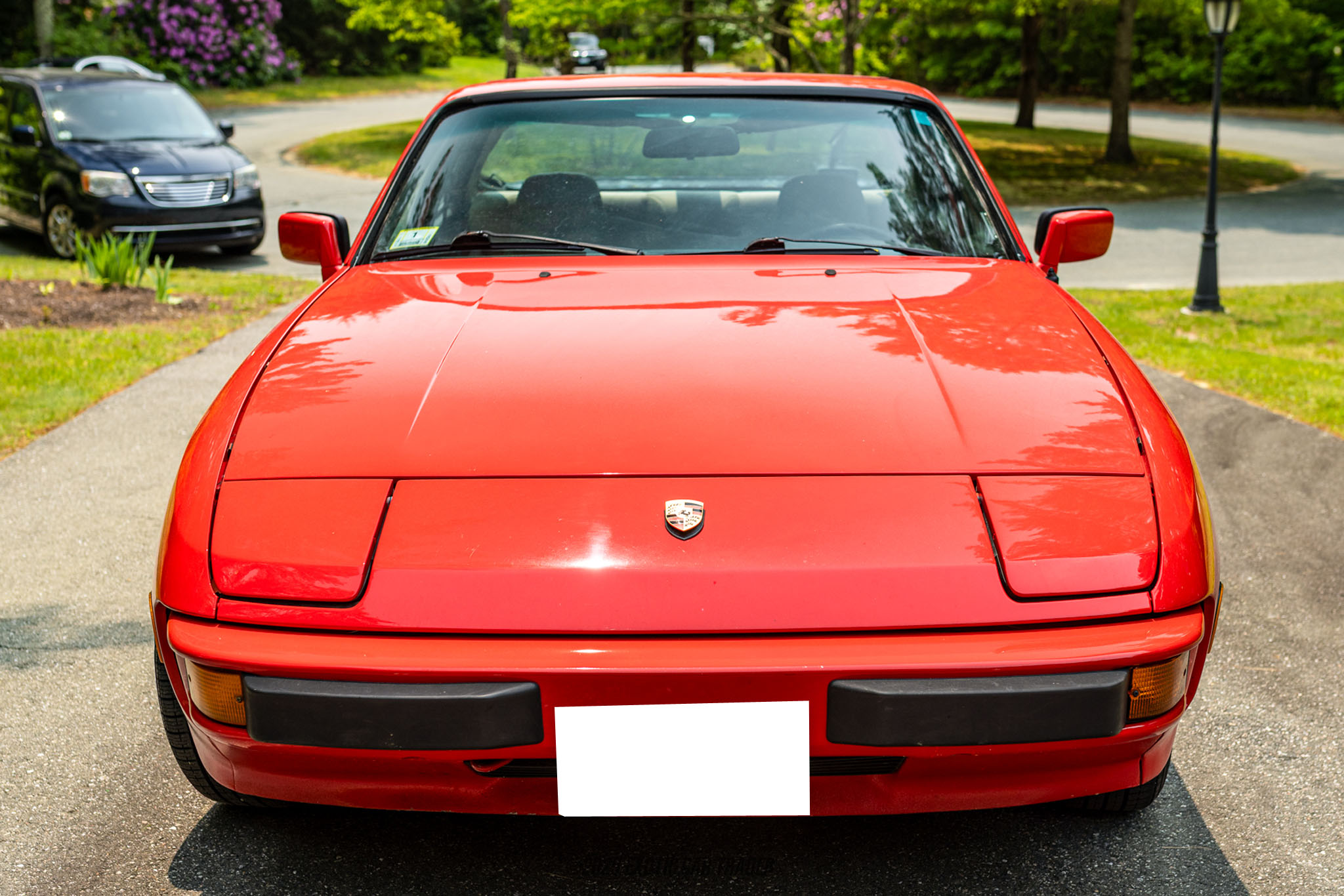
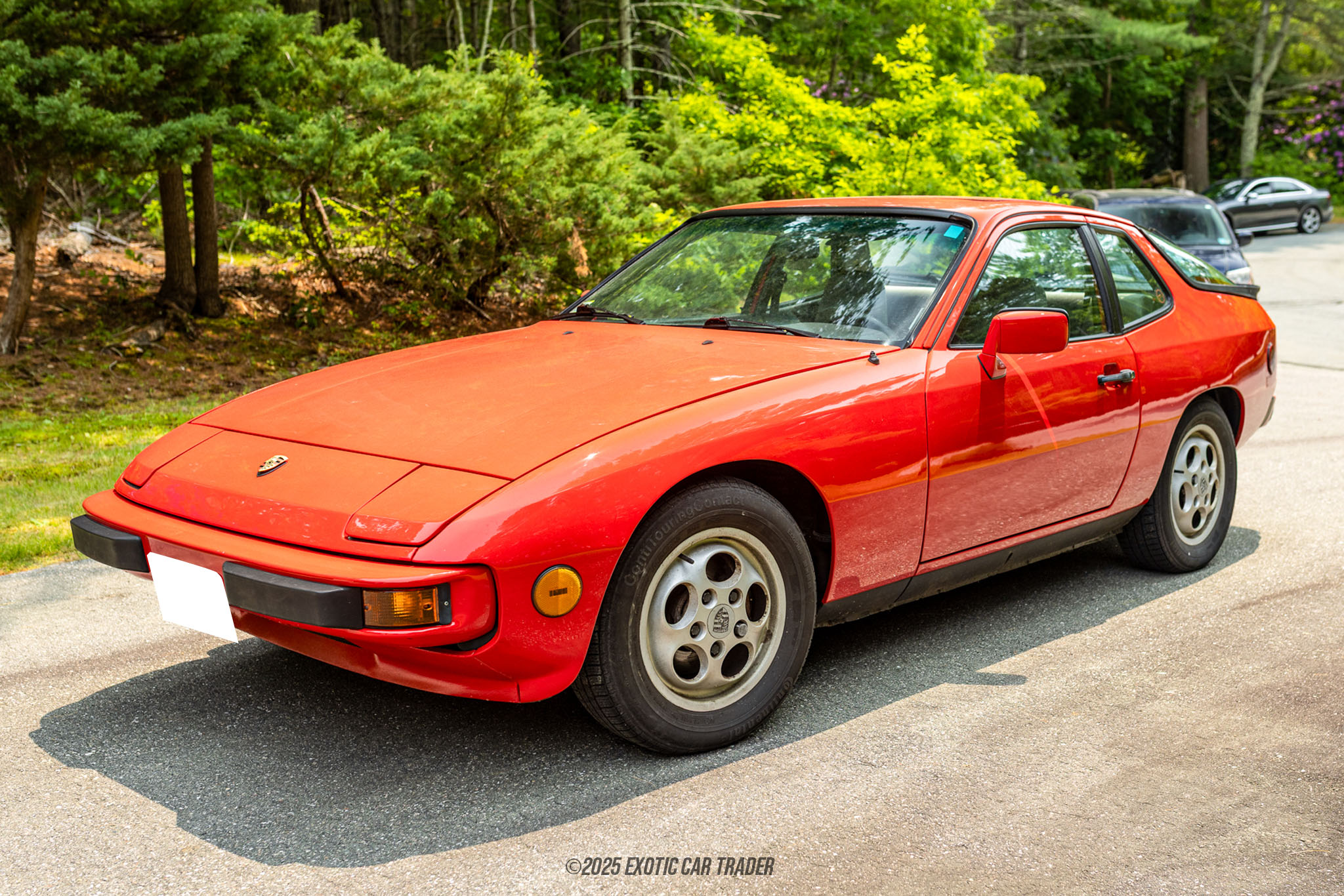
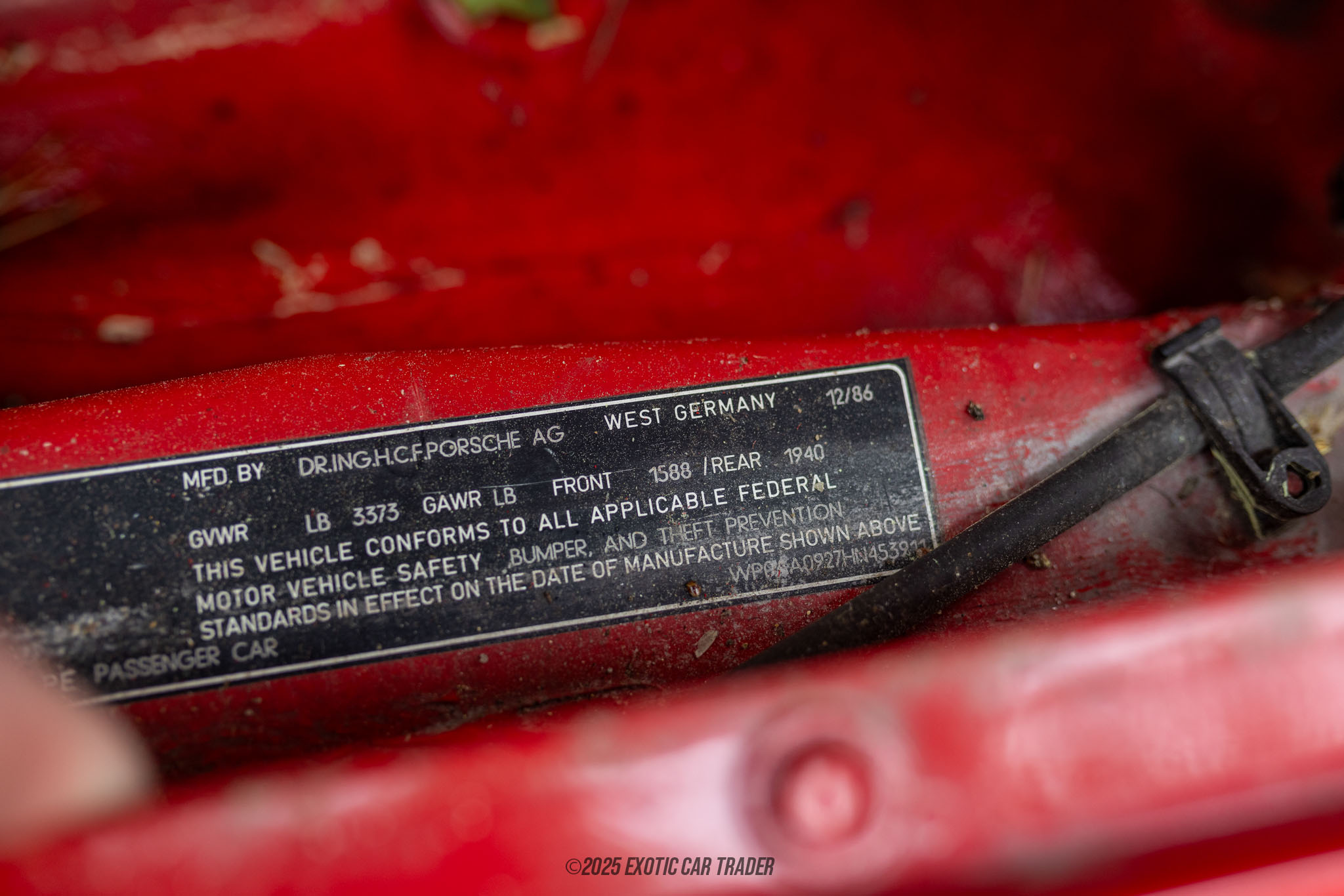
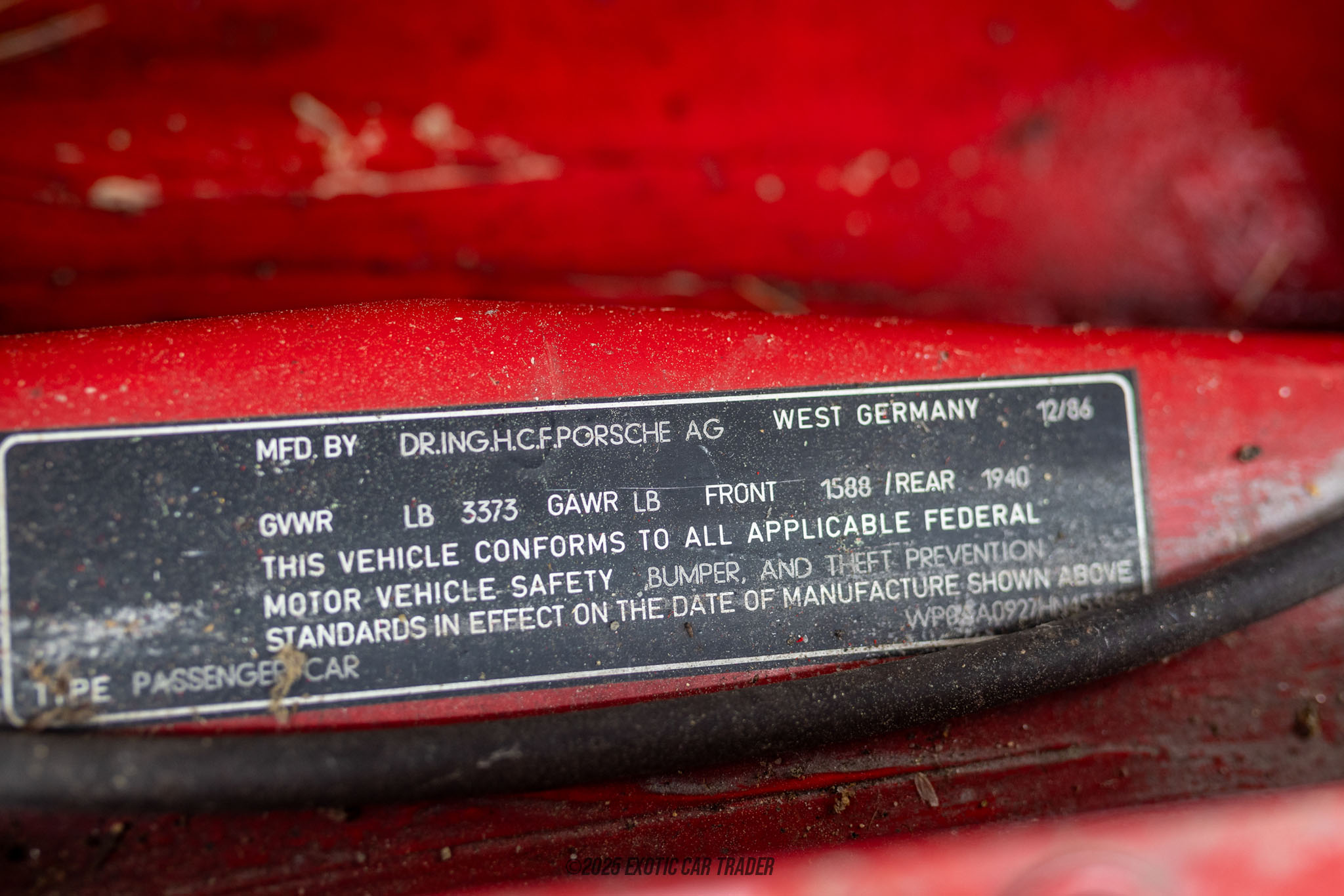
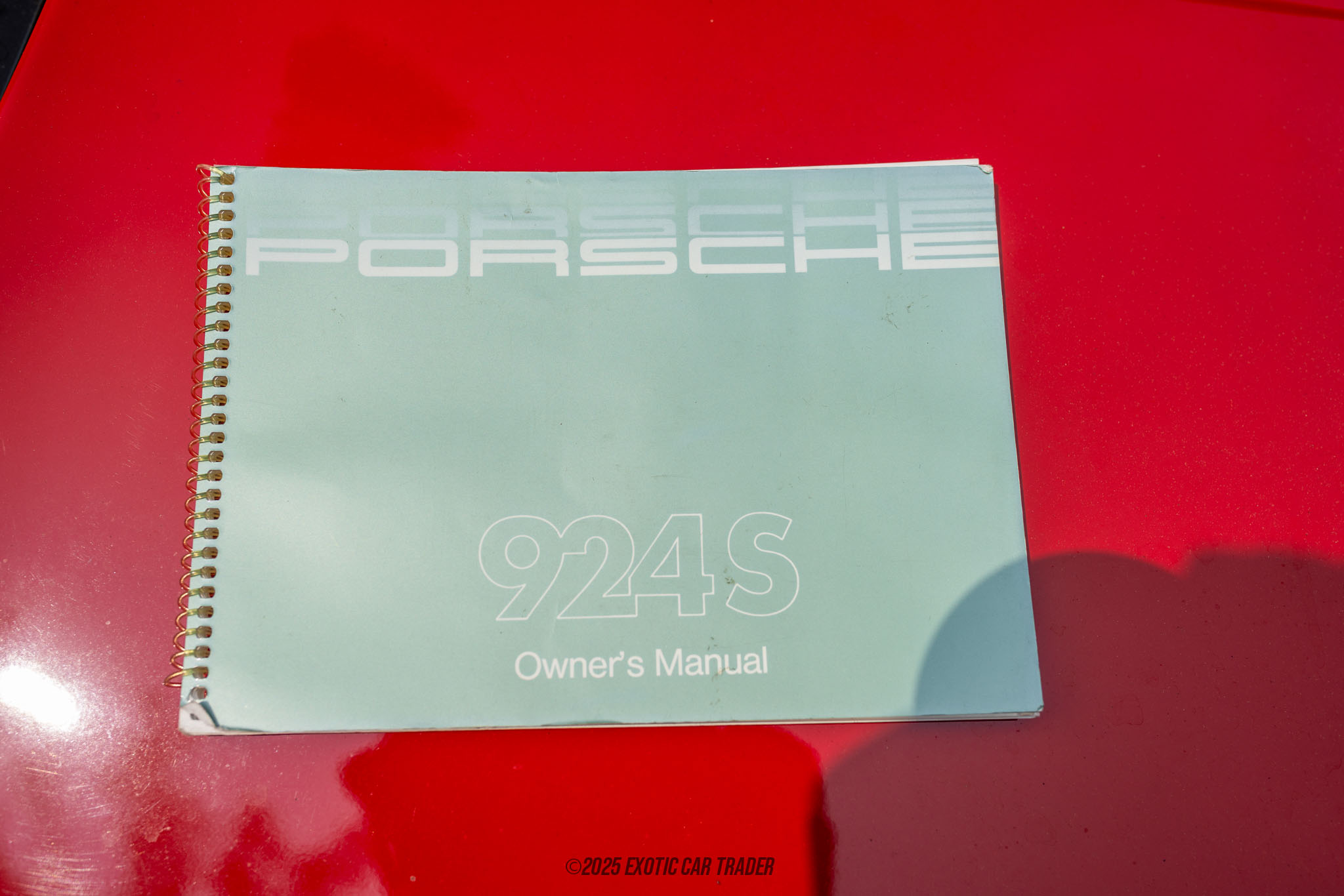
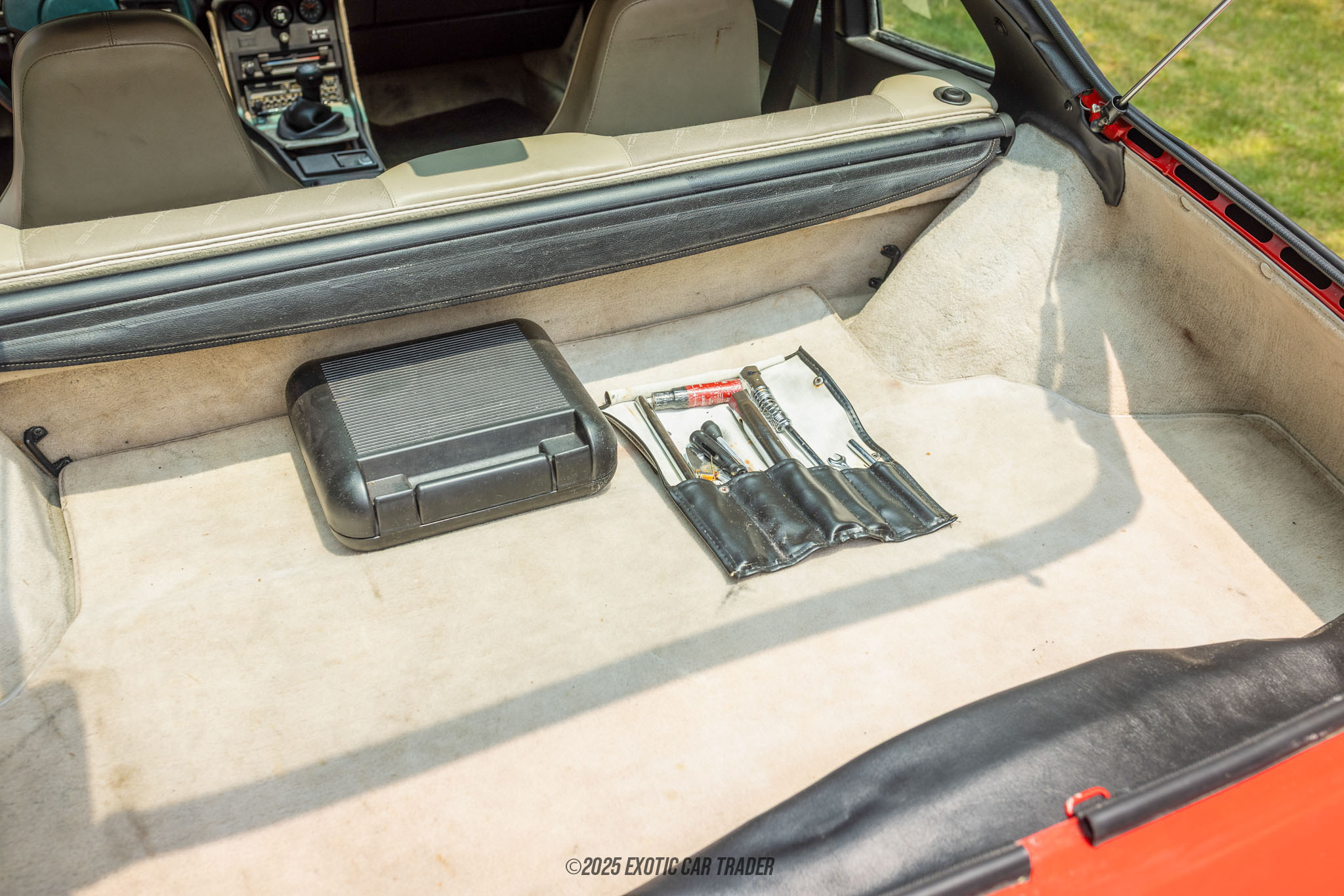
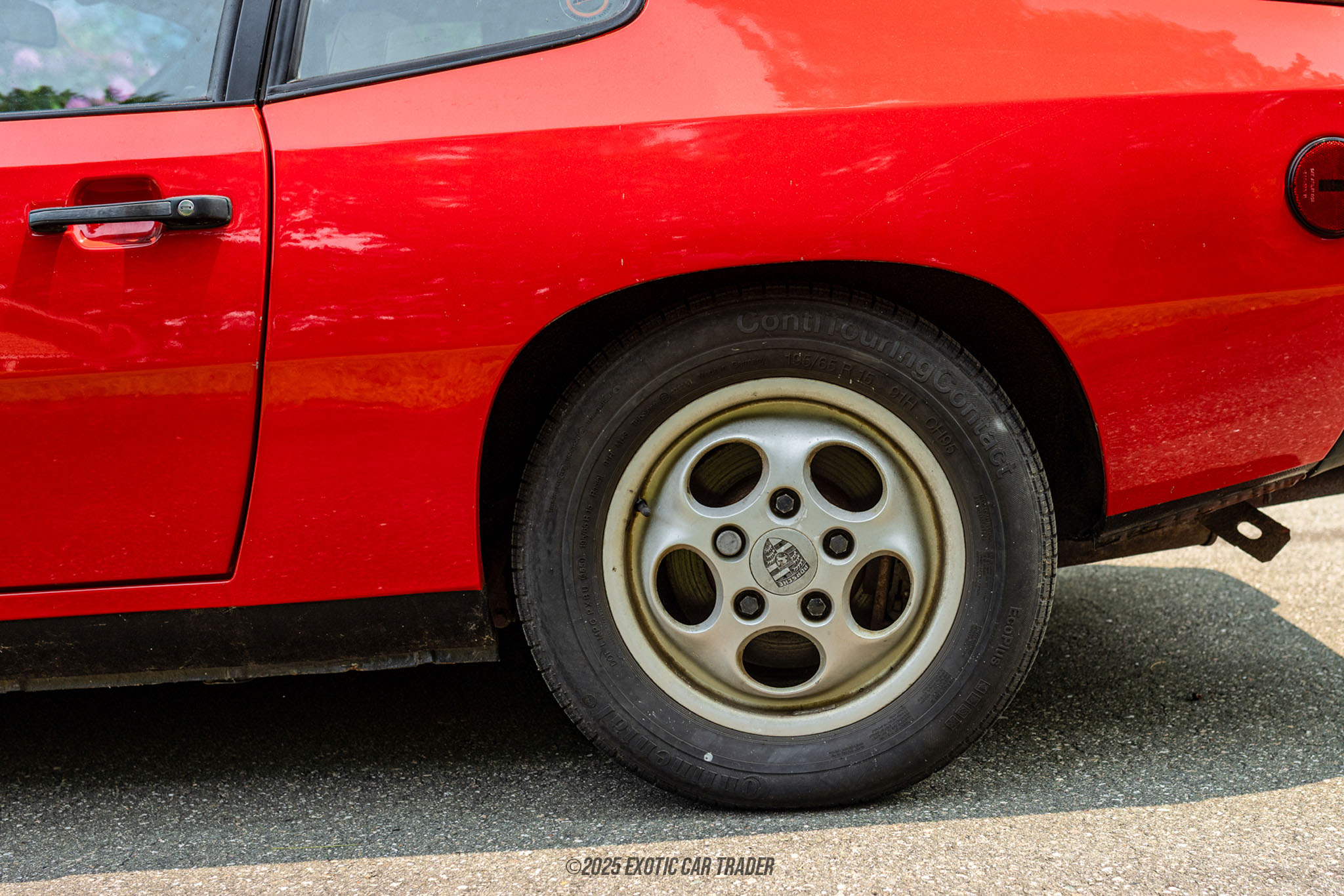
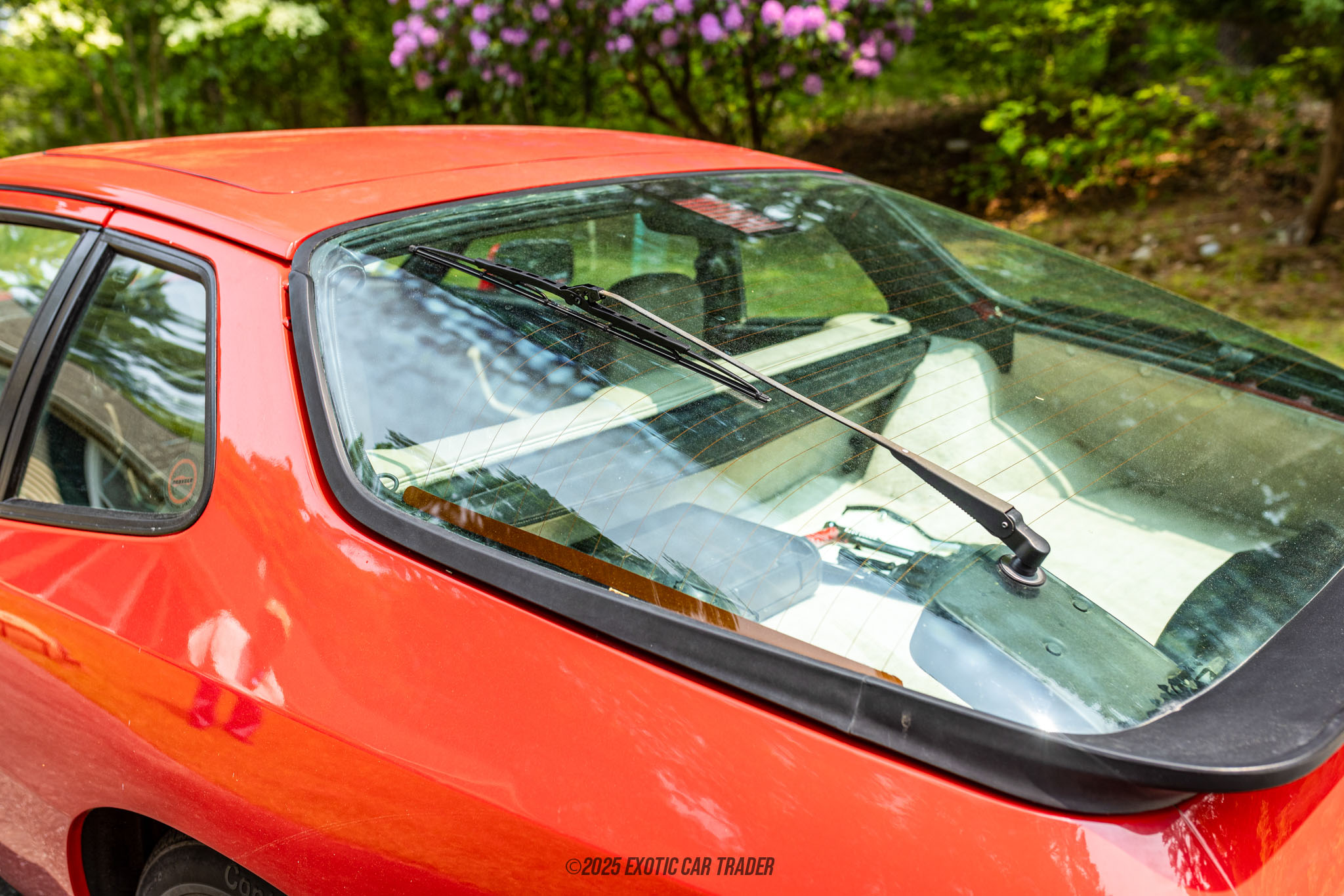
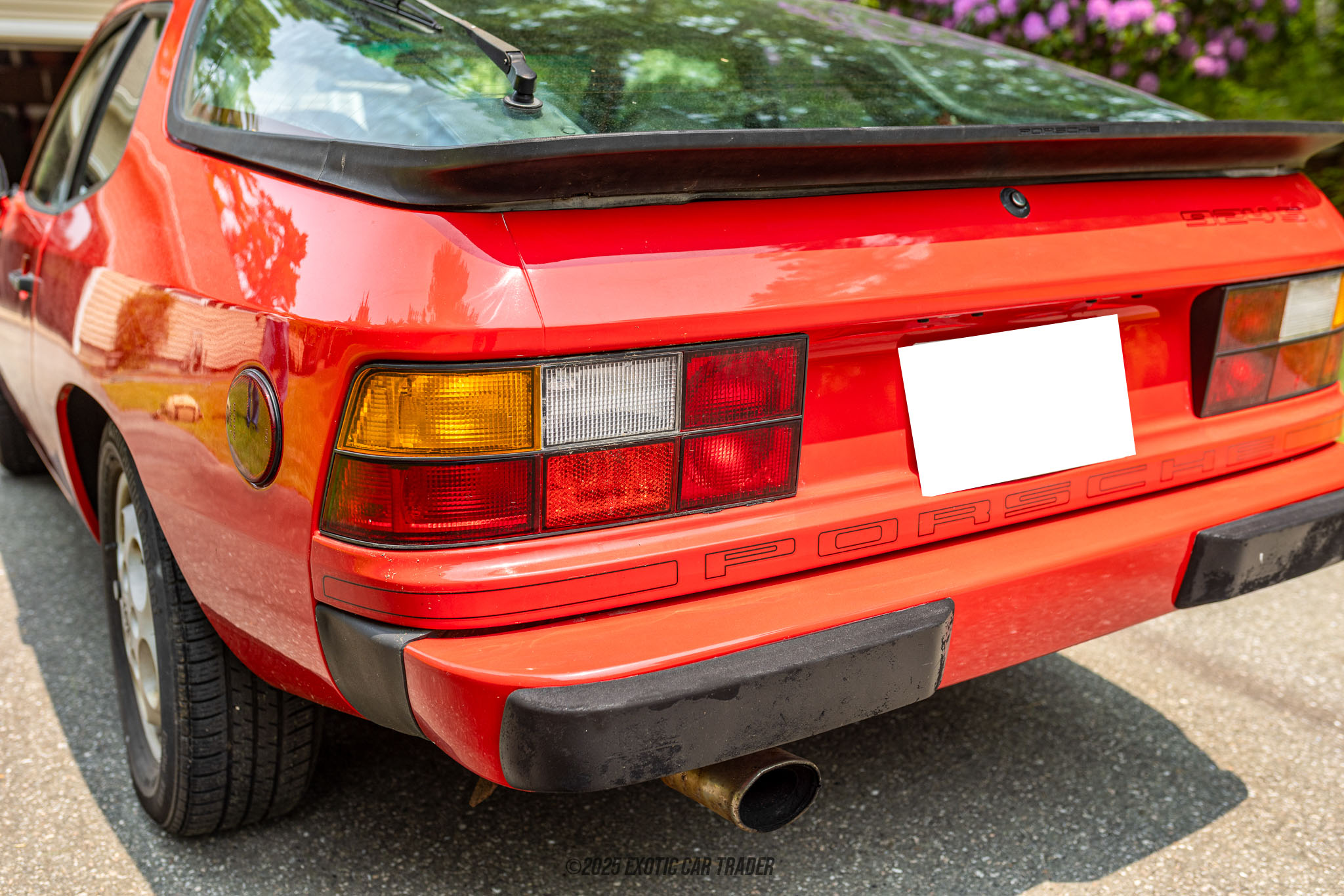
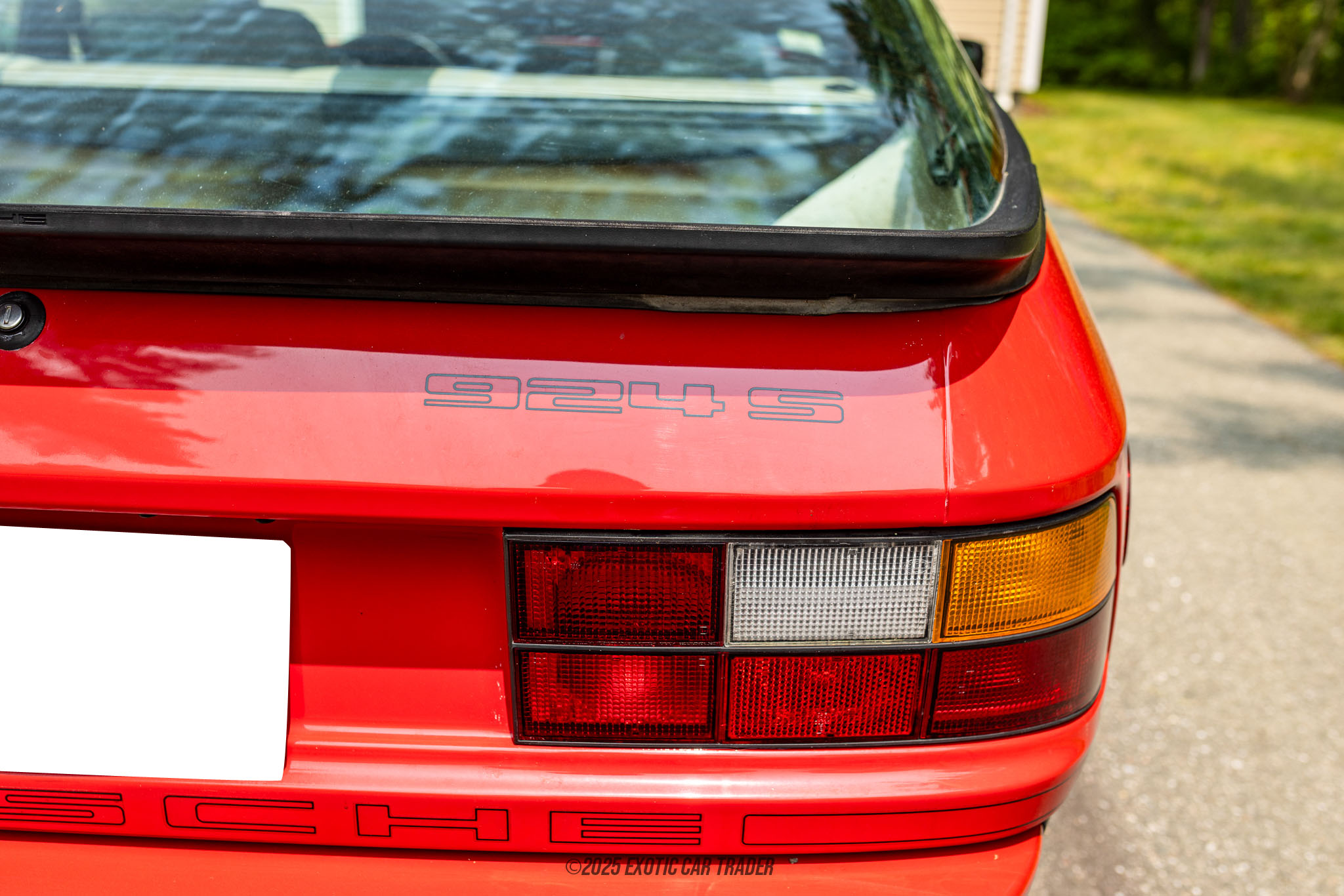
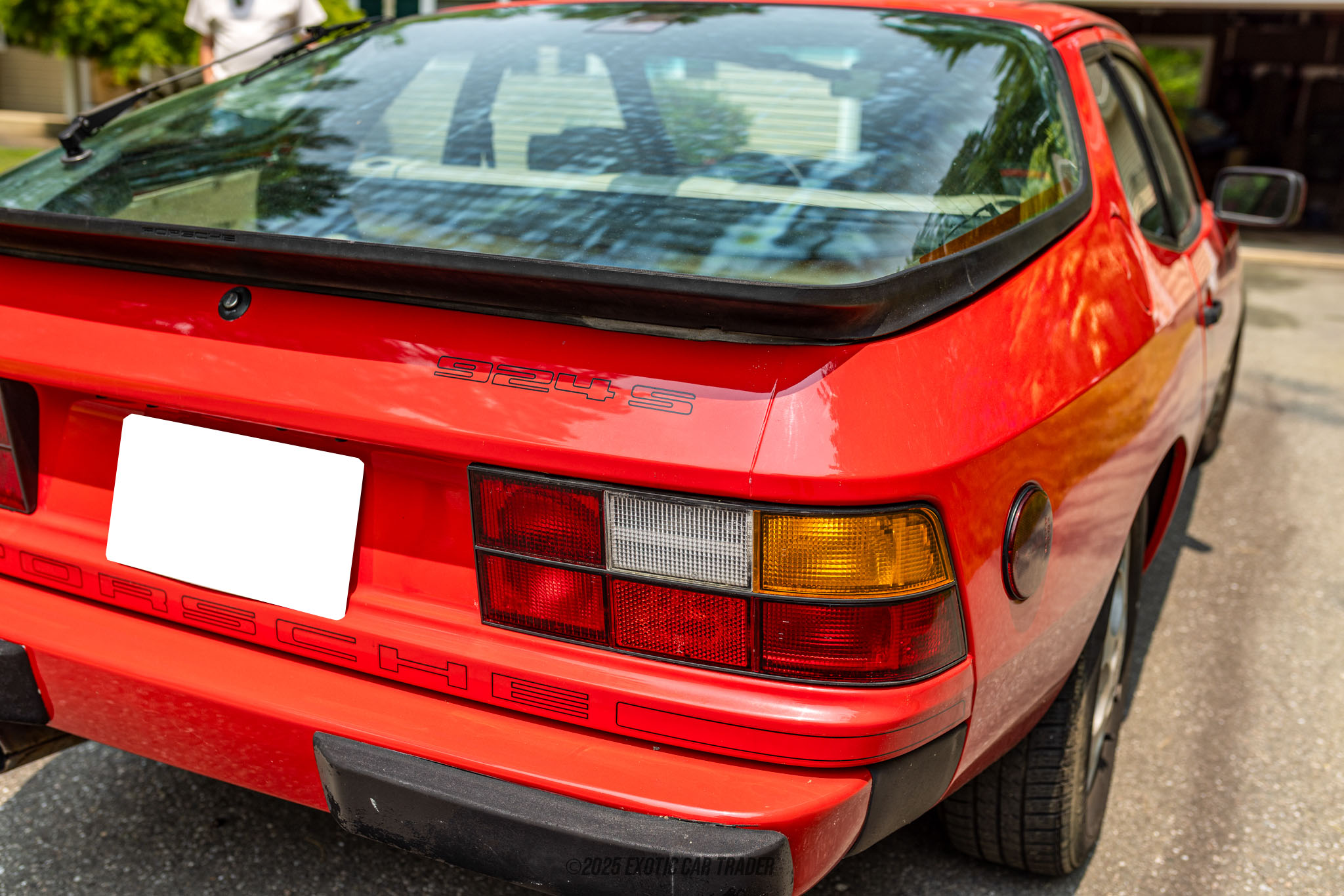
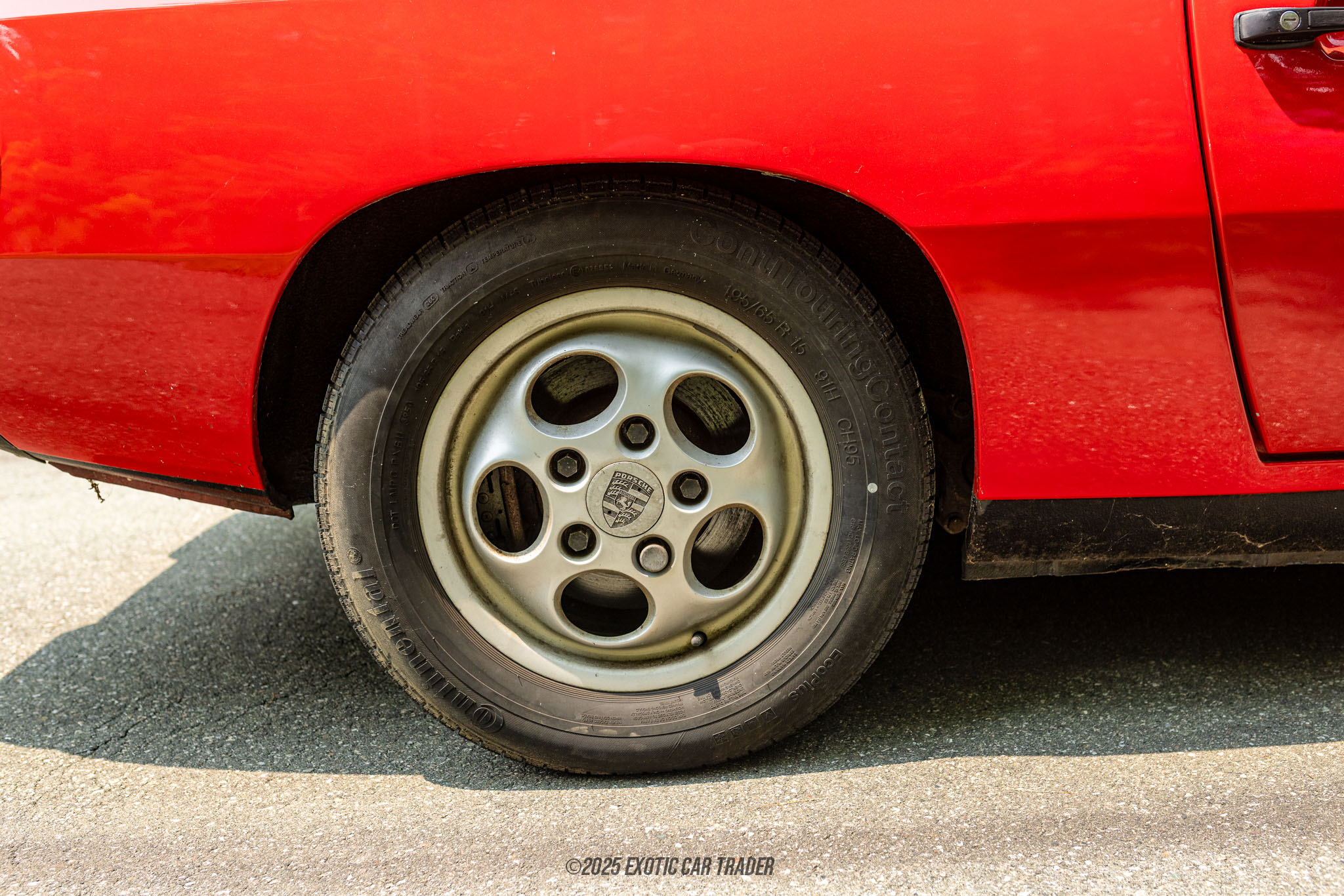
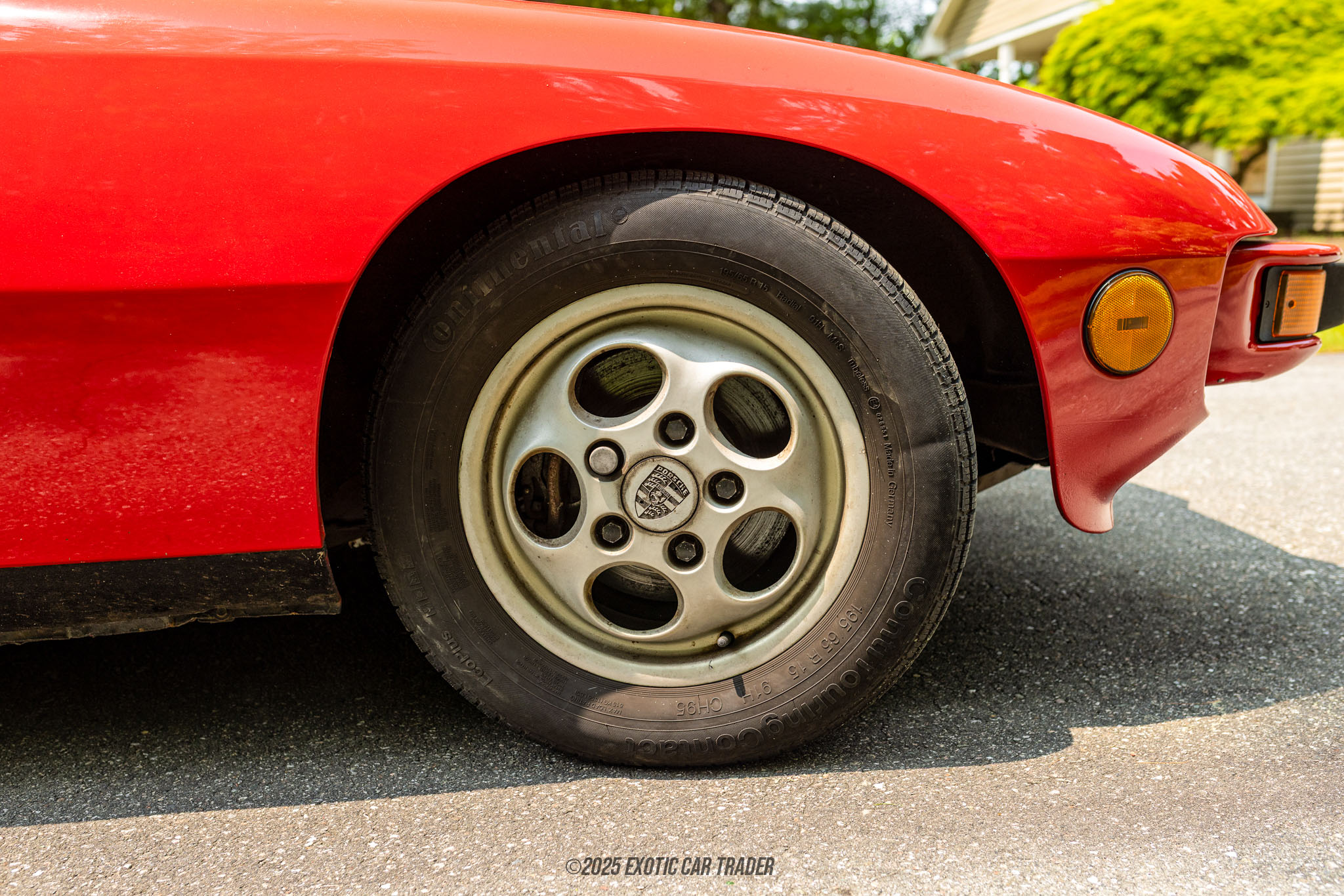
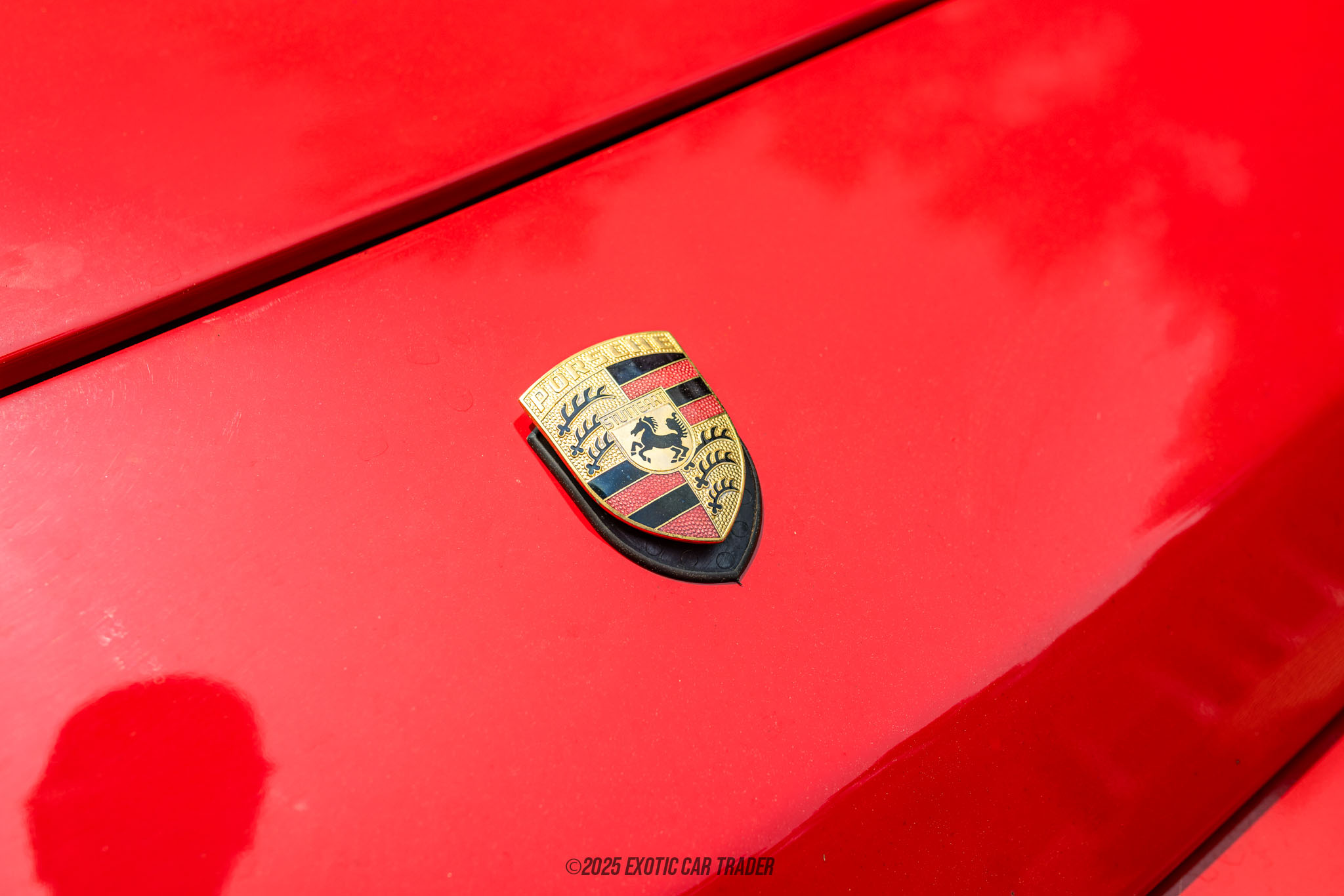
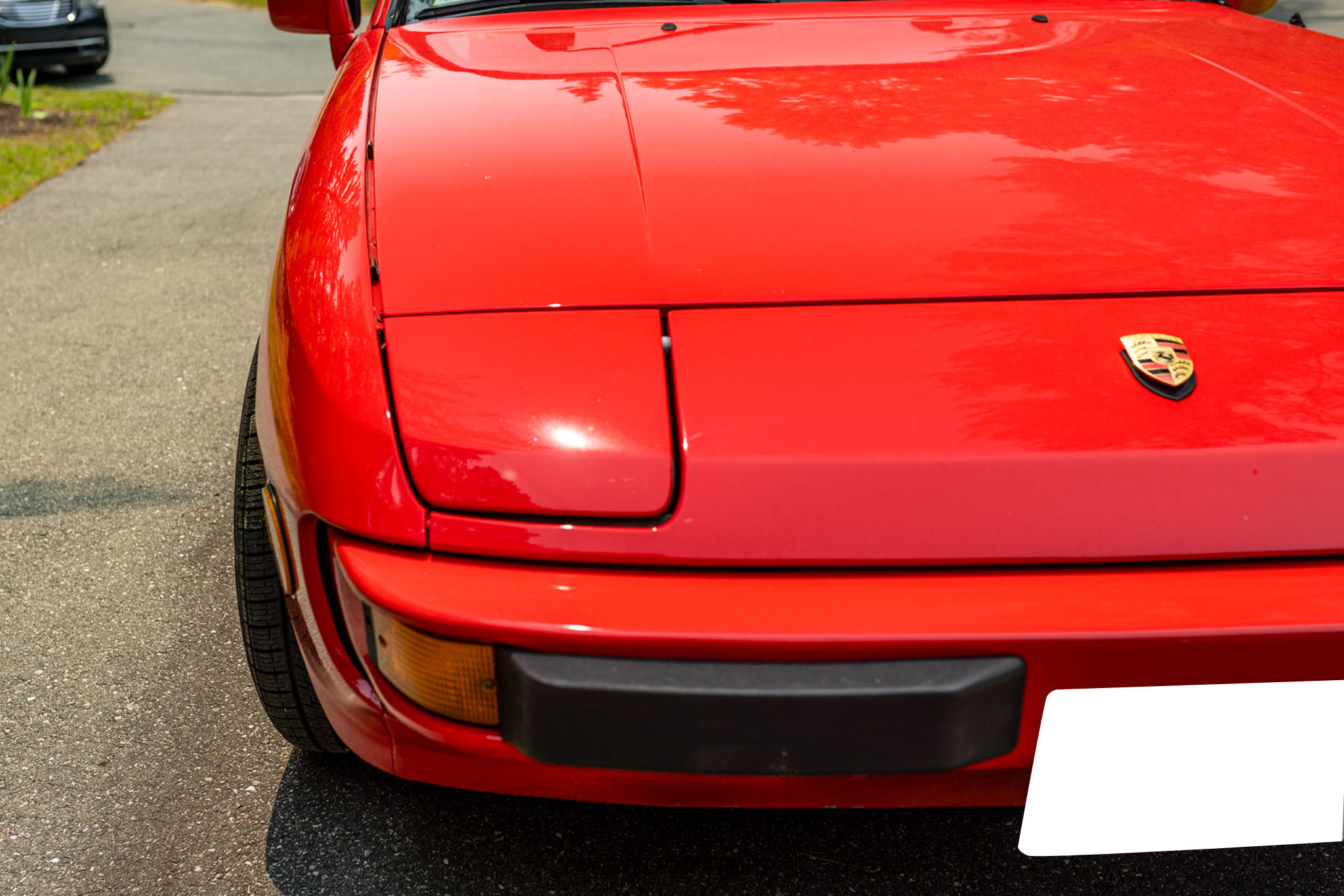
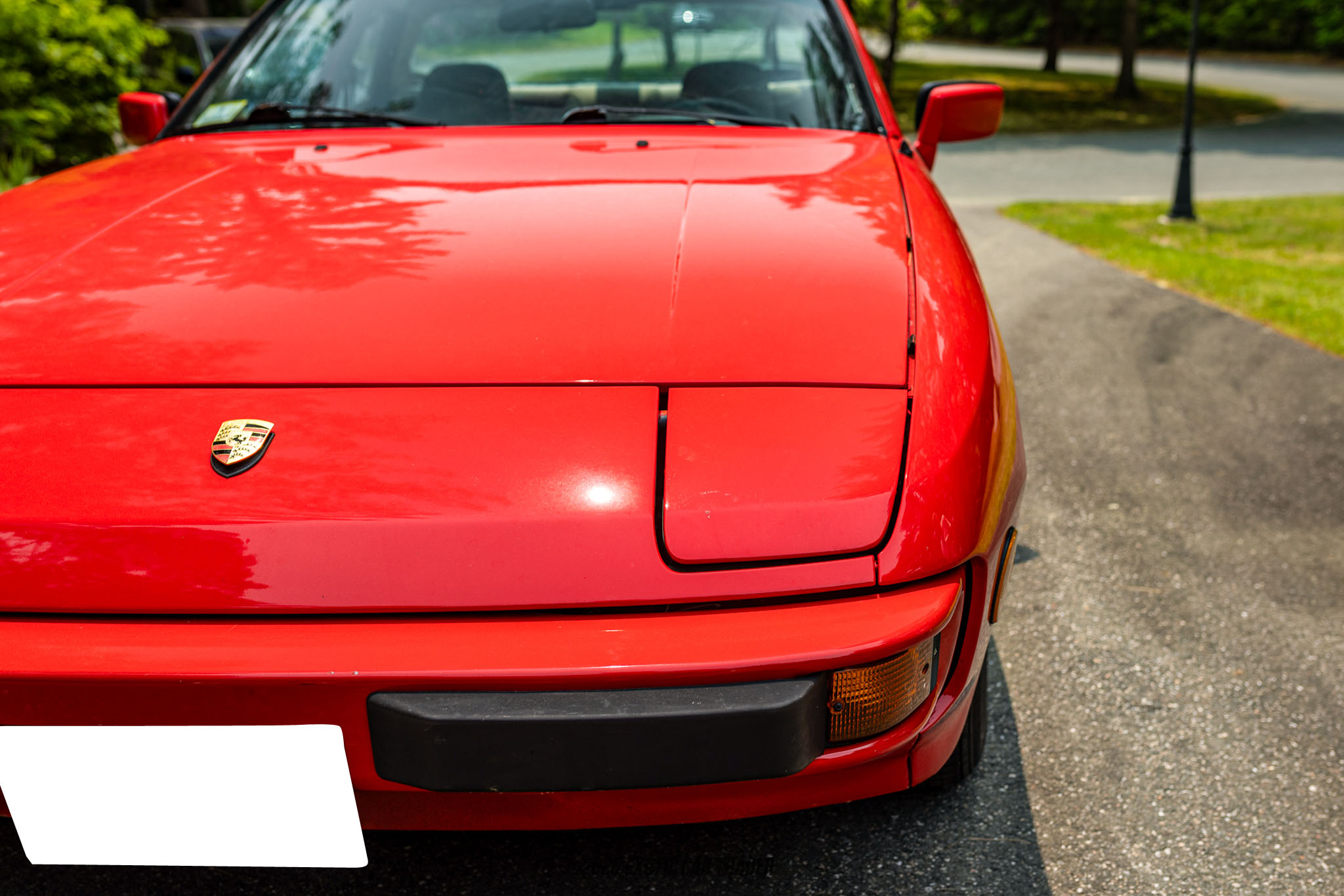
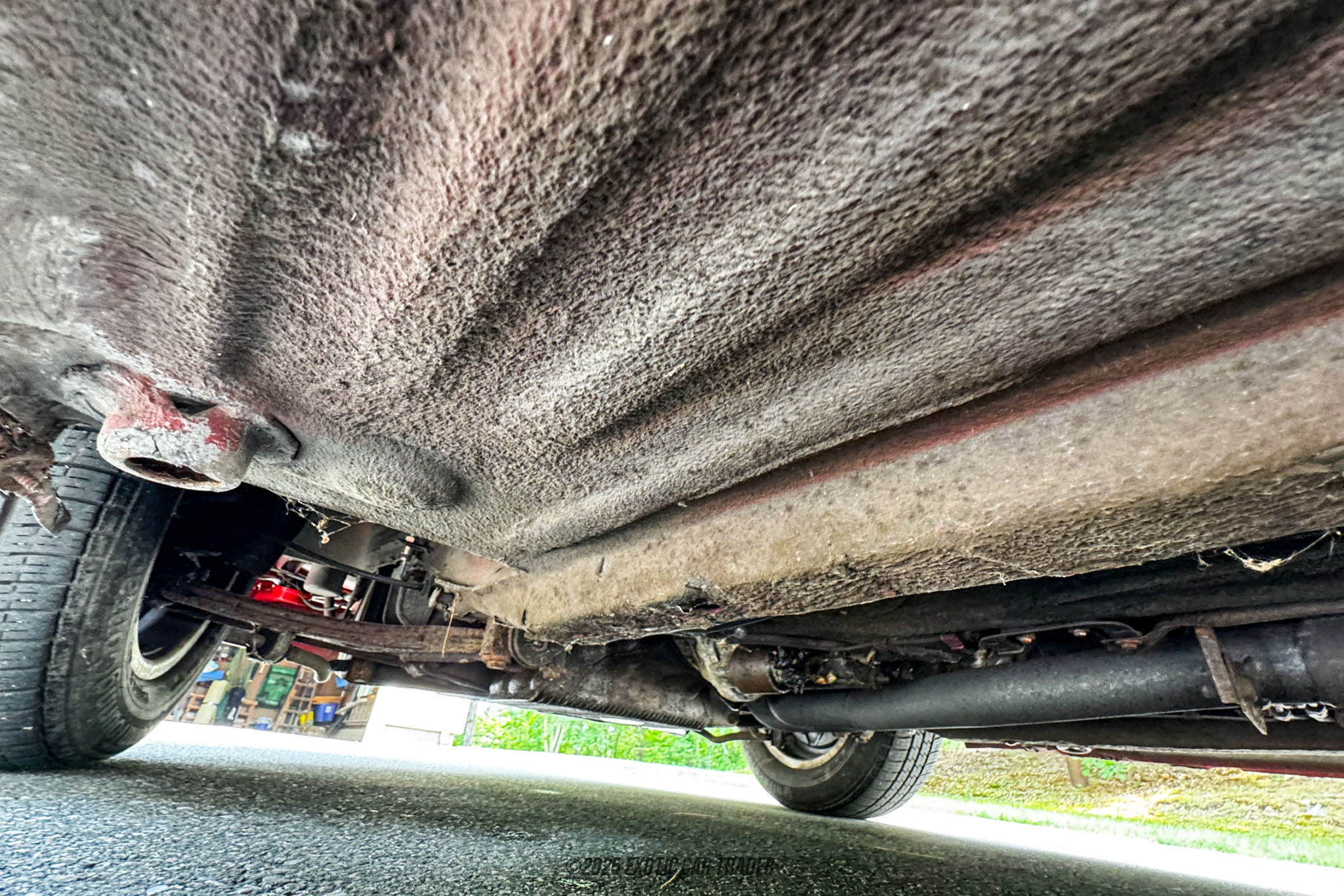
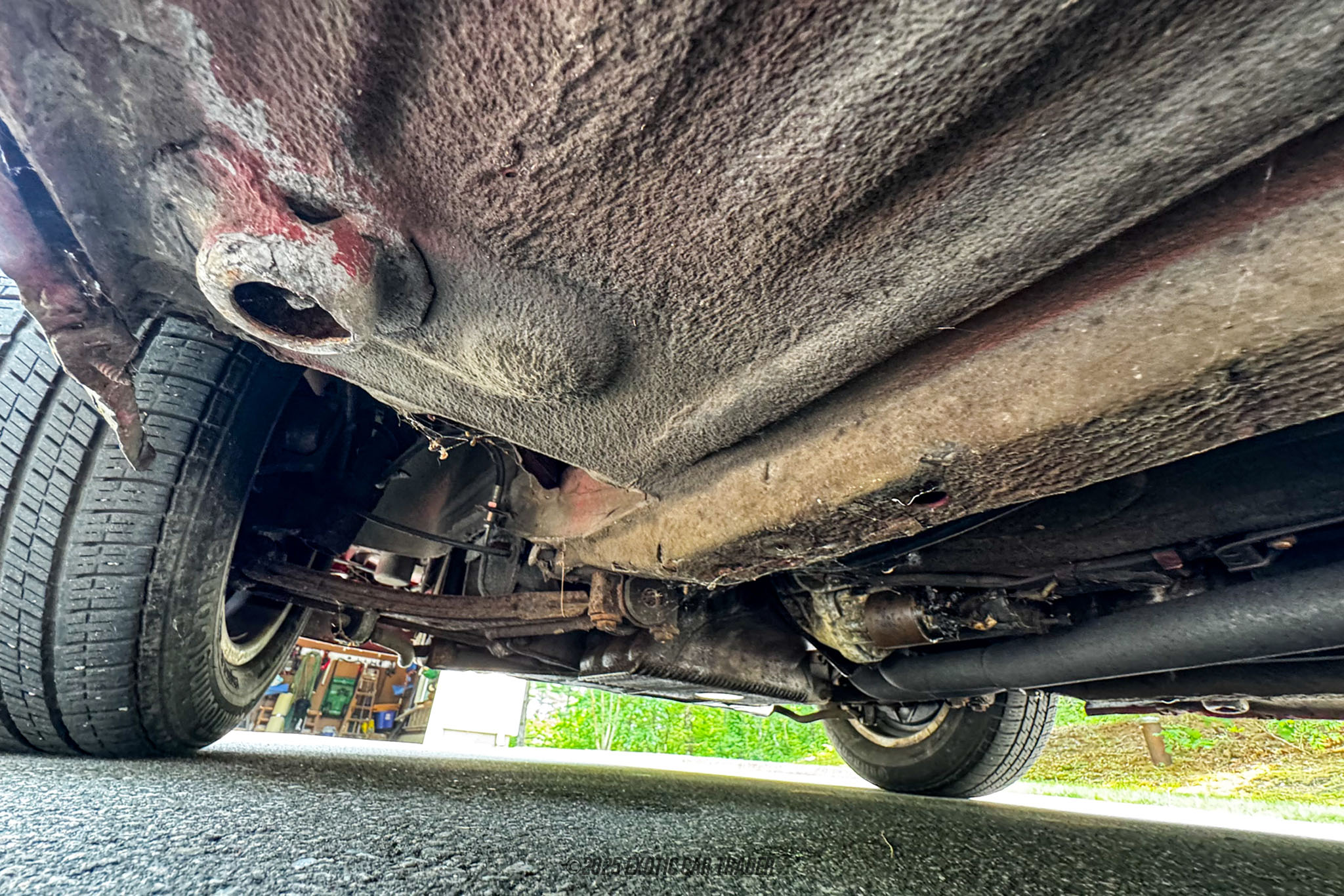
- 1987 Porsche 924 S
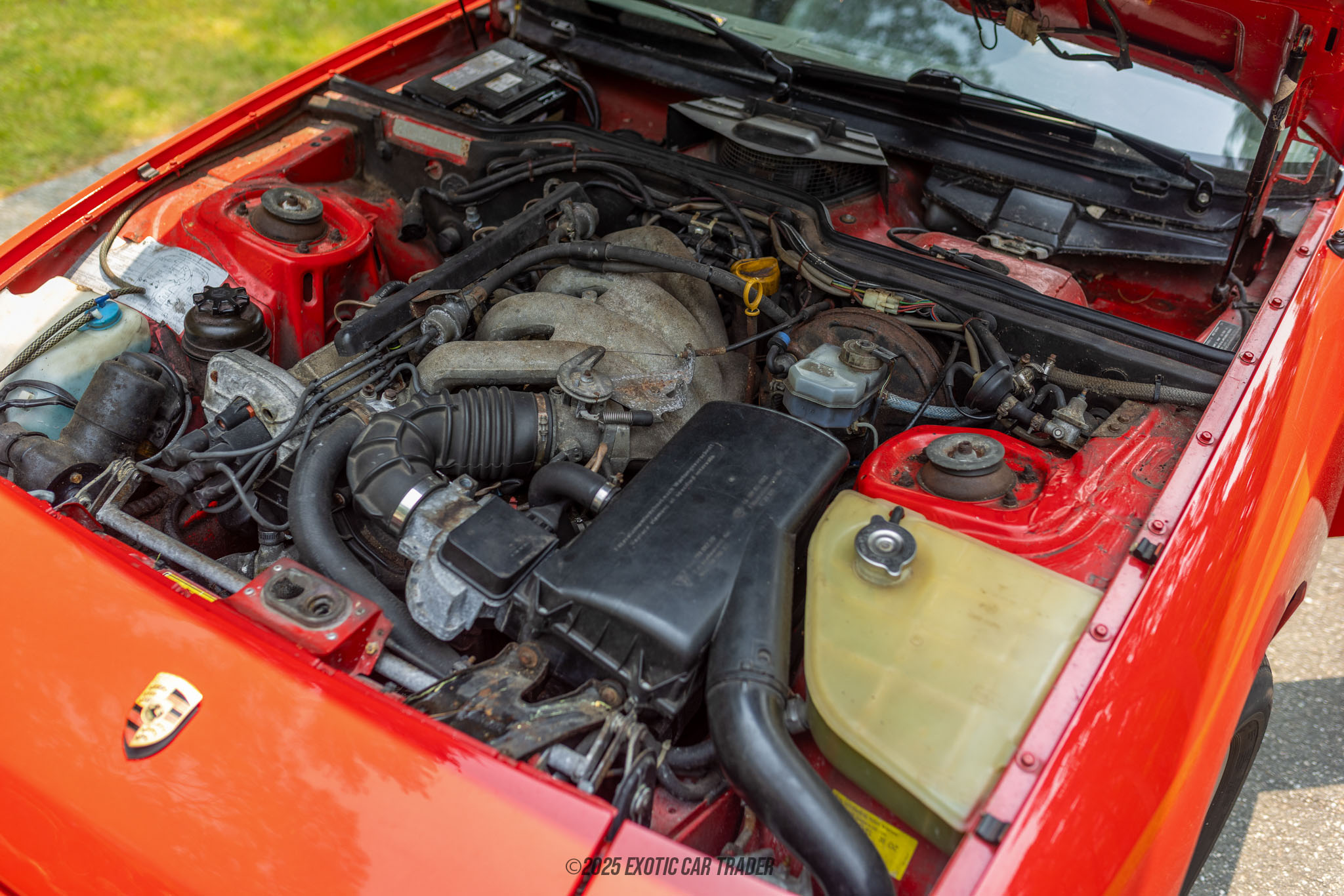
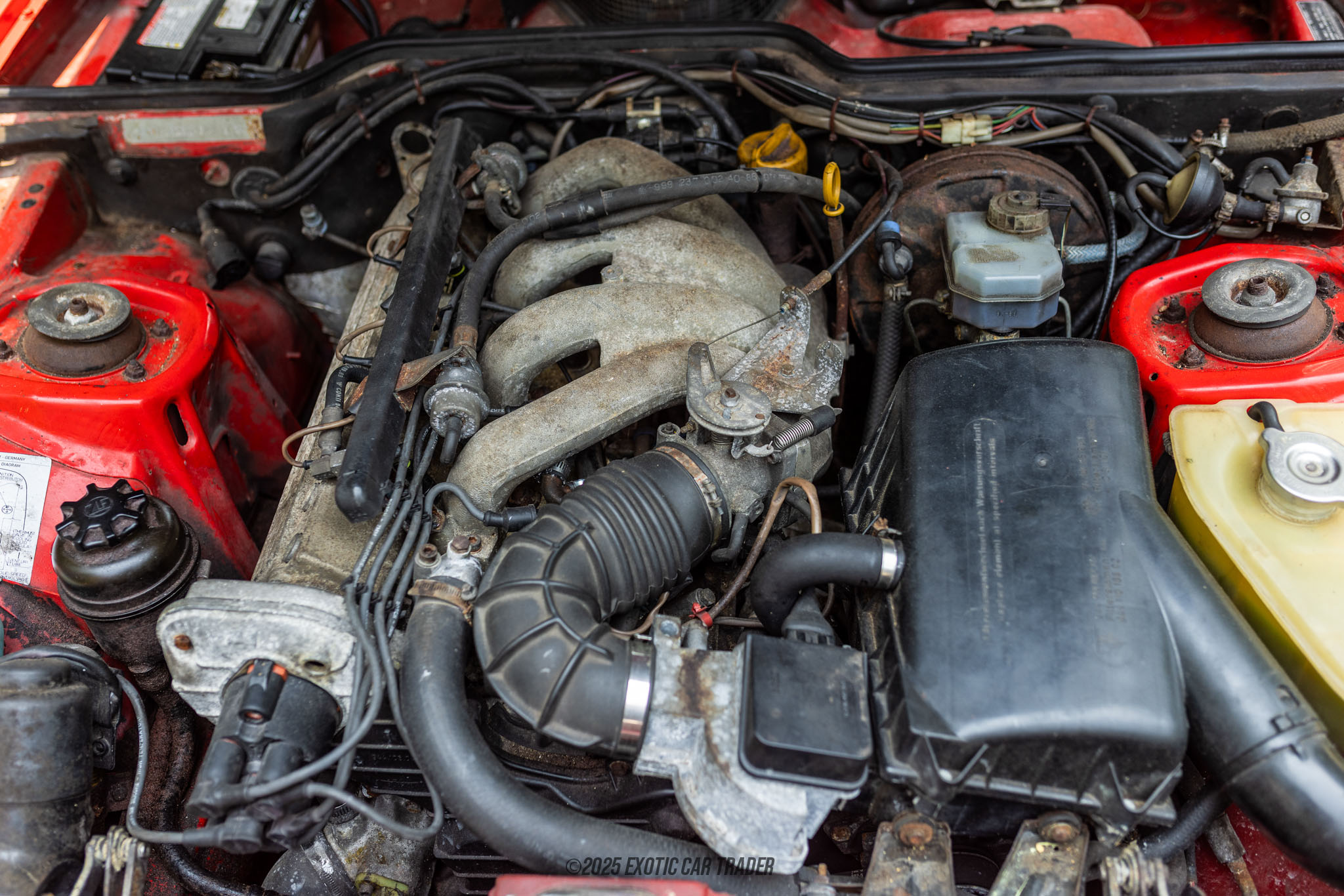
- 2.5L Naturally Aspirated I4
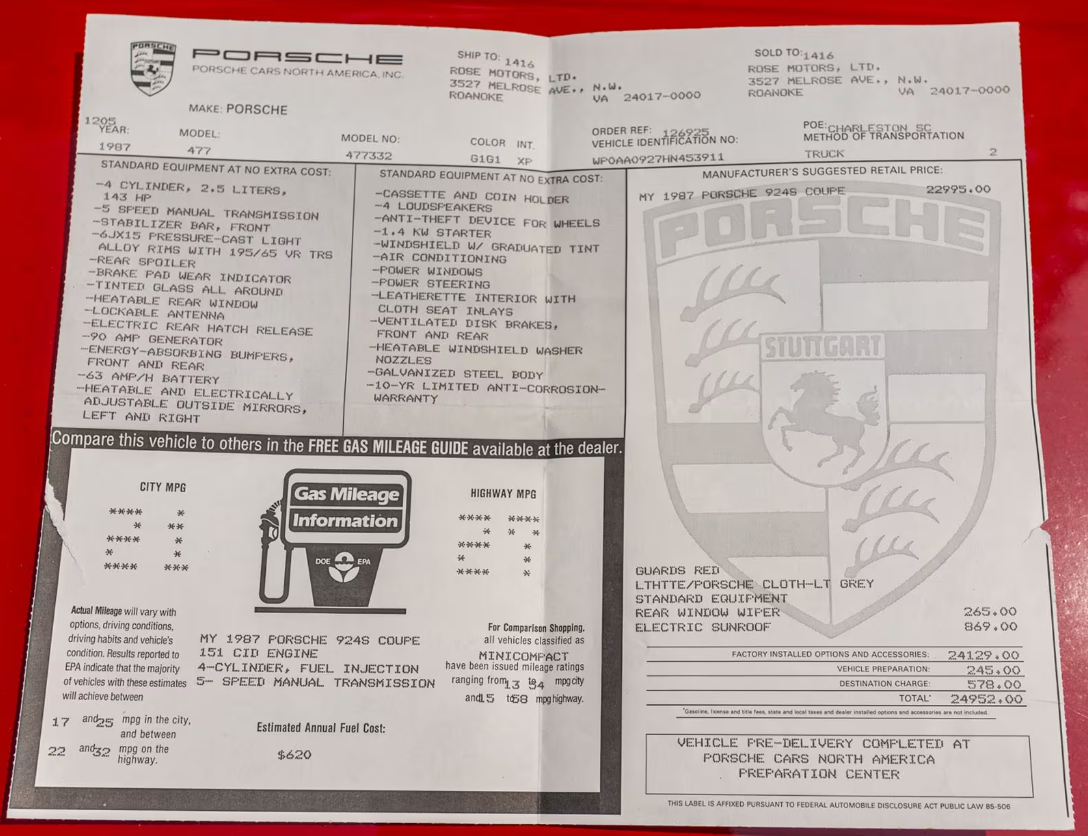
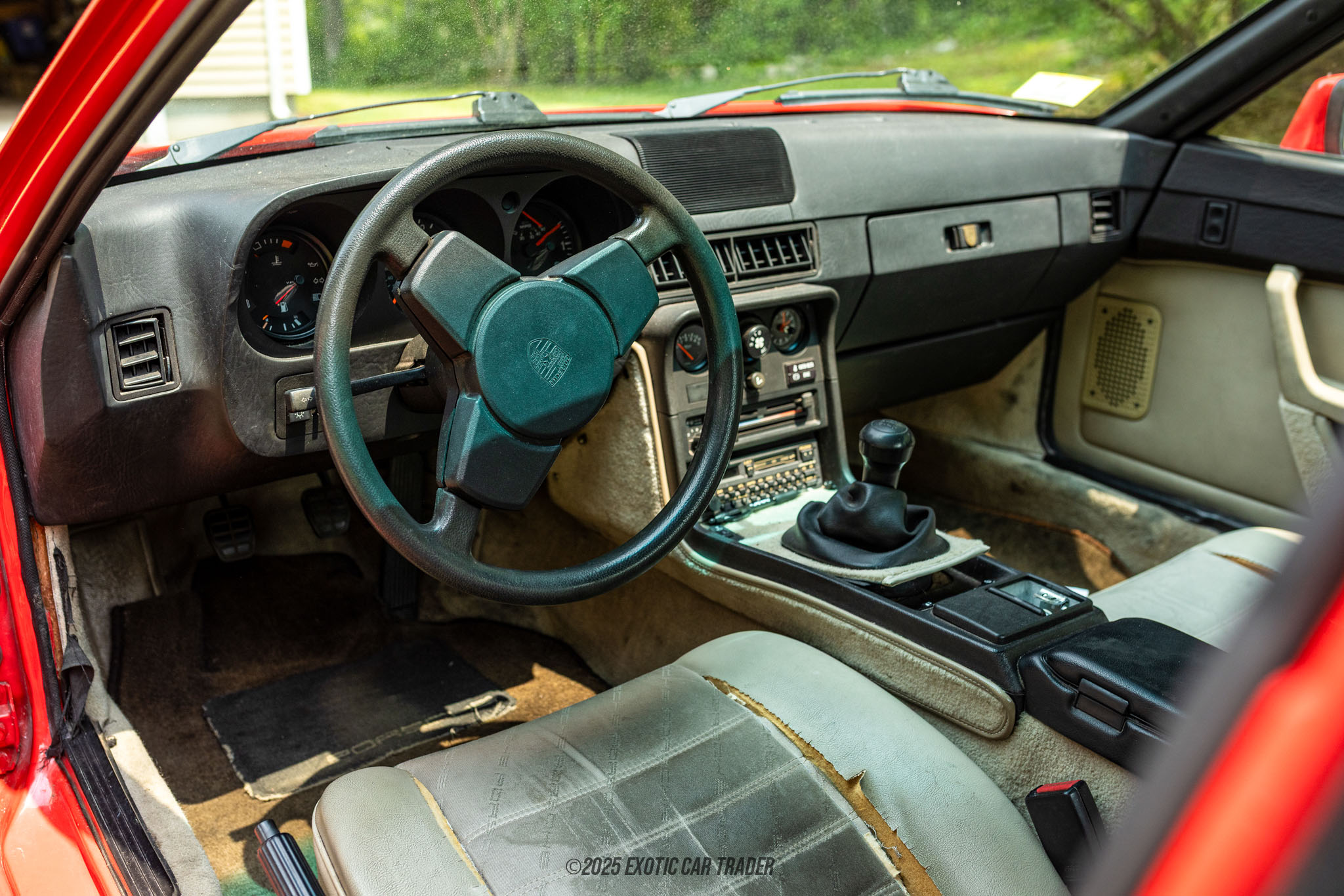
- 5-Speed Manual
- RWD
- Guards Red Exterior
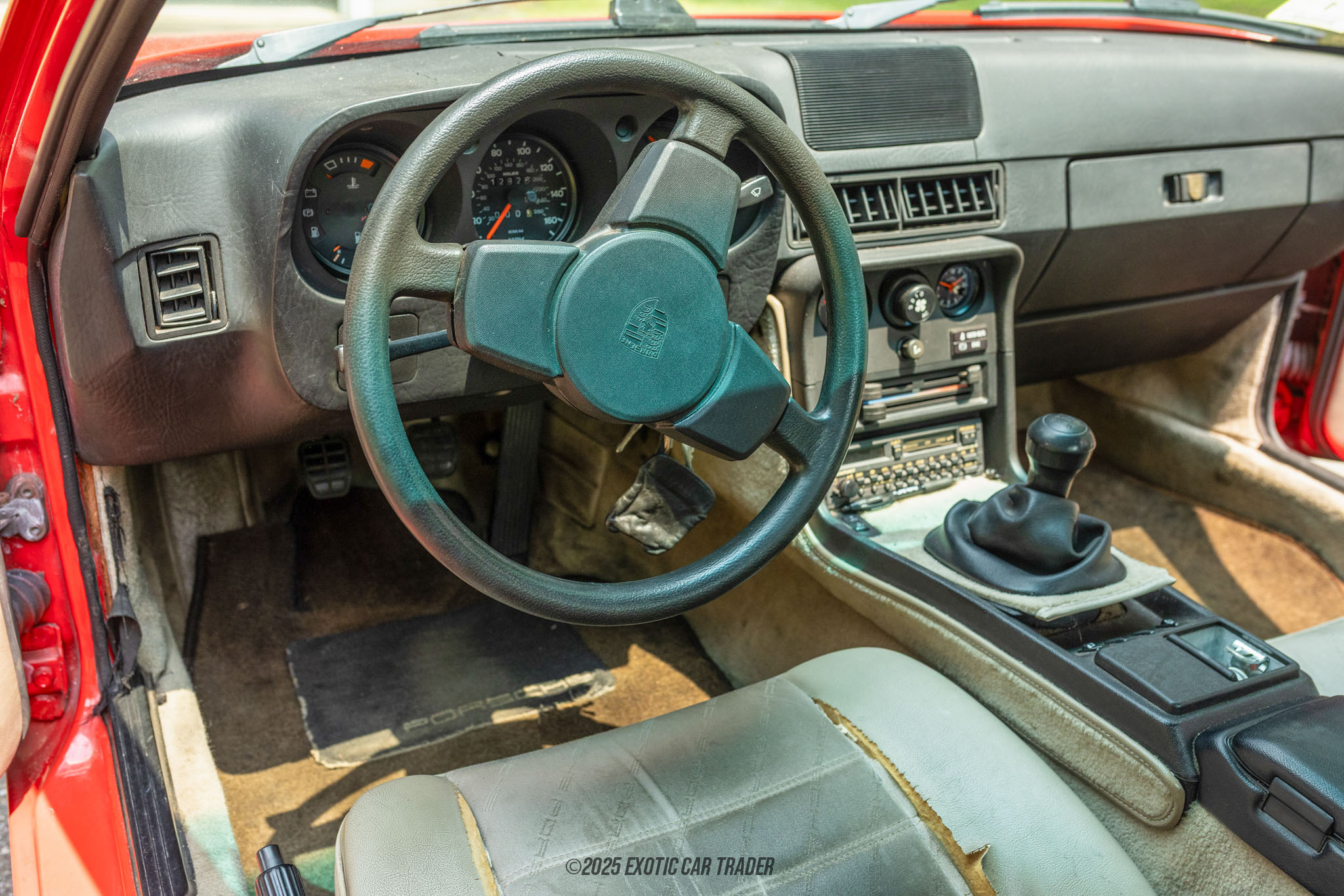
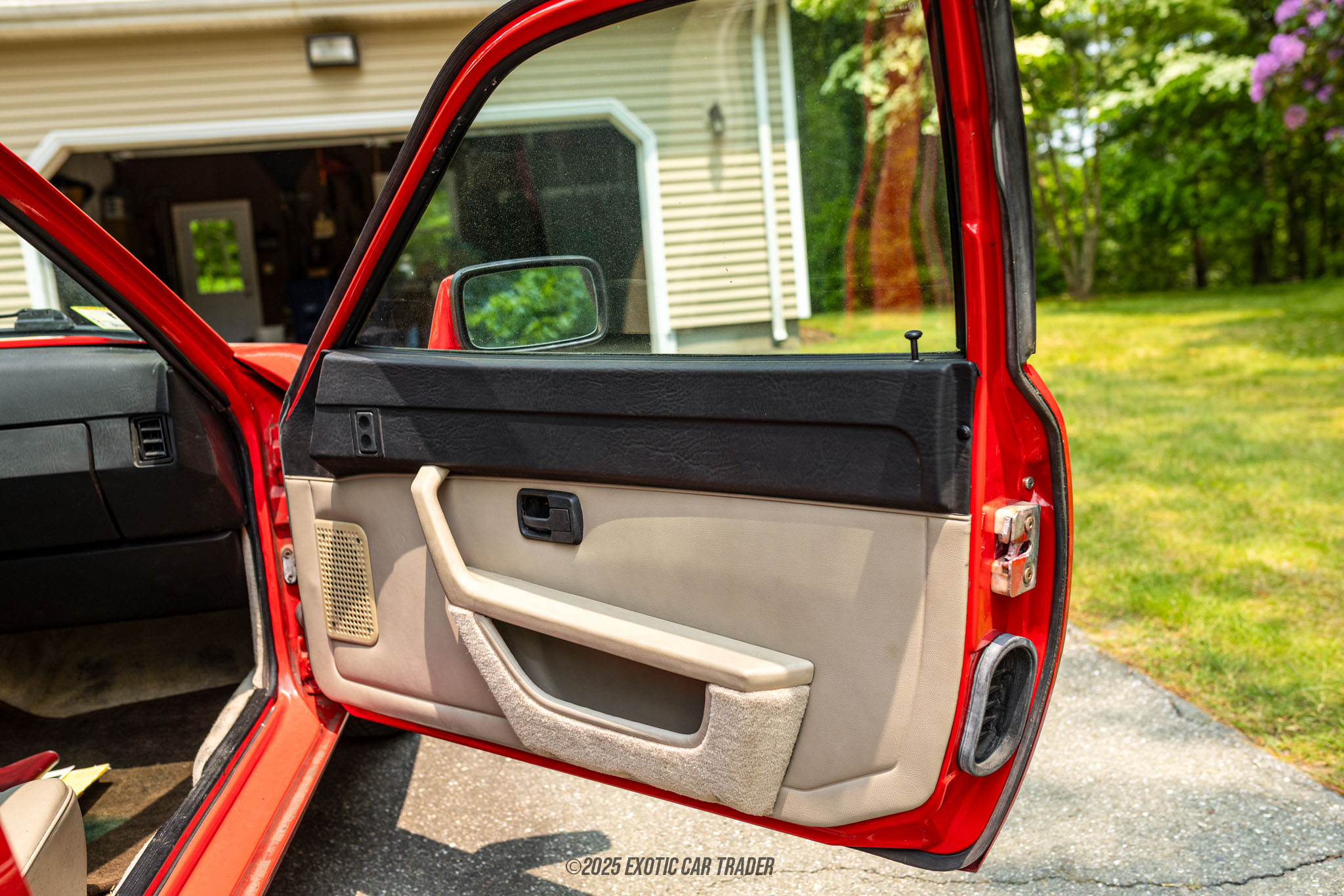
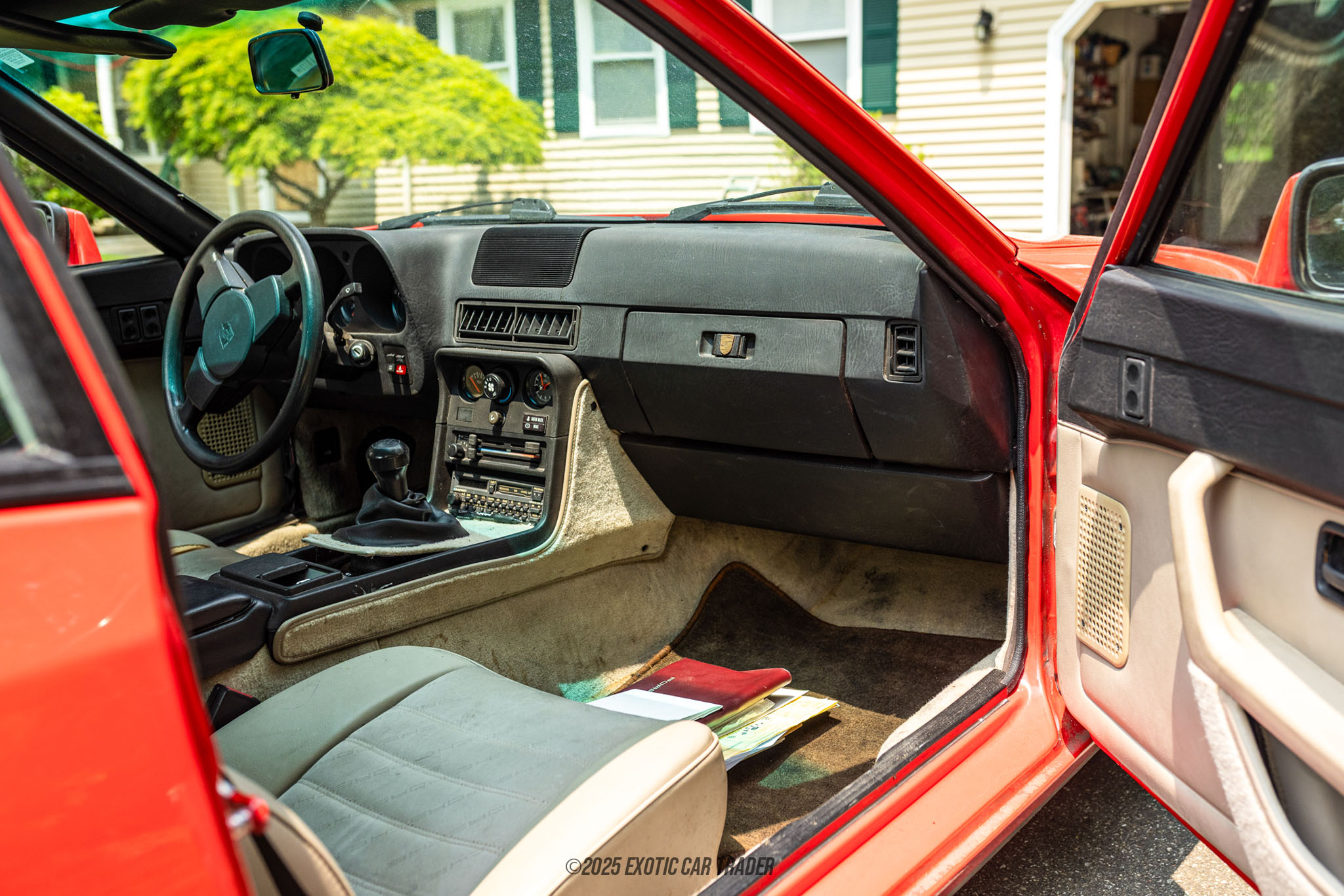
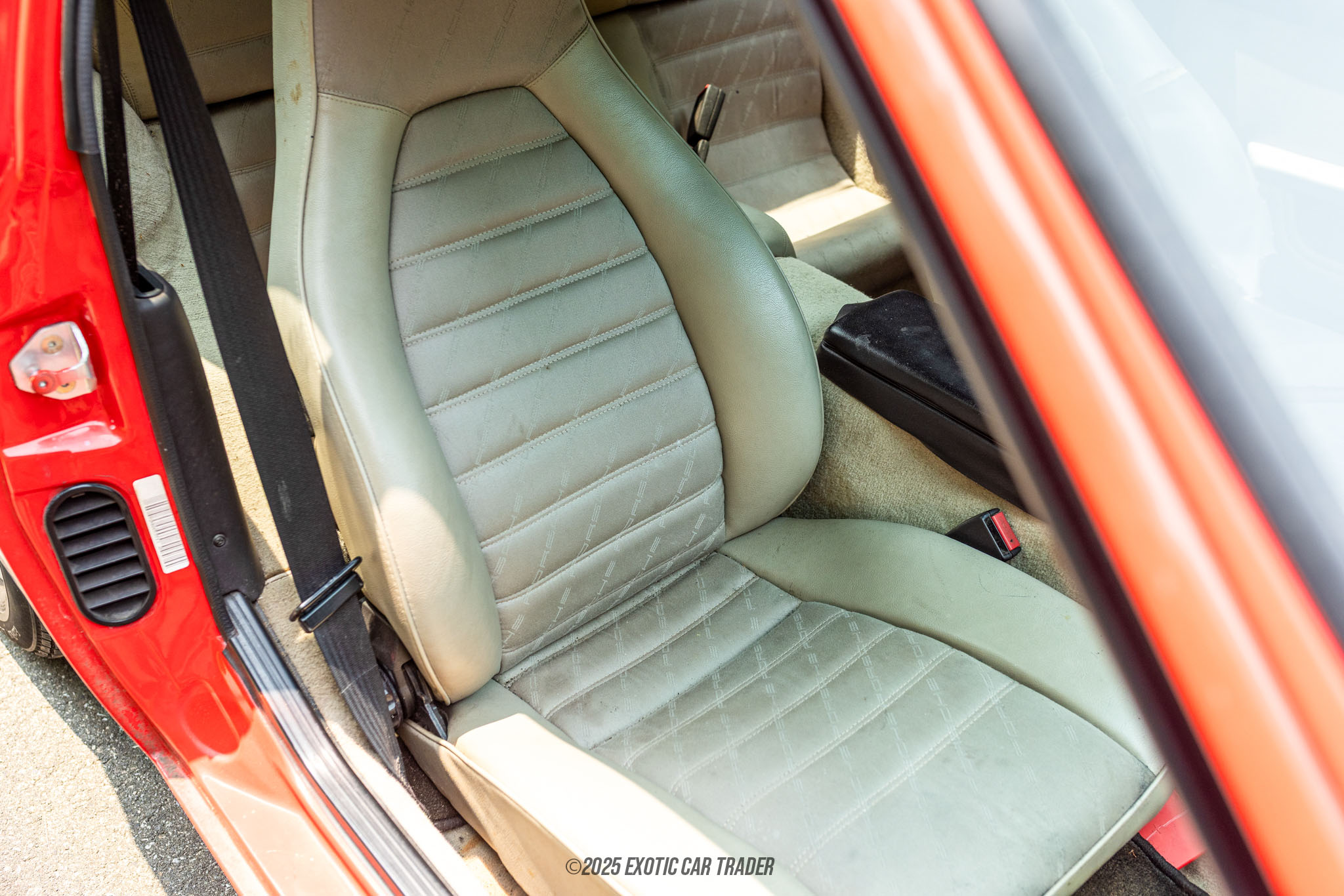
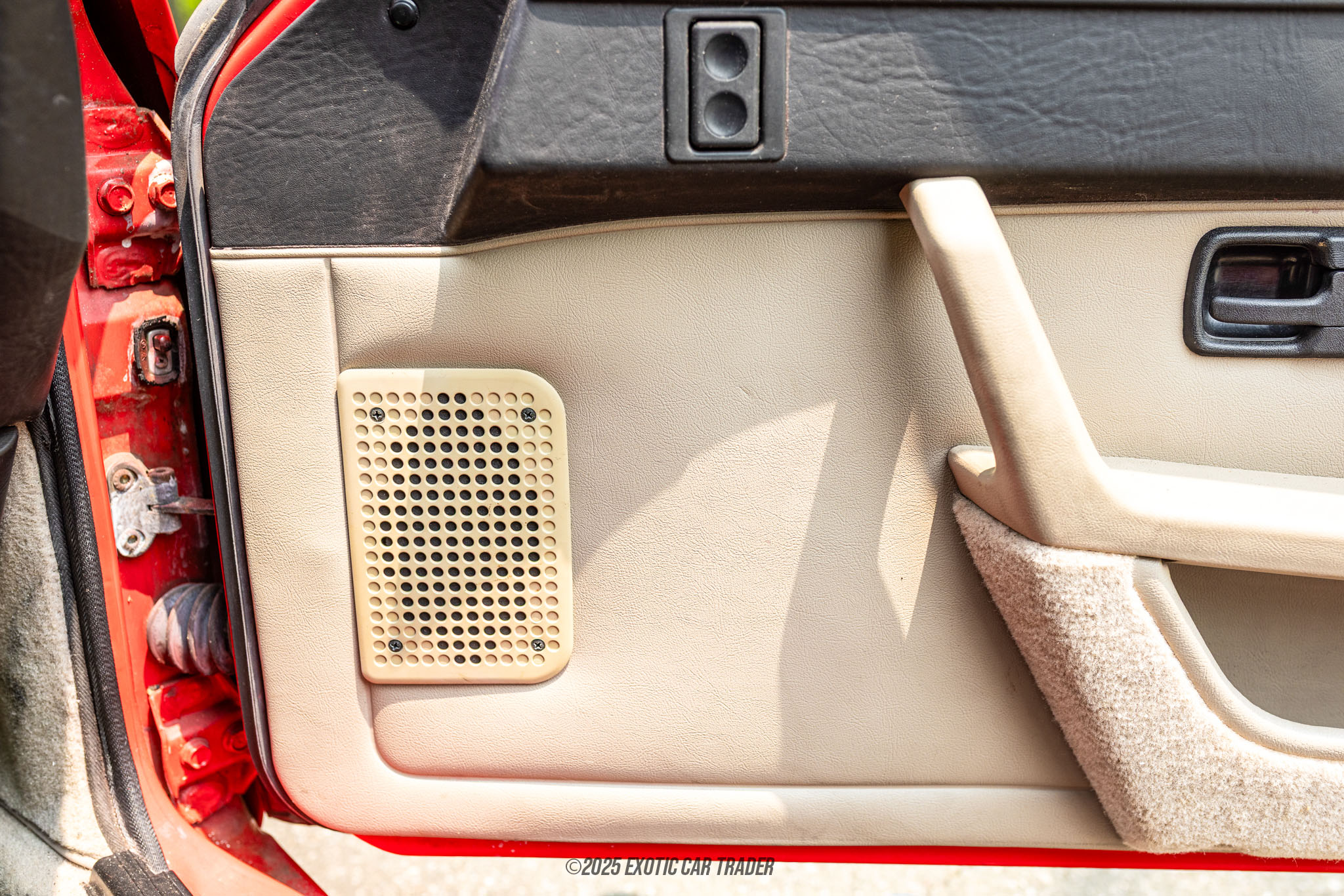
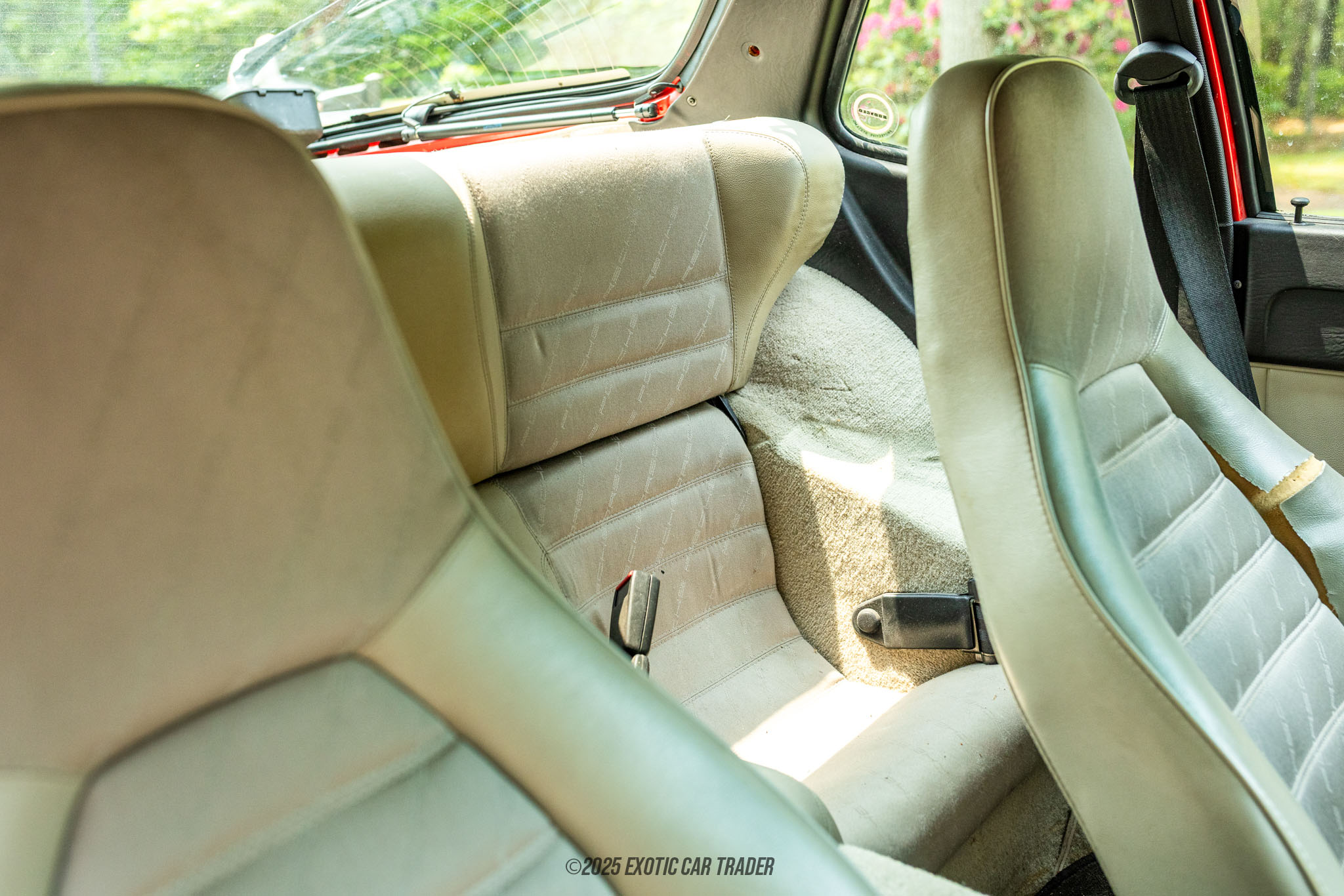
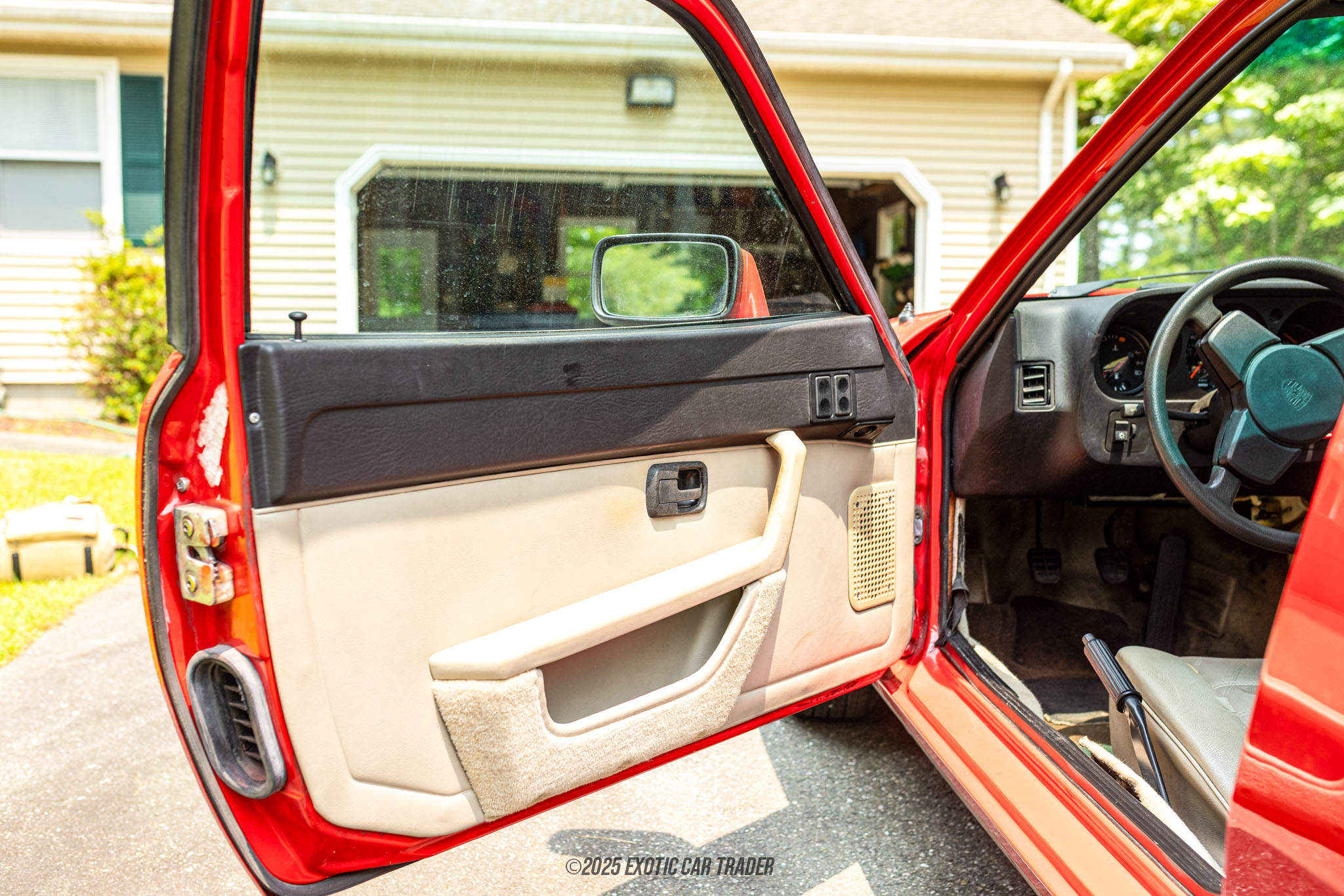
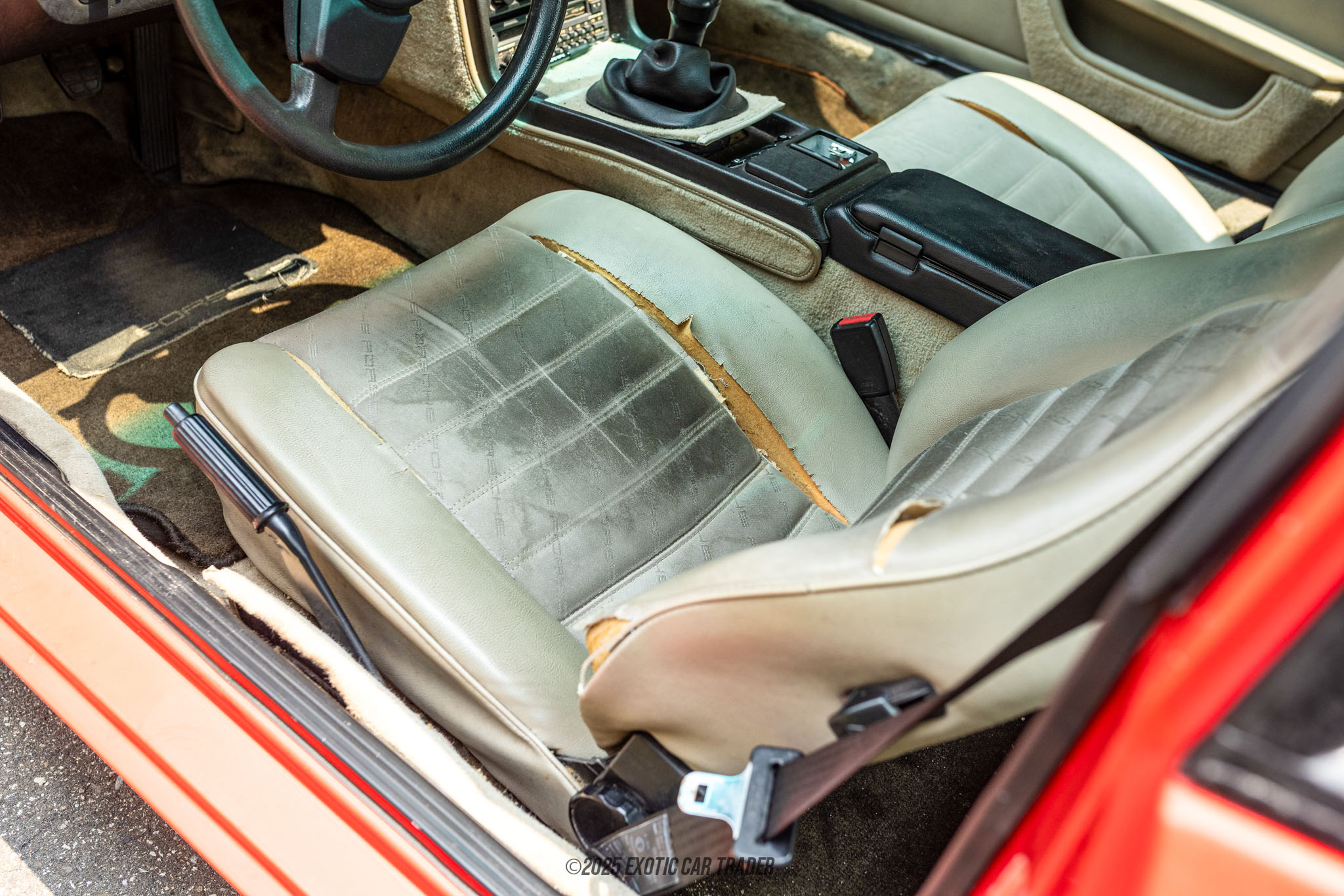
- Beige Interior
- Pop-Up Headlights
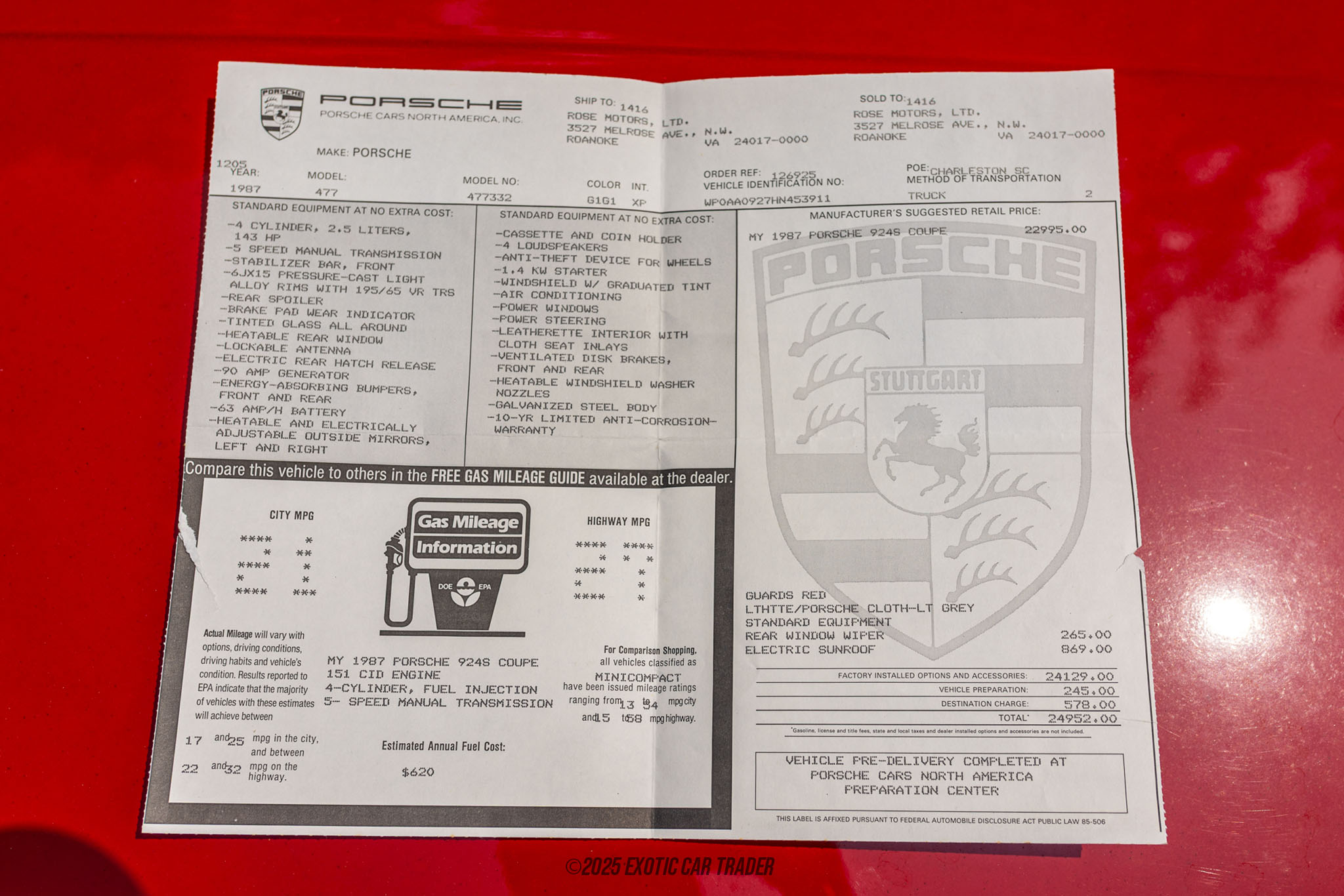
- Original Window Sticker
- Rear Spoiler
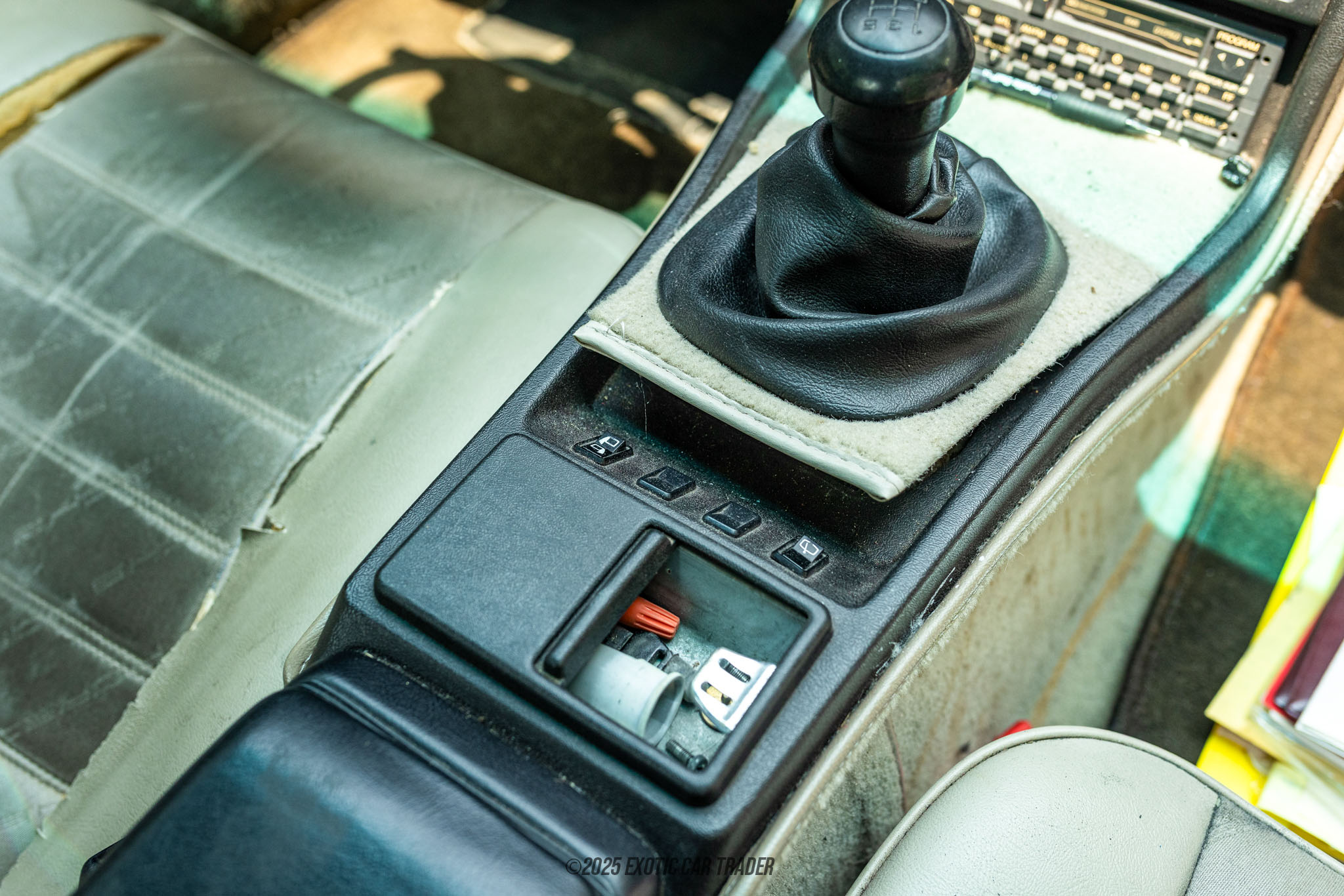
- Power Windows
- Power Steering
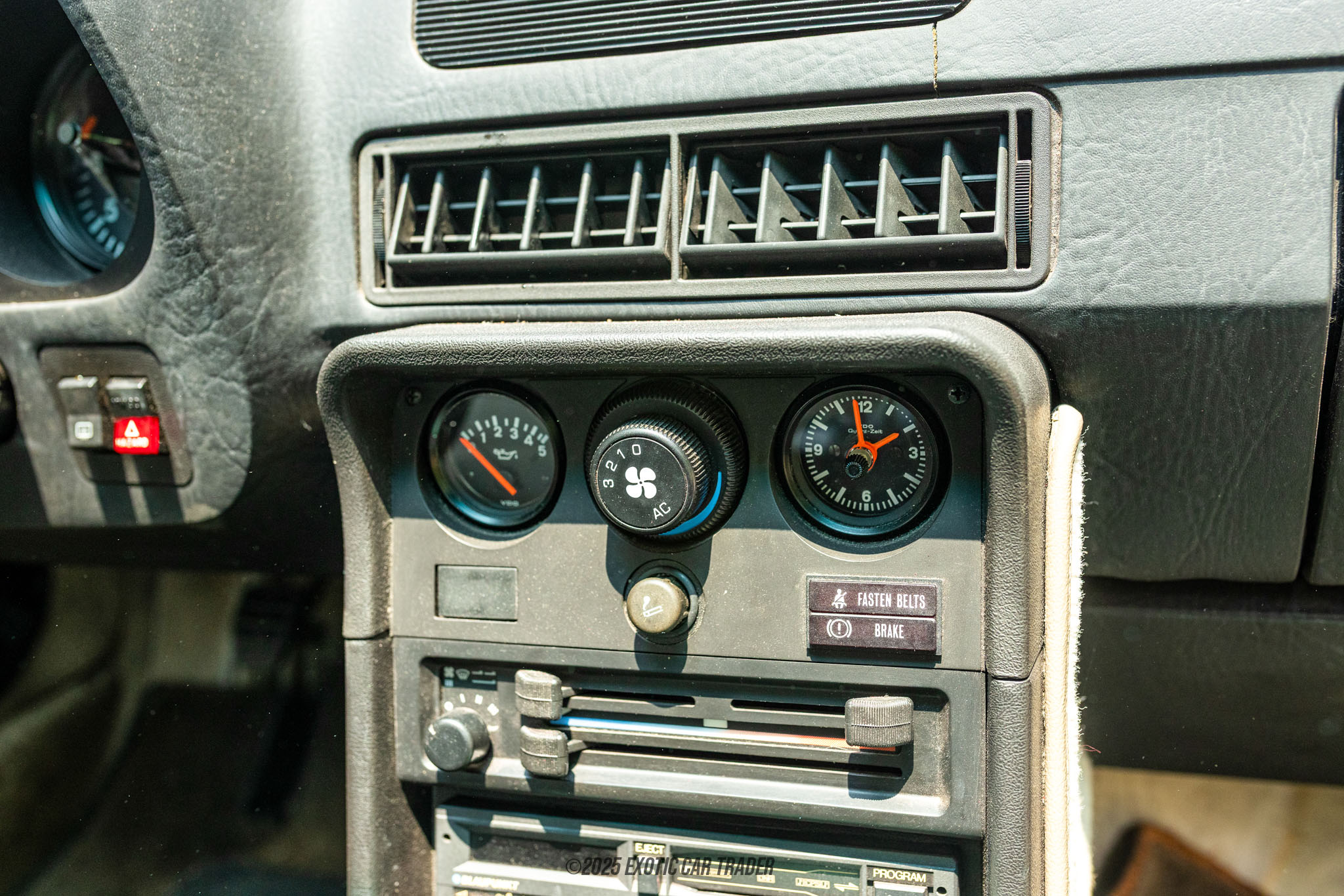
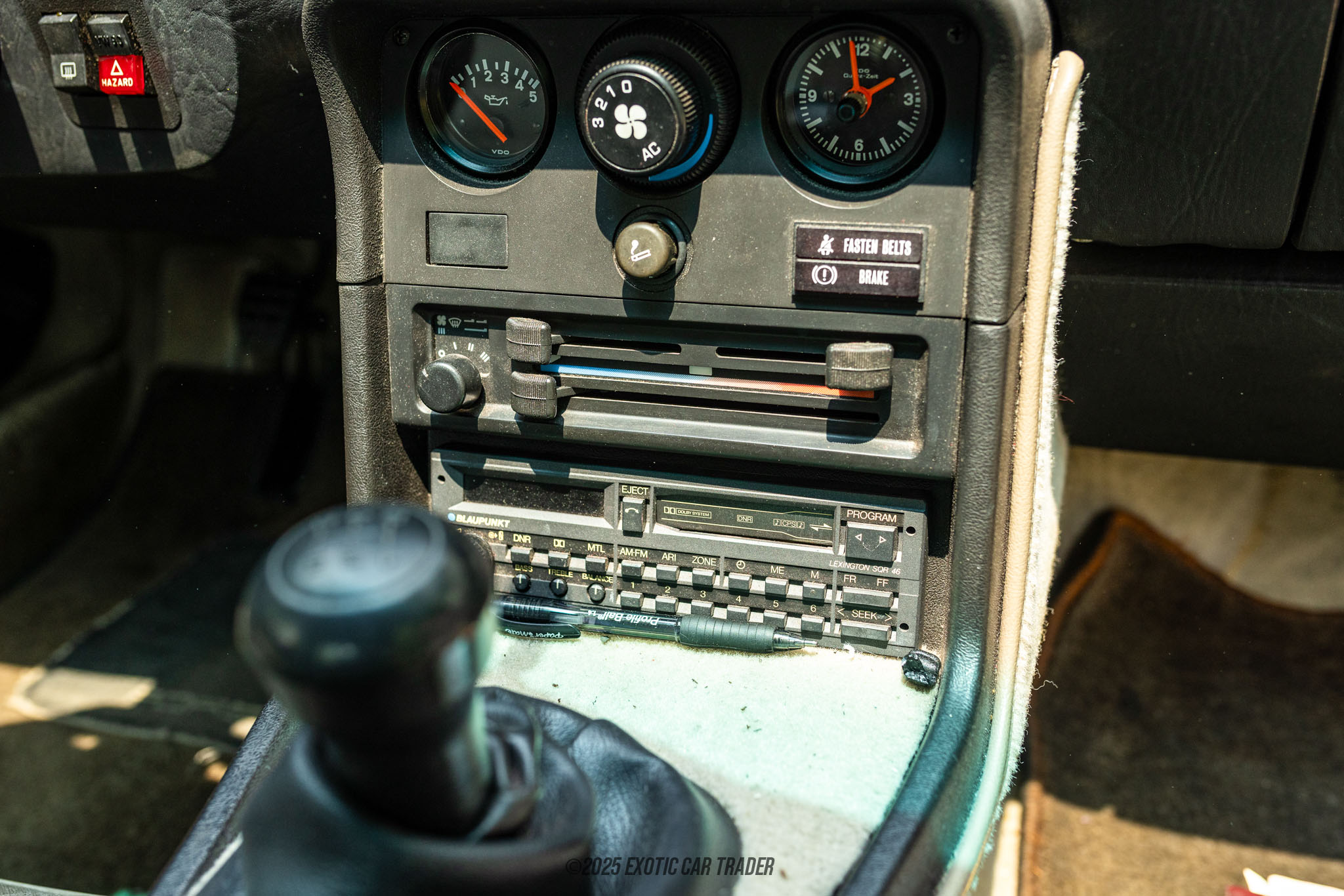
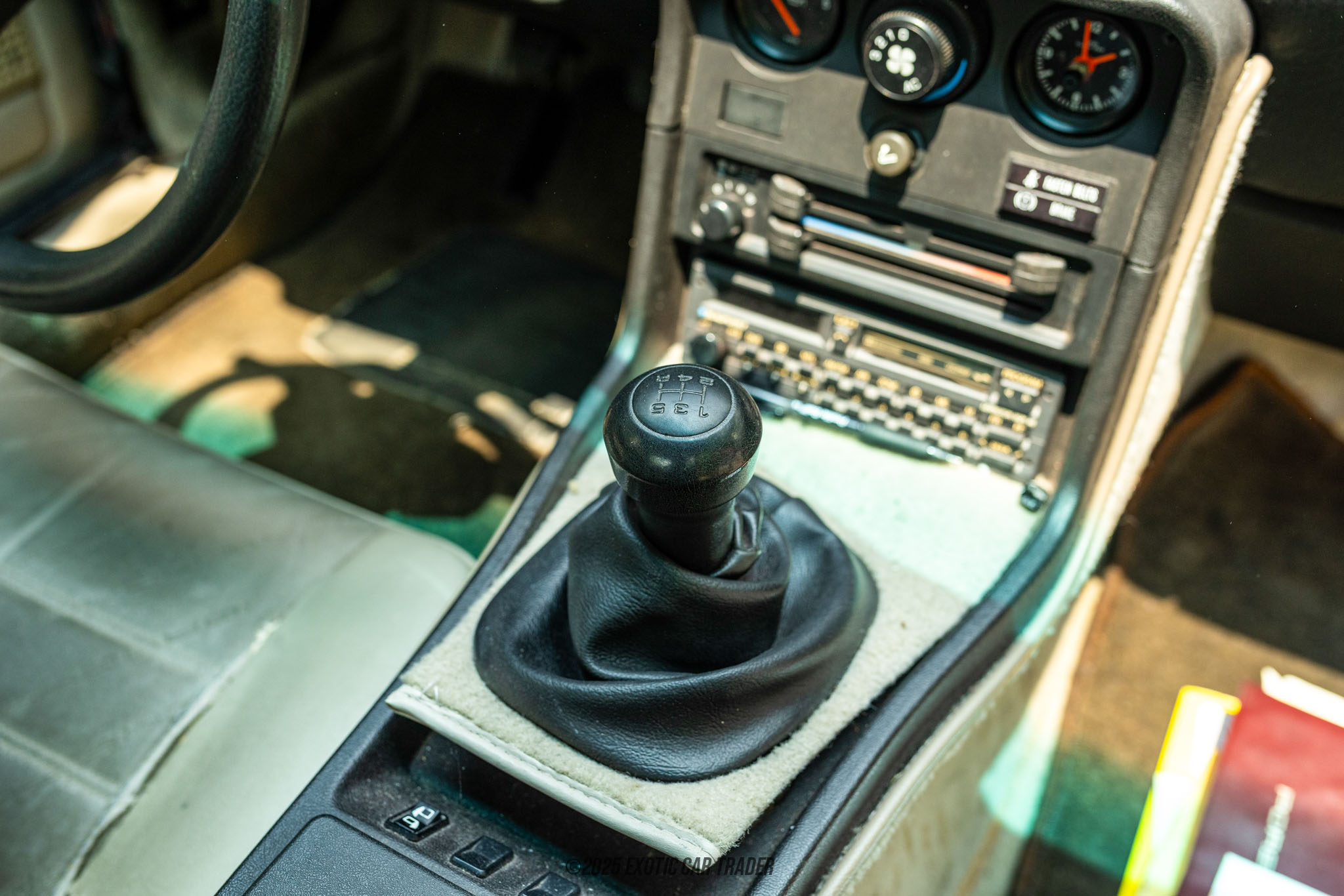
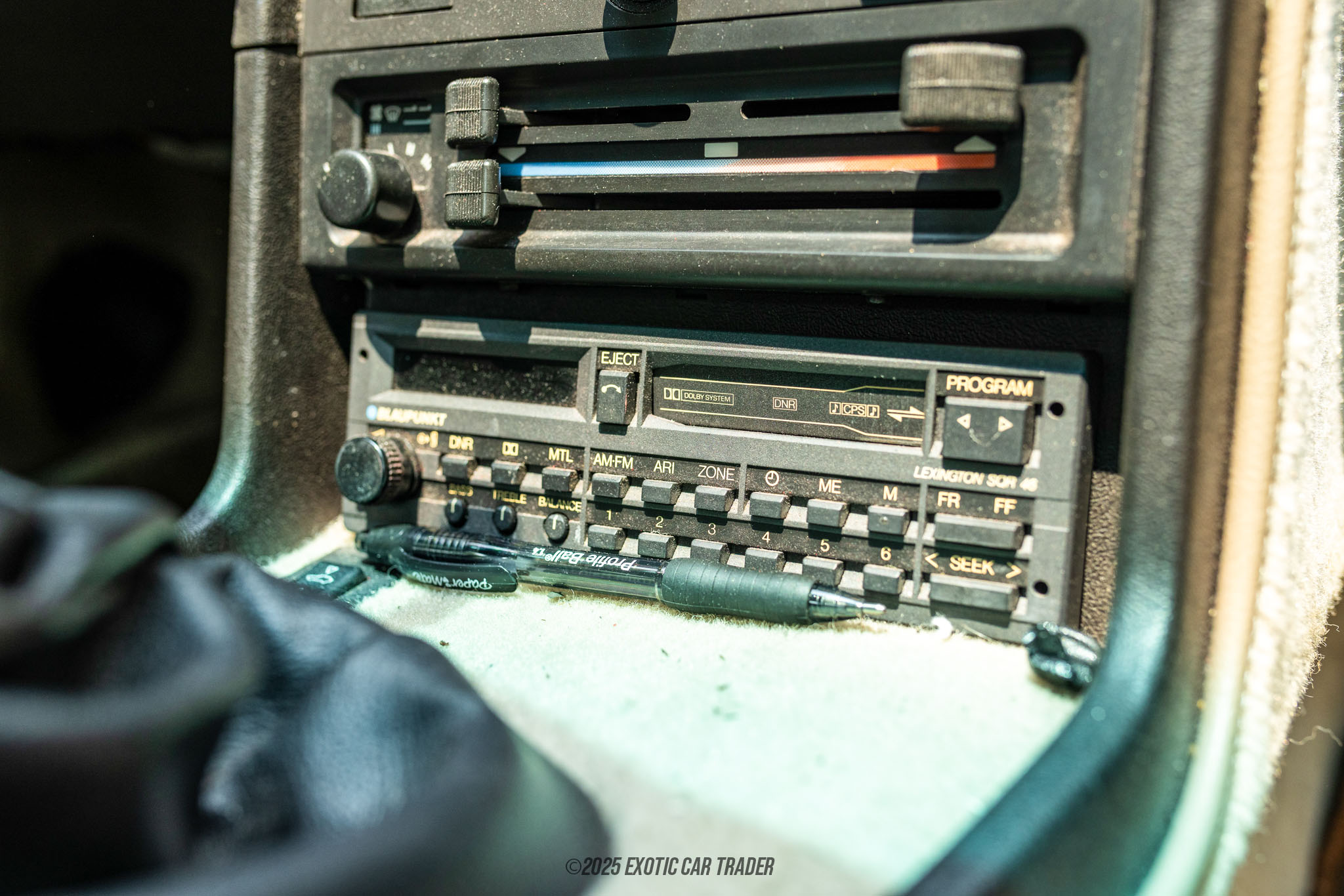
- Blaupunkt Radio w/ Cassette
- Rear Window Wiper
- Electric Sunroof
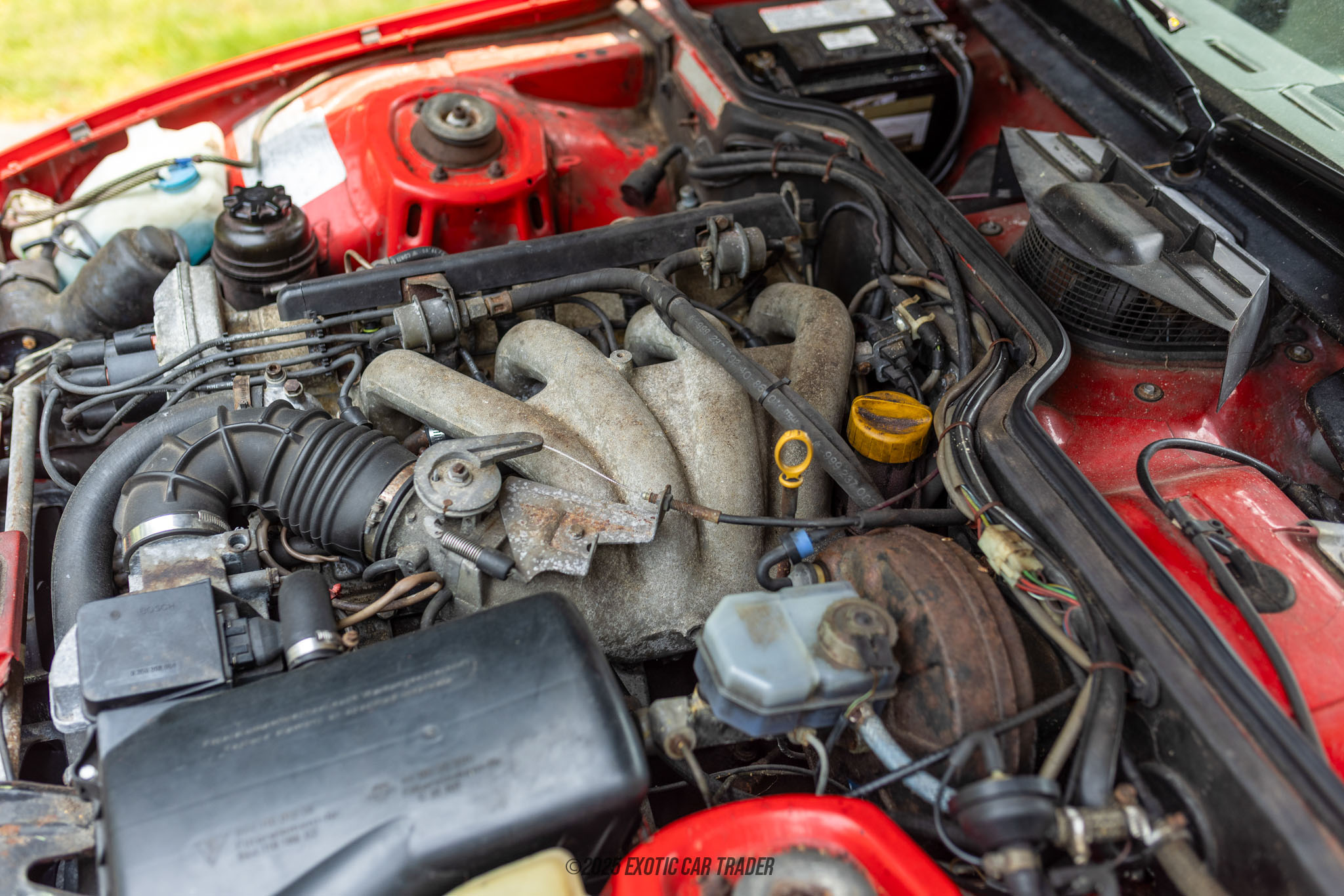
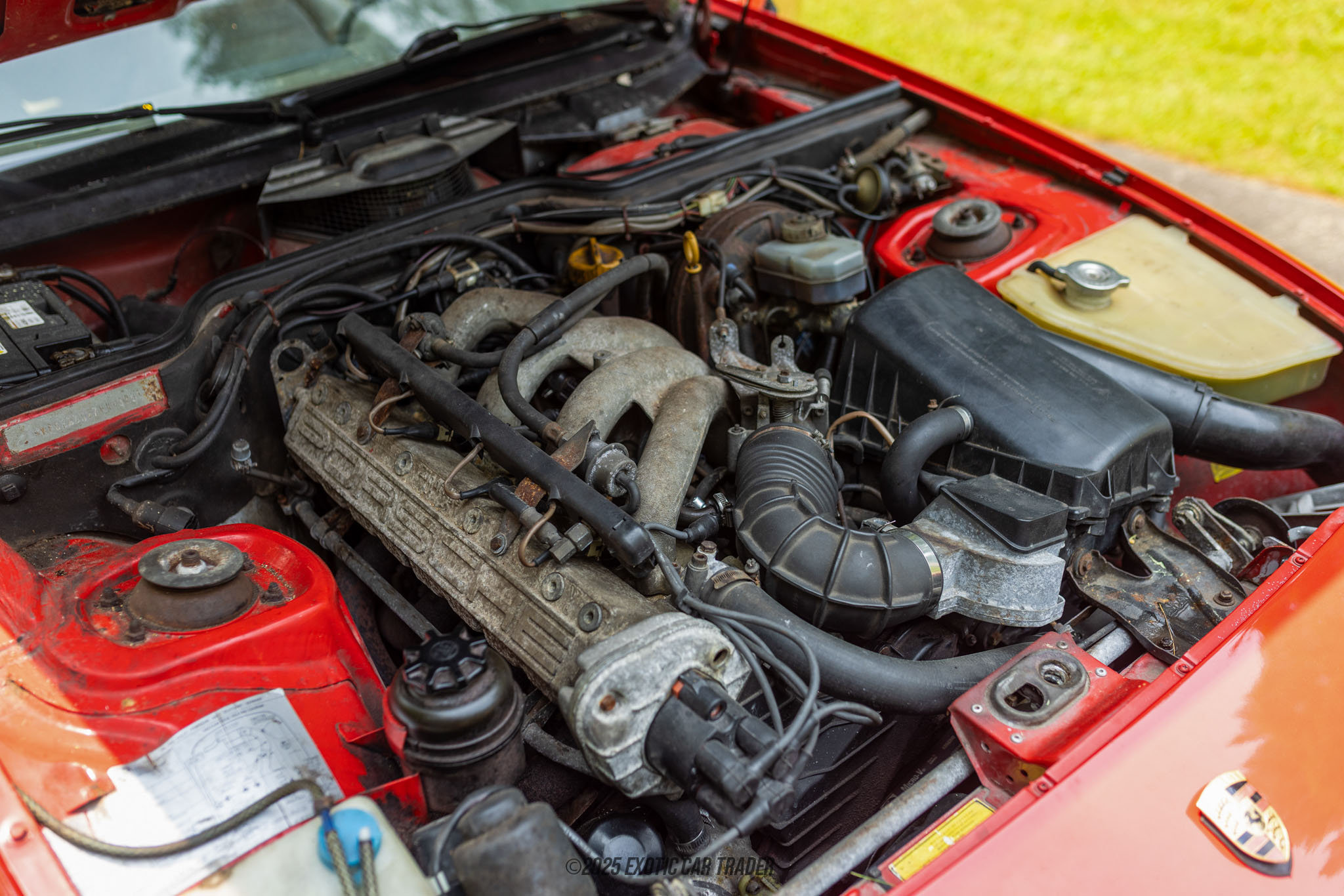
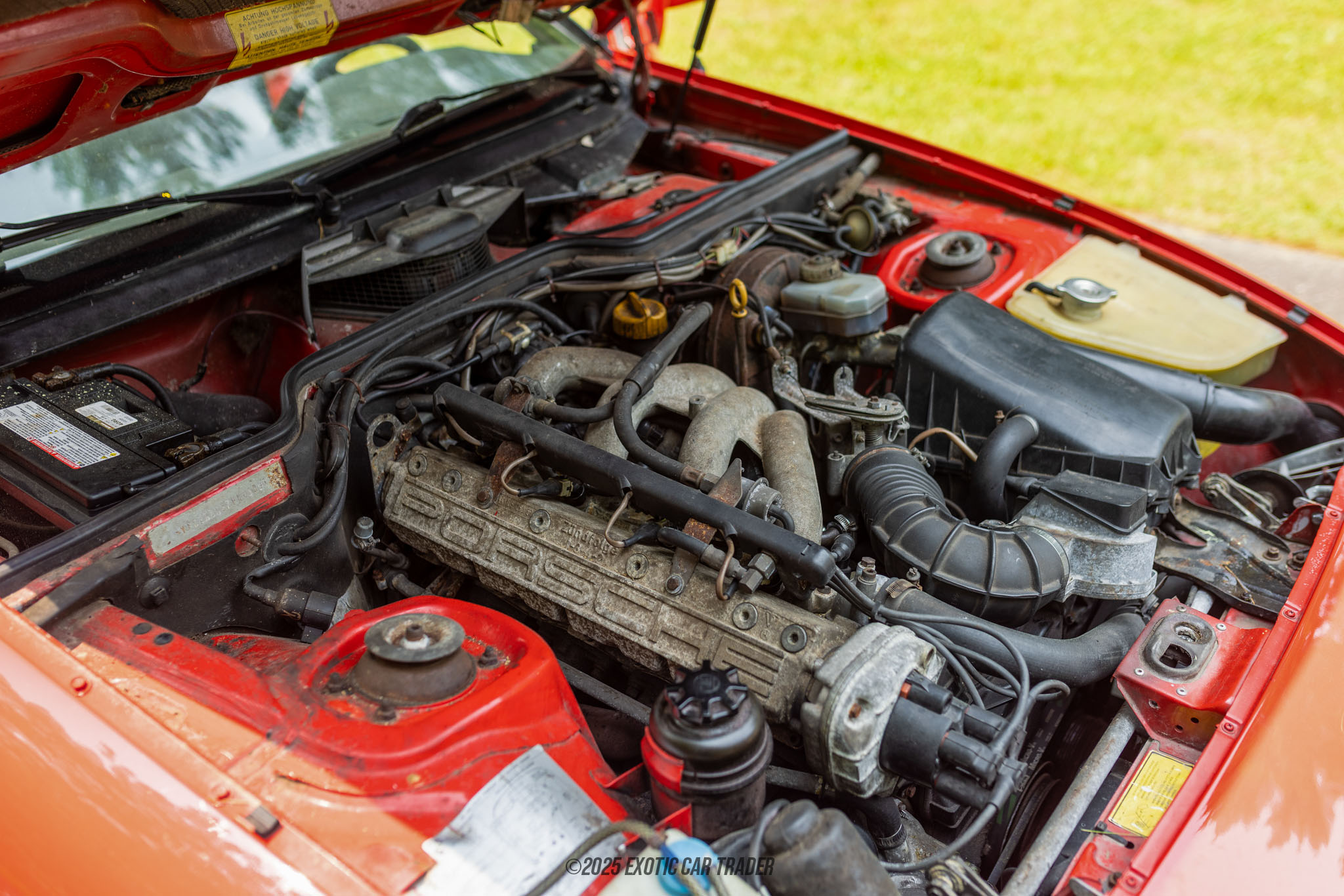
- Bosch L-Jetronic Fuel Injection
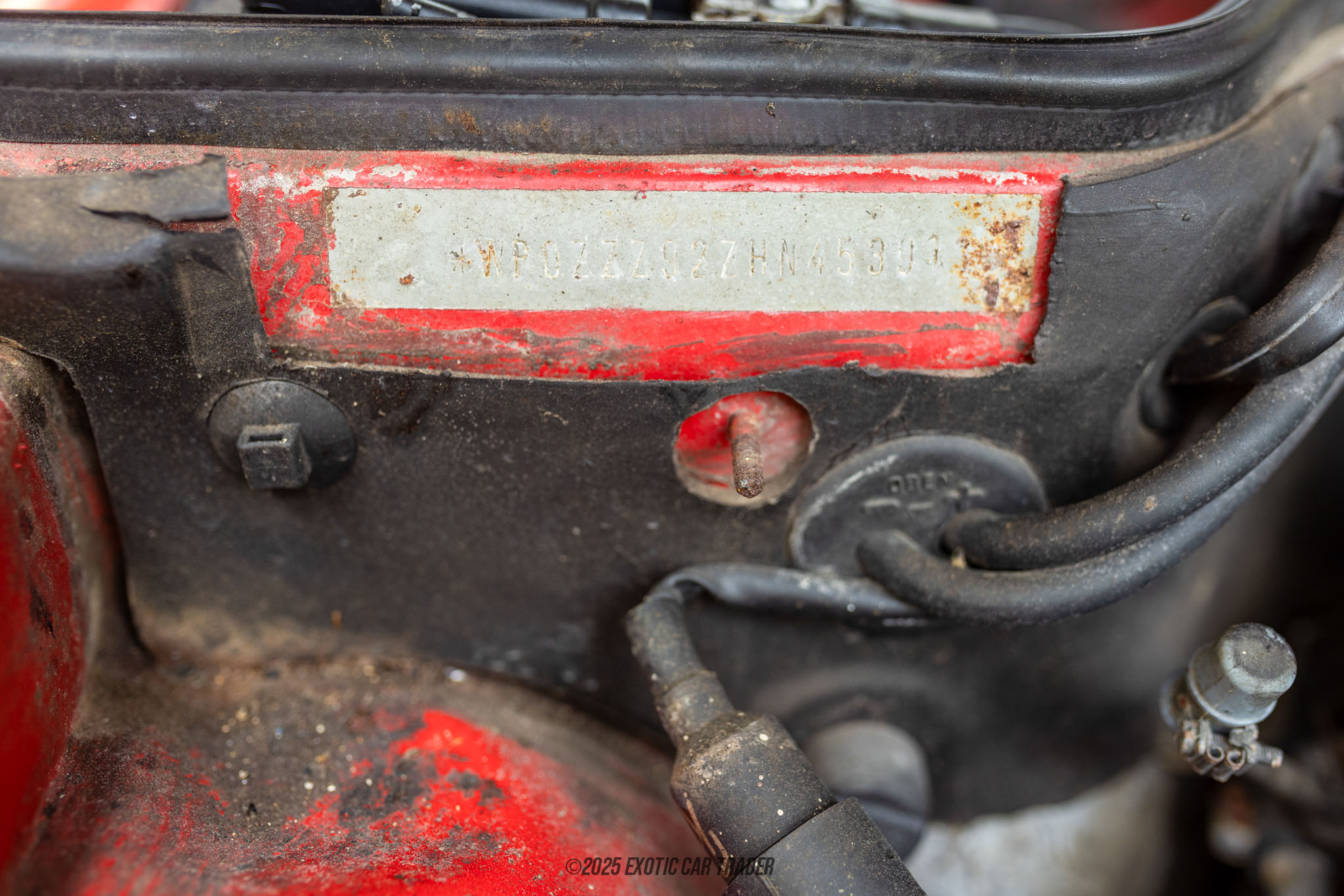
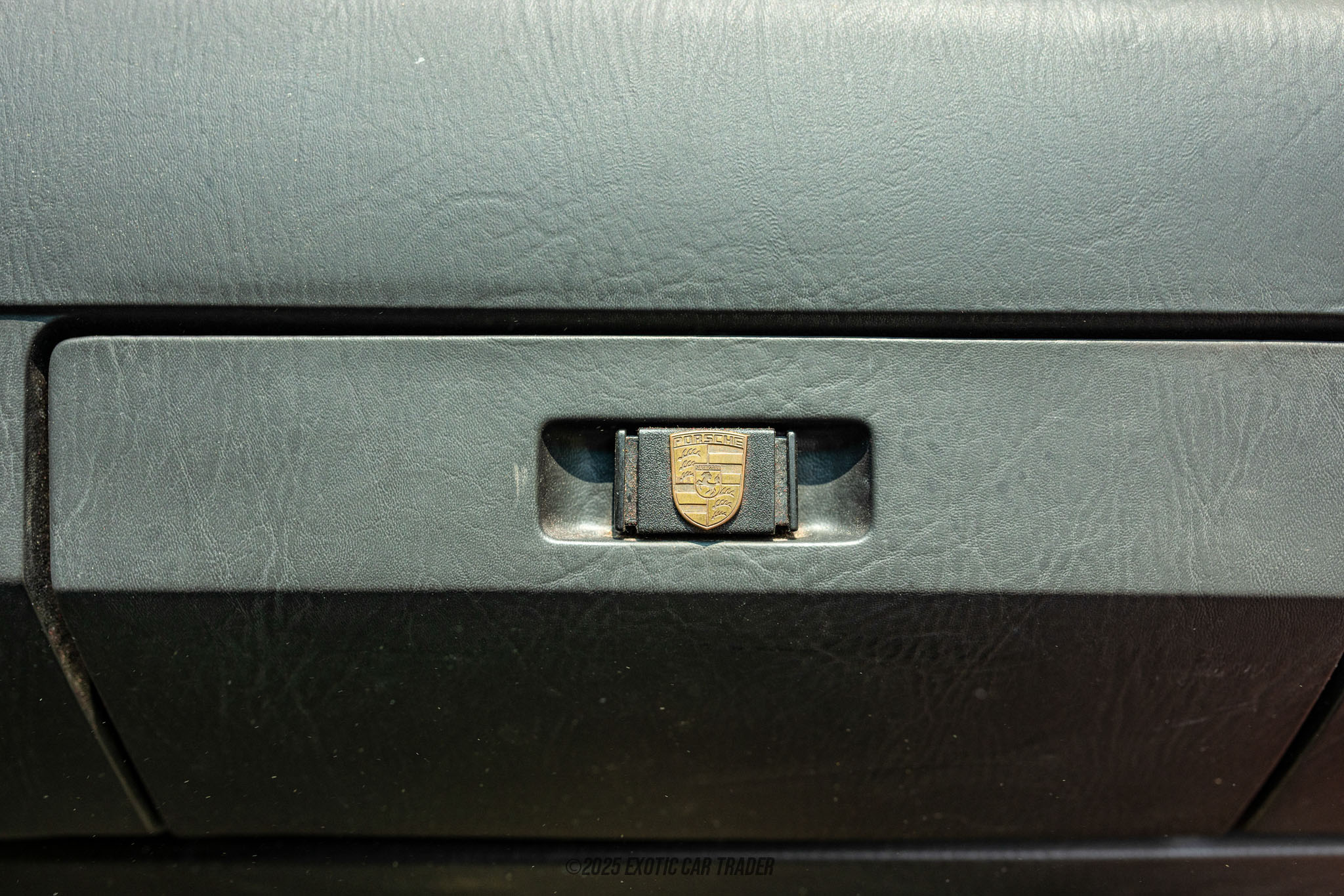
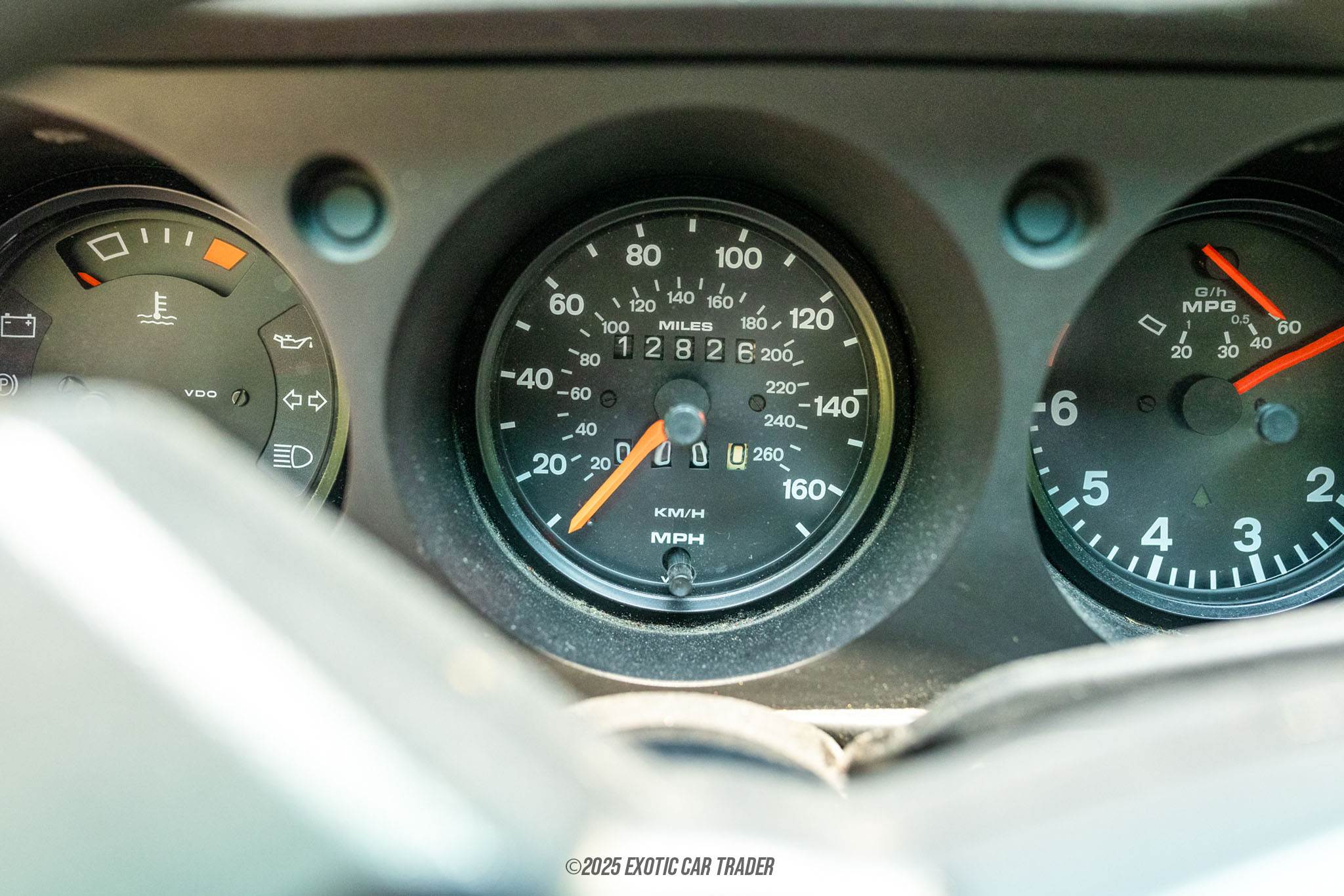
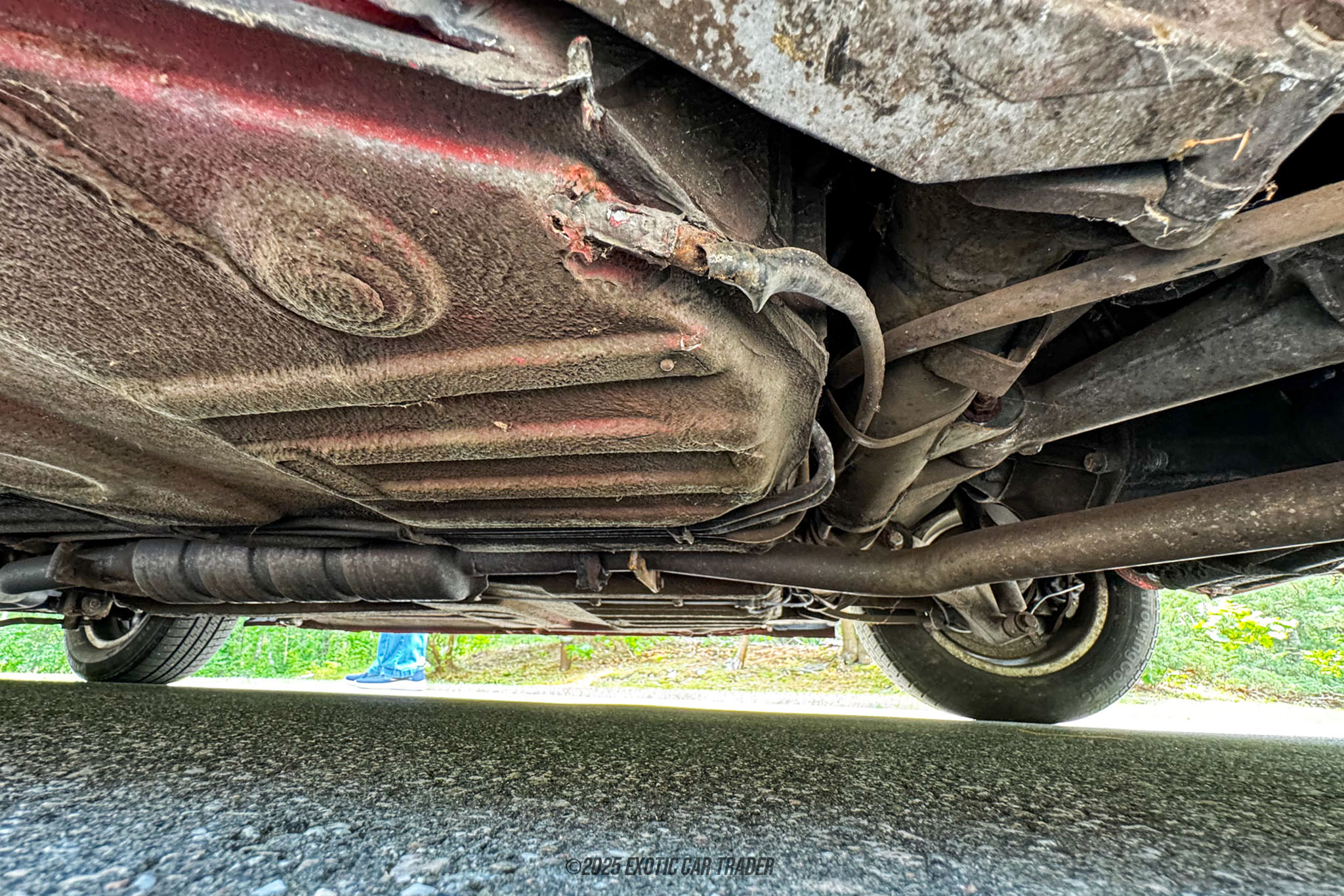
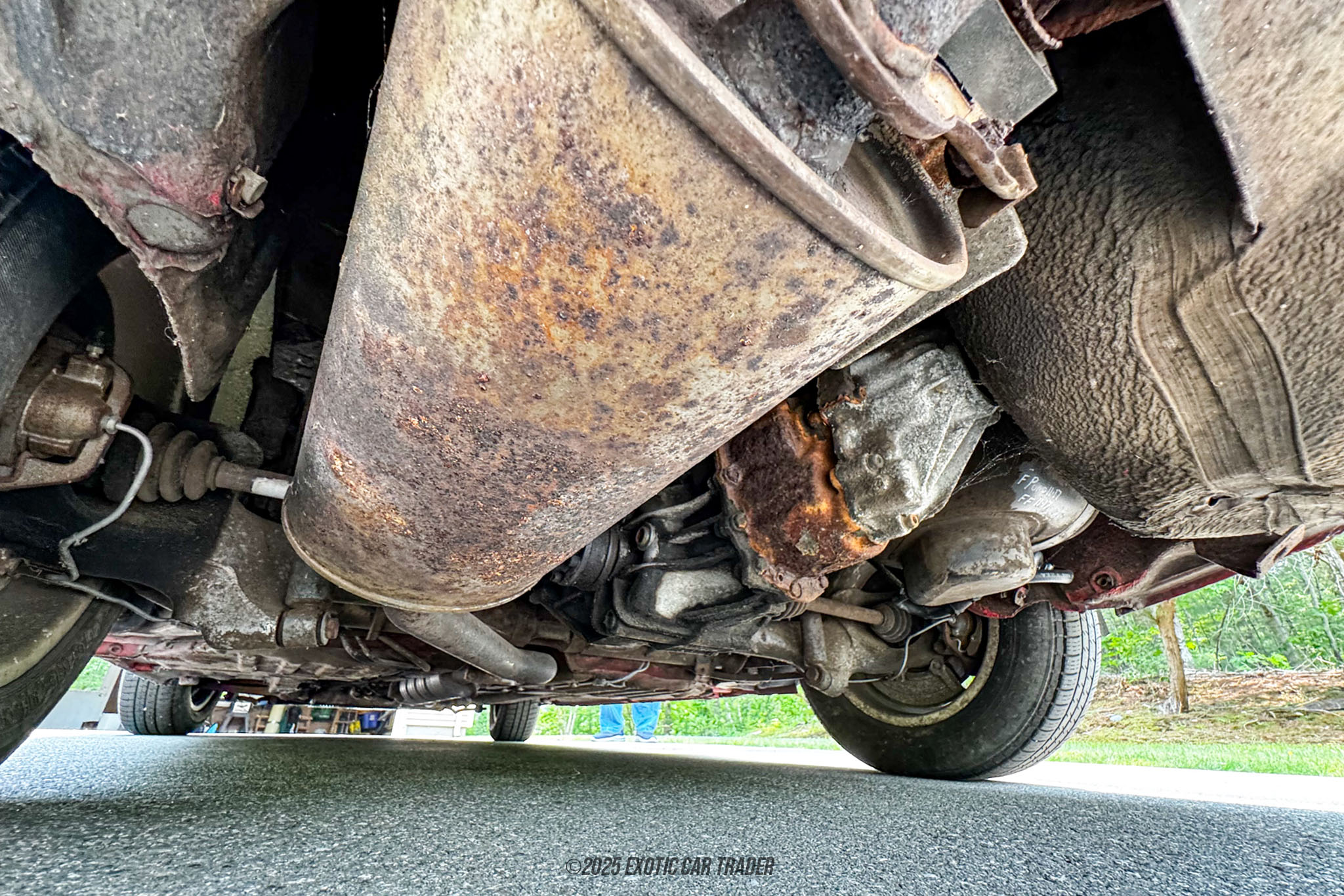
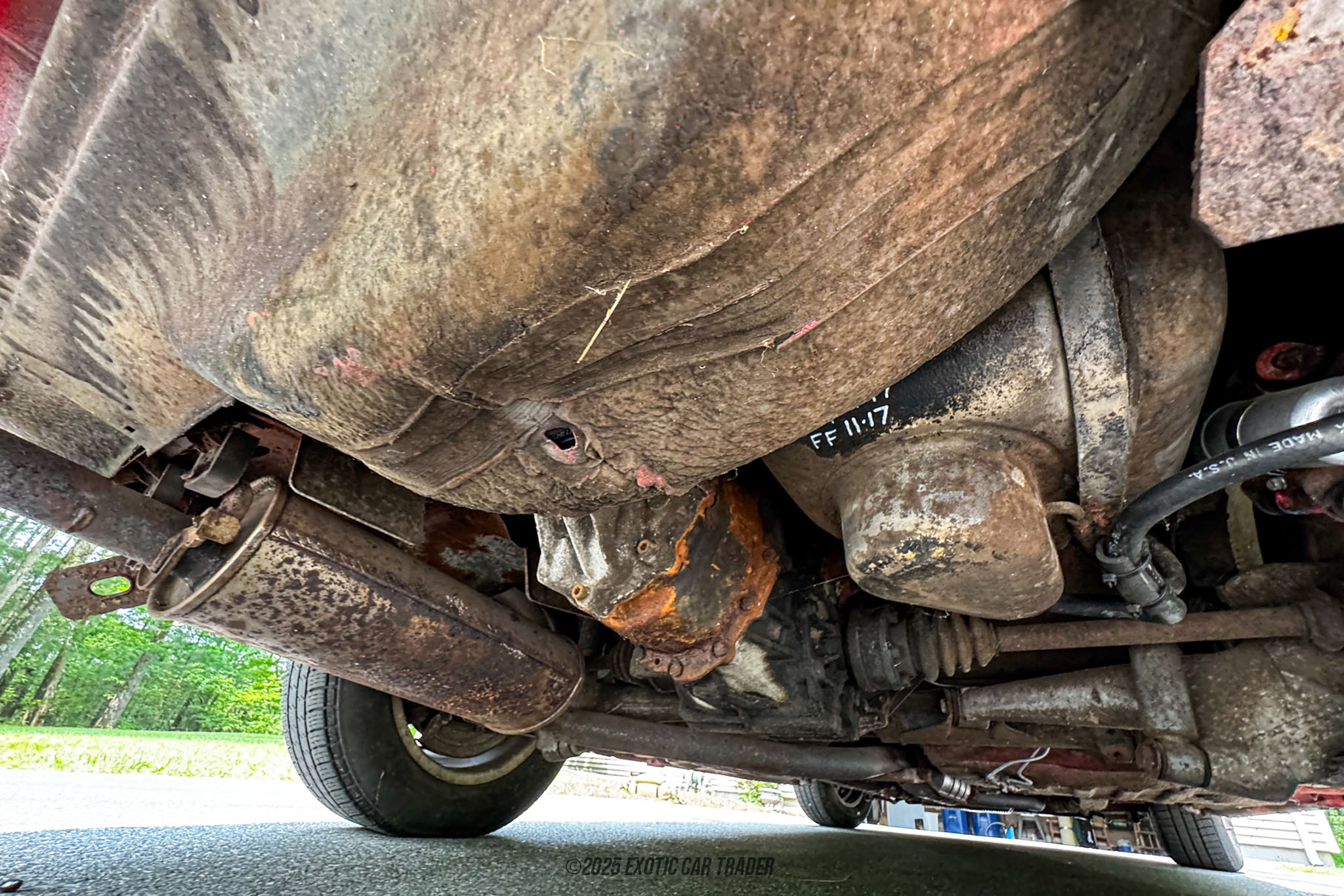
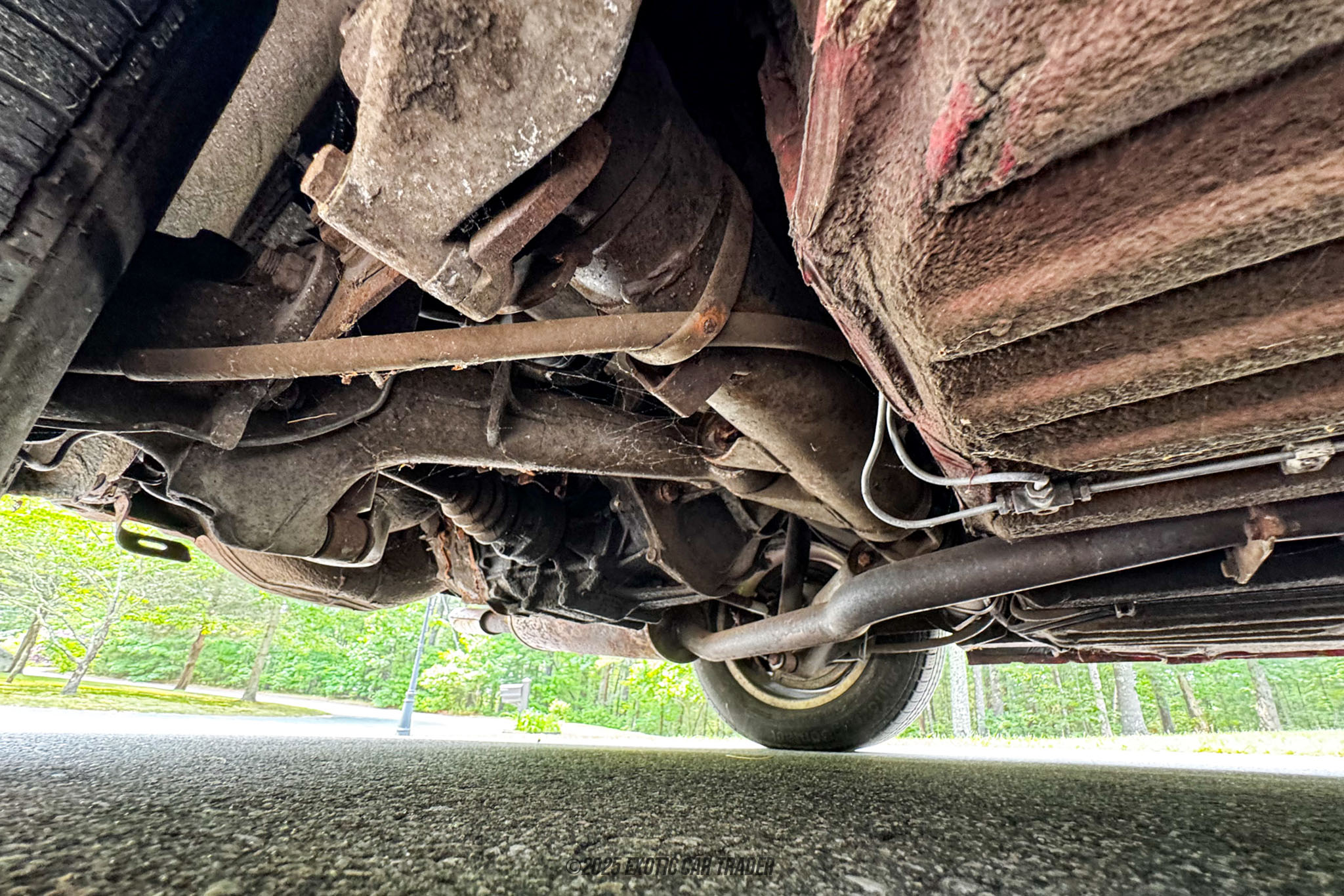
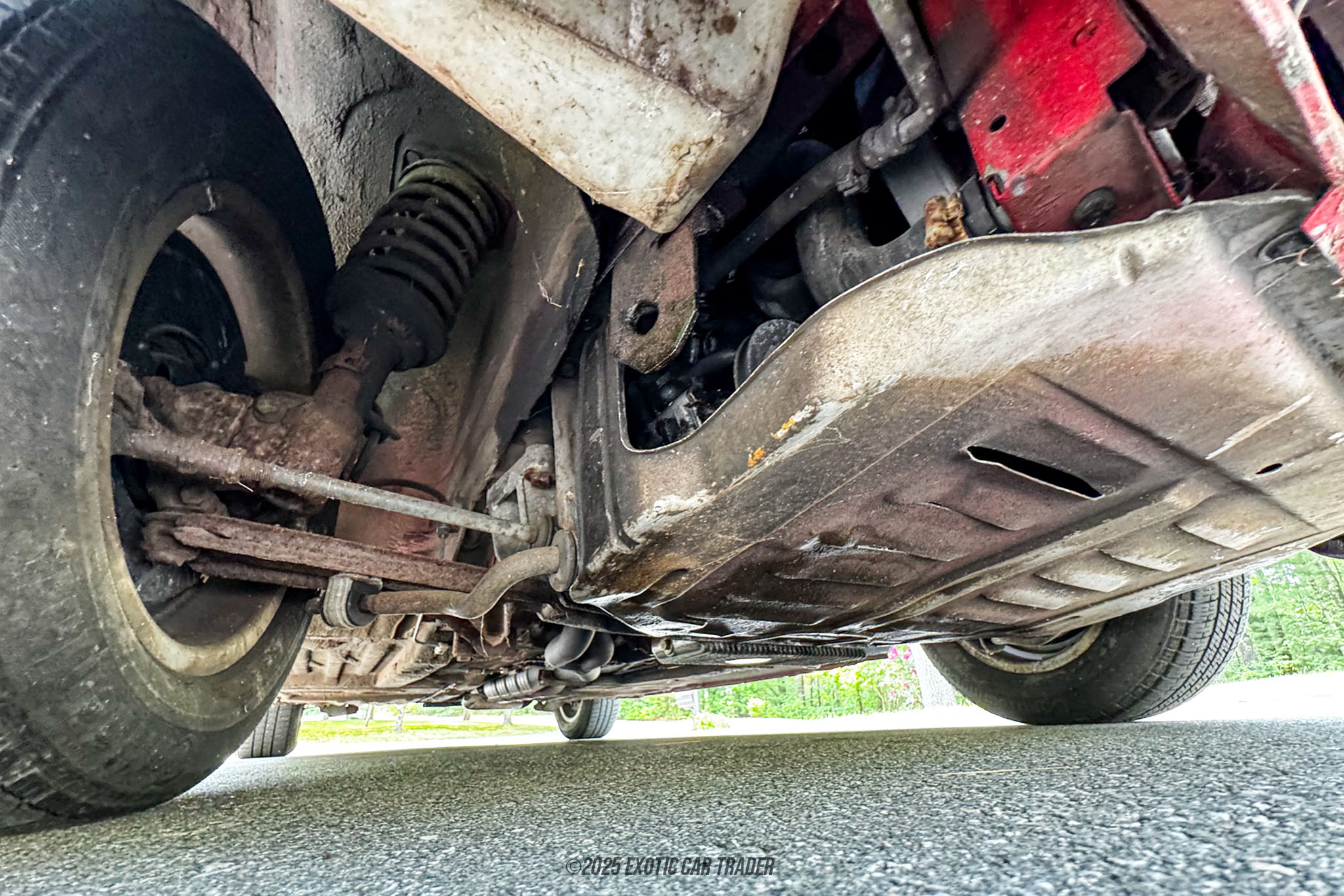
The most popular model from German sports and luxury car maker Porsche is of course, their epic 911 which dates back to 1964 and is going strong to this date. Then, one can argue that the Cayenne and Macan have a firm following too. But let’s delve a little deeper into their history, a little further back in time. There, we find many gems and interesting curios. One of these is the Porsche 924. Produced between 1976 and 1988, the 924 was meant to be Porsche’s entry-level offering. Yes, for much of its history, the company offered (and still offers) a sports car below the 911, making Porsche ownership more accessible to a broader segment. Hence, the four-cylinder 924 (the 911 is, and has always been a six-cylinder machine). Today’s 1987 Porsche 924 S is an interesting one from the 924 range because for much of the model’s lifecycle, it used a Volkswagen-sourced 2.0-liter flat-four. However, in 1984, Volkswagen stopped making 2.0-liter engine blocks, leaving Porsche with an engine sourcing issue. Their solution was to take their home-grown 2.5-liter unit that they used in the larger 944, slightly de-tune it and stick it in the front of the 924. This change was marked by an S added behind the 924 badge. So if you want a historic Porsche that’s definitely interesting and fun to drive, this 160,000-mile car from Rochester, Massachusetts, is your hot ticket.
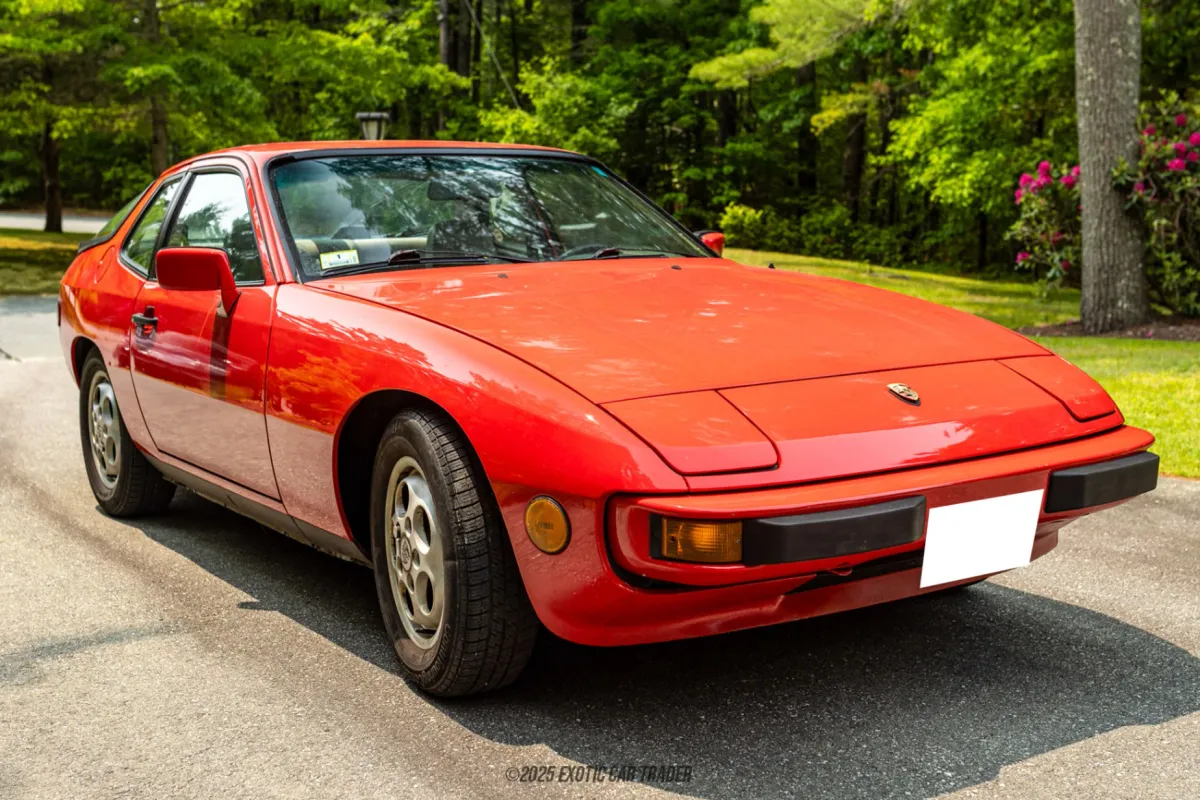
Exterior and Interior
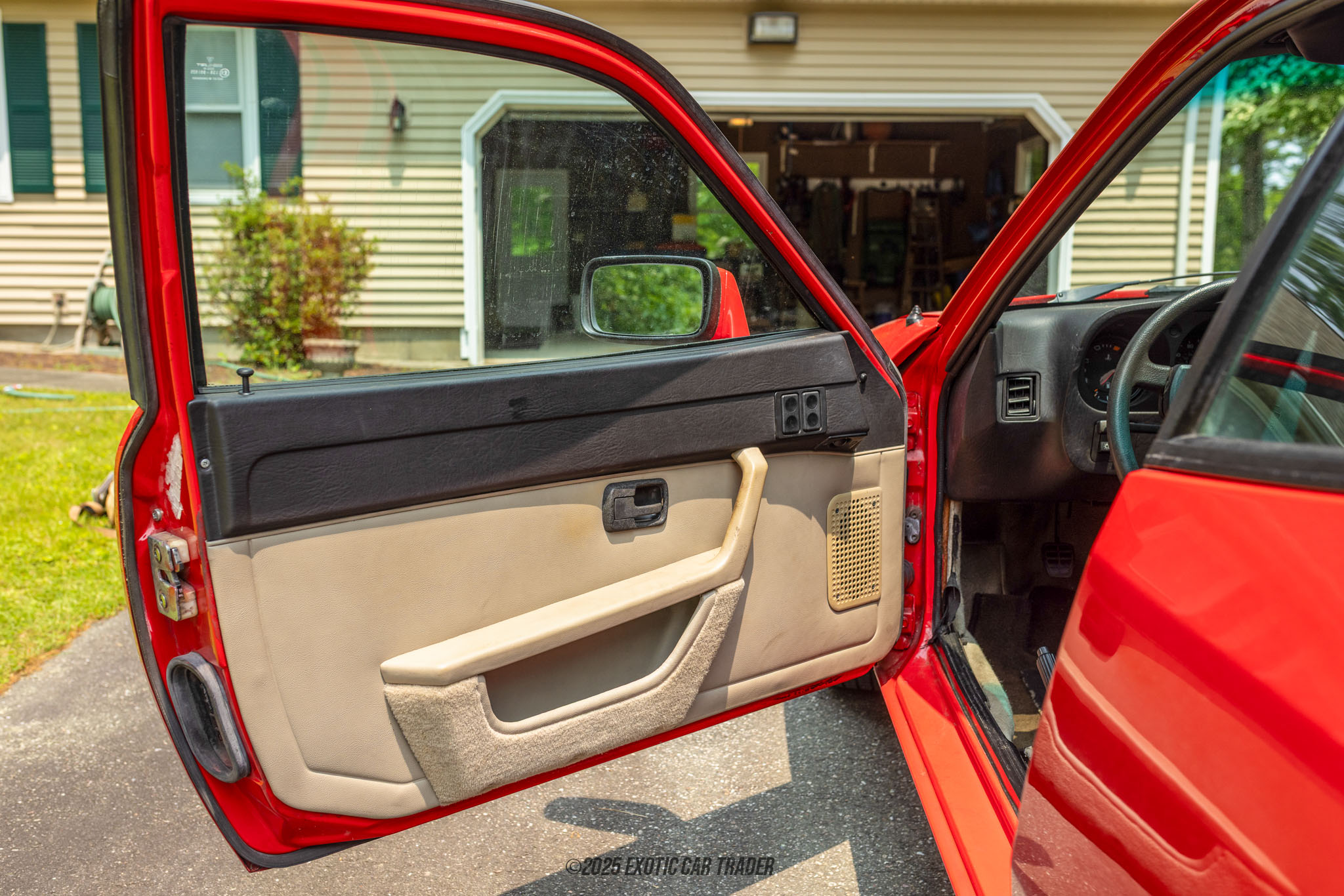
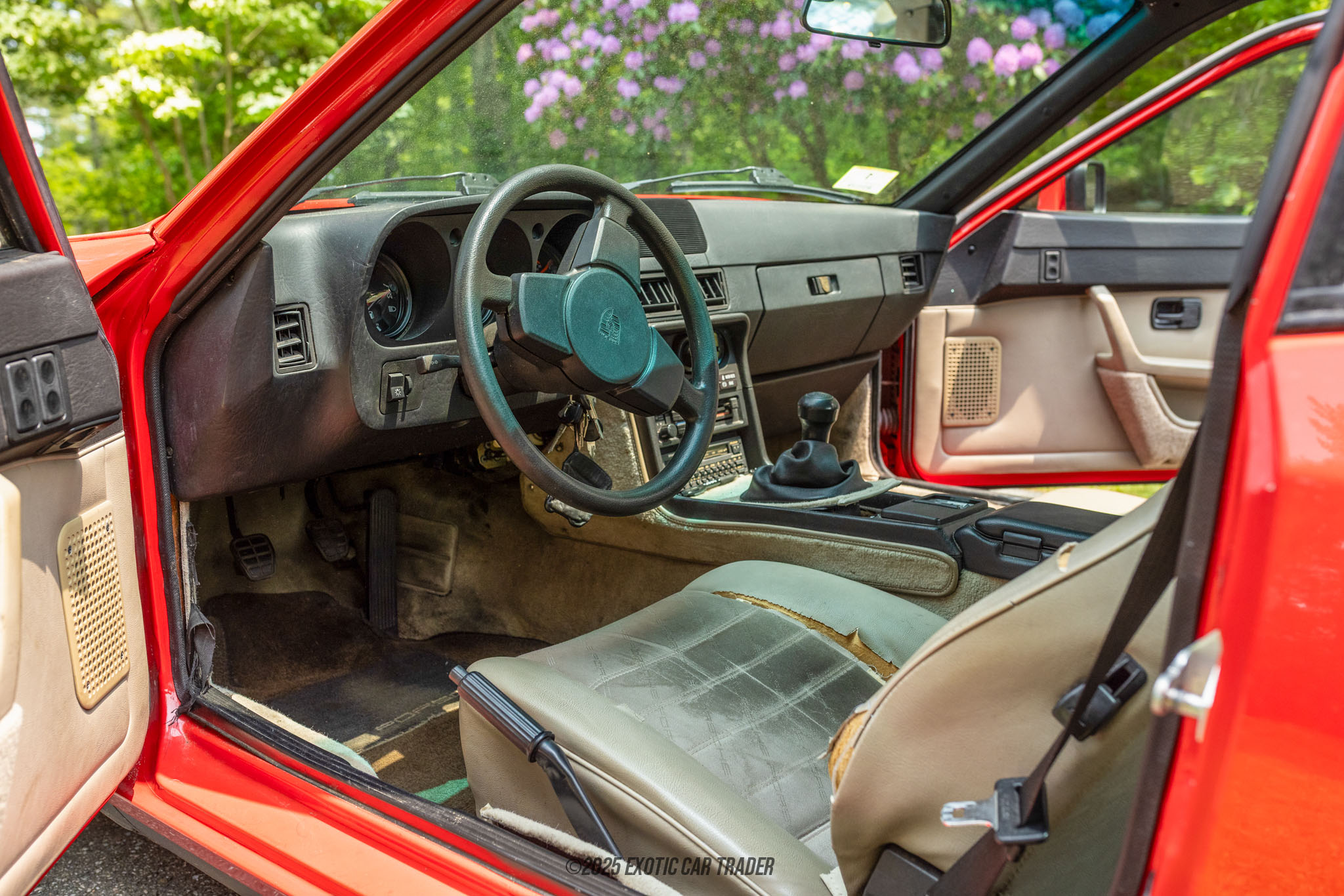
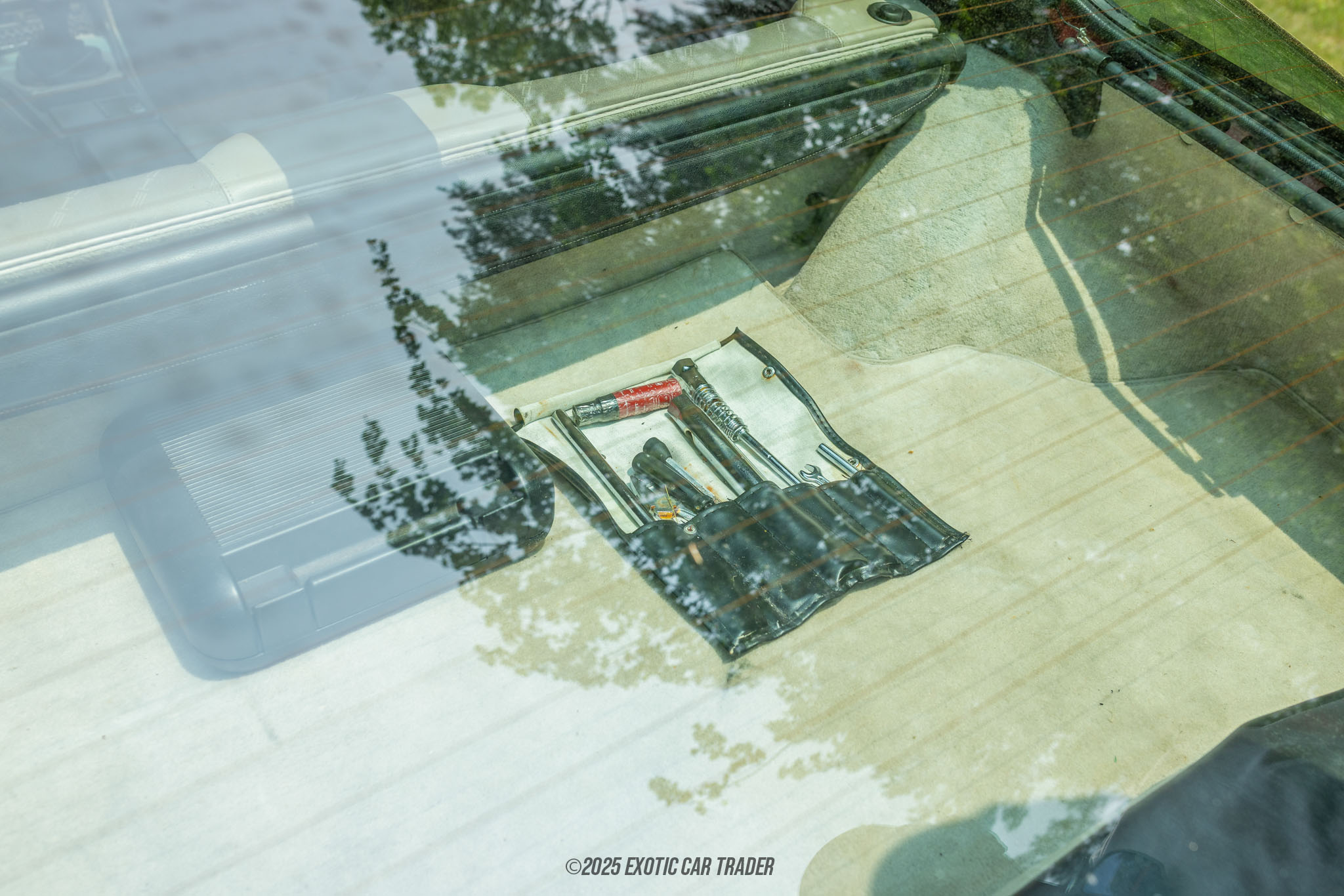
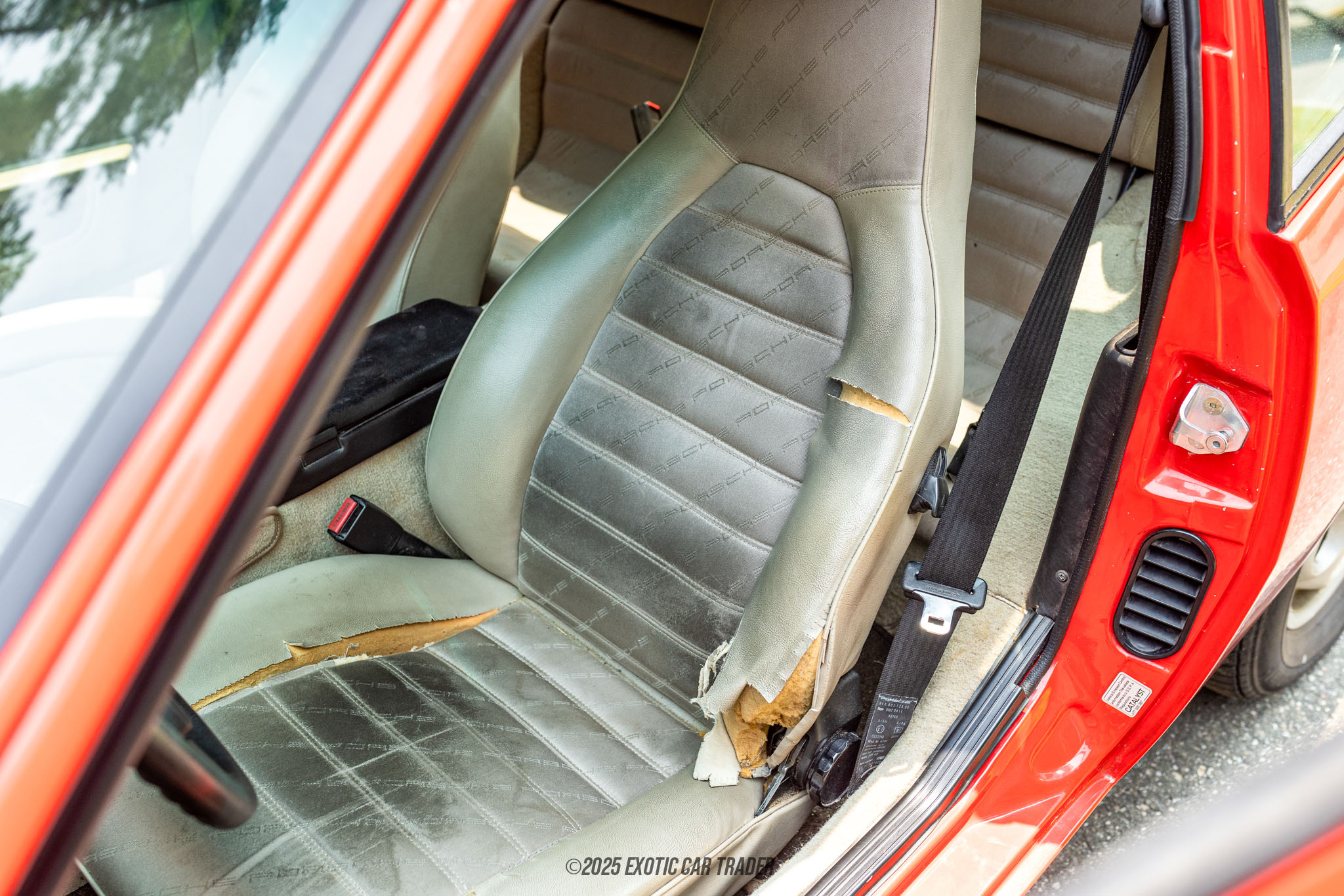
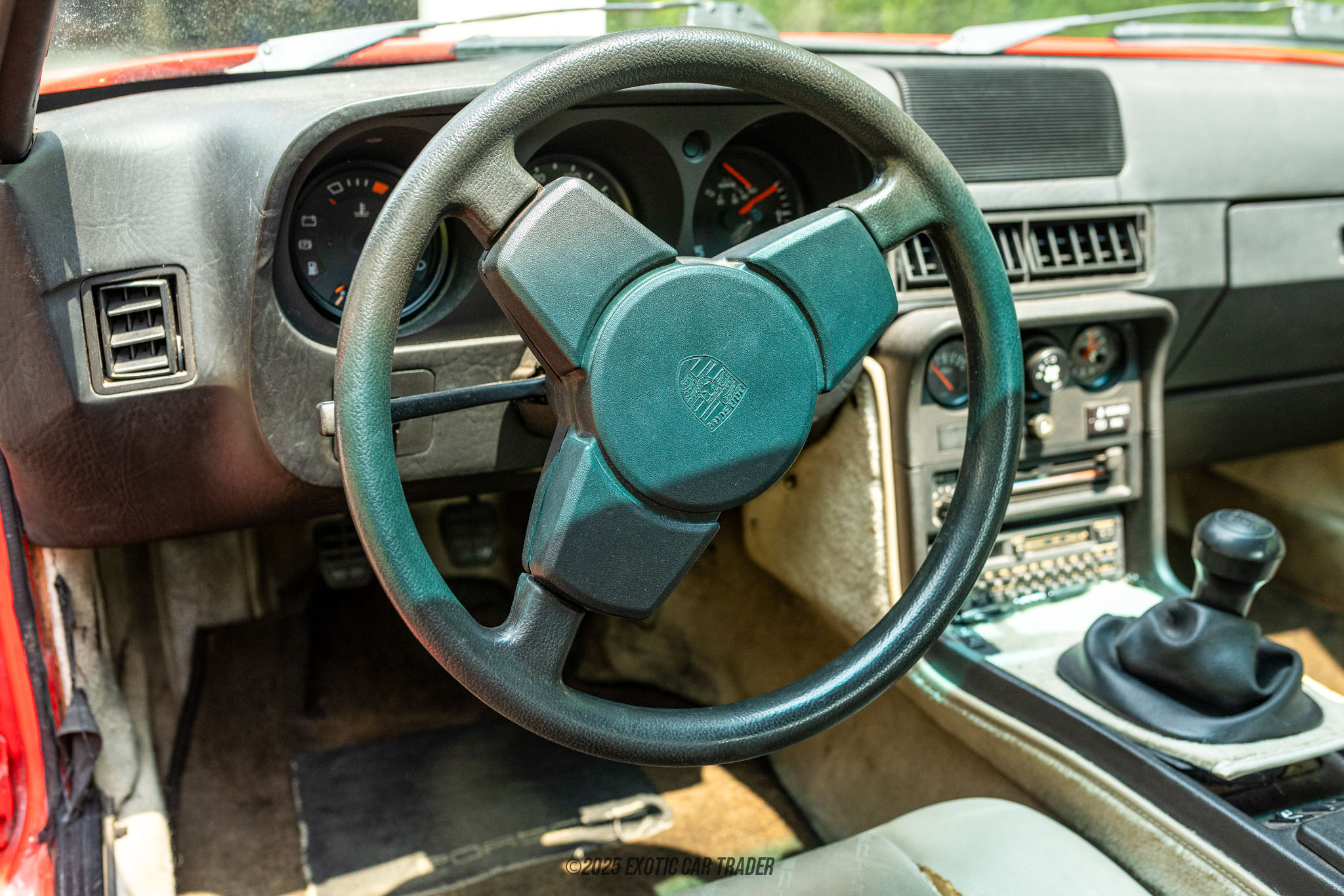
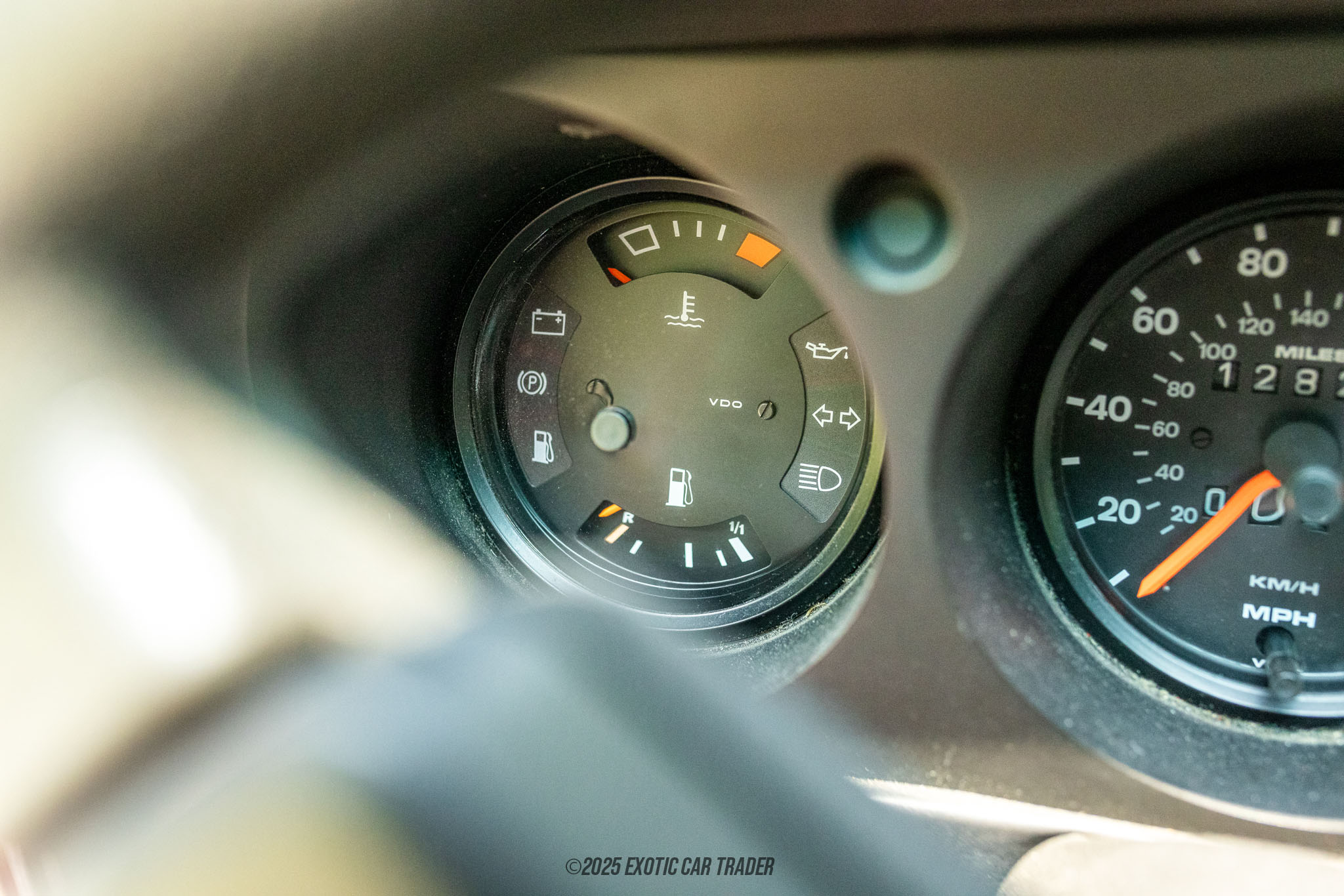
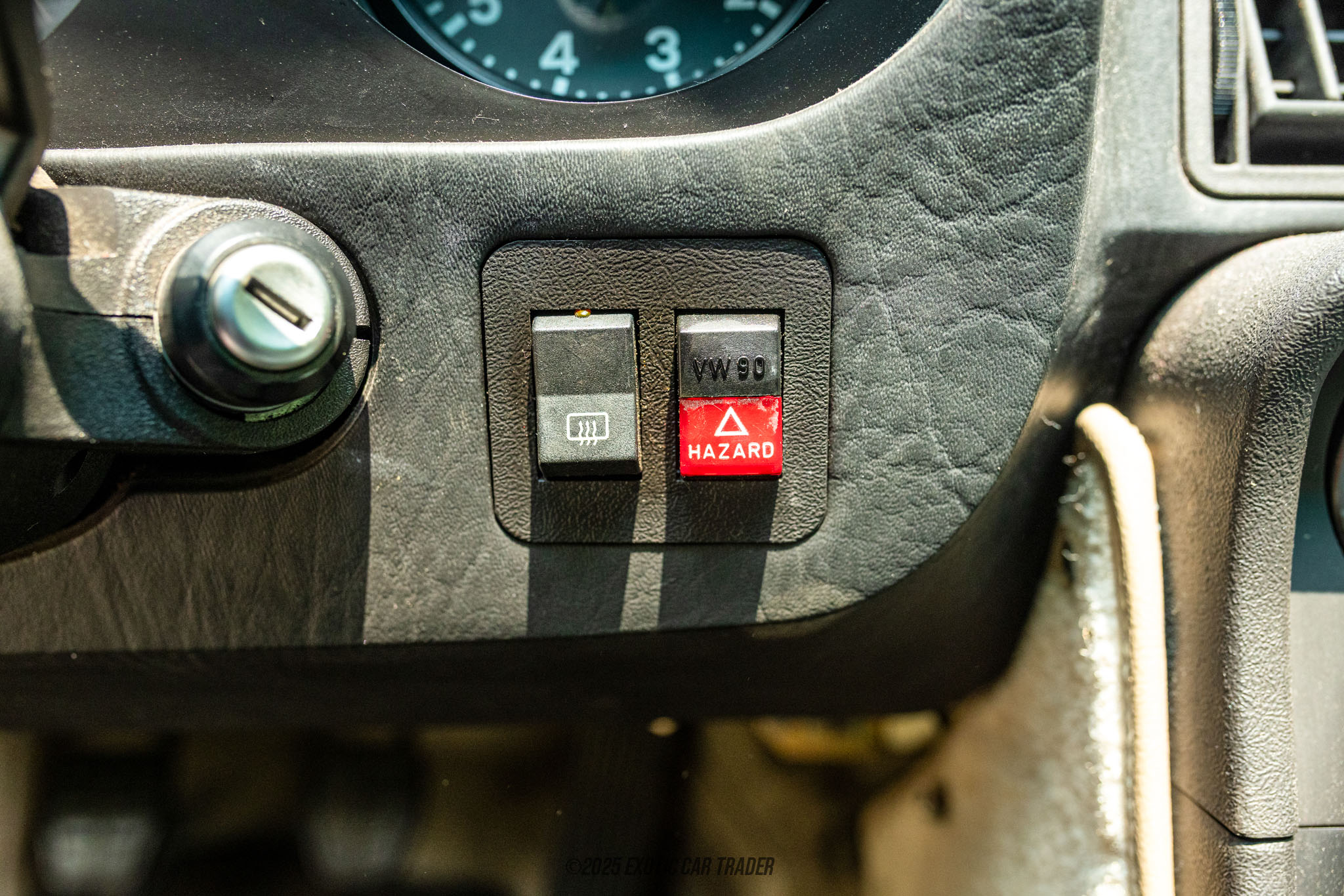
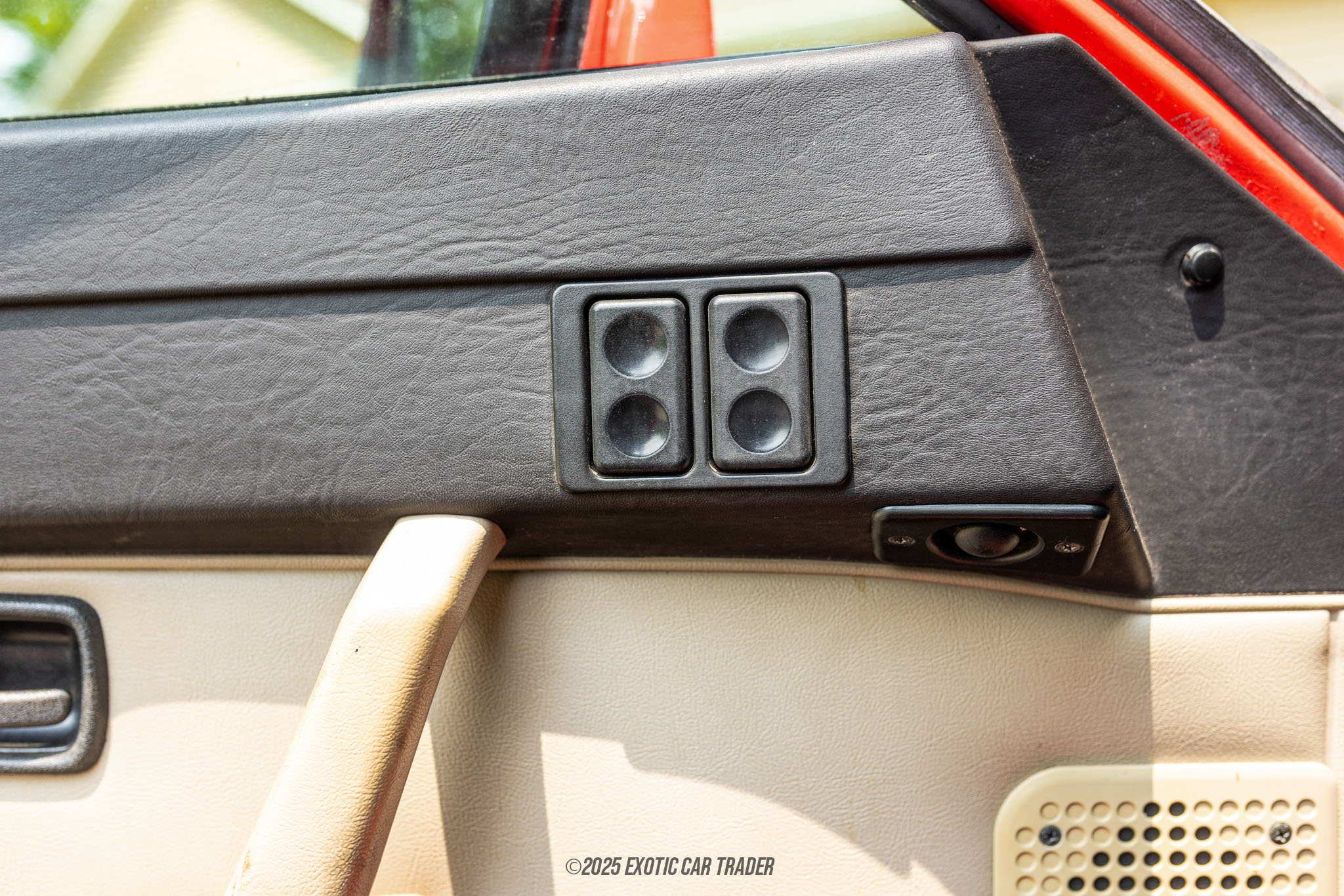
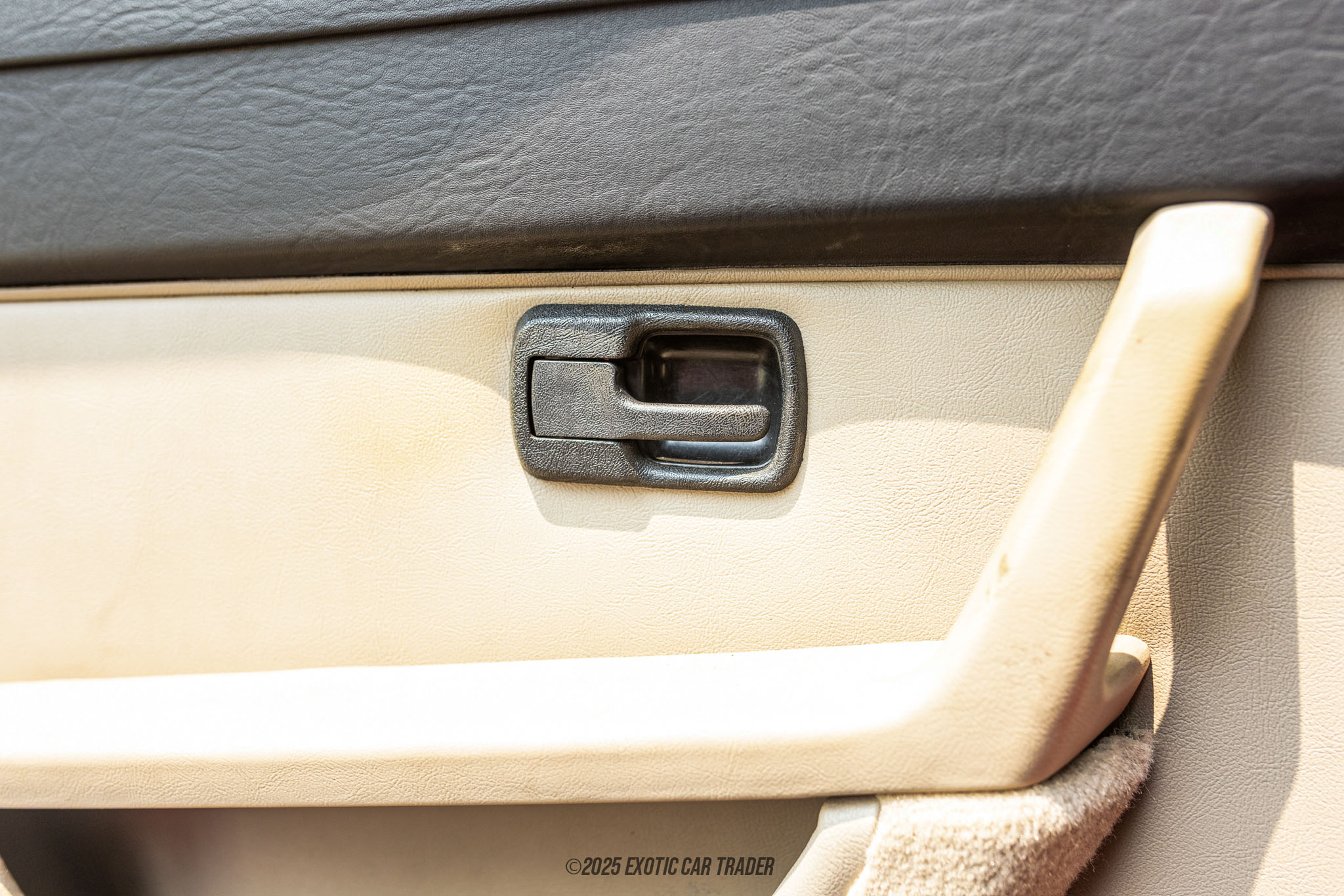
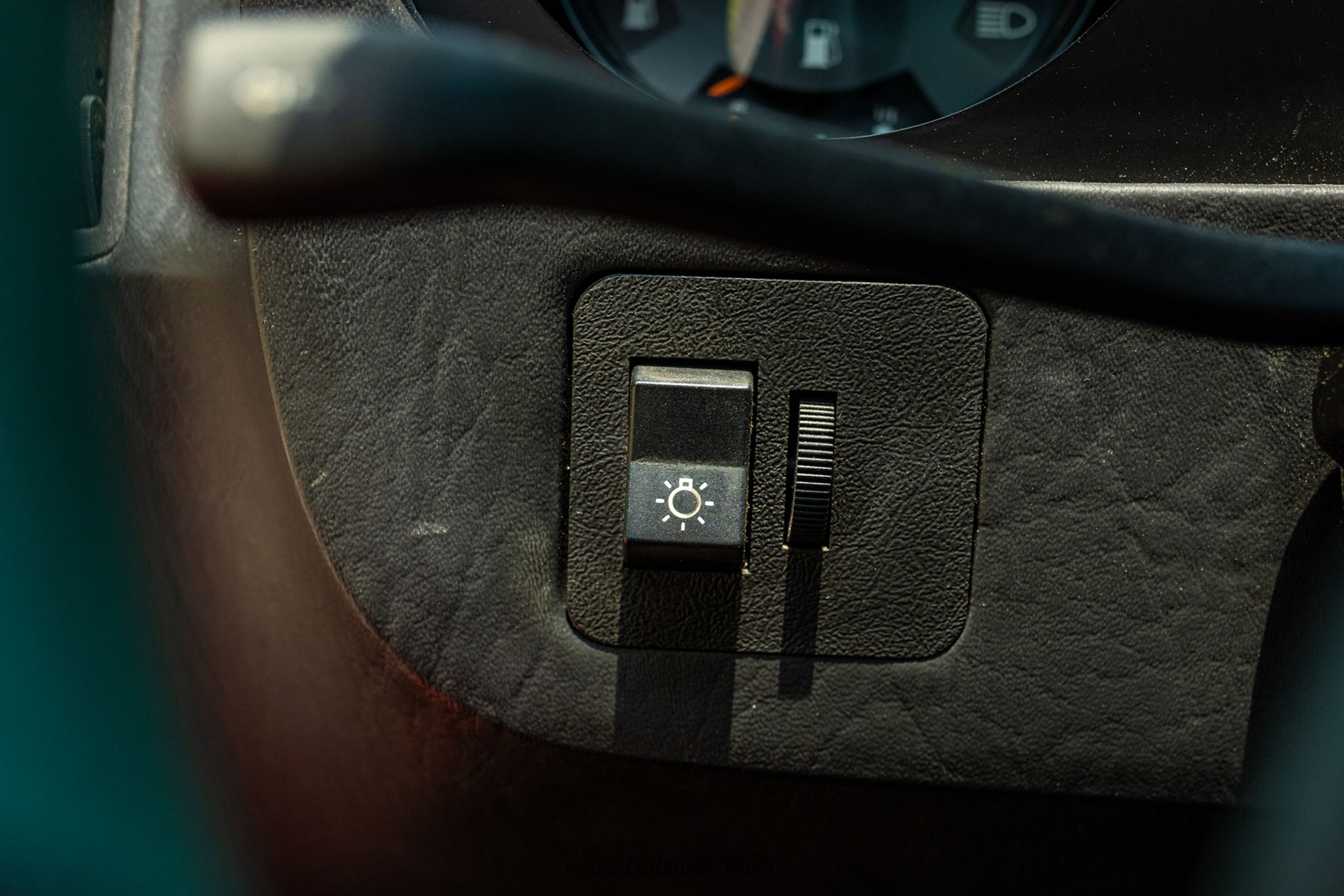
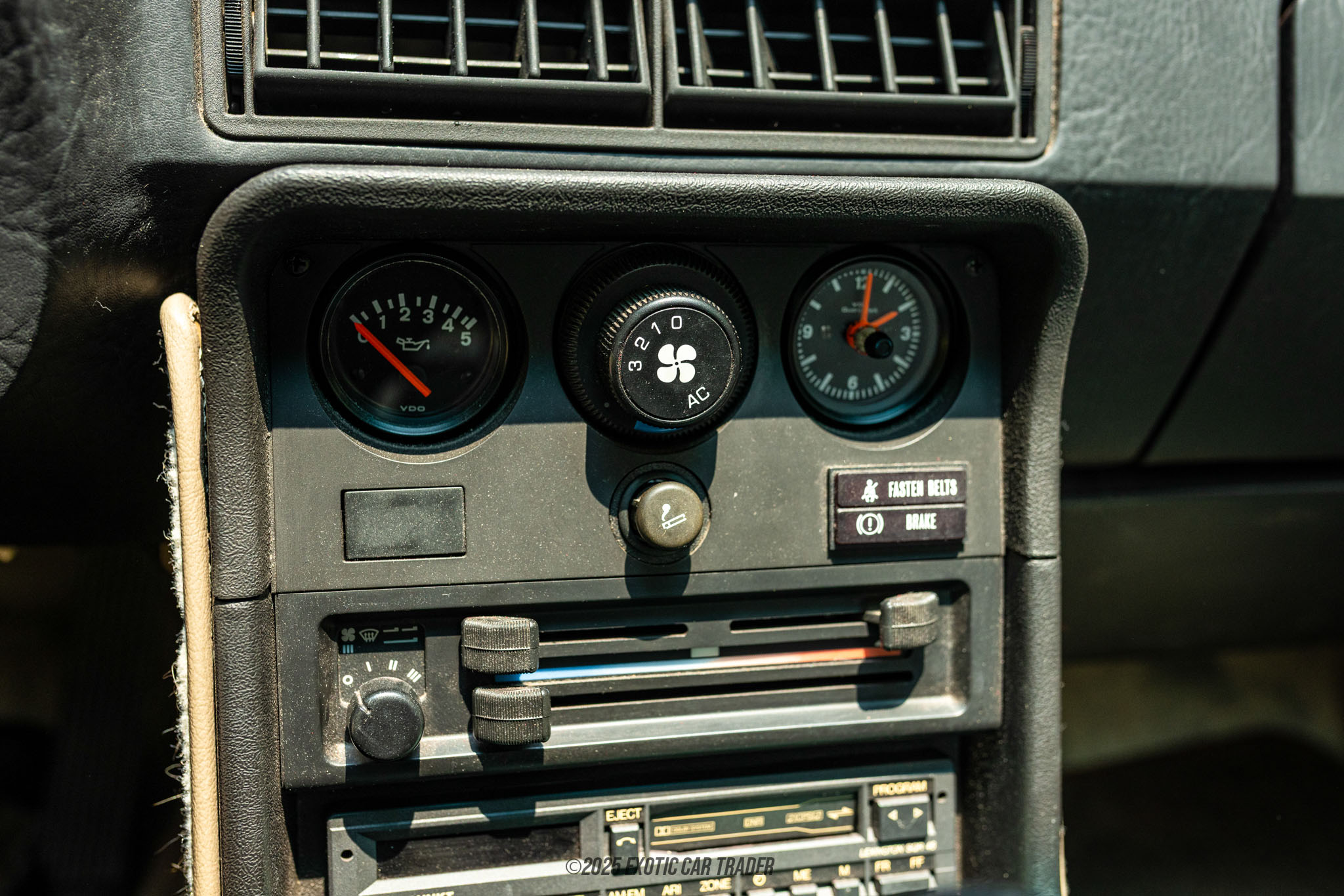
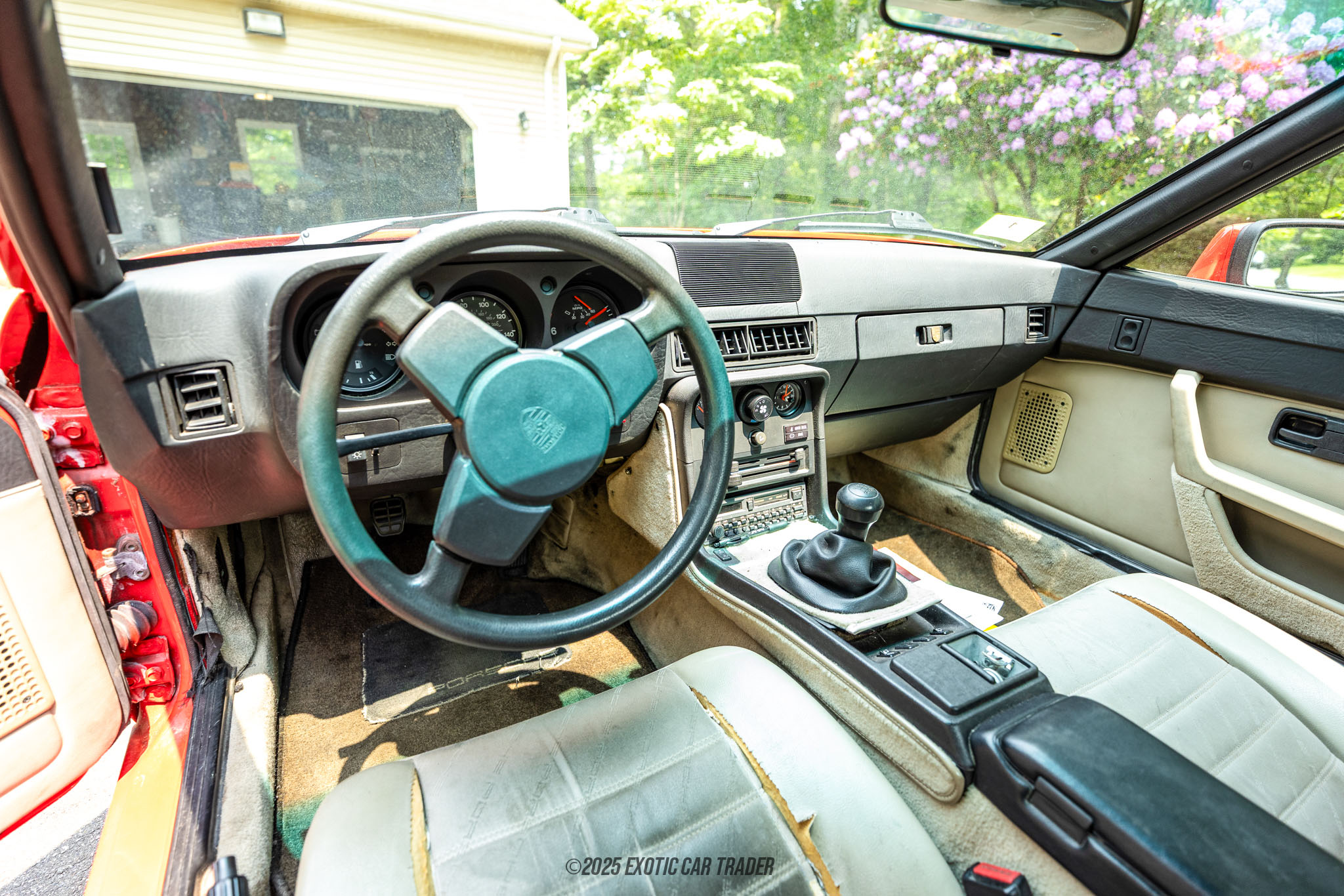
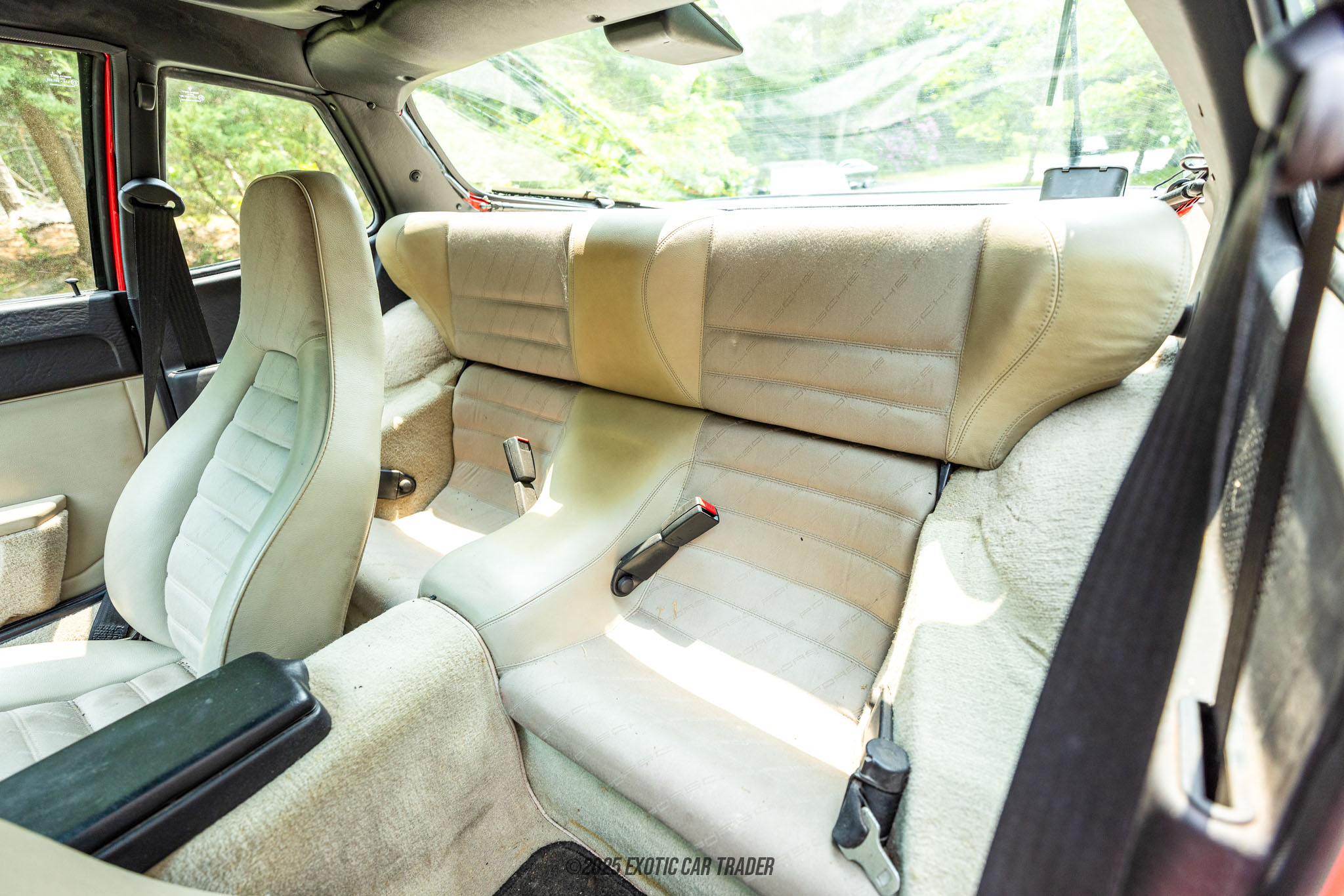
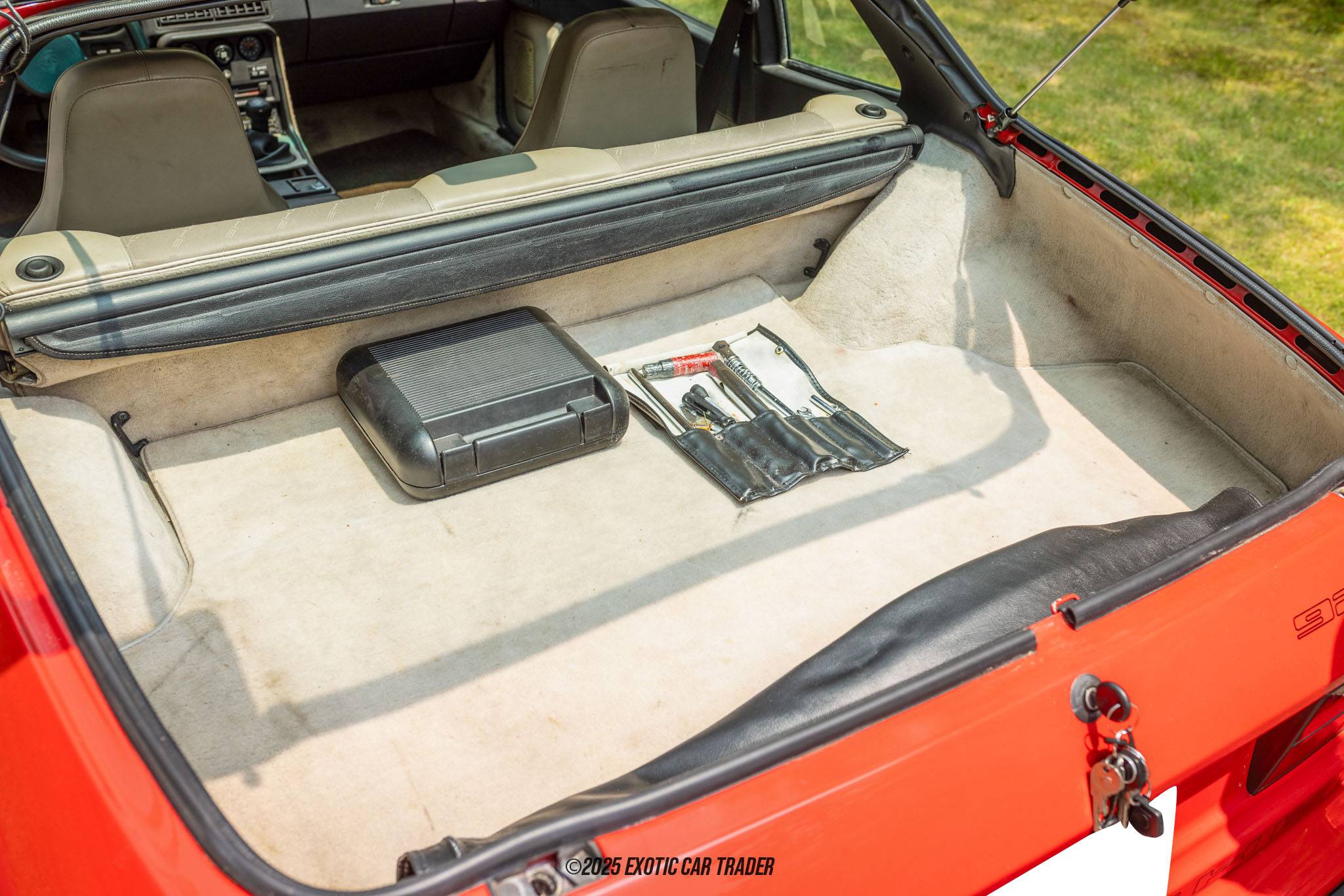
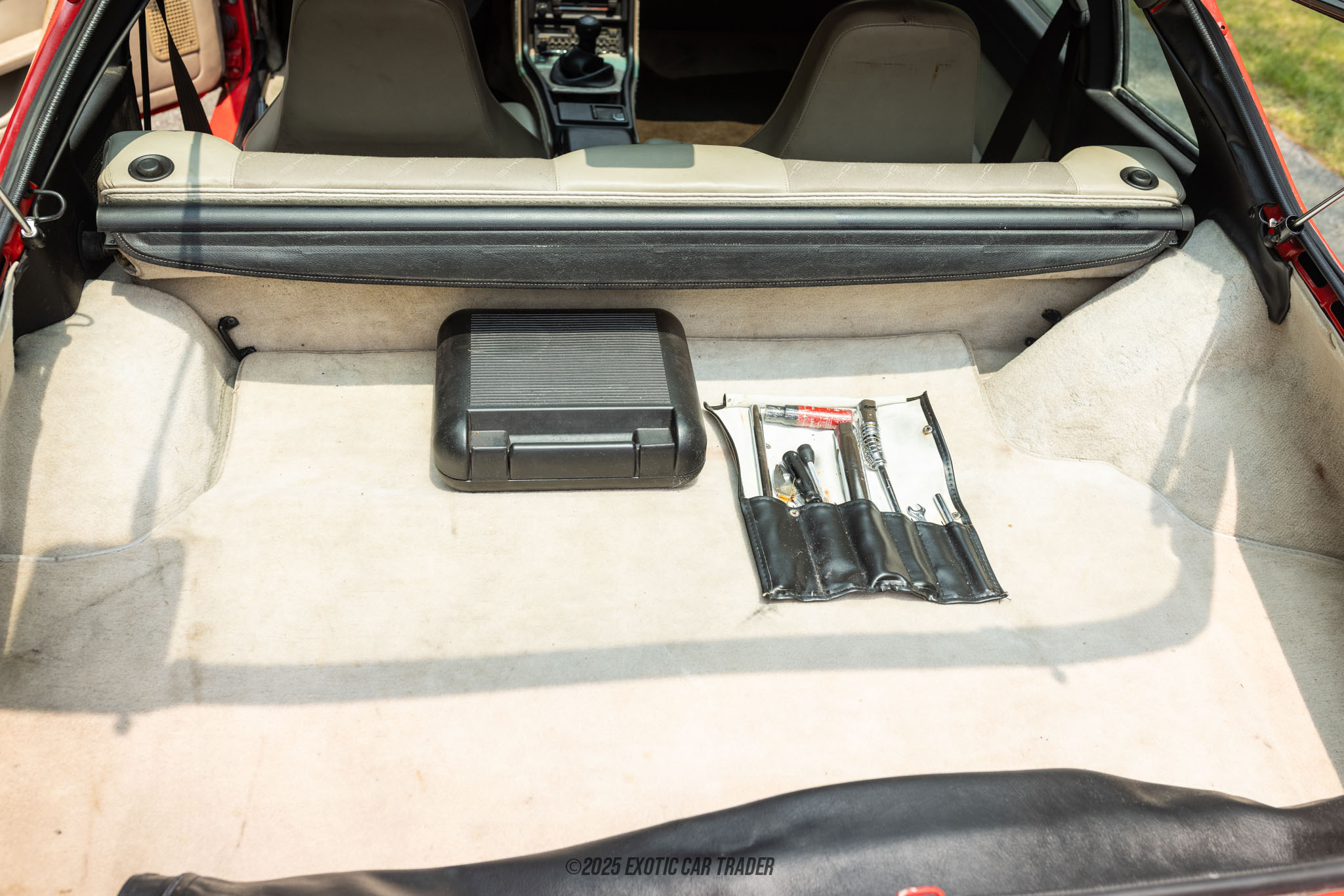
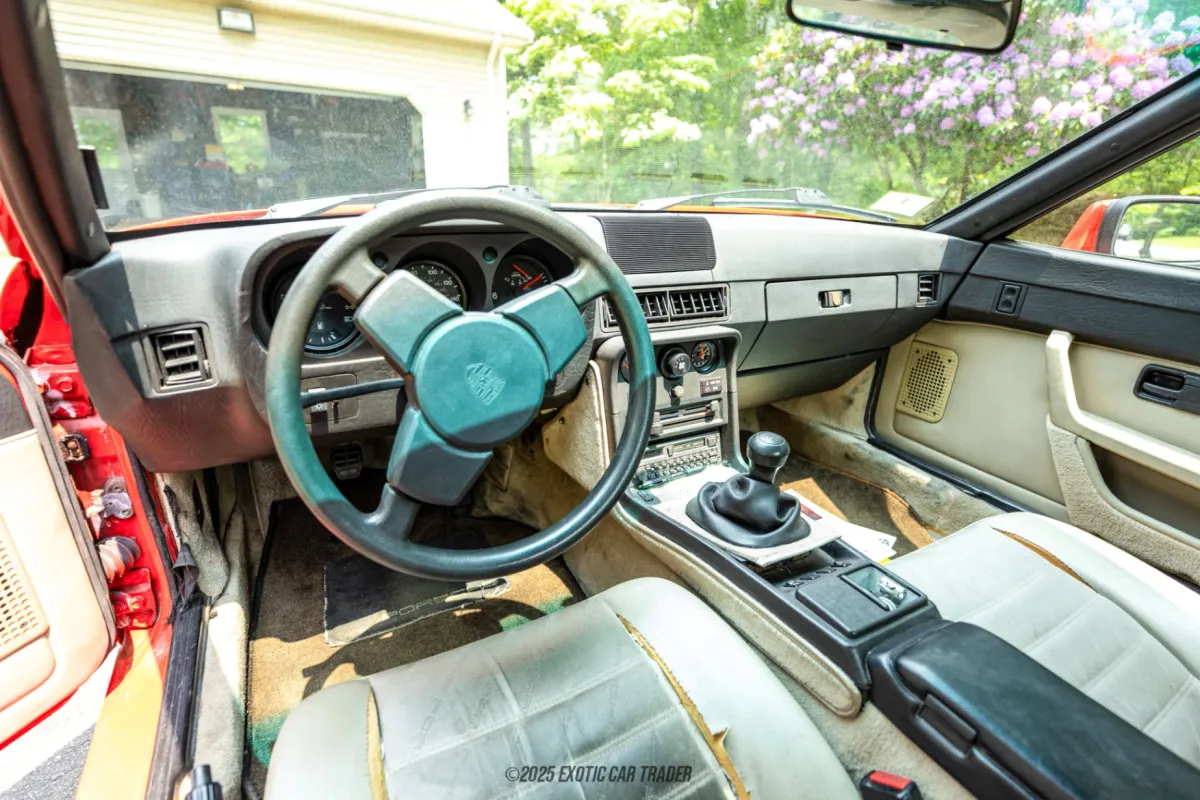
Wearing an attractive red paint coat, this 1987 Porsche 924 S features another interesting feature shared with the 944 of the time; pop-up headlamps. You’ll also notice that the 924 doesn’t look close to a 911, because Porsche’s entry-level models never ape the looks of its bigger and more well-known sibling. After all, why dilute its impact with lookalikes or scaled-down versions? Hence, the 924 has its own distinctive style, with a wedge-shaped silhouette, five-hole alloy wheels, and a rear liftback as key points. The interior of this 1987 Porsche 924 S comes in light tan and features 2+2 seating like a 911. Yes, you can use this as a family car, aided by its surprisingly spacious trunk that’s easily accessible via that large liftback. The car includes air conditioning and a Blaupunkt radio cassette tape player with plenty of buttons that will appeal to classic audio enthusiasts too.
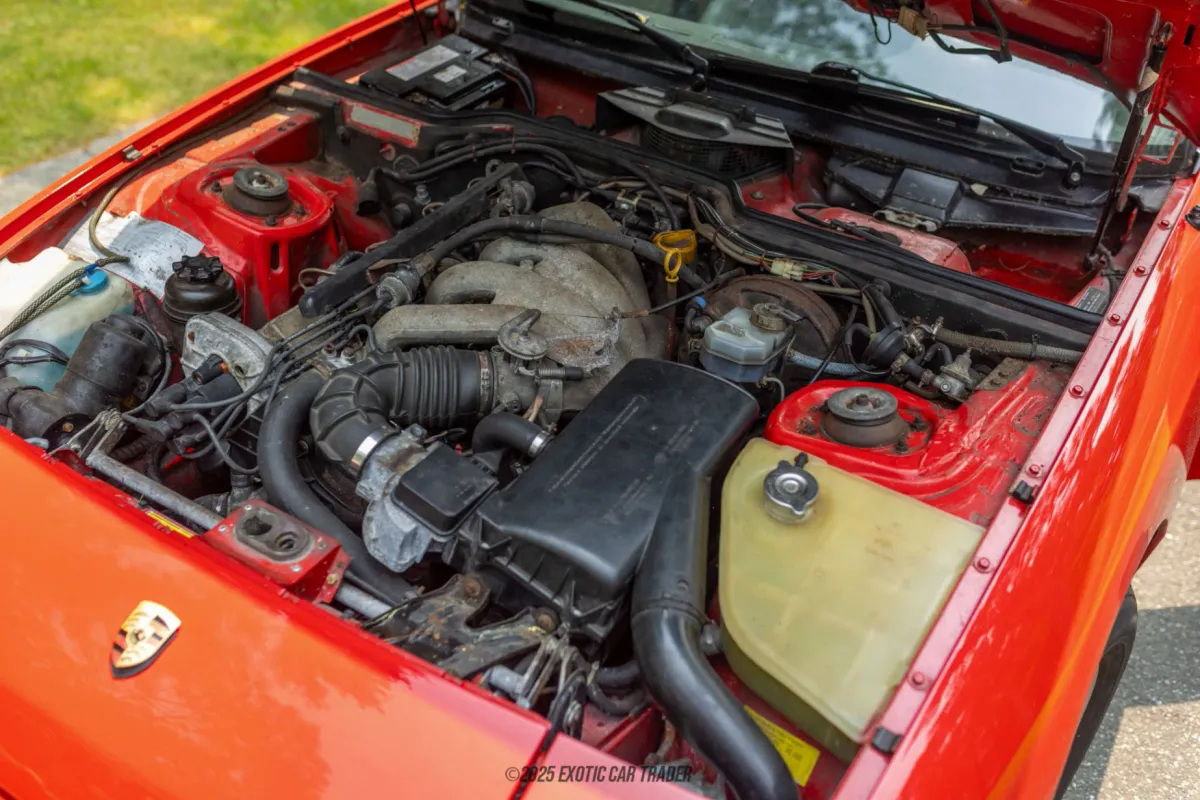
Engine
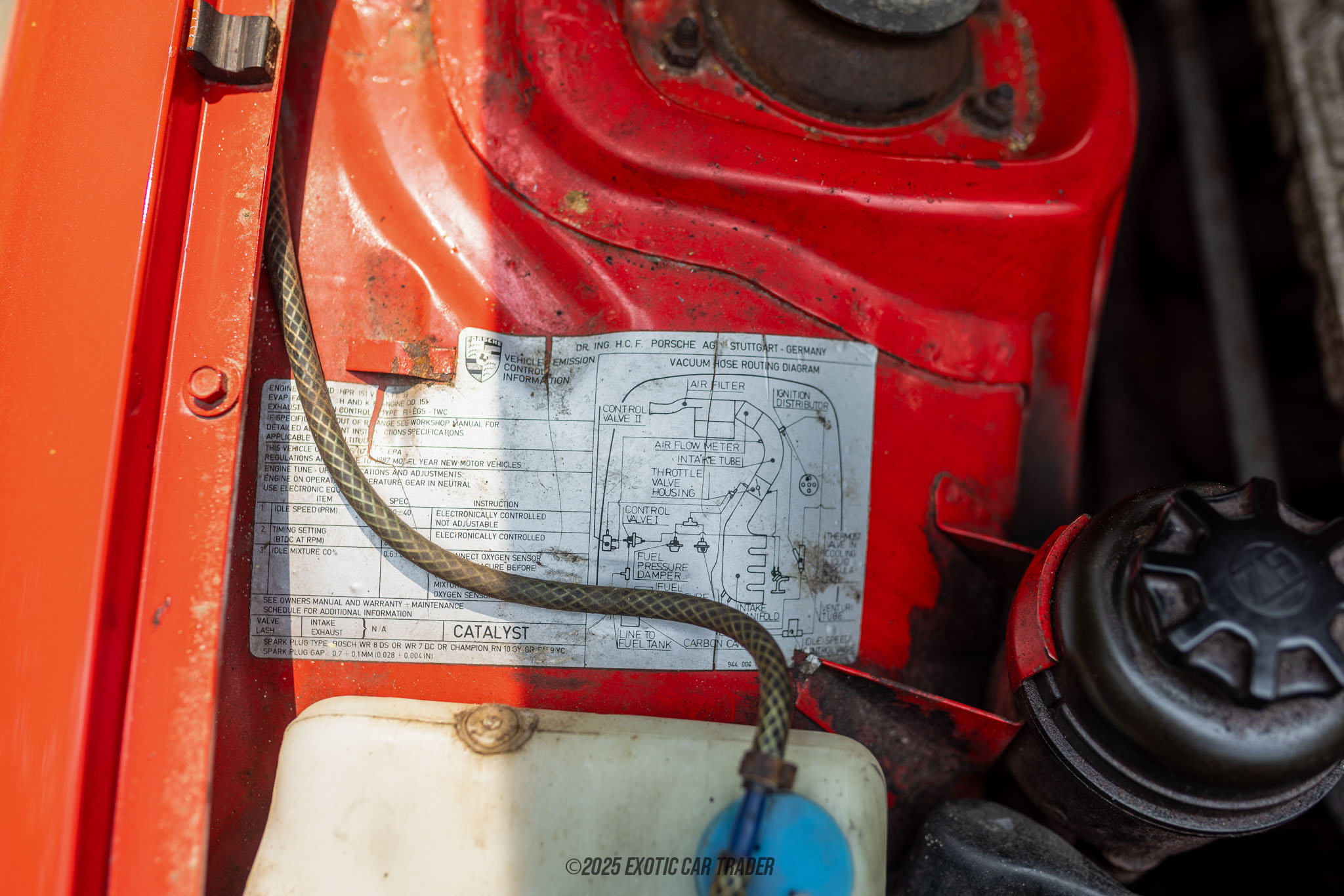
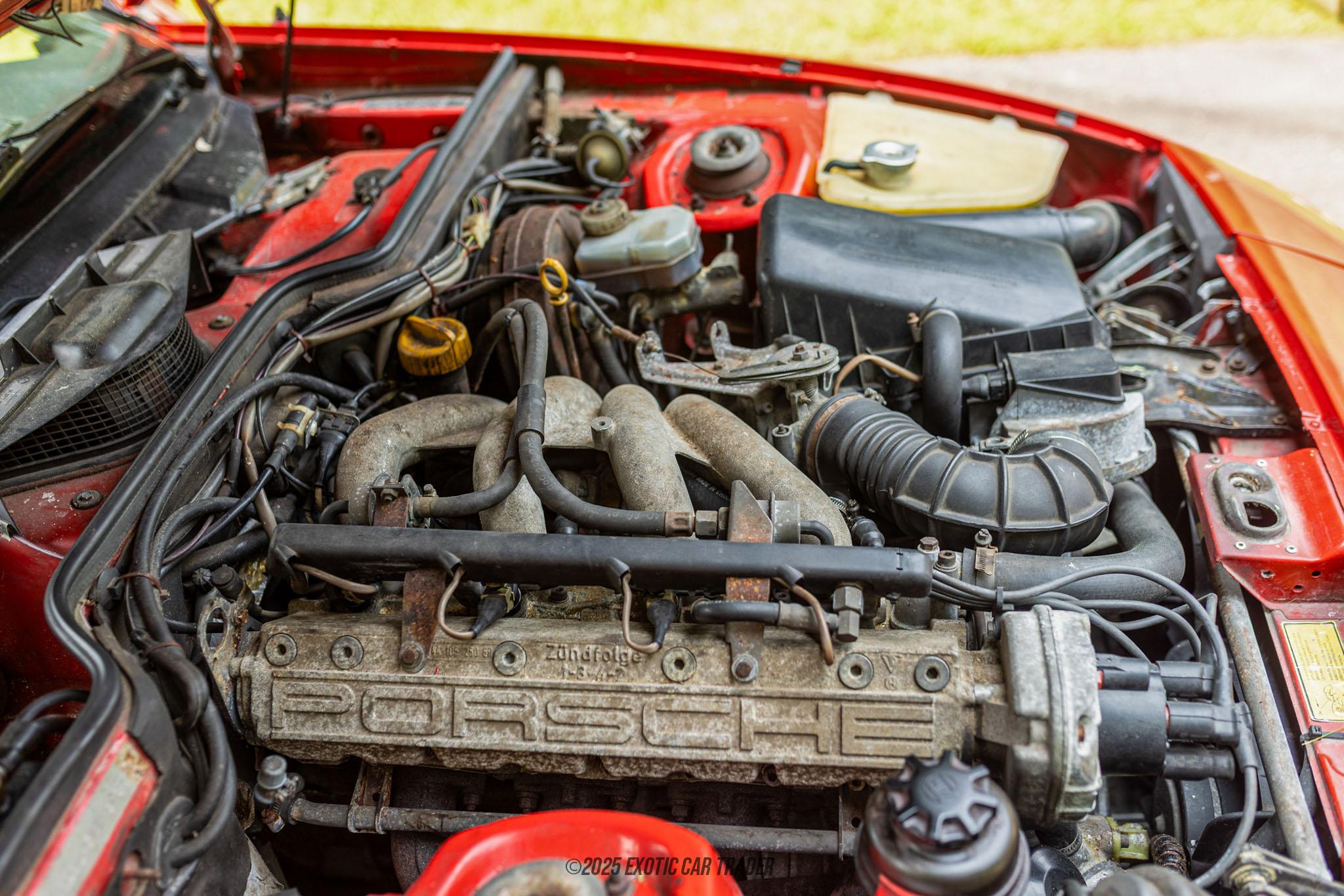
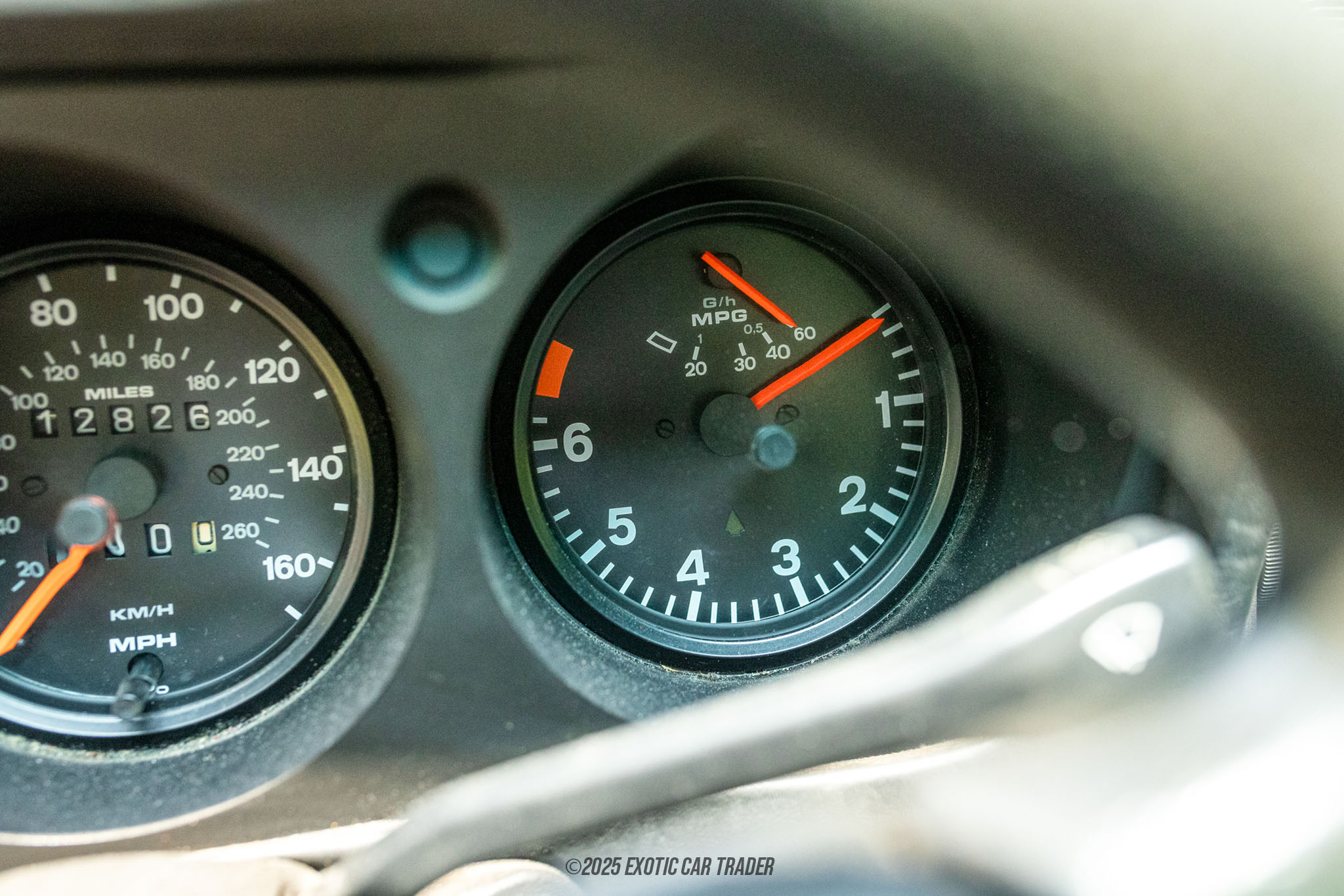
This 1987 Porsche 924 S has a 2.5-liter naturally aspirated 4-cylinder engine under the hood. The engine was reportedly rated for around 160hp when new. A 5-speed manual gearbox is used to drive the rear wheels.
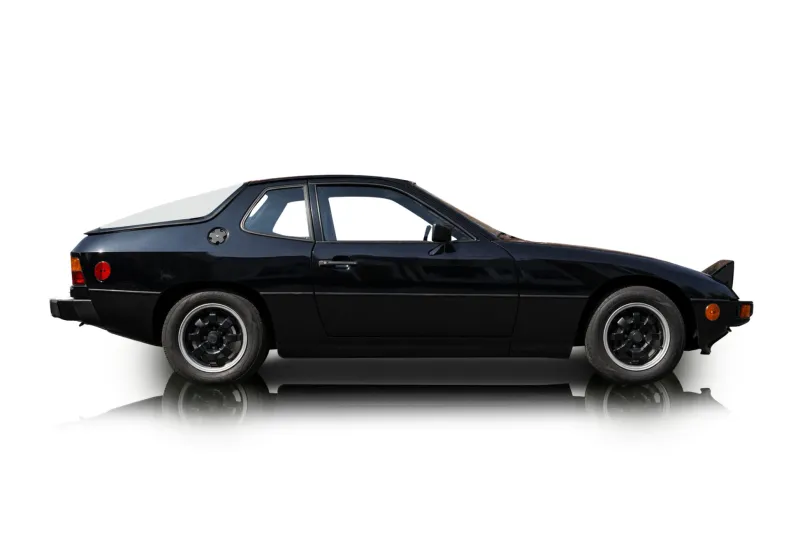
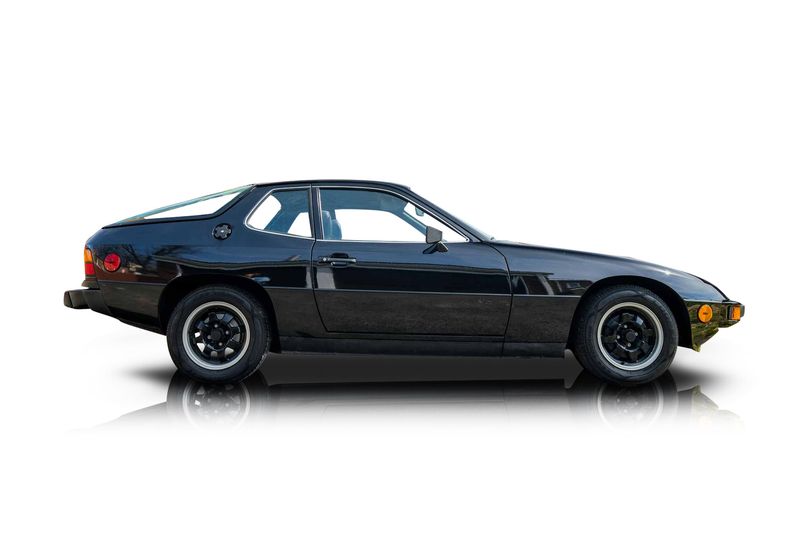
The Porsche 924 marked a major turning point for the brand, introducing a front-engine, rear-wheel-drive platform that broadened Porsche ownership while preserving the engaging driving dynamics enthusiasts expected. This 1978 Porsche 924 Coupe is a wonderfully analog example of that formula, pairing lightweight balance with simple, driver-focused engineering. Showing just 8,719 miles, this example presents as an exceptionally low-mileage survivor from Porsche’s late-1970s lineup. Finished in black over a matching black interior, it carries a timeless specification that complements the car’s clean wedge-shaped styling. With its 4-speed manual transmission, pop-up headlights, removable roof panel, and unmistakable period character, this 924 offers a nostalgic gateway into classic Porsche ownership without the complexity or price tag of its rear-engined siblings.
The most popular model from German sports and luxury car maker Porsche is of course, their epic 911 which dates back to 1964 and is going strong to this date. Then, one can argue that the Cayenne and Macan have a firm following too. But let’s delve a little deeper into their history, a little further back in time. There, we find many gems and interesting curios. One of these is the Porsche 924. Produced between 1976 and 1988, the 924 was meant to be Porsche’s entry-level offering. Yes, for much of its history, the company offered (and still offers) a sports car below the 911, making Porsche ownership more accessible to a broader segment. Hence, the four-cylinder 924 (the 911 is, and has always been a six-cylinder machine). Today’s 1987 Porsche 924 S is an interesting one from the 924 range because for much of the model’s lifecycle, it used a Volkswagen-sourced 2.0-liter flat-four. However, in 1984, Volkswagen stopped making 2.0-liter engine blocks, leaving Porsche with an engine sourcing issue. Their solution was to take their home-grown 2.5-liter unit that they used in the larger 944, slightly de-tune it and stick it in the front of the 924. This change was marked by an S added behind the 924 badge. So if you want a historic Porsche that’s definitely interesting and fun to drive, this 160,000-mile car from Rochester, Massachusetts, is your hot ticket.
Porsche's headline-grabbing 911 hasn't always been the automaker's sole offering. For much of the automaker's existence, they've always offered something cheaper, as an entry-level model. Their thinking is that once you've sampled the Porsche driving experience, you'll want to graduate to their flagship. Between 1976 and 1988, the Porsche 924 was the feeder into the Porsche family. As you'd expect, it's a proper Porsche since it's basically the automaker's first impression tool. Hence, you'll really enjoy owning and driving this ultra-low mileage 1978 Porsche 924, with just 8,520 documented miles done since new. No wonder the car looks like it left the factory last week. The current owner also includes the original manuals with this New Jersey-registered vehicle.
Very few cars from the 1970s have the reputation of the first-generation Porsche 911 Turbo. This 1976 Porsche 911 Turbo (930) is an early U.S.-specification example showing approximately 103,898 miles and carrying VIN 9306800195, placing it as the 195th U.S.-market 930 in the 1976 VIN sequence. Porsche introduced the Turbo to North America for the 1976 model year, and this car belongs to the original 3.0-liter generation produced before the larger 3.3-liter Turbo arrived for 1978. Finished in White over a Black leather interior, this example combines the early single-turbo drivetrain with the signature wide rear fenders and factory whale-tail spoiler that made the 930 instantly recognizable. It also features a Rennsport-style front bumper, upgraded Porsche alloy wheels, factory-style air conditioning, a sunroof, and period Porsche equipment. According to the seller, this example has remained under the same ownership for the last 24 years, adding an appealing element of long-term provenance to one of Porsche’s most important early turbocharged road cars. Porsche states that 2,850 3.0-liter Turbos were produced during the model’s first three years, while specialist production records list 530 U.S.-specification examples for the 1976 model year.
Few sports cars have maintained the same combination of everyday usability, unmistakable design, and enthusiast appeal as the Porsche 911. This 2024 Porsche 911 Carrera Cabriolet brings that formula into an open-top package, pairing its rear-wheel-drive layout and twin-turbocharged flat-six with a carefully selected configuration that stands apart visually. Finished in Chalk over a Bordeaux Red leather interior with Chalk stitching, this example has traveled approximately 11,047 miles. Desirable equipment includes the Sport Exhaust System, 20-/21-inch RS Spyder Design wheels, Power Steering Plus, the Premium Package, Surround View, ventilated front seats, and a BOSE surround sound system. The contrasting black convertible roof with double stripes in Grey and matching front trunk lid decal give this Carrera Cabriolet an especially distinctive presence.
The first-generation Porsche Cayman has become increasingly appreciated for delivering one of Porsche’s purest modern driving experiences, pairing a naturally aspirated flat-six engine with a rigid mid-engine coupe chassis and beautifully balanced handling. This 2008 Porsche Cayman shows approximately 50,658 miles and combines that enthusiast-focused formula with a desirable 6-speed manual transmission. Finished in Black over a Sand Beige full leather interior, it also benefits from comfort and convenience features including heated seats, Bose surround sound, automatic climate control, and a remote 6-disc CD changer. For buyers looking for an analog-era Porsche that blends everyday usability with genuine sports-car character, this Cayman presents a compelling package.
This 1963 Pontiac Catalina Convertible captures the full-size style and open-air cruising character that defined Pontiac in the early 1960s. Showing approximately 96,739 miles, this example is finished in Burgundy Red over a Burgundy and White leather interior and topped with a white convertible soft top. Under the hood is a 454ci V8 breathing through a 4-barrel carburetor and paired with a 3-speed automatic transmission. Power steering and power brakes add welcome usability, while the factory-style instrumentation, Pontiac heater system, chrome trim, and Pontiac wheel covers help preserve the car’s period presentation.
The 1966 Chevrolet Corvette Convertible comes from the heart of the C2 era, when the Corvette had already matured into a genuinely serious American sports car without losing the raw character that made the Sting Ray famous. This example leans heavily into that character. Showing 19,053 miles, it pairs a 327ci V8 with a four-barrel carburetor and a four-speed manual transmission, then adds the kind of period-style attitude enthusiasts gravitate toward: side-mount exhaust, knock-off-style turbine wheels, and a vivid Sunfire Yellow finish over a black interior. The current owner reports more than $83,000 invested into the build, with attention extending beyond cosmetics into the cooling system, ignition components, timing hardware, and other supporting mechanical upgrades. What makes this car appealing is that it still delivers the classic C2 experience in the way enthusiasts want it: small-block V8 up front, manual gearbox in the middle, drive going to the rear, and very little standing between the driver and the car. The side pipes give the Corvette a more aggressive presence and soundtrack, while the custom paint and wheel setup emphasize the long-hood, short-deck proportions that made the midyear Corvette one of Chevrolet’s most iconic designs.
The 1969 Chevrolet Corvette Stingray Convertible sits at the heart of the early C3 era, pairing dramatic styling with the kind of mechanical specification that made these cars so memorable. Showing approximately 5,672 miles, this example is finished in Monza Red over a Black interior and is equipped with the desirable L46 350ci V8 rated at 350 horsepower. A 4-speed manual transmission and Positraction rear axle keep the driving experience firmly enthusiast-focused, while power steering and power-assisted four-wheel disc brakes add useful road manners. Chrome Rally wheels, a black convertible soft top, and the unmistakable Stingray bodywork give the exterior its period-correct presence, while the cabin retains the classic twin-cowl dash, center console, and auxiliary gauge layout. An aftermarket steering wheel, manual shifter, air cleaner, and JVC audio head unit add a handful of personalized touches without taking away from the car’s classic Corvette character.
Terms of Service
Be Kind and Courteous
We're here to create a platform to better the automotive industry through communication and transparency. Please treat everyone with respect. Healthy debates are natural, but kindness is required.
No Hate Speech
Make sure everyone feels safe. Hate speech of any kind is strictly prohibited. Degrading comments about things like race, religion, culture, sexual orientation, etc. will not be tolerated.
No Promotions or Spam
Give more than you take. Self-promotion, spam, or links of any kind are not allowed.