




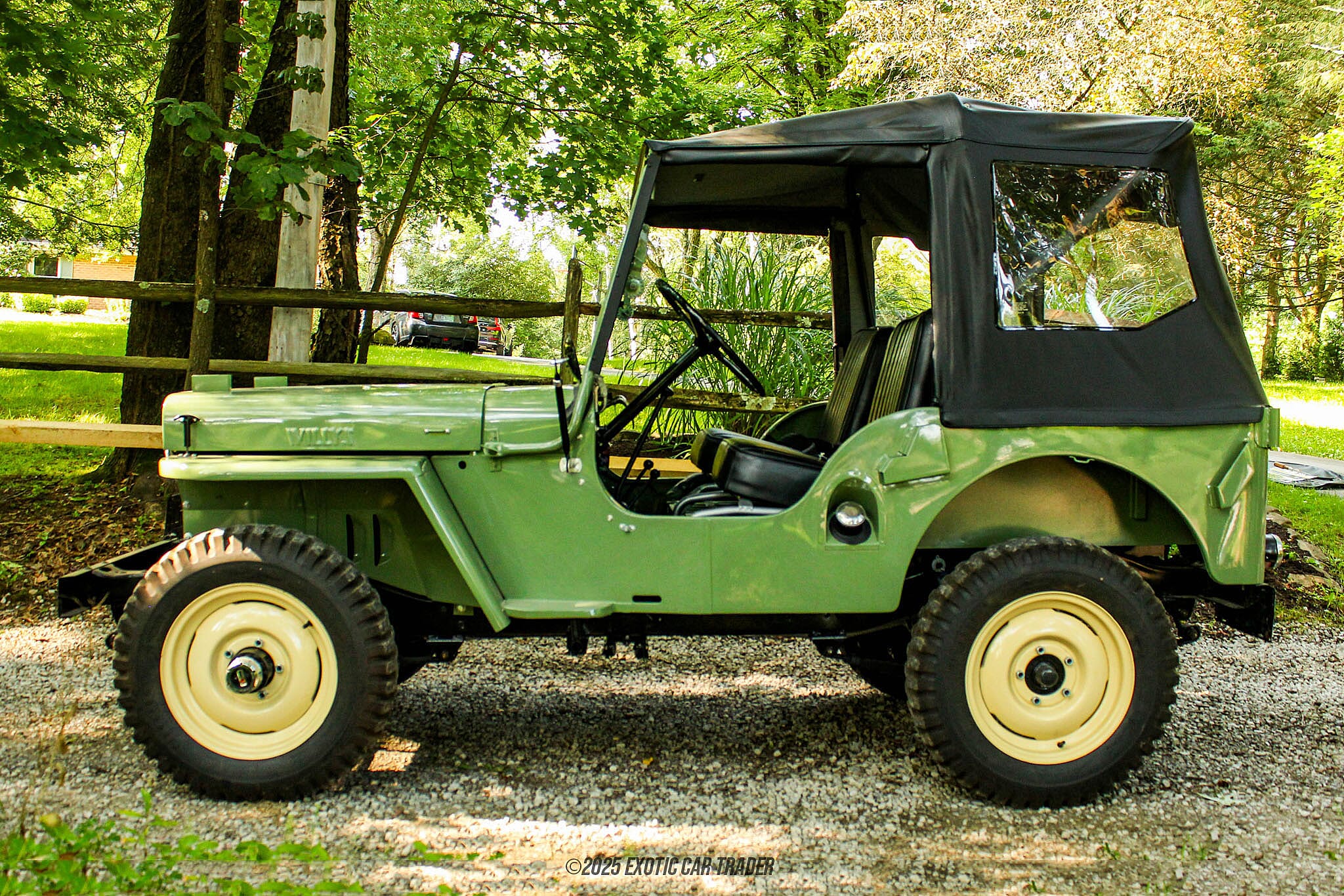
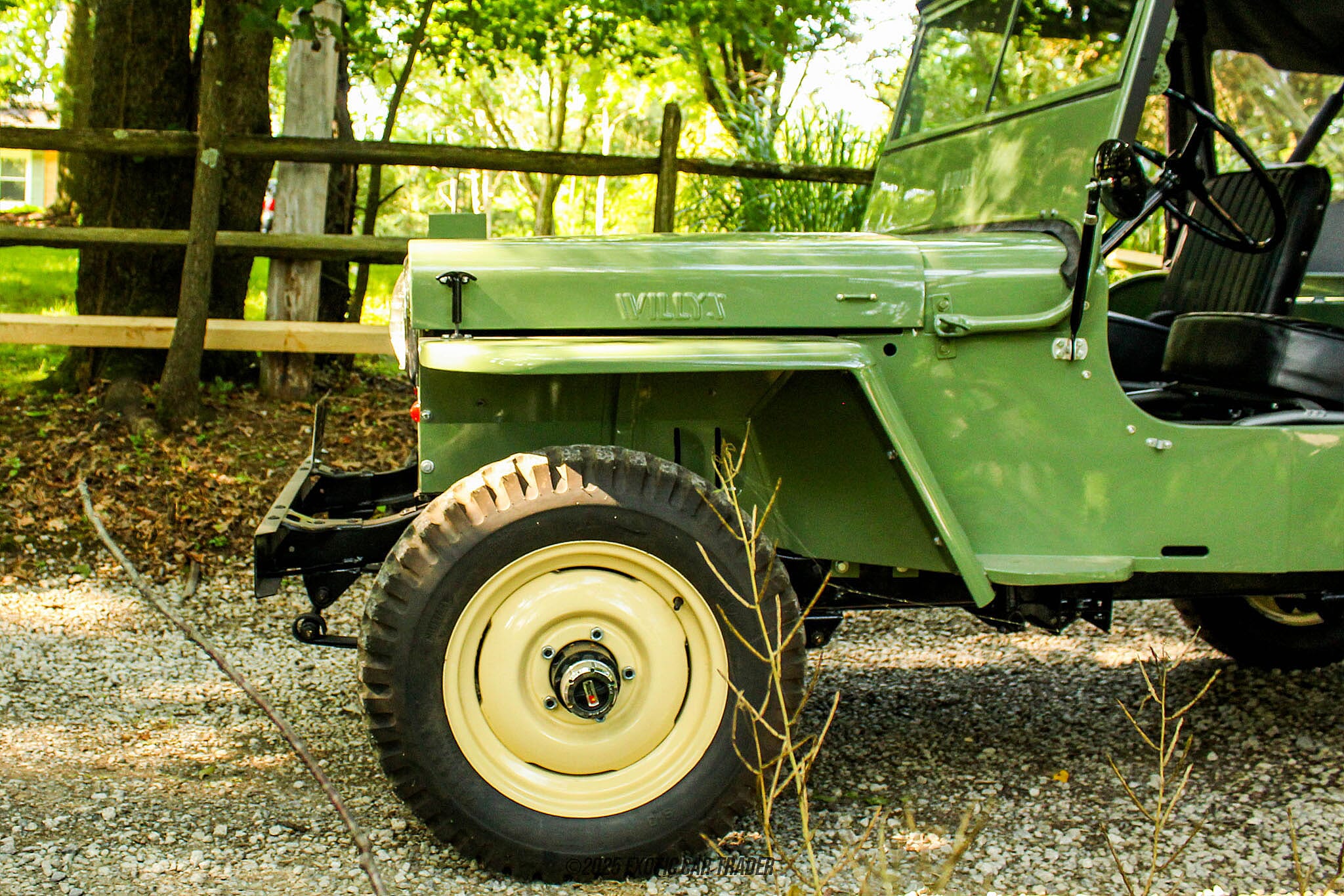
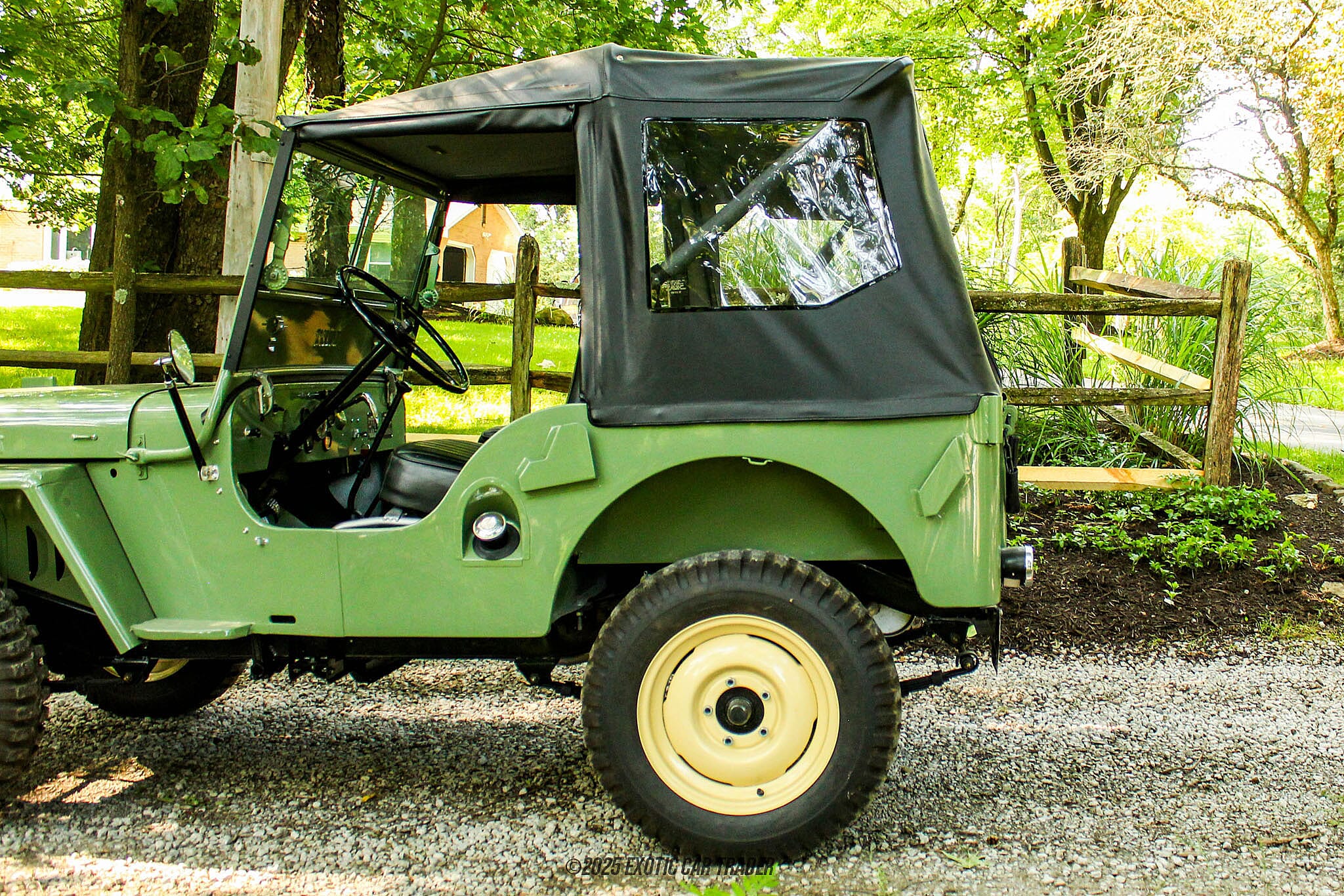
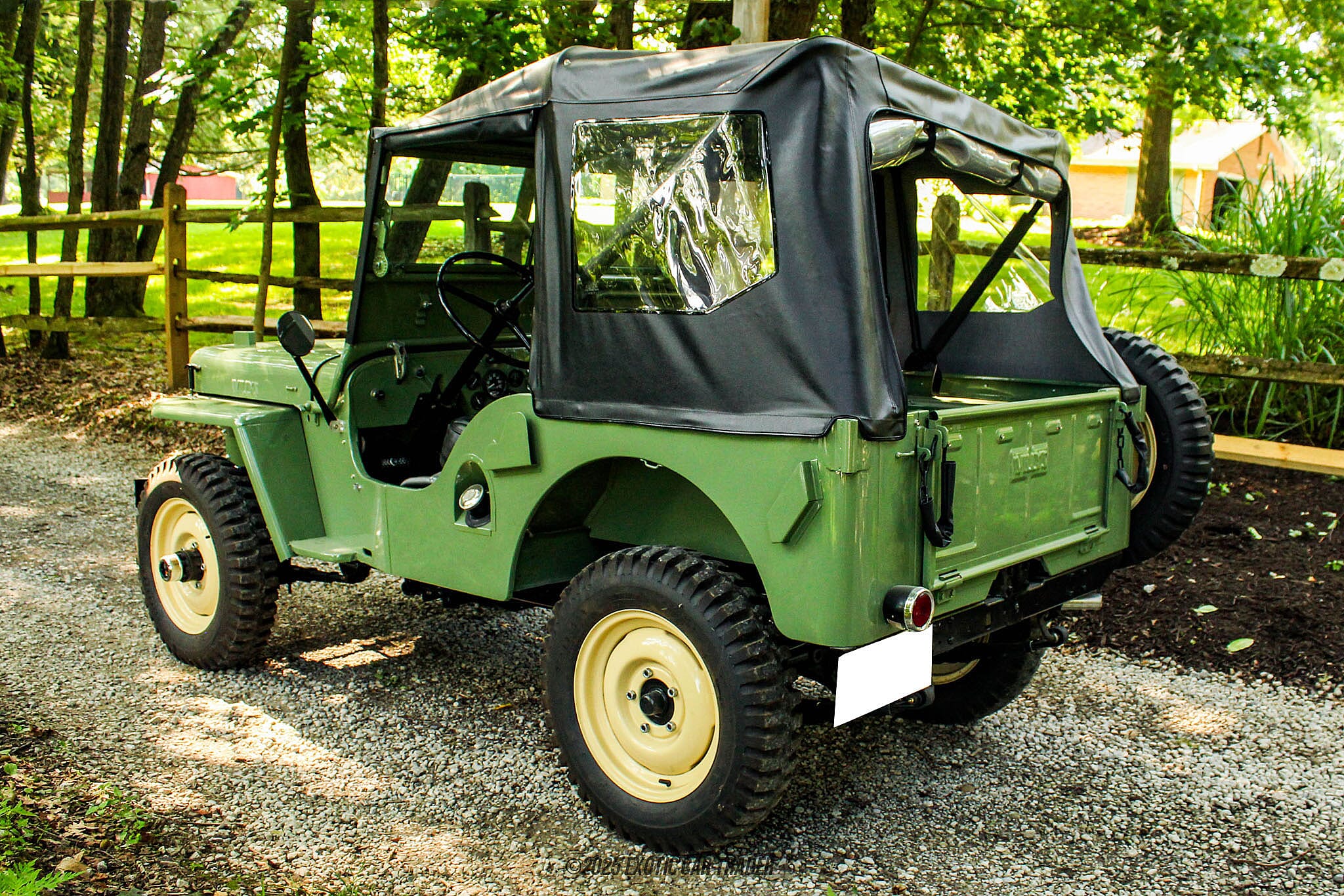
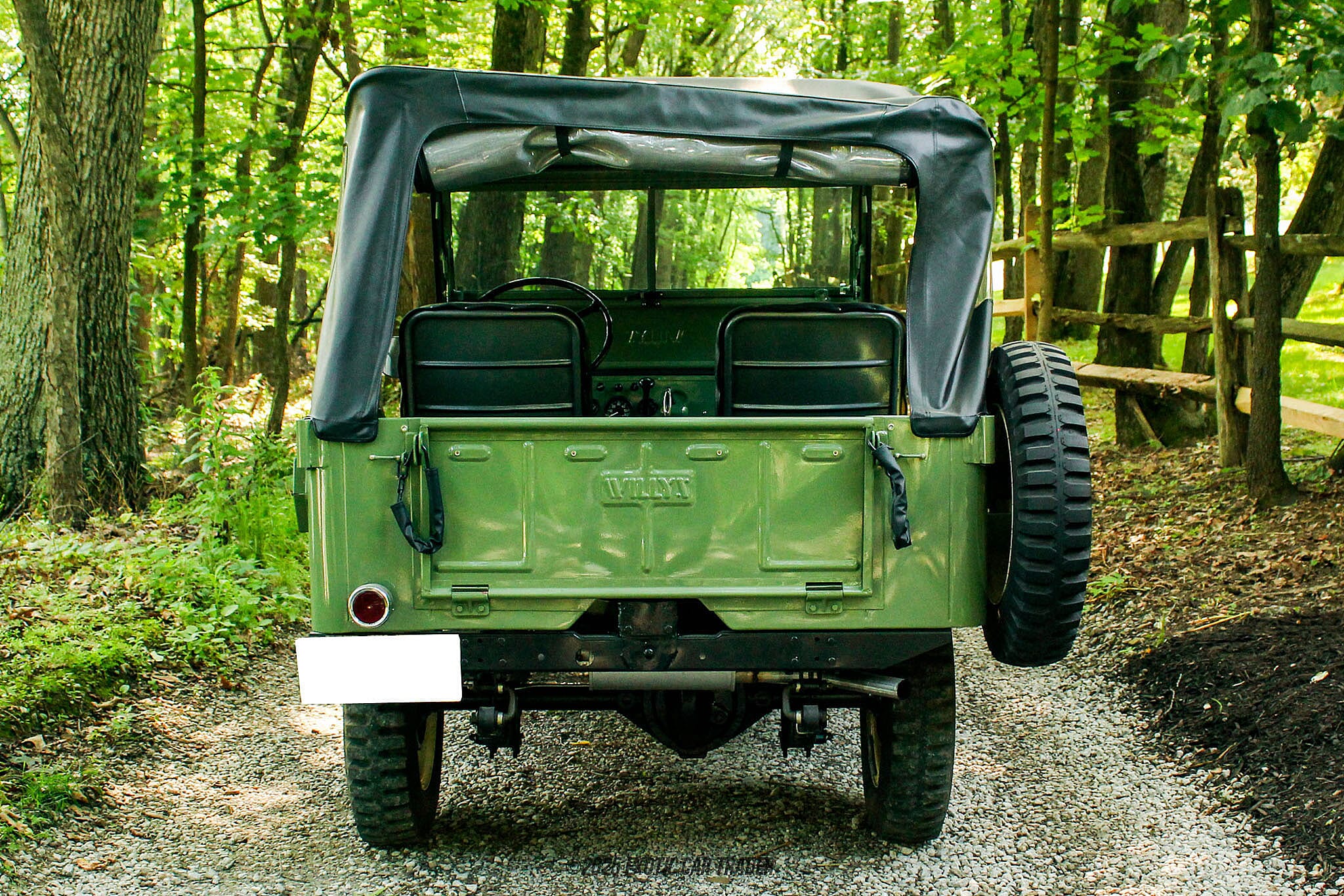
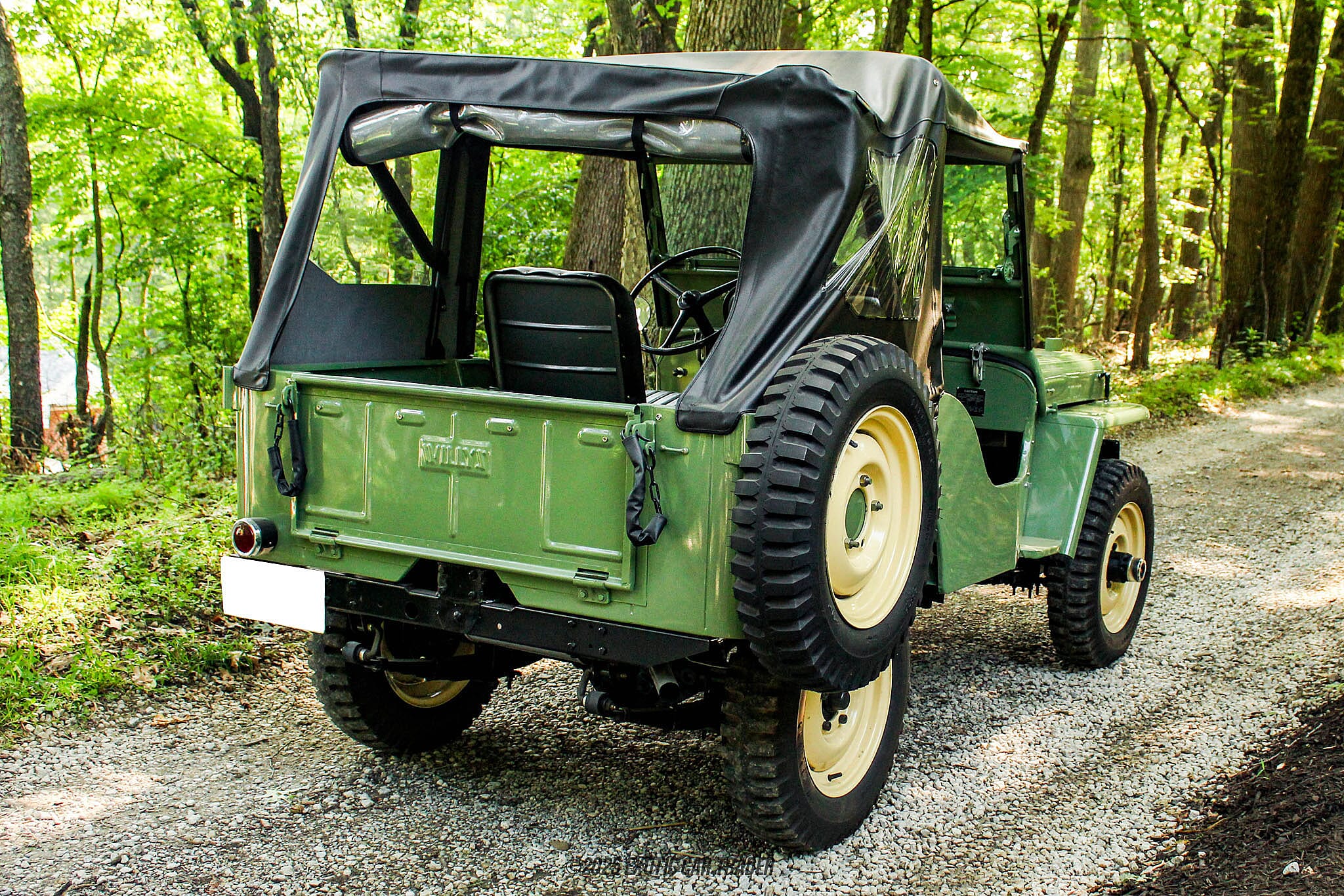
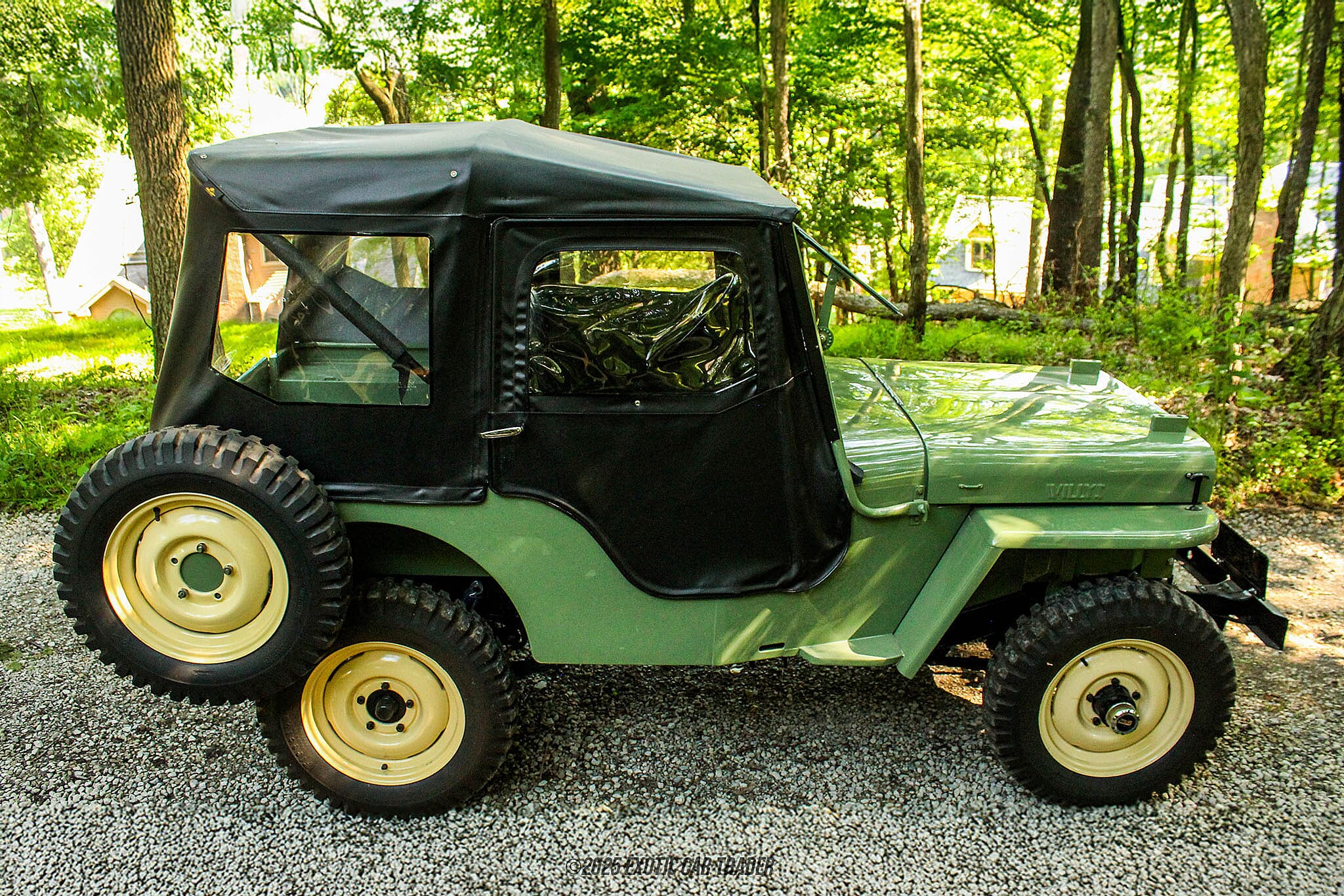

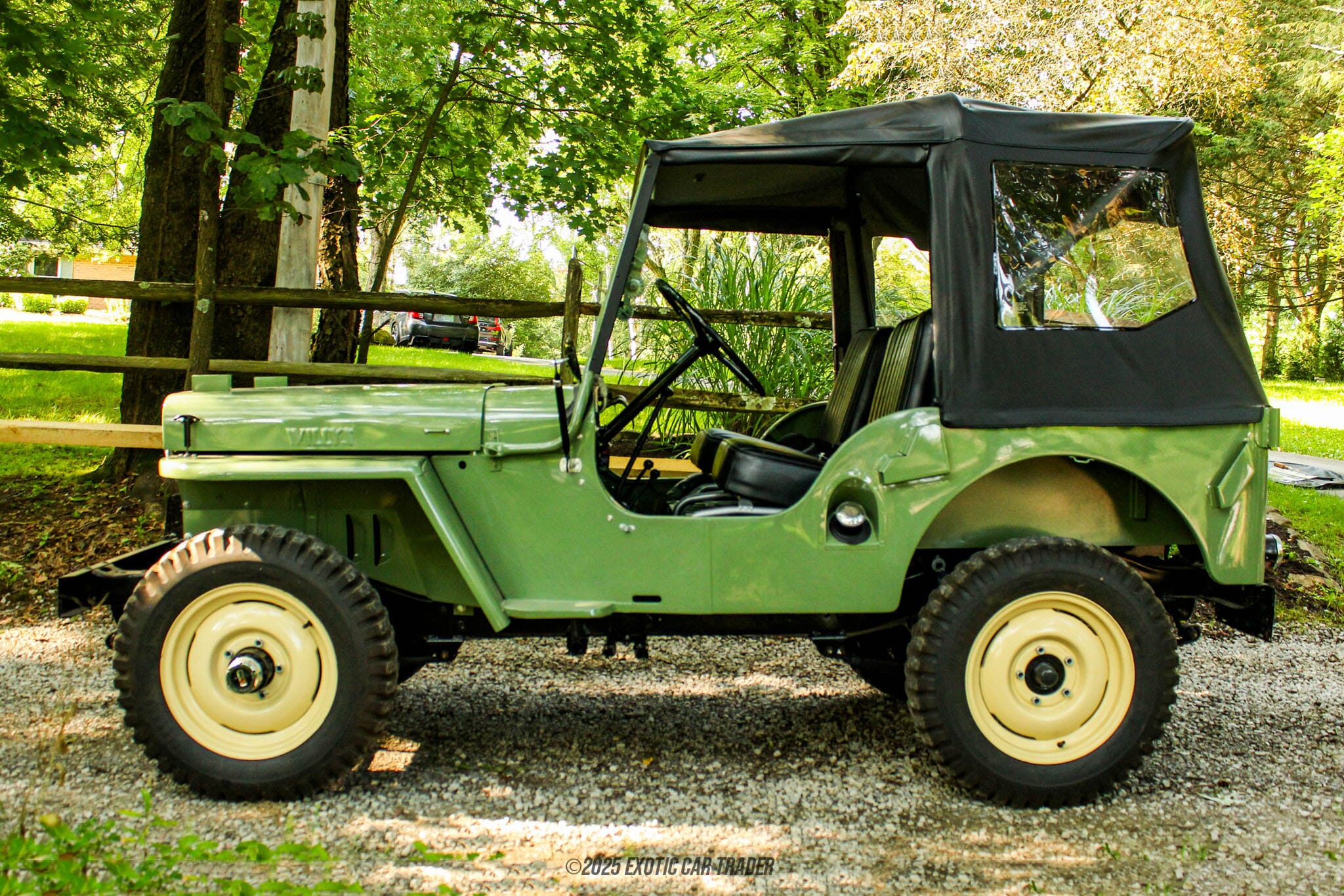
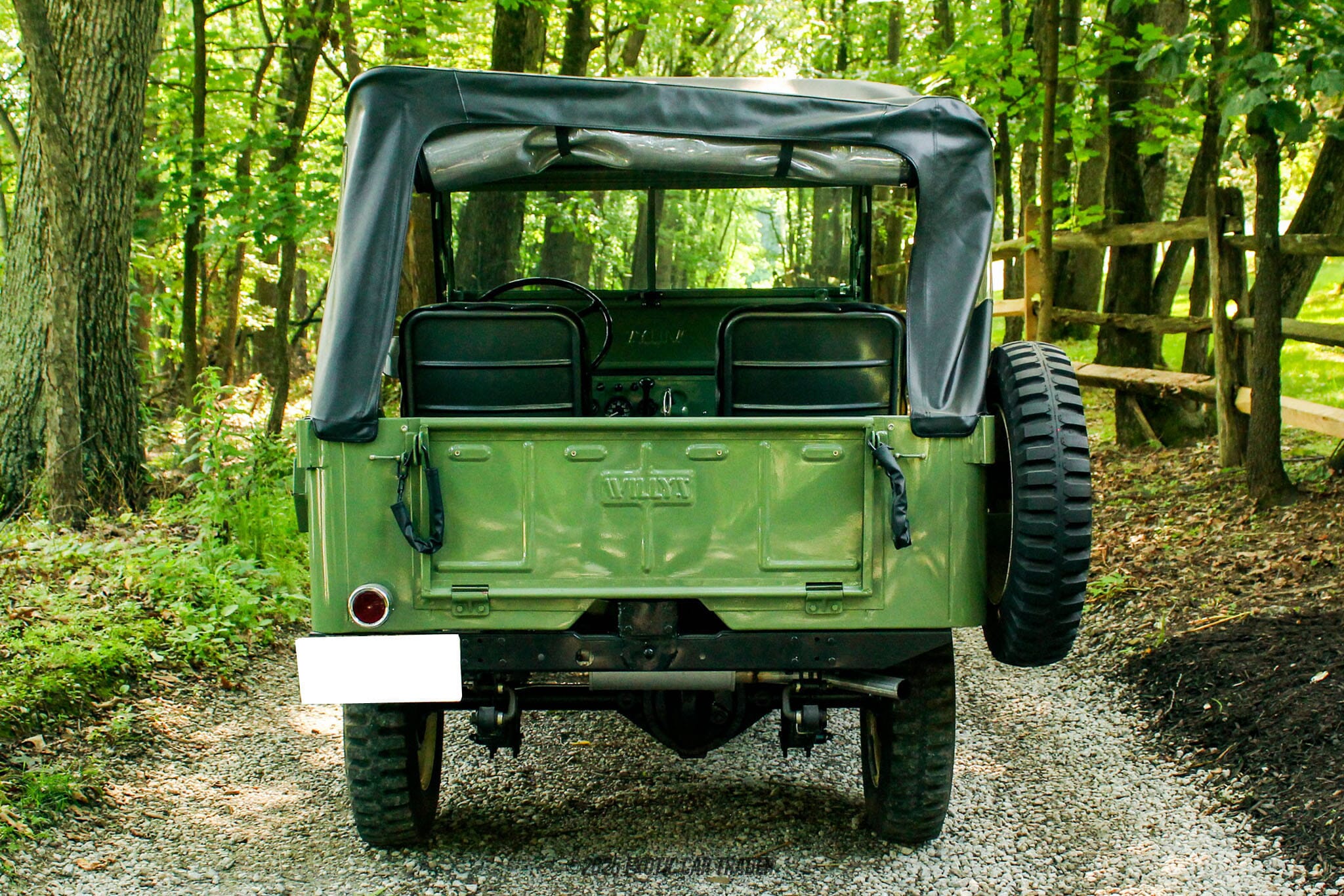
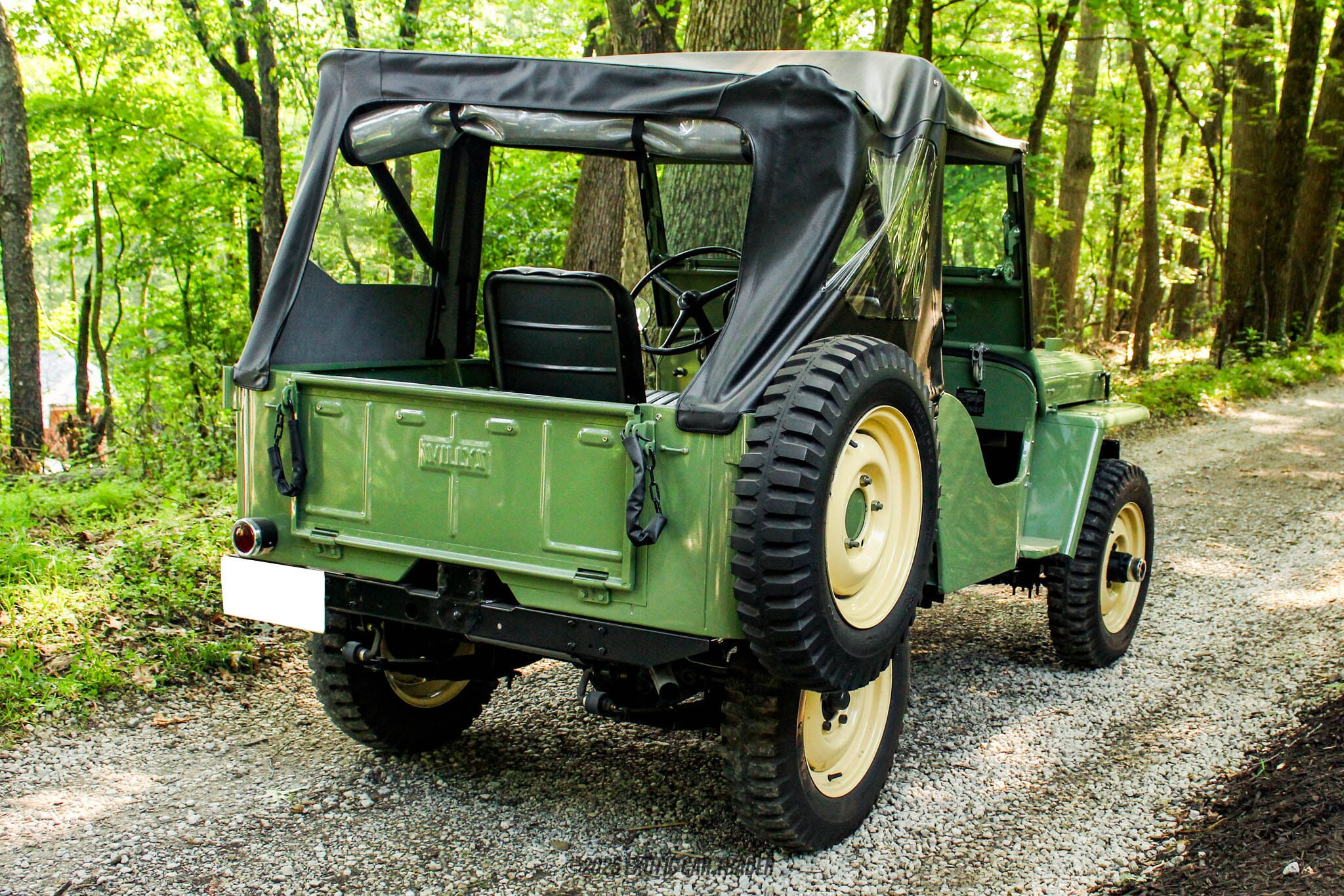
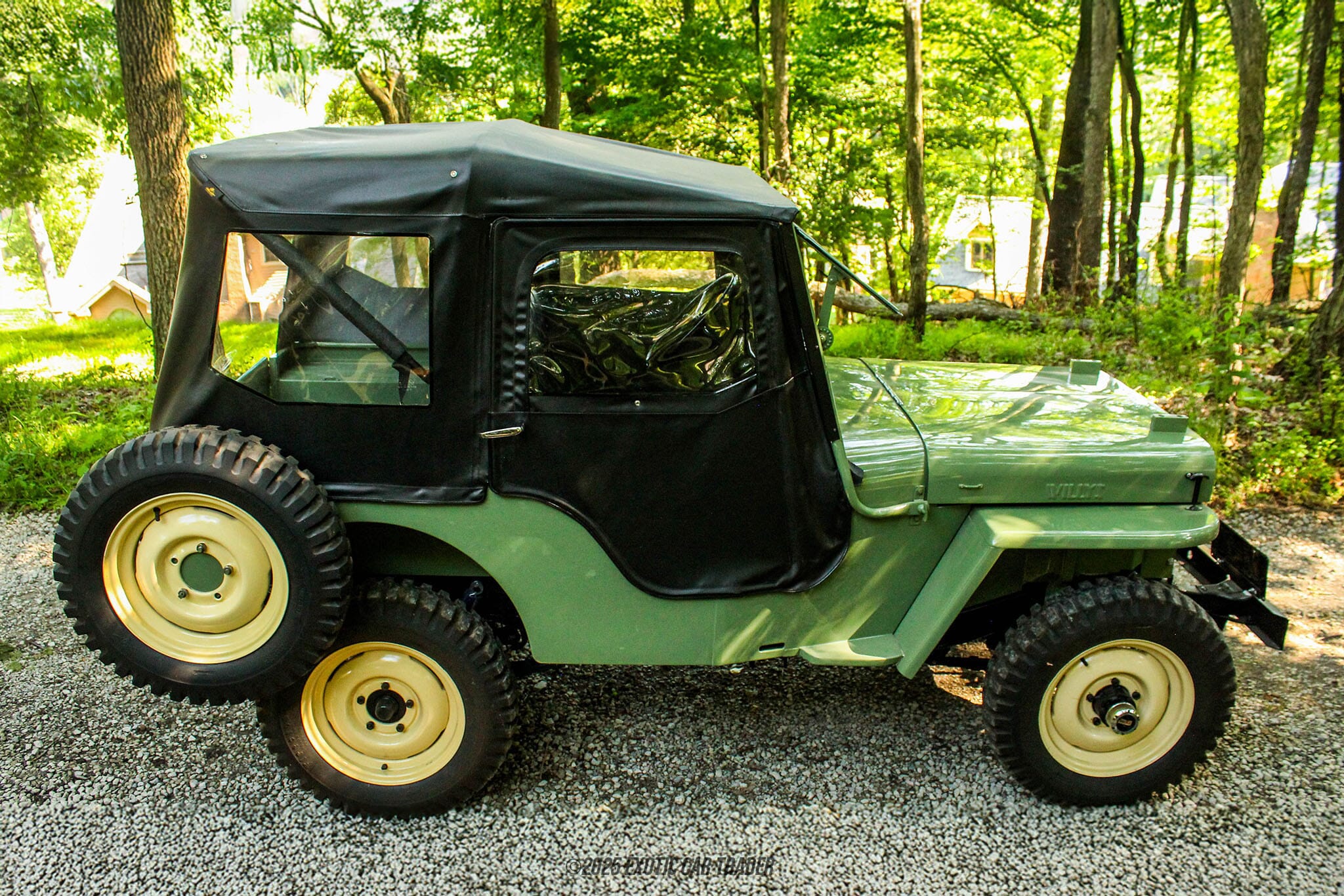
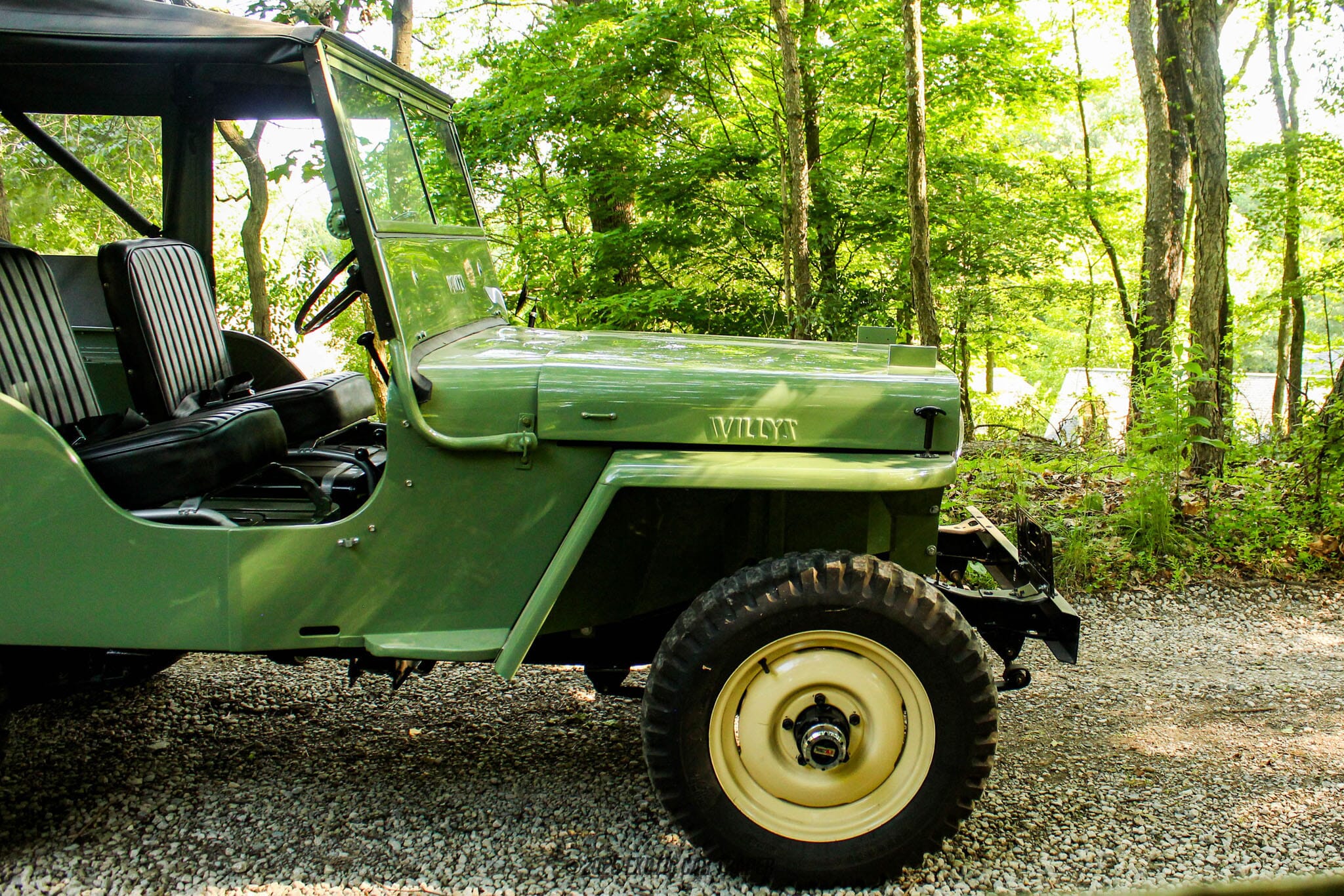
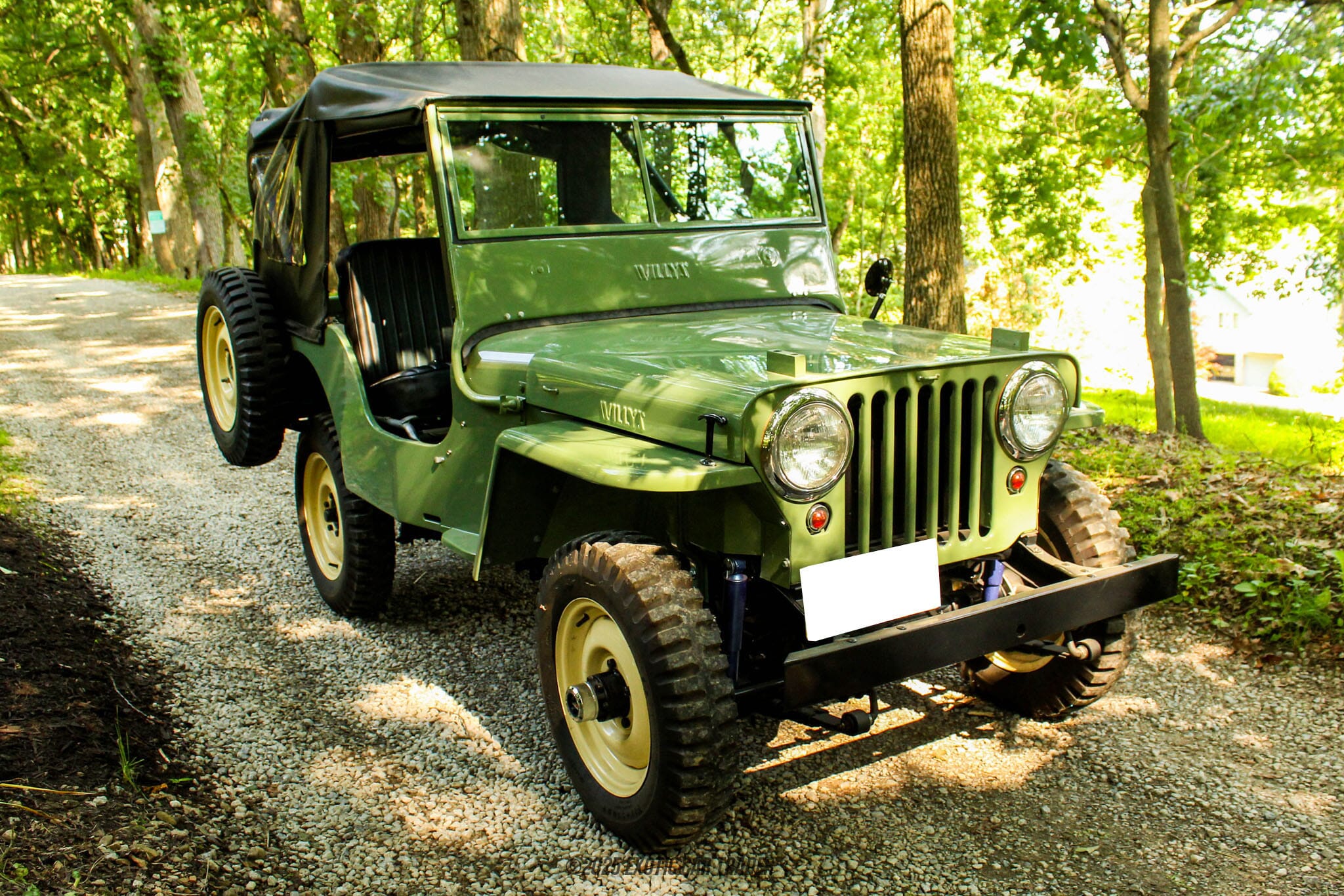
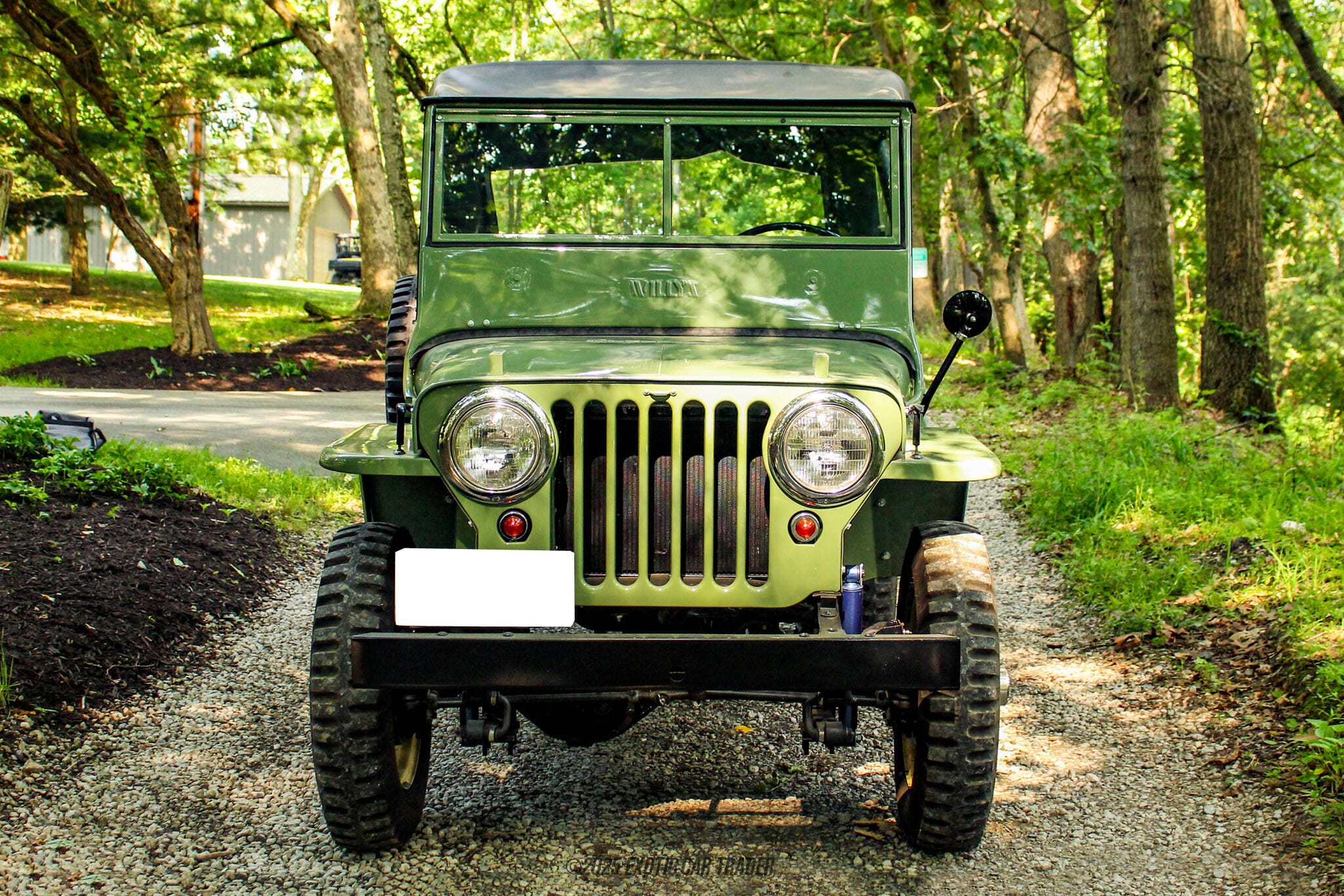
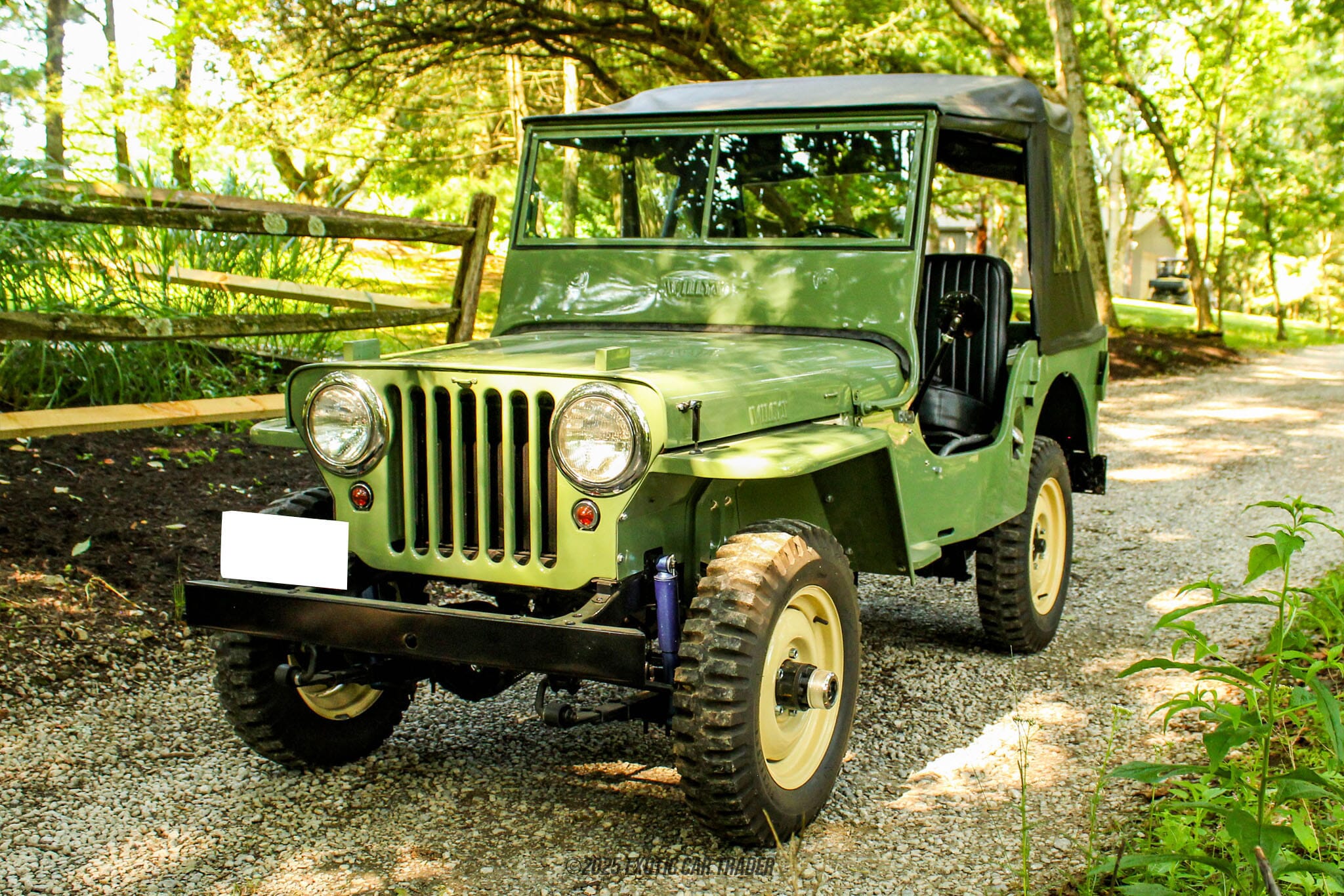
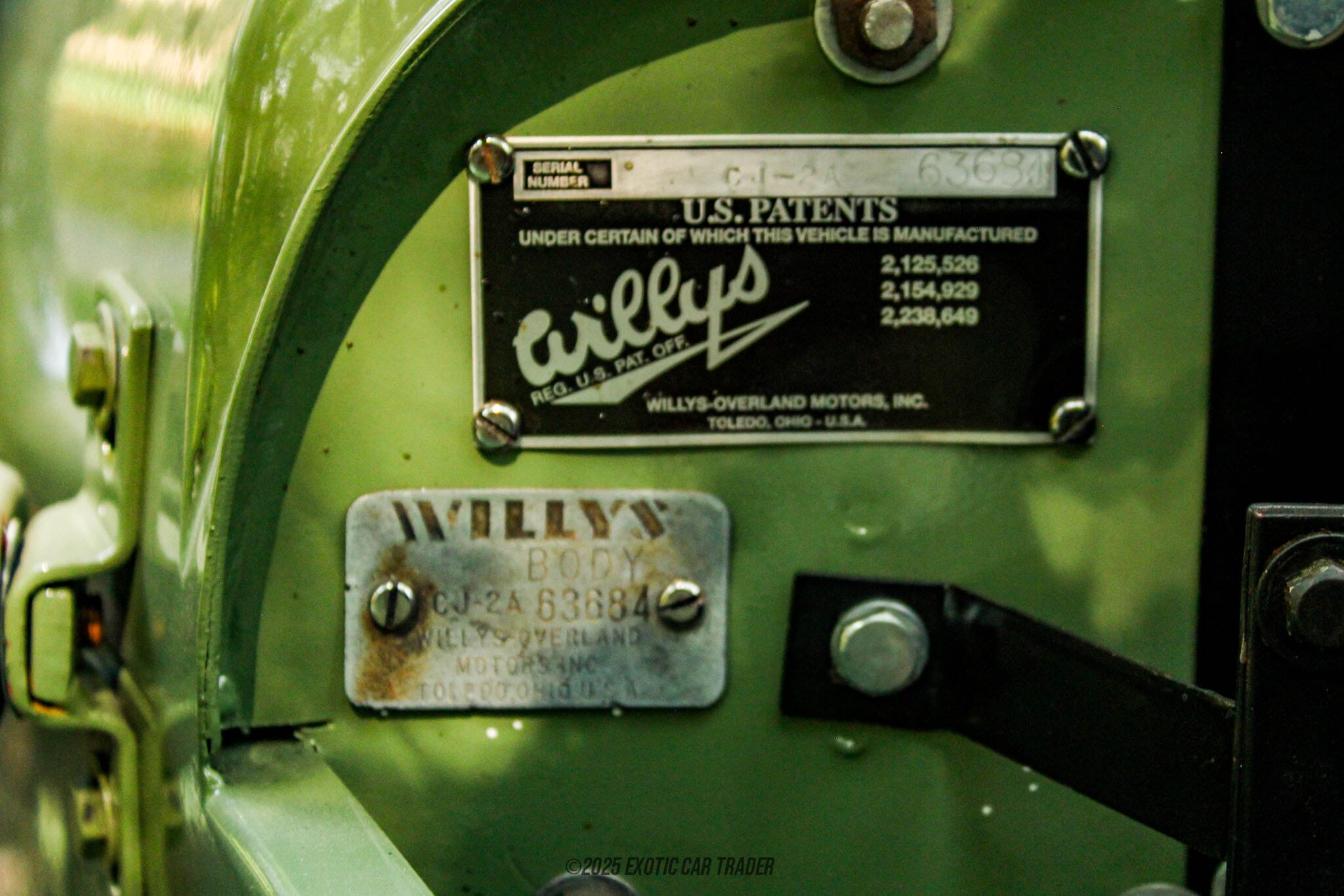
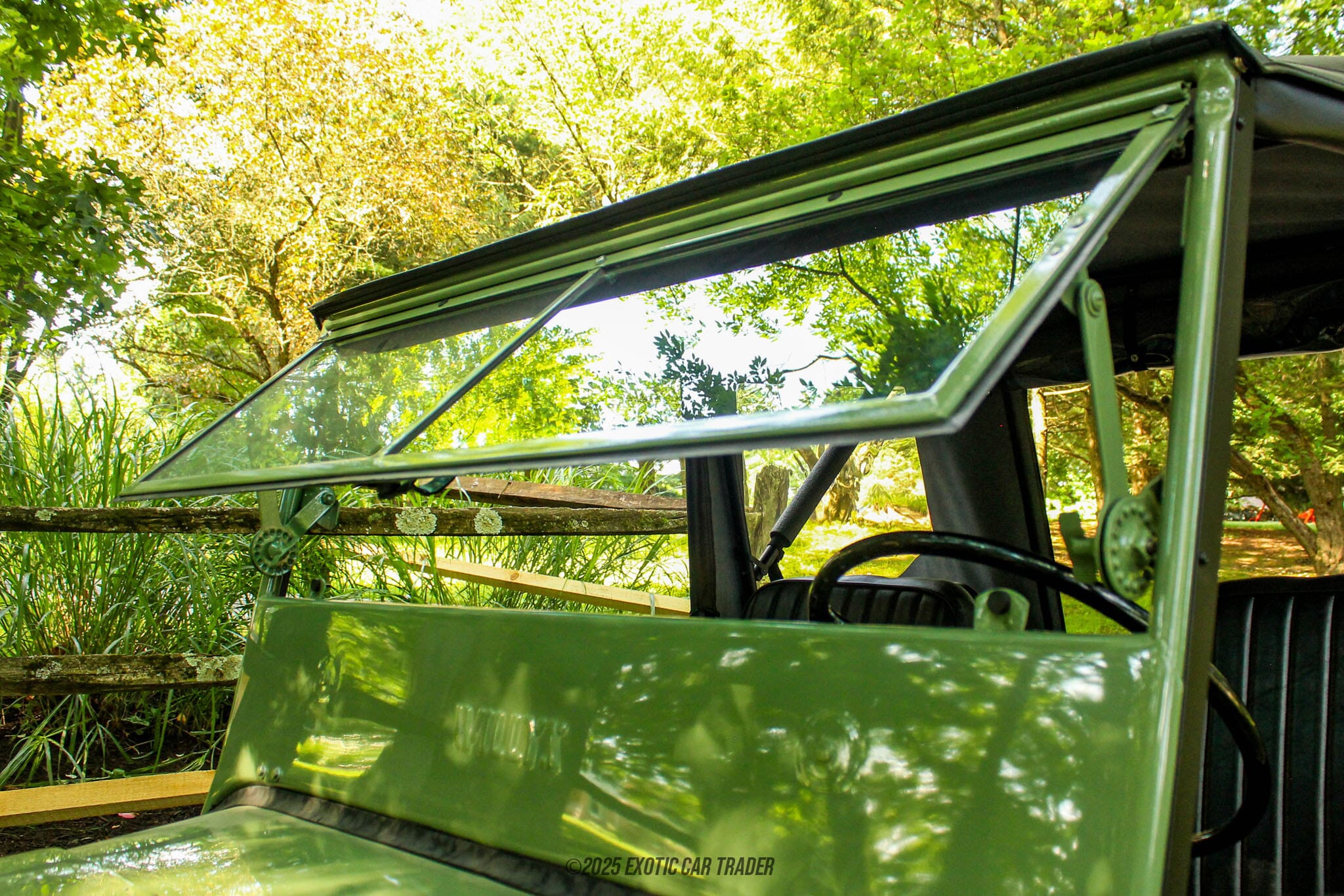
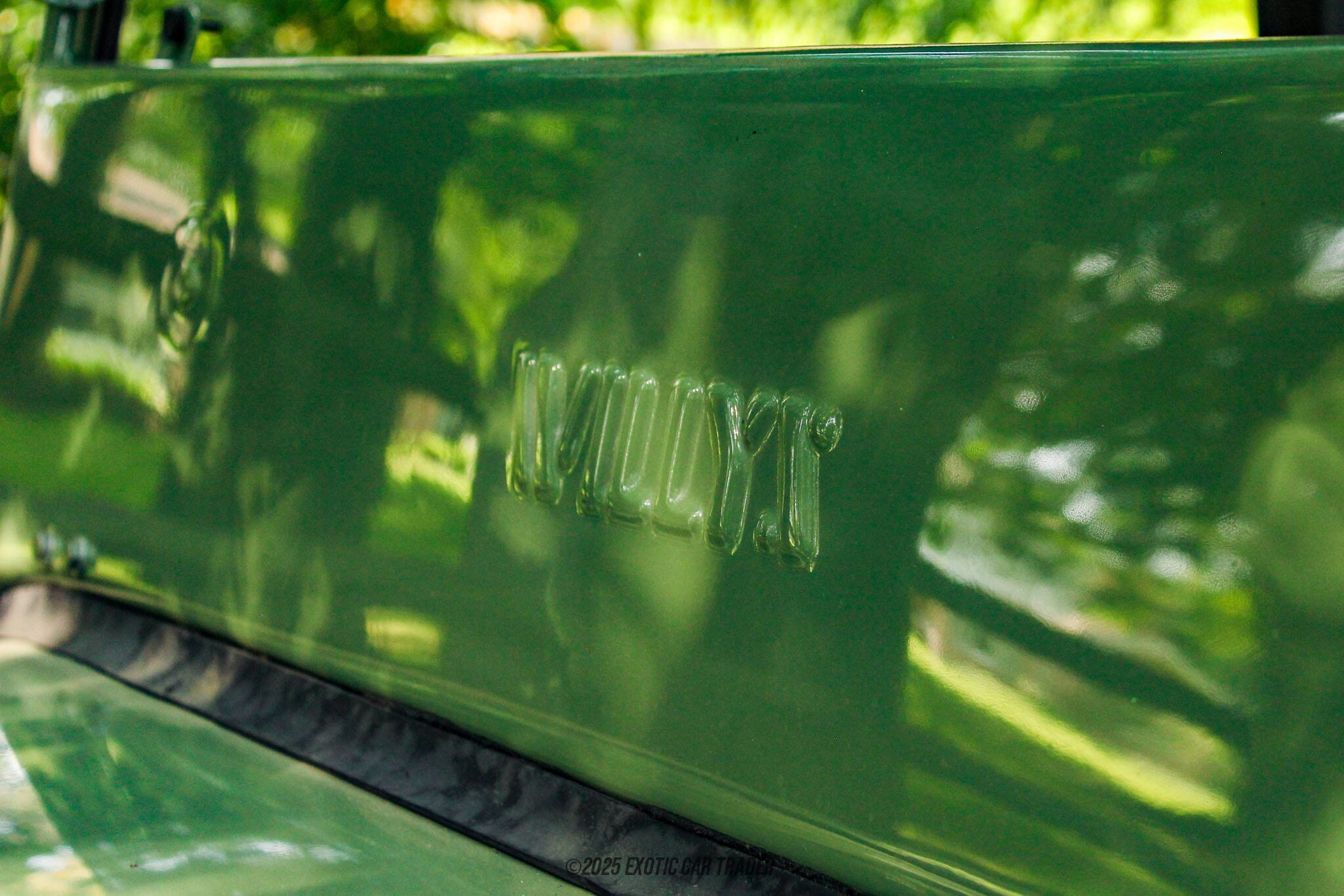
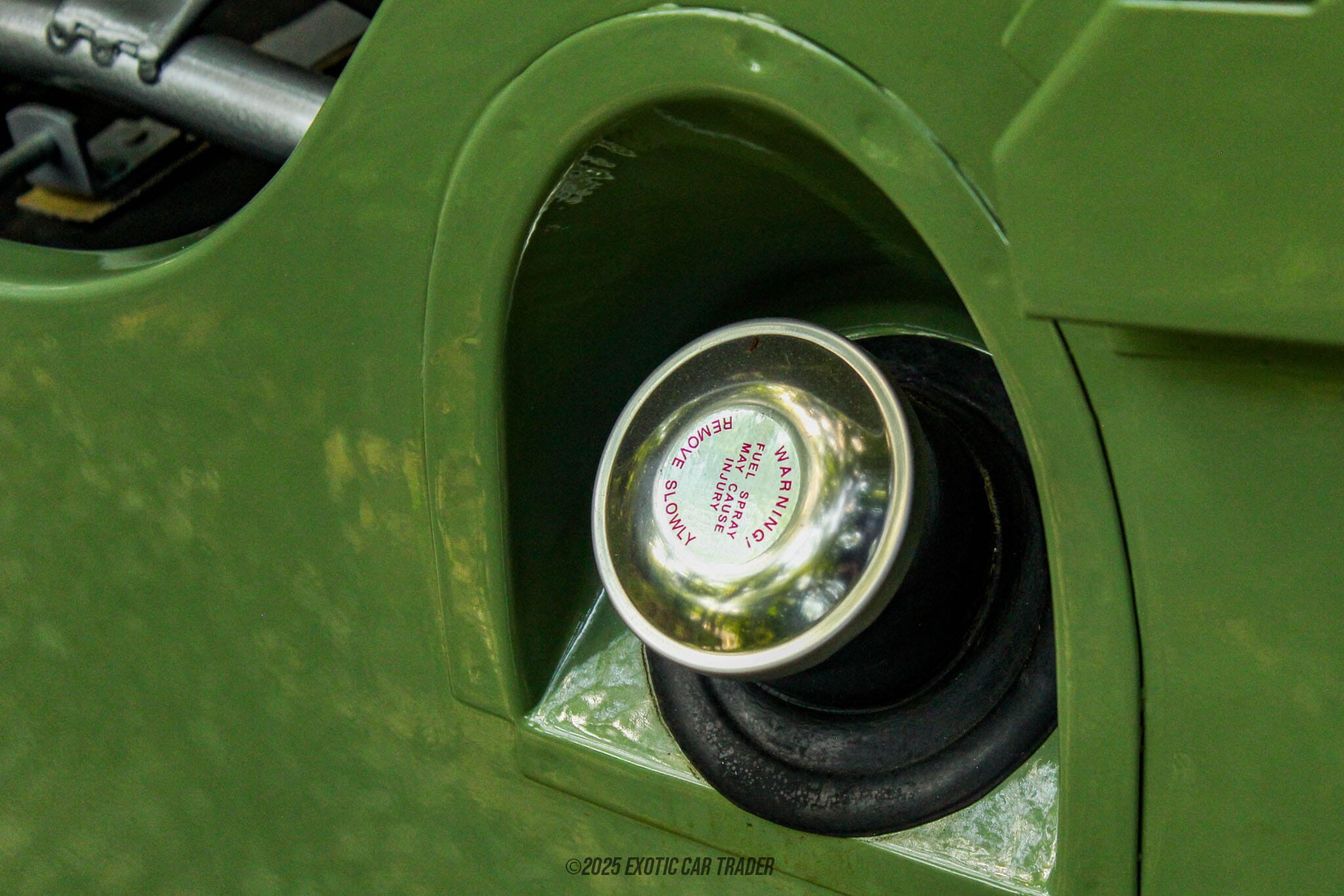
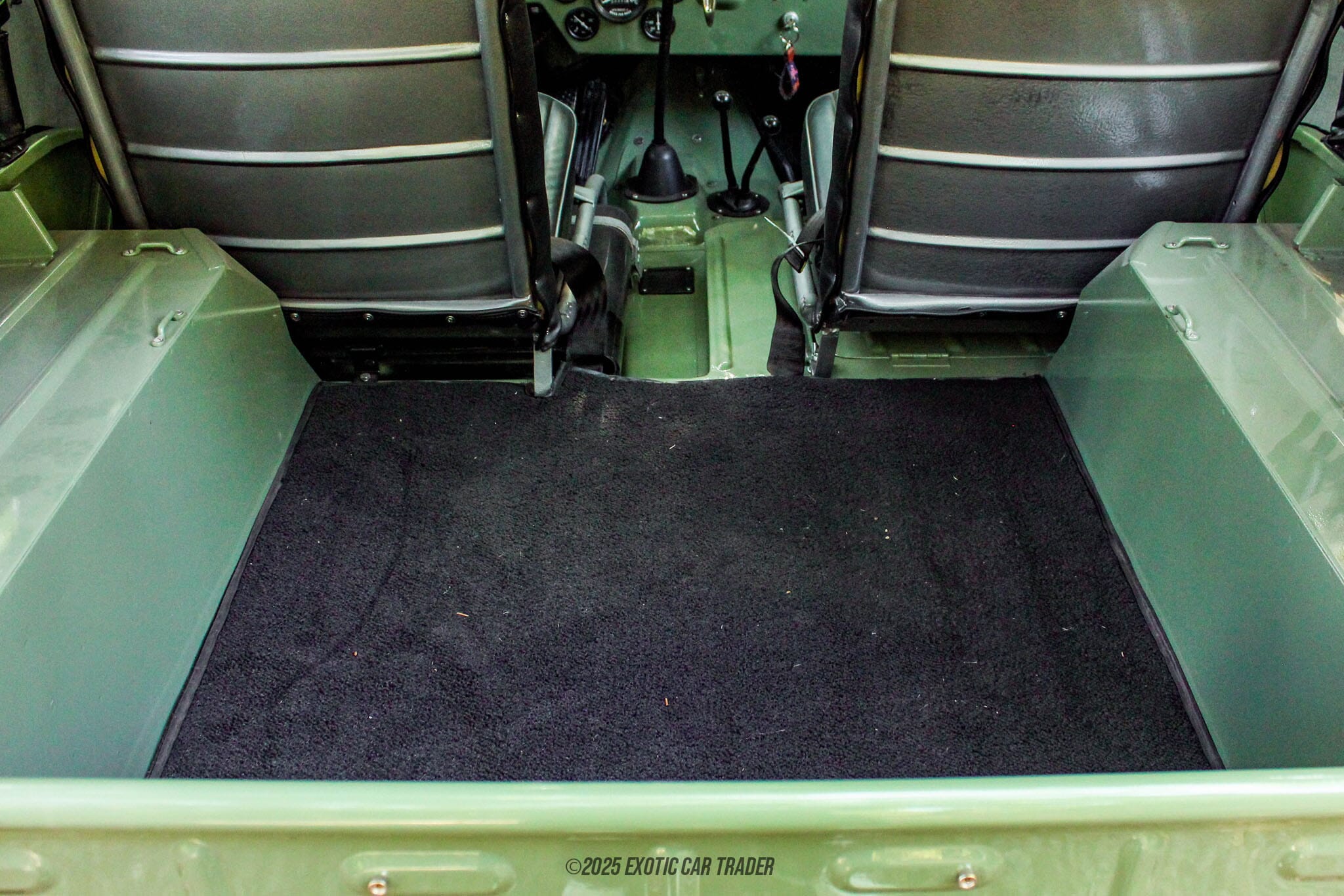
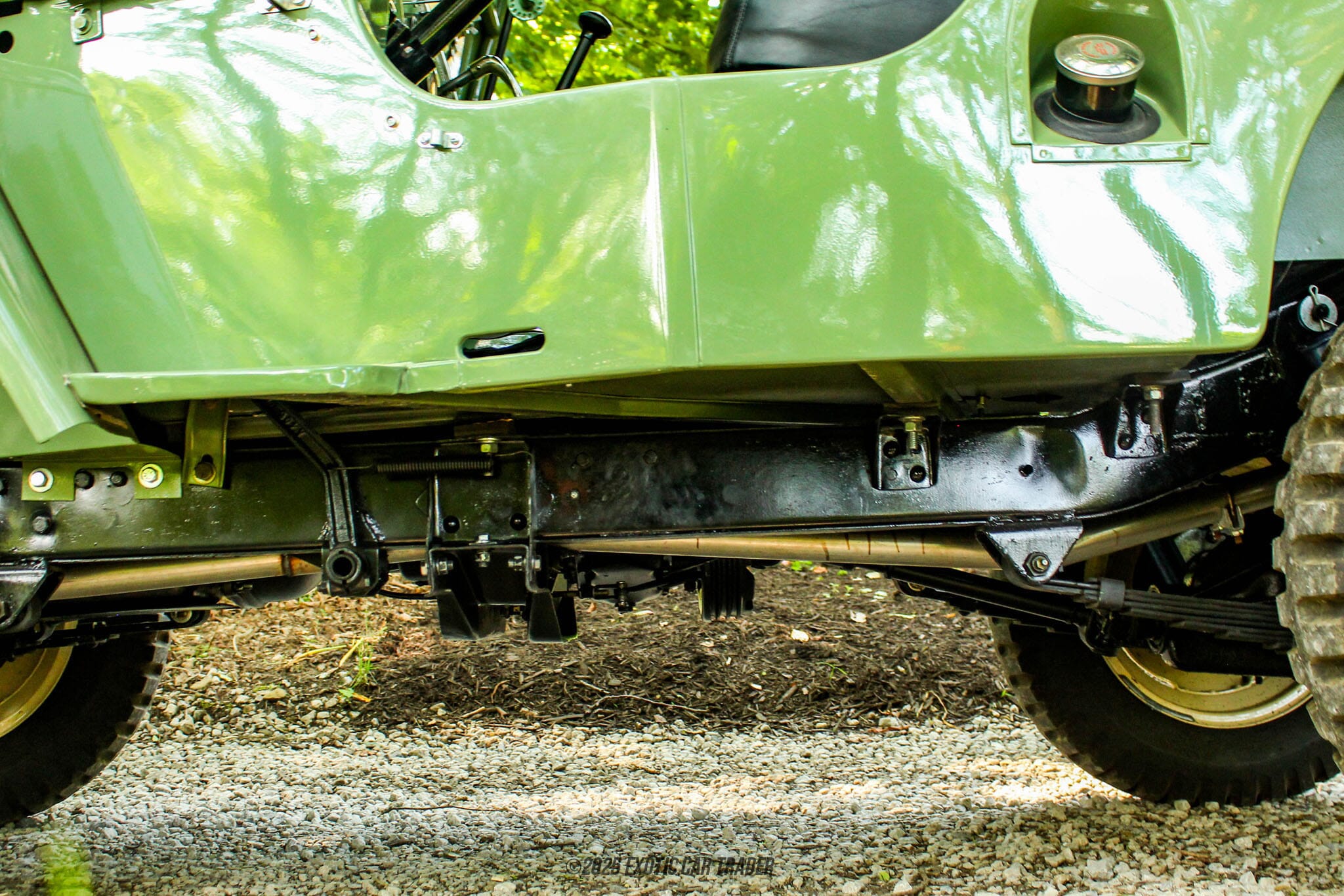
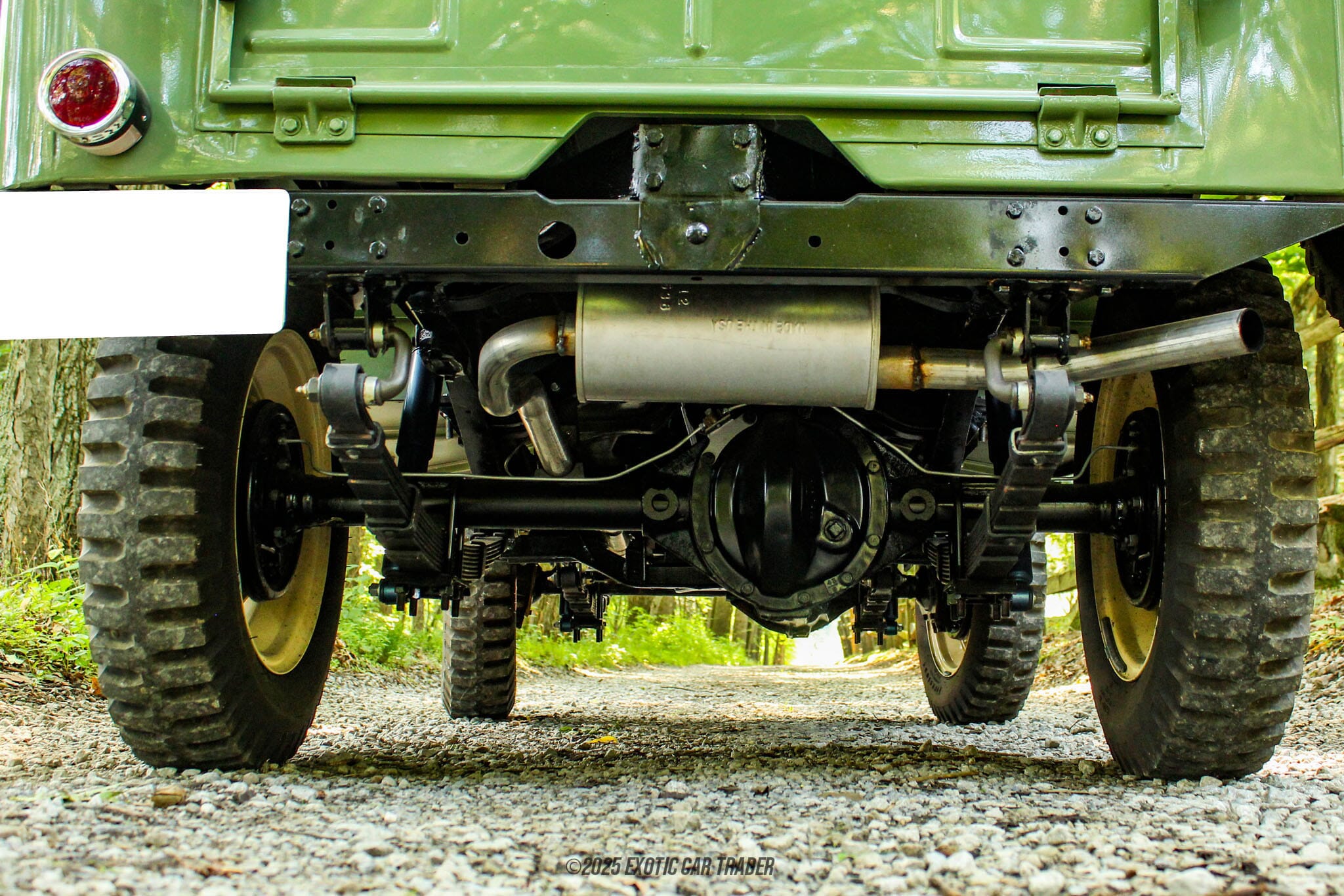


- 1946 Willys-Overland CJ-2A Jeep
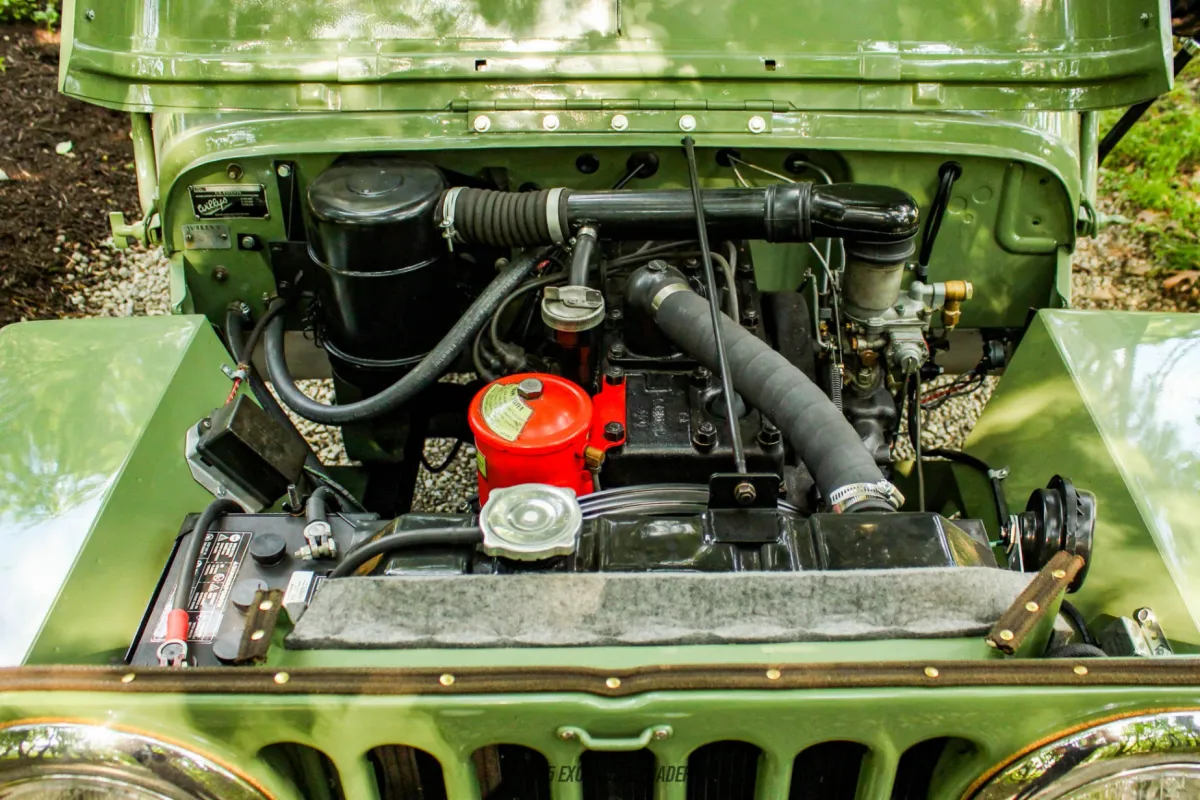
- 134ci L-Head I4
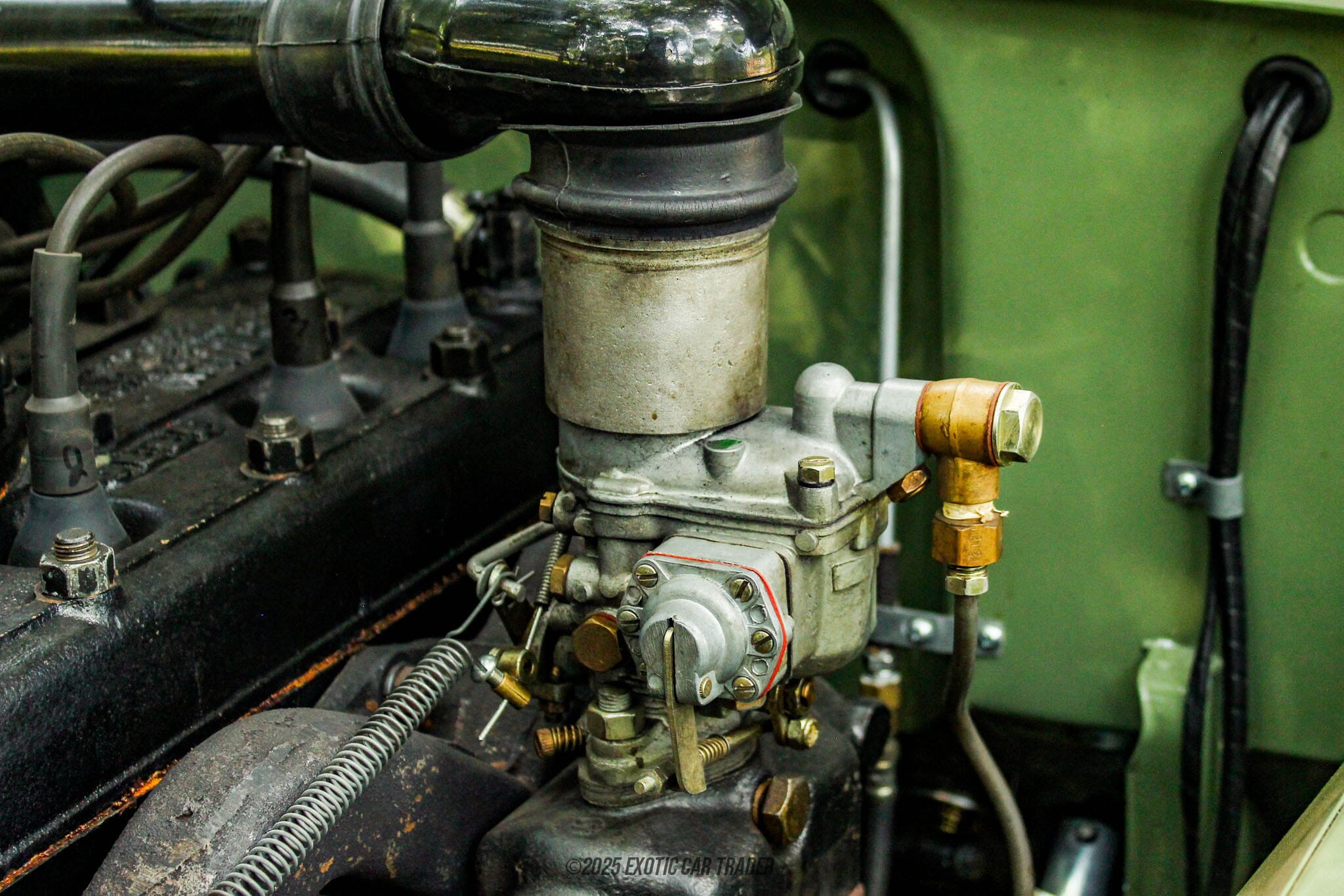
- 1-Barrel Carburetor
- 3-Speed Manual
- 4x4
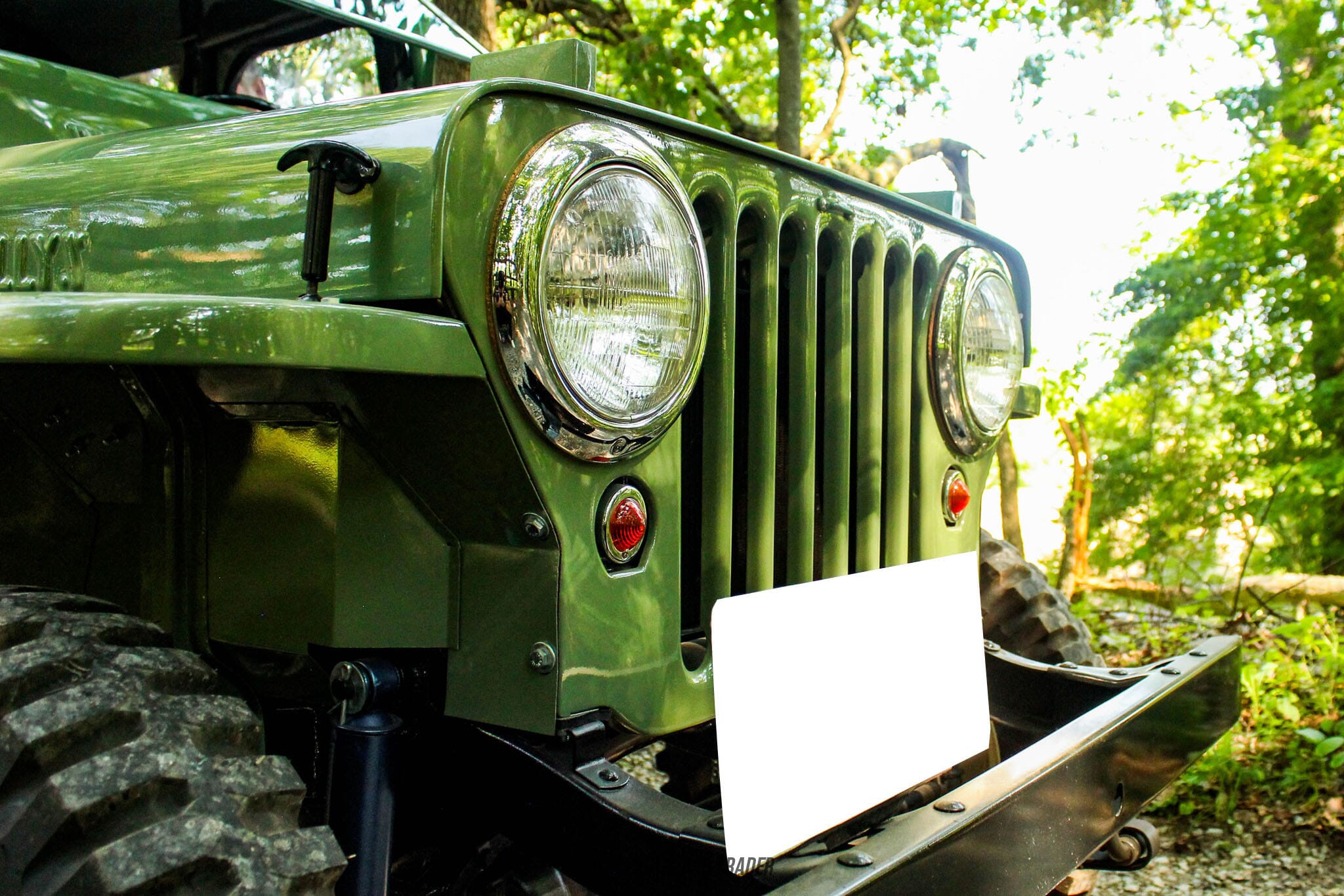
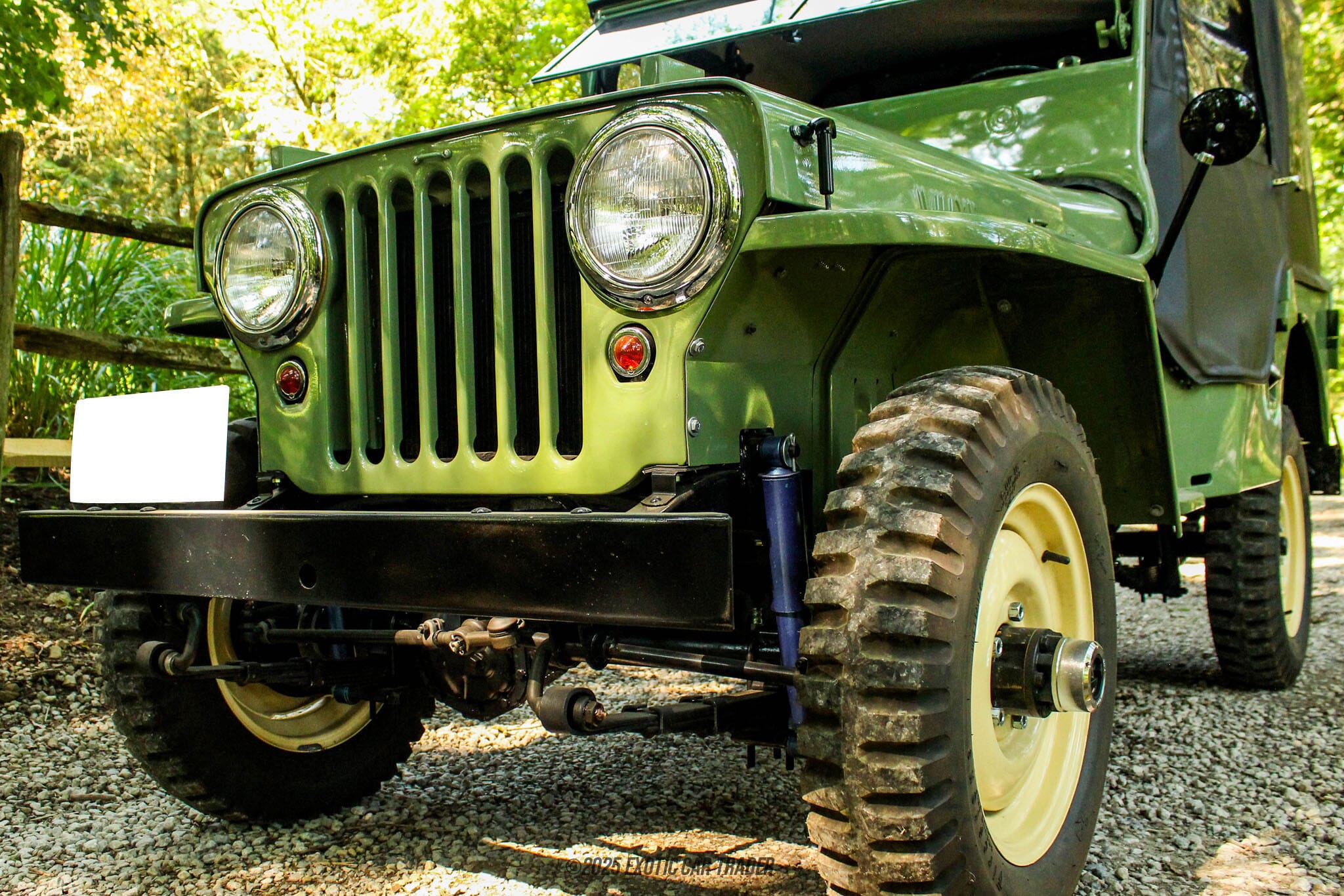
- Forest Green Exterior
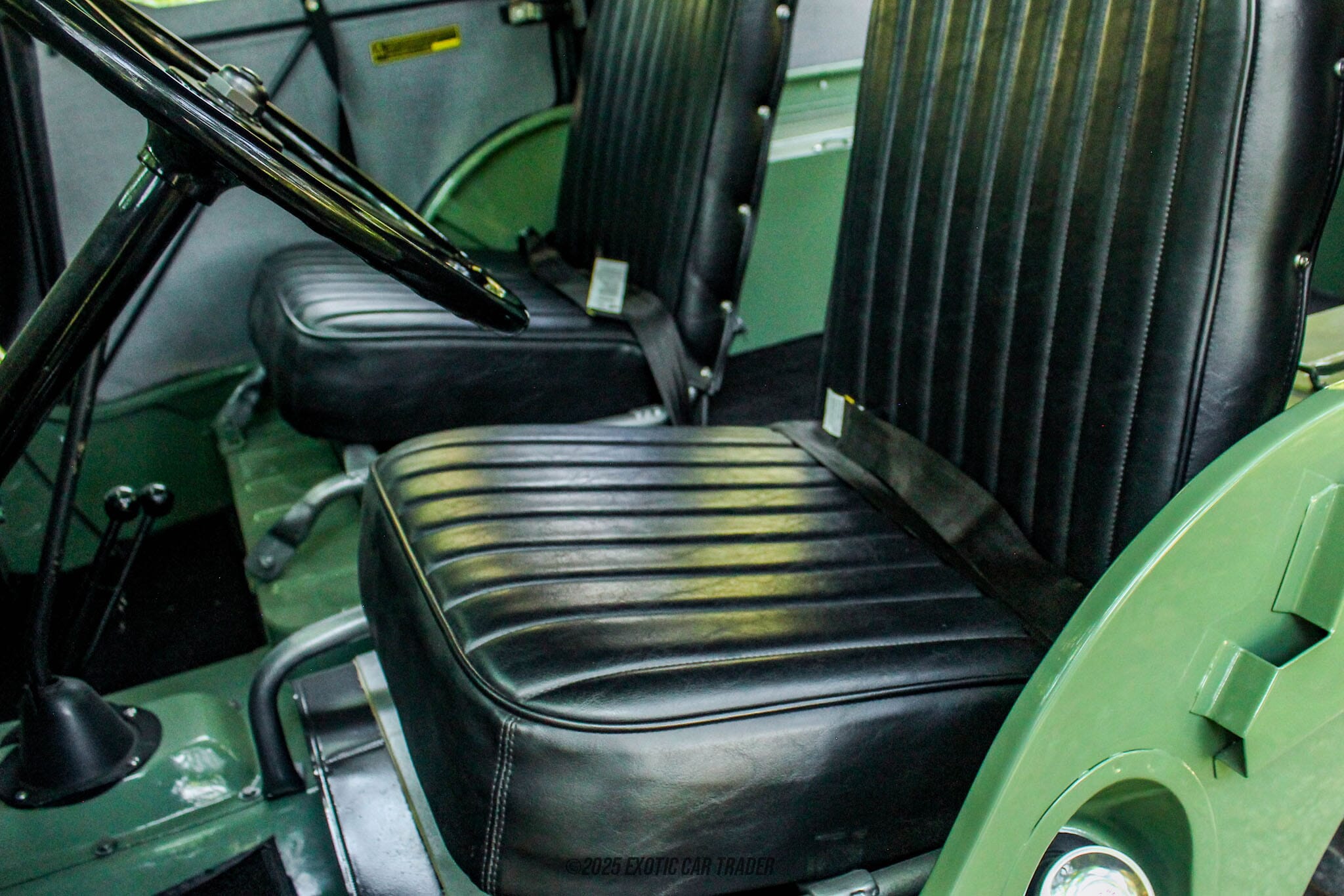
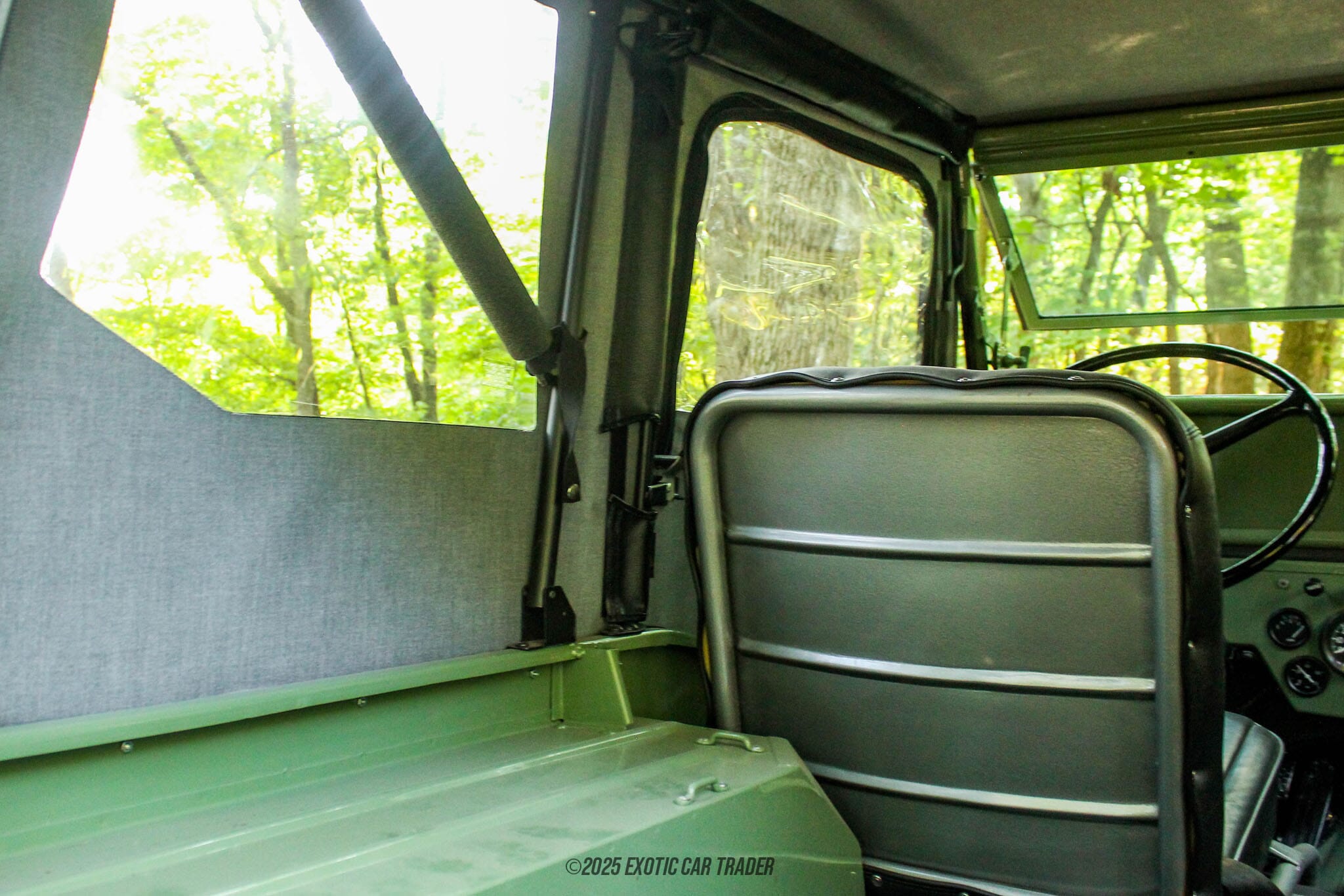
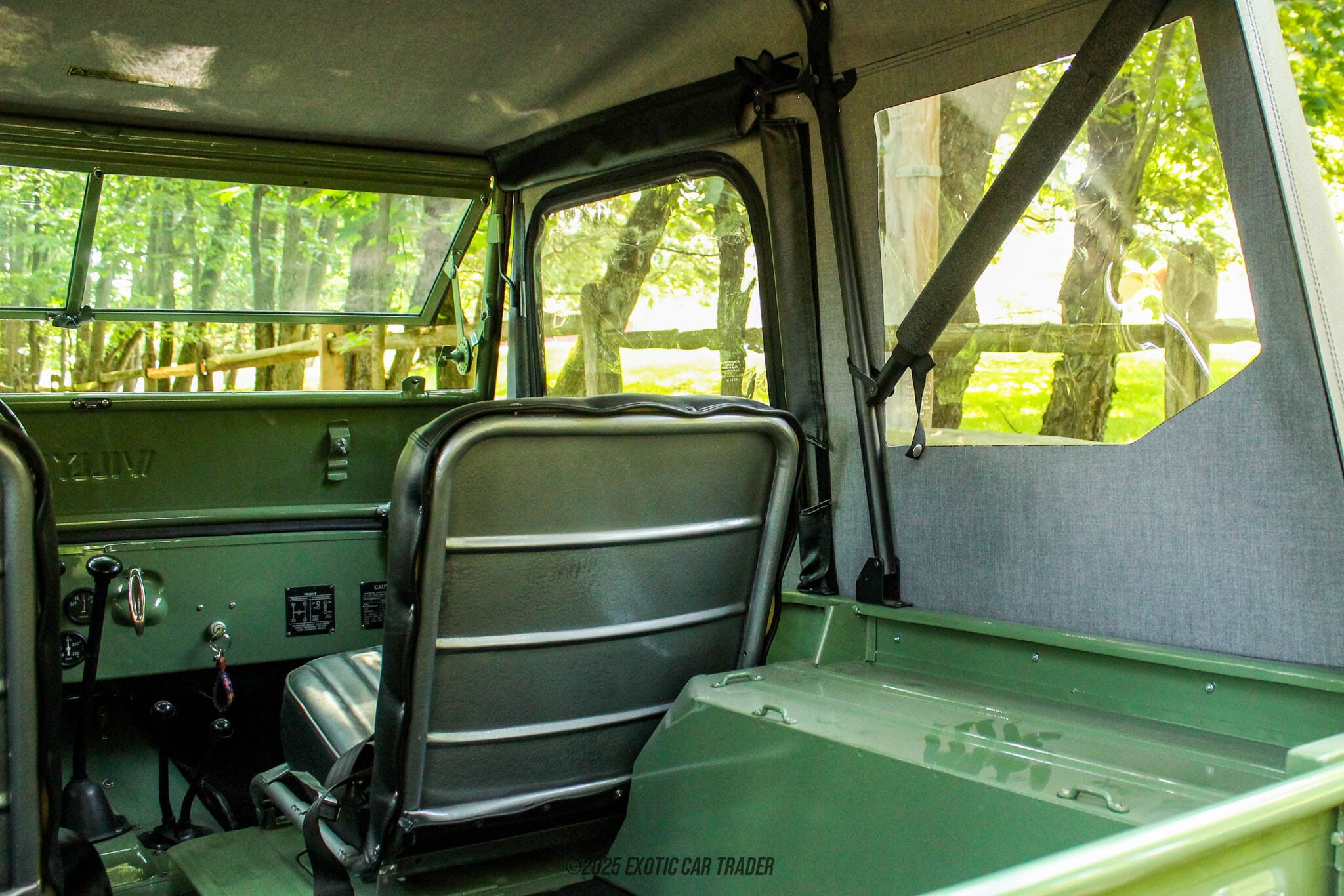
- Black Interior
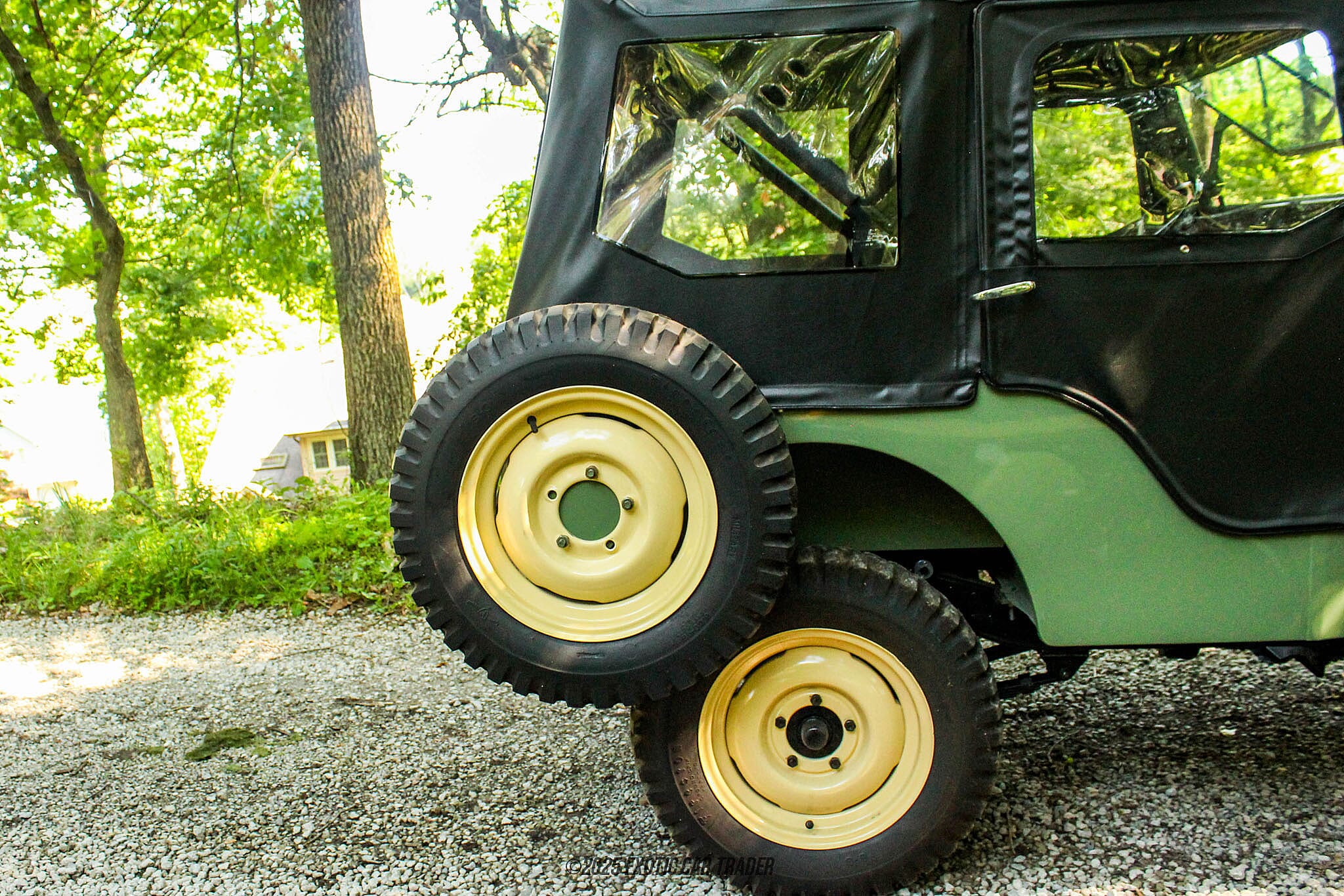
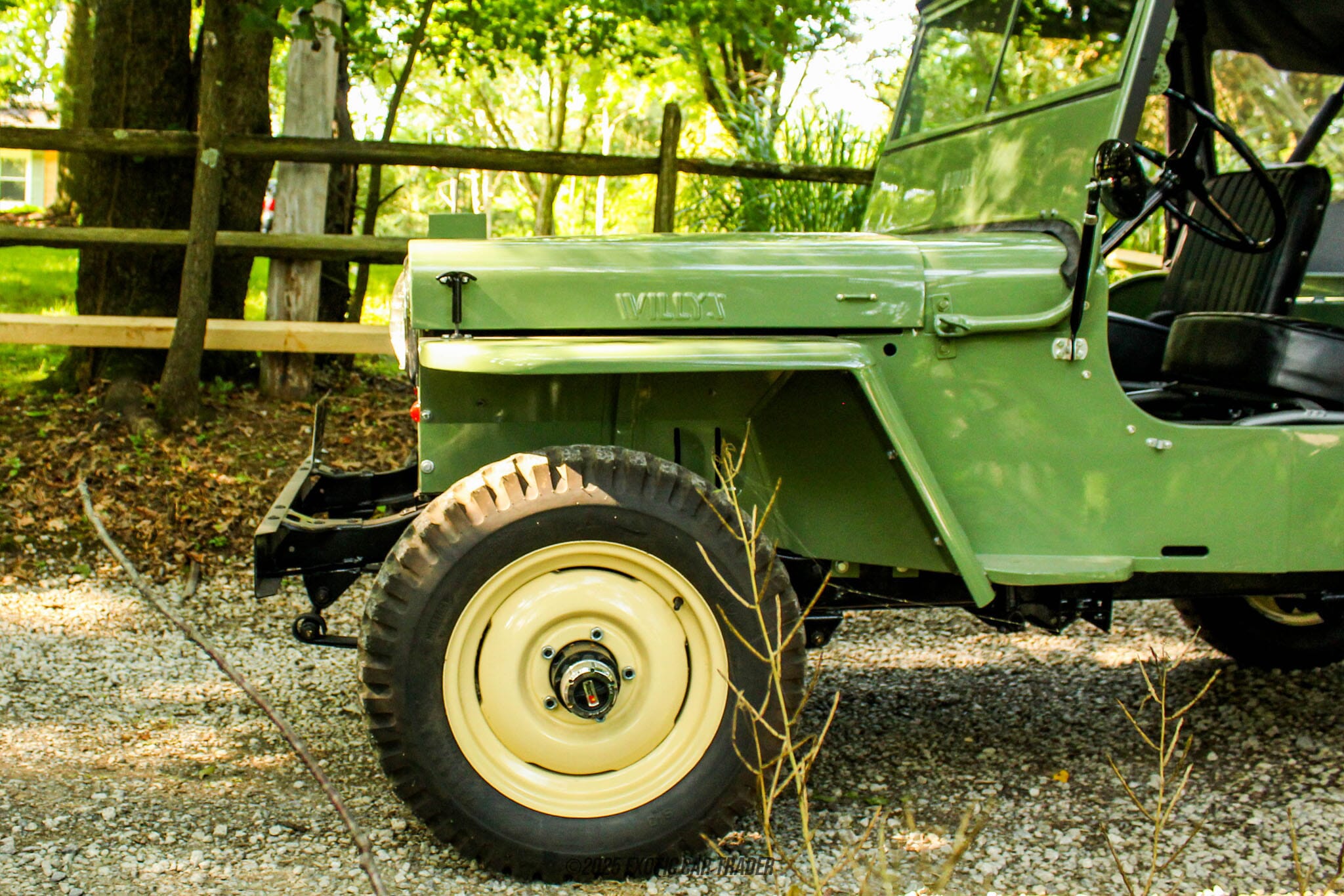
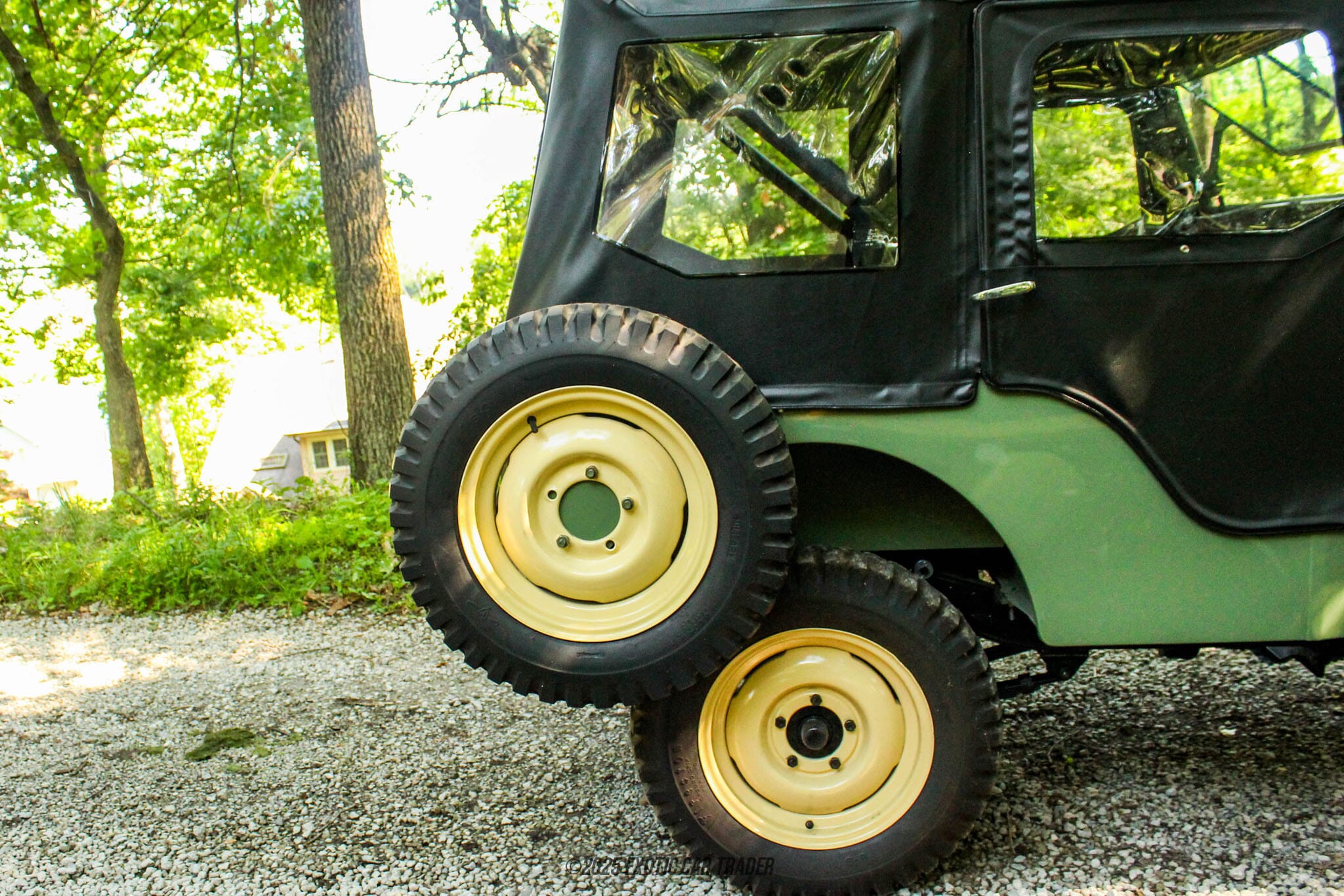
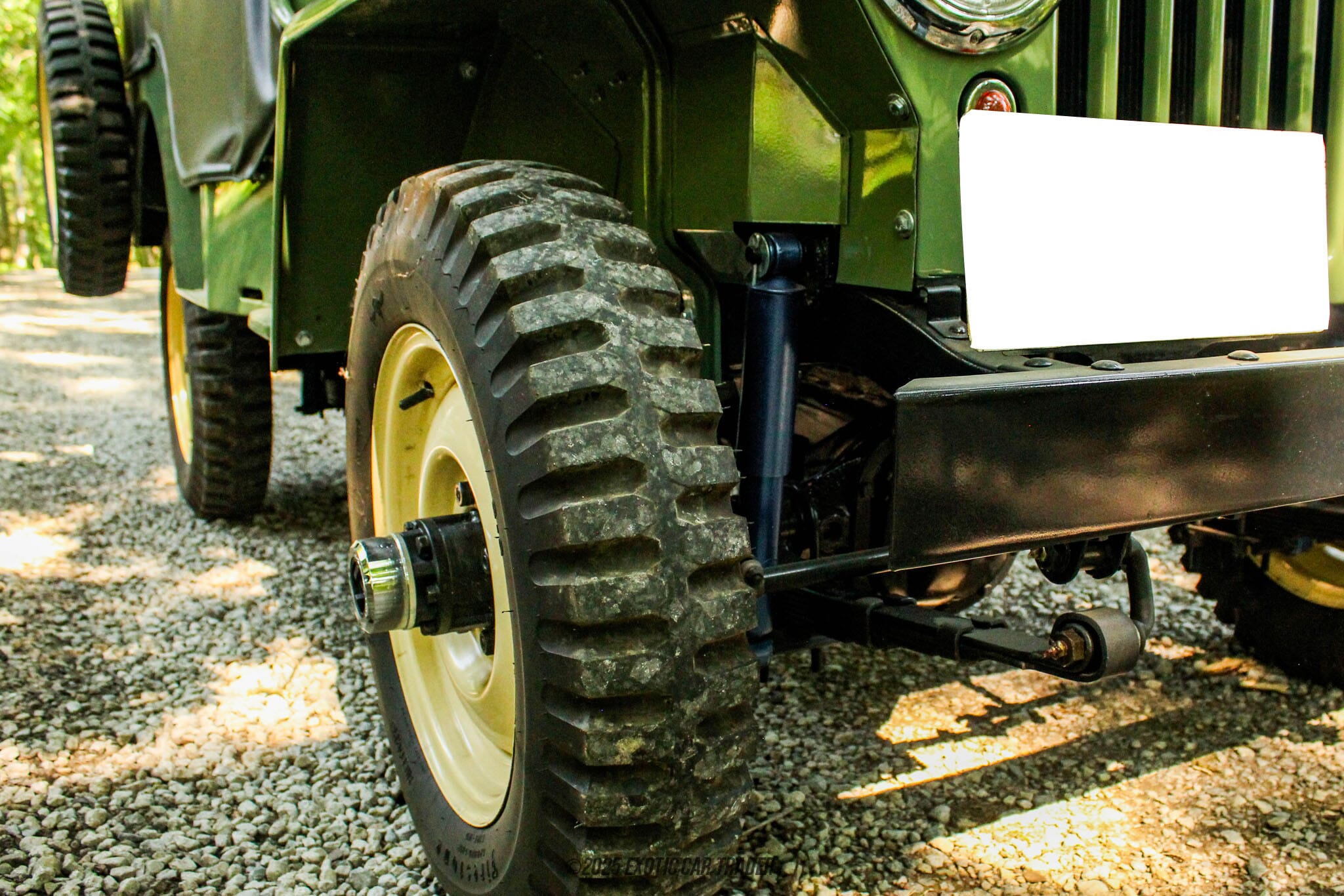
- 16" Steel Wheels (Painted Pale Yellow)
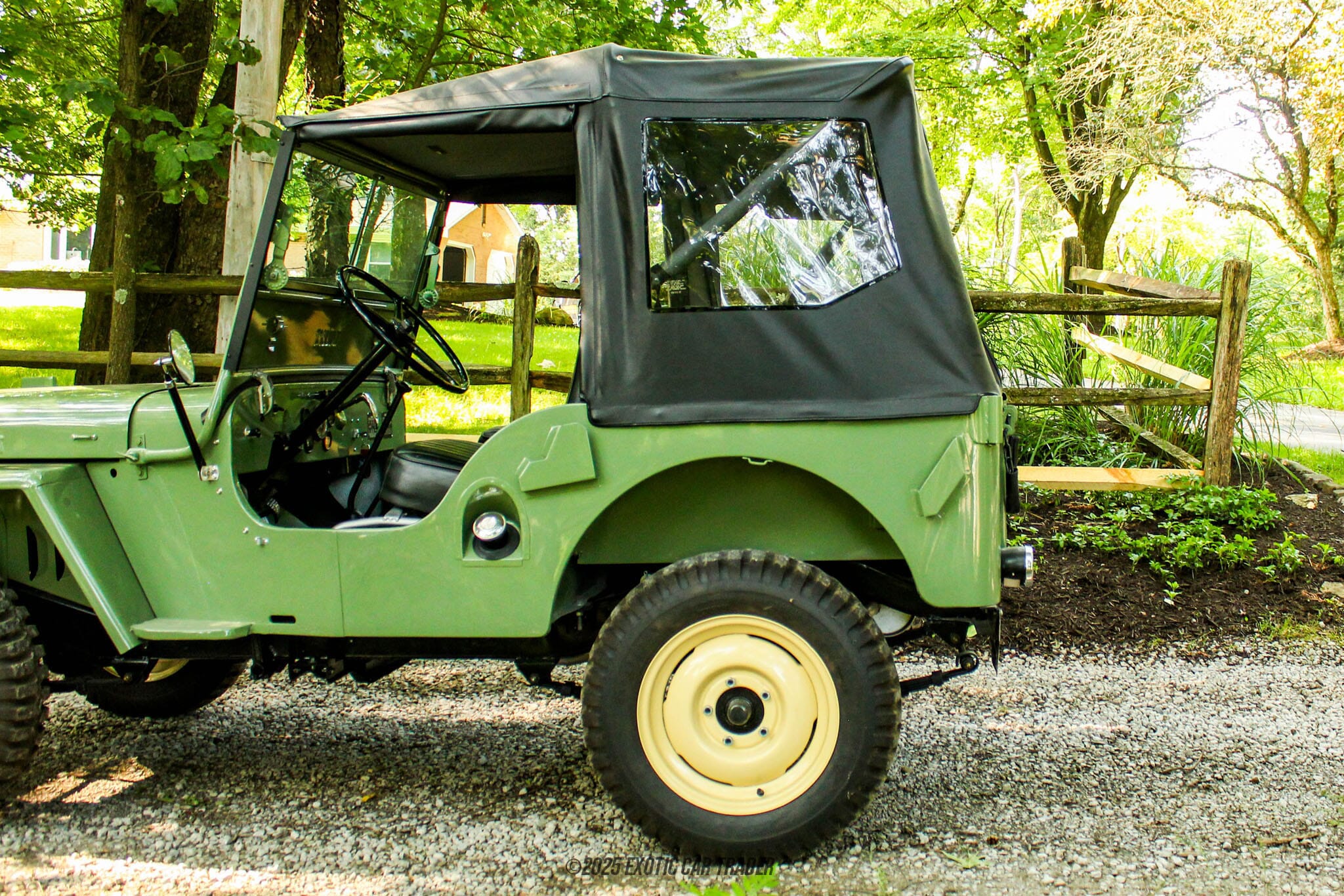
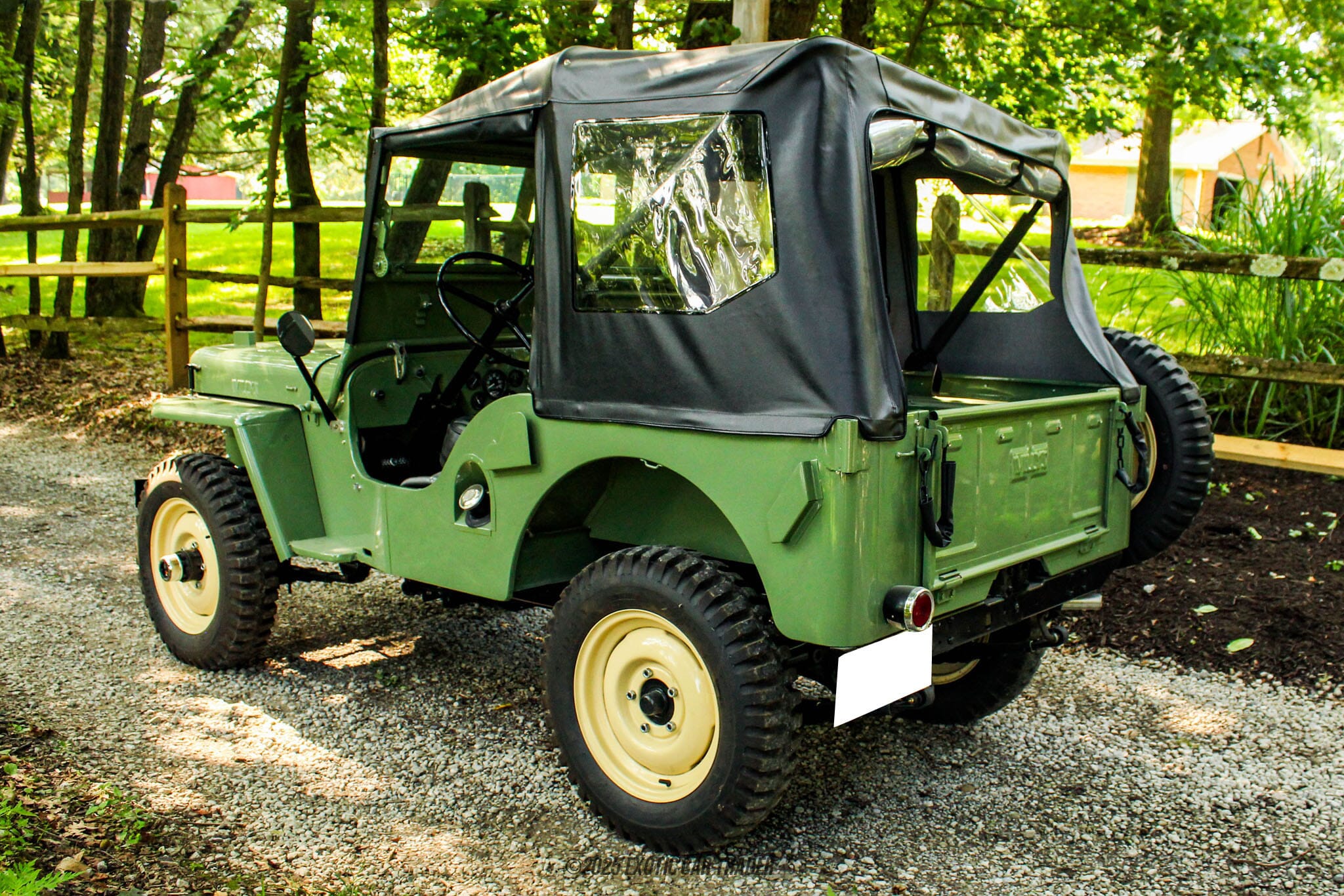
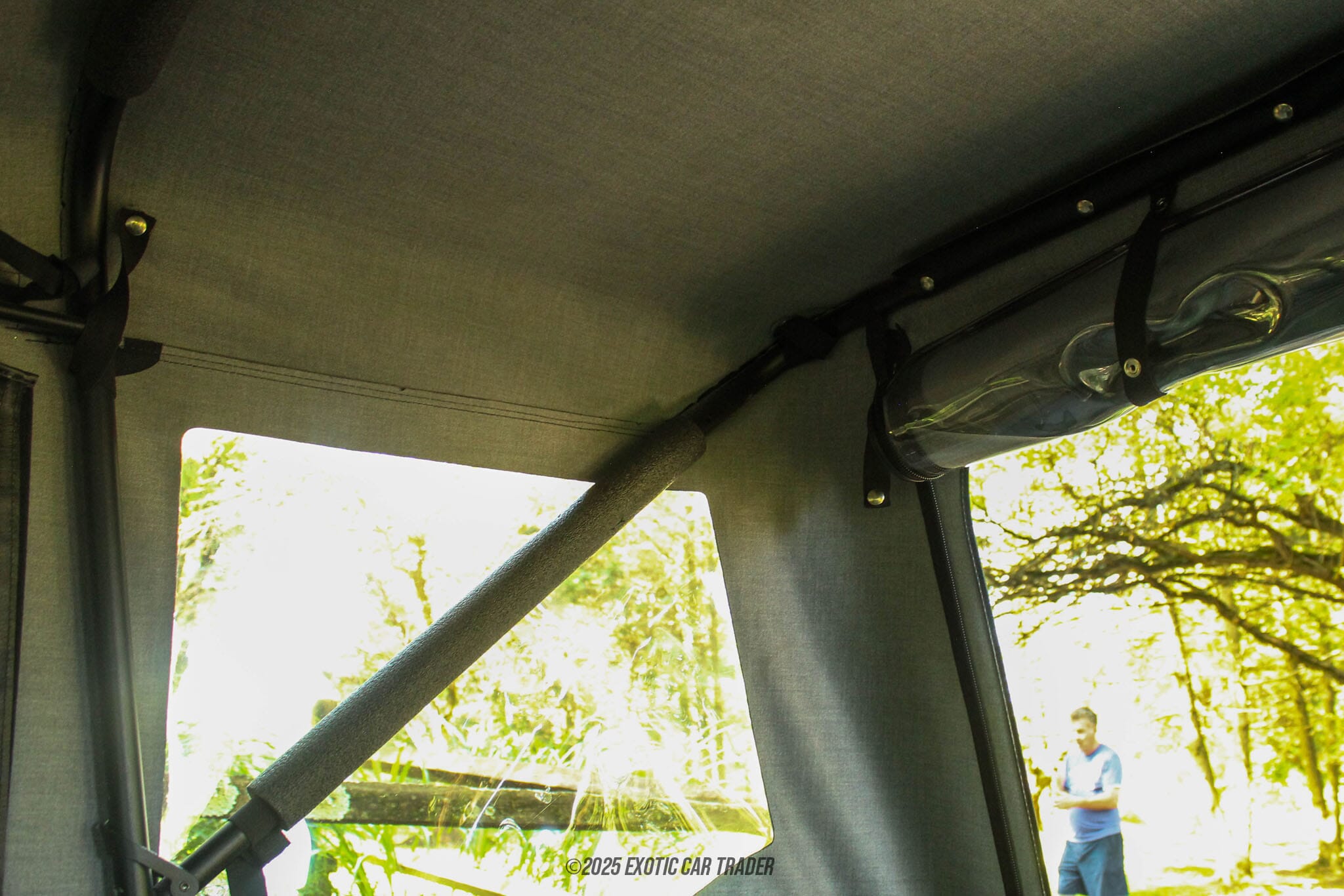
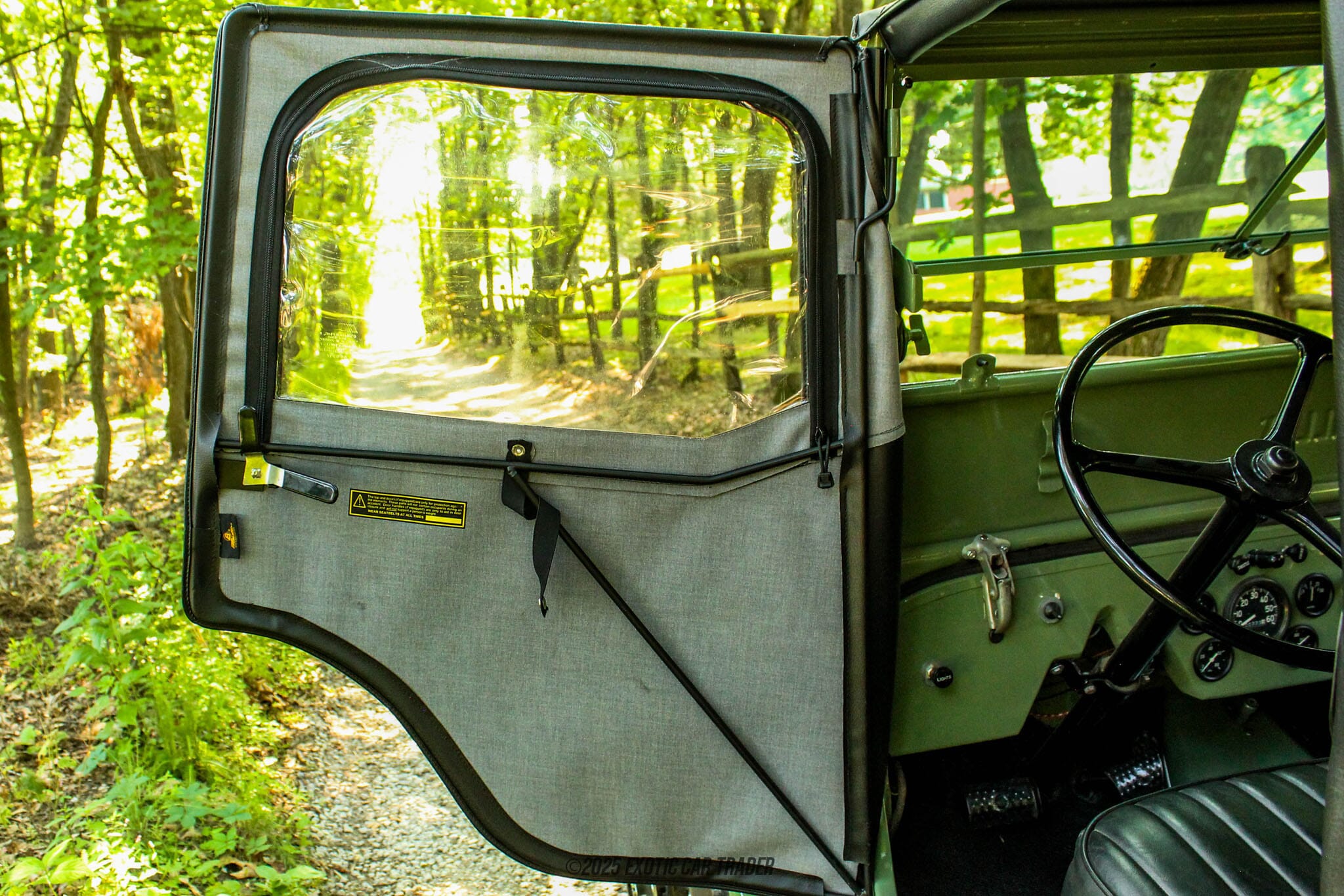
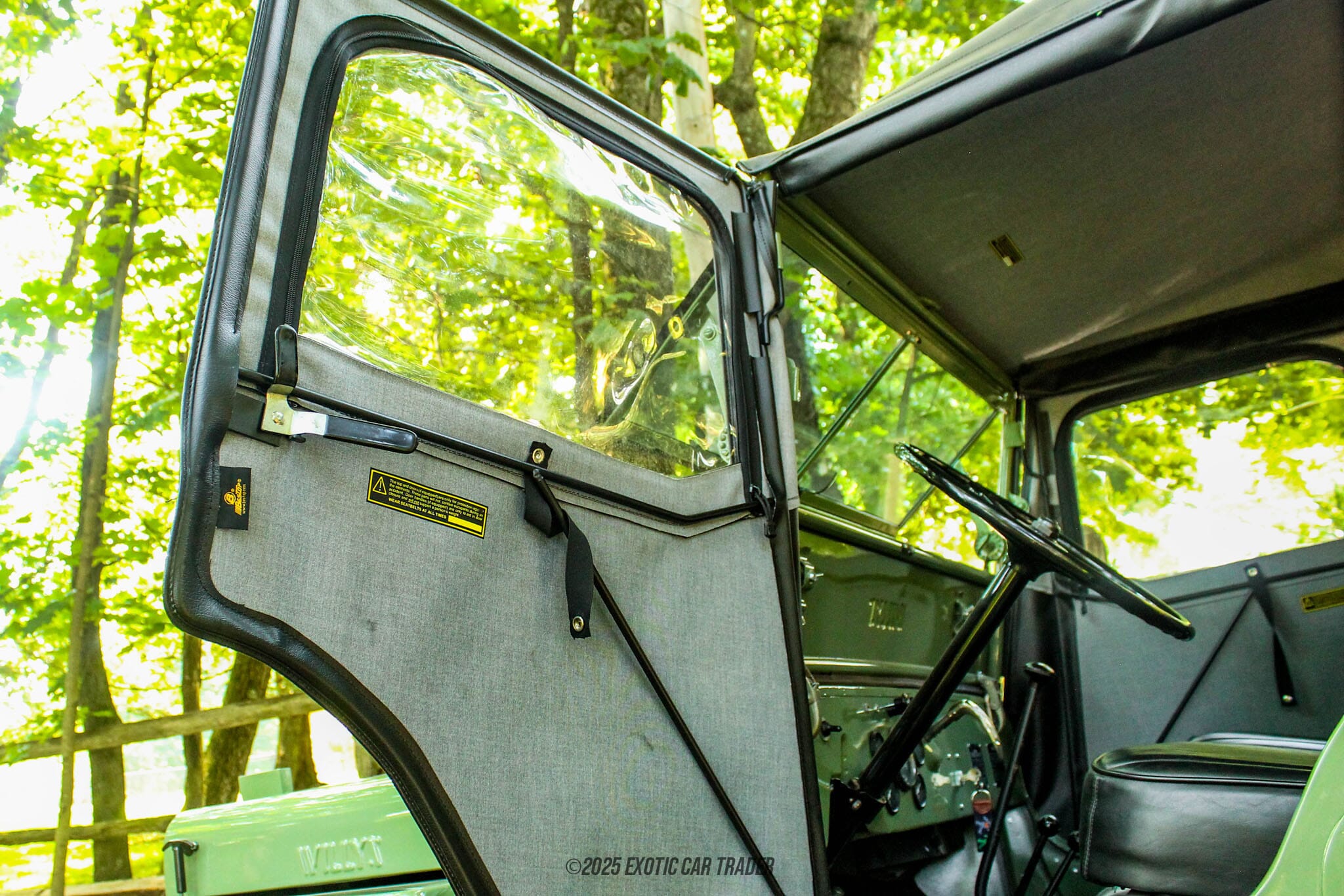
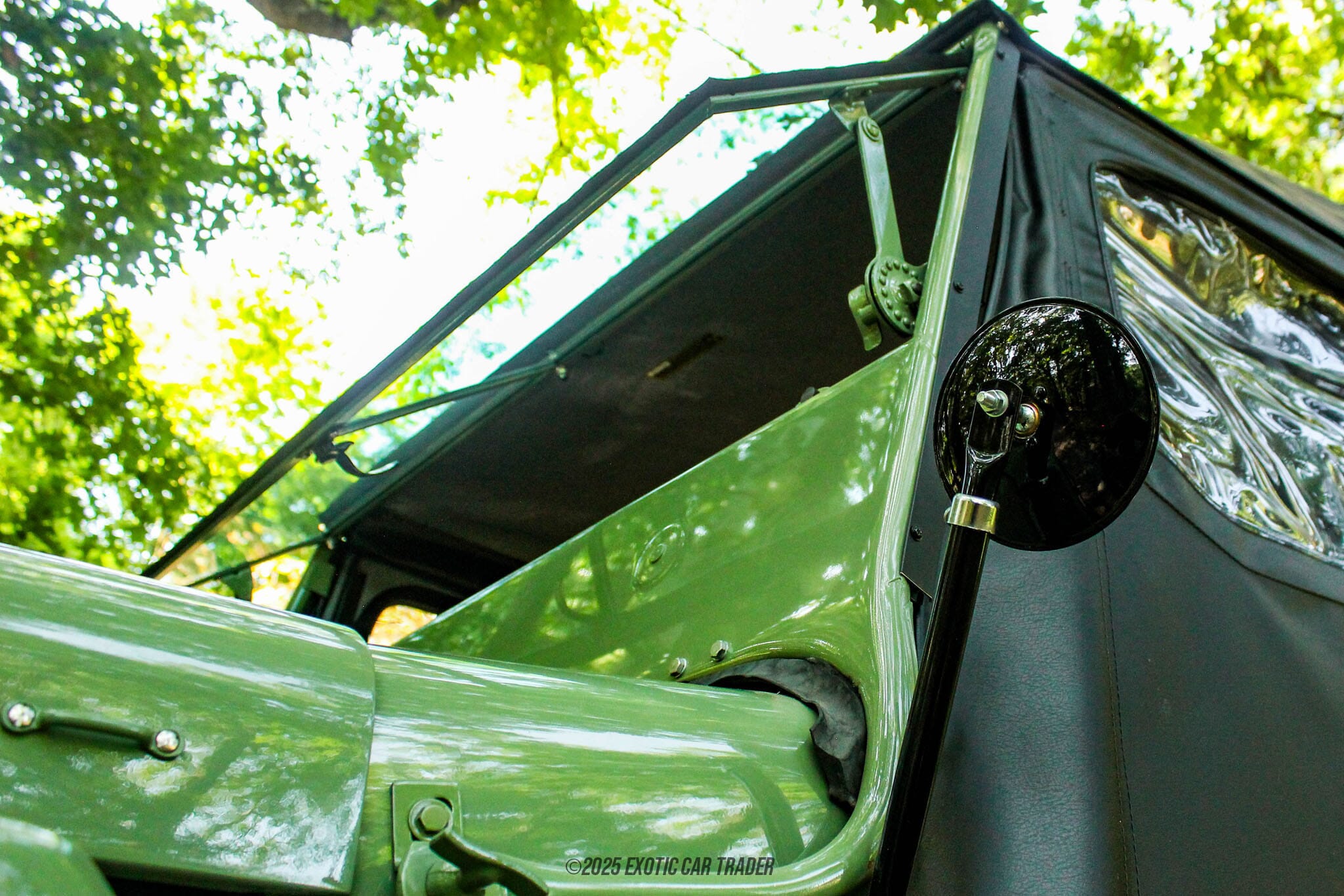
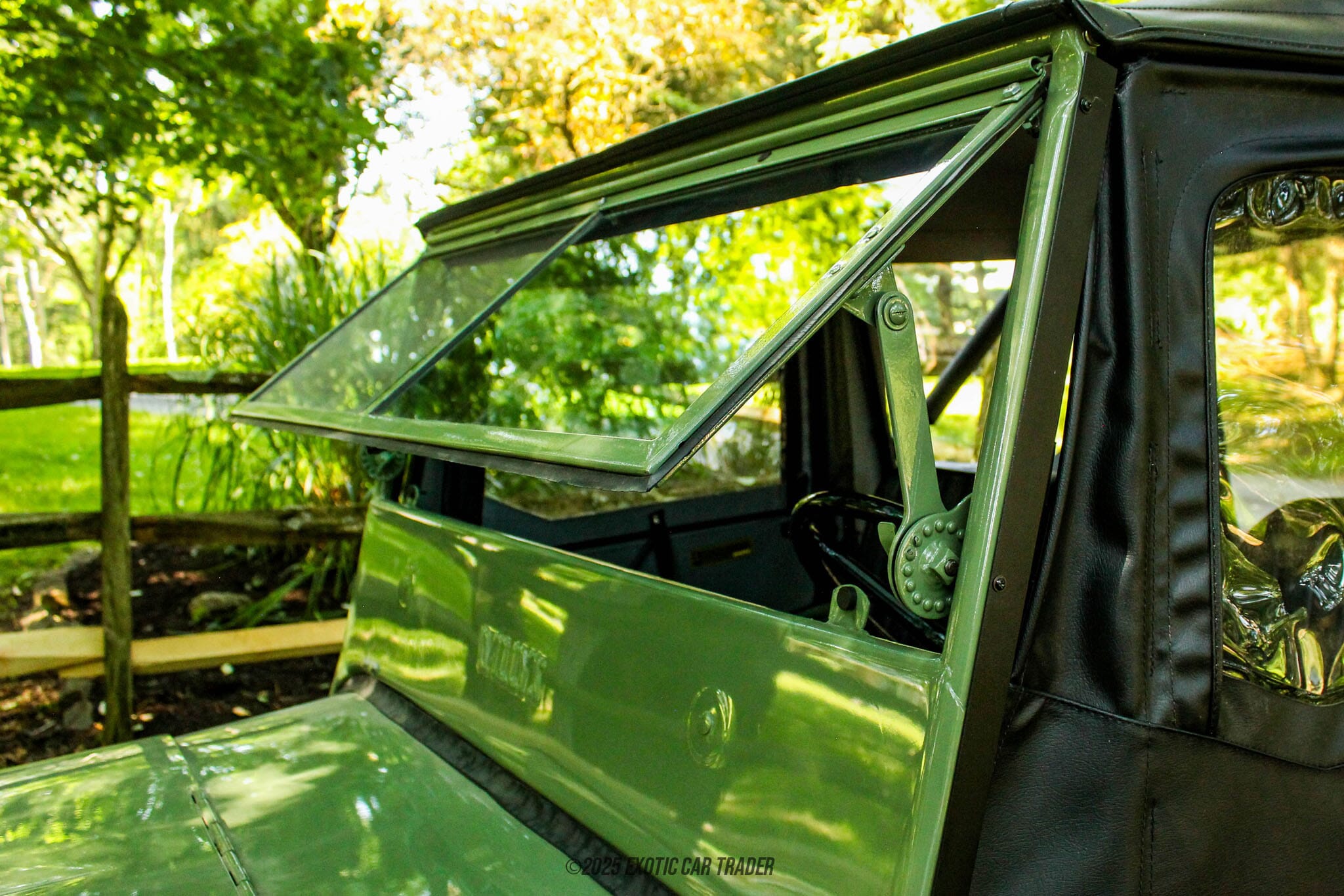
- Black Vinyl Soft Top by Bestop


Behold, the world’s first-ever mass-production civilian four-wheel drive car: the Willys Jeep. Derived from the military vehicle that served extensively in World War II, the Willys CJ “Civilian Jeep” was a modified, road-legal version of the battlefield hero. Aimed at the farming and industrial community, many mechanical modifications over the military version were with the goal of making it more durable and reliable. As the war was winding up, Jeep started working on the CJ, with 2 main prototype models being tested (CJ-1 and CJ-2). The CJ-2A was the first production model, which arrived in mid-1945, initially used up the last of the war-time parts stock. Once this was over, many parts such as the rear axle were changed (in this case to a stronger option). In total, over 214,000 CJ-2As were built between 1945 and 1949.
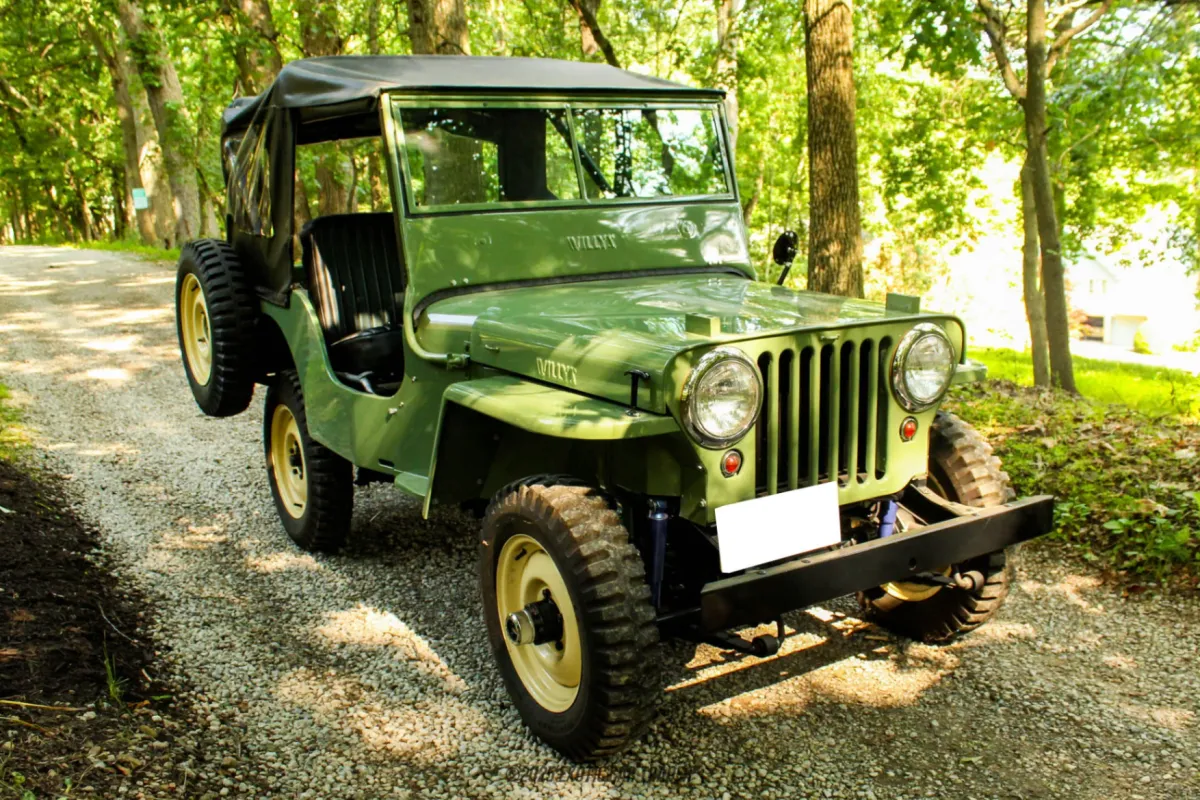
Exterior and Interior
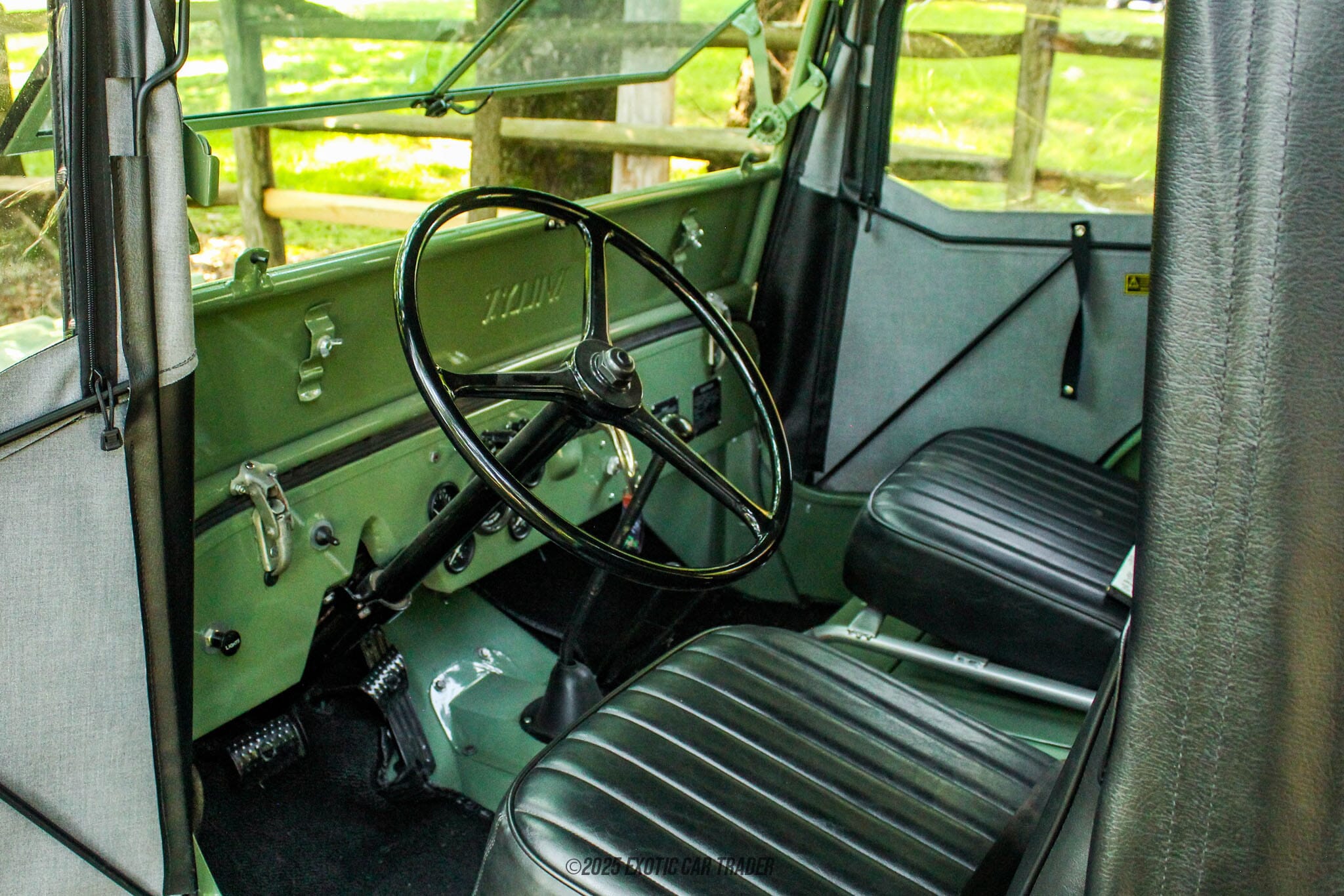
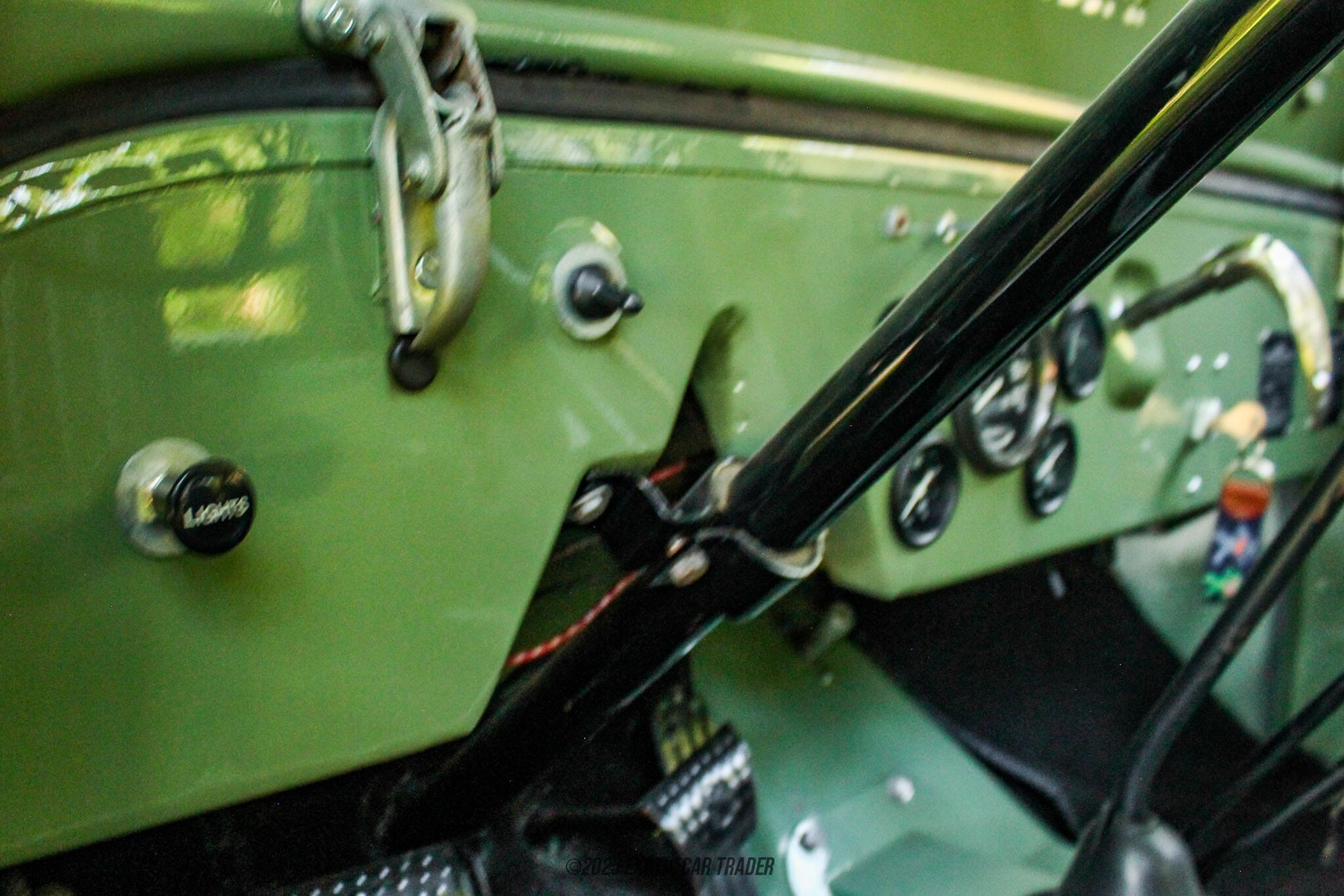
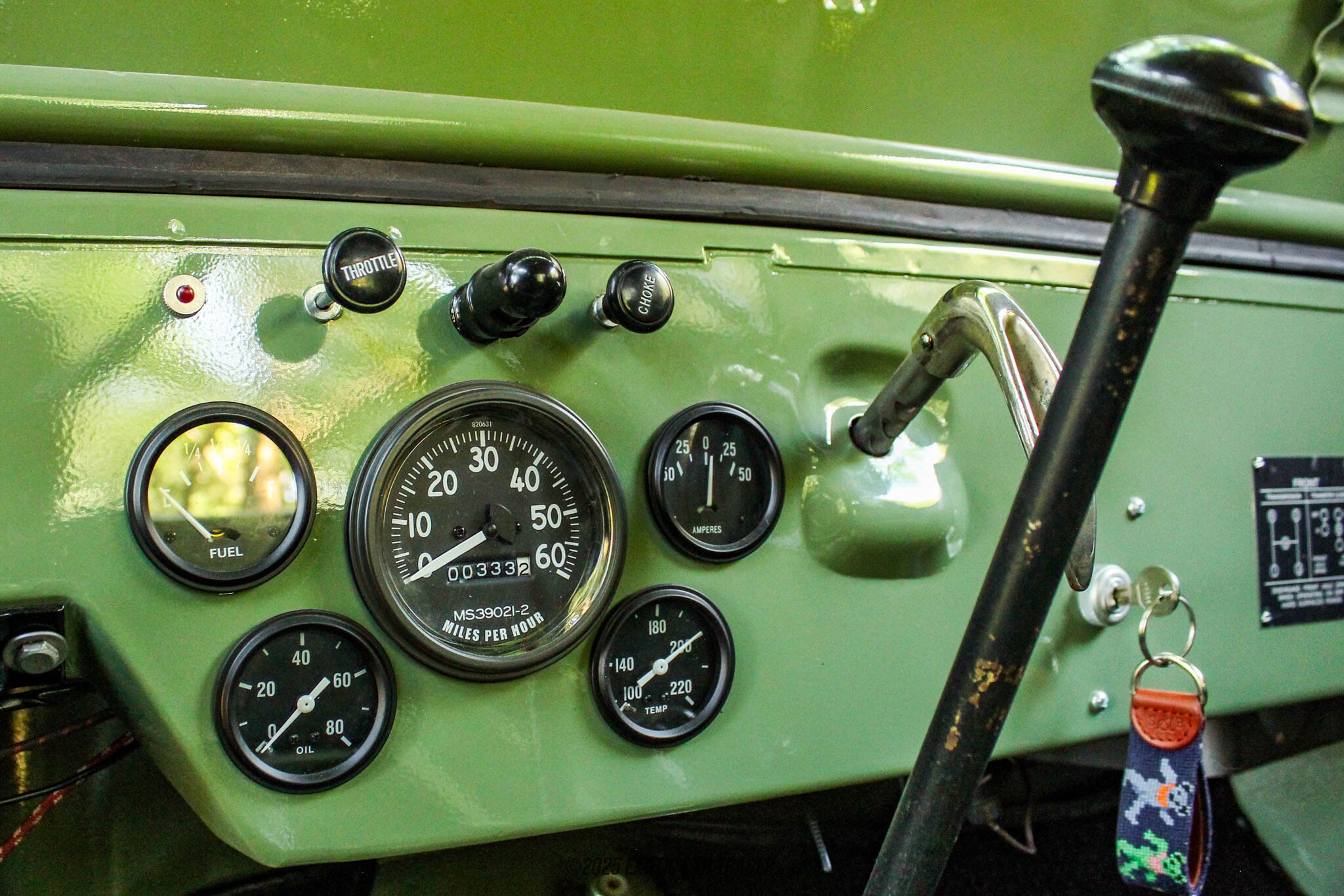
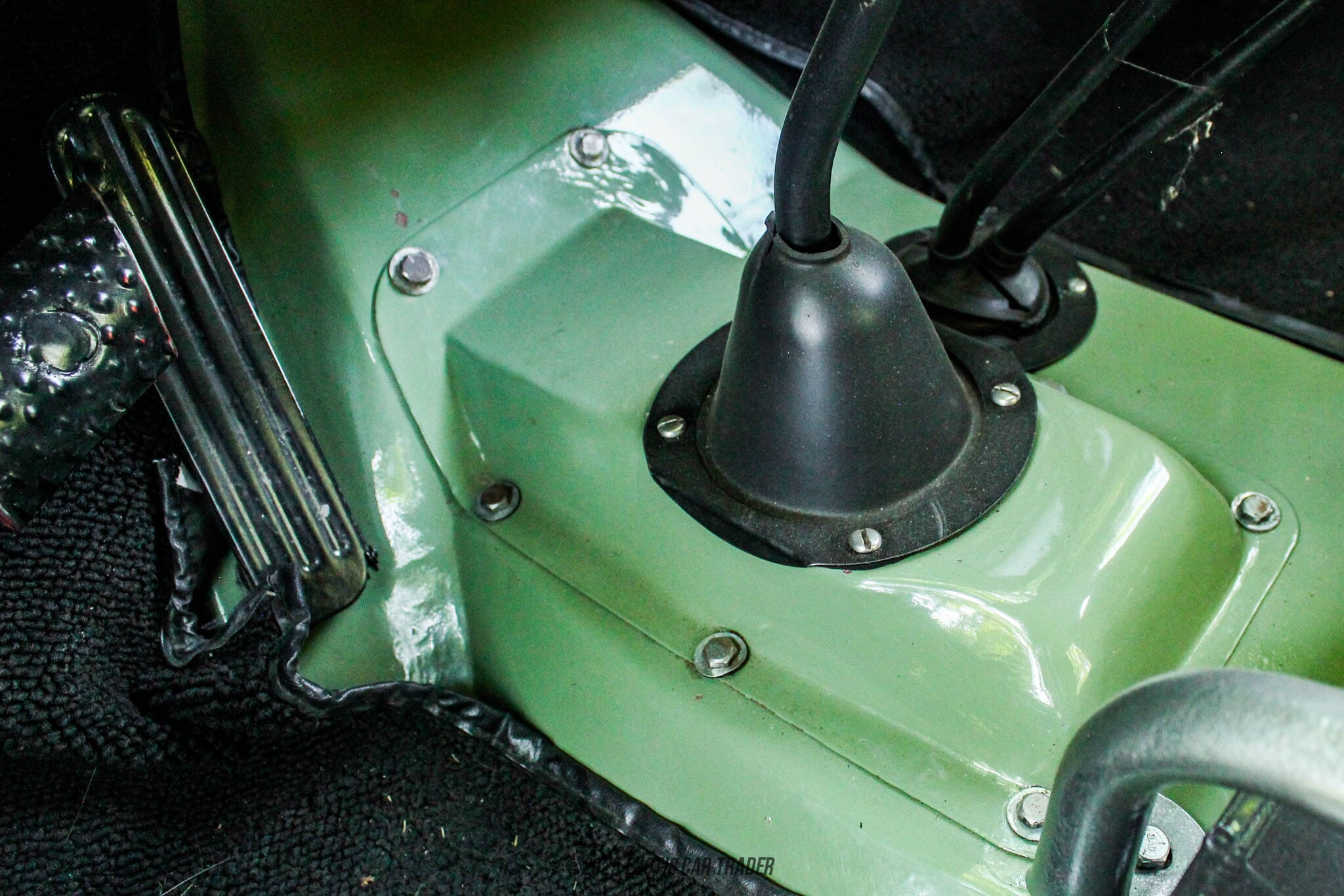
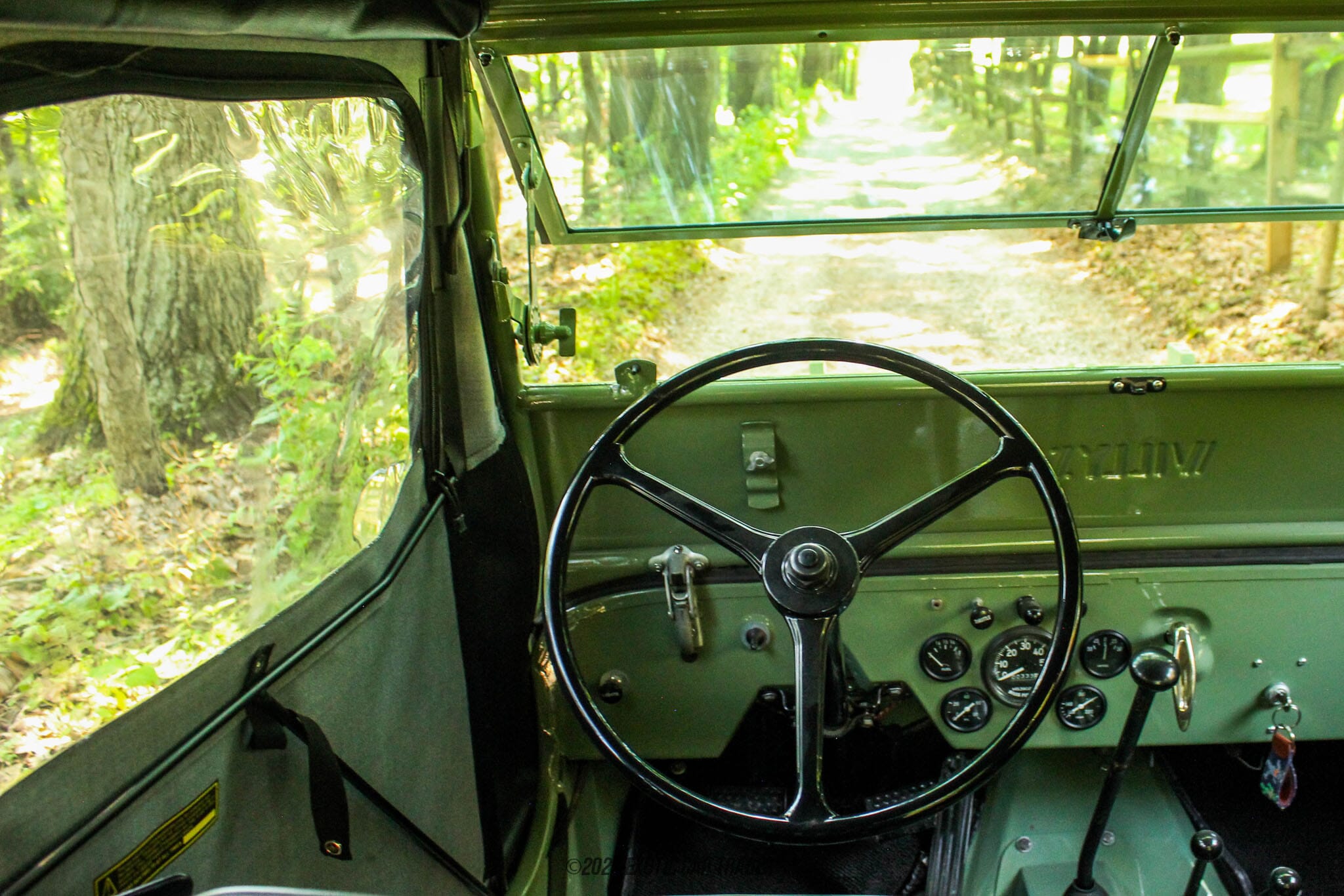
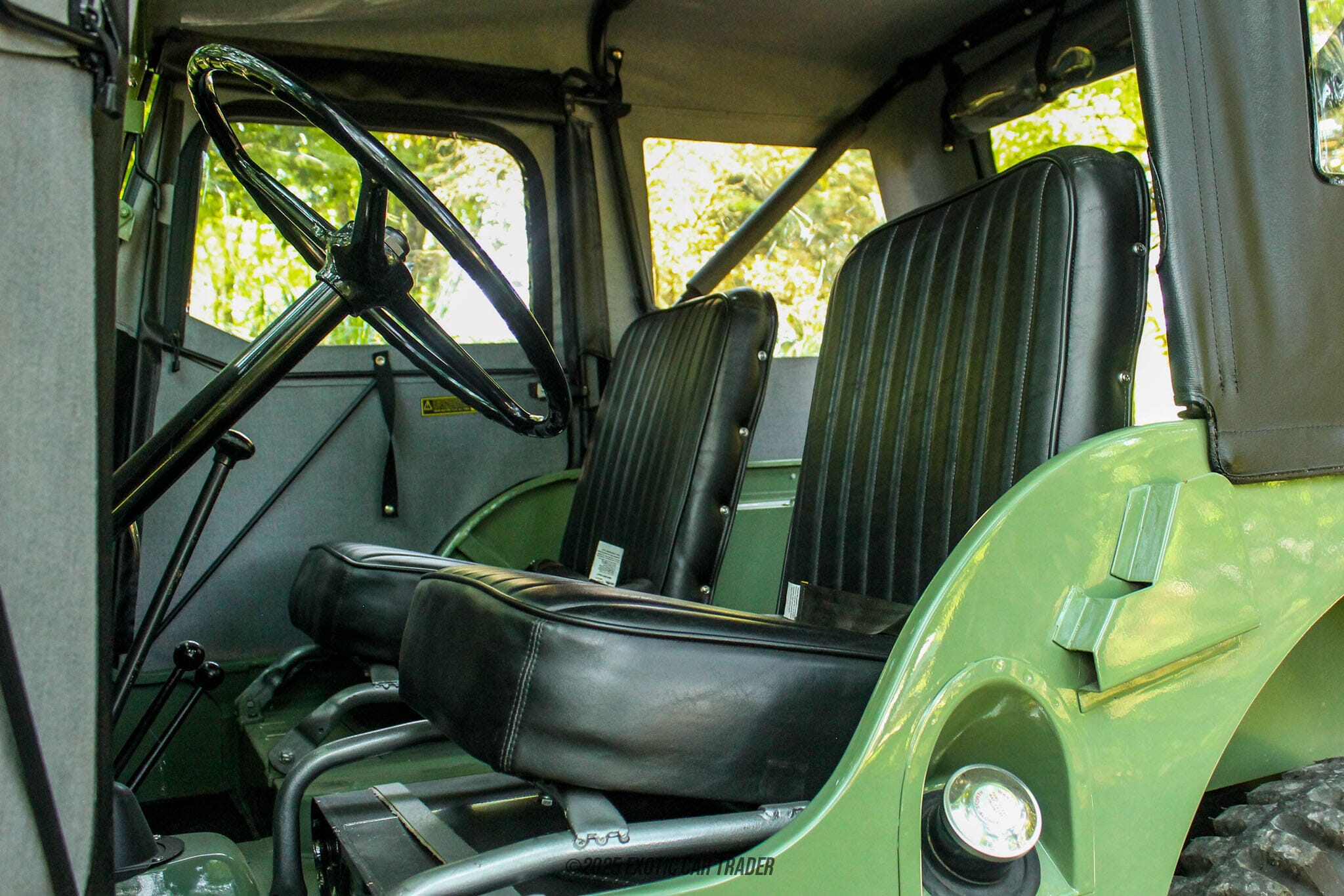
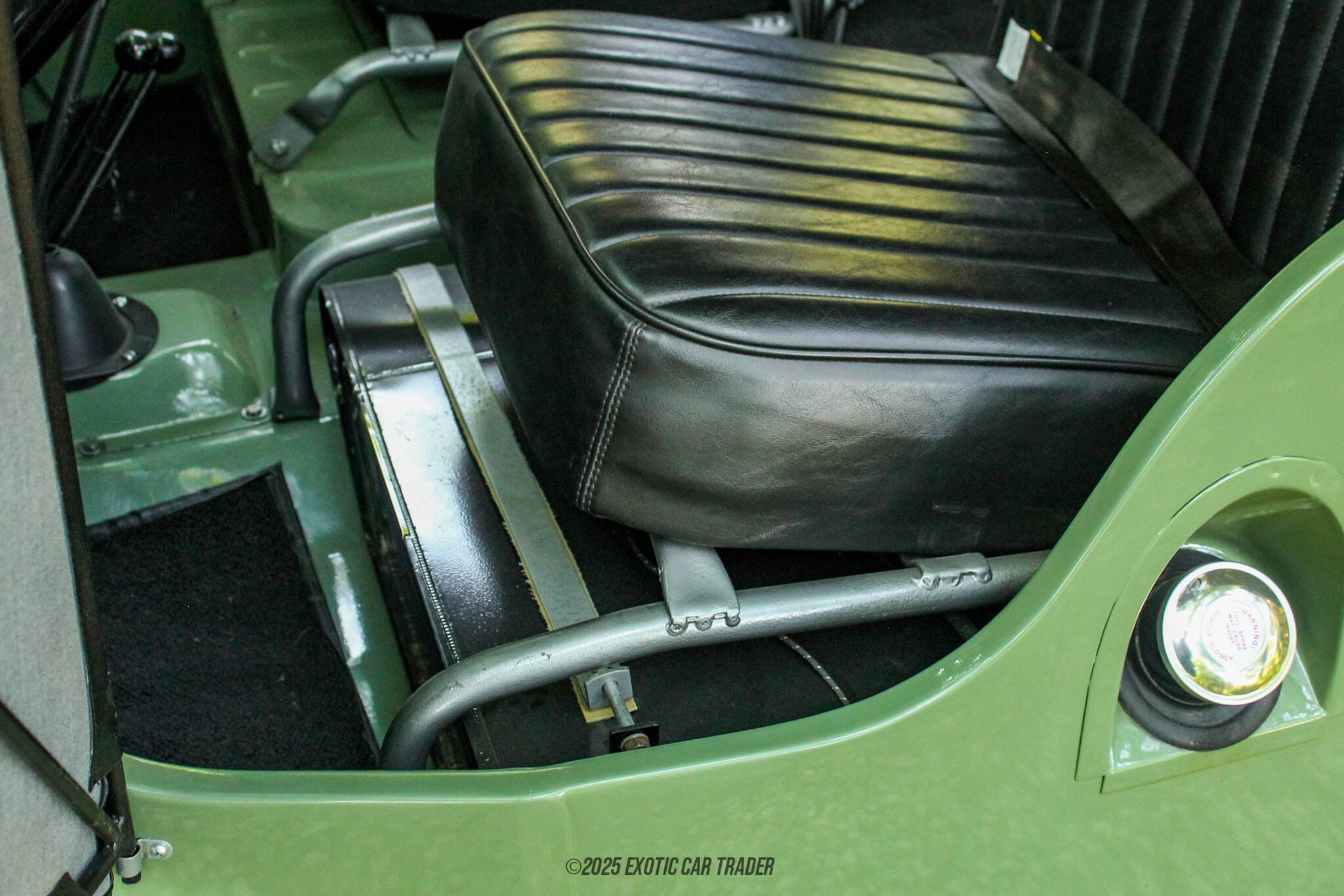
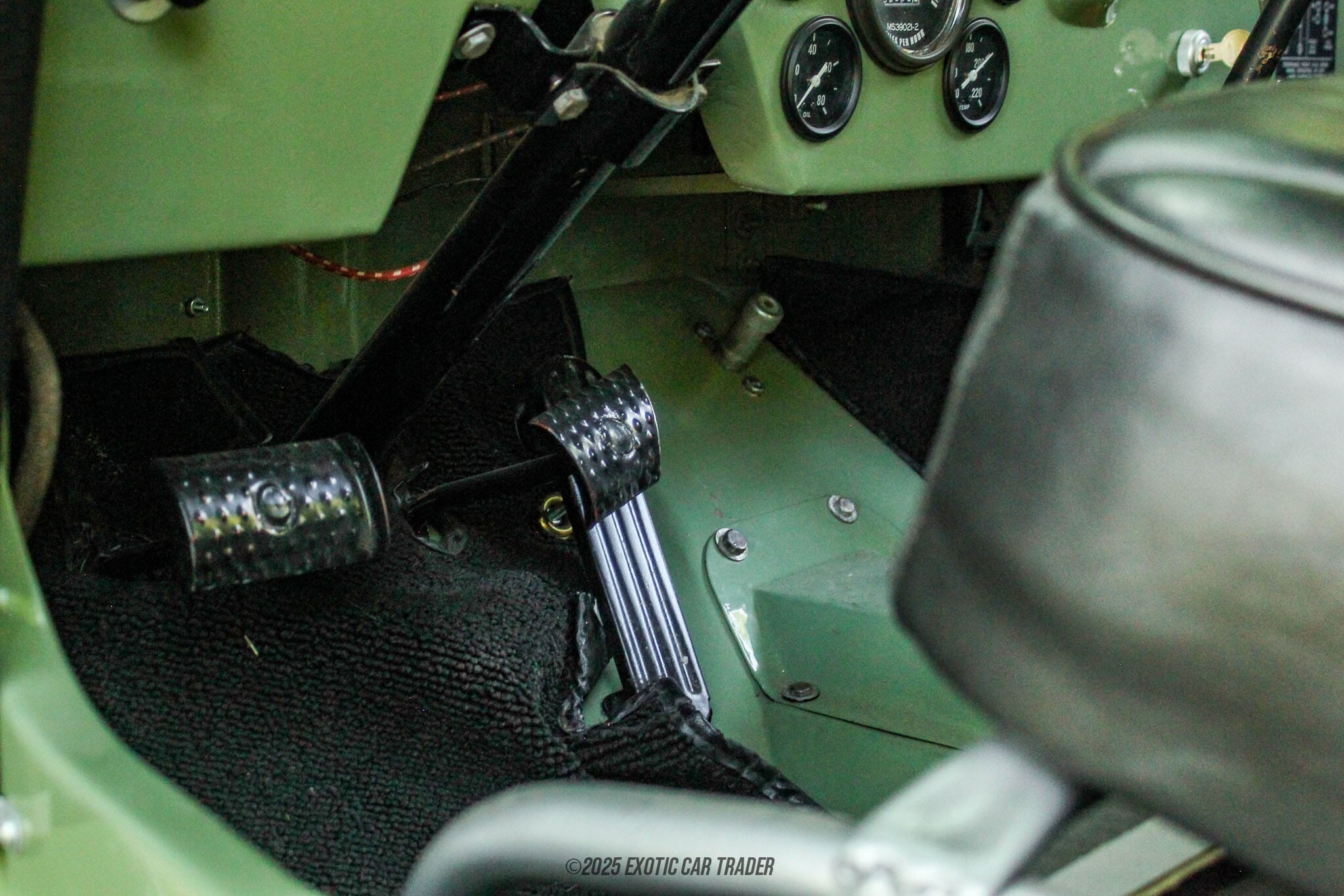
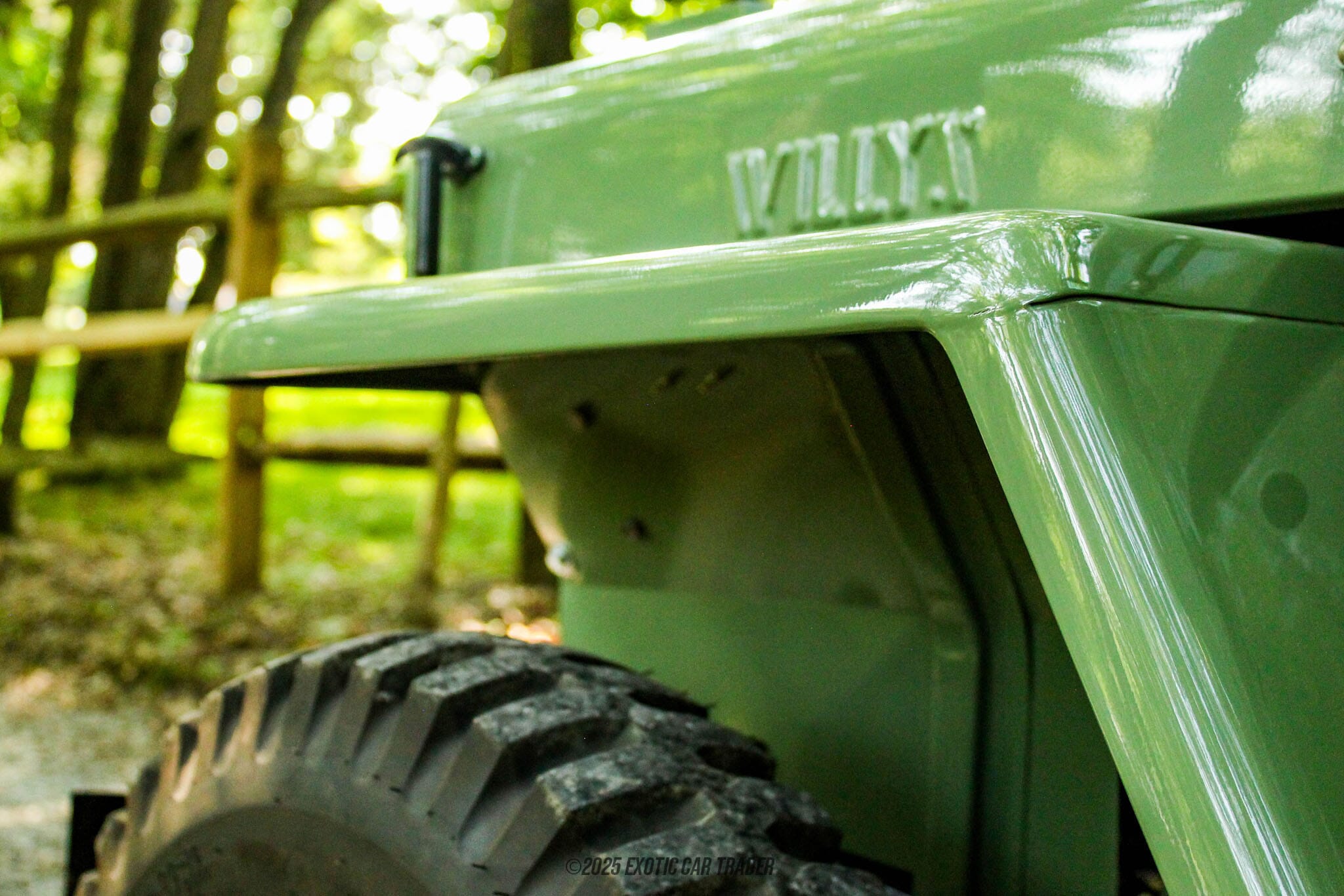
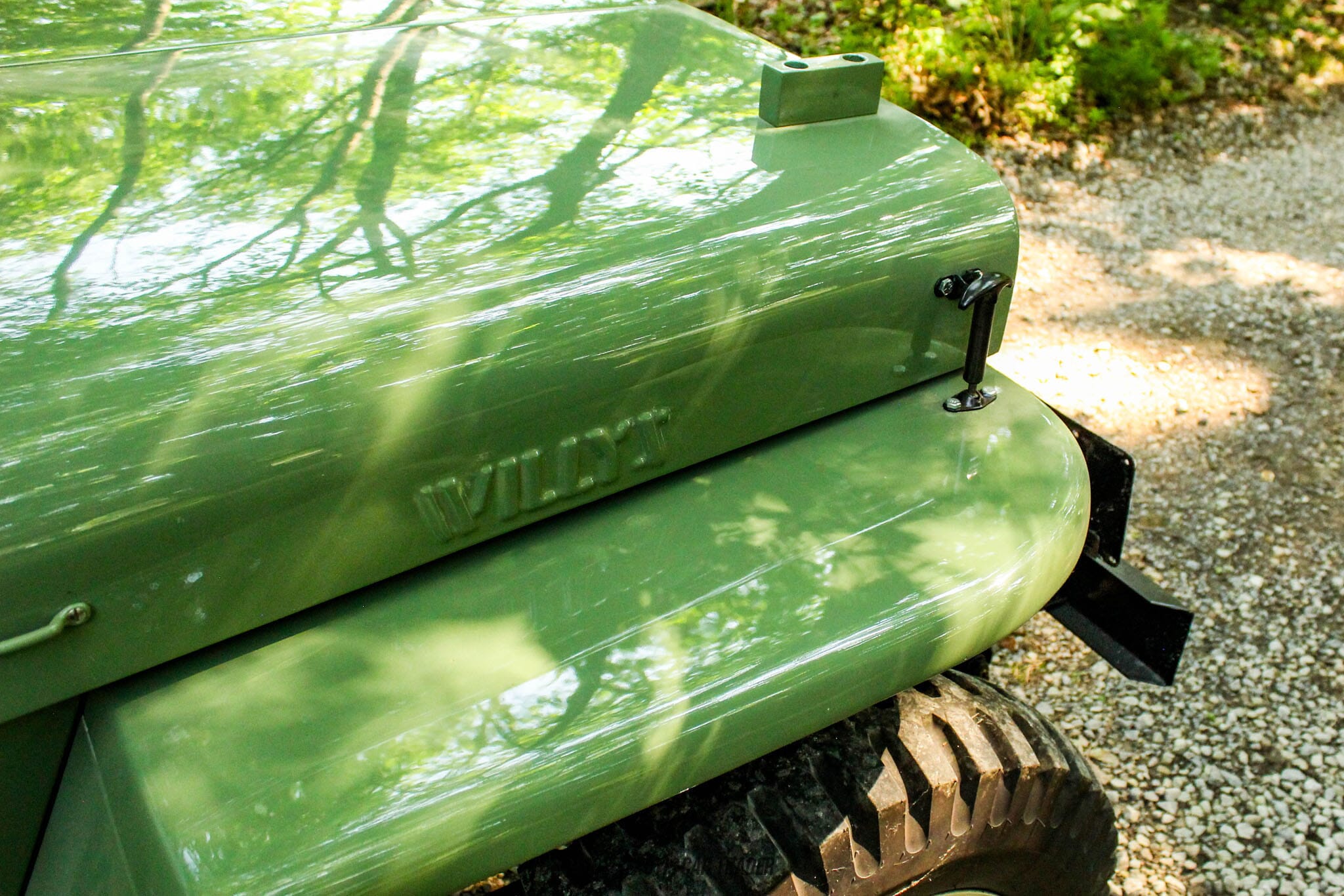
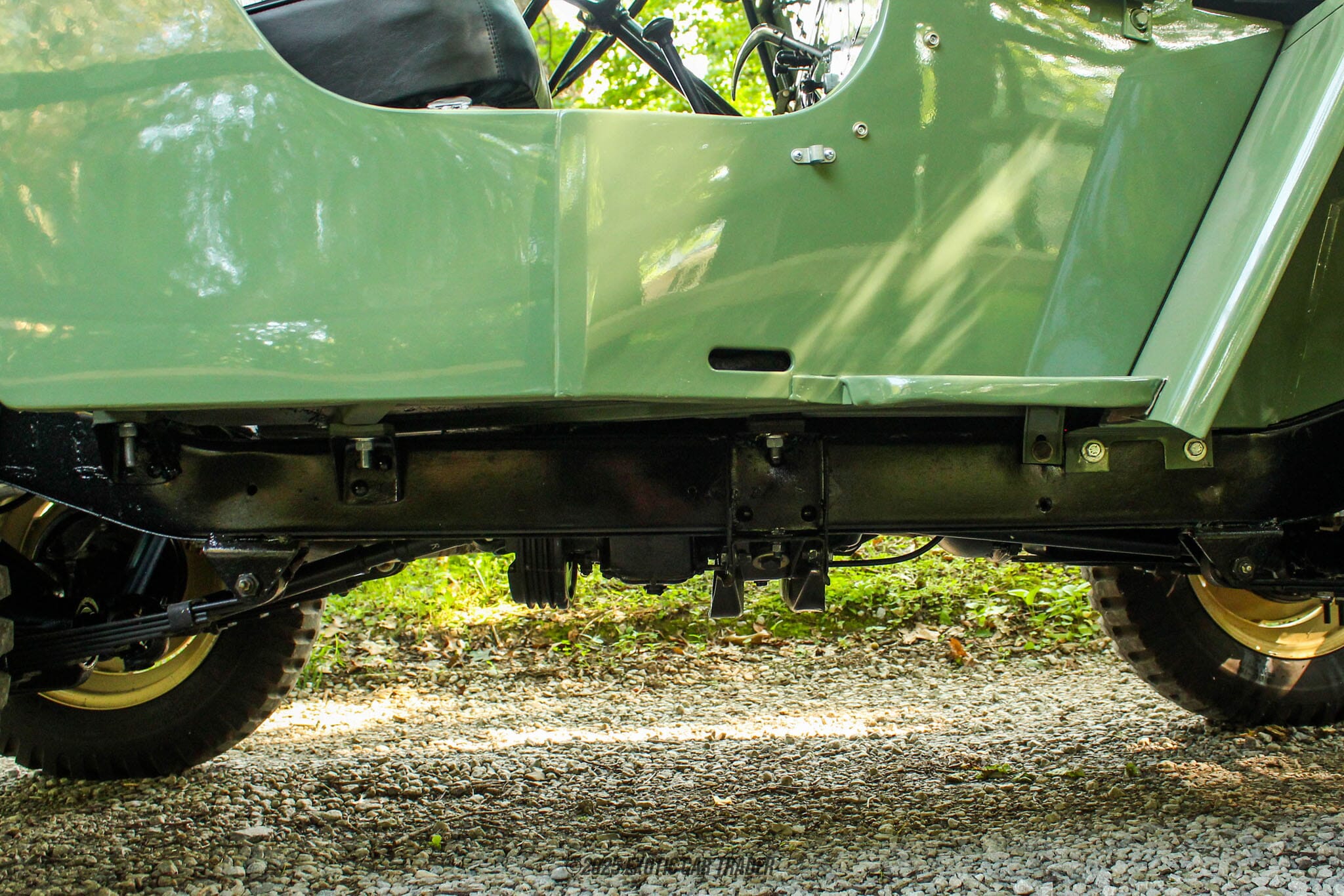
Only 2 color schemes were available up till mid-1946: green with yellow wheels and tan with red wheels. This lovely 1946 Willys-Overland CJ-2A Jeep is finished in a similar color scheme; green with cream/light yellow wheels. It carries a spare wheel on the (left) side panel, above the rear axle. The other major visual differences over its military predecessor include a tailgate, and a modified front grille with larger, more bulging headlamps. As standard, the CJ-2As were available with only the driver’s seat, 1 wing mirror and 1 taillight (both on the driver’s side). While this vehicle only has one wing mirror and taillight, it does have 2 seats (in black). The most striking aspect of the interior is probably the 3-stick layout for the transmission and transfer case, a concept that catches most of us off-guard even though it would’ve been a Jeep owner’s daily routine a few decades ago. Overall, the spotless condition of the vehicle suggests that it has undergone a thorough restoration recently (possibly at the same time the engine was rebuilt).
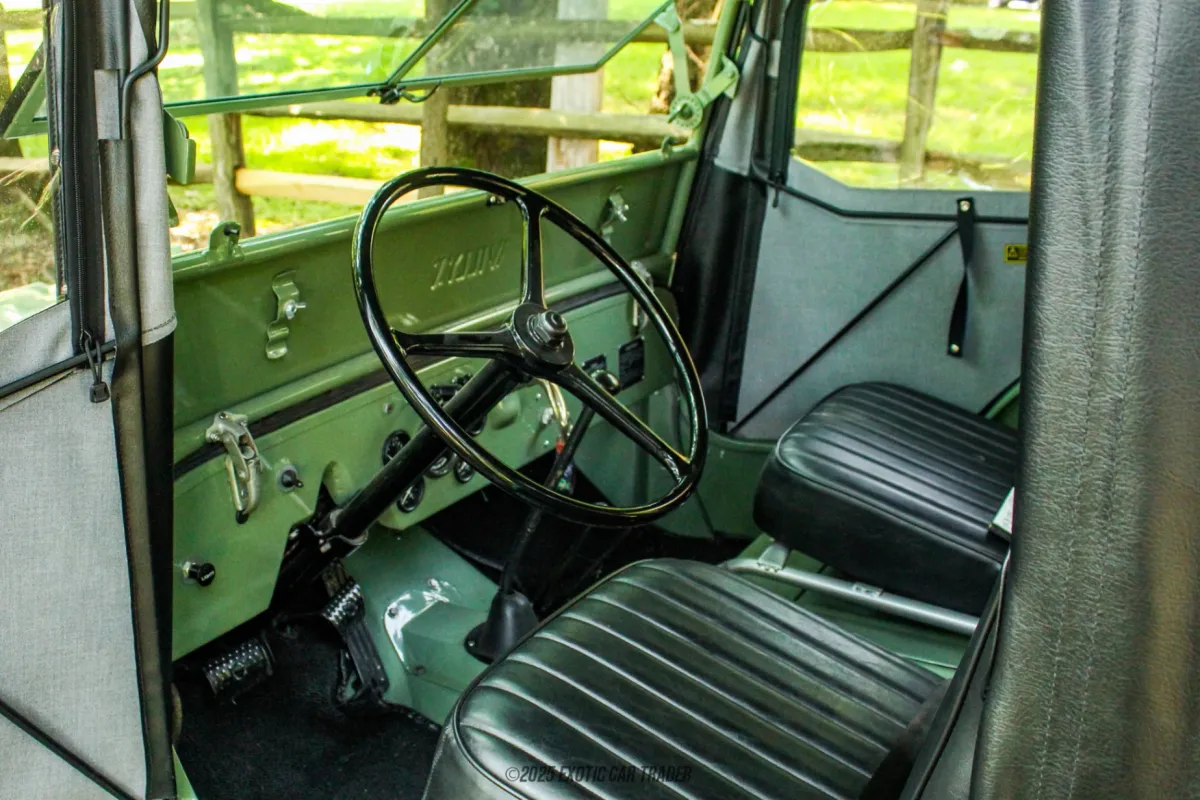
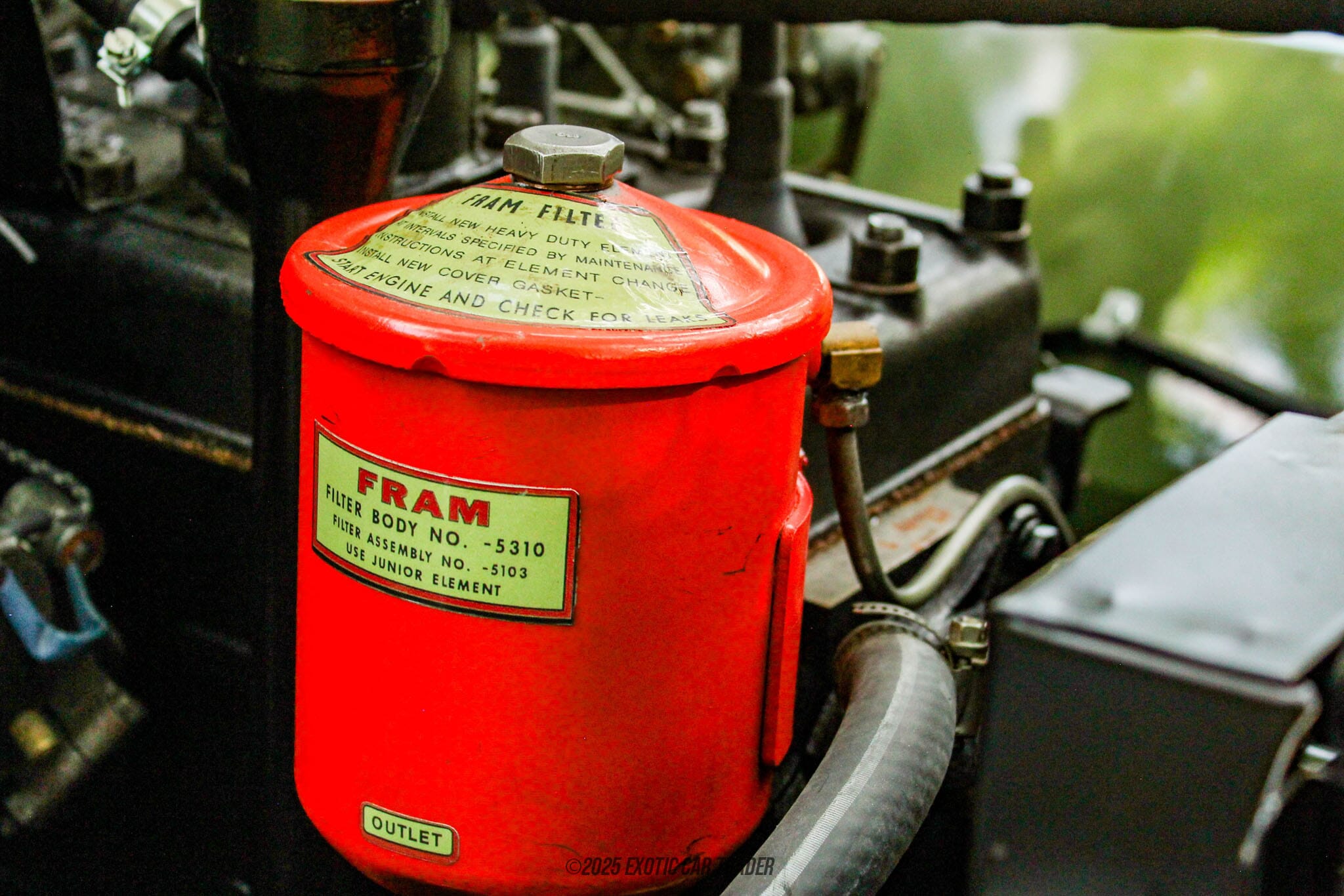
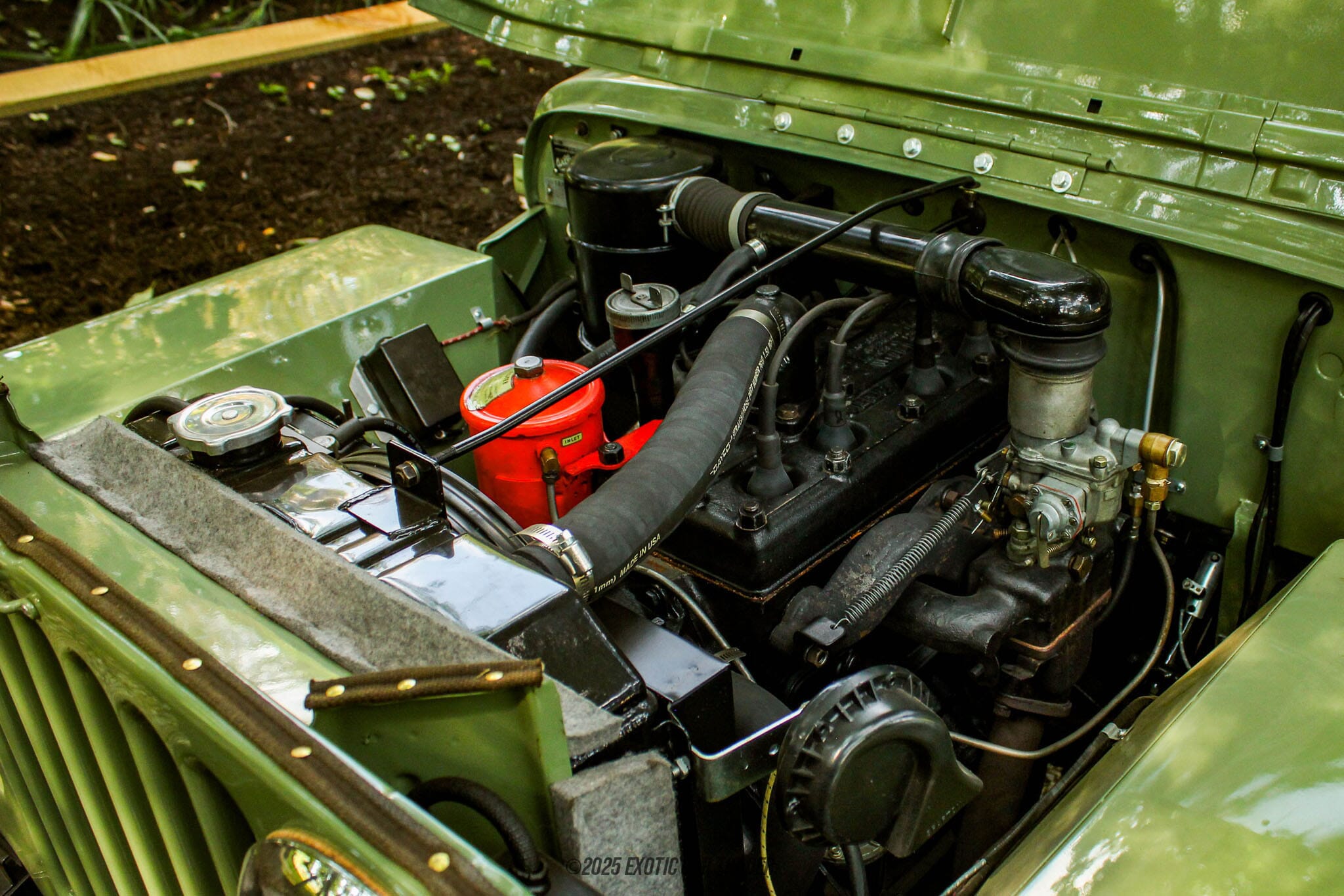
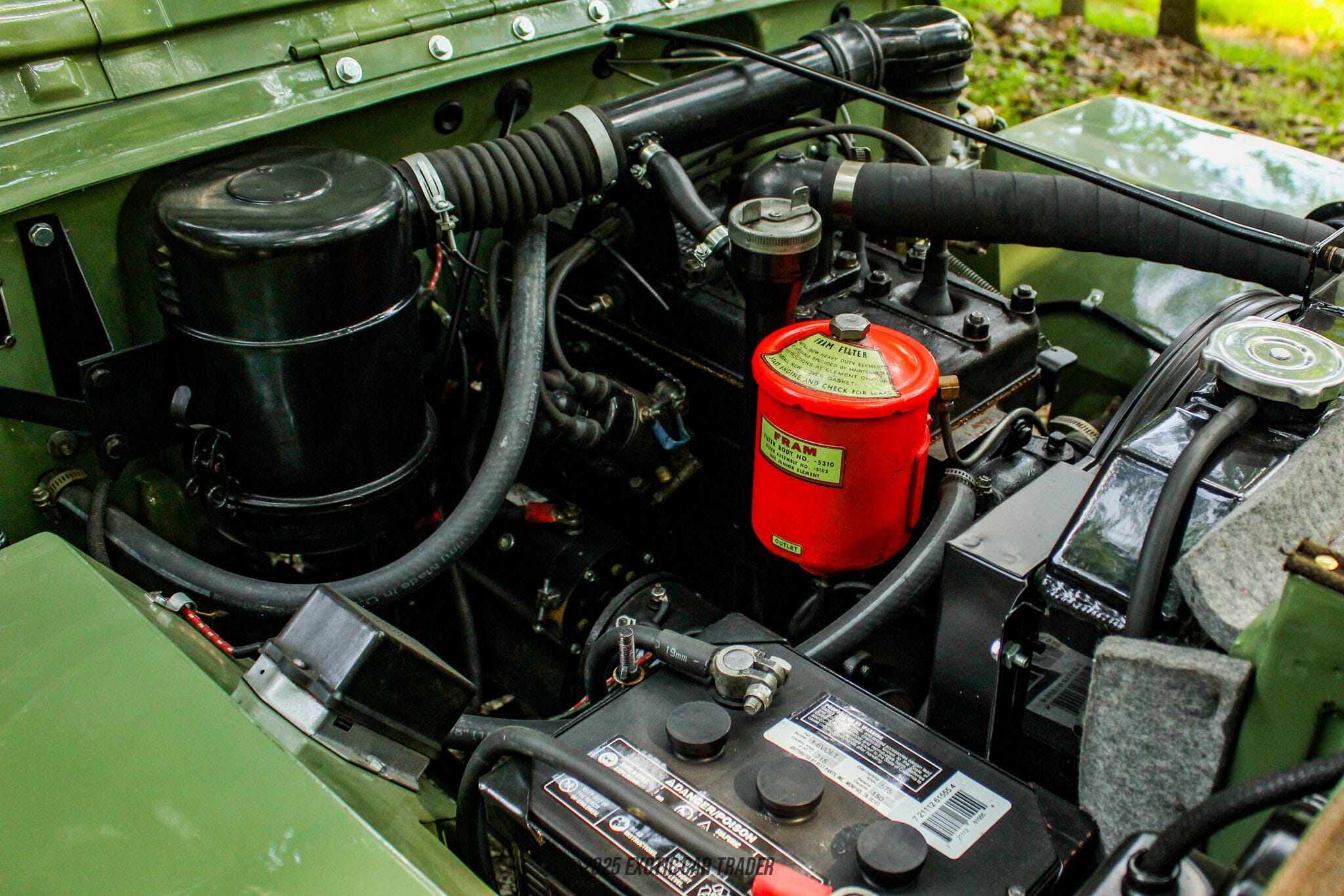
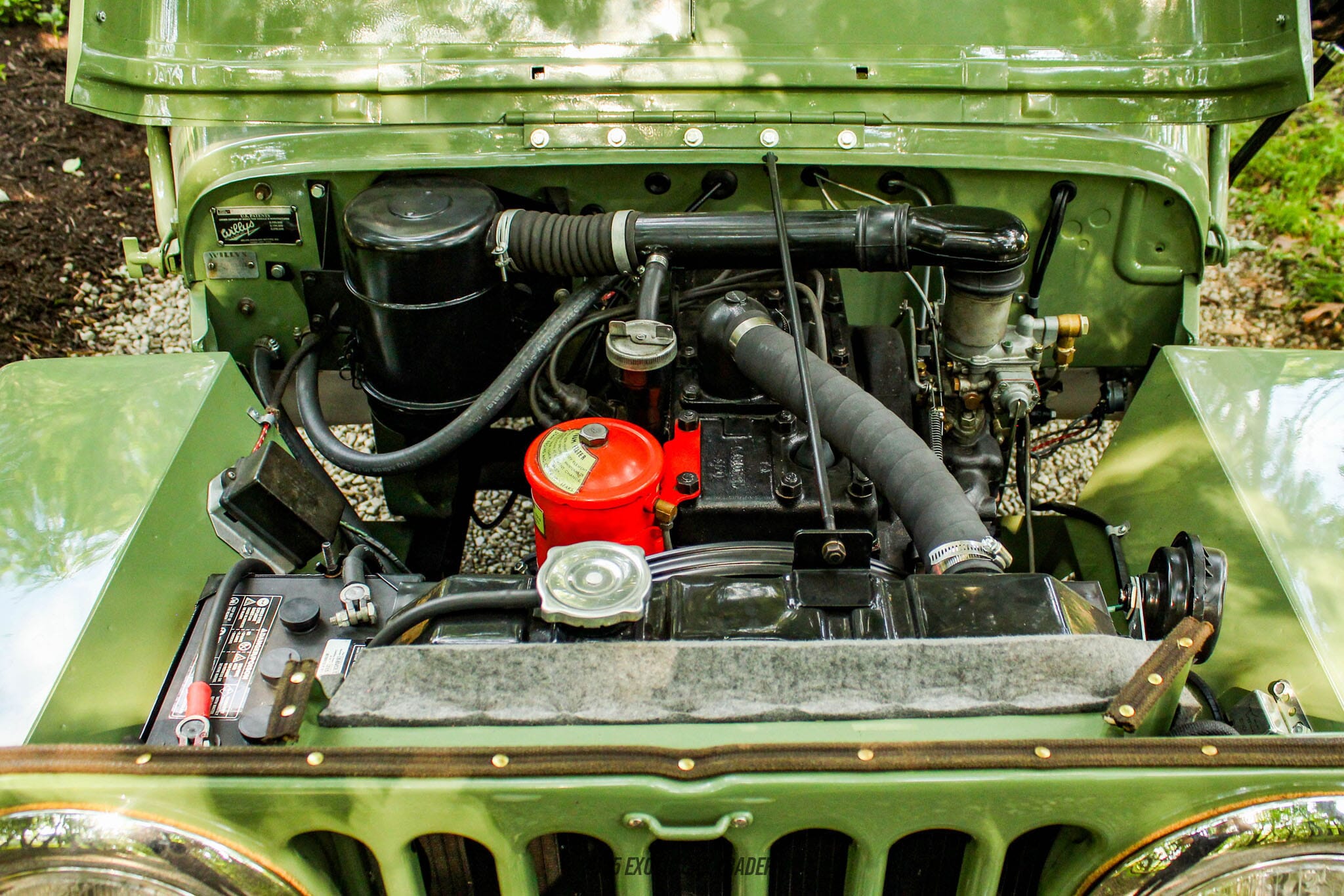
Engine
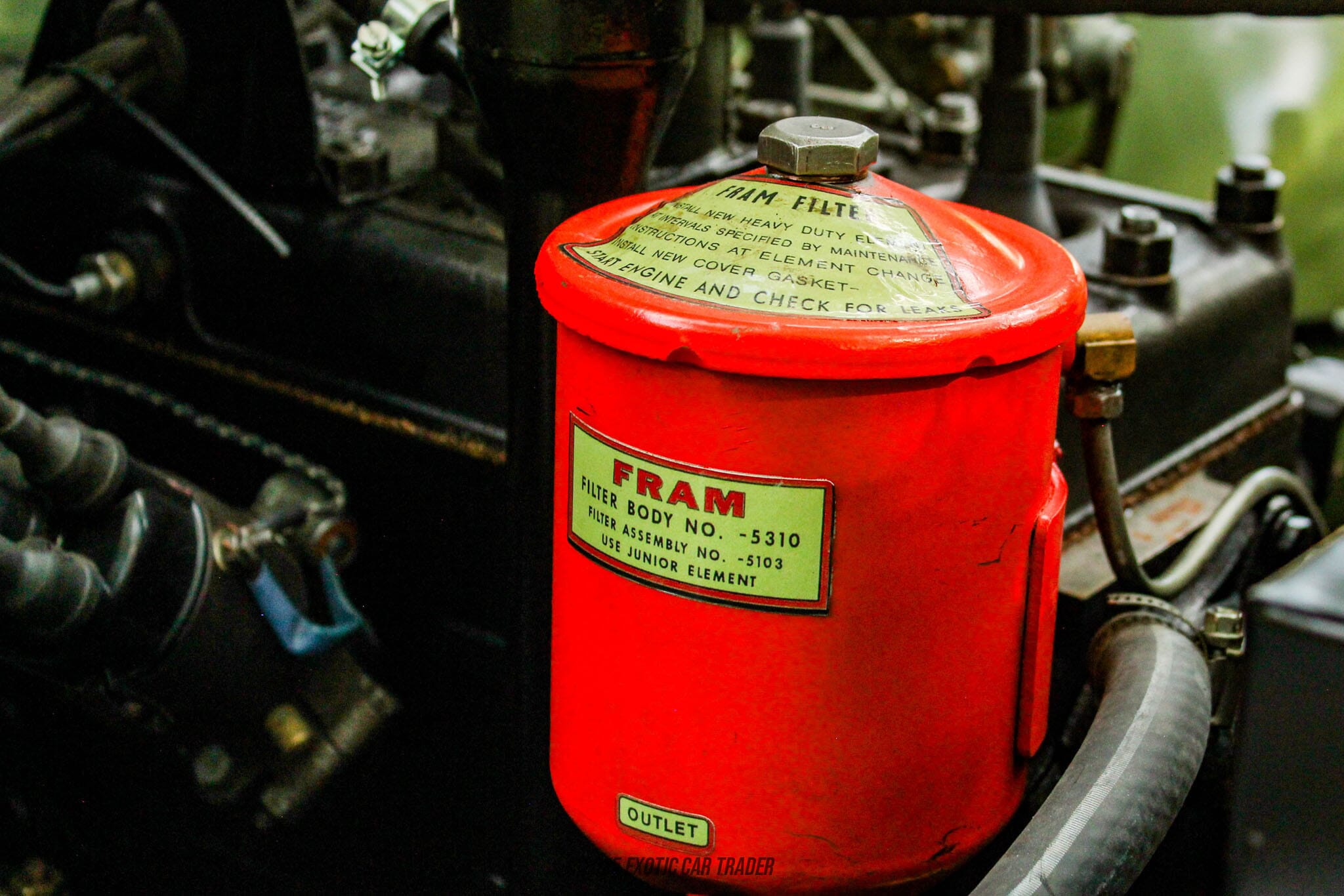
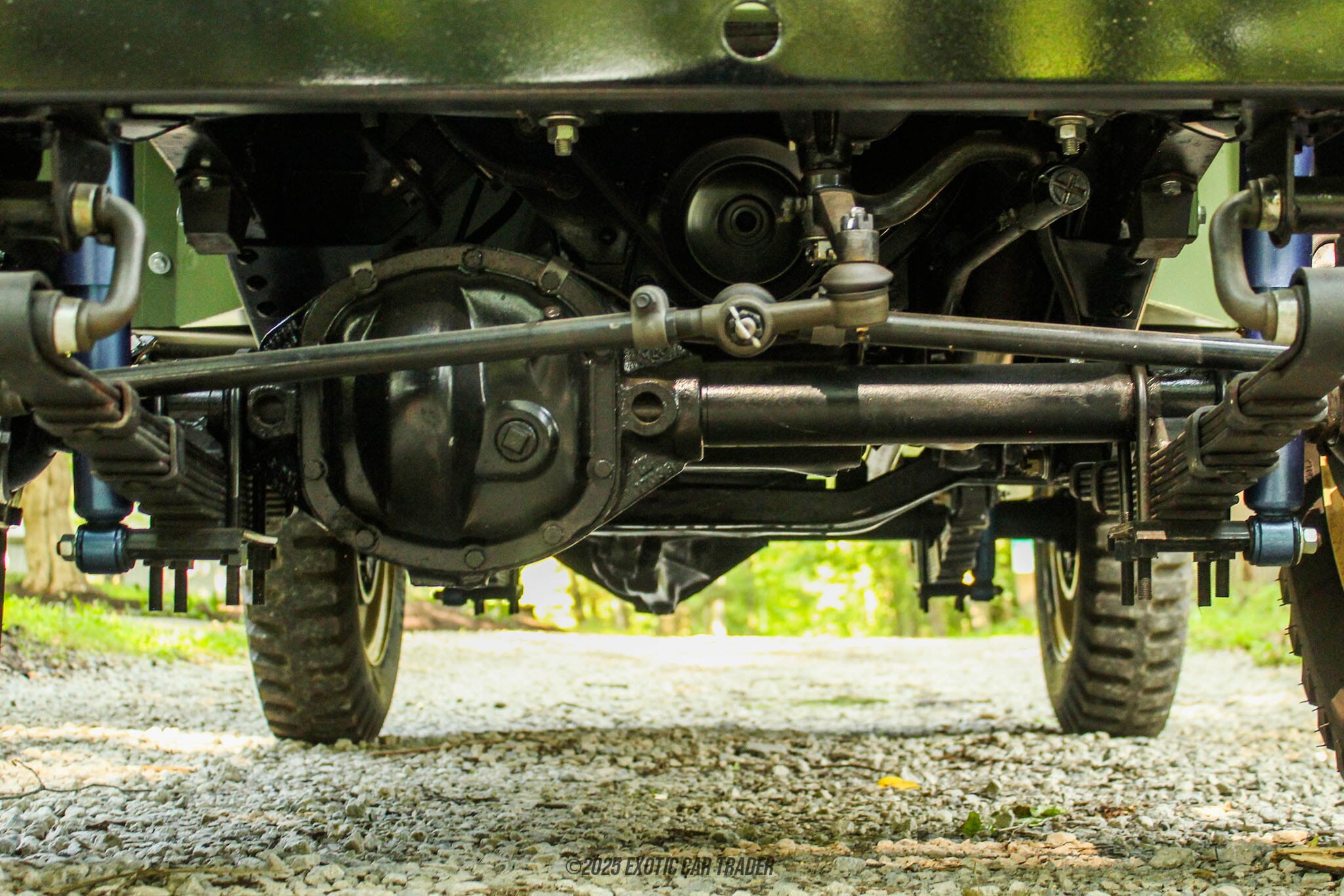
The engine, which looks as immaculate as the rest of the car. It has the 2.2L L134 “Go Devil” inline 4-cylinder engine from its predecessor, but Willys swapped out the T-84 transmission for a T-90 Borgwarner 3-speed manual transmission, driving 2 or 4 wheels based on the setting.

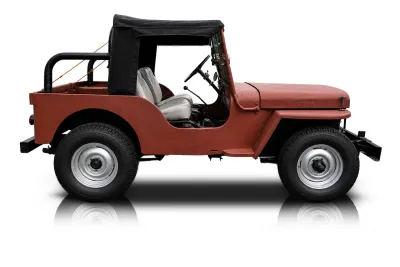

The 1947 Willys-Overland CJ-2A stands as one of the earliest civilian Jeeps ever produced, directly derived from the battle-proven military MB of World War II. Built to serve farmers, ranchers, and laborers, the CJ-2A introduced practical features that made it a true multi-purpose vehicle for post-war America. This example embraces its heritage with a rugged patina finish while benefiting from tasteful updates that enhance comfort and usability. Showing just 38,487 miles, it presents as a well-preserved and thoughtfully refreshed classic that blends authenticity with drivability—ideal for collectors or enthusiasts seeking a vintage 4x4 with real character.
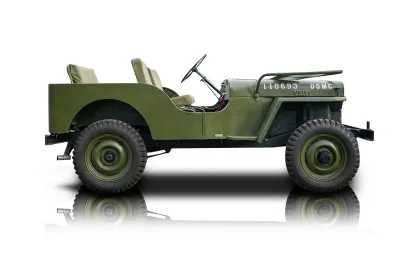
The famous Jeep CJ by Willys-Overland is a story of smarts. Since World War II was ending soon, Willys-Overland knew that their biggest customer – the US Military – would soon be ending their massive orders for the famous World War II military Jeep that mobilized Americans and allies across the European Theatre of Operations. So, they turned it into a civilian vehicle, aimed at agricultural and other light industrial uses. This proved to be harder than expected, because a civilian Jeep must survive hard use for years, not months. Nevertheless, they succeeded in a massive way. In fact, today, the Jeep CJ continues in spirit through its direct descendant, the Jeep Wrangler! Now, we have a 1947 Willys Jeep CJ-2A for sale from Maupin, Oregon. This is a great way to pick up an earlier CJ and see just how utilitarian and purposeful it was back then. In fact, over 214,000 were made between 1945 and 1949!
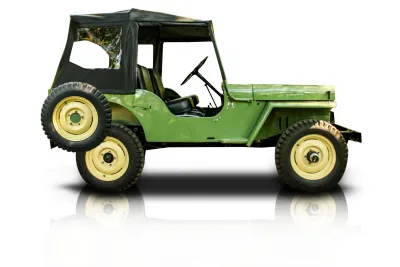
Behold, the world’s first-ever mass-production civilian four-wheel drive car: the Willys Jeep. Derived from the military vehicle that served extensively in World War II, the Willys CJ “Civilian Jeep” was a modified, road-legal version of the battlefield hero. Aimed at the farming and industrial community, many mechanical modifications over the military version were with the goal of making it more durable and reliable. As the war was winding up, Jeep started working on the CJ, with 2 main prototype models being tested (CJ-1 and CJ-2). The CJ-2A was the first production model, which arrived in mid-1945, initially used up the last of the war-time parts stock. Once this was over, many parts such as the rear axle were changed (in this case to a stronger option). In total, over 214,000 CJ-2As were built between 1945 and 1949.
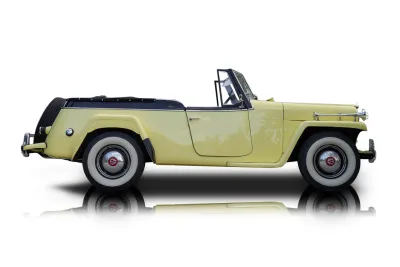
The 1950 Willys-Overland Jeepster captures a fascinating moment in postwar American motoring, blending Jeep-derived simplicity with the open-air style of a roadgoing convertible. Showing 75,749 miles, this example is finished in Yellow over a Black interior and is powered by a 161ci Lightning L-head inline-six paired with a 3-speed manual transmission with overdrive and rear-wheel drive. Its tall chrome grille, split windshield, external spotlights, rear-mounted spare, and wide-open bodywork give it a look unlike almost anything else from the era. The column-shift manual and overdrive setup add to the vintage driving experience, while the black convertible top makes it equally suited to sunny cruises or more traditional touring. For an enthusiast looking beyond the usual postwar coupes and sedans, the Jeepster delivers personality in abundance.
The 1947 Willys-Overland CJ-2A stands as one of the earliest civilian Jeeps ever produced, directly derived from the battle-proven military MB of World War II. Built to serve farmers, ranchers, and laborers, the CJ-2A introduced practical features that made it a true multi-purpose vehicle for post-war America. This example embraces its heritage with a rugged patina finish while benefiting from tasteful updates that enhance comfort and usability. Showing just 38,487 miles, it presents as a well-preserved and thoughtfully refreshed classic that blends authenticity with drivability—ideal for collectors or enthusiasts seeking a vintage 4x4 with real character.
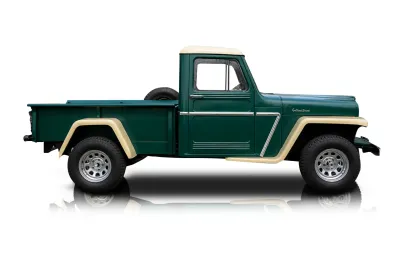
This 1961 Willys Overland Pickup represents a rugged and highly customized take on one of America’s most utilitarian post-war trucks. Originally designed for durability and off-road capability, Willys pickups have become increasingly desirable among collectors and enthusiasts who appreciate their simplicity and vintage charm. This example stands out with its upgraded V8 powerplant and tasteful cosmetic enhancements, blending classic workhorse roots with hot rod character. Showing approximately 67,060 miles, it offers a compelling mix of usability, uniqueness, and visual appeal—ideal for someone who wants a vintage truck that doesn’t feel underpowered or outdated.
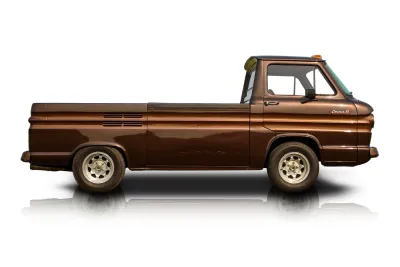
The 1961 Chevrolet Corvair 95 Rampside Pickup is one of Chevrolet’s most unconventional utility vehicles, combining a forward-control cab with the Corvair’s rear-mounted, air-cooled powertrain and a genuinely clever side-loading pickup bed. Showing 23,258 miles, this example is powered by a 145ci air-cooled flat-six with dual single-barrel carburetors and a 4-speed manual transmission. Its signature passenger-side loading ramp, rear-mounted engine, compact proportions, and distinctive cab-over styling give the Rampside an identity unlike virtually any other American pickup of the period.
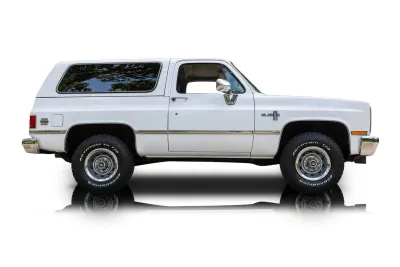
The K5 Blazer is one of the defining full-size American 4x4s of its era, combining the hardware of a traditional Chevrolet truck with a shorter two-door body and removable roof. This 1984 Chevrolet K5 Blazer shows 52,293 miles and keeps that classic formula intact with V8 power, an automatic transmission, dual-range four-wheel drive, and solid axles. Its removable fiberglass hardtop adds the open-air element that helped distinguish the K5 from conventional SUVs, while the period-style Rally wheels, BFGoodrich all-terrain tires, and burgundy cabin complete the unmistakably 1980s presentation.
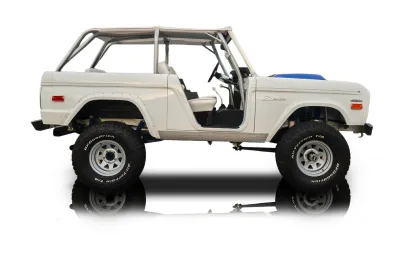
Few vintage 4x4s have the enthusiast following of the first-generation Ford Bronco, and this 1971 Ford Bronco Restomod takes that classic formula in a decidedly performance-oriented direction. Showing approximately 2,242 miles, this build combines a 302ci Ford Racing crate V8 with a Holley 570 CFM Street Avenger 4-barrel carburetor, a 3-speed manual transmission, and four-wheel drive. Finished in Wimbledon White and Guardsman Blue with dual Blue stripes, it also features James Duff suspension, Dana 44 and Ford 9-inch axle hardware, Warn locking hubs, roadster-style doors, a family-style roll cage, and a long list of custom audio and trim upgrades. The result is a Bronco that retains its unmistakable early off-road character while incorporating the mechanical and aesthetic touches enthusiasts look for in a thoughtfully executed restomod.

Terms of Service
Be Kind and Courteous
We're here to create a platform to better the automotive industry through communication and transparency. Please treat everyone with respect. Healthy debates are natural, but kindness is required.
No Hate Speech
Make sure everyone feels safe. Hate speech of any kind is strictly prohibited. Degrading comments about things like race, religion, culture, sexual orientation, etc. will not be tolerated.
No Promotions or Spam
Give more than you take. Self-promotion, spam, or links of any kind are not allowed.
