





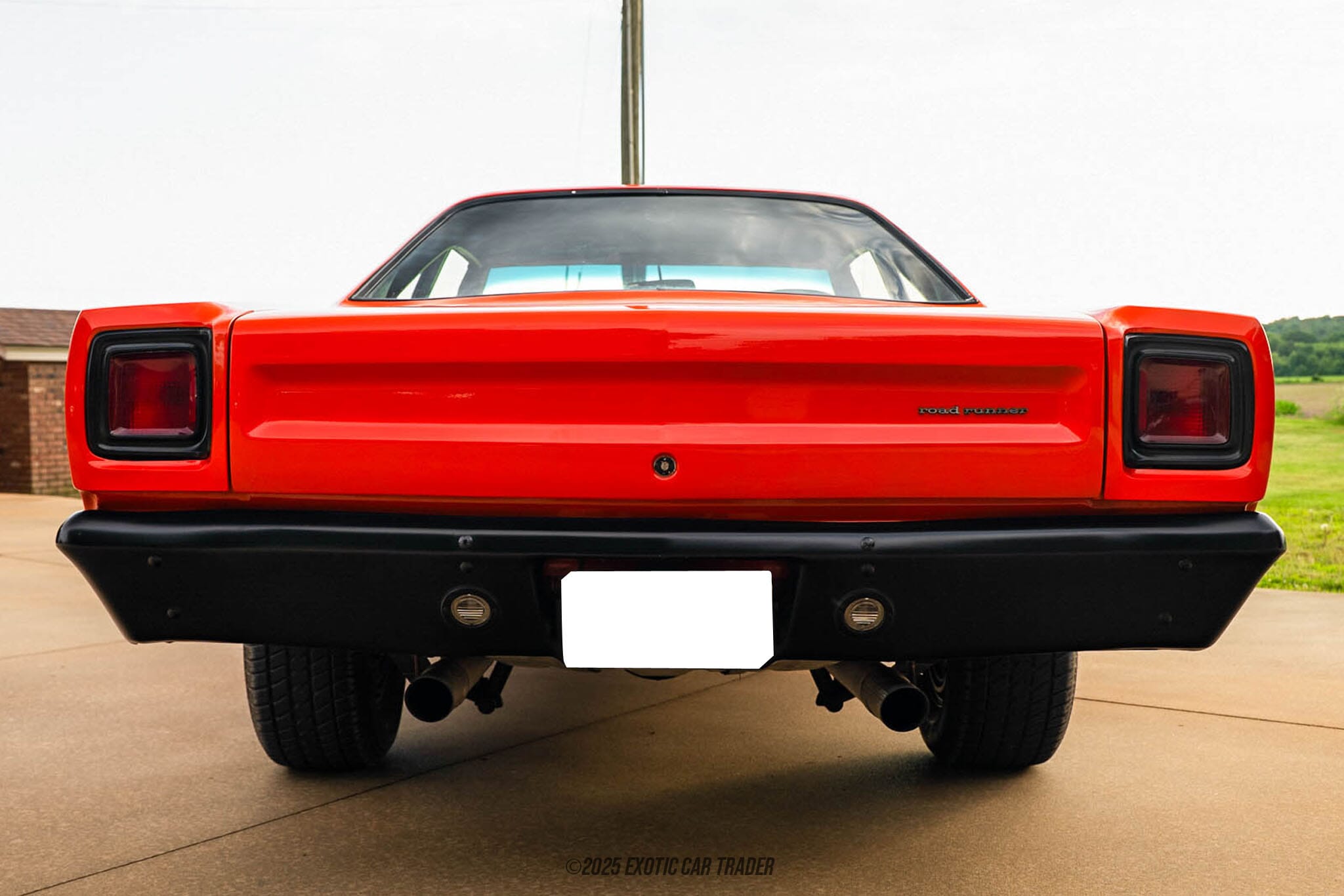
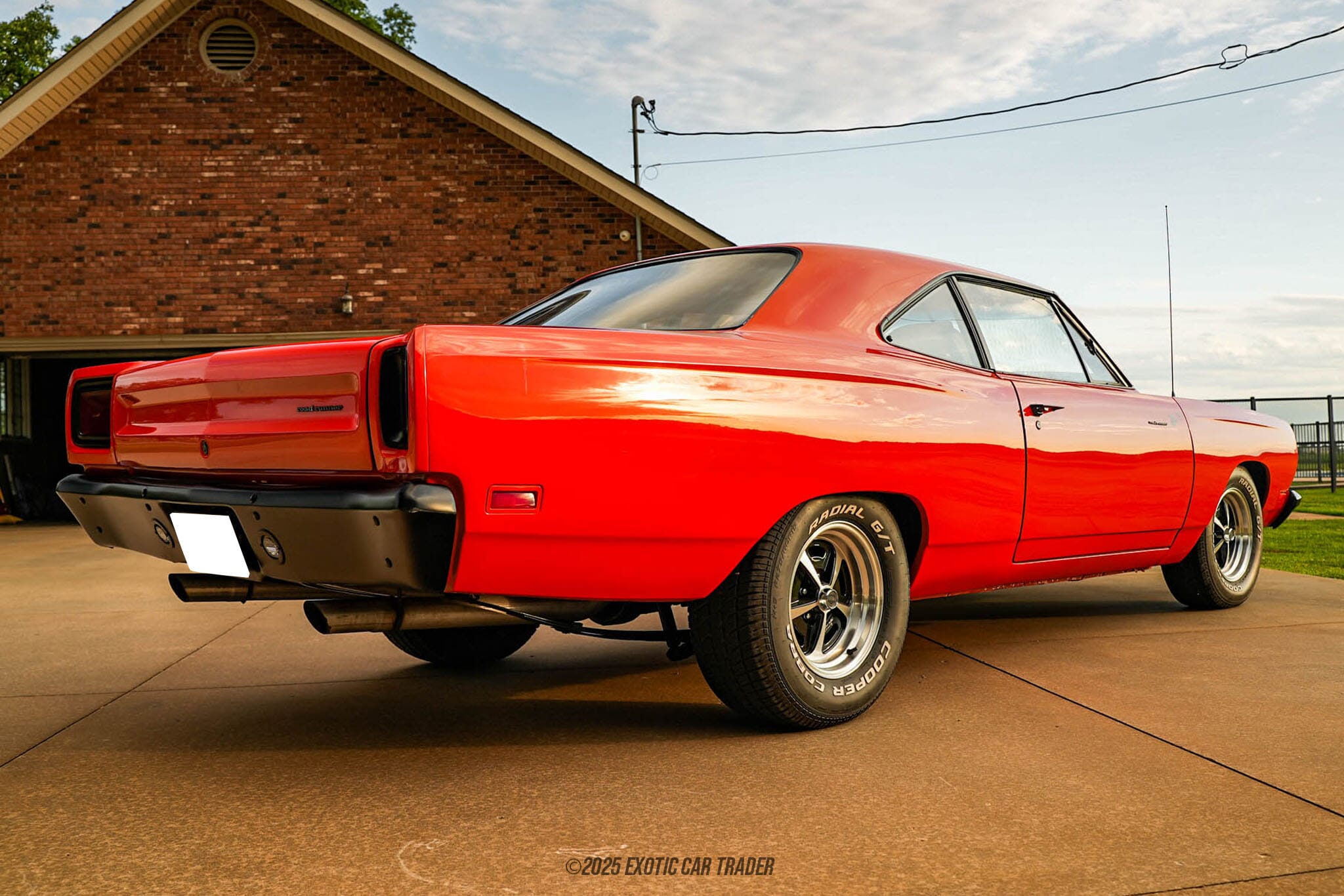
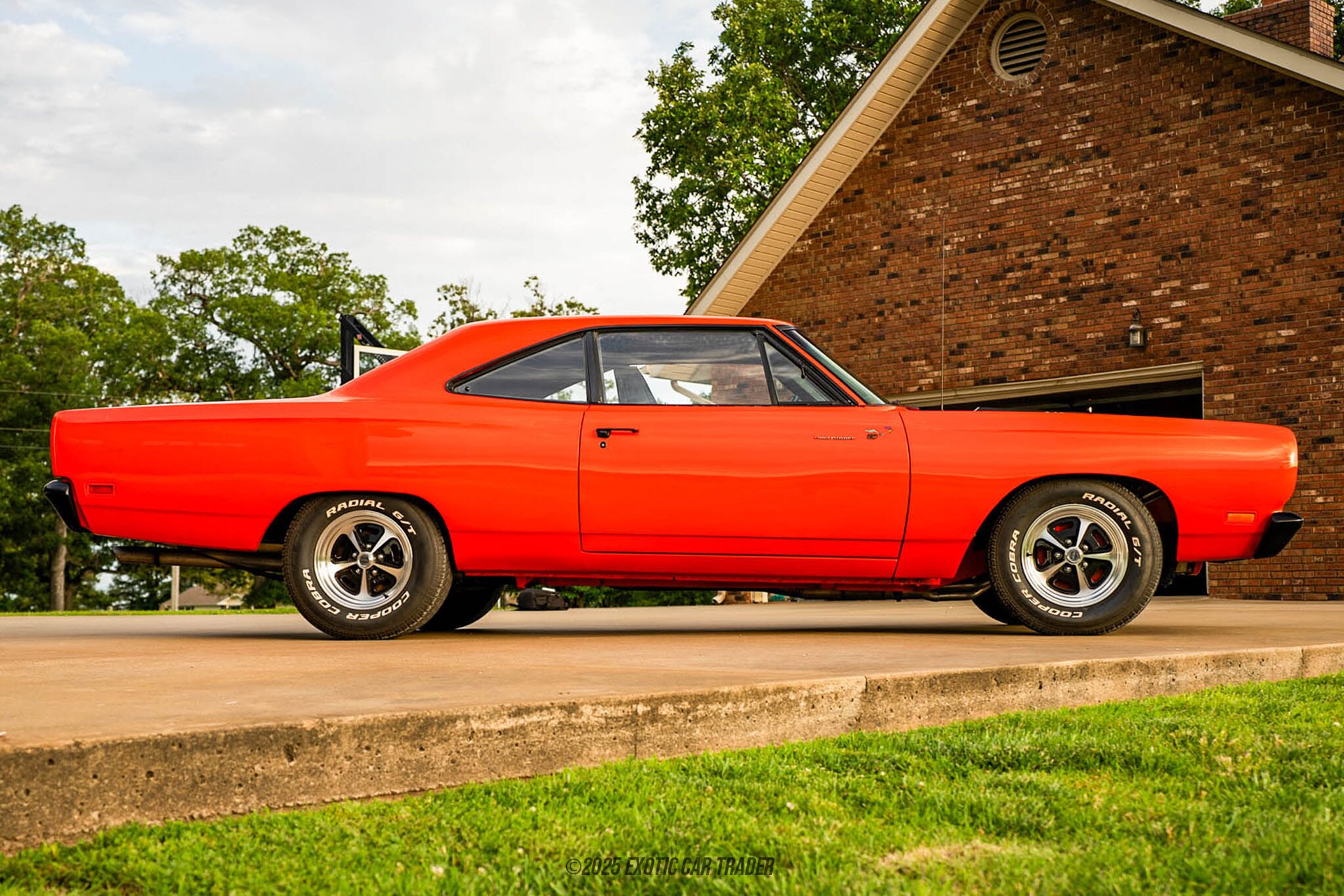
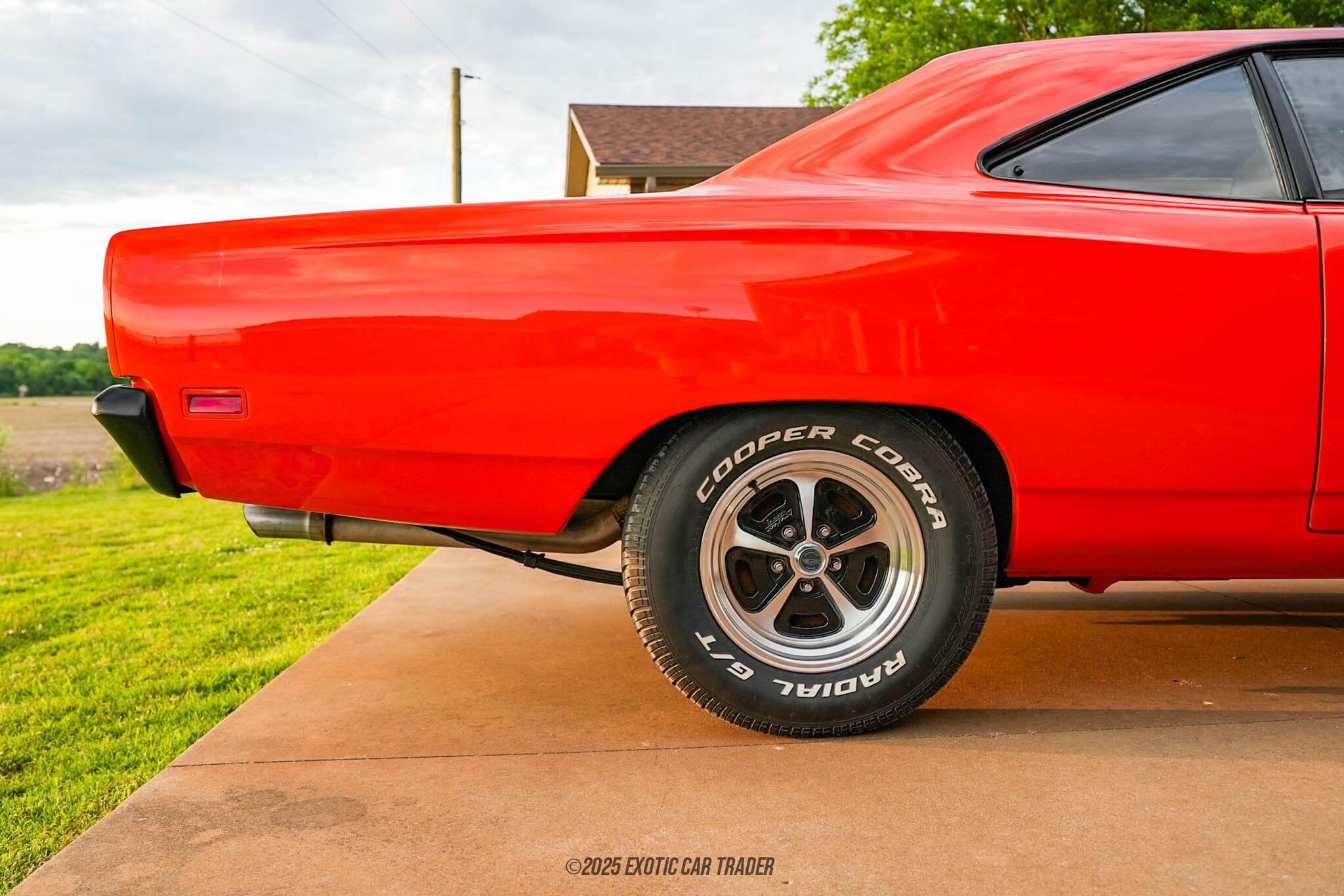
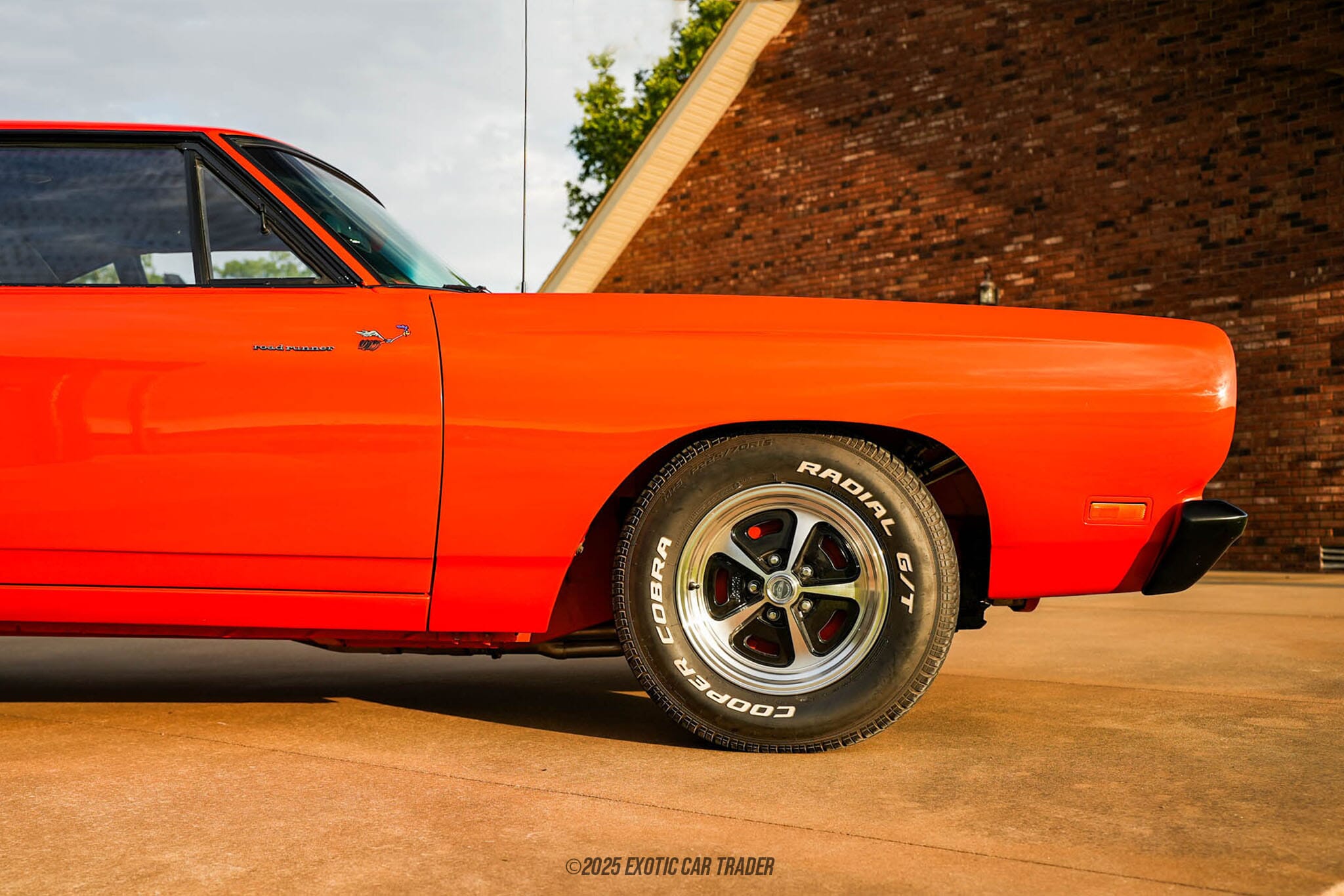
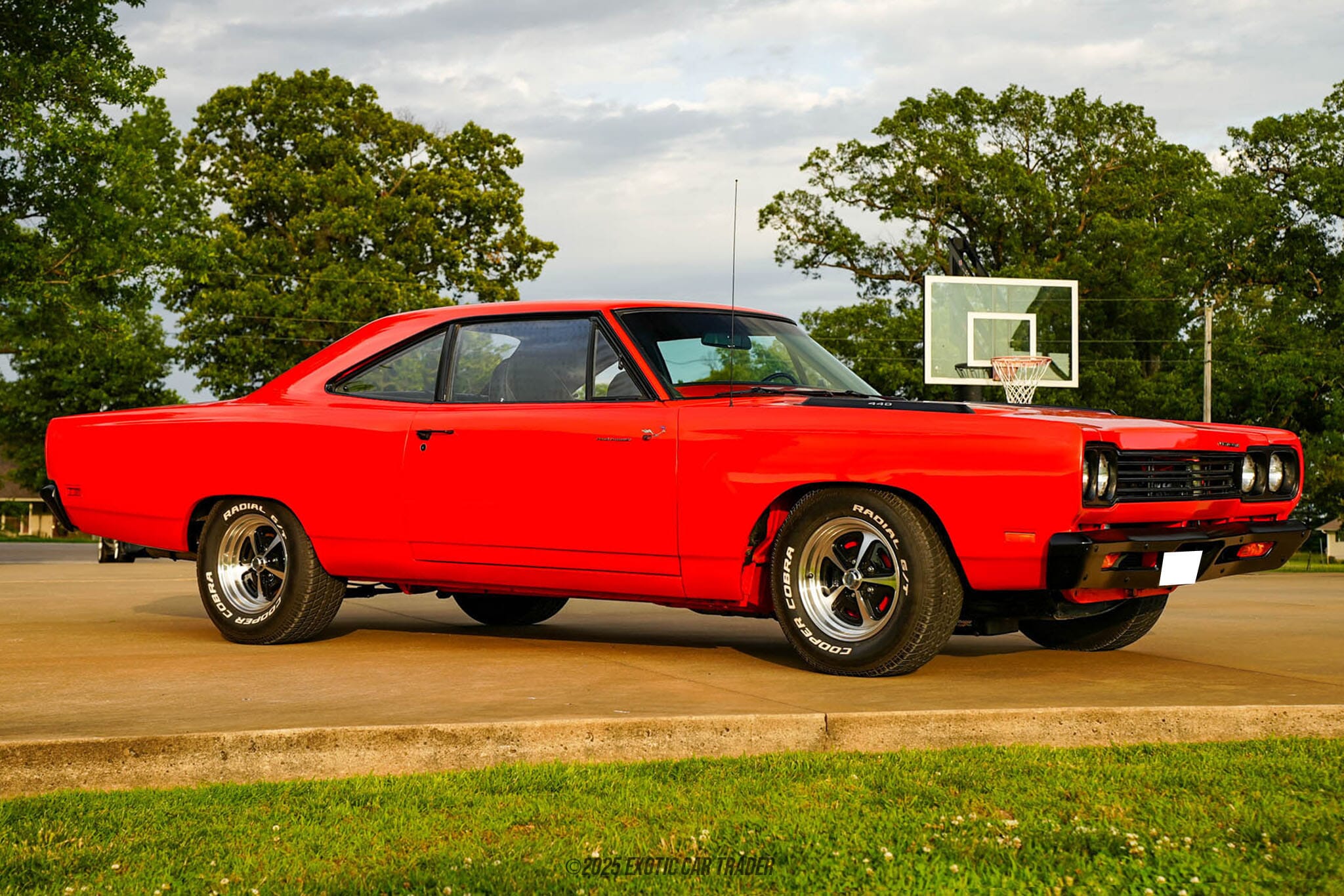
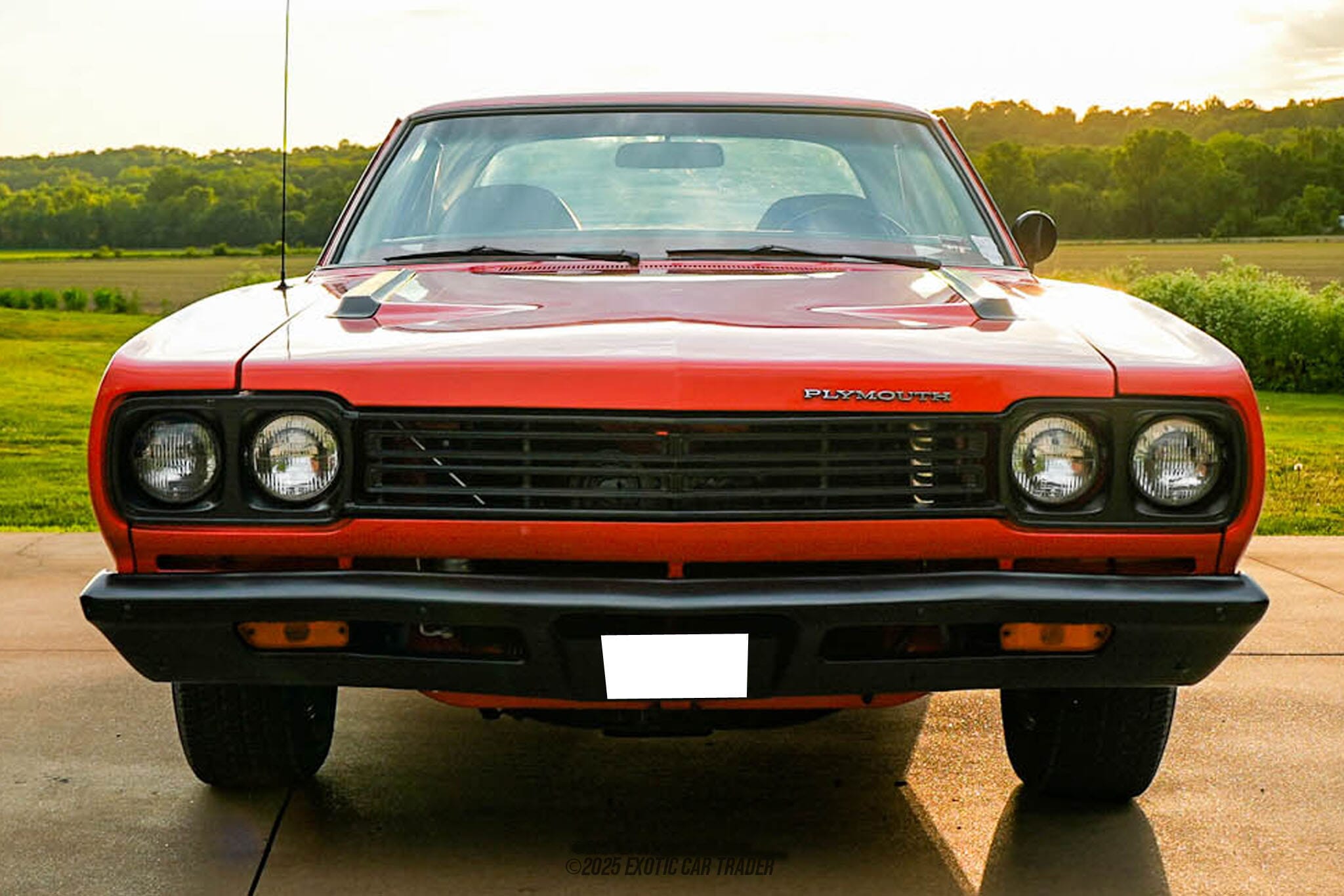
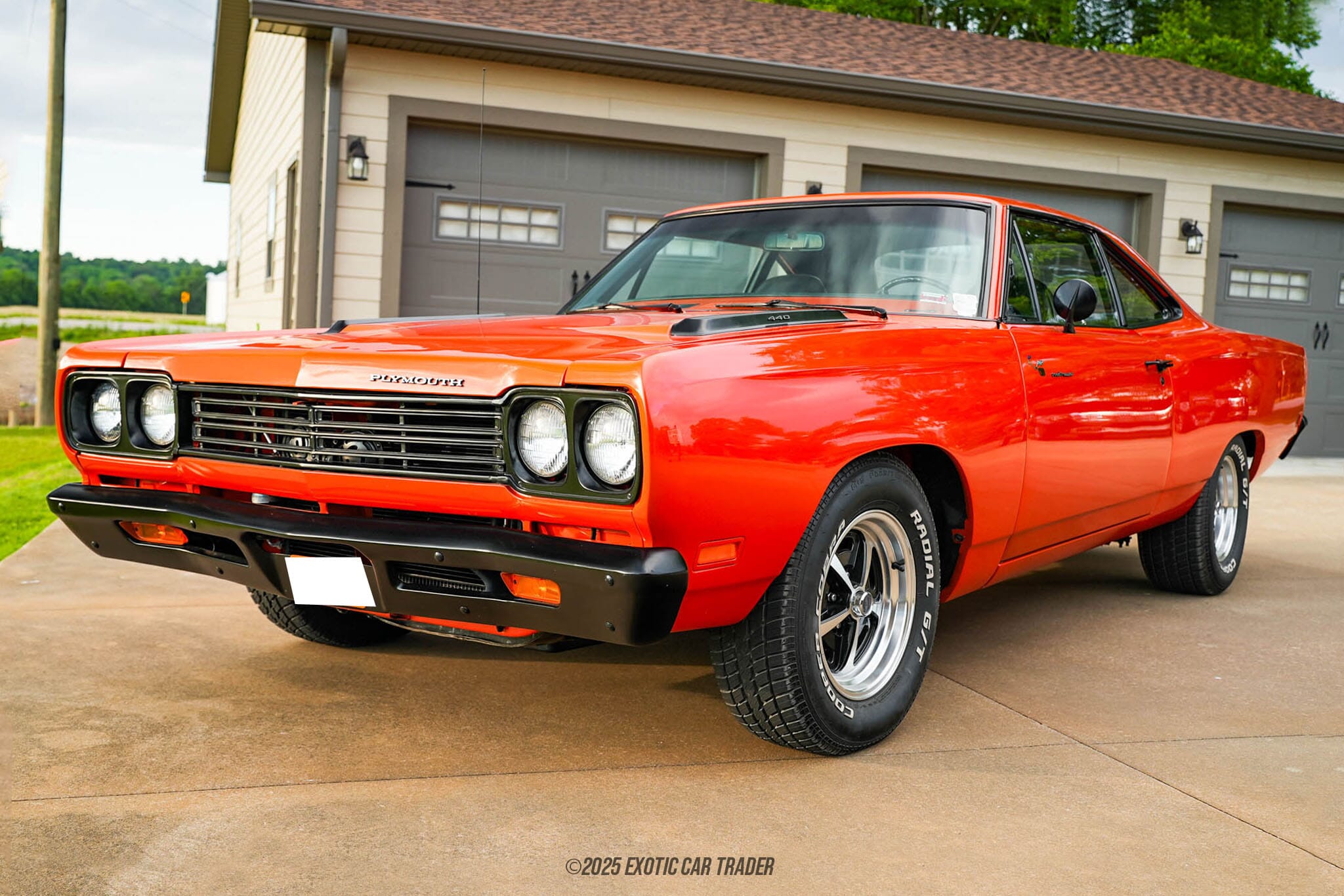
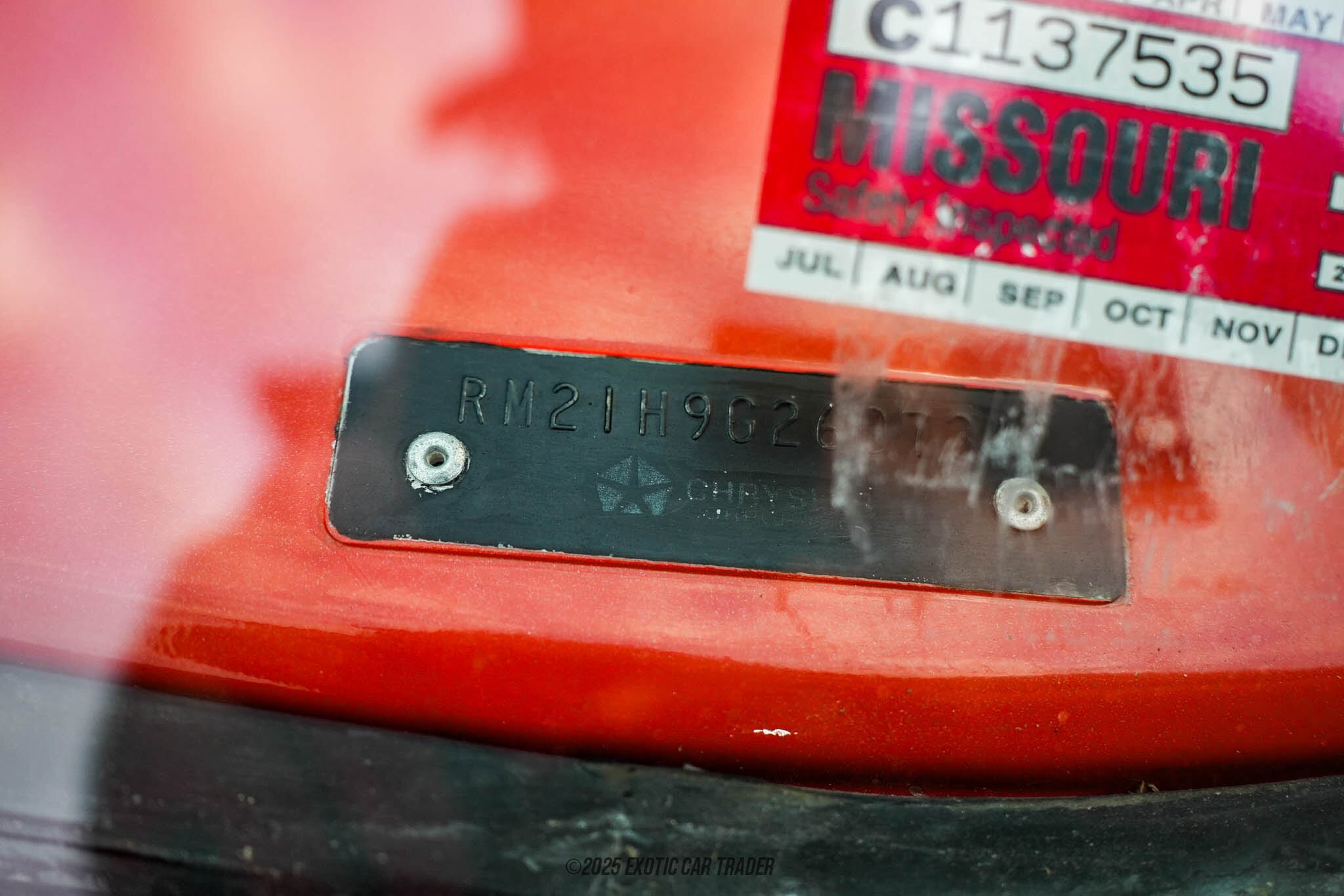
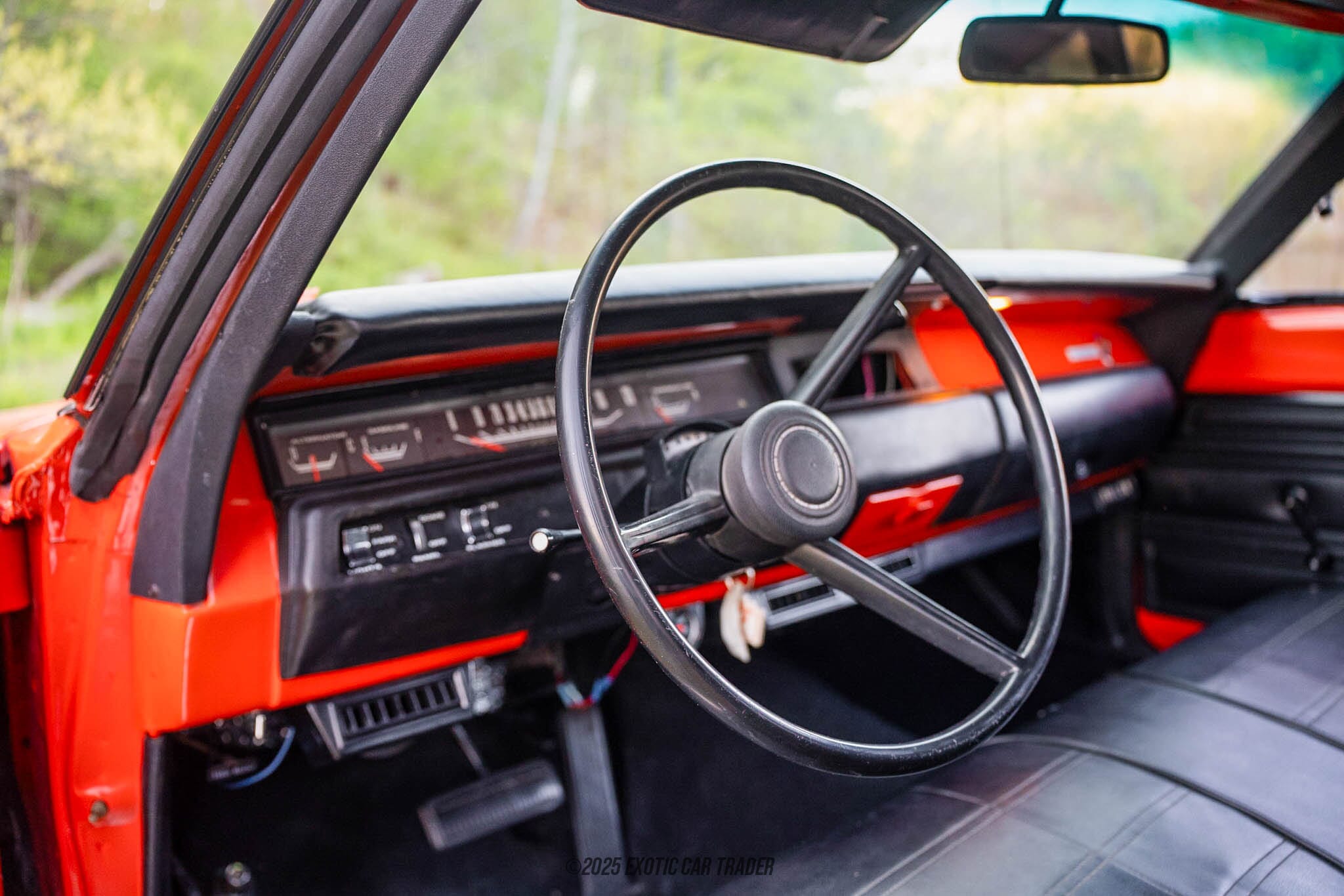
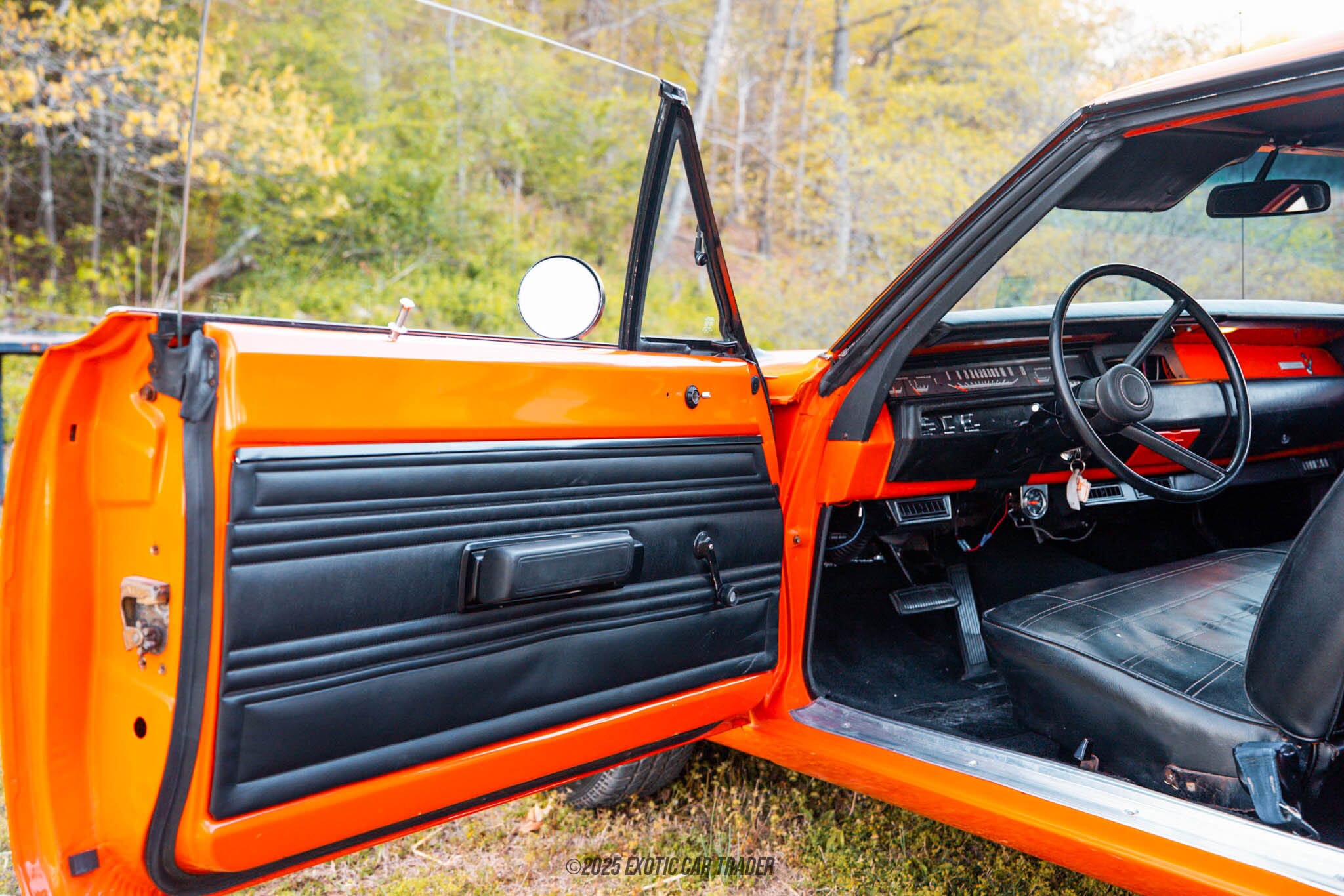
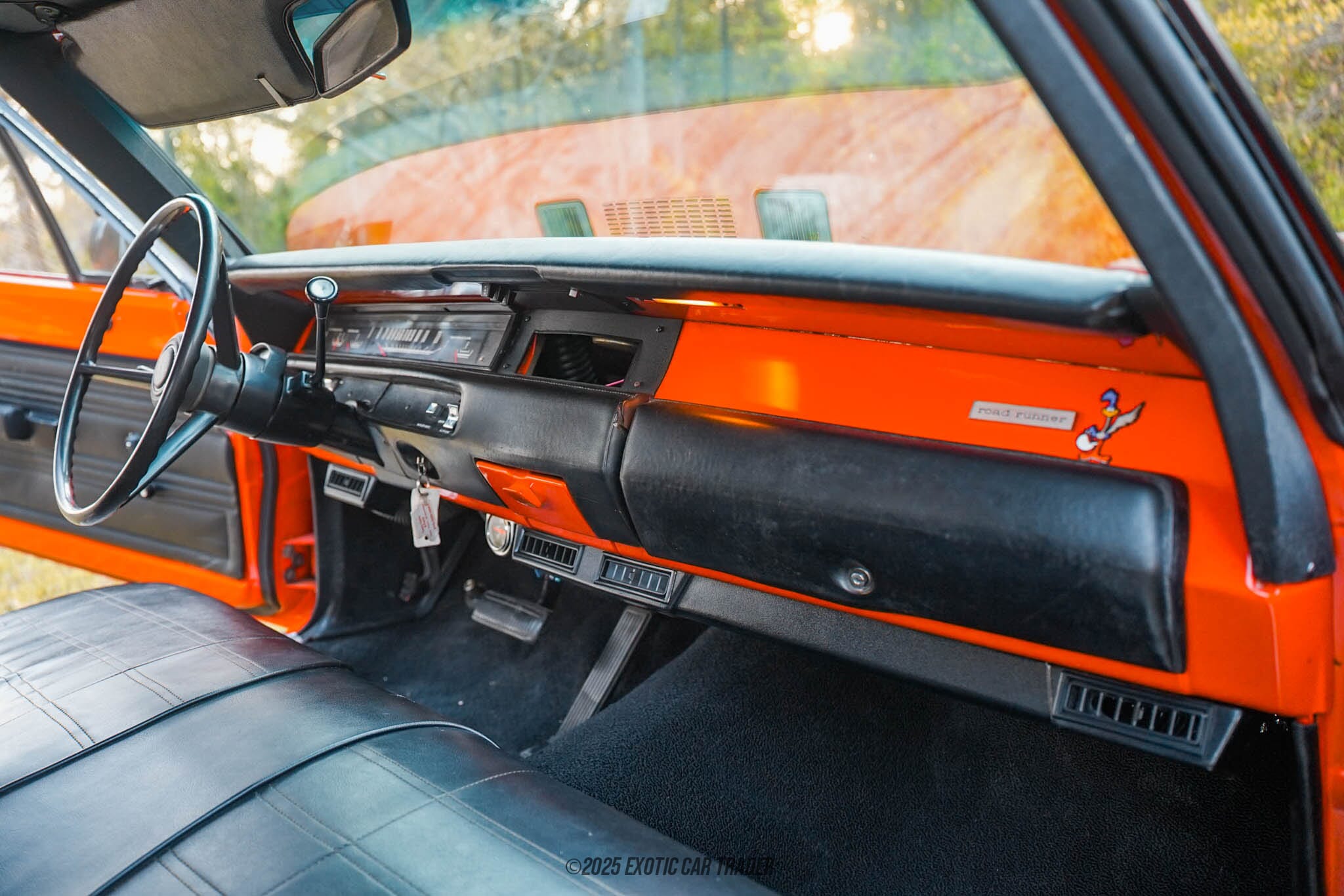
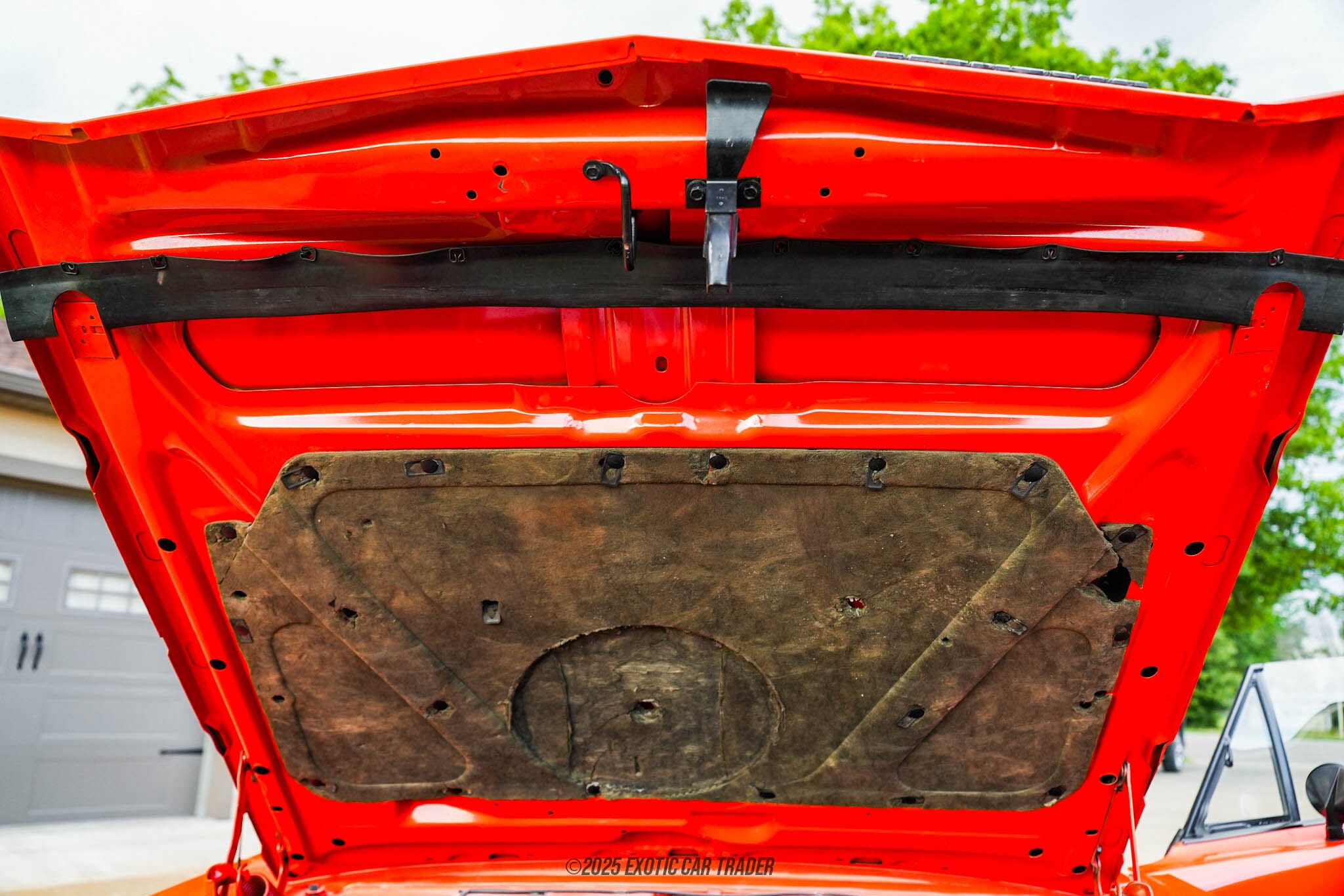
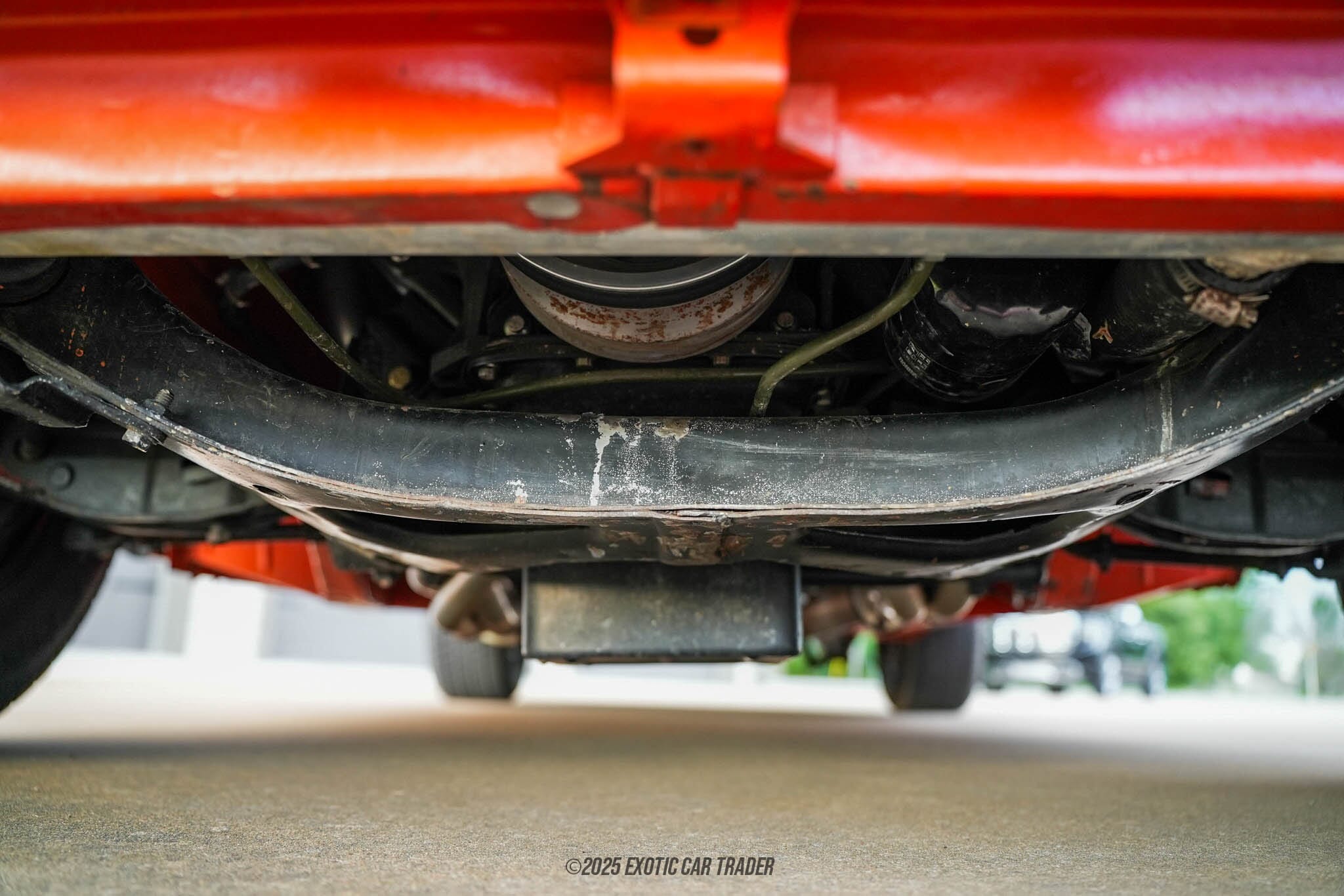
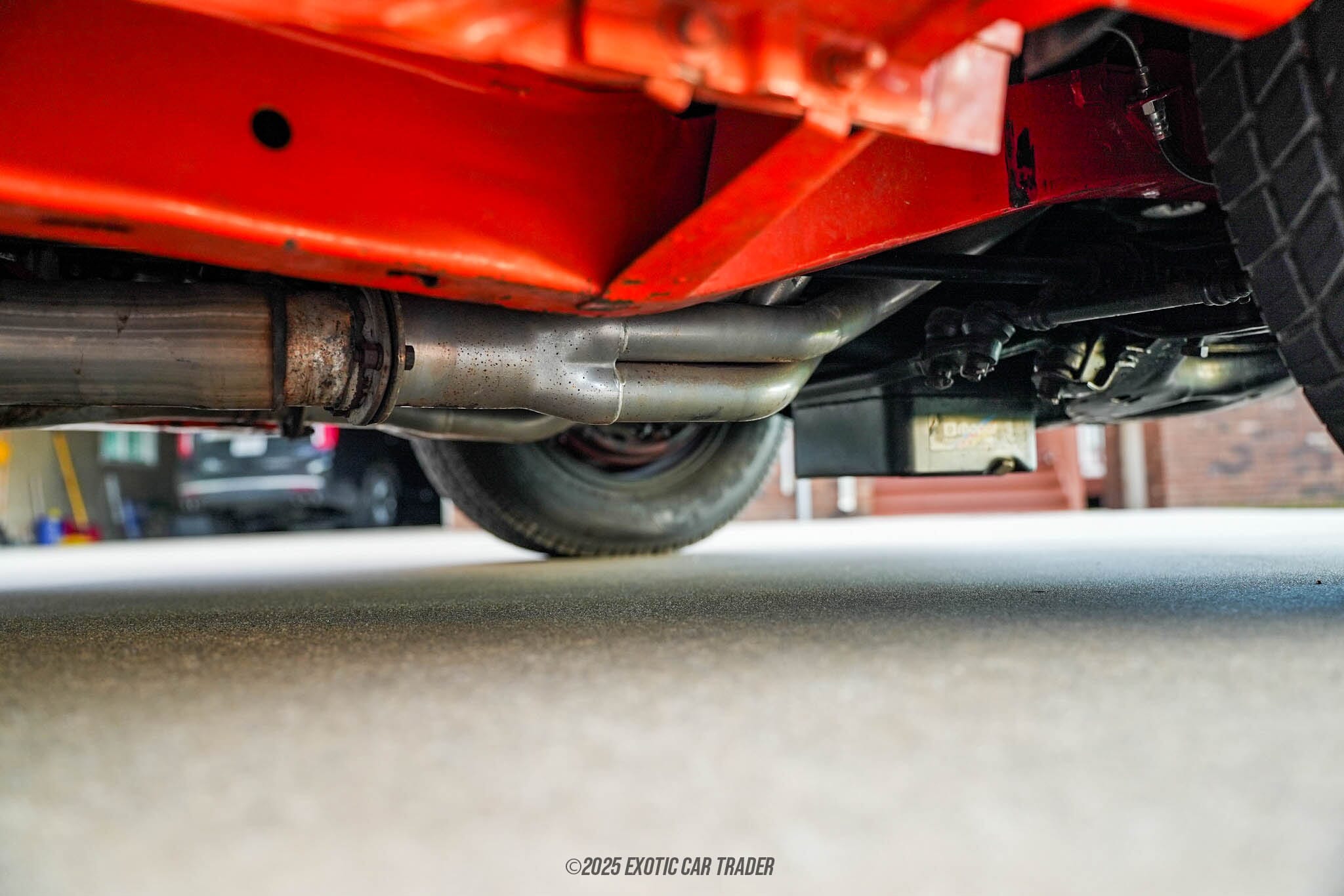
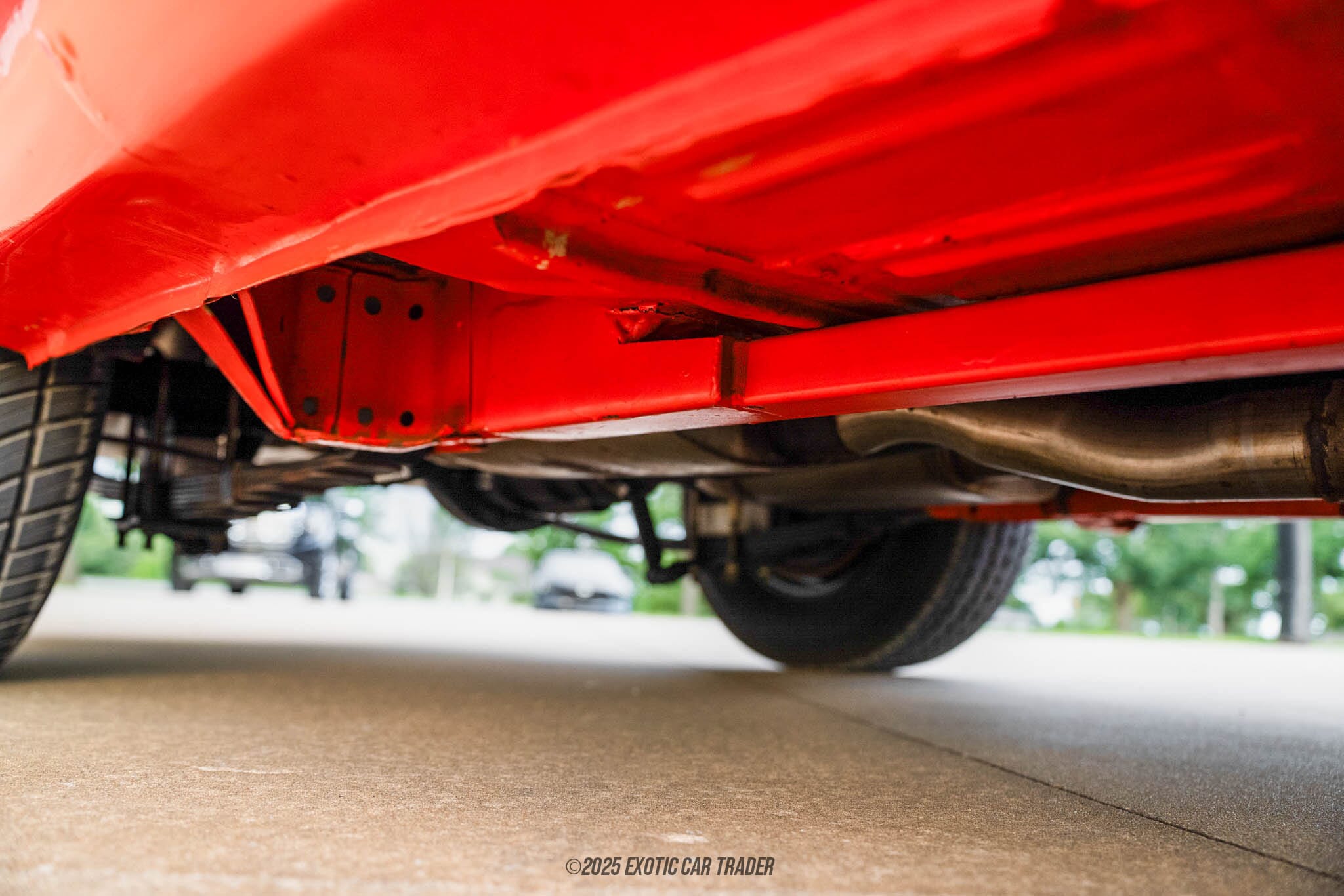
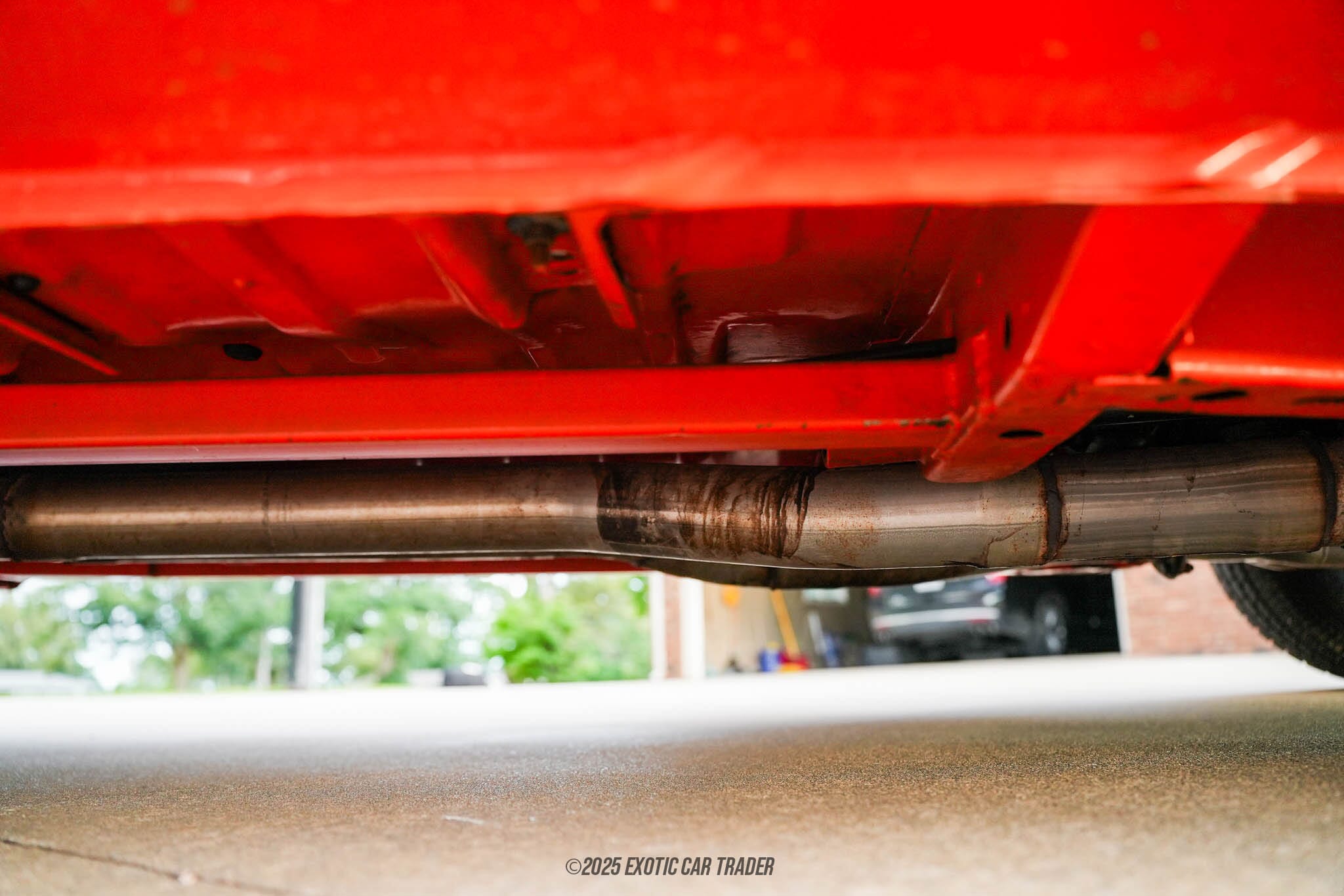
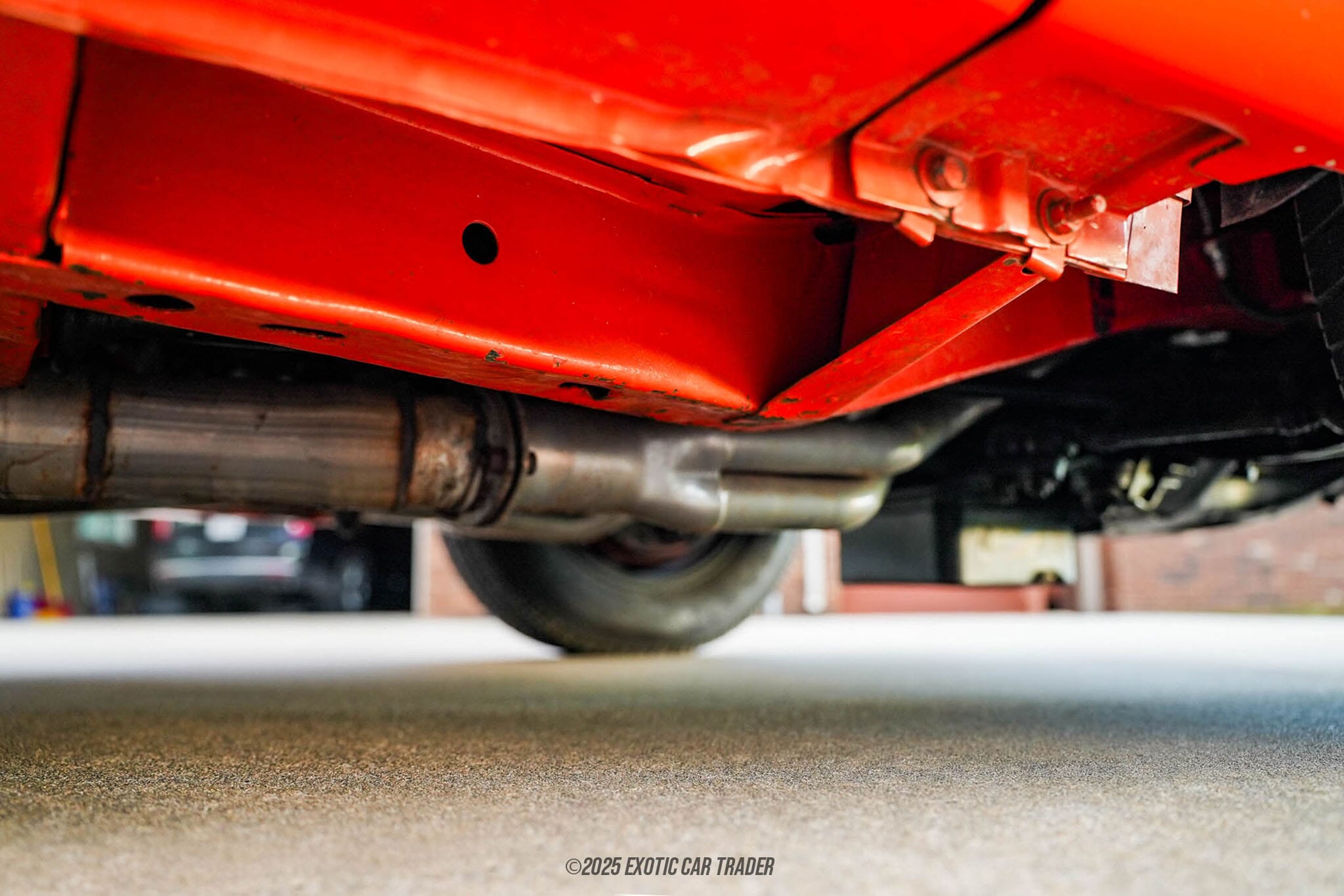
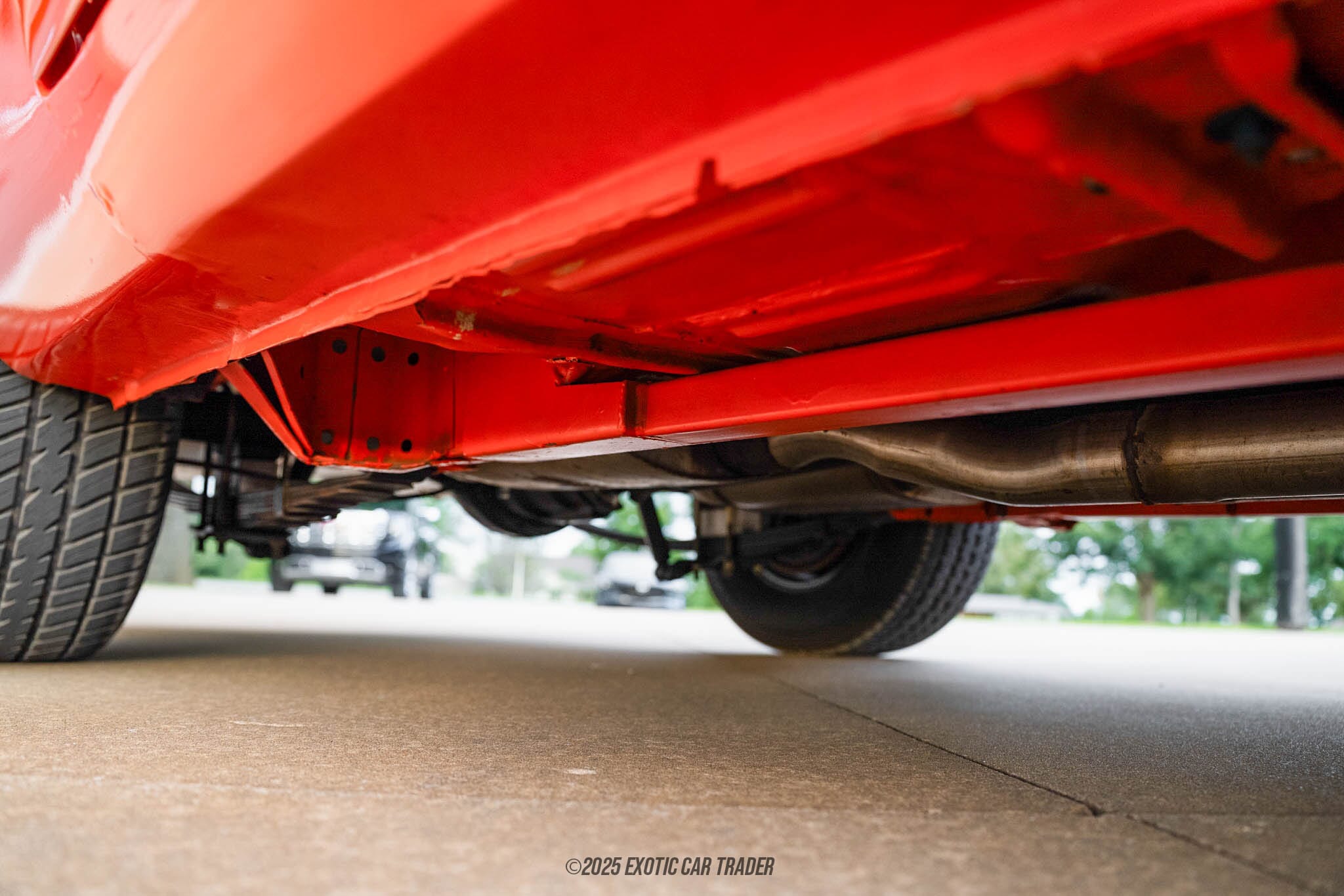
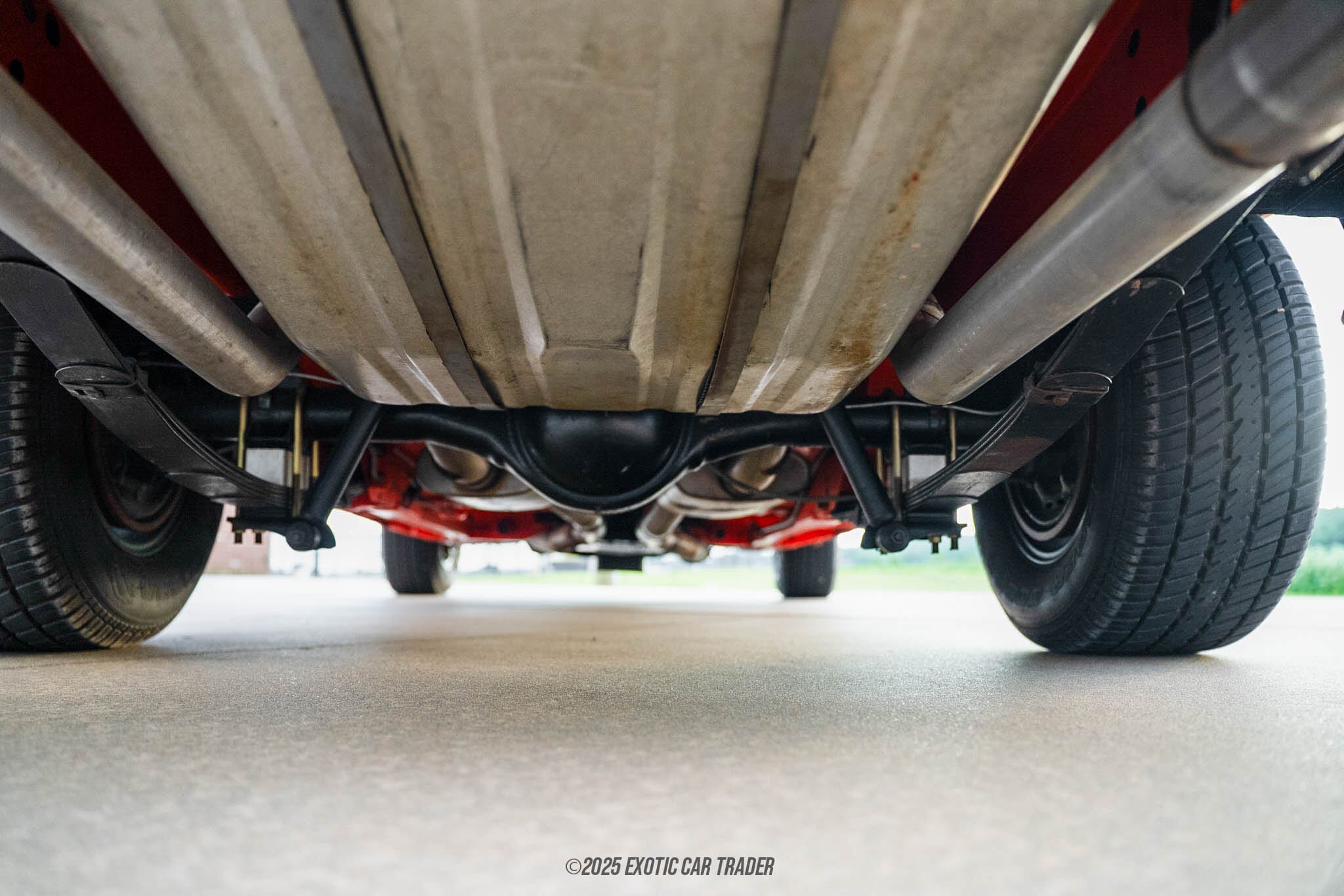
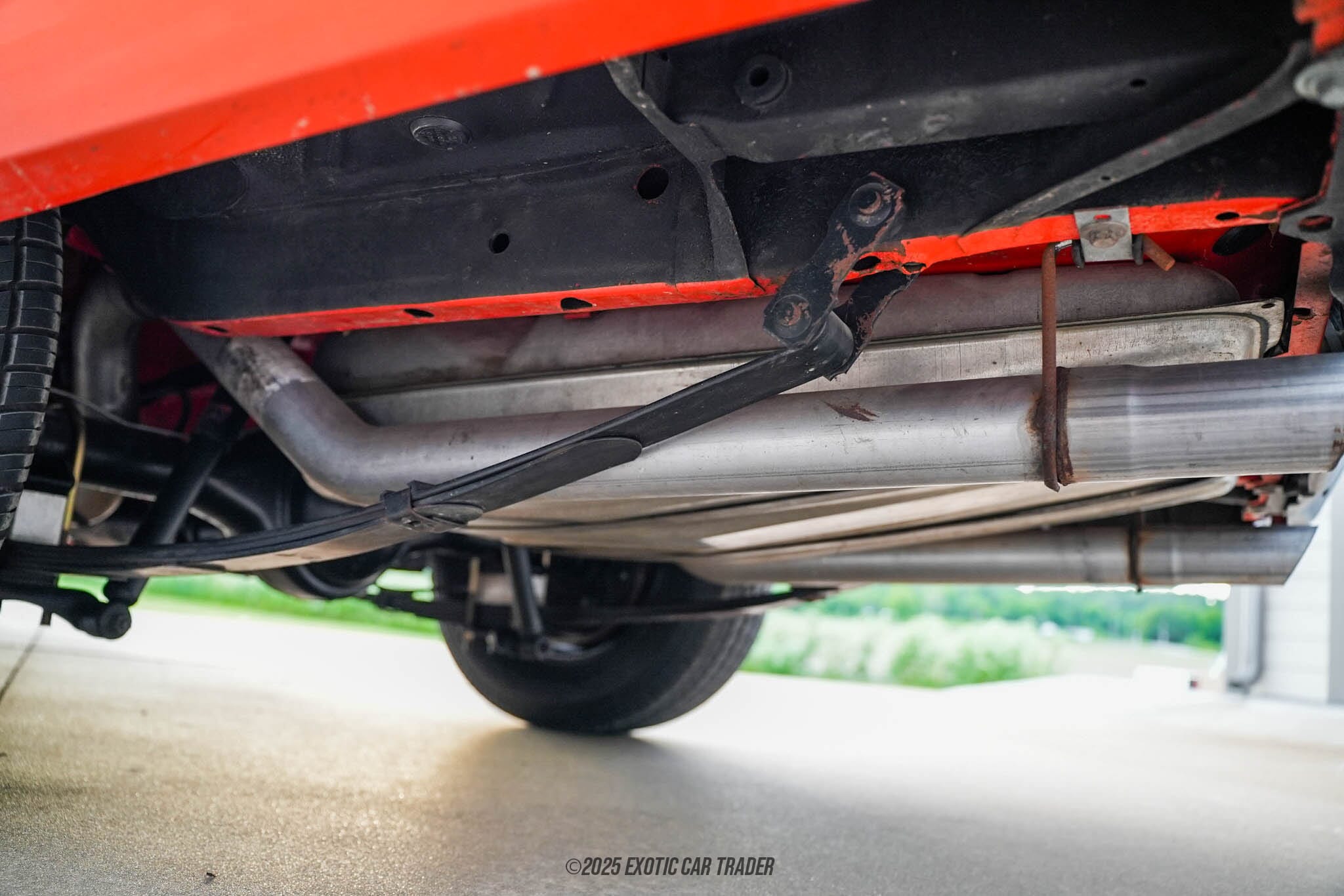
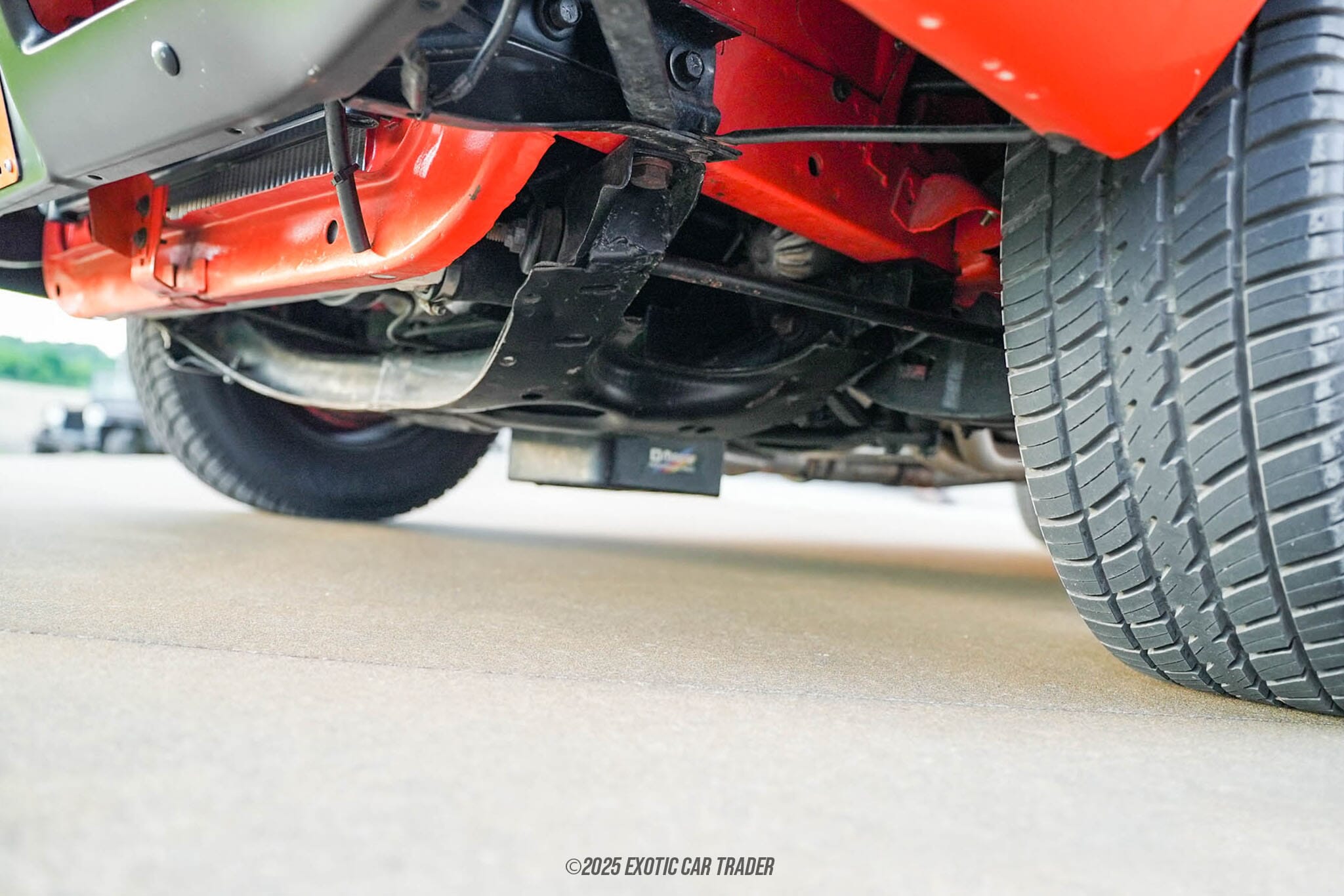


- 1969 Plymouth Road Runner
- 440ci V8
- Edelbrock 4-Barrel Carburetor
- 3-Speed Automatic
- RWD
- Orange Exterior
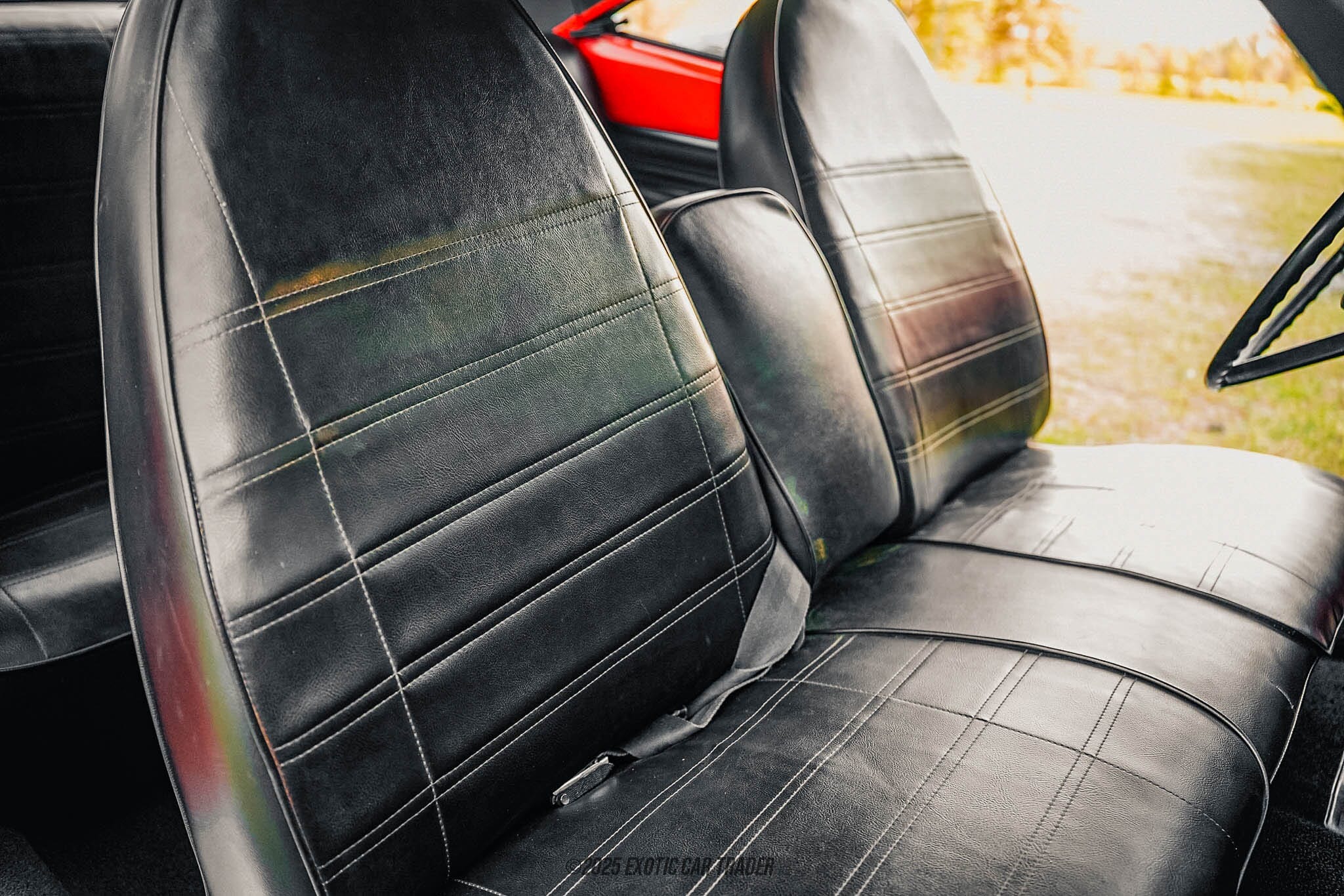
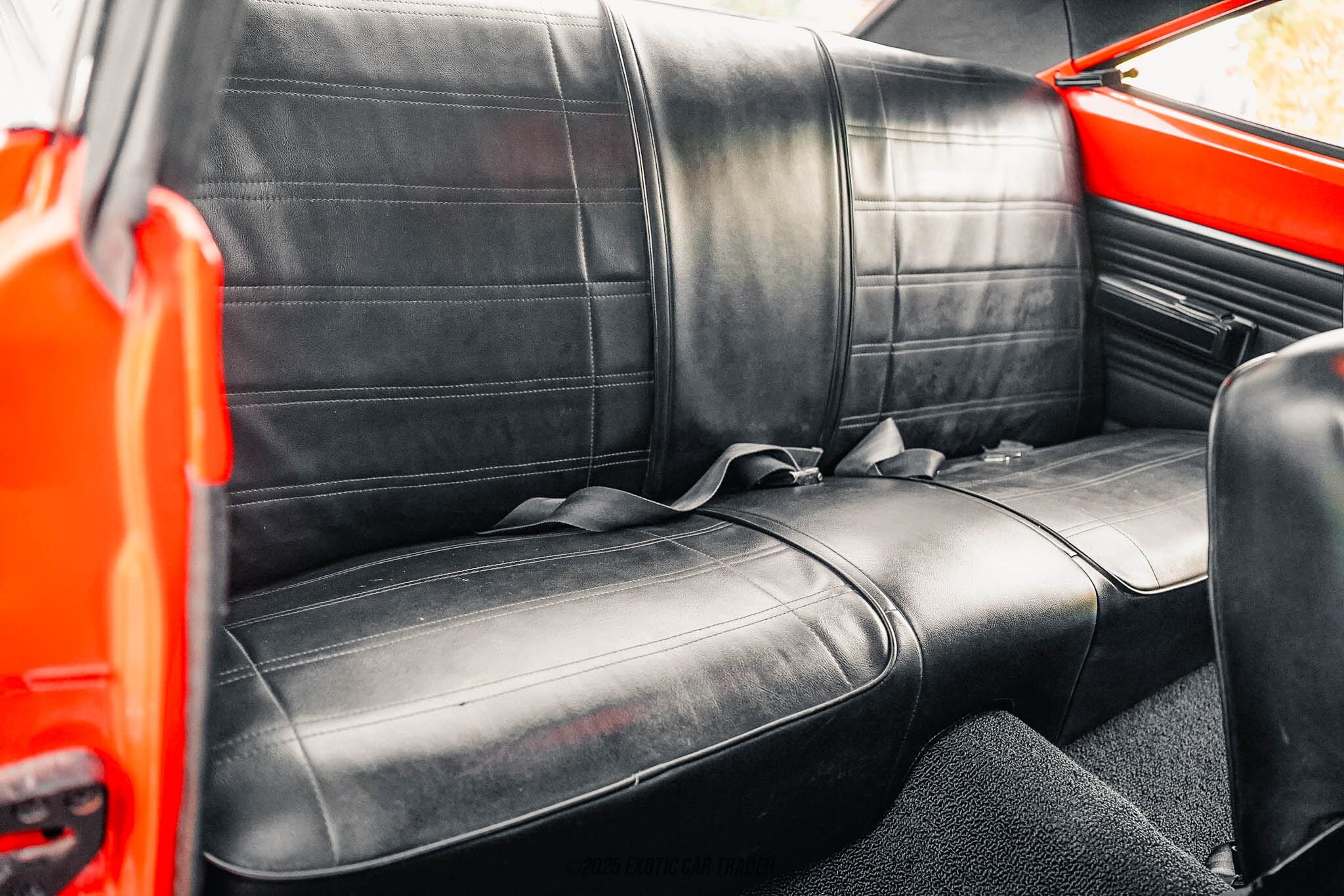
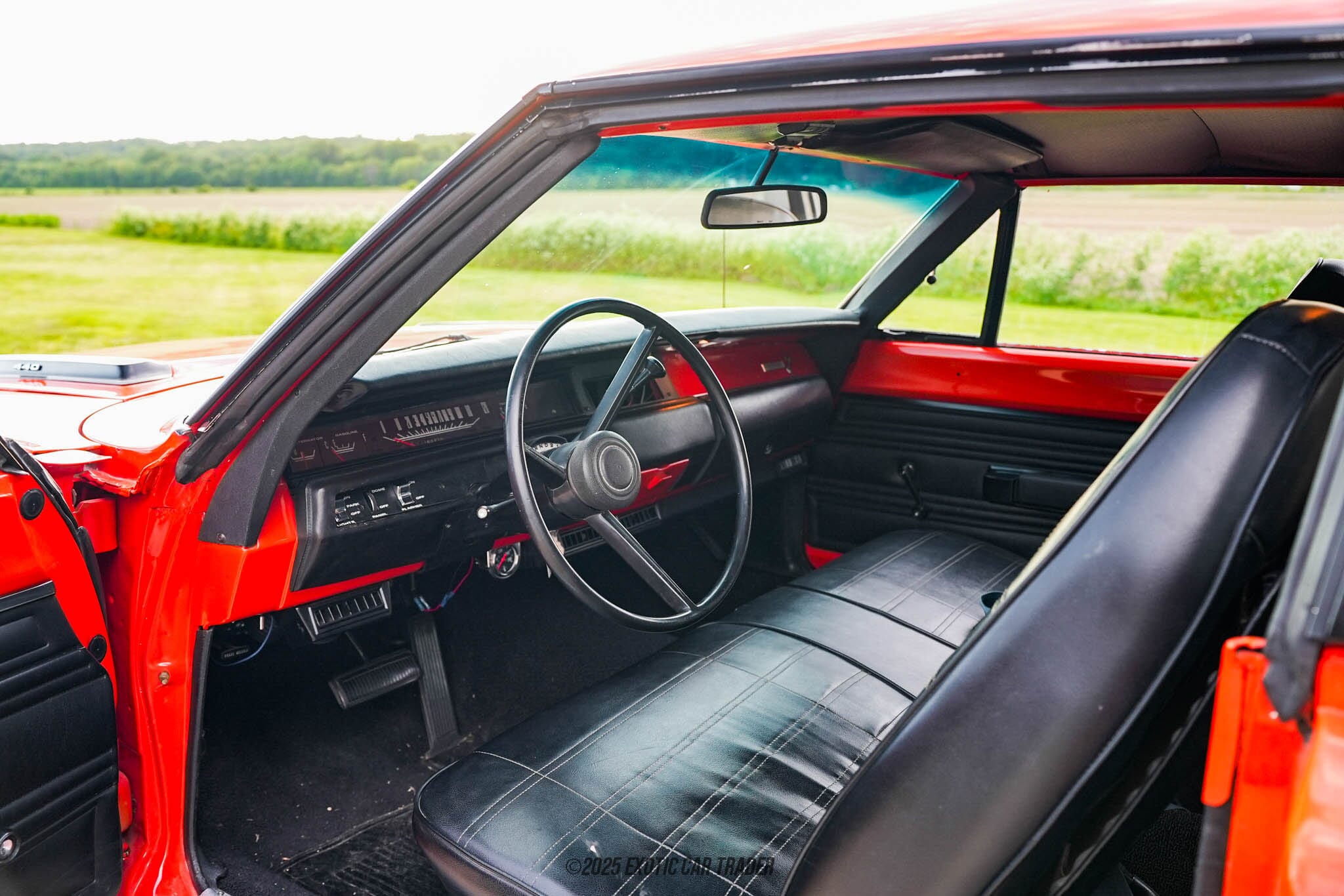
- Black Interior
- Drag Racing Setup
- Bigger Cam Shafts
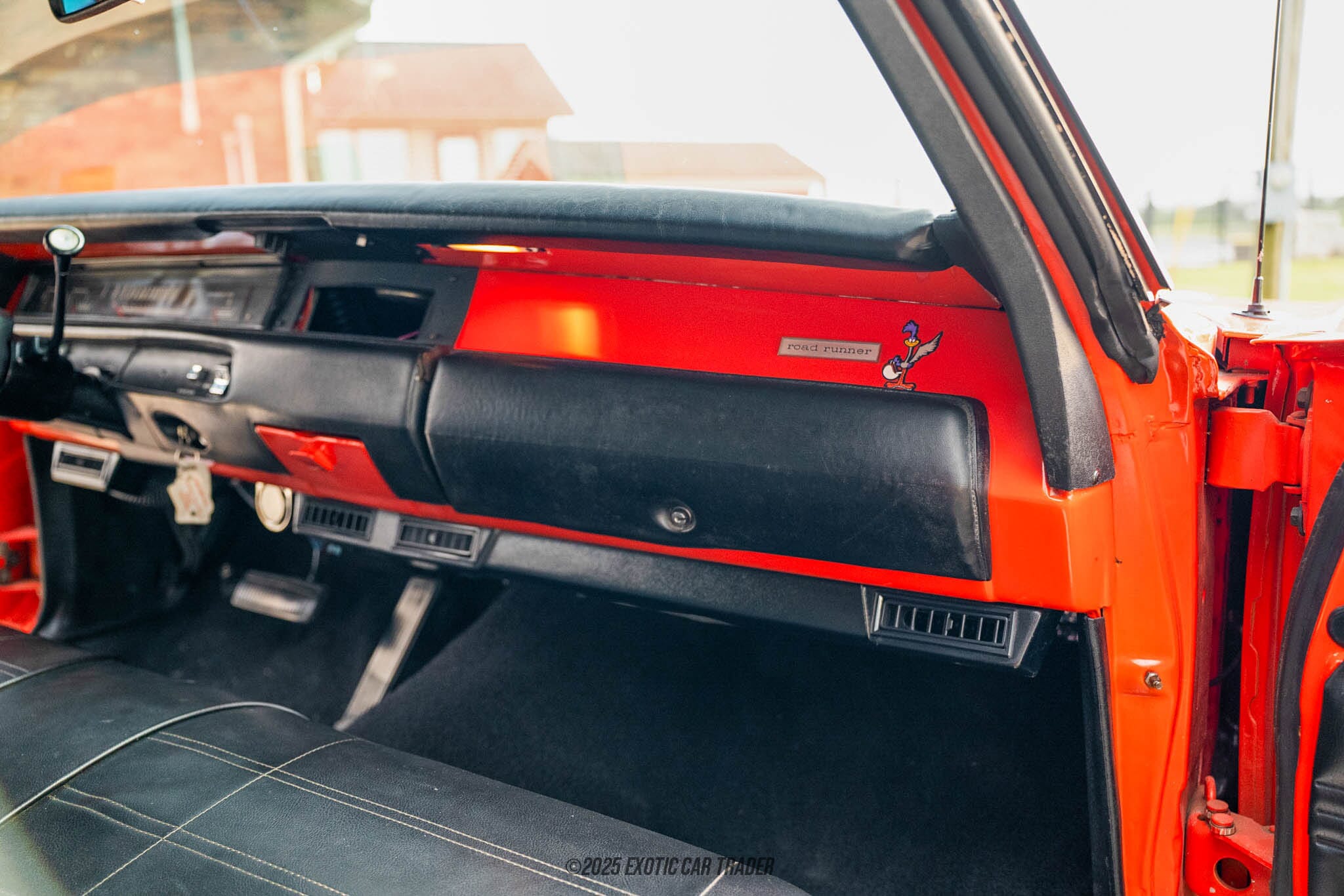
- A/C


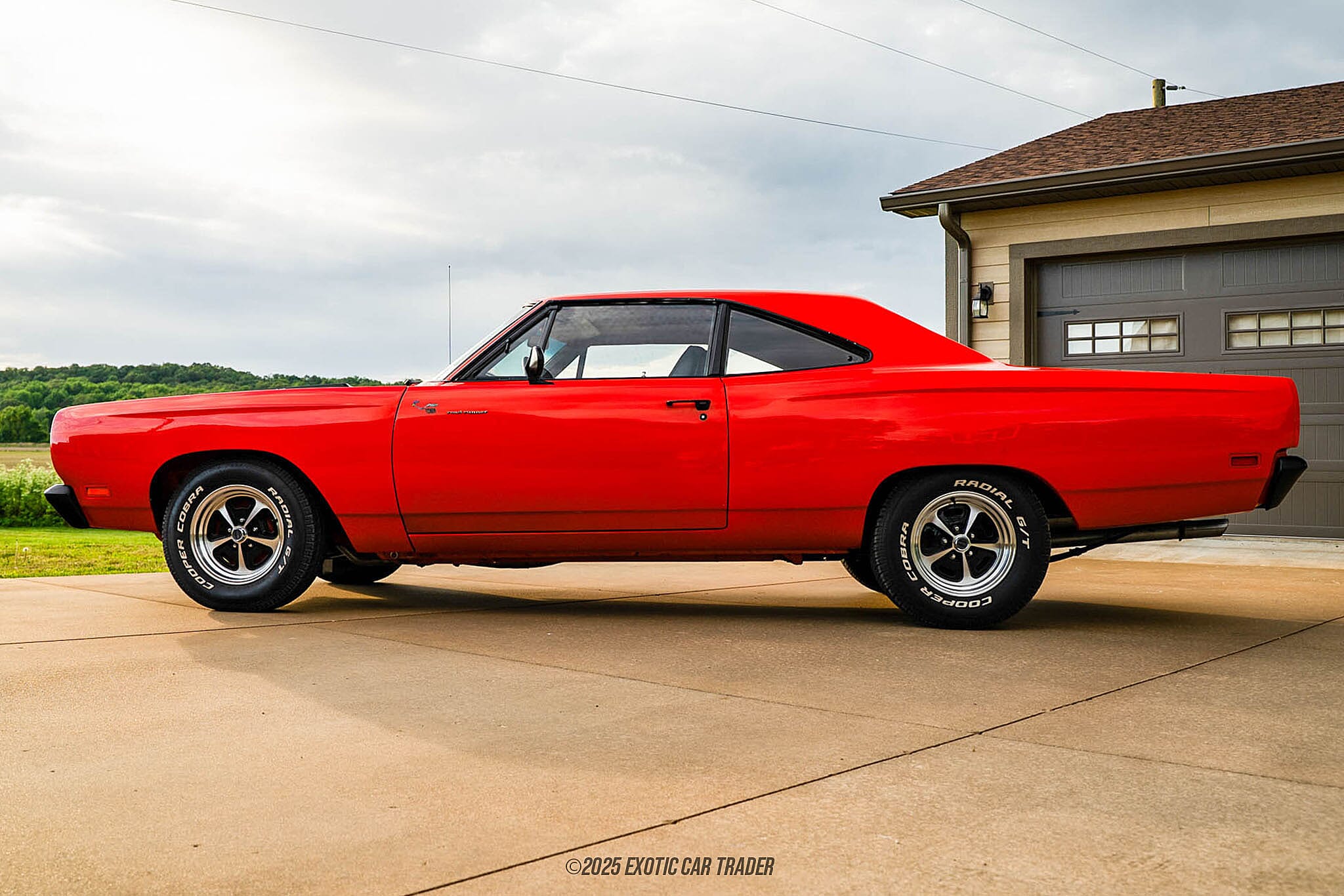
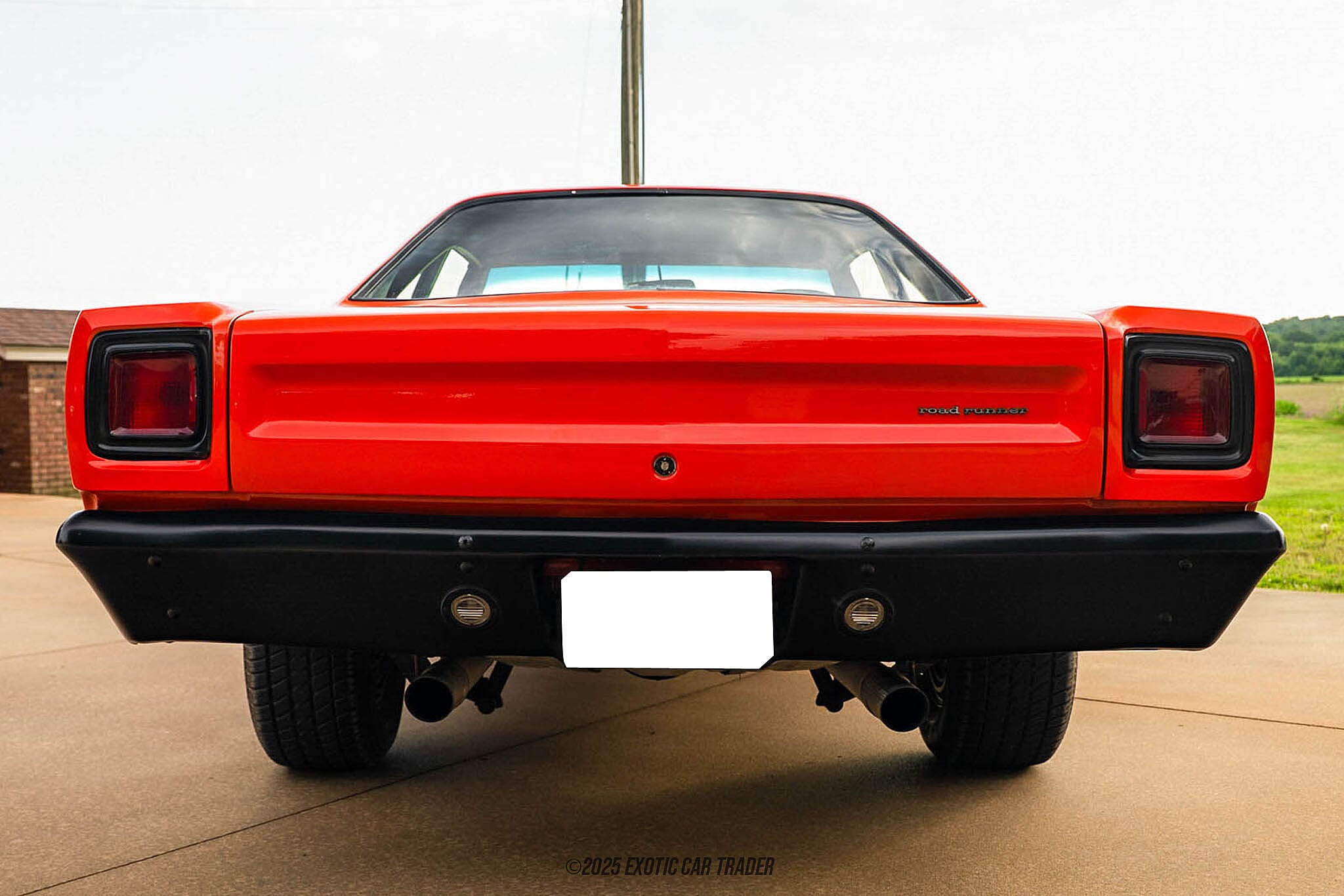
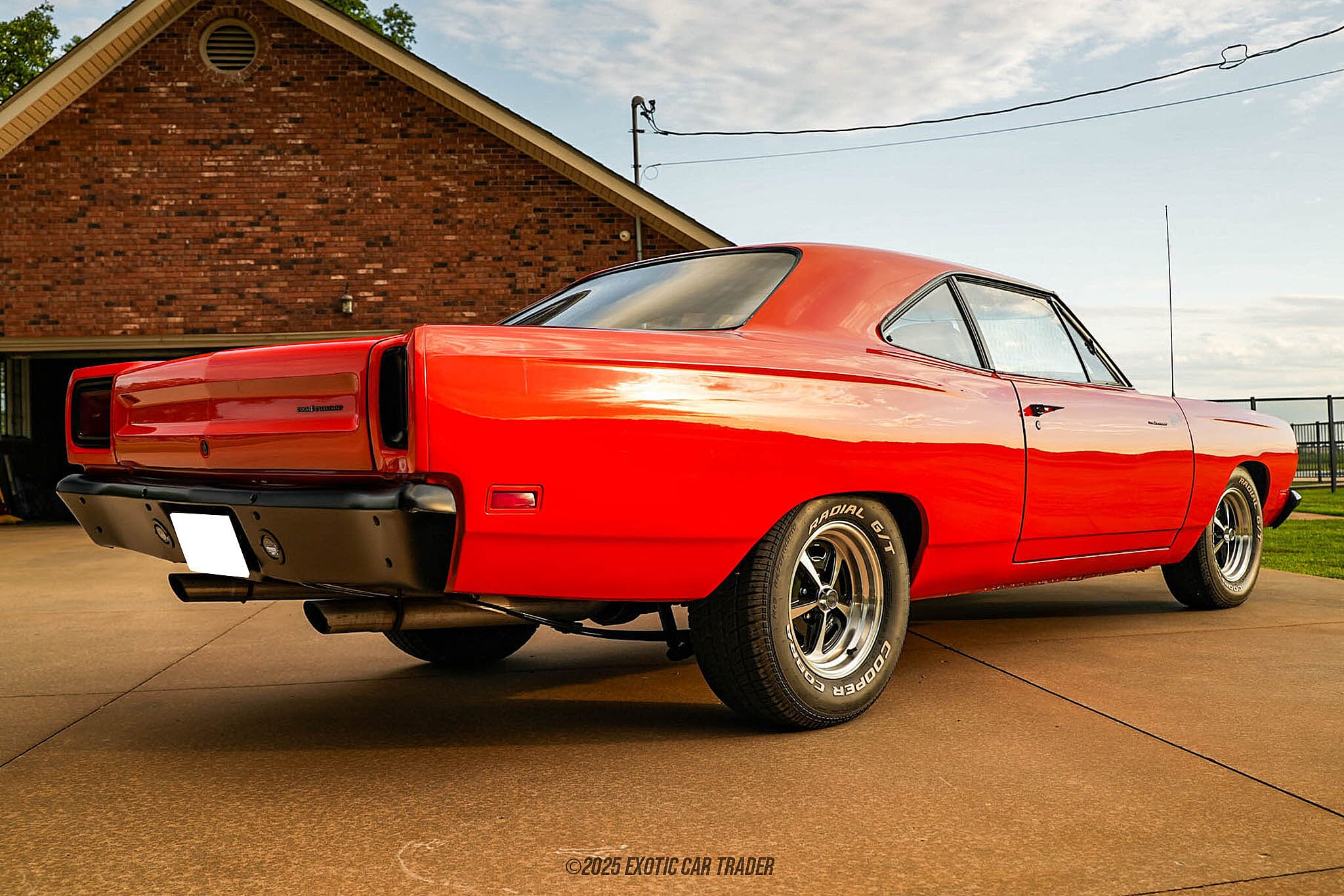
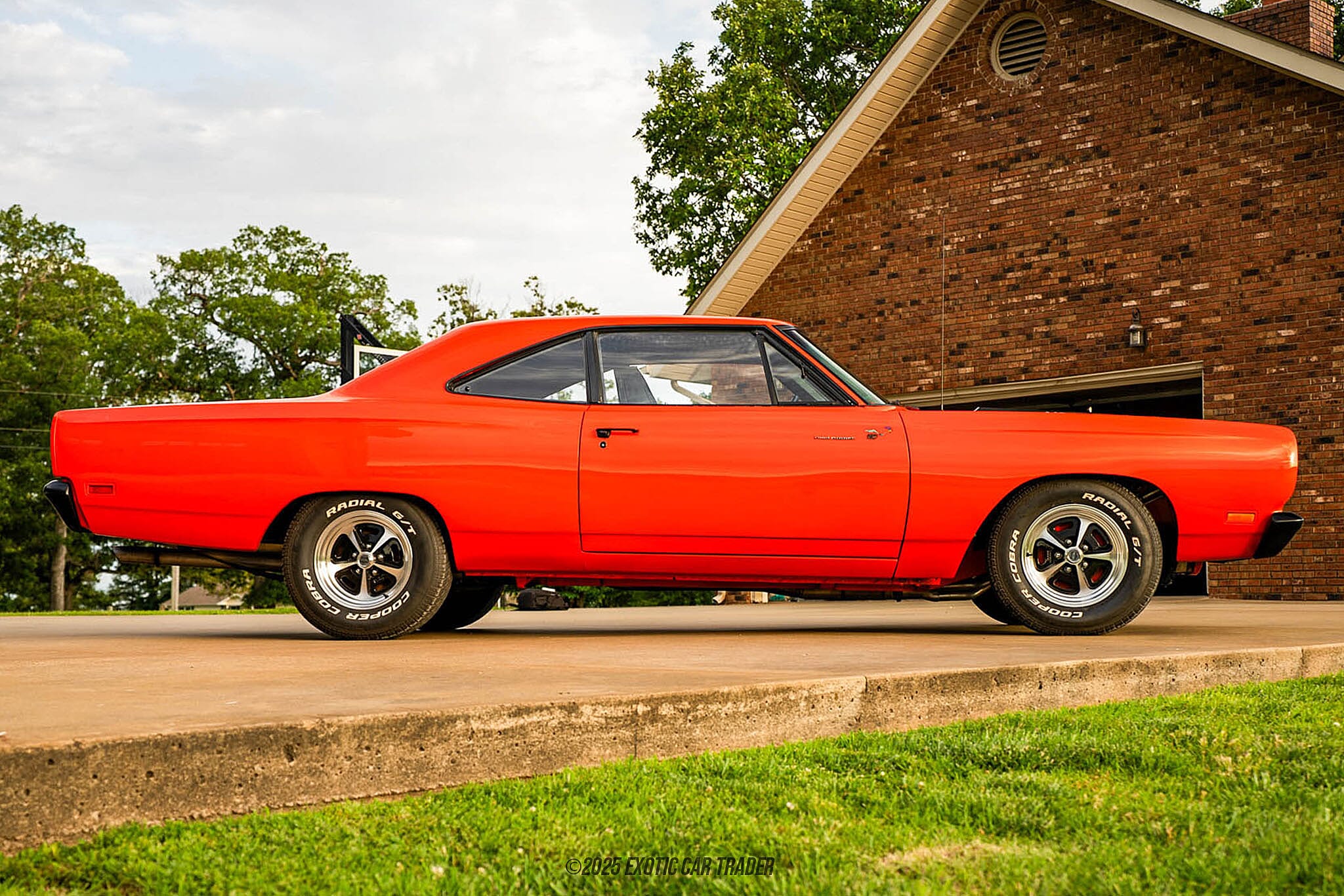
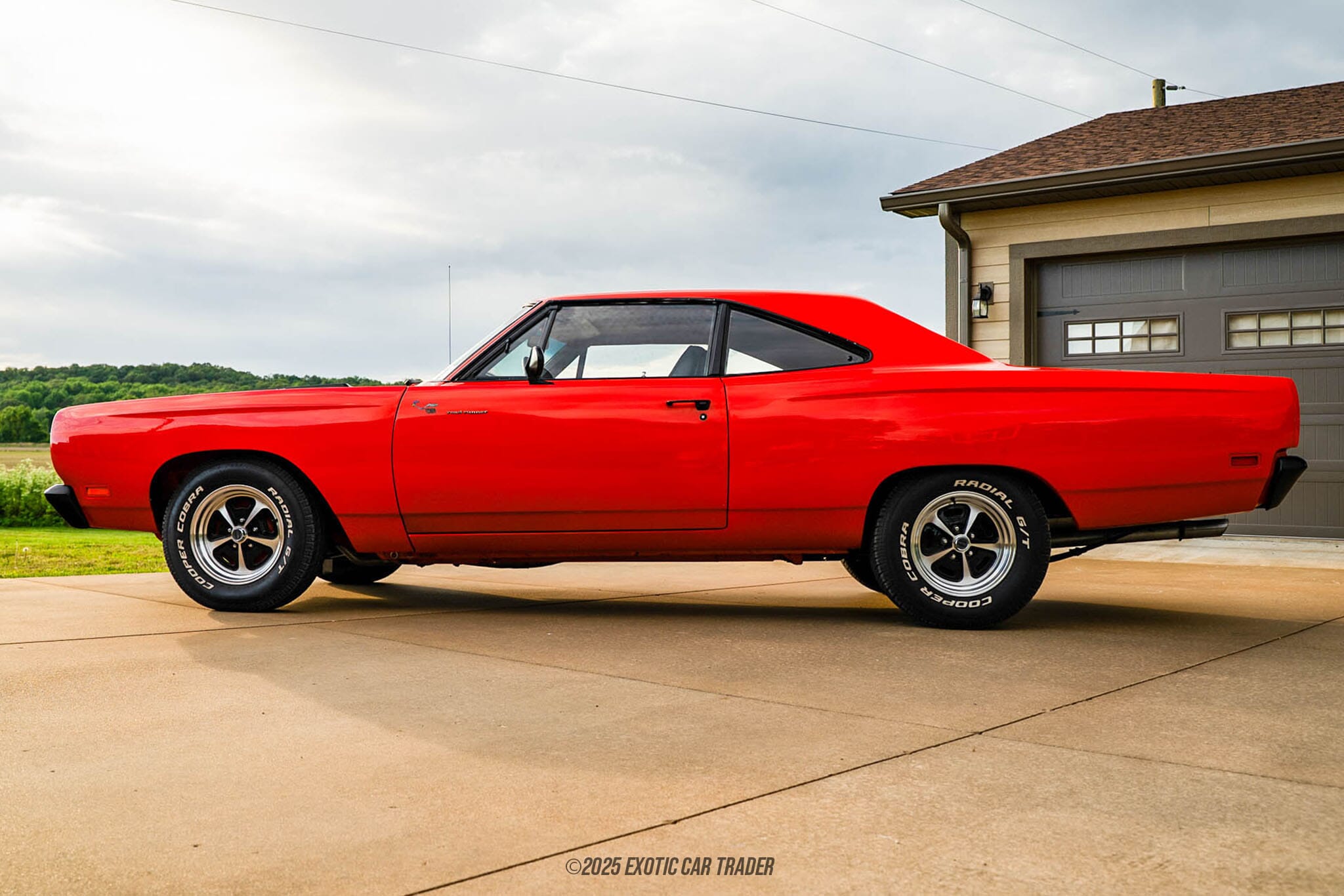
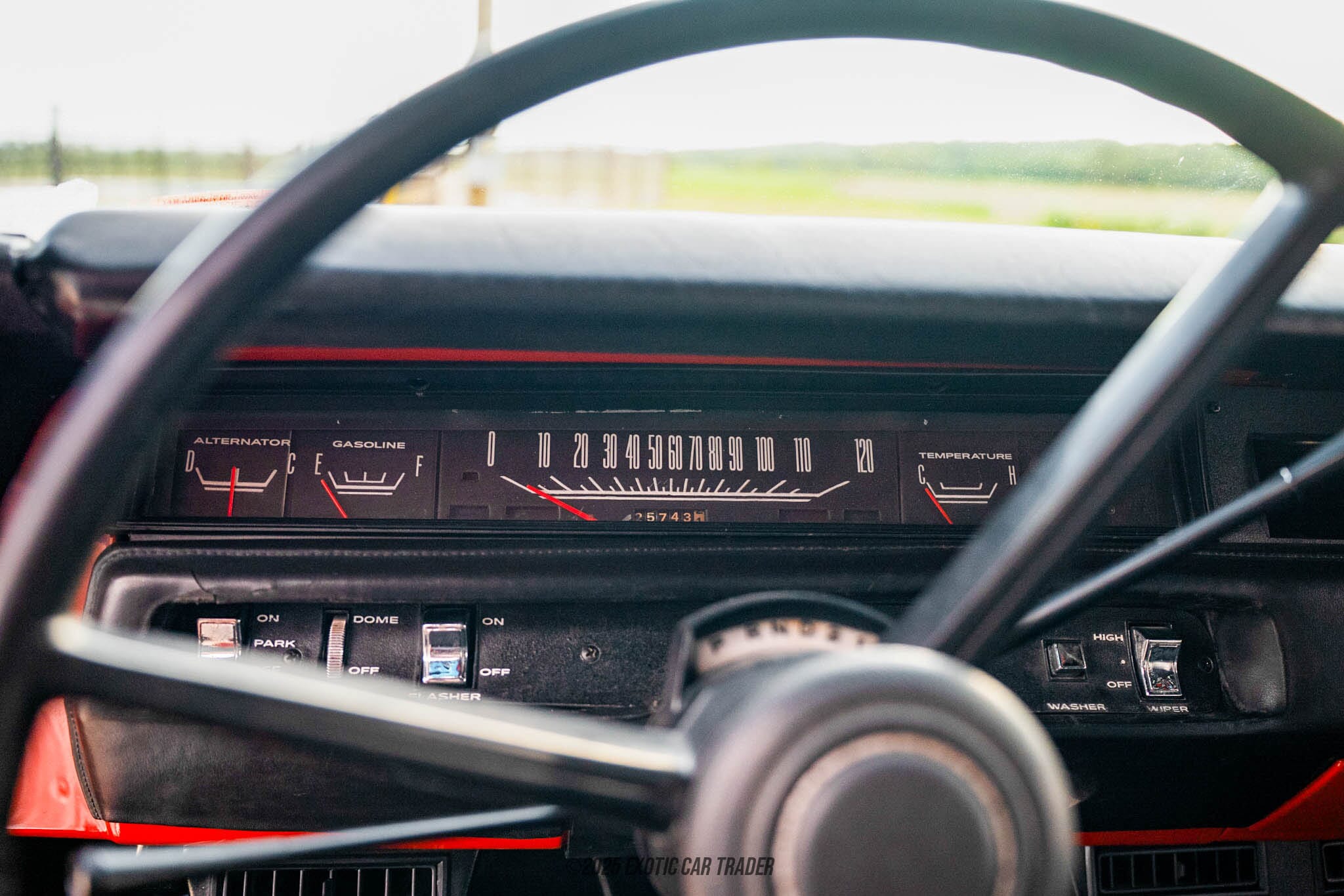
Muscle cars and hollywood do go hand in hand, there has been several uses for 60s muscle in particular. Want to make the bad guy look like a true villain or maybe even make the Hero look cooler? You really cant make a statement better than a ʼ60s muscle machine. Our featured car is linked to a childhood favorite and a Hollywood hero that takes shape with this 1969 Plymouth Road Runner. With a reported over 25,000 miles on its clock, this handsome muscle car is ready to be your trusted weekend companion with great drives on demand.
Exterior and Interior
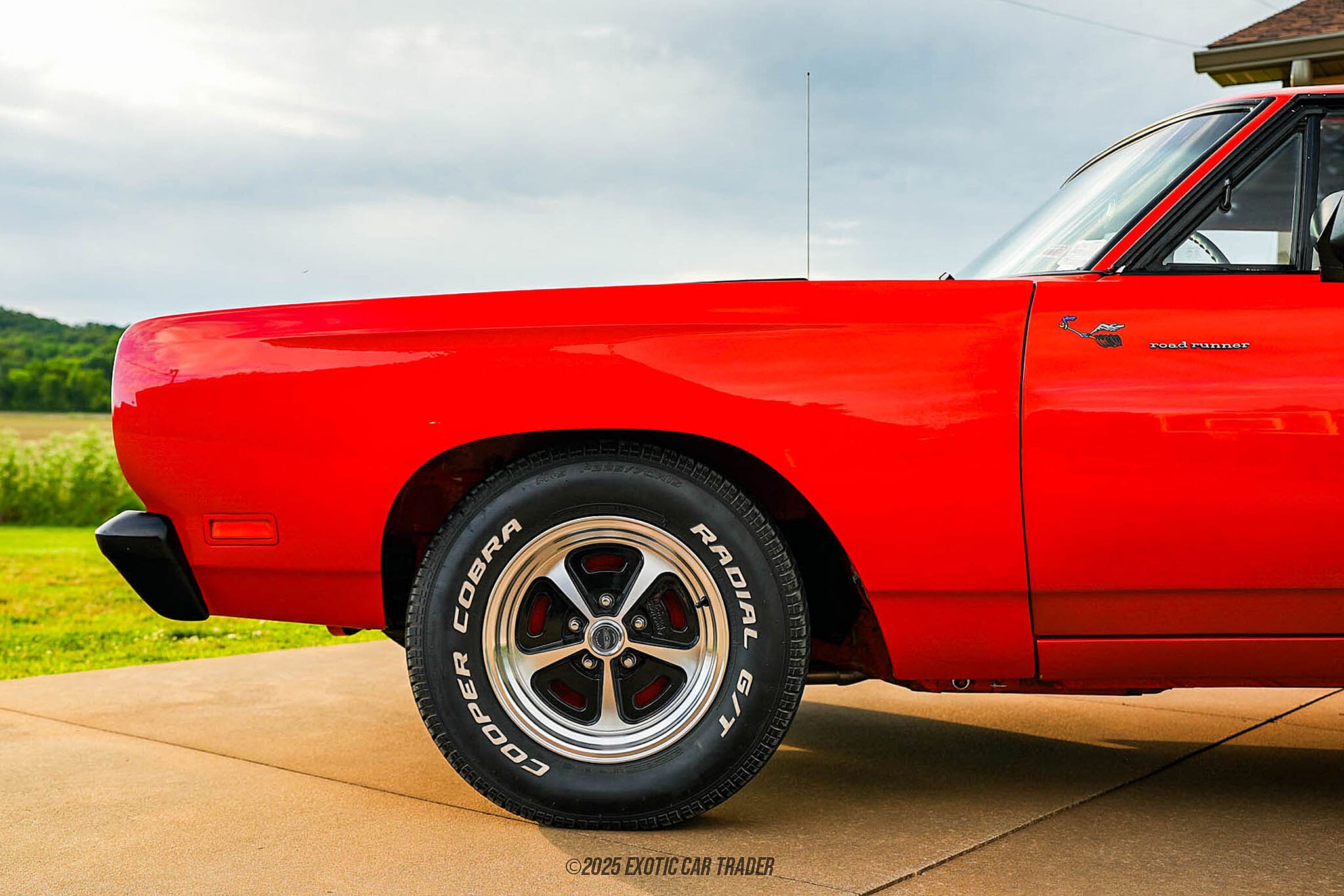
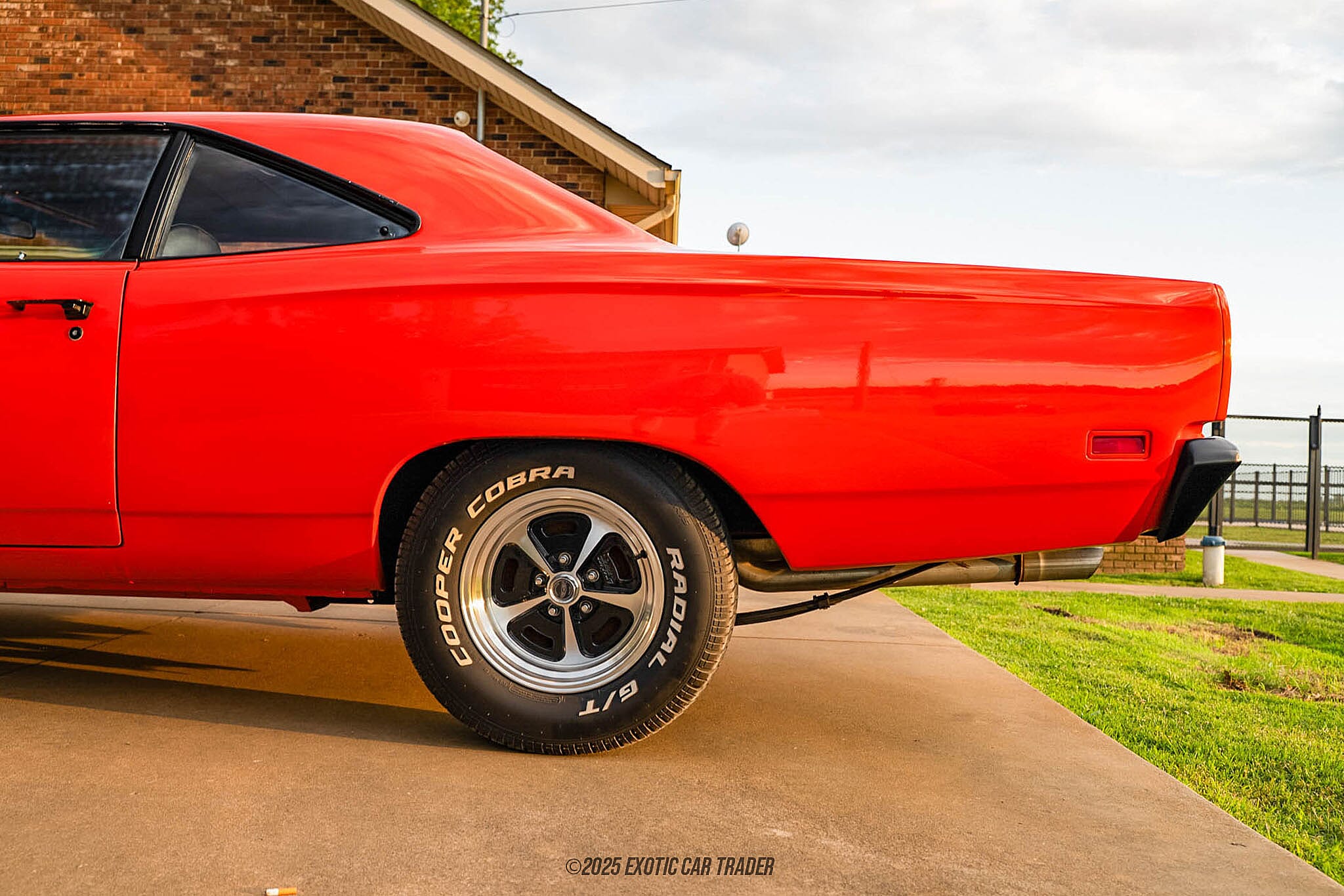
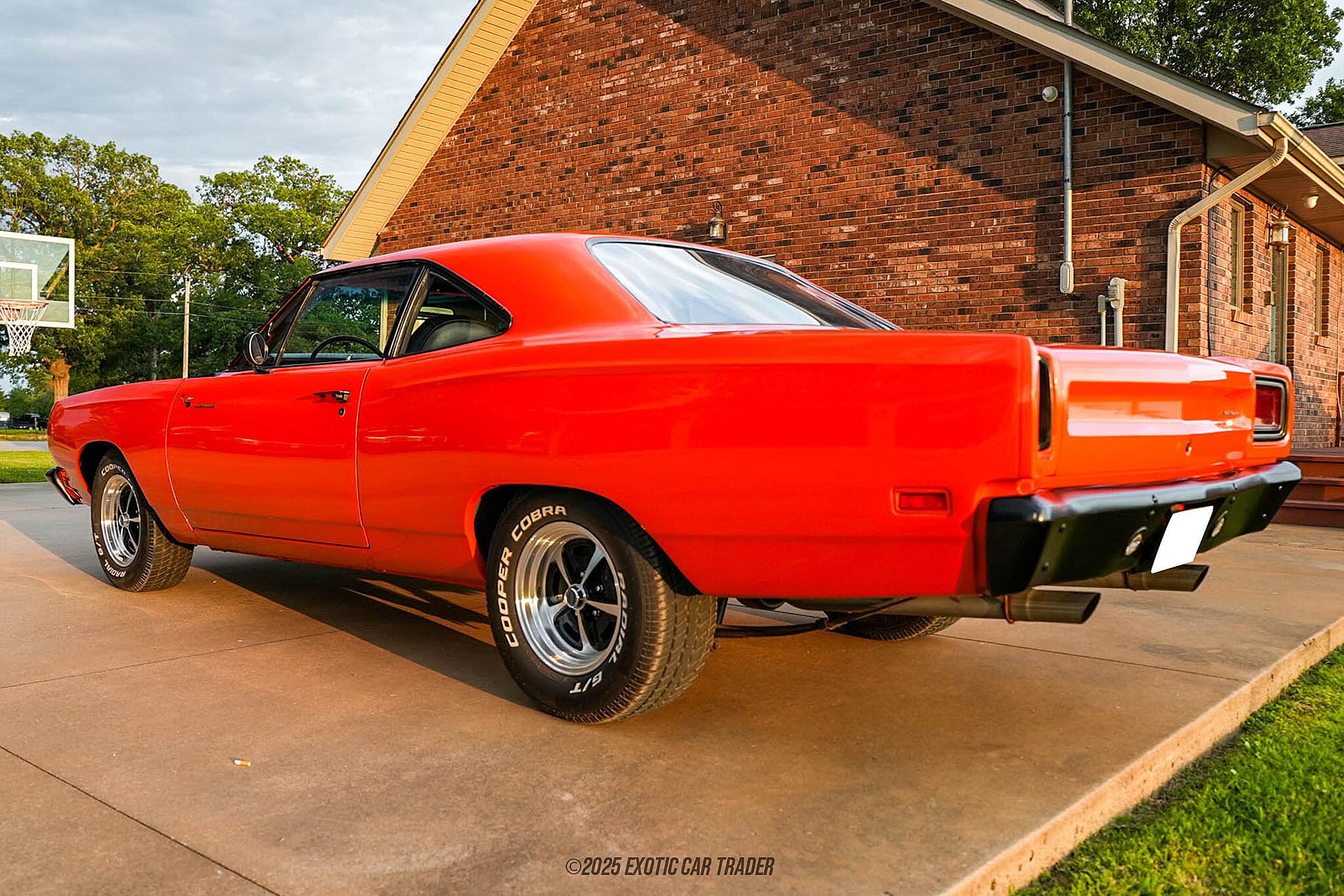
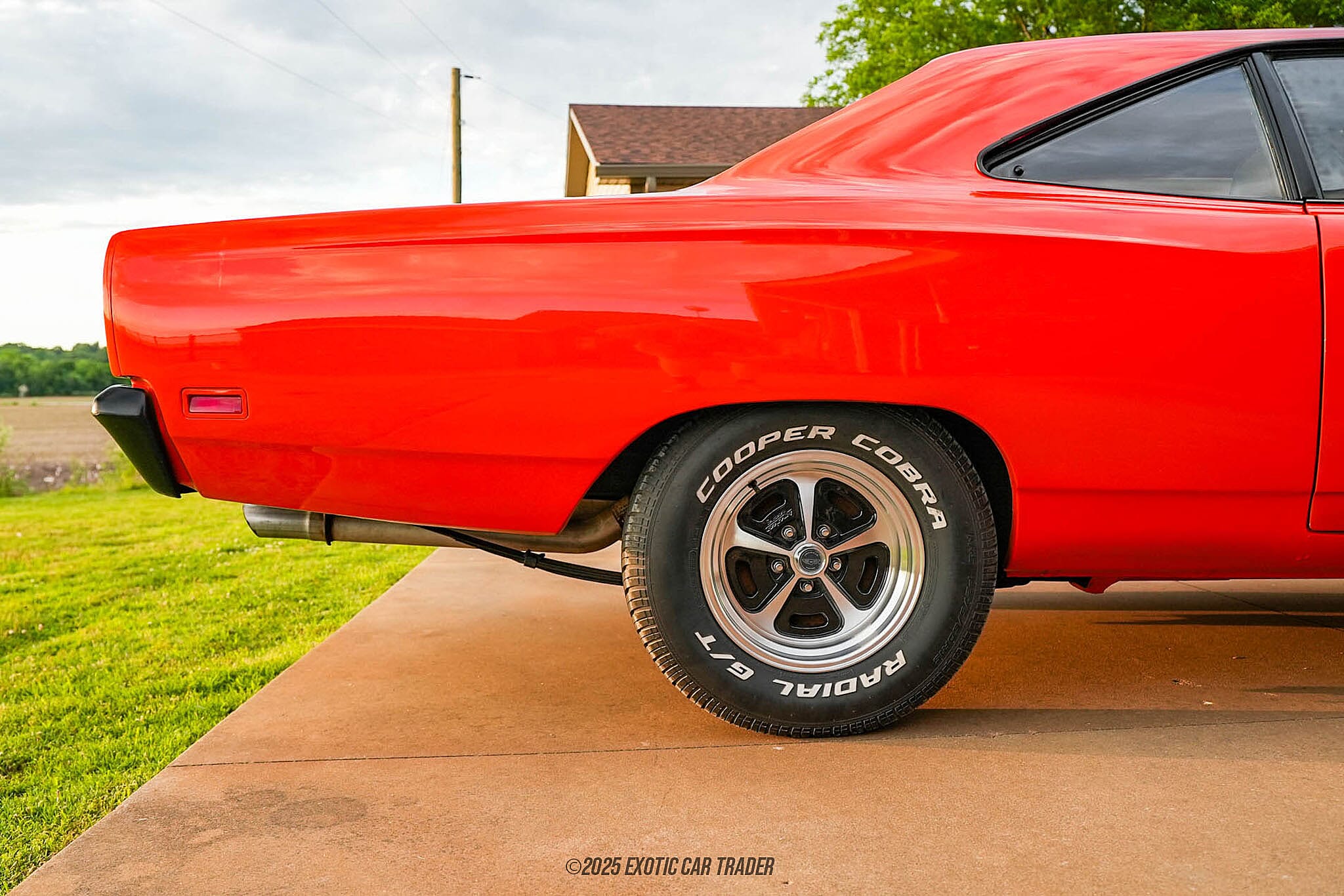
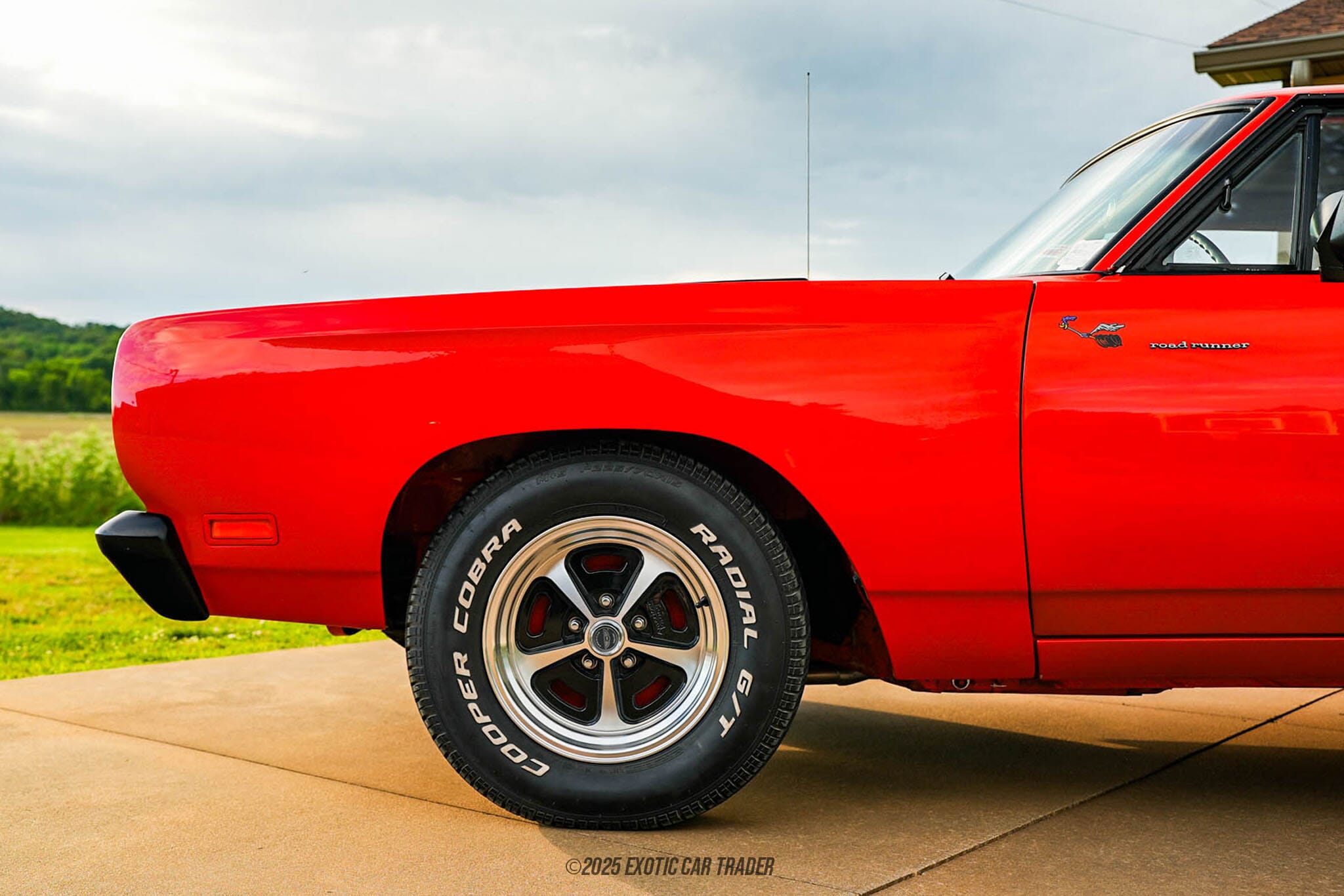
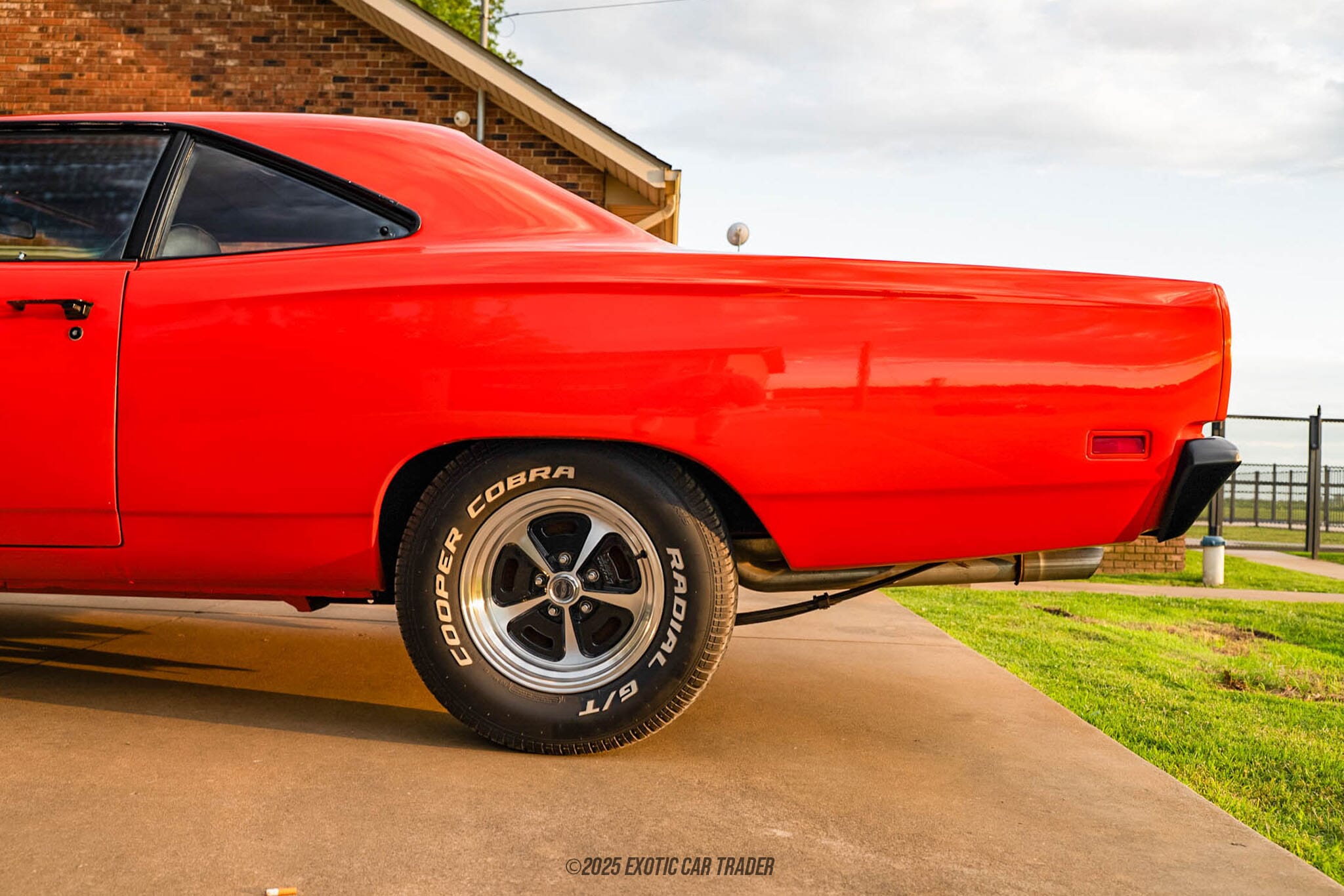
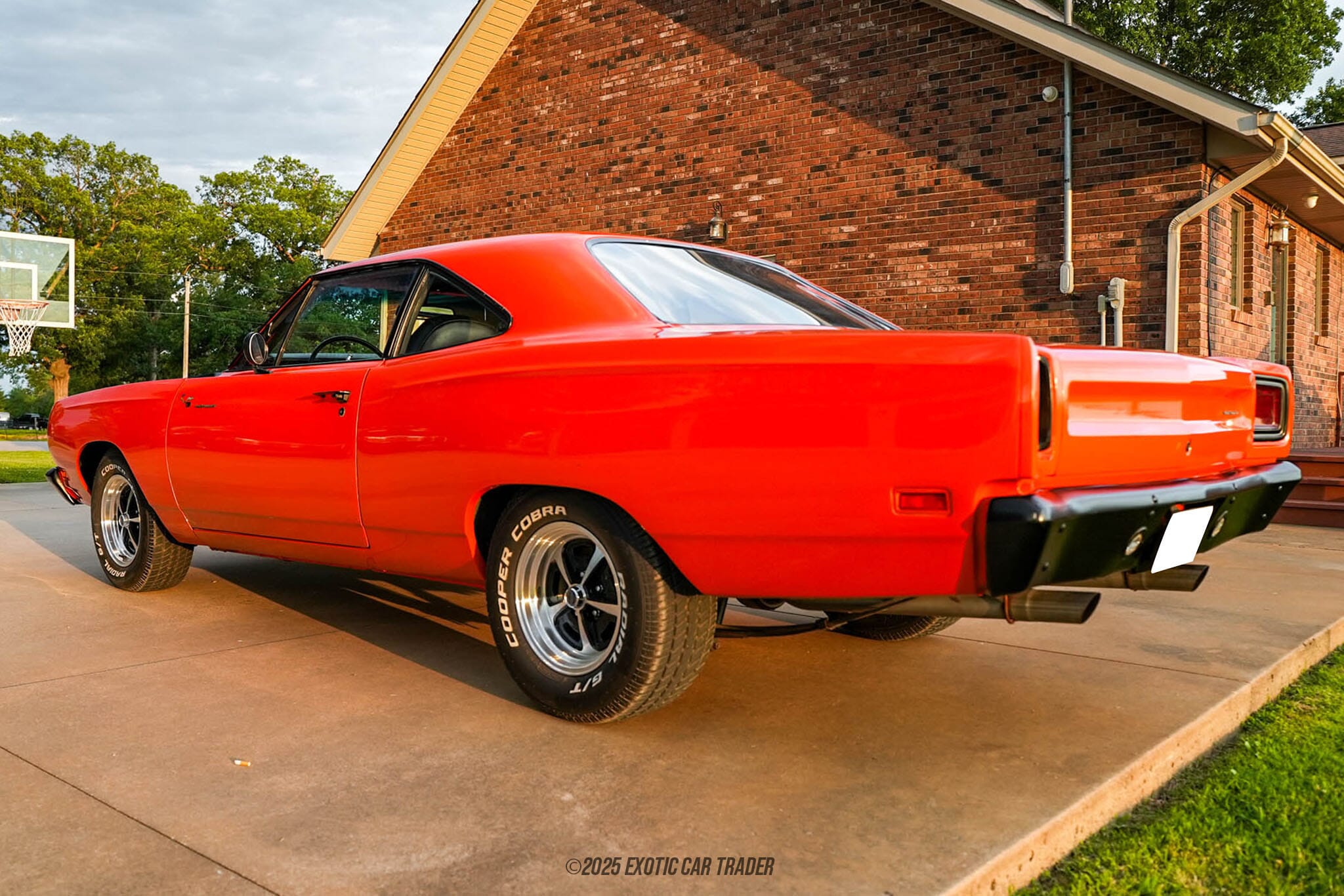
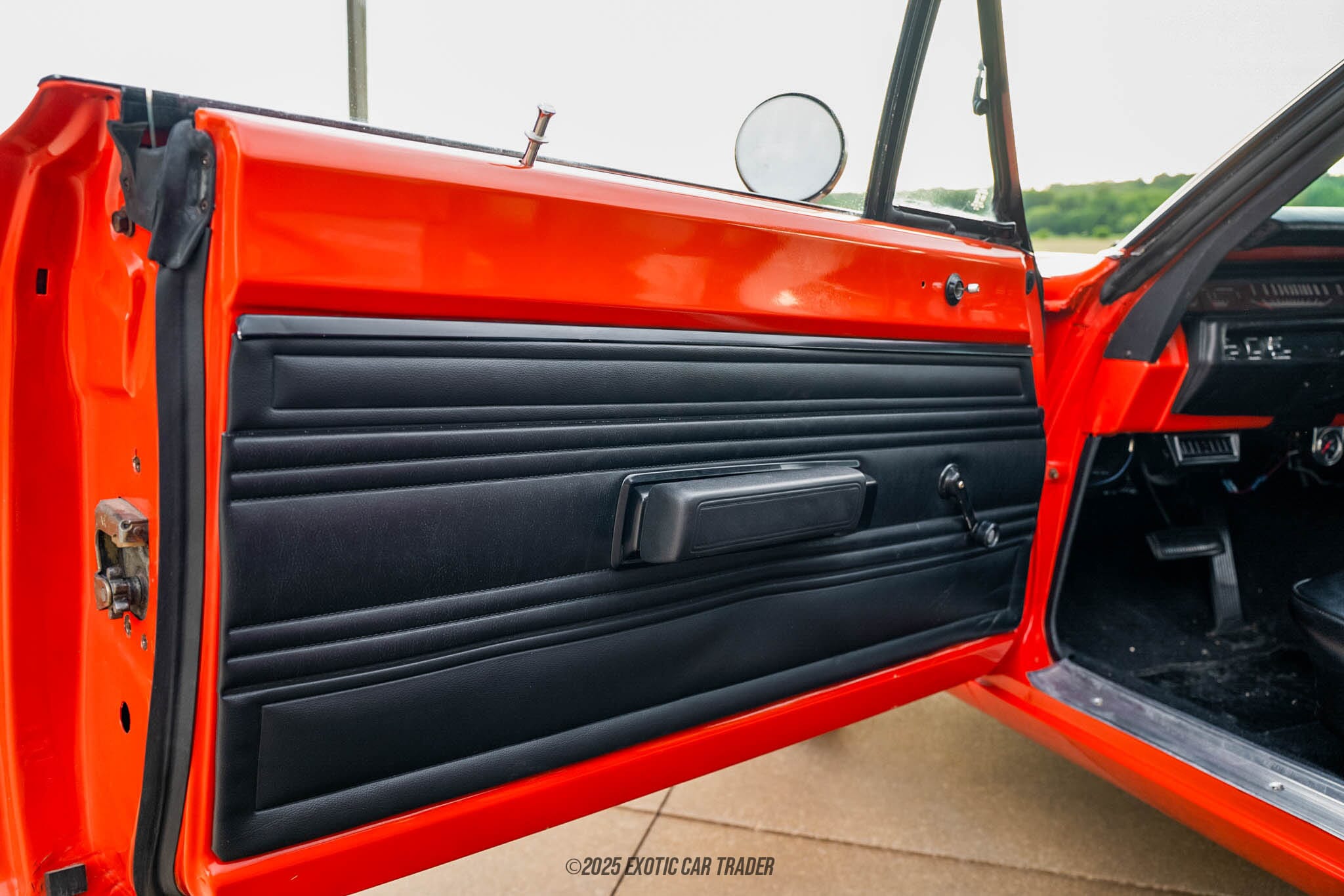
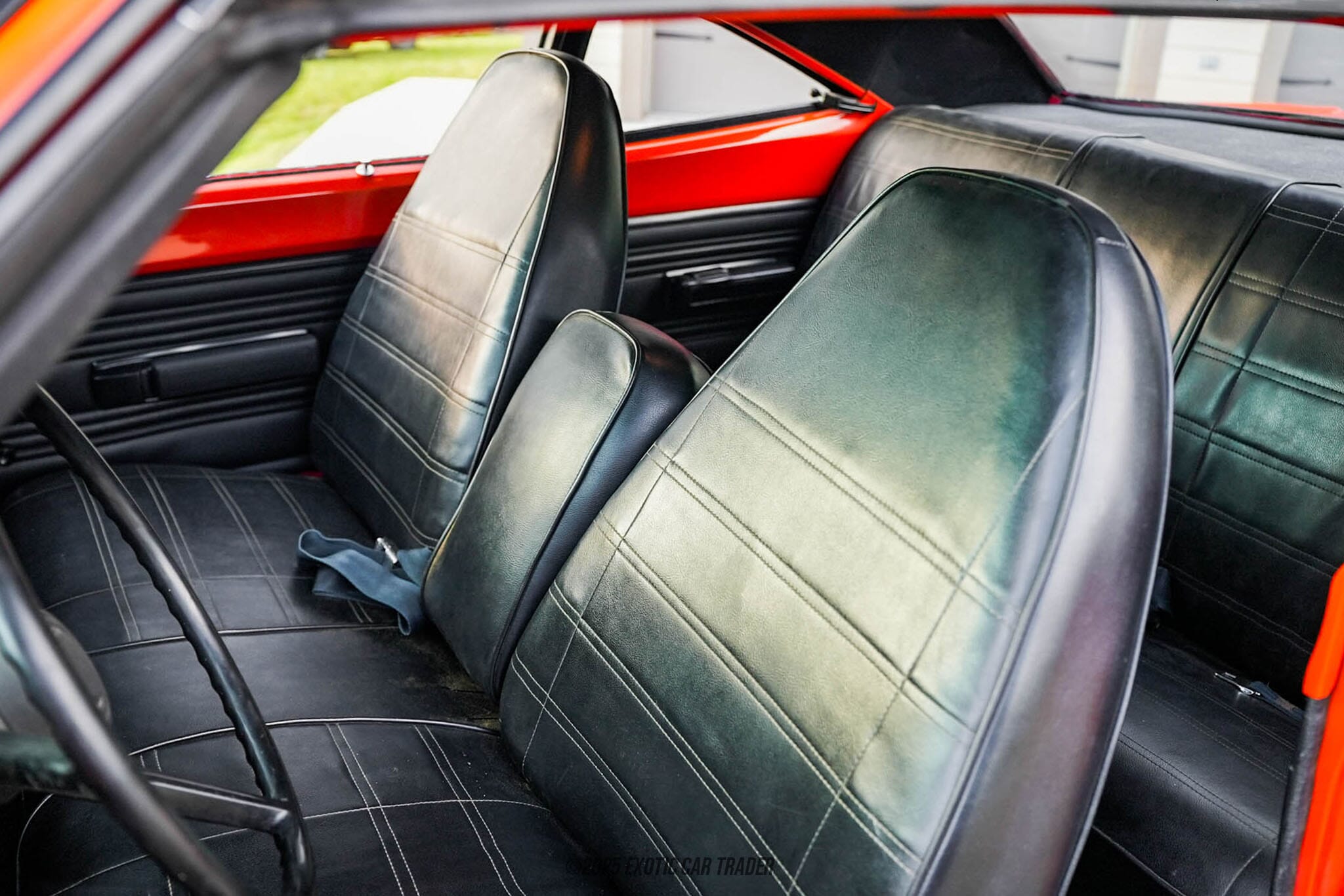
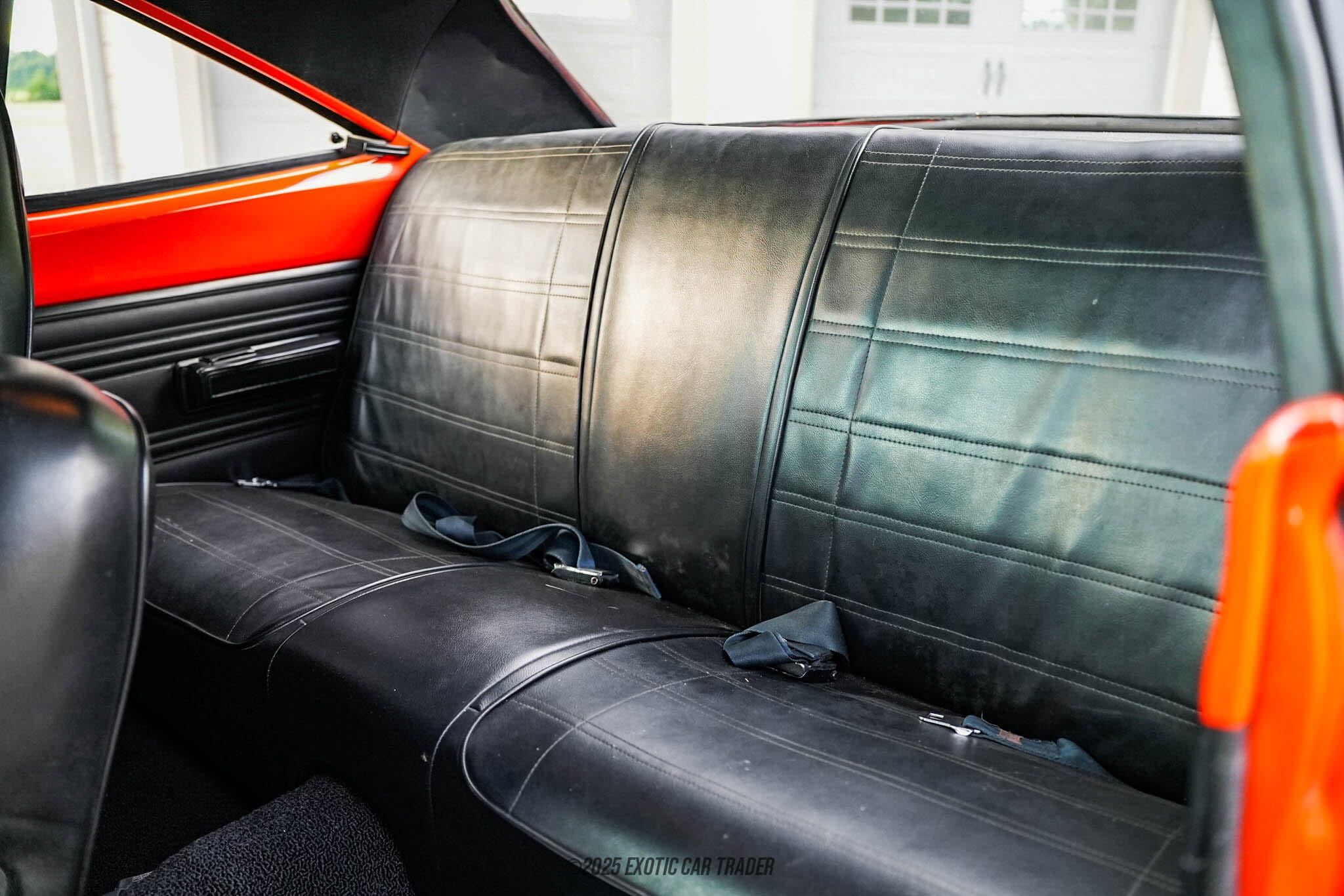
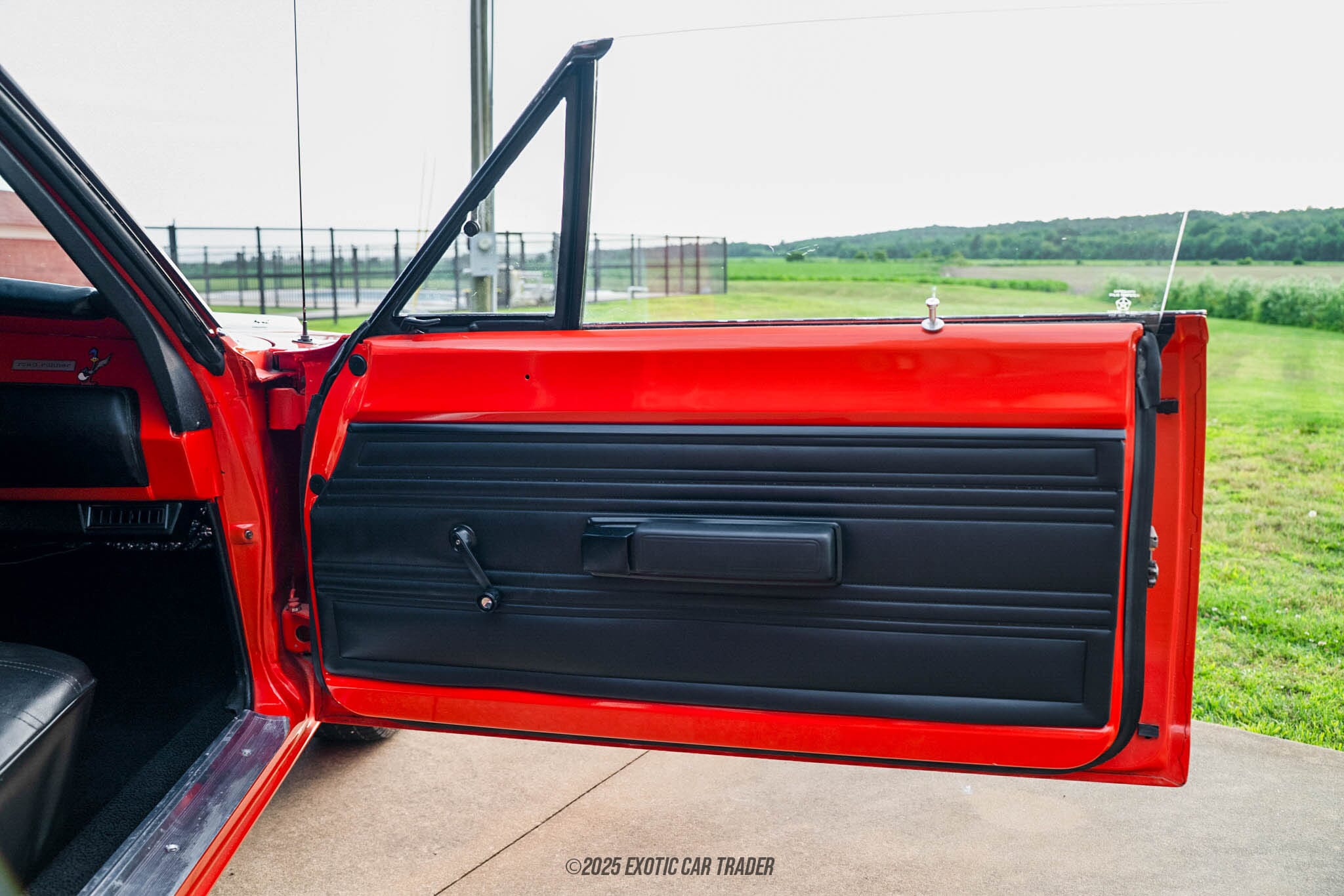
Sporting an iconic name like Road Runner means you need to have a design that creates conversation at first glance and the ʼ60s Plymouth Road Runner did that job to perfection. This 1969 Plymouth Road Runner sports a catchy orange exterior that highlights its equally memorable name and persona. It features a clean exterior that also sees the car's chrome and exterior components blacked out for added effect. For wheels, this ʼ60s muscle sits on a set of Cragar styled wheels. The black interior of this 1969 Plymouth Road Runner provides a no frills driving experience, its cabin is driver focused with enough space for friends and family to enjoy the drive. The current owner reports air conditioning in place for added comfort when on the go.
Engine
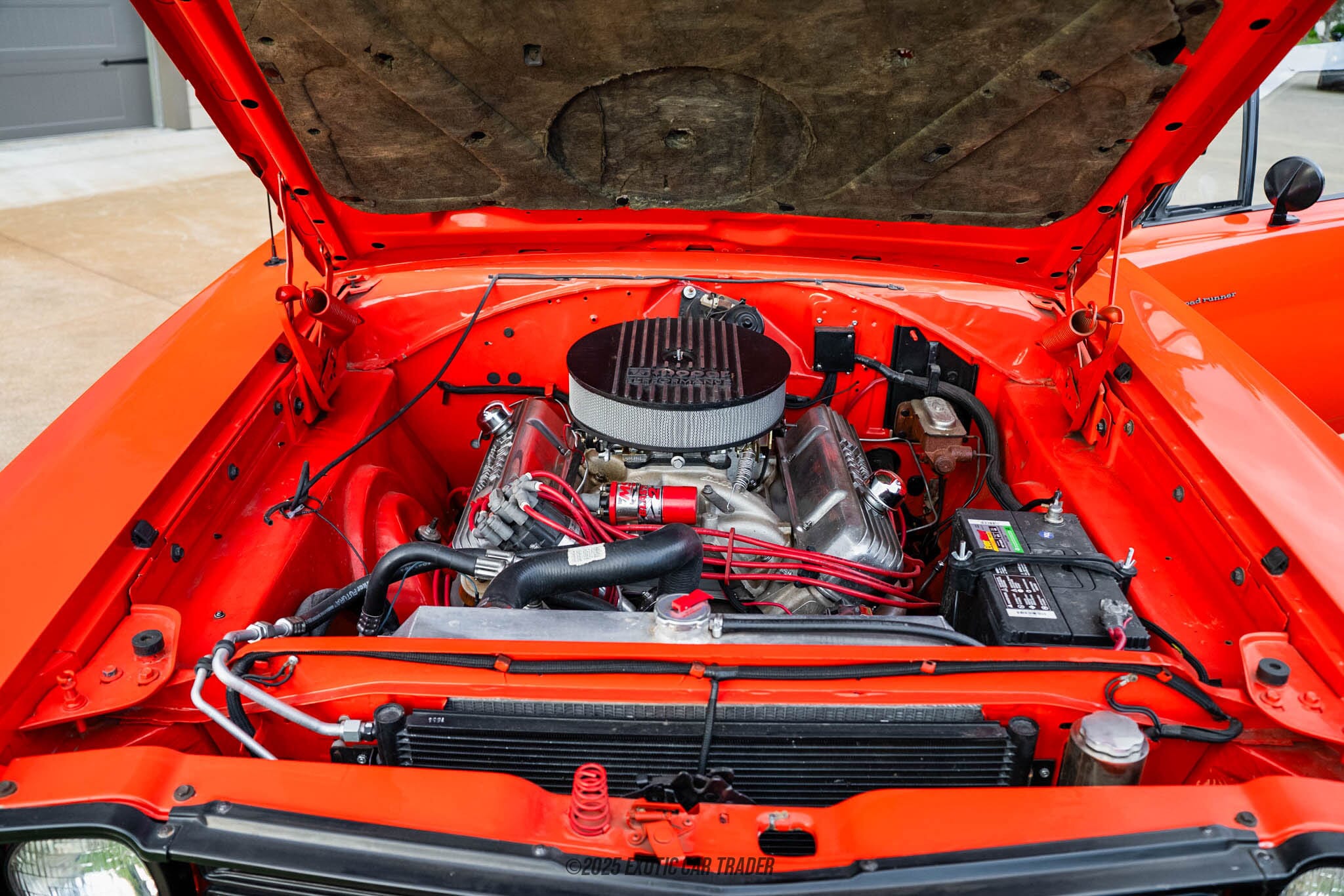
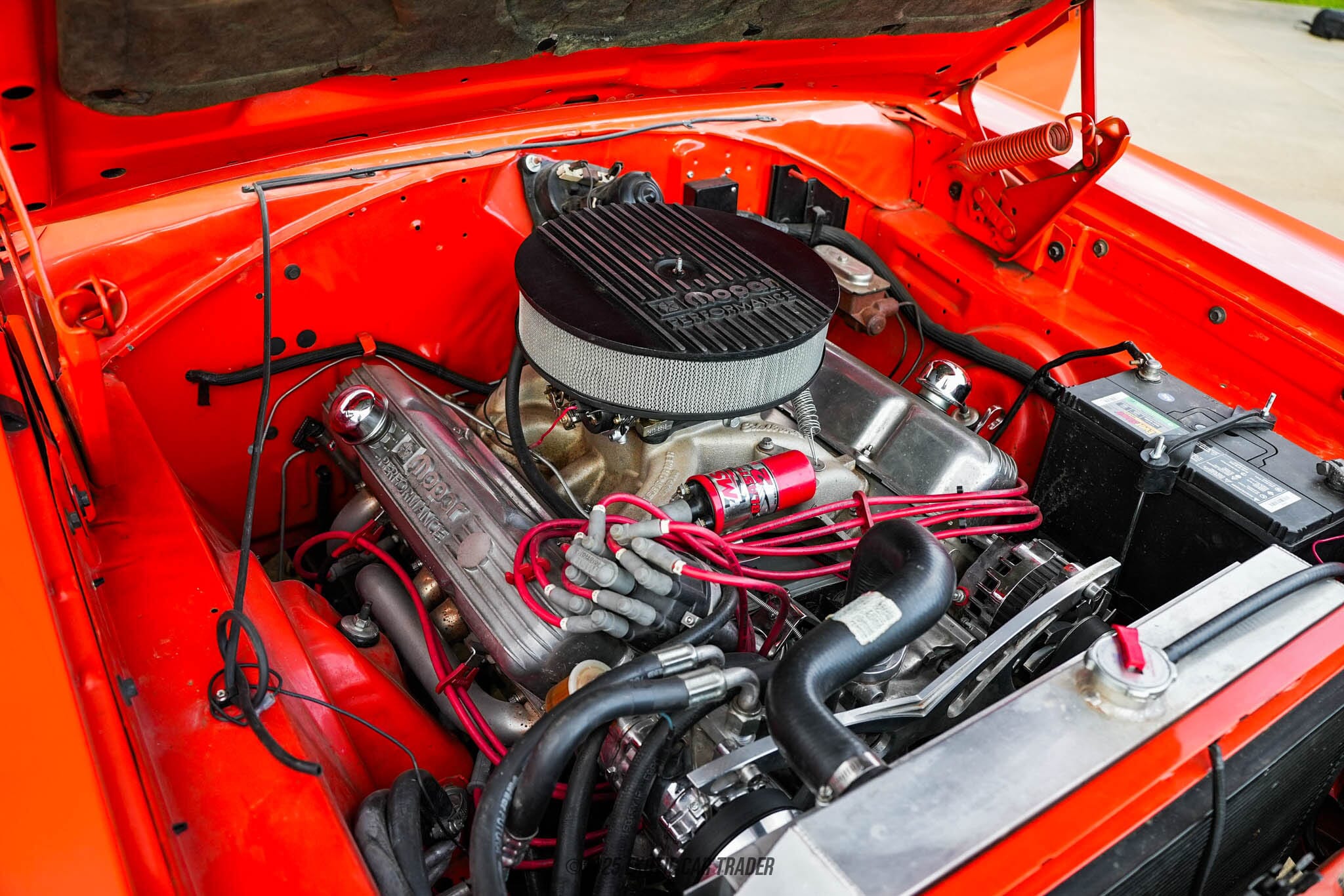
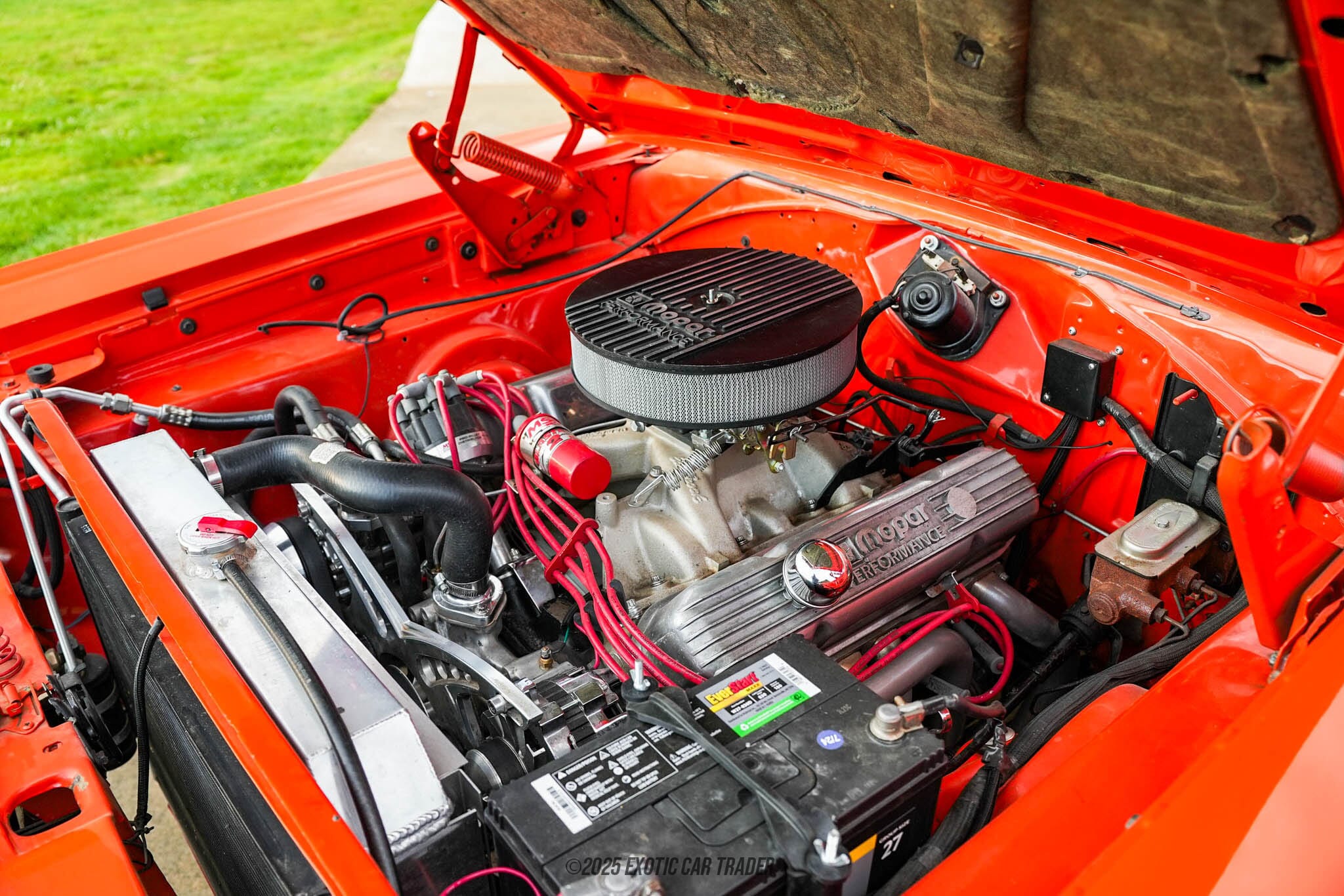
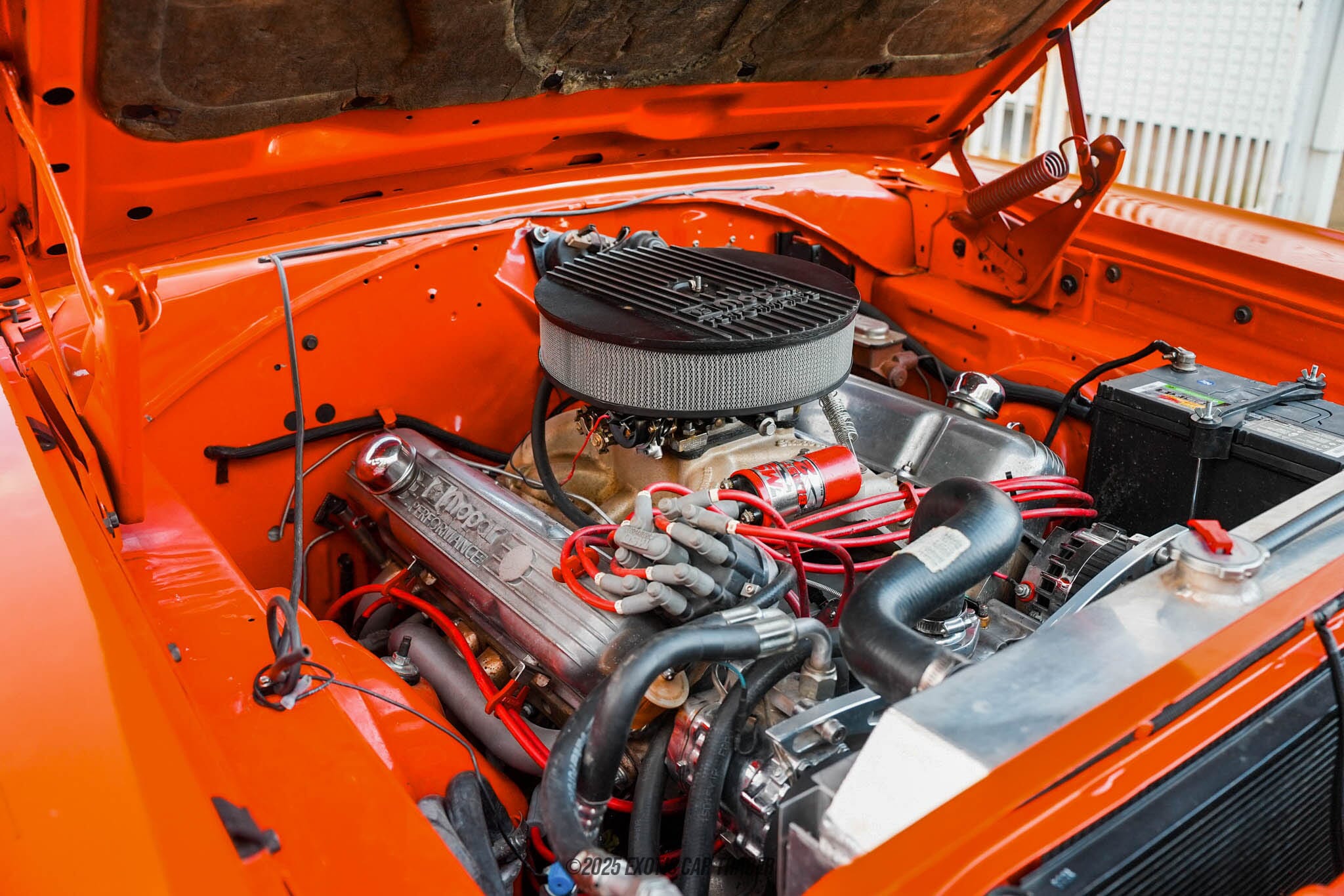
Its not all looks and Hollywood fame with this 1969 Plymouth Road Runner. This 60s muscle car has the performance to back its name and looks, pop open the hood and what you will find in place is a 440ci V8 powertrain. The current owner reports that the ginormous V8 powerplant features a drag racing set up and sports a bigger cam shaft that adds performance and enhances that V8 burble. You'll also find Mopar valve covers and air filter housing, MSD ignition, for a smooth delivery of power. In true muscle car fashion, this ʼ60s hero channels all its performance to its rear wheels through an automatic transmission.


This 1974 Plymouth Road Runner Pro Street Supercharged is a purpose-built street-and-strip muscle car combining classic Mopar styling with serious drag racing hardware. Originally a 340ci V8, this Road Runner has been transformed with a professionally built and balanced big block powerplant featuring a Dyer’s Machine Blower Company supercharger system, dual Holley carburetors, and an estimated 800 horsepower output. Designed for high-performance driving, it pairs its supercharged engine with a reverse-pattern 727 TorqueFlite automatic transmission, Detroit Locker differential, 4-link rear suspension, and Mickey Thompson ET Street tires. Finished in a vibrant Lime Green exterior with a competition-inspired setup including a full roll cage, racing harnesses, and upgraded chassis components, this Pro Street build represents the classic era of American horsepower taken to an extreme level.
The Plymouth Road Runner was introduced for buyers who wanted one thing above all else: performance. By stripping away unnecessary luxury features and focusing on big-block power, Plymouth created one of the most successful muscle cars of the era. This 1968 Plymouth Road Runner Hardtop Coupe shows 57,801 miles and is powered by the legendary 383ci Magnum V8, making it a textbook example of the formula that made the Road Runner a household name among enthusiasts. Finished in an eye-catching green exterior over a white vinyl interior, this first-year Road Runner embodies the no-nonsense attitude that helped establish the model as one of the most iconic muscle cars of the late 1960s.
Collaborations can truly be a lovely thing when done right, and Plymouth did exactly that with its iconic Roadrunner back in the 60s. What was a reported payment of $50,000 for name rights and a further $10,000 to develop the iconic “beep beep” horn is now a cult classic in the muscle car collectors' circle. Present today is your chance to own a true American icon that takes shape with this 1970 Plymouth Roadrunner. Hailing from Saint Mary’s, Ohio and with just 34,793 miles on its clock, this quirky classic can be yours to “beep beep” your way into the weekend.
This 1974 Plymouth Road Runner Pro Street Supercharged is a purpose-built street-and-strip muscle car combining classic Mopar styling with serious drag racing hardware. Originally a 340ci V8, this Road Runner has been transformed with a professionally built and balanced big block powerplant featuring a Dyer’s Machine Blower Company supercharger system, dual Holley carburetors, and an estimated 800 horsepower output. Designed for high-performance driving, it pairs its supercharged engine with a reverse-pattern 727 TorqueFlite automatic transmission, Detroit Locker differential, 4-link rear suspension, and Mickey Thompson ET Street tires. Finished in a vibrant Lime Green exterior with a competition-inspired setup including a full roll cage, racing harnesses, and upgraded chassis components, this Pro Street build represents the classic era of American horsepower taken to an extreme level.
Before the GTX and Road Runner took over Plymouth’s performance image, the Satellite was the B-body sleeper that could be ordered with Chrysler’s most feared street engine. This 1966 Plymouth Satellite 426 HEMI 4 Speed shows approximately 25,134 miles and combines a black-on-black presentation with the legendary dual-quad 426 Street HEMI, a four-speed manual, Dana 60 rear axle, and Sure Grip differential. The current owner reports that it is one of of only 502 Hemi's produced, making this a seriously rare early HEMI-era Mopar with the kind of specification collectors and true muscle-car enthusiasts immediately recognize.
The Plymouth Road Runner was introduced for buyers who wanted one thing above all else: performance. By stripping away unnecessary luxury features and focusing on big-block power, Plymouth created one of the most successful muscle cars of the era. This 1968 Plymouth Road Runner Hardtop Coupe shows 57,801 miles and is powered by the legendary 383ci Magnum V8, making it a textbook example of the formula that made the Road Runner a household name among enthusiasts. Finished in an eye-catching green exterior over a white vinyl interior, this first-year Road Runner embodies the no-nonsense attitude that helped establish the model as one of the most iconic muscle cars of the late 1960s.
The 1971 Chevrolet Camaro marked the beginning of a new era for Chevrolet's pony car. While the second-generation Camaro retained its unmistakable long-hood, short-deck proportions, it adopted a more European-inspired design with improved handling and a driver-focused cockpit. This example has been tastefully transformed into a Z/28 Tribute, combining the iconic appearance of Chevrolet's legendary Trans-Am-inspired performance model with the added muscle of a Blueprint-built 383ci stroker V8. Finished in striking Viper Red with classic Black Z/28 stripes, this Camaro delivers the aggressive looks, V8 soundtrack, and engaging four-speed driving experience that enthusiasts seek from a classic American muscle car.
For many enthusiasts, the 1967 Buick Riviera represents the pinnacle of Buick's personal luxury era. Widely regarded as one of Bill Mitchell's finest designs, the second-generation Riviera combined razor-sharp styling with effortless V8 performance, creating a grand touring coupe that could comfortably compete with the Ford Thunderbird while maintaining a character all its own. Beneath its sculpted sheet metal lies Buick's legendary 430ci Nailhead successor, an engine celebrated for its immense torque delivery and smooth highway manners. Showing 19,594 miles, this Riviera is finished in elegant Goldmist Metallic over a Black interior with a Black vinyl roof, presenting a timeless combination on one of GM's most iconic personal luxury cars.
The 1955 Chevrolet Bel Air is one of the most celebrated icons of the Tri-Five era, prized for its clean styling and endless potential as a performance build. This 1955 Chevrolet Bel Air 2-Door Sedan Restomod takes that timeless formula and elevates it with modern performance, upgraded suspension, and dependable drivability. Showing 3,790 miles on the odometer, the current owner reports approximately 800 miles on the current build. Offered from Florida, this Bel Air is finished in a striking custom two-tone Red and White paint scheme over a matching White and Red interior. With a fuel-injected 383 stroker V8, four-wheel disc brakes, adjustable coilover suspension, and numerous mechanical upgrades, this is a classic Chevrolet built to be driven and enjoyed.

Terms of Service
Be Kind and Courteous
We're here to create a platform to better the automotive industry through communication and transparency. Please treat everyone with respect. Healthy debates are natural, but kindness is required.
No Hate Speech
Make sure everyone feels safe. Hate speech of any kind is strictly prohibited. Degrading comments about things like race, religion, culture, sexual orientation, etc. will not be tolerated.
No Promotions or Spam
Give more than you take. Self-promotion, spam, or links of any kind are not allowed.
