









Buyer Resources





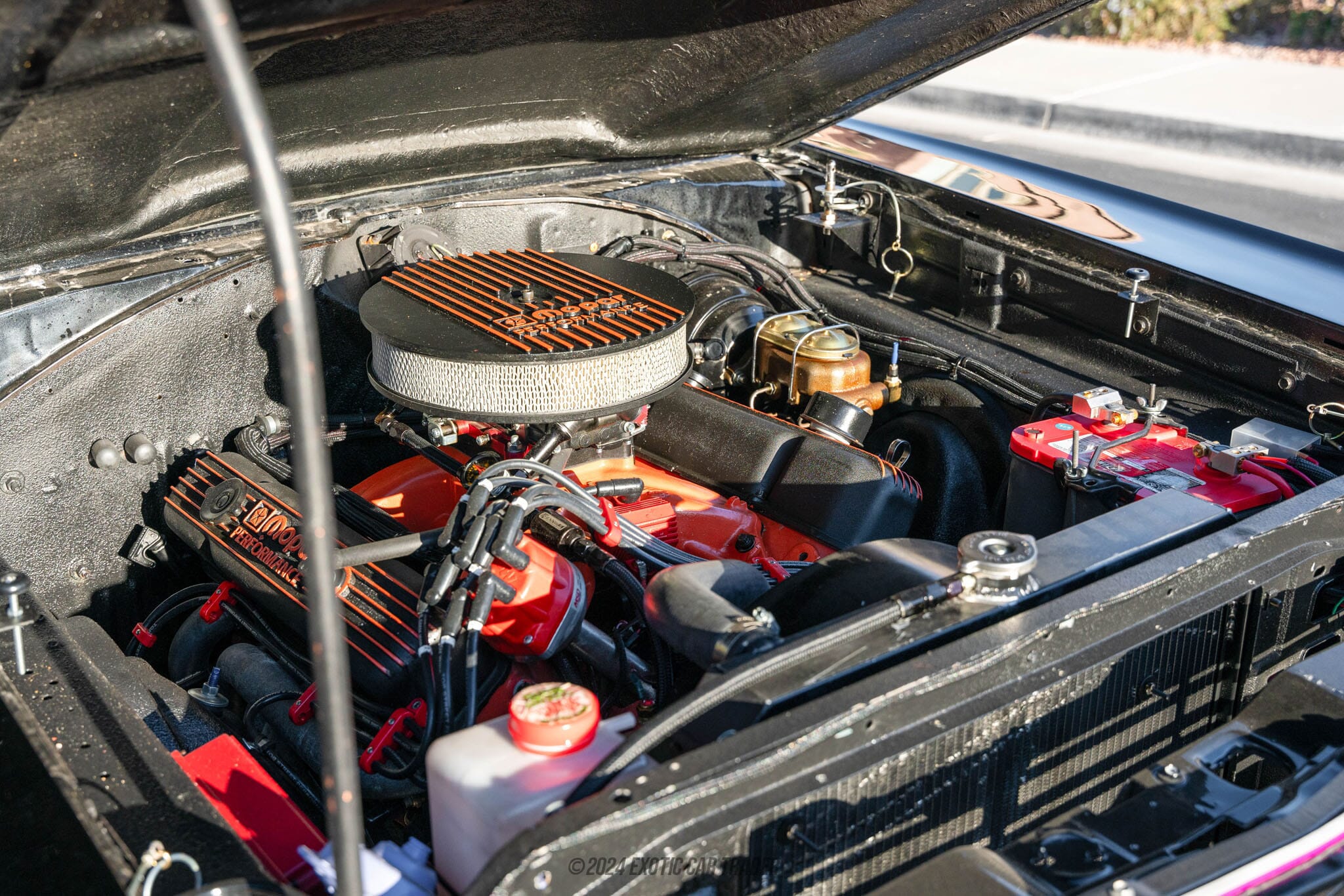
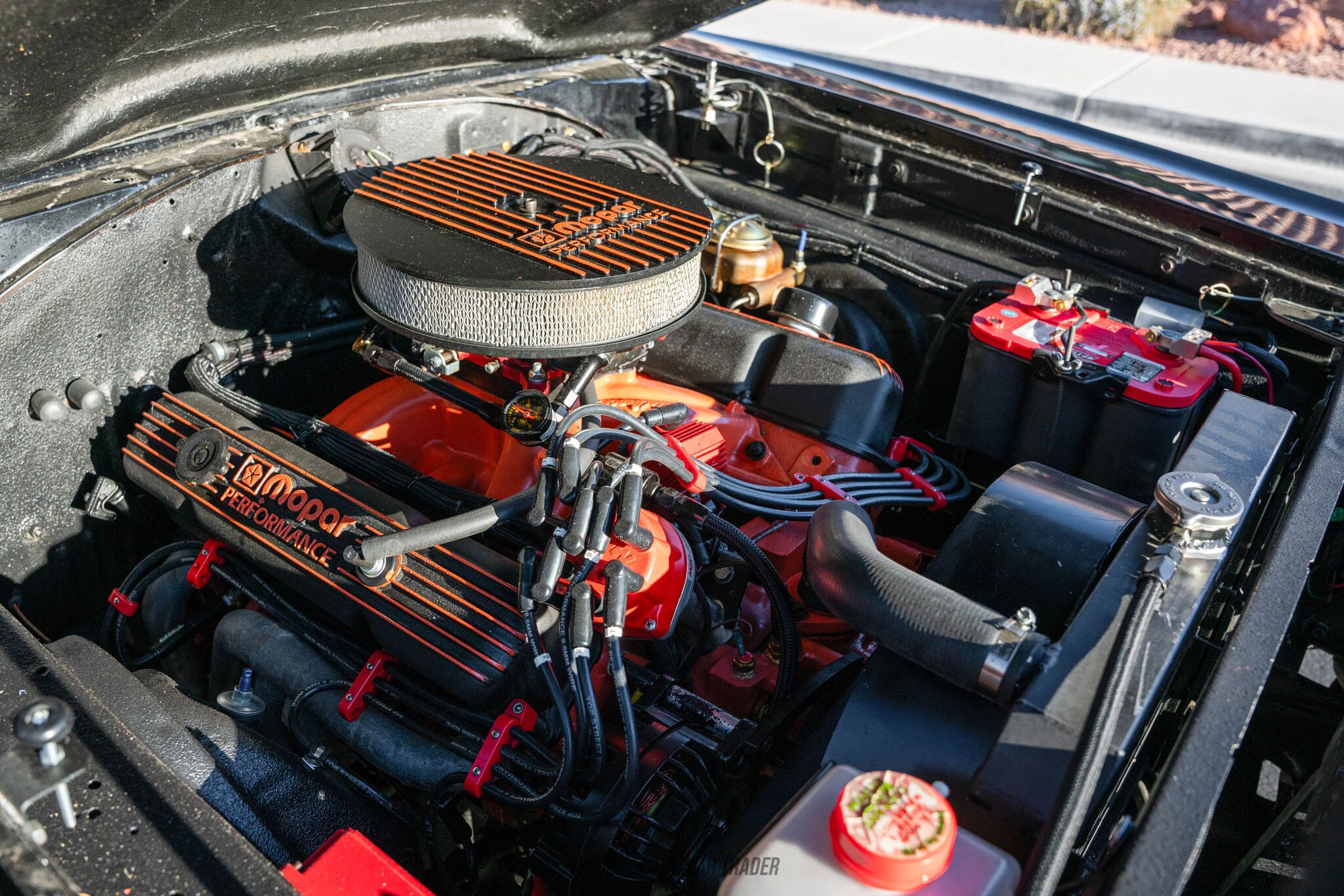
- 440ci V8
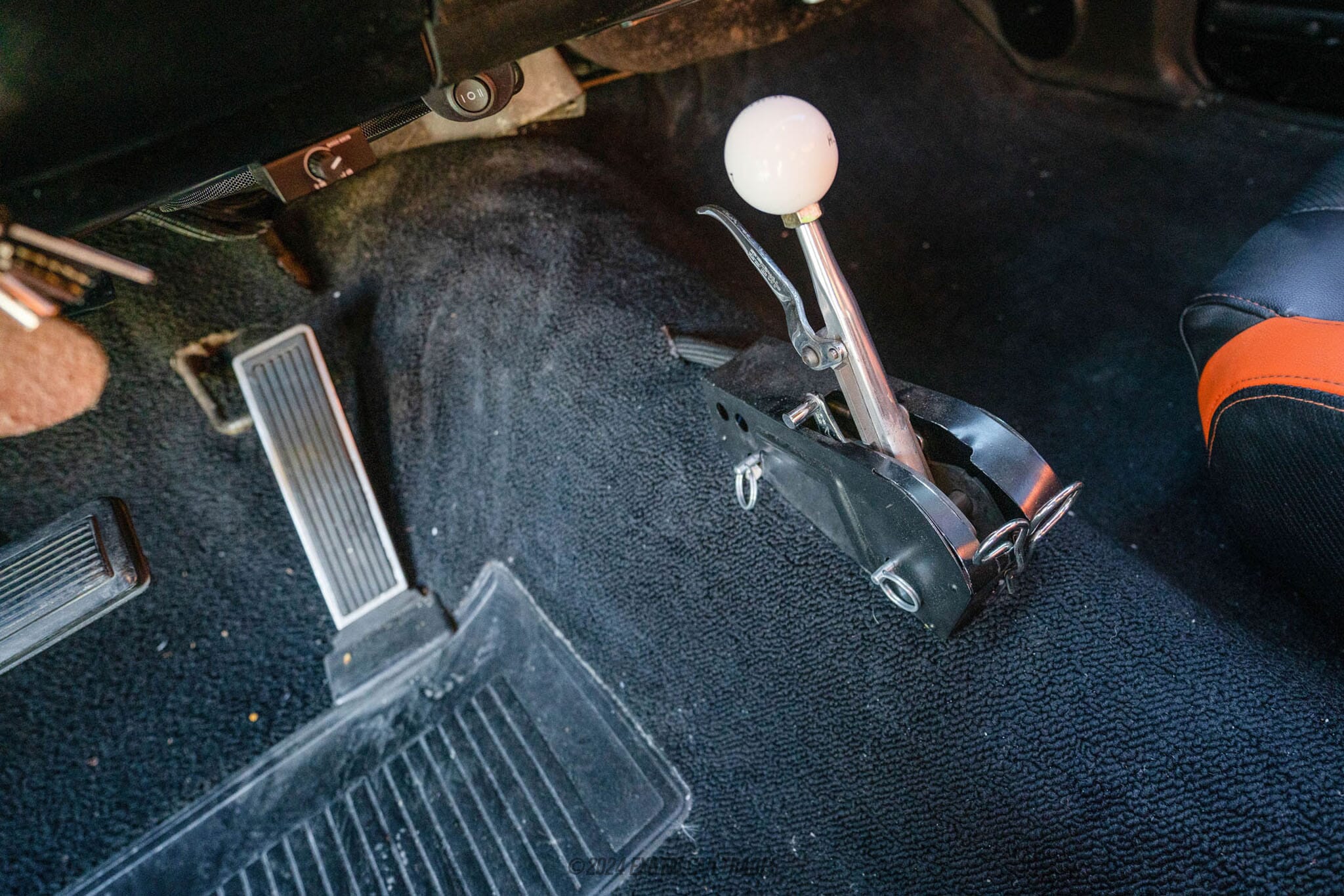
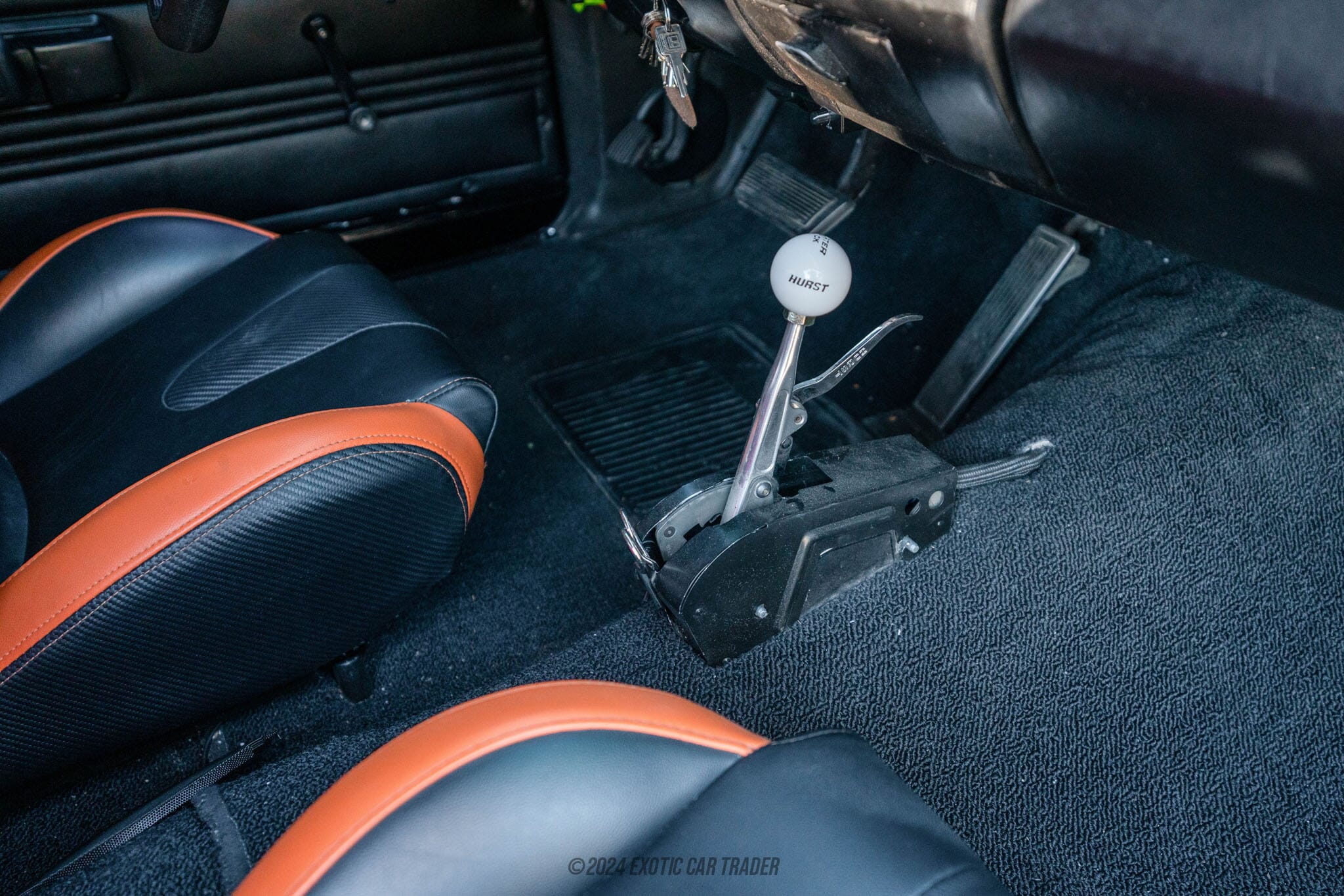
- Automatic Transmission
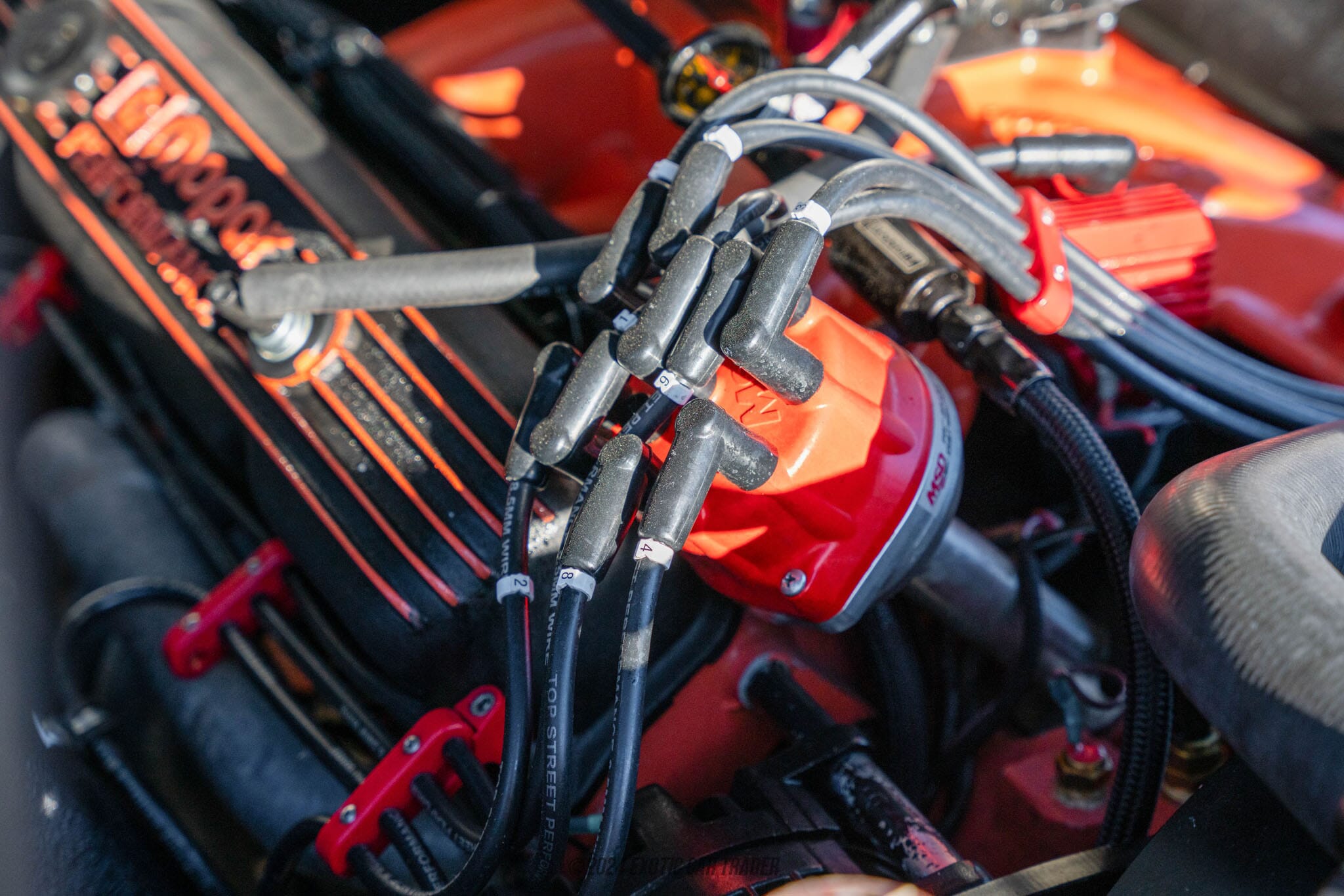
- MSD Ignition
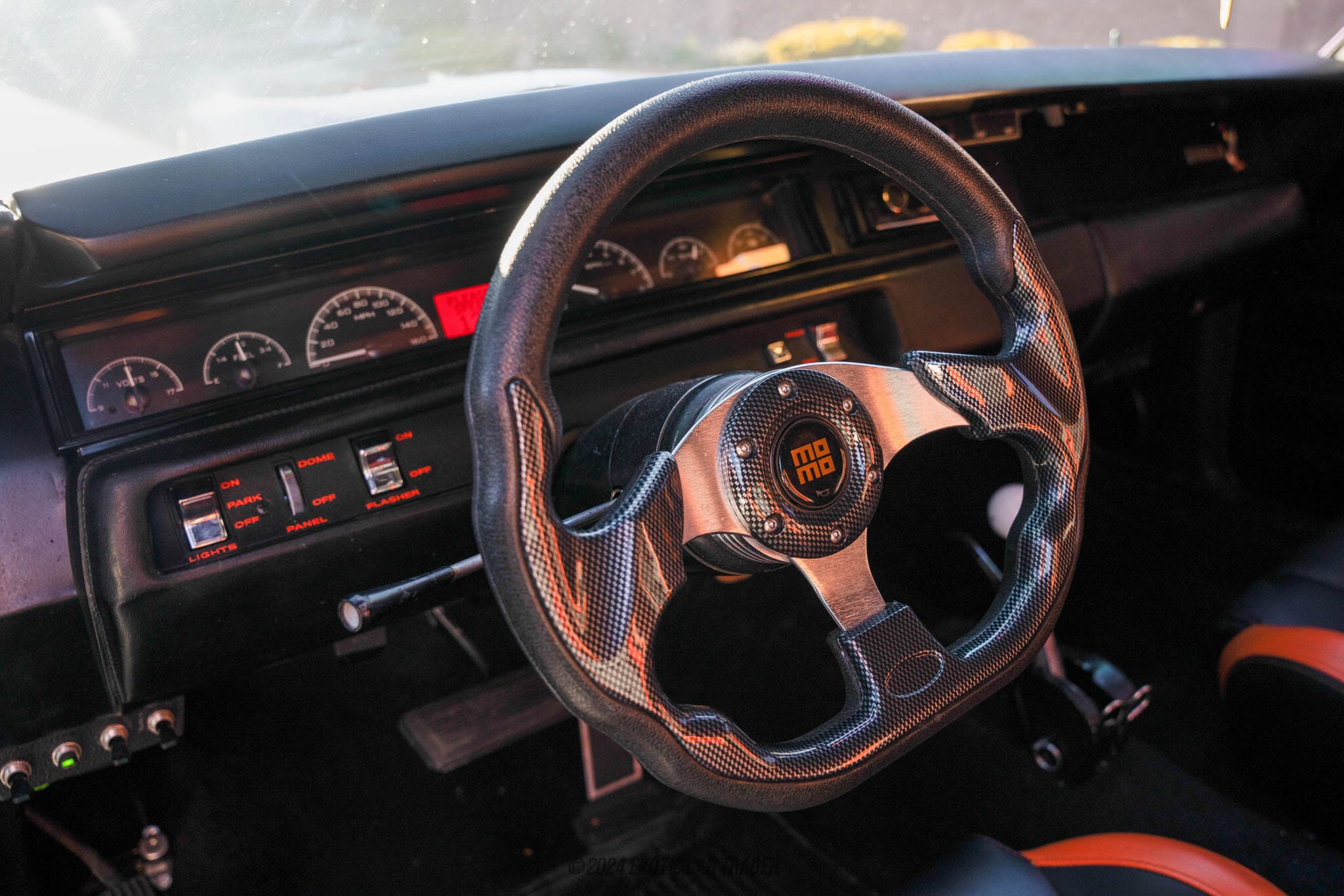
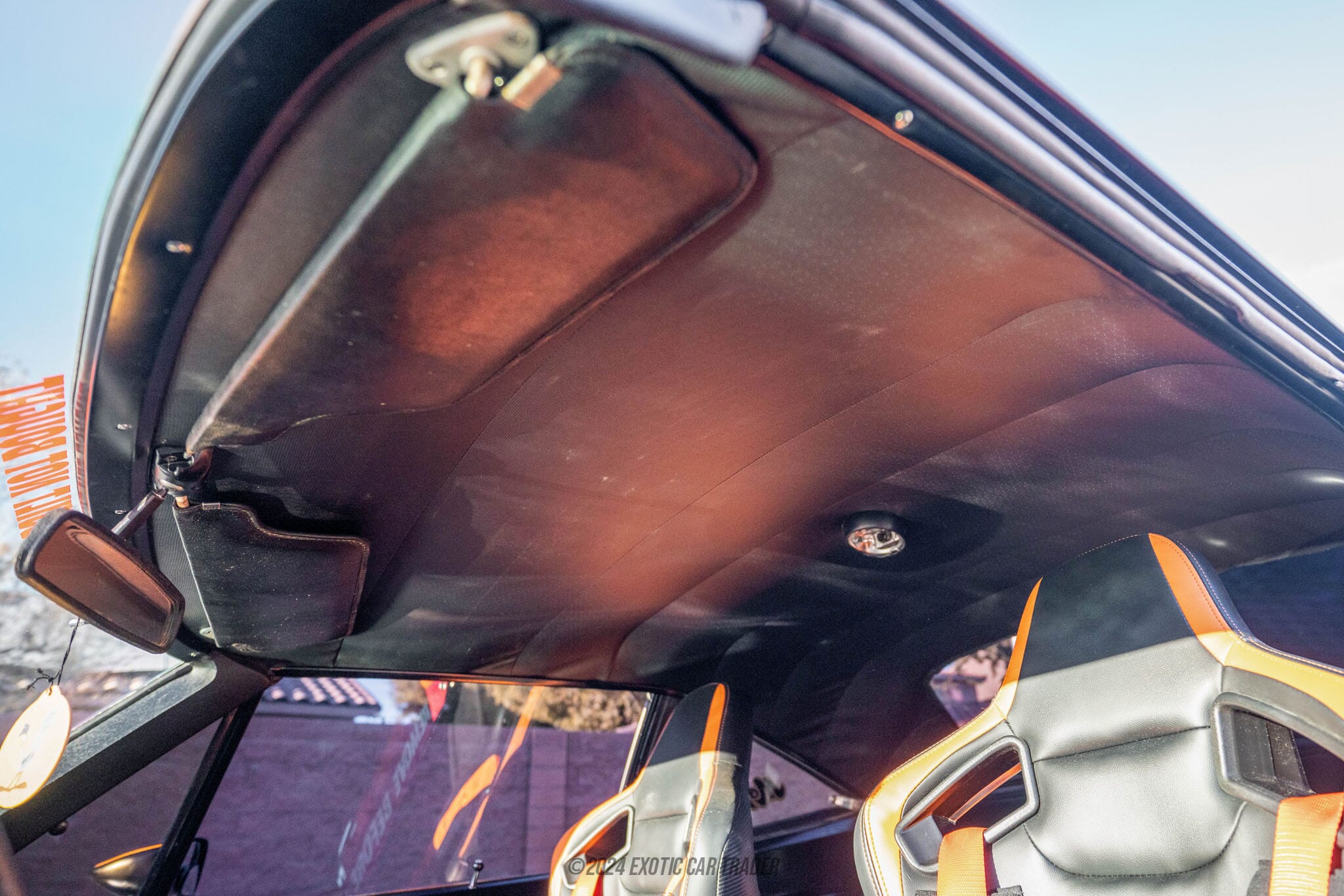
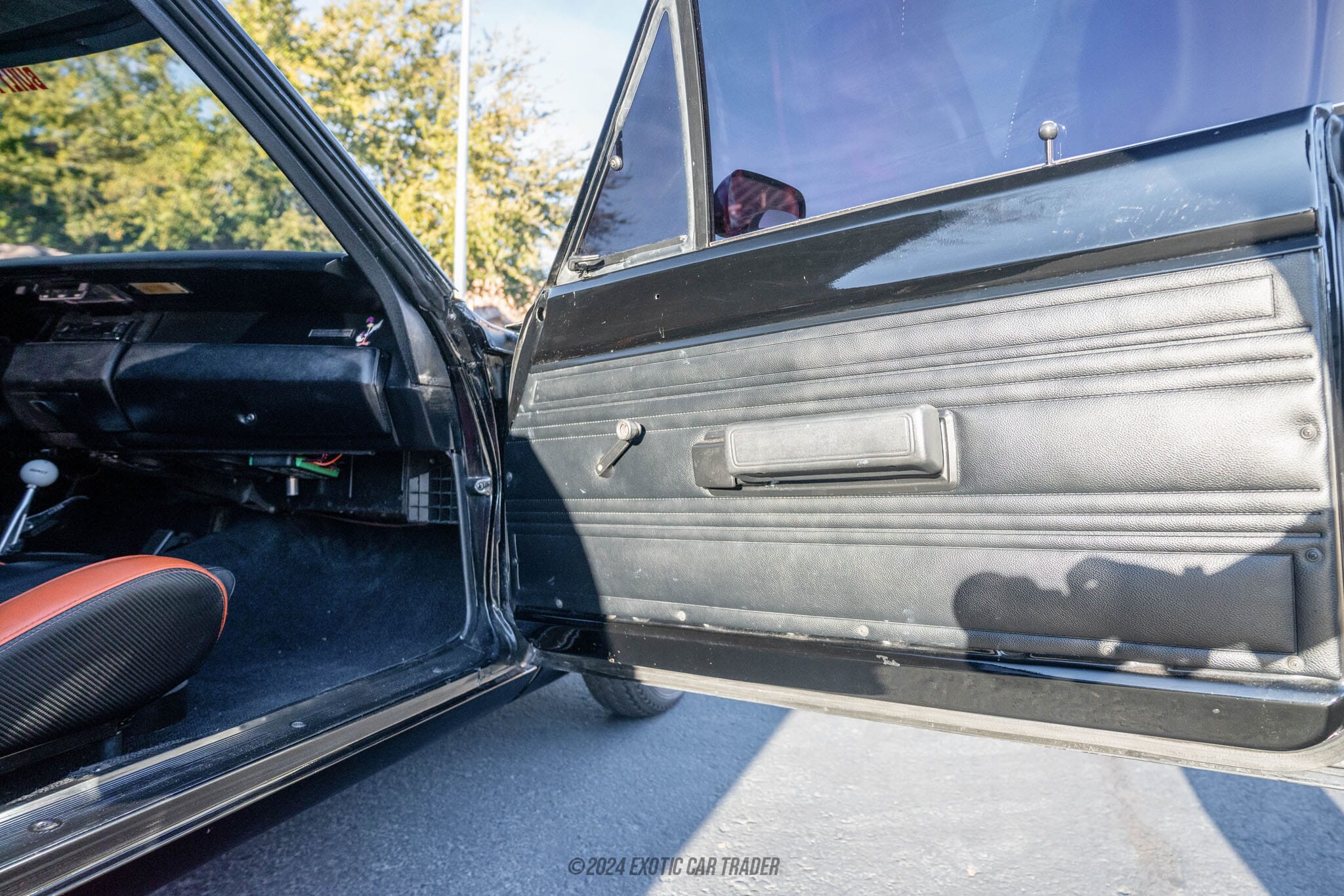
- Reupholstered Interior
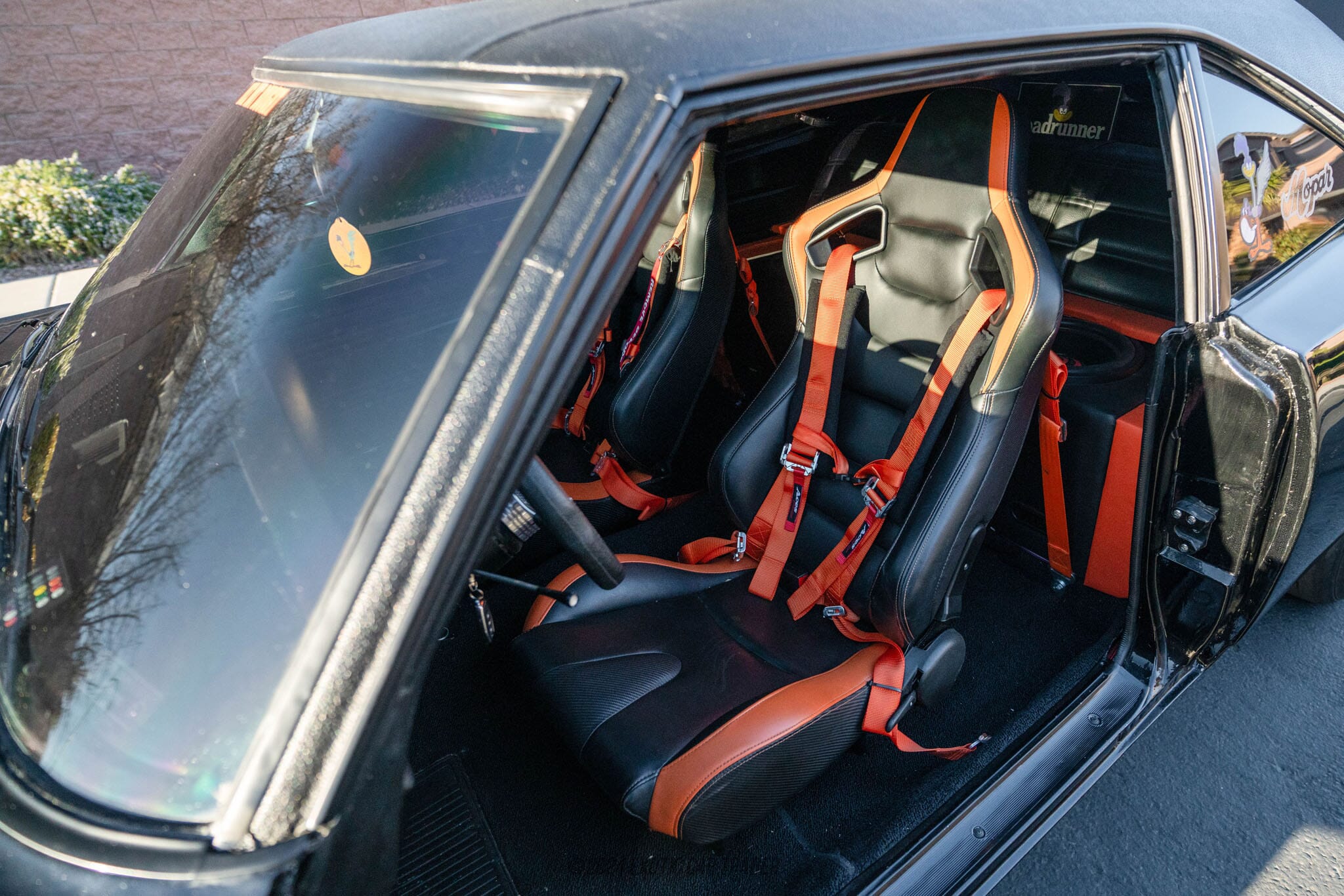
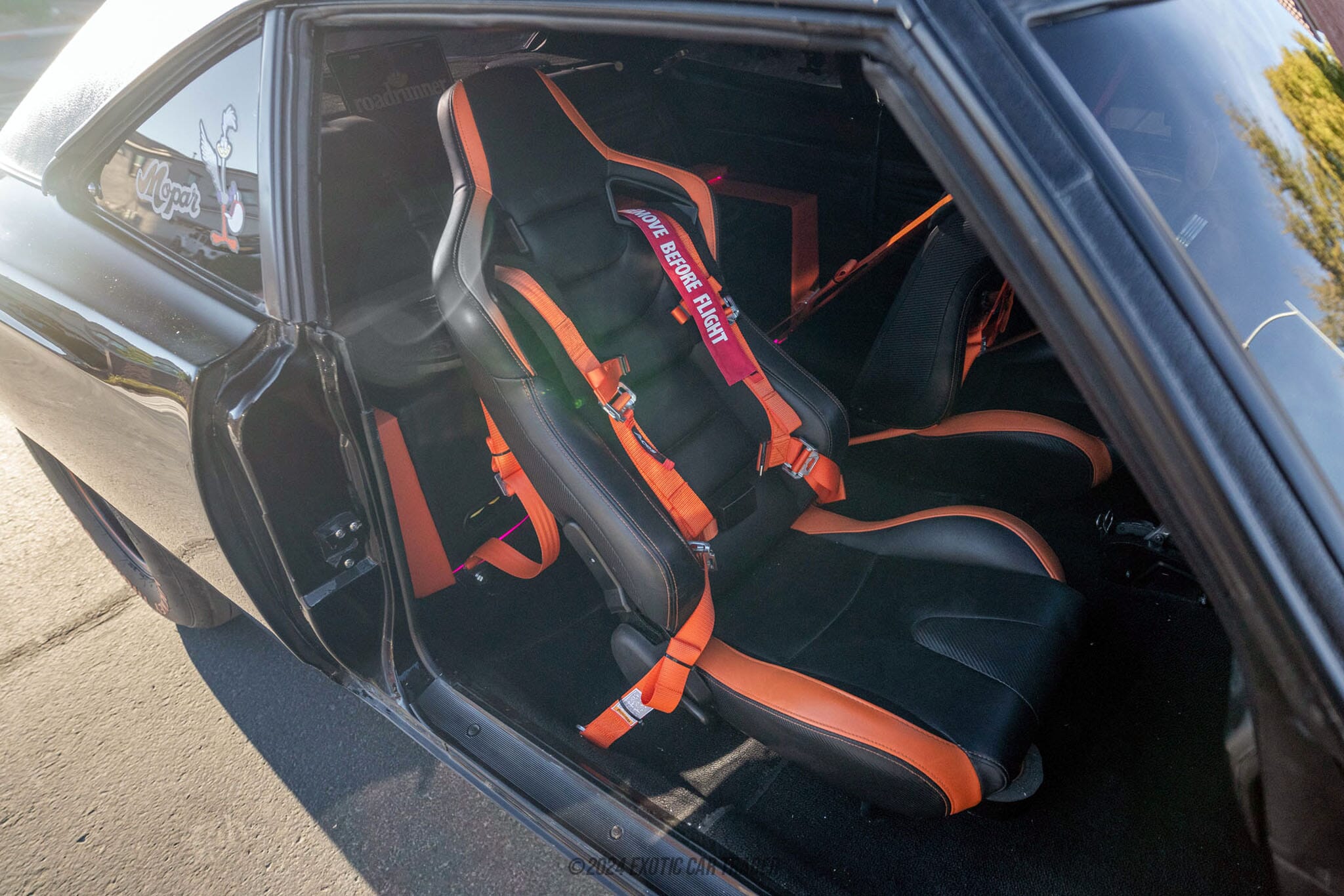
- Aftermarket Bucket Seats
- Orange Racing Straps
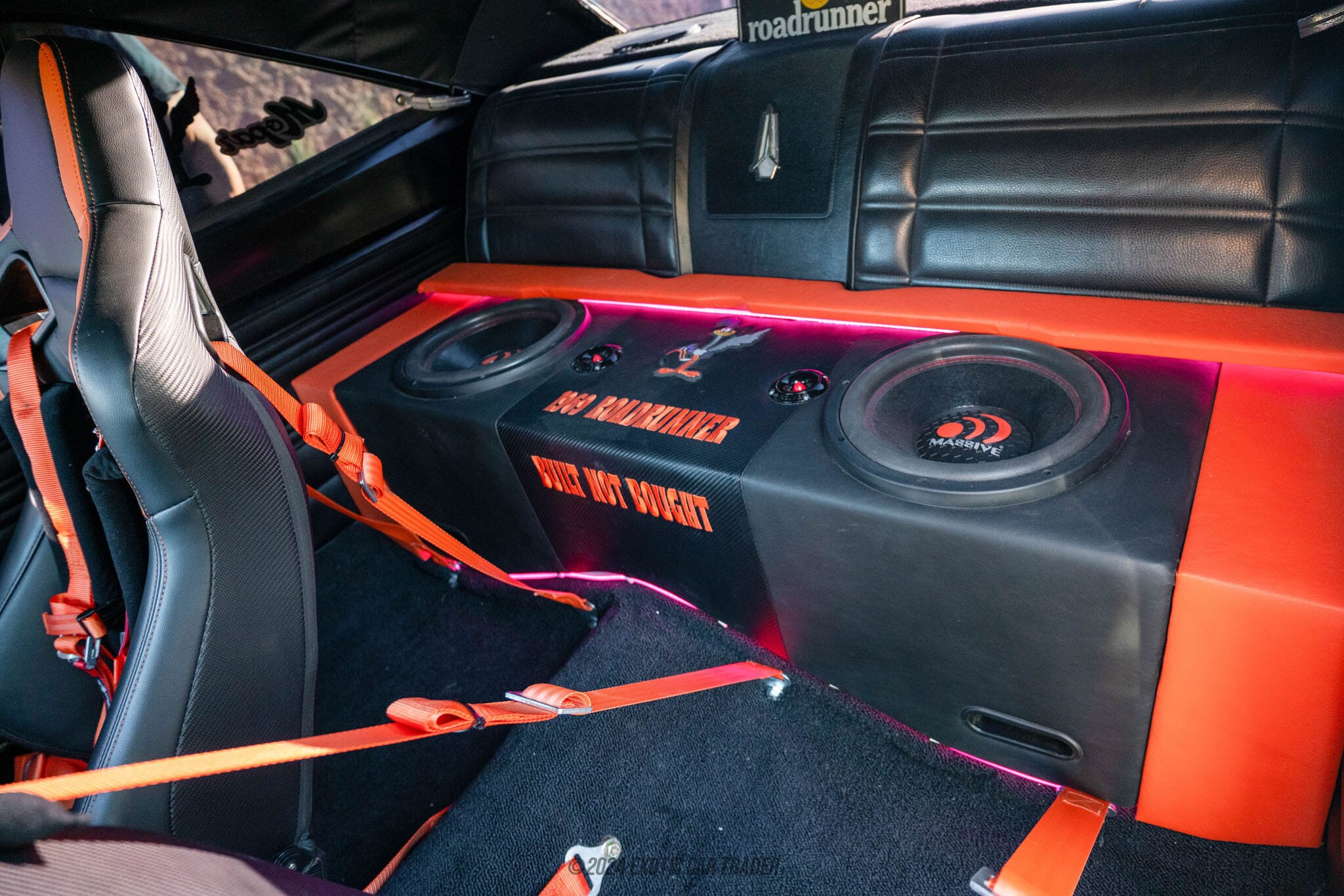
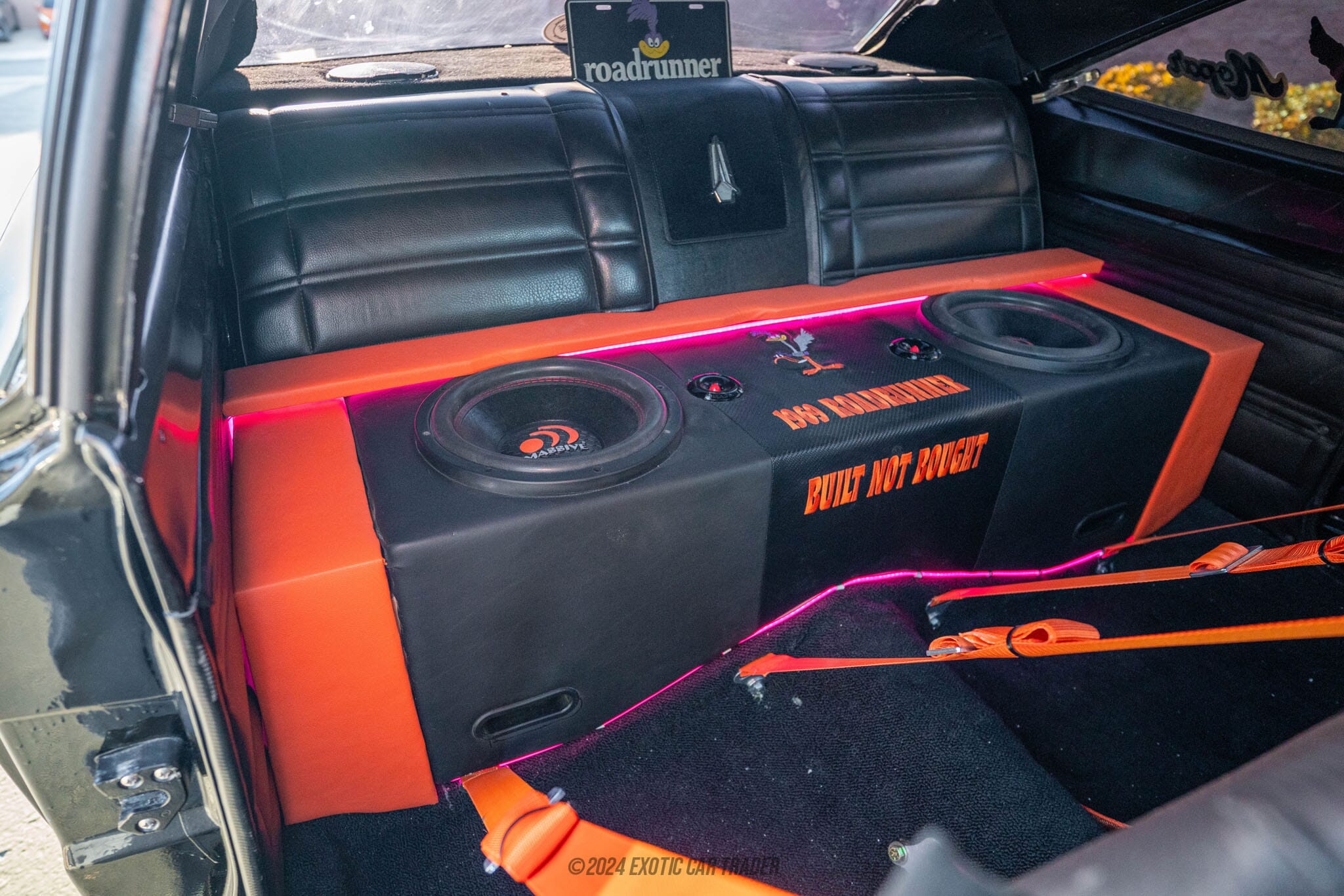
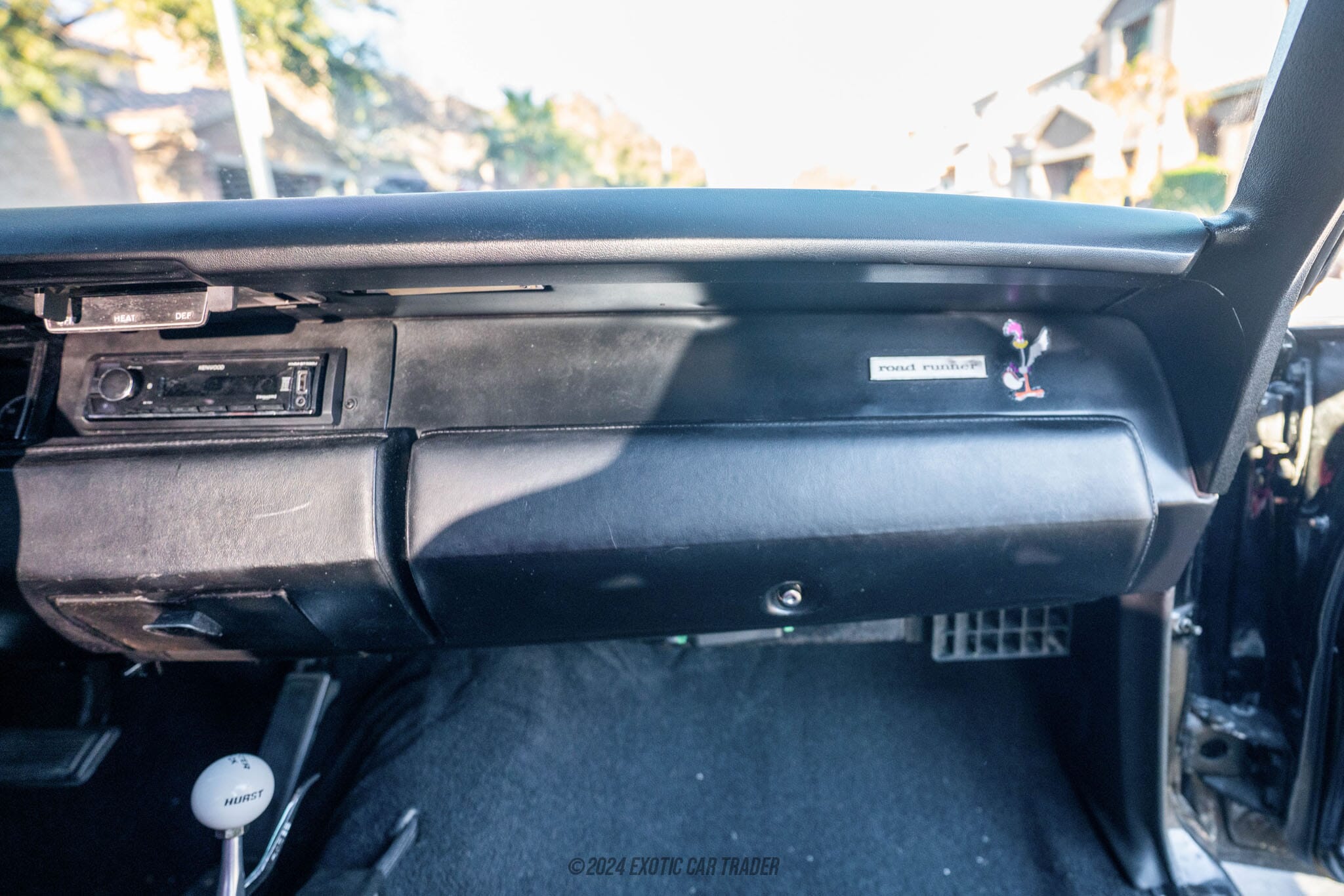
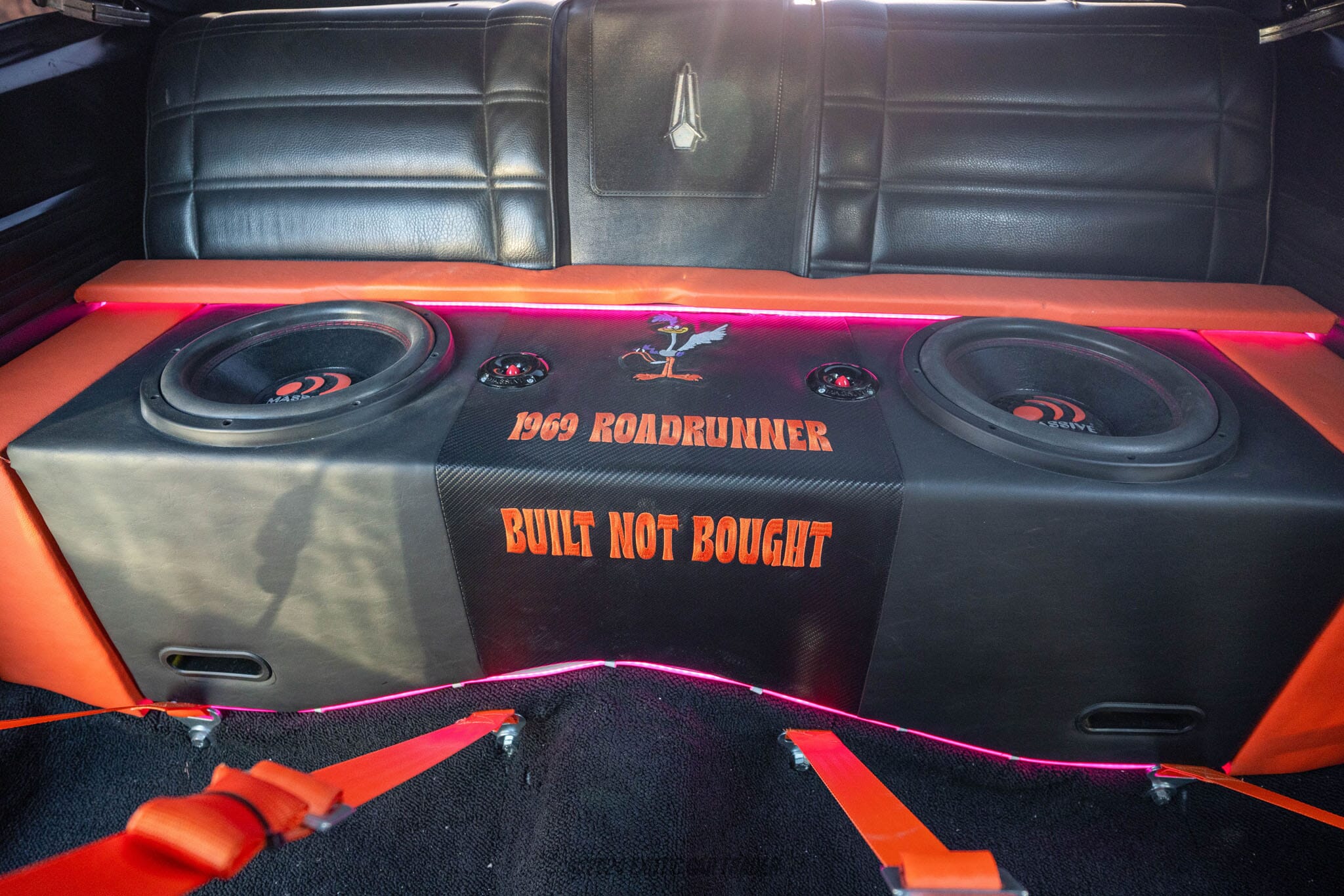
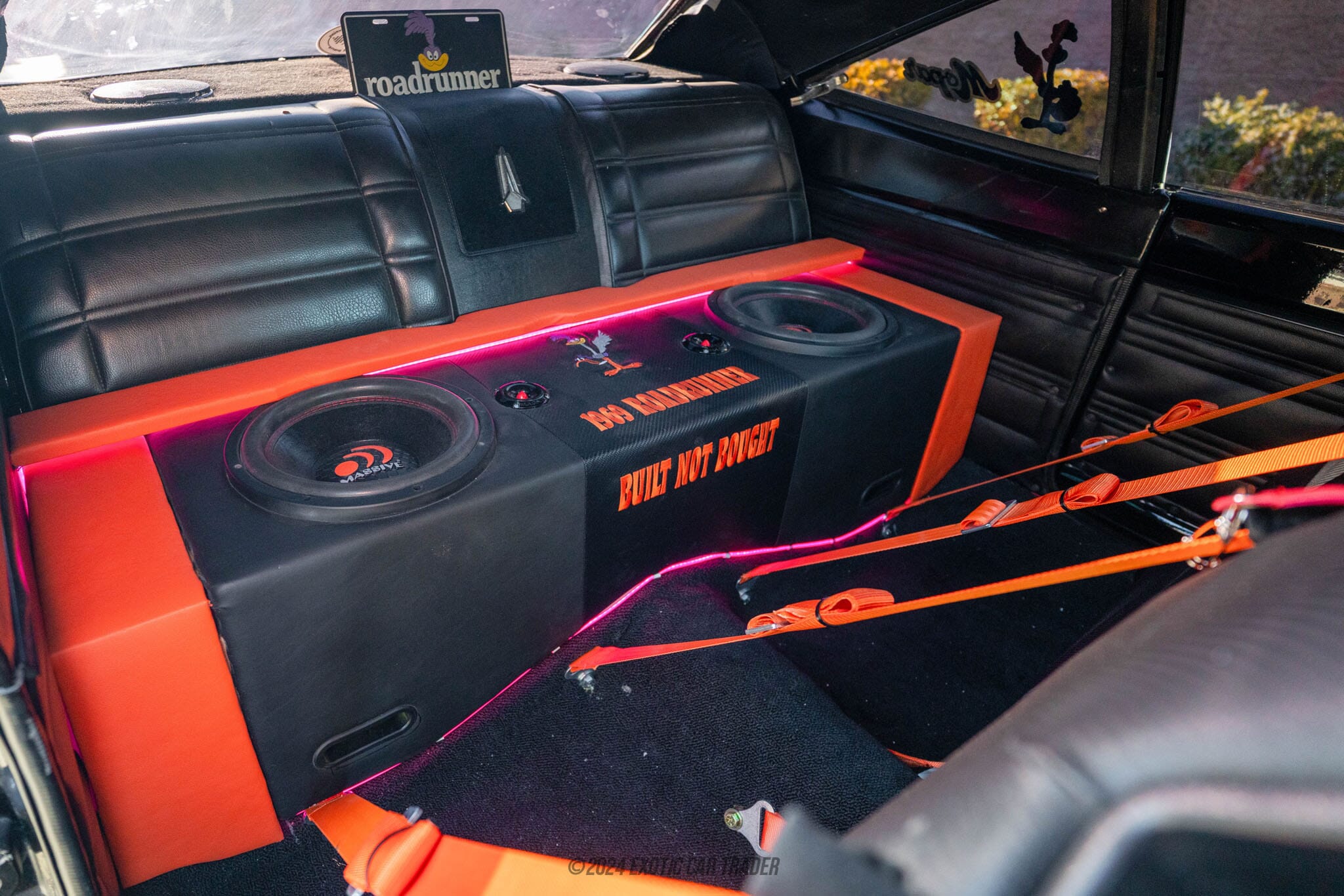
- Aftermarket Bluetooth Stereo System
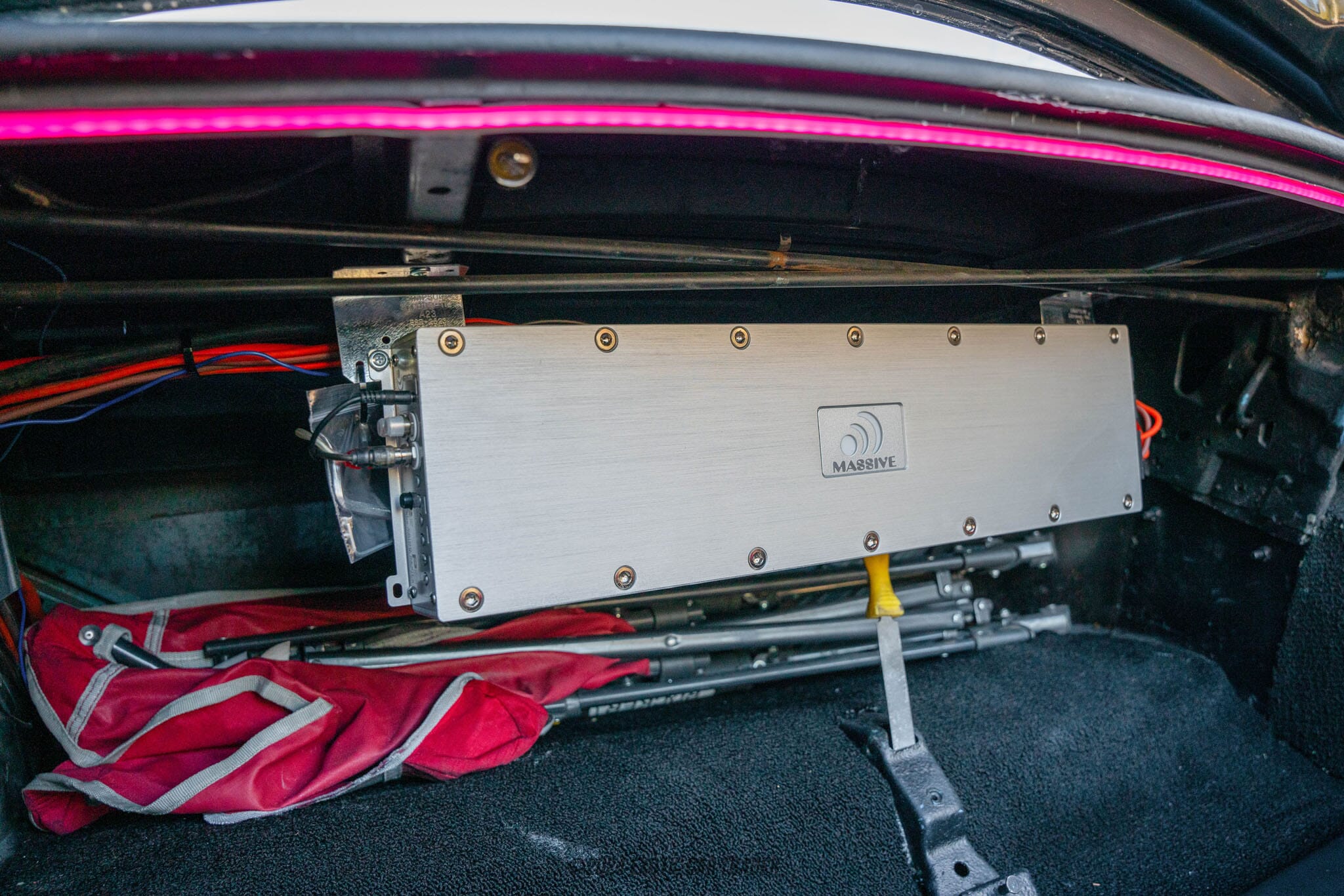
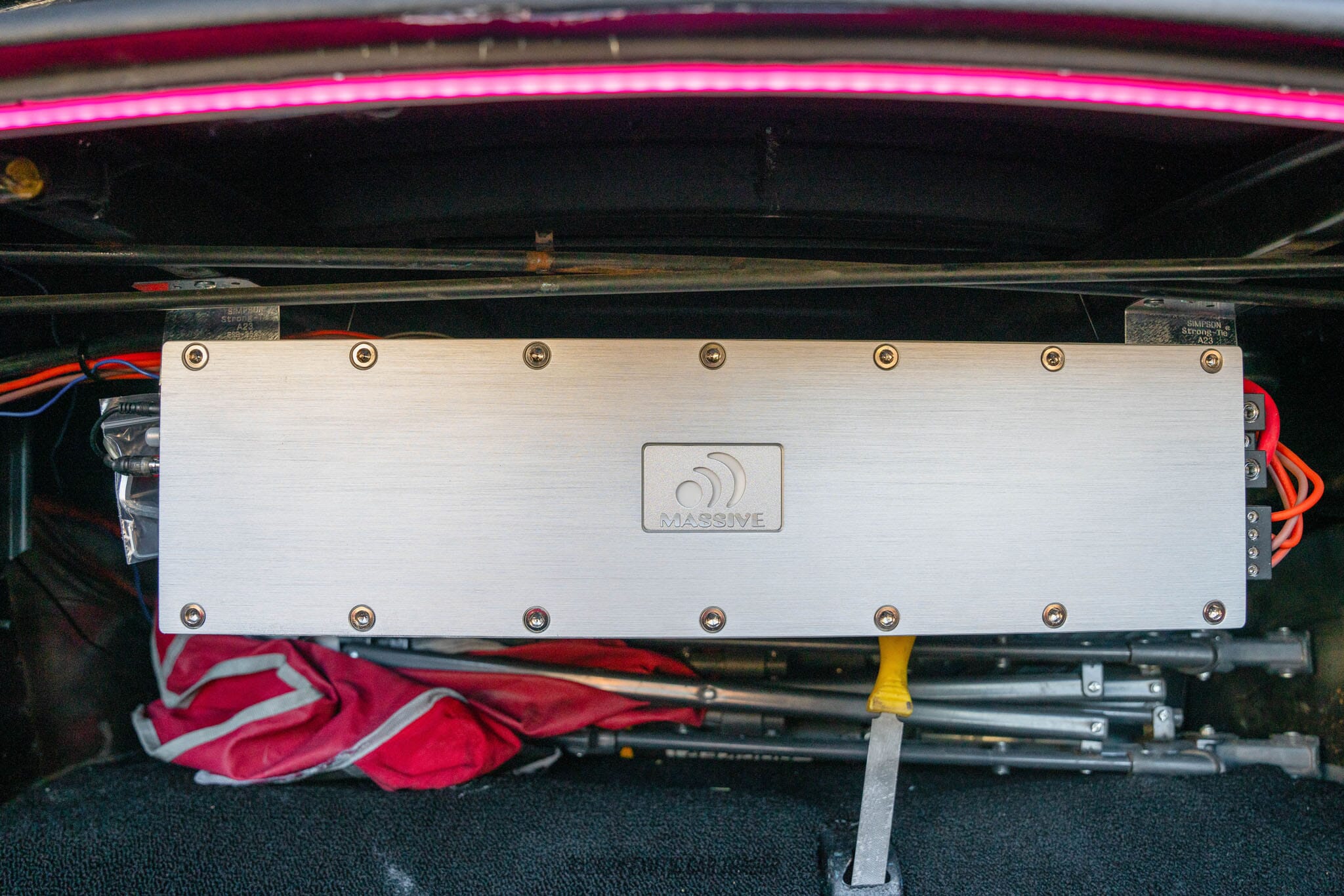
- Aftermarket Kickers & Amp
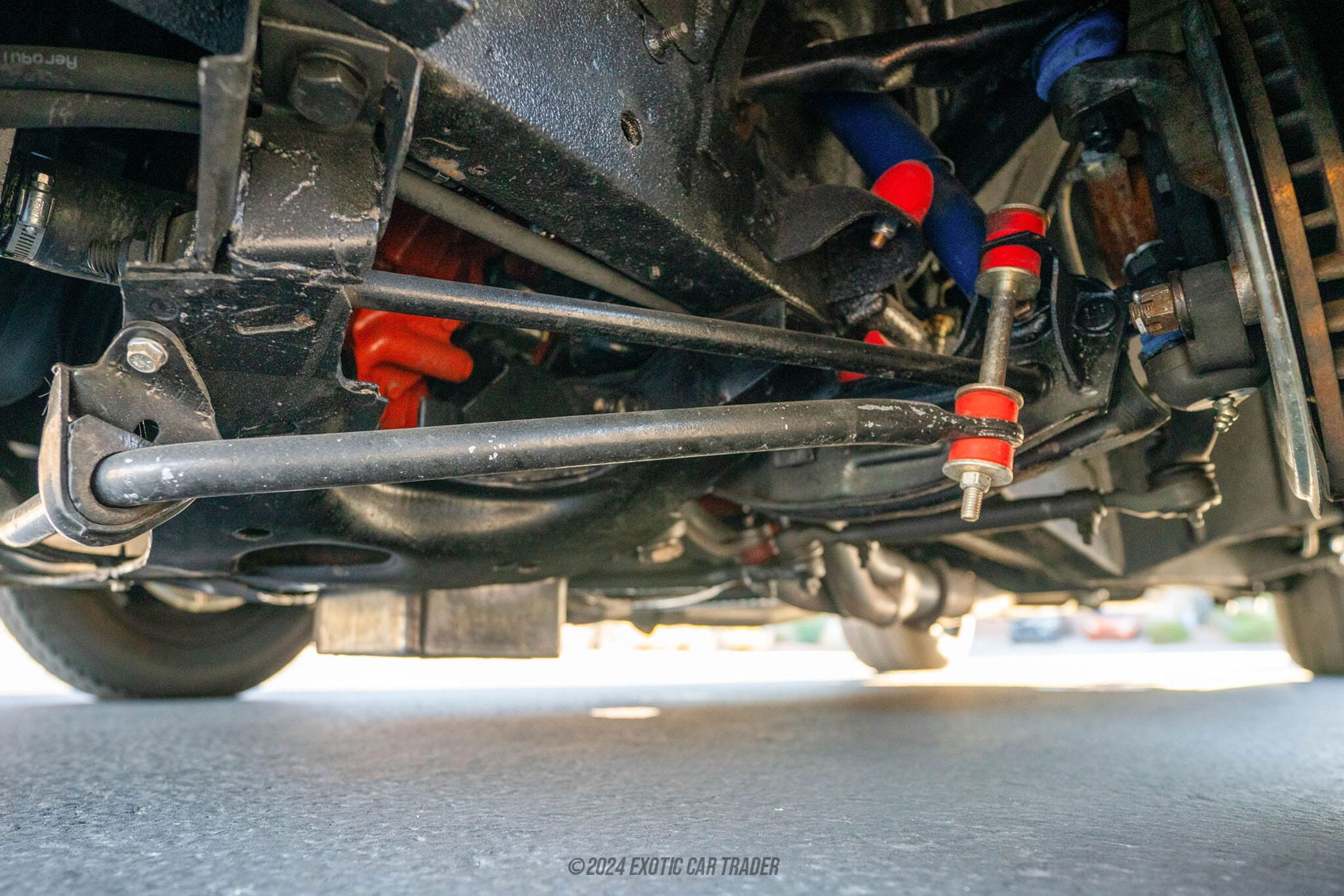
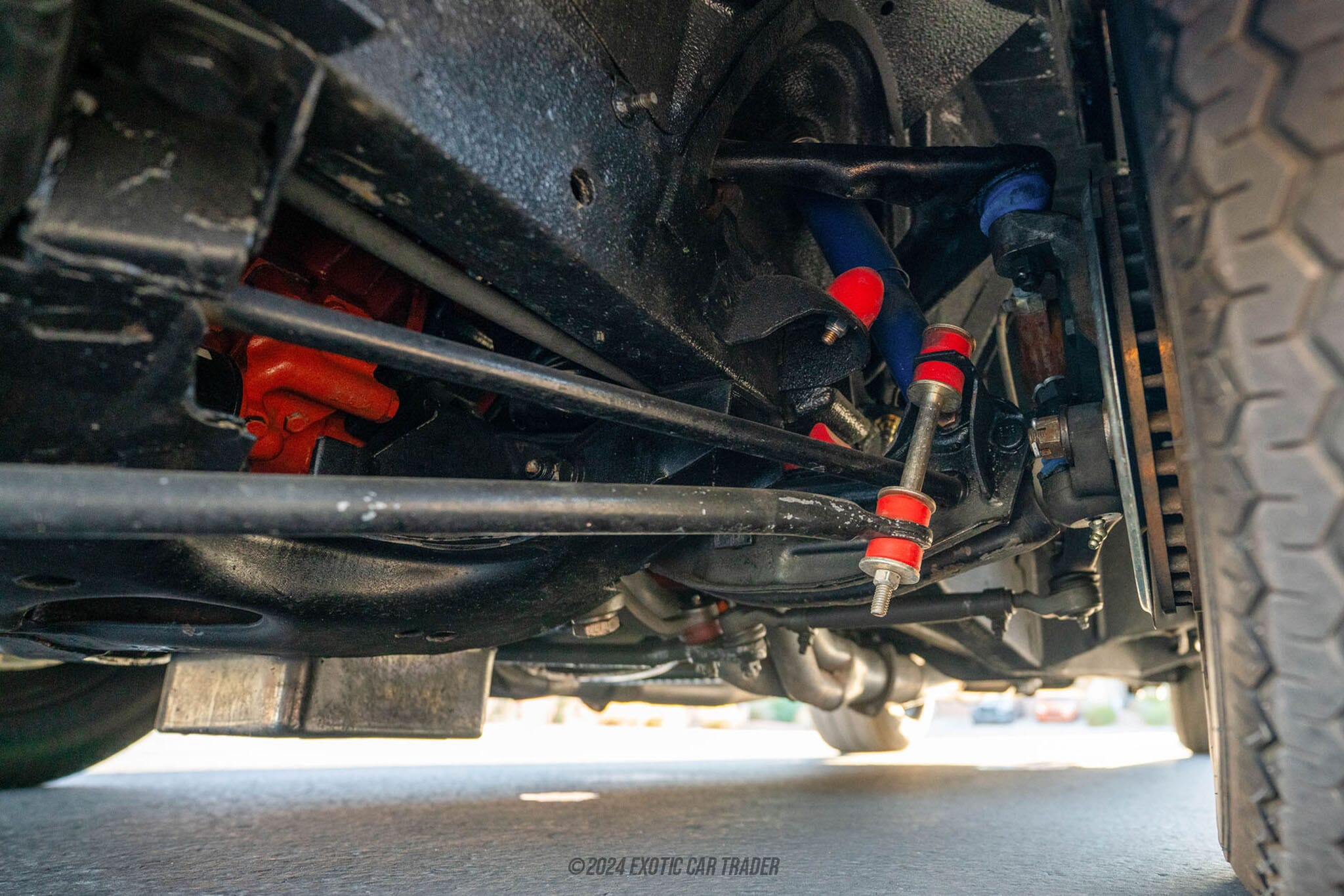
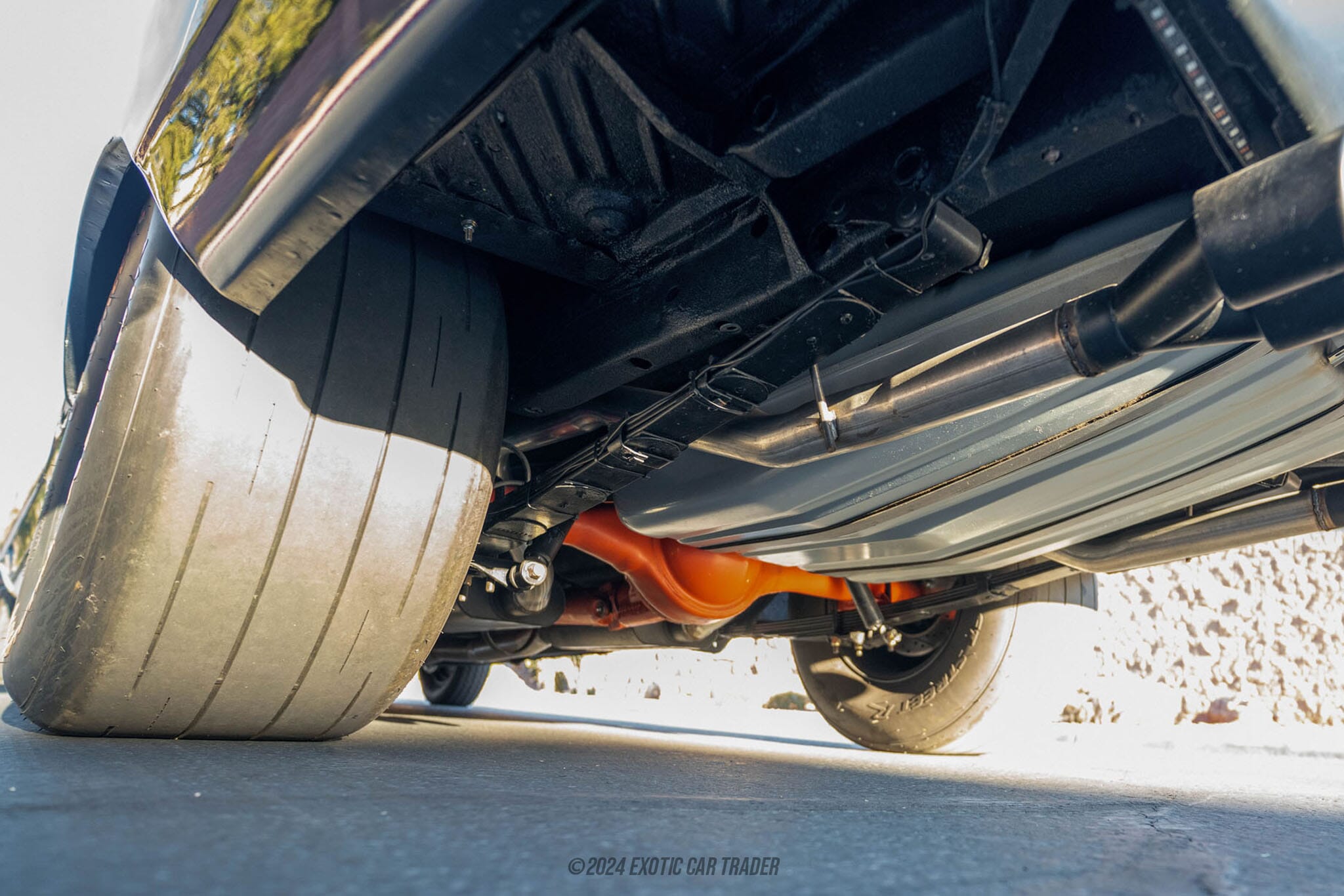
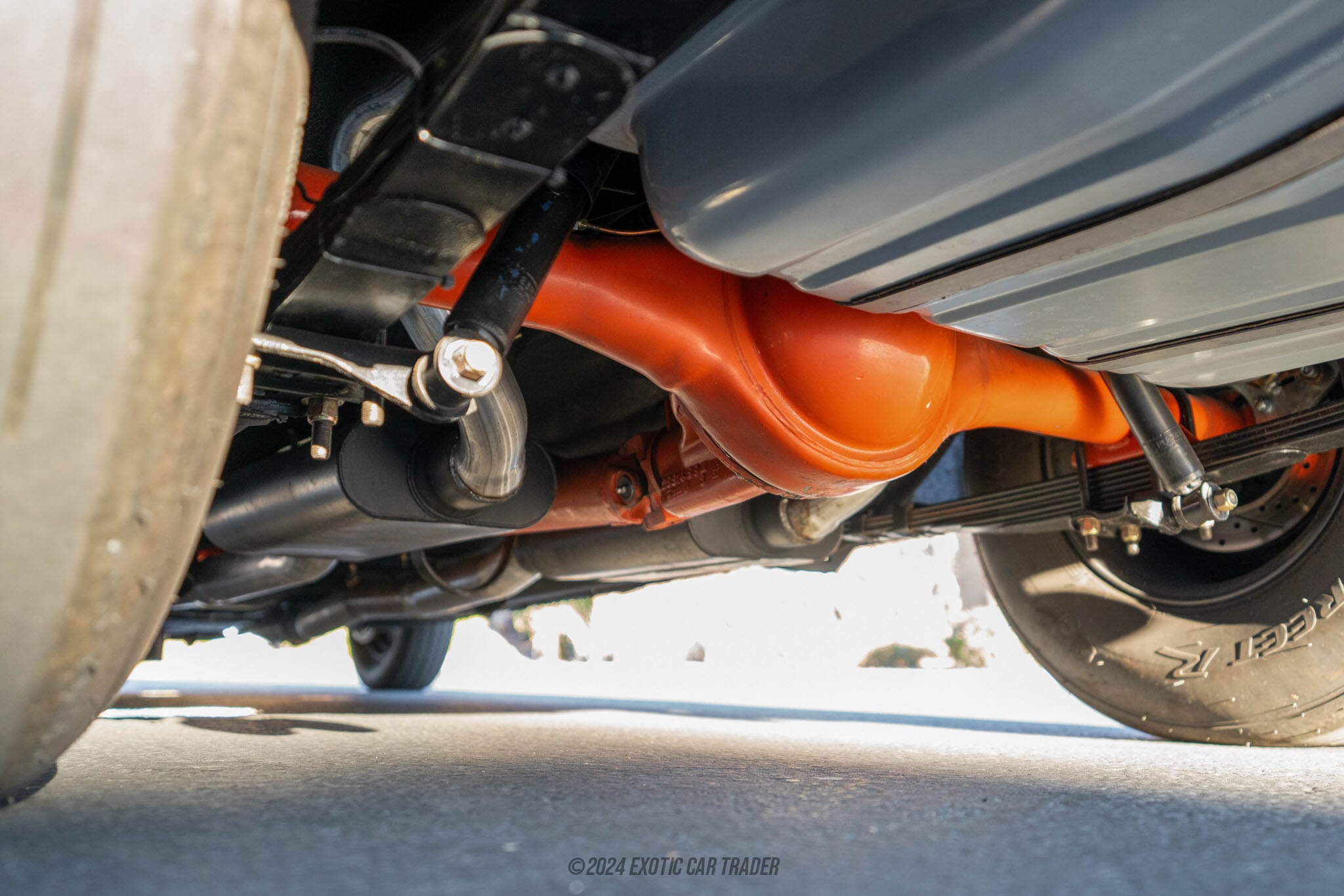
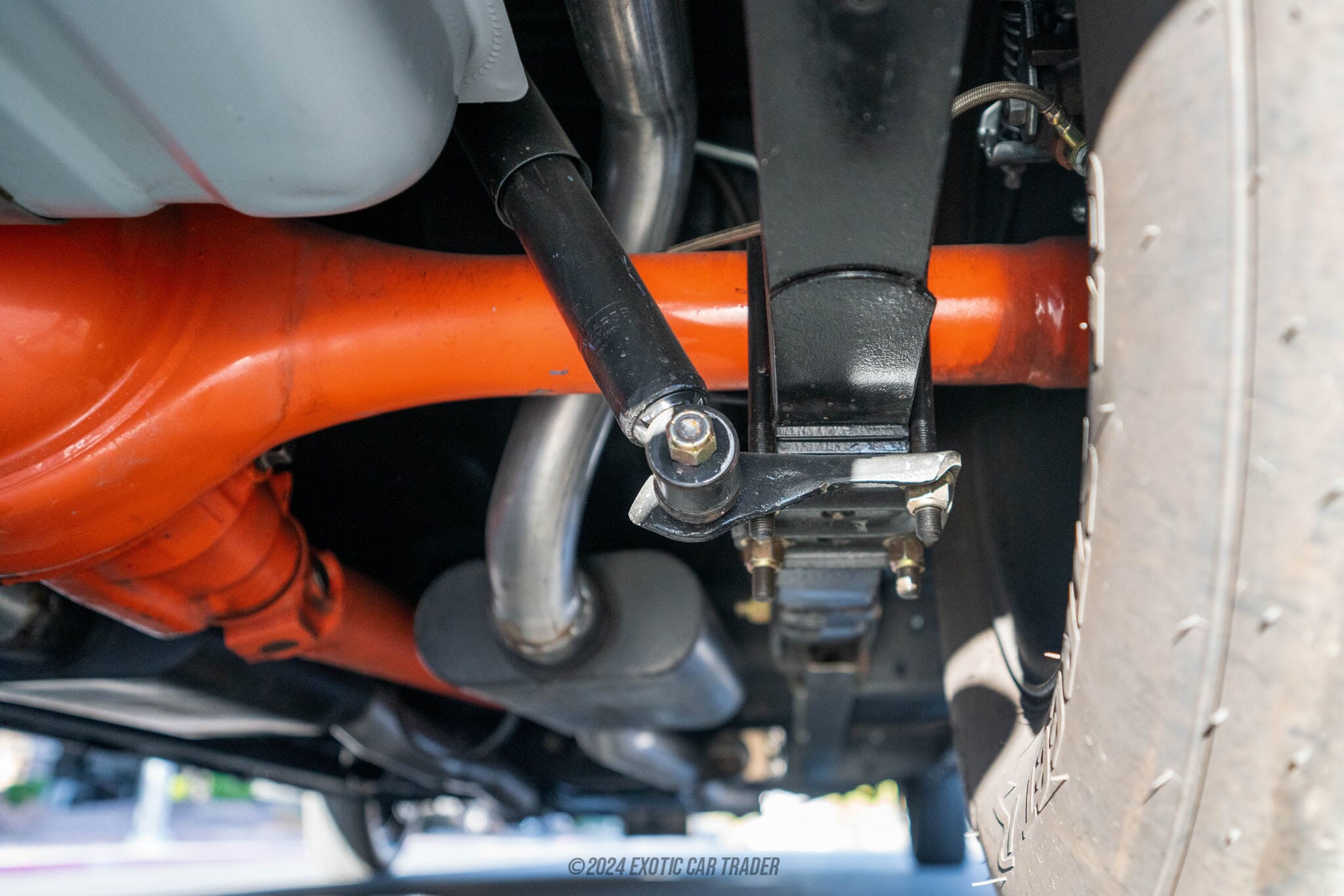
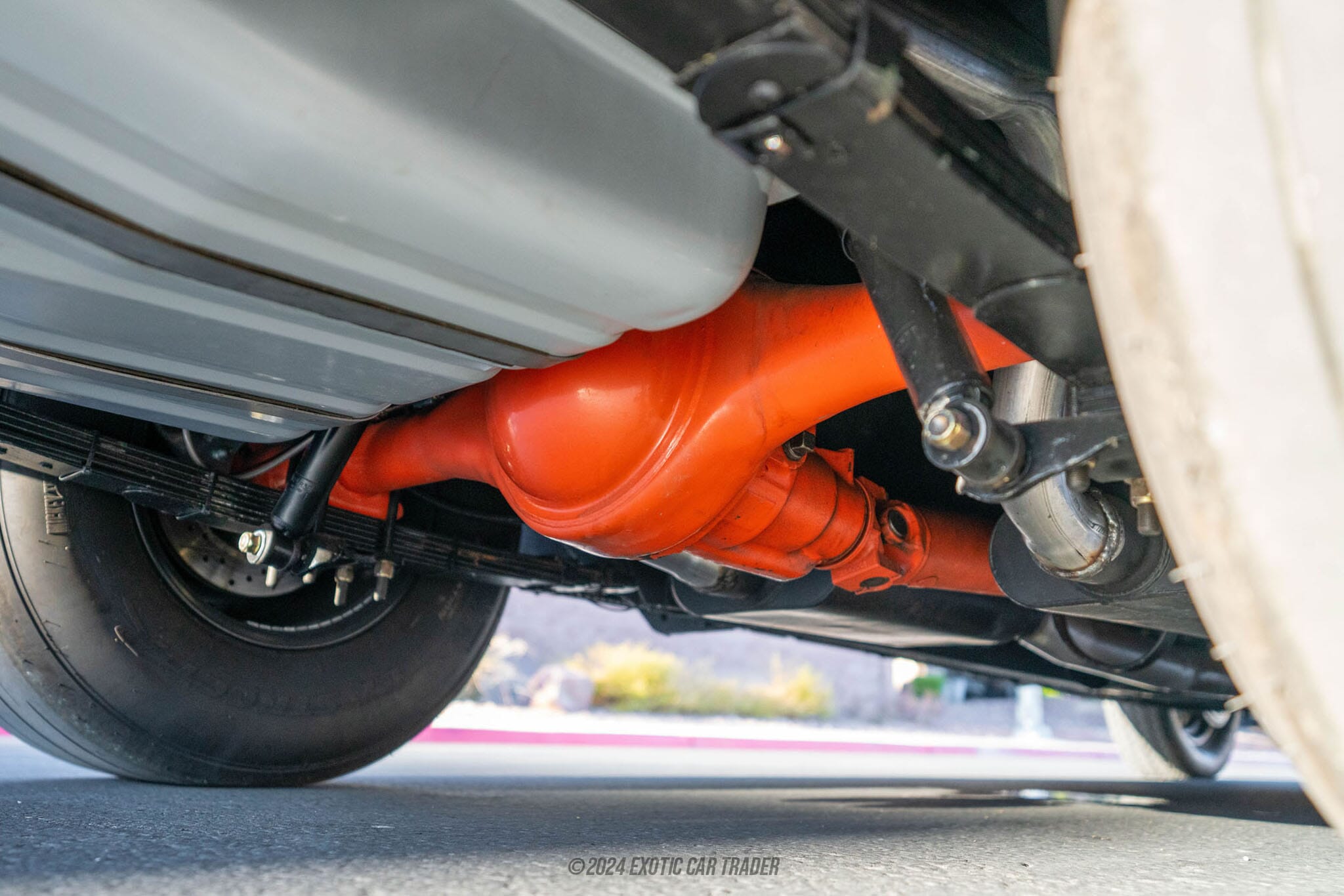
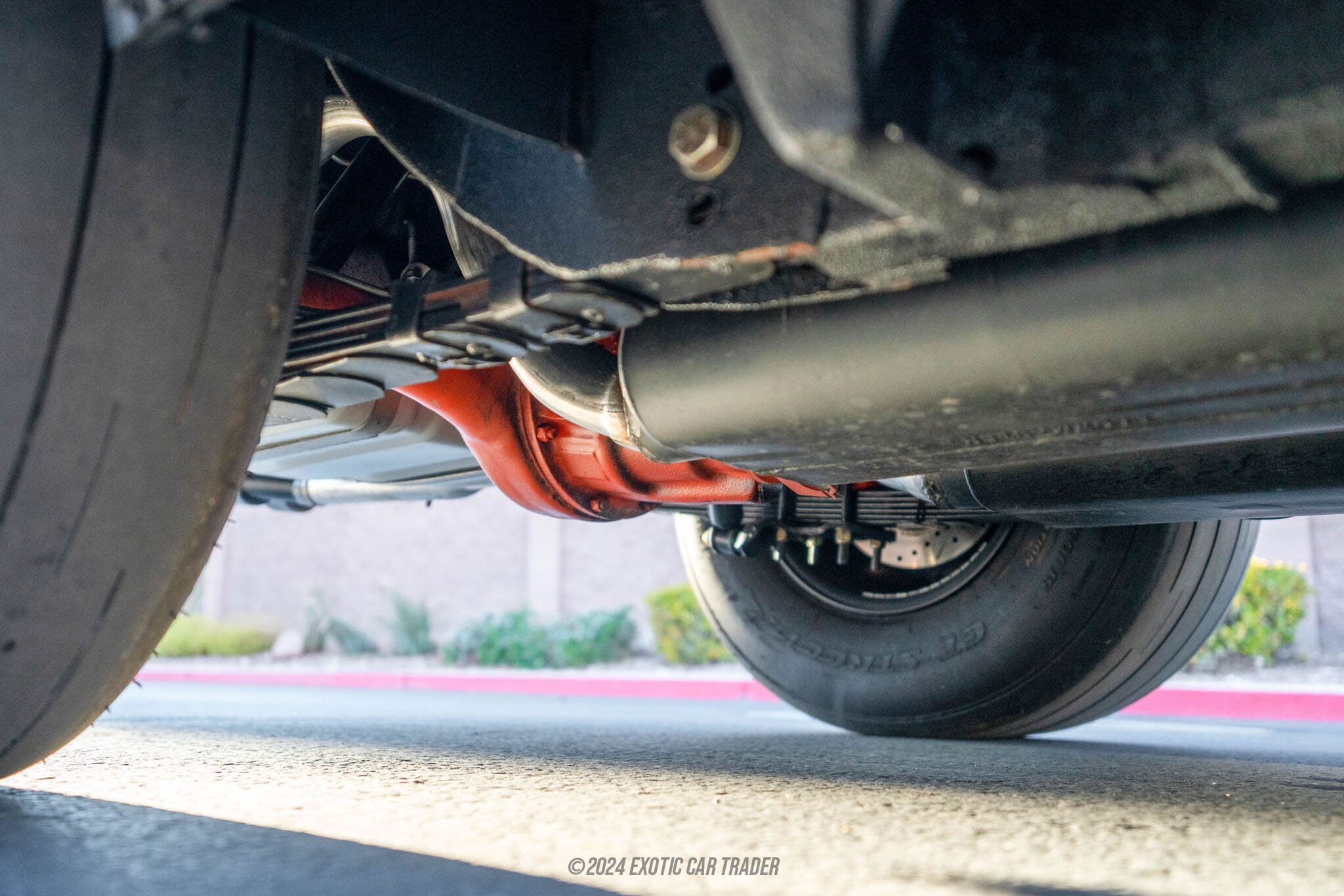
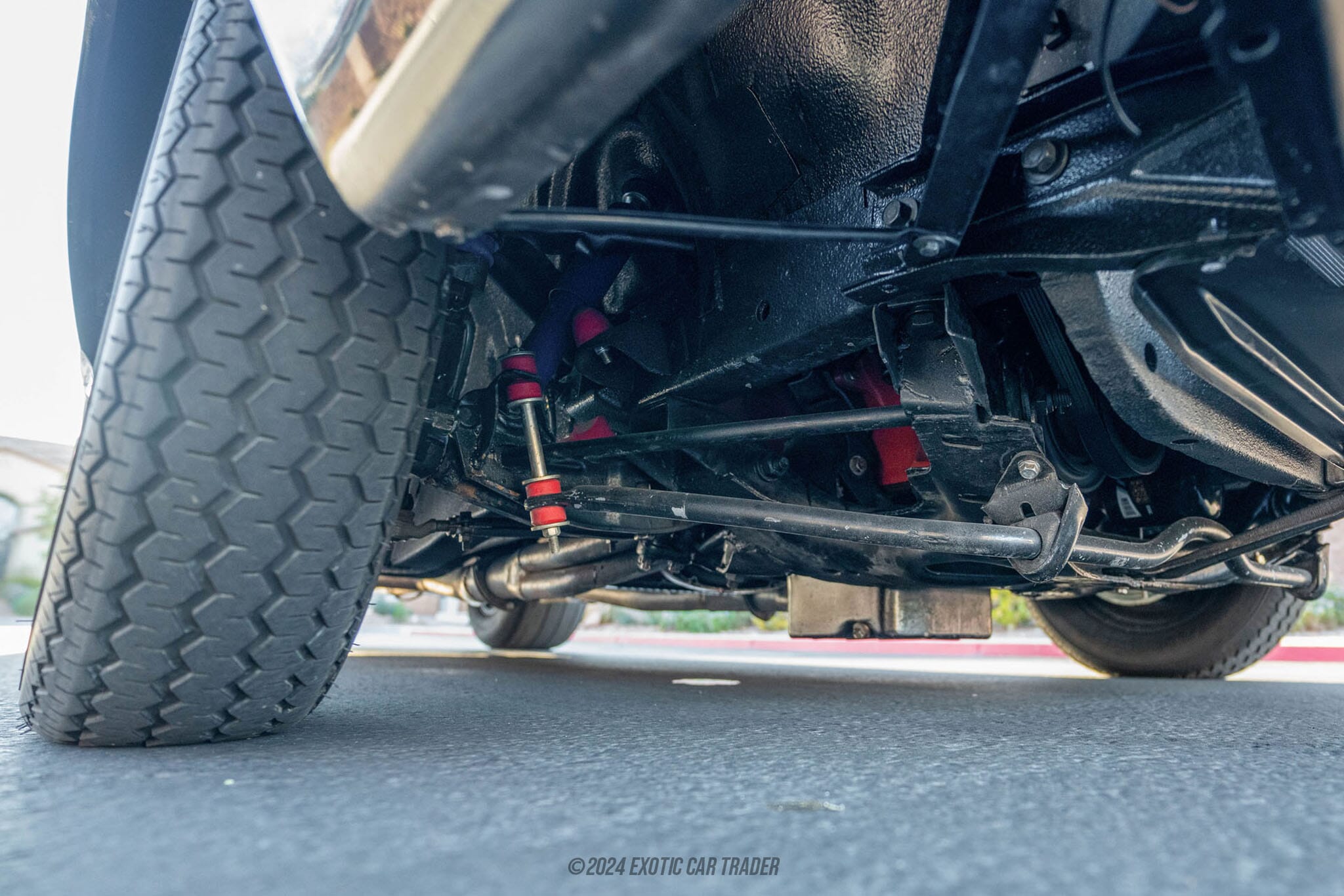
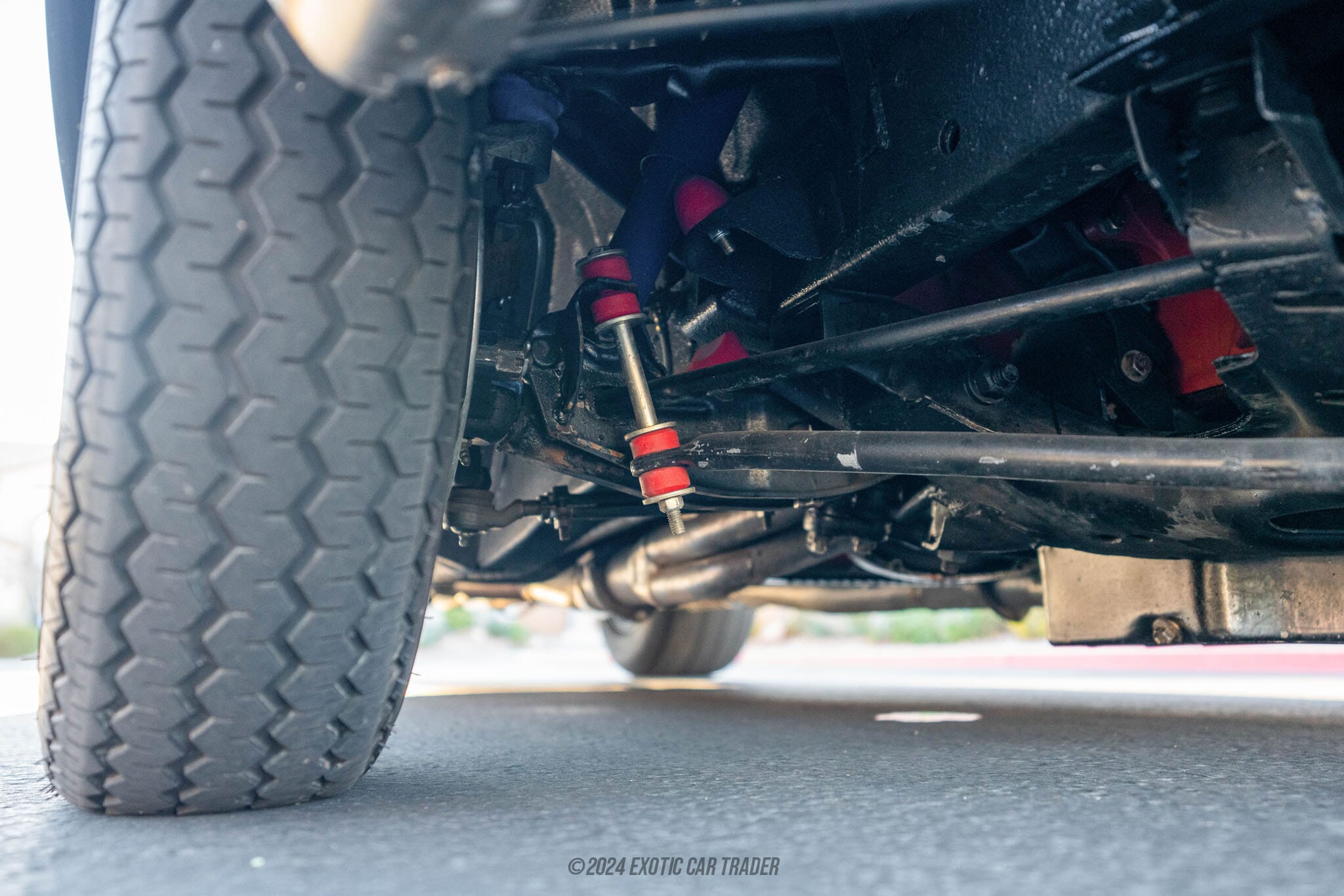
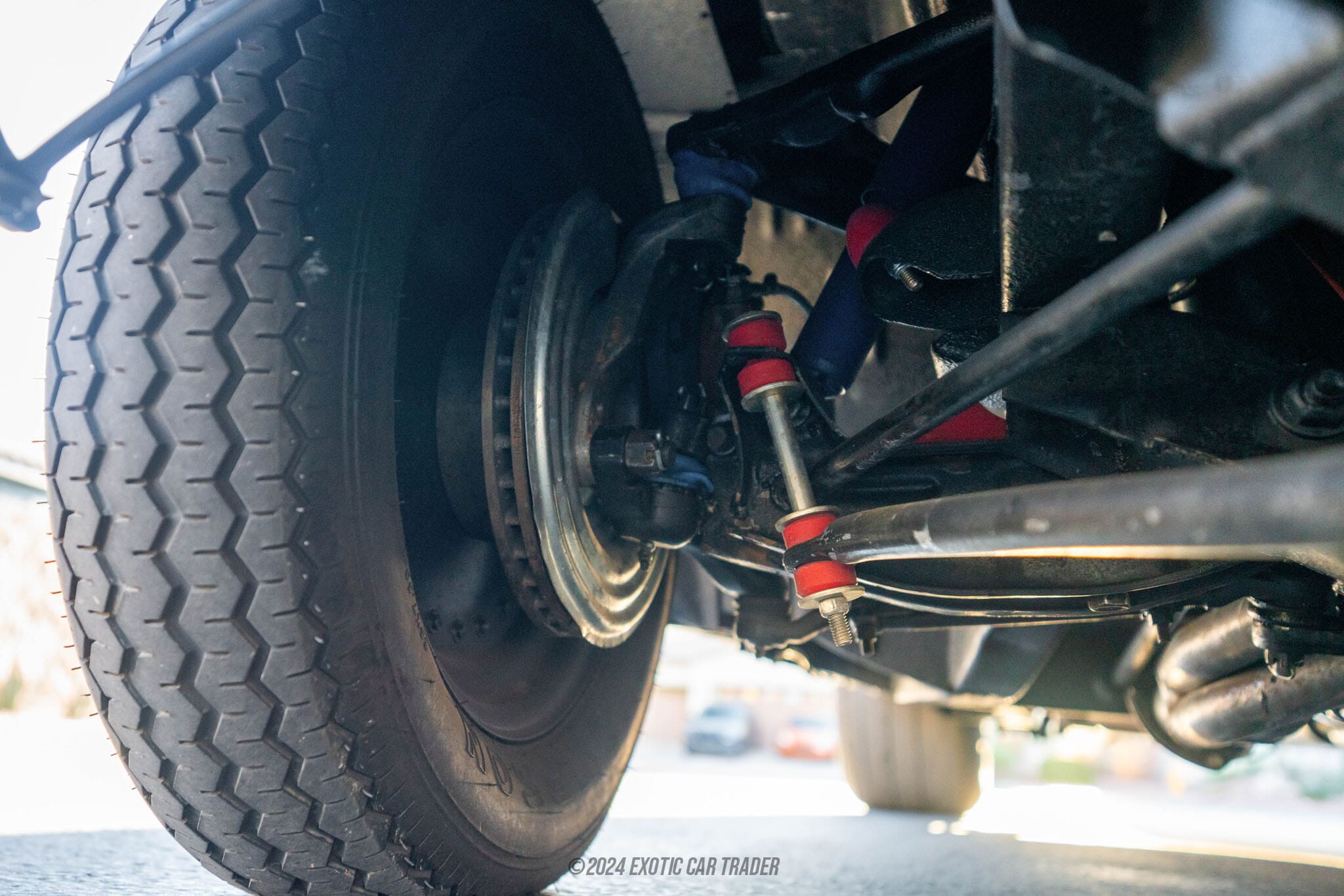
- Aftermarket Suspension
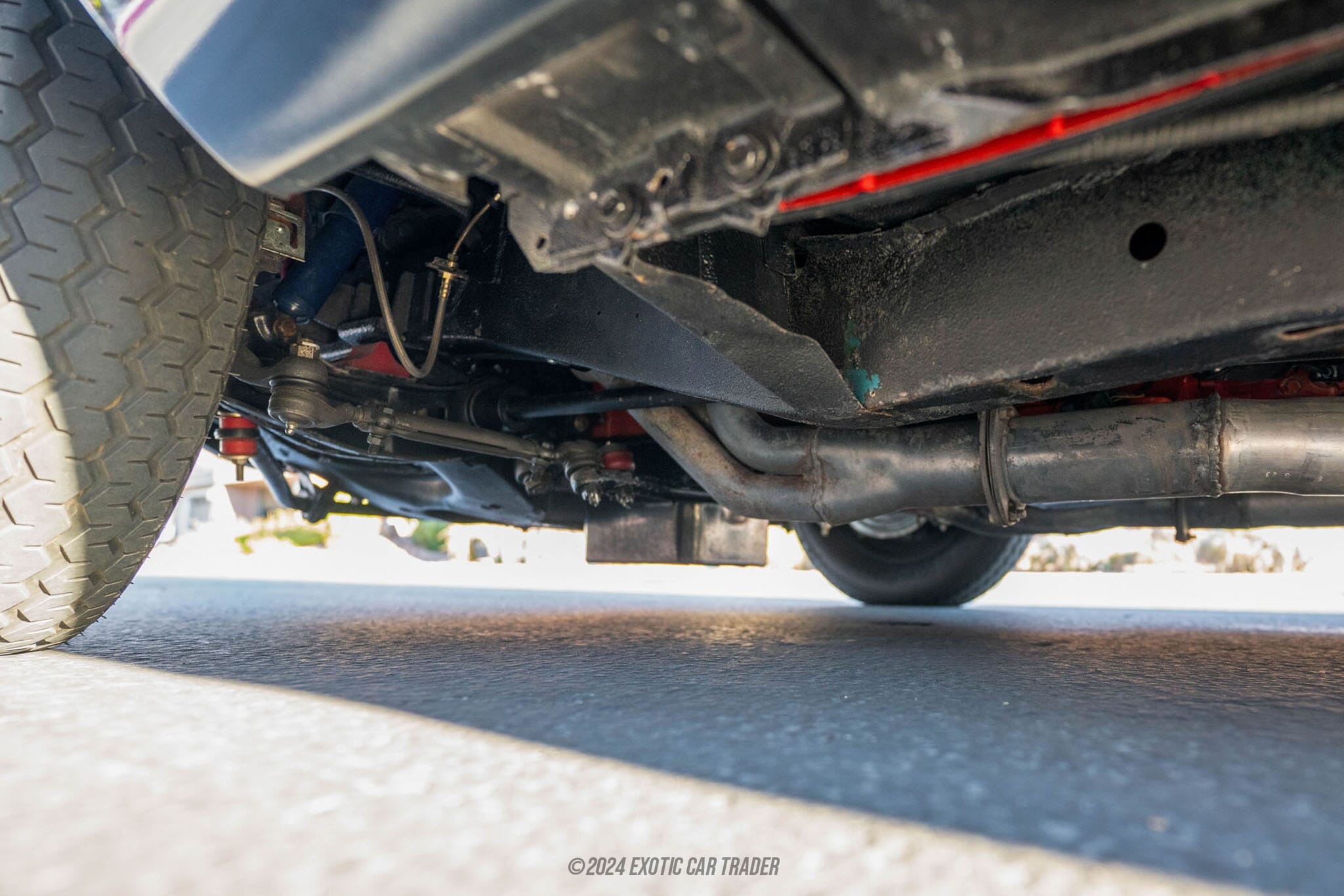
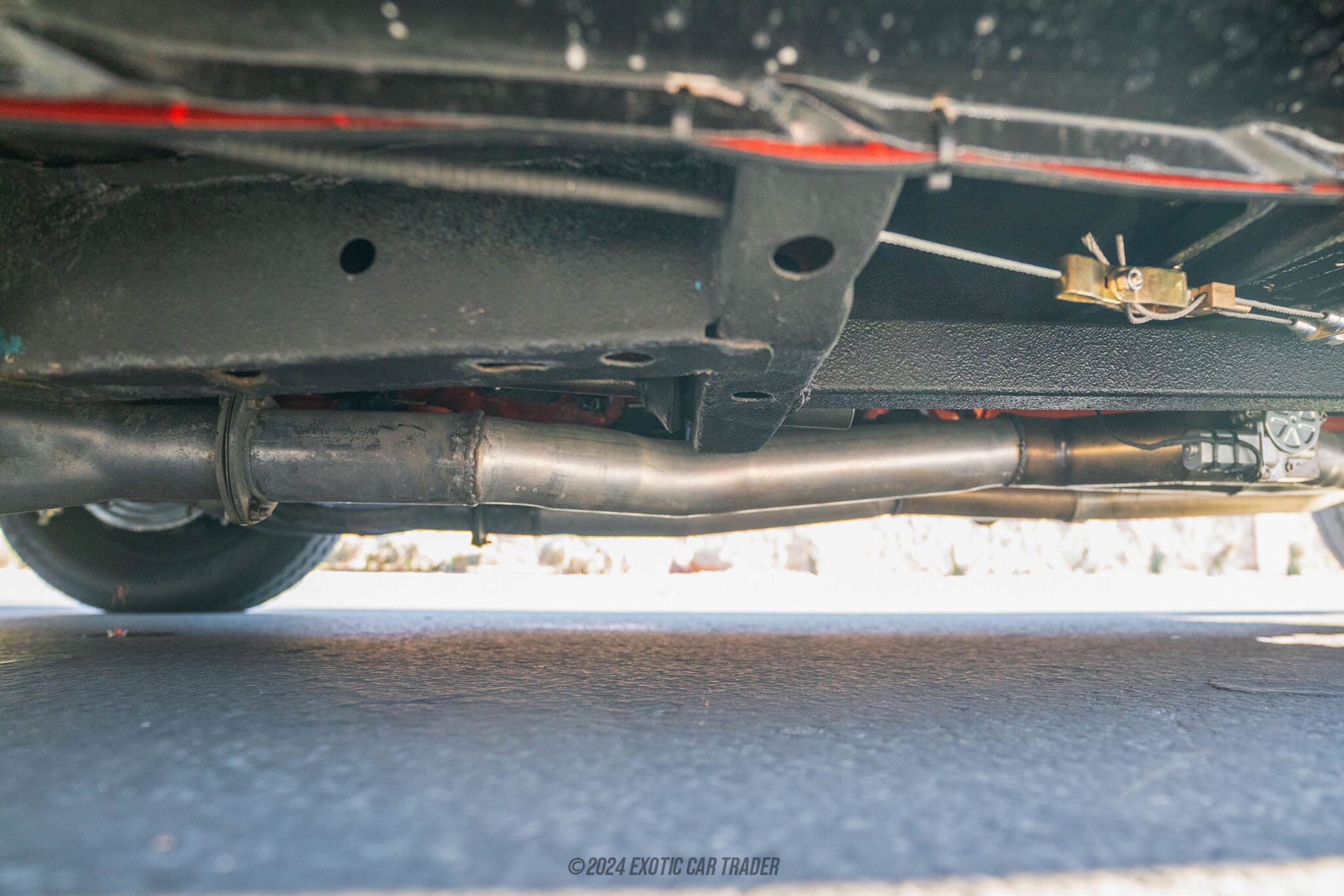
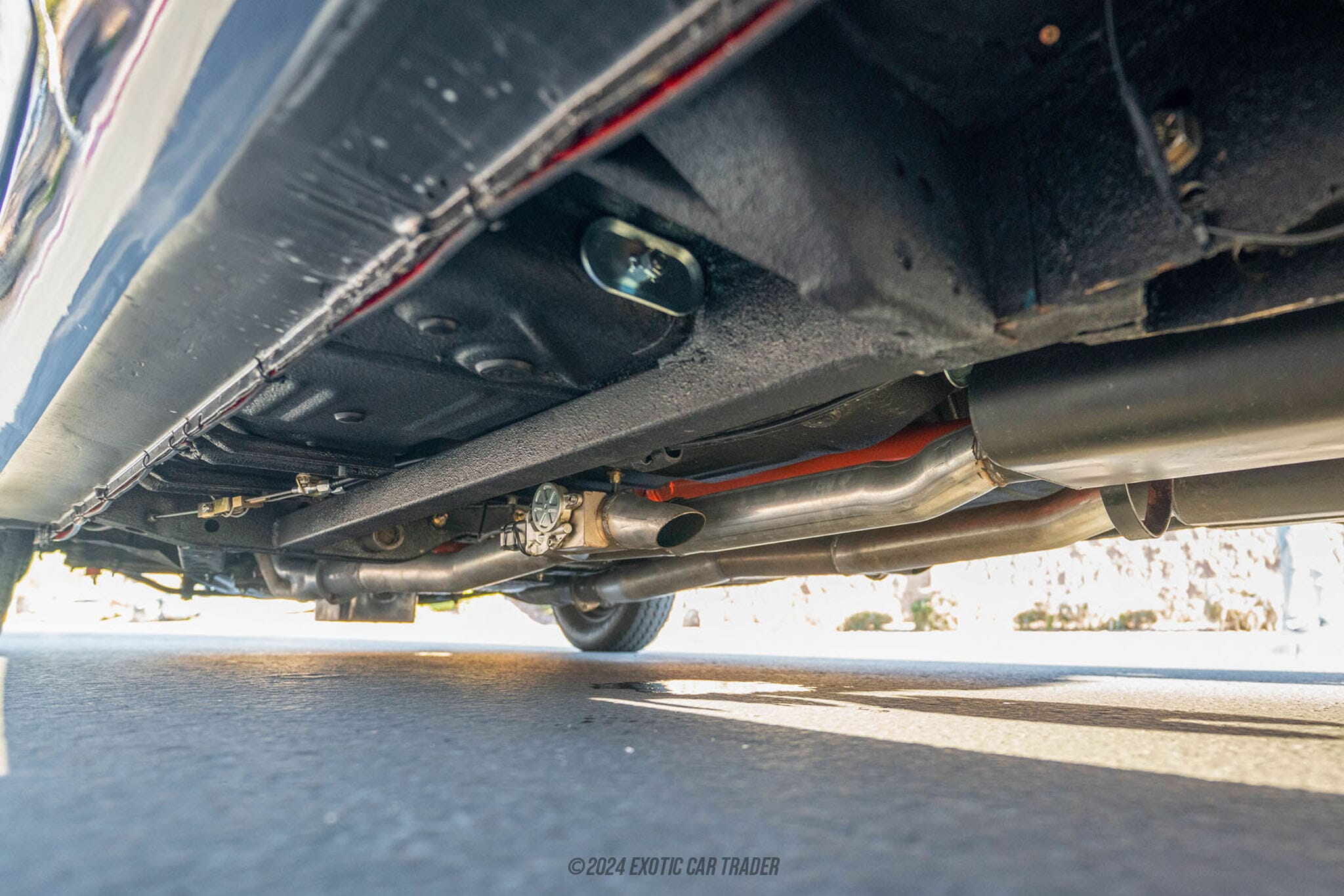
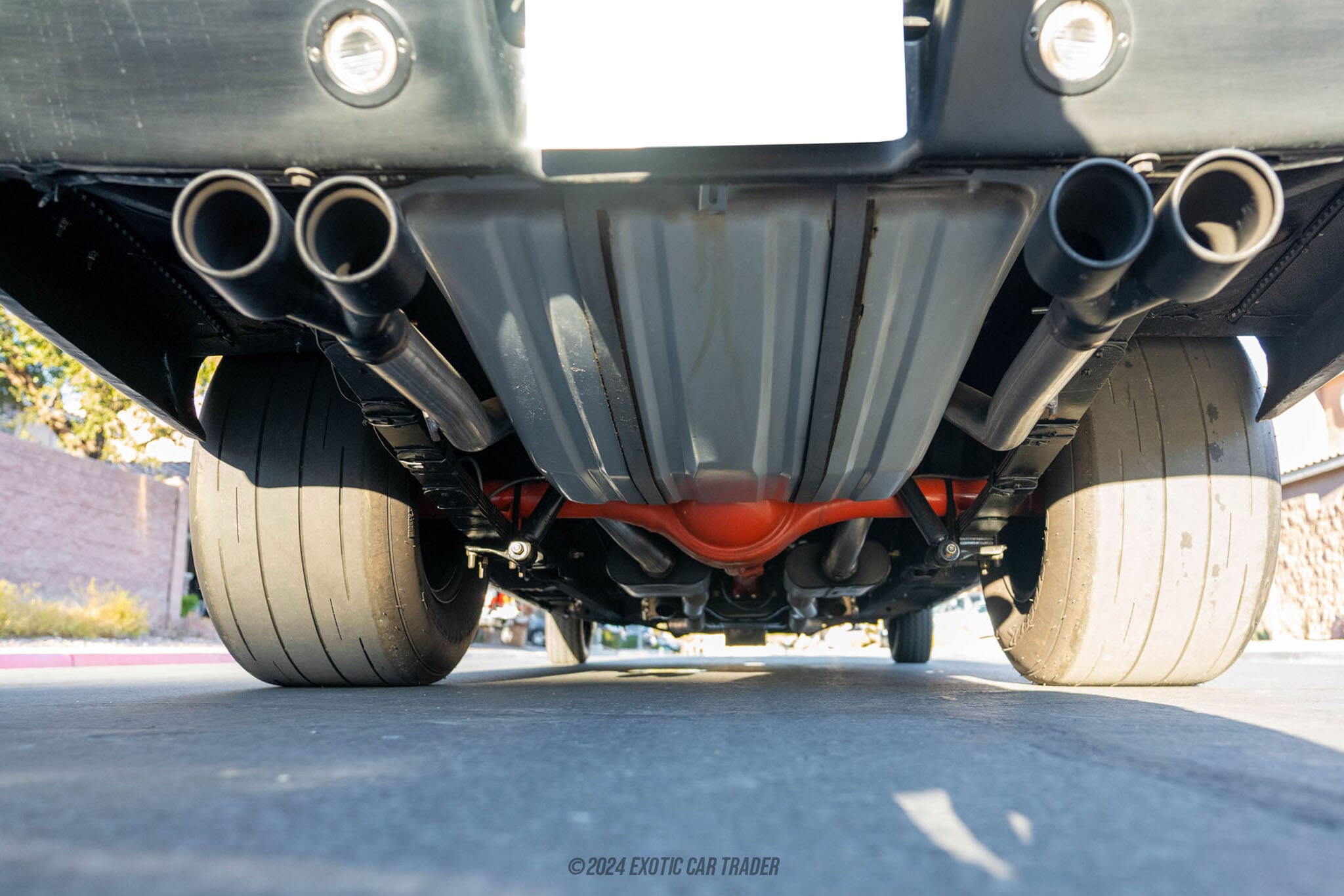
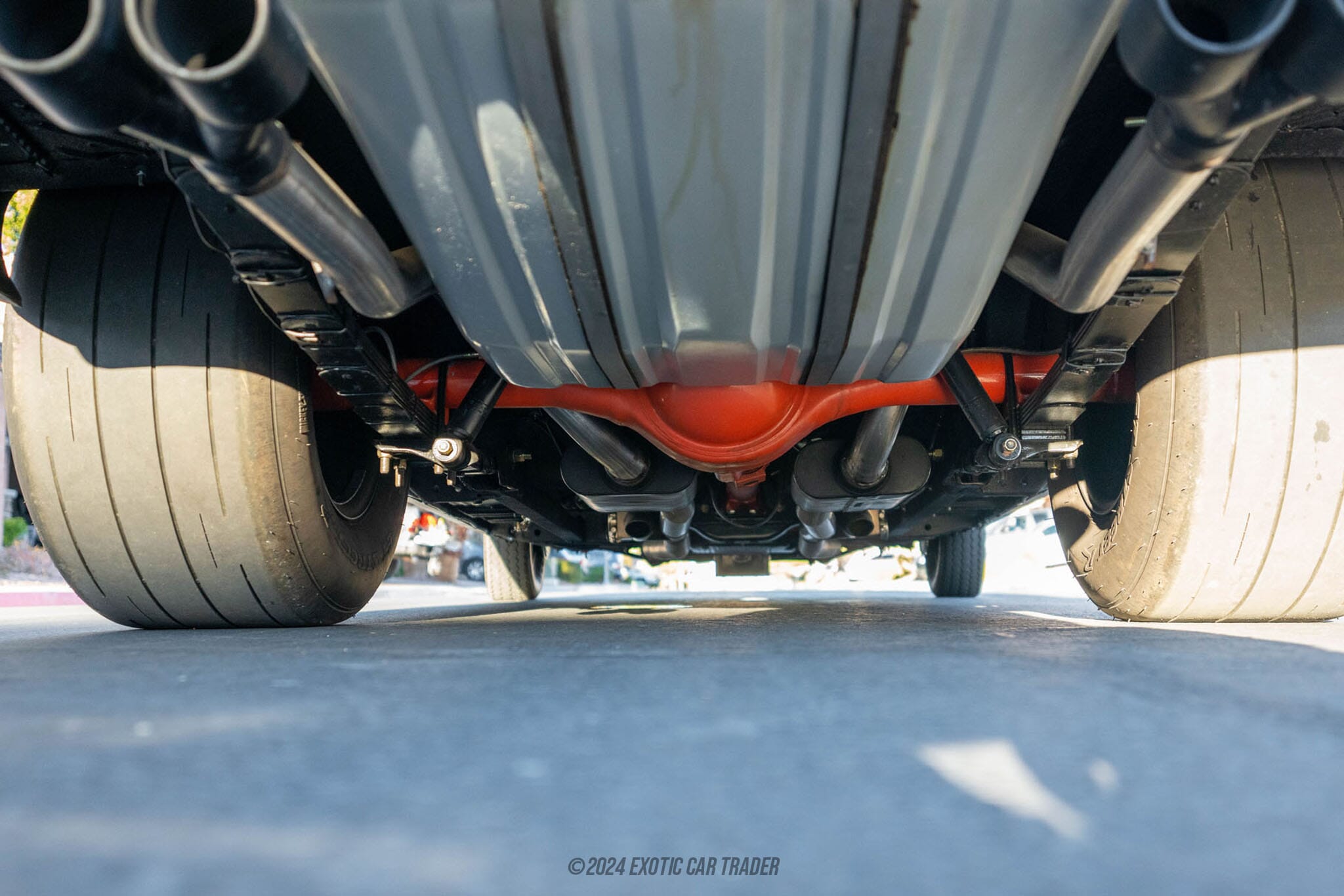
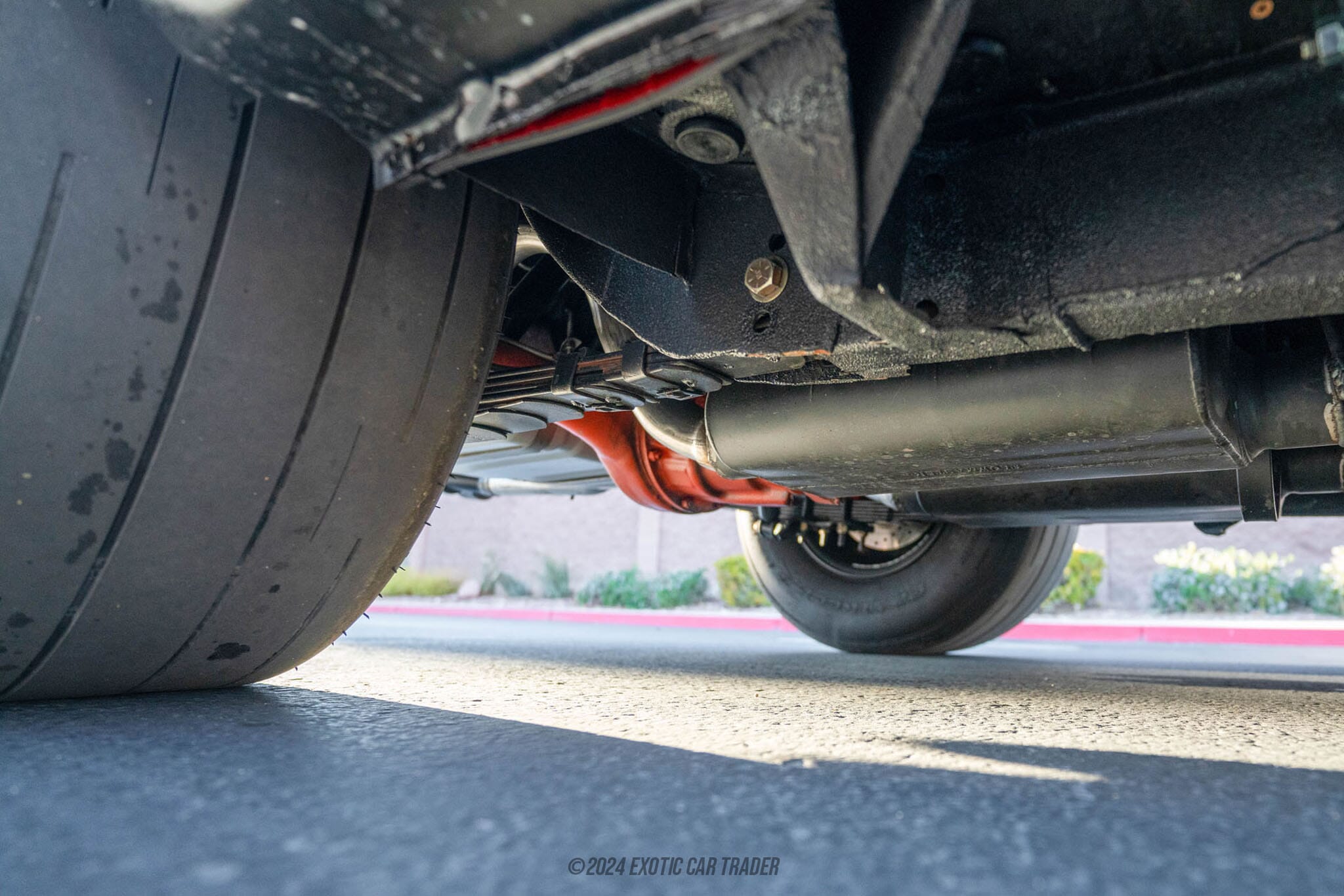
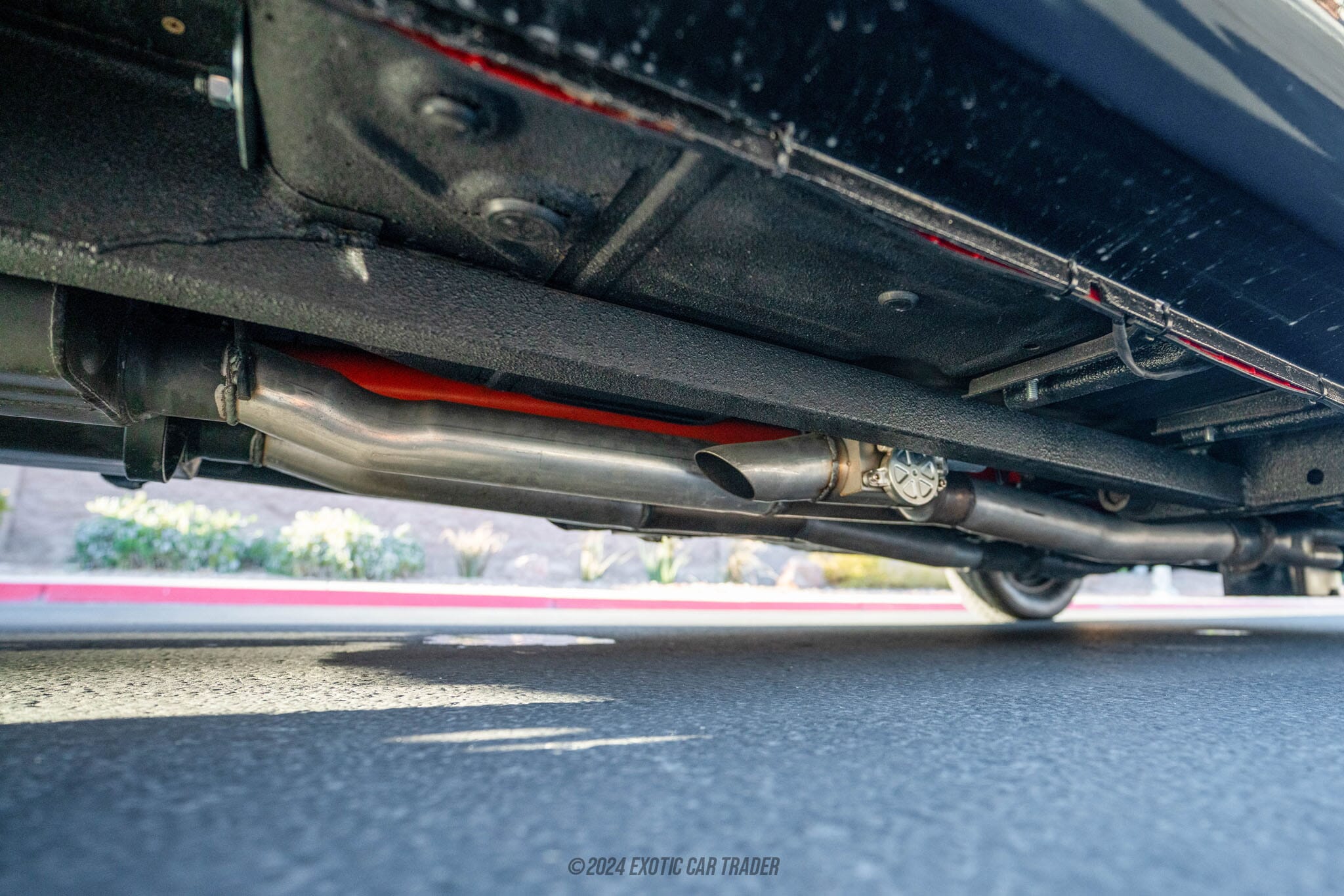
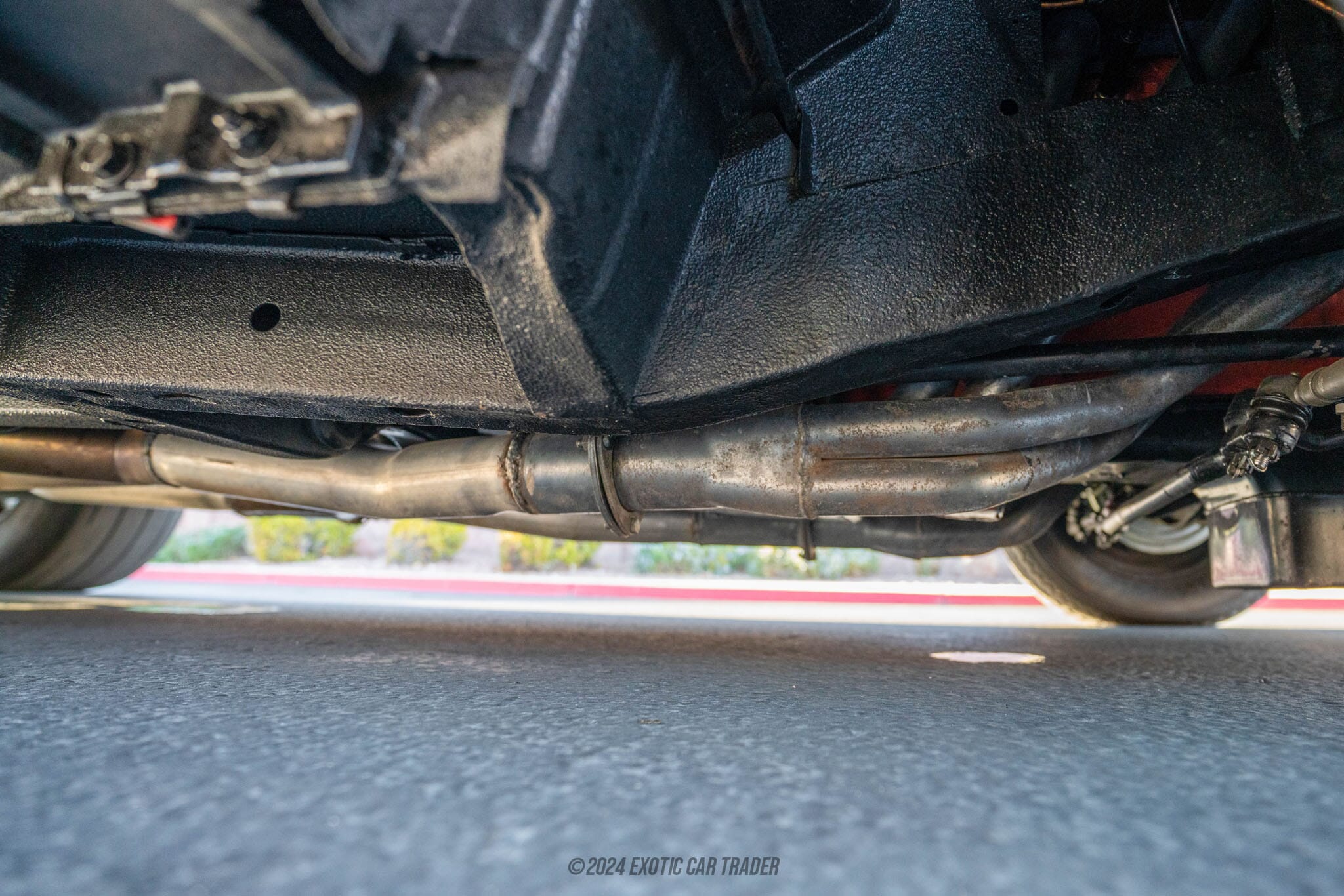
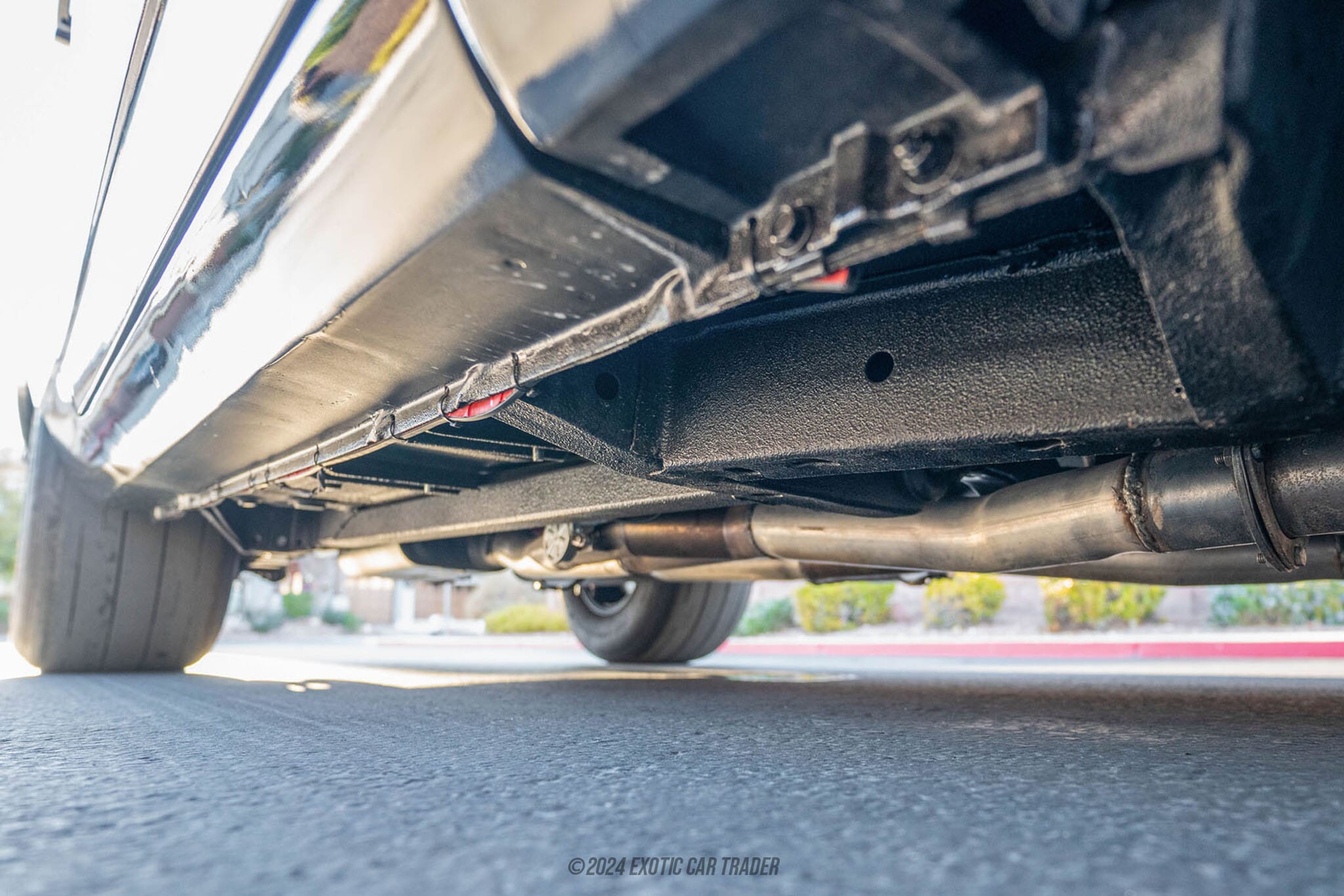
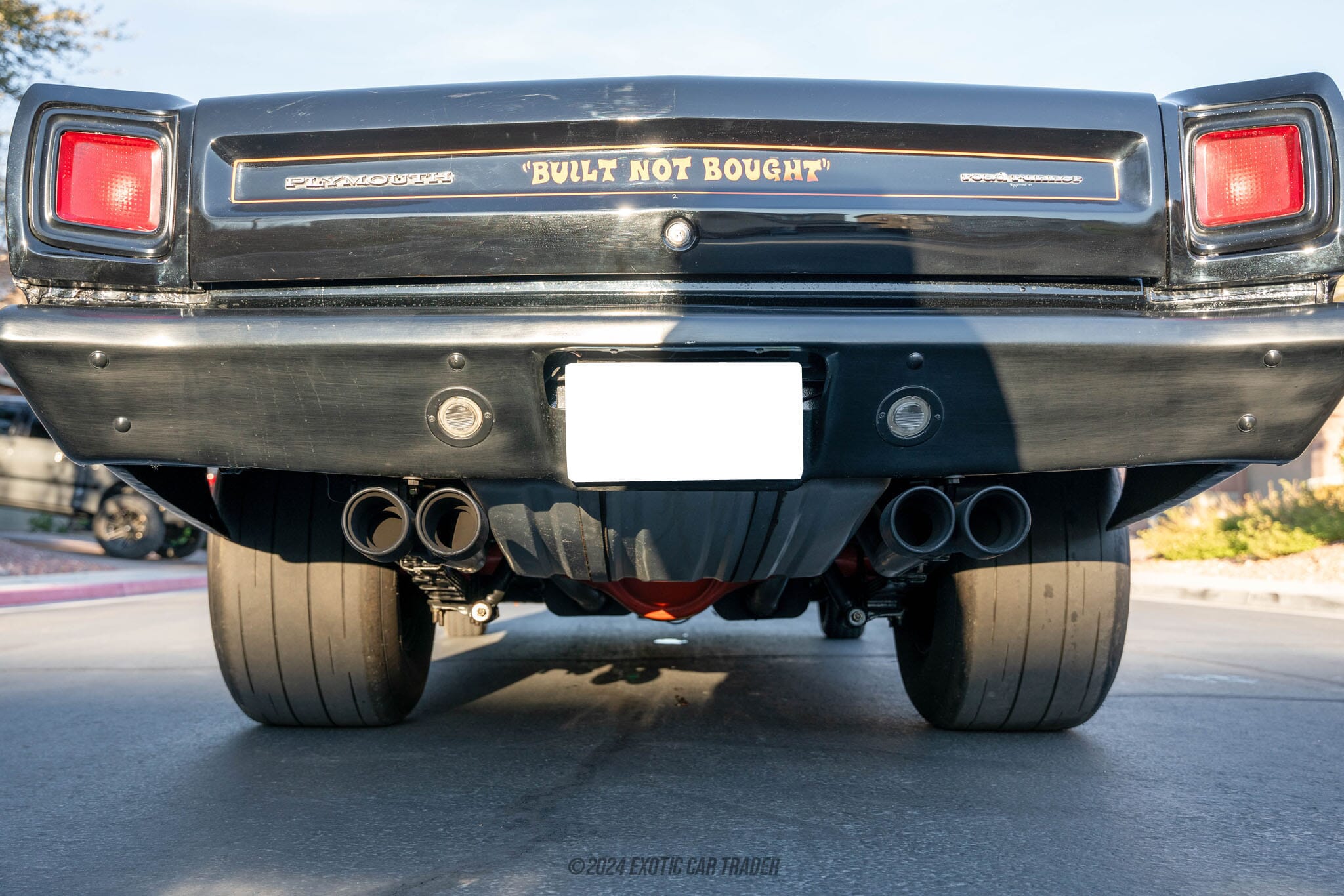
- Aftermarket Dual Exhaust
- Aftermarket Wheels
- Disc Brakes All Around
- Reupholstered Interior


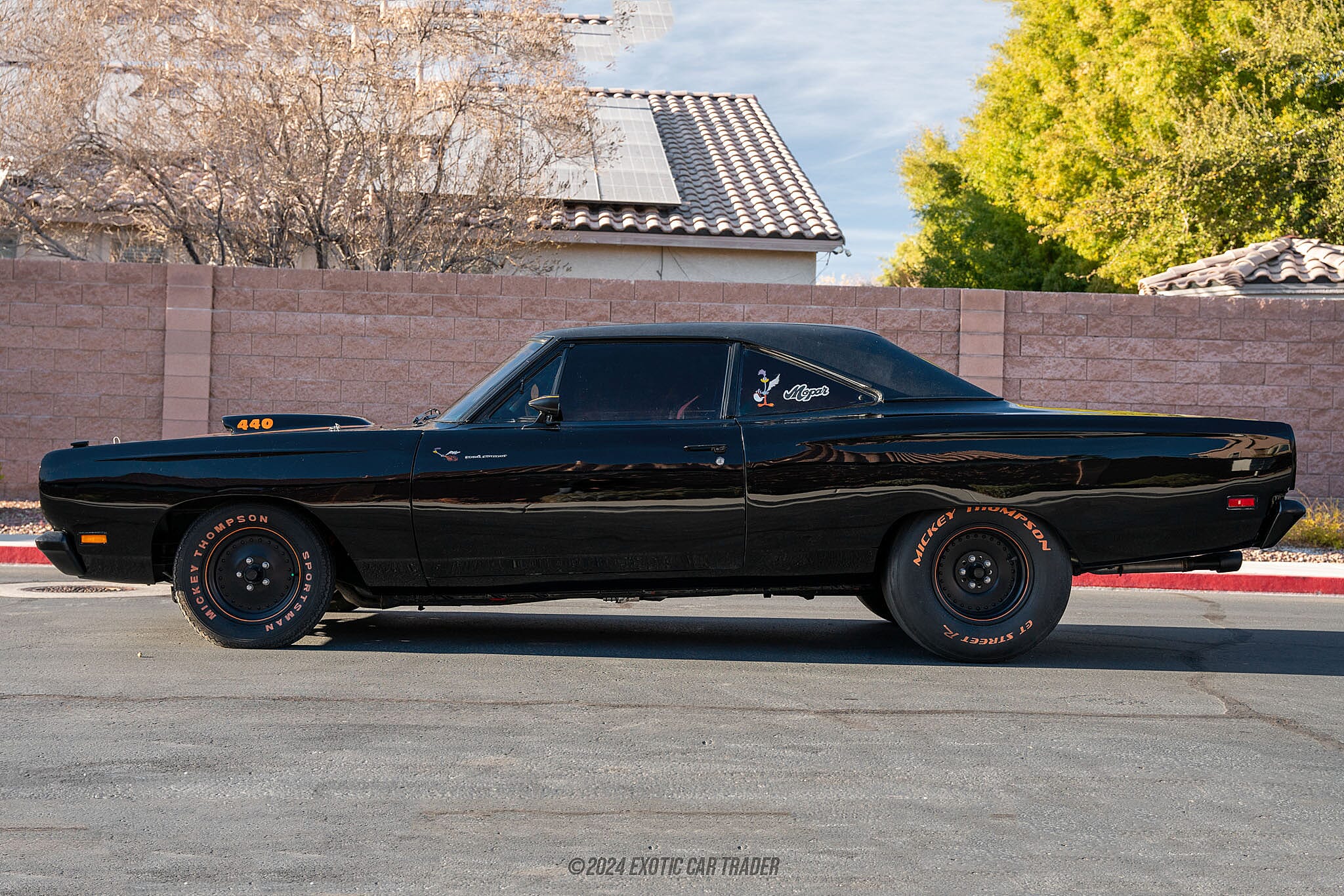
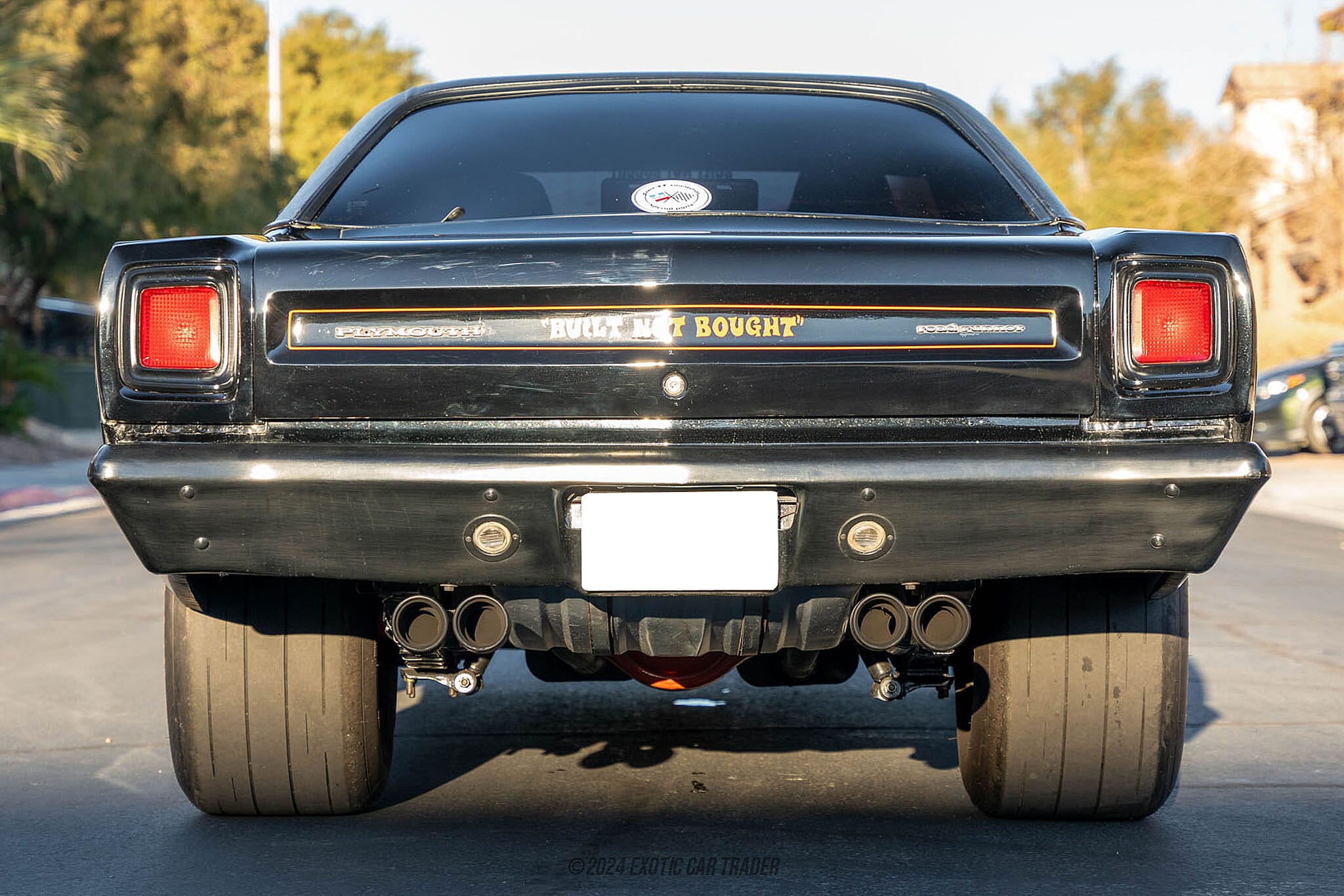
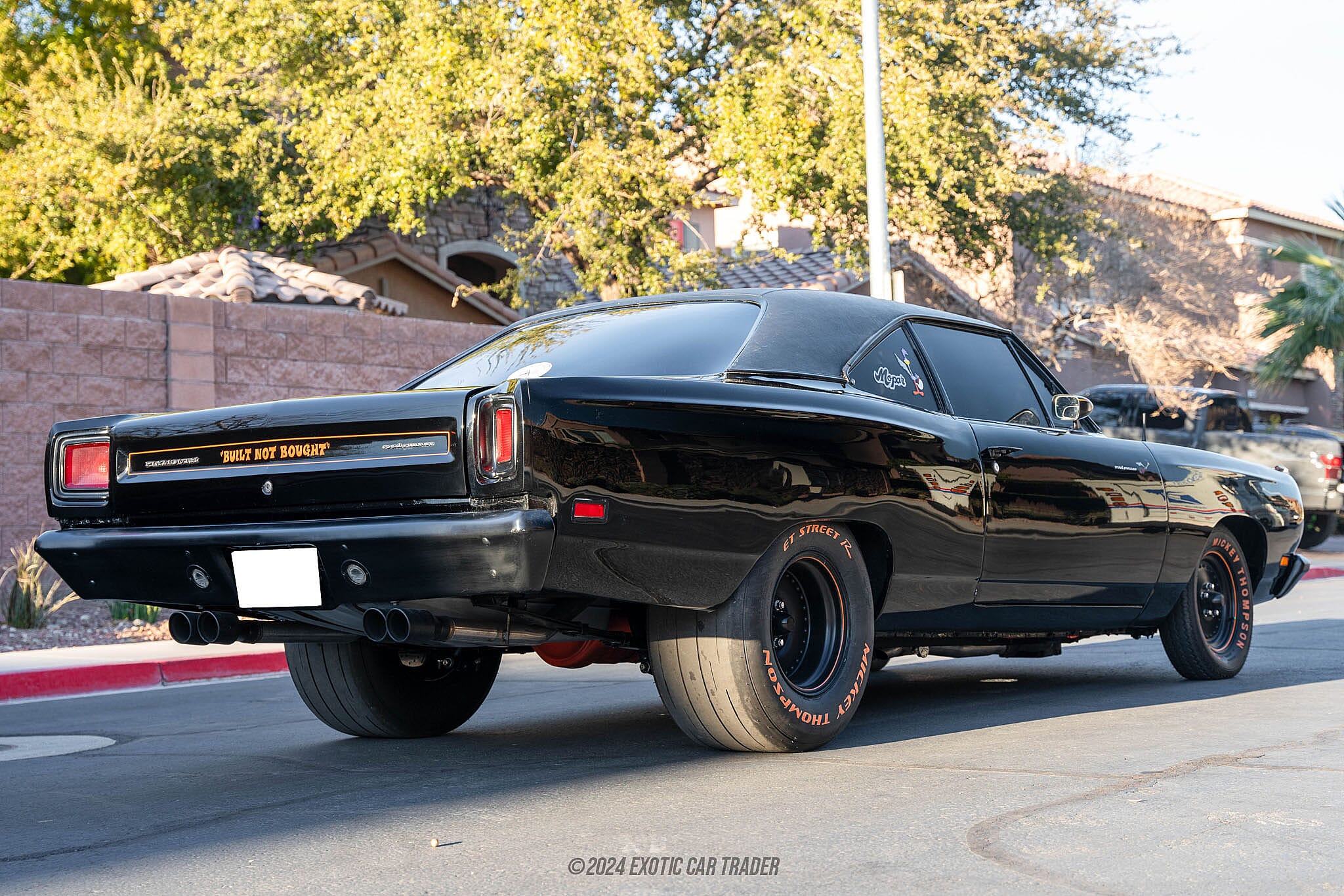
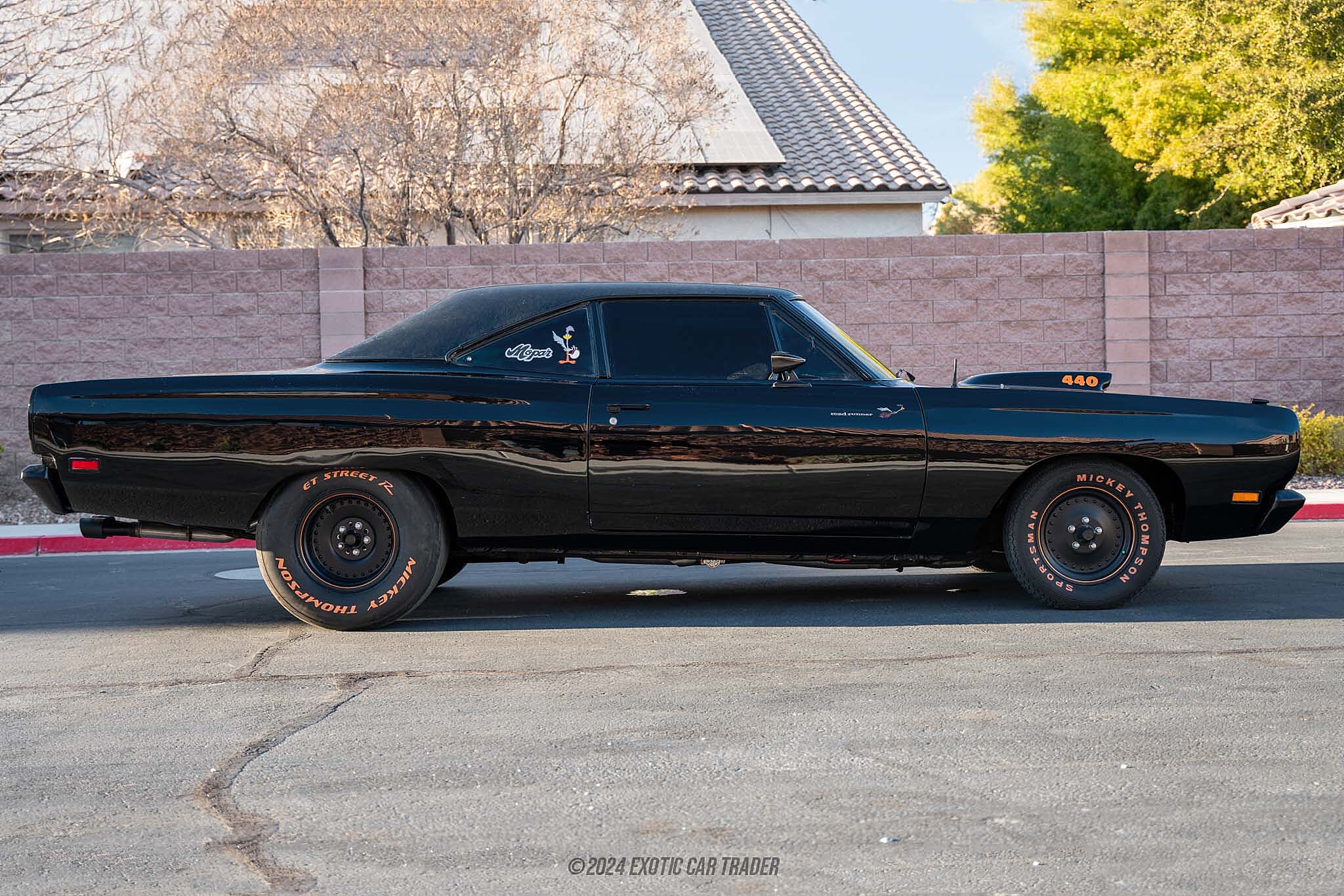
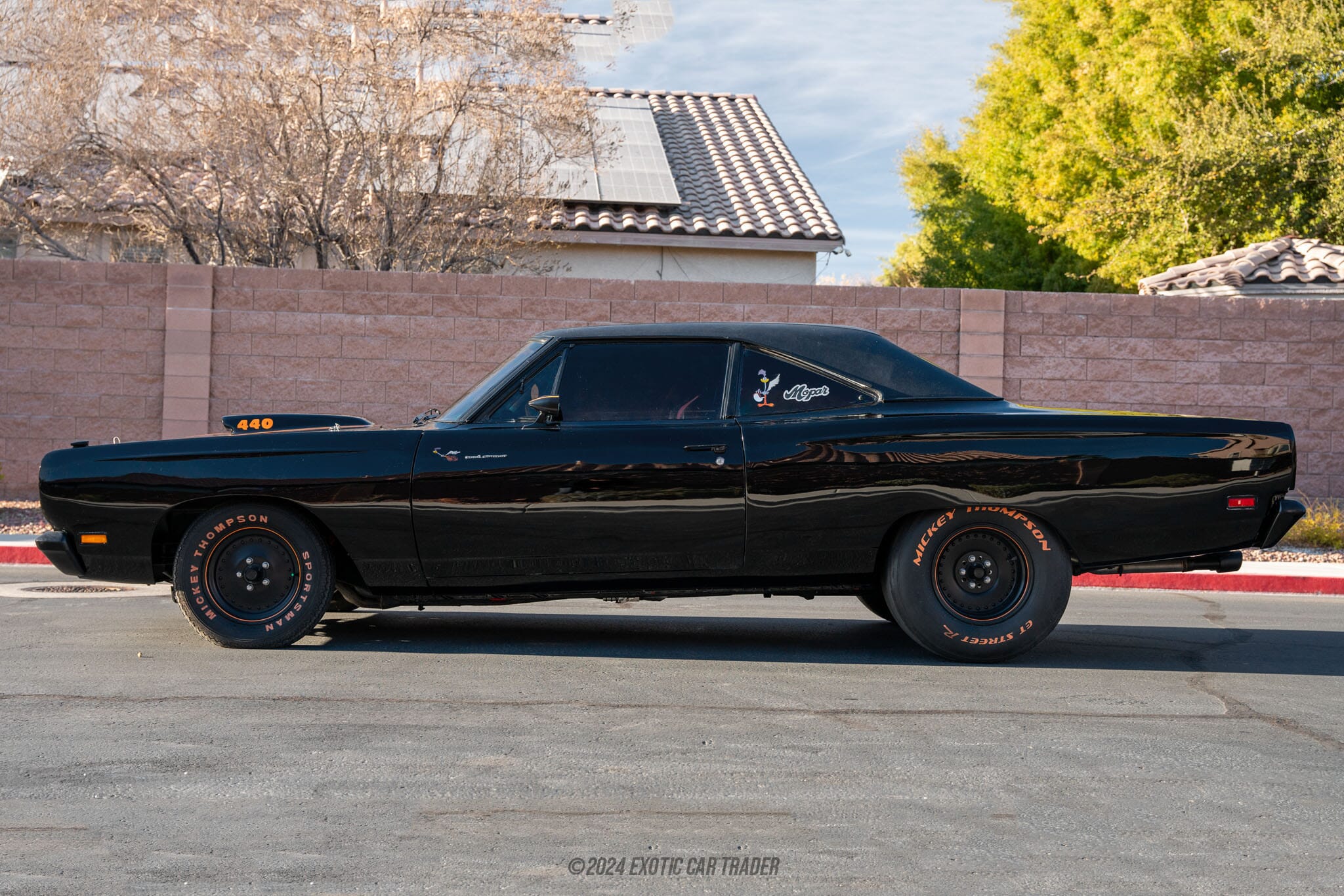
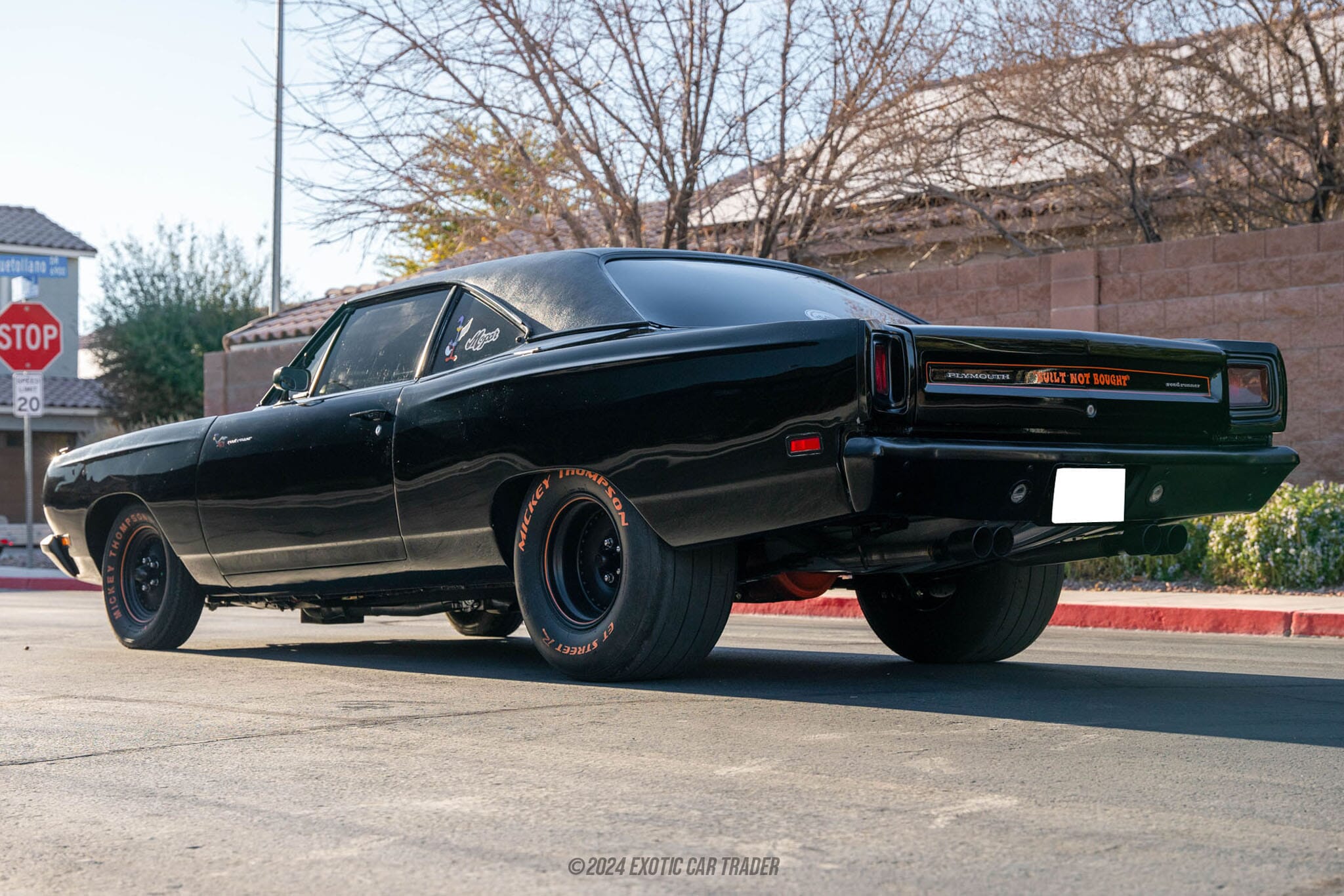
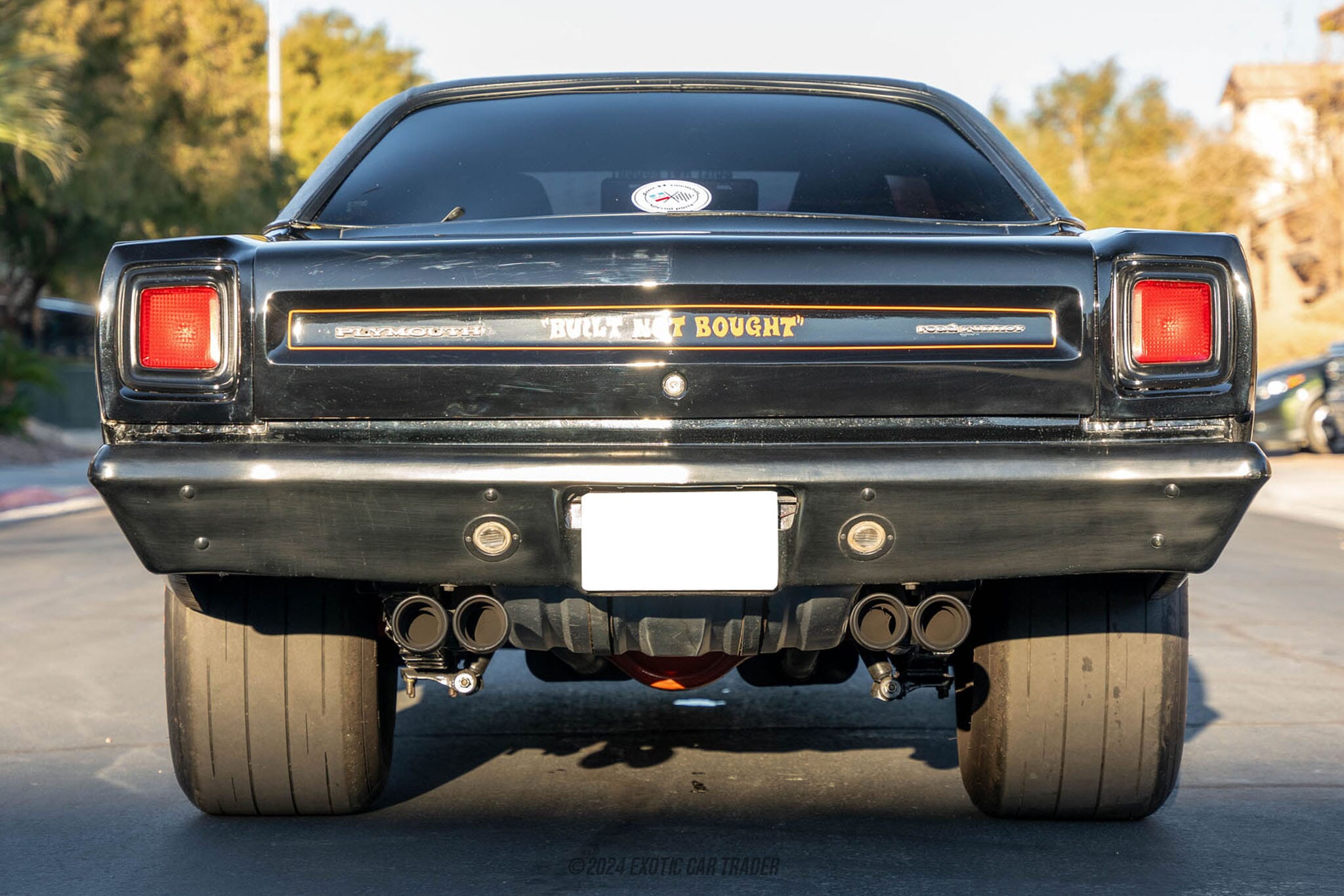
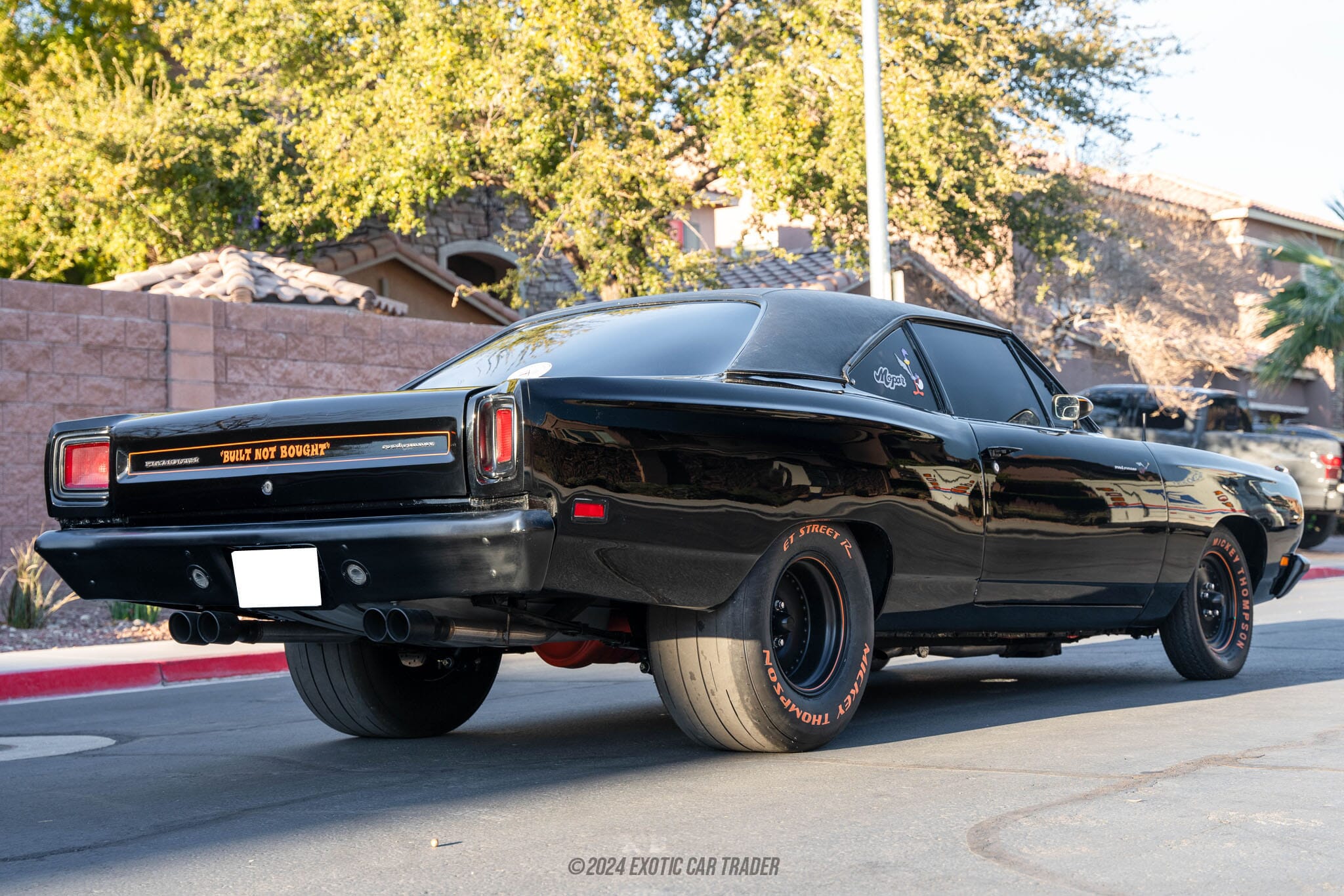
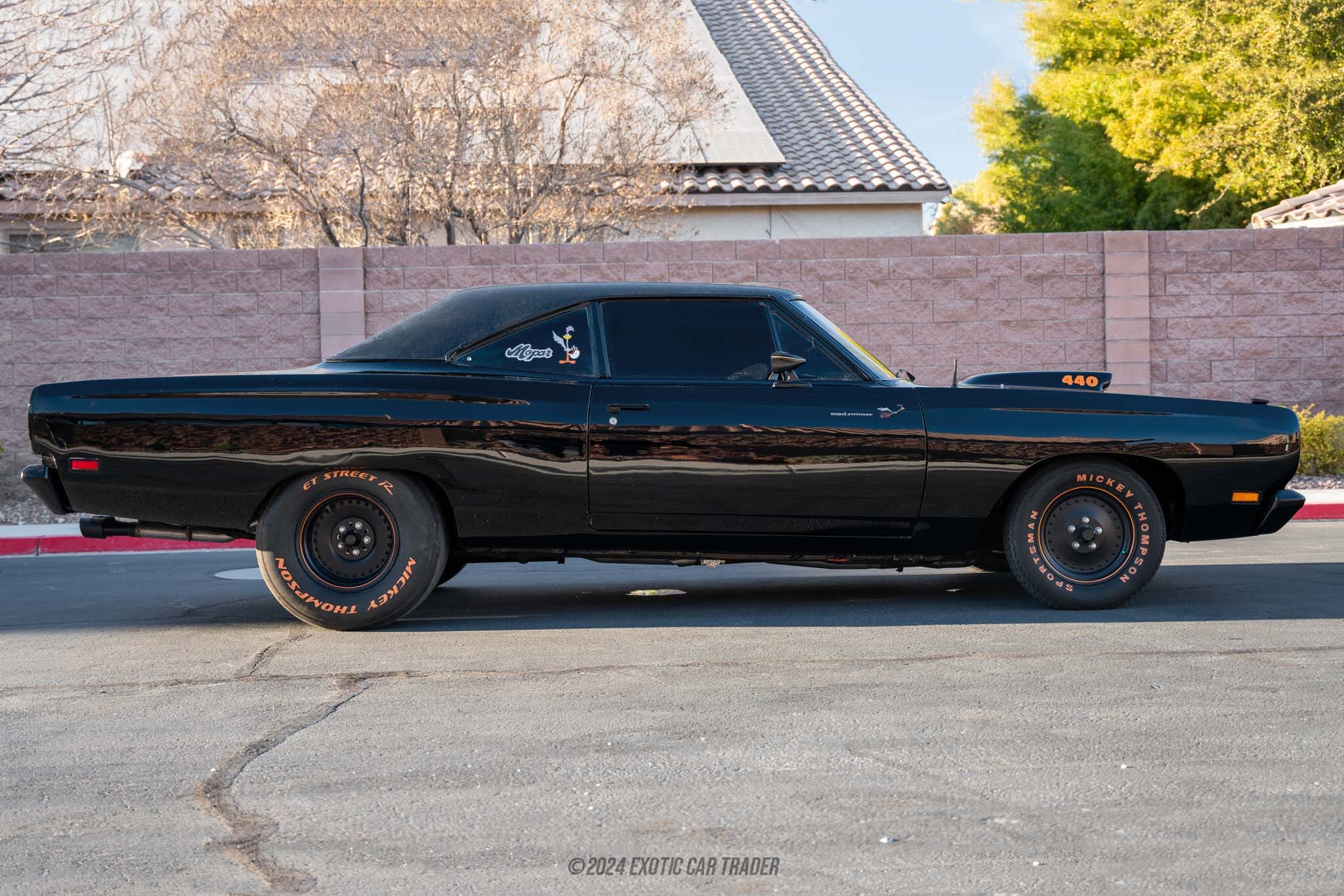
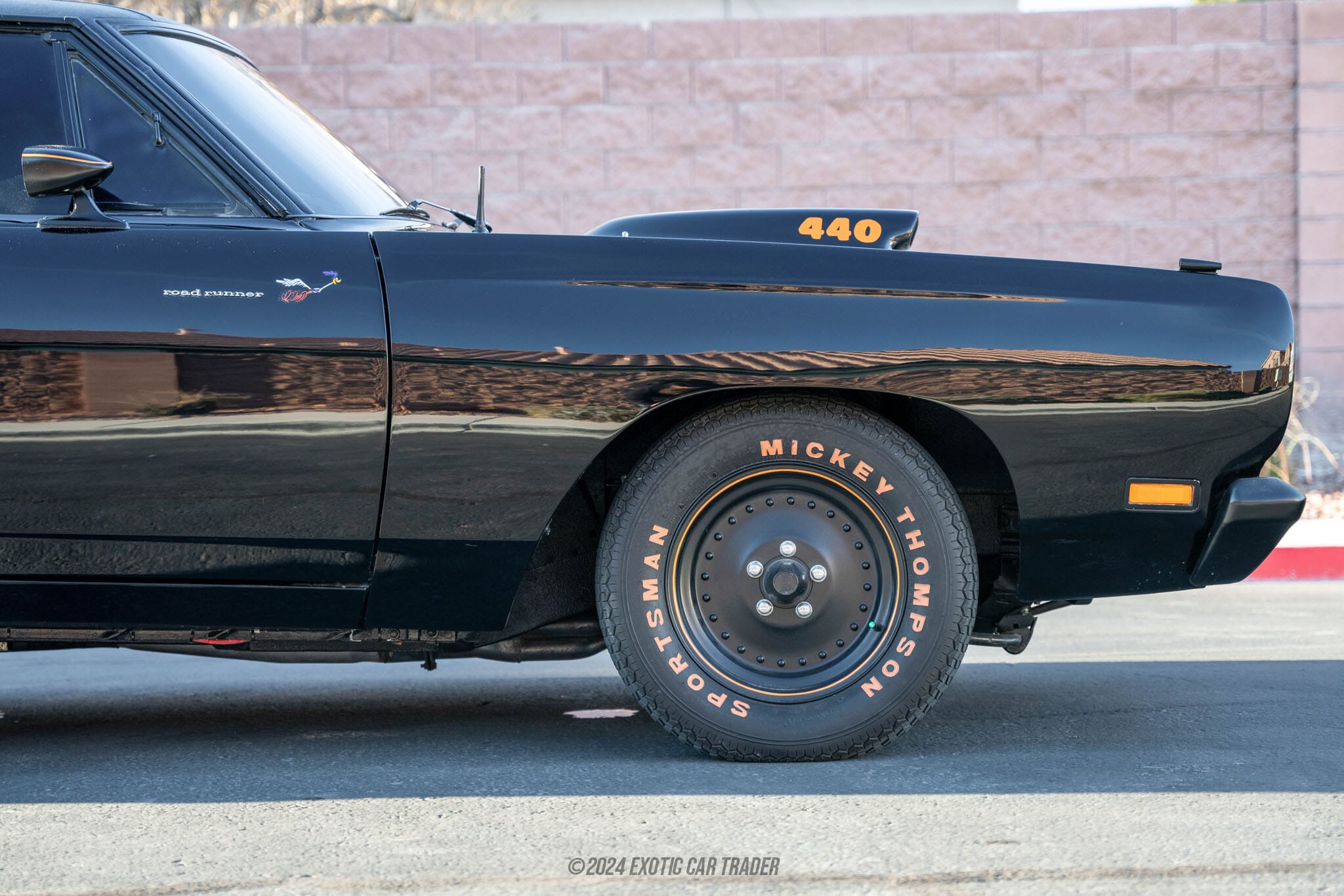
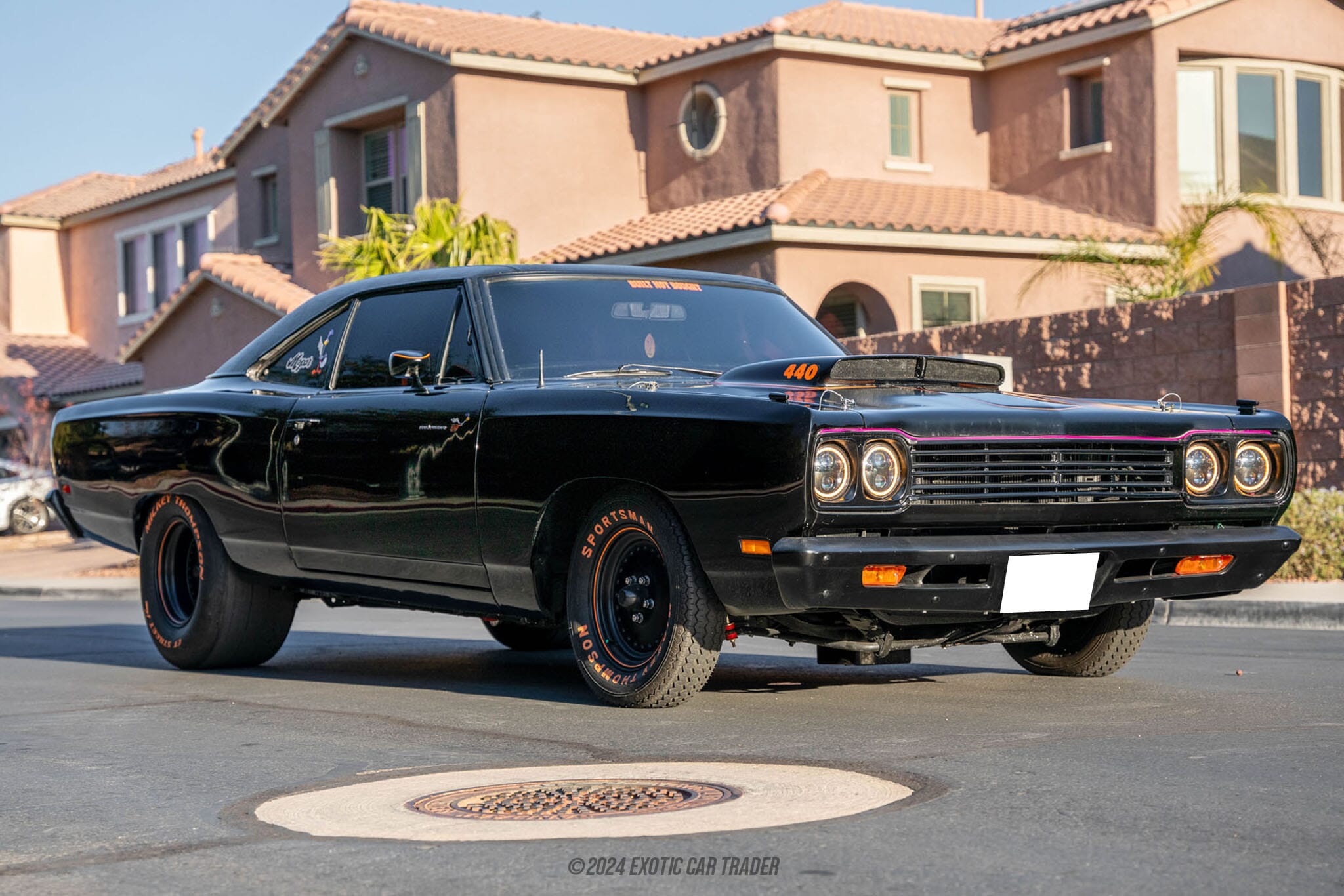
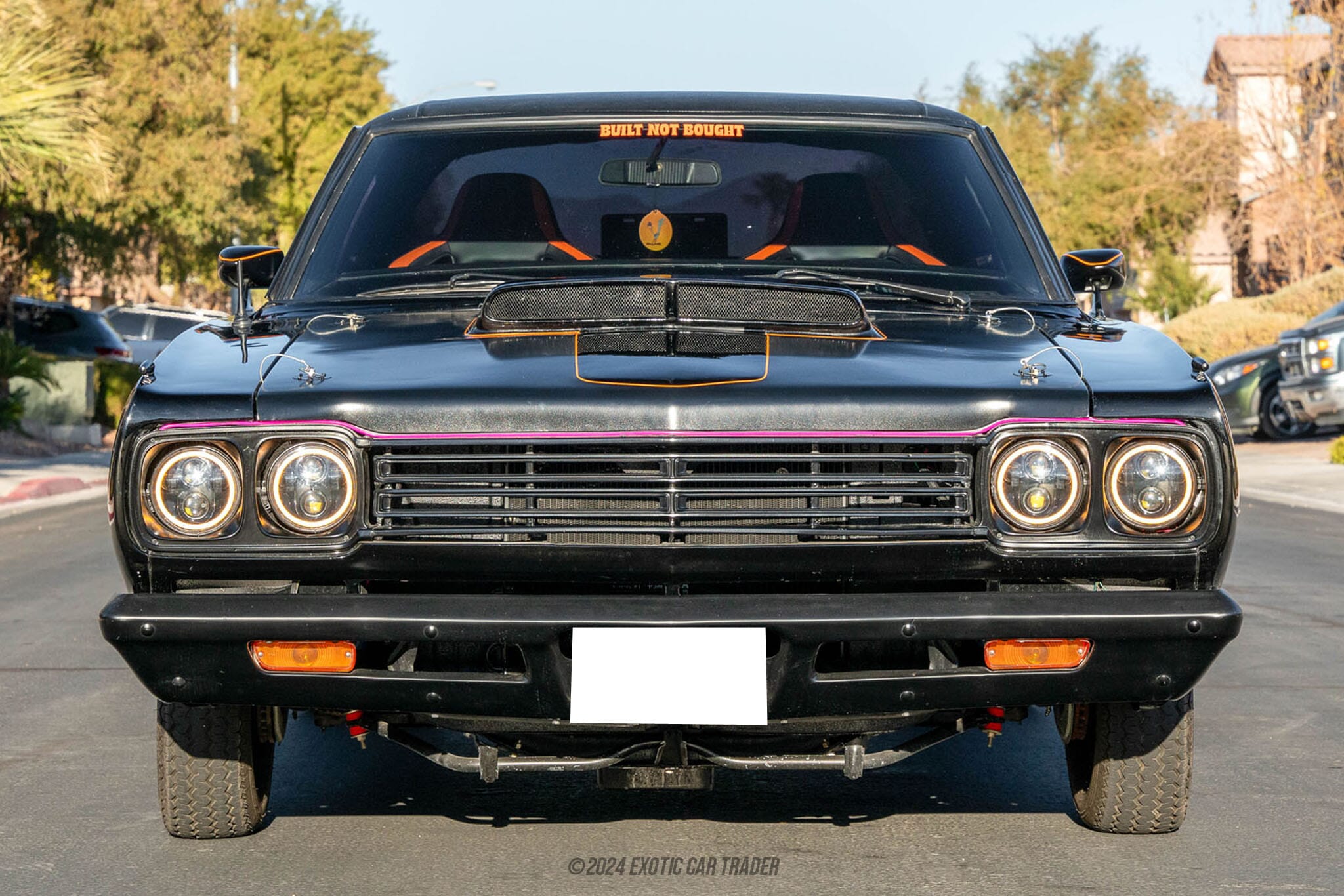
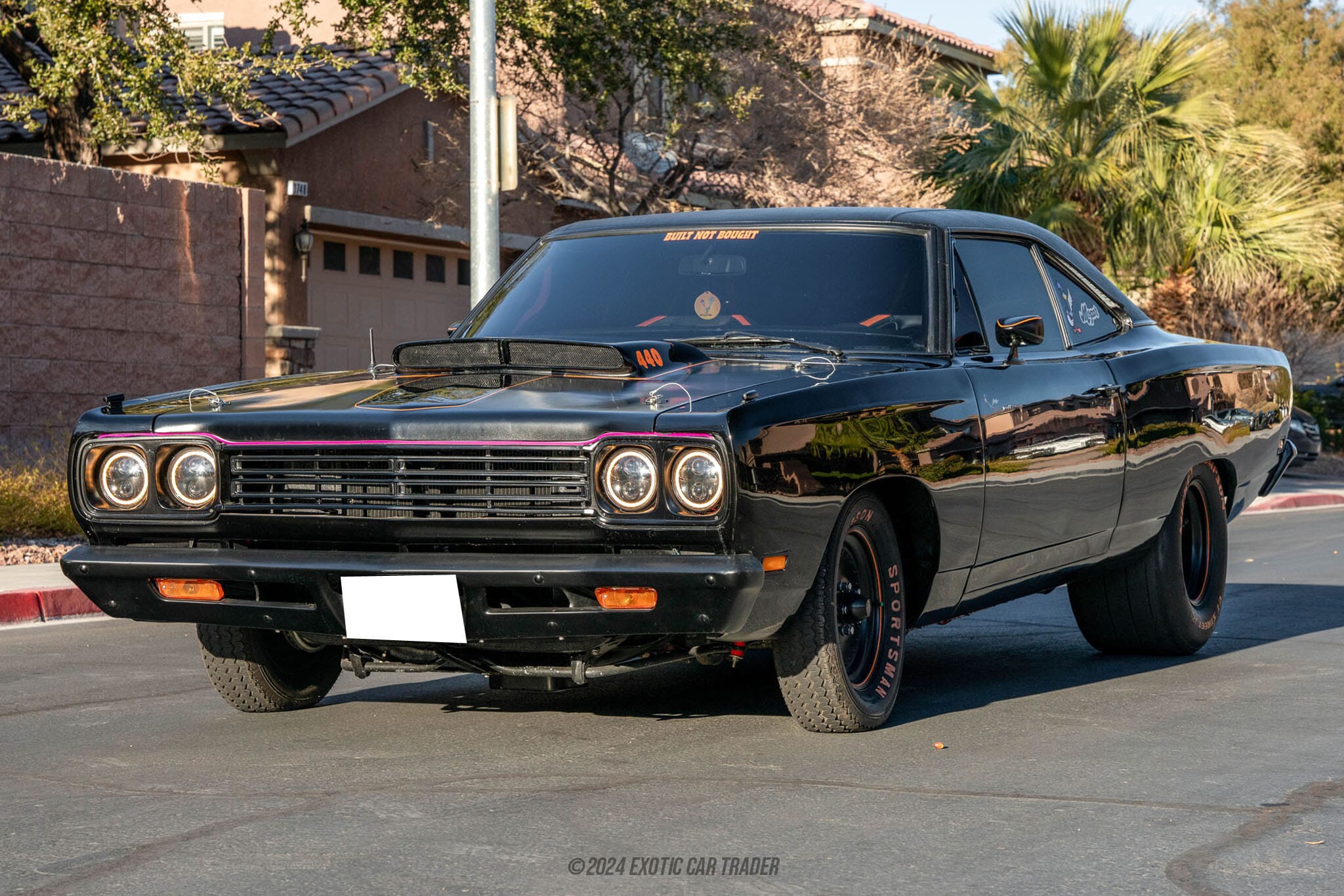
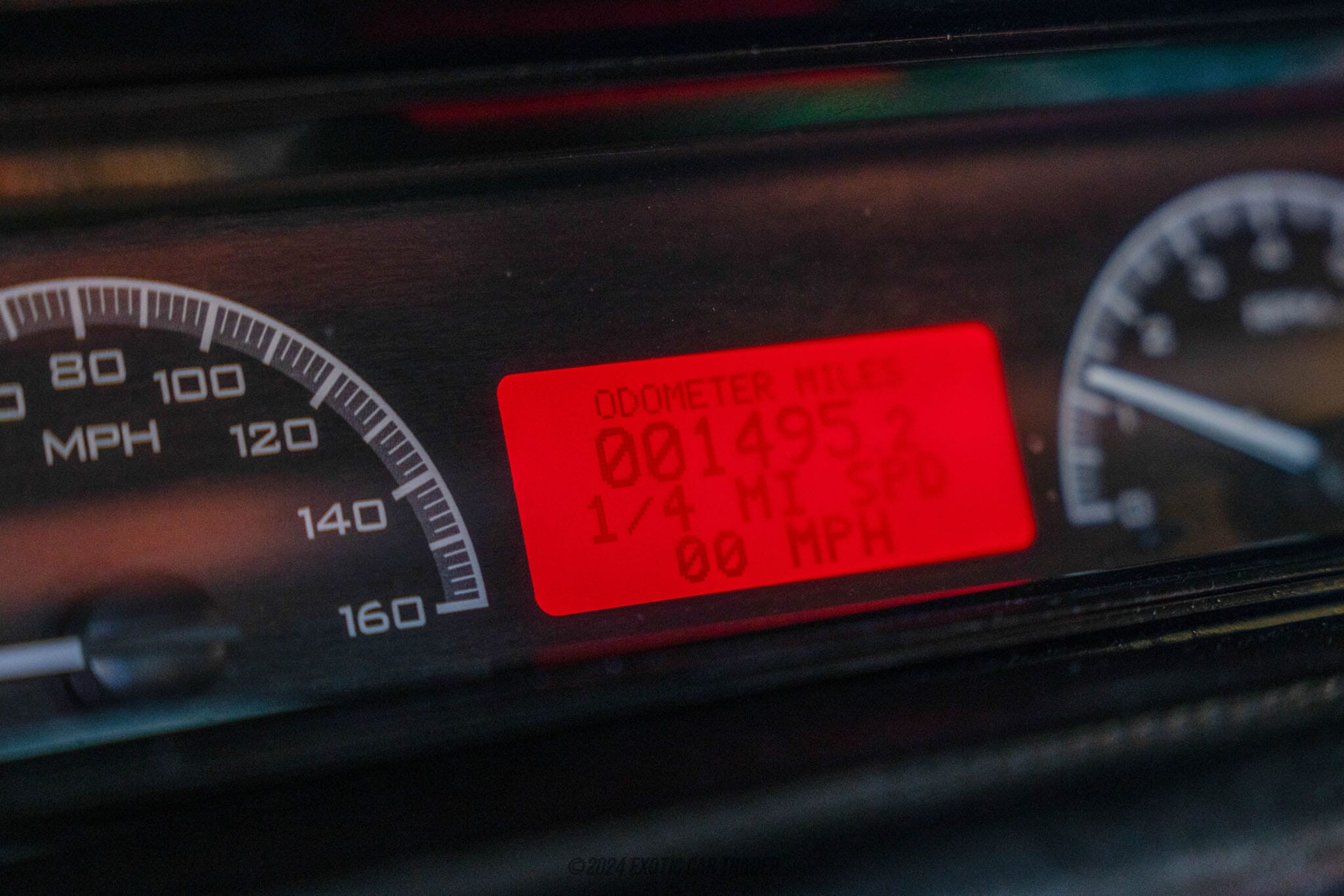
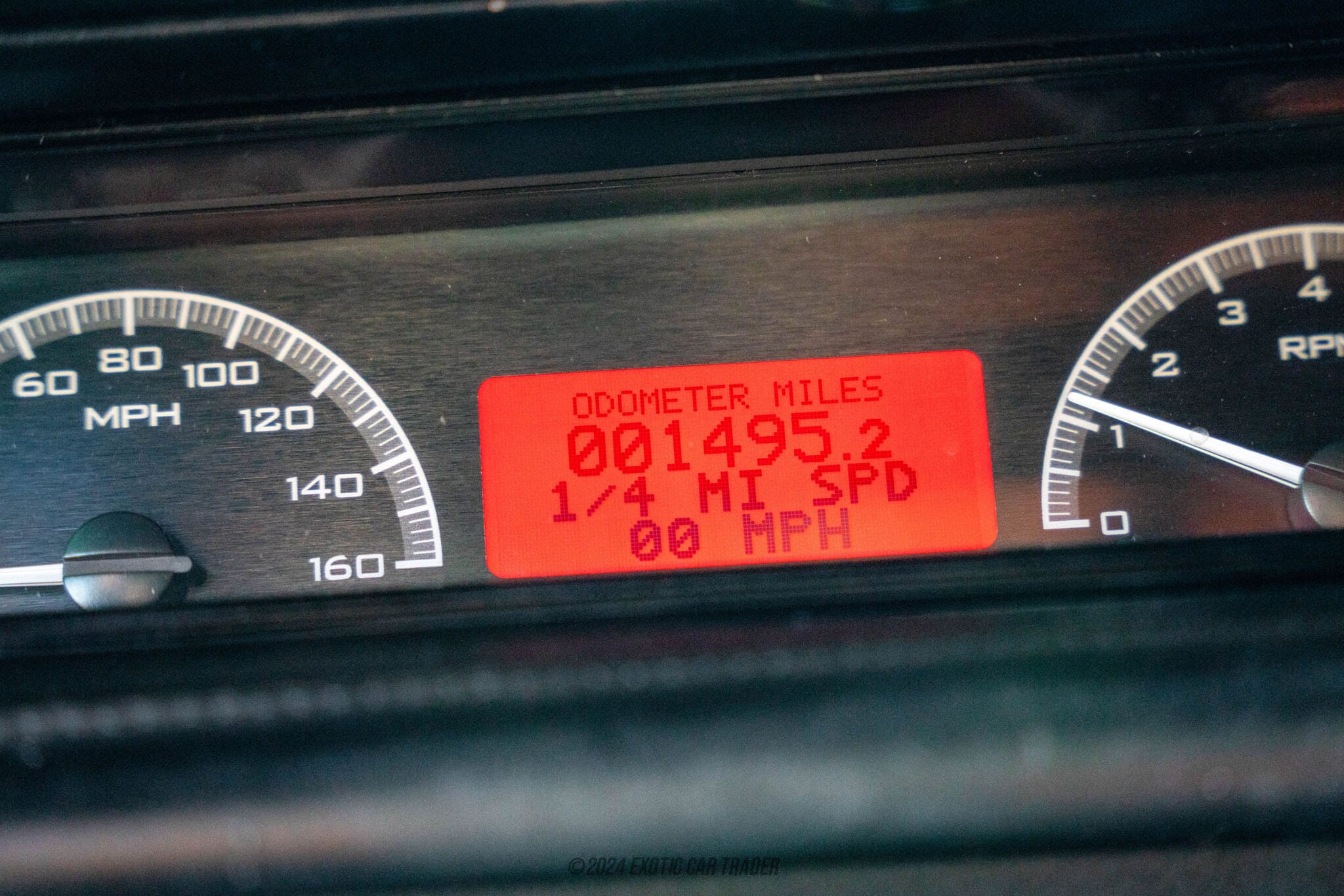
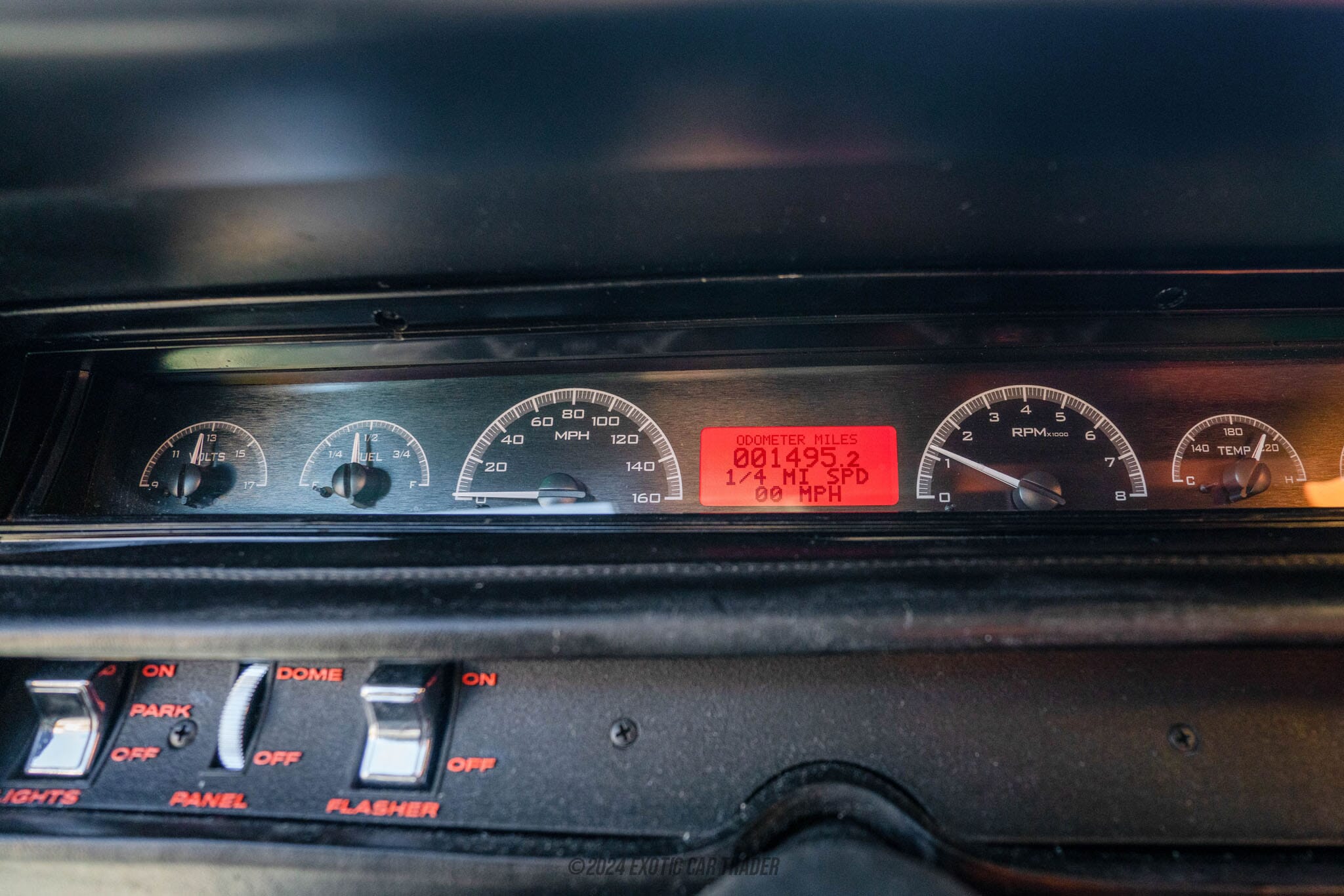
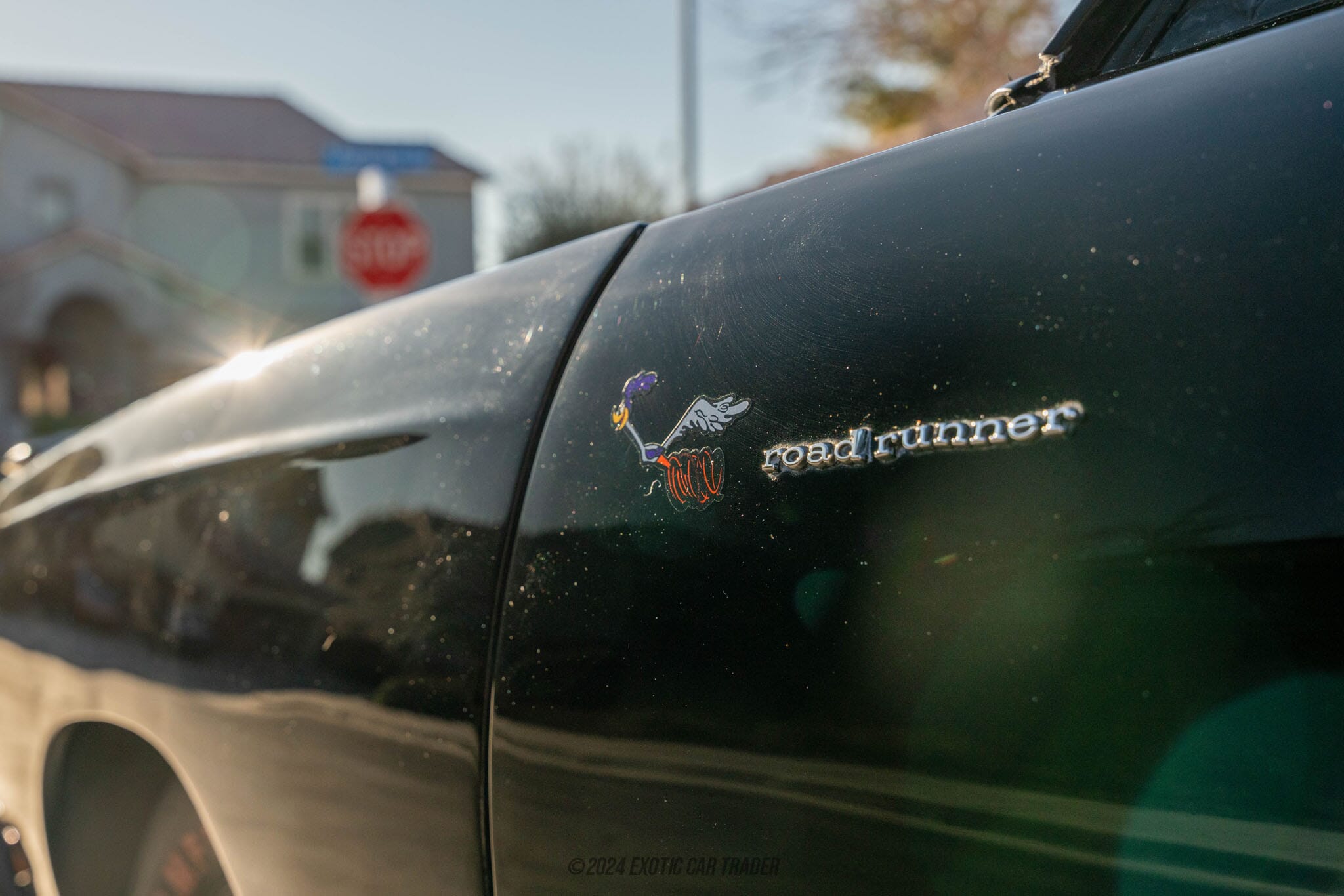
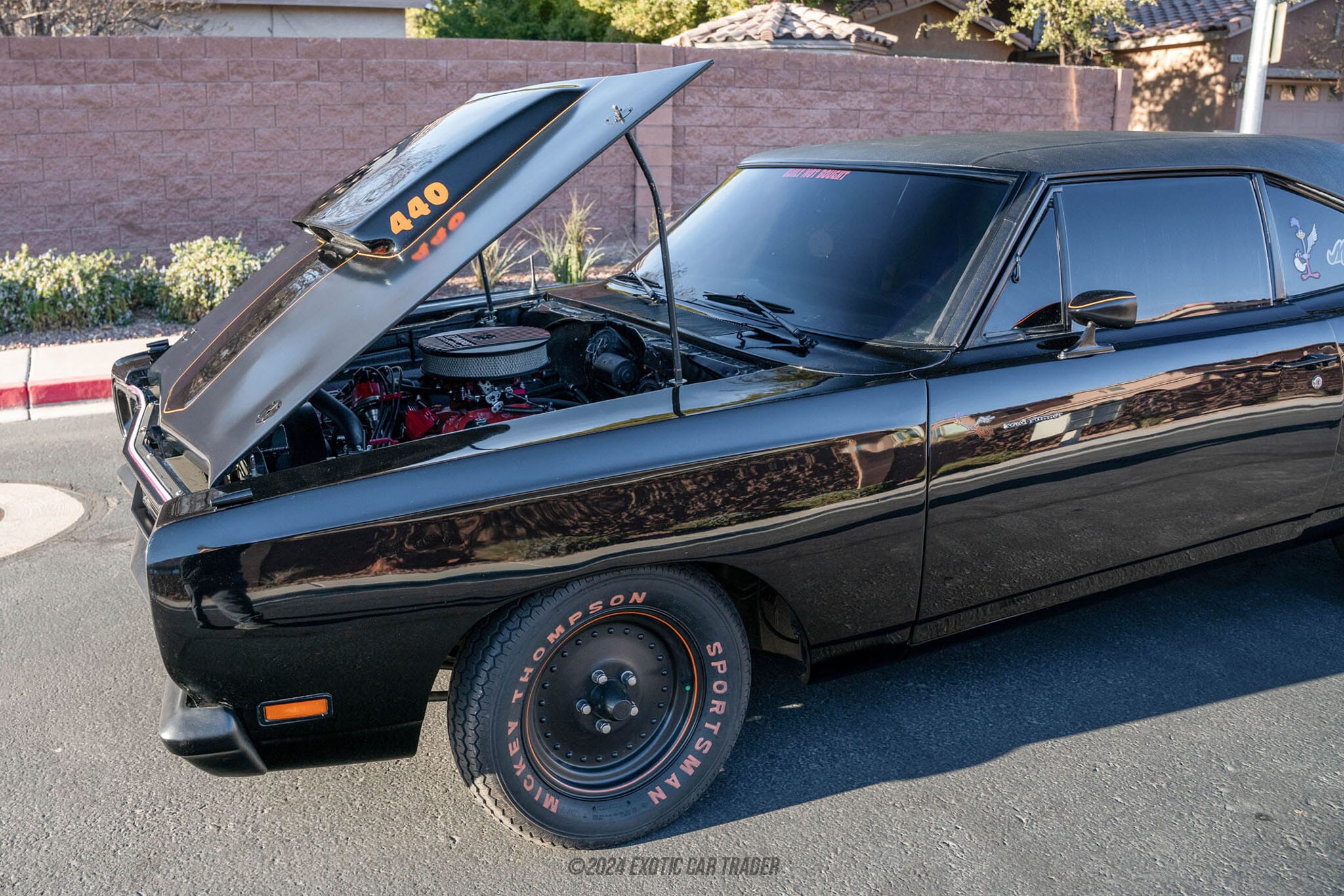
Beep, Beep! Named after the famous Road Runner character from the Warner Bros cartoons, Plymouth reportedly paid them $50,000 to use the name on their iconic Road Runner muscle car of the Sixties and Seventies. They are said to have spent a further $10,000 developing a “Beep Beep” style horn for the car! Either way, the Road Runner was in all aspects, as swift as the cartoon character, Packing beefy engines beneath its long hood, this was one of the most powerful and potent muscle cars around. If that’s your kind of adrenaline rush, you’d do well to pick up this fully-restored 1969 Plymouth Road Runner that currently resides in our inventory. The car’s got just 1,495 miles showing on its odometer since restoration, and comes with some neat upgrades too.
Exterior and Interior
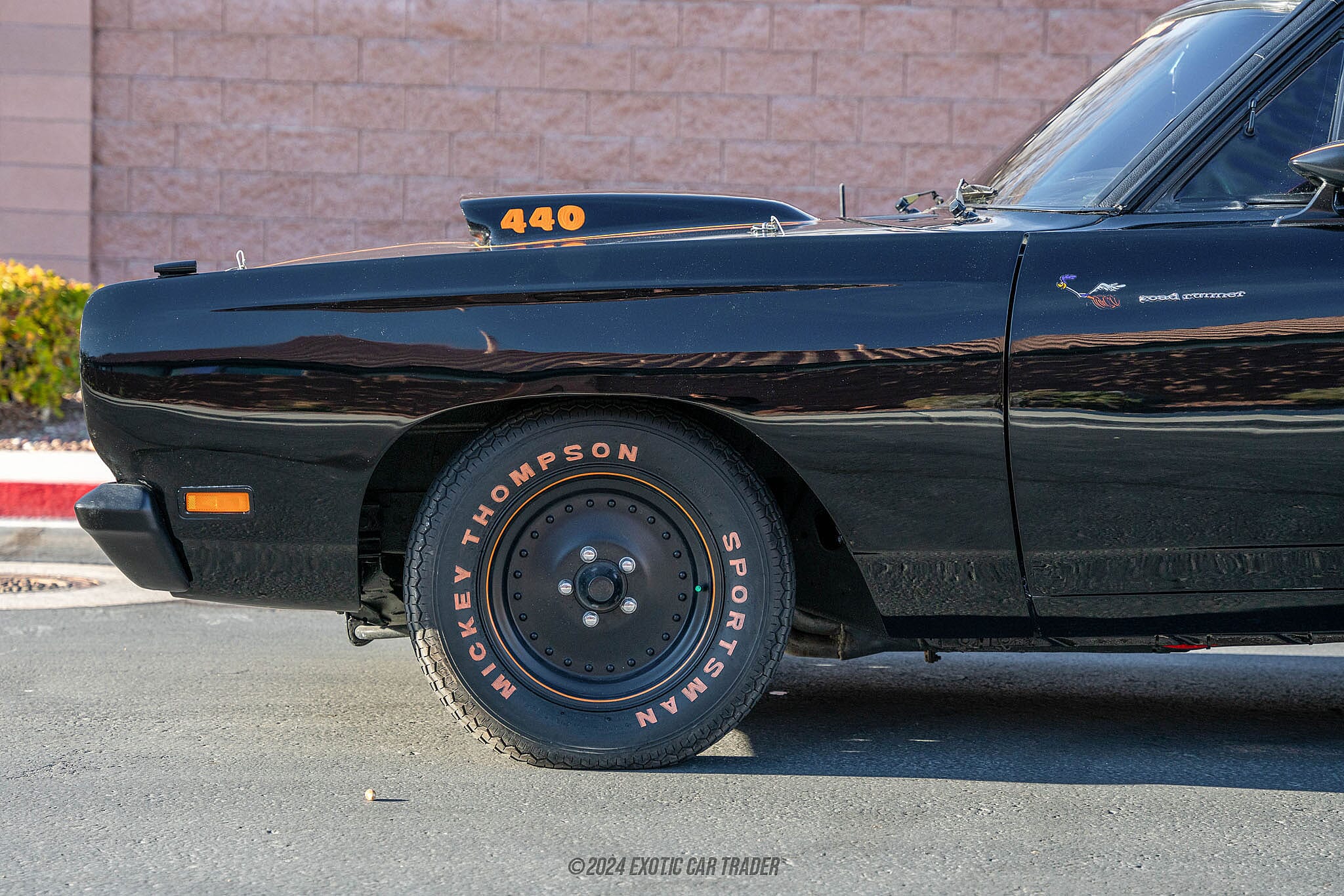
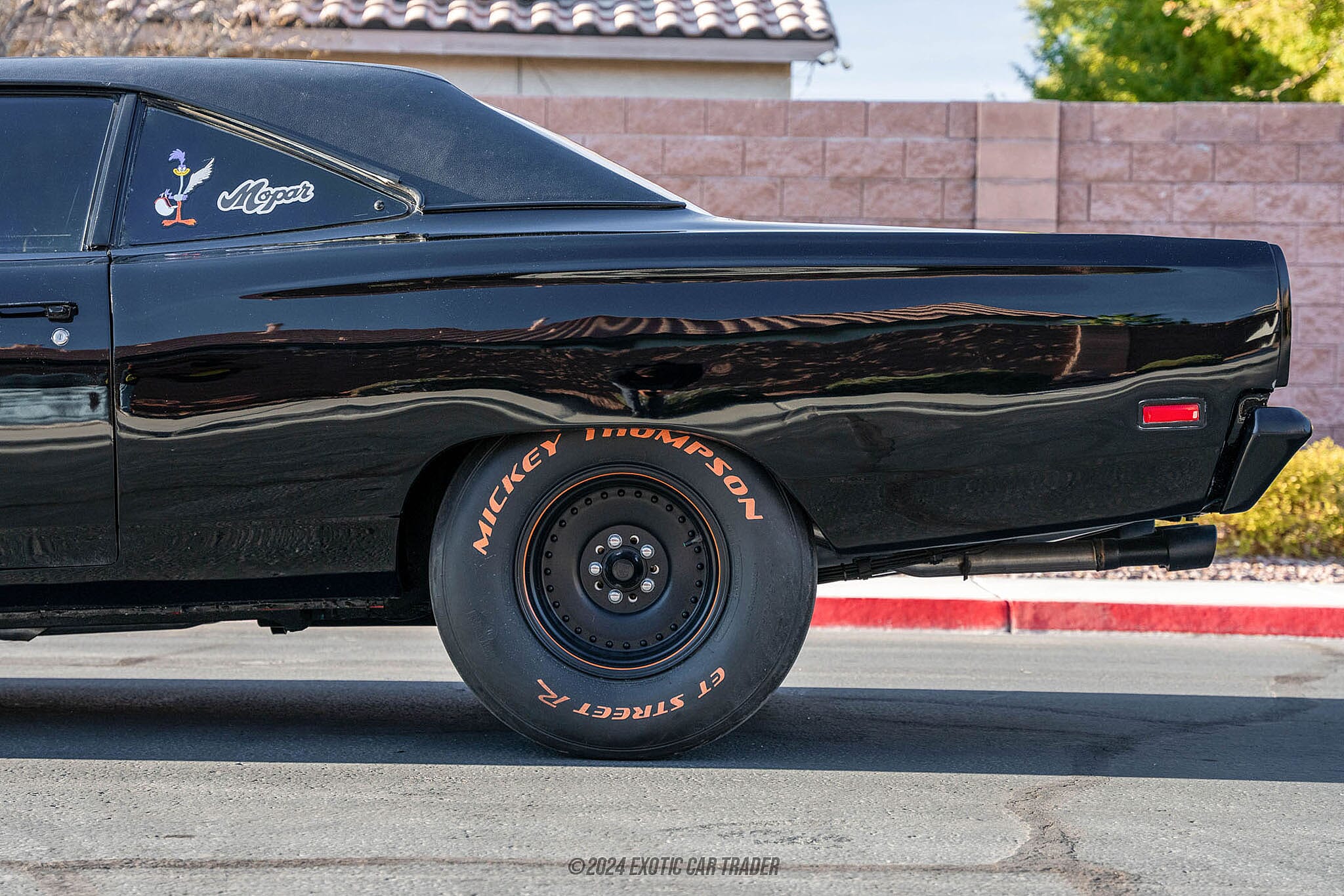
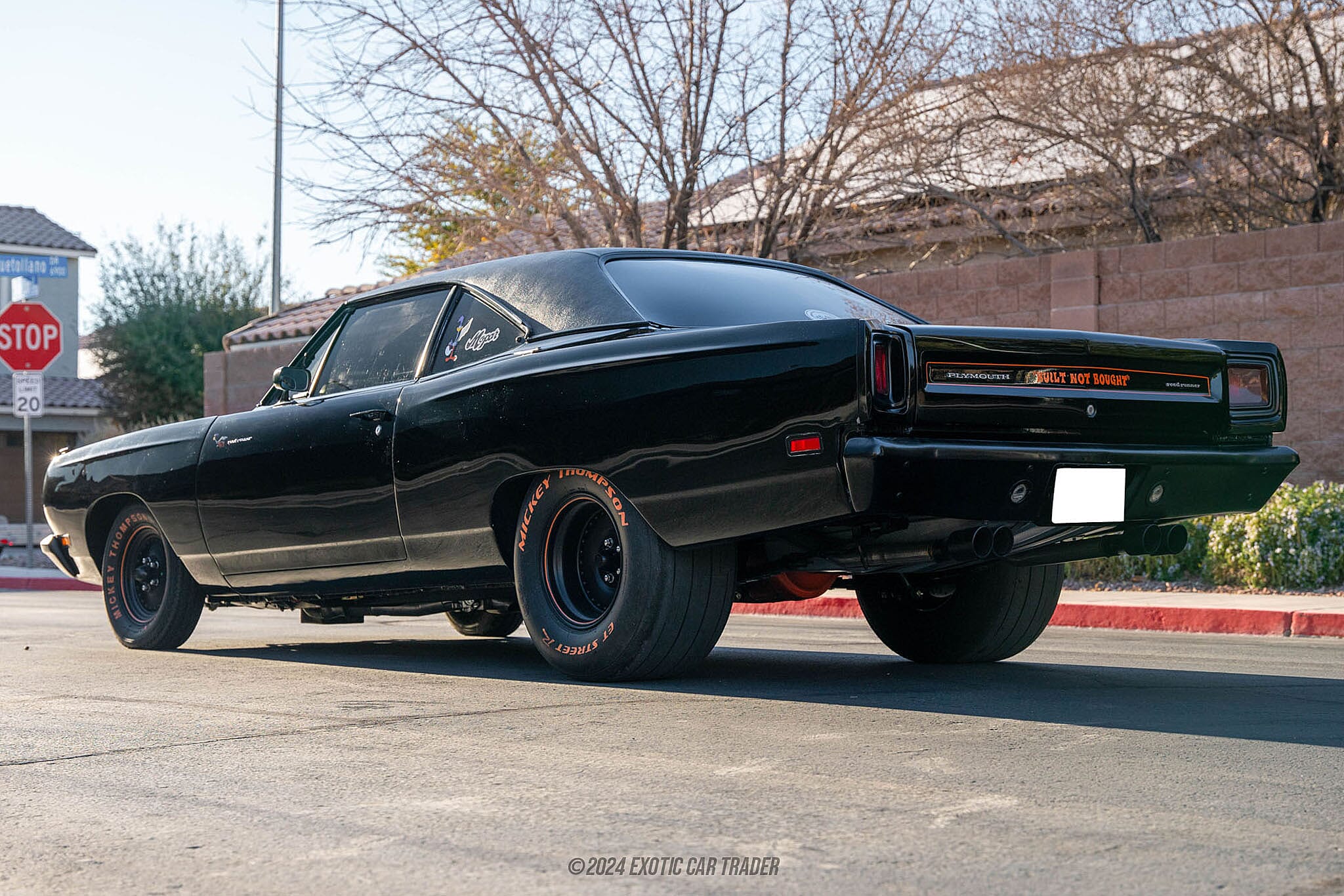
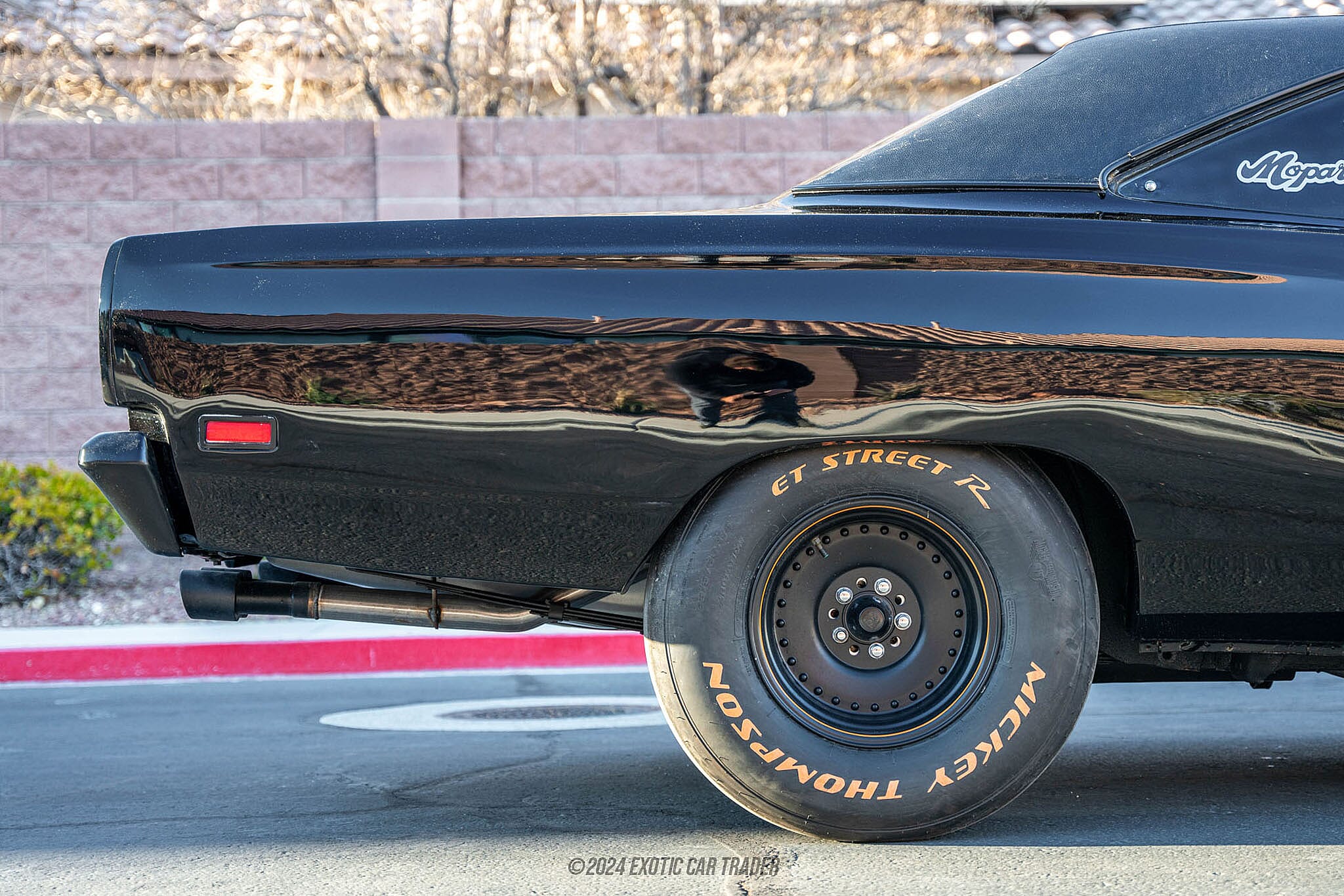
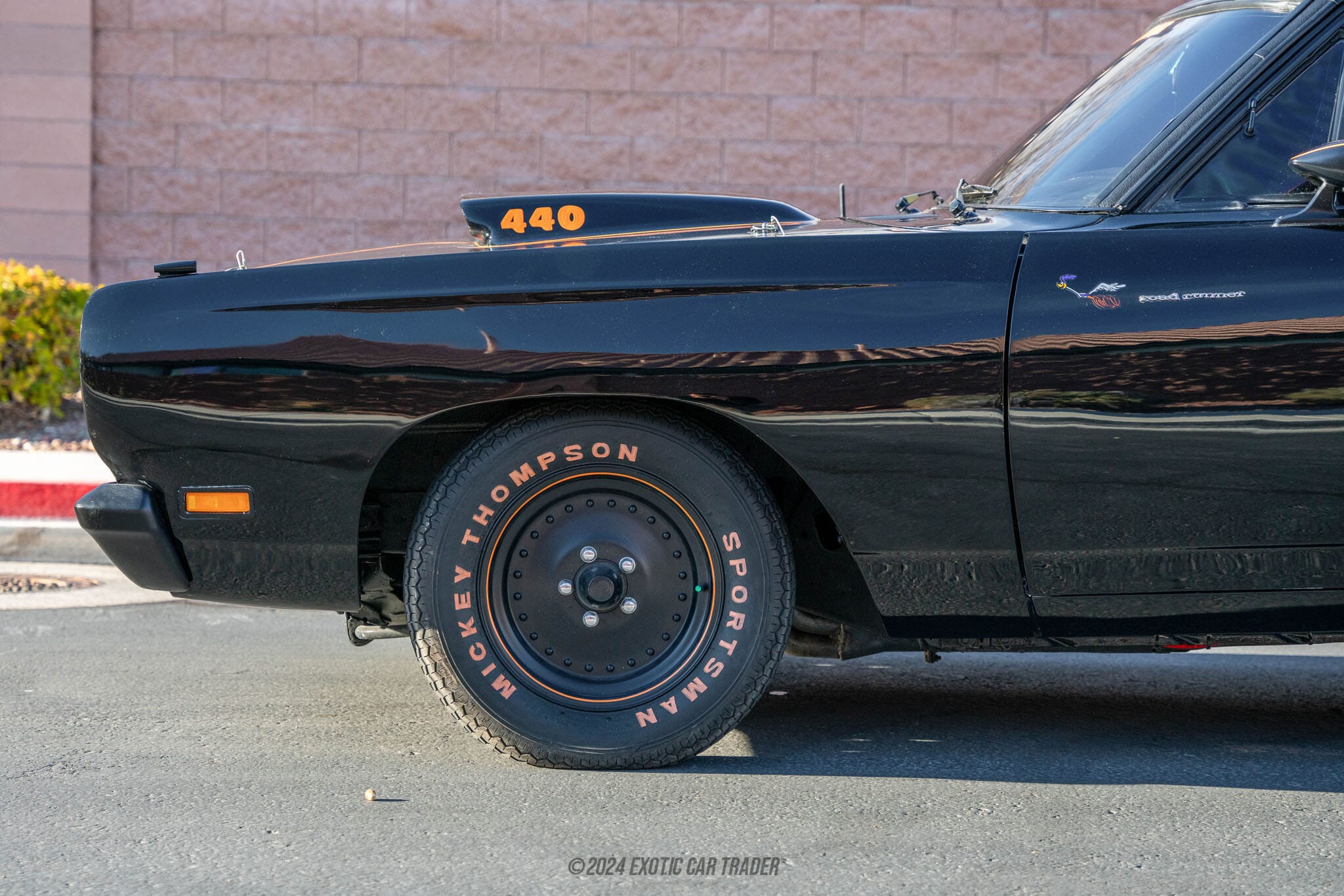
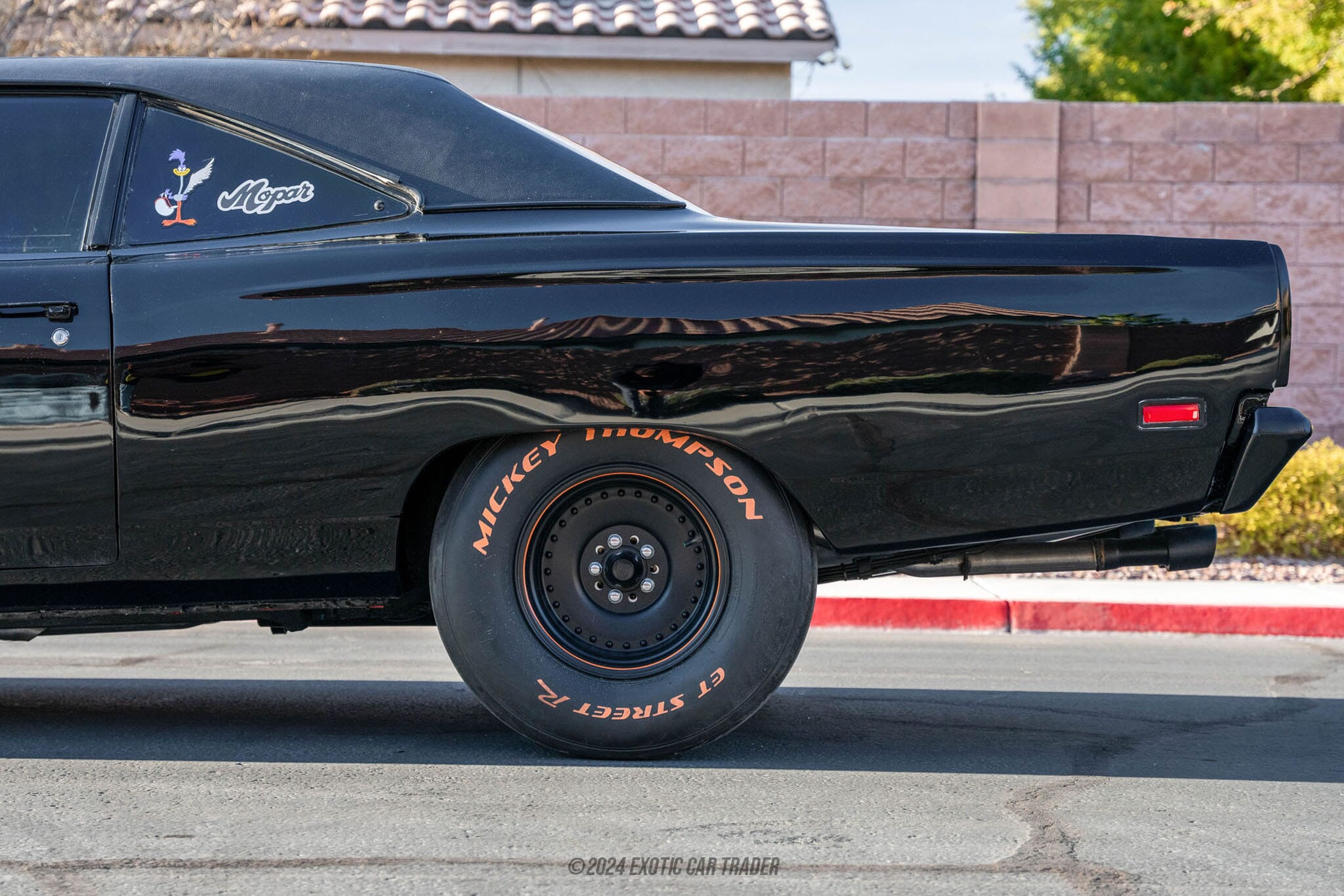
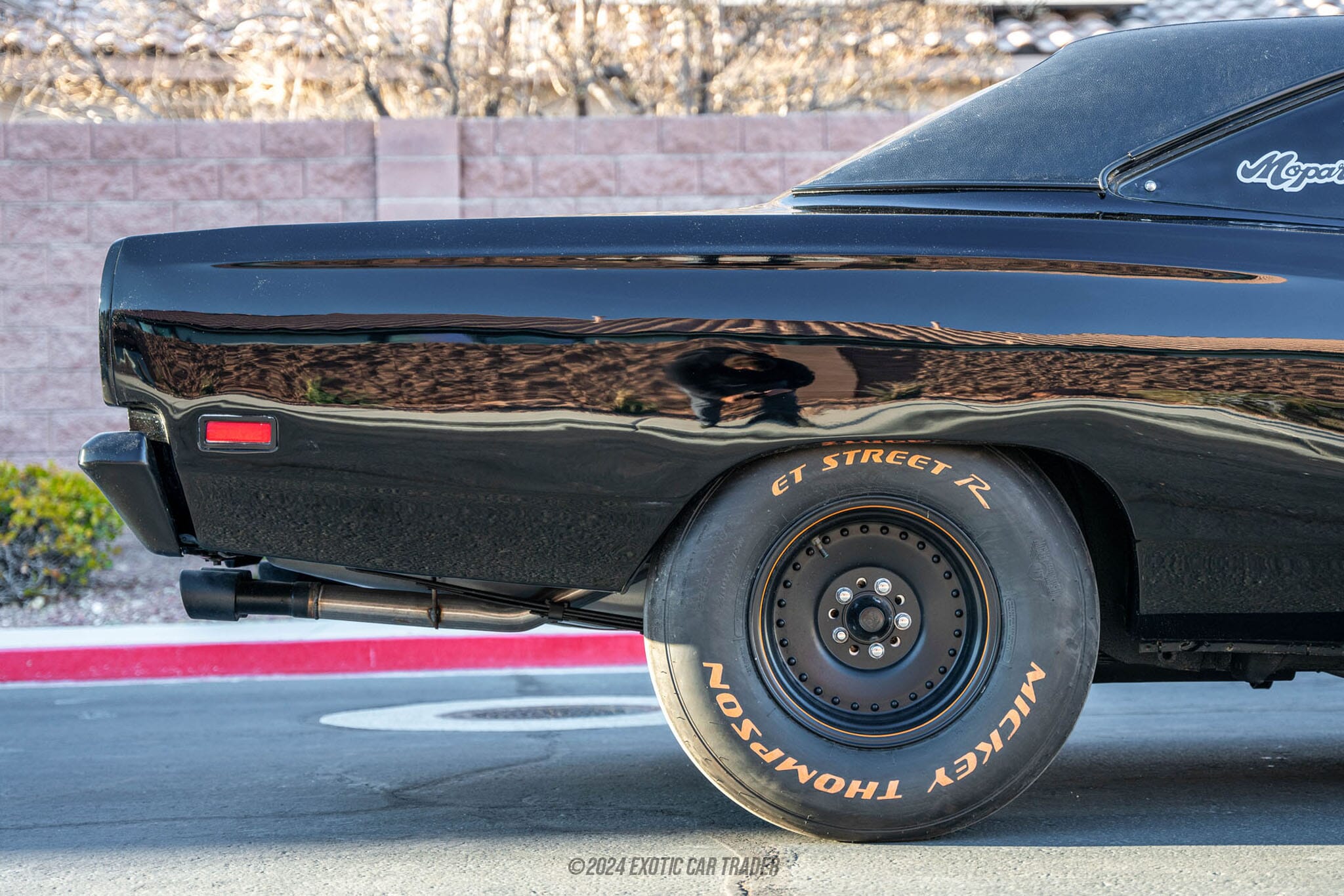
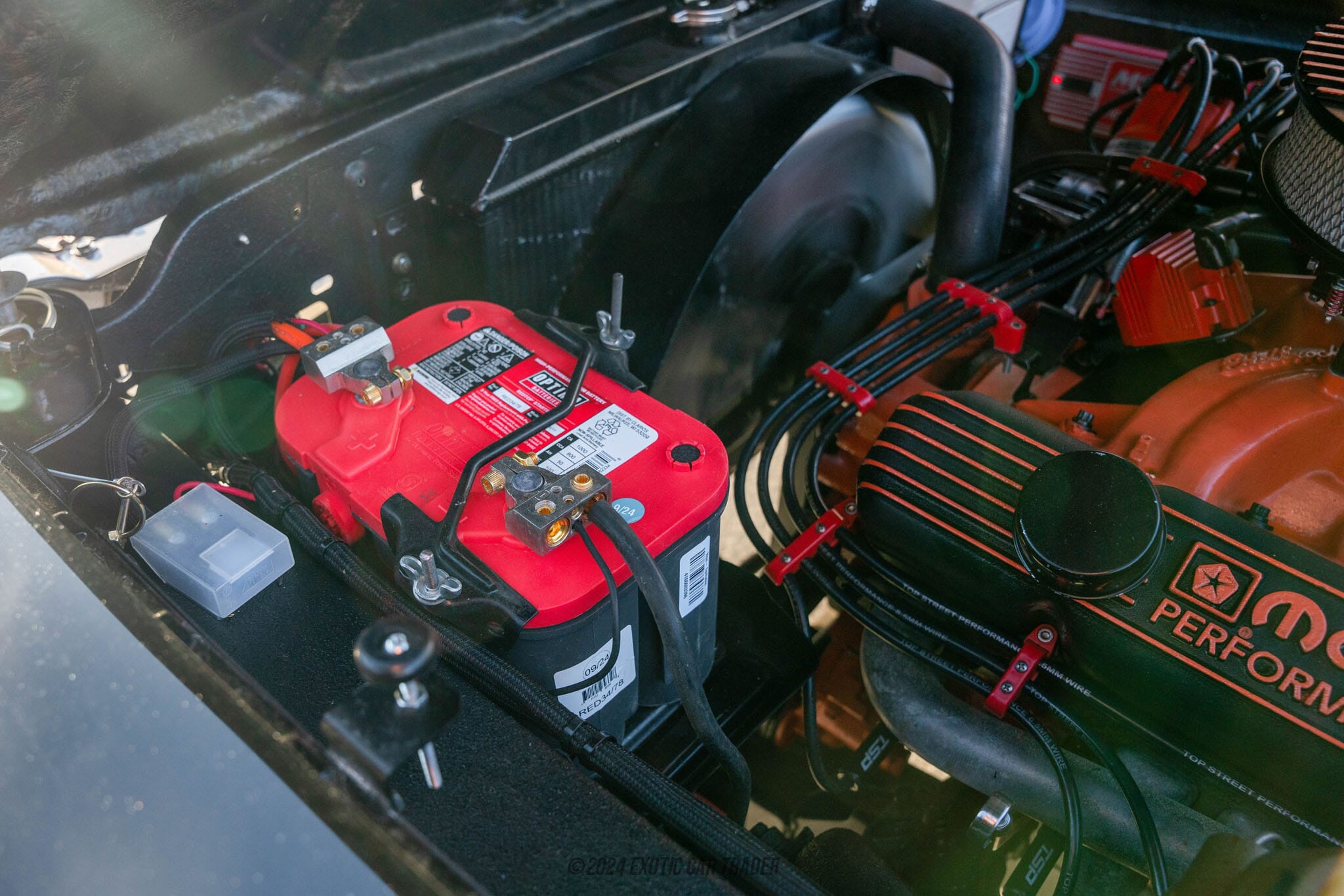
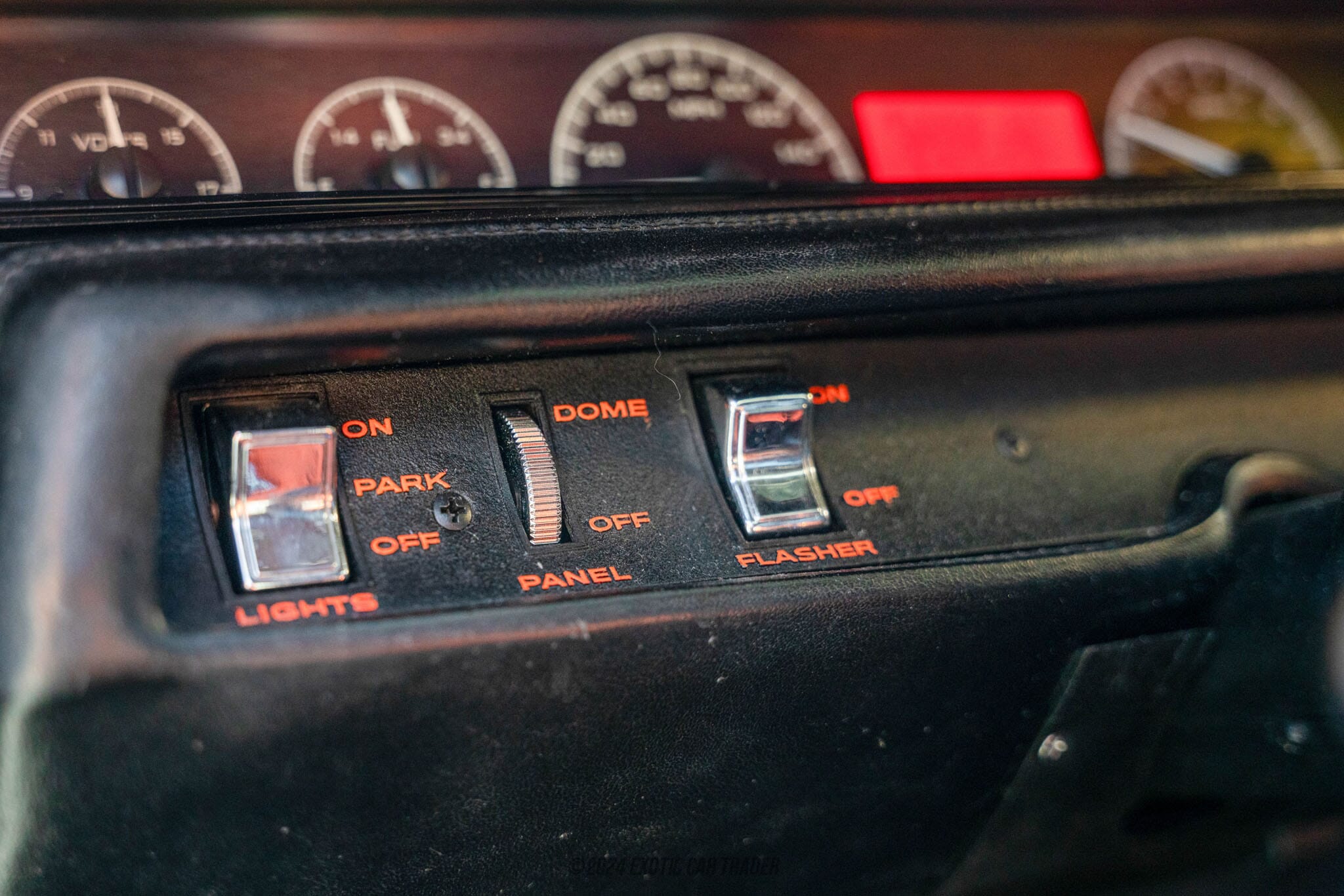
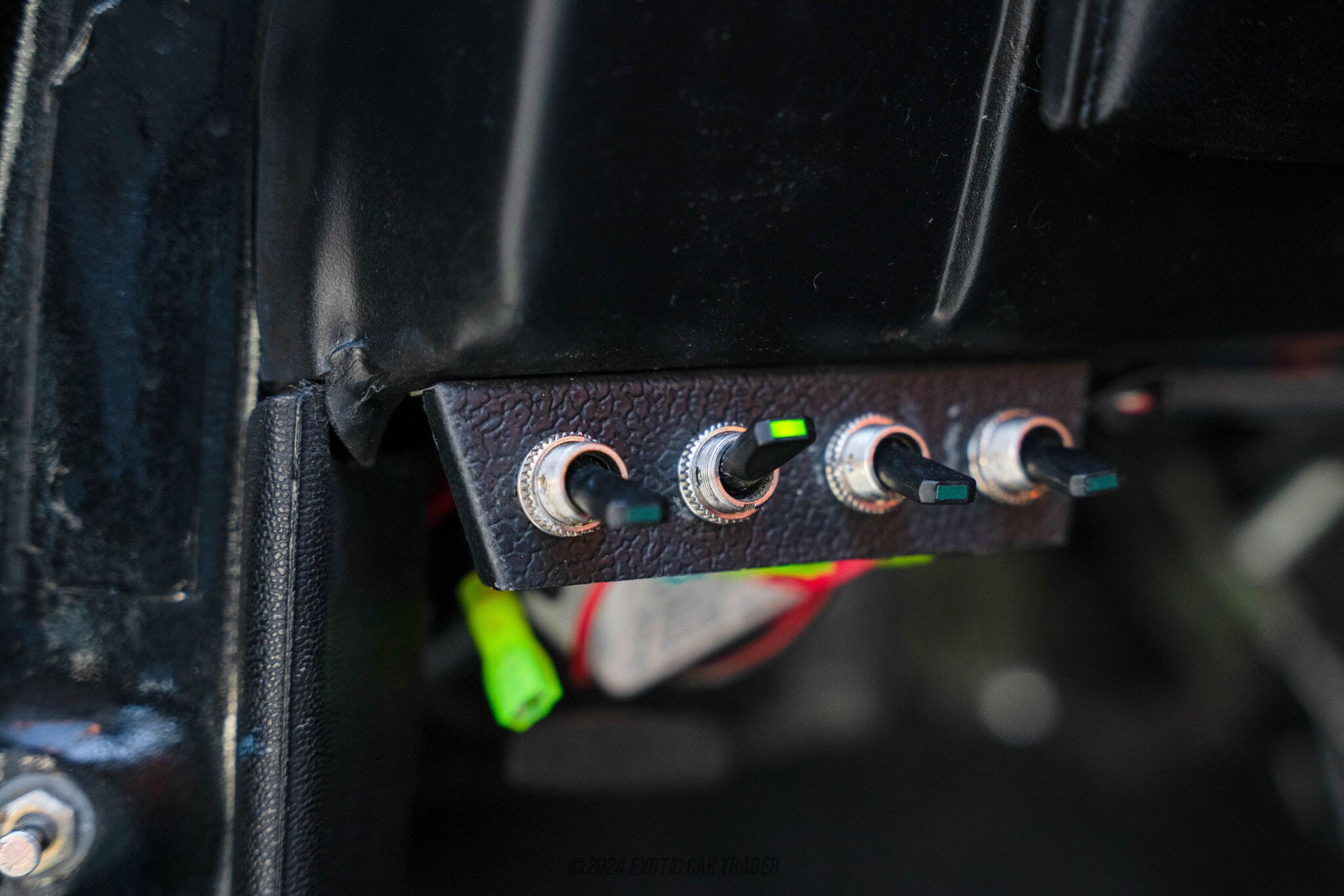
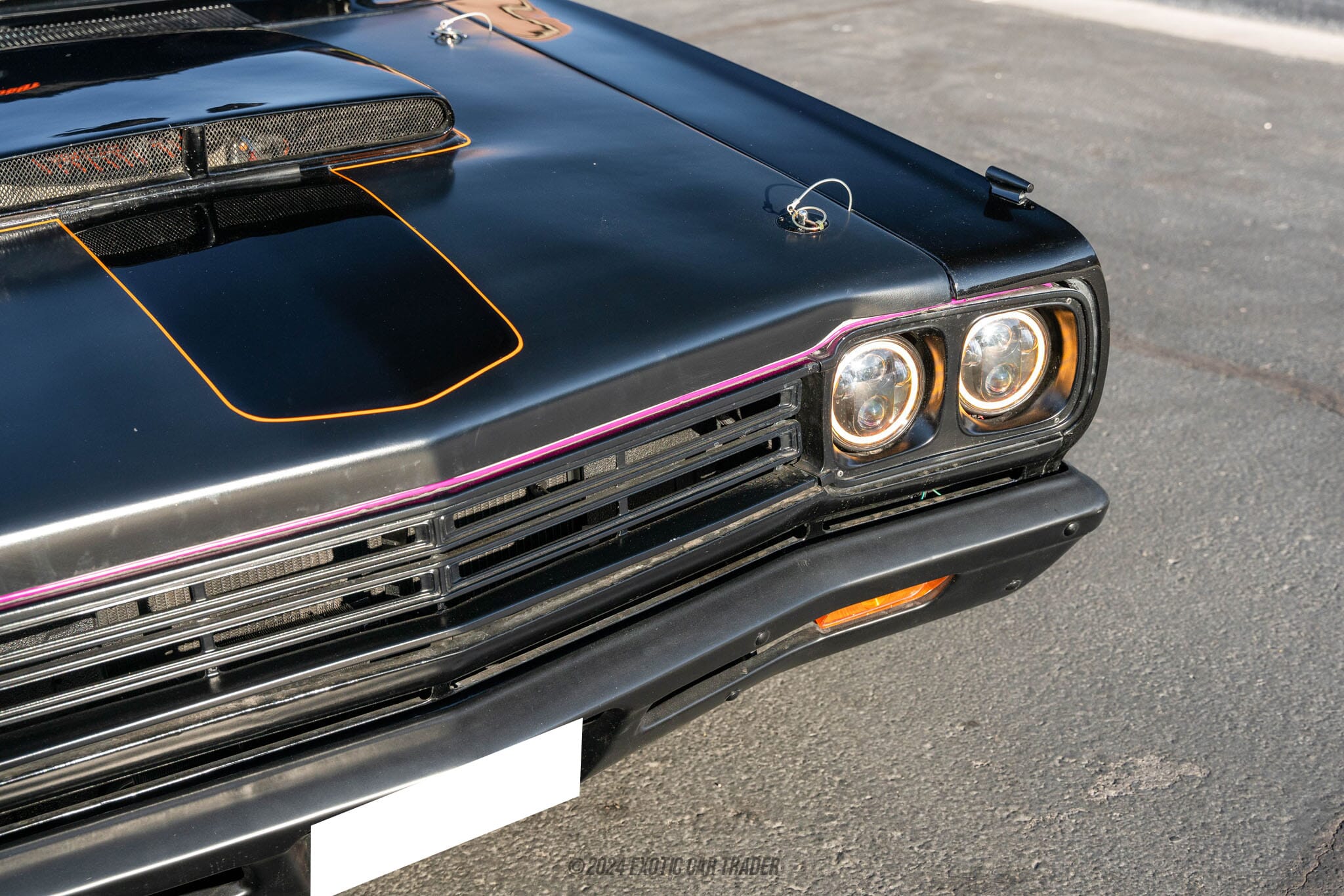
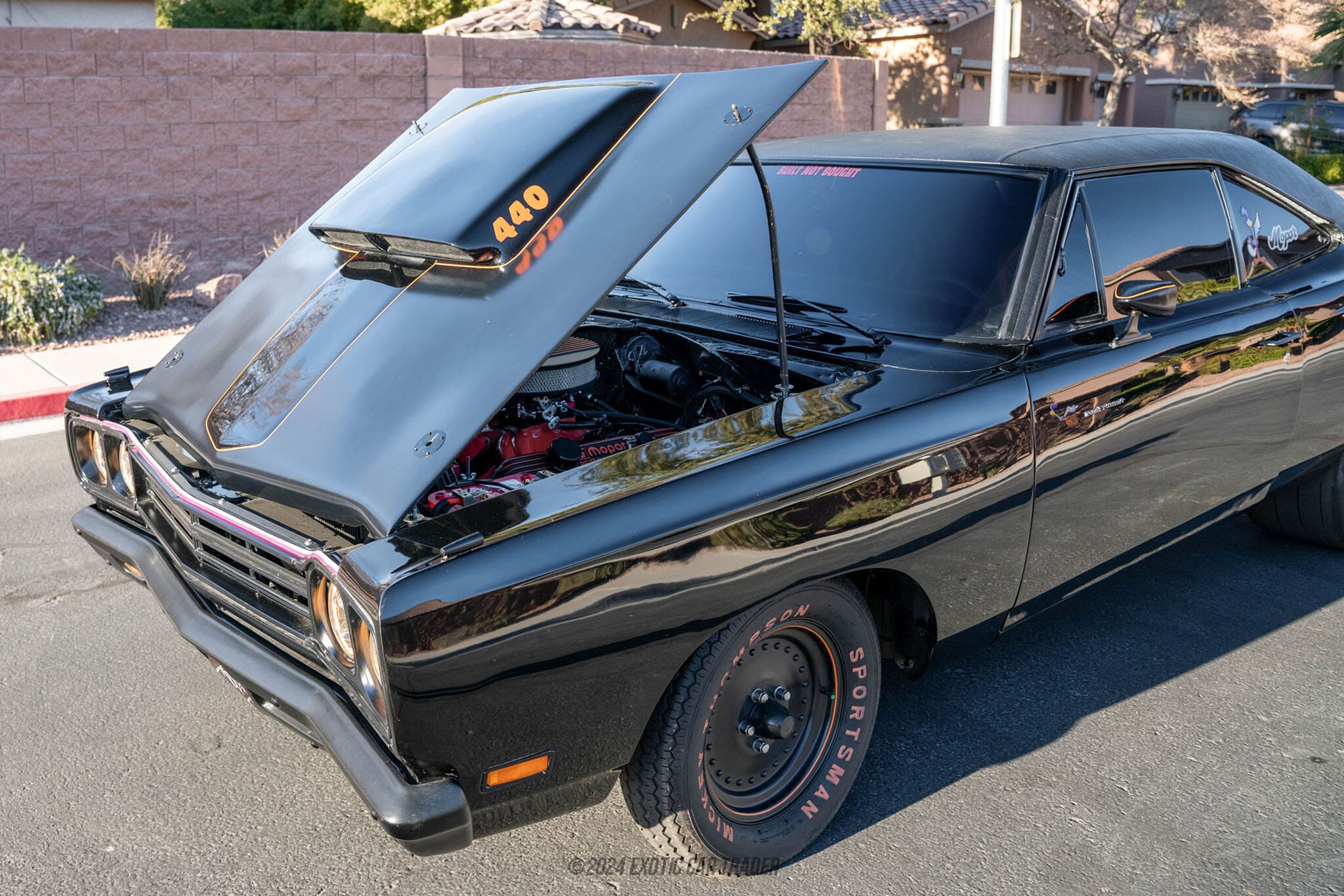
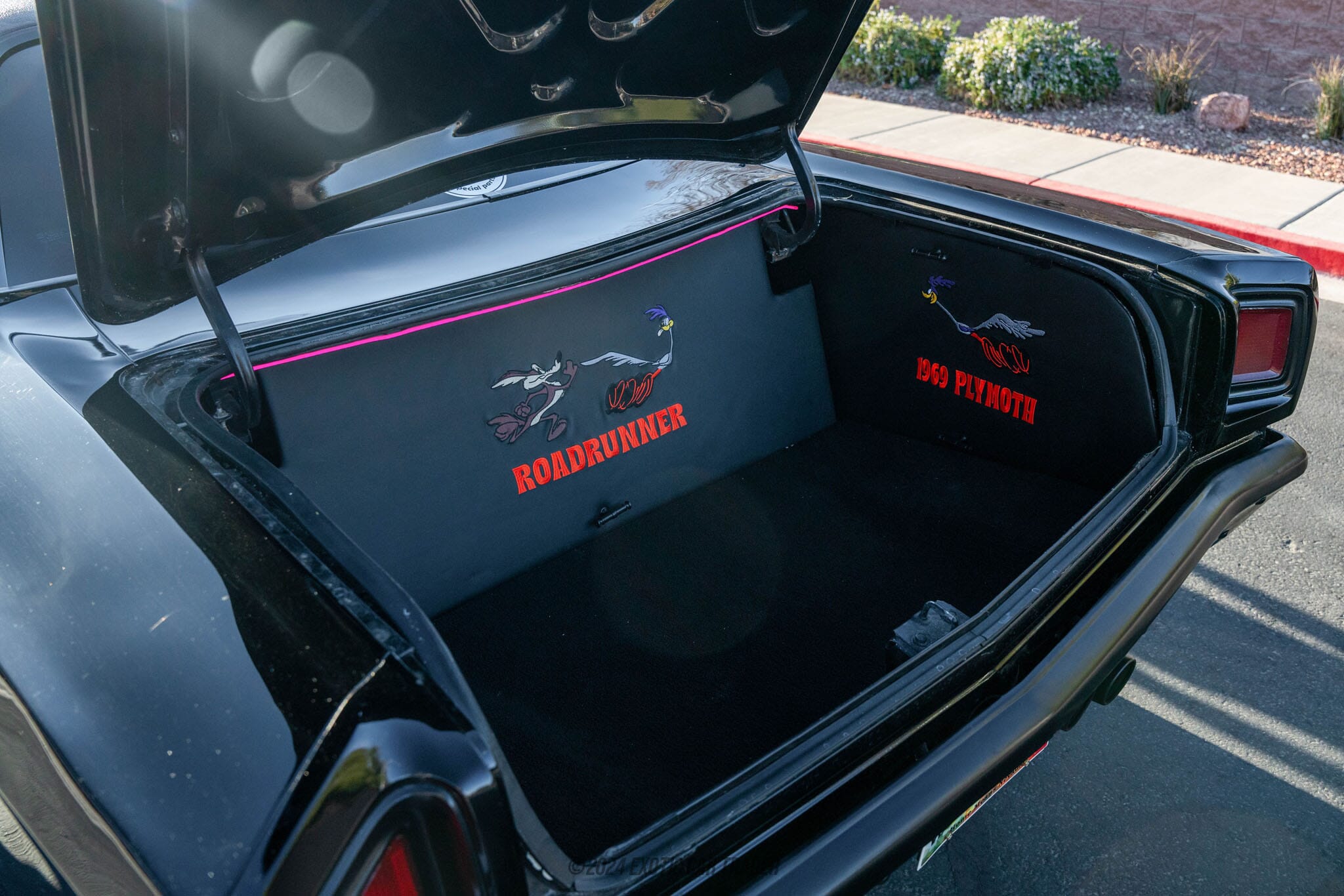
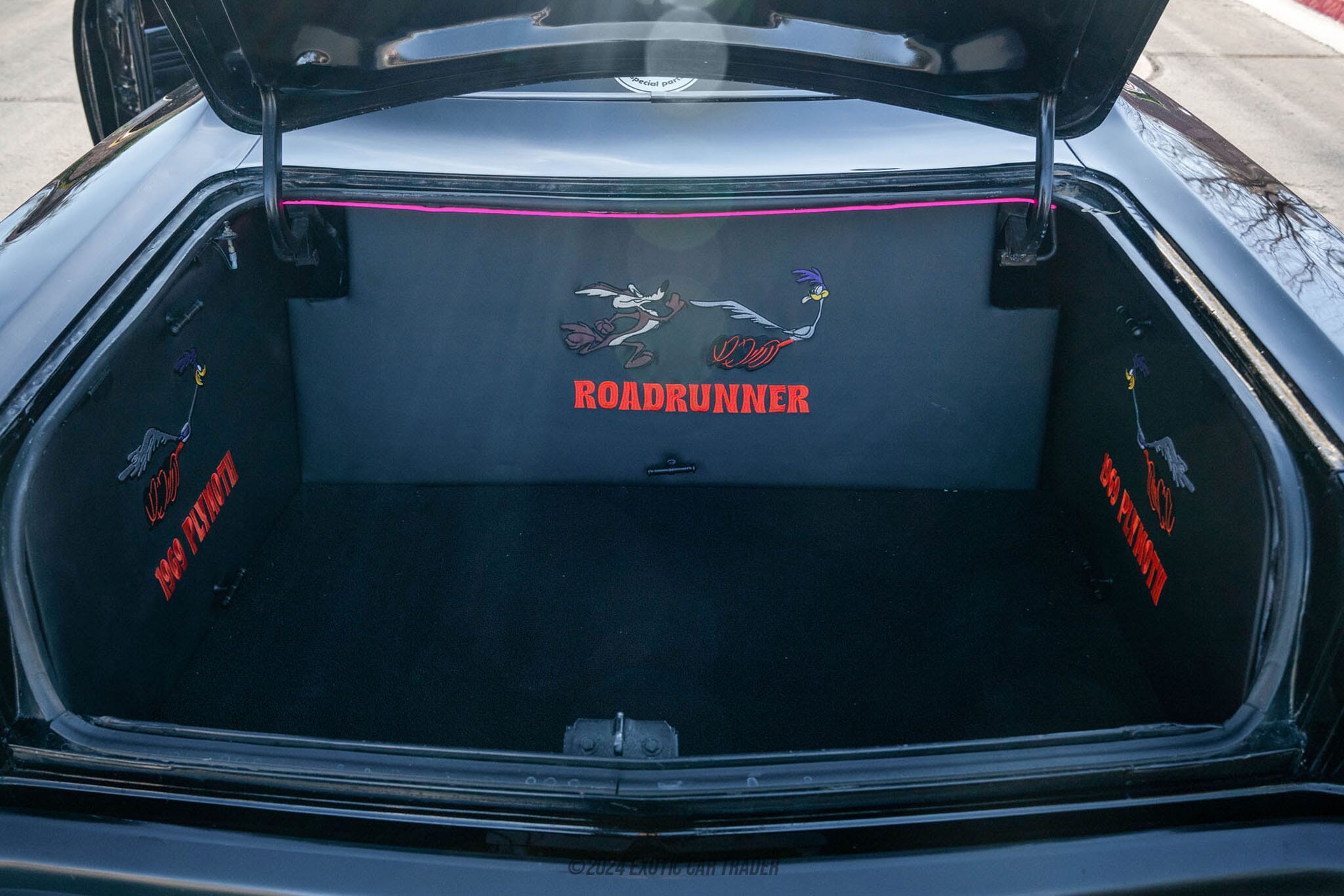
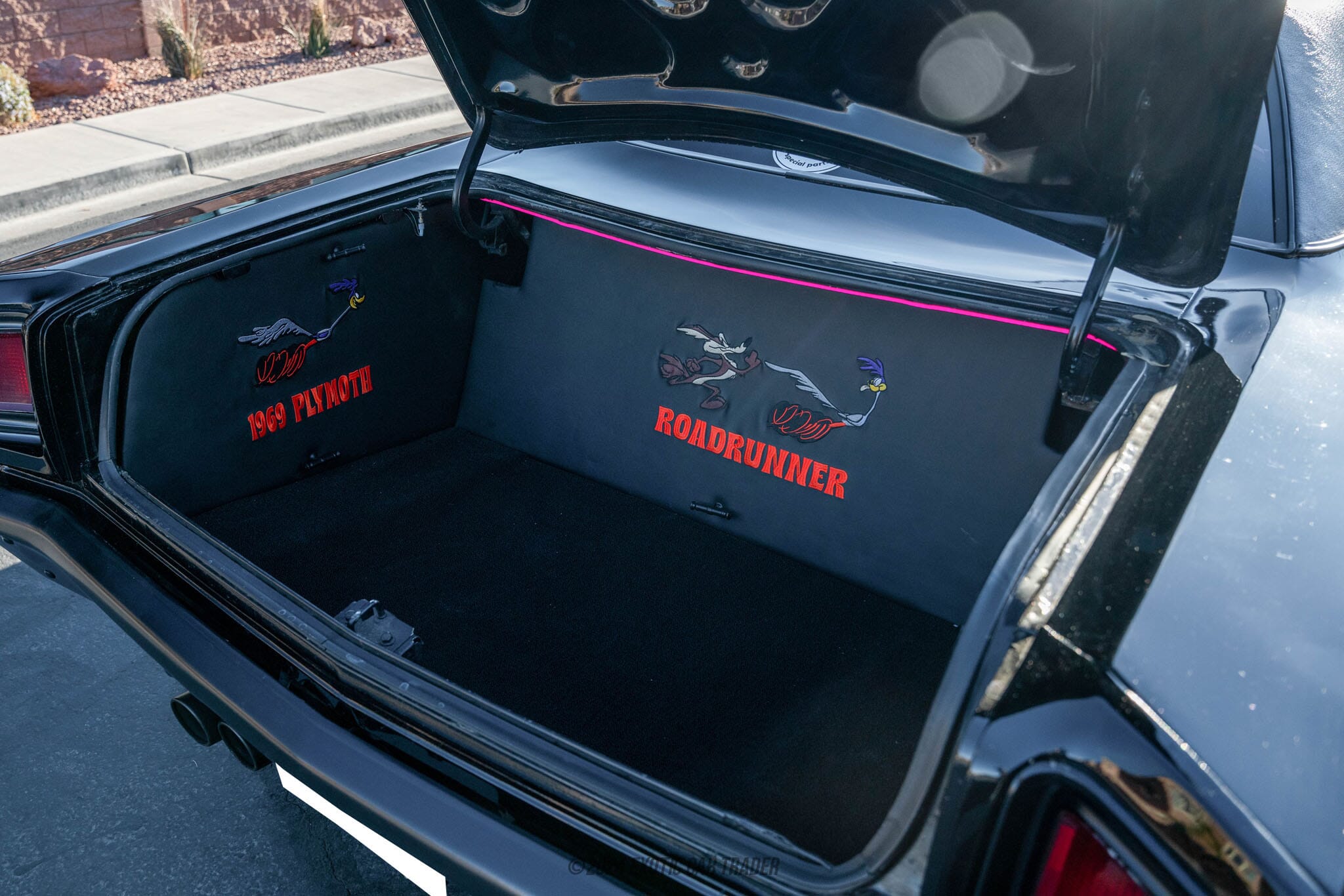
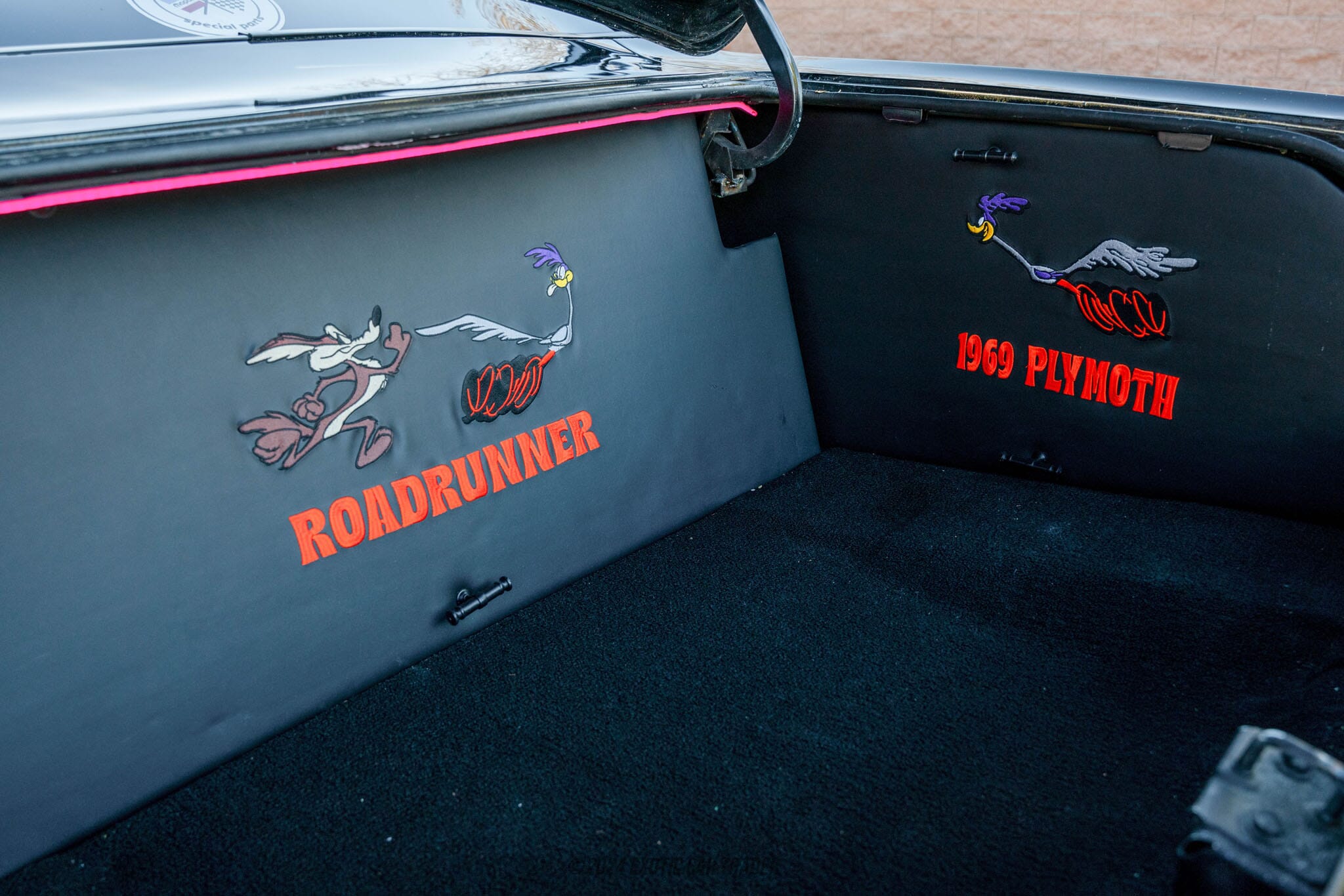
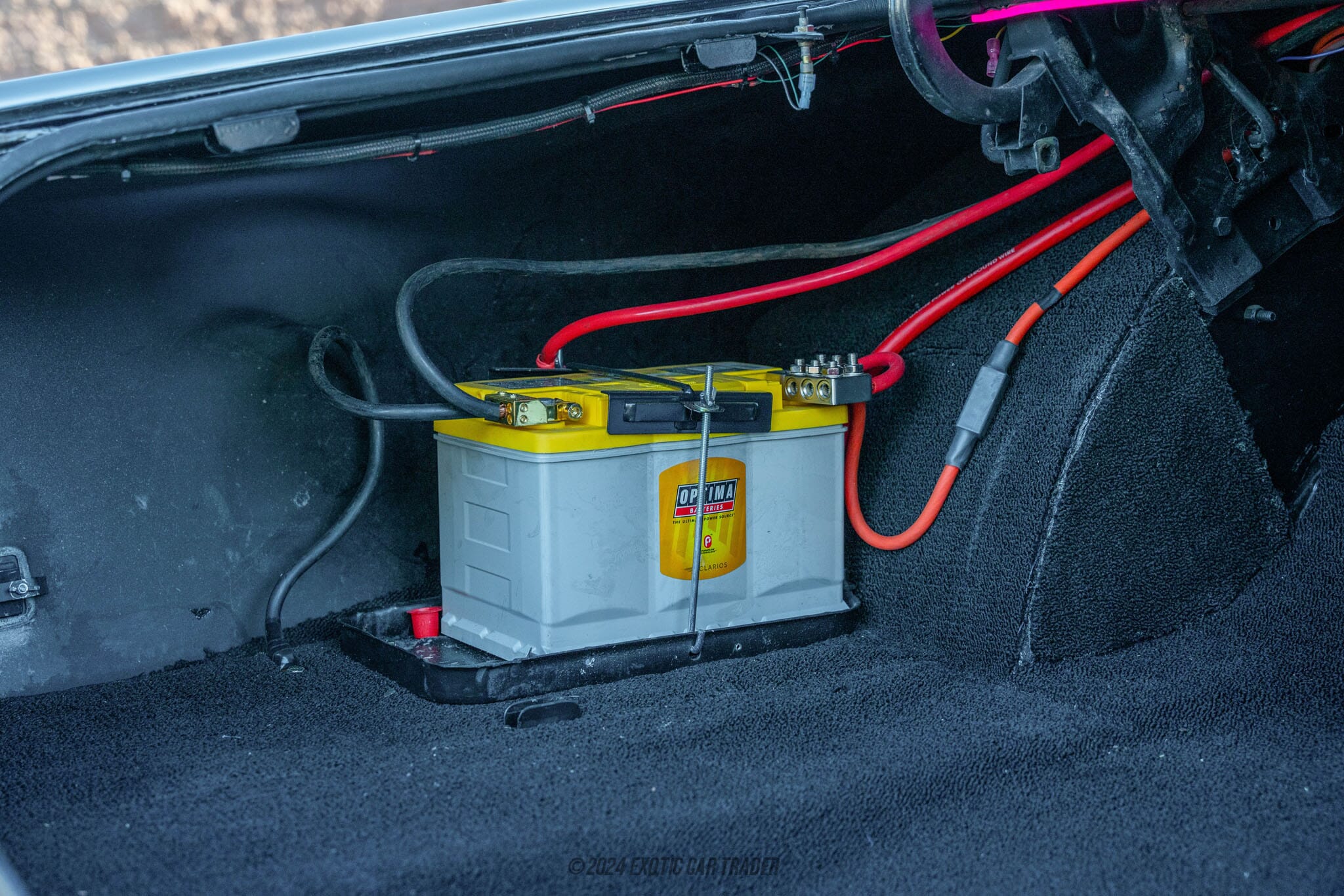
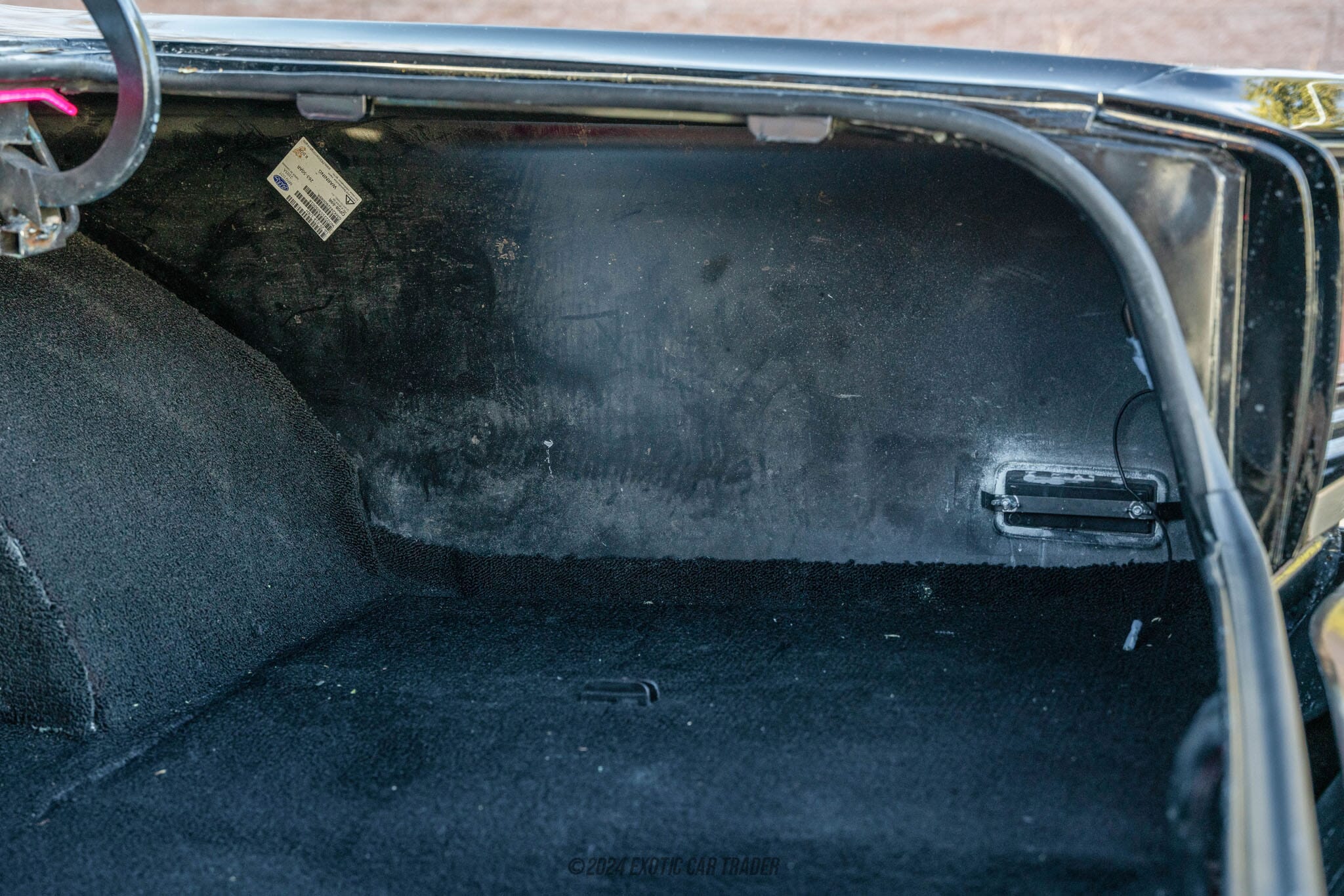
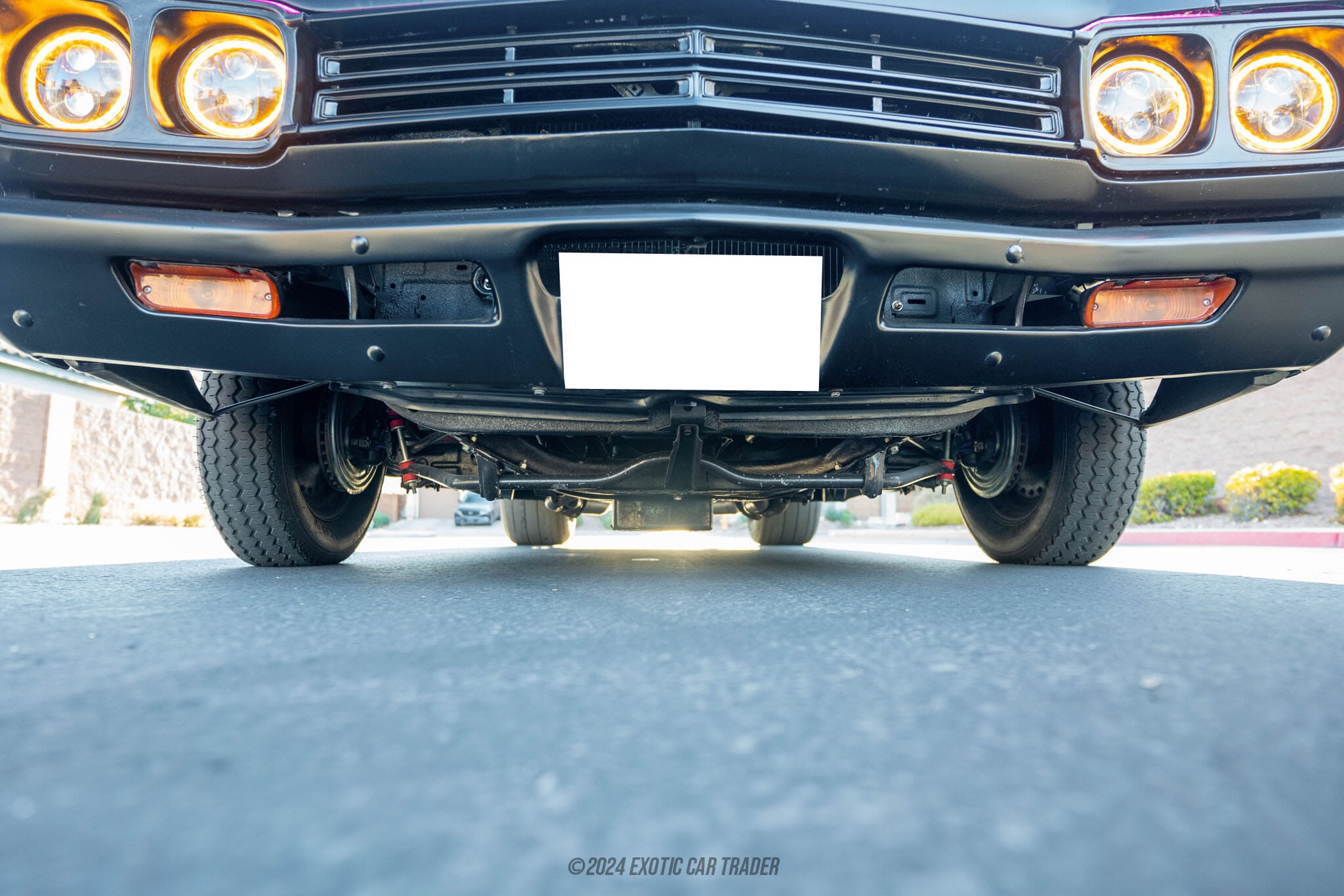
Cloaked in a sinister shade of black, this 1969 Plymouth Road Runner is definitely one to scare other, lesser endowed cars. The dual headlamps, muscular styling, power bulge atop the hood, and new wheels all make for enormous street cred. Then, when you see the fat rear tires, you’ll be left in no doubt as to this car’s purpose. The interior of this 1969 Plymouth Road Runner is said to be new, with new bucket seats sporting orange racing straps. Then, you’ll find a new gauge cluster, a Bluetooth-capable stereo system, an amplifier, and Kicker speakers in an orange-and-black box that resides upon the car’s rear seats. This isn’t a car that you can take your family to the mall in; rather it’s a car that you can take one passenger at a time, and give them the ride of their life. However, the trunk is largely intact and can accept a decent amount of cargo, even with the battery relocated to its confines.
Engine
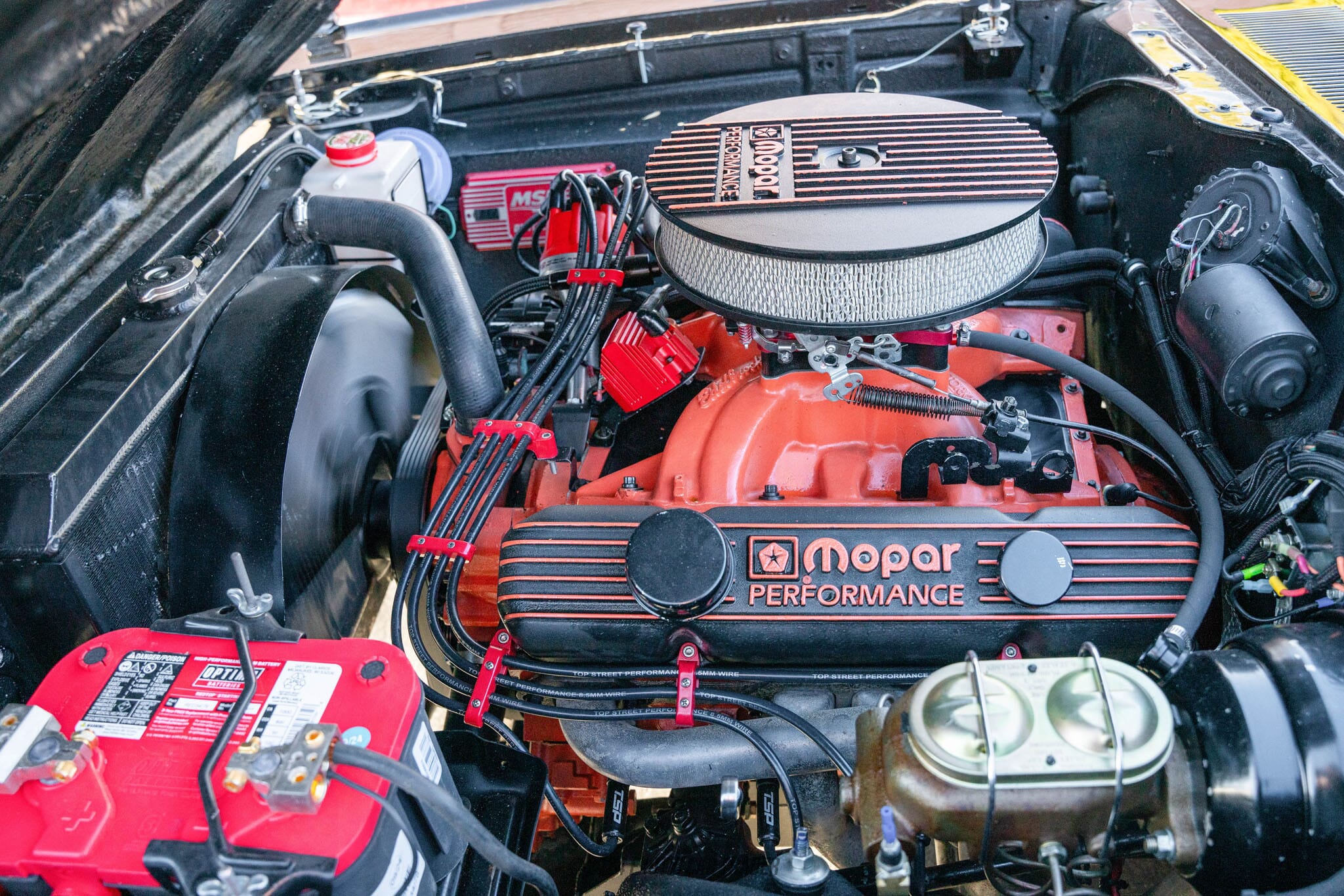
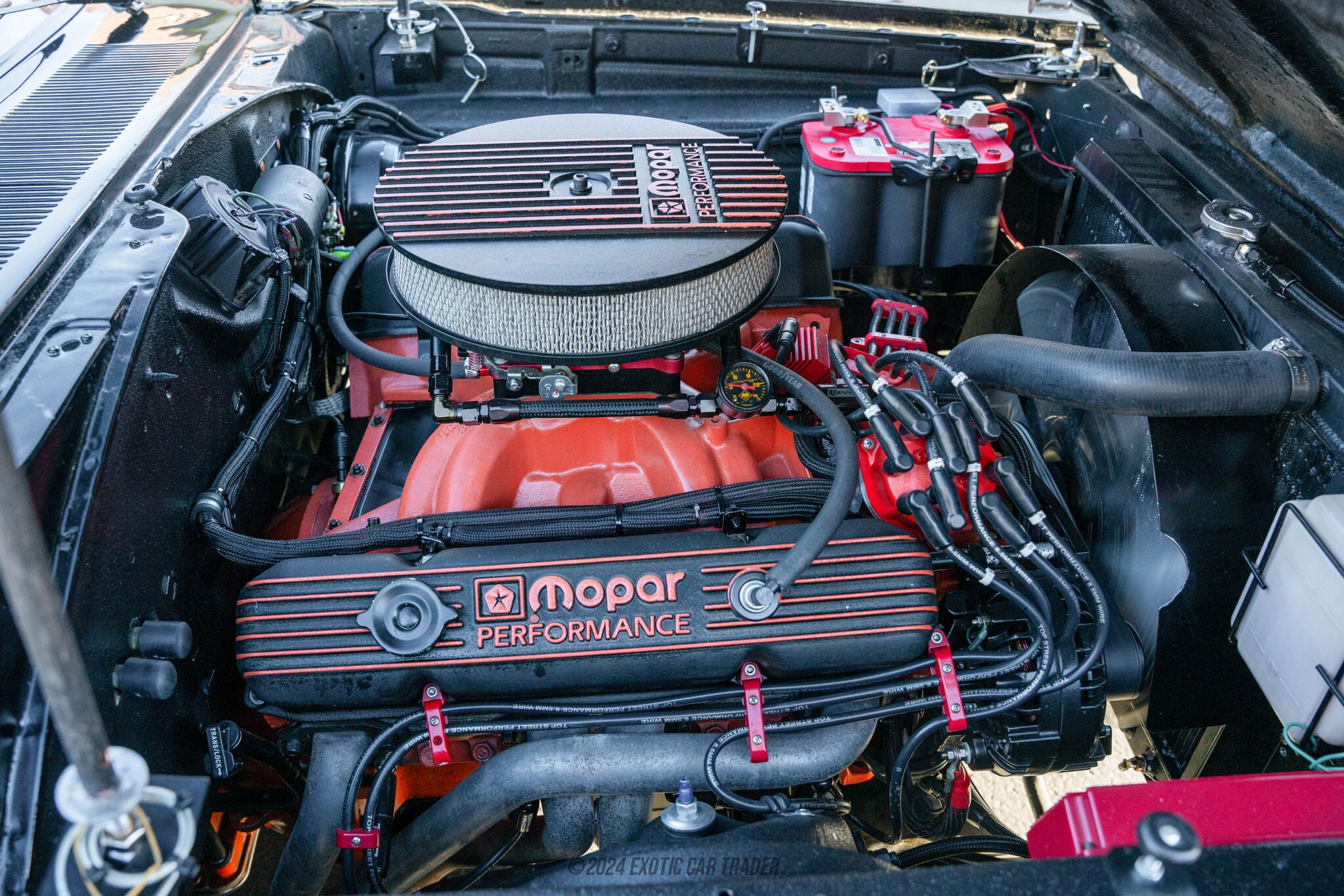
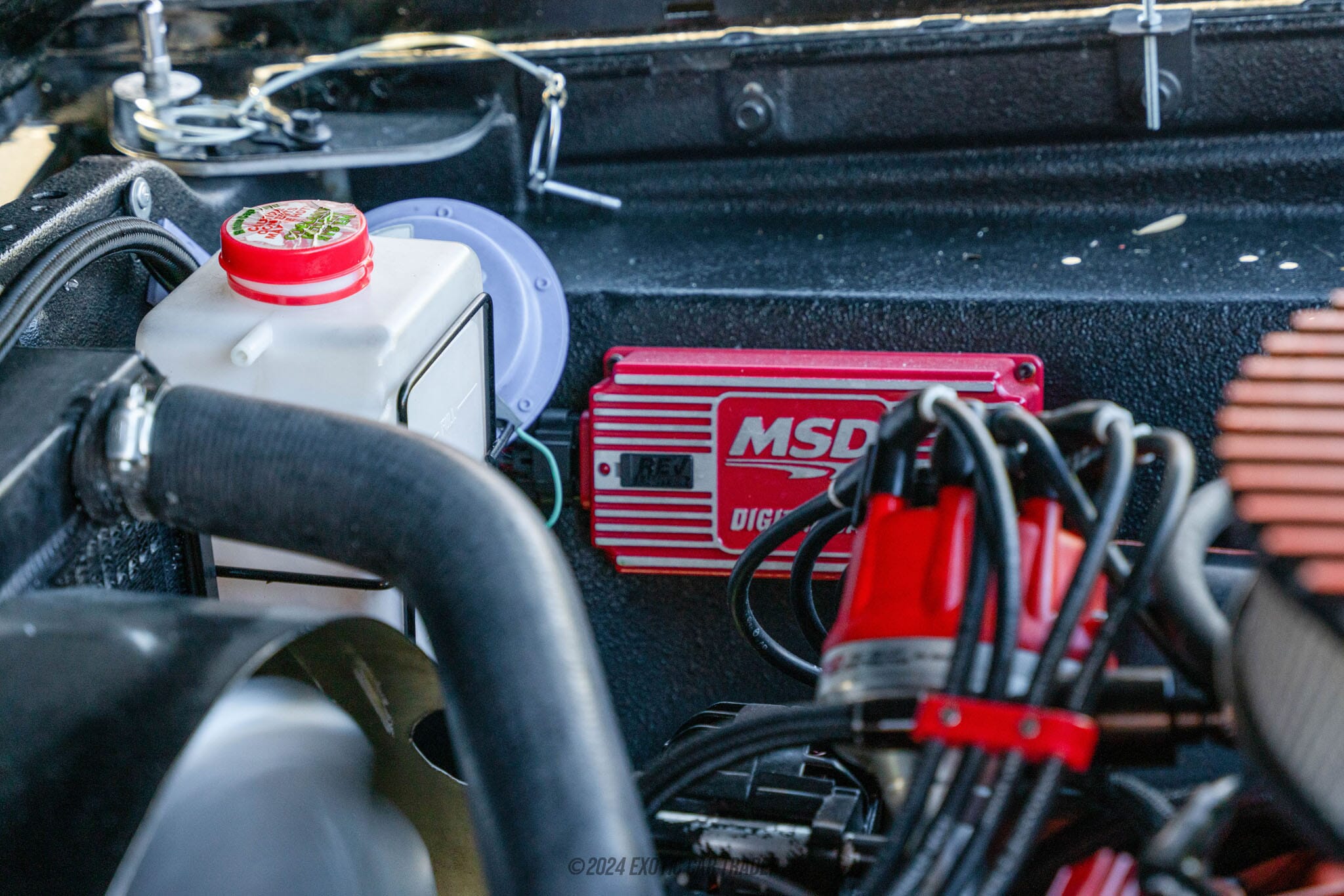
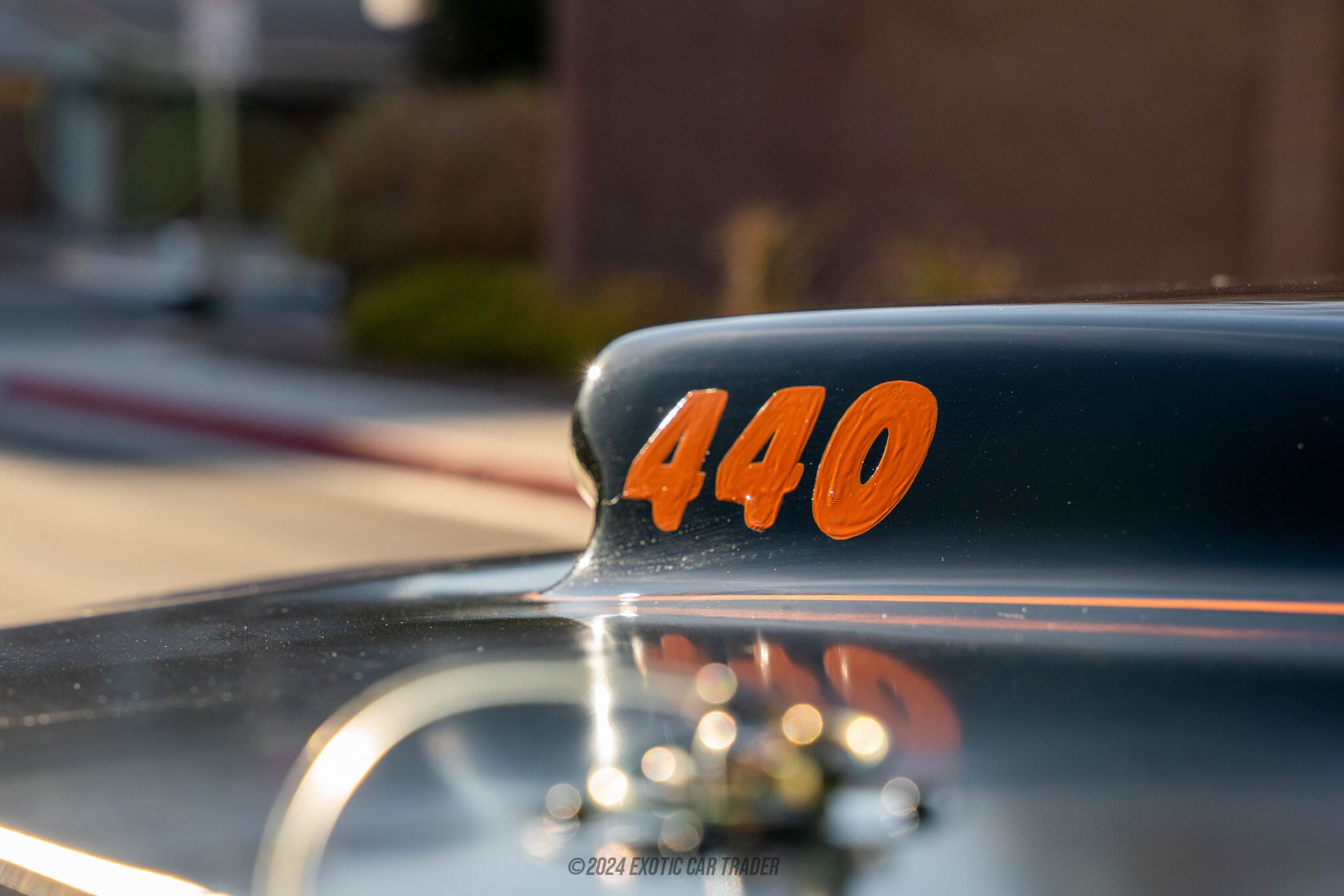
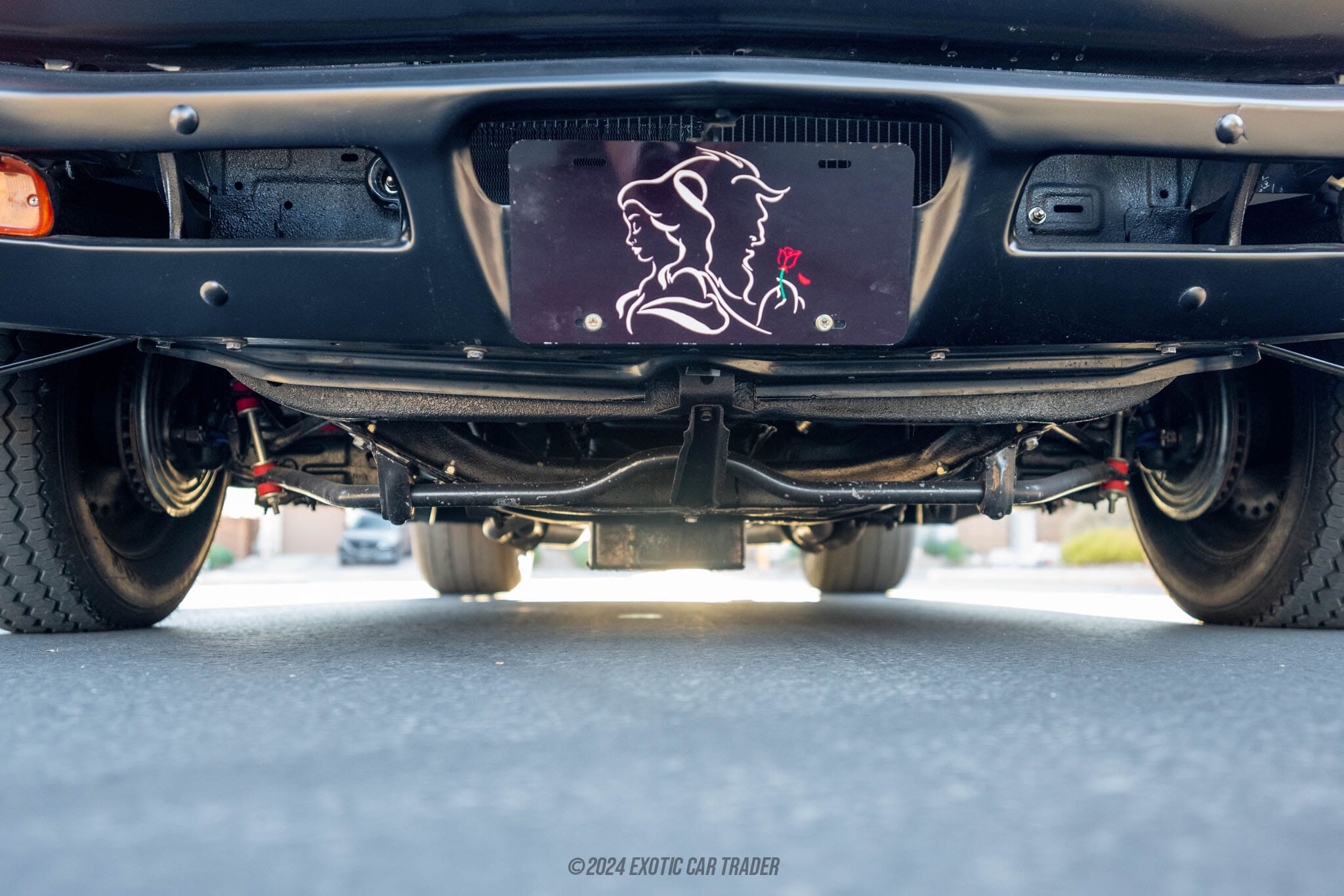
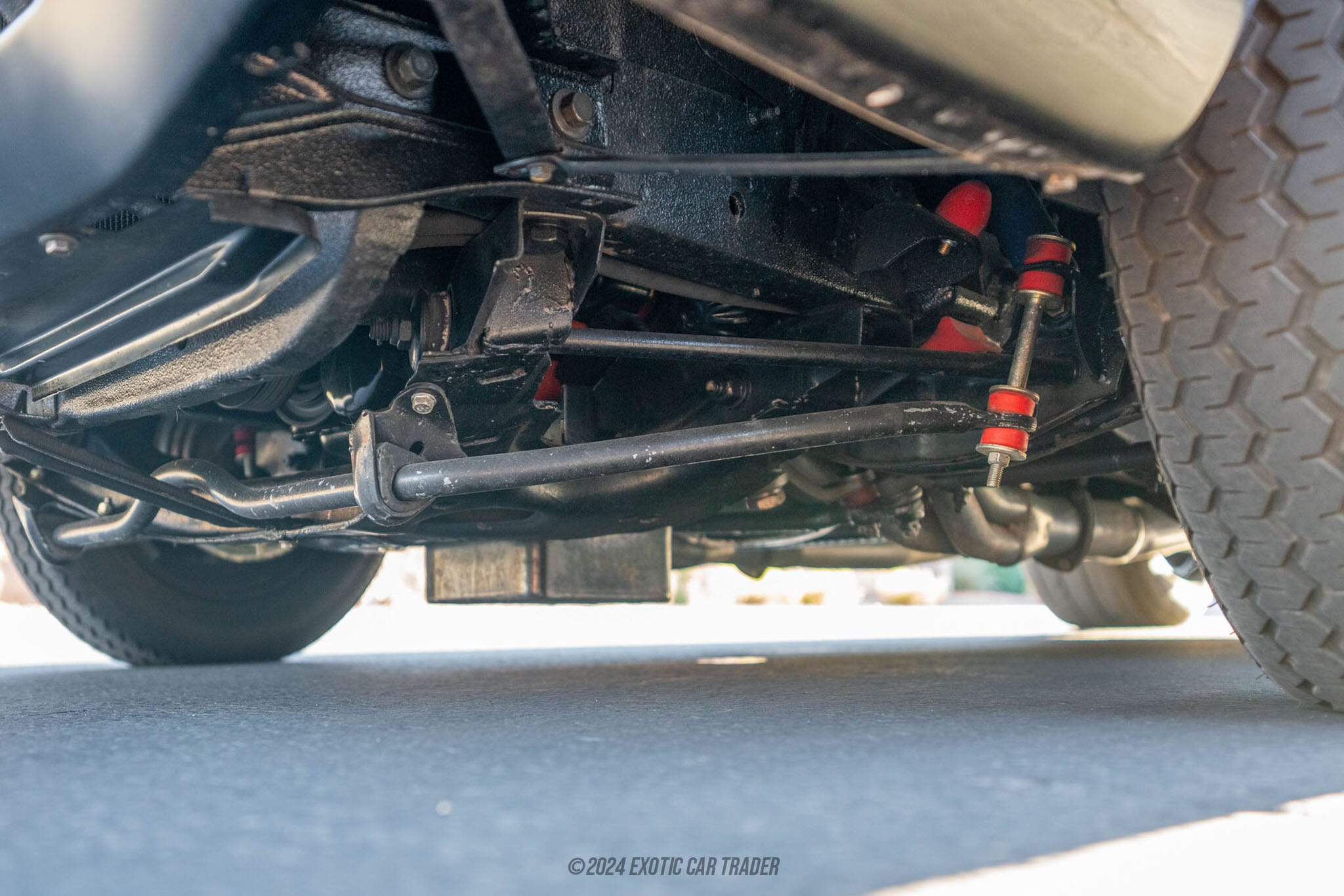
Under the hood of this 1969 Plymouth Road Runner lies a fearsome 440ci V8 with MSD ignition and a new dual exhaust system. Power is thrust to the rear wheels via an automatic transmission, making this very much a “floor it and hold on” kind of car. The car also includes disc brakes all round, and new suspension too.


By 1969, the Plymouth Road Runner had firmly established itself as one of the defining muscle cars of the era, combining big-block performance with a no-nonsense attitude that appealed to enthusiasts looking for speed over luxury. This 1969 Plymouth Road Runner embodies that philosophy with its legendary 383ci V8, desirable 4-speed manual transmission, and iconic Air Grabber induction system. Showing approximately 82,962 miles, this Ivy Green classic offers the unmistakable styling, raw driving experience, and factory performance pedigree that continue to make the Road Runner one of Mopar's most celebrated creations.
This 1974 Plymouth Road Runner Pro Street Supercharged is a purpose-built street-and-strip muscle car combining classic Mopar styling with serious drag racing hardware. Originally a 340ci V8, this Road Runner has been transformed with a professionally built and balanced big block powerplant featuring a Dyer’s Machine Blower Company supercharger system, dual Holley carburetors, and an estimated 800 horsepower output. Designed for high-performance driving, it pairs its supercharged engine with a reverse-pattern 727 TorqueFlite automatic transmission, Detroit Locker differential, 4-link rear suspension, and Mickey Thompson ET Street tires. Finished in a vibrant Lime Green exterior with a competition-inspired setup including a full roll cage, racing harnesses, and upgraded chassis components, this Pro Street build represents the classic era of American horsepower taken to an extreme level.
The Plymouth Road Runner was introduced for buyers who wanted one thing above all else: performance. By stripping away unnecessary luxury features and focusing on big-block power, Plymouth created one of the most successful muscle cars of the era. This 1968 Plymouth Road Runner Hardtop Coupe shows 57,801 miles and is powered by the legendary 383ci Magnum V8, making it a textbook example of the formula that made the Road Runner a household name among enthusiasts. Finished in an eye-catching green exterior over a white vinyl interior, this first-year Road Runner embodies the no-nonsense attitude that helped establish the model as one of the most iconic muscle cars of the late 1960s.
The 1999 Plymouth Prowler represents one of the most distinctive production vehicles of the modern automotive era, bringing the spirit of traditional American hot rodding into a factory-built roadster. Originally introduced as a concept car before entering production, the Prowler combined classic hot rod influences such as its open-wheel front suspension, long hood, and low-slung stance with advanced engineering techniques including lightweight aluminum construction and composite body panels. Showing approximately 24,531 miles, this example is finished in Prowler Black with an Agate interior and features a black convertible soft top and chrome wheels. Powered by a 3.5L naturally aspirated V6 paired with Chrysler’s AutoStick automatic transmission, the Prowler delivers a unique blend of retro-inspired styling, modern drivability, and collectible character. As one of Chrysler’s most ambitious design statements of the late 1990s, the Prowler remains a standout example of a factory-built hot rod interpretation.
The 1949 Plymouth Deluxe PE Model Woody Wagon is a distinctive postwar American station wagon featuring classic wood-bodied styling and Plymouth’s durable flathead six-cylinder powertrain. Showing 47,295 miles, this example is powered by a 217.8ci L-Head Inline-6 paired with a 3-speed manual transmission and rear-wheel drive. Finished in Brown with a matching Brown interior and woodgrain exterior trim panels, this Deluxe Woody Wagon represents the traditional craftsmanship and character of early American family wagons.
By 1969, the Plymouth Road Runner had firmly established itself as one of the defining muscle cars of the era, combining big-block performance with a no-nonsense attitude that appealed to enthusiasts looking for speed over luxury. This 1969 Plymouth Road Runner embodies that philosophy with its legendary 383ci V8, desirable 4-speed manual transmission, and iconic Air Grabber induction system. Showing approximately 82,962 miles, this Ivy Green classic offers the unmistakable styling, raw driving experience, and factory performance pedigree that continue to make the Road Runner one of Mopar's most celebrated creations.
The 1979 MG Midget represents the closing chapter of MG’s long-running tradition of lightweight British sports cars, carrying forward the simple formula that made the marque beloved by driving enthusiasts: compact dimensions, an open cockpit, rear-wheel drive, and an engaging manual transmission. Originally introduced as an affordable sports car focused on driver enjoyment, the Midget became known for its approachable character and ability to deliver an authentic roadster experience without unnecessary complexity. Showing approximately 47,372 miles, this example embodies the charm of a classic British convertible, offering the opportunity to enjoy a vintage sports car experience defined by mechanical simplicity, light handling, and timeless roadster appeal.
The 1991 Chevrolet Corvette Coupe represents the final refinement of the iconic C4 generation, combining classic Corvette styling with improved performance, technology, and everyday drivability. Showing approximately 21,136 miles, this example is finished in Torch Red over a Saddle Interior and features the enthusiast-favorite combination of the 5.7L L98 V8, 6-speed manual transmission, and removable roof panel. Additional highlights include dual power sport seats, 5-spoke aluminum wheels, Bose premium audio, digital instrumentation, and an aftermarket exhaust system, making this Corvette an appealing example of an era-defining American sports car with low mileage and driver-focused character.
The 1965 Chevrolet Corvette Sting Ray Coupe represents one of the most celebrated eras in Corvette history, combining dramatic styling, advanced engineering, and genuine competition-inspired performance. As the second year of the iconic C2 generation, the 1965 model introduced significant mechanical advancements while retaining the split personality that made the Sting Ray legendary: a refined grand touring coupe with the capability of a serious sports car. This example shows approximately 42,644 miles and is powered by the highly desirable 327ci L84 V8, featuring Rochester Ramjet mechanical fuel injection, one of the most advanced performance systems available from Chevrolet during the era. Finished in Nassau Blue with a Black interior, this Corvette is equipped with a 4-speed manual transmission, side-mount exhaust system, knock-off-style aluminum wheels, four-wheel disc brakes, and a wood-rimmed 3-spoke steering wheel. According to the current owner, the vehicle was museum-housed until 2014, adding to its appeal as a well-documented example of Chevrolet’s legendary mid-year Corvette.

Terms of Service
Be Kind and Courteous
We're here to create a platform to better the automotive industry through communication and transparency. Please treat everyone with respect. Healthy debates are natural, but kindness is required.
No Hate Speech
Make sure everyone feels safe. Hate speech of any kind is strictly prohibited. Degrading comments about things like race, religion, culture, sexual orientation, etc. will not be tolerated.
No Promotions or Spam
Give more than you take. Self-promotion, spam, or links of any kind are not allowed.
