



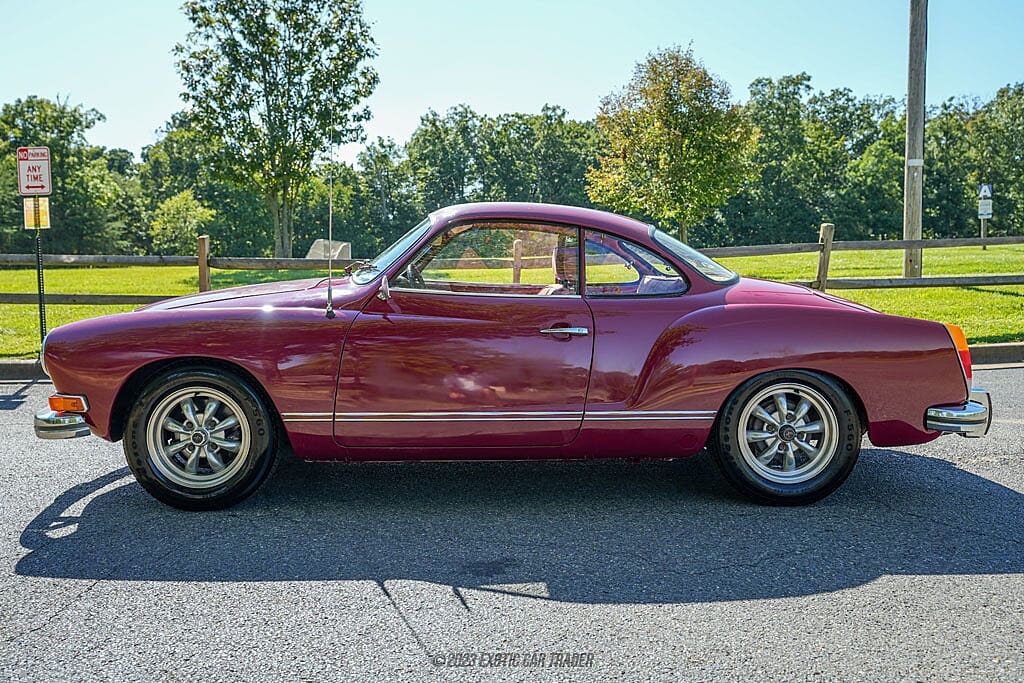
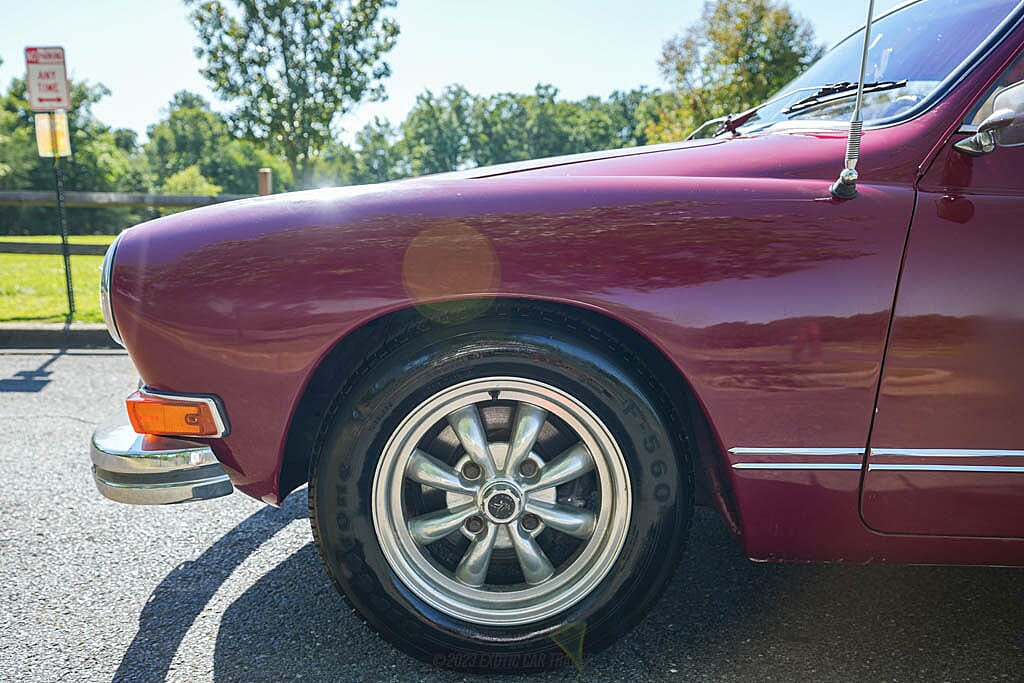
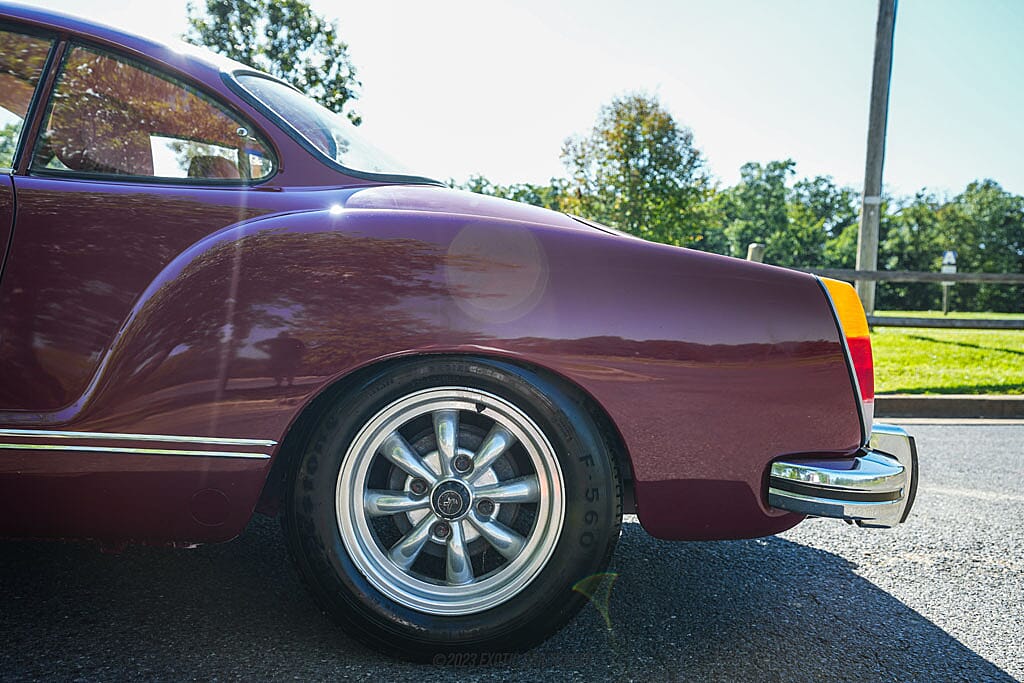
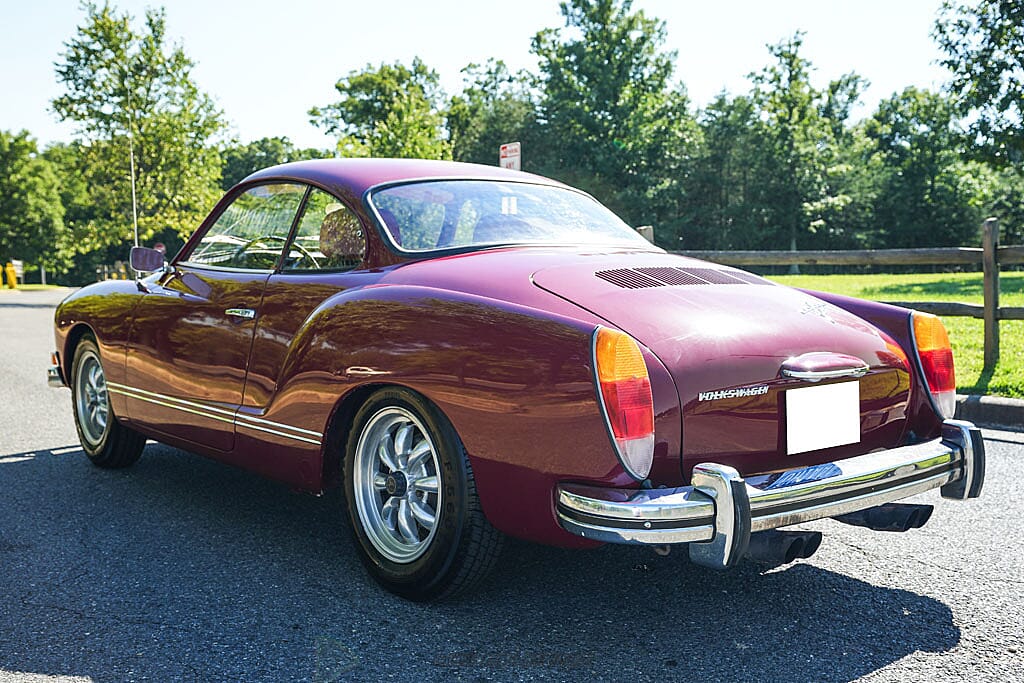
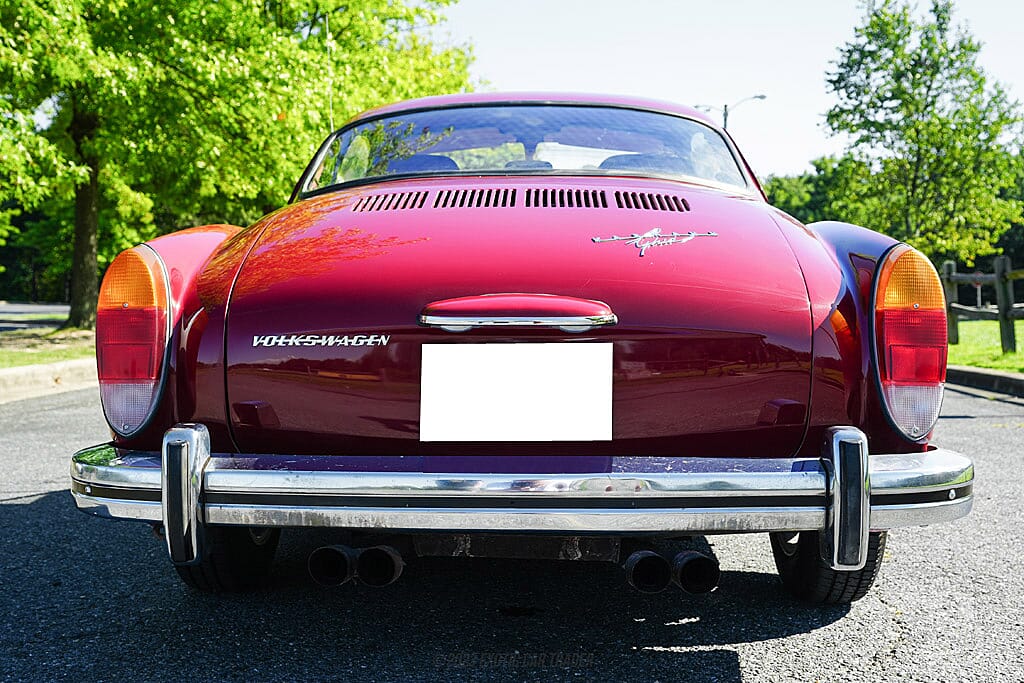
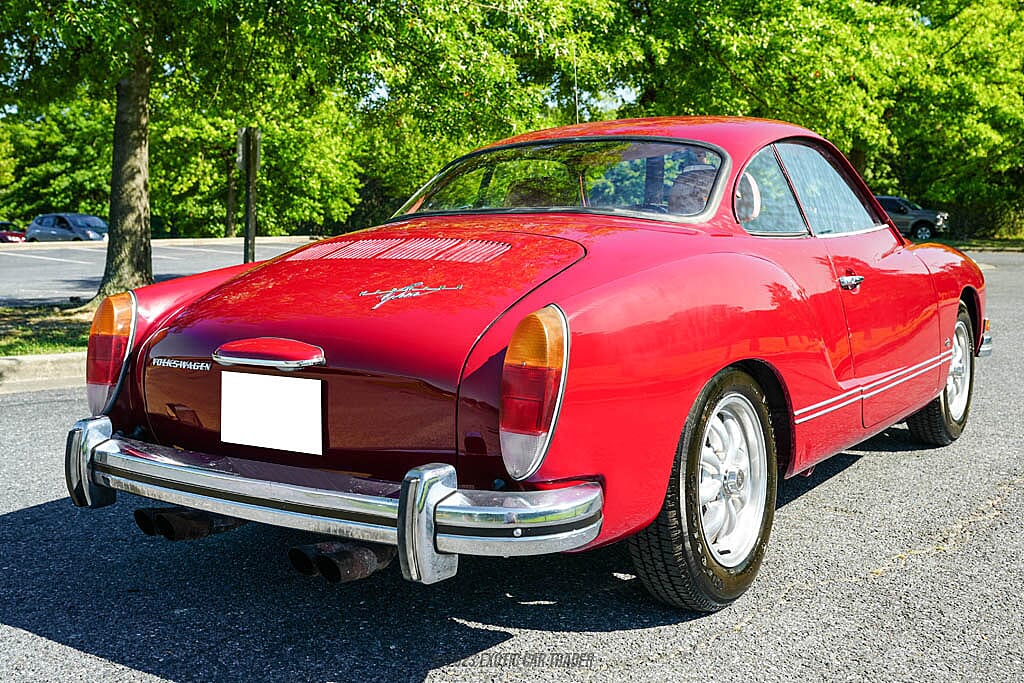
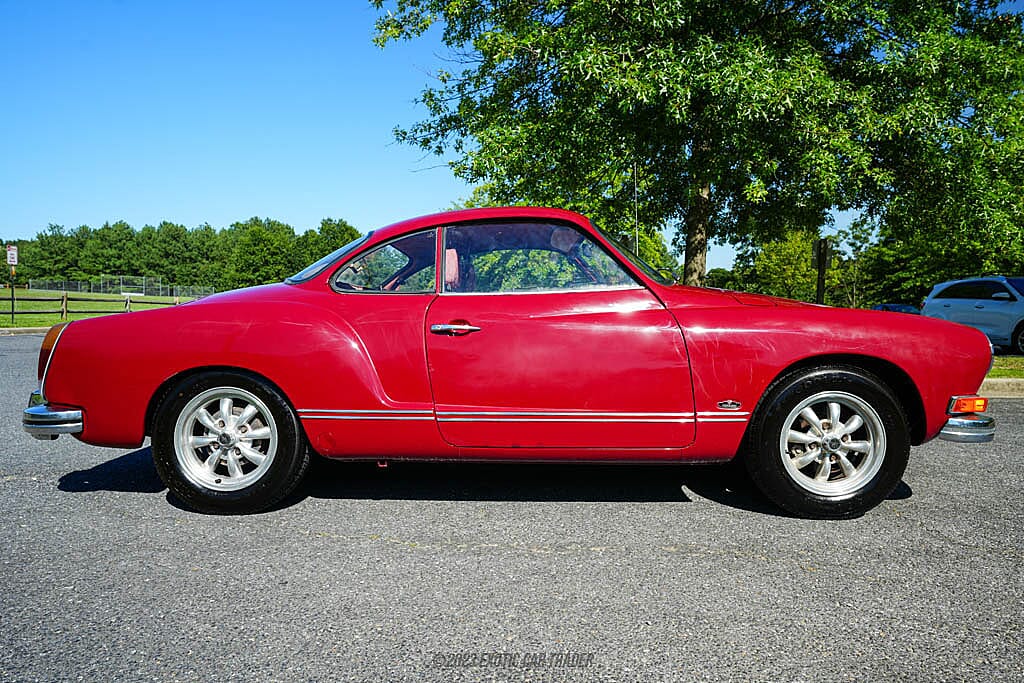
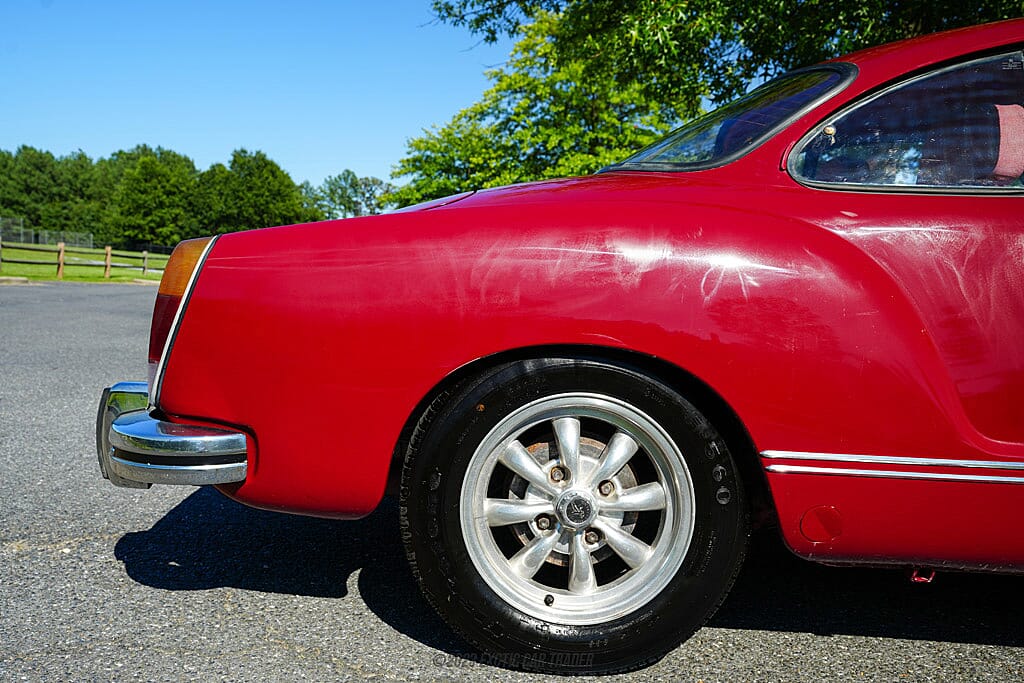

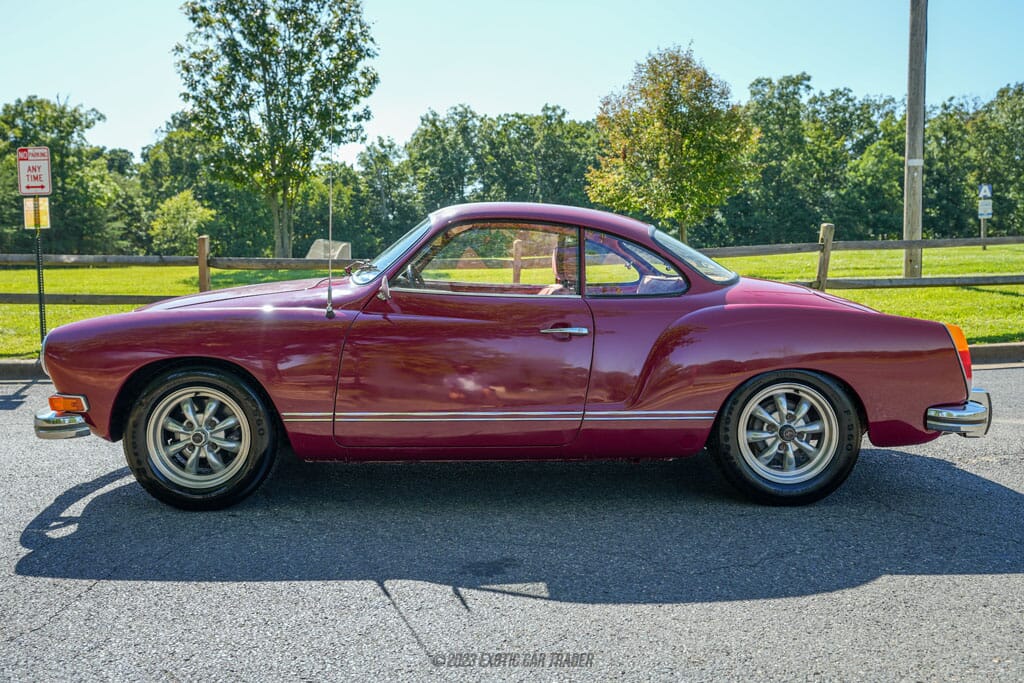
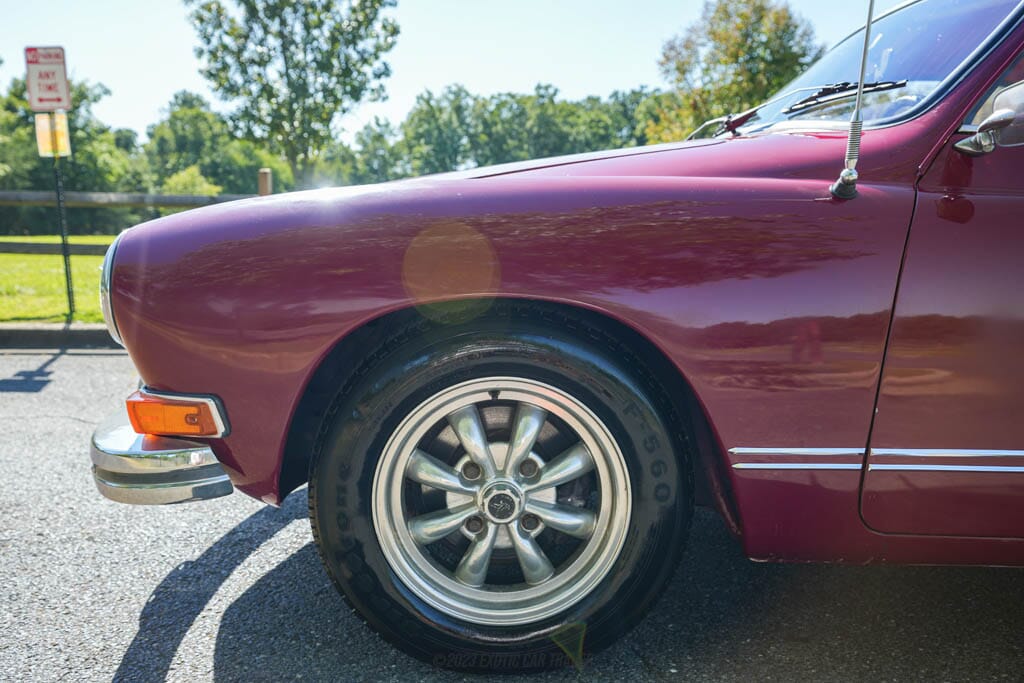
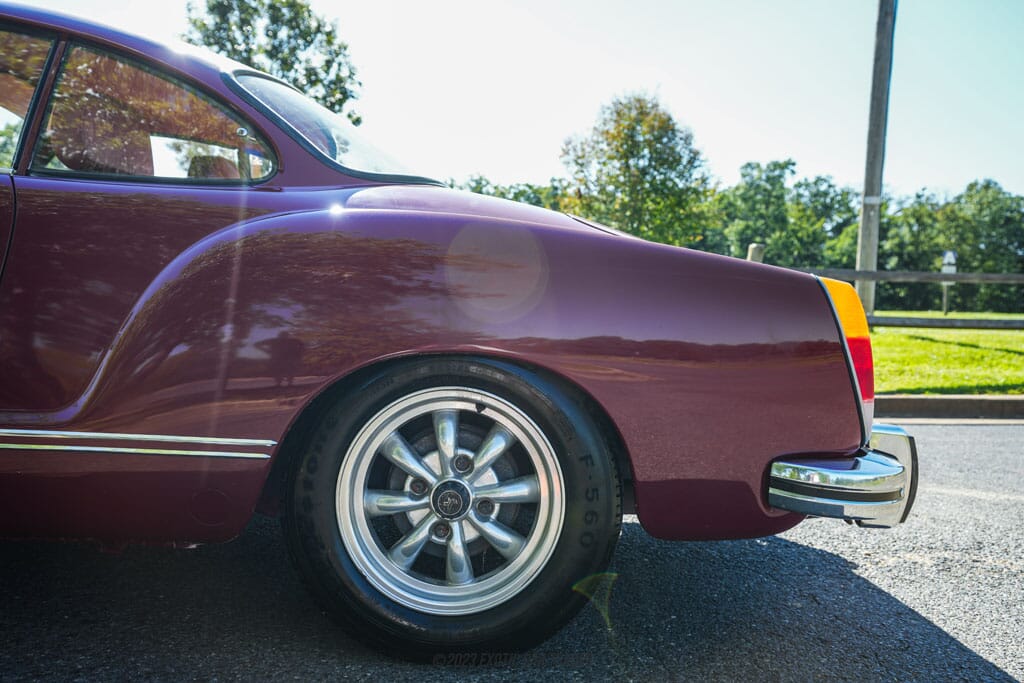
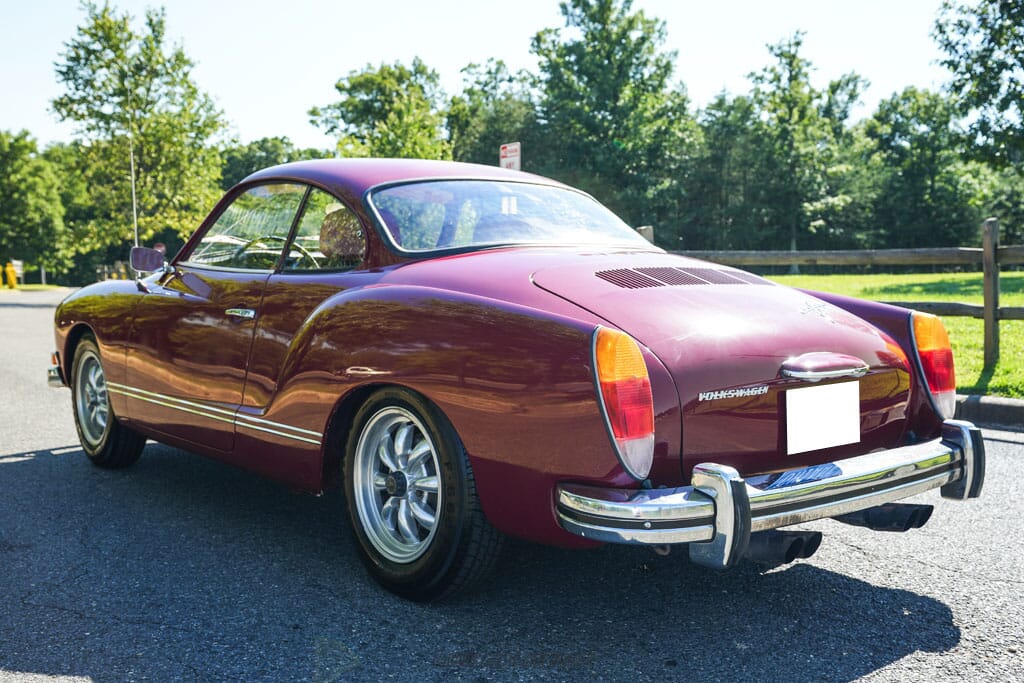
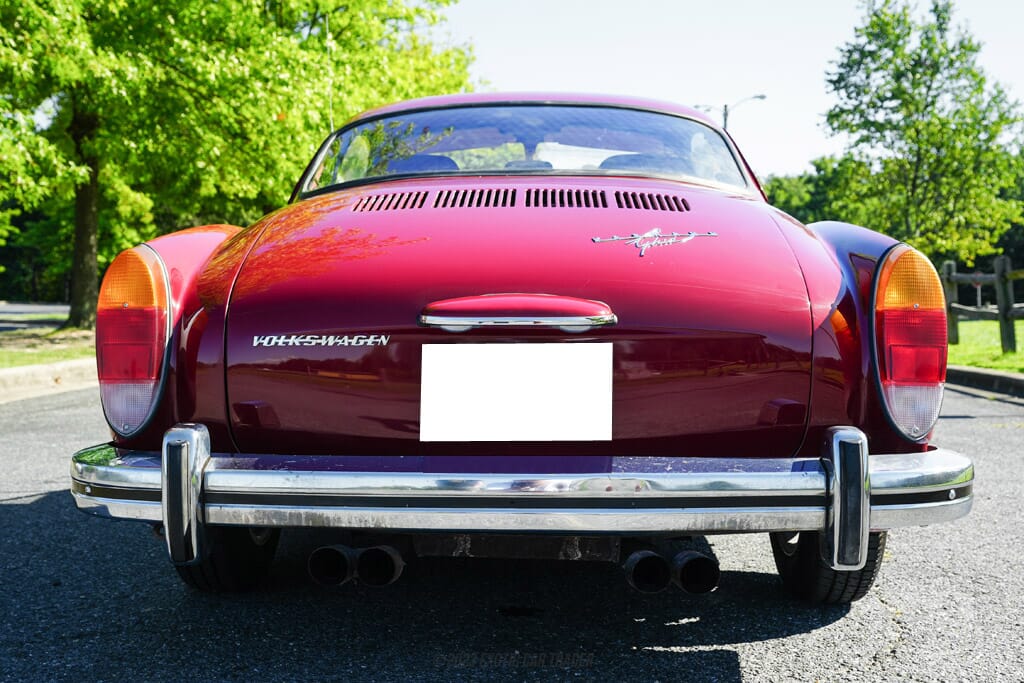
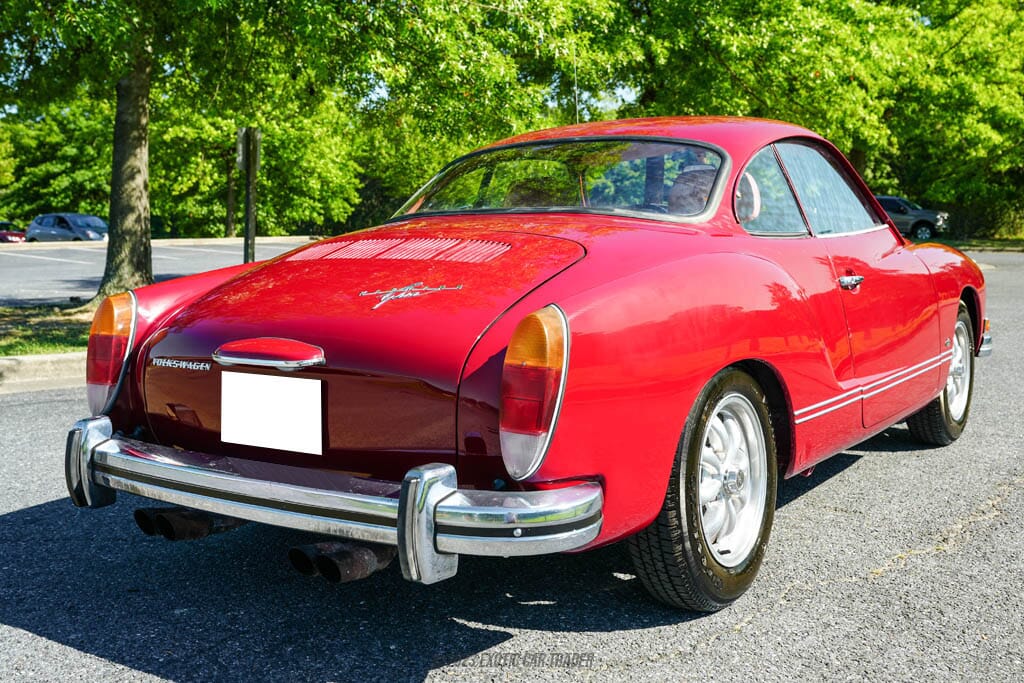
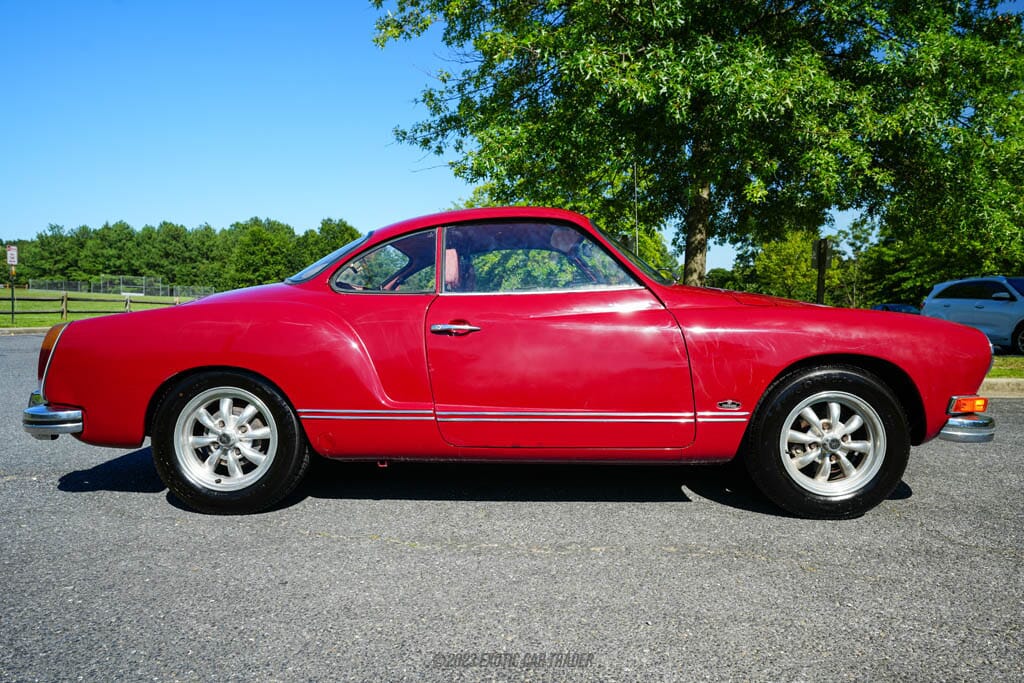
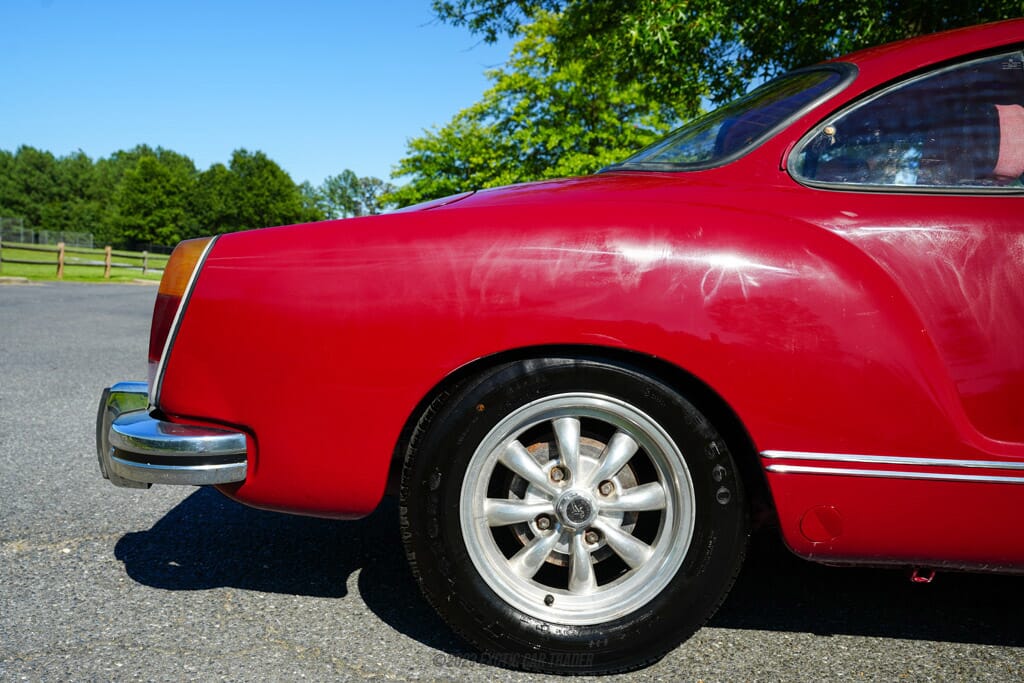
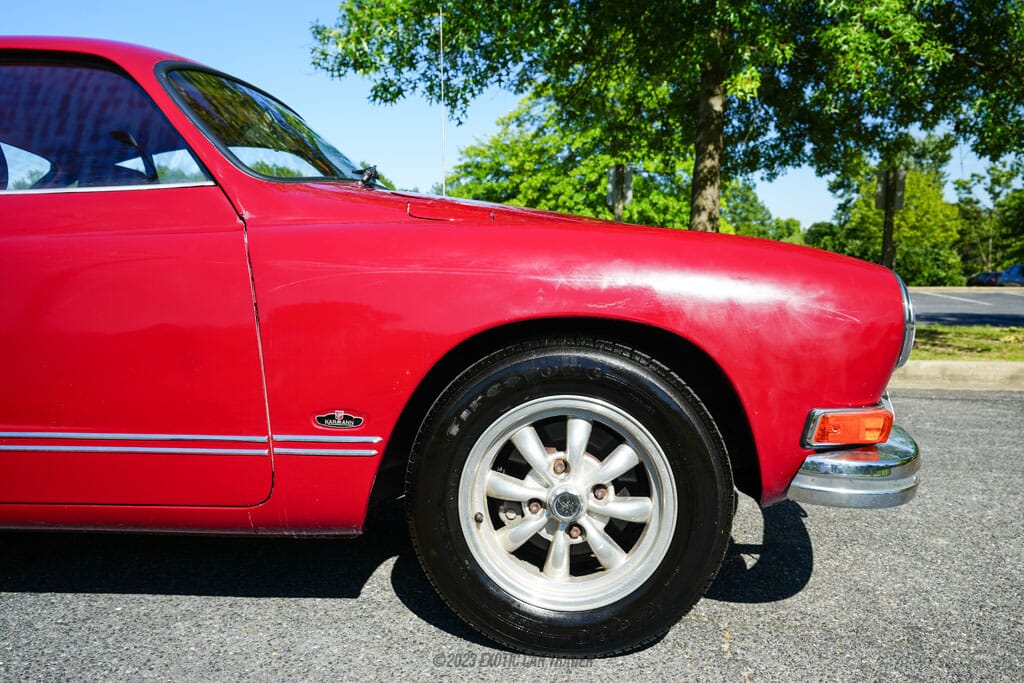
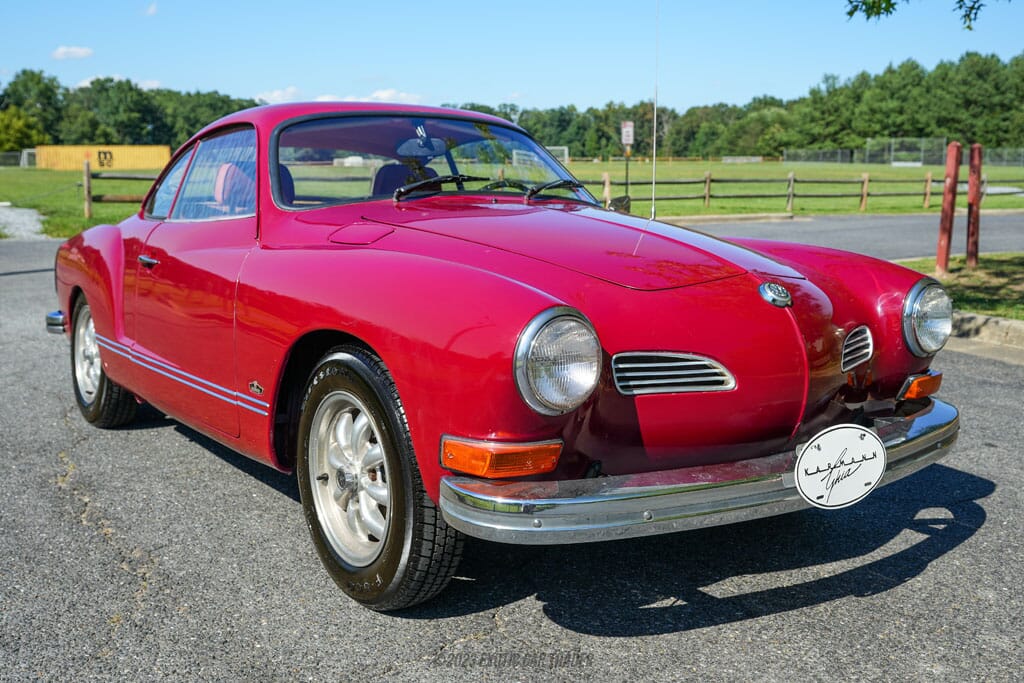
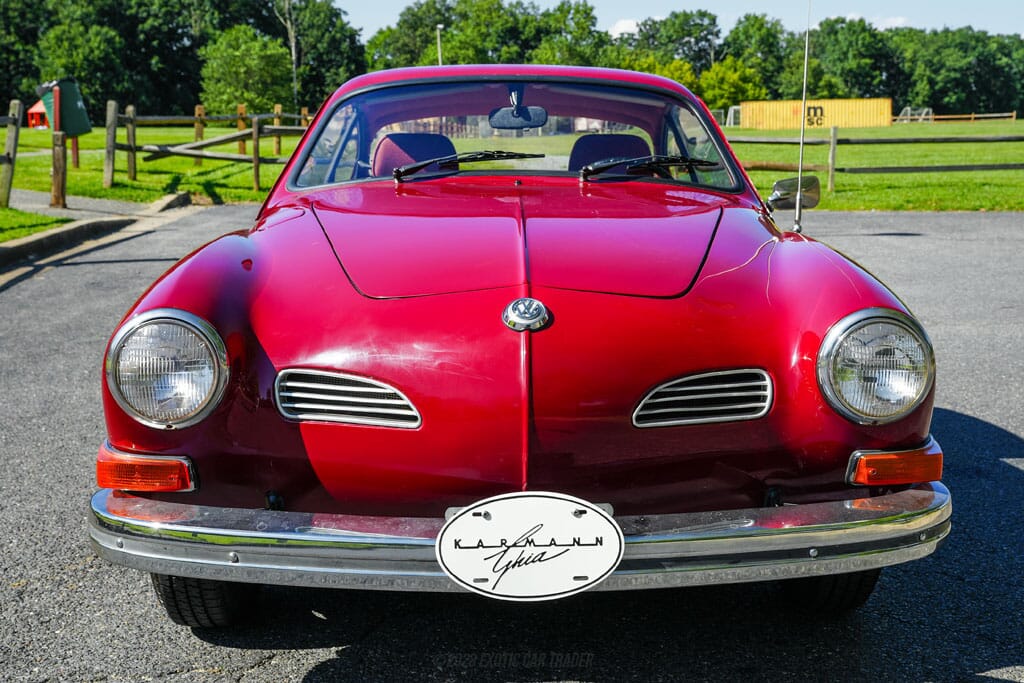
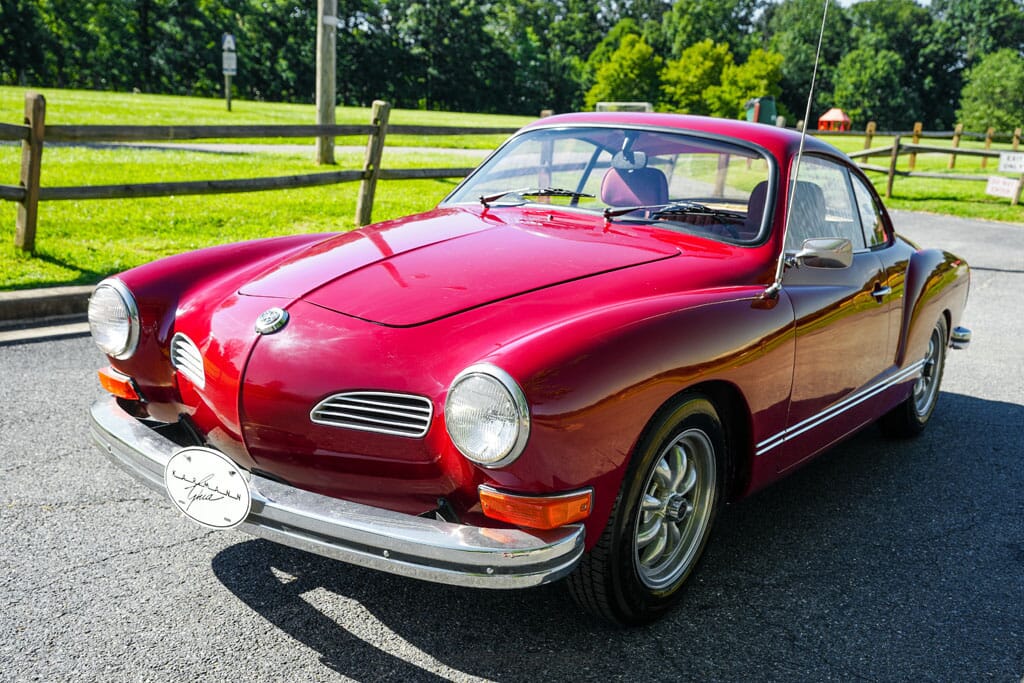
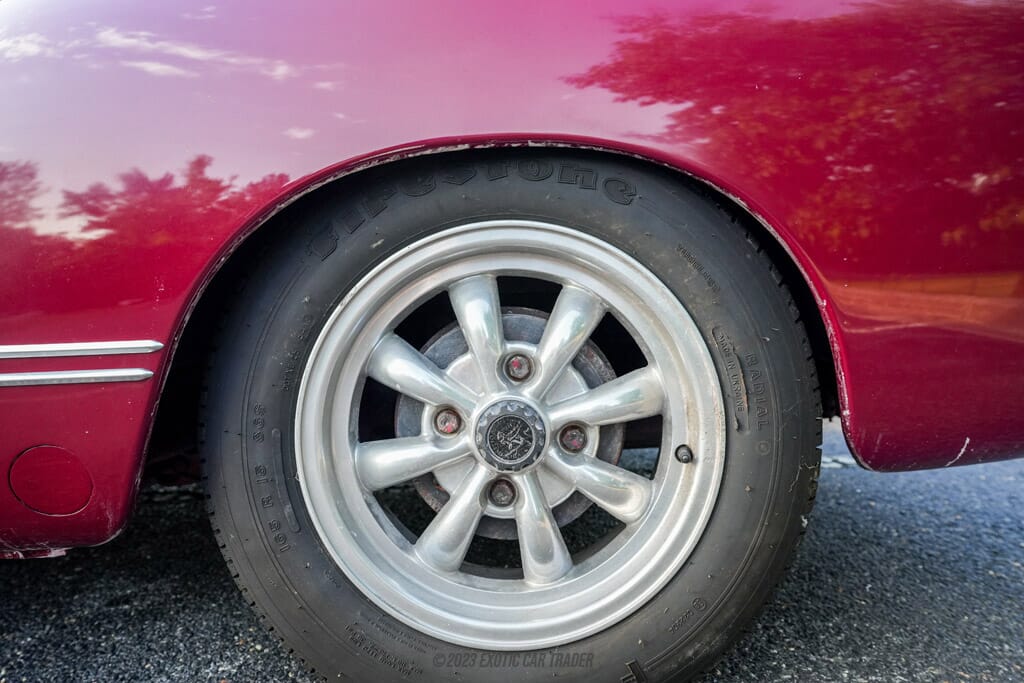
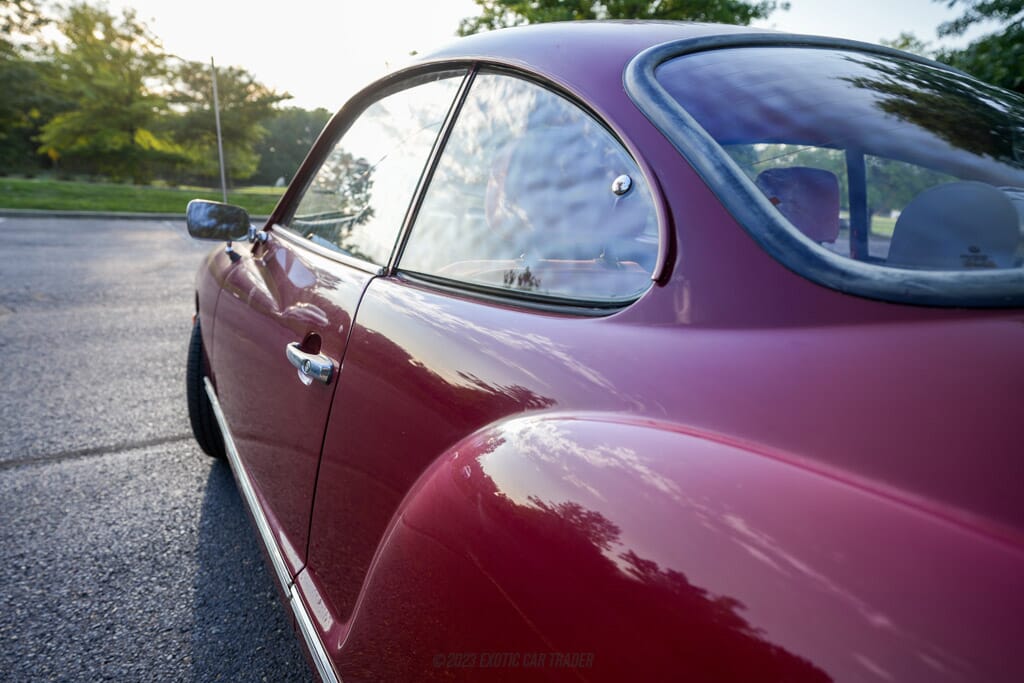
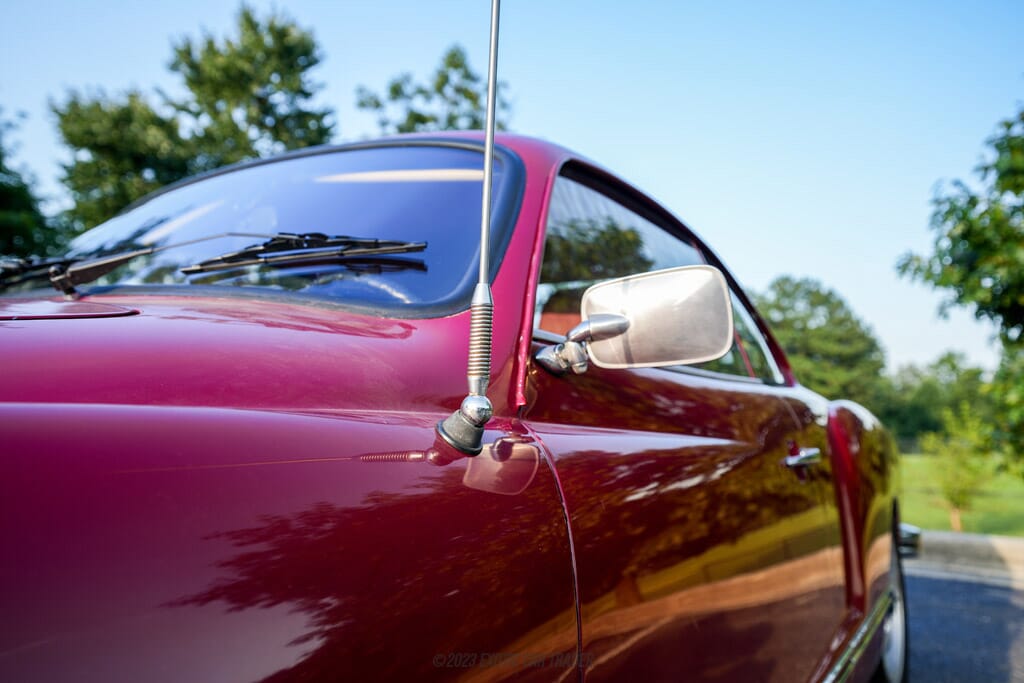
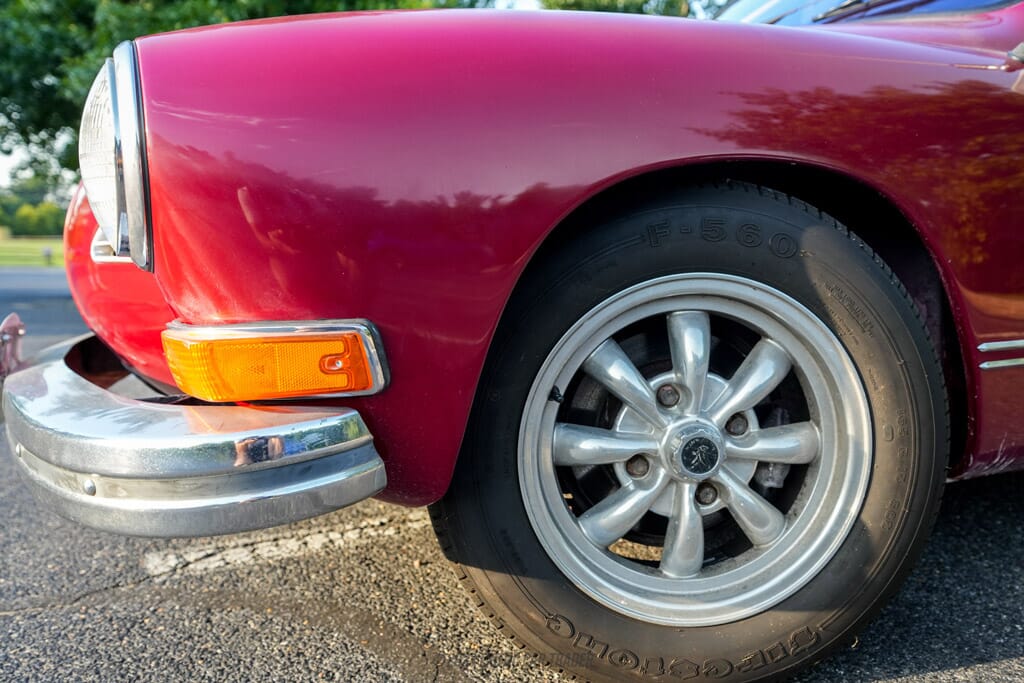
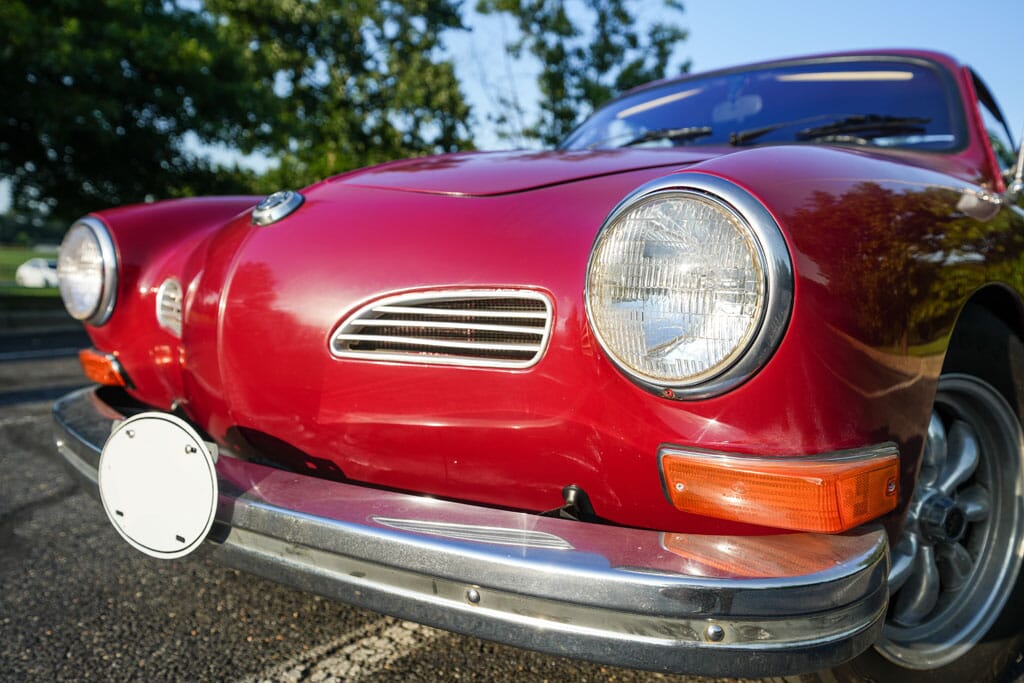
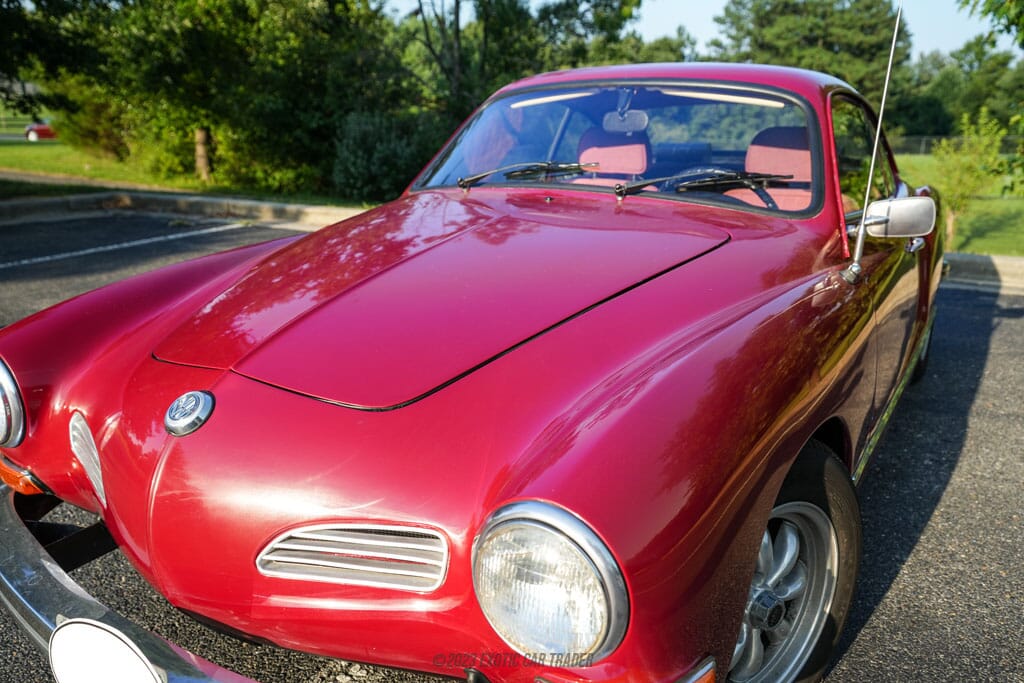
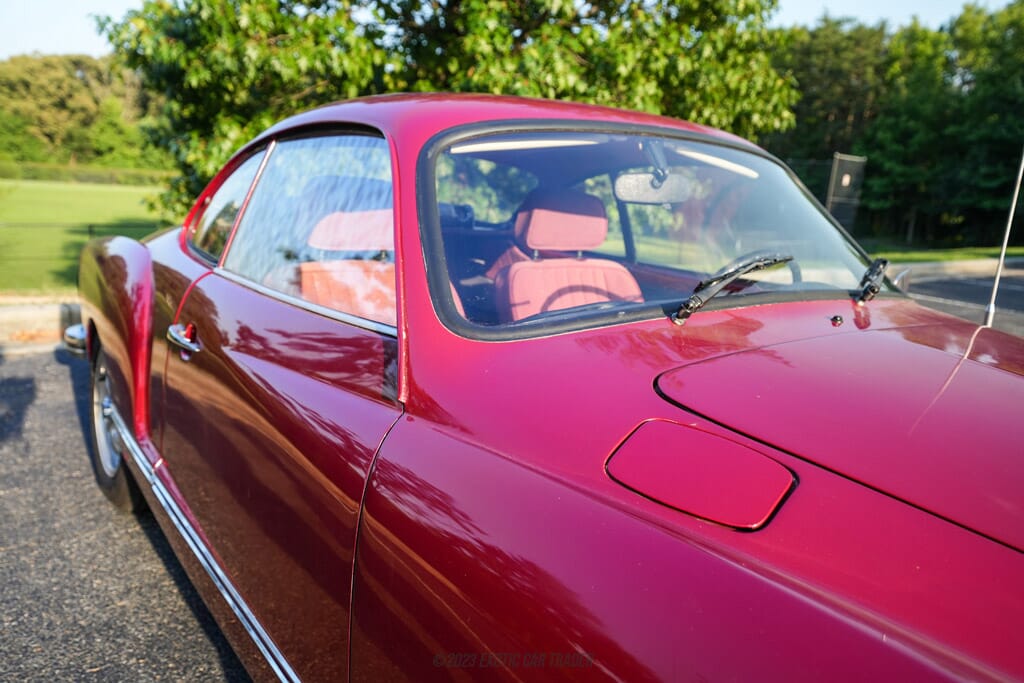
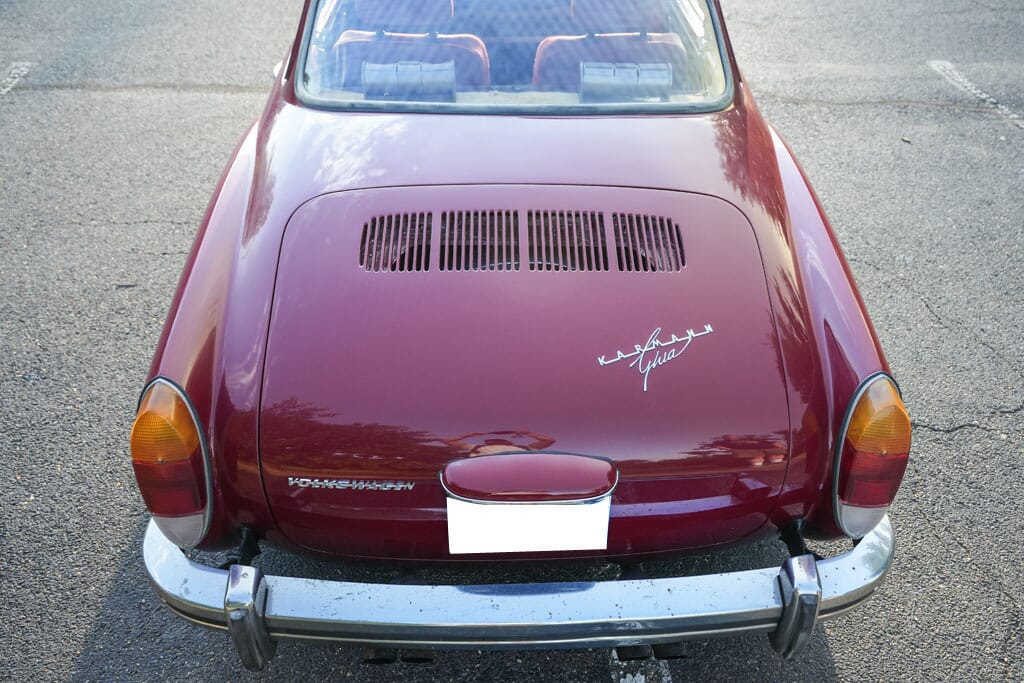
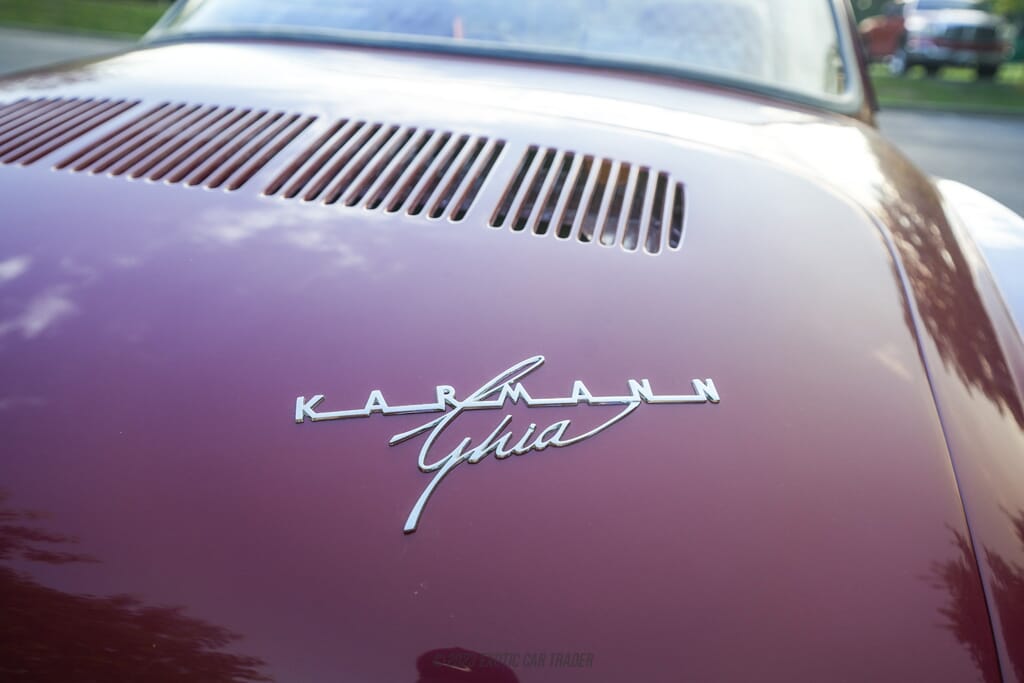
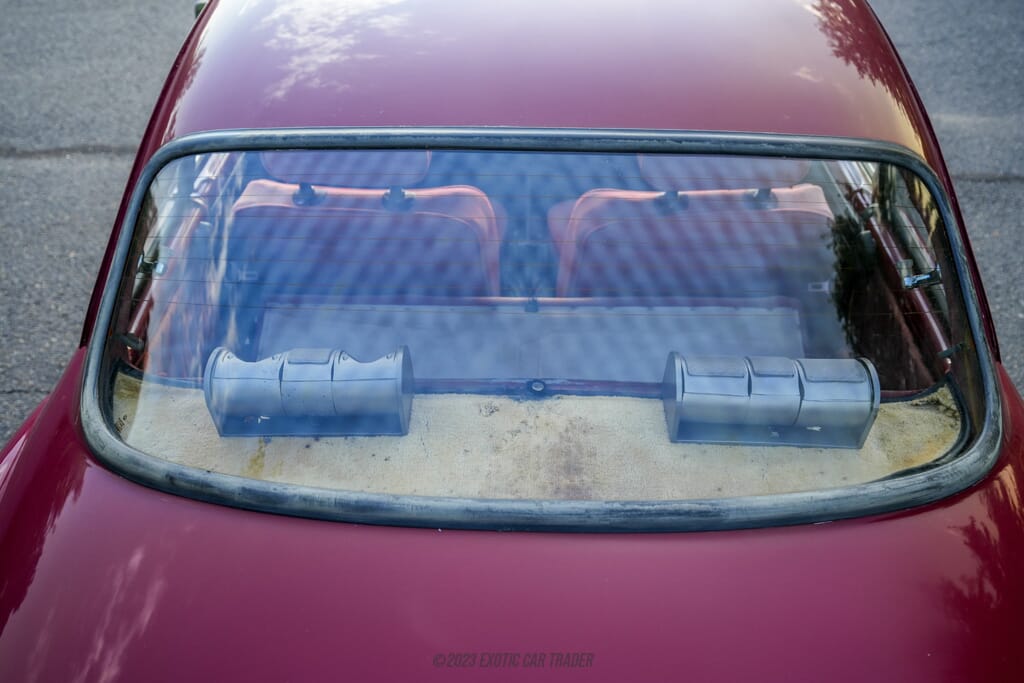
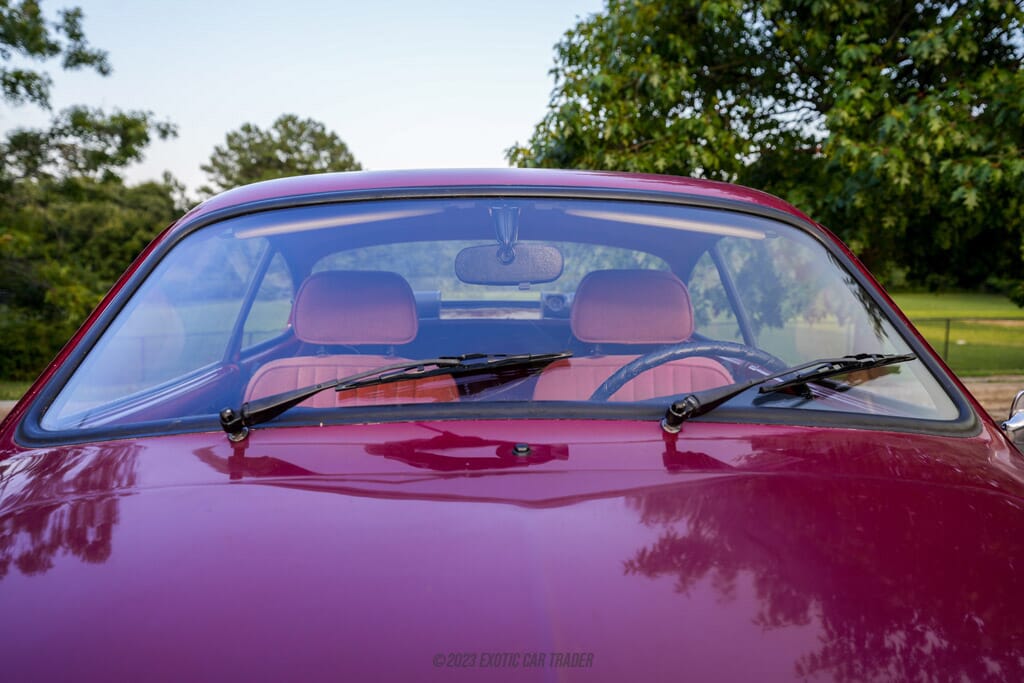
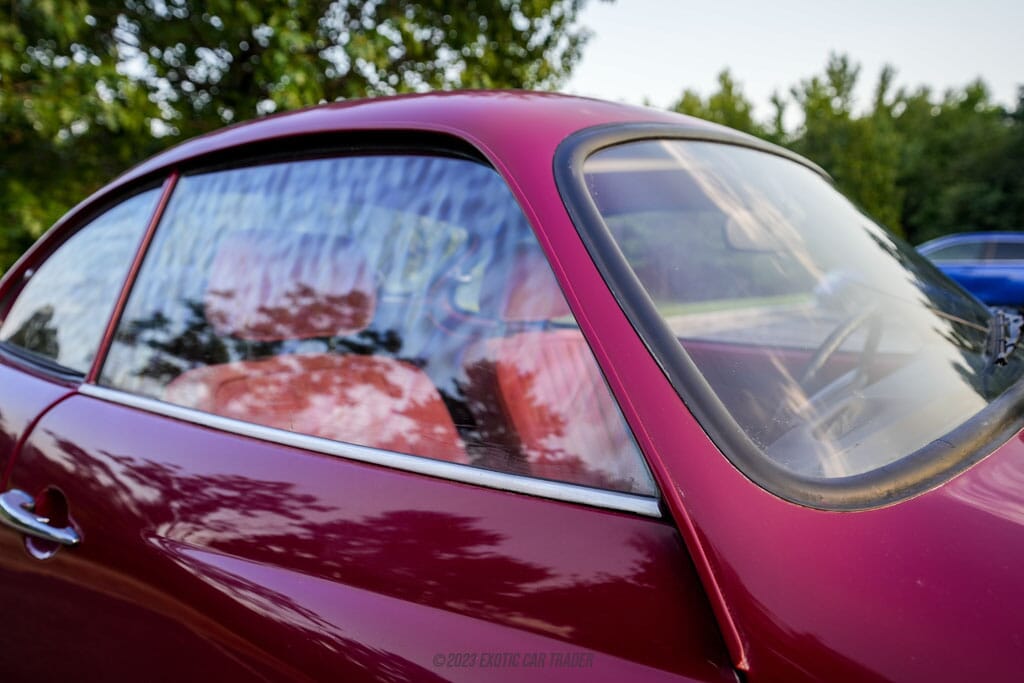
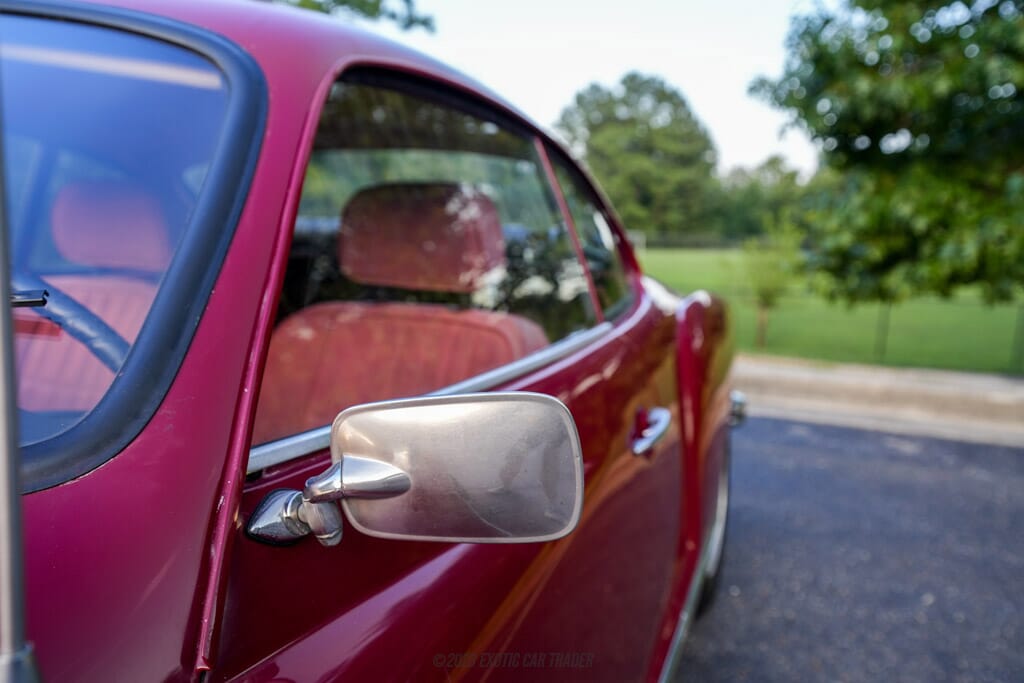
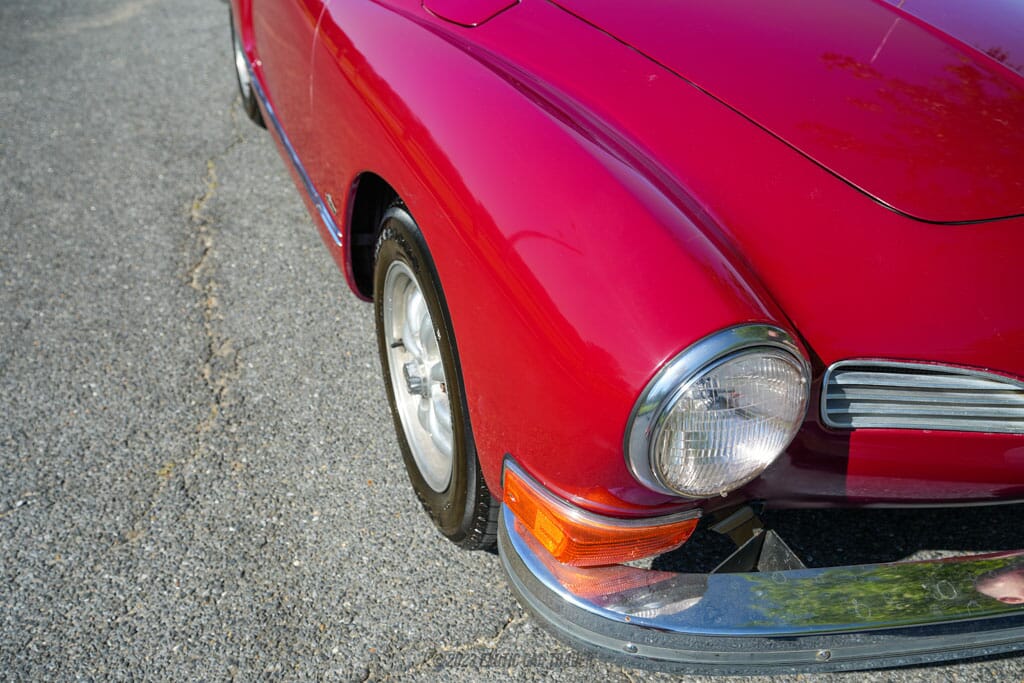
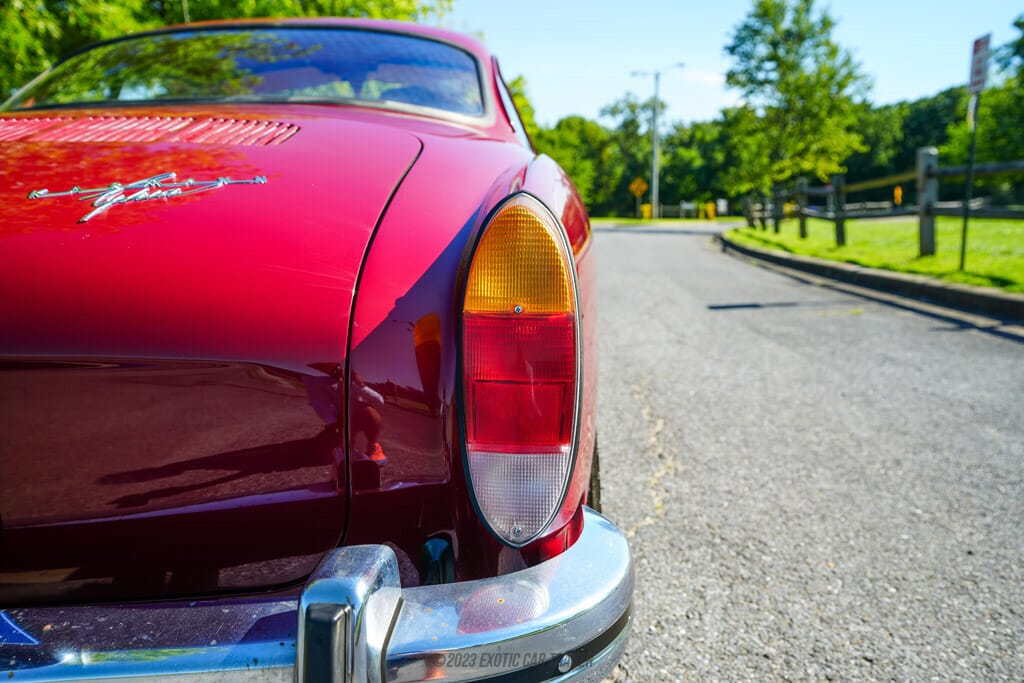
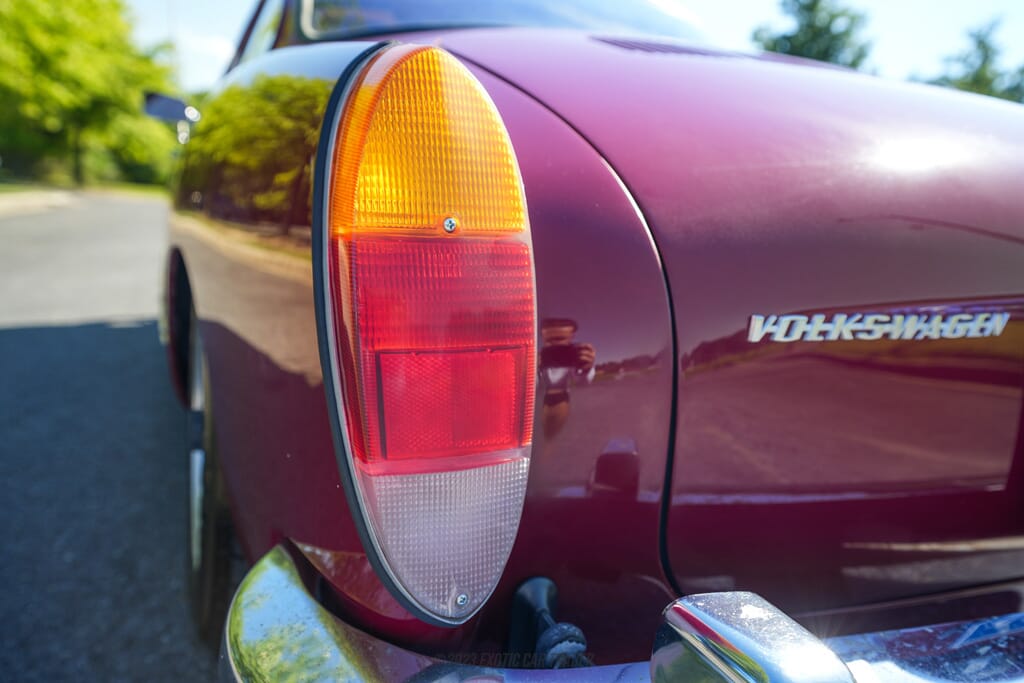
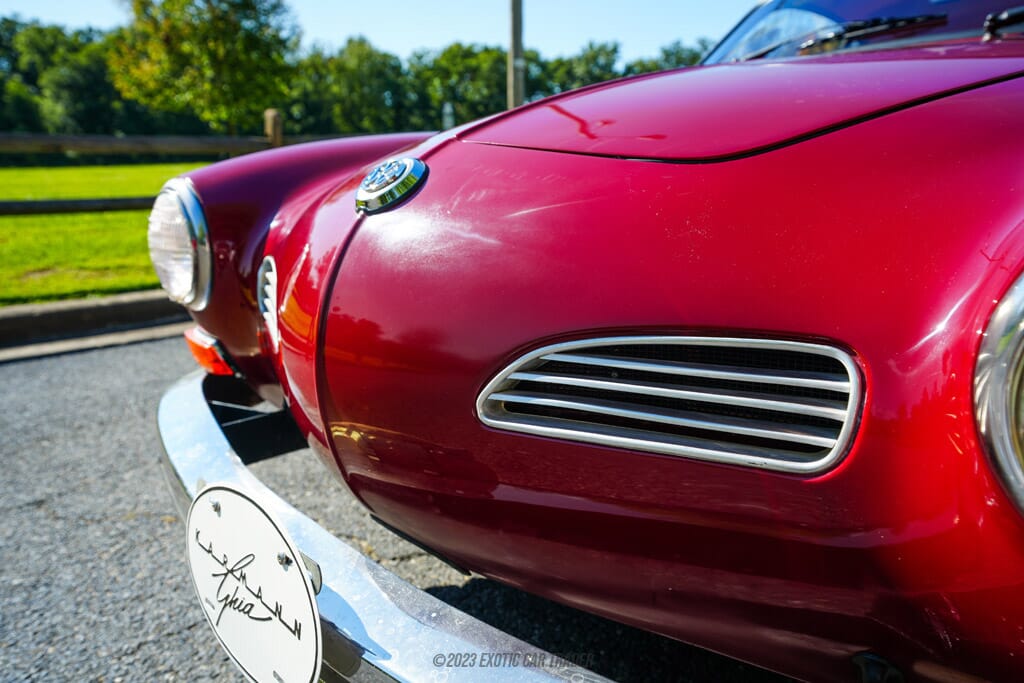
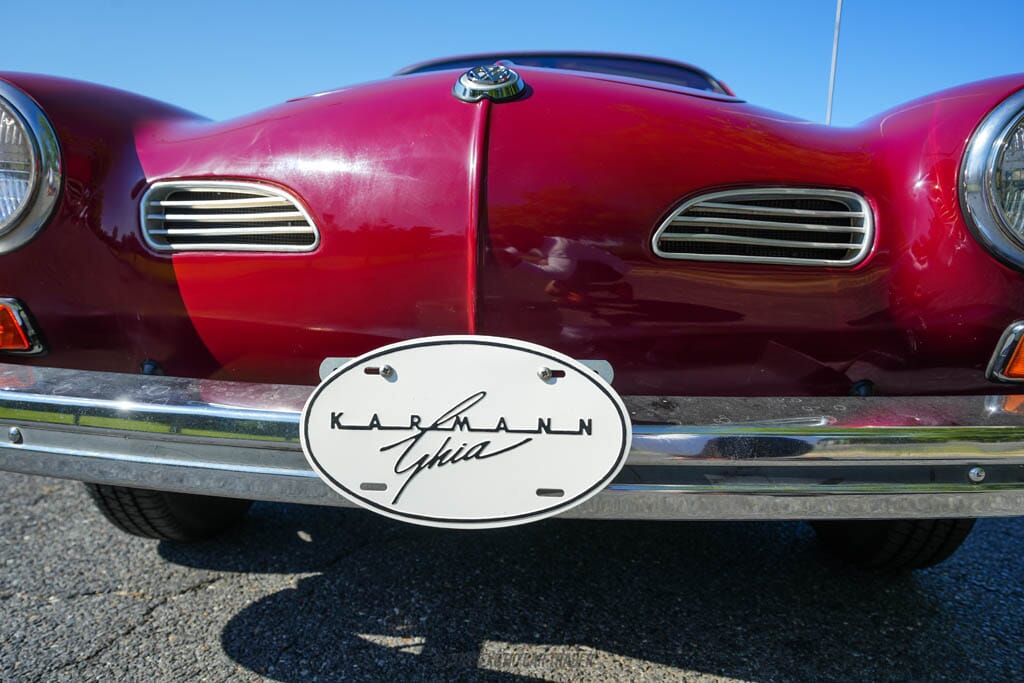
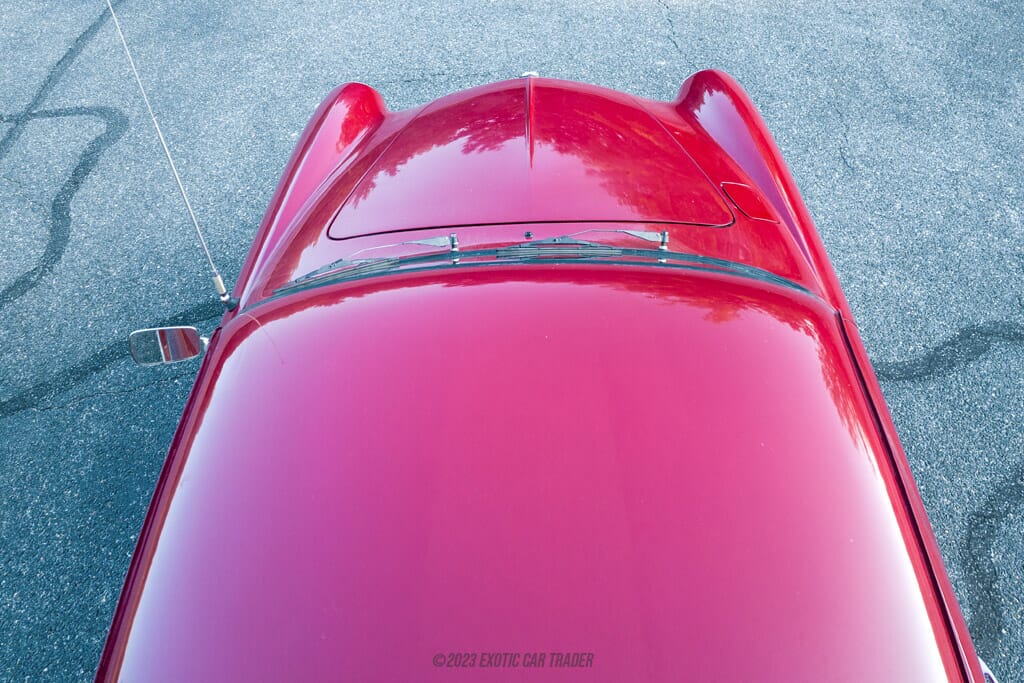
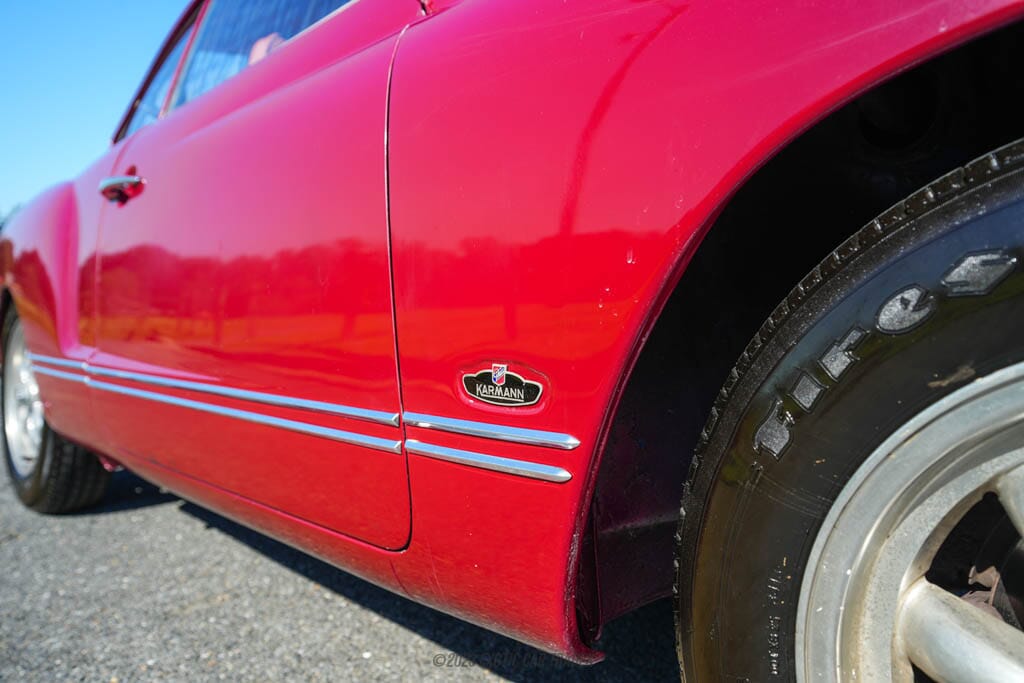
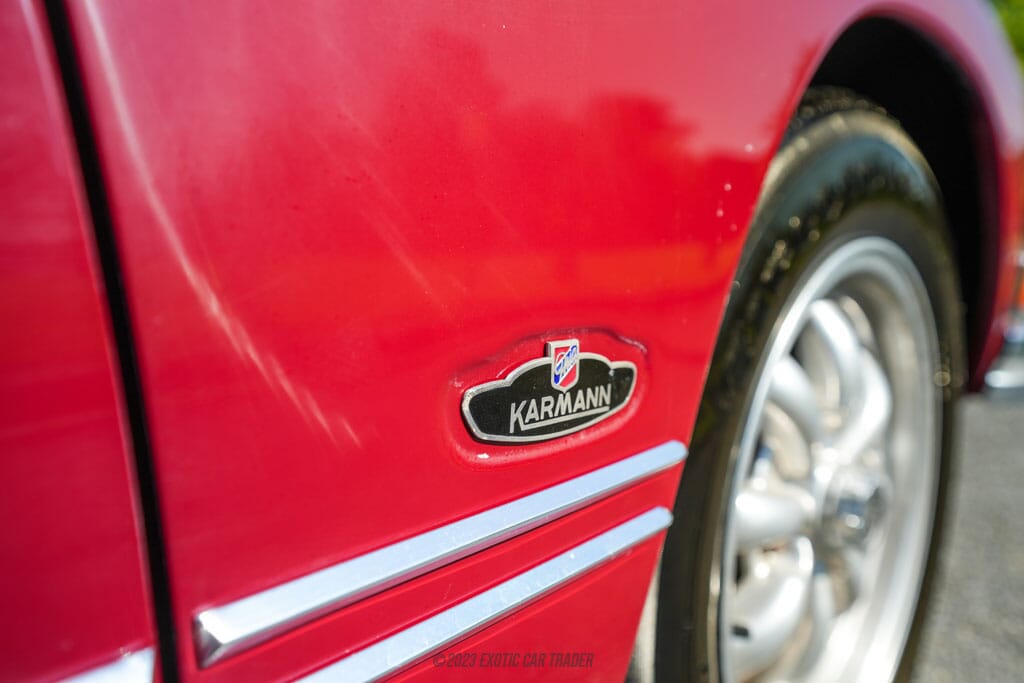
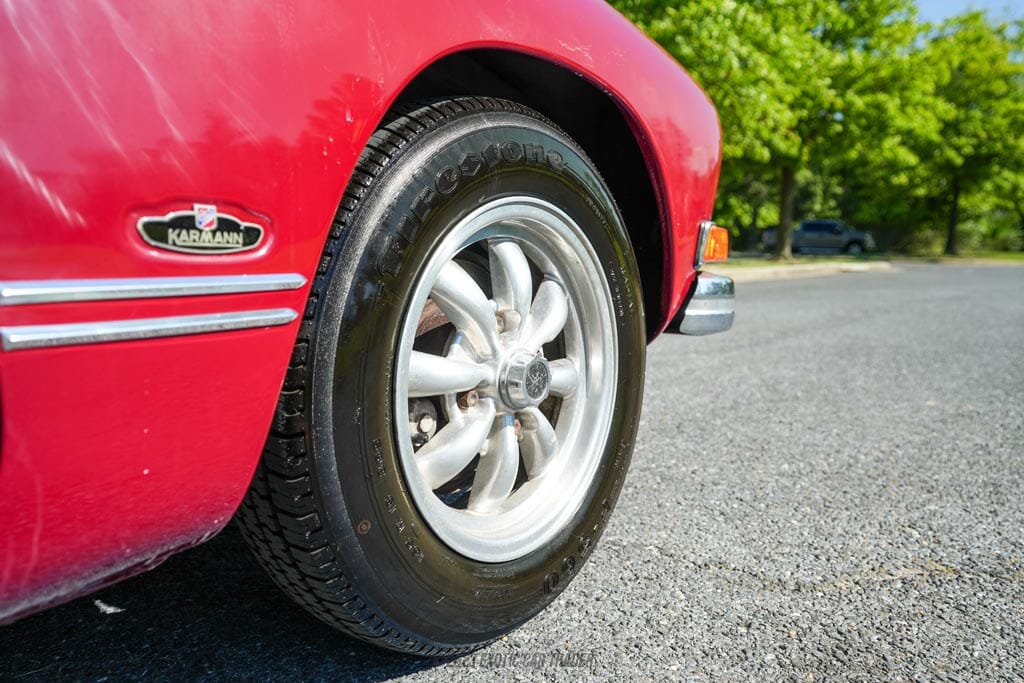
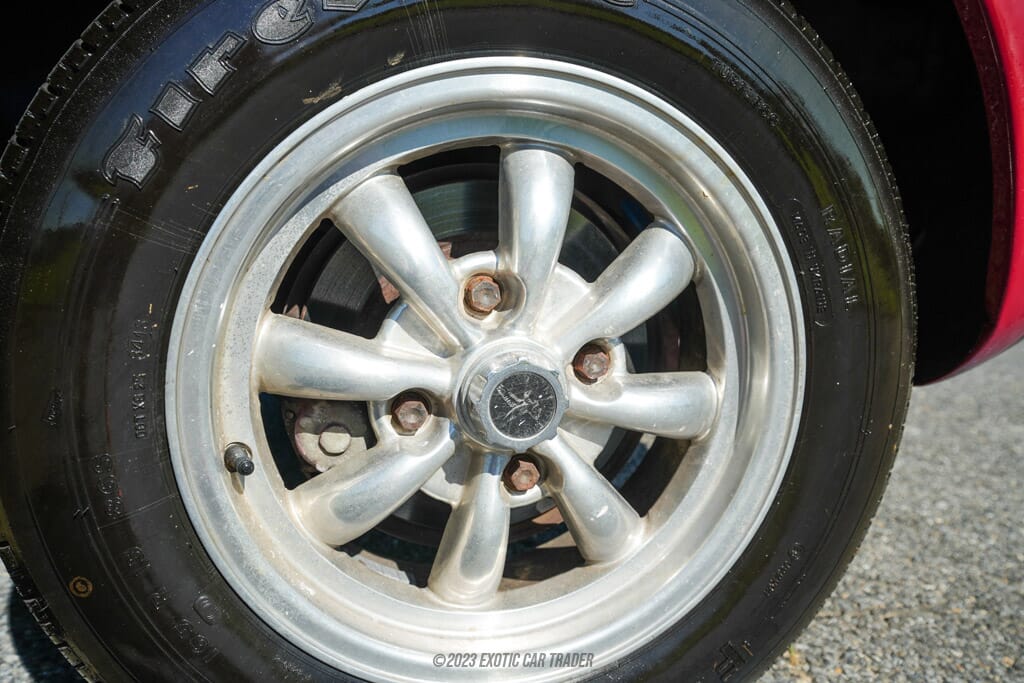
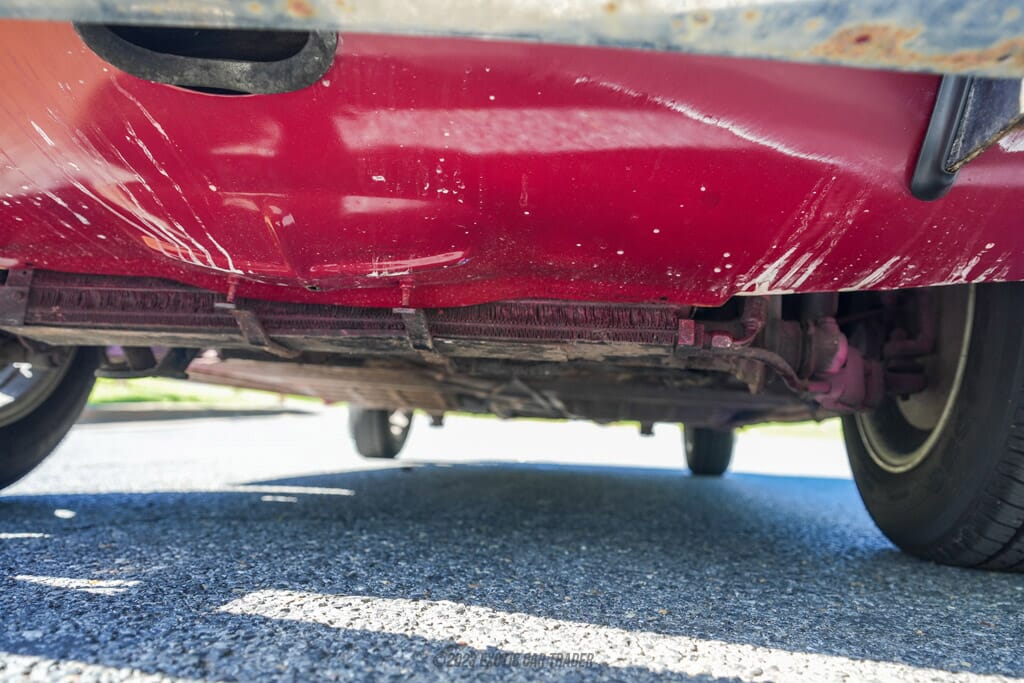
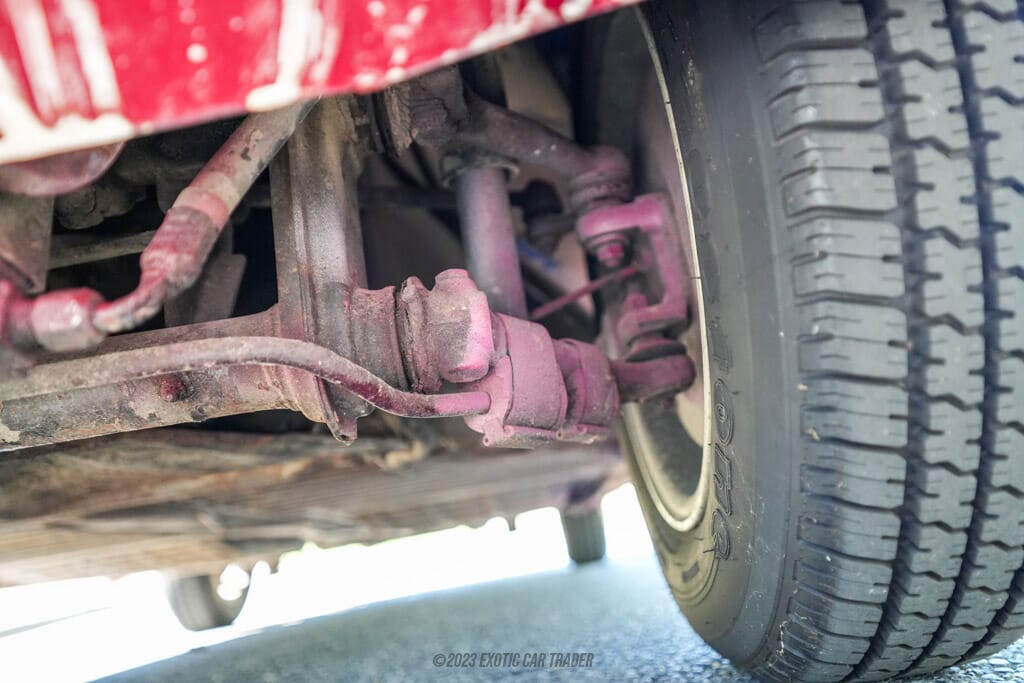
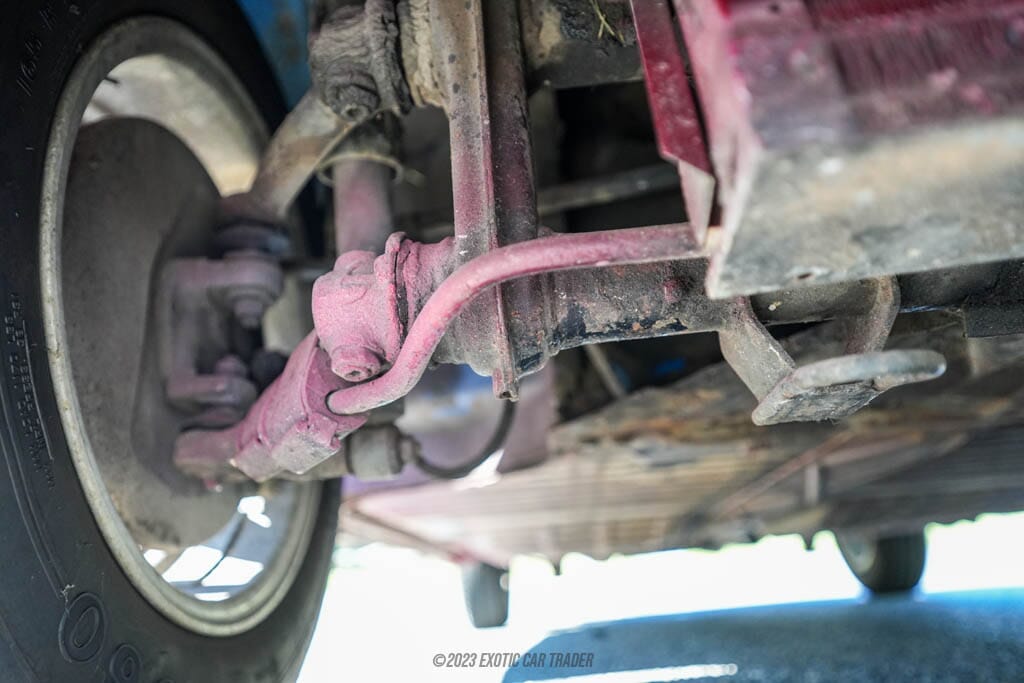
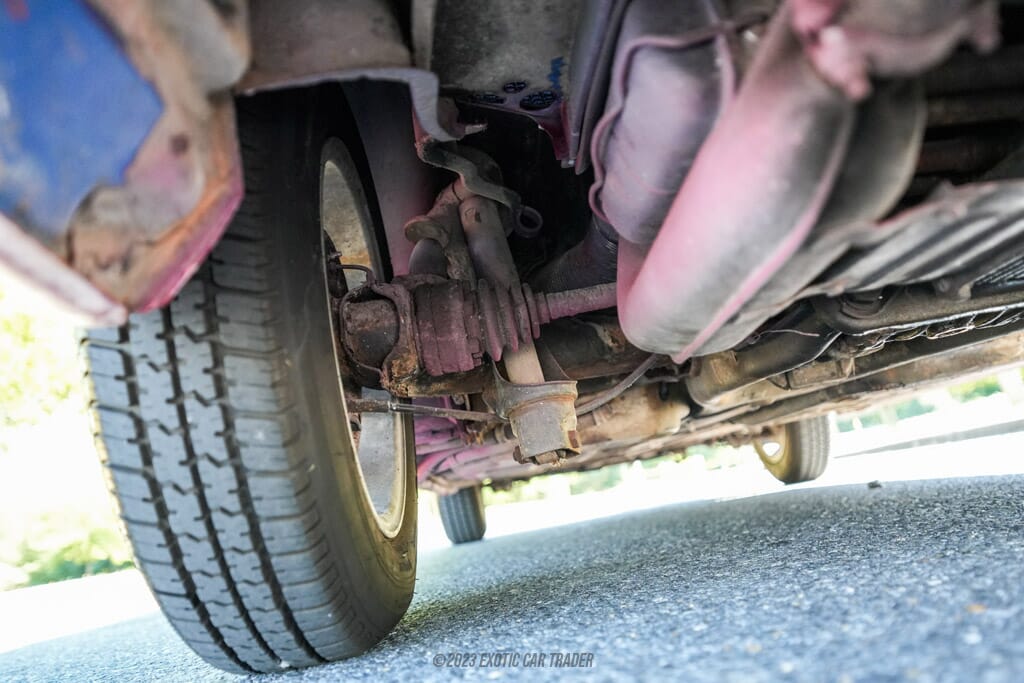
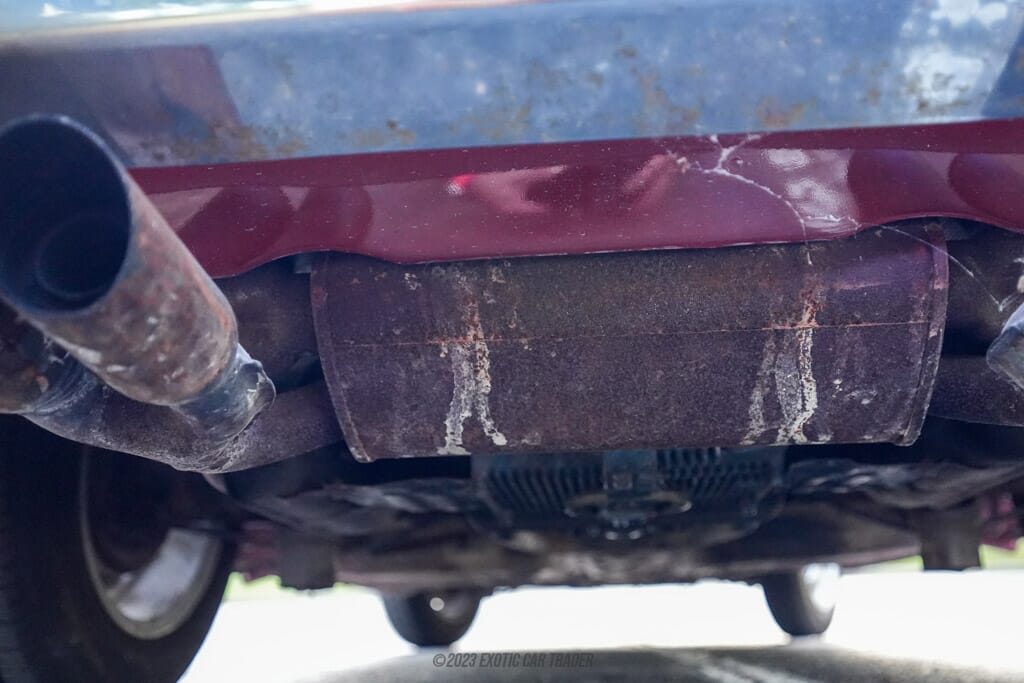
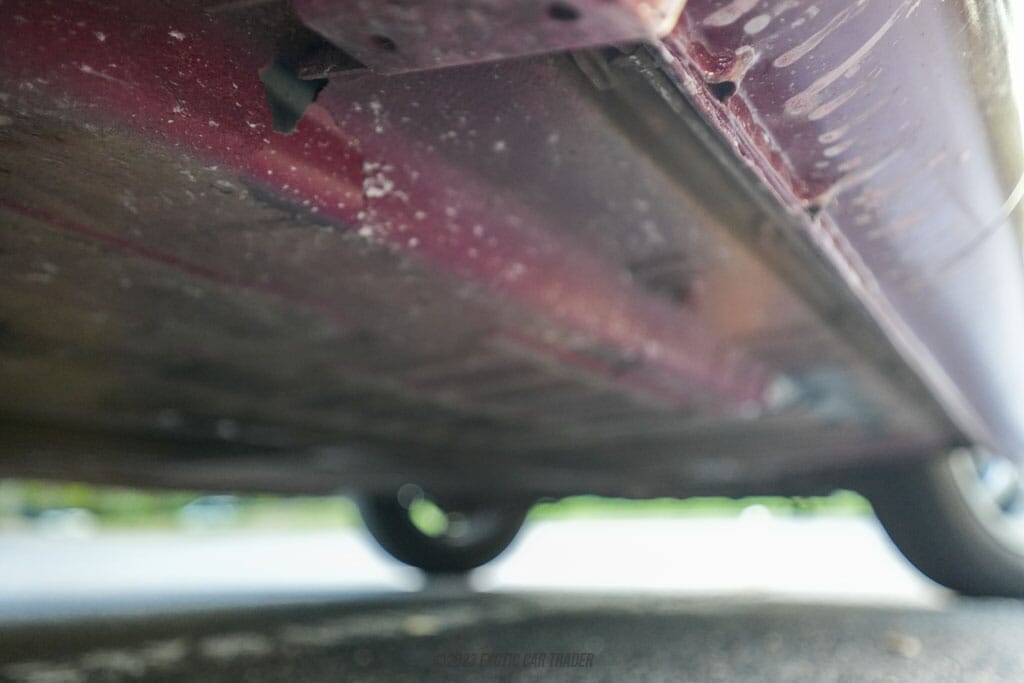
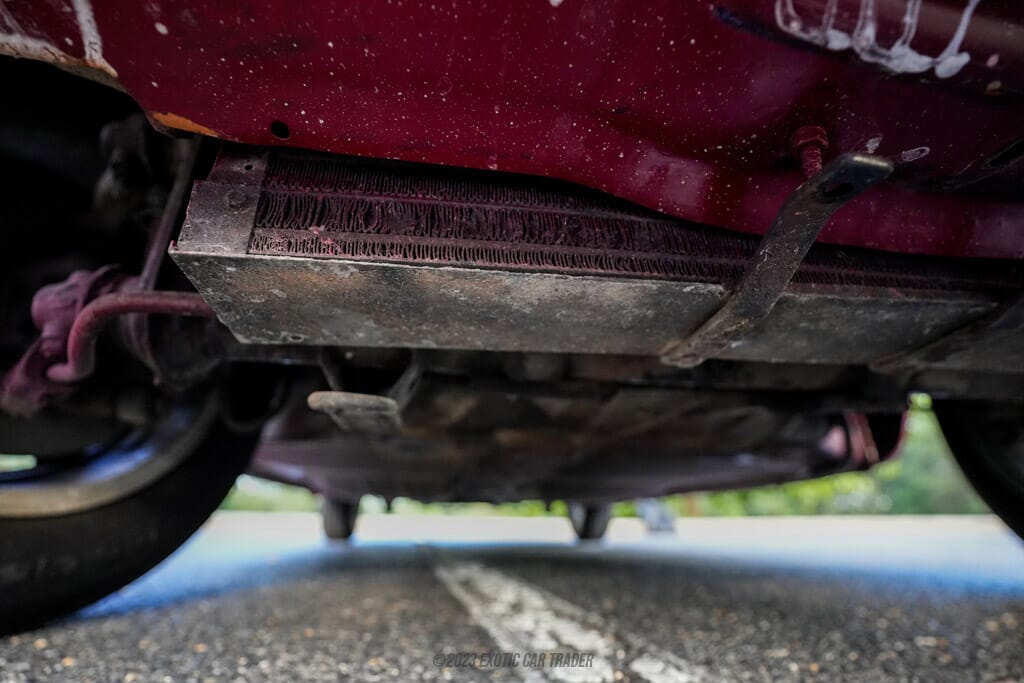


- Red exterior
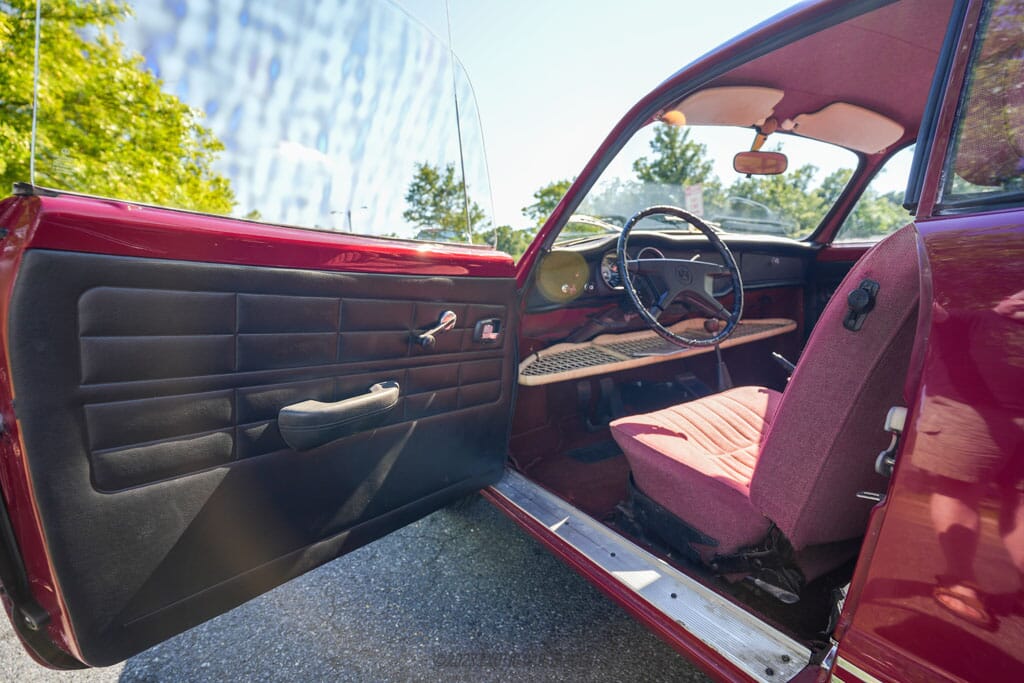
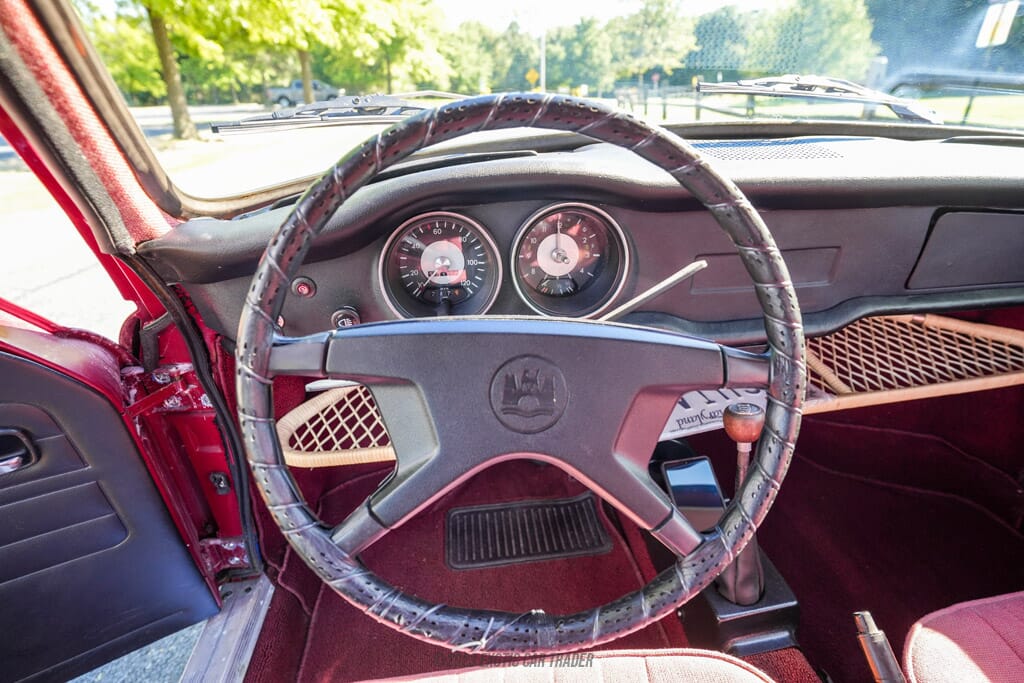
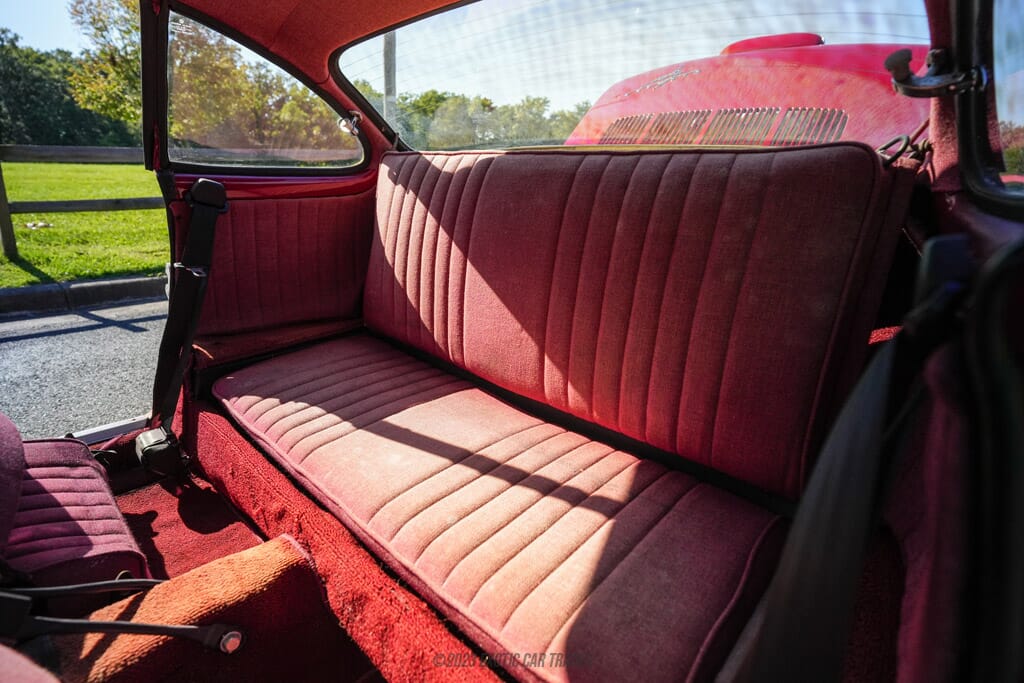
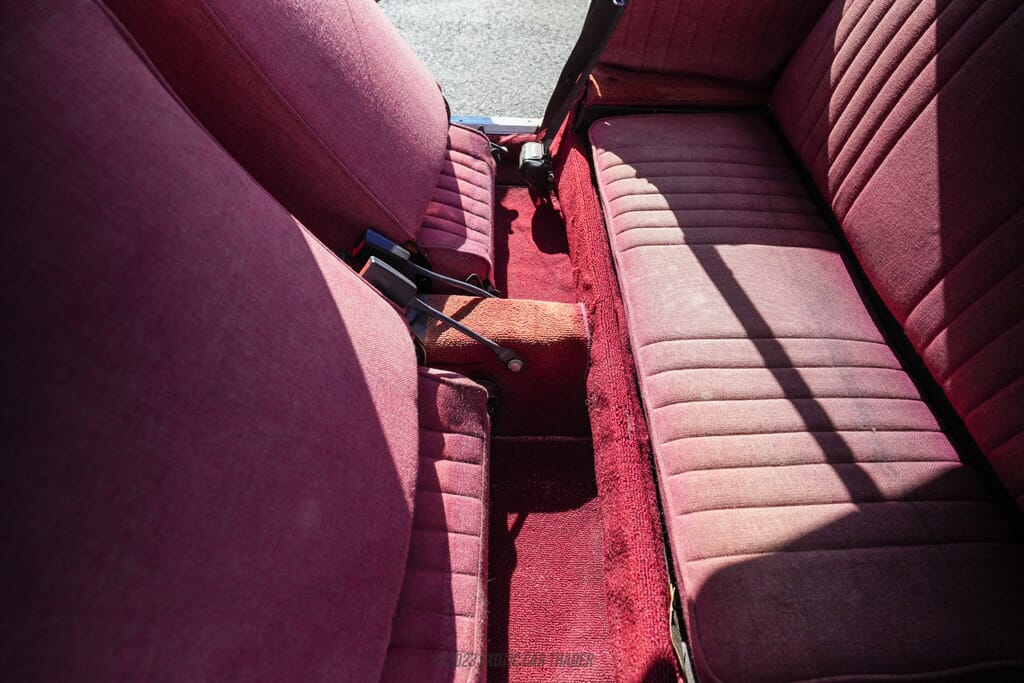
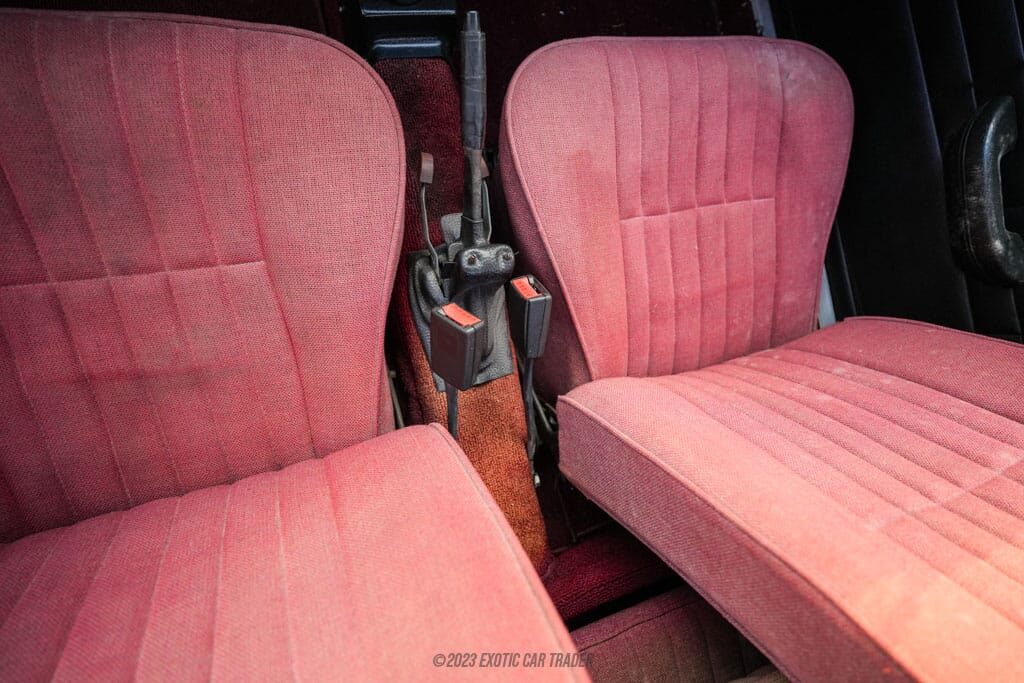
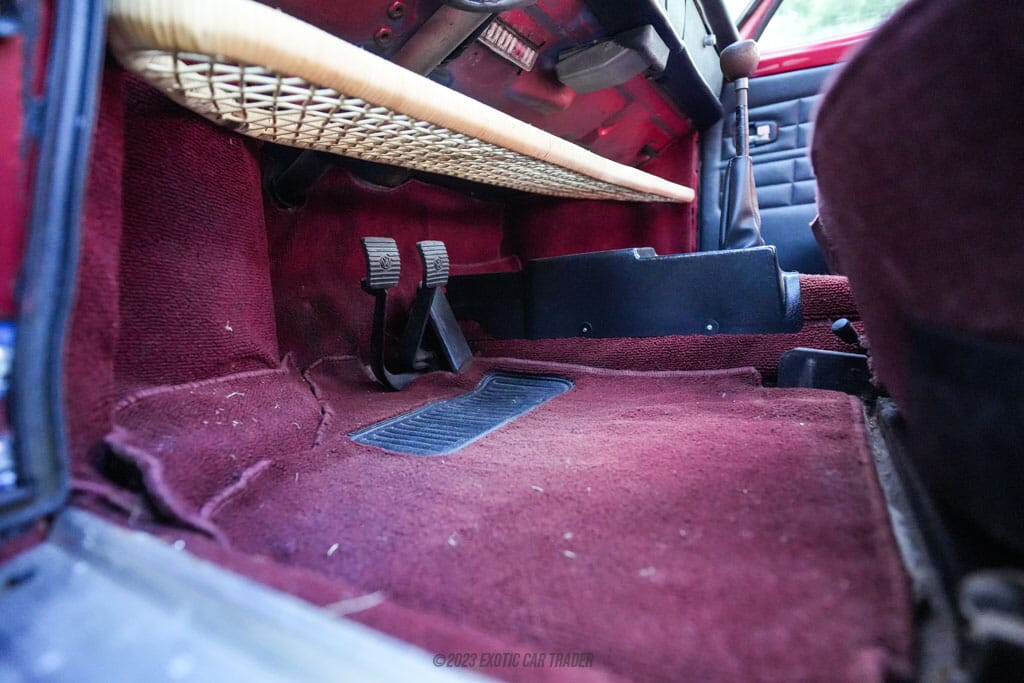
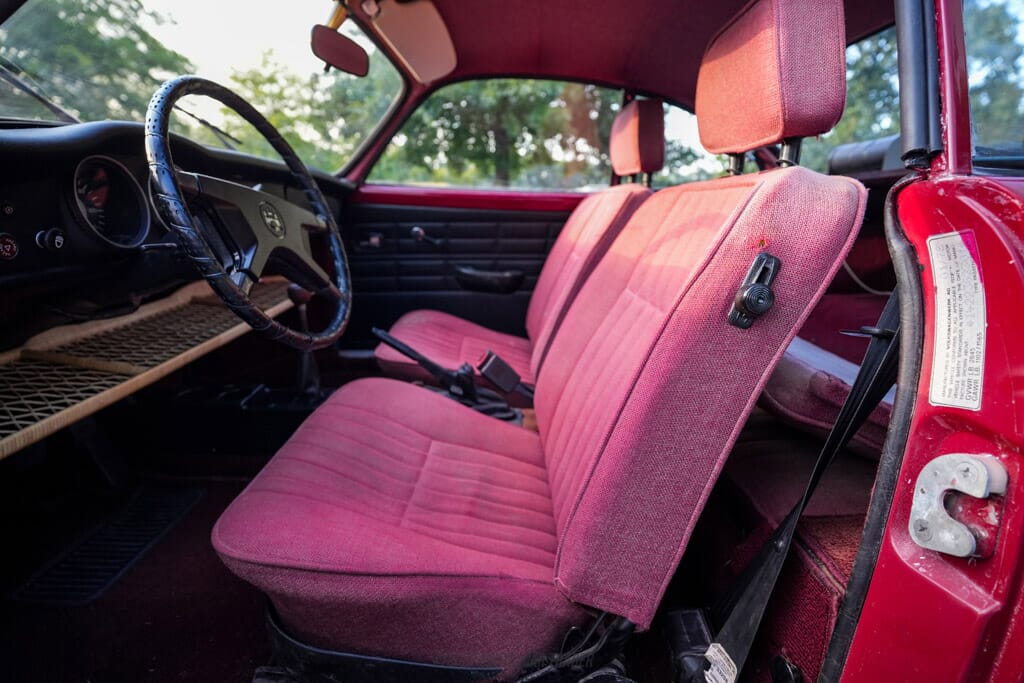
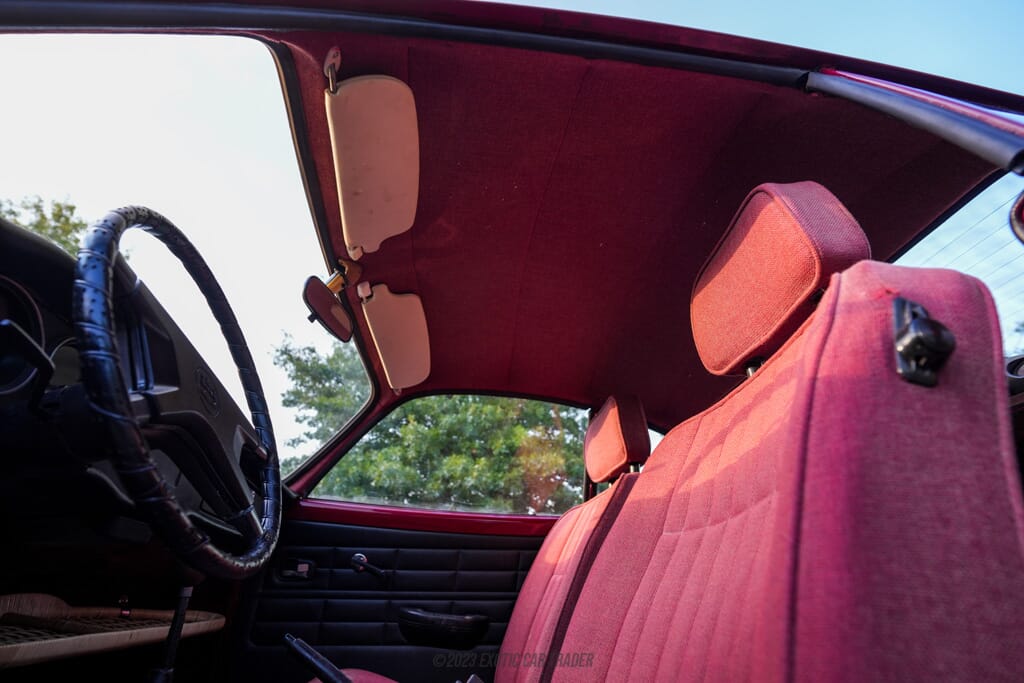
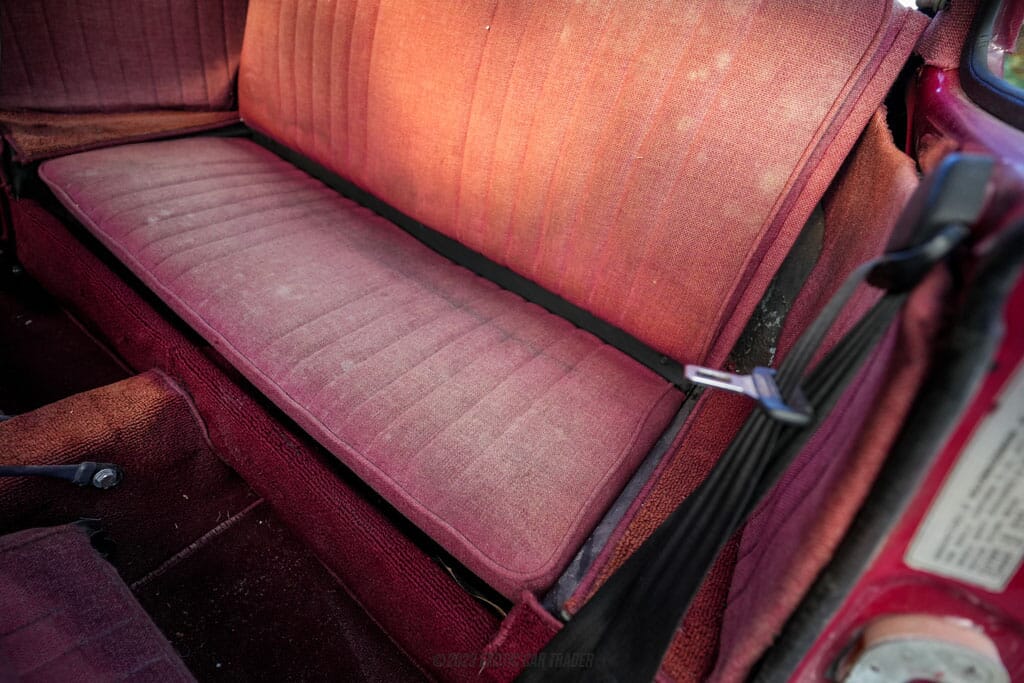
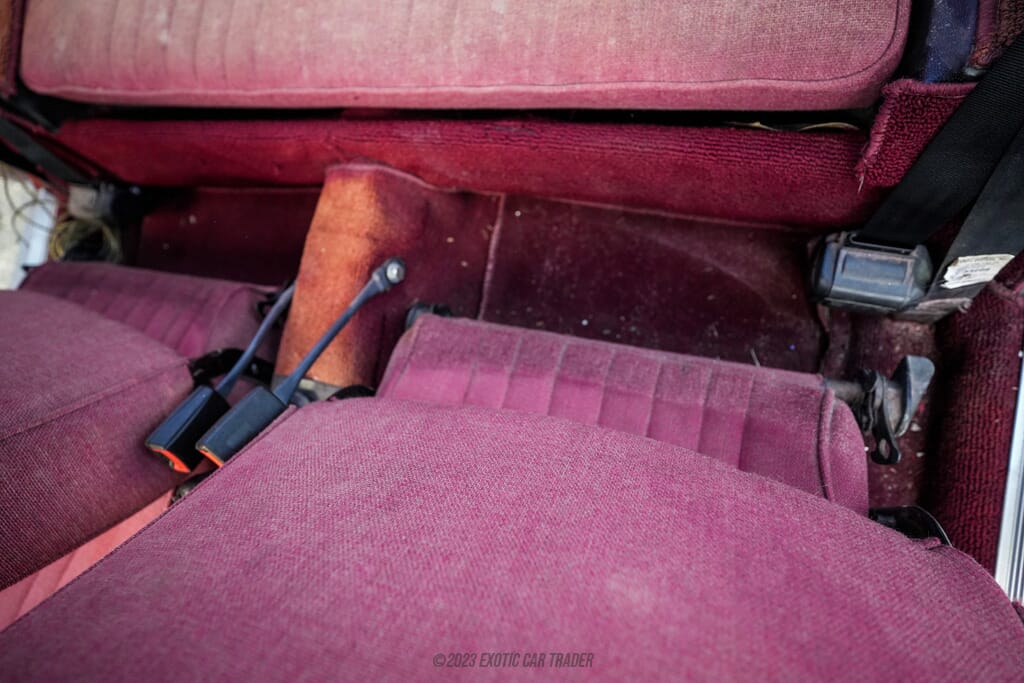
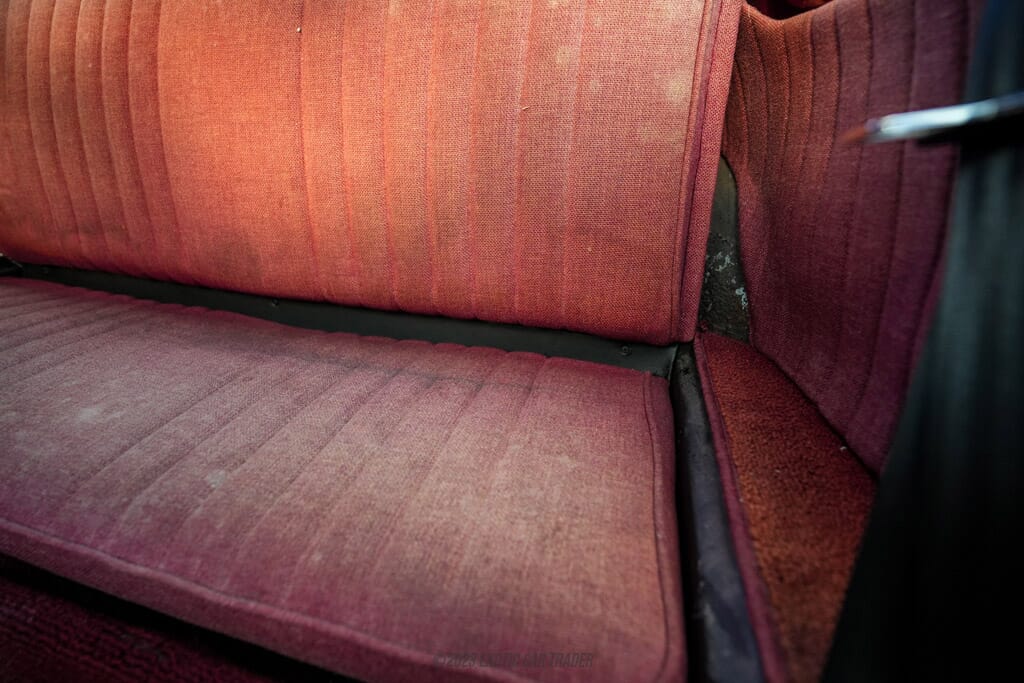
- Red interior
- Current owner reports completely refinished and repainted
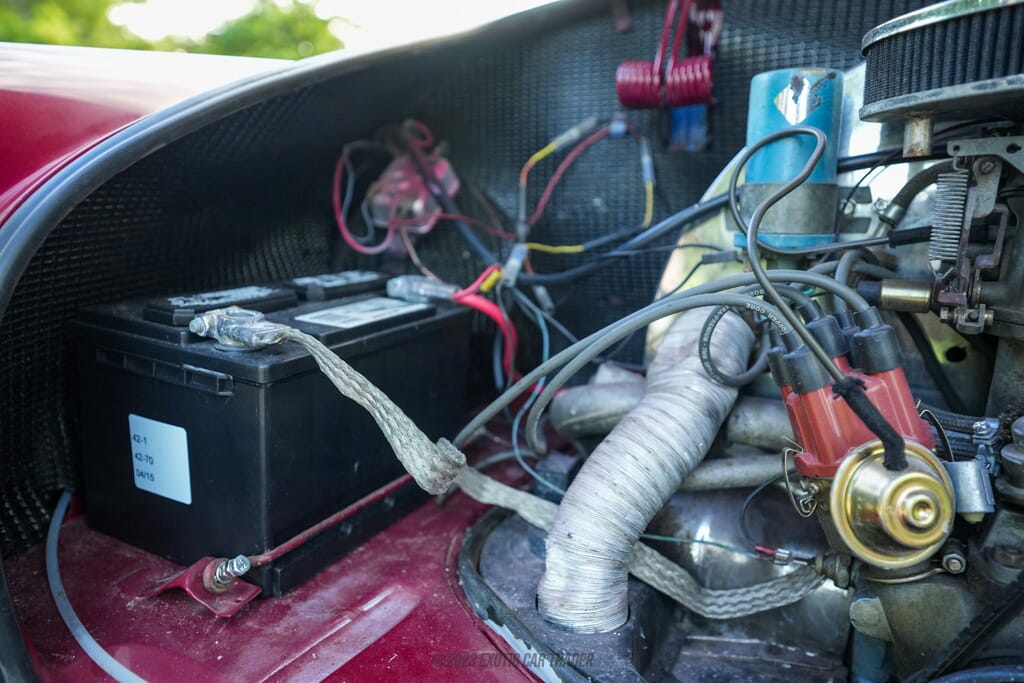
- Current owner reports rewired to factory spec wiring harness
- New lights
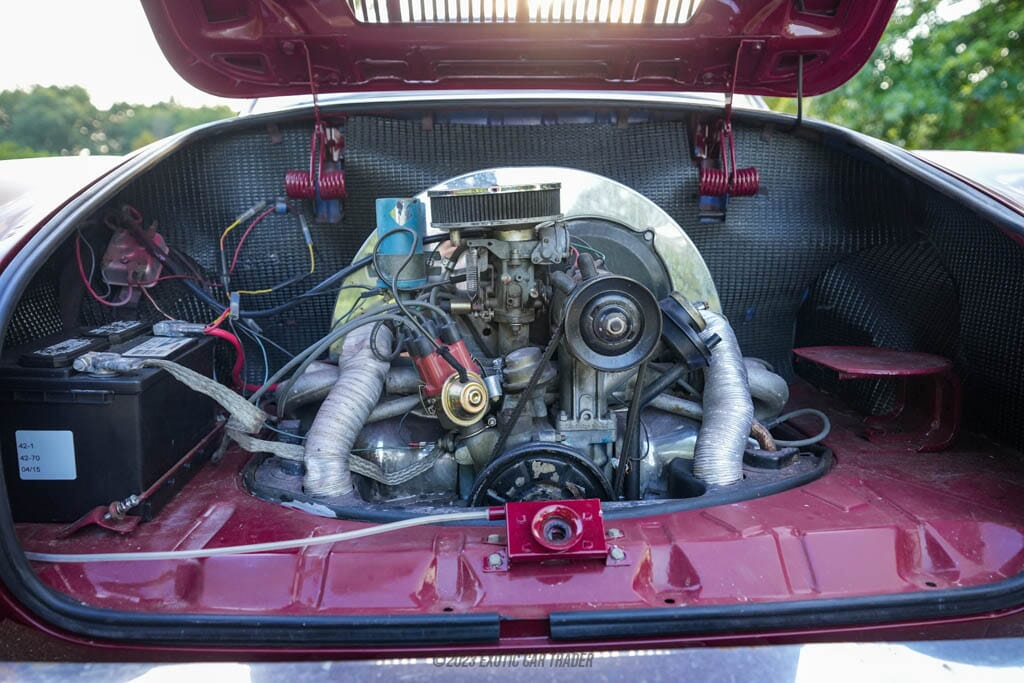
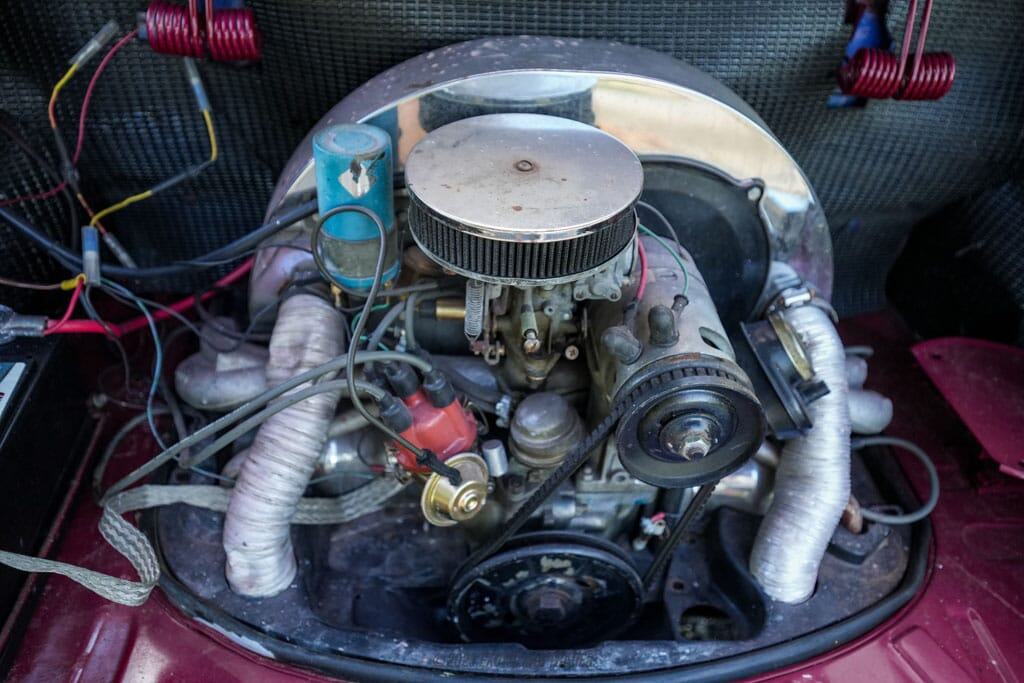
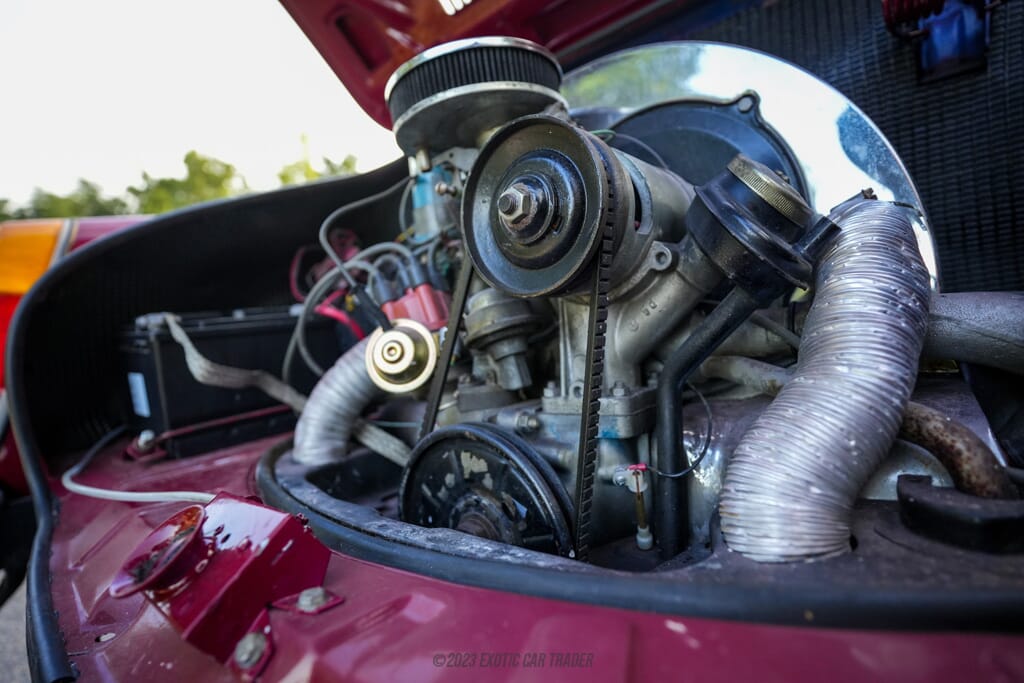
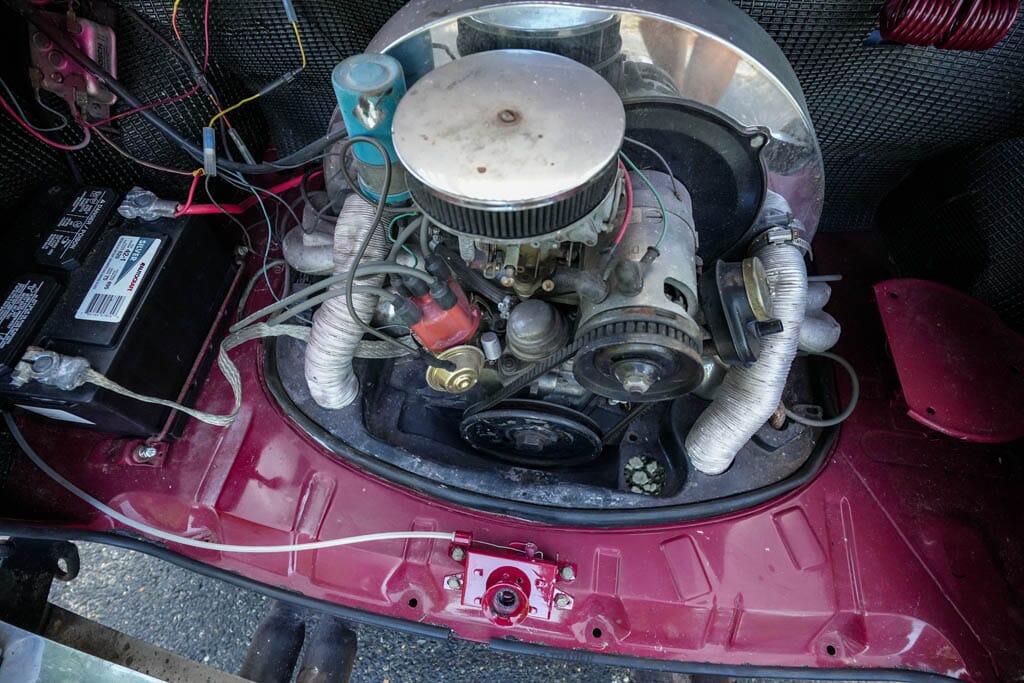
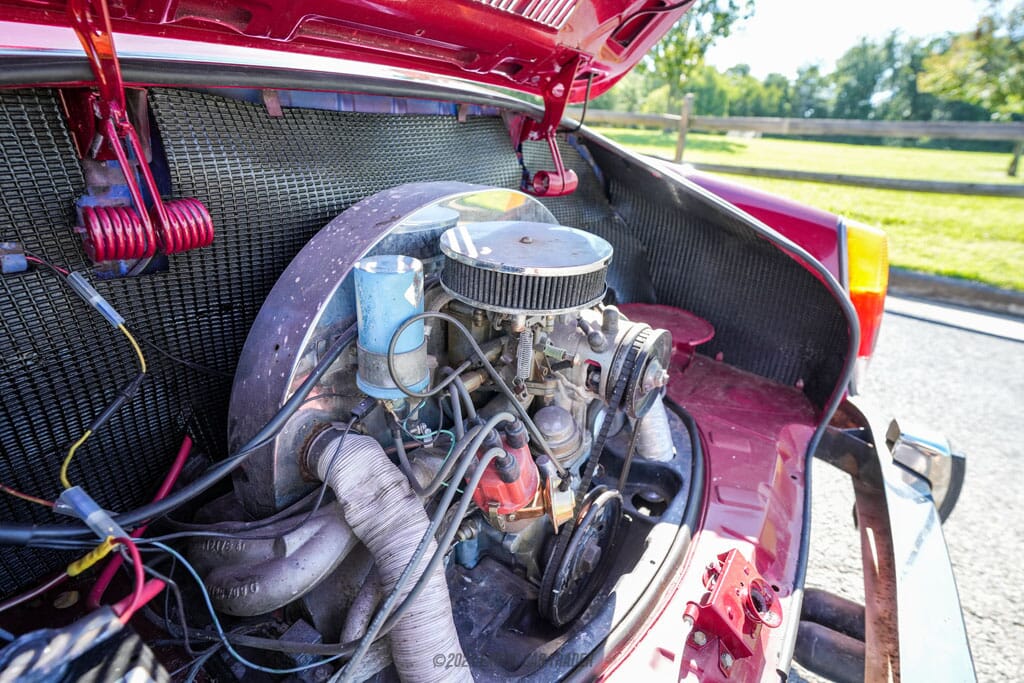
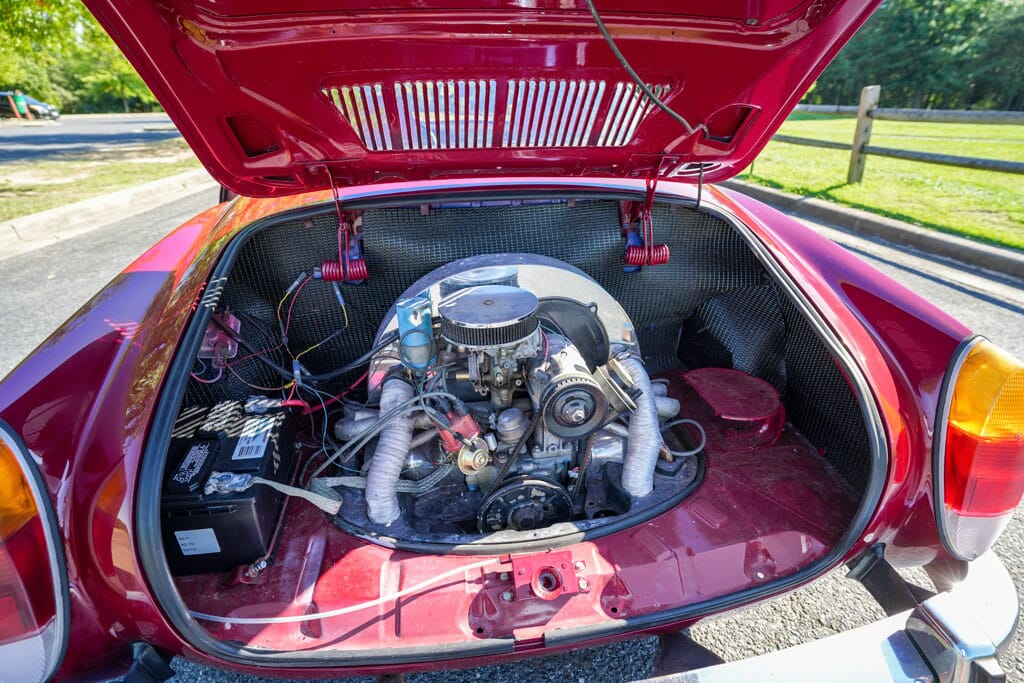
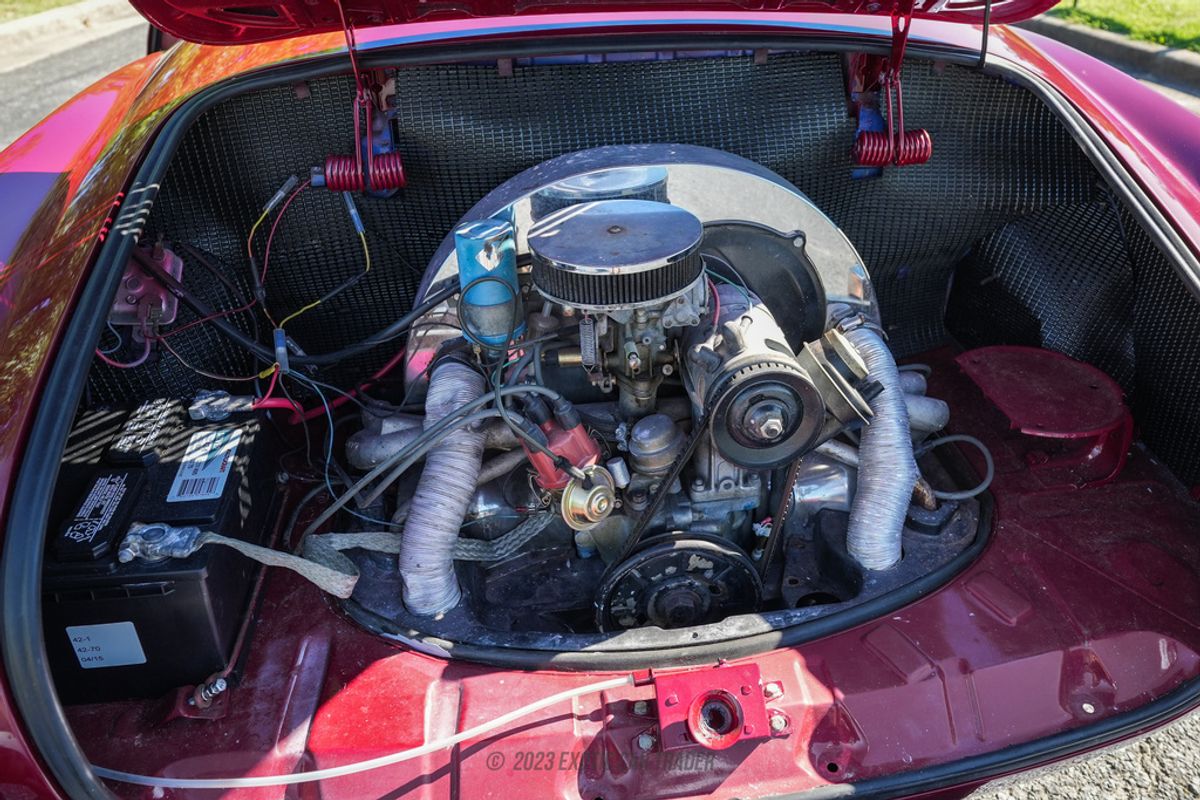
- Current owner reports engine rebuild
- Engine tuned during rebuild
- Dual Vacuum Advanced Distributor to remove the flat spot in accelerator reported by current owner


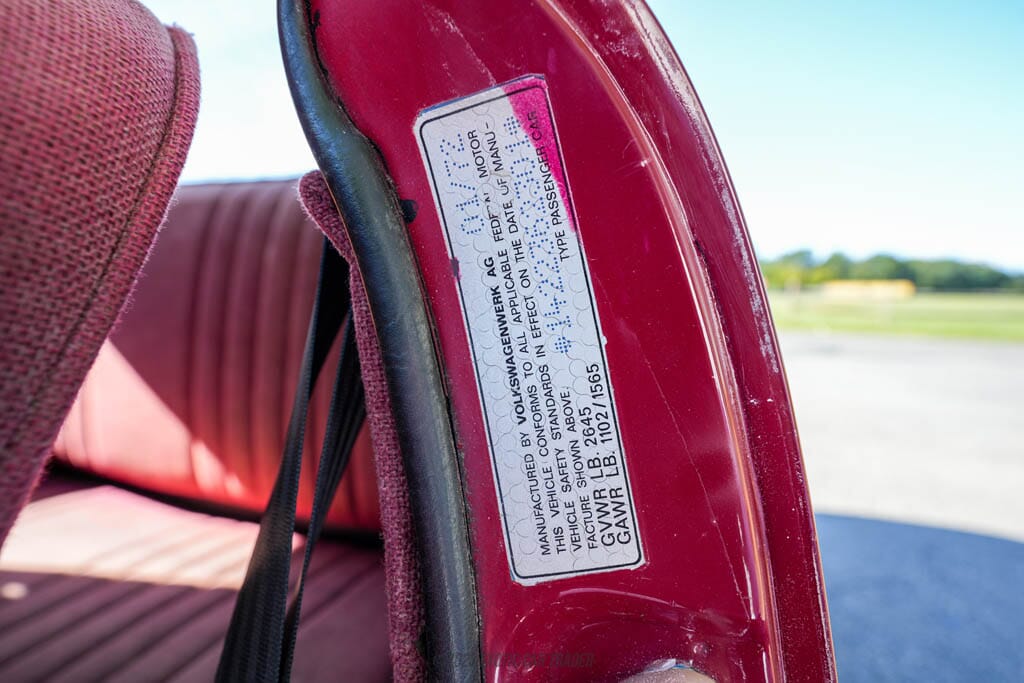
Regarded by many as one of Volkswagen's most aesthetically pleasing offerings, the Karmann Ghia stood as a distinct departure from the Beetle's appearance while sharing more commonalities beneath the surface than differences. This harmonious creation emerged from the collaborative endeavors of three notable entities, each contributing to the vehicle's name. Volkswagen, the driving force behind the project, entrusted the esteemed Italian design firm Carrozzeria Ghia with shaping the car's form. In turn, coachbuilding company Ghia took on the responsibility of constructing this automobile, further cementing its reputation as a prominent player of that era. Today, we present the opportunity to acquire a 1972 Volkswagen Karmann Ghia, a vehicle that embodies this intriguing history. The current owner attests to a comprehensive refinishing process, encompassing both its exterior and interior, resulting in a renewed visual allure. Imposing an even more irresistible proposition, the odometer indicates a mere 17,000 miles of travel, a testament to its remarkably low usage over the years.
Exterior and Interior
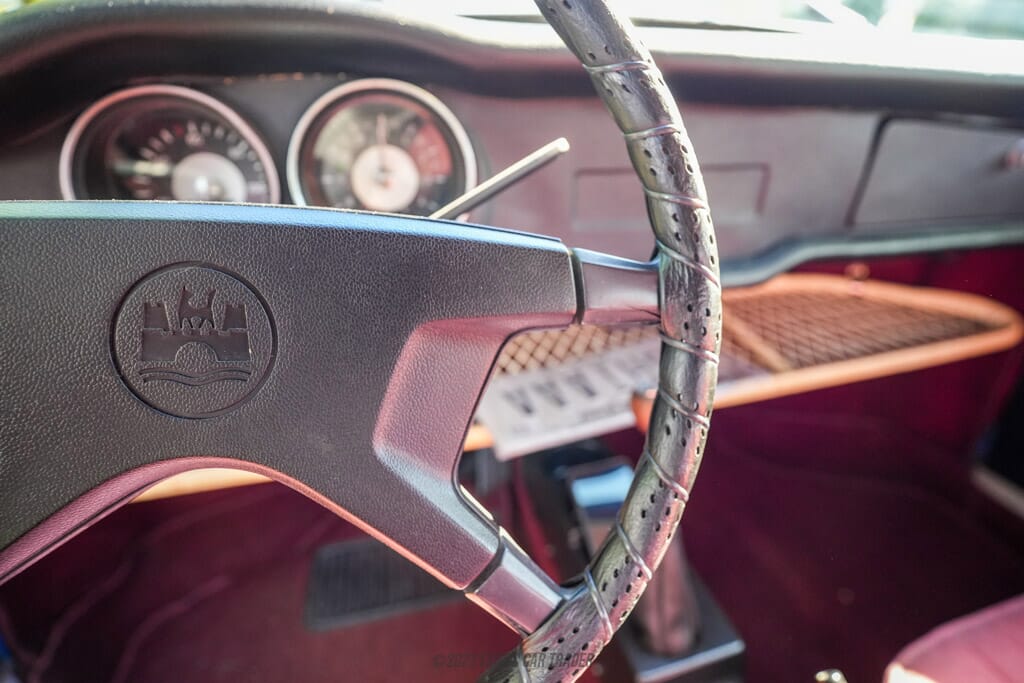
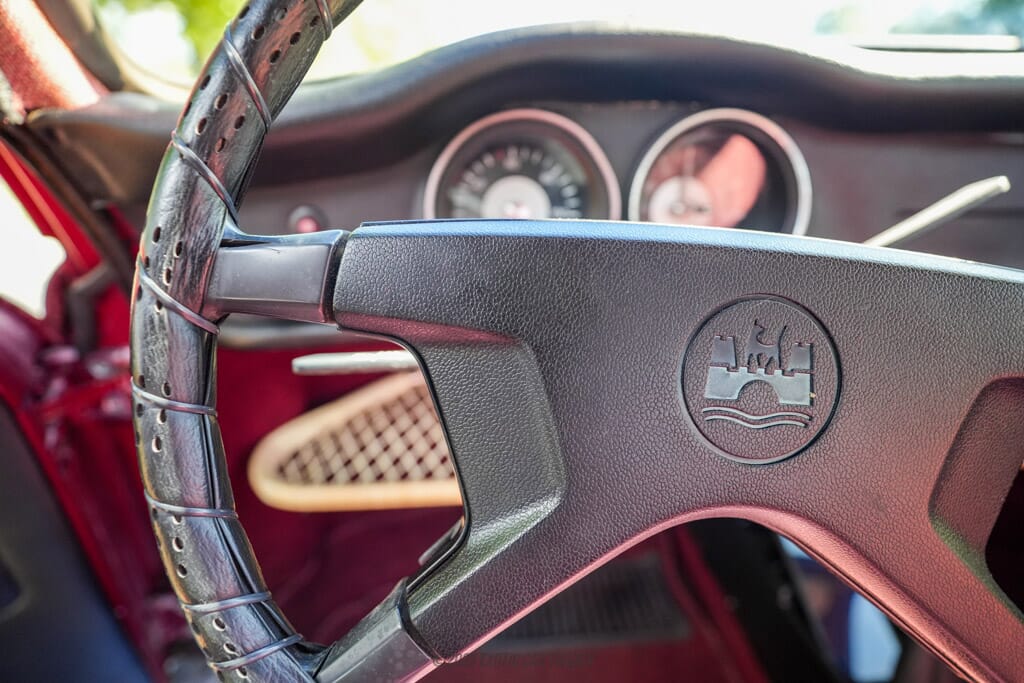
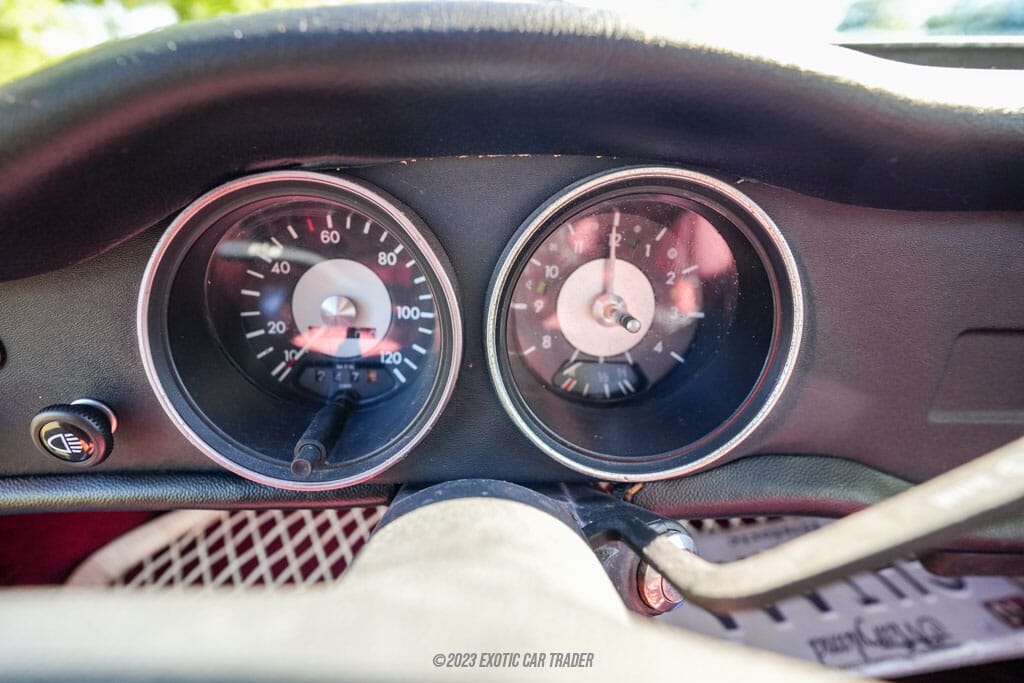
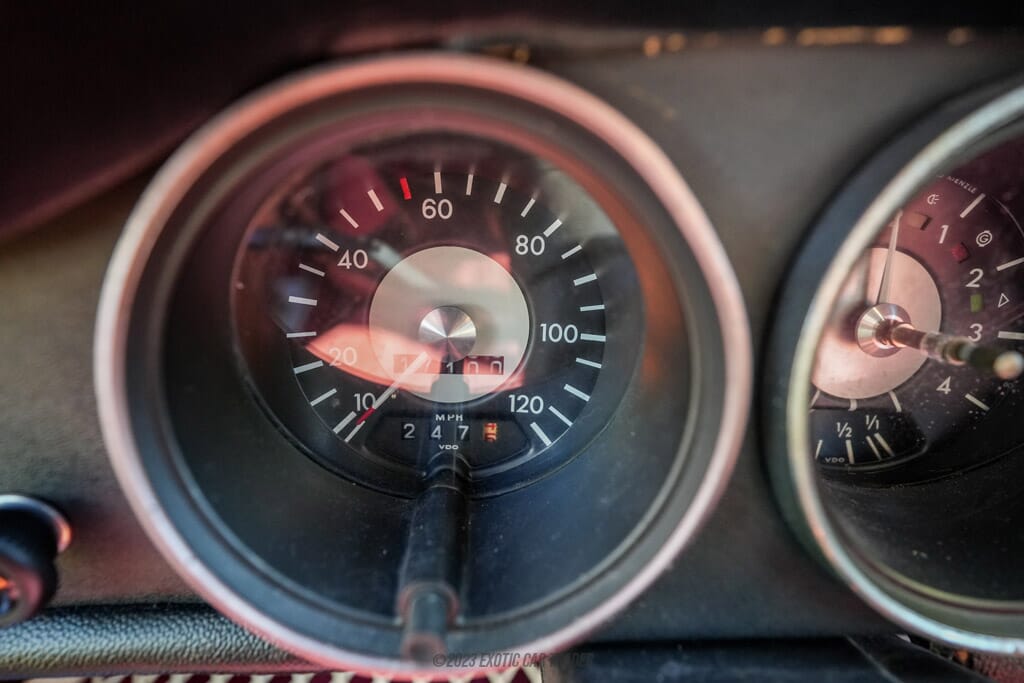
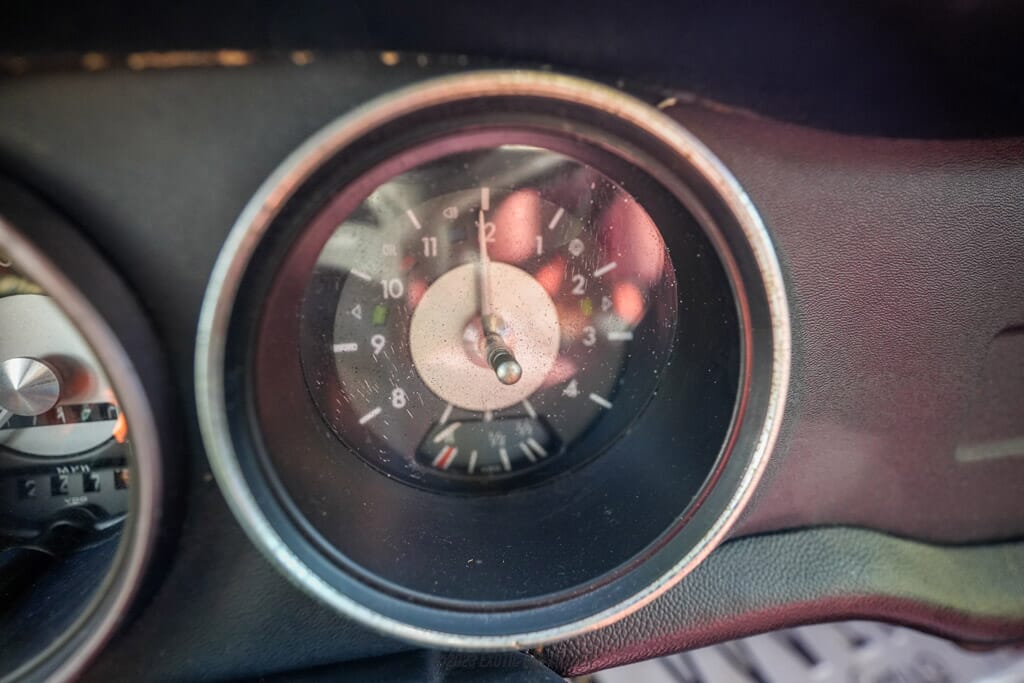
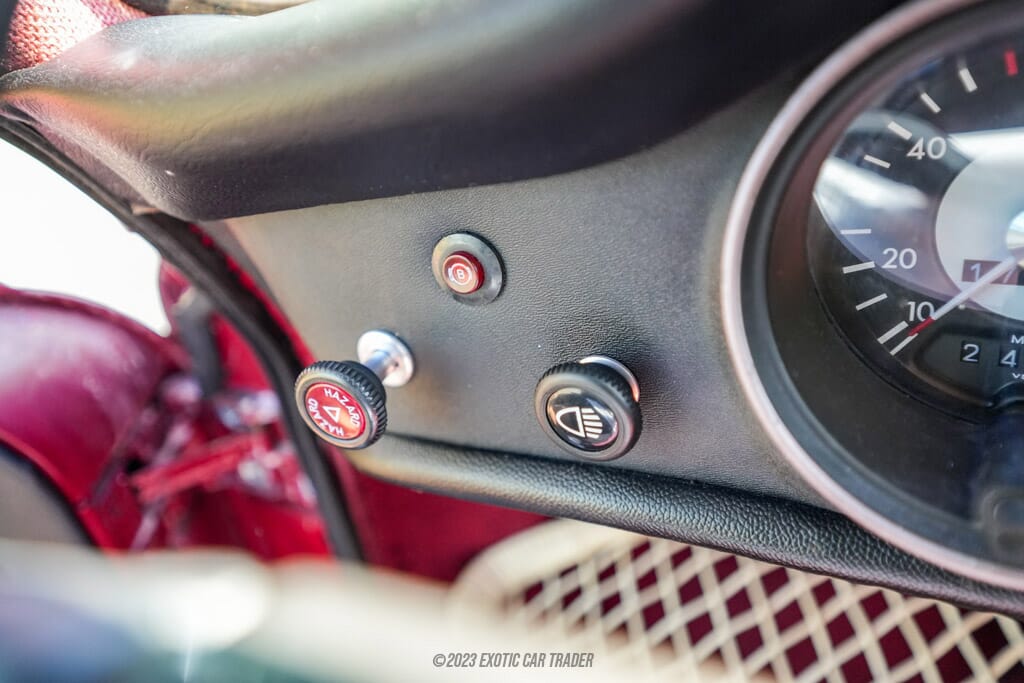
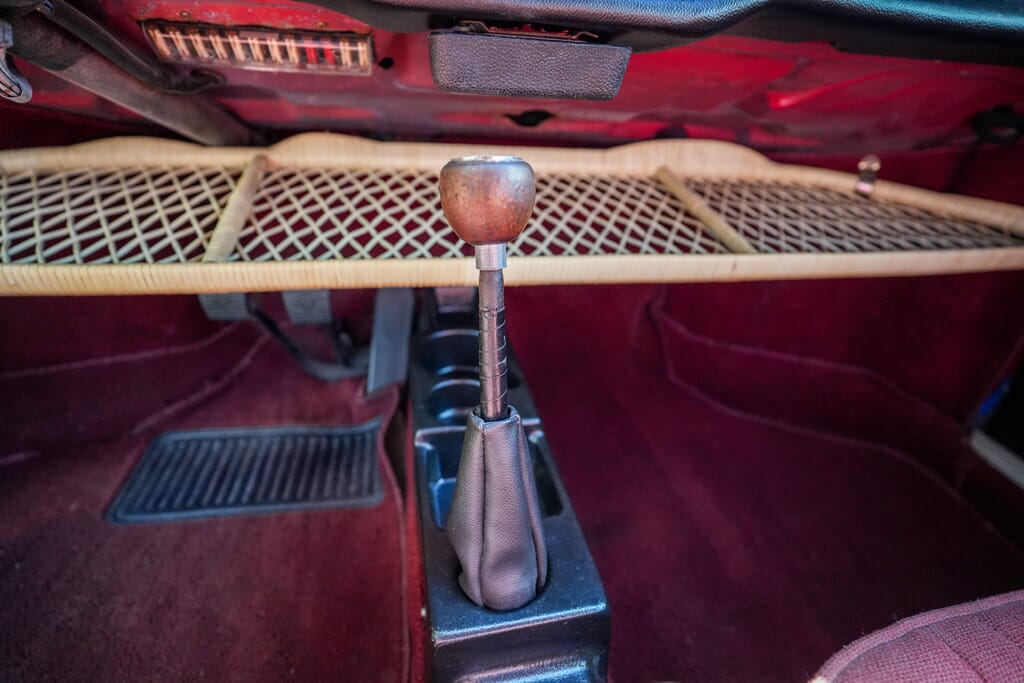
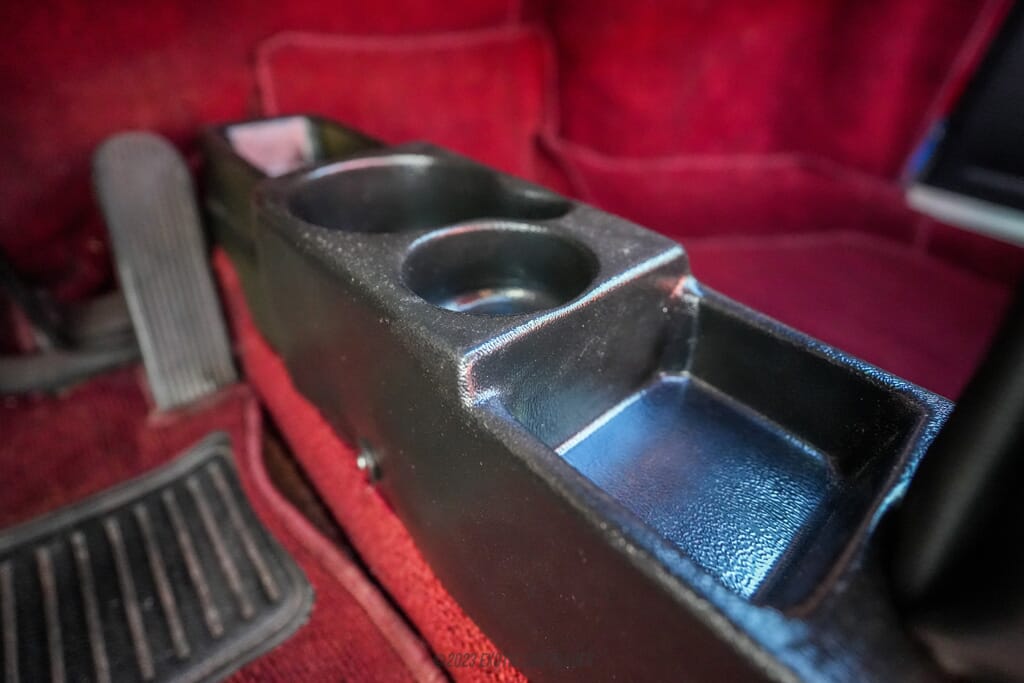
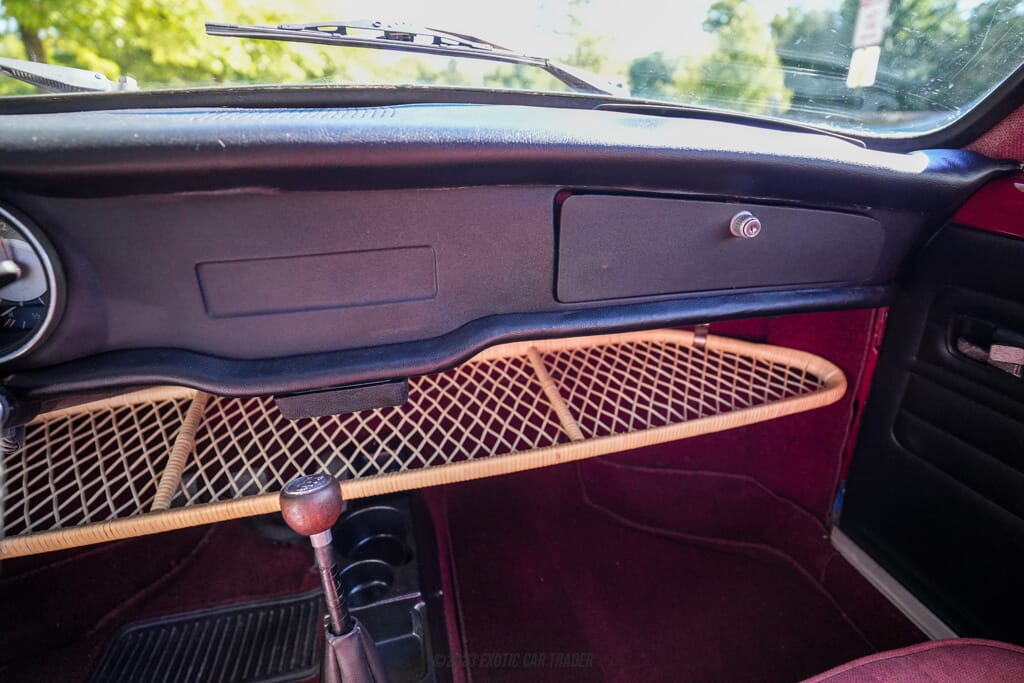
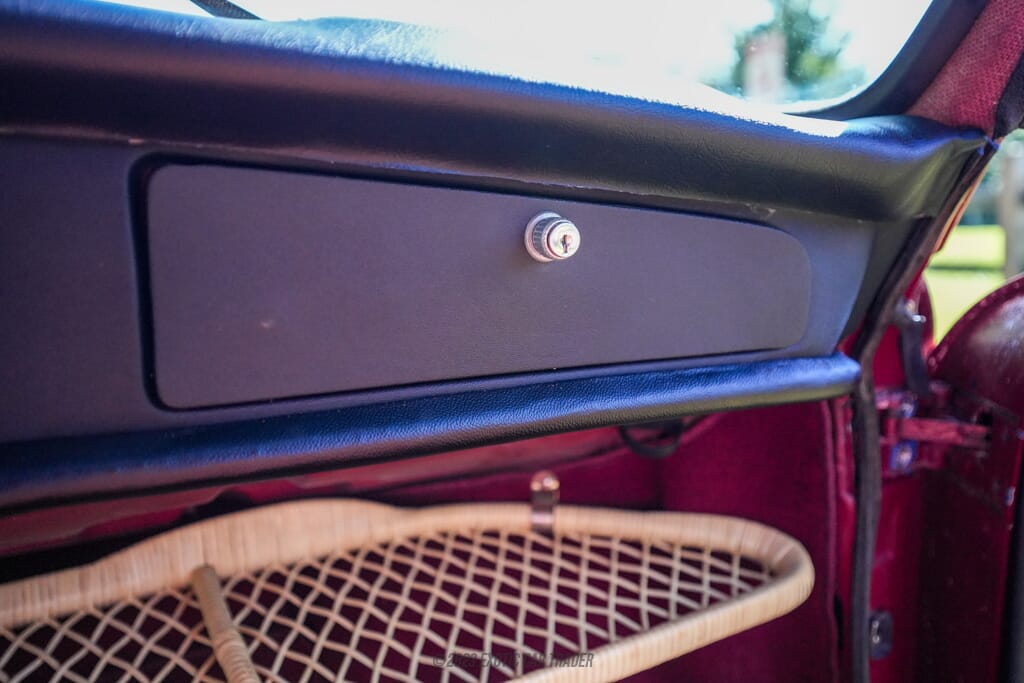
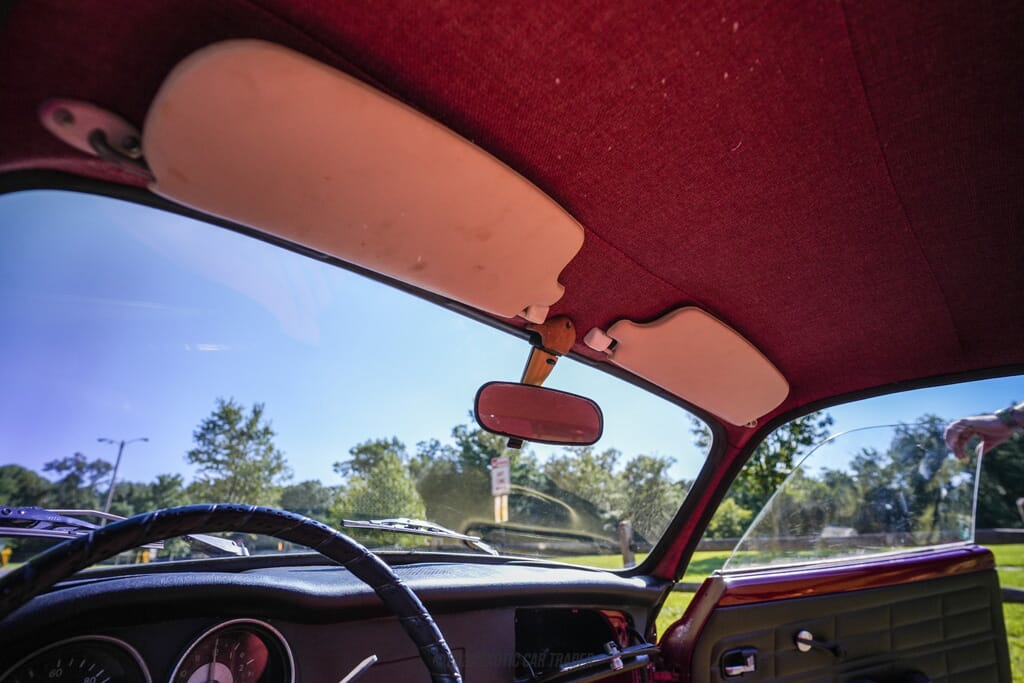
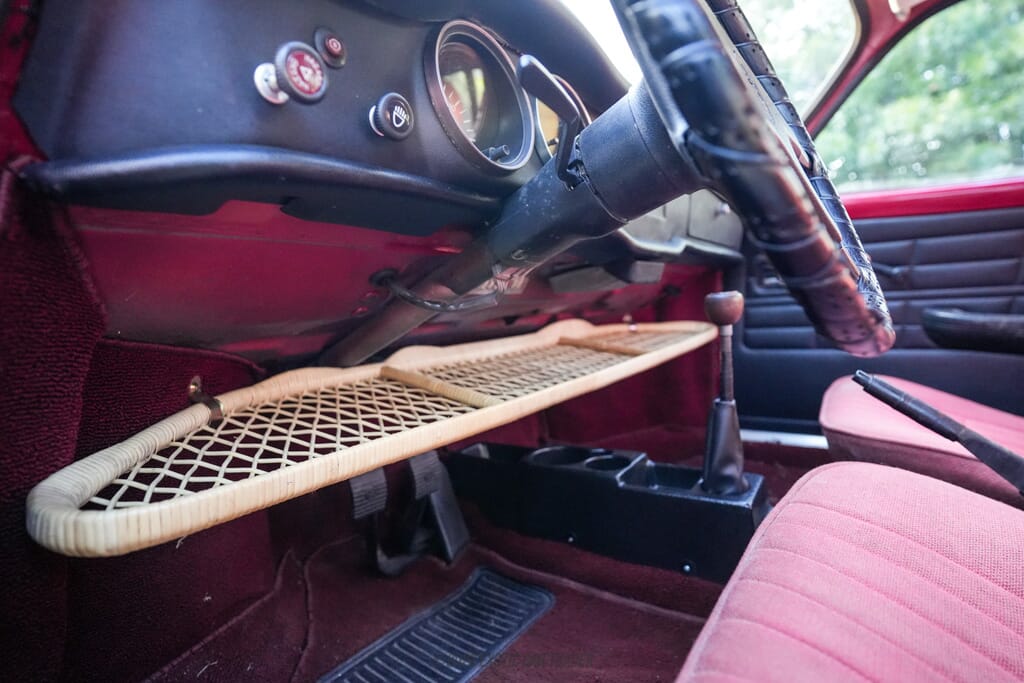
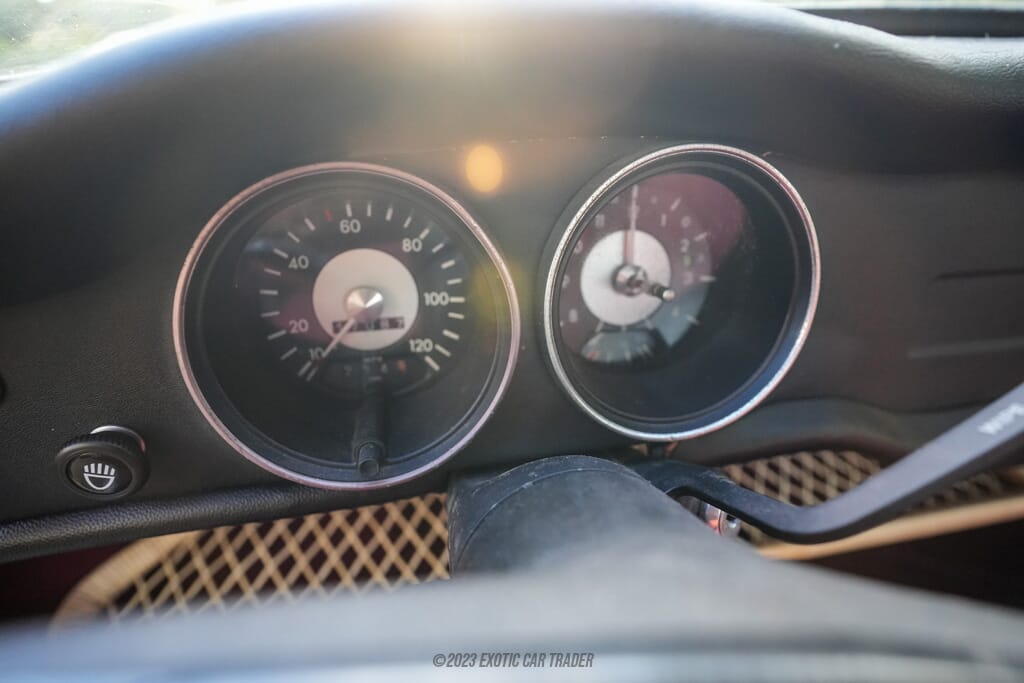
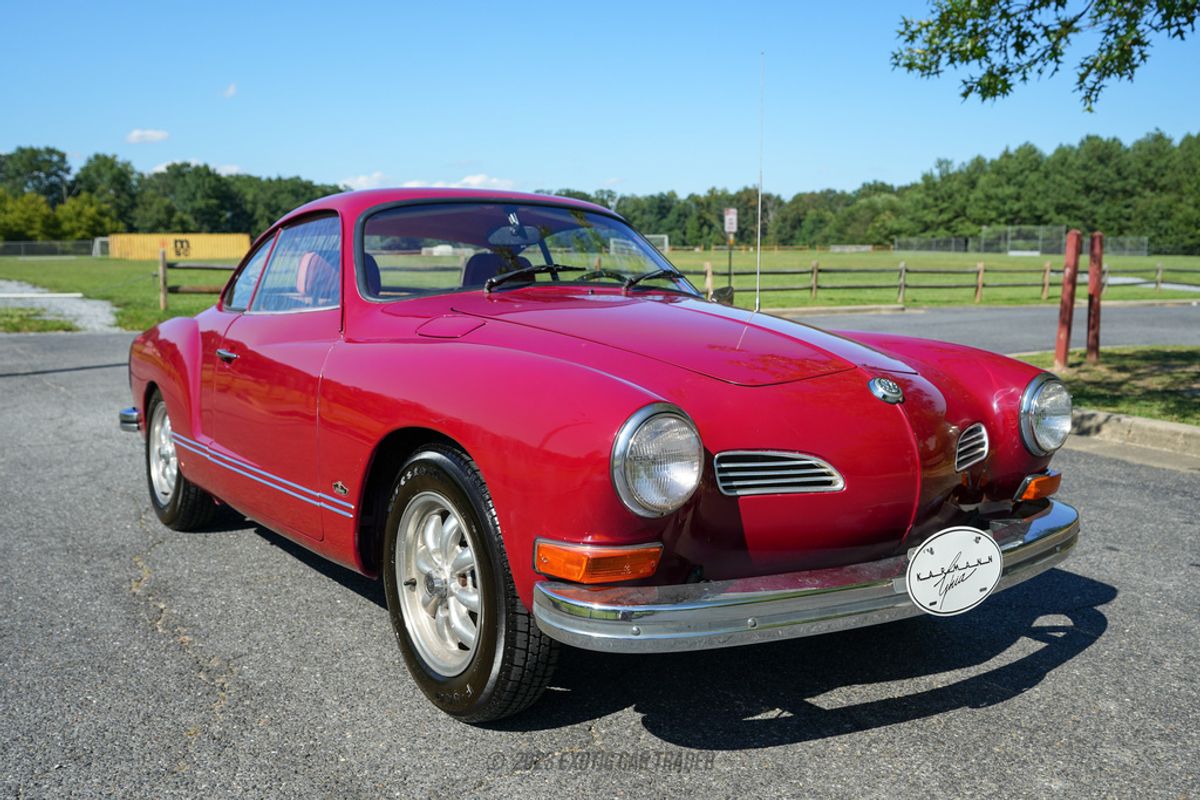
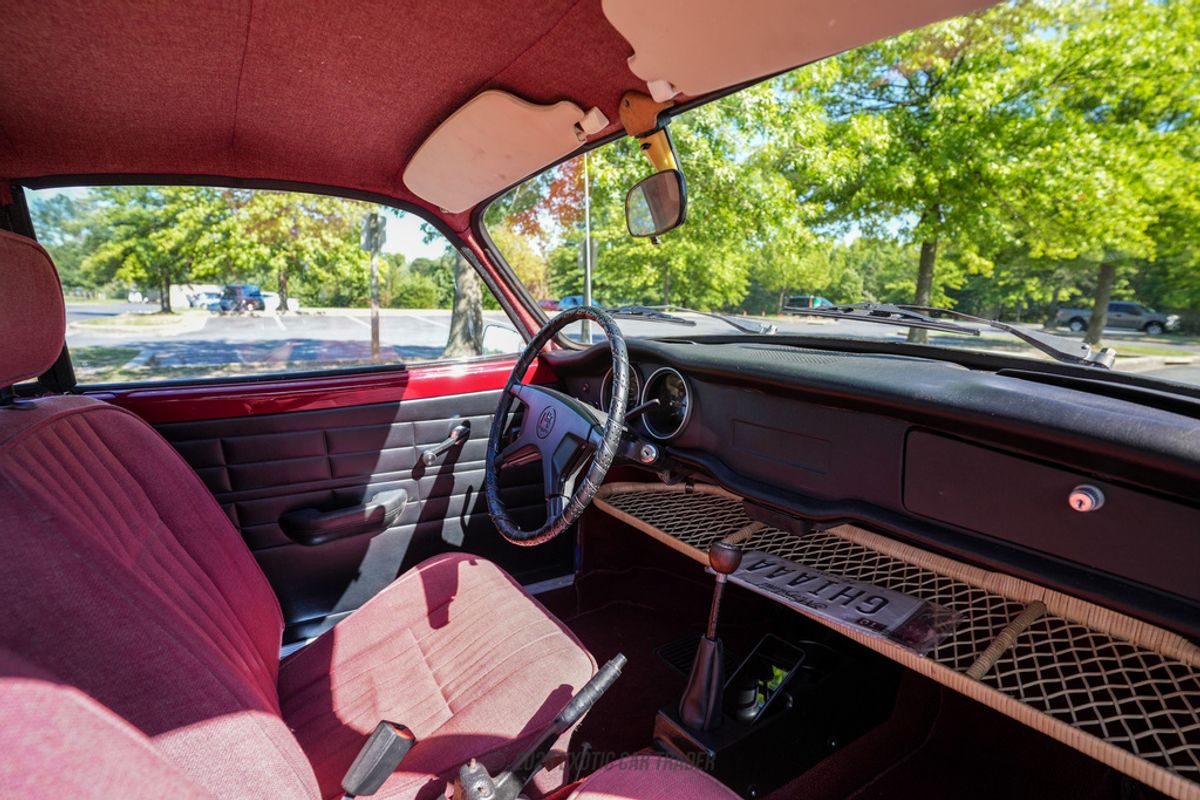
The 1972 Volkswagen Karmann Ghia, a car of such historical prominence, finds its perfect visual counterpart in a vibrant shade of red. This choice of color seamlessly encapsulates the vehicle's distinctive character. As indicated by the owner, the car now boasts new lights, imparting a remarkably crisp and pristine appearance to the lenses. Mounted on the vehicle are a set of aftermarket aluminum sport wheels, adorned with generously profiled tires that not only enhance its aesthetics but also imbue it with a robust and commanding stance that complements its iconic cab-forward design. Accentuating the rear are four exhaust pipes, a visual cue that anticipates the pleasant hum of the Volkswagen air-cooled flat-four engine. Stepping inside, you'll be greeted by an inviting cabin adorned in matching red upholstery. The interior accommodates two low-back bucket seats for the driver and front passenger, alongside a rear bench seat. While modest by contemporary standards, the cabin design was thoughtfully conceived for its era. Instrumentation comprises a 120mph speedometer, a clock, and additional gauges. Practicality is well accounted for with a net-style parcel shelf supplementing the glovebox, while front seat occupants benefit from the presence of seat belts for enhanced safety. Positioned in the front compartment, commonly referred to as the "frunk," lies a small storage space along with the spare wheel, further emphasizing the Karmann Ghia's clever utilization of space.
Engine
Under the rear hood of the 1972 Volkswagen Karmann Ghia resides a 1.6L air-cooled flat-four engine, a mechanical heart closely related to the Beetle of its time. Notably, this engine has undergone an extensive rebuilding and tuning process, ensuring its performance and reliability are at their optimal levels. A significant improvement is the inclusion of a Dual Vacuum Advanced Distributor, a modification aimed at eradicating any flat spots in the acceleration curve, thus enhancing the driving experience. This rejuvenated power source propels the car's rear wheels via a meticulously calibrated four-speed manual transmission. Moreover, it's worth noting that the vehicle's electrical system has been meticulously overhauled to adhere to the precise specifications of the factory harness wiring, an endeavor that underlines the dedication to preserving the authenticity and functionality of this classic automobile.

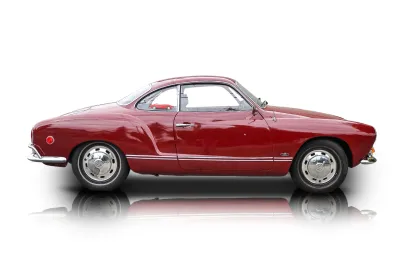

The Volkswagen Karmann Ghia has long been admired for blending dependable German engineering with elegant Italian styling. Penned by Carrozzeria Ghia and hand-assembled by Karmann, it offered sports car looks while retaining the reliability and simplicity of the legendary Beetle. This 1969 Volkswagen Karmann Ghia Coupe carries on that legacy, showing 155,708 miles and delivering the unmistakable charm that has made air-cooled Volkswagens favorites among collectors for decades. Finished in Cherry Red over a Black interior, this classic is equipped with a 4-speed manual transmission and even features a period General Electric CB radio, making it a nostalgic cruiser that’s equally enjoyable at local cars & coffee events or weekend drives.
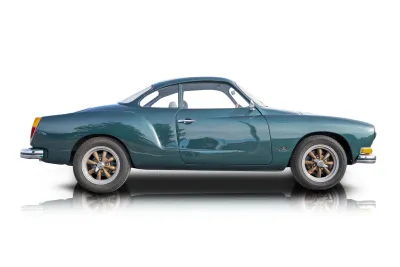
The 70s were all about peace, love, and good times. One manufacturer who perfectly captured the times through mechanical symphony was none other than Volkswagen. A quick trip down memory lane and the range of machines leaving factory floors, which included the legendary Beetle and Karmann ghia gave its custodians the chance to explore peace and love with every drive out. Present today is the latter, and a great example of it as well. Hailing from Casper, Wyoming, this 1974 Volkswagen Karmann Ghia is a machine far from the expensive classic-car life portrayed; it is simple motoring that provides smiles per gallon and looks great doing so.
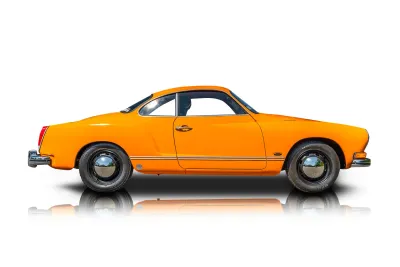
Volkswagens of today are true feats of engineering; they are the golden standard across multiple segments of buyers. This superior feat is nothing short of amazing and places itself as a serious contender, be it a hot hatch eating up sports cars or even high-end hypercars flying underneath another banner. Turn back the clock, and this seriousness was not apparent. Back in the 60s and 70s, Volkswagen was a brand that was the golden standard of its time, plus being an automaker that had soul and color. This may be a statement many don't agree with, but this 1974 Volkswagen Karmann Ghia we have today might make you think about it. This classic German beauty has a reported over 75,000 miles on its clock and stems from a time when Volkswagen was all about peace, love, and good drives.
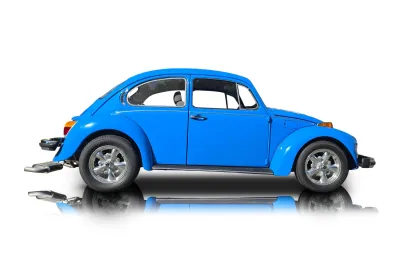
This 1974 Volkswagen Beetle takes the familiar simplicity of the classic Type 1 and adds a thoroughly personalized performance and refresh story. Showing approximately 28,474 miles, this example is powered by a 2,200cc naturally aspirated bored-out air-cooled flat-4 fitted with dual Spanish Weber carburetors and backed by a Rancho Performance-built 4-speed manual transmission. Its documented refresh work from 2006 through 2009 included media blasting, suspension-related work, interior refurbishment, and sound-deadening material, giving this Beetle a much more developed presentation than a basic cosmetic makeover.
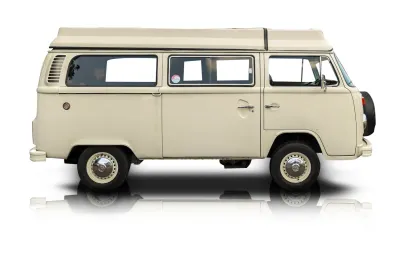
The 1977 Volkswagen Type 2 Riviera Camper captures the appeal of vintage Volkswagen travel culture with a practical camper conversion built around the iconic Bay Window platform. Showing approximately 38,342 miles, this example is finished in Cream and features a Black/Beige camper interior with a Riviera pop-top roof. Its camper configuration includes a rear sleeping area, patterned cloth rear bench upholstery, wood interior paneling, insulated rear quarters, and an auxiliary electrical setup, giving it the character of a true period-style adventure vehicle rather than a standard passenger van.
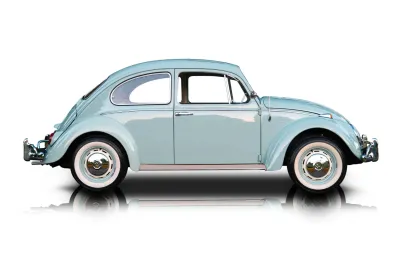
The 1966 Volkswagen Beetle is one of the most iconic vehicles ever produced, celebrated for its unmistakable styling, simple mechanical design, and enduring enthusiast following. Showing 71,480 miles, this example represents the classic Beetle formula with its 1,300cc air-cooled flat-four engine, rear-engine layout, and engaging 4-speed manual transmission. Finished in Bahama Blue with a reupholstered two-tone interior, this Beetle combines vintage charm with refreshed presentation while preserving the character that has made the Volkswagen Beetle a beloved classic around the world.

Terms of Service
Be Kind and Courteous
We're here to create a platform to better the automotive industry through communication and transparency. Please treat everyone with respect. Healthy debates are natural, but kindness is required.
No Hate Speech
Make sure everyone feels safe. Hate speech of any kind is strictly prohibited. Degrading comments about things like race, religion, culture, sexual orientation, etc. will not be tolerated.
No Promotions or Spam
Give more than you take. Self-promotion, spam, or links of any kind are not allowed.
