

Buyer Resources
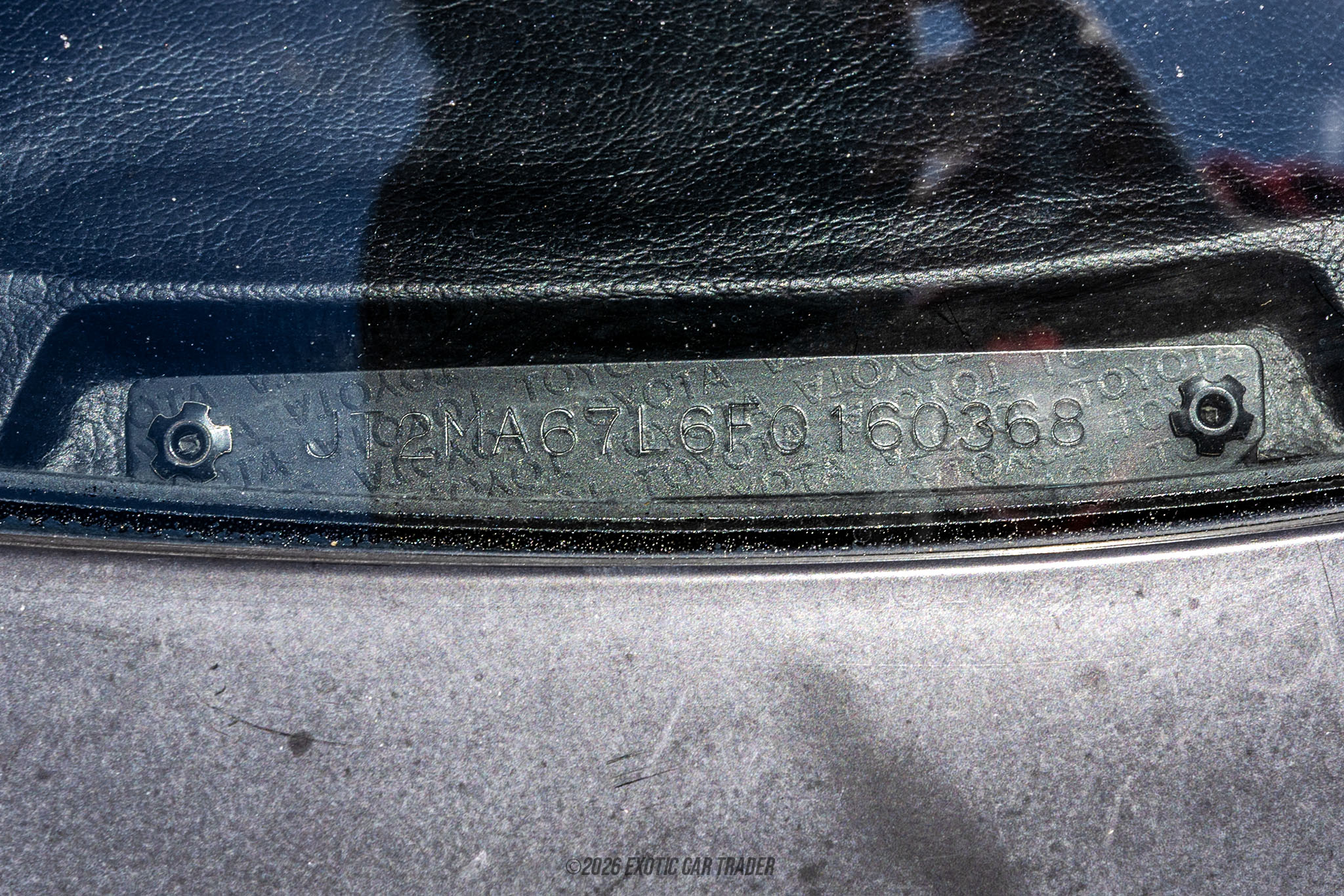
- 1985 Toyota Celica Supra P-Type
- 2.8L Naturally Aspirated I6
- Electronic Fuel Injection
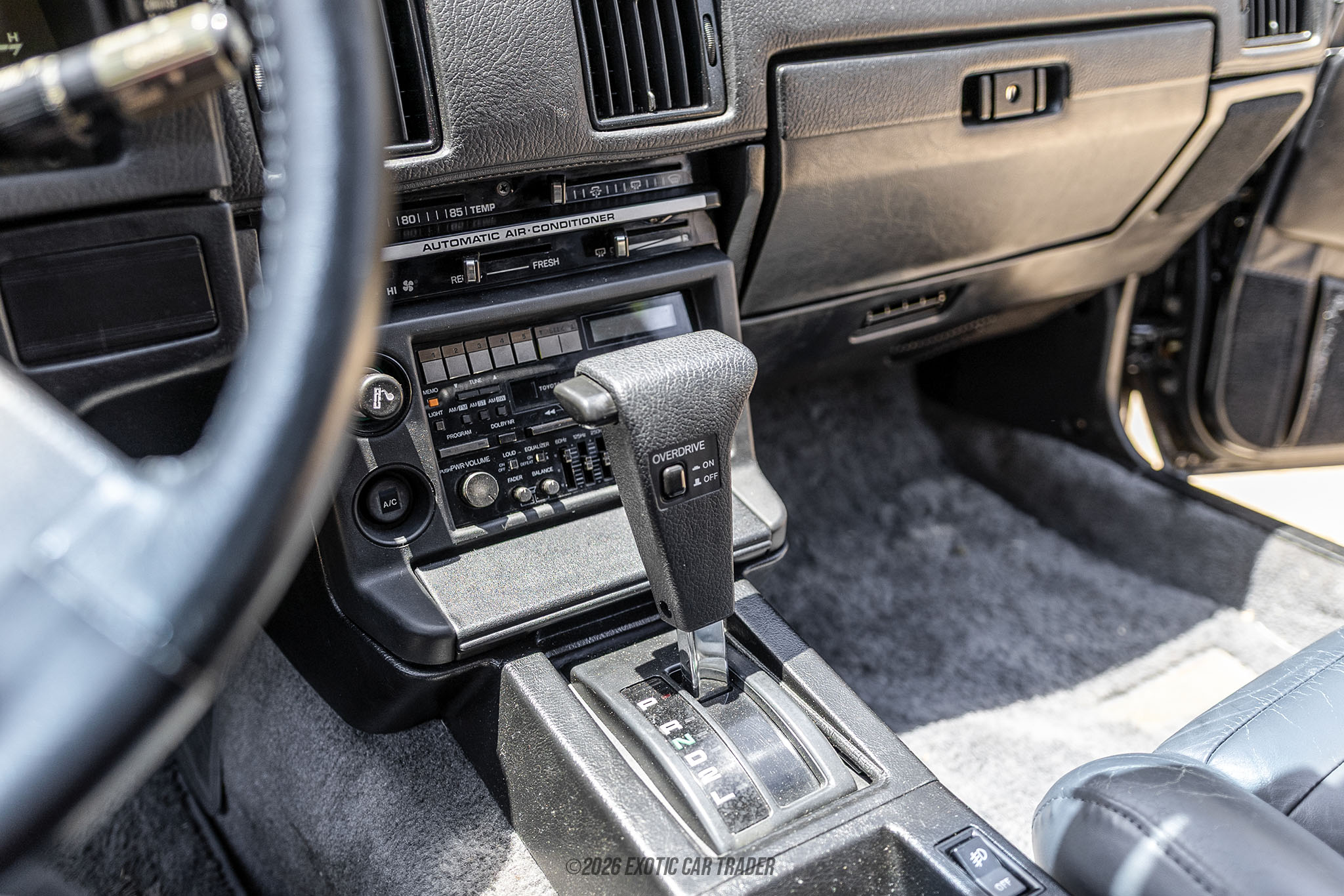
- 4-Speed Automatic
- RWD
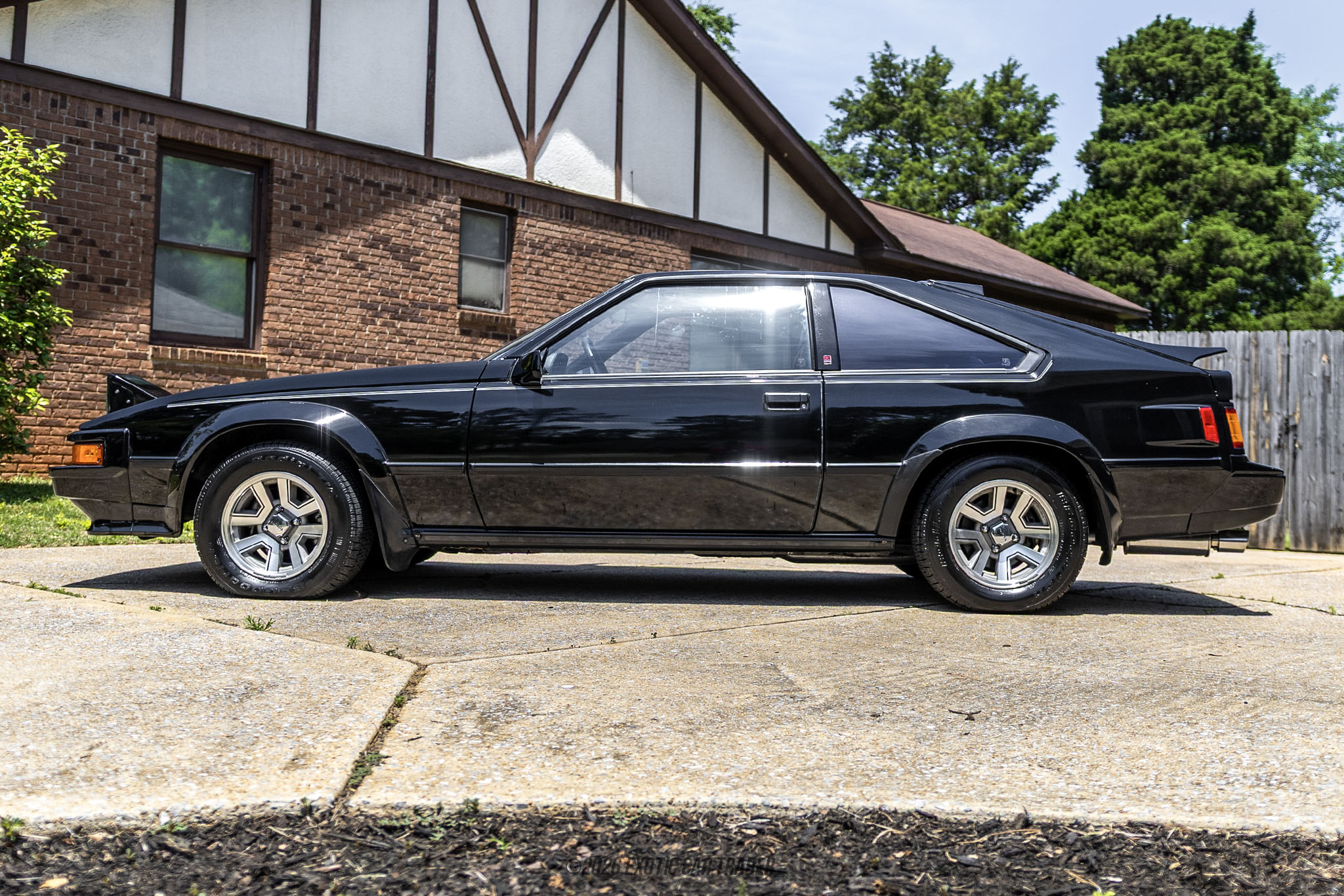
- Black Exterior
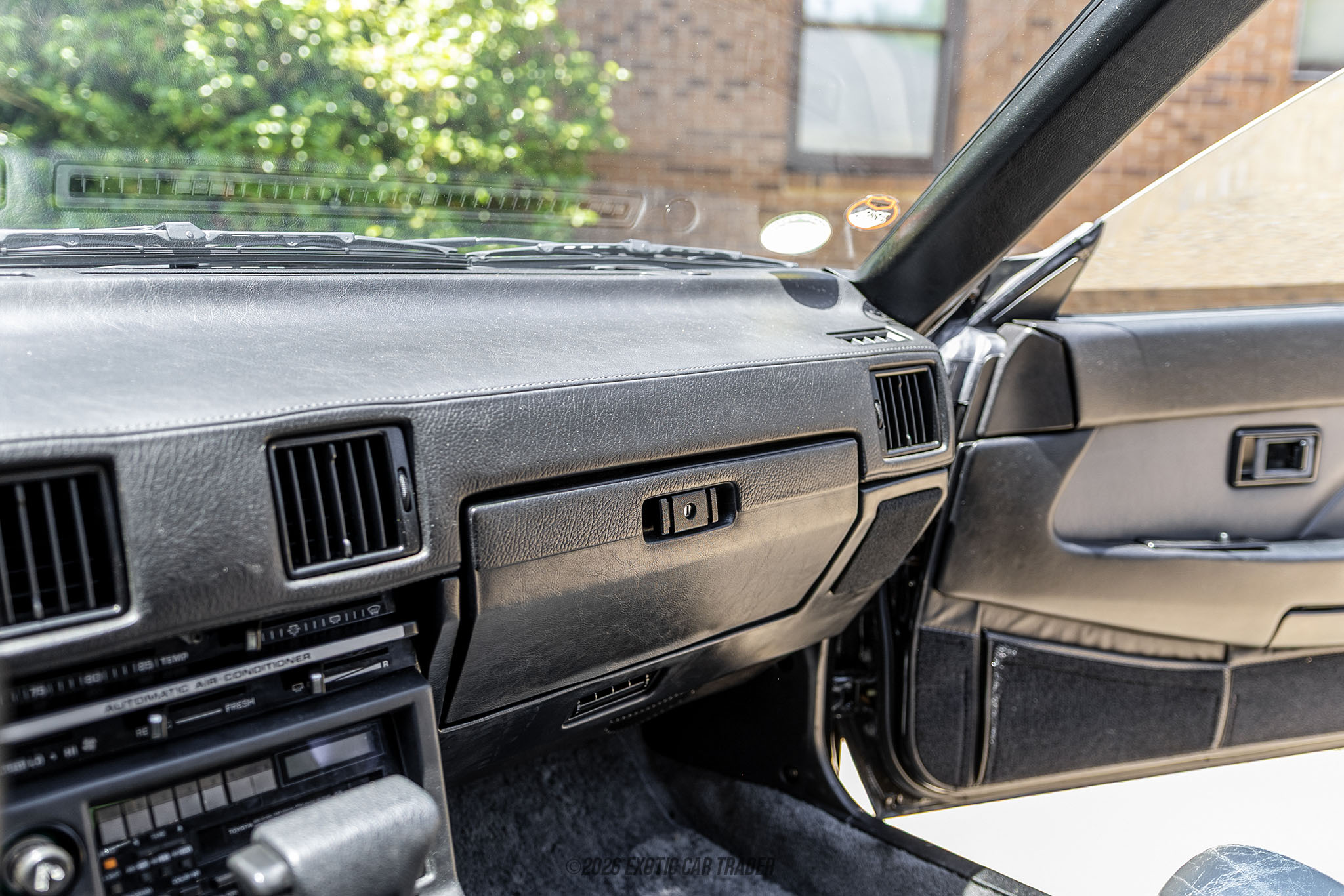
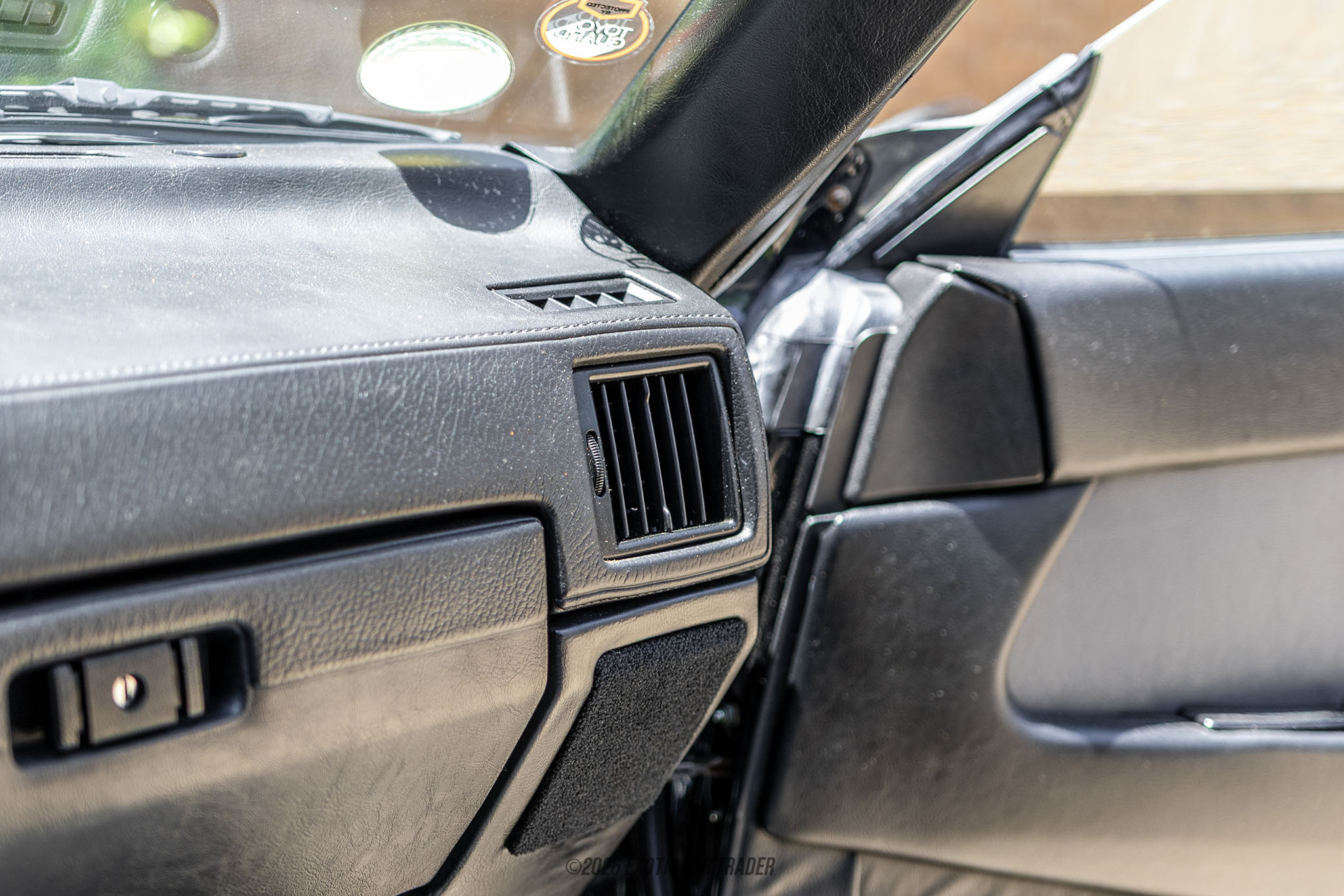
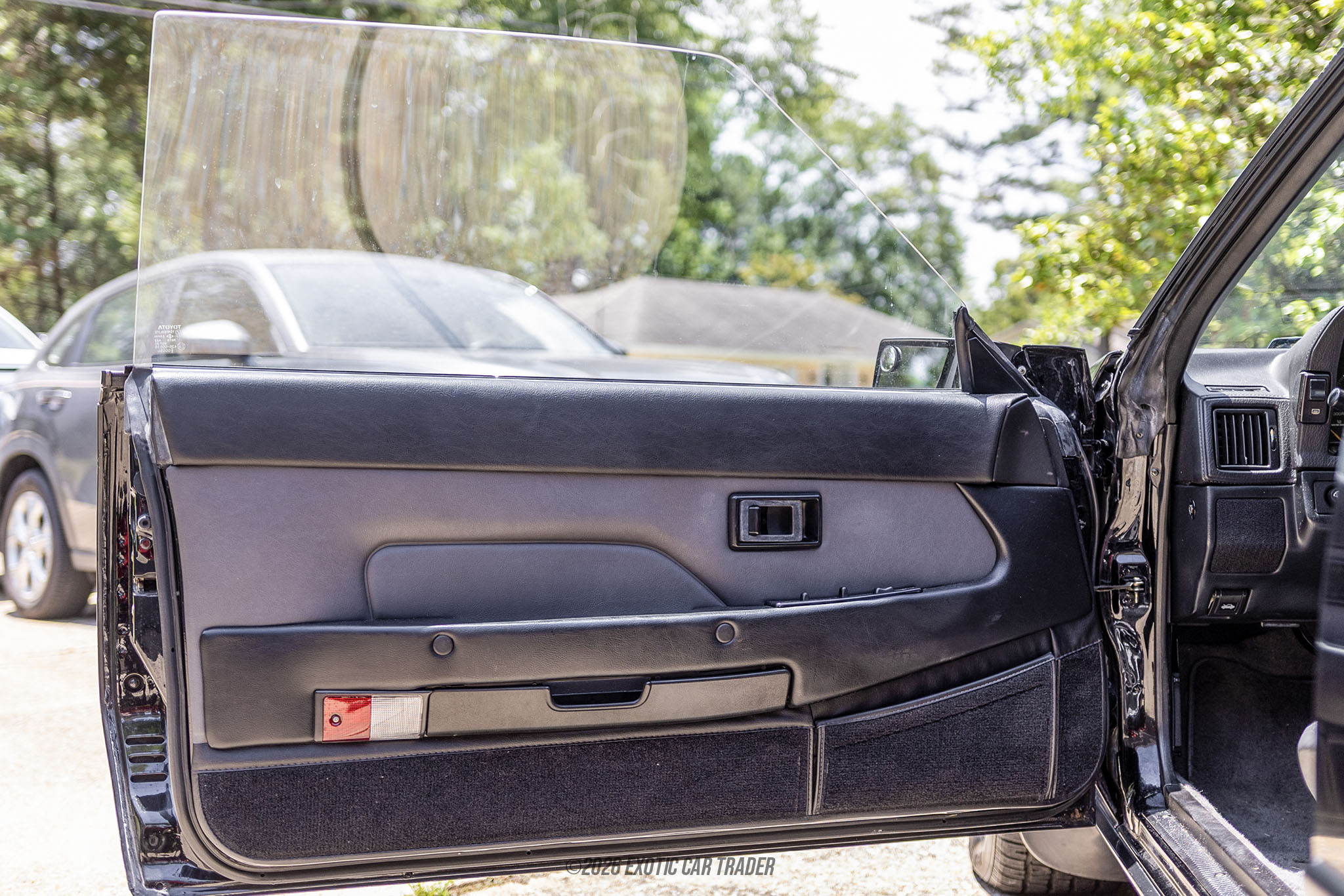
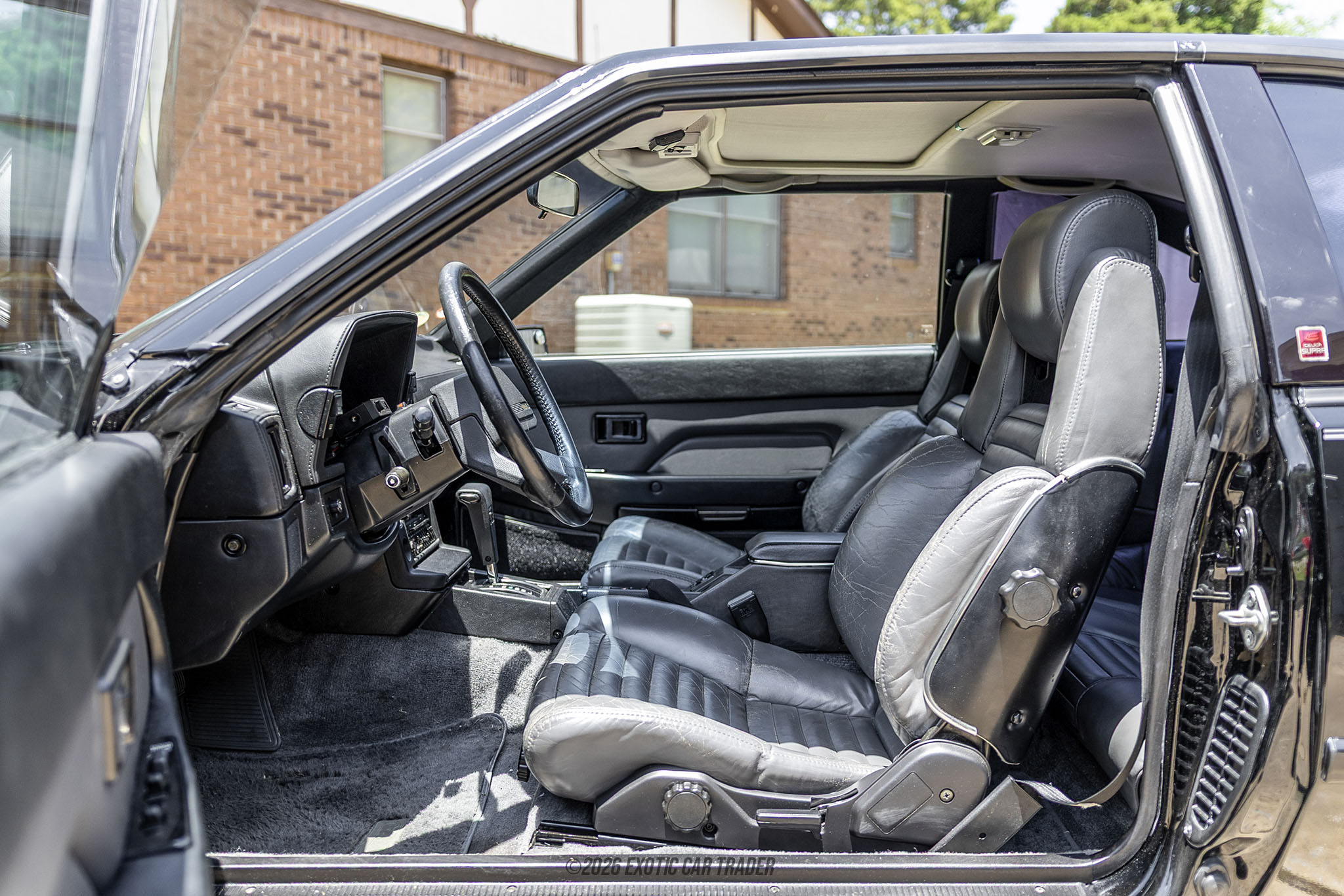
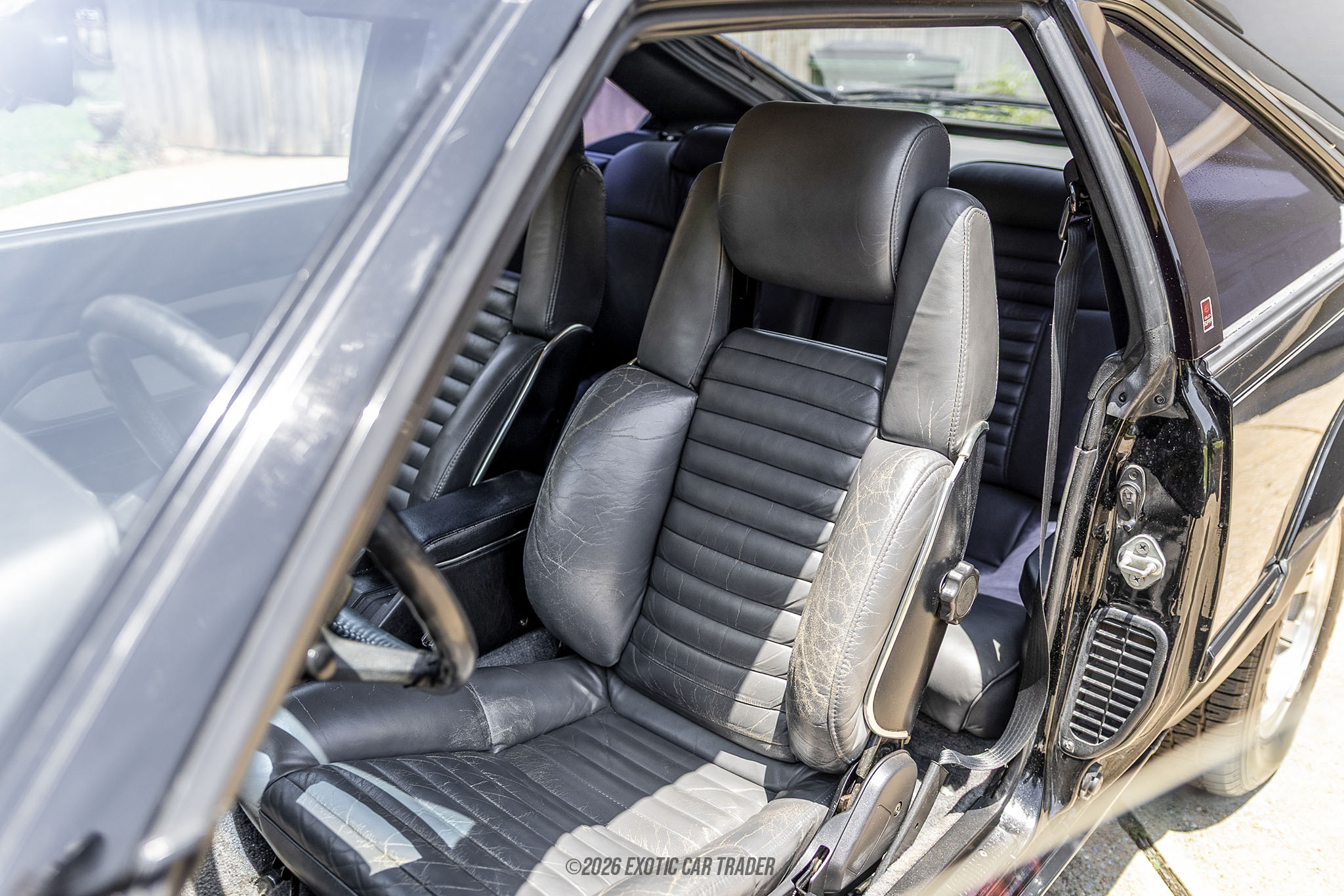
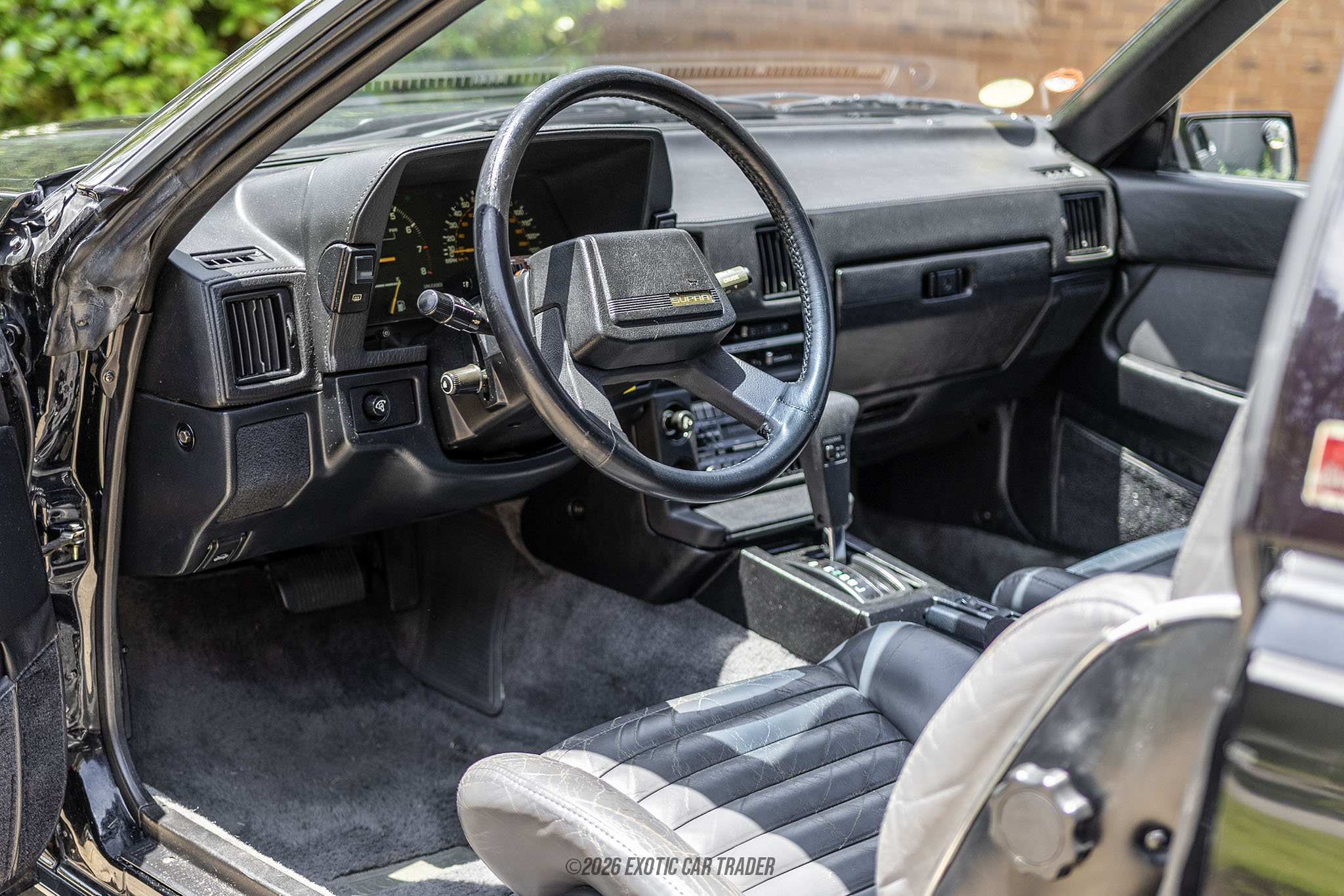
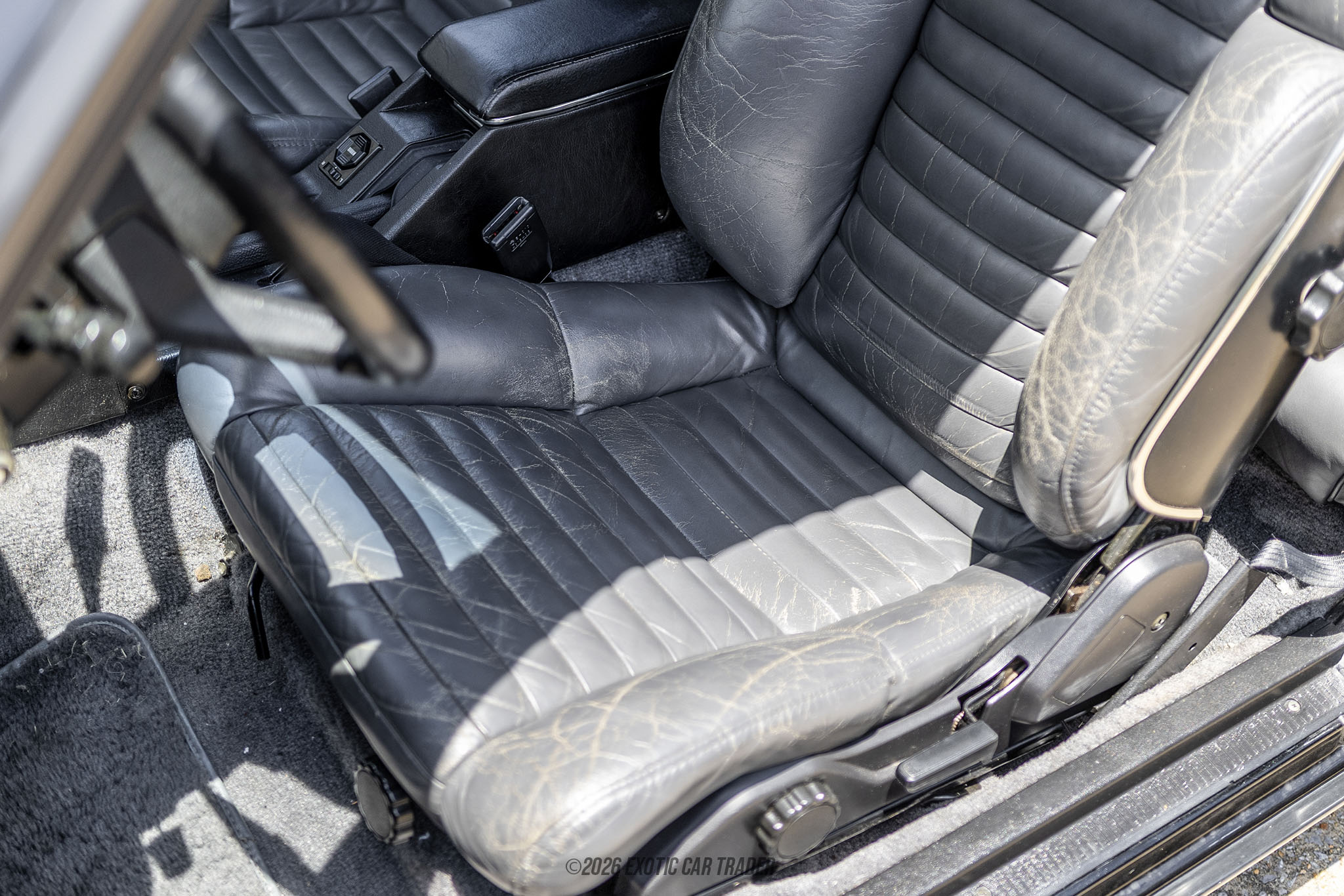
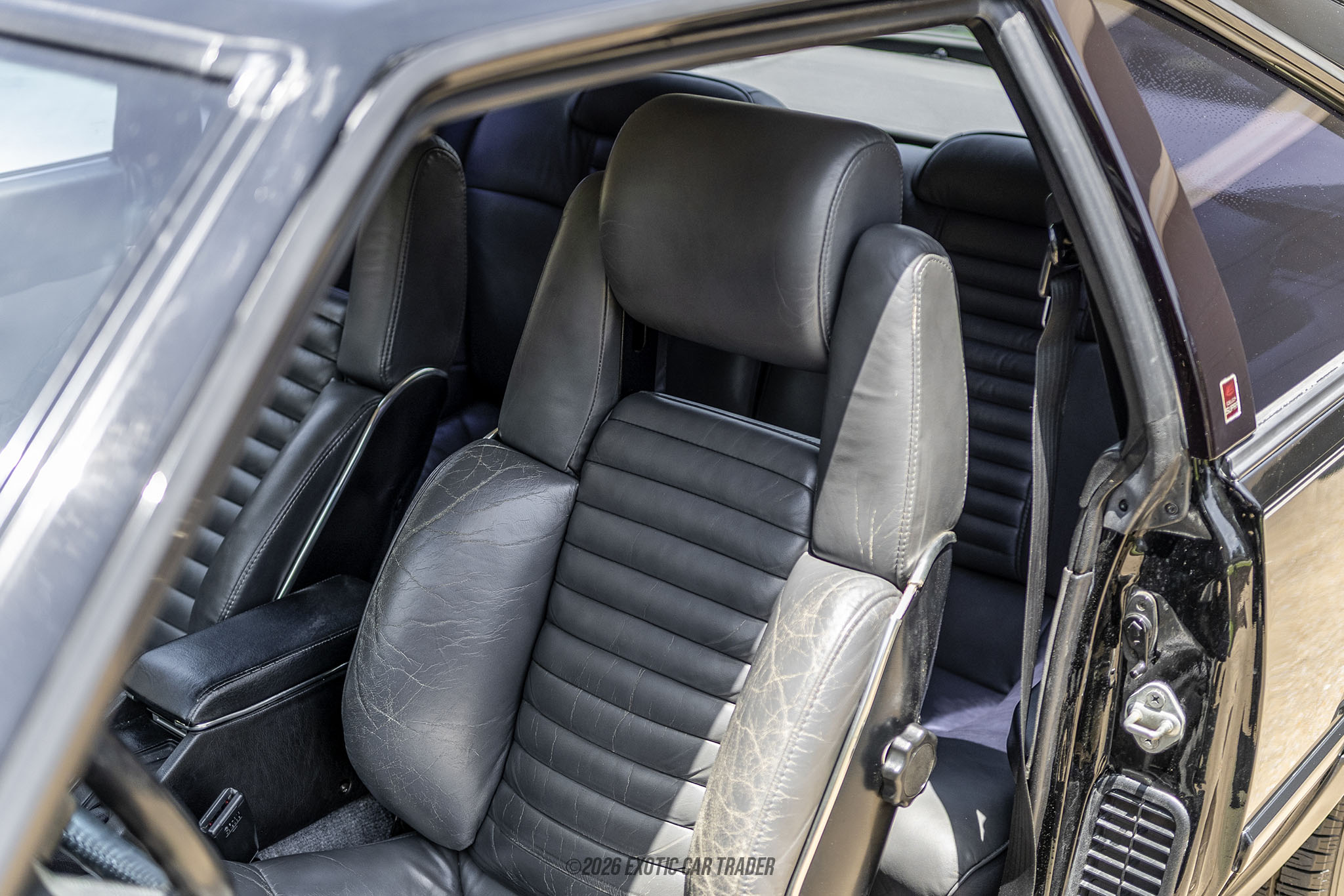
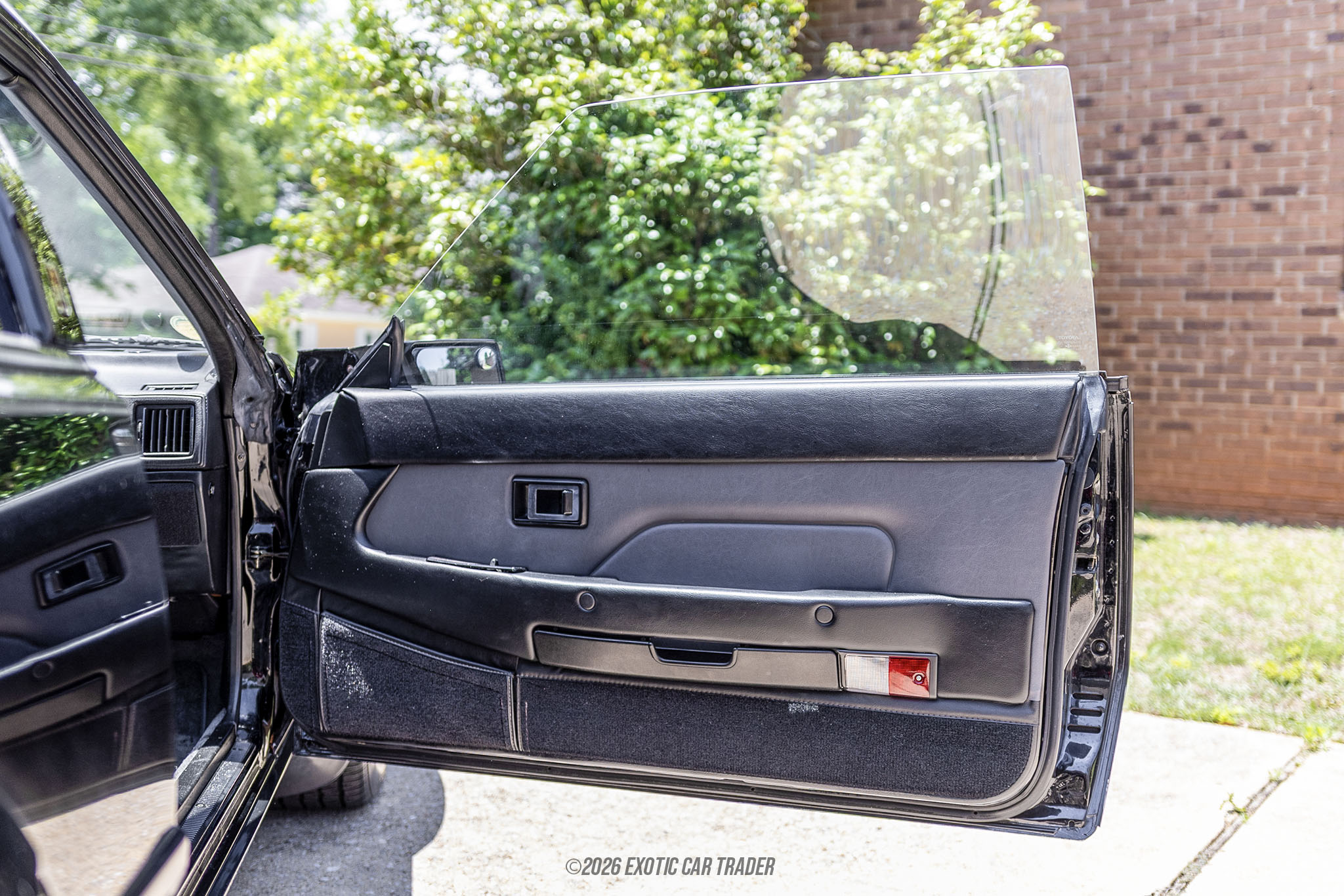
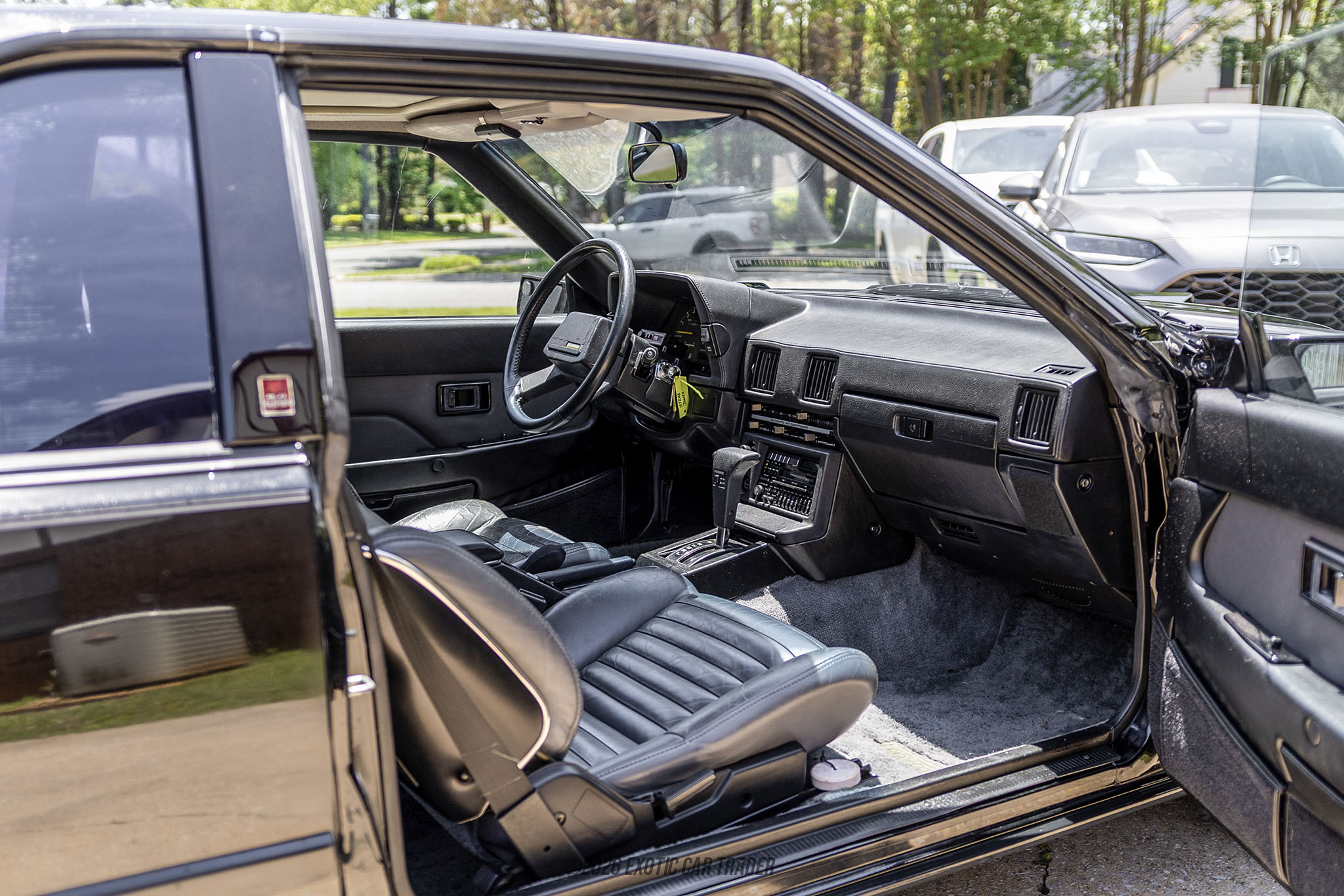
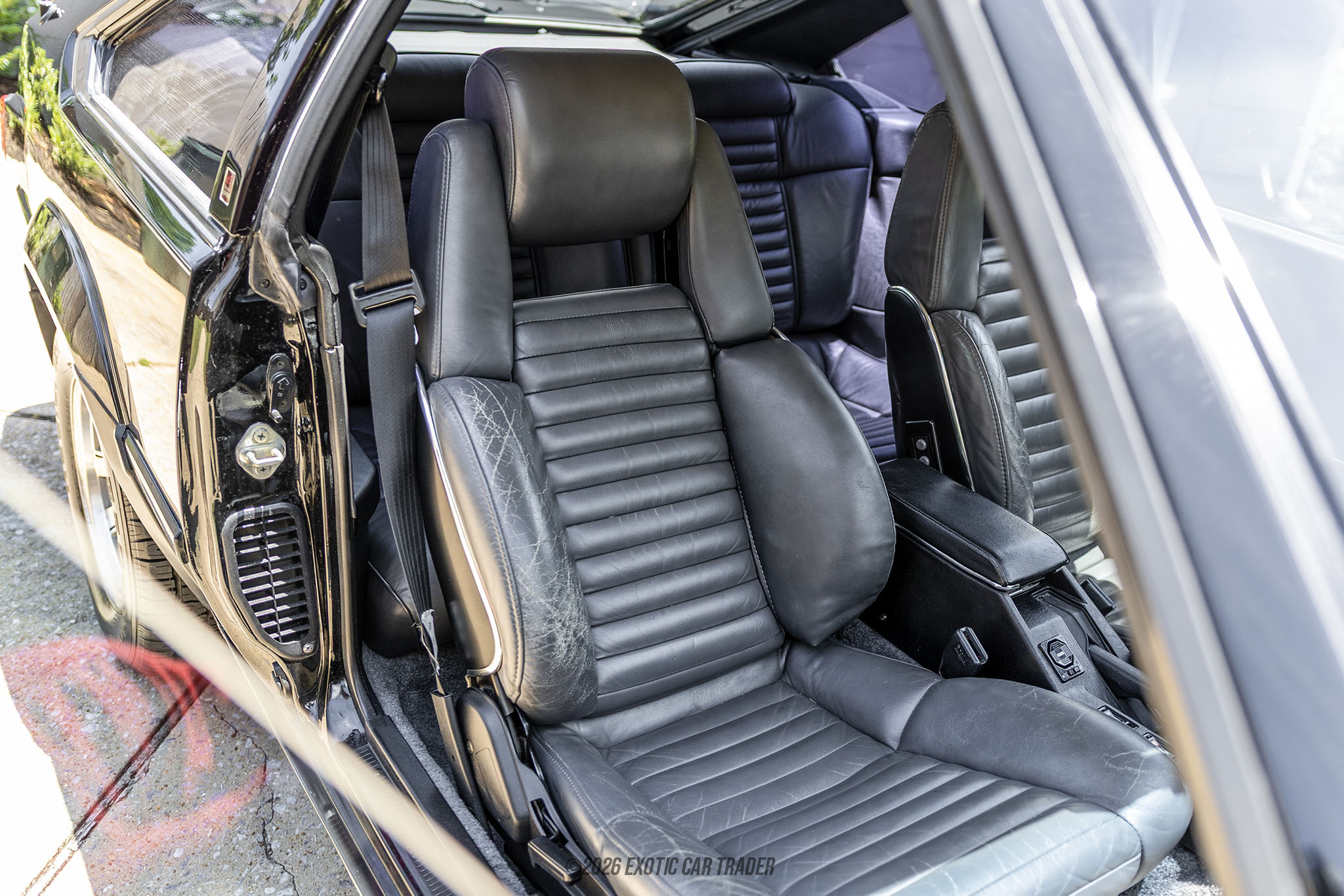
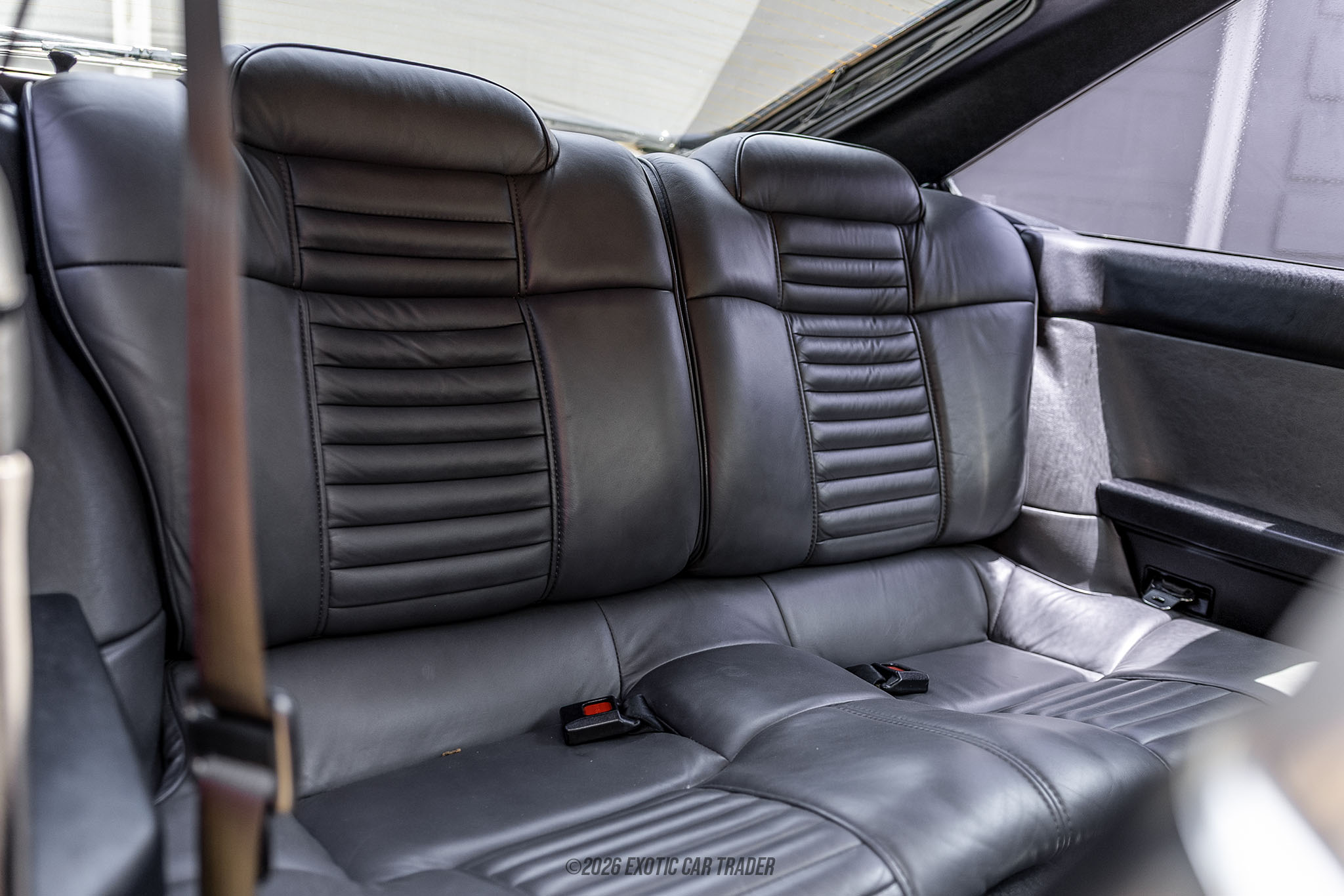
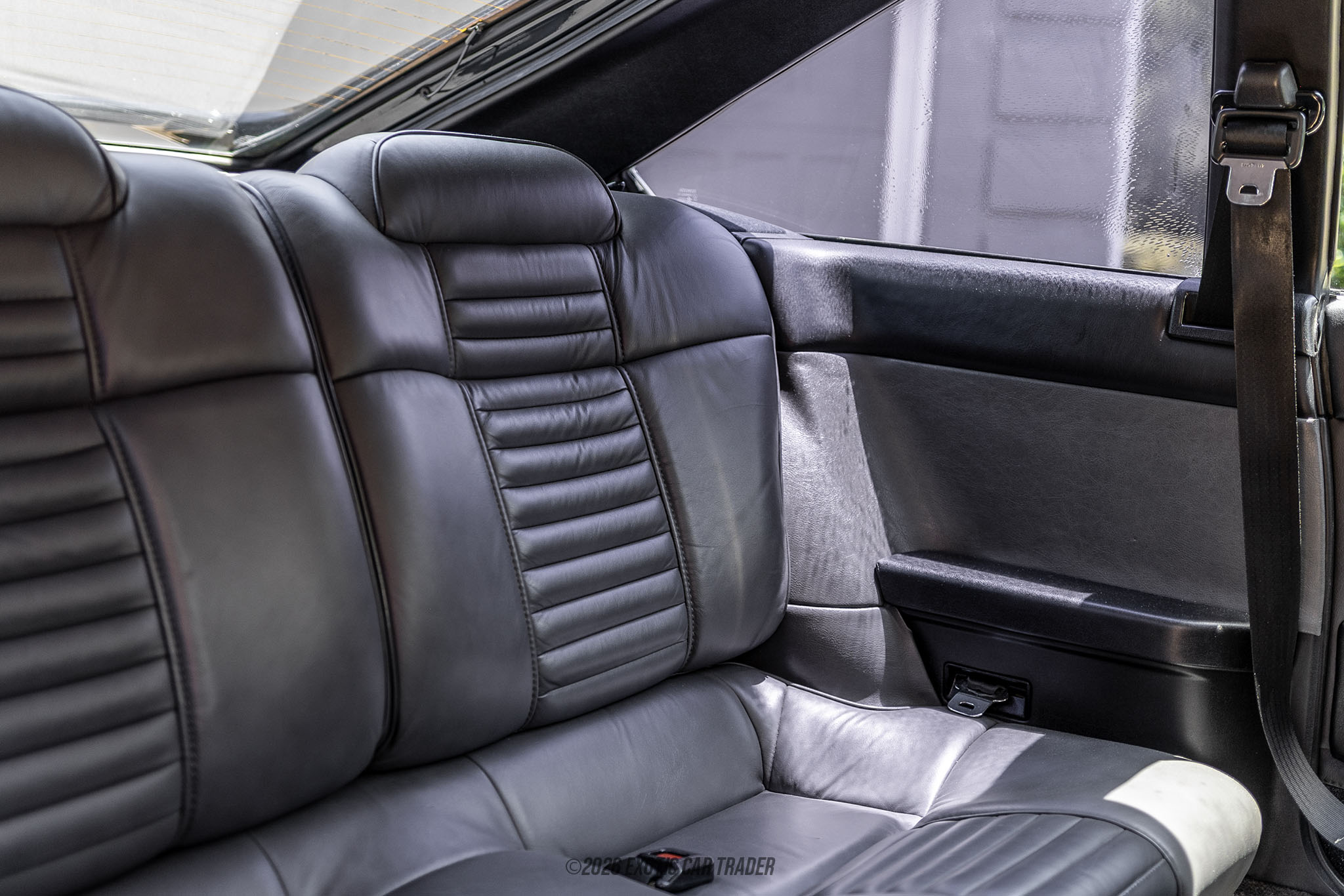
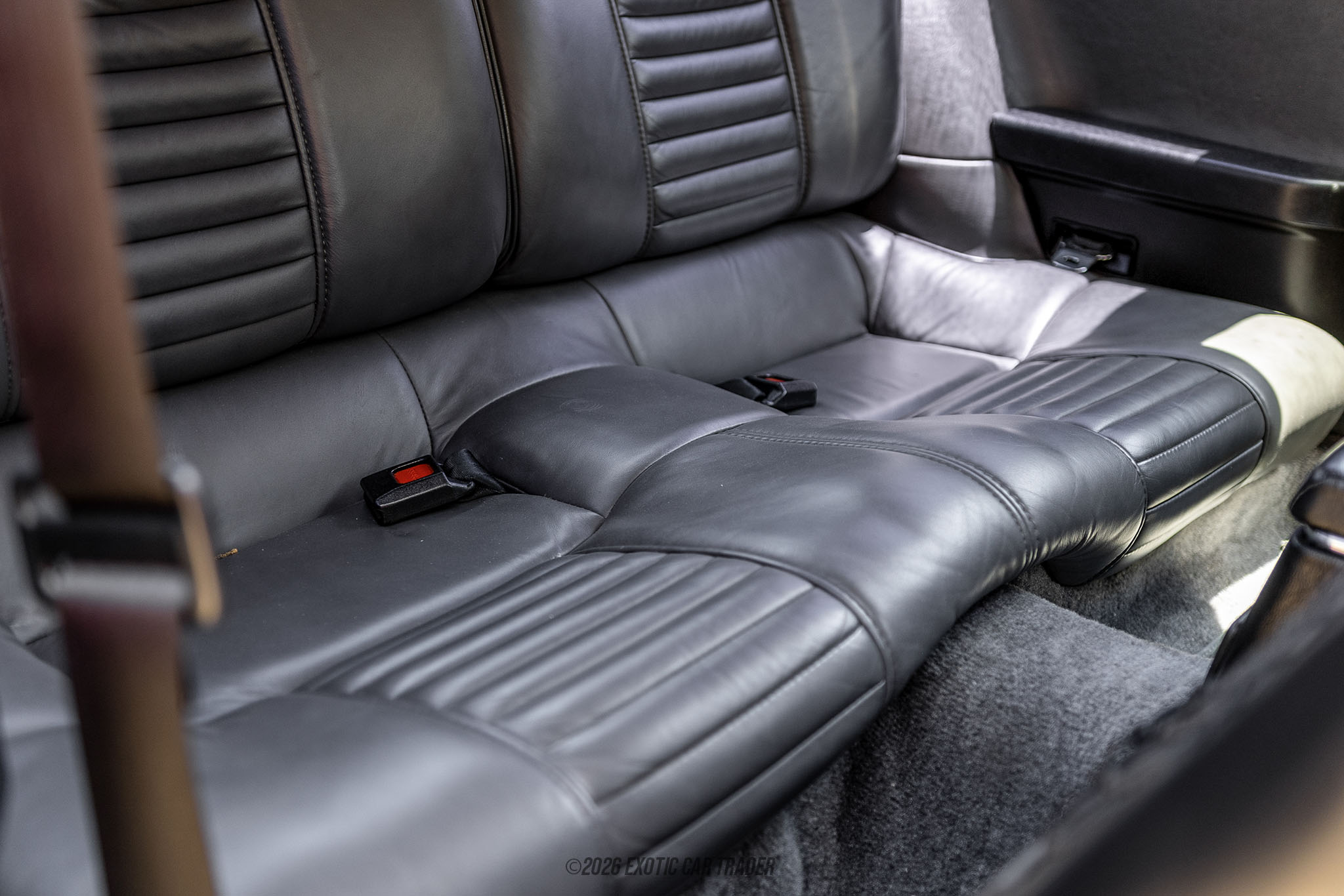
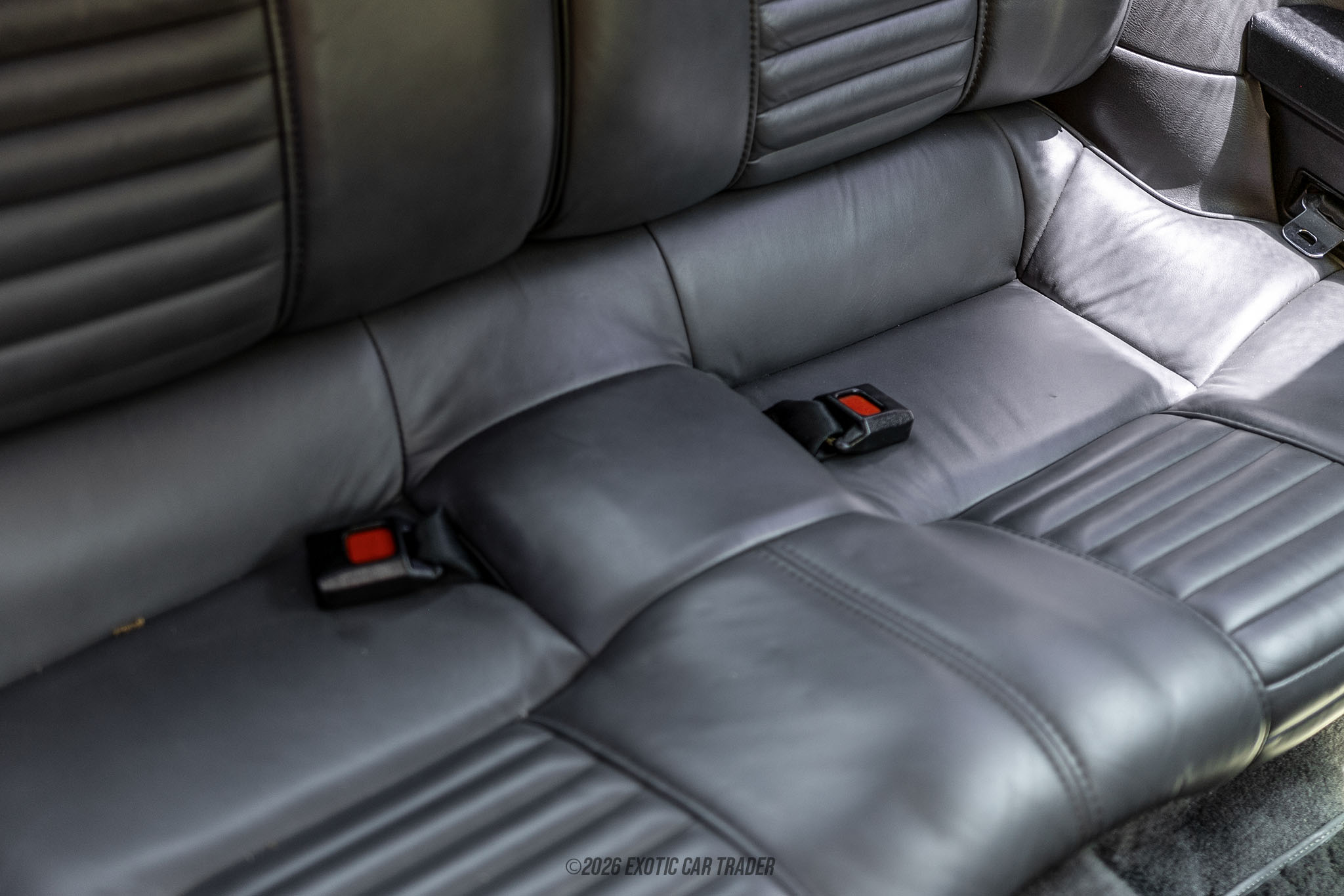
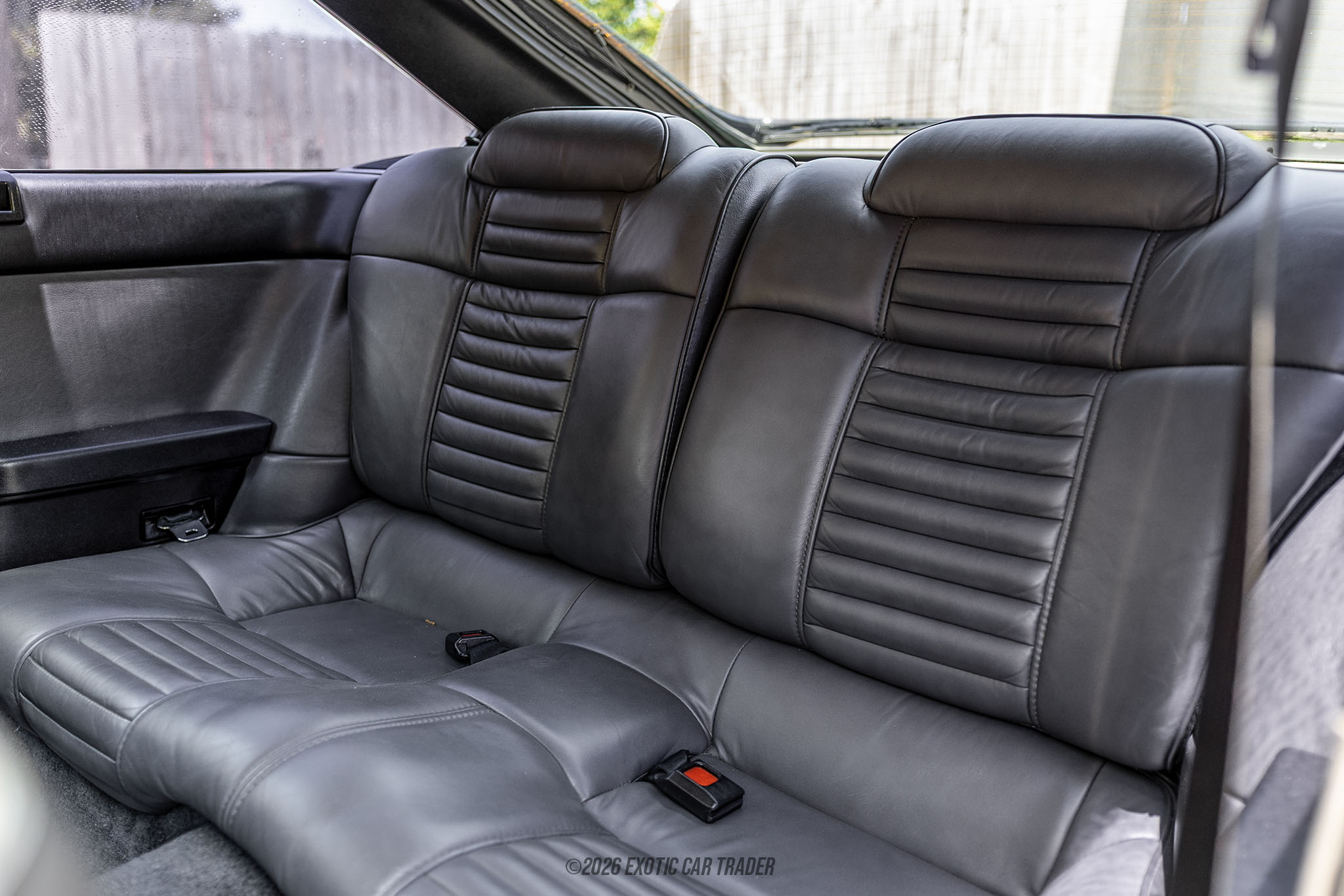
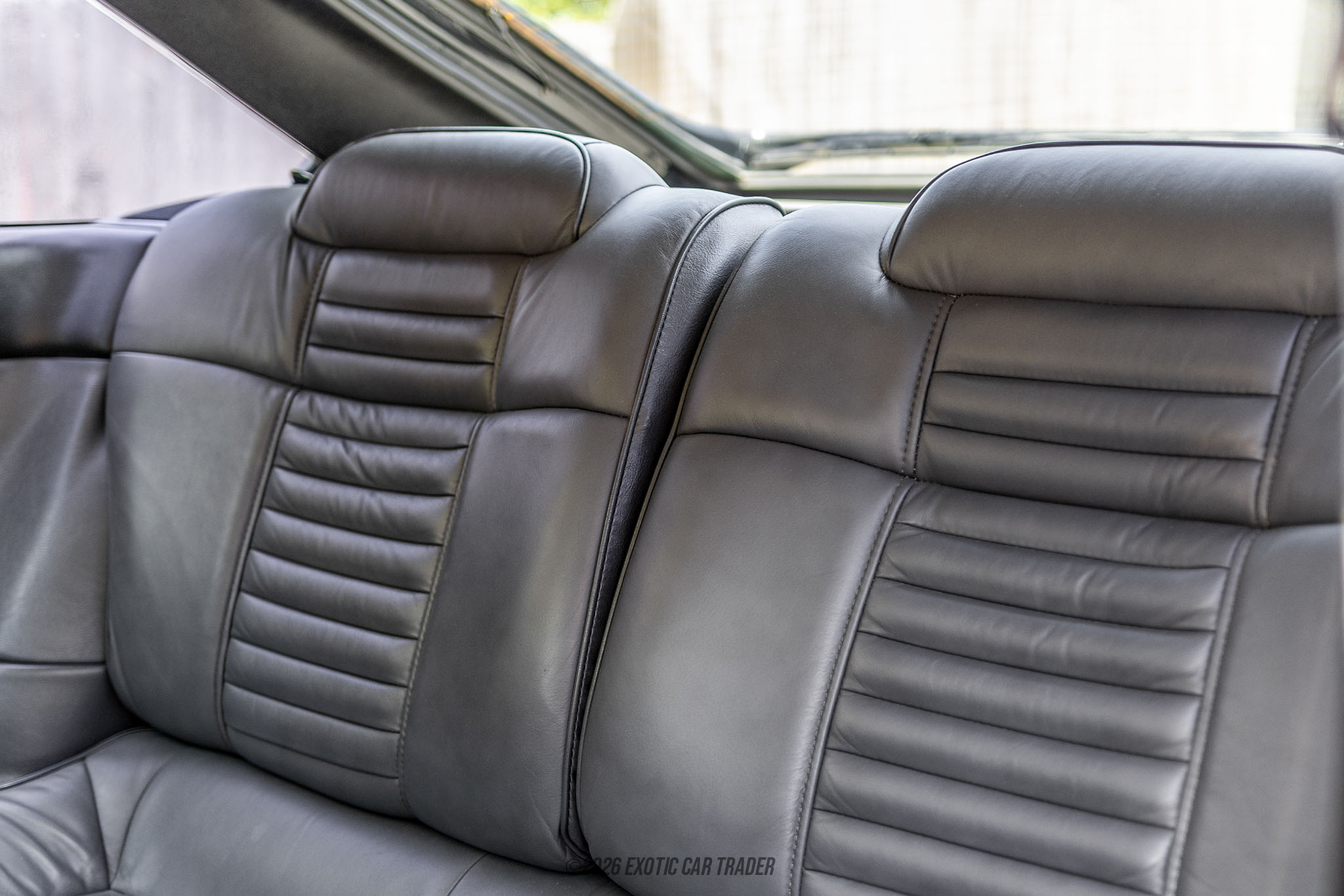
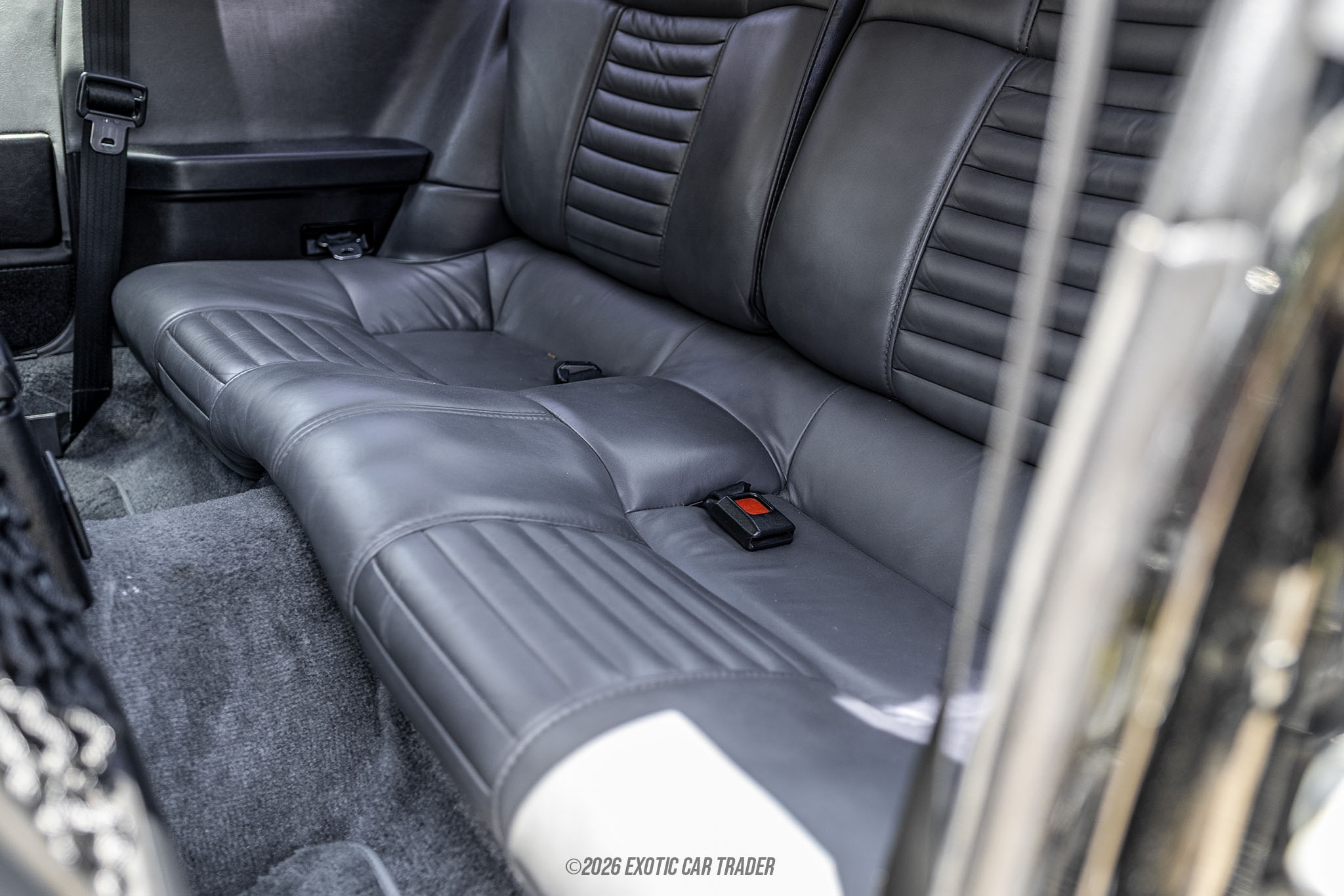
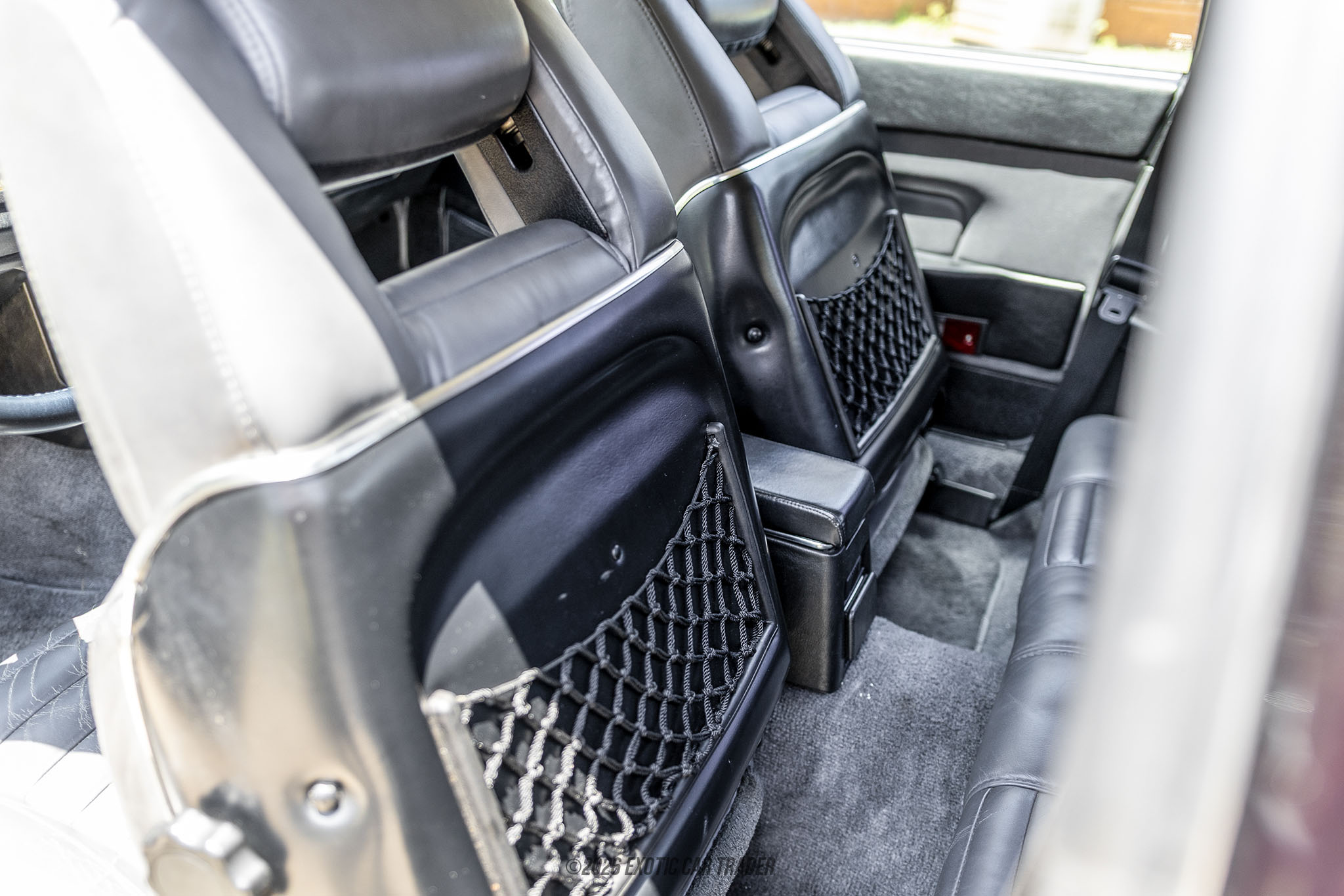
- Black Interior
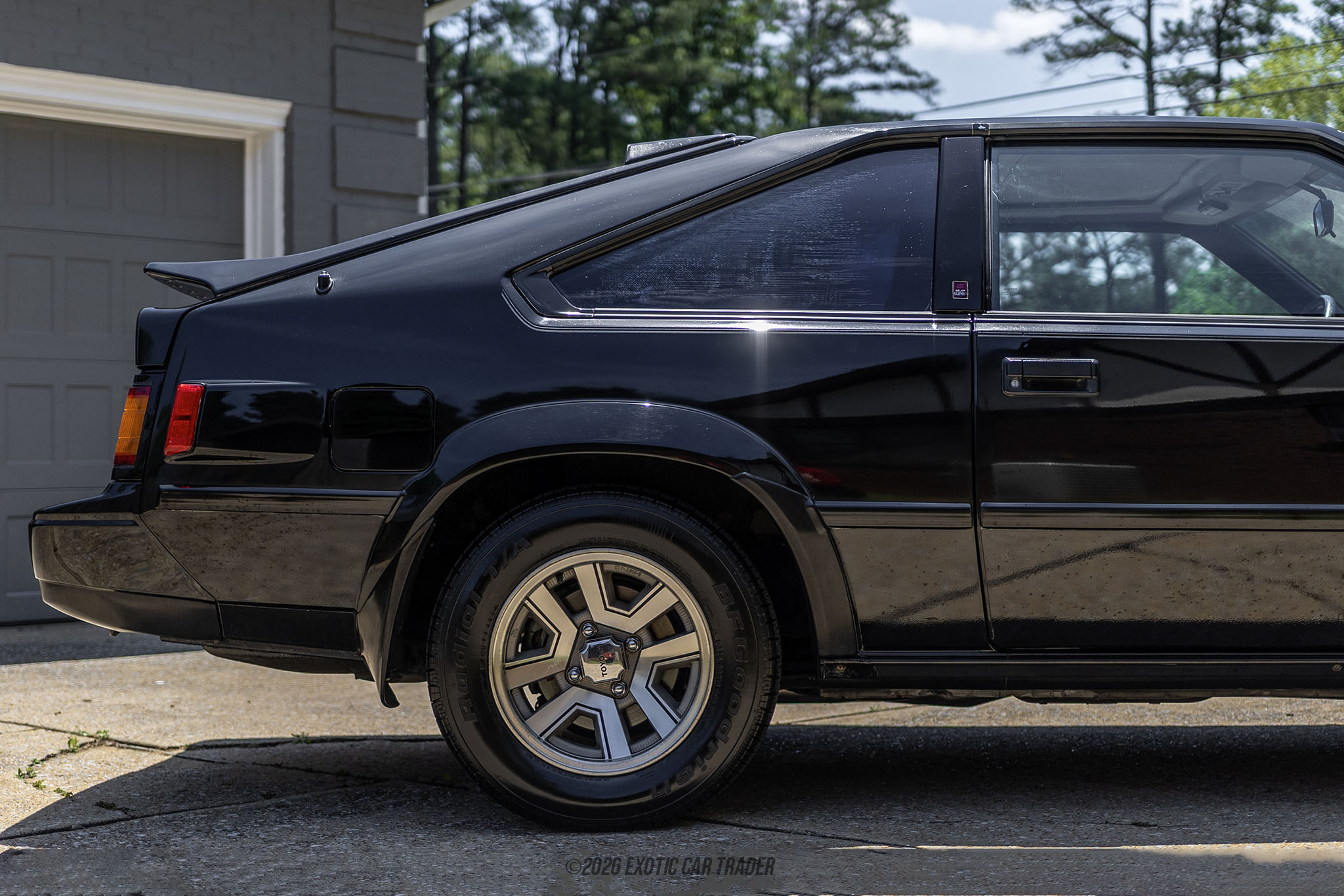
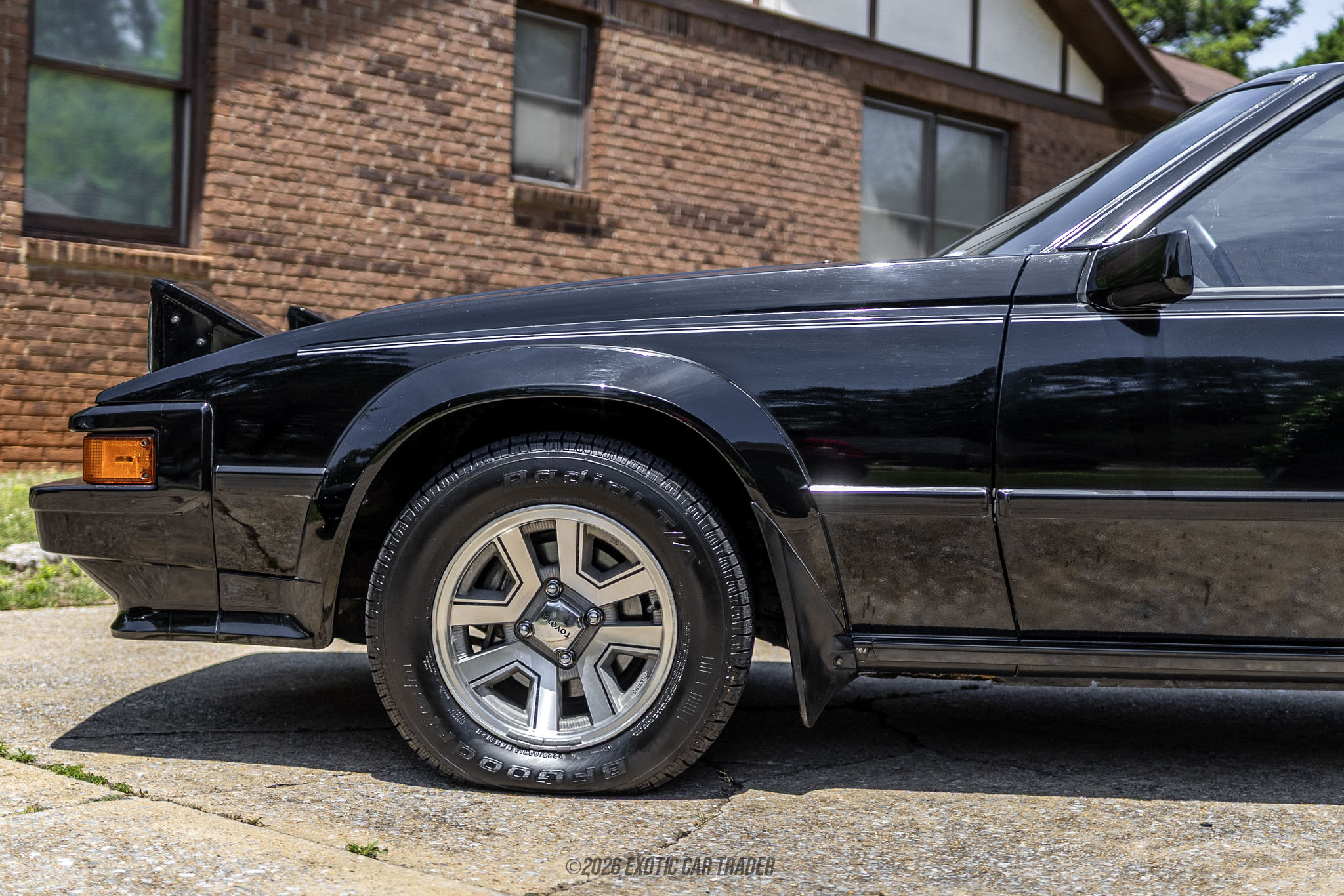
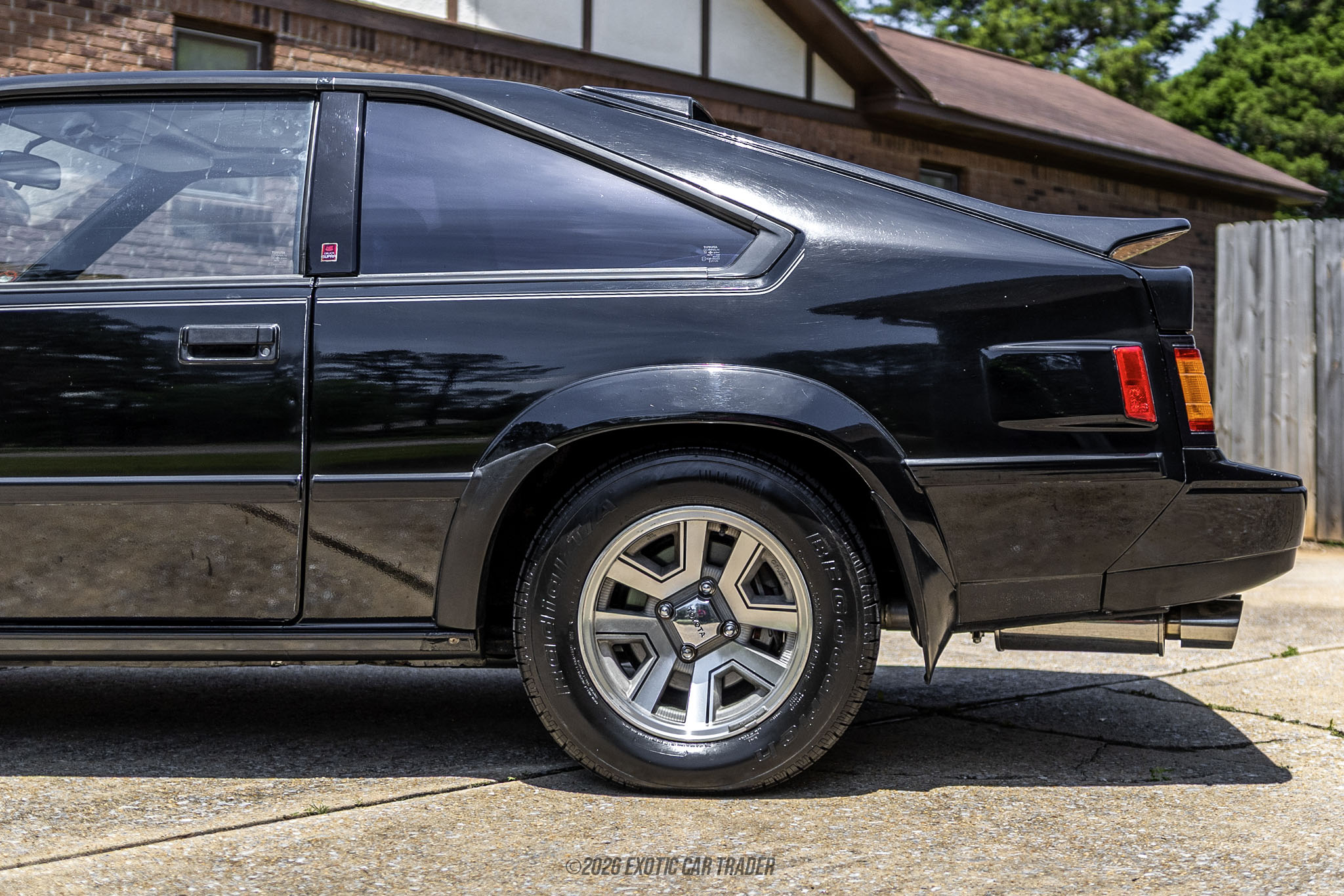
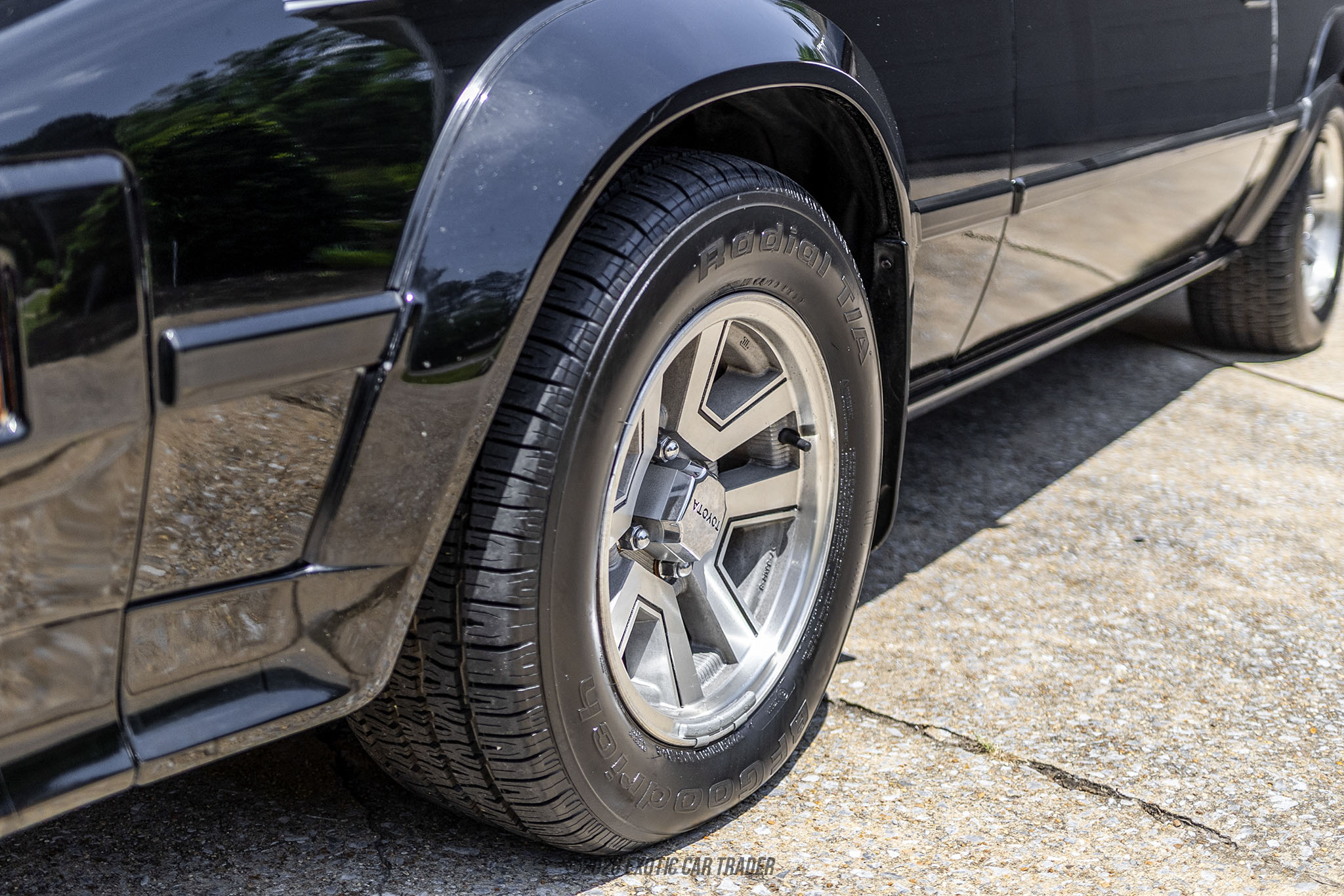
- Widebody P-Type Fender Flares
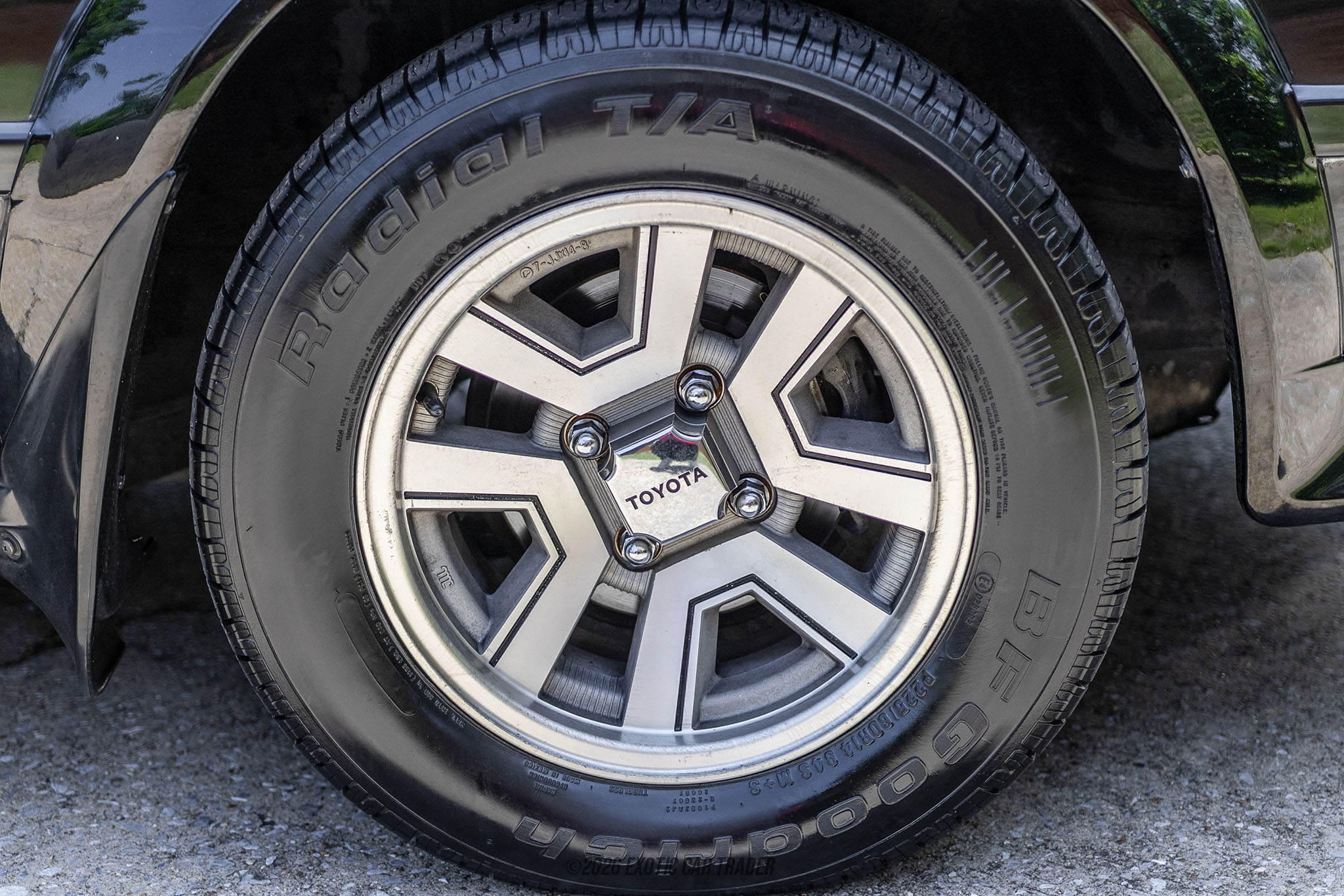
- 14" P-Type Alloy Wheels
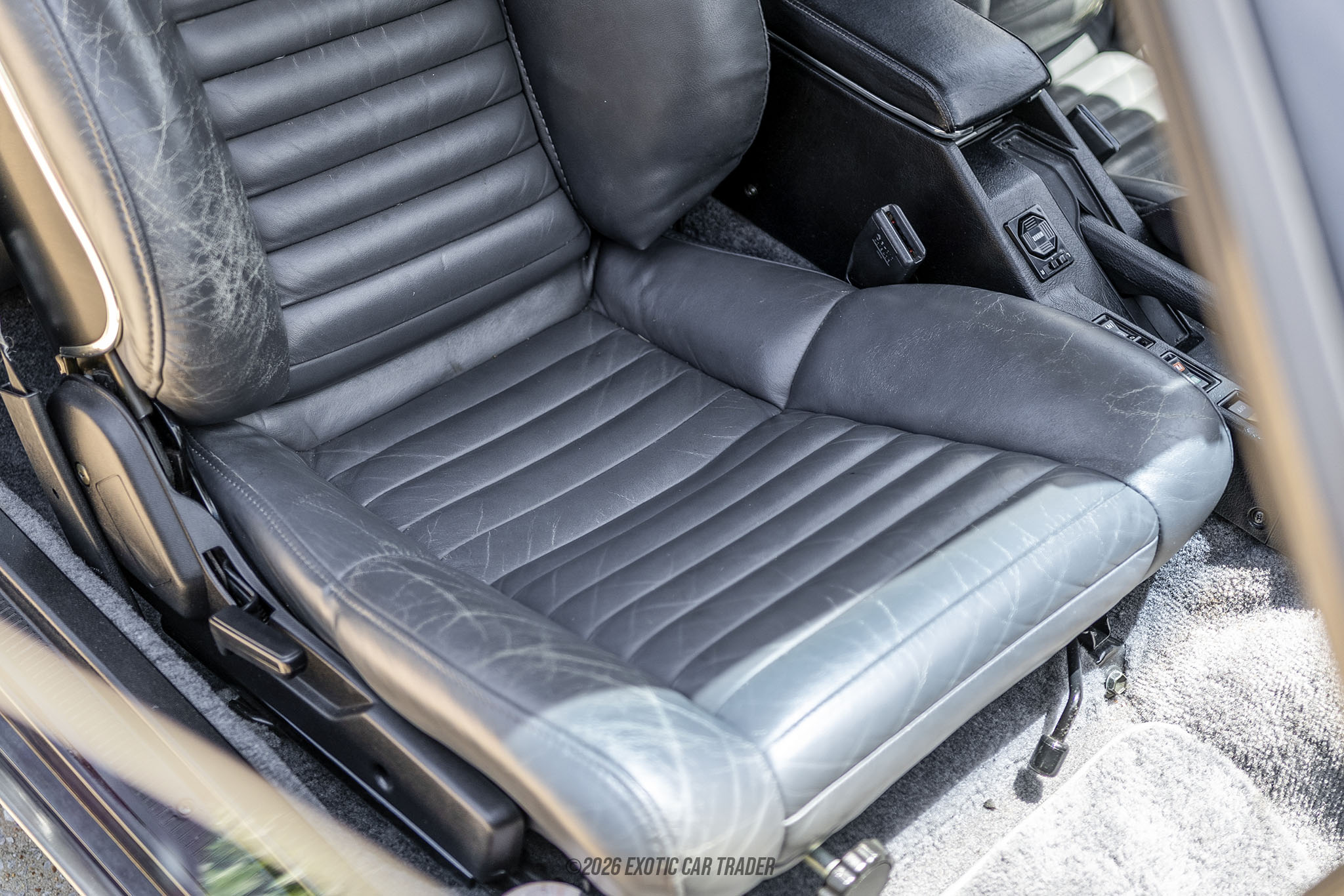
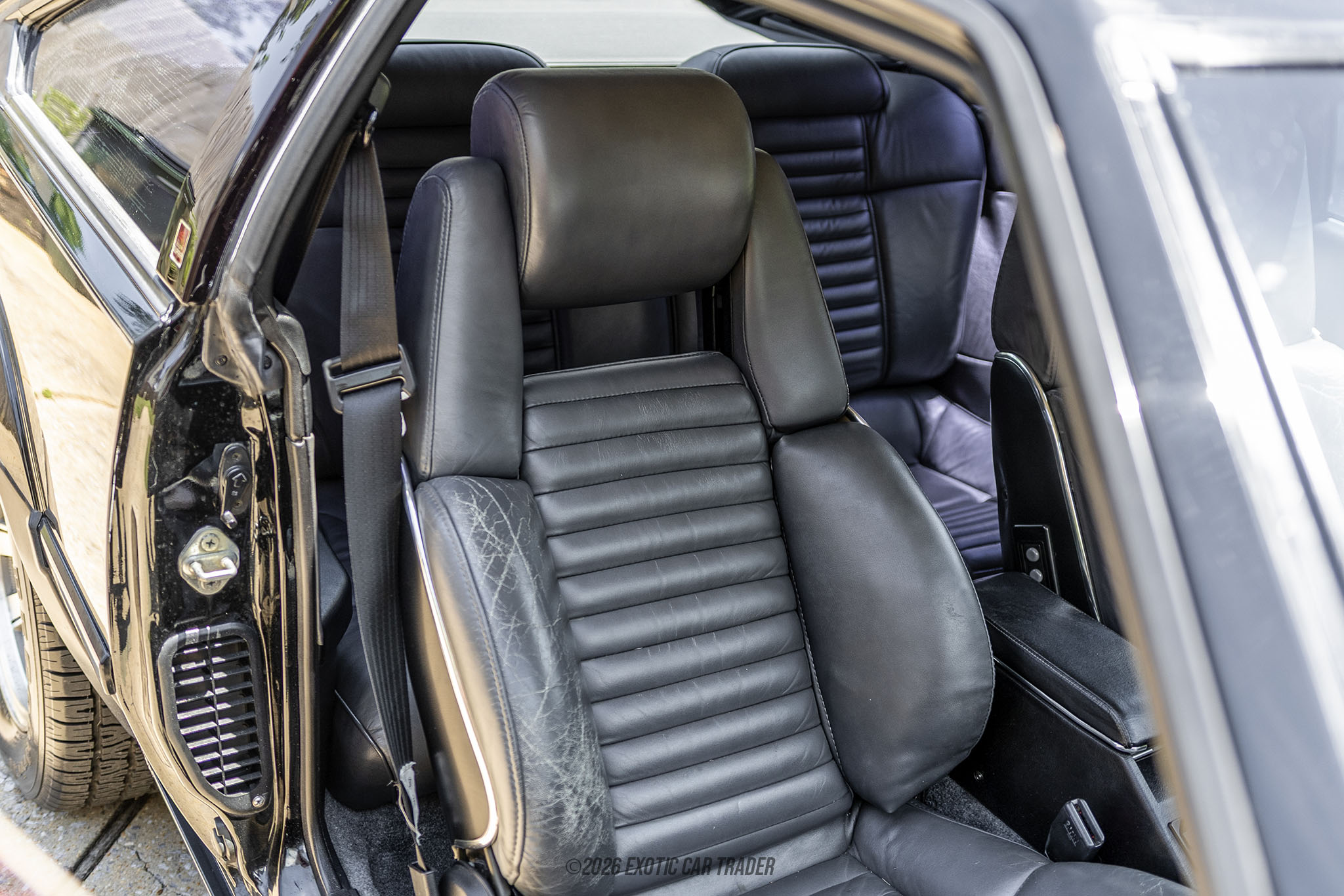
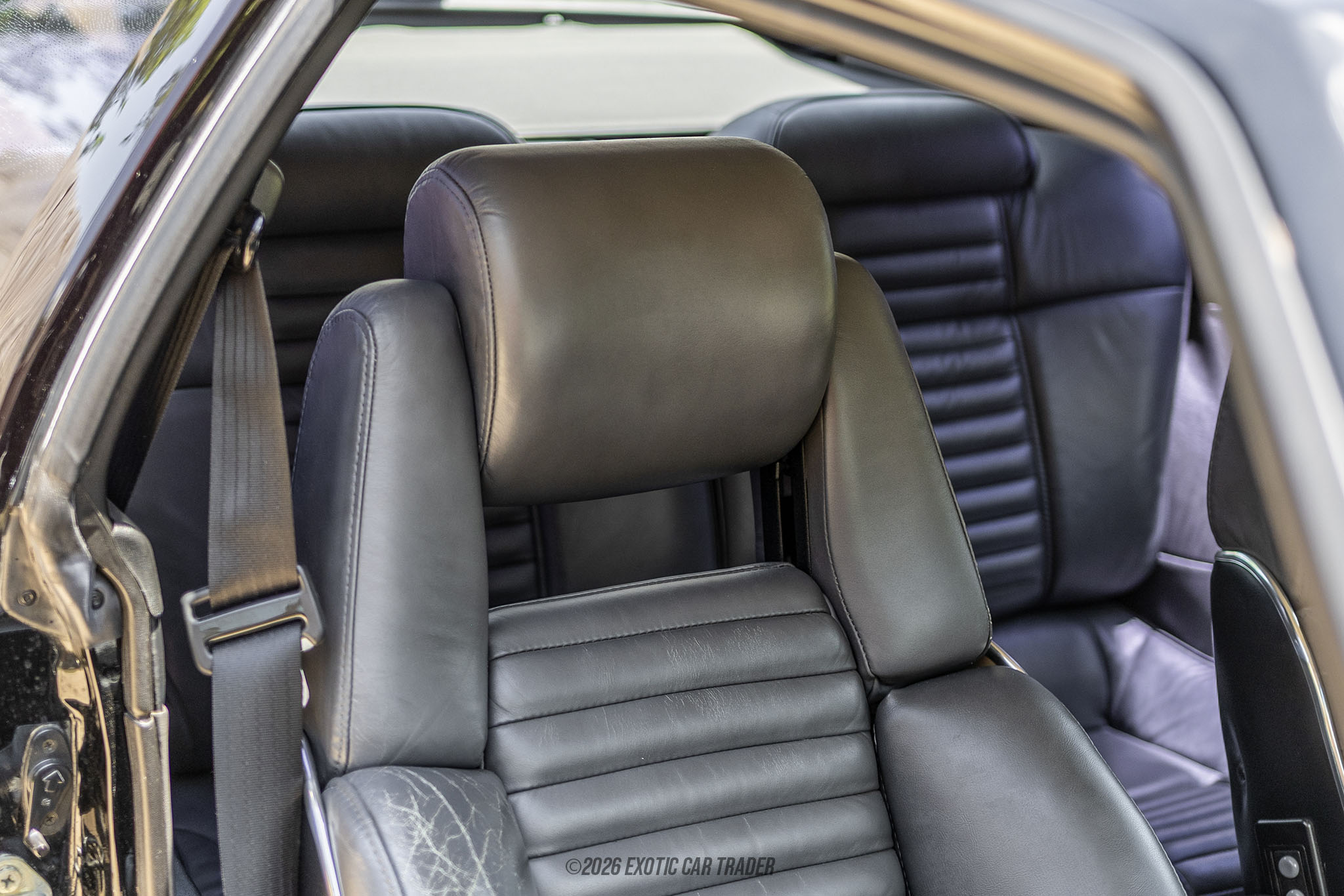
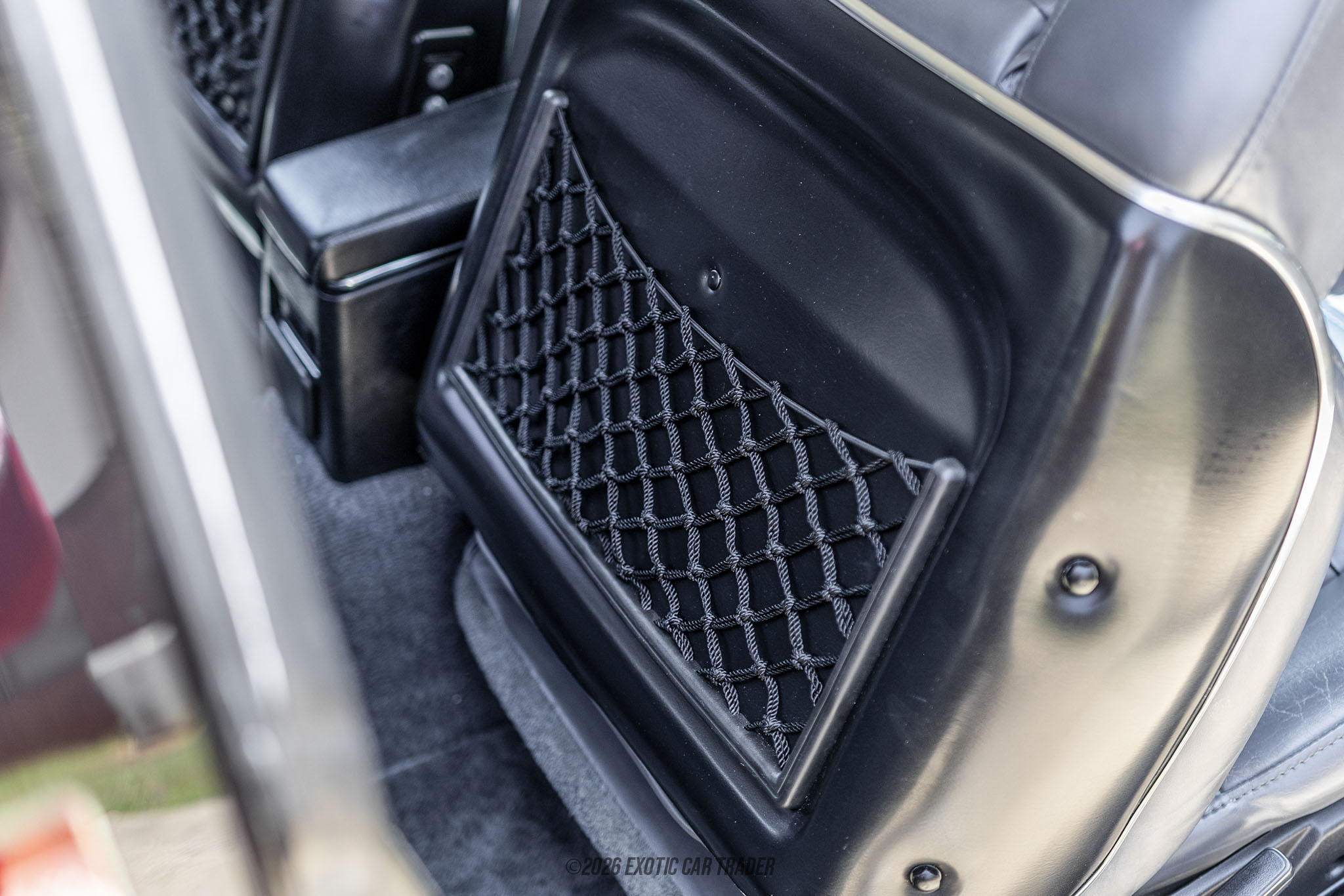
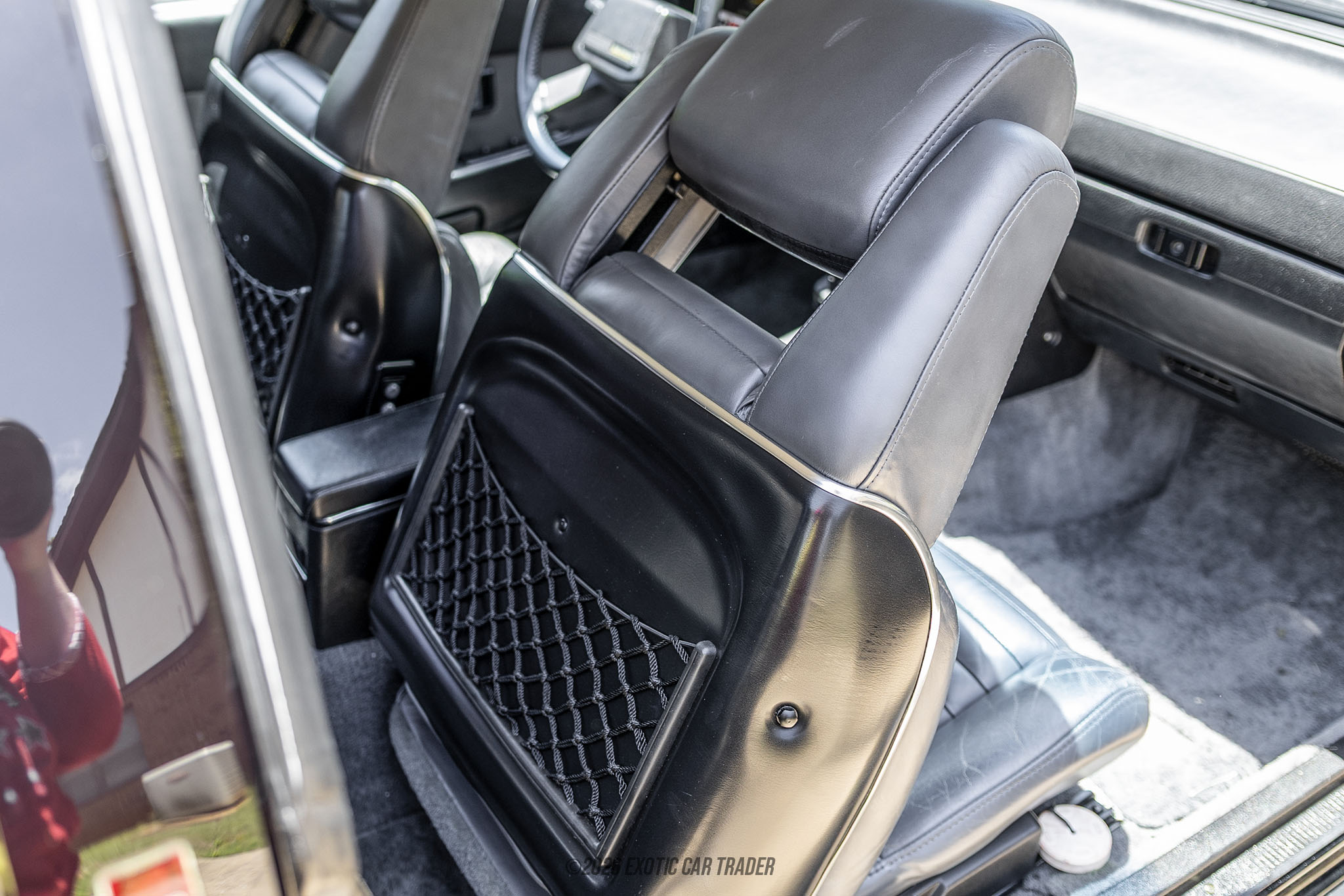
- Sport Bucket Seats
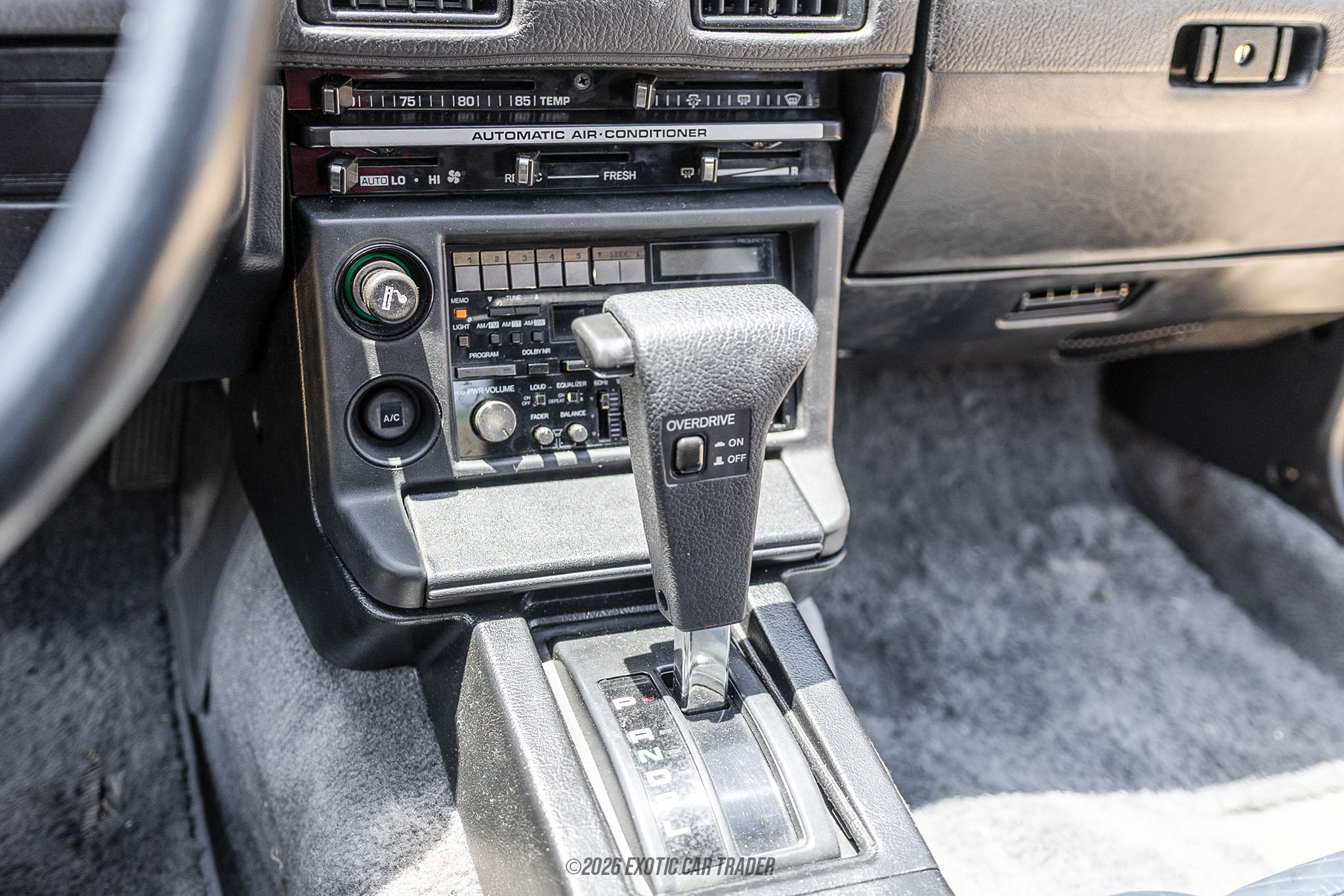
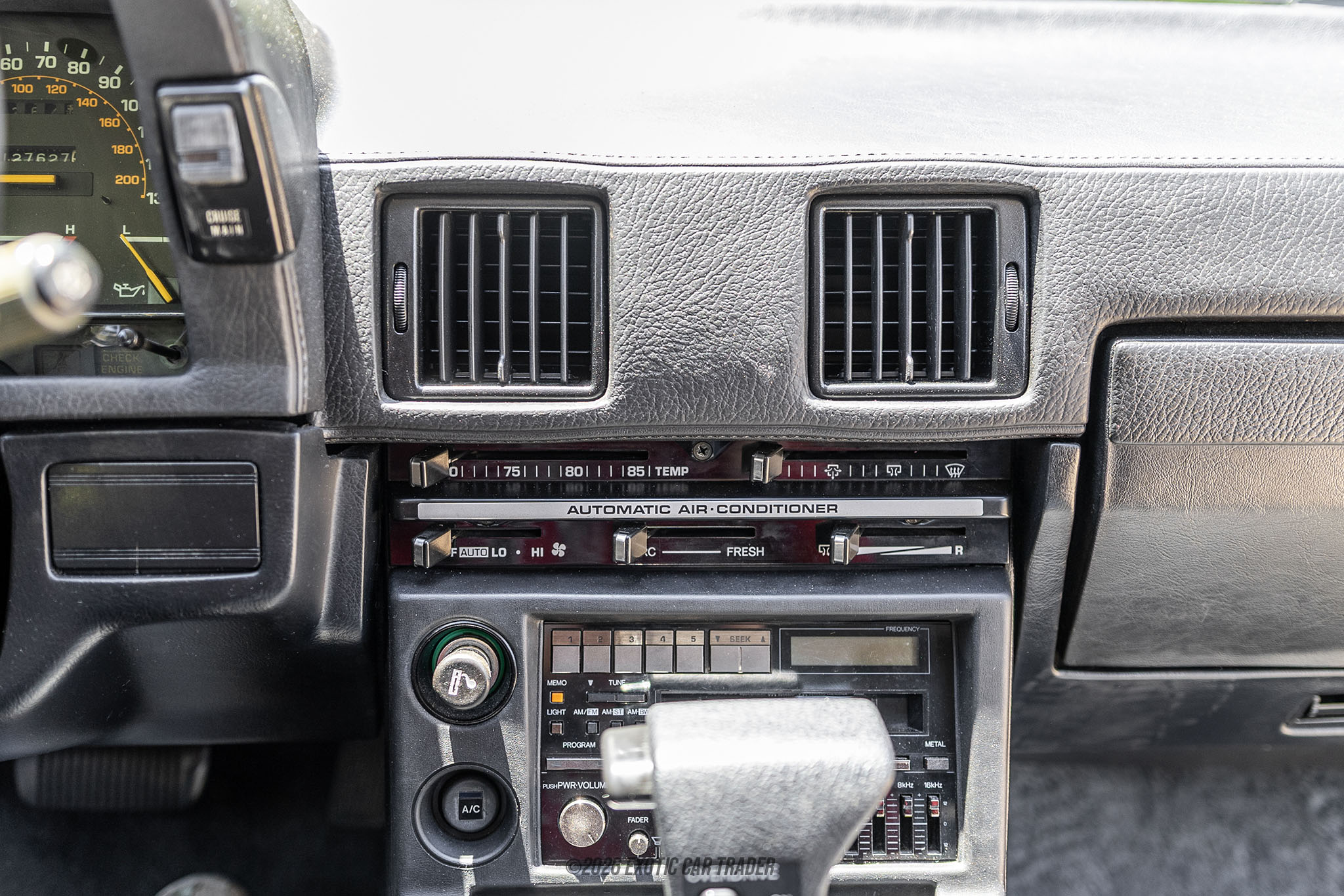
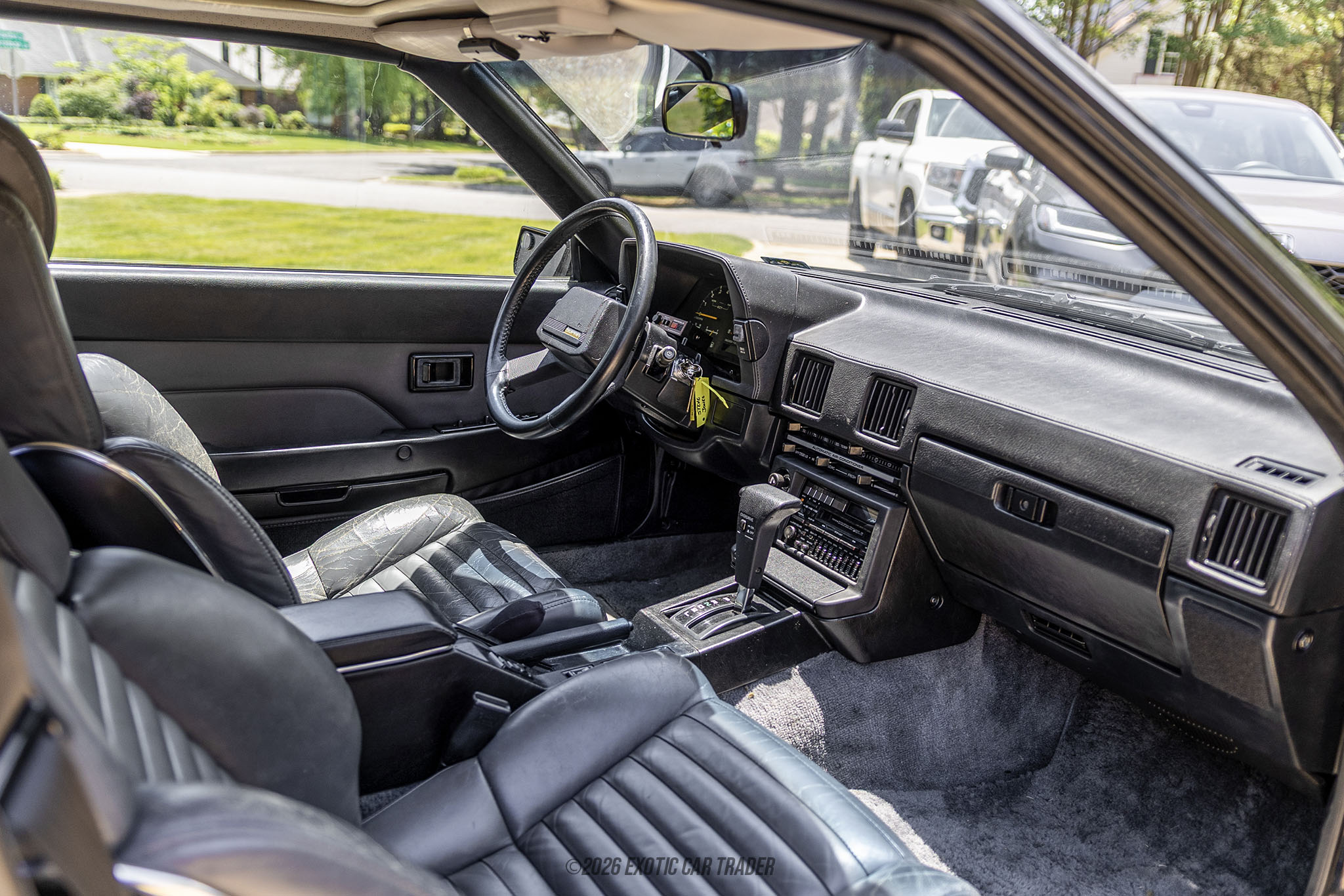
- Automatic Climate Control
- Factory AM/FM Cassette Stereo w/ Graphic Equalizer
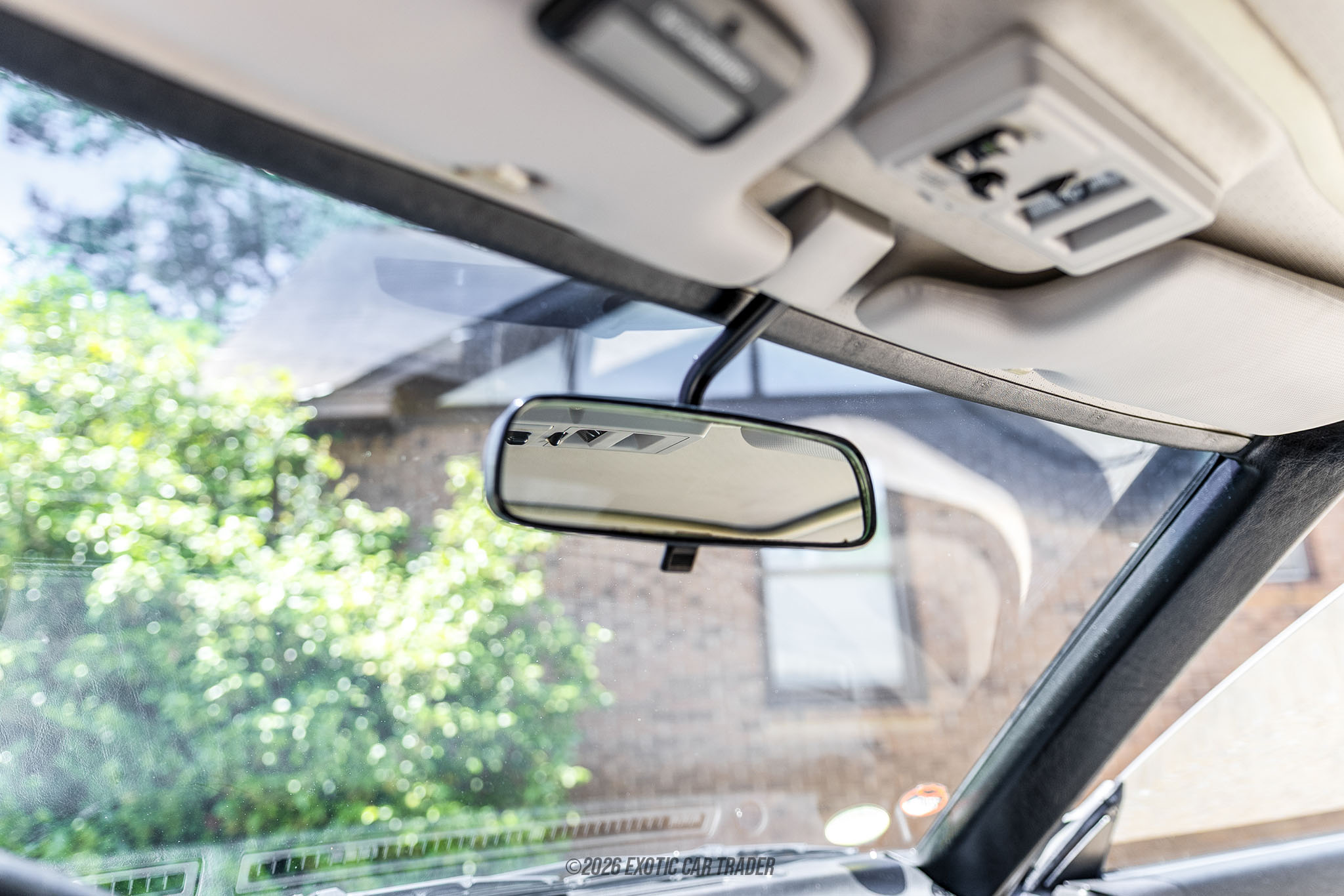
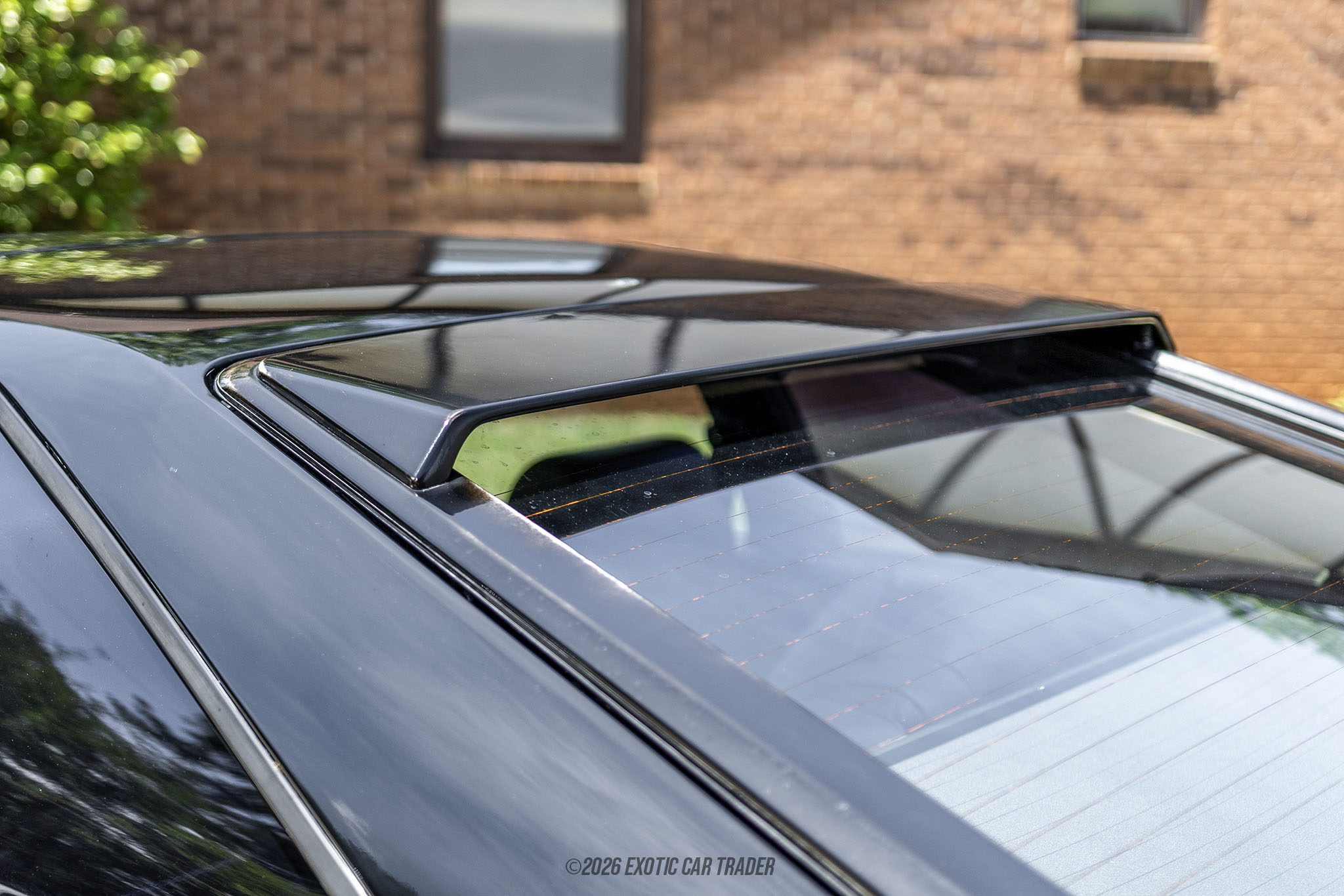
- Power Sliding Sunroof
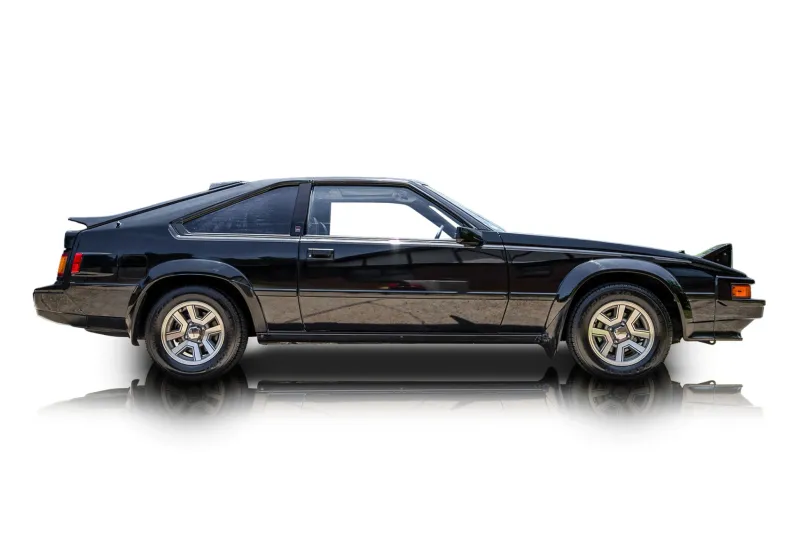
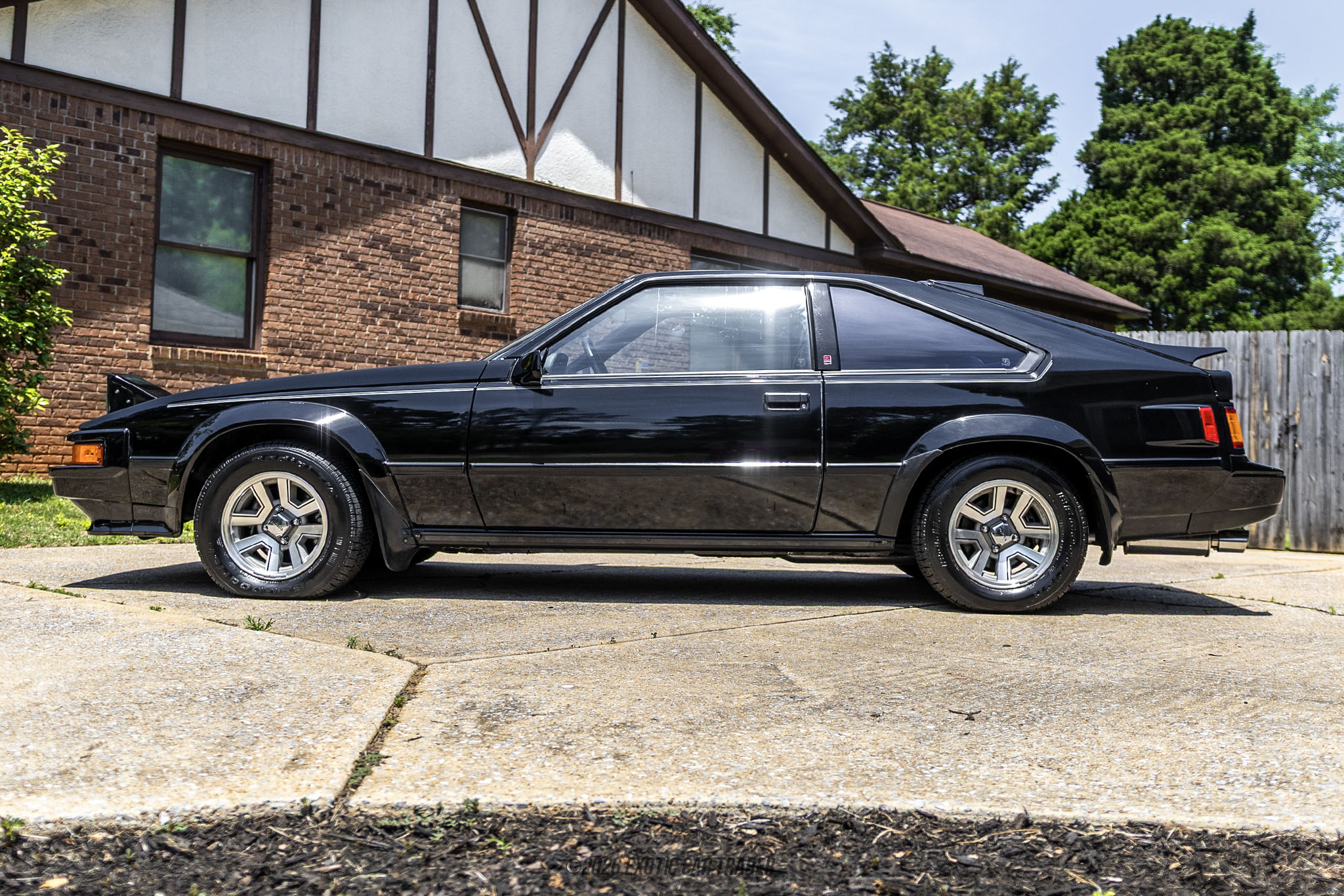
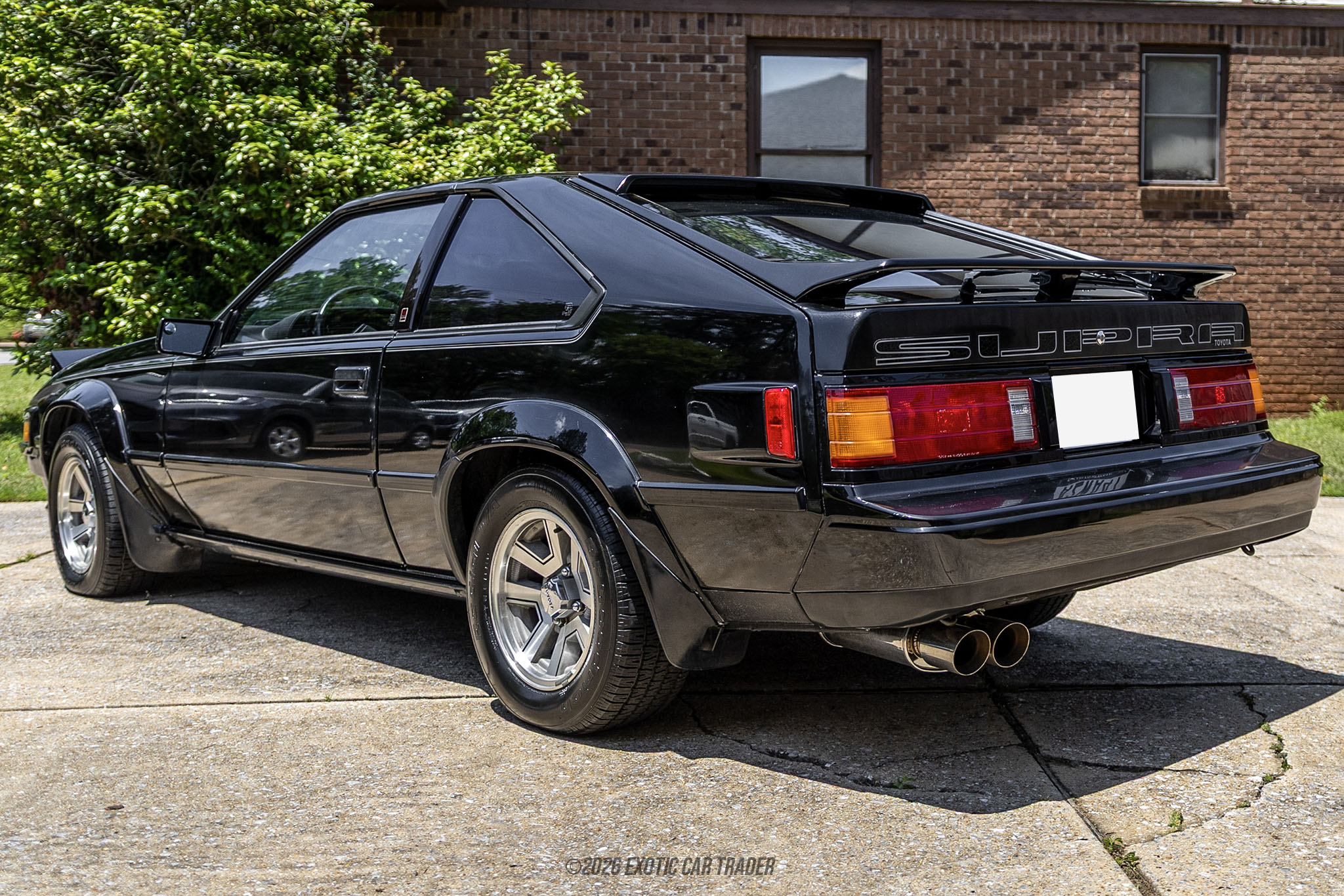
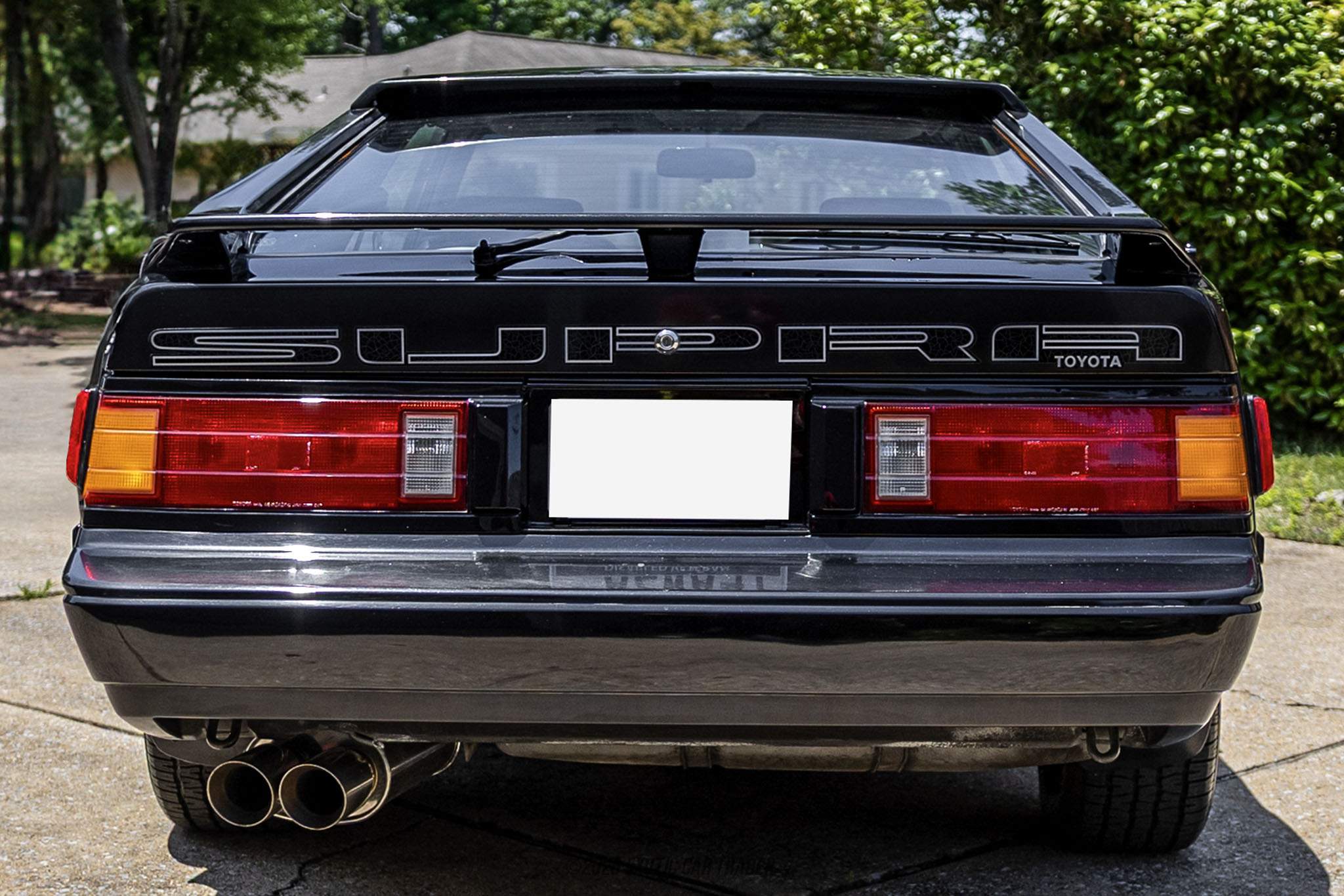
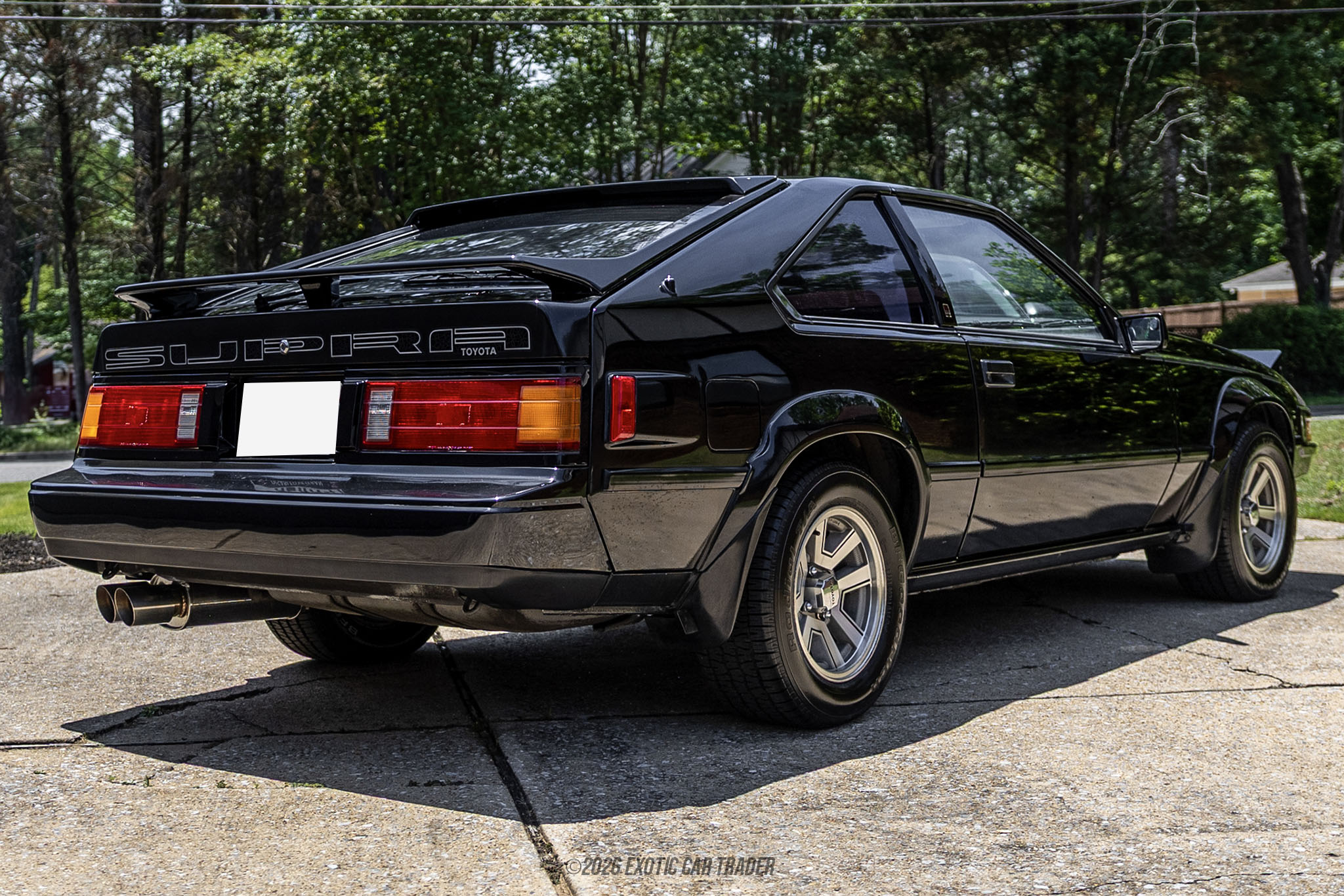
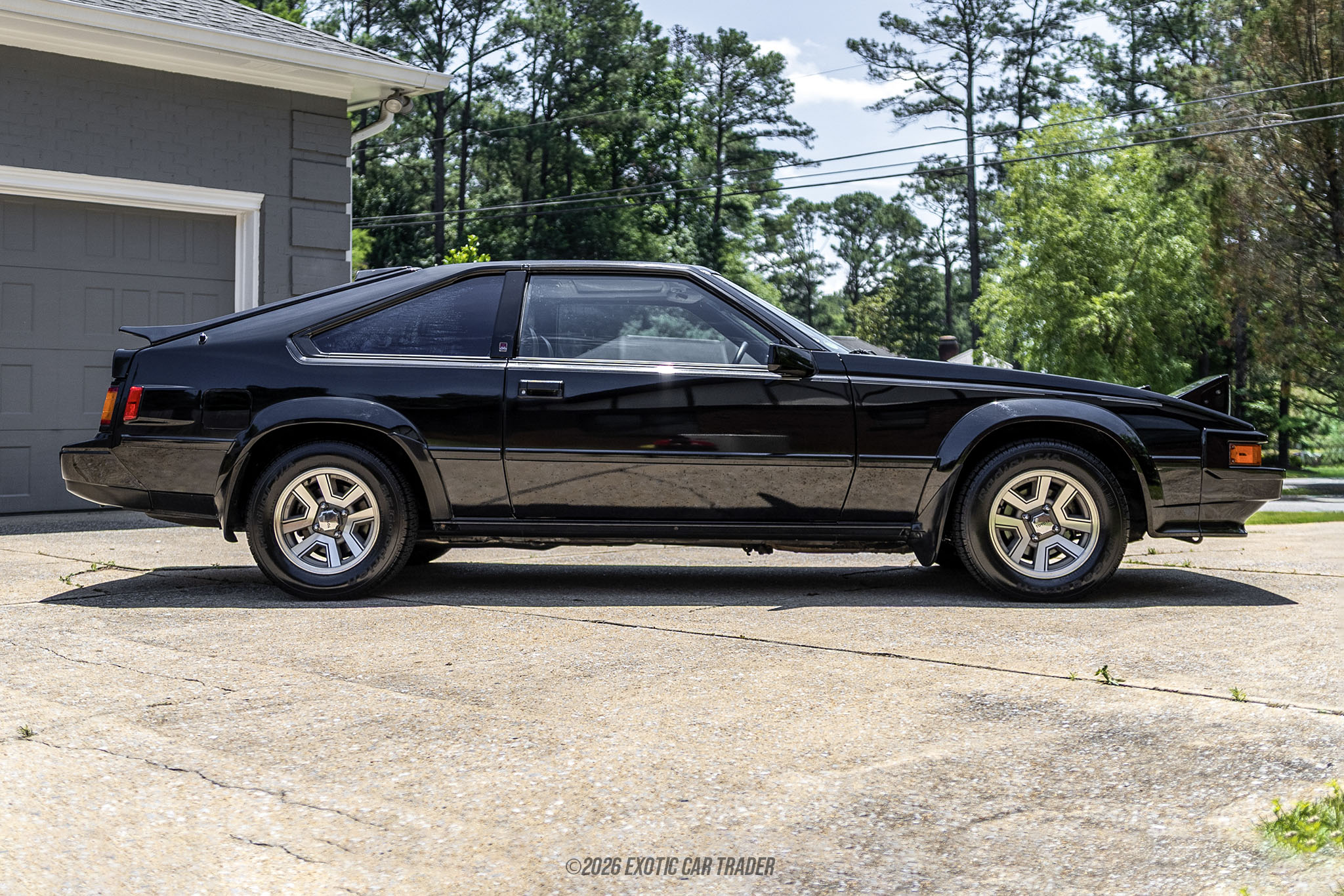
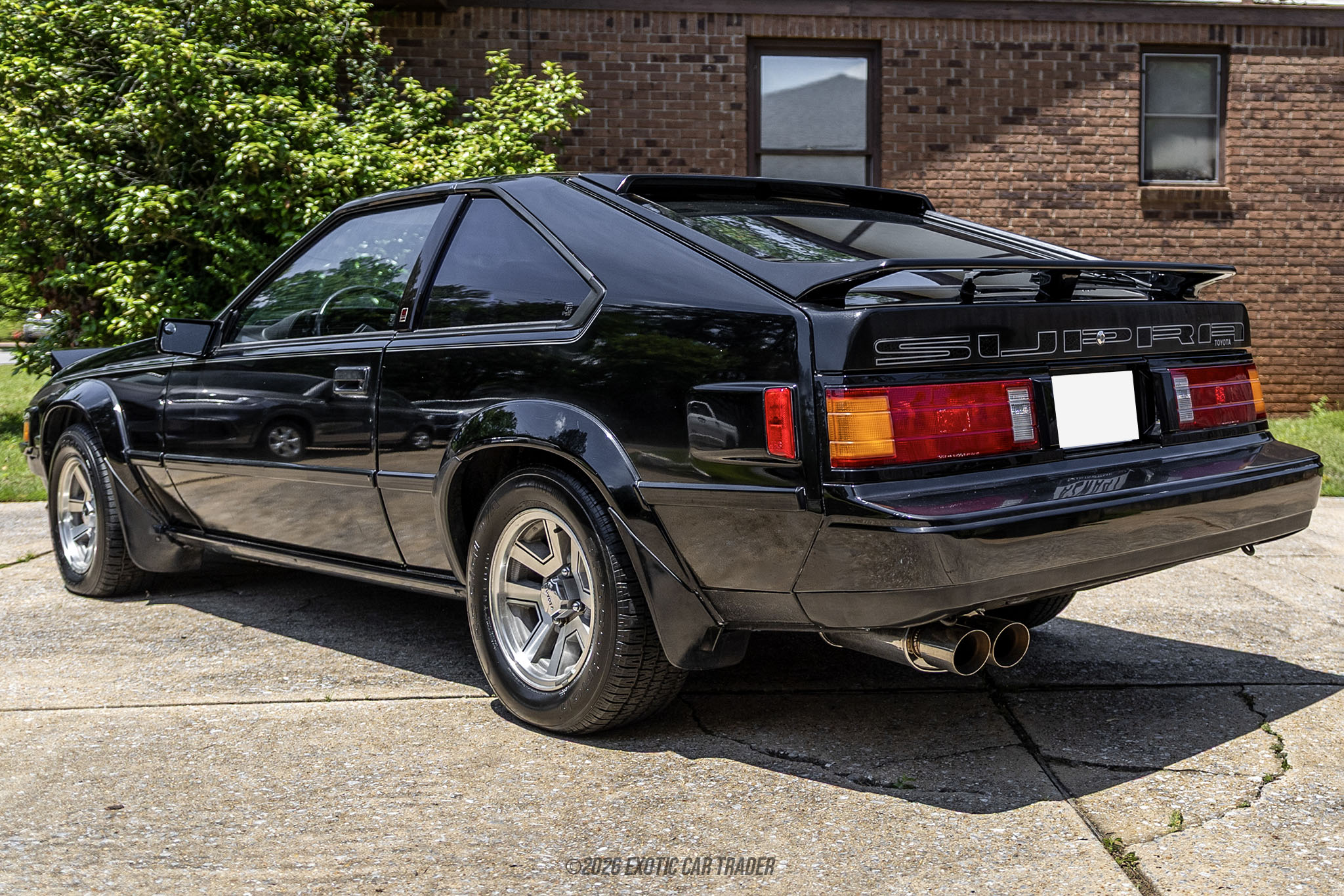
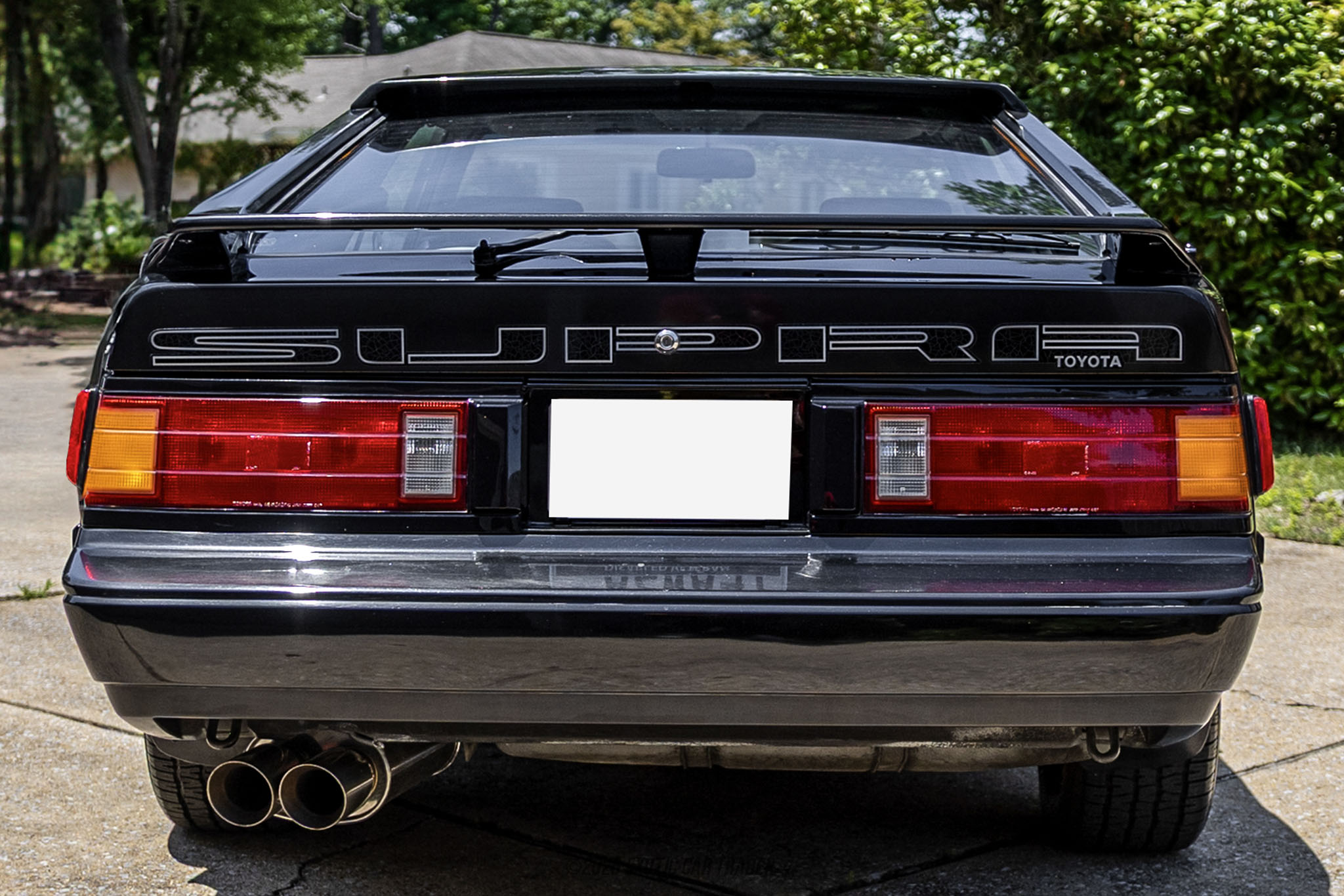
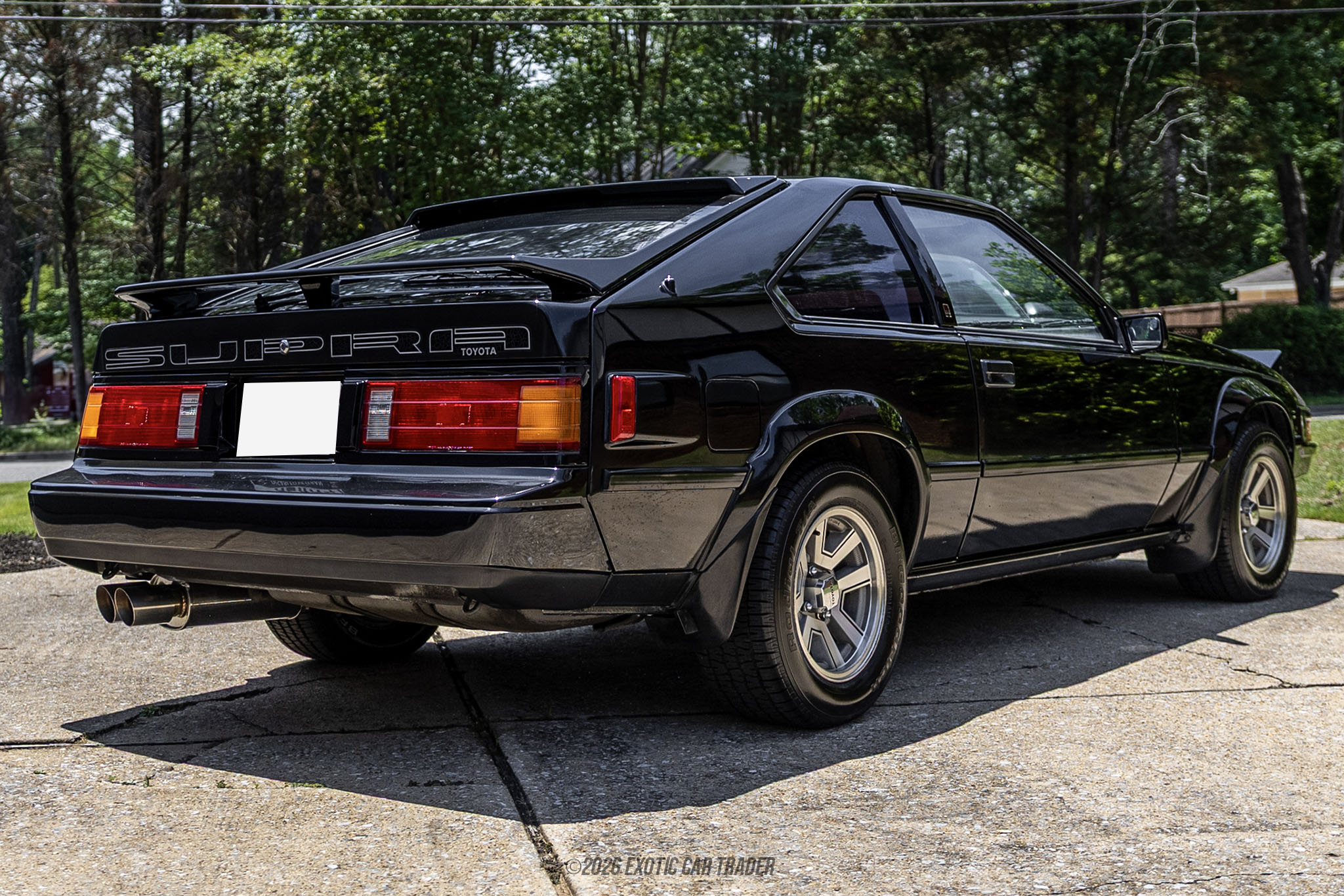
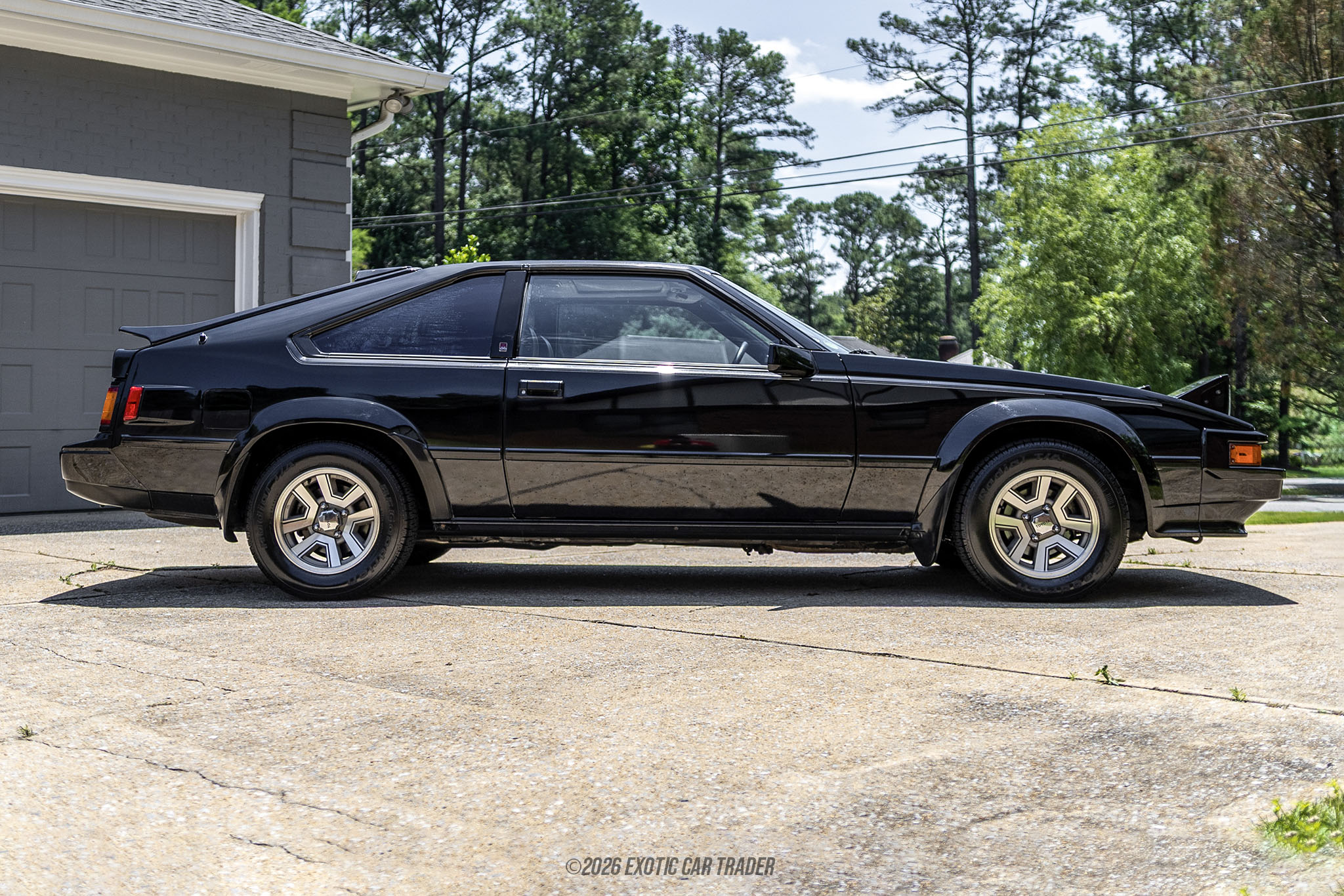
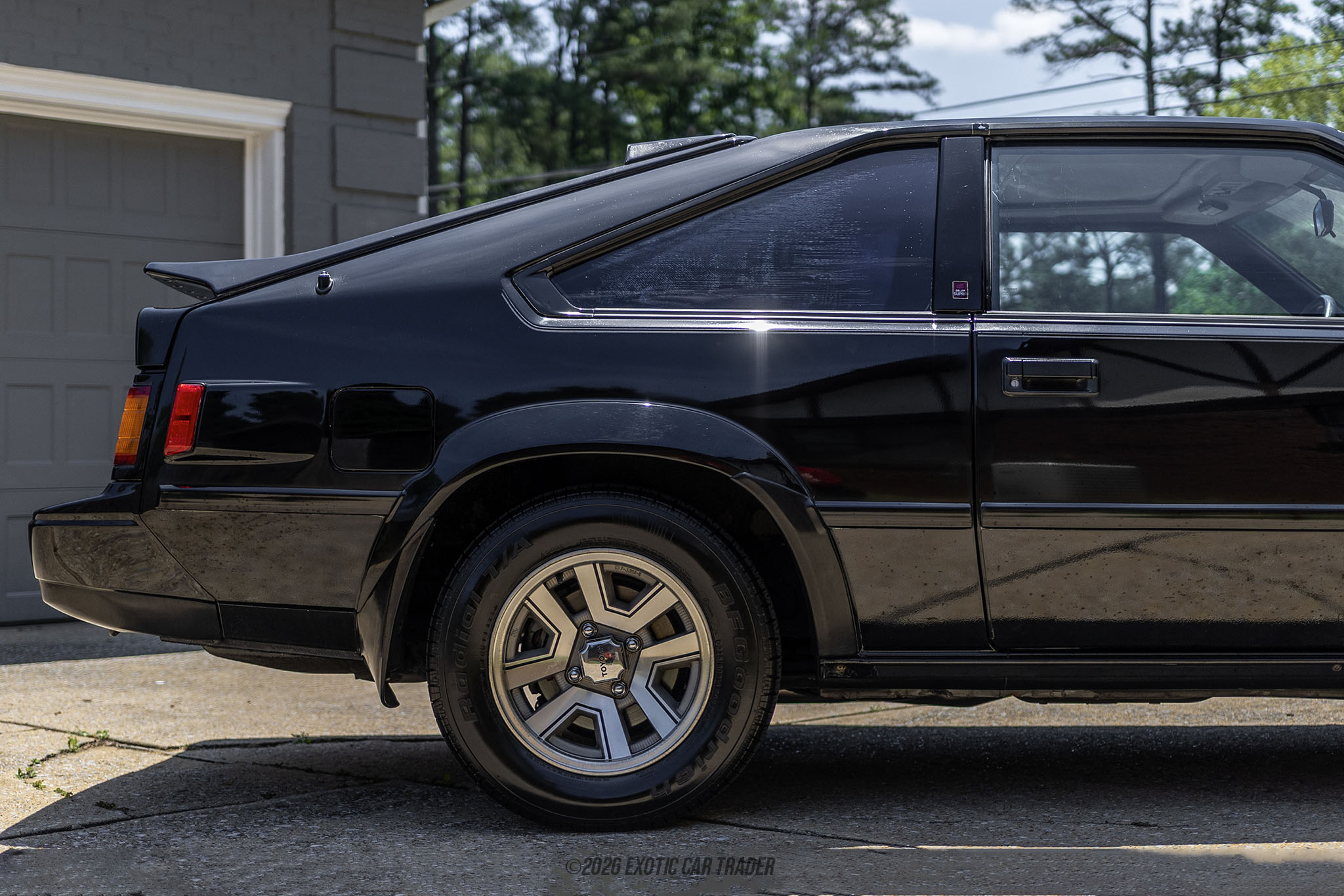
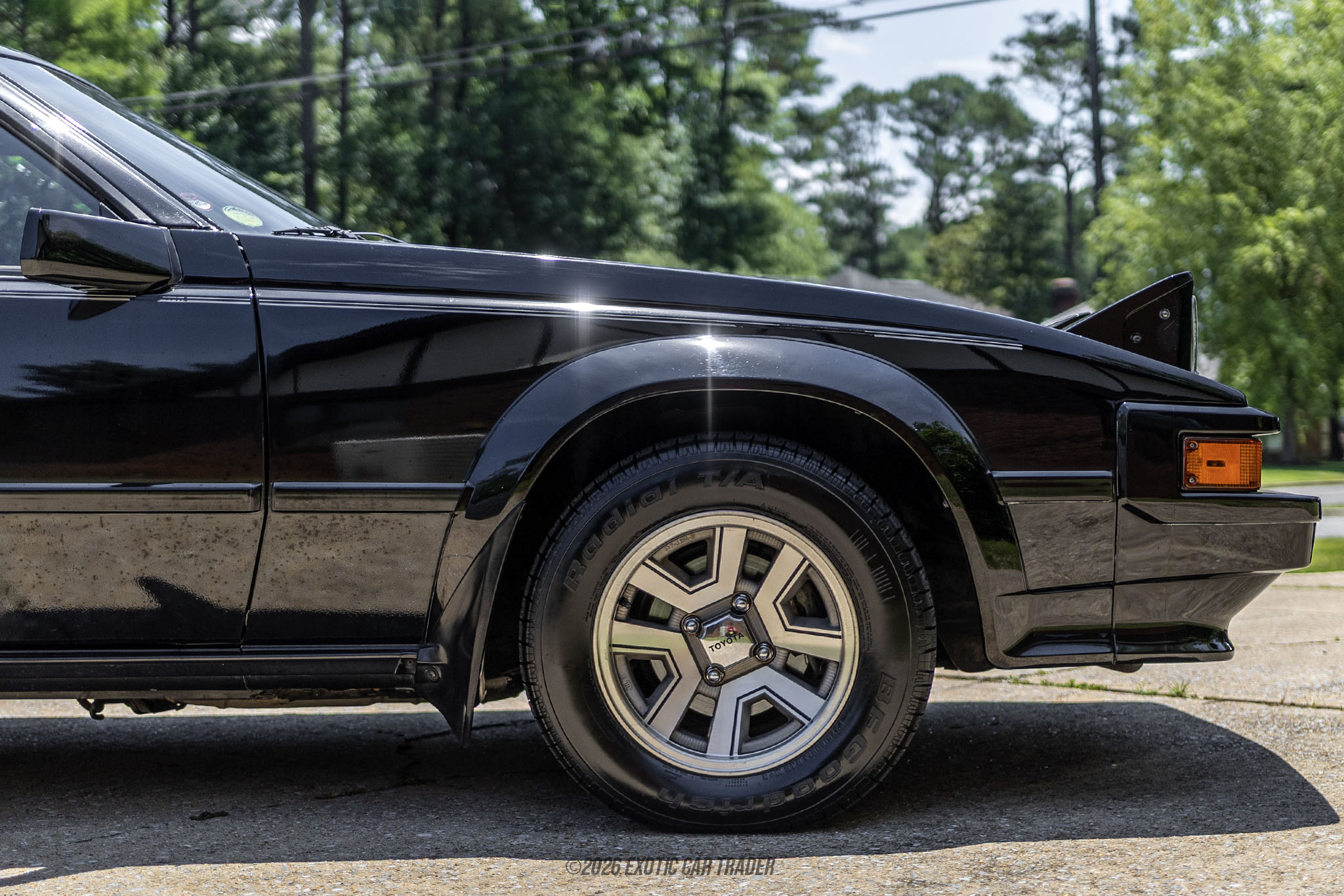
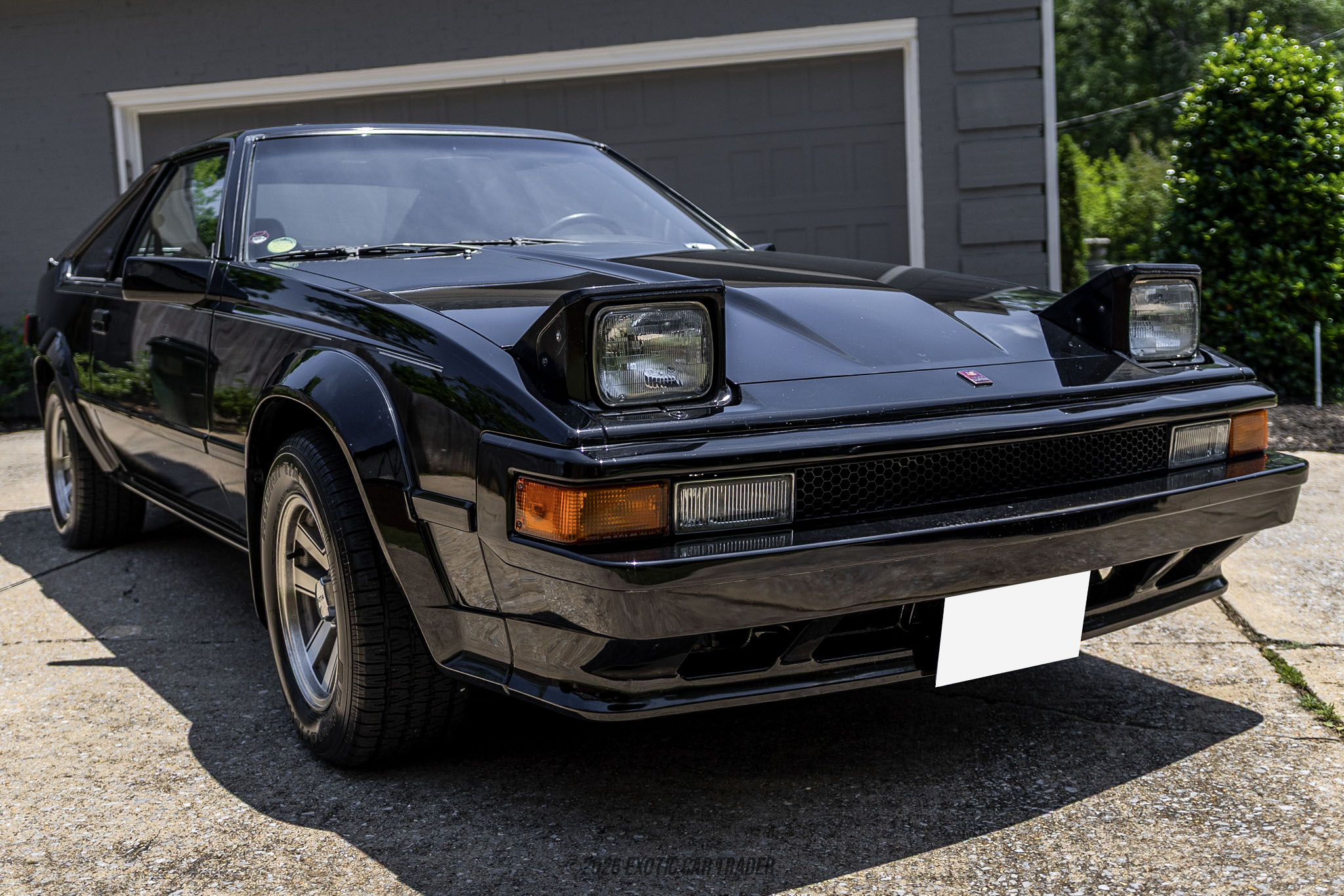
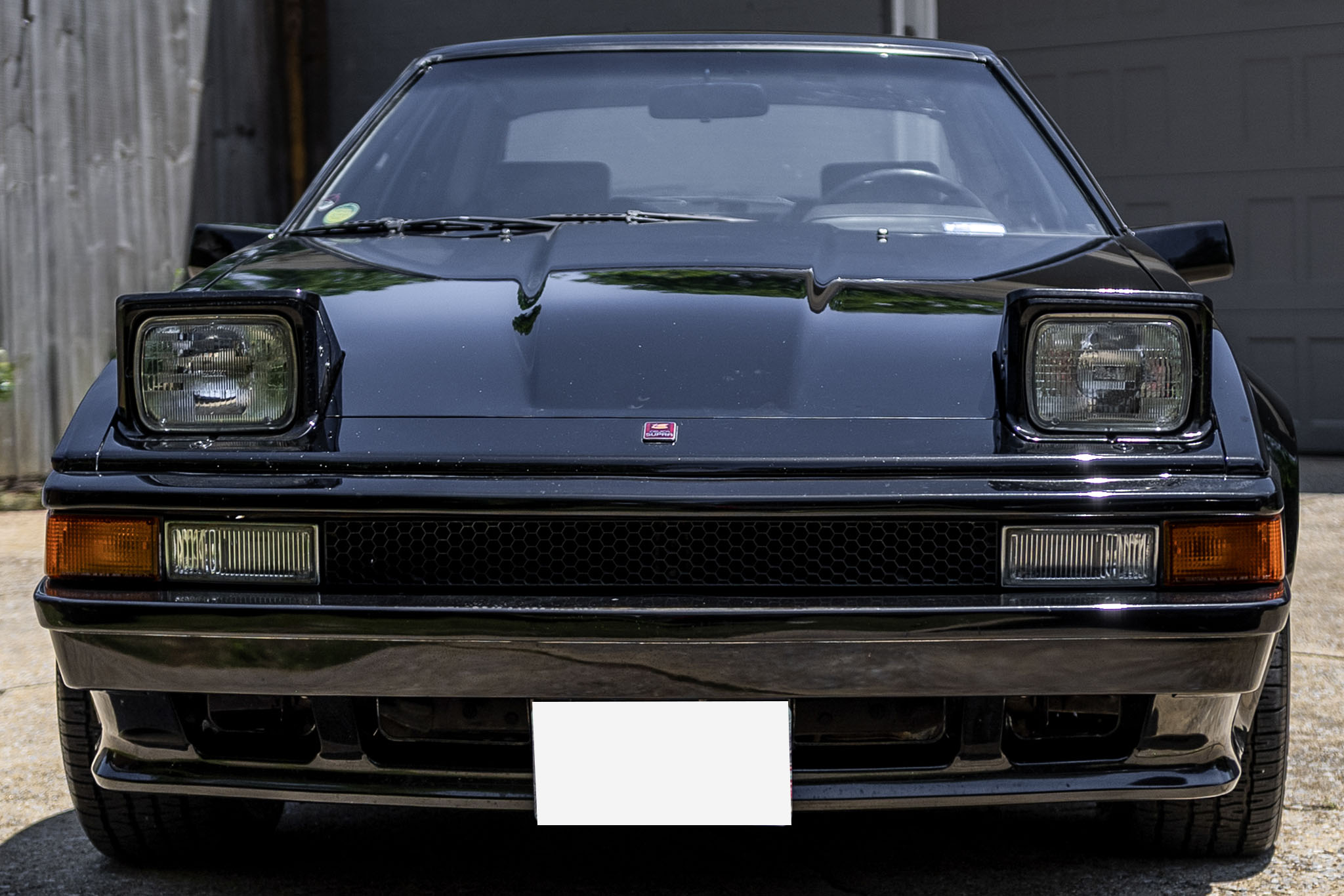
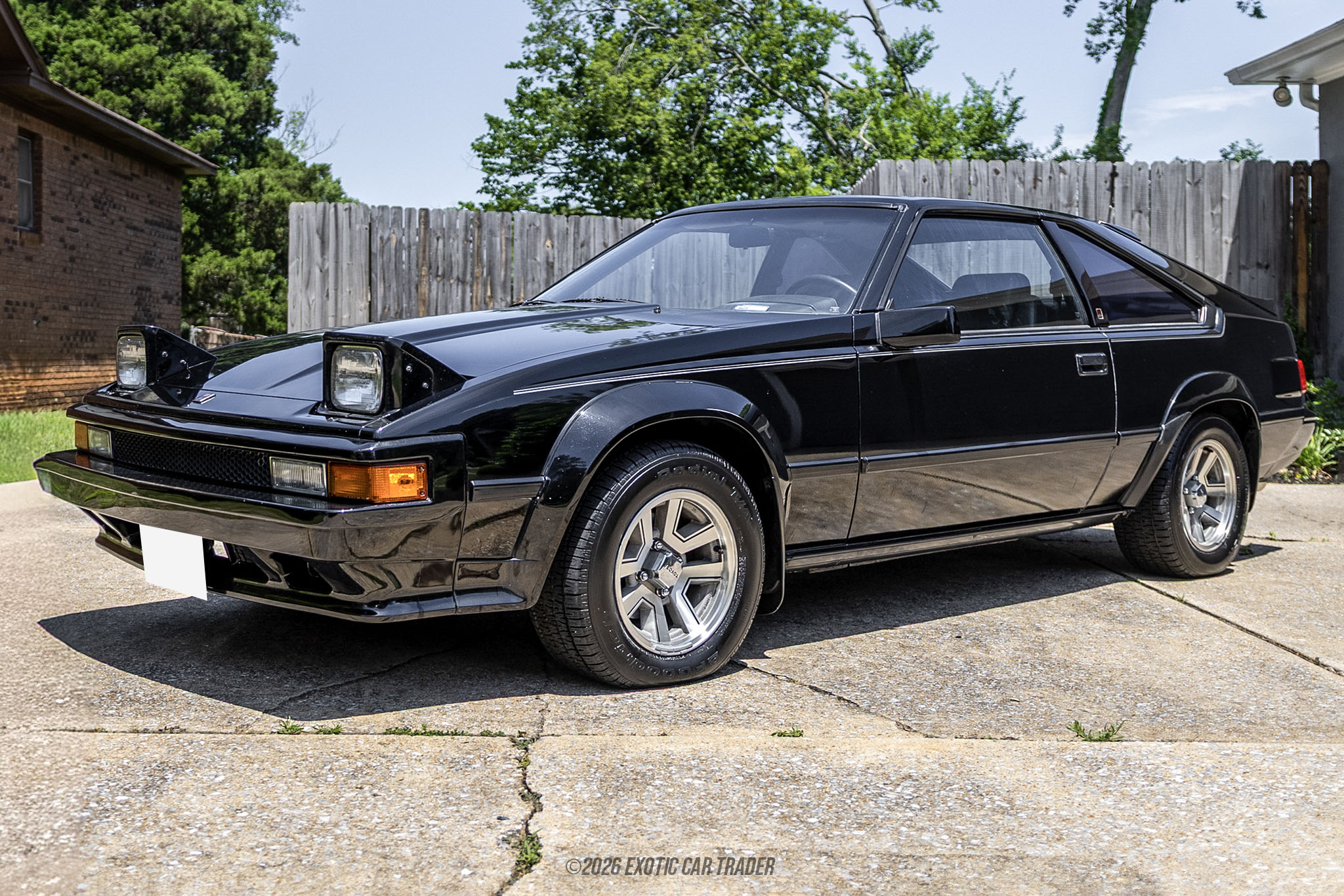
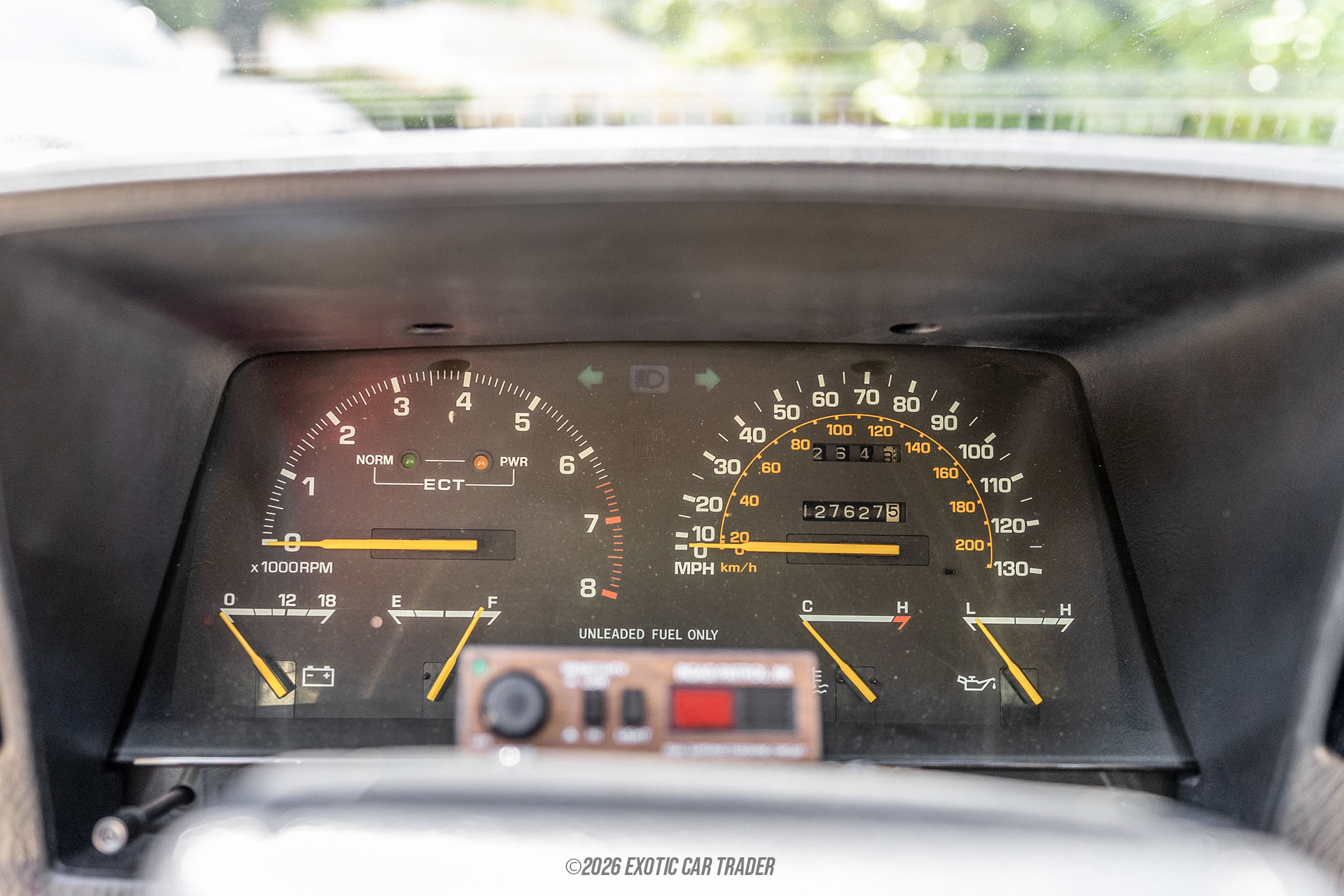
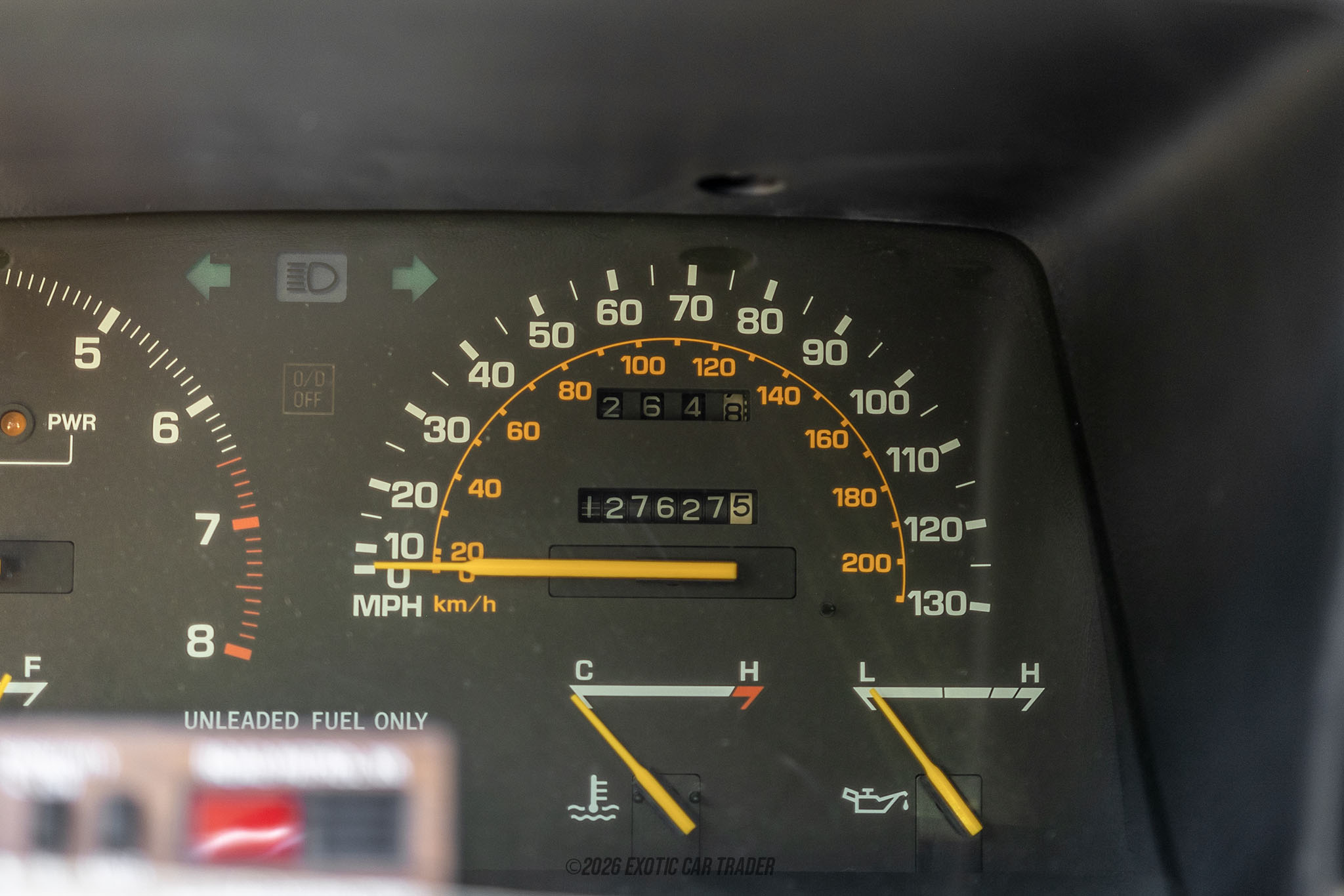
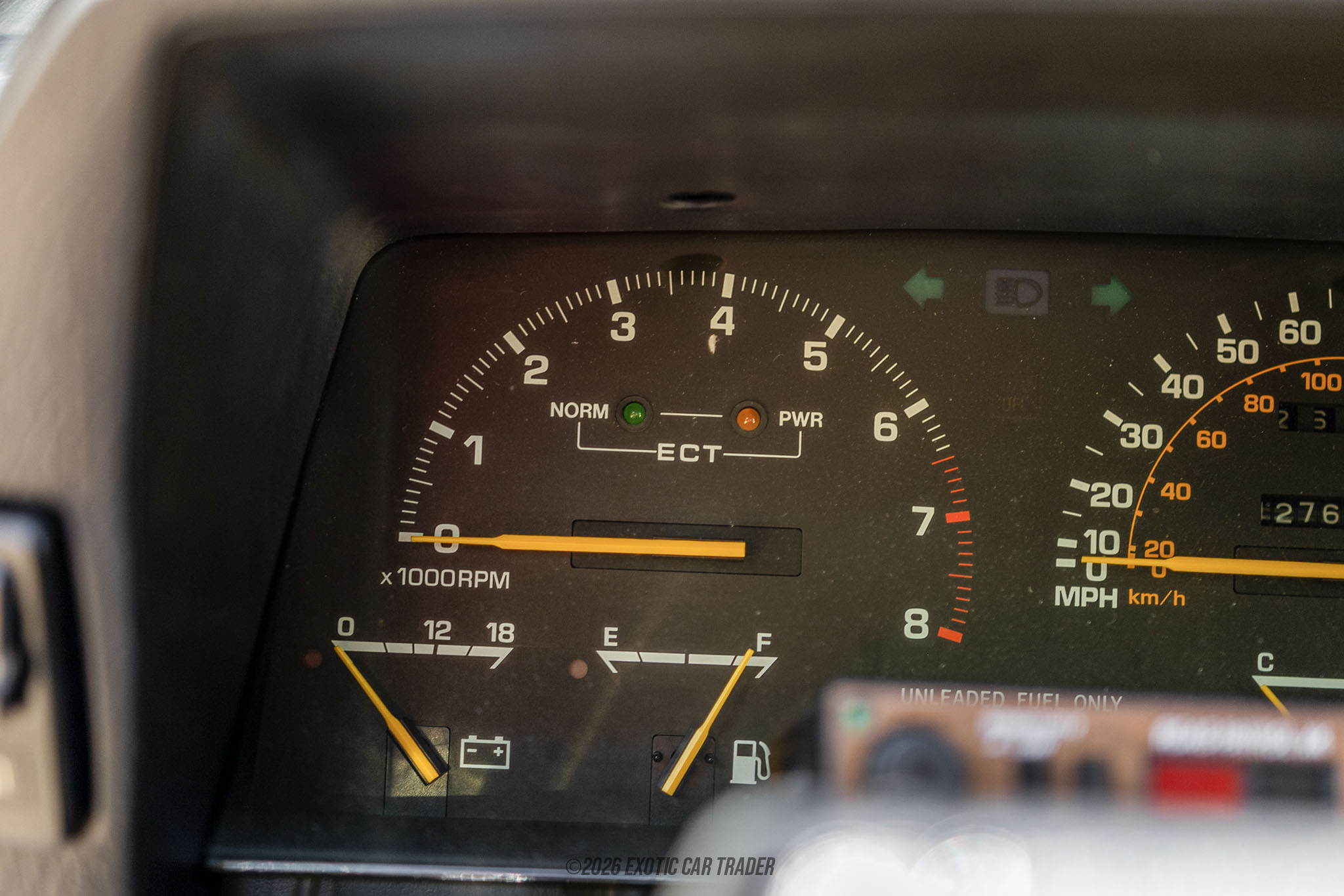
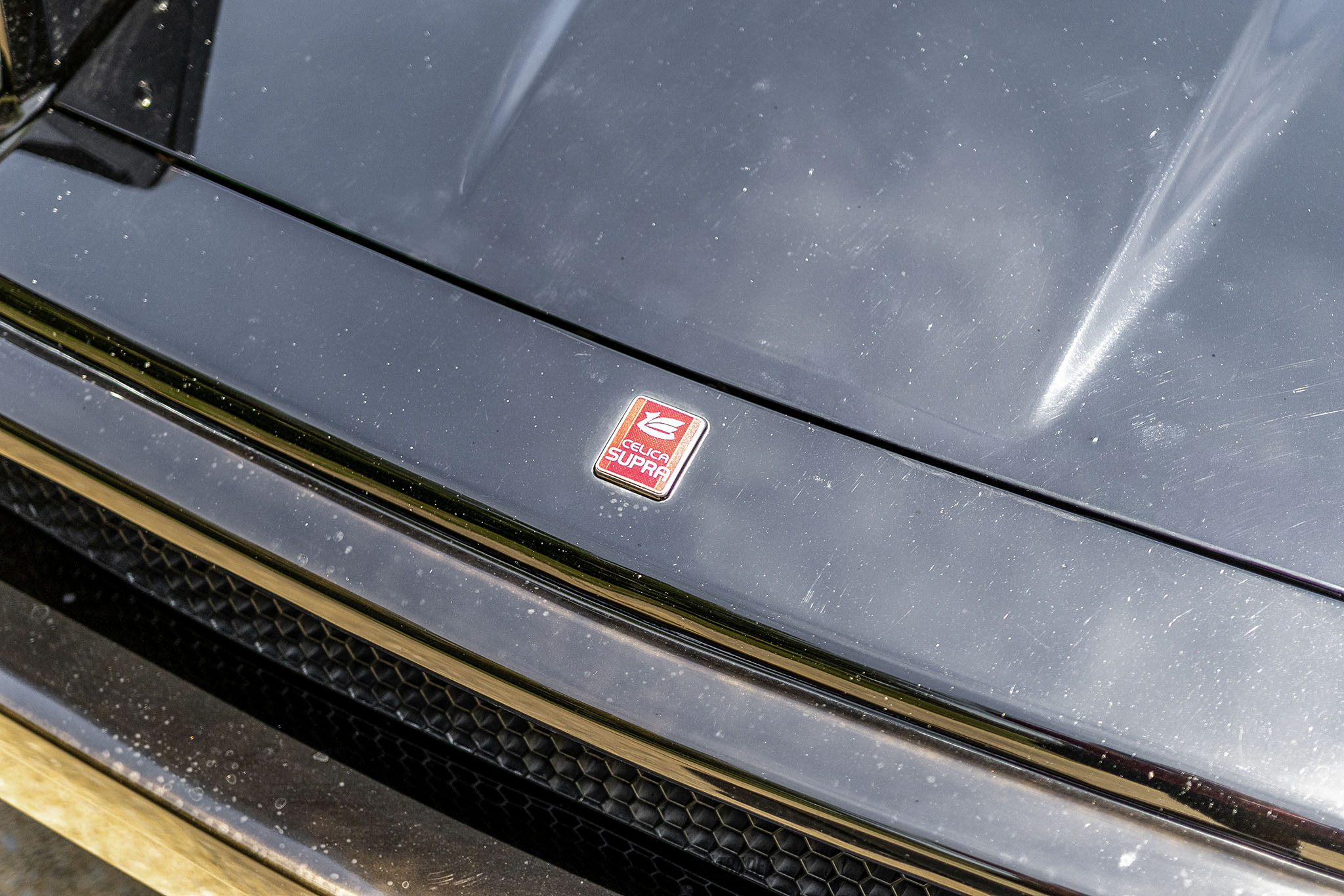
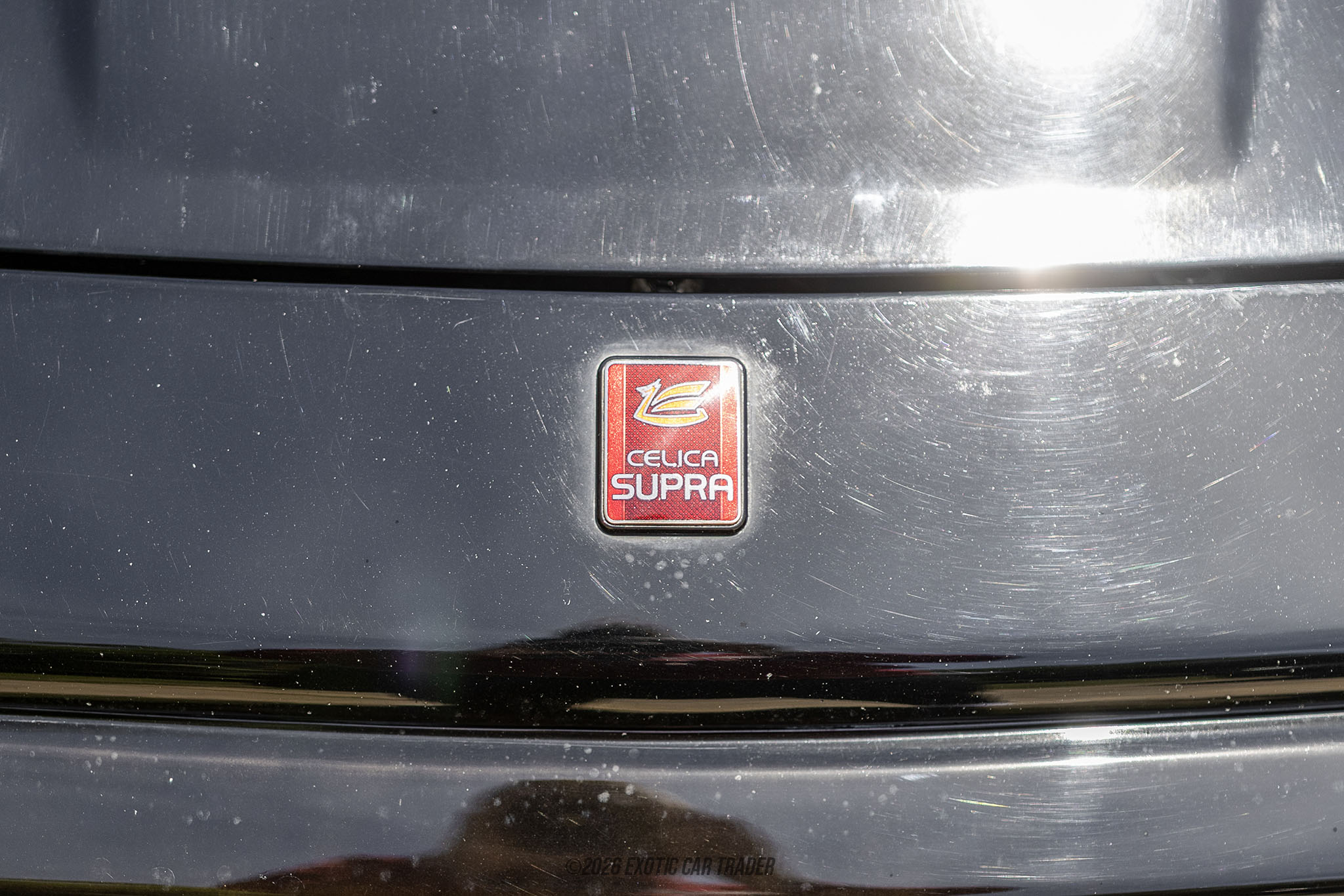
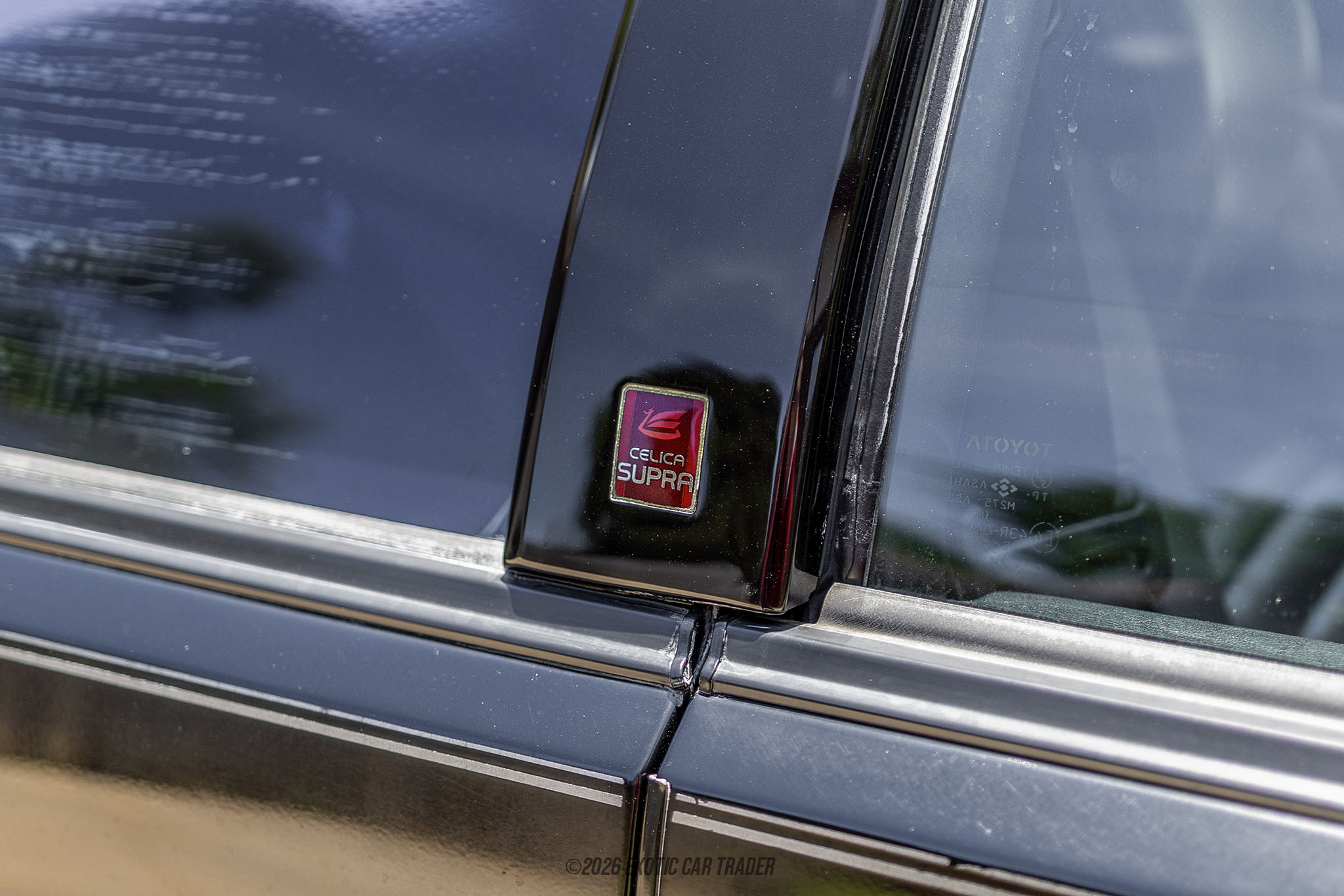
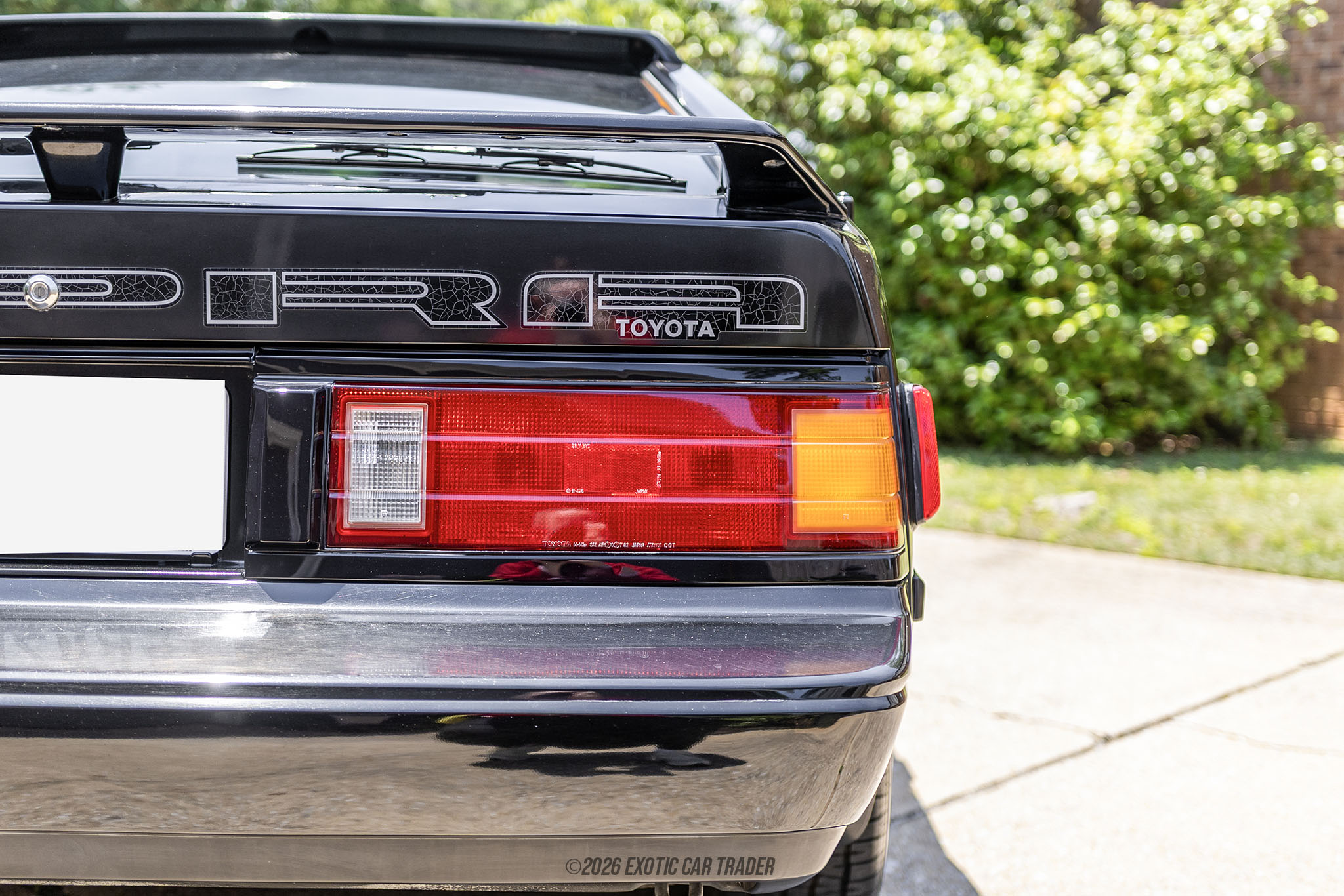
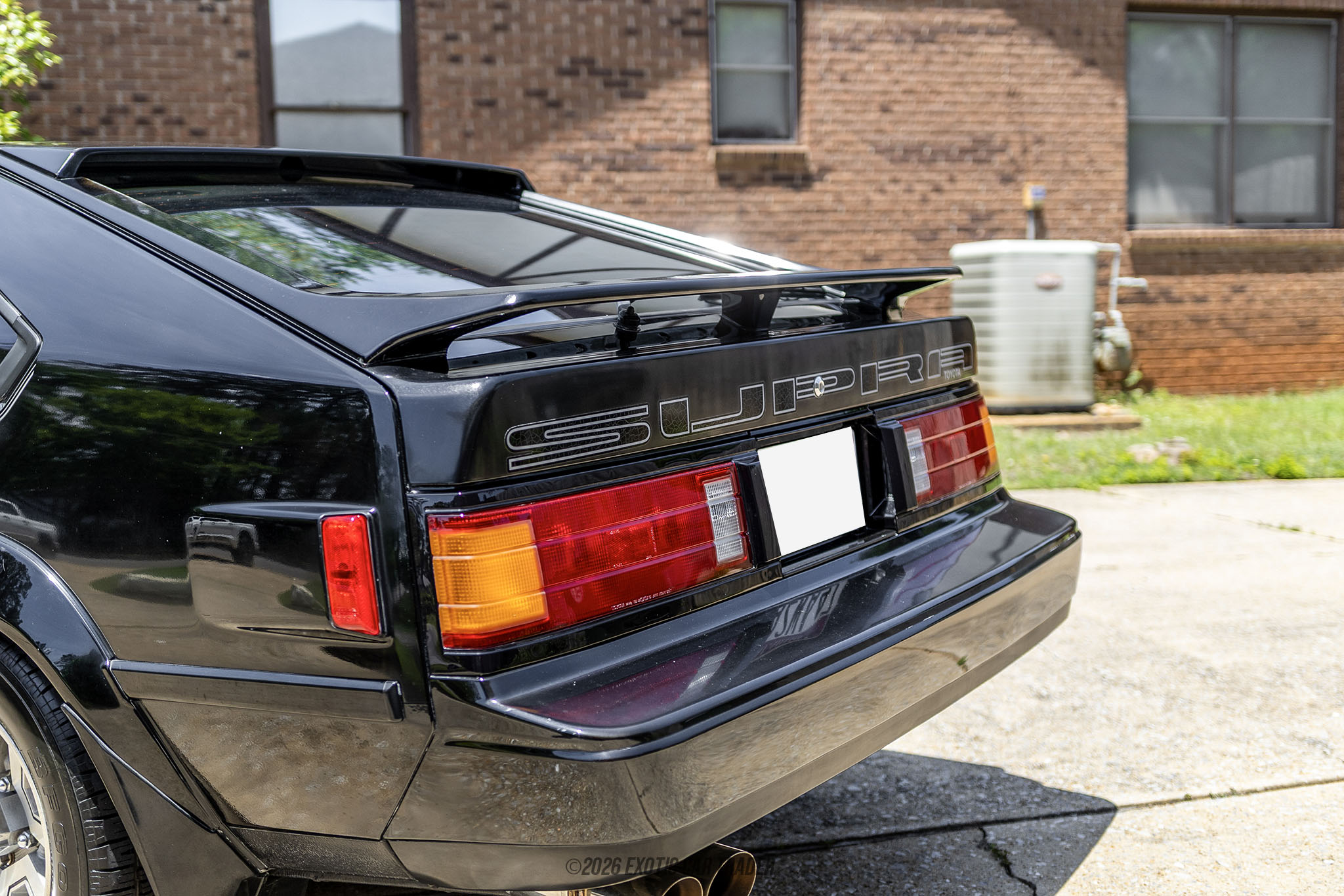
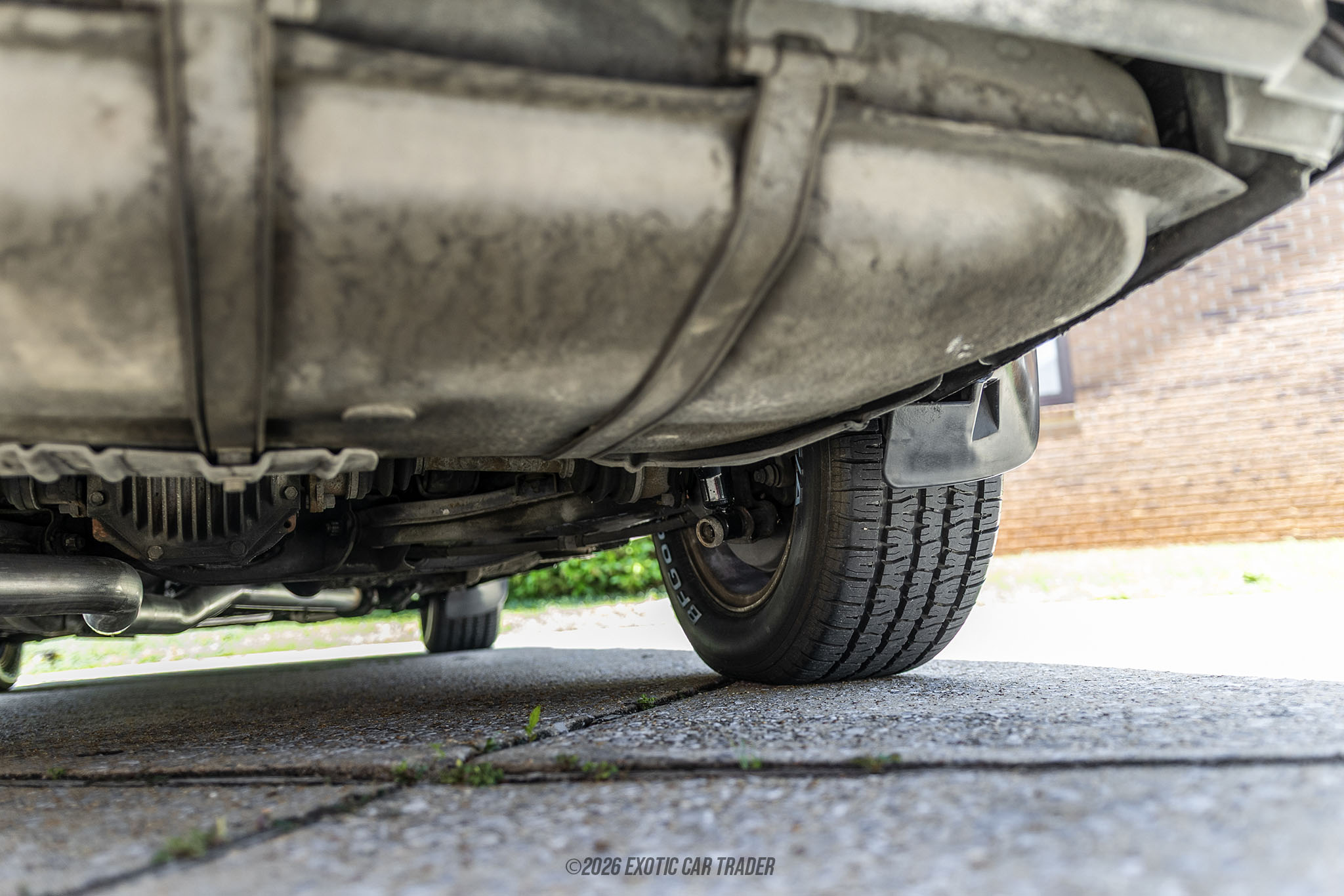
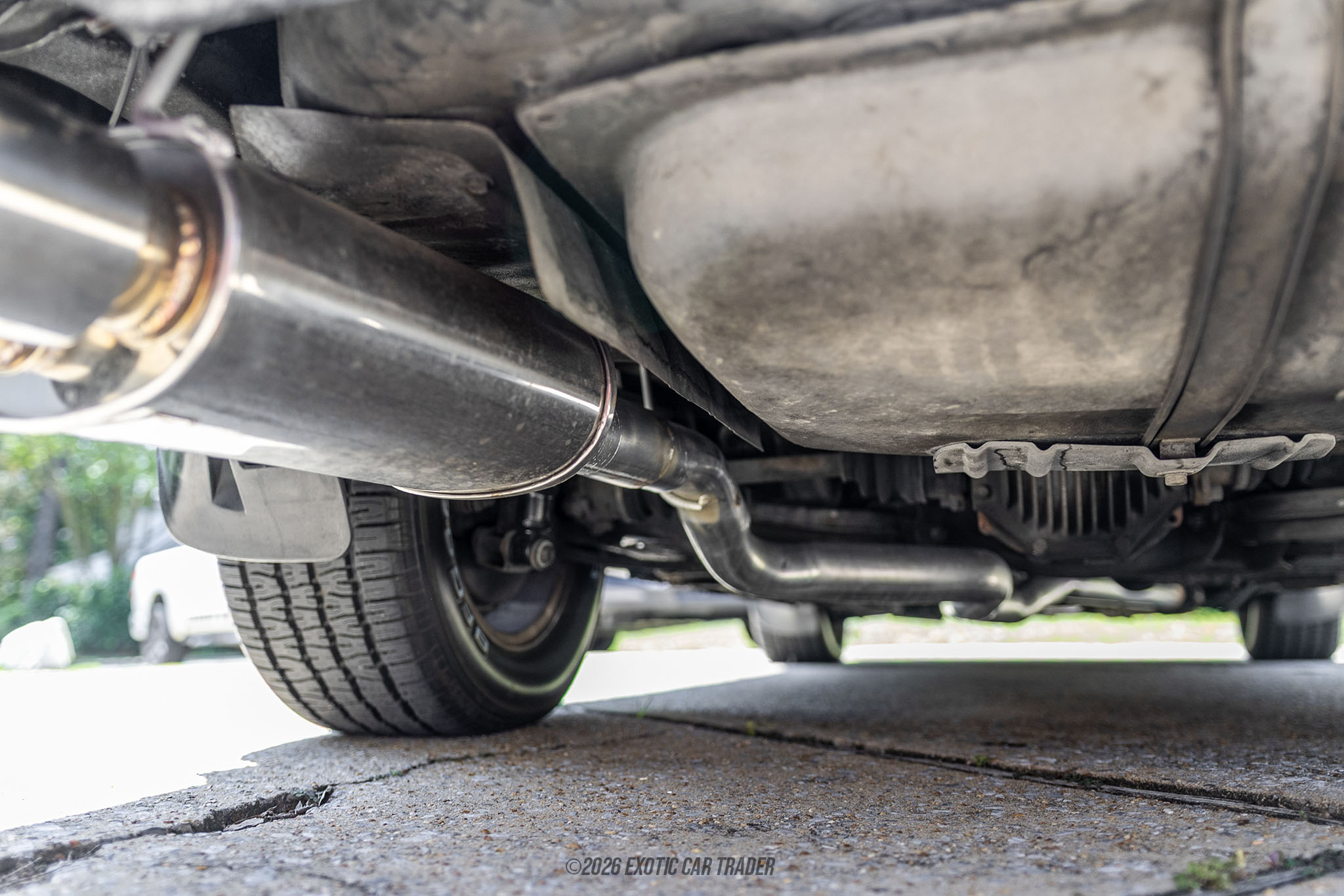
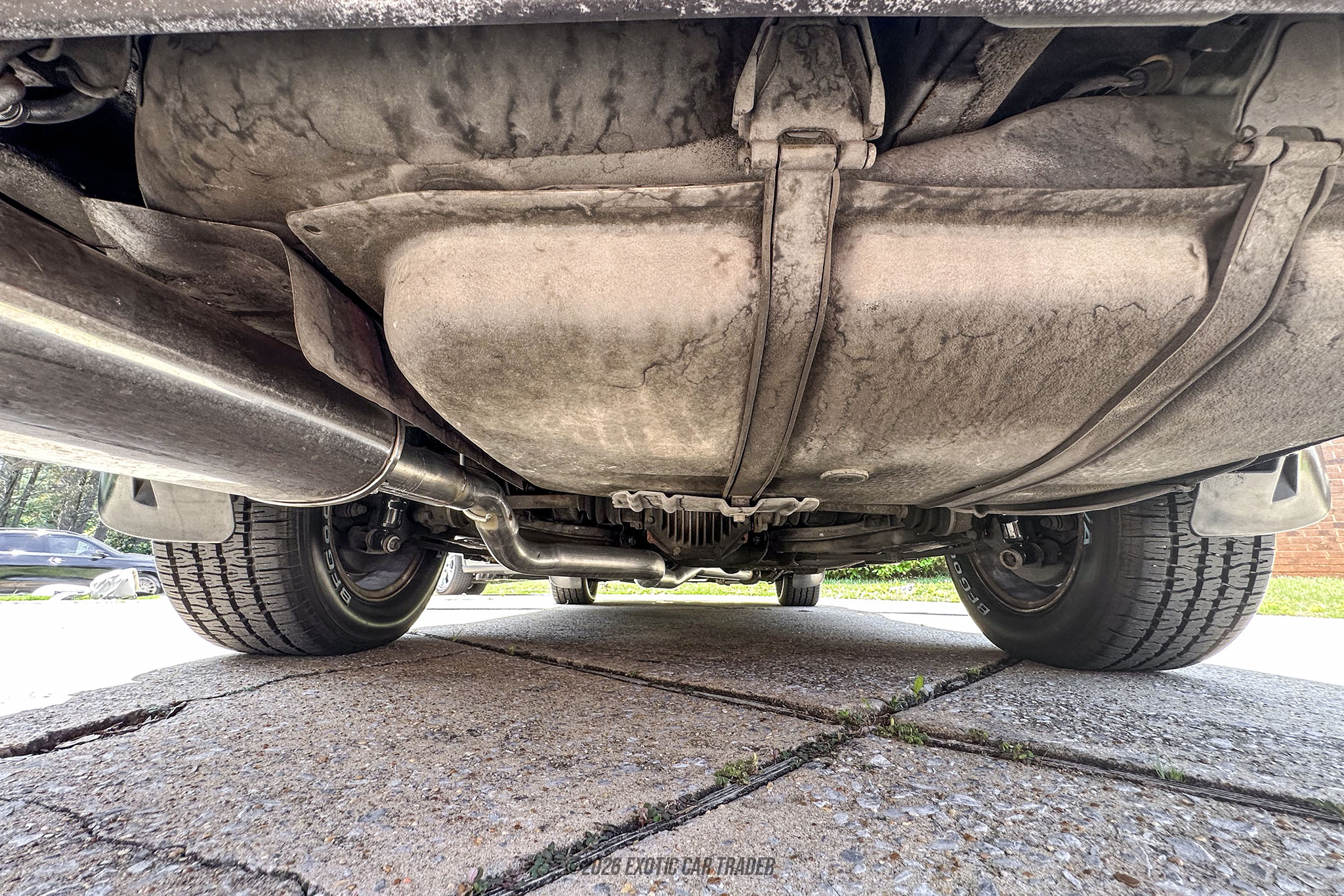
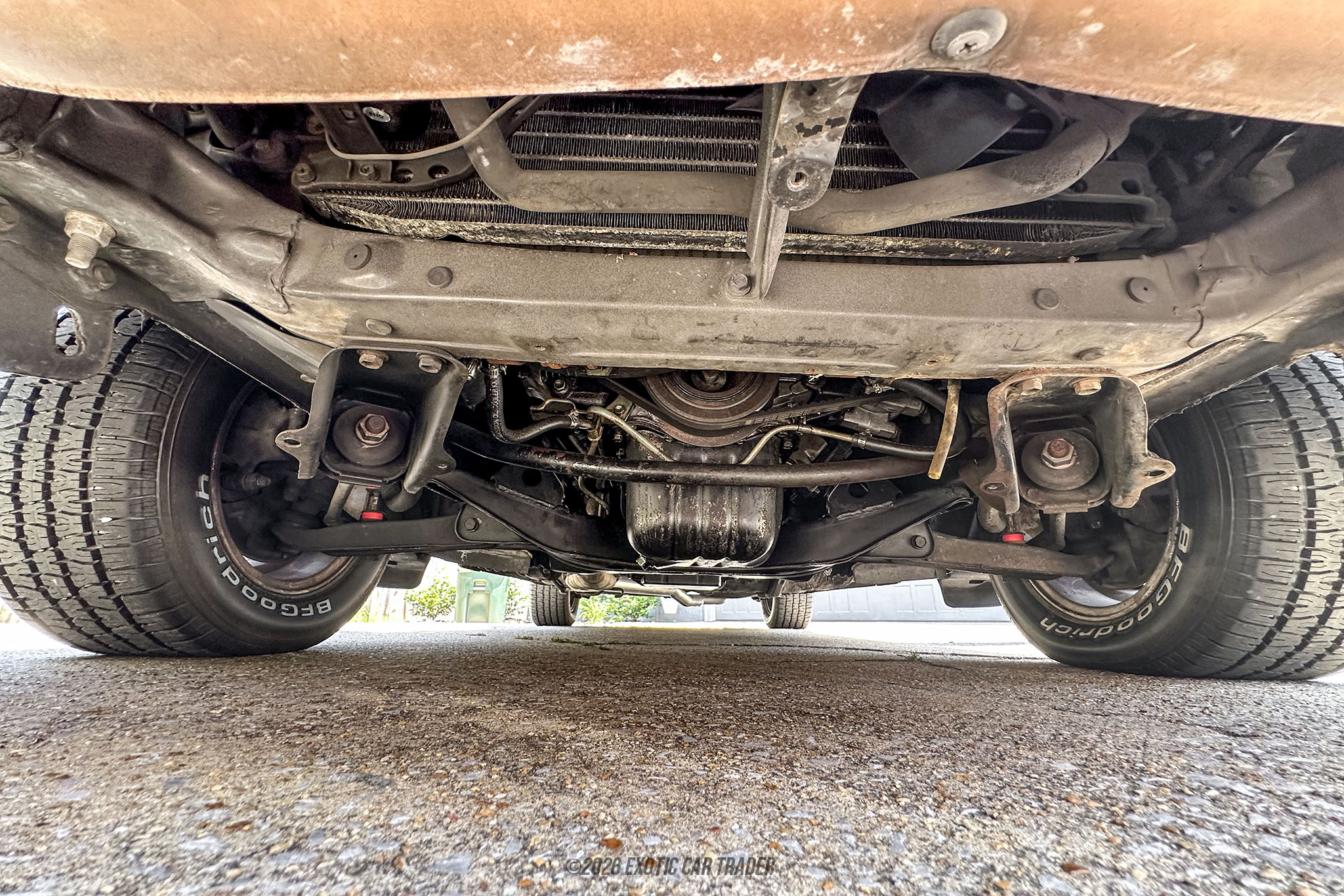
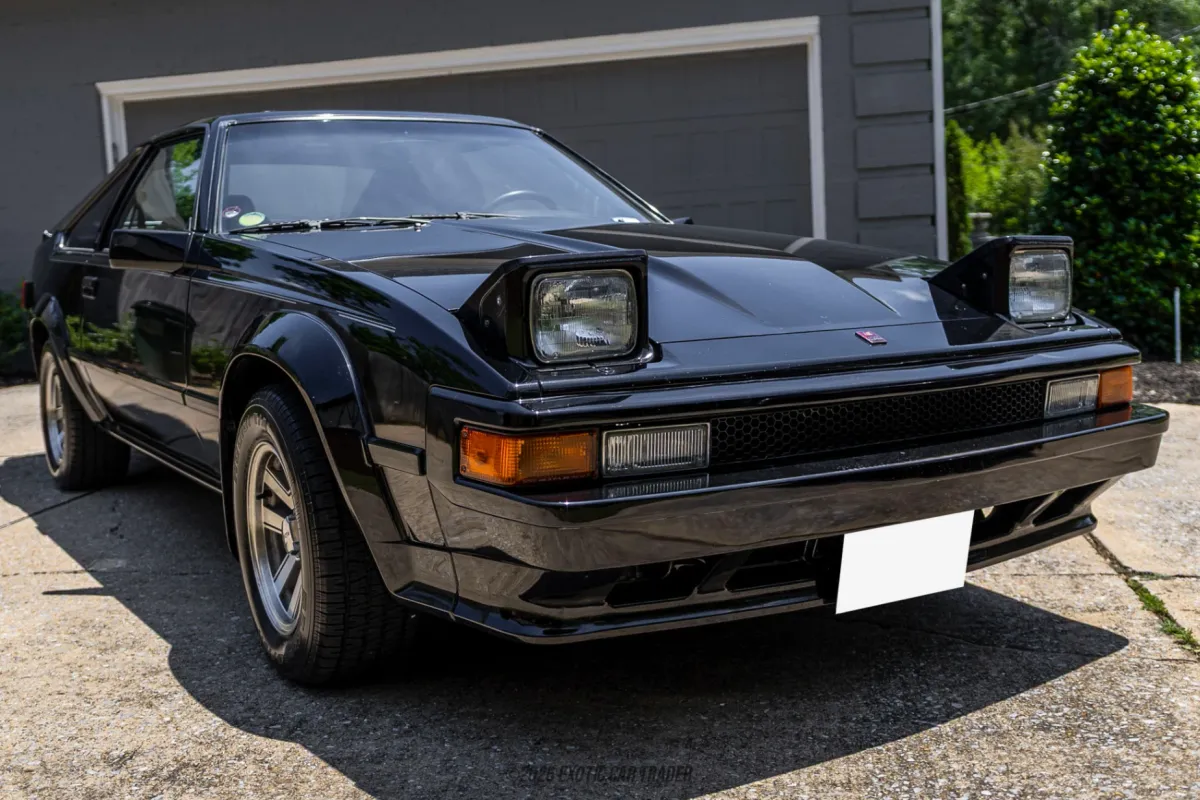
The second-generation Toyota Celica Supra has become one of the most beloved Japanese grand touring coupes of the 1980s, blending sharp wedge-era styling, rear-wheel-drive balance, and Toyota’s renowned durability into one increasingly collectible package. This 1985 Toyota Celica Supra P-Type represents the enthusiast-favored performance trim, distinguished by its aggressive widebody fender flares, unique alloy wheels, and sportier personality compared to the more comfort-oriented L-Type models. Powered by Toyota’s silky 2.8-liter inline-six and backed by a 4-speed automatic transmission, this example captures the analog charm of Japan’s golden era of sports coupes. Finished in the quintessential black-over-black color combination and showing 127,627 miles, this Supra presents as a compelling survivor from the era before the standalone Supra became a turbocharged icon.
Exterior and Interior
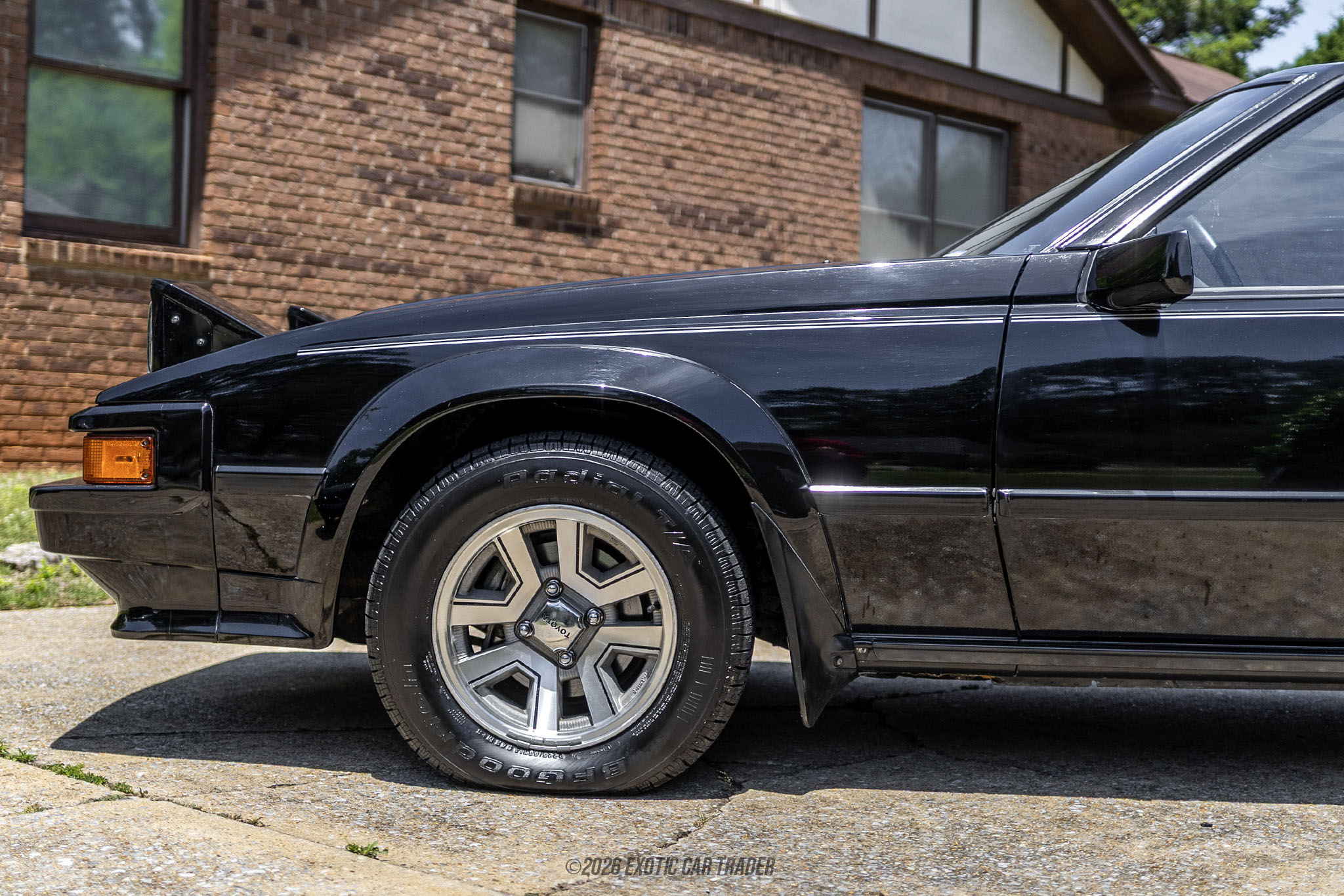
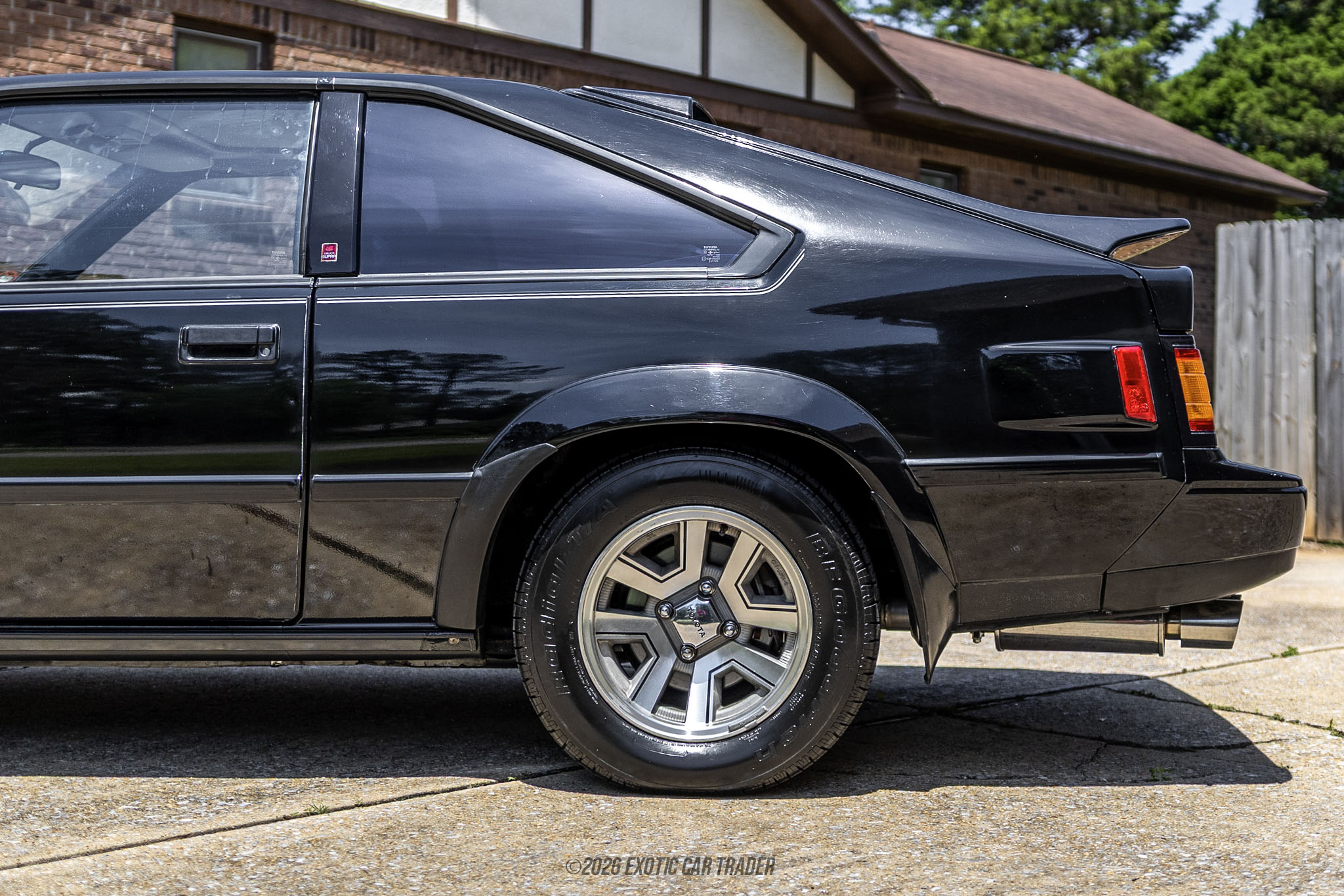
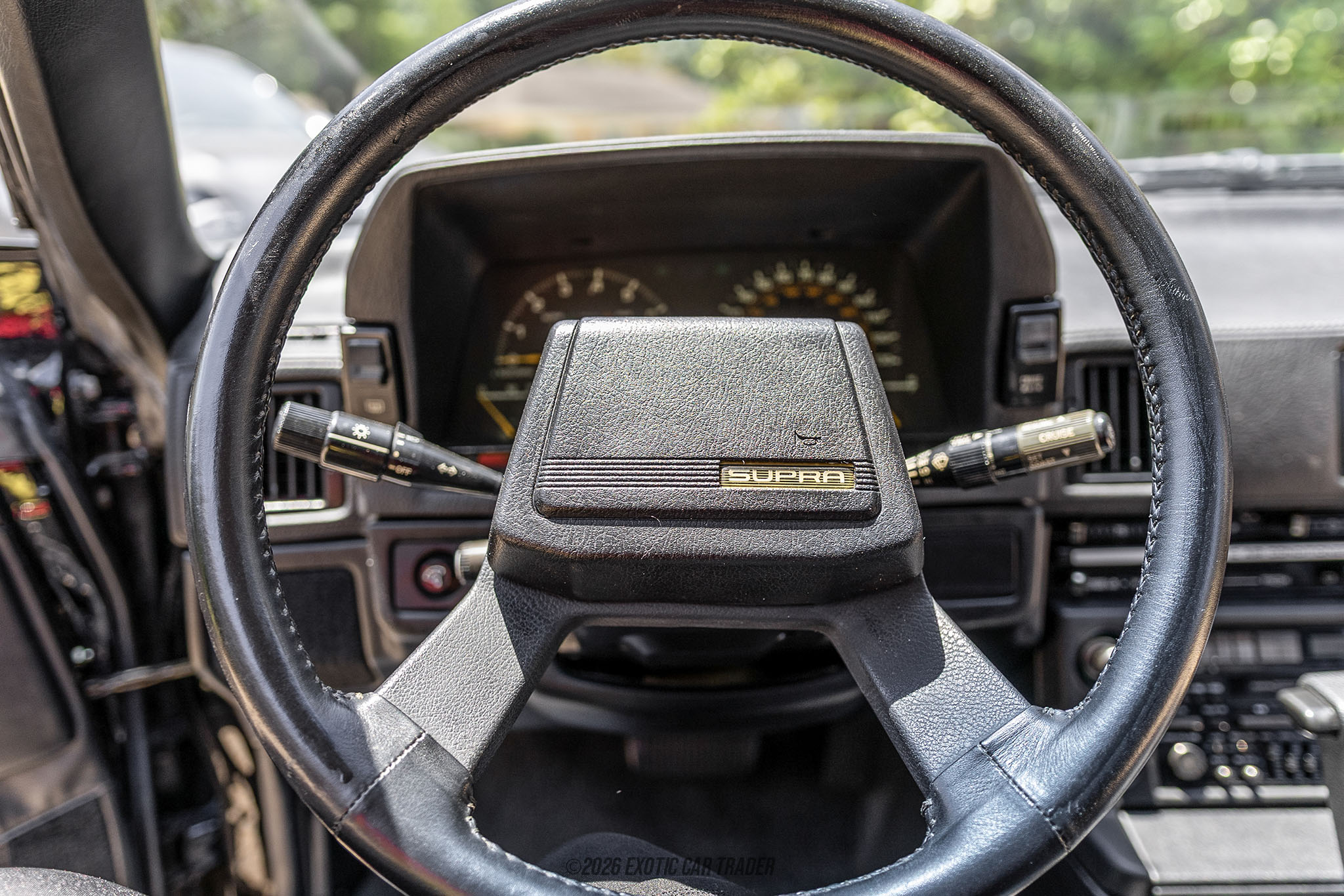
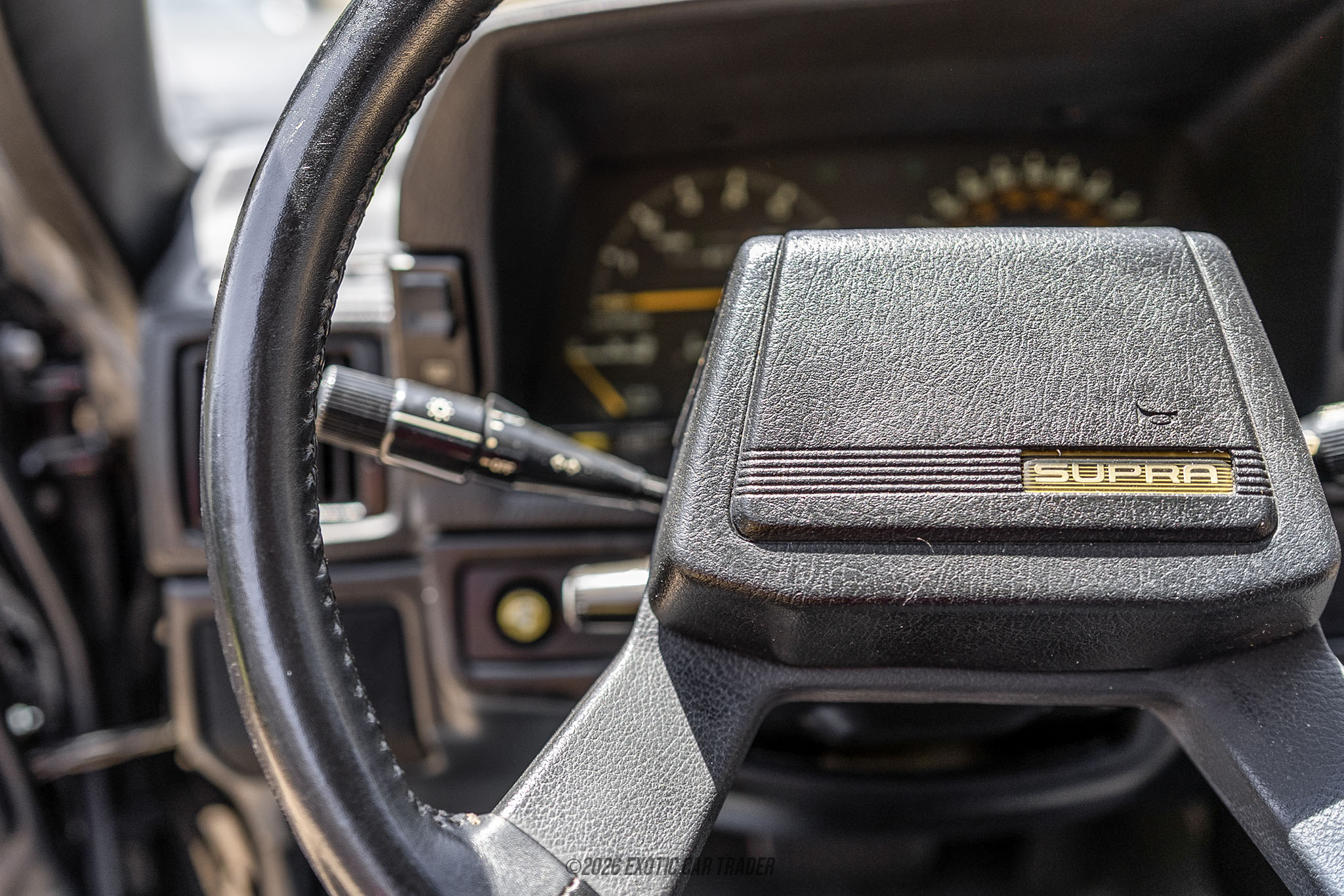
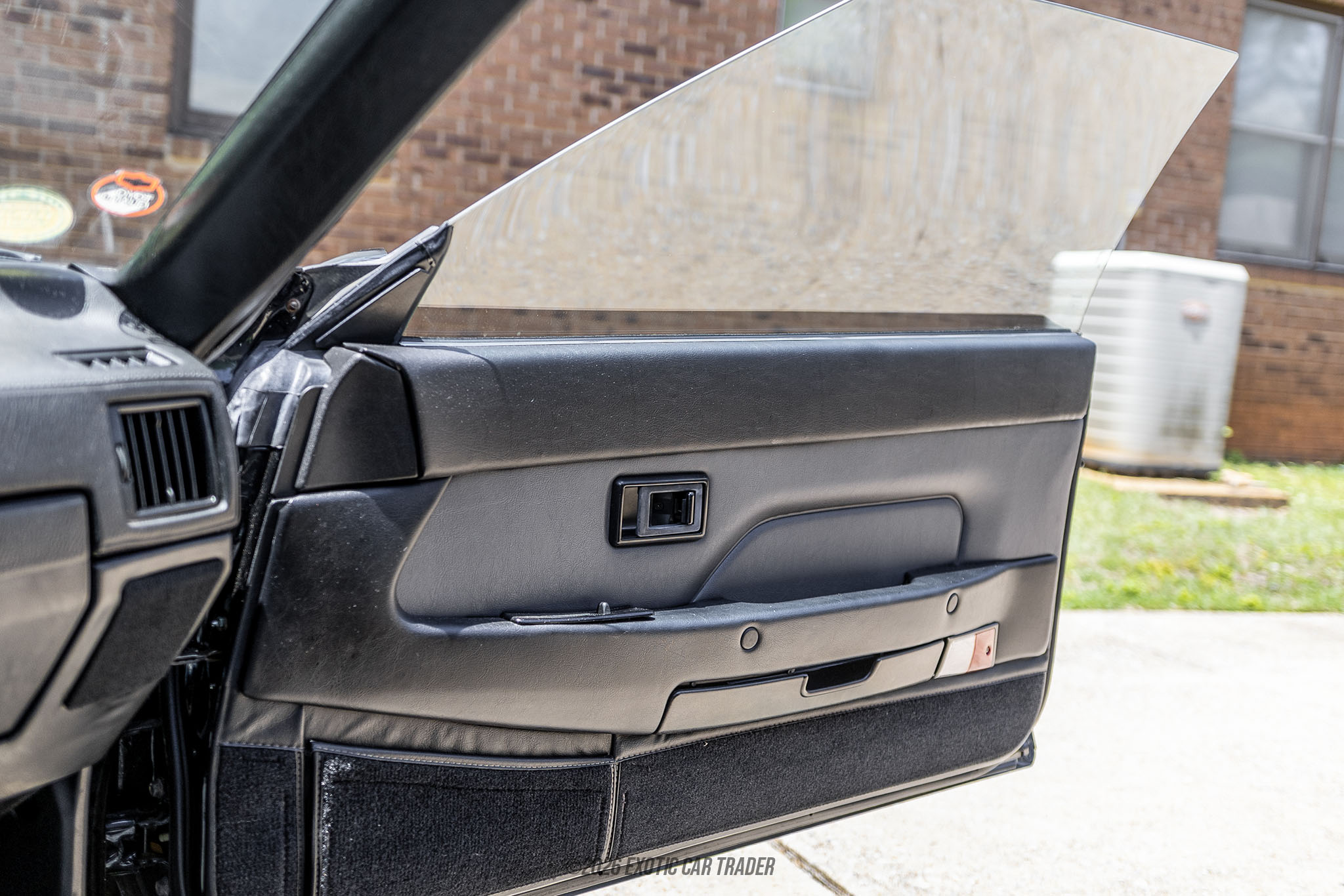
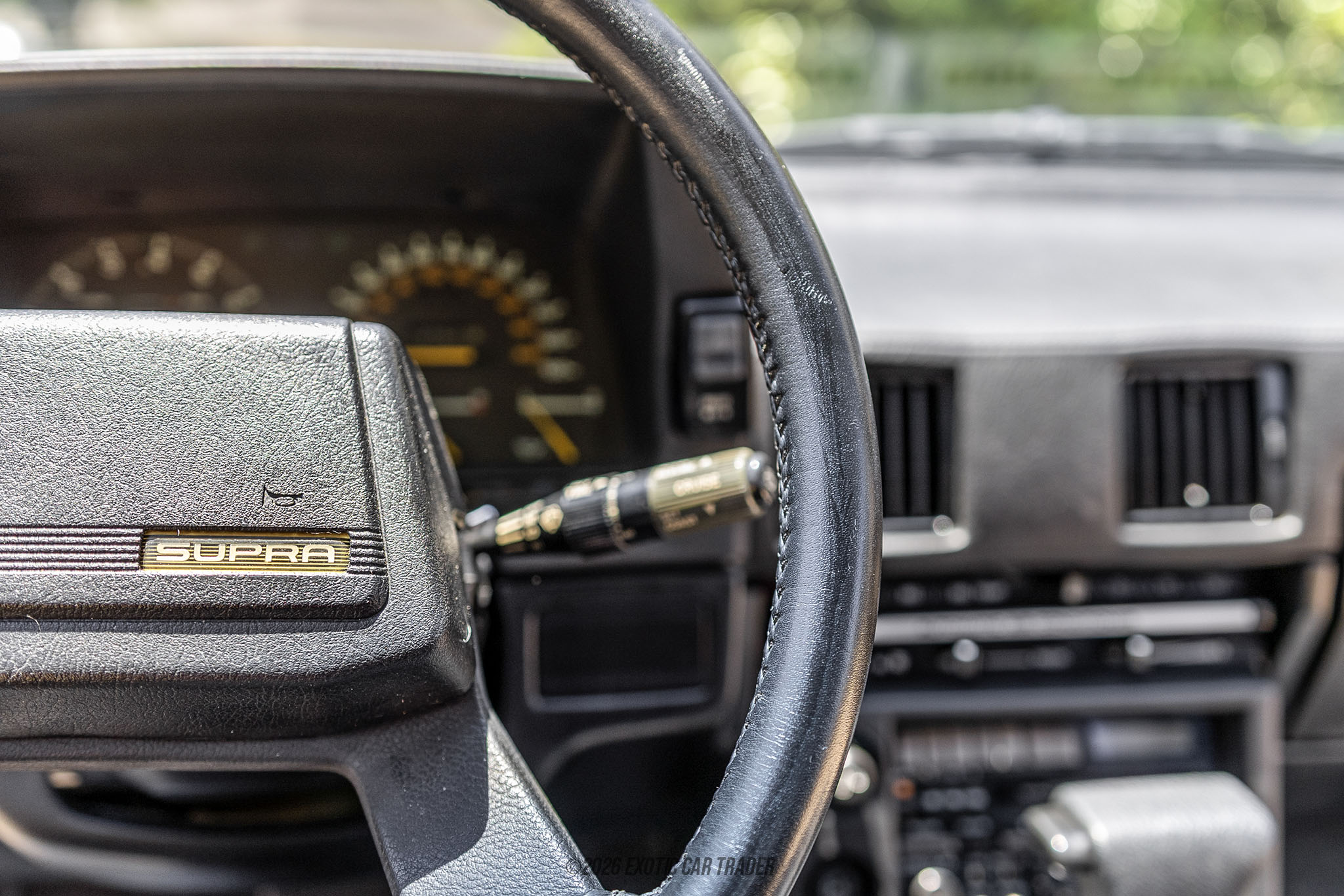
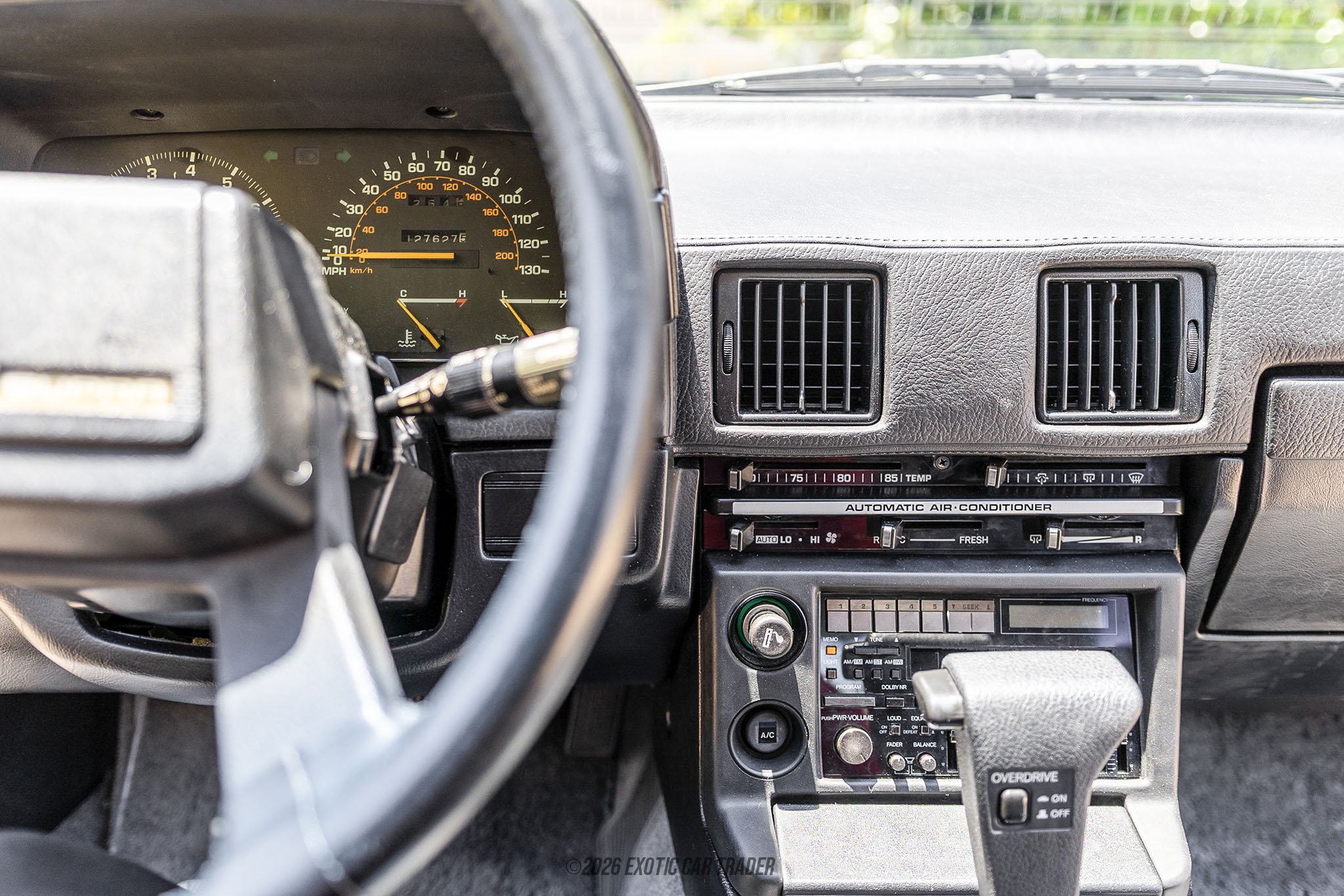
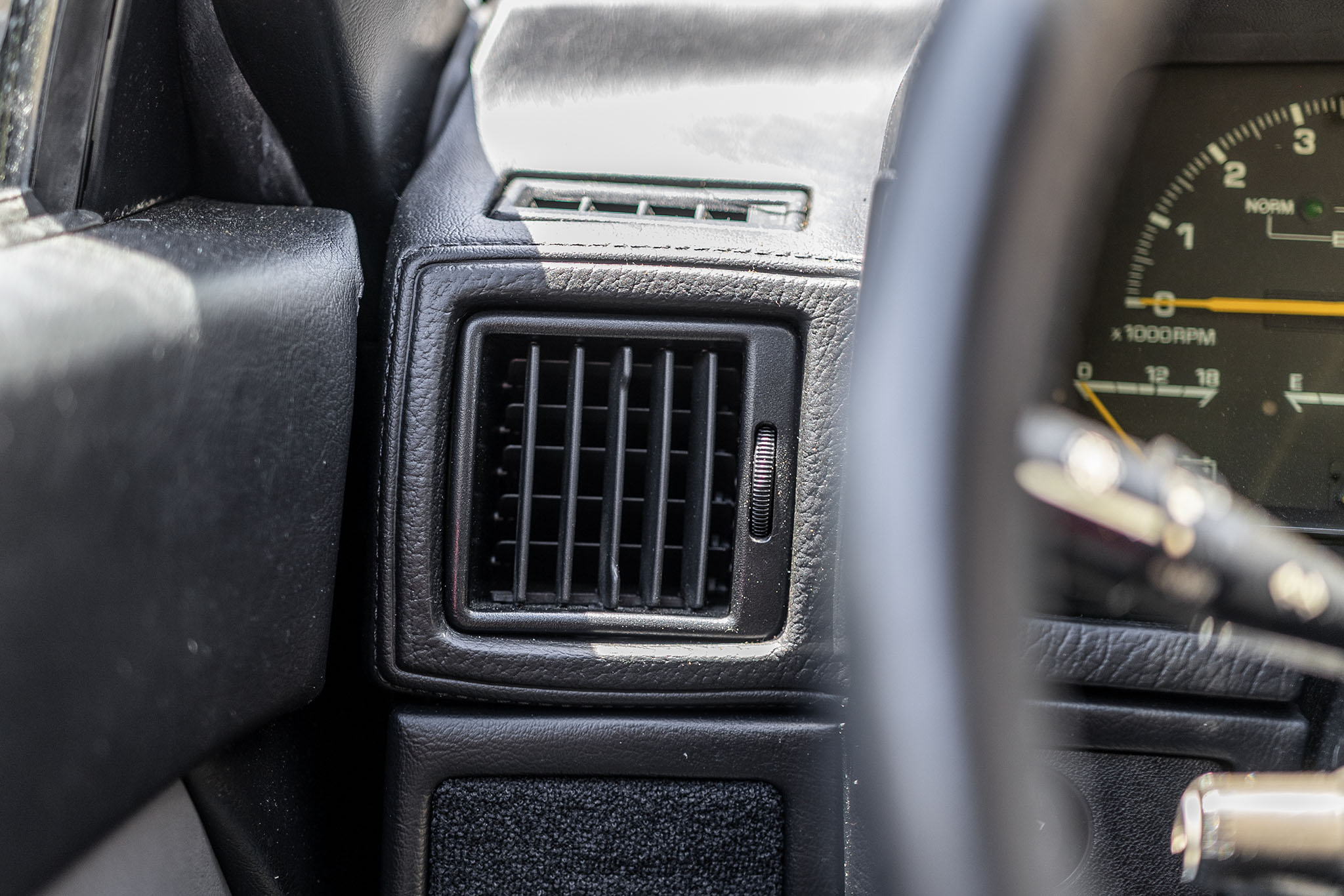
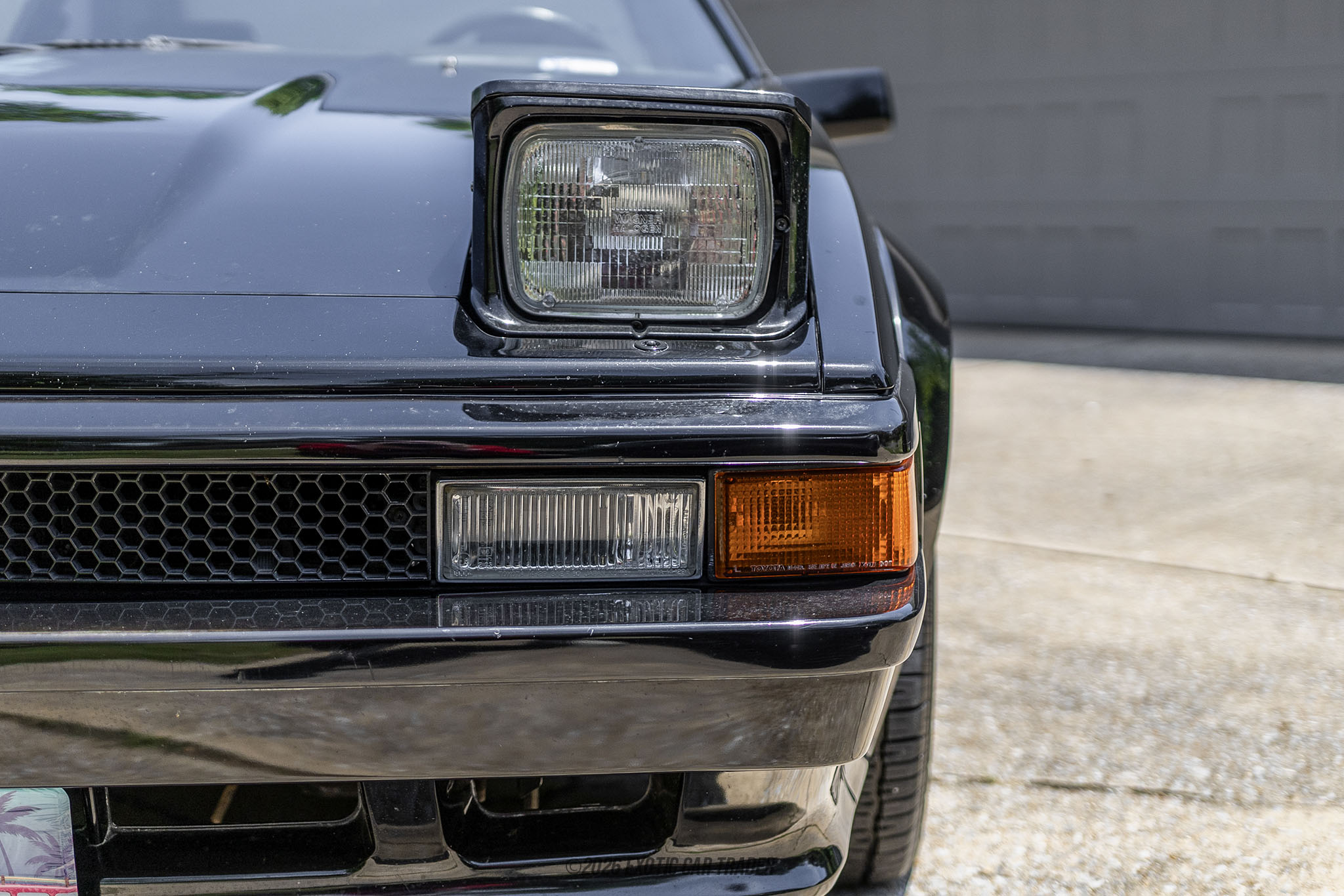
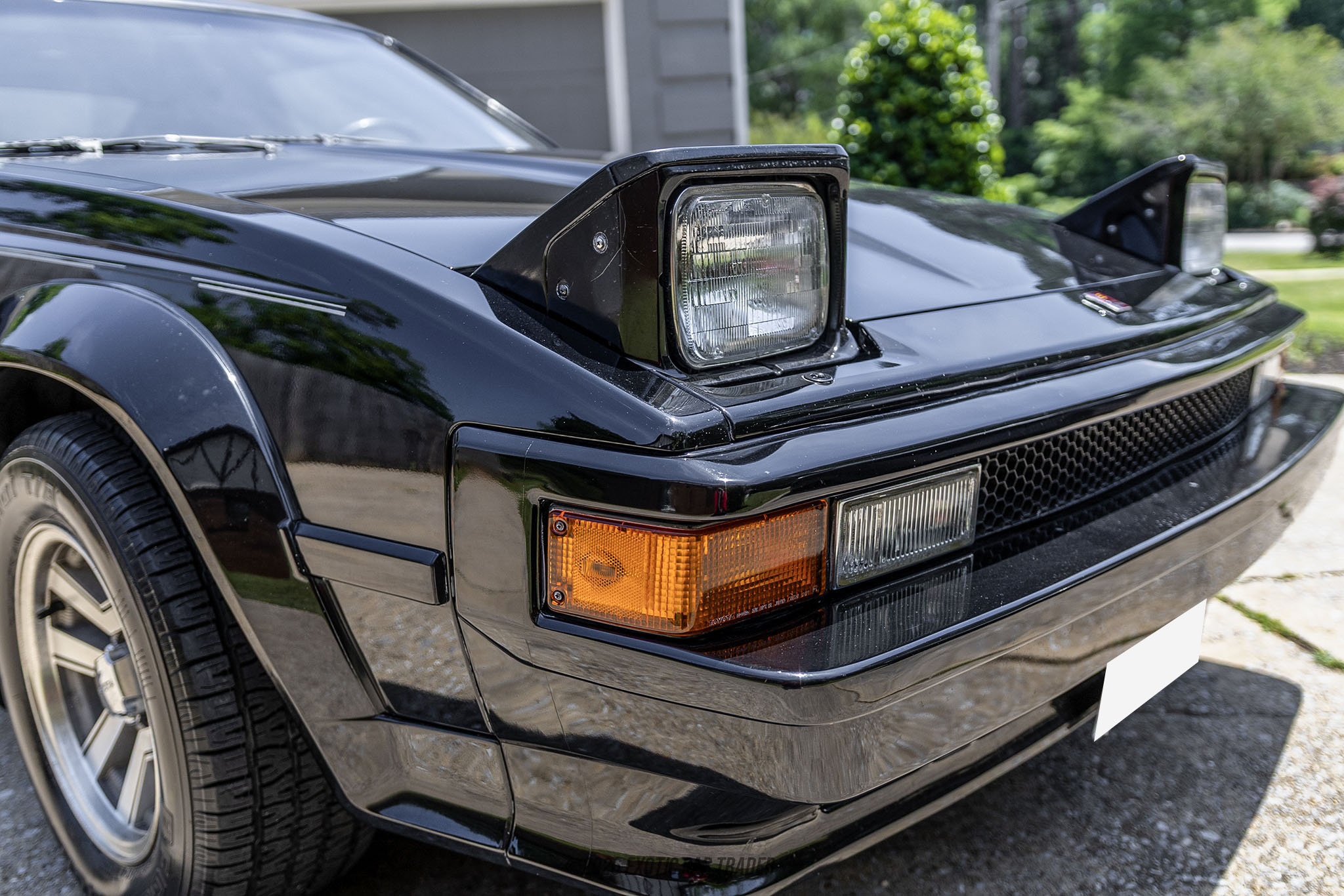
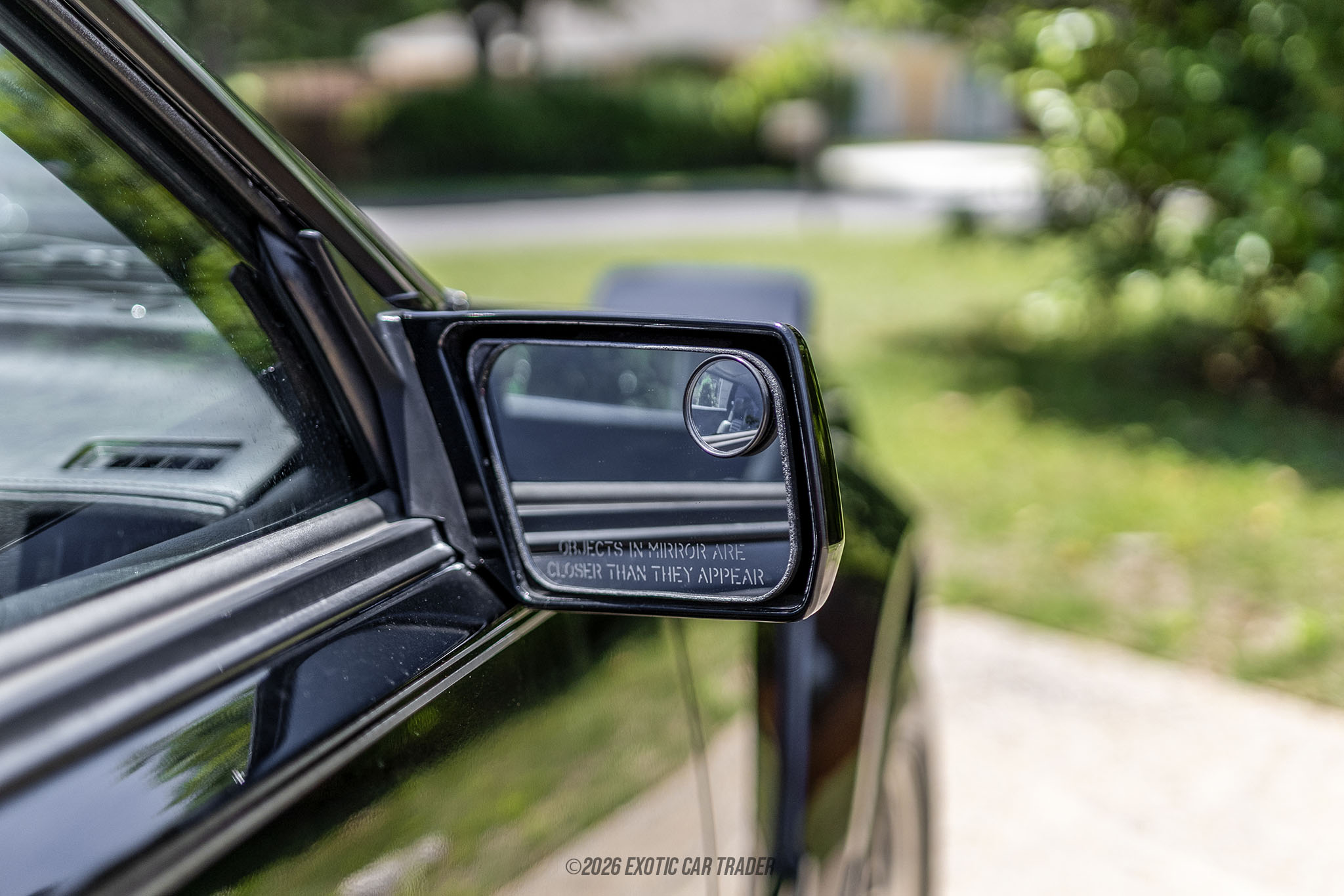
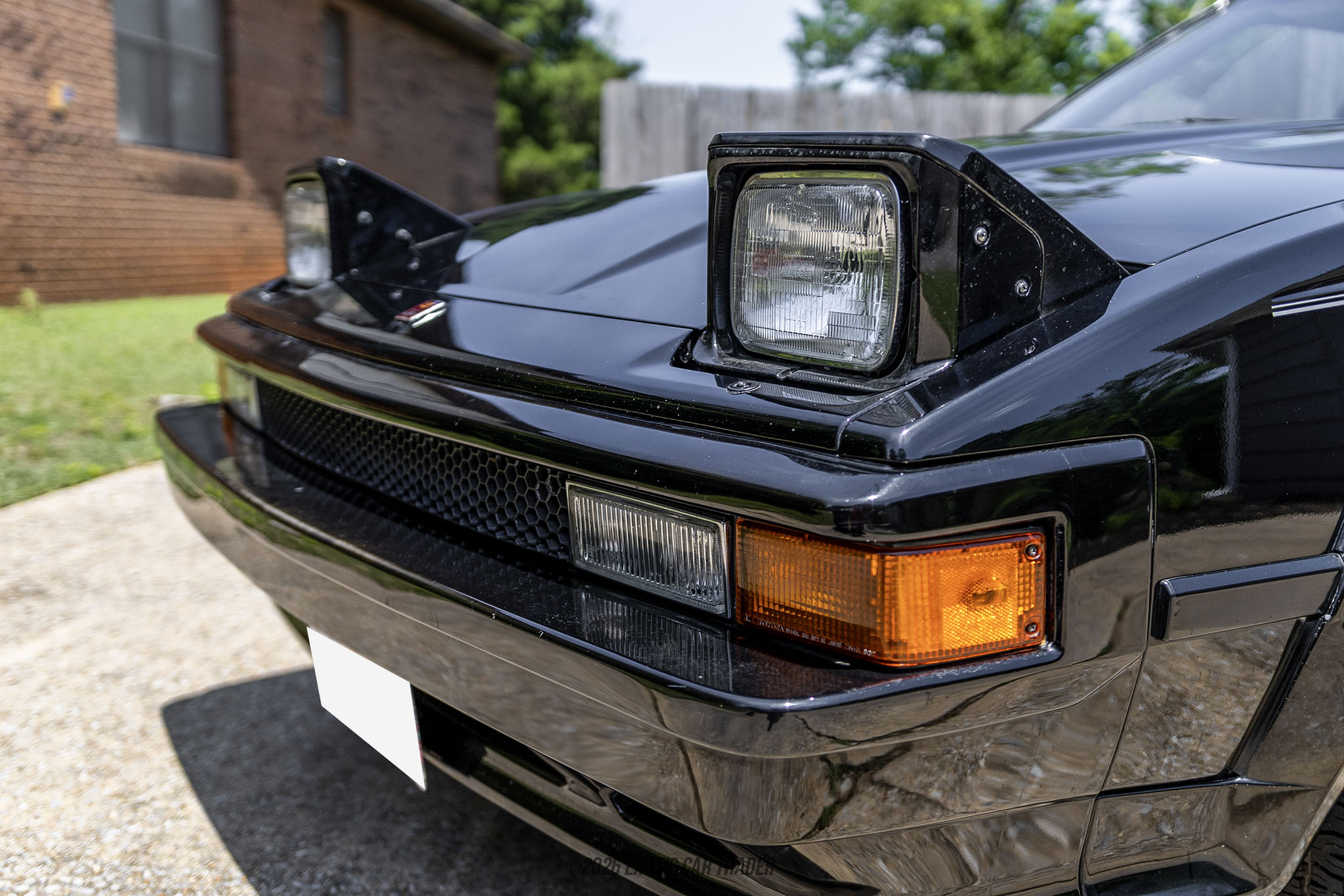
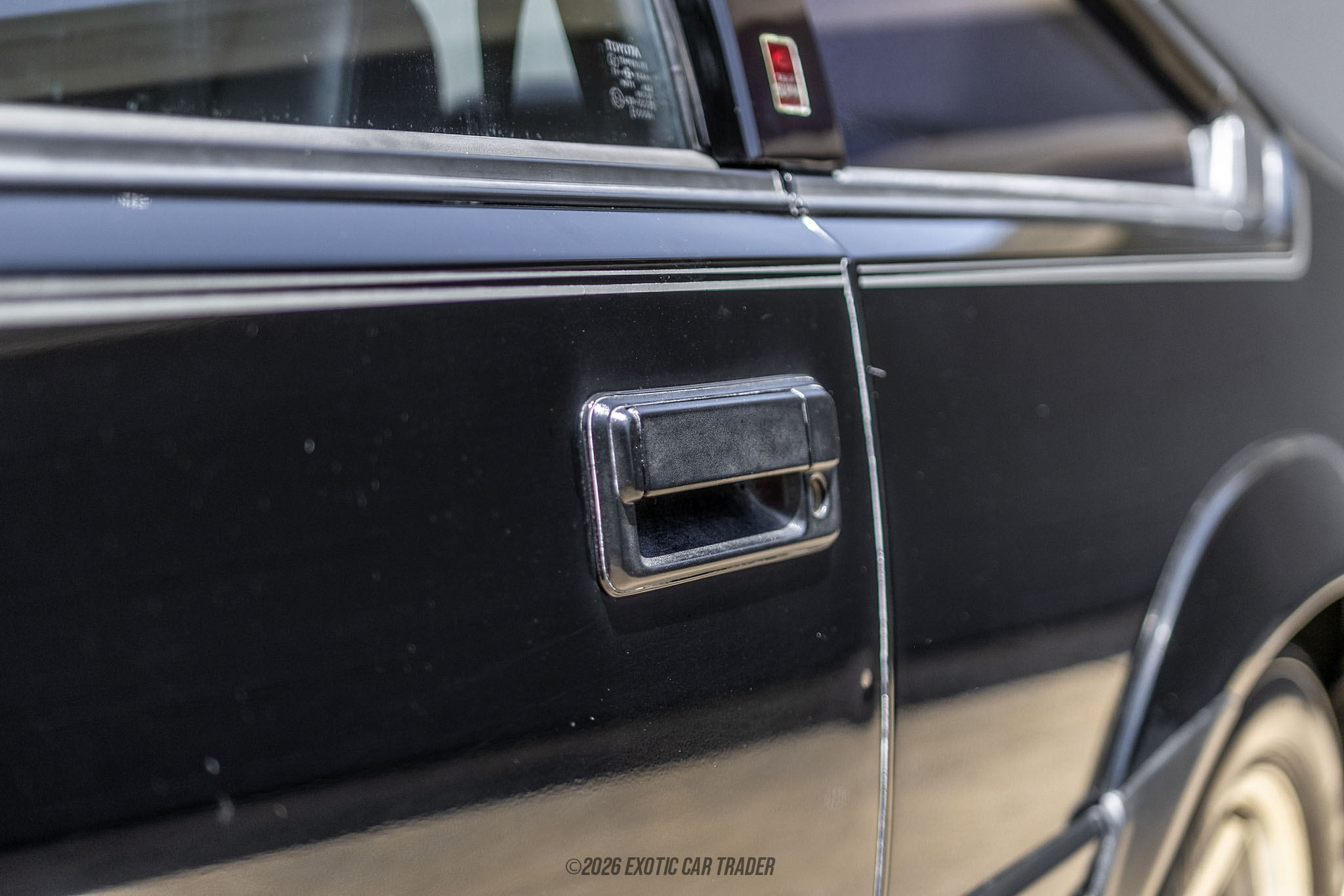
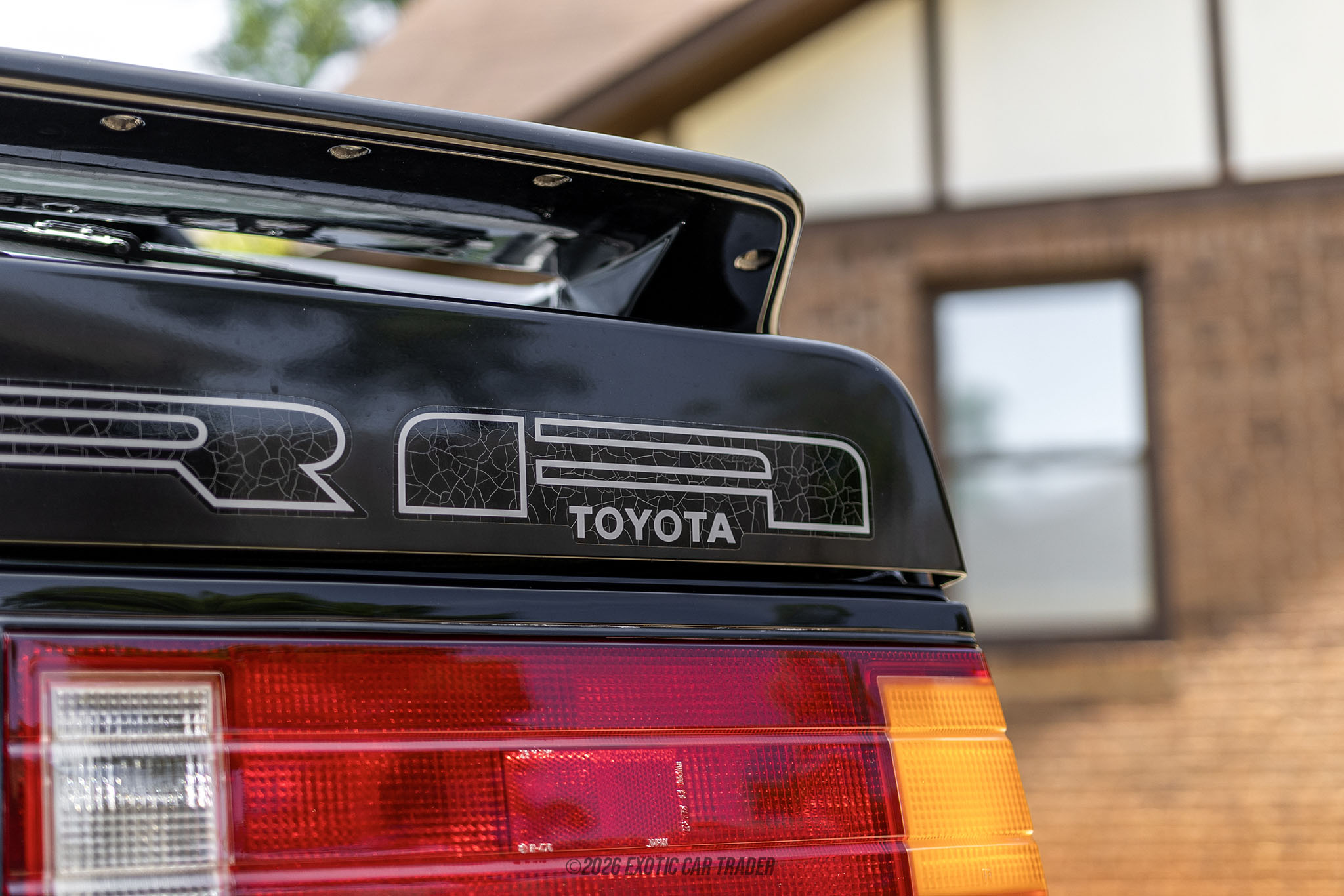
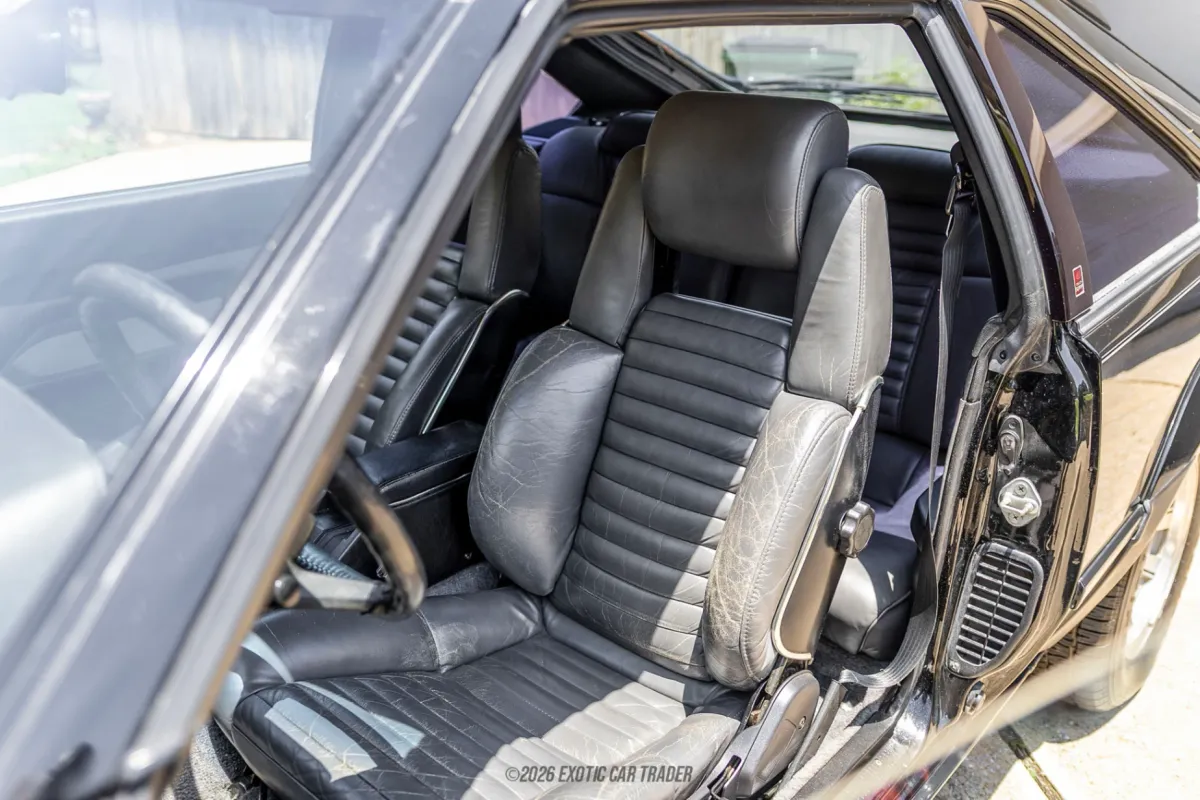
Finished in black, this 1985 Toyota Celica Supra P-Type wears one of the most iconic silhouettes of the decade with confidence. The long hood, sharply creased bodywork, pop-up headlights, and unmistakable widebody P-Type fender flares give the car a purposeful stance that still looks distinctly period-correct and desirable today. Factory 14-inch P-Type alloy wheels complete the signature look, while the power sliding sunroof adds an extra layer of open-air enjoyment uncommon in many Japanese performance coupes of the era. Unlike later Supras that leaned more heavily into outright performance, the Celica Supra balanced sporty styling with refined grand touring character. Inside, the black interior reflects Toyota’s driver-focused approach of the era, combining functionality with unmistakable 1980s charm. Deeply bolstered sport bucket seats reinforce the P-Type’s enthusiast intent, while automatic climate control adds a premium touch unusual for many contemporaries. The factory AM/FM cassette stereo with integrated graphic equalizer is a wonderfully period-correct detail that instantly transports occupants back to the golden age of analog Japanese motoring. Controls are logically laid out, visibility remains excellent, and the cabin retains the practical usability that helped make these cars such successful everyday grand tourers.
Engine
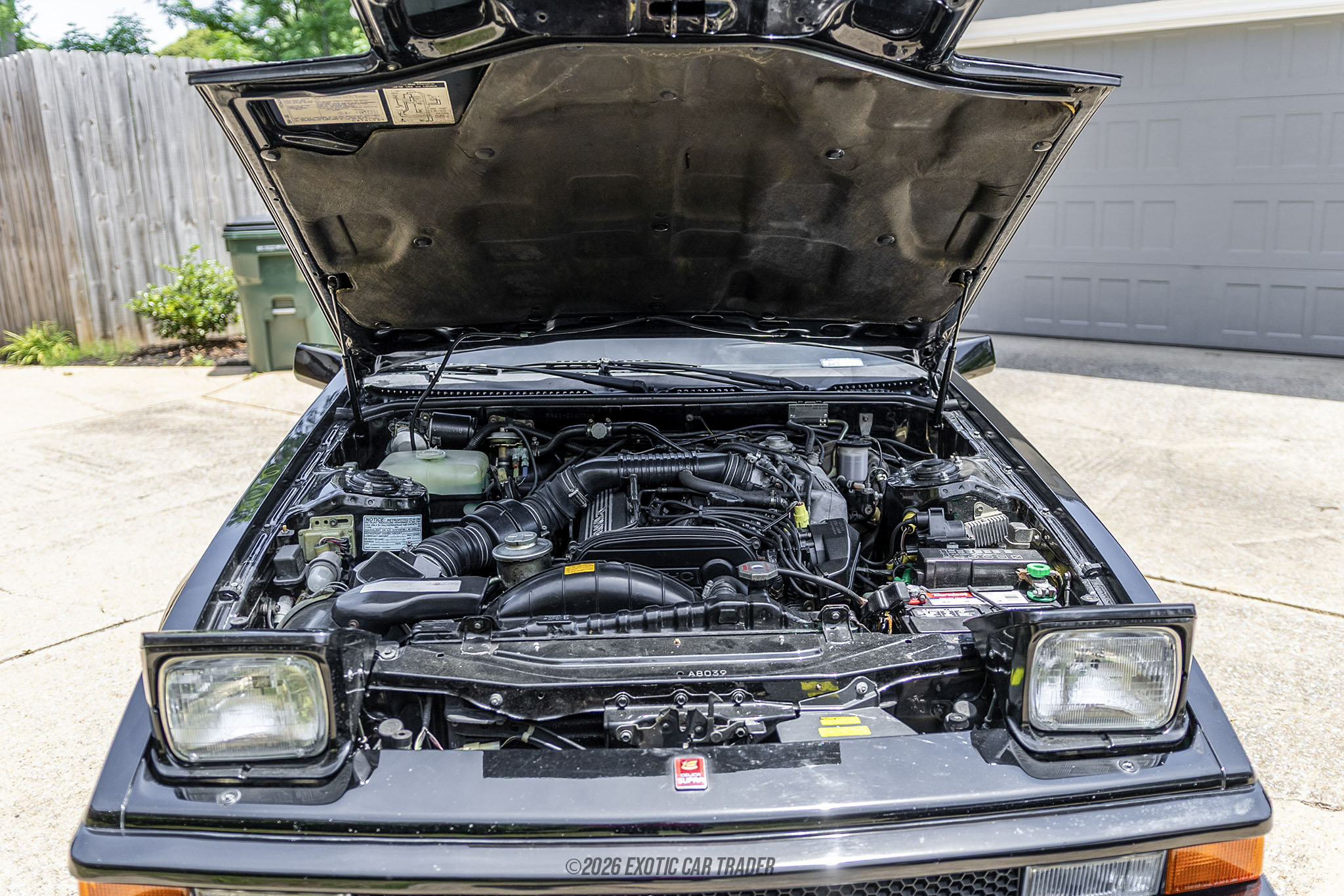
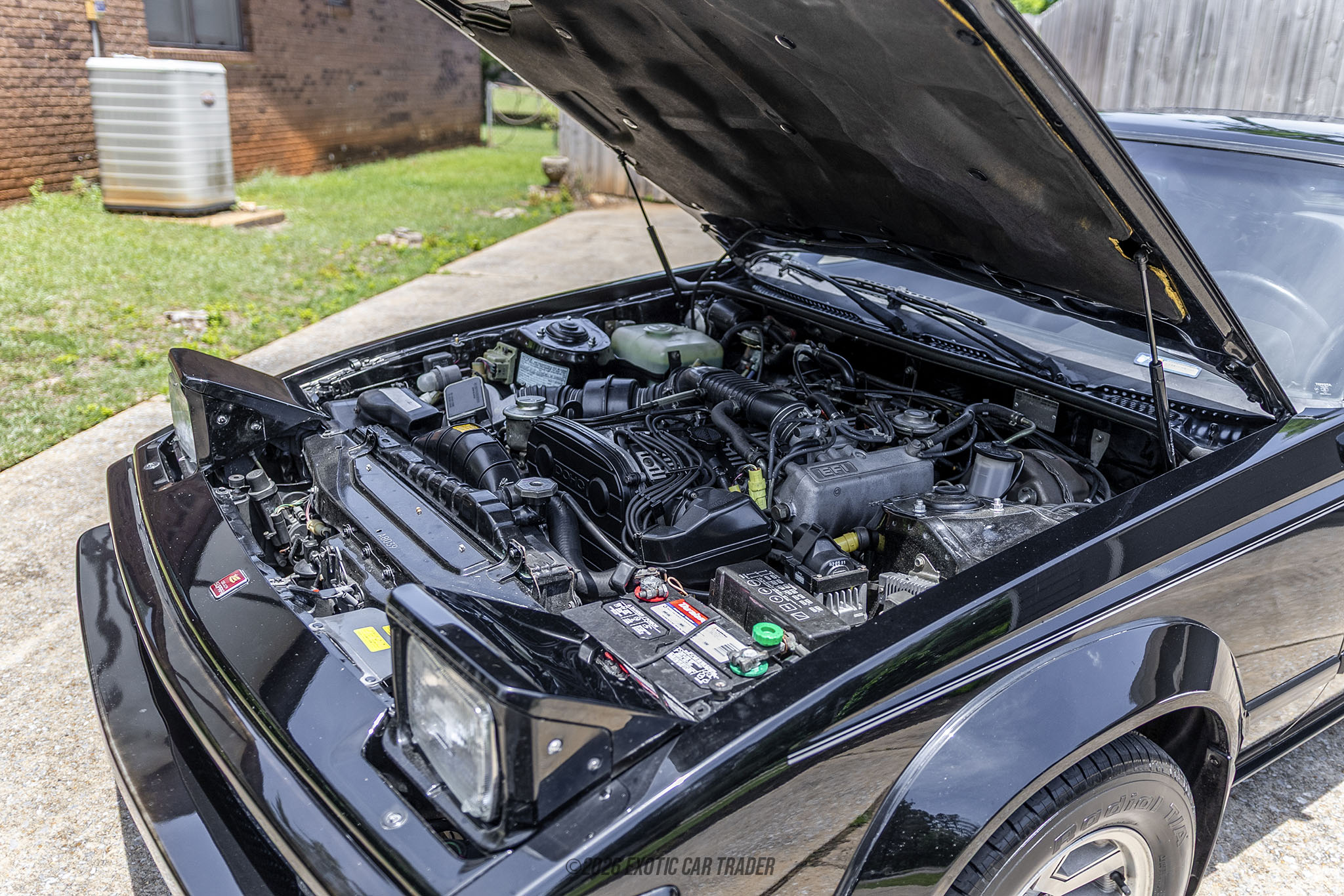
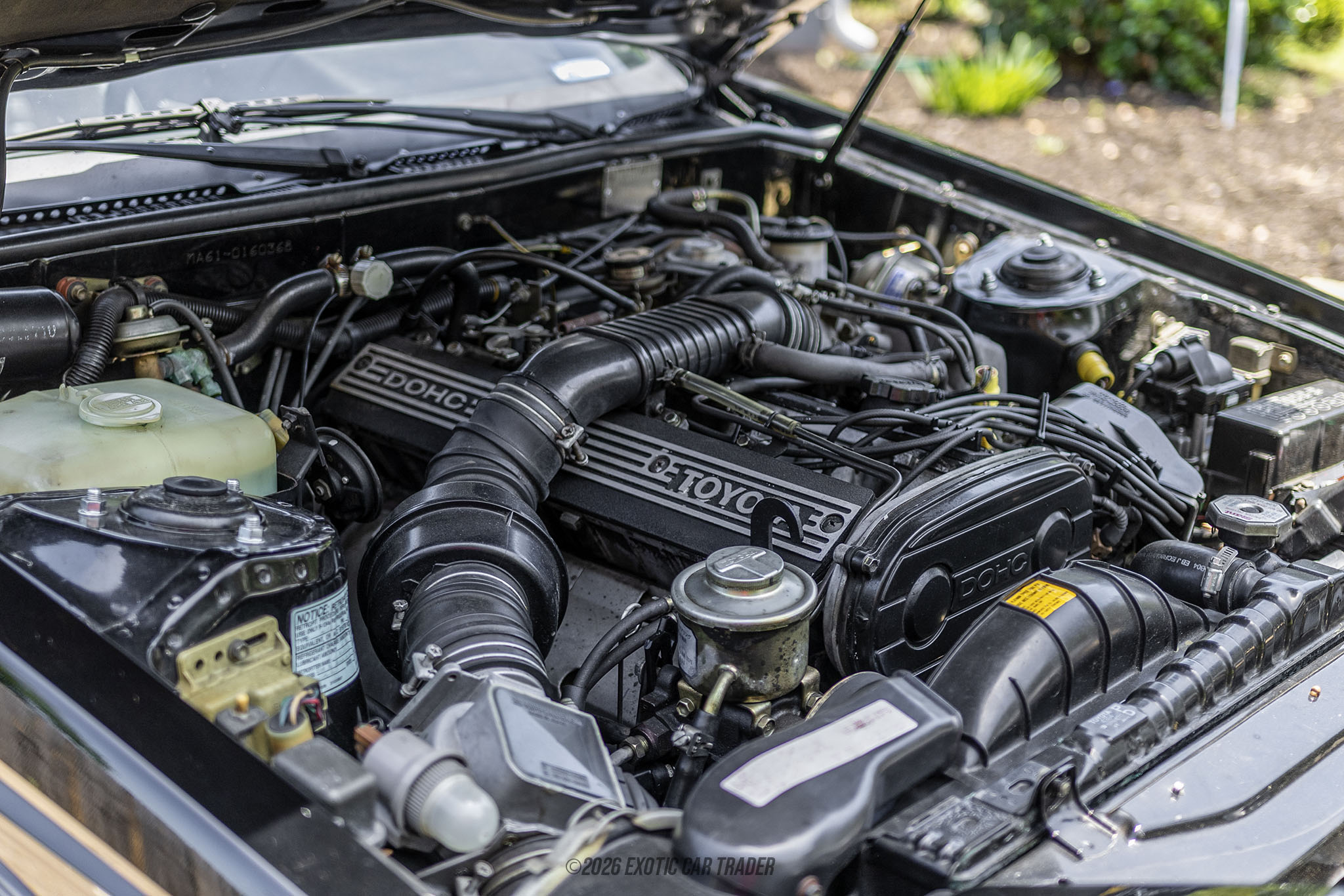
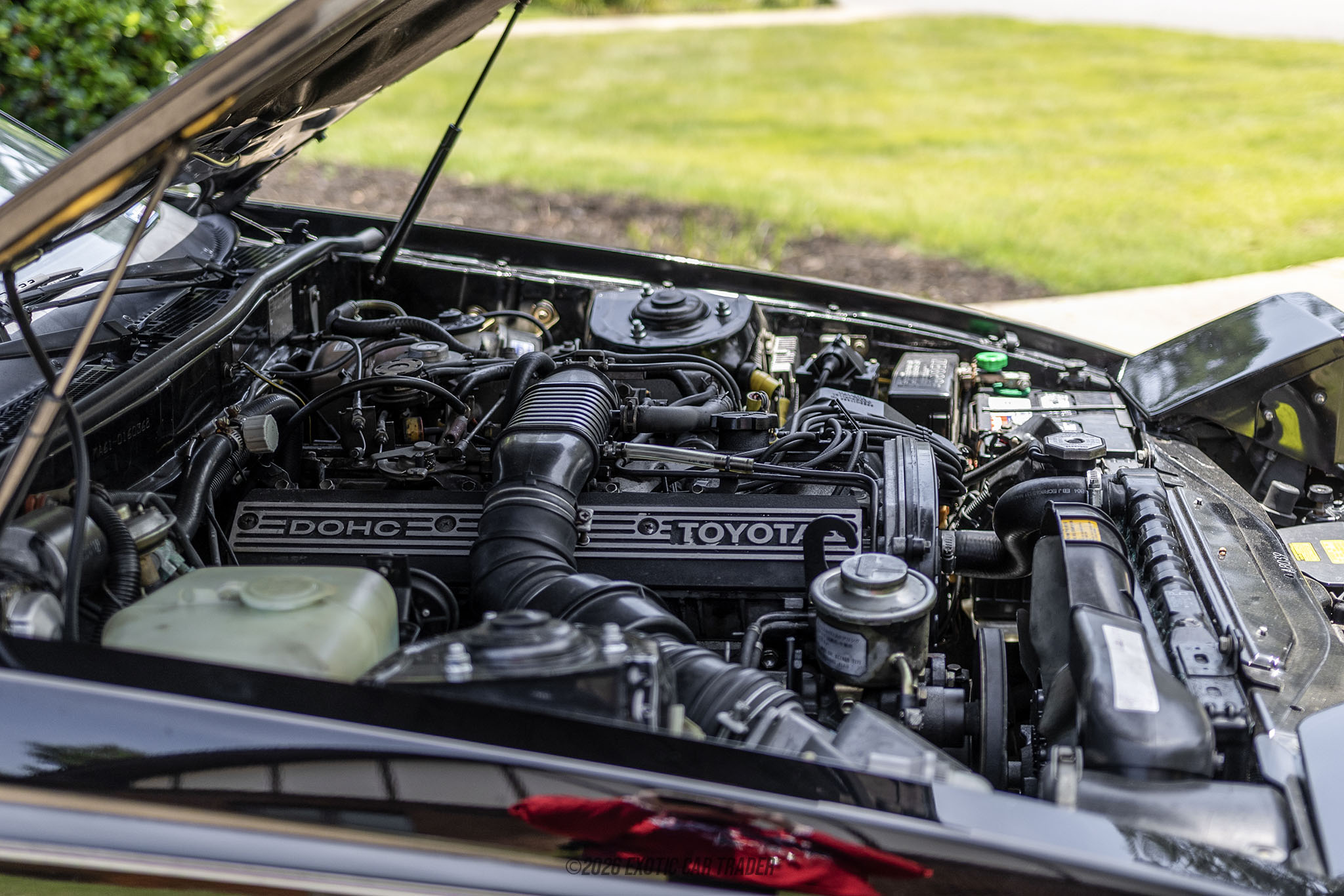
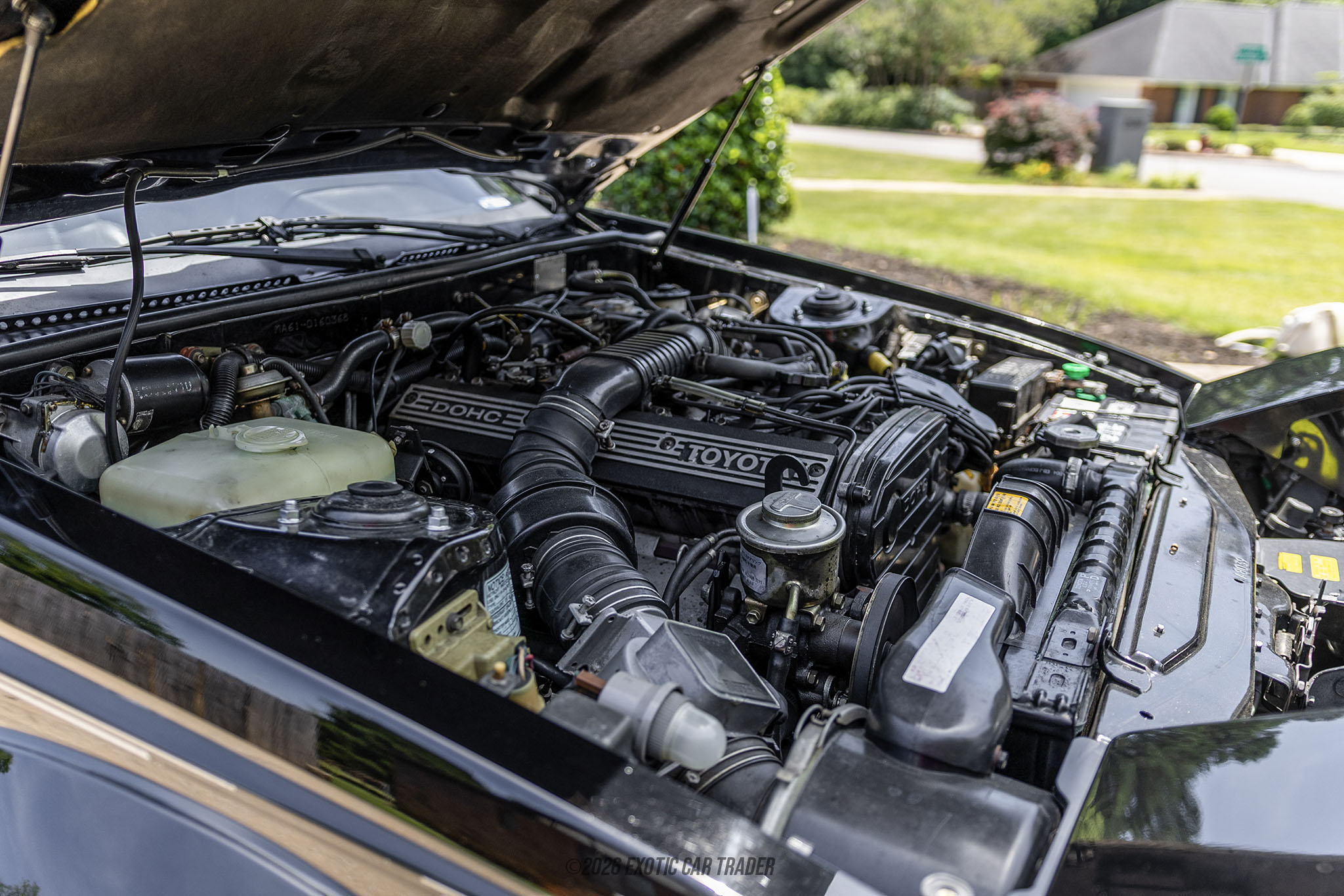
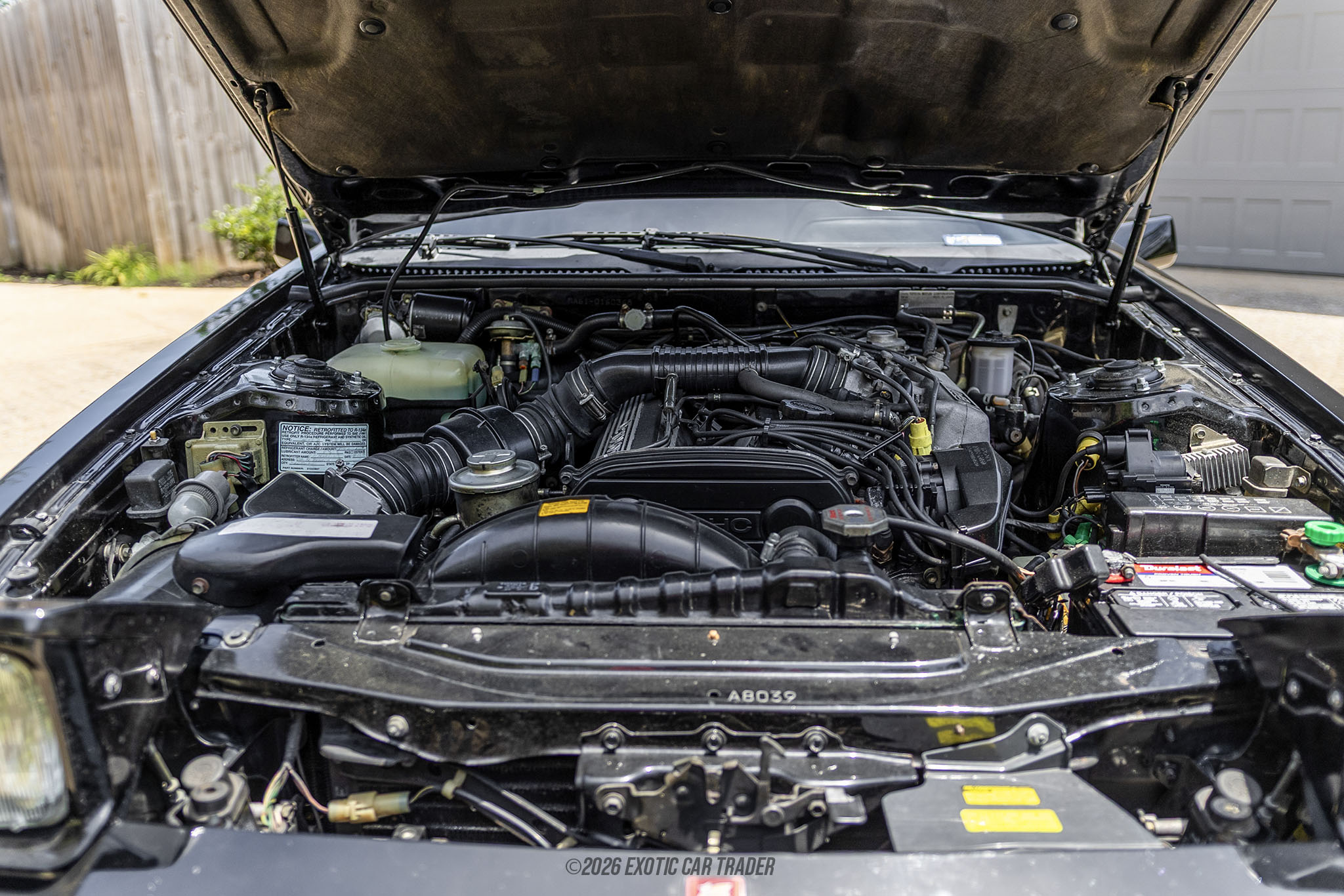
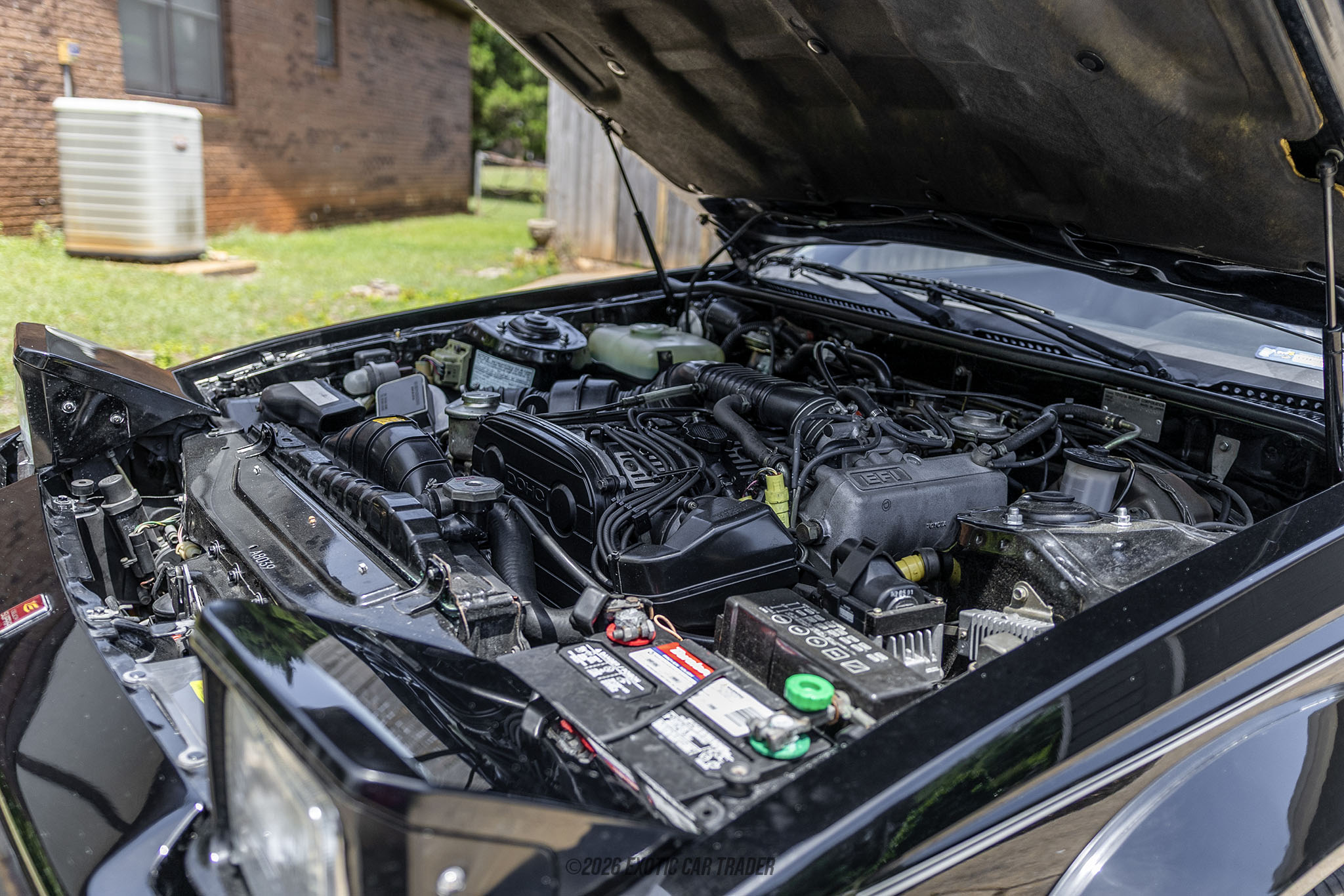
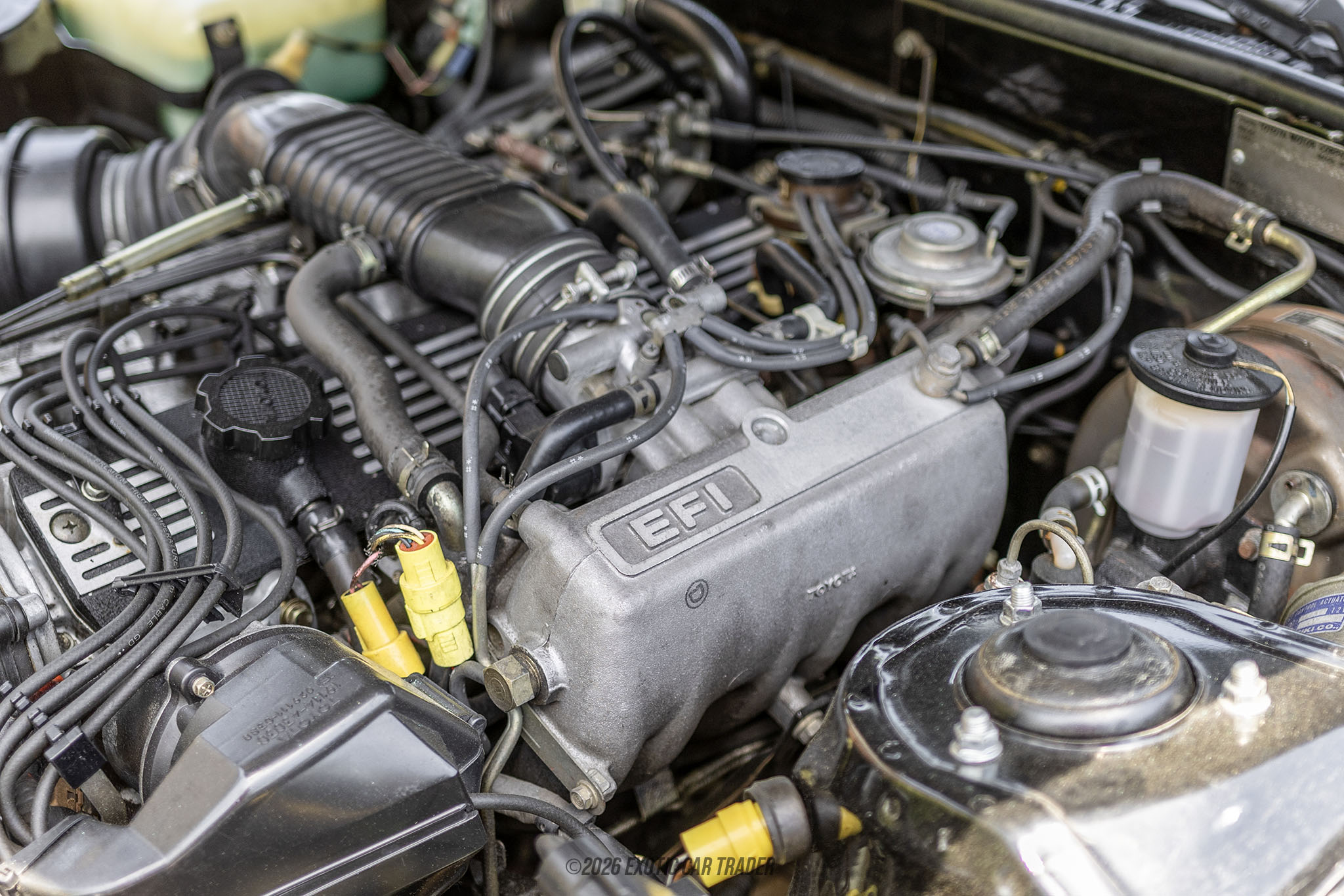
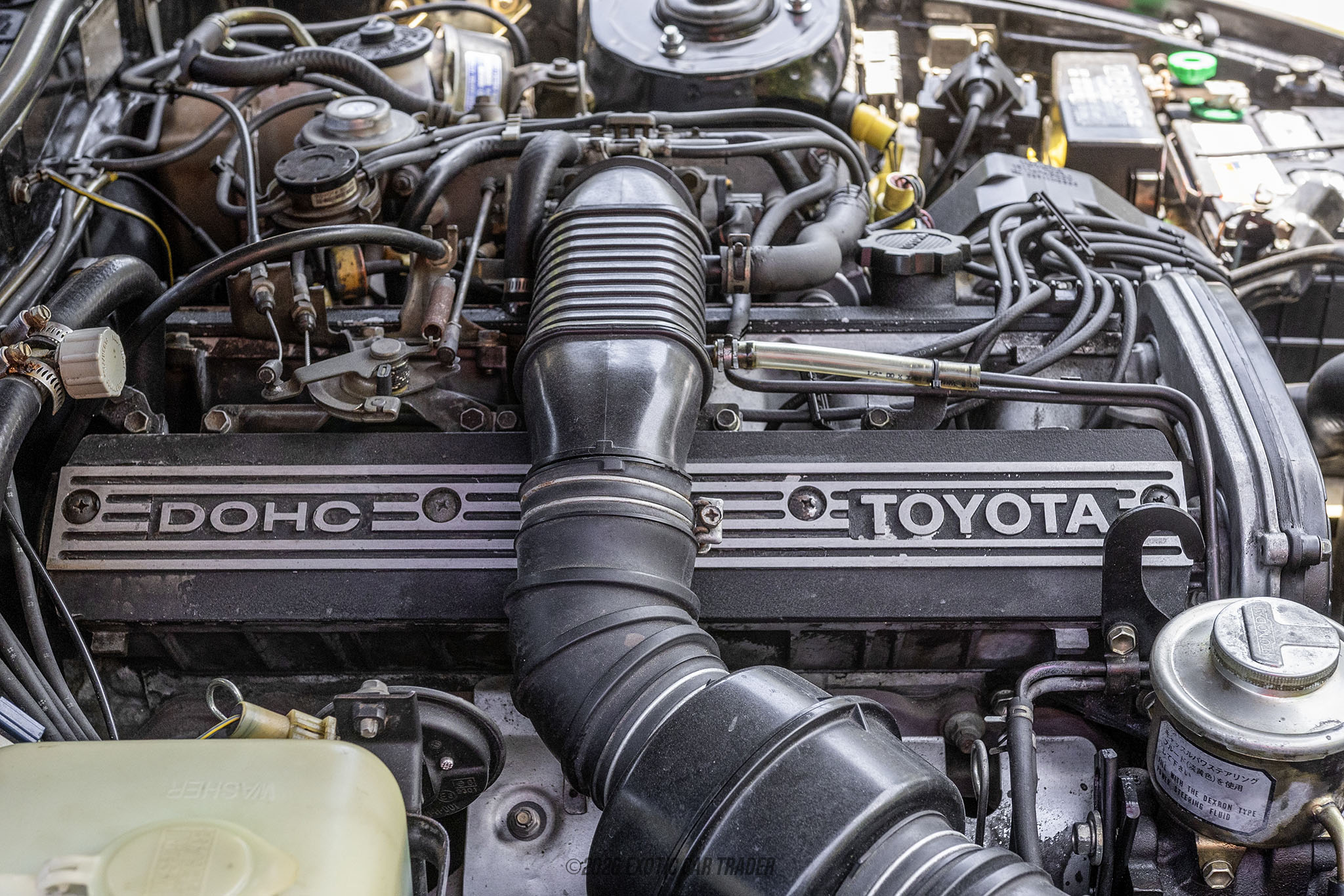
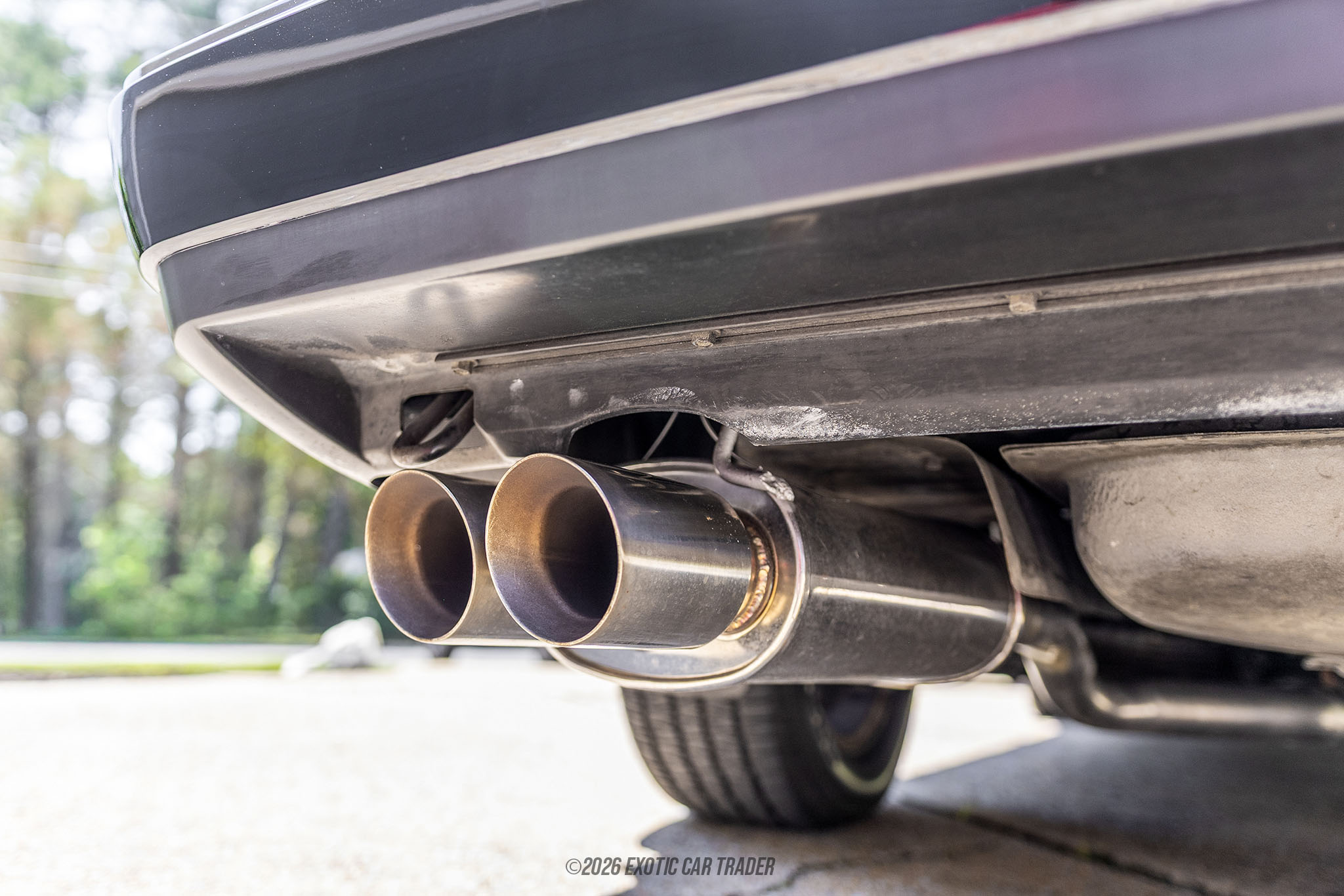
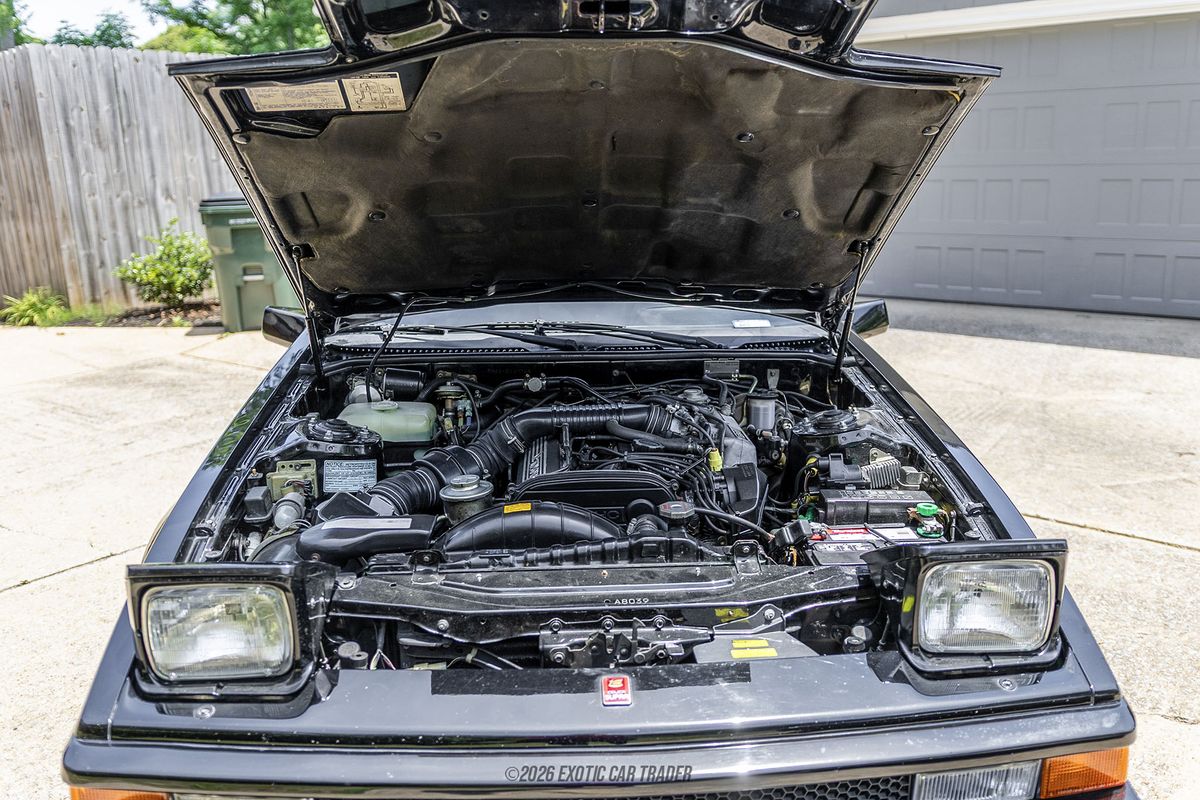
At the heart of this 1985 Toyota Celica Supra P-Type sits Toyota’s proven 2.8-liter naturally aspirated inline-six, equipped with electronic fuel injection and known for its smooth operation, reliability, and refined character. Sending power to the rear wheels through a 4-speed automatic transmission, this Supra prioritizes balanced grand touring performance over outright aggression, delivering the kind of composed, confidence-inspiring driving dynamics that made the chassis so respected in its day. Independent suspension, responsive steering, and relatively lightweight construction give the car a connected analog feel increasingly absent from modern vehicles. What makes the P-Type especially appealing today is its honest simplicity—a durable inline-six, rear-wheel drive, and unmistakable 1980s Japanese character wrapped in one of Toyota’s most iconic classic designs.
The second-generation Toyota Celica Supra has become one of the most beloved Japanese grand touring coupes of the 1980s, blending sharp wedge-era styling, rear-wheel-drive balance, and Toyota’s renowned durability into one increasingly collectible package. This 1985 Toyota Celica Supra P-Type represents the enthusiast-favored performance trim, distinguished by its aggressive widebody fender flares, unique alloy wheels, and sportier personality compared to the more comfort-oriented L-Type models. Powered by Toyota’s silky 2.8-liter inline-six and backed by a 4-speed automatic transmission, this example captures the analog charm of Japan’s golden era of sports coupes. Finished in the quintessential black-over-black color combination and showing 127,627 miles, this Supra presents as a compelling survivor from the era before the standalone Supra became a turbocharged icon.
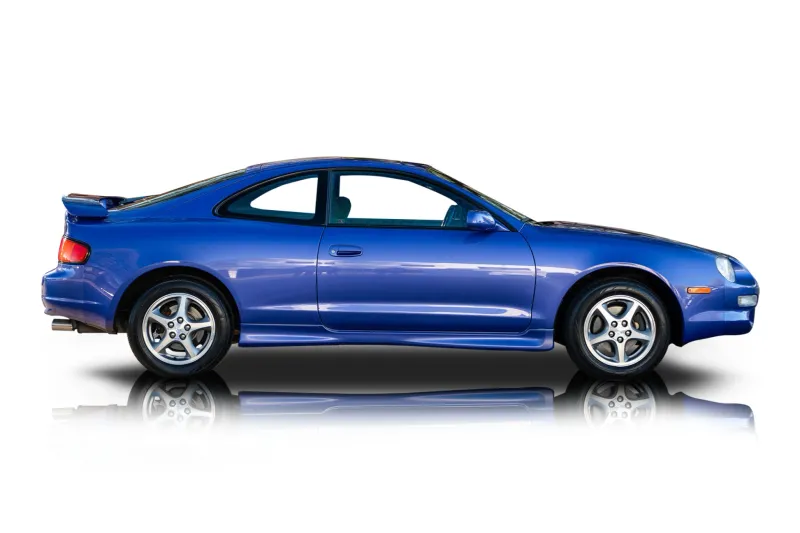
Toyota’s Celica is one of those legendary Japanese cars that was widely sold in the United States too. That’s why we’re proud to present this sixth-generation, 55,000-mile 1997 Toyota Celica GT Liftback for sale from Phoenix. With its Fiesta Blue Metallic paint job, convenient liftback body style and the Fabric Sport Package, this one-owner Japanese classic even rocks some niceties such as the Premium 3-in-1 Audio System upgrade, a power moonroof and more. For those who want a Celica in their life, this 2.2-liter powered machine is ideal, especially if you didn’t learn how to drive stick, thanks to its automatic gearbox.
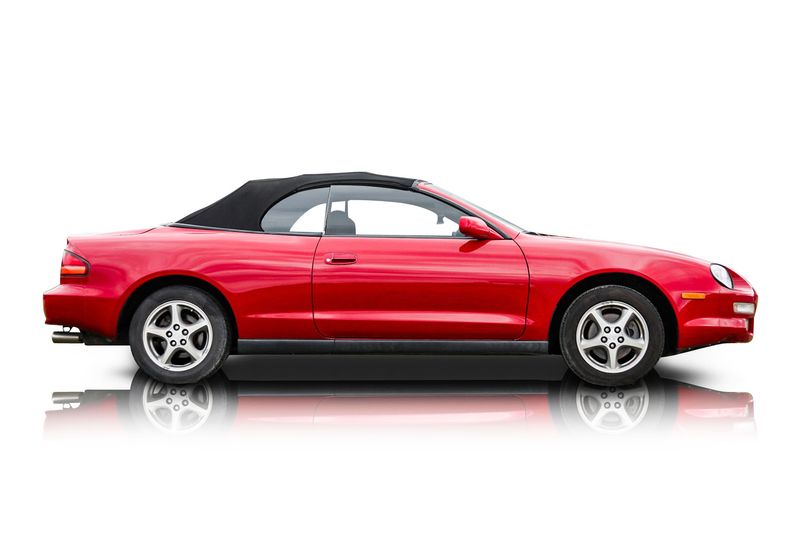
The Toyota Celica is one of those well-regarded JDM nameplates. It was first introduced in 1970 as a sports car, and has remained a sports car until it was retired in 2006. Seven generations of Celica were made, and enthusiasts across the world continue to lust after a Celica as a bucket list car to own. Well, we’ve got a 1997 Toyota Celica GT Convertible from the sixth generation of the nameplate available for sale. This Halifax, Pennsylvania-based car has driven over 56,000 miles so far, and comes with the original owner’s manual included in the sale.
The Toyota Crown has long represented understated executive luxury in Japan, serving as one of Toyota’s most respected domestic flagship sedans for decades. By 1999, the Crown had evolved into a refined, comfort-oriented luxury cruiser that blended legendary Toyota reliability with smooth rear-wheel-drive dynamics. This 1999 Toyota Crown Royal Saloon is a particularly appealing example, showing approximately 31,064 miles and offering the kind of low-mileage preservation that collectors and JDM enthusiasts appreciate. Powered by Toyota’s revered 3.0L naturally aspirated 2JZ-GE inline-six, this right-hand-drive Royal Saloon combines dependable engineering with authentic Japanese-market luxury. Finished in elegant Pearl White over a beige cloth interior, this Crown delivers a compelling alternative to European executive sedans, with the added intrigue of true JDM exclusivity.
The second-generation Toyota Celica Supra has become one of the most beloved Japanese grand touring coupes of the 1980s, blending sharp wedge-era styling, rear-wheel-drive balance, and Toyota’s renowned durability into one increasingly collectible package. This 1985 Toyota Celica Supra P-Type represents the enthusiast-favored performance trim, distinguished by its aggressive widebody fender flares, unique alloy wheels, and sportier personality compared to the more comfort-oriented L-Type models. Powered by Toyota’s silky 2.8-liter inline-six and backed by a 4-speed automatic transmission, this example captures the analog charm of Japan’s golden era of sports coupes. Finished in the quintessential black-over-black color combination and showing 127,627 miles, this Supra presents as a compelling survivor from the era before the standalone Supra became a turbocharged icon.
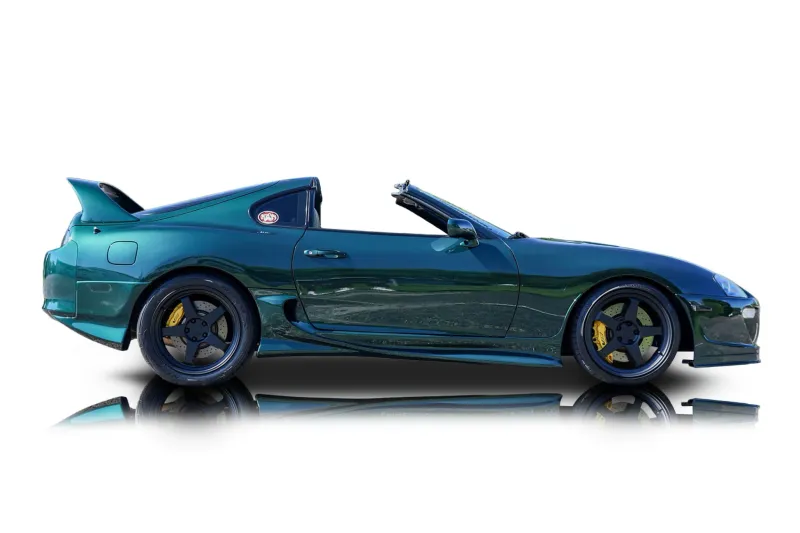
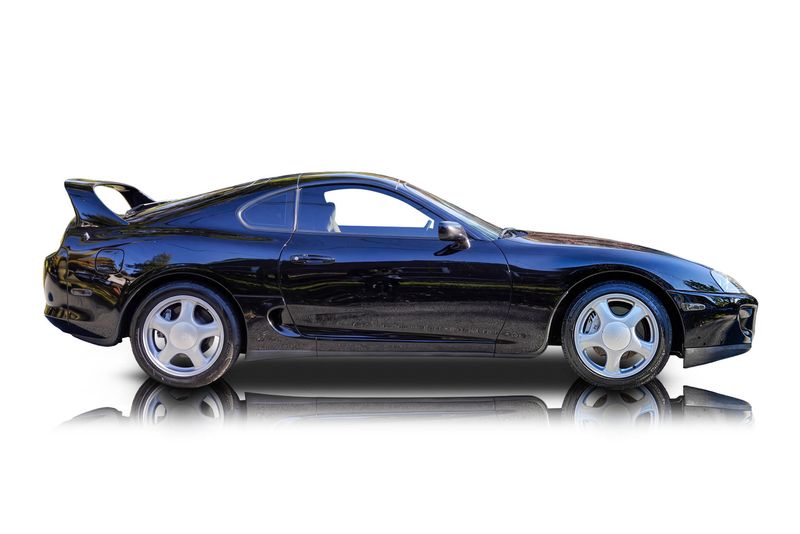
A car that enjoys legendary status with petrolheads anywhere in the world, the fourth generation Toyota Supra is one for the history books, in the G.O.A.T section. That’s Greatest Of All Time, in case you’re not well-versed with pop culture. And today, we’ve got a G.O.A.T for sale, in the shape of this 1997 Toyota Supra from Arlington, Texas. Beneath its smooth black body lines lies the legendary 2JZ-GTE twin-turbo six, and it’s been built to a Stage 3 Stroker level by Induction Performance. It’s matched by a Jack’s Transmissions-built V160 6-speed manual transmission and a host of performance goodies. This car has done a mere 32,000 miles and even has ProEFI Flex Fuel (E85) engine management on board. The current owner discloses that the car faced an off-road incident in 2015 with damage to the wheels and front lip, but has since been repaired since no structural damage was reported.
The 1963 Chevrolet Corvette Convertible represents one of the most significant years in Corvette history, introducing the revolutionary second-generation C2 platform that would become known as the Sting Ray. While the split-window coupe often receives much of the attention, the convertible delivered the same groundbreaking styling and performance in an open-air package that perfectly captured the spirit of American sports car motoring. This particular example shows approximately 426 miles and is presented in the timeless combination of Ermine White over a red vinyl interior with a matching white soft top. Equipped with a 327ci V8, desirable 4-speed manual transmission, and classic turbine-style wheel covers, this Corvette offers collectors and enthusiasts an opportunity to own one of Chevrolet’s most iconic designs in a highly attractive factory-style specification.
Cadillac entered the 1980s as America’s premier luxury marque, and the DeVille remained one of its most recognizable flagships. Designed to deliver effortless cruising comfort, elegant styling, and a commanding road presence, the DeVille embodied the traditional American luxury car formula that Cadillac had perfected over decades. This 1980 Cadillac DeVille shows 90,728 miles and is finished in sophisticated Western Saddle Firemist Metallic with a matching Saddle Velour interior. Equipped with the desirable d’Elegance Package, a black vinyl roof, and modern upgrades including 22-inch aftermarket wheels and a Kenwood audio head unit, this DeVille successfully blends classic Cadillac luxury with a customized appearance that is sure to stand out wherever it goes.
The 1972 Porsche 911 T Coupe represents one of the most unique and collectible variants of the long-hood 911 lineage. As part of Porsche’s F-Series generation, the 911 T combined lightweight driving dynamics with the company’s proven air-cooled flat-six formula. The 1972 model year is especially significant because it was the only year Porsche fitted the now-famous external oil filler door, known by enthusiasts as the “Ölklappe.” Designed to improve weight distribution by relocating the oil tank ahead of the rear axle, this feature has become one of the most recognizable identifiers of a genuine 1972 911. This example is finished in attractive Albert Blue over a tan interior and shows approximately 76,346 miles.
Terms of Service
Be Kind and Courteous
We're here to create a platform to better the automotive industry through communication and transparency. Please treat everyone with respect. Healthy debates are natural, but kindness is required.
No Hate Speech
Make sure everyone feels safe. Hate speech of any kind is strictly prohibited. Degrading comments about things like race, religion, culture, sexual orientation, etc. will not be tolerated.
No Promotions or Spam
Give more than you take. Self-promotion, spam, or links of any kind are not allowed.