



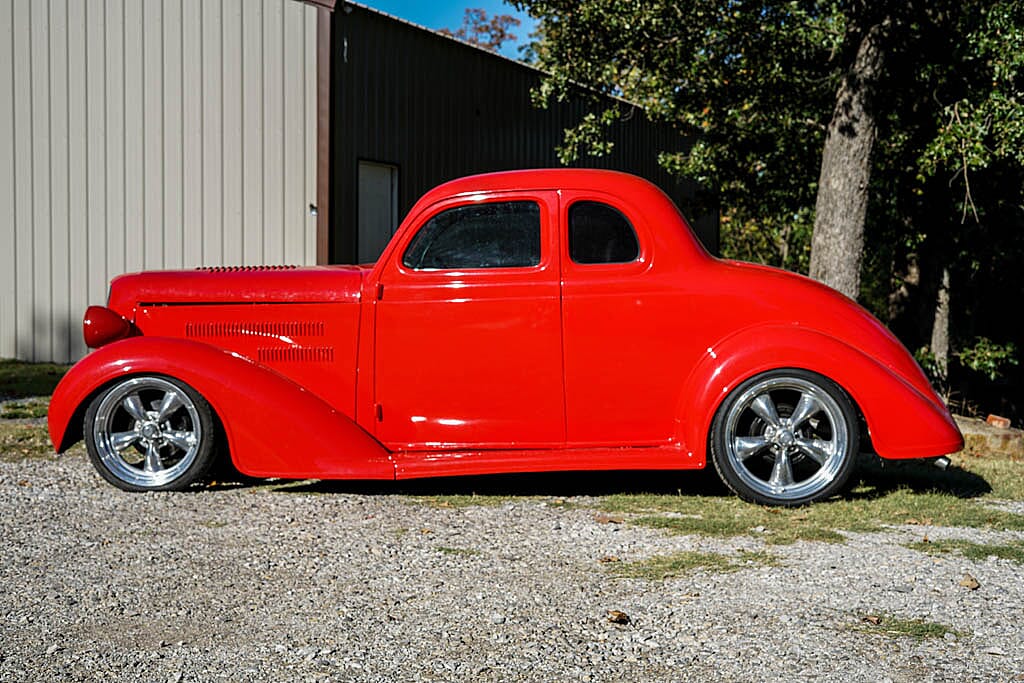
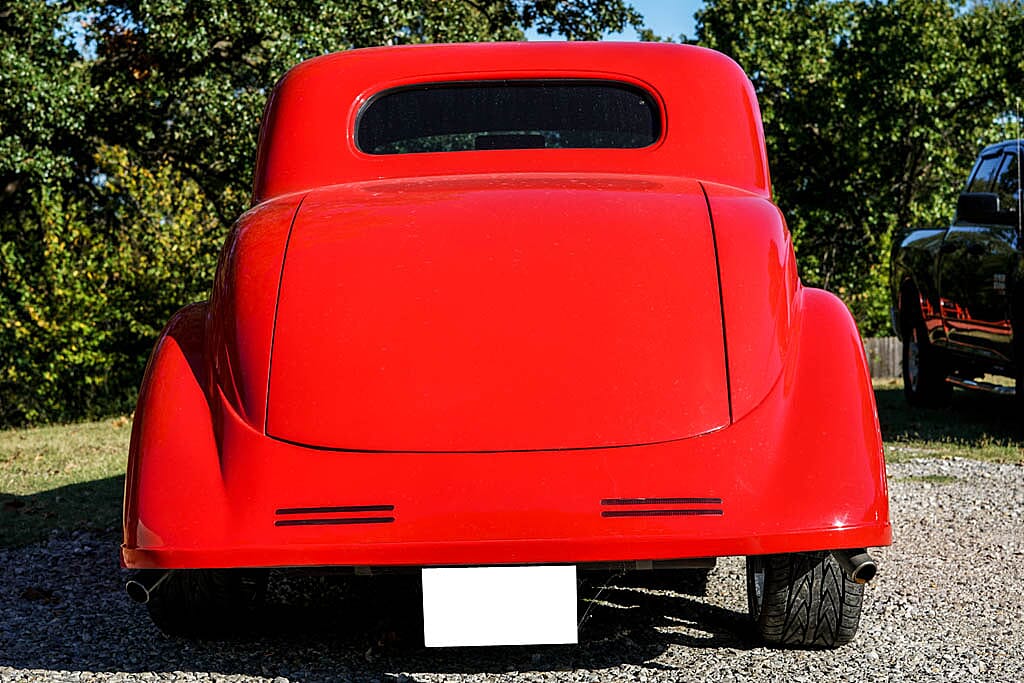
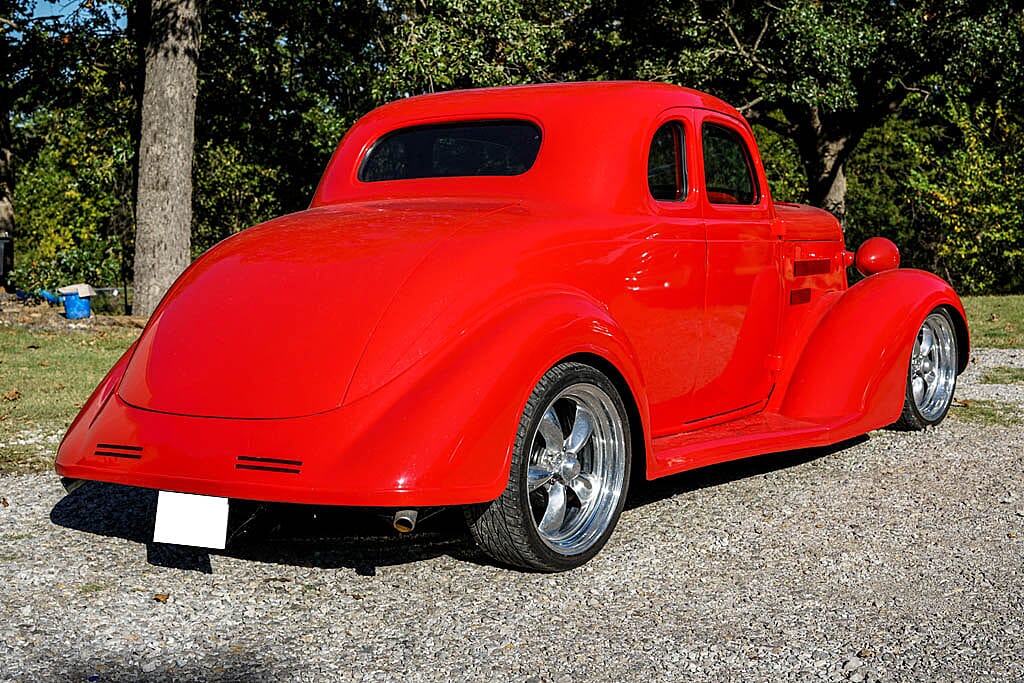
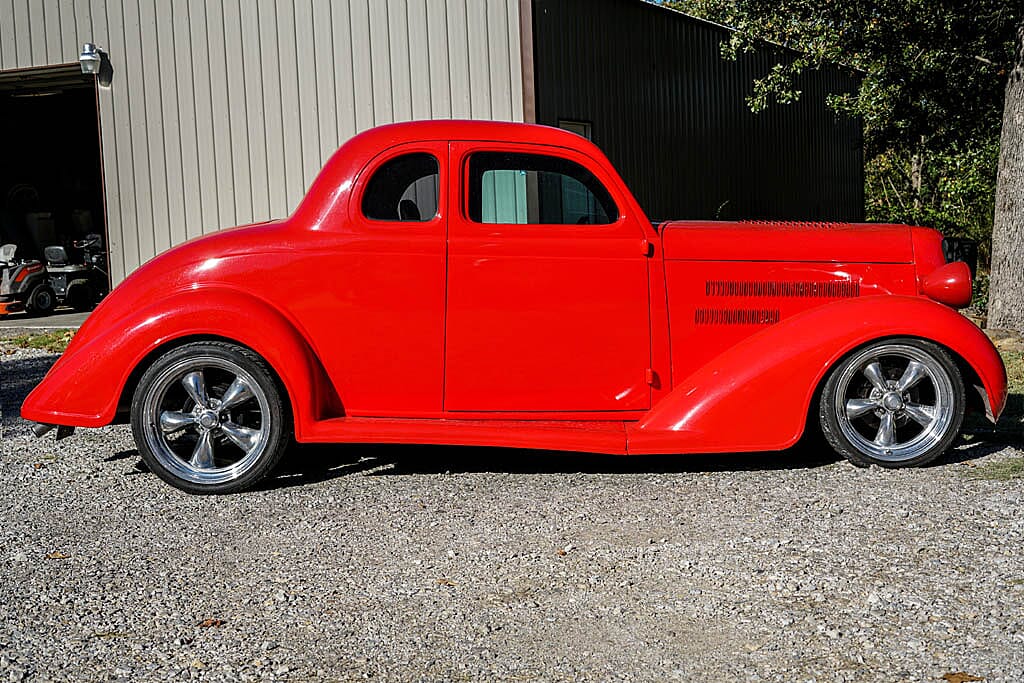
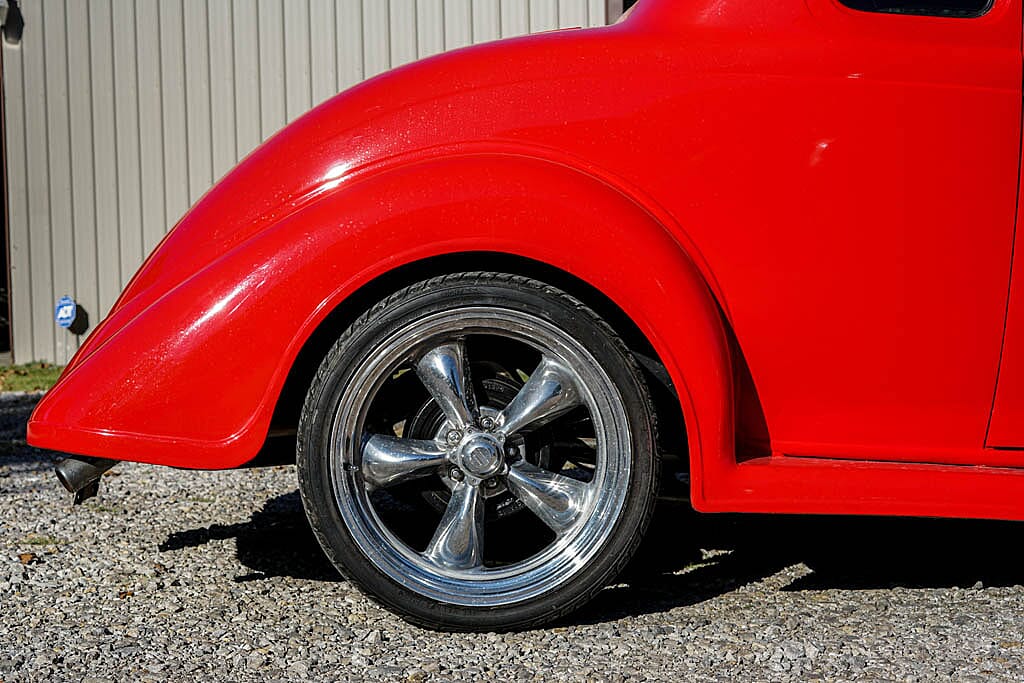

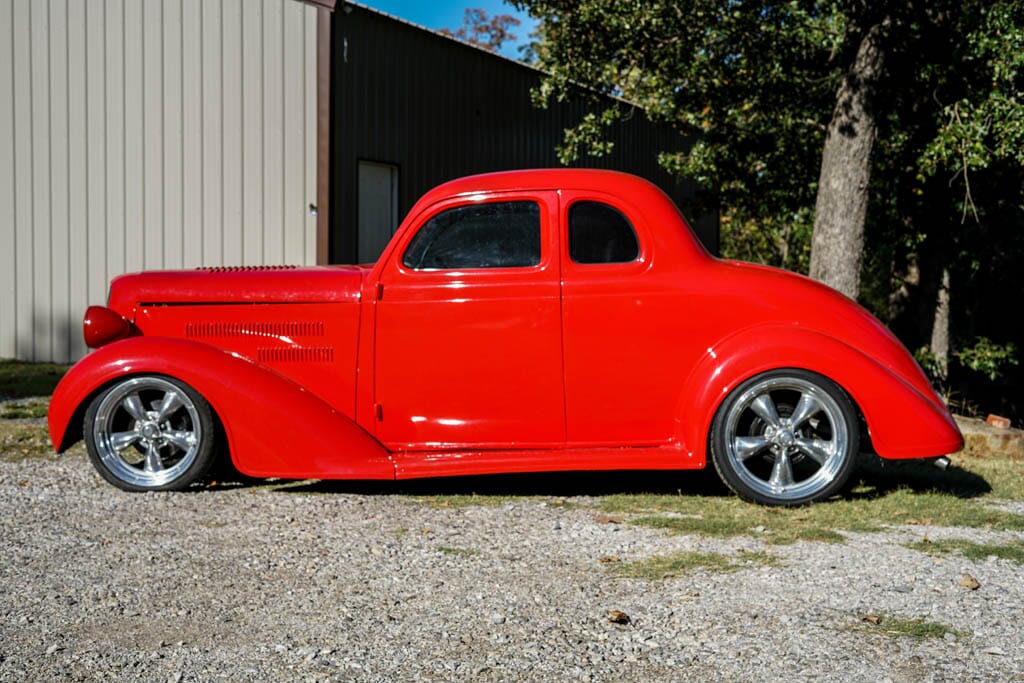
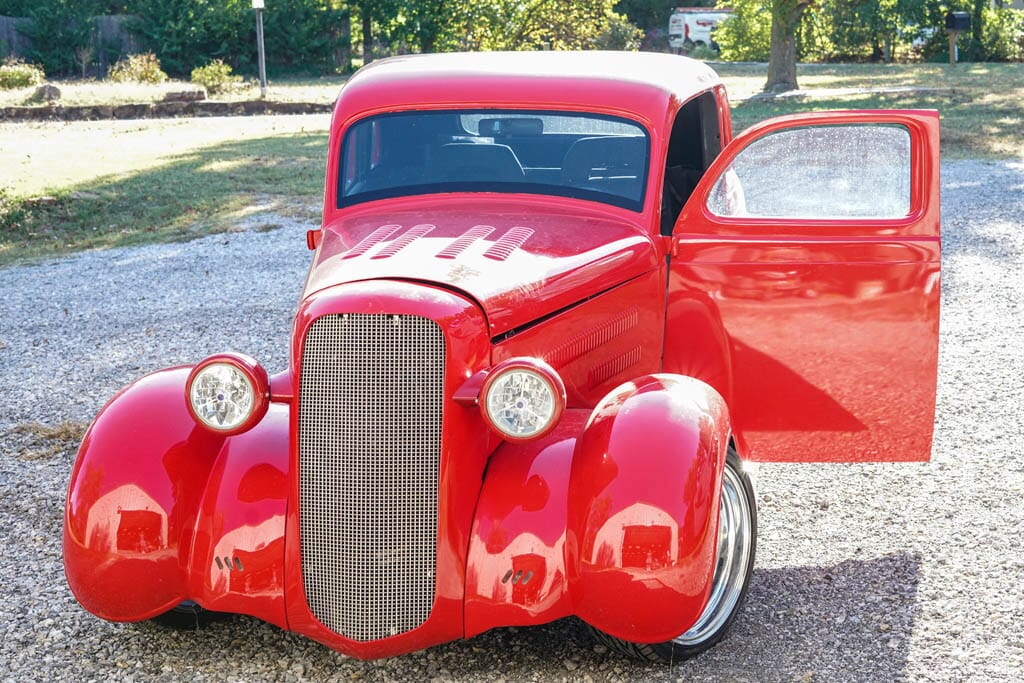





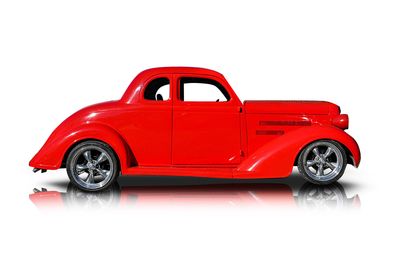
- 1936 Plymouth Coupe Restomod
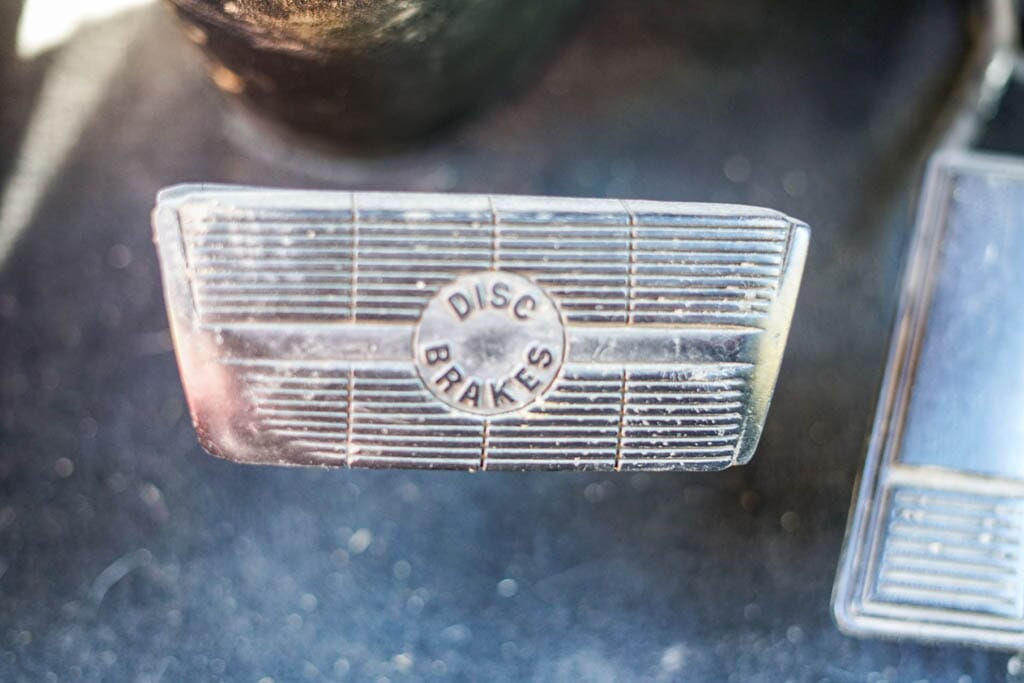
- Current owner reports new brakes
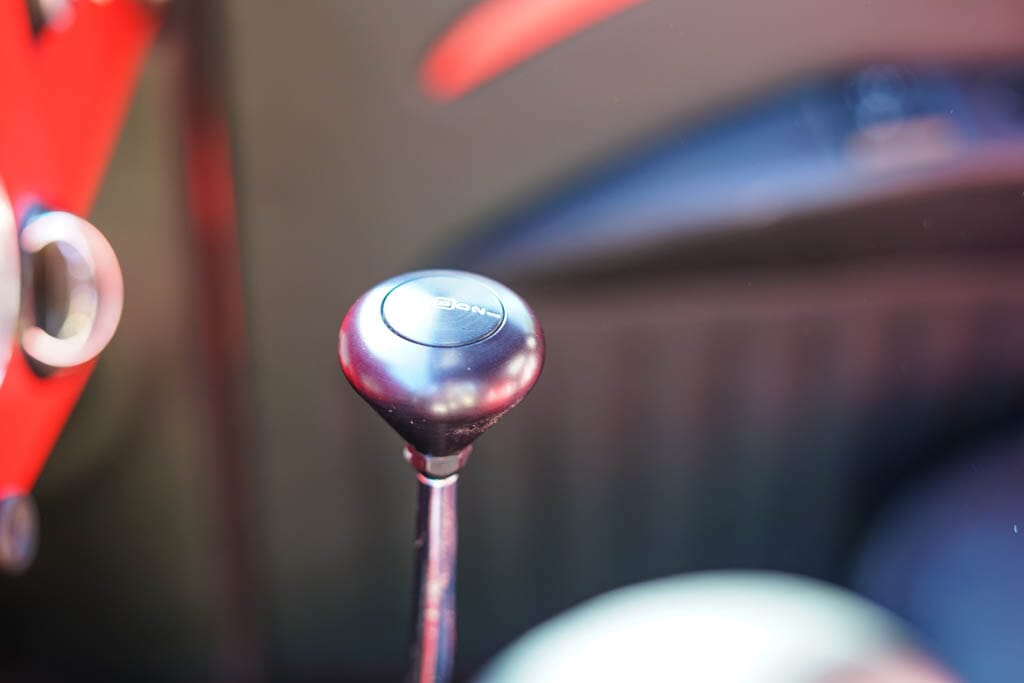
- Current owner reports new transmission
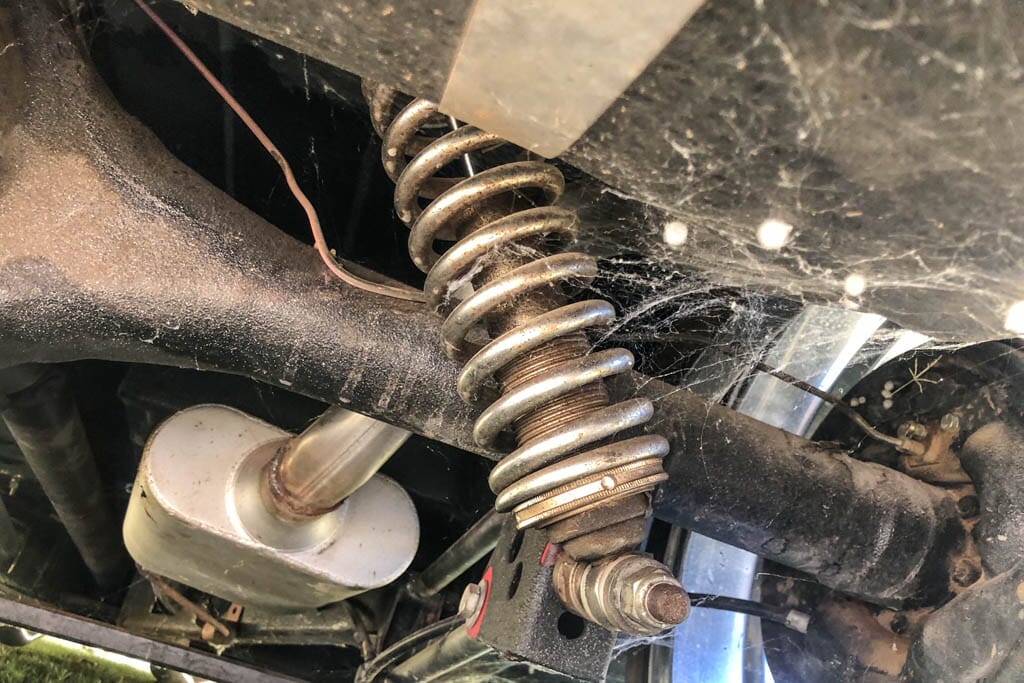
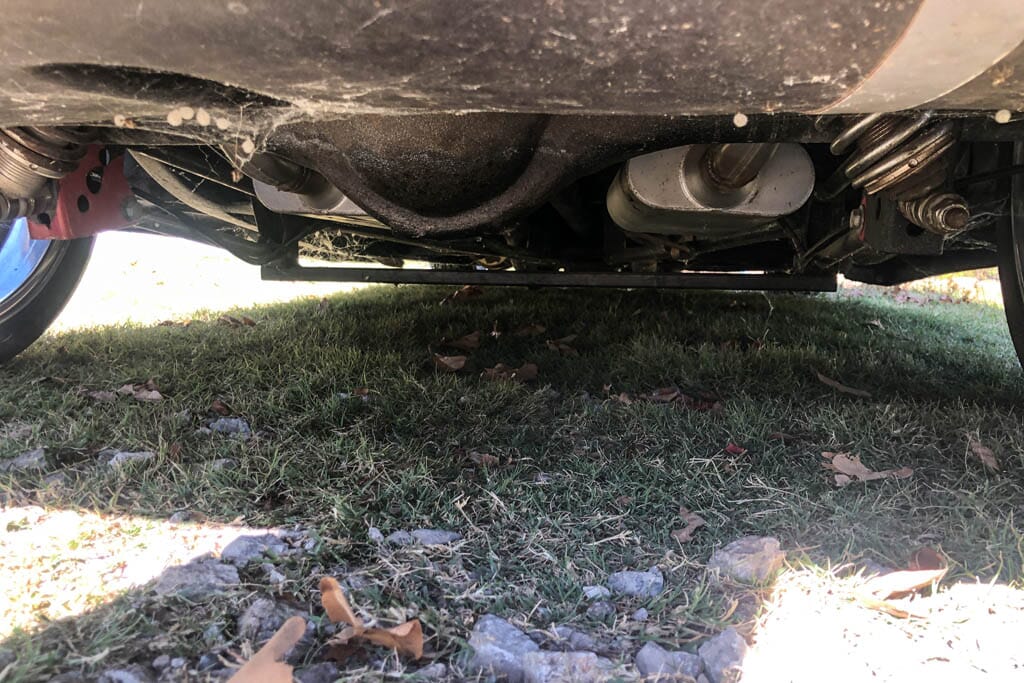
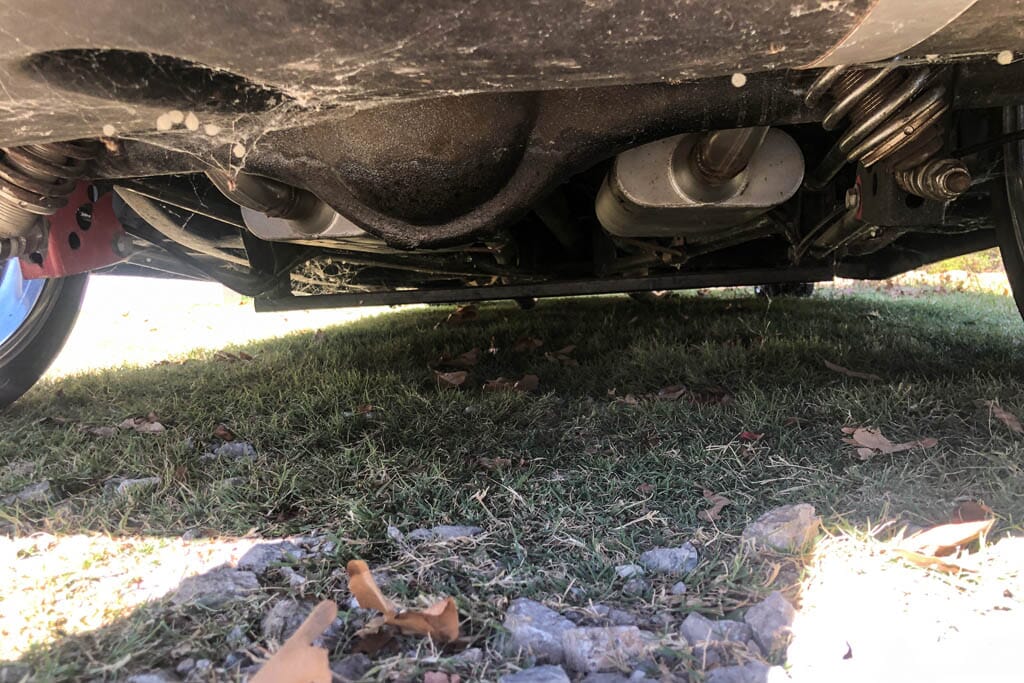
- Current owner reports new suspension
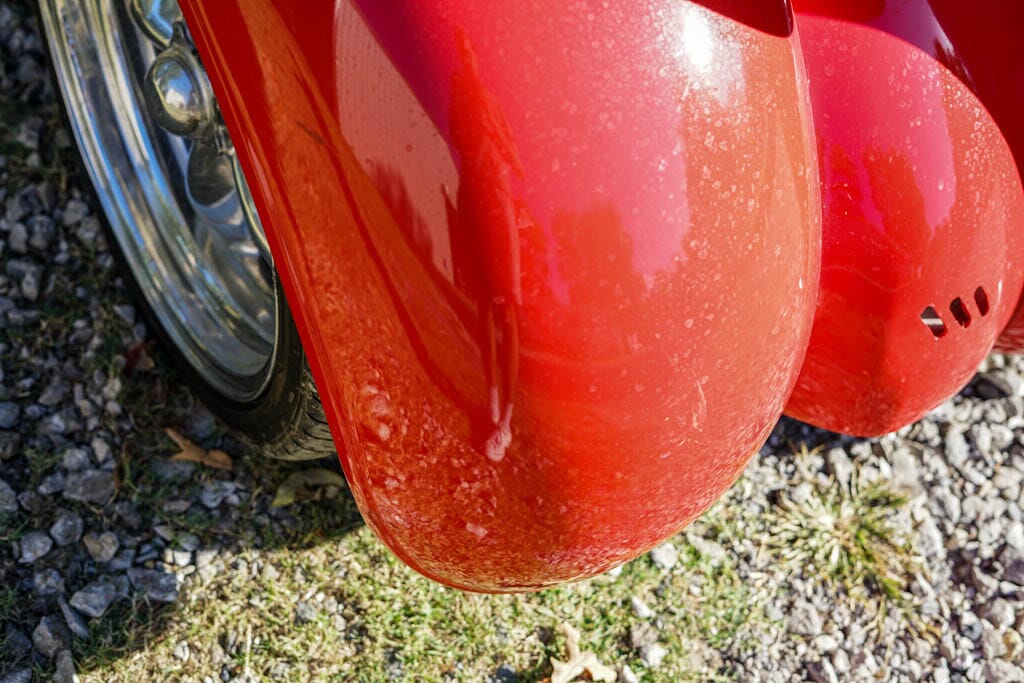
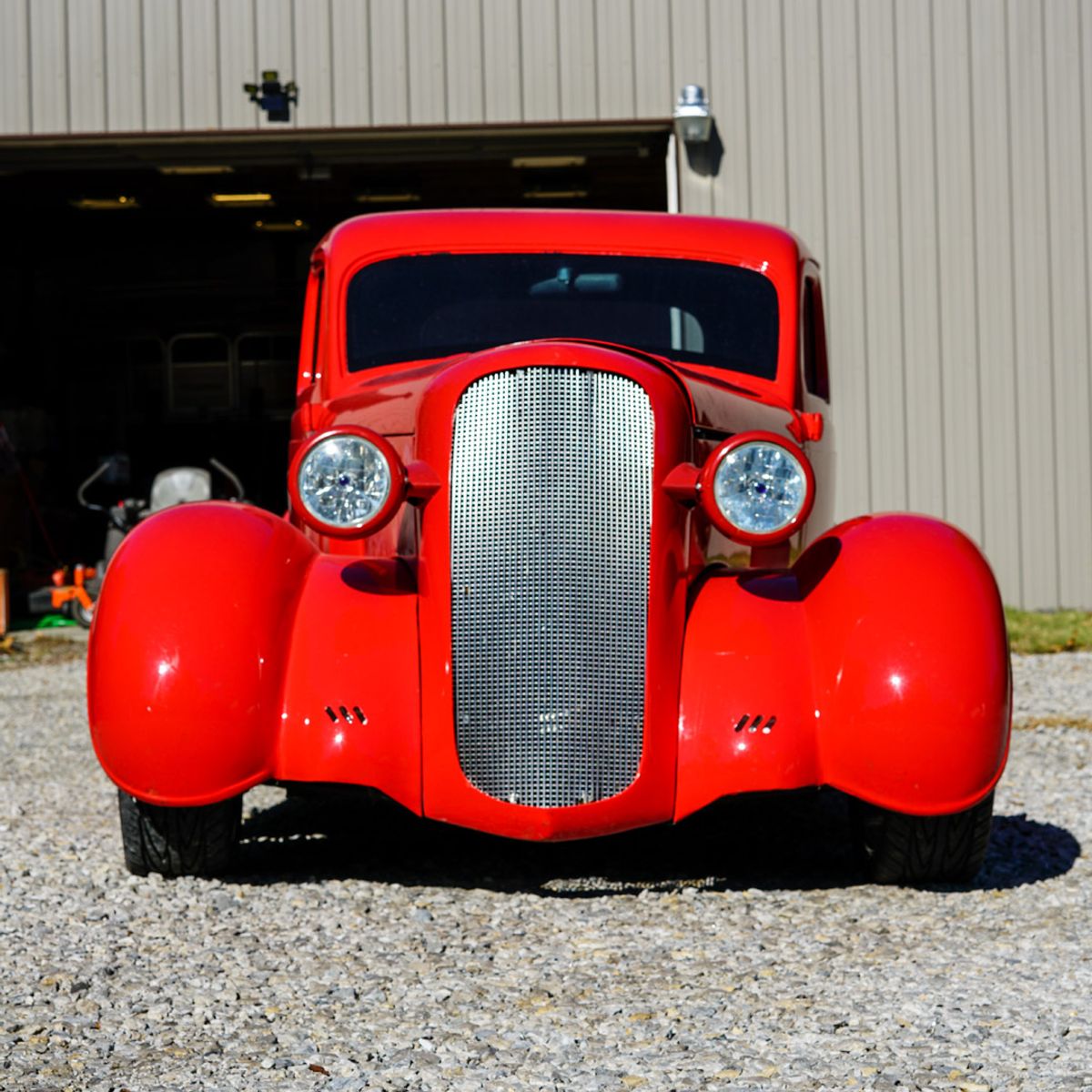
- Current owner reports new paint job
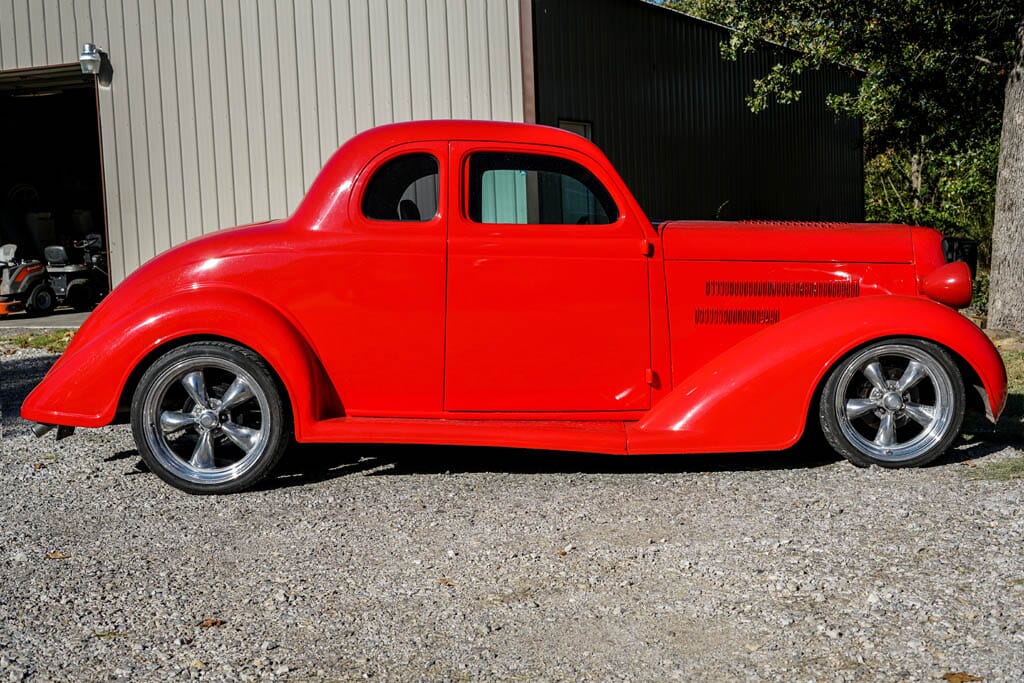
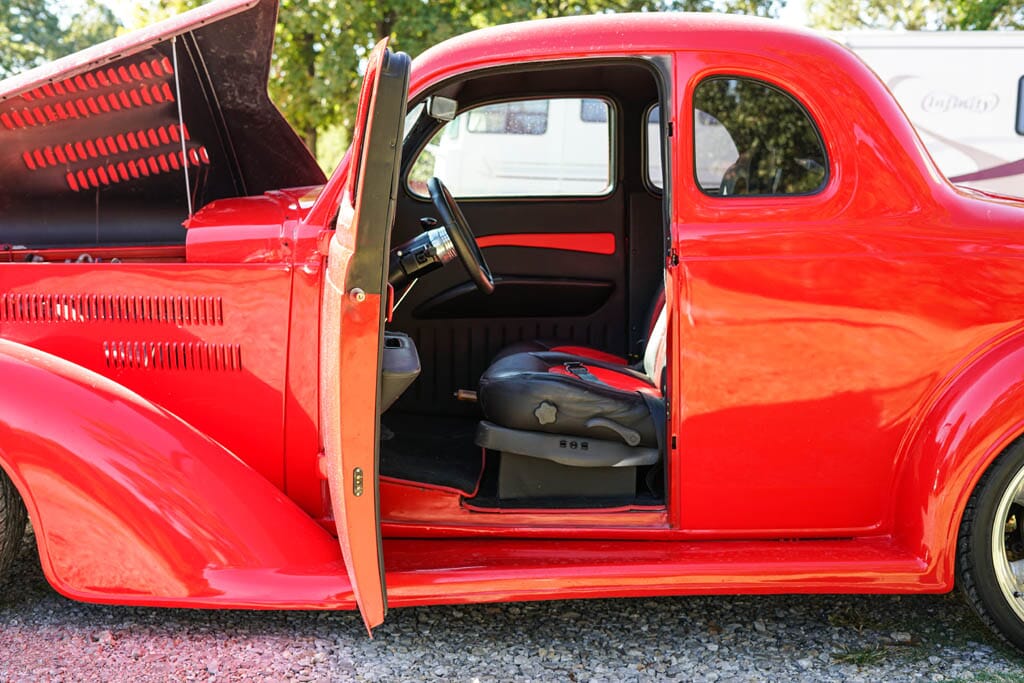
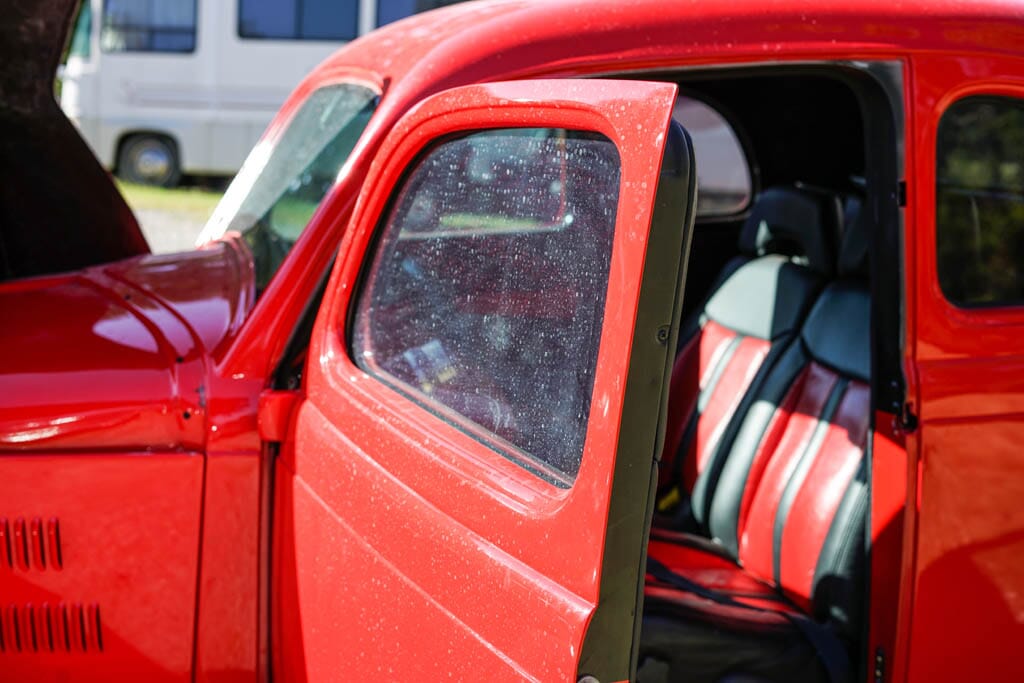
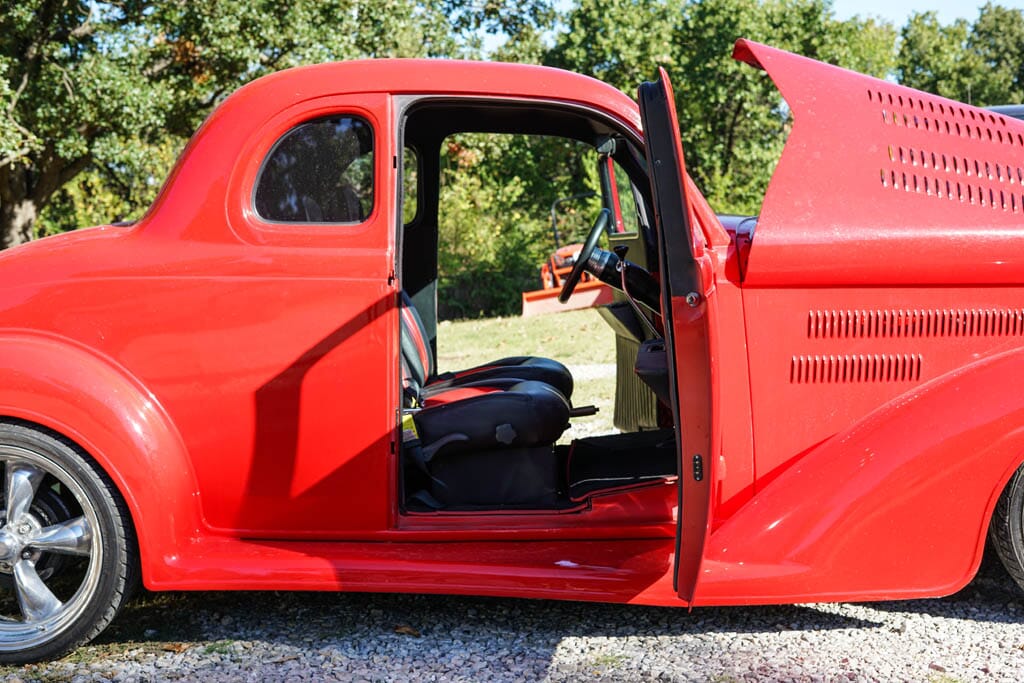
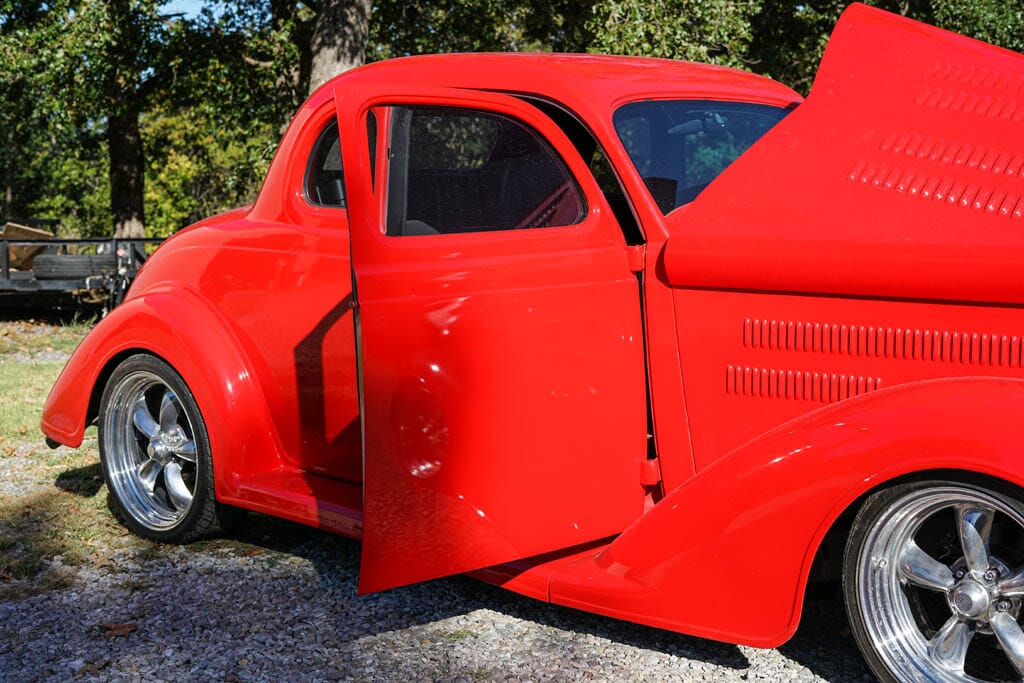
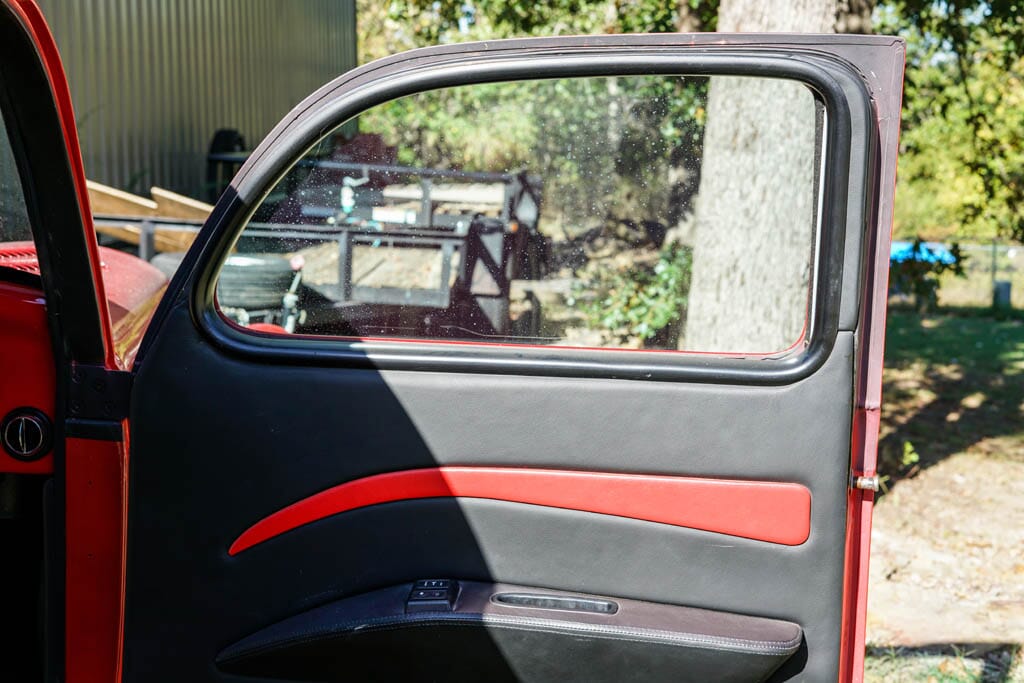
- Shaved doors
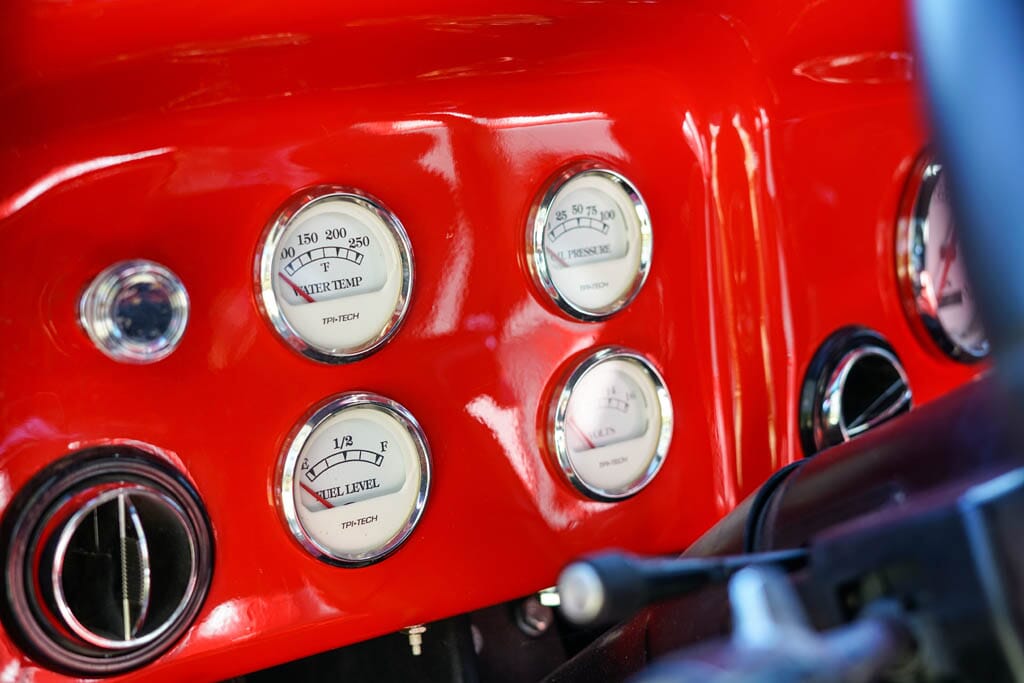
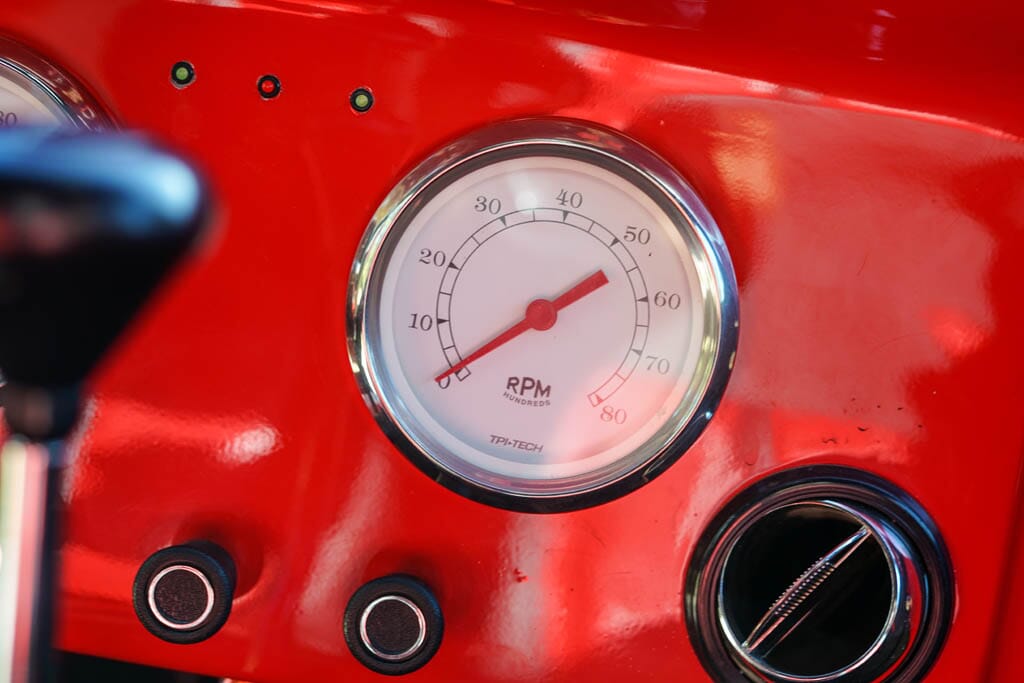
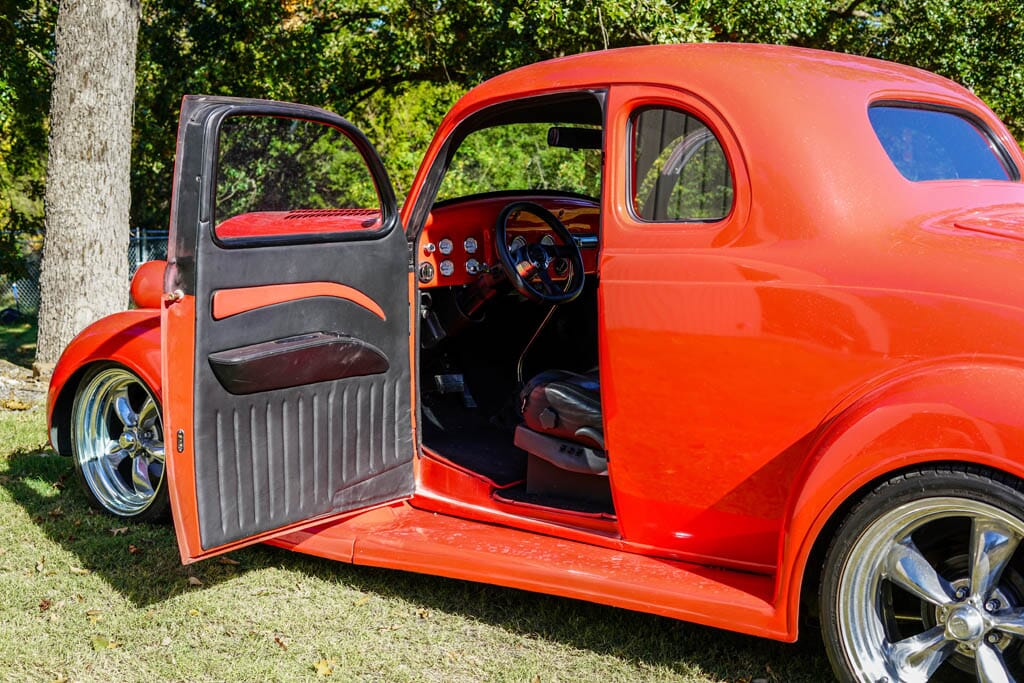
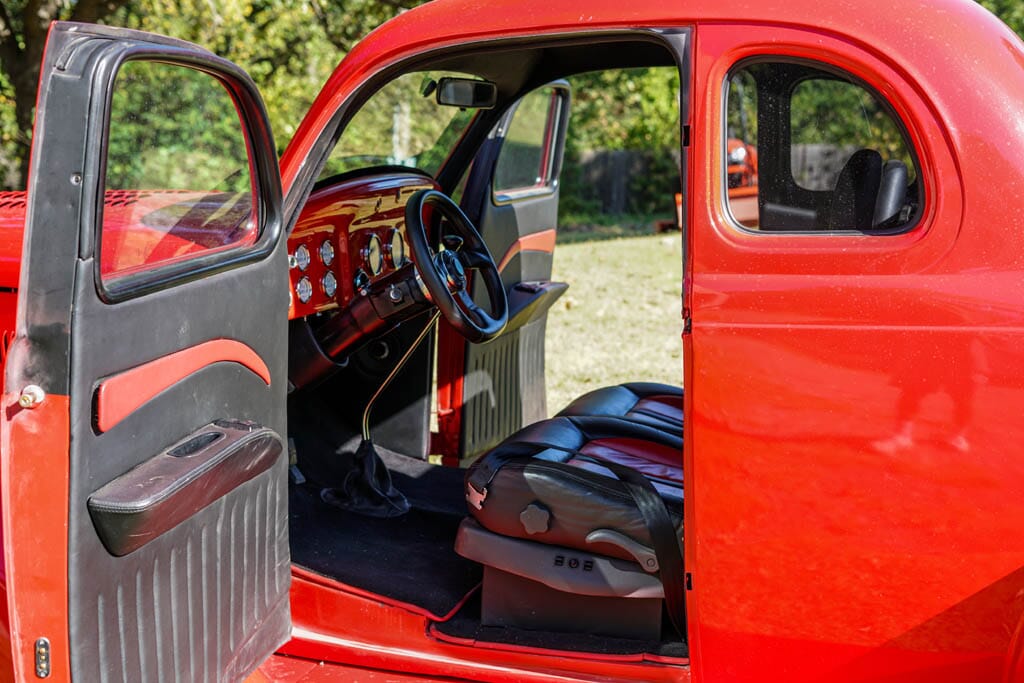
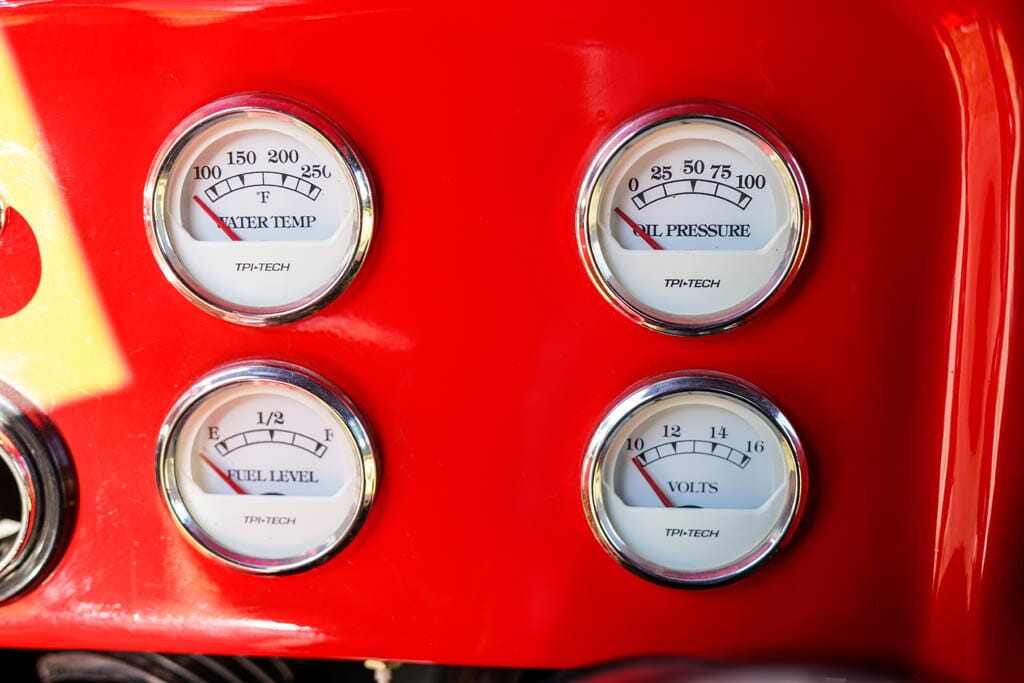
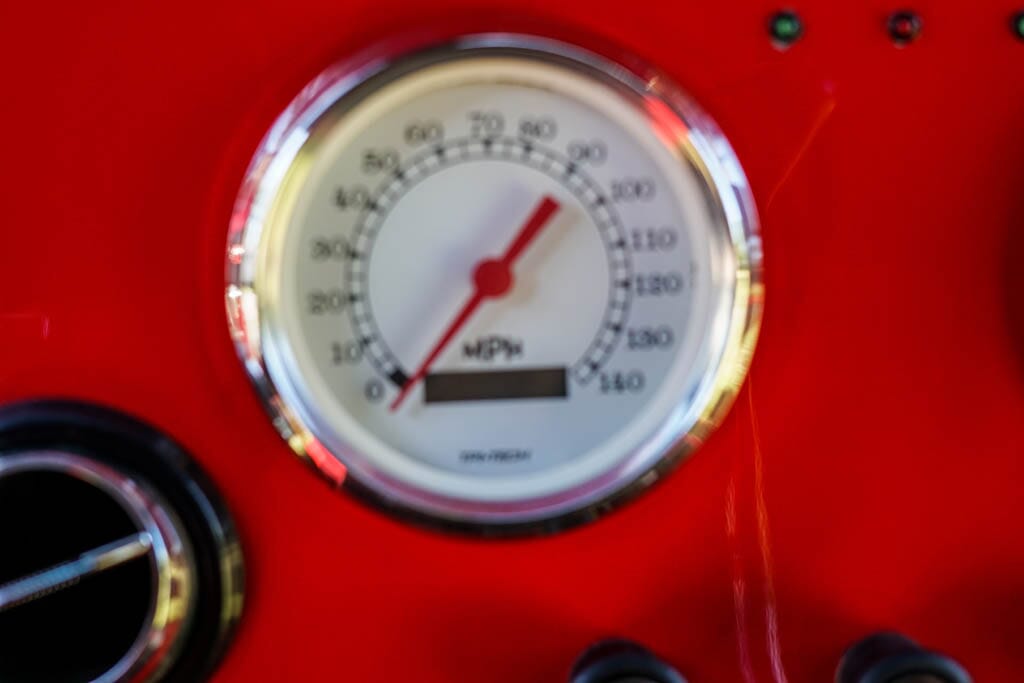
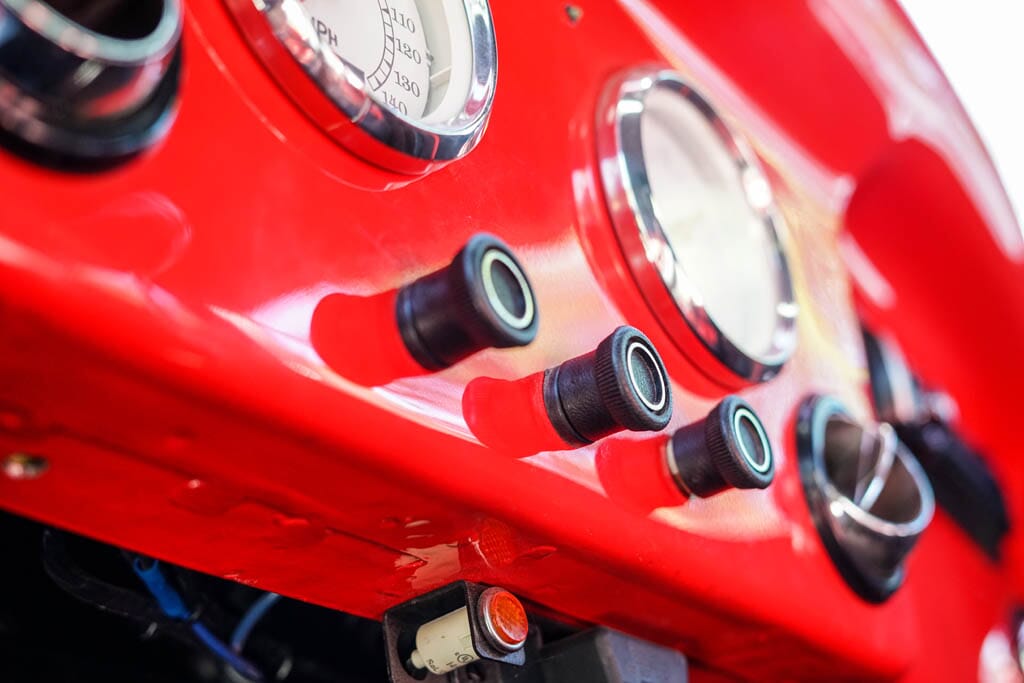
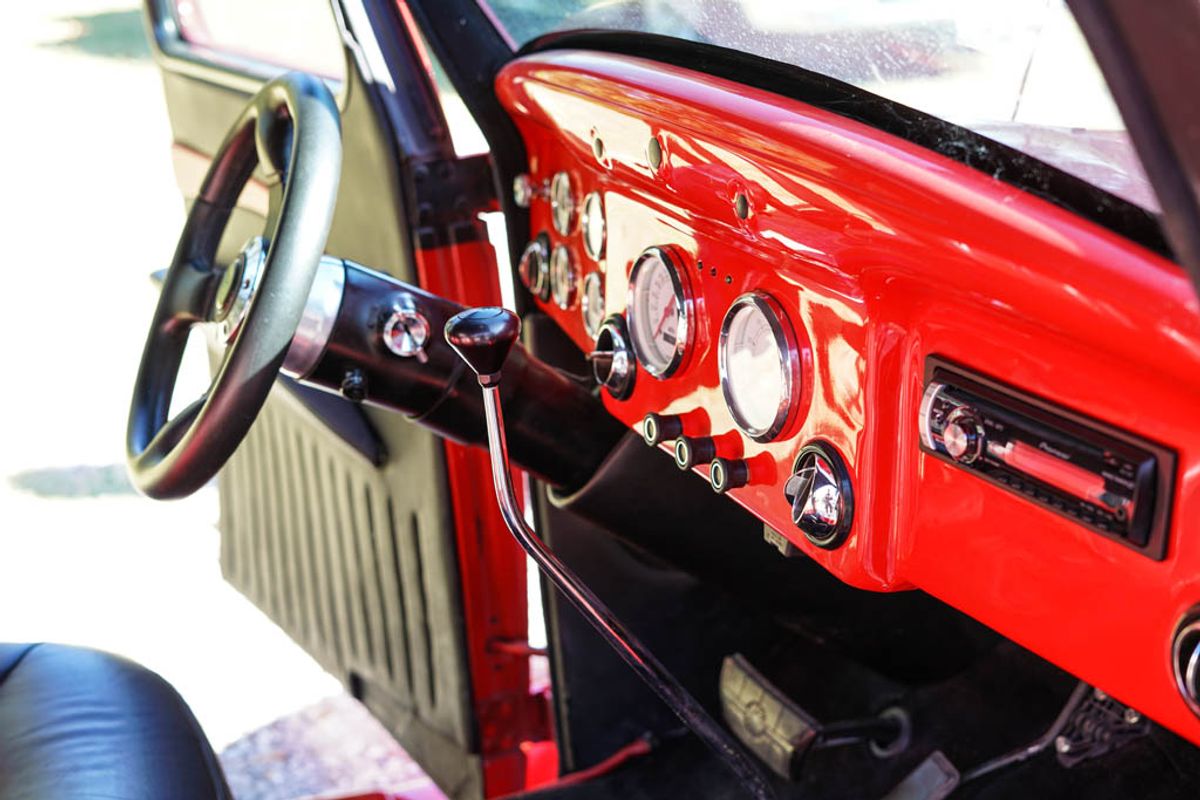
- Current owner reports new gauges
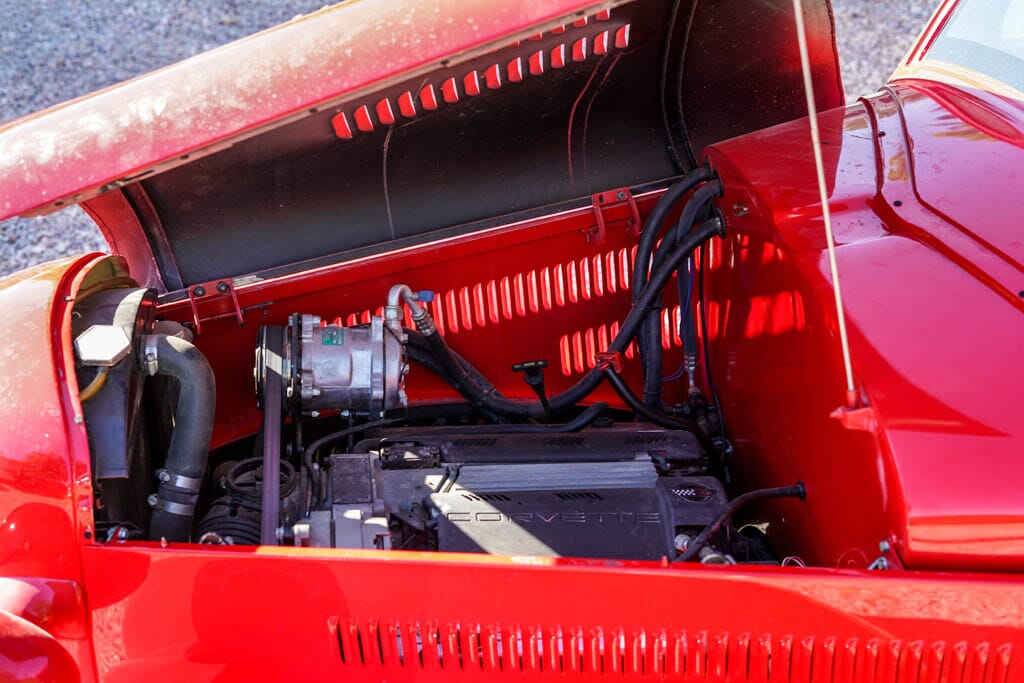
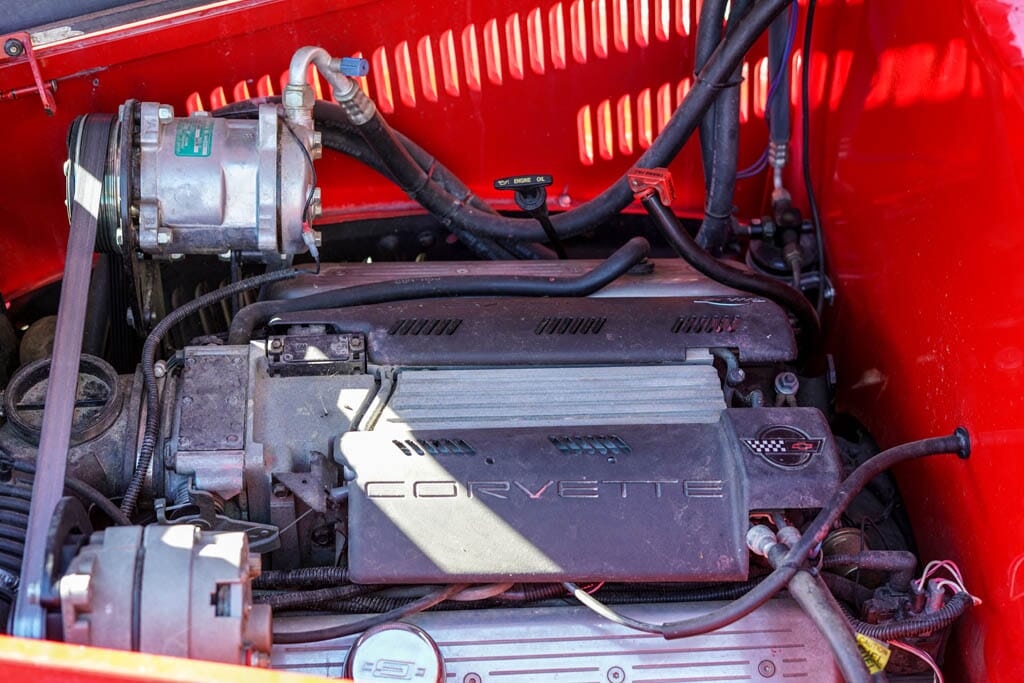
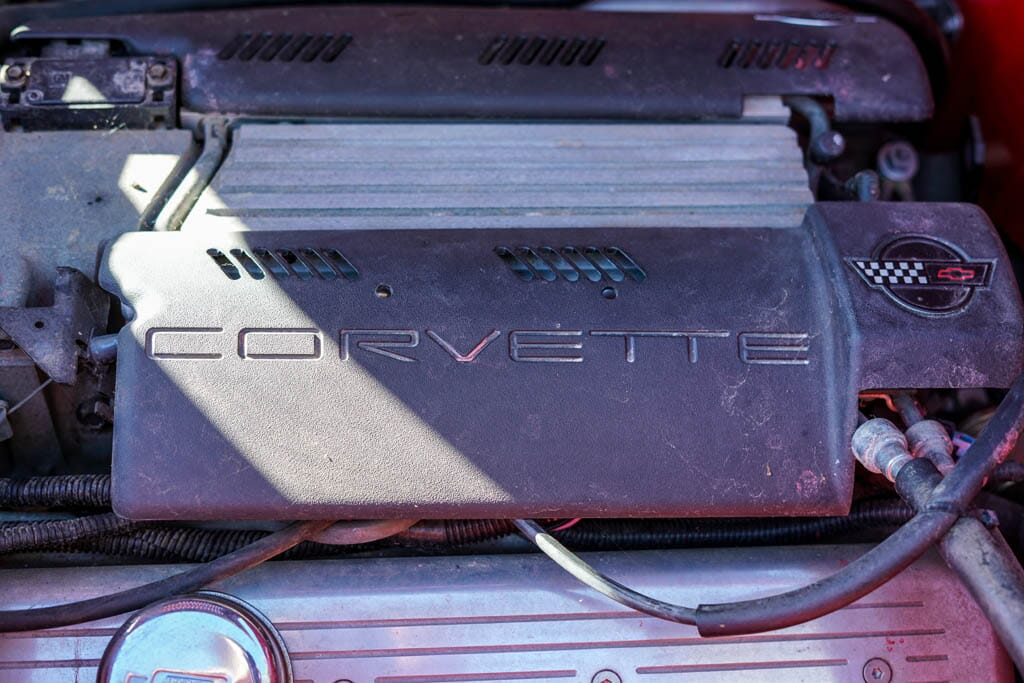
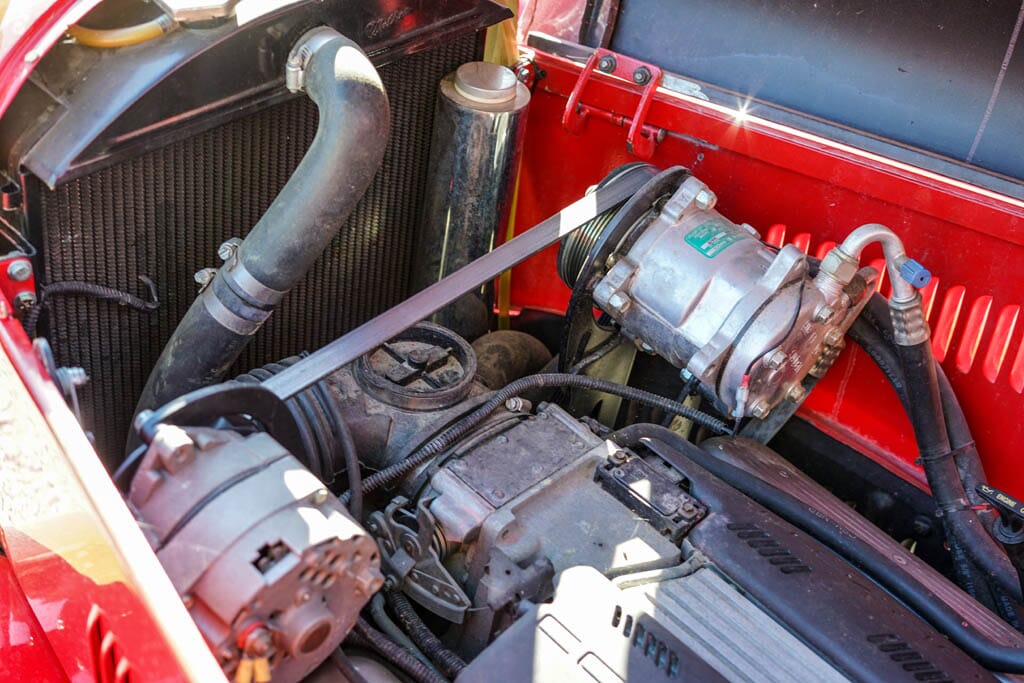
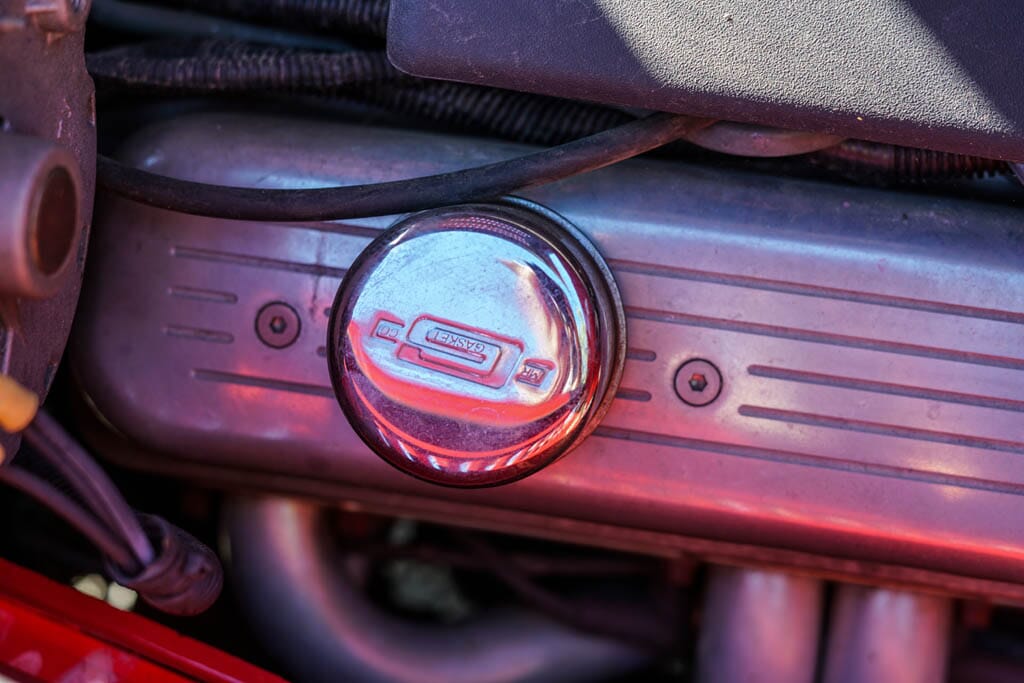
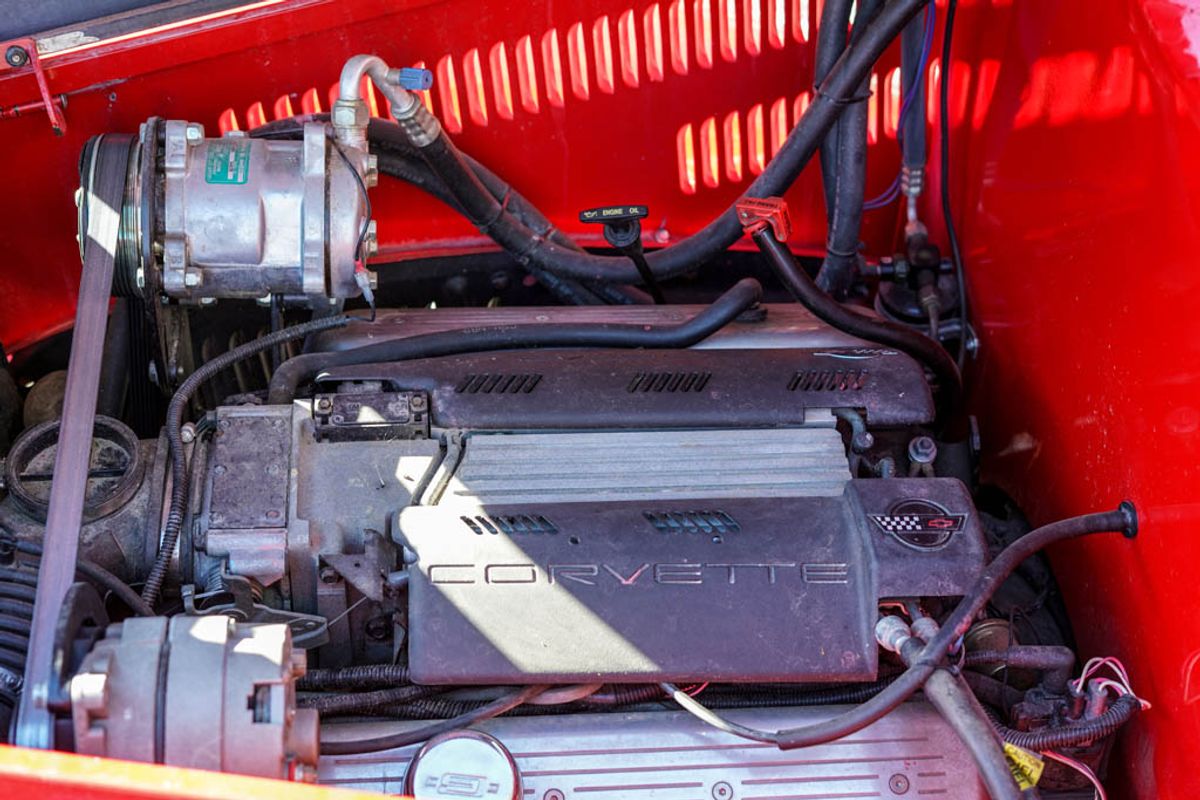
- Current owner reports Corvette LS1 engine
- Garage kept
- Current owner reports recent oil change


Founded in 1928 by Walter P. Chrysler himself, Plymouth would eventually see the sunset in 2001. One of the early brands in America’s automobile industry, Plymouth was Chrysler Corporation’s low-price competitor, to take on Ford and Chevrolet at the time. During the Great Depression of 1930-1940, the brand continued producing cars for a struggling public, with models such as the Plymouth Coupe. Nowadays, there are those who like their Thirties cars as original as possible, and those who seek some modernization and customization. If you’re a person from the latter, this 1936 Plymouth Coupe Restomod is suited for you. Read on to find out why this garage-kept example deserves a space, not just in your garage, but in your heart.
Exterior and Interior
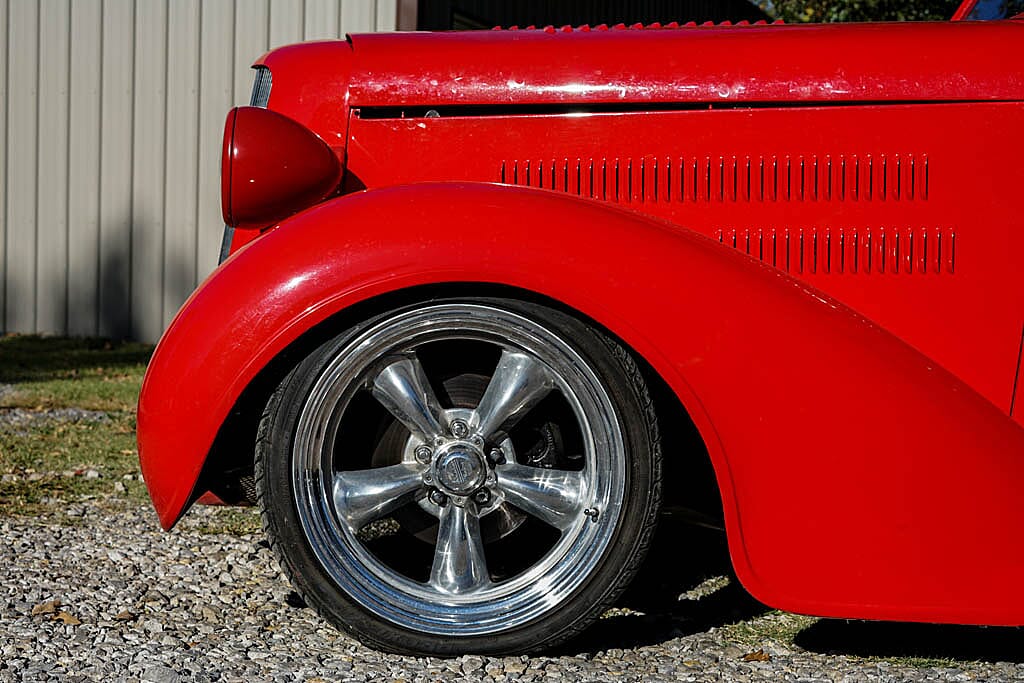
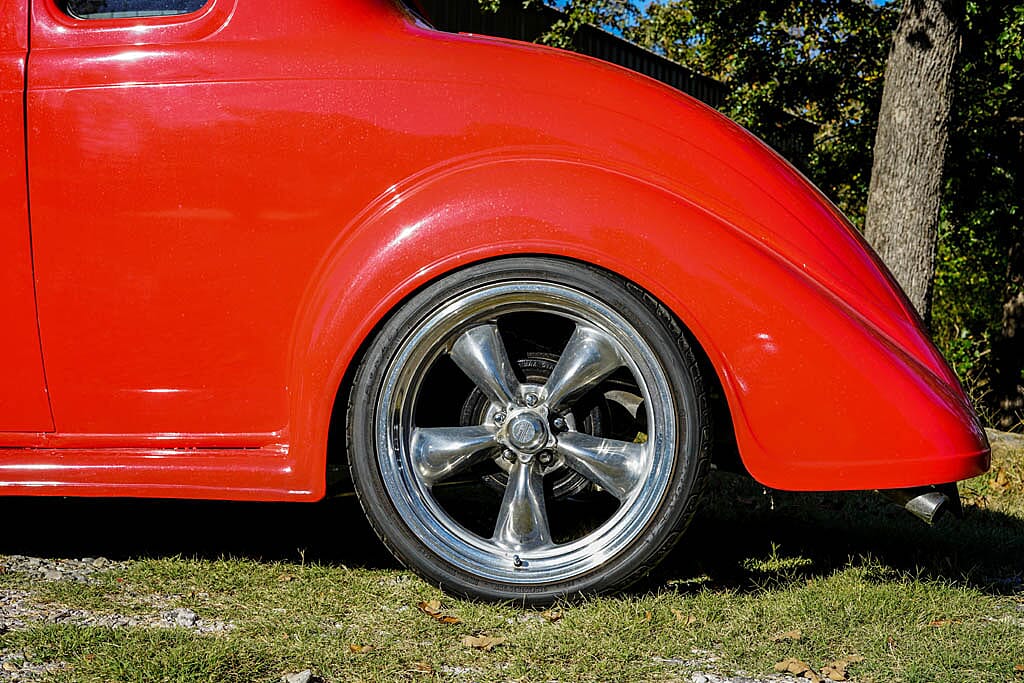
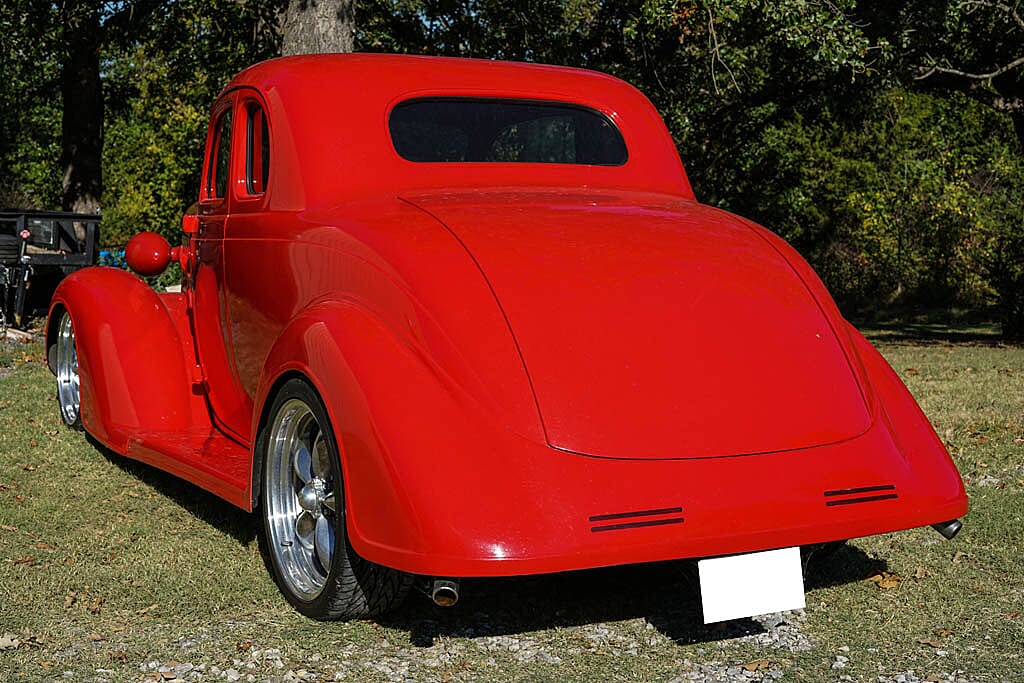
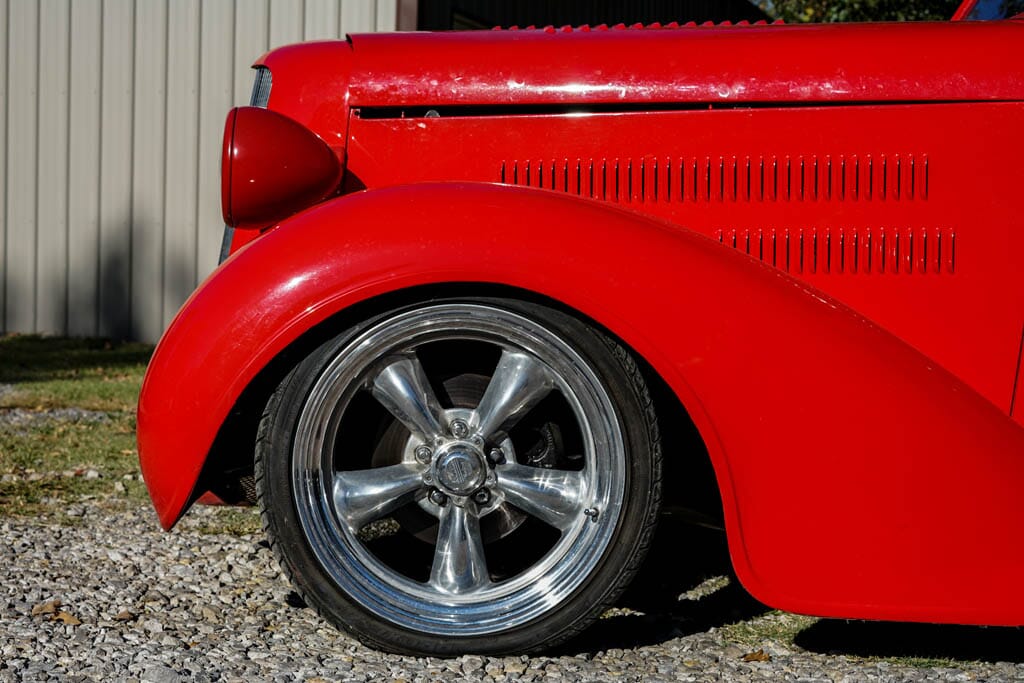
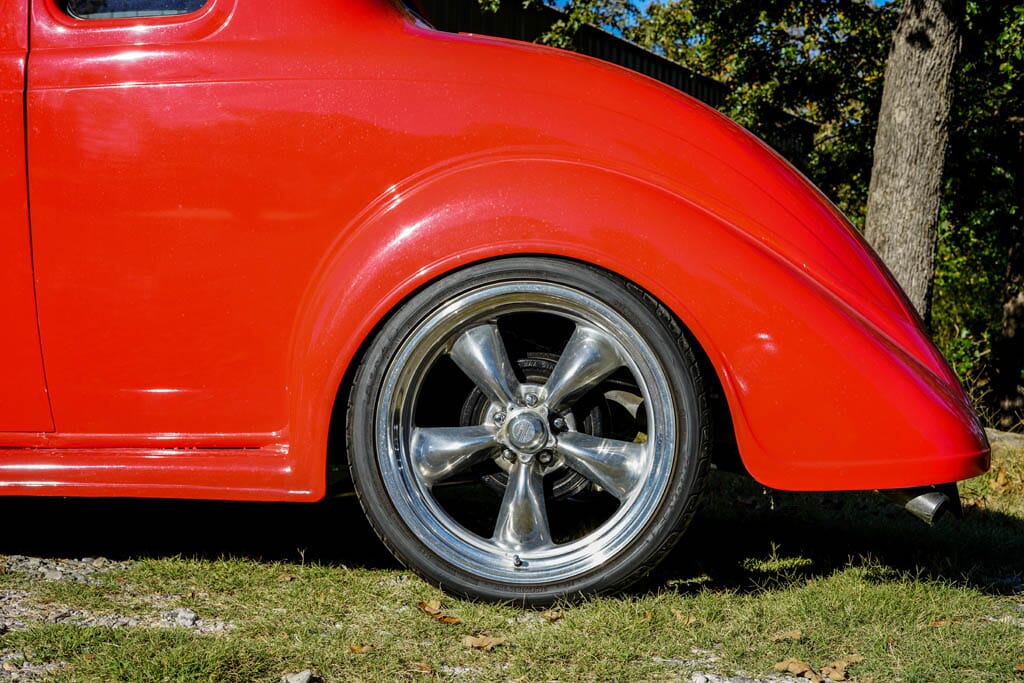
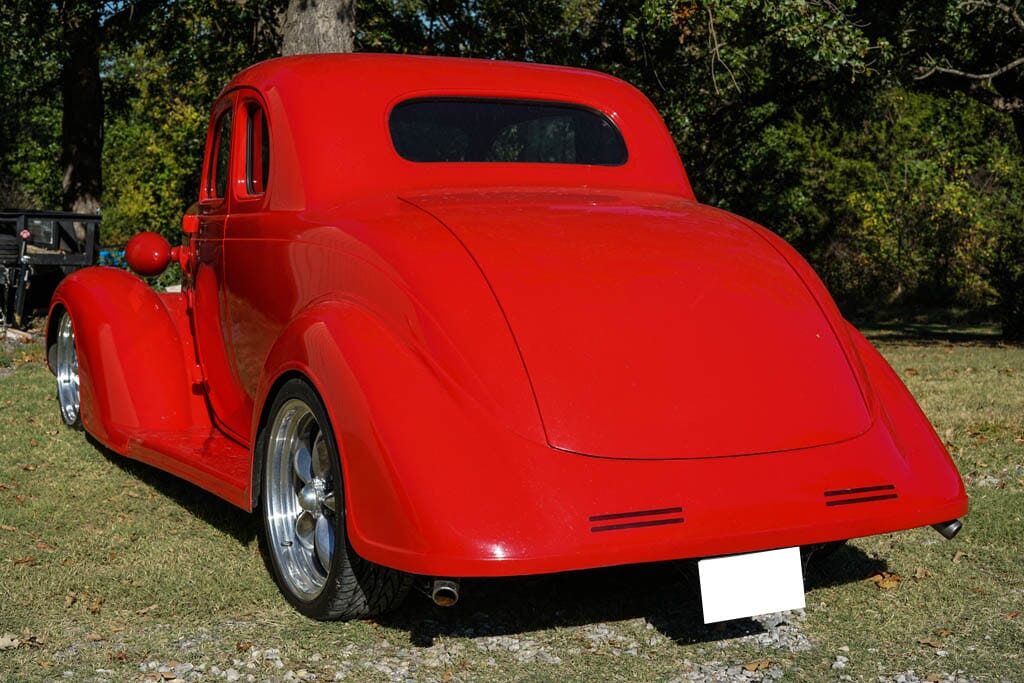
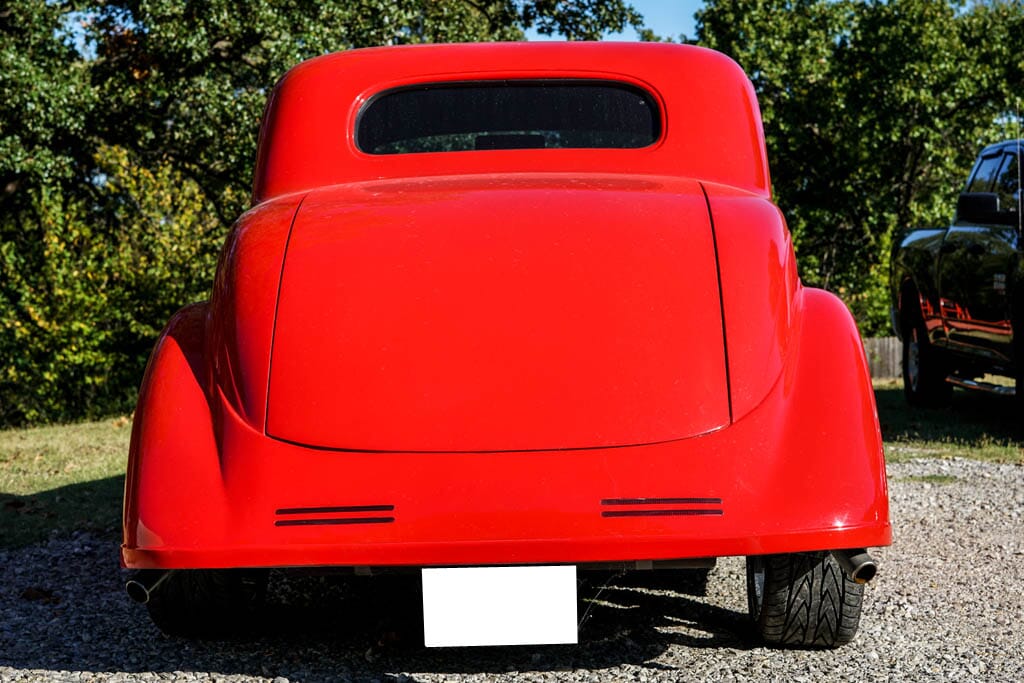
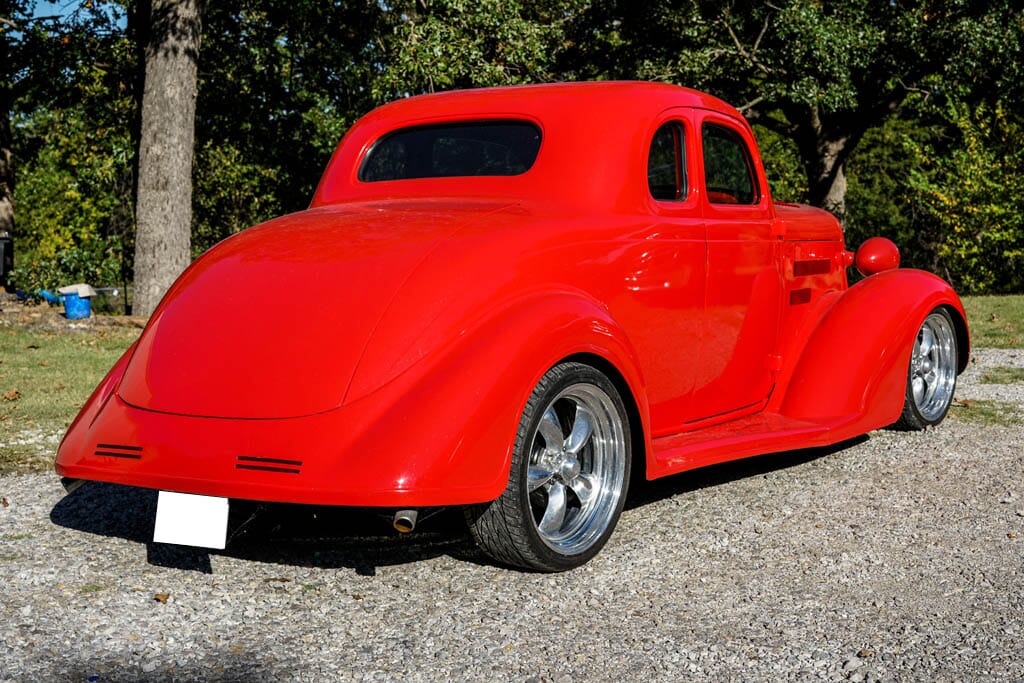
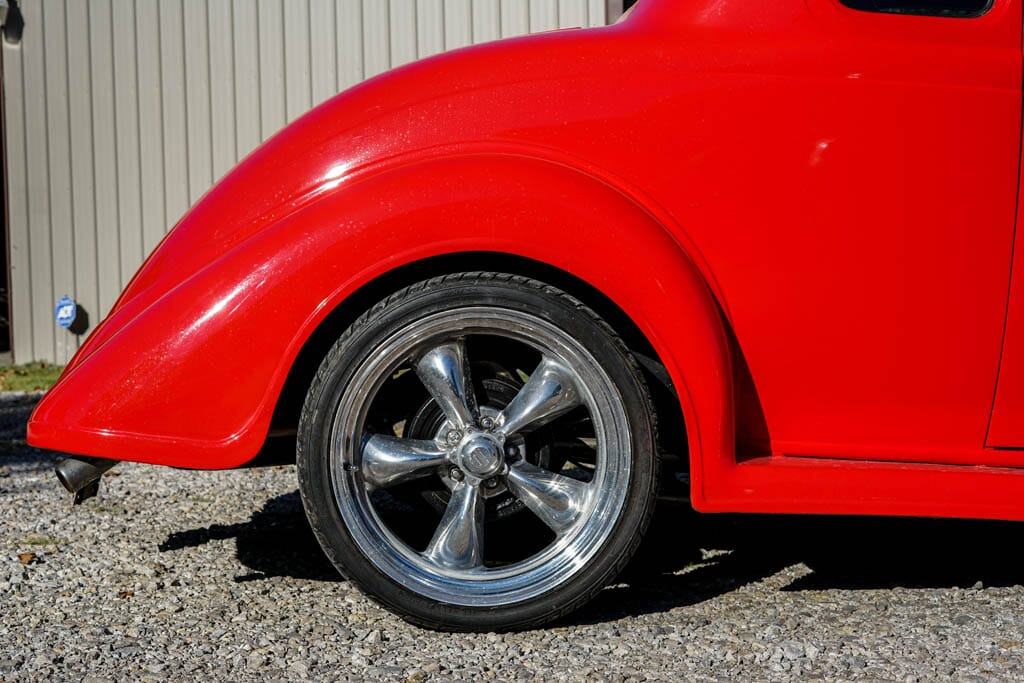
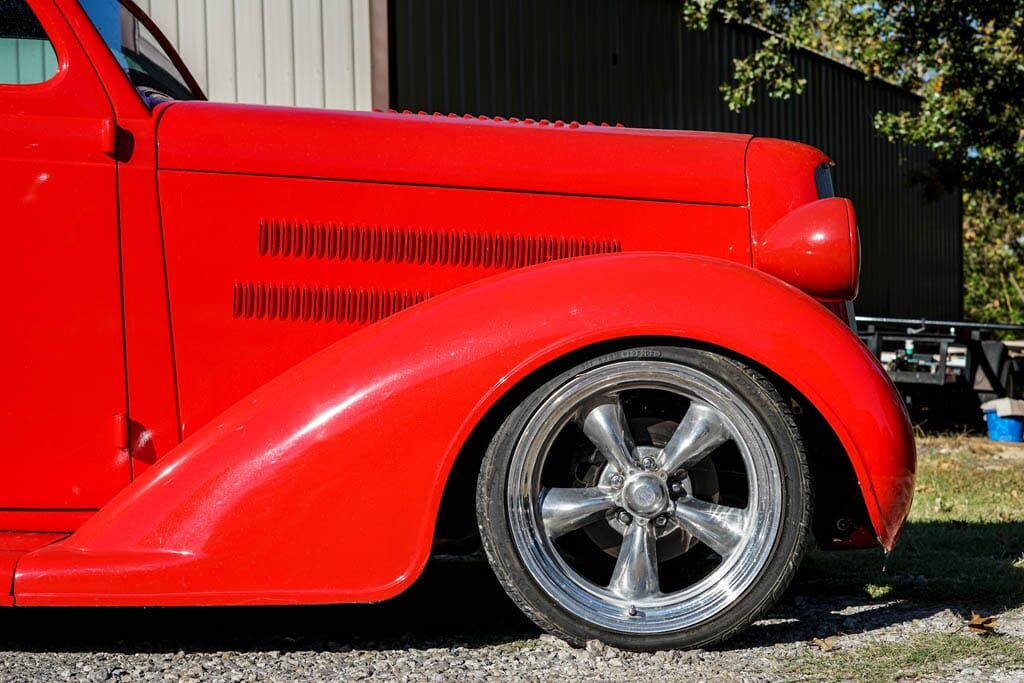
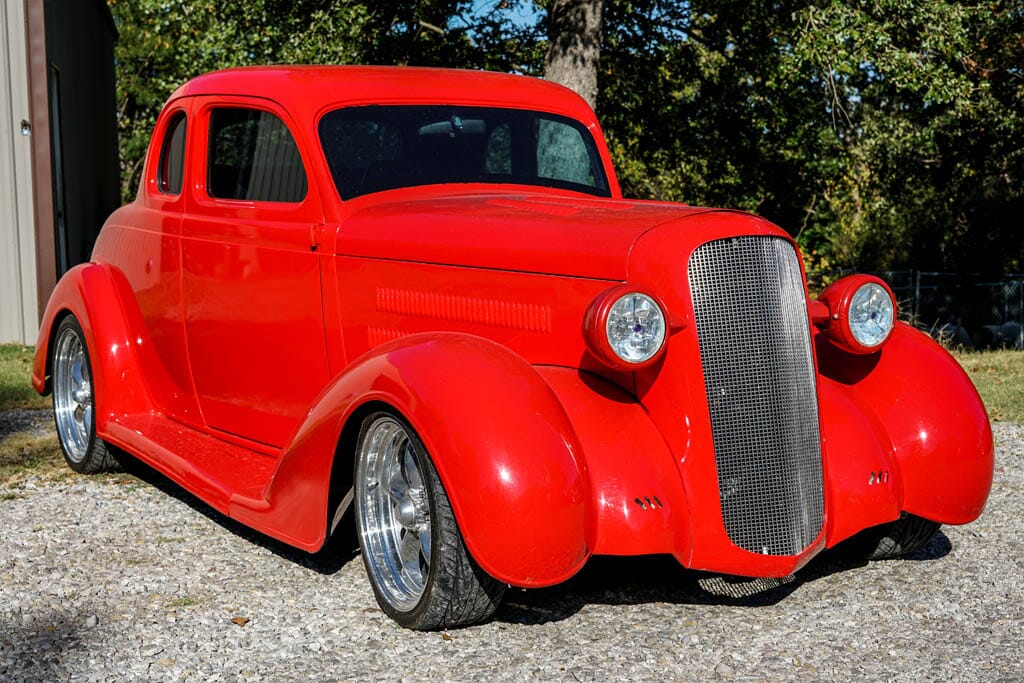
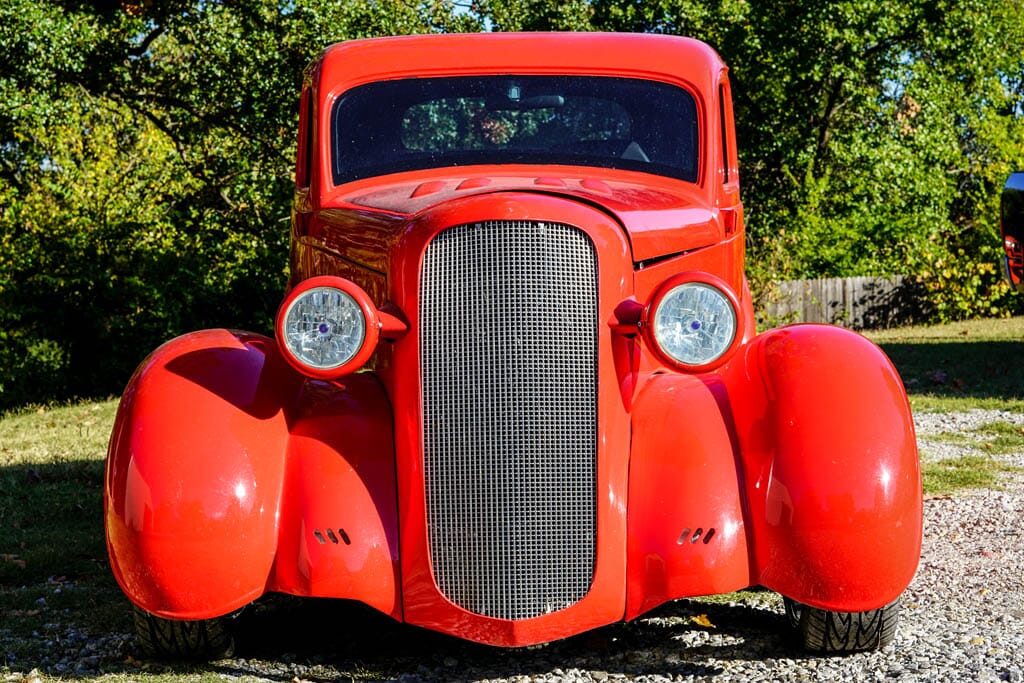
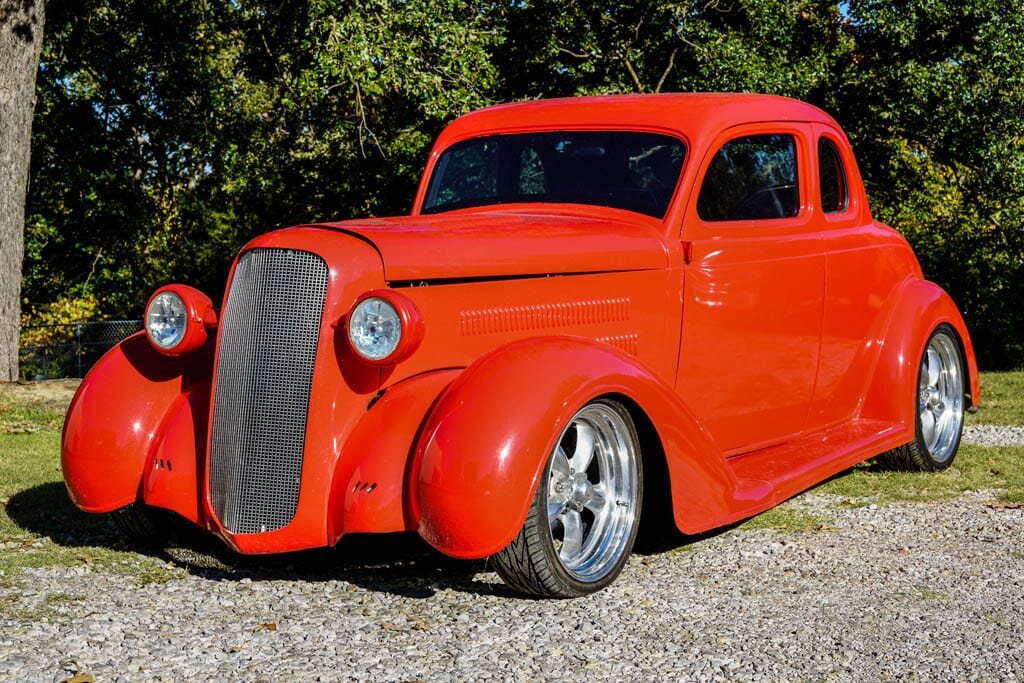
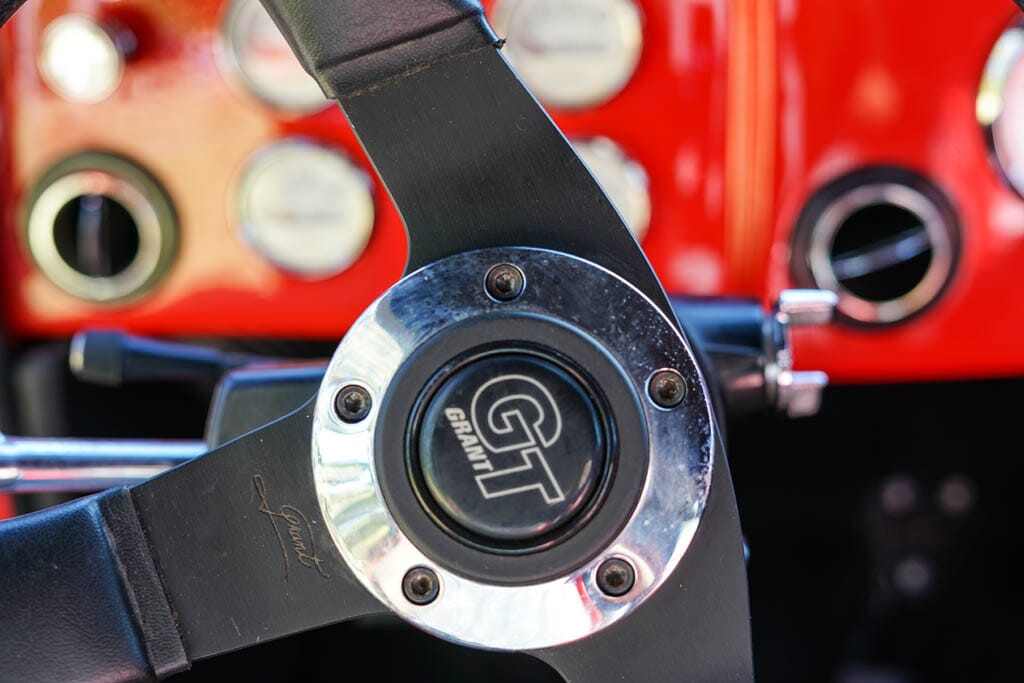
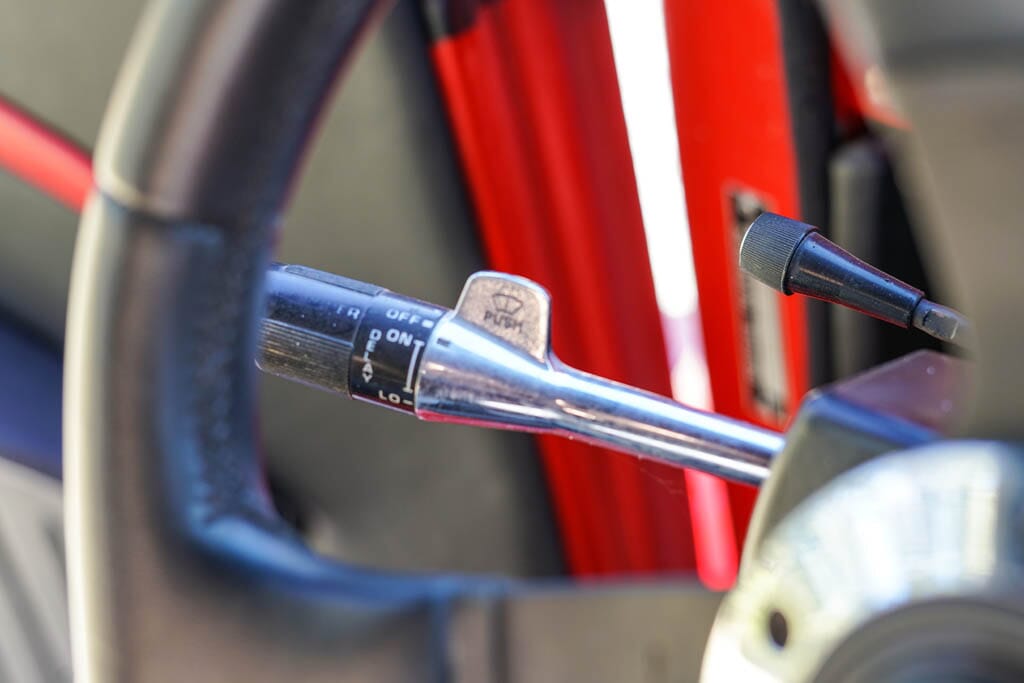
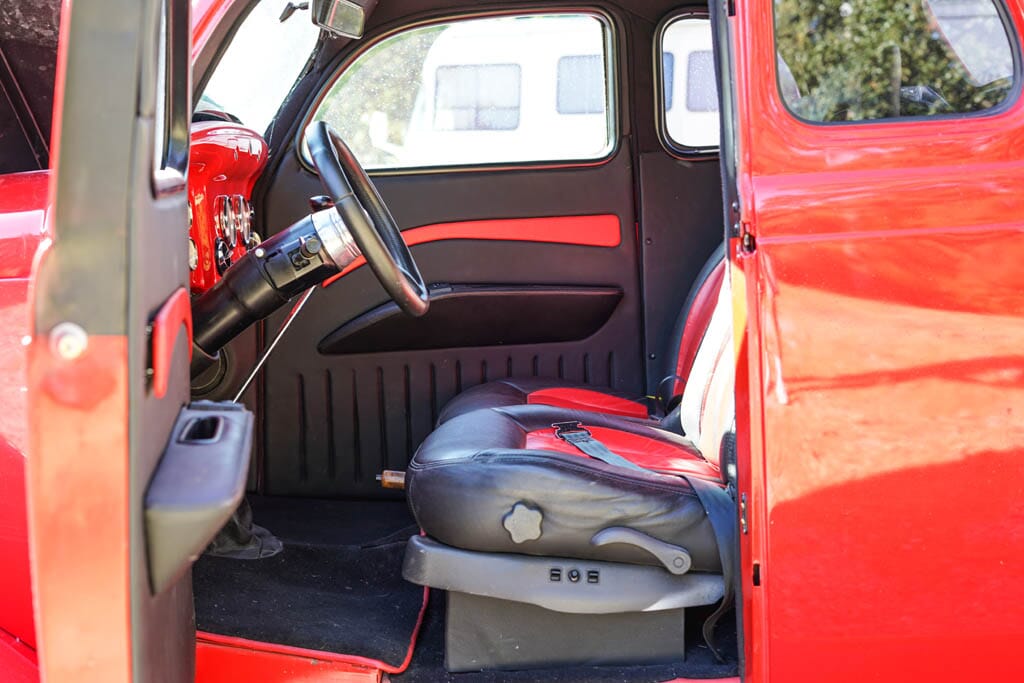
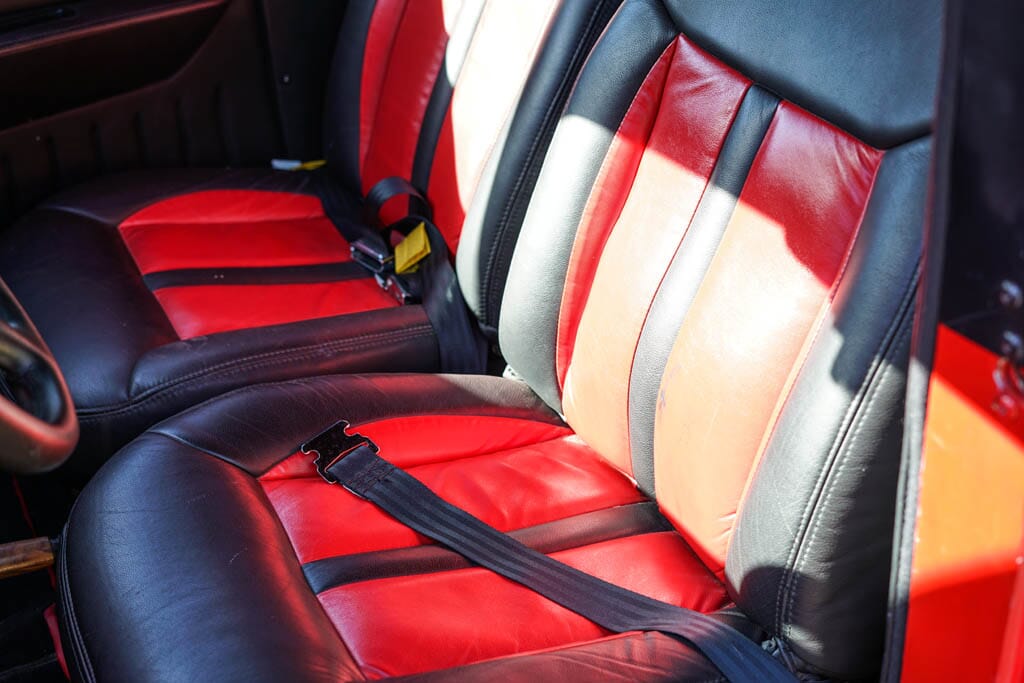
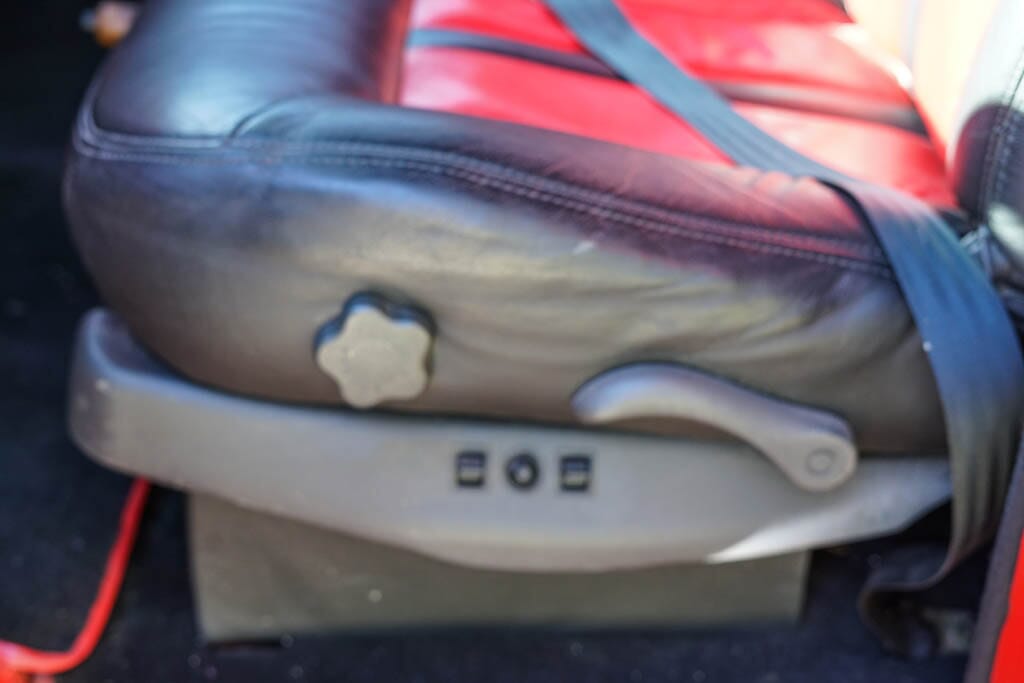
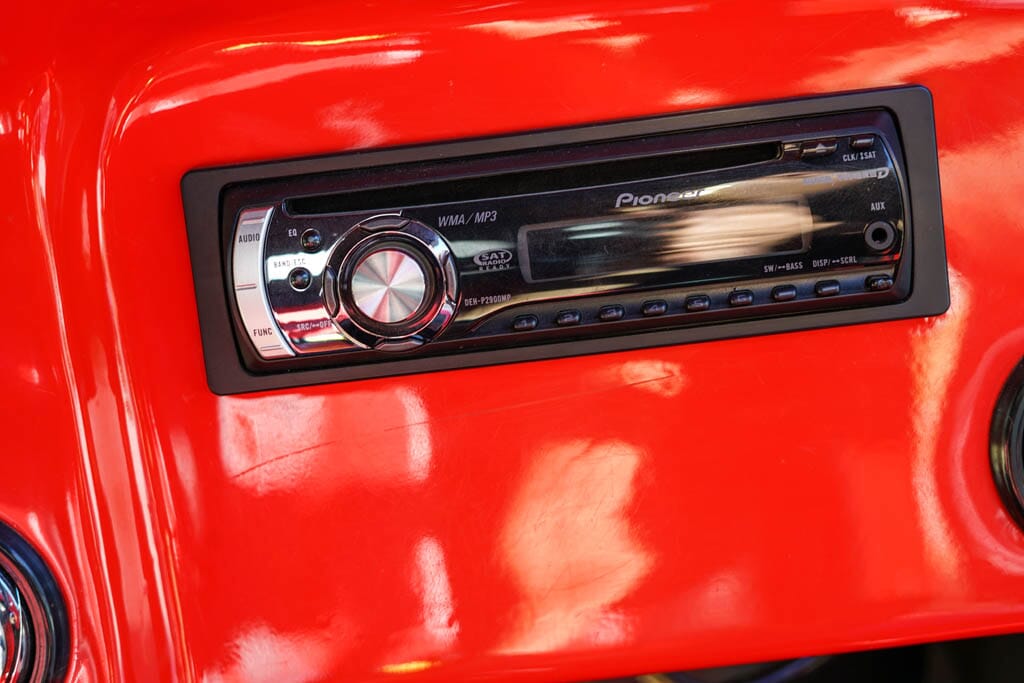
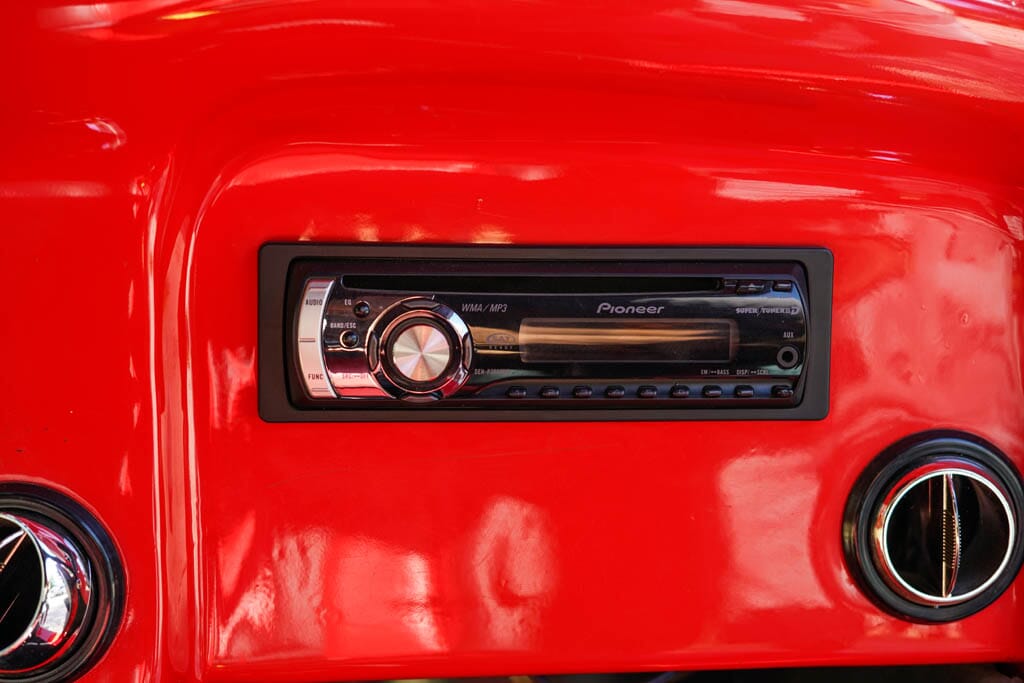
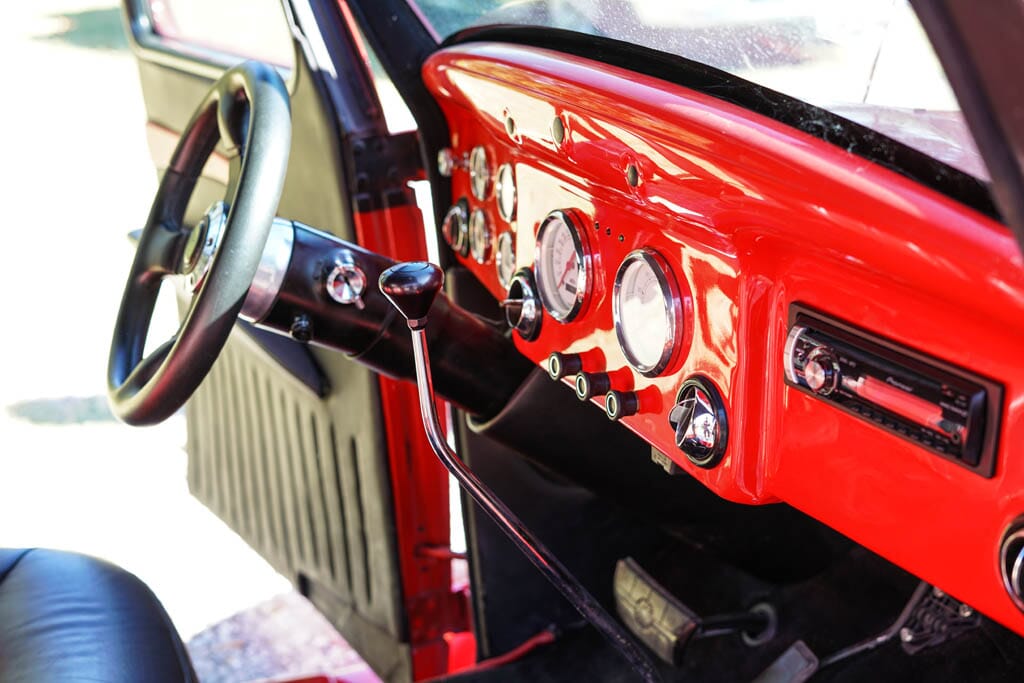
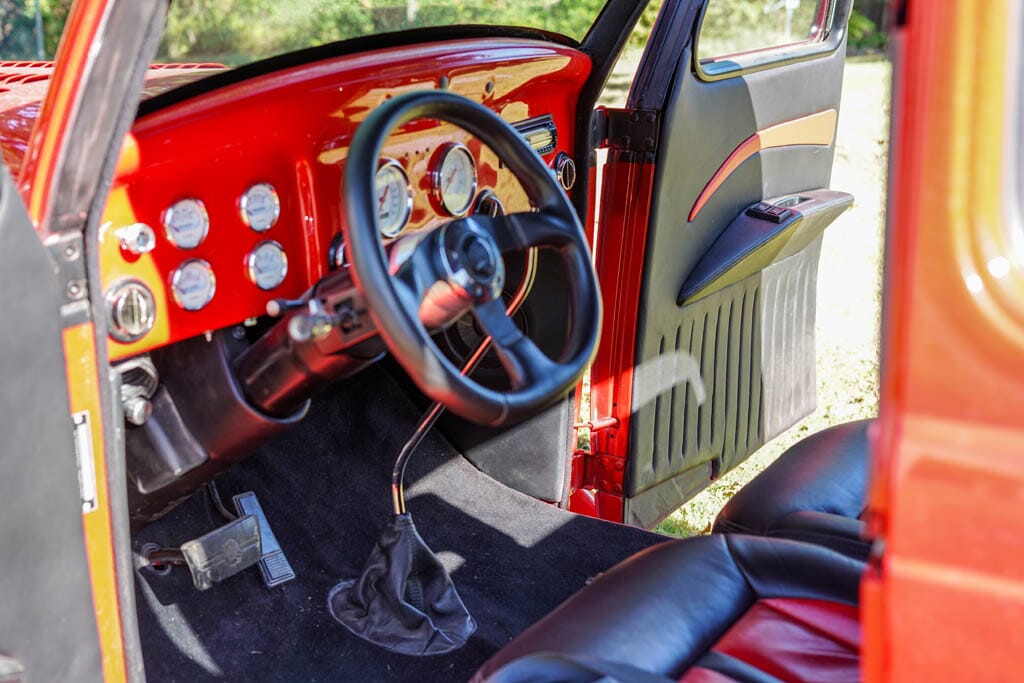
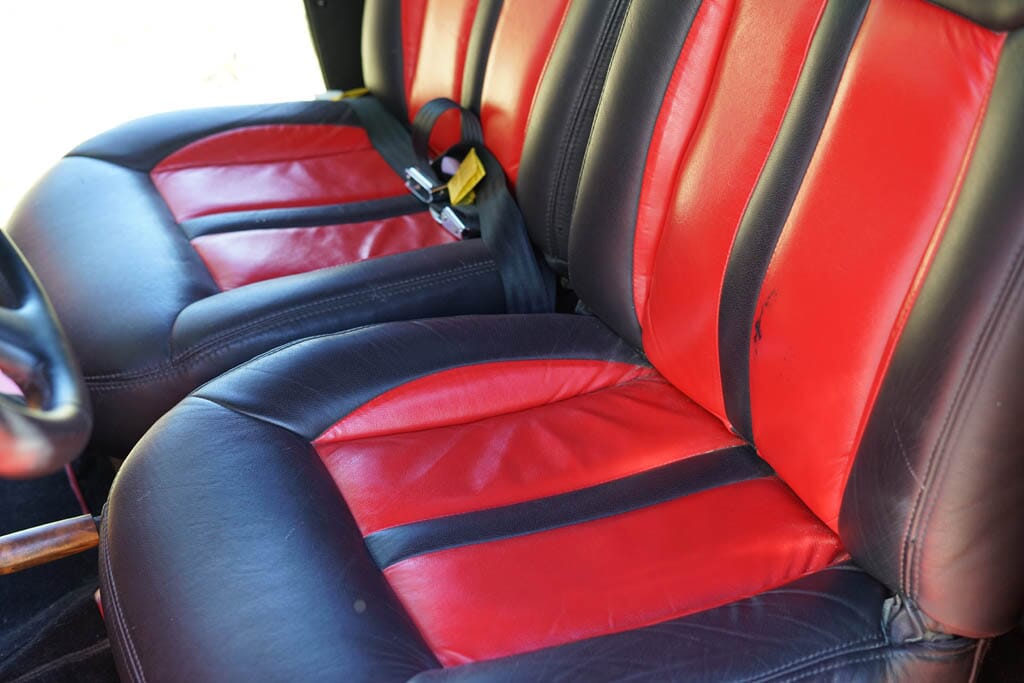
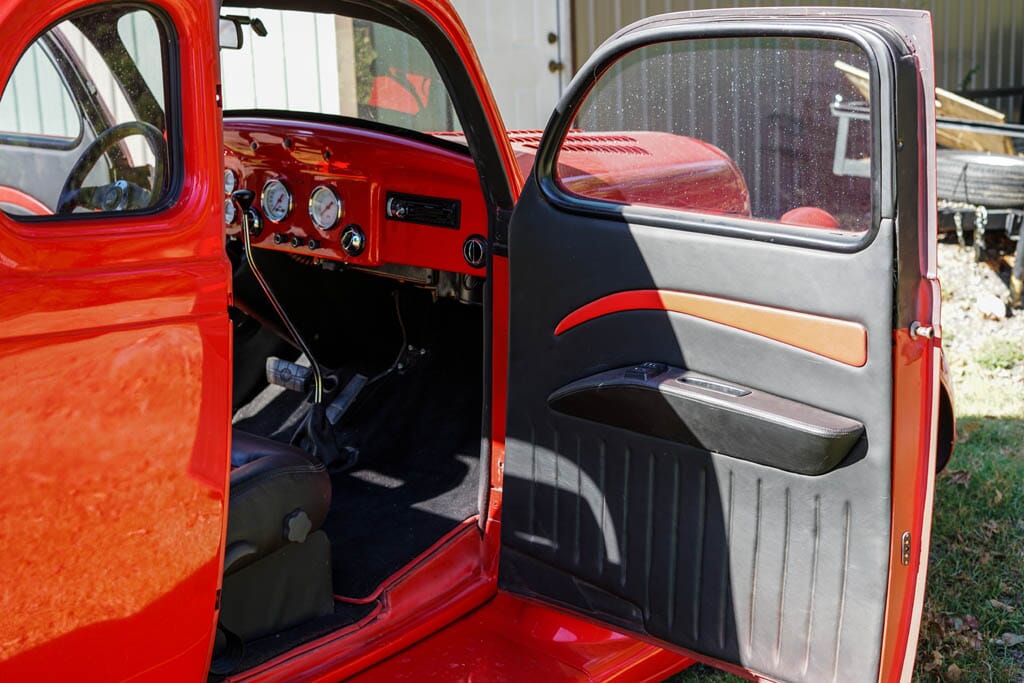
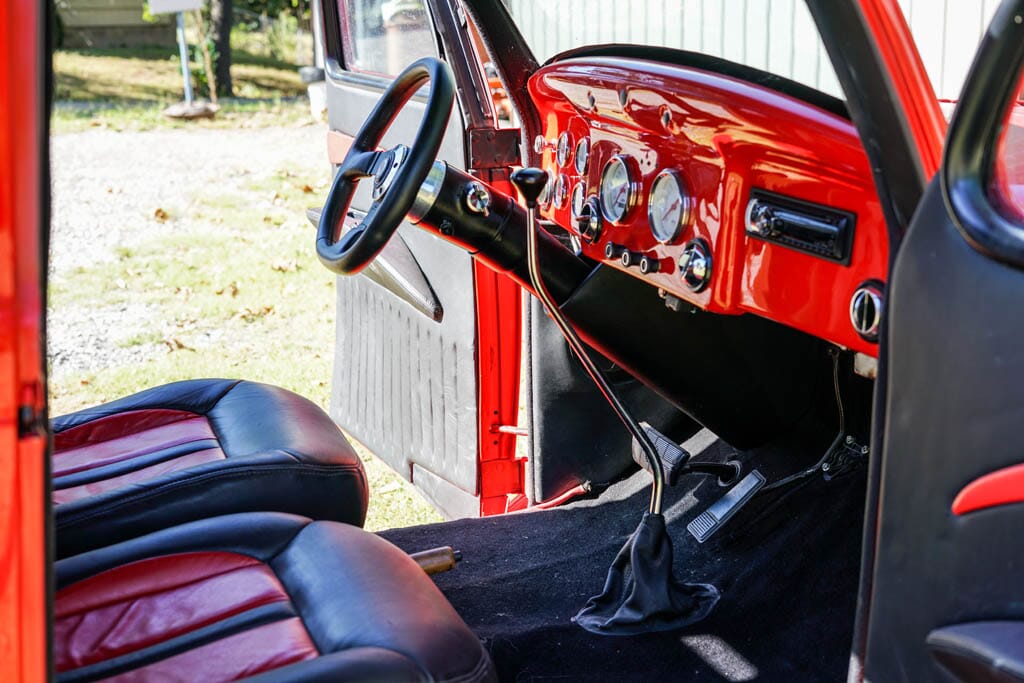
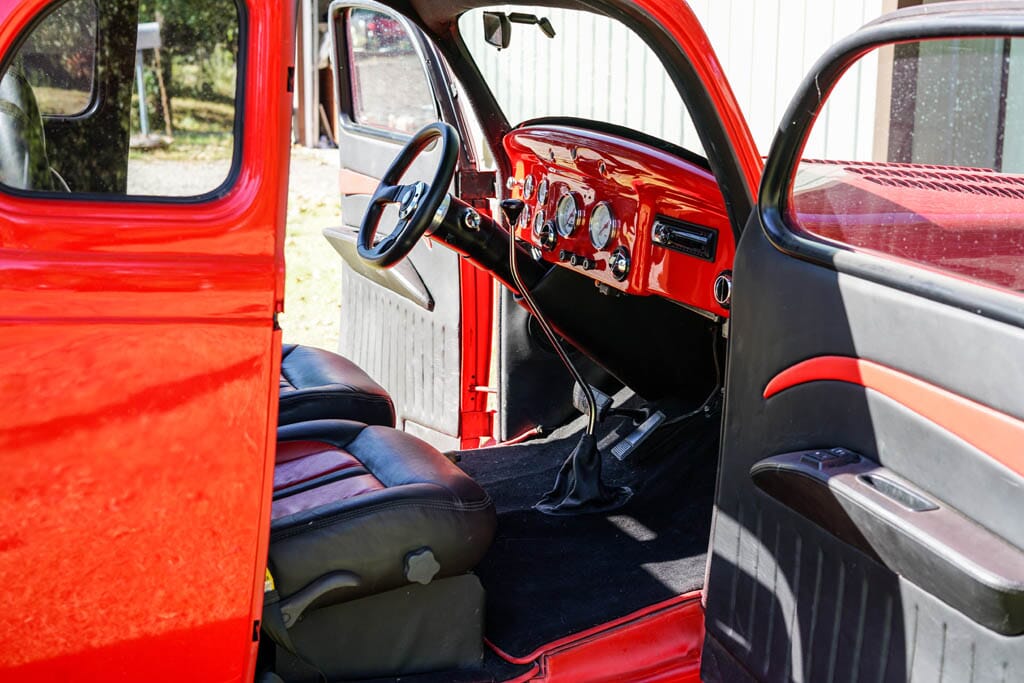
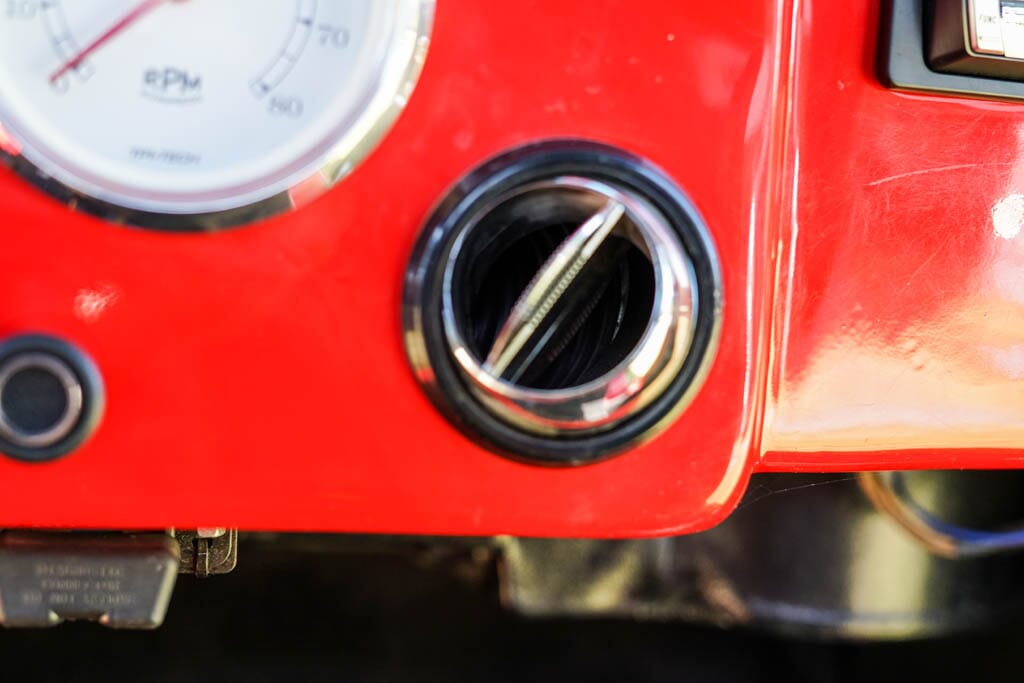
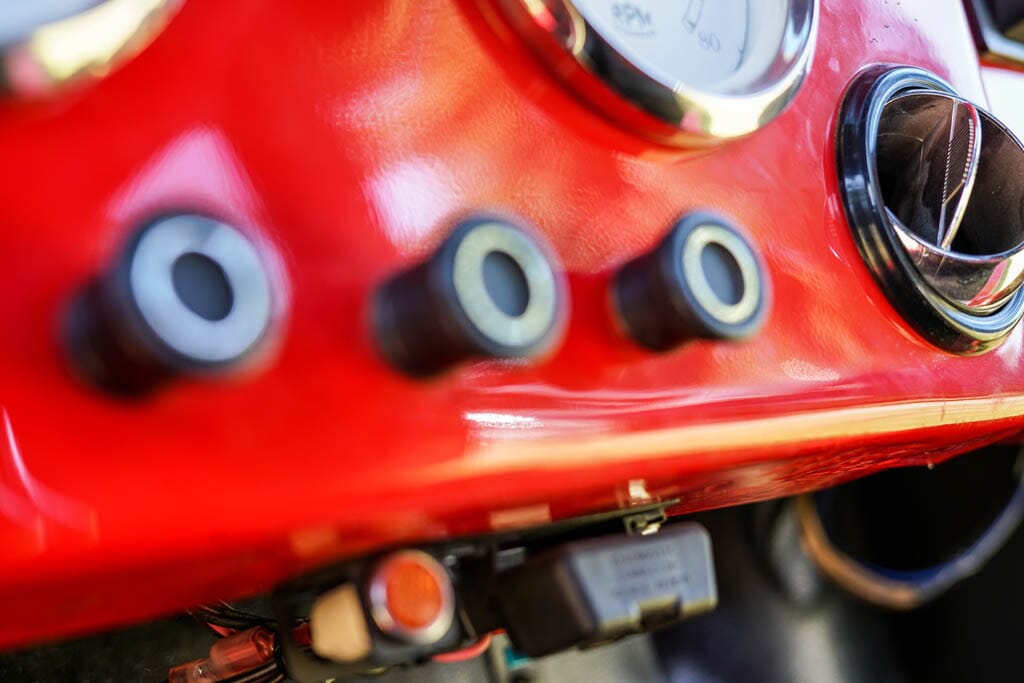
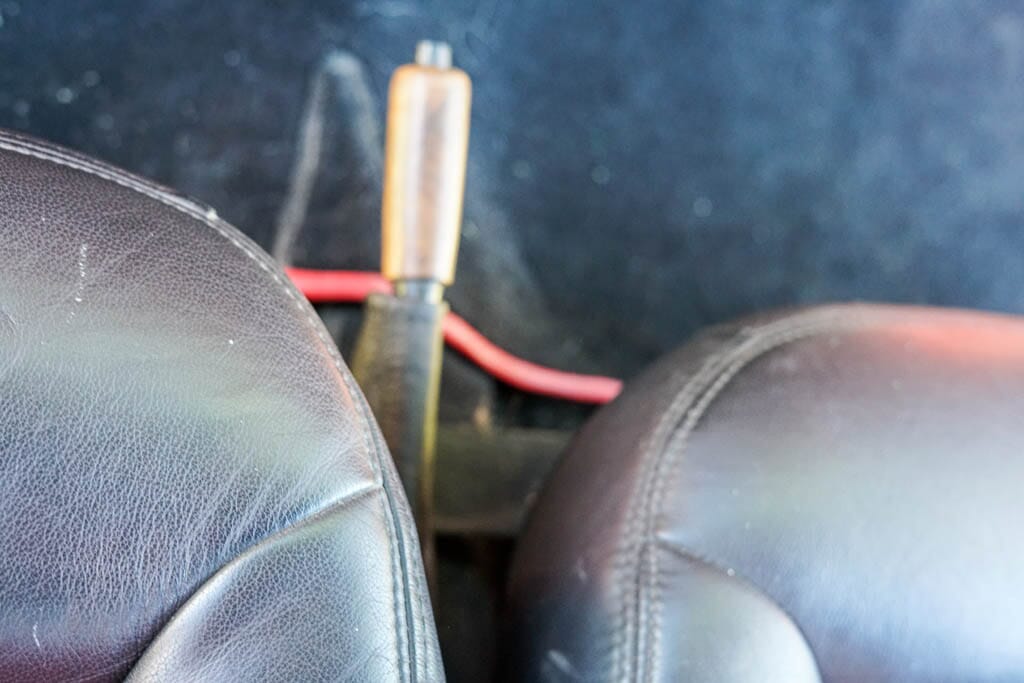
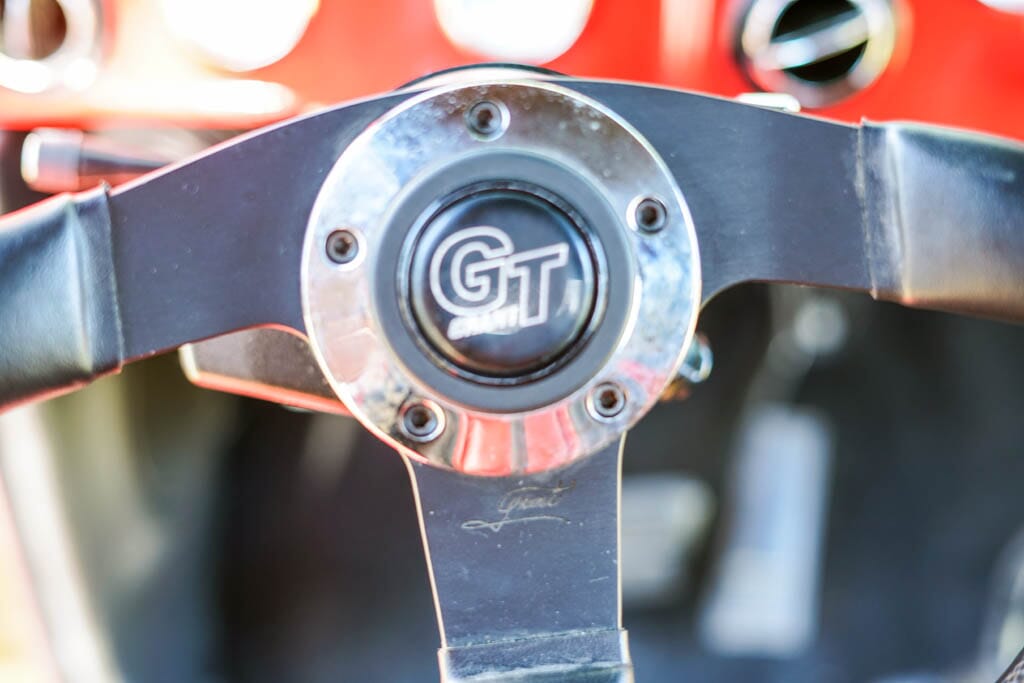
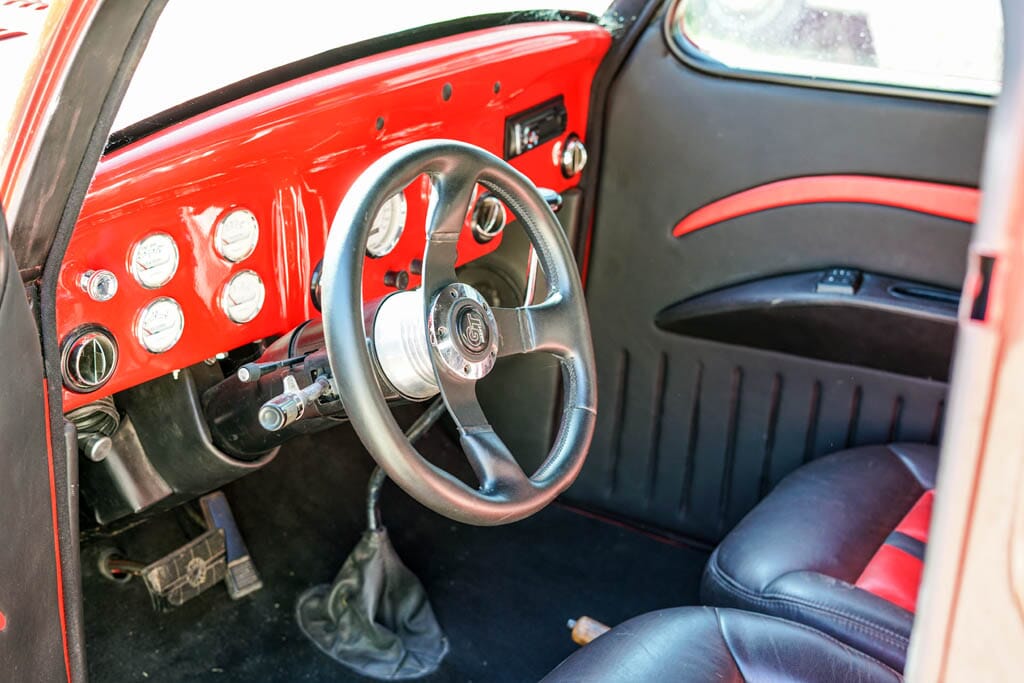
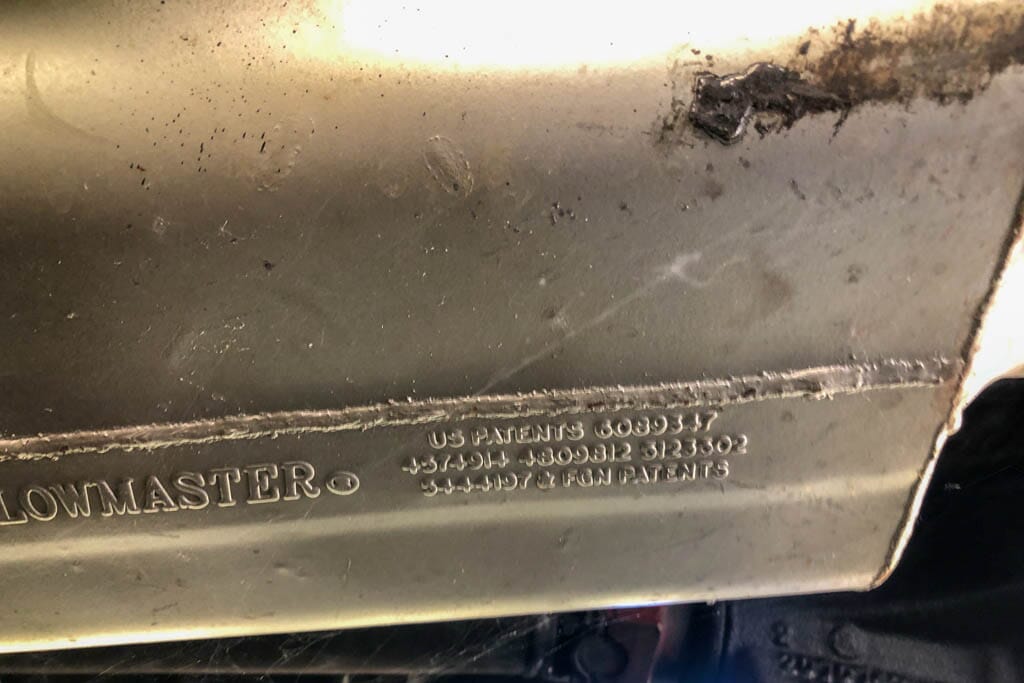
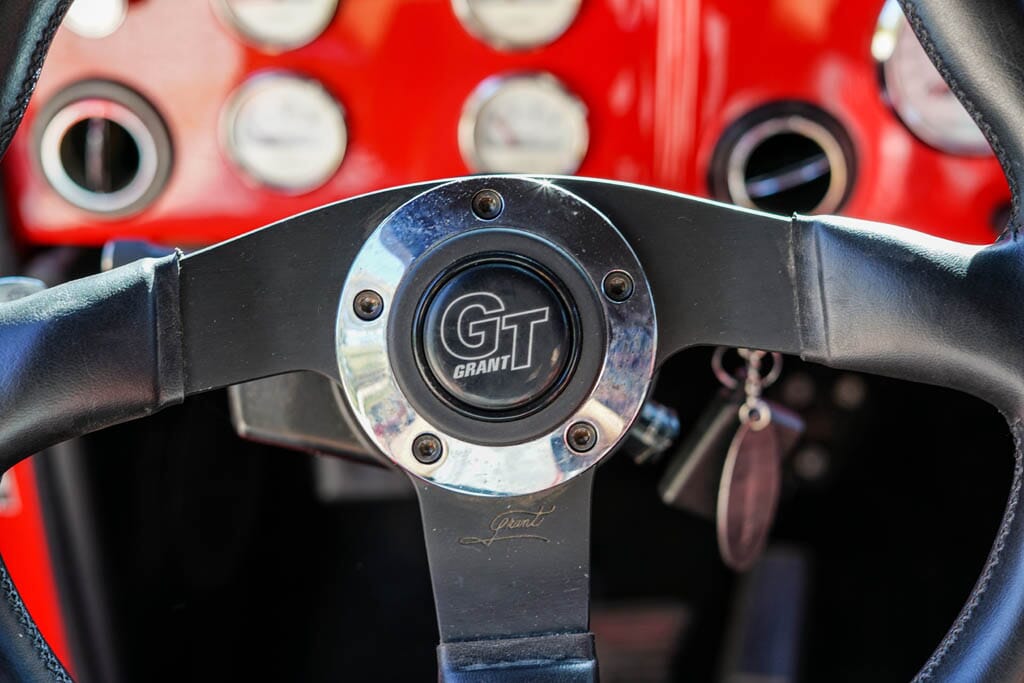
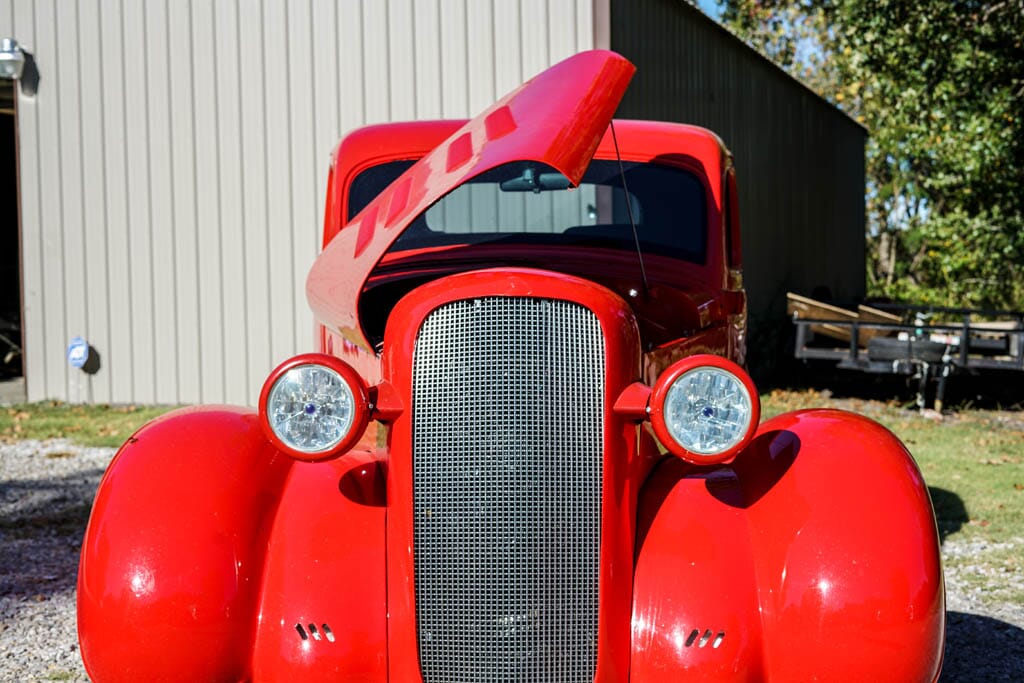
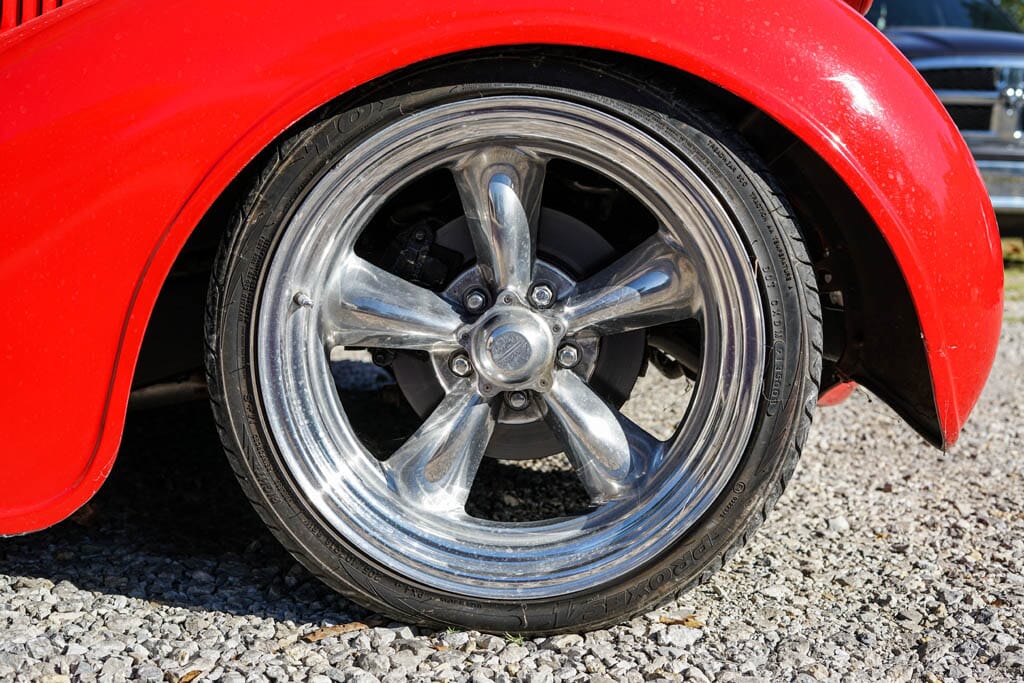
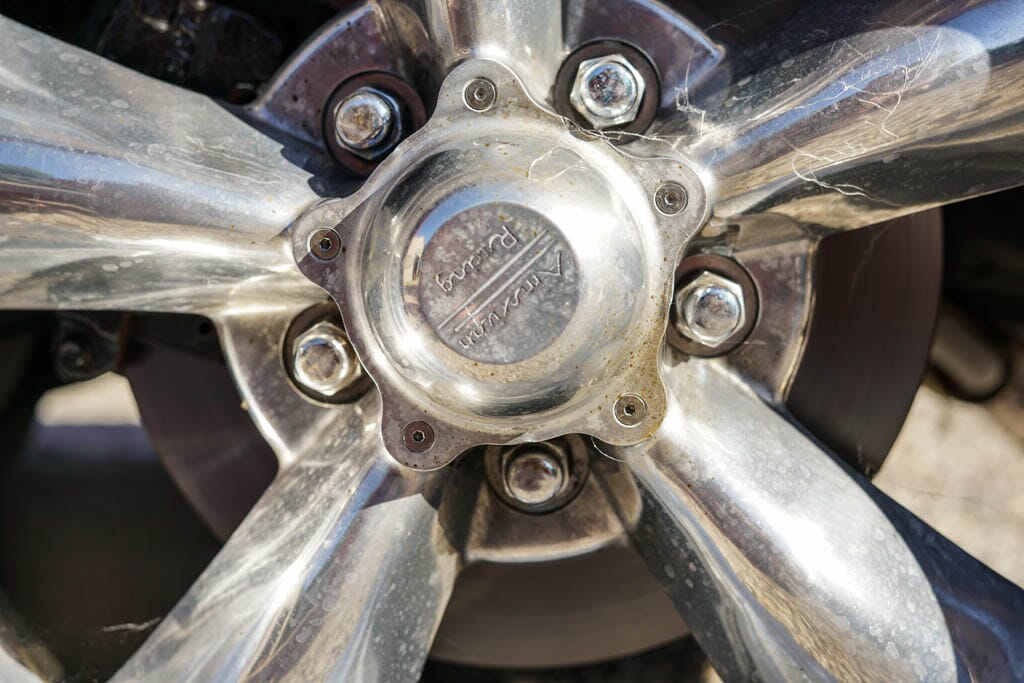
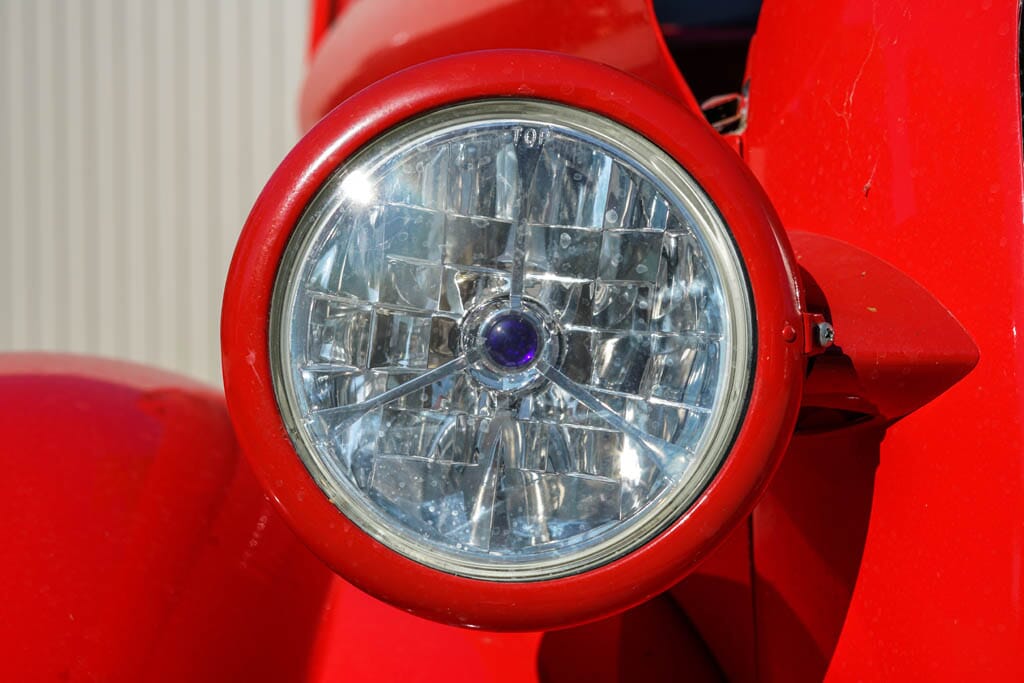
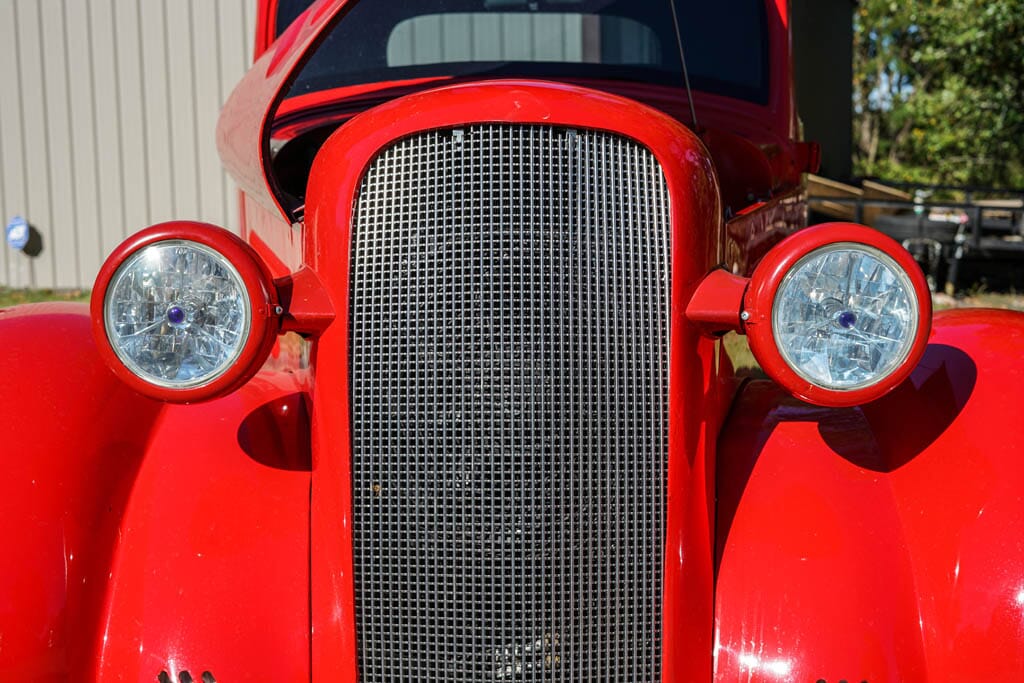
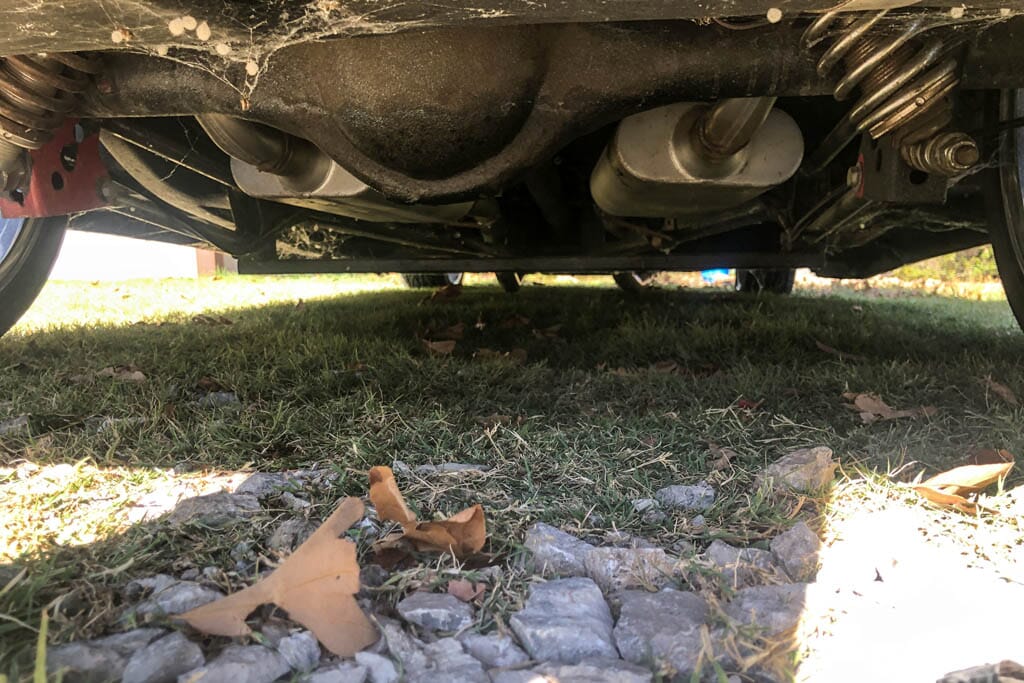
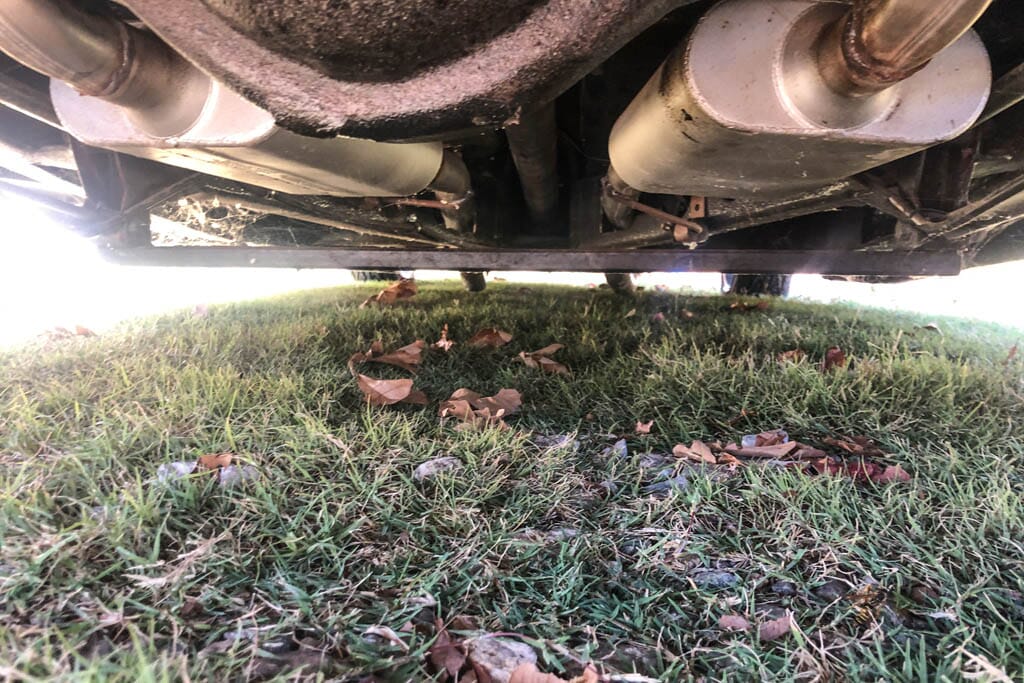
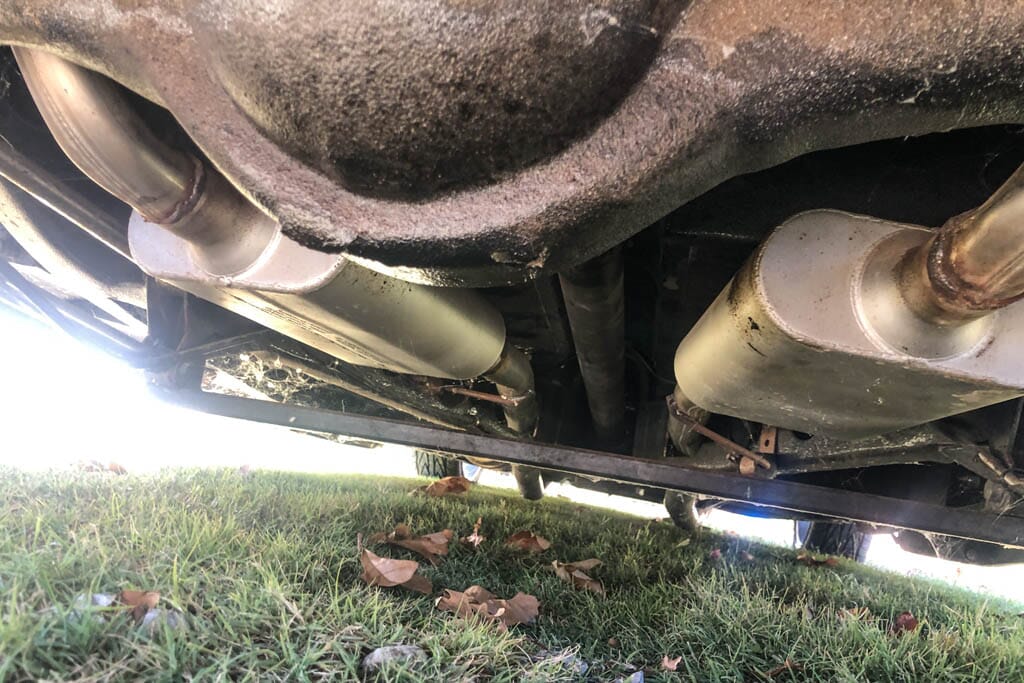
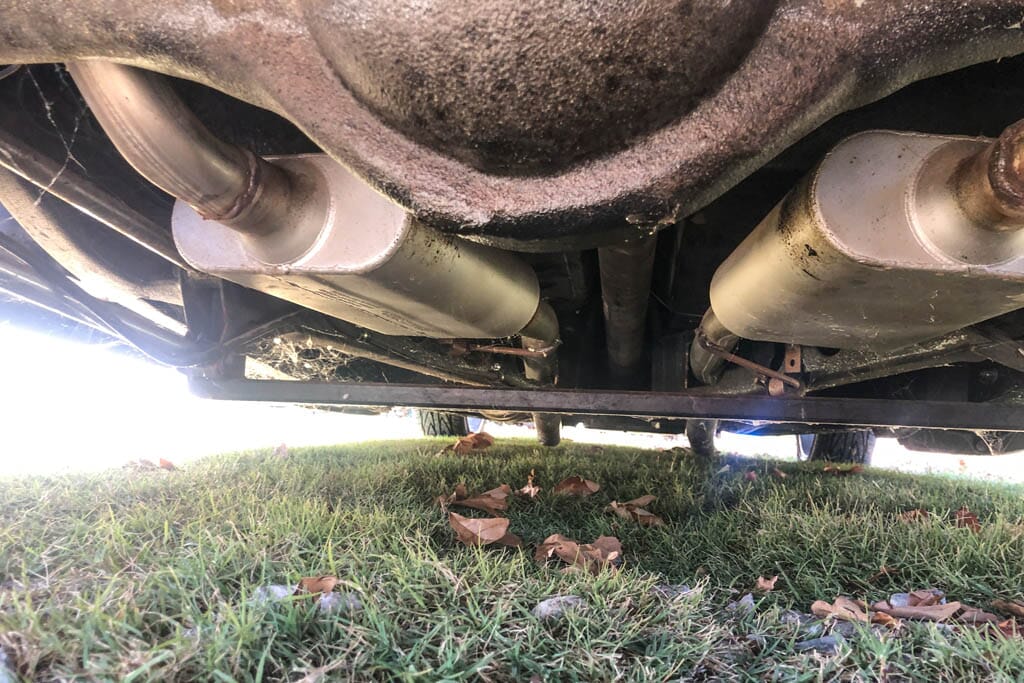
Modeled as a hot rod, this 1936 Plymouth Coupe Restomod rocks a new red paintjob, and shaved doors for a truly distinctive stance. It’s jaw-dropping power is further enhanced by its five-spoke, mag-style American Racing polished alloy wheels draped in low-profile tires. The podded headlamps have been enhanced with modern halogen reflector-type units, and the tall vertical grille enjoys some glitz too. Round back, two slit-style tail lamps are the only disruption to the smooth profile, and two polished exhaust tips are visible on either side. The interior has also received the restomod treatment, with modern seats draped in red and black leather and sporting lap belts for safety. A closer look reveals that the driver’s seat enjoys some power adjustments too! That’s not all. A Grant GT sport steering wheel has been installed as well, as have new white-faced gauges from TPI Tech. Even in-car entertainment has taken a much needed upgrade, with a Pioneer head unit that supports CD, WMA, MP3, and AUX in addition to regular, and satellite radio, sitting between two polished air vents for the ventilation system. It also appears that power windows have been installed, judging by the presence of switches on the doors.
Engine
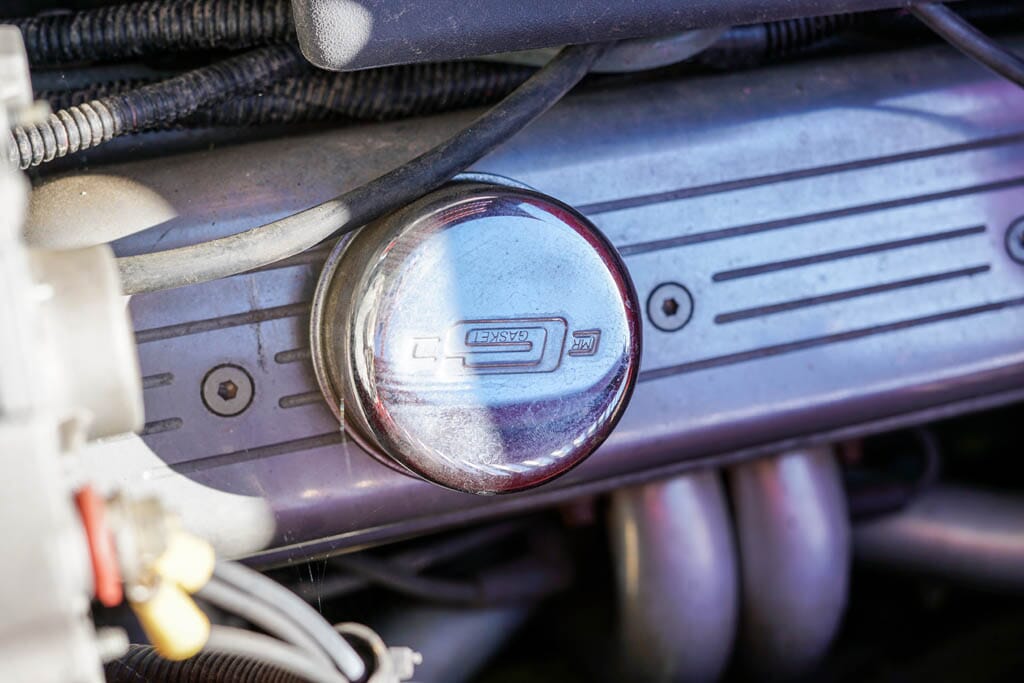
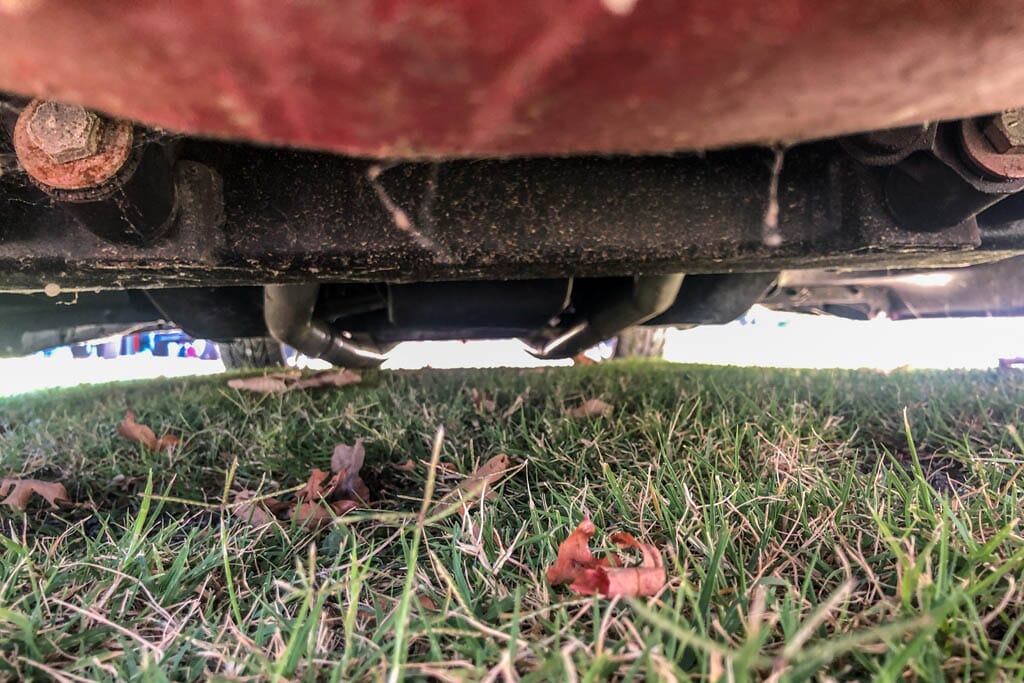
Whatever came as stock with this 1936 Plymouth Coupe Restomod, which was likely a carbureted in-line six that produced 100hp or less has been removed, and in its place, a modern Chevrolet Corvette LS1 V8 engine with fuel injection has been slotted in. This grants a much needed power boost, as the LS1 is likely pushing close to 300hp to the rear wheels, via an automatic transmission. The seller reports that the suspension, brakes, and transmission are new, and that an oil change has been performed recently.


Founded in 1928 by Walter P. Chrysler himself, Plymouth would eventually see the sunset in 2001. One of the early brands in America’s automobile industry, Plymouth was Chrysler Corporation’s low-price competitor, to take on Ford and Chevrolet at the time. During the Great Depression of 1930-1940, the brand continued producing cars for a struggling public, with models such as the Plymouth Coupe. Nowadays, there are those who like their Thirties cars as original as possible, and those who seek some modernization and customization. If you’re a person from the latter, this 1936 Plymouth Coupe Restomod is suited for you. Read on to find out why this garage-kept example deserves a space, not just in your garage, but in your heart.
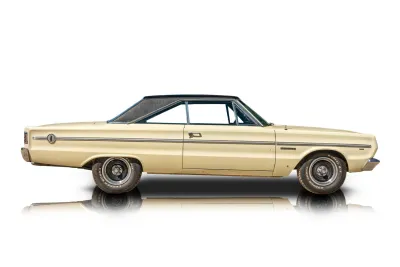
The 1966 Plymouth Belvedere II Hardtop is the kind of Mopar that gets enthusiasts interested before the hood is even opened. Its clean B-body lines, pillarless hardtop profile, Soft Yellow paint, black vinyl roof, and Magnum 500-style wheels give it the restrained factory muscle look of the mid-1960s, but this example carries much more serious hardware underneath. Showing approximately 91,610 miles, it is powered by a 440ci big-block V8 backed by a TorqueFlite 727 automatic, giving it the kind of drivetrain combination that feels right at home in a classic Plymouth. Add power steering, power disc brakes, air conditioning, and a dual exhaust system, and this Belvedere blends old-school Mopar attitude with enough comfort to make it more than just a weekend bruiser.
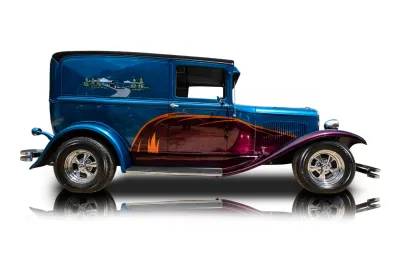
This 1928 Plymouth Model Q Delivery Street Rod takes the distinctive commercial-body styling of an early Plymouth and gives it a decidedly custom street-rod personality. Showing 20,060 miles, it combines a 351ci Windsor V8 with a C6 3-speed automatic transmission and rear-wheel drive, delivering a traditional American hot-rod powertrain in a far less common body style than the usual coupe or roadster. Its blue and Merlot two-tone exterior, custom flame graphics, hand-painted rear quarter artwork, aftermarket air conditioning, and reupholstered interior make this a highly personalized build with plenty of visual character.
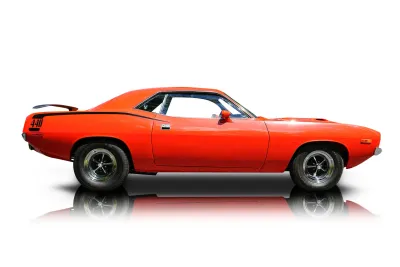
This 1972 Plymouth ’Cuda is a strong example of how the E-body platform can blend original pedigree with period-style muscle-car upgrades. Showing approximately 34,348 miles, this example is finished in Hugger Orange over a Black interior and carries the aggressive visual cues expected from a ’Cuda, including black side graphics, dual hood scoops, chrome bumpers, and Magnum 500-style wheels. The current owner reports that the car was originally equipped with a 340ci V8, while it is now powered by a larger 440ci V8 paired with a TorqueFlite 3-speed automatic. Performance-oriented upgrades include a 4-barrel carburetor, aftermarket aluminum intake manifold, MSD Digital 6AL ignition, aftermarket exhaust headers, and a dual exhaust system, giving this ’Cuda a considerably more muscular character than its original configuration.

Terms of Service
Be Kind and Courteous
We're here to create a platform to better the automotive industry through communication and transparency. Please treat everyone with respect. Healthy debates are natural, but kindness is required.
No Hate Speech
Make sure everyone feels safe. Hate speech of any kind is strictly prohibited. Degrading comments about things like race, religion, culture, sexual orientation, etc. will not be tolerated.
No Promotions or Spam
Give more than you take. Self-promotion, spam, or links of any kind are not allowed.
