





- 1969 Model Year Plymouth Roadrunner
- 383ci v8
- Automatic
- Current Owner Reports Brand New Flowmaster Exhaust
- Current Owner Reports Painted B5 Blue 8 years ago
- Current Owner Reports Fully Restored
- Current Owner Reports New Tires
- Current Owner Reports Drums Brakes
- Current Owner Reports Original Humpback Headers
- Current Owner Reports Brand New Alternator
- Current Owner Reports Brand New Starter
- Current Owner Reports Brand New Power Steering Pump
- Current Owner Reports Painted Gas tank
- Current Owner Reports New Master Cylinder
- Current Owner Reports Heater Coils Changed
- Current Owner Reports Bumpers Rechromed
- Current Owner Reports Brand New Windshield Washer Pump and Reservoir
- Current Owner Reports Original Spare Tire


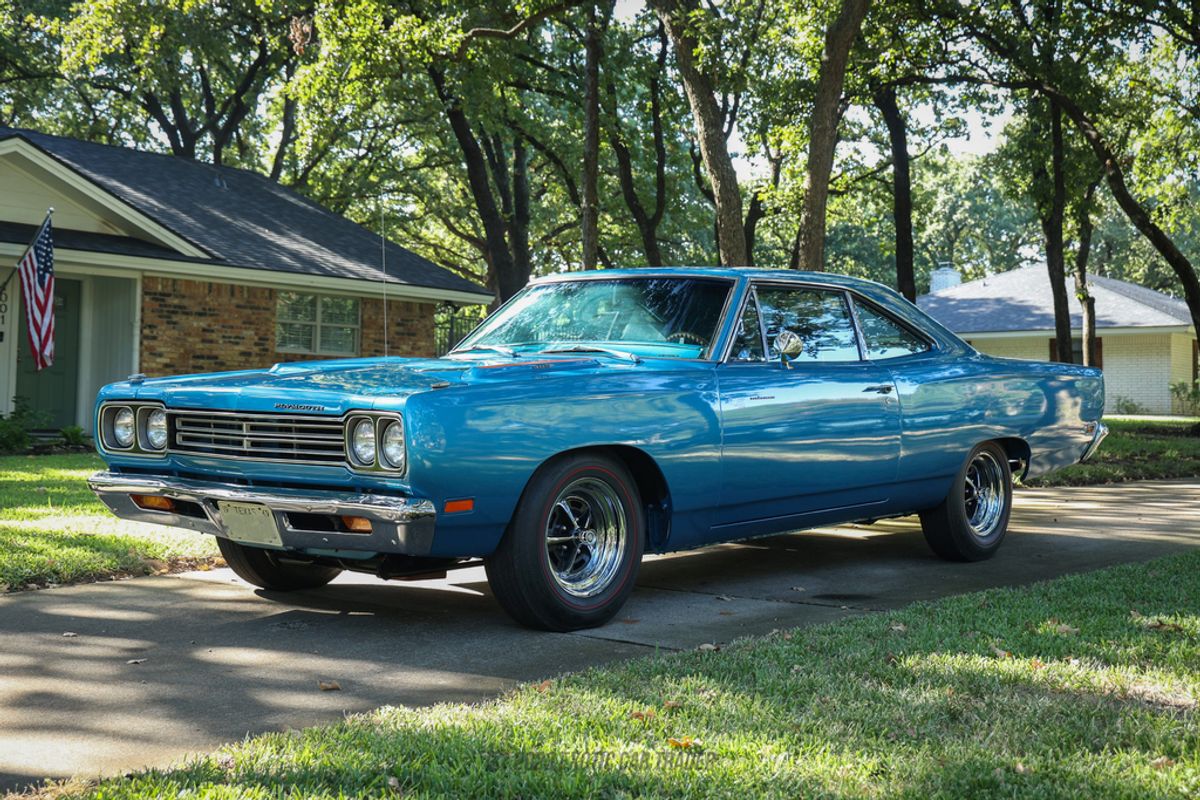
Plymouth, a cherished American automotive marque, has regrettably faded into history, leaving behind a trail of iconic nameplates. Among these, the legendary Road Runner stands tall. Revered for its emphasis on robust performance, the Road Runner graced the roads as a mid-size powerhouse for a brief but impactful three generations. Representing the inaugural era, this 1969 Plymouth Road Runner Hardtop, though boasting a mileage of 125,250, has undergone substantial refurbishment to ensure its enduring vitality. Are you poised to claim the mantle of its next steward?
Exterior and Interior
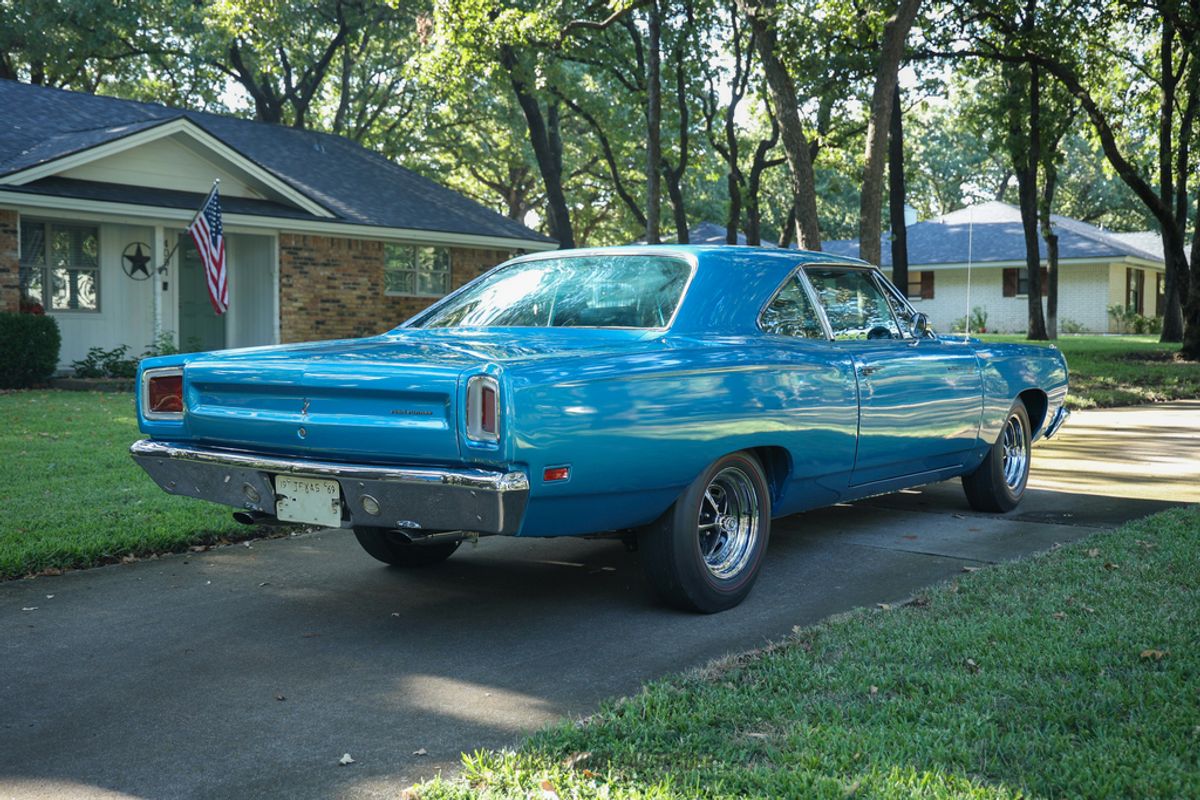
Reputedly receiving a comprehensive refurbishment approximately eight years ago, this 1969 Plymouth Road Runner Hardtop gleams in its B5 Blue repaint, a key factor contributing to its impeccable presentation. Meticulously restored, the vehicle cruises on a stylish set of wheels dressed in fresh tires, while the original spare wheel finds its place in the trunk. The re-chromed bumpers further enhance the vehicle's nearly factory-fresh appearance, rendering it an exquisite masterpiece for the astute enthusiast. Yet, the allure doesn't cease there. Upon entering the four-seat cabin of this 1969 Plymouth Road Runner Hardtop, one is met with an equally immaculate interior. The front and rear bench seats beckon for occupancy, and the original dashboard houses era-appropriate gauges that exude nostalgic charm. As the driver's hands grasp the slender wood-rimmed steering wheel, a journey back in time is inevitable – a welcome respite from the omnipresent digital realm of today. The current owner's meticulous care is evident in the replacement of the heater coils and the installation of a new windshield washer pump and reservoir, ensuring pristine visibility ahead, regardless of the conditions.
Engine
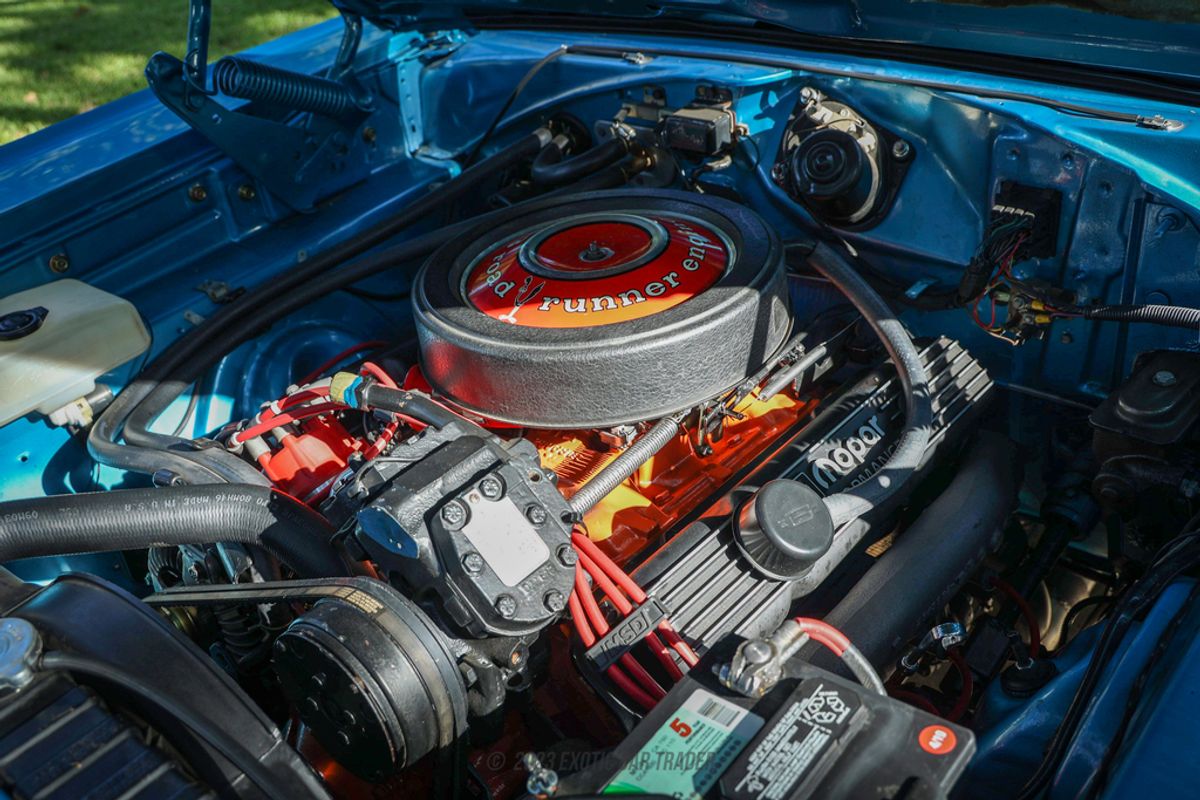
Under the hood of this 1969 Plymouth Road Runner Hardtop resides a robust 383ci V8 engine. Notably adorned with original humpback headers and Mopar valve covers, the powerplant boasts enhanced auditory prowess courtesy of a fresh Flowmaster exhaust, amplifying its formidable growl beyond its original 1969 incarnation. This muscular heart has received additional attention, as evidenced by the inclusion of a new alternator, starter, power steering pump, and a recently repainted fuel tank. The engine's vigor is translated to the rear wheels through an automatic transmission, ensuring smooth yet commanding acceleration. On the deceleration front, drum brakes are aptly equipped, ready to assert their stopping power and rein in this dynamic force of nature.

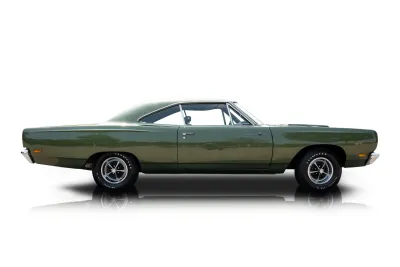

By 1969, the Plymouth Road Runner had firmly established itself as one of the defining muscle cars of the era, combining big-block performance with a no-nonsense attitude that appealed to enthusiasts looking for speed over luxury. This 1969 Plymouth Road Runner embodies that philosophy with its legendary 383ci V8, desirable 4-speed manual transmission, and iconic Air Grabber induction system. Showing approximately 82,962 miles, this Ivy Green classic offers the unmistakable styling, raw driving experience, and factory performance pedigree that continue to make the Road Runner one of Mopar's most celebrated creations.
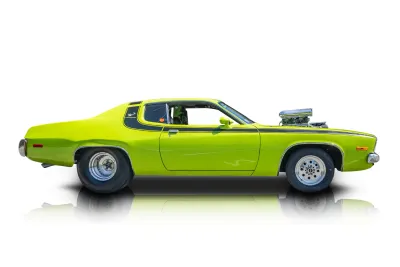
This 1974 Plymouth Road Runner Pro Street Supercharged is a purpose-built street-and-strip muscle car combining classic Mopar styling with serious drag racing hardware. Originally a 340ci V8, this Road Runner has been transformed with a professionally built and balanced big block powerplant featuring a Dyer’s Machine Blower Company supercharger system, dual Holley carburetors, and an estimated 800 horsepower output. Designed for high-performance driving, it pairs its supercharged engine with a reverse-pattern 727 TorqueFlite automatic transmission, Detroit Locker differential, 4-link rear suspension, and Mickey Thompson ET Street tires. Finished in a vibrant Lime Green exterior with a competition-inspired setup including a full roll cage, racing harnesses, and upgraded chassis components, this Pro Street build represents the classic era of American horsepower taken to an extreme level.
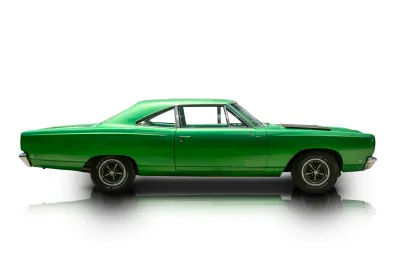
The Plymouth Road Runner was introduced for buyers who wanted one thing above all else: performance. By stripping away unnecessary luxury features and focusing on big-block power, Plymouth created one of the most successful muscle cars of the era. This 1968 Plymouth Road Runner Hardtop Coupe shows 57,801 miles and is powered by the legendary 383ci Magnum V8, making it a textbook example of the formula that made the Road Runner a household name among enthusiasts. Finished in an eye-catching green exterior over a white vinyl interior, this first-year Road Runner embodies the no-nonsense attitude that helped establish the model as one of the most iconic muscle cars of the late 1960s.
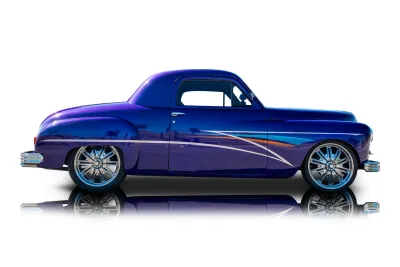
This 1949 Plymouth Deluxe Club Coupe Restomod brings together the timeless styling of Plymouth’s post-war era with a carefully executed custom build focused on improved performance and drivability. With only 2,342 miles reported on the current build, this coupe showcases a traditional hot rod approach by retaining its classic body design while incorporating upgraded mechanical components and modern conveniences. The build is centered around a 318ci V8 featuring a 360 block, paired with a TorqueFlite 727 automatic transmission and upgraded with an Edelbrock 4-barrel carburetor. Additional highlights include a 12V electrical conversion, custom purple paint, custom side graphics, aftermarket suspension, aftermarket wheels, and a personalized interior featuring updated gauges and steering wheel. This Plymouth Deluxe Club Coupe Restomod offers enthusiasts a unique opportunity to enjoy vintage Mopar character with a custom drivetrain and modernized features designed for enjoyable cruising.
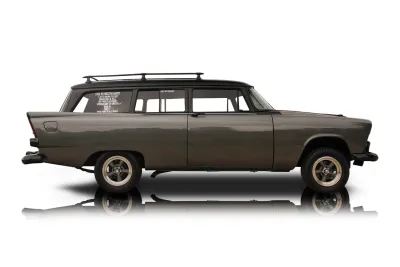
With only approximately 3,800 miles on the current build, this 1956 Plymouth Savoy Restomod represents a unique blend of classic Mopar styling and carefully selected performance upgrades. According to the current owner, only 13 examples are known to still exist, adding to the rarity and appeal of this custom-built Plymouth. Underneath its timeless 1950s design is a thoroughly modernized chassis featuring a 1978 Chevrolet Nova subframe conversion and a 1967 Chevrolet Chevelle rear conversion, creating a more capable foundation for modern cruising. Finished in gray with a custom-built drivetrain, 360ci V8, and 727 Torqueflite automatic transmission, this Savoy delivers a distinctive combination of vintage character and upgraded street performance.
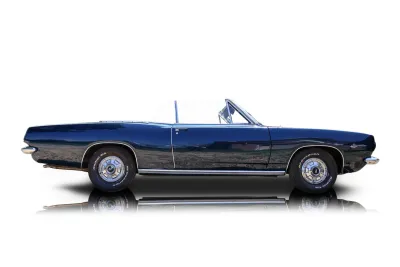
This 1967 Plymouth Barracuda Convertible represents the early generation of Plymouth’s sporty compact, combining distinctive styling with classic Mopar engineering. Showing 34,407 miles, this example is powered by the 273ci V8 and features a 3-speed automatic transmission, rear-wheel drive, and a timeless Dark Blue exterior paired with a White vinyl interior and convertible soft top. With its sleek fastback-inspired design cues adapted into a drop-top configuration, factory-style wheel covers, and vintage Chrysler performance character, this Barracuda offers an appealing piece of late-1960s American automotive history.

Terms of Service
Be Kind and Courteous
We're here to create a platform to better the automotive industry through communication and transparency. Please treat everyone with respect. Healthy debates are natural, but kindness is required.
No Hate Speech
Make sure everyone feels safe. Hate speech of any kind is strictly prohibited. Degrading comments about things like race, religion, culture, sexual orientation, etc. will not be tolerated.
No Promotions or Spam
Give more than you take. Self-promotion, spam, or links of any kind are not allowed.
