




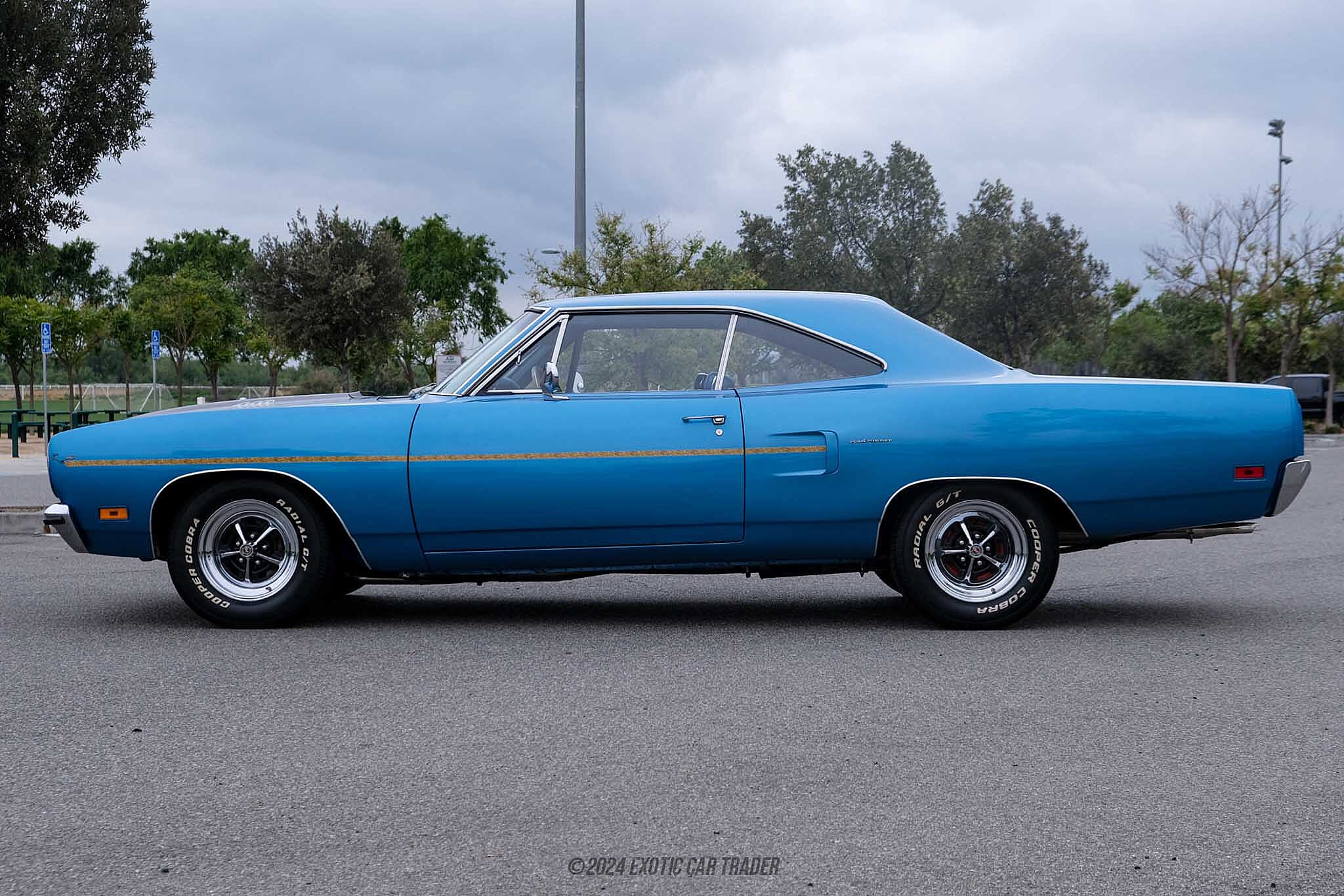

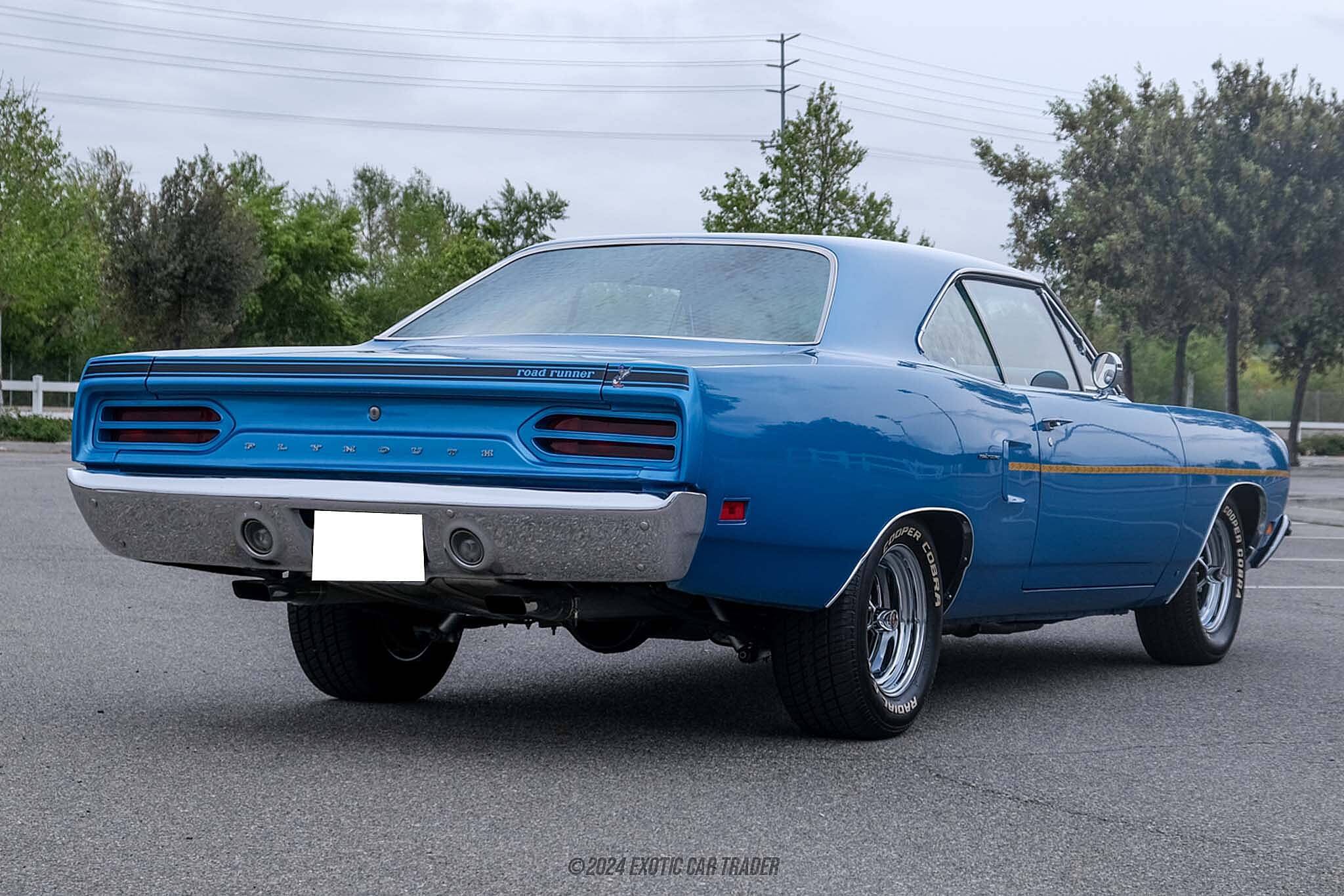
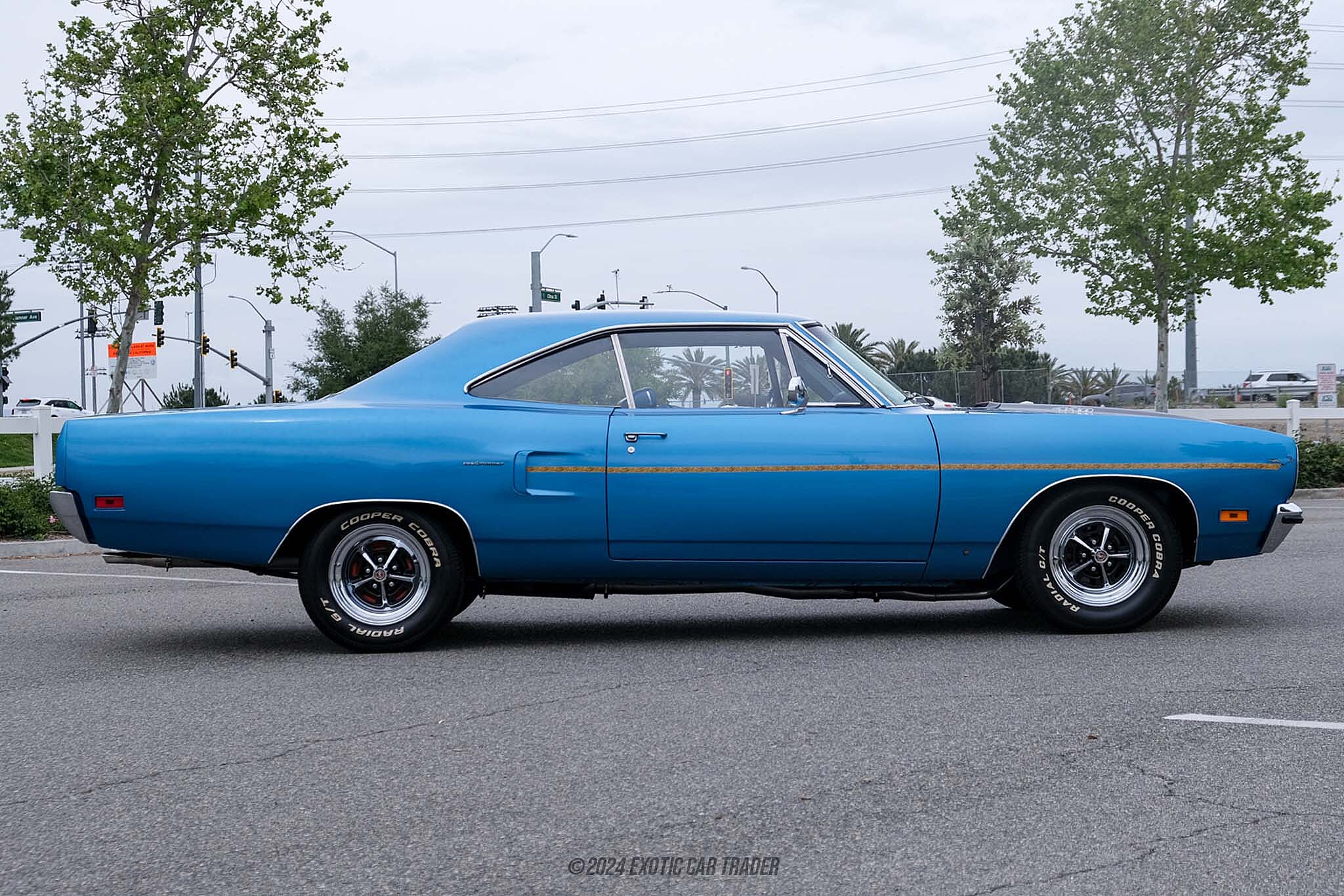
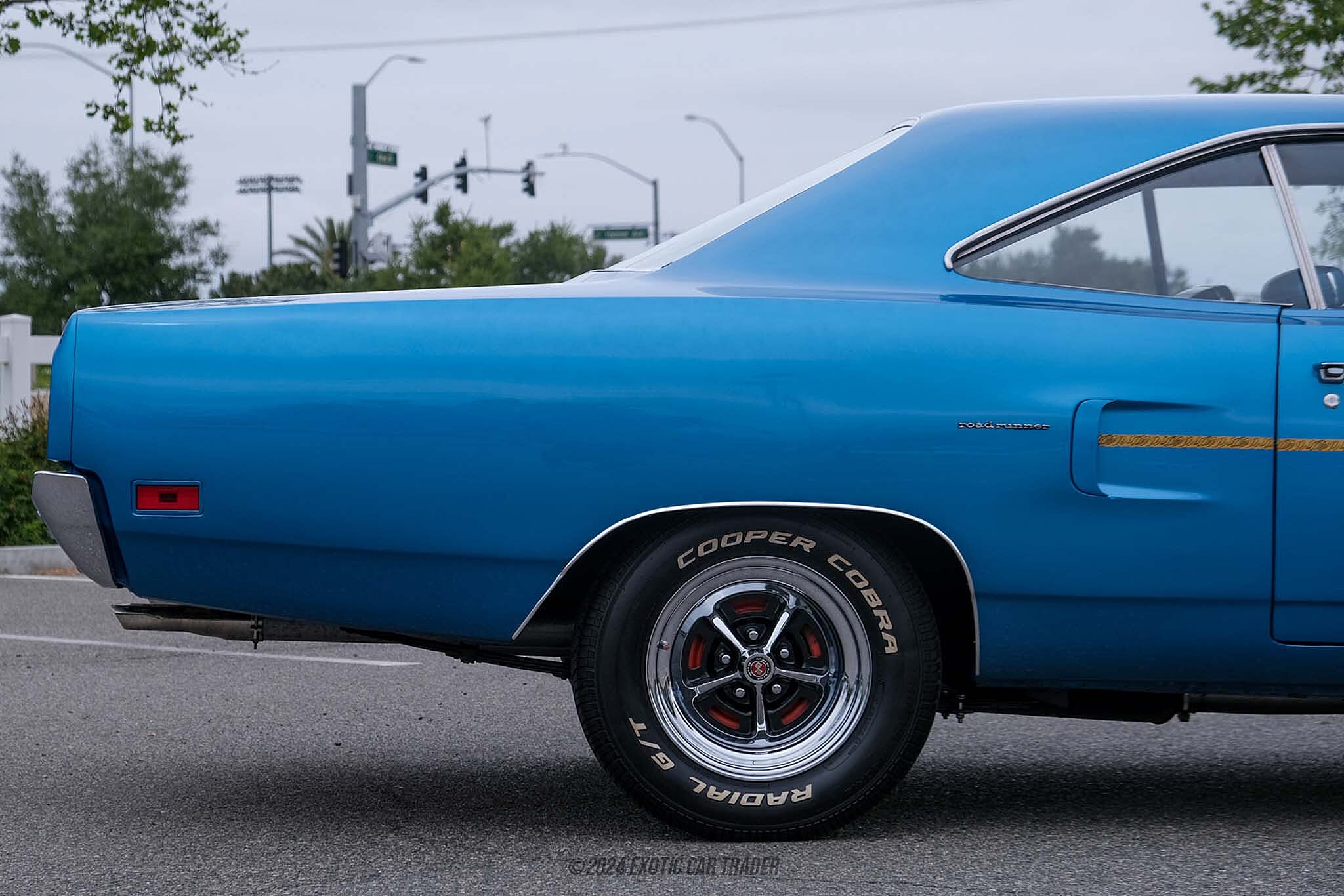

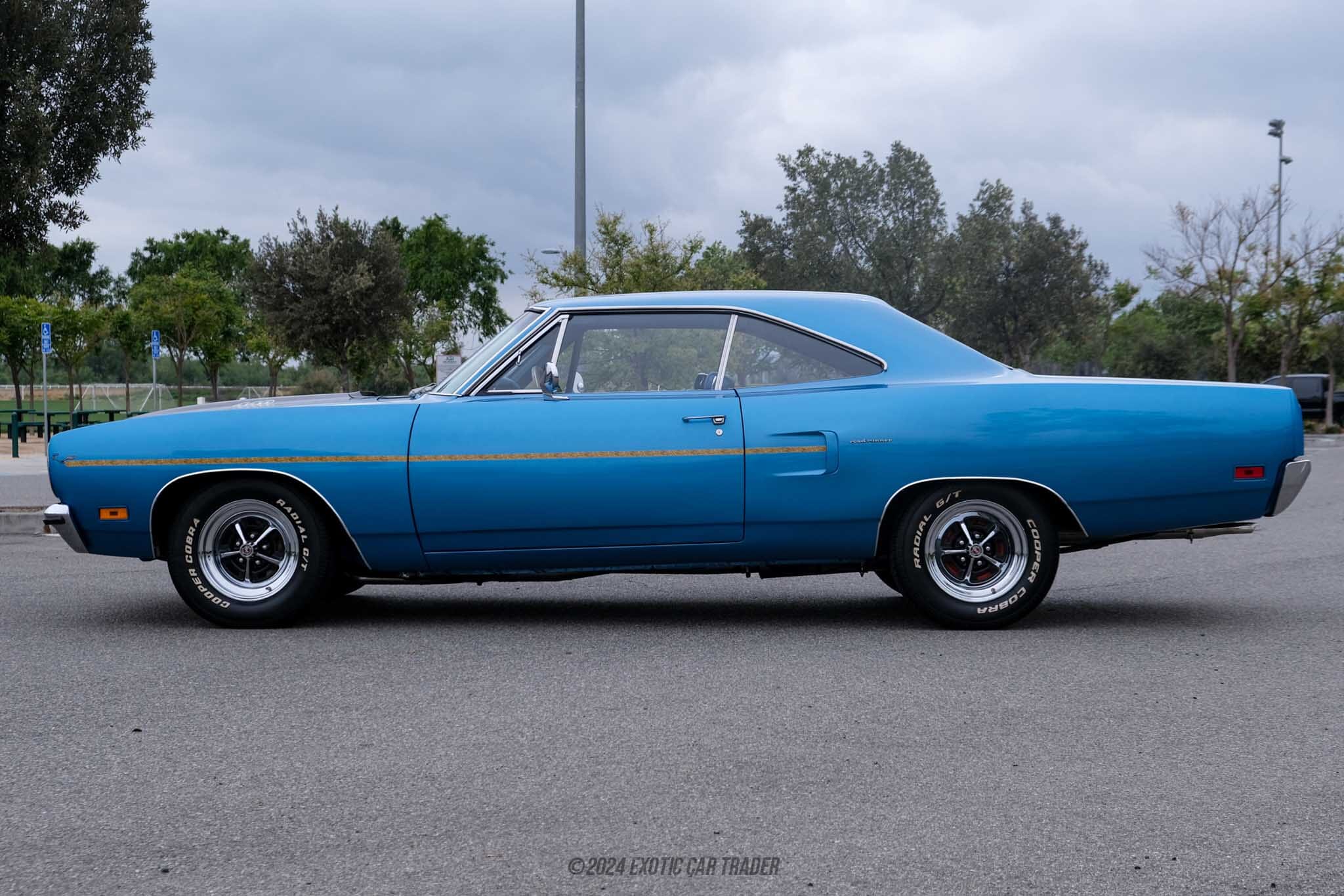
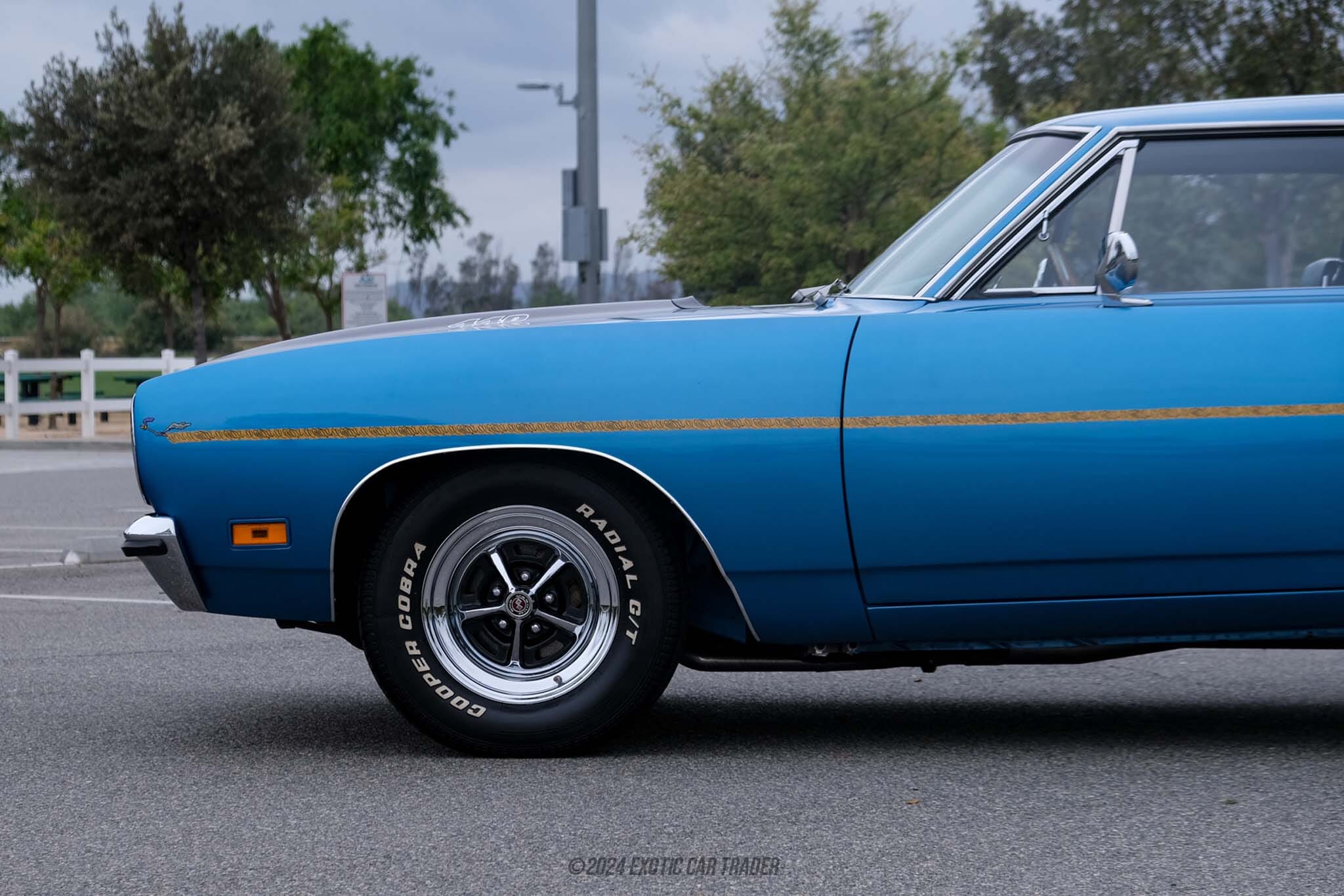
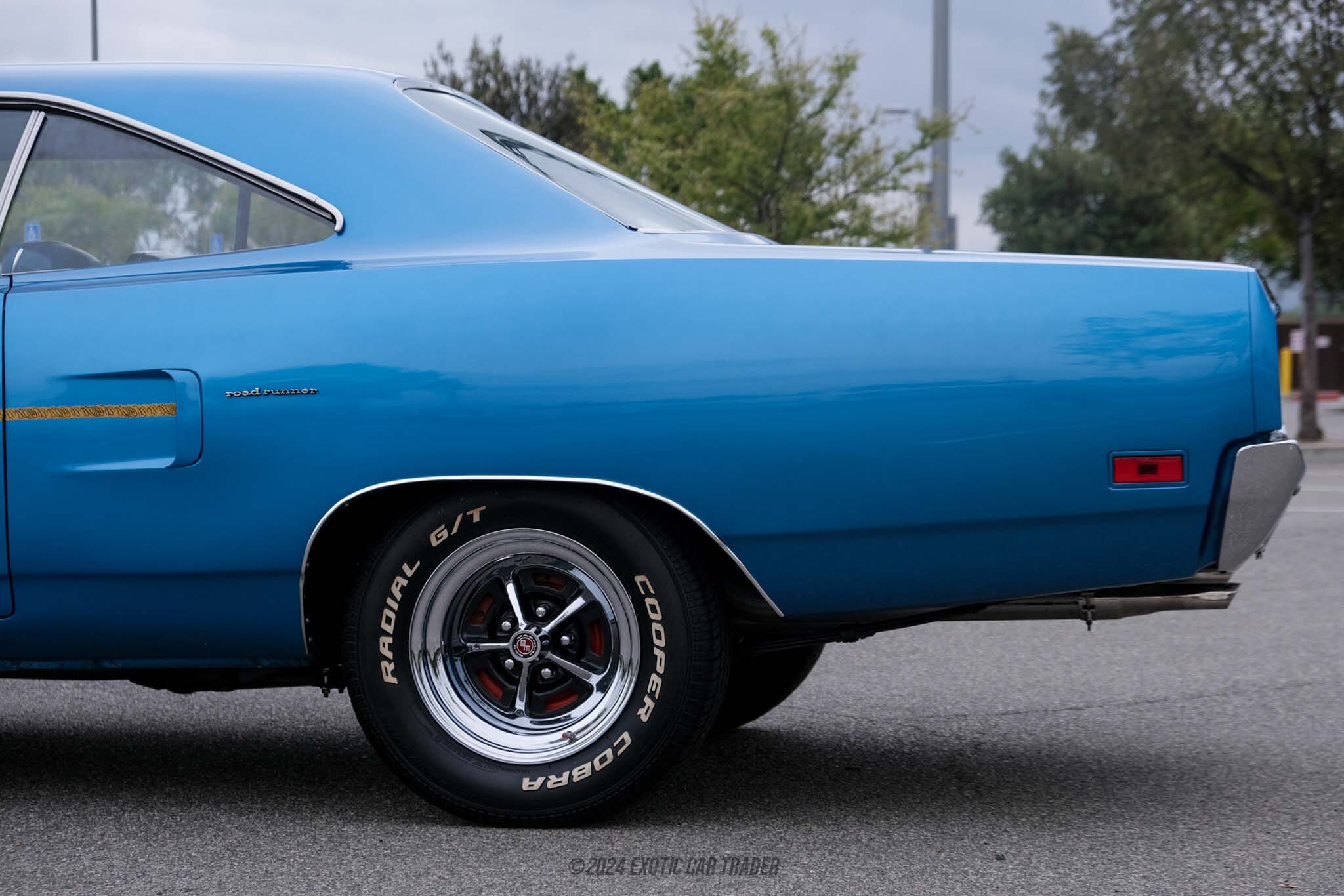
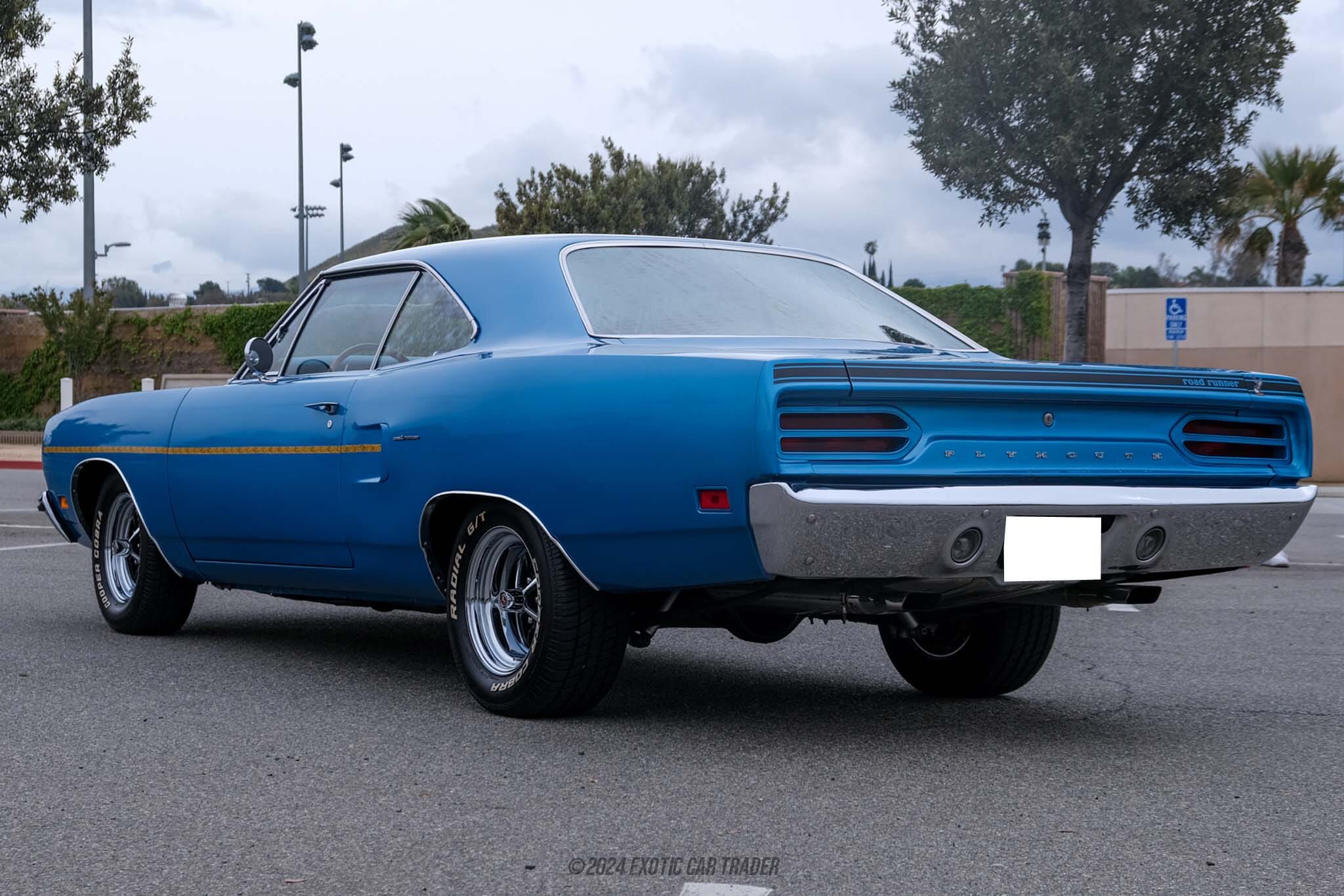
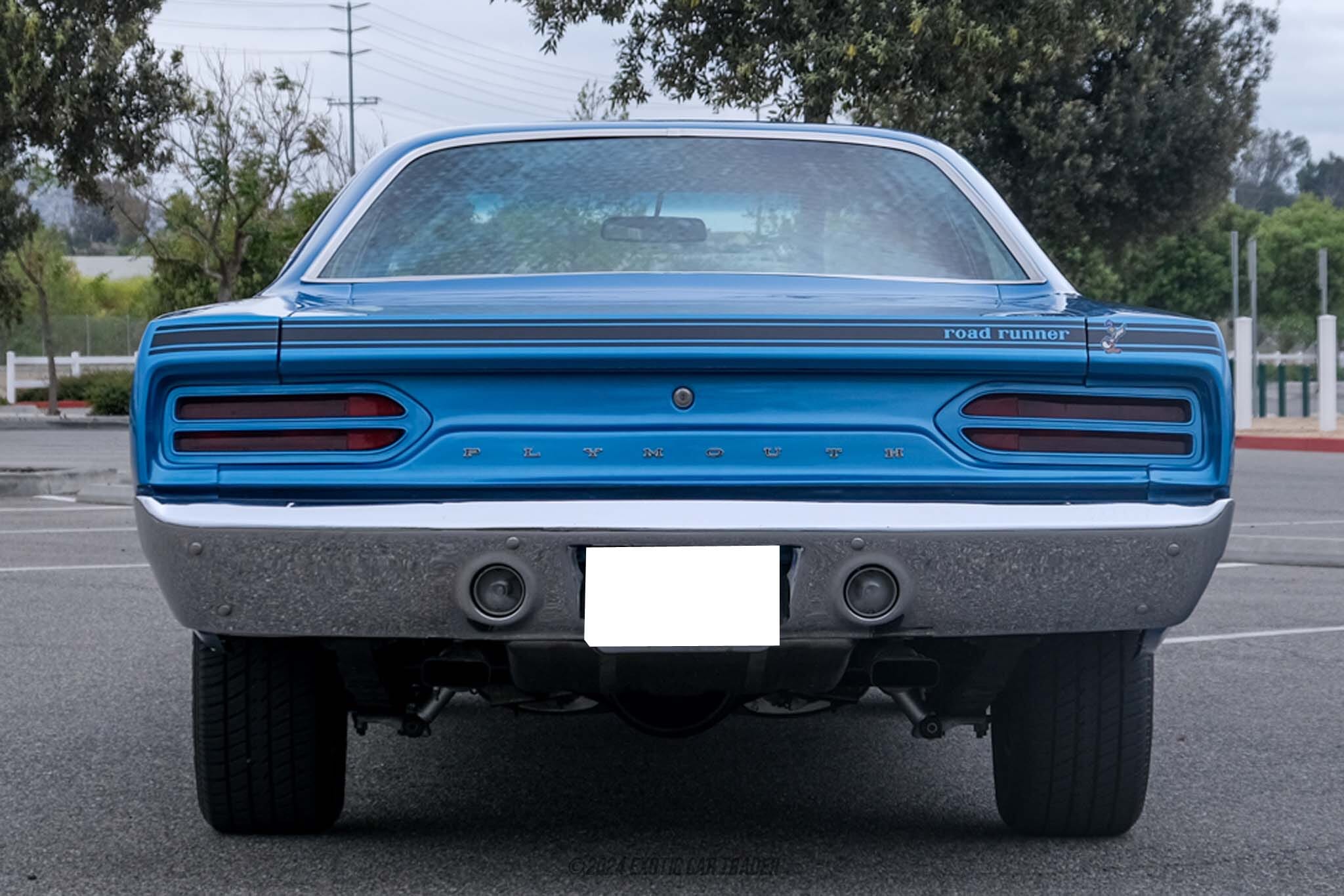
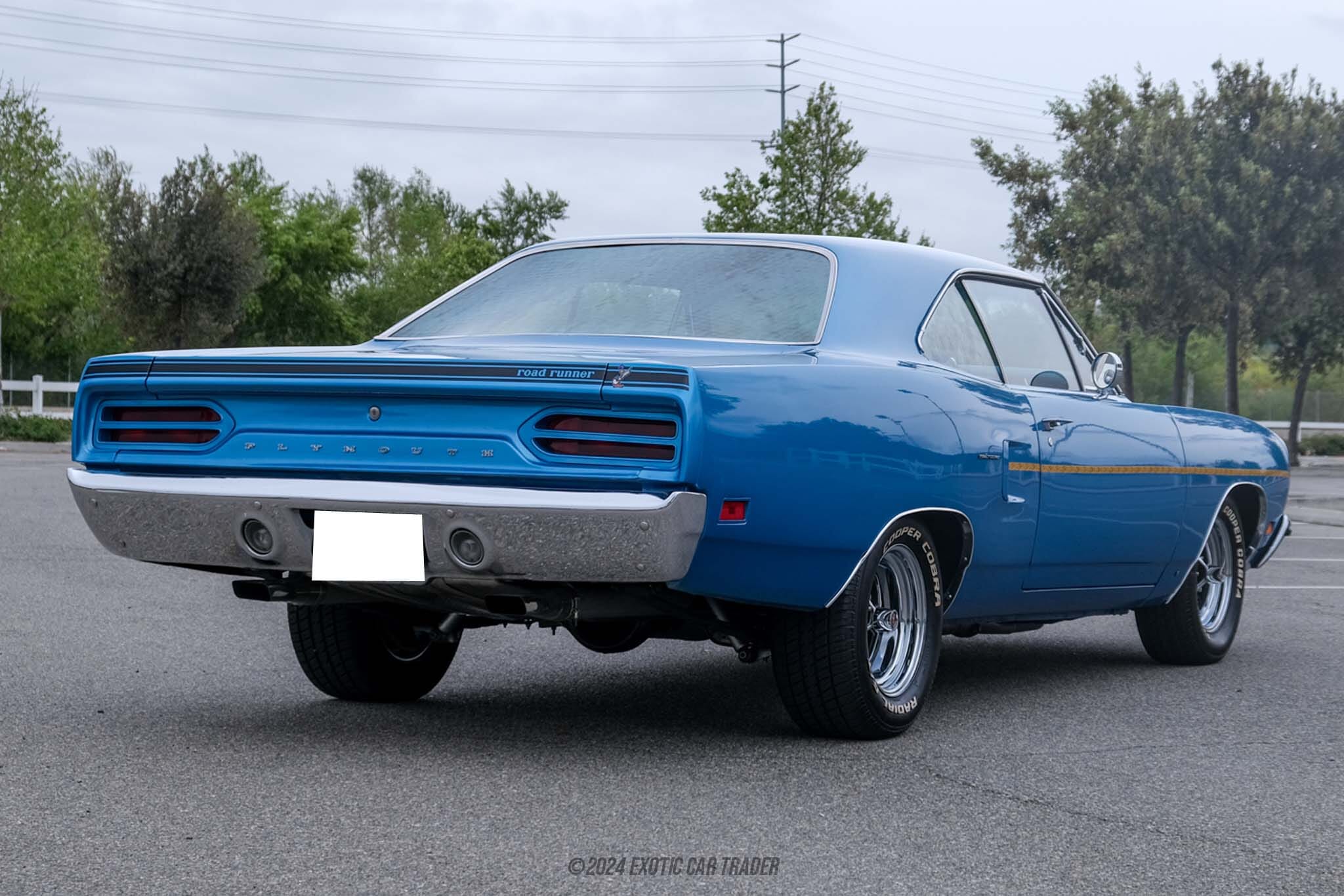
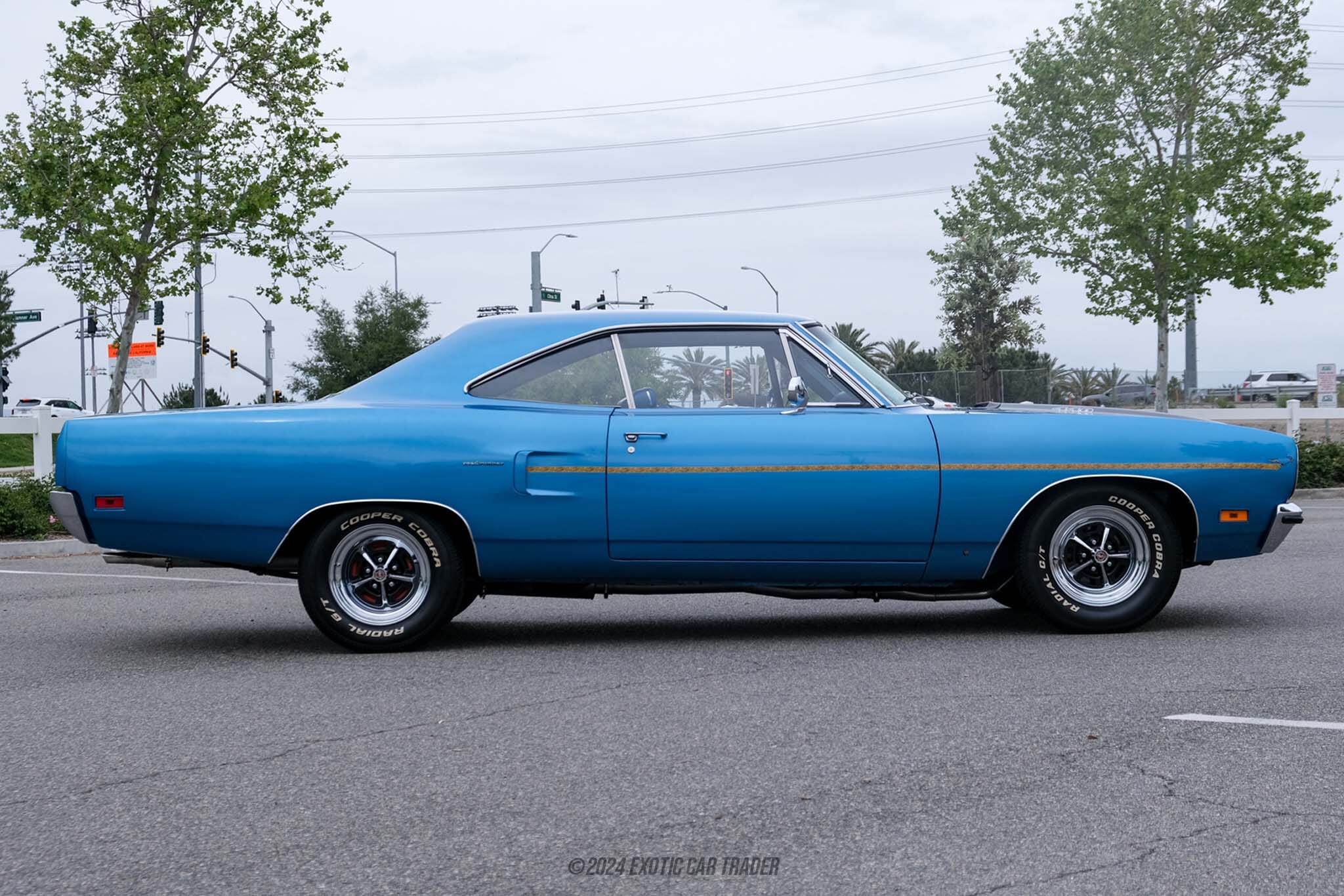
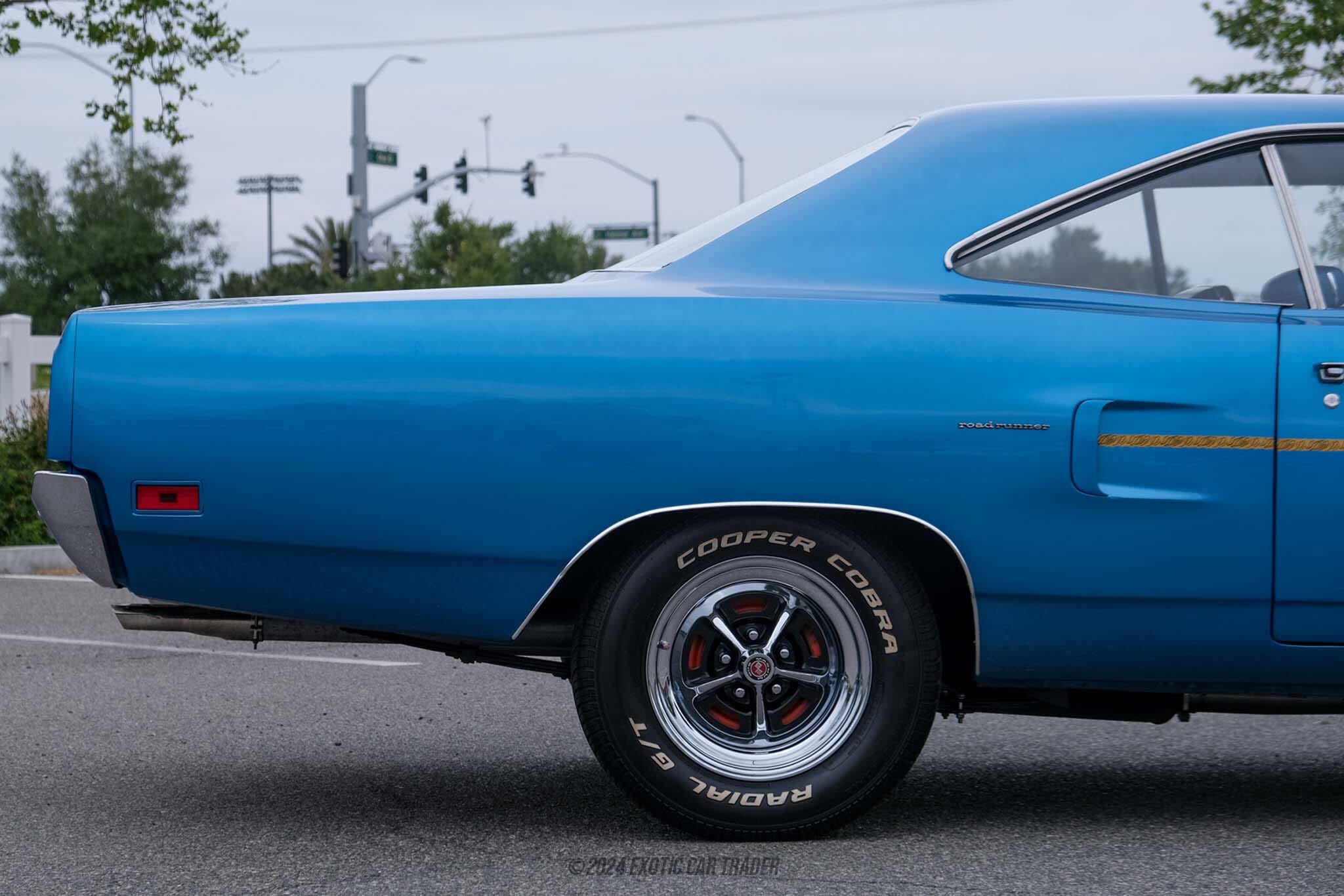
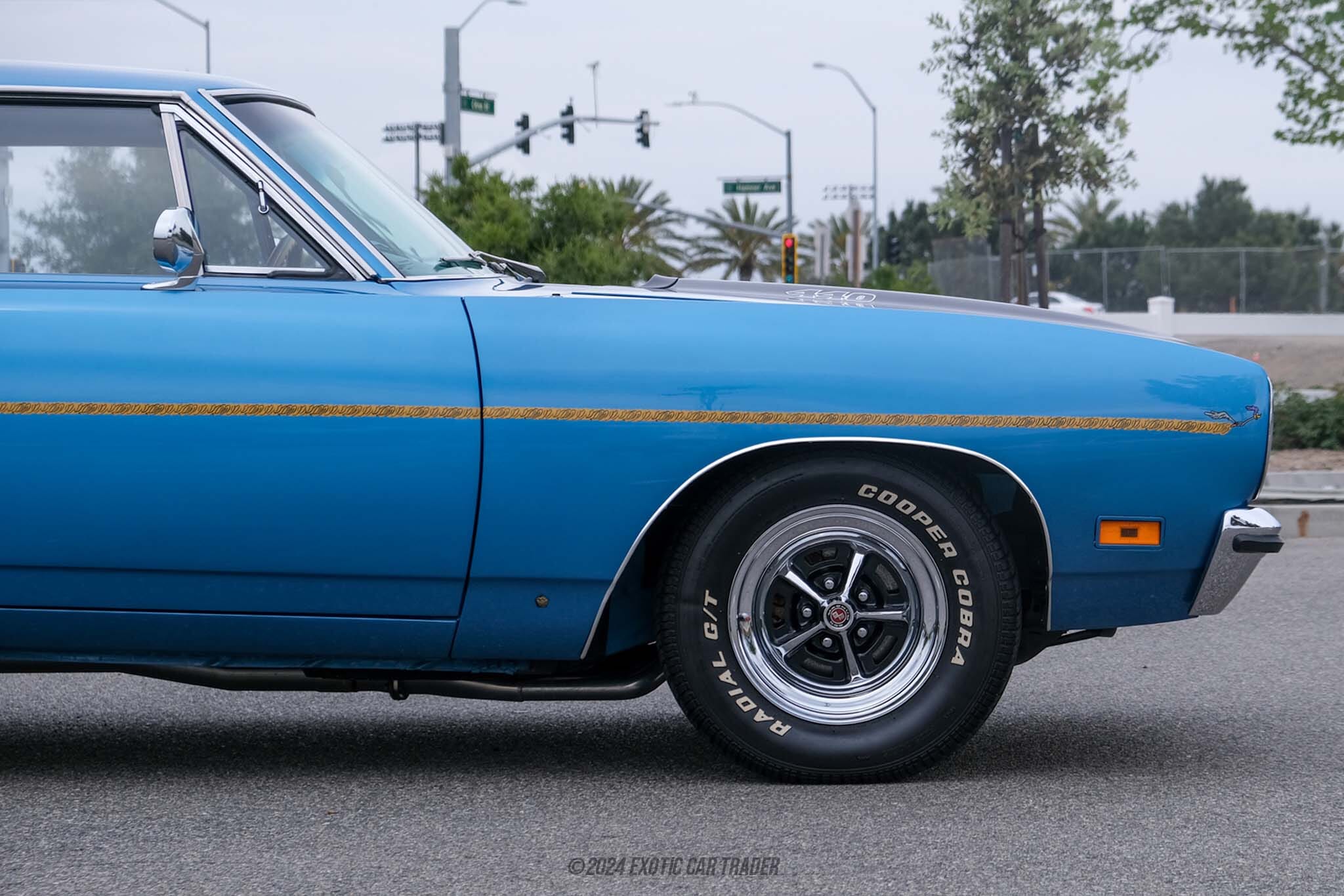
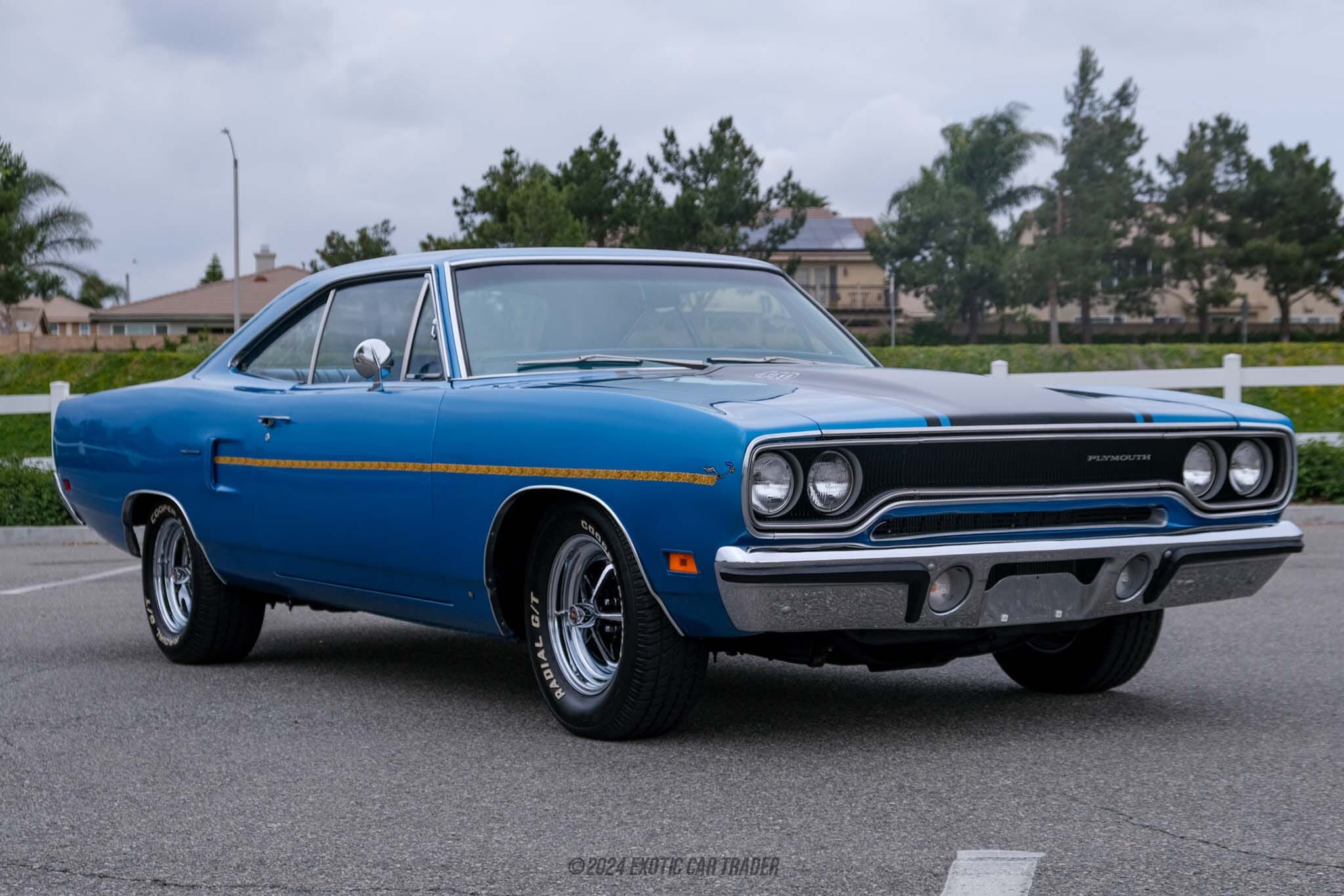
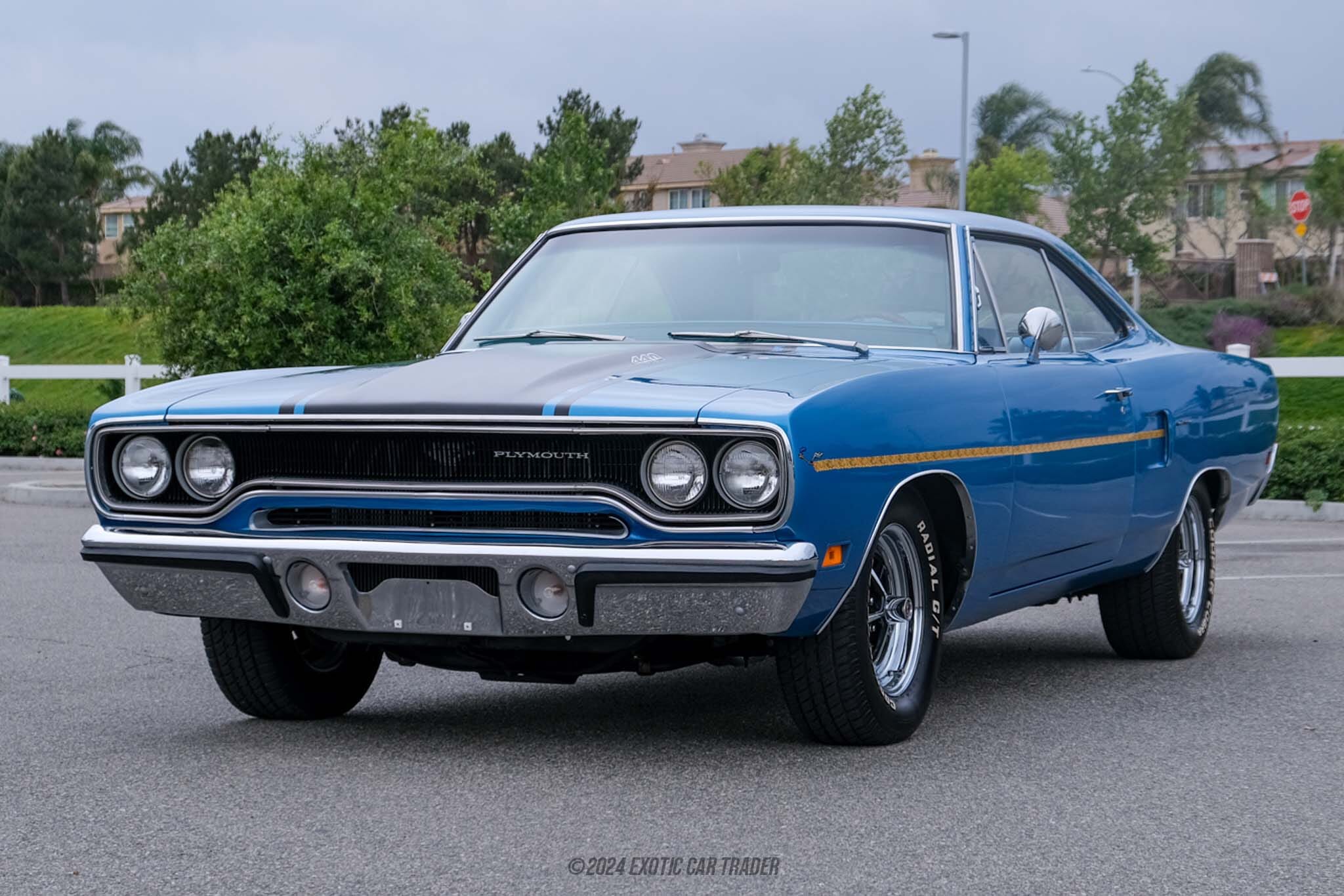
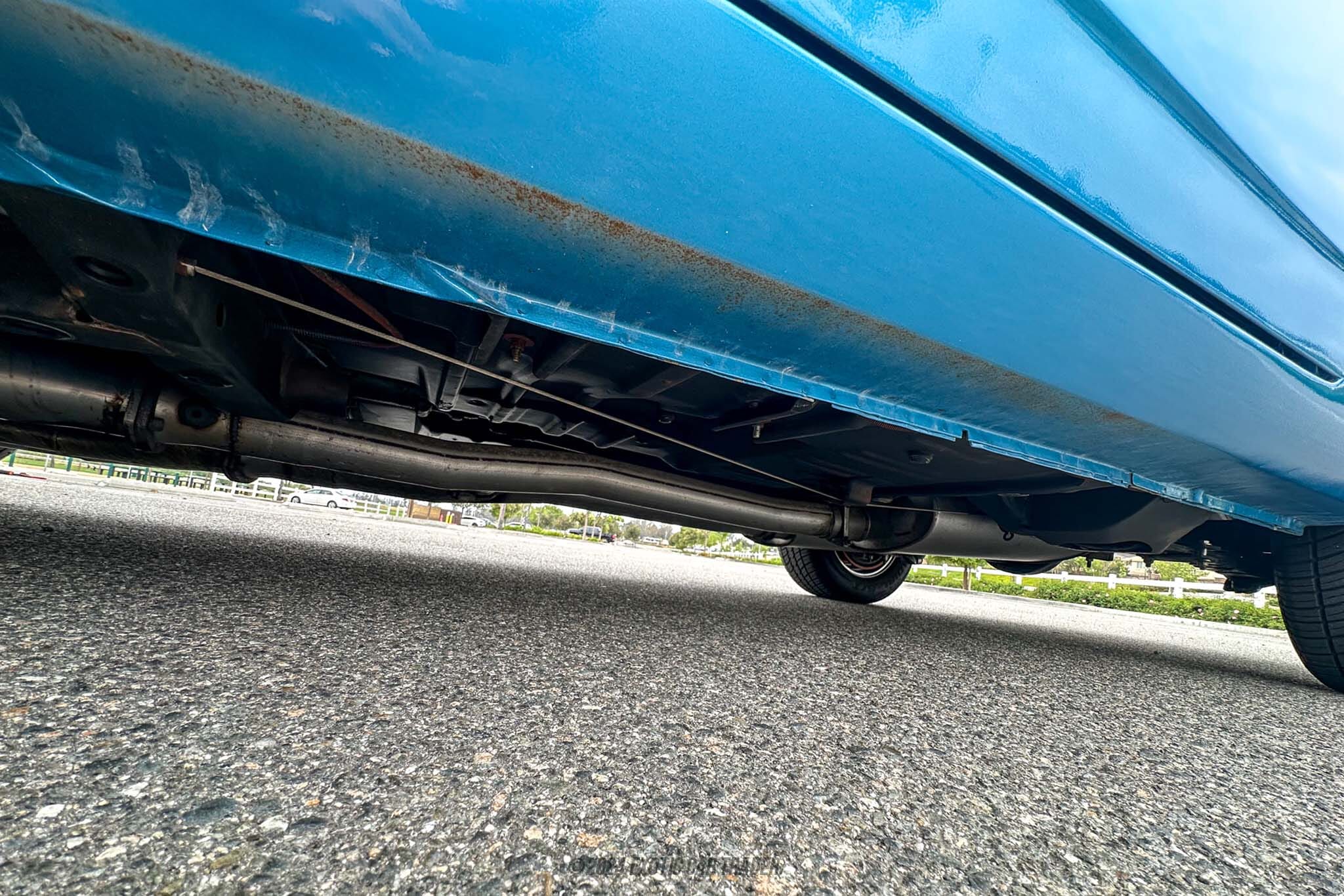
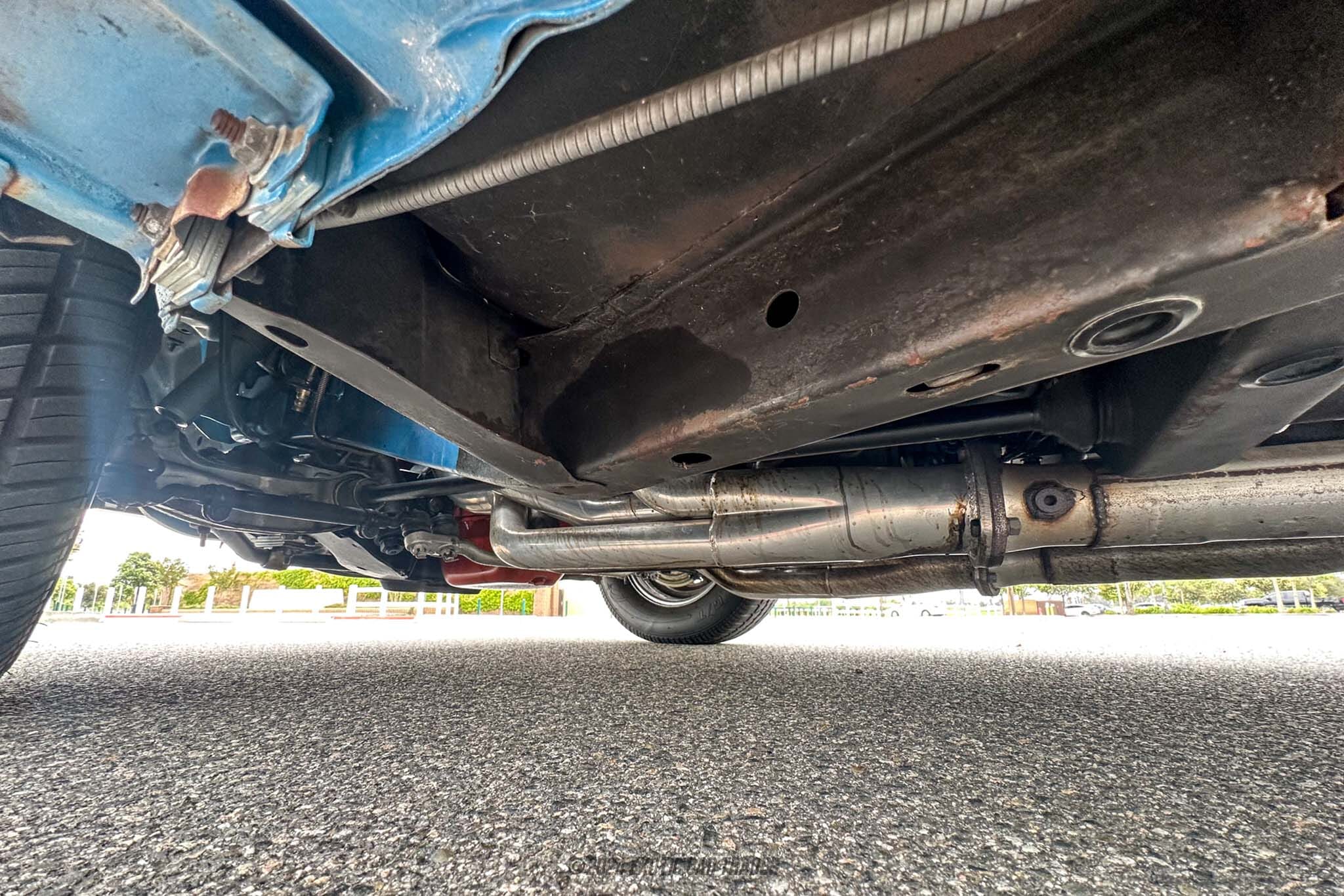
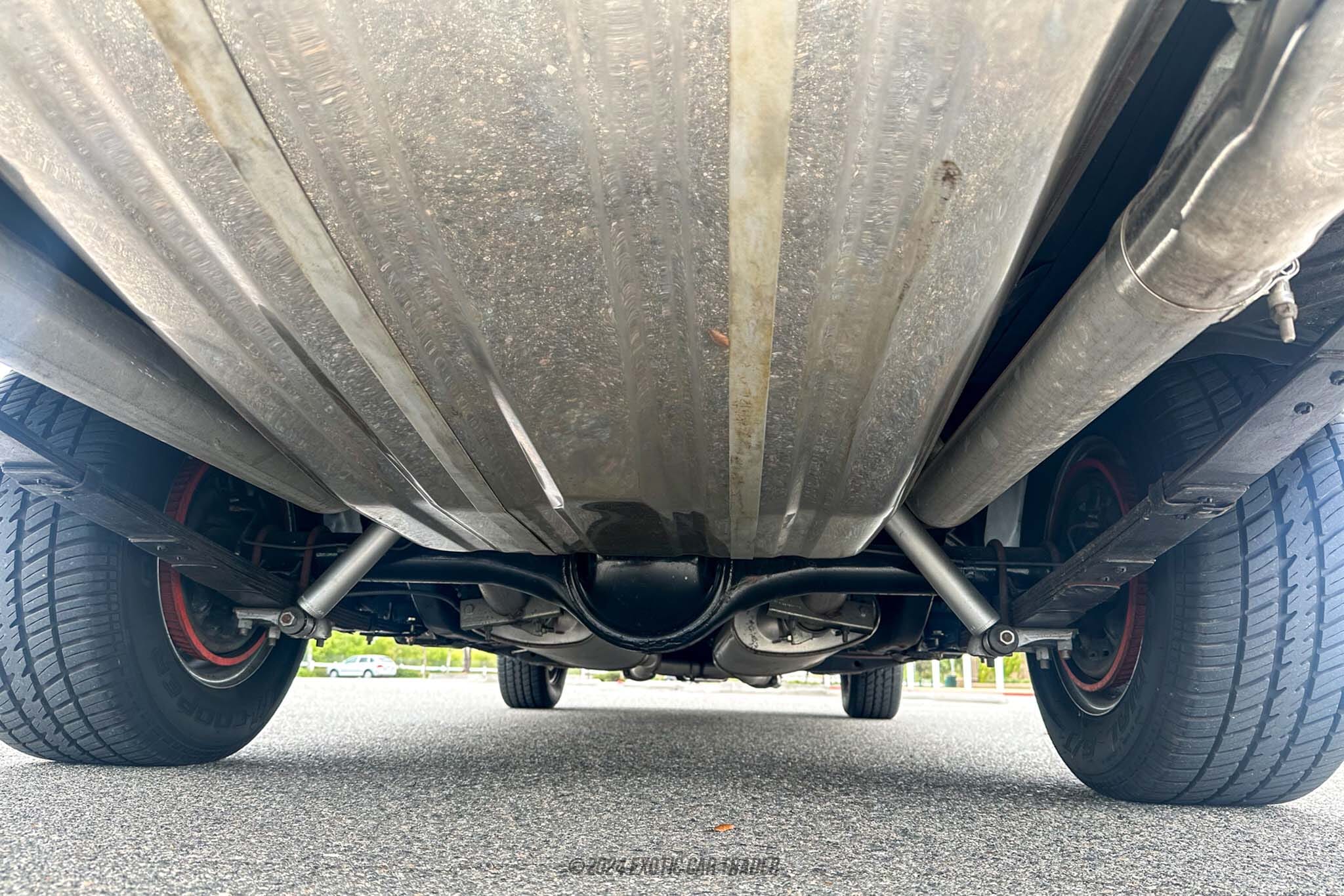
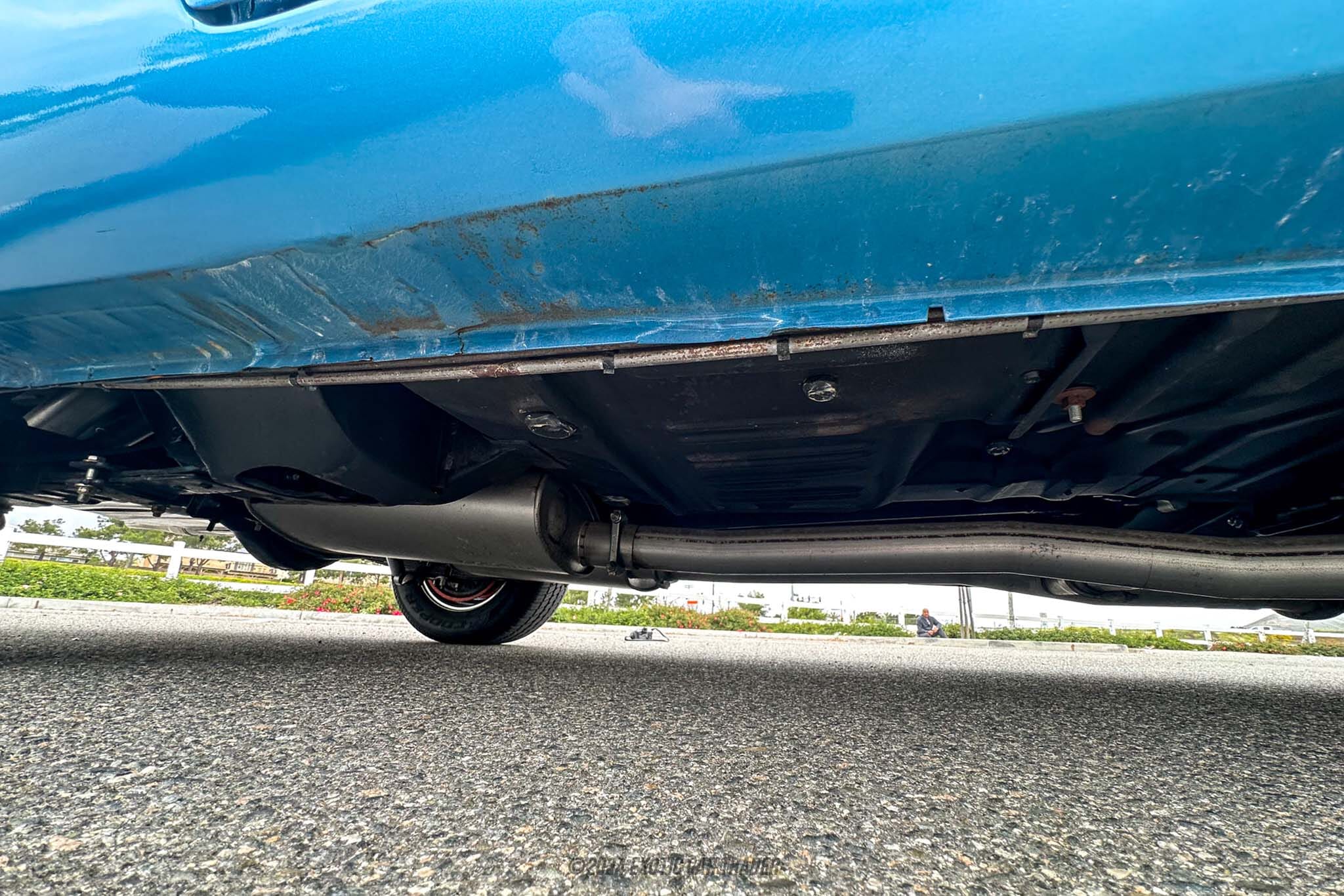
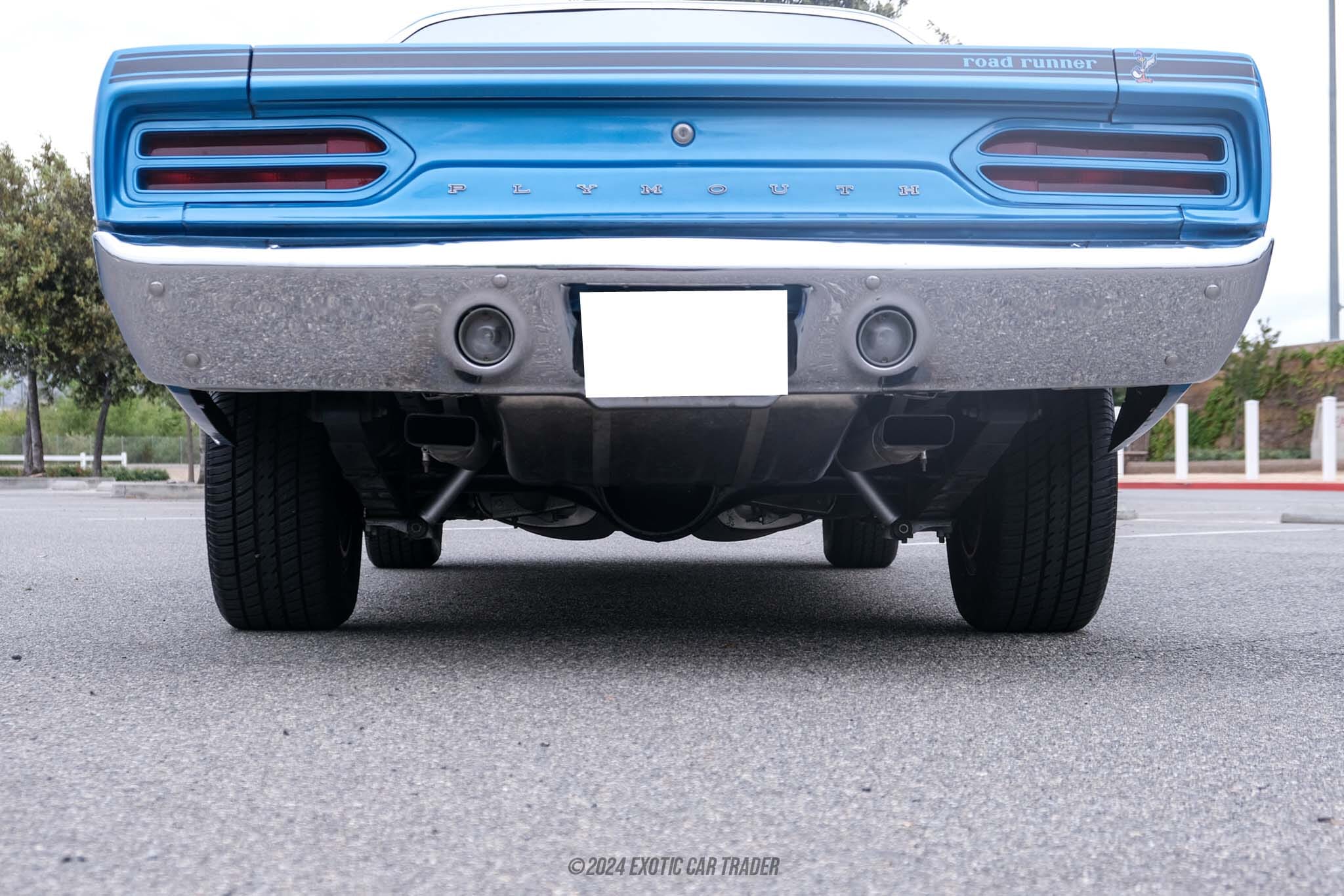
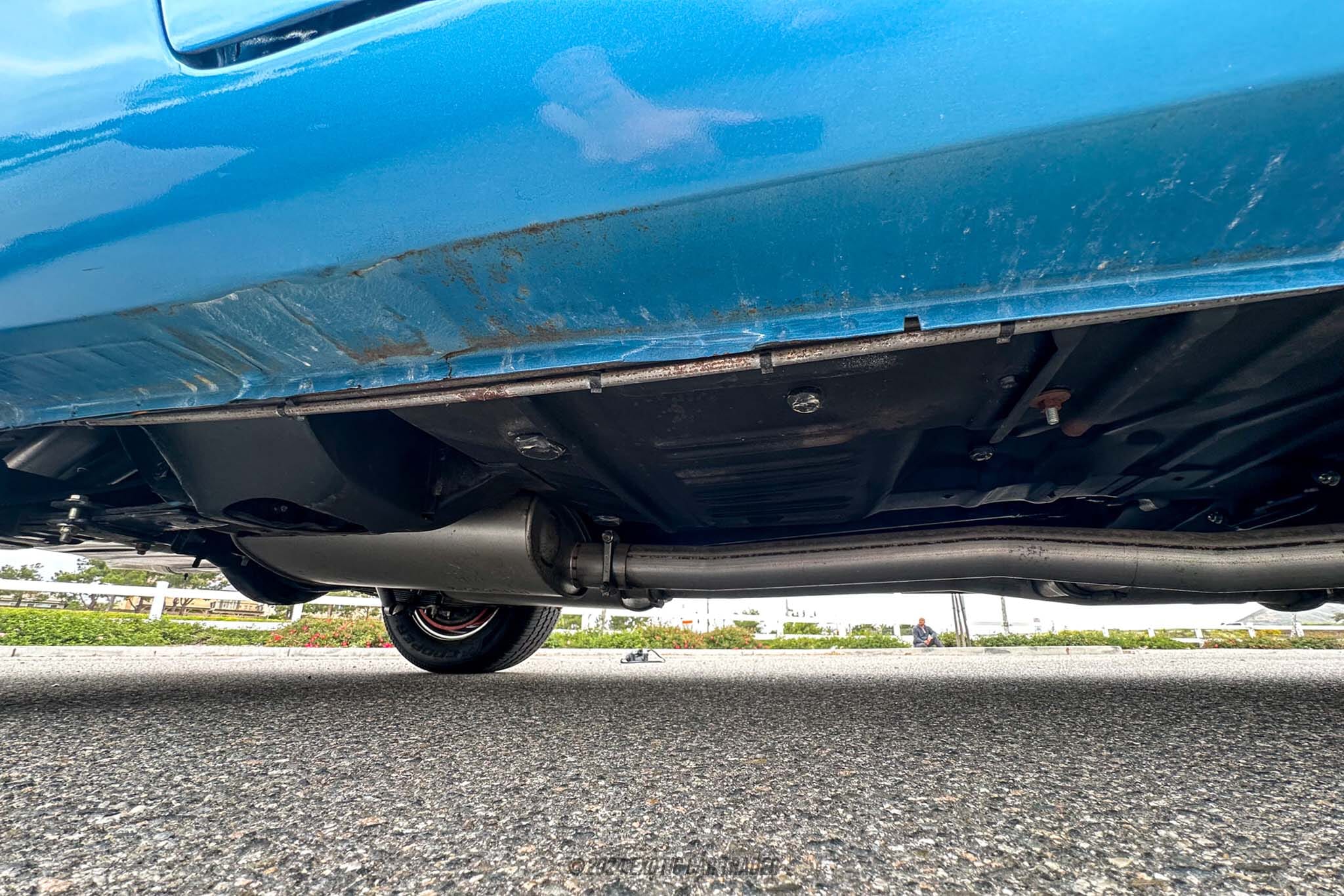
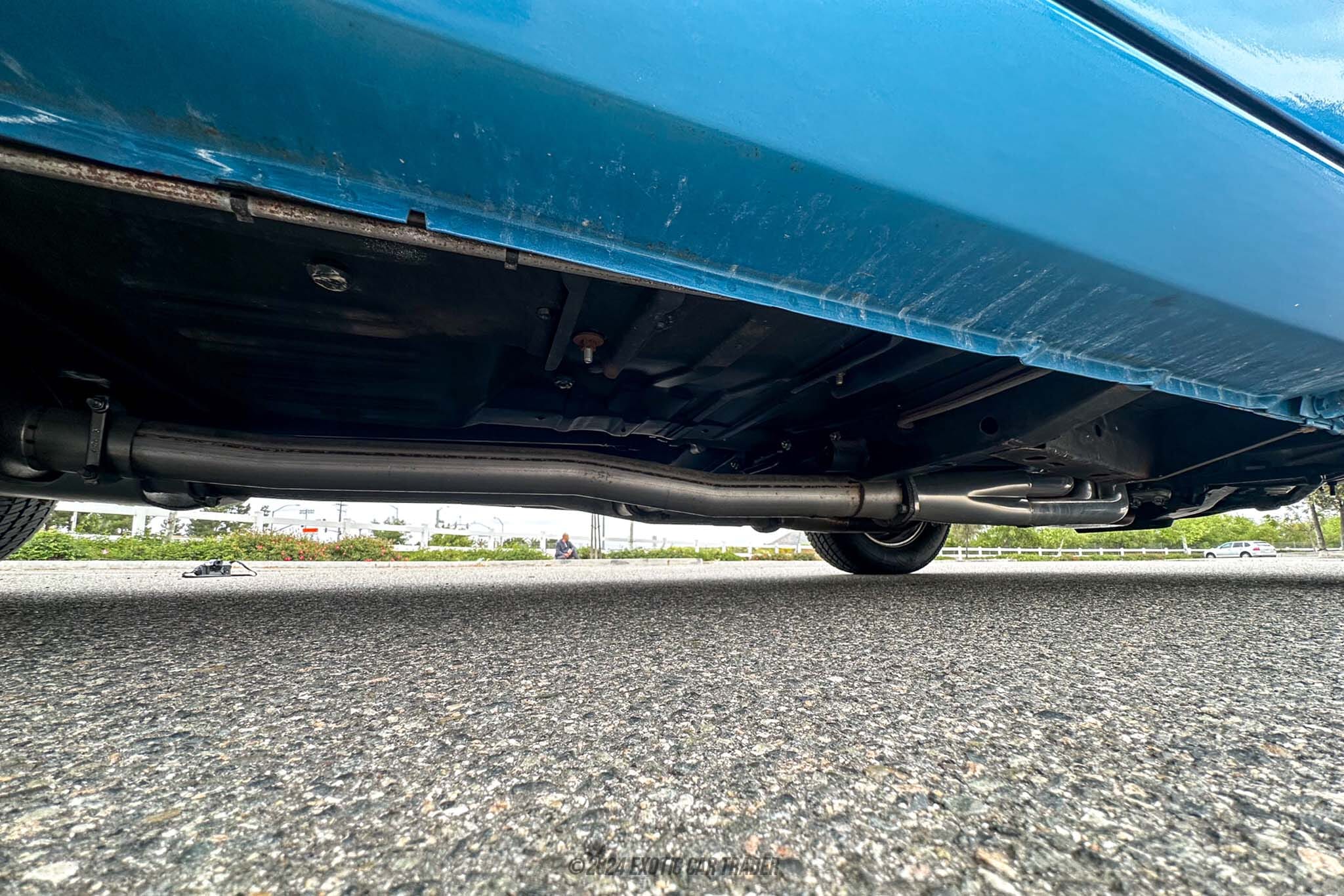
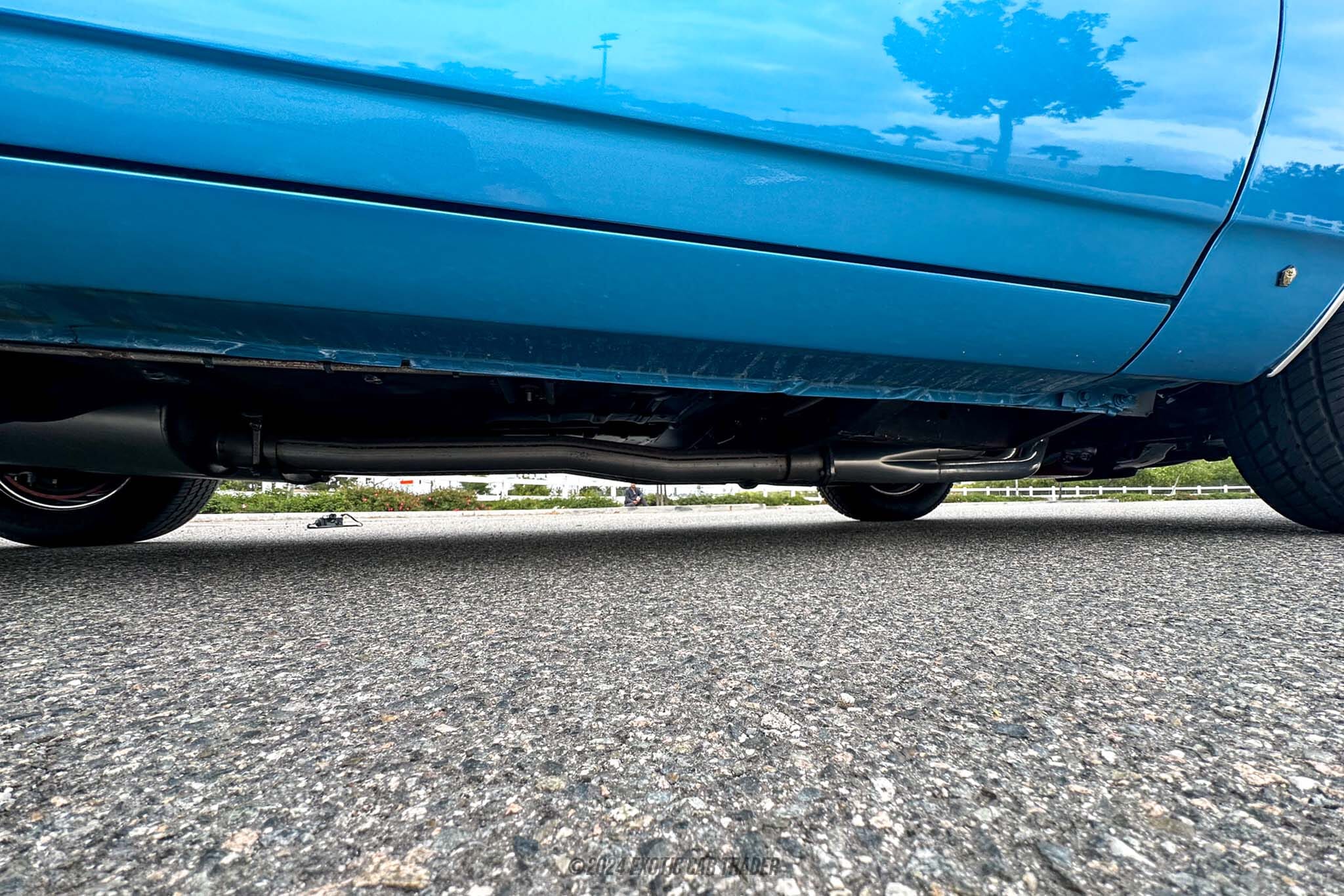
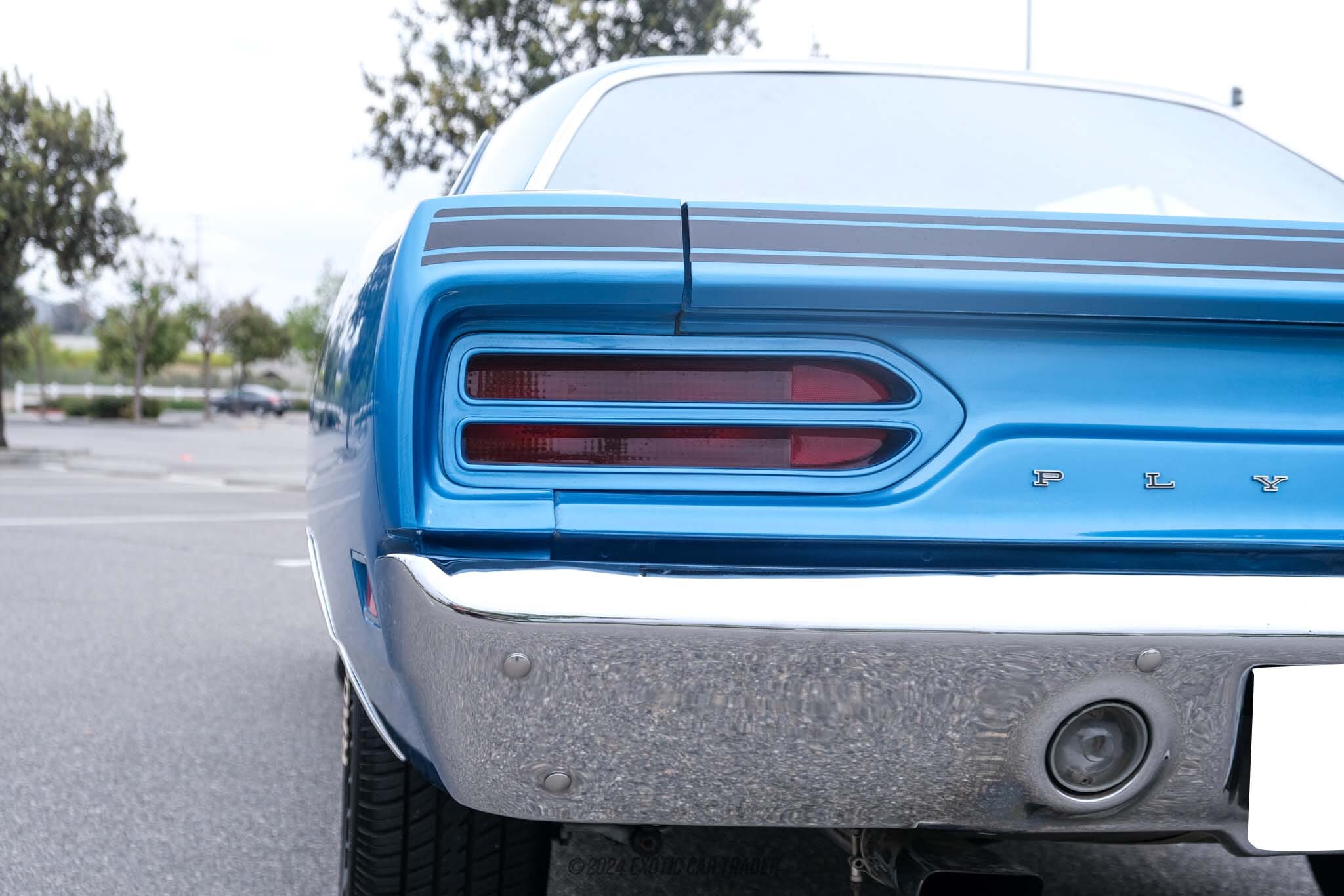


- MY 1970 Plymouth Road Runner
- Four Speed Manual Transmission
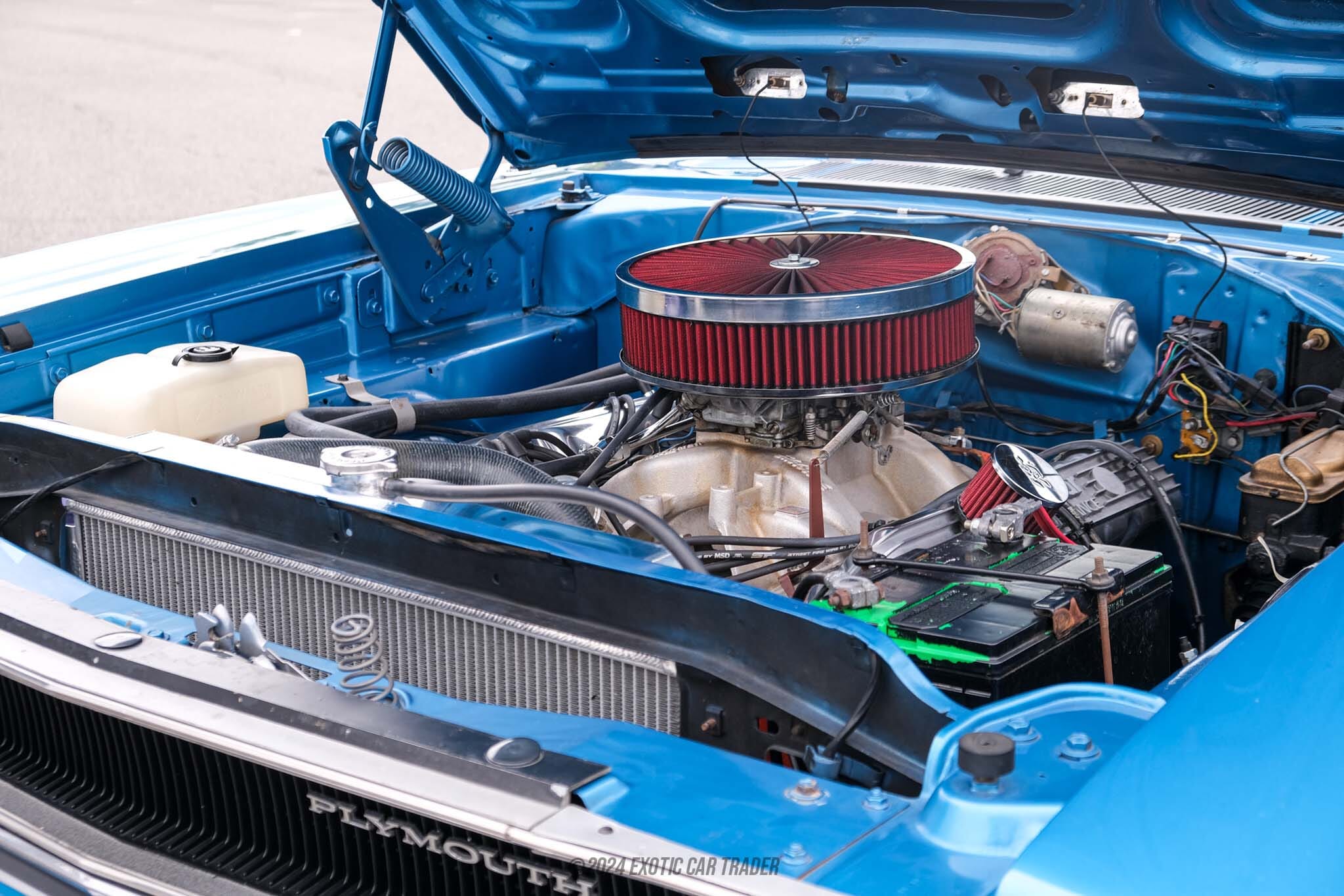
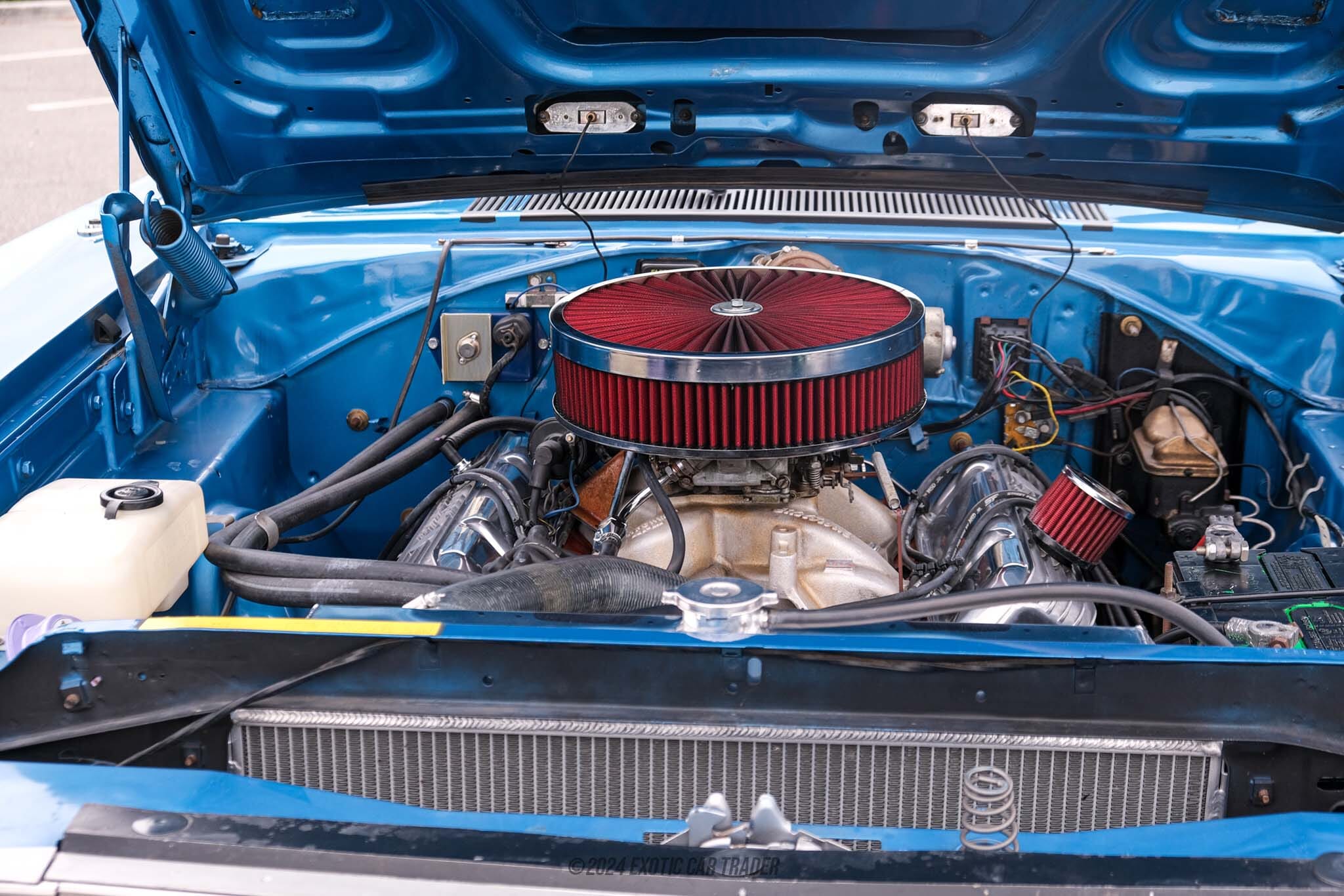
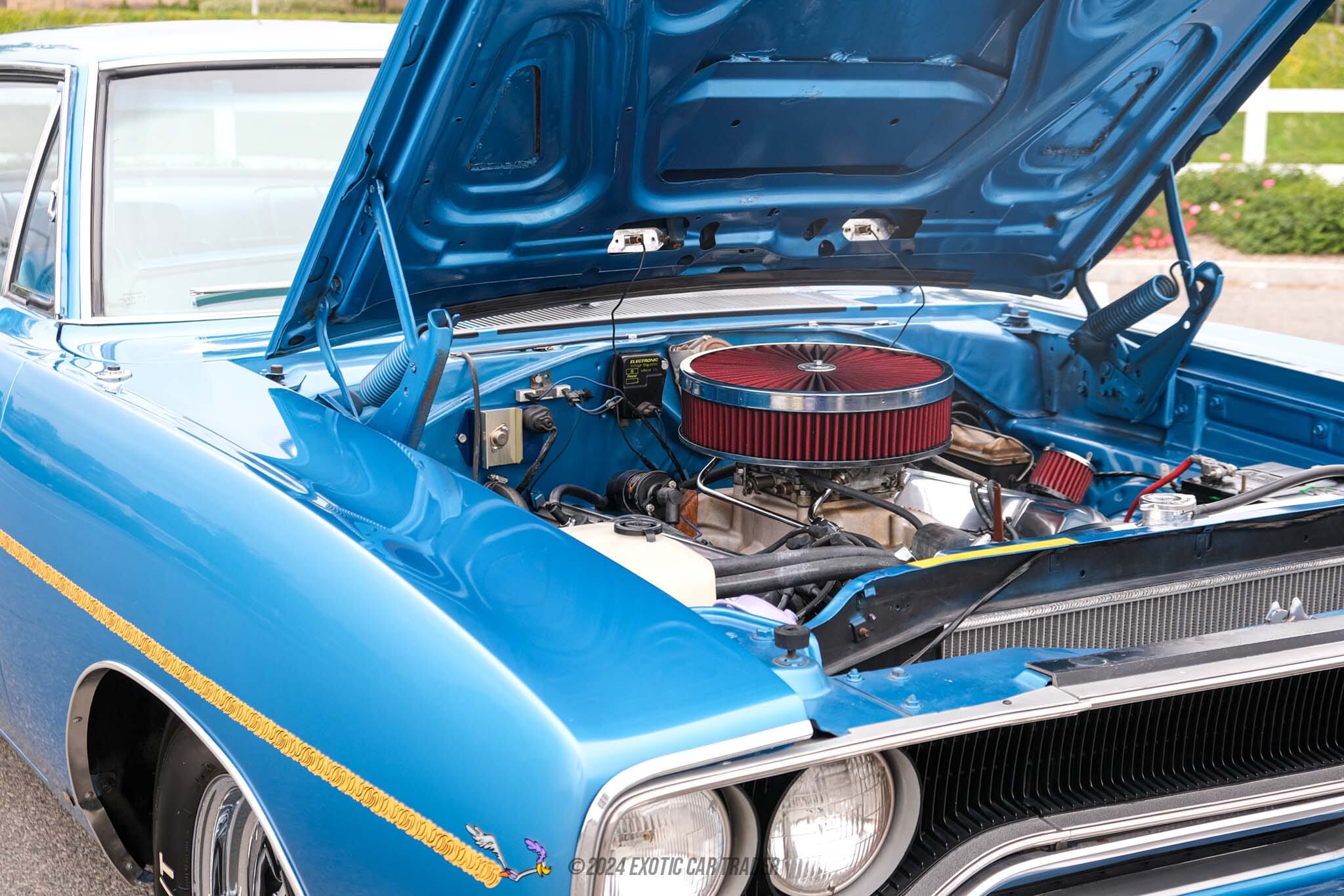
- 440ci V8
- Blue Exterior
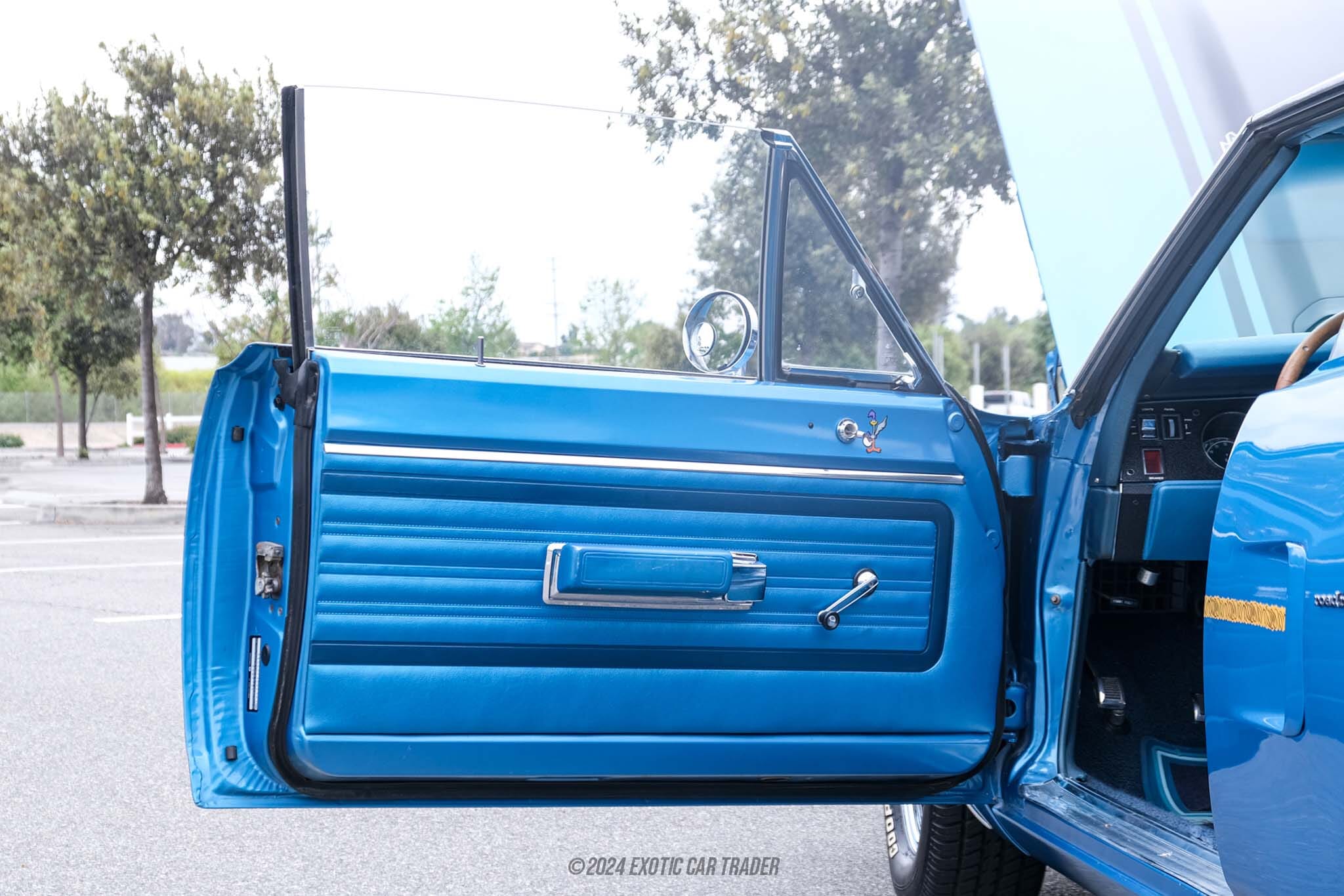
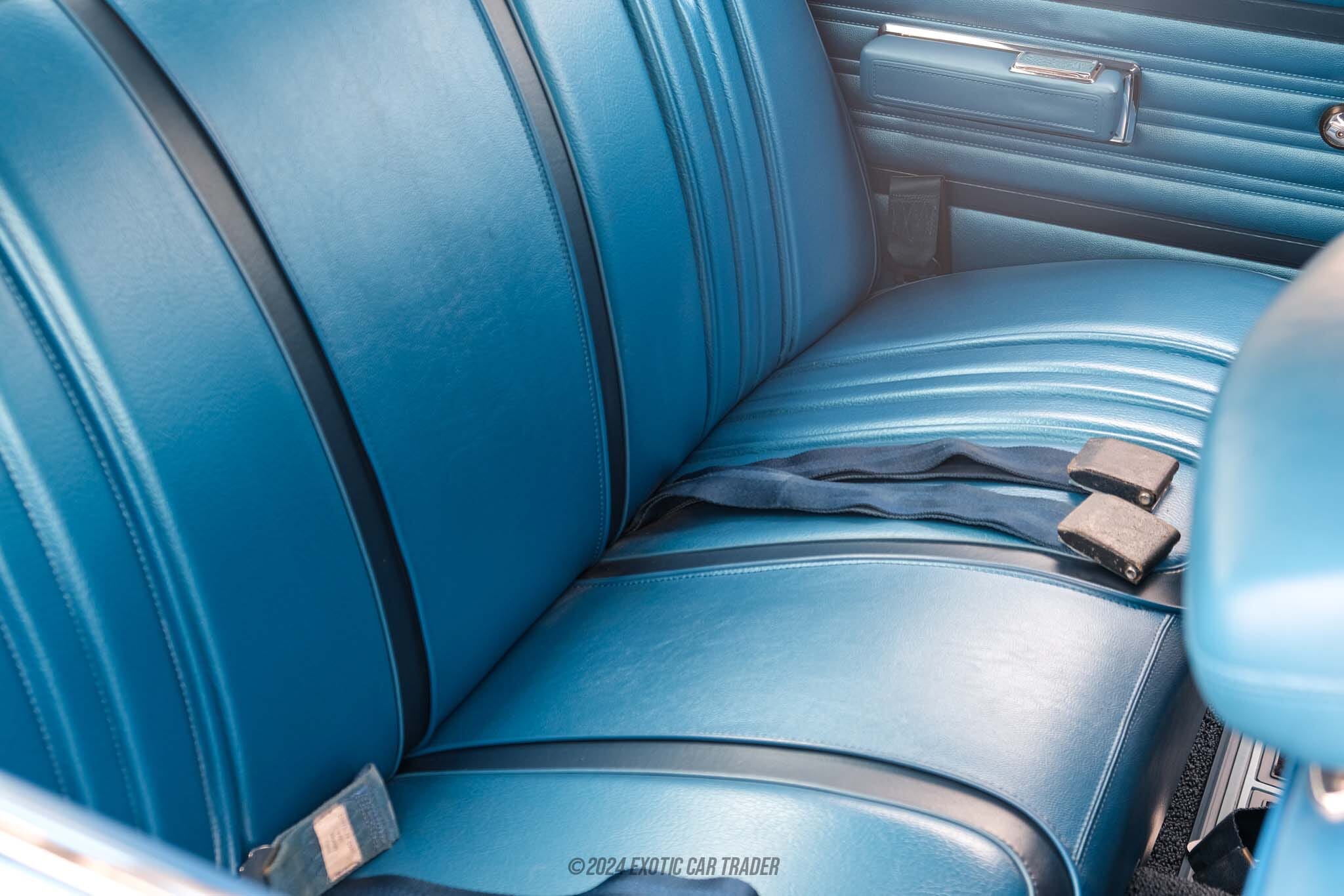
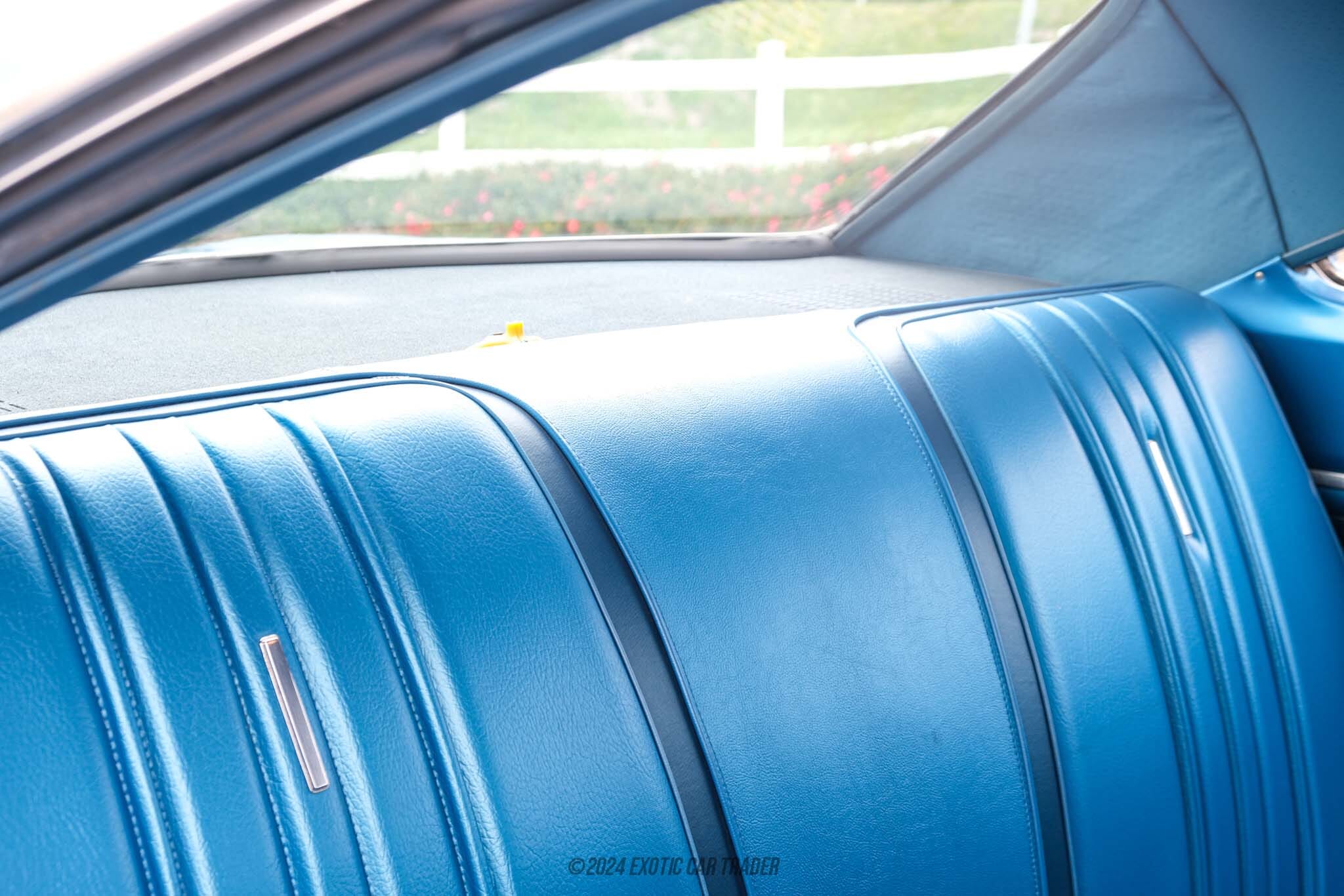
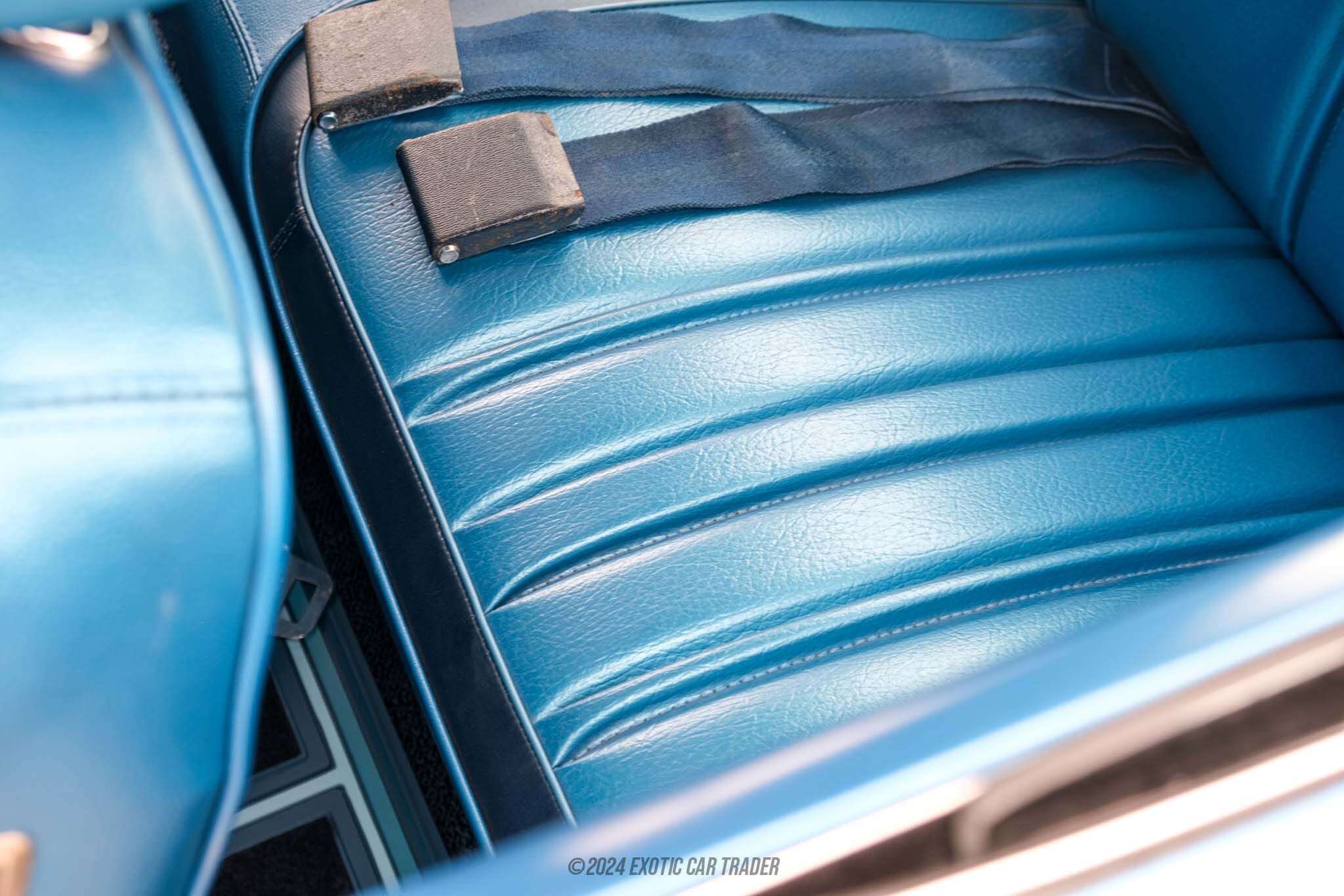
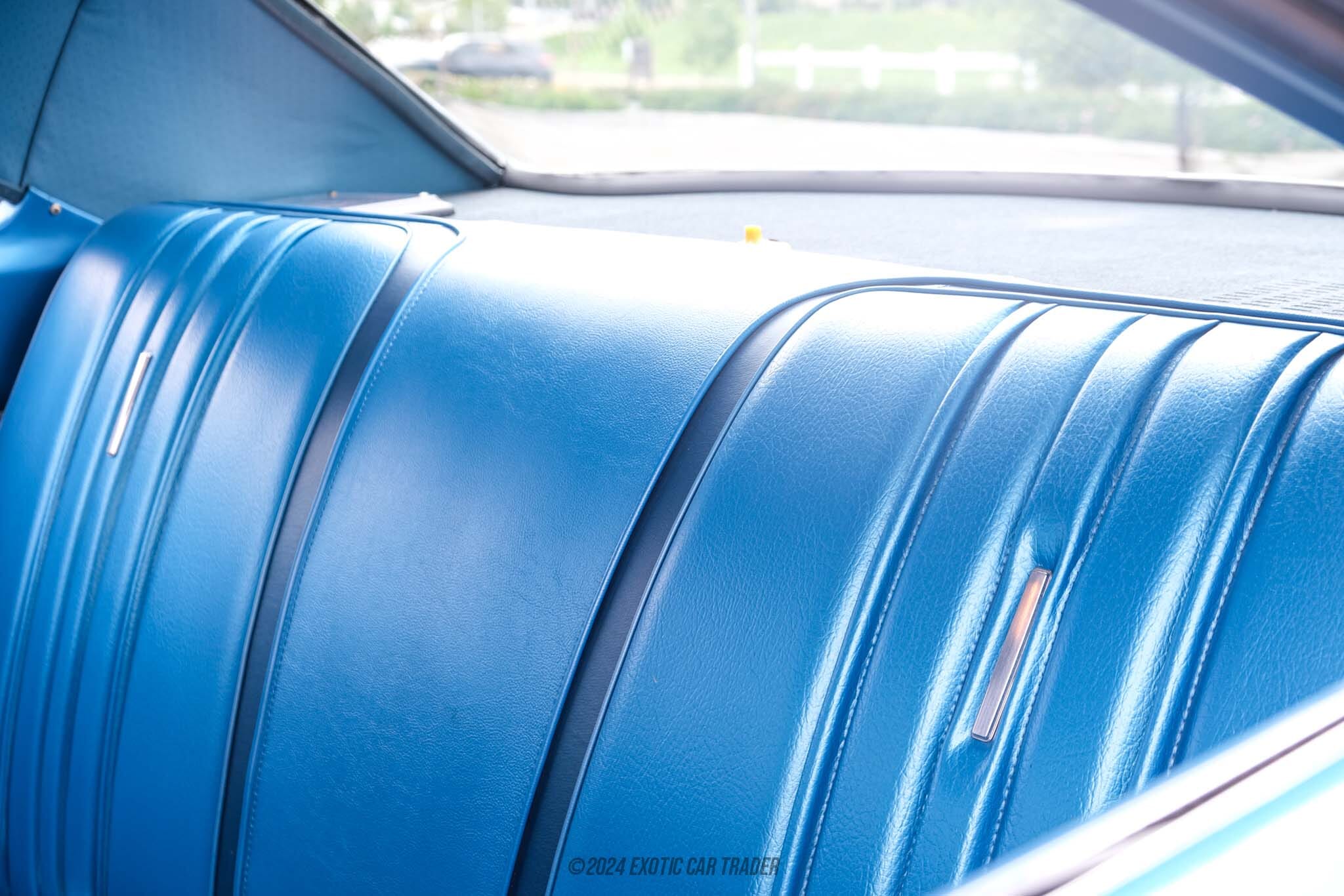
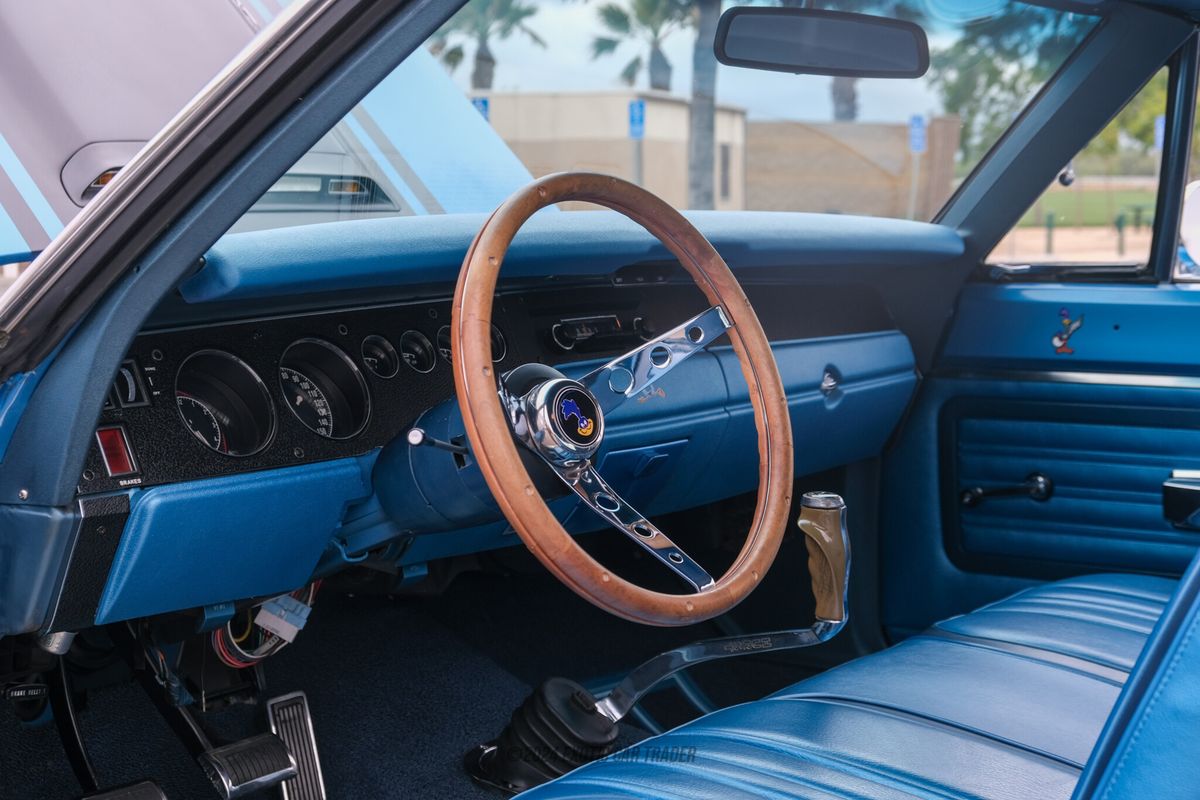
- Blue Leather Interior
- Current Owner Reports Fully Restored
- Current Owner Reports All Maintenance Up to date


The '70s saw big changes for the American automotive industry; the oil crisis meant large gas guzzlers were out the door, and the American car buyer had to embrace the fuel-sipping performance showcased by imports. Prior to 1973, however, the world was filled with performance and sharp looks; today, it is an example of intense performance and good looks that stems from the golden era of muscle cars. Are you looking to get your hands on your very own example of unfiltered muscle? This 1970 Plymouth Road Runner could be the answer.
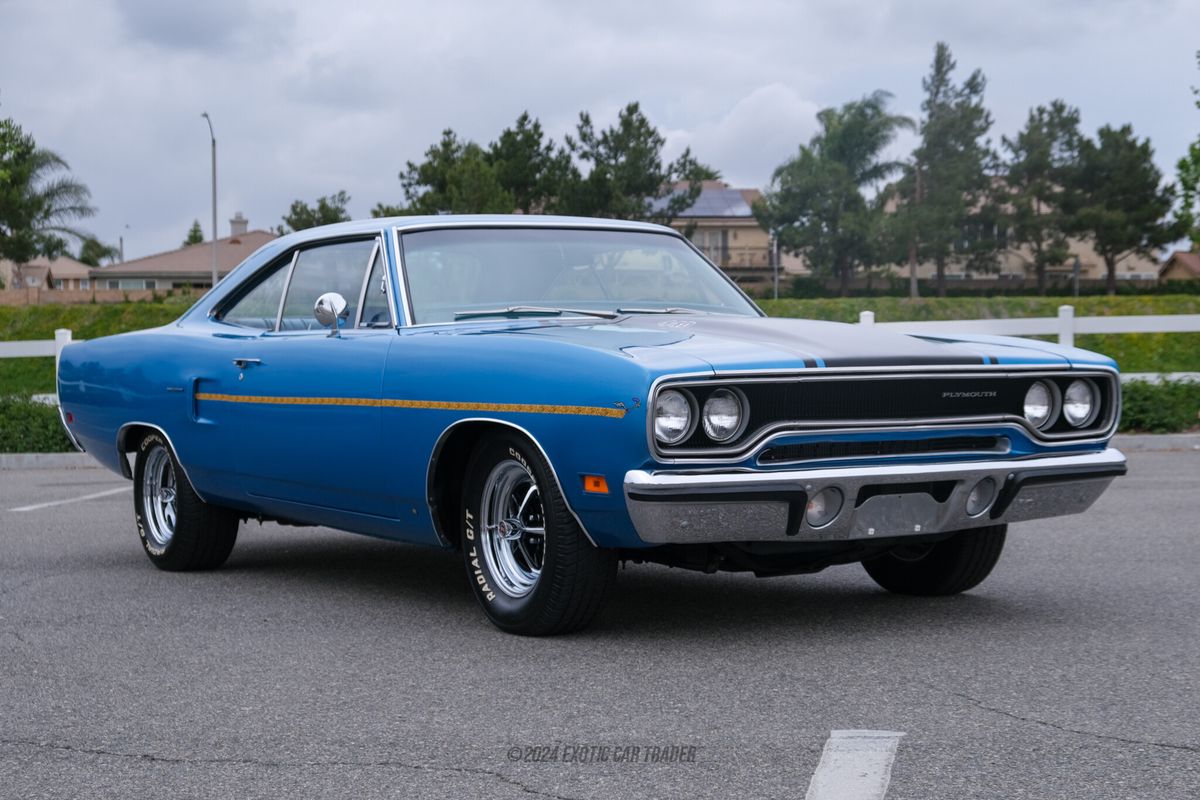
Exterior and Interior
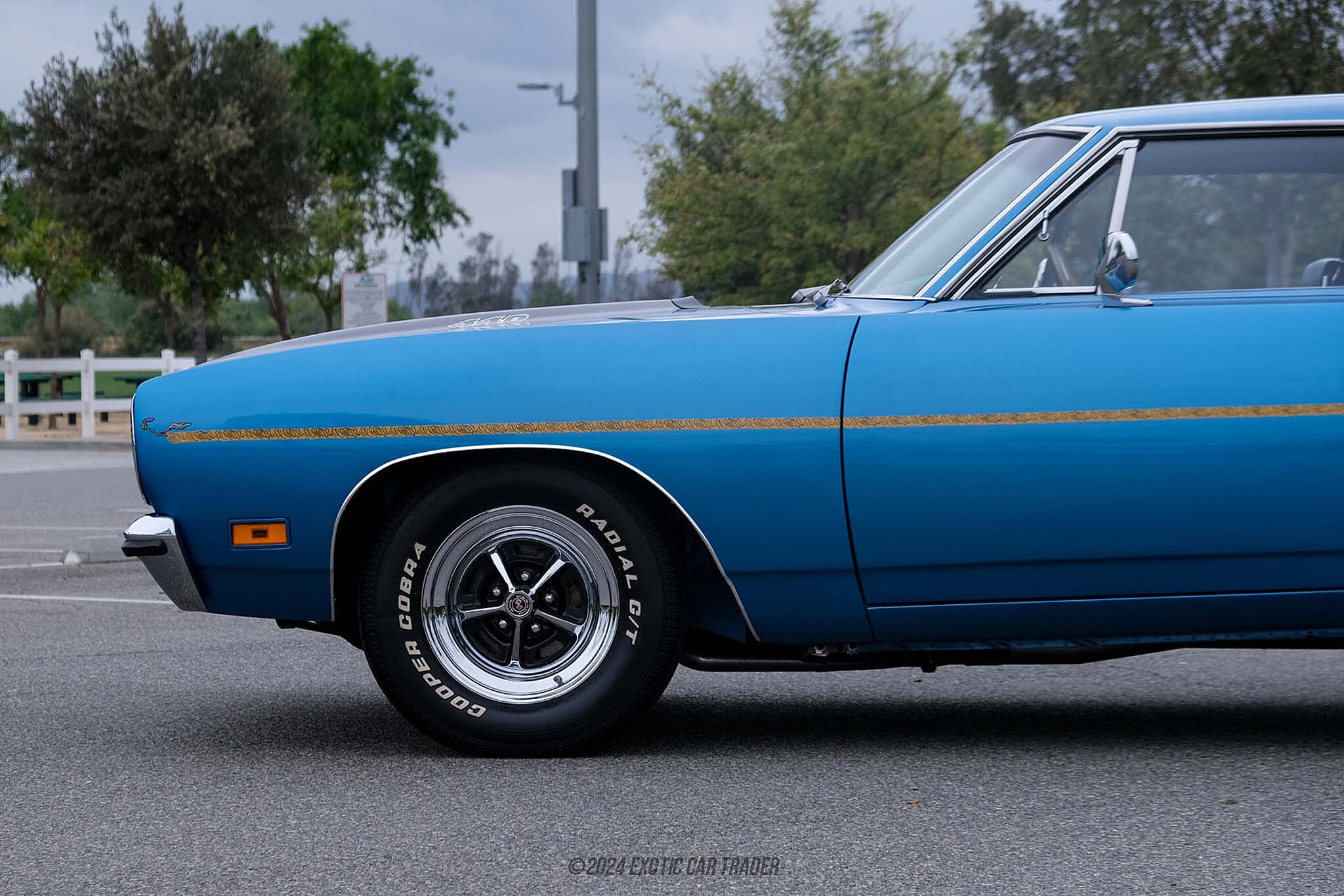
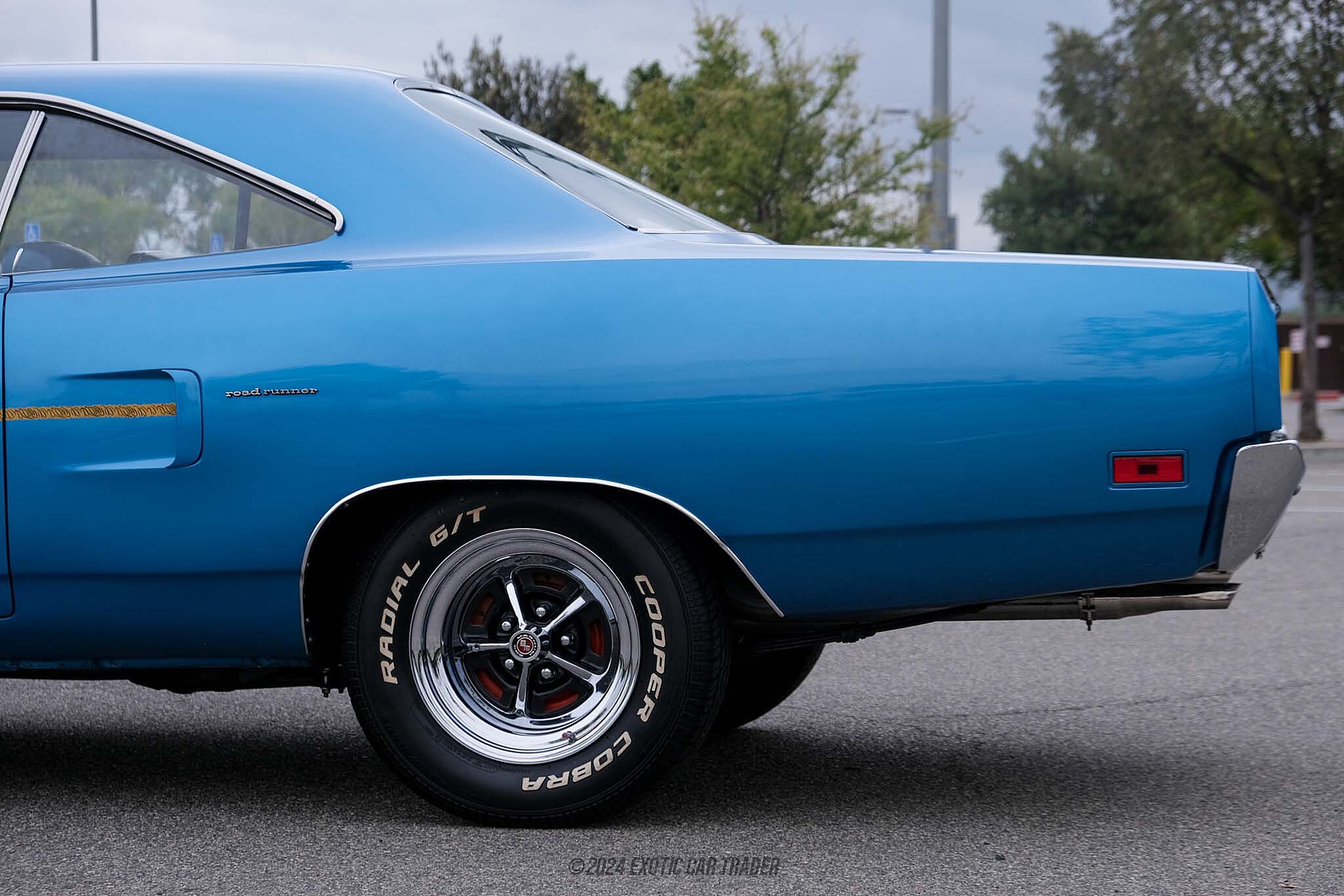
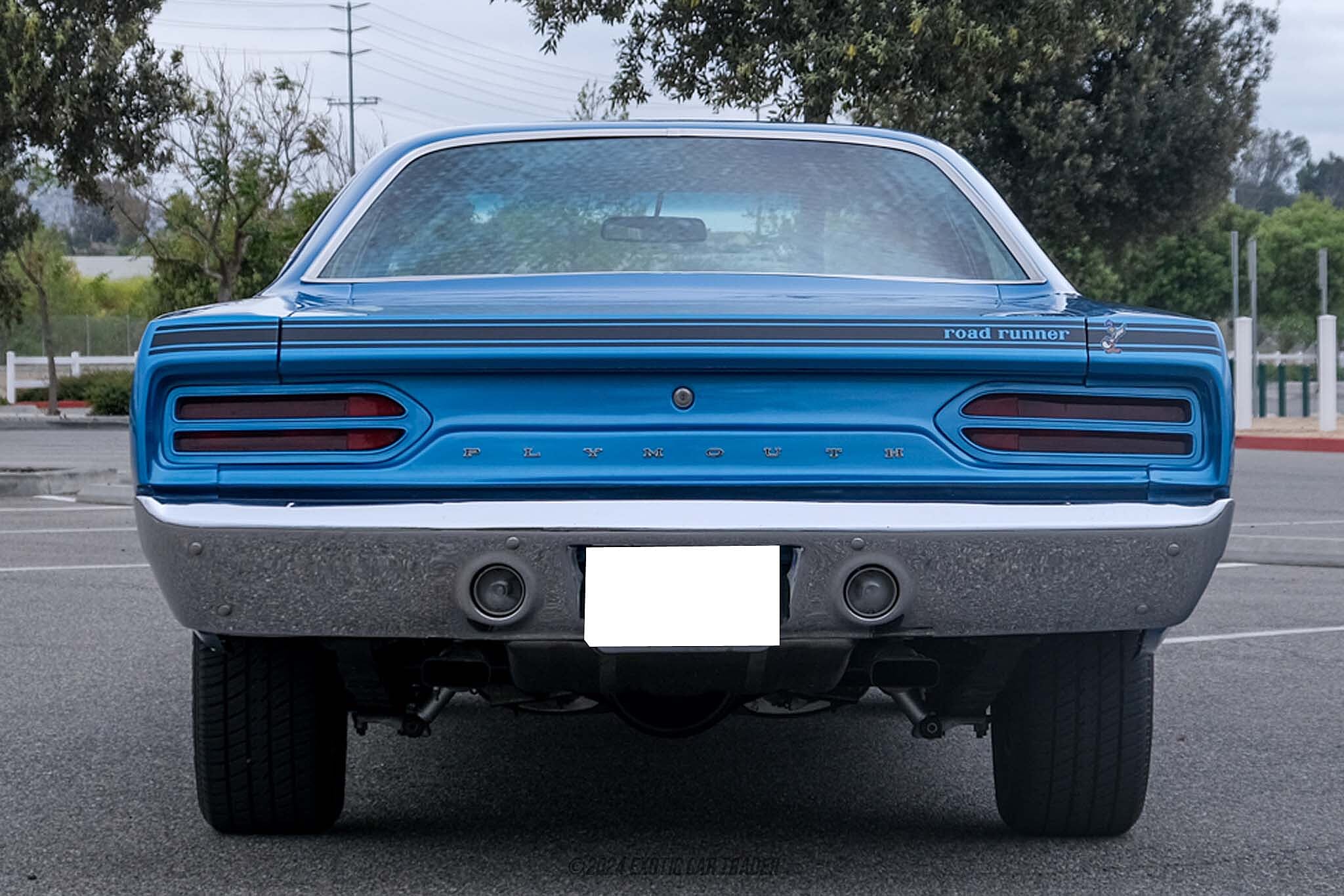
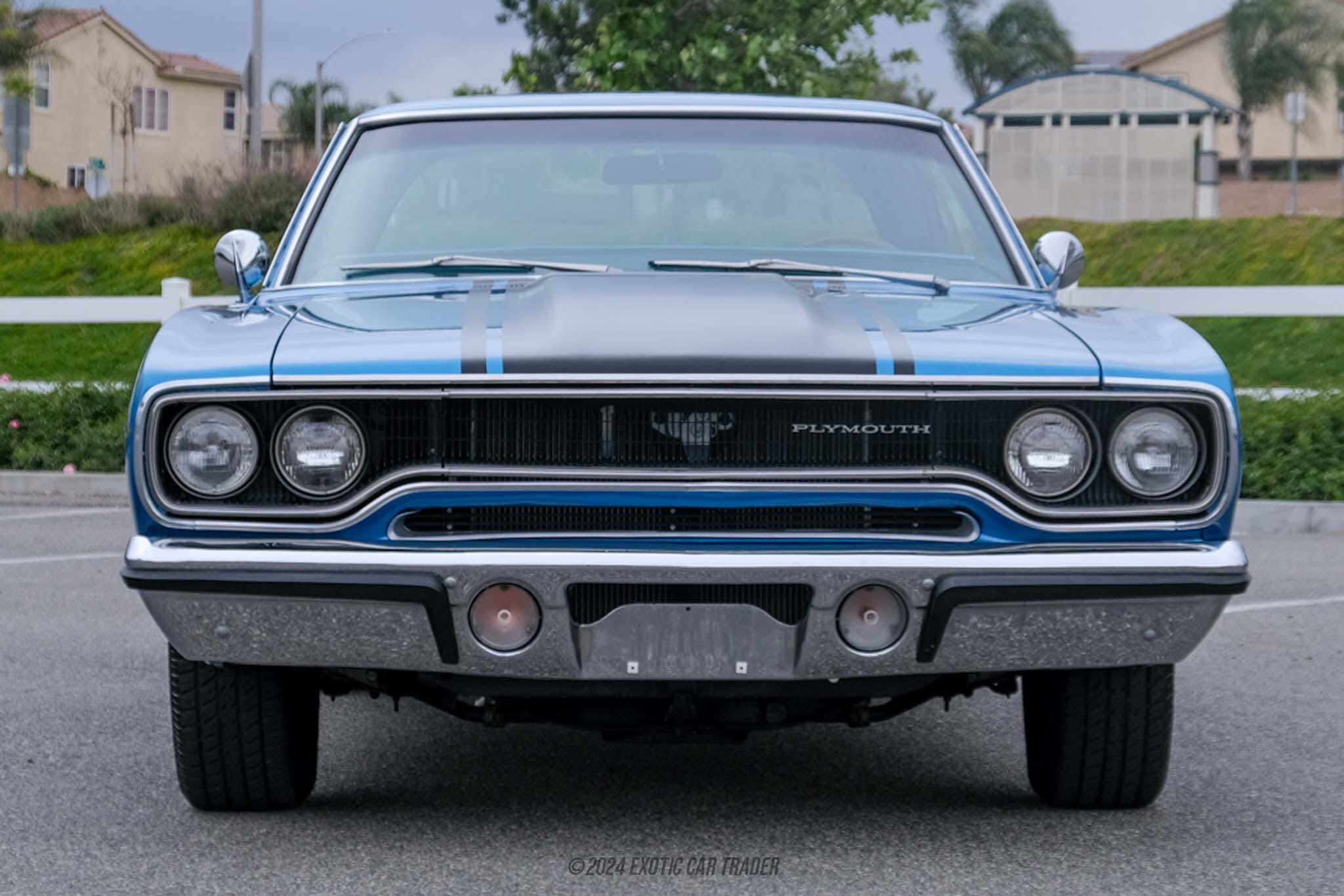
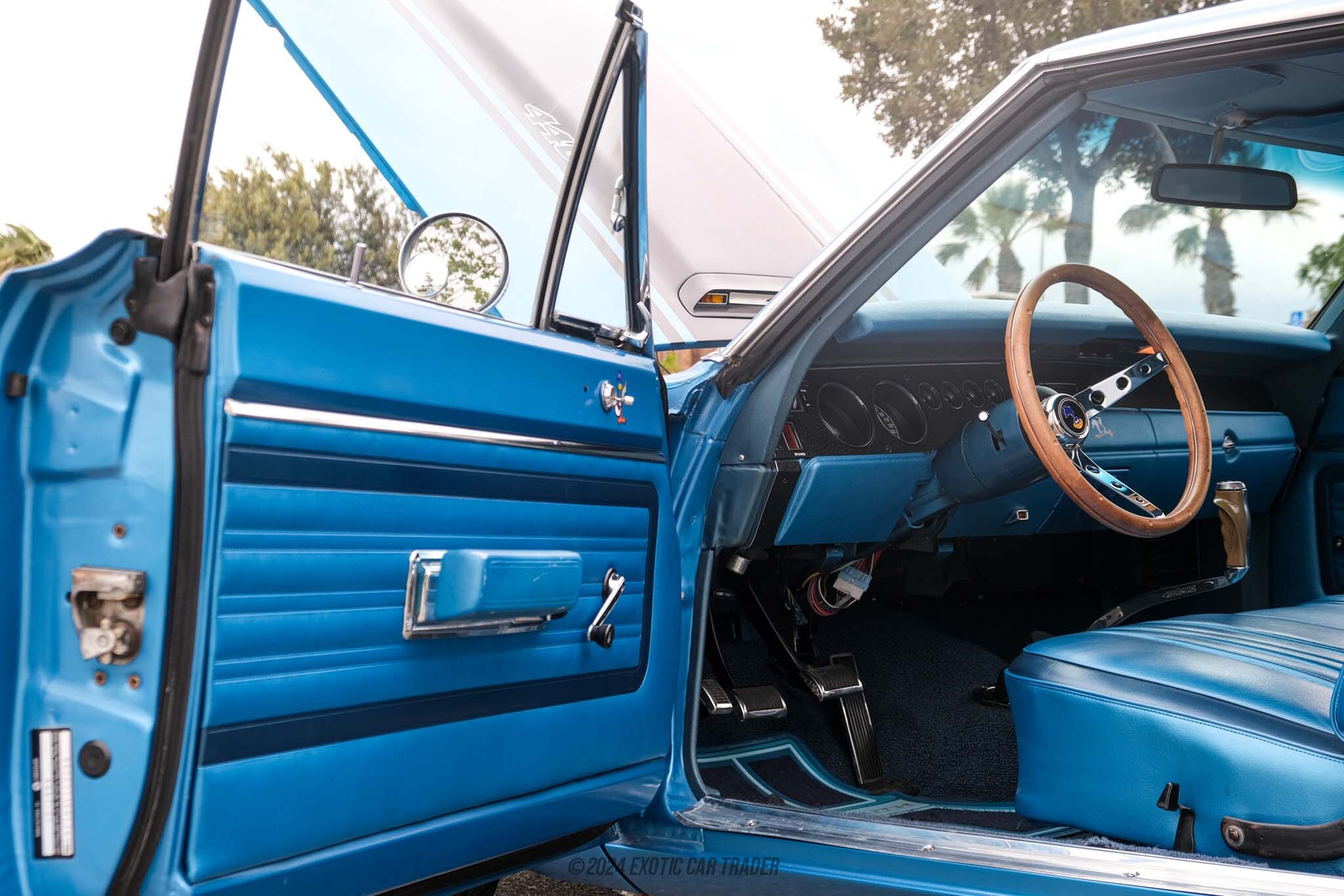
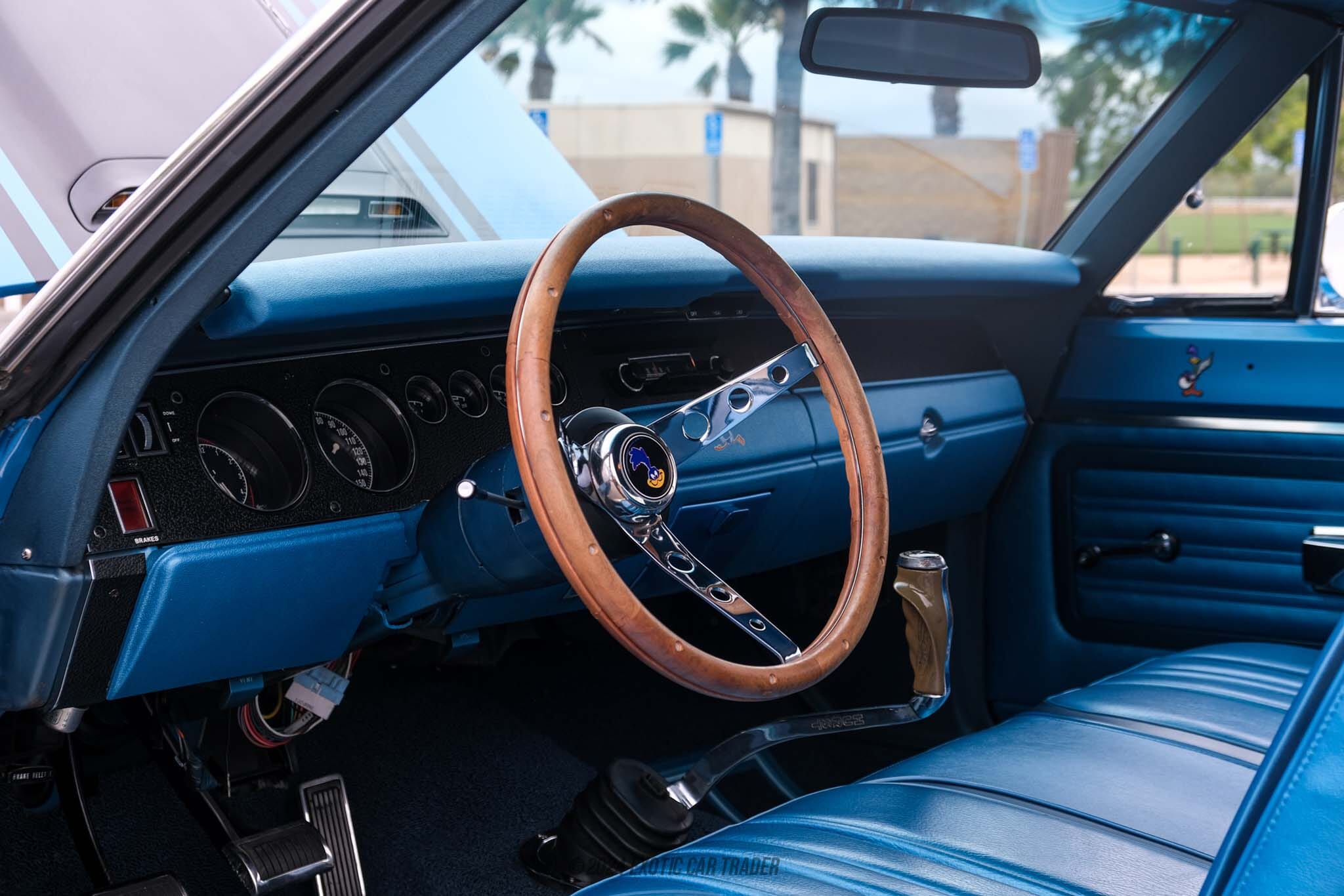
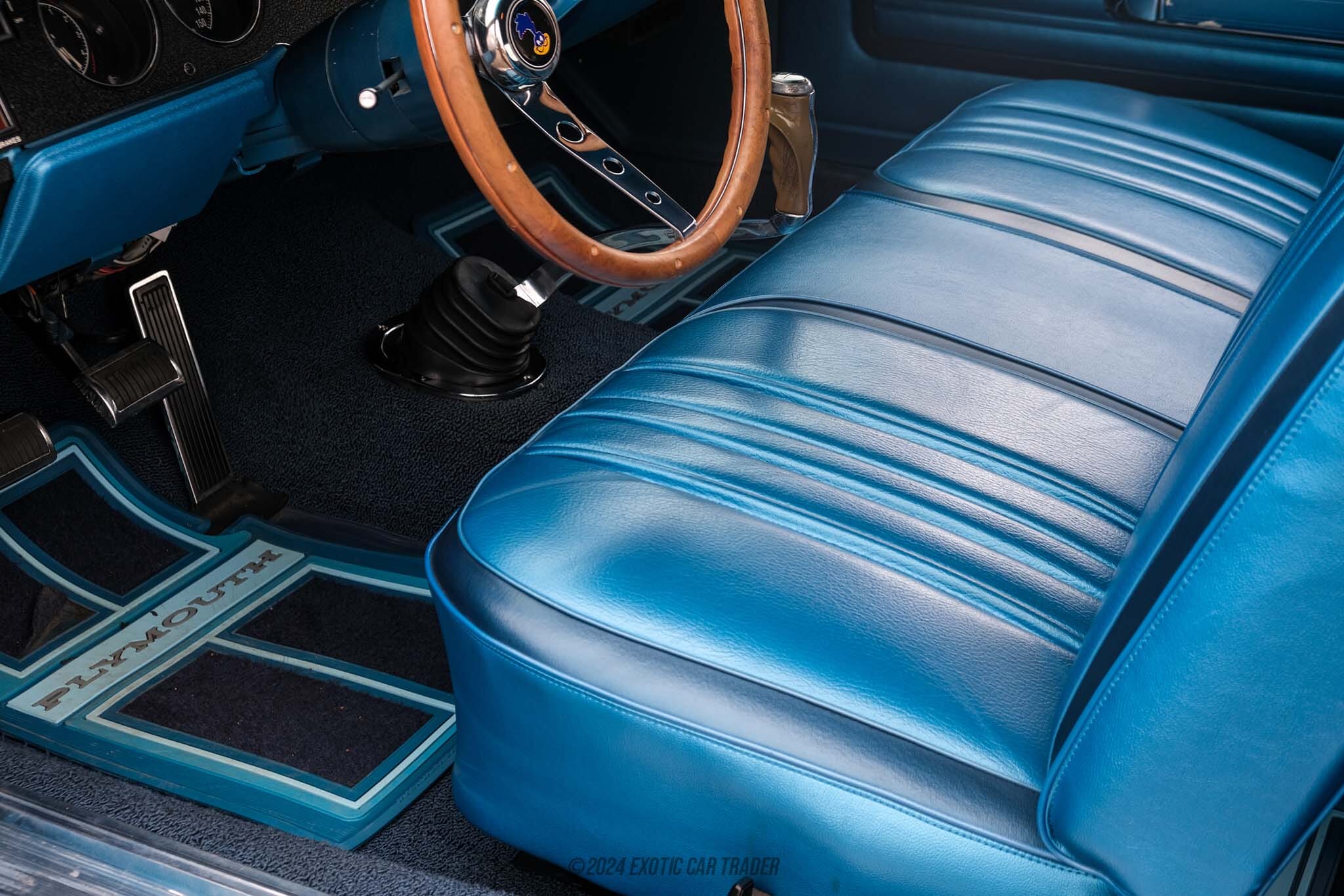
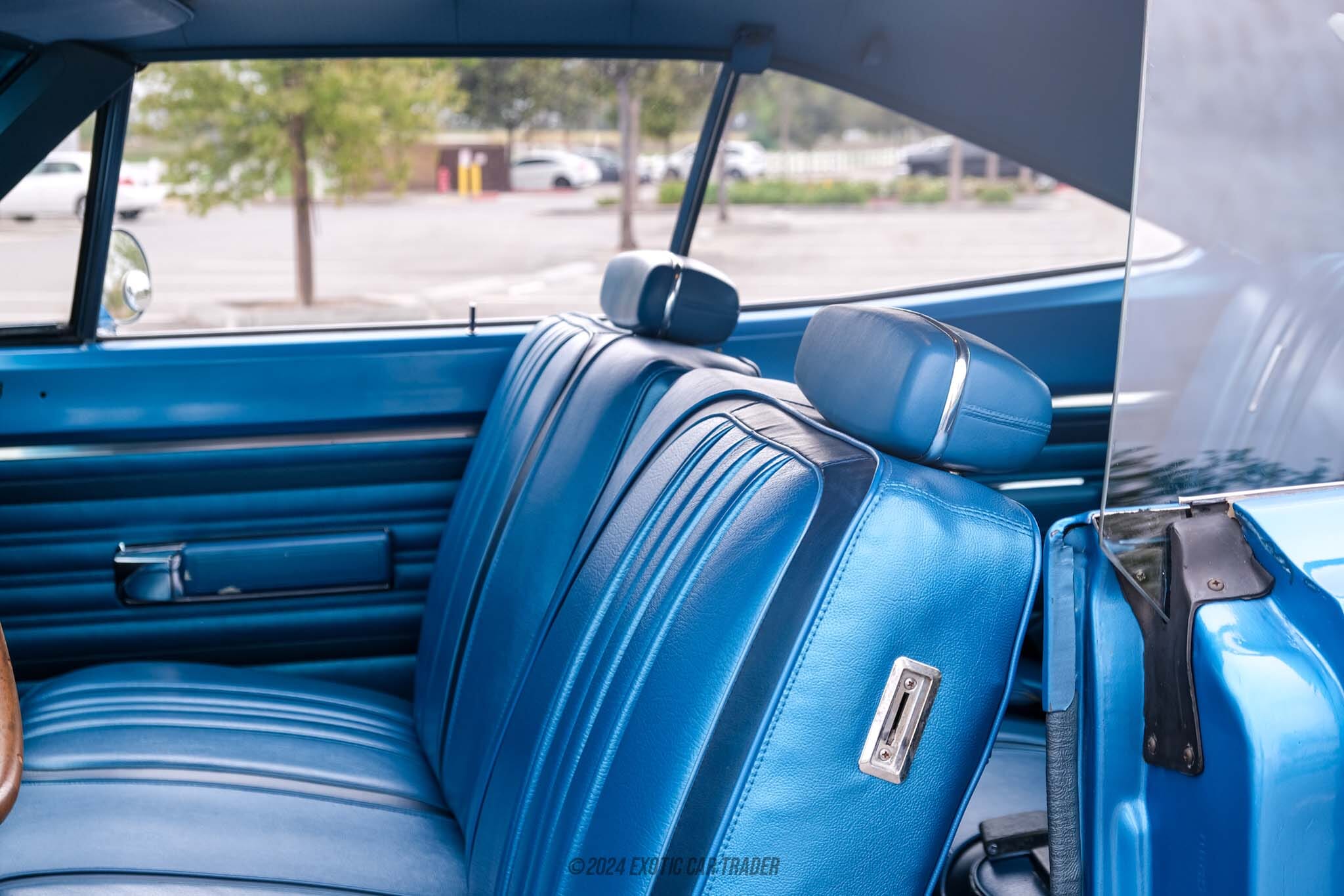
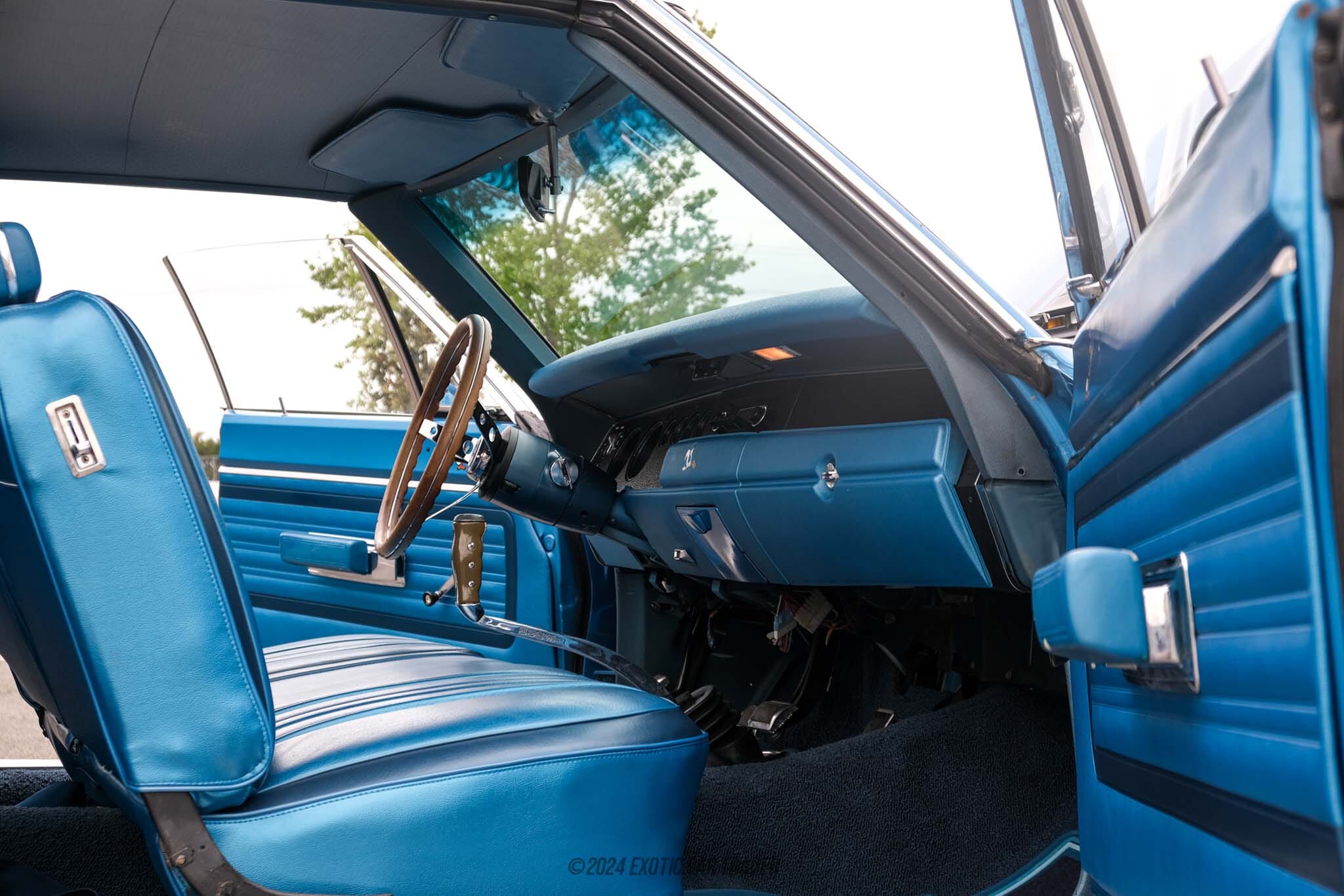
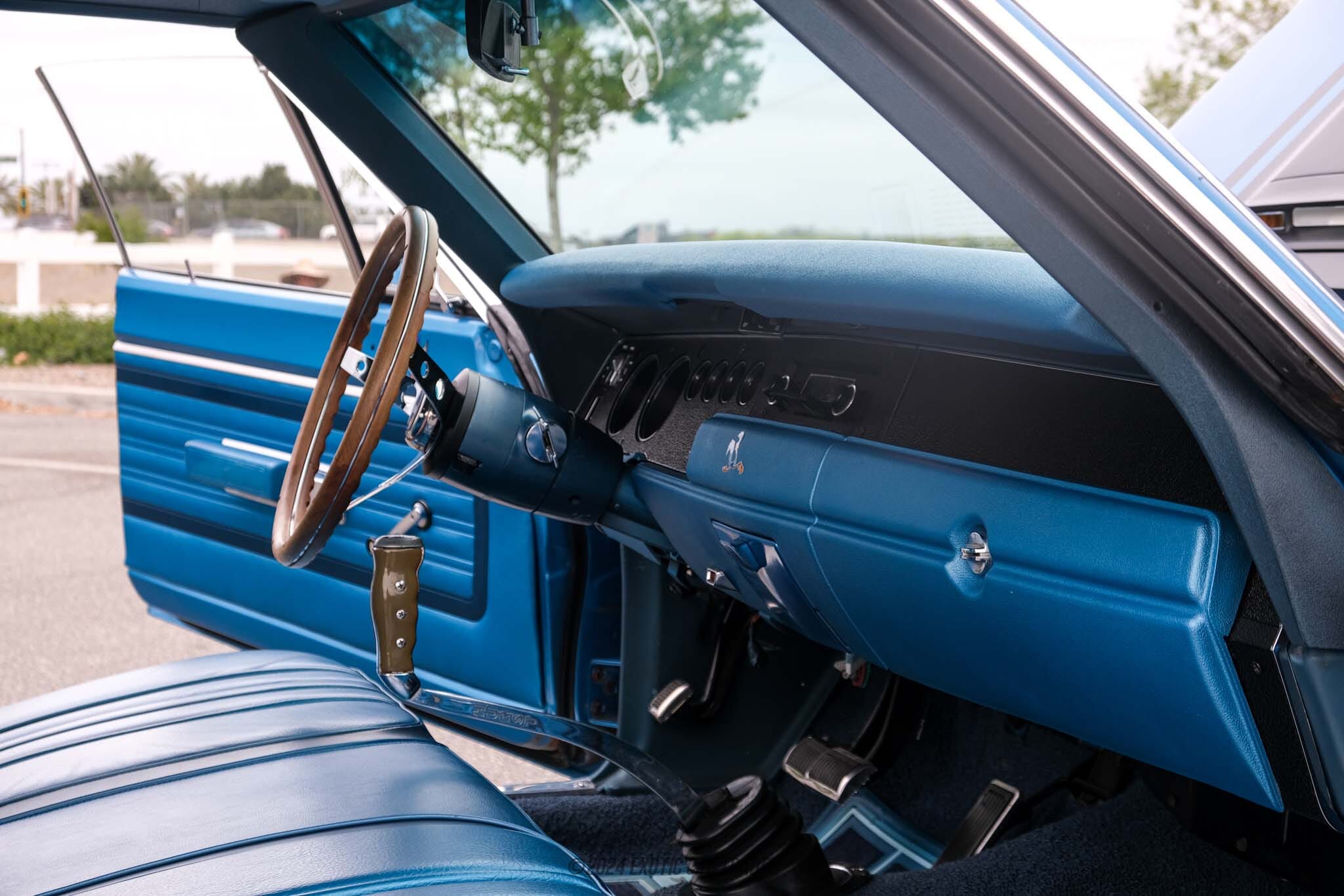
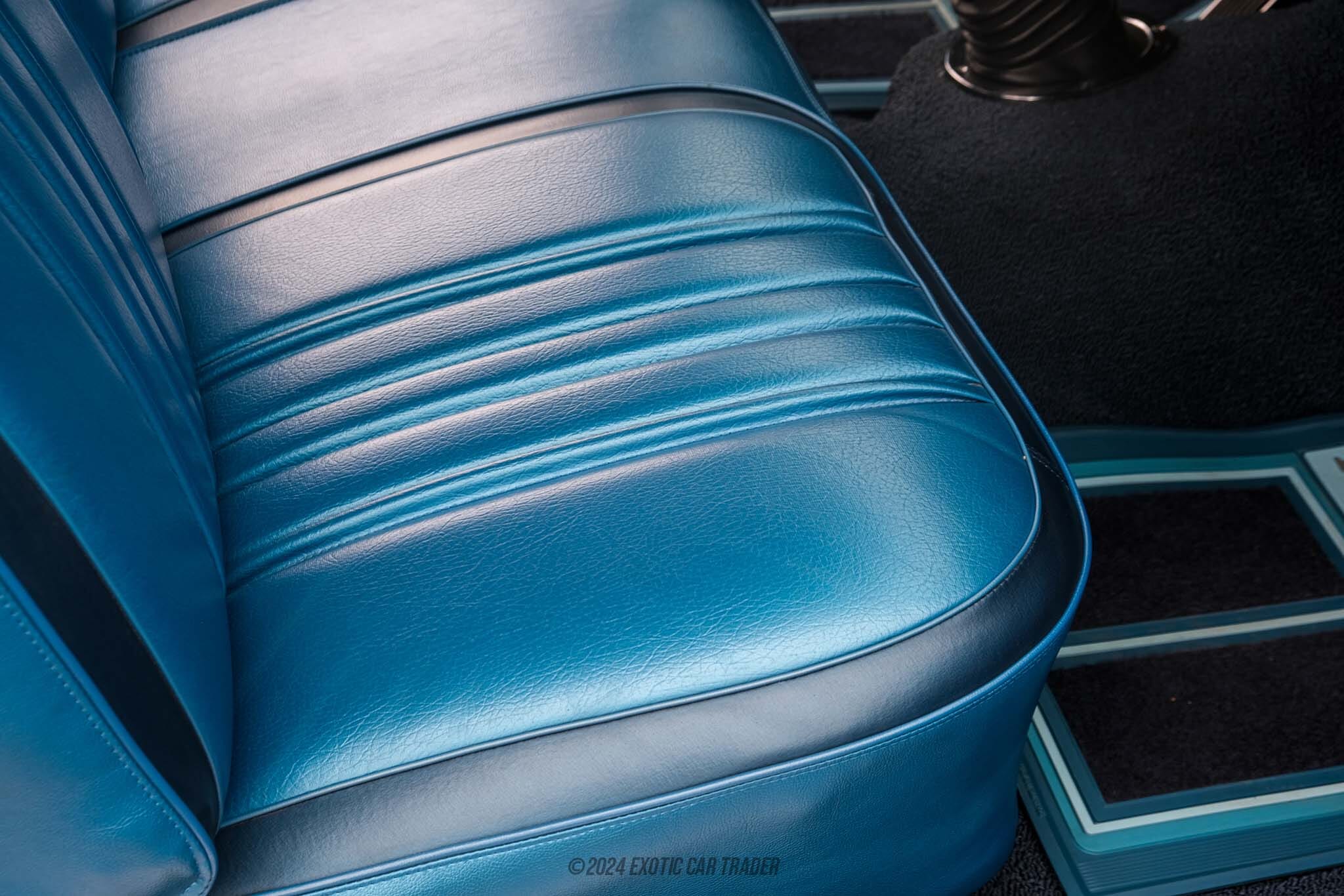
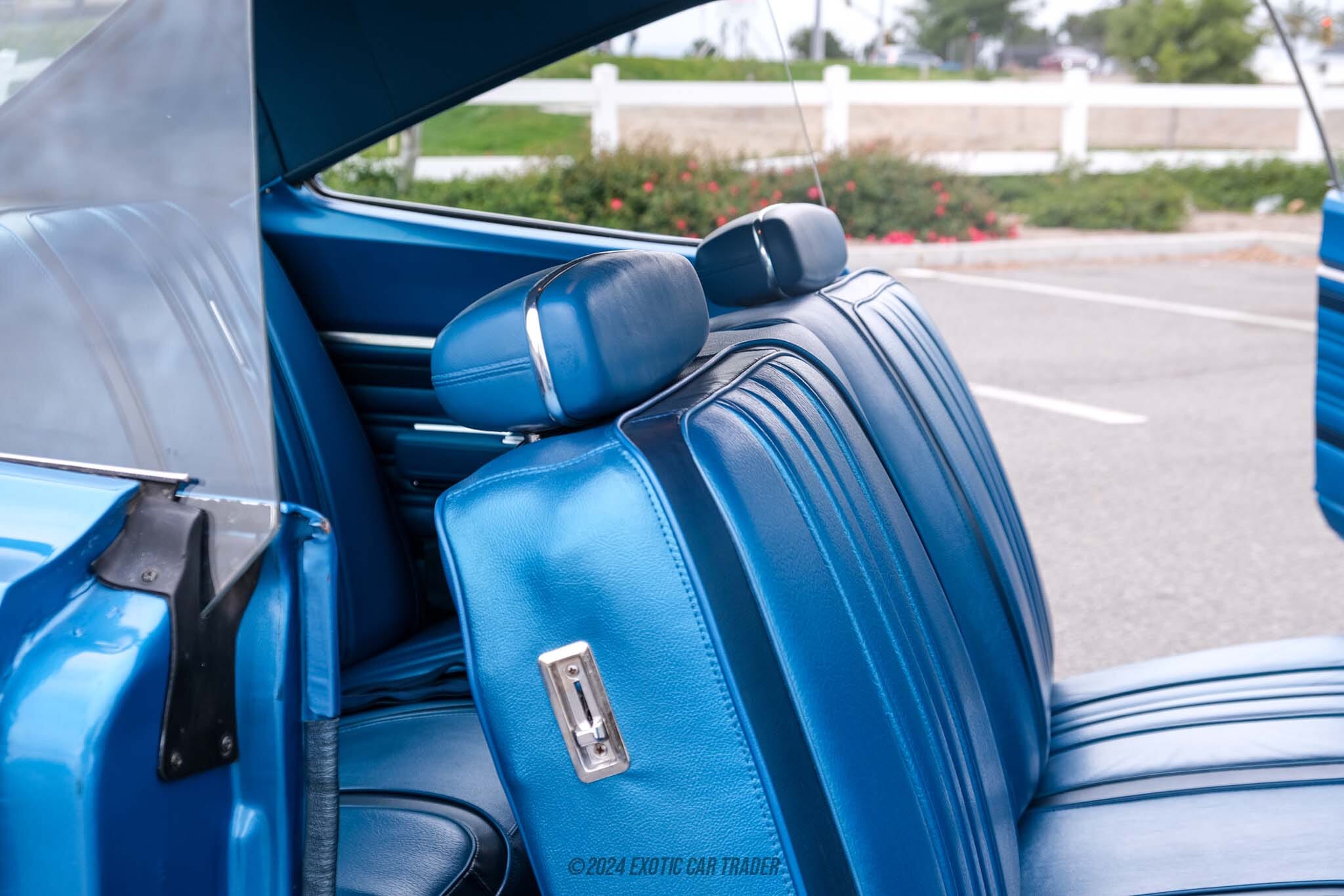
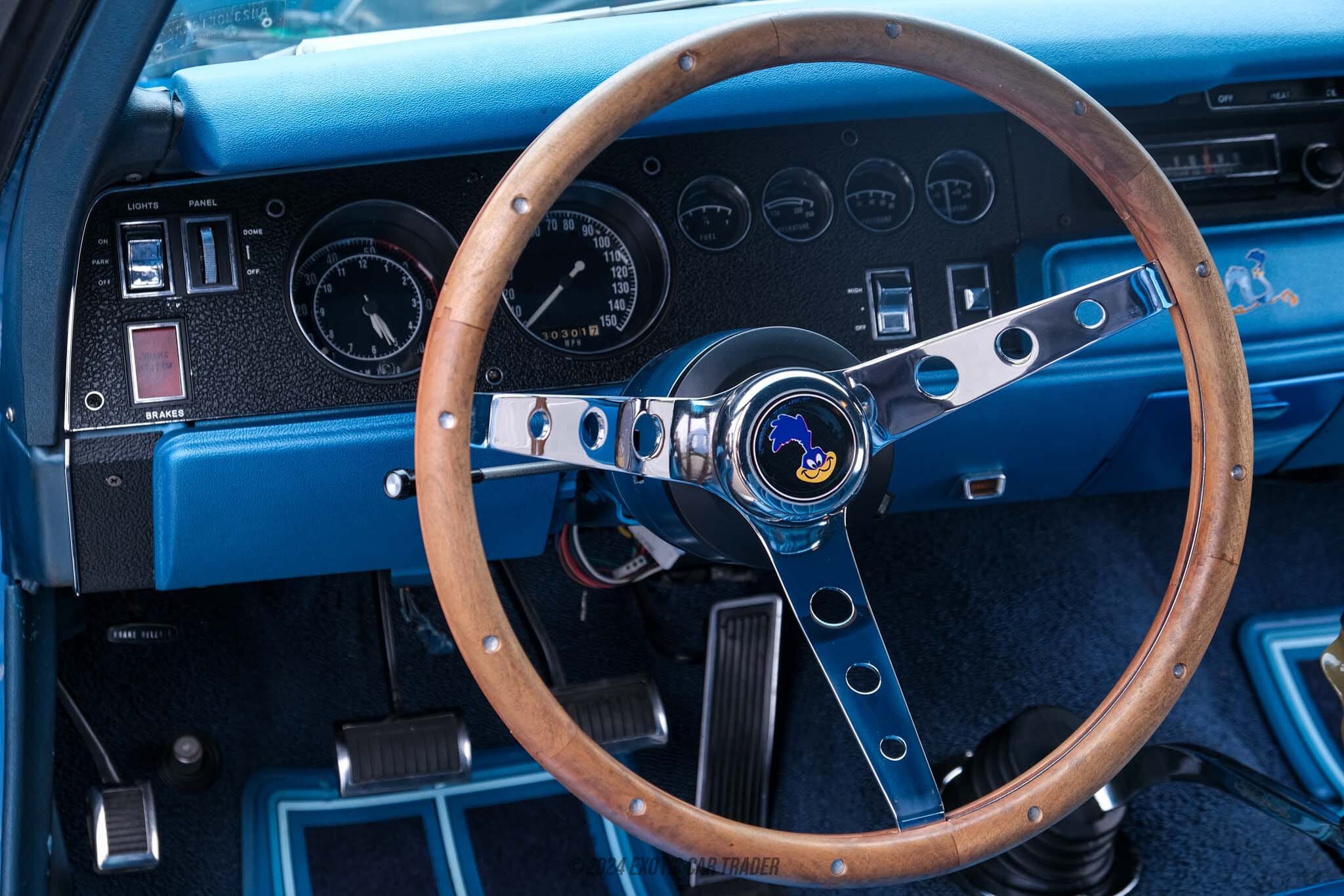
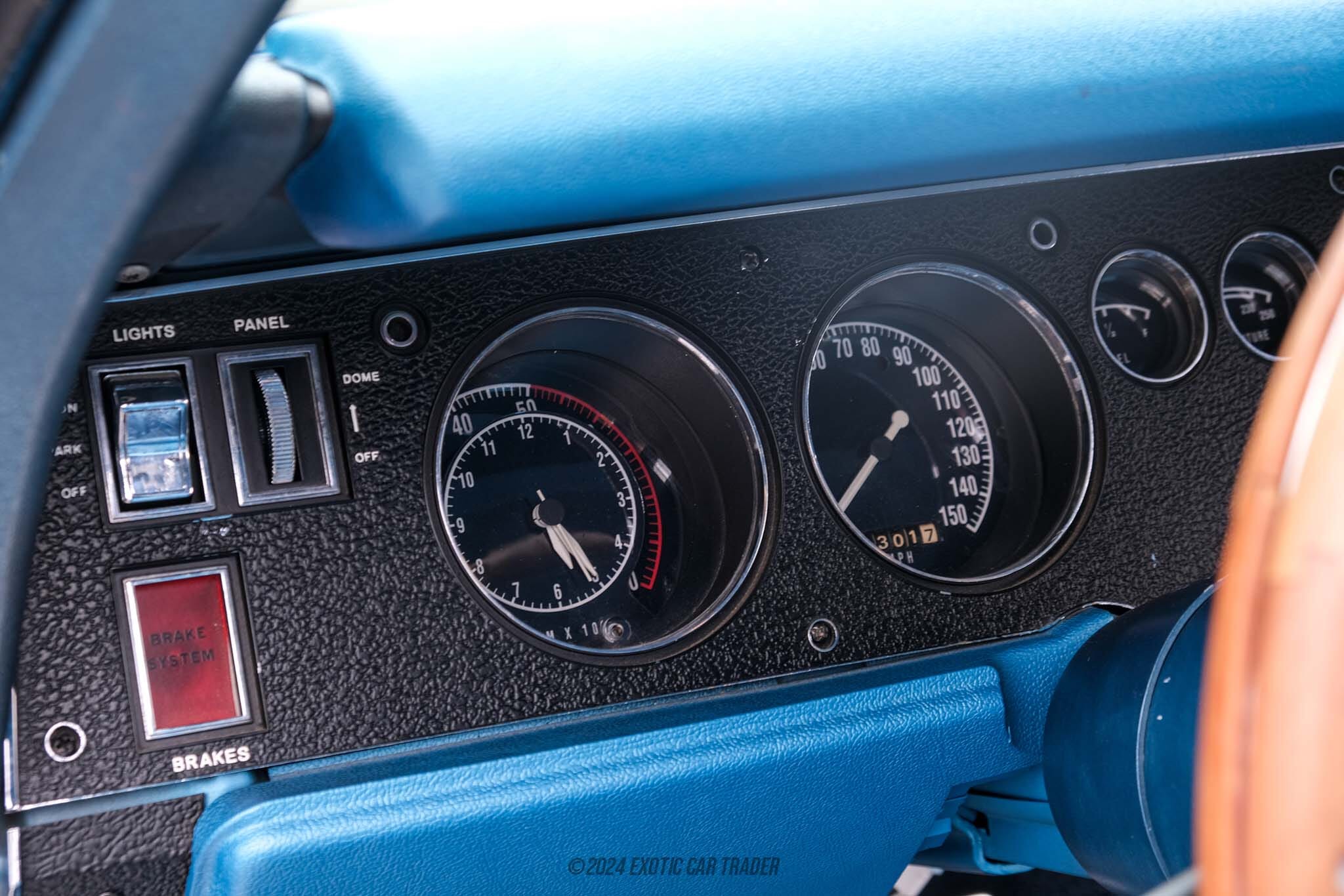
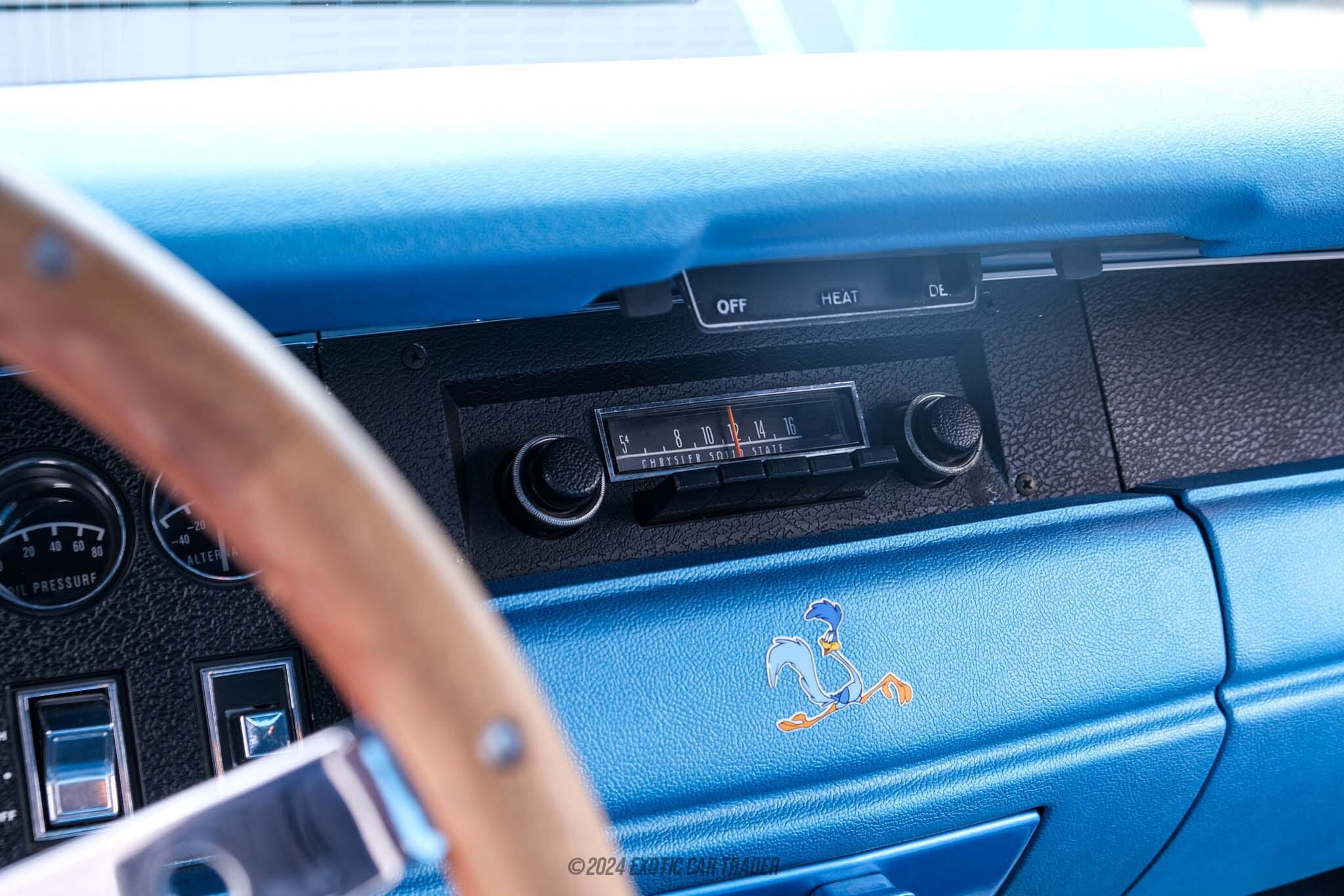
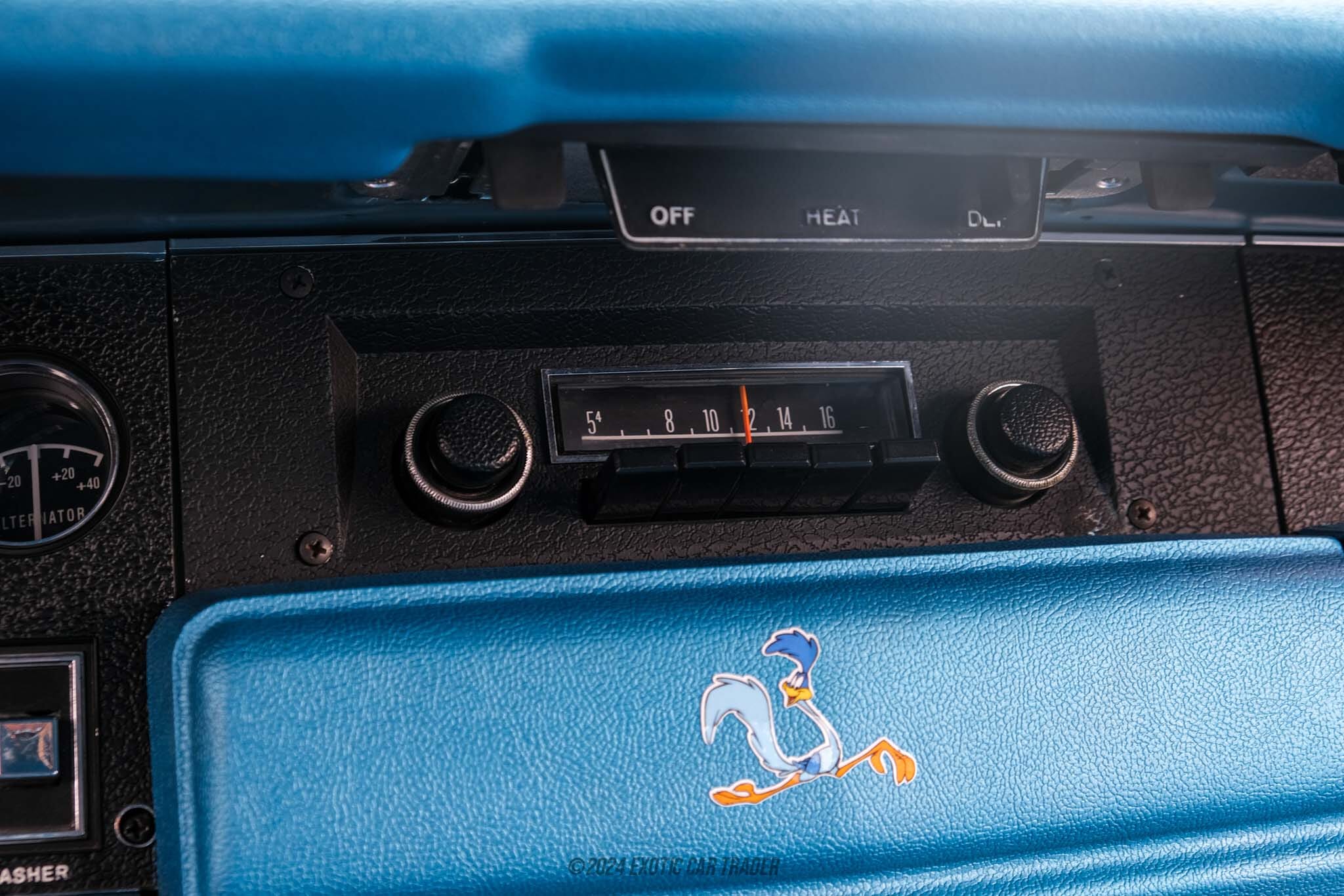
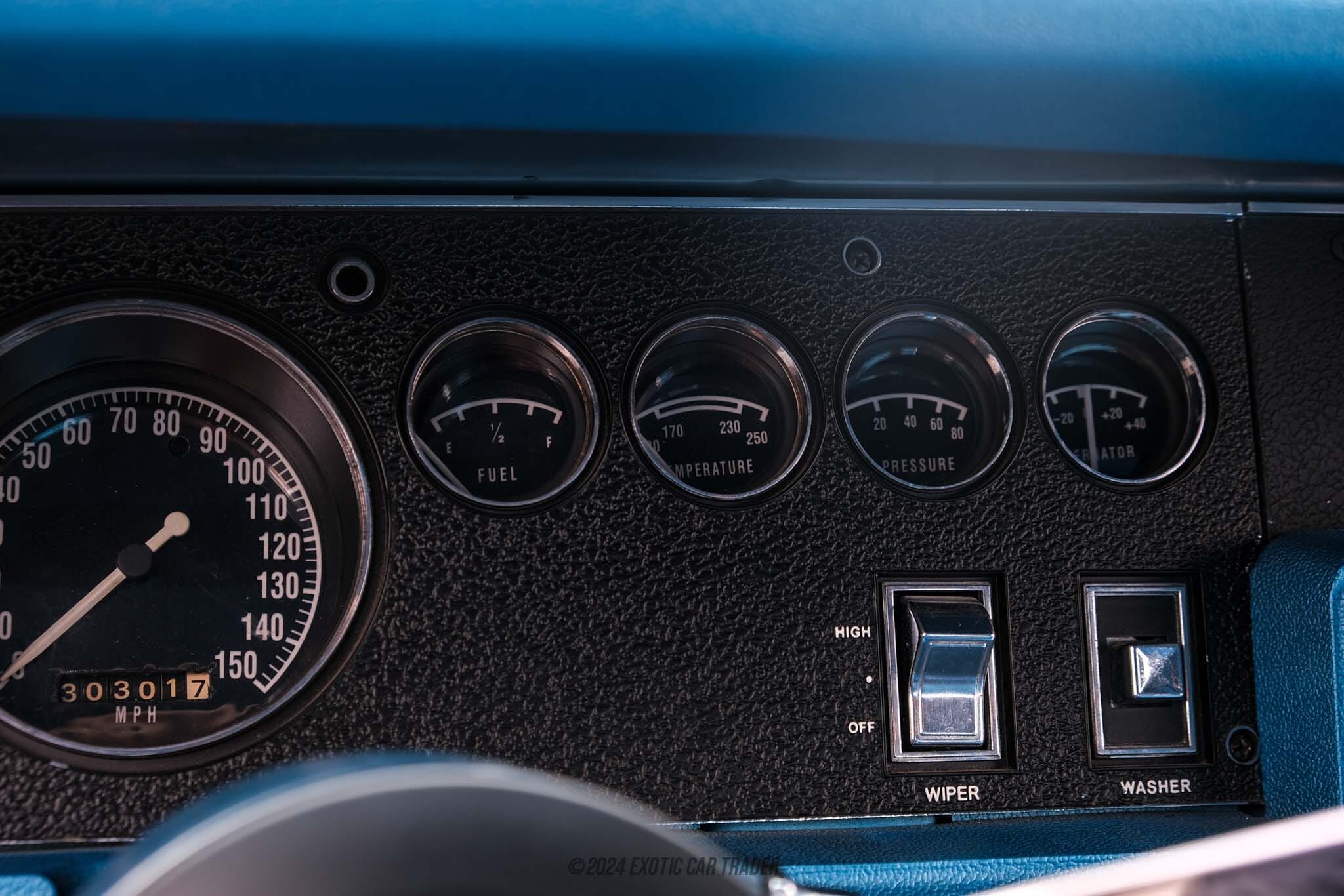
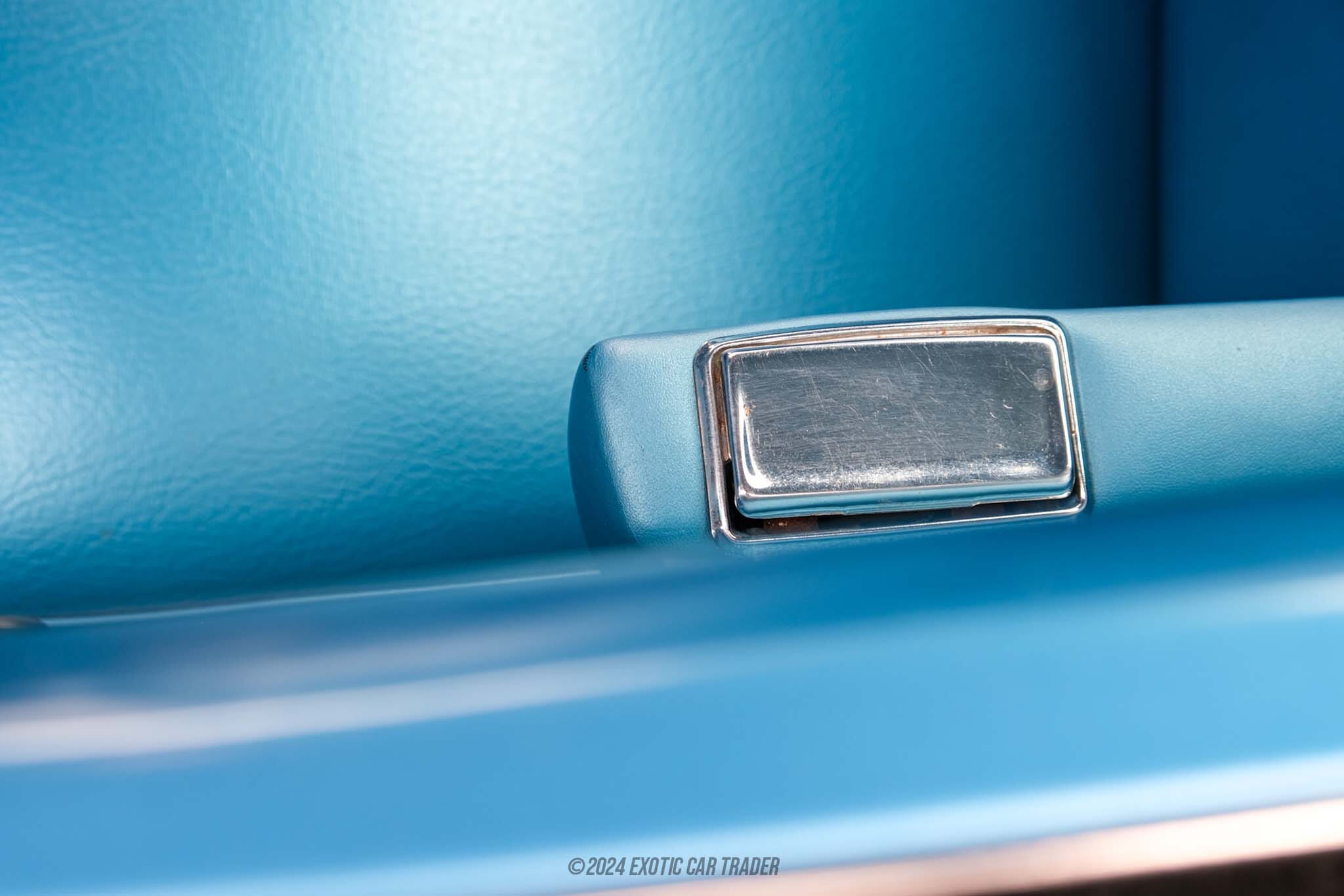
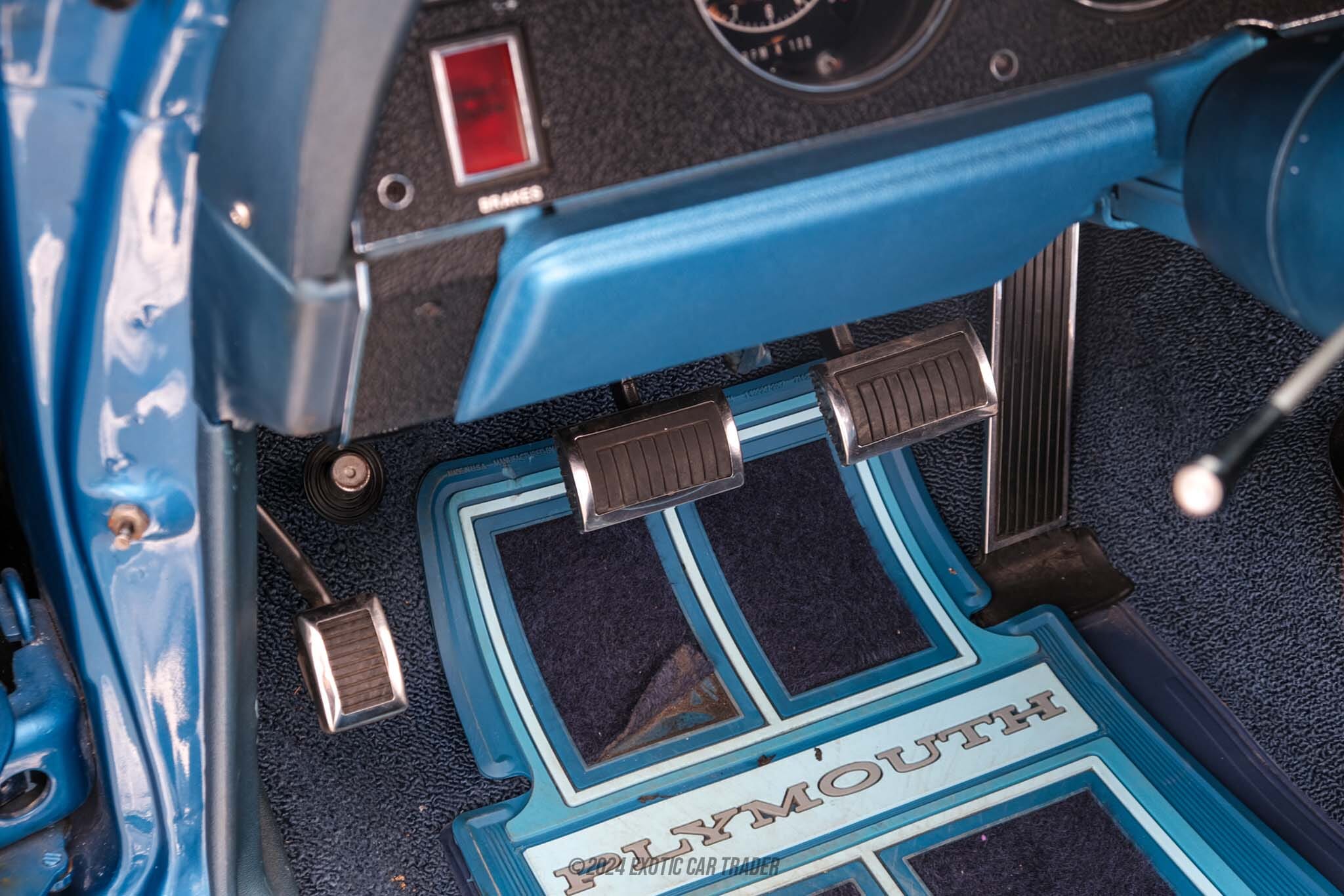
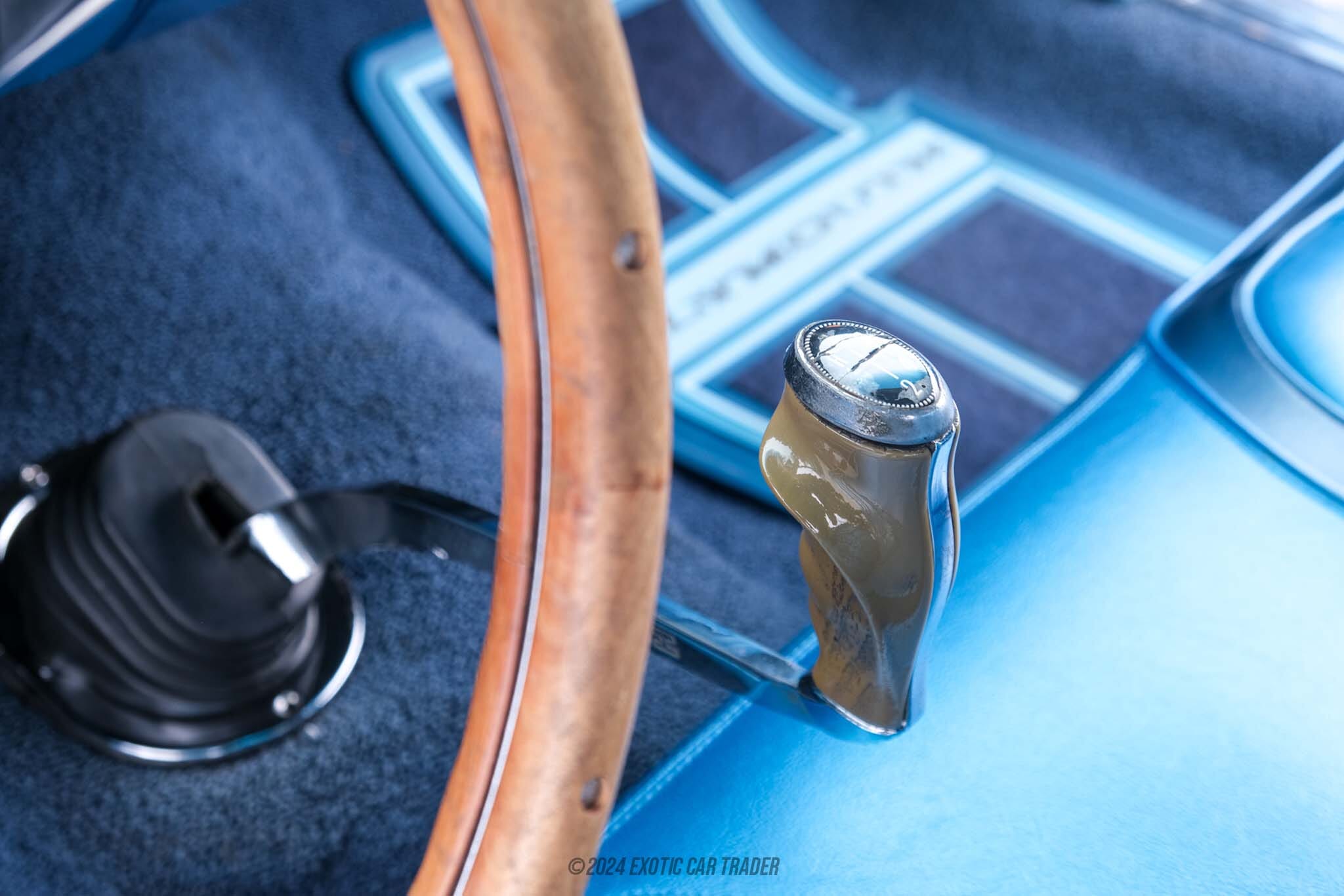
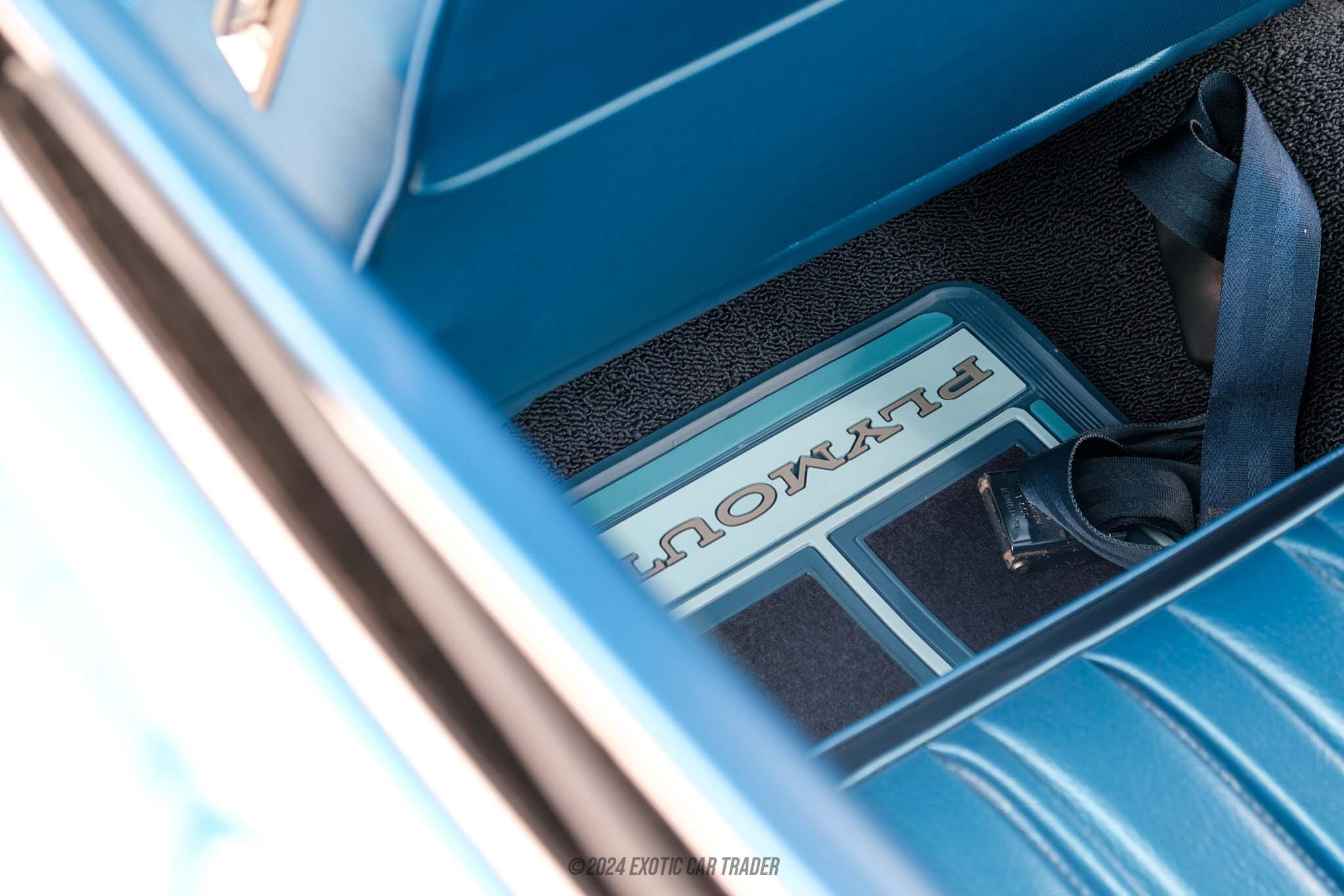
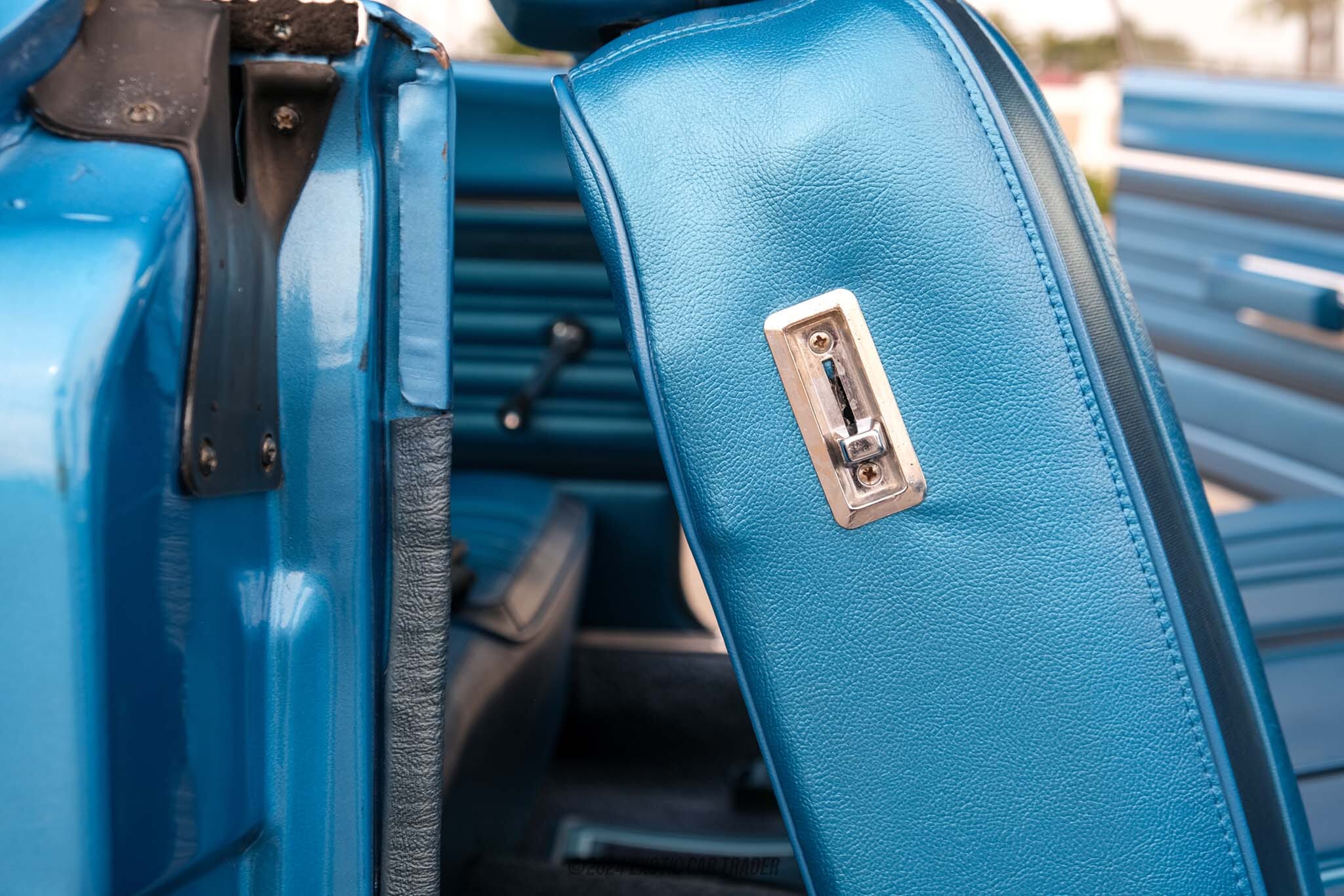
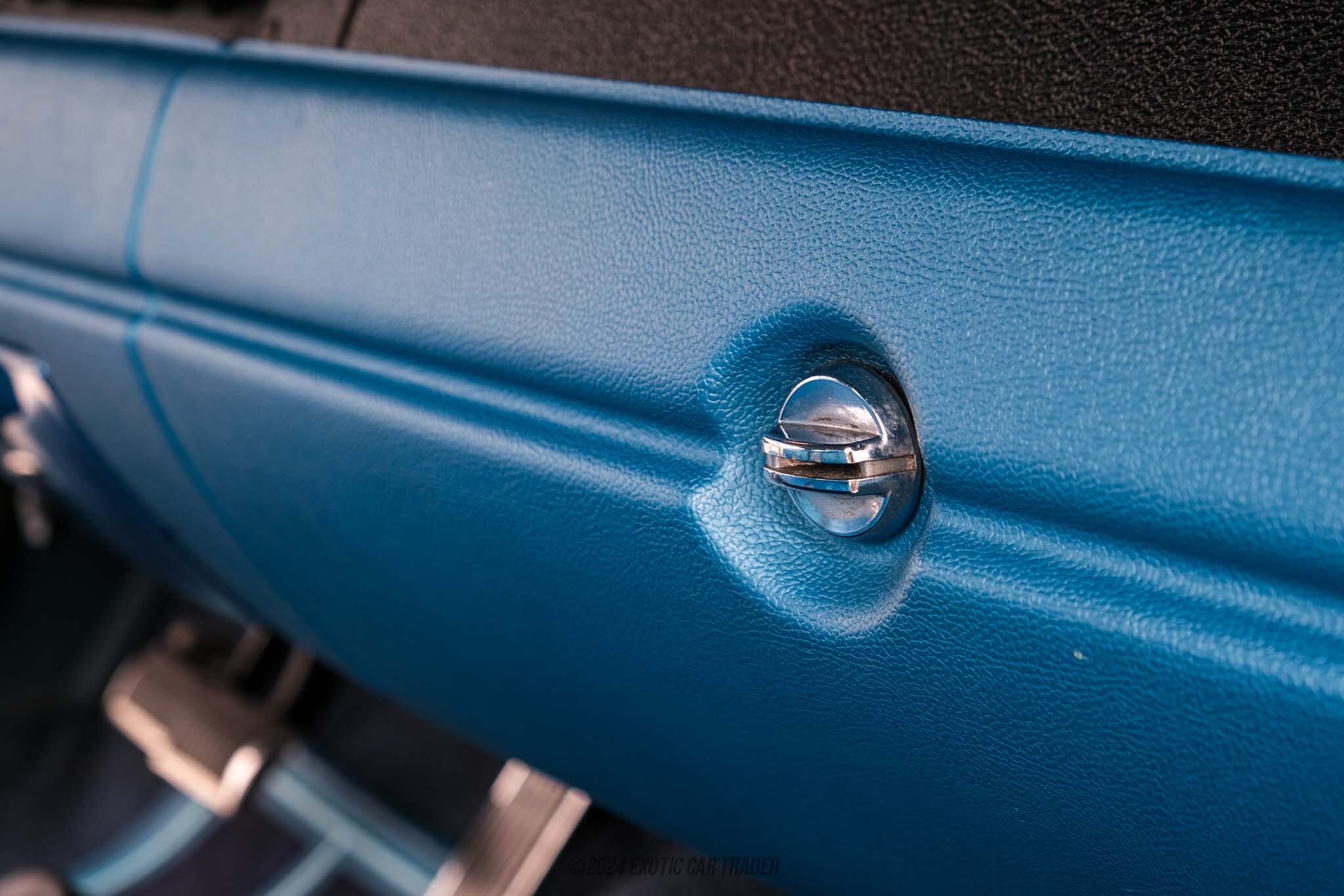
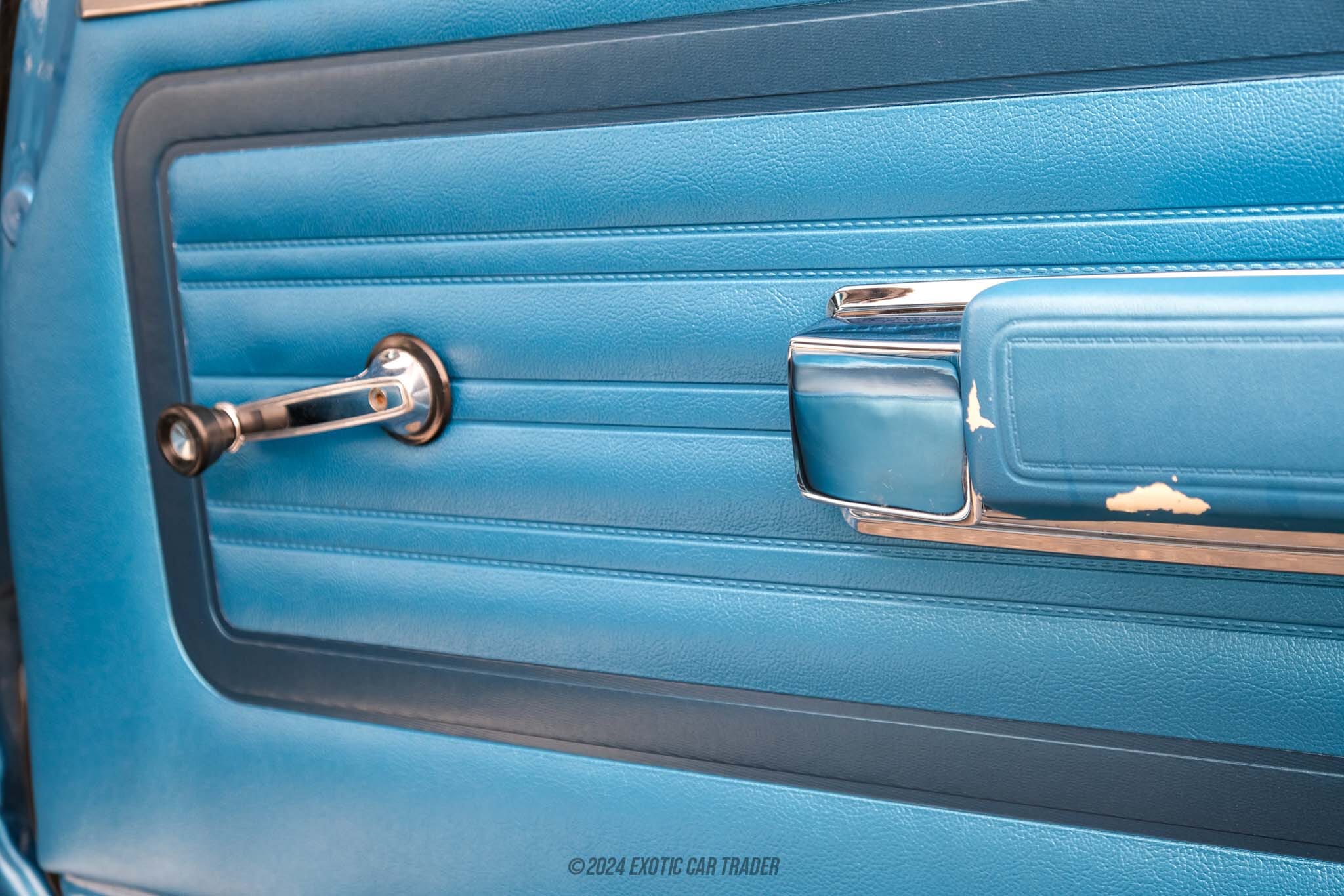
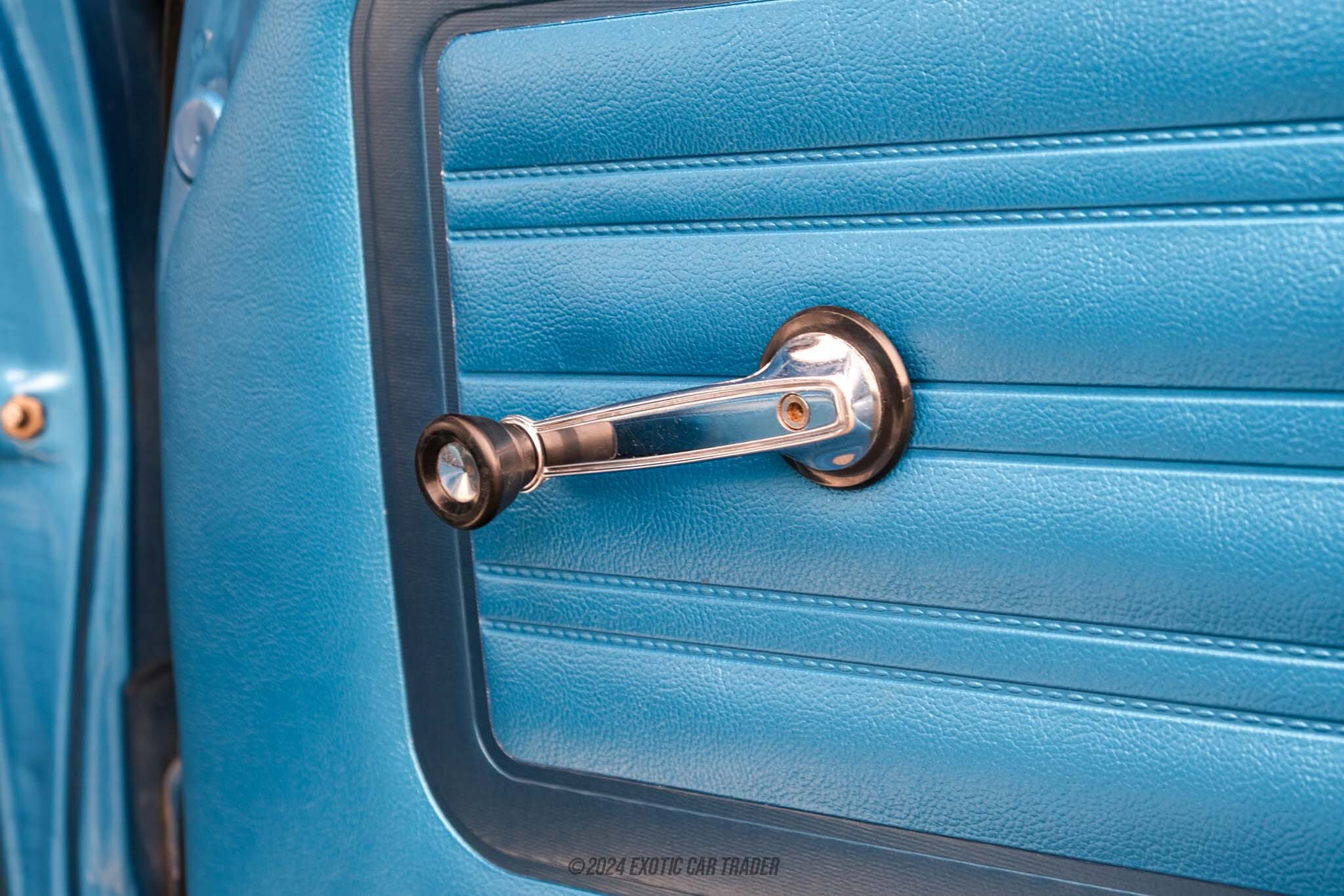
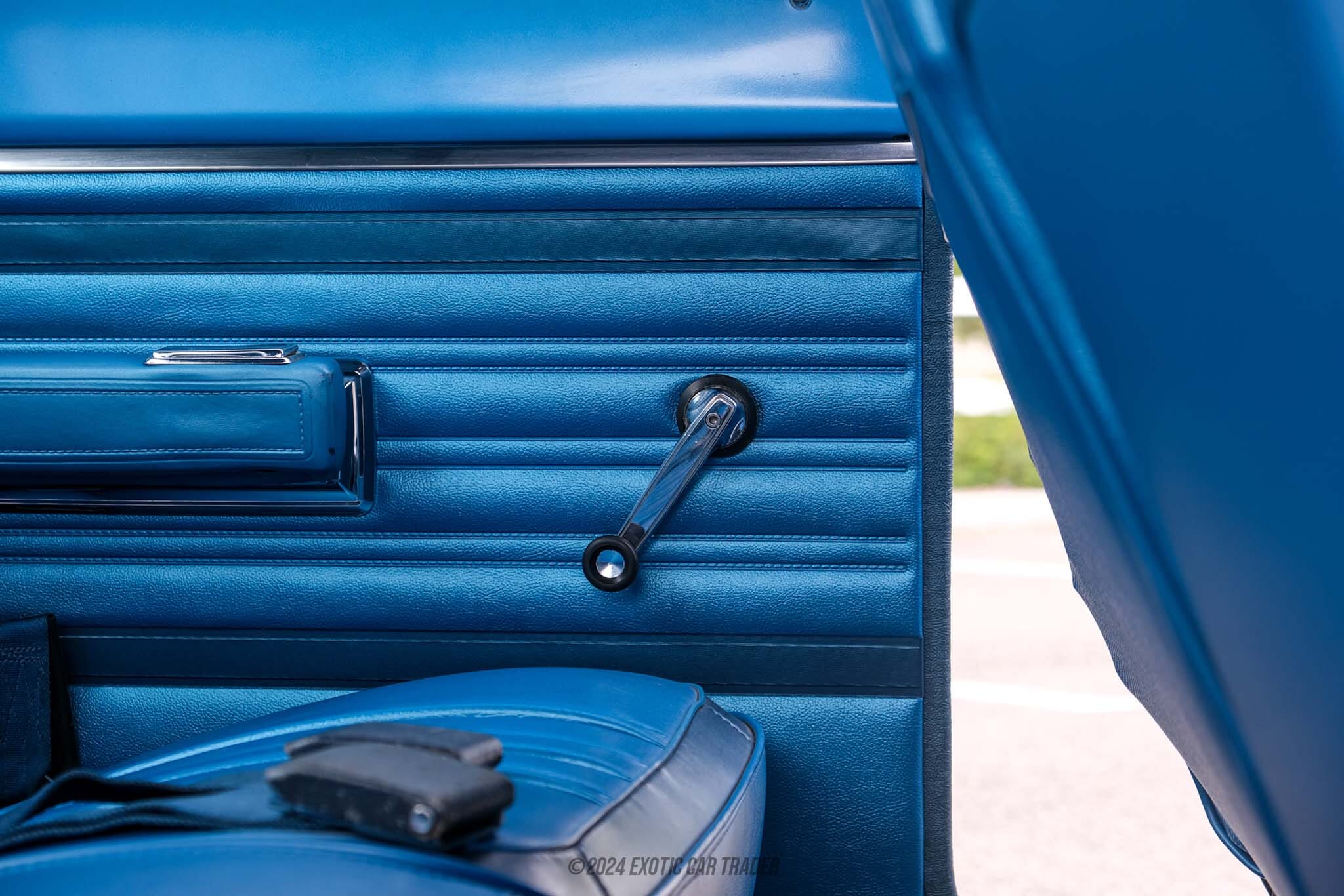
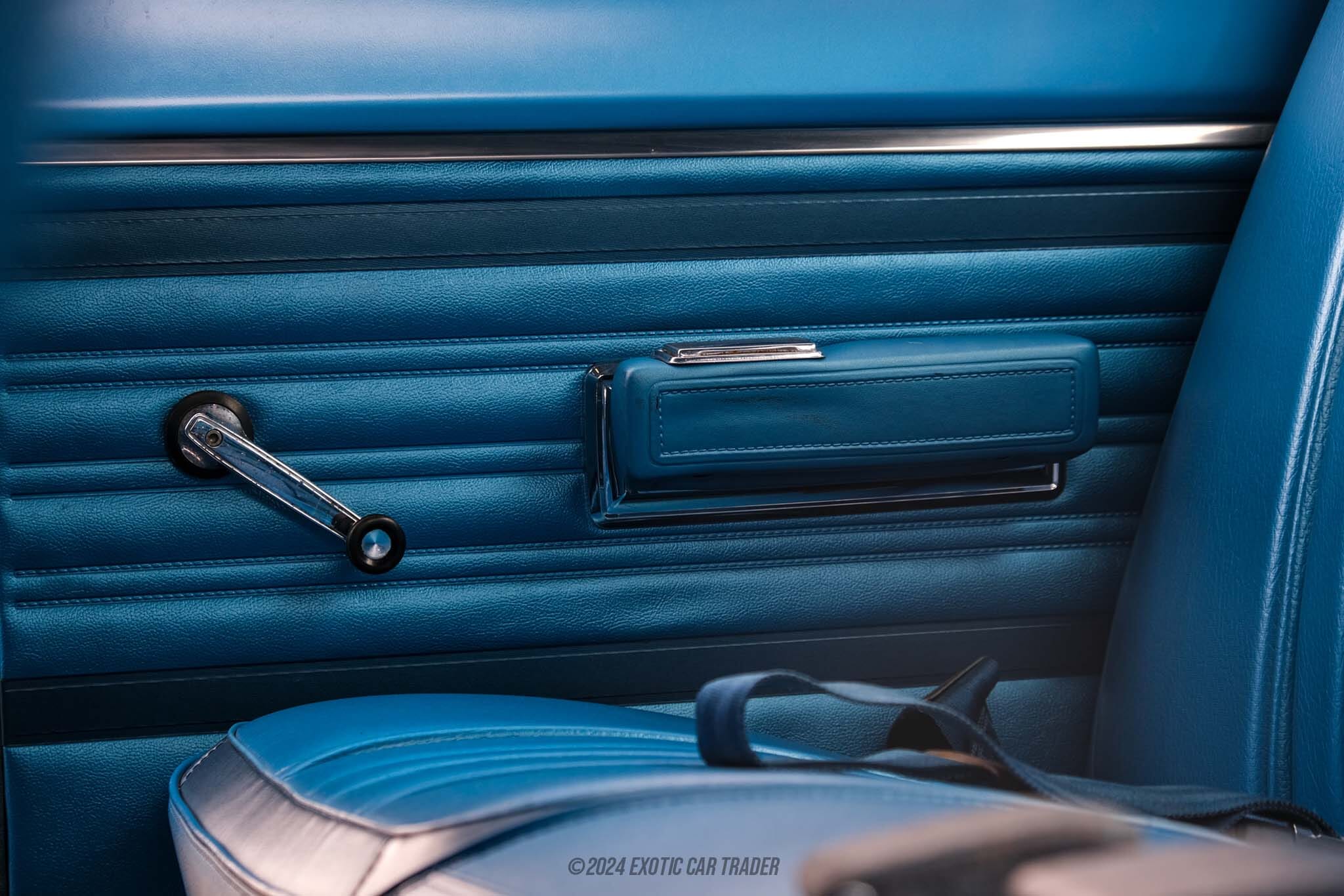
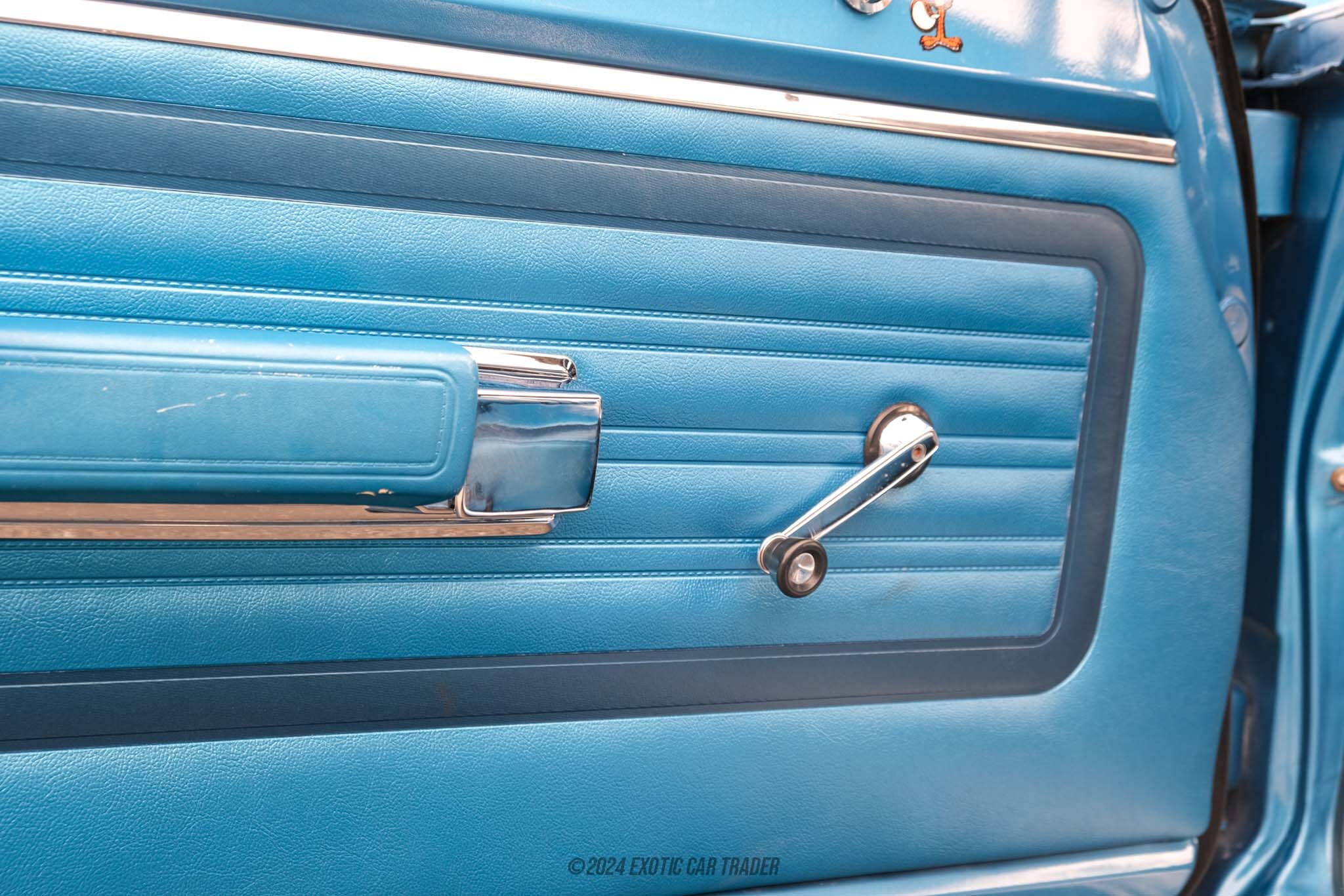
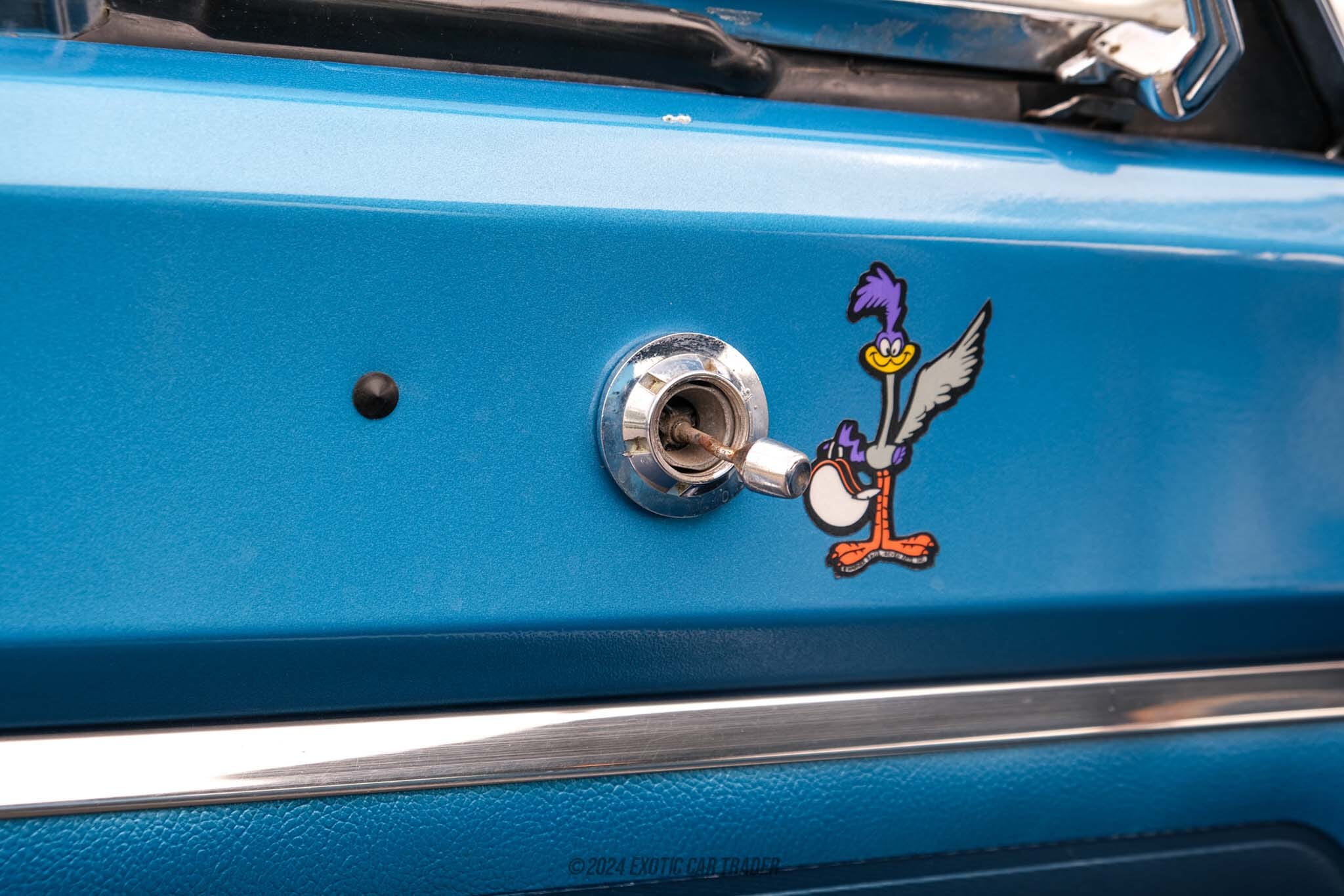
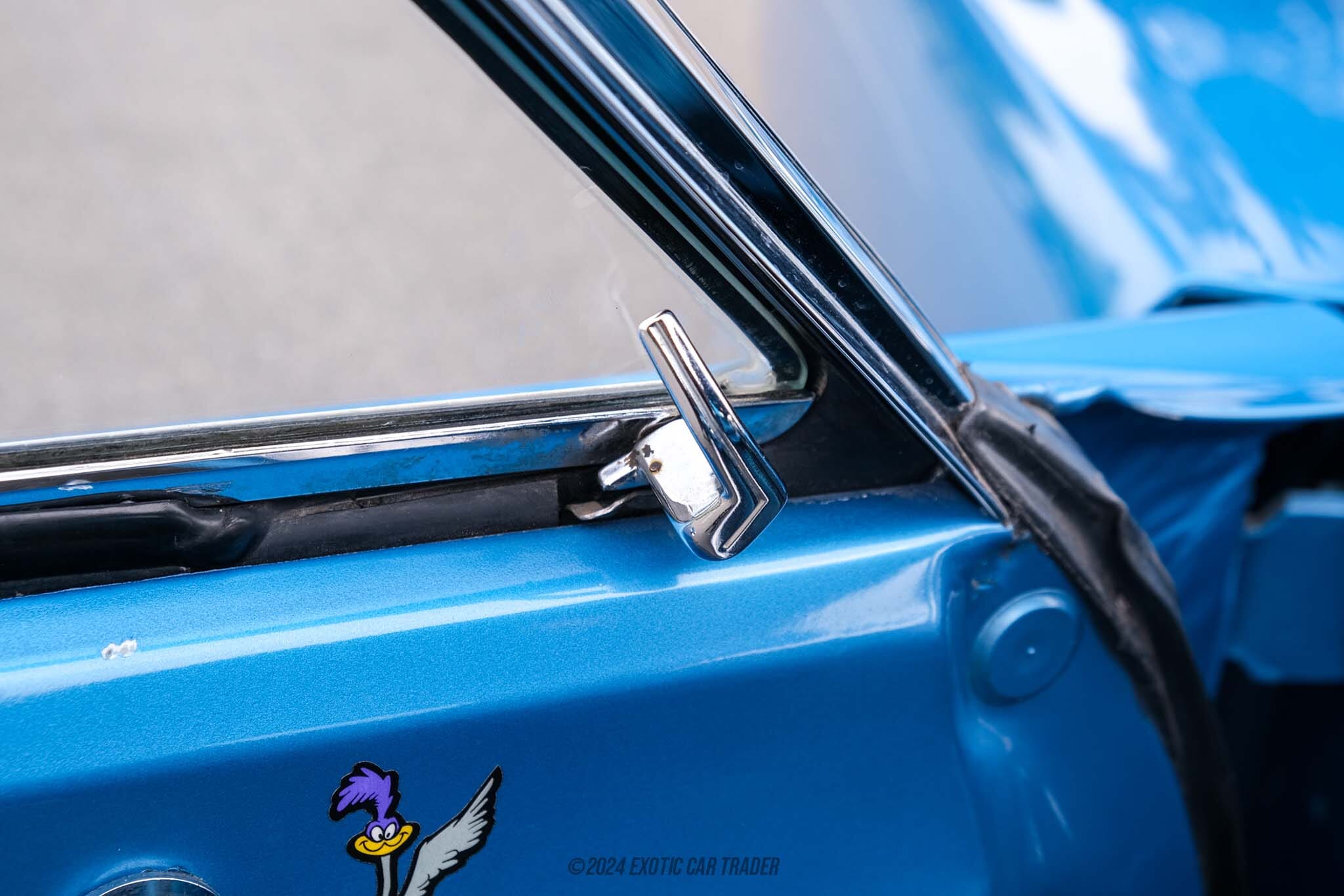
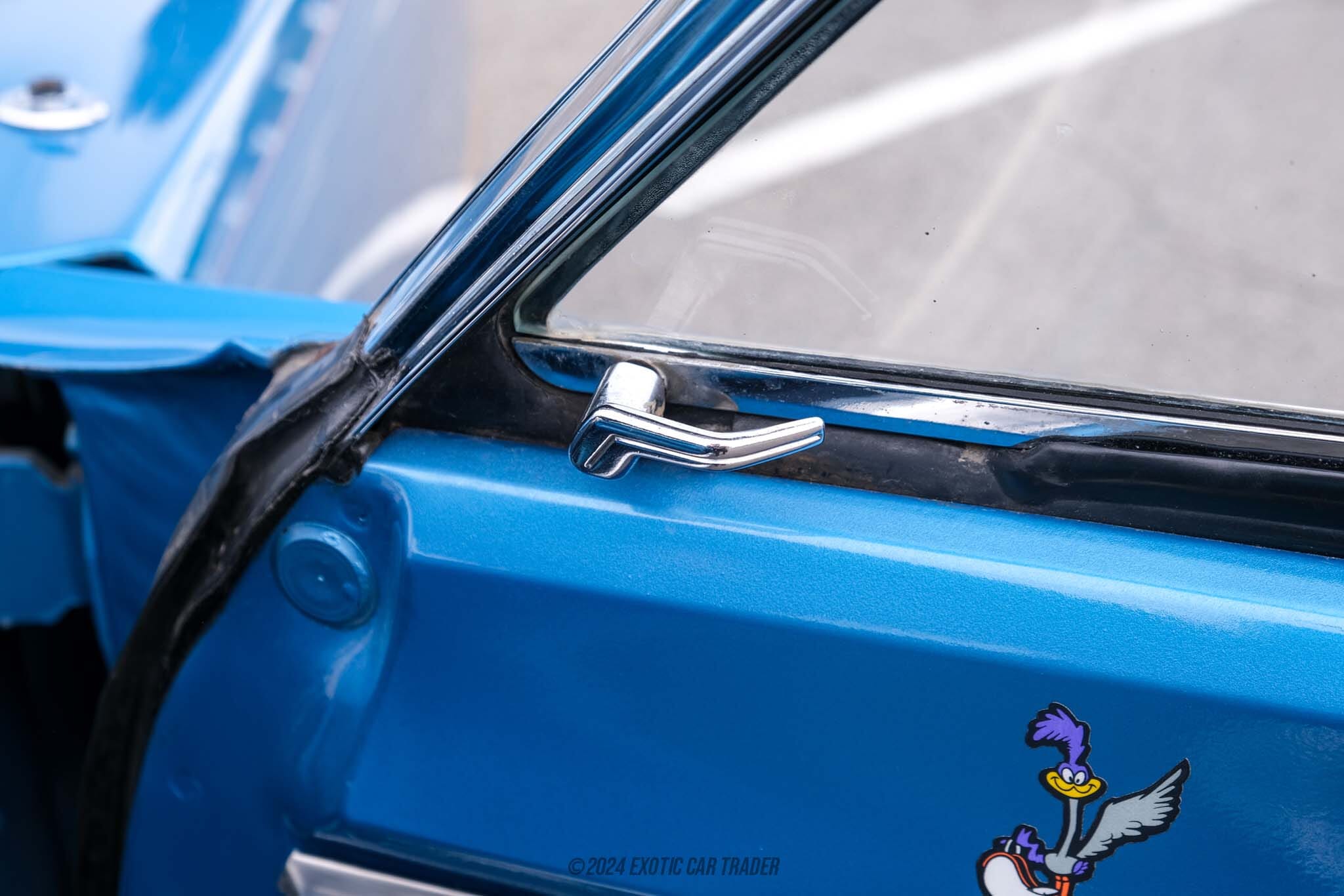
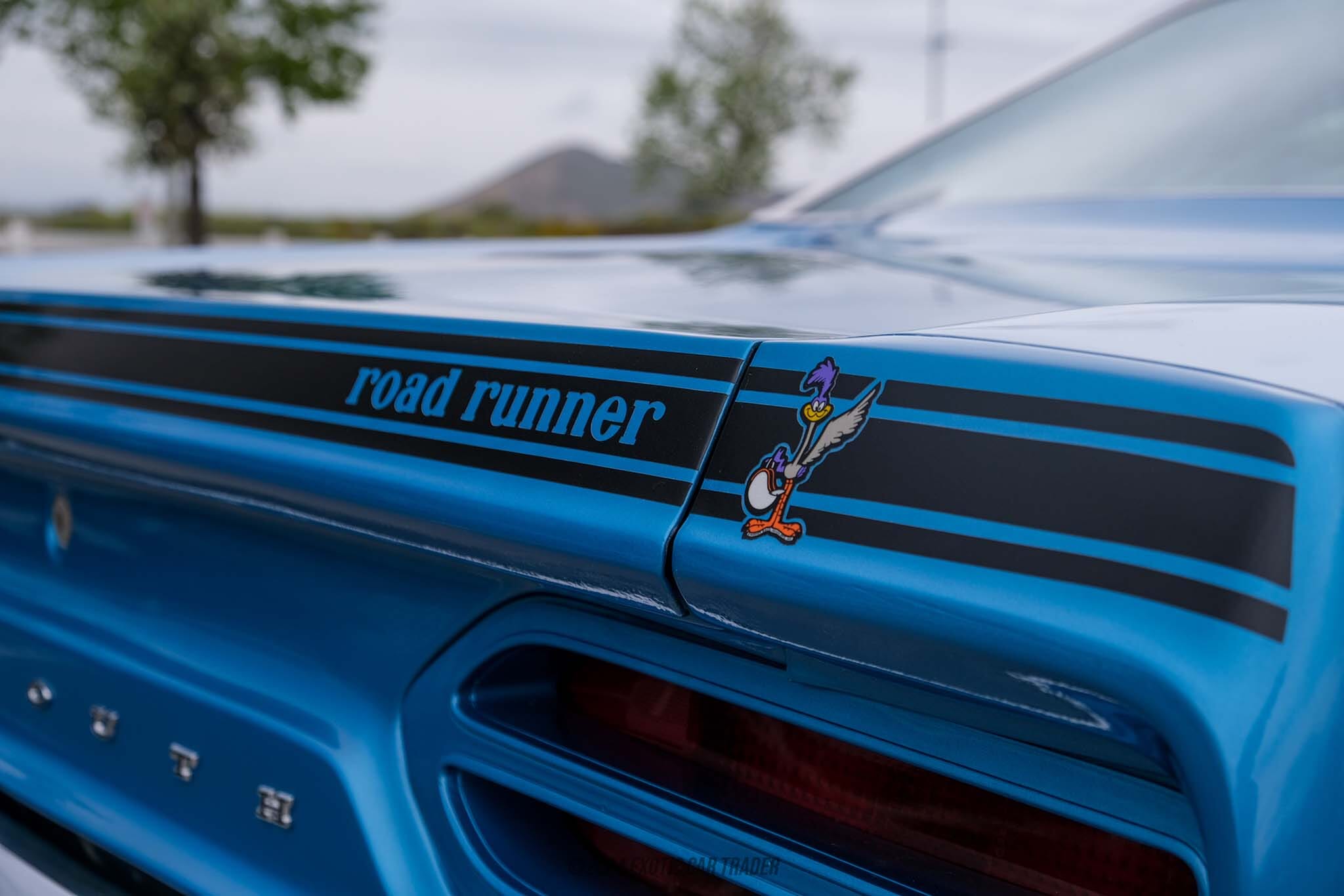
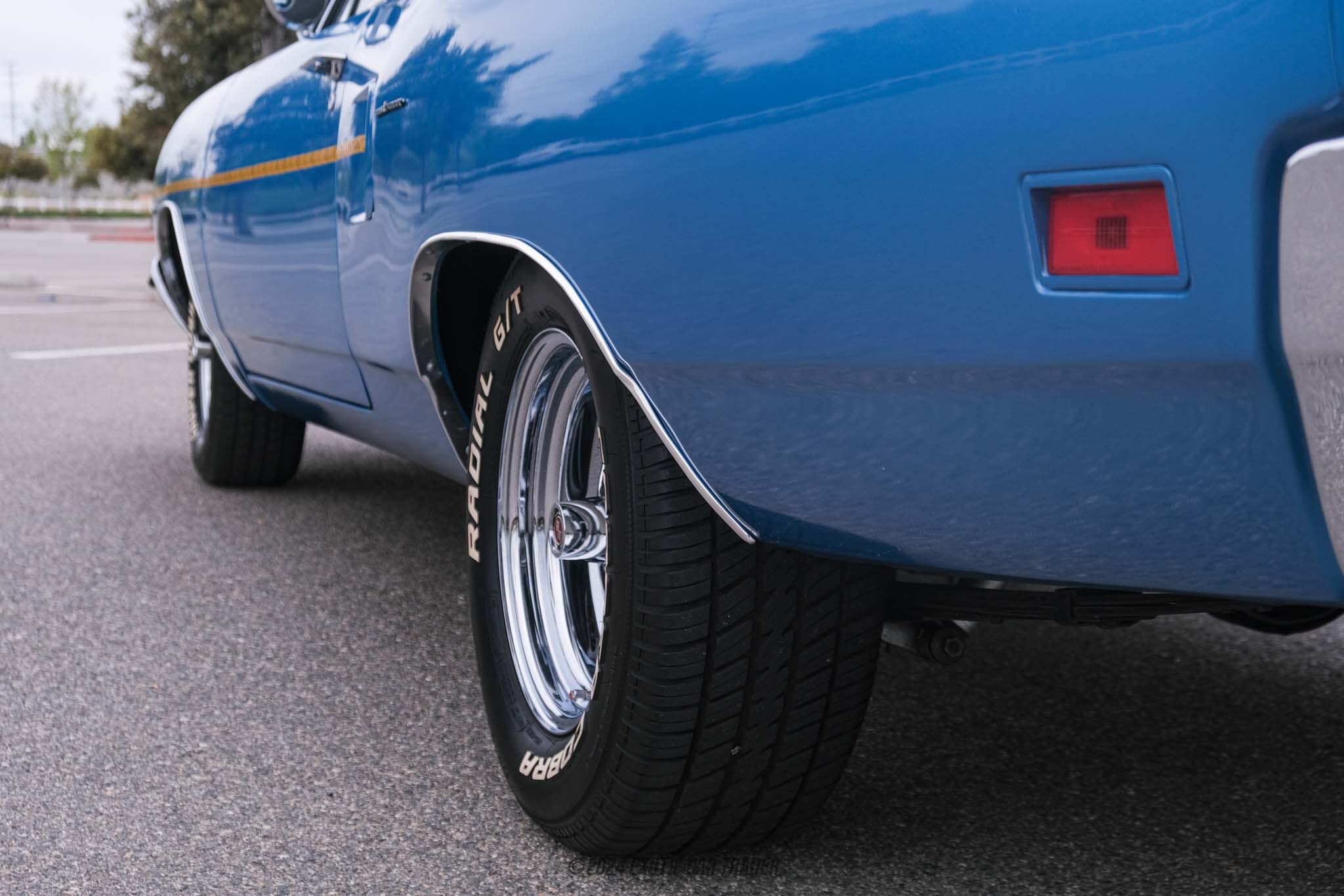
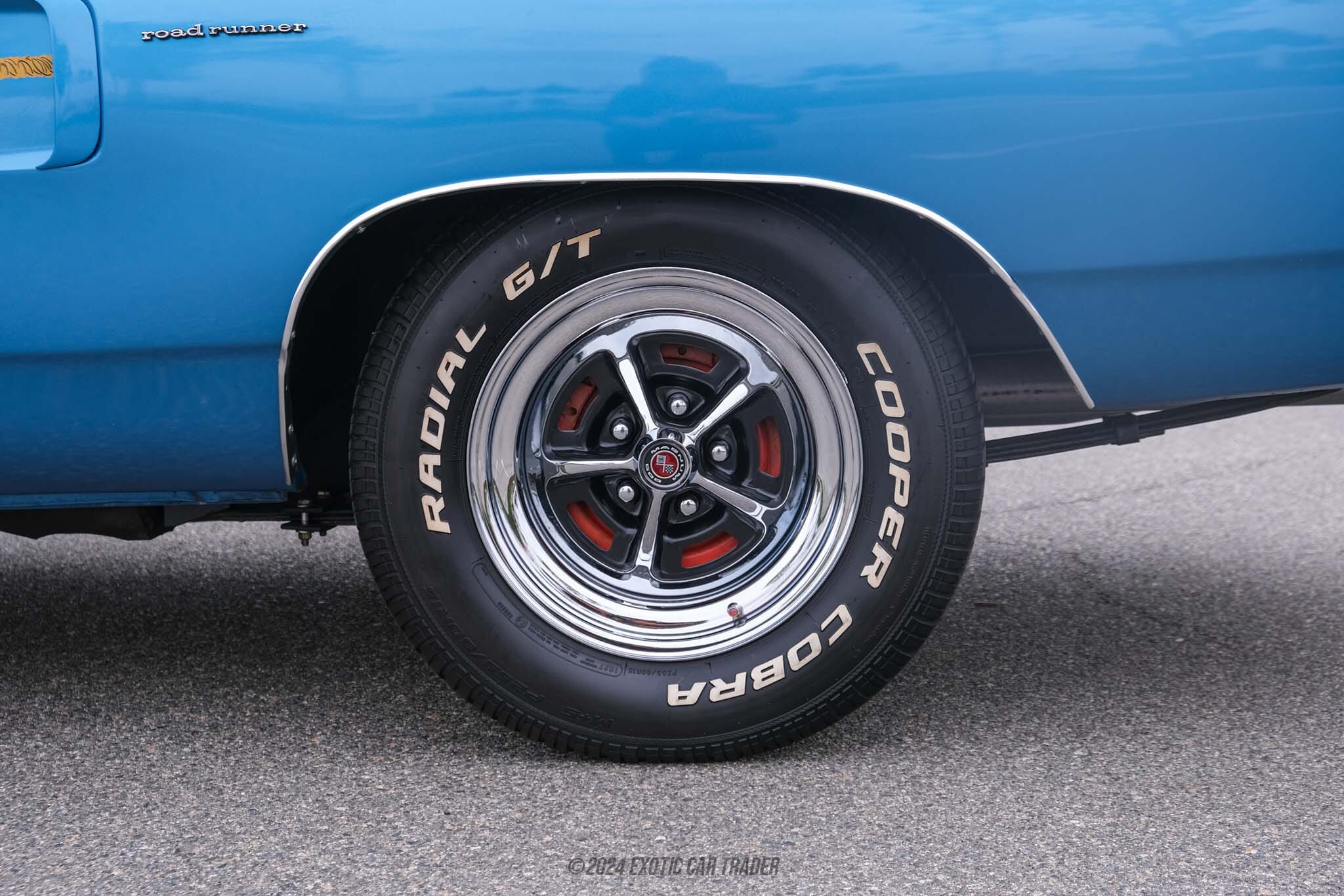
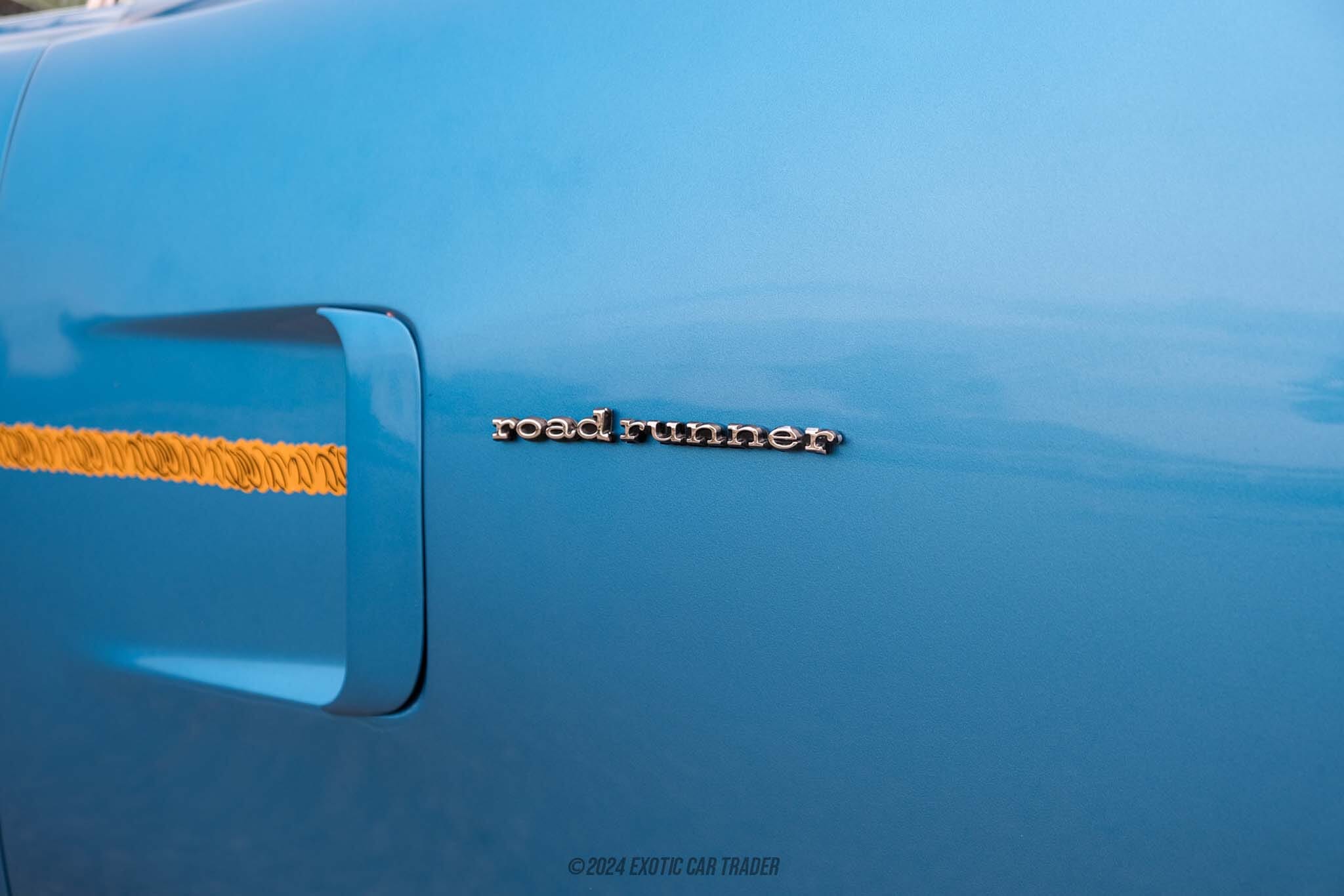
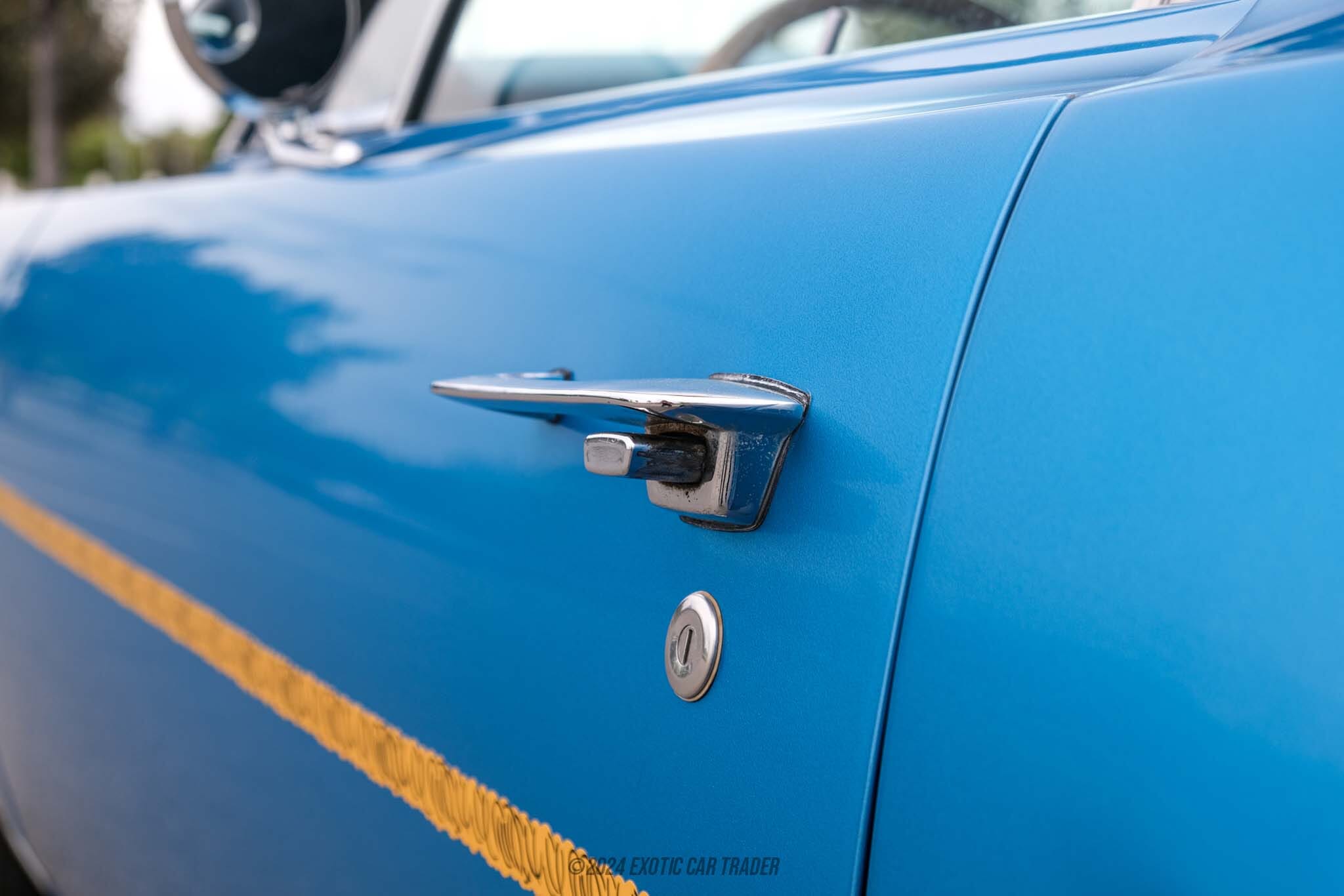
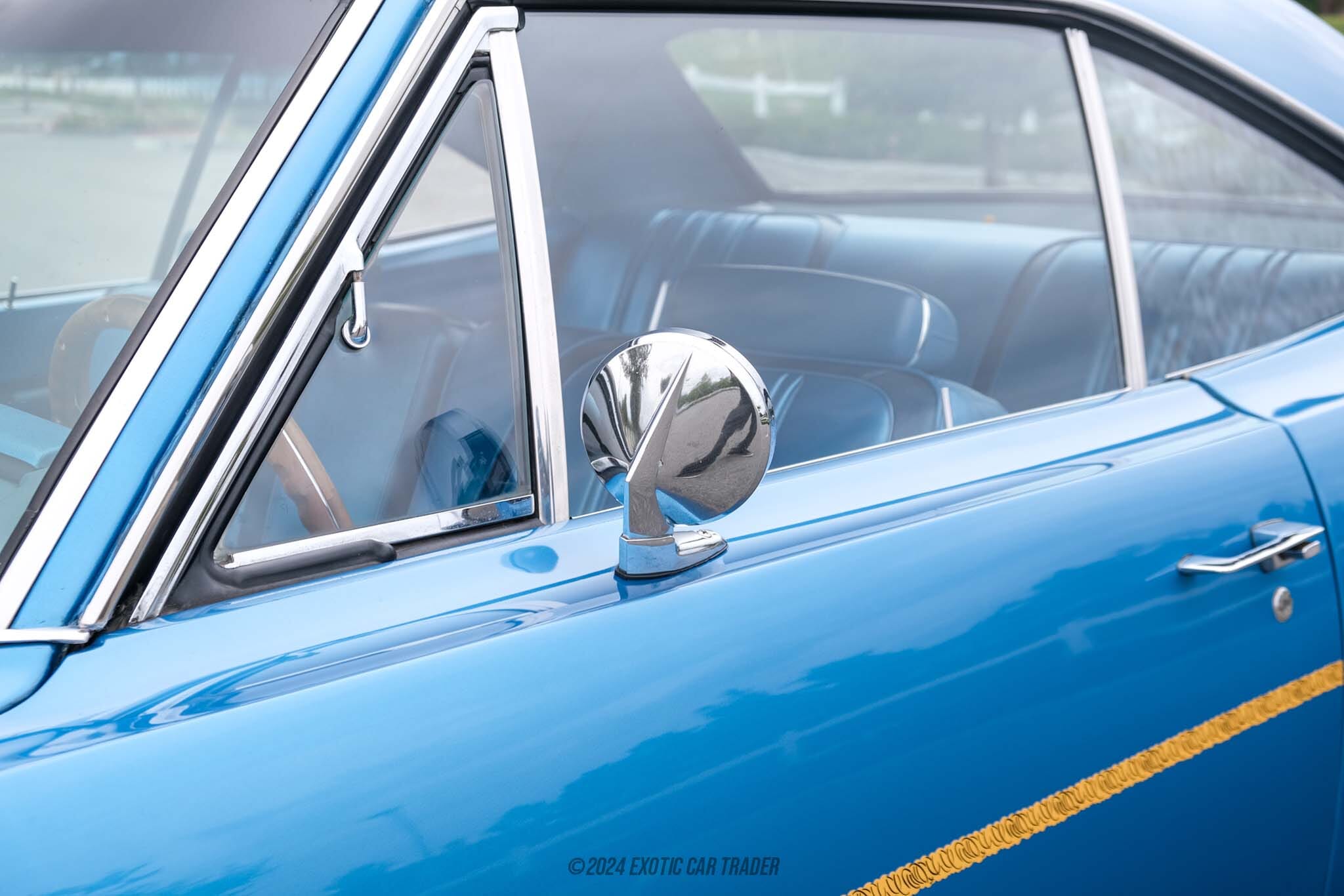
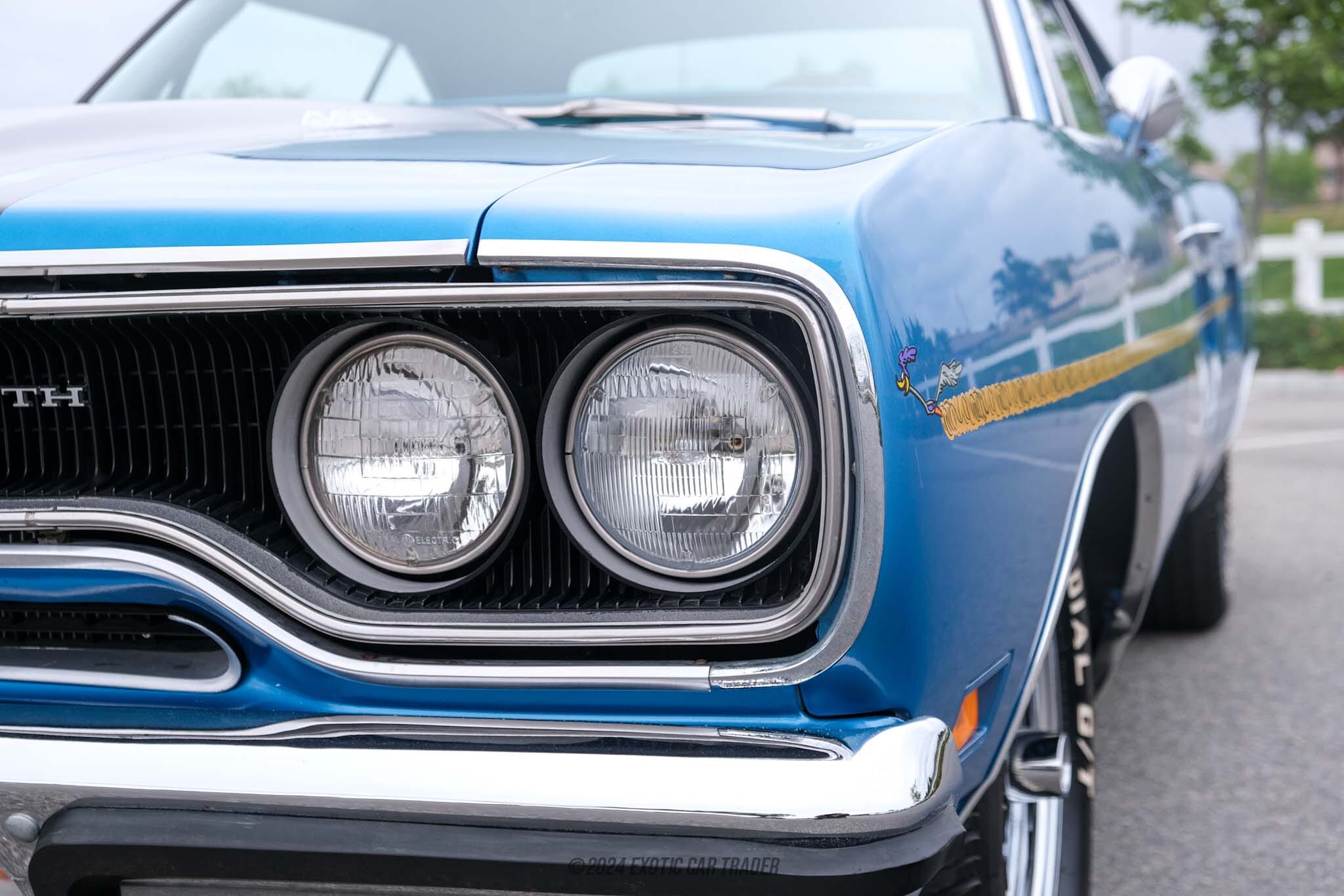
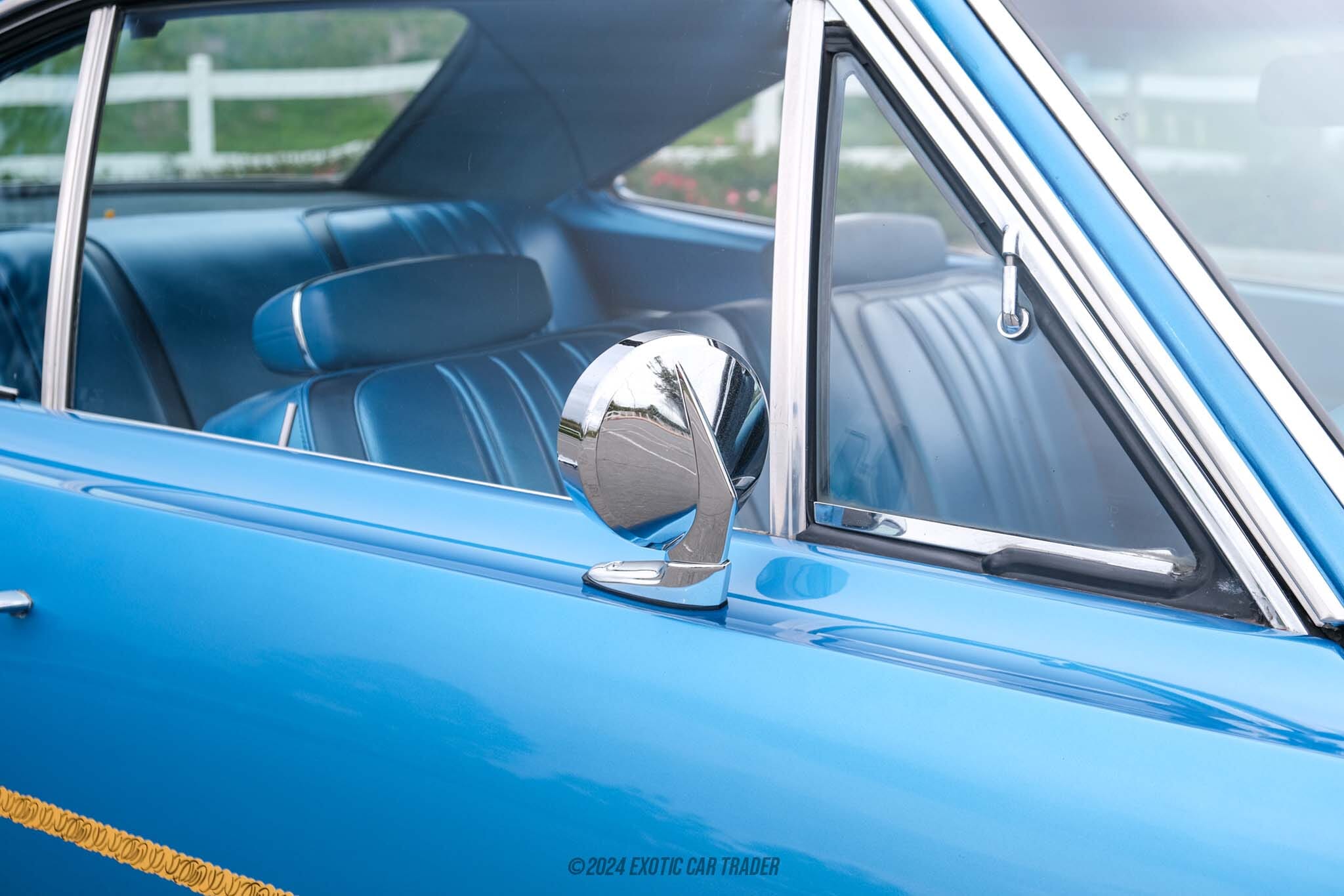
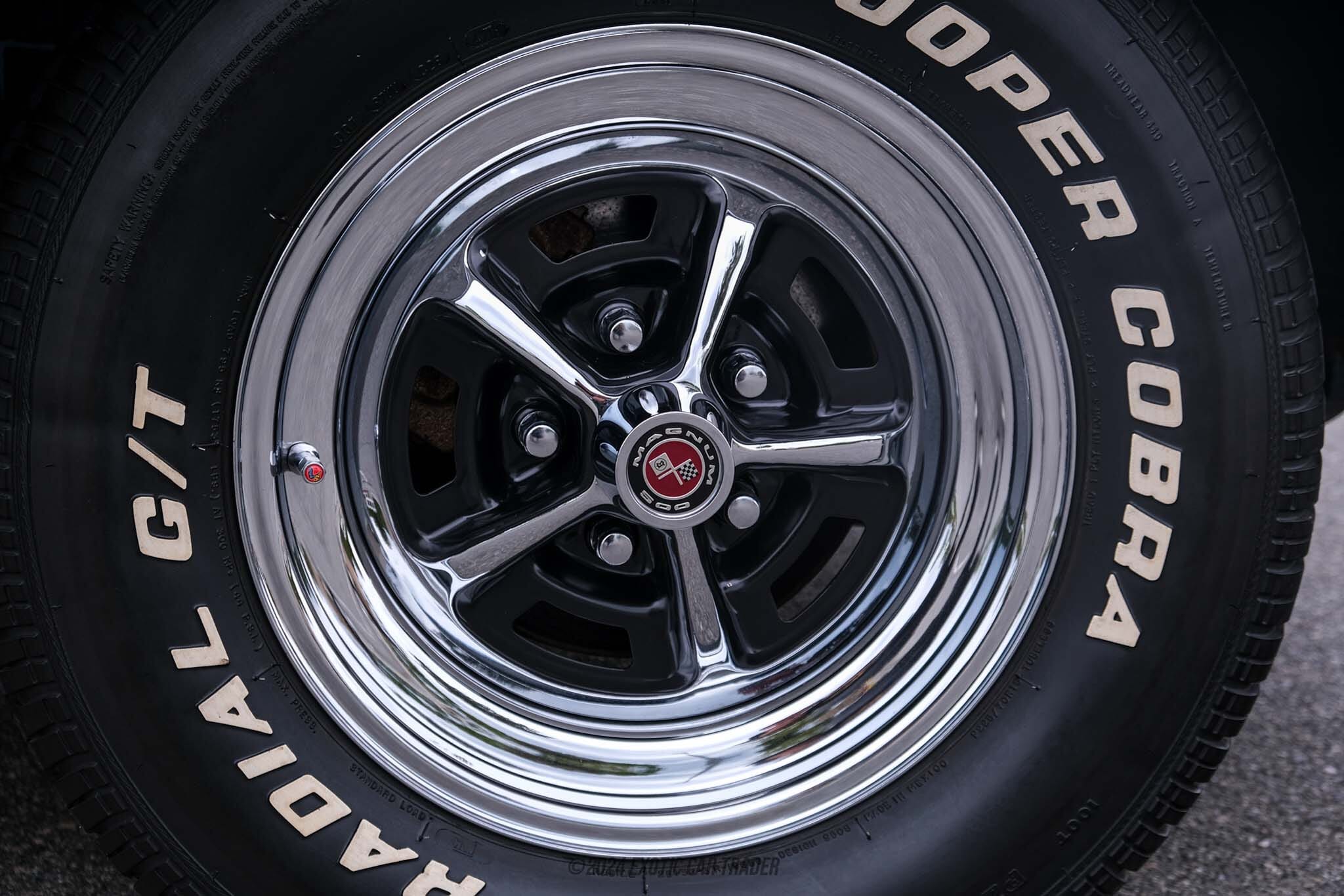
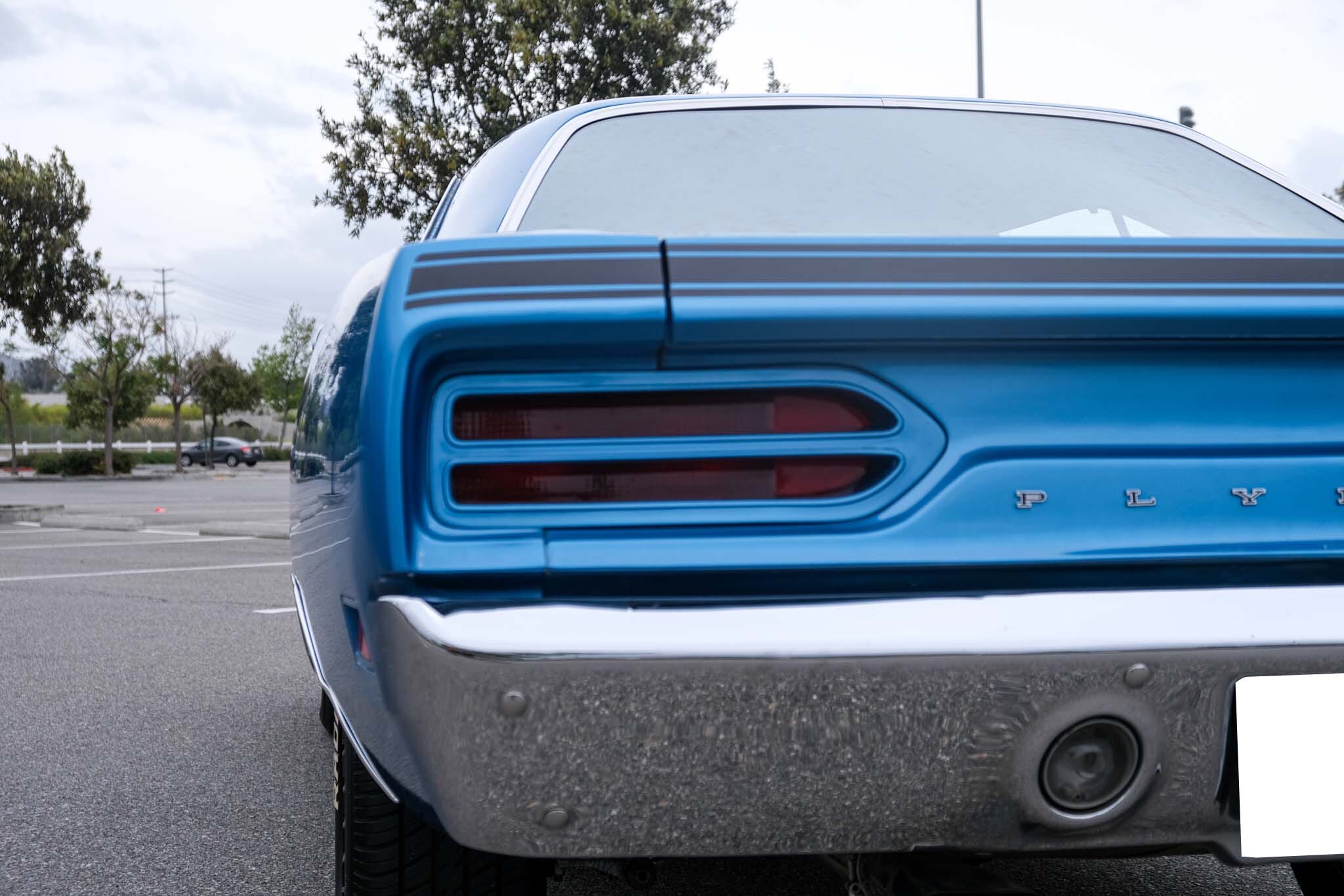
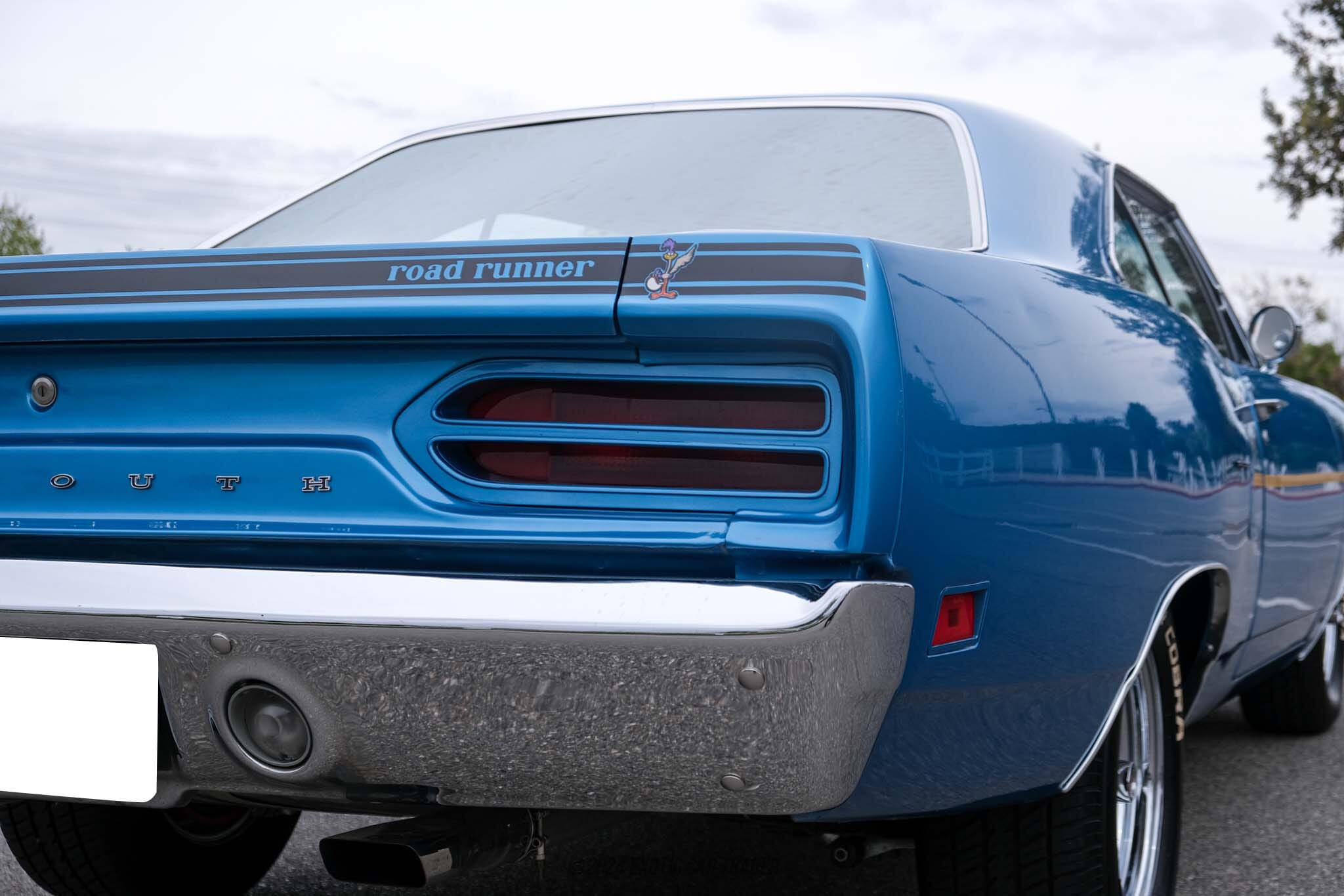
Standing out in terms of design in the '70s was a tough ask; you had the legendary Ford Mustang and a host of other muscle cars bringing their A-game. The Plymouth Road Runner, however, struck through all the sharp looks and aggressive features and still grabs the hearts of many muscle car fanatics. This 1970 Plymouth Road Runner dons a blue exterior and features some tasteful upgrades, including custom stickering running across the car and a black racing stripe on the car's hood. The aggressive styling transitions into a set of two-tone Cragar-styled wheels, which serve as this car's shoes. This 1970 Plymouth Road Runner has a blue interior that matches the exterior. The leather interior appears to be how it would be when it left the factory and sports many of its interior components. A look around the interior reveals Road Runner lettering on the steering wheel and throughout the interior. You even get a custom gear shifter.
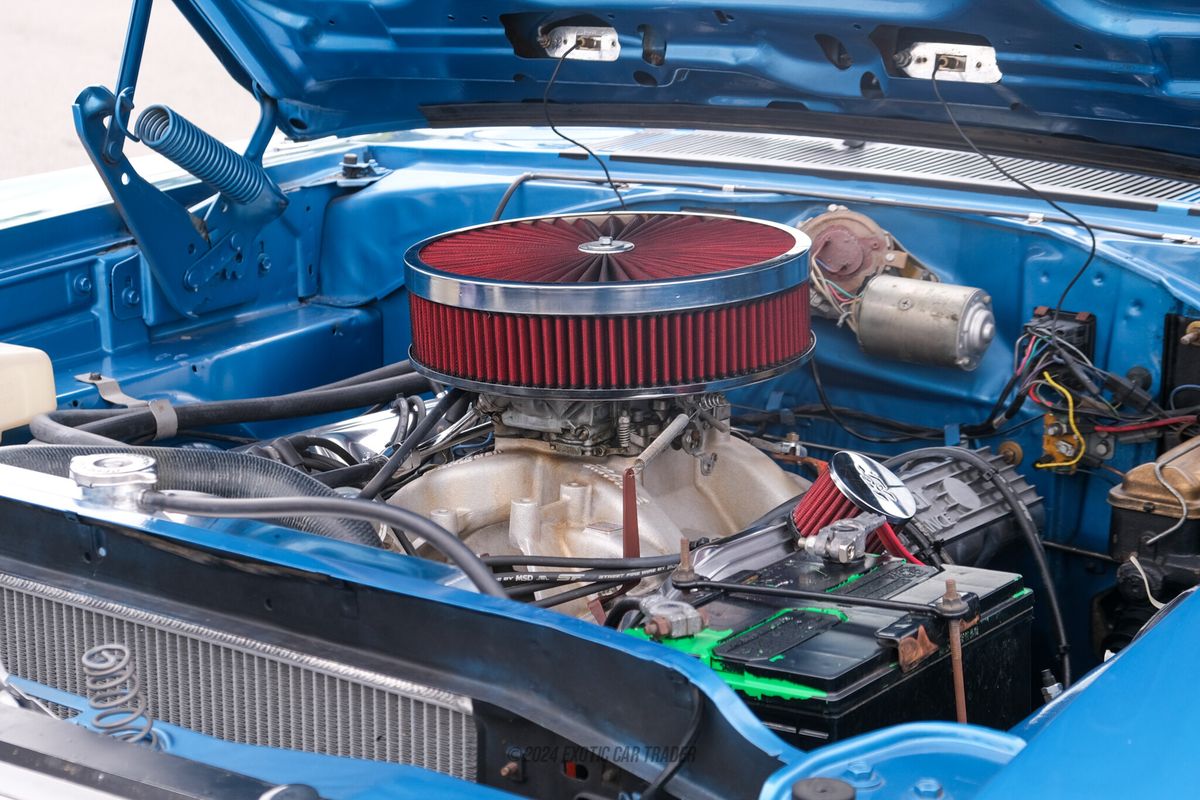
Engine
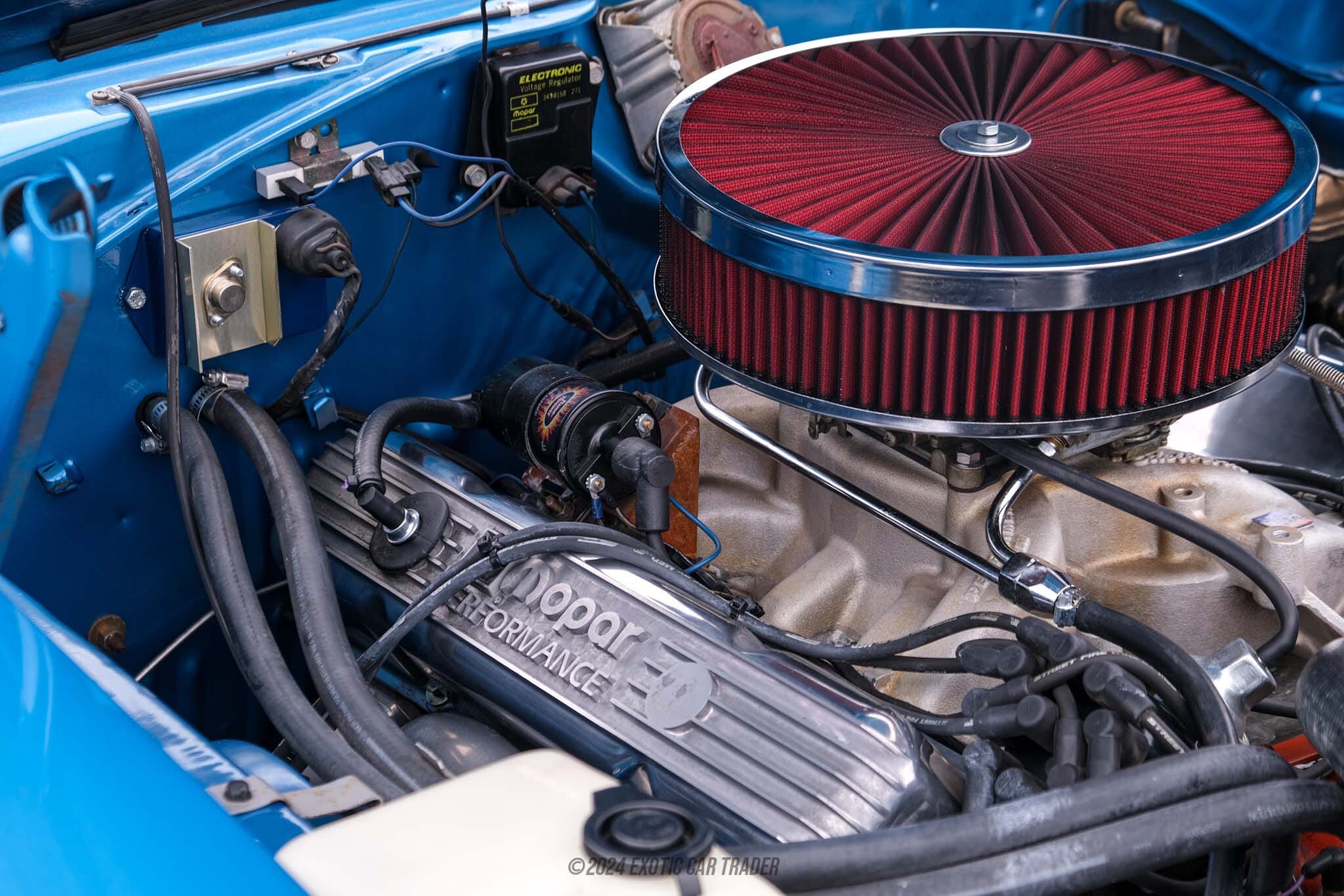
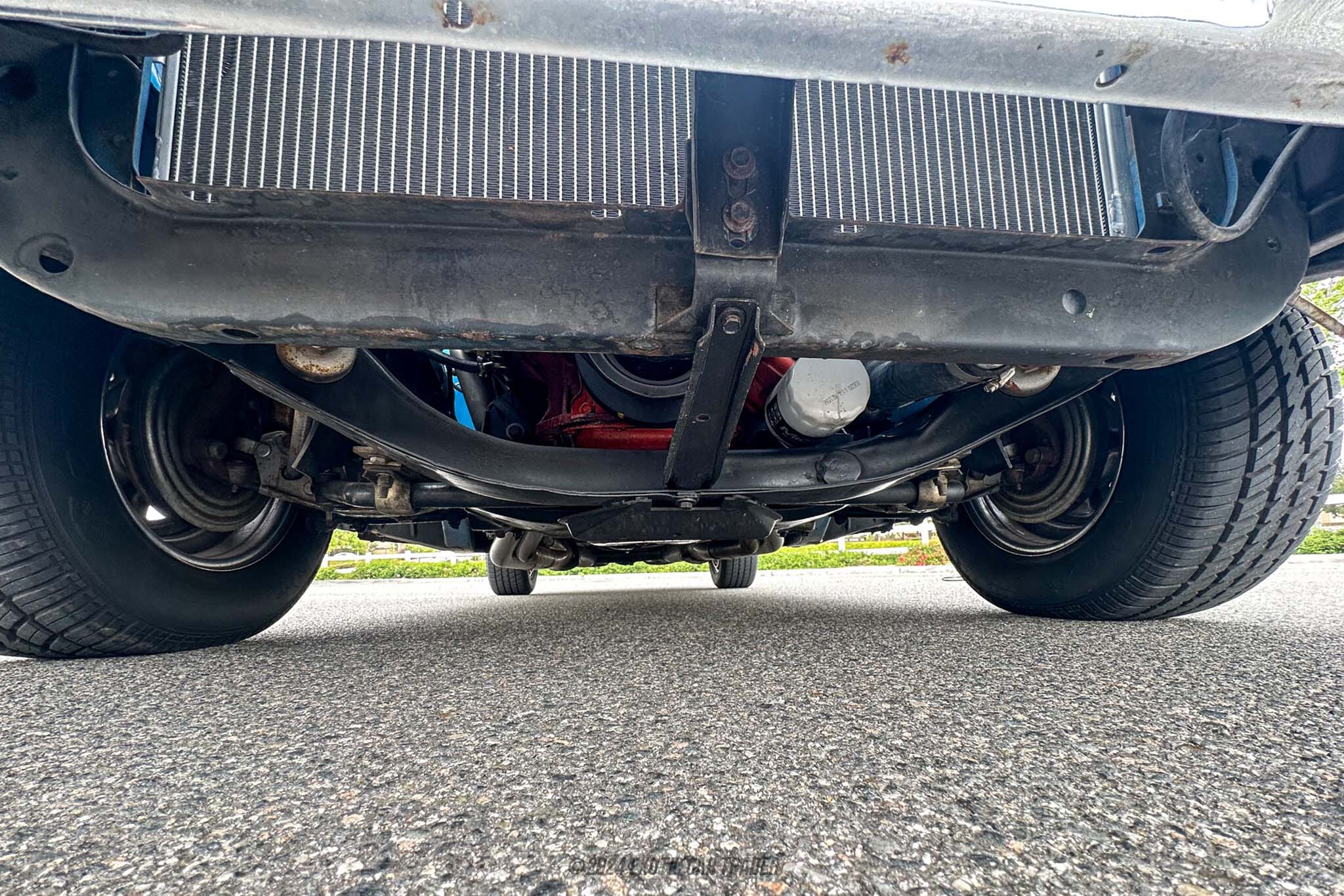
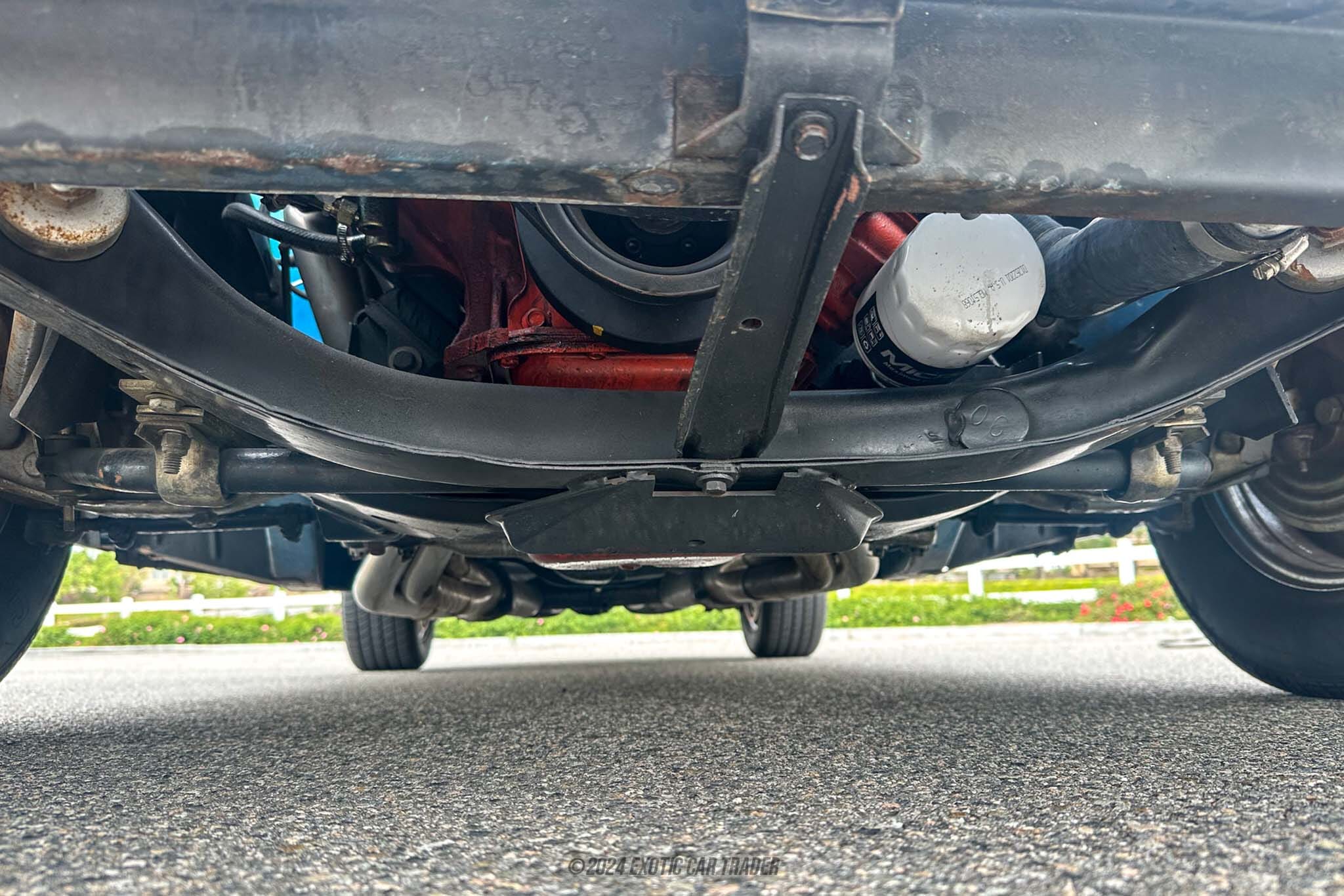
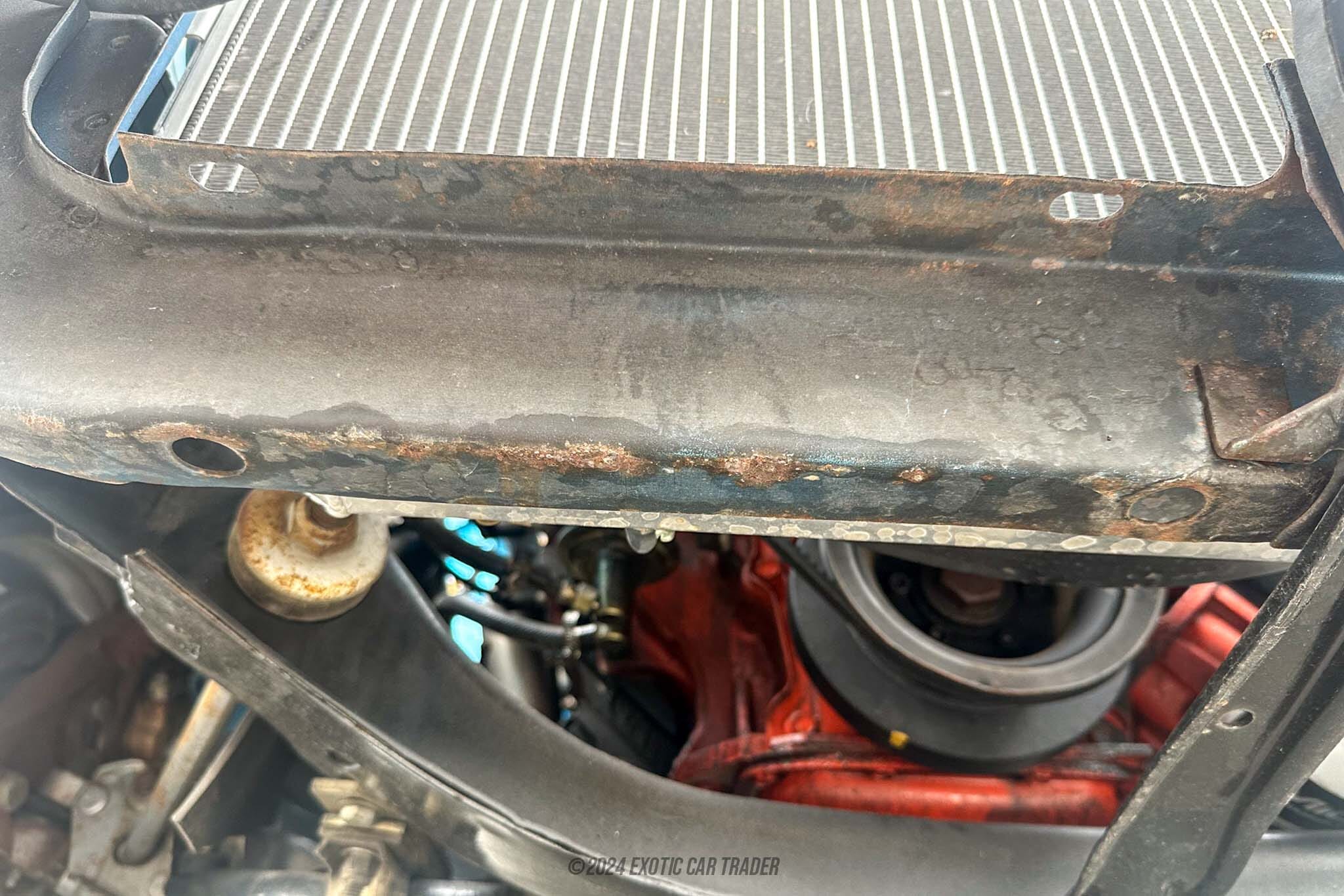
Some would argue that a muscle car without a large V8 is not a true muscle car; the V8 powertrain must be loud, ensure decent performance, and, most importantly, bring a smile to your face when you crank it up. Under the hood of this 1970 Plymouth Road Runner is a 440ci V8 motor, which is the right type of motor for what's specified above and more. A closer look at the engine bay of this 70s muscle will reveal upgraded Mopar performance valve covers, Edelbrock components, and an upgraded air filter for enhanced performance. The current owner reports that this machine's maintenance is up to date and ready to run. In true muscle car fashion, this classic car channels all its performance to its rear wheels through a four-speed manual transmission, giving you a more engaging experience.

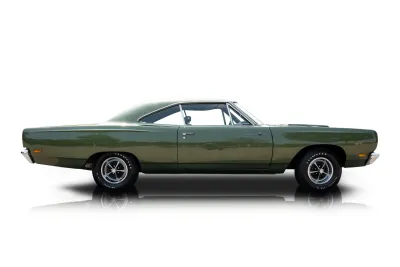

By 1969, the Plymouth Road Runner had firmly established itself as one of the defining muscle cars of the era, combining big-block performance with a no-nonsense attitude that appealed to enthusiasts looking for speed over luxury. This 1969 Plymouth Road Runner embodies that philosophy with its legendary 383ci V8, desirable 4-speed manual transmission, and iconic Air Grabber induction system. Showing approximately 82,962 miles, this Ivy Green classic offers the unmistakable styling, raw driving experience, and factory performance pedigree that continue to make the Road Runner one of Mopar's most celebrated creations.
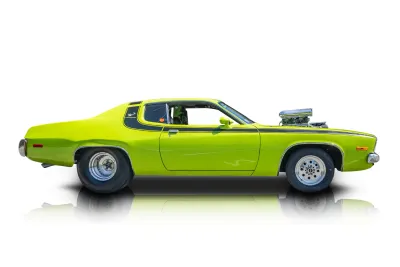
This 1974 Plymouth Road Runner Pro Street Supercharged is a purpose-built street-and-strip muscle car combining classic Mopar styling with serious drag racing hardware. Originally a 340ci V8, this Road Runner has been transformed with a professionally built and balanced big block powerplant featuring a Dyer’s Machine Blower Company supercharger system, dual Holley carburetors, and an estimated 800 horsepower output. Designed for high-performance driving, it pairs its supercharged engine with a reverse-pattern 727 TorqueFlite automatic transmission, Detroit Locker differential, 4-link rear suspension, and Mickey Thompson ET Street tires. Finished in a vibrant Lime Green exterior with a competition-inspired setup including a full roll cage, racing harnesses, and upgraded chassis components, this Pro Street build represents the classic era of American horsepower taken to an extreme level.
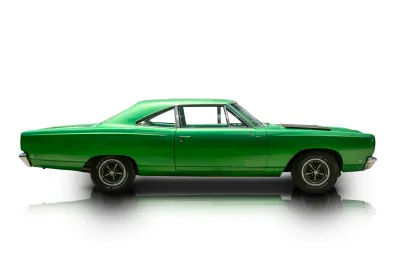
The Plymouth Road Runner was introduced for buyers who wanted one thing above all else: performance. By stripping away unnecessary luxury features and focusing on big-block power, Plymouth created one of the most successful muscle cars of the era. This 1968 Plymouth Road Runner Hardtop Coupe shows 57,801 miles and is powered by the legendary 383ci Magnum V8, making it a textbook example of the formula that made the Road Runner a household name among enthusiasts. Finished in an eye-catching green exterior over a white vinyl interior, this first-year Road Runner embodies the no-nonsense attitude that helped establish the model as one of the most iconic muscle cars of the late 1960s.
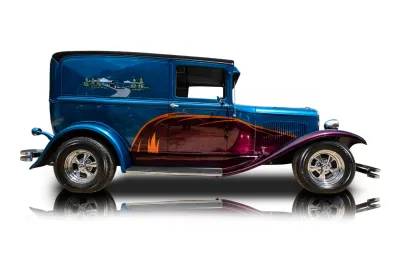
This 1928 Plymouth Model Q Delivery Street Rod takes the distinctive commercial-body styling of an early Plymouth and gives it a decidedly custom street-rod personality. Showing 20,060 miles, it combines a 351ci Windsor V8 with a C6 3-speed automatic transmission and rear-wheel drive, delivering a traditional American hot-rod powertrain in a far less common body style than the usual coupe or roadster. Its blue and Merlot two-tone exterior, custom flame graphics, hand-painted rear quarter artwork, aftermarket air conditioning, and reupholstered interior make this a highly personalized build with plenty of visual character.
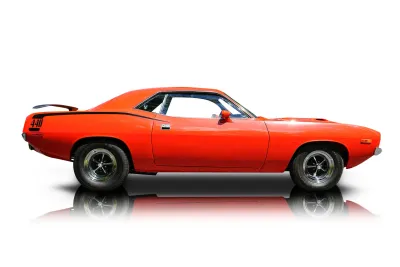
This 1972 Plymouth ’Cuda is a strong example of how the E-body platform can blend original pedigree with period-style muscle-car upgrades. Showing approximately 34,348 miles, this example is finished in Hugger Orange over a Black interior and carries the aggressive visual cues expected from a ’Cuda, including black side graphics, dual hood scoops, chrome bumpers, and Magnum 500-style wheels. The current owner reports that the car was originally equipped with a 340ci V8, while it is now powered by a larger 440ci V8 paired with a TorqueFlite 3-speed automatic. Performance-oriented upgrades include a 4-barrel carburetor, aftermarket aluminum intake manifold, MSD Digital 6AL ignition, aftermarket exhaust headers, and a dual exhaust system, giving this ’Cuda a considerably more muscular character than its original configuration.
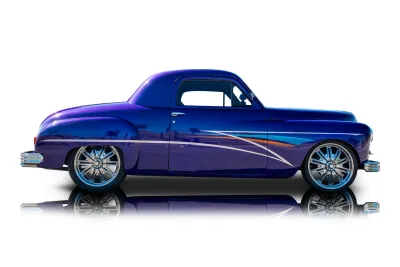
This 1949 Plymouth Deluxe Club Coupe Restomod brings together the timeless styling of Plymouth’s post-war era with a carefully executed custom build focused on improved performance and drivability. With only 2,342 miles reported on the current build, this coupe showcases a traditional hot rod approach by retaining its classic body design while incorporating upgraded mechanical components and modern conveniences. The build is centered around a 318ci V8 featuring a 360 block, paired with a TorqueFlite 727 automatic transmission and upgraded with an Edelbrock 4-barrel carburetor. Additional highlights include a 12V electrical conversion, custom purple paint, custom side graphics, aftermarket suspension, aftermarket wheels, and a personalized interior featuring updated gauges and steering wheel. This Plymouth Deluxe Club Coupe Restomod offers enthusiasts a unique opportunity to enjoy vintage Mopar character with a custom drivetrain and modernized features designed for enjoyable cruising.

Terms of Service
Be Kind and Courteous
We're here to create a platform to better the automotive industry through communication and transparency. Please treat everyone with respect. Healthy debates are natural, but kindness is required.
No Hate Speech
Make sure everyone feels safe. Hate speech of any kind is strictly prohibited. Degrading comments about things like race, religion, culture, sexual orientation, etc. will not be tolerated.
No Promotions or Spam
Give more than you take. Self-promotion, spam, or links of any kind are not allowed.
