




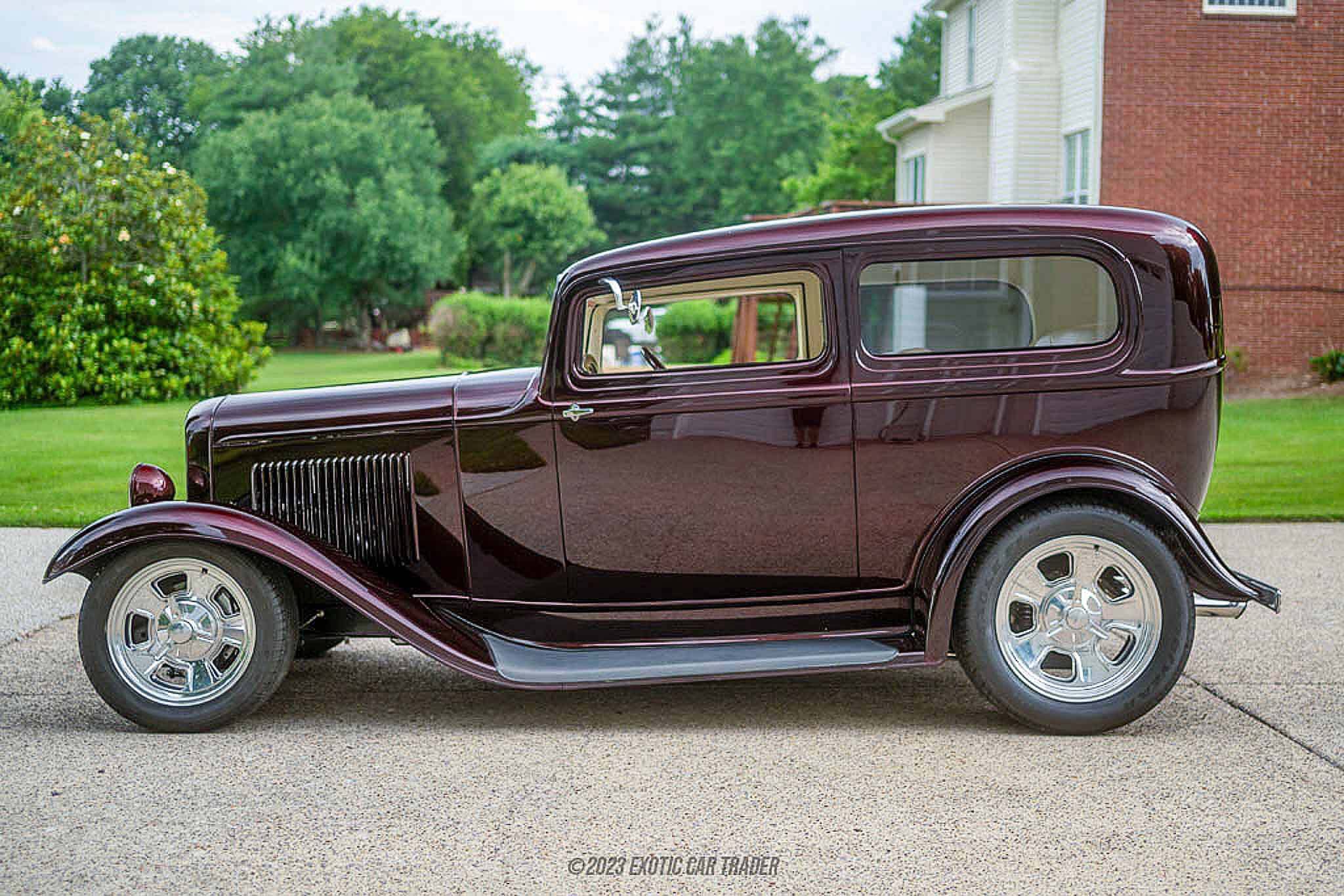


- 1932 Ford Tudor Custom
- LS1 V8
- Automatic
- Custom Paint


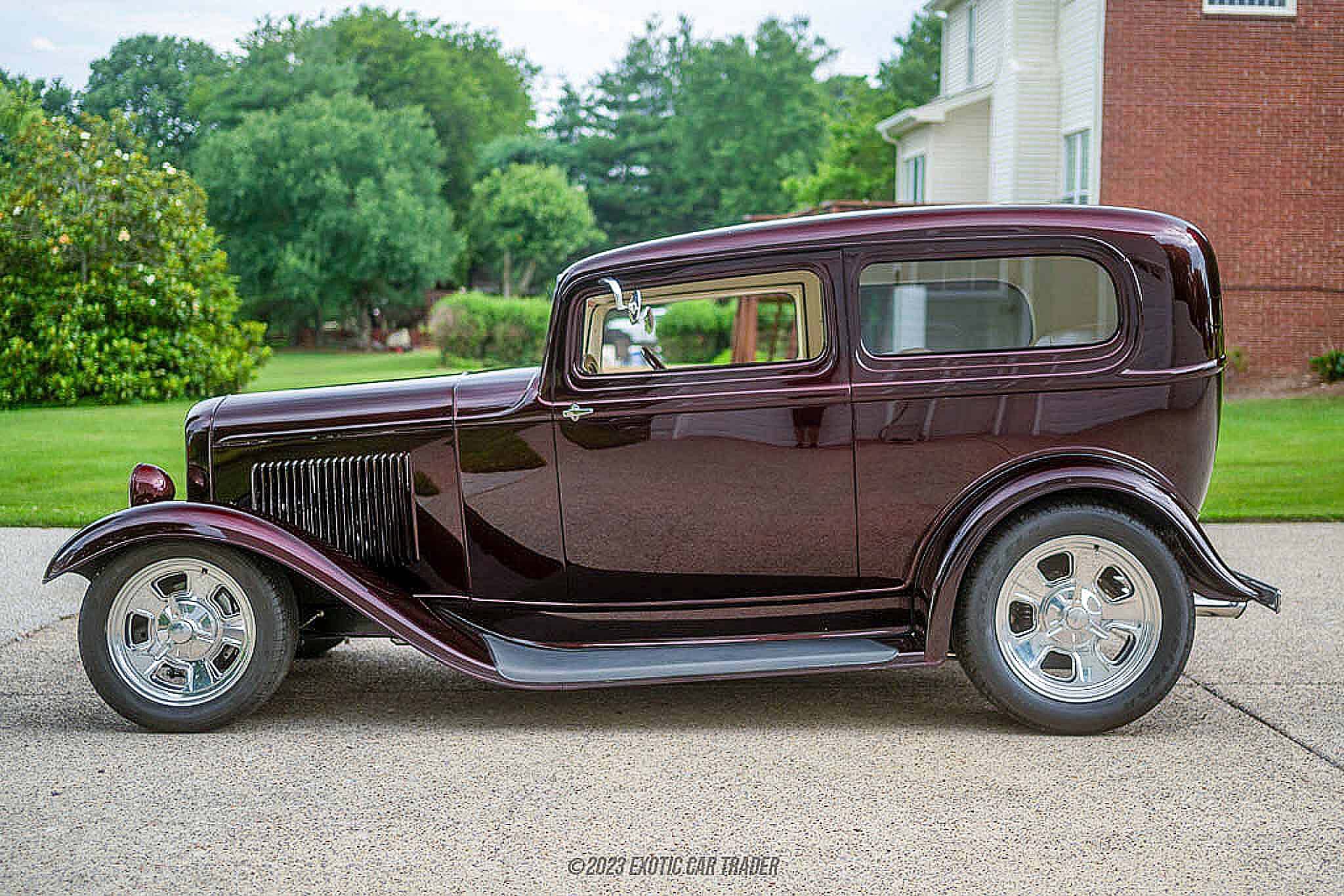
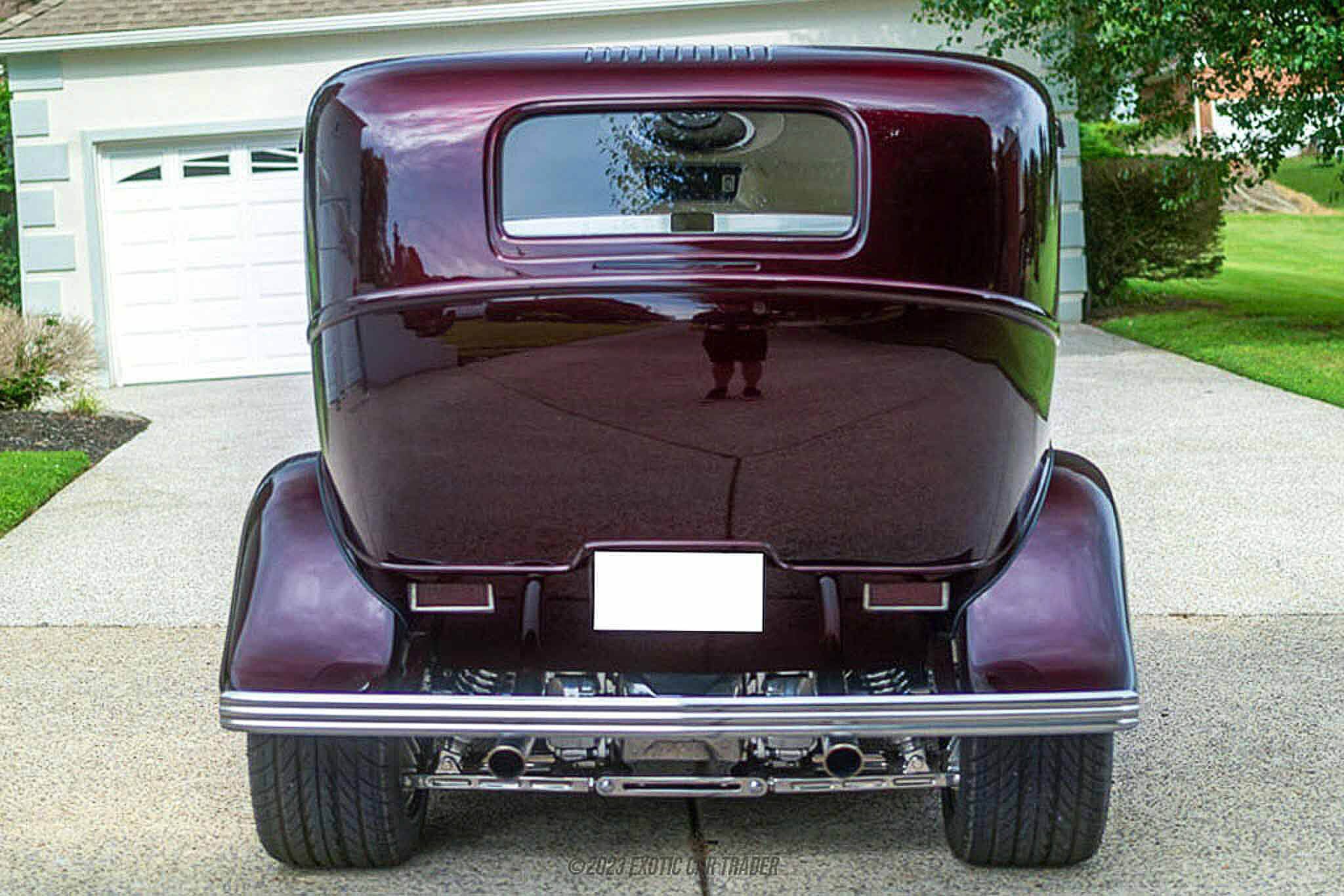
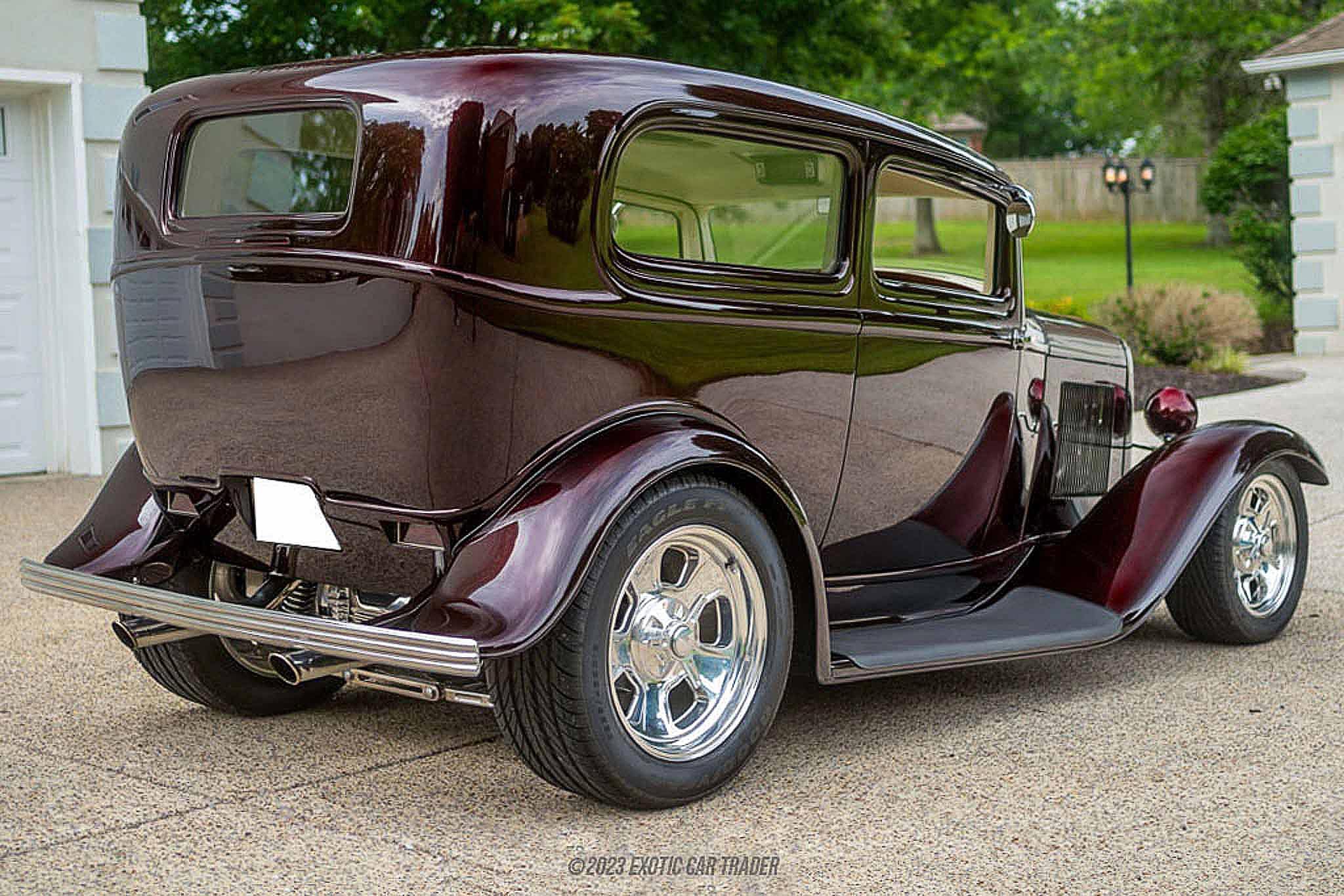
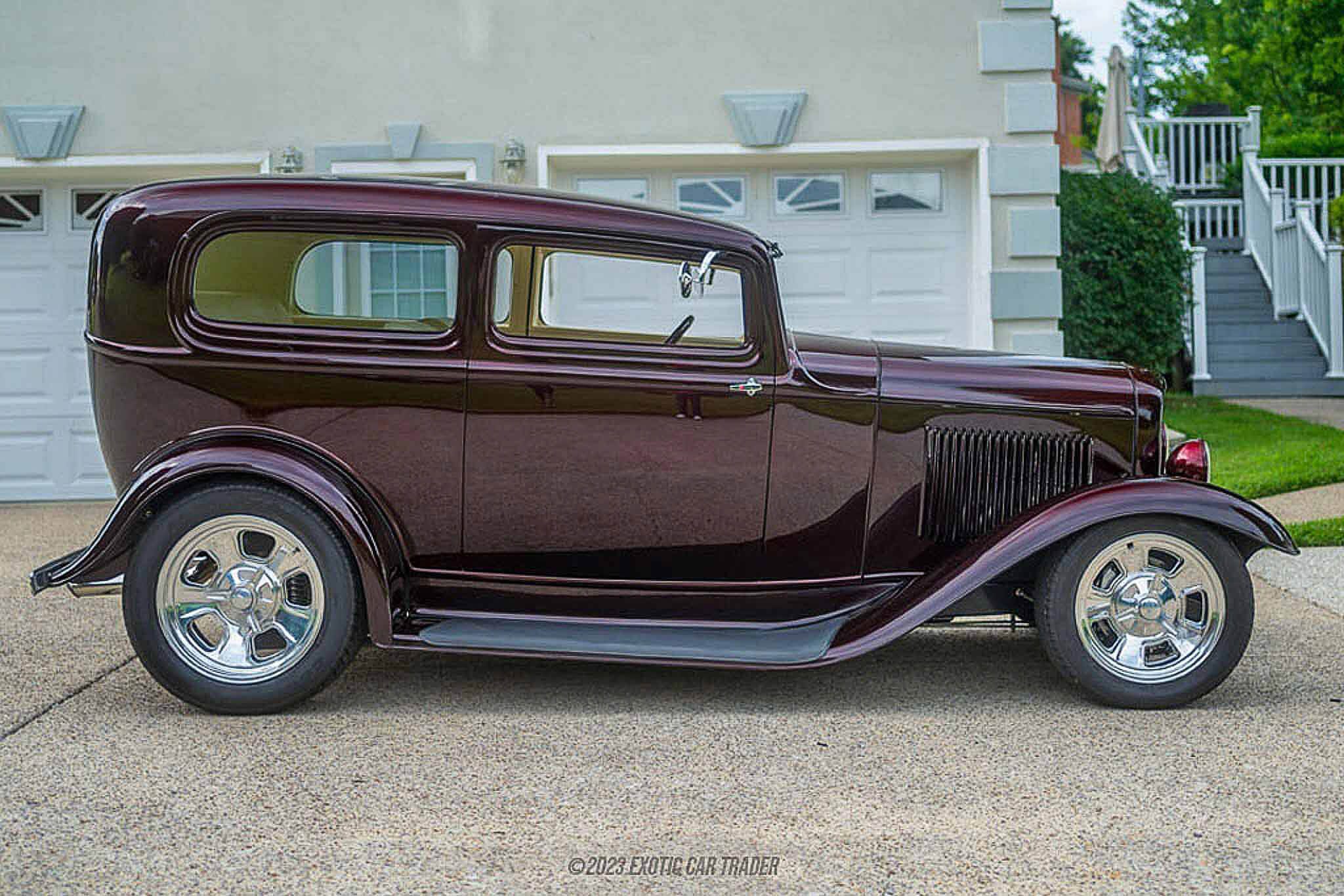
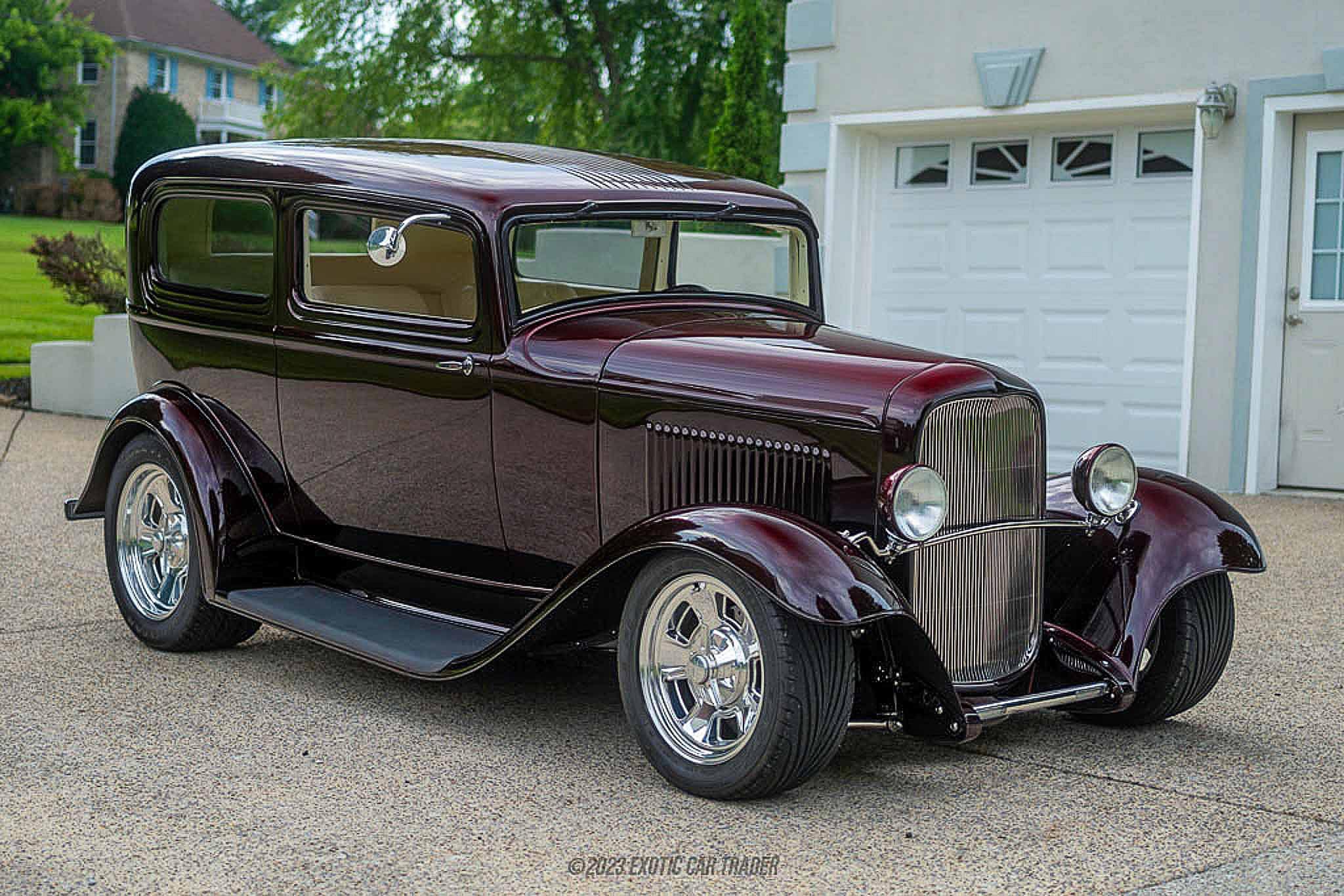
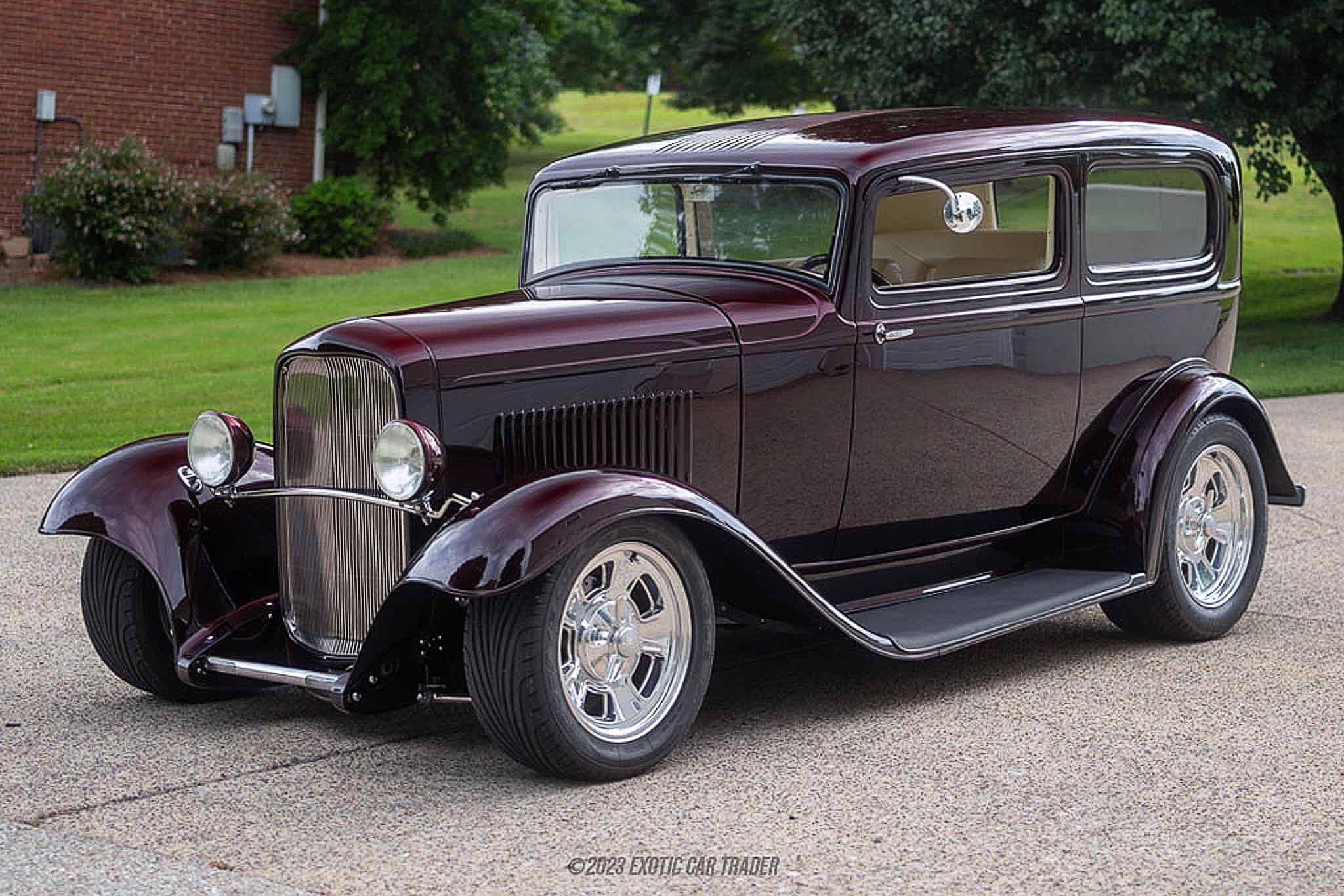
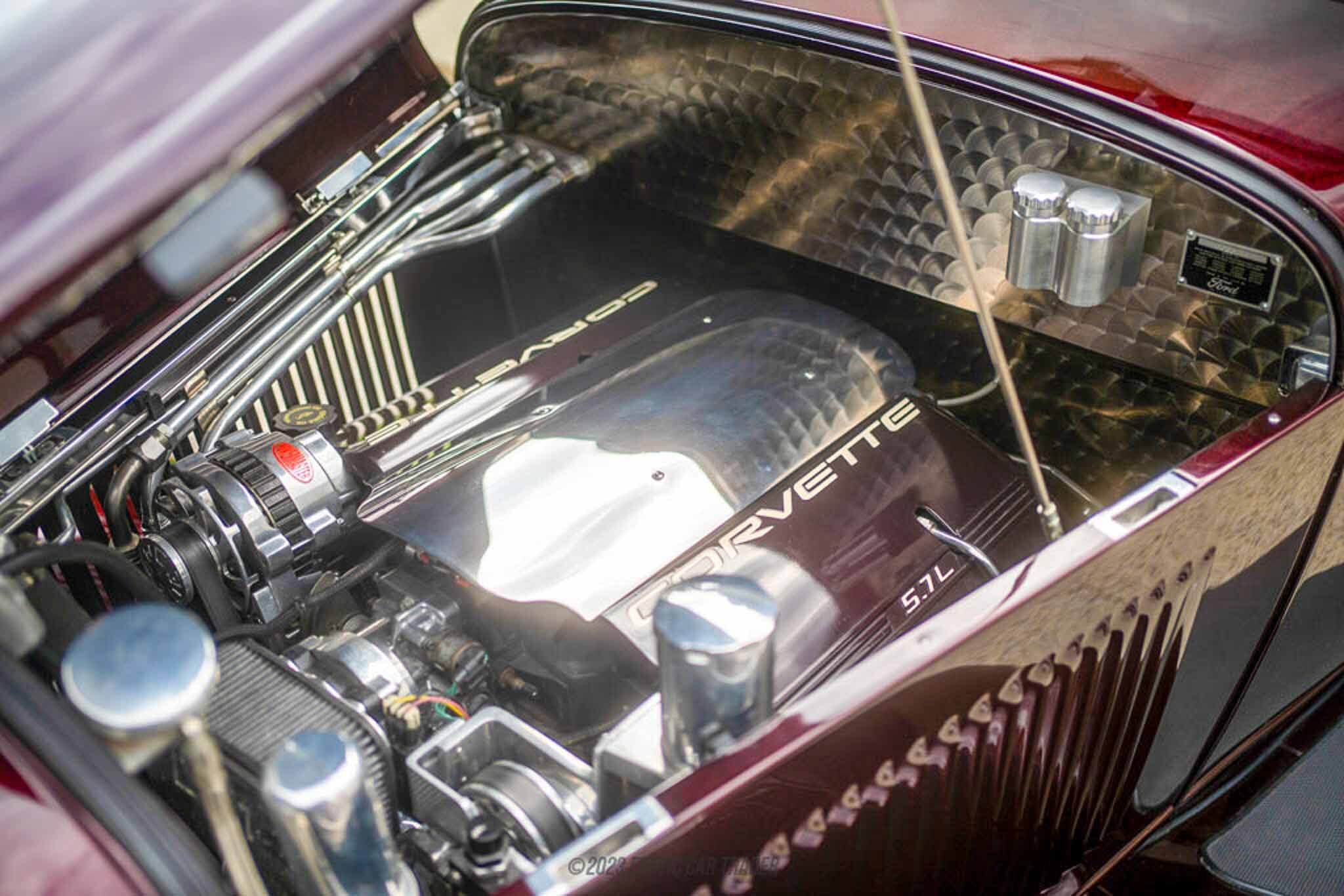
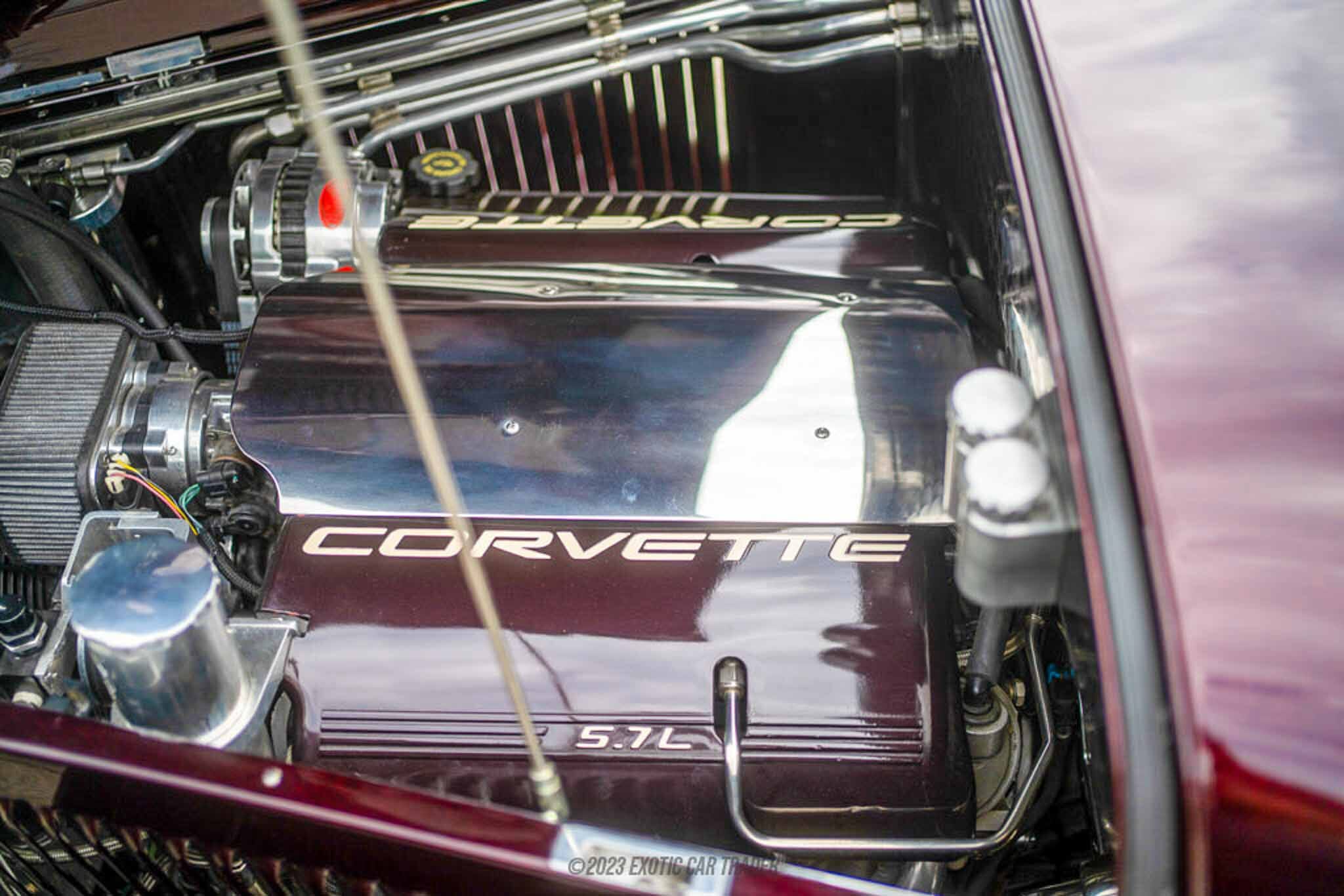
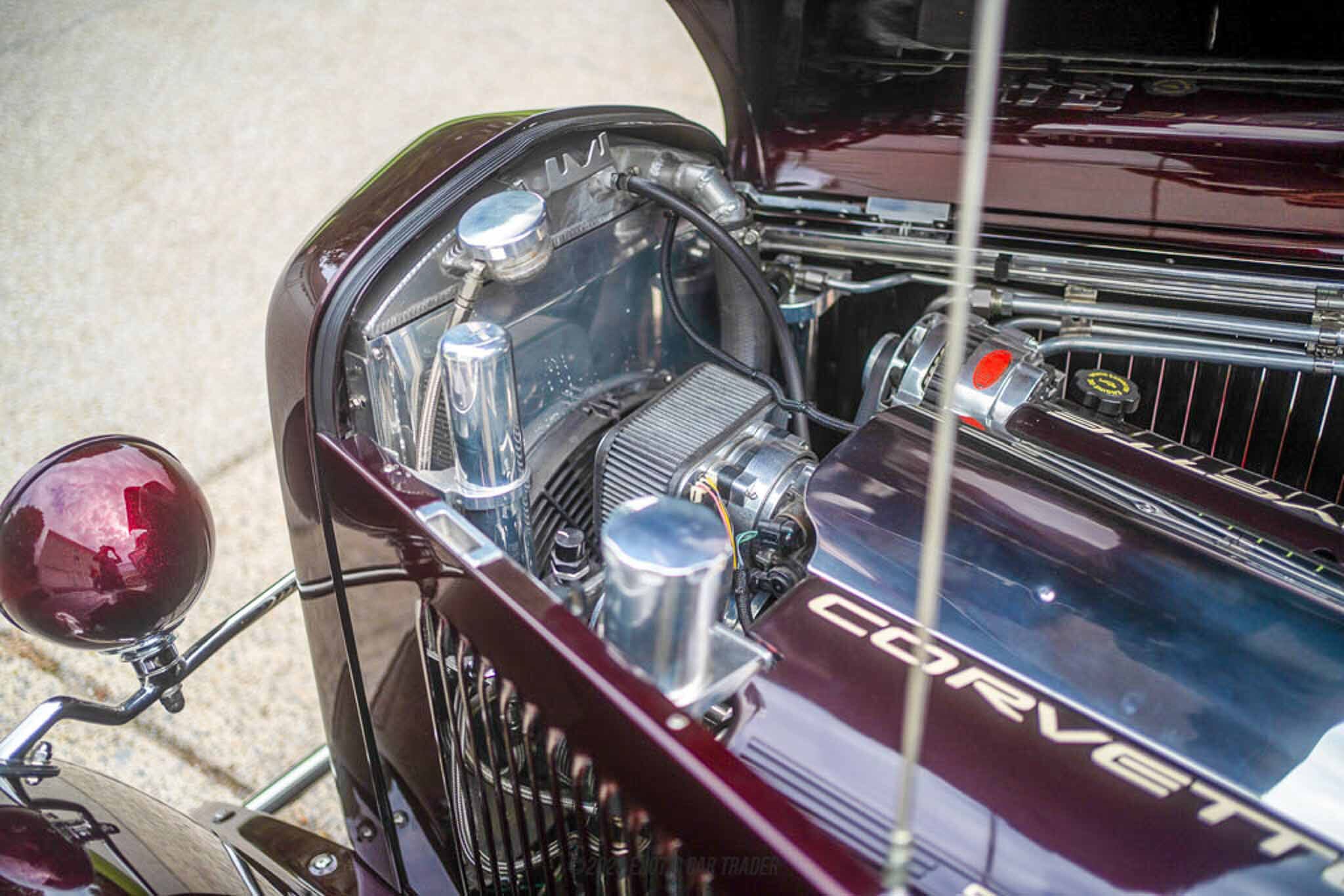
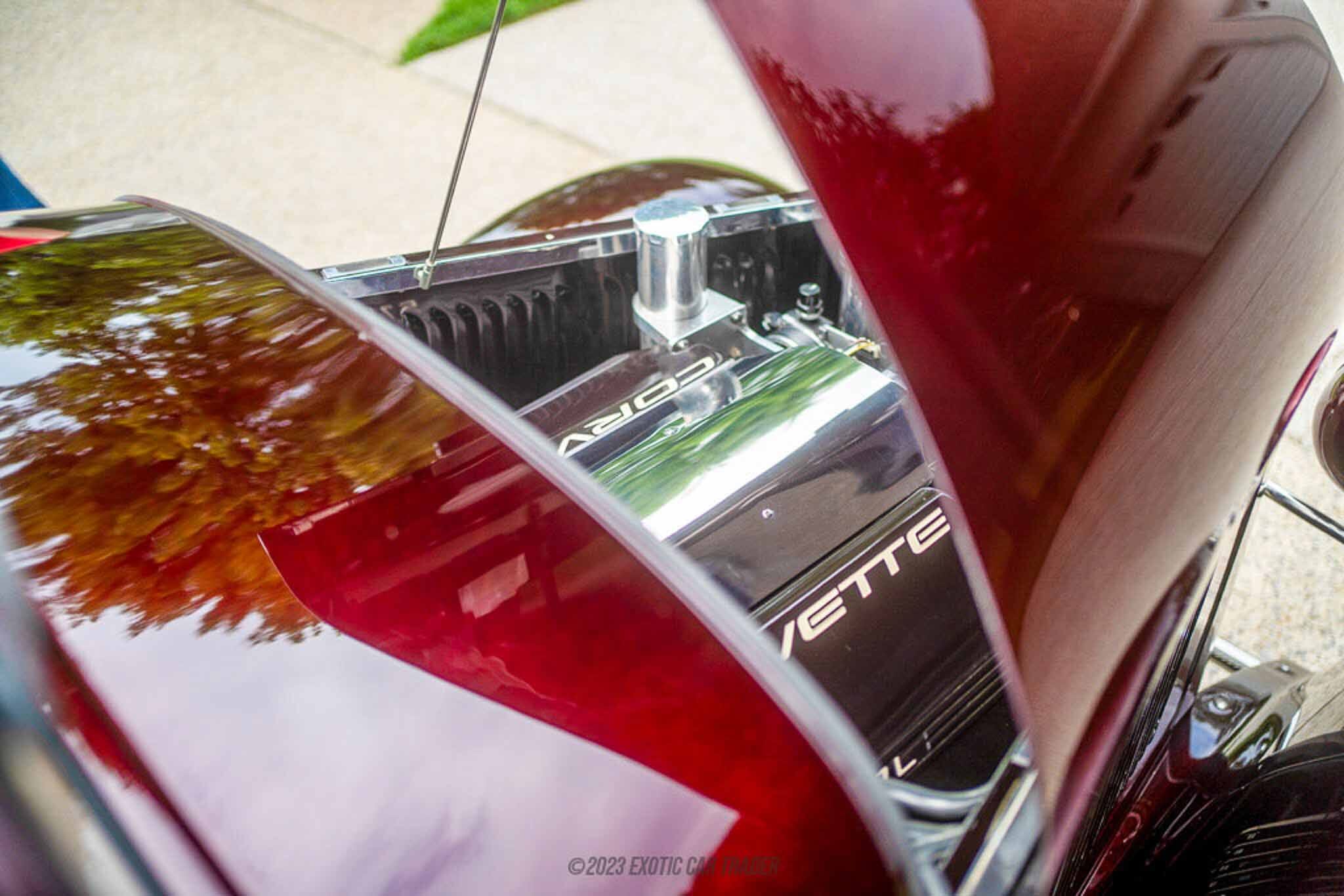
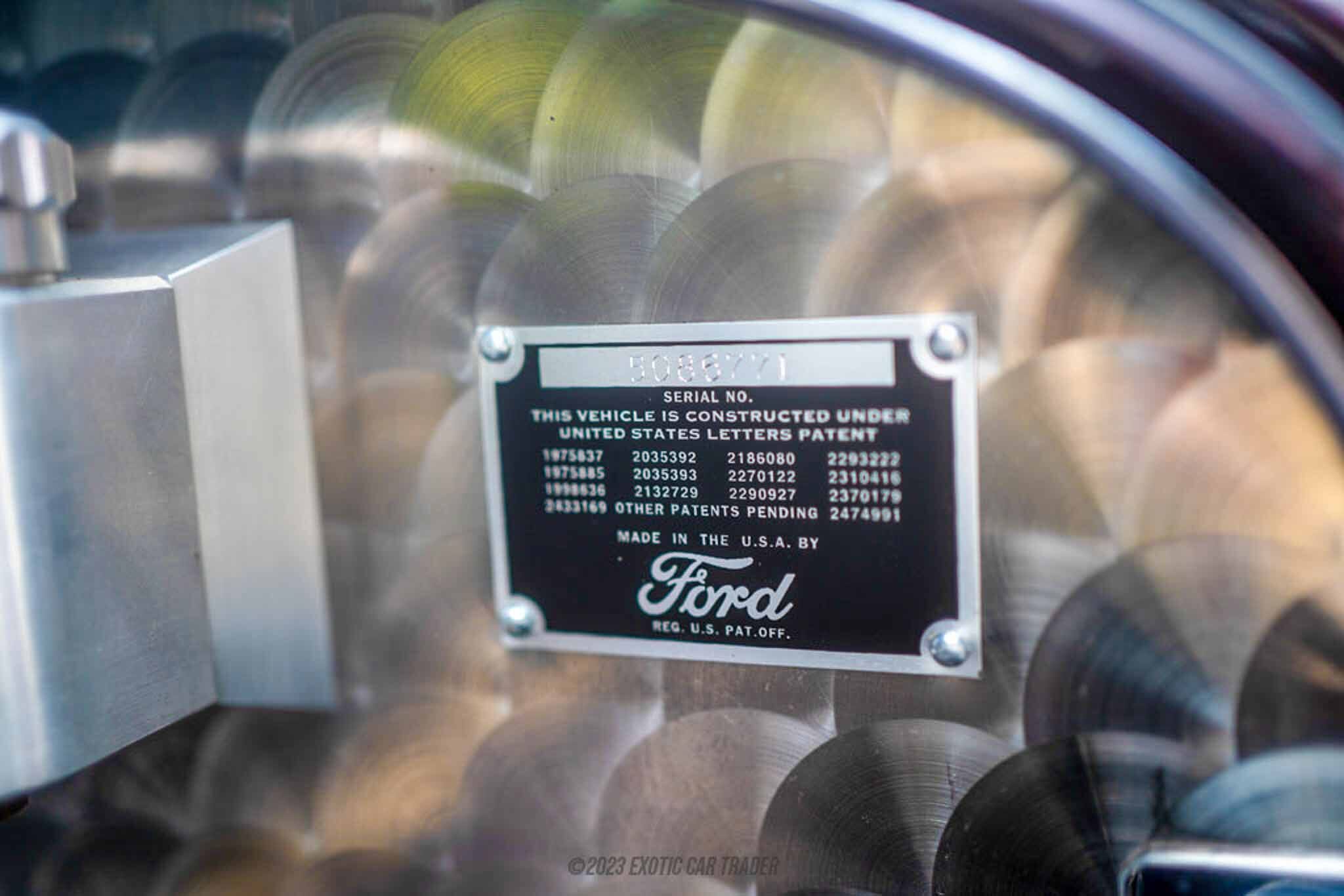
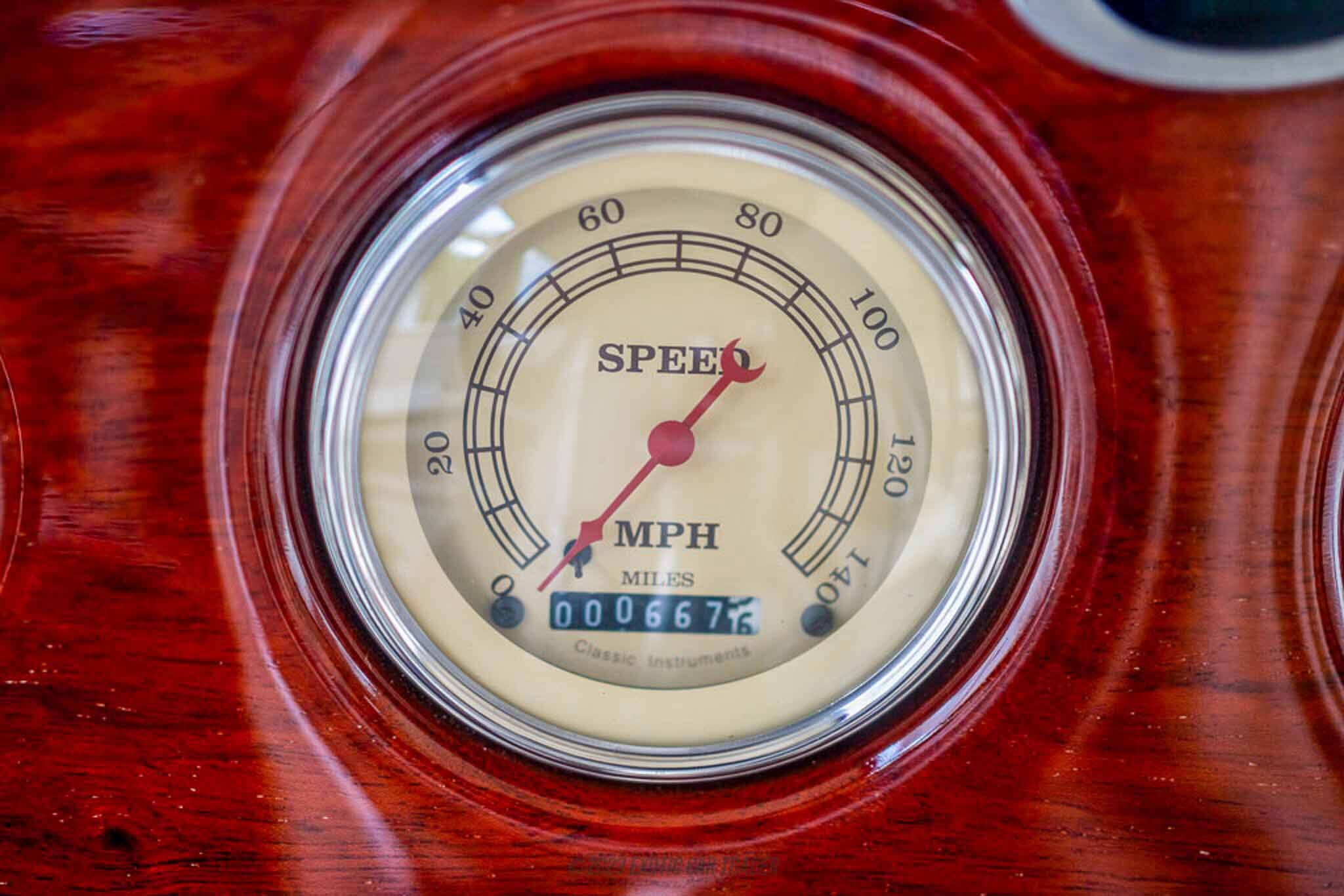
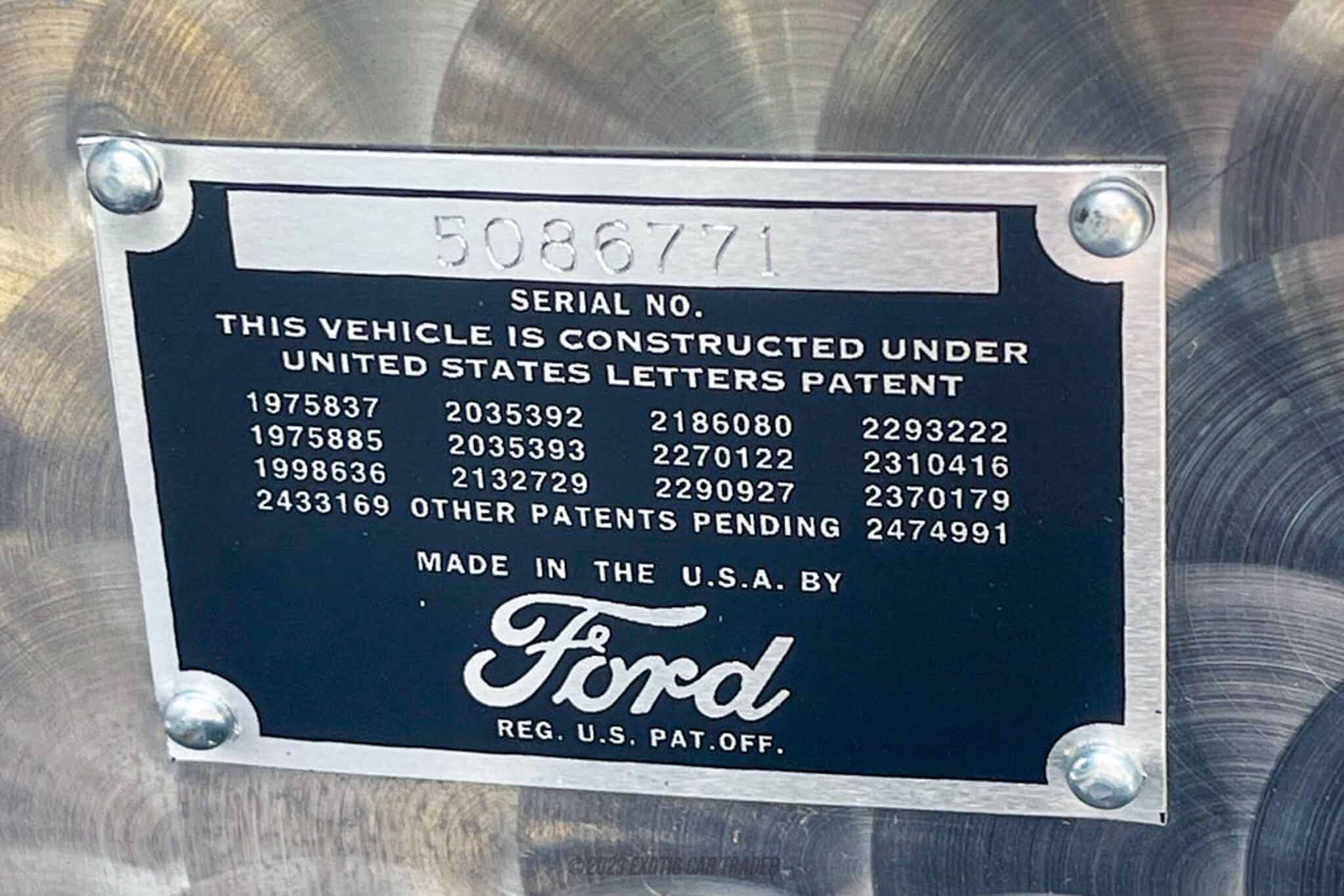
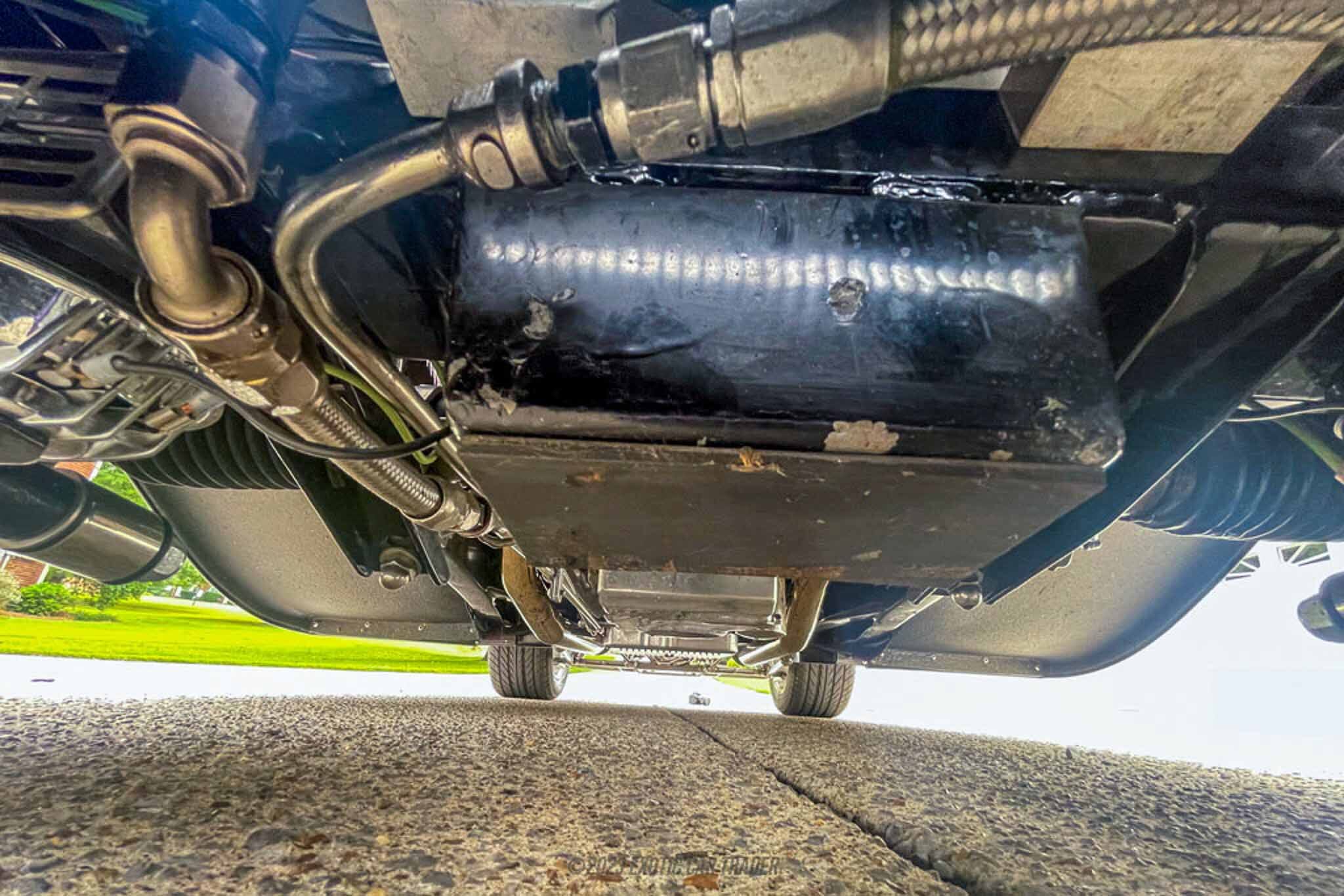
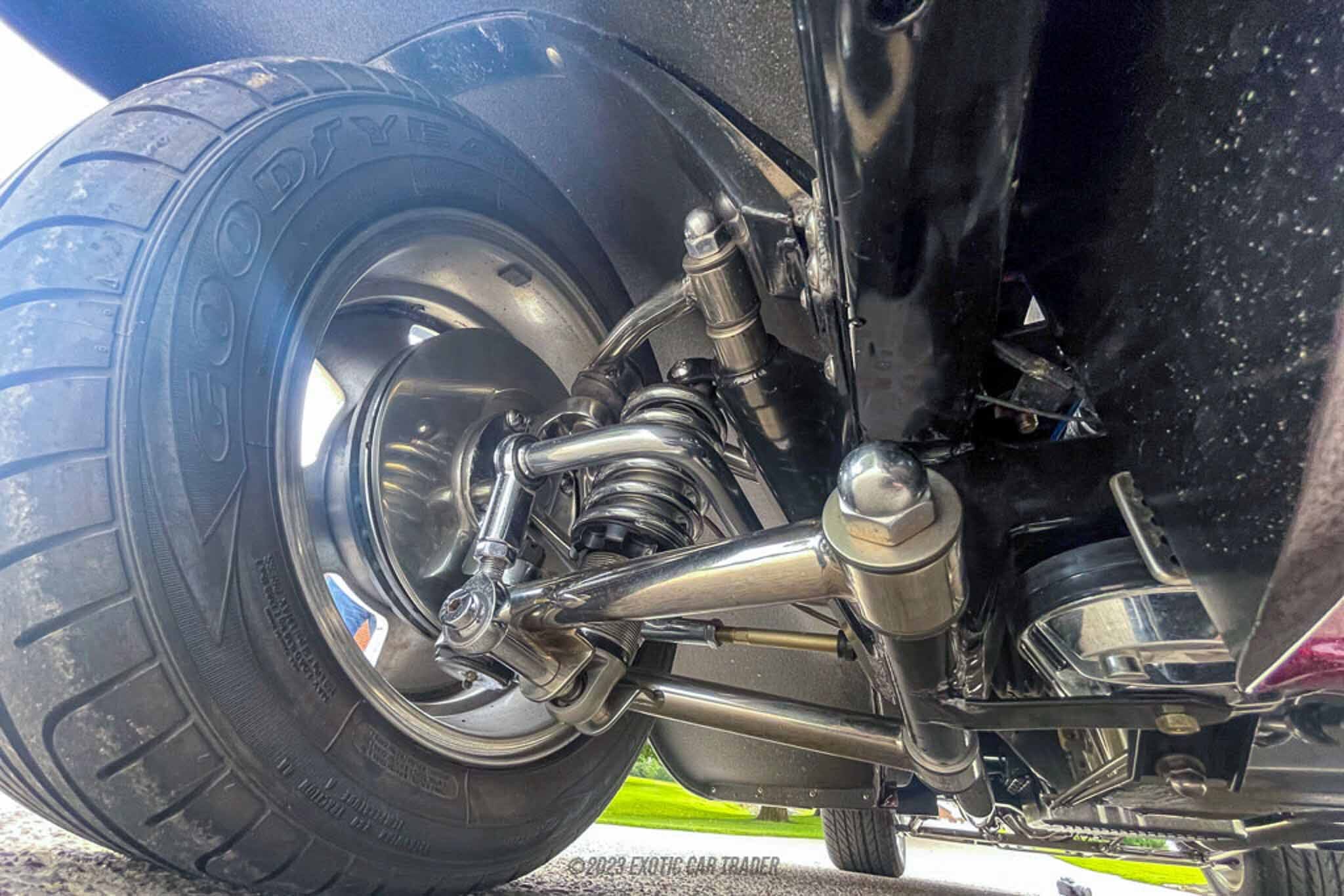
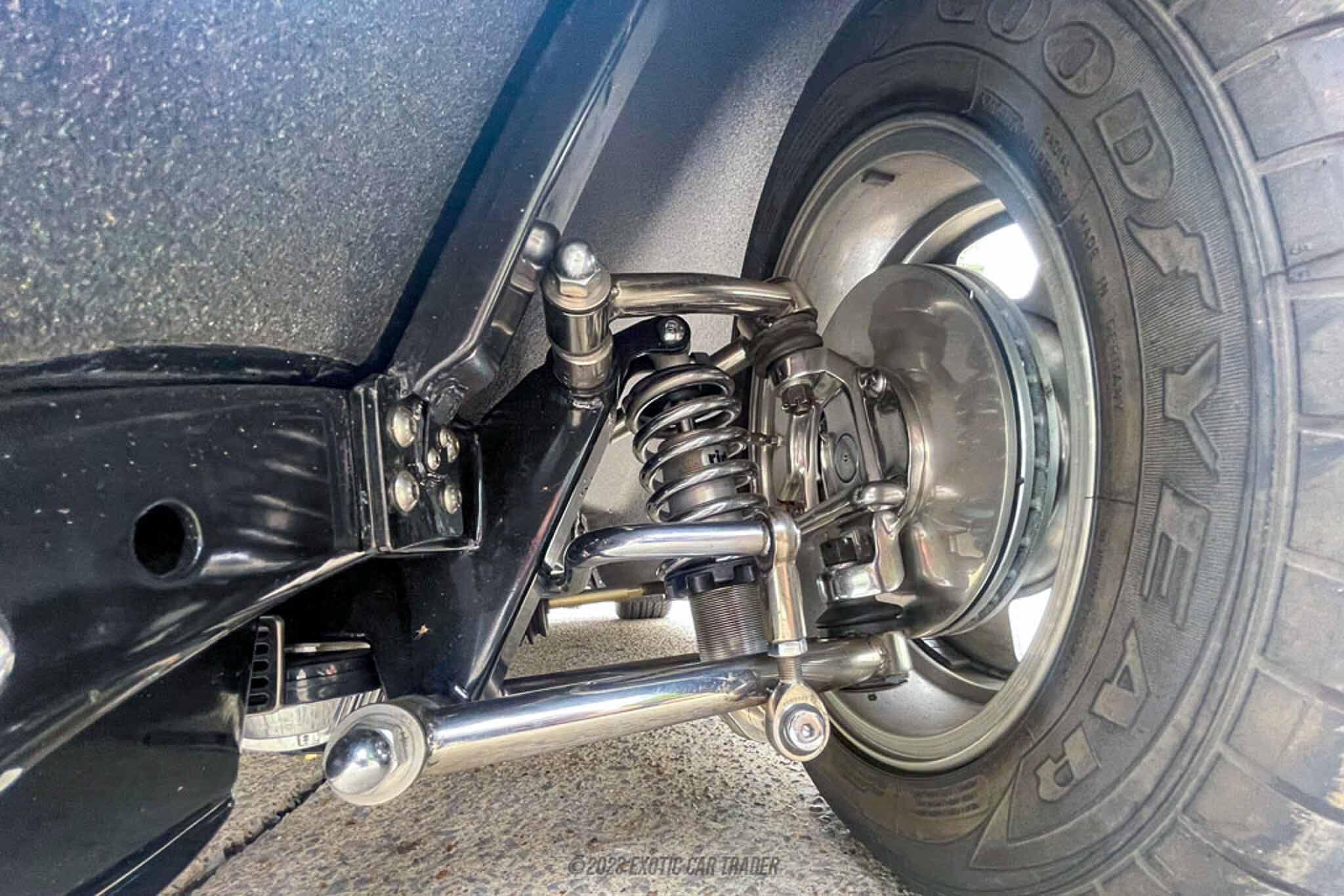
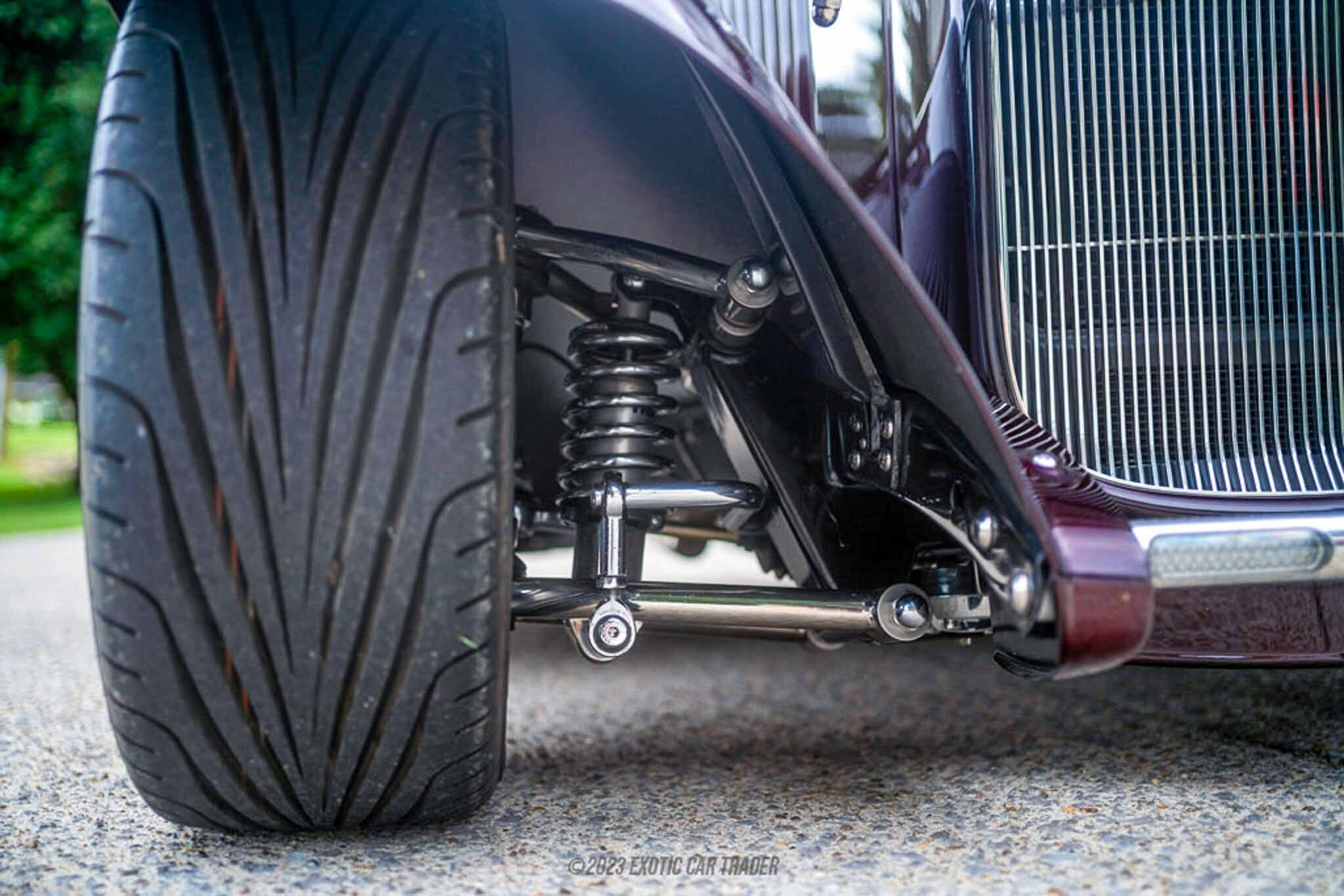
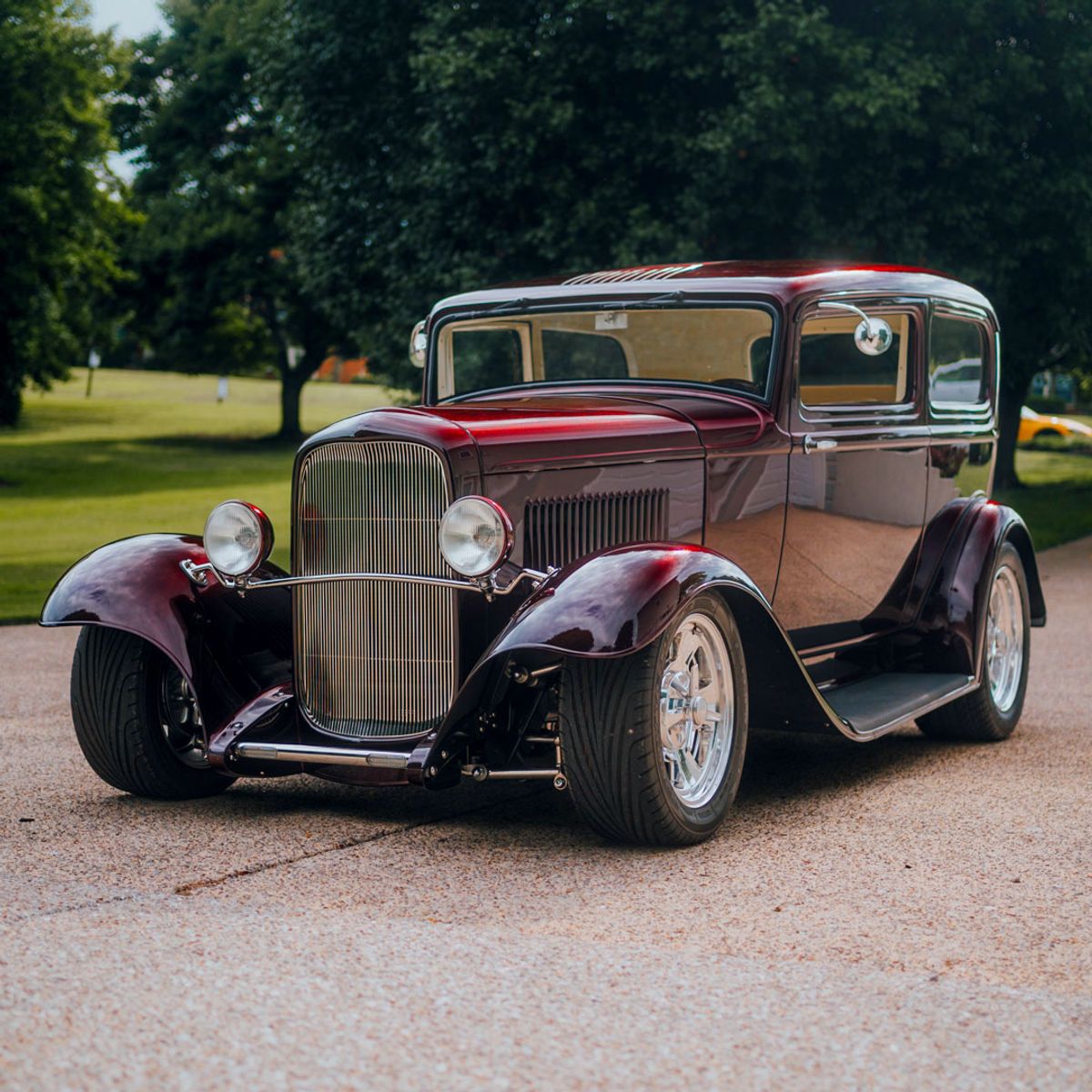
How can you tell a Tudor from a Fordor? Easy. Tudor refers to a two-door, while Fordor refers to a four-door. This was the naming convention adopted by Ford for many of their Thirties and Forties models, including the 1932 Ford line-up. Thus, as you may glean, this 1932 Ford Tudor 2-Door 18 Deluxe is a two-door car in the more upmarket Deluxe trim level. Yes, and it's also a restomod. Packing quite a few enhancements and creature comforts, it's got just 650 miles since a comprehensive heart transplant and is ready for its next owner. Could you be the one?
Exterior and Interior
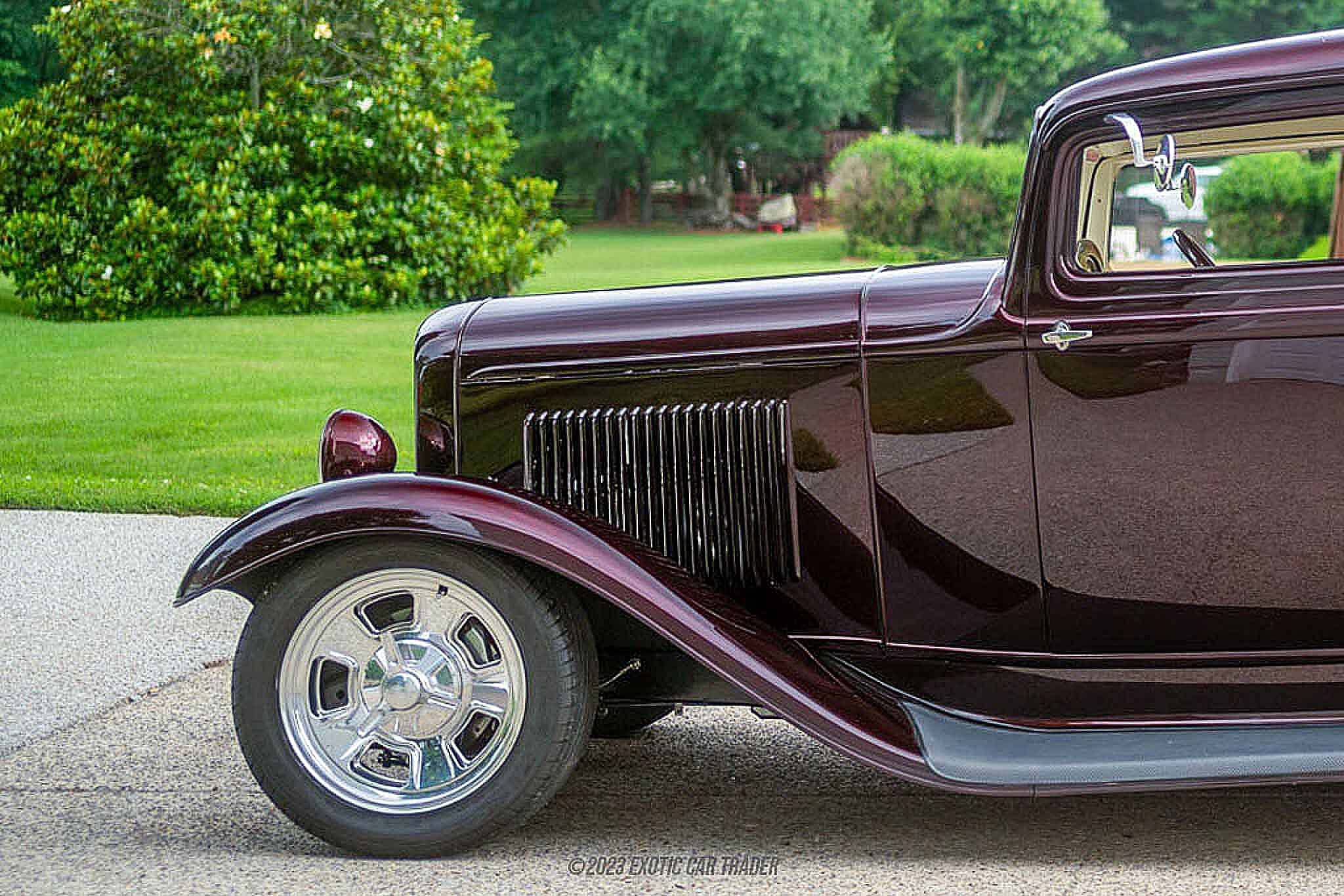
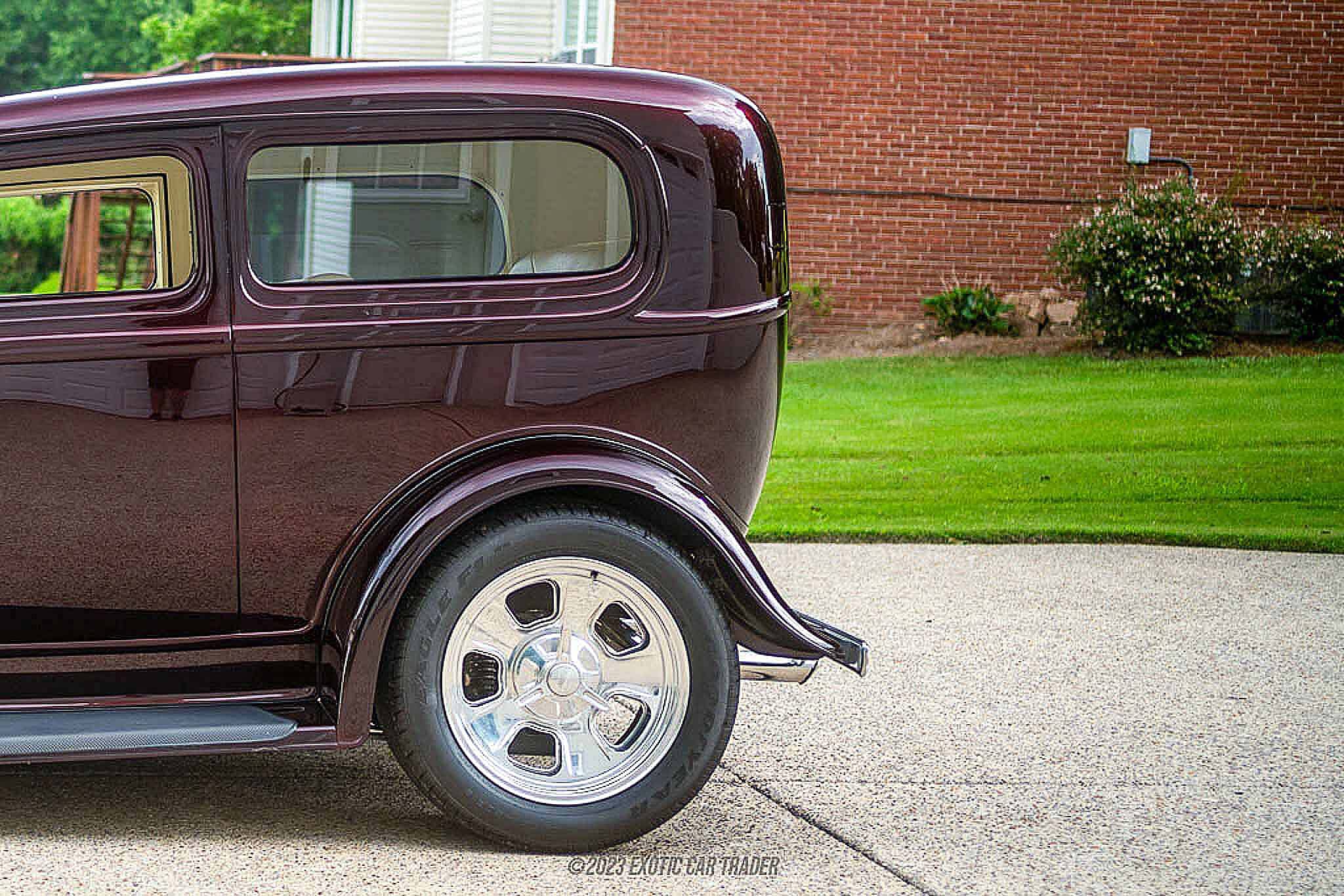
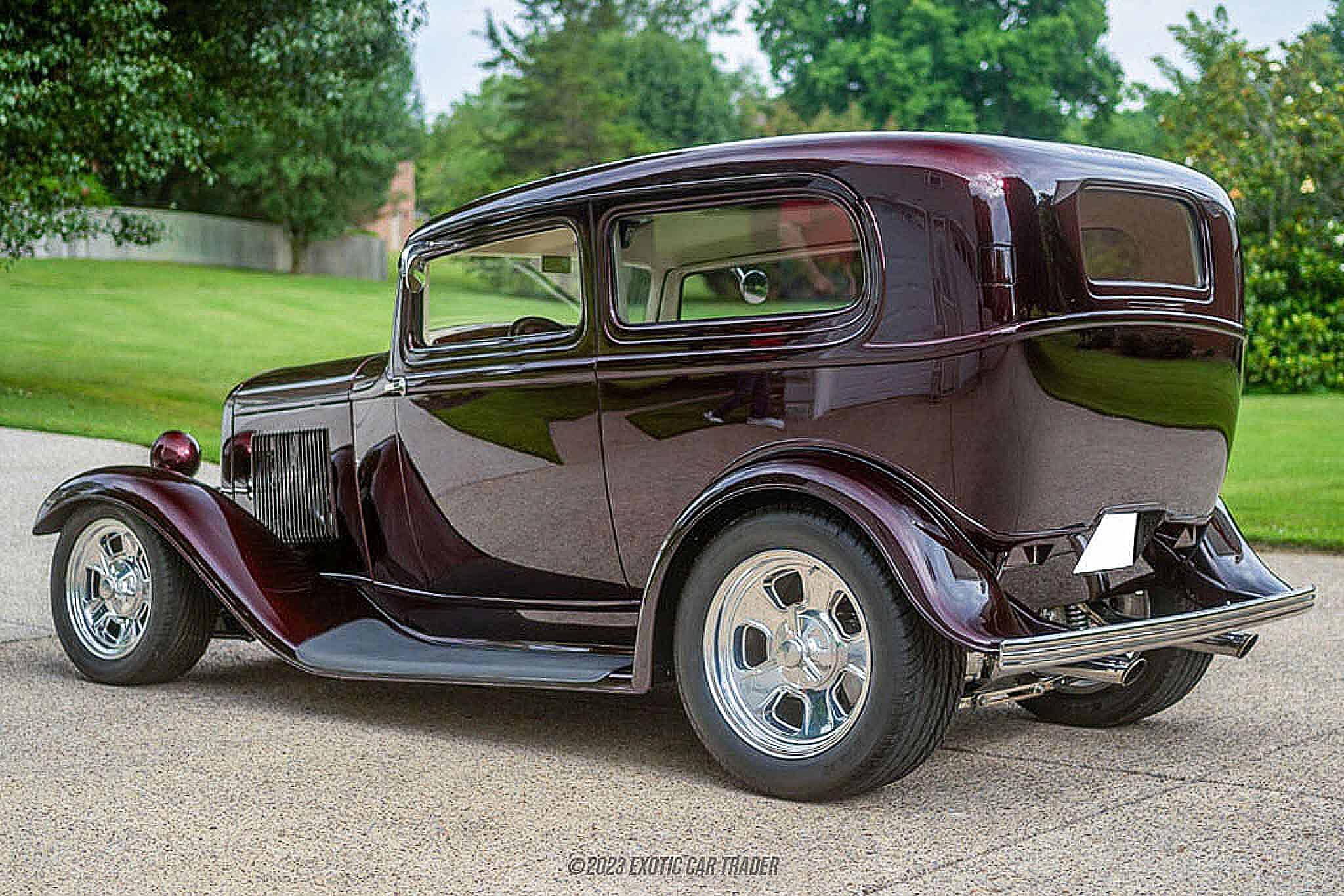
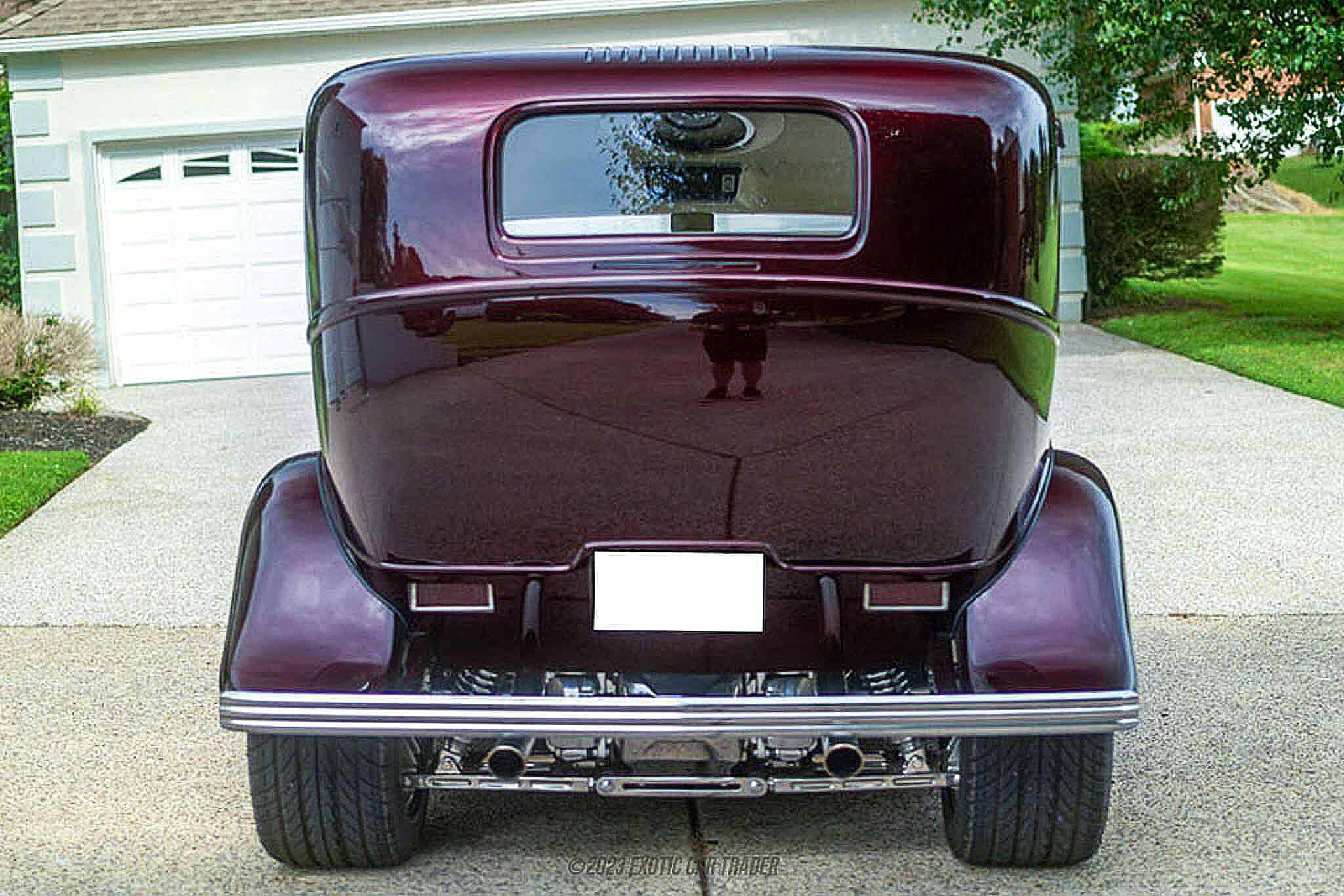
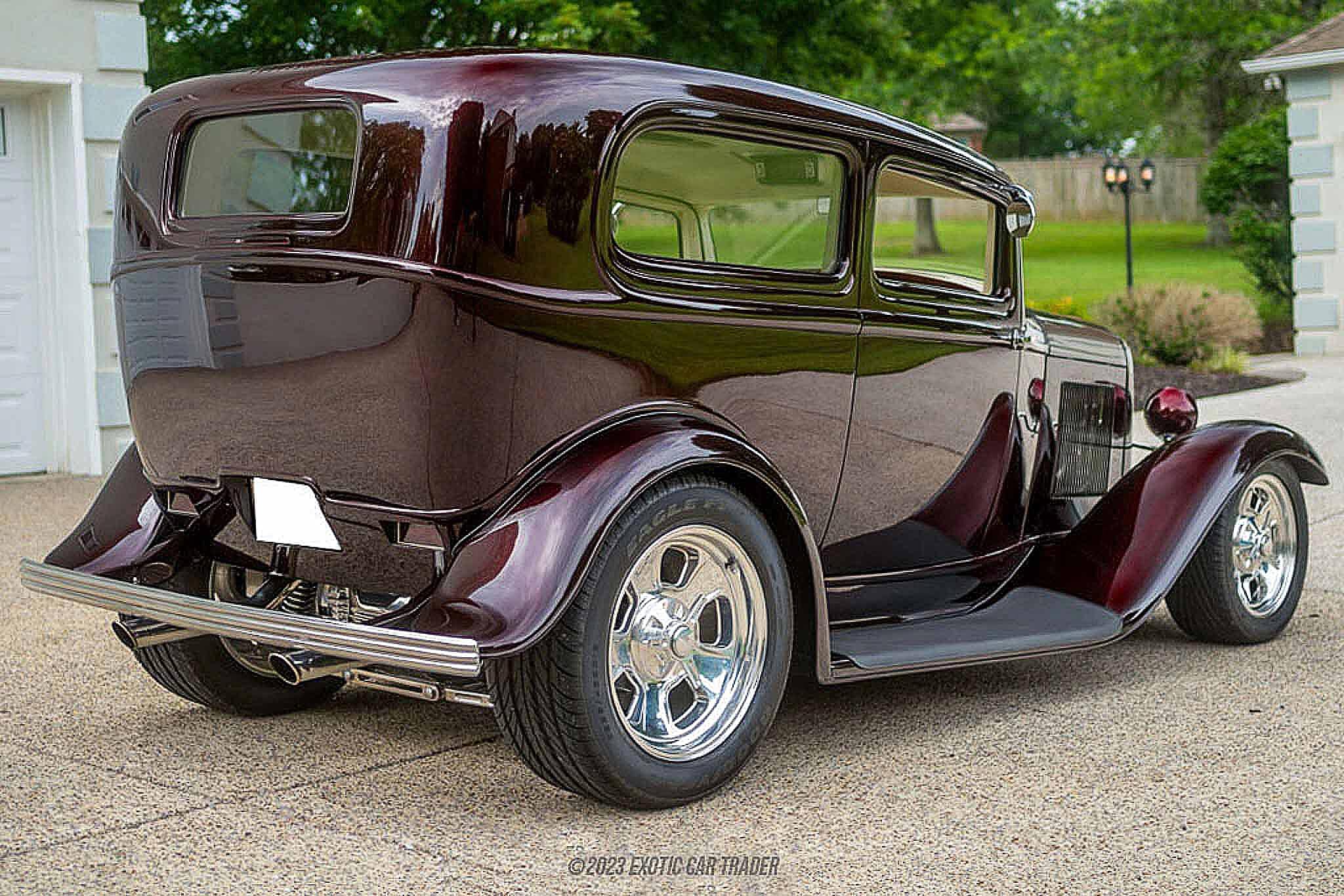
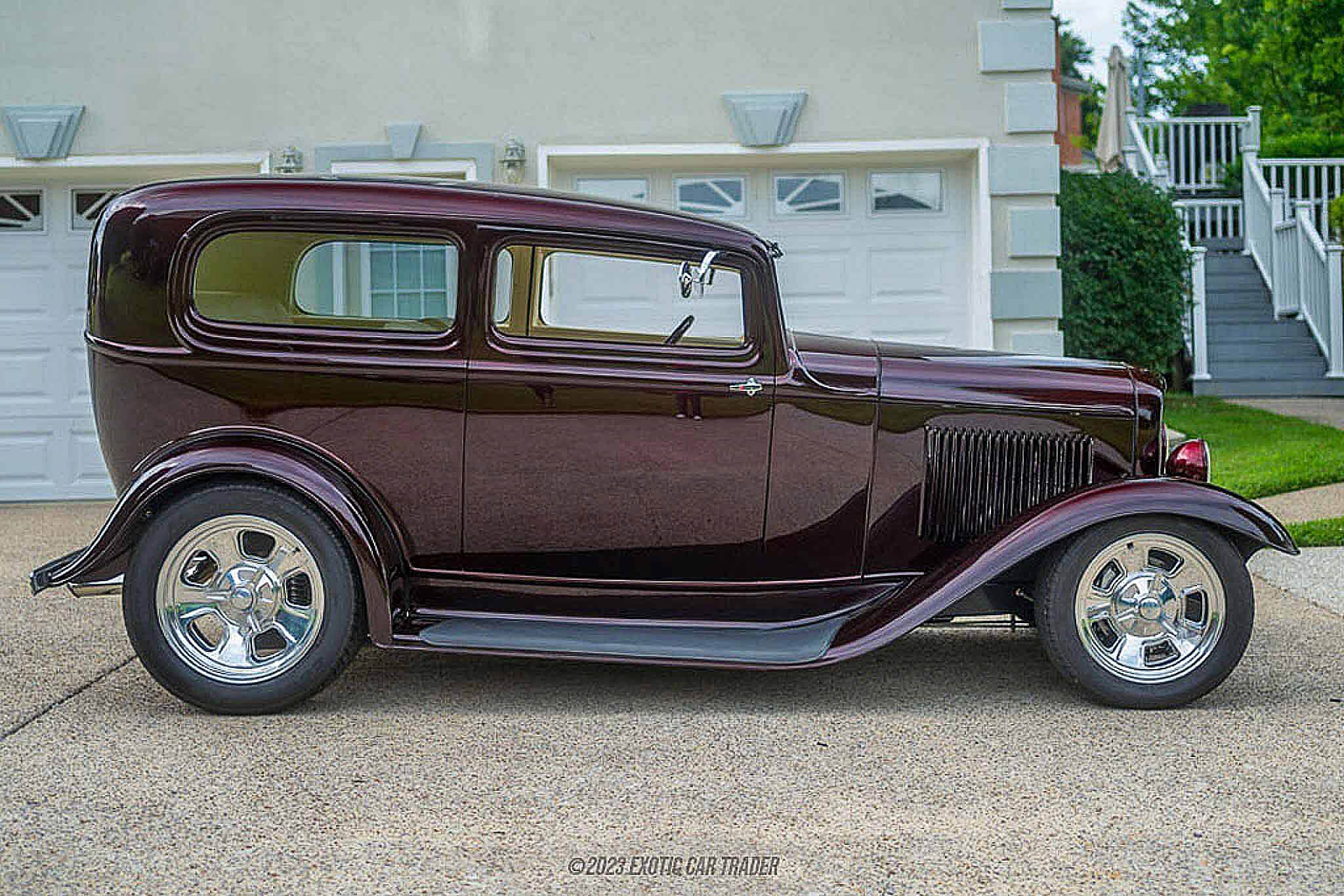
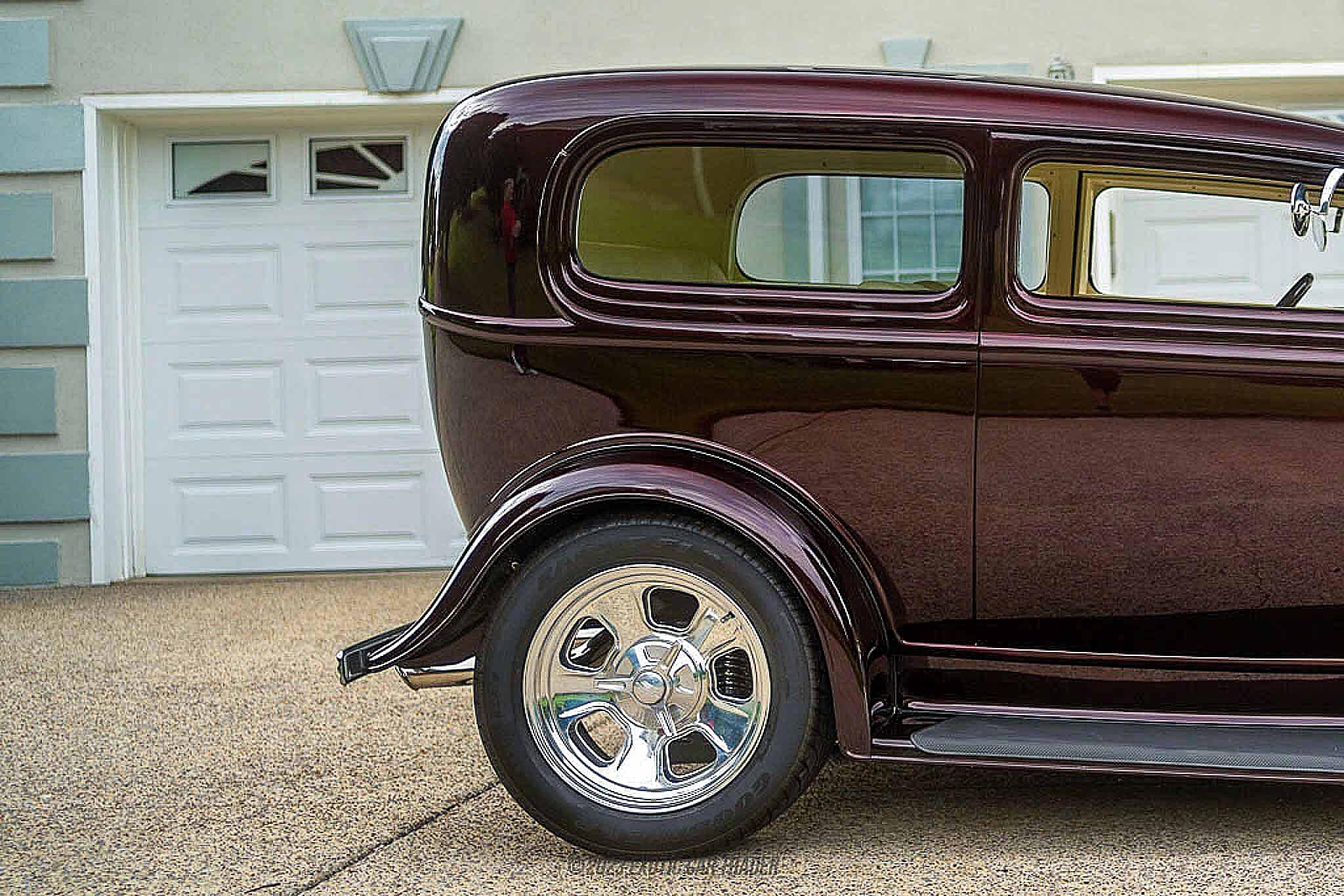
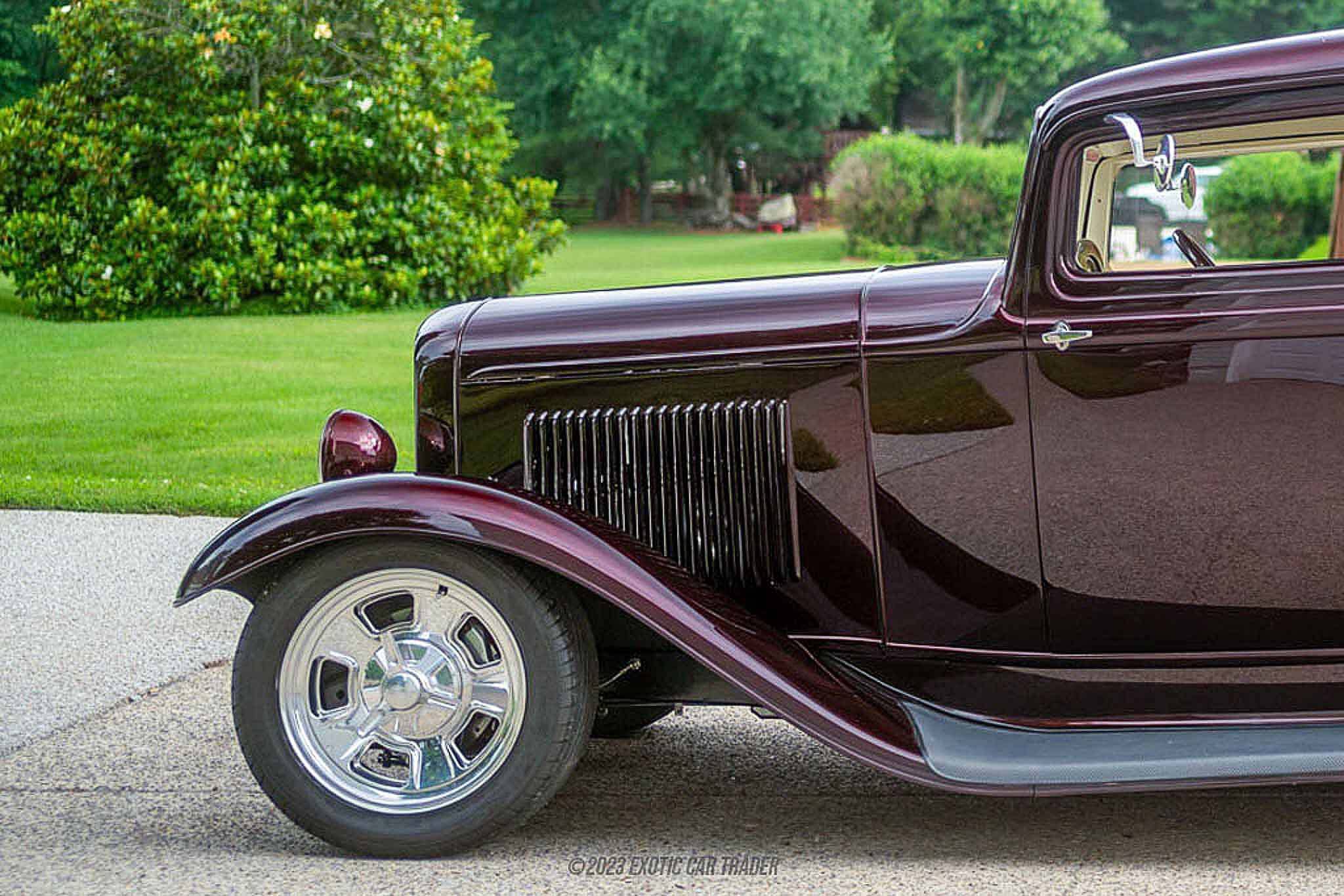
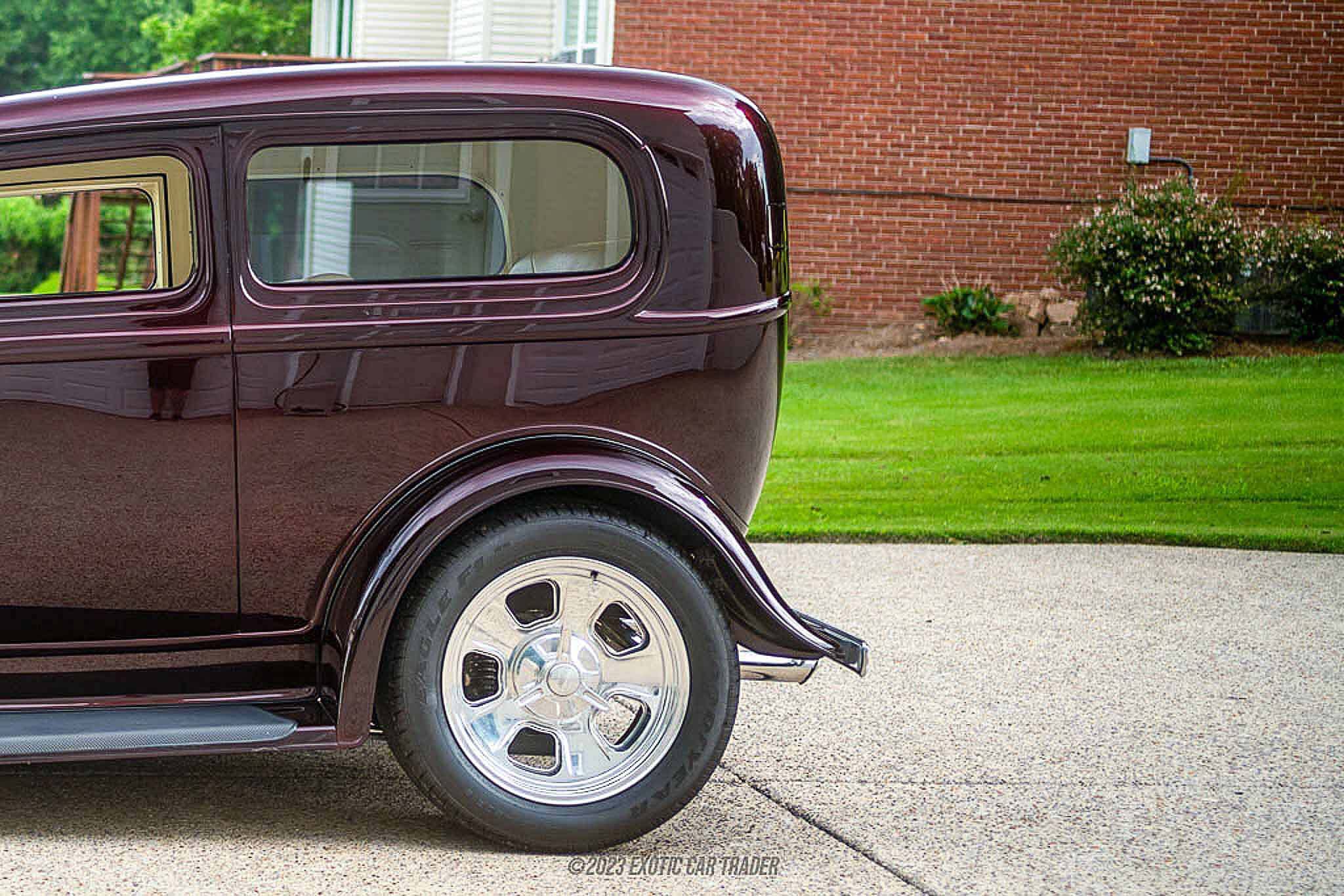
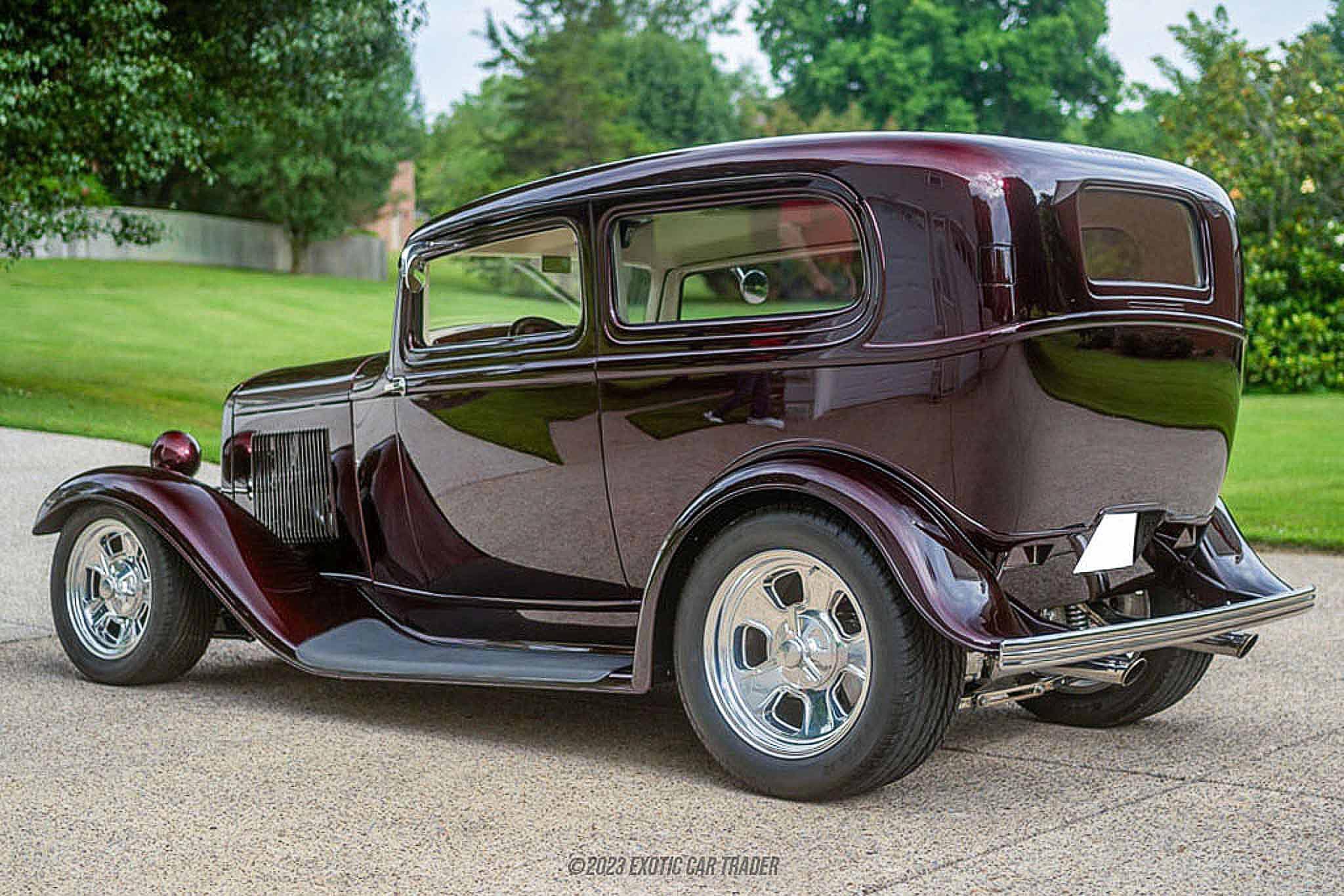
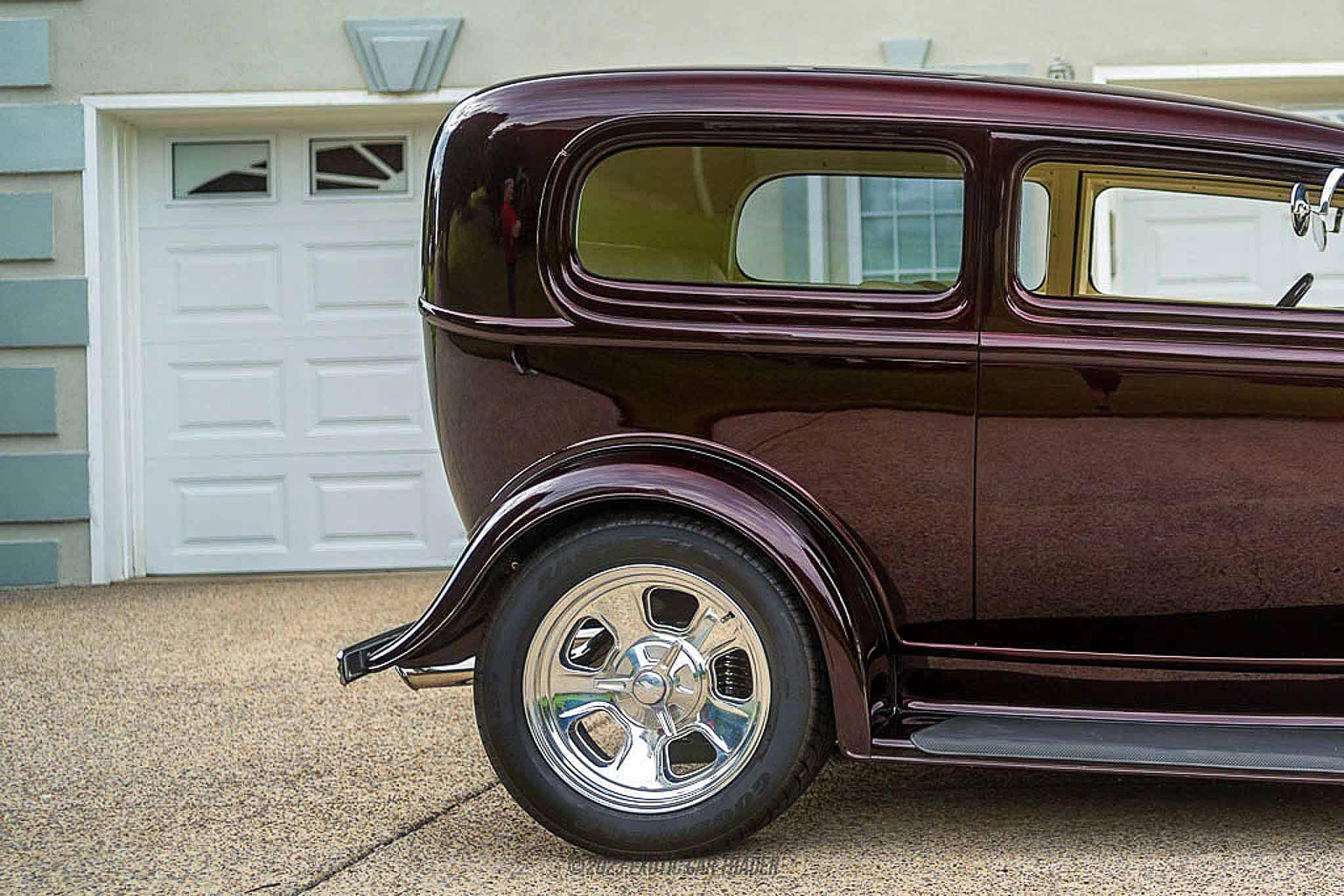
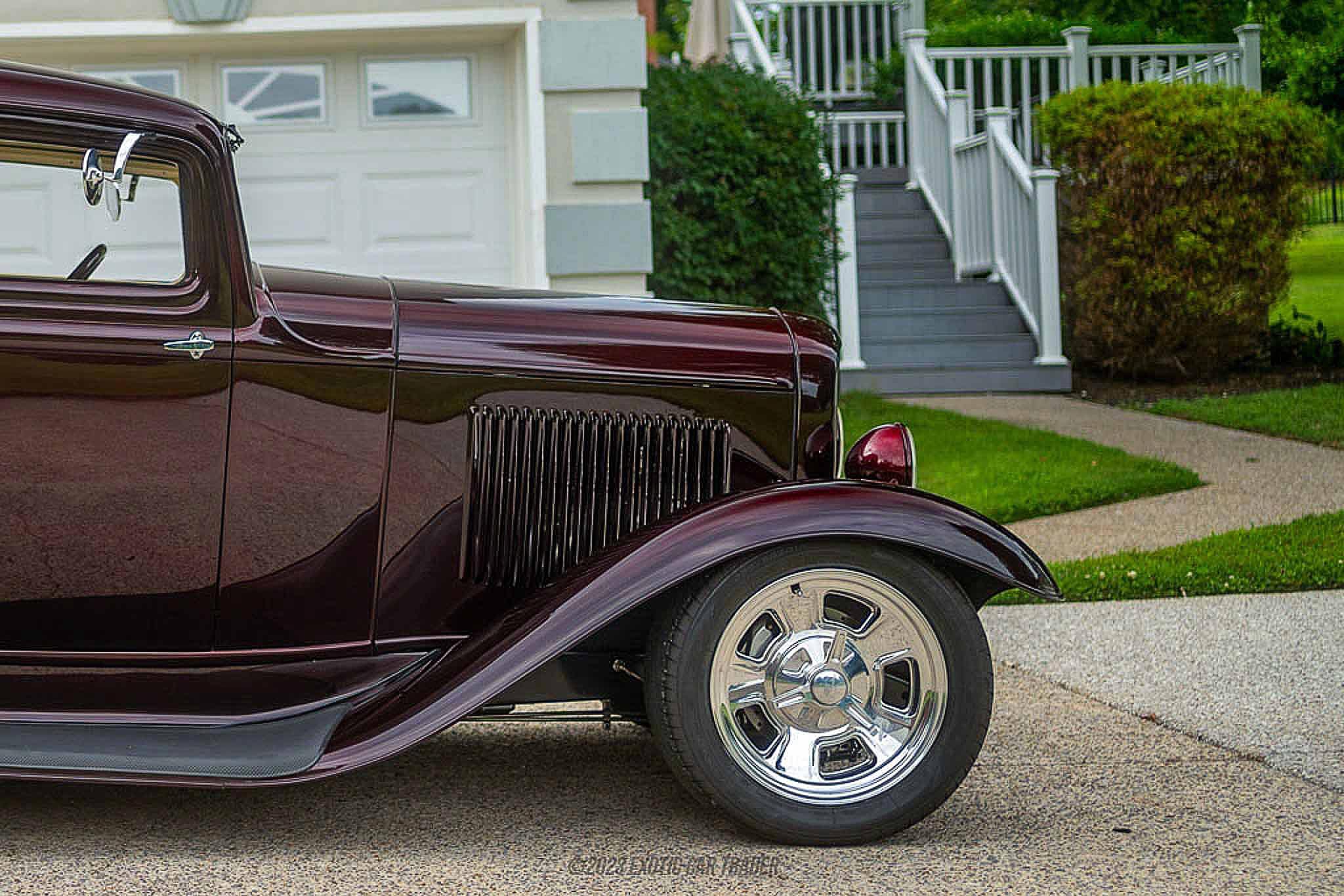
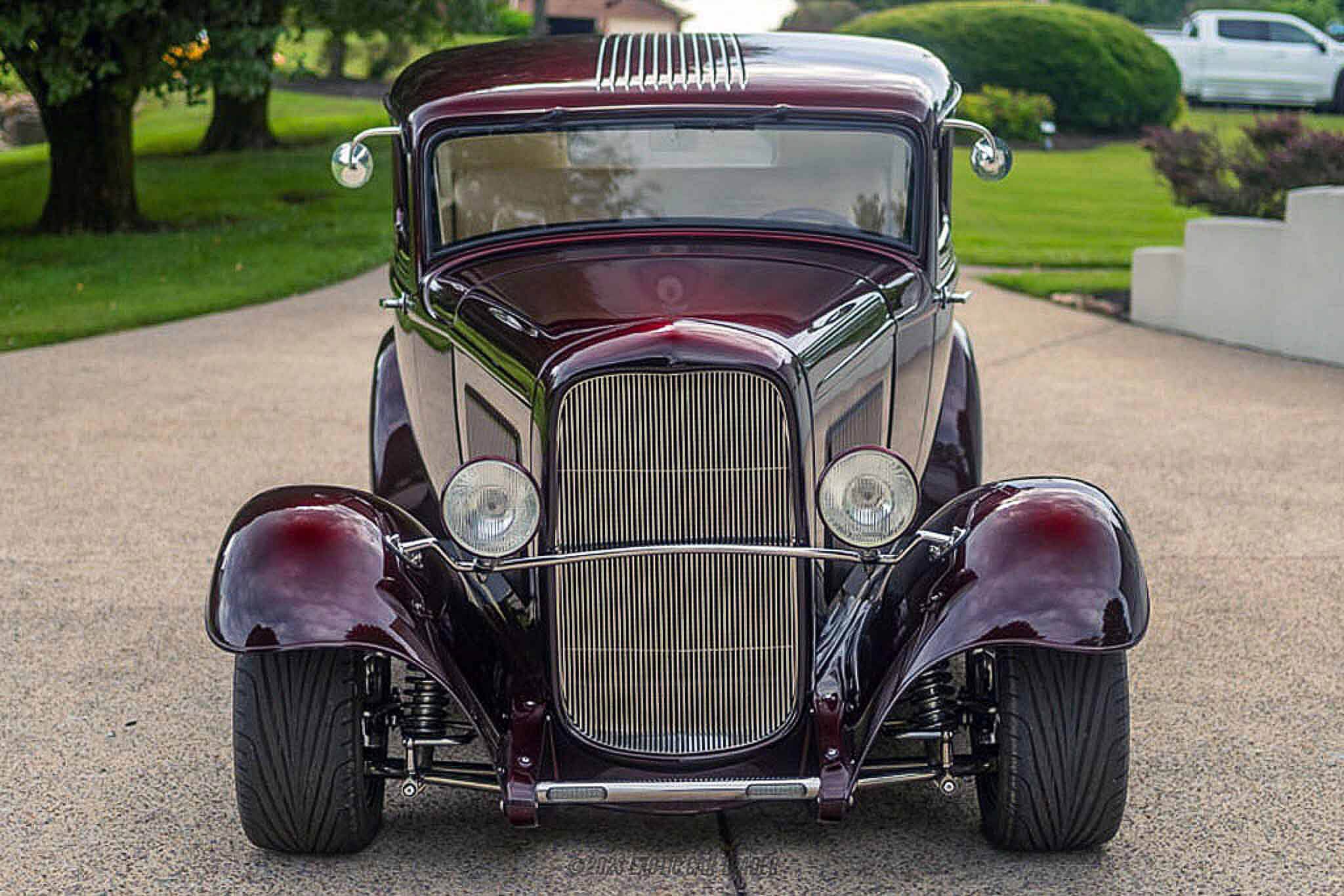
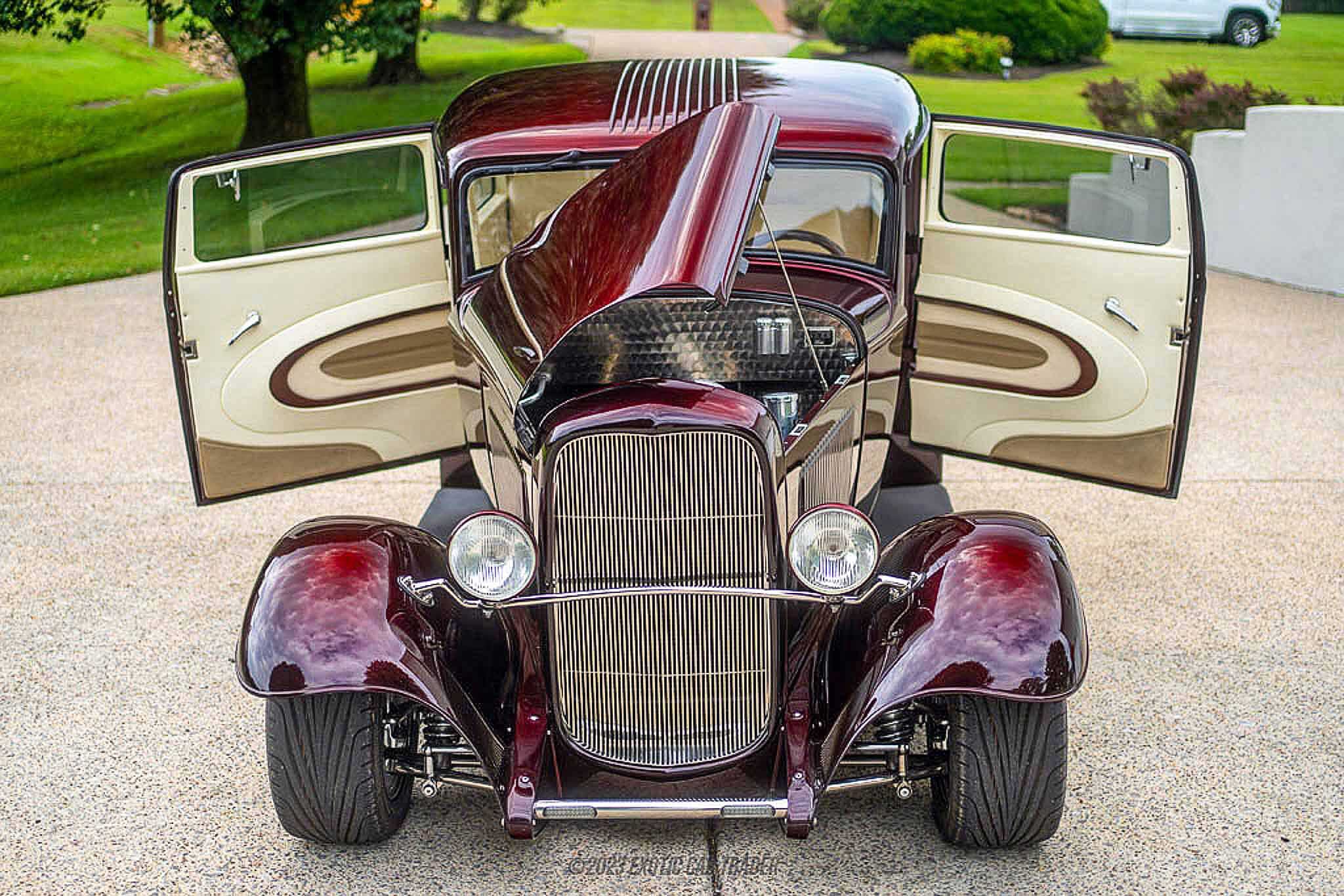
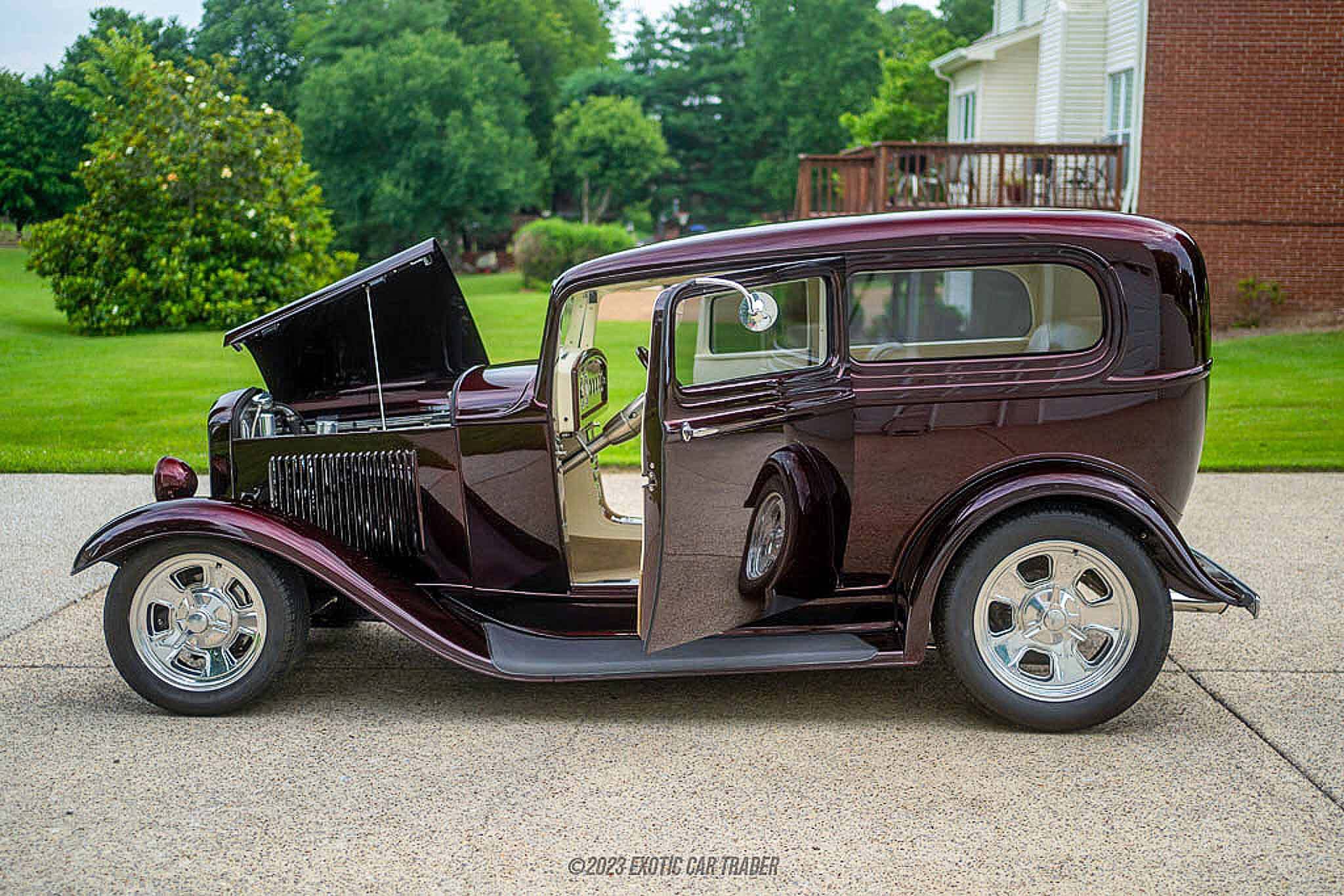
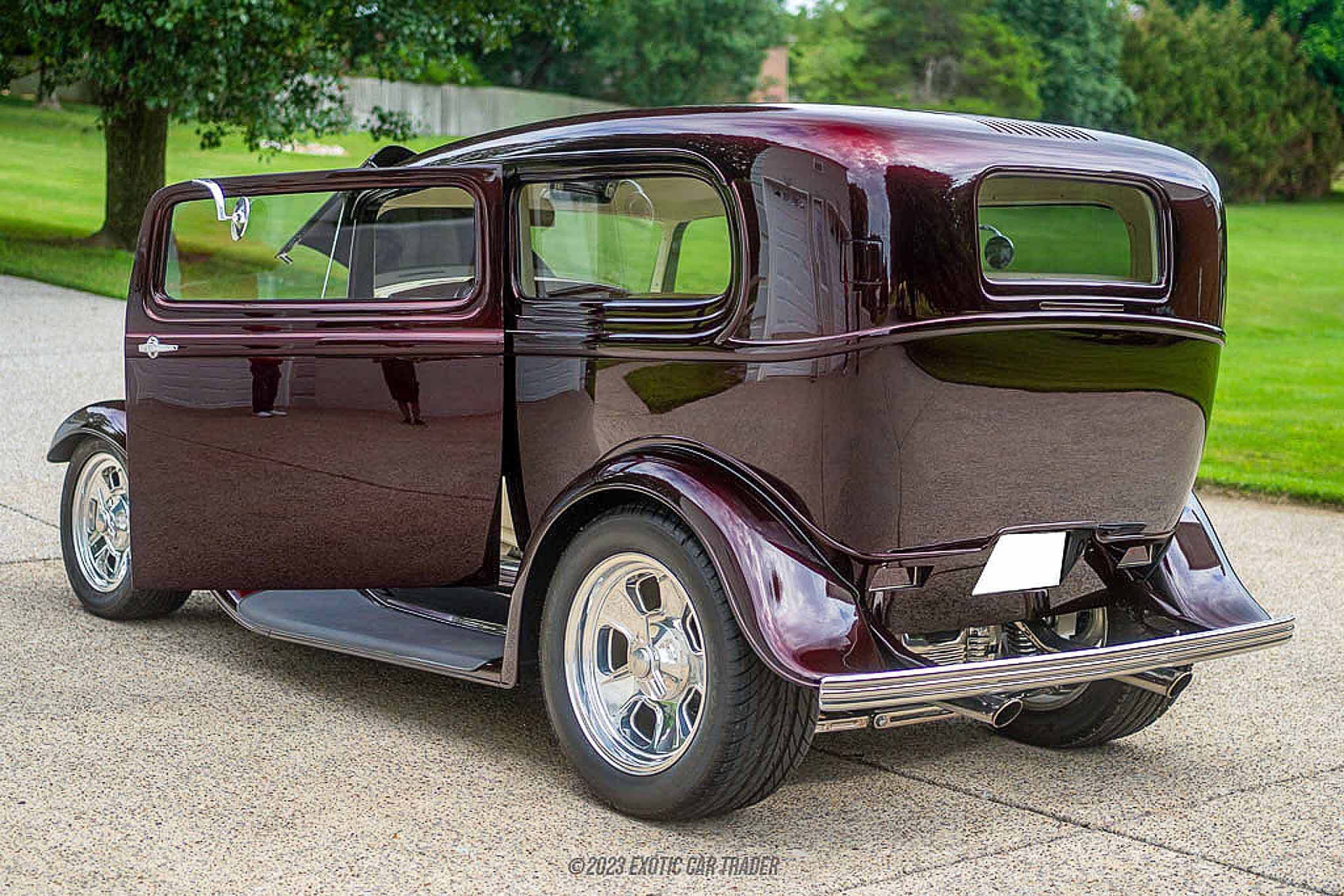
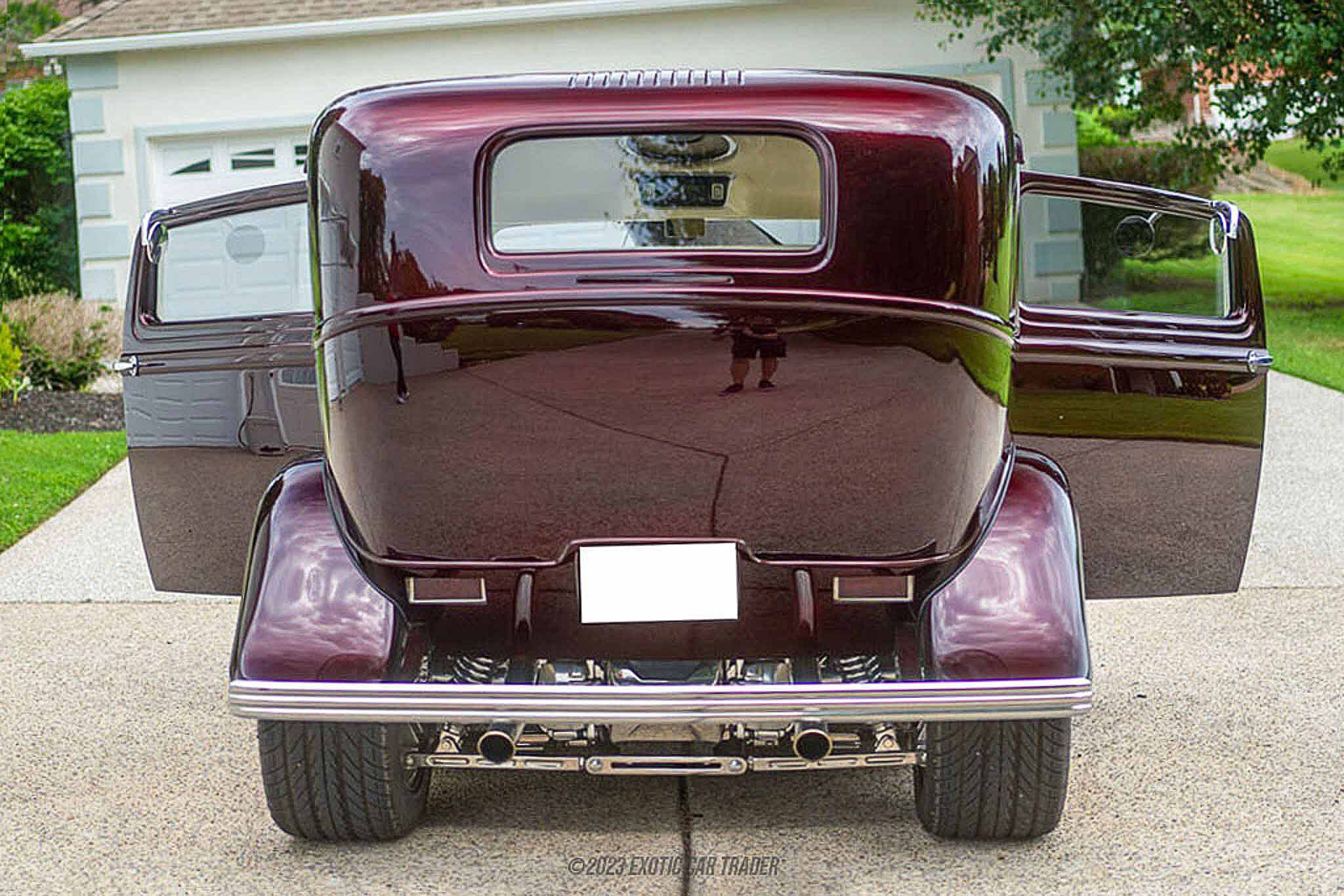
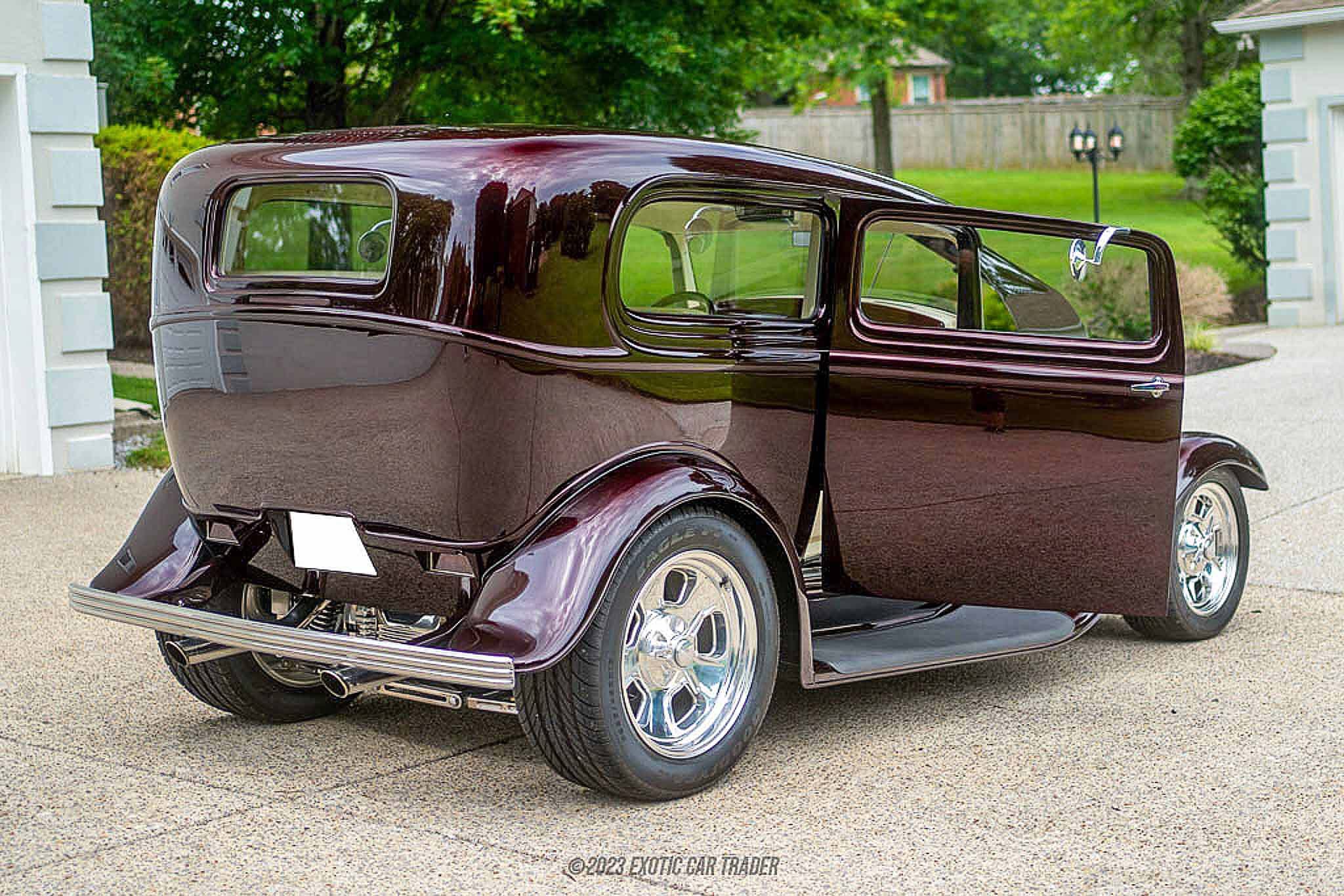
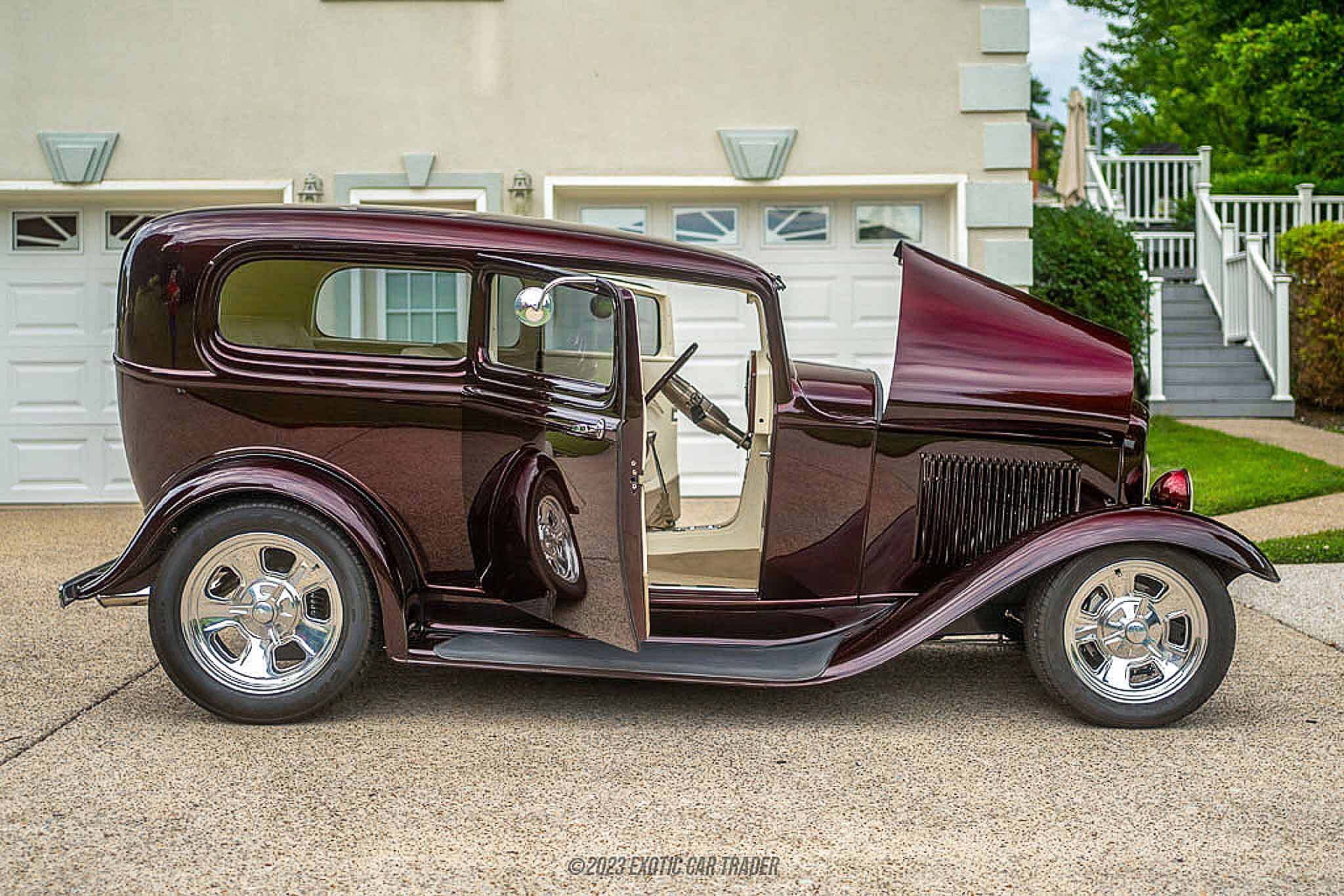
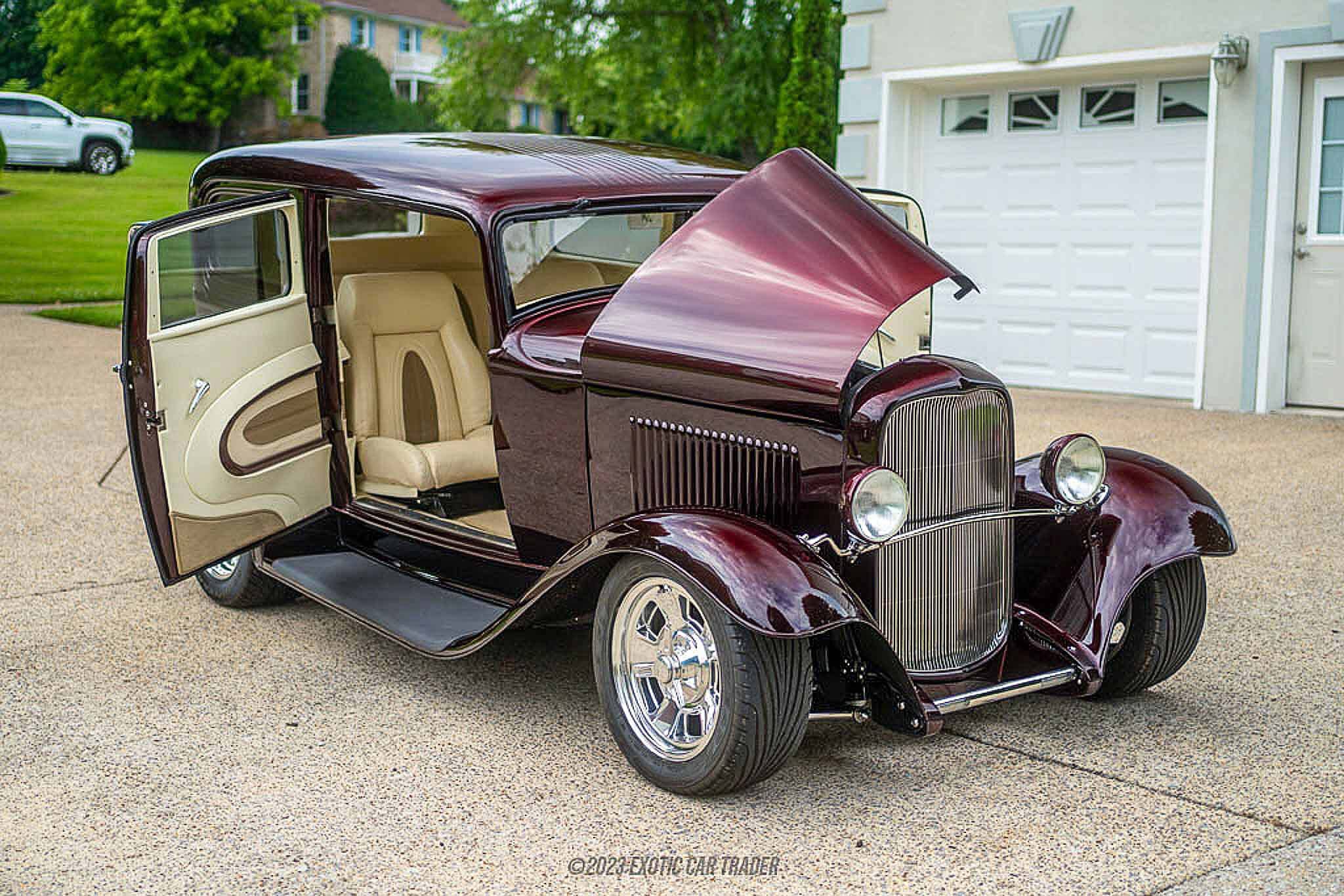
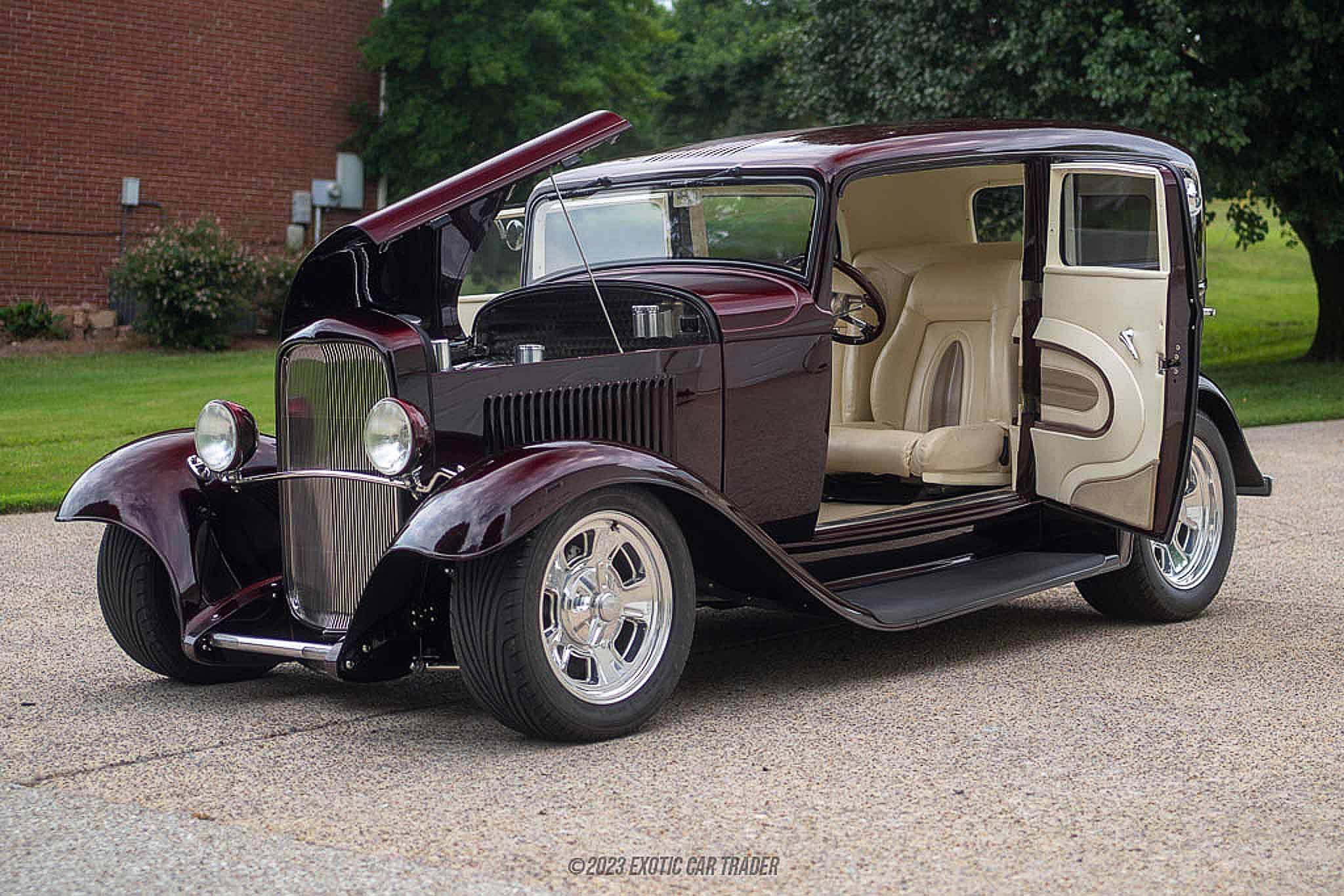
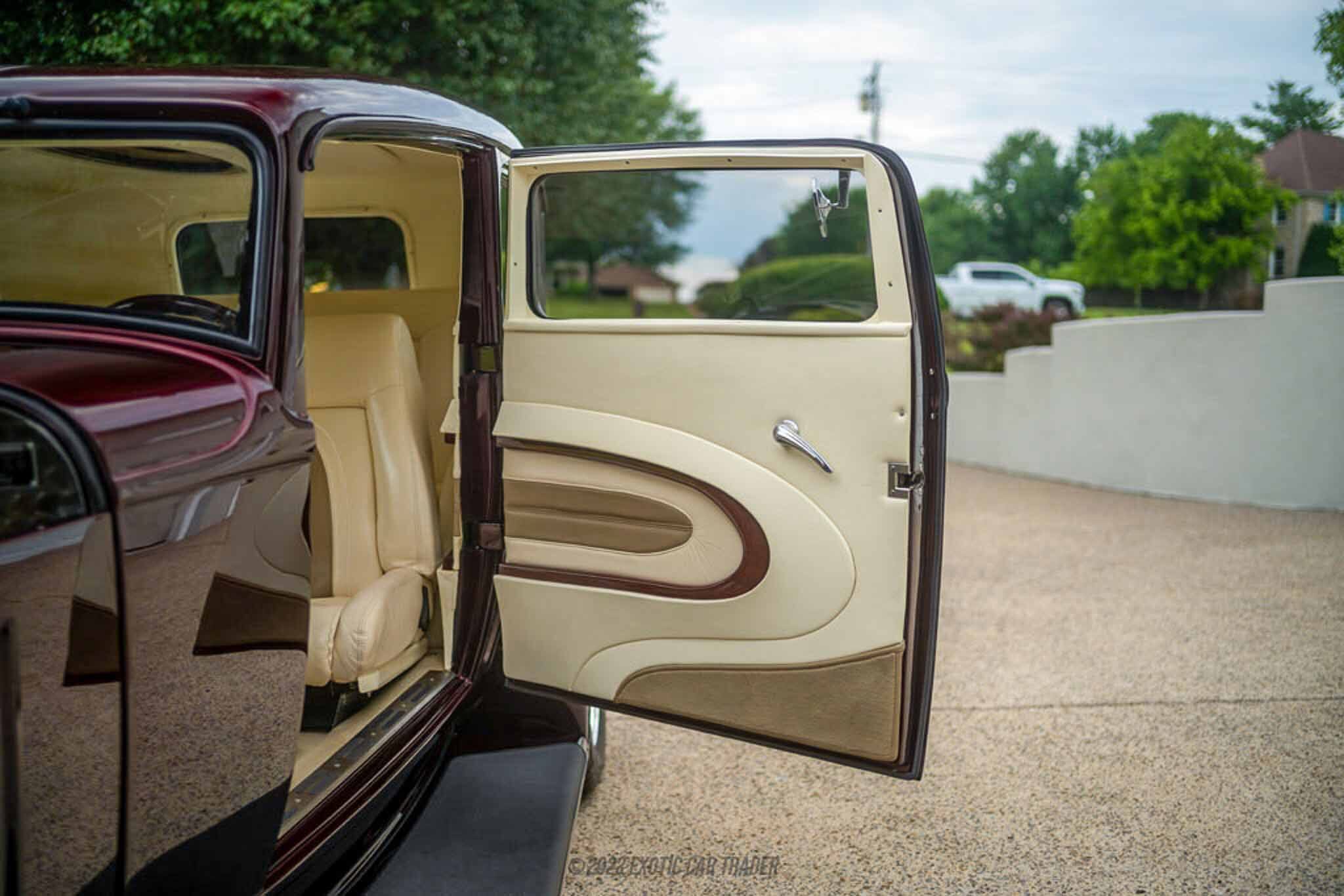
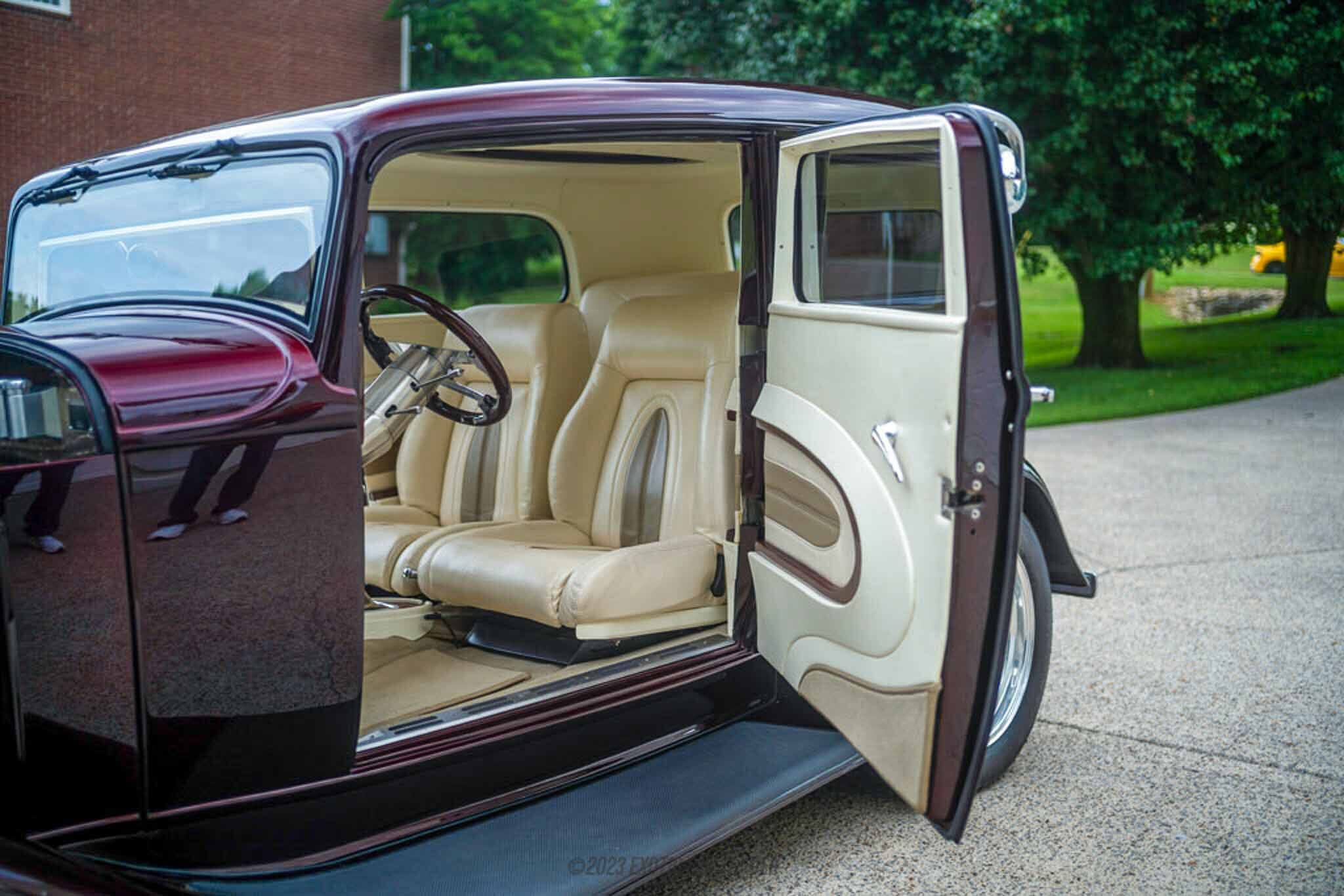
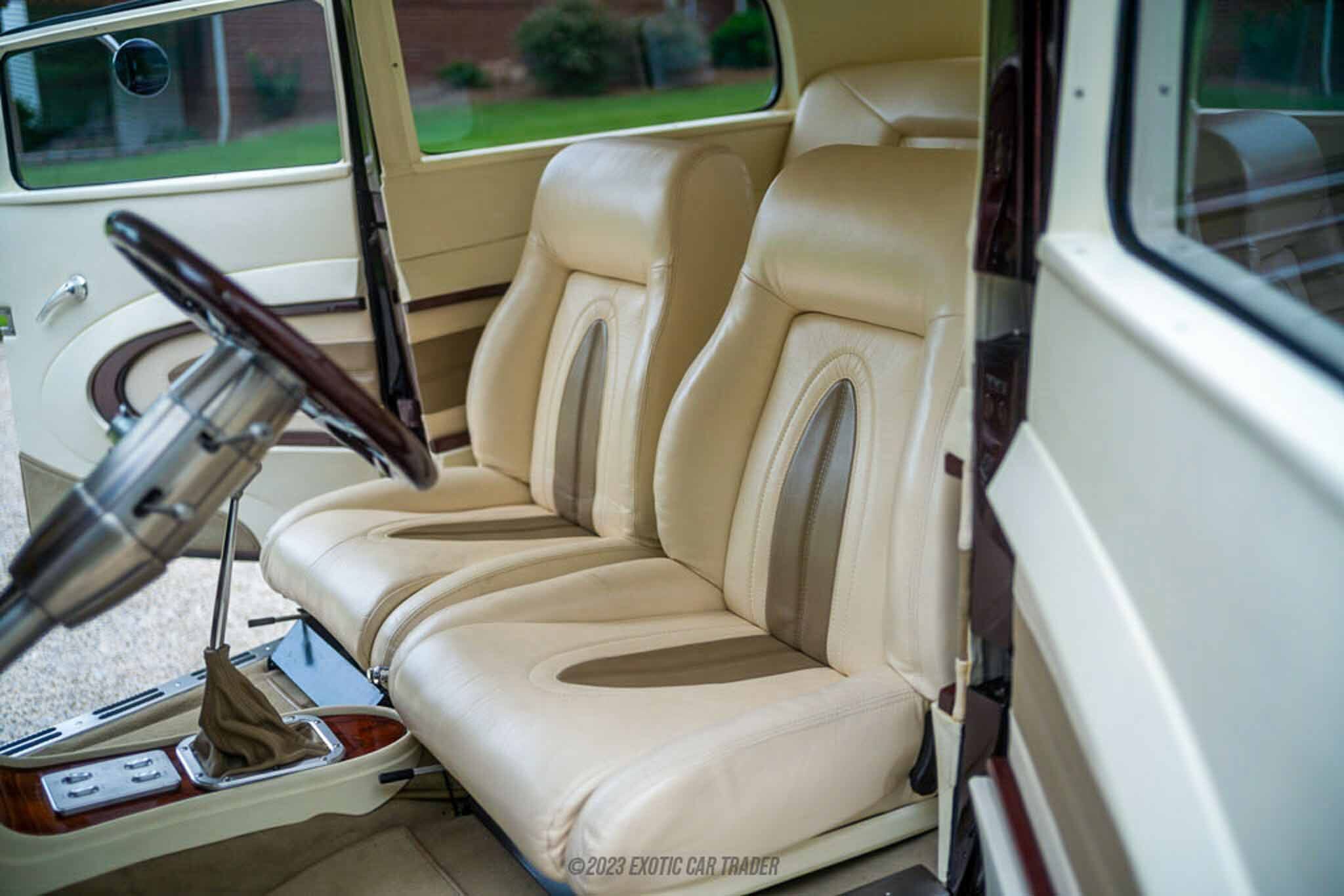
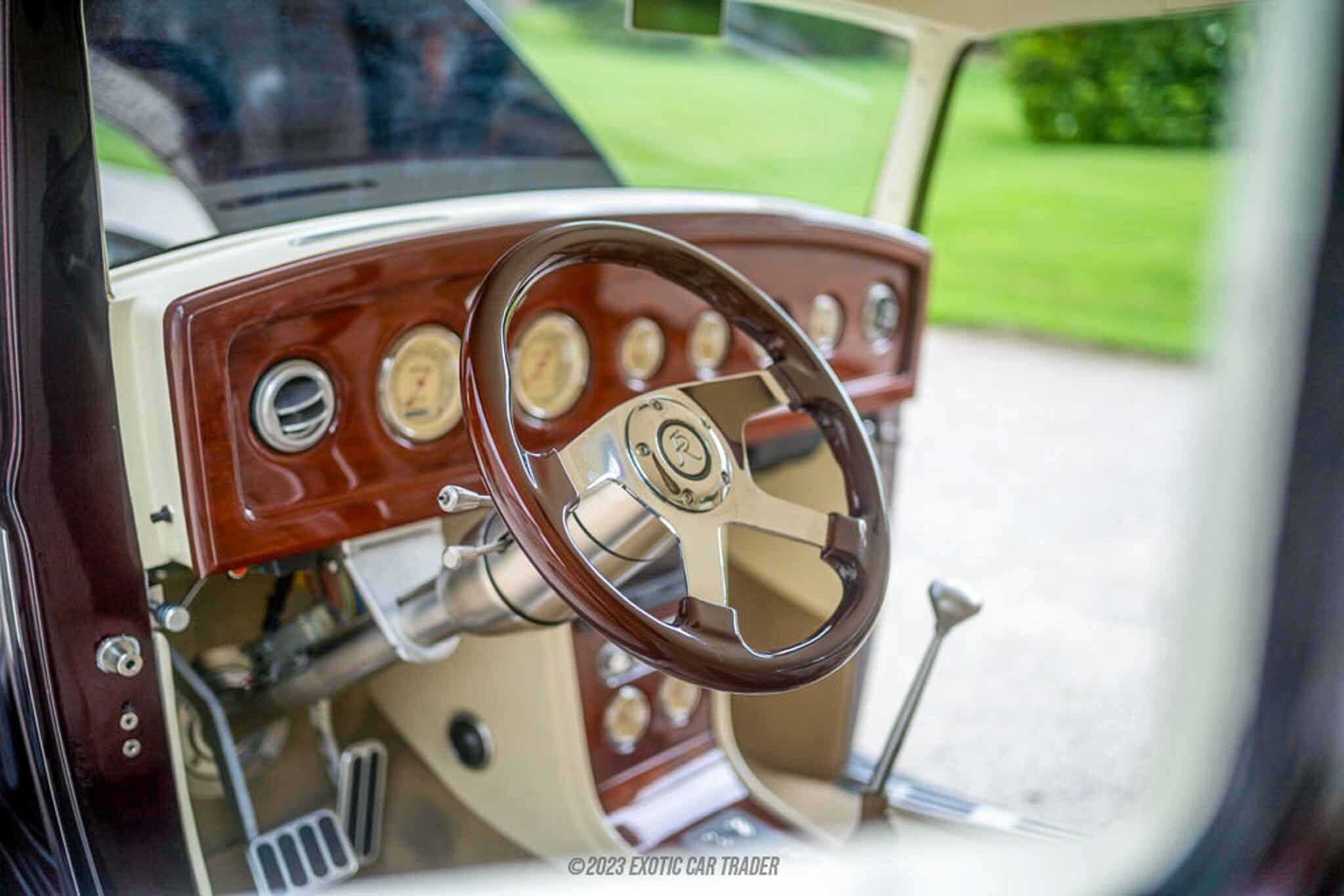
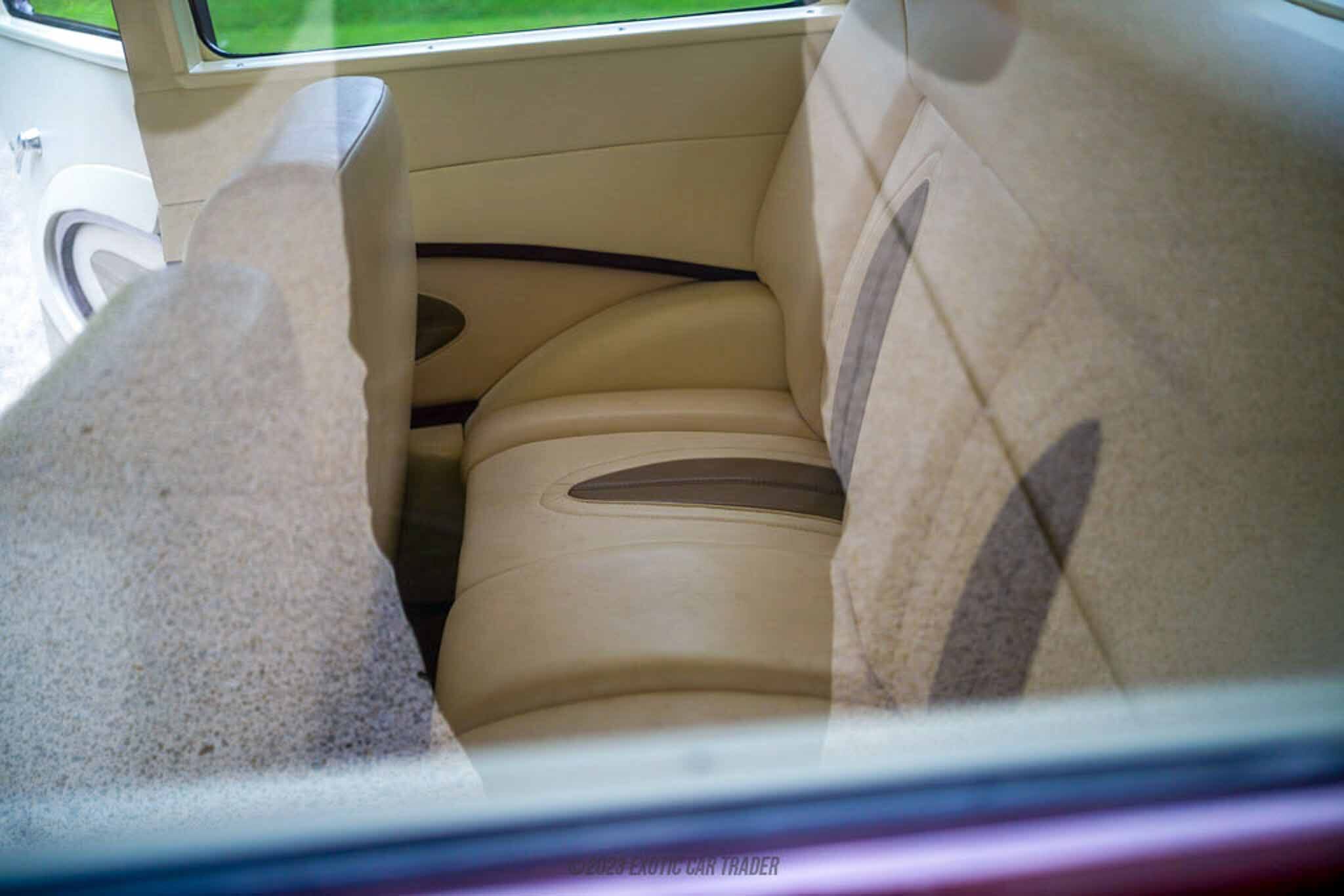
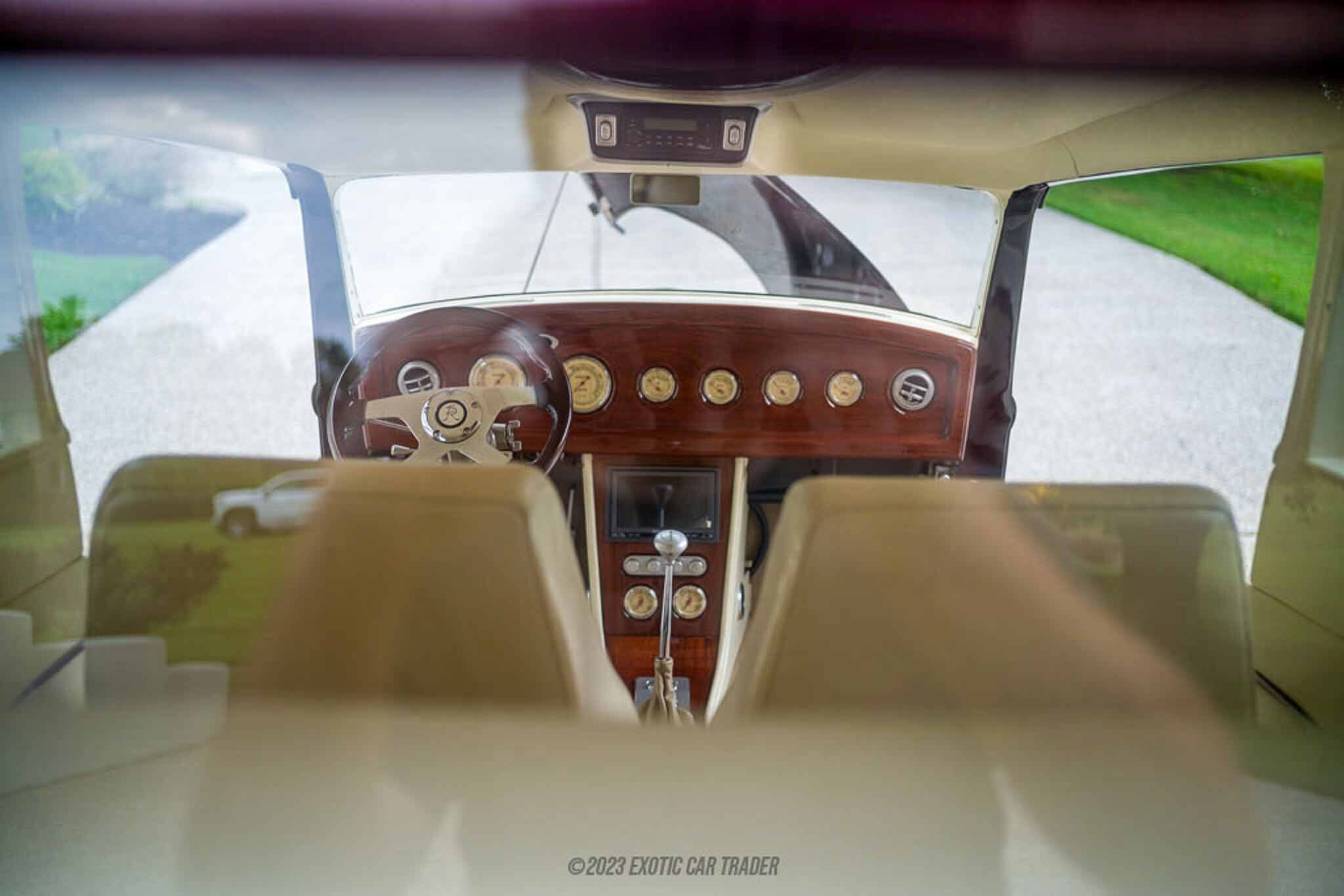
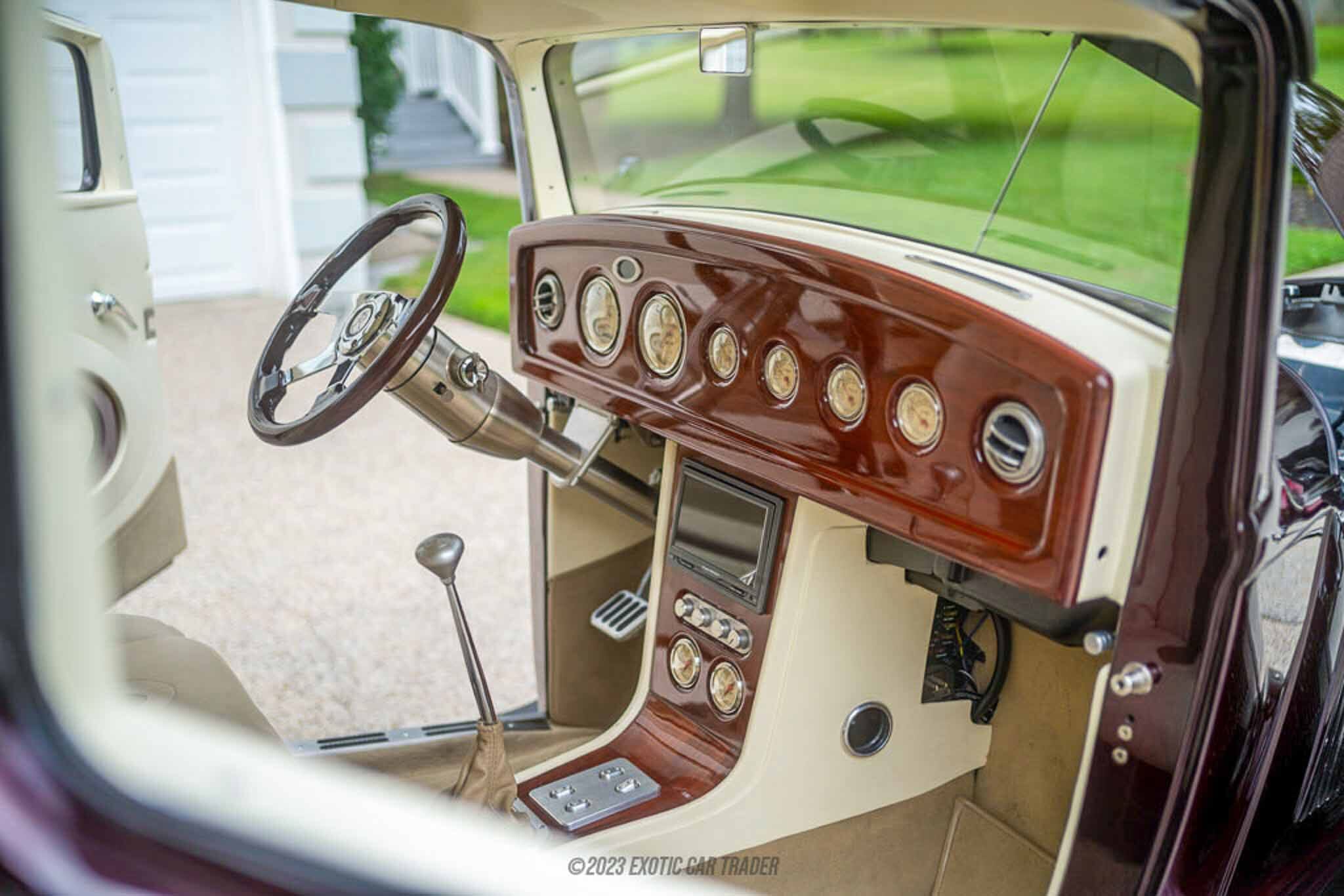
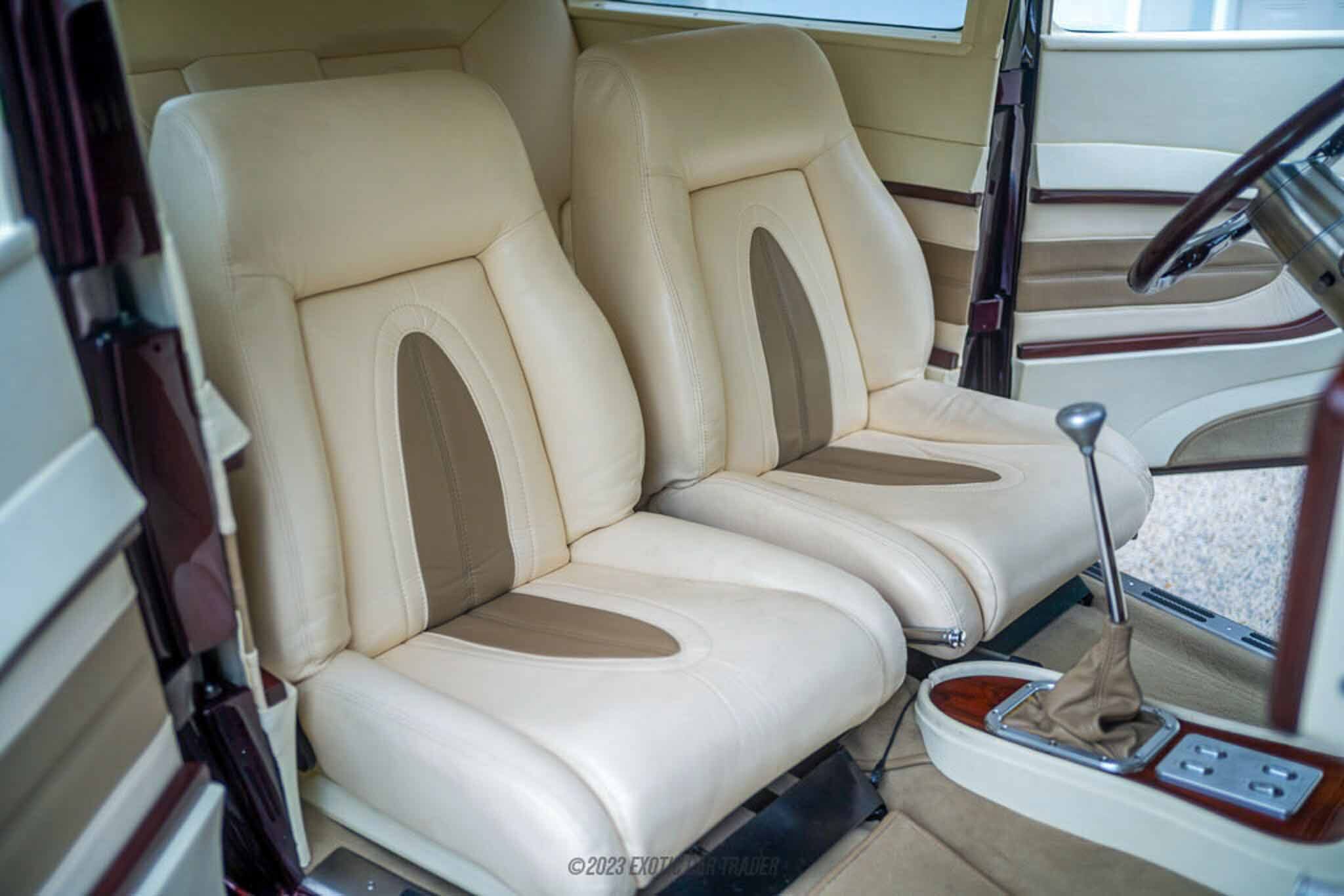
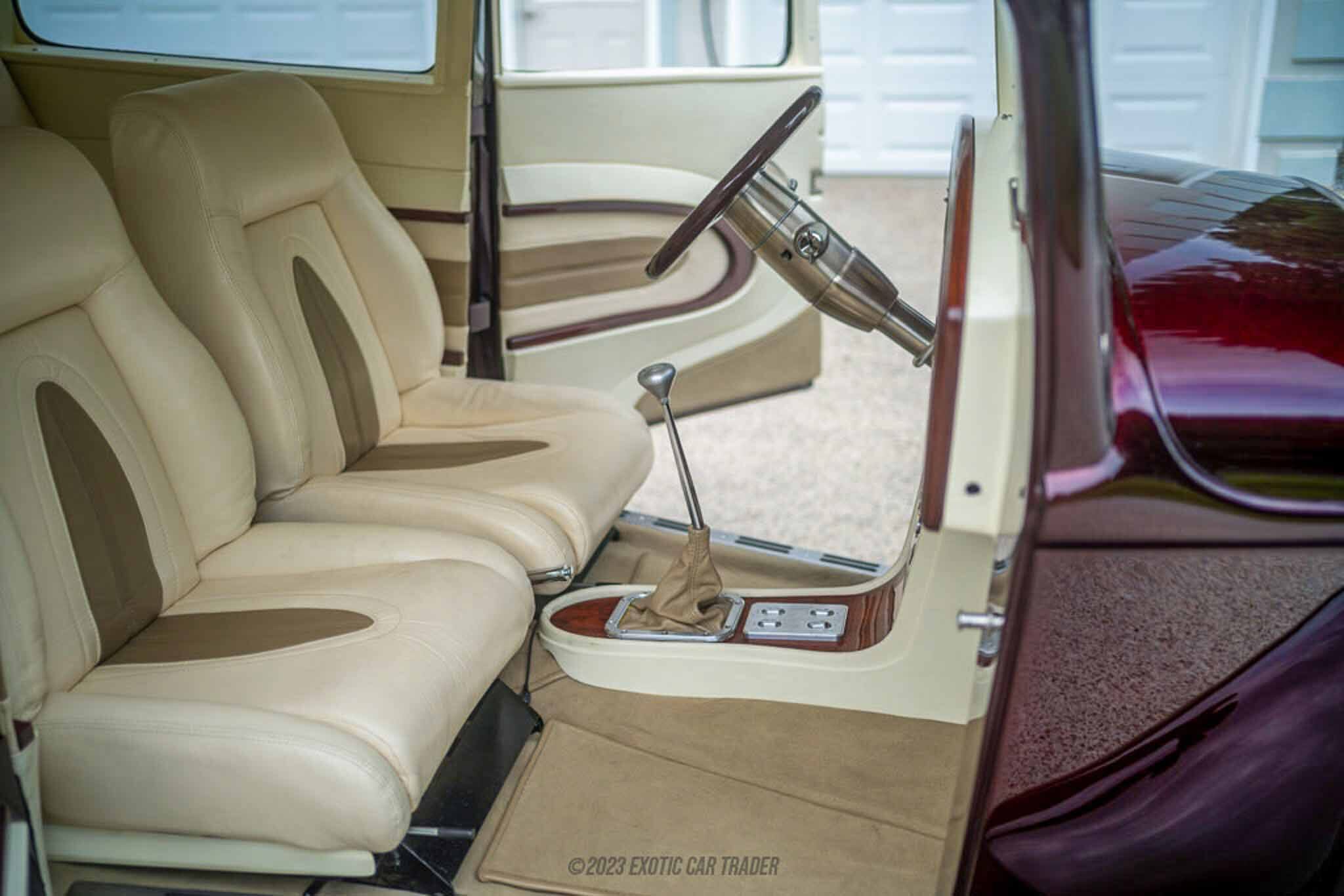
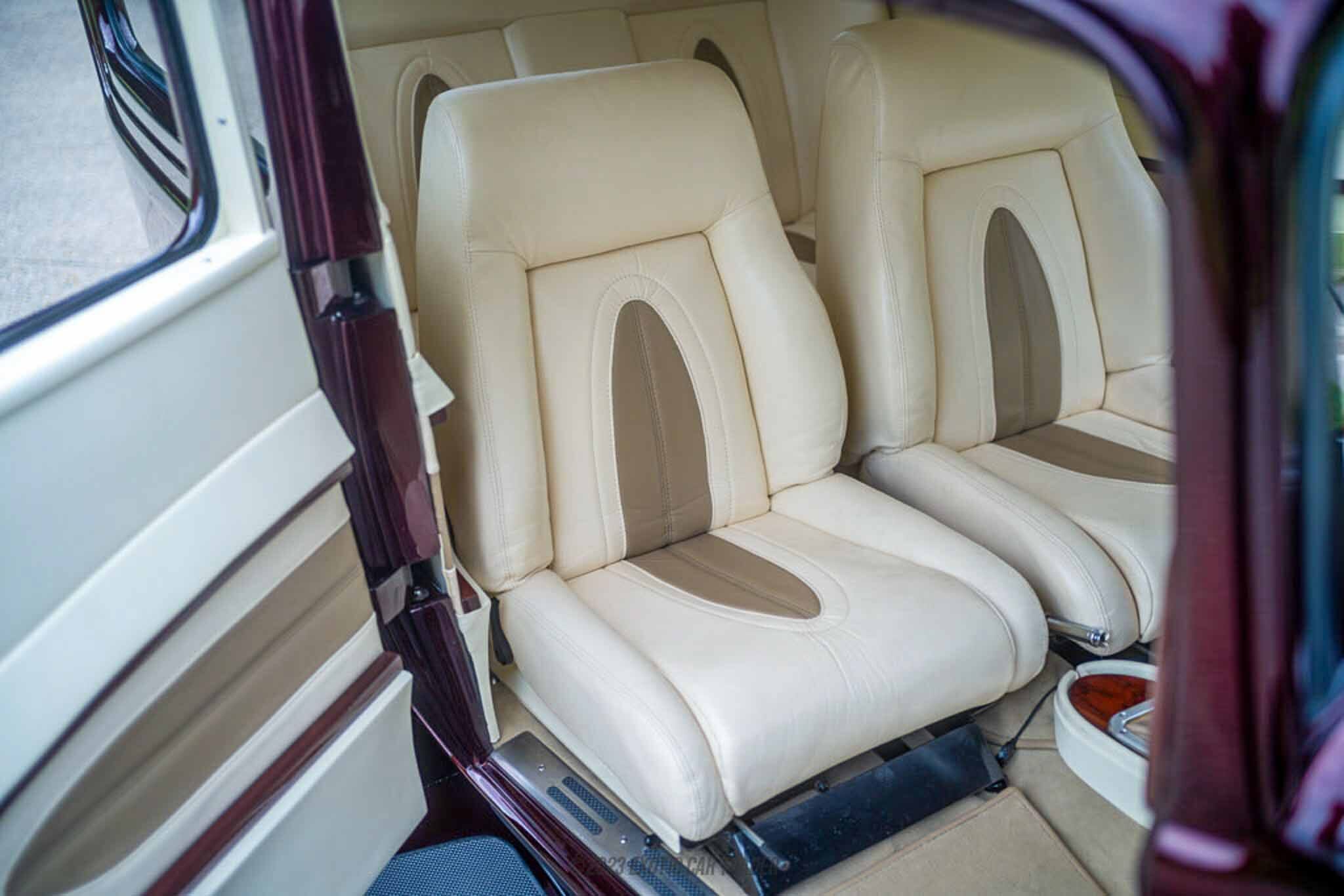
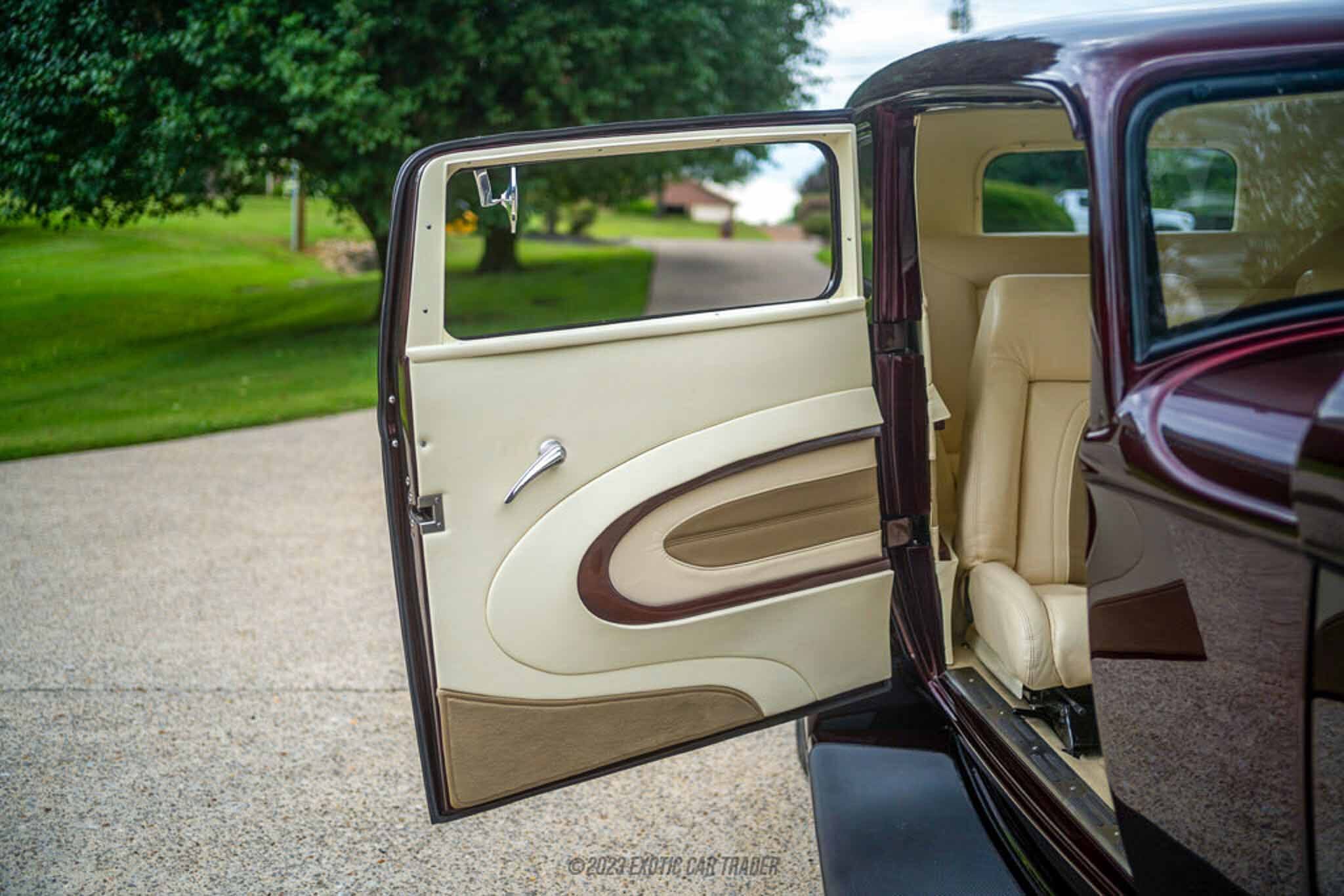
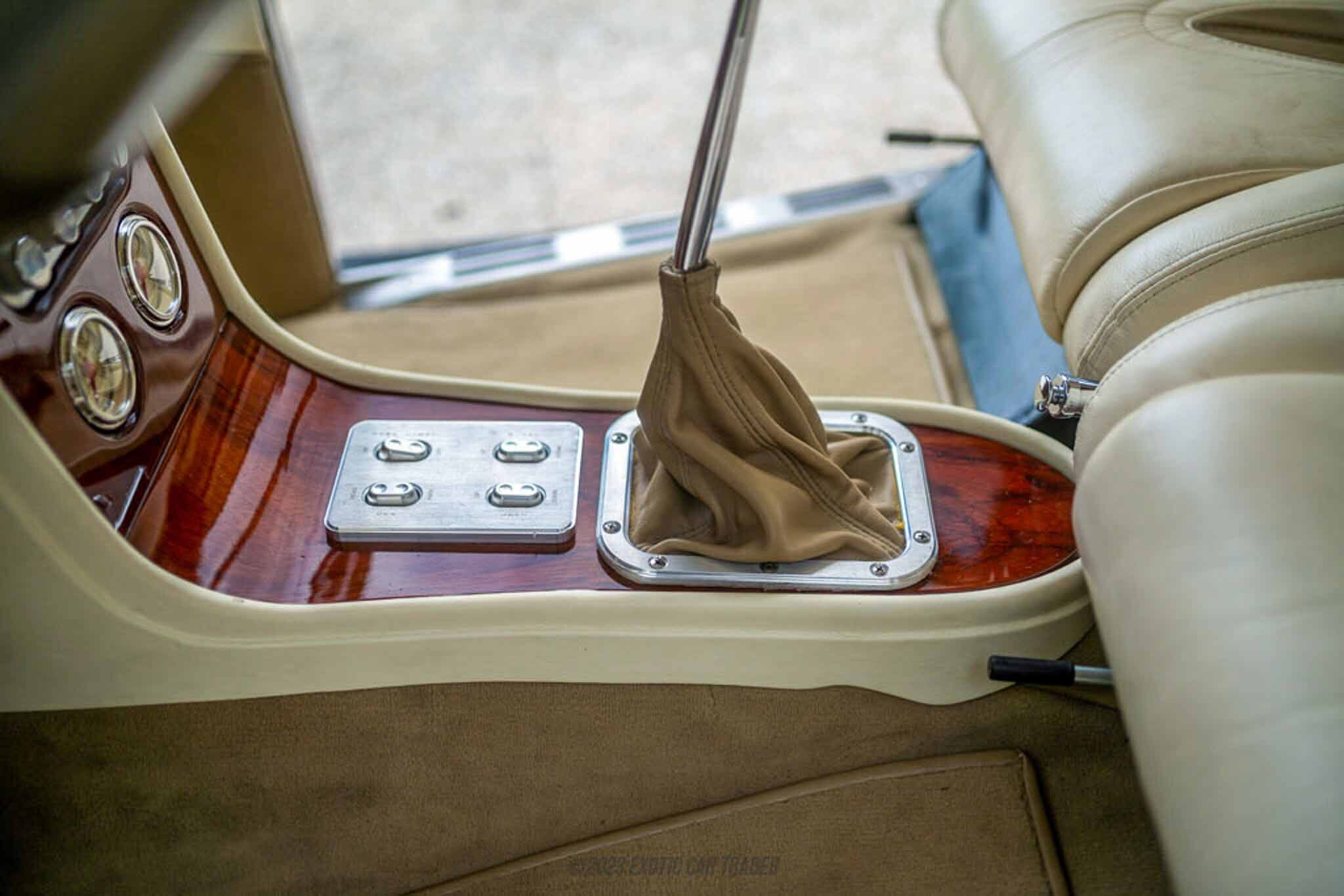
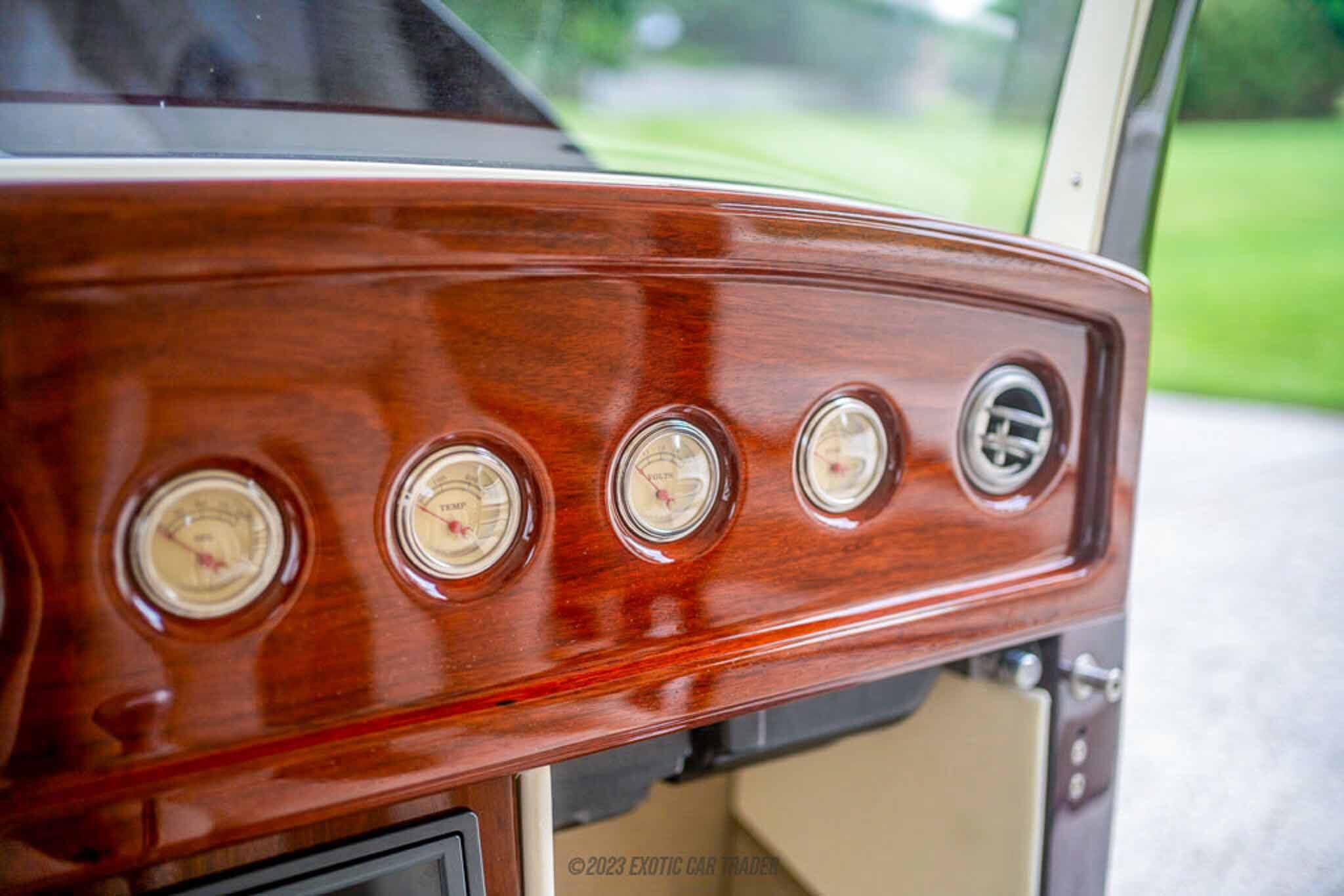
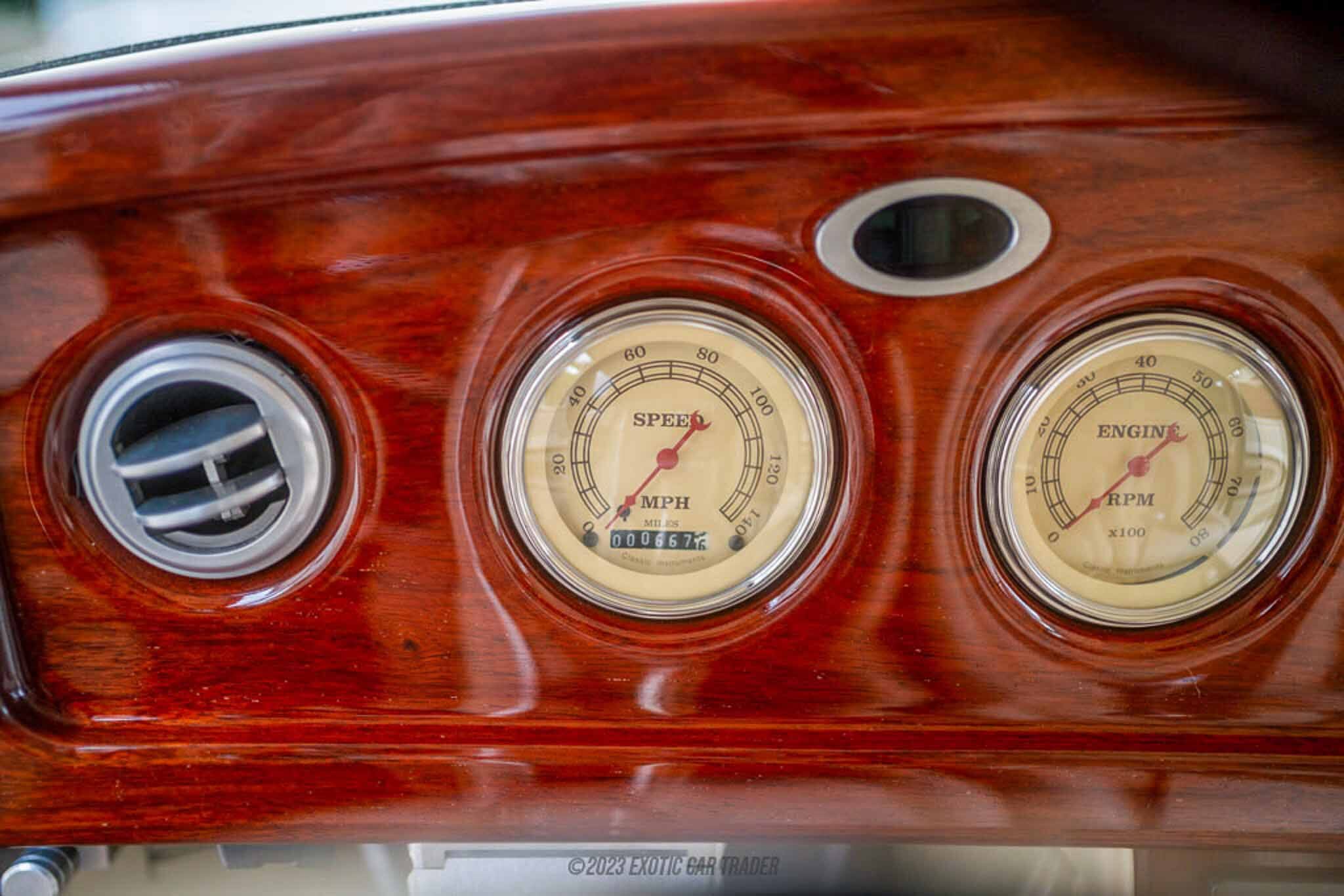
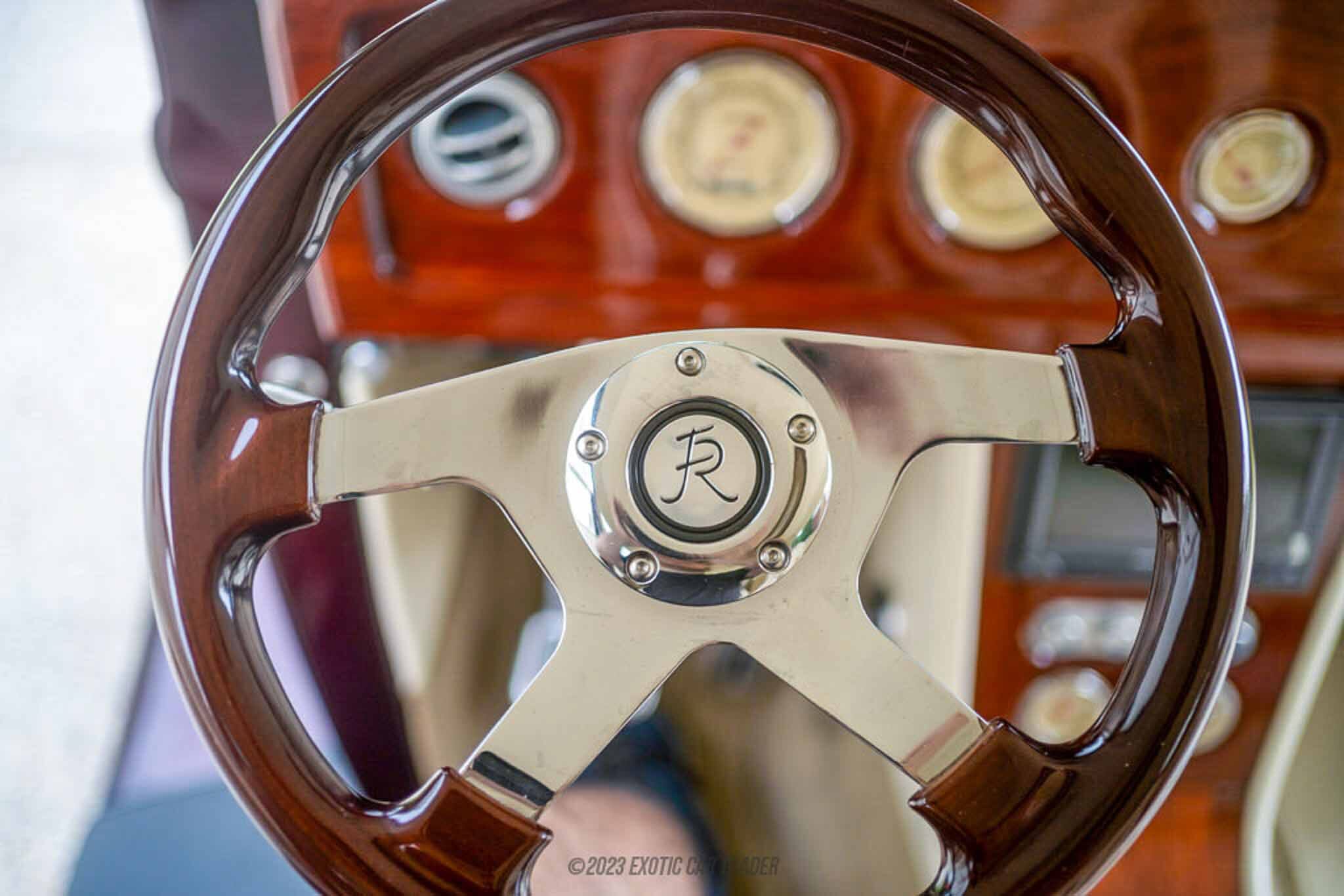
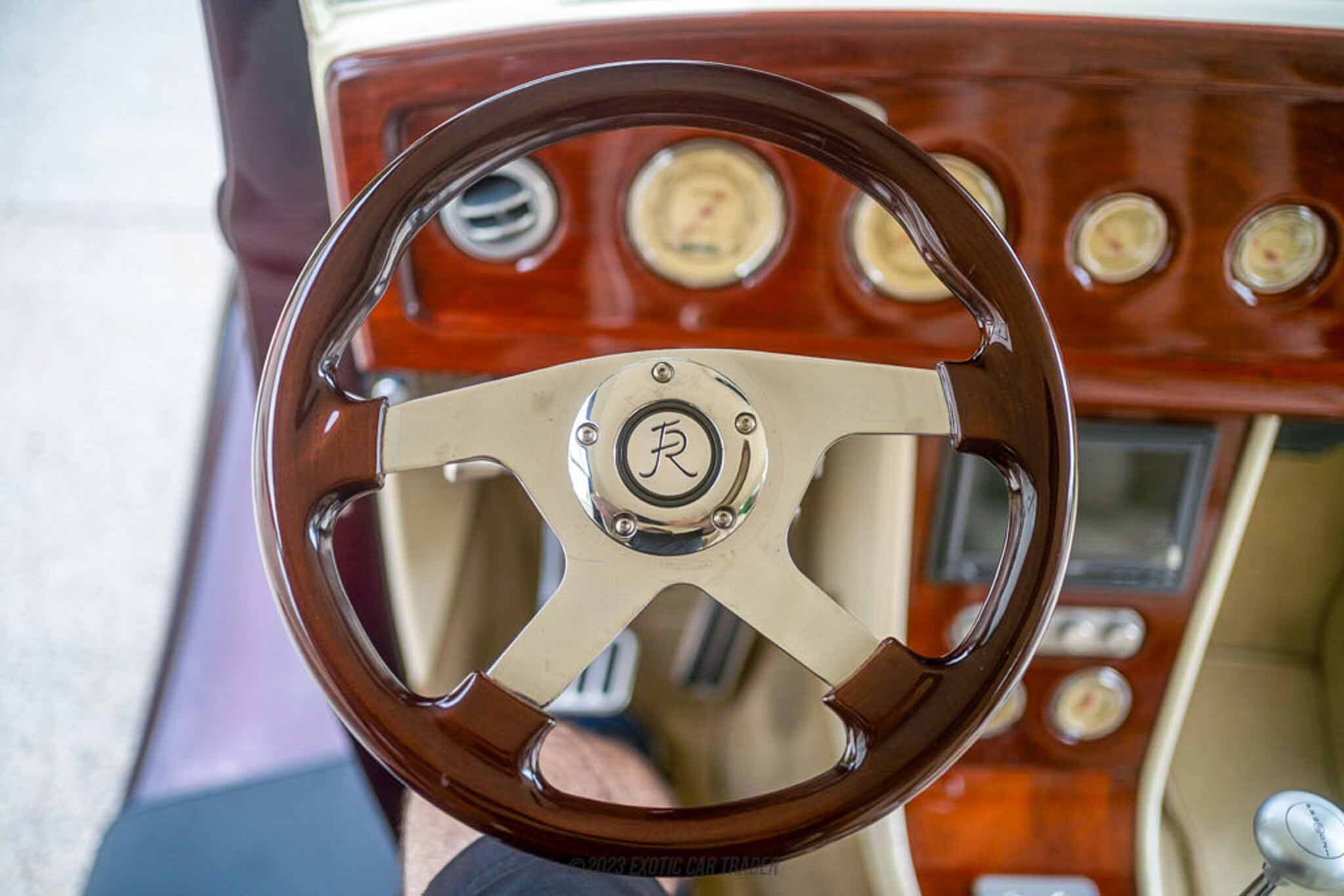
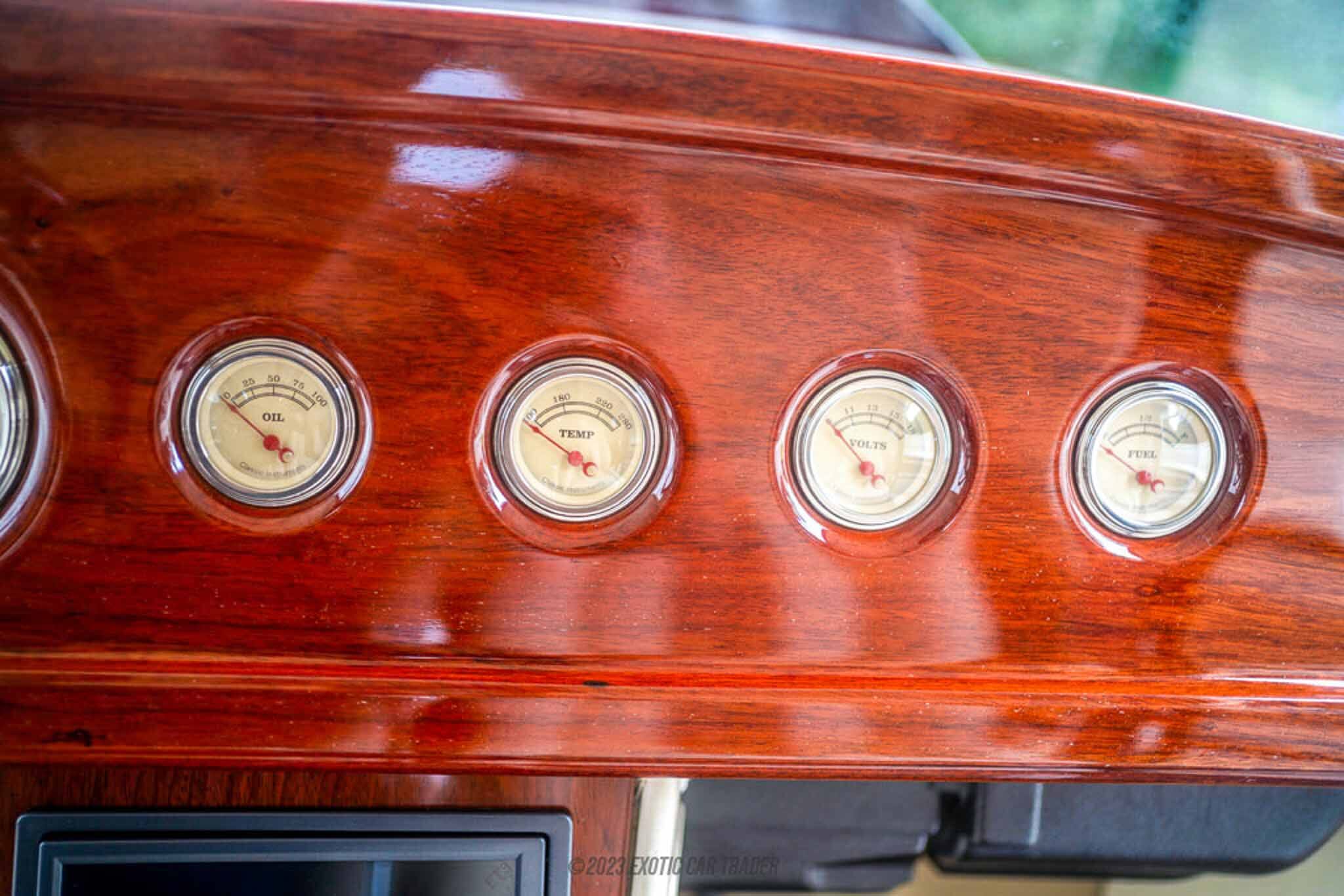
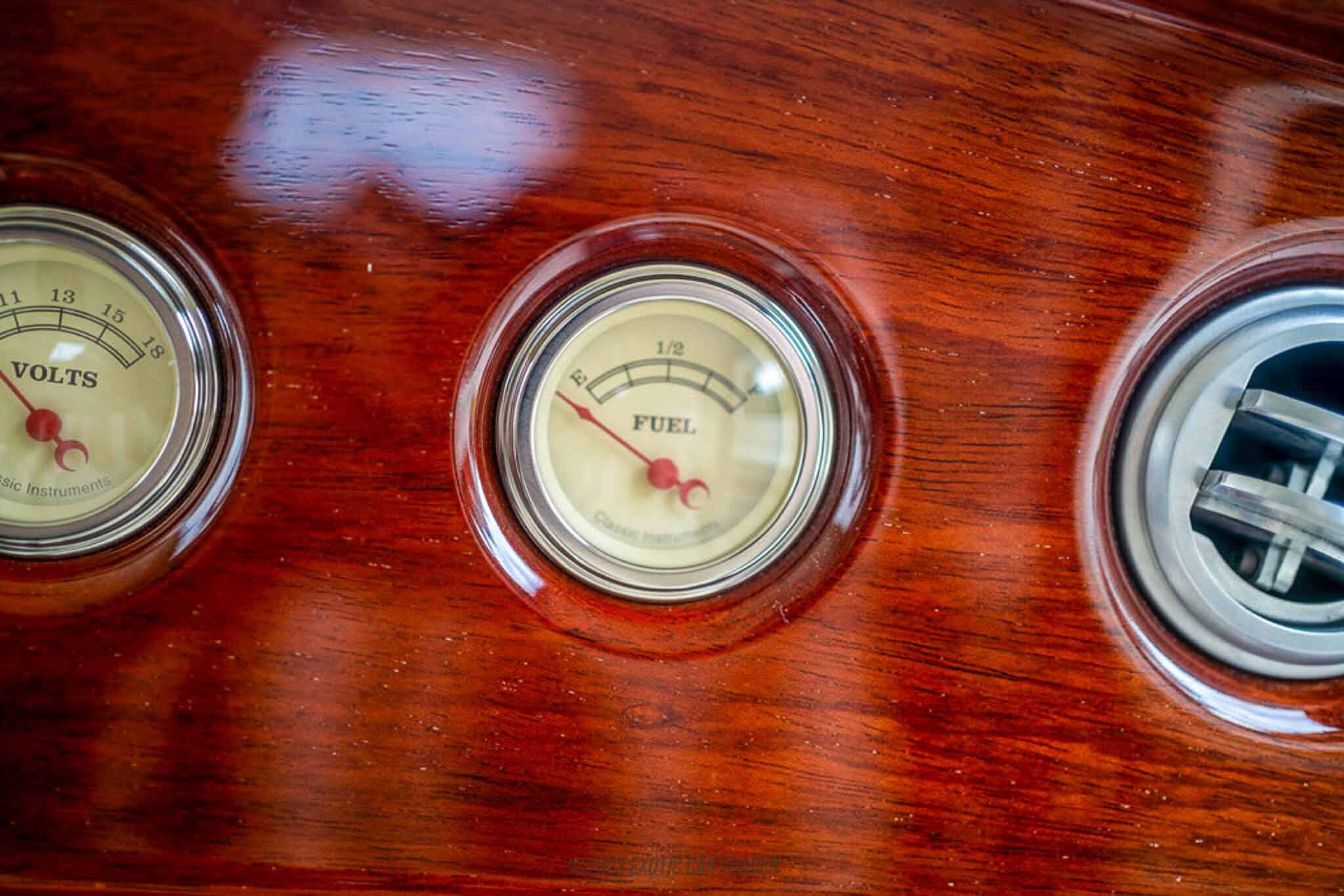
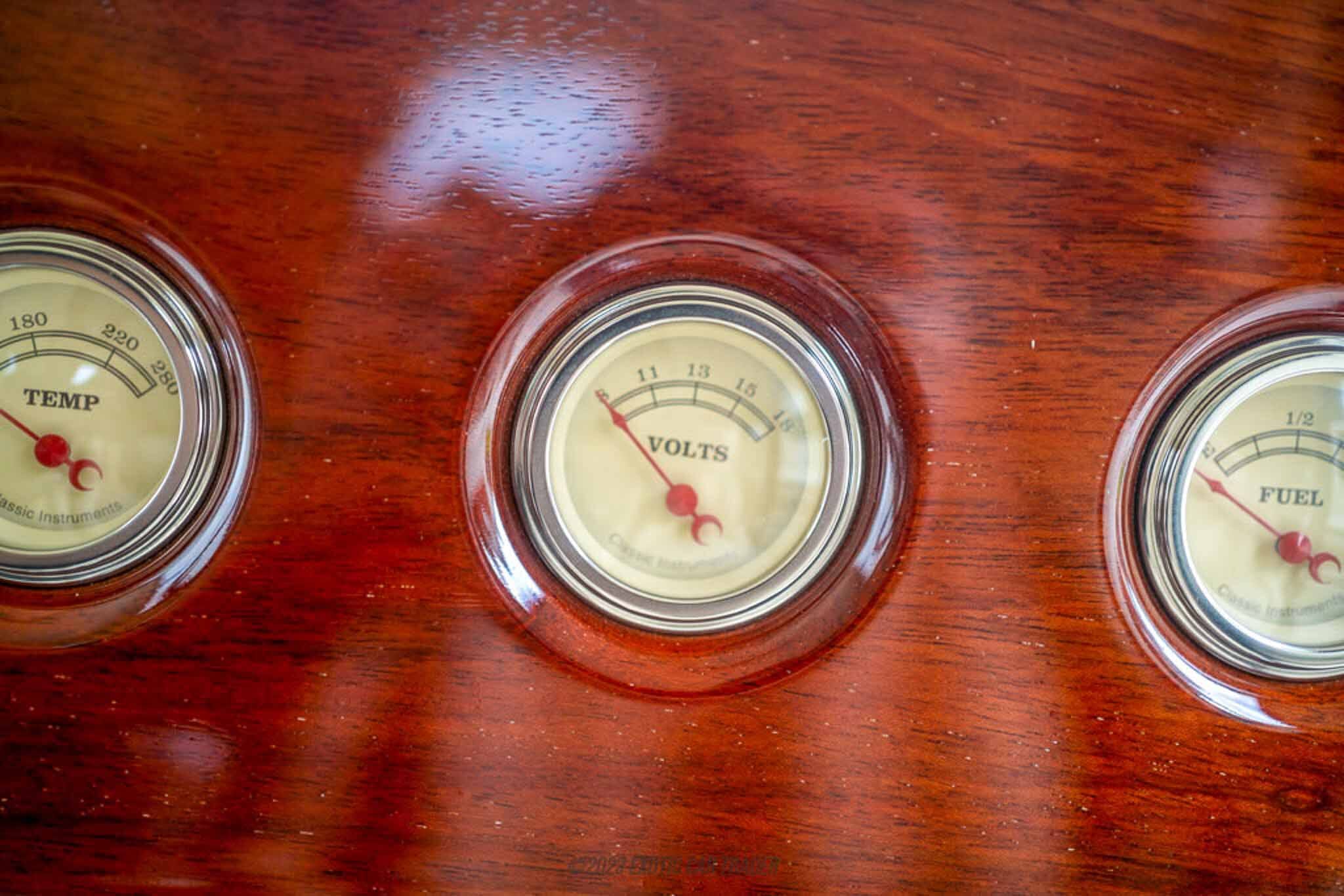
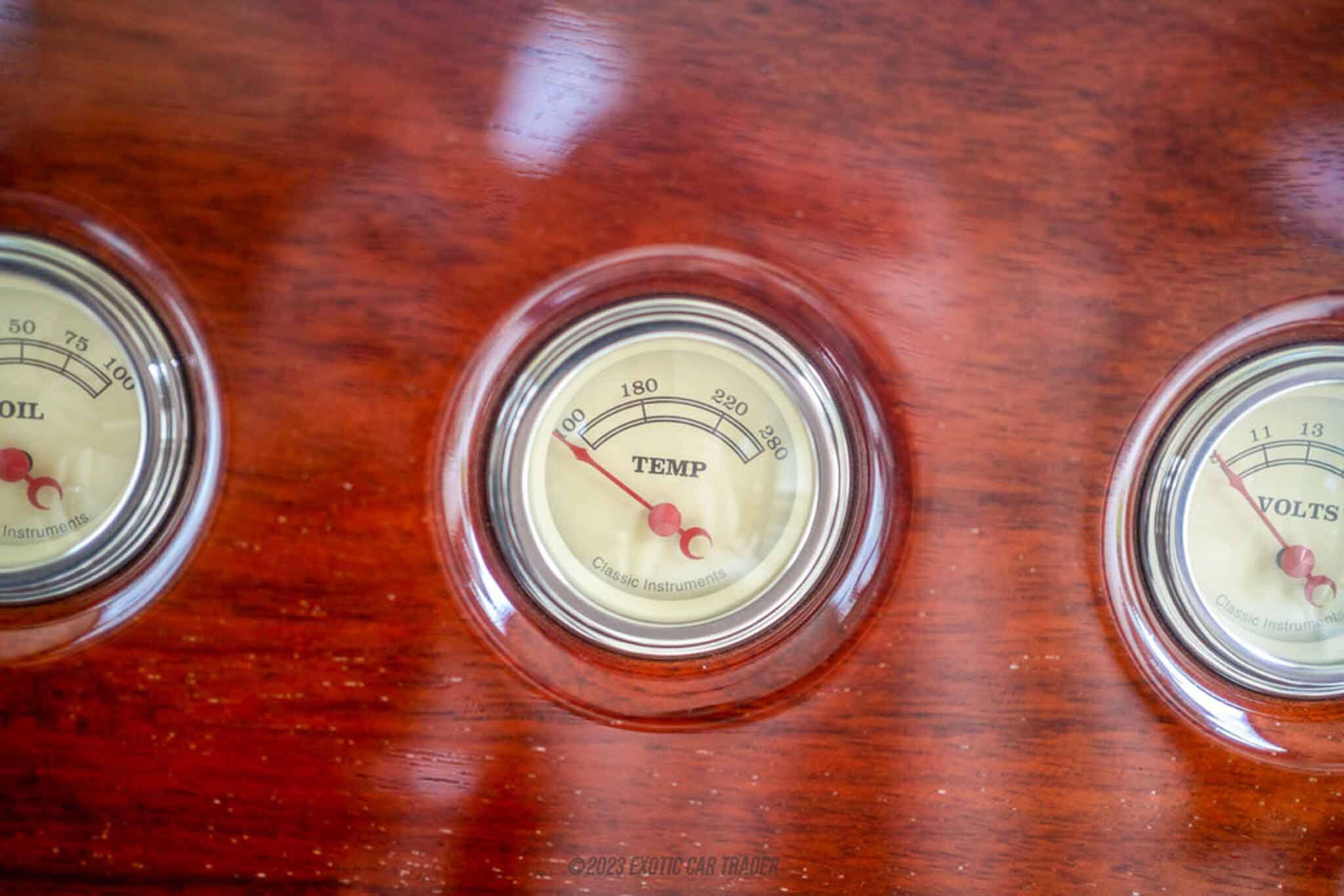
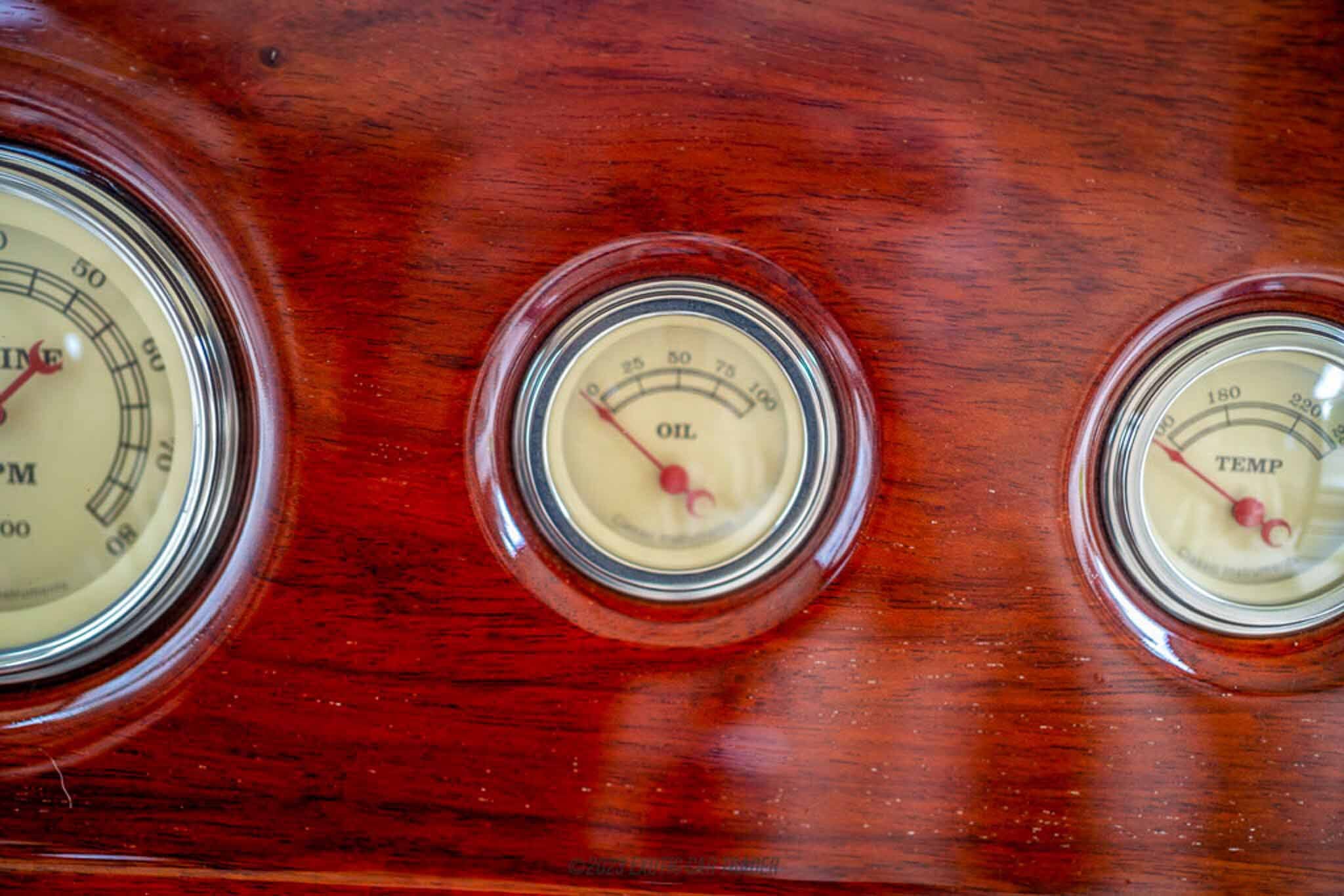
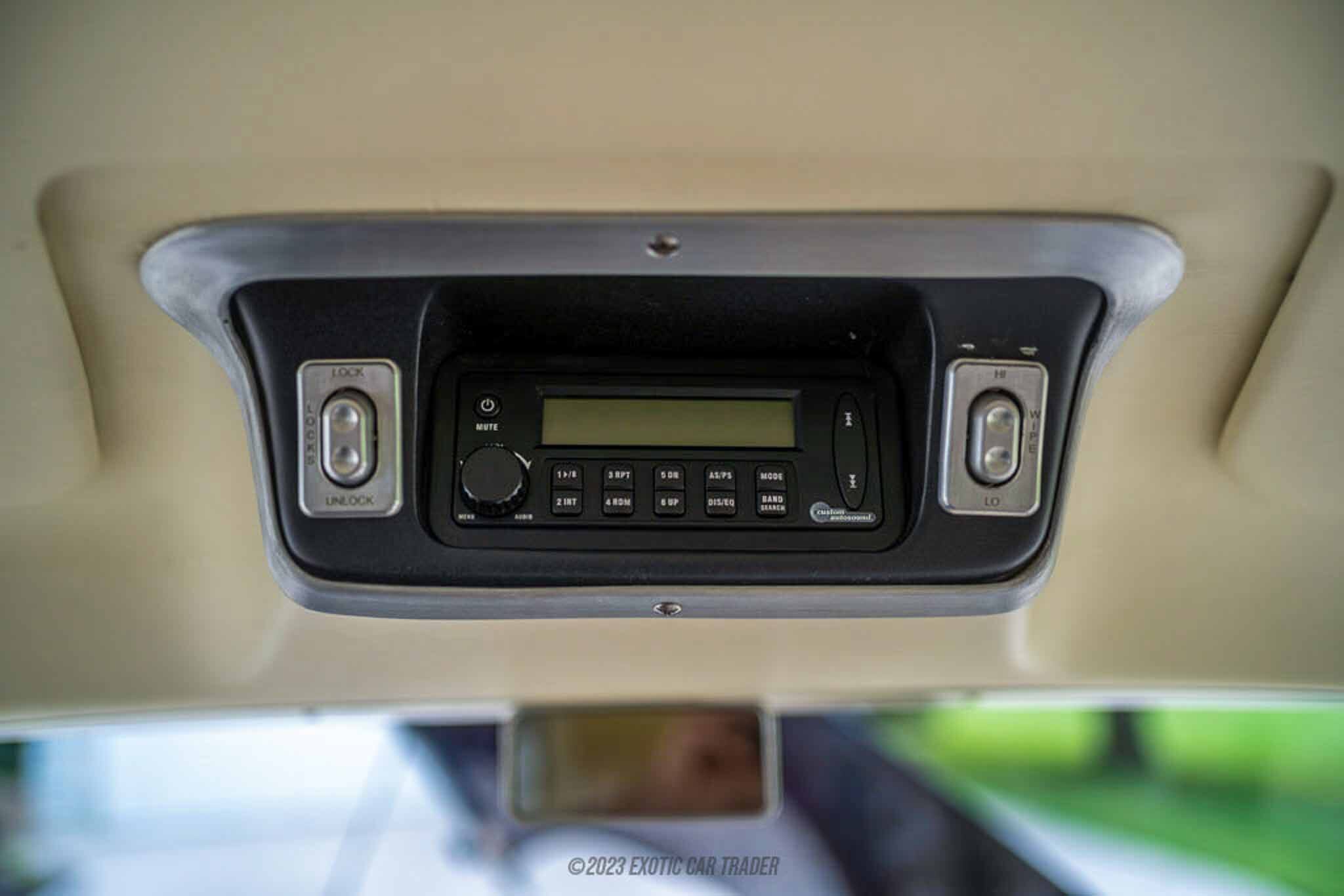
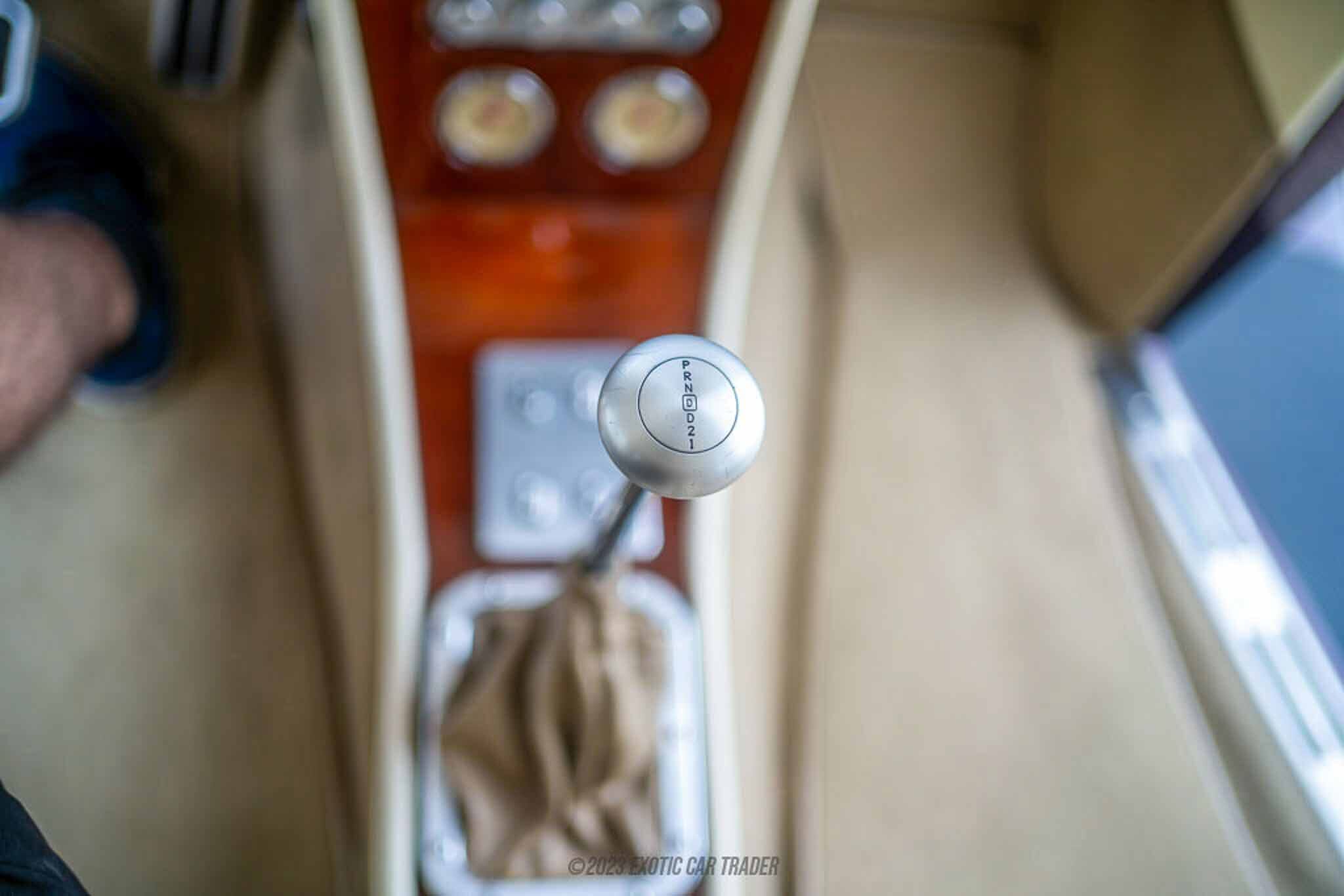
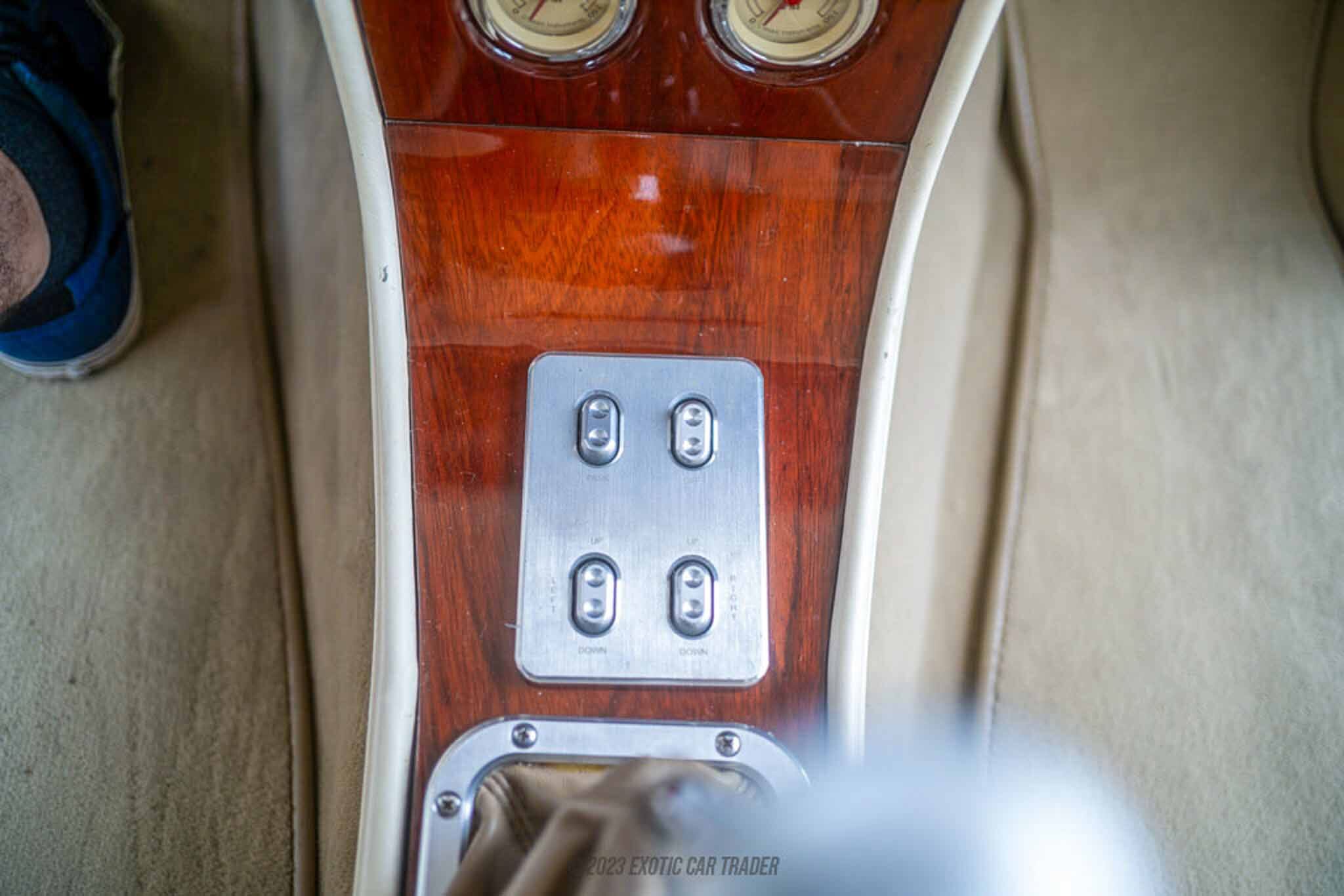
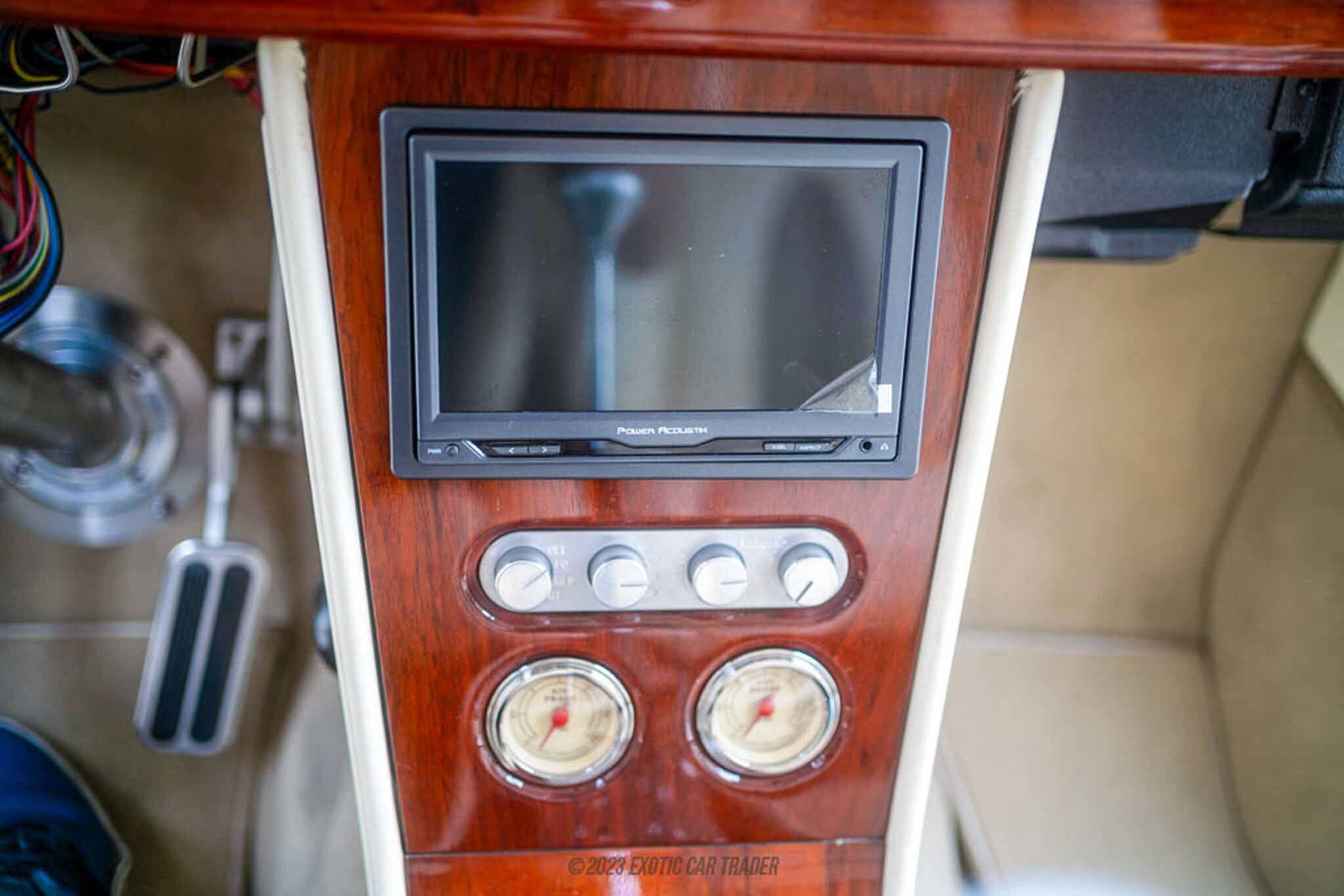
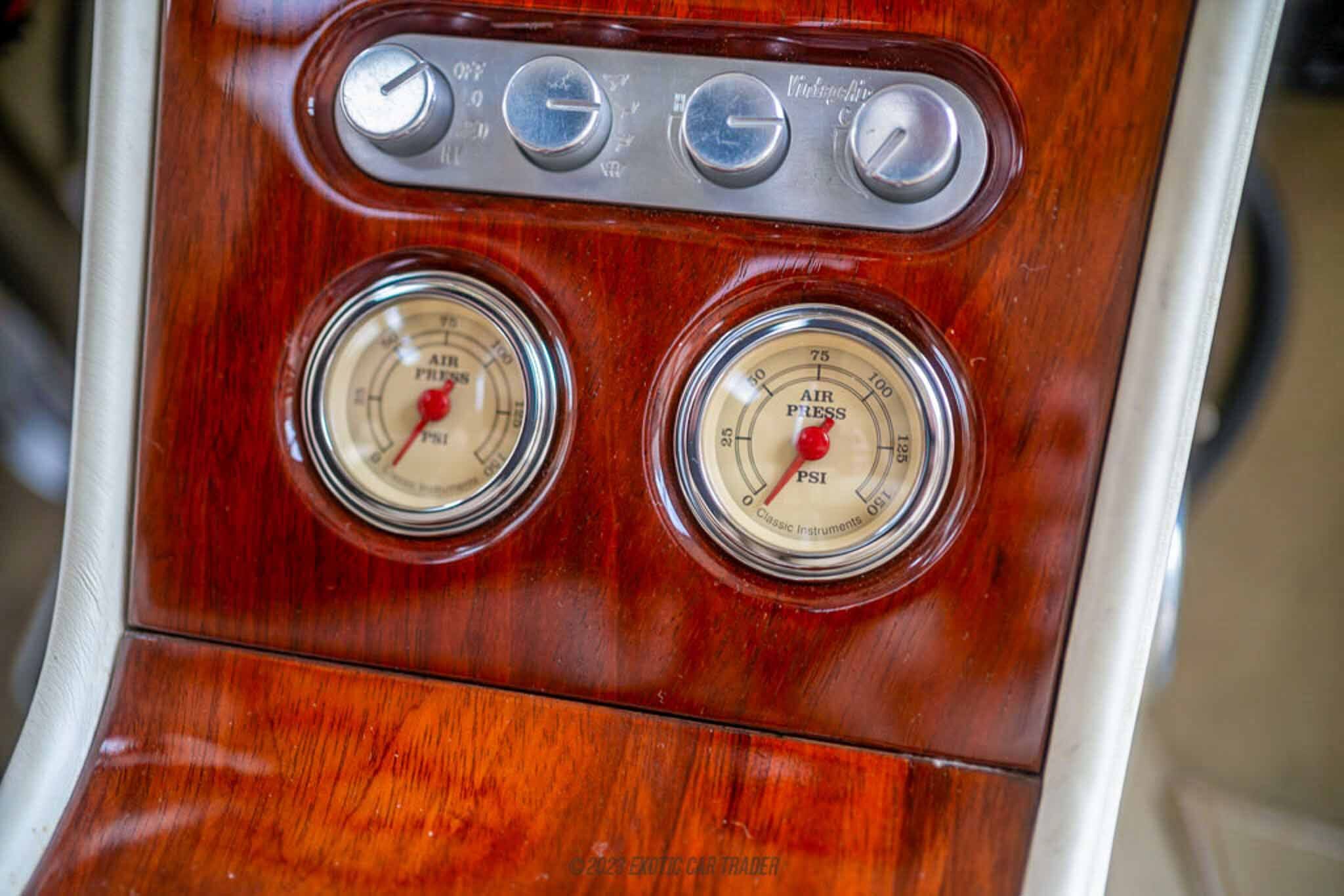
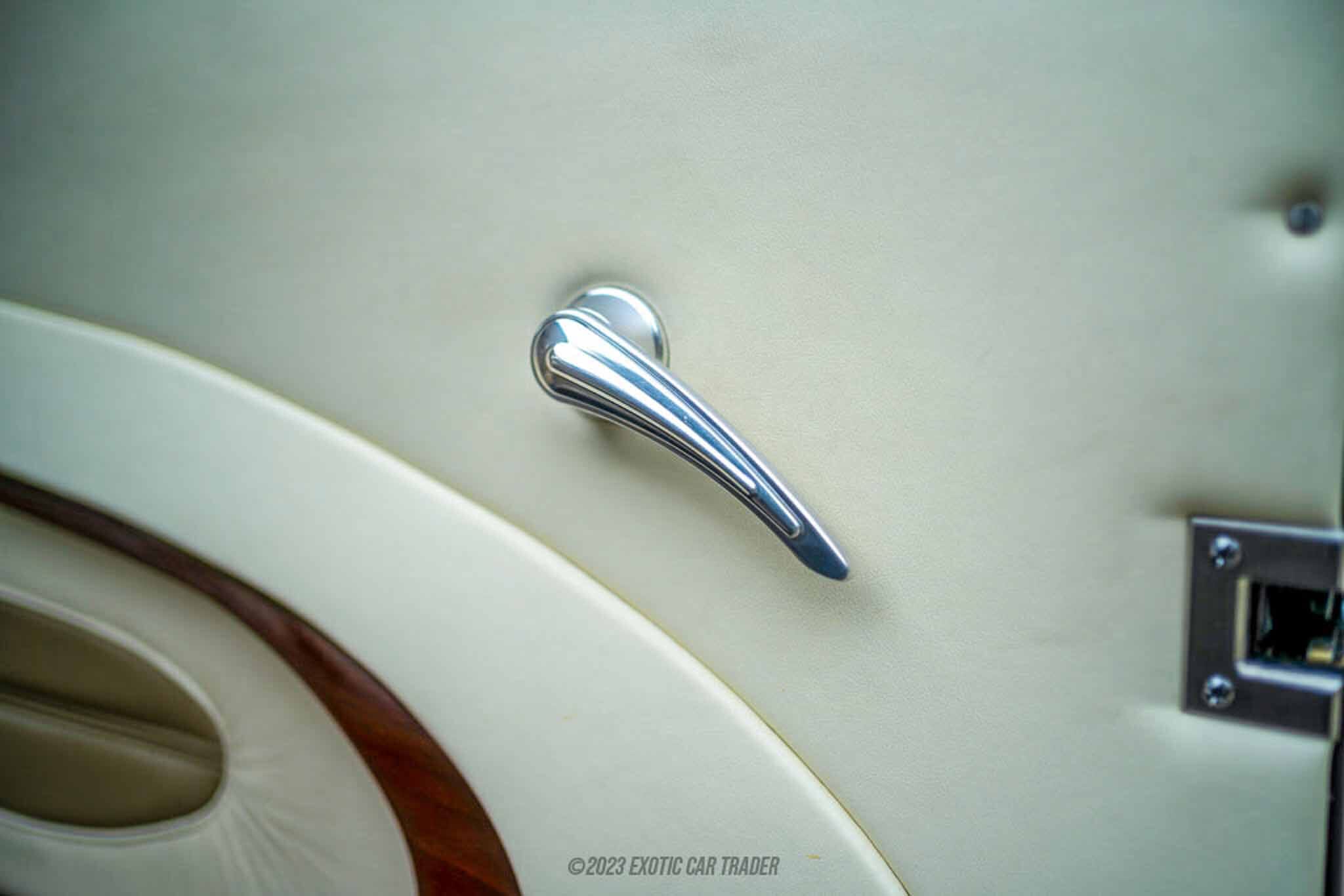
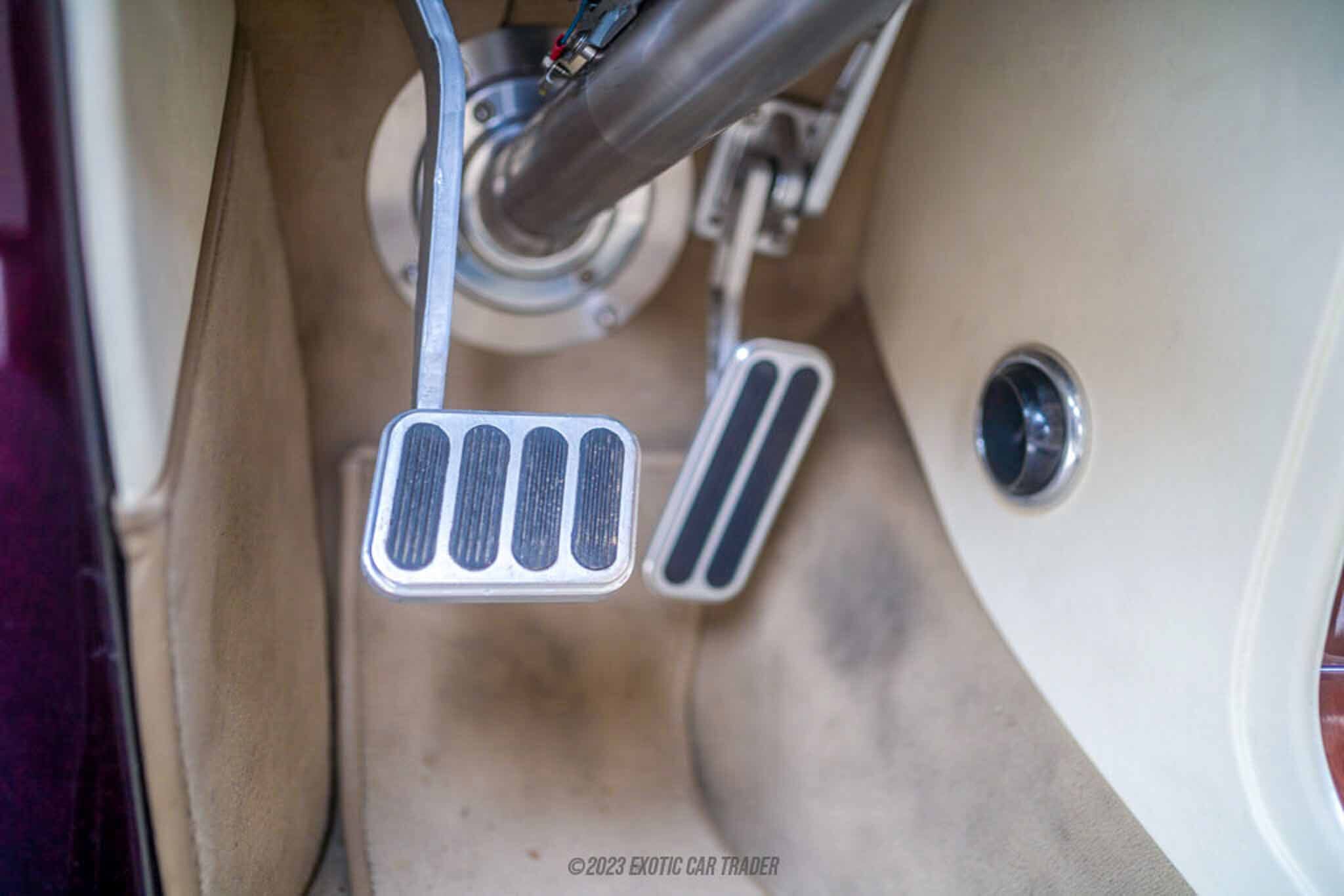
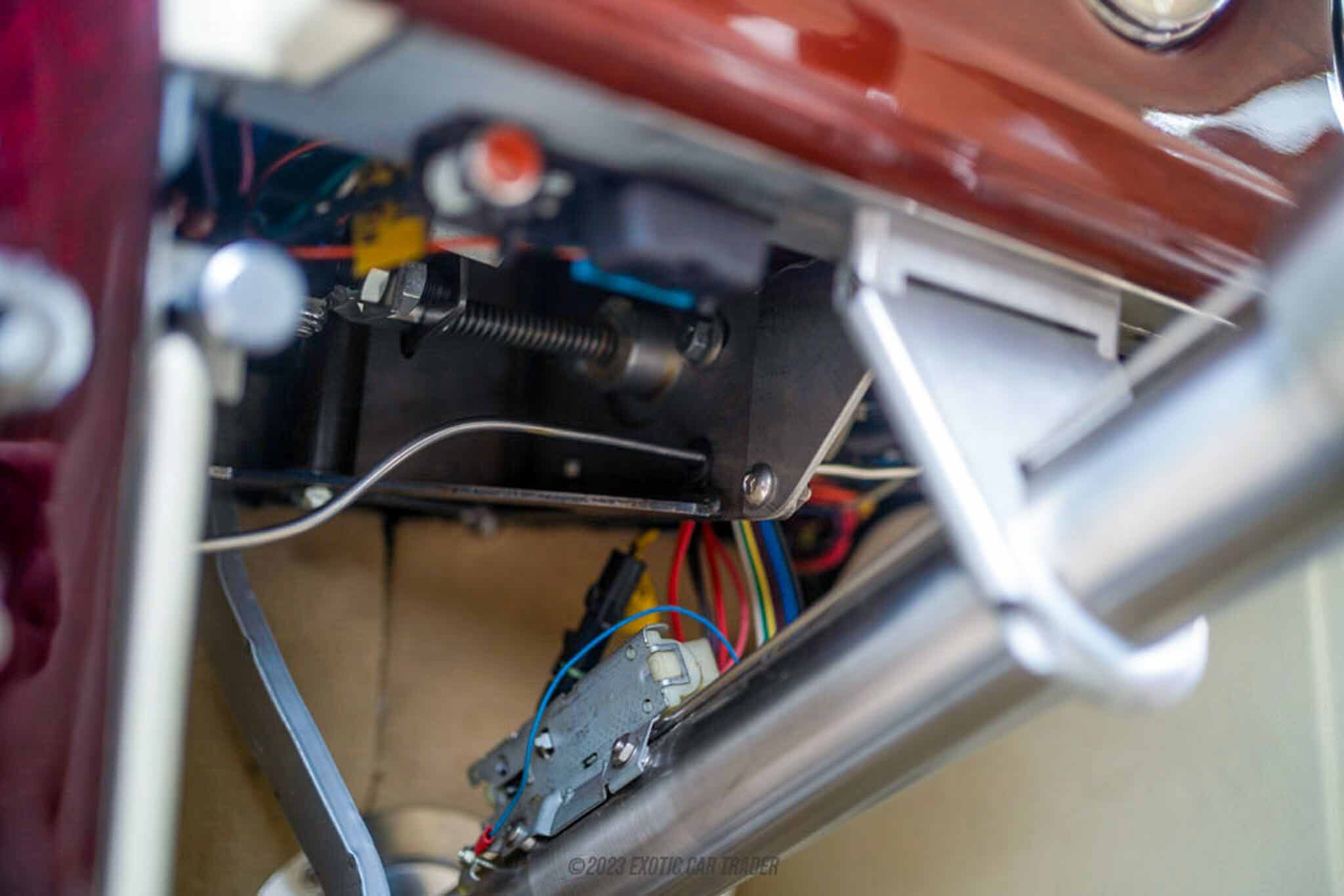
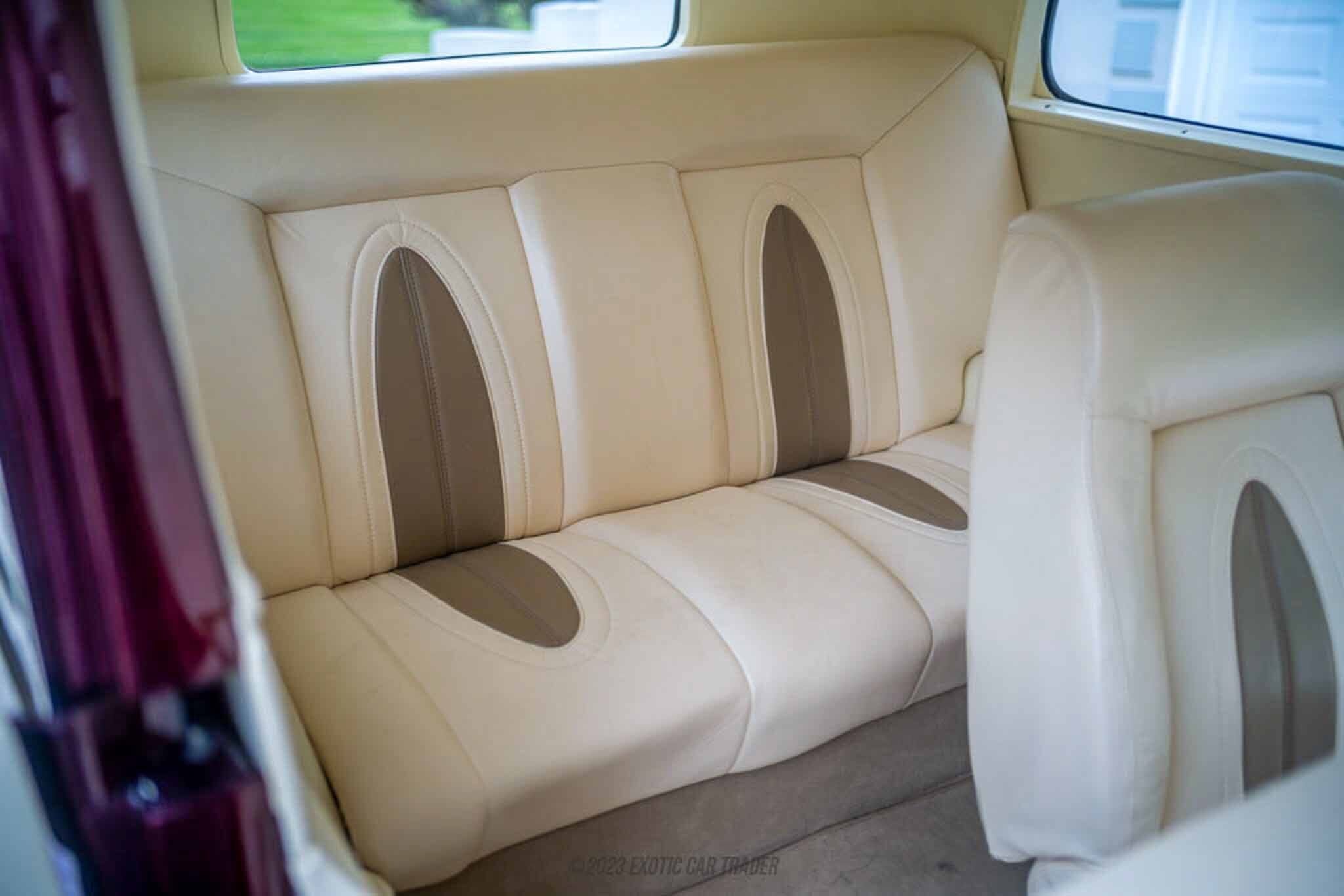
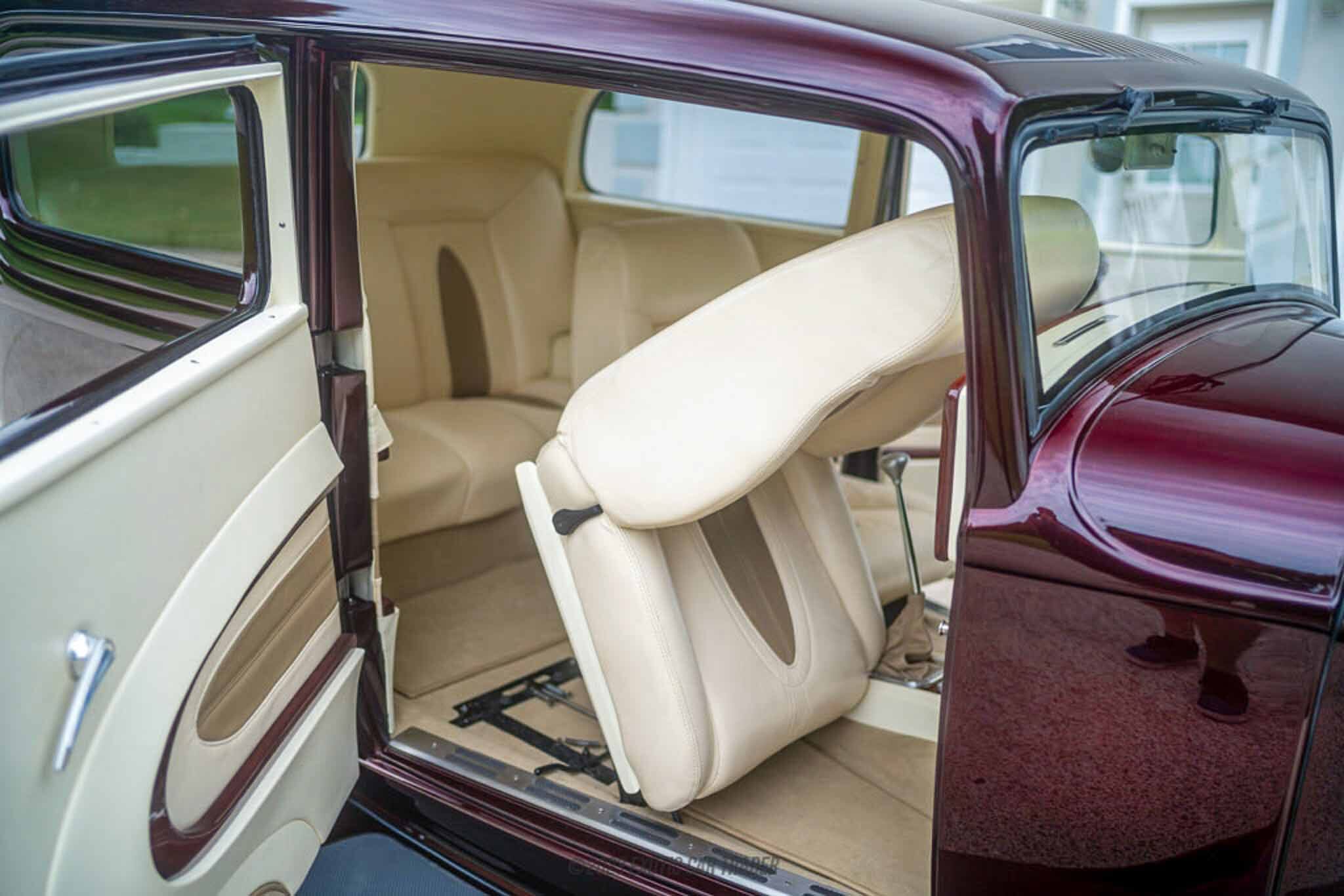
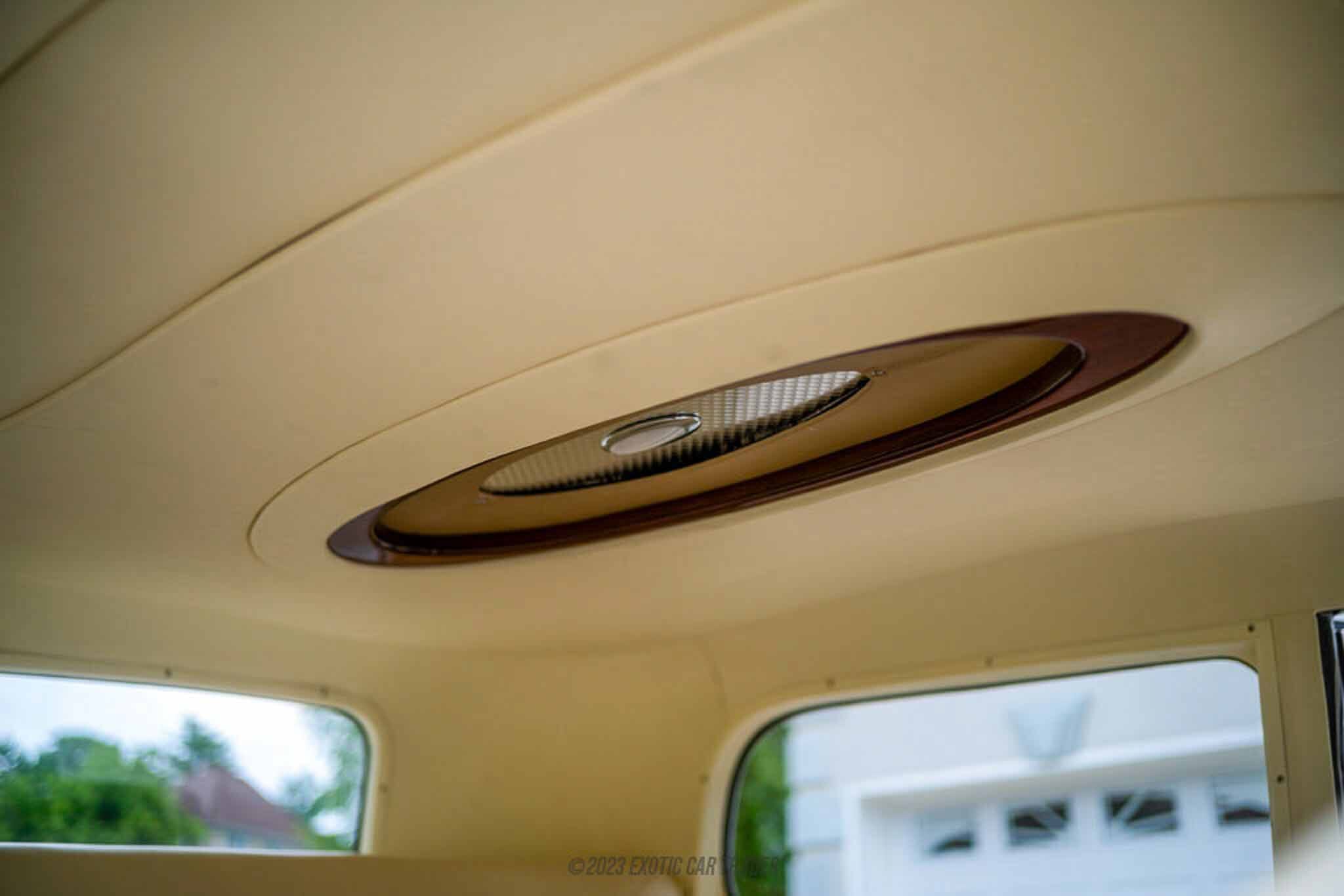
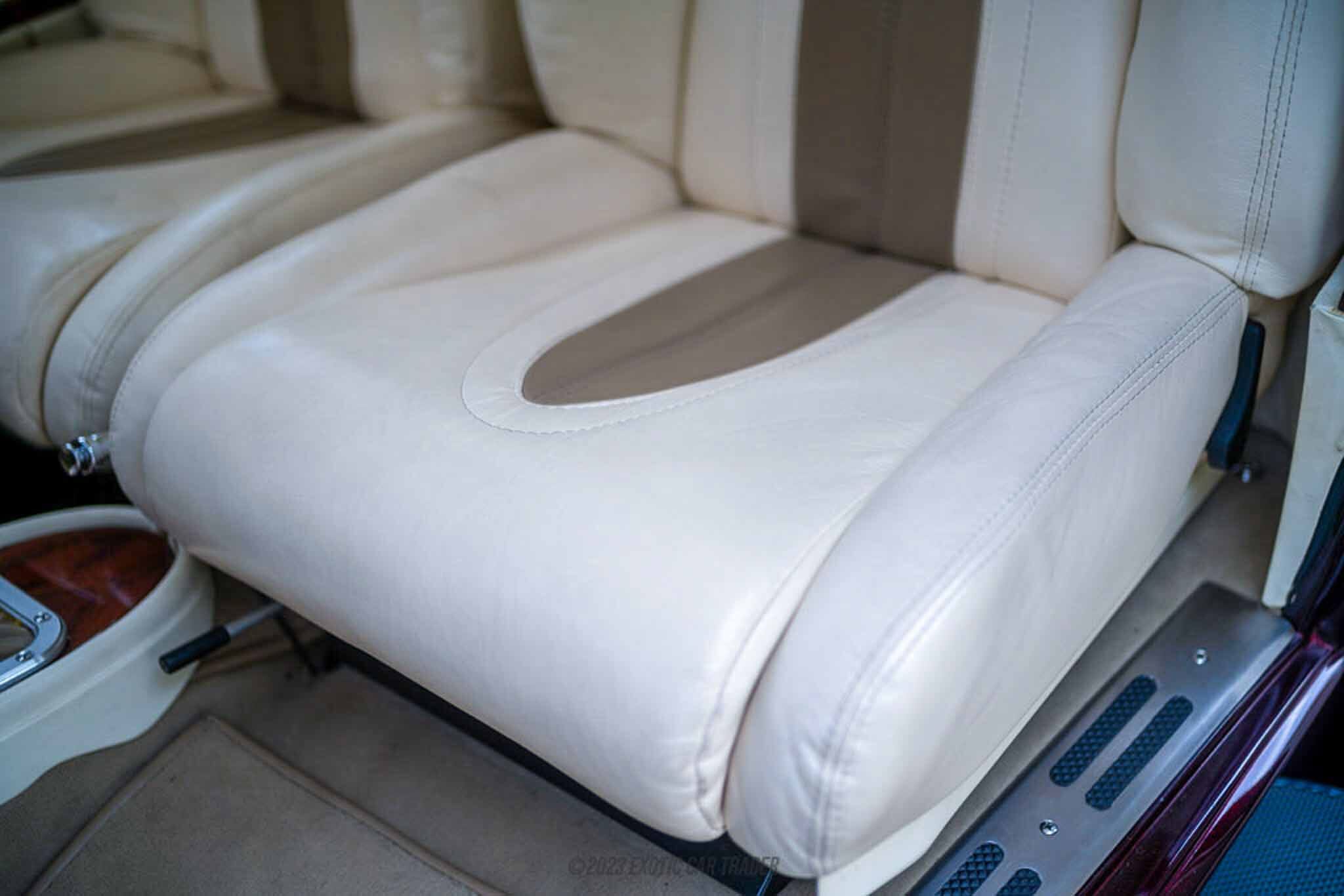
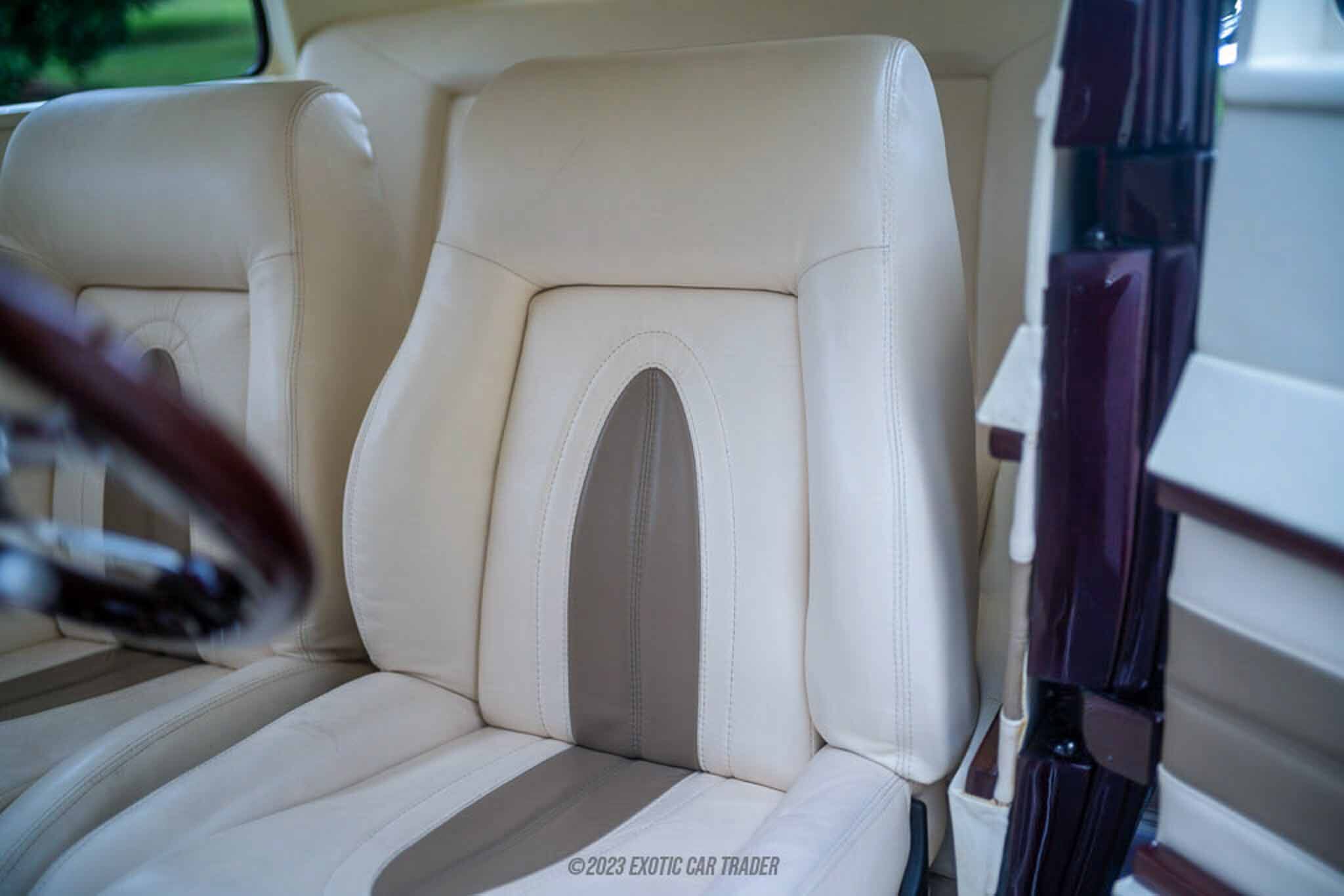
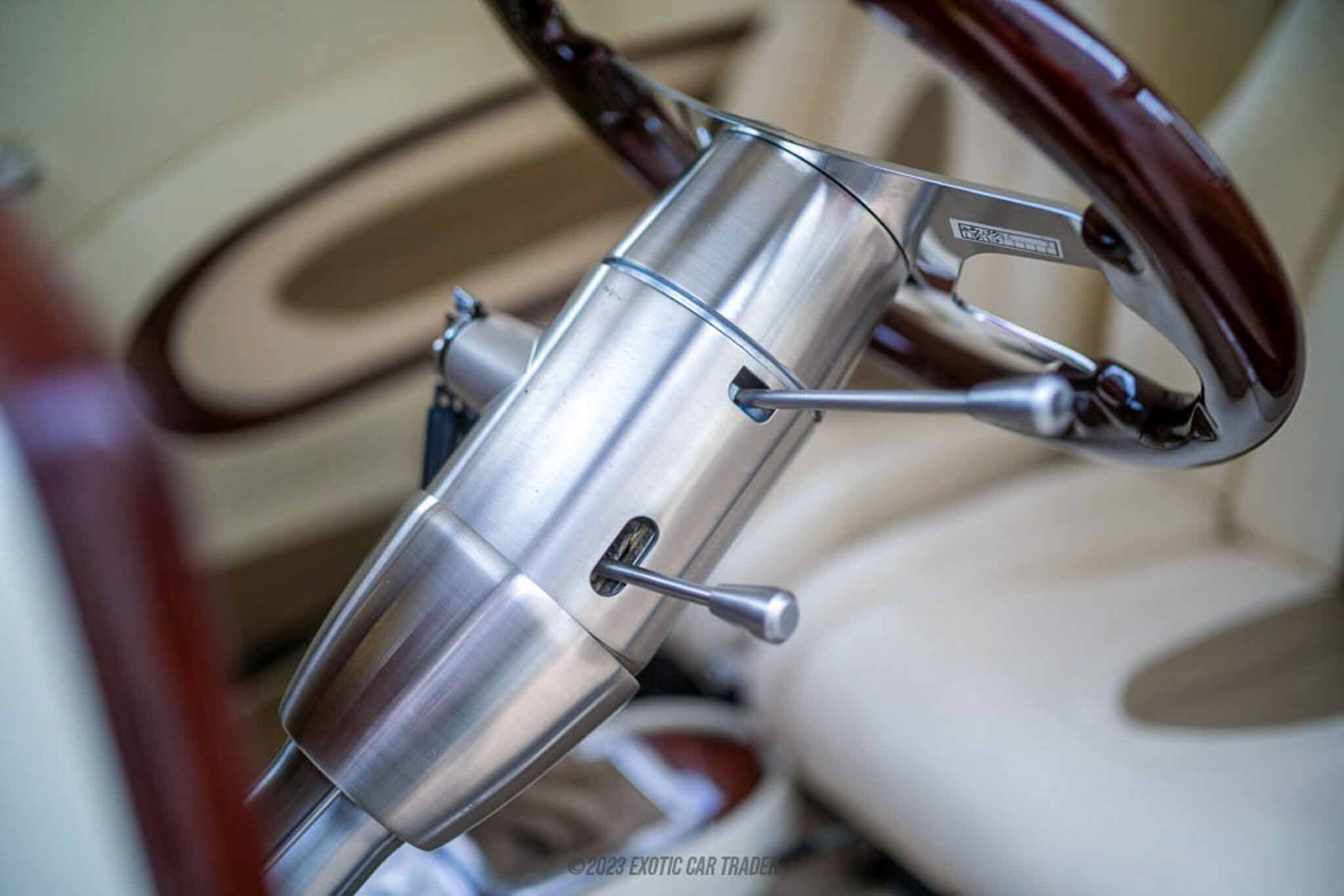
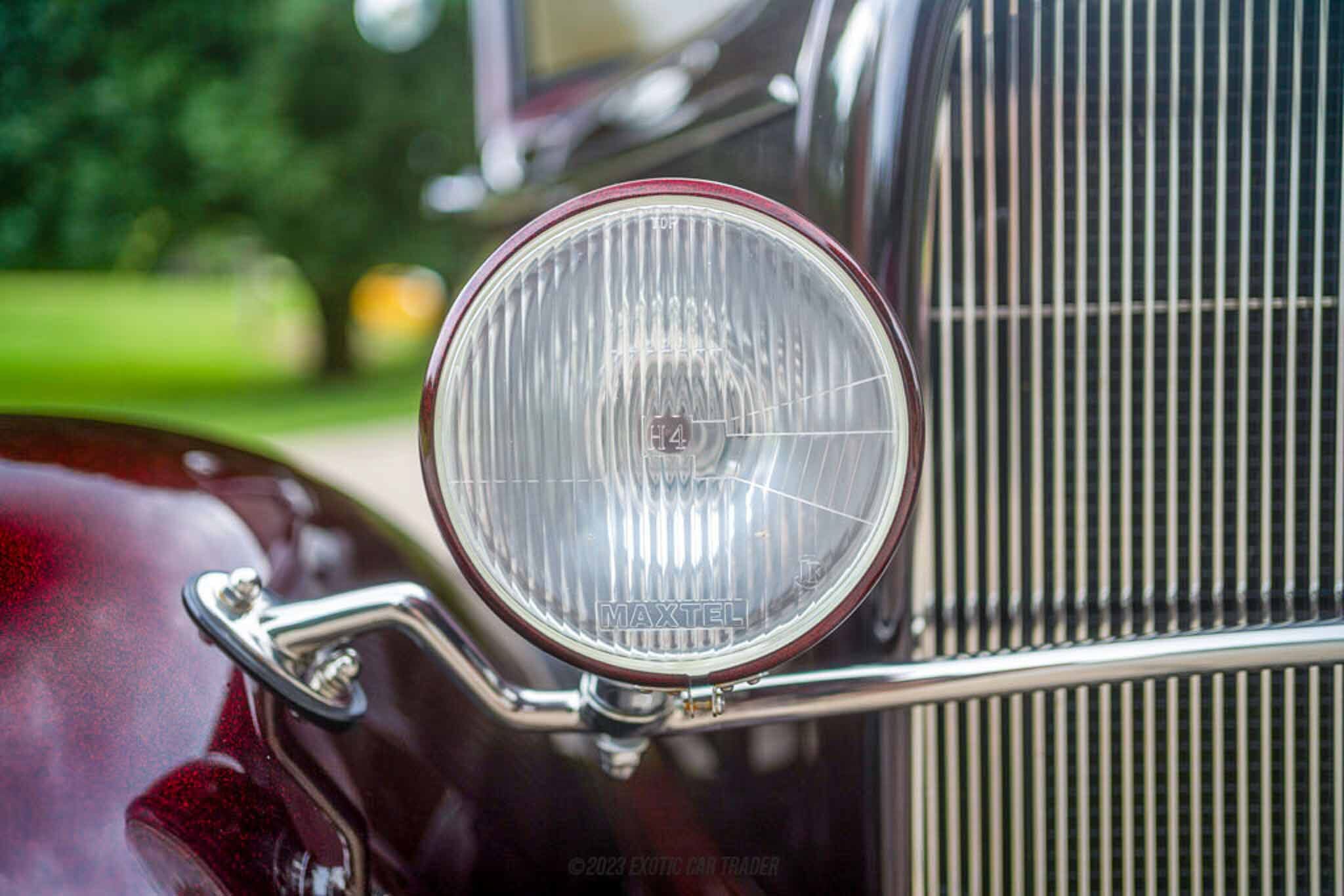
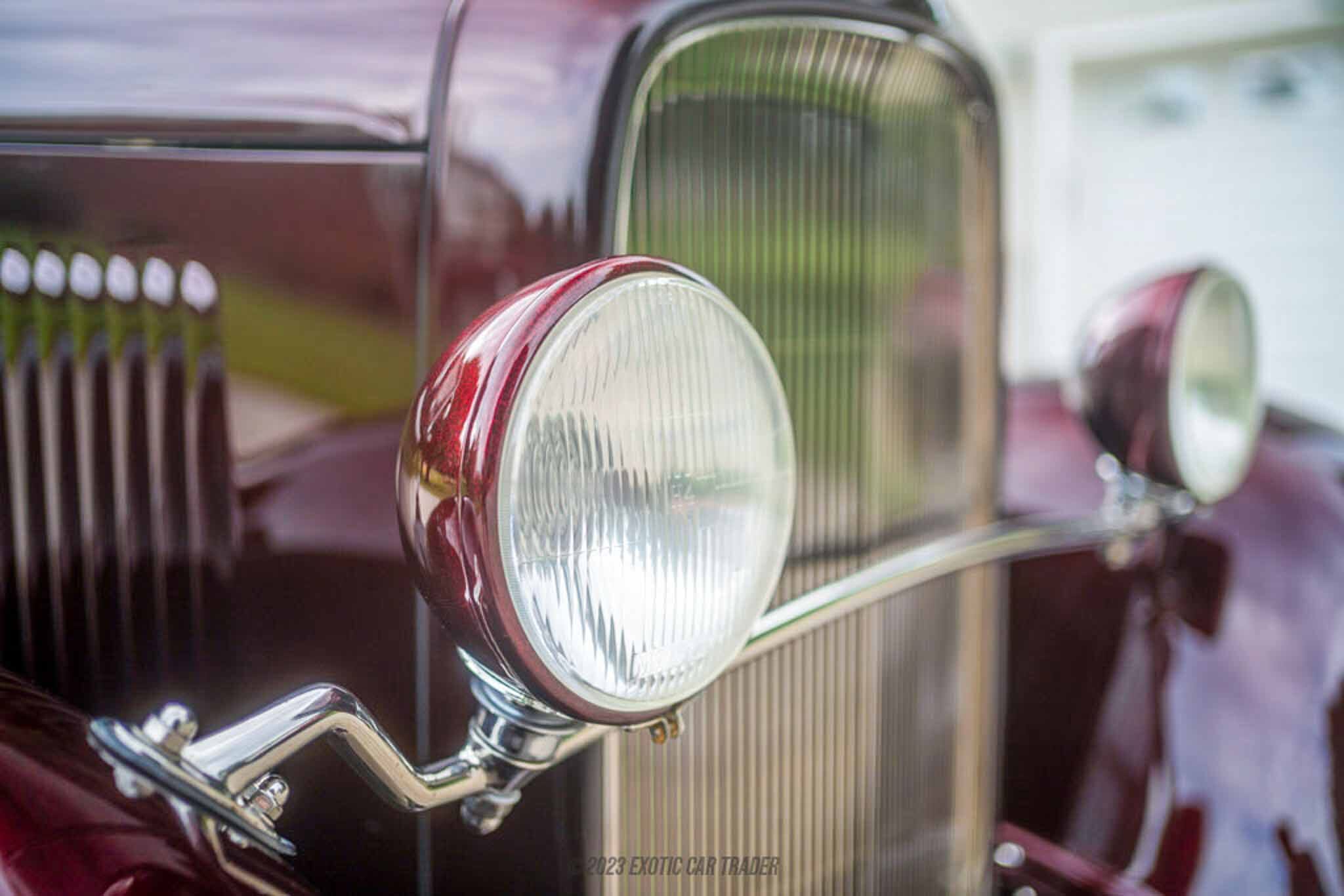
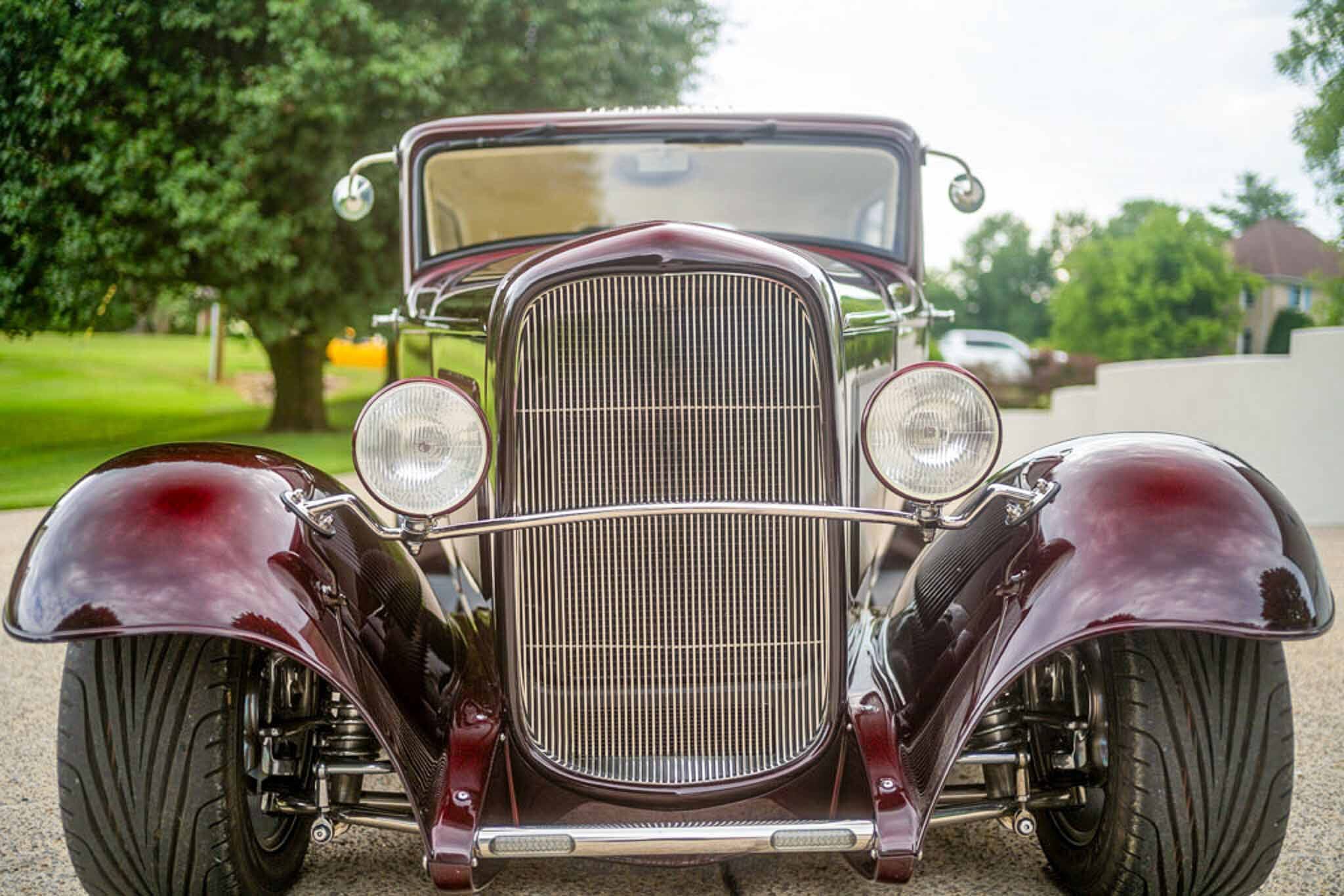
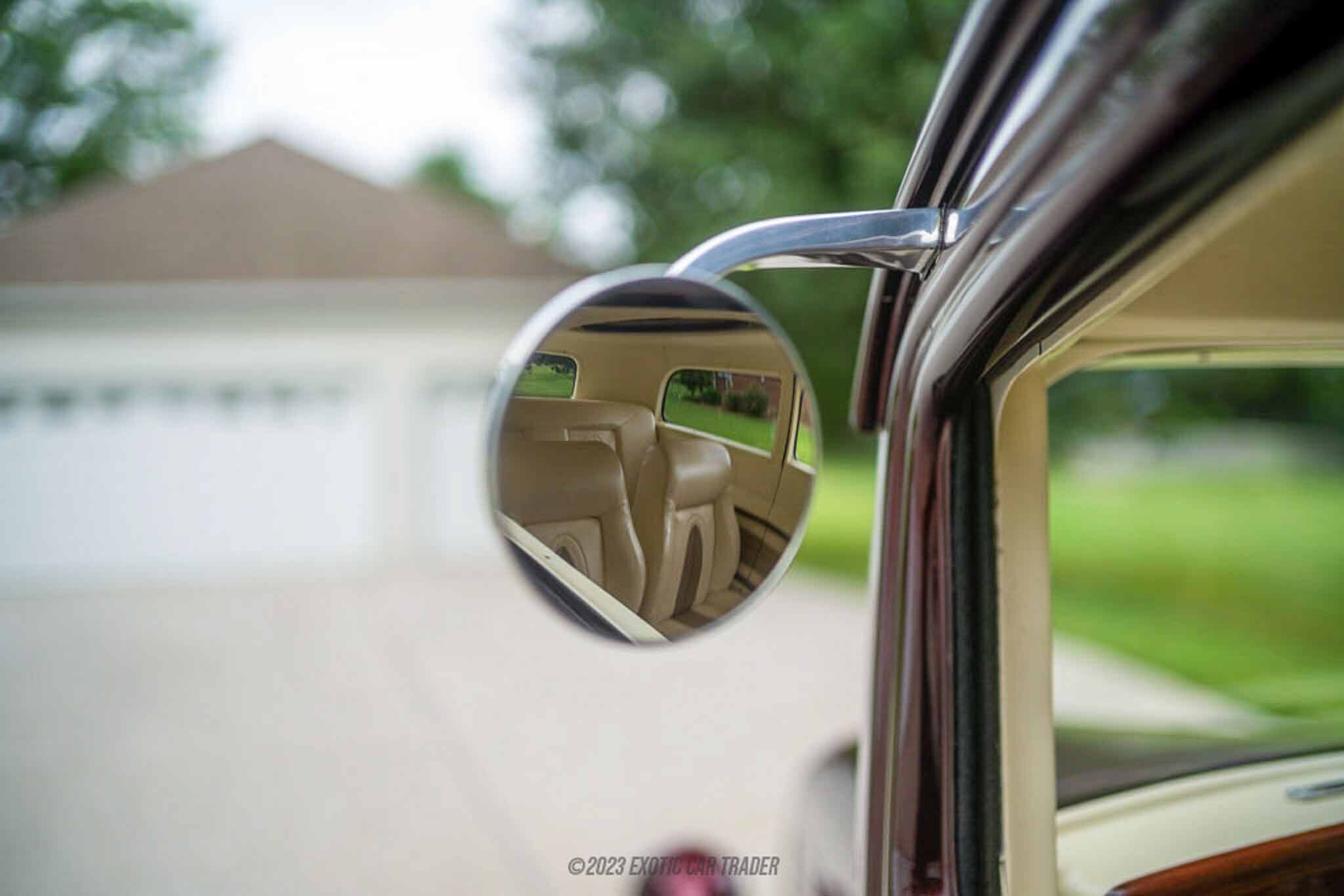
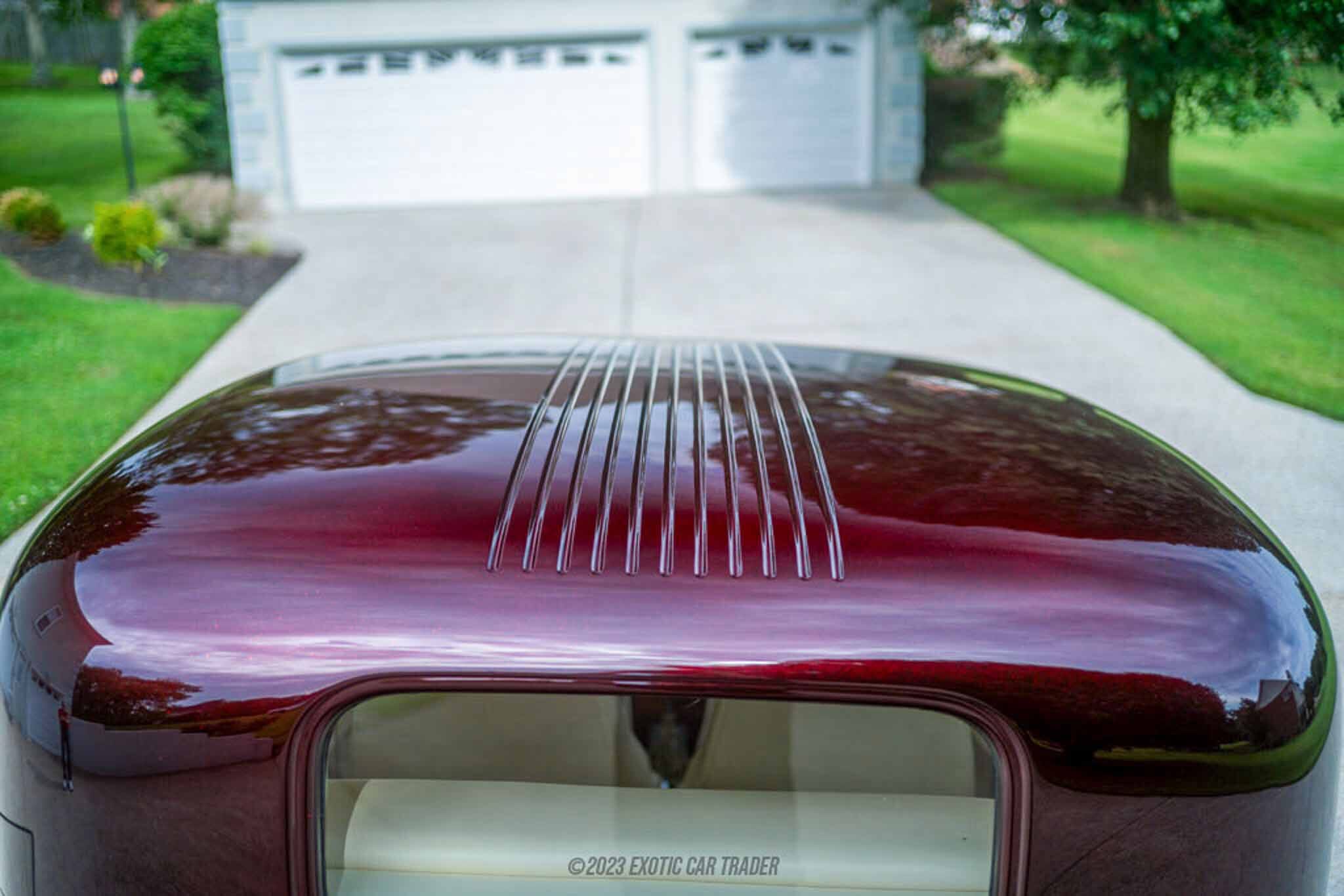
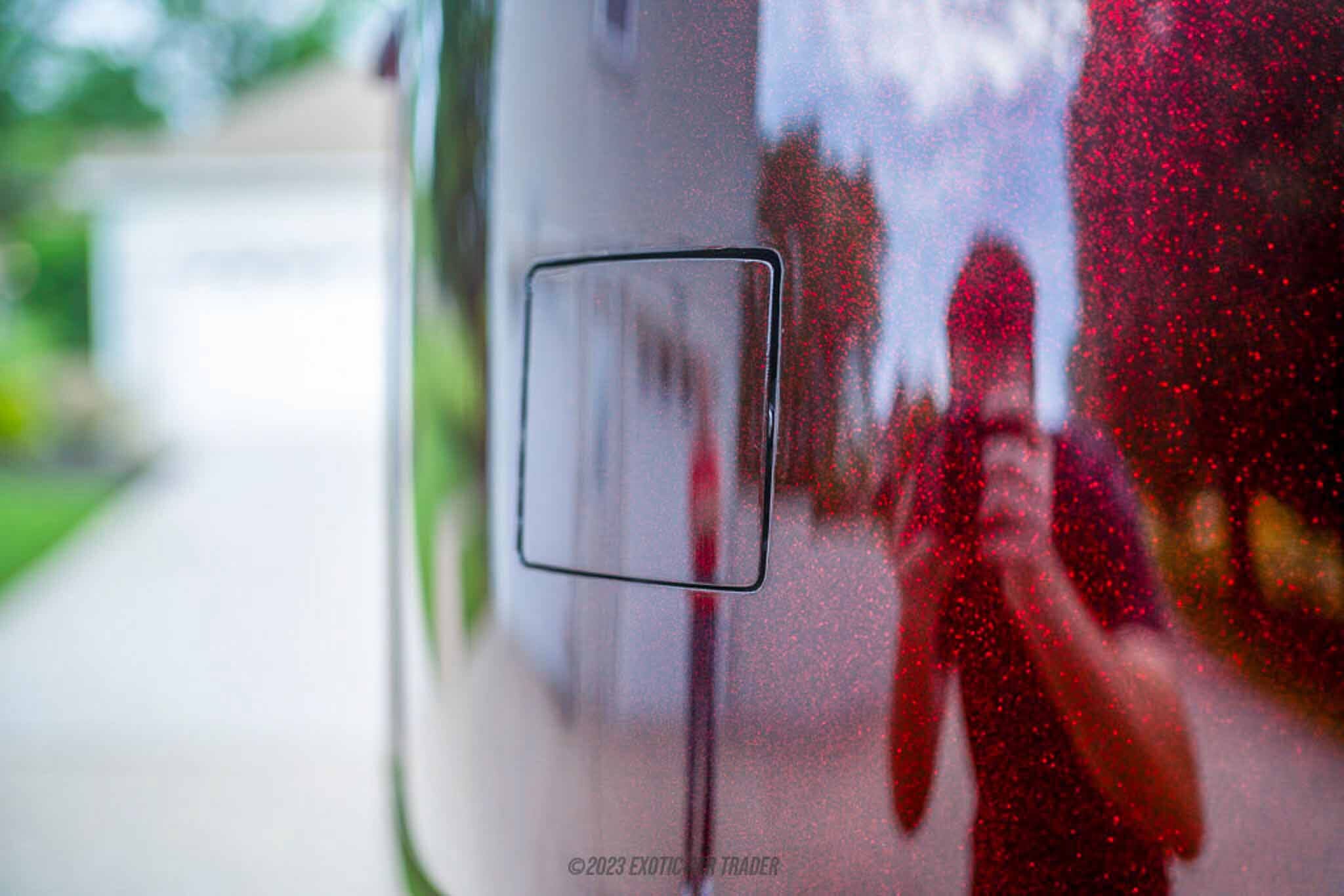
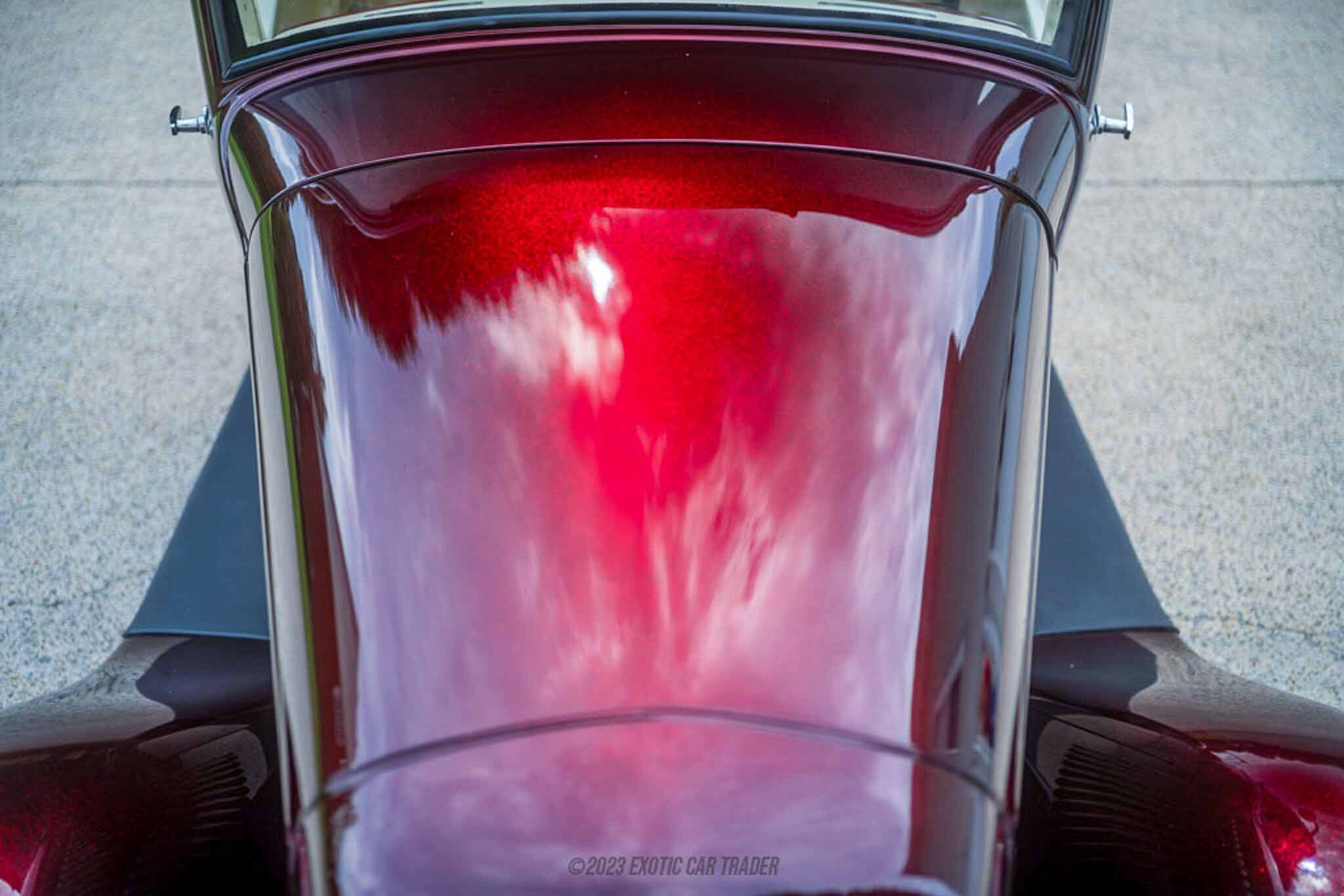
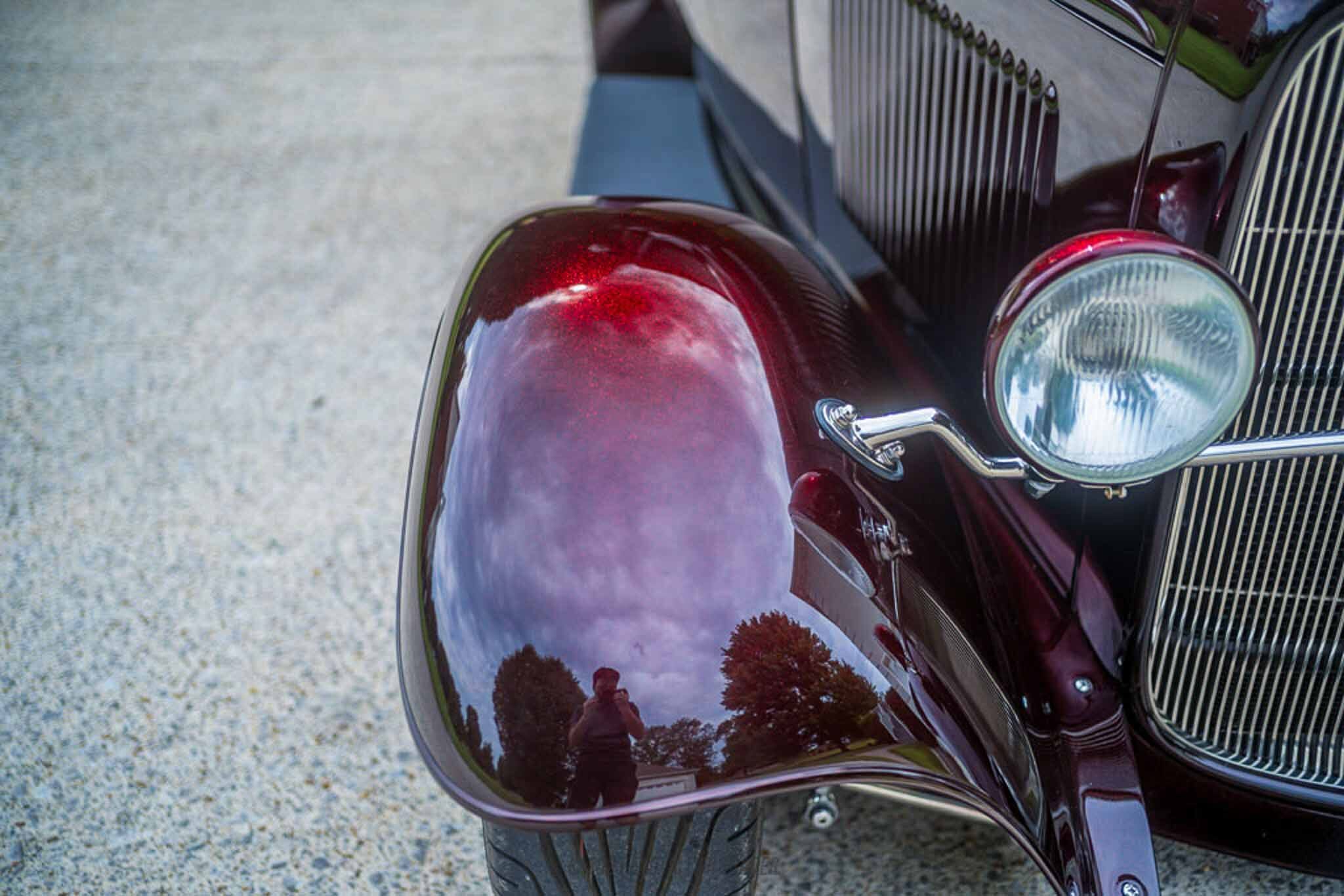
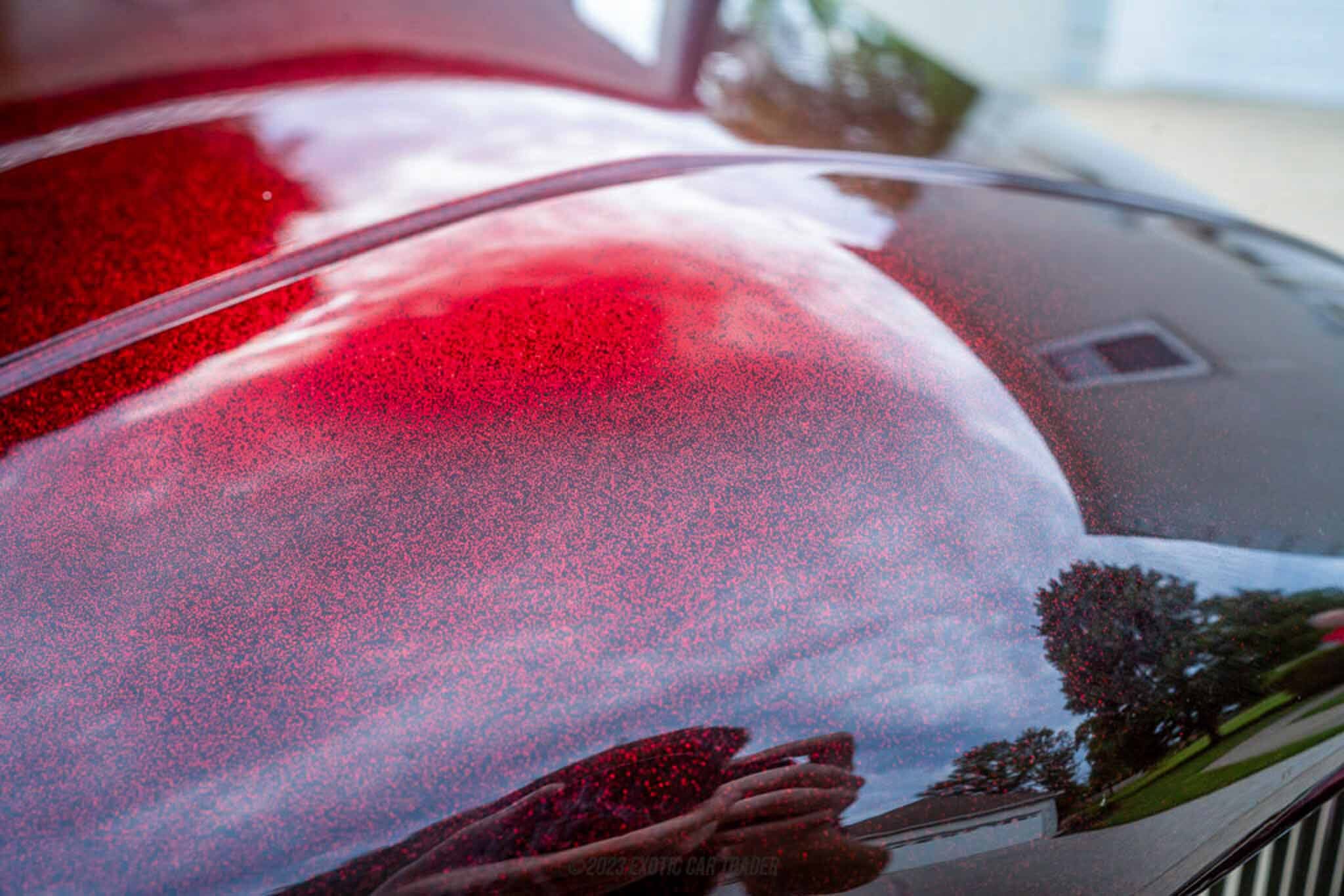
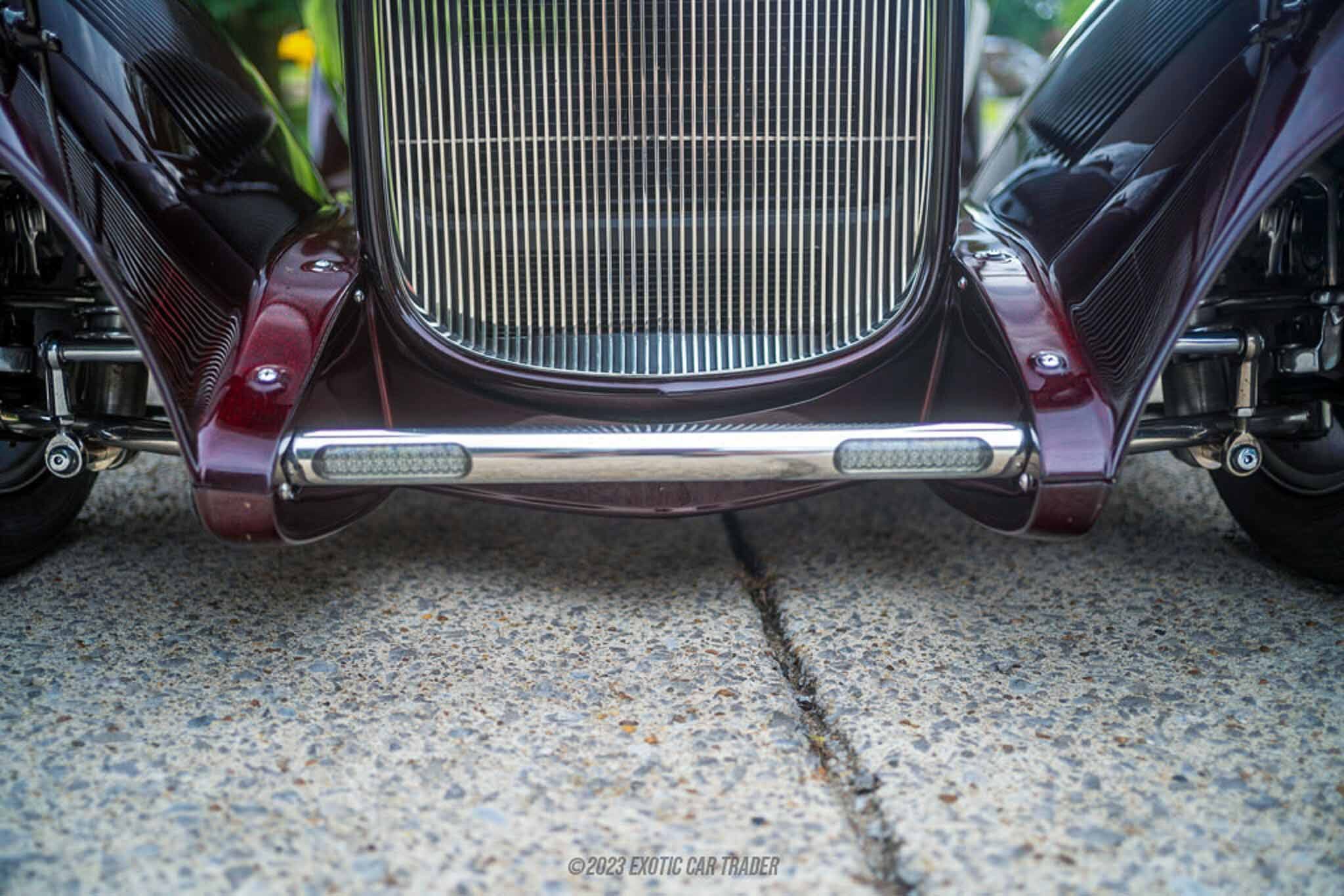
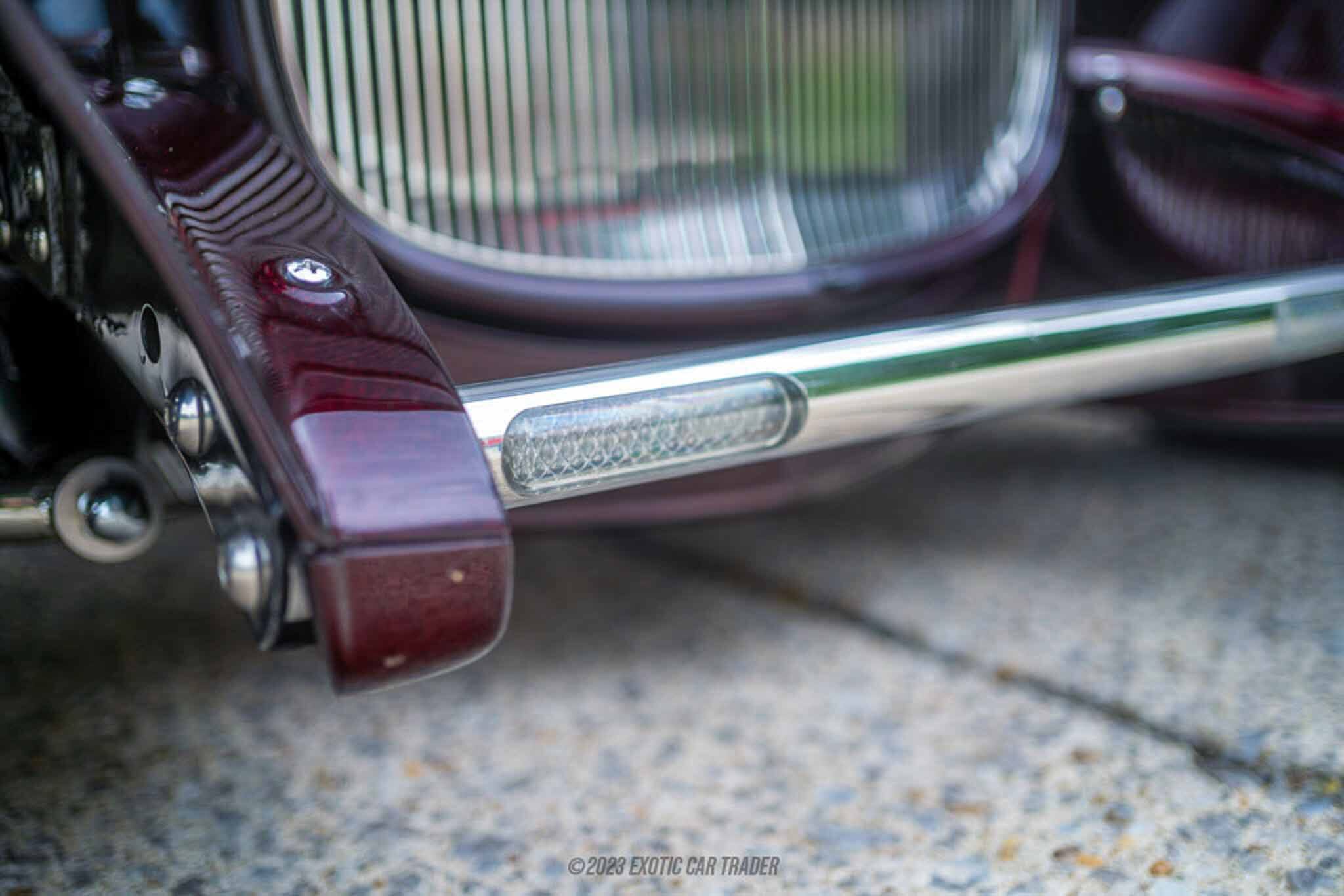
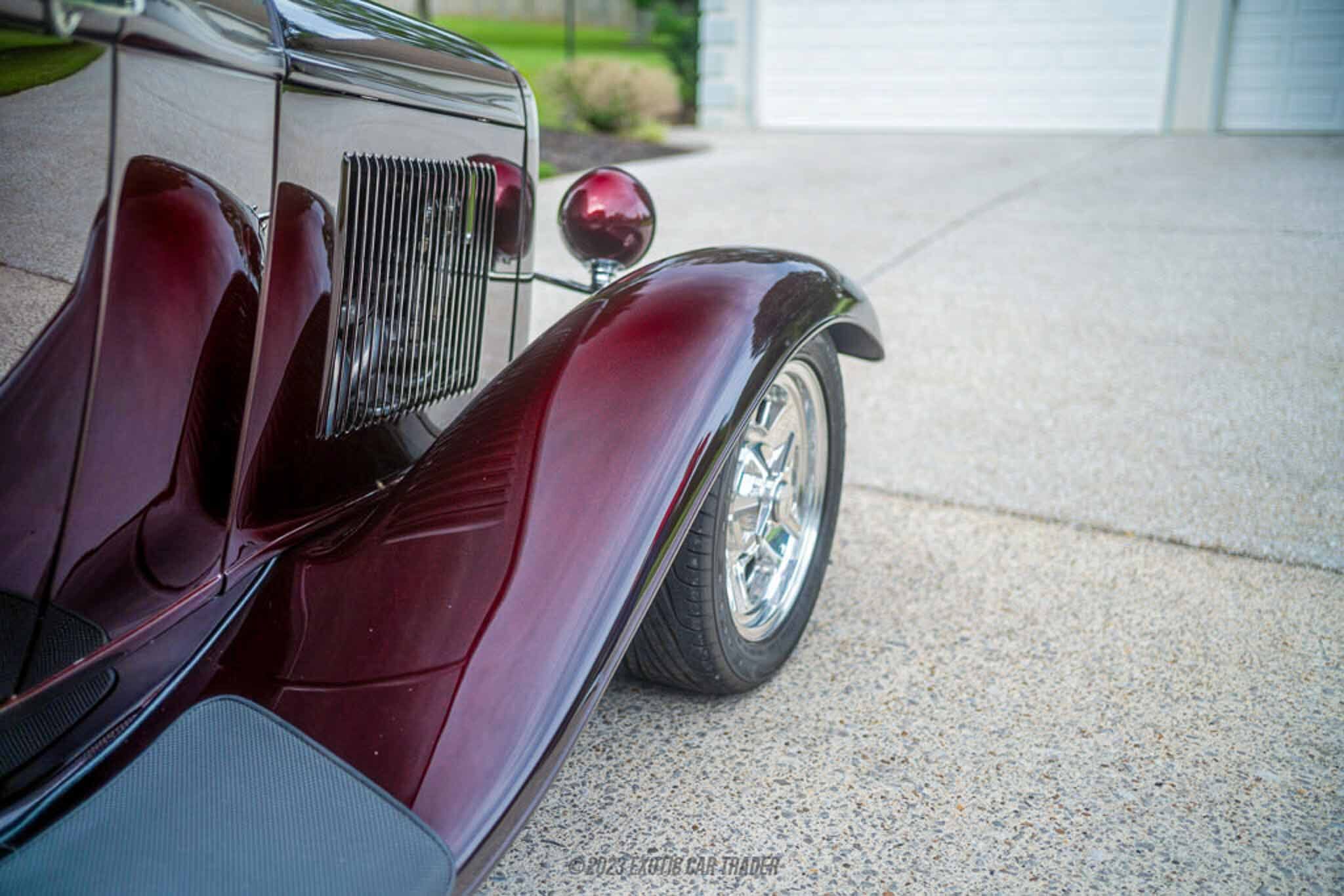
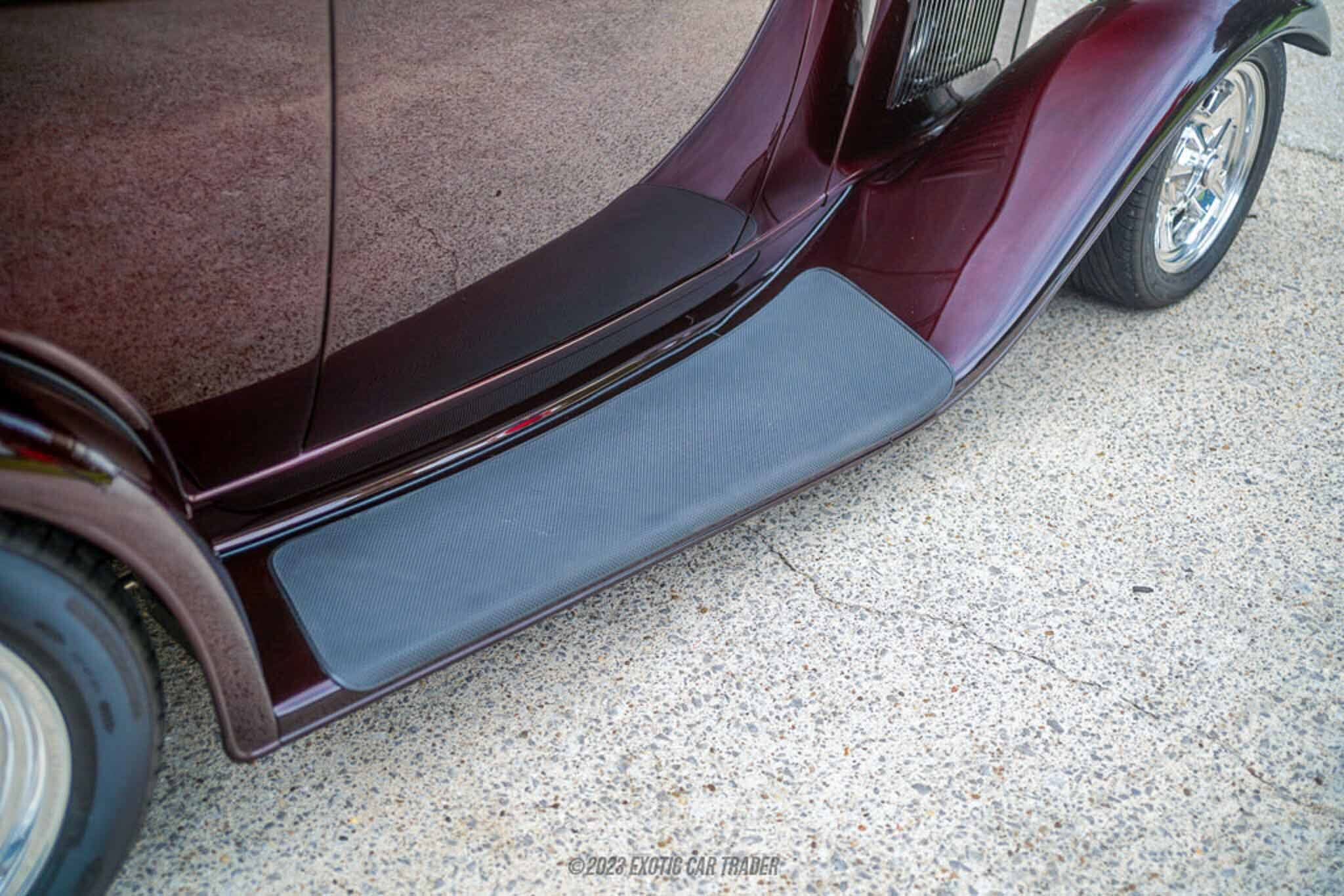
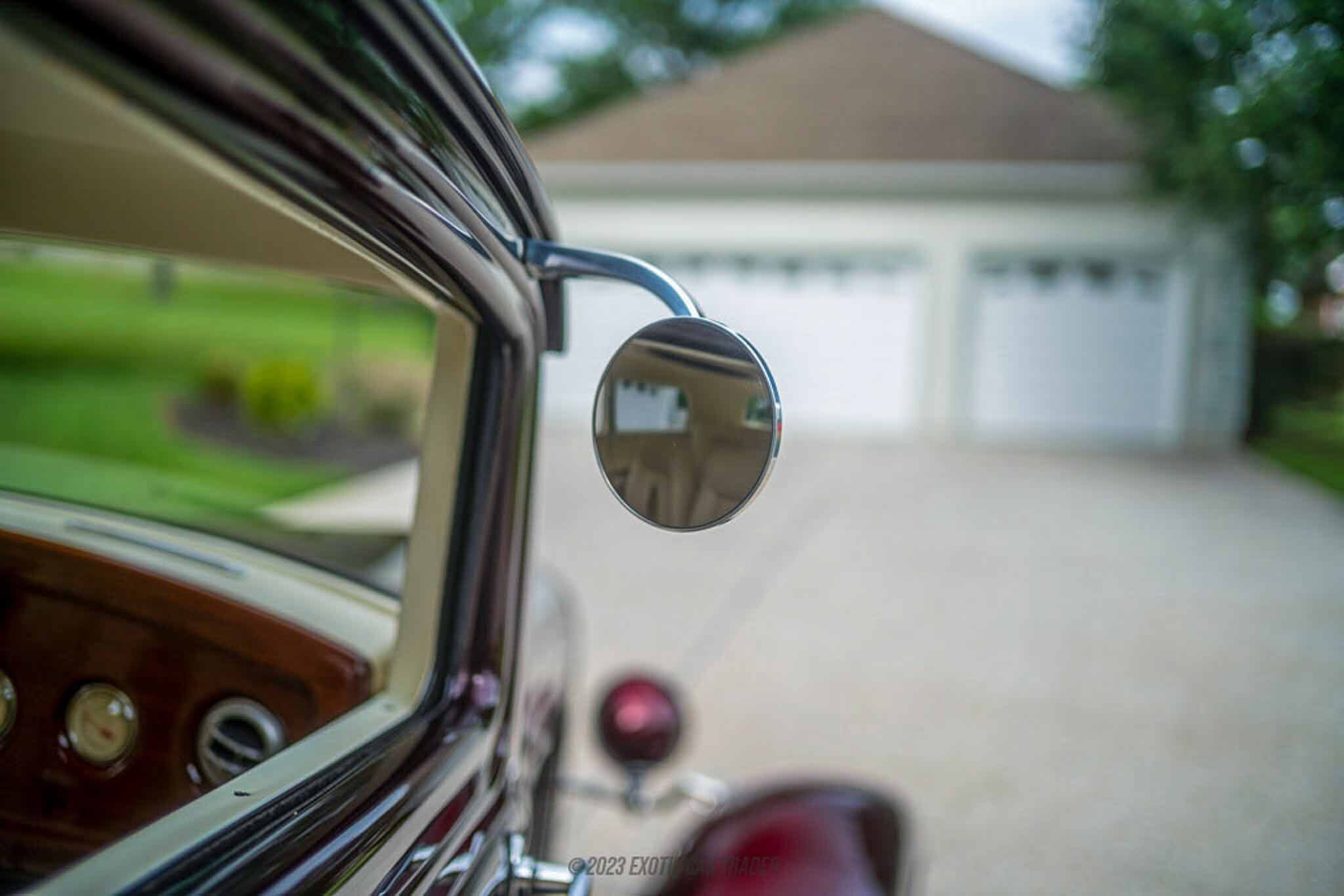
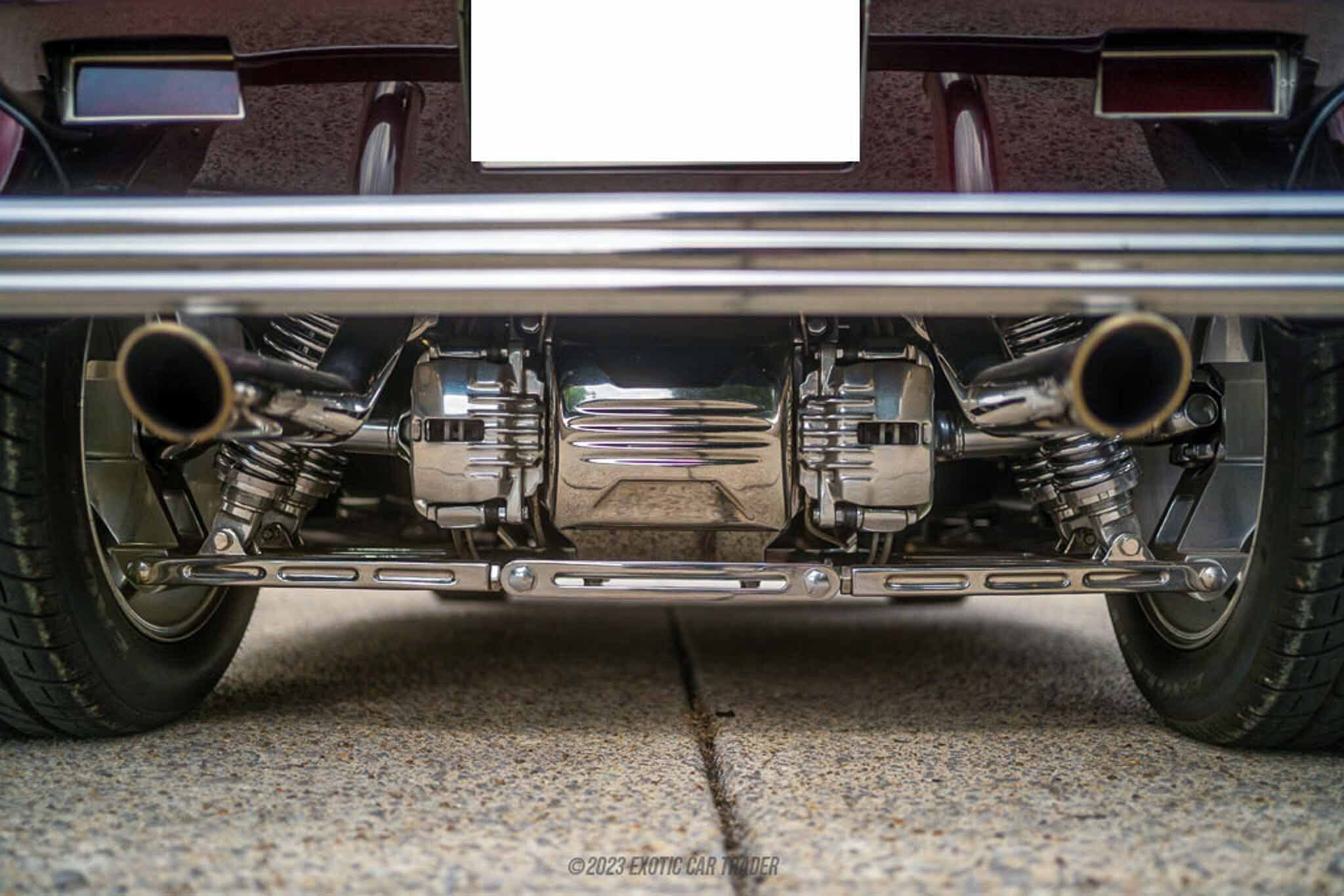
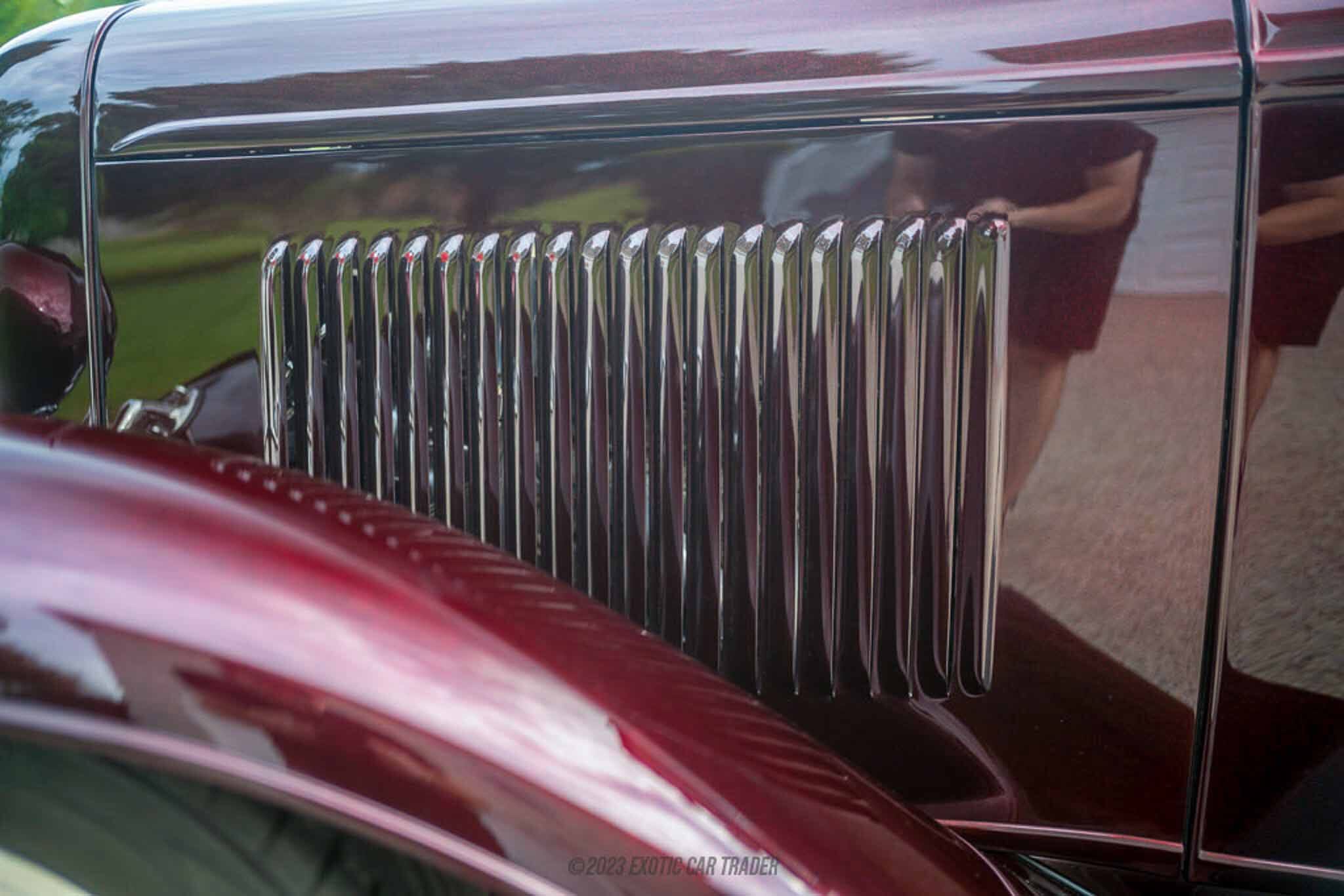
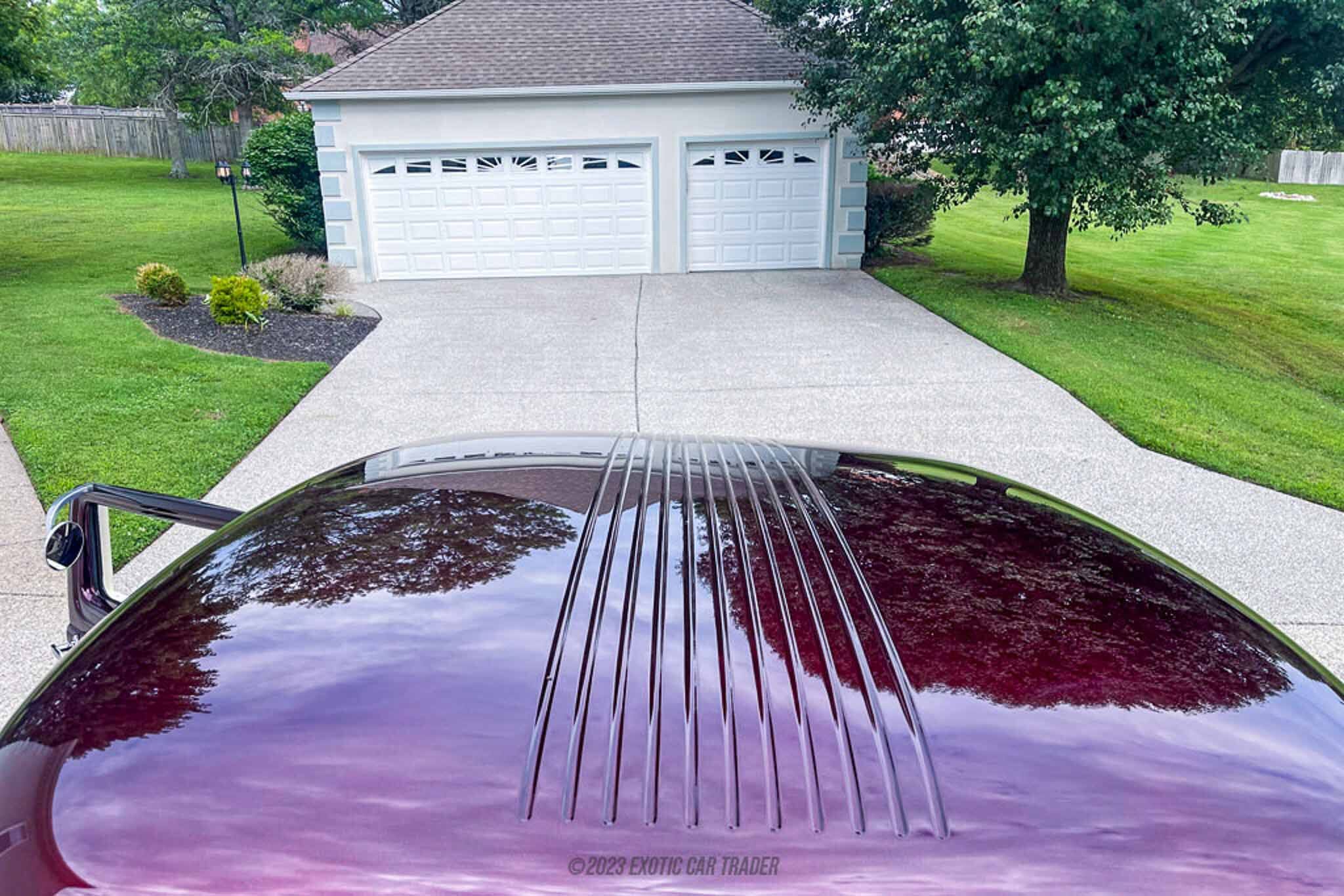
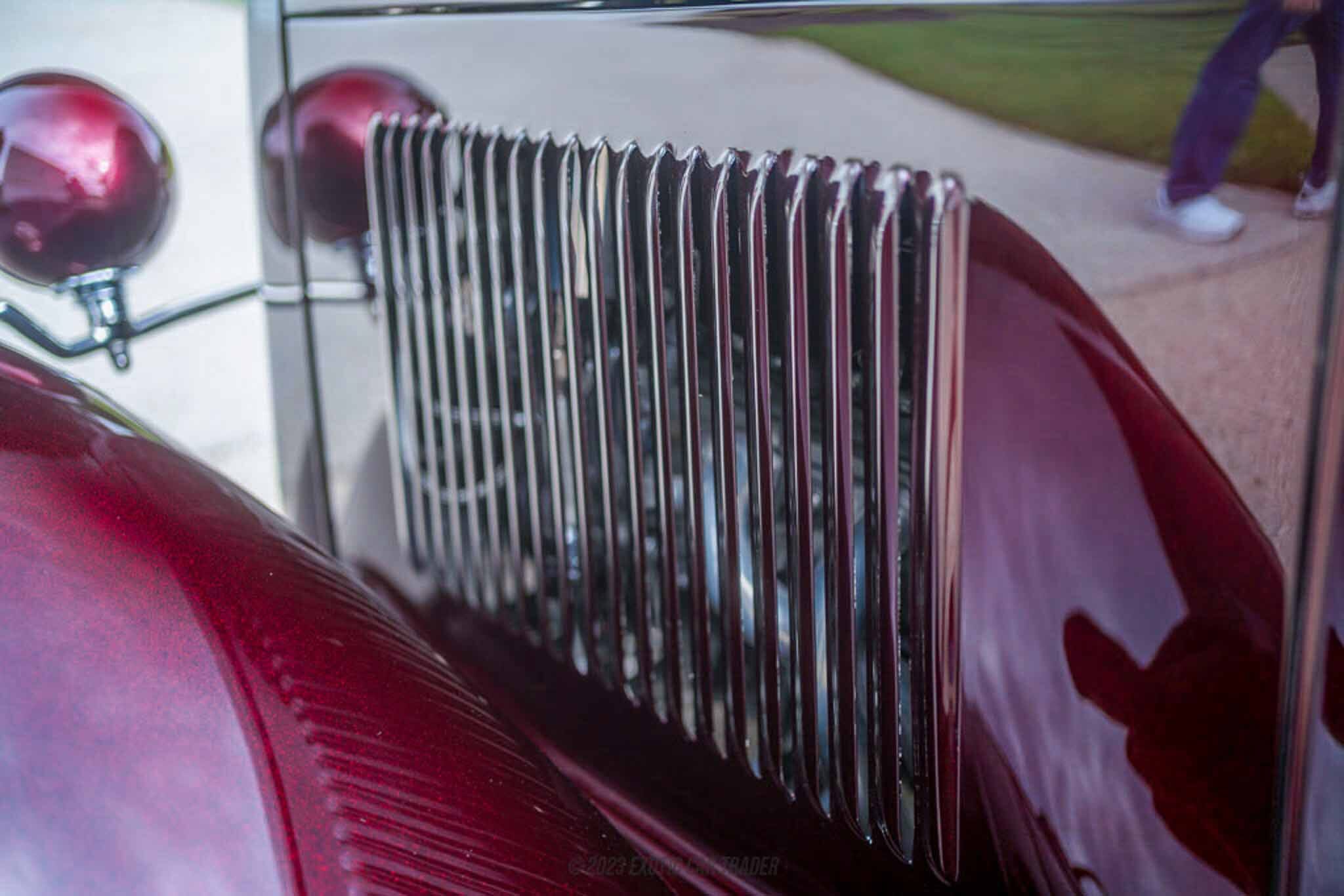
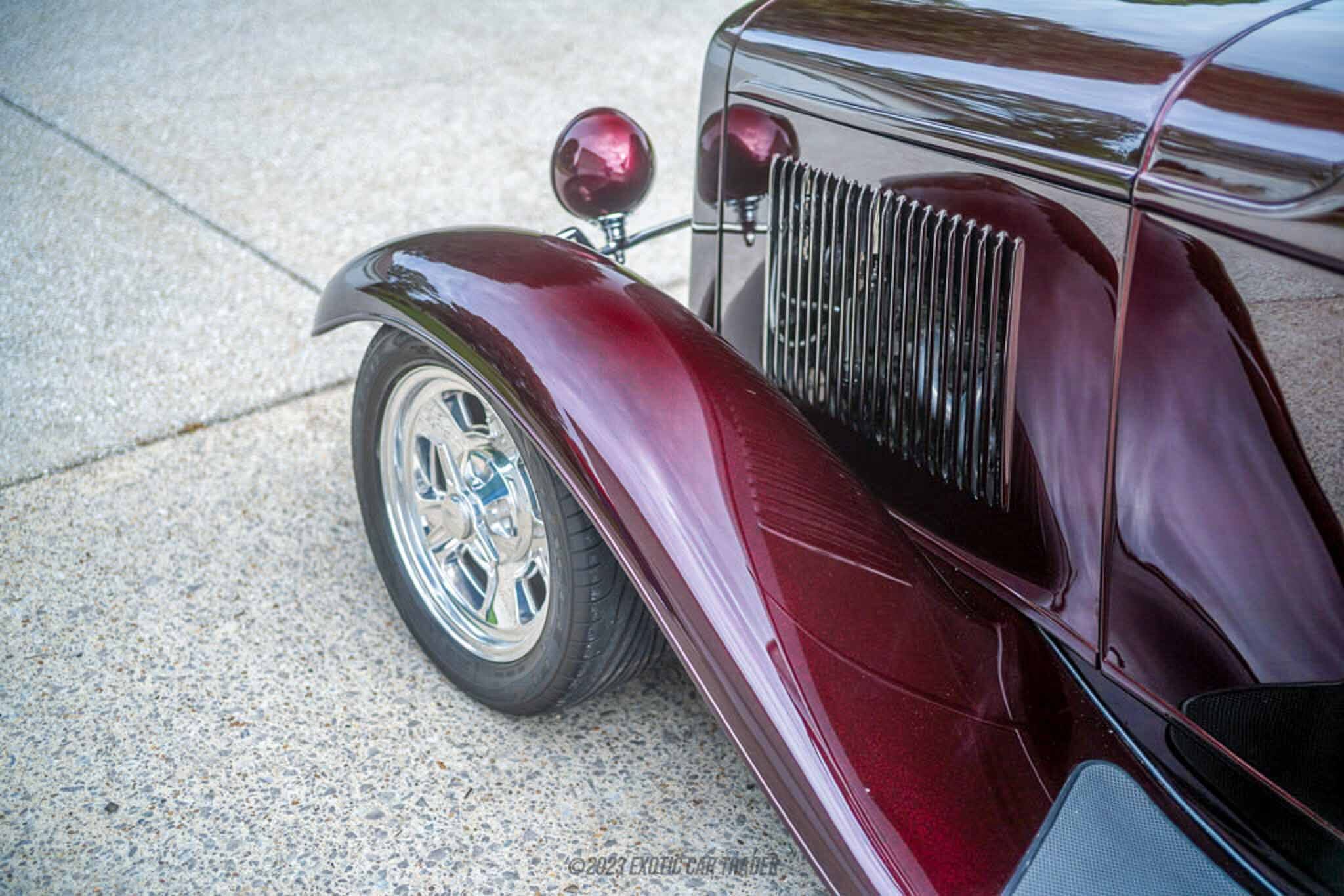
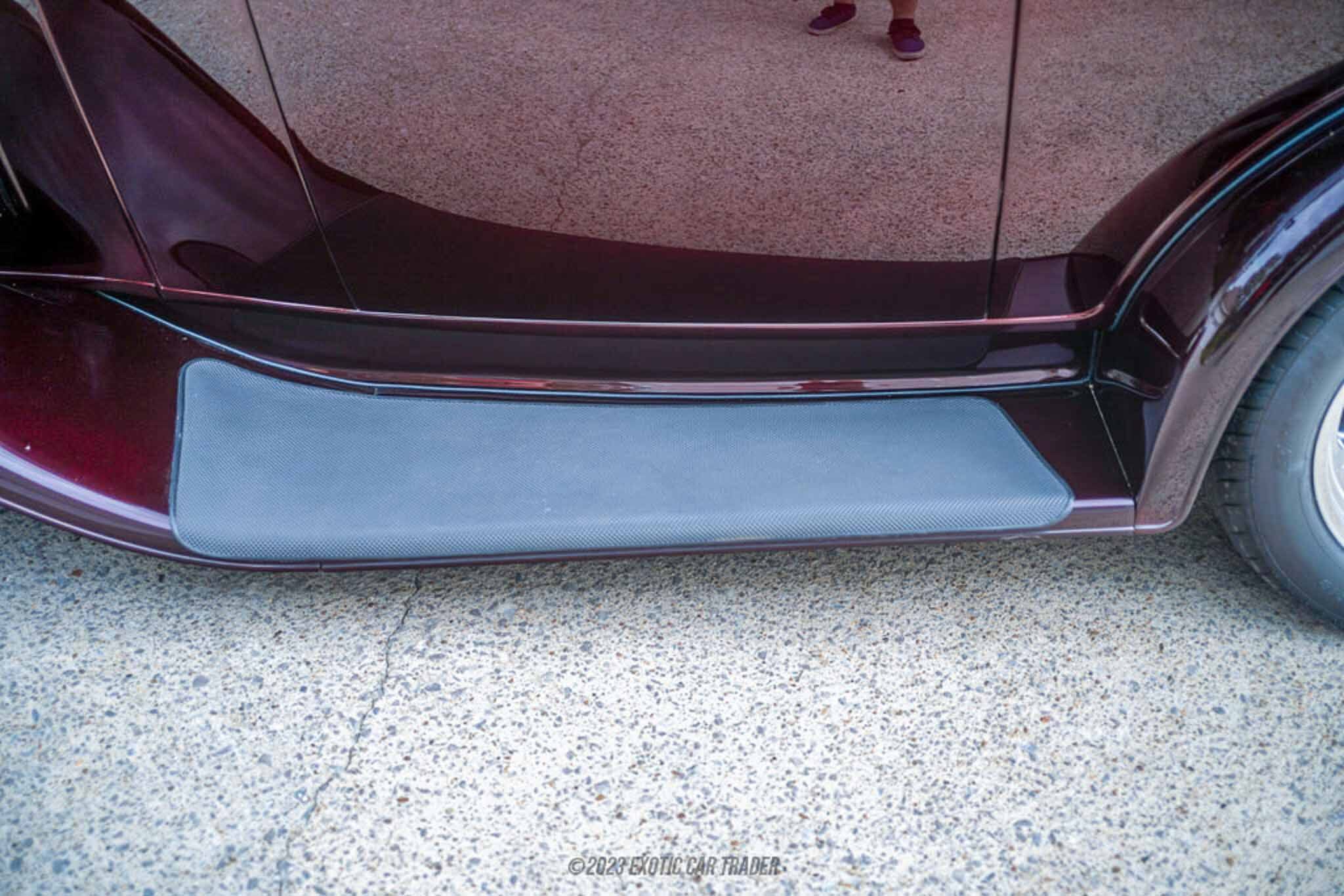
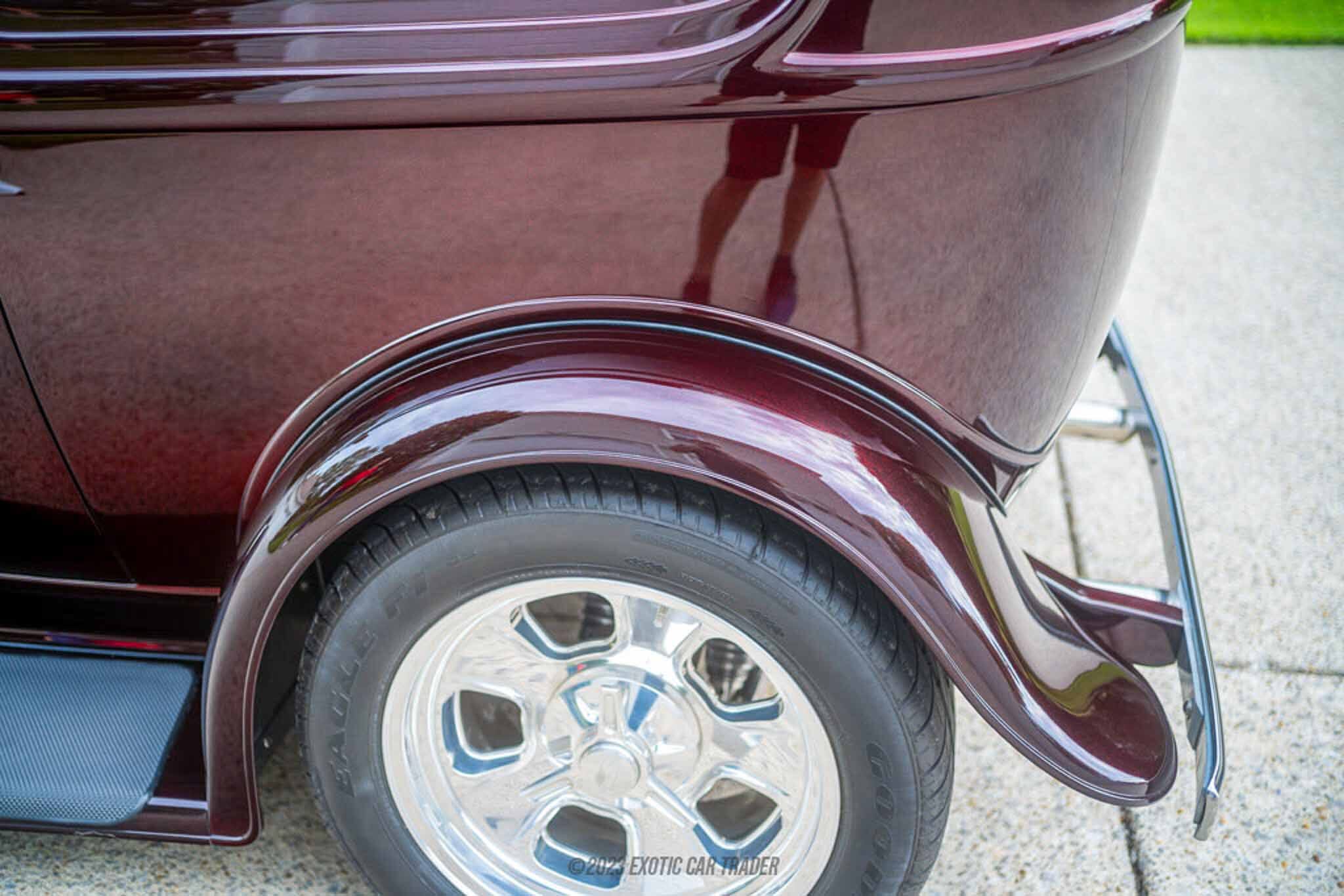
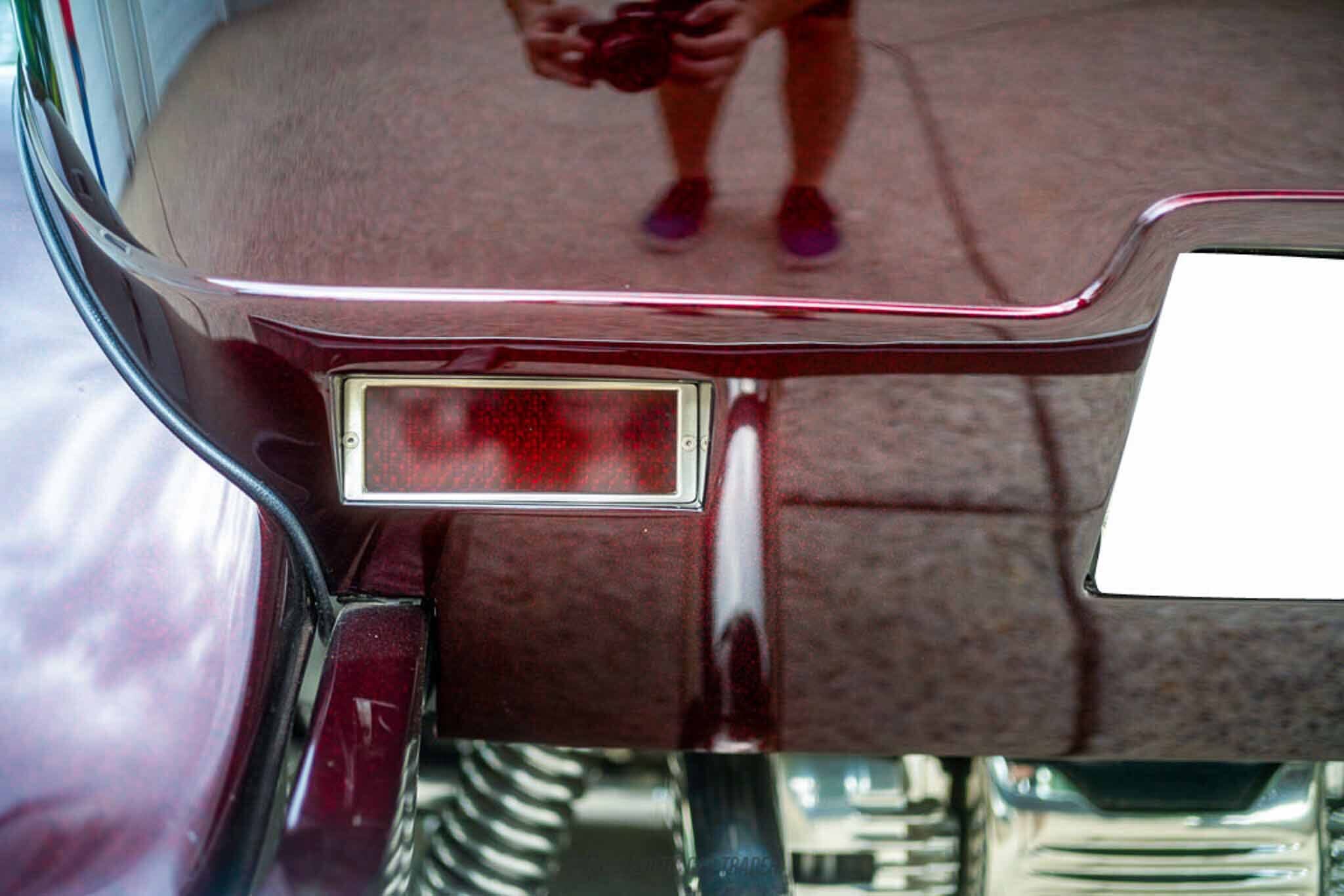
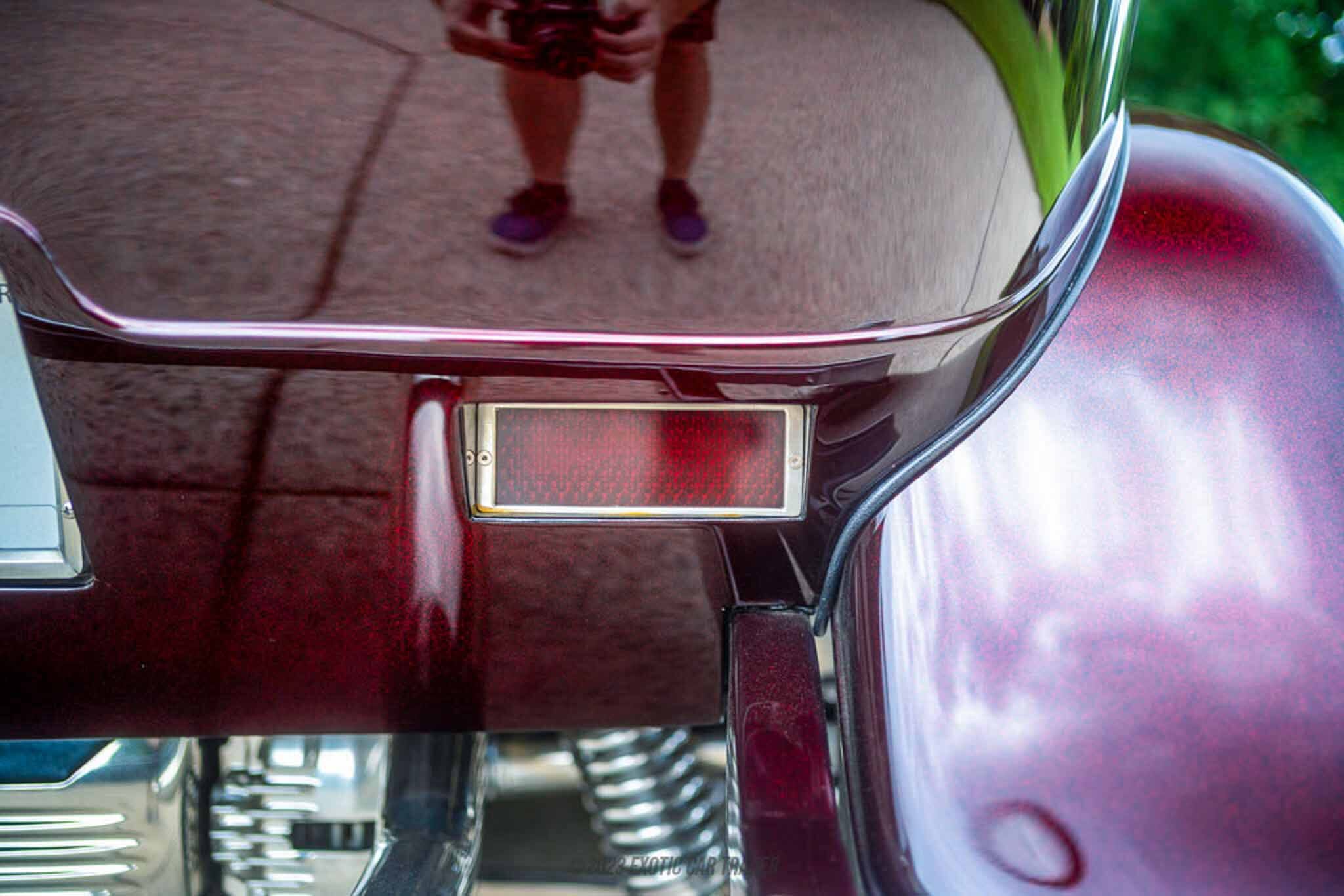
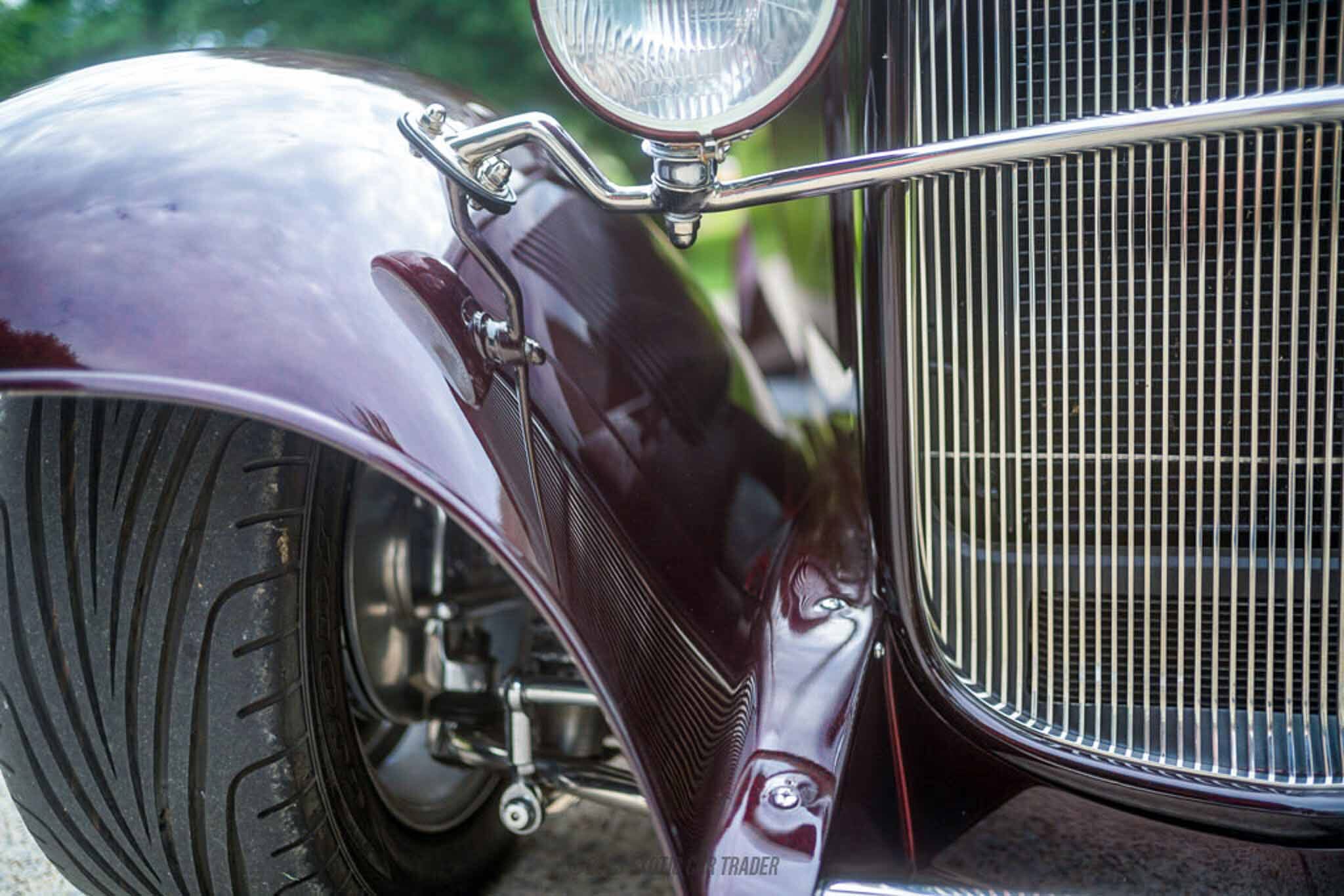
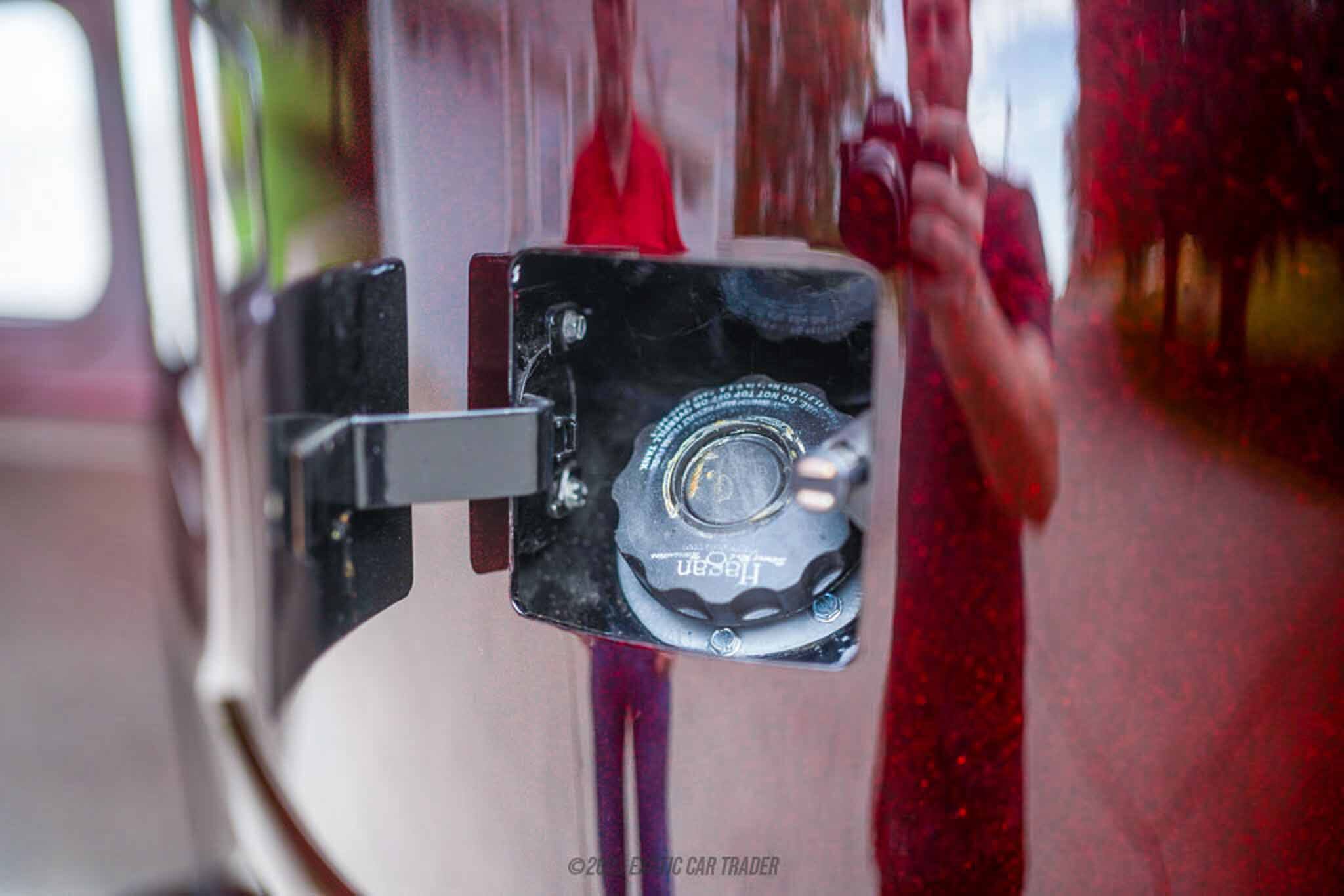
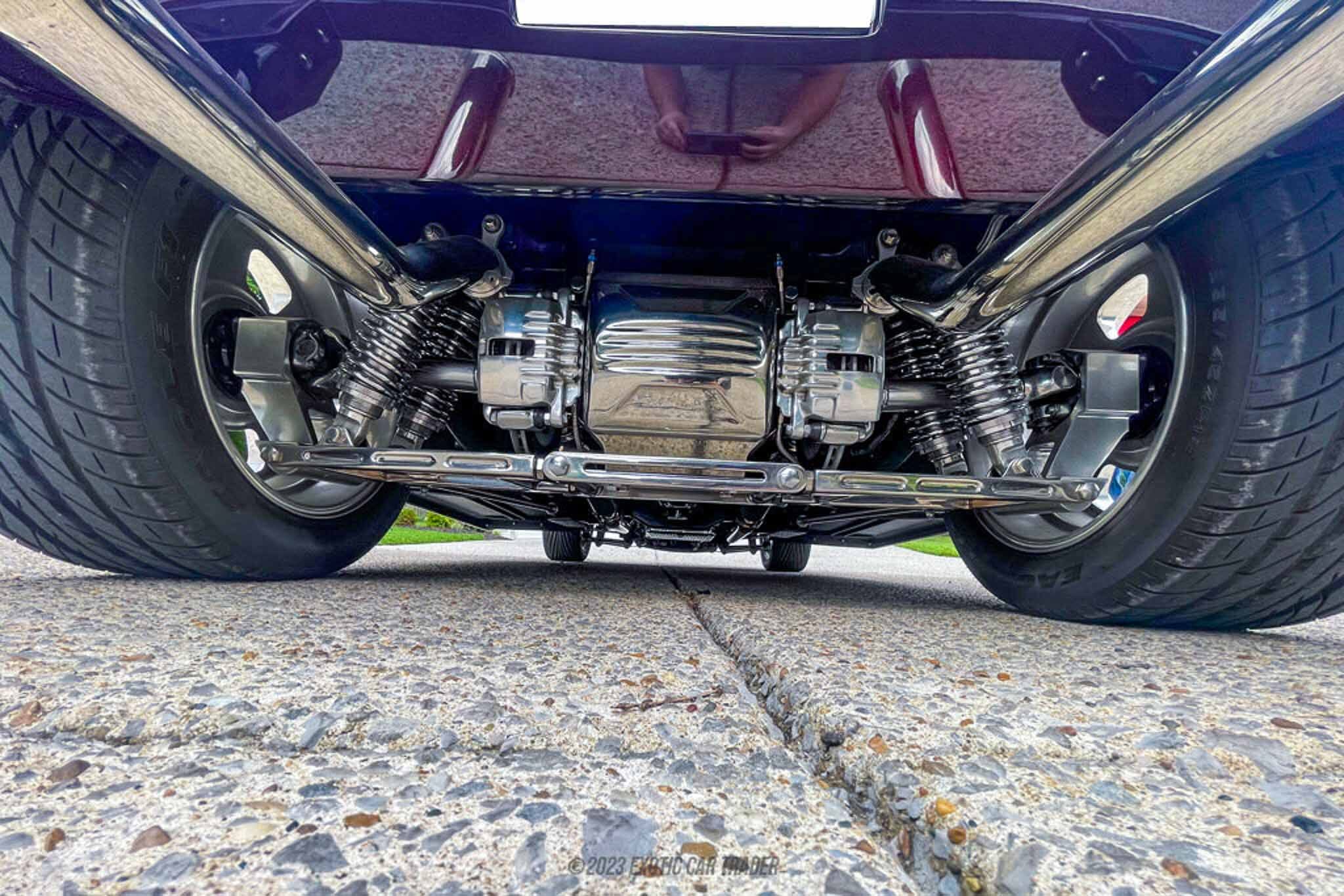
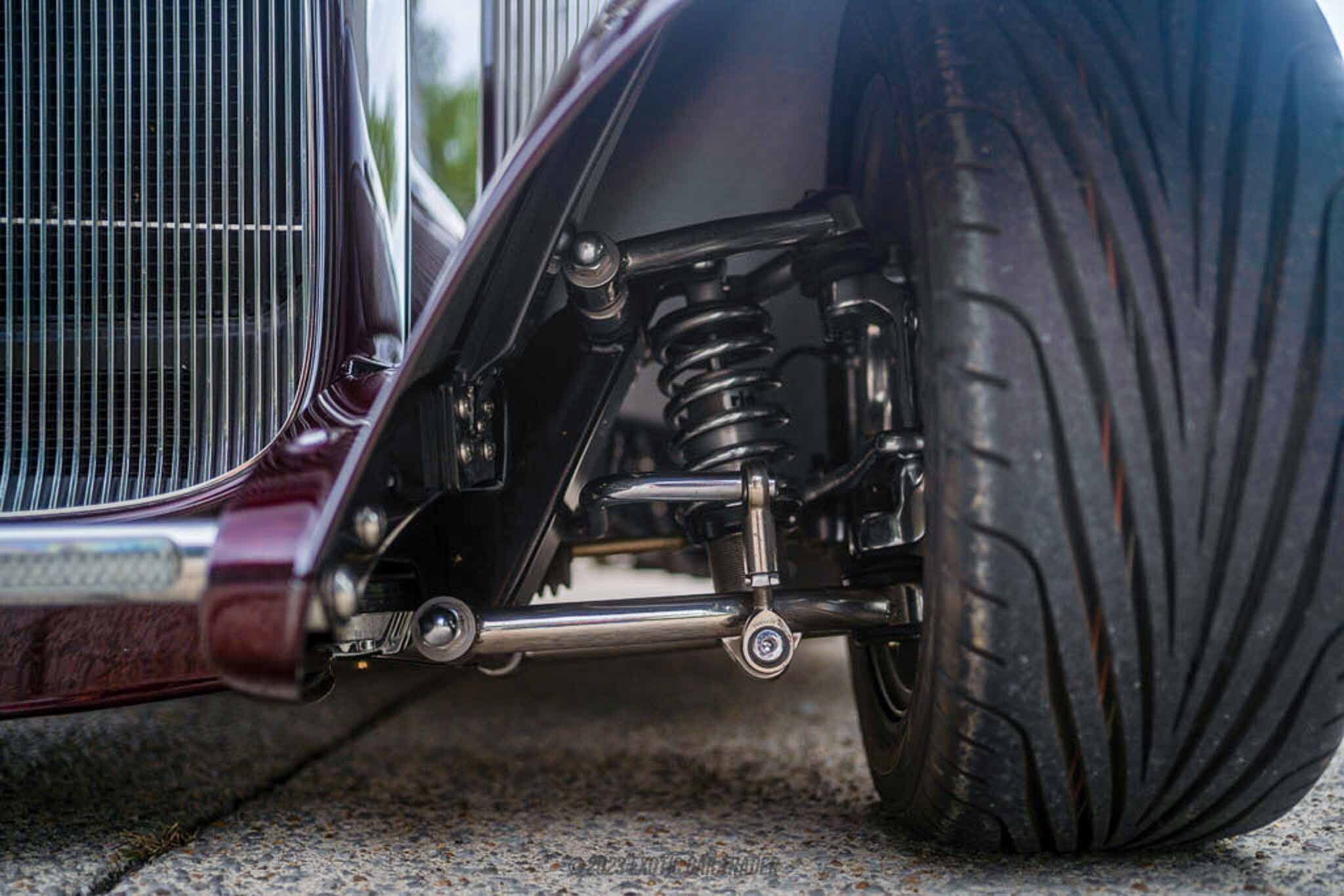
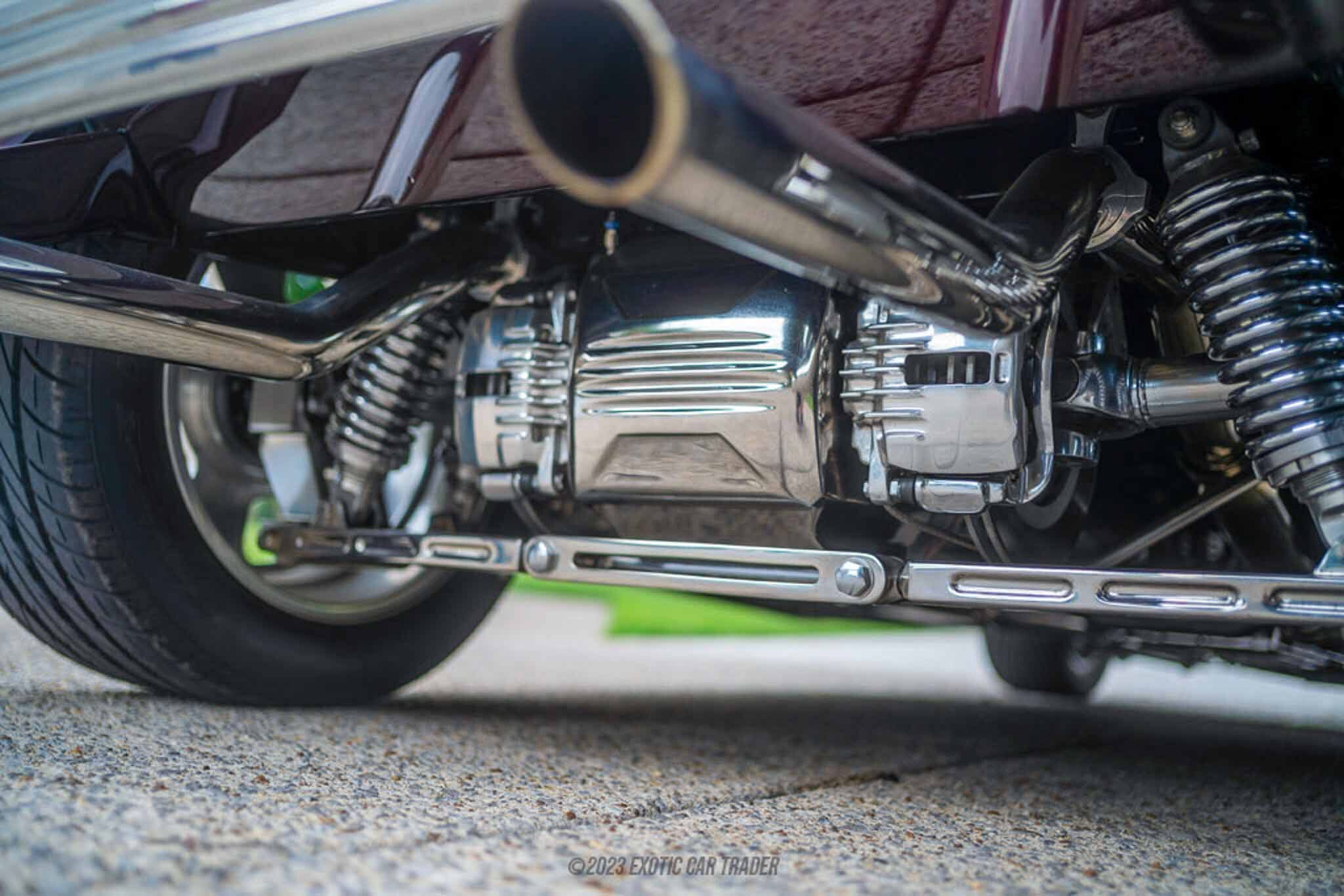
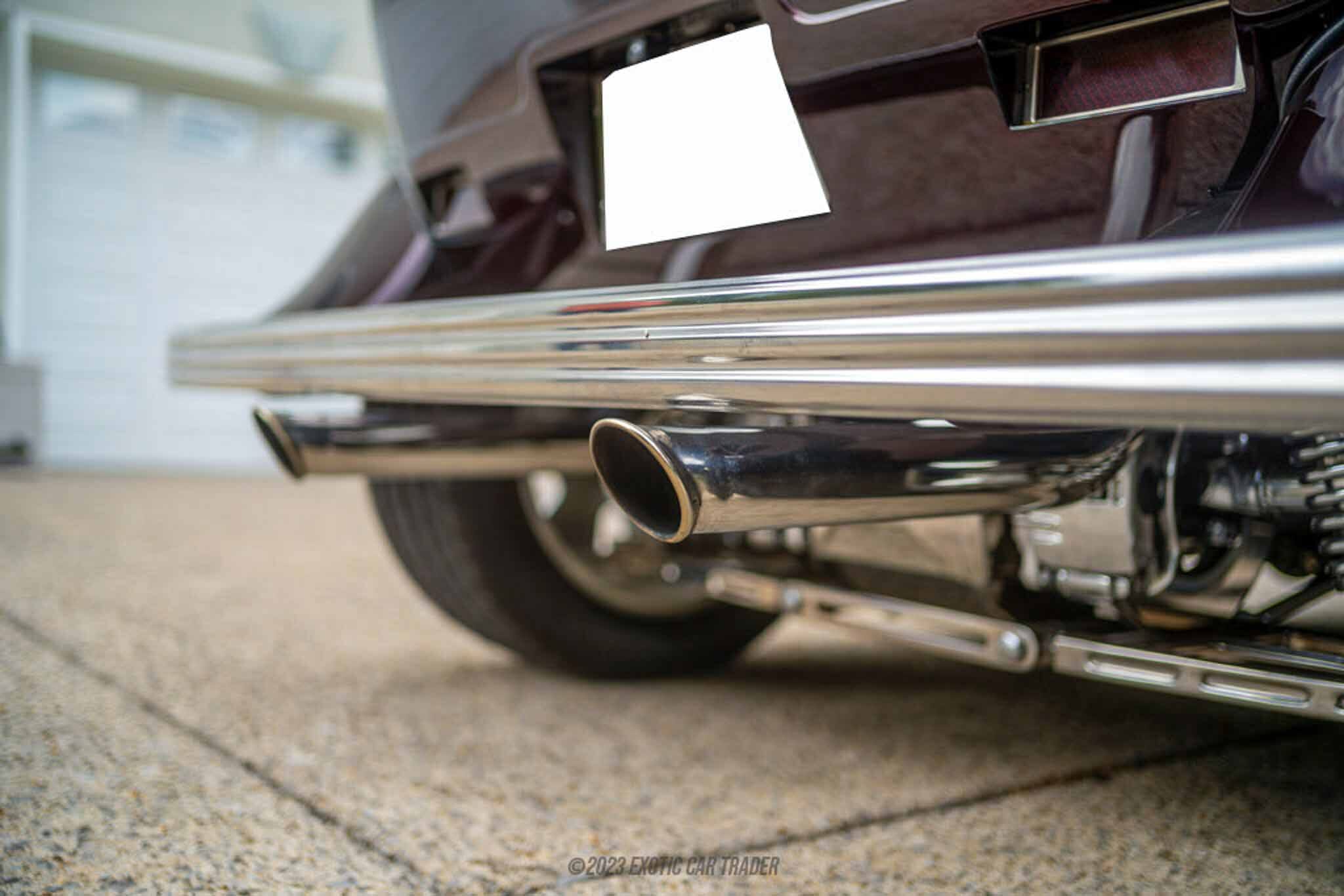
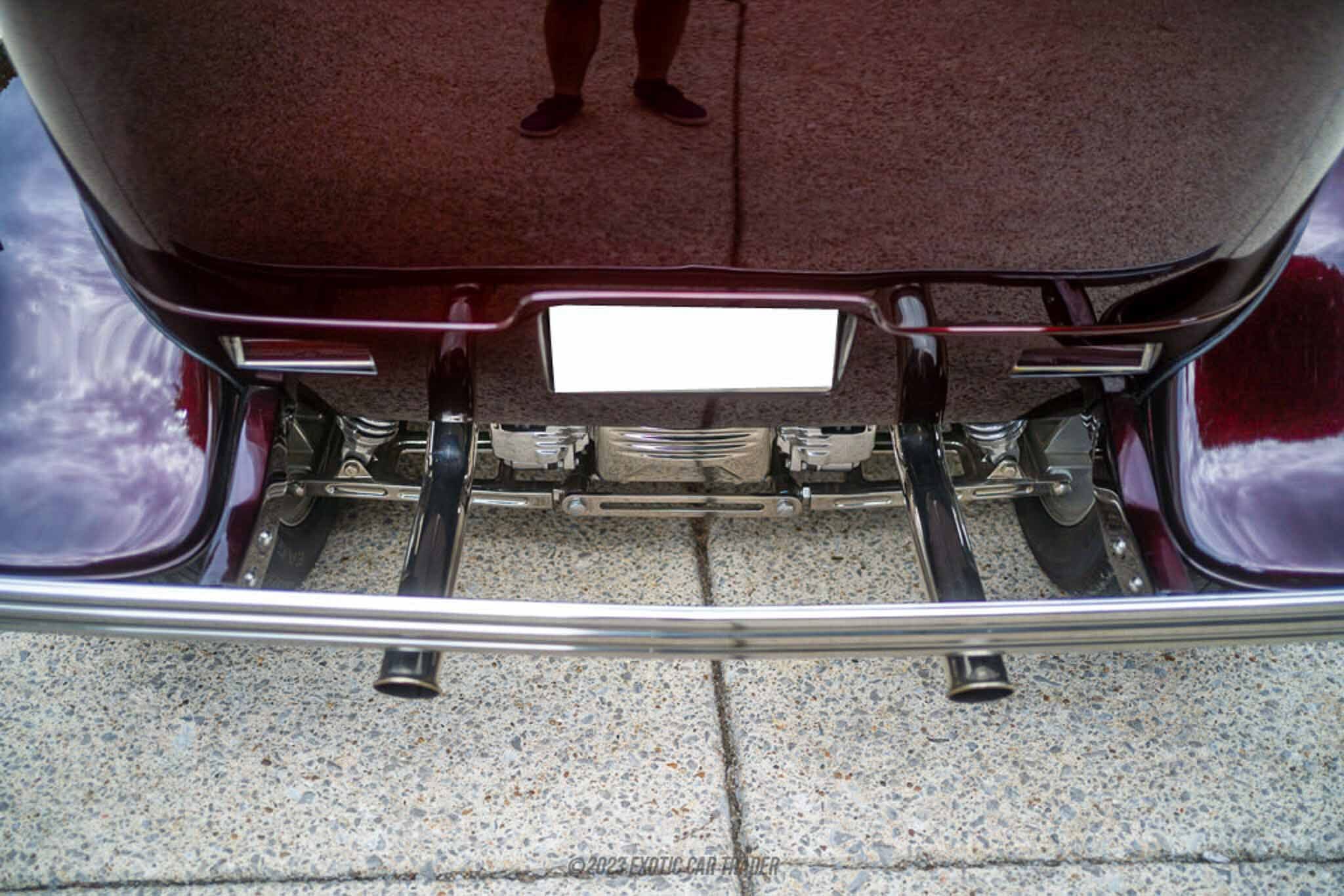
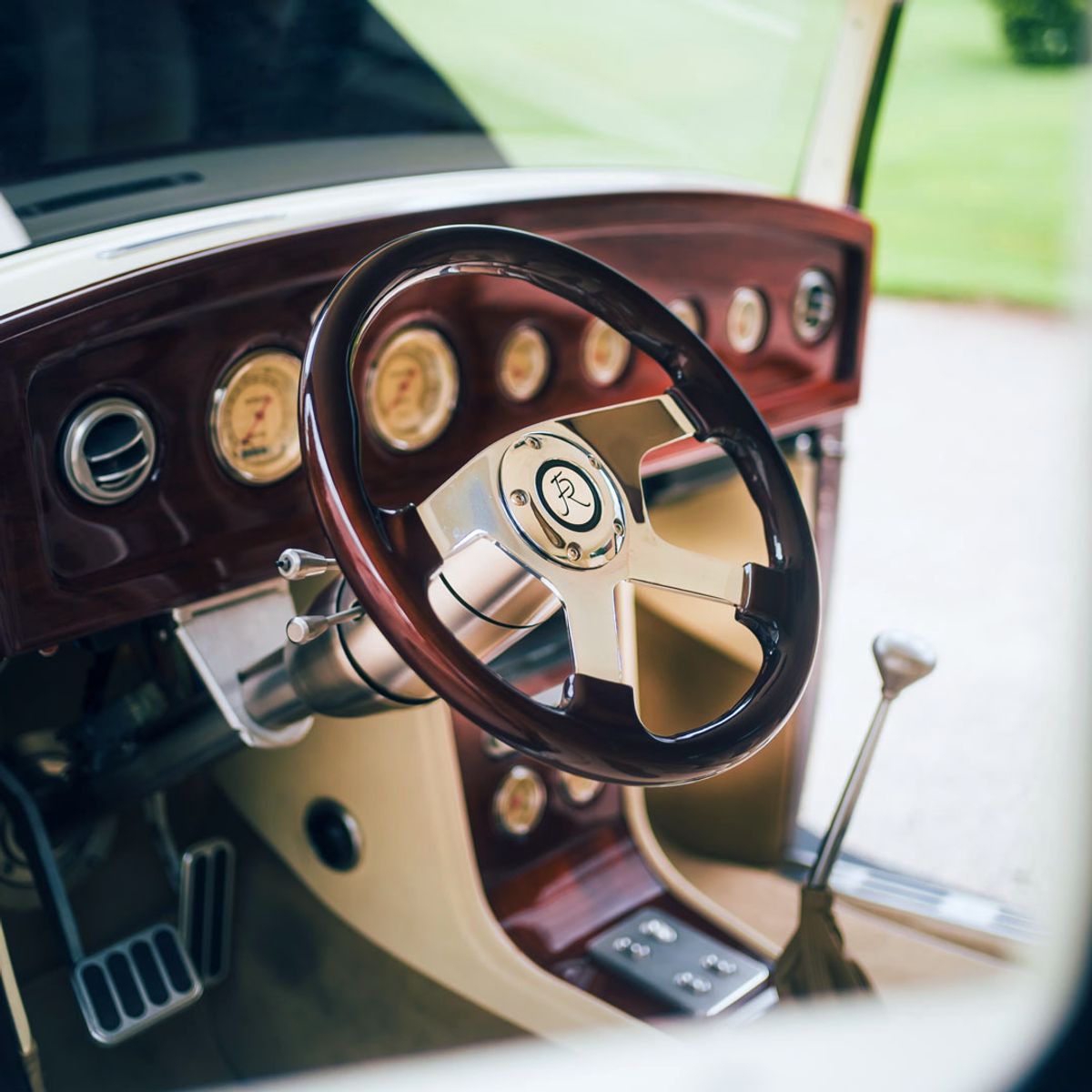
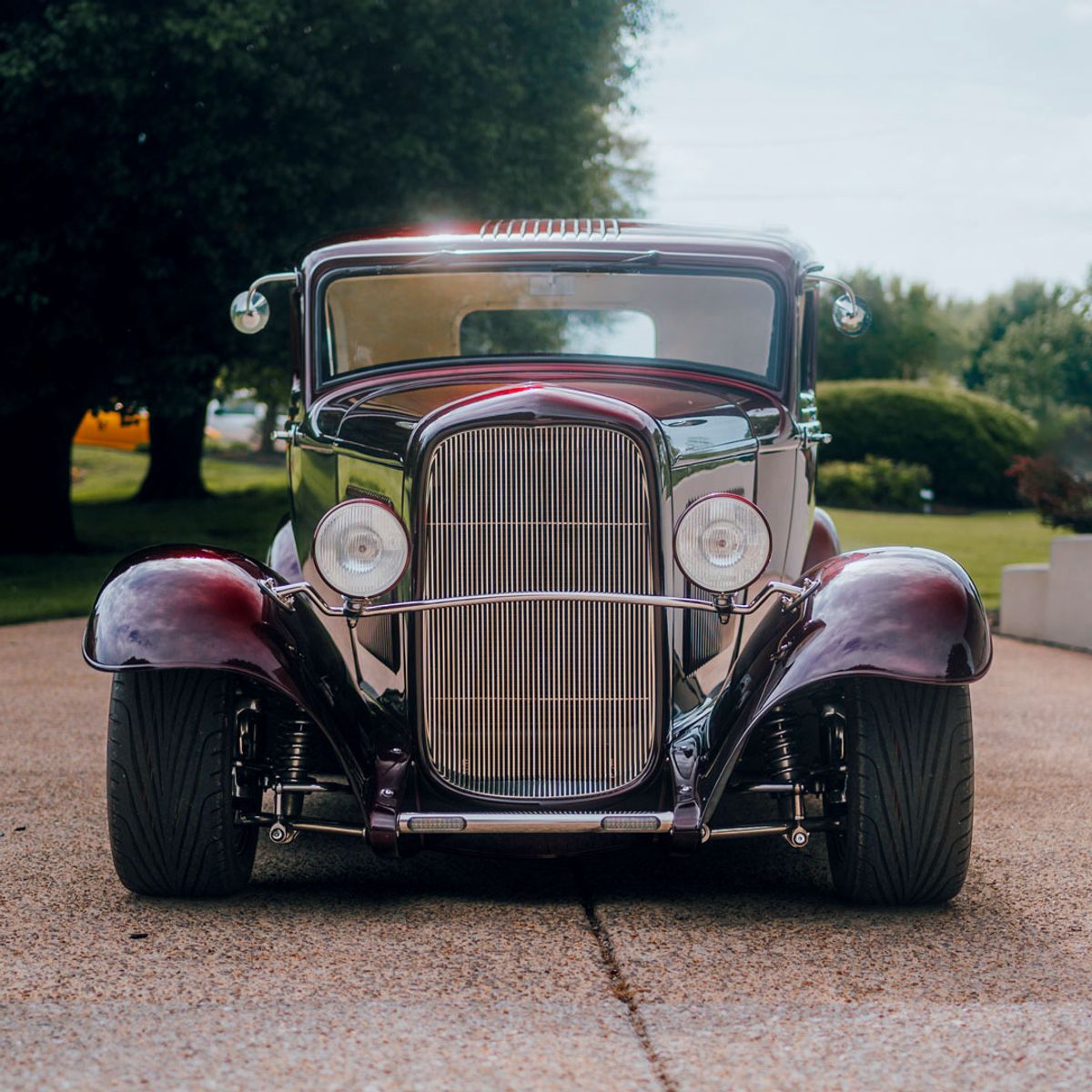
Wearing a custom Burgundy paint job, this 1932 Ford Tudor 2-Door 18 Deluxe screams restomod to all who cast eyes upon it. Clearly having been lowered, it wears shiny alloy wheels shod in Goodyear rubber. However, it still retains much of its classic design and cues, including the podded headlamps, chrome detailing, rearward-hinged coach doors, and running boards. At the rear, you'll observe twin chrome tailpipes that allow the new engine to really thrill everyone in and around the car. Venture aboard, and the interior has been comprehensively redone in shades of beige and tan, with wood trim on the dash in particular. The seats have been reupholstered and look extremely comfortable as a result. We observe a new set of retro-styled gauges, power windows, a Custom Autosound head unit with a sizable screen in the center console, central locking, and a Vintage Air air conditioning system. The steering wheel, gear shifter knob, and pedals have been tastefully upgraded as well. Here's a car that you'll really enjoy driving on a regular basis, and your passengers will relish traveling in it.
Engine
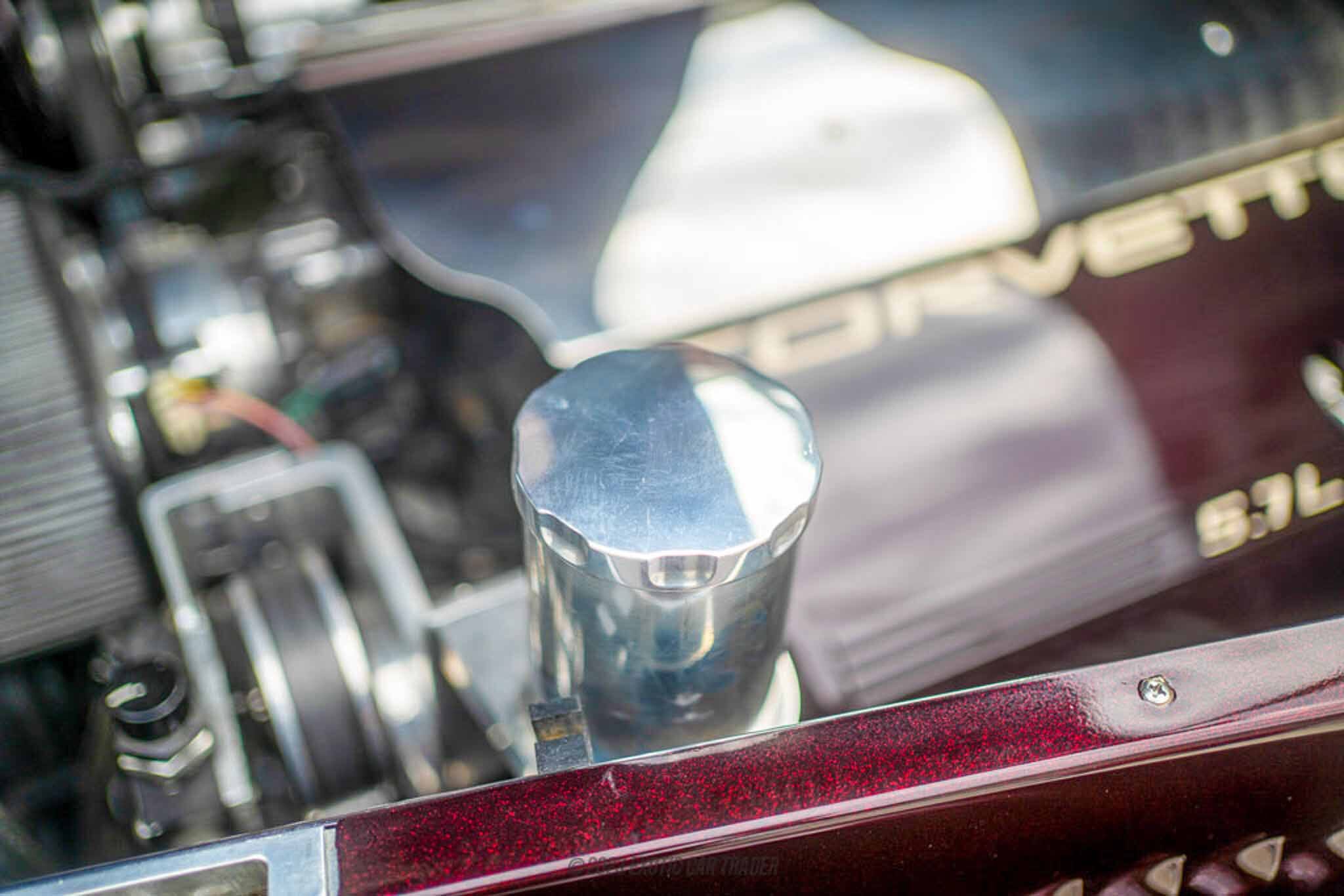
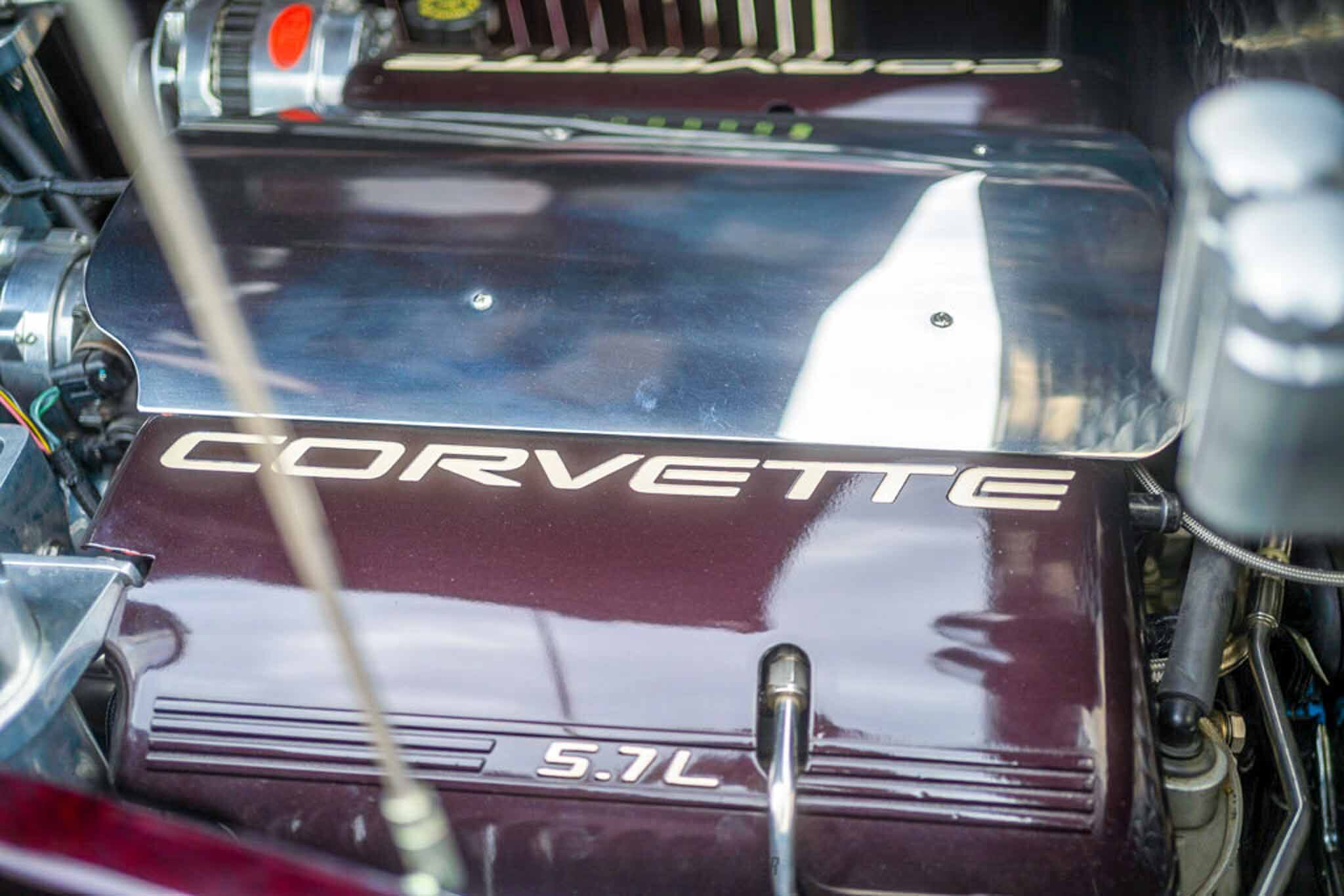
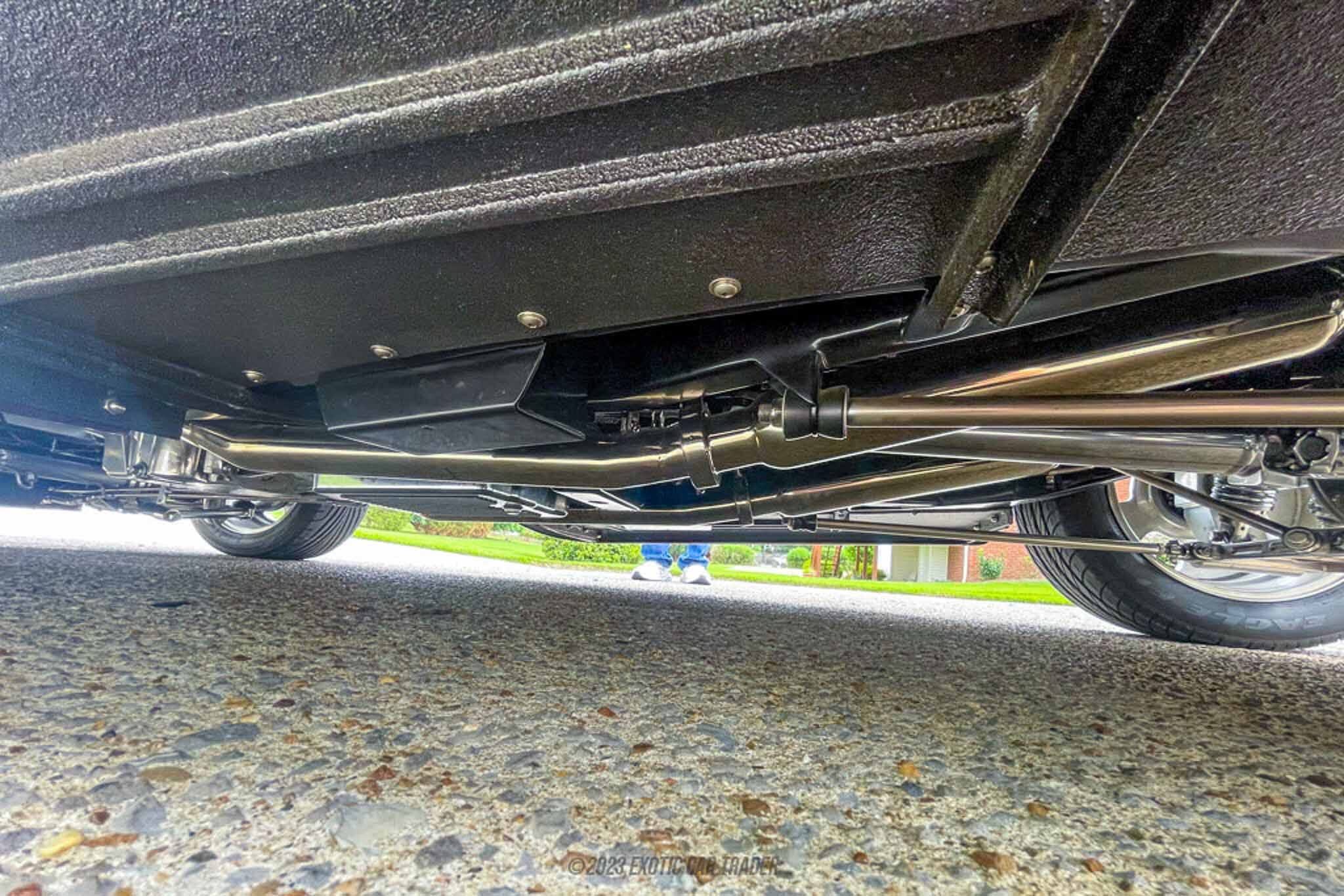
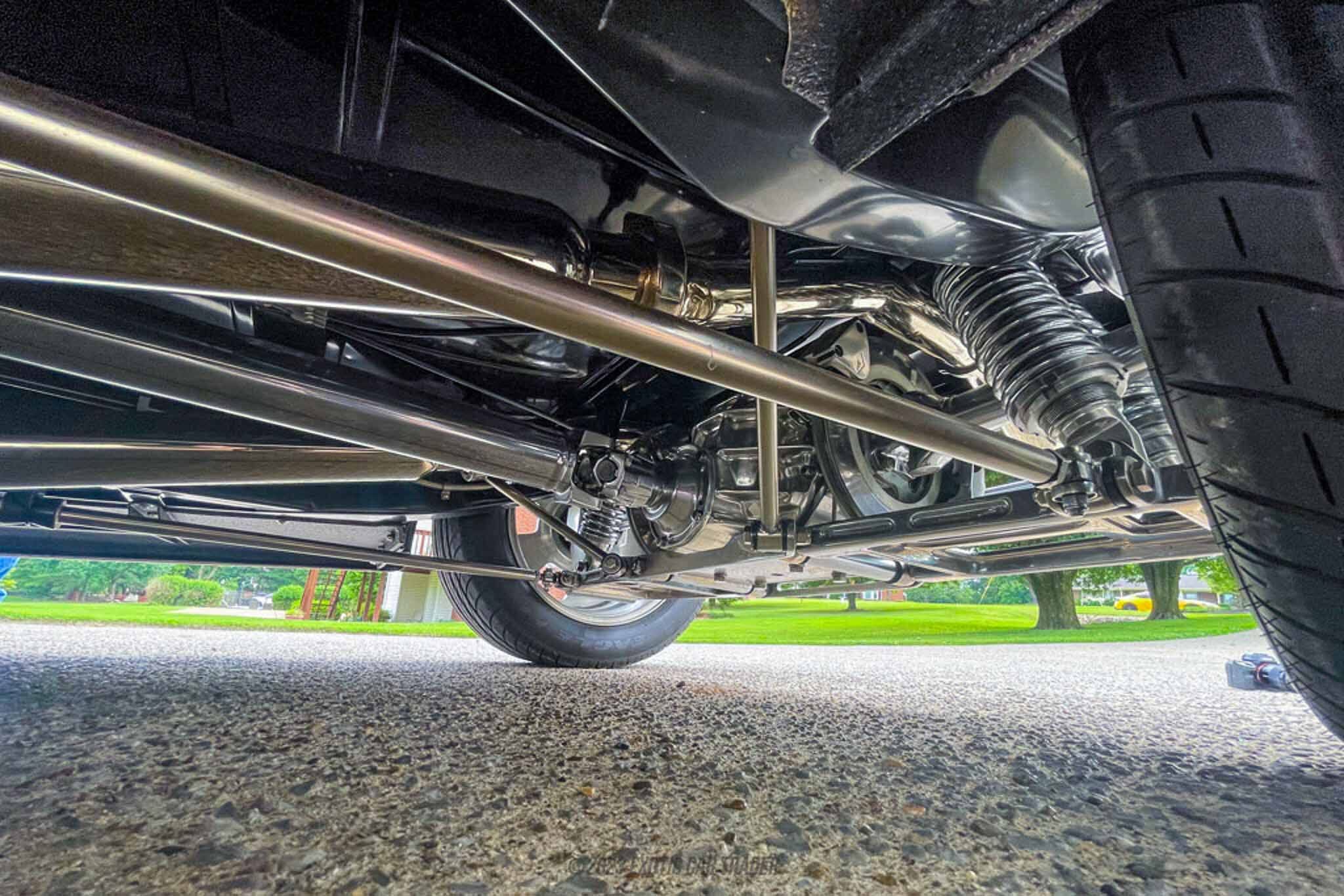
Now for a lovely surprise. Thirties Fords weren't endowed with particularly powerful engines, but this 1932 Ford Tudor 2-Door 18 Deluxe has got a 350ci LS1 Corvette V8 under the hood to rectify that particular snafu. Driving the rear wheels via an automatic transmission, it's more than ample to cut it with today's traffic and even surprise some challengers. We also spot disc brakes behind the wheels, which ensures confident stops every time.


How can you tell a Tudor from a Fordor? Easy. Tudor refers to a two-door, while Fordor refers to a four-door. This was the naming convention adopted by Ford for many of their Thirties and Forties models, including the 1932 Ford line-up. Thus, as you may glean, this 1932 Ford Tudor 2-Door 18 Deluxe is a two-door car in the more upmarket Deluxe trim level. Yes, and it's also a restomod. Packing quite a few enhancements and creature comforts, it's got just 650 miles since a comprehensive heart transplant and is ready for its next owner. Could you be the one?
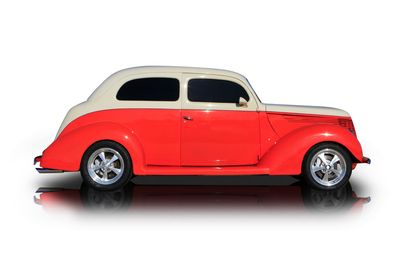
A hot rod can be described as "a car that's been stripped down, souped-up, and made to go much faster." Whilst this sounds like a whole lot of fun finding the perfect mix of “stripping down” and keeping original is something that is rarely done right. You either get cars that are not recognizable, or cars which have not been modified enough to refer to them as a hot rod. Customizing and building a car can be tough so why not settle for this 1938 Ford Tudor we have today. Located in Oklahoma and with just 3,000 miles on the clock after its ‘hot rod’ makeover this is a perfect example of a hot rod done right. Vintage looks, modern soul and looks to kill.
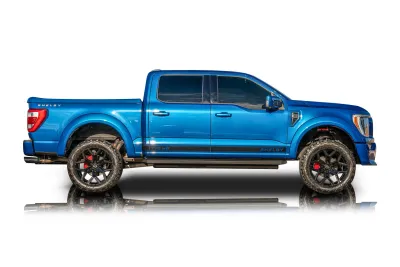
The Ford F-150 is already one of America’s most recognizable pickups, but this 2022 Ford F-150 Shelby takes the familiar platform in a much more serious direction. Showing 45,615 miles, this truck combines a well-equipped Lariat-based F-150 with an extensive Shelby American performance package. Its centerpiece is a supercharged 5.0L V8 tuned to produce 775 horsepower, backed by a 10-speed automatic transmission and four-wheel drive. Shelby also transformed the chassis and appearance with a BDS suspension lift, Fox shocks, 22-inch Shelby wheels, bodywork, graphics, and a long list of Shelby-specific details. The limited-edition numbered plate identifies this example as #22ST0086.
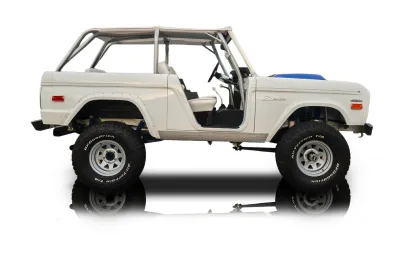
Few vintage 4x4s have the enthusiast following of the first-generation Ford Bronco, and this 1971 Ford Bronco Restomod takes that classic formula in a decidedly performance-oriented direction. Showing approximately 2,242 miles, this build combines a 302ci Ford Racing crate V8 with a Holley 570 CFM Street Avenger 4-barrel carburetor, a 3-speed manual transmission, and four-wheel drive. Finished in Wimbledon White and Guardsman Blue with dual Blue stripes, it also features James Duff suspension, Dana 44 and Ford 9-inch axle hardware, Warn locking hubs, roadster-style doors, a family-style roll cage, and a long list of custom audio and trim upgrades. The result is a Bronco that retains its unmistakable early off-road character while incorporating the mechanical and aesthetic touches enthusiasts look for in a thoughtfully executed restomod.
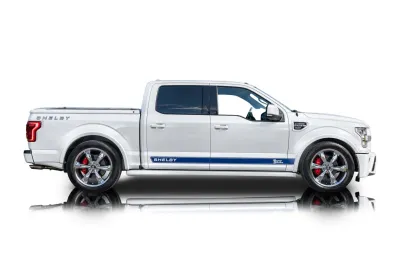
The 2017 Ford F-150 Shelby Super Snake is what happens when one of America’s most familiar full-size pickups is handed over to Shelby and turned into something far more outrageous. Showing approximately 43,139 miles, this Oxford White SuperCrew pairs the comfort and practicality of a heavily optioned Lariat with a Shelby-engineered 750 HP supercharged 5.0L V8, making it a truck that can haul, cruise, and deliver genuine muscle-car levels of attitude. The transformation goes well beyond the engine, with 22-inch Shelby Retro chrome wheels, a lowered Shelby suspension, functional ram-air hood, full-body rally stripes, unique Shelby bodywork, and a tuned Borla exhaust all contributing to its unmistakable presence. Inside, Shelby registry details are joined by desirable factory equipment such as Equipment Group 502A, the Technology Package, adaptive cruise control, and a twin-panel moonroof. It is the kind of truck that combines everyday usability with the theater and exclusivity enthusiasts expect from the Shelby name.

Terms of Service
Be Kind and Courteous
We're here to create a platform to better the automotive industry through communication and transparency. Please treat everyone with respect. Healthy debates are natural, but kindness is required.
No Hate Speech
Make sure everyone feels safe. Hate speech of any kind is strictly prohibited. Degrading comments about things like race, religion, culture, sexual orientation, etc. will not be tolerated.
No Promotions or Spam
Give more than you take. Self-promotion, spam, or links of any kind are not allowed.
