








- 1965 Plymouth Satellite Sport
- Automatic
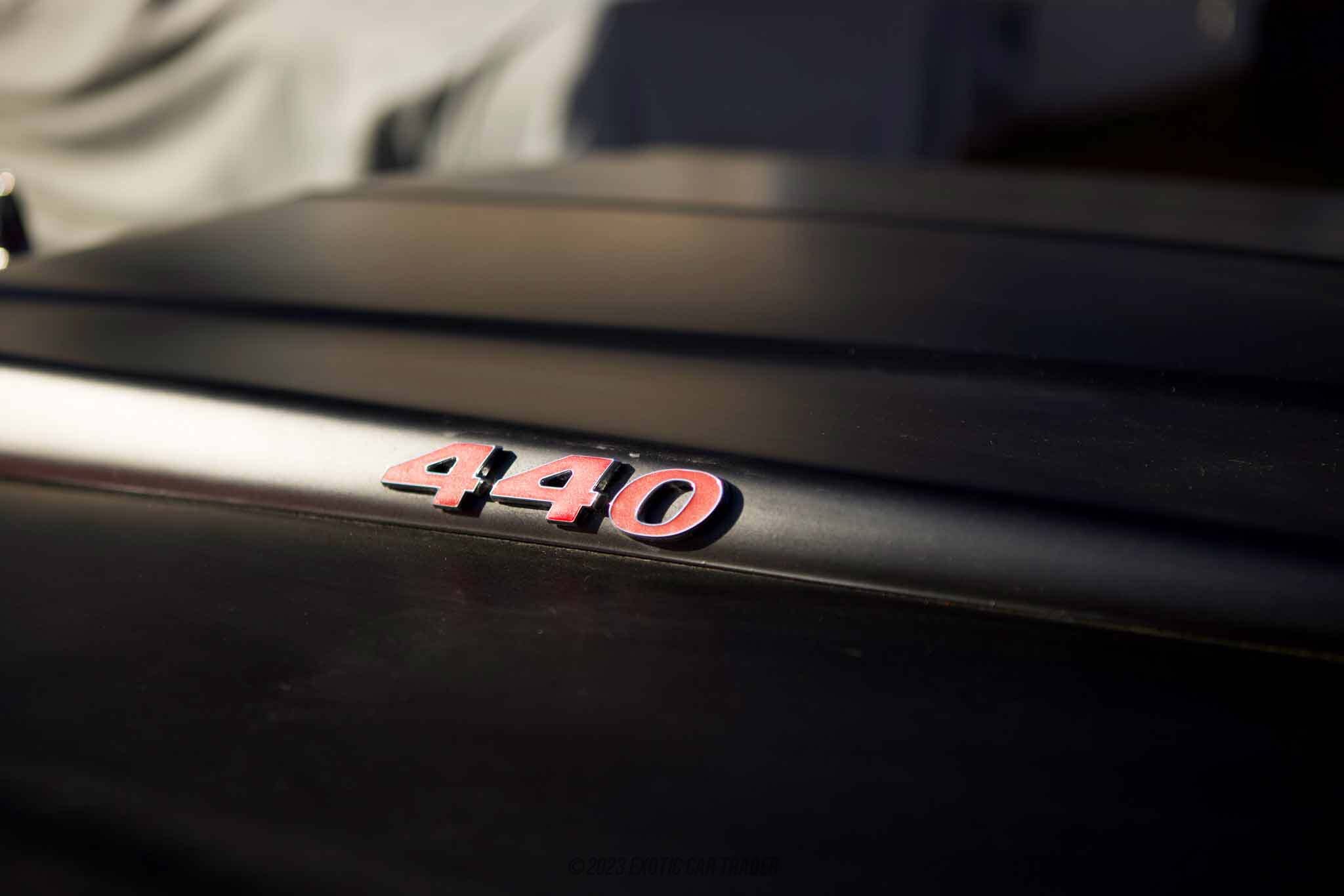
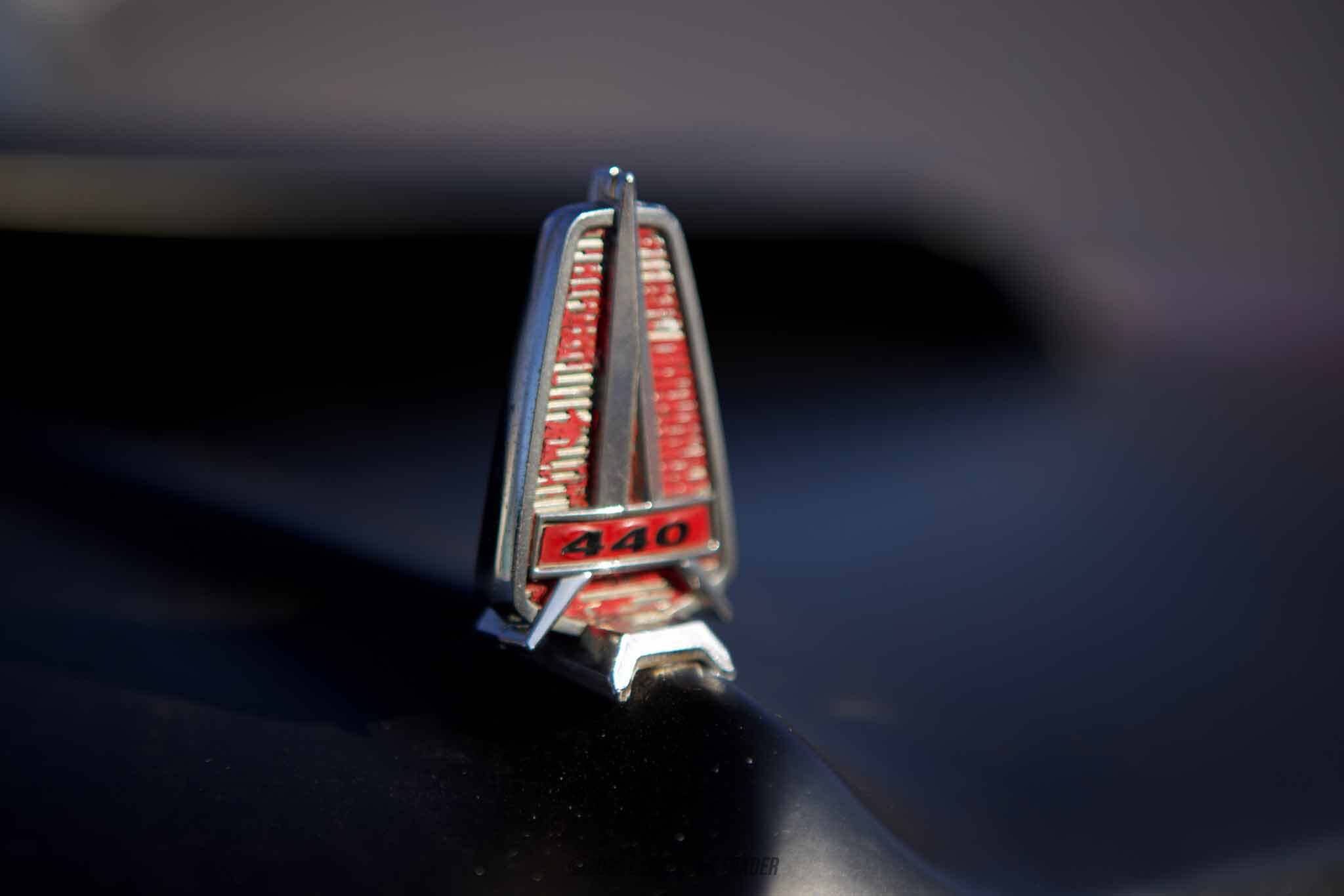
- Current Owner Reports 440ci V8
- Current Owner Reports Complete Restoration
- Current Owner Reports 2 Door
- Current Owner Reports Aftermarket Wheels
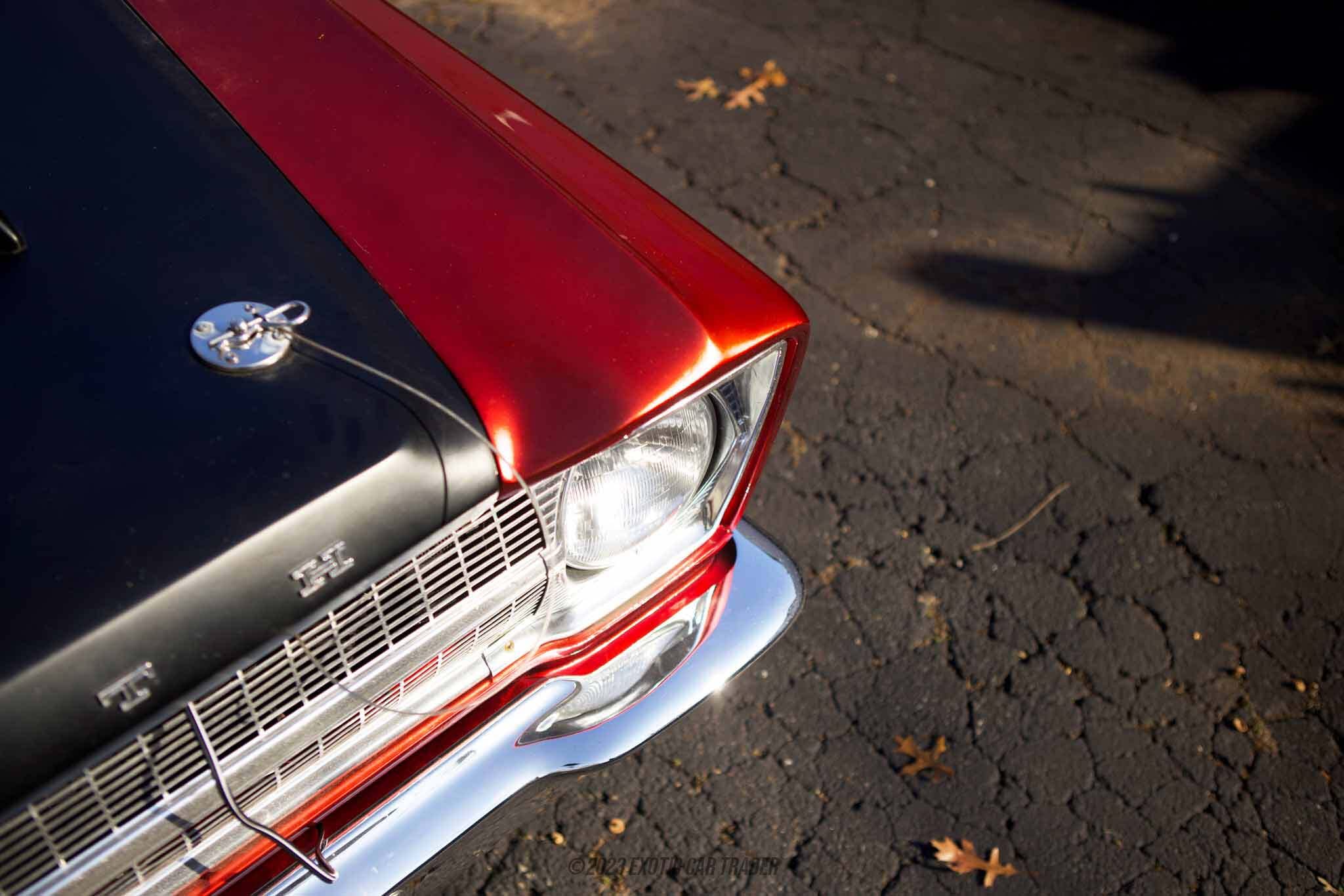
- Current Owner Reports Flat Black hood with Pins
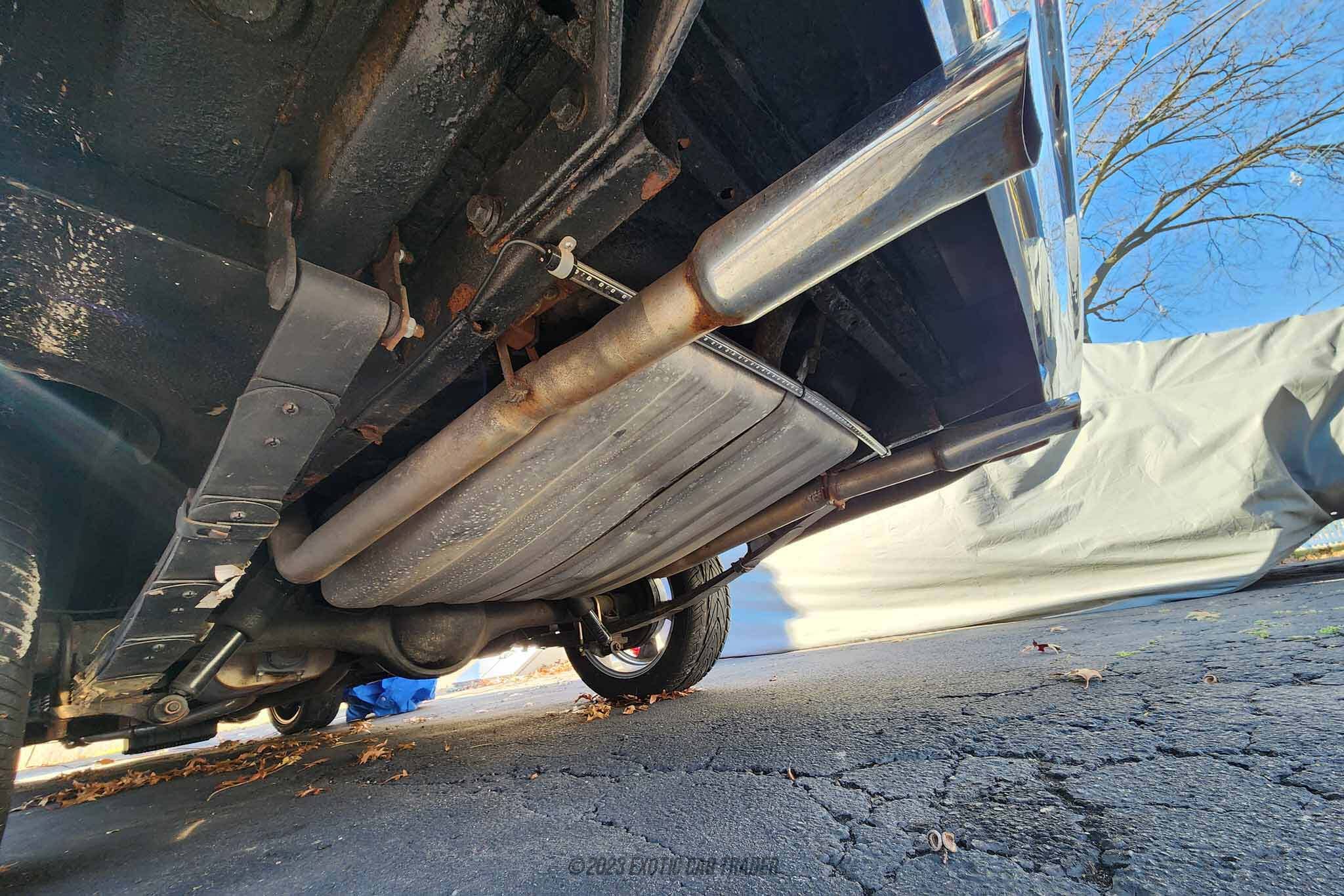
- Current Owner Reports Differential Redone
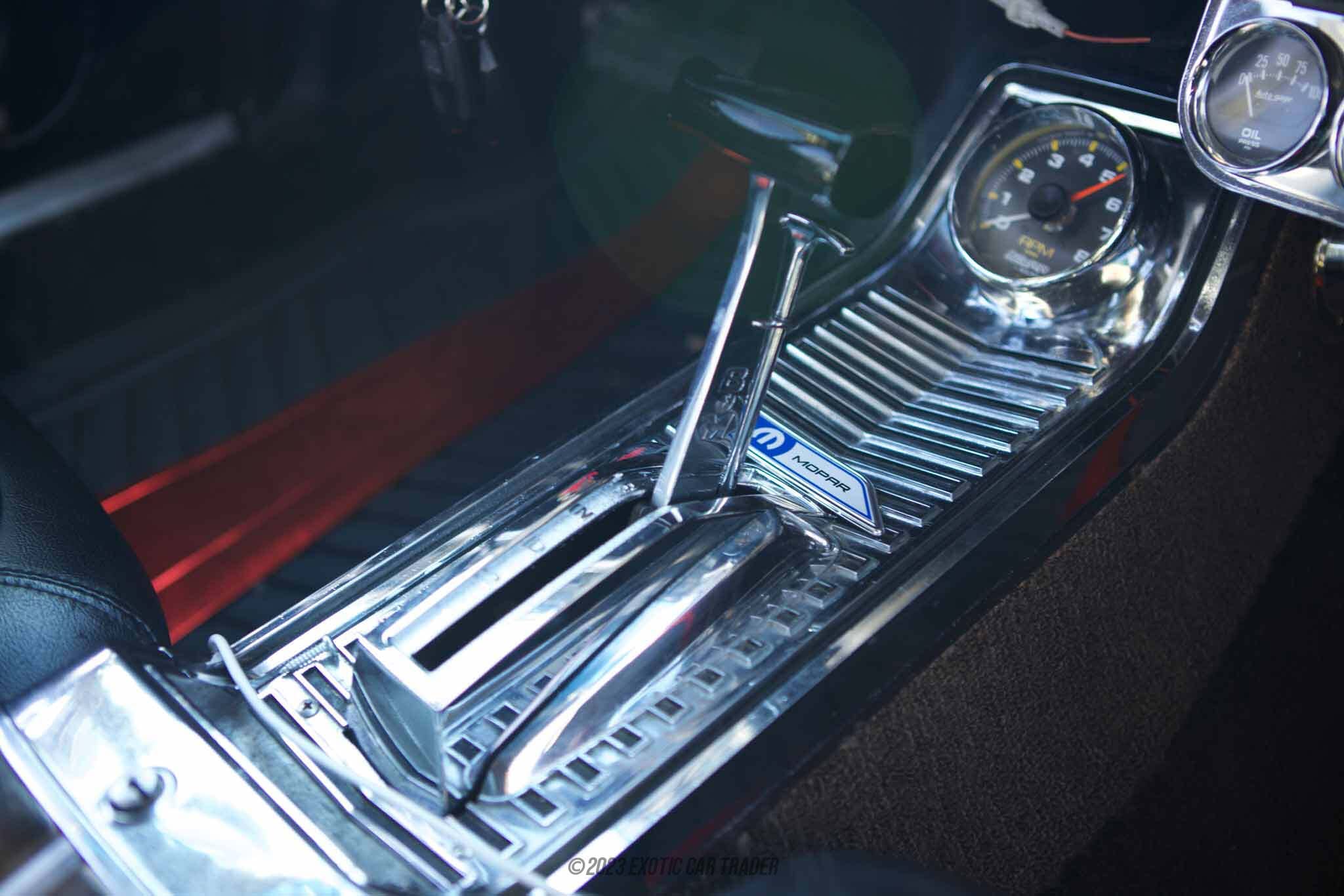
- Current Owner Reports Transmission Redone
- Current Owner Reports Engine Redone


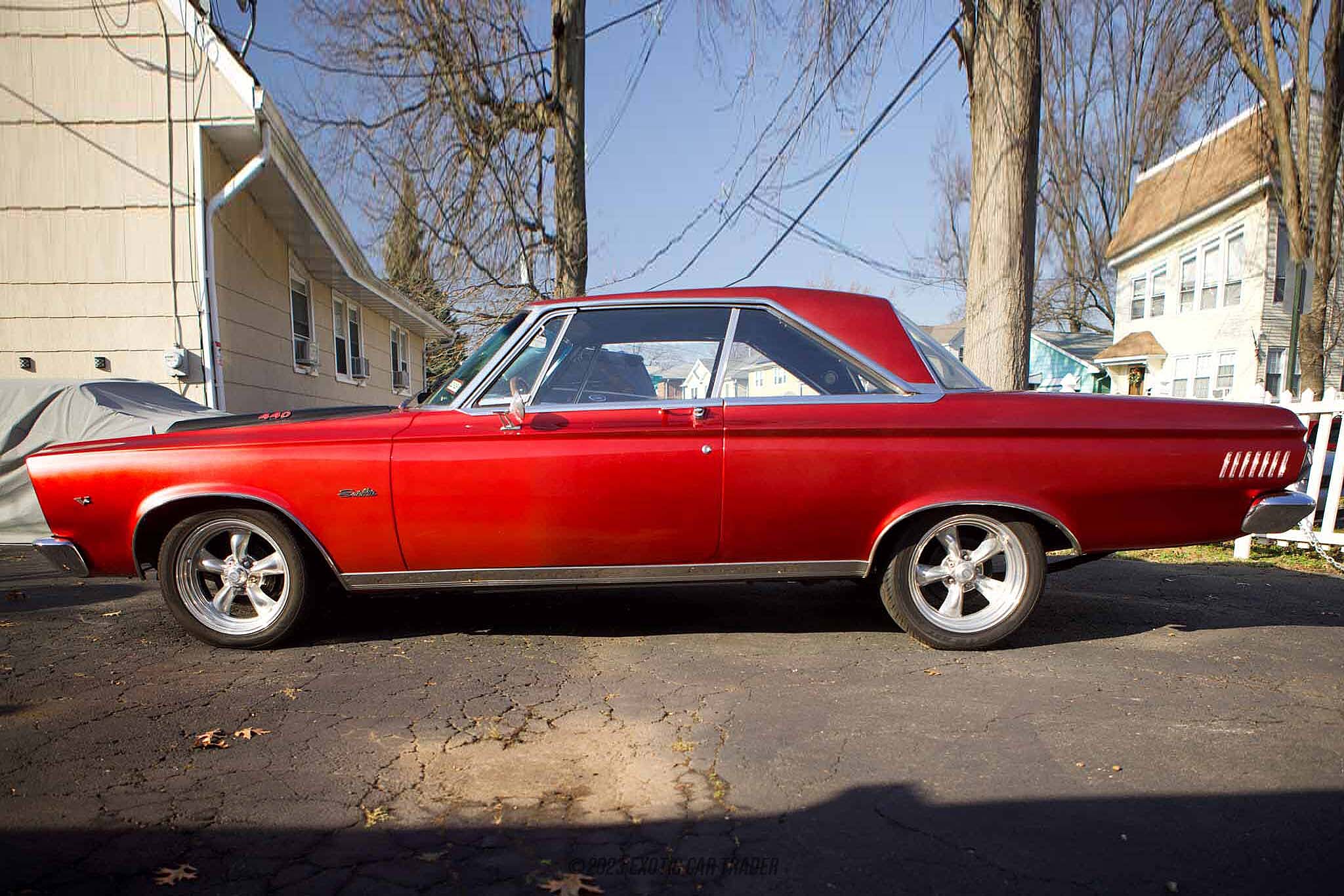
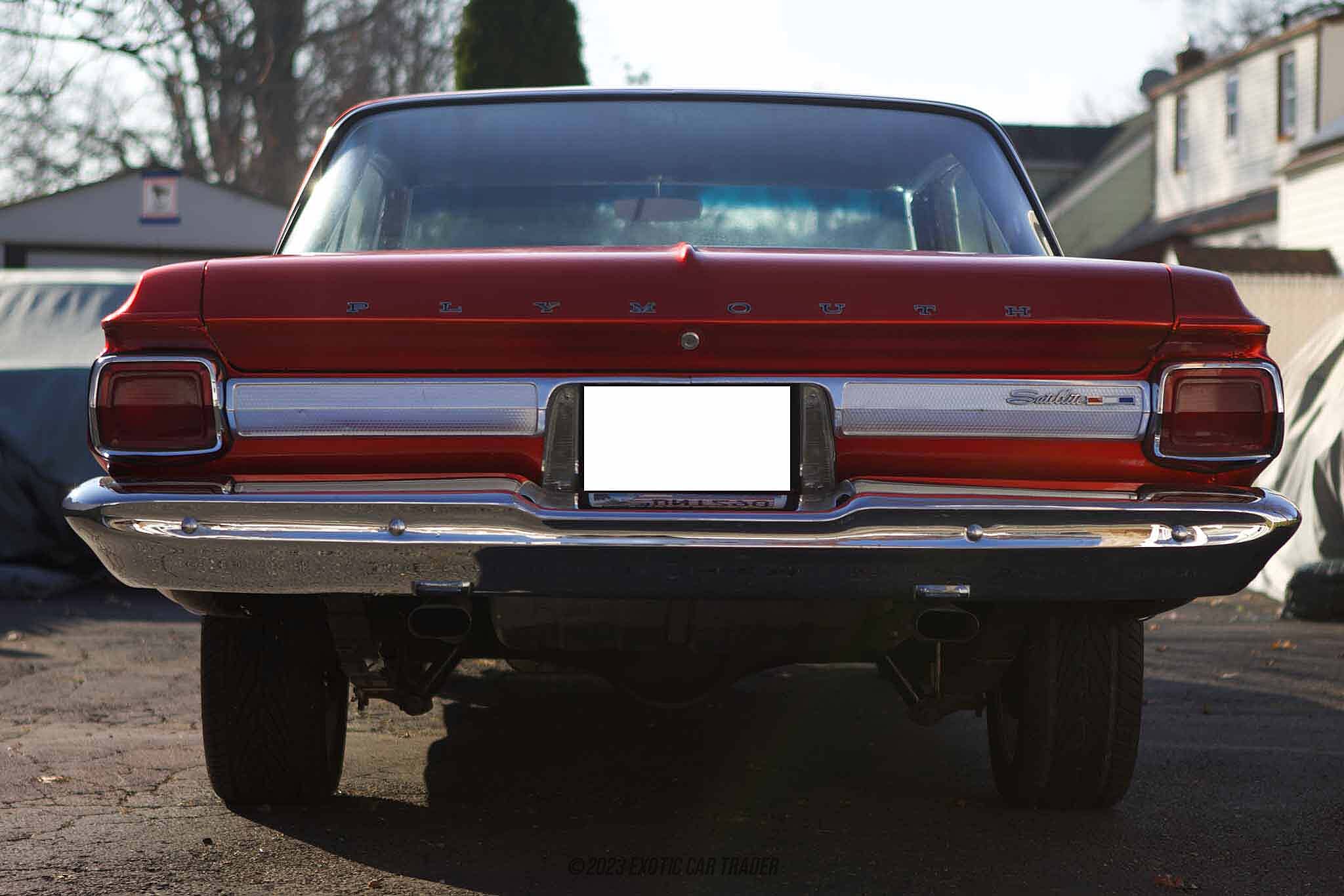
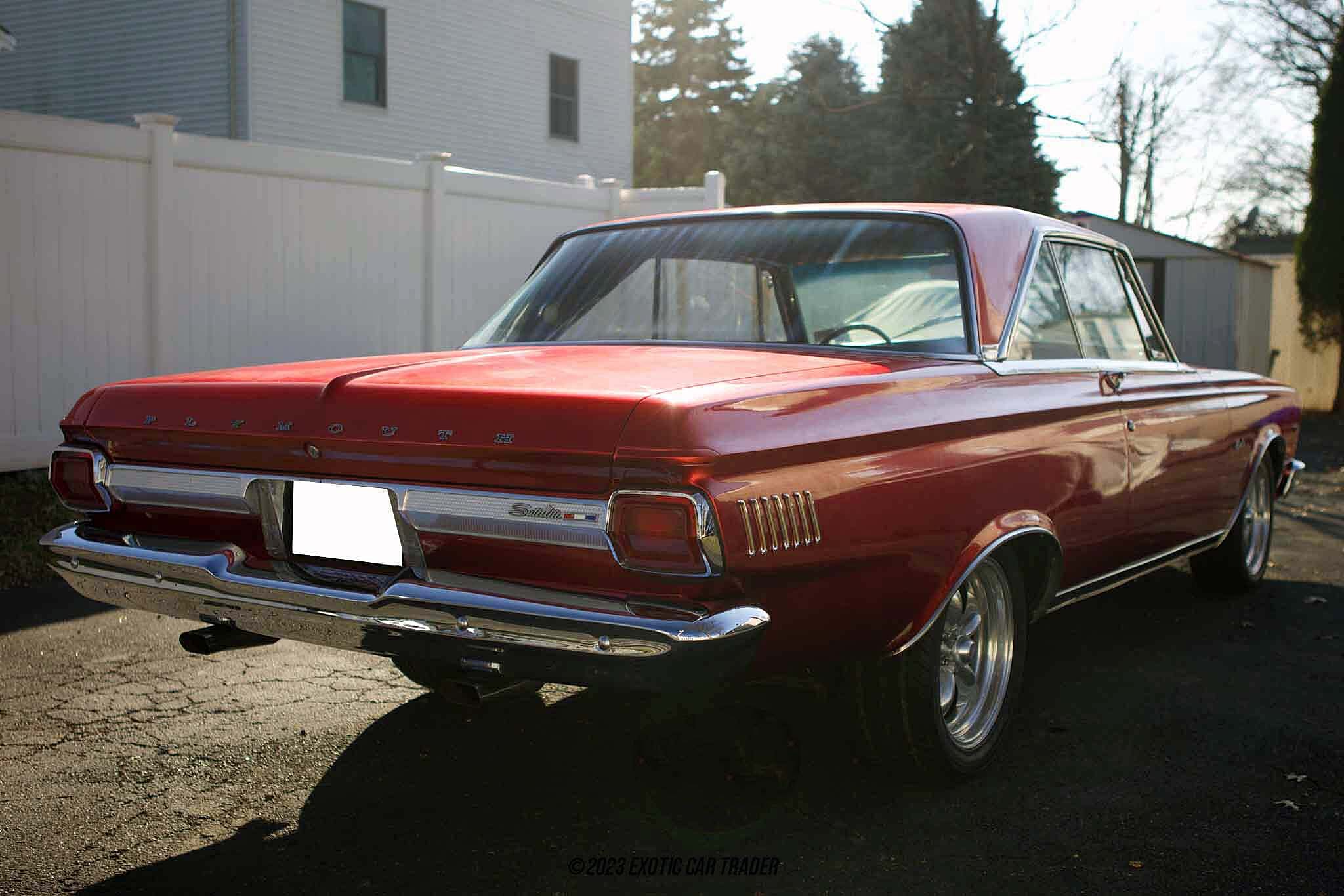
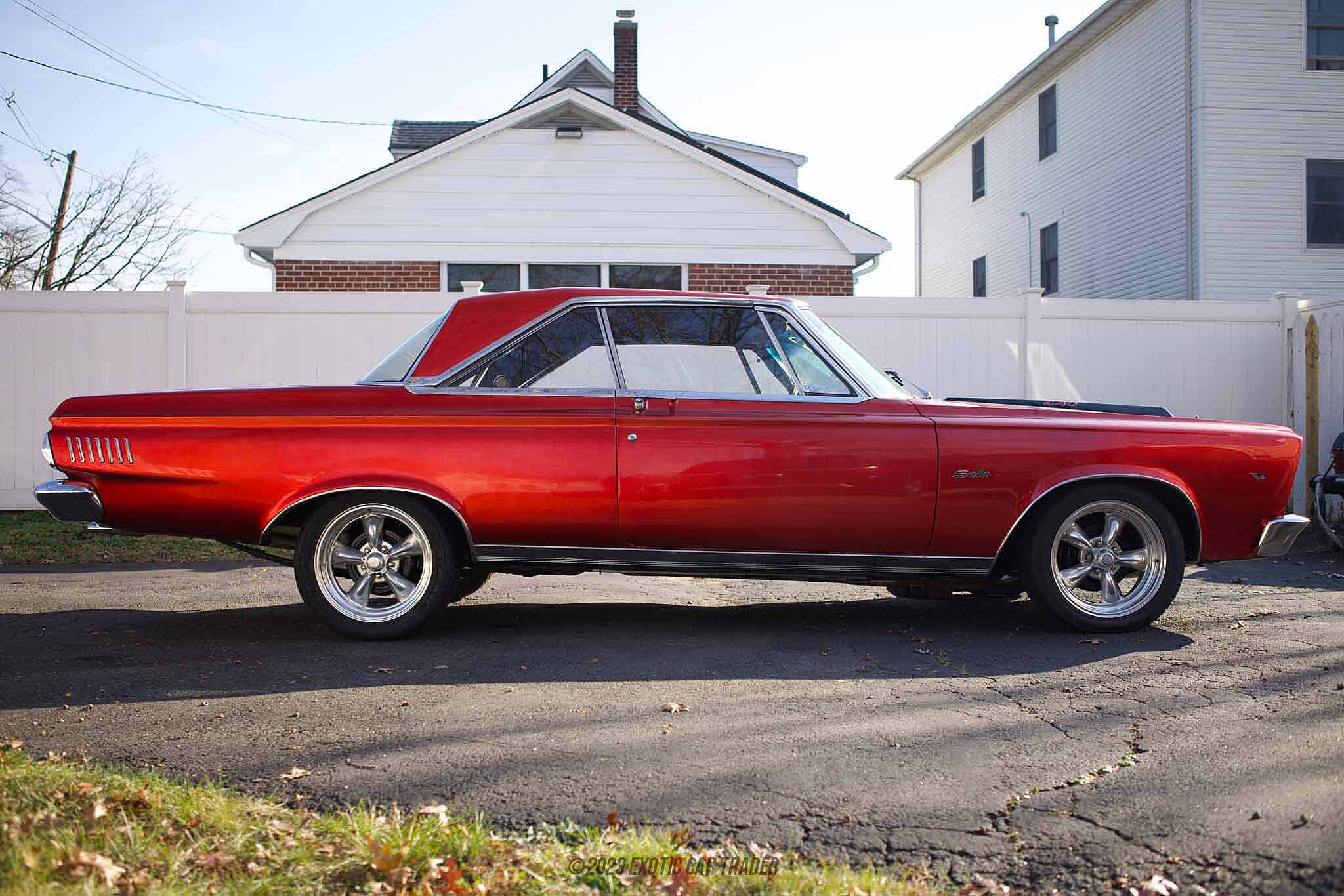
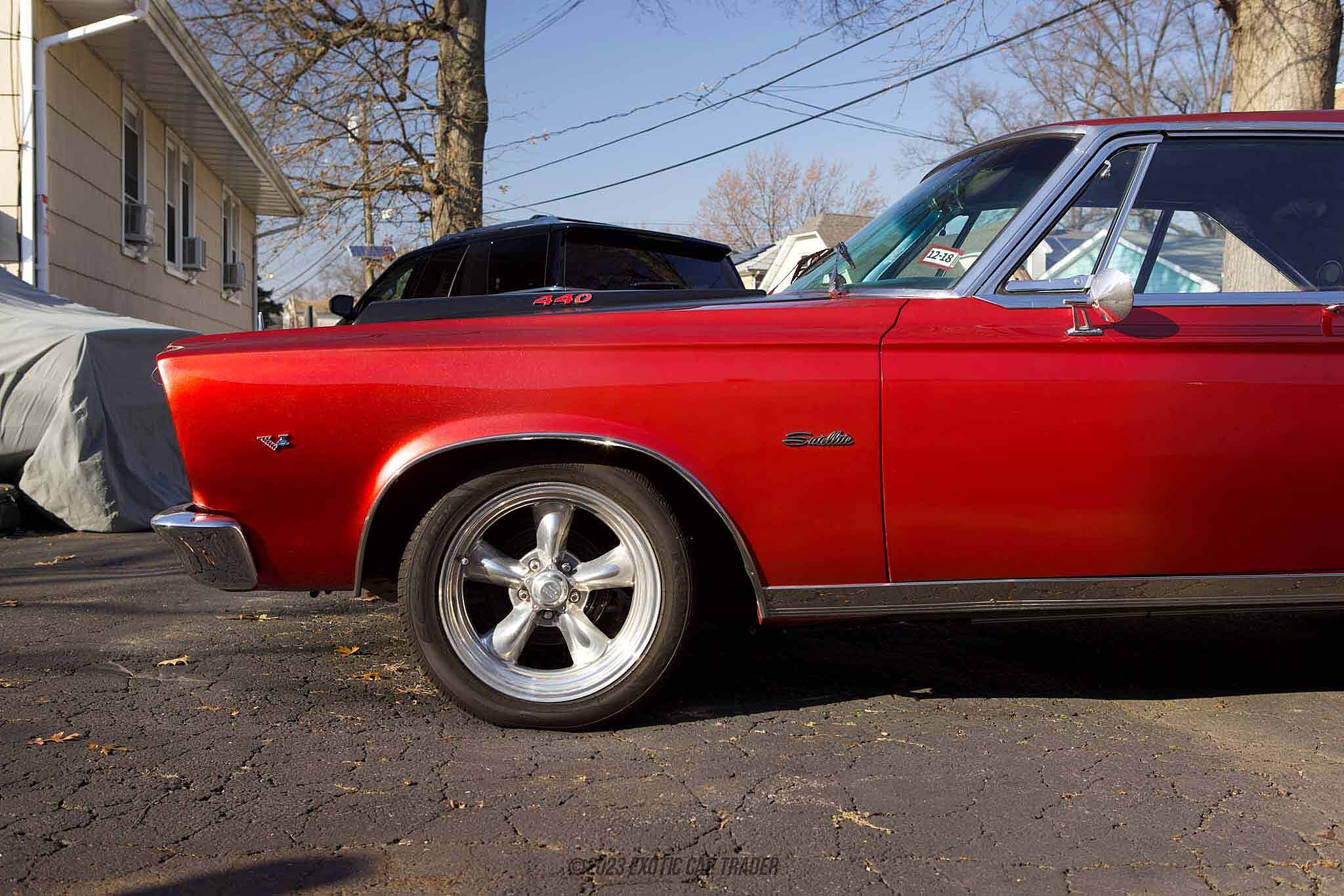
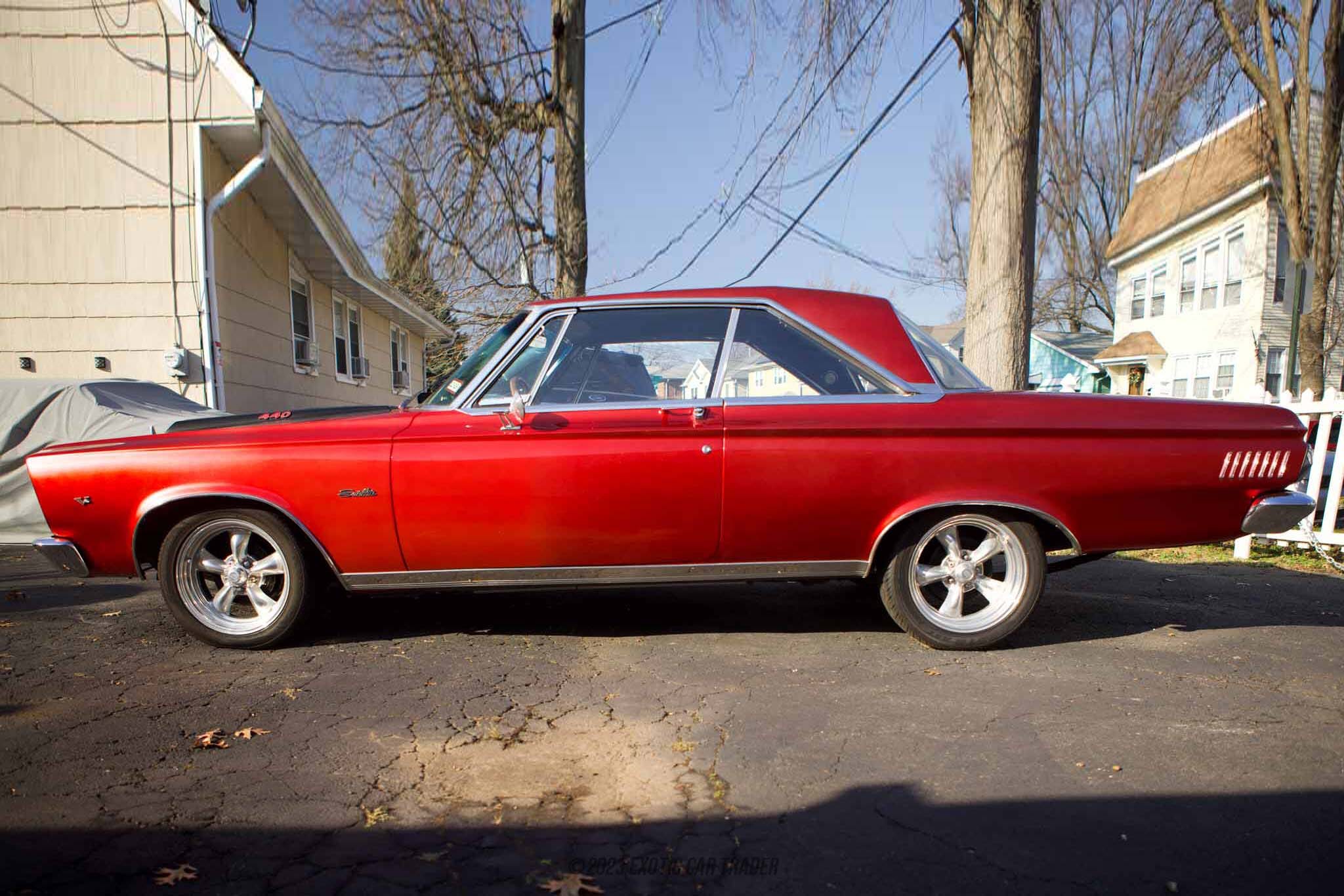
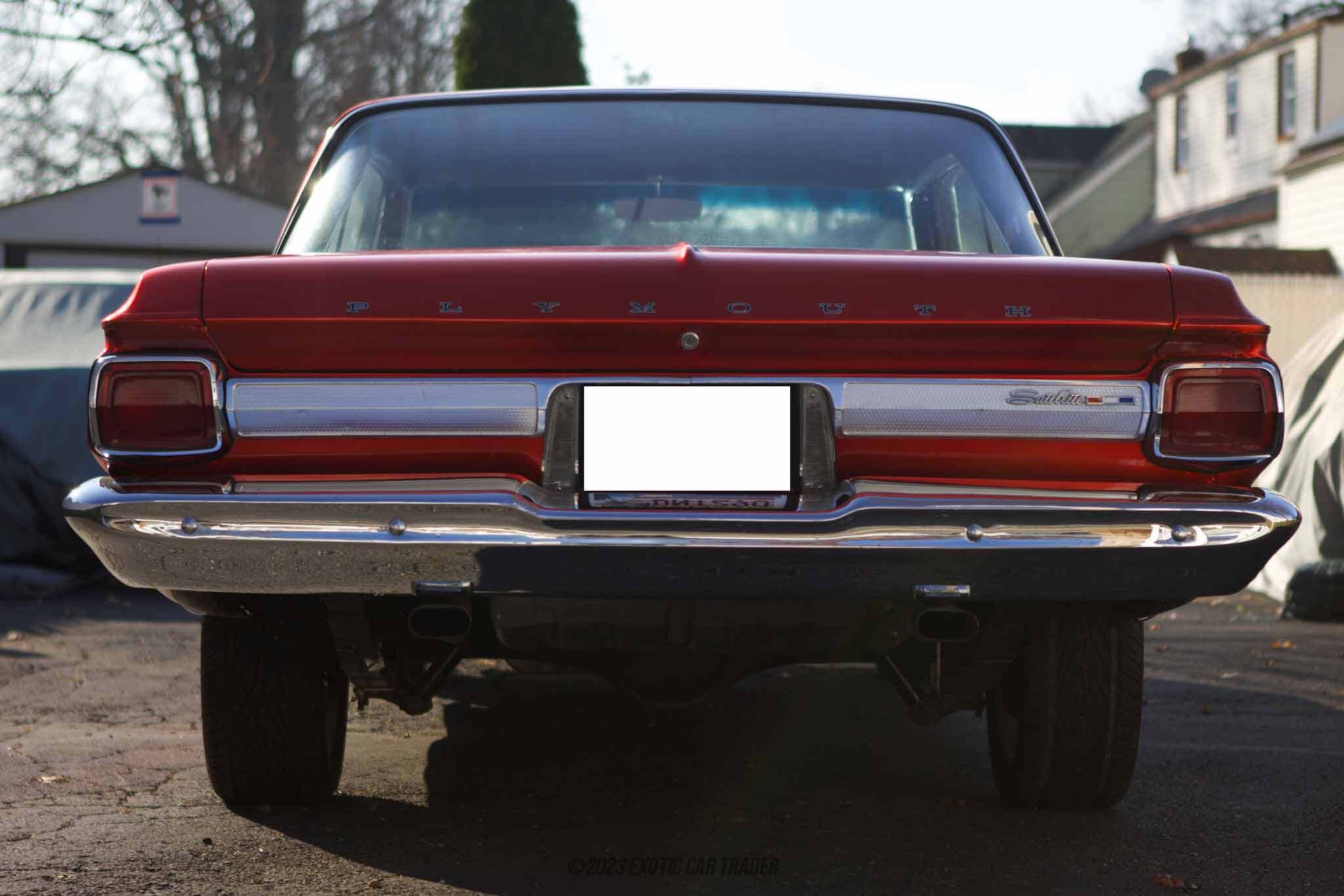
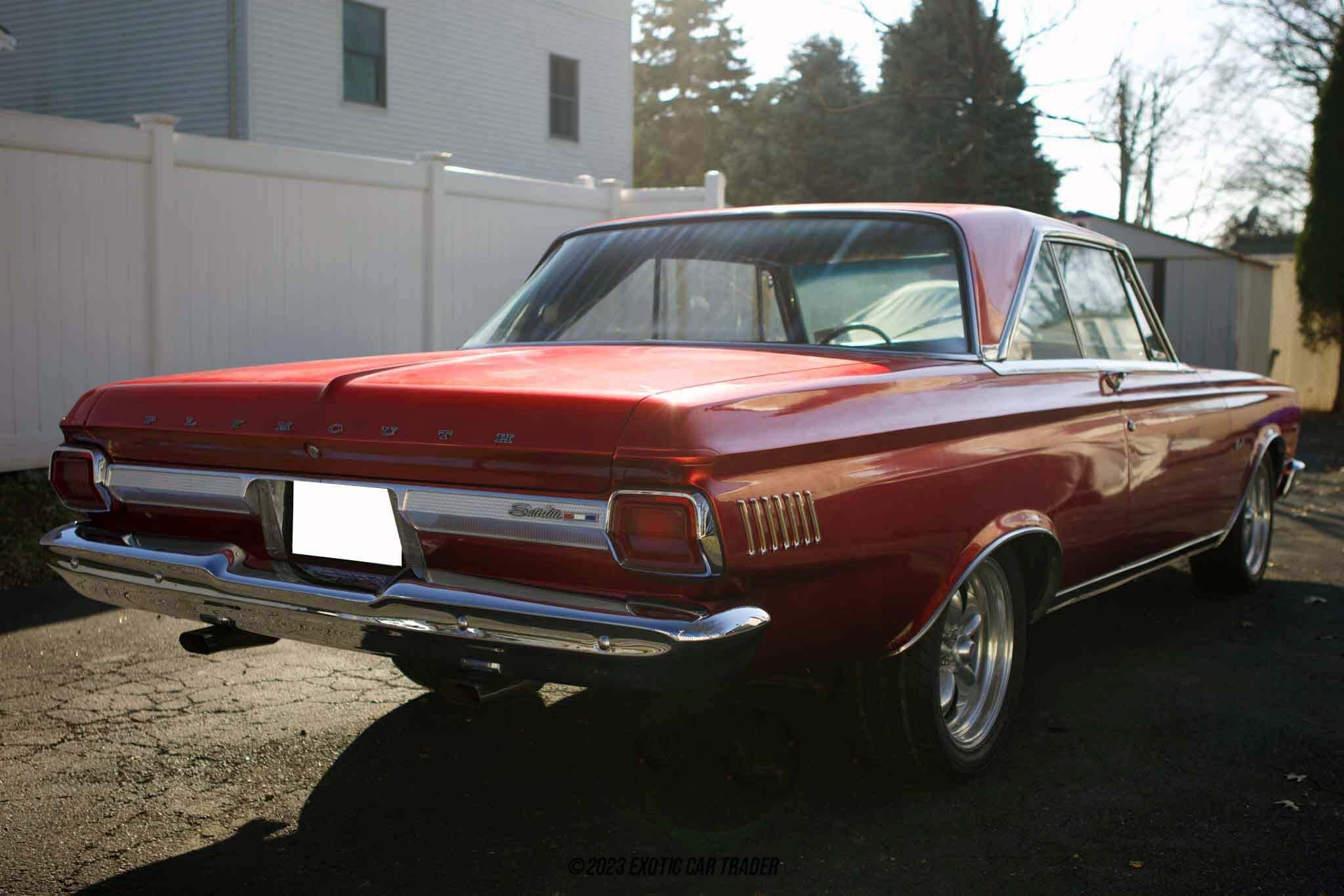
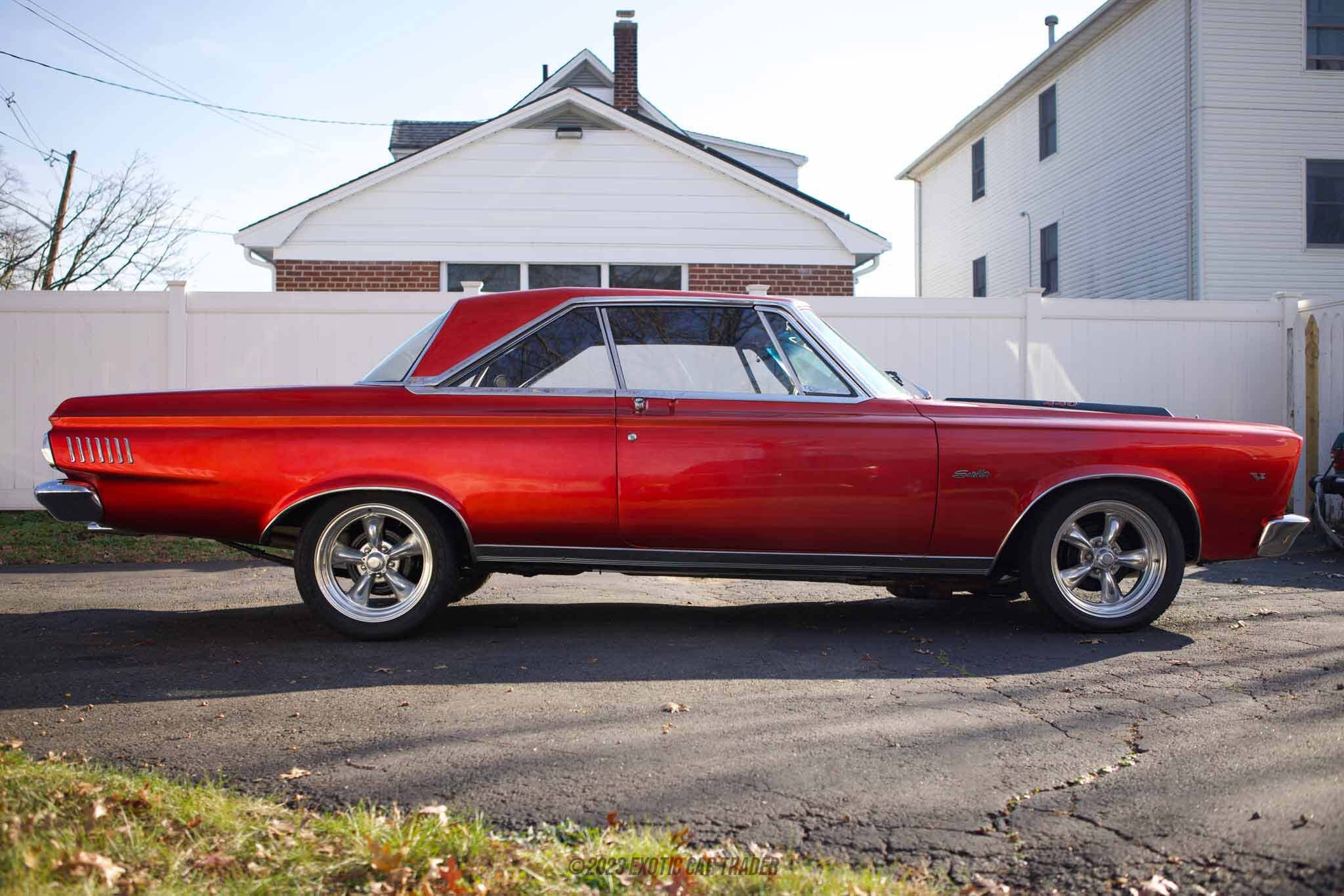
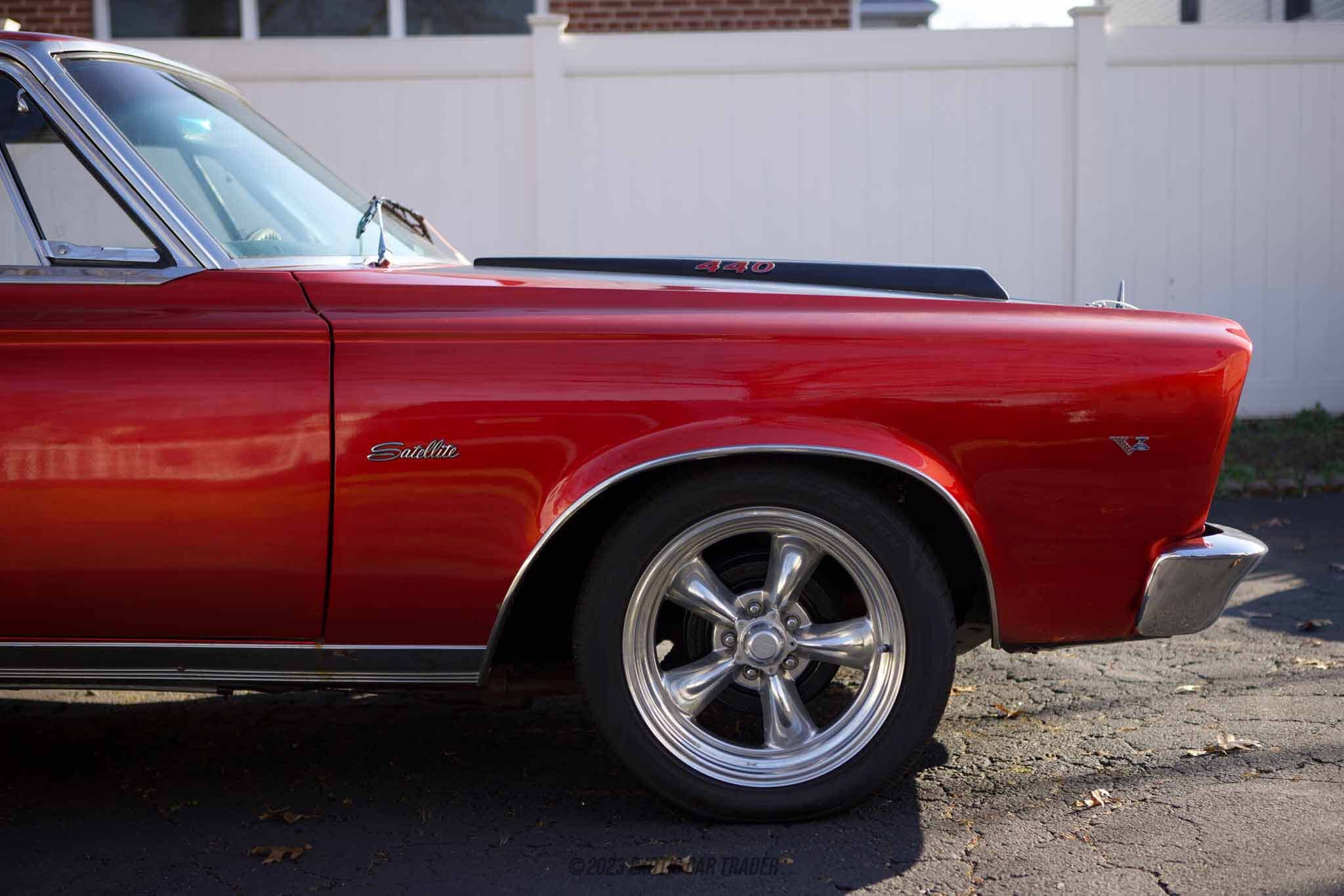
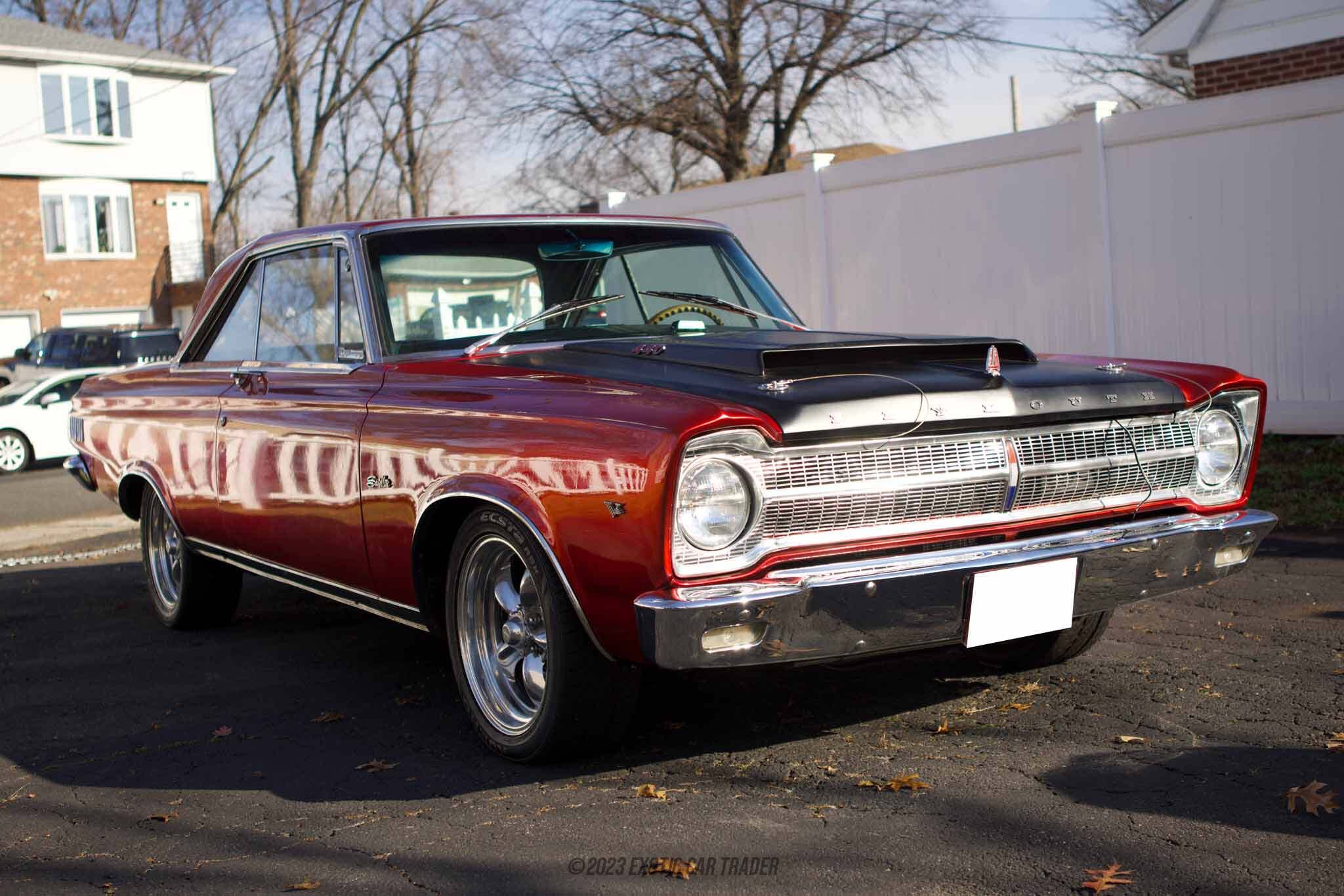
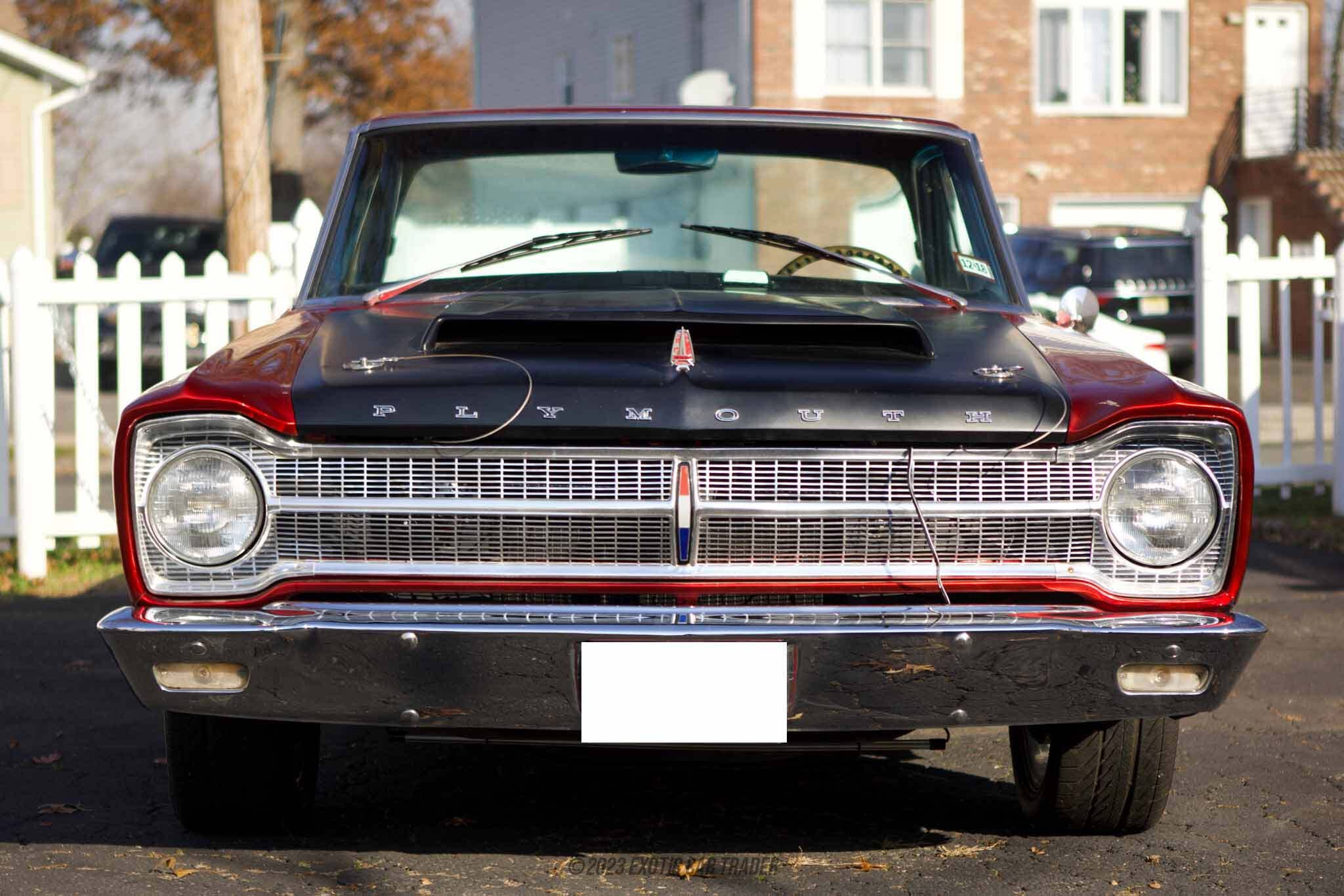
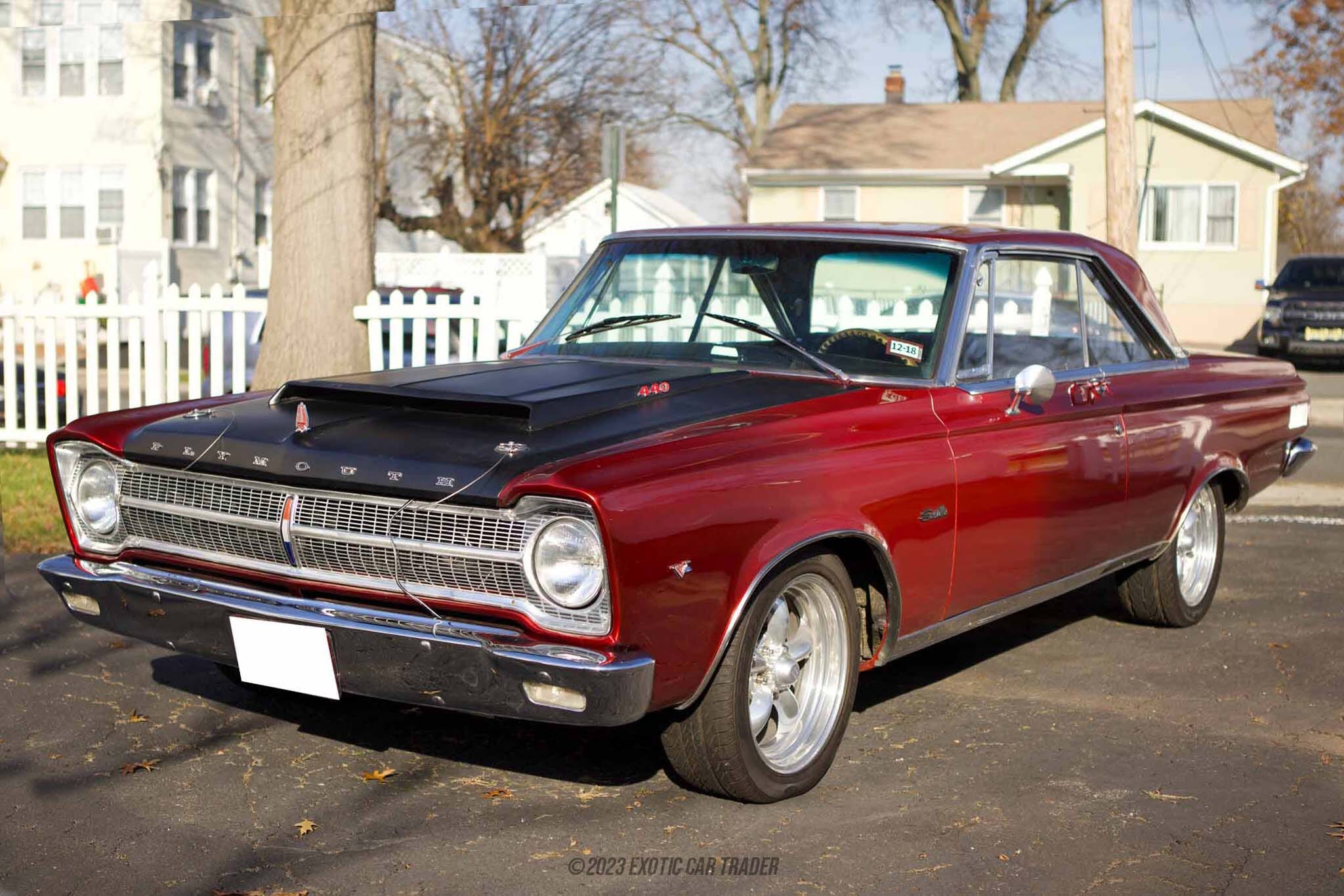
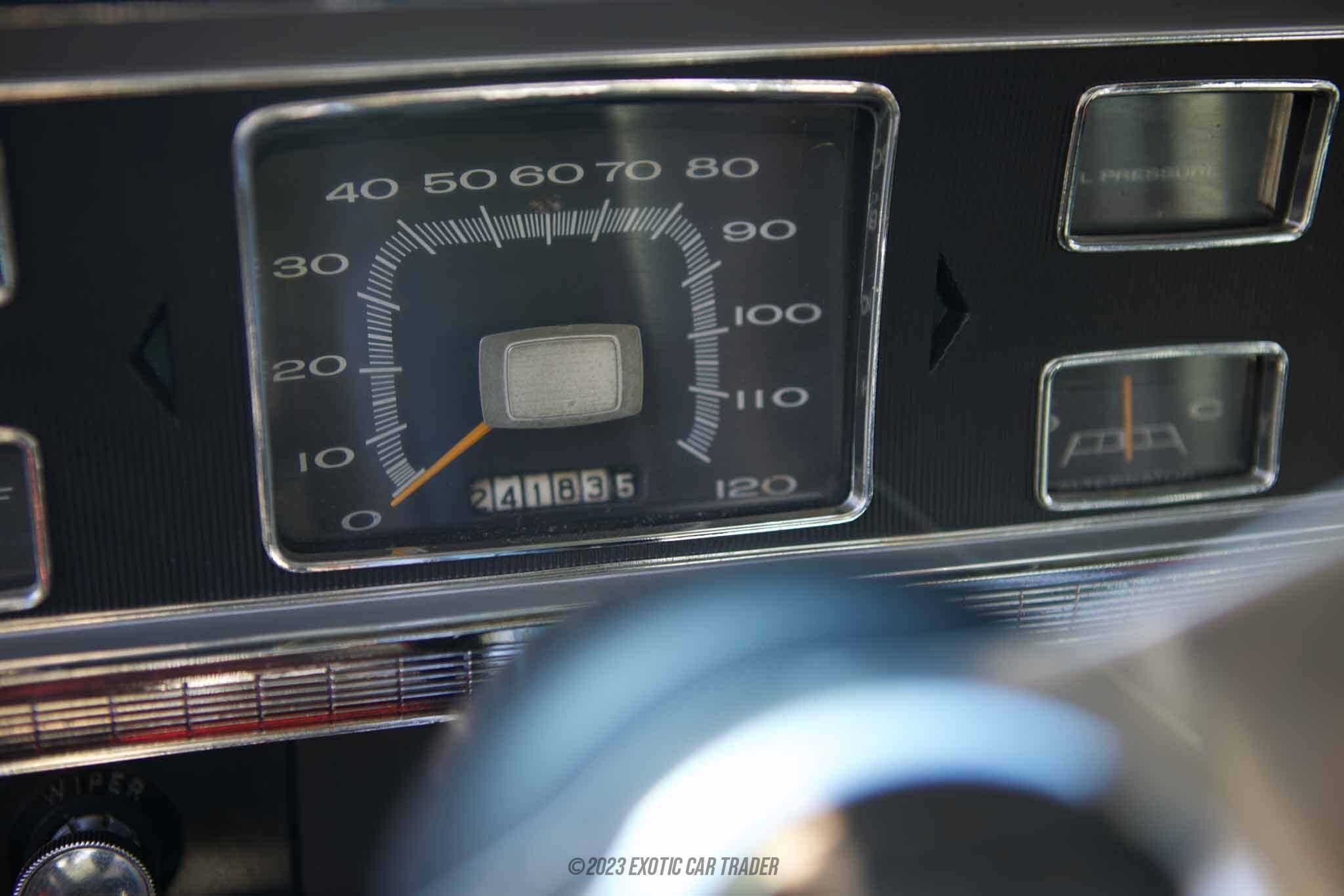
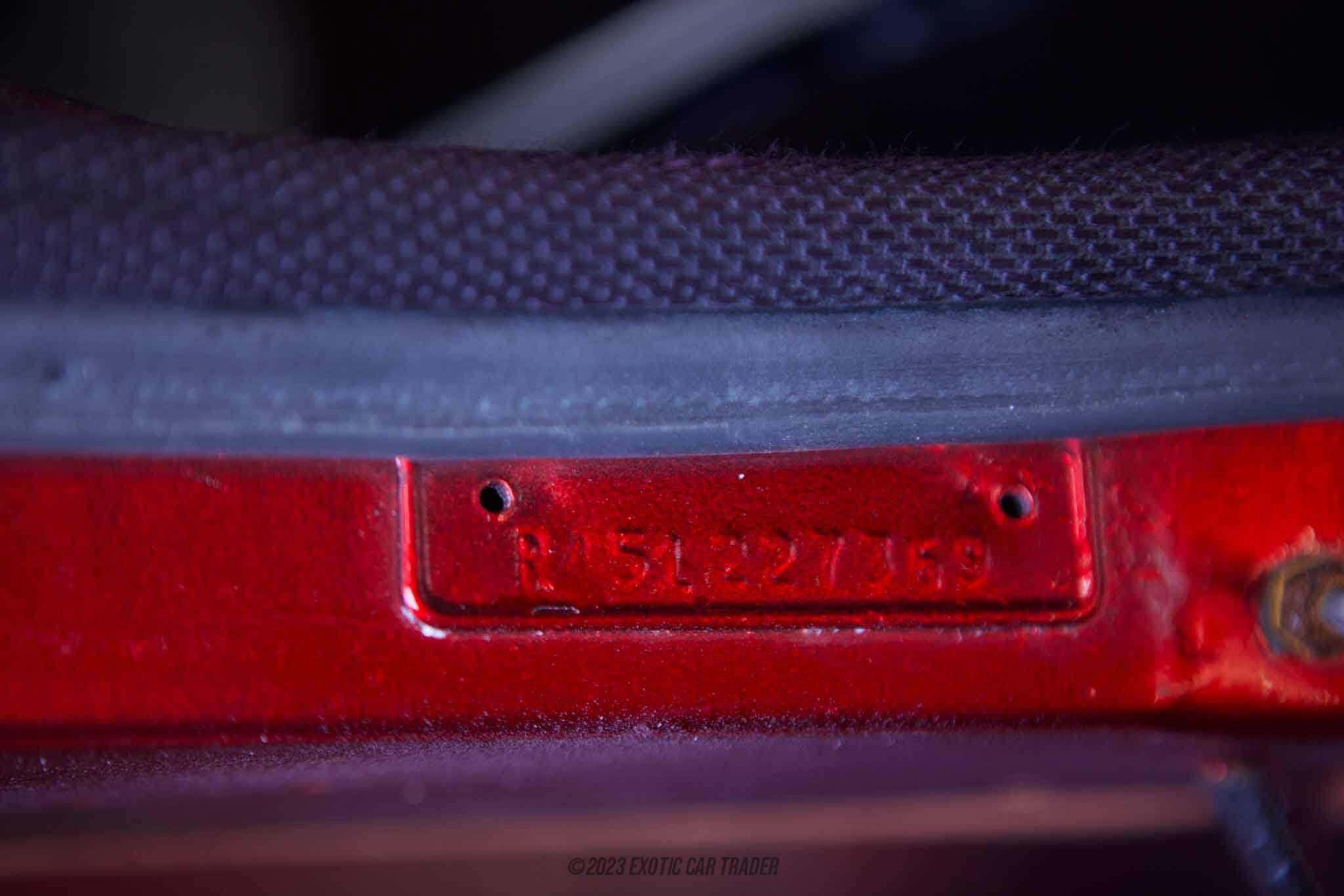
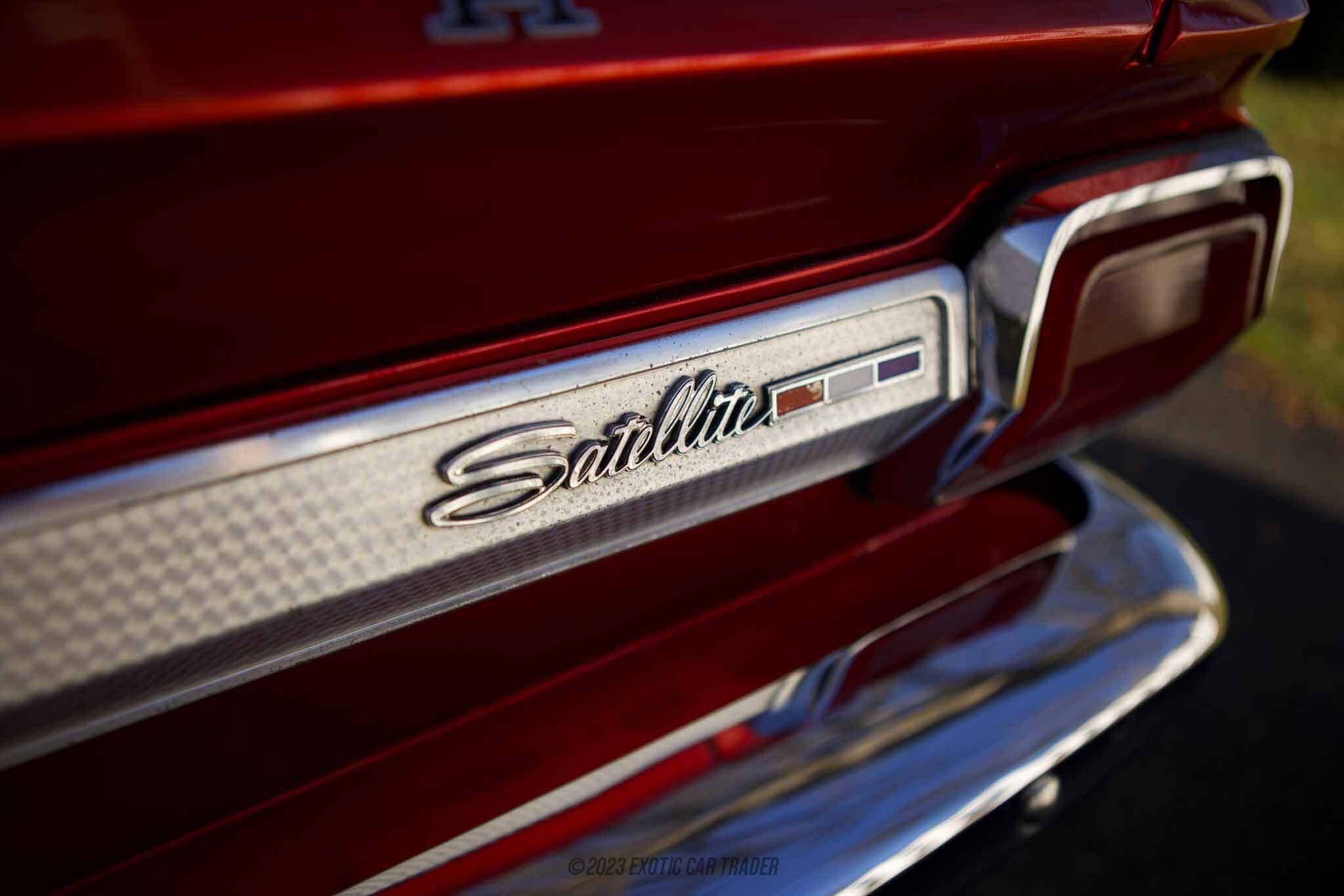
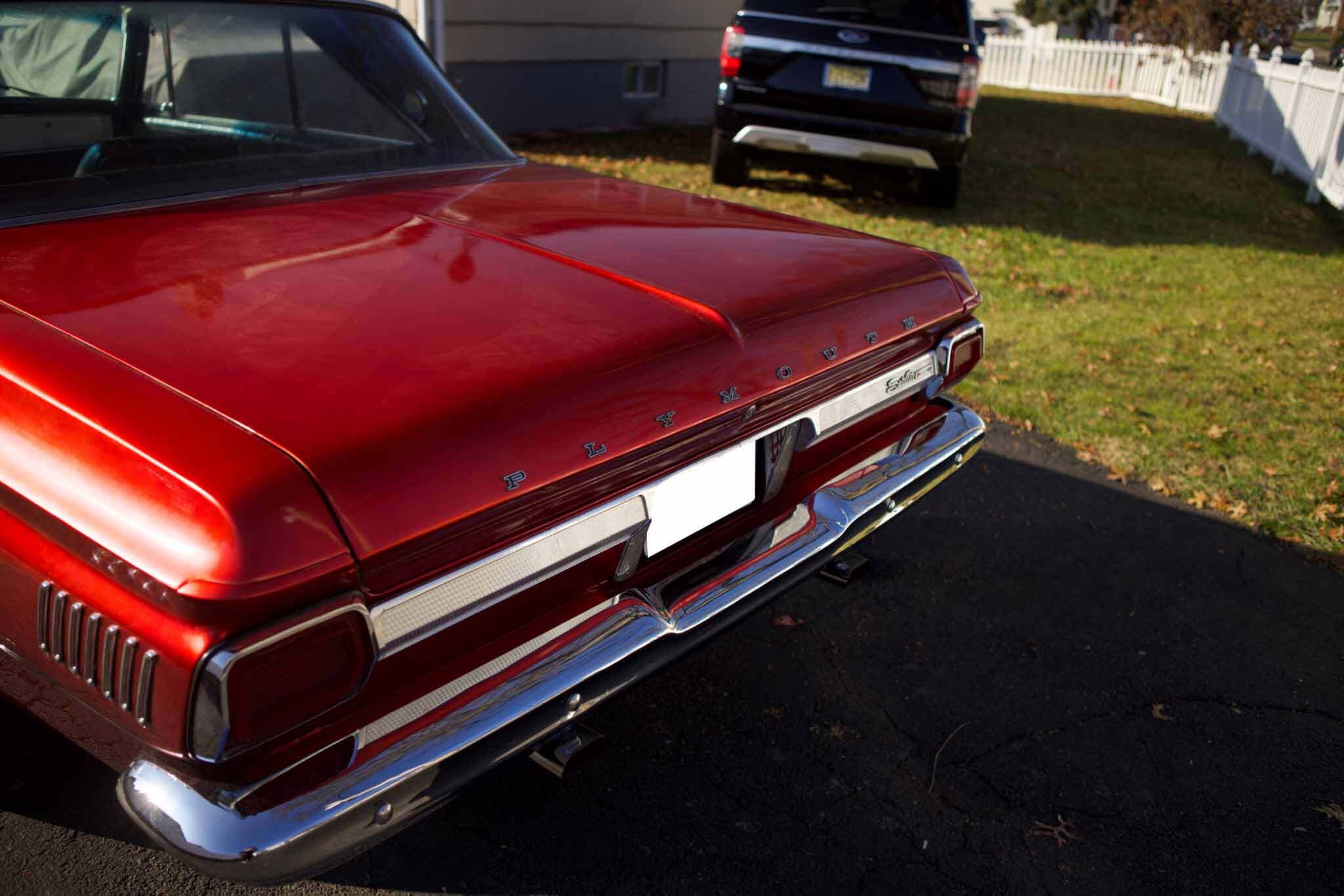
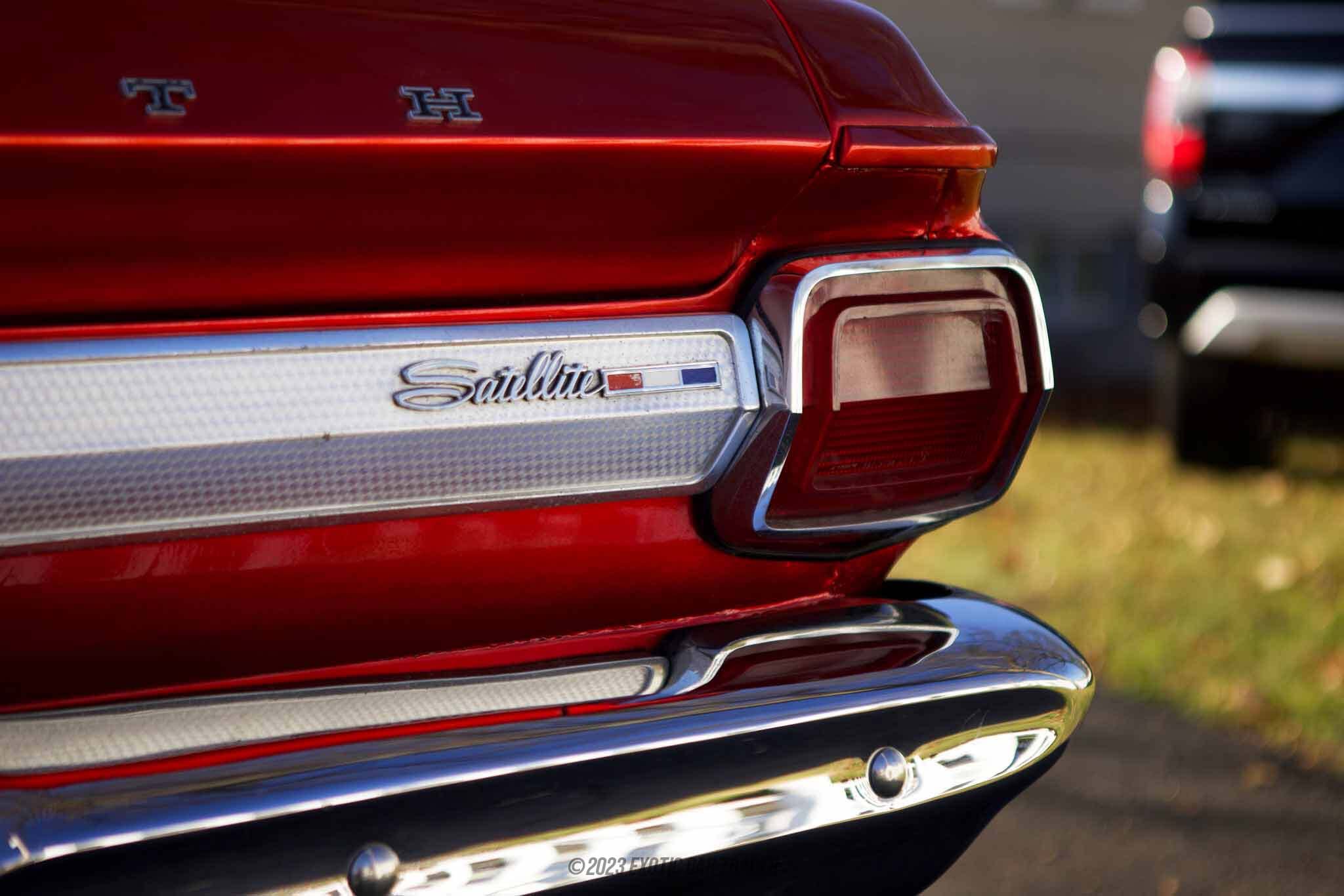
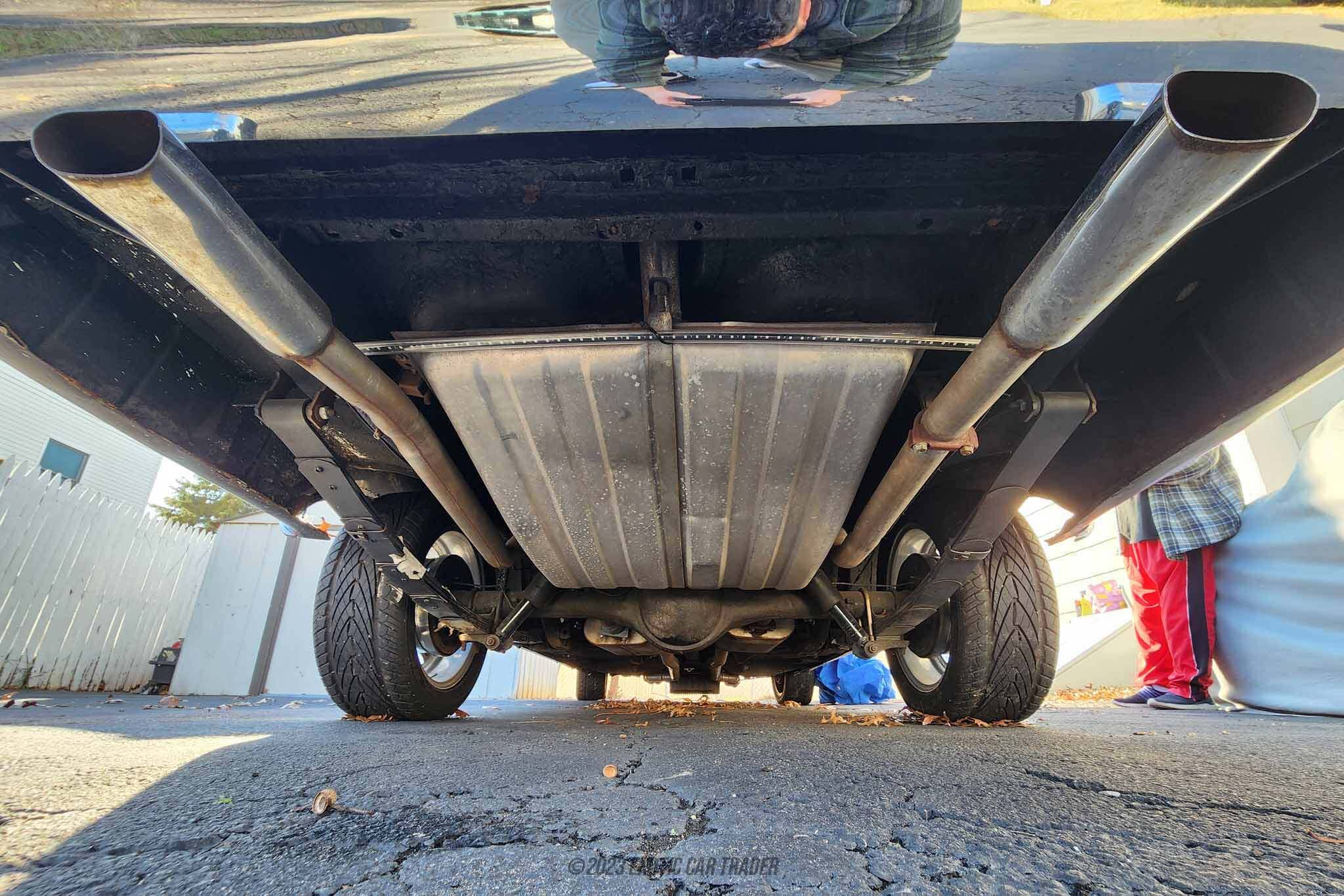
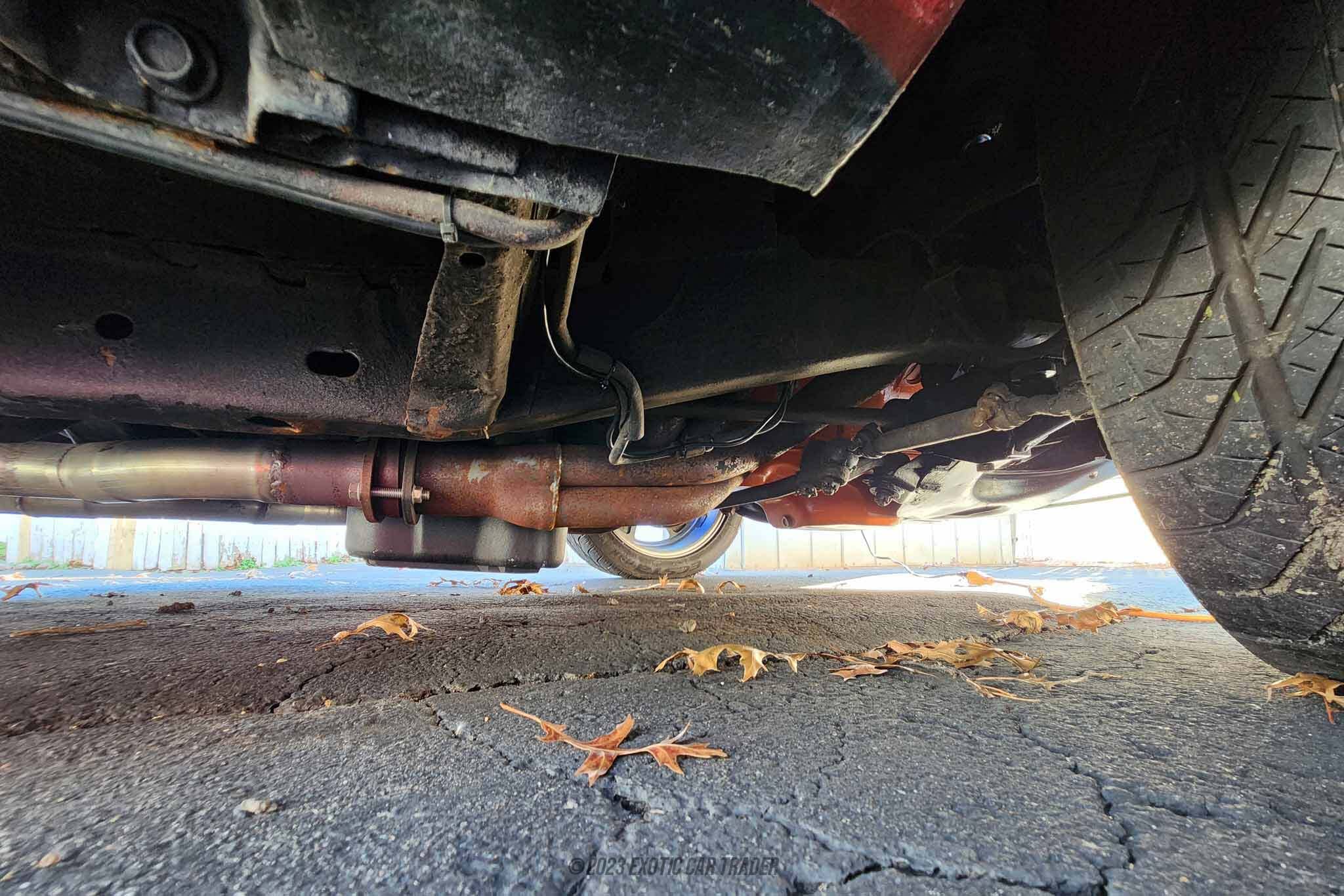
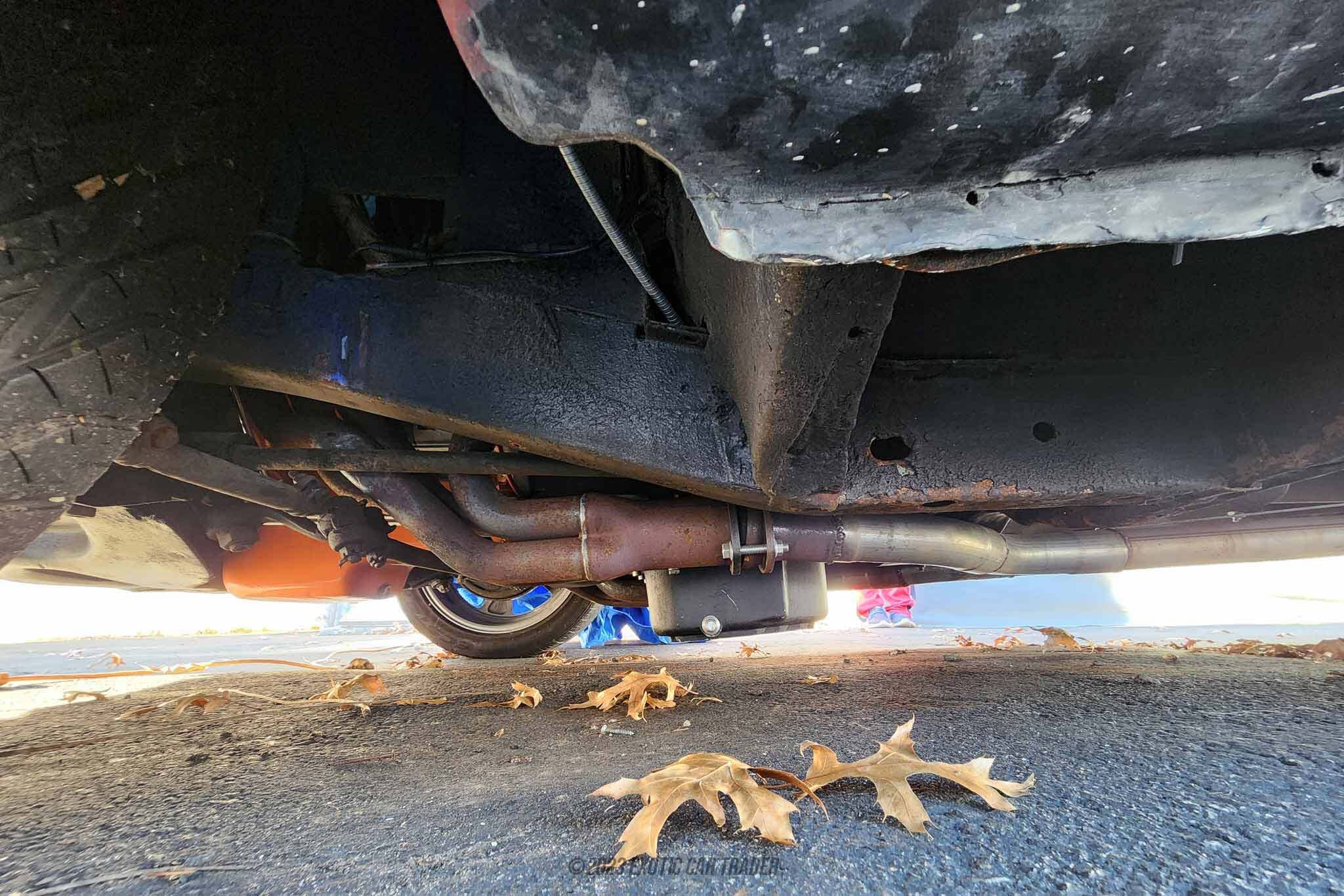
The Satellite from Plymouth ran for ten years and three generations, from 1964 to 1974. Based on the Belvedere, it was considered the top-tier offering in its segment. Now, these cars are gaining interest due to being an unconventional choice amidst the more popular nameplates. Take this 1965 Plymouth Satellite Sport as a prime example. Said to have been thoroughly restored, it's in excellent condition, belying its 84,000-mile life. You've also got some tasteful enhancements to enjoy with the package.
Exterior and Interior
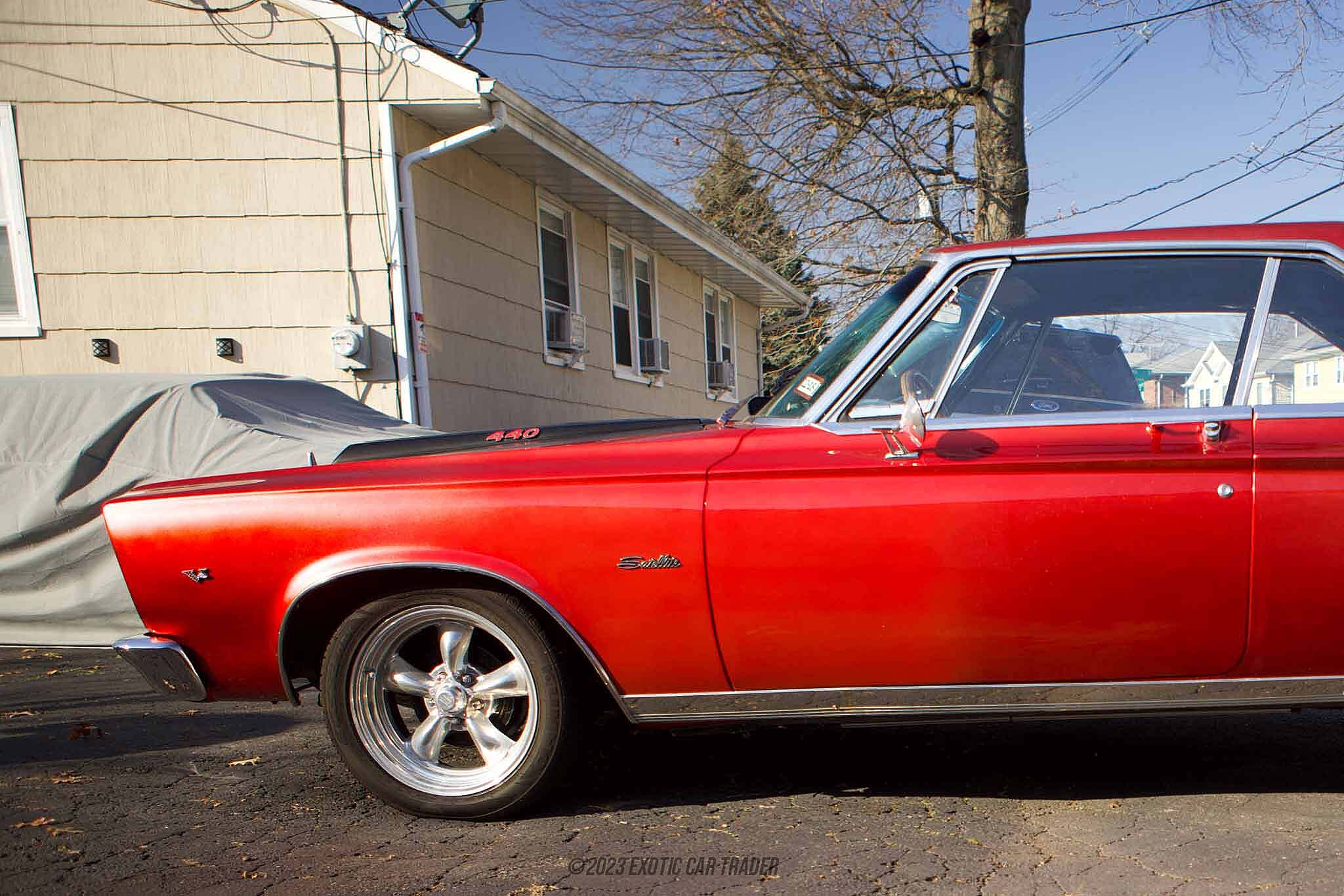
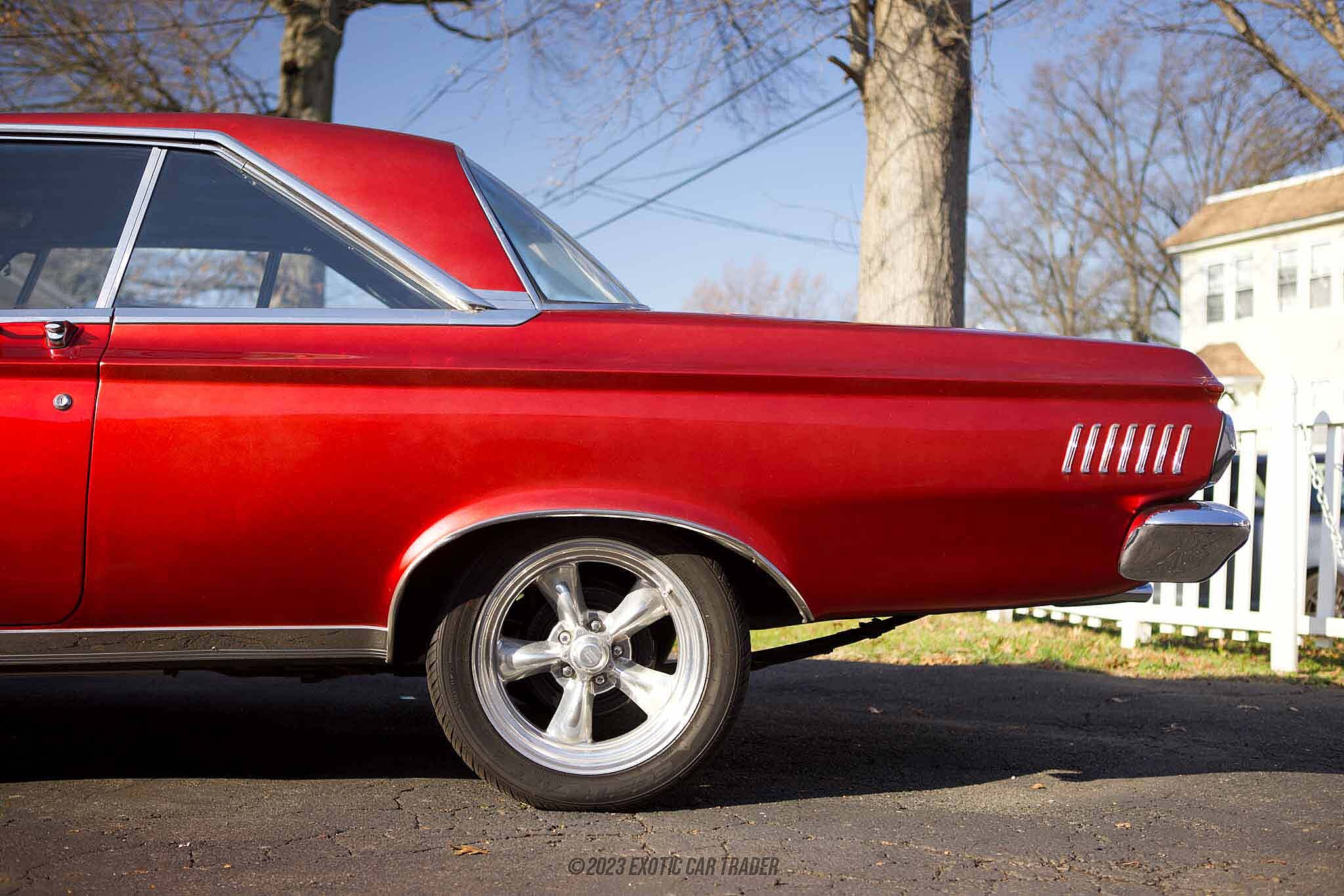
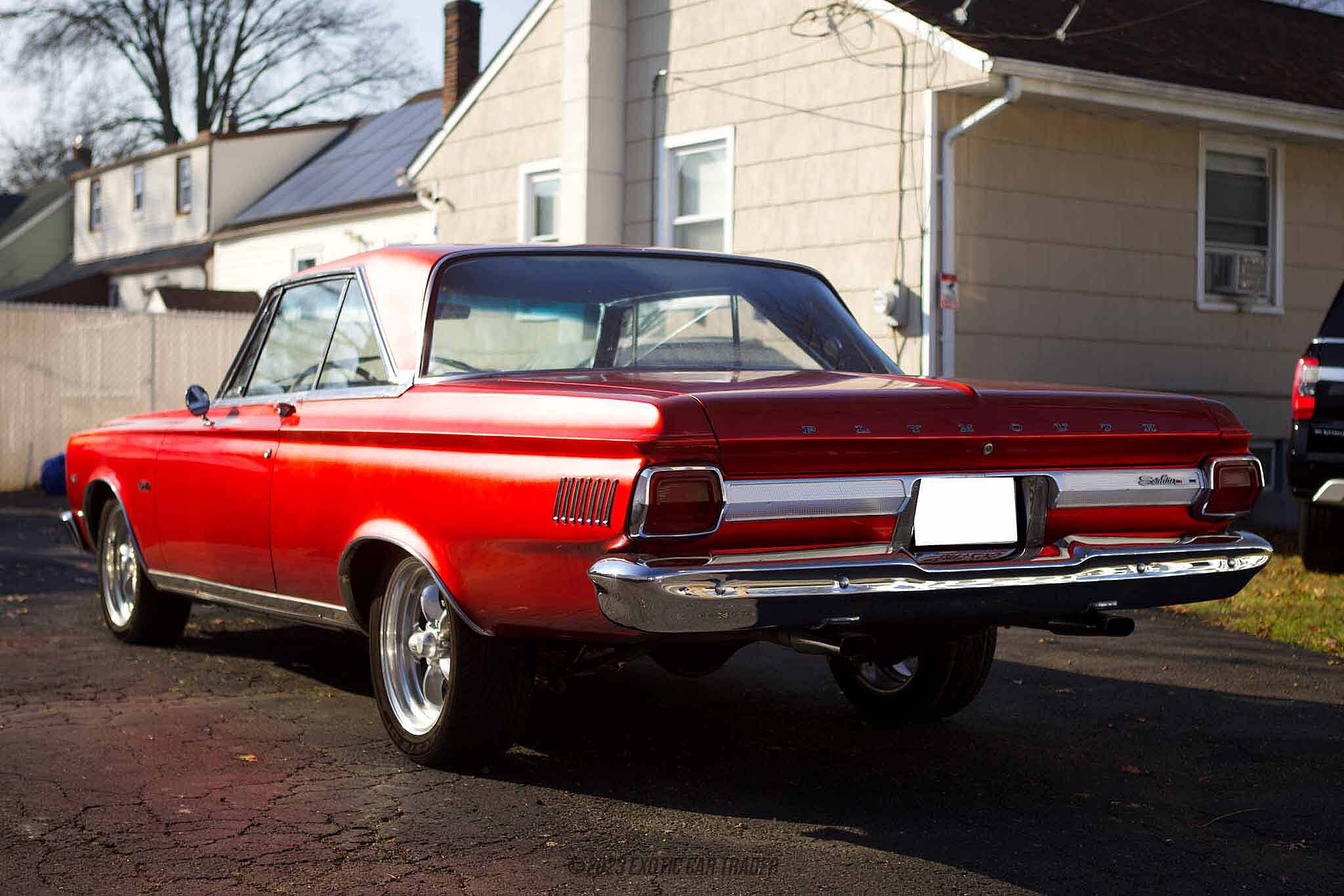
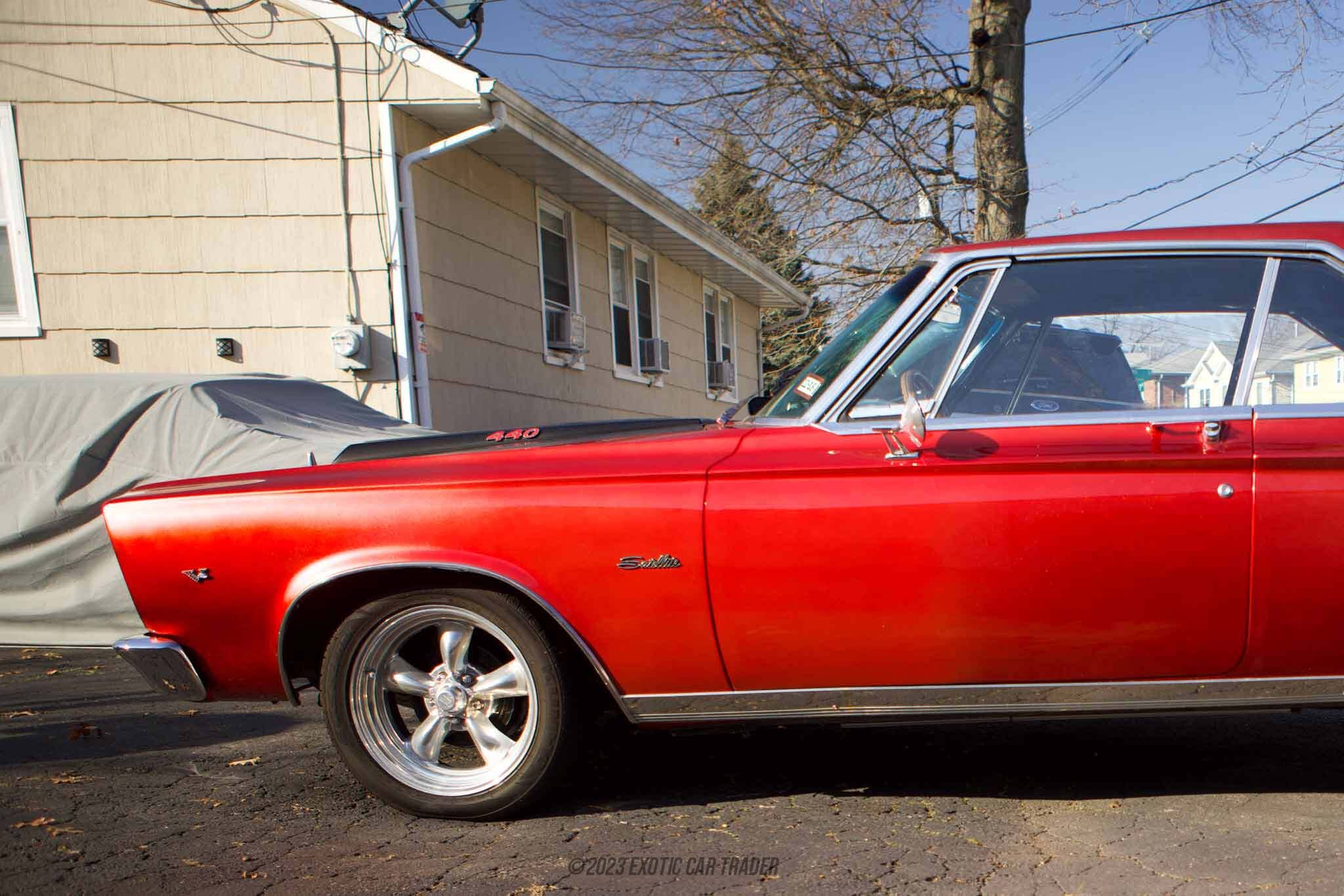
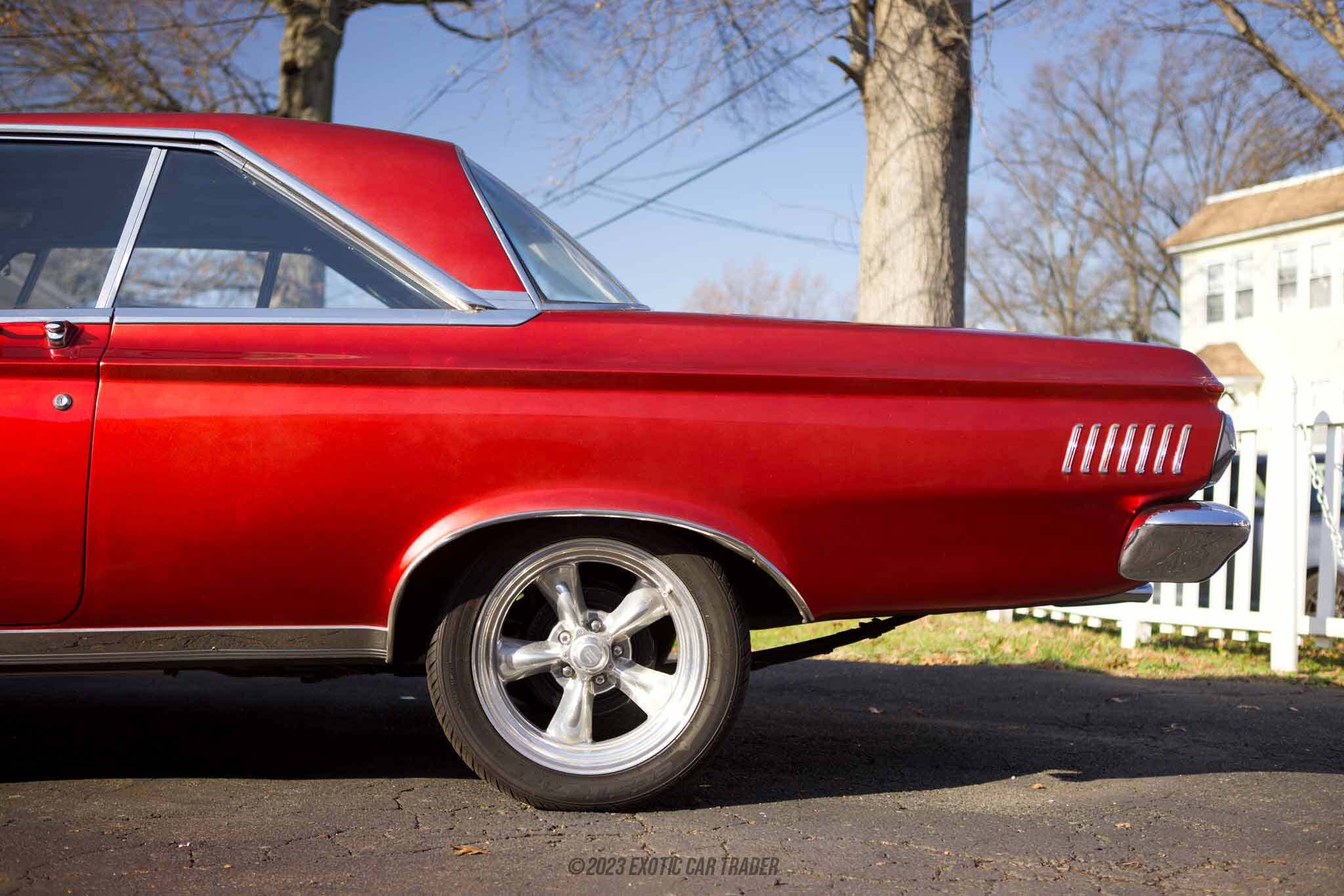
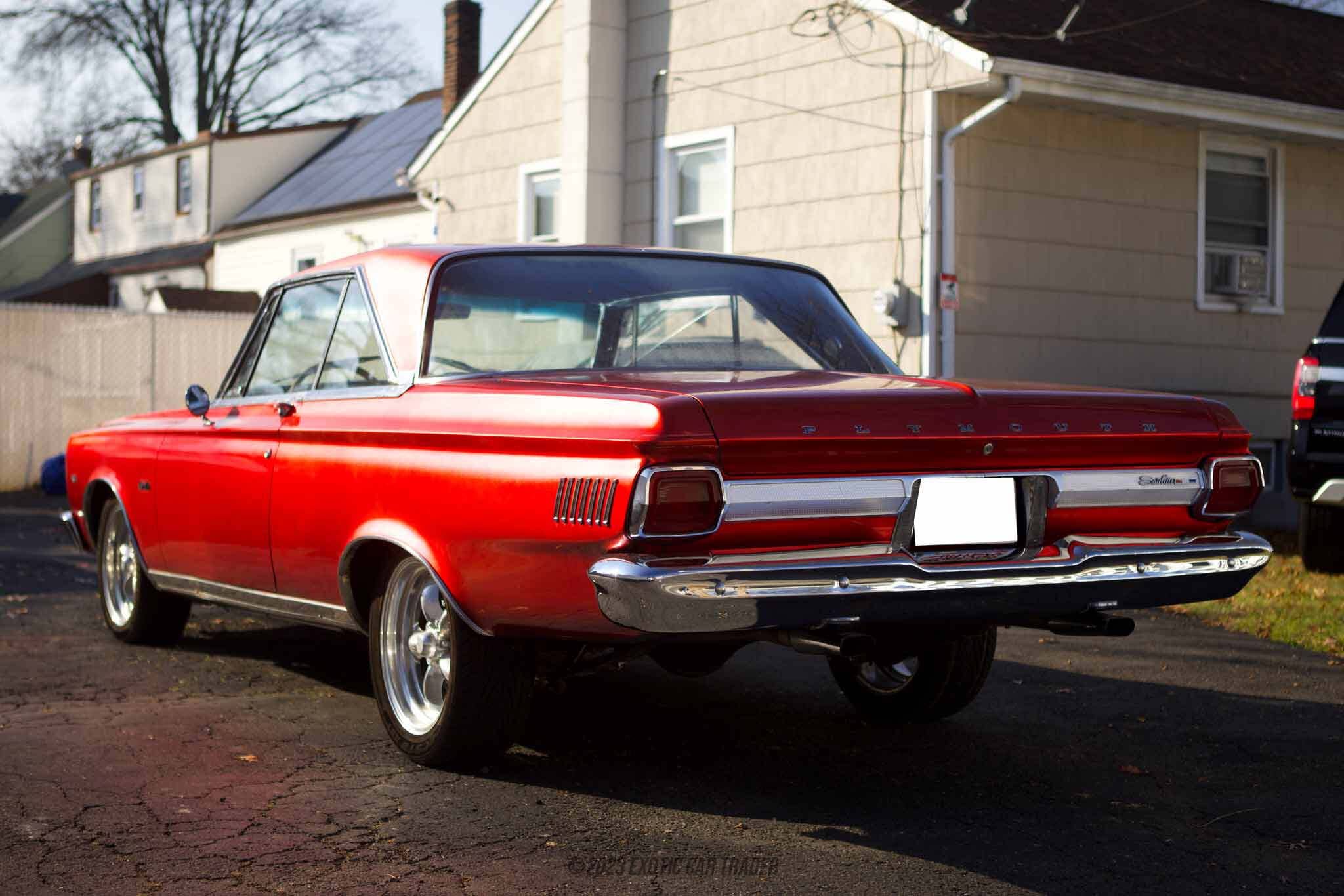
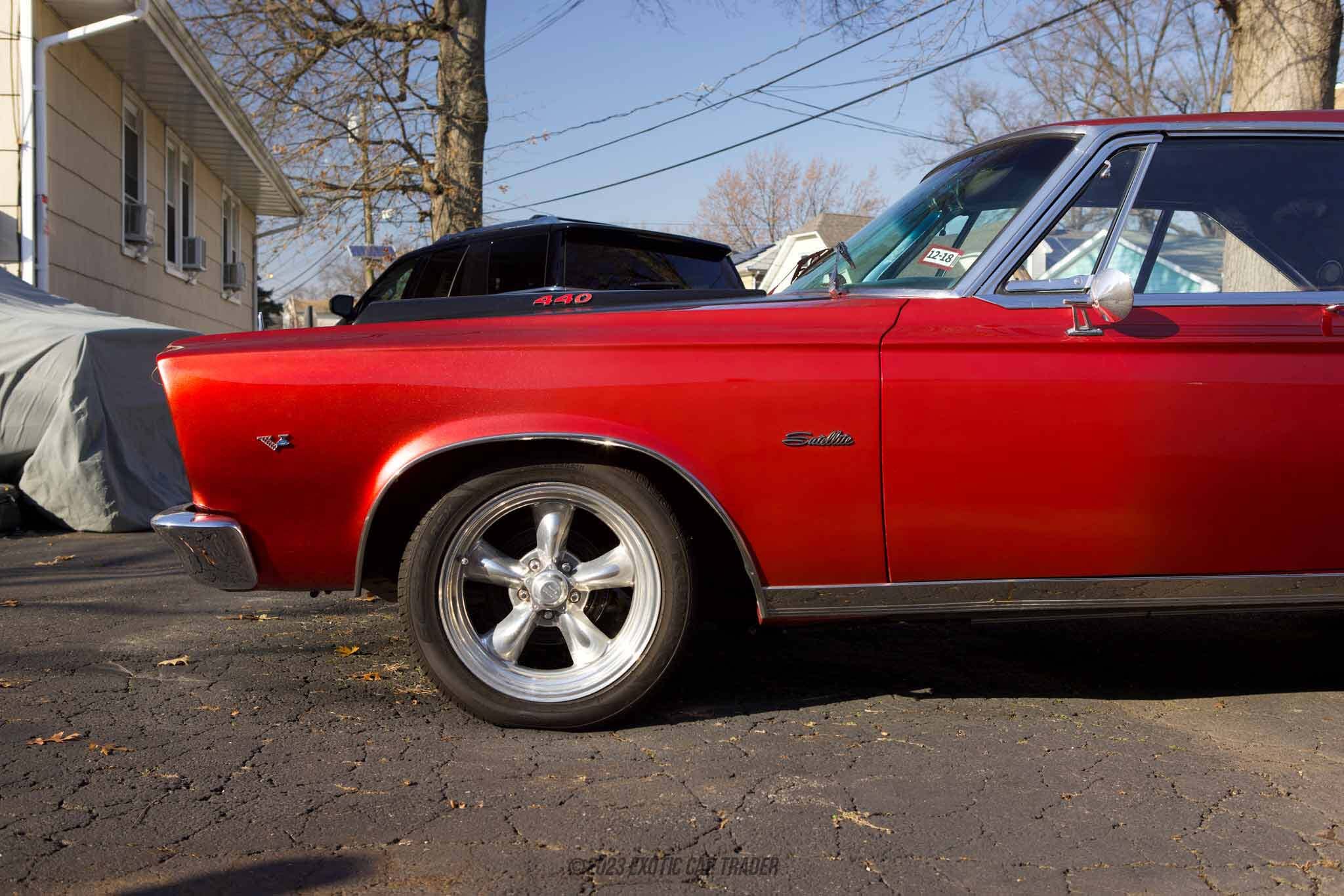
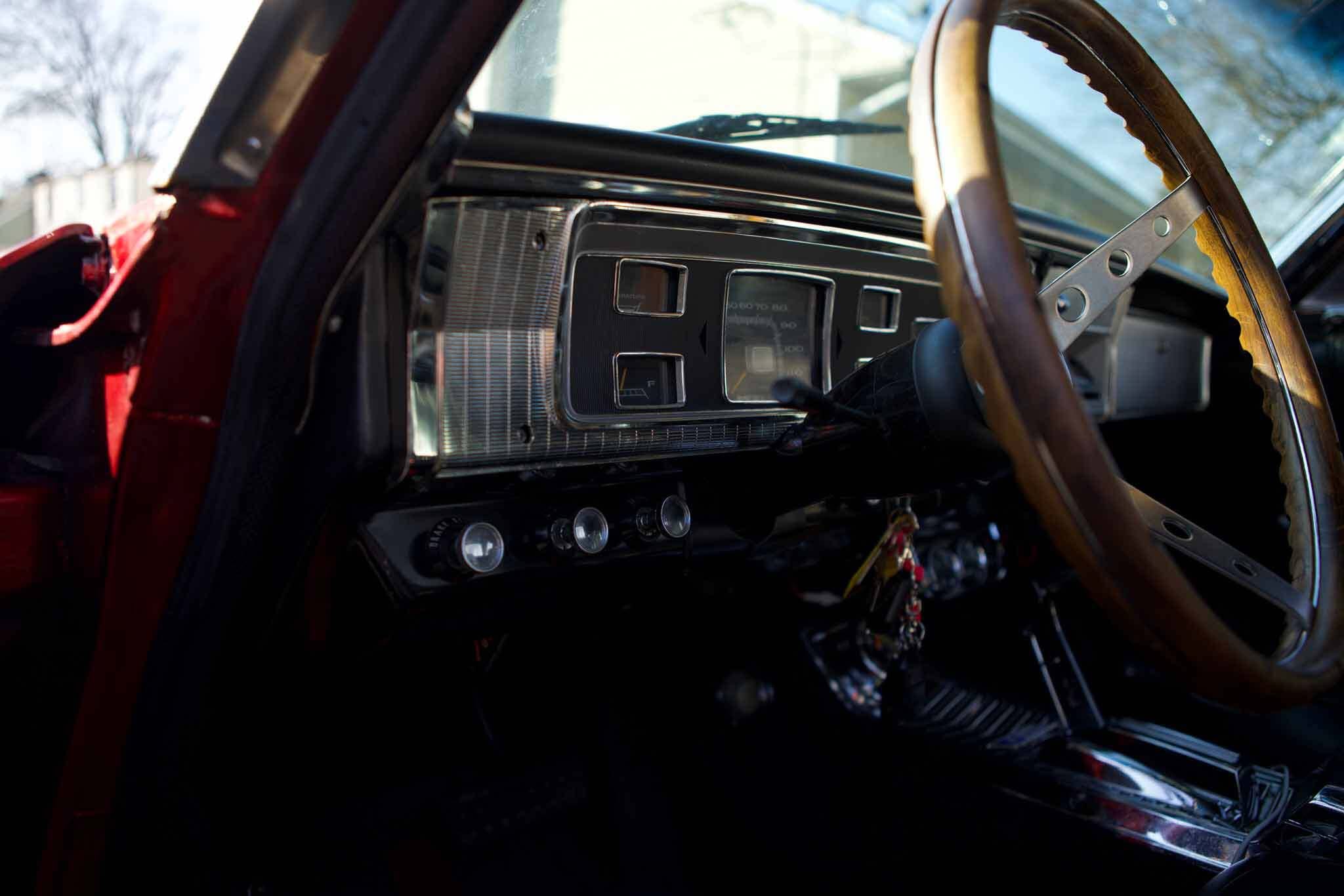
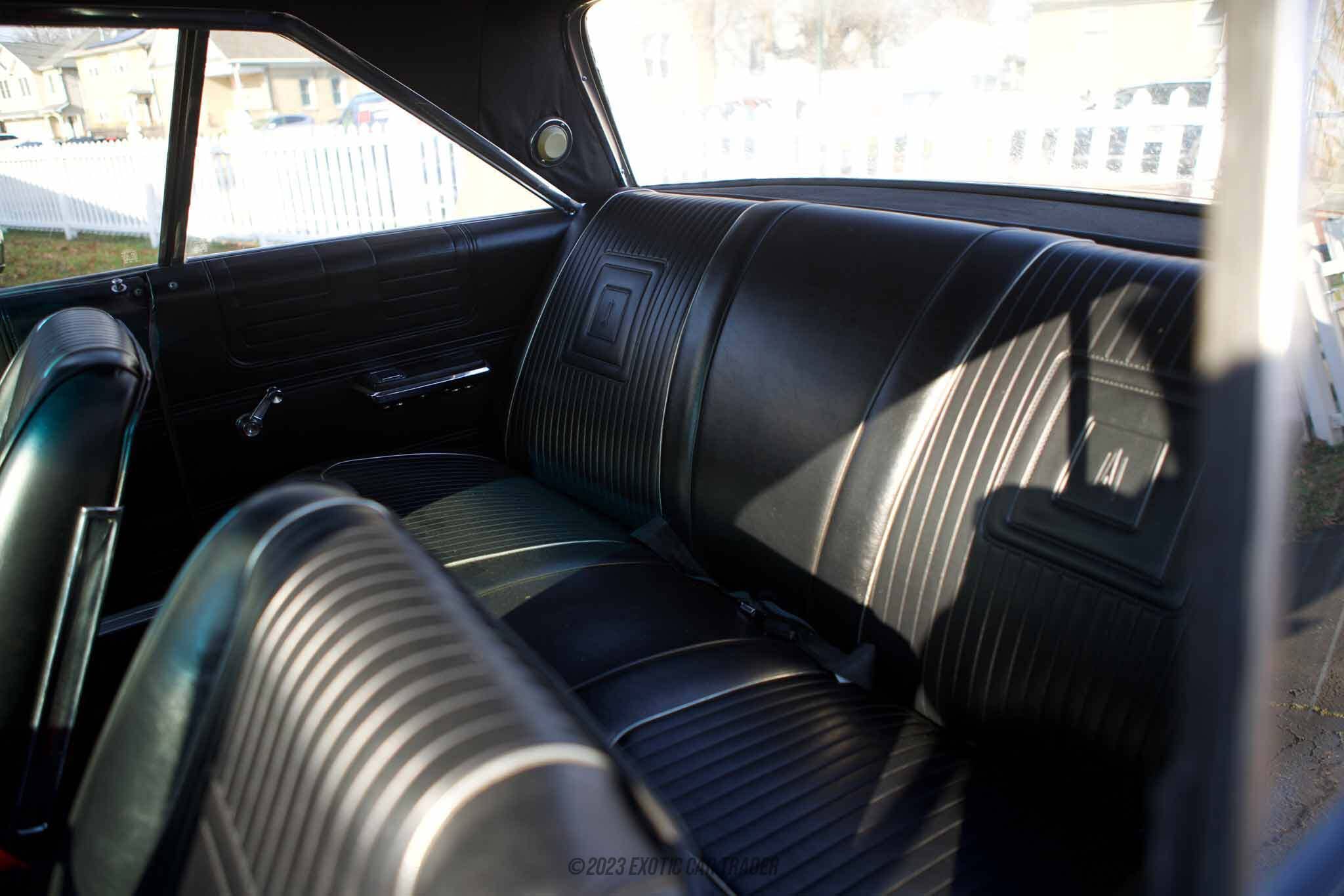
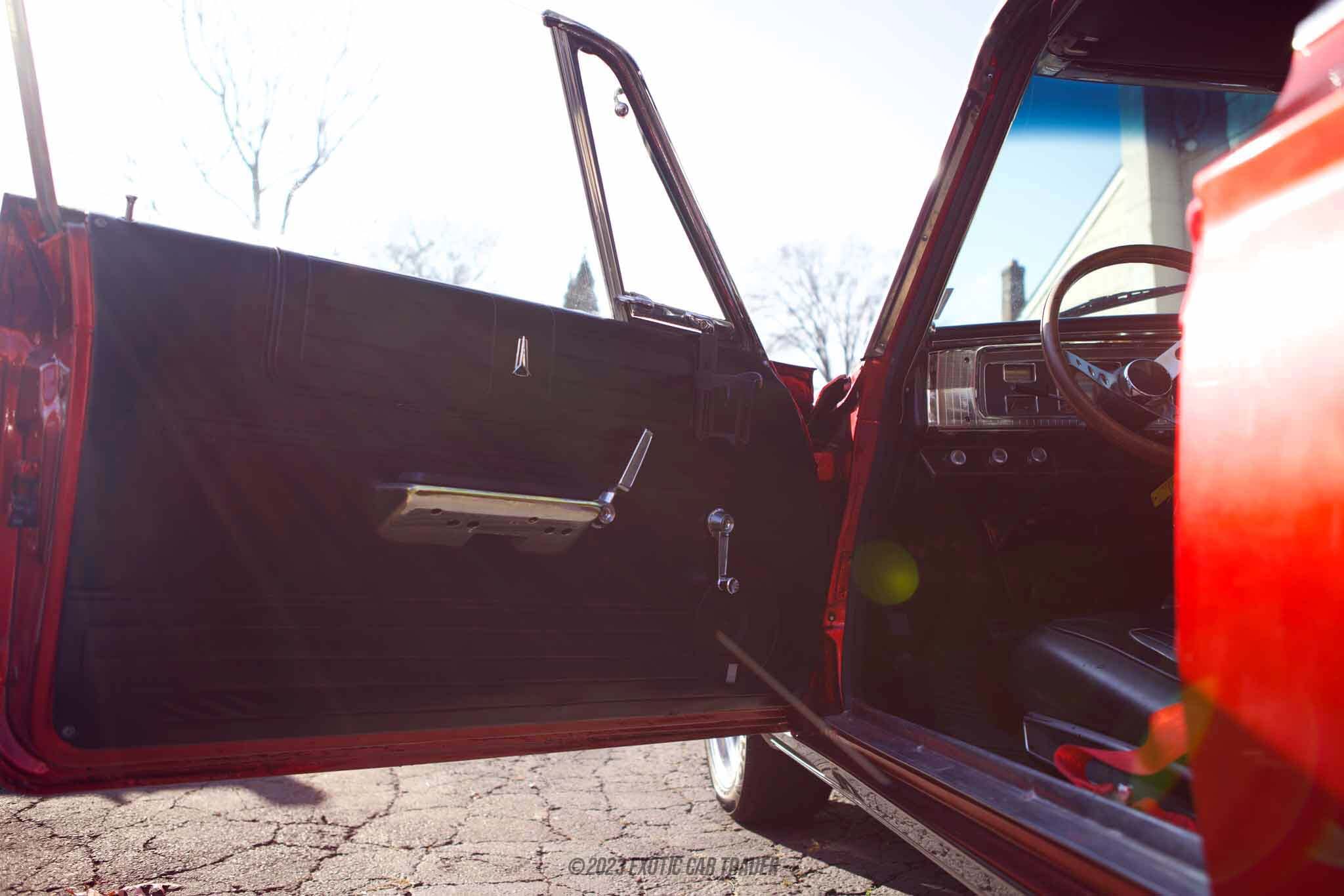
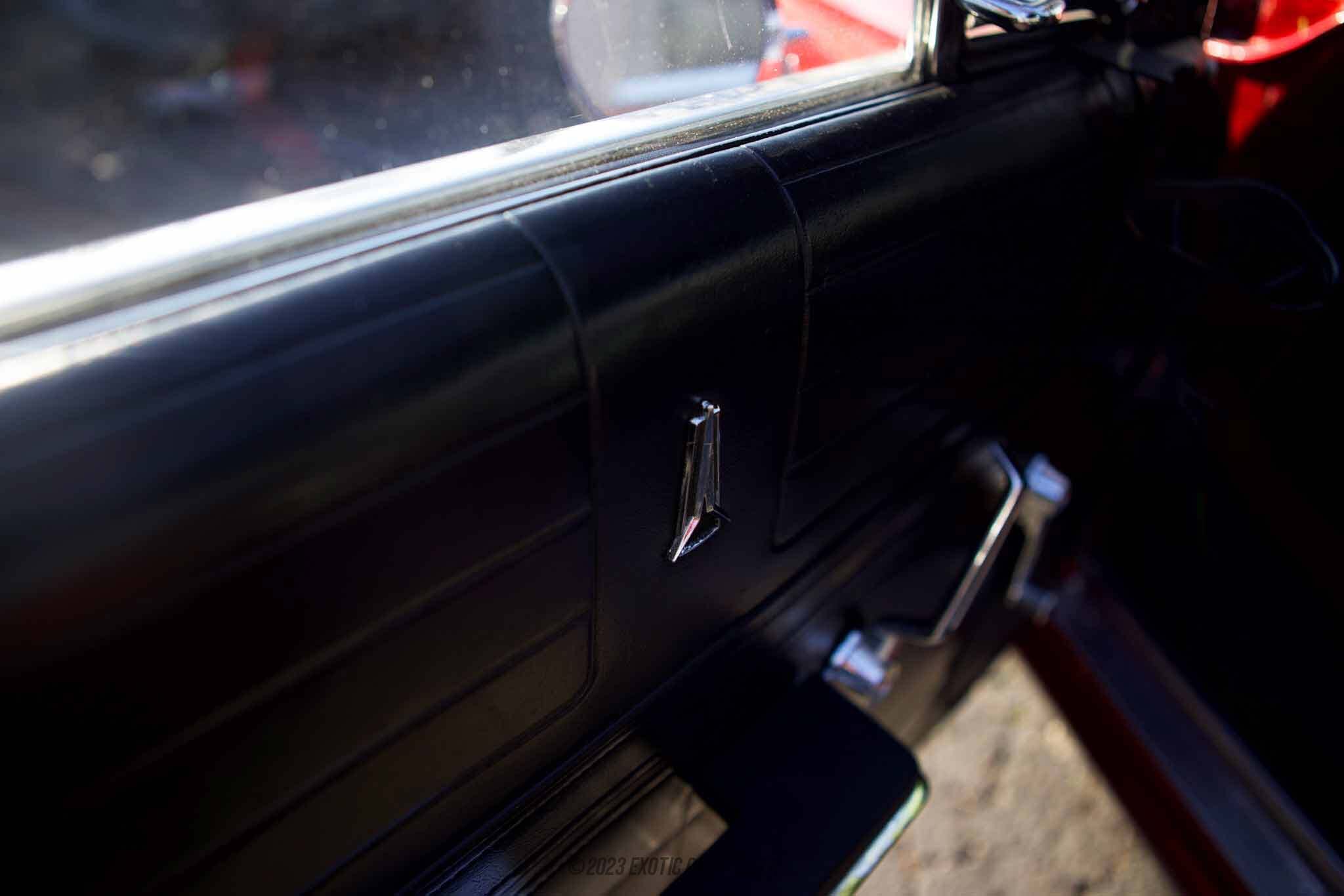
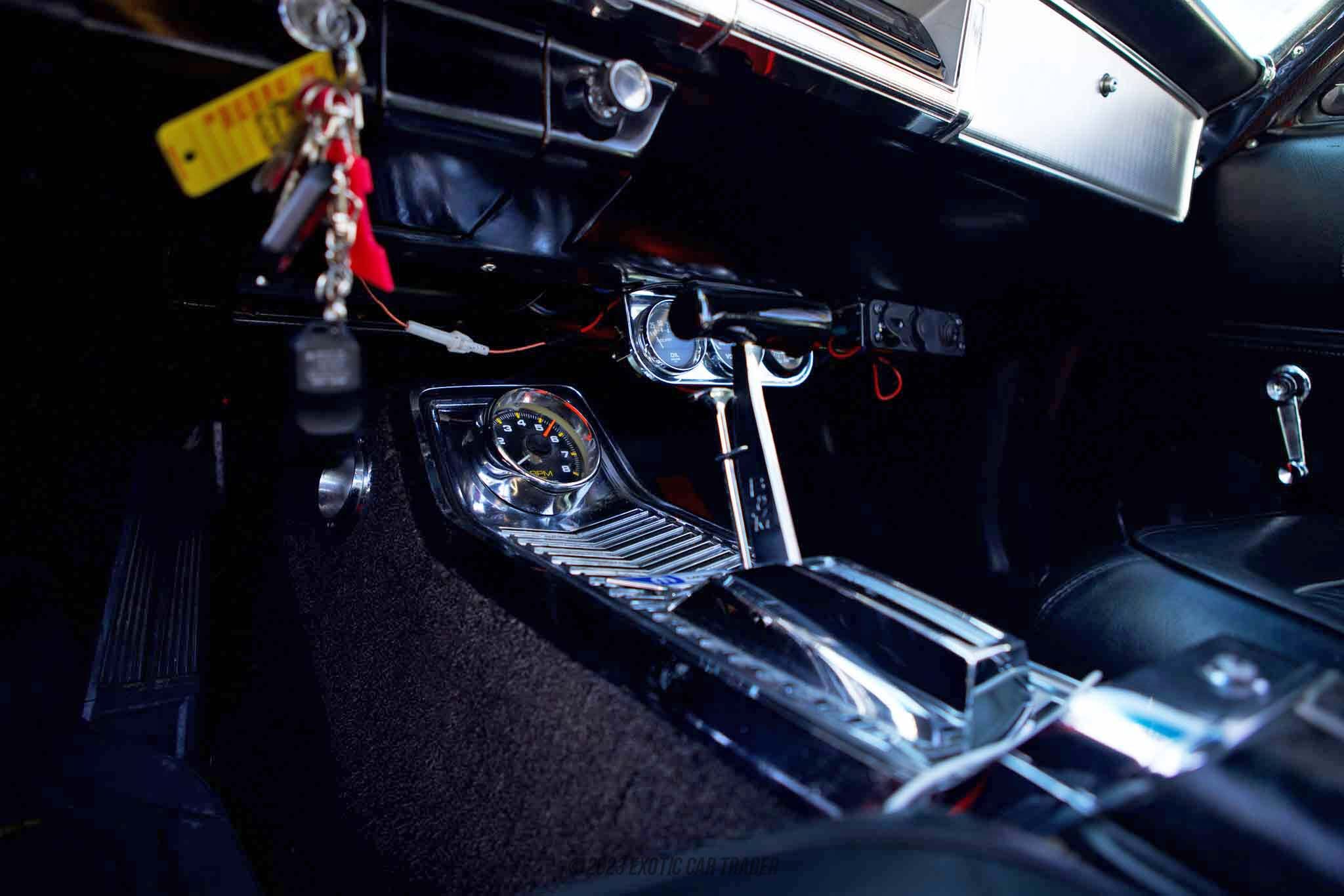
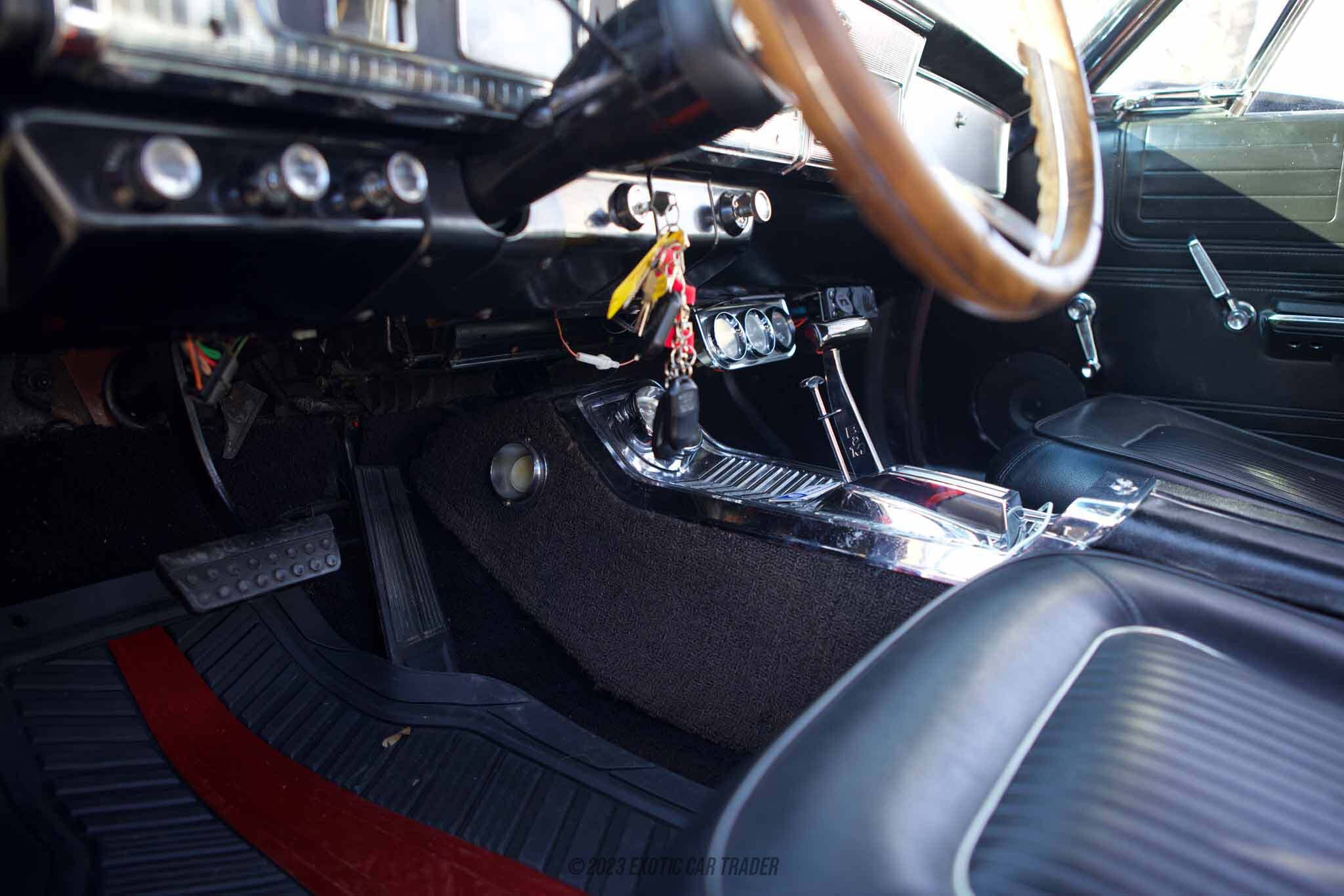
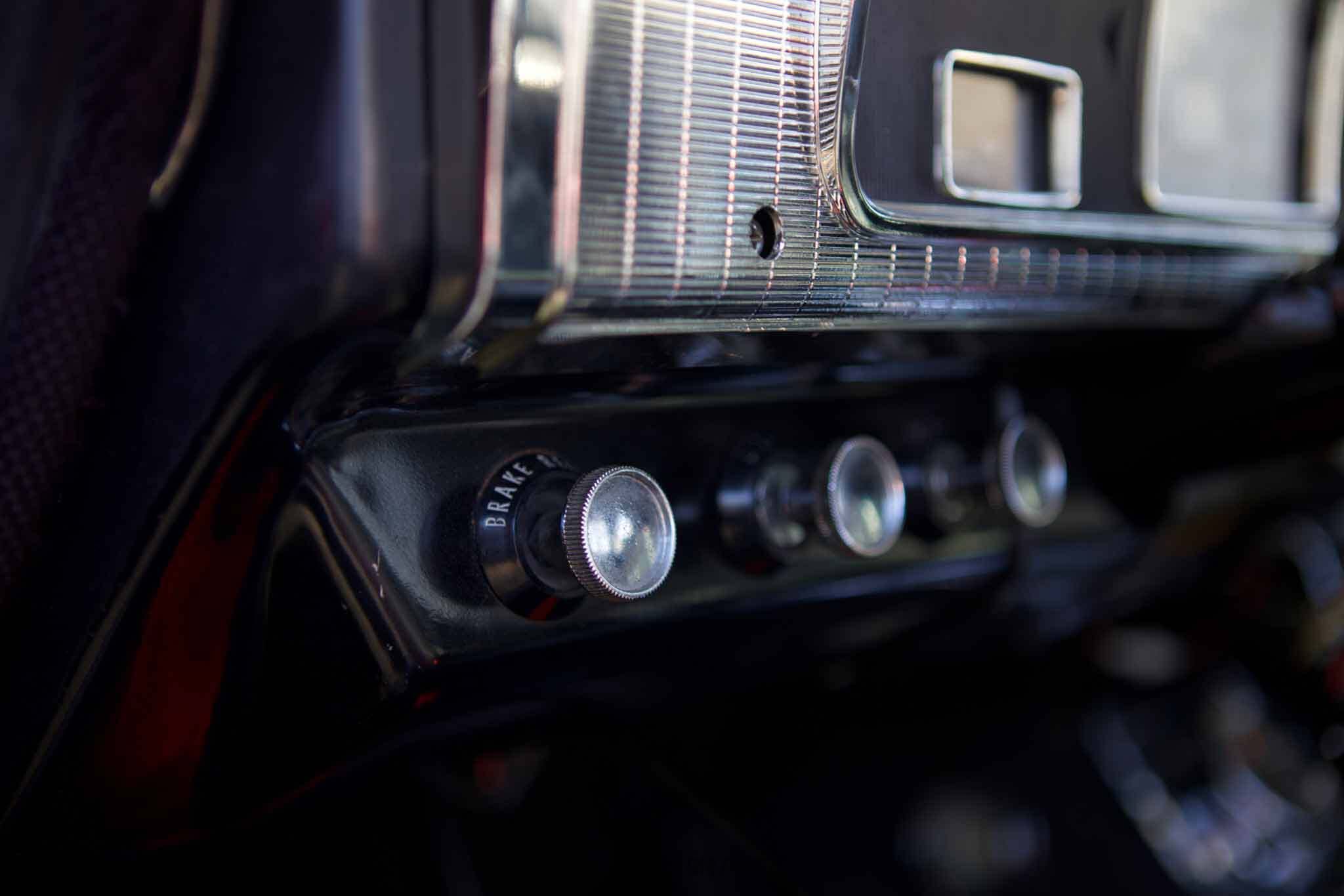
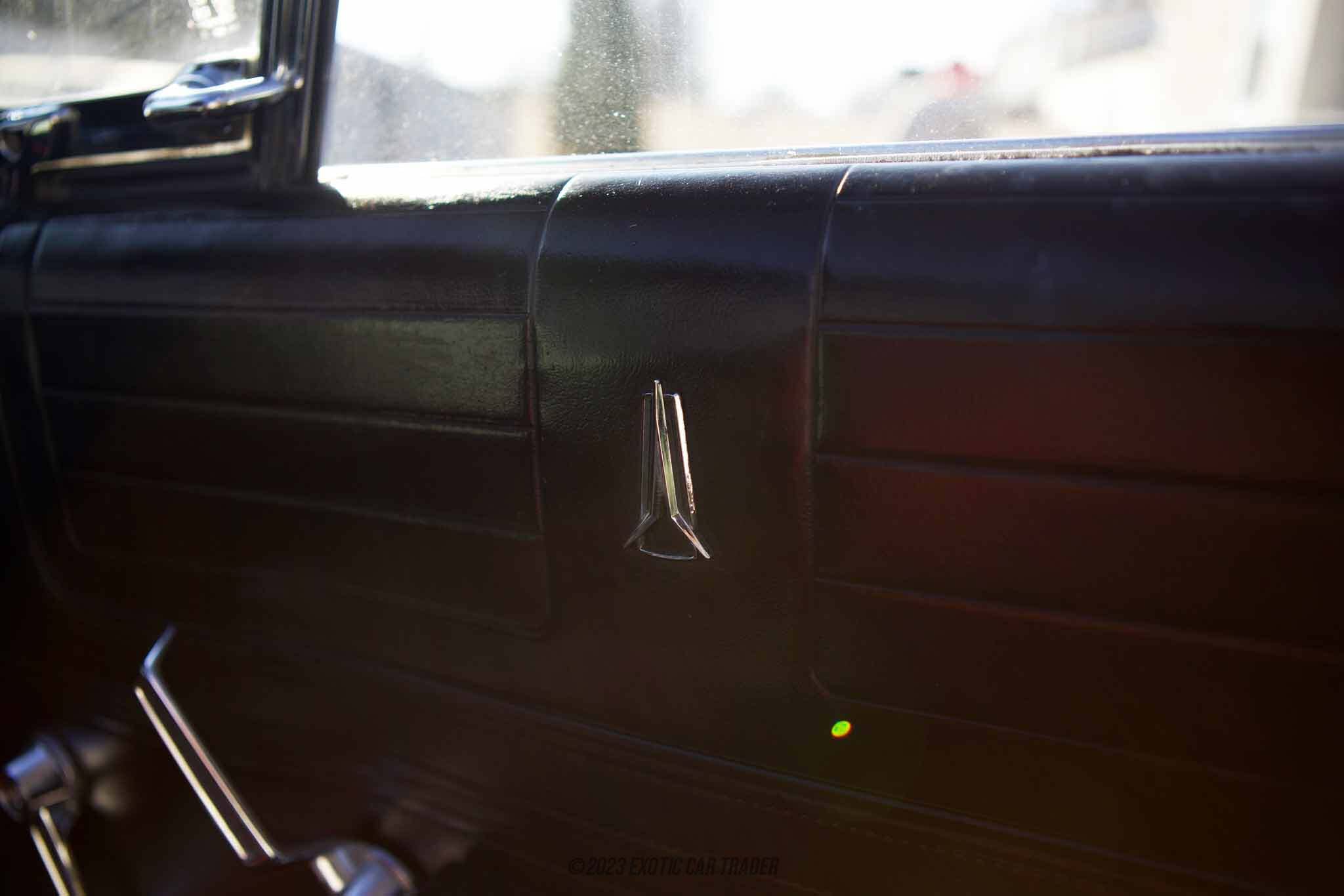
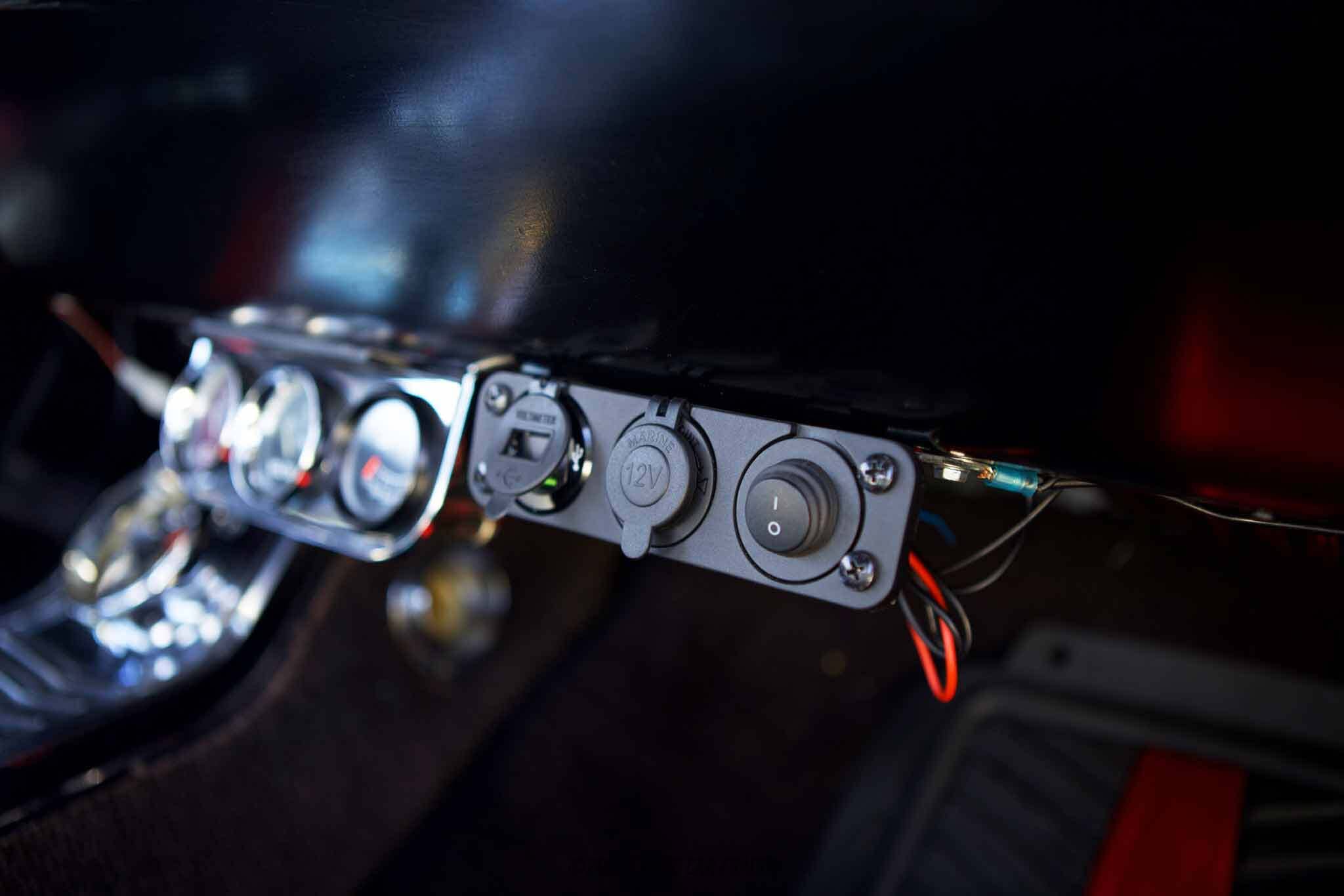
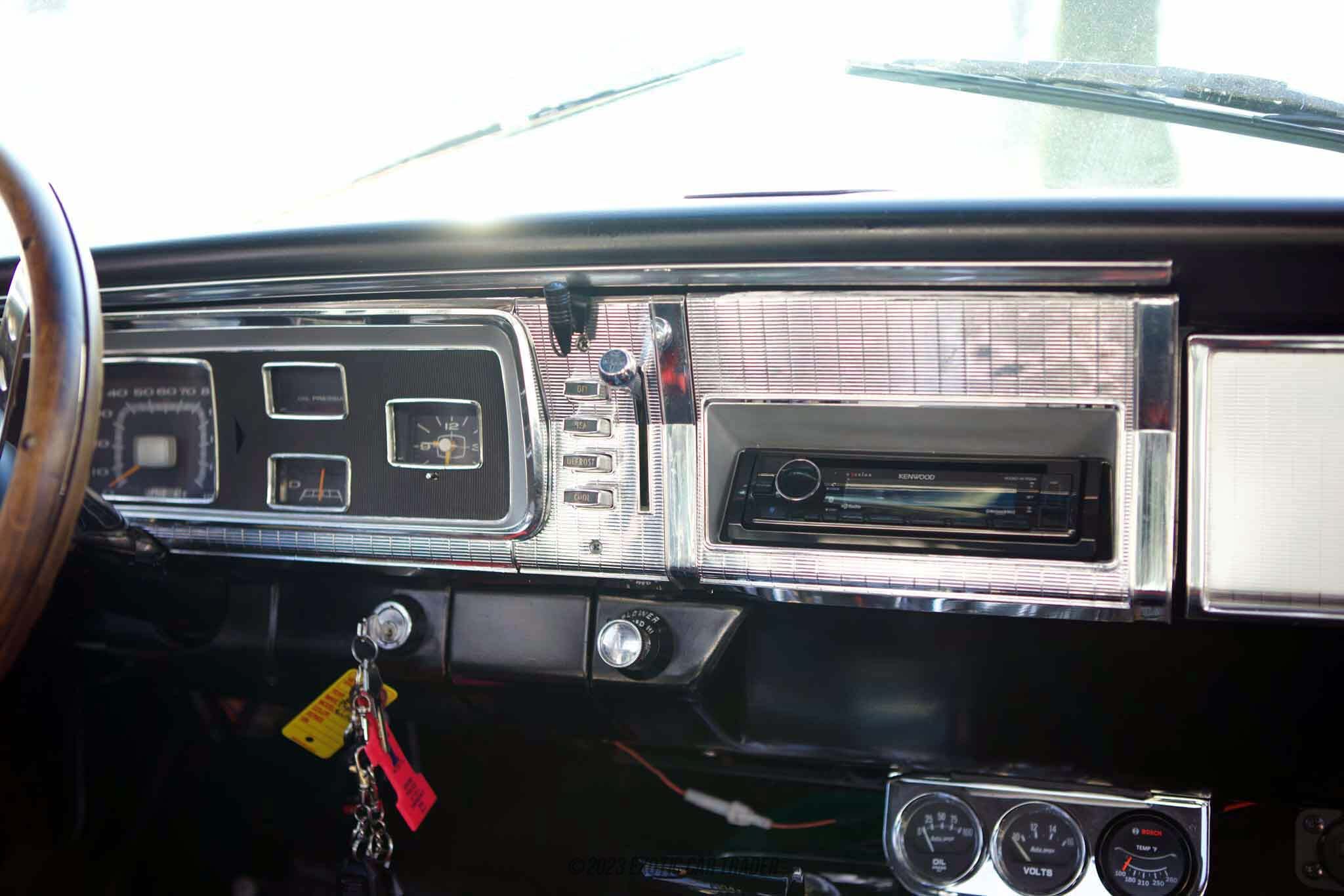
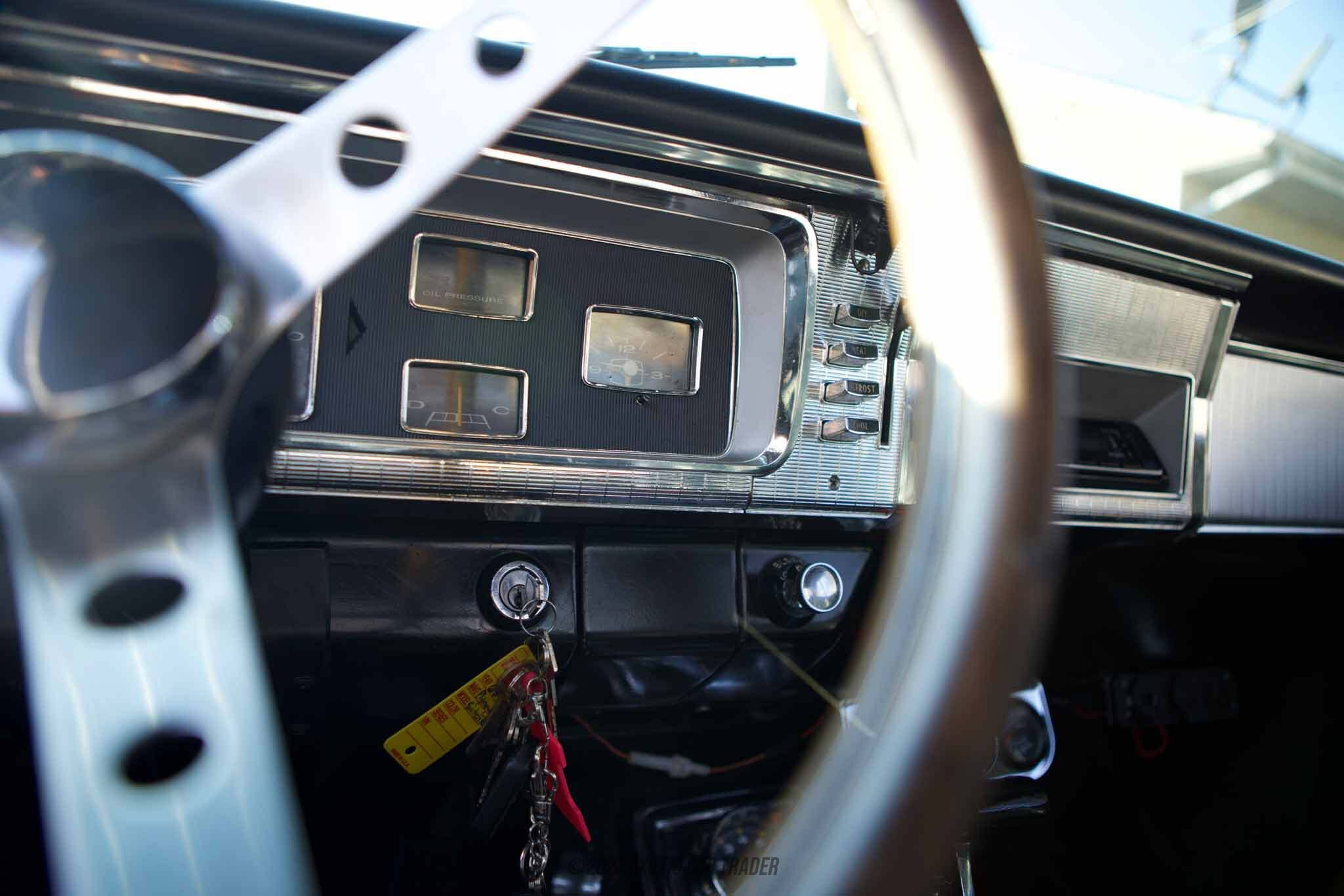
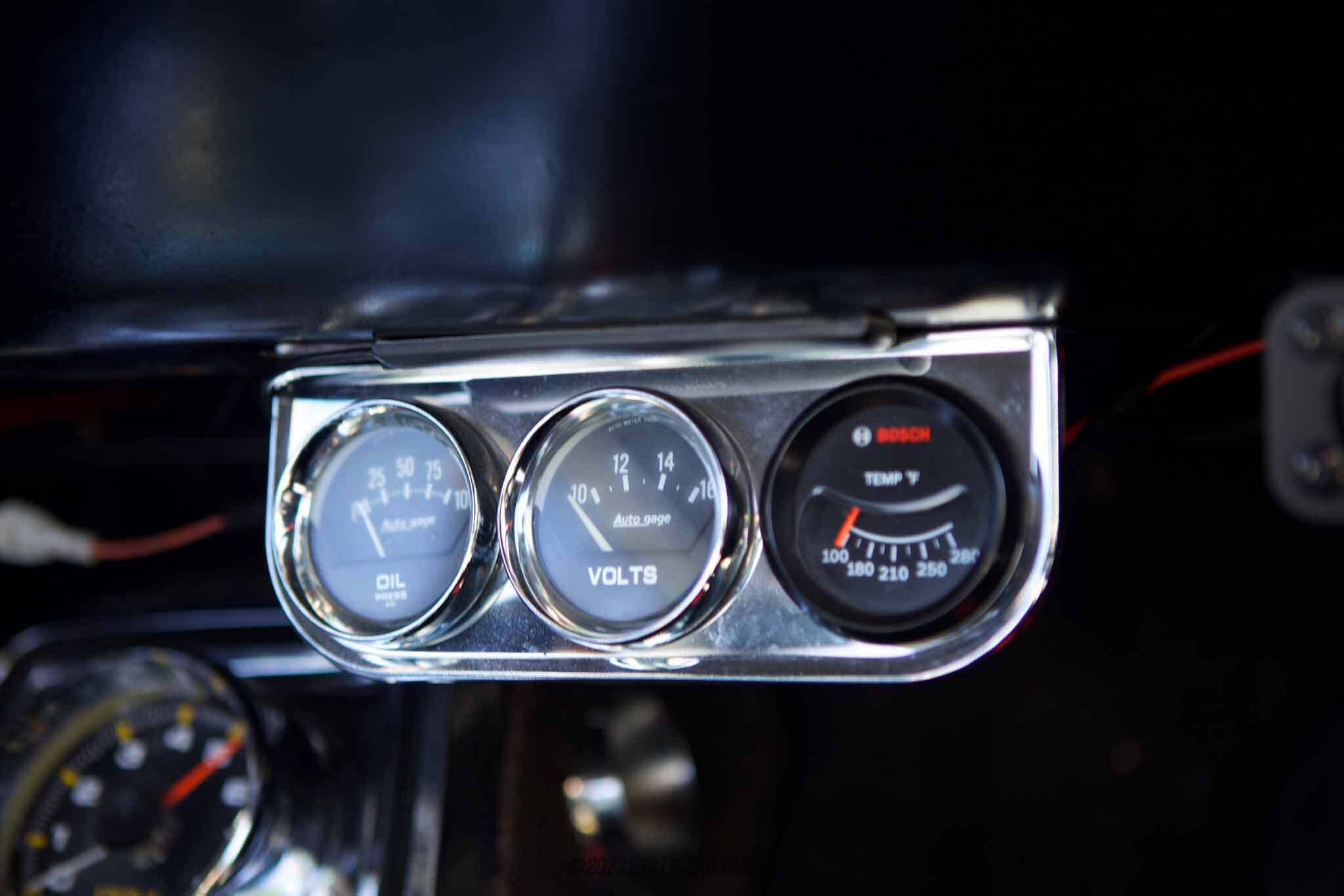
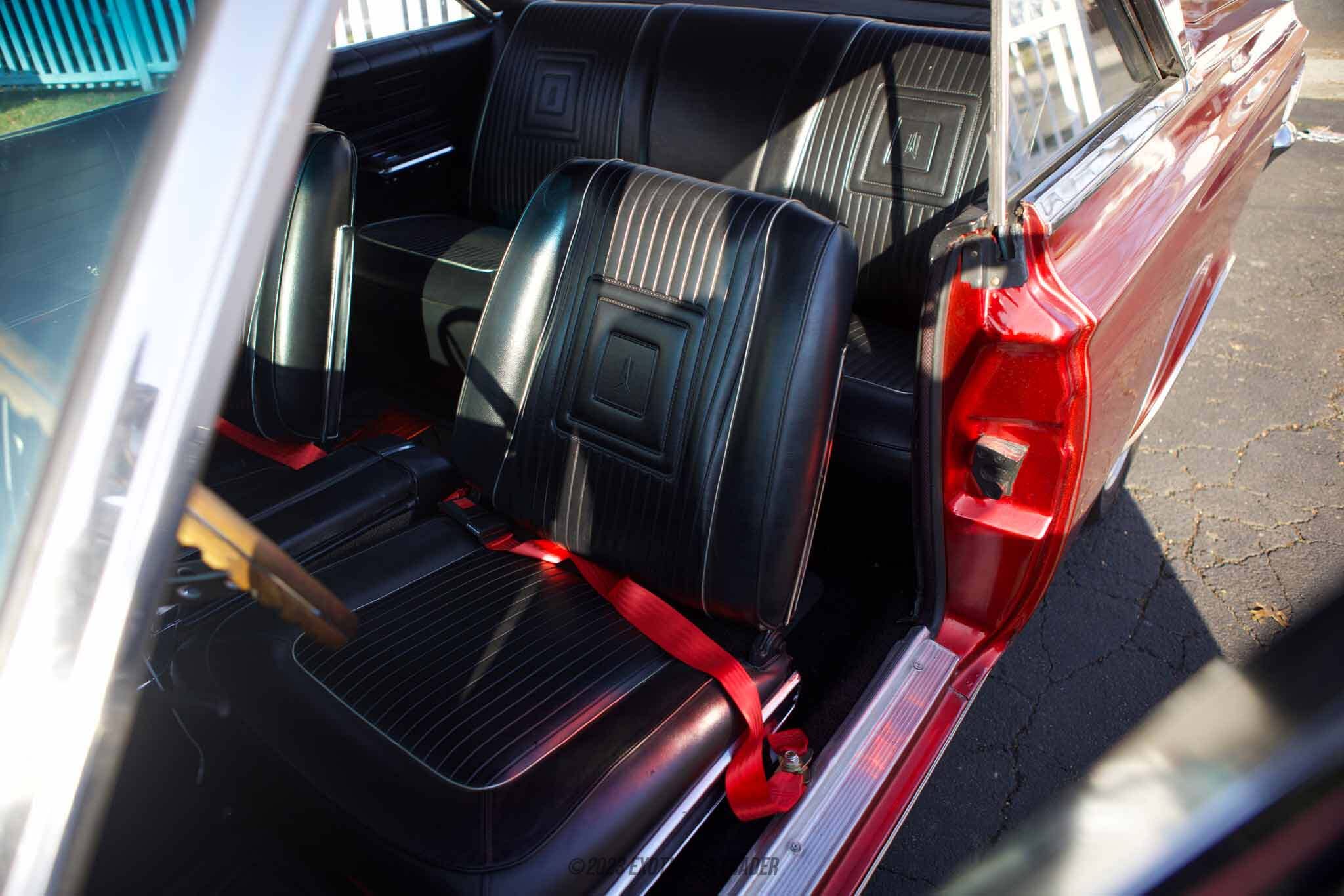
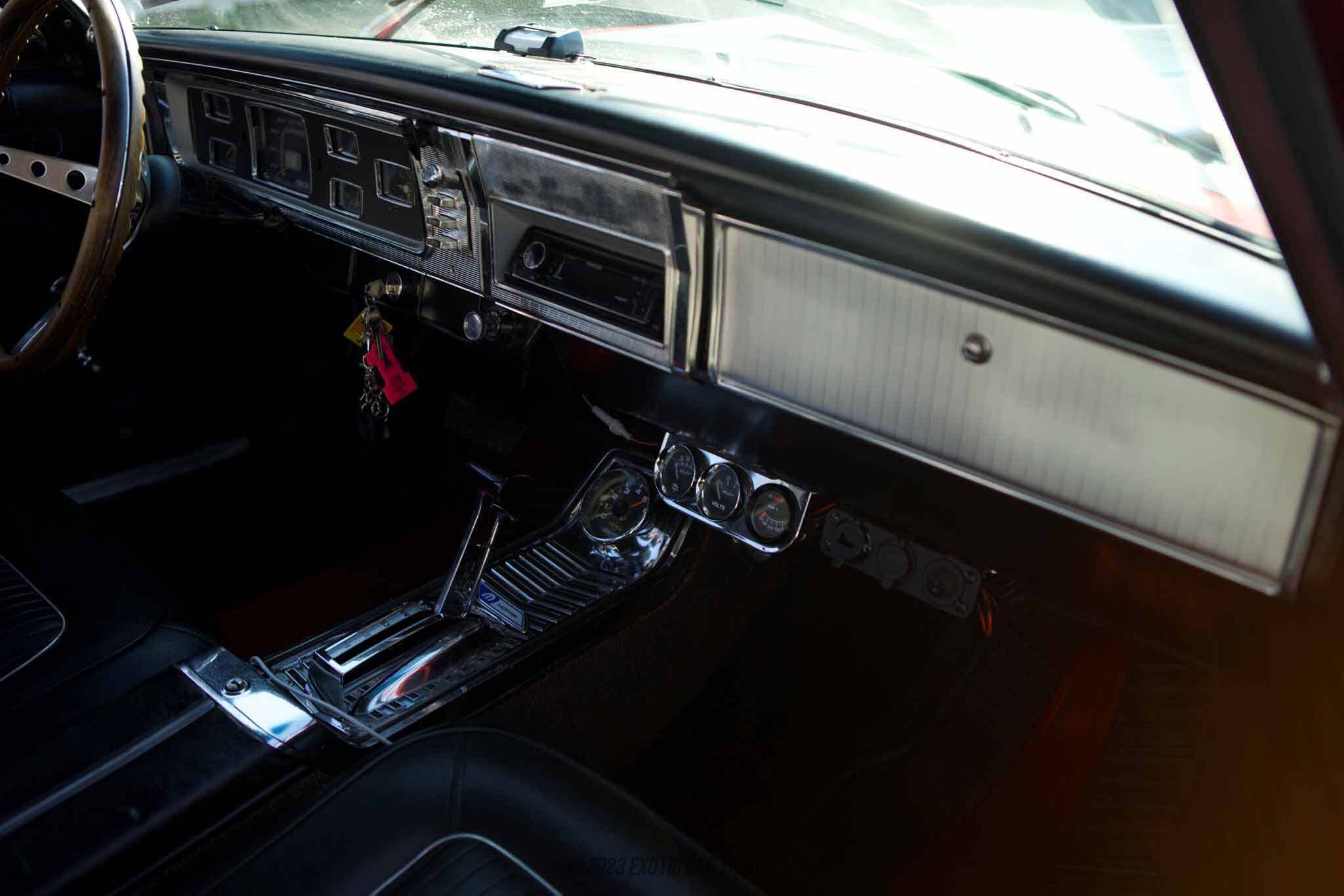
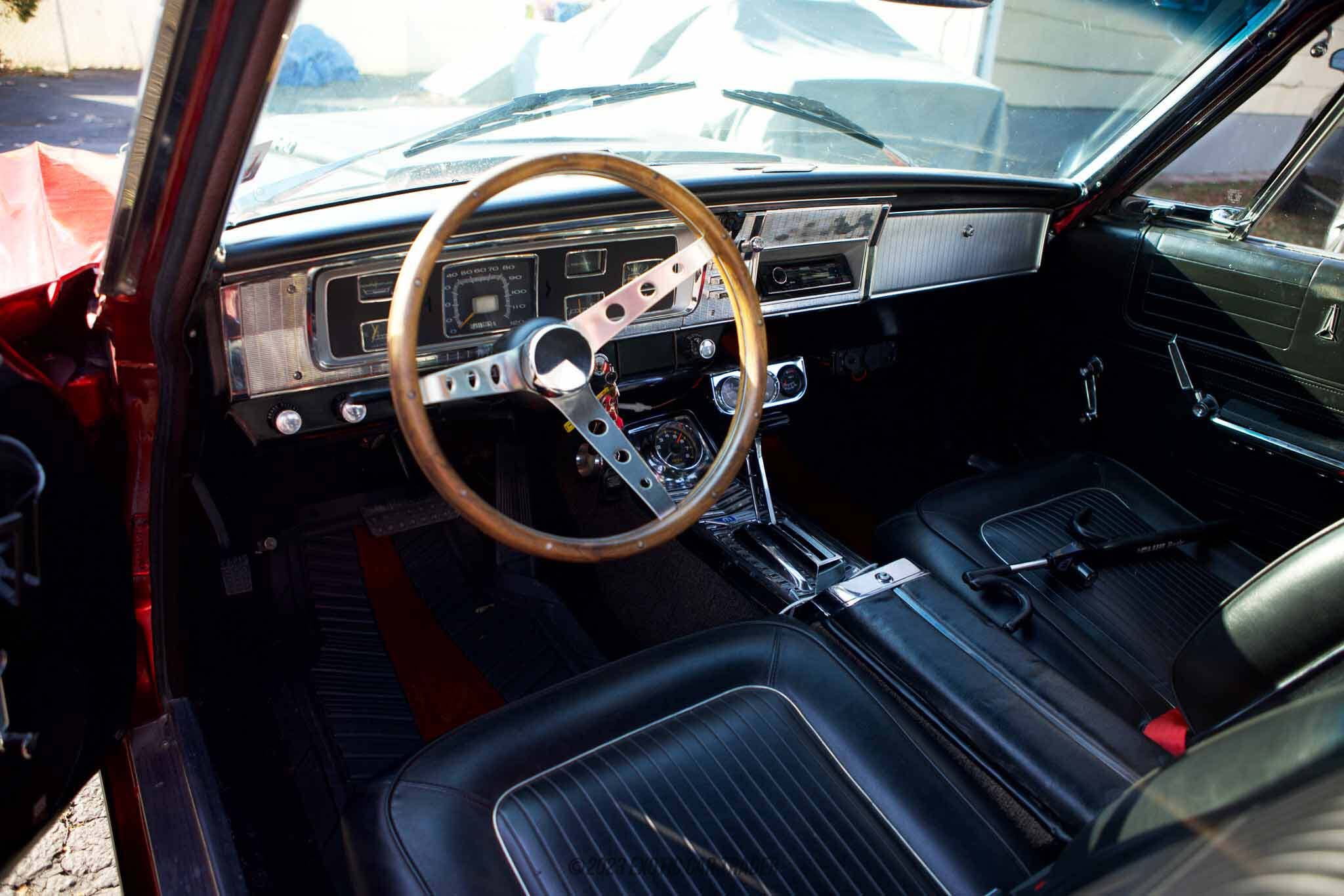
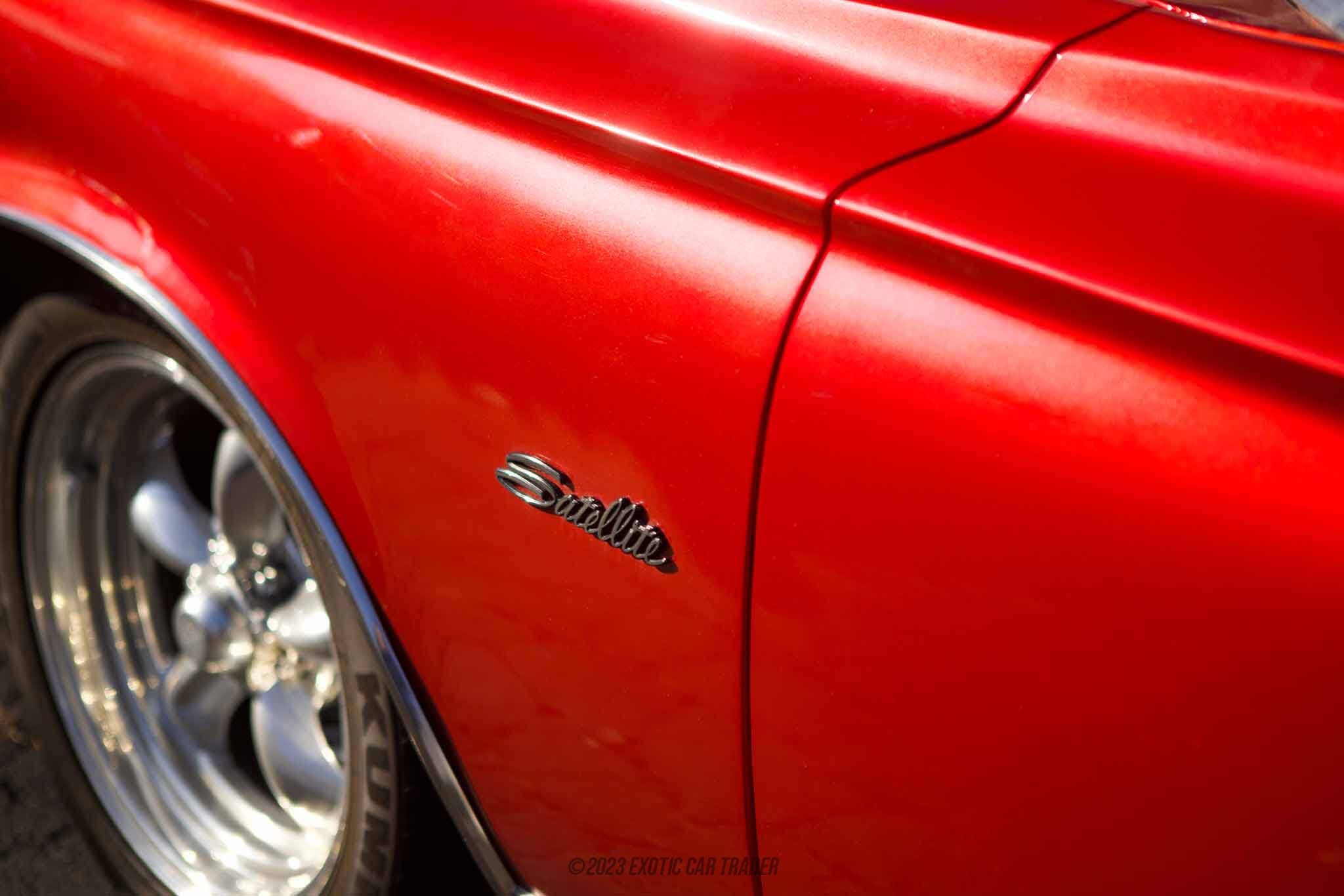
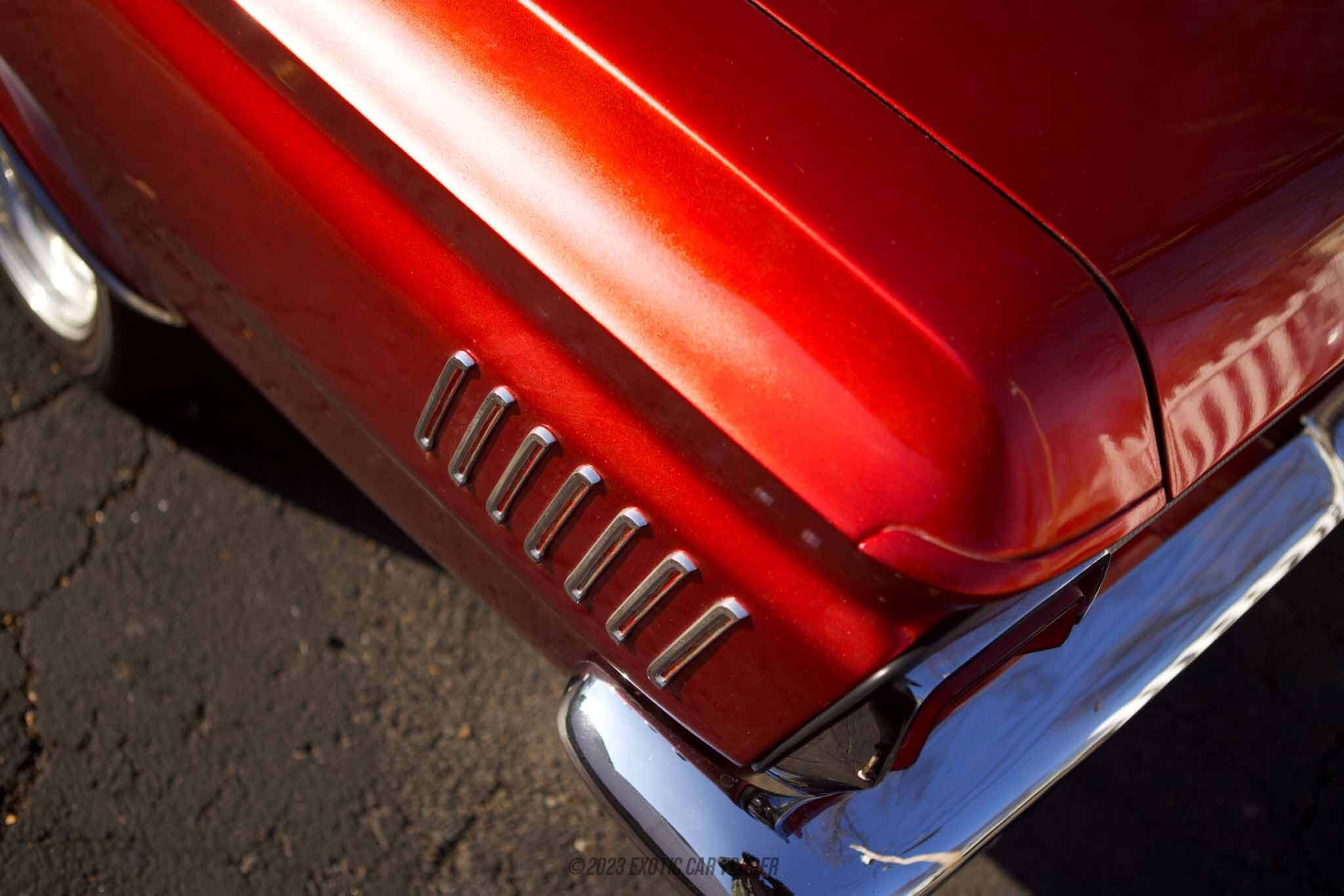
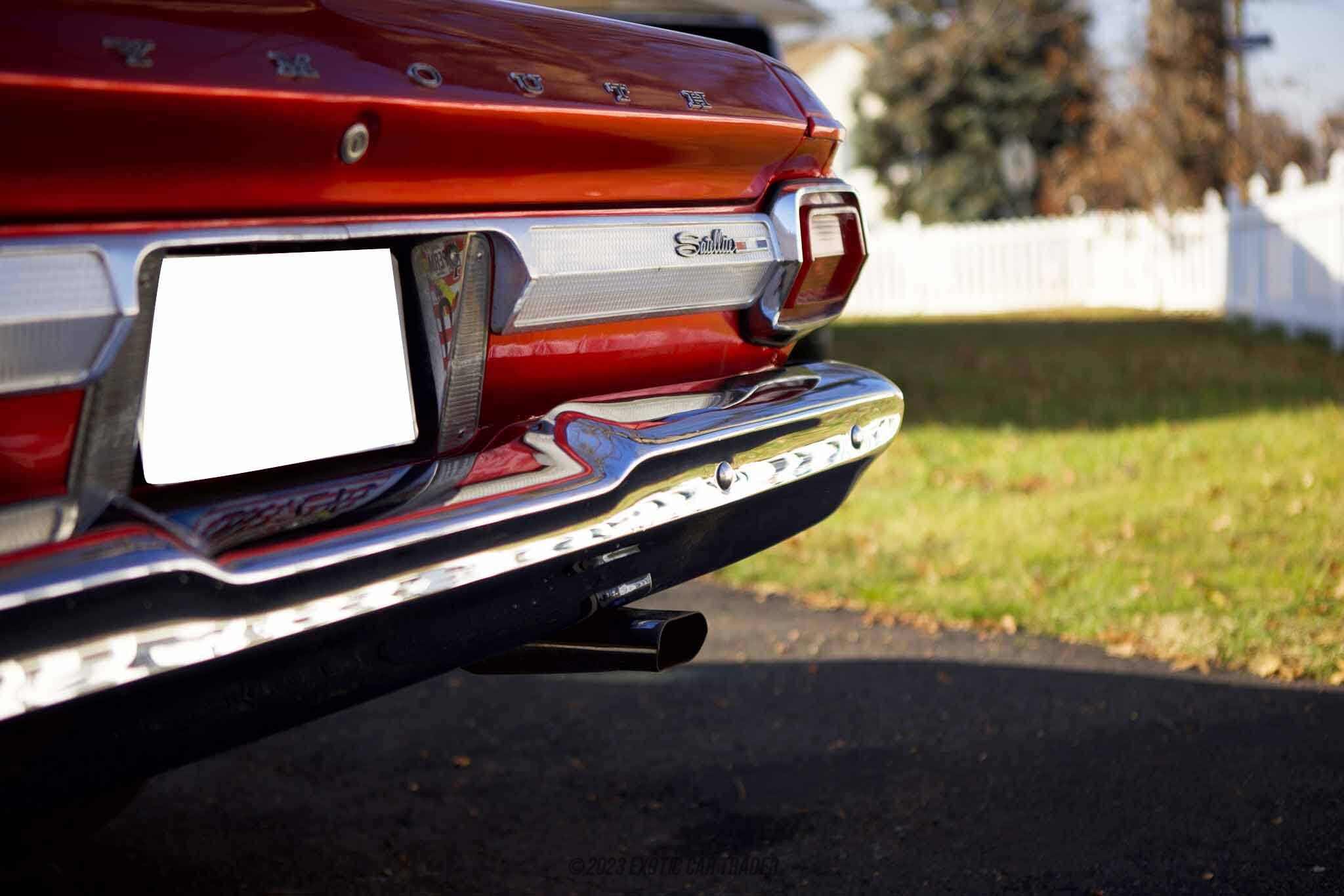
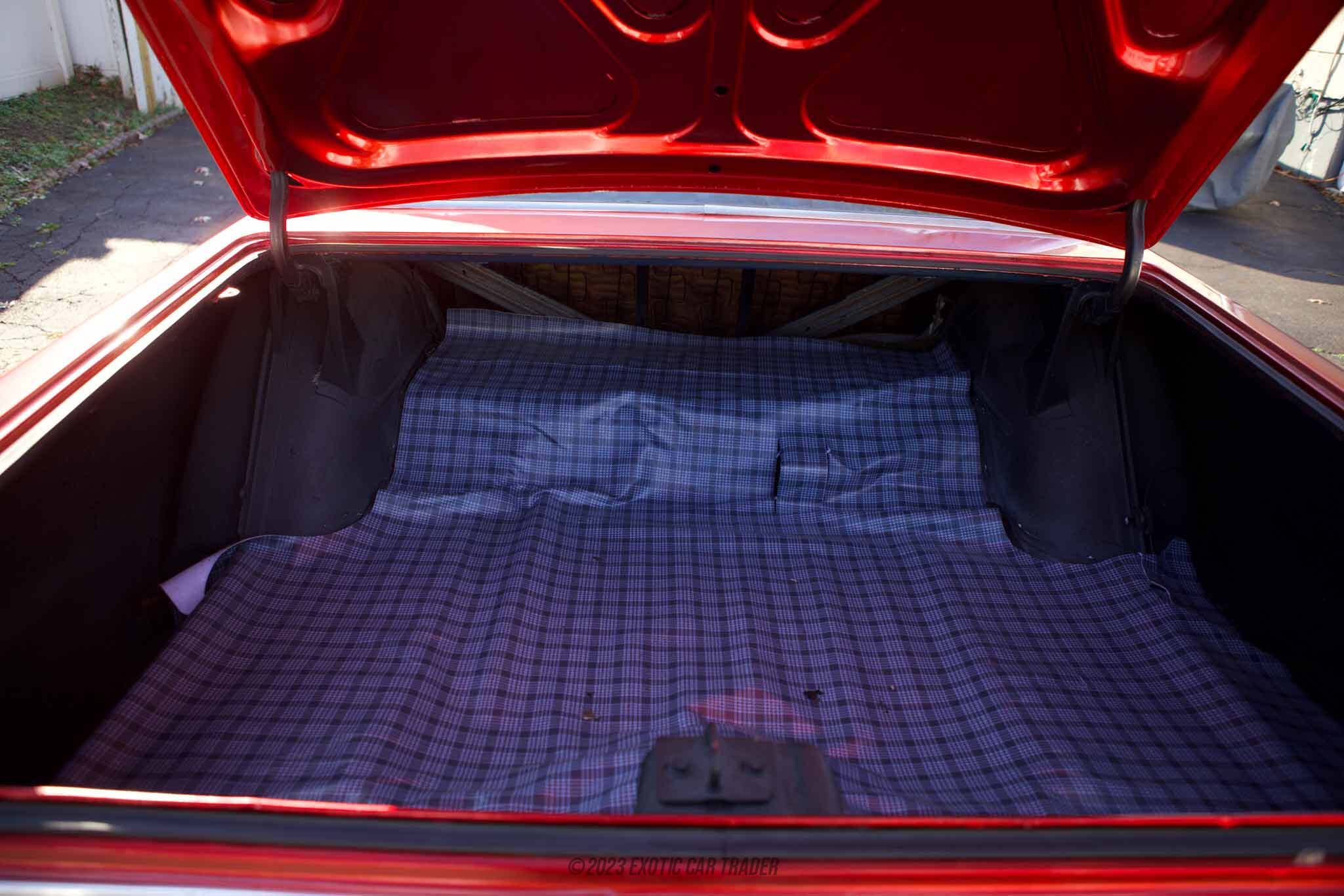
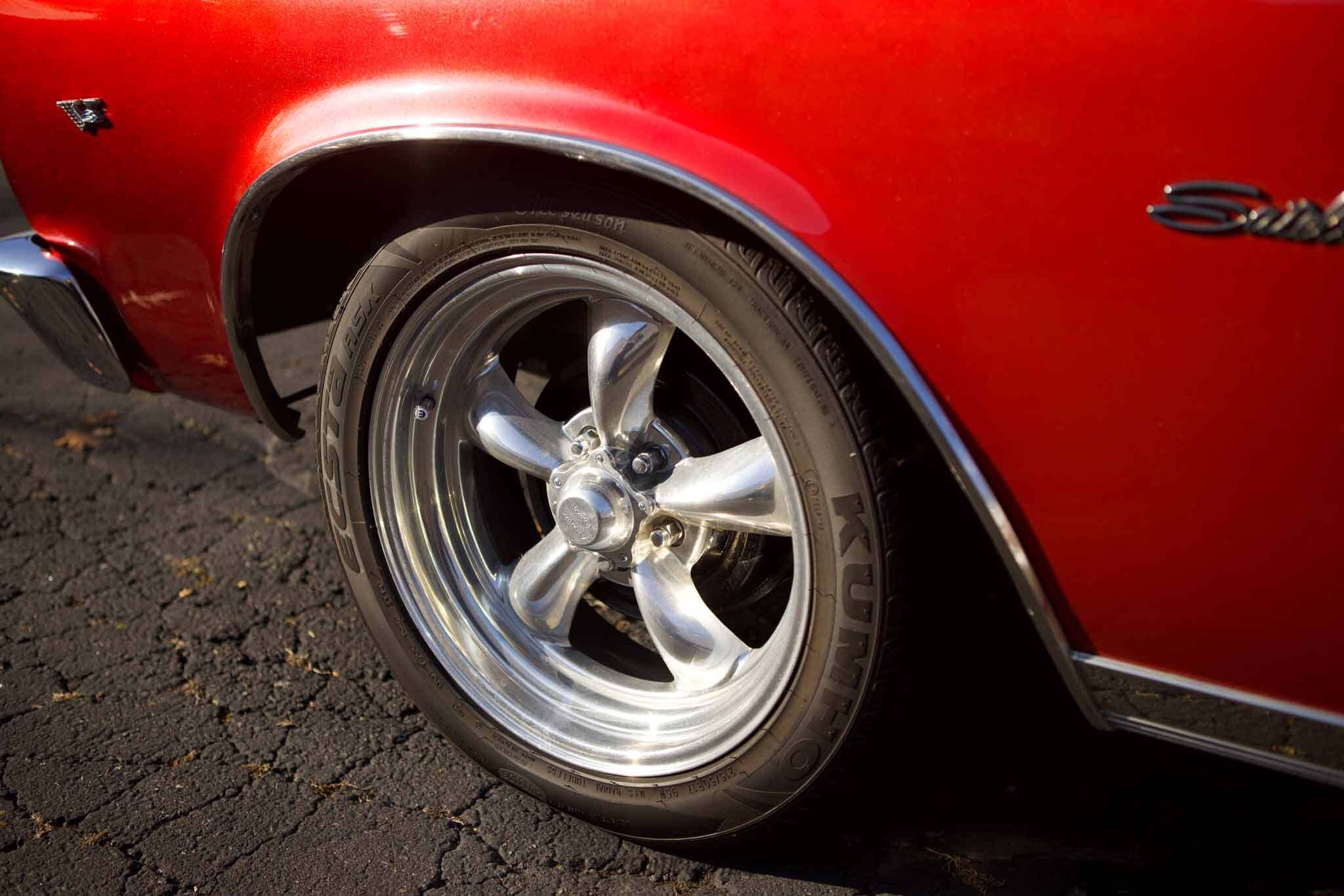
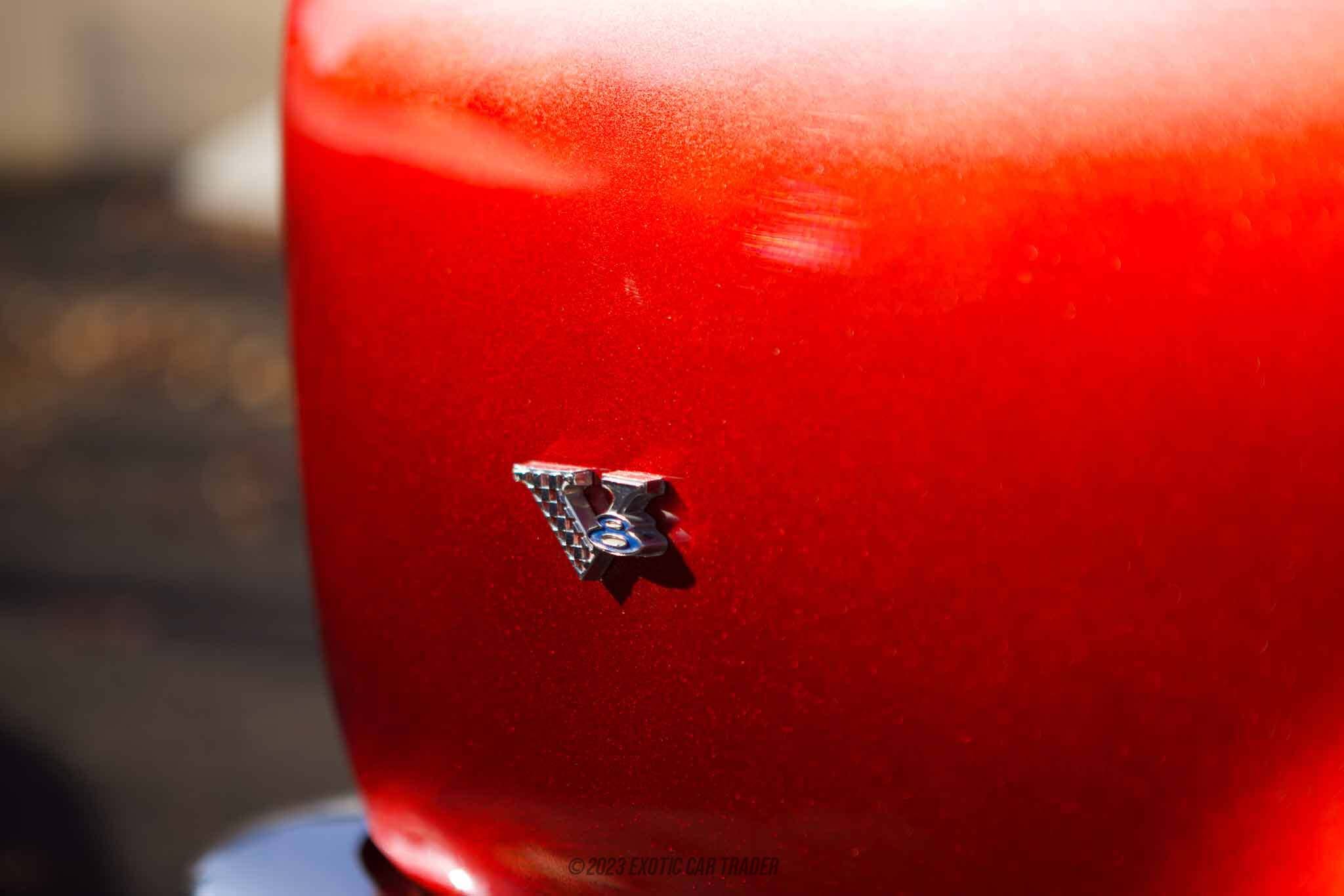
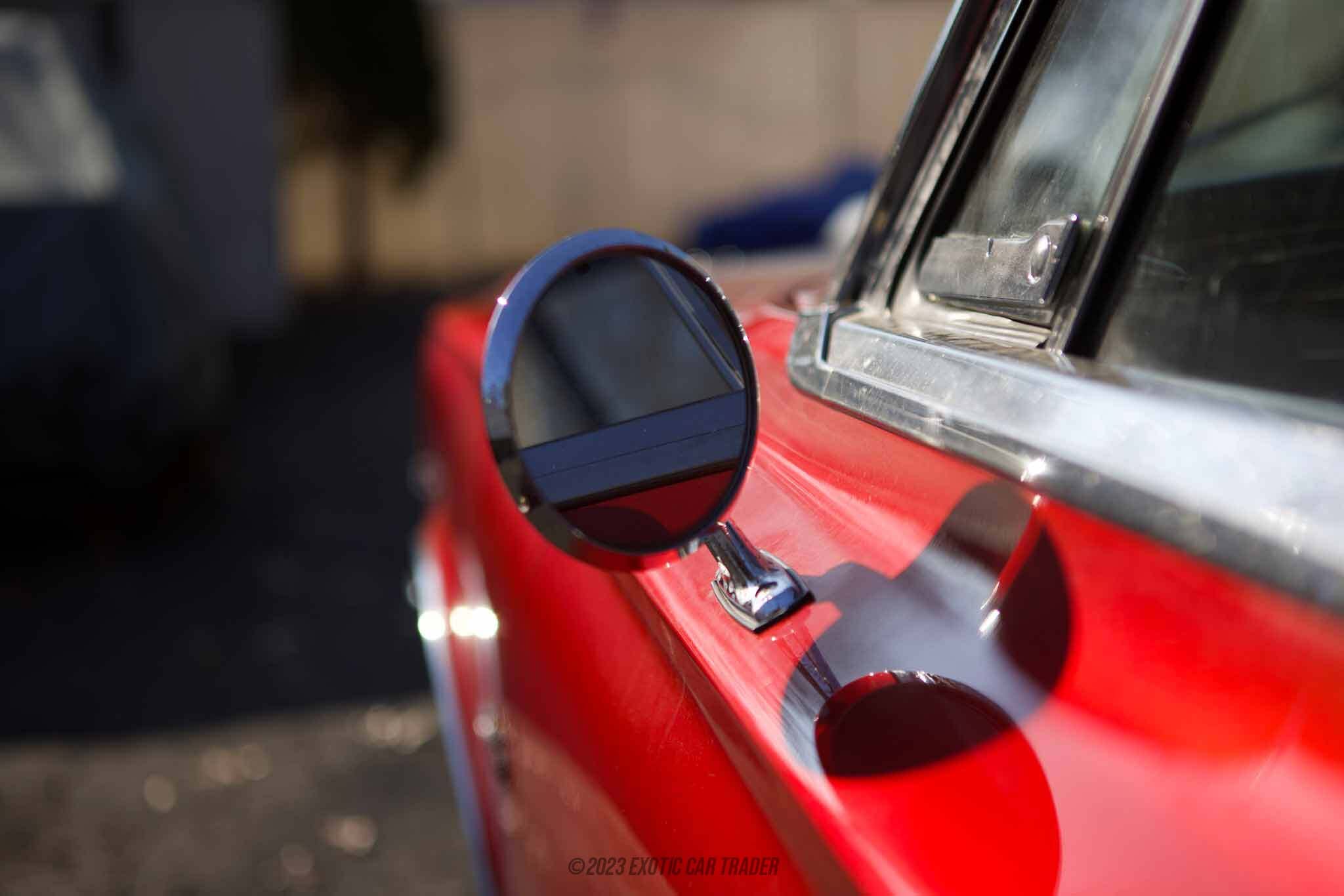
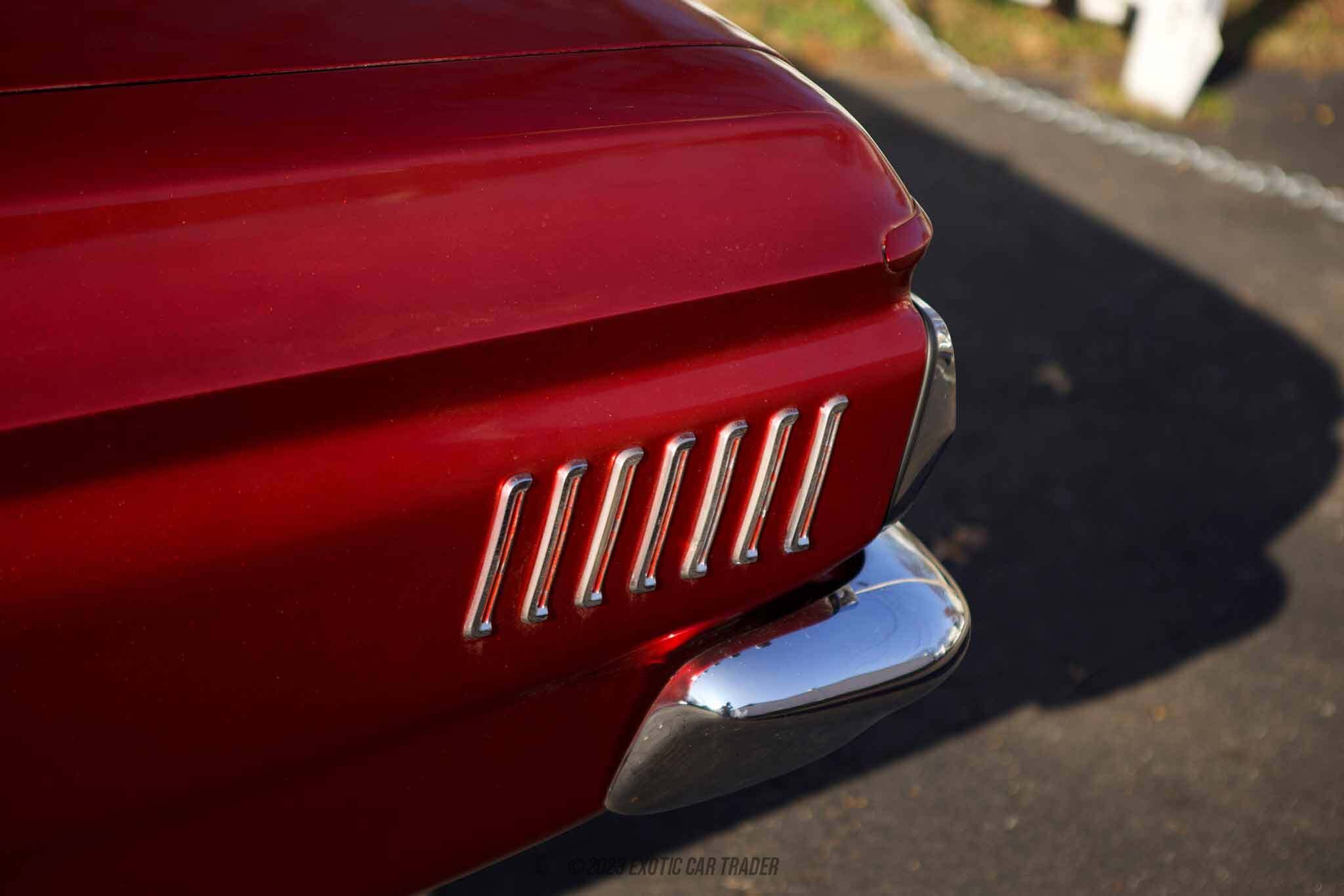
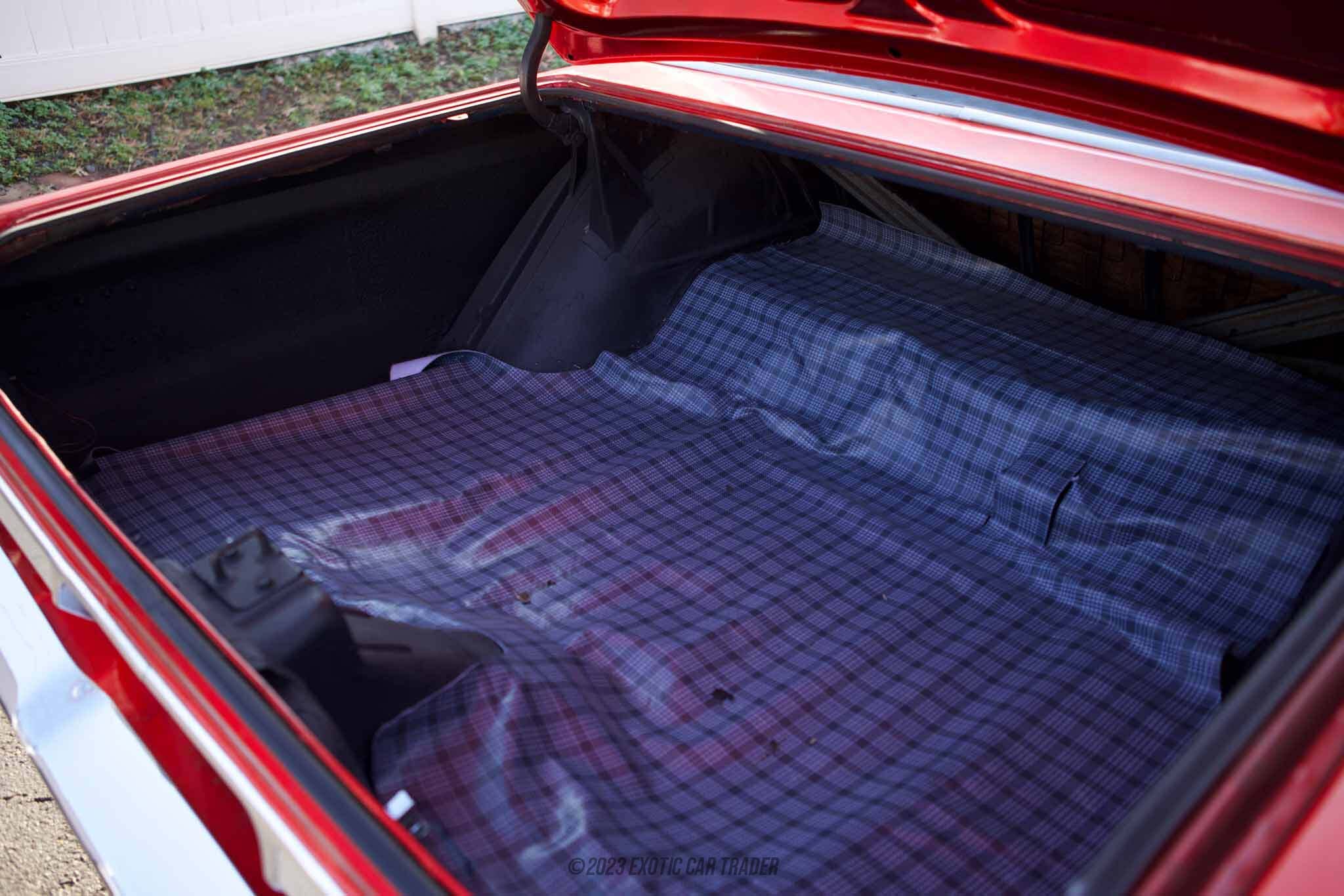
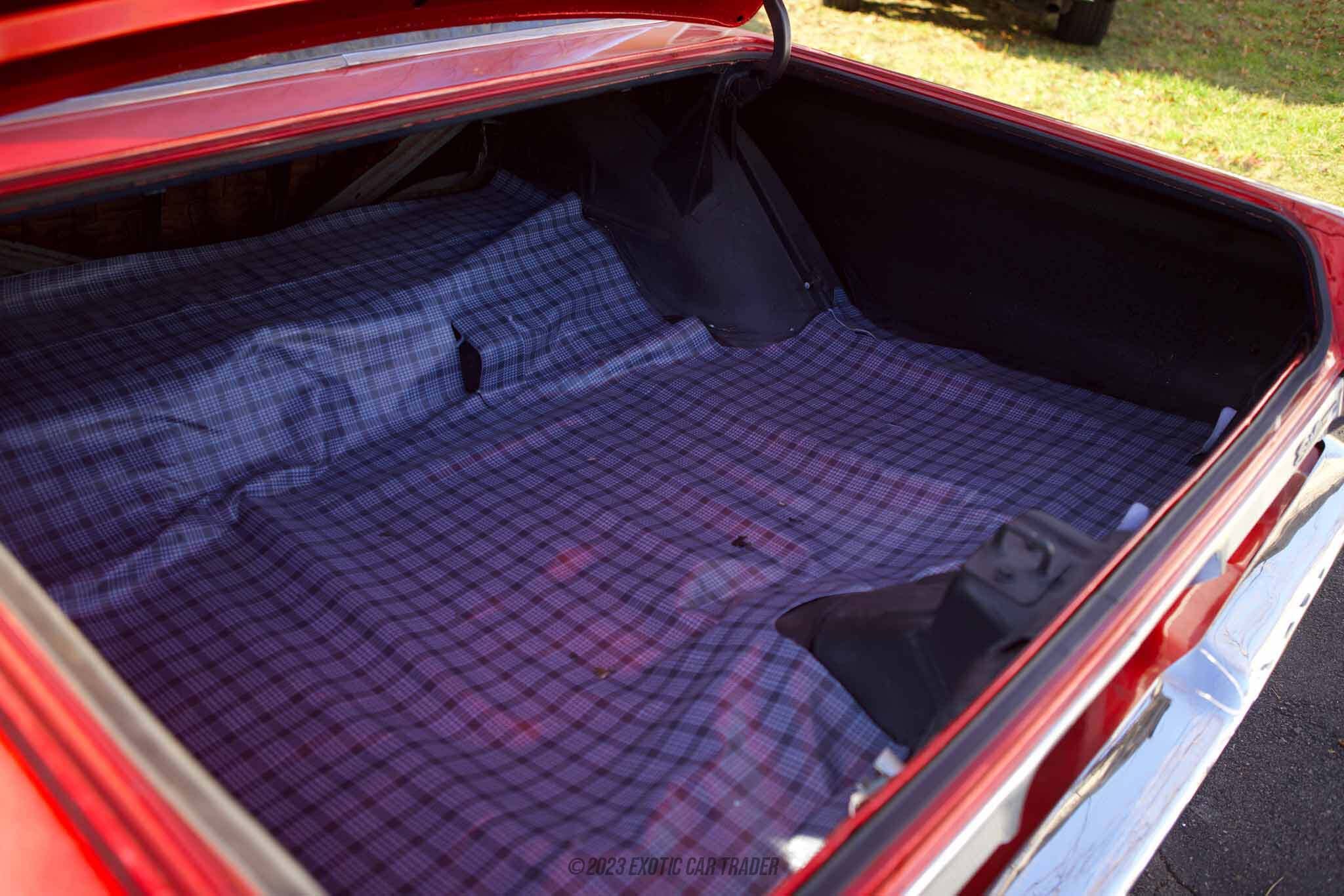
This subject, a first-generation 1965 Plymouth Satellite Sport, is painted in a lovely shade of red, with black accents and a flat black hood replete with hood pins. Then, we see silver-painted aftermarket alloy wheels and plenty of chrome details. The car retains its original badging as well, another lovely touch that enthusiasts will covet. Inside, we find a nice four-seat cabin with leather seating surfaces and a wood-rimmed steering wheel. The car comes with some aftermarket gauges to augment the factory gauge pack and has some auxiliary 12v power ports for mobile device charging. We also spy a Kenwood Excelon head unit with USB, AUX, CD, and HD Radio capabilities to augment the obligatory FM radio reception it offers. As for the trunk, it's in great condition and ready to accept your luggage atop a new cargo mat.
Engine
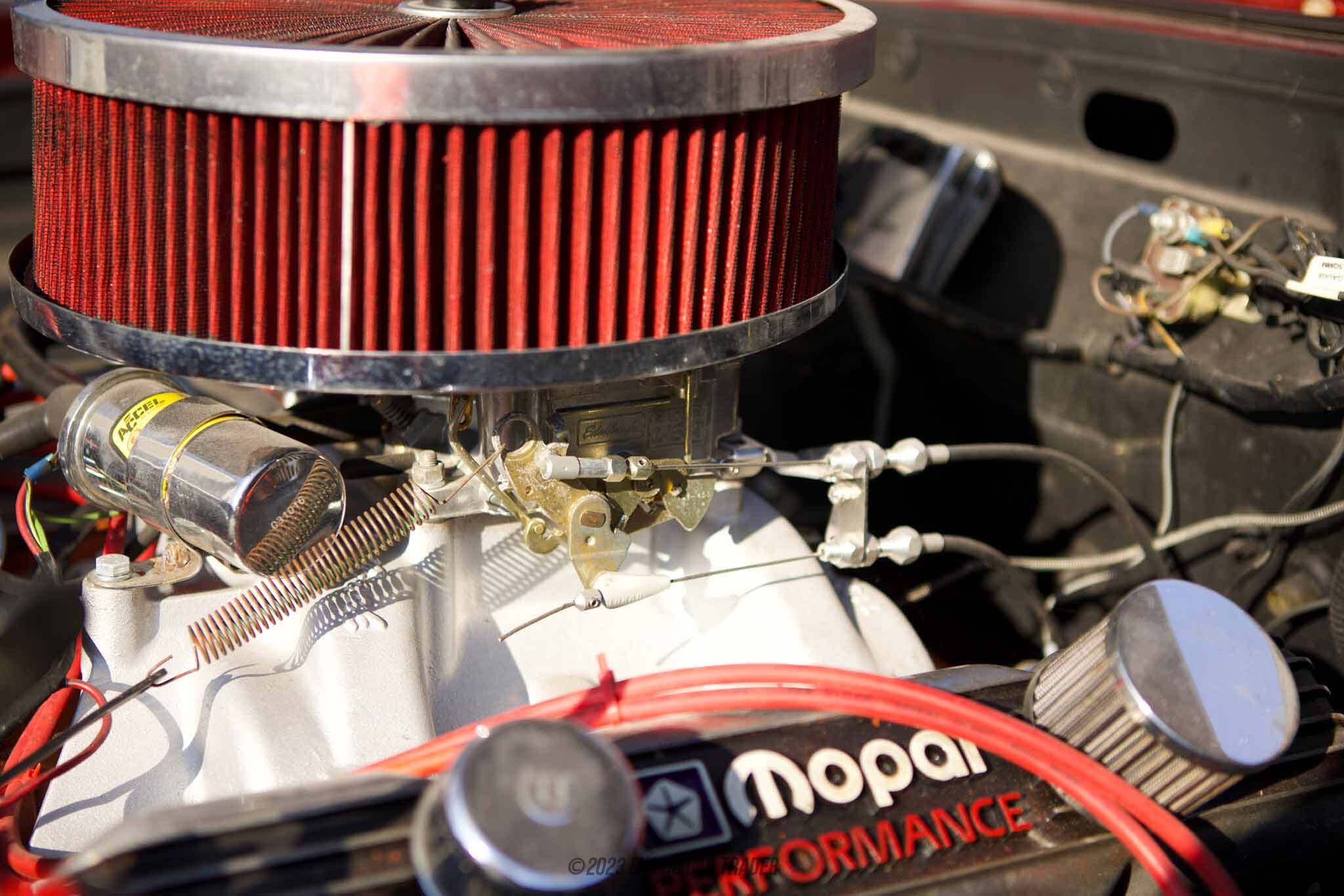
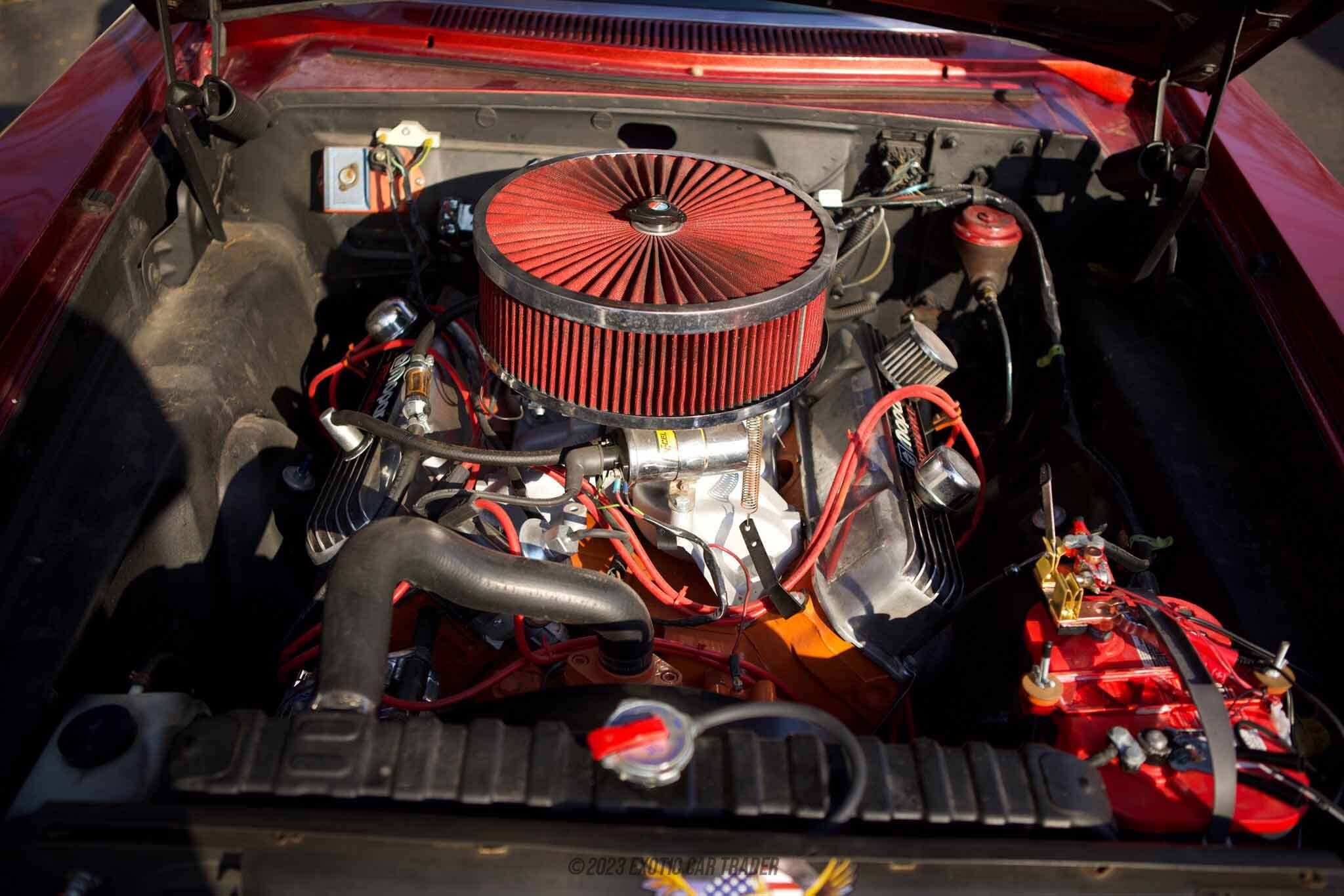
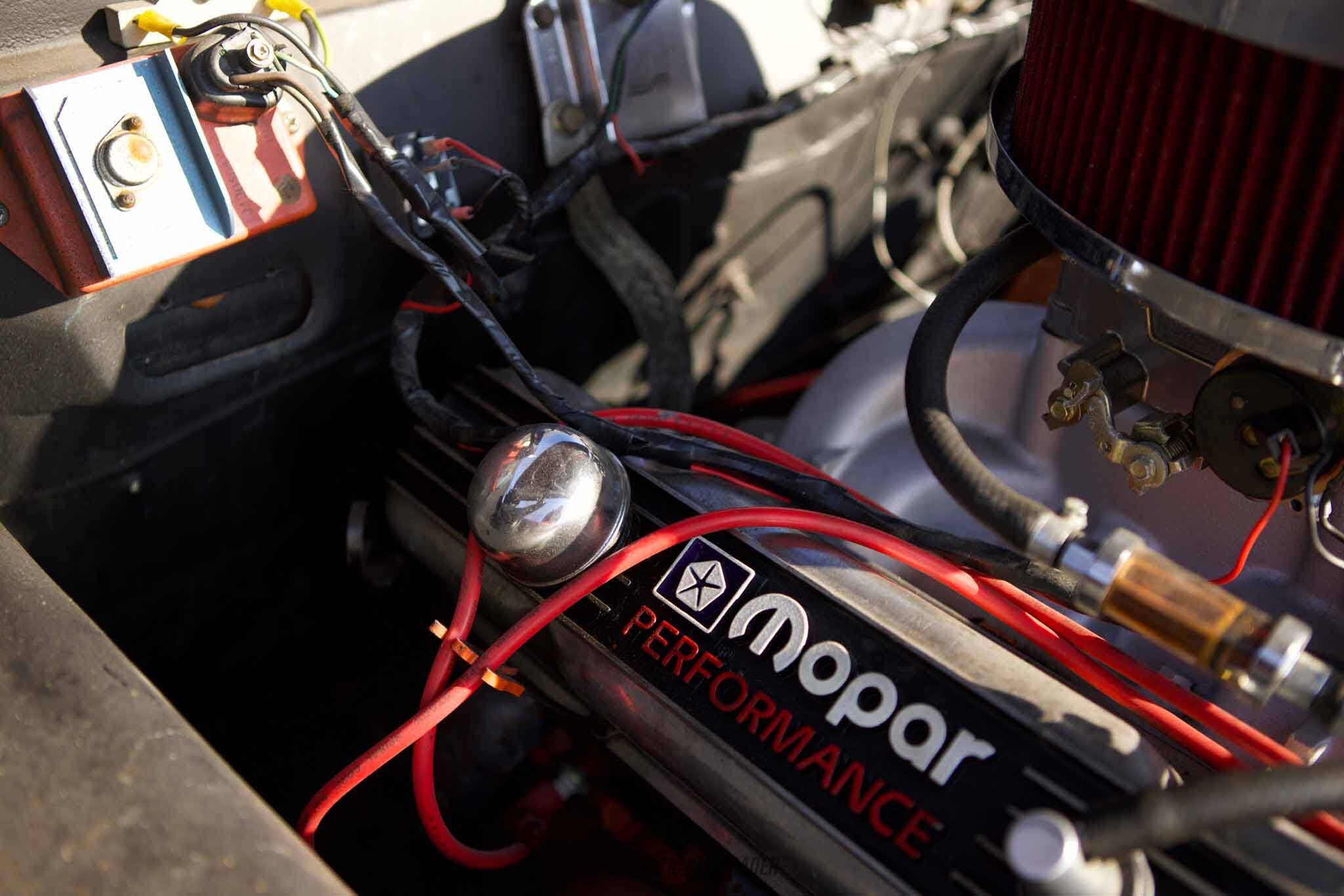
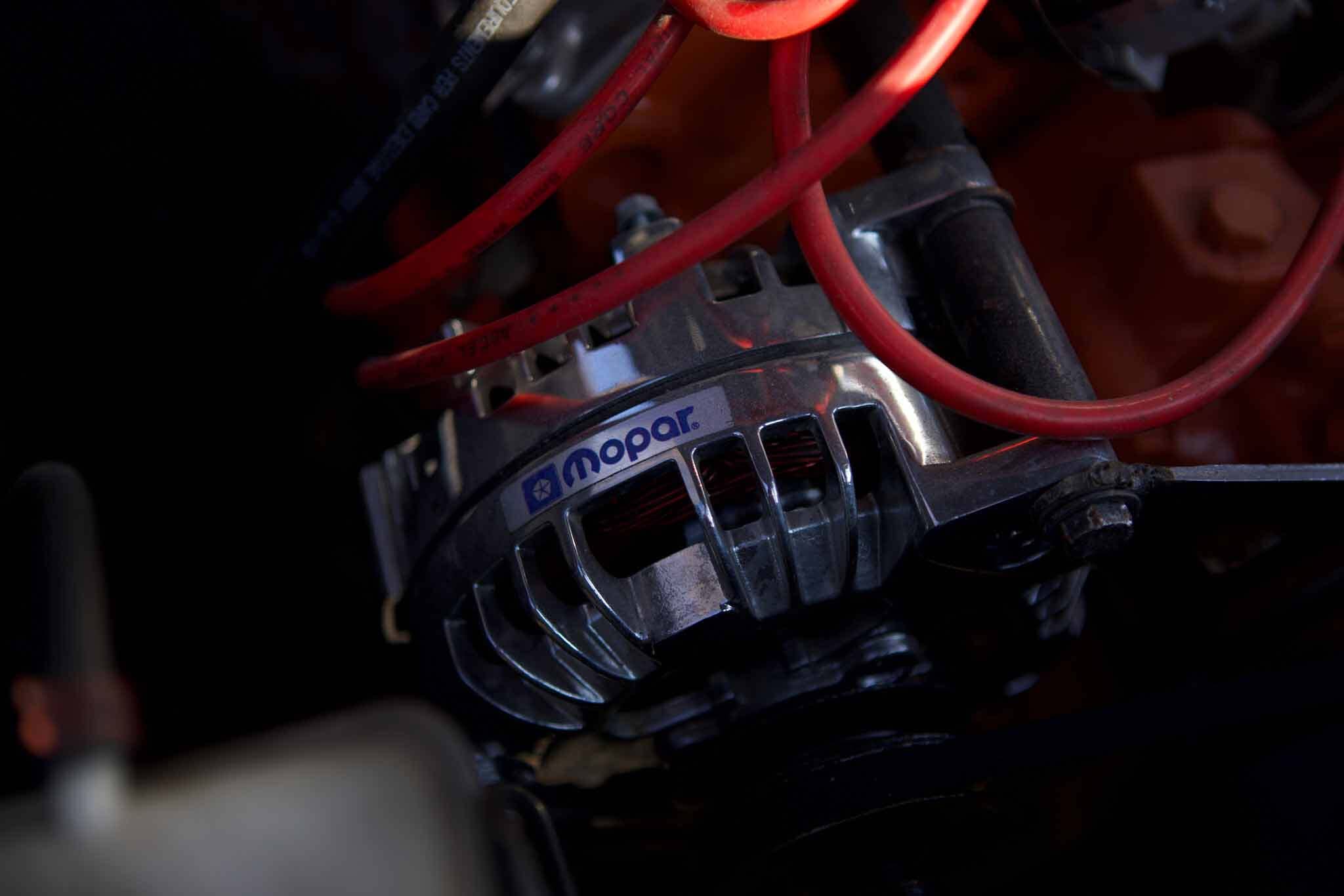
The 440ci V8 beneath the hood of this 1965 Plymouth Satellite Sport is every bit as sporty as its Mopar-branded cam covers would lead you to believe. We're told that the engine, as well as the three-speed automatic transmission that it is connected to have all been redone, as has the differential. The condition of the engine bay is testament to the meticulous restoration that the car has undergone, and we're sure that you'll enjoy every single moment behind the wheel of this 1965 Plymouth Satellite Sport. And we needn't remind you that smoky burnouts are always at your disposal.


Before the GTX and Road Runner took over Plymouth’s performance image, the Satellite was the B-body sleeper that could be ordered with Chrysler’s most feared street engine. This 1966 Plymouth Satellite 426 HEMI 4 Speed shows approximately 25,134 miles and combines a black-on-black presentation with the legendary dual-quad 426 Street HEMI, a four-speed manual, Dana 60 rear axle, and Sure Grip differential. The current owner reports that it is one of of only 502 Hemi's produced, making this a seriously rare early HEMI-era Mopar with the kind of specification collectors and true muscle-car enthusiasts immediately recognize.
This 1966 Plymouth Satellite Hemi 426 HP2 is a rare piece of Mopar muscle car history — one of an estimated 51 HP2 Satellites ever produced. Finished in a striking red exterior over a black interior, it represents the pinnacle of Plymouth’s performance offerings in the mid-1960s. The car underwent a full rotisserie restoration just five years ago, ensuring it presents and performs at the highest level. With its combination of factory HEMI power, 4-speed manual transmission, and period-correct details, this Satellite embodies the raw performance and exclusivity that made the HP2 designation legendary.
The right muscle car is a recipe for a good time. Being behind the wheel of one equates to raw performance on demand — it's addictive, and something that very few modern cars can replicate. Present today is this 1968 Plymouth Plymouth Sport Satellite Convertible. This build is reported to be a GTX clone and has all the right ingredients to level up your expectations of a good drive.
The 1999 Plymouth Prowler represents one of the most distinctive production vehicles of the modern automotive era, bringing the spirit of traditional American hot rodding into a factory-built roadster. Originally introduced as a concept car before entering production, the Prowler combined classic hot rod influences such as its open-wheel front suspension, long hood, and low-slung stance with advanced engineering techniques including lightweight aluminum construction and composite body panels. Showing approximately 24,531 miles, this example is finished in Prowler Black with an Agate interior and features a black convertible soft top and chrome wheels. Powered by a 3.5L naturally aspirated V6 paired with Chrysler’s AutoStick automatic transmission, the Prowler delivers a unique blend of retro-inspired styling, modern drivability, and collectible character. As one of Chrysler’s most ambitious design statements of the late 1990s, the Prowler remains a standout example of a factory-built hot rod interpretation.
The 1949 Plymouth Deluxe PE Model Woody Wagon is a distinctive postwar American station wagon featuring classic wood-bodied styling and Plymouth’s durable flathead six-cylinder powertrain. Showing 47,295 miles, this example is powered by a 217.8ci L-Head Inline-6 paired with a 3-speed manual transmission and rear-wheel drive. Finished in Brown with a matching Brown interior and woodgrain exterior trim panels, this Deluxe Woody Wagon represents the traditional craftsmanship and character of early American family wagons.
By 1969, the Plymouth Road Runner had firmly established itself as one of the defining muscle cars of the era, combining big-block performance with a no-nonsense attitude that appealed to enthusiasts looking for speed over luxury. This 1969 Plymouth Road Runner embodies that philosophy with its legendary 383ci V8, desirable 4-speed manual transmission, and iconic Air Grabber induction system. Showing approximately 82,962 miles, this Ivy Green classic offers the unmistakable styling, raw driving experience, and factory performance pedigree that continue to make the Road Runner one of Mopar's most celebrated creations.

Terms of Service
Be Kind and Courteous
We're here to create a platform to better the automotive industry through communication and transparency. Please treat everyone with respect. Healthy debates are natural, but kindness is required.
No Hate Speech
Make sure everyone feels safe. Hate speech of any kind is strictly prohibited. Degrading comments about things like race, religion, culture, sexual orientation, etc. will not be tolerated.
No Promotions or Spam
Give more than you take. Self-promotion, spam, or links of any kind are not allowed.
