




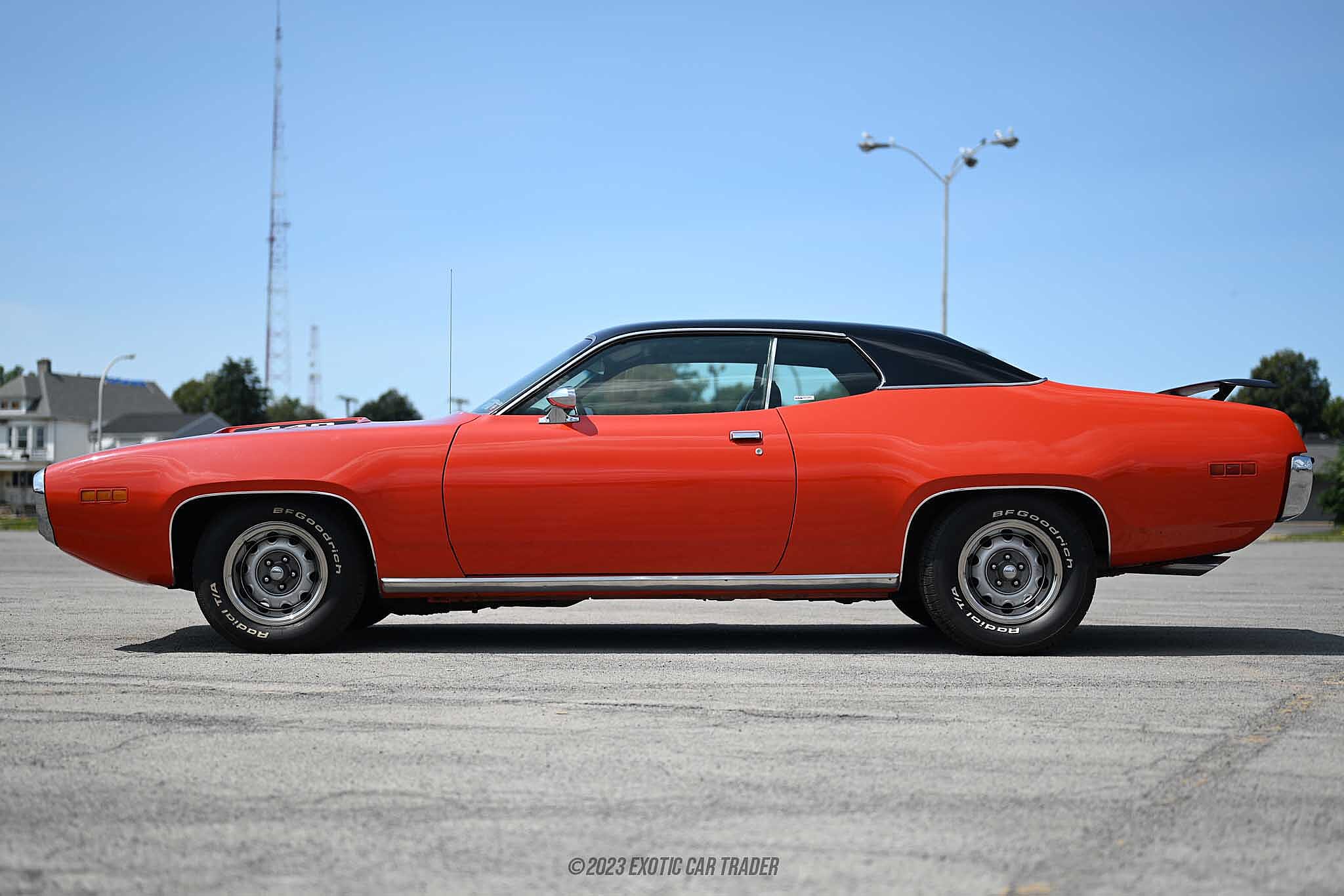

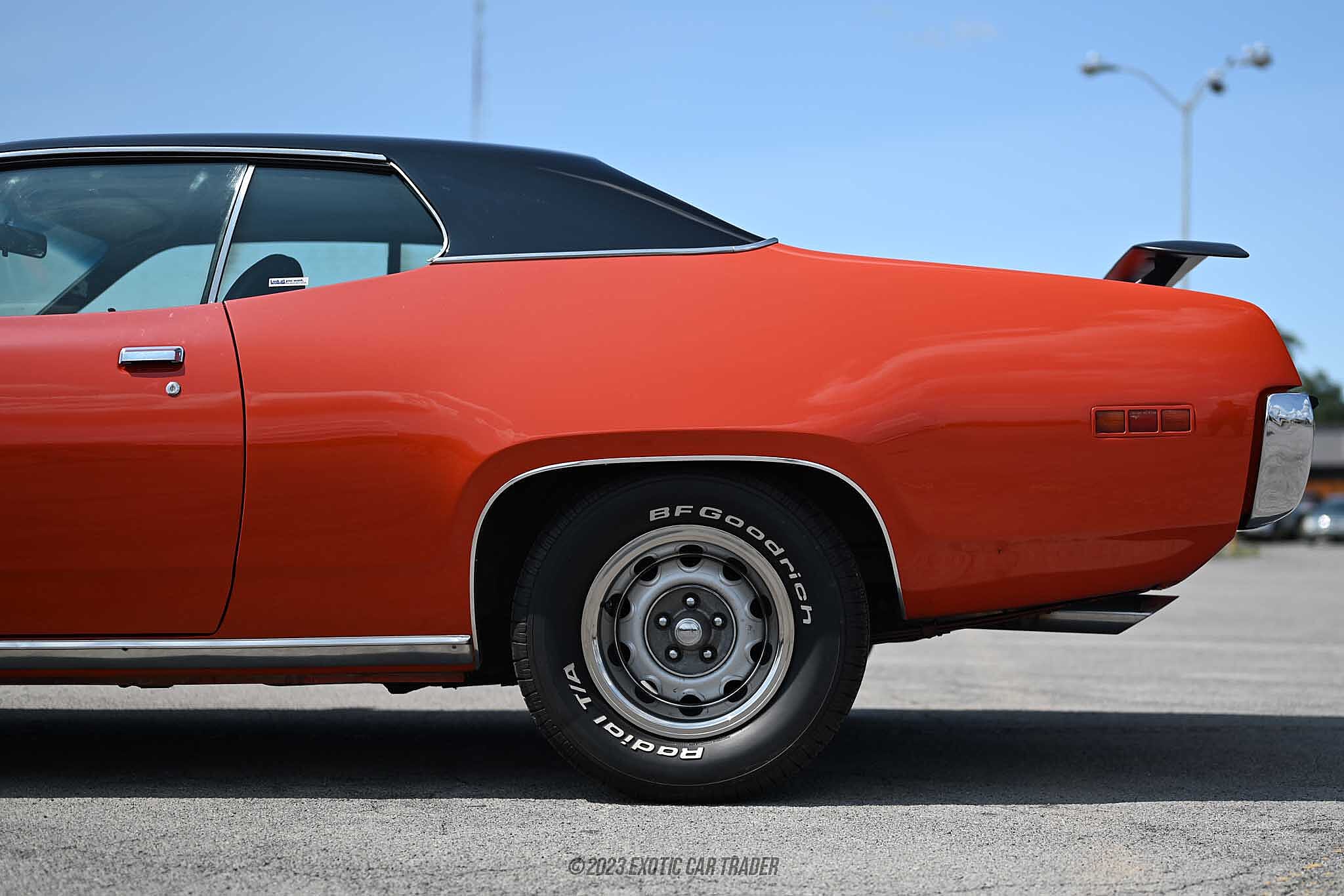
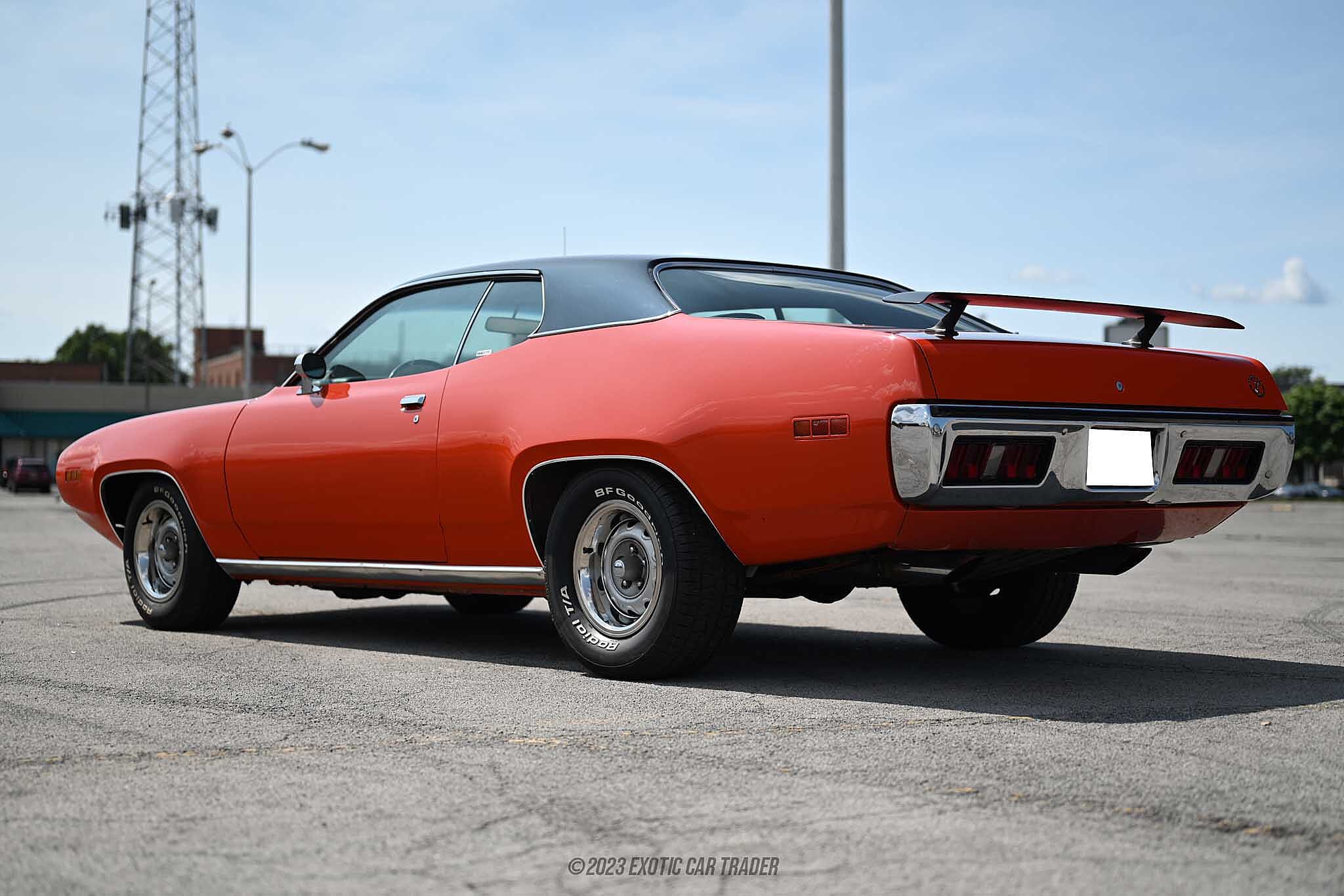
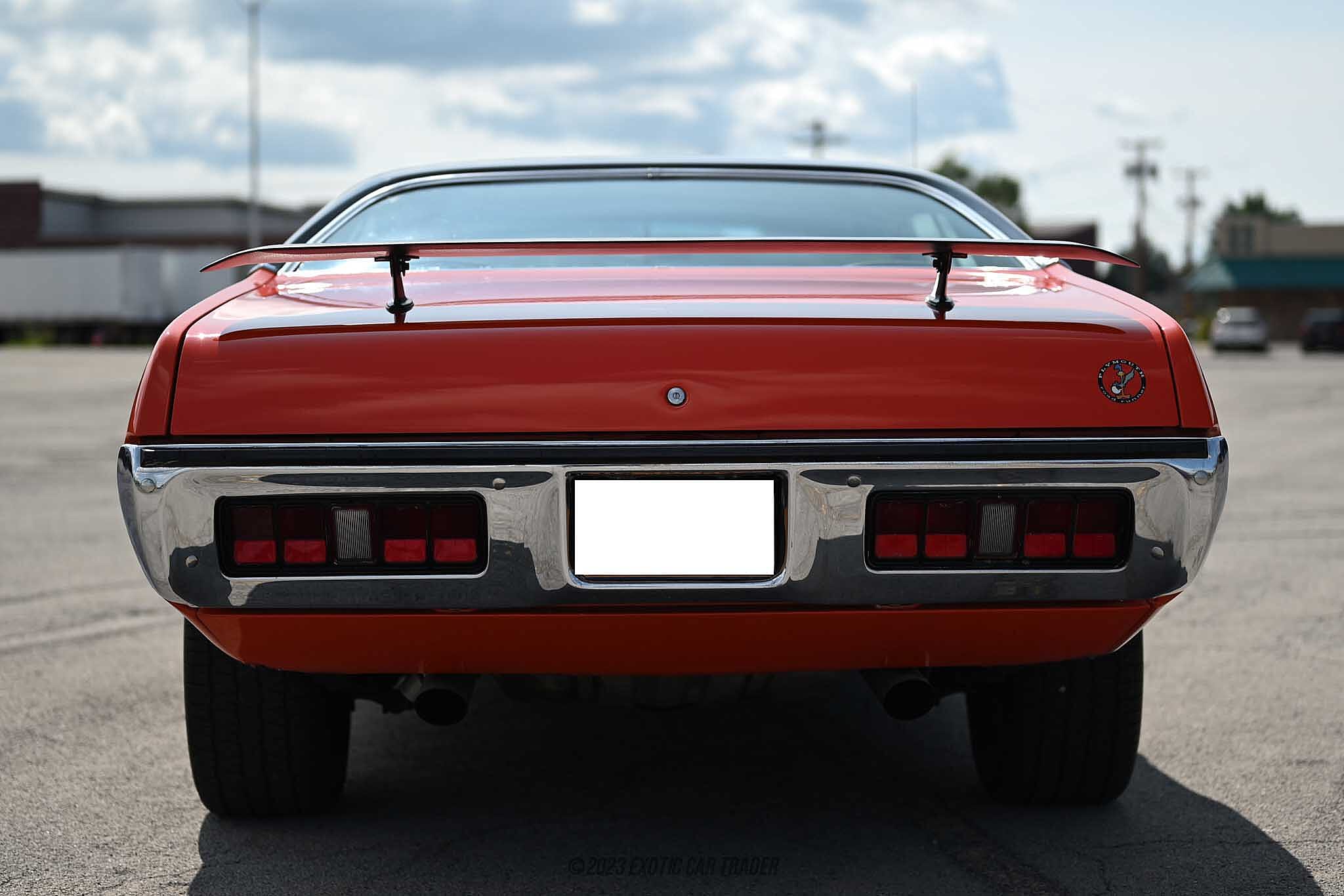
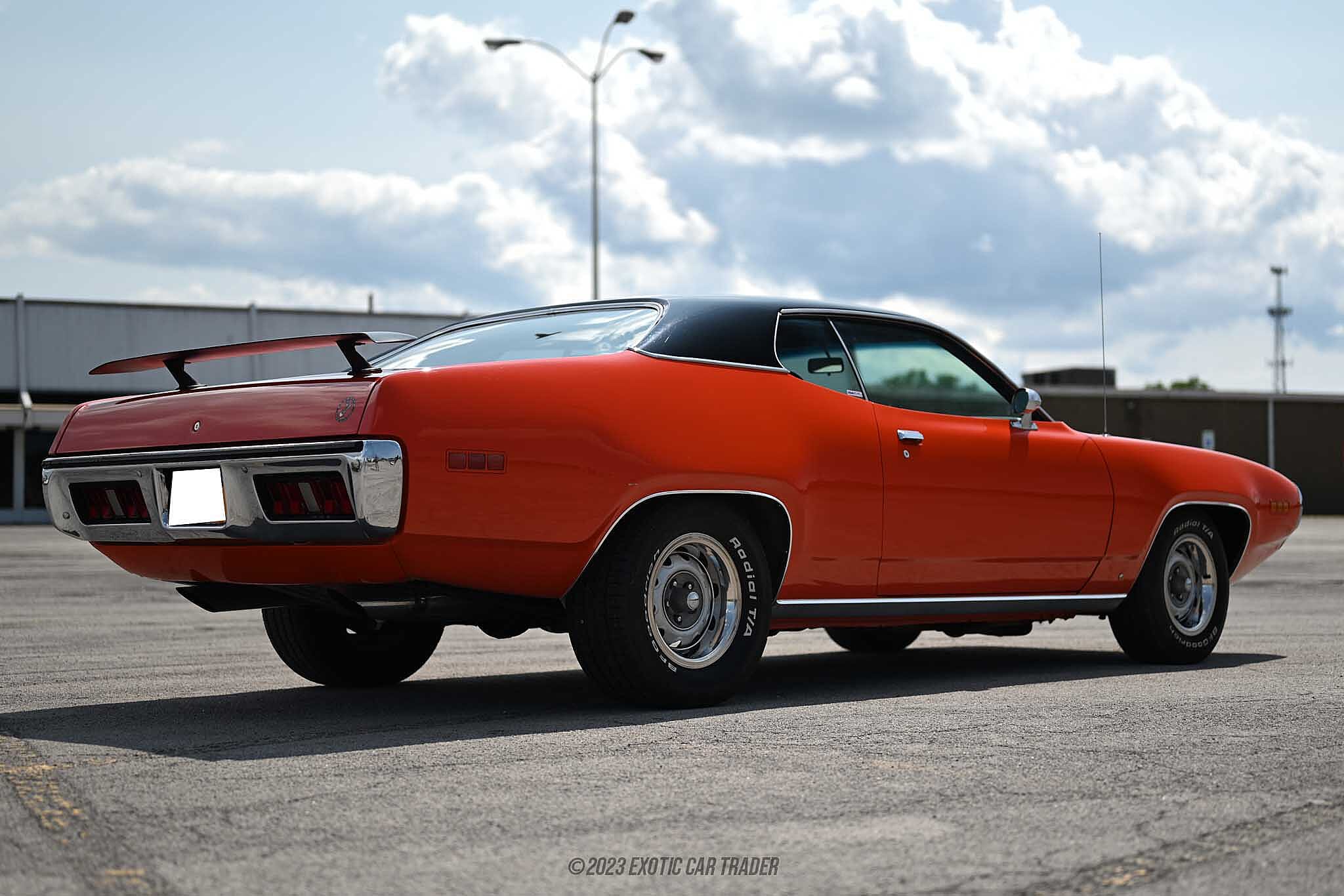
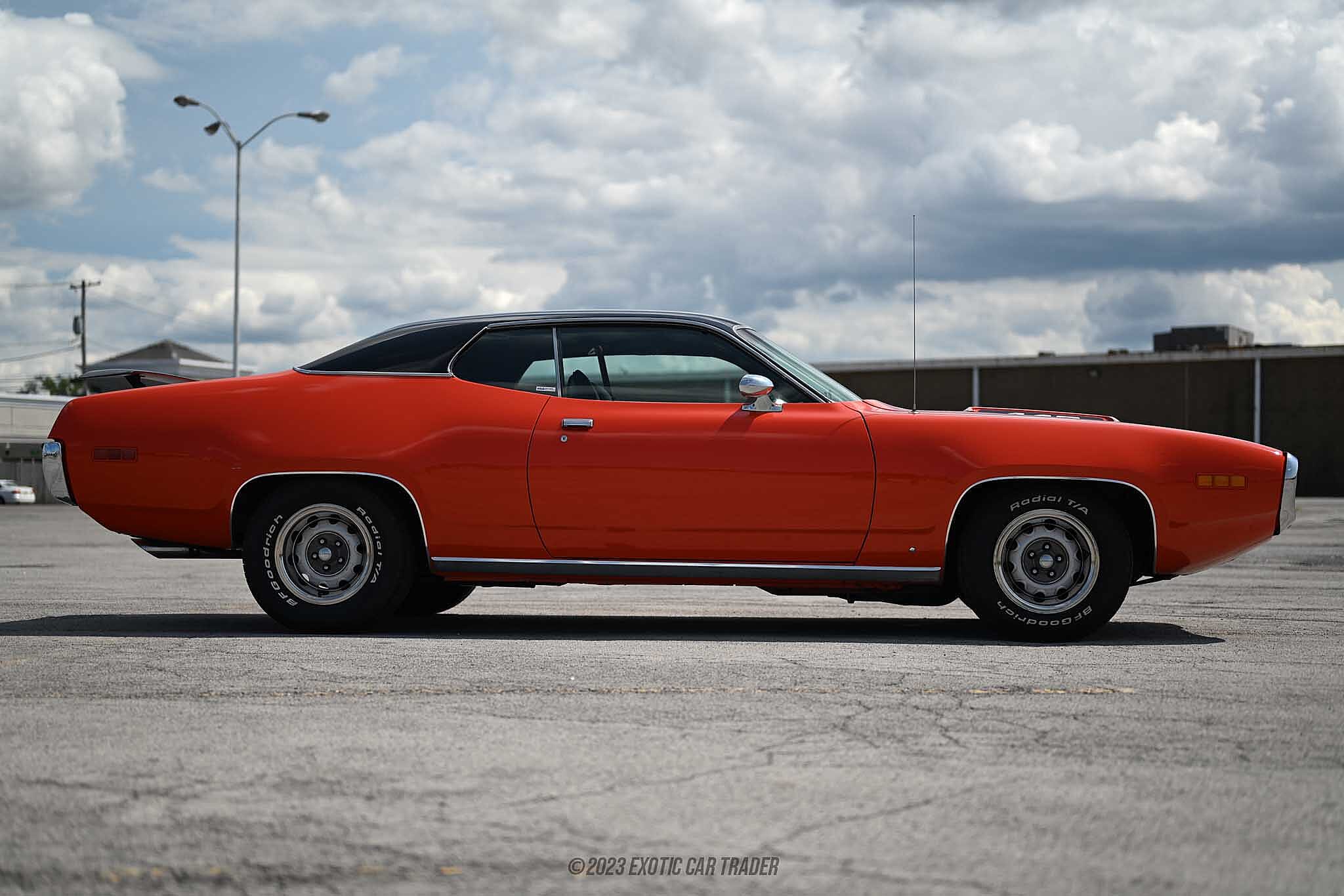
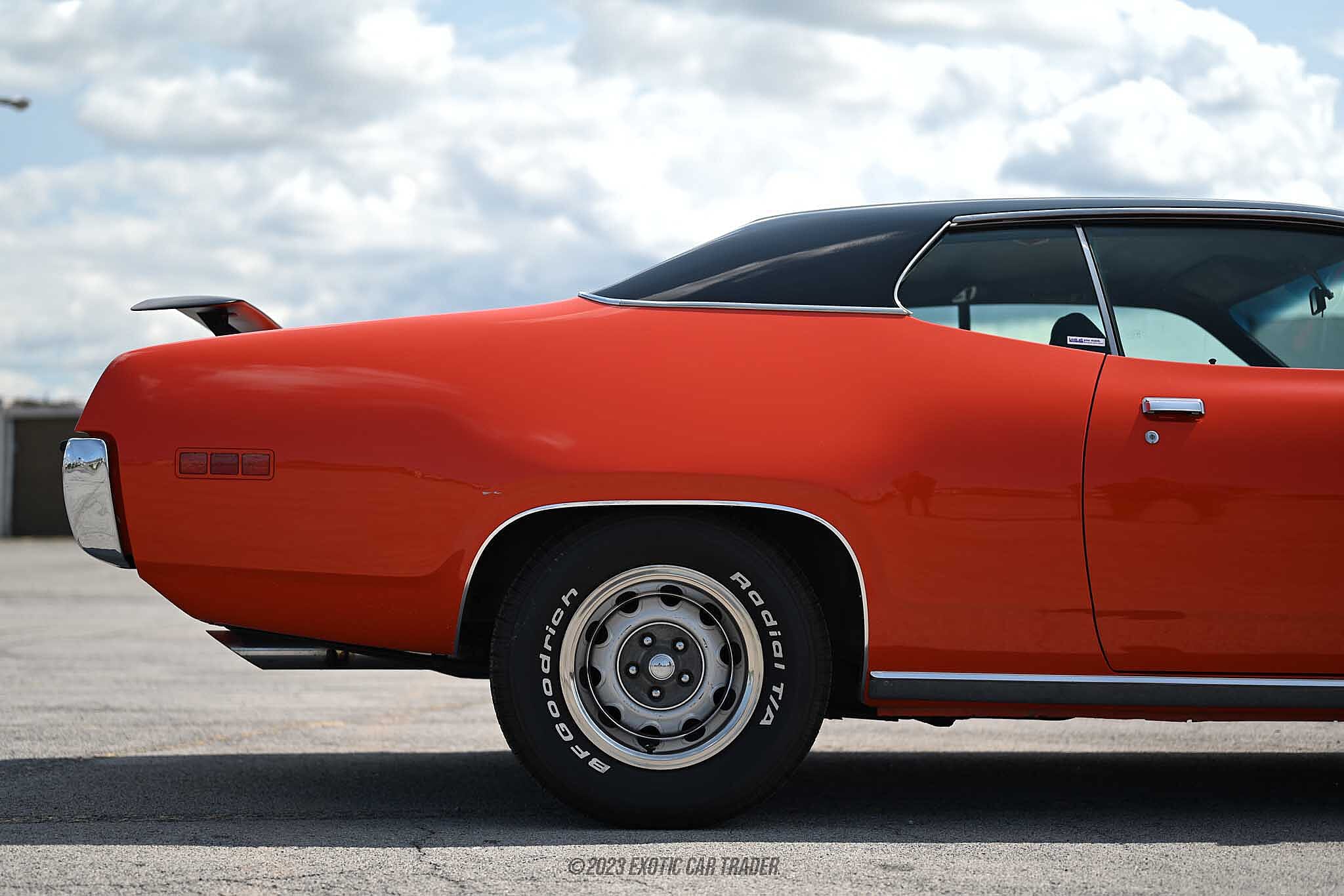

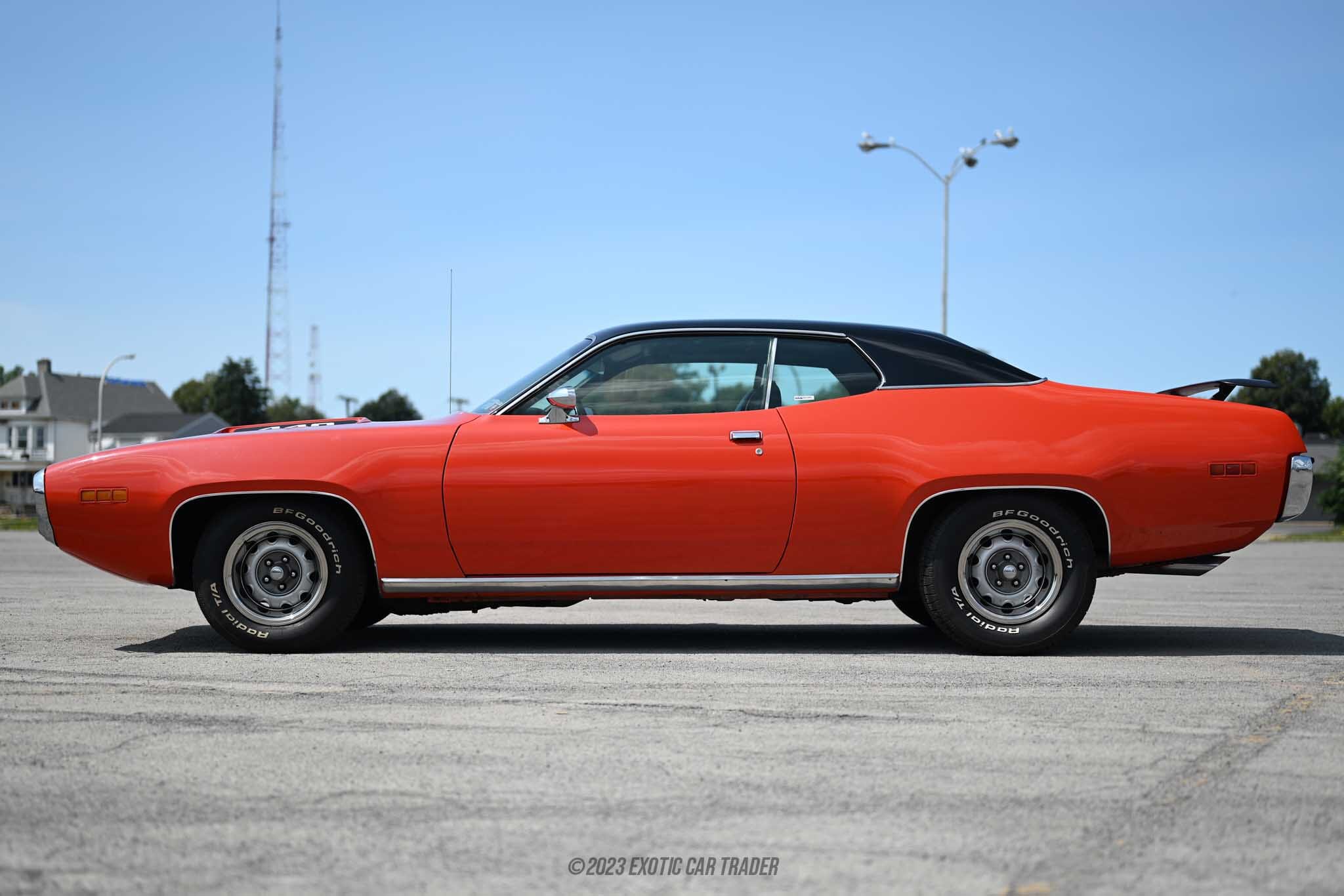
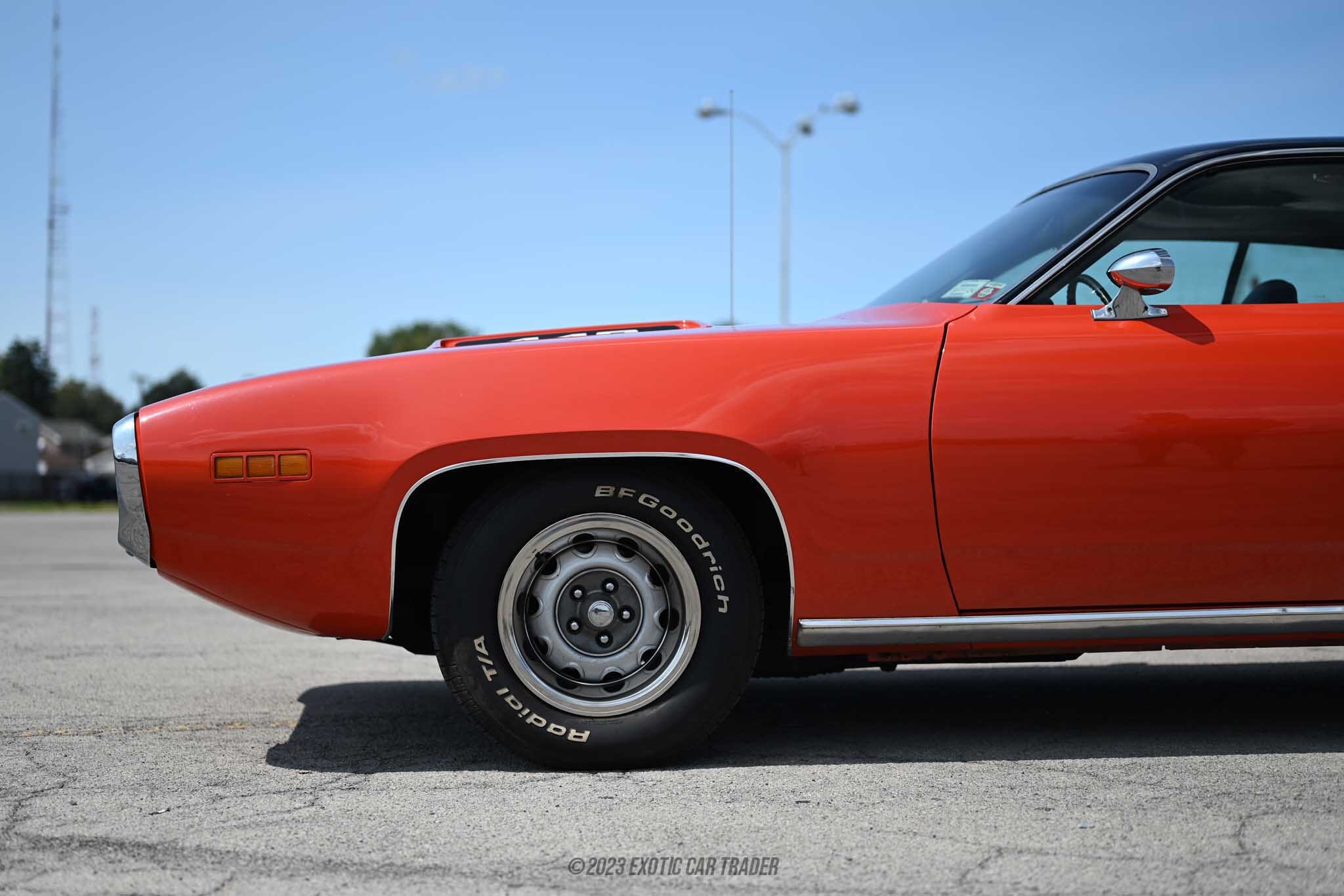
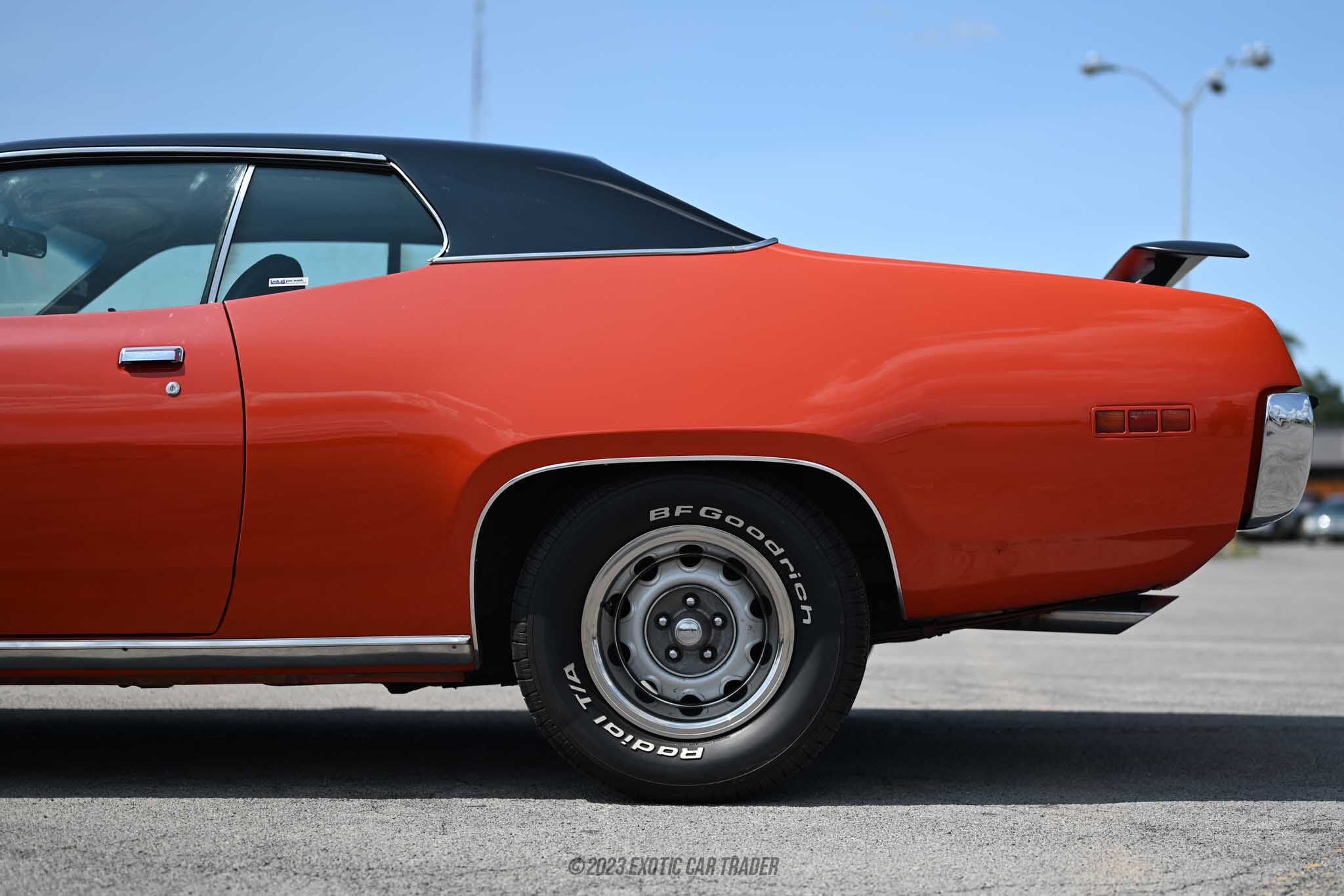
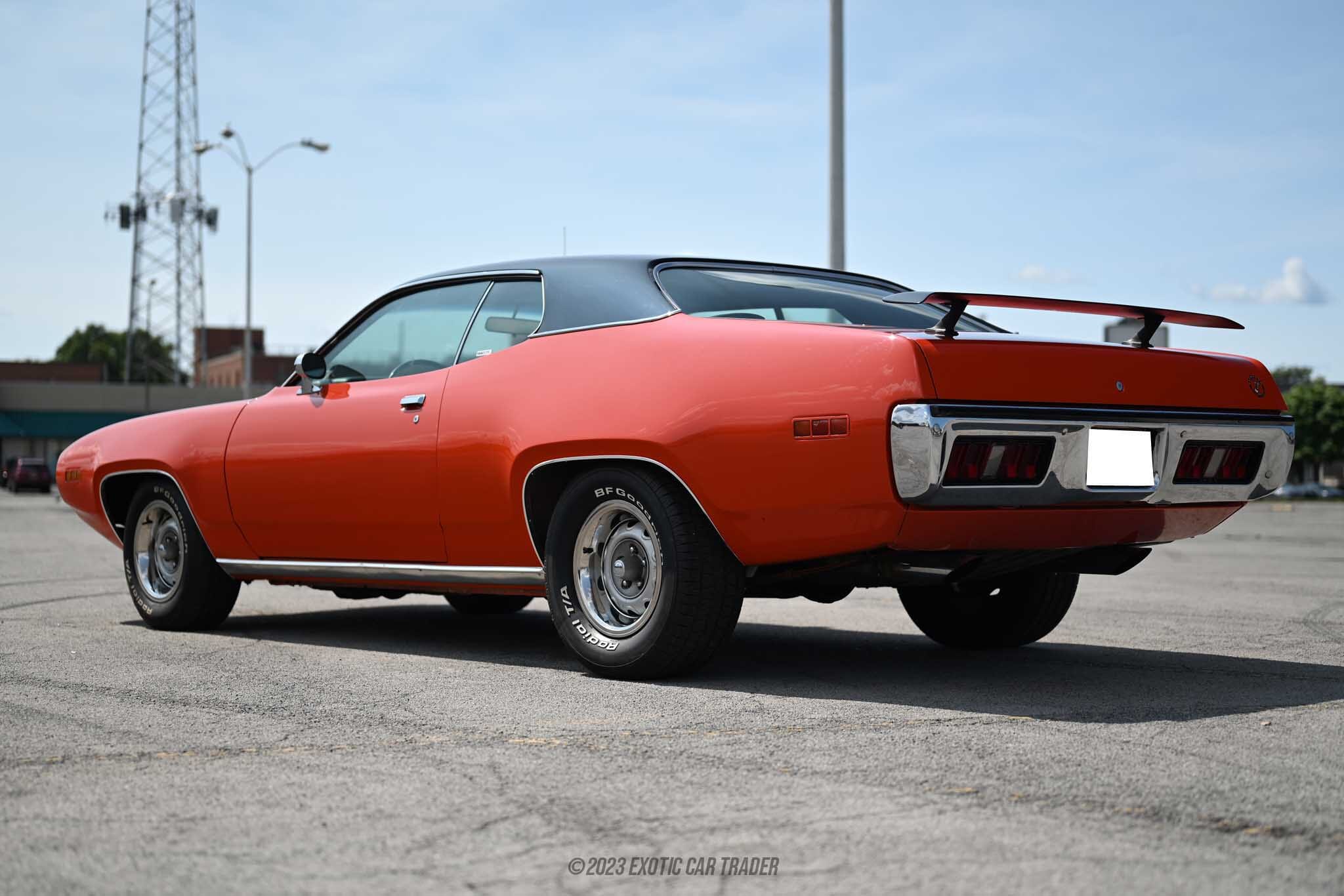
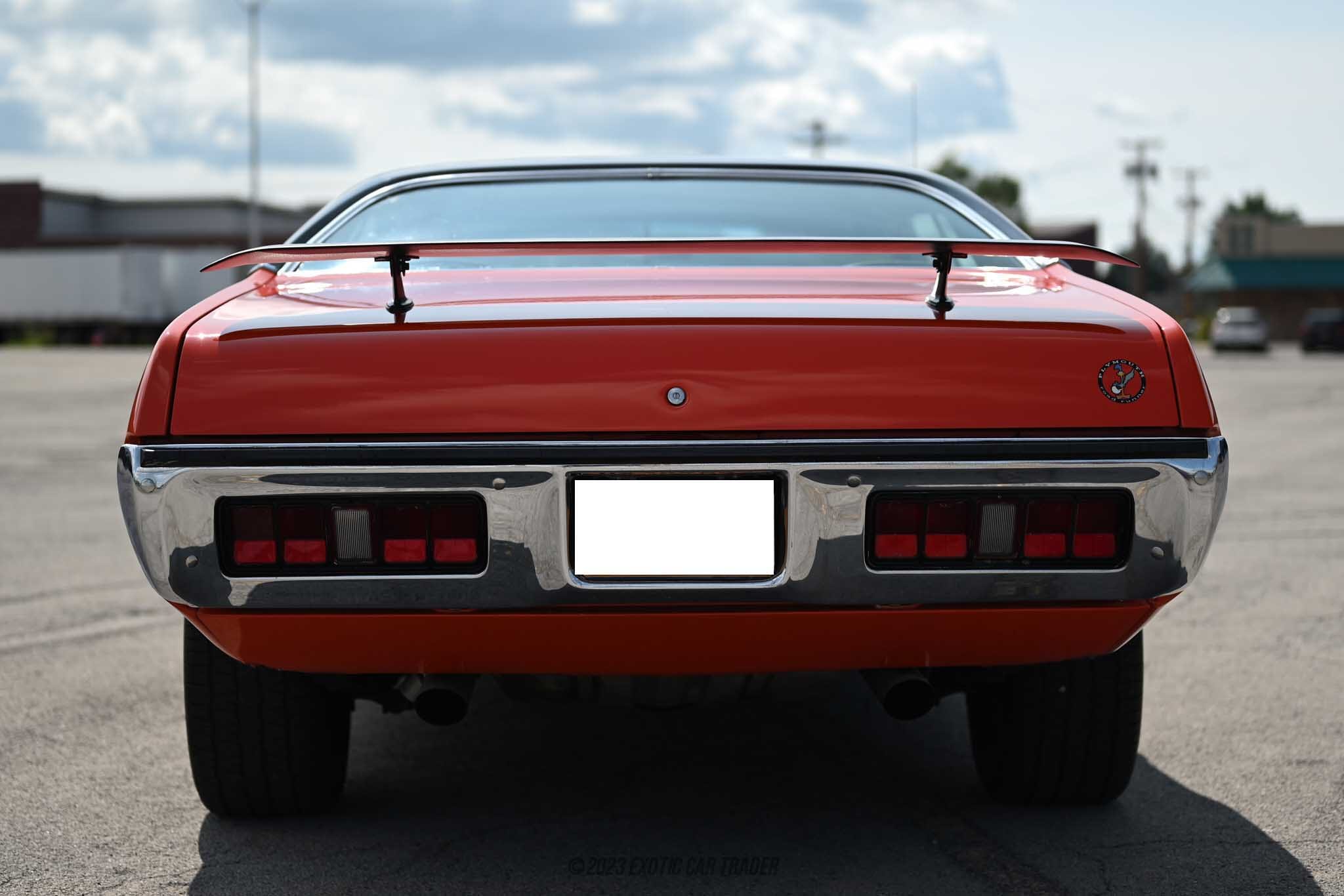
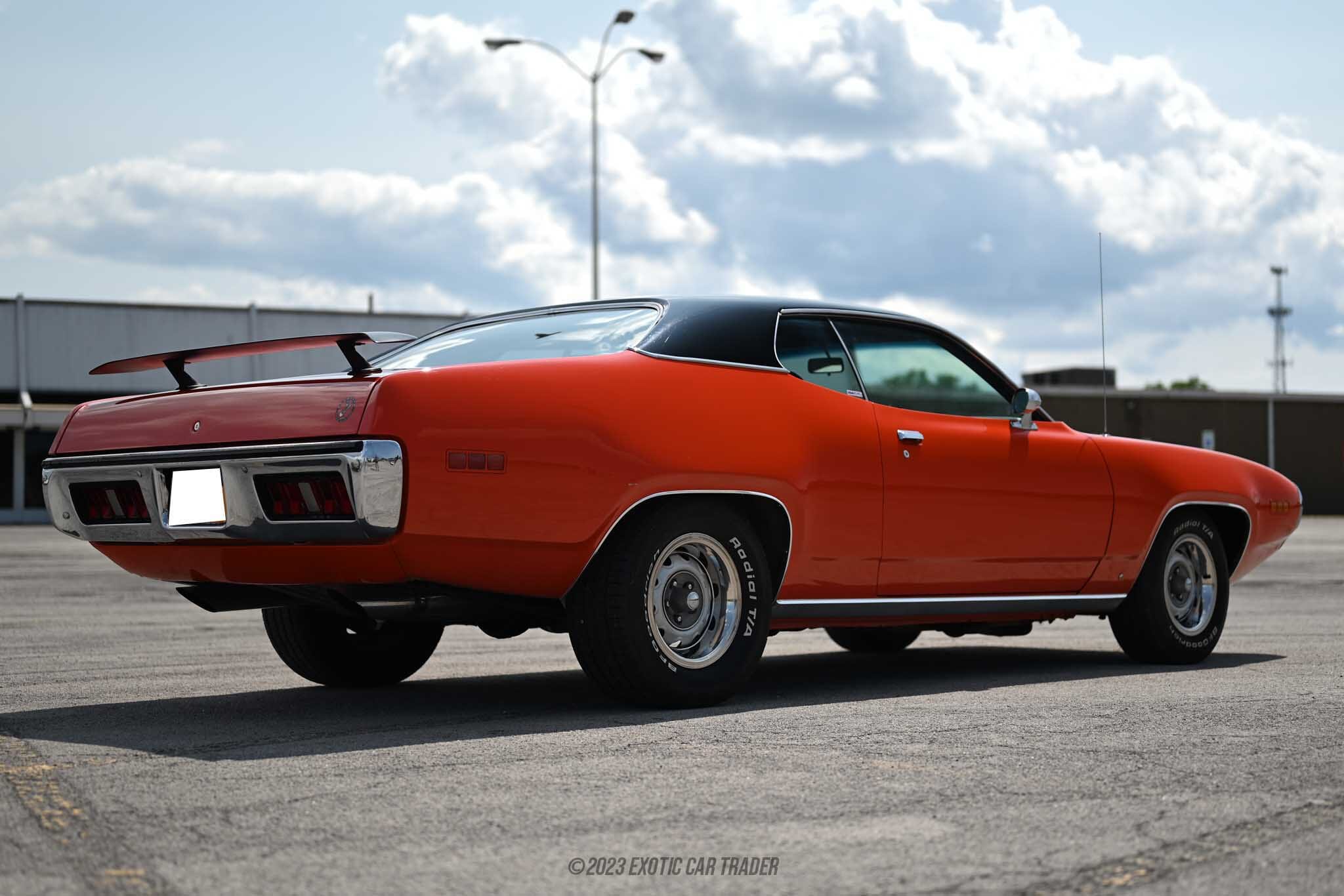
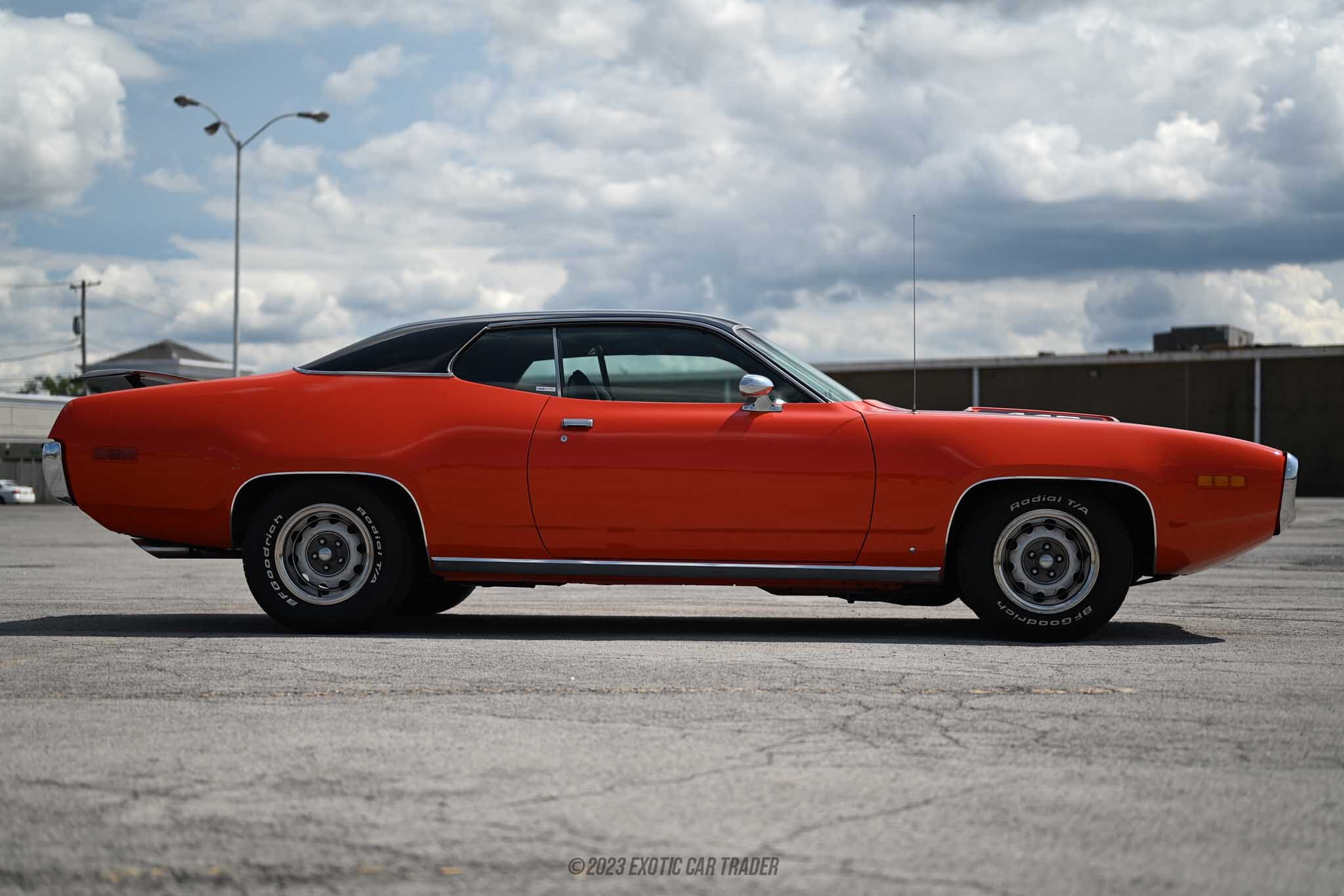
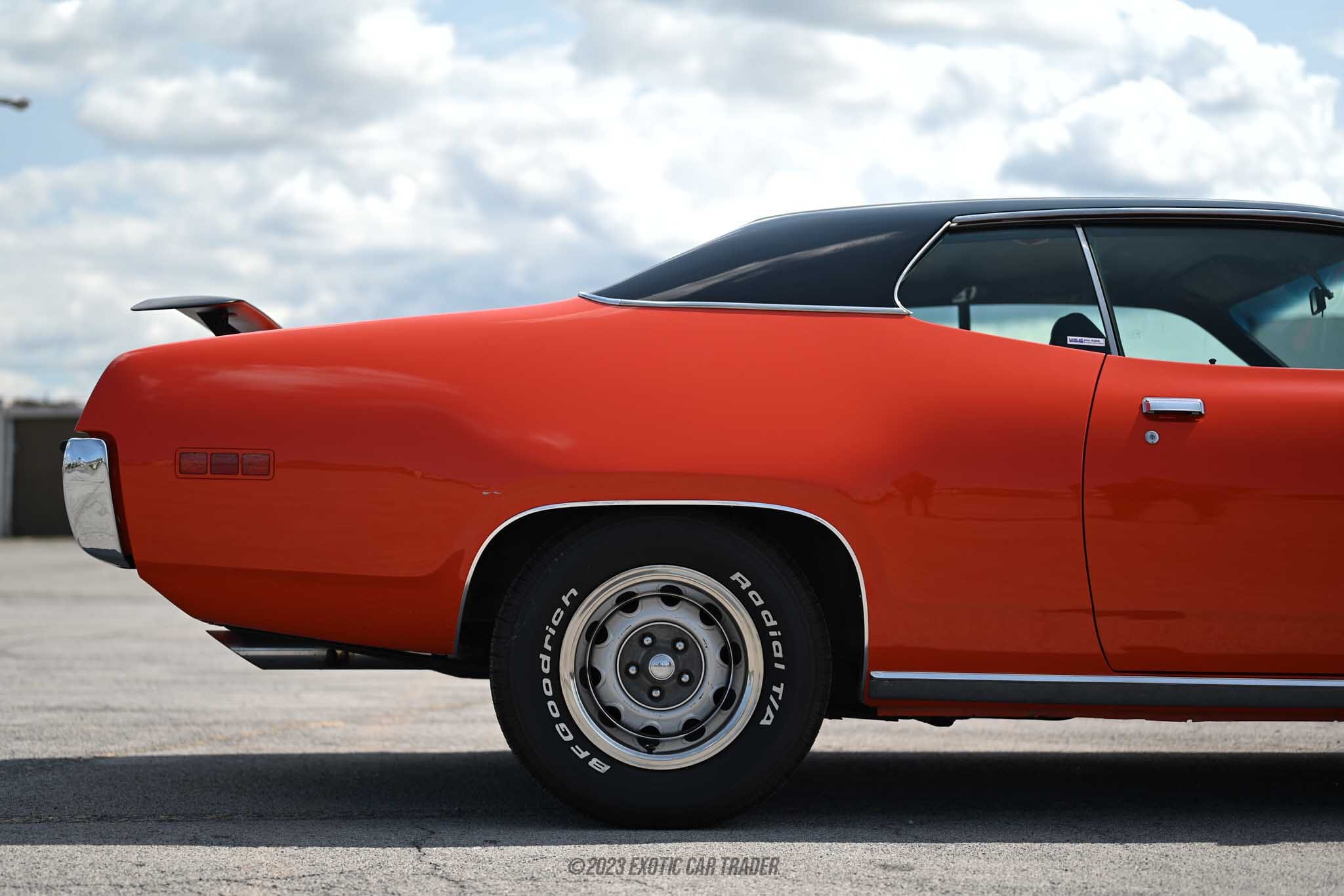
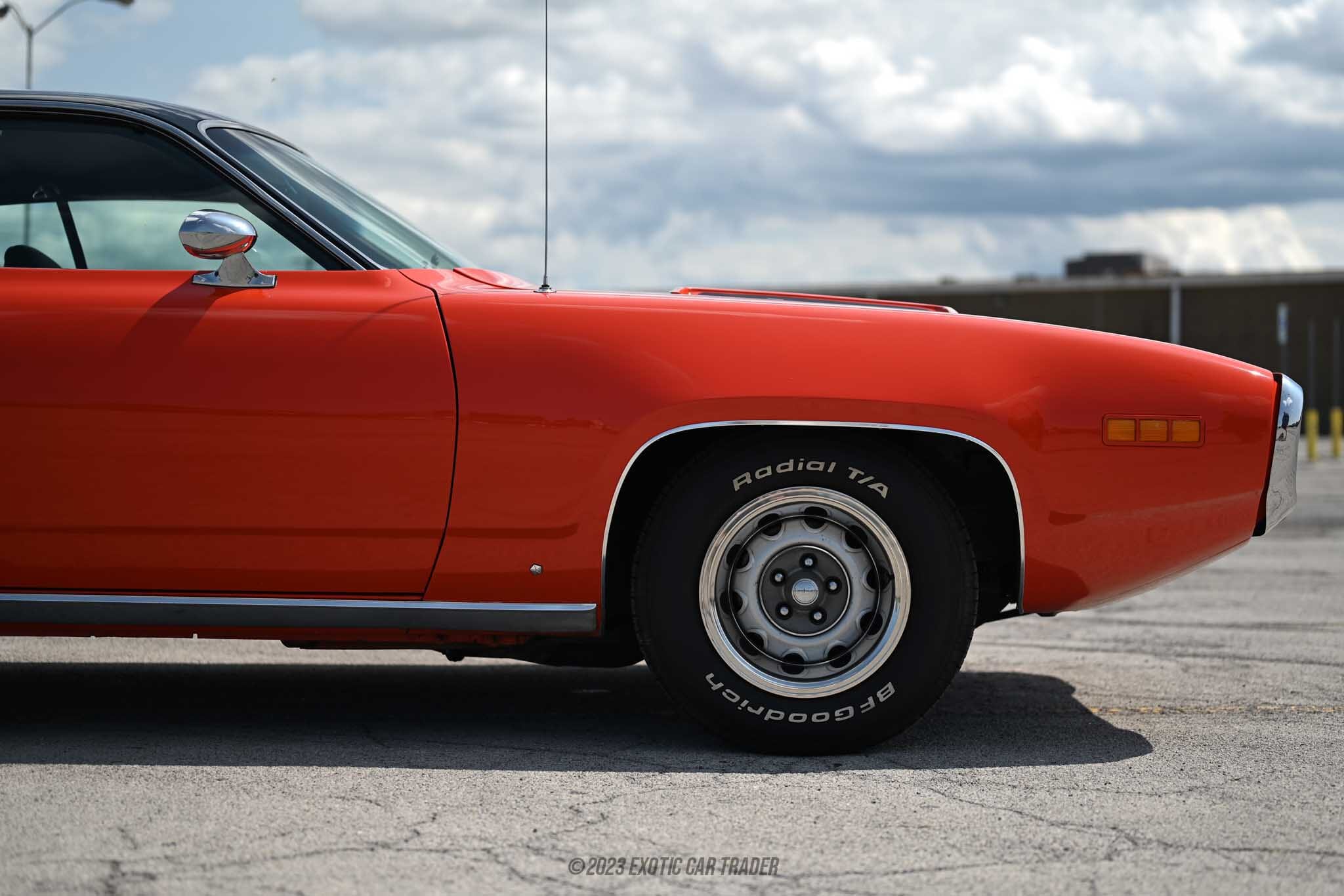

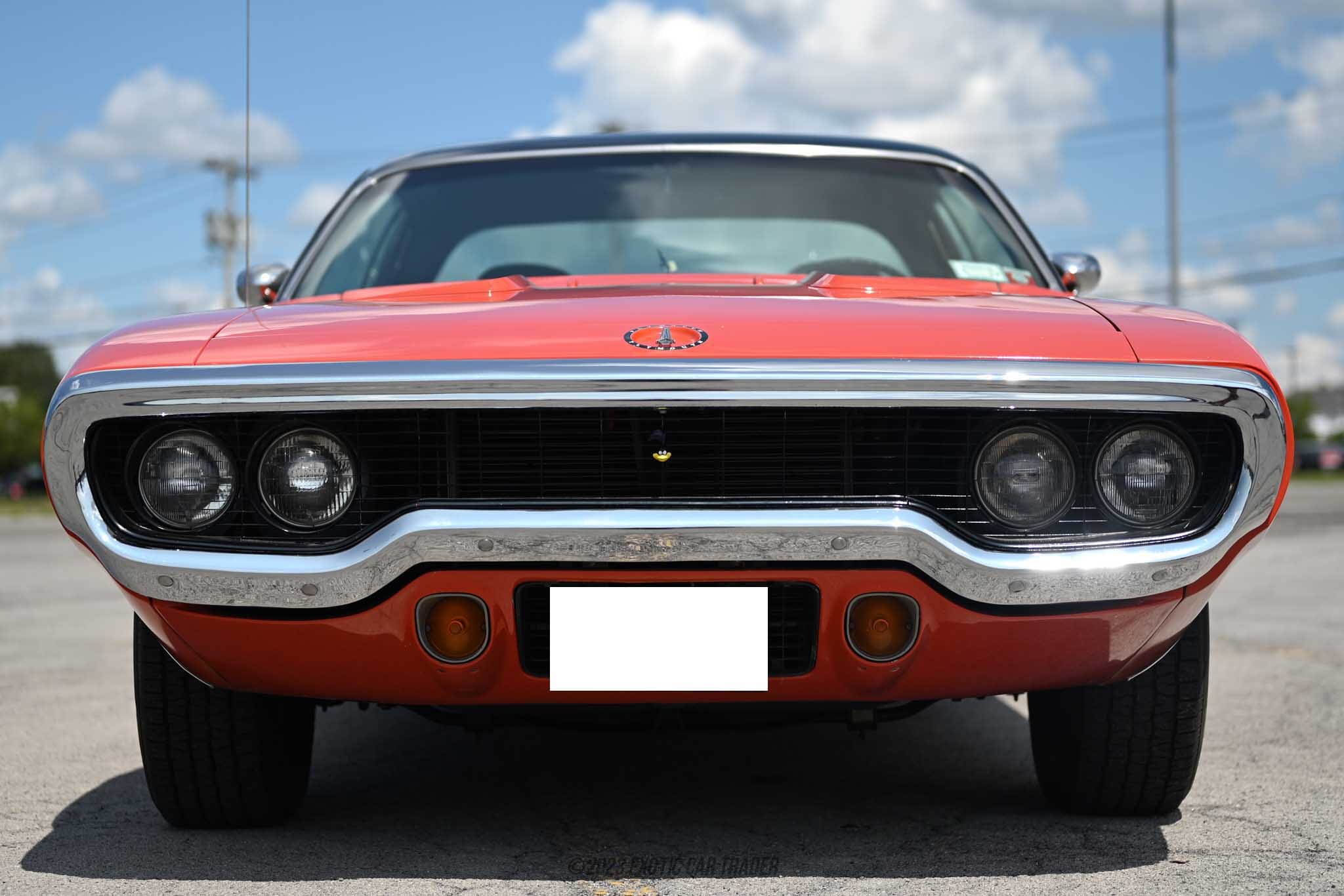
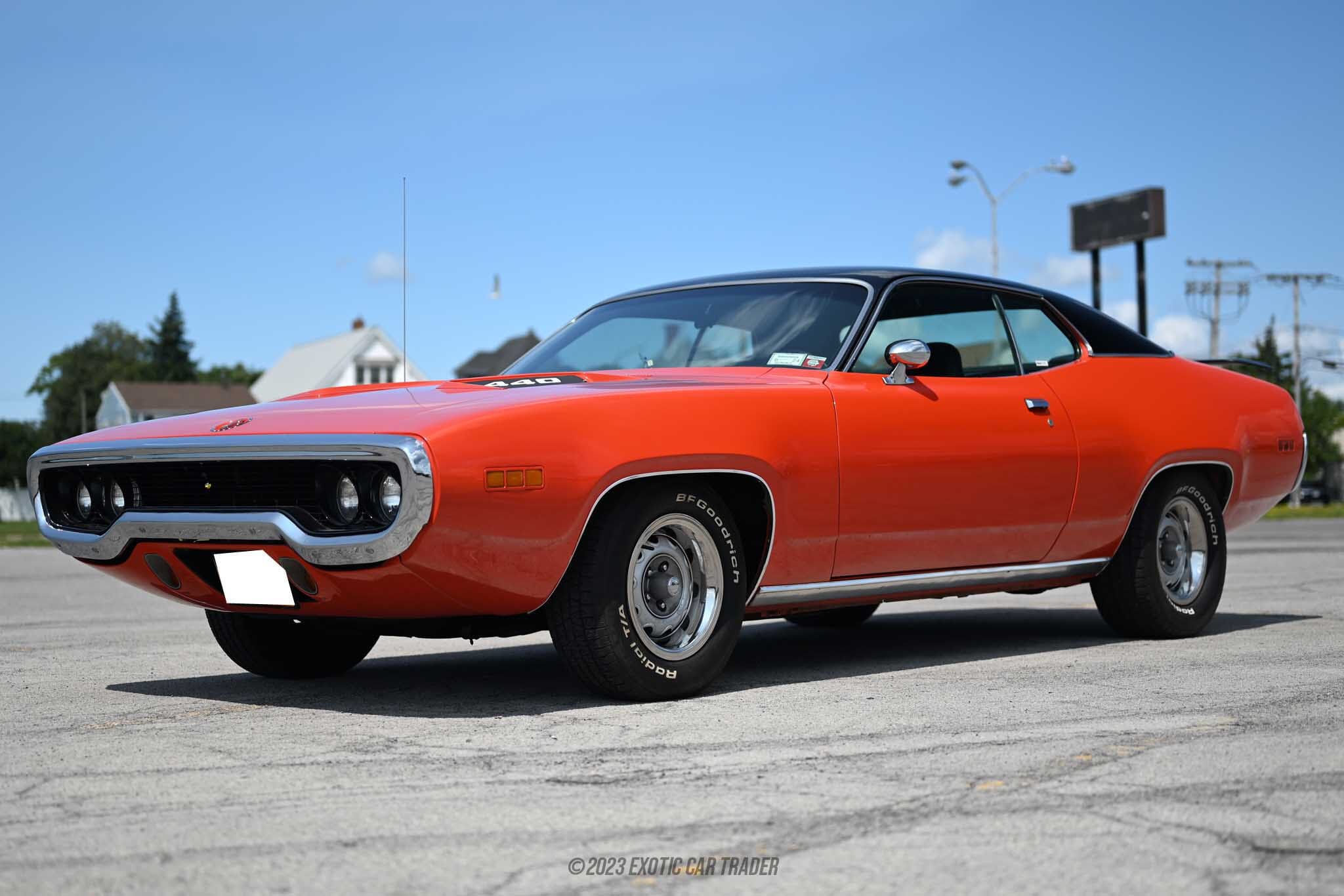


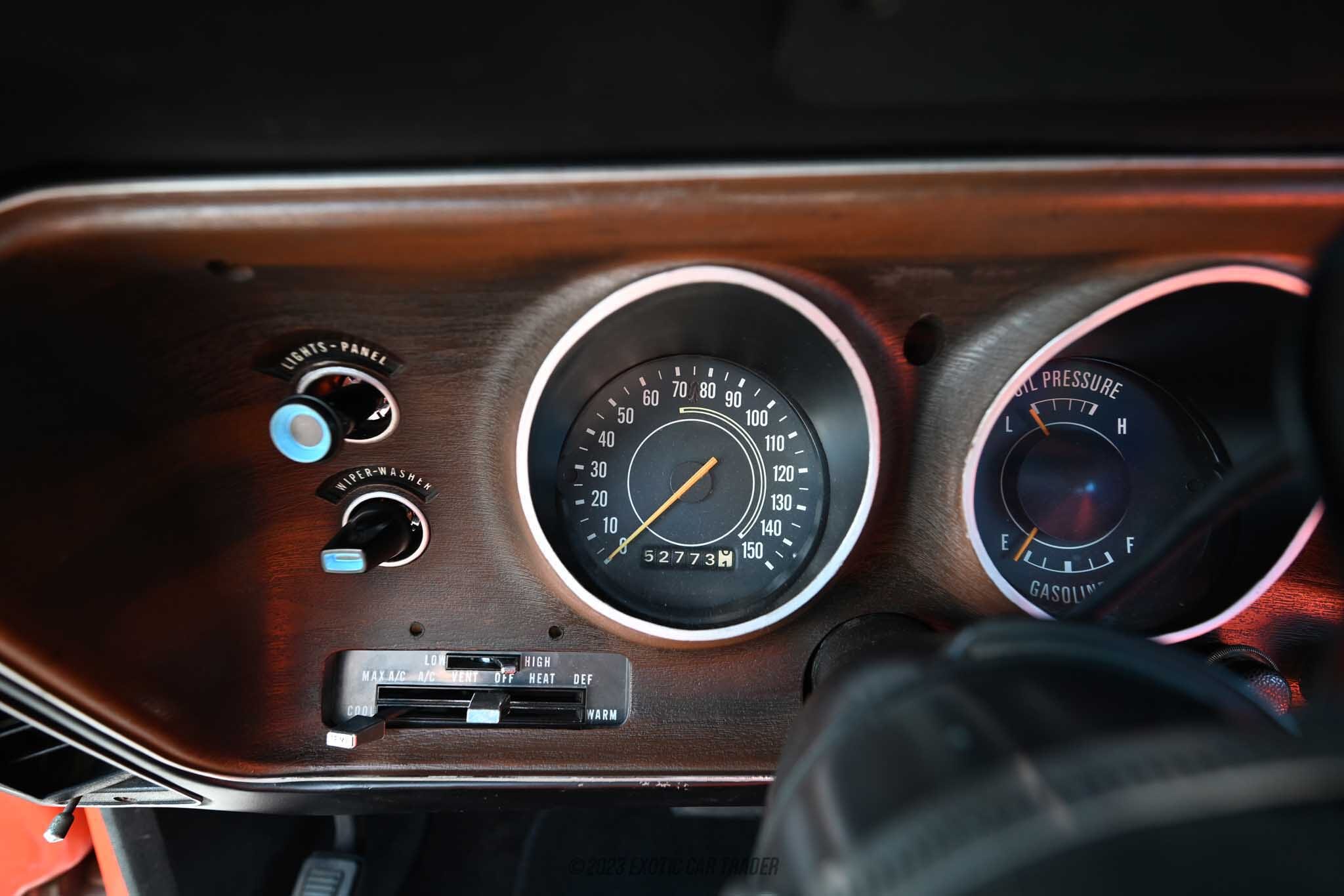
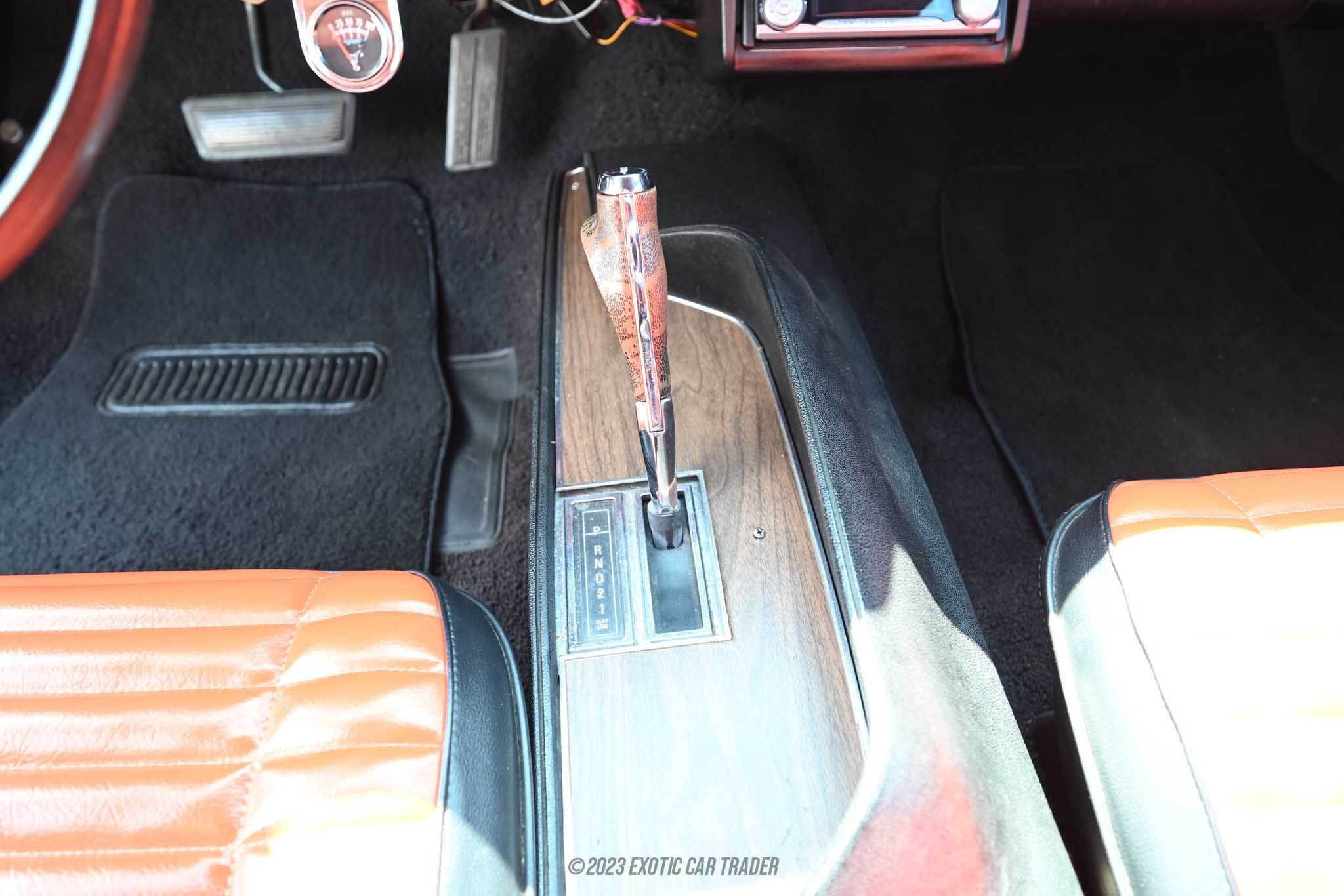
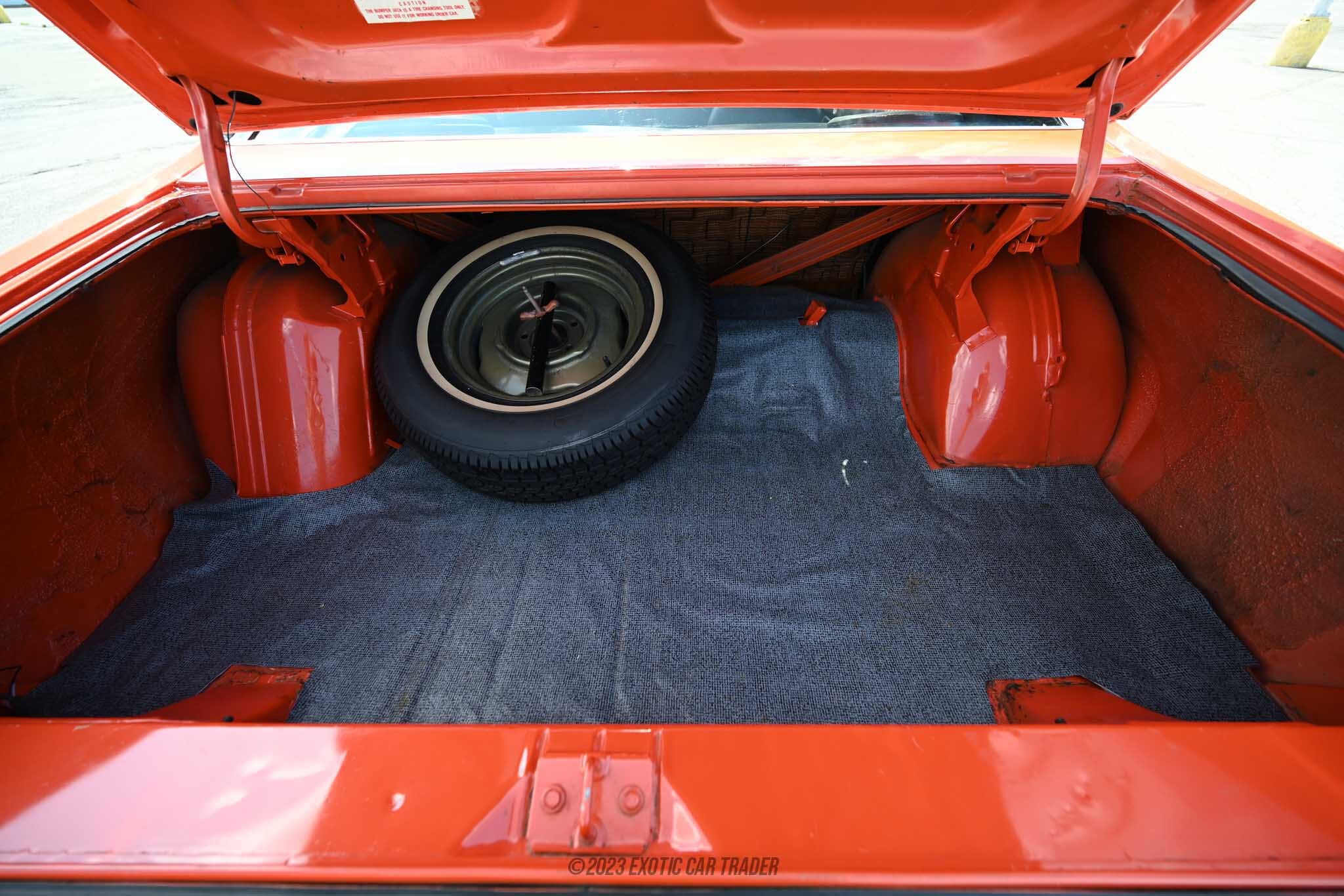
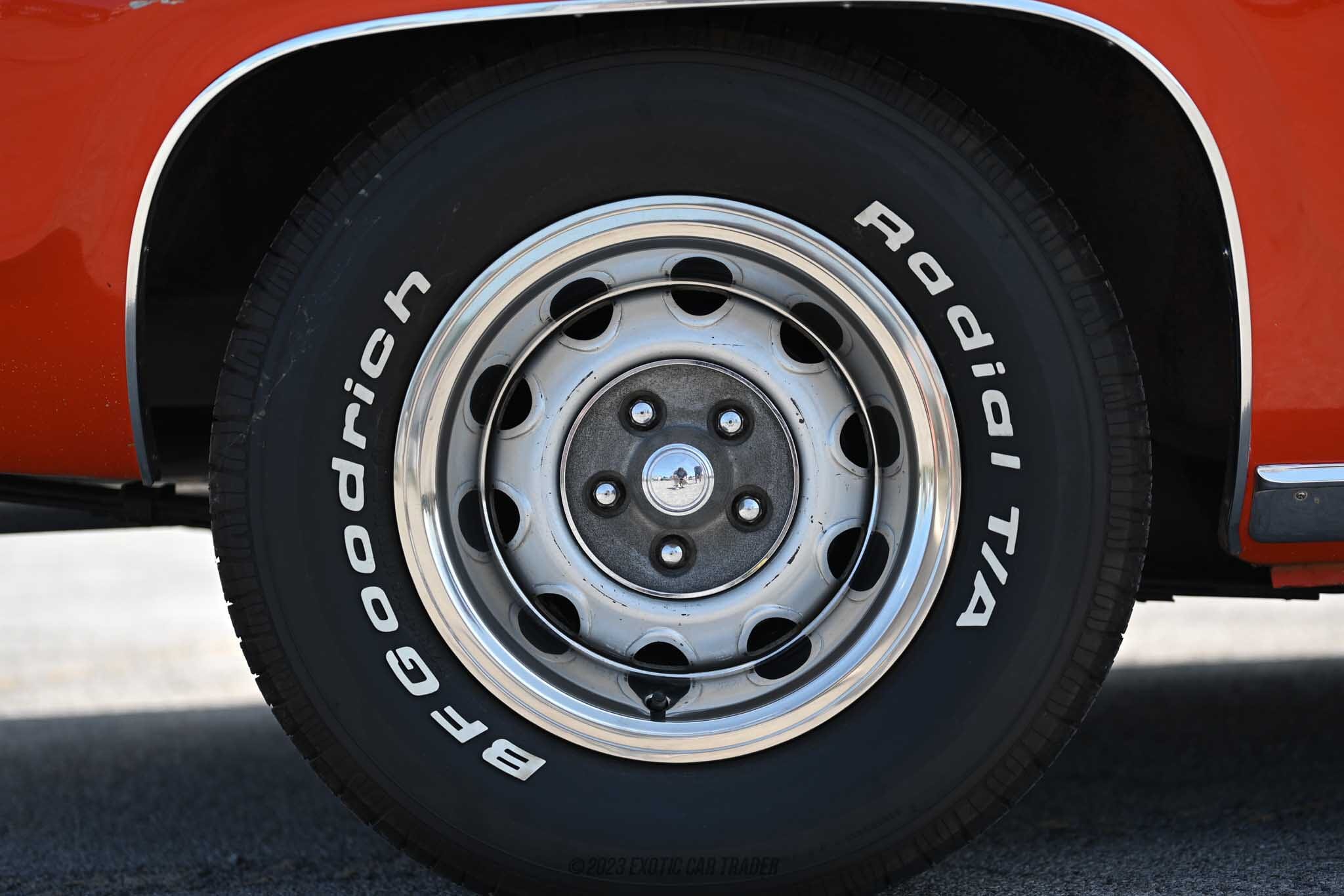
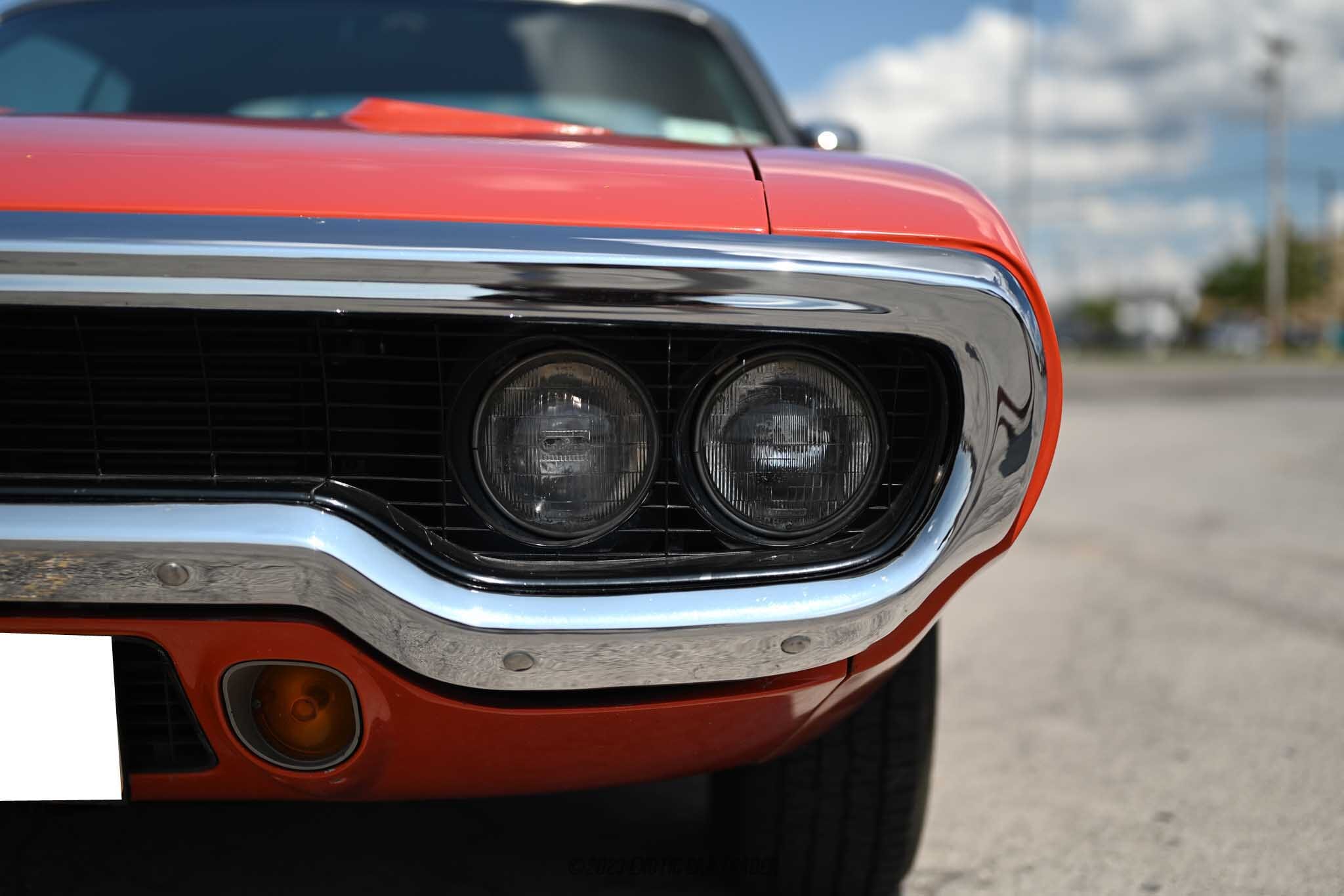
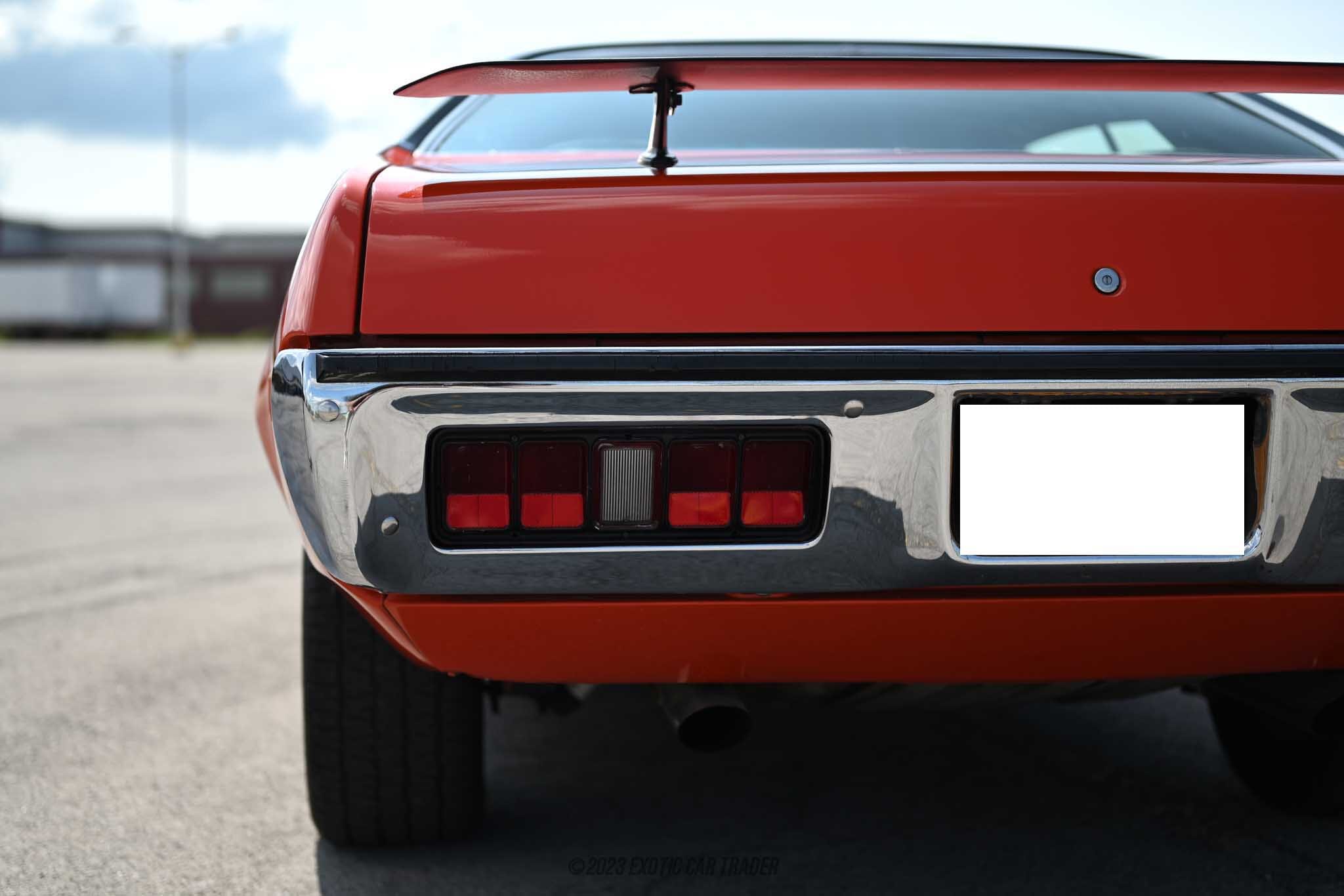
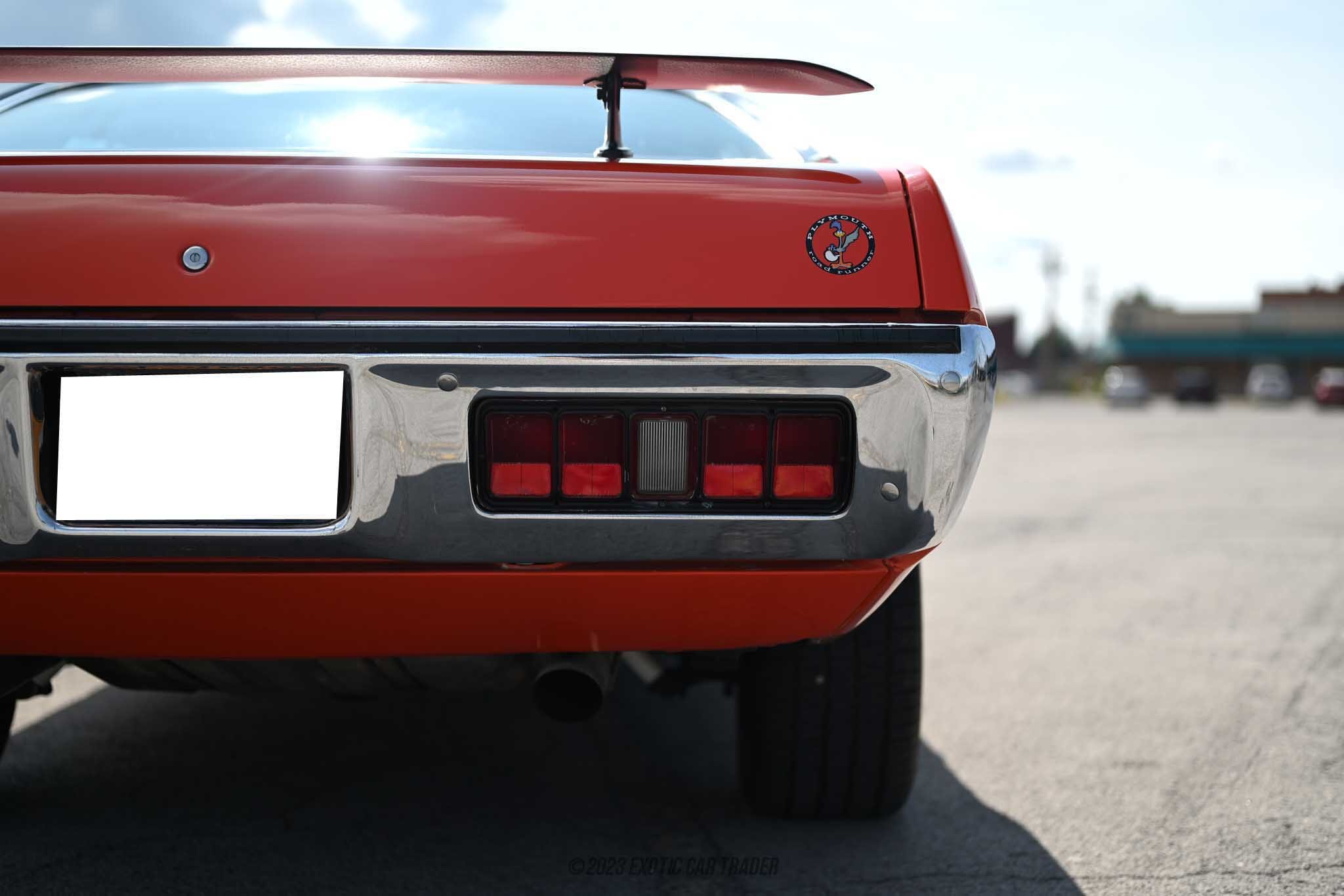
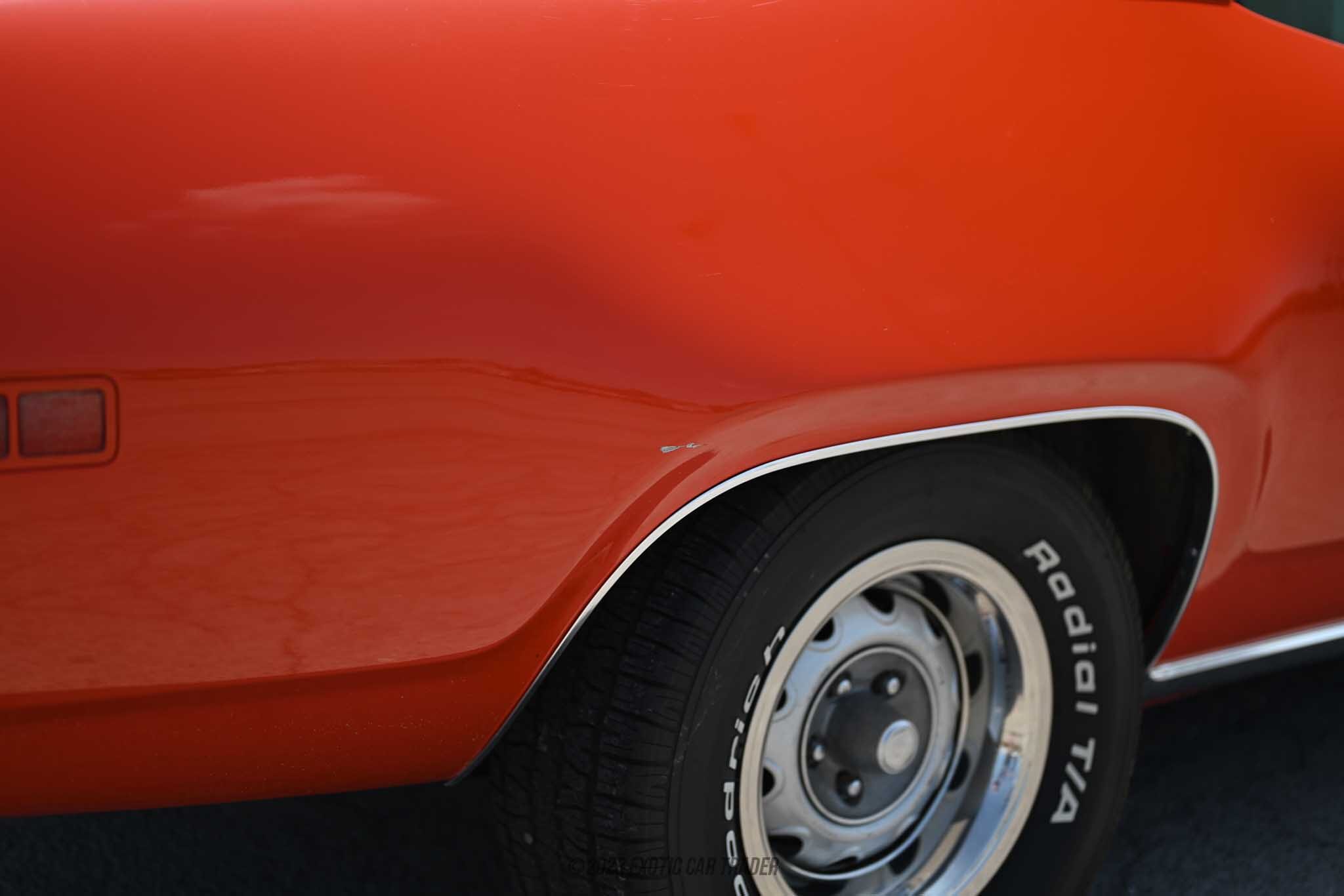
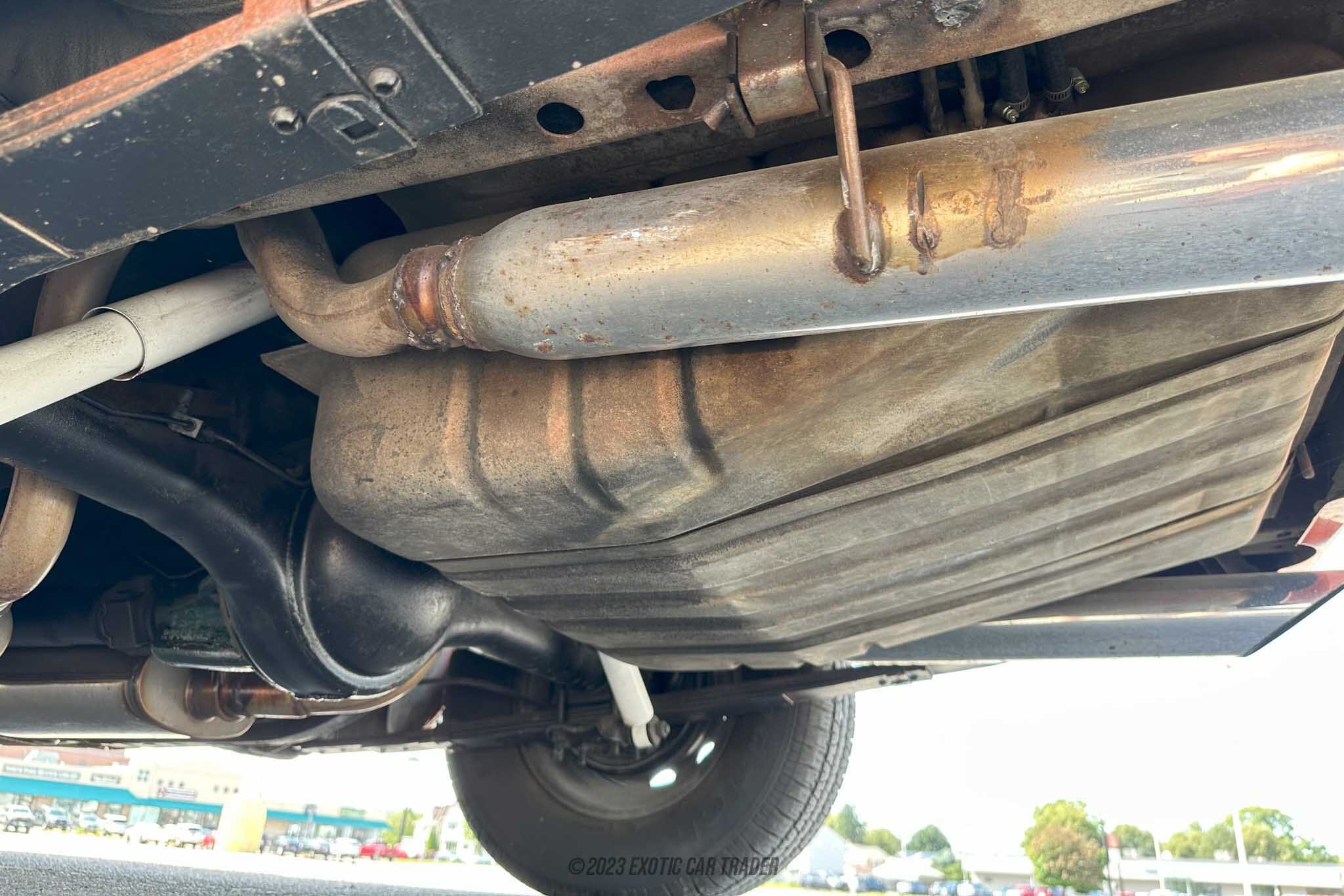


- Tor-red exterior
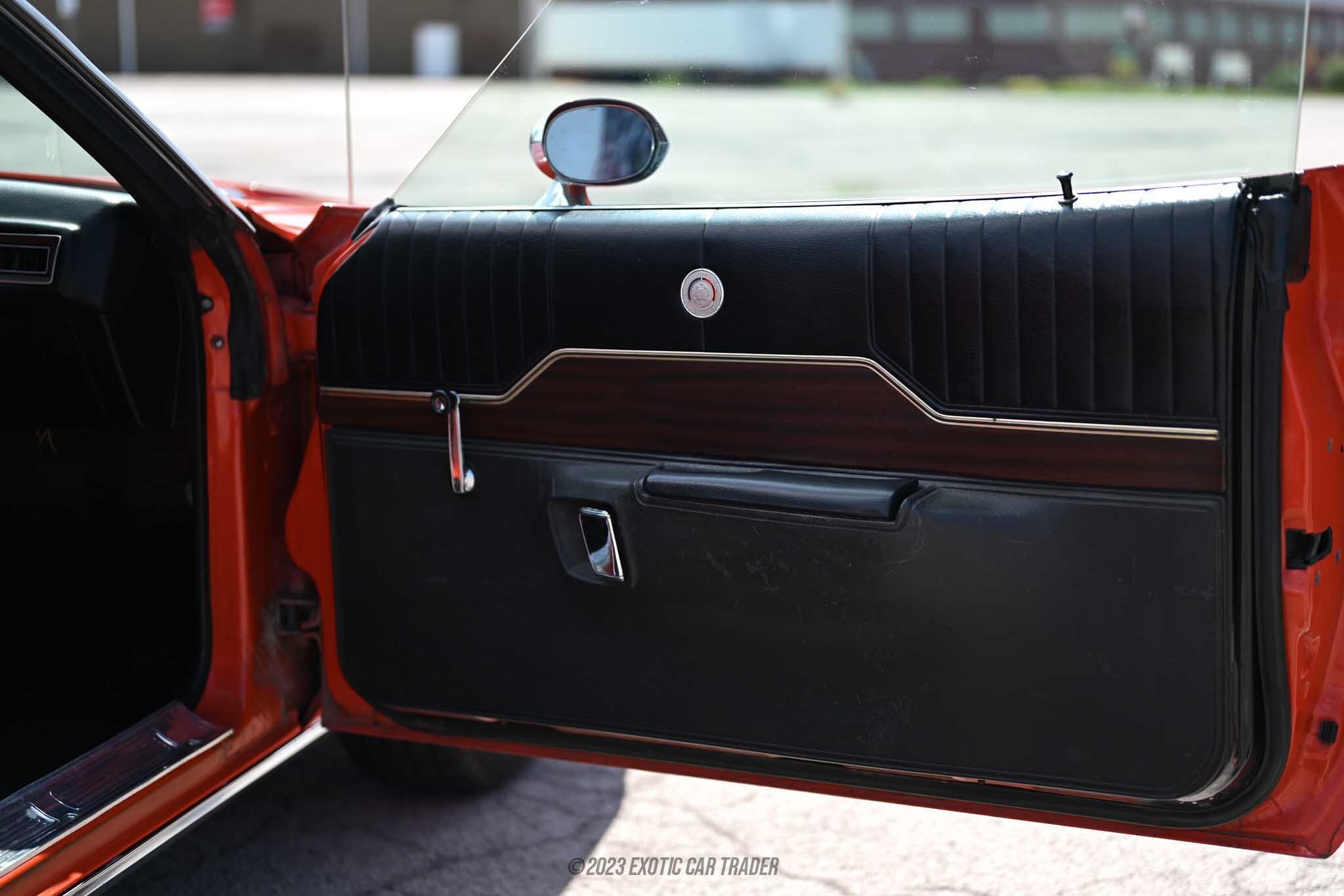
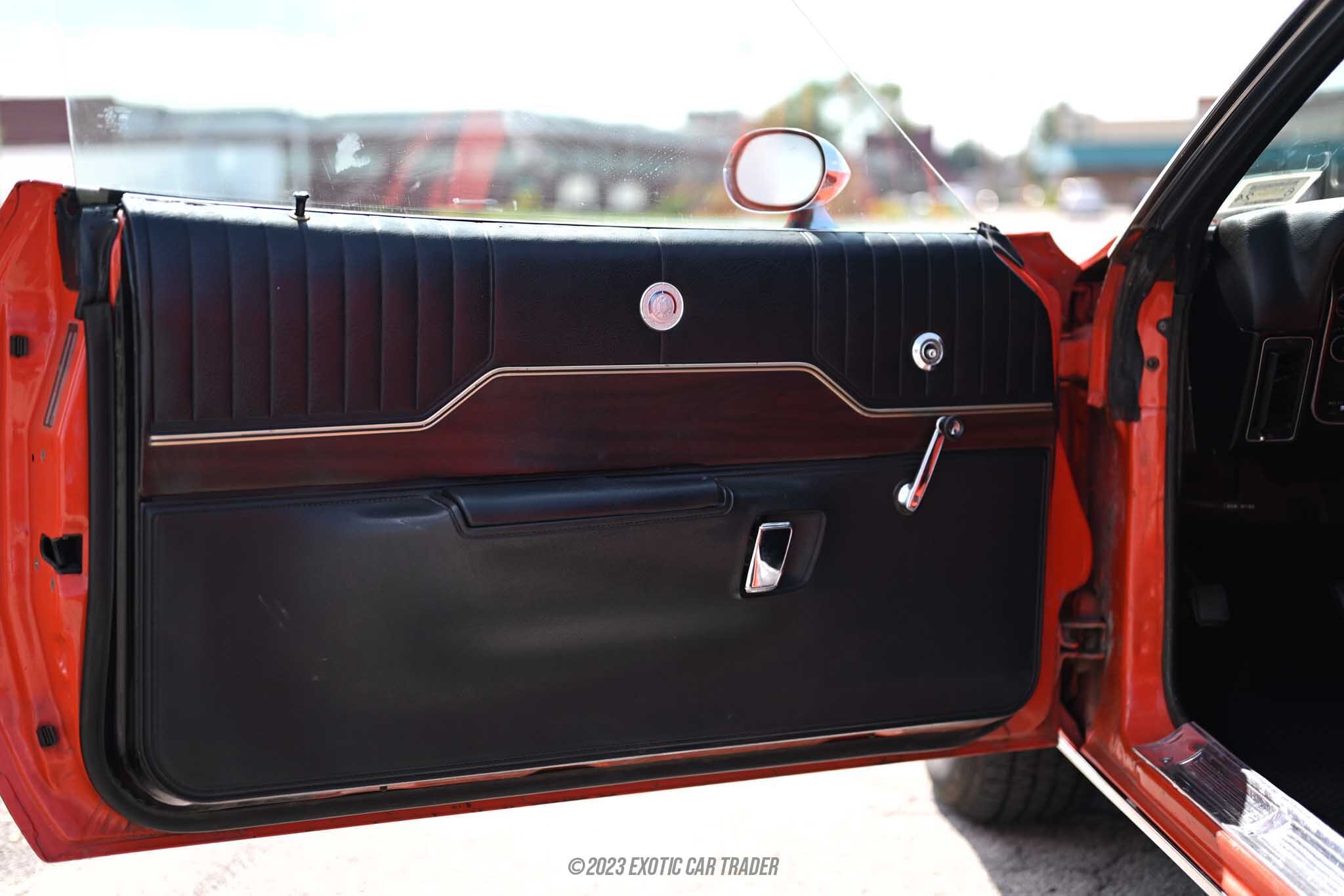
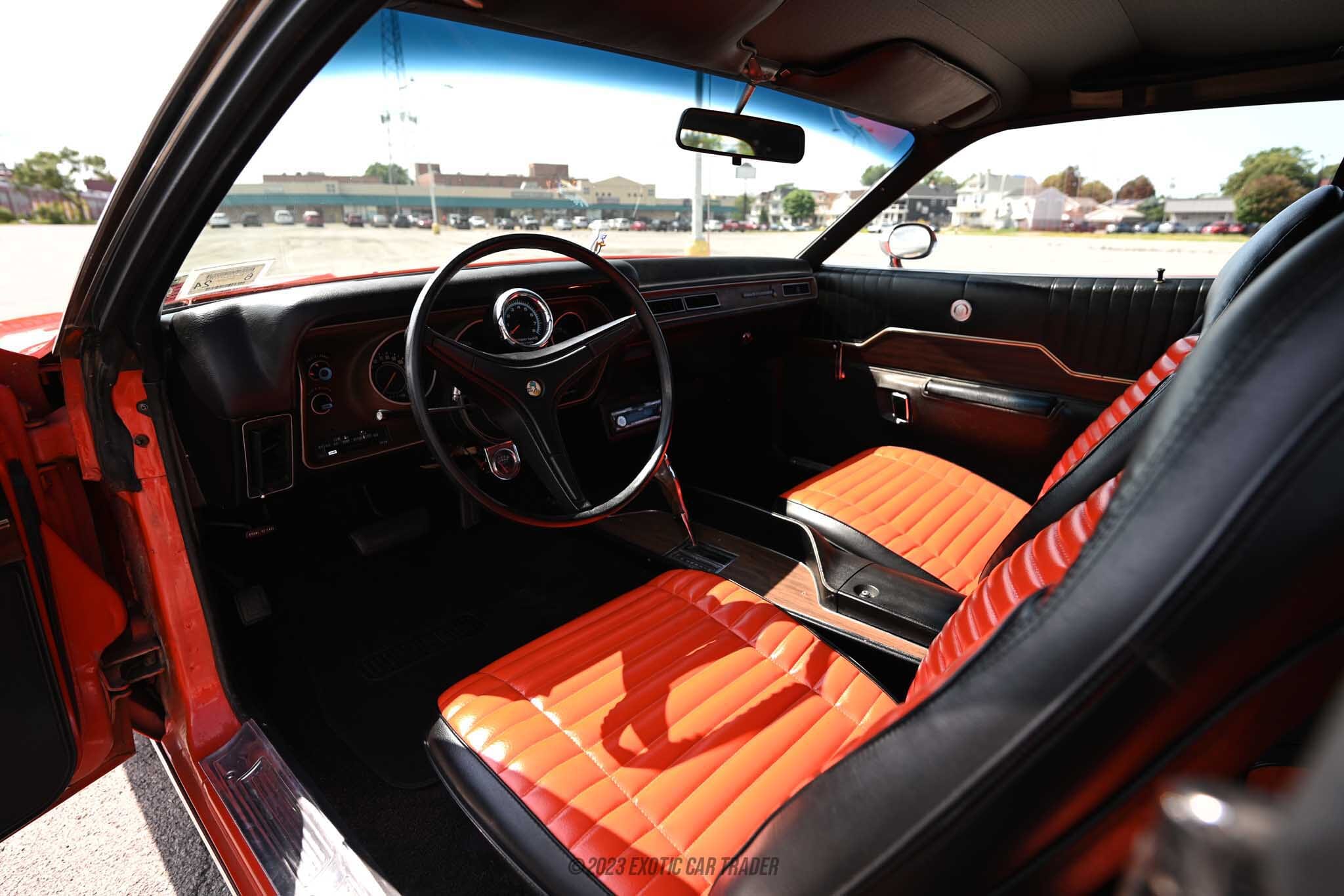
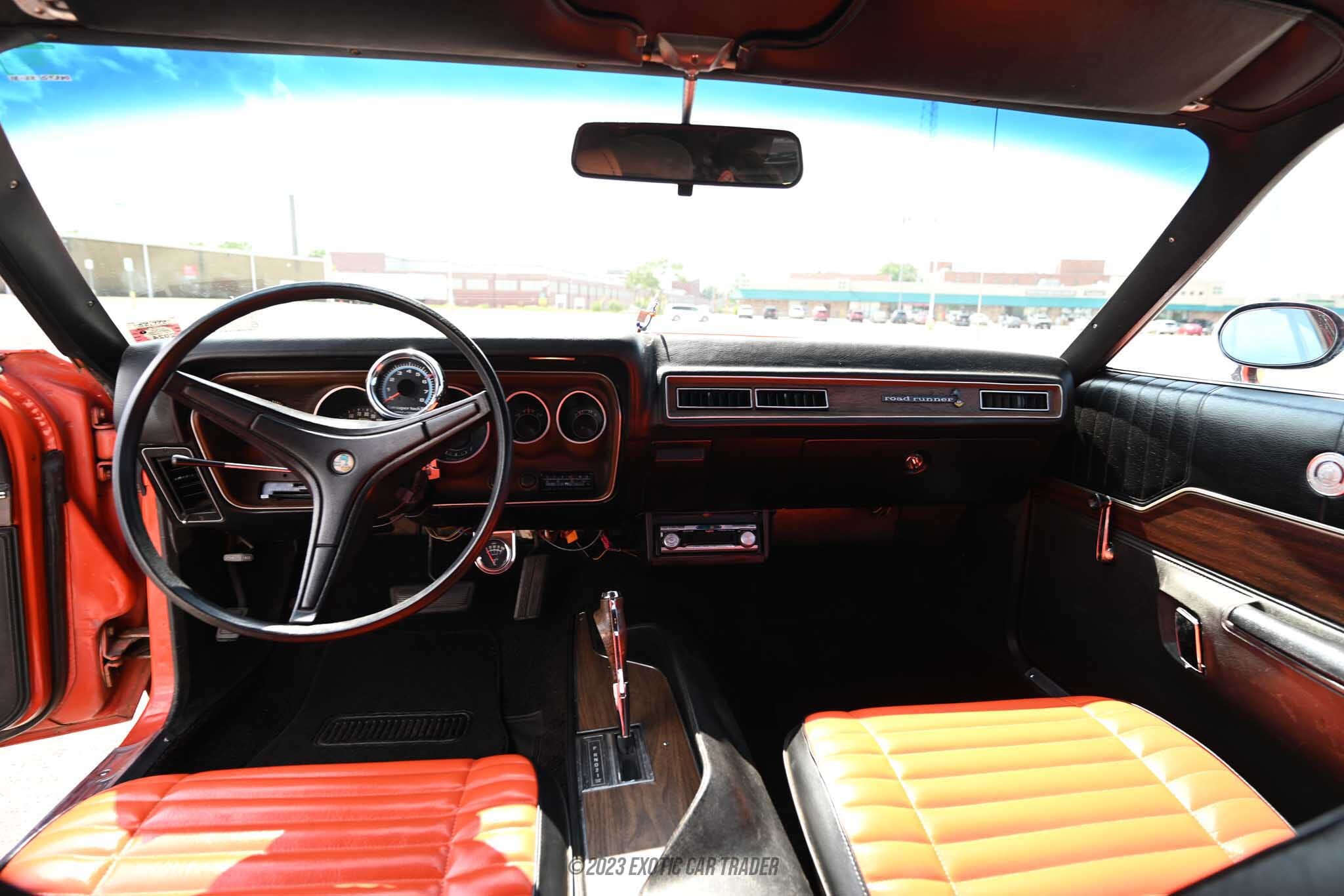
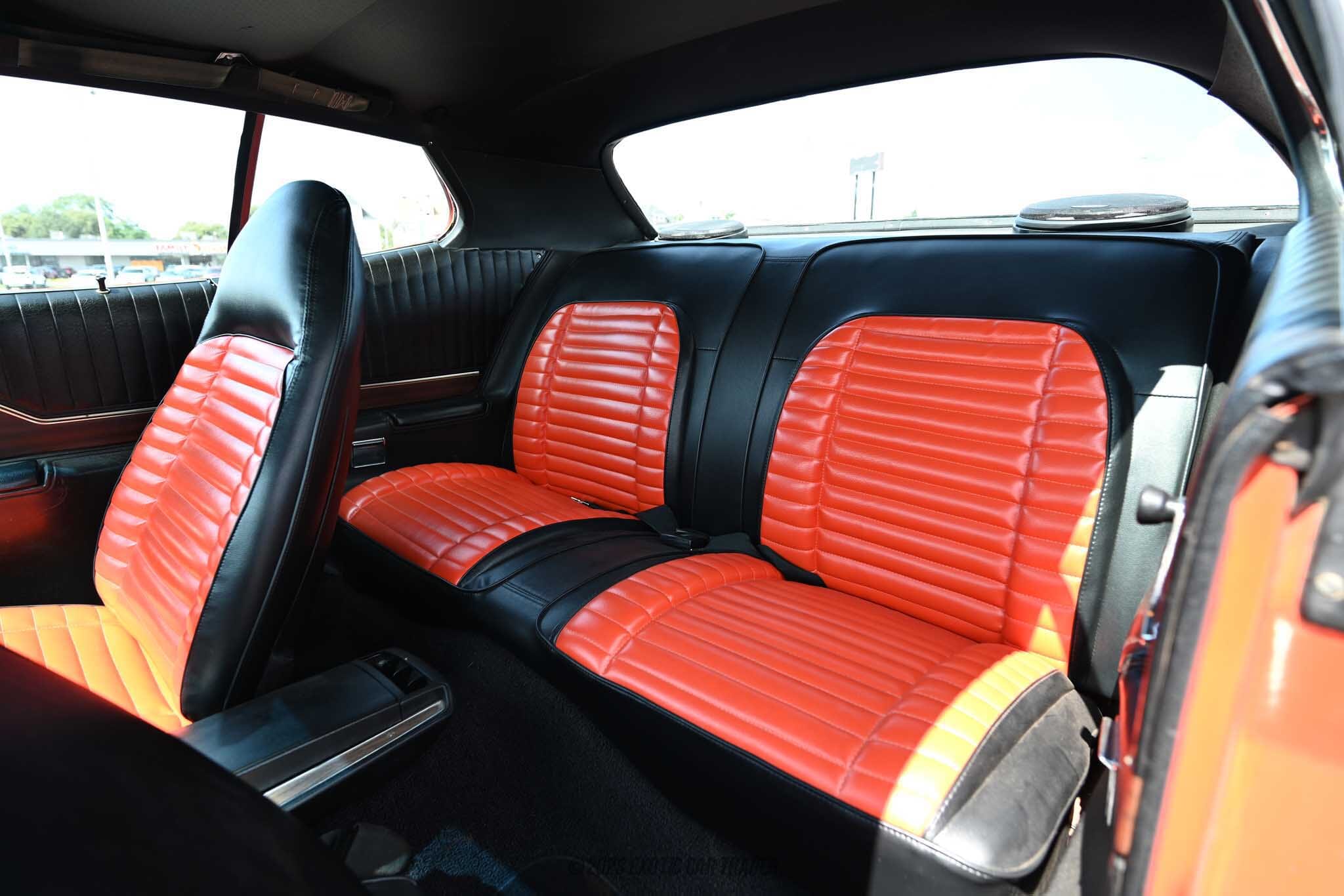
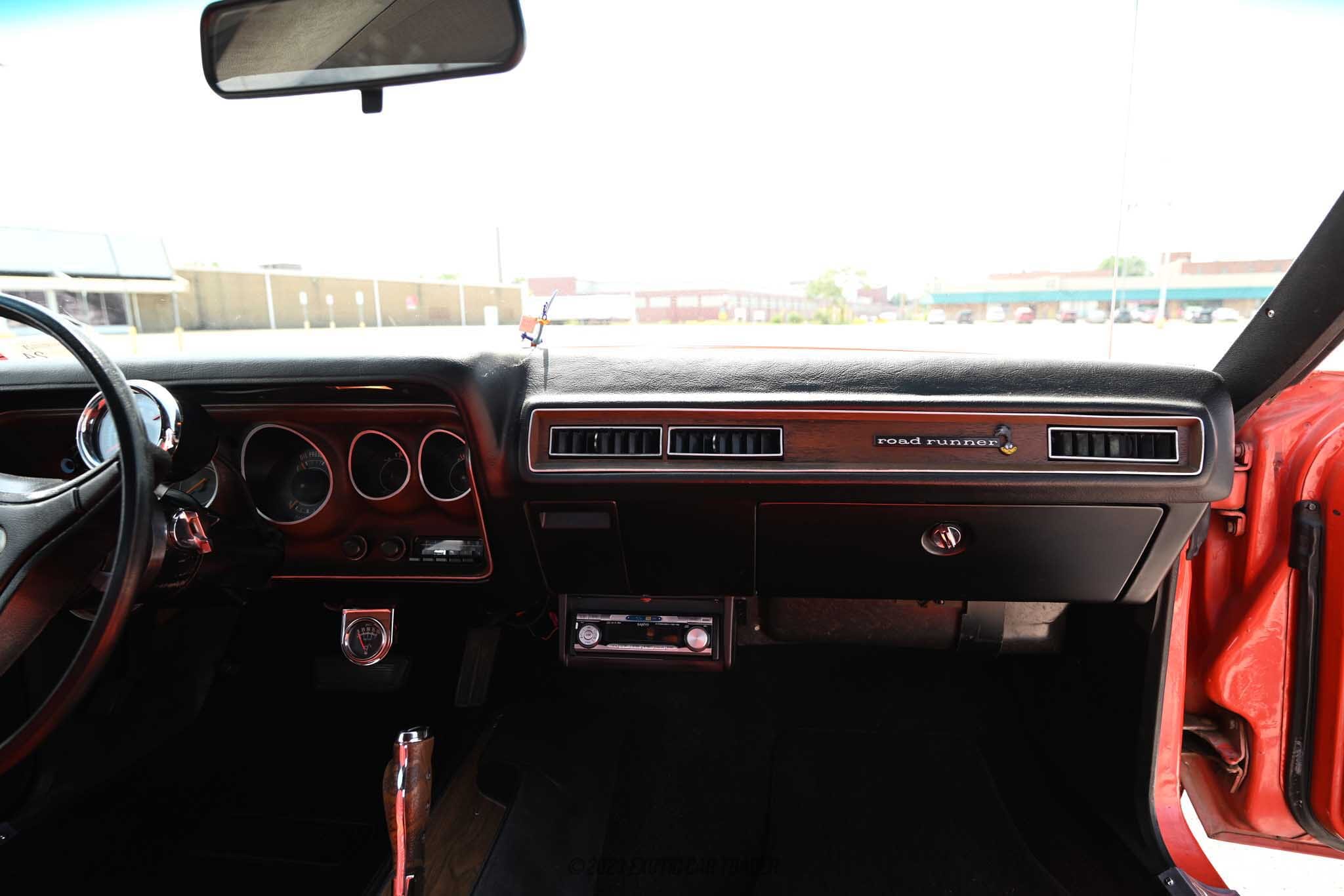
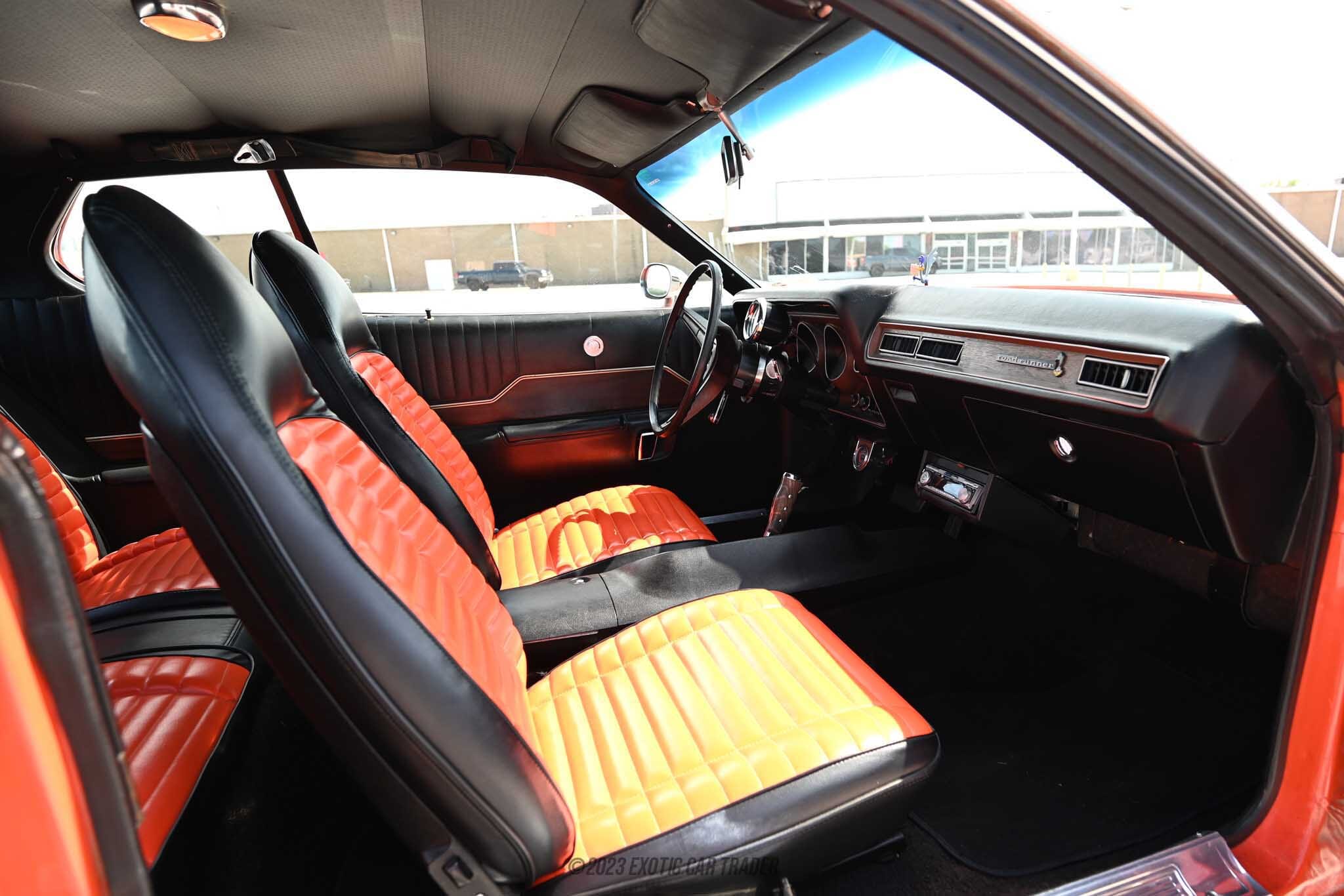
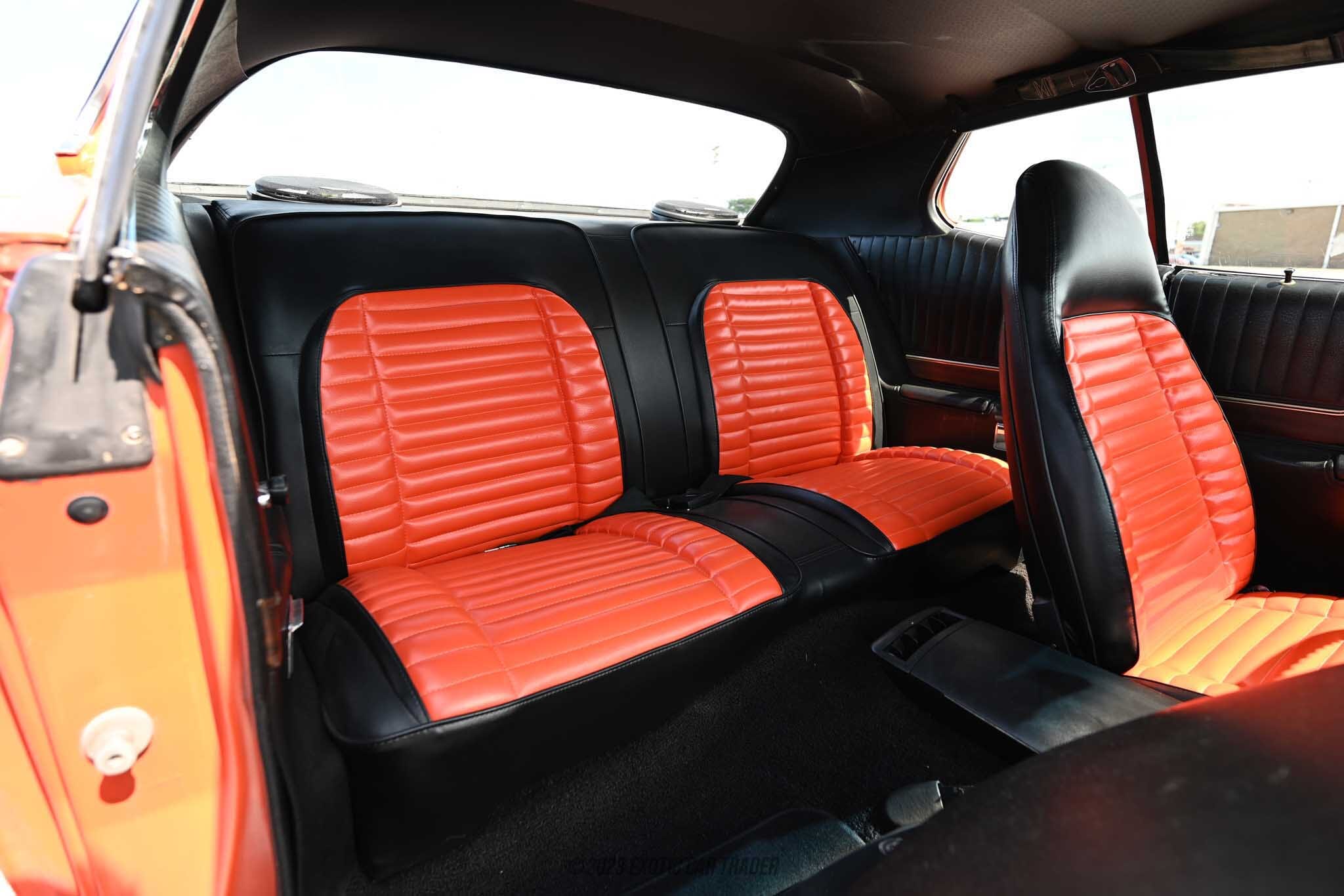
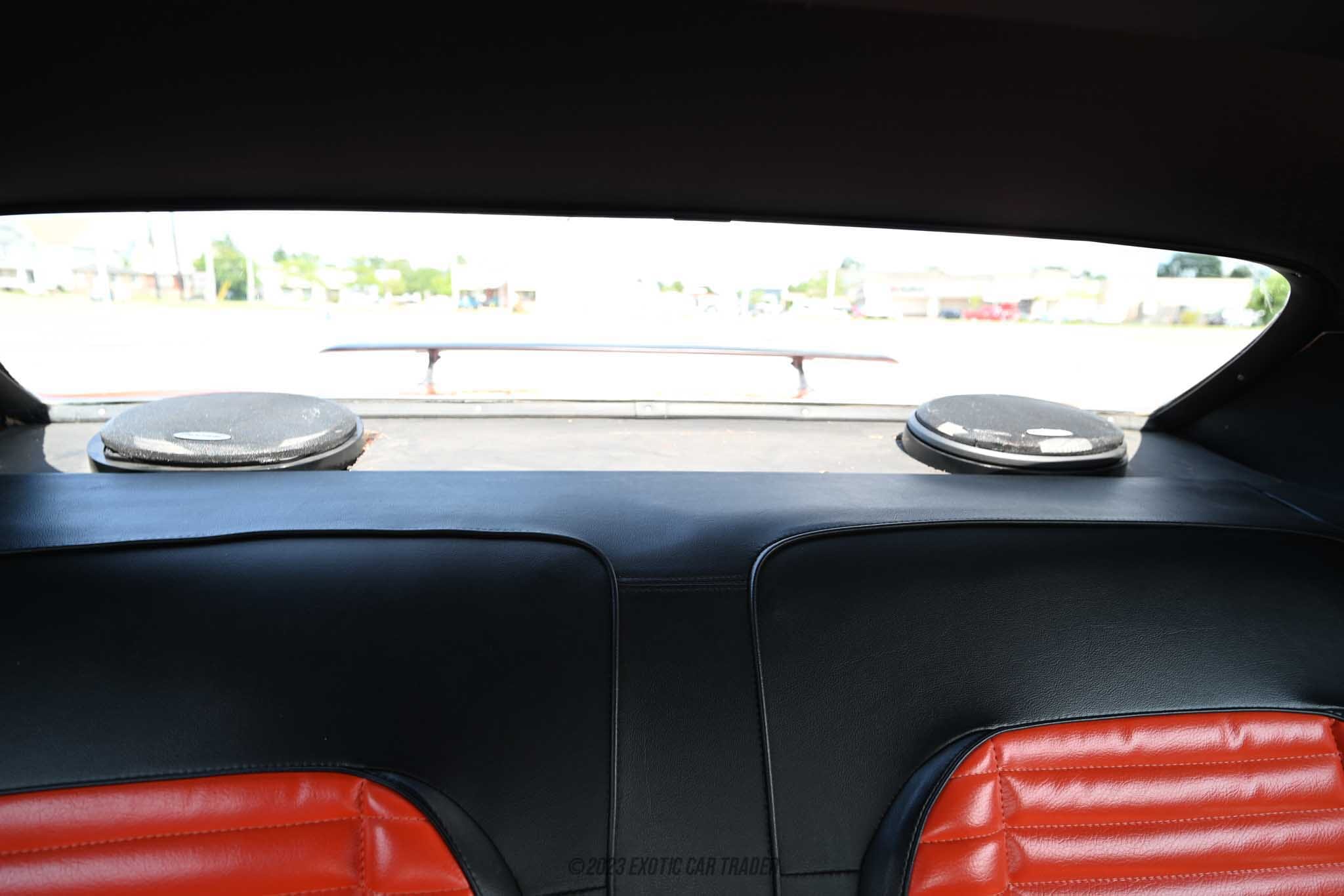
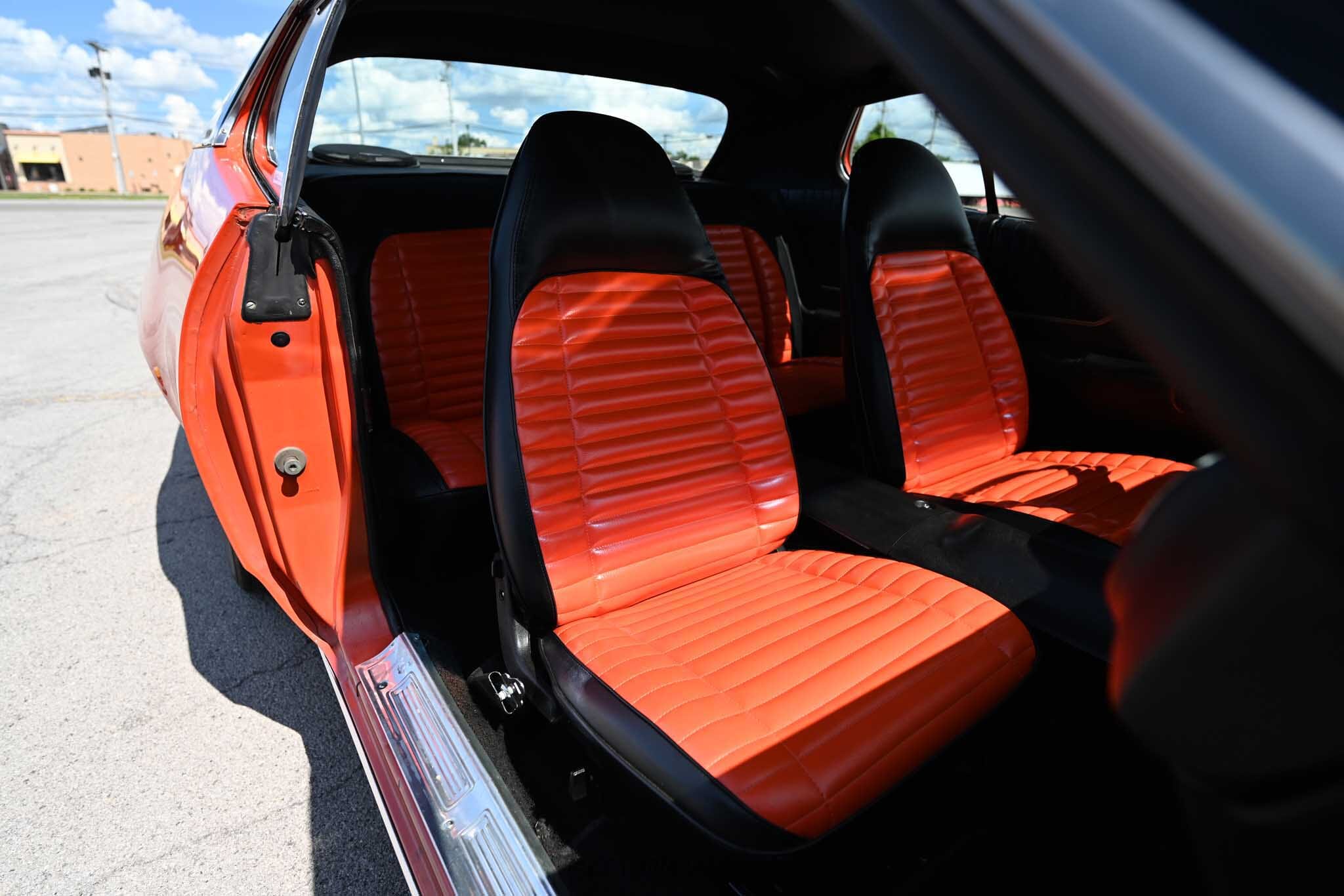
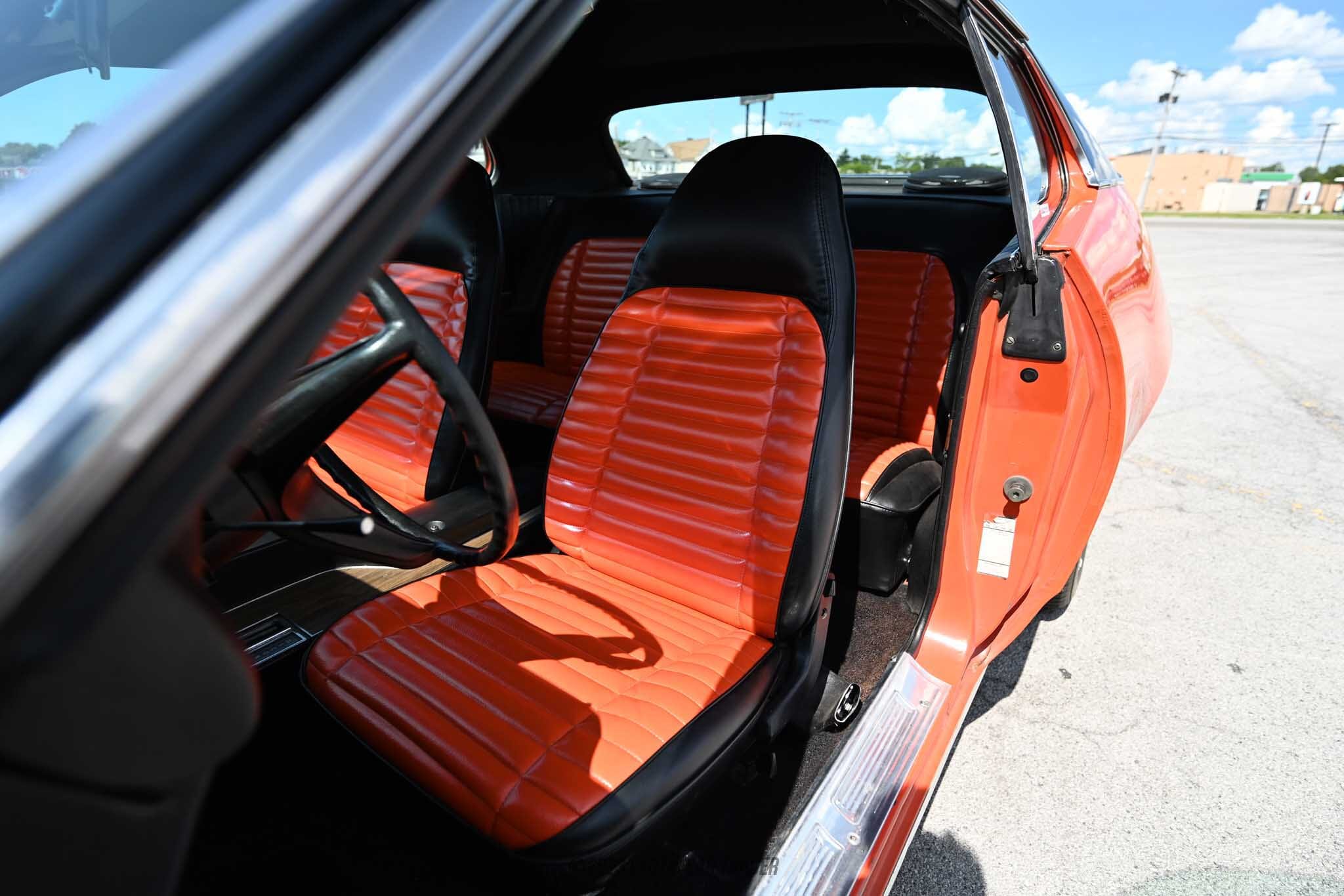
- Black/Orange interior
- Roadrunner tribute
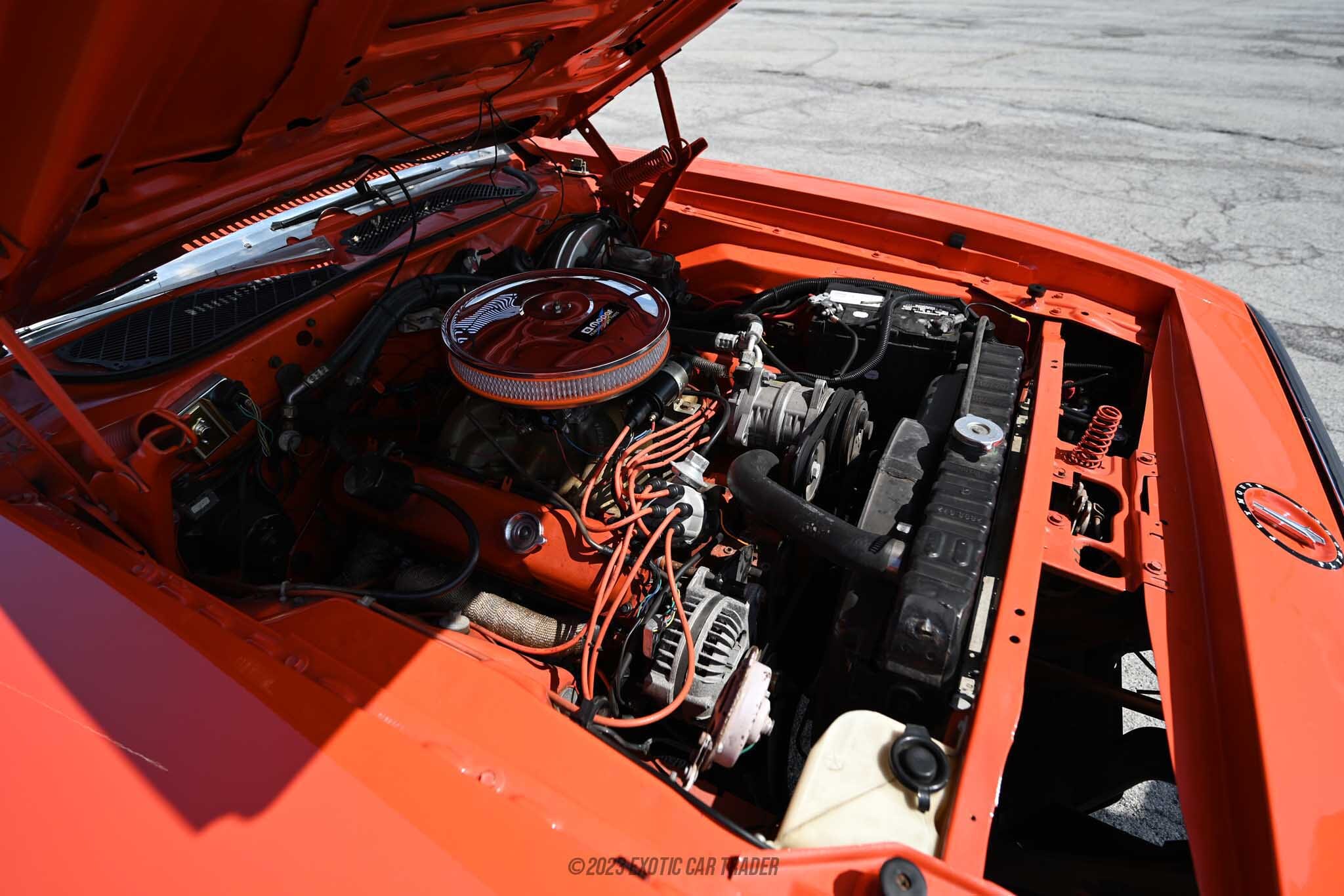
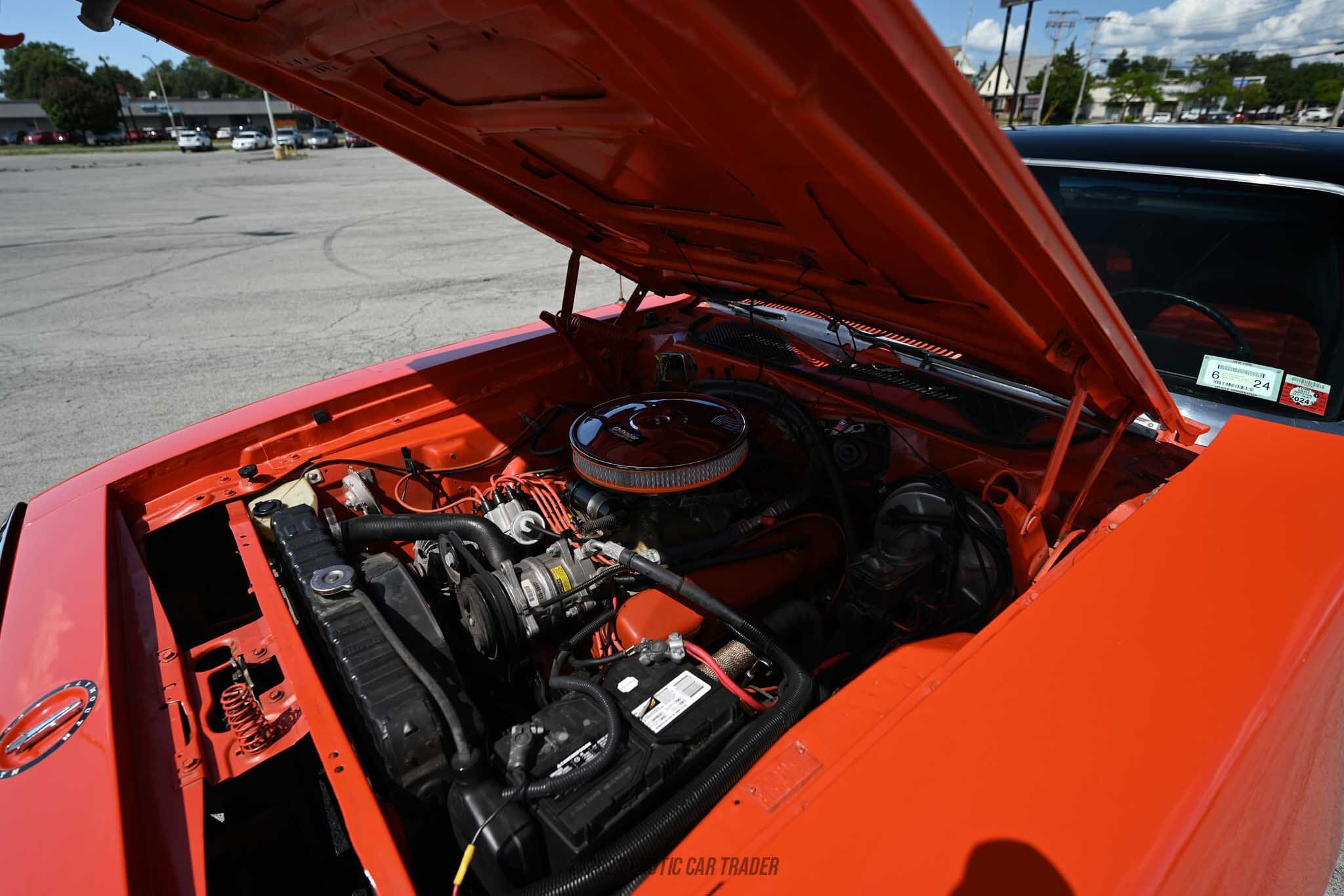
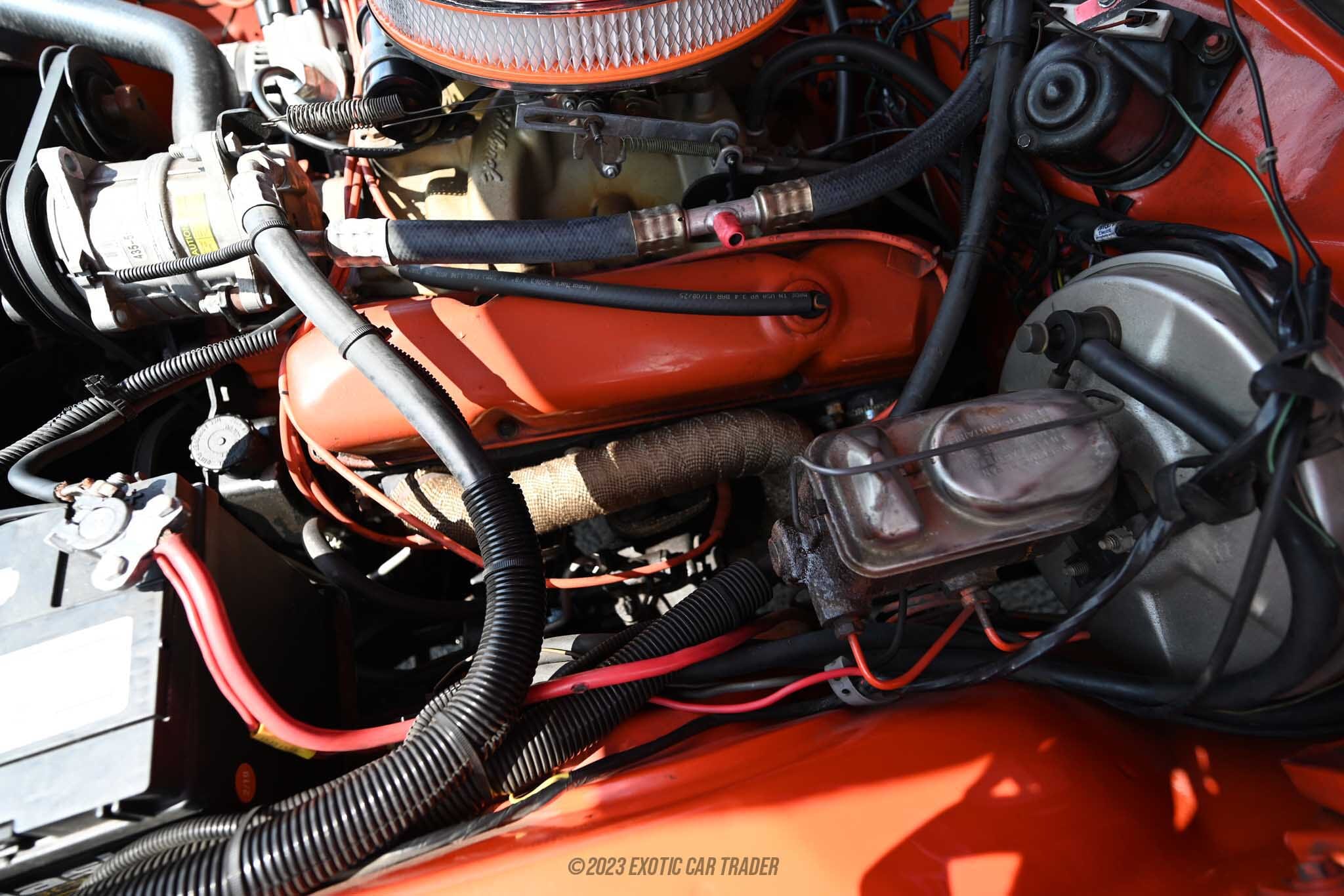
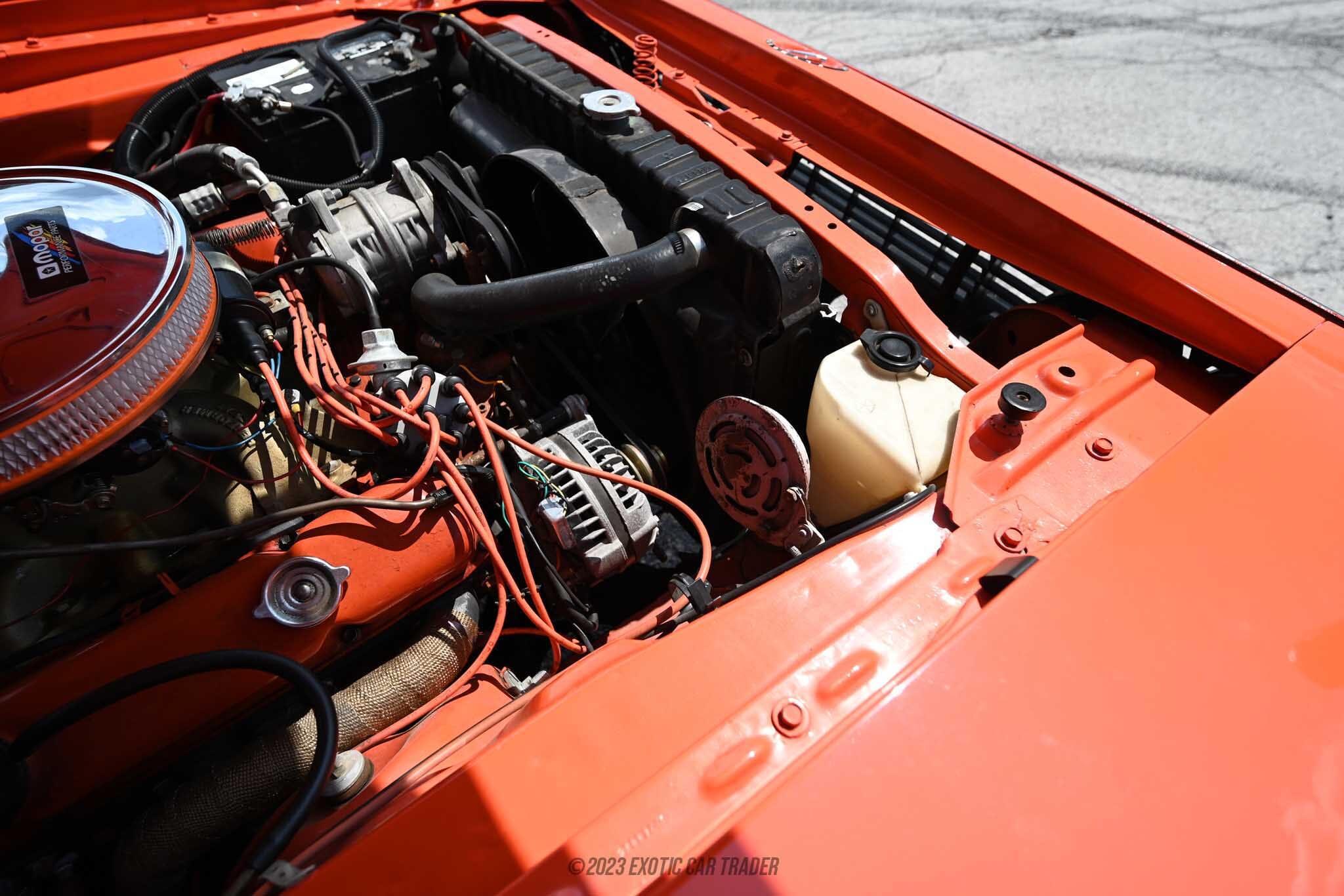
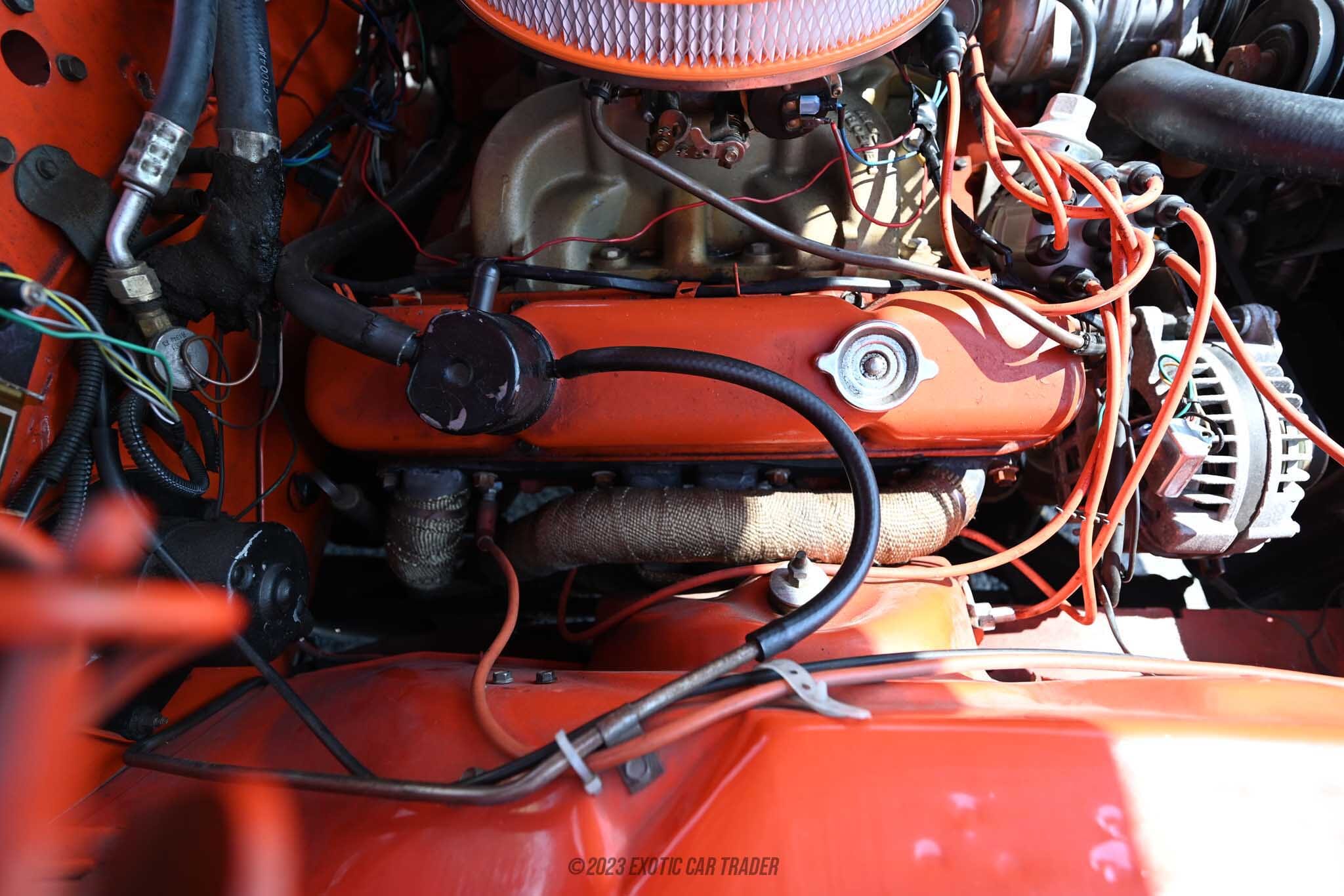
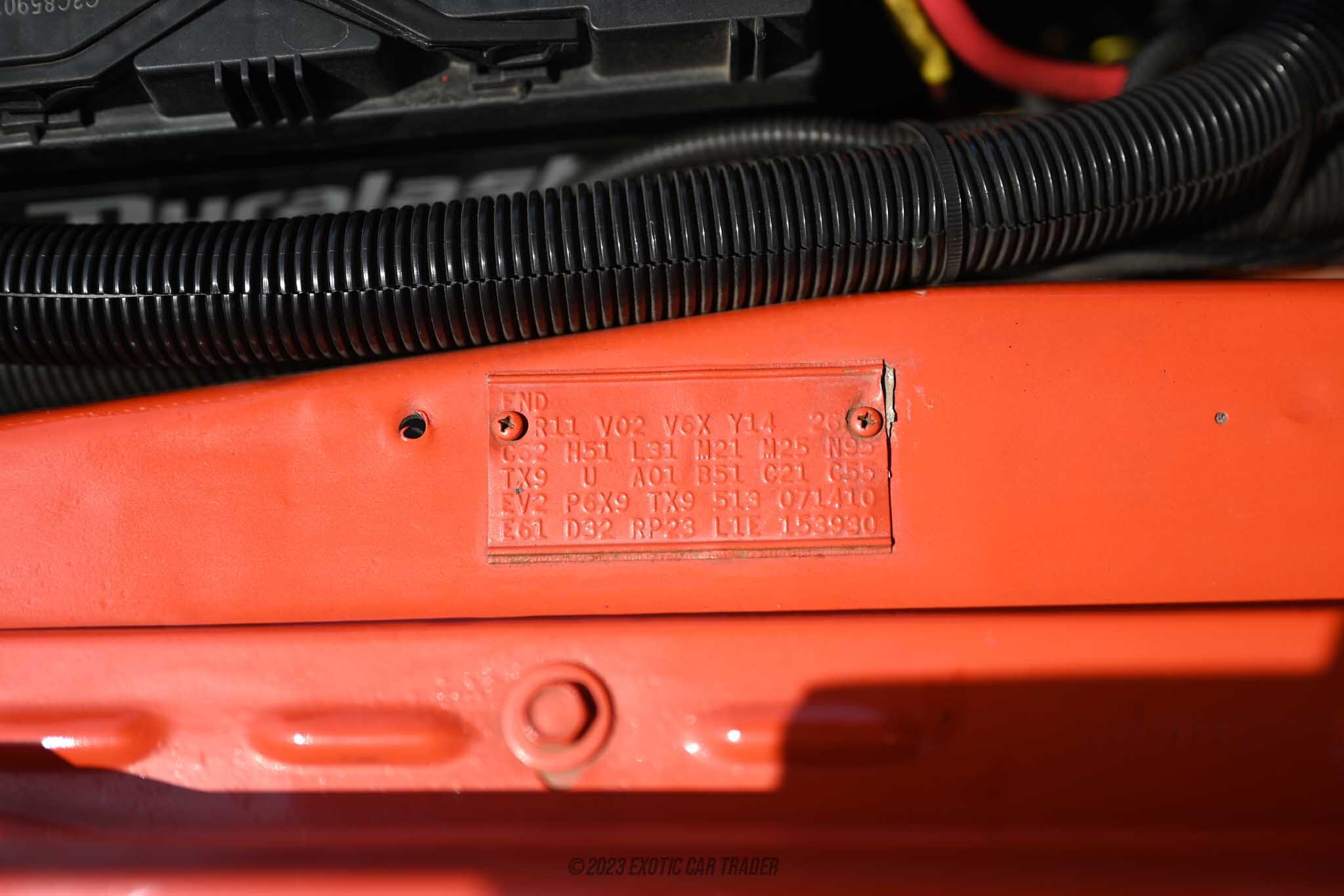
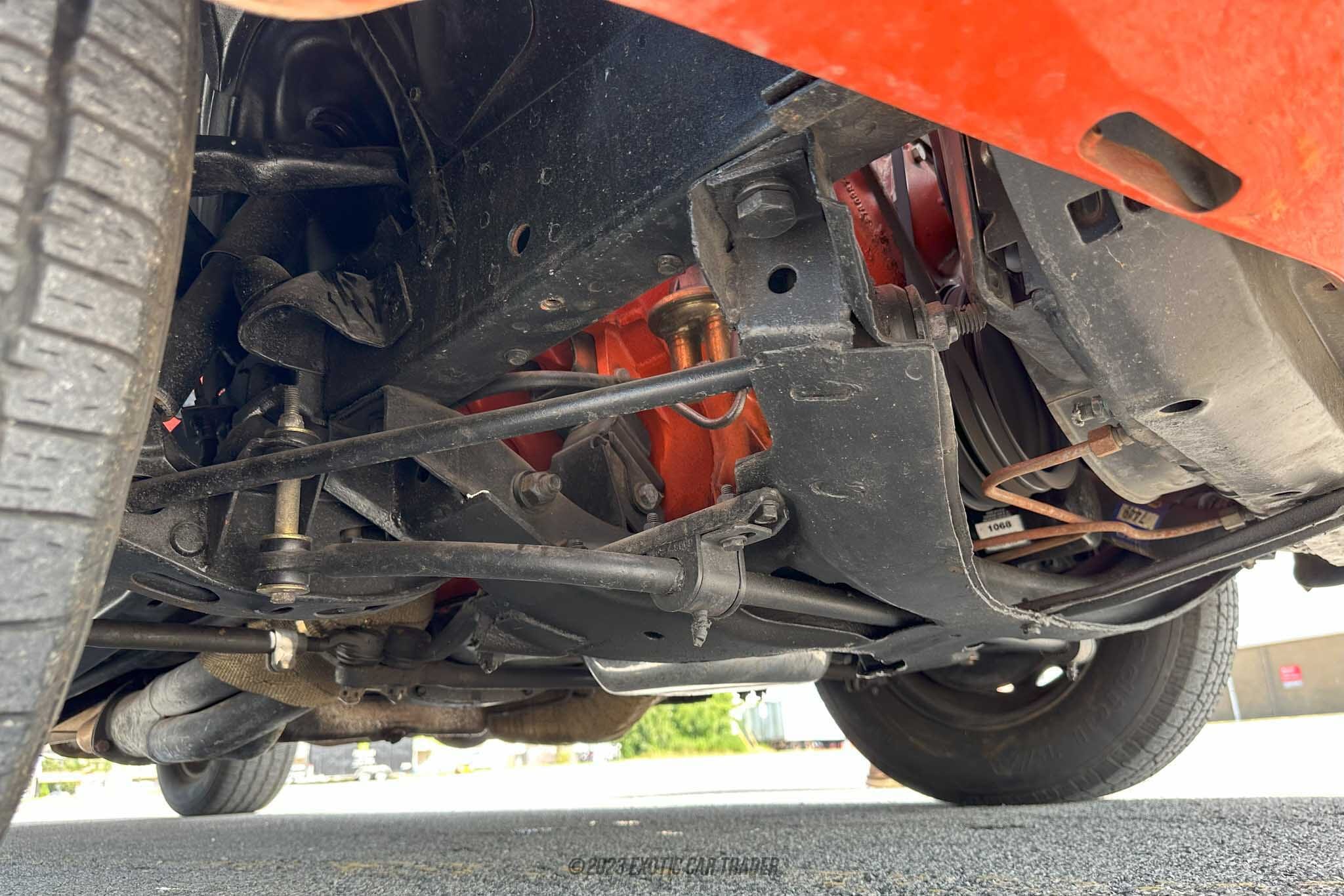
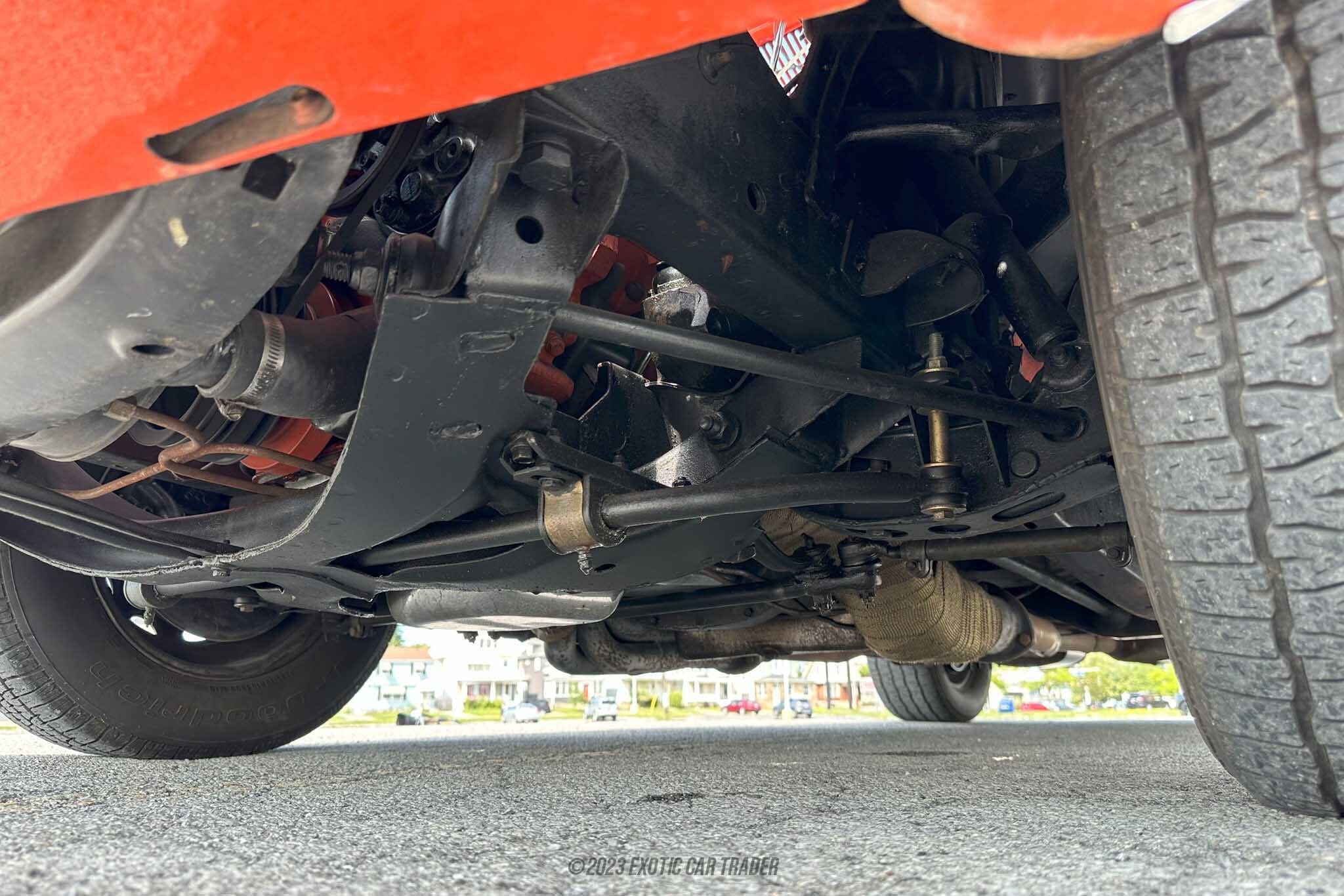
- 440ci V8 from a 1970 Challenger reported by current owner
- Black painted roof
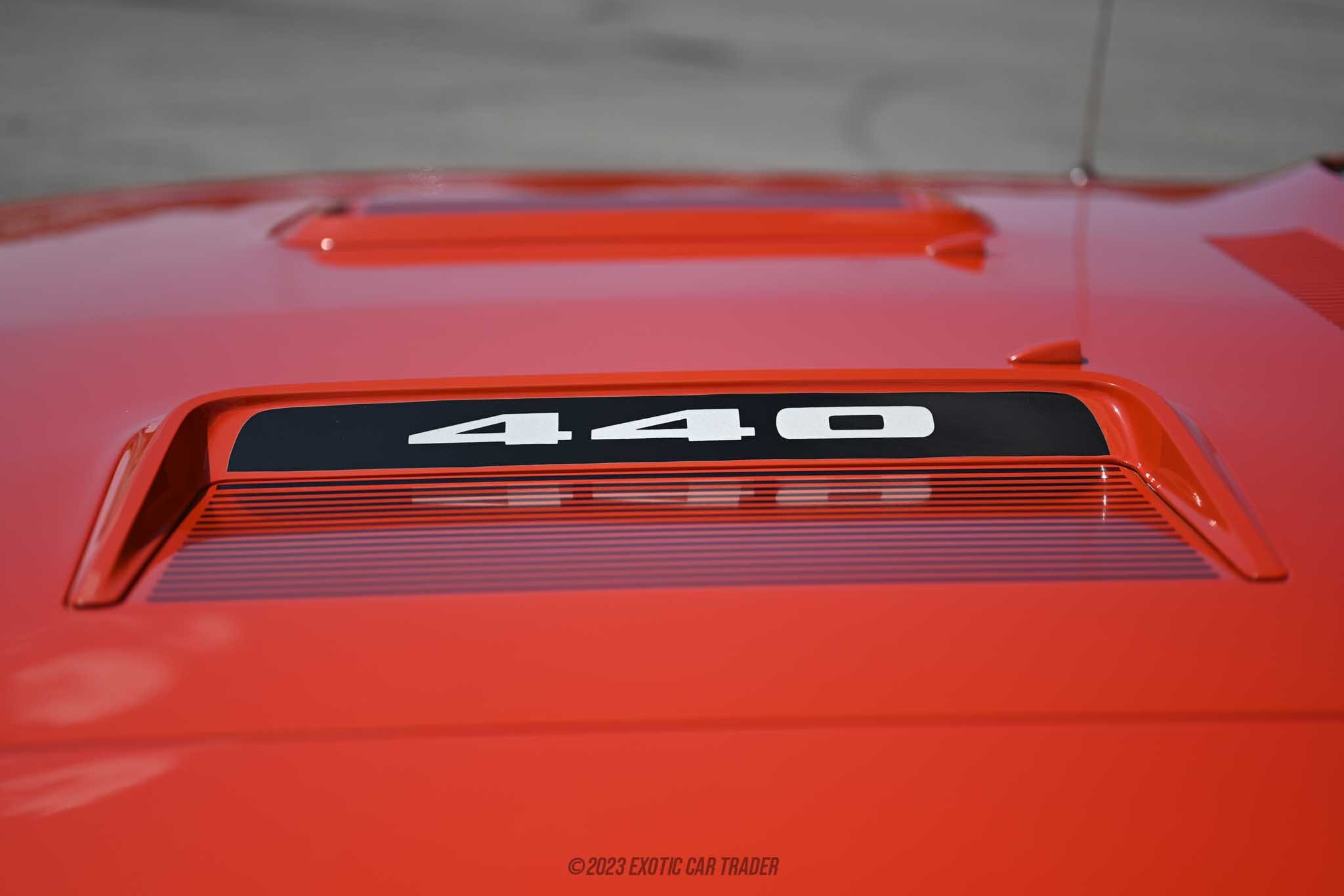
- 440 Graphics
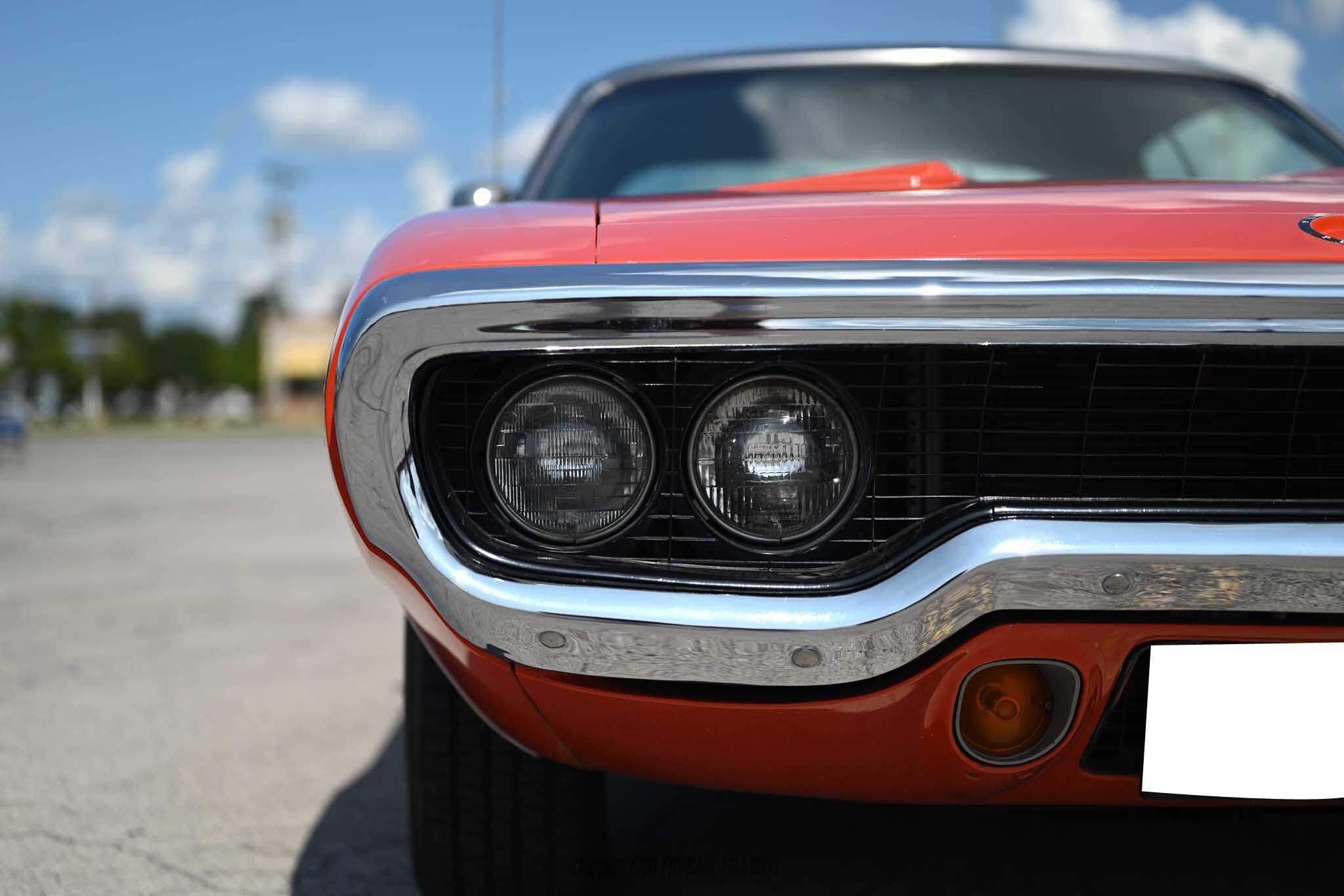
- Rechromed front bumper
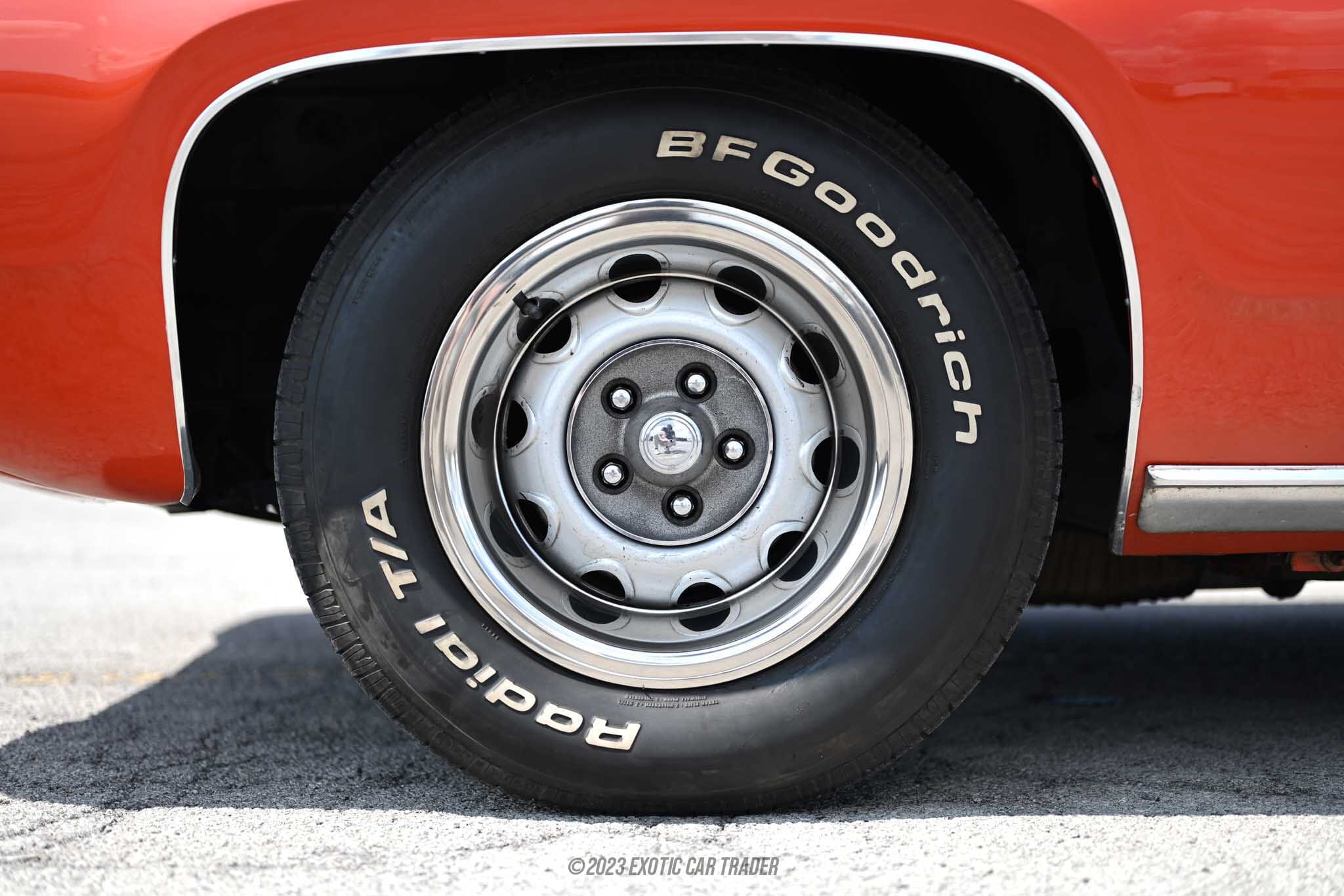
- 15" Wheels
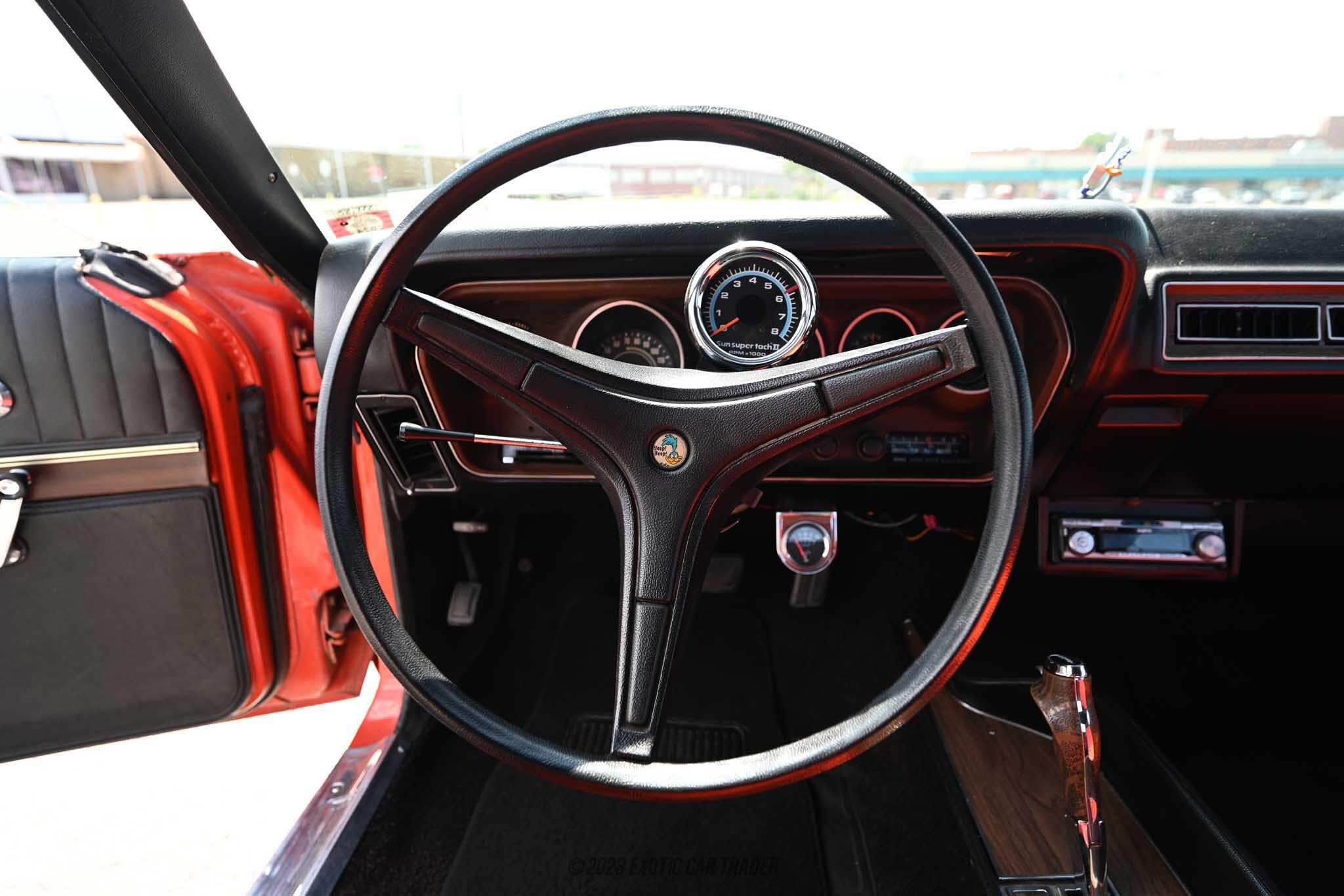
- Grip handle shifter
- AM/FM Radio
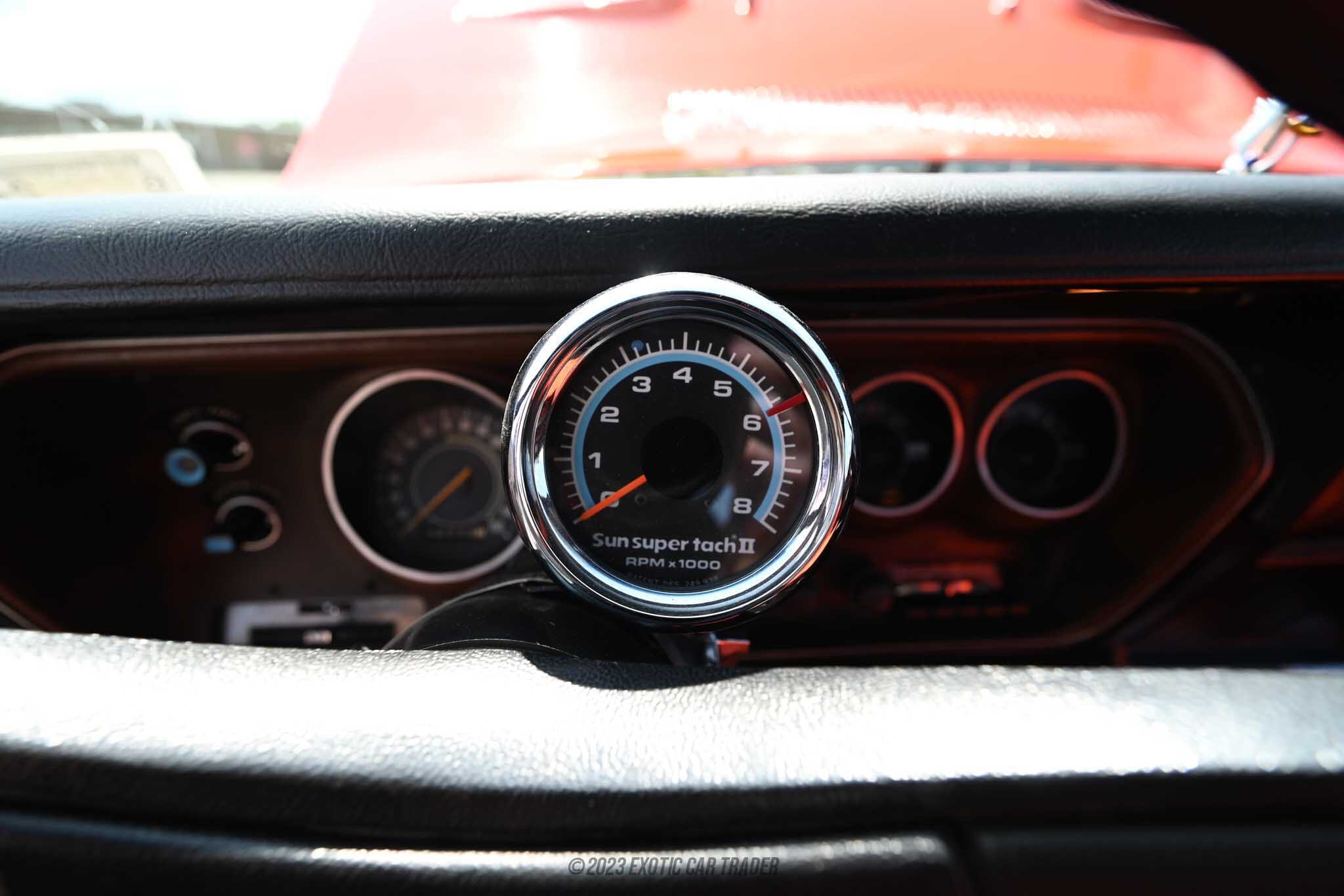
- Modern radio mounted under dash
- Edelbrock intake and carburetor
- Power steering
- Power brakes
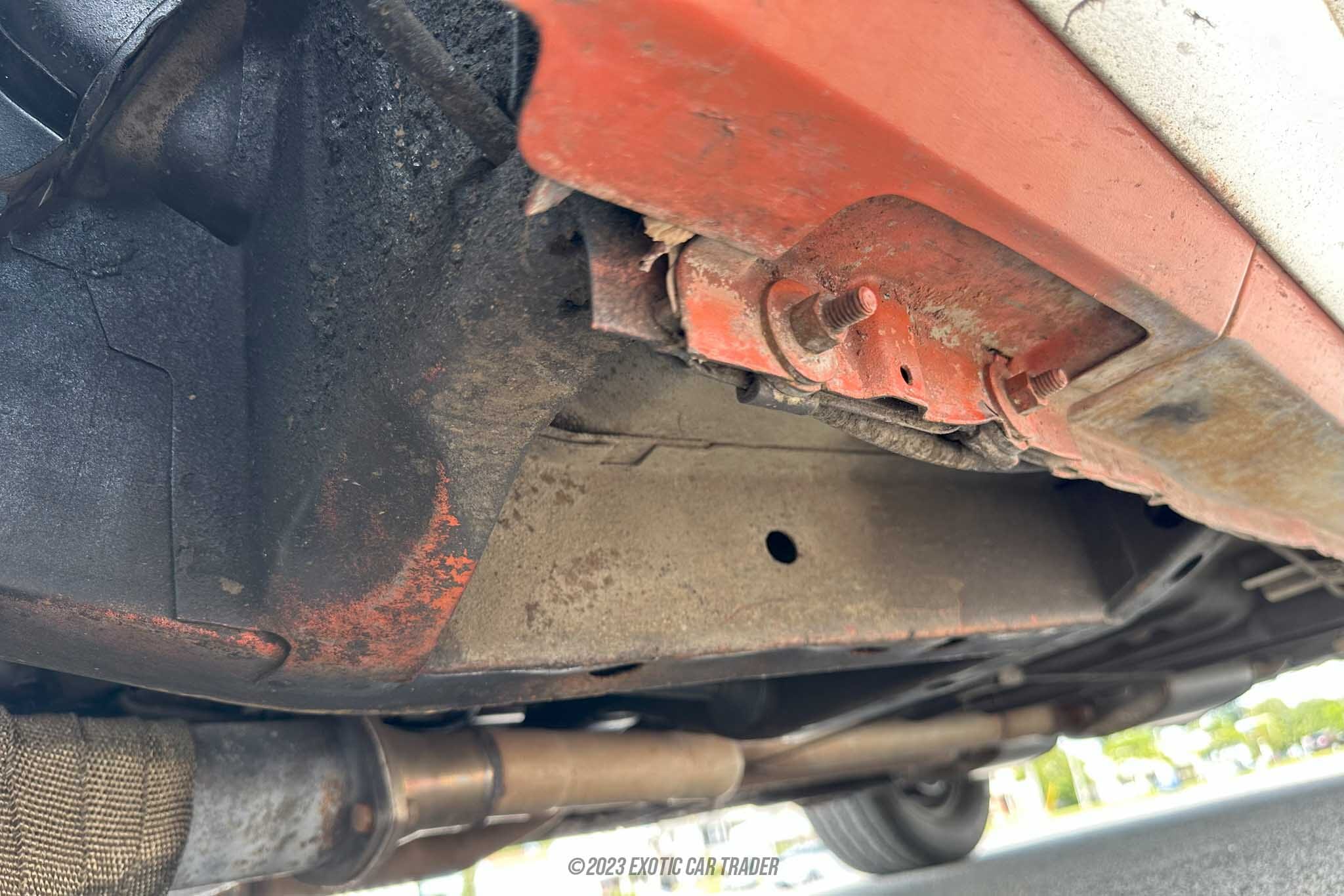
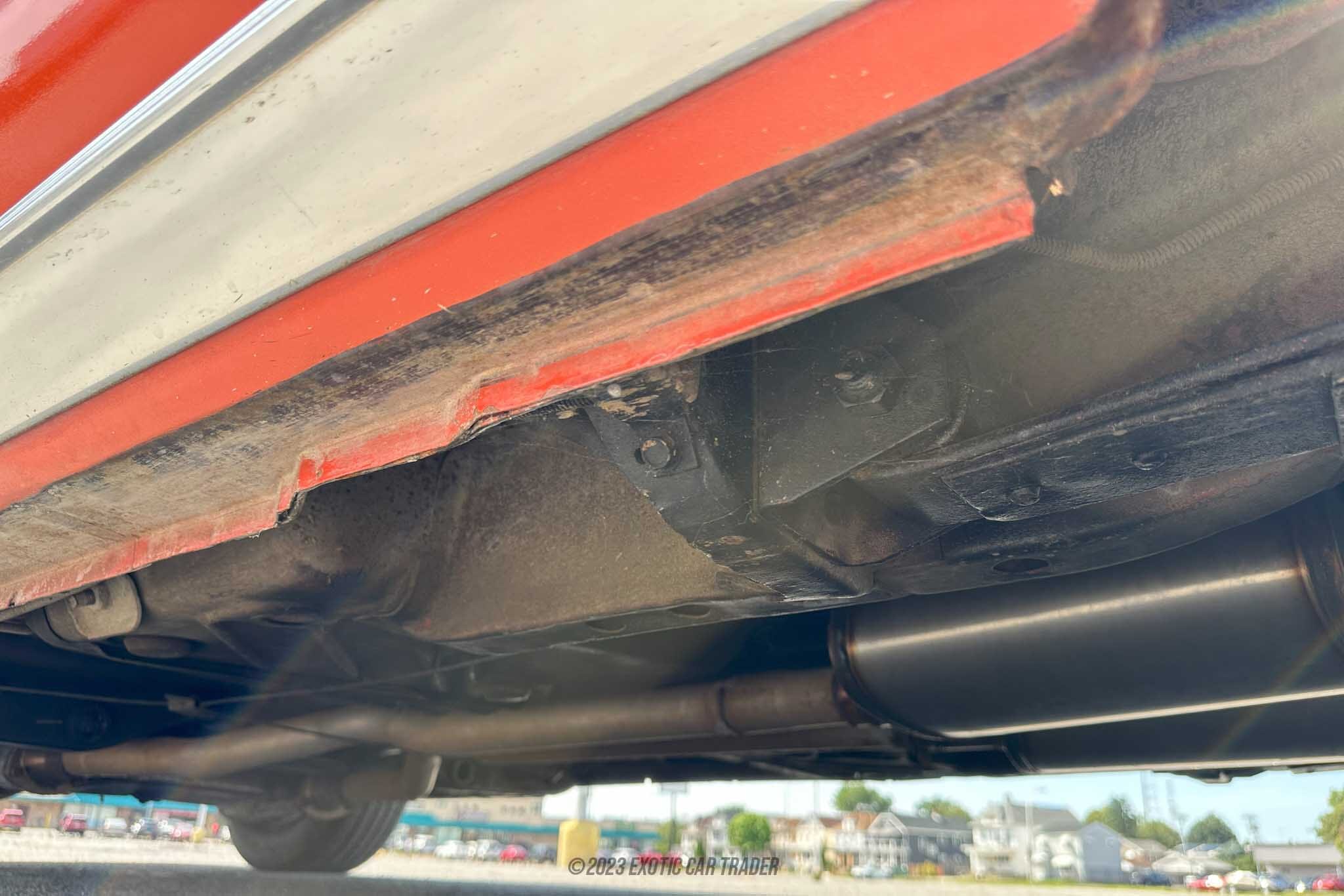
- Torqueflite Automatic Transmission


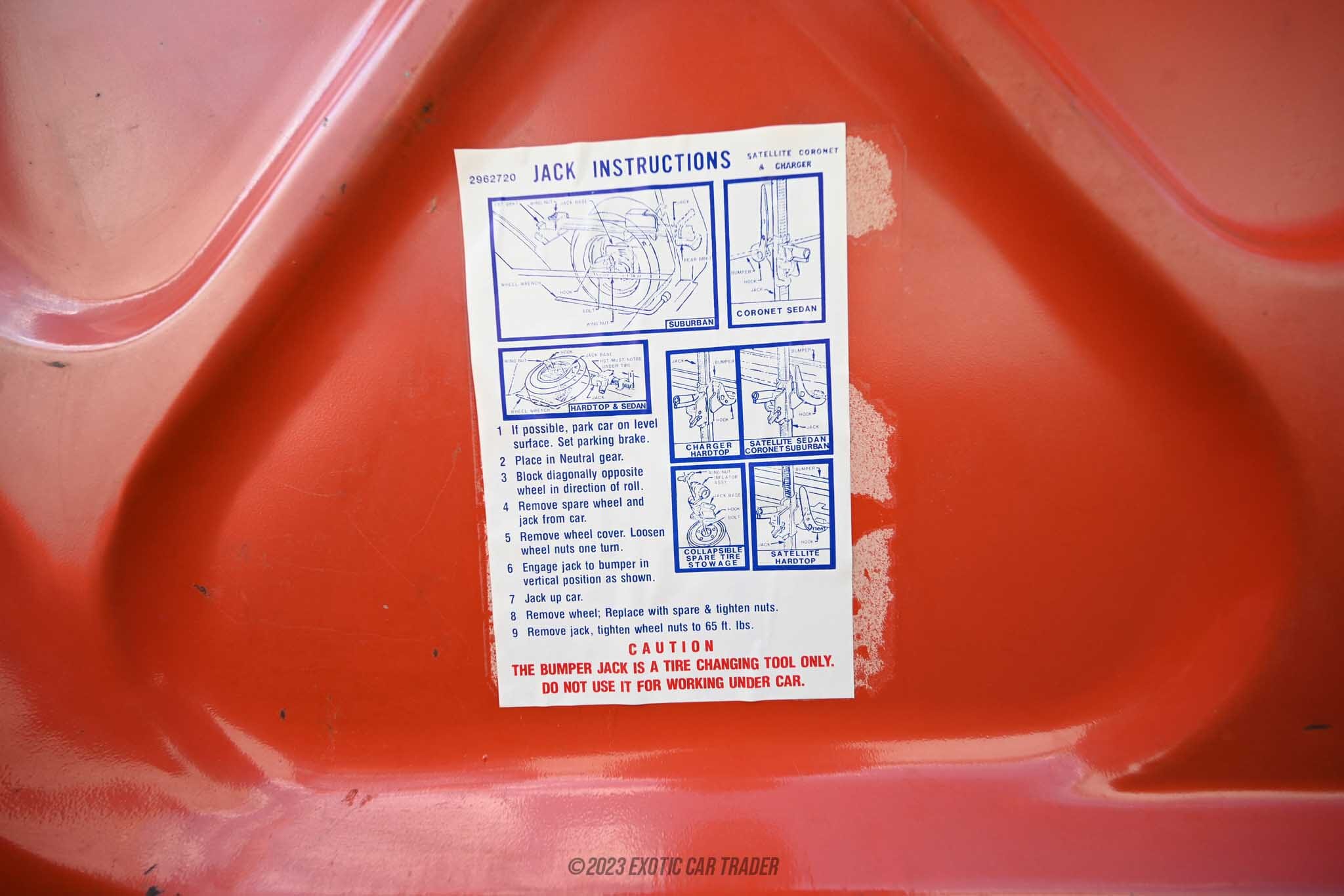
Introducing a rare gem that stands out not only within our collection but also in the automotive landscape. Amidst the early 1970s, an era marked by the dominance of muscle cars, Plymouth, an illustrious American brand, aimed to etch its name in the annals of speed aficionados. The iconic Satellites, Road Runners, and GTXs made an indelible mark, becoming revered collector's items to this day. Enter the remarkable embodiment that is the 1971 Plymouth Satellite Sebring Plus Roadrunner Tribute, a masterful fusion of the legendary Roadrunner's spirit and the opulent Sebring Plus's elegance. Remarkably, this vehicle benefits from a powerhouse inherited directly from a 1970 Challenger, embodying the spirit of a true performance icon.
Exterior and Interior
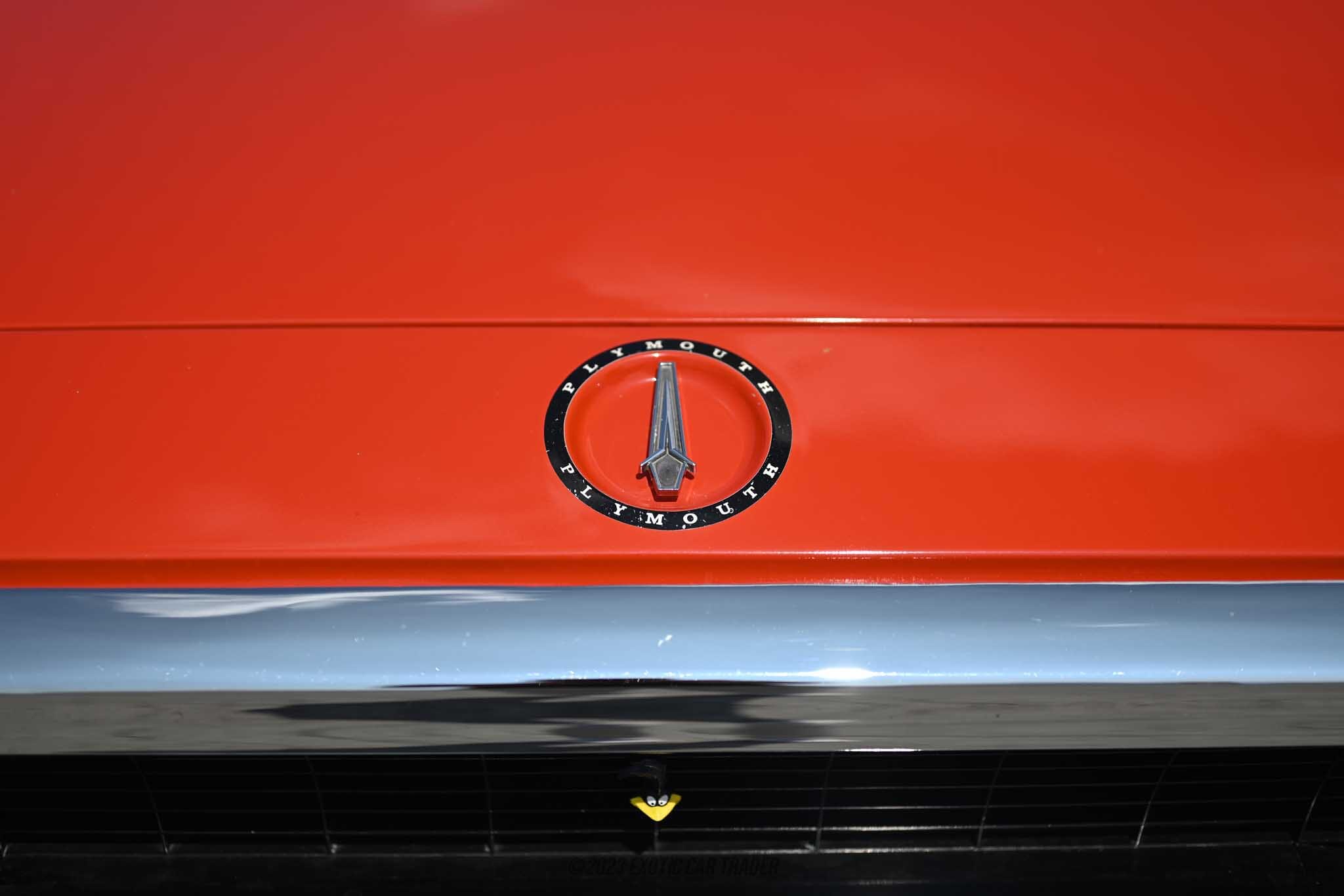
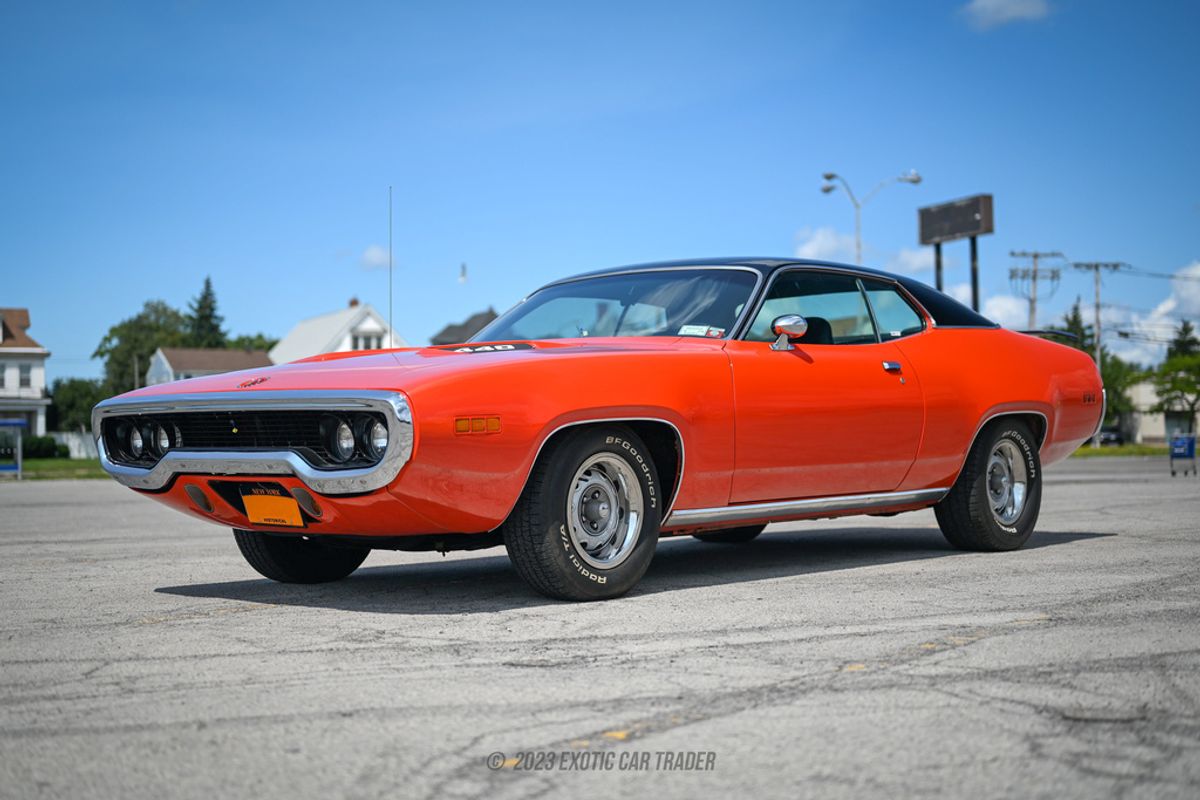
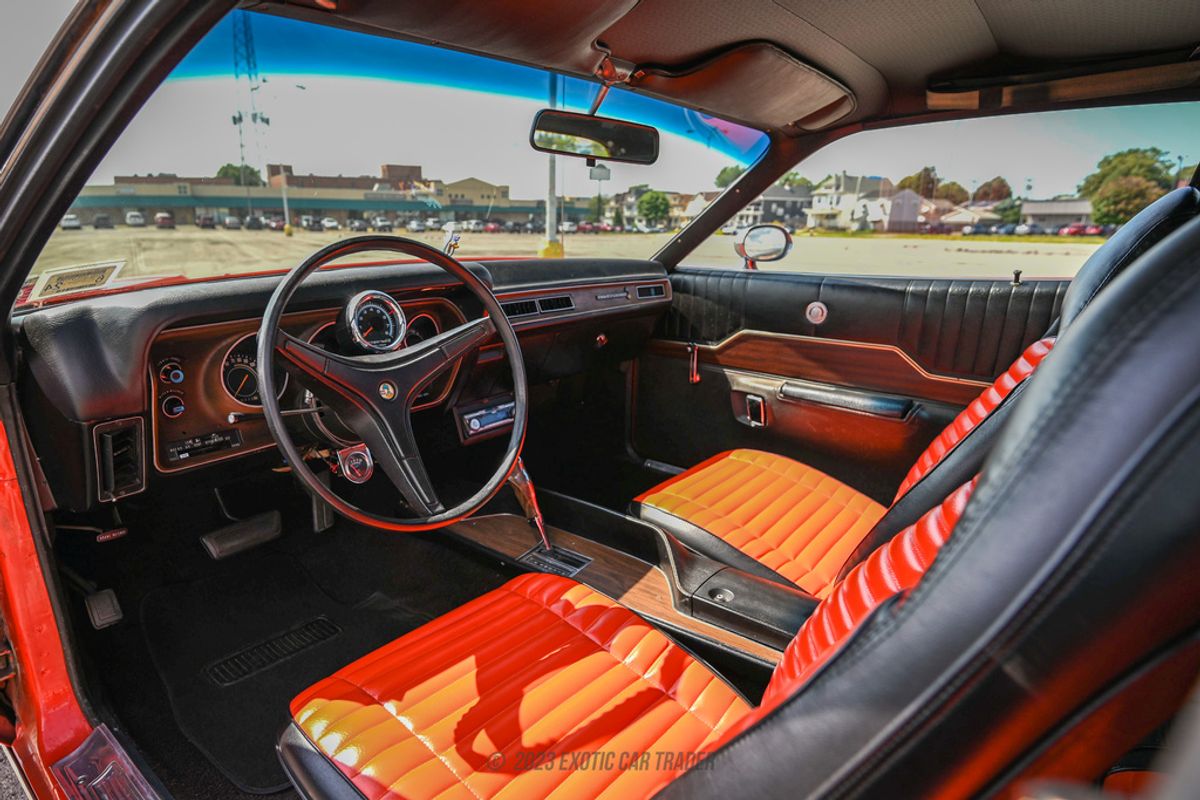
Elegantly adorned in its Tor-red exterior, this 1971 Plymouth Satellite Sebring Plus Roadrunner Tribute commands attention, further elevated by a tastefully applied black painted roof. Embracing its hood are the 440 Graphics, discreetly nestled within the hood flanks as a tribute to the potent powertrain concealed beneath, crowned by the iconic Plymouth emblem adorning the nose. A flawlessly re-chromed front bumper underlines its stately presence, while the rear proudly displays an emblem featuring the renowned Roadrunner mascot. The car confidently rides on 15-inch steel wheels, shod with BF Goodrich Radial T/A tires for optimal road grip. Transitioning to the interior, a captivating black and orange color scheme harmoniously complements the exterior's vibrancy. The dash and door panels exude a timeless allure with their lustrous wood accents, infusing the cabin with a sense of classic refinement. The center console hosts the grip handle shifter, allowing adept control over the automatic transmission, while the vintage AM/FM radio evokes a sense of nostalgia, juxtaposed by a modern radio conveniently mounted under the dash, seamlessly blending past and present comforts.
Engine
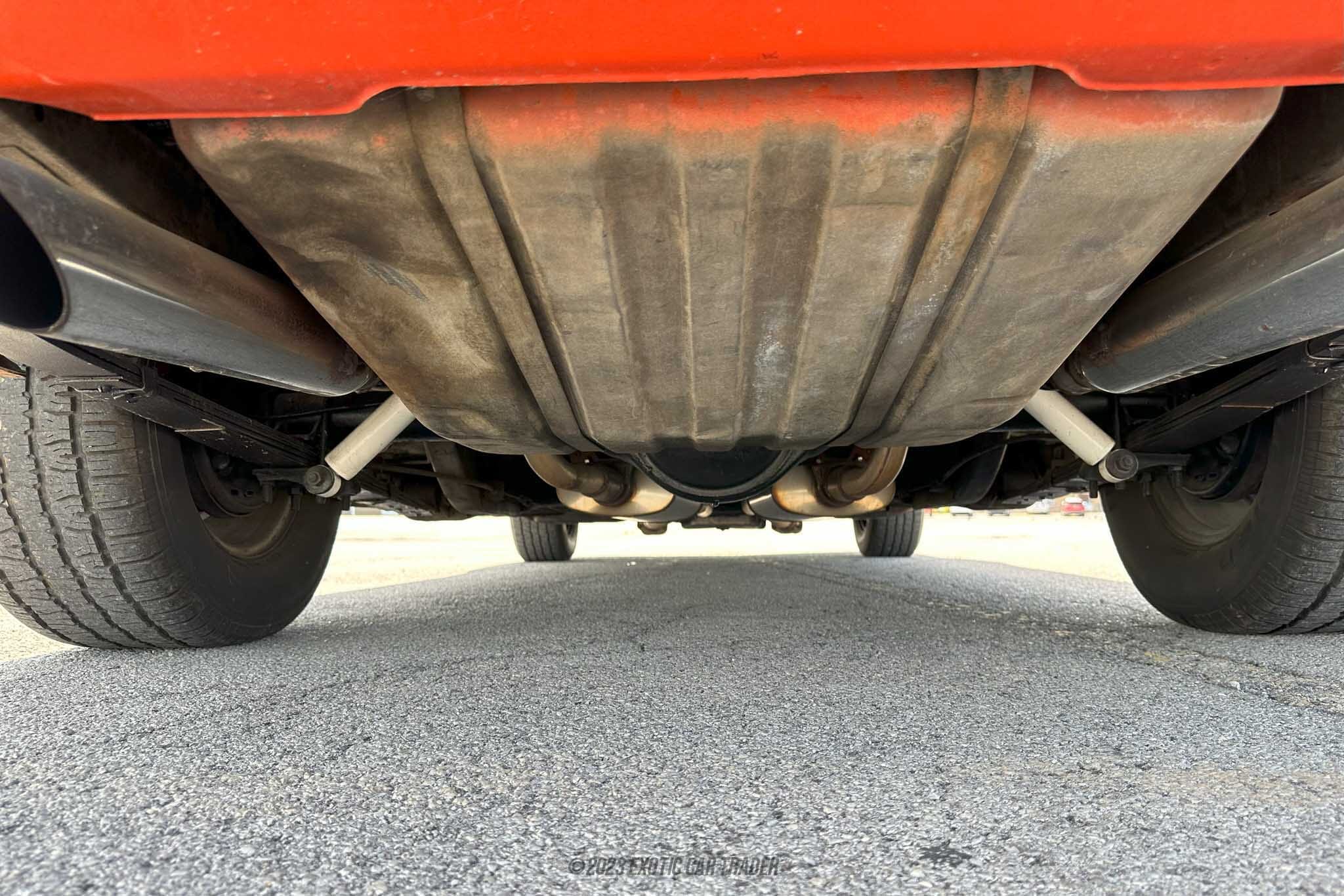
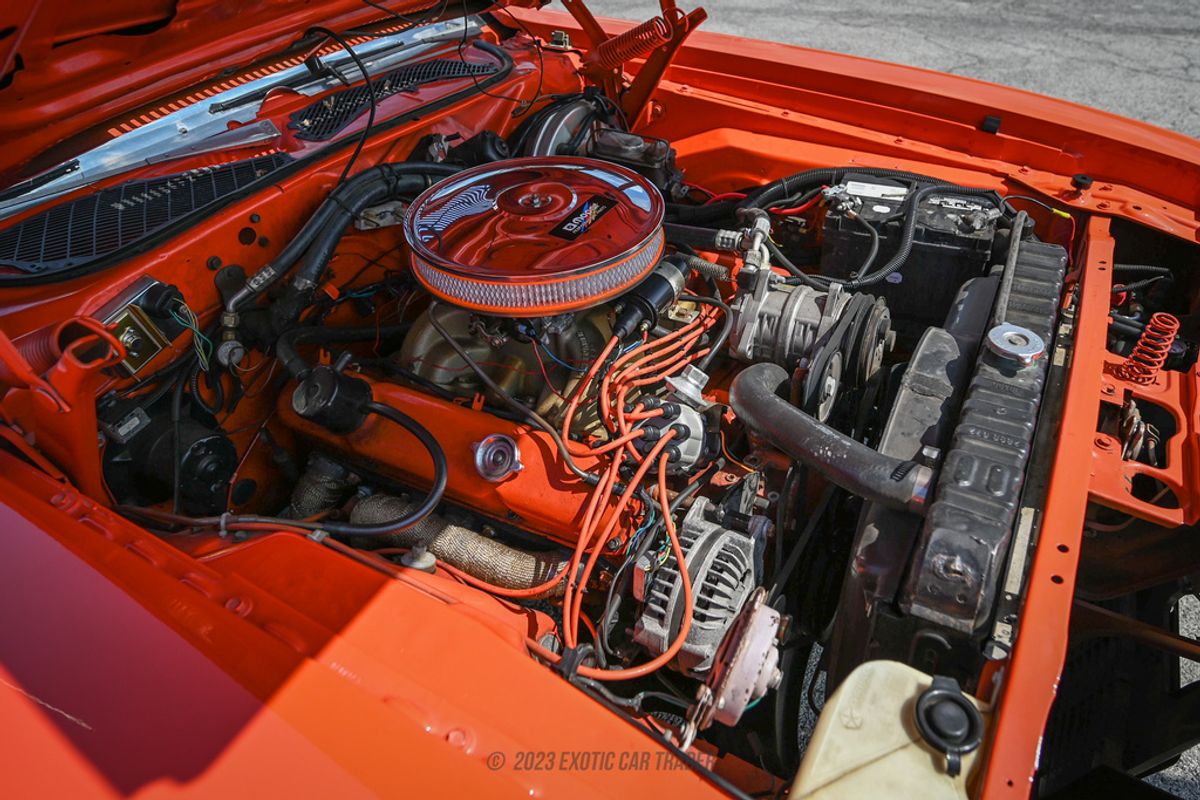
Nestled beneath the hood of the remarkable 1971 Plymouth Satellite Sebring Plus Roadrunner Tribute lies a commanding 440ci V8 engine, sourced directly from a 1970 Challenger. This infusion of power carries a distinguished lineage of performance and capability. Enhanced with an Edelbrock intake and carburetor, the engine attains a heightened level of power output. The seamless coordination of power steering, power brakes, and the Torqueflite automatic transmission results in an effortless driving experience, ensuring that every journey is one to relish.

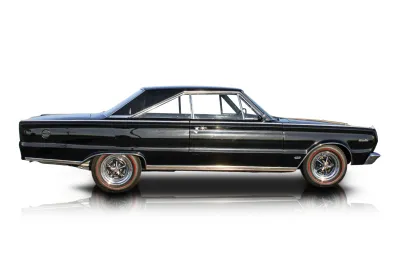

Before the GTX and Road Runner took over Plymouth’s performance image, the Satellite was the B-body sleeper that could be ordered with Chrysler’s most feared street engine. This 1966 Plymouth Satellite 426 HEMI 4 Speed shows approximately 25,134 miles and combines a black-on-black presentation with the legendary dual-quad 426 Street HEMI, a four-speed manual, Dana 60 rear axle, and Sure Grip differential. The current owner reports that it is one of of only 502 Hemi's produced, making this a seriously rare early HEMI-era Mopar with the kind of specification collectors and true muscle-car enthusiasts immediately recognize.
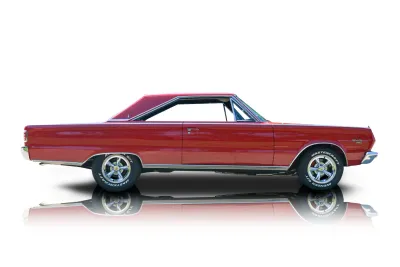
This 1966 Plymouth Satellite Hemi 426 HP2 is a rare piece of Mopar muscle car history — one of an estimated 51 HP2 Satellites ever produced. Finished in a striking red exterior over a black interior, it represents the pinnacle of Plymouth’s performance offerings in the mid-1960s. The car underwent a full rotisserie restoration just five years ago, ensuring it presents and performs at the highest level. With its combination of factory HEMI power, 4-speed manual transmission, and period-correct details, this Satellite embodies the raw performance and exclusivity that made the HP2 designation legendary.
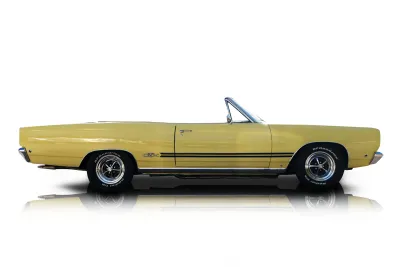
The right muscle car is a recipe for a good time. Being behind the wheel of one equates to raw performance on demand — it's addictive, and something that very few modern cars can replicate. Present today is this 1968 Plymouth Plymouth Sport Satellite Convertible. This build is reported to be a GTX clone and has all the right ingredients to level up your expectations of a good drive.
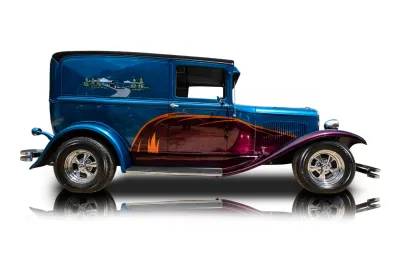
This 1928 Plymouth Model Q Delivery Street Rod takes the distinctive commercial-body styling of an early Plymouth and gives it a decidedly custom street-rod personality. Showing 20,060 miles, it combines a 351ci Windsor V8 with a C6 3-speed automatic transmission and rear-wheel drive, delivering a traditional American hot-rod powertrain in a far less common body style than the usual coupe or roadster. Its blue and Merlot two-tone exterior, custom flame graphics, hand-painted rear quarter artwork, aftermarket air conditioning, and reupholstered interior make this a highly personalized build with plenty of visual character.
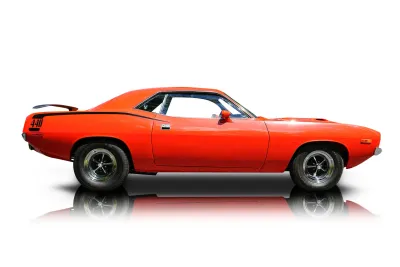
This 1972 Plymouth ’Cuda is a strong example of how the E-body platform can blend original pedigree with period-style muscle-car upgrades. Showing approximately 34,348 miles, this example is finished in Hugger Orange over a Black interior and carries the aggressive visual cues expected from a ’Cuda, including black side graphics, dual hood scoops, chrome bumpers, and Magnum 500-style wheels. The current owner reports that the car was originally equipped with a 340ci V8, while it is now powered by a larger 440ci V8 paired with a TorqueFlite 3-speed automatic. Performance-oriented upgrades include a 4-barrel carburetor, aftermarket aluminum intake manifold, MSD Digital 6AL ignition, aftermarket exhaust headers, and a dual exhaust system, giving this ’Cuda a considerably more muscular character than its original configuration.
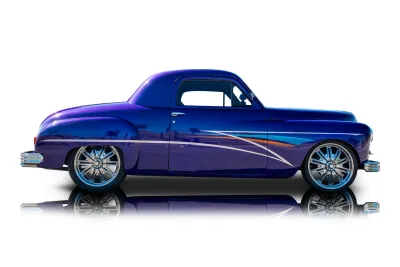
This 1949 Plymouth Deluxe Club Coupe Restomod brings together the timeless styling of Plymouth’s post-war era with a carefully executed custom build focused on improved performance and drivability. With only 2,342 miles reported on the current build, this coupe showcases a traditional hot rod approach by retaining its classic body design while incorporating upgraded mechanical components and modern conveniences. The build is centered around a 318ci V8 featuring a 360 block, paired with a TorqueFlite 727 automatic transmission and upgraded with an Edelbrock 4-barrel carburetor. Additional highlights include a 12V electrical conversion, custom purple paint, custom side graphics, aftermarket suspension, aftermarket wheels, and a personalized interior featuring updated gauges and steering wheel. This Plymouth Deluxe Club Coupe Restomod offers enthusiasts a unique opportunity to enjoy vintage Mopar character with a custom drivetrain and modernized features designed for enjoyable cruising.

Terms of Service
Be Kind and Courteous
We're here to create a platform to better the automotive industry through communication and transparency. Please treat everyone with respect. Healthy debates are natural, but kindness is required.
No Hate Speech
Make sure everyone feels safe. Hate speech of any kind is strictly prohibited. Degrading comments about things like race, religion, culture, sexual orientation, etc. will not be tolerated.
No Promotions or Spam
Give more than you take. Self-promotion, spam, or links of any kind are not allowed.
