



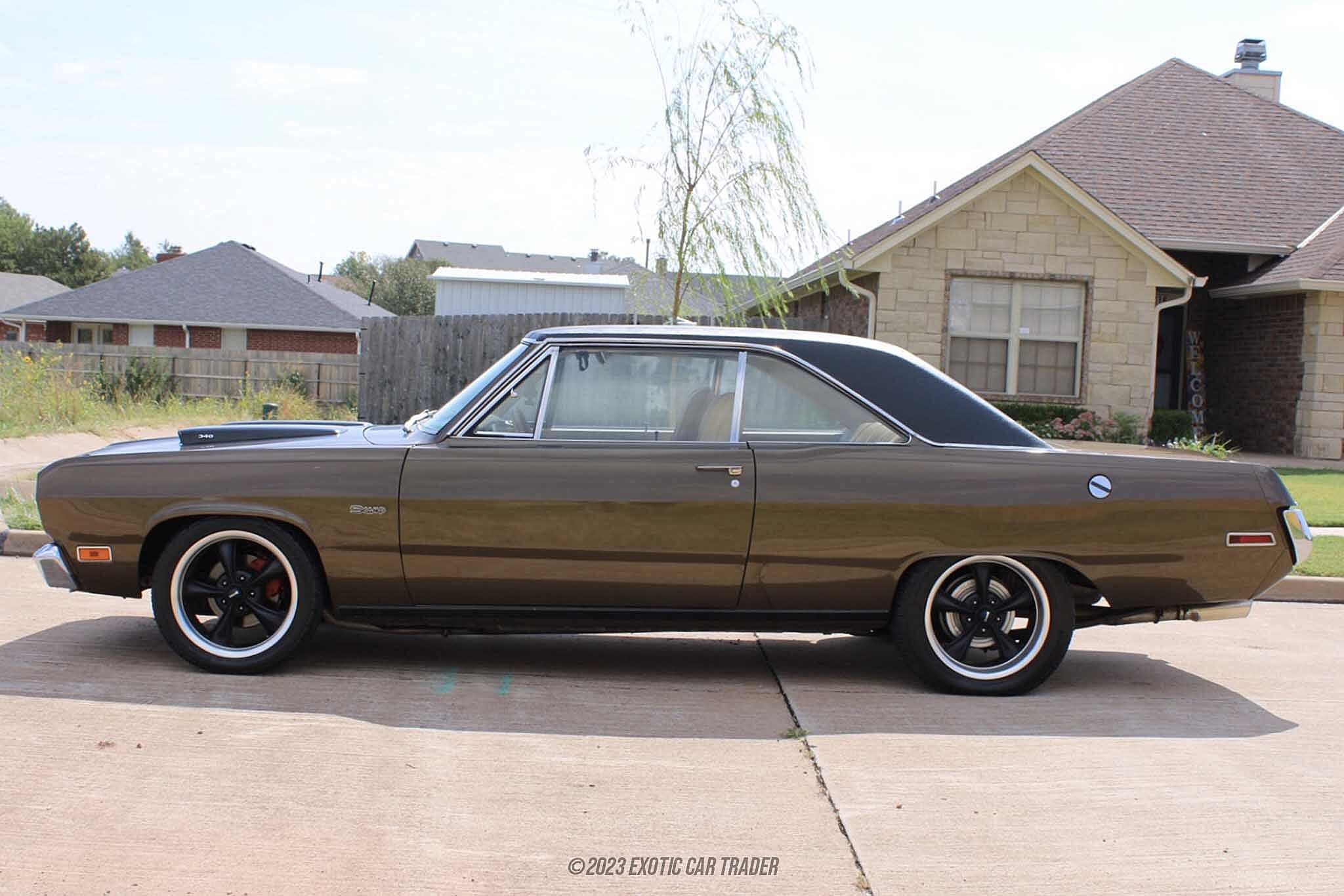
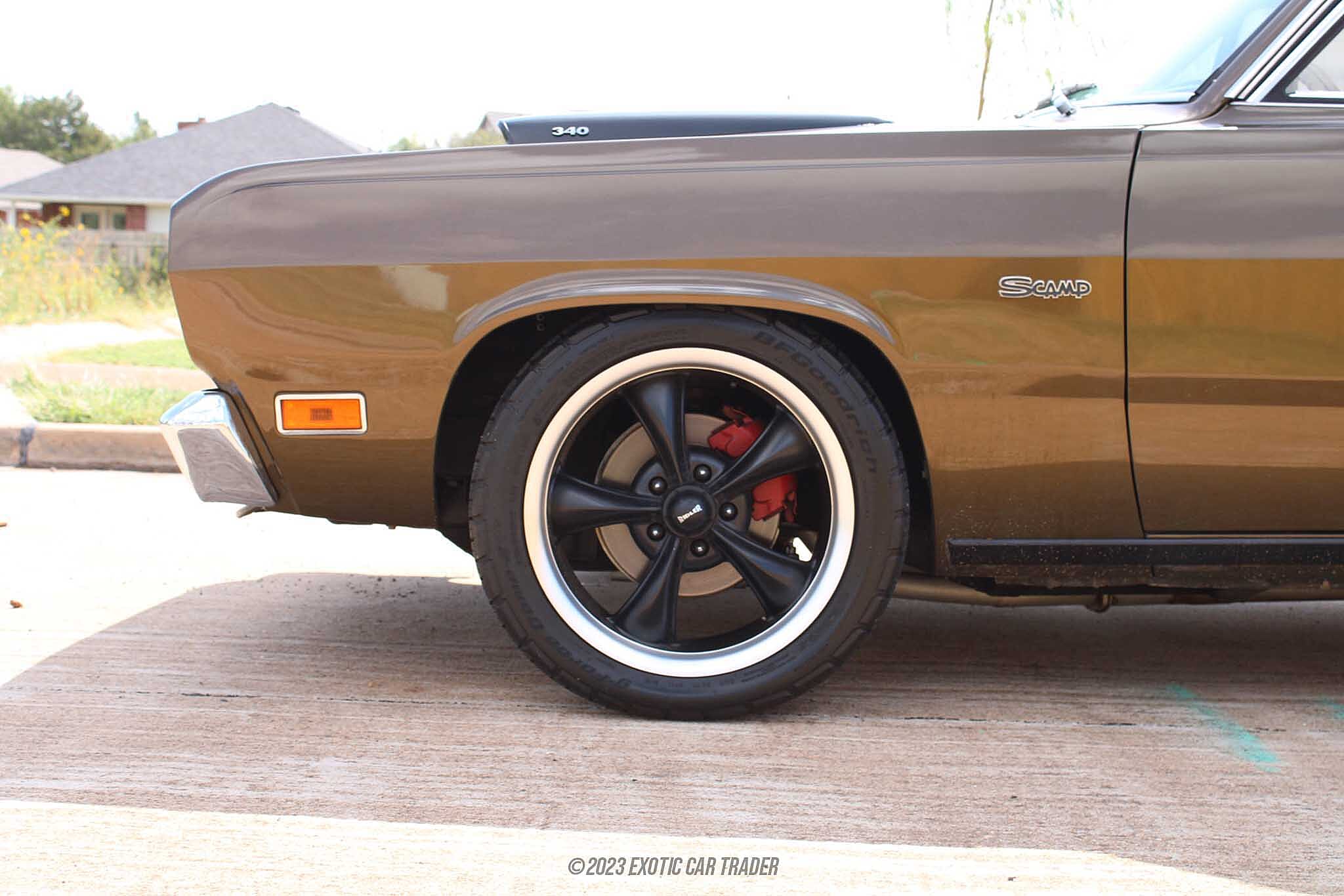

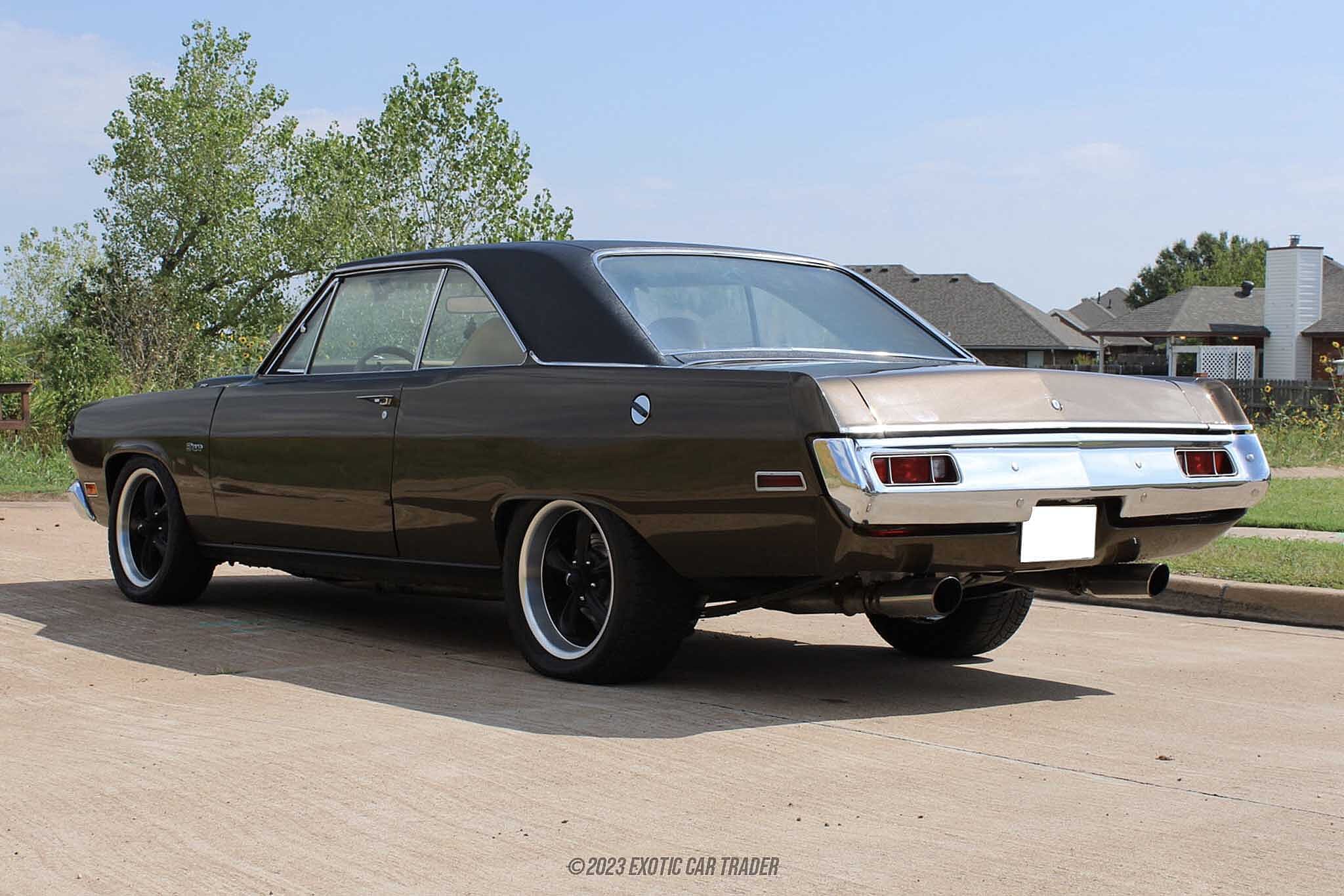
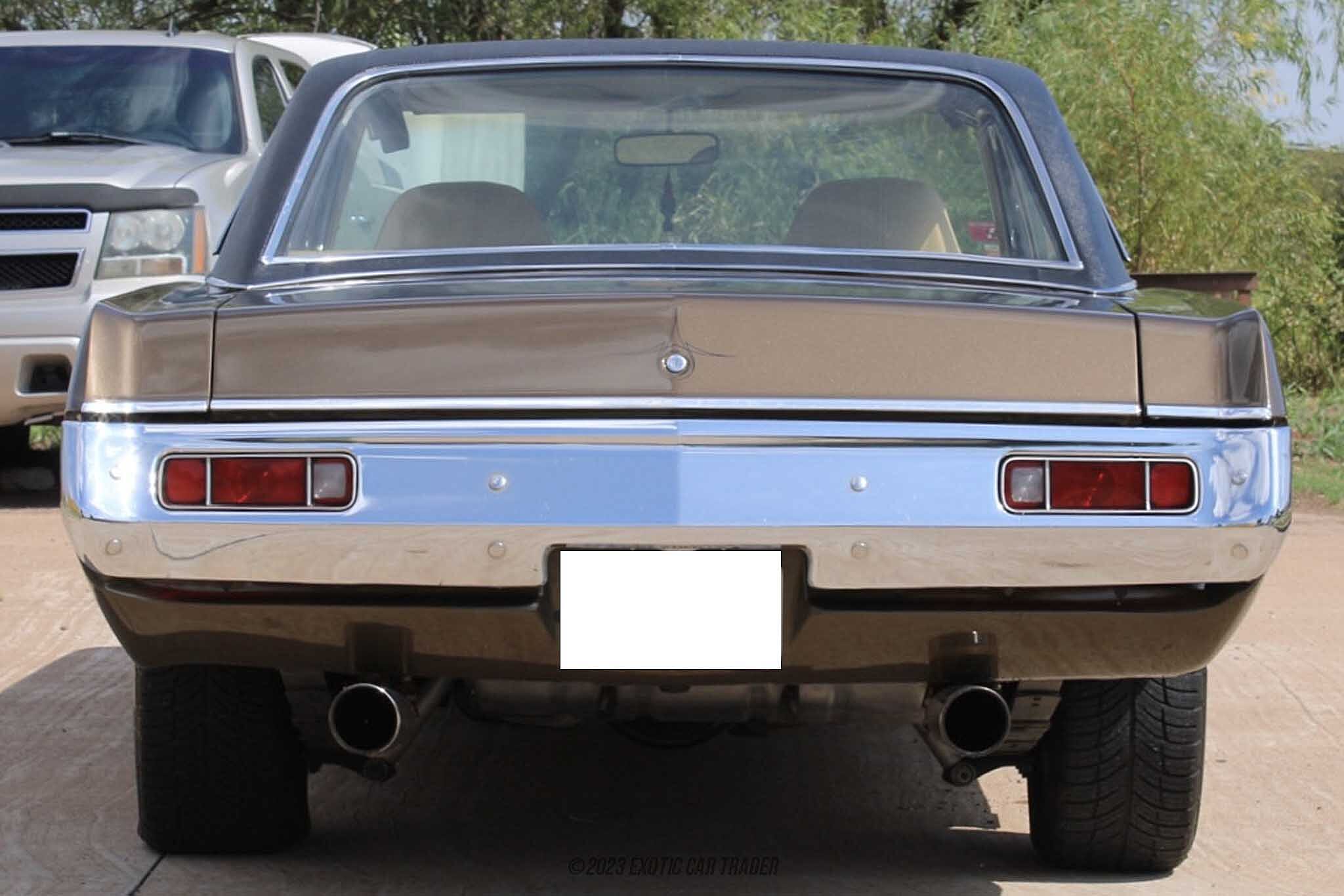

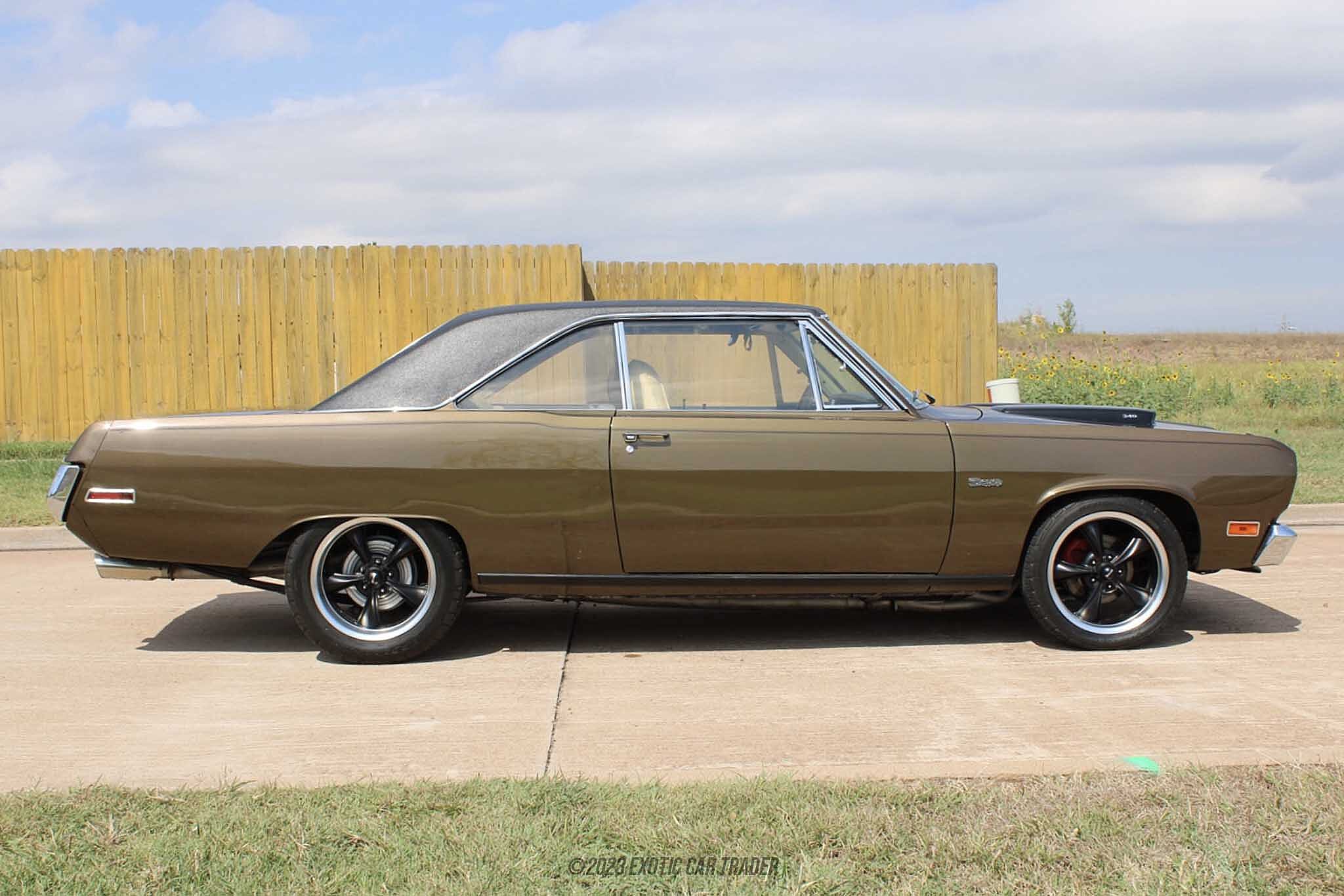
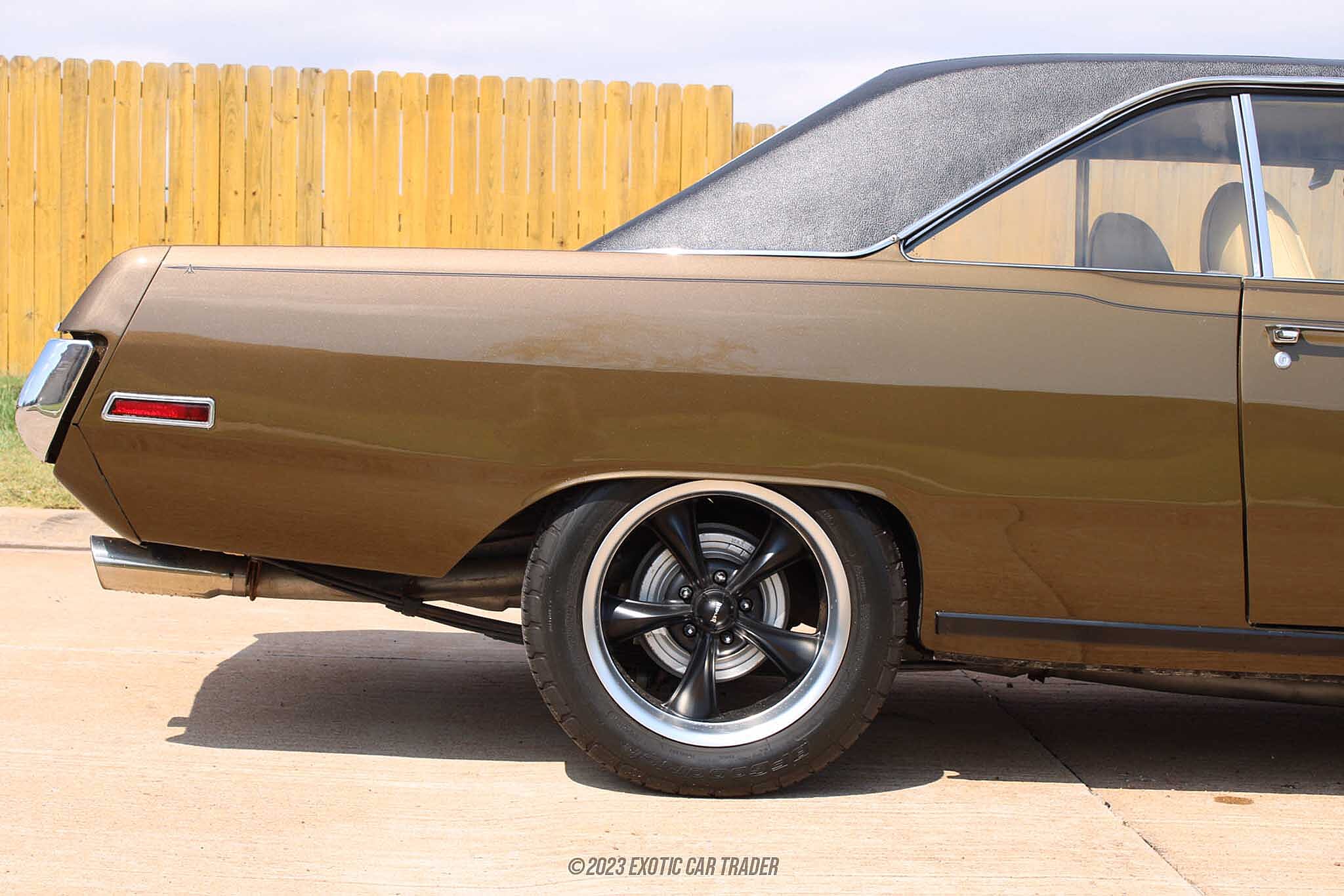

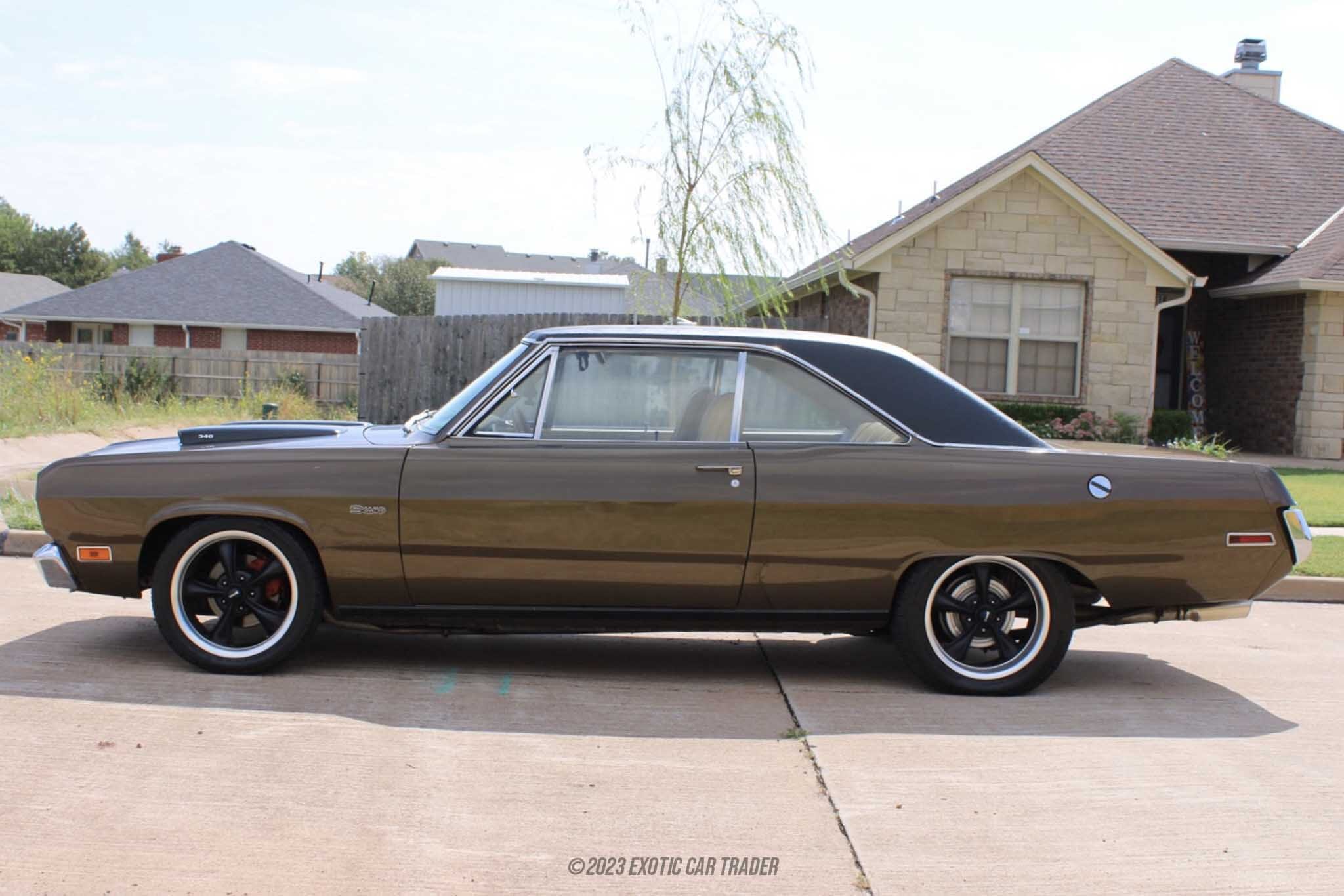
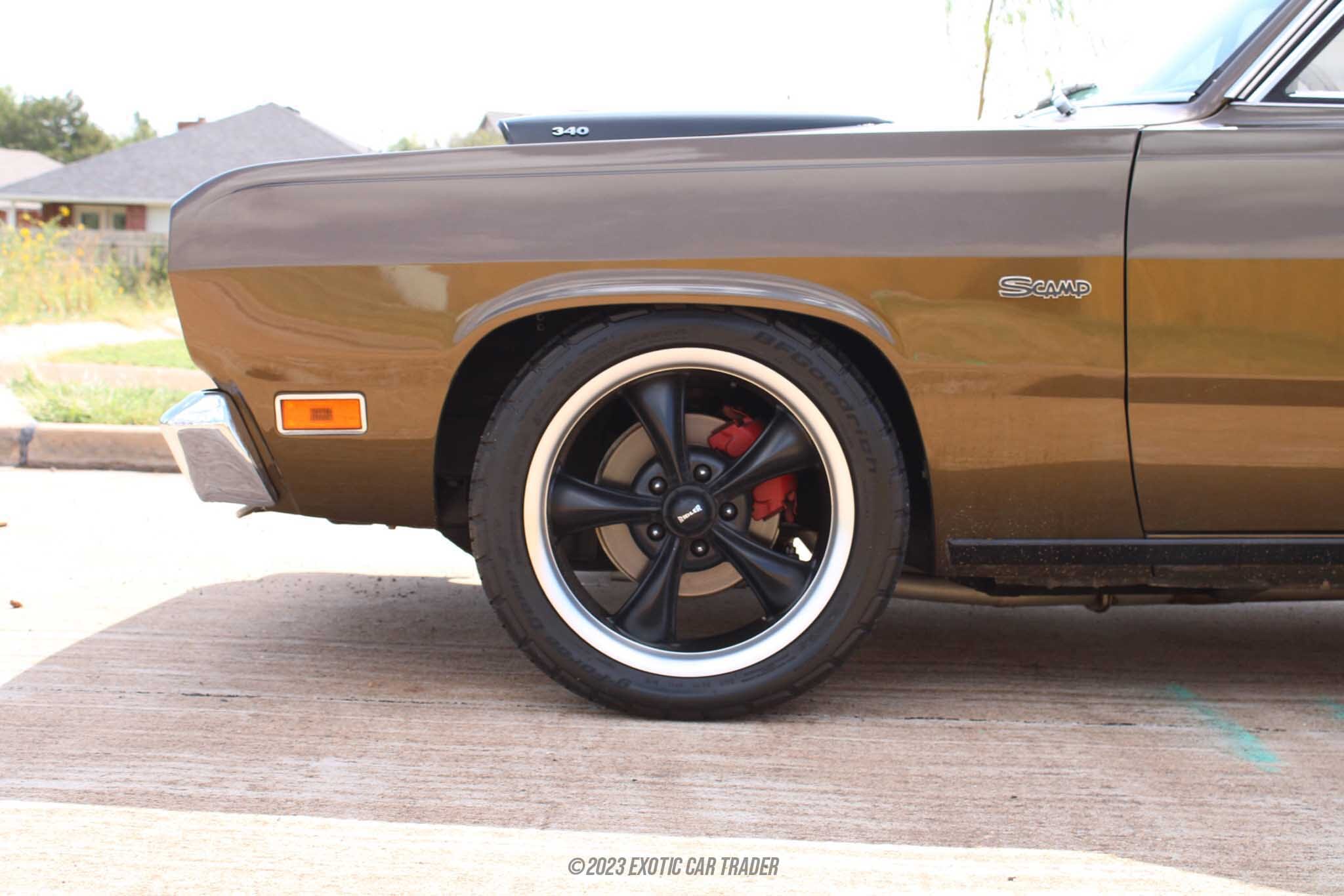
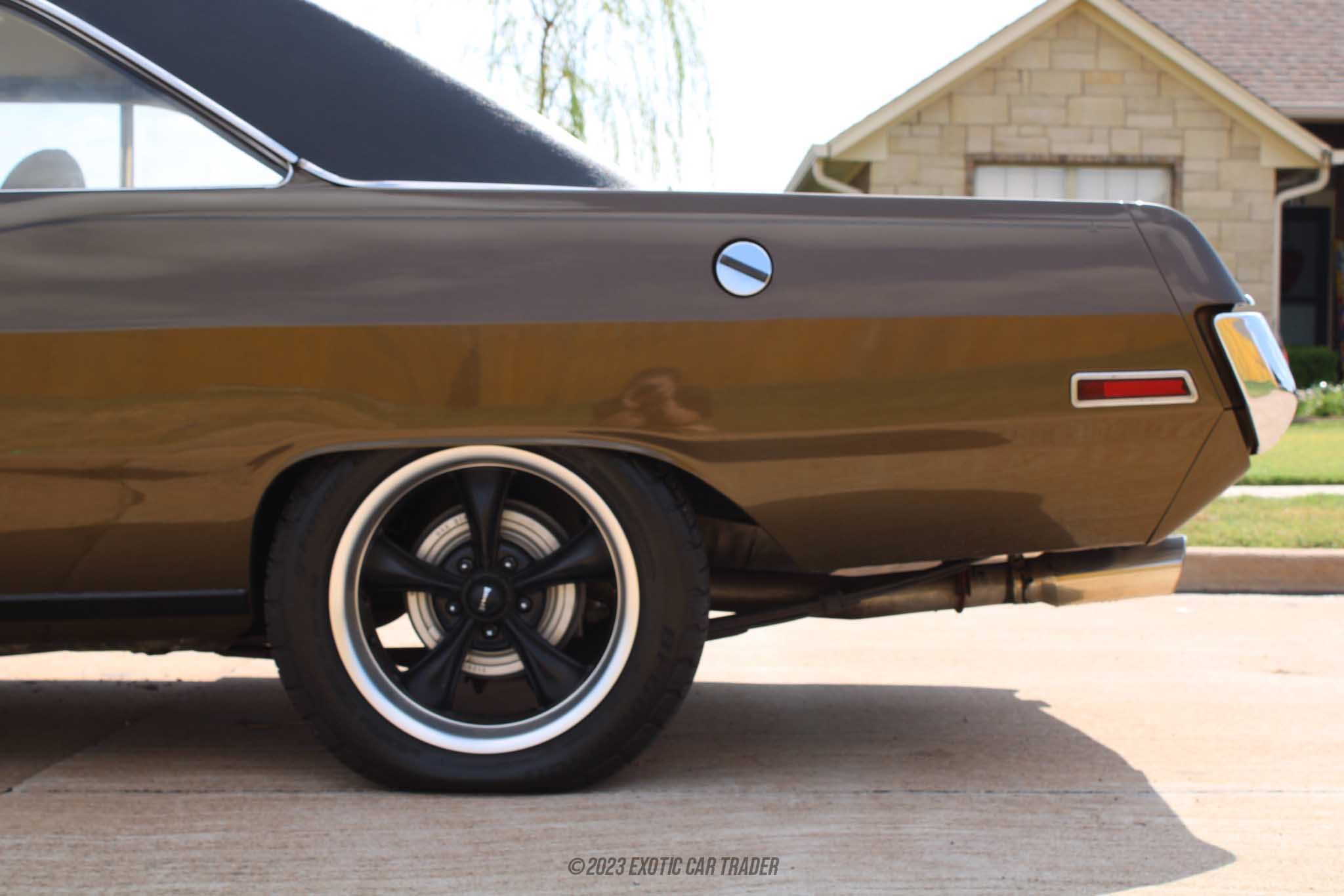
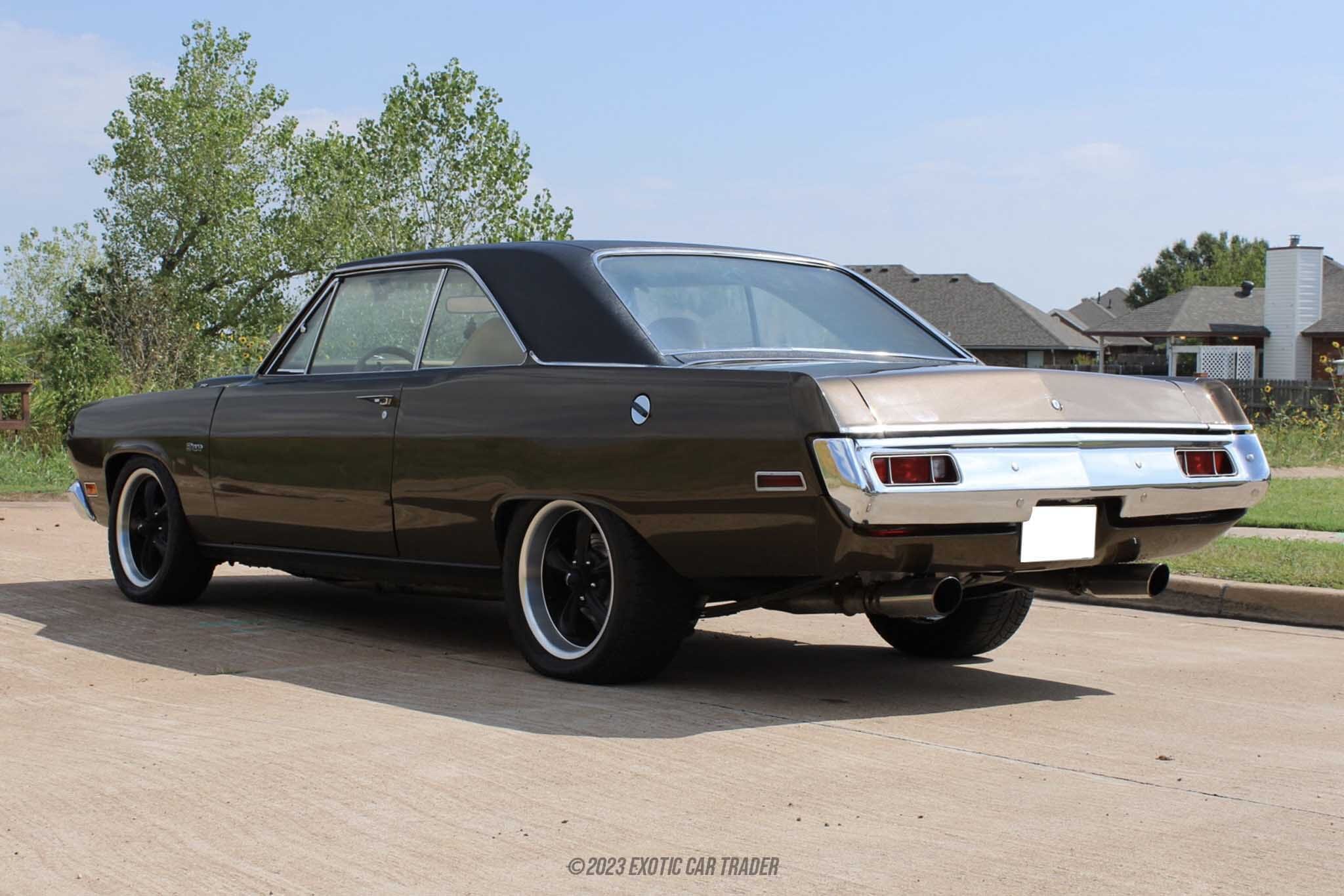
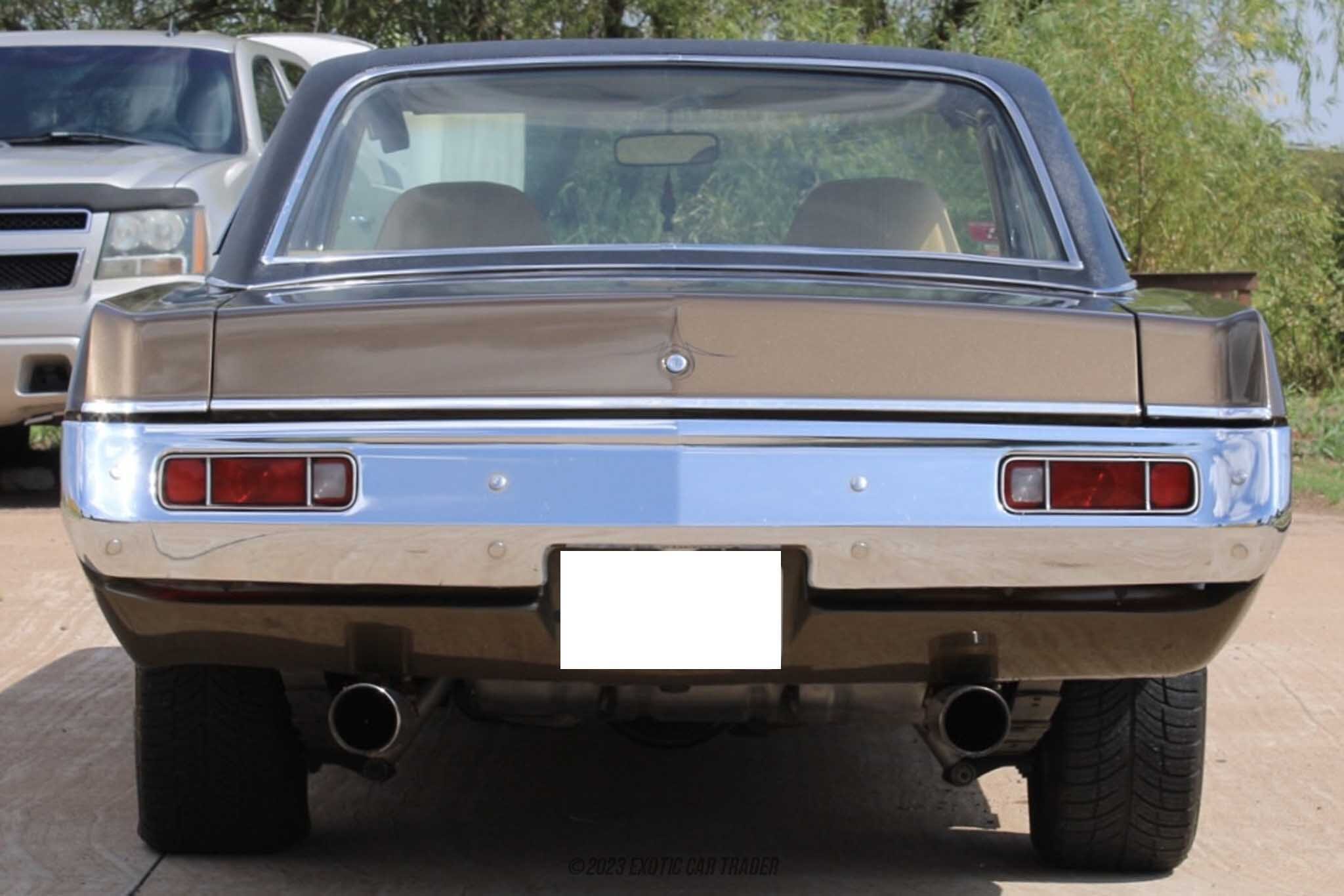
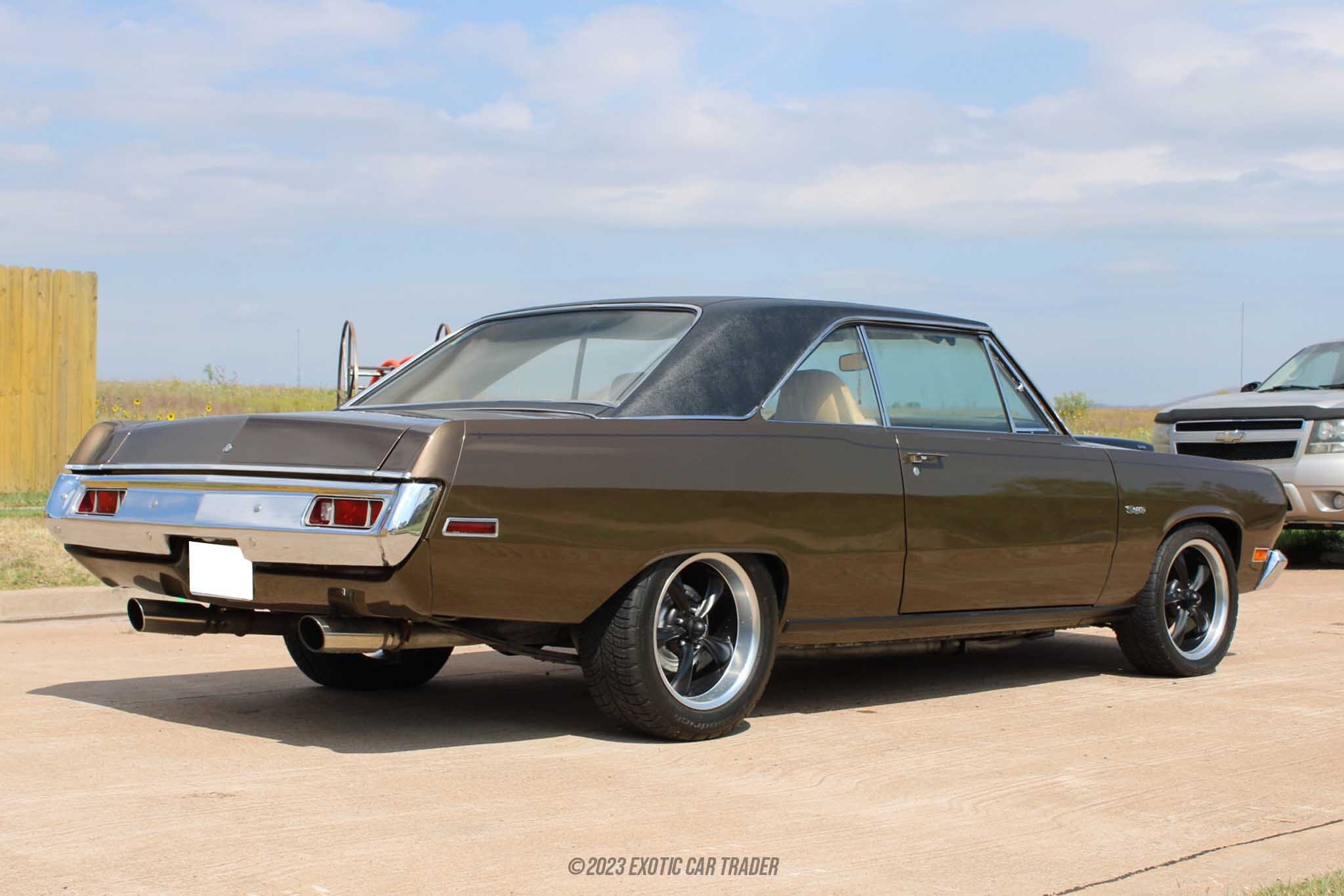
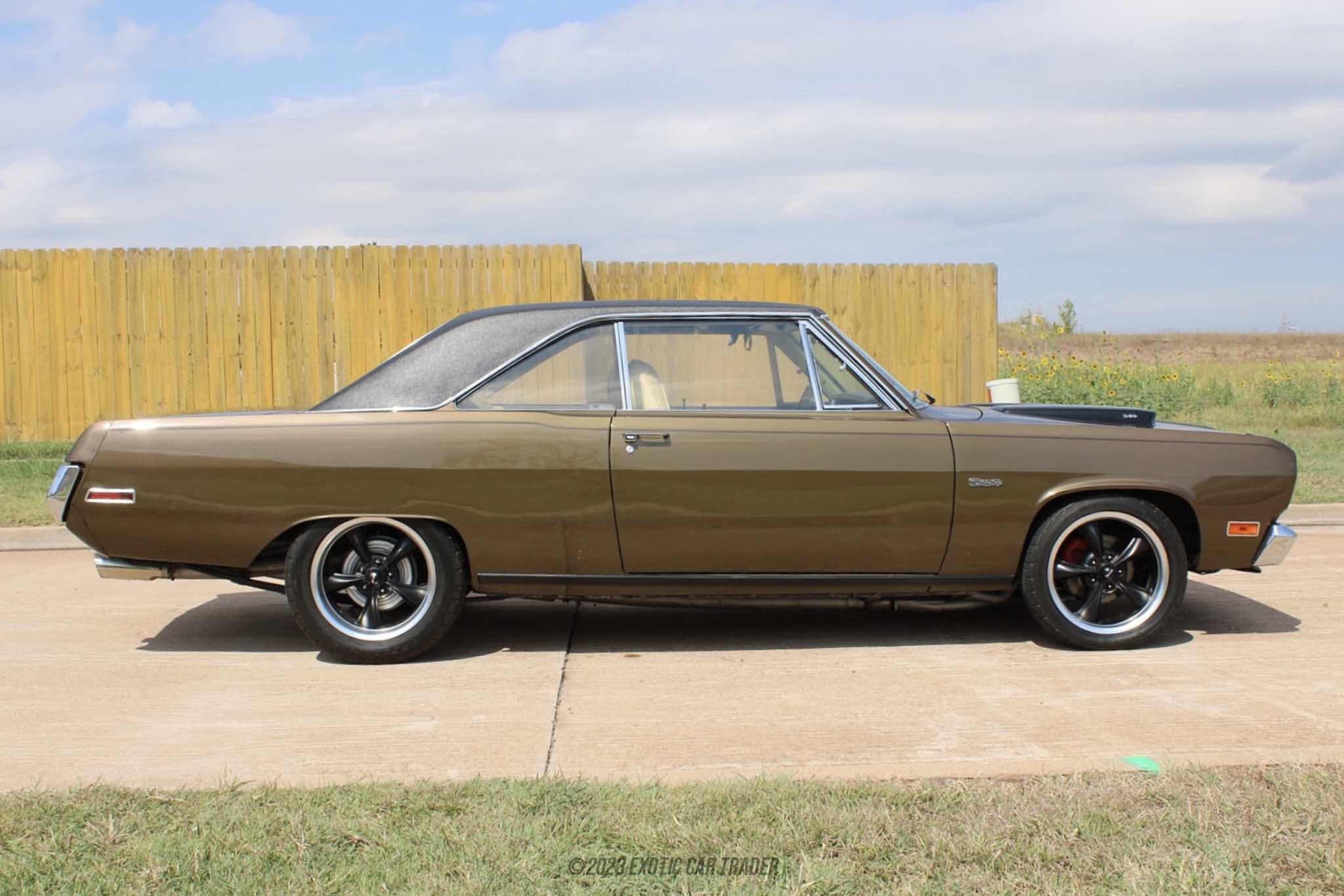
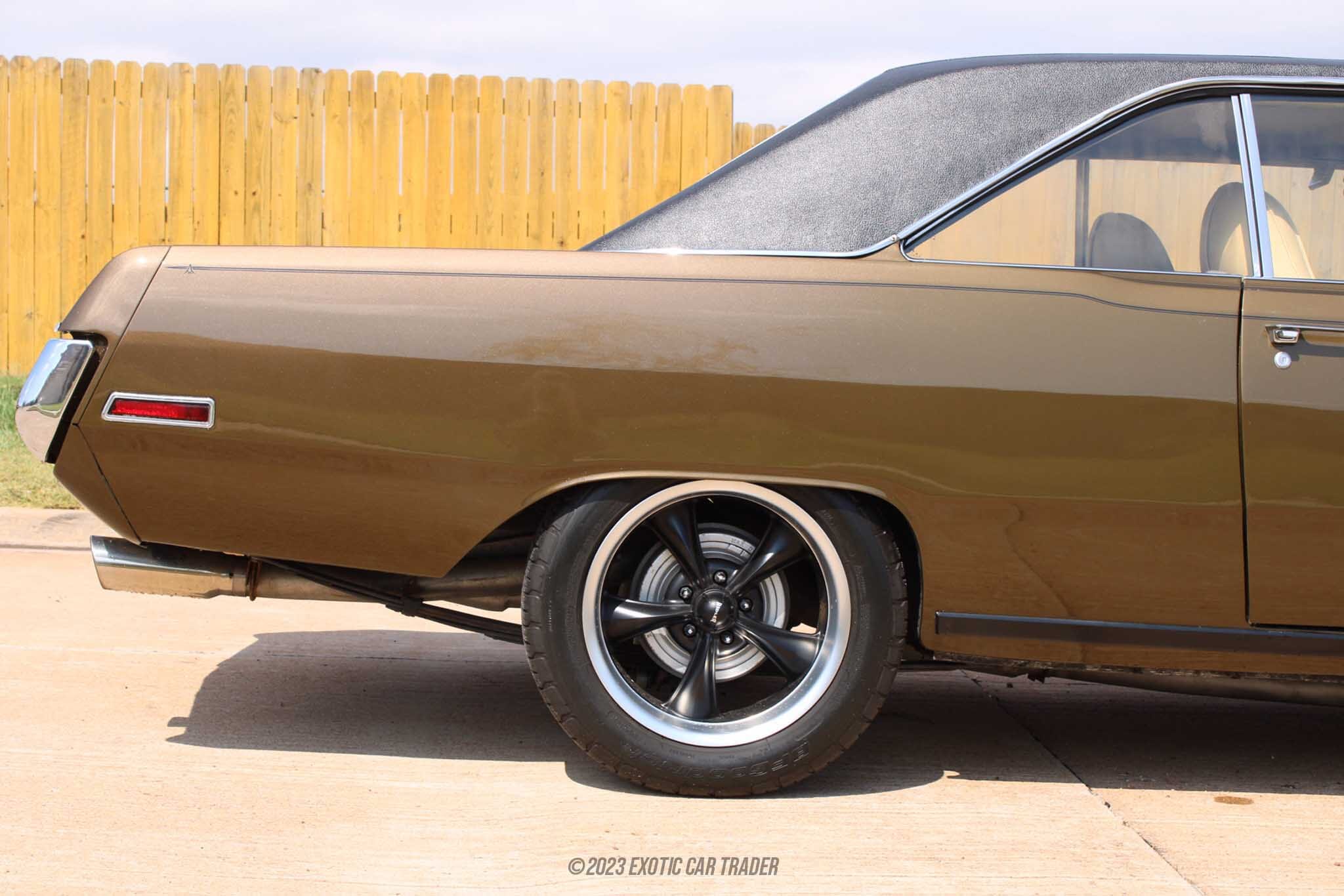
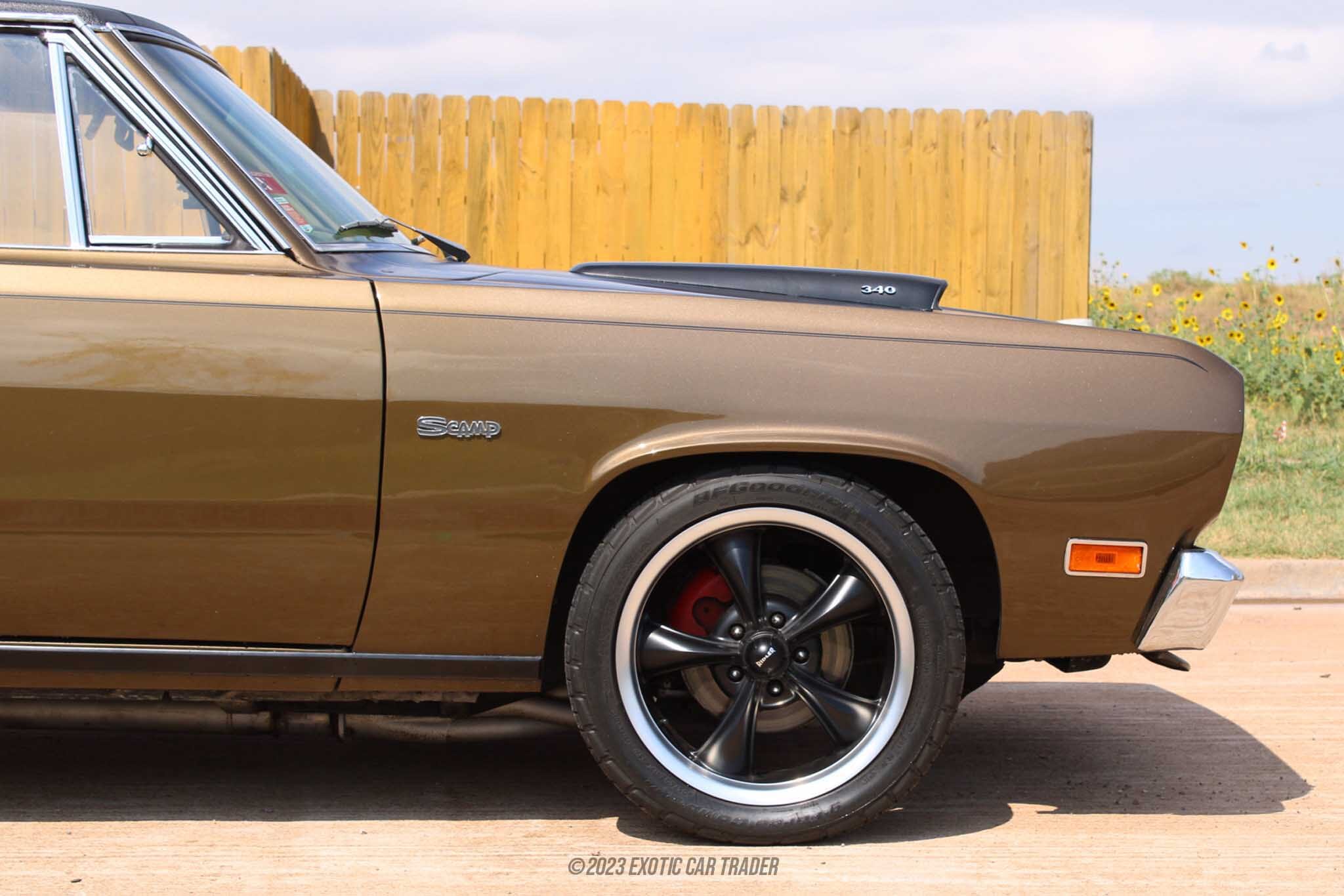
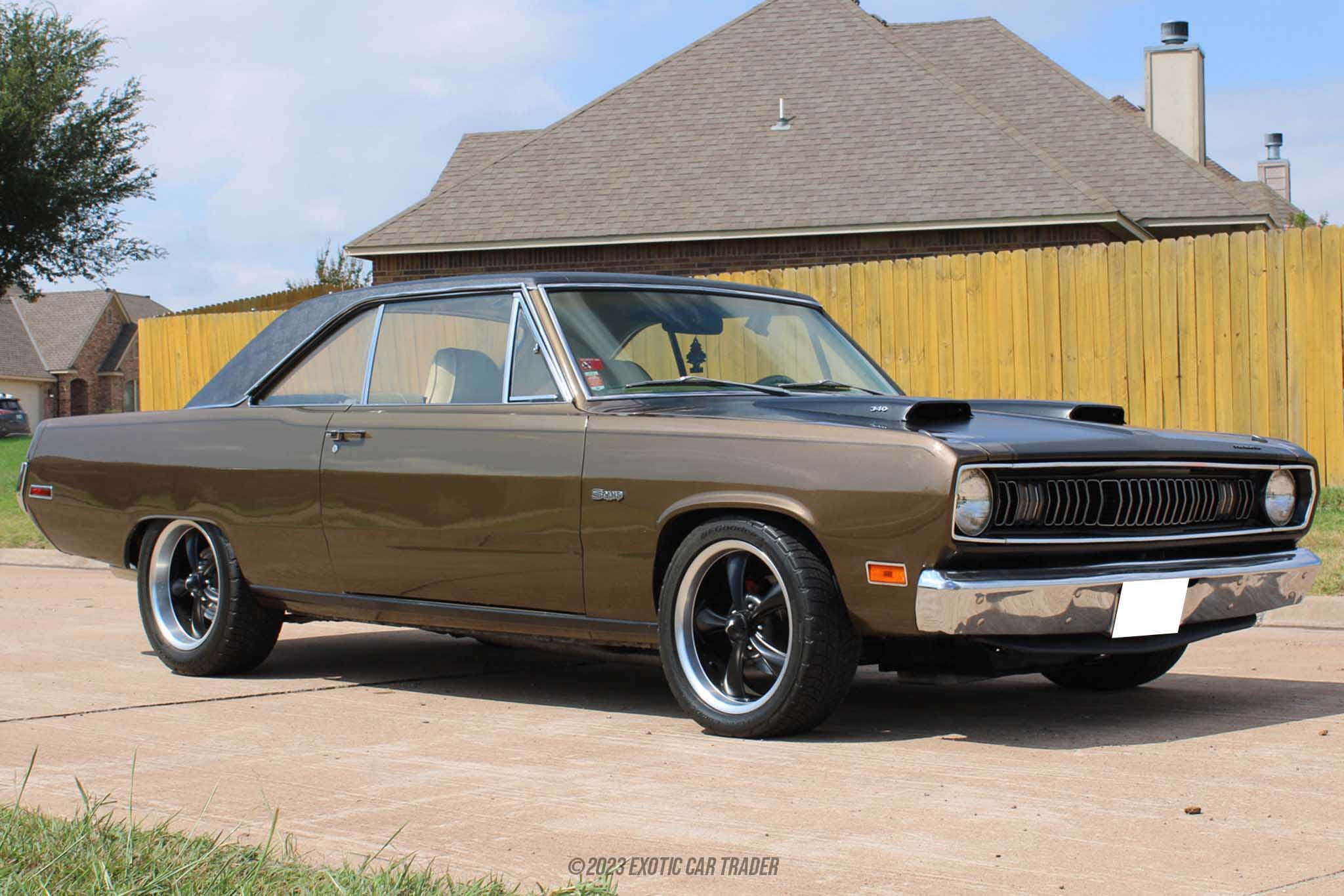
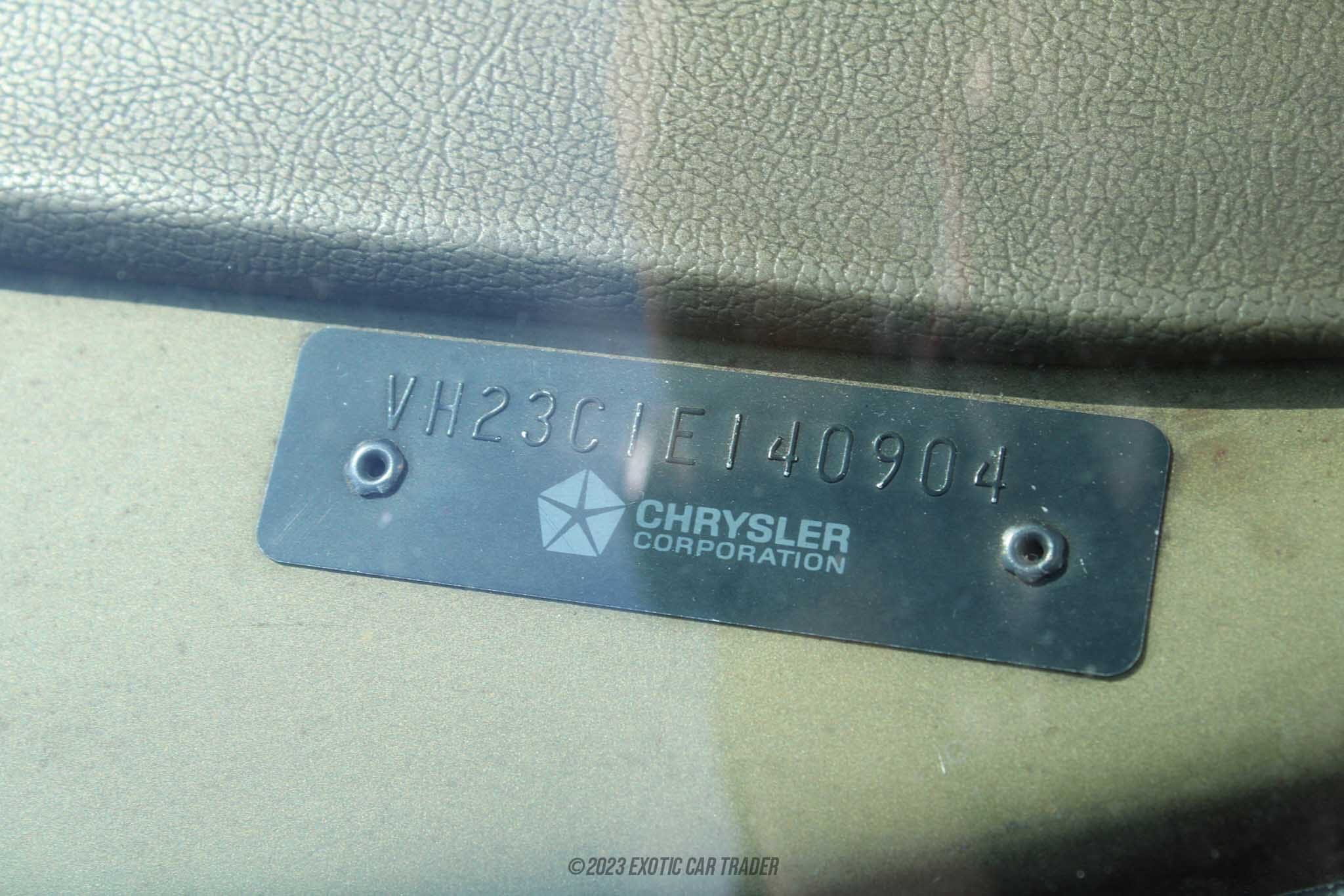
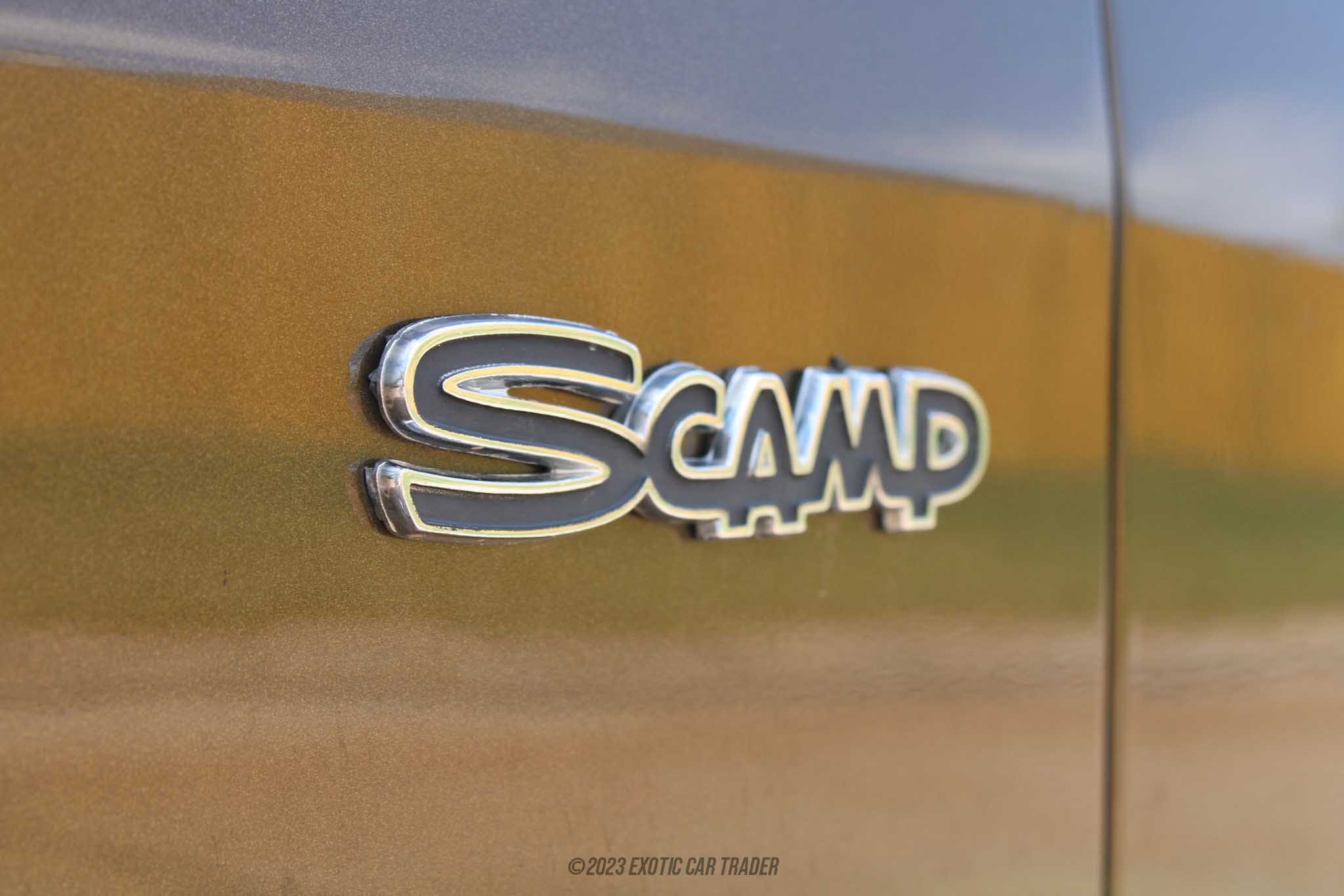
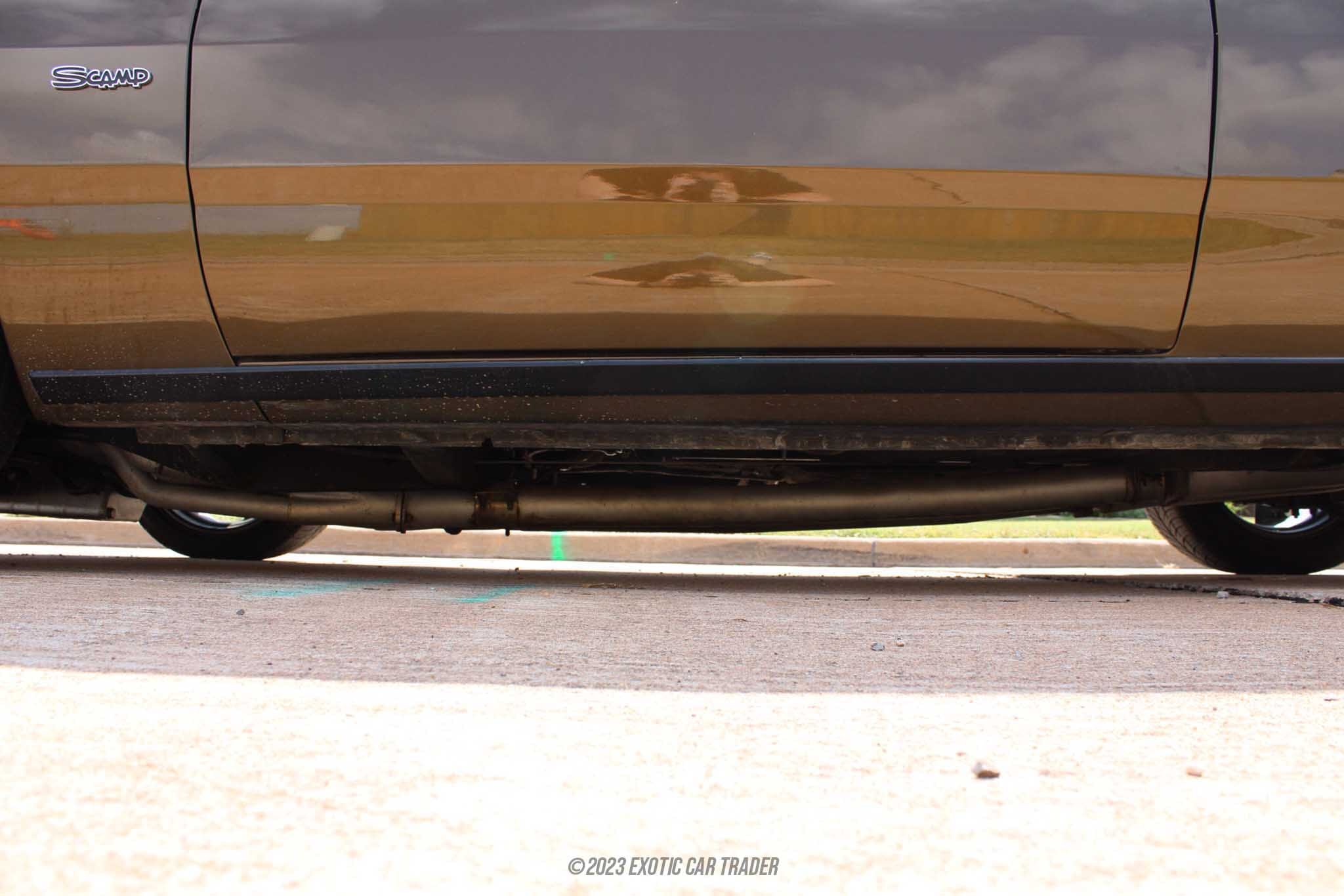


- 1971 Model Year Scamp
- Current Owner Reports 4 speed Manual
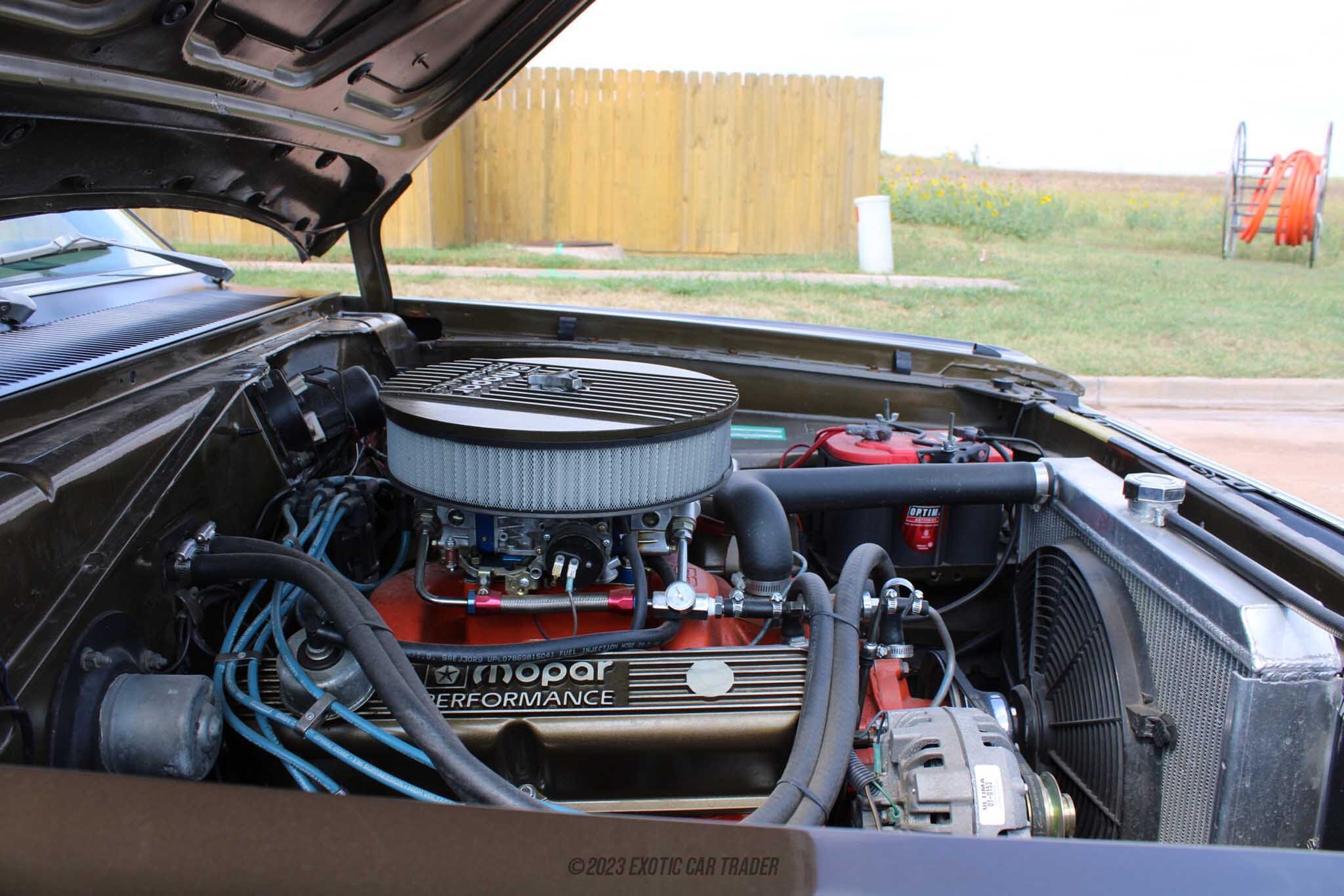
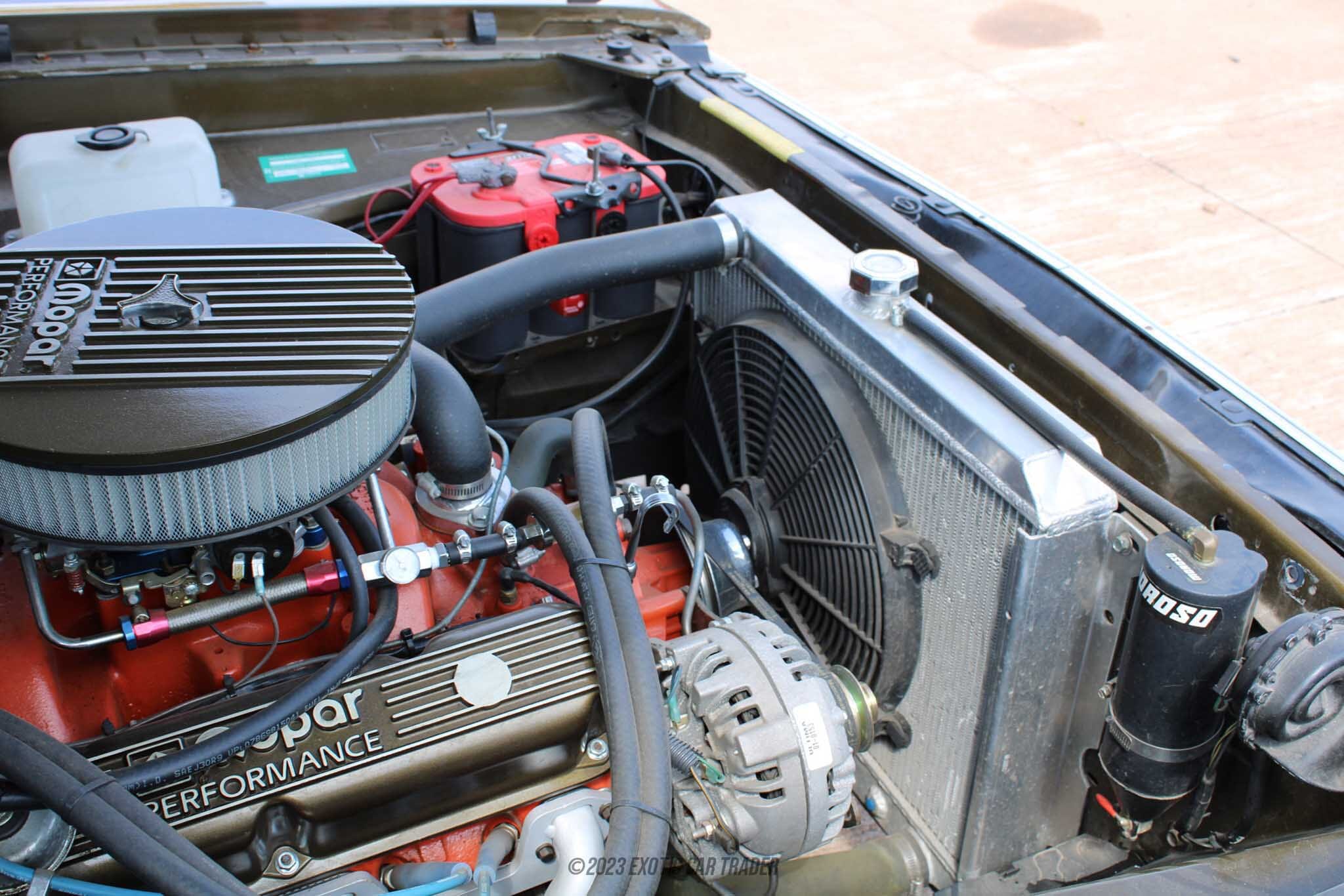
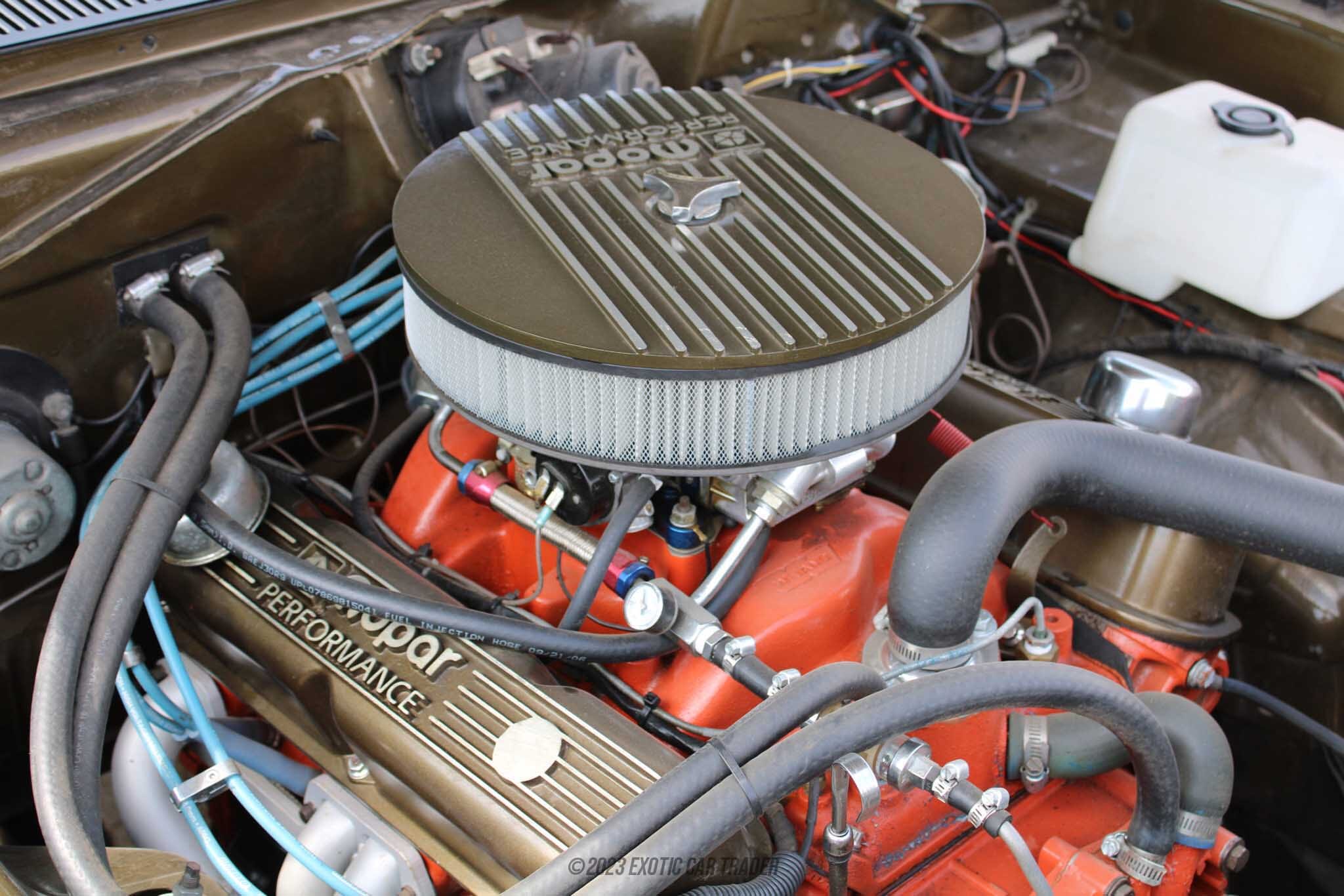
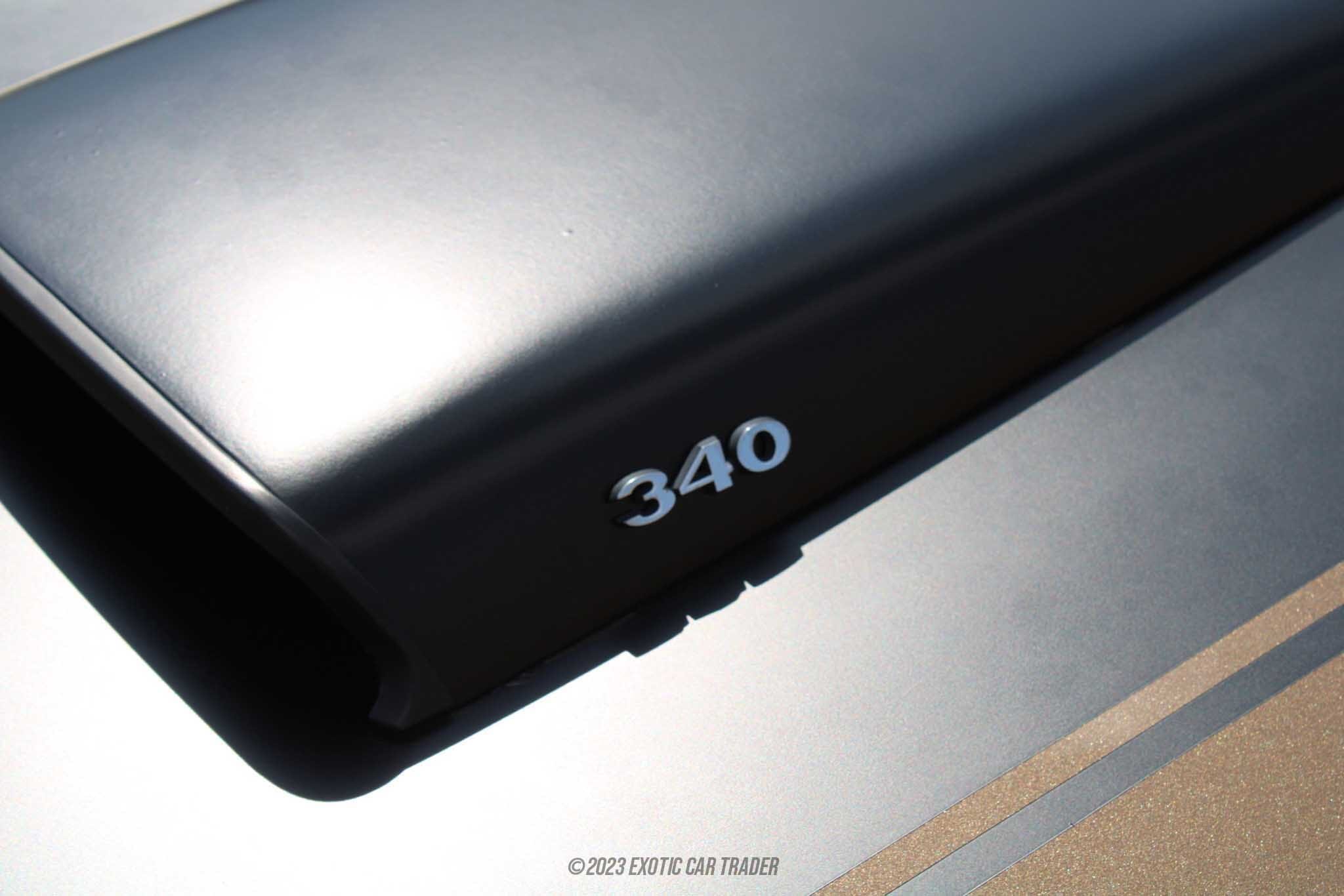
- Current Owner Reports 340ci V8
- Current Owner Reports Holley Fuel injected
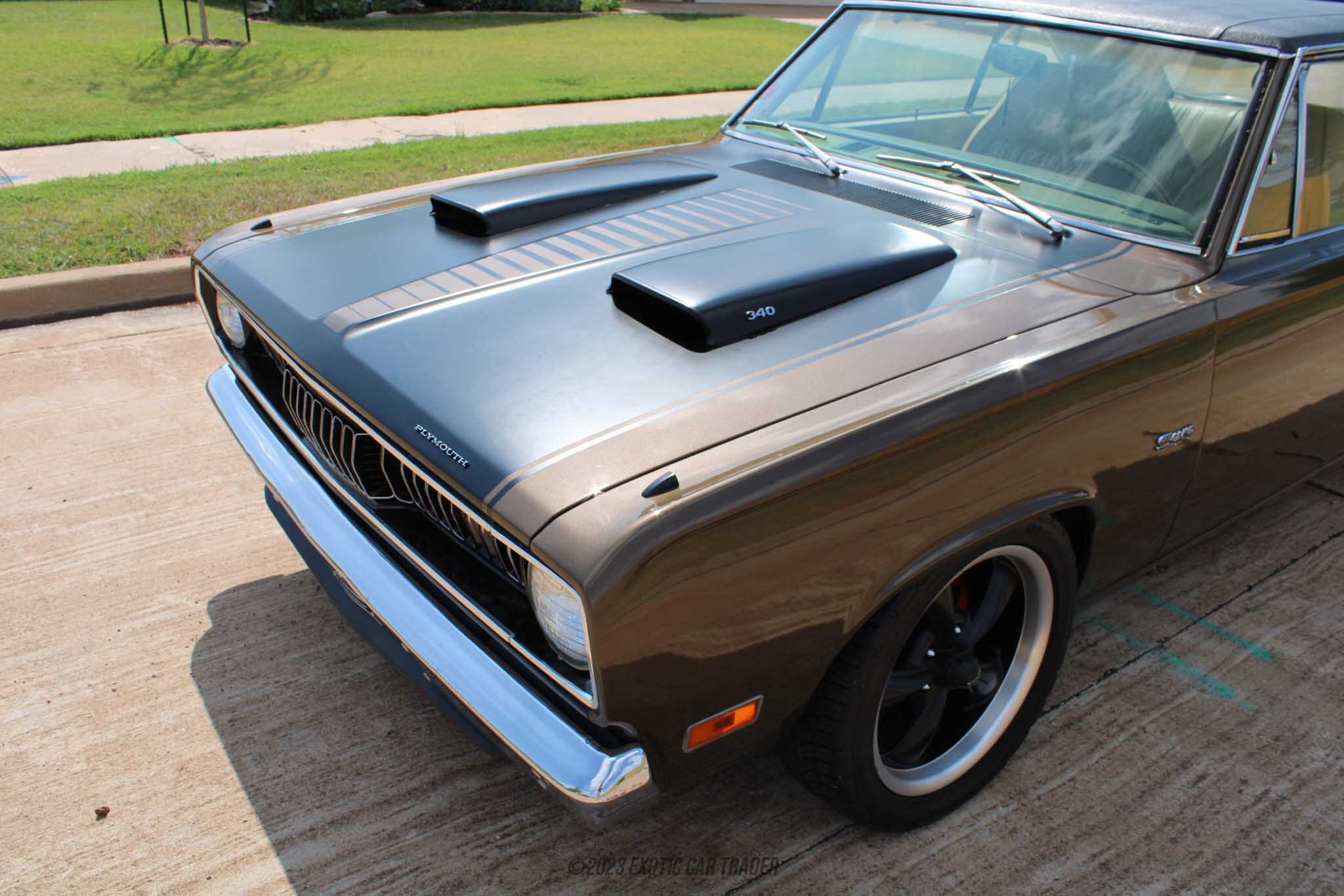
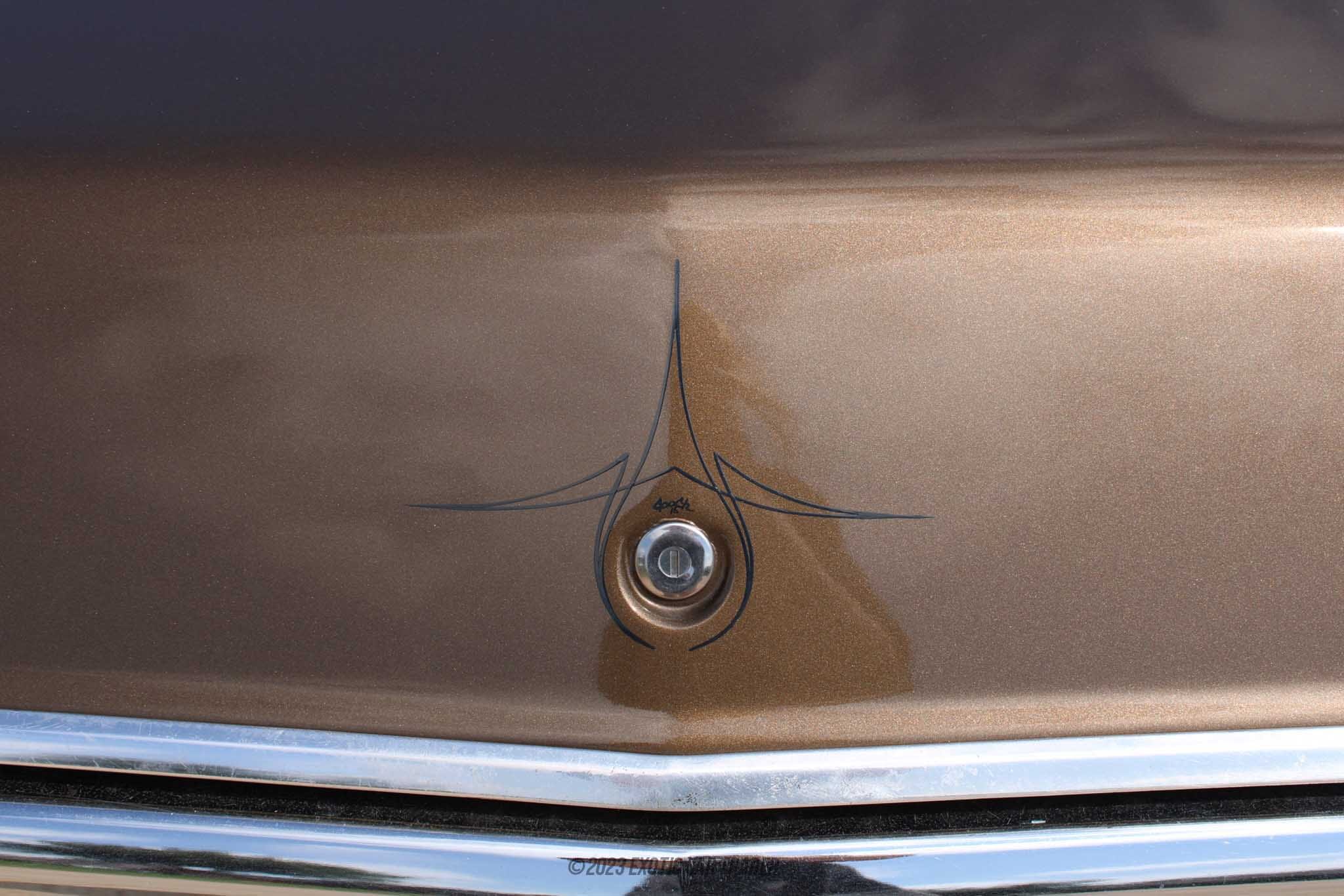
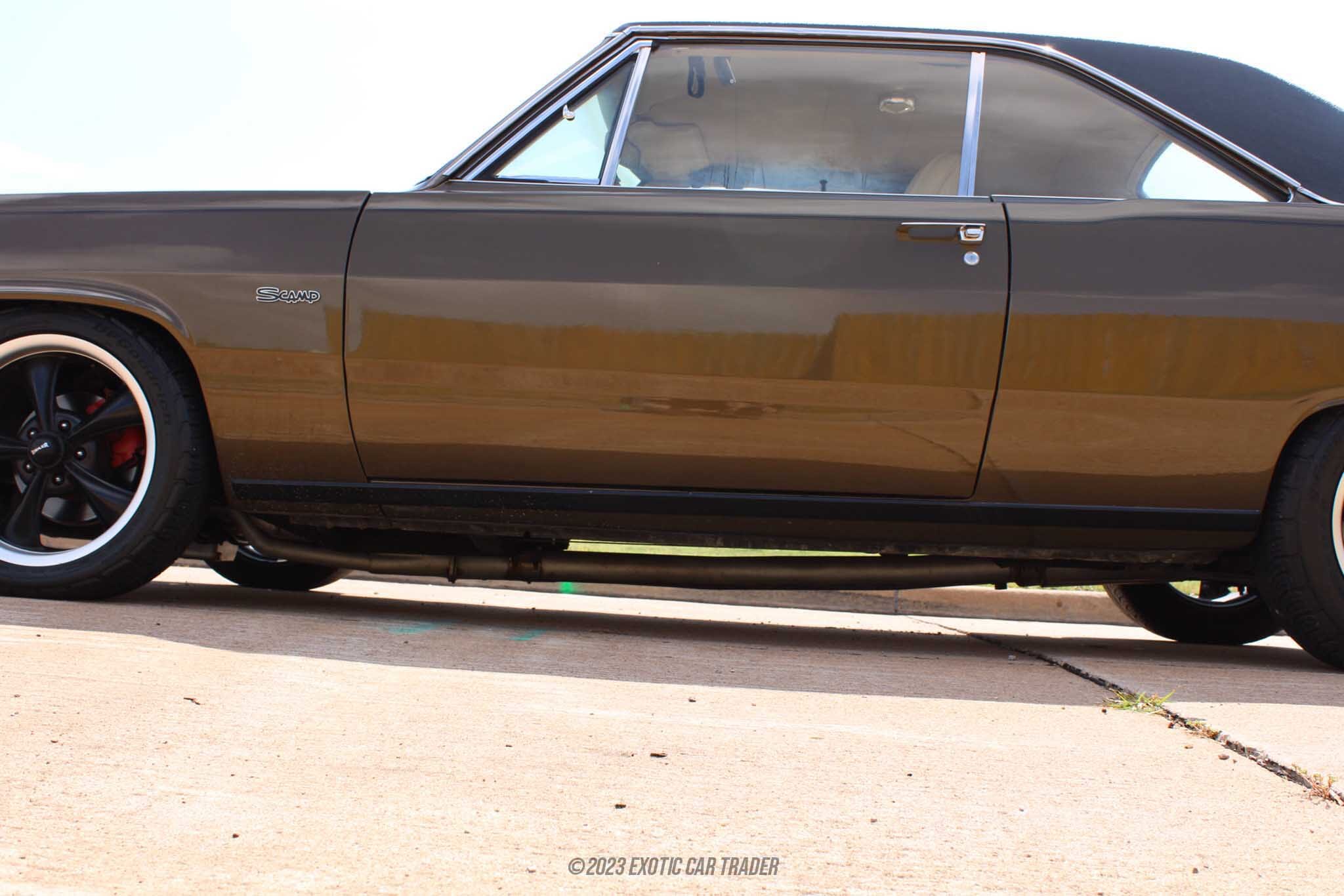
- Current Owner Reports Custom Paint
- Current Owner Reports Pin stripe
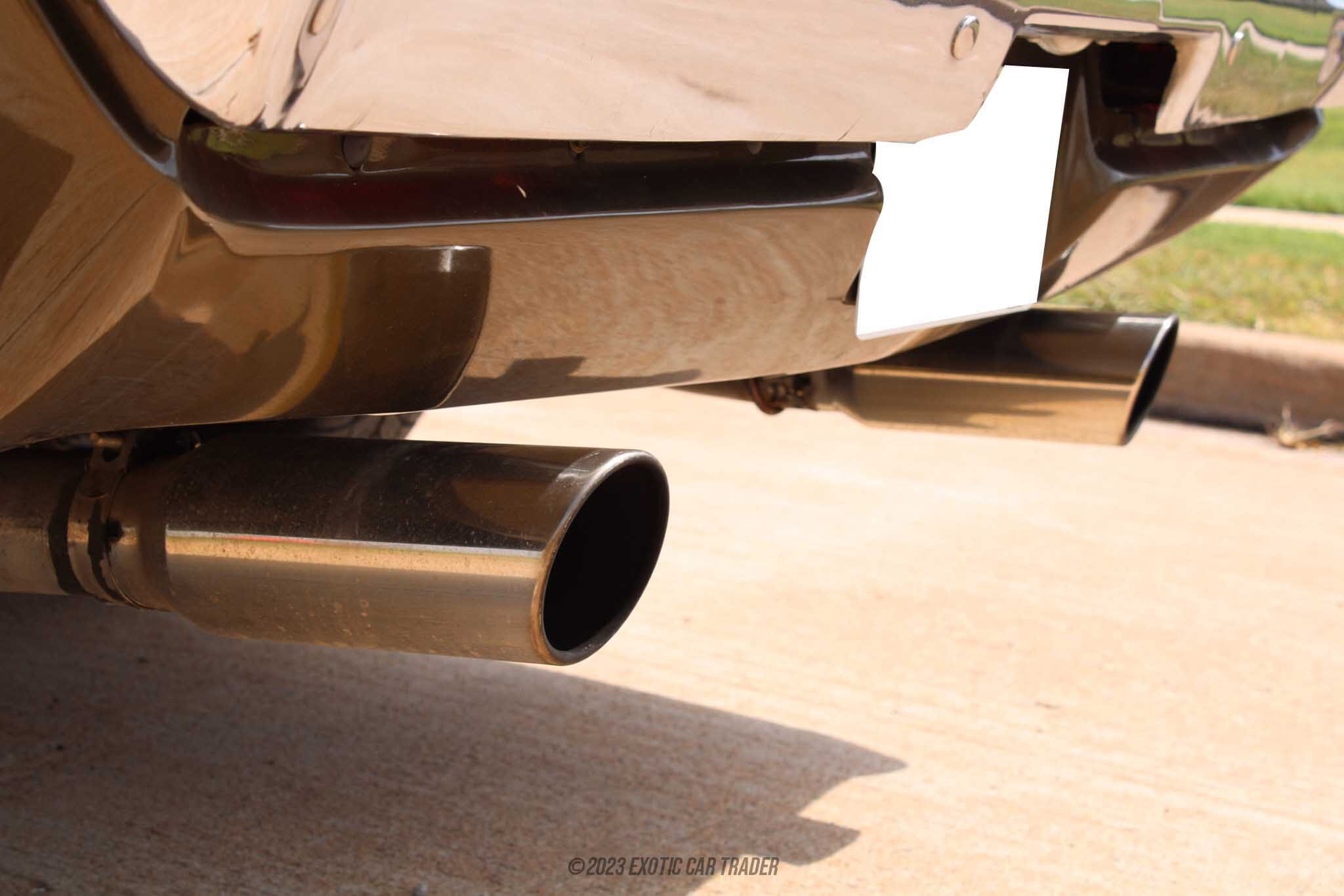
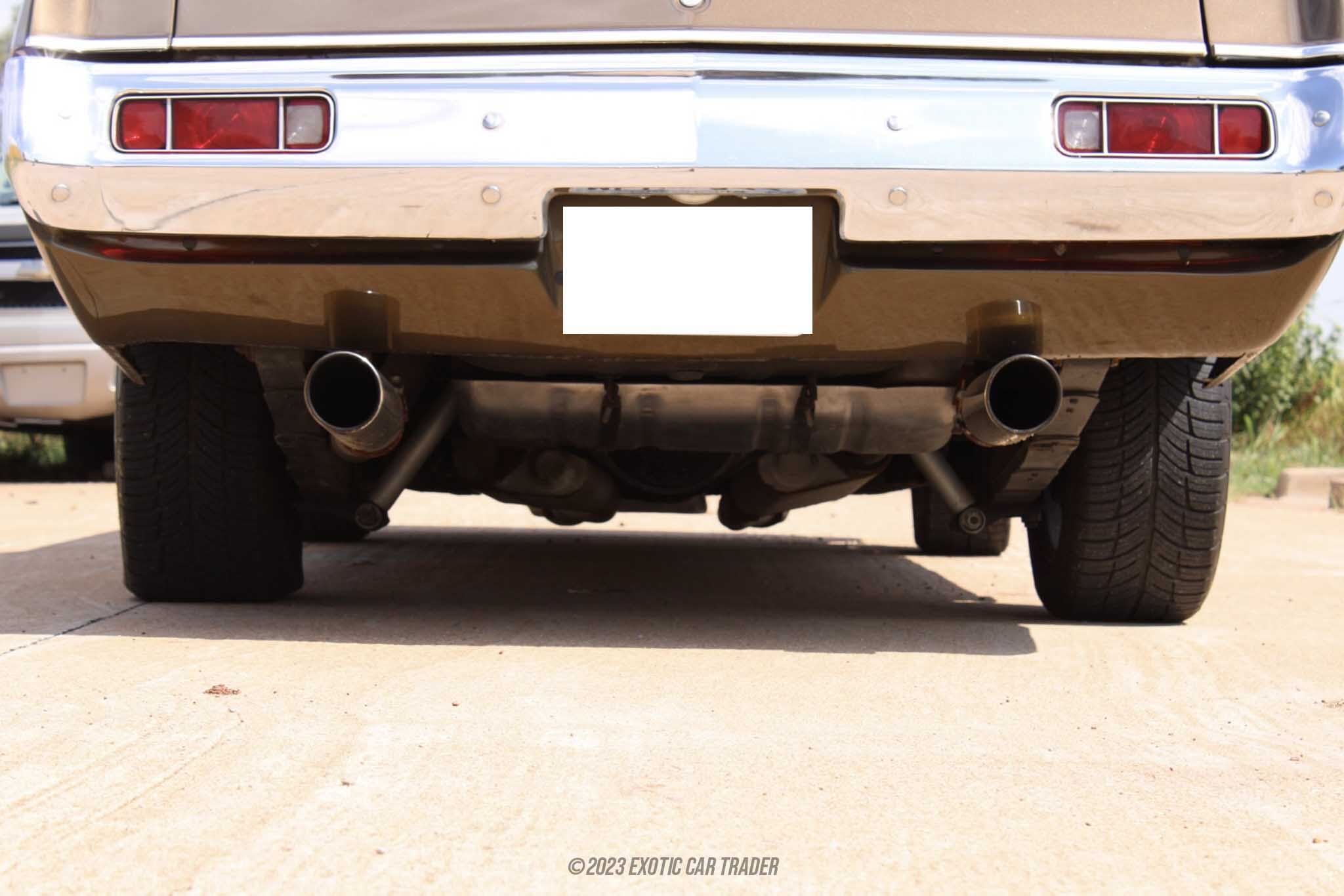
- Current Owner Reports Headers
- Current Owner Reports Custom Edelbrock Exhaust
- Current Owner Reports Engine swap to a 340 with only 2,500 miles on it
- Current Owner Reports Drum brakes
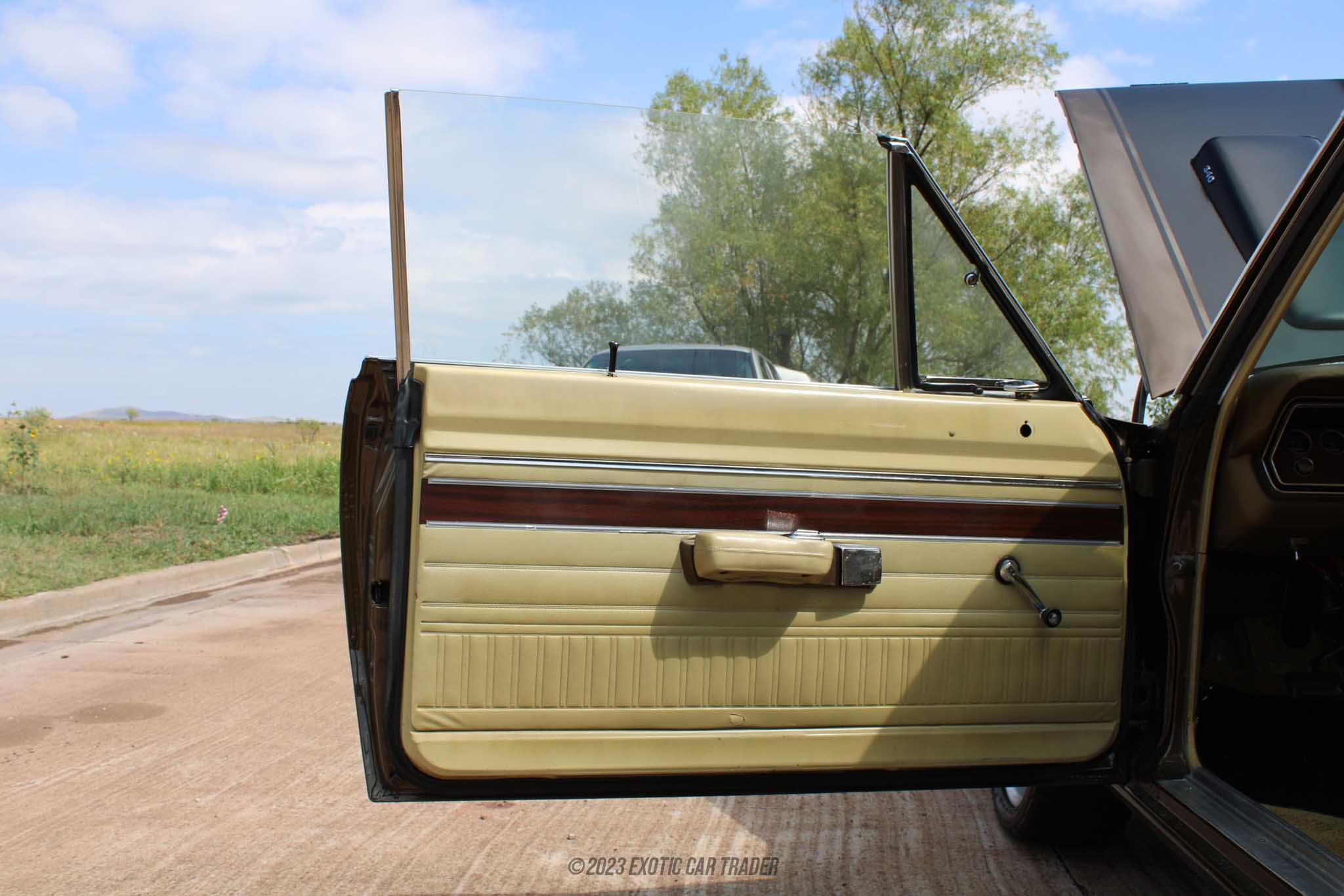
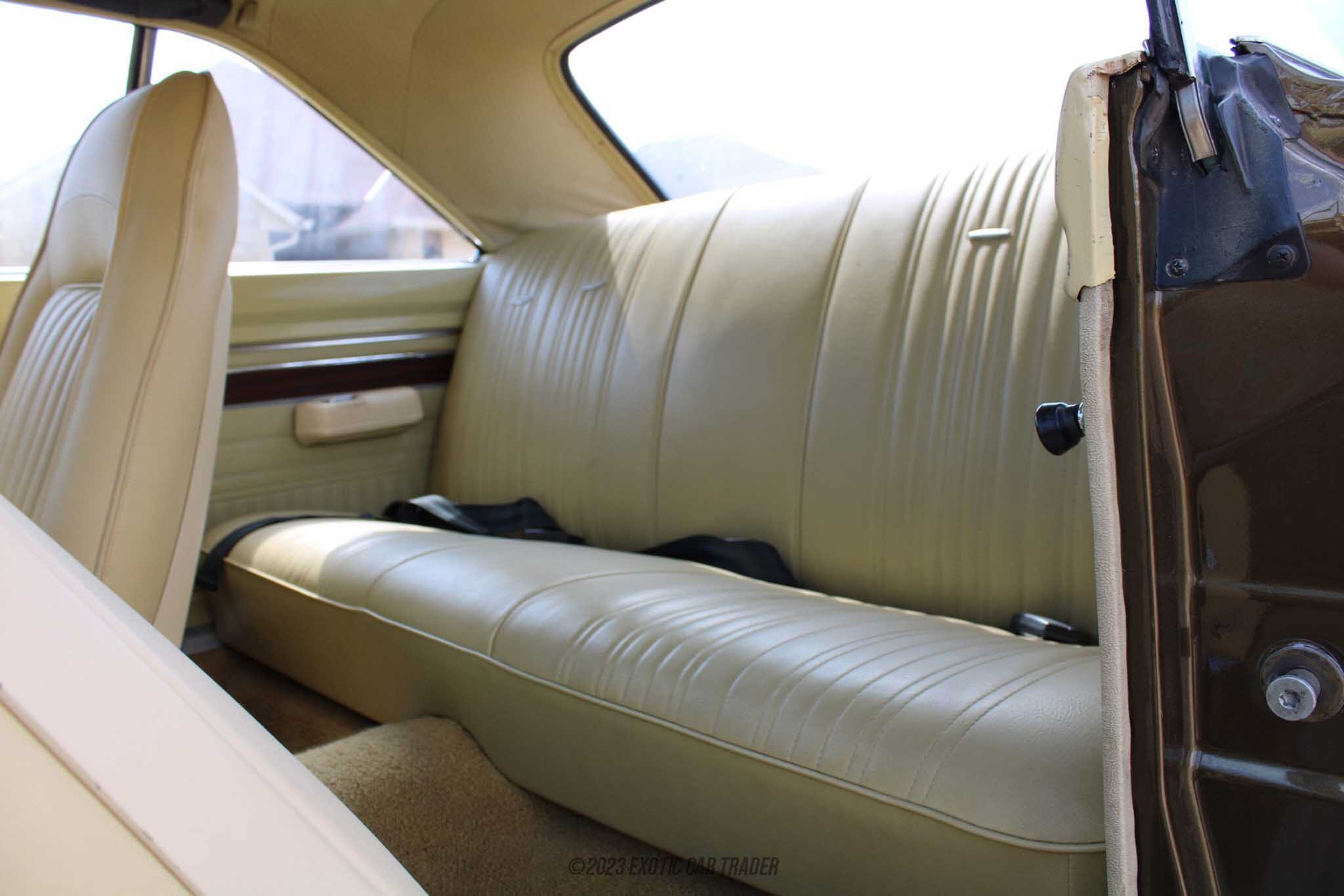
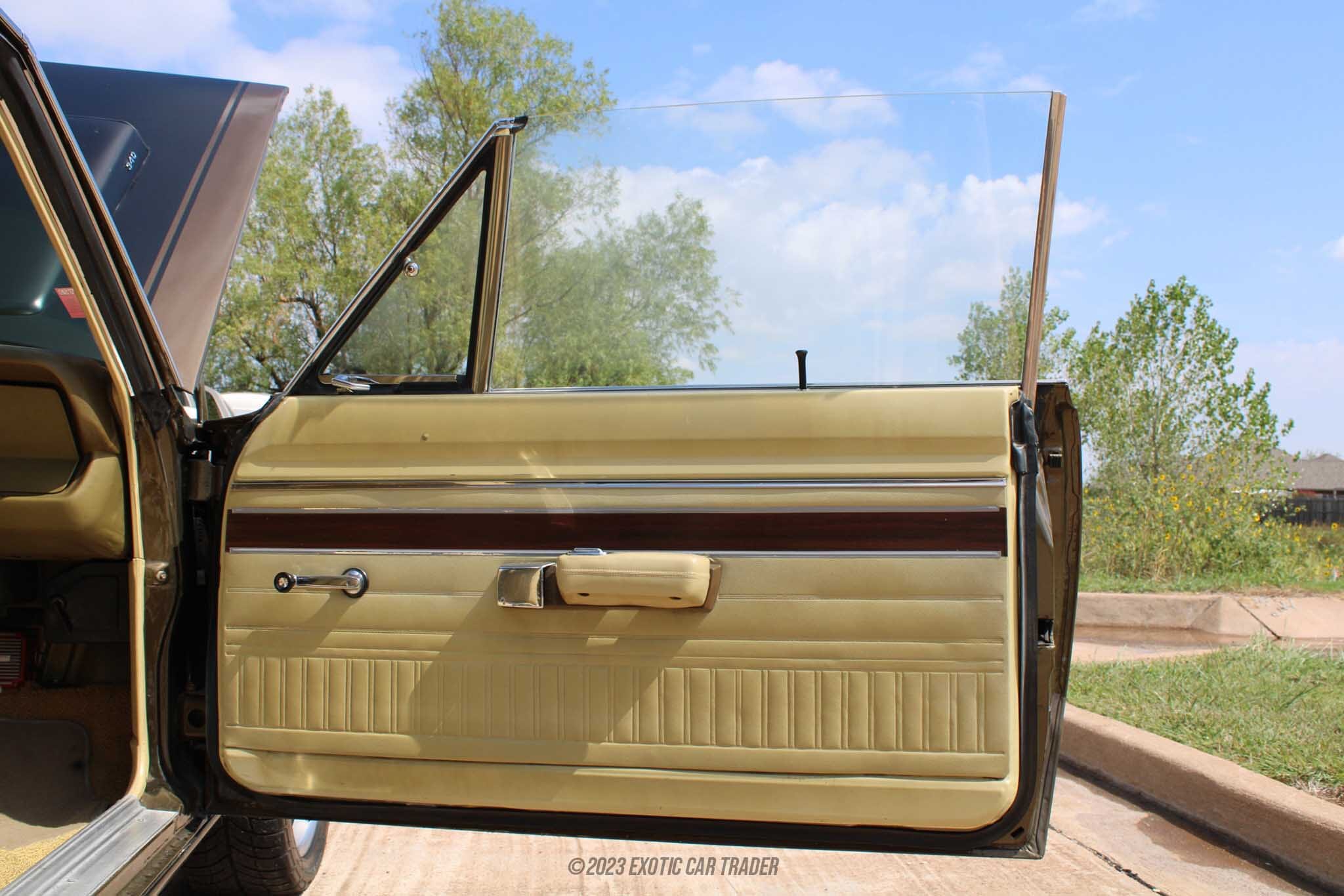
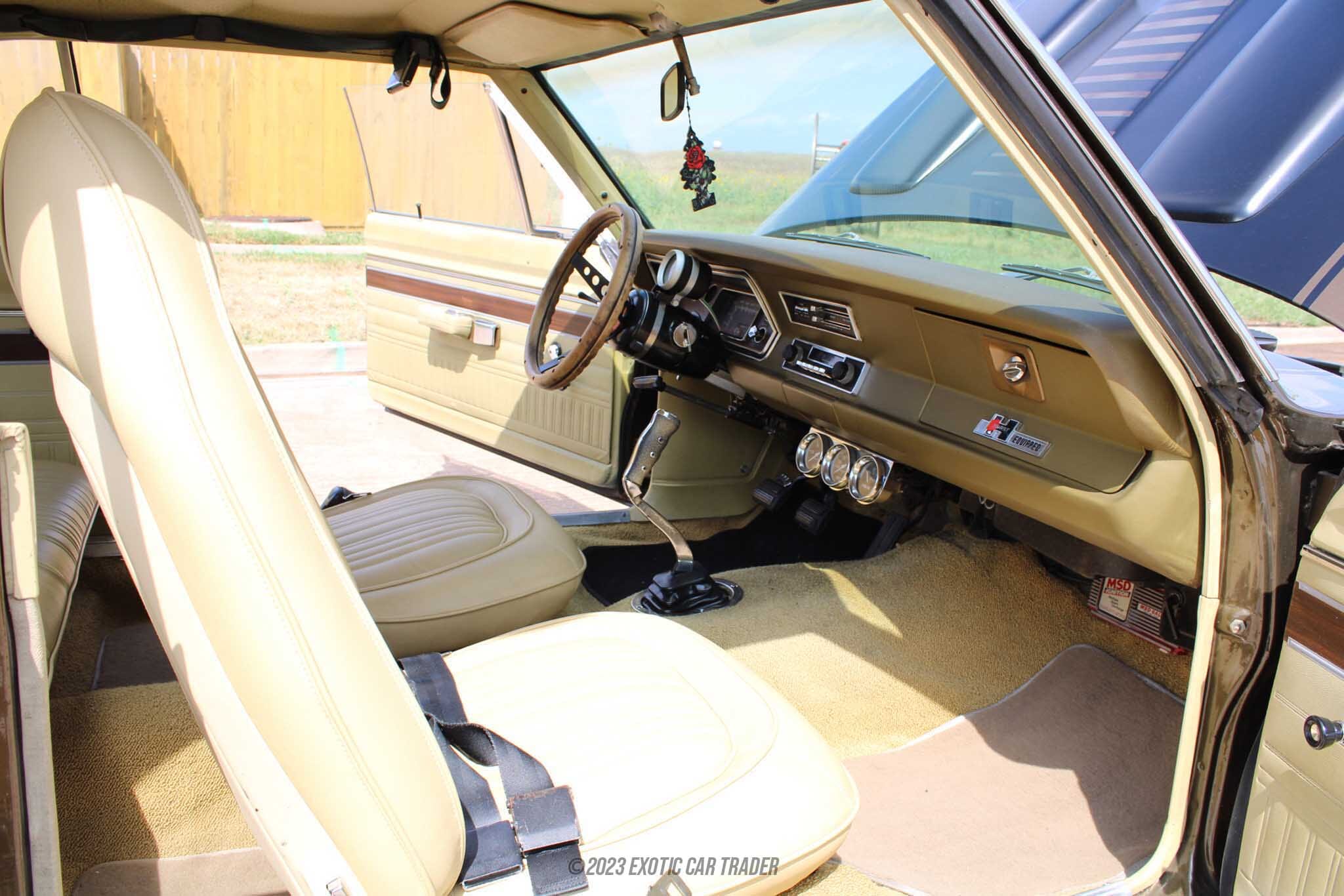
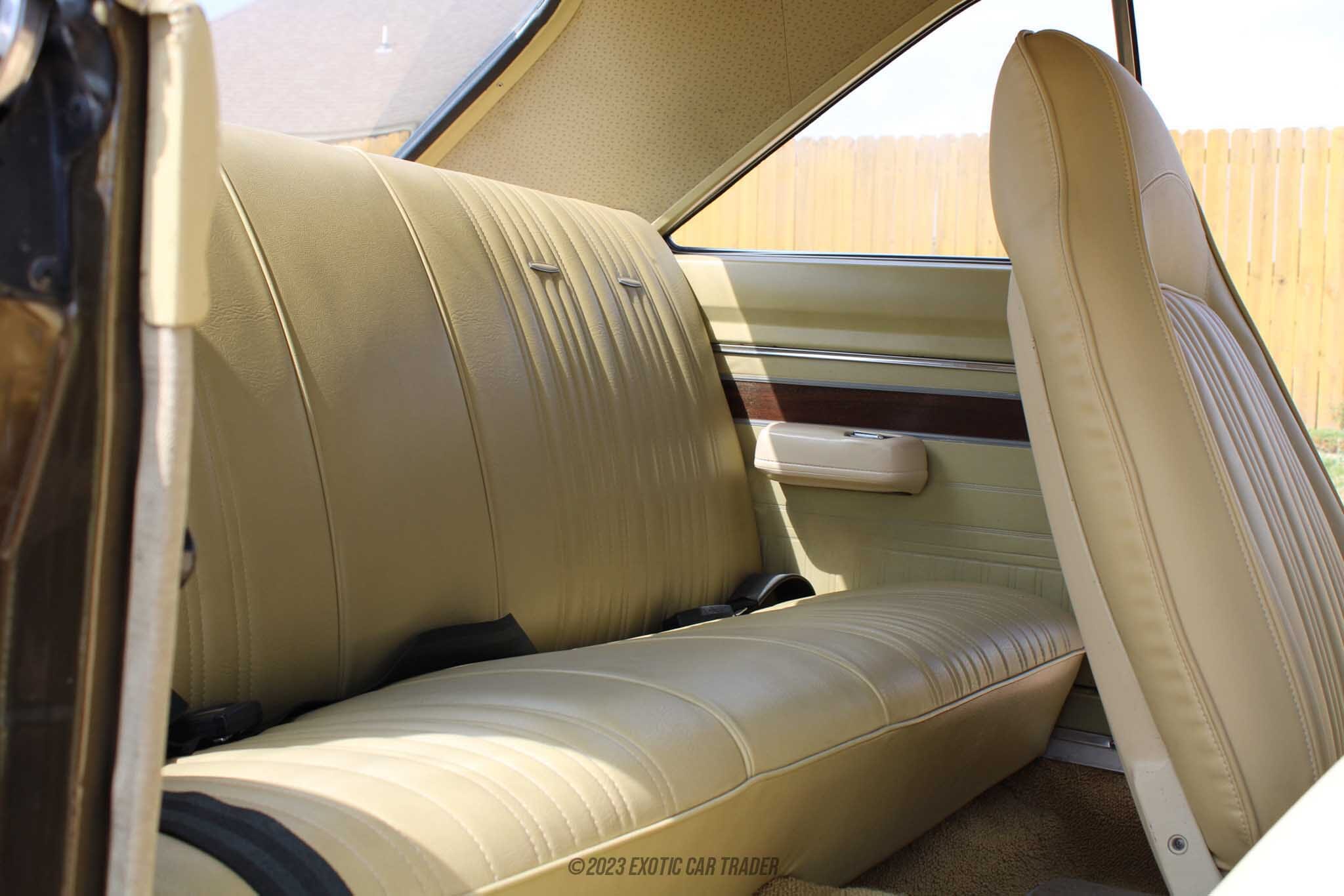
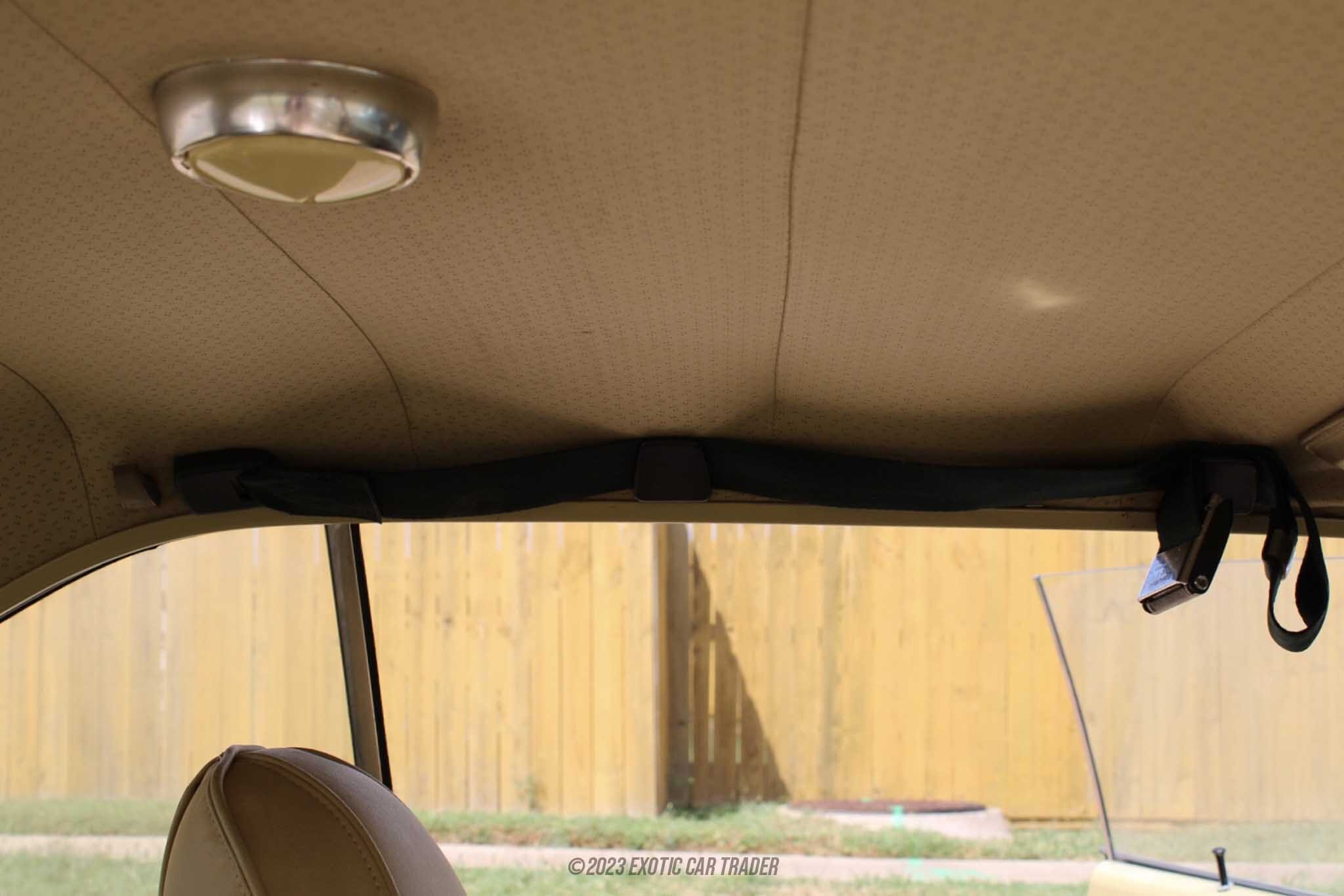
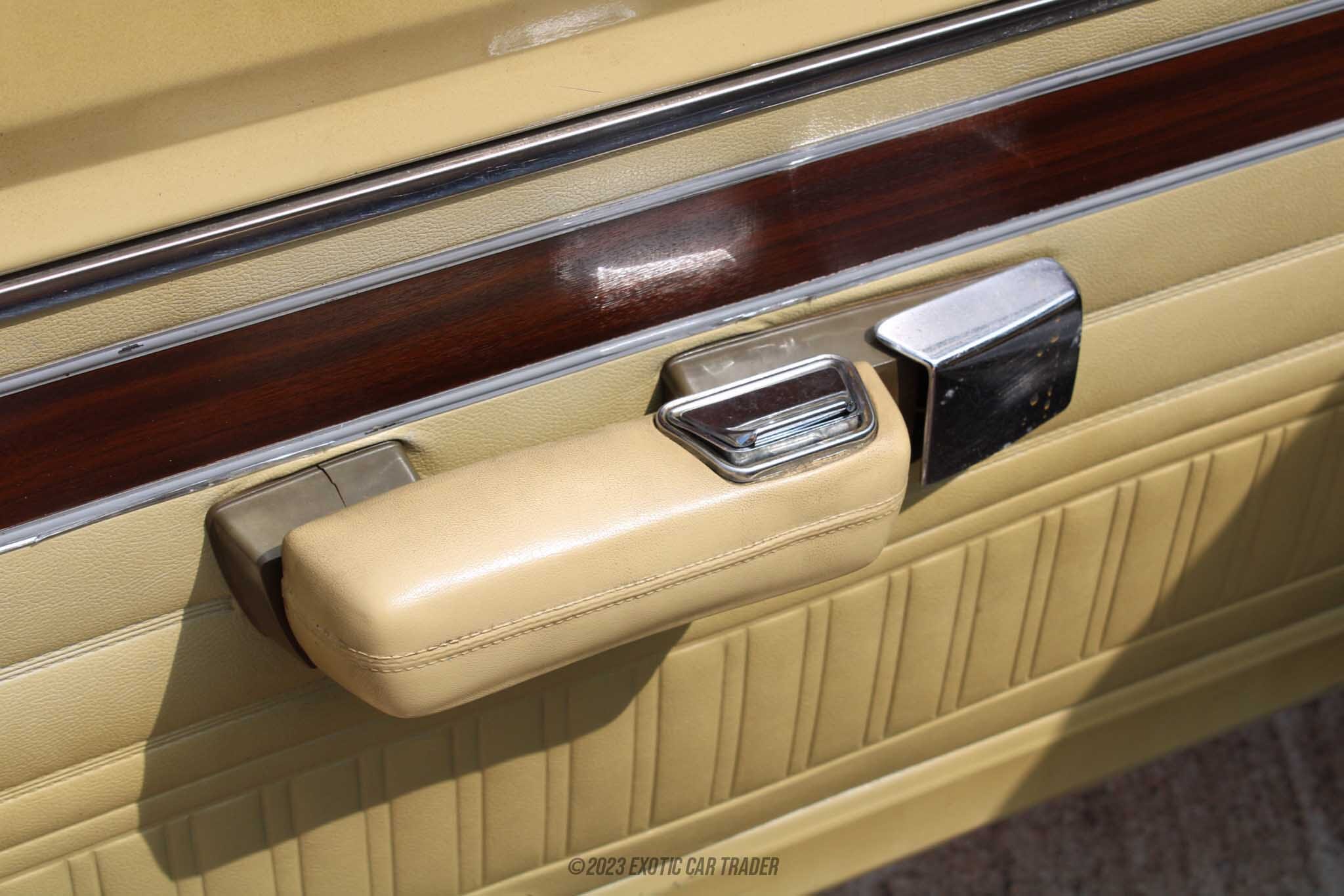
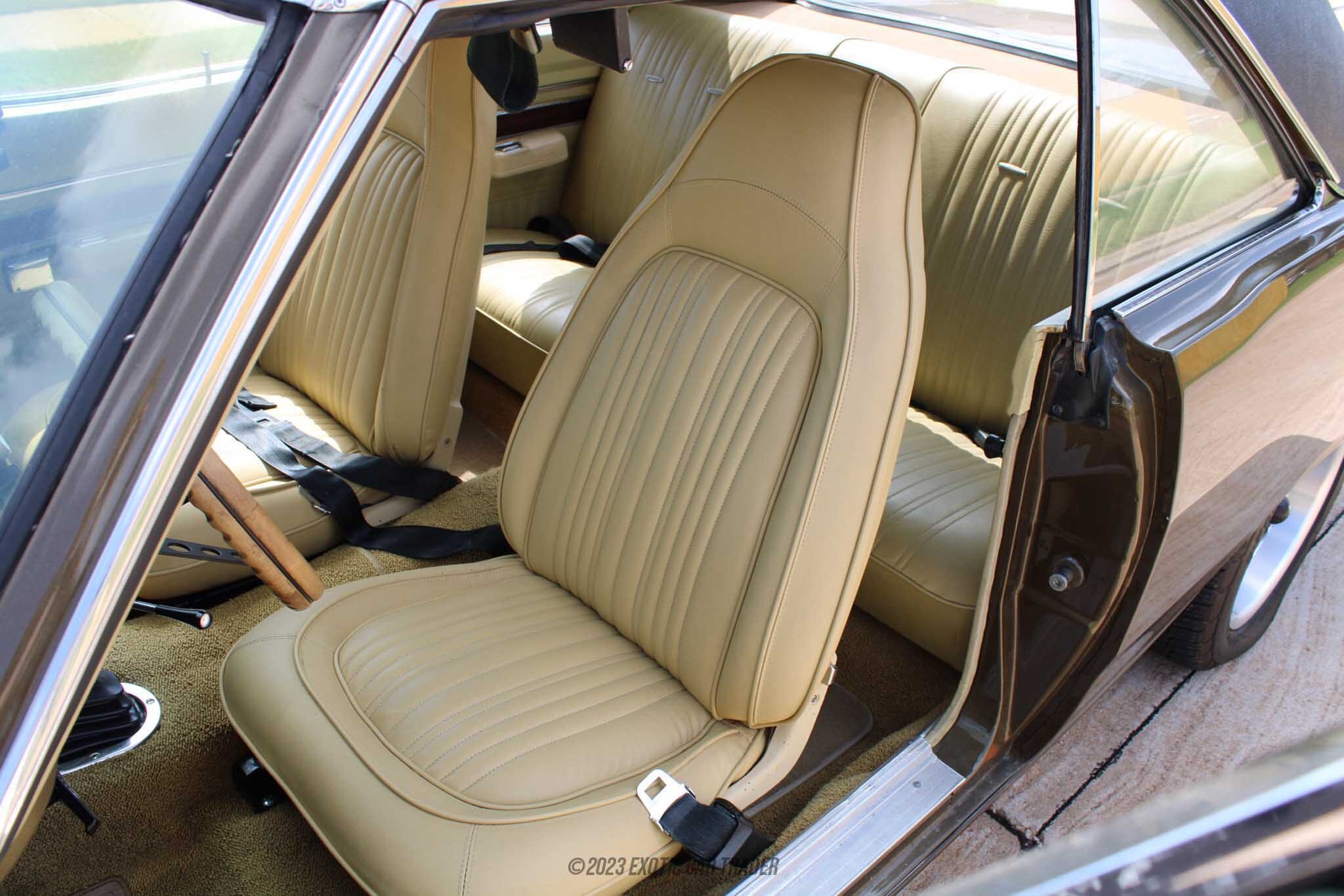
- Current Owner Reports Newer Interior
- Current Owner Reports Engine swap to a 340ci with only 2,500 miles on it
- Current Owner Reports Transmission swap to a 4 speed manual
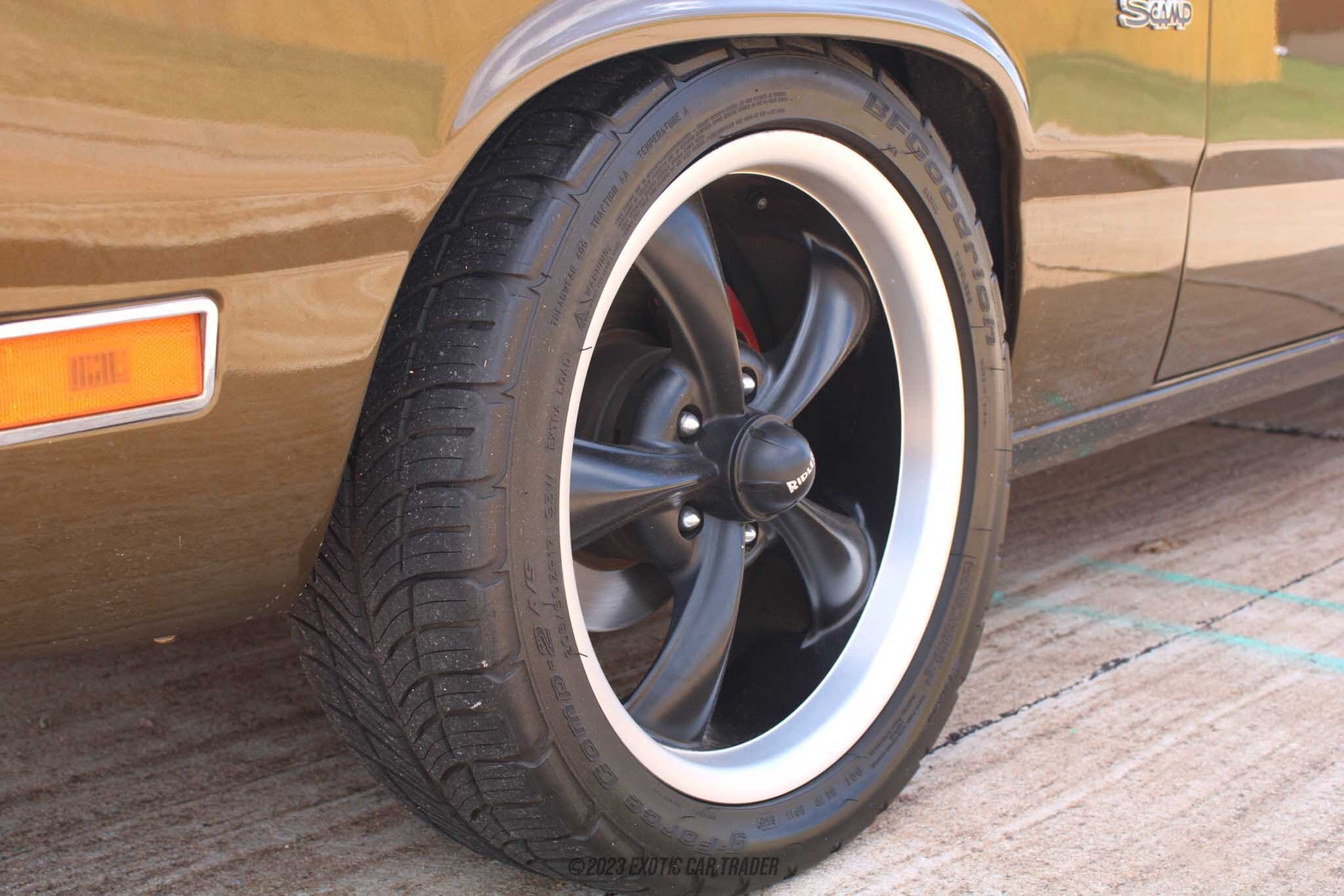
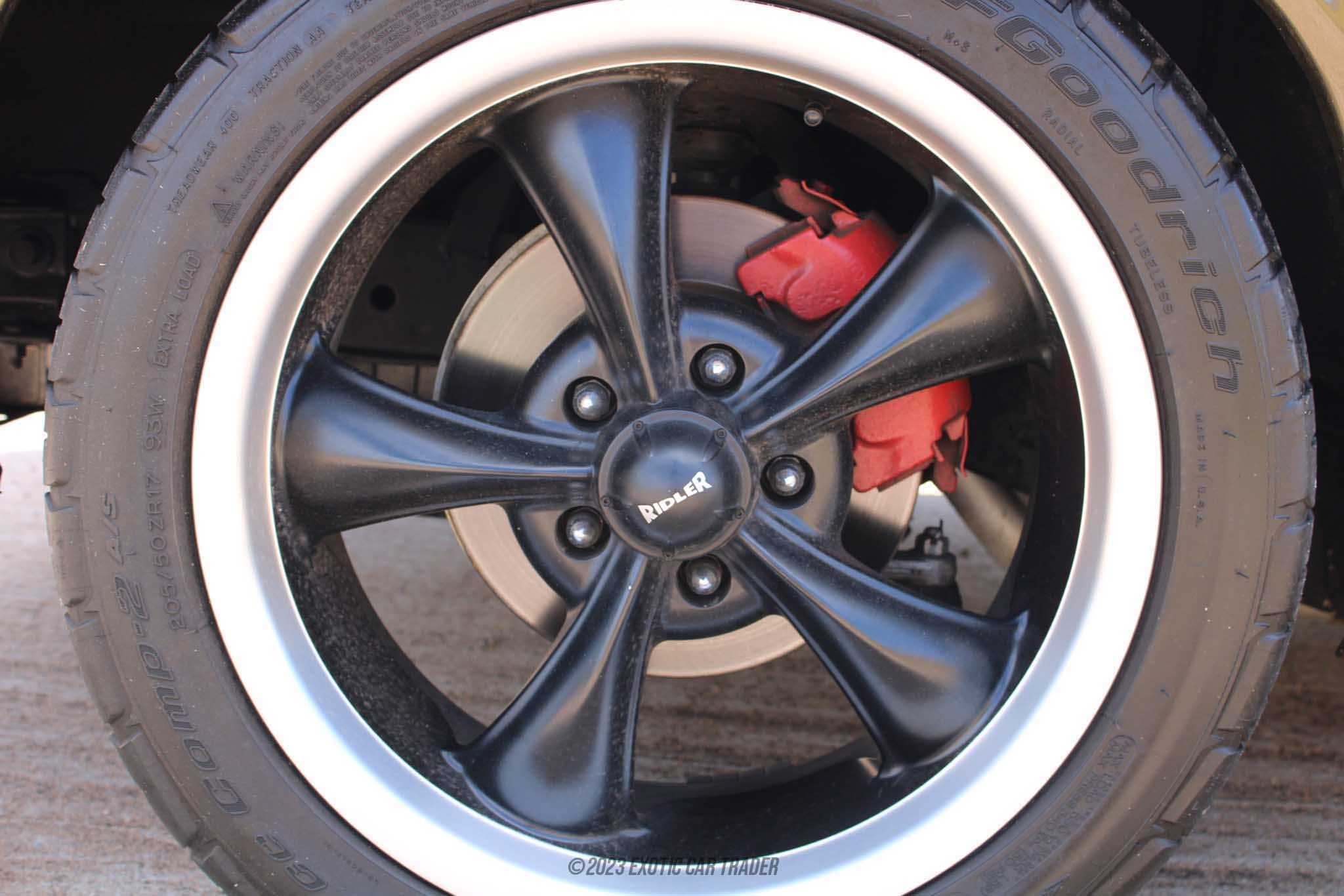
- Current Owner Reports New Tires
- Current Owner Reports Custom wheels
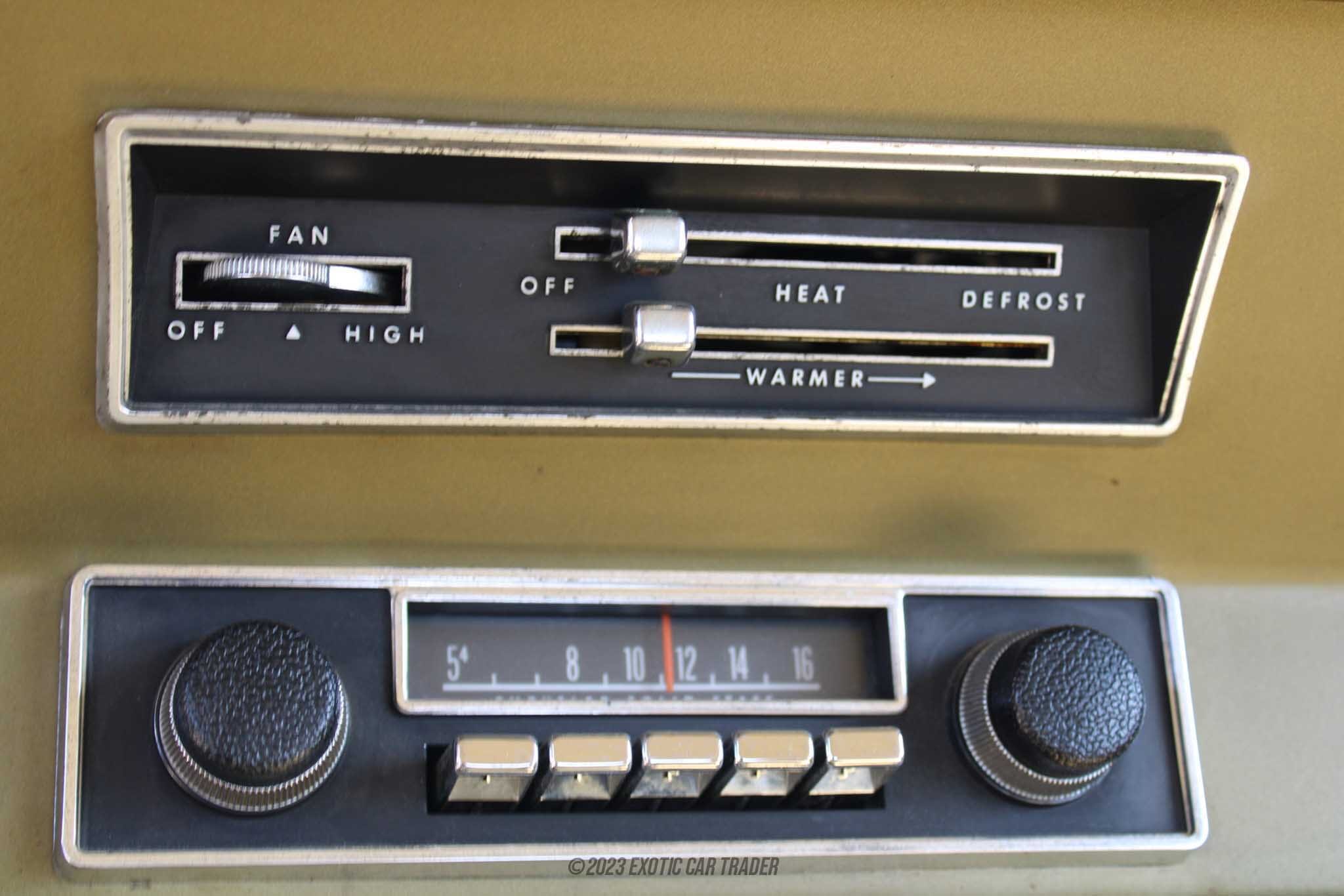
- Current Owner Reports No A/C
- Current Owner Reports New Battery
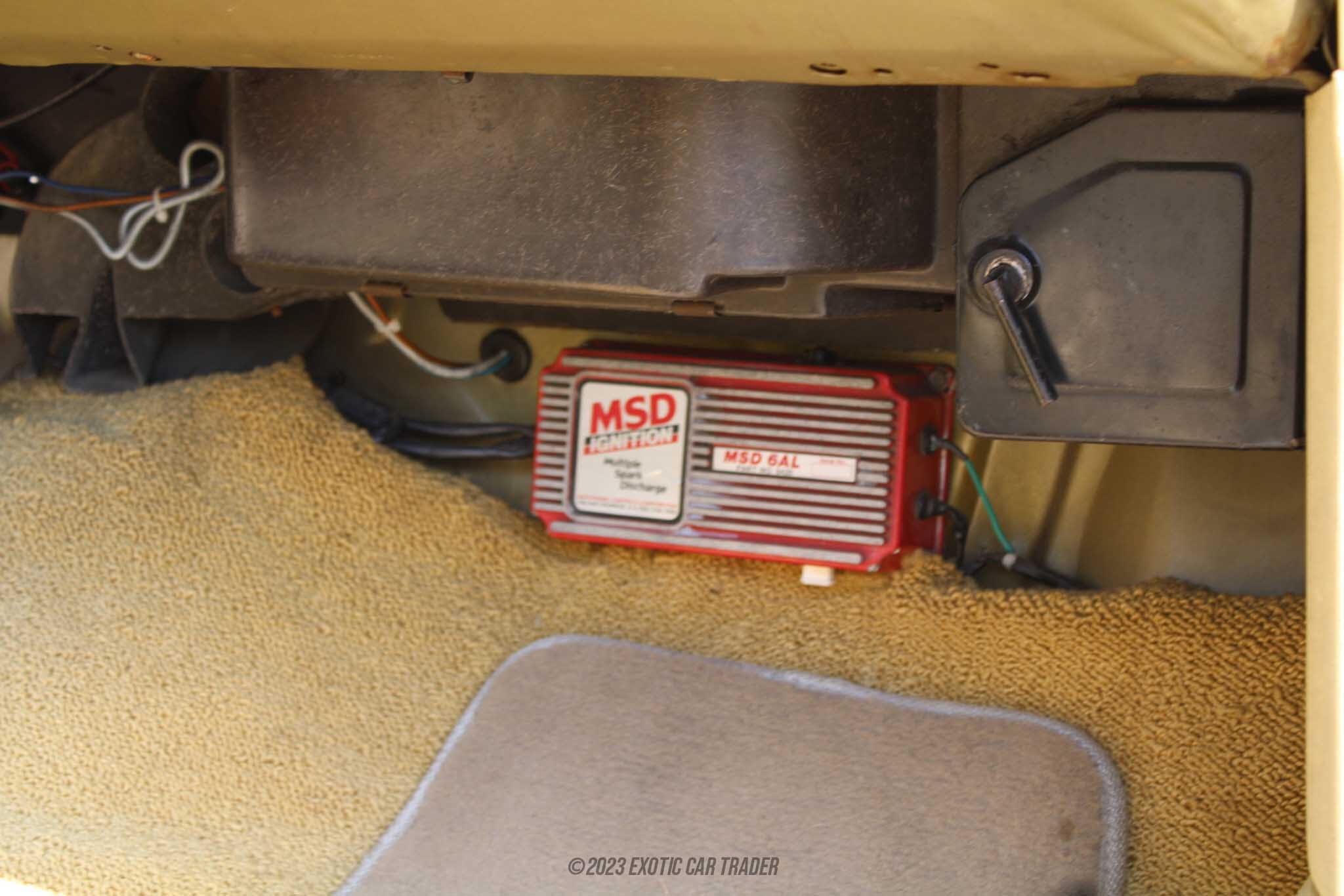
- Current Owner Reports Electronic Ignition
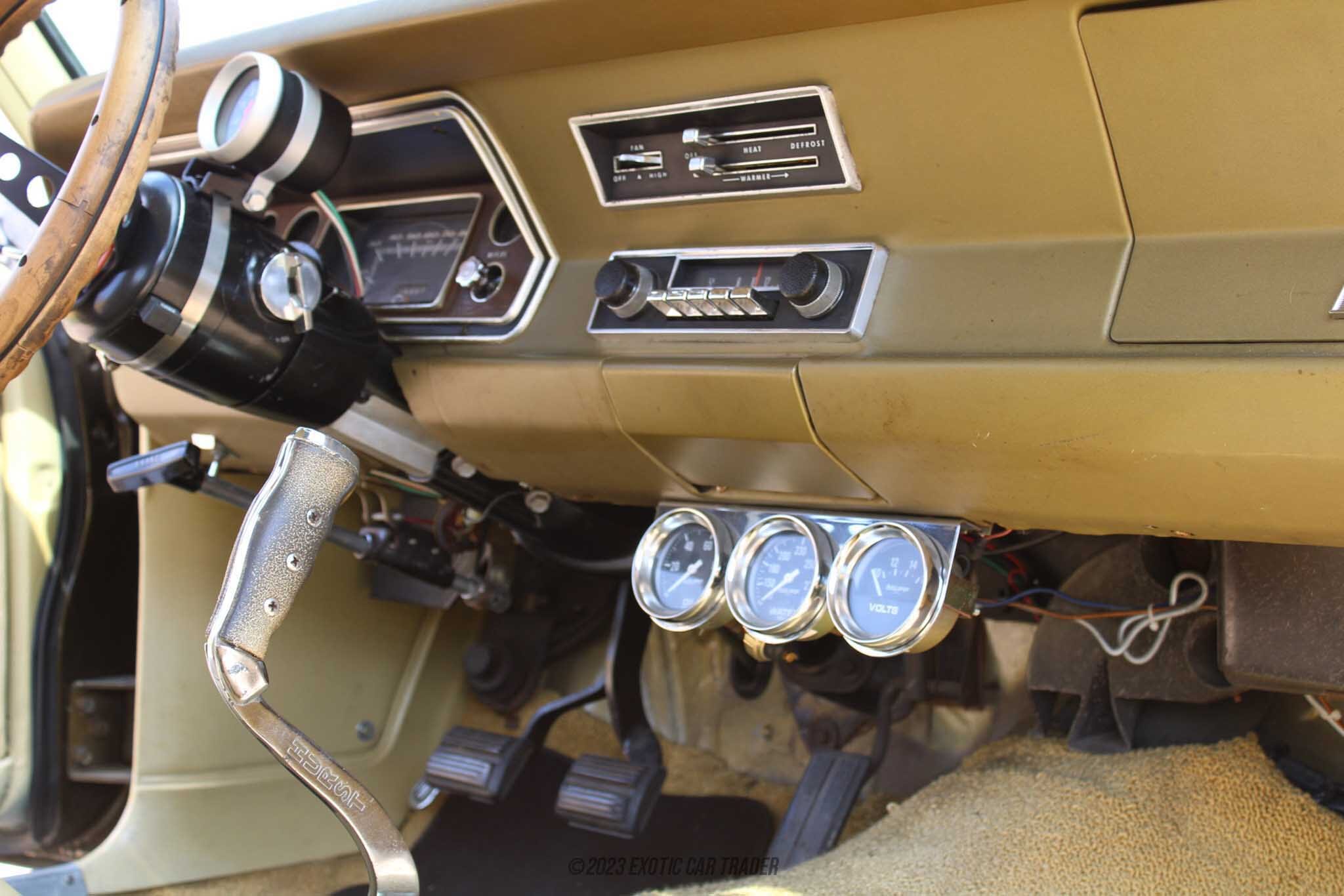
- Current Owner Reports Pistol Grip Shifter
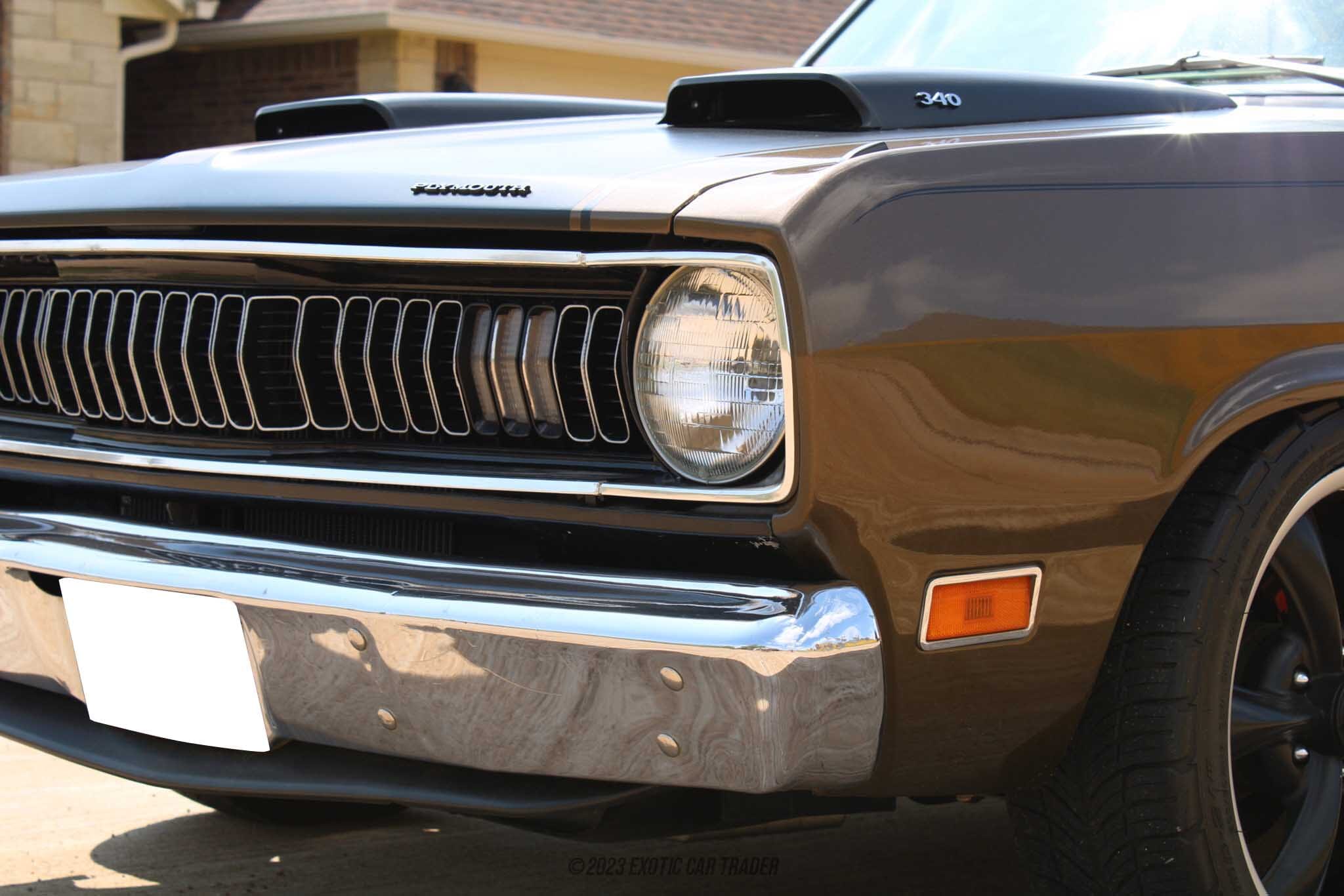
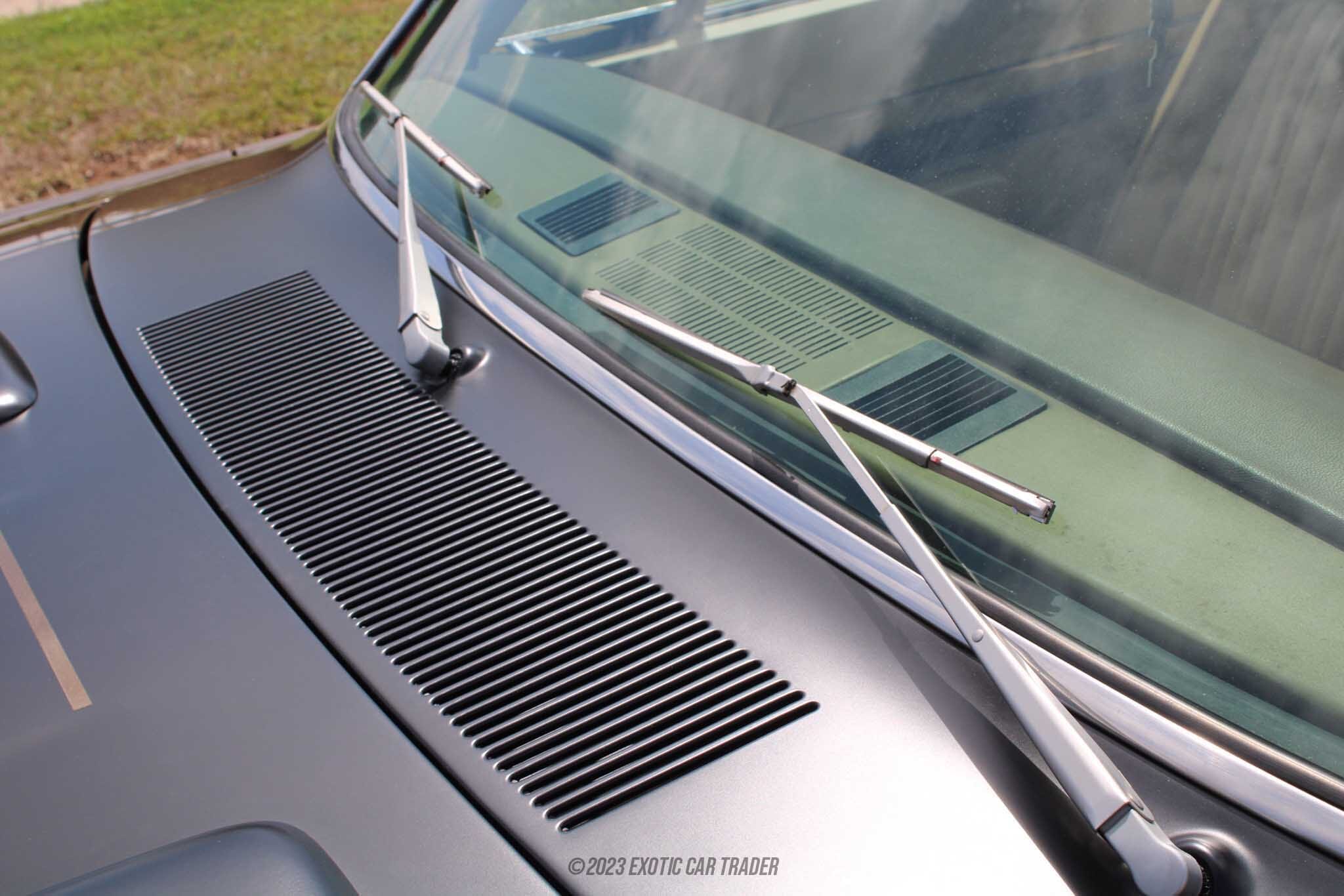
- Current Owner Reports Painted scoops on hood


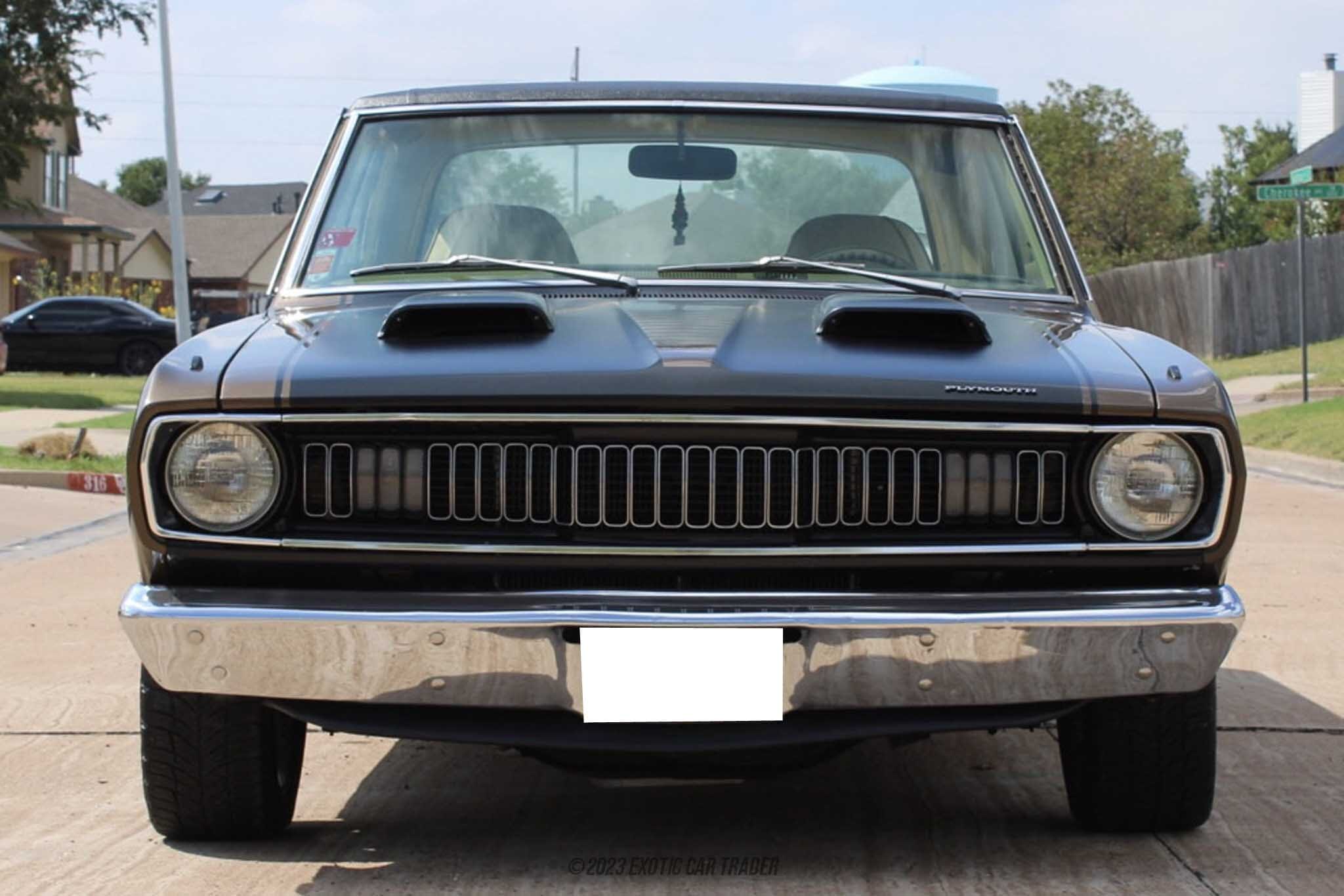
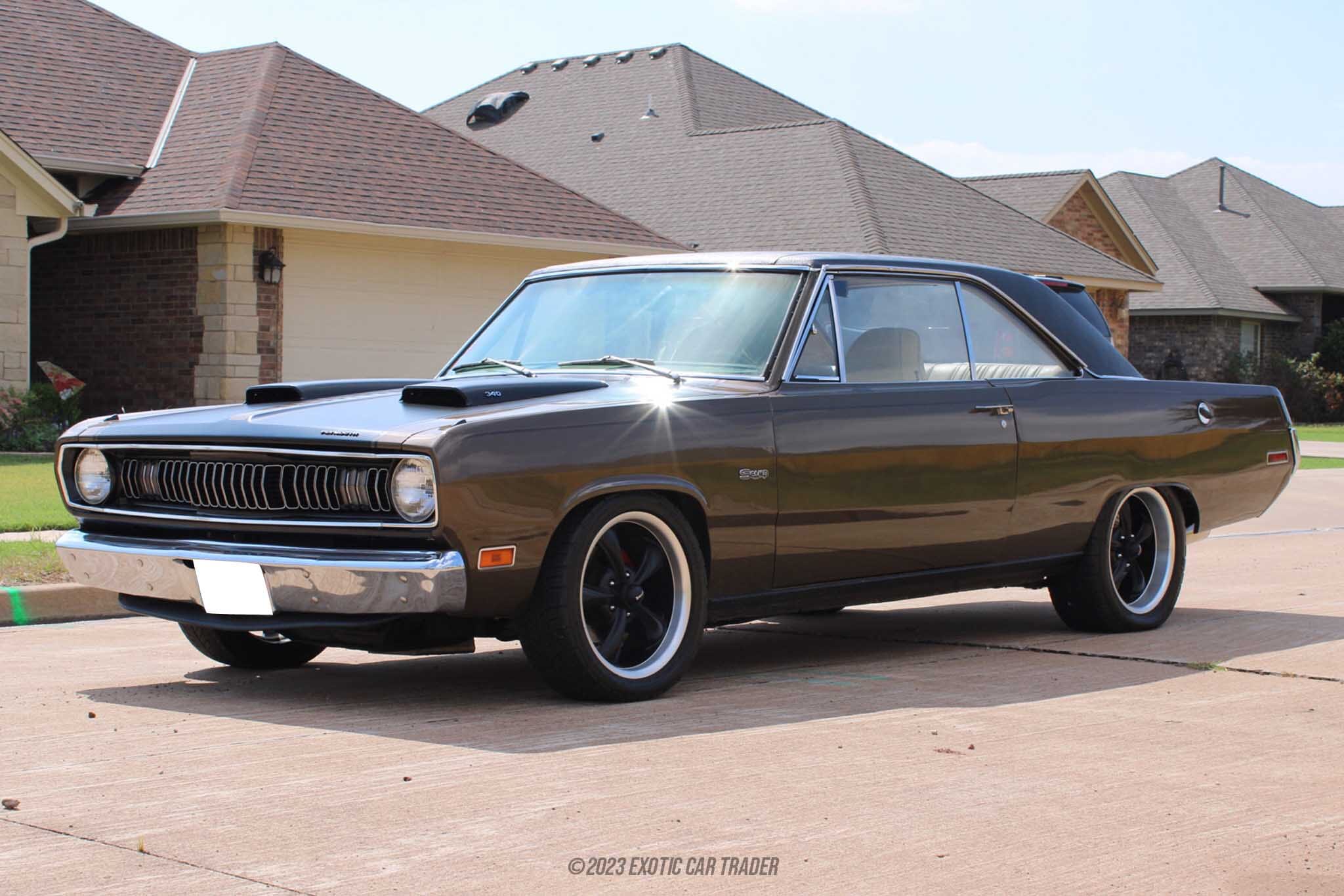
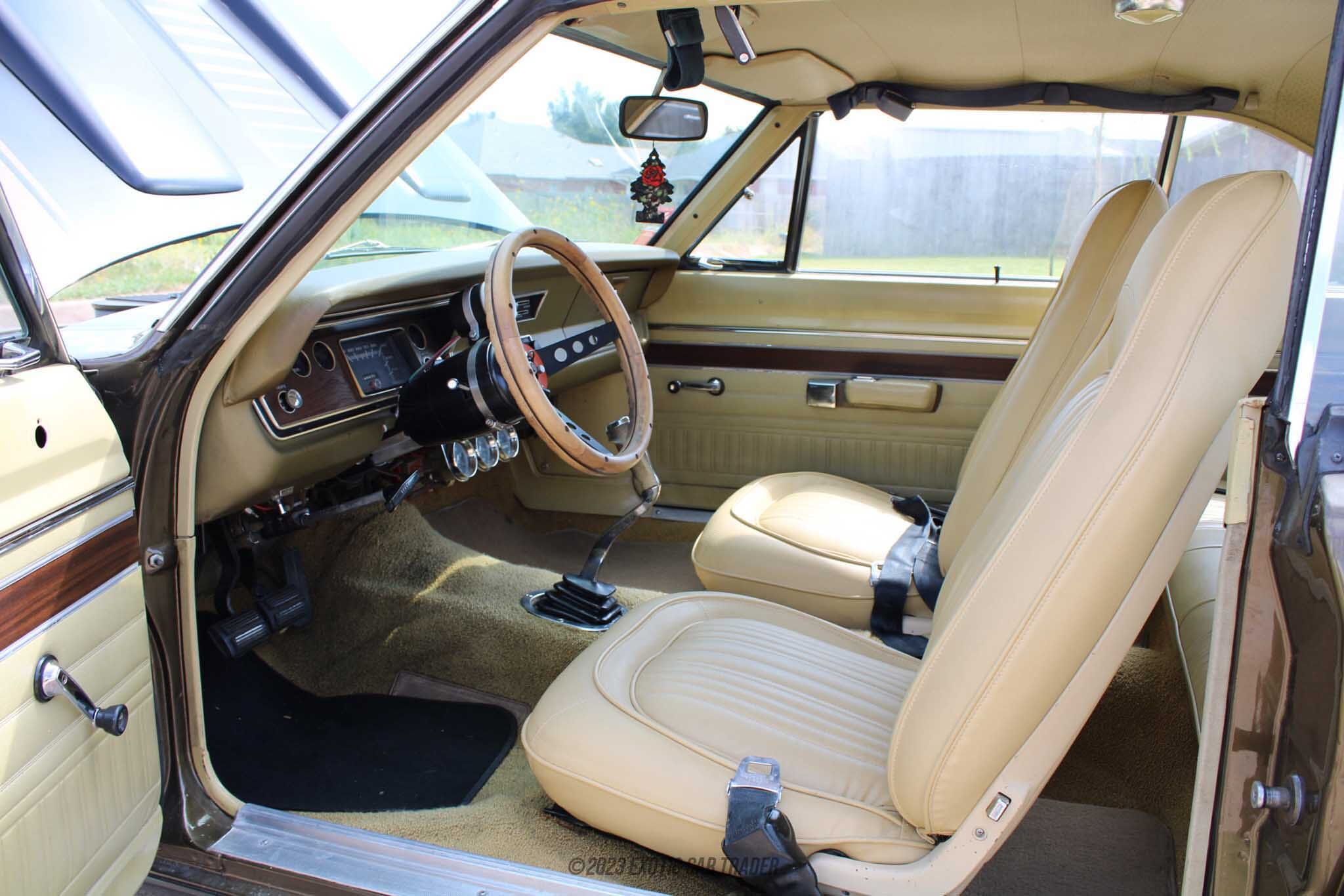
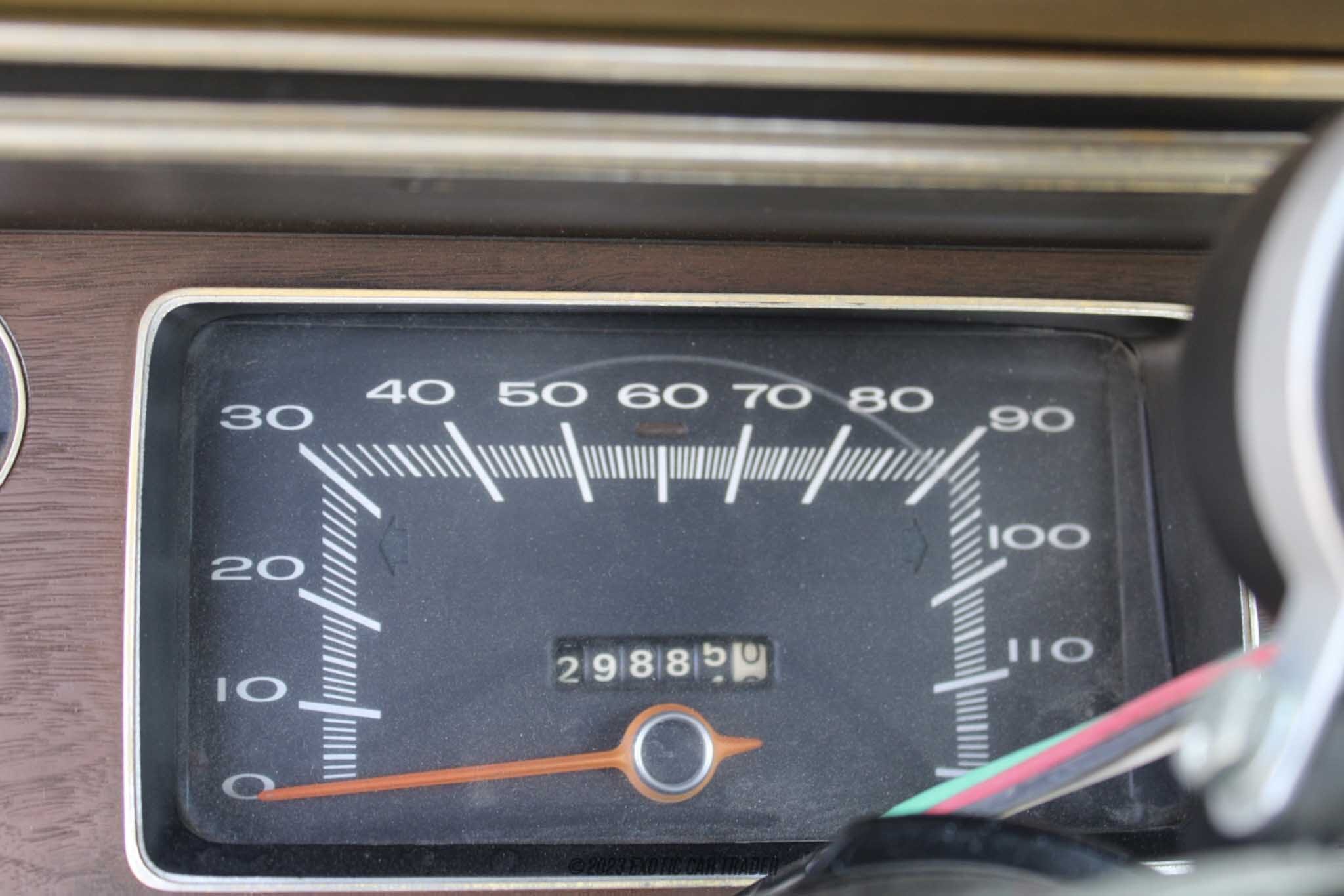
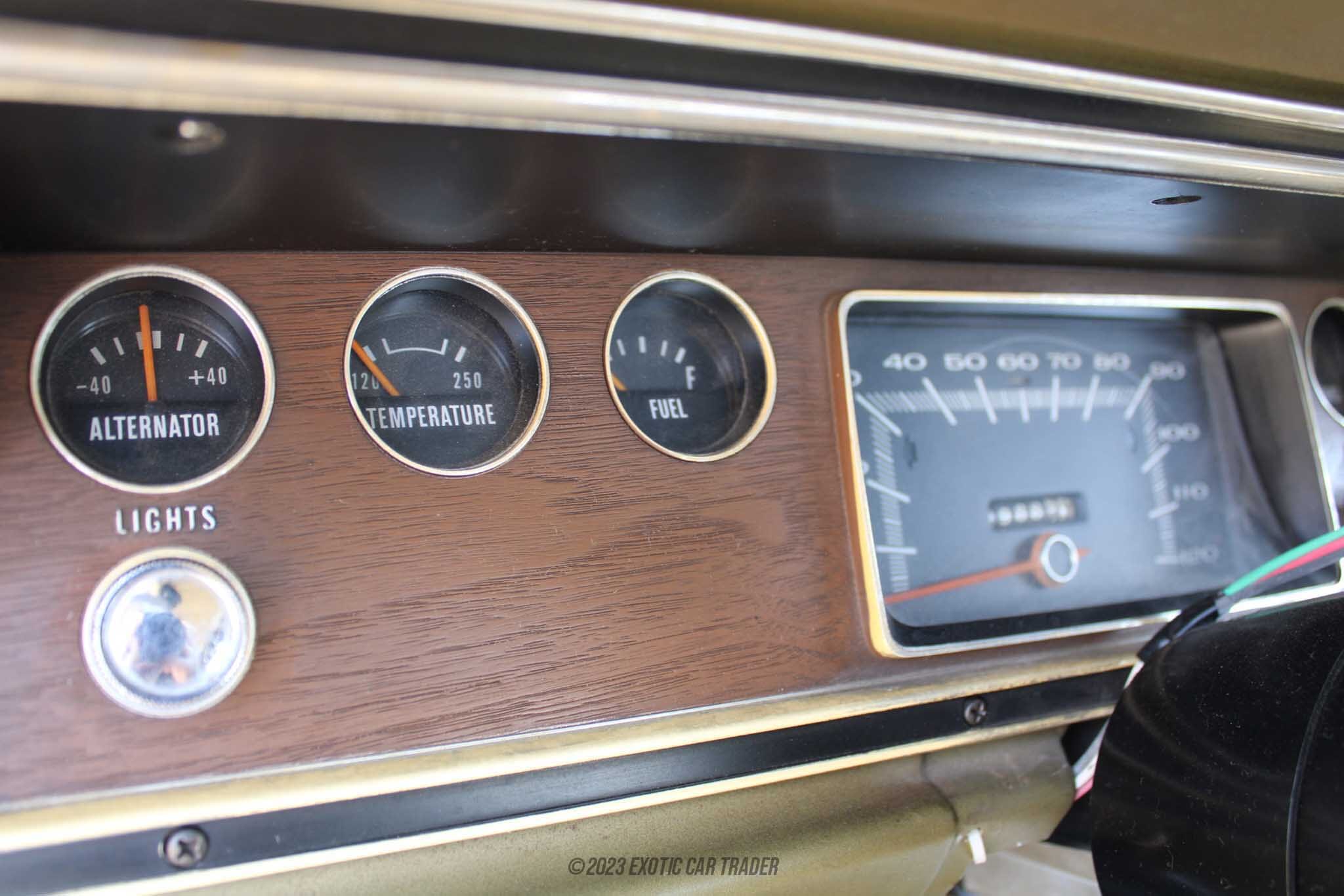
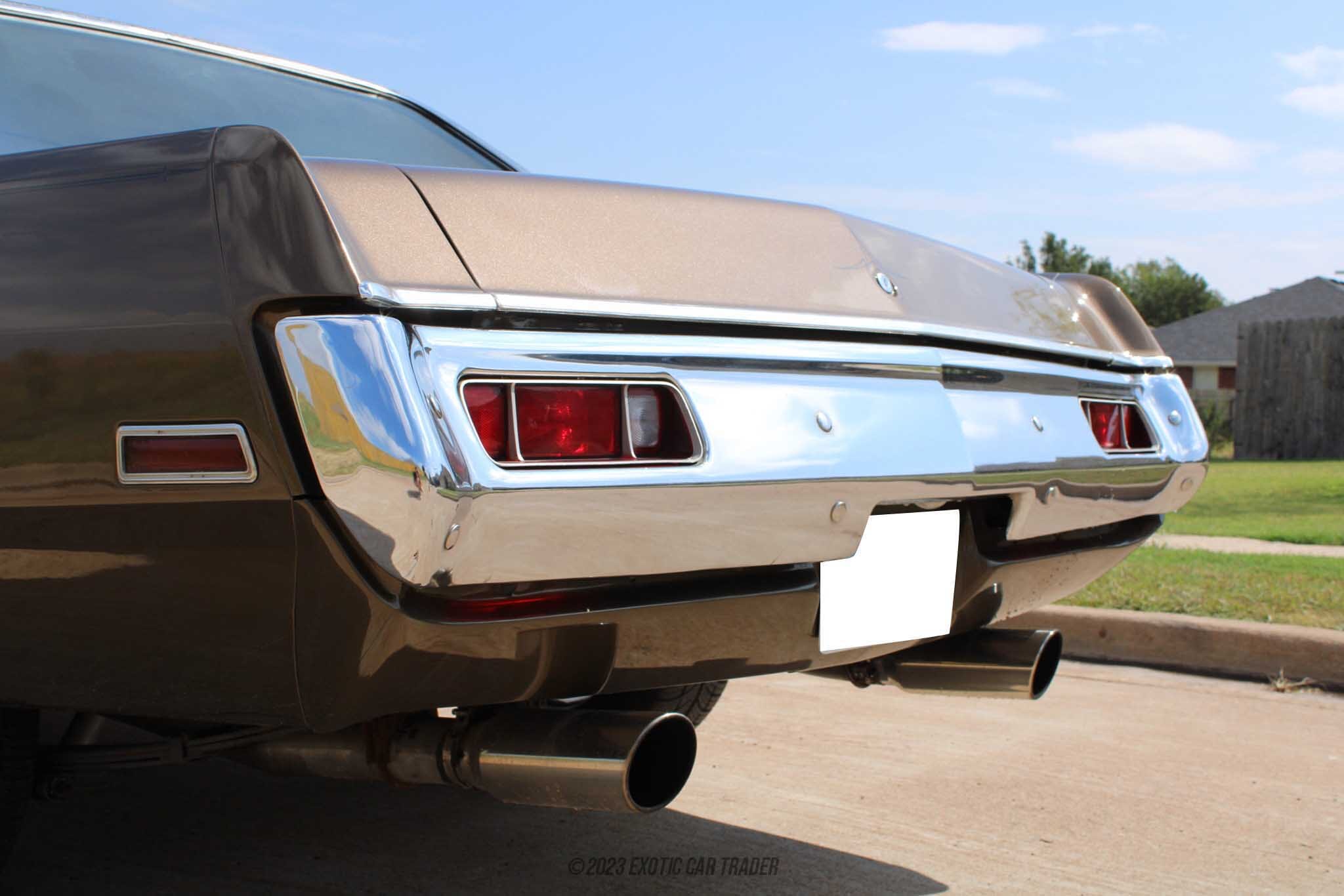
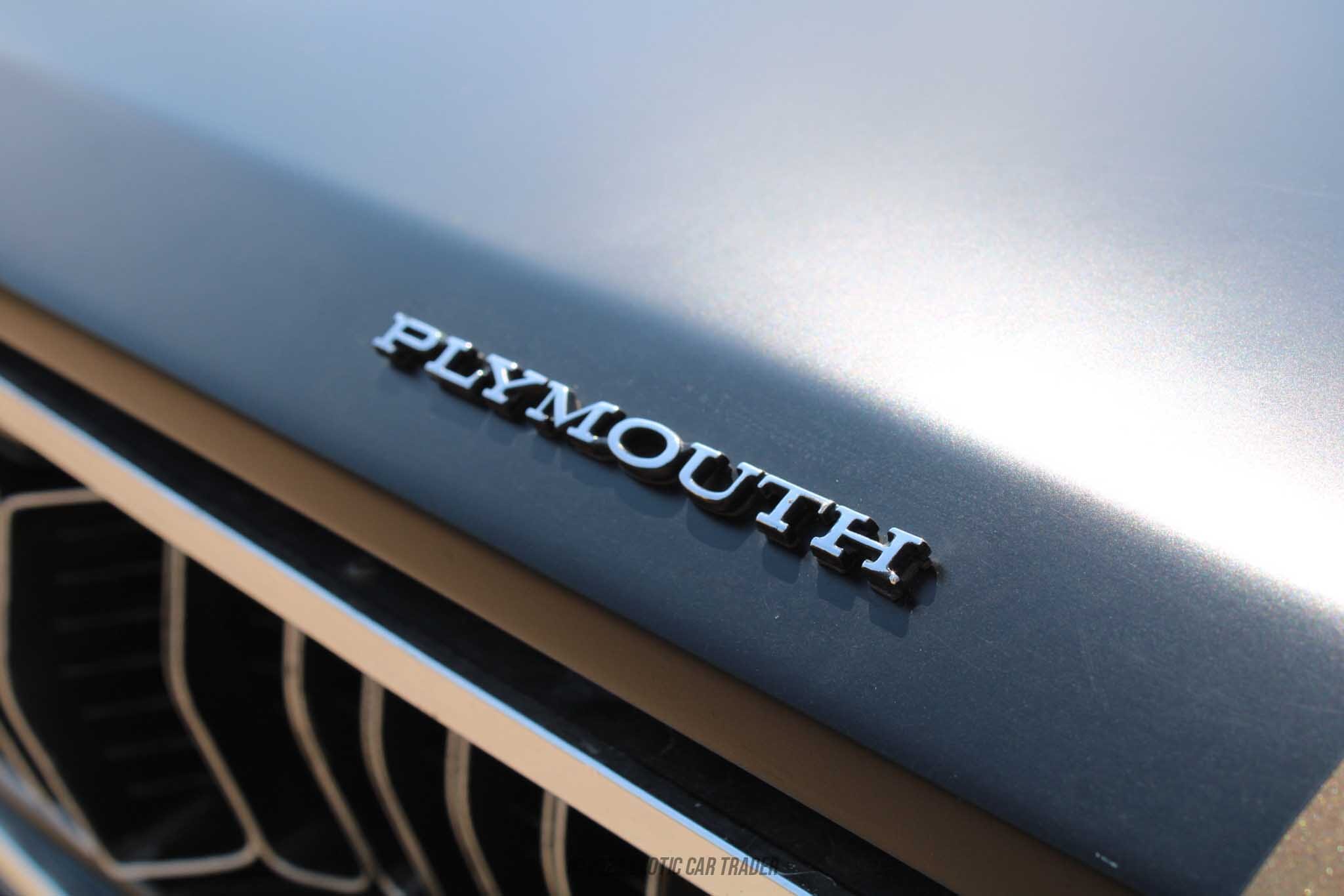
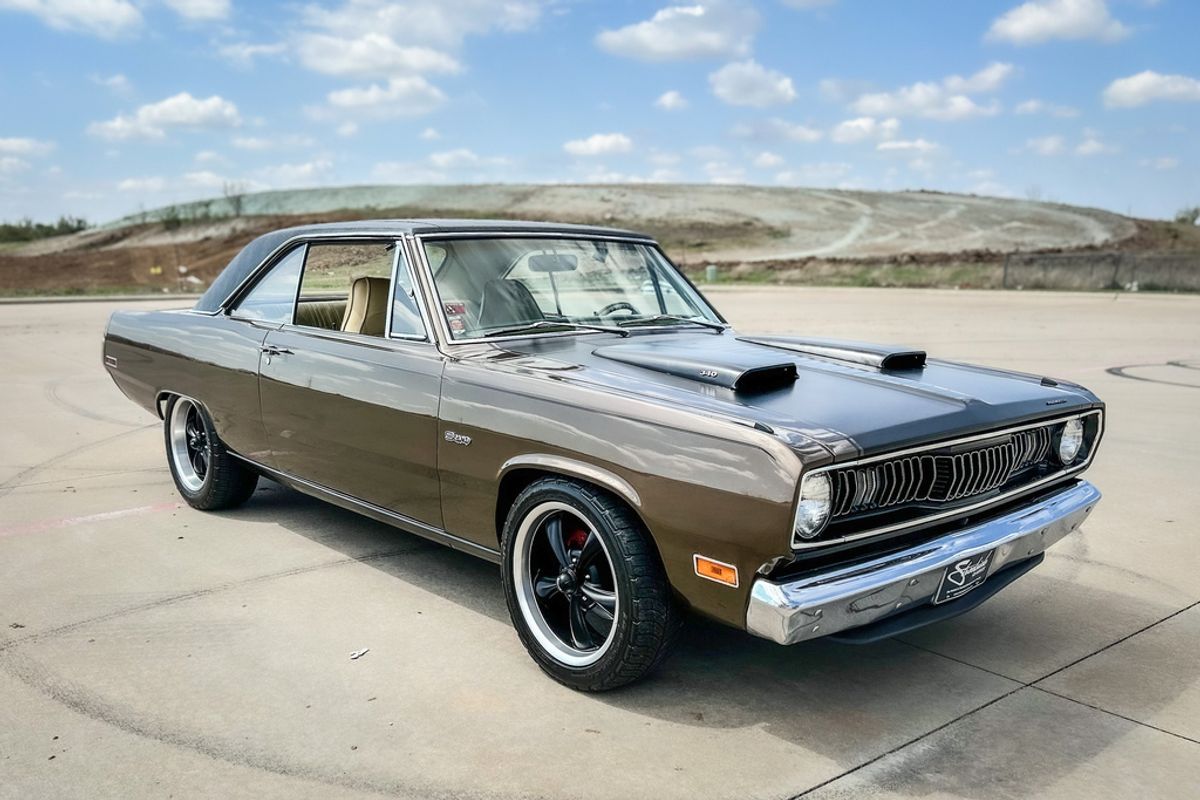
Closely associated with the Valiant, the Scamp was popular and remains a desirable vehicle, renowned for its looks and affordable power. Originally featuring either a 225 Slant-Six or 318 V8, this particular 1971 Plymouth Scamp comes with a 340ci engine swapped within; the current owner reports the swapped engine has only 2,500 miles to its name, although the car reportedly has 27,000 miles on the clock. With a number of performance enhancements as well as some upgrades on the visuals, this particular 1971 Scamp looks fresh, despite its age or name. Because the car was only in production for a short run, and the aesthetic of the vehicle itself, the Scamp has become a highly desirable vehicle, and now you have the chance to be a proud owner of a car that is better than ever before.
Exterior and Interior
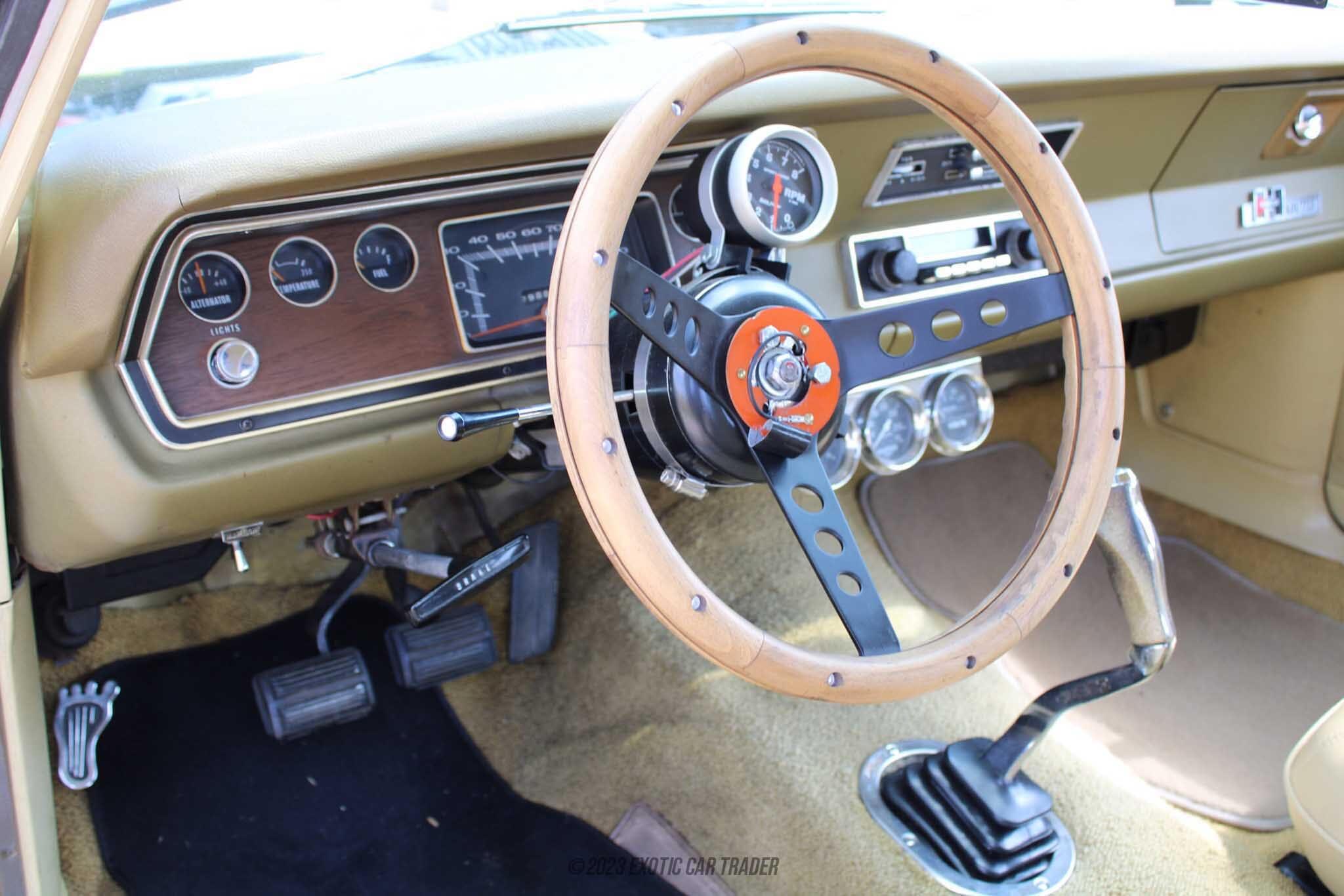
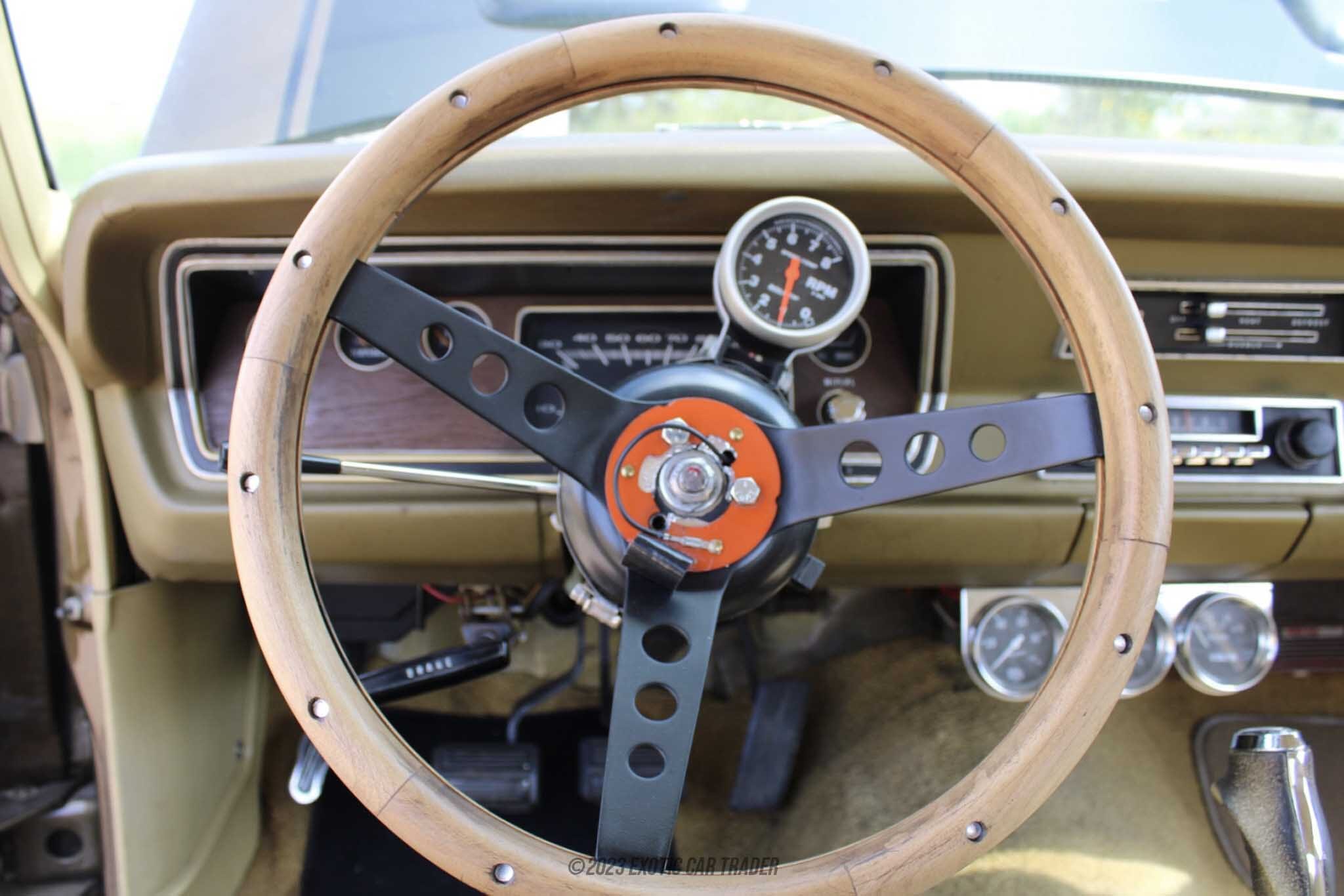
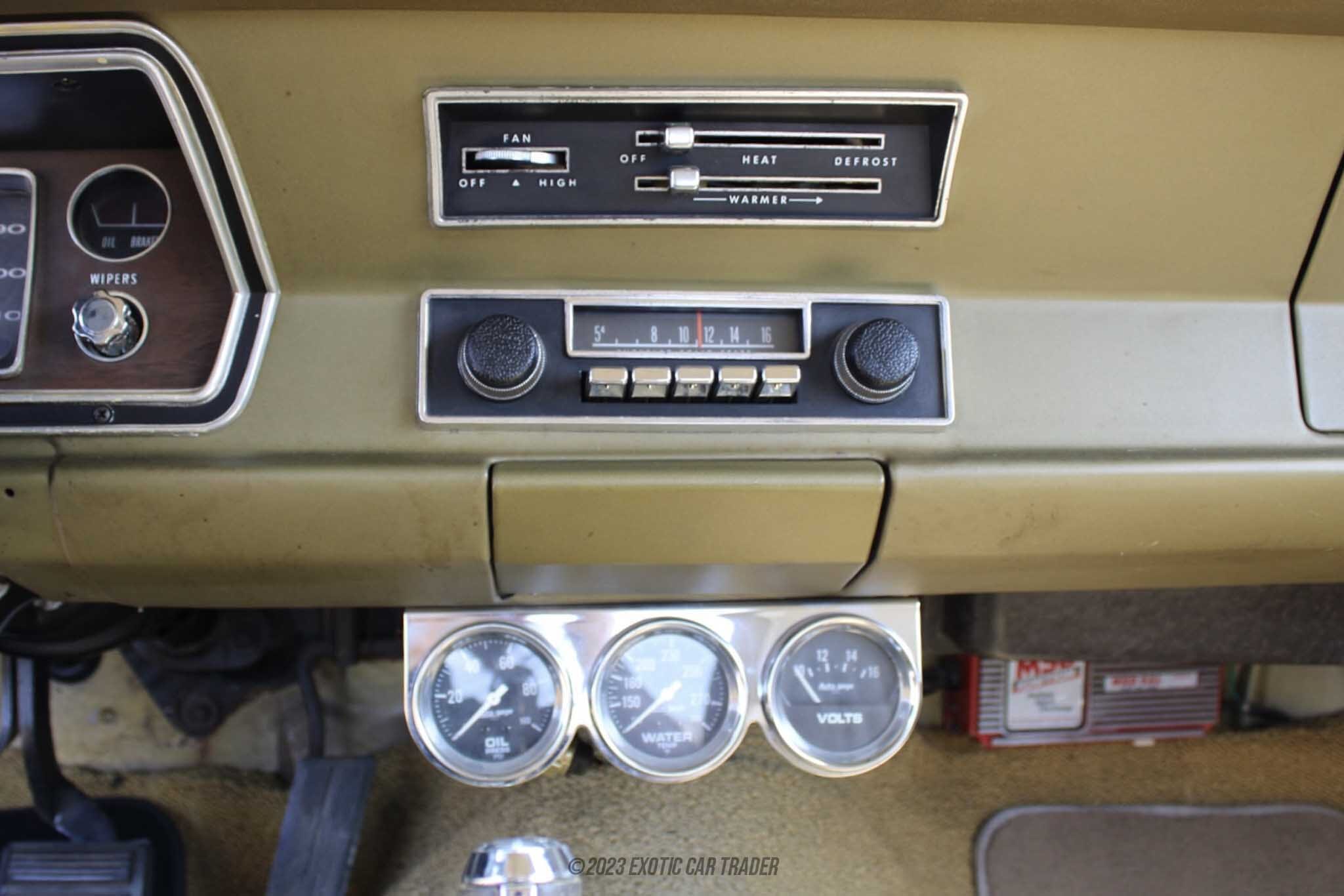
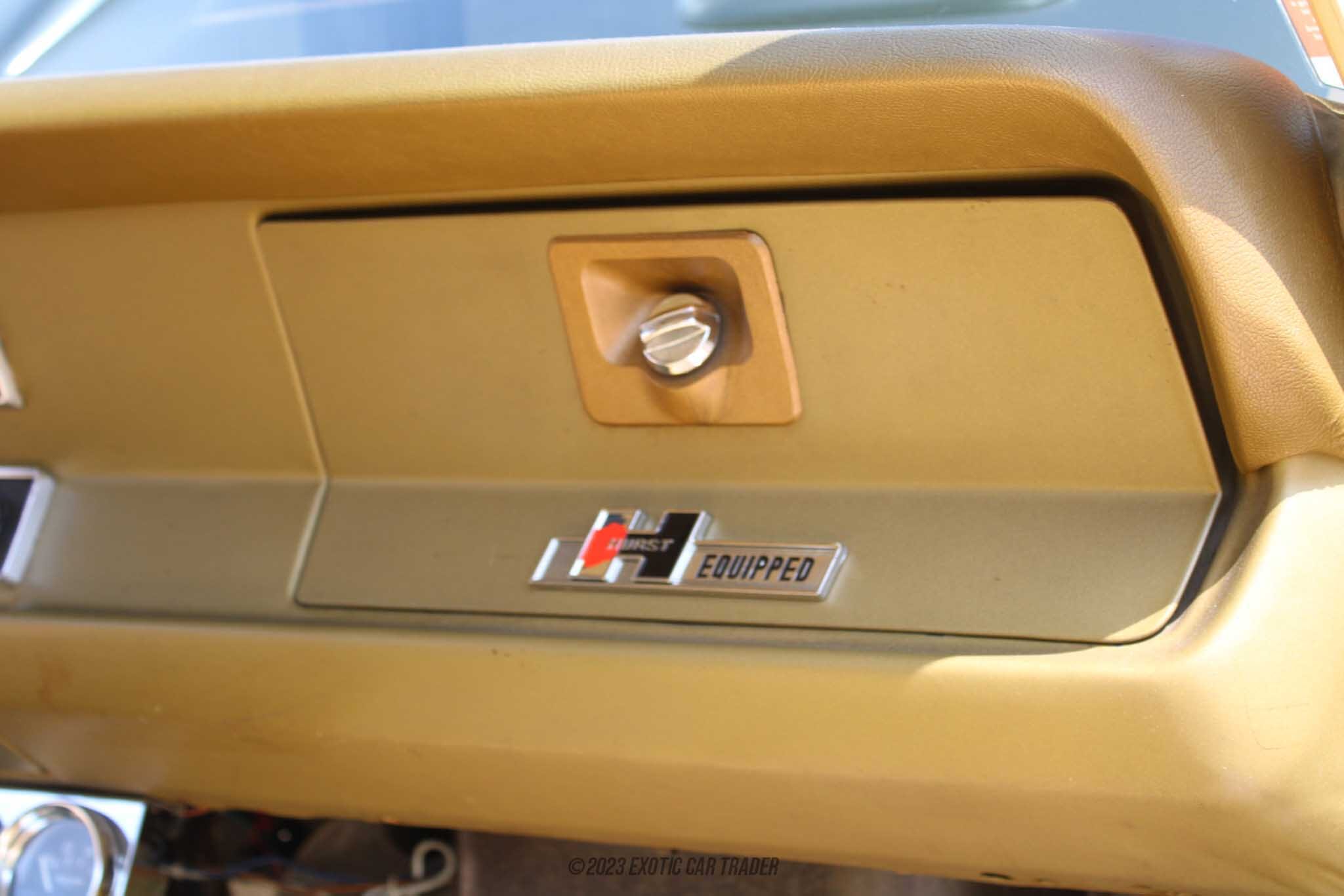
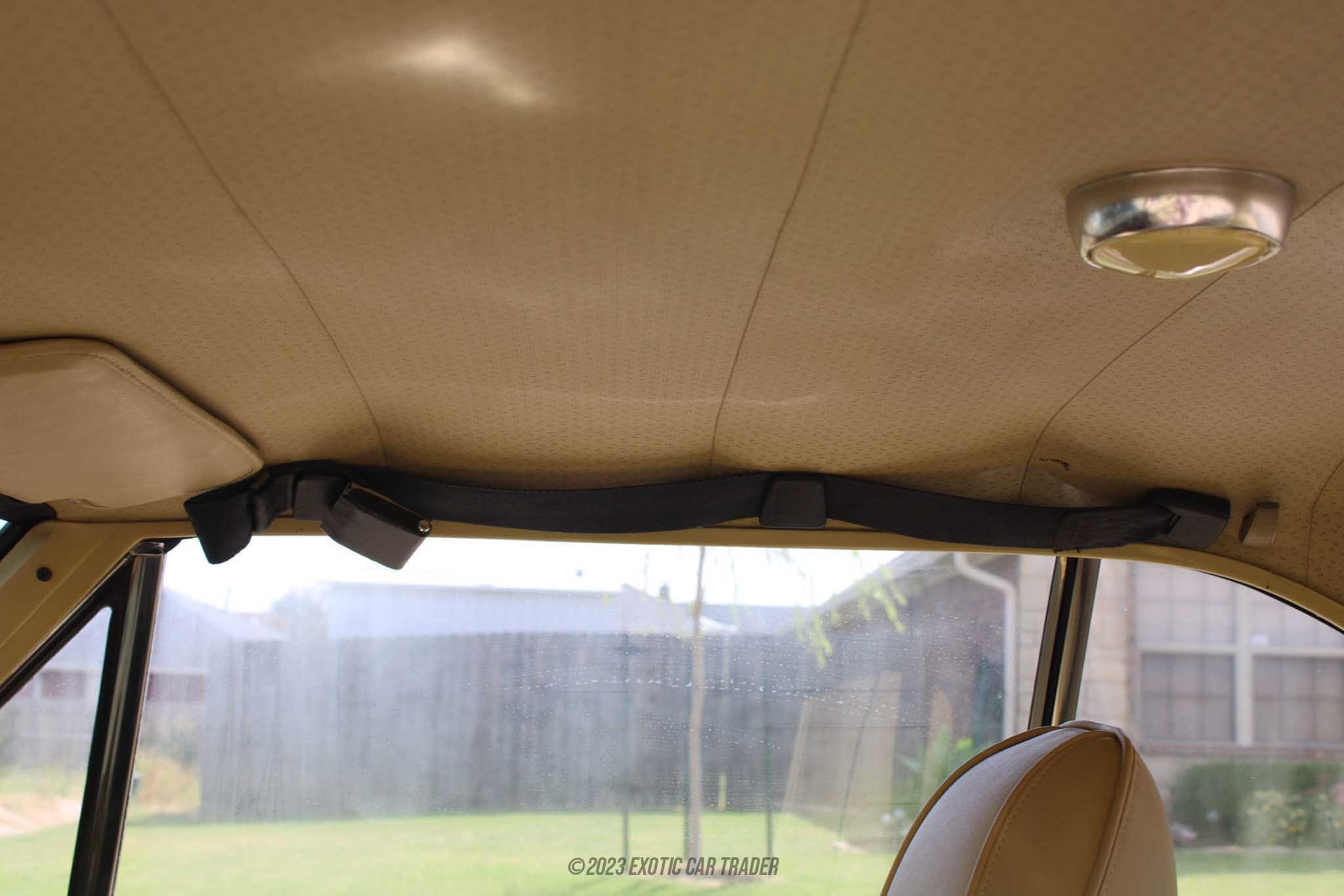
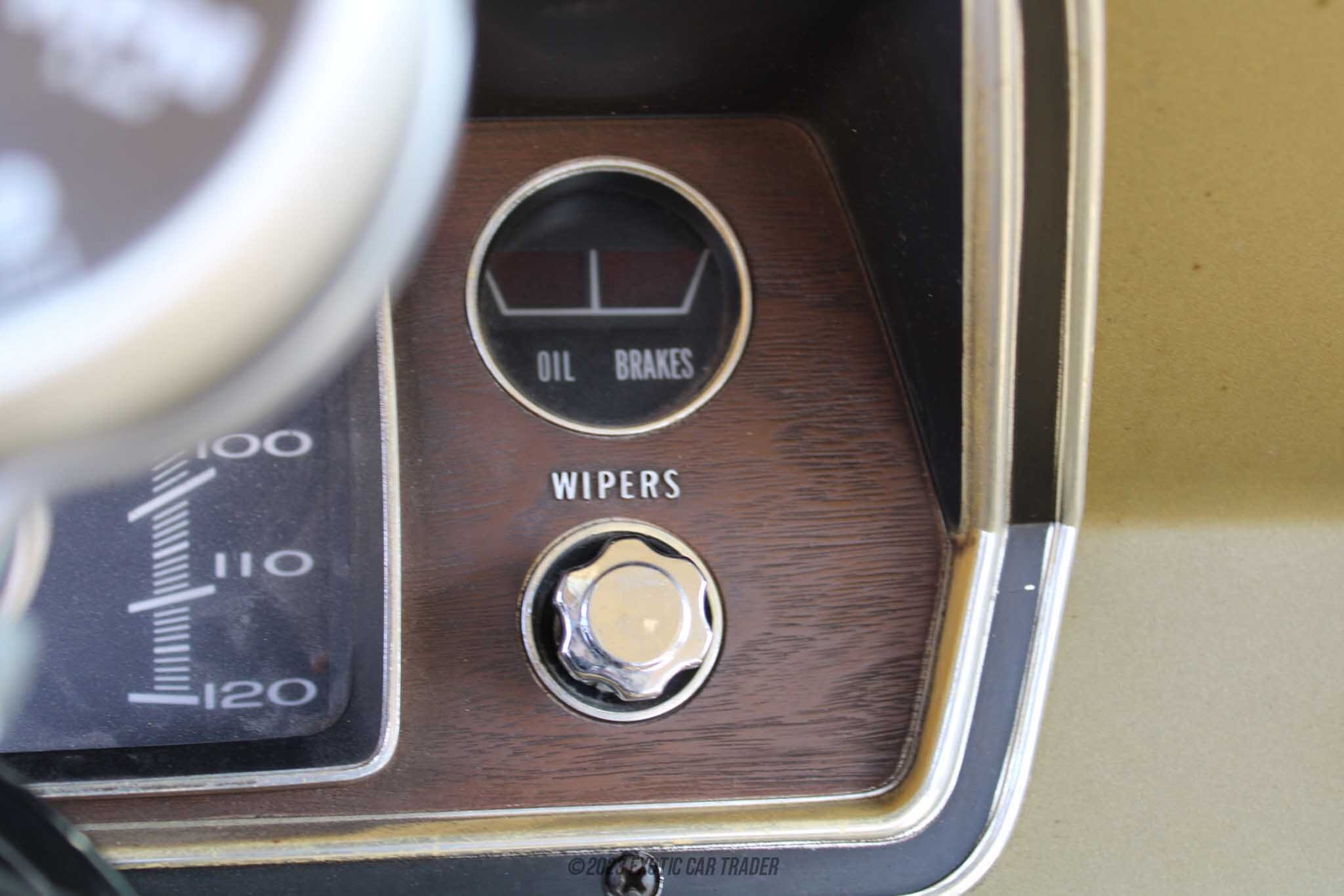
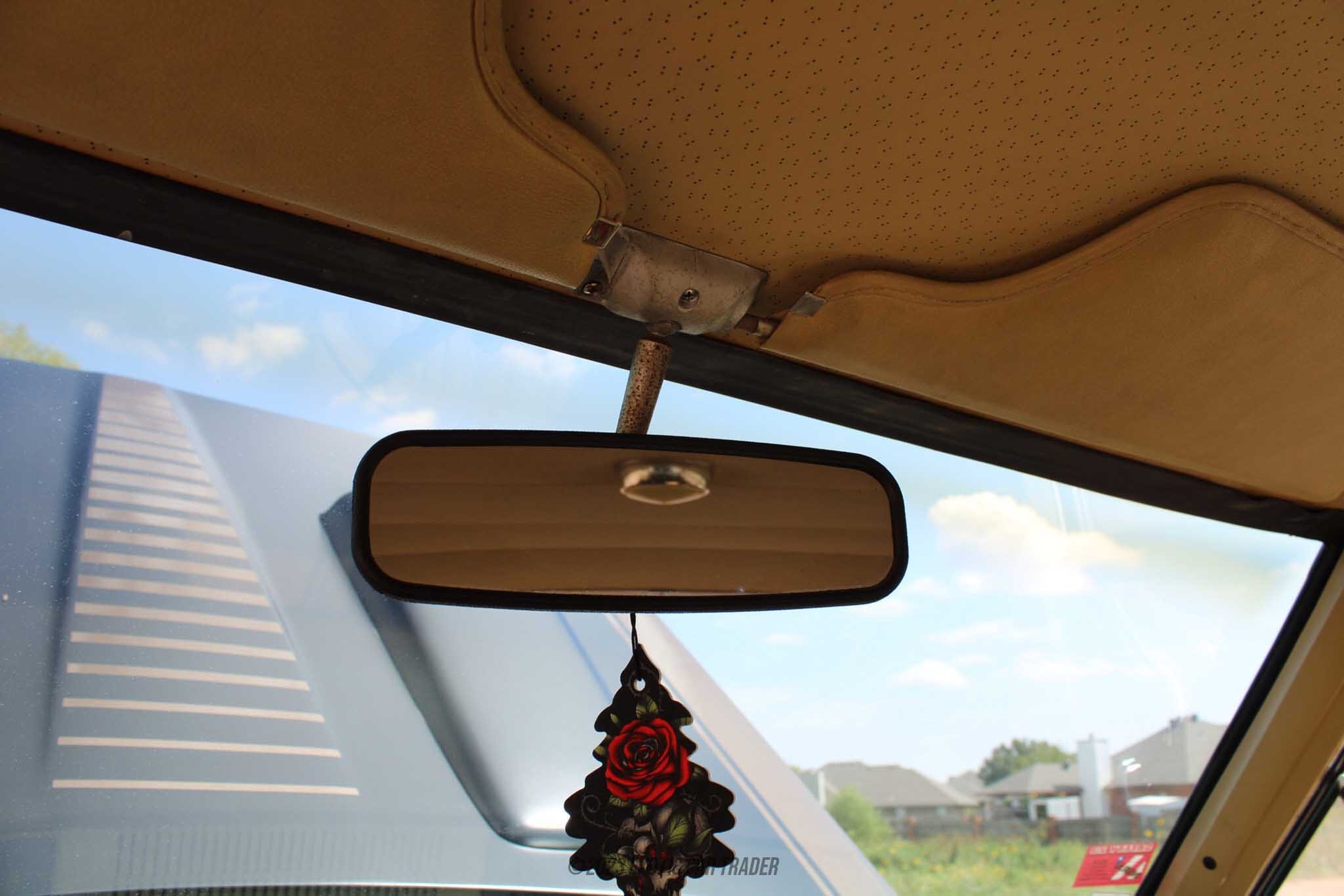
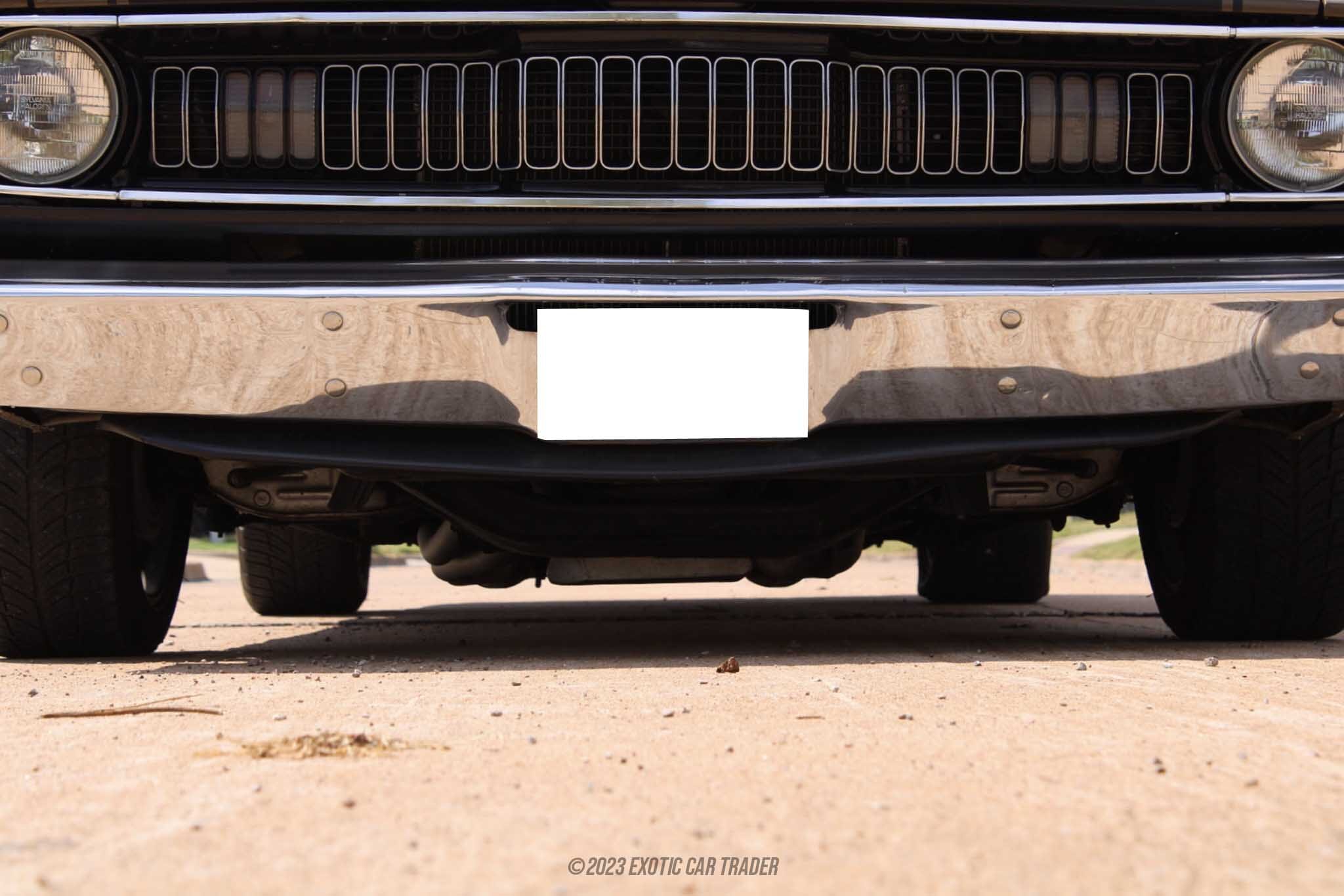
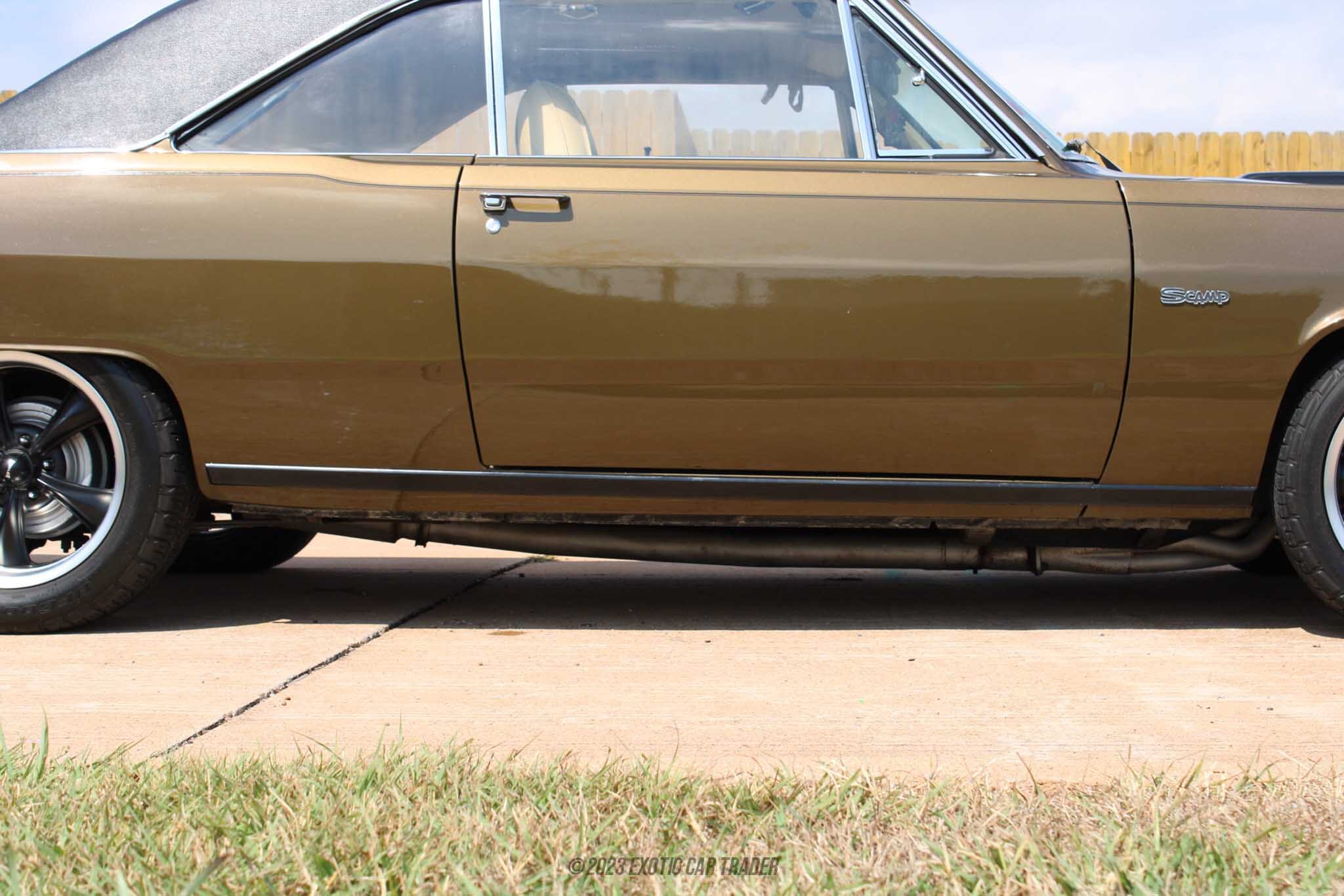
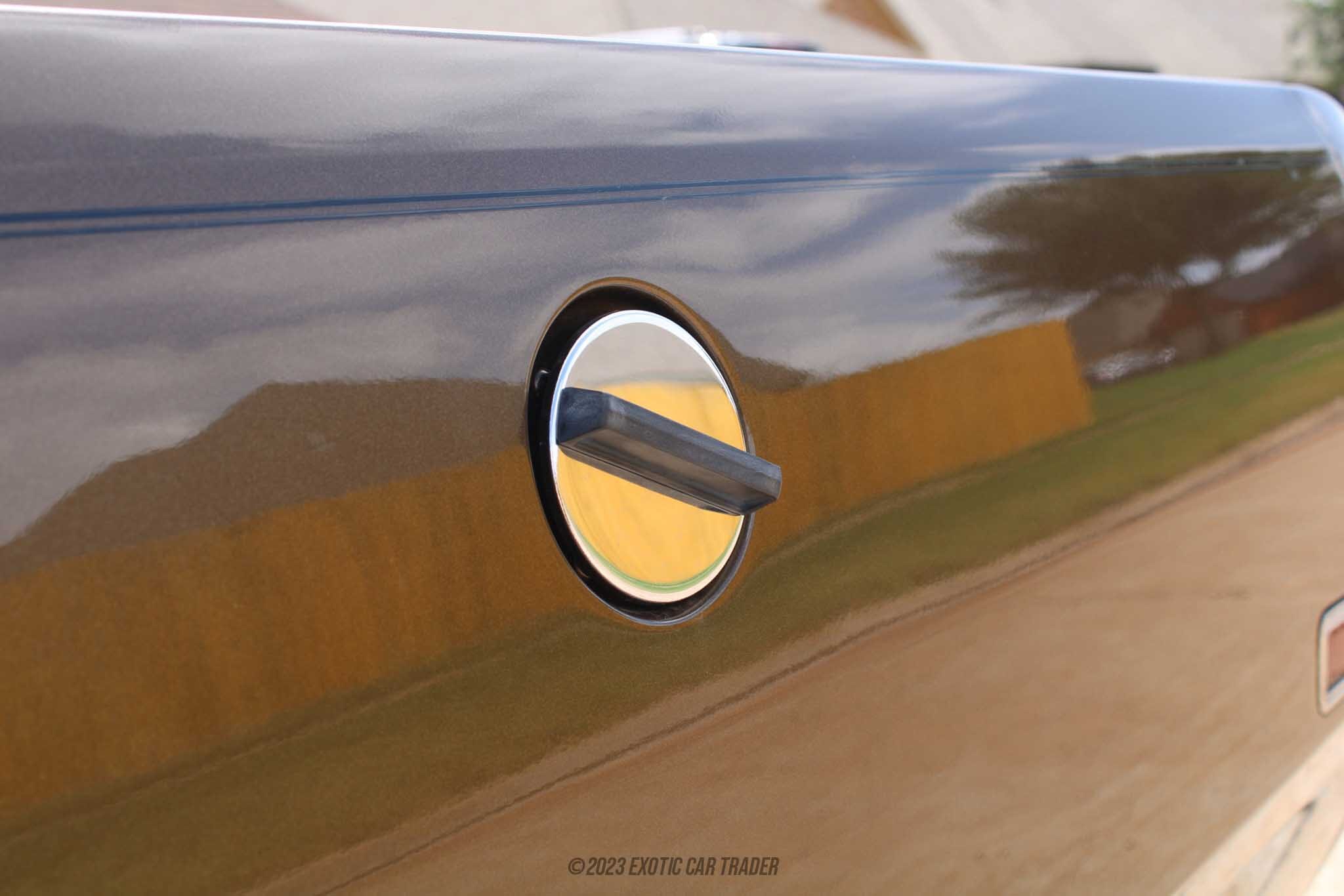
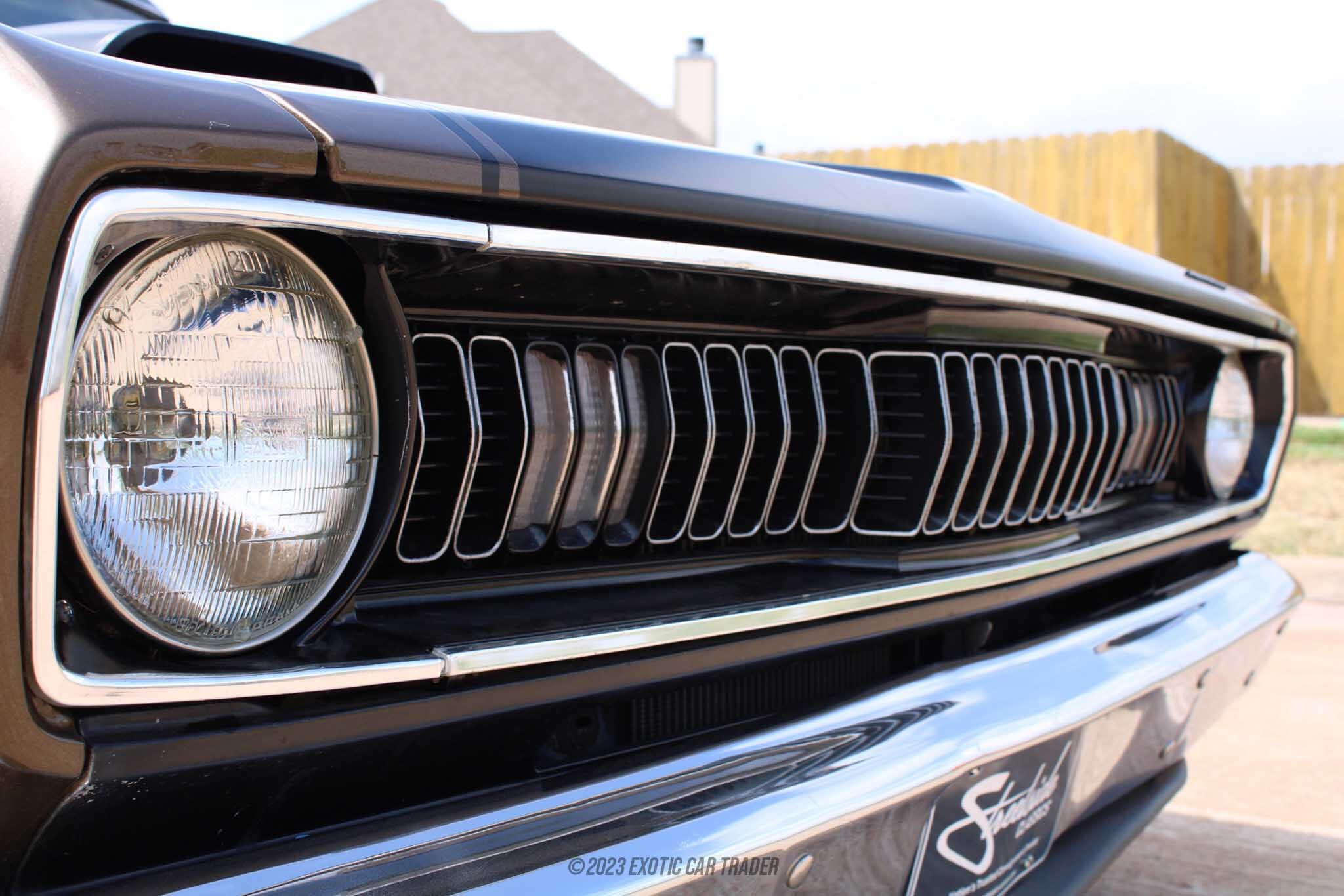
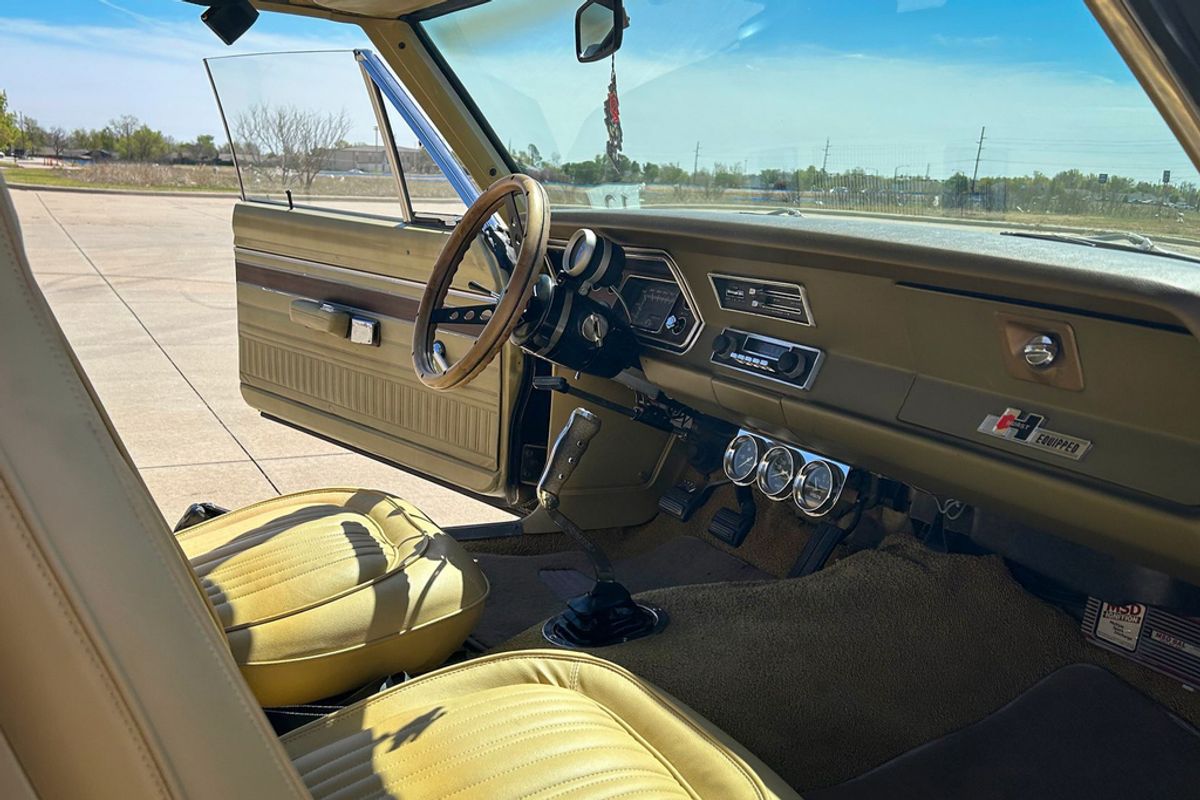
Sporting a custom paint job in Olive Green on the exterior that complements the boxy and wide design of the Scamp, this vehicle looks and feels like a classic piece of American muscle through and through, casting a powerful stance thanks to its strong angles, straight lines and wide grille. Its road presence and charisma are unmistakeable, and it has been elevated thanks to a couple of painted scoops on the hood, new tires, and custom wheels. This is a car that turns heads and makes a statement. Stepping inside, you'll find a comfortable cream interior welcoming you. The interior is newer, as reported by the current owner, but fits well with the retro feel of the car, and although there isn't any air conditioning, why would you need it with a car that is perfect for putting the windows down and cruising down twisty roads?
Engine
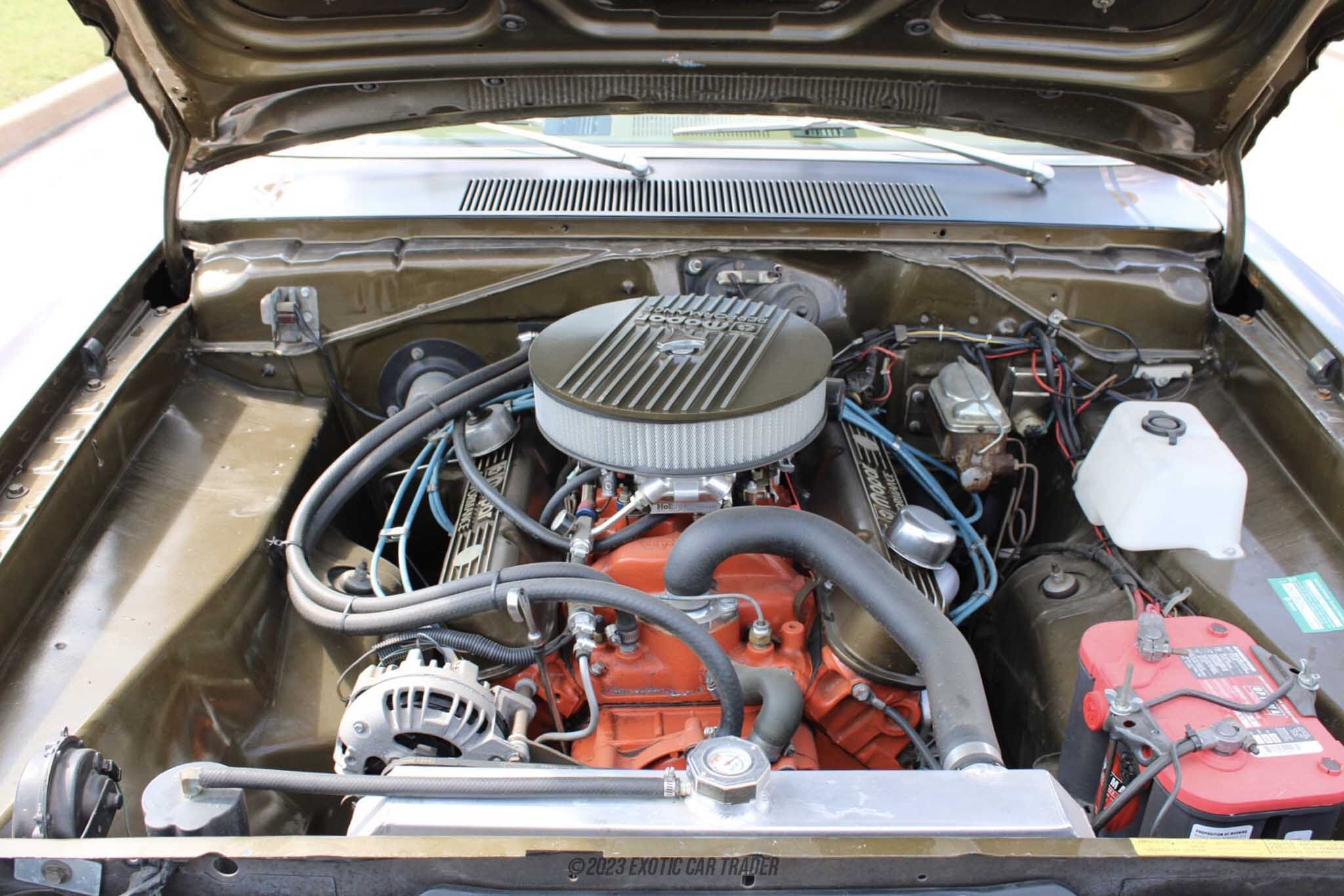
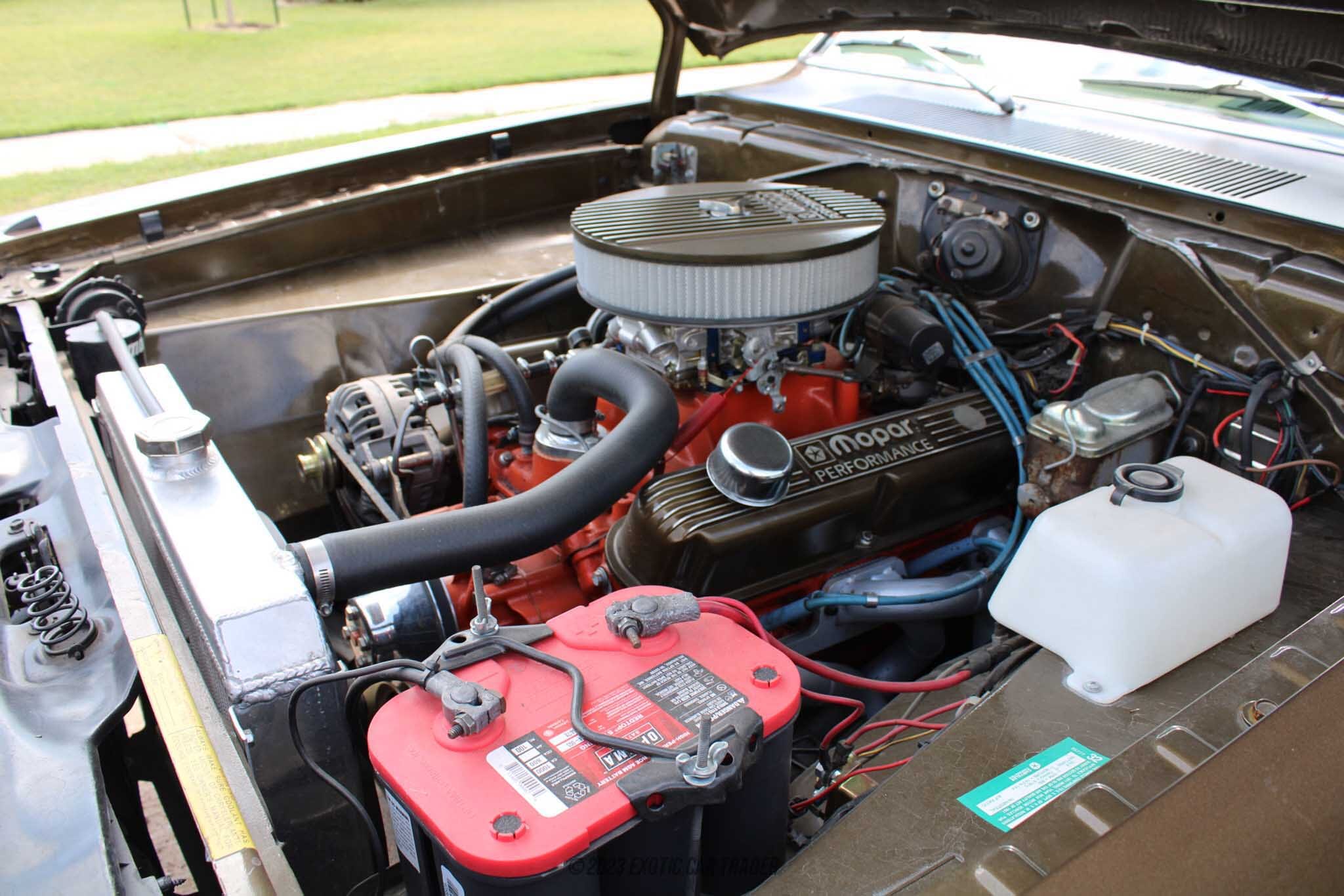
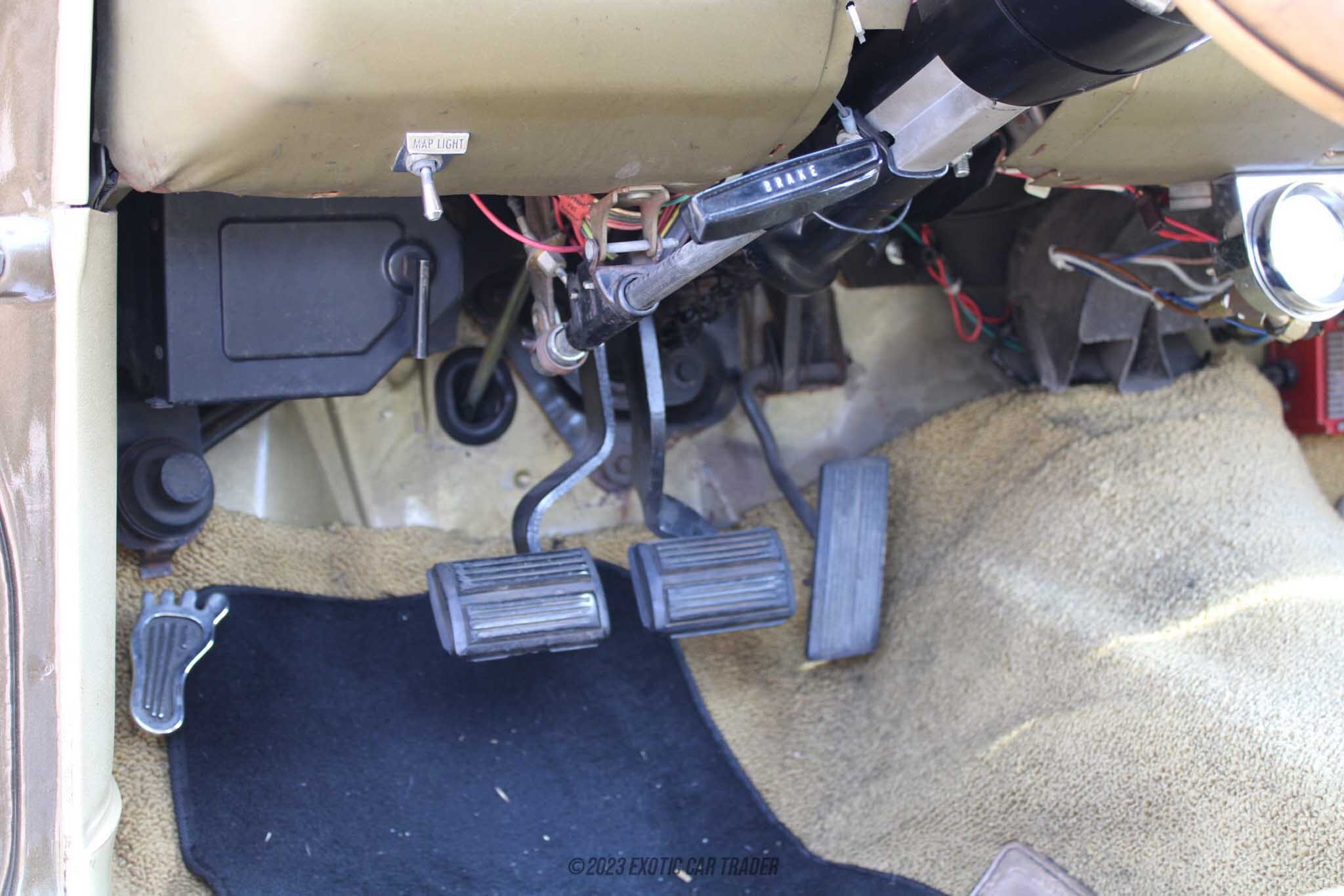
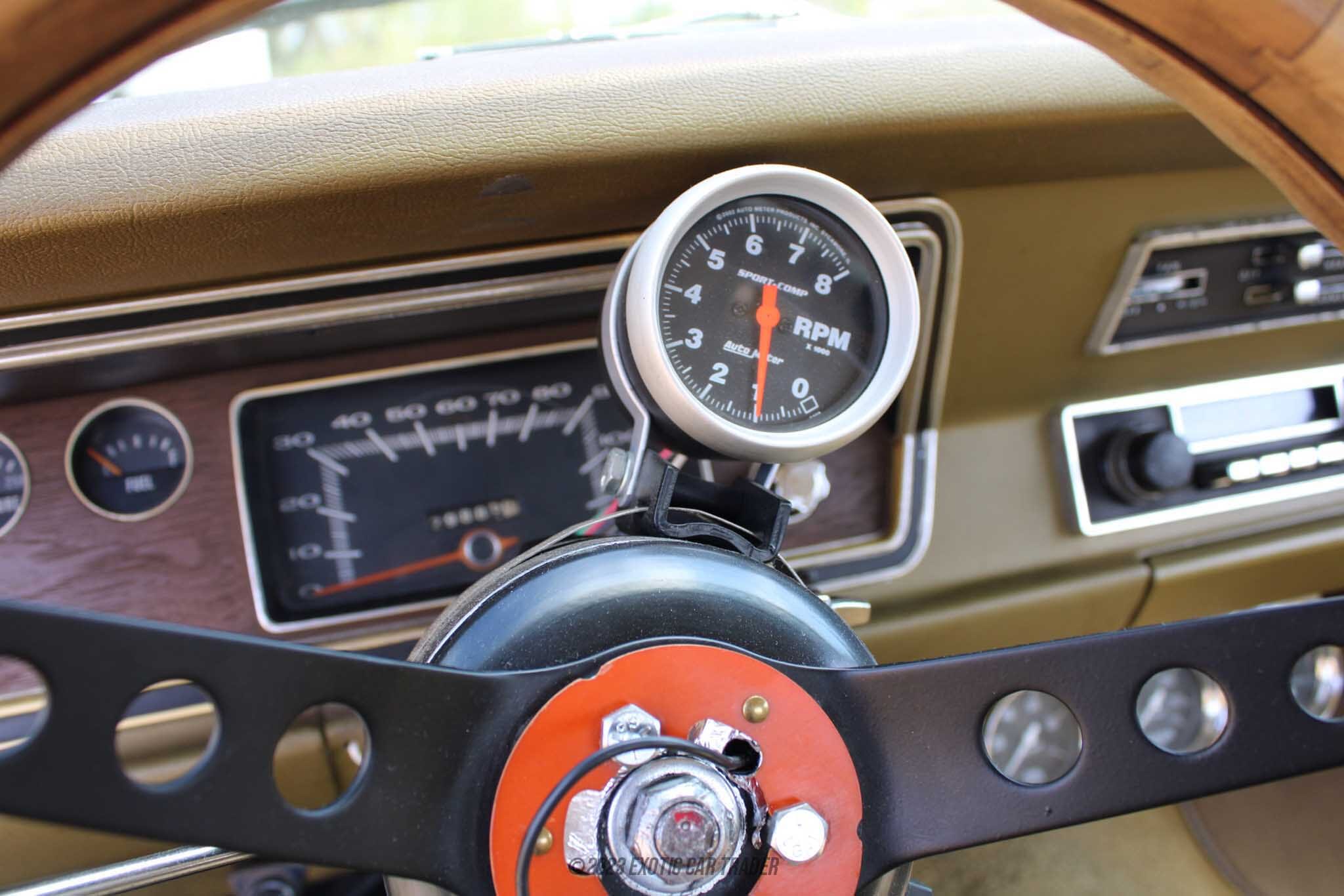
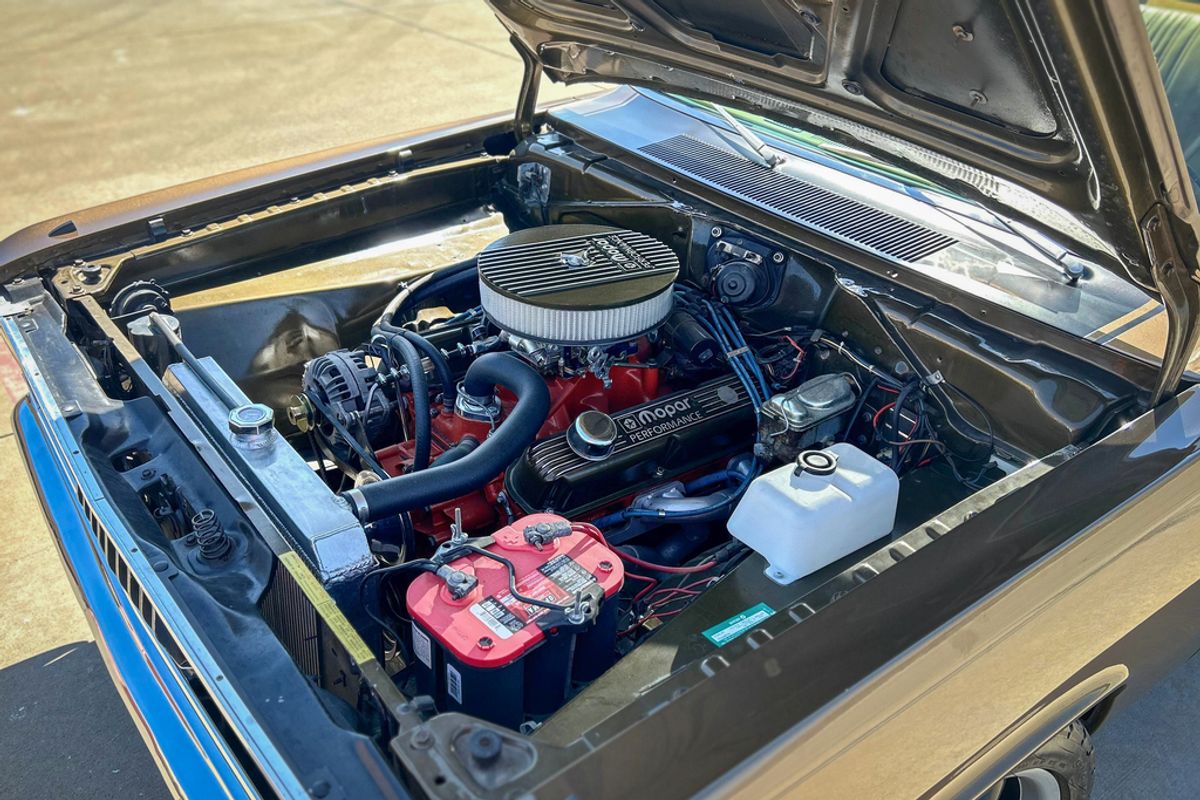
With the new engine, the Scamp has transformed to a contender with even more power, further enhanced by a Holley fuel injection system, headers, a custom Edelbrock exhaust, new battery and electronic ignition among other performance enhancements. All that power is delivered to the rear wheels using a transmission that was swapped into a 4-speed manual. The pistol grip shifter only adds more character to the driving experience as you eat up the miles, a big smile on your face thanks to the powerful rumble of the V8 motor in this Scamp, if you choose to claim her.

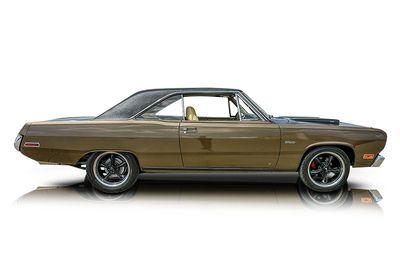

Closely associated with the Valiant, the Scamp was popular and remains a desirable vehicle, renowned for its looks and affordable power. Originally featuring either a 225 Slant-Six or 318 V8, this particular 1971 Plymouth Scamp comes with a 340ci engine swapped within; the current owner reports the swapped engine has only 2,500 miles to its name, although the car reportedly has 27,000 miles on the clock. With a number of performance enhancements as well as some upgrades on the visuals, this particular 1971 Scamp looks fresh, despite its age or name. Because the car was only in production for a short run, and the aesthetic of the vehicle itself, the Scamp has become a highly desirable vehicle, and now you have the chance to be a proud owner of a car that is better than ever before.
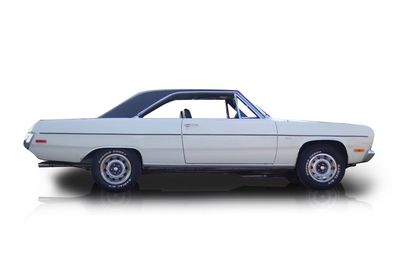
A much sought-after vehicle these days is the Plymouth Valiant. This vehicle whose price is ever increasing on a daily basis is a must have car for classic American automotive enthusiasts and collectors. Initially produced as the Valiant by the Plymouth division of the Chrysler Corporation in 1960. It was Chrysler’s first and most successful compact car. The Valiant was known over half of the world with sales in all continents (except Antarctica, of course). What made the Plymouth Valiant so popular was its stupendous durability and reliability. It was one of Chryslers best selling vehicle in the 60’s and 70’s. Road & Track magazine has referred to the car to be “one of the best all-around domestic cars”. This is a 1972 Plymouth Valiant Scamp with just 90,000 miles on the clock, coming from Alabama.
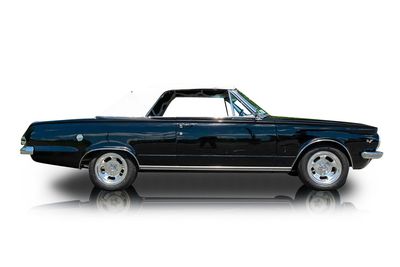
In the late fifties, Plymouth wished to enter the compact car market which, in the US, was still a relatively niche market. It debuted the Plymouth Valiant in 1960 to target this market. The Valiant model range comprised a four-door sedan and wagon, and a two-door sedan and hardtop. After three model years, the second-generation debuted in 1963 and introduced a convertible to the mix, as well as the range-topping Signet trim, which included a vinyl-covered roof. The Valiant was popular in the US and Canada, as well as select overseas markets, and even ran a factory team of two-door sedans at the 1965 SCCA Manufacturers’ Rally Championship. Here, we have a 1965 Plymouth Valiant Signet Convertible that has undergone a full restoration and rebuild six years ago, with a scant 200 miles since then. Hocanson Speed and Power are reported to have done the rebuild, and this car hails from New York. It’s a numbers-matching car, and the Valiant is now gaining status as a desirable car, as well as collector’s item so this would be a prudent buy for the discerning collector.
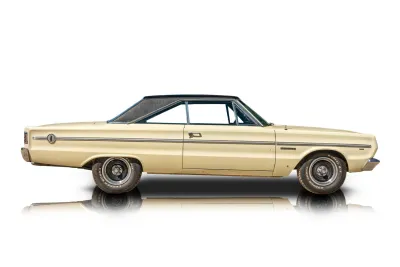
The 1966 Plymouth Belvedere II Hardtop is the kind of Mopar that gets enthusiasts interested before the hood is even opened. Its clean B-body lines, pillarless hardtop profile, Soft Yellow paint, black vinyl roof, and Magnum 500-style wheels give it the restrained factory muscle look of the mid-1960s, but this example carries much more serious hardware underneath. Showing approximately 91,610 miles, it is powered by a 440ci big-block V8 backed by a TorqueFlite 727 automatic, giving it the kind of drivetrain combination that feels right at home in a classic Plymouth. Add power steering, power disc brakes, air conditioning, and a dual exhaust system, and this Belvedere blends old-school Mopar attitude with enough comfort to make it more than just a weekend bruiser.
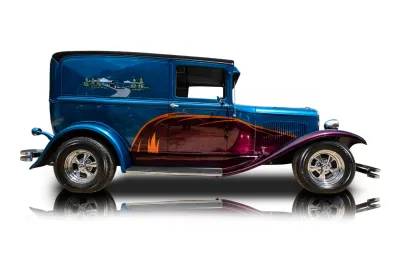
This 1928 Plymouth Model Q Delivery Street Rod takes the distinctive commercial-body styling of an early Plymouth and gives it a decidedly custom street-rod personality. Showing 20,060 miles, it combines a 351ci Windsor V8 with a C6 3-speed automatic transmission and rear-wheel drive, delivering a traditional American hot-rod powertrain in a far less common body style than the usual coupe or roadster. Its blue and Merlot two-tone exterior, custom flame graphics, hand-painted rear quarter artwork, aftermarket air conditioning, and reupholstered interior make this a highly personalized build with plenty of visual character.
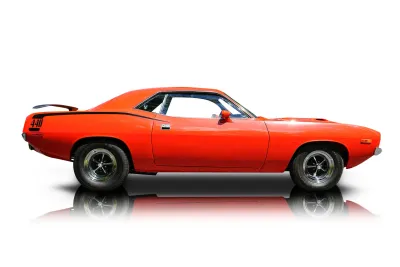
This 1972 Plymouth ’Cuda is a strong example of how the E-body platform can blend original pedigree with period-style muscle-car upgrades. Showing approximately 34,348 miles, this example is finished in Hugger Orange over a Black interior and carries the aggressive visual cues expected from a ’Cuda, including black side graphics, dual hood scoops, chrome bumpers, and Magnum 500-style wheels. The current owner reports that the car was originally equipped with a 340ci V8, while it is now powered by a larger 440ci V8 paired with a TorqueFlite 3-speed automatic. Performance-oriented upgrades include a 4-barrel carburetor, aftermarket aluminum intake manifold, MSD Digital 6AL ignition, aftermarket exhaust headers, and a dual exhaust system, giving this ’Cuda a considerably more muscular character than its original configuration.

Terms of Service
Be Kind and Courteous
We're here to create a platform to better the automotive industry through communication and transparency. Please treat everyone with respect. Healthy debates are natural, but kindness is required.
No Hate Speech
Make sure everyone feels safe. Hate speech of any kind is strictly prohibited. Degrading comments about things like race, religion, culture, sexual orientation, etc. will not be tolerated.
No Promotions or Spam
Give more than you take. Self-promotion, spam, or links of any kind are not allowed.
