






Buyer Resources





- 1974 Plymouth Road Runner
- 440ci Big-Block V8
- 4-Barrel Carburetor
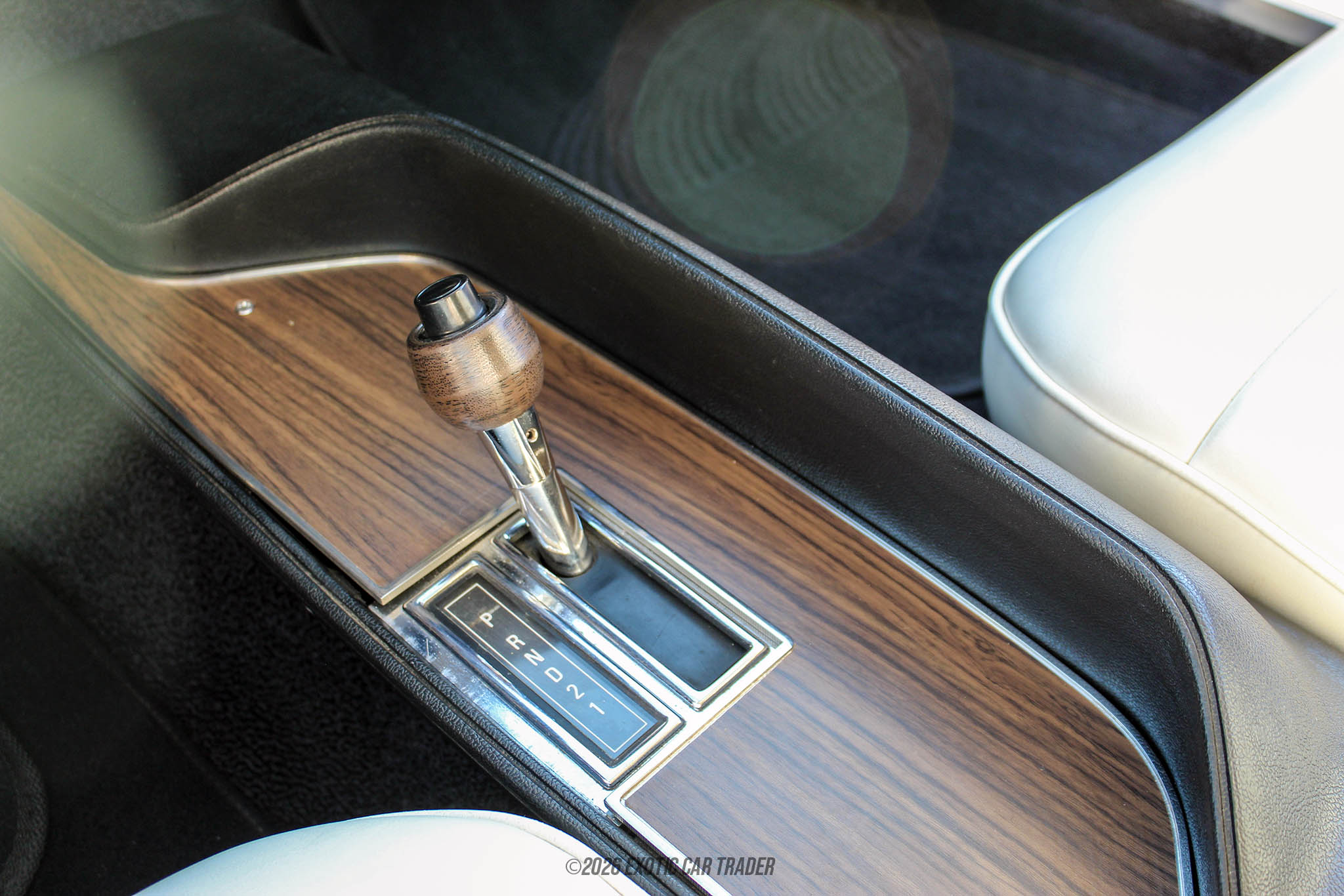
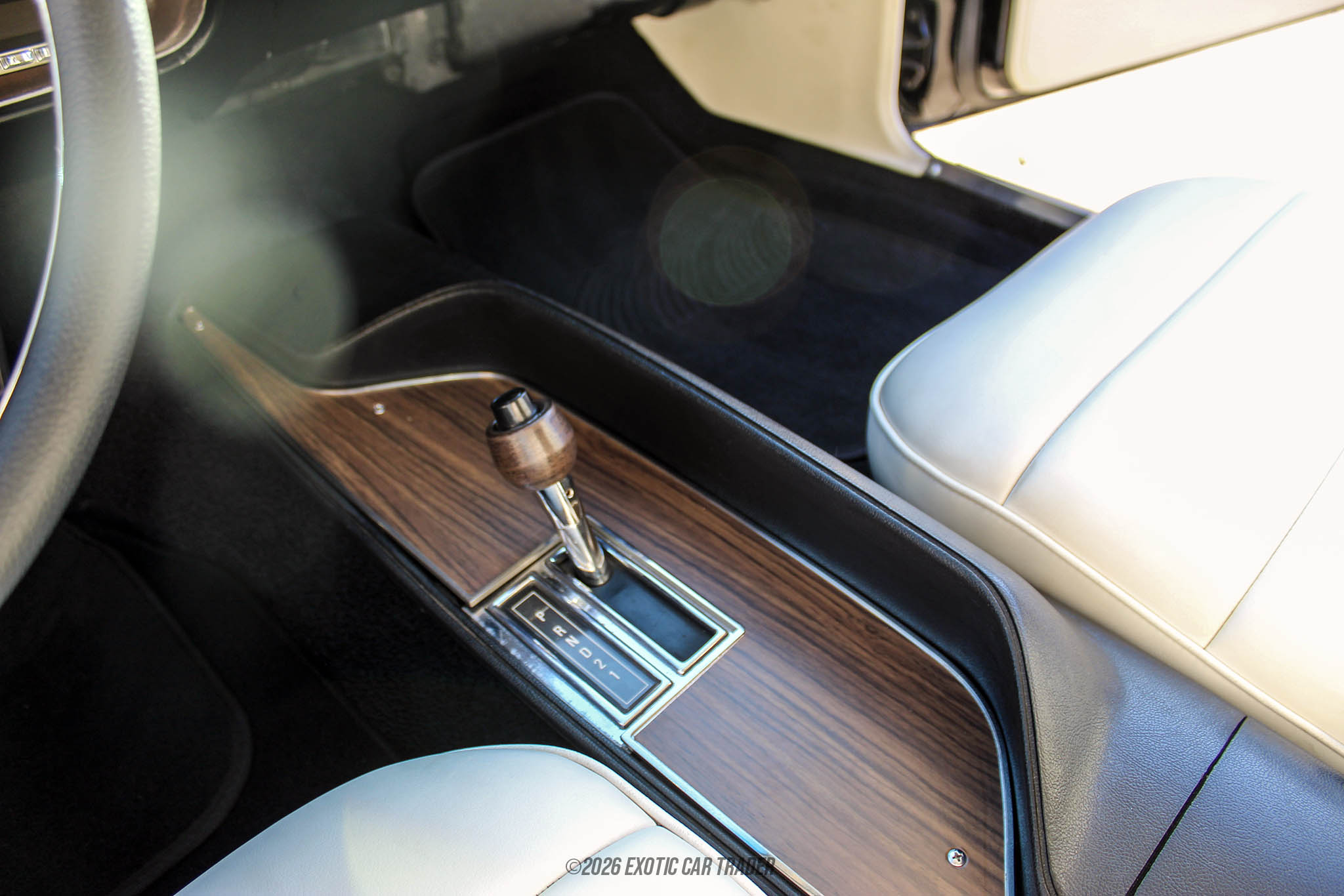
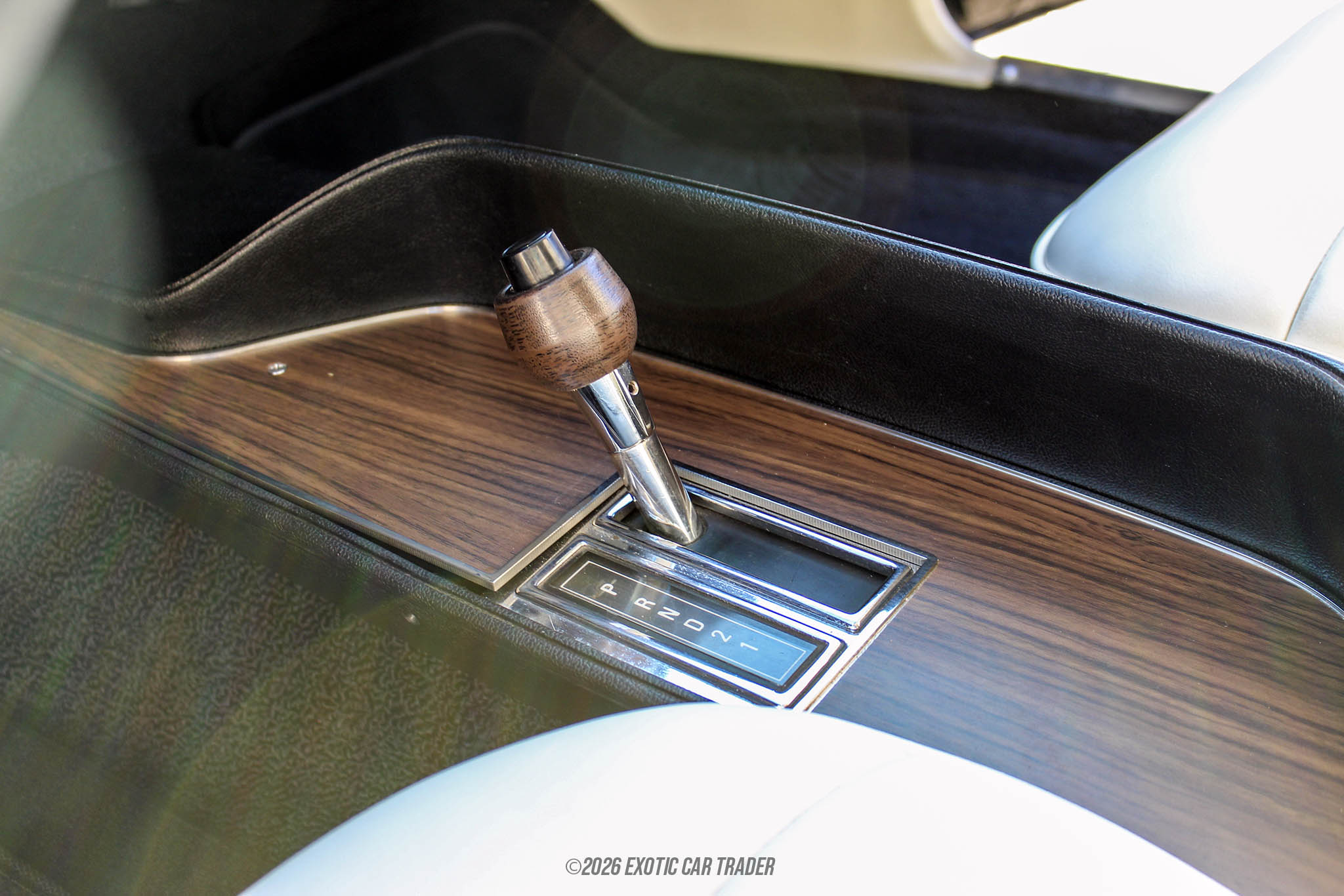
- 3-Speed TorqueFlite Automatic
- RWD
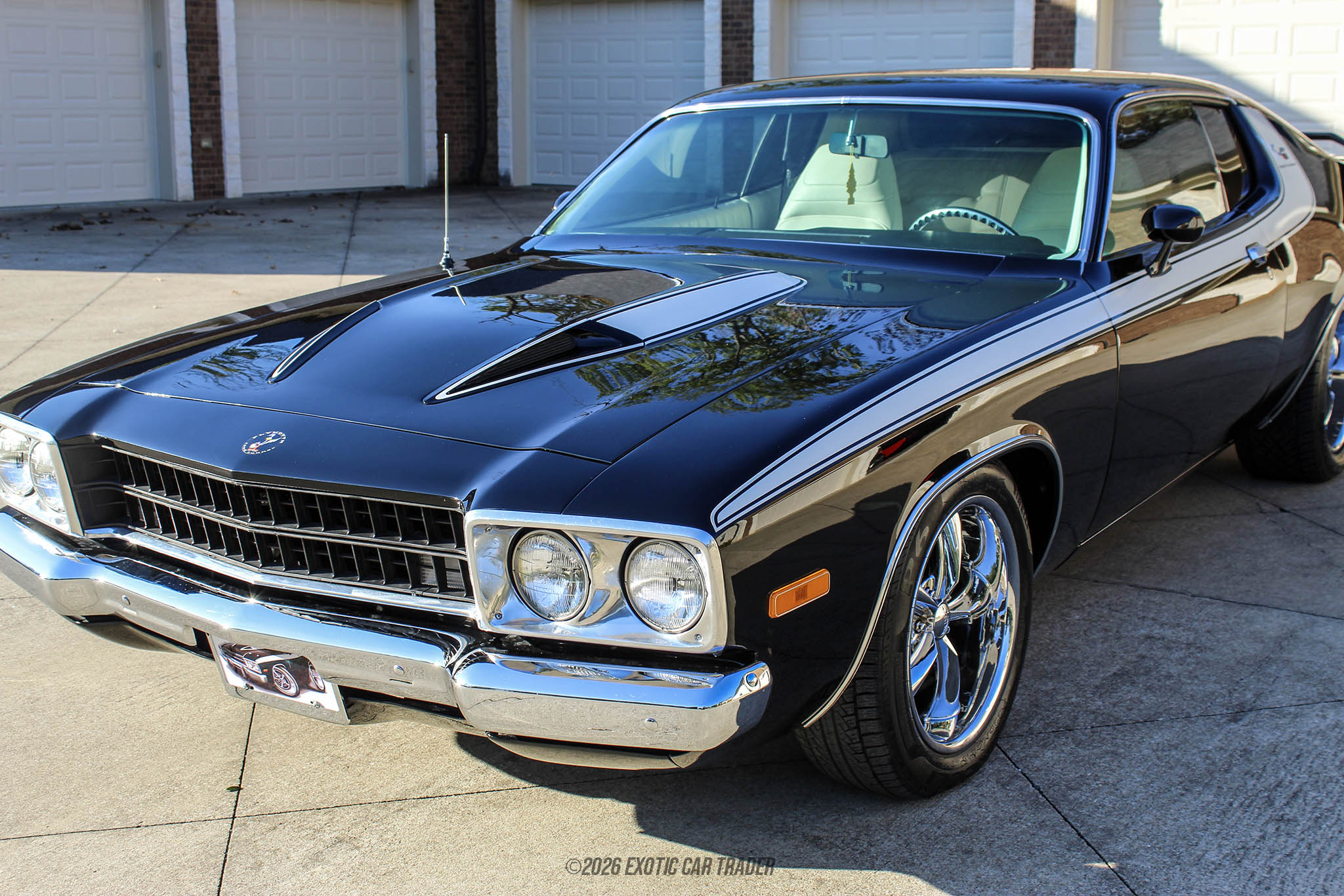
- Formal Black Exterior
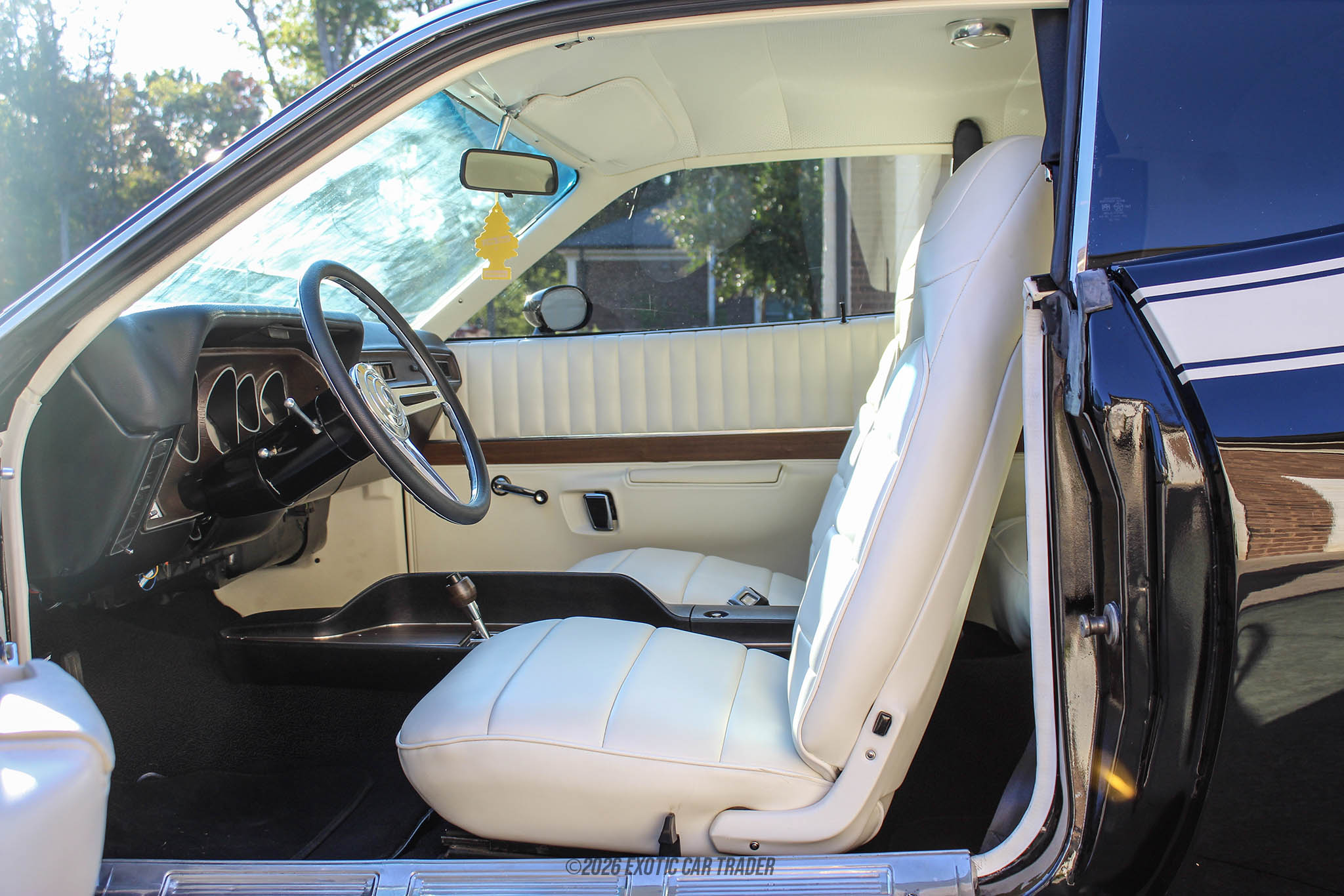
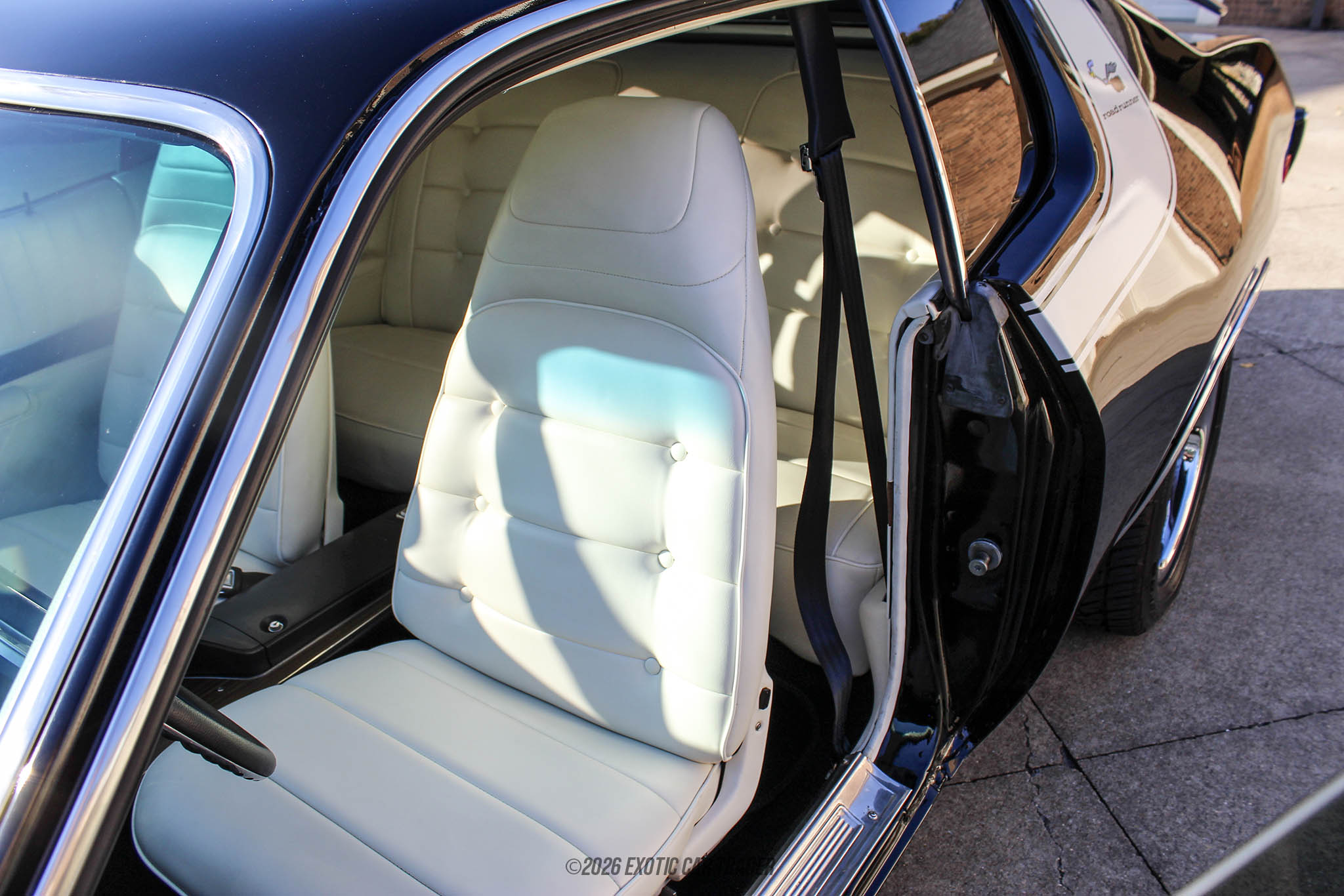
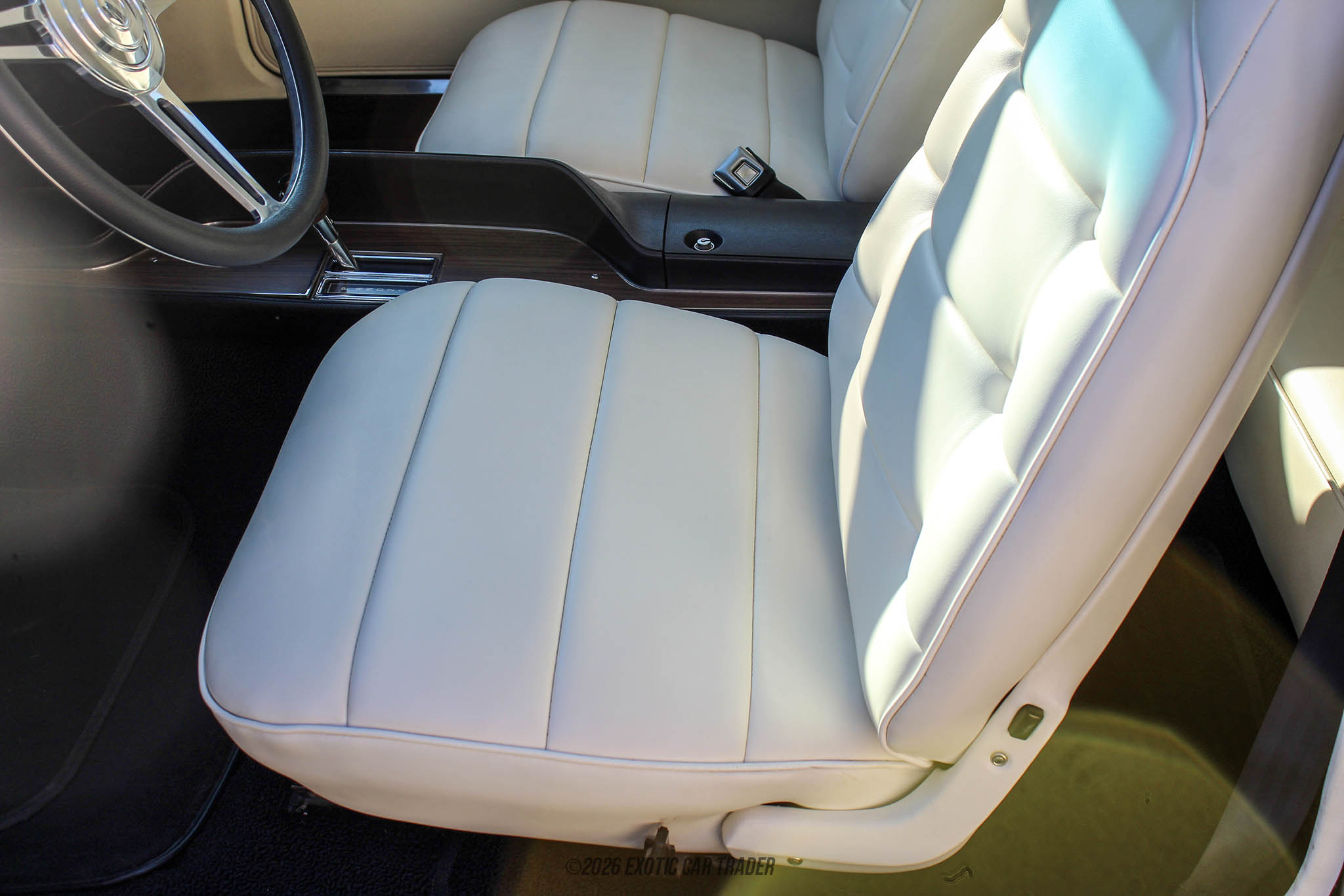
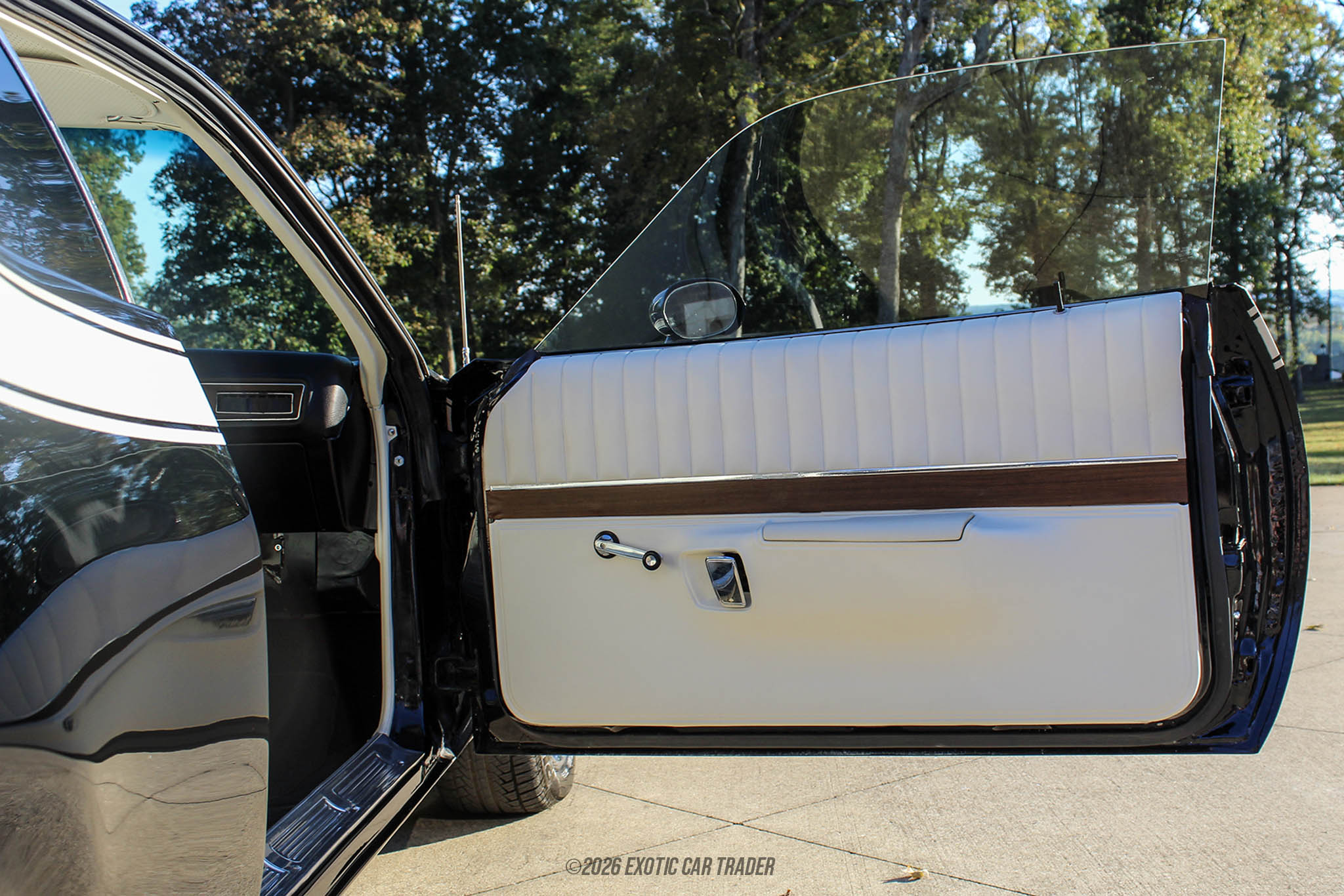
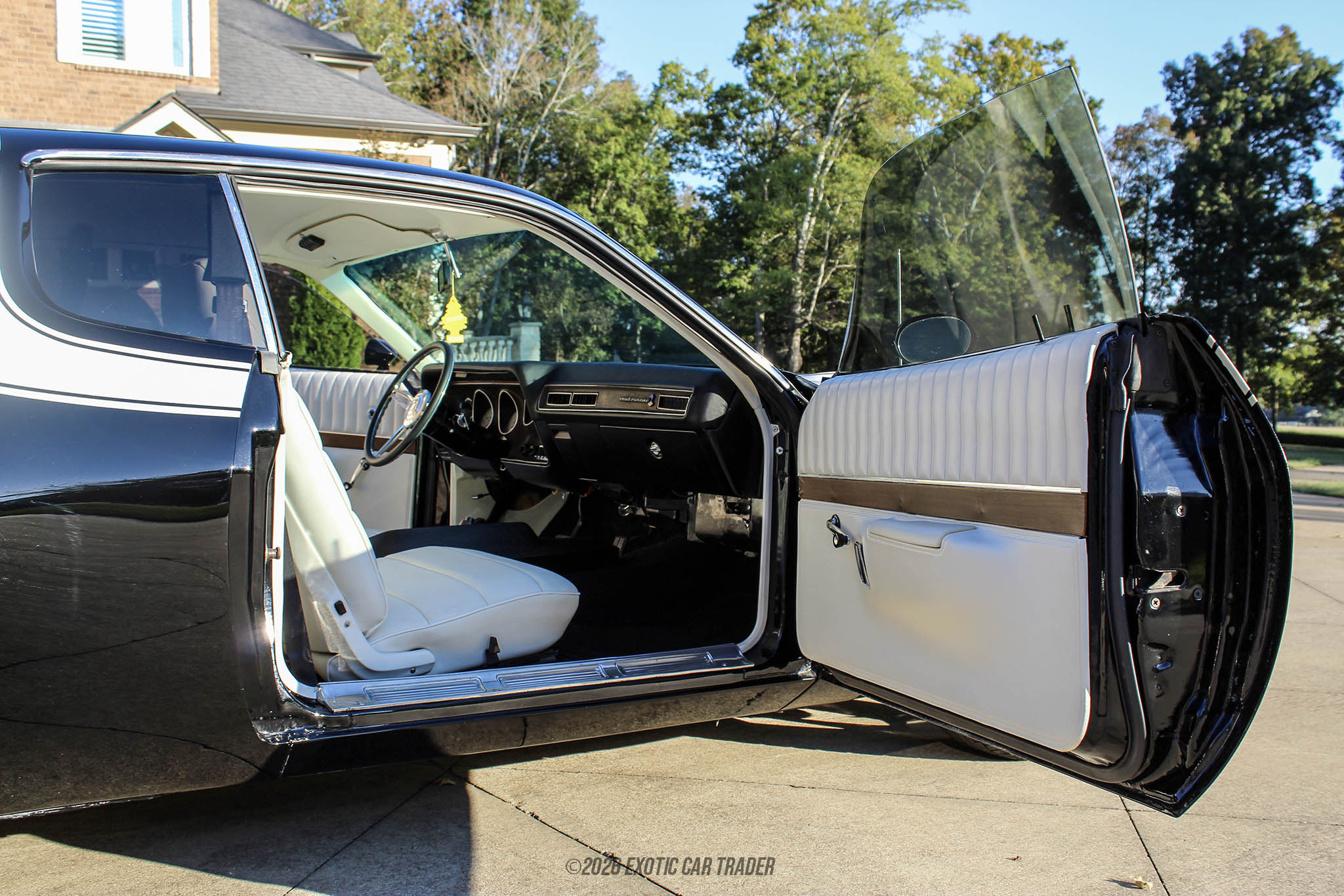
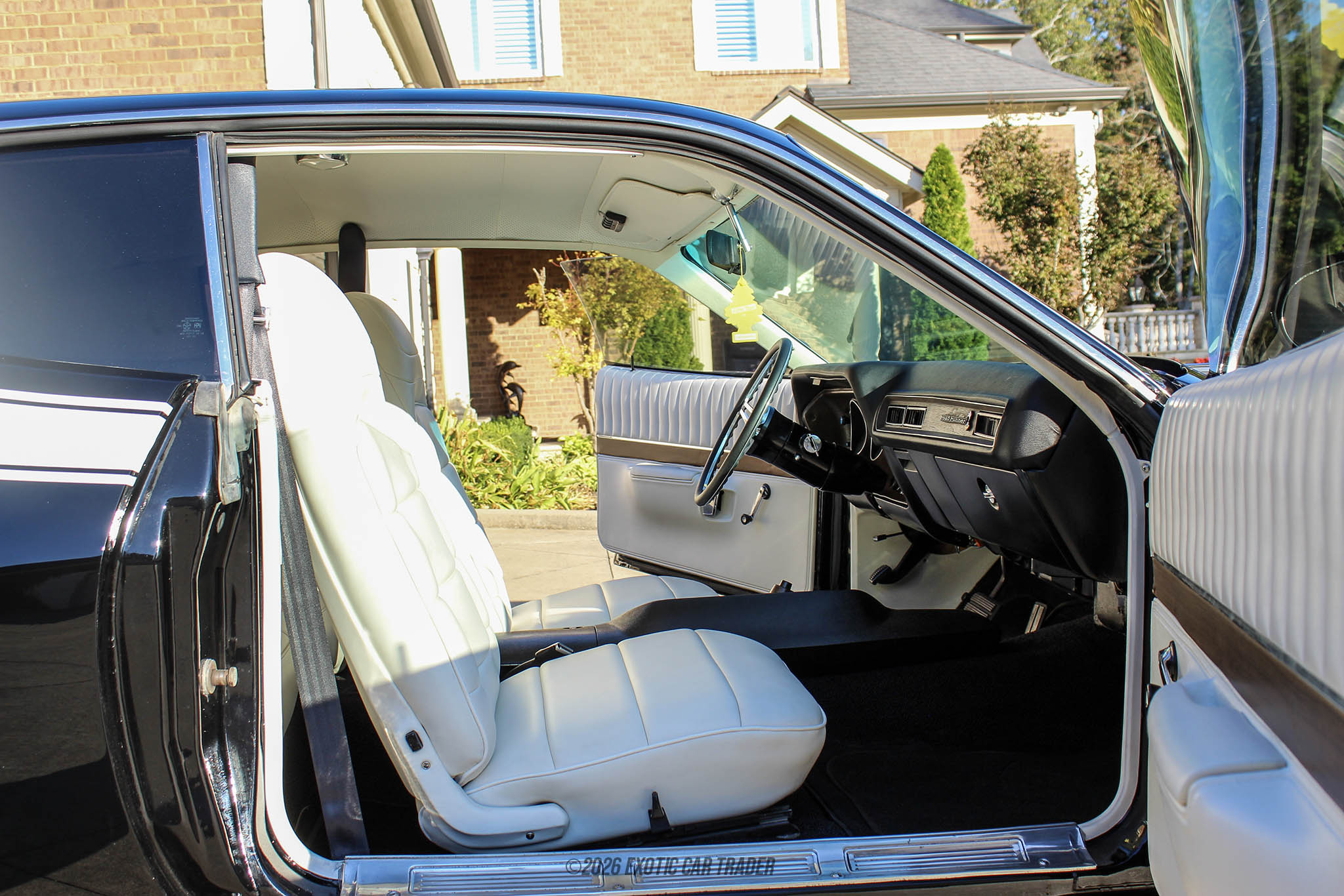
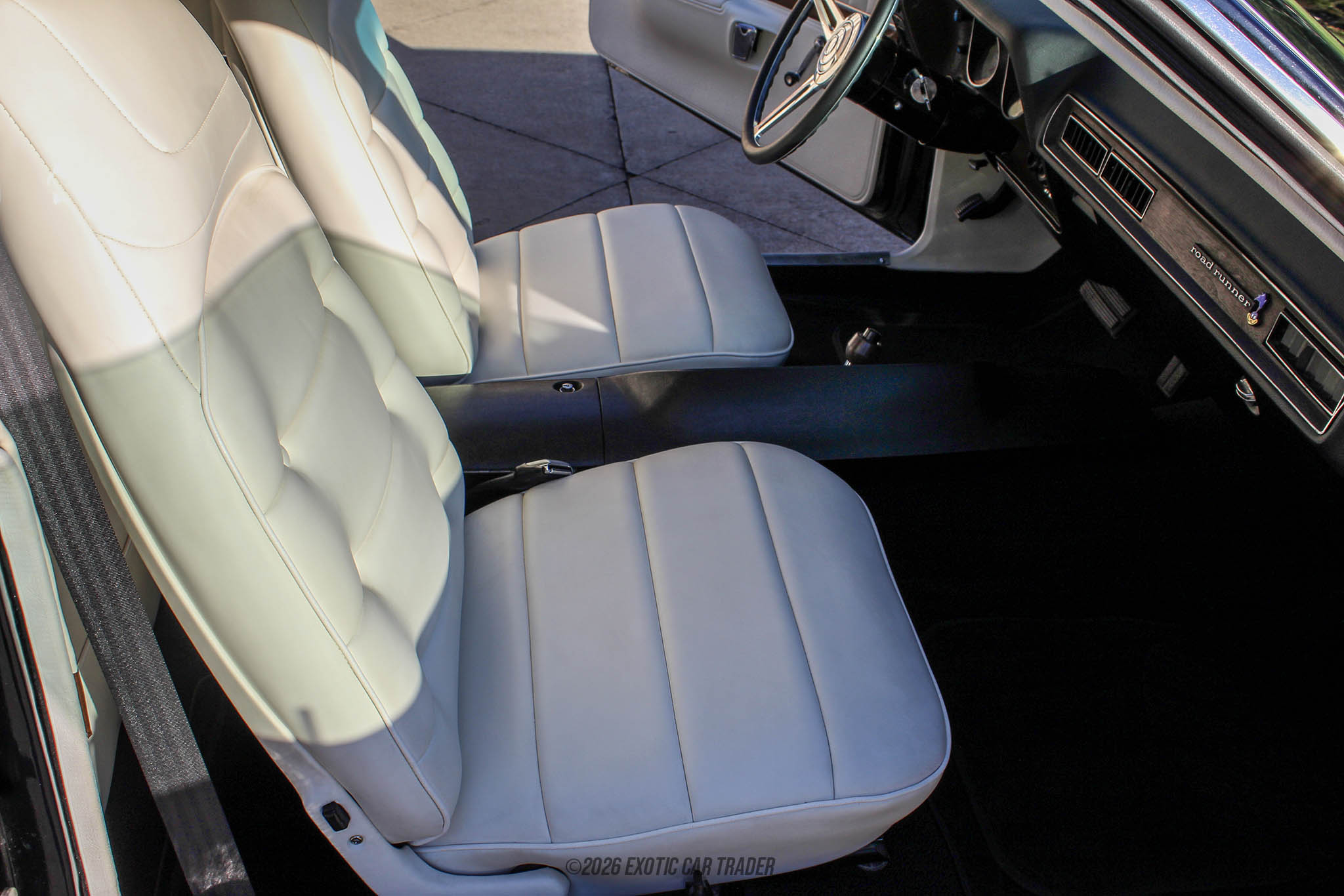
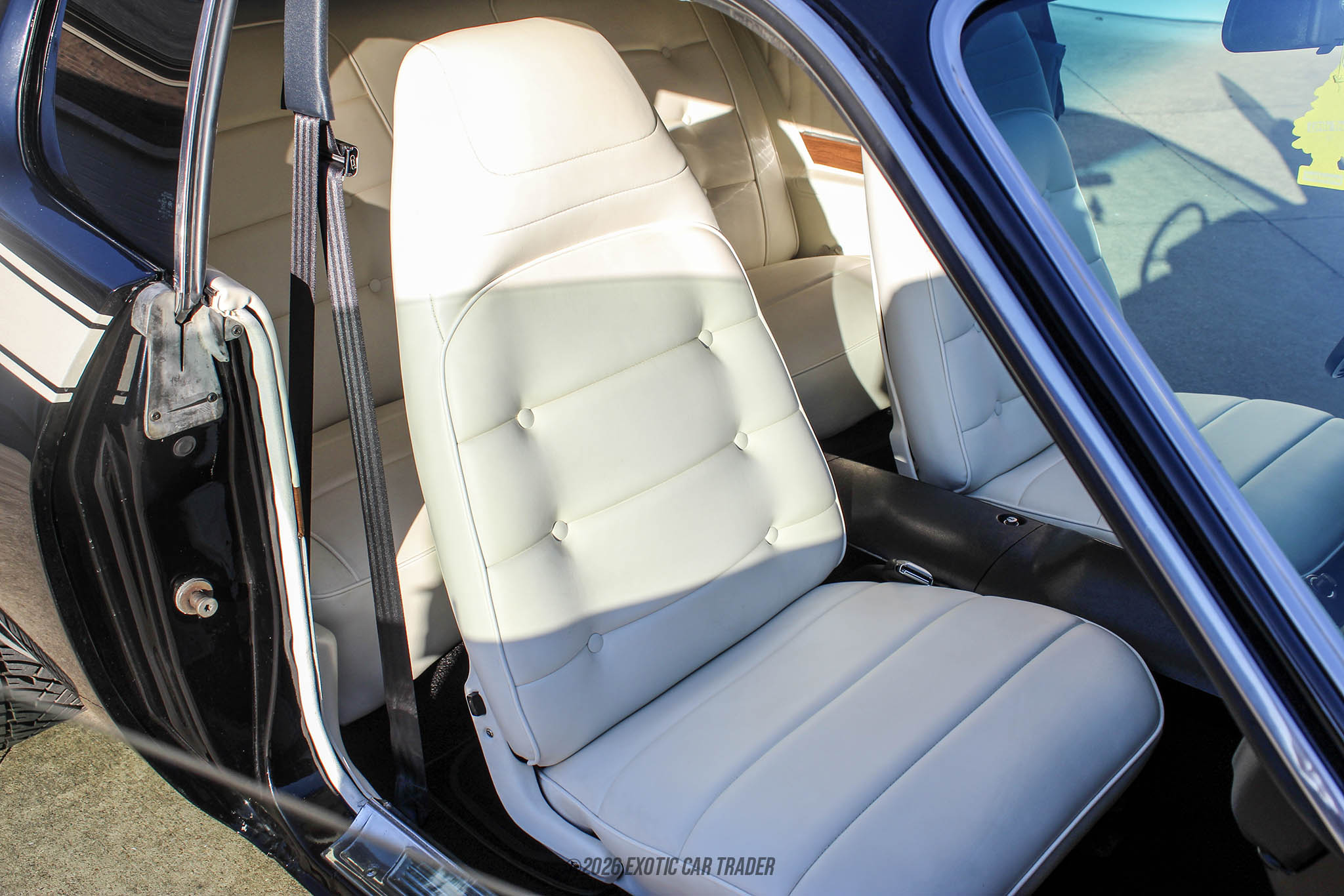
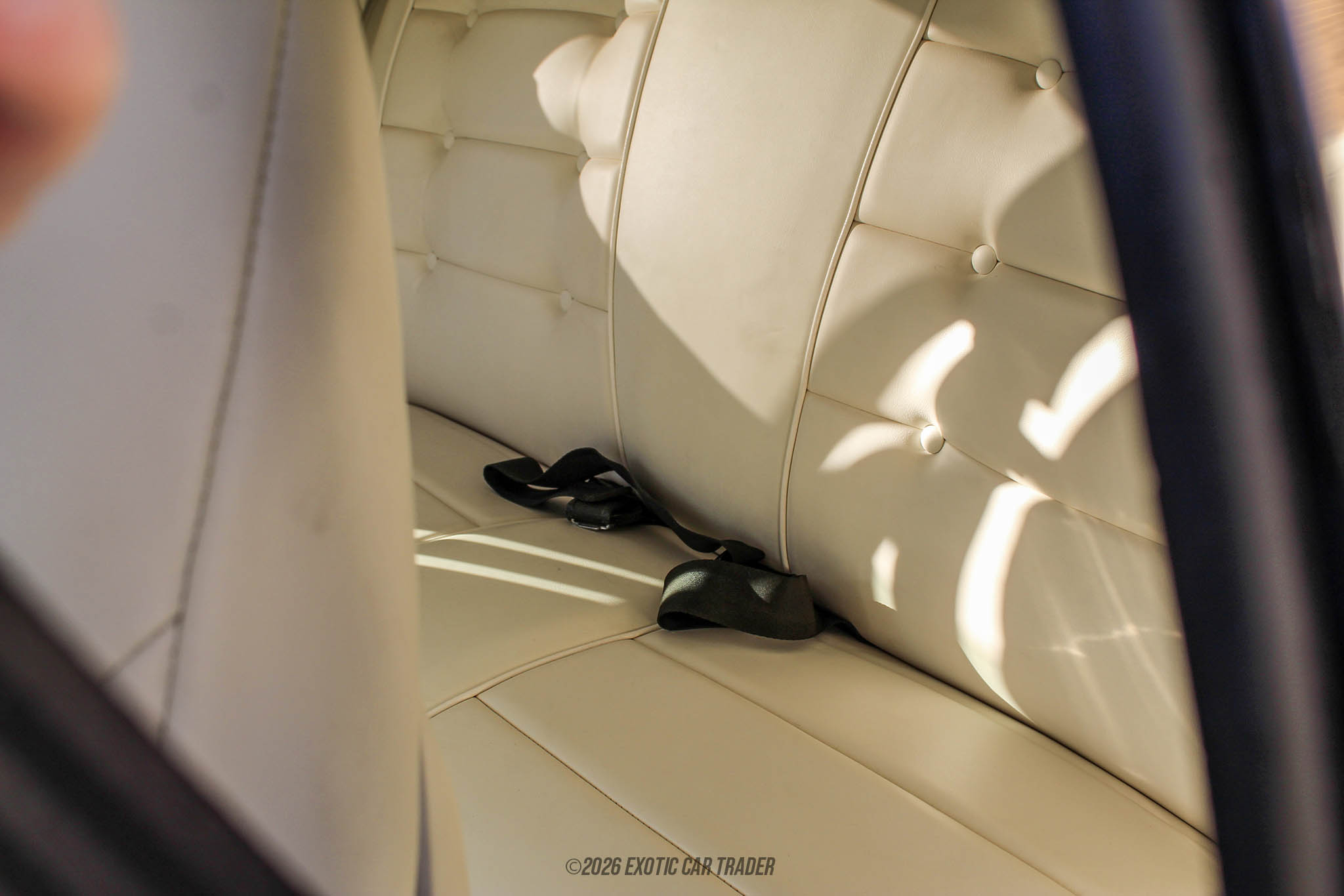
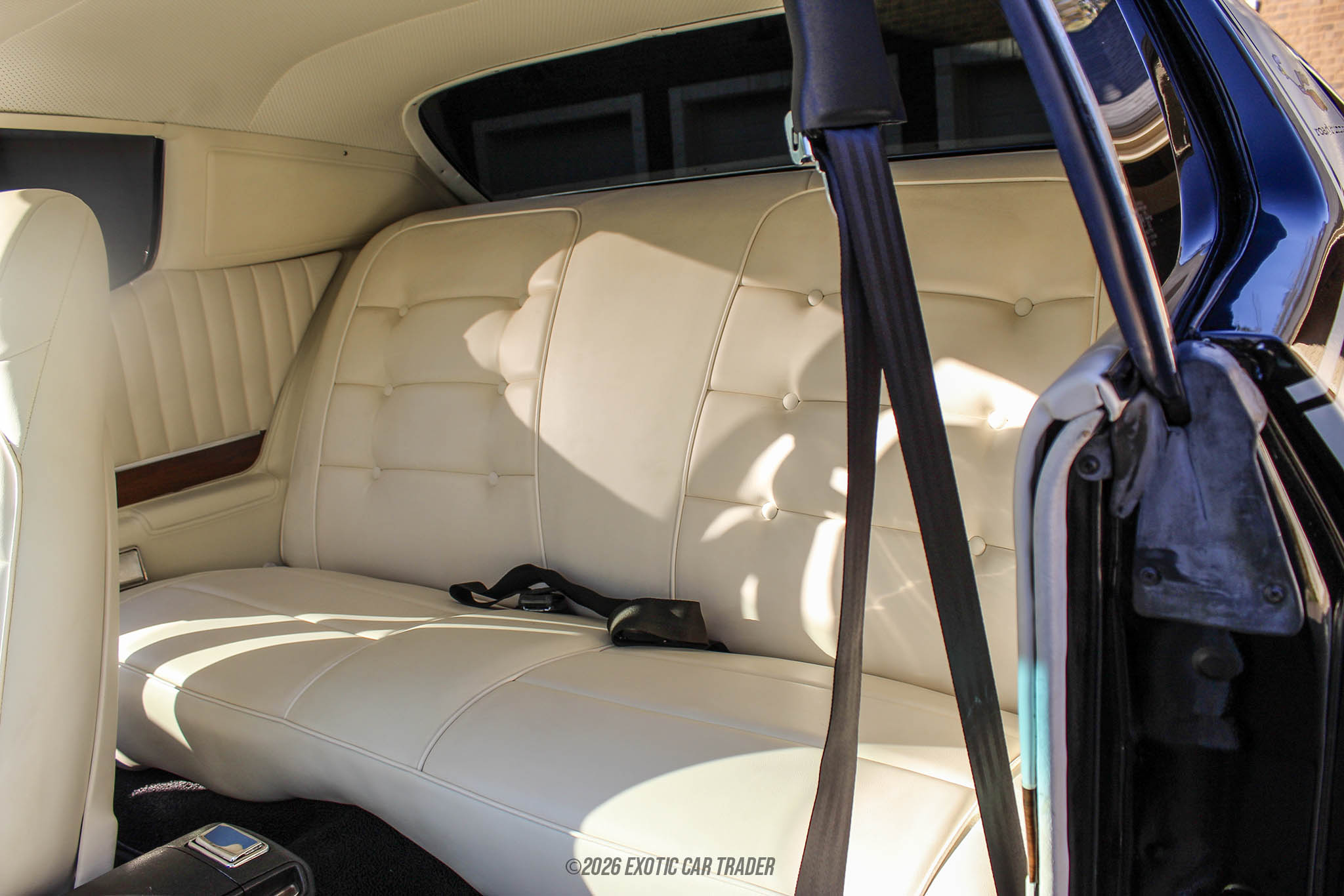
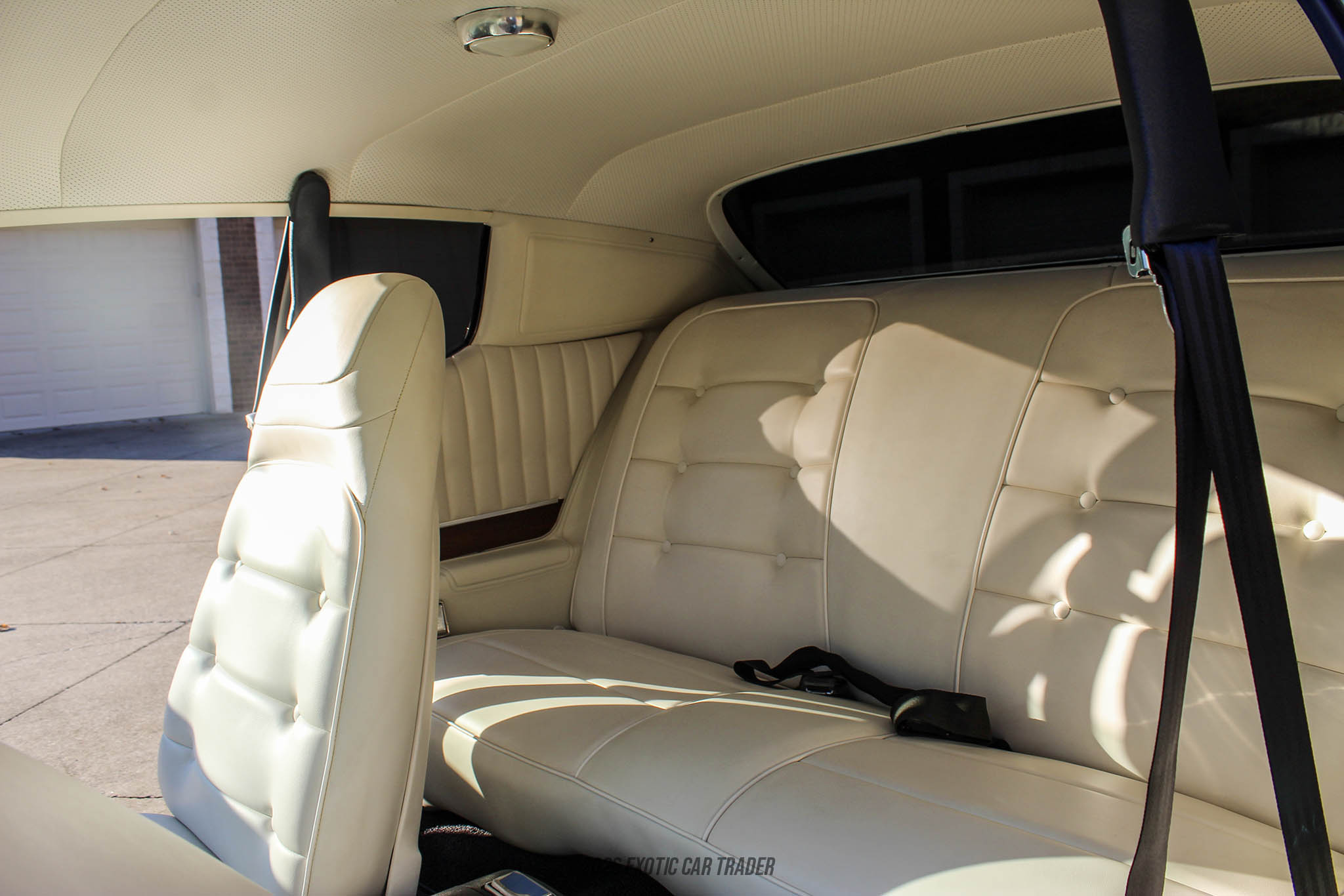
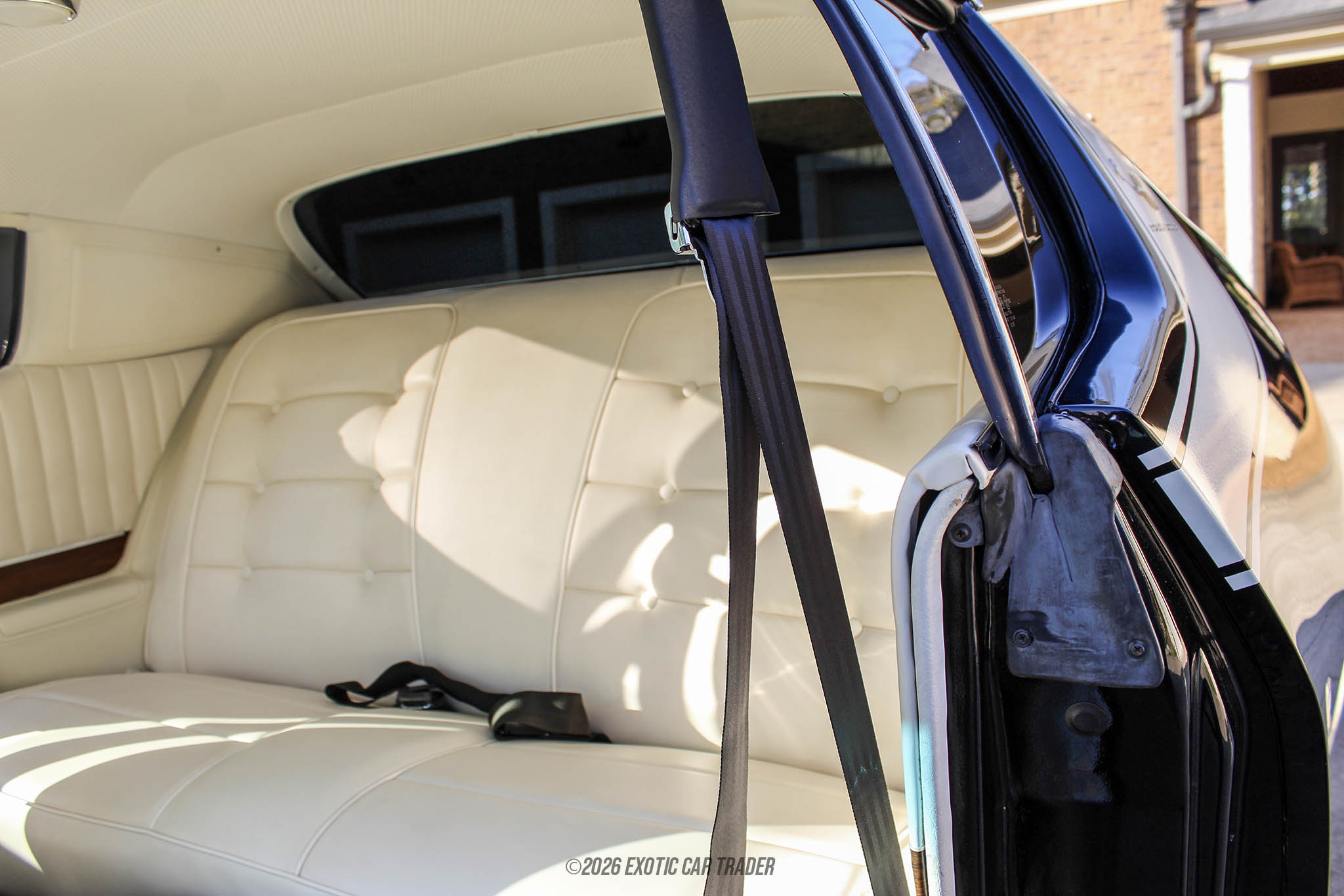
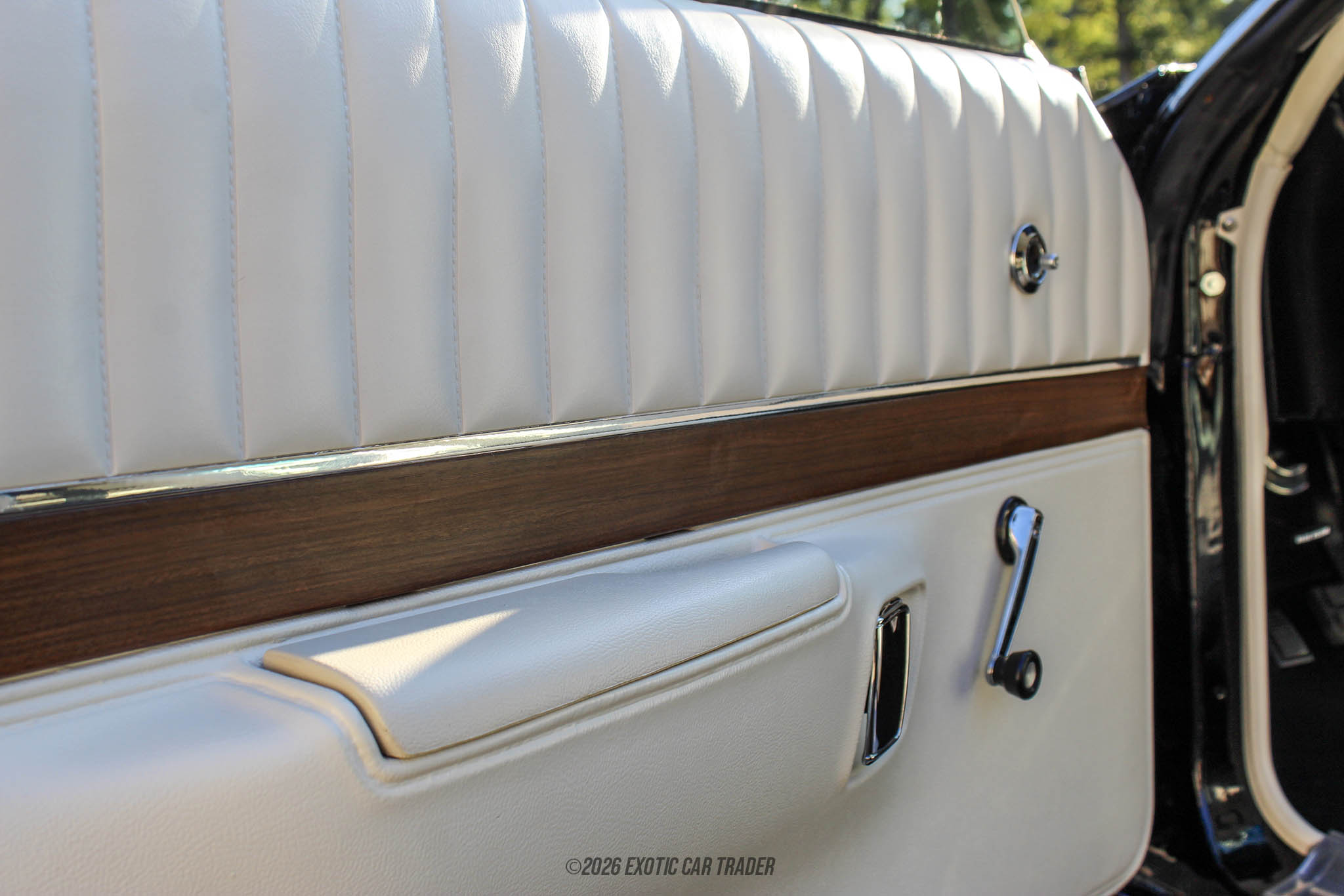
- White Vinyl Interior
- White Side Stripes
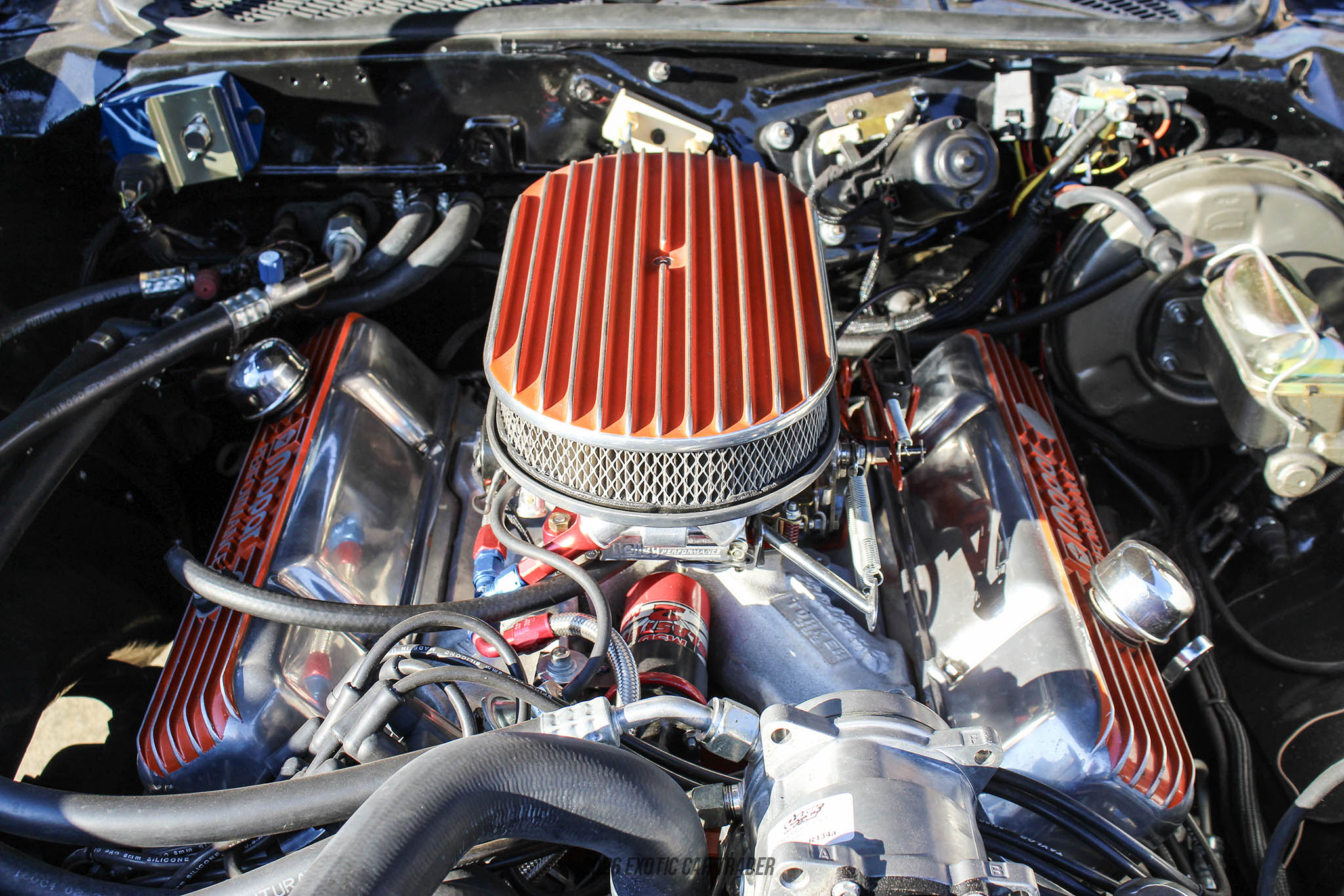
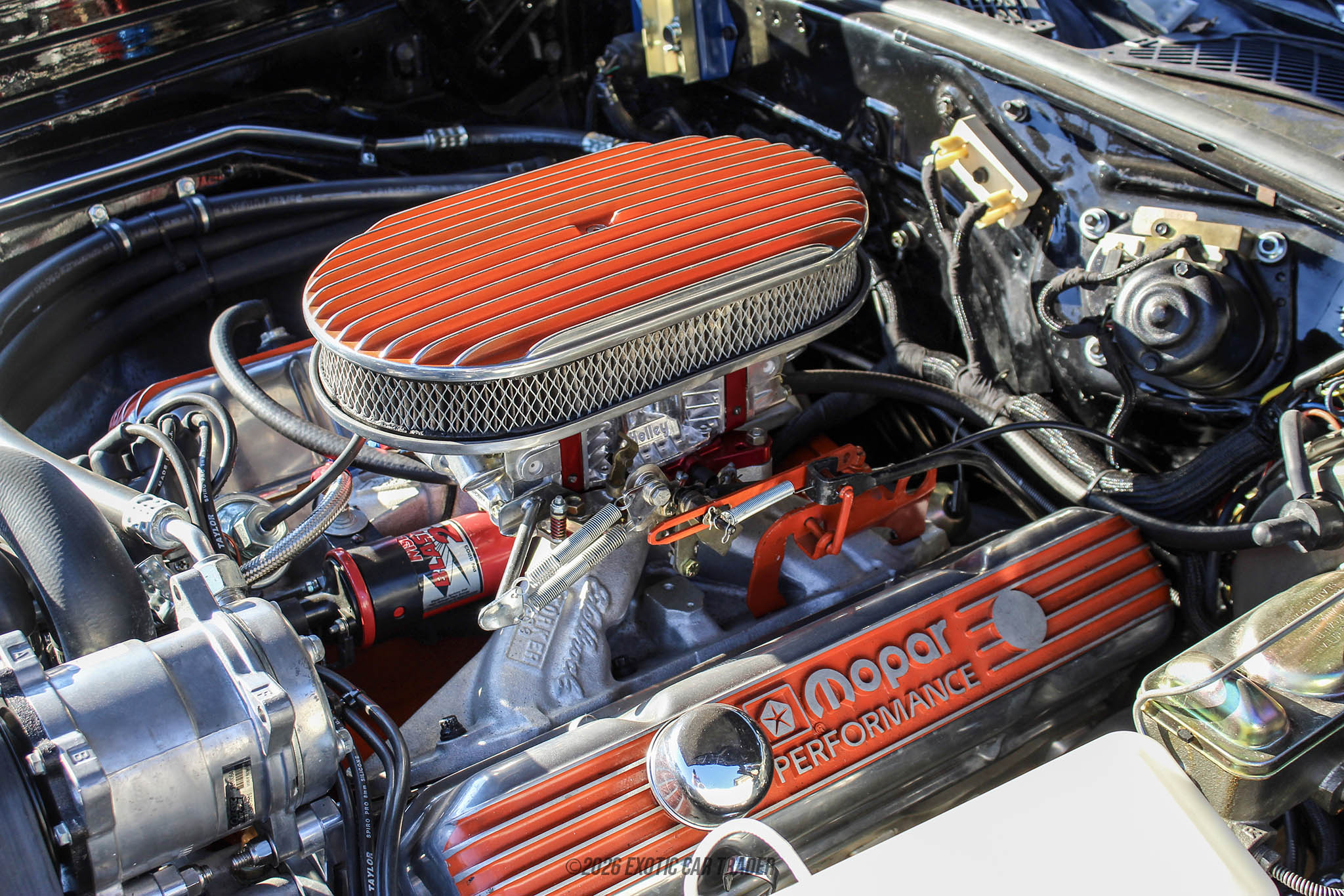
- Chrome Aftermarket Air Cleaner
- Chrome Valve Covers
- Aftermarket Aluminum Radiator
- Aftermarket Engine Cooling Fan
- Power Brakes w/ Brake Booster
- Front Disc Brakes
- Power Steering
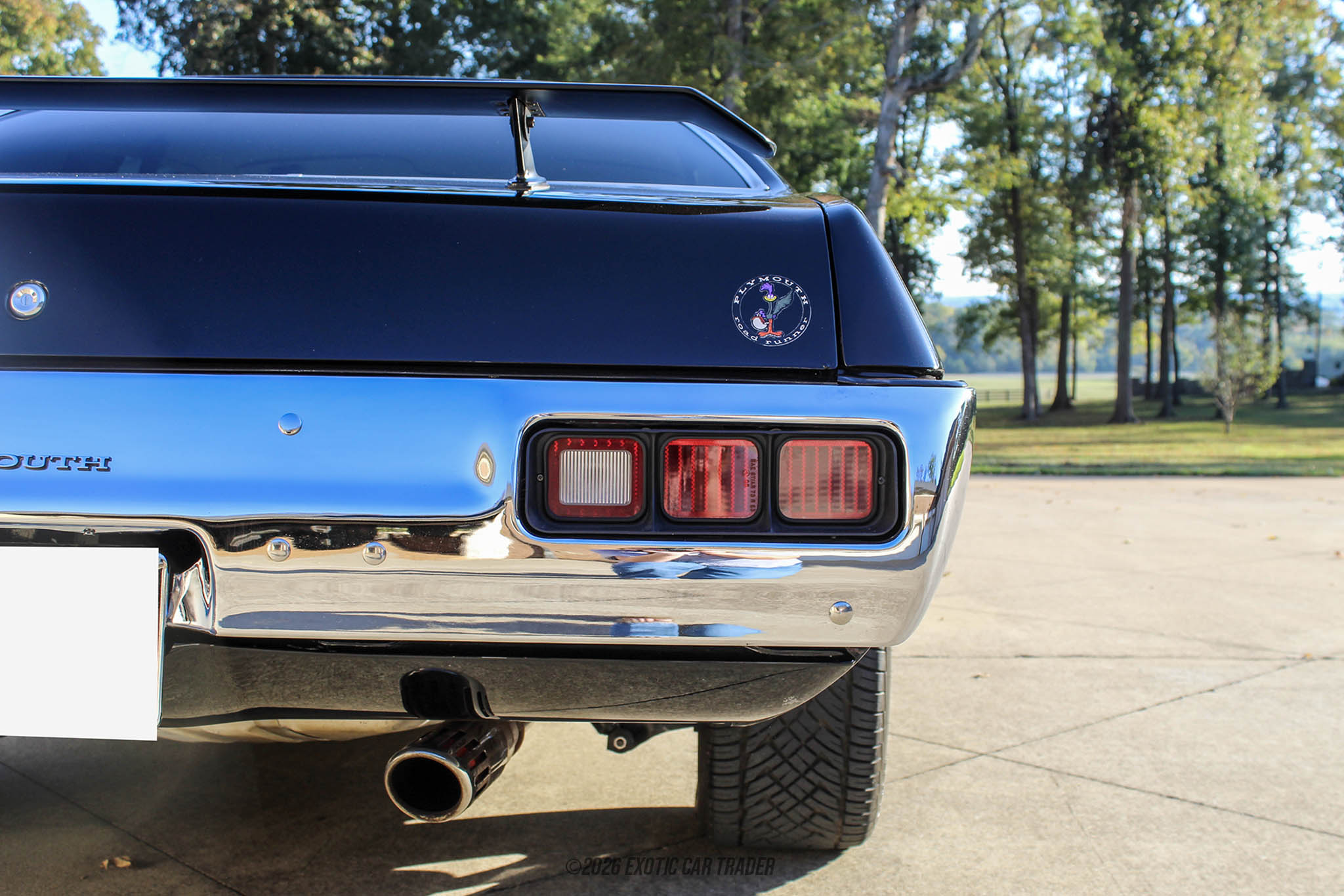
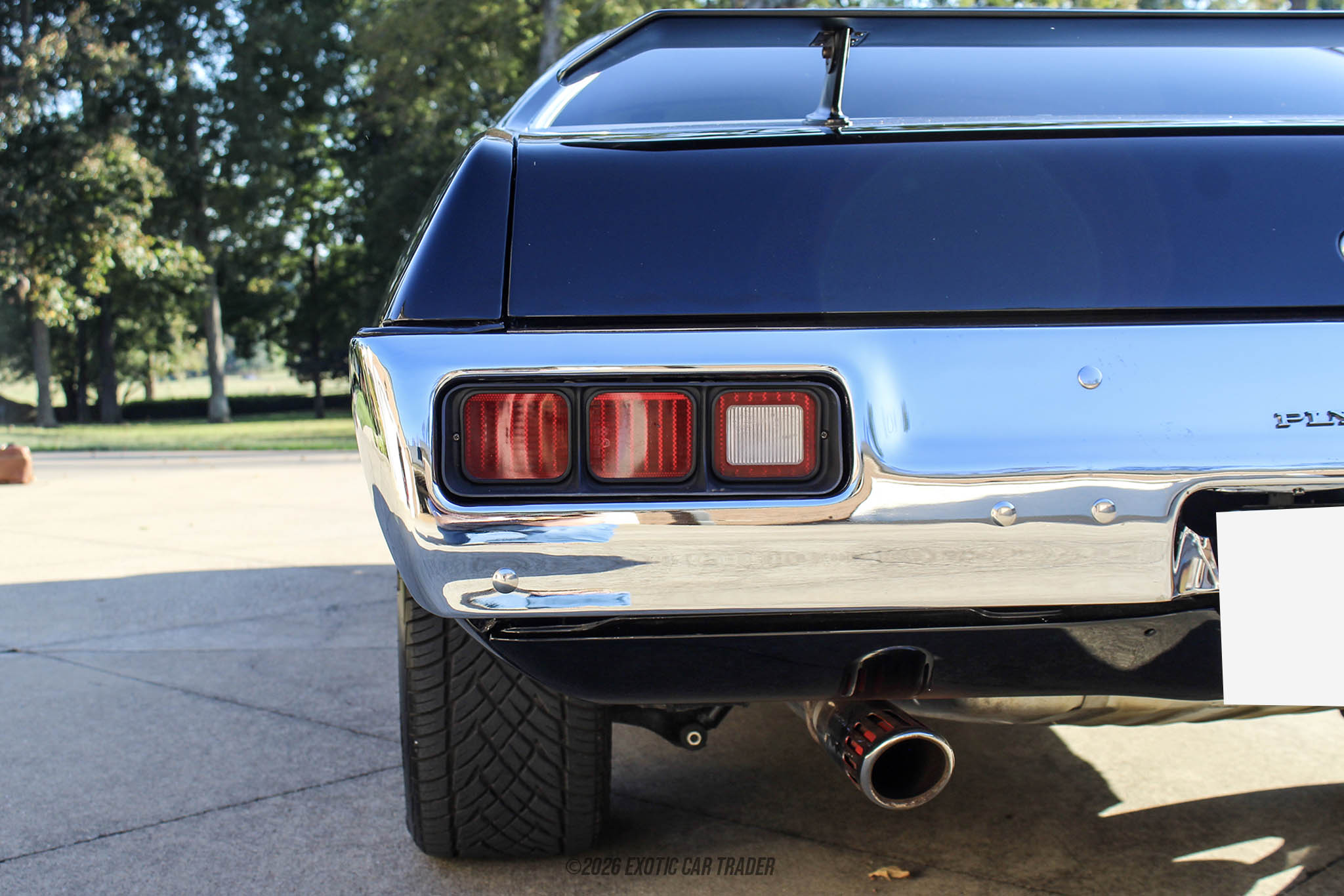
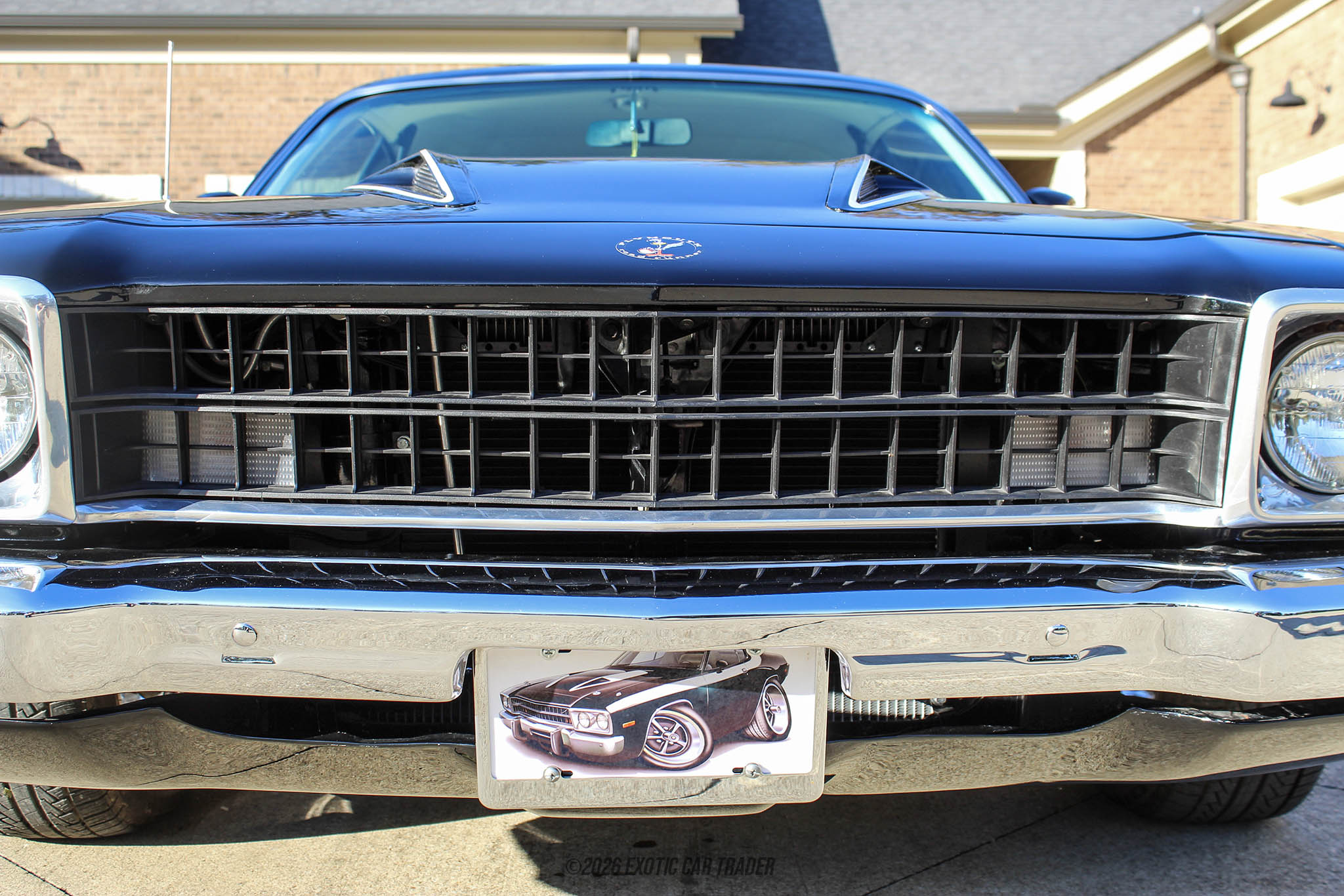
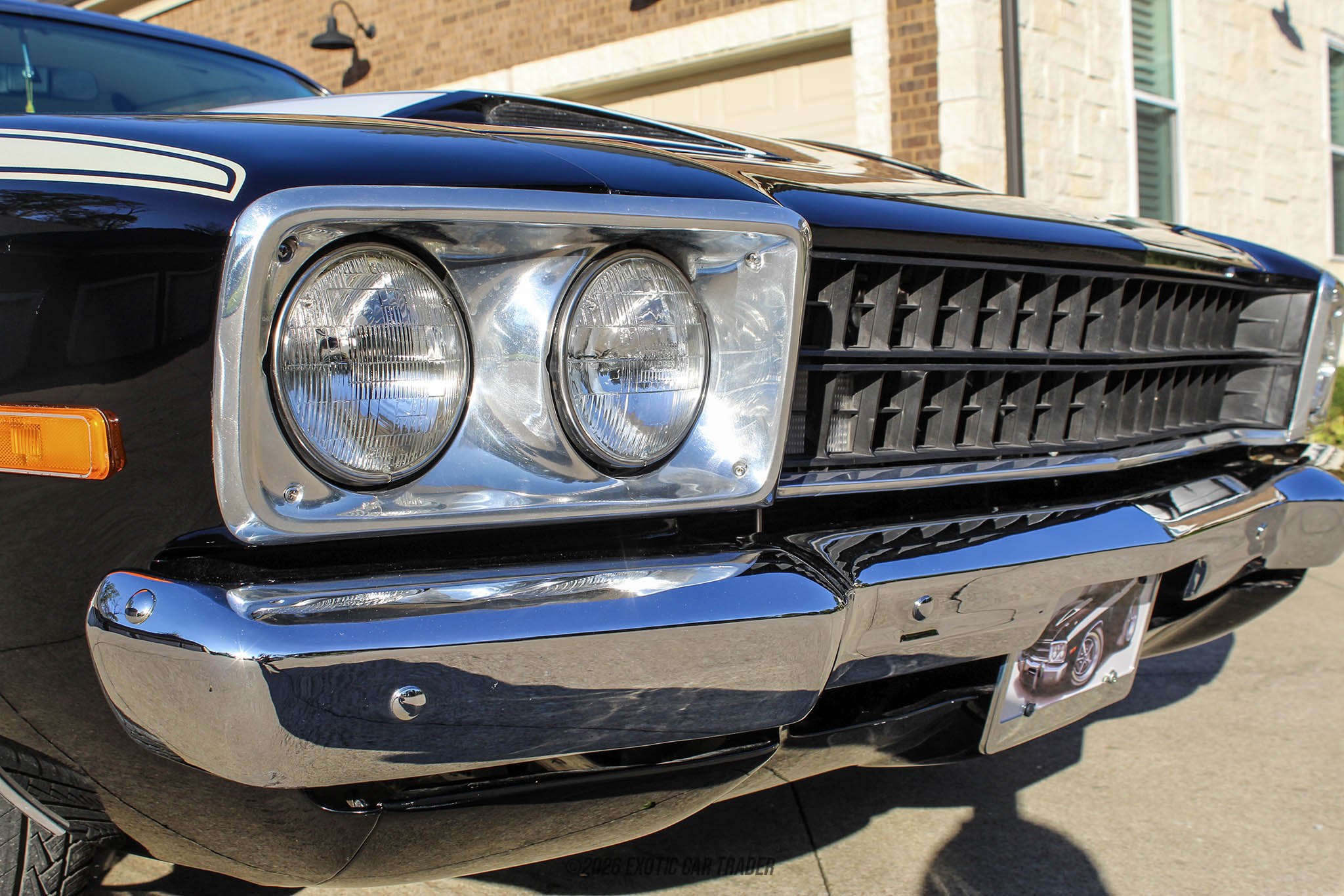
- Chrome Front & Rear Bumpers
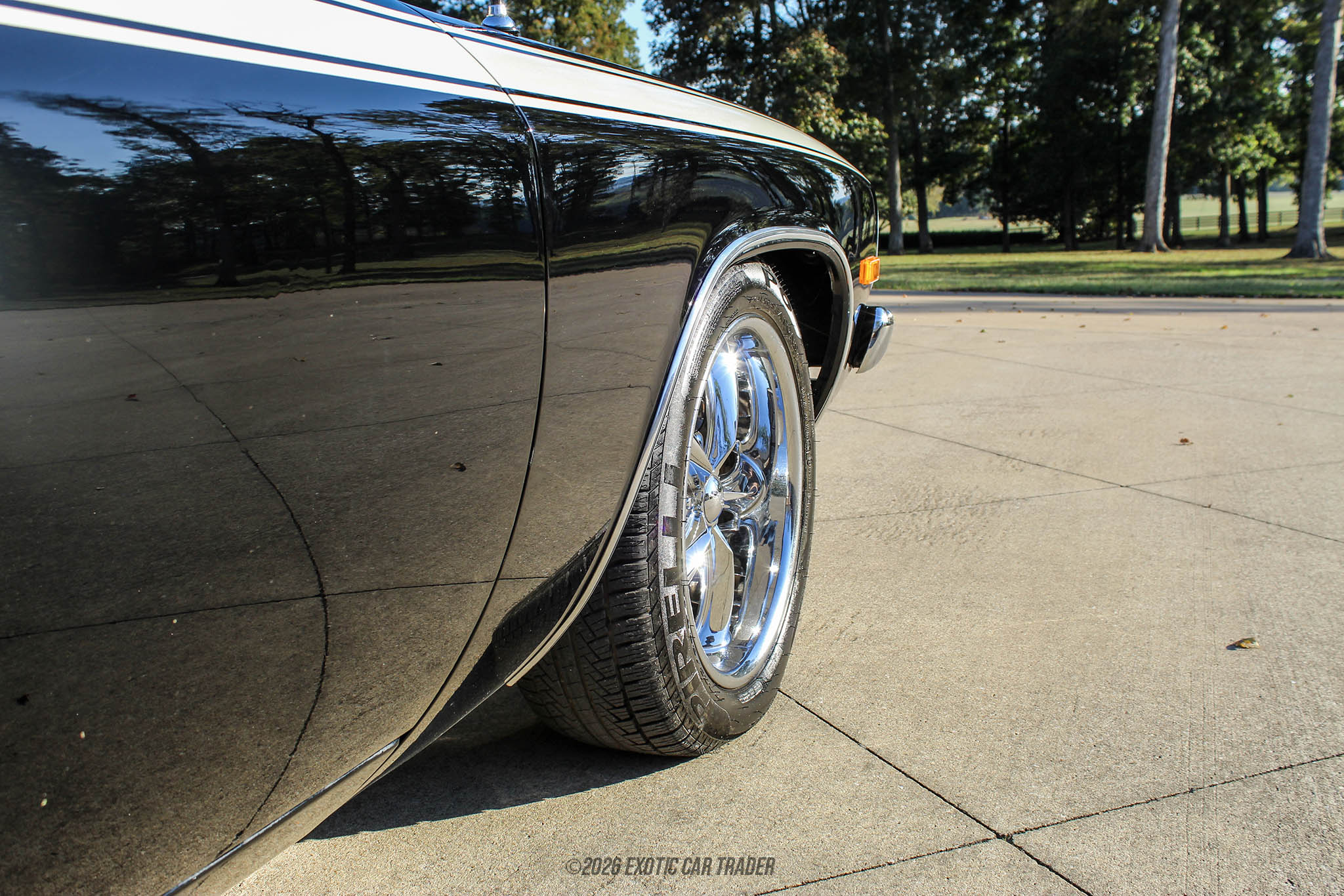
- Chrome Wheel Arch Moldings
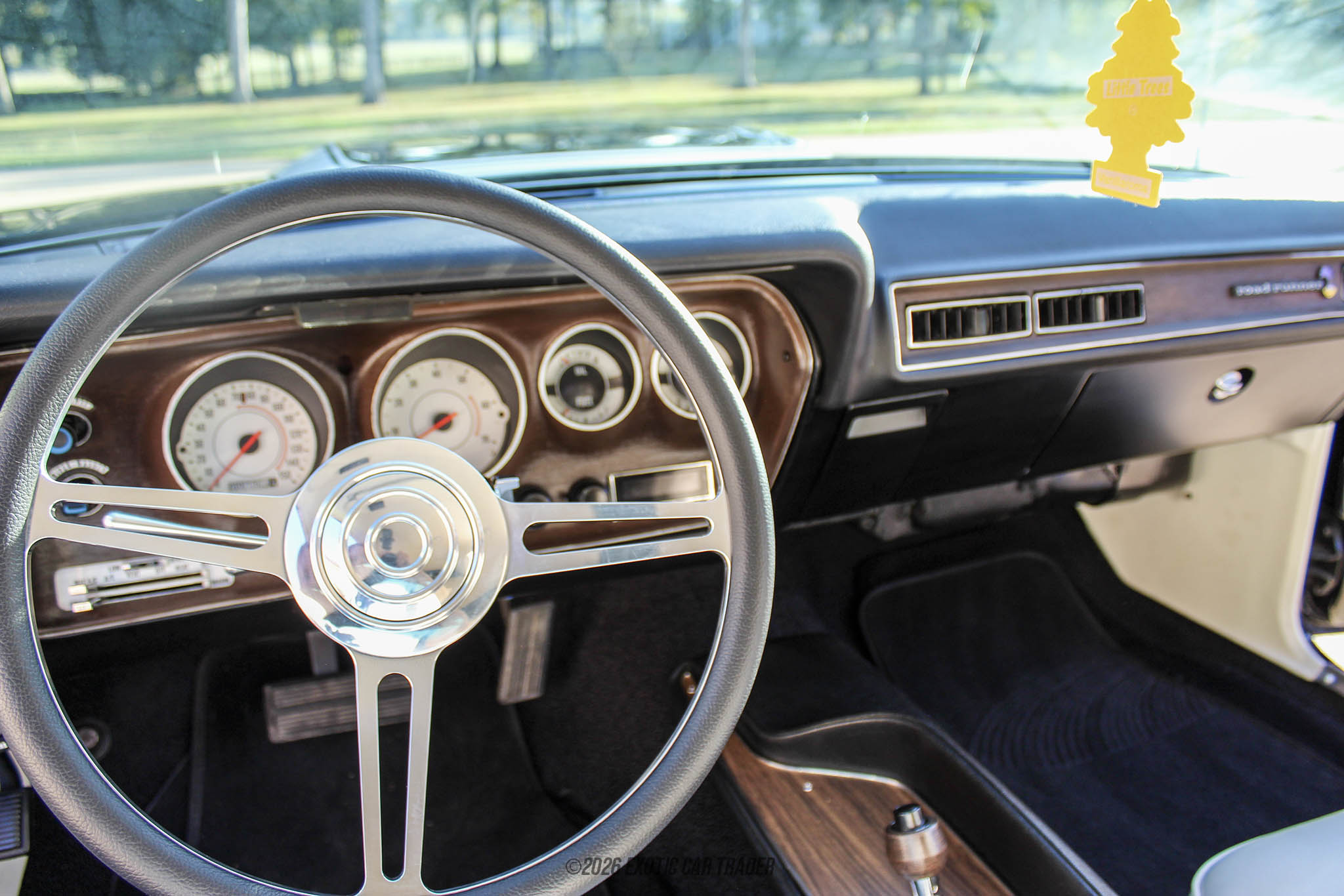
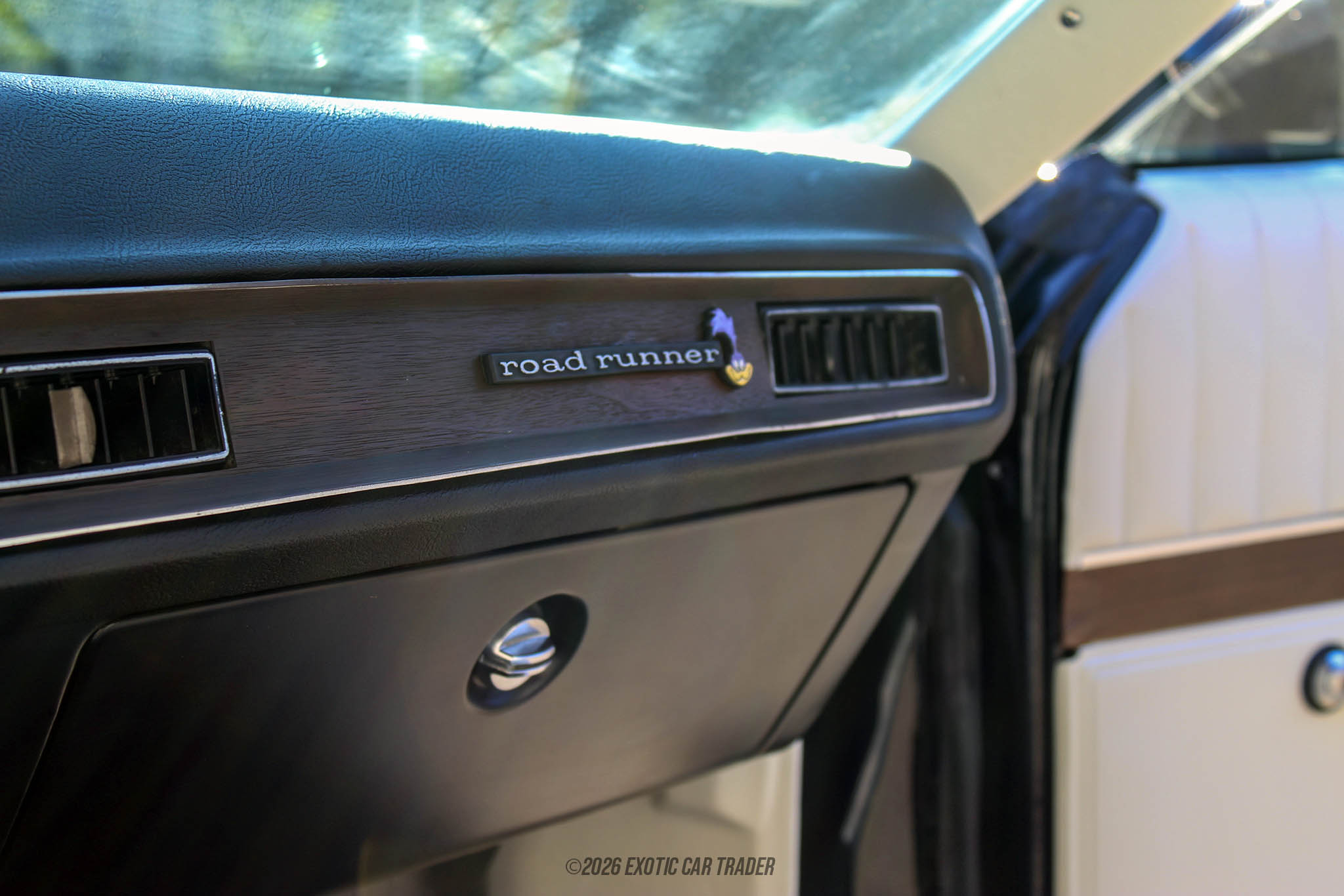
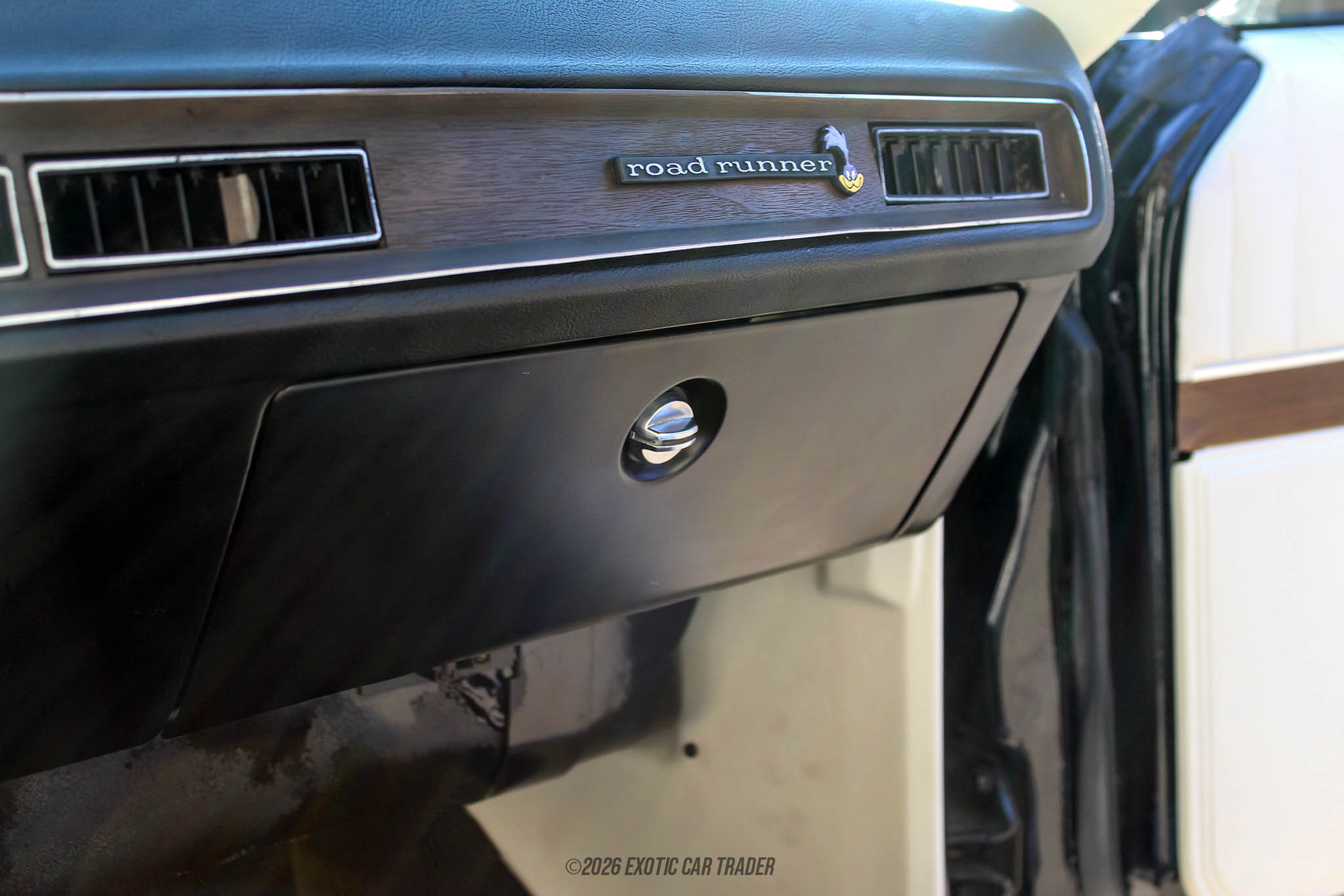
- Woodgrain Dashboard Trim
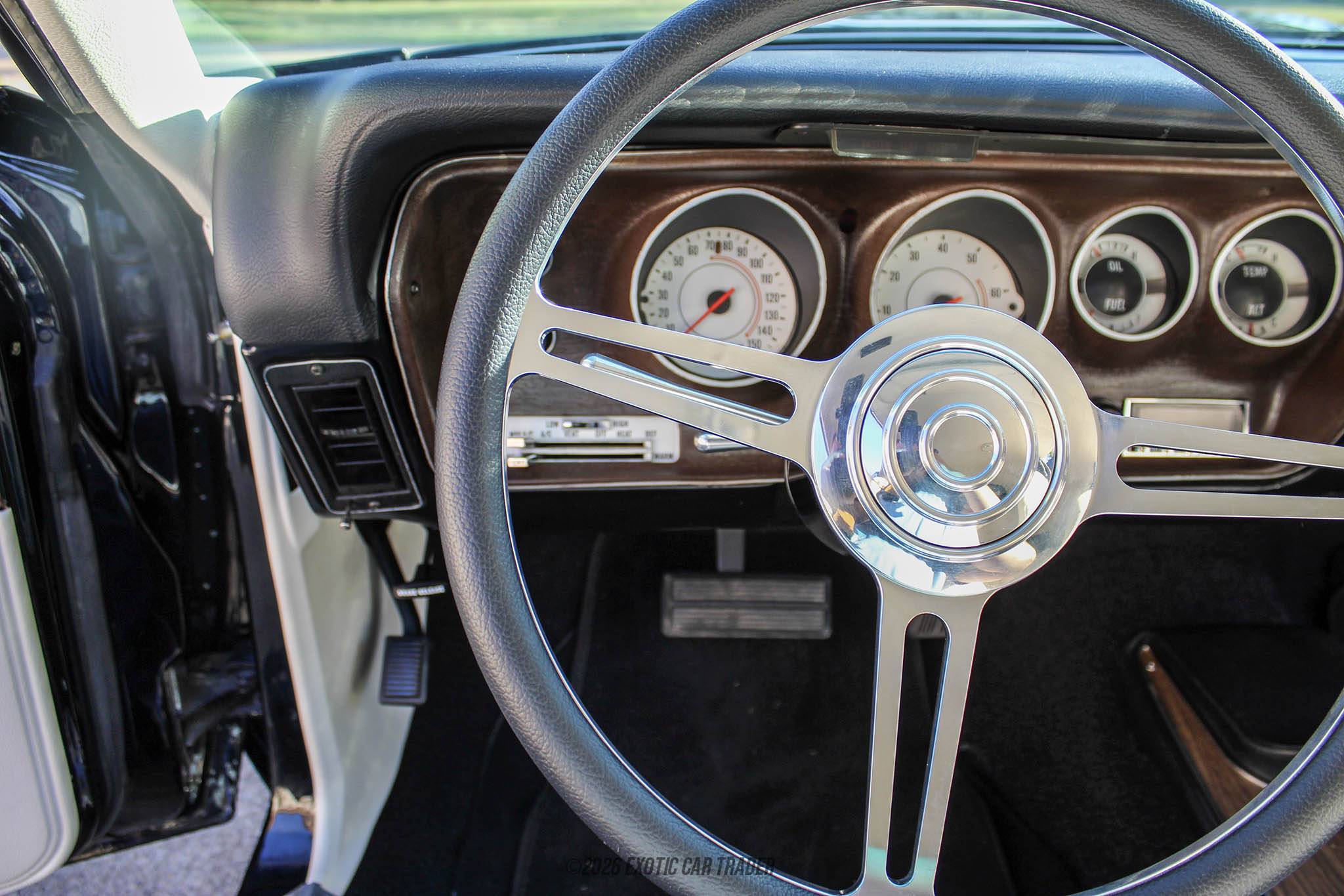
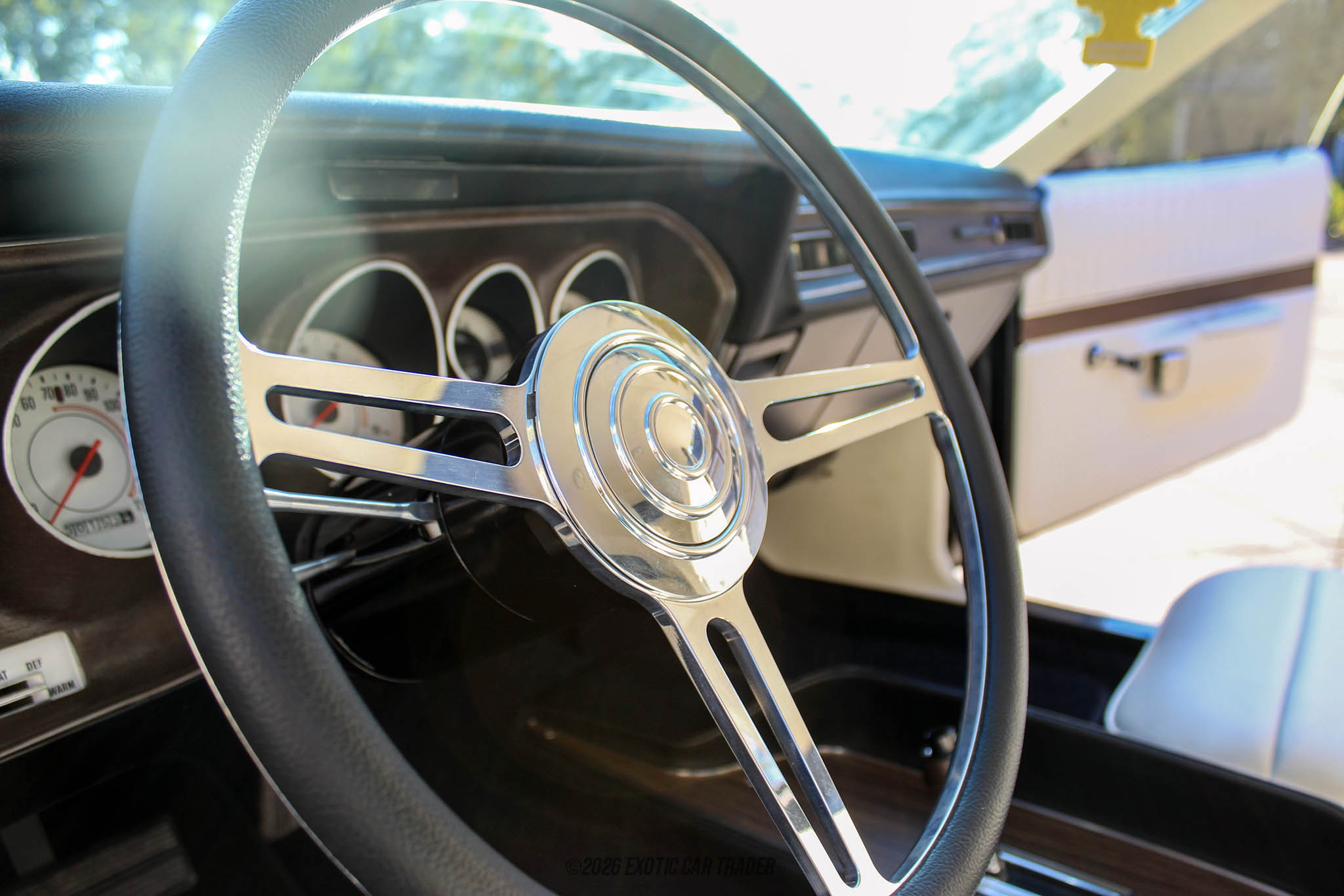
- Aftermarket Steering Wheel
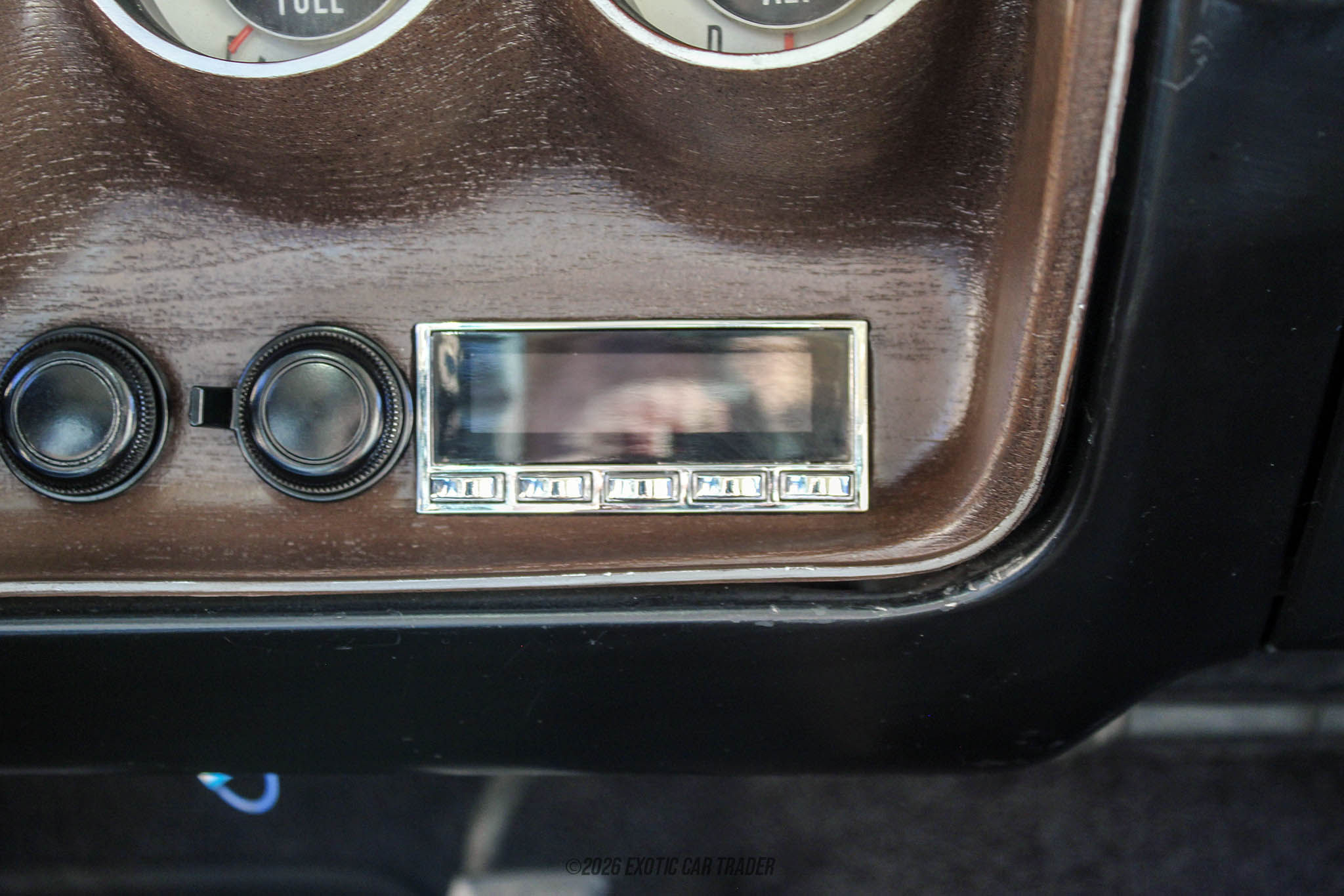
- Aftermarket Digital Audio Receiver
- Aftermarket Wheels
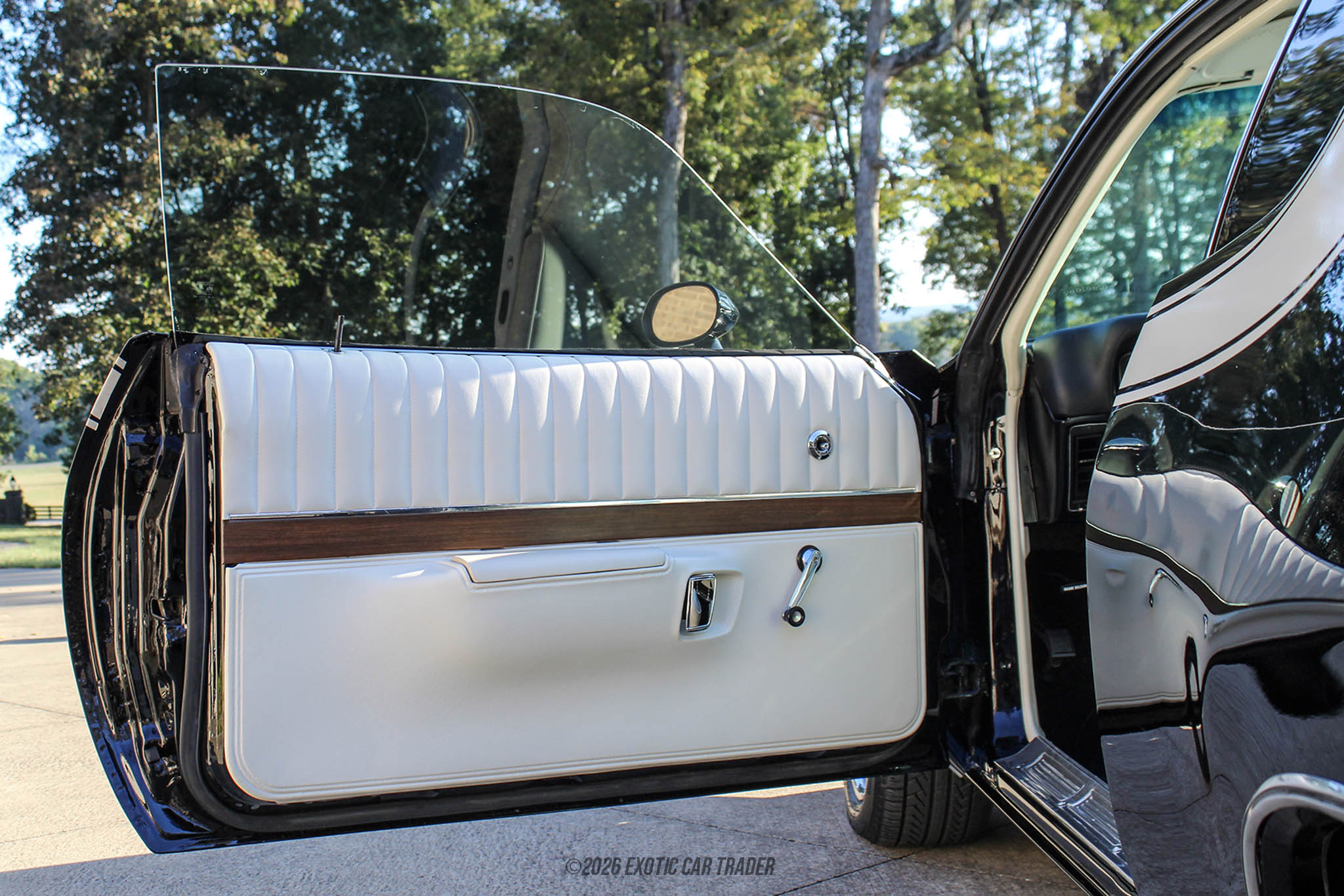
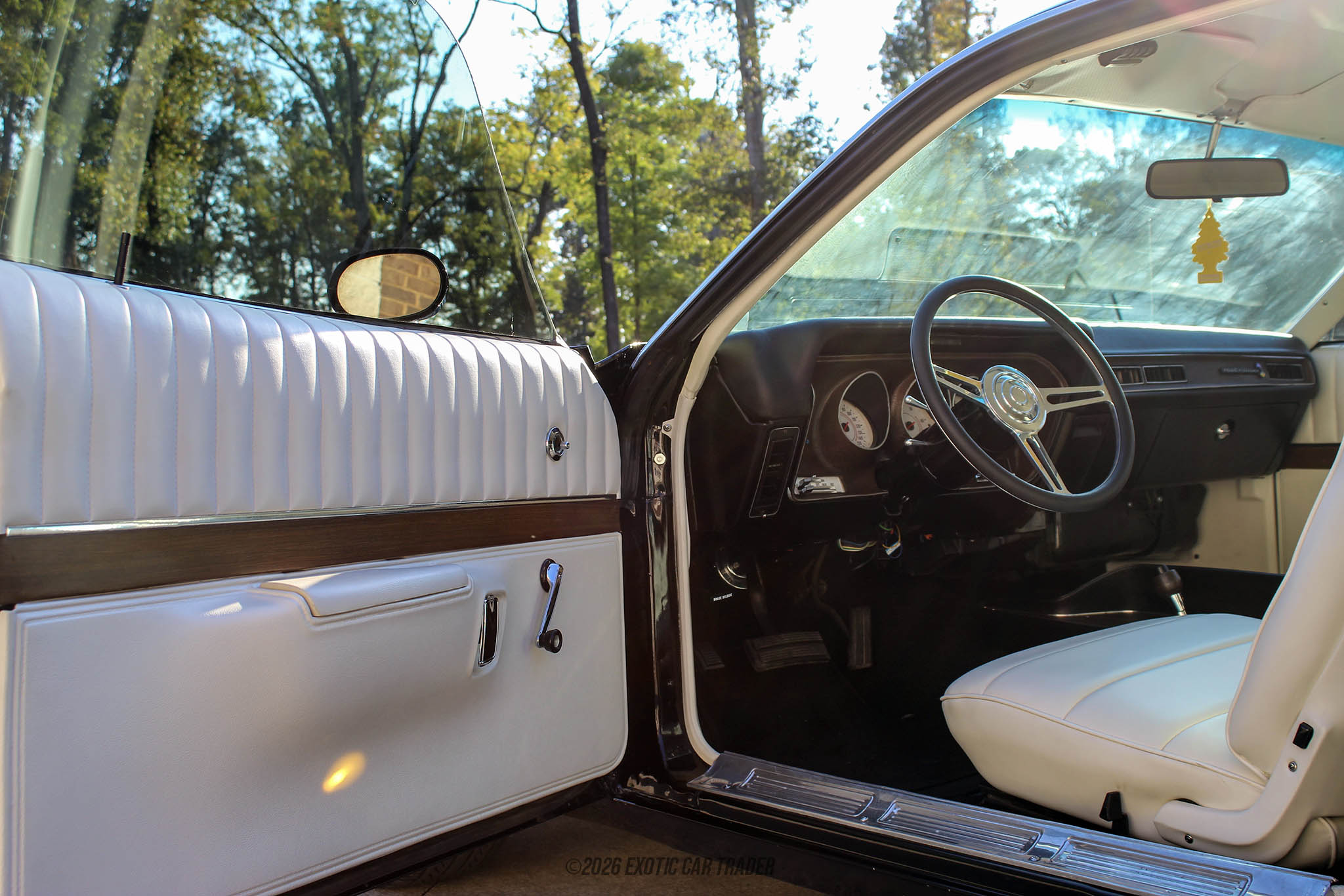
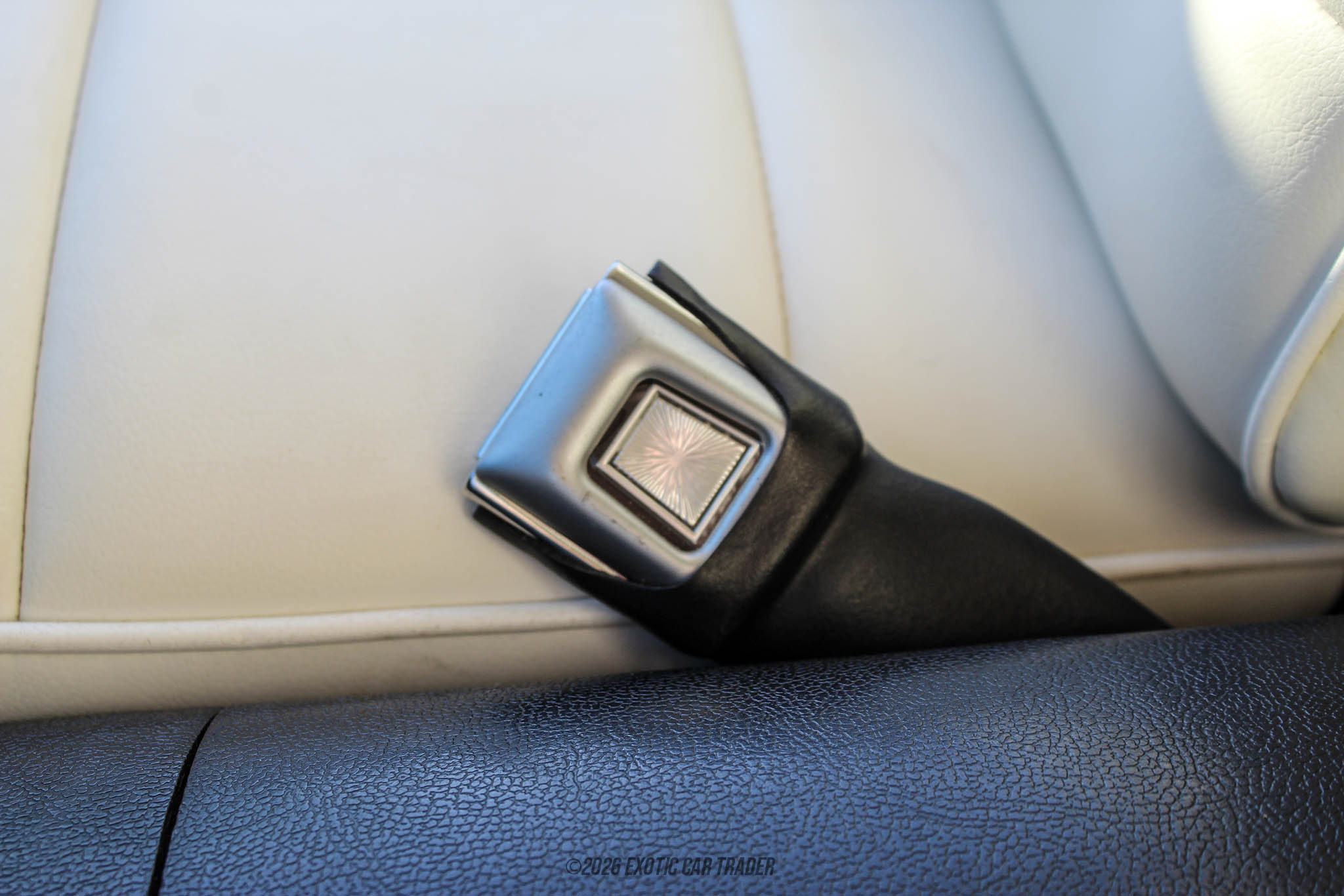
- Reupholstered Interior


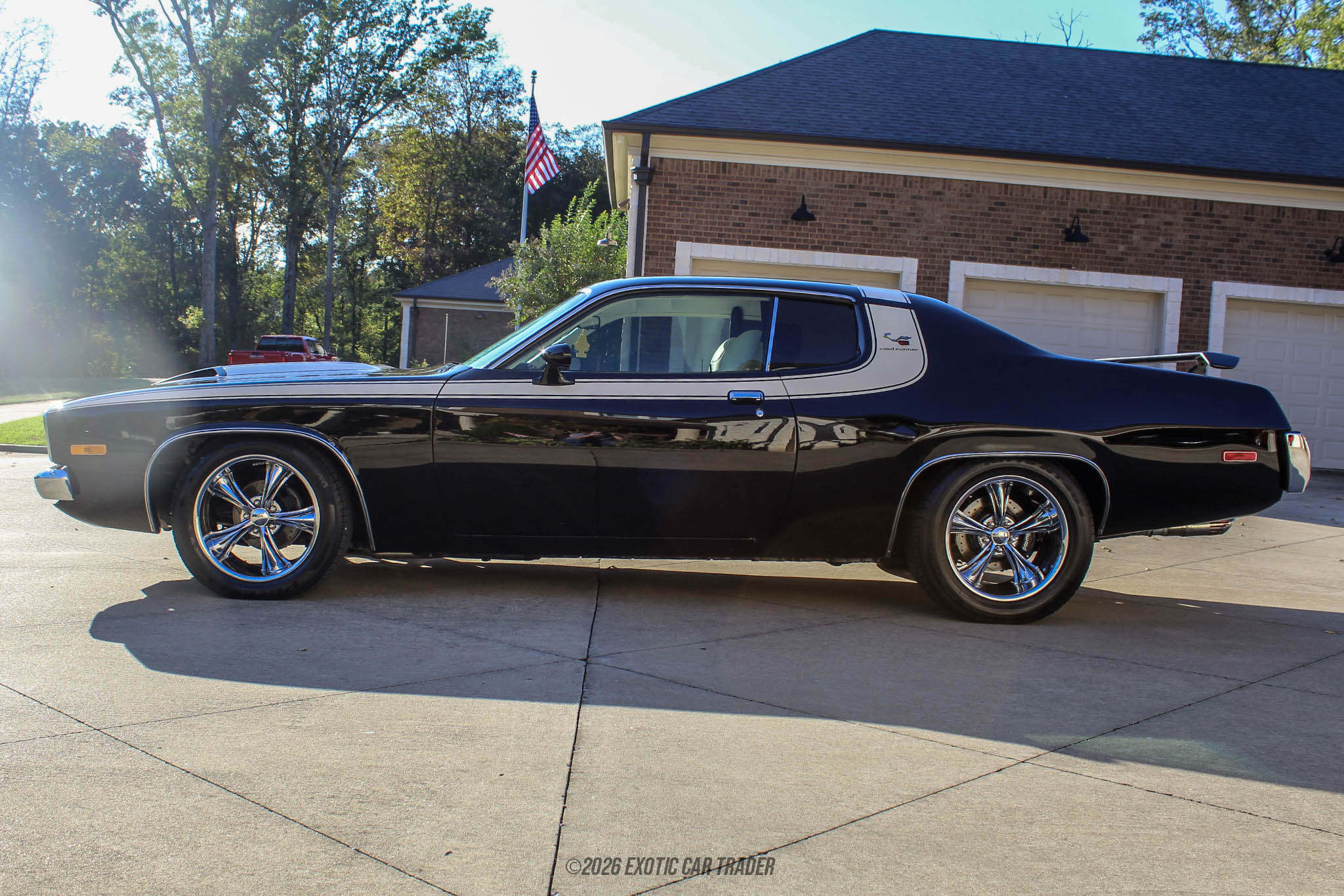
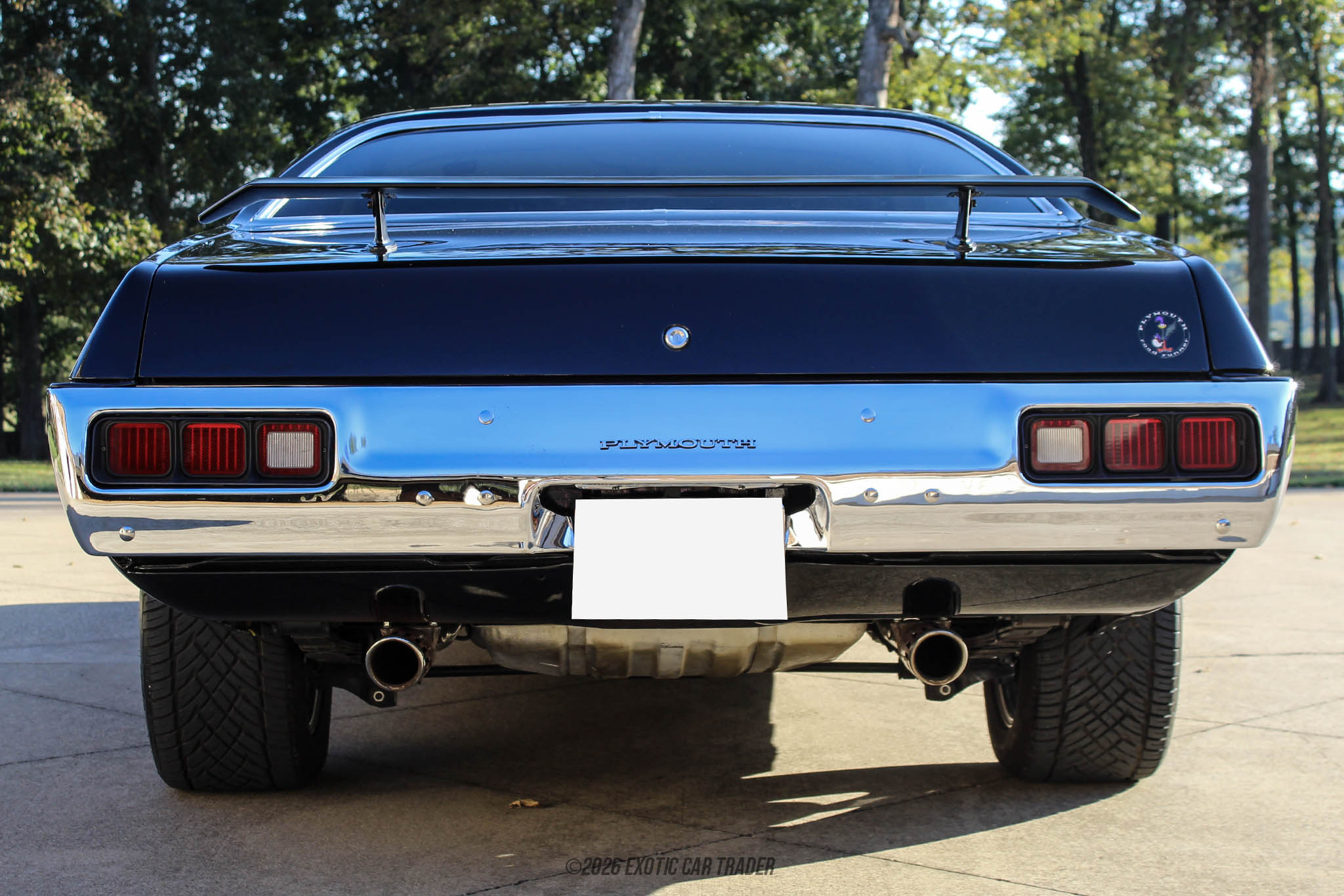
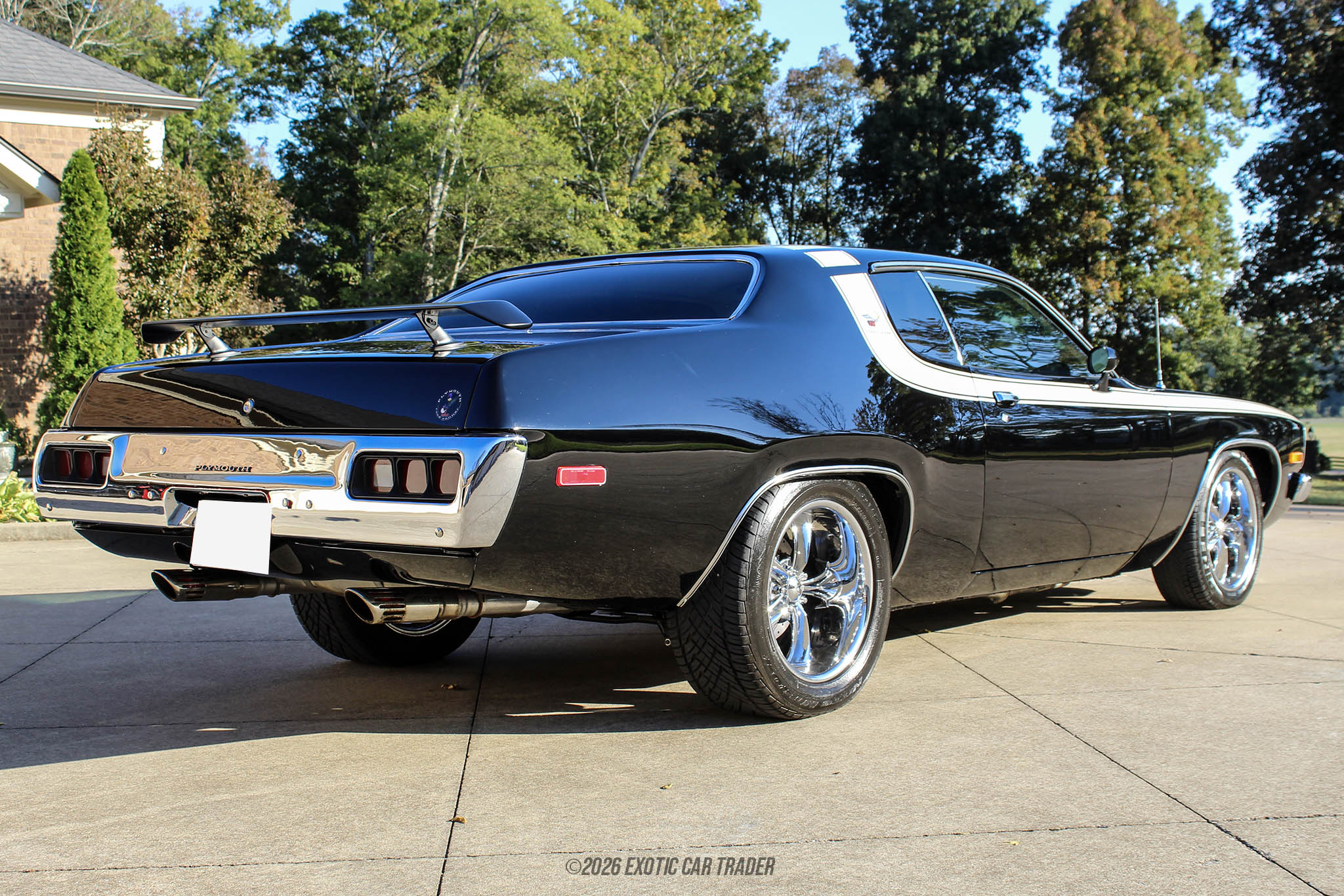
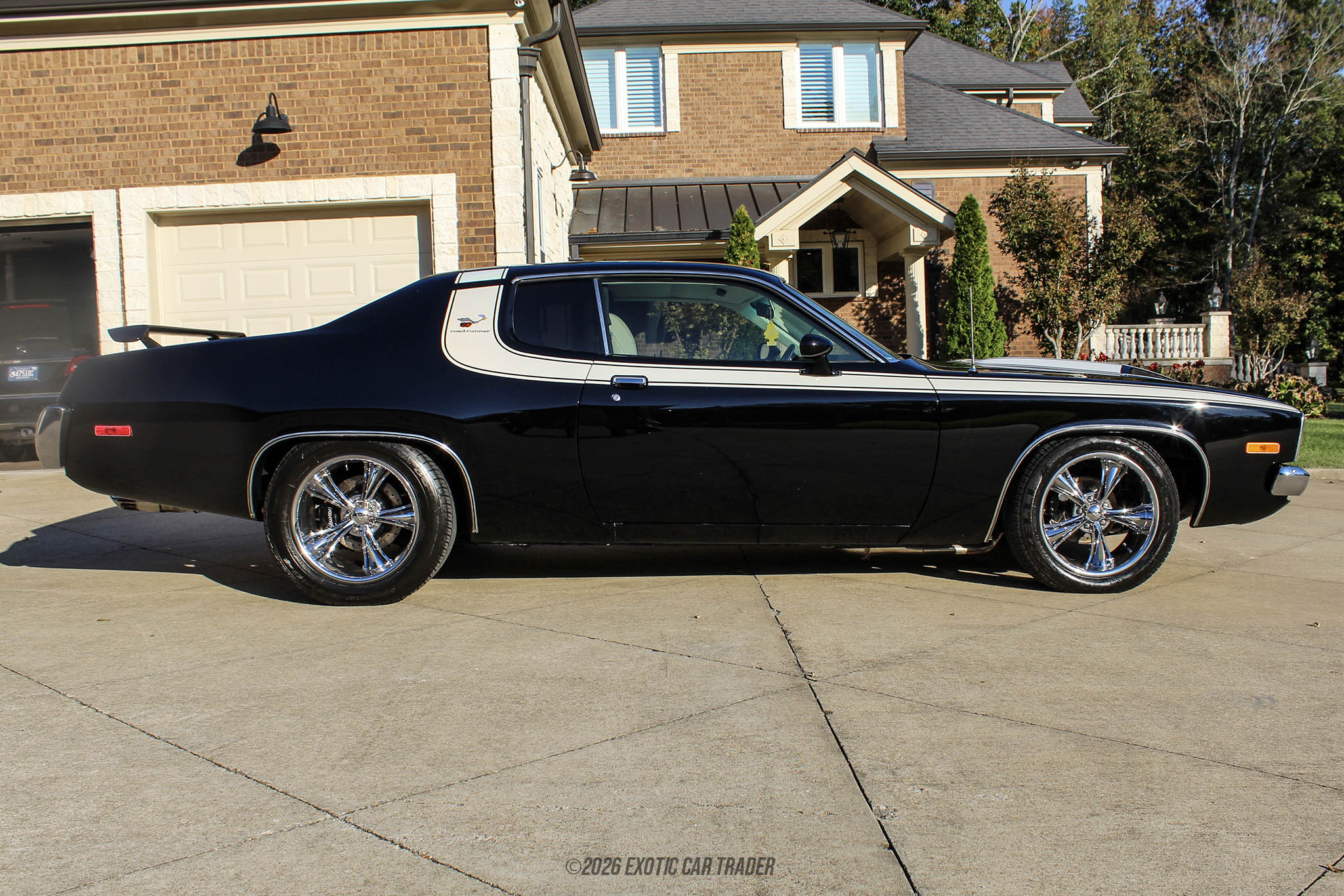
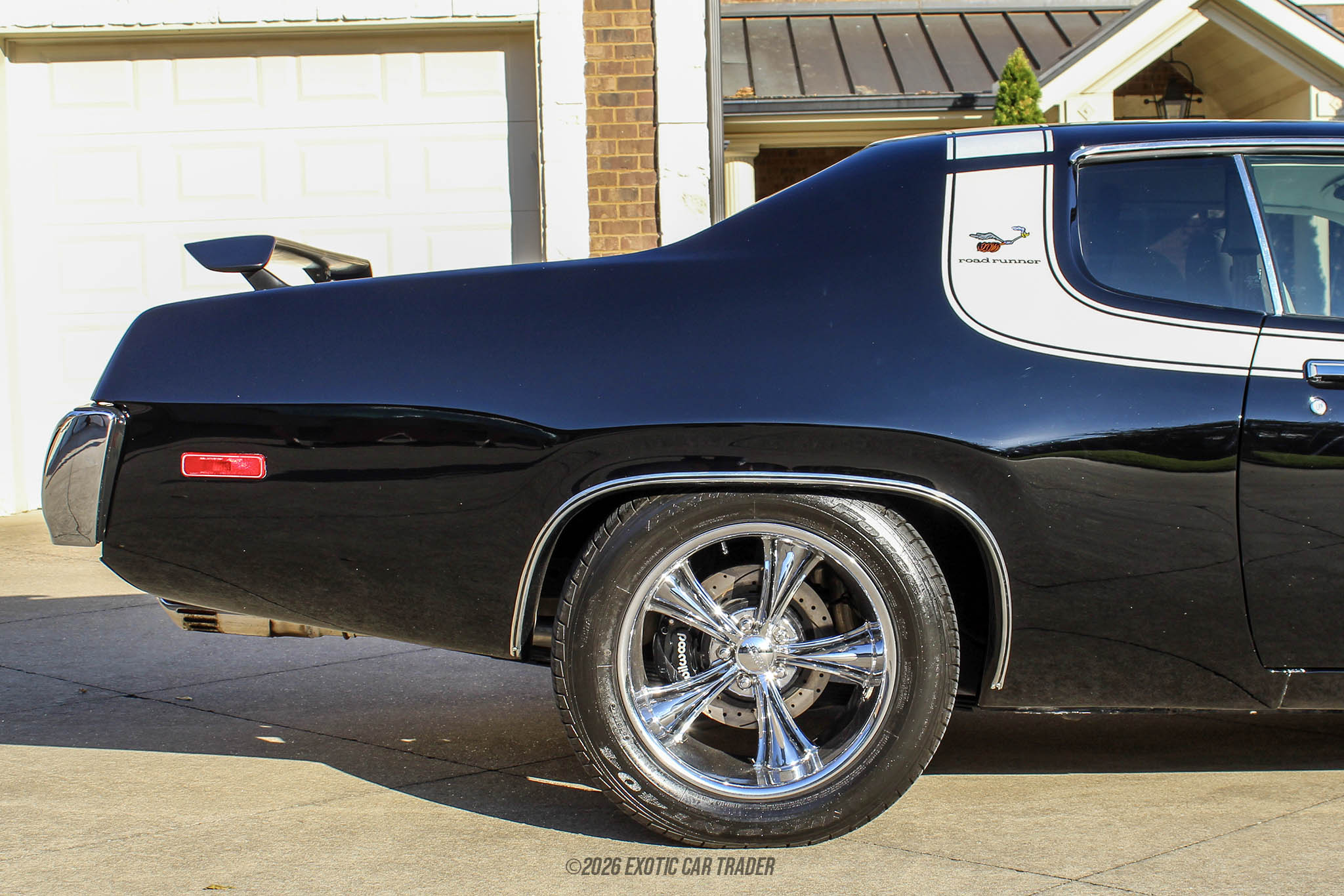
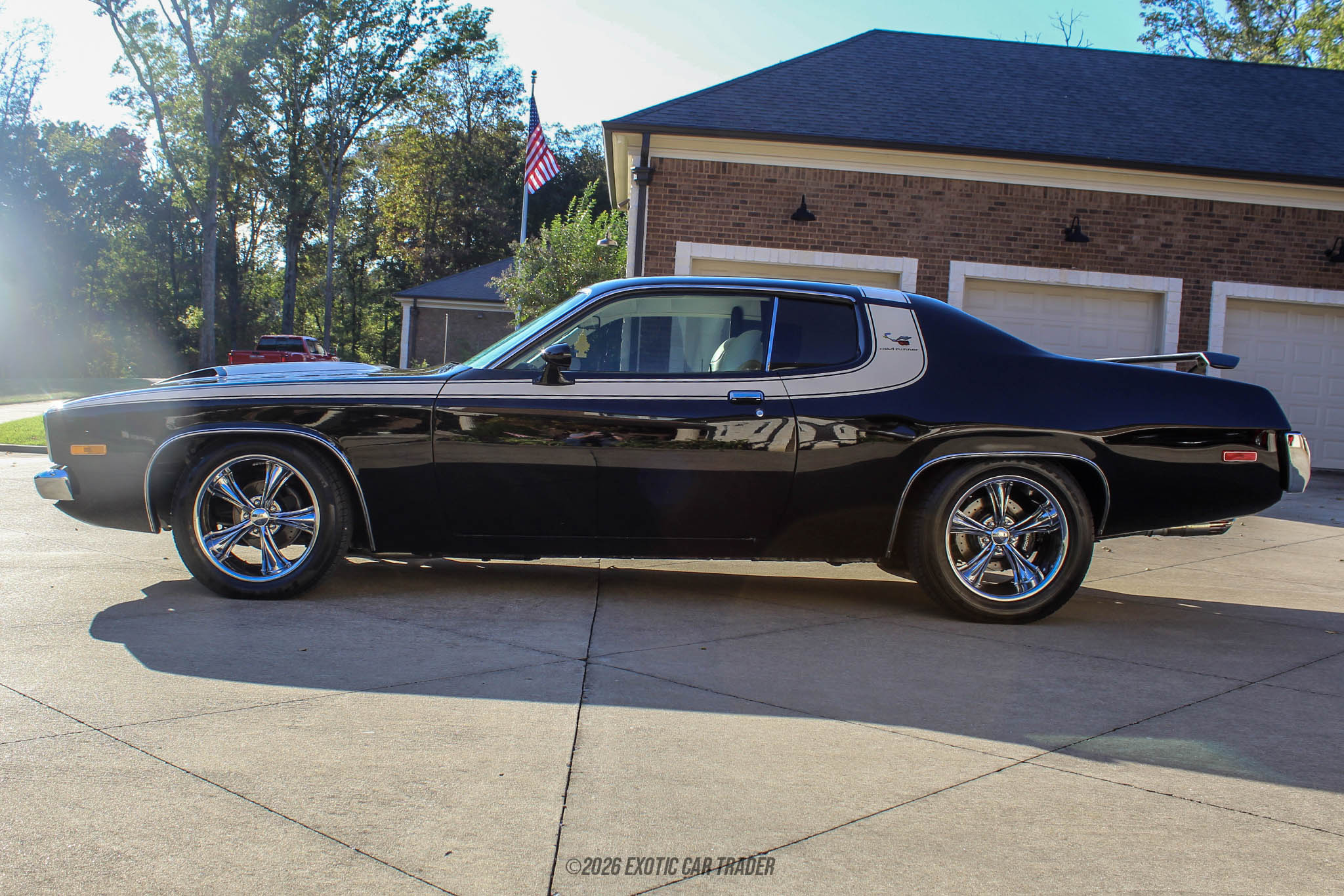
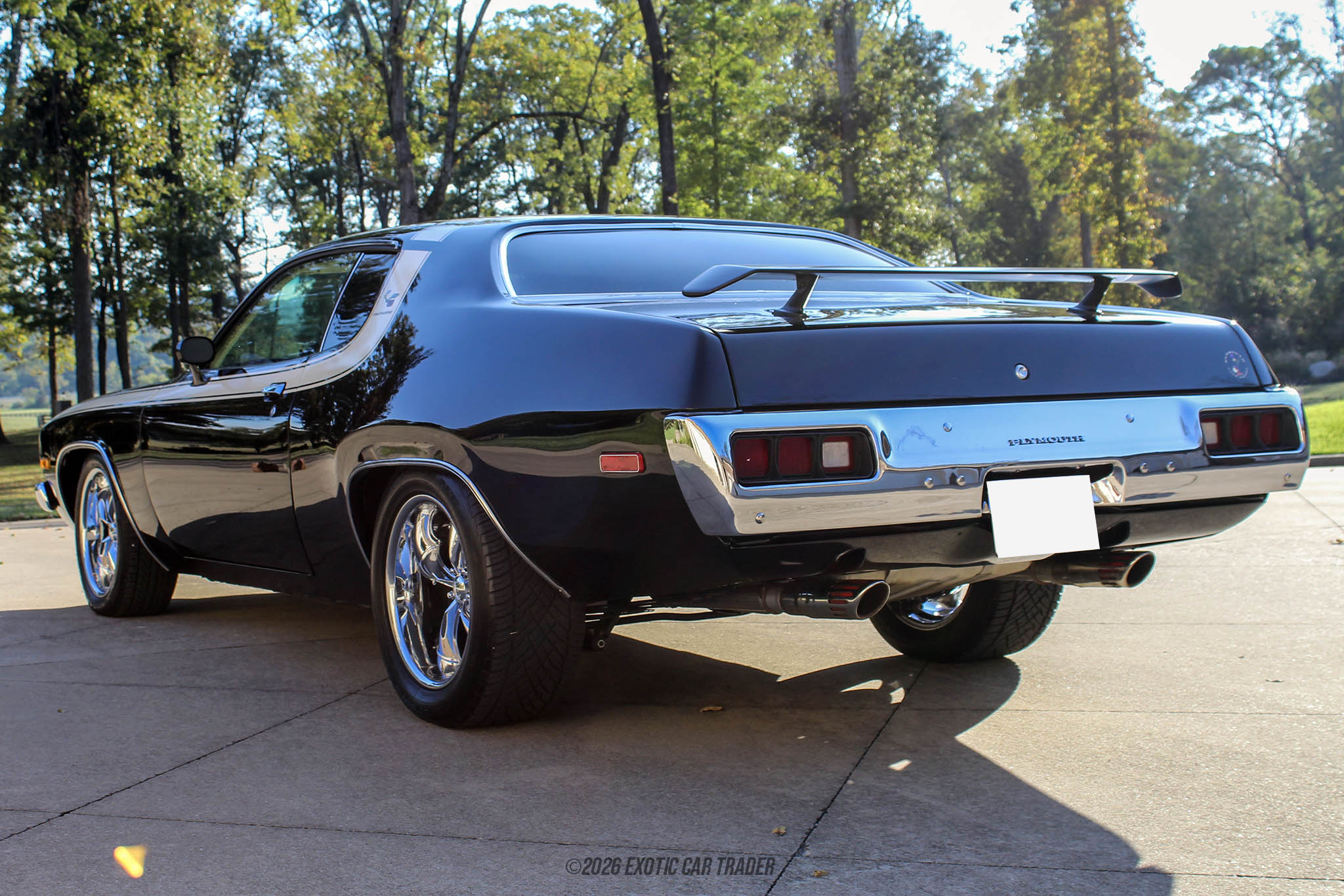
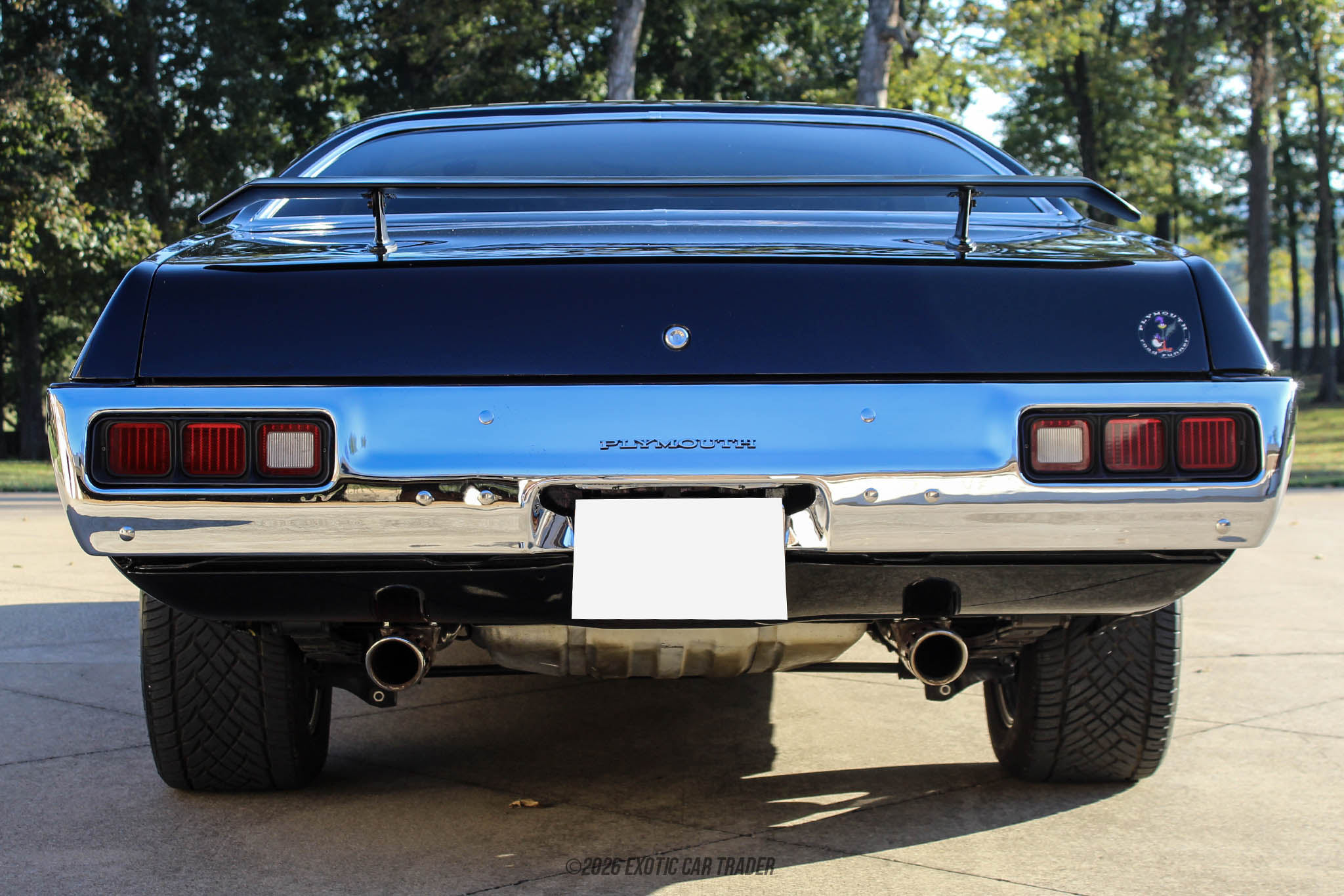
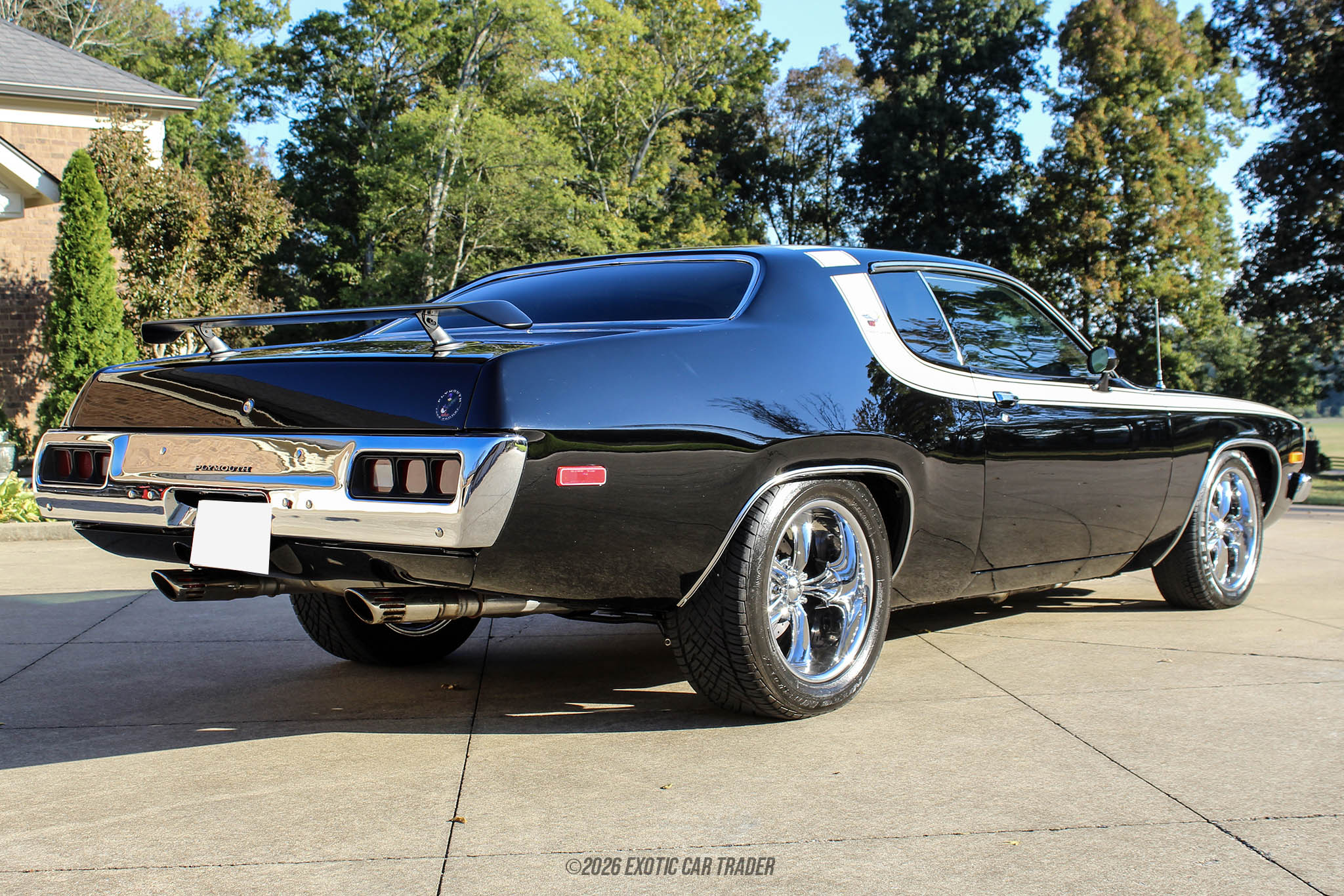
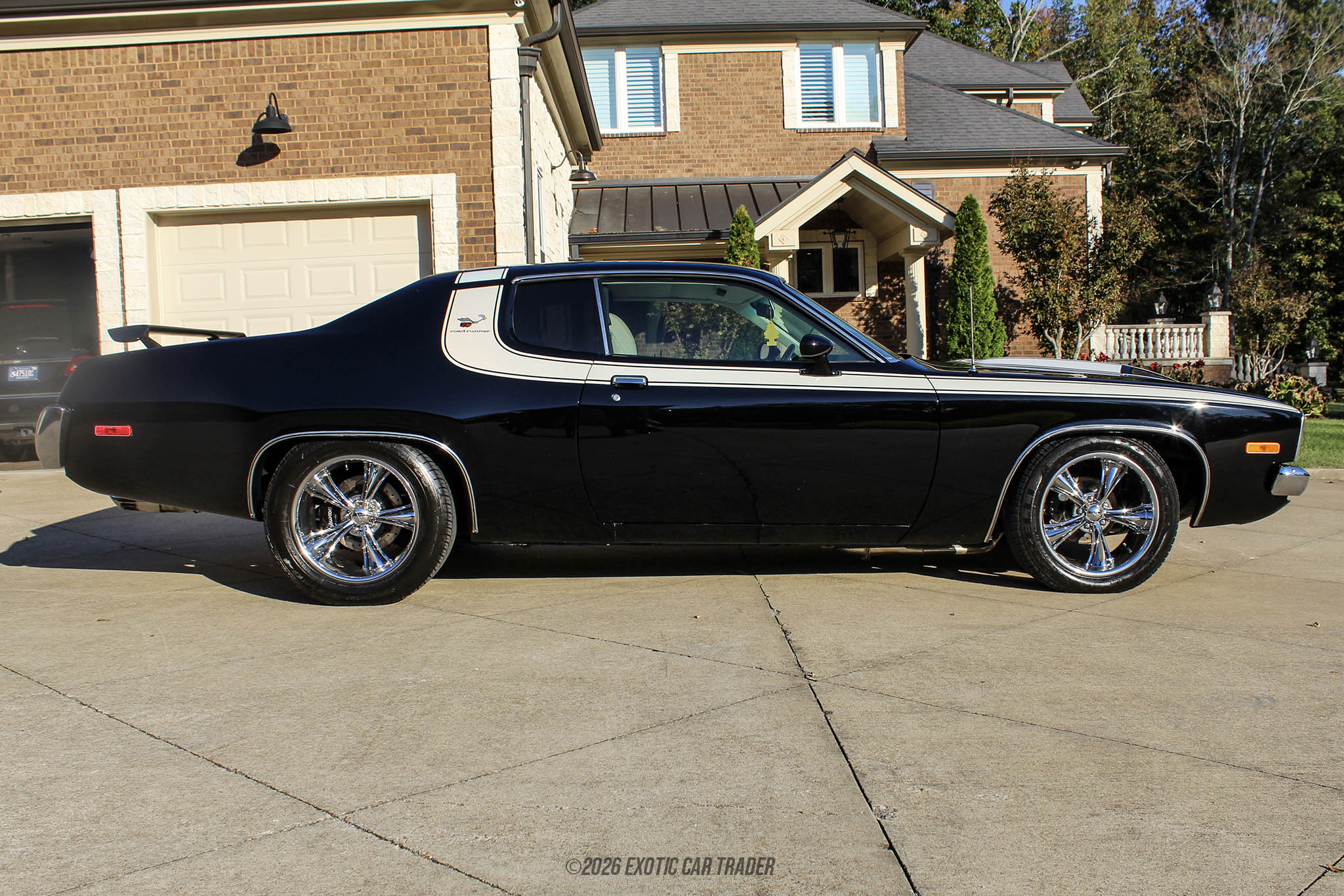
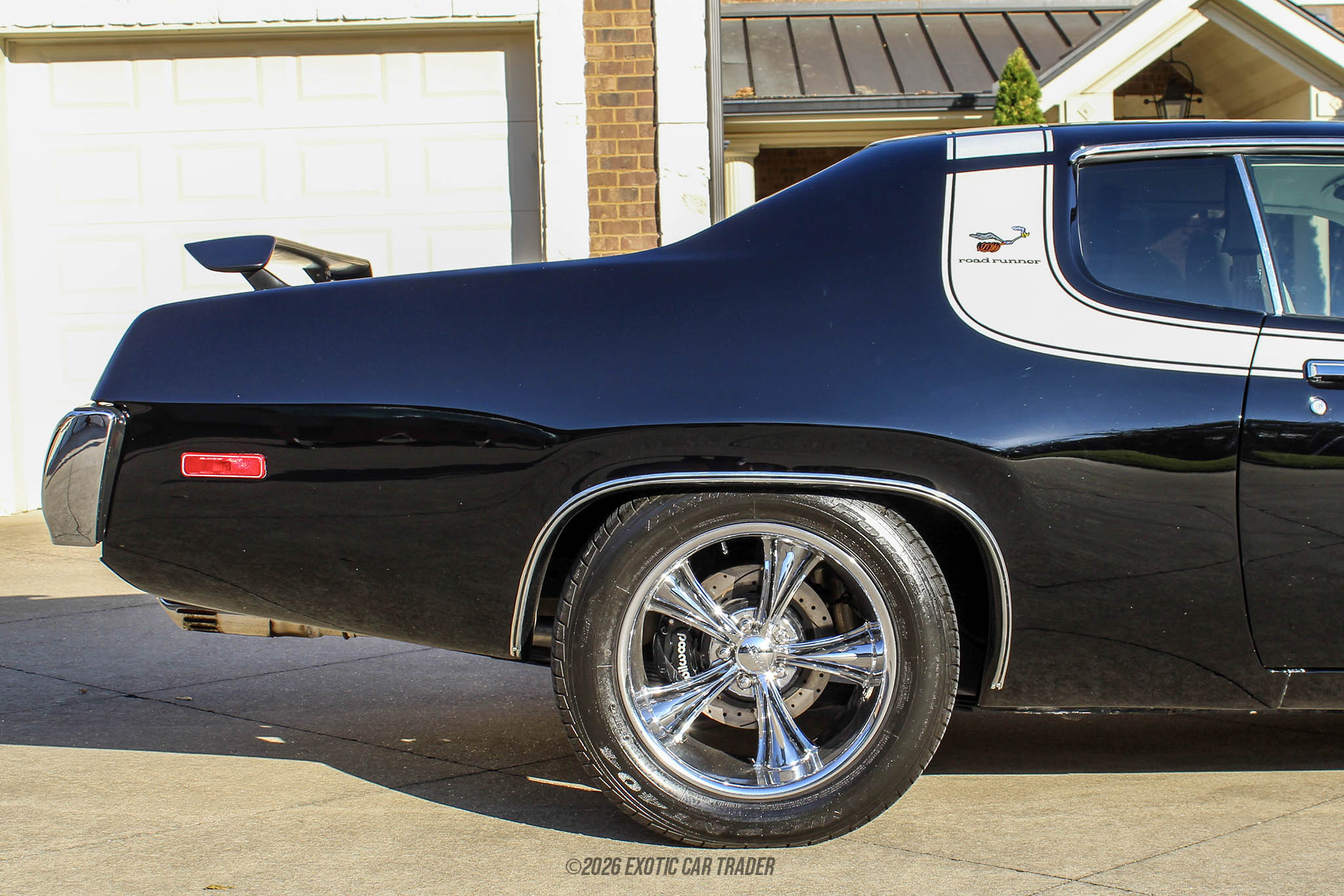
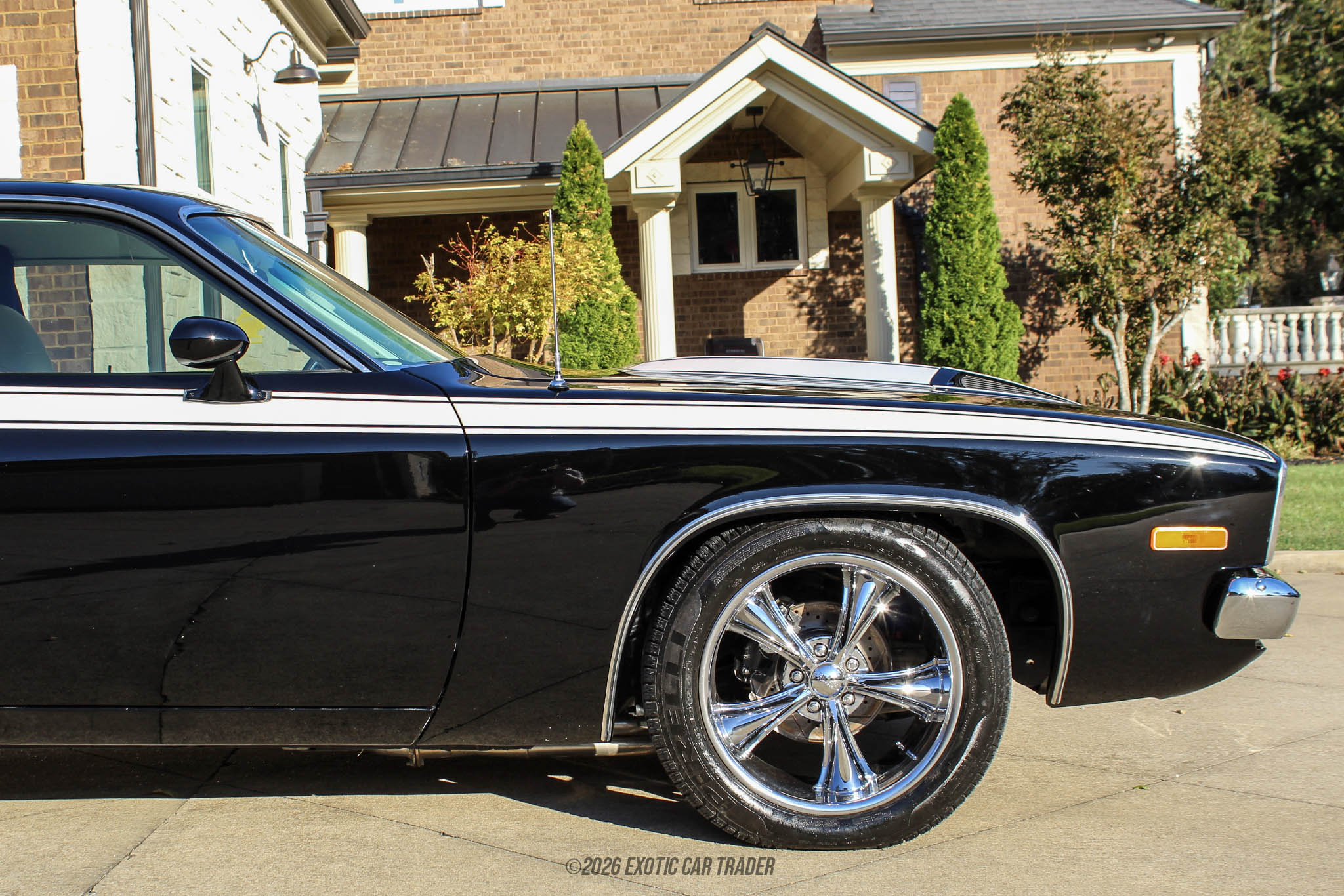
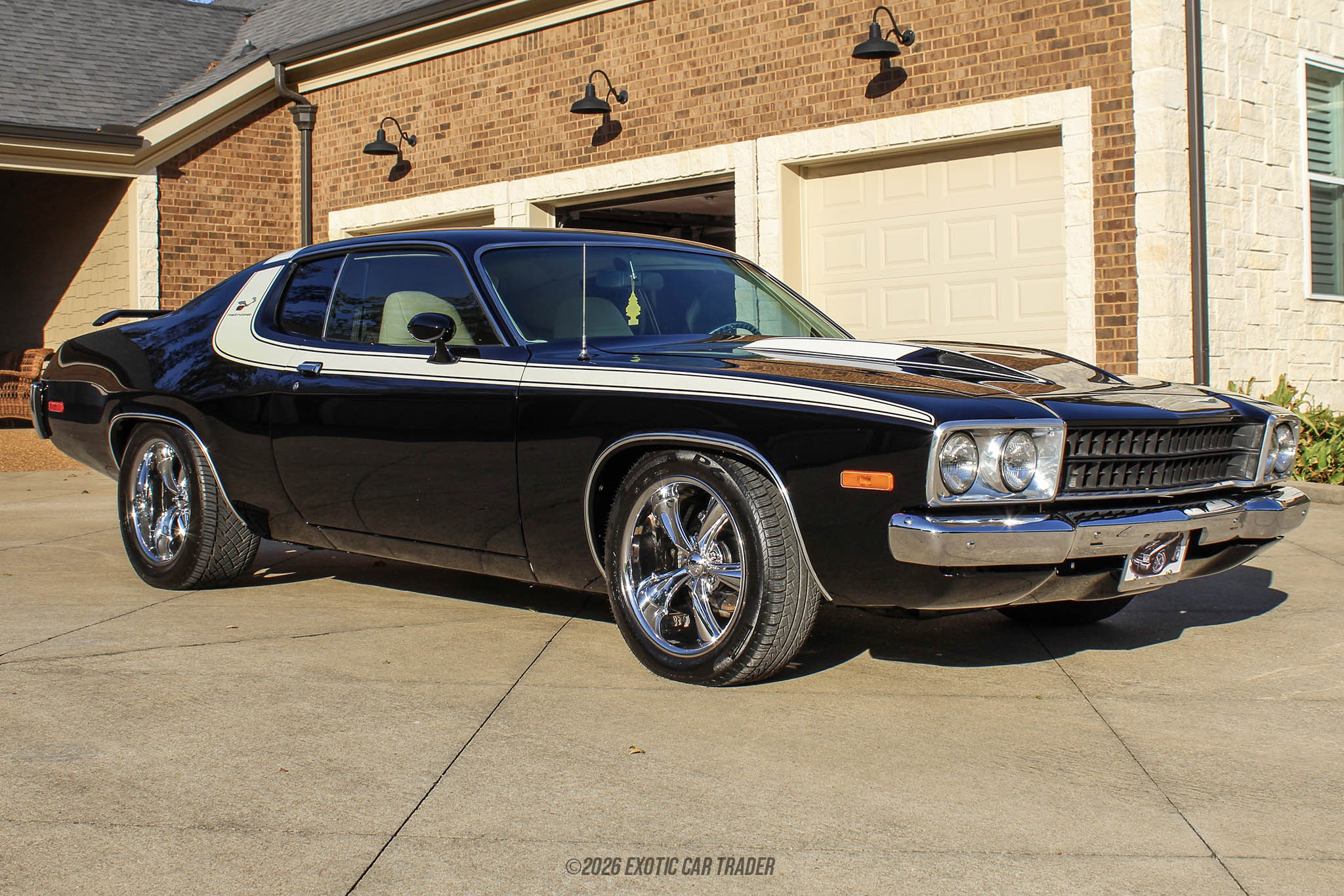
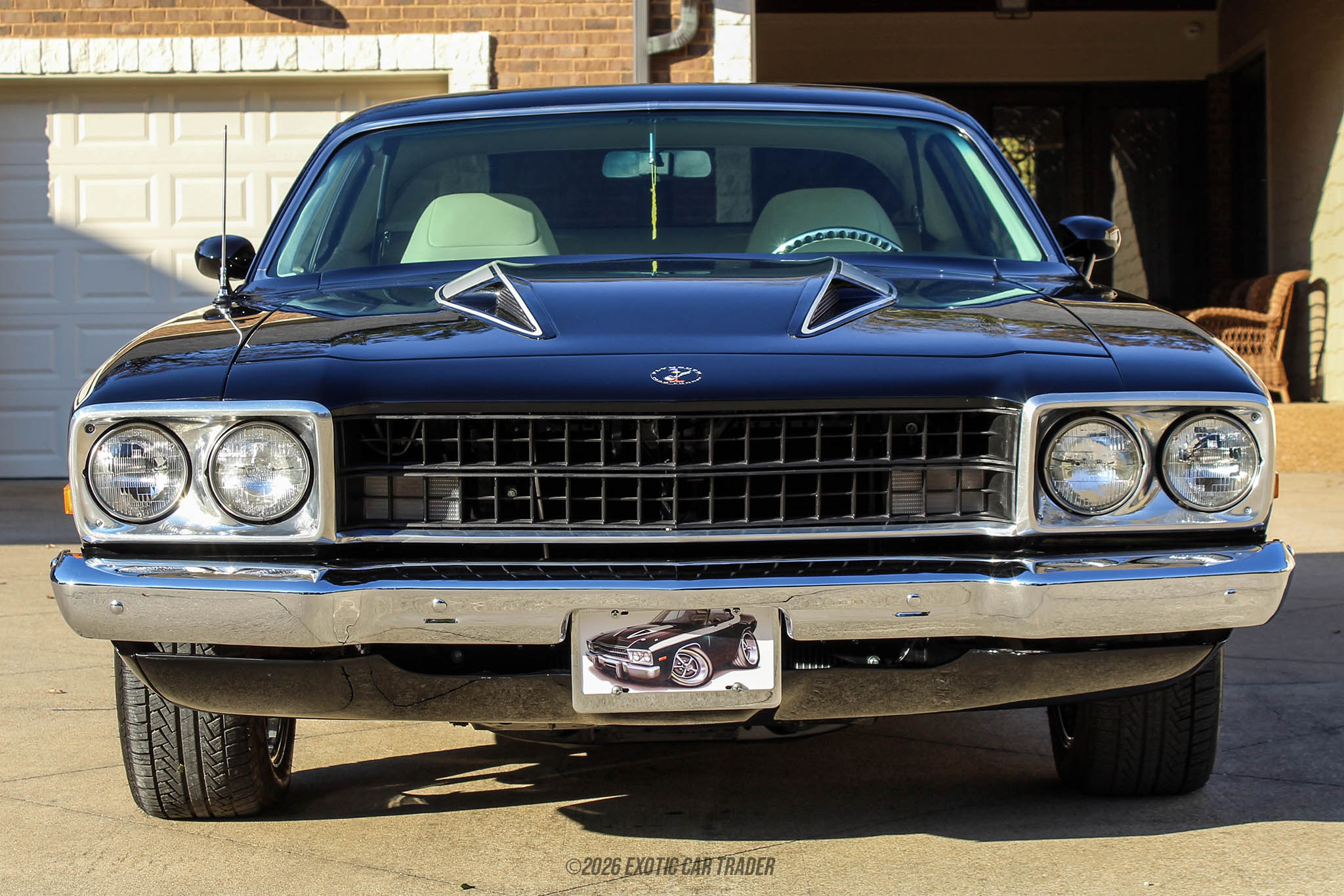
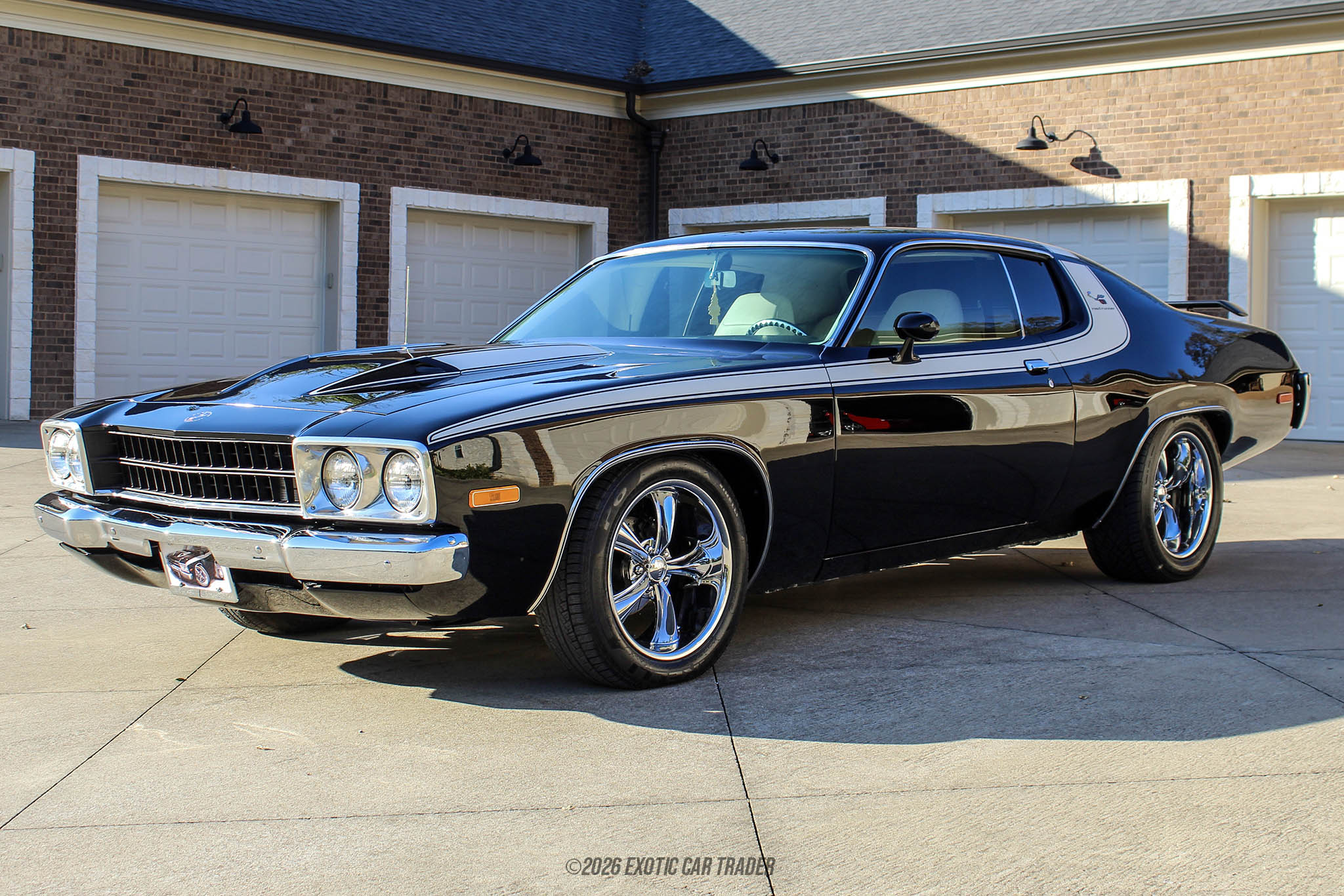
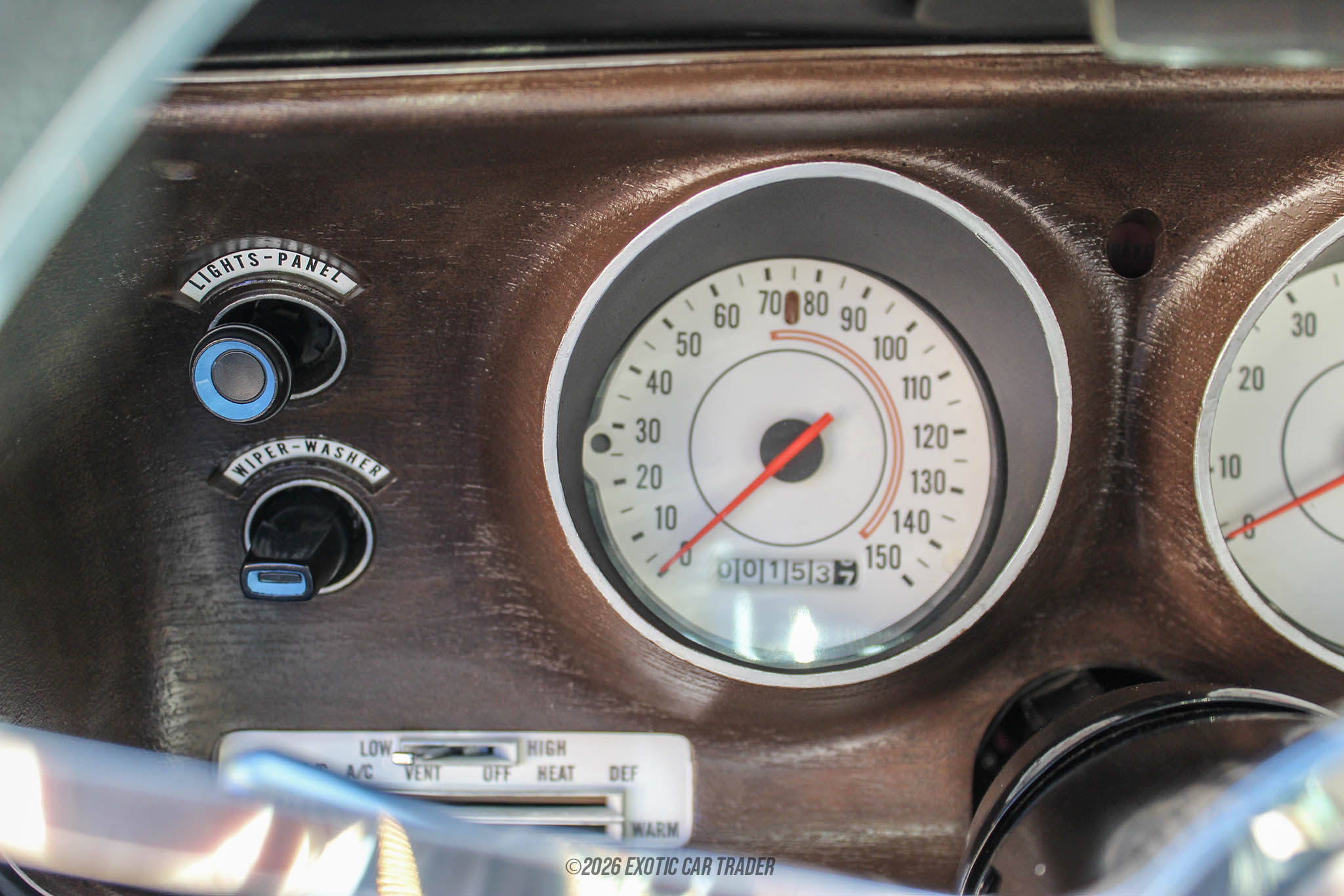
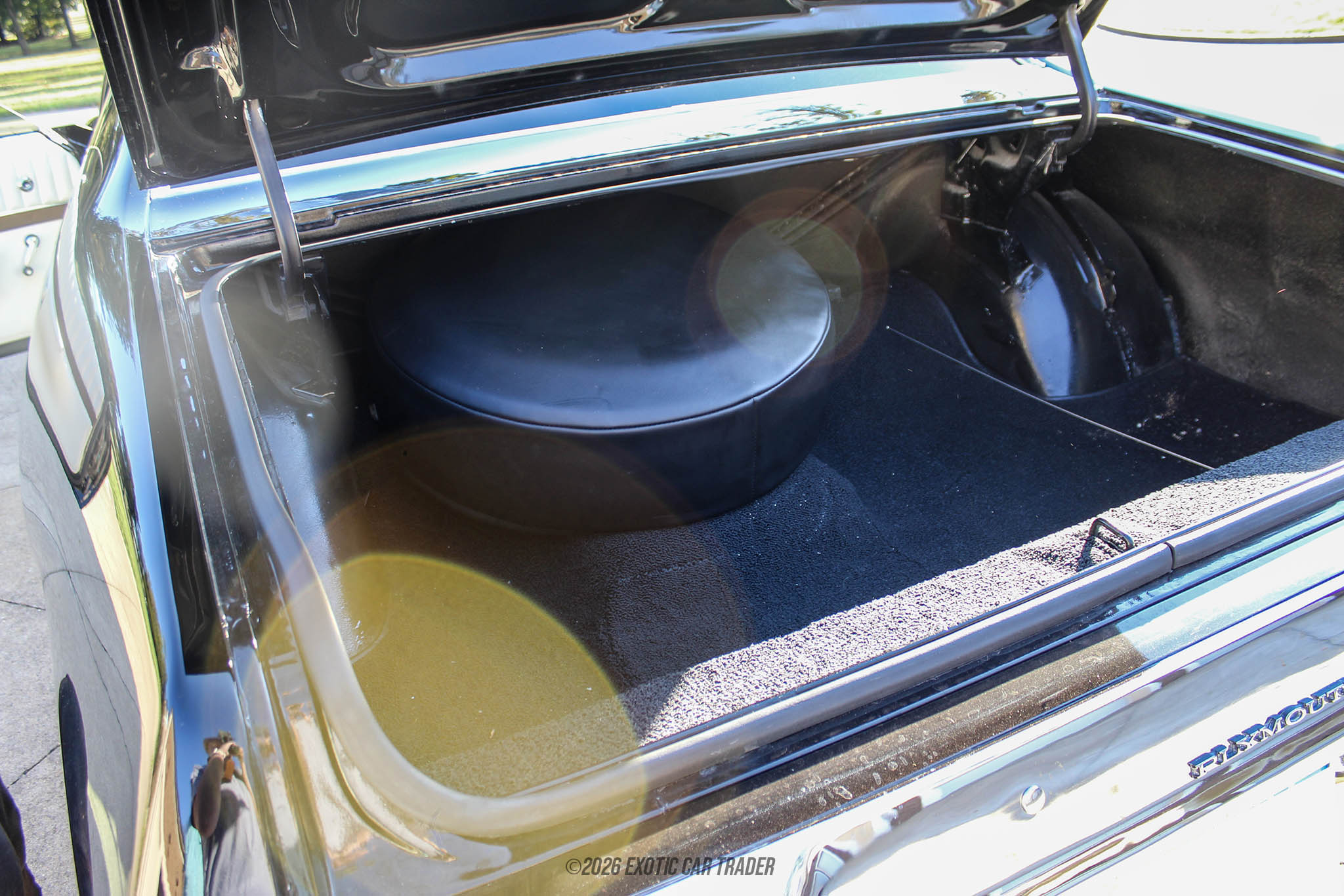
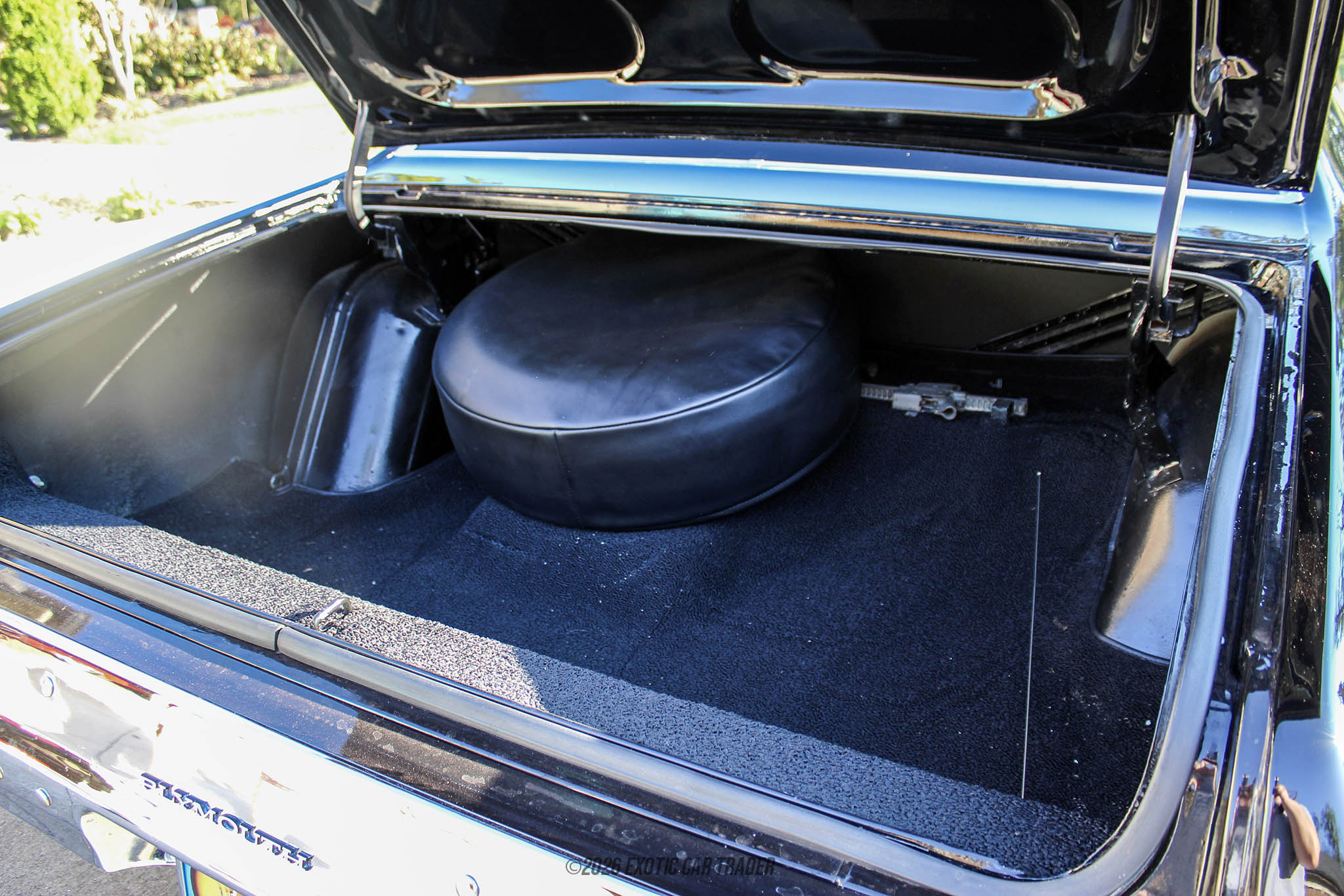
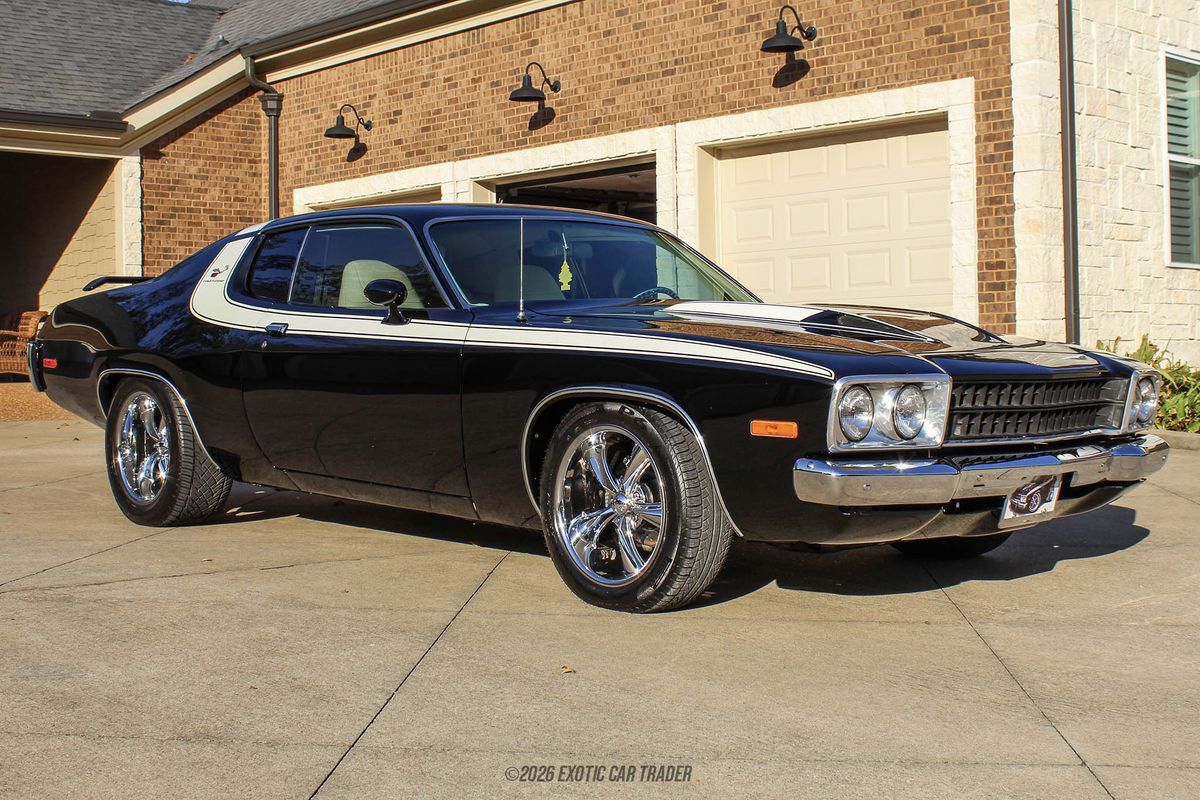
The 1974 Plymouth Road Runner represents the final chapter of an era when American muscle cars were celebrated for their big-displacement V8 engines, aggressive styling, and unmistakable personalities. Originally introduced in 1968 as Plymouth's no-nonsense performance machine, the Road Runner became one of the most recognizable names of the muscle car era, combining serious horsepower with an identity inspired by the famous Warner Bros. cartoon character. This particular 1974 Plymouth Road Runner Restomod, showing just 153 miles on the odometer, has been customized to deliver classic Mopar character with a selection of performance and cosmetic enhancements. Finished in Black with contrasting White exterior stripes, it features a reupholstered White vinyl interior, aftermarket chrome wheels, and a formidable 440ci big-block V8 paired with an automatic transmission. Additional highlights include power steering, power brakes, an upgraded aluminum radiator, and a selection of engine compartment enhancements. With its imposing appearance, refreshed interior, and unmistakable big-block personality, this Road Runner offers enthusiasts an appealing interpretation of one of Plymouth's most celebrated muscle cars.
Exterior and Interior
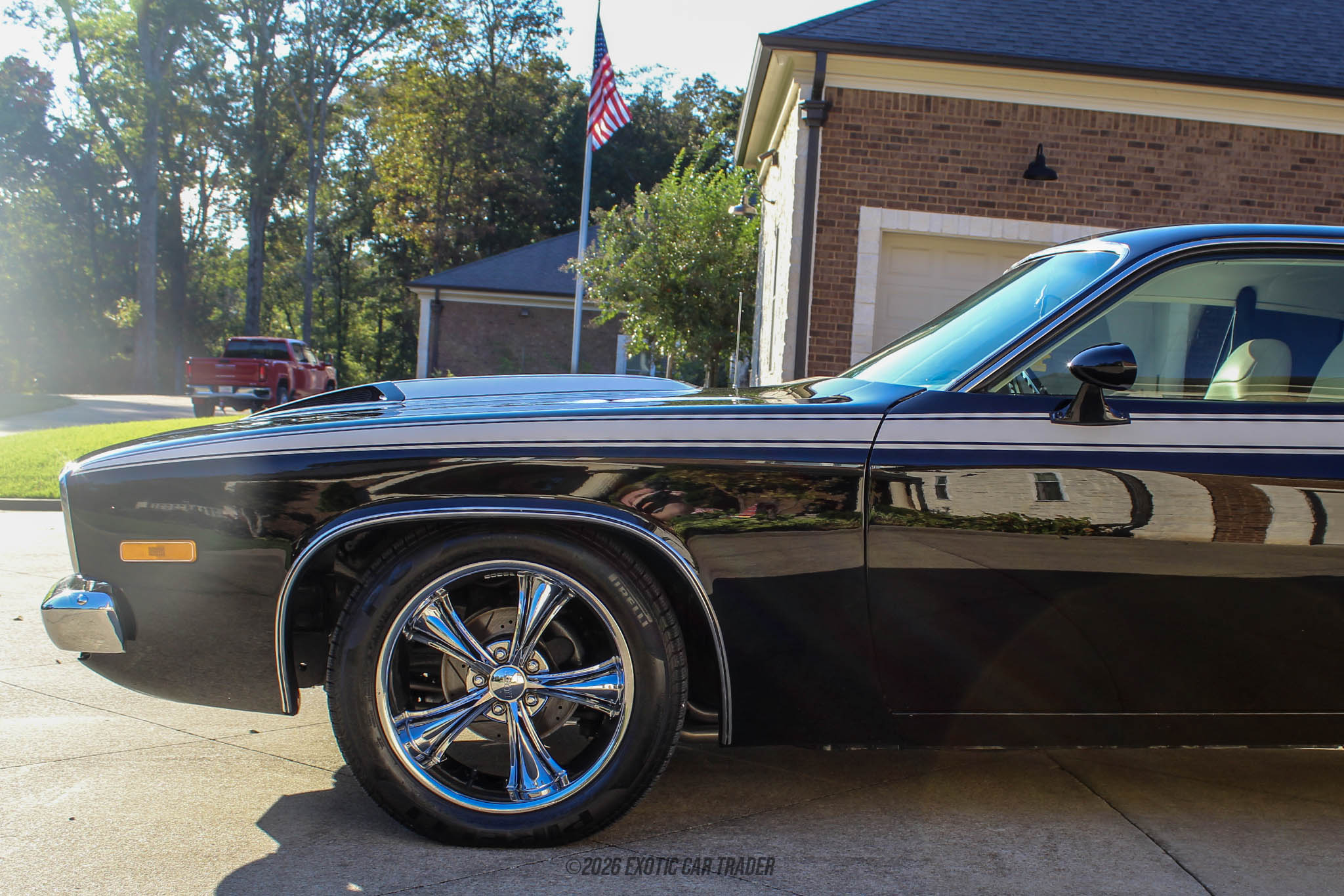
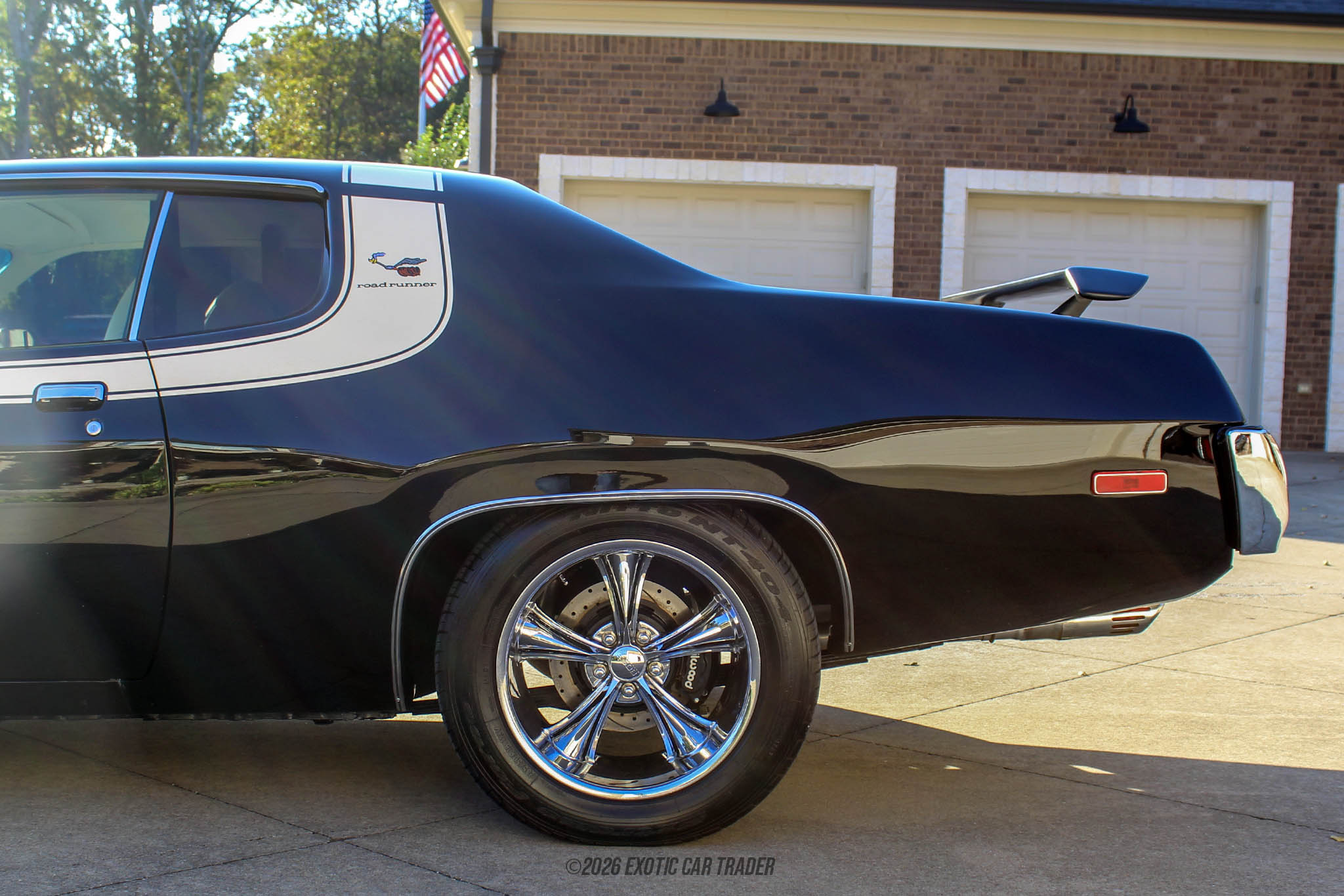
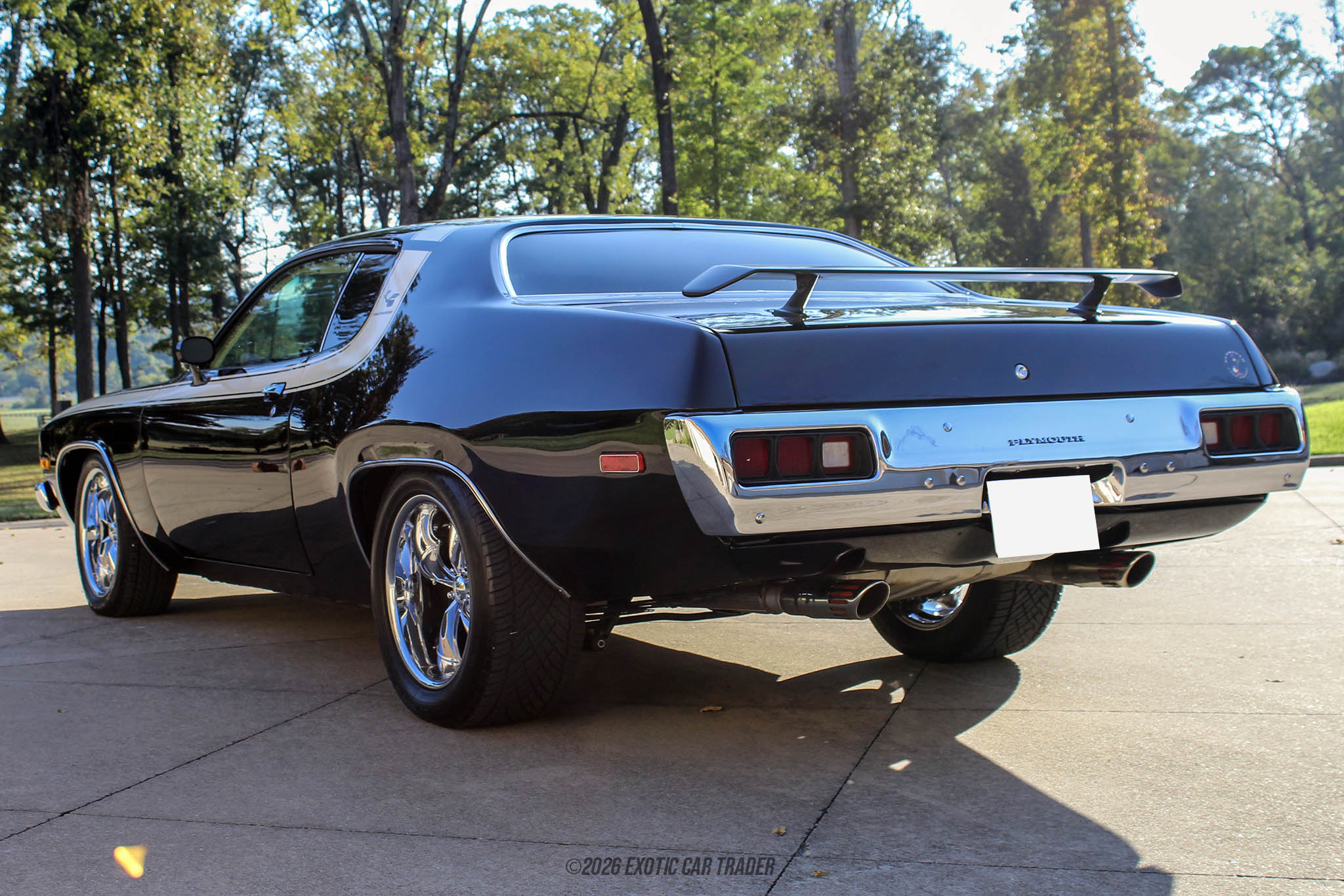
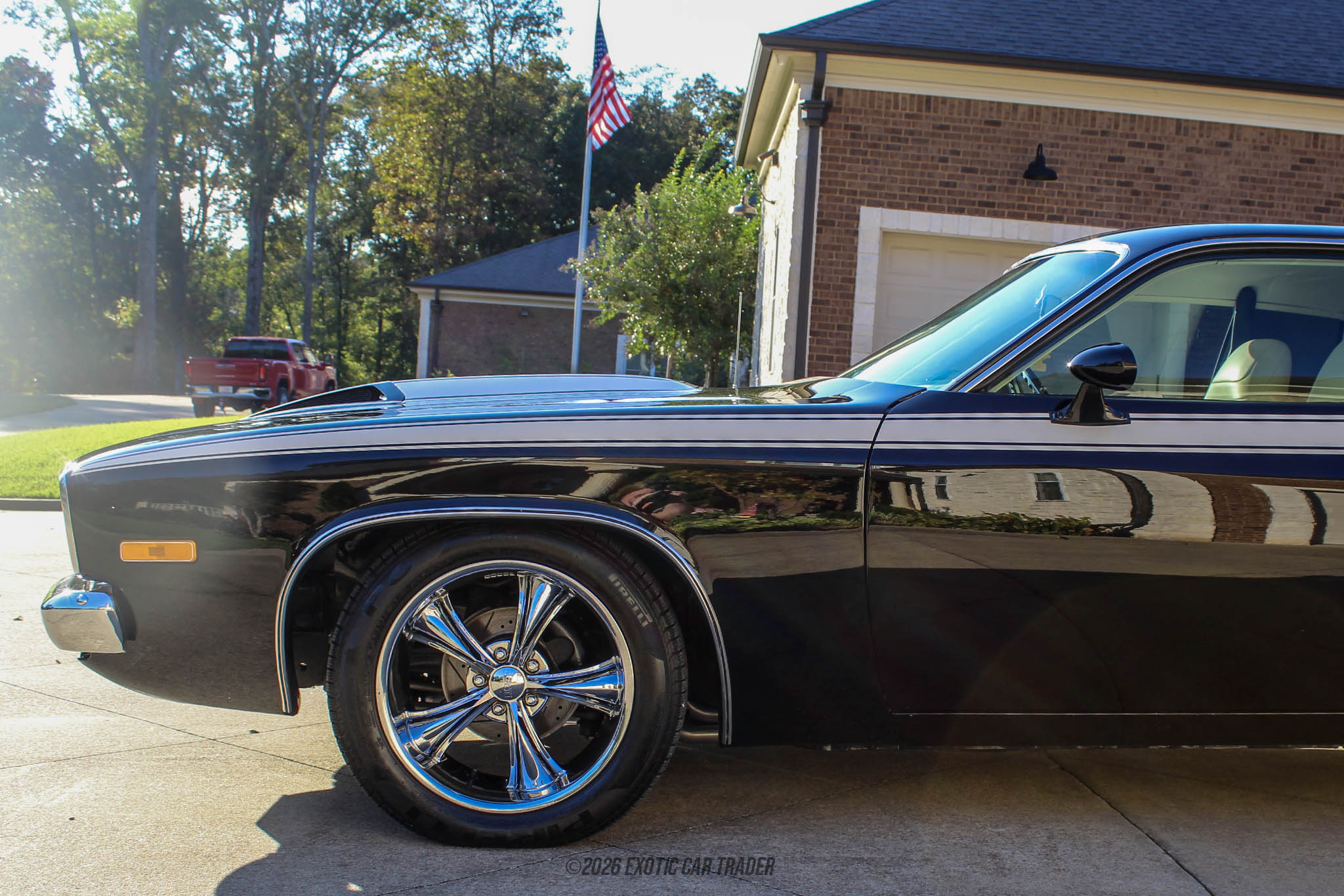
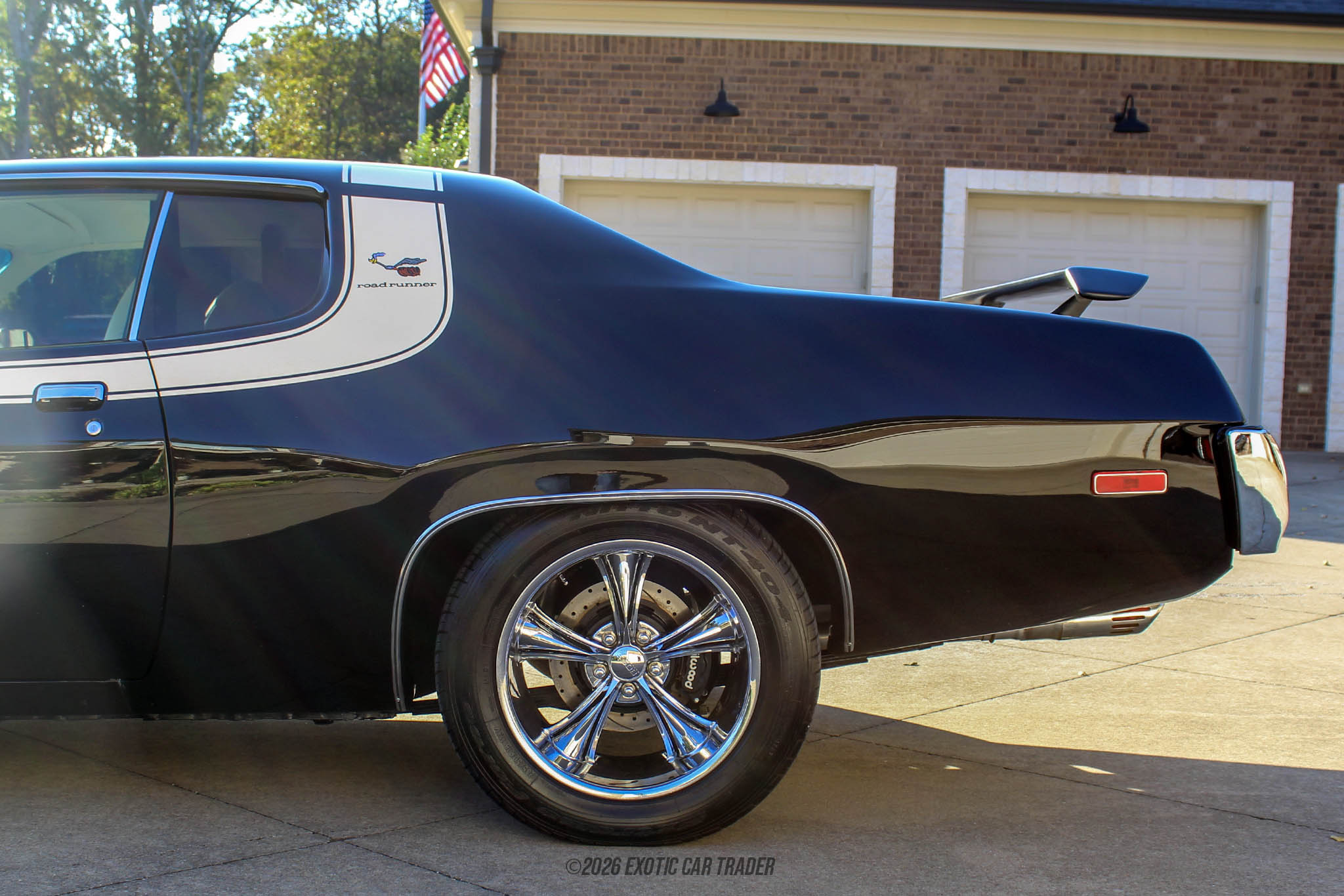
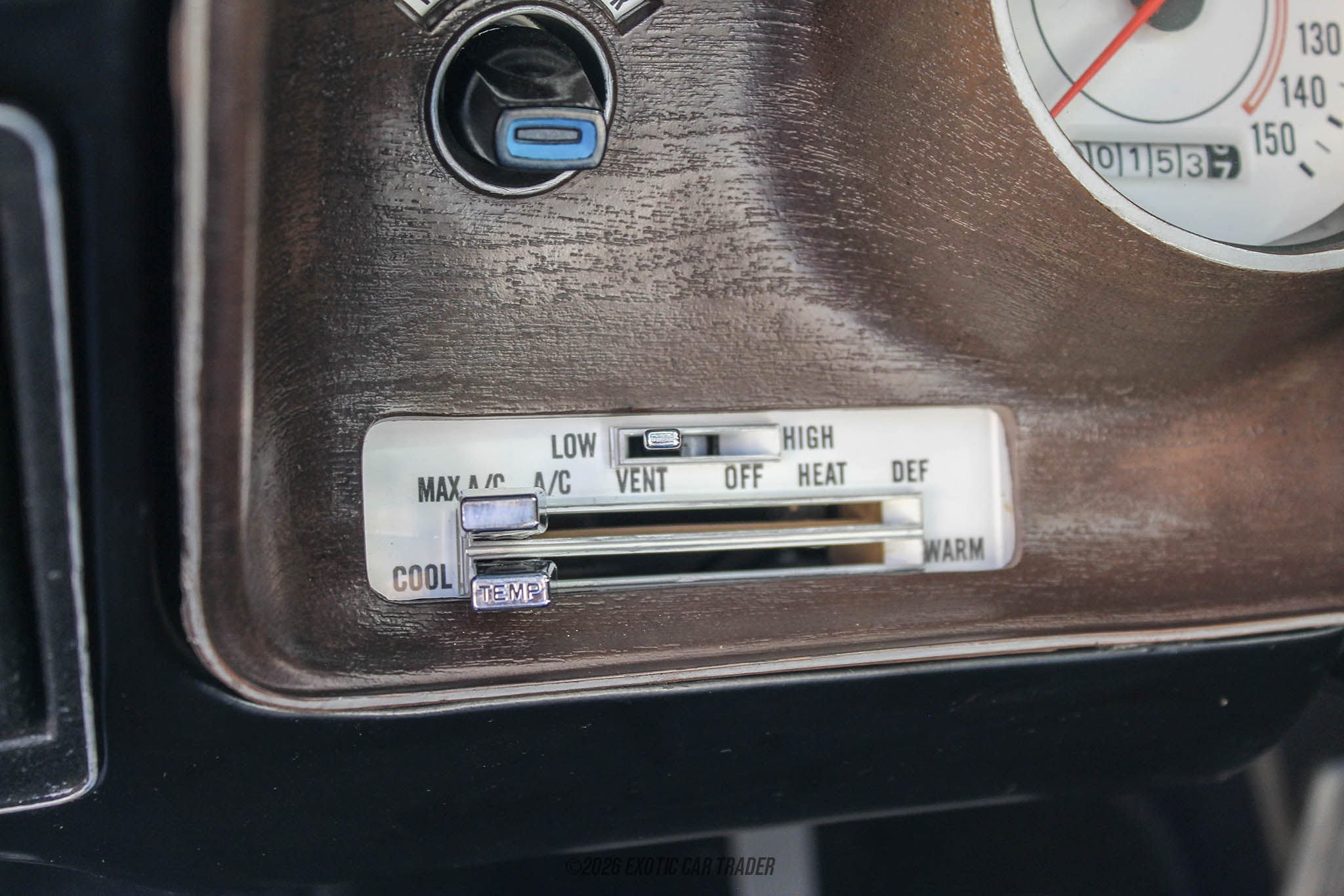
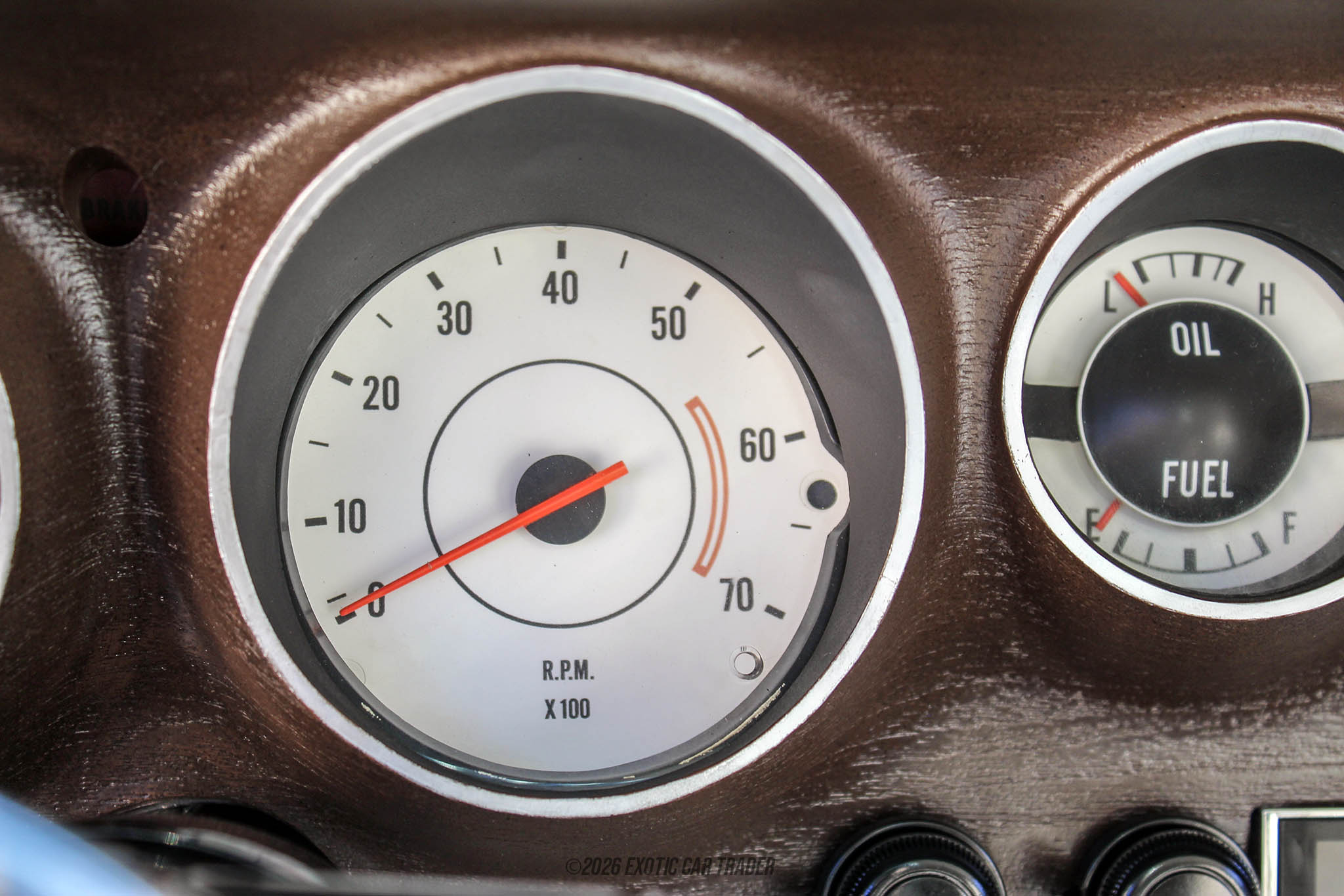
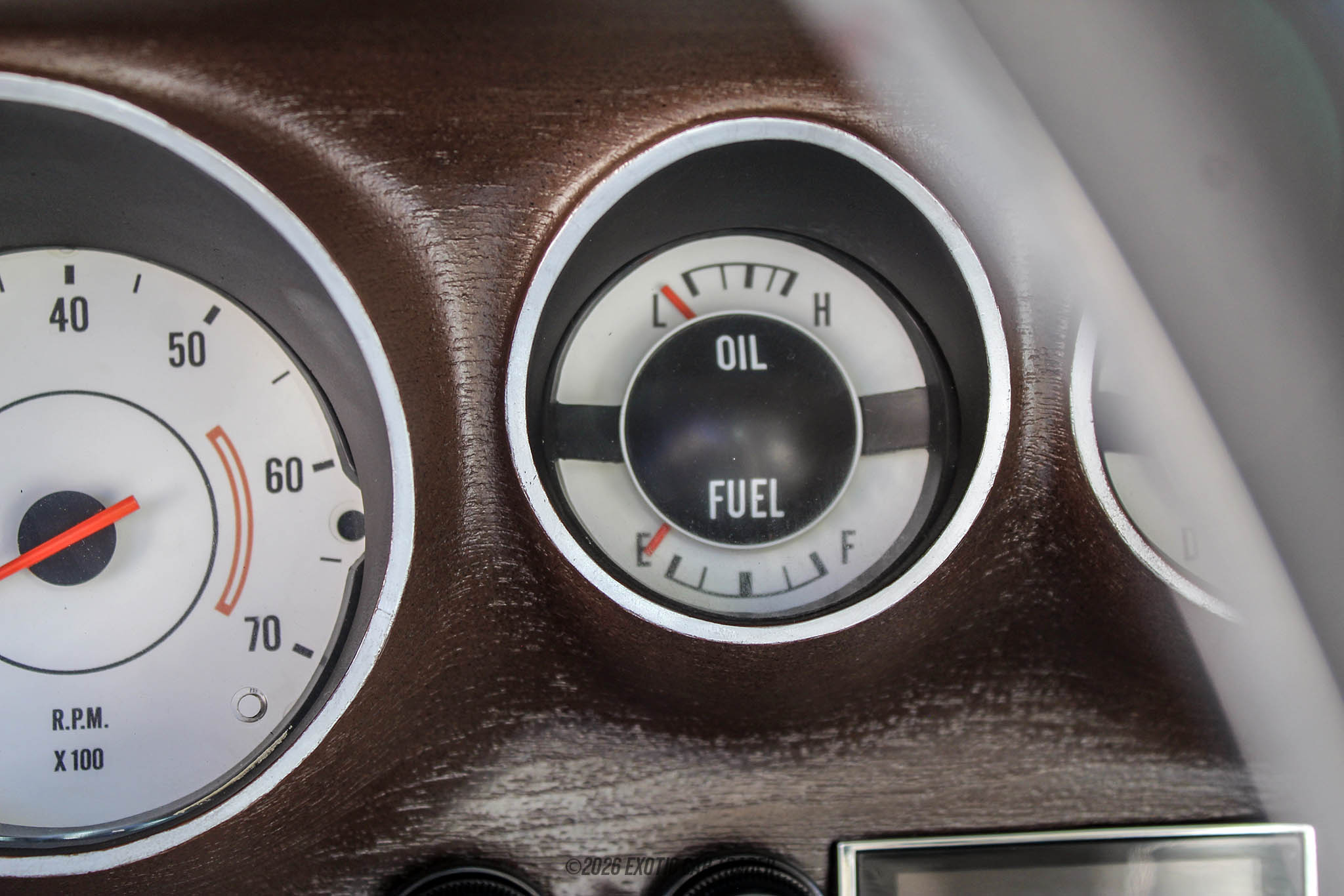
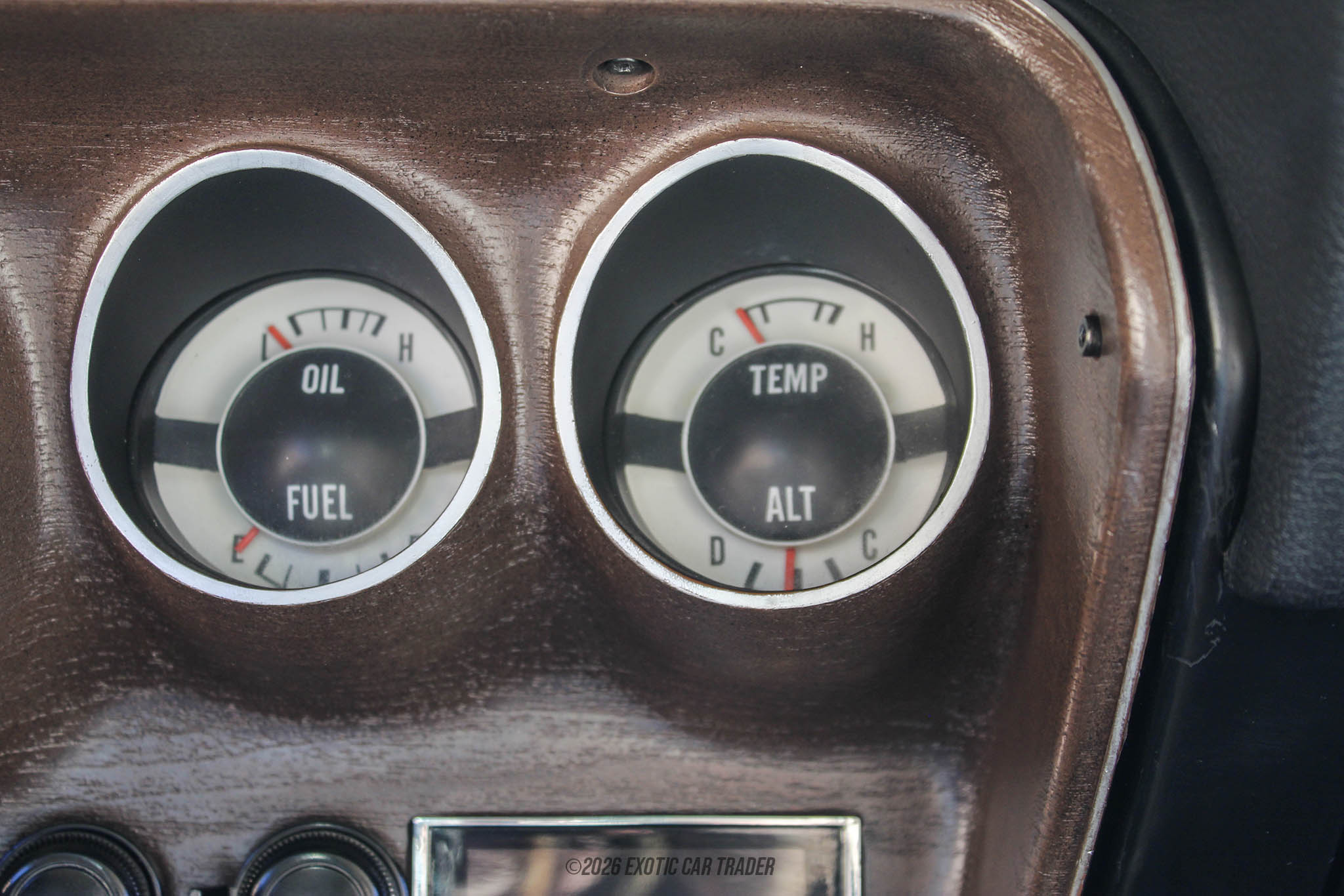
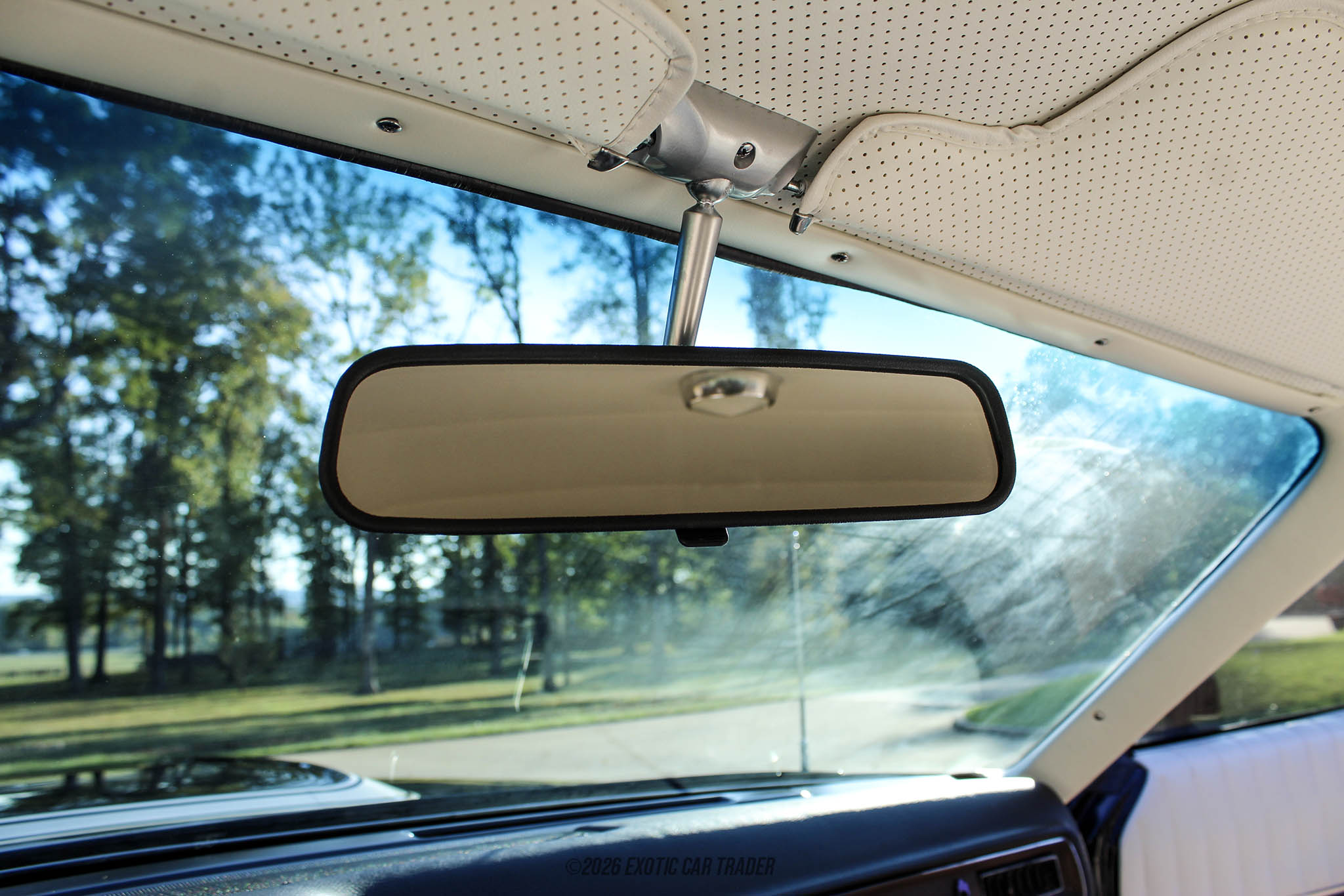
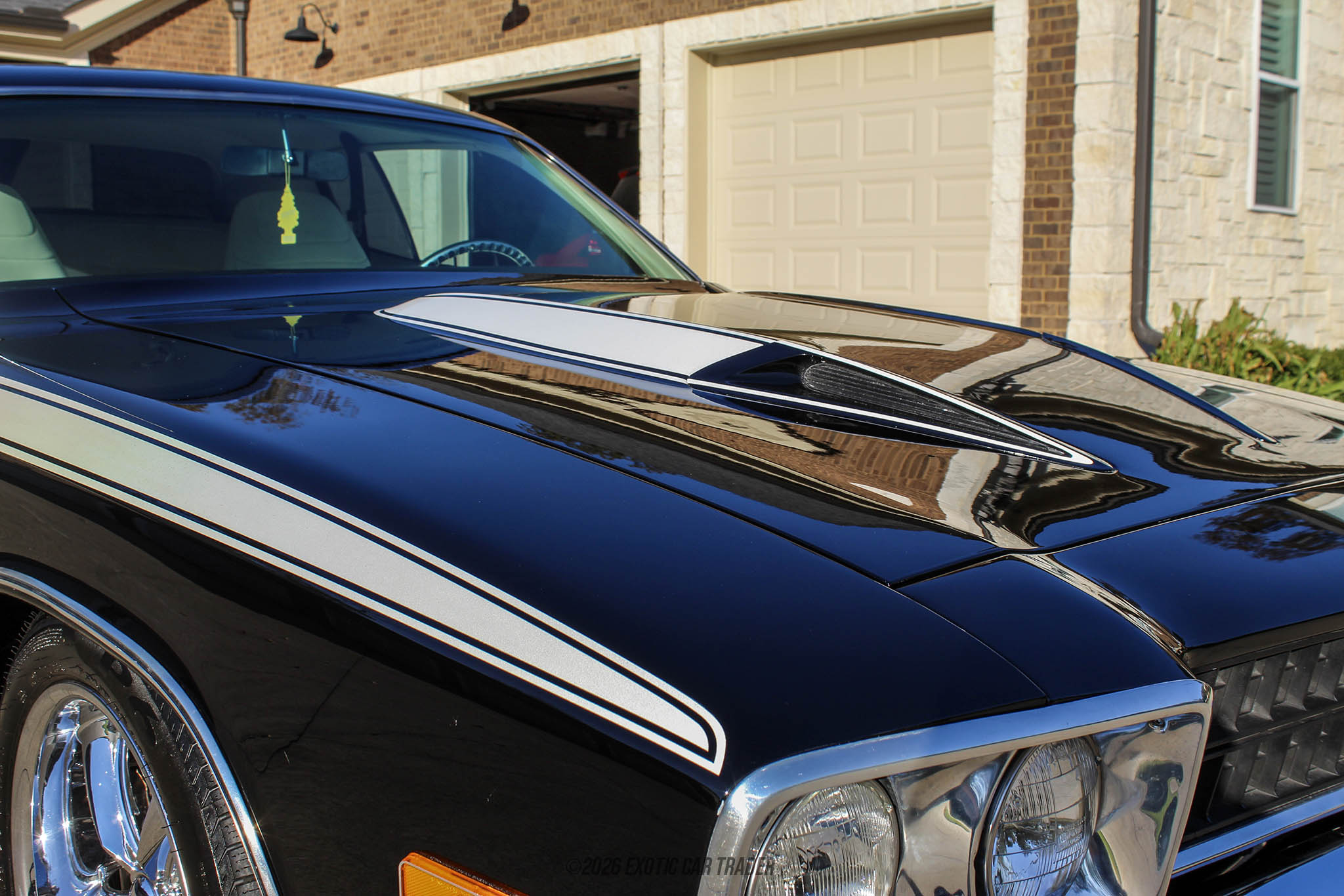
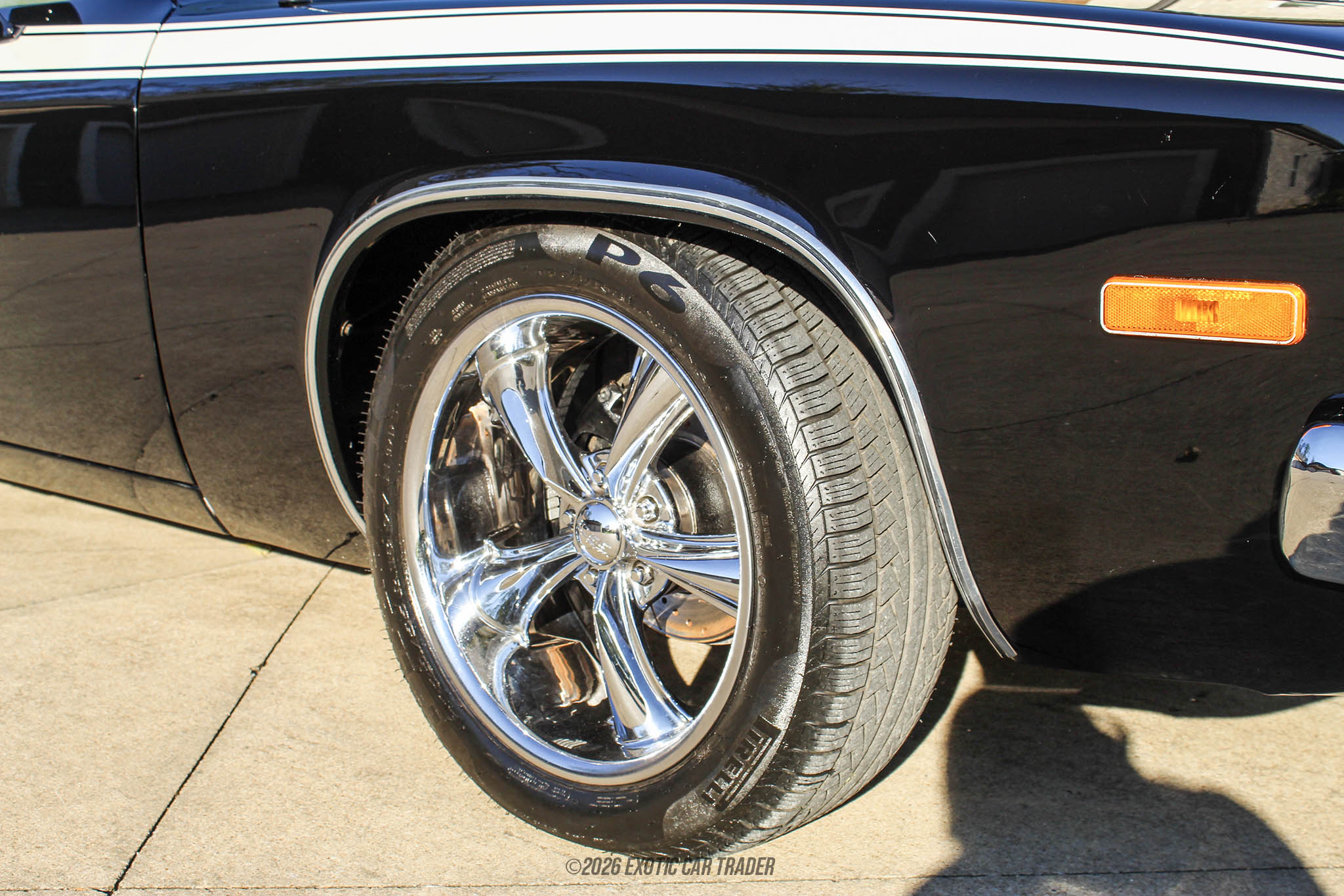
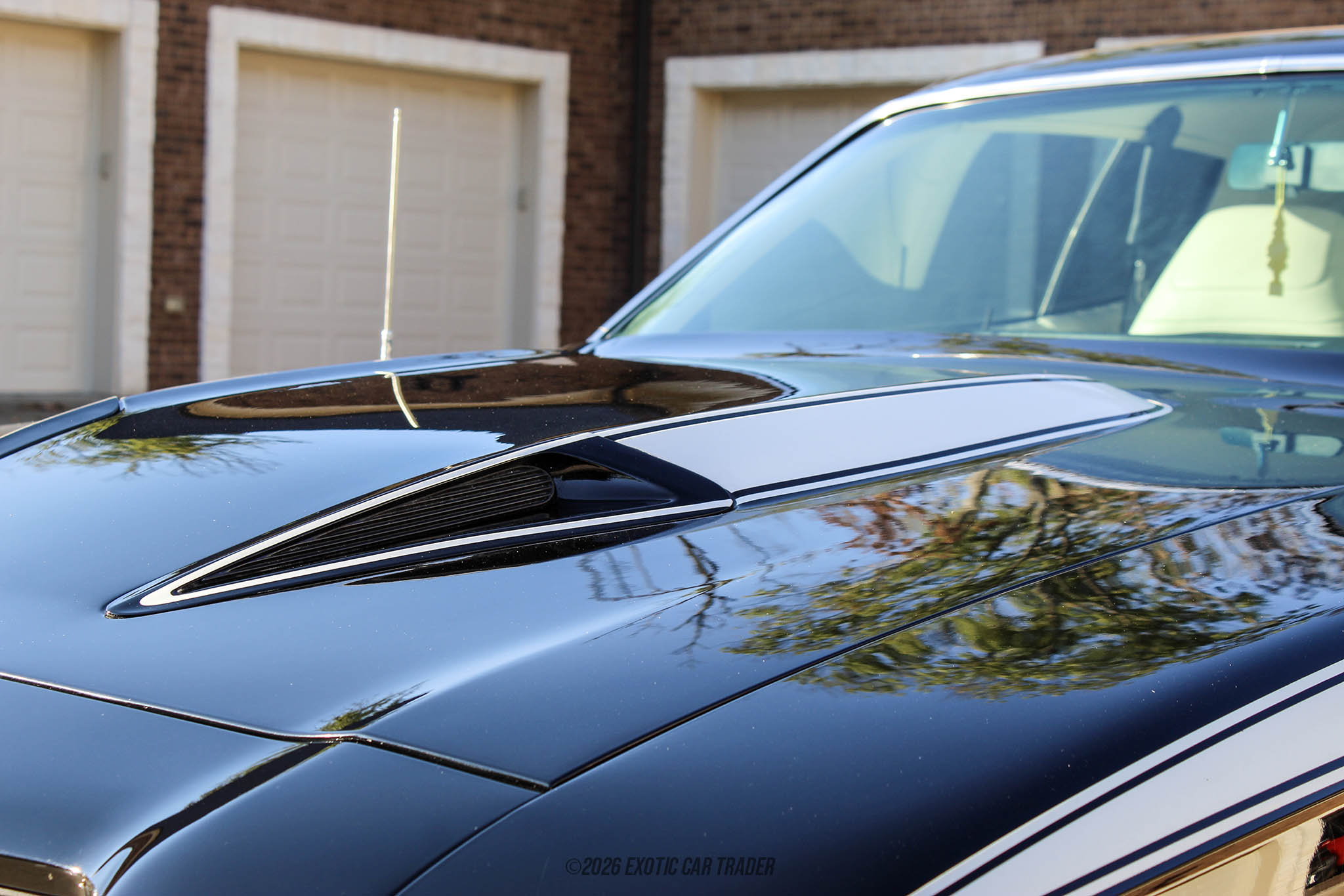
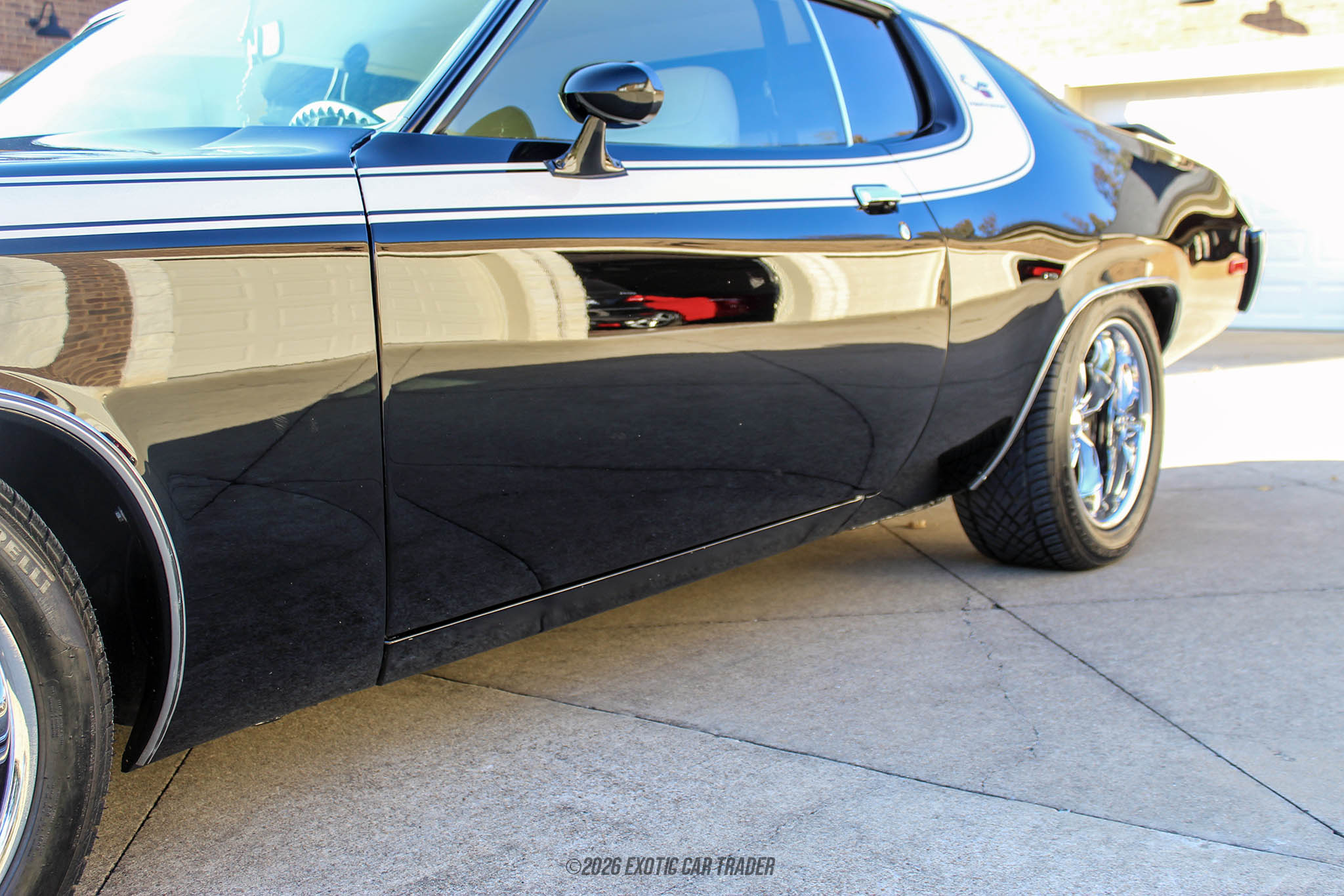
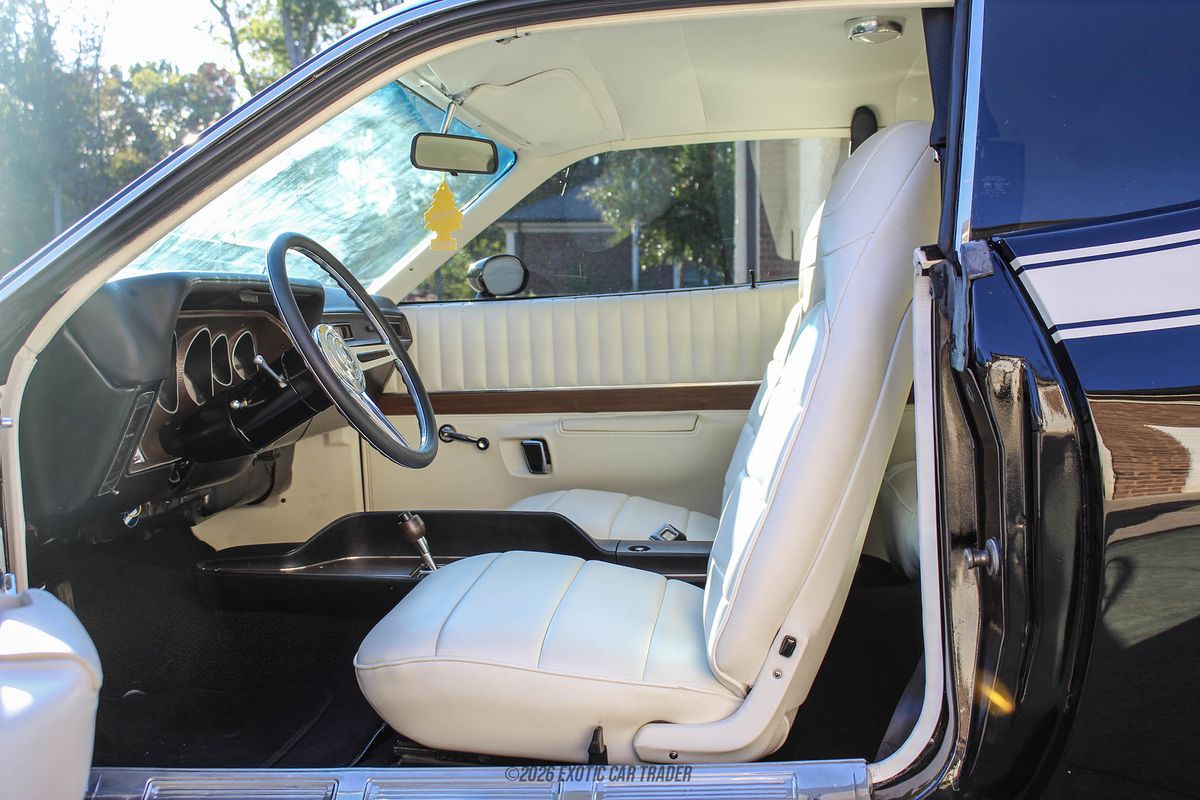
The exterior of this 1974 Plymouth Road Runner Coupe is finished in Black, complemented by contrasting White side stripes that emphasize the car's long, muscular profile. The 1974 model retained the distinctive styling of Plymouth's third-generation Road Runner, with its prominent front grille, sculpted body panels, and substantial chrome bumpers reflecting the design trends of the early 1970s. This example features the recognizable Road Runner hood decal and exterior badging, paying tribute to the model's unmistakable identity. Chrome wheel arch moldings provide additional brightwork against the dark finish, while aftermarket chrome five-spoke wheels wrapped in performance radial tires with white lettering give the car a more contemporary muscle car stance. The combination of the black exterior, white graphics, and polished wheels creates a distinctive appearance that draws inspiration from the Road Runner's original high-performance character. Additional exterior features include chrome front and rear bumpers, dual exterior mirrors, and classic Plymouth styling details. Altogether, this Road Runner captures the unmistakable presence of a 1970s American muscle car while incorporating personalized touches that distinguish it from a factory-standard example. The interior of this 1974 Plymouth Road Runner Coupe has been reupholstered in White vinyl, creating a striking contrast against its Black exterior and delivering a distinctly vintage muscle car atmosphere. The refreshed cabin features a White vinyl front bench seat and matching door panels, complemented by Black carpeting and woodgrain dashboard accents. The two-tone presentation reflects the bold interior styling commonly associated with American performance cars of the period, while the reupholstered seating and door panels give the cabin a cohesive appearance. An aftermarket three-spoke steering wheel adds a sportier touch, positioned ahead of an analog instrument cluster featuring white-face gauges. The dashboard also houses an aftermarket digital audio receiver, introducing a modern entertainment feature without significantly altering the traditional cabin layout. A column-mounted automatic transmission selector maintains the classic bench-seat configuration, while manual windows, chrome door hardware, and traditional dashboard controls preserve the straightforward character of the original Road Runner. With its contrasting upholstery, period-inspired trim, and selected modern upgrades, the cabin offers a distinctive environment that complements the car's customized exterior.
Engine
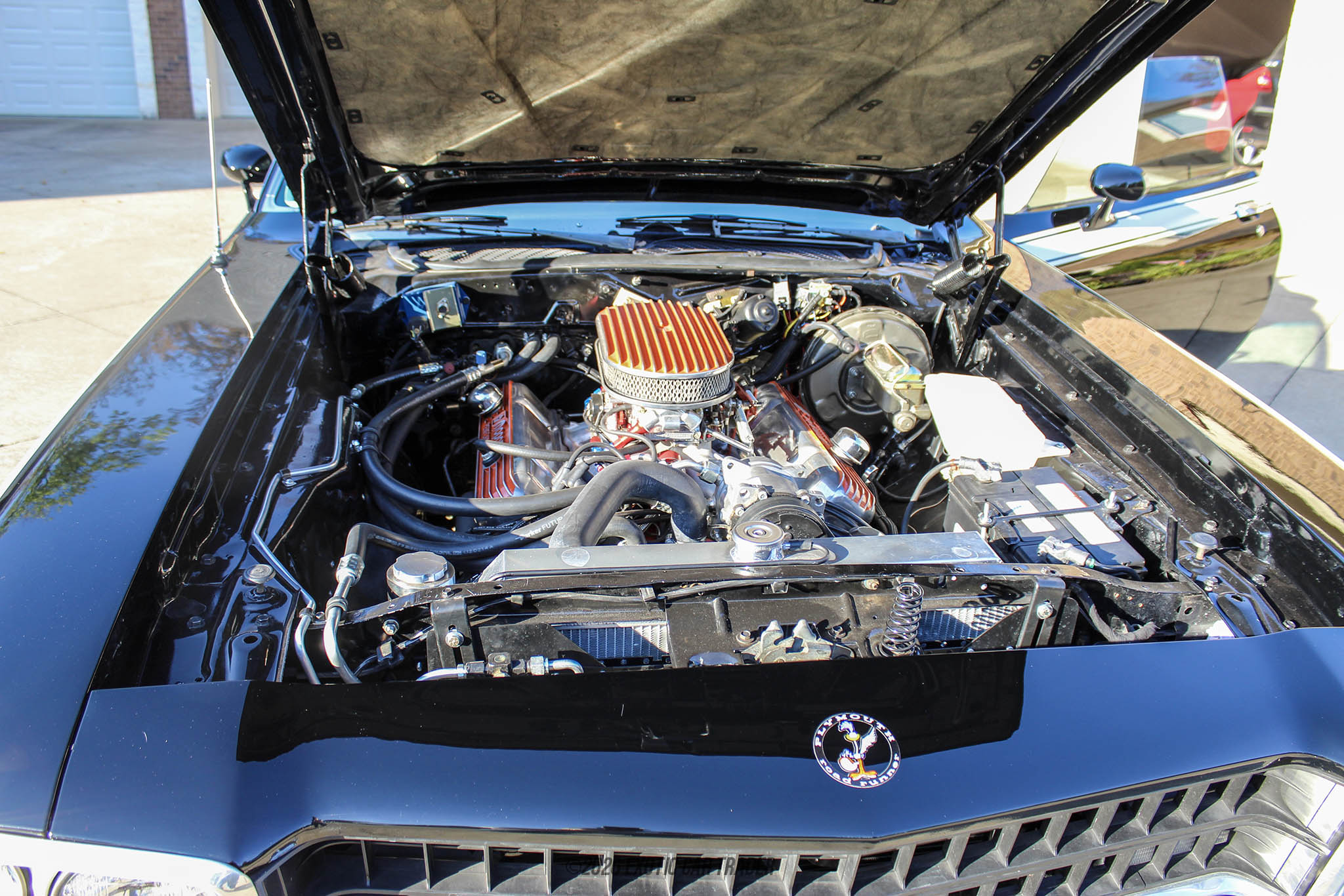
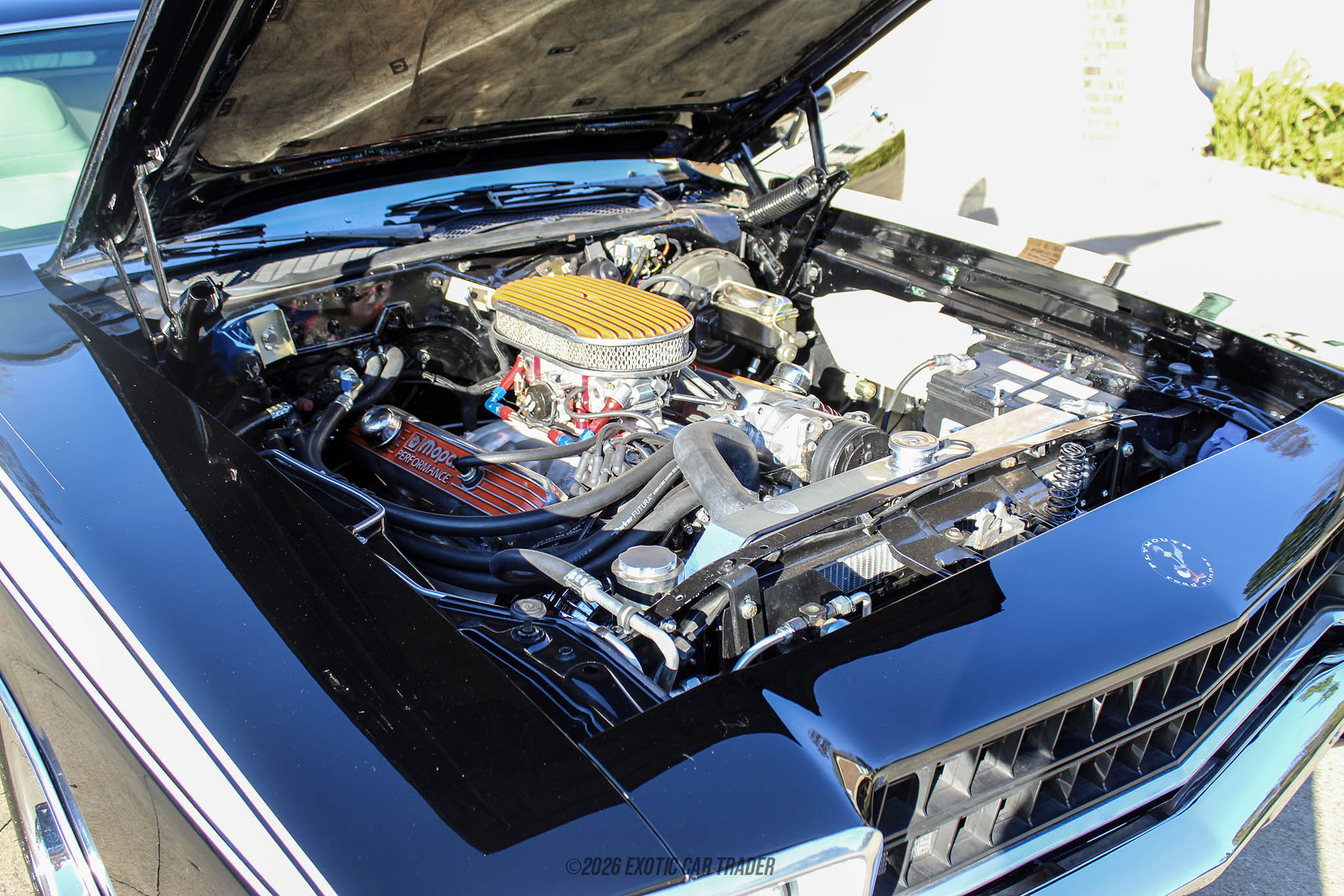
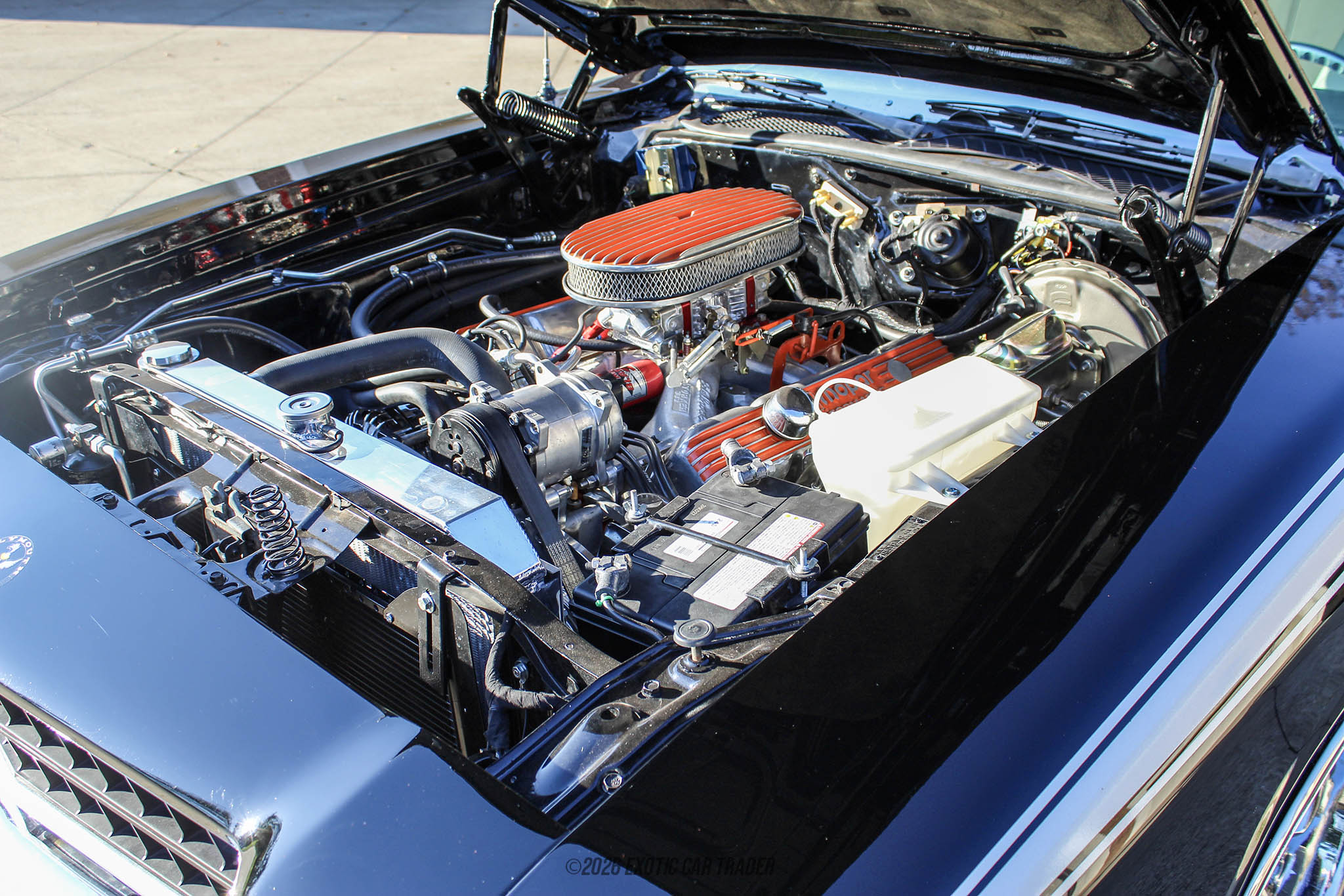
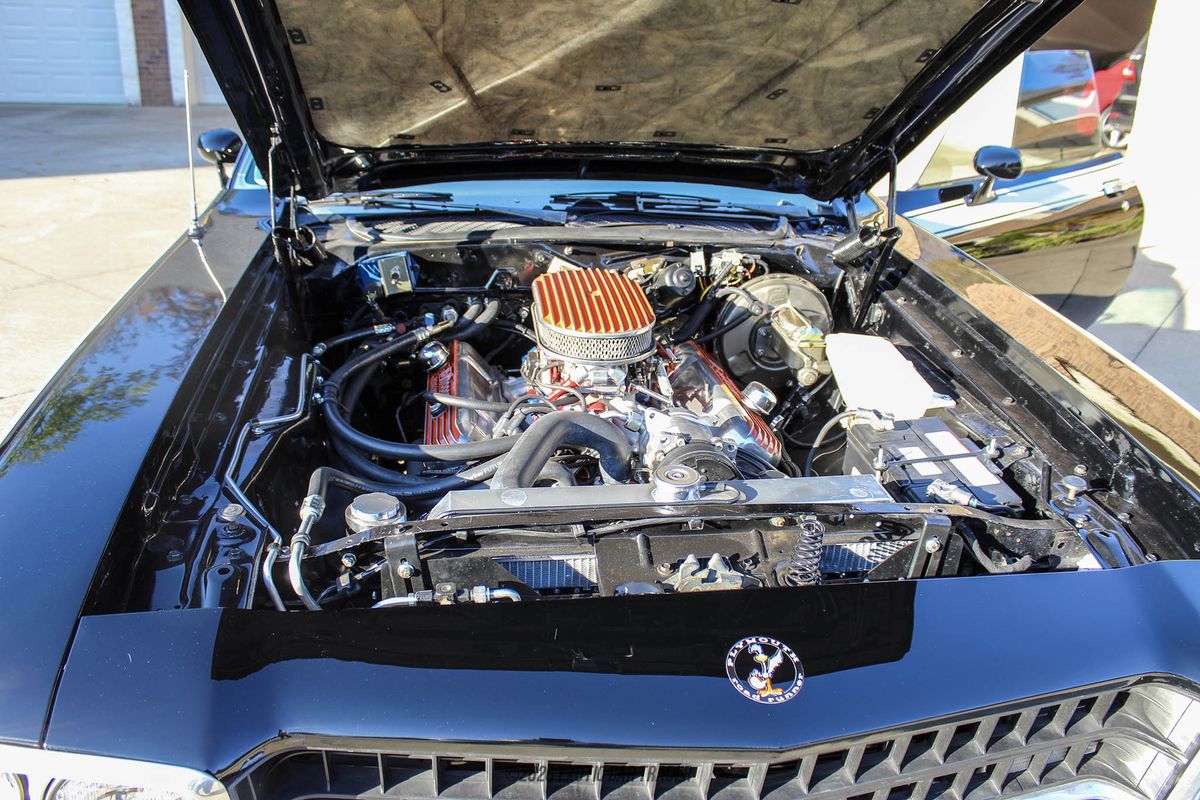
Beneath the hood of this 1974 Plymouth Road Runner Restomod sits a 440ci (7.2L) naturally aspirated big-block V8, one of Chrysler's most celebrated engine configurations from the golden age of American muscle. Renowned for its substantial displacement and strong low-end torque, the 440ci V8 helped establish the reputation of some of the most formidable Mopar performance cars of the late 1960s and early 1970s. This example features a four-barrel carburetor, a chrome aftermarket air cleaner with a red filter element, and chrome valve covers with red accents, giving the engine compartment a distinctive performance-oriented appearance. An aftermarket aluminum radiator and upgraded cooling fan provide additional cooling hardware to complement the big-block powerplant. Power is delivered to the rear wheels through an automatic transmission, offering the relaxed cruising characteristics traditionally associated with classic American V8 performance cars. Power steering and power-assisted brakes contribute to everyday drivability, while front disc brakes provide stopping capability to complement the engine's substantial displacement. The combination of its big-block V8, upgraded cooling components, and classic rear-wheel-drive architecture delivers the unmistakable mechanical character that has made Mopar muscle cars enduring favorites among enthusiasts. With its distinctive engine presentation and traditional American muscle car configuration, this Road Runner Restomod offers an engaging blend of vintage performance and personalized craftsmanship.

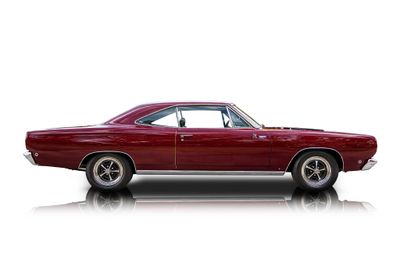

The Plymouth Road Runner arrived in 1968 with a simple mission: deliver serious muscle car performance without the unnecessary frills. Built around Chrysler's midsize B-body platform, the Road Runner quickly earned a reputation for its powerful engines, straightforward engineering, and unmistakable personality. This 1968 Plymouth Road Runner, showing 44,566 miles, is finished in Burgundy over a Black and Gray interior, capturing the distinctive character of Mopar's golden era. Powered by a 383ci V8 paired with a TorqueFlite 727 three-speed automatic transmission, this example features the Road Runner 383 engine package, power steering, dual exhaust, and aftermarket wheels. With its muscular styling, big-block V8, and classic two-door configuration, this Plymouth represents the no-nonsense performance philosophy that made the original Road Runner a muscle car legend.
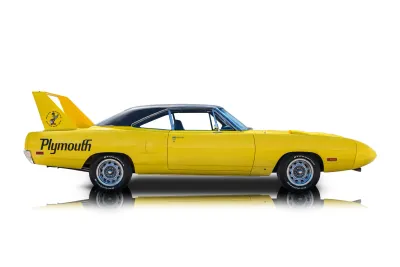
If there is one car that captures the sheer excess of the muscle-car era, it is the 1970 Plymouth Road Runner Superbird. Built for NASCAR homologation, its outrageous nose cone and sky-high rear wing were born from competition, but today they make the Superbird one of the most instantly recognizable American performance cars ever built. This Lemon Twist example shows approximately 35,923 miles and carries the combination enthusiasts want to see: a 440ci Six-Barrel V8, 4-speed manual transmission, Air Grabber hood, black vinyl top, black bucket-seat interior, and Rallye wheels. It is loud in appearance, serious in specification, and exactly the kind of winged Mopar that became a legend long after its brief one-year production run.
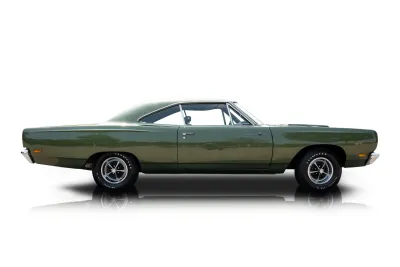
By 1969, the Plymouth Road Runner had firmly established itself as one of the defining muscle cars of the era, combining big-block performance with a no-nonsense attitude that appealed to enthusiasts looking for speed over luxury. This 1969 Plymouth Road Runner embodies that philosophy with its legendary 383ci V8, desirable 4-speed manual transmission, and iconic Air Grabber induction system. Showing approximately 82,962 miles, this Ivy Green classic offers the unmistakable styling, raw driving experience, and factory performance pedigree that continue to make the Road Runner one of Mopar's most celebrated creations.
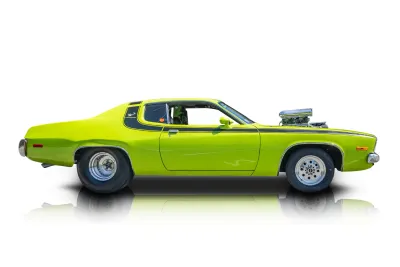
This 1974 Plymouth Road Runner Pro Street Supercharged is a purpose-built street-and-strip muscle car combining classic Mopar styling with serious drag racing hardware. Originally a 340ci V8, this Road Runner has been transformed with a professionally built and balanced big block powerplant featuring a Dyer’s Machine Blower Company supercharger system, dual Holley carburetors, and an estimated 800 horsepower output. Designed for high-performance driving, it pairs its supercharged engine with a reverse-pattern 727 TorqueFlite automatic transmission, Detroit Locker differential, 4-link rear suspension, and Mickey Thompson ET Street tires. Finished in a vibrant Lime Green exterior with a competition-inspired setup including a full roll cage, racing harnesses, and upgraded chassis components, this Pro Street build represents the classic era of American horsepower taken to an extreme level.
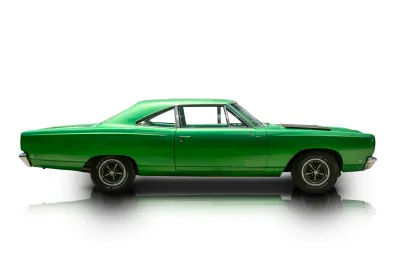
The Plymouth Road Runner was introduced for buyers who wanted one thing above all else: performance. By stripping away unnecessary luxury features and focusing on big-block power, Plymouth created one of the most successful muscle cars of the era. This 1968 Plymouth Road Runner Hardtop Coupe shows 57,801 miles and is powered by the legendary 383ci Magnum V8, making it a textbook example of the formula that made the Road Runner a household name among enthusiasts. Finished in an eye-catching green exterior over a white vinyl interior, this first-year Road Runner embodies the no-nonsense attitude that helped establish the model as one of the most iconic muscle cars of the late 1960s.
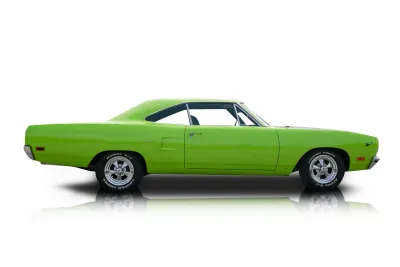
Collaborations can truly be a lovely thing when done right, and Plymouth did exactly that with its iconic Roadrunner back in the 60s. What was a reported payment of $50,000 for name rights and a further $10,000 to develop the iconic “beep beep” horn is now a cult classic in the muscle car collectors' circle. Present today is your chance to own a true American icon that takes shape with this 1970 Plymouth Roadrunner. Hailing from Saint Mary’s, Ohio and with just 34,793 miles on its clock, this quirky classic can be yours to “beep beep” your way into the weekend.
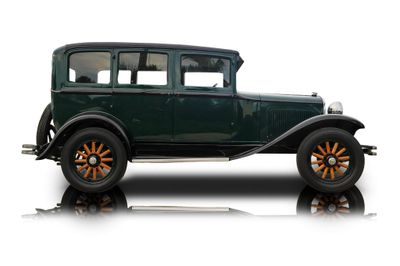
The 1928 Plymouth Model Q marked the beginning of an important chapter in American automotive history, introducing Chrysler's new entry-level brand with features that rivaled more expensive competitors. Notably, Plymouth offered four-wheel hydraulic brakes at a time when many affordable automobiles still relied on mechanical systems. This 1928 Plymouth Model Q 4-Door Sedan, showing 47,274 miles, is finished in Dark Green over a Green cloth interior, capturing the distinctive character of late-1920s motoring. Powered by a 170.3ci four-cylinder engine paired with a three-speed manual transmission, this Plymouth features wood-spoke wheels, a rear-mounted spare tire, running boards, and classic chrome accents. With its upright proportions, traditional engineering, and significance as a first-year Plymouth model, this sedan offers an appealing glimpse into the early days of Chrysler's automotive legacy.
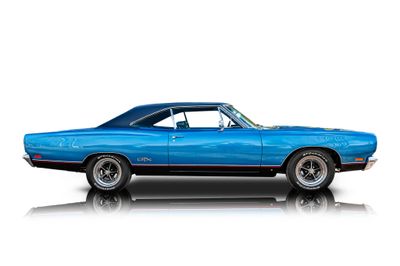
The 1969 Plymouth GTX earned its reputation as one of Mopar's most formidable muscle cars, combining upscale appointments with the raw performance of Chrysler's legendary big-block V8s. Marketed as the "Gentleman's Muscle Car," the GTX offered serious horsepower without sacrificing comfort or style. This 1969 Plymouth GTX, showing 90,809 miles, is finished in a striking Blue exterior over a matching Blue vinyl interior. Under the hood sits a mighty 440ci V8 featuring a Six Pack conversion with triple two-barrel carburetors, paired with a four-speed manual transmission and Dana Sure Grip rear differential. Additional highlights include an Air Grabber hood, Magnum 500 wheels, power steering, power brakes, and a Flowmaster exhaust system. With its unmistakable B-body styling, desirable four-speed gearbox, and big-block Mopar power, this GTX captures the golden era of American muscle at its finest.
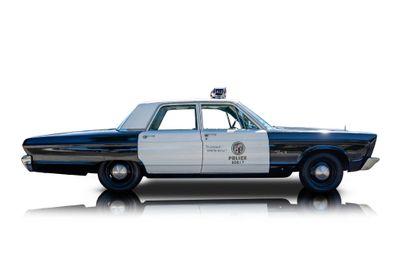
The Plymouth Fury established itself as a popular choice among American law enforcement agencies during the 1960s, thanks to its durable construction, spacious cabin, and dependable V8 power. This 1966 Plymouth Fury II Four-Door Sedan captures that era with its distinctive Los Angeles Police Department (LAPD) styling, traditional Black and White exterior, and an impressive collection of vintage police equipment. Showing just 10,630 miles, this example features a 318ci V8 paired with an automatic transmission and a Turquoise interior. Highlights include a roof-mounted emergency beacon, LAPD-style insignias, Motorola Motrac radio equipment, and a Federal Interceptor siren controller. Combining classic Mopar engineering with the unmistakable character of a 1960s police cruiser, this Fury II offers a unique opportunity for collectors and enthusiasts of vintage American automobiles.
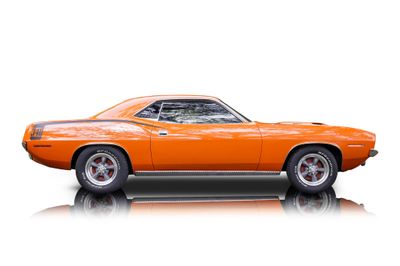
This 1970 Plymouth ’Cuda 340 Hardtop is exactly the kind of E-body enthusiasts gravitate toward: a real 340 car, 3-speed manual, Hemi Orange paint, black side graphics, and the unmistakable stance of an early ’Cuda. Showing 45,717 miles, it has the right combination of muscle-car attitude and mechanical simplicity, with the current owner reporting that the car still wears its original paint. The dual hood scoops, hood pins, American Racing 5-spoke wheels, BFGoodrich Radial T/As, and black “340” stripe all reinforce the period street-machine look without taking away from the car’s identity. For a Mopar fan, the 340/3-speed combination is the real draw here.
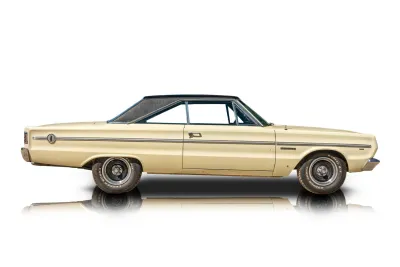
The 1966 Plymouth Belvedere II Hardtop is the kind of Mopar that gets enthusiasts interested before the hood is even opened. Its clean B-body lines, pillarless hardtop profile, Soft Yellow paint, black vinyl roof, and Magnum 500-style wheels give it the restrained factory muscle look of the mid-1960s, but this example carries much more serious hardware underneath. Showing approximately 91,610 miles, it is powered by a 440ci big-block V8 backed by a TorqueFlite 727 automatic, giving it the kind of drivetrain combination that feels right at home in a classic Plymouth. Add power steering, power disc brakes, air conditioning, and a dual exhaust system, and this Belvedere blends old-school Mopar attitude with enough comfort to make it more than just a weekend bruiser.
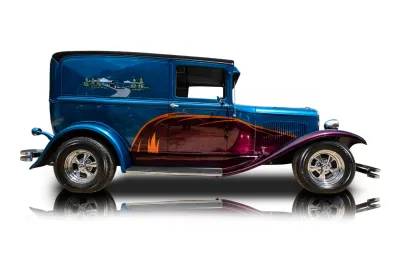
This 1928 Plymouth Model Q Delivery Street Rod takes the distinctive commercial-body styling of an early Plymouth and gives it a decidedly custom street-rod personality. Showing 20,060 miles, it combines a 351ci Windsor V8 with a C6 3-speed automatic transmission and rear-wheel drive, delivering a traditional American hot-rod powertrain in a far less common body style than the usual coupe or roadster. Its blue and Merlot two-tone exterior, custom flame graphics, hand-painted rear quarter artwork, aftermarket air conditioning, and reupholstered interior make this a highly personalized build with plenty of visual character.
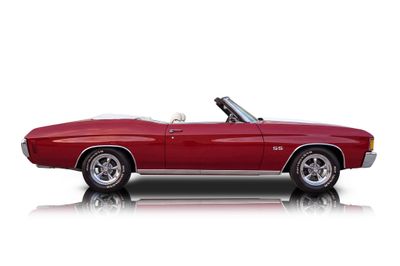
The 1972 Chevrolet Chevelle Malibu Convertible represents the final year of the second-generation Chevelle, a model that helped define Chevrolet's place in the golden age of American muscle cars. With its muscular proportions, timeless styling, and unmistakable V8 character, the Chevelle remains one of the most recognizable names in classic American motoring. This particular 1972 Chevrolet Chevelle Malibu Convertible, showing just 278 miles on the odometer, combines classic muscle car appeal with a selection of modern enhancements. Finished in Red with White rally stripes over a White leather interior, this example features a matching White power-operated convertible soft top and a potent 396ci big-block V8 paired with a four-speed manual transmission. The vehicle underwent a refresh, incorporating upgrades such as FiTech electronic fuel injection, Dakota Digital instrumentation, and a Kenwood sound system. Additional highlights include 15-inch American Racing Torq Thrust D wheels, air conditioning, and SS exterior badging. With its striking color combination, engaging manual transmission, and big-block performance, this Chevelle offers an appealing blend of vintage American muscle and modernized driving enjoyment.
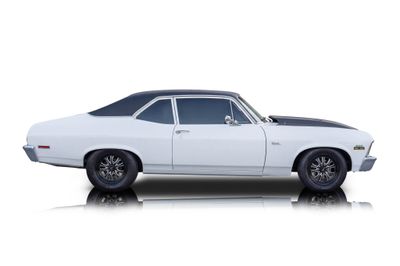
The 1972 Chevrolet Nova captures the spirit of American muscle from an era when compact dimensions, V8 power, and straightforward mechanical engineering made for some of the most entertaining cars on the road. Originally introduced as Chevrolet's economical compact, the Nova evolved into a legitimate performance contender, particularly when equipped with a small-block V8 and the desirable Super Sport appearance. This particular 1972 Chevrolet Nova Coupe, showing 59,366 miles, has been customized with an assortment of performance and cosmetic enhancements that give it a distinctive personality. Finished in White with a contrasting Black hood and vinyl roof, this example features a 355ci small-block V8 paired with a four-speed manual transmission and a 3.42:1 Positraction rear differential. The engine benefits from MSD ignition components, an aftermarket intake manifold, and exhaust headers, while power steering and front disc brakes enhance drivability. Inside, a reupholstered Black interior features custom diamond-stitched bucket seats, white contrast stitching, and aftermarket instrumentation. With its classic Nova proportions, distinctive two-tone styling, and performance-oriented upgrades, this example offers an appealing interpretation of Chevrolet's celebrated compact muscle car.
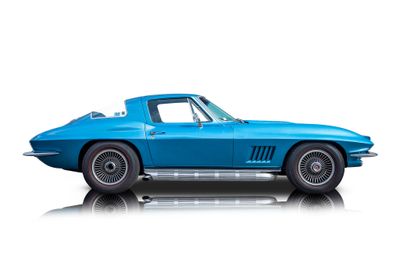
The 1967 Chevrolet Corvette Sting Ray represents the final and arguably most celebrated year of the second-generation Corvette, commonly known as the C2. With its unmistakable styling, powerful big-block engine options, and limited production run, the 1967 model has become one of the most desirable Corvettes among collectors and enthusiasts. This particular 1967 Chevrolet Corvette Sting Ray 427 Coupe, showing 57,276 miles, is finished in the iconic Marina Blue over a Black leather interior and features the legendary L68 427ci Tri-Power V8, factory-rated at 400 horsepower. The L68 was produced in relatively limited numbers, with just 2,101 examples equipped with this engine for the 1967 model year. Complementing its impressive powertrain is a four-speed manual transmission and an exceptional collection of desirable factory options, including air conditioning, power windows, power steering, J50 power brakes, N14 side-mounted exhaust, and the sought-after N89 bolt-on aluminum wheels with redline tires. Combining the final-year C2 design, big-block Tri-Power performance, and an impressive selection of factory equipment, this Sting Ray captures everything that made the 1967 Corvette a defining American sports car.
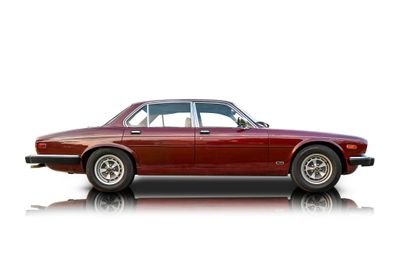
The Jaguar XJ6 Series III represents an era when British luxury sedans were defined by elegant proportions, handcrafted interiors, and a distinctly refined driving experience. Introduced in 1979 with styling revisions by Pininfarina, the Series III refined Jaguar's original XJ design while preserving the character that had made the model a favorite among luxury car enthusiasts. By 1987, the XJ6 had reached the final year of Series III six-cylinder production, making this example a particularly interesting representative of Jaguar's classic saloon heritage. This 1987 Jaguar XJ6 Series III, showing just 79,022 miles, is finished in Bordeaux Red Metallic over a Barley leather interior, a sophisticated color combination that complements its timeless British styling. Powered by Jaguar's celebrated 4.2L naturally aspirated inline-six paired with a three-speed automatic transmission, this XJ6 delivers the smooth, relaxed driving character for which the marque became renowned. Highlights include distinctive Jaguar Kent alloy wheels, an extensively wood-trimmed cabin, leather seating, automatic climate control, and a factory Jaguar audio system. With its elegant exterior, traditional British craftsmanship, and unmistakable Jaguar identity, this Series III offers enthusiasts an opportunity to experience the charm of a classic luxury sedan from one of Britain's most prestigious automotive manufacturers.
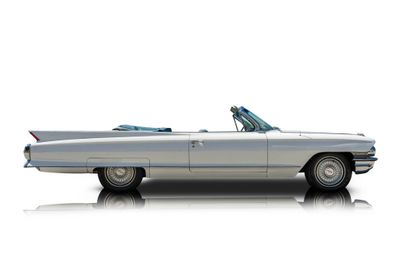
Cadillac was at the height of its influence in the American luxury car market during the early 1960s, producing automobiles celebrated for their unmistakable styling, powerful V8 engines, and exceptional passenger comfort. The 1962 model year marked a period of refinement for the brand, as Cadillac transitioned from the extravagant tailfins of the late 1950s toward a more sophisticated design while retaining its commanding road presence. This 1962 Cadillac Series 62 Convertible captures that era beautifully, finished in Olympic White over a blue interior with a matching white convertible soft top. Showing 72,224 miles, this American classic is powered by Cadillac's 390ci V8, factory-rated at 325 horsepower, paired with a 4-speed Hydra-Matic automatic transmission. Its elegant proportions, distinctive tailfins, extensive chrome brightwork, and spacious six-passenger cabin embody the luxury and craftsmanship that established Cadillac as the Standard of the World. With its open-air configuration and timeless styling, this Series 62 Convertible offers enthusiasts an opportunity to experience one of the most recognizable chapters in American automotive history.
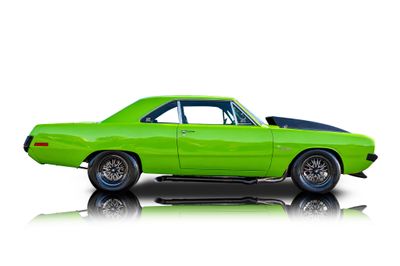
The Dodge Dart may have started life as an affordable compact car, but by the late 1960s, its lightweight construction and compatibility with Chrysler's legendary V8 engines had made it a favorite among drag racers and performance enthusiasts. The 1970 Dart Swinger was particularly well-suited to this transformation, offering a relatively compact platform capable of accommodating serious horsepower. This 1970 Dodge Dart Swinger Pro Street takes that formula to the extreme, featuring a massive 543ci (8.9L) naturally aspirated big-block stroker V8 derived from Chrysler's legendary 440ci engine architecture. According to the seller, this powerplant produces an astonishing 875 horsepower at 6,300 RPM, sending its output through a competition-built 727 TorqueFlite automatic transmission and a Moser rear axle with 4.11 gears. Finished in an unmistakable Lime Green exterior with custom Mopar Performance graphics, this Dart also features lightweight fiberglass body components, a CalTracs rear suspension setup, and Hoosier drag radial tires. Built with a clear emphasis on straight-line performance, this is anything but an ordinary classic Mopar.

Terms of Service
Be Kind and Courteous
We're here to create a platform to better the automotive industry through communication and transparency. Please treat everyone with respect. Healthy debates are natural, but kindness is required.
No Hate Speech
Make sure everyone feels safe. Hate speech of any kind is strictly prohibited. Degrading comments about things like race, religion, culture, sexual orientation, etc. will not be tolerated.
No Promotions or Spam
Give more than you take. Self-promotion, spam, or links of any kind are not allowed.
