





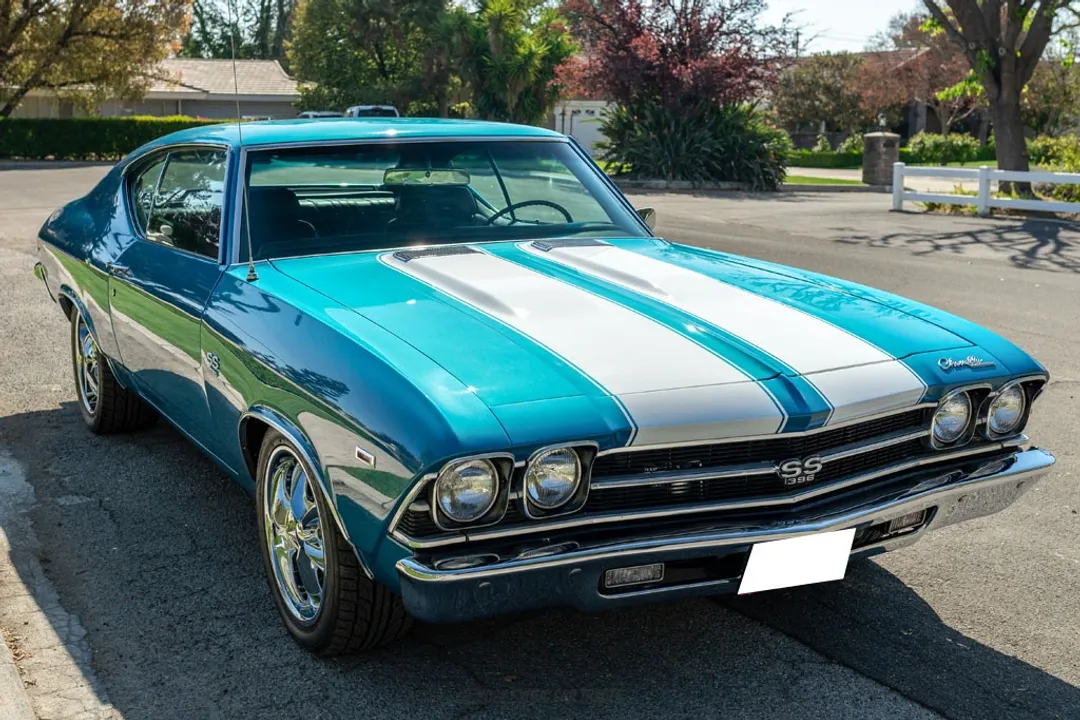
The Chevrolet Chevelle stands out as an iconic, powerful, versatile muscle car. Let's dive into the details on the Chevelle in our complete guide.
Exploring the Retro Chevrolet Chevelle
The Chevrolet Chevelle was introduced in 1964 as a mid-sized automobile and was one of Chevrolet's most successful nameplates. It debuted with a starting price of just over $2,000, a remarkable price in its days given that current Chevelle prices range from $40,000 to over $100,000. The Chevelle was available in various body styles, including convertibles, two-door hardtops, sedans, and even station wagons. It gave buyers multiple choices, from the standard 300 series to the high-performance SS models.
The Story Behind the Chevelle
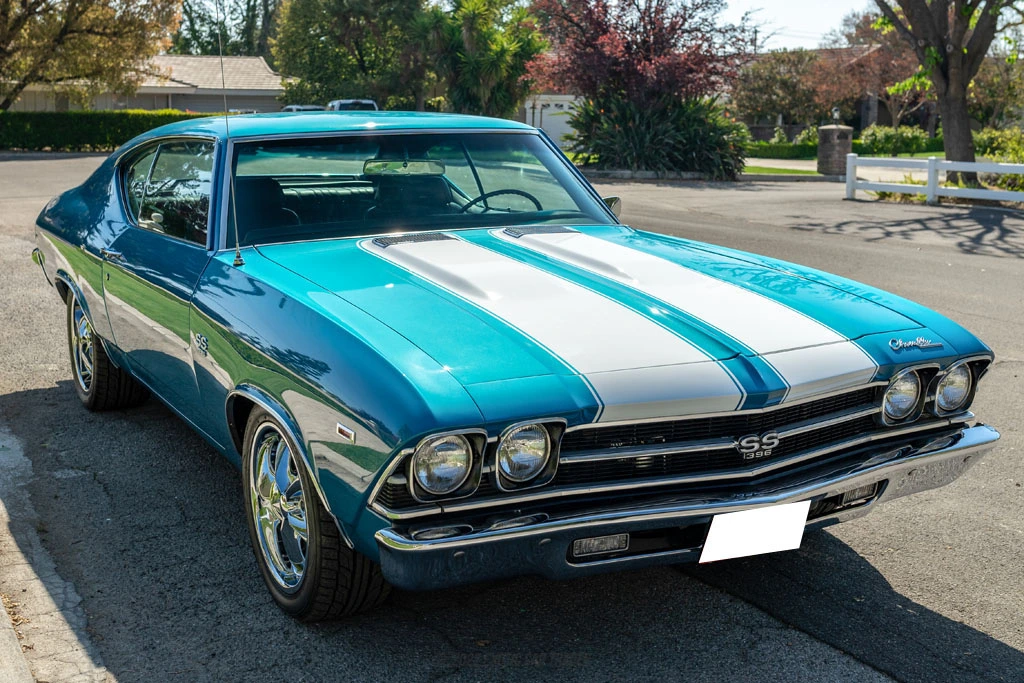
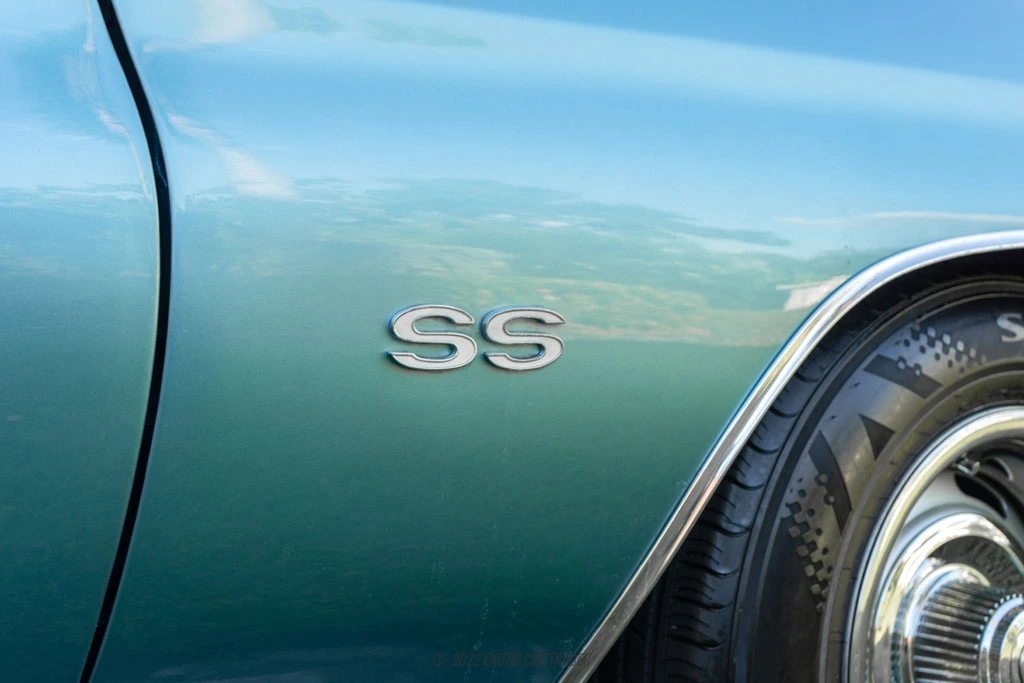
The Chevrolet Chevelle's production commenced in 1964 and continued through 1977. The first-generation models (1964 to 1967) were designed with a distinct A-body platform. As the years progressed, the Chevelle underwent several transformations that enhanced its appeal. The second generation (1968 to 1972) saw the implementation of a more streamlined, aerodynamic design and the introduction of the luxurious Malibu model. Under the hood, the standard 1970 Chevelle boasted a six-cylinder engine with up to 140hp, but the true beast was unveiled with the Chevelle SS (Super Sport) model, which housed a V8 engine that churned out 325hp.
The third and final generation (1973 to 1977) featured a comprehensive redesign to comply with new safety regulations. The Chevelle lineup was also streamlined, shifting focus toward the Malibu. By 1978, the Chevelle nameplate was discontinued and fully replaced by the Malibu. Chevrolet has yet to reintroduce the Chevelle, so there aren't any new models. Instead, the spirit of the Chevelle lives on in models like the Camaro and Malibu, which have similar characteristics. Today, existing Chevelles are cherished collector's items, revered for their classic design and the nostalgia they evoke of a golden era in American automotive history.
Is The Chevelle's Exterior Timeless?
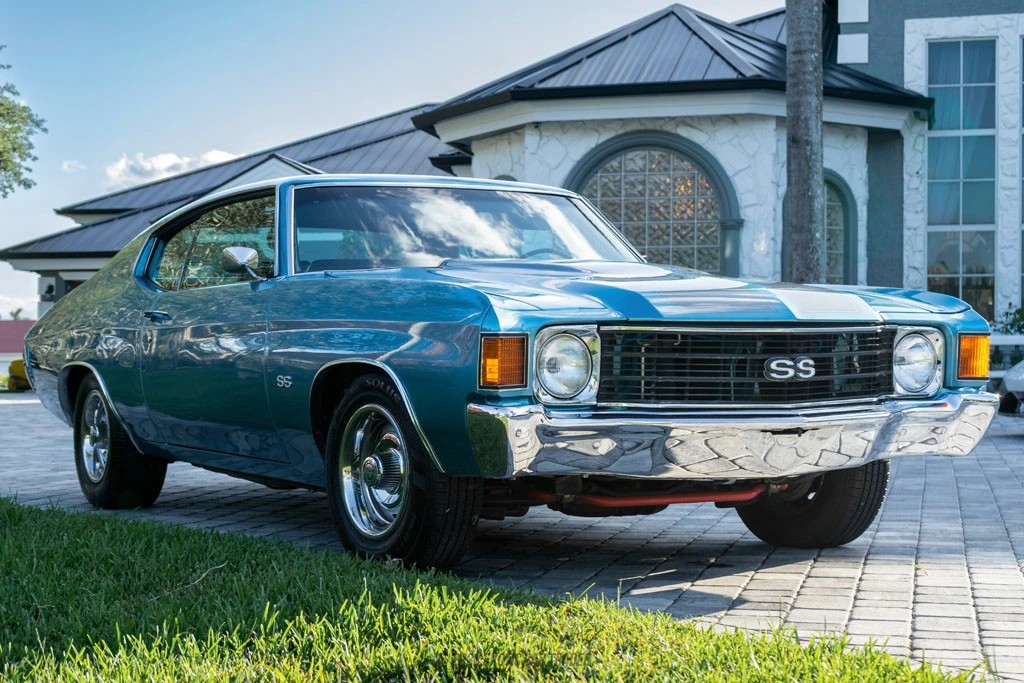
The exterior design of the Chevrolet Chevelle is reminiscent of the 1960s and 70s American automotive aesthetics. Its front profile is defined by a broad, well-sculpted grille flanked by dual round headlights. The distinct "Coke bottle" side profile accentuates this front profile. It features a well-defined beltline that dips towards the rear. The Chevelle's lines flow seamlessly, connecting the front to the rear.
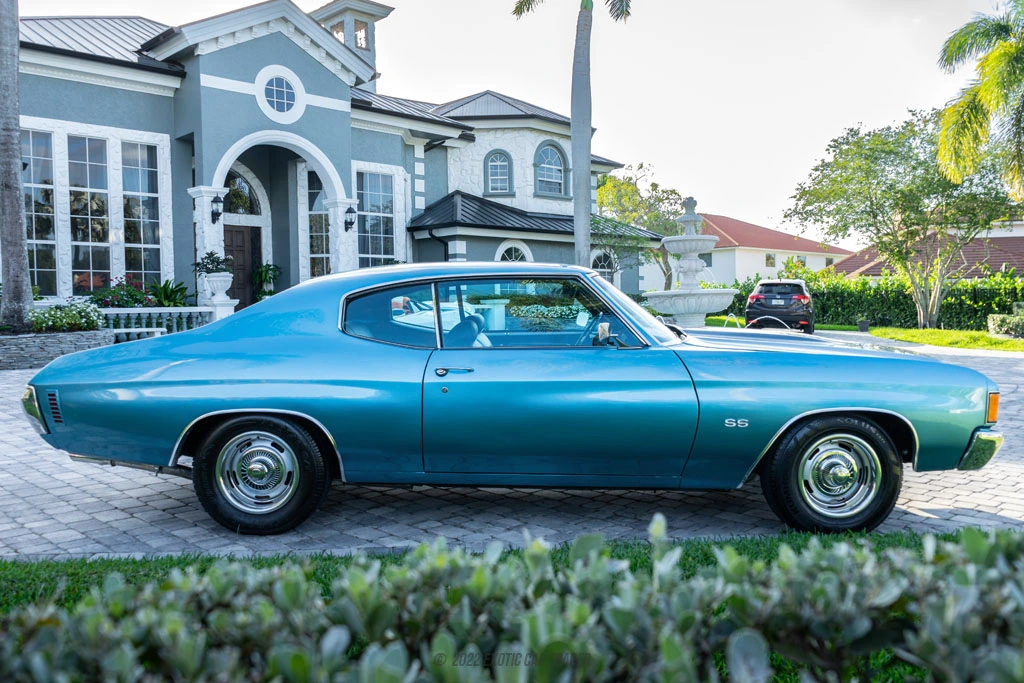
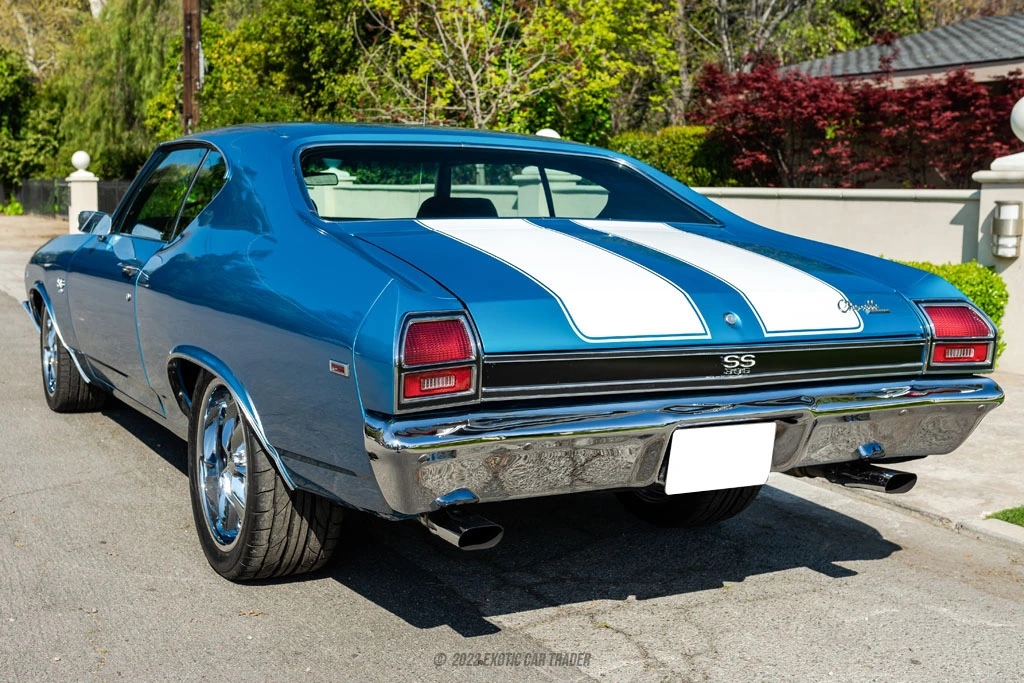
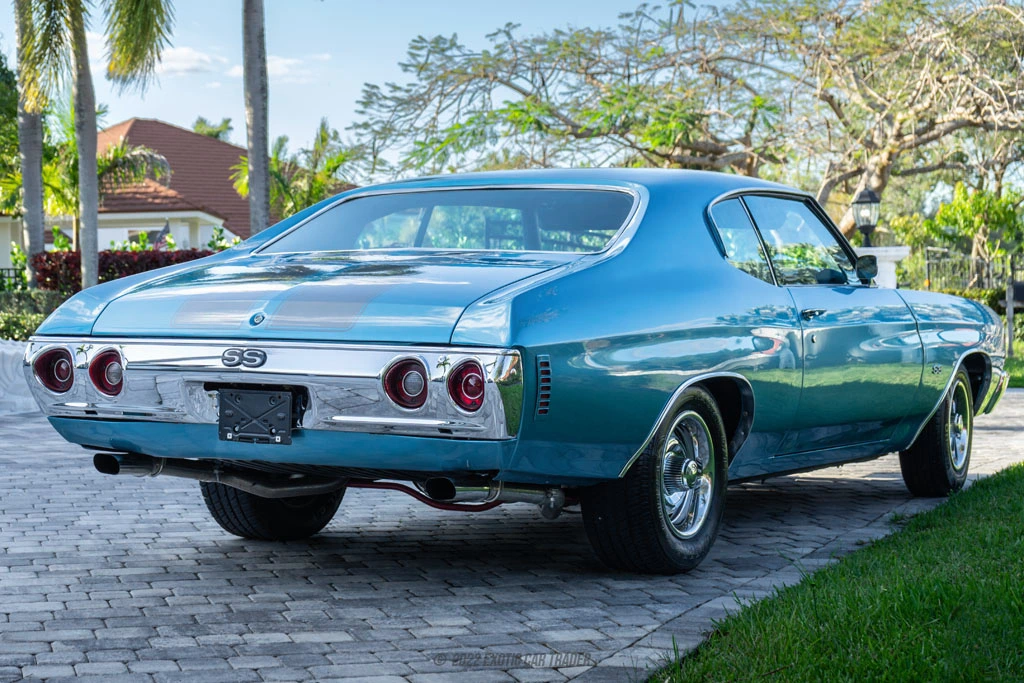
Its robust wheel arches house the standard 17-inch wheels with drum or optional disc brakes. The Chevelle's triple tail light clusters on either side adorn the rear and complement the overall design. The Chevrolet Chevelle also features chrome bumpers and sporty hood vents in the SS models - they improve its overall appeal.
The Iconic Interior of the Chevrolet Chevelle
The Chevelle's cabin is spacious and can comfortably seat up to five passengers. The seats, upholstered in premium vinyl or optional leather, are well-cushioned and provide ample support for long drives. The front seats in later models also featured headrests for added comfort and safety. The center console is streamlined and ergonomic, housing the audio controls, air conditioning vents, and, in some versions, an optional 8-track player. The console also features a gear selector, which, in the SS models, might include the iconic "four on the floor" manual transmission. The gauge cluster is thoughtfully designed, integrating speedometer, tachometer, fuel, and temperature gauges in an easy-to-read layout. Some models also include a clock on the dashboard. The steering wheel is sturdy and has a three-spoke design.
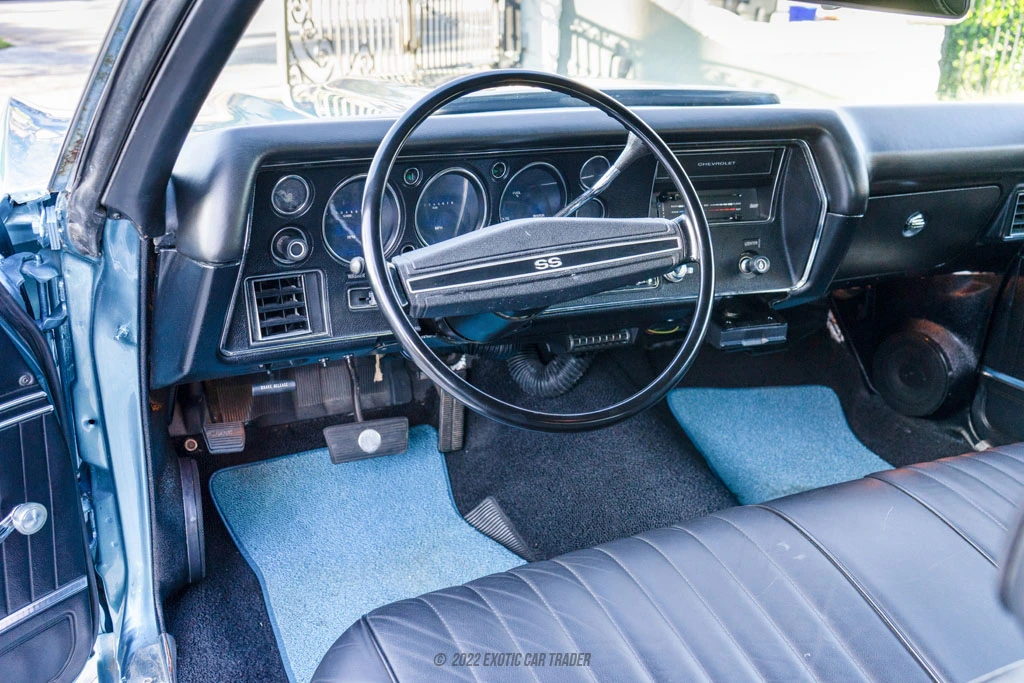
The Chevelle is well-equipped with storage spaces, including a glove compartment, door pockets, and a spacious trunk, providing practicality for everyday use. Regarding luxury options, some 1970 Chevelle SS models were outfitted with power windows, power steering, air conditioning, and even a tilt steering column. The distinguishing features of the Chevelle's interior include color options, chrome accents around the gauges and door panels, and unique "Strato" bucket seats in the SS models.
The Vintage Tech Features Of The Chevelle
Despite originating in an era before the advent of digital technology, the Chevrolet Chevelle was equipped with the best technology of its time. Among the Chevelle's noteworthy offerings was its powerful Delco AM radio, a staple in most models. Some top-end models were equipped with an 8-track player, a feature that increased its appeal to music enthusiasts.
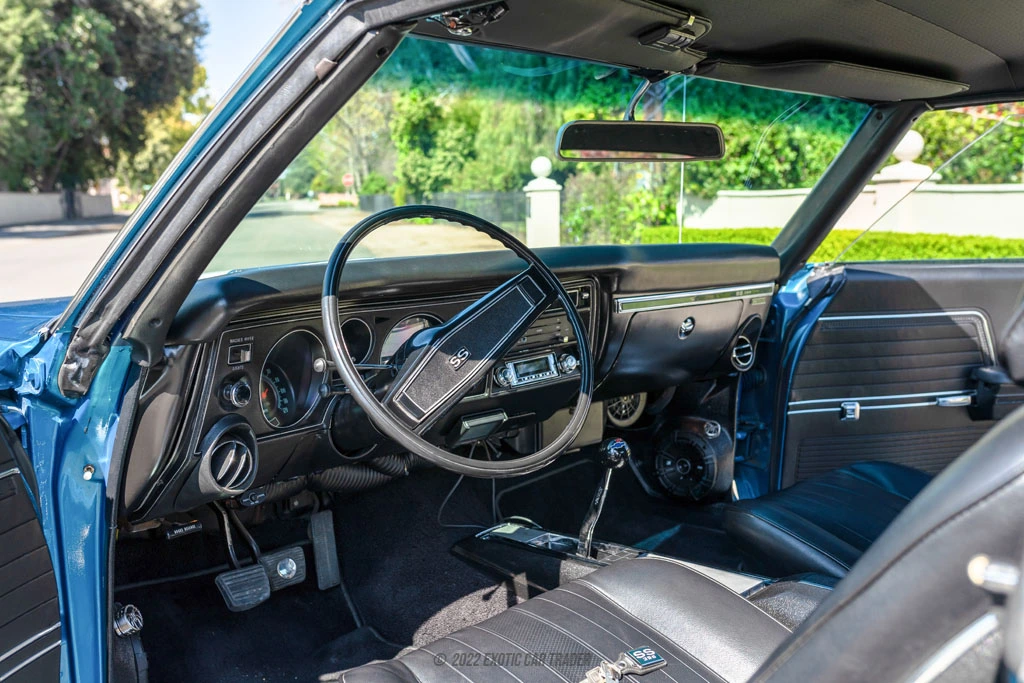
The instrumentation was another area where the Chevelle showcased advanced technology. In some models, Chevrolet offered a special instrument package known as the "Special Instrumentation," which included a tachometer, ammeter, and temperature gauge. In terms of safety, the Chevelle was ahead of some of its competitors, offering power brakes with an optional disc at the front. Power steering was another tech feature that made driving the Chevelle more enjoyable. Air conditioning, a luxury in those days, was also offered for added comfort. You may not see a Chevelle with a smartphone dock or GPS navigation, but its vintage technology will suffice.
The Chevelle's Four-On-The-Floor Transmission And Engine
The base model Chevelle came equipped with a six-cylinder engine that delivered up to 140hp, offering peppy performance for the average driver. However, the Chevelle's SS variant packed more punch for those seeking power. Chevrolet offered a range of V8 engines in the Chevelle SS, the most potent being the legendary 454 cubic inch big-block V8. This monstrous engine, deliverable with the LS6 option, produced a staggering 450 horsepower and 500 pound-feet of torque, making the Chevelle SS one of the most powerful production cars of its time. The Chevrolet Chevelle was equipped with several transmission options throughout its production years, catering to various driving preferences. The base models typically came with a 3-speed manual transmission, providing a straightforward and reliable driving experience.
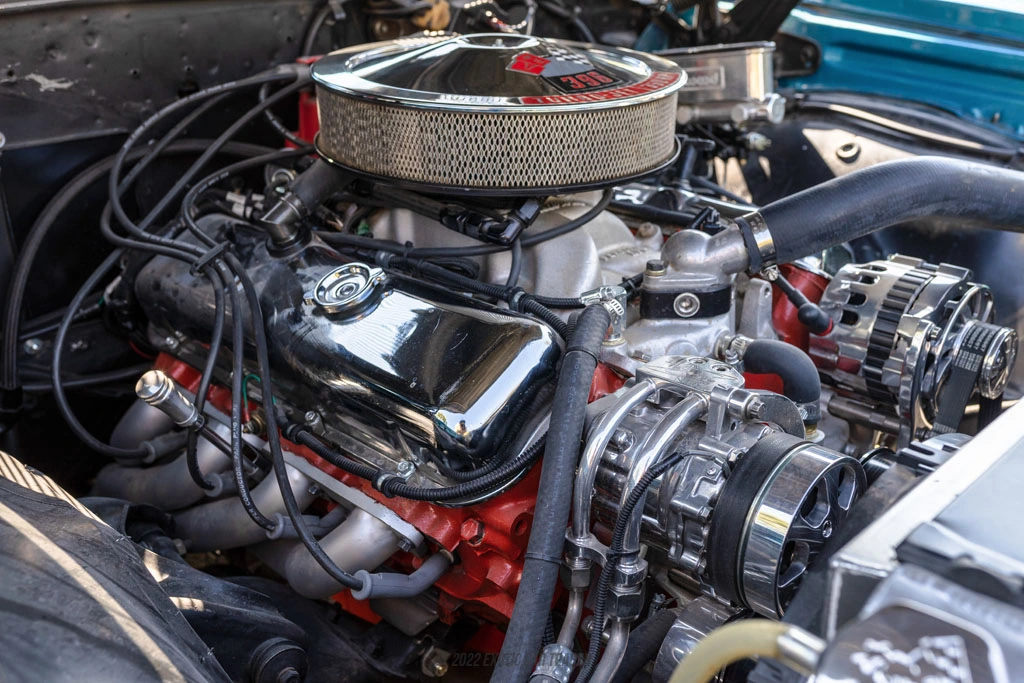
Chevrolet also offered a 4-speed manual transmission. This setup, famously known as the "four on the floor," was particularly desirable in the Chevelle SS models and complemented the power of their V8 engines. The Chevelle also featured a 2-speed "Powerglide" and later a 3-speed "Turbo Hydra-Matic" automatic transmission for drivers who preferred automatic gear shifts. These automatic transmissions offered effortless cruising. For the racing enthusiasts, Chevrolet produced a limited number of COPO (Central Office Production Order) Chevelles, equipped with a 427 cubic inch V8 engine tailored explicitly for drag racing. These models stood out with their Spartan interiors, heavy-duty suspensions, and high-performance tires designed to handle the immense power output from the engine. As for the suspension, the Chevelle utilized a traditional setup of independent front suspension and a solid rear axle, a standard configuration for muscle cars of that era. This setup allowed the Chevelle to handle well in various driving conditions.
The Classic Chevelle Holds Its Resale Value
Despite its age, the Chevrolet Chevelle holds a remarkable resale value. The market for classic muscle cars remains robust, and the Chevelle, an iconic model, commands premium prices. The SS models and those with original "big-block" V8 engines are particularly sought-after. Some of the highest-valued models are those from the 1970 production year, particularly the LS6 SS 454 variant. The rarity and performance of these variants make them highly desirable among collectors. The value of these vehicles also largely depends on their condition and originality. A meticulously maintained Chevelle, with the original parts and paintwork, can fetch substantially higher prices. Whether for personal enjoyment or as an investment, purchasing a Chevrolet Chevelle is a decision that often retains, and in some cases appreciates, its value over time.
Interesting Facts About The Chevrolet Chevelle
Here are some interesting facts you should know about the Chevrolet Chevelle
- Inspired by Smaller Cars: The Chevelle was introduced in 1964 as Chevrolet's response to the success of smaller cars, particularly the Ford Fairlane. It was designed to fit between the smaller Chevrolet II and the brand's full-sized vehicles.
- Prolific Production: Chevrolet produced over 1.2 million Chevelles in the first year alone. Over its entire production run, Chevrolet made more than 5 million Chevelles, making it one of the most successful models in Chevrolet's history.
- Chevelle's LS6 Engine: The LS6 engine option for the Chevelle, available in 1970, is the highest factory-rated horsepower engine offered to the general public in a production car during the muscle car era.
- Versatile Model Range: Throughout its production run, the Chevelle was available in various body styles, including two-door and four-door sedans, convertibles, station wagons, and coupes.
- The Famous Yenko Chevelle: Not all Chevelles were factory-made. Don Yenko, a Pennsylvania Chevrolet dealer known for his custom muscle cars, ordered a unique fleet of Chevelles with an L72 427-cubic-inch V8 engine in 1969. These special-order cars, known as Yenko Super Cars, are now some of the most coveted Chevelles.
- Dominance in Races: The Chevelle also made a name for itself in the racing world. Chevelle SS models dominated the drag racing and street racing scenes in the late '60s and early '70s, and the model won two NASCAR Grand National Championships in 1971 and 1972.
- Chevelle in Pop Culture: The Chevelle has appeared in numerous TV shows, including the "Fast and Furious" franchise, cementing its status as a true pop-culture icon.
The Chevrolet Chevelle Versus Its Rivals
In the heyday of the muscle car era, the Chevrolet Chevelle found itself in intense competition with formidable rivals such as the Ford Mustang, Pontiac GTO, and Dodge Charger. Despite this tough competition, the Chevelle managed to carve out its niche, primarily due to its versatility and impressive performance. The Ford Mustang, renowned for its sleek design and sporty performance, was often viewed as a more compact "pony car." In contrast, the Chevelle was a full-sized "muscle car" offering more interior space and powerful engines. The Mustang undoubtedly had its appeal, but the Chevelle's big-block V8 engines edged it out.
The Pontiac GTO was another competitor. It was similar in size and also offered powerful V8 engines. However, the Chevelle's wider range of trims and body styles gave potential buyers more options. While it gained fame through its appearances in various films and TV shows, the Dodge Charger could not match the Chevelle's sales numbers. The Charger was undoubtedly a strong performer, but some found its styling too aggressive. Each competitor had its strengths, but the Chevrolet Chevelle's power, versatility, design, and racing success made it a preferred choice.
Final Thoughts On The Chevelle
The Chevrolet Chevelle stands out as an iconic, powerful, versatile muscle car. It offers many trims and body styles, caters to automatic and manual transmission preferences, and showcases robust engines that were even adapted for racing. The Chevelle's enduring appeal is demonstrated by its remarkable resale value. If you're looking for a Chevelle for sale, you'll find many on ExoticCarTrader.com.






Latest news from our blog
SELL YOUR CAR ON EXOTIC CAR TRADER
Exotic Car Trader is the fastest growing marketplace built specifically for automotive enthusiasts. Click below to learn how you can sell your car with us.
LEARN MOREThis content is not meant to replace professional legal or financial counsel.Readers are urged not to make or abstain from making decisions based solely on the information provided in this post.
Instead, they should seek appropriate professional advice on their specific facts and circumstances from licensed professionals in their respective jurisdictions.Eldred Auto Management LLC DBA Exotic Car Trader is not responsible for any actions taken or not taken based on the content of this blog post. Any reliance on the information found in this post is done at the reader's risk. Eldred Auto Management LLC DBA Exotic Car Trader disclaims any liability regarding all actions or lack thereof related to this blog post's content.
